

Stone Stele
Imperially Granted Faming Mosque: The Last Surviving Stone Stele in Beijing
Articles • ali2007fr posted the article • 0 comments • 147 views • 2026-05-17 07:58
Reposted from the web
Summary: This travel note introduces Imperially Granted Faming Mosque: The Last Surviving Stone Stele in Beijing. In front of the main hall of the Dongsi Mosque in Beijing, there is a stone tablet erected in 1579 (the seventh year of the Wanli reign of the Ming Dynasty) titled 'The Hundred-Word Eulogy of the Pure and True. It is useful for readers interested in Faming Mosque, Stone Stele, Beijing Muslims.
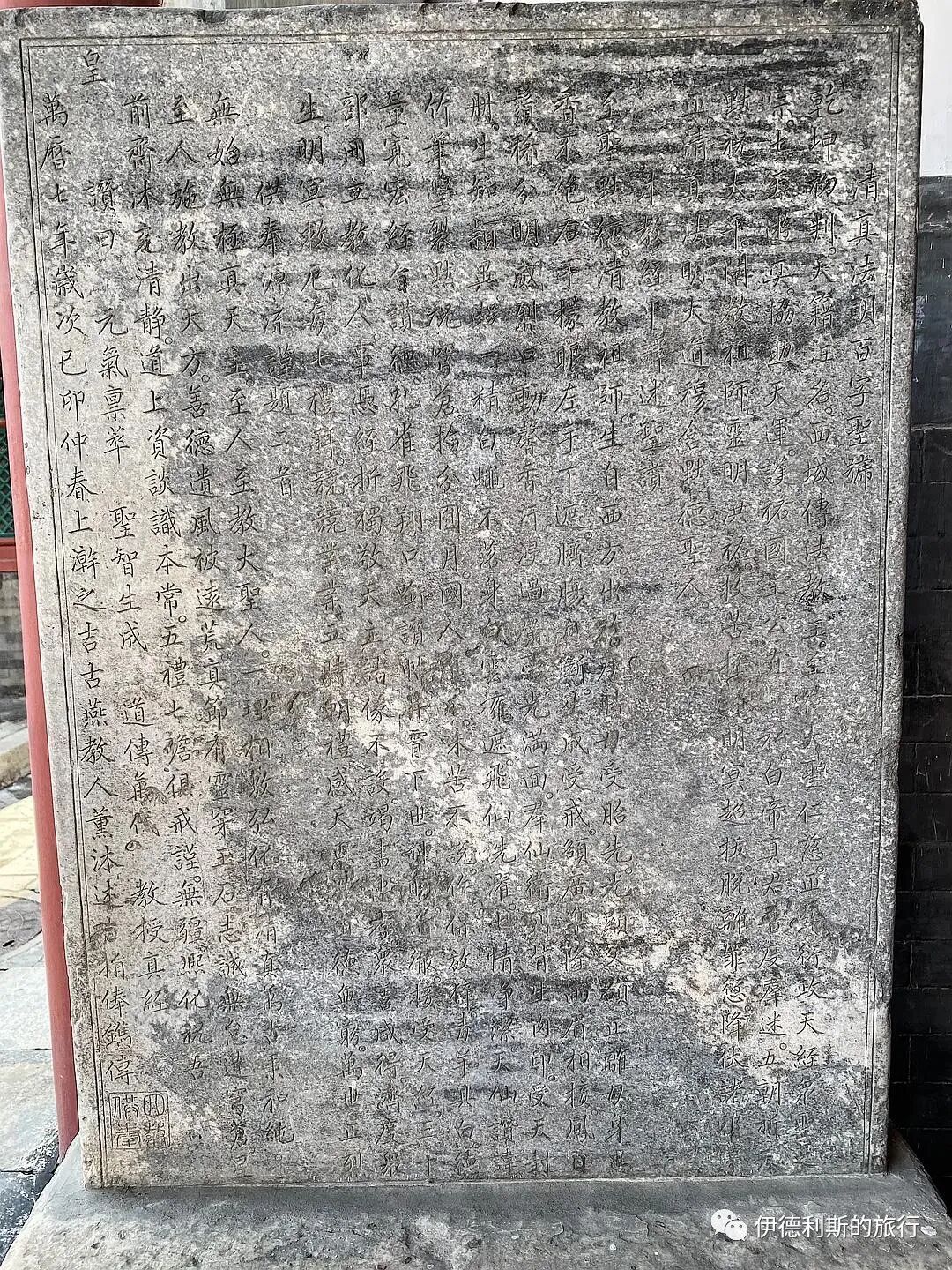
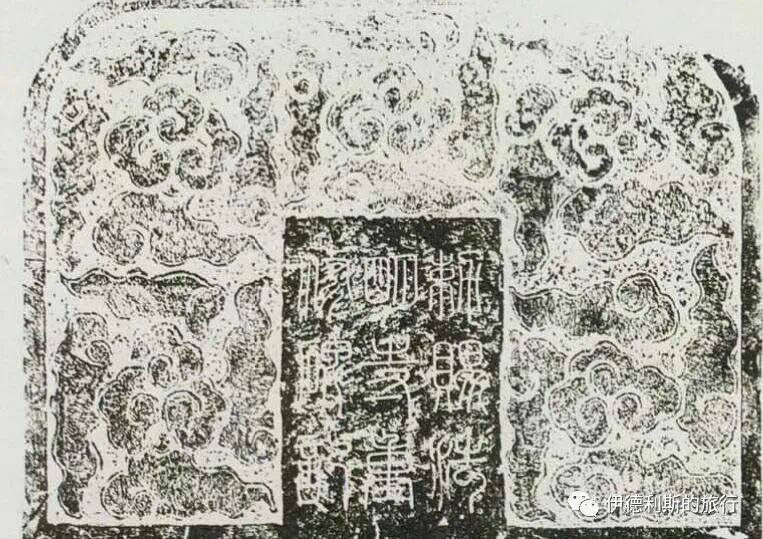
In front of the main hall of the Dongsi Mosque in Beijing, there is a stone tablet erected in 1579 (the seventh year of the Wanli reign of the Ming Dynasty) titled 'The Hundred-Word Eulogy of the Pure and True Dharma-Illuminating' (Qingzhen Faming Baizi Shengzan). The content of the inscription is largely similar to the 'Imperial Hundred-Word Eulogy of the Most Holy' (Yuzhi Zhisheng Baizi Zan) from the Hongwu reign of the Ming Dynasty. The signature reads 'Written by the teacher of the ancient Yan faith, who bathed and purified himself to describe it, and donated his salary for the carving,' and the side of the tablet is inscribed with 'Donated by You Kai, Regional Military Commissioner of the Shandong Regional Military Commission.' This stone tablet, which does not look particularly conspicuous, is the only remaining relic of the Faming Mosque, which was bestowed by imperial decree during the Ming Dynasty. It is said that after a fire at Faming Mosque in the early Qing Dynasty, the stone tablet was moved to the Dongsi Mosque.
Faming Mosque was located at No. 43, Beiertiao, Jiaodaokou, inside Andingmen; its old address was No. 22, Datiertiao, Andingmen, which is why it was also called the Datiertiao Mosque. It is said that Faming Mosque was first built in 1348 (the eighth year of the Zhizheng reign of the Yuan Dynasty) and was initially called a mosque. After being rebuilt in 1448 (the thirteenth year of the Zhengtong reign of the Ming Dynasty), it was bestowed the name Faming Mosque by imperial decree. Together with the Dongsi Mosque, the Niujie Mosque, and the Pushou Mosque inside Fuchengmen, it was known as one of the 'Four Great Official Mosques of Ming Dynasty Beijing'. Official mosques refer to those where the Department of Sacrificial Rites under the Ministry of Rites issued 'Zhafu' (official certificates of appointment) to the imams of the mosques. According to Wang Daiyu's 'Zhengjiao Zhenquan: Qunshu Jikao' (True Interpretation of the Orthodox Faith: Collected Examinations of Various Books), after receiving the Zhafu, the imam would 'wear official robes and headwear to honor his body, and was also permitted to be exempt from corvée labor.' "
Faming Mosque was rebuilt many times during the Ming, Qing, and Republican periods, but it still maintained its Ming Dynasty layout, which was quite similar to the Dongsi Mosque. On the 'Complete Map of the Capital during the Qianlong Reign' (Qianlong Jingcheng Quantu), completed in 1750 (the fifteenth year of the Qianlong reign), one can see that the main body of Faming Mosque consisted of a main hall, northern and southern lecture halls, and a minaret (bangkelou). Like the Dongsi Mosque, the main hall of Faming Mosque consisted of a front porch, a middle hall with a hip roof, and a rear kiln-style hall, but its scale was slightly smaller.
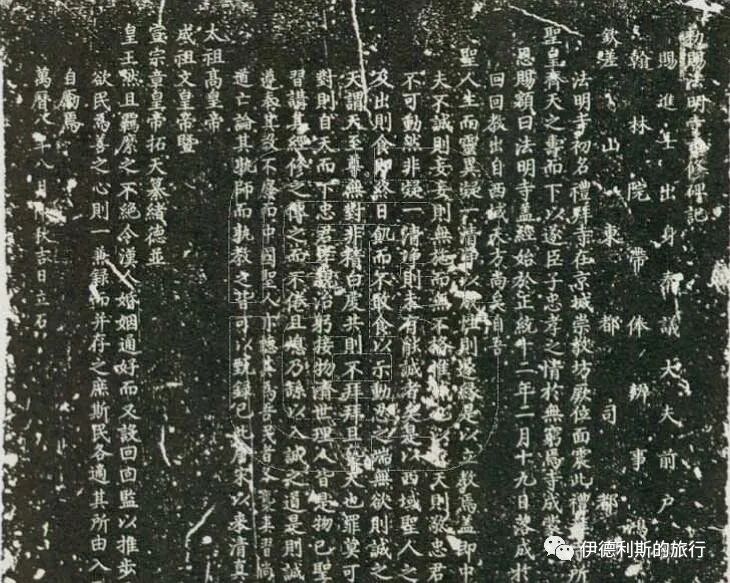
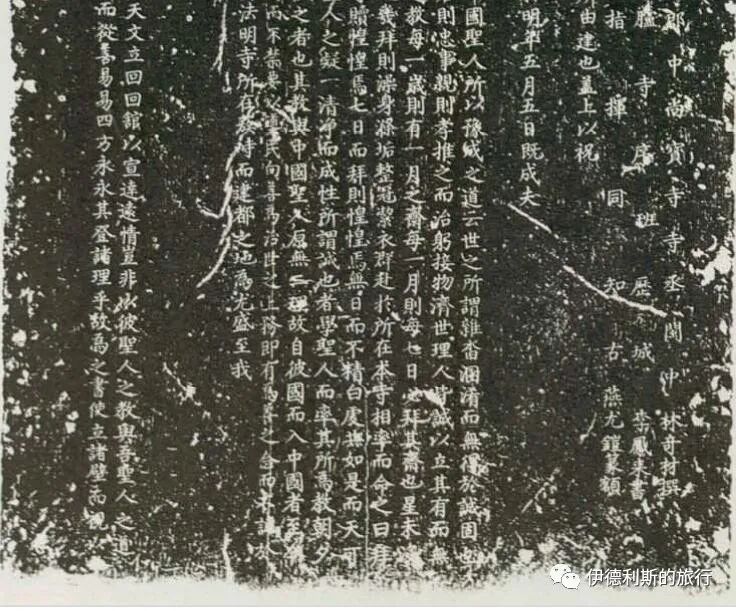
In addition, the National Library of China holds a rubbing of the 'Stele Record of the Reconstruction of the Imperial Faming Mosque' from 1580 (the eighth year of the Wanli reign of the Ming Dynasty), which can be viewed on the National Library's official website. The person who wrote the tablet header was You Kai, the same as for the 'Hundred-Word Eulogy of the Pure and True Dharma-Illuminating' in the Dongsi Mosque, but within a year he had been promoted to 'Imperial Envoy and Vice Regional Military Commissioner of the Shandong Regional Military Commission.' In fact, the imperial construction of official mosques in Ming Dynasty Beijing was related to the Hui Muslim military personnel in the regional military commission and garrison system.
The person who wrote the tablet, Lin Qicai, was a cousin of the great Ming Dynasty thinker Li Zhi. Lin Qicai's ancestral home was Jinjiang, Fujian, and he became a Jinshi (a successful candidate in the highest imperial examinations) in the thirty-eighth year of the Jiajing reign of the Ming Dynasty (1559). According to the 'Fengchi Lin-Li Genealogy,' Lin Qicai's second-generation ancestor, Lin Nu, 'married a Semu woman... and subsequently followed her faith, receiving the precepts of the Qingjing Mosque sect.' When Lin Qicai wrote the tablet, he signed it as 'Lin Qicai, a Jinshi by imperial favor, Fengyi Grand Master, former Director of the Ministry of Revenue, and Assistant Director of the Seal Office (Shangbaosi Sicheng).' 'Shangbaosi Sicheng' (Assistant Director of the Seal Office), according to the 'History of Ming,' was a 'rank 6b official... in charge of imperial seals, tallies, and stamps, and distinguishing their usage.' "
In addition, the Beijing Municipal Administration of Cultural Heritage also holds two rubbings of the 'Stele Record of the Reconstruction of Faming Mosque' from 1880 and 1921. The 1880 stele record notes that it was built by the Heshun Timber Factory at the time, with funds donated by Ma Deming from Beixinqiao East, and that two plaques were hung in the mosque: 'Built in the Ming, Repaired in the Qing' and 'Founded in the Previous Dynasty.' The 1921 stele record was written by Xia Deqing from Daxing, an army colonel and commander of the southern route of the Jingzhao Garrison, with the calligraphy by Xu Yili from Hangxian, the Jingzhao Yin (Mayor of Beijing), and the header written by Chen Zhenjia from Daxing, a first-class clerk at the Shanxi Hedong Circuit Administrative Office.
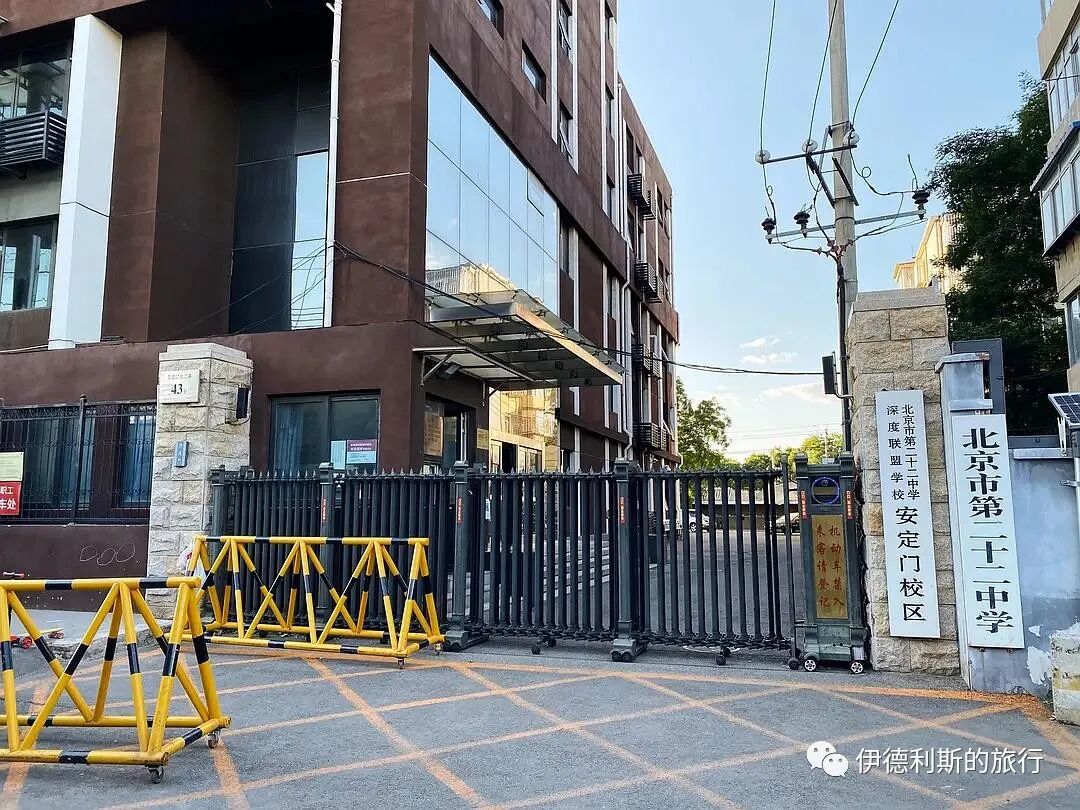
In 1966, Faming Mosque was occupied by a factory and later converted into a school. In 1984, the 600-year-old mosque was demolished by the Jiaodaokou Middle School to make way for a teaching building and playground. Now, this site has become the Andingmen campus of the No. 22 Middle School and a dormitory for the Sixth Hospital.
Behind it is Jiaodaokou Beitiao, where the school playground can be seen.
The only old house next to the playground; it is unknown if it was an old building of Faming Mosque. view all
Summary: This travel note introduces Imperially Granted Faming Mosque: The Last Surviving Stone Stele in Beijing. In front of the main hall of the Dongsi Mosque in Beijing, there is a stone tablet erected in 1579 (the seventh year of the Wanli reign of the Ming Dynasty) titled 'The Hundred-Word Eulogy of the Pure and True. It is useful for readers interested in Faming Mosque, Stone Stele, Beijing Muslims.
In front of the main hall of the Dongsi Mosque in Beijing, there is a stone tablet erected in 1579 (the seventh year of the Wanli reign of the Ming Dynasty) titled 'The Hundred-Word Eulogy of the Pure and True Dharma-Illuminating' (Qingzhen Faming Baizi Shengzan). The content of the inscription is largely similar to the 'Imperial Hundred-Word Eulogy of the Most Holy' (Yuzhi Zhisheng Baizi Zan) from the Hongwu reign of the Ming Dynasty. The signature reads 'Written by the teacher of the ancient Yan faith, who bathed and purified himself to describe it, and donated his salary for the carving,' and the side of the tablet is inscribed with 'Donated by You Kai, Regional Military Commissioner of the Shandong Regional Military Commission.' This stone tablet, which does not look particularly conspicuous, is the only remaining relic of the Faming Mosque, which was bestowed by imperial decree during the Ming Dynasty. It is said that after a fire at Faming Mosque in the early Qing Dynasty, the stone tablet was moved to the Dongsi Mosque.
Faming Mosque was located at No. 43, Beiertiao, Jiaodaokou, inside Andingmen; its old address was No. 22, Datiertiao, Andingmen, which is why it was also called the Datiertiao Mosque. It is said that Faming Mosque was first built in 1348 (the eighth year of the Zhizheng reign of the Yuan Dynasty) and was initially called a mosque. After being rebuilt in 1448 (the thirteenth year of the Zhengtong reign of the Ming Dynasty), it was bestowed the name Faming Mosque by imperial decree. Together with the Dongsi Mosque, the Niujie Mosque, and the Pushou Mosque inside Fuchengmen, it was known as one of the 'Four Great Official Mosques of Ming Dynasty Beijing'. Official mosques refer to those where the Department of Sacrificial Rites under the Ministry of Rites issued 'Zhafu' (official certificates of appointment) to the imams of the mosques. According to Wang Daiyu's 'Zhengjiao Zhenquan: Qunshu Jikao' (True Interpretation of the Orthodox Faith: Collected Examinations of Various Books), after receiving the Zhafu, the imam would 'wear official robes and headwear to honor his body, and was also permitted to be exempt from corvée labor.' "
Faming Mosque was rebuilt many times during the Ming, Qing, and Republican periods, but it still maintained its Ming Dynasty layout, which was quite similar to the Dongsi Mosque. On the 'Complete Map of the Capital during the Qianlong Reign' (Qianlong Jingcheng Quantu), completed in 1750 (the fifteenth year of the Qianlong reign), one can see that the main body of Faming Mosque consisted of a main hall, northern and southern lecture halls, and a minaret (bangkelou). Like the Dongsi Mosque, the main hall of Faming Mosque consisted of a front porch, a middle hall with a hip roof, and a rear kiln-style hall, but its scale was slightly smaller.
In addition, the National Library of China holds a rubbing of the 'Stele Record of the Reconstruction of the Imperial Faming Mosque' from 1580 (the eighth year of the Wanli reign of the Ming Dynasty), which can be viewed on the National Library's official website. The person who wrote the tablet header was You Kai, the same as for the 'Hundred-Word Eulogy of the Pure and True Dharma-Illuminating' in the Dongsi Mosque, but within a year he had been promoted to 'Imperial Envoy and Vice Regional Military Commissioner of the Shandong Regional Military Commission.' In fact, the imperial construction of official mosques in Ming Dynasty Beijing was related to the Hui Muslim military personnel in the regional military commission and garrison system.
The person who wrote the tablet, Lin Qicai, was a cousin of the great Ming Dynasty thinker Li Zhi. Lin Qicai's ancestral home was Jinjiang, Fujian, and he became a Jinshi (a successful candidate in the highest imperial examinations) in the thirty-eighth year of the Jiajing reign of the Ming Dynasty (1559). According to the 'Fengchi Lin-Li Genealogy,' Lin Qicai's second-generation ancestor, Lin Nu, 'married a Semu woman... and subsequently followed her faith, receiving the precepts of the Qingjing Mosque sect.' When Lin Qicai wrote the tablet, he signed it as 'Lin Qicai, a Jinshi by imperial favor, Fengyi Grand Master, former Director of the Ministry of Revenue, and Assistant Director of the Seal Office (Shangbaosi Sicheng).' 'Shangbaosi Sicheng' (Assistant Director of the Seal Office), according to the 'History of Ming,' was a 'rank 6b official... in charge of imperial seals, tallies, and stamps, and distinguishing their usage.' "
In addition, the Beijing Municipal Administration of Cultural Heritage also holds two rubbings of the 'Stele Record of the Reconstruction of Faming Mosque' from 1880 and 1921. The 1880 stele record notes that it was built by the Heshun Timber Factory at the time, with funds donated by Ma Deming from Beixinqiao East, and that two plaques were hung in the mosque: 'Built in the Ming, Repaired in the Qing' and 'Founded in the Previous Dynasty.' The 1921 stele record was written by Xia Deqing from Daxing, an army colonel and commander of the southern route of the Jingzhao Garrison, with the calligraphy by Xu Yili from Hangxian, the Jingzhao Yin (Mayor of Beijing), and the header written by Chen Zhenjia from Daxing, a first-class clerk at the Shanxi Hedong Circuit Administrative Office.
In 1966, Faming Mosque was occupied by a factory and later converted into a school. In 1984, the 600-year-old mosque was demolished by the Jiaodaokou Middle School to make way for a teaching building and playground. Now, this site has become the Andingmen campus of the No. 22 Middle School and a dormitory for the Sixth Hospital.
Behind it is Jiaodaokou Beitiao, where the school playground can be seen.
The only old house next to the playground; it is unknown if it was an old building of Faming Mosque. view all
Reposted from the web
Summary: This travel note introduces Imperially Granted Faming Mosque: The Last Surviving Stone Stele in Beijing. In front of the main hall of the Dongsi Mosque in Beijing, there is a stone tablet erected in 1579 (the seventh year of the Wanli reign of the Ming Dynasty) titled 'The Hundred-Word Eulogy of the Pure and True. It is useful for readers interested in Faming Mosque, Stone Stele, Beijing Muslims.
In front of the main hall of the Dongsi Mosque in Beijing, there is a stone tablet erected in 1579 (the seventh year of the Wanli reign of the Ming Dynasty) titled 'The Hundred-Word Eulogy of the Pure and True Dharma-Illuminating' (Qingzhen Faming Baizi Shengzan). The content of the inscription is largely similar to the 'Imperial Hundred-Word Eulogy of the Most Holy' (Yuzhi Zhisheng Baizi Zan) from the Hongwu reign of the Ming Dynasty. The signature reads 'Written by the teacher of the ancient Yan faith, who bathed and purified himself to describe it, and donated his salary for the carving,' and the side of the tablet is inscribed with 'Donated by You Kai, Regional Military Commissioner of the Shandong Regional Military Commission.' This stone tablet, which does not look particularly conspicuous, is the only remaining relic of the Faming Mosque, which was bestowed by imperial decree during the Ming Dynasty. It is said that after a fire at Faming Mosque in the early Qing Dynasty, the stone tablet was moved to the Dongsi Mosque.
Faming Mosque was located at No. 43, Beiertiao, Jiaodaokou, inside Andingmen; its old address was No. 22, Datiertiao, Andingmen, which is why it was also called the Datiertiao Mosque. It is said that Faming Mosque was first built in 1348 (the eighth year of the Zhizheng reign of the Yuan Dynasty) and was initially called a mosque. After being rebuilt in 1448 (the thirteenth year of the Zhengtong reign of the Ming Dynasty), it was bestowed the name Faming Mosque by imperial decree. Together with the Dongsi Mosque, the Niujie Mosque, and the Pushou Mosque inside Fuchengmen, it was known as one of the 'Four Great Official Mosques of Ming Dynasty Beijing'. Official mosques refer to those where the Department of Sacrificial Rites under the Ministry of Rites issued 'Zhafu' (official certificates of appointment) to the imams of the mosques. According to Wang Daiyu's 'Zhengjiao Zhenquan: Qunshu Jikao' (True Interpretation of the Orthodox Faith: Collected Examinations of Various Books), after receiving the Zhafu, the imam would 'wear official robes and headwear to honor his body, and was also permitted to be exempt from corvée labor.' "
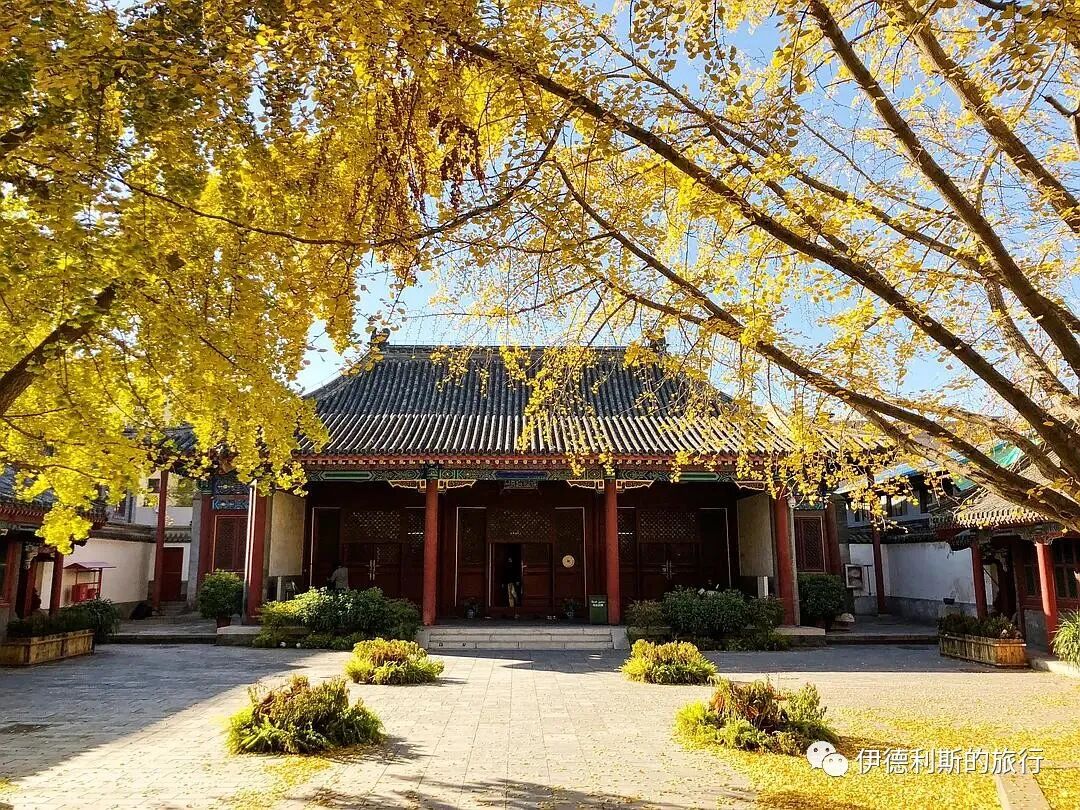
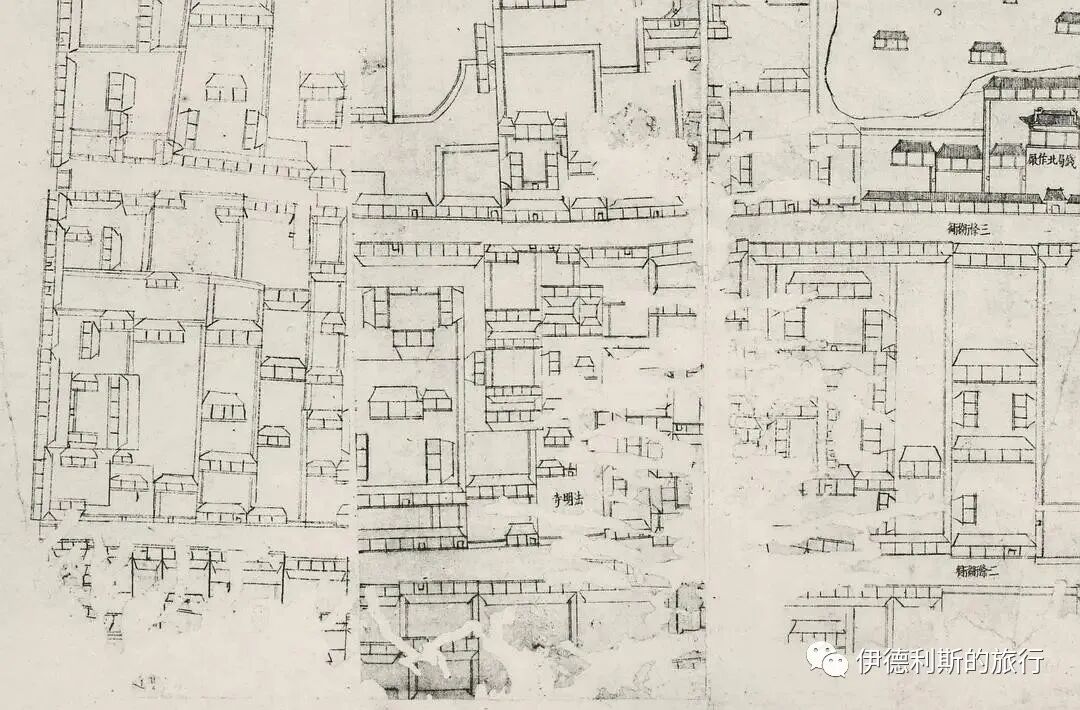
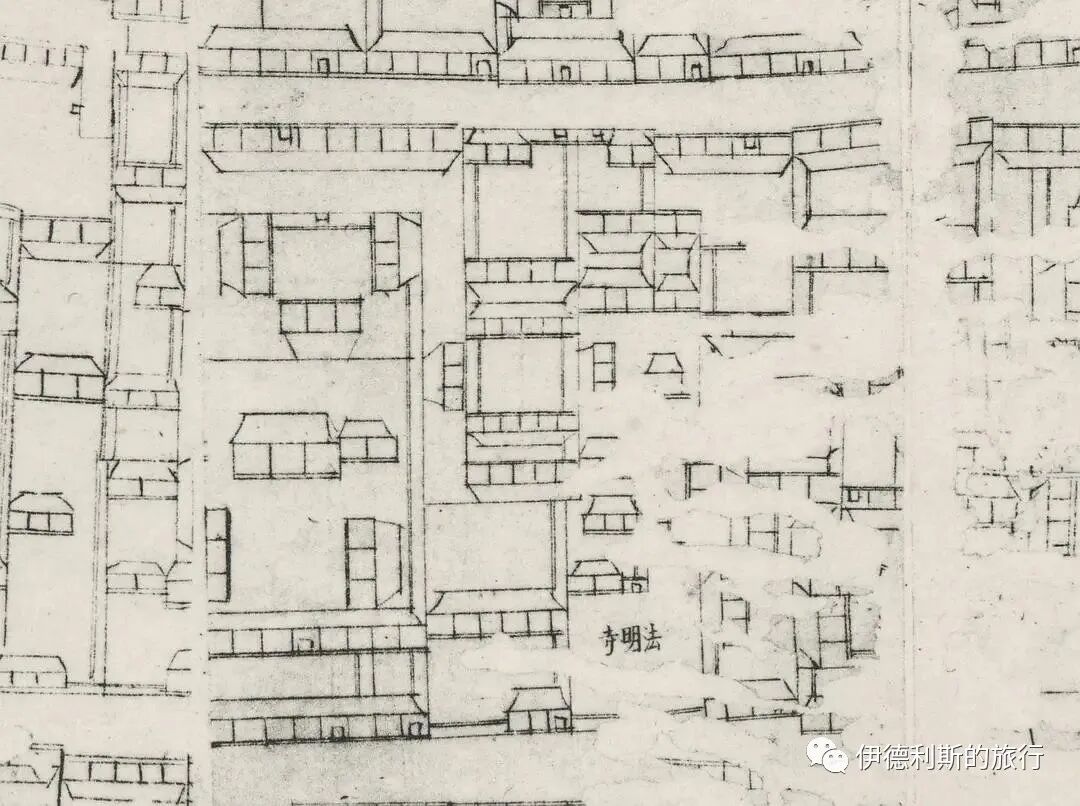
Faming Mosque was rebuilt many times during the Ming, Qing, and Republican periods, but it still maintained its Ming Dynasty layout, which was quite similar to the Dongsi Mosque. On the 'Complete Map of the Capital during the Qianlong Reign' (Qianlong Jingcheng Quantu), completed in 1750 (the fifteenth year of the Qianlong reign), one can see that the main body of Faming Mosque consisted of a main hall, northern and southern lecture halls, and a minaret (bangkelou). Like the Dongsi Mosque, the main hall of Faming Mosque consisted of a front porch, a middle hall with a hip roof, and a rear kiln-style hall, but its scale was slightly smaller.
In addition, the National Library of China holds a rubbing of the 'Stele Record of the Reconstruction of the Imperial Faming Mosque' from 1580 (the eighth year of the Wanli reign of the Ming Dynasty), which can be viewed on the National Library's official website. The person who wrote the tablet header was You Kai, the same as for the 'Hundred-Word Eulogy of the Pure and True Dharma-Illuminating' in the Dongsi Mosque, but within a year he had been promoted to 'Imperial Envoy and Vice Regional Military Commissioner of the Shandong Regional Military Commission.' In fact, the imperial construction of official mosques in Ming Dynasty Beijing was related to the Hui Muslim military personnel in the regional military commission and garrison system.
The person who wrote the tablet, Lin Qicai, was a cousin of the great Ming Dynasty thinker Li Zhi. Lin Qicai's ancestral home was Jinjiang, Fujian, and he became a Jinshi (a successful candidate in the highest imperial examinations) in the thirty-eighth year of the Jiajing reign of the Ming Dynasty (1559). According to the 'Fengchi Lin-Li Genealogy,' Lin Qicai's second-generation ancestor, Lin Nu, 'married a Semu woman... and subsequently followed her faith, receiving the precepts of the Qingjing Mosque sect.' When Lin Qicai wrote the tablet, he signed it as 'Lin Qicai, a Jinshi by imperial favor, Fengyi Grand Master, former Director of the Ministry of Revenue, and Assistant Director of the Seal Office (Shangbaosi Sicheng).' 'Shangbaosi Sicheng' (Assistant Director of the Seal Office), according to the 'History of Ming,' was a 'rank 6b official... in charge of imperial seals, tallies, and stamps, and distinguishing their usage.' "
In addition, the Beijing Municipal Administration of Cultural Heritage also holds two rubbings of the 'Stele Record of the Reconstruction of Faming Mosque' from 1880 and 1921. The 1880 stele record notes that it was built by the Heshun Timber Factory at the time, with funds donated by Ma Deming from Beixinqiao East, and that two plaques were hung in the mosque: 'Built in the Ming, Repaired in the Qing' and 'Founded in the Previous Dynasty.' The 1921 stele record was written by Xia Deqing from Daxing, an army colonel and commander of the southern route of the Jingzhao Garrison, with the calligraphy by Xu Yili from Hangxian, the Jingzhao Yin (Mayor of Beijing), and the header written by Chen Zhenjia from Daxing, a first-class clerk at the Shanxi Hedong Circuit Administrative Office.
In 1966, Faming Mosque was occupied by a factory and later converted into a school. In 1984, the 600-year-old mosque was demolished by the Jiaodaokou Middle School to make way for a teaching building and playground. Now, this site has become the Andingmen campus of the No. 22 Middle School and a dormitory for the Sixth Hospital.
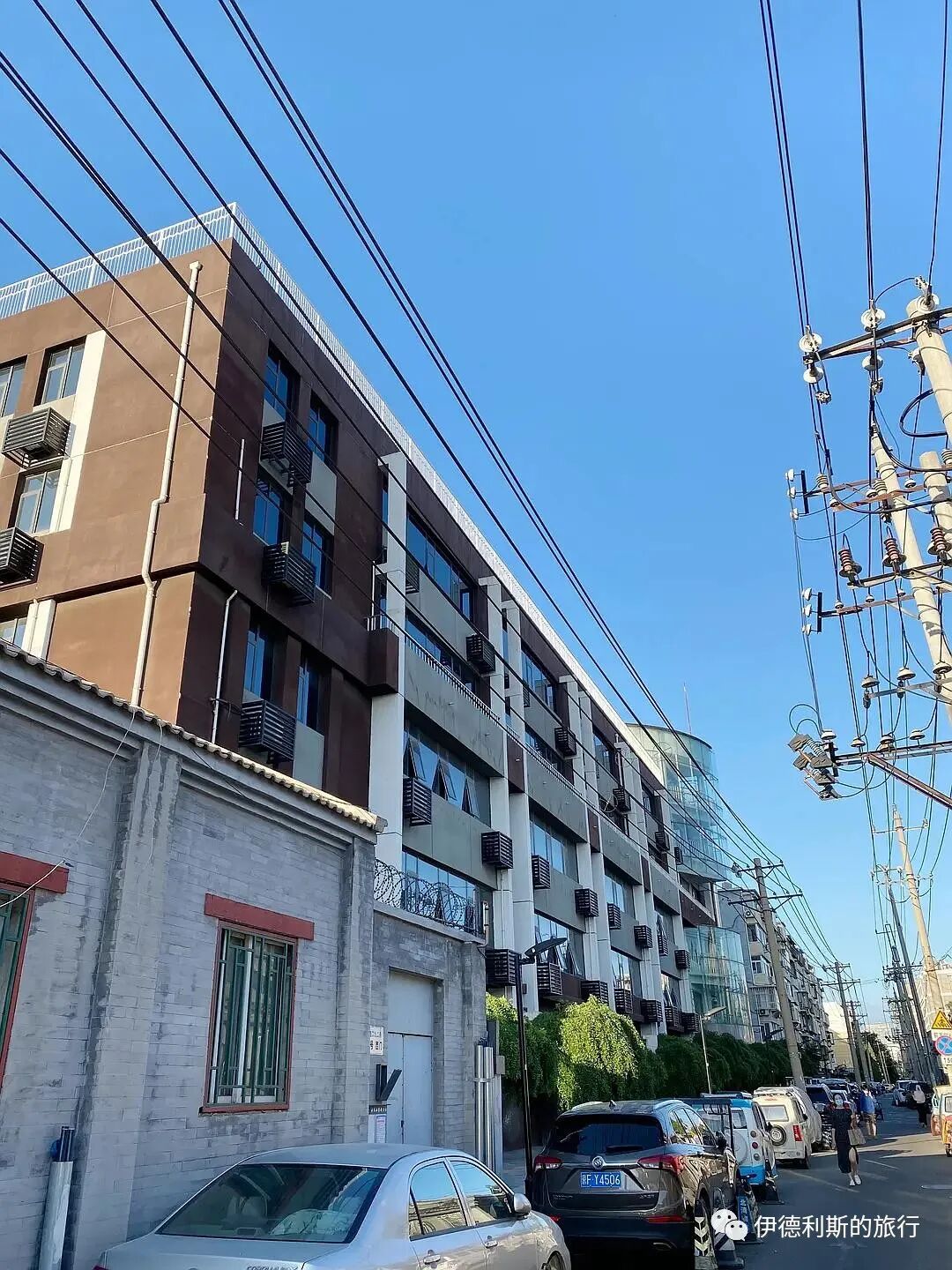
Behind it is Jiaodaokou Beitiao, where the school playground can be seen.
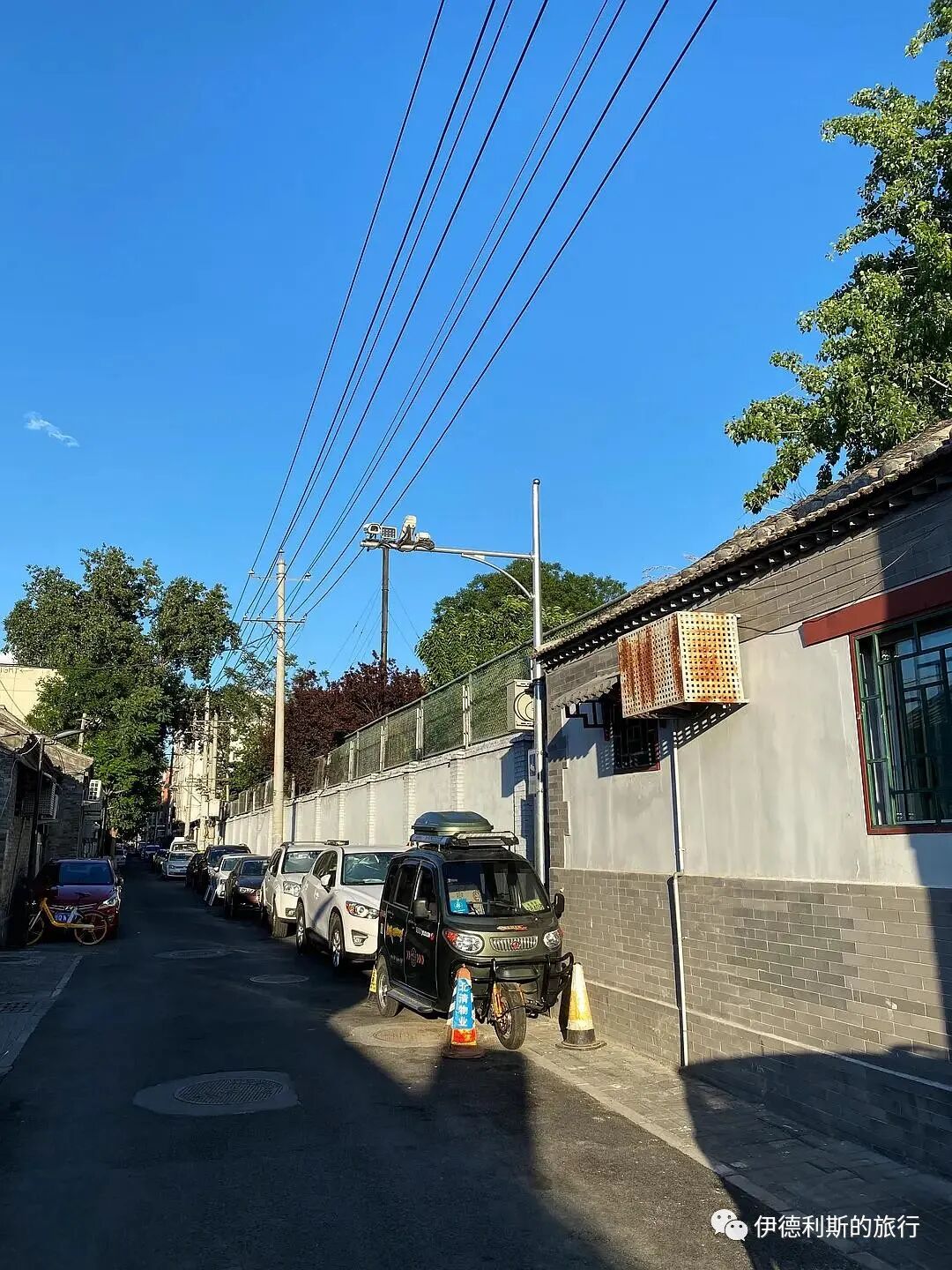
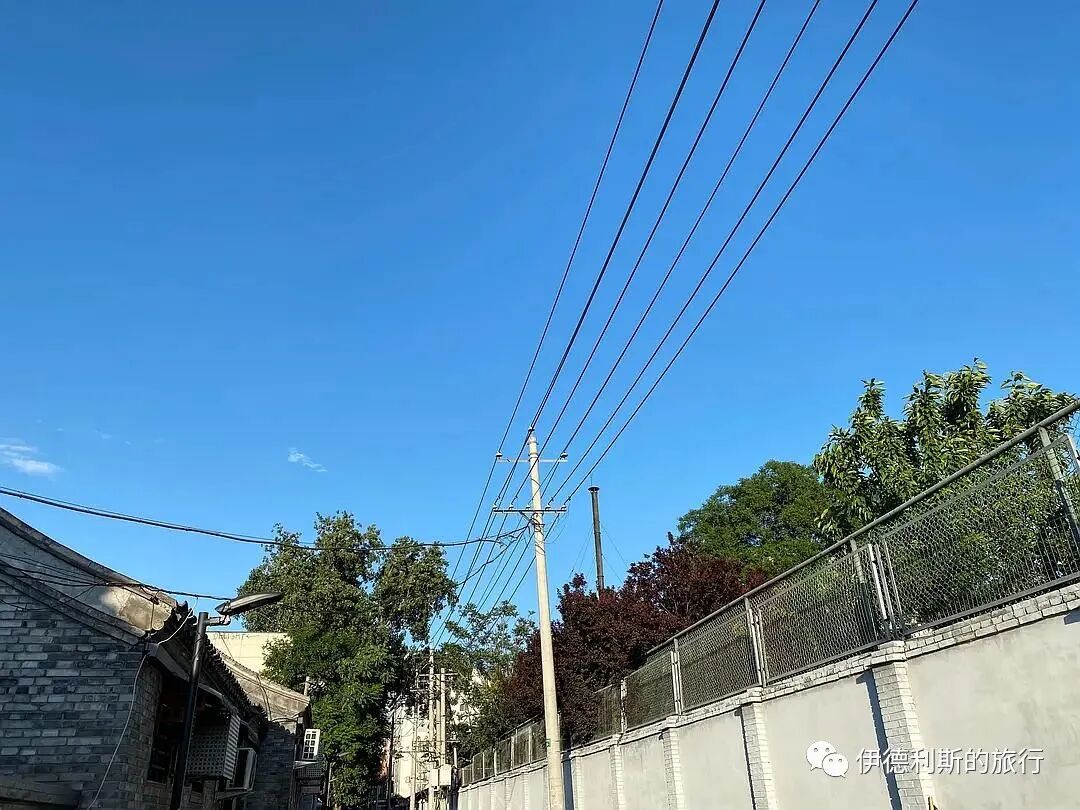
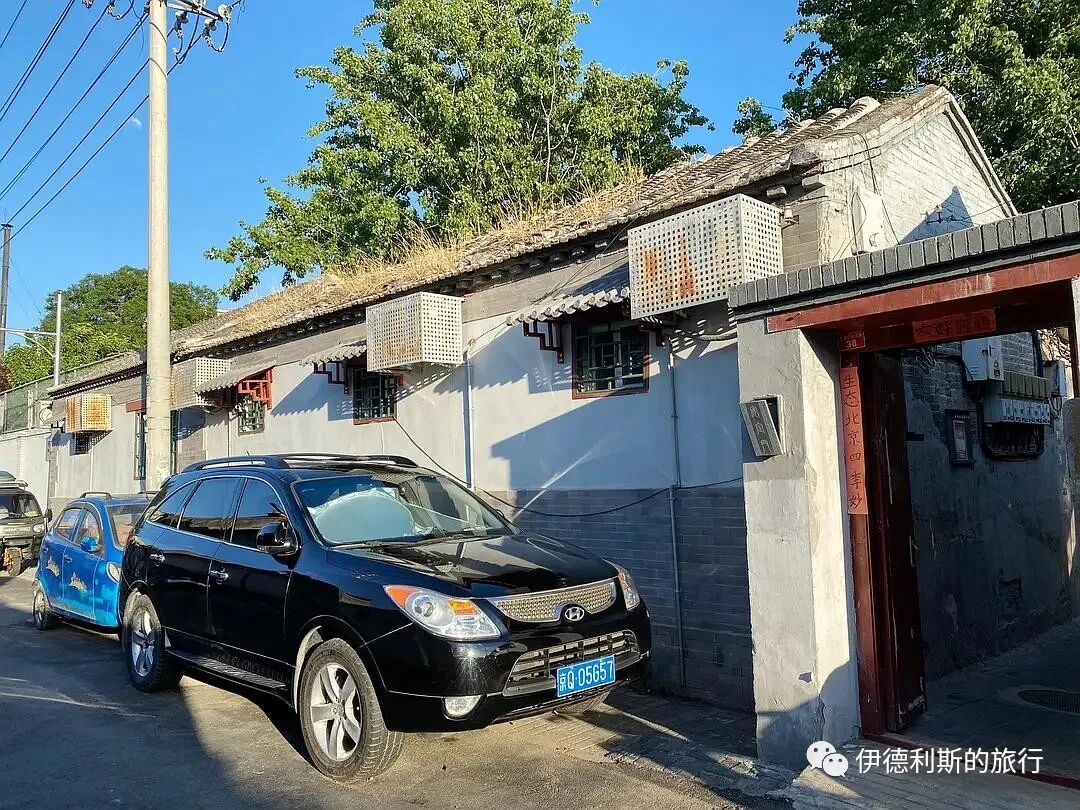
The only old house next to the playground; it is unknown if it was an old building of Faming Mosque.
Summary: This travel note introduces Imperially Granted Faming Mosque: The Last Surviving Stone Stele in Beijing. In front of the main hall of the Dongsi Mosque in Beijing, there is a stone tablet erected in 1579 (the seventh year of the Wanli reign of the Ming Dynasty) titled 'The Hundred-Word Eulogy of the Pure and True. It is useful for readers interested in Faming Mosque, Stone Stele, Beijing Muslims.
In front of the main hall of the Dongsi Mosque in Beijing, there is a stone tablet erected in 1579 (the seventh year of the Wanli reign of the Ming Dynasty) titled 'The Hundred-Word Eulogy of the Pure and True Dharma-Illuminating' (Qingzhen Faming Baizi Shengzan). The content of the inscription is largely similar to the 'Imperial Hundred-Word Eulogy of the Most Holy' (Yuzhi Zhisheng Baizi Zan) from the Hongwu reign of the Ming Dynasty. The signature reads 'Written by the teacher of the ancient Yan faith, who bathed and purified himself to describe it, and donated his salary for the carving,' and the side of the tablet is inscribed with 'Donated by You Kai, Regional Military Commissioner of the Shandong Regional Military Commission.' This stone tablet, which does not look particularly conspicuous, is the only remaining relic of the Faming Mosque, which was bestowed by imperial decree during the Ming Dynasty. It is said that after a fire at Faming Mosque in the early Qing Dynasty, the stone tablet was moved to the Dongsi Mosque.
Faming Mosque was located at No. 43, Beiertiao, Jiaodaokou, inside Andingmen; its old address was No. 22, Datiertiao, Andingmen, which is why it was also called the Datiertiao Mosque. It is said that Faming Mosque was first built in 1348 (the eighth year of the Zhizheng reign of the Yuan Dynasty) and was initially called a mosque. After being rebuilt in 1448 (the thirteenth year of the Zhengtong reign of the Ming Dynasty), it was bestowed the name Faming Mosque by imperial decree. Together with the Dongsi Mosque, the Niujie Mosque, and the Pushou Mosque inside Fuchengmen, it was known as one of the 'Four Great Official Mosques of Ming Dynasty Beijing'. Official mosques refer to those where the Department of Sacrificial Rites under the Ministry of Rites issued 'Zhafu' (official certificates of appointment) to the imams of the mosques. According to Wang Daiyu's 'Zhengjiao Zhenquan: Qunshu Jikao' (True Interpretation of the Orthodox Faith: Collected Examinations of Various Books), after receiving the Zhafu, the imam would 'wear official robes and headwear to honor his body, and was also permitted to be exempt from corvée labor.' "
Faming Mosque was rebuilt many times during the Ming, Qing, and Republican periods, but it still maintained its Ming Dynasty layout, which was quite similar to the Dongsi Mosque. On the 'Complete Map of the Capital during the Qianlong Reign' (Qianlong Jingcheng Quantu), completed in 1750 (the fifteenth year of the Qianlong reign), one can see that the main body of Faming Mosque consisted of a main hall, northern and southern lecture halls, and a minaret (bangkelou). Like the Dongsi Mosque, the main hall of Faming Mosque consisted of a front porch, a middle hall with a hip roof, and a rear kiln-style hall, but its scale was slightly smaller.
In addition, the National Library of China holds a rubbing of the 'Stele Record of the Reconstruction of the Imperial Faming Mosque' from 1580 (the eighth year of the Wanli reign of the Ming Dynasty), which can be viewed on the National Library's official website. The person who wrote the tablet header was You Kai, the same as for the 'Hundred-Word Eulogy of the Pure and True Dharma-Illuminating' in the Dongsi Mosque, but within a year he had been promoted to 'Imperial Envoy and Vice Regional Military Commissioner of the Shandong Regional Military Commission.' In fact, the imperial construction of official mosques in Ming Dynasty Beijing was related to the Hui Muslim military personnel in the regional military commission and garrison system.
The person who wrote the tablet, Lin Qicai, was a cousin of the great Ming Dynasty thinker Li Zhi. Lin Qicai's ancestral home was Jinjiang, Fujian, and he became a Jinshi (a successful candidate in the highest imperial examinations) in the thirty-eighth year of the Jiajing reign of the Ming Dynasty (1559). According to the 'Fengchi Lin-Li Genealogy,' Lin Qicai's second-generation ancestor, Lin Nu, 'married a Semu woman... and subsequently followed her faith, receiving the precepts of the Qingjing Mosque sect.' When Lin Qicai wrote the tablet, he signed it as 'Lin Qicai, a Jinshi by imperial favor, Fengyi Grand Master, former Director of the Ministry of Revenue, and Assistant Director of the Seal Office (Shangbaosi Sicheng).' 'Shangbaosi Sicheng' (Assistant Director of the Seal Office), according to the 'History of Ming,' was a 'rank 6b official... in charge of imperial seals, tallies, and stamps, and distinguishing their usage.' "
In addition, the Beijing Municipal Administration of Cultural Heritage also holds two rubbings of the 'Stele Record of the Reconstruction of Faming Mosque' from 1880 and 1921. The 1880 stele record notes that it was built by the Heshun Timber Factory at the time, with funds donated by Ma Deming from Beixinqiao East, and that two plaques were hung in the mosque: 'Built in the Ming, Repaired in the Qing' and 'Founded in the Previous Dynasty.' The 1921 stele record was written by Xia Deqing from Daxing, an army colonel and commander of the southern route of the Jingzhao Garrison, with the calligraphy by Xu Yili from Hangxian, the Jingzhao Yin (Mayor of Beijing), and the header written by Chen Zhenjia from Daxing, a first-class clerk at the Shanxi Hedong Circuit Administrative Office.
In 1966, Faming Mosque was occupied by a factory and later converted into a school. In 1984, the 600-year-old mosque was demolished by the Jiaodaokou Middle School to make way for a teaching building and playground. Now, this site has become the Andingmen campus of the No. 22 Middle School and a dormitory for the Sixth Hospital.
Behind it is Jiaodaokou Beitiao, where the school playground can be seen.
The only old house next to the playground; it is unknown if it was an old building of Faming Mosque.
Imperially Granted Faming Mosque: The Last Surviving Stone Stele in Beijing
Articles • ali2007fr posted the article • 0 comments • 147 views • 2026-05-17 07:58
Reposted from the web
Summary: This travel note introduces Imperially Granted Faming Mosque: The Last Surviving Stone Stele in Beijing. In front of the main hall of the Dongsi Mosque in Beijing, there is a stone tablet erected in 1579 (the seventh year of the Wanli reign of the Ming Dynasty) titled 'The Hundred-Word Eulogy of the Pure and True. It is useful for readers interested in Faming Mosque, Stone Stele, Beijing Muslims.
In front of the main hall of the Dongsi Mosque in Beijing, there is a stone tablet erected in 1579 (the seventh year of the Wanli reign of the Ming Dynasty) titled 'The Hundred-Word Eulogy of the Pure and True Dharma-Illuminating' (Qingzhen Faming Baizi Shengzan). The content of the inscription is largely similar to the 'Imperial Hundred-Word Eulogy of the Most Holy' (Yuzhi Zhisheng Baizi Zan) from the Hongwu reign of the Ming Dynasty. The signature reads 'Written by the teacher of the ancient Yan faith, who bathed and purified himself to describe it, and donated his salary for the carving,' and the side of the tablet is inscribed with 'Donated by You Kai, Regional Military Commissioner of the Shandong Regional Military Commission.' This stone tablet, which does not look particularly conspicuous, is the only remaining relic of the Faming Mosque, which was bestowed by imperial decree during the Ming Dynasty. It is said that after a fire at Faming Mosque in the early Qing Dynasty, the stone tablet was moved to the Dongsi Mosque.
Faming Mosque was located at No. 43, Beiertiao, Jiaodaokou, inside Andingmen; its old address was No. 22, Datiertiao, Andingmen, which is why it was also called the Datiertiao Mosque. It is said that Faming Mosque was first built in 1348 (the eighth year of the Zhizheng reign of the Yuan Dynasty) and was initially called a mosque. After being rebuilt in 1448 (the thirteenth year of the Zhengtong reign of the Ming Dynasty), it was bestowed the name Faming Mosque by imperial decree. Together with the Dongsi Mosque, the Niujie Mosque, and the Pushou Mosque inside Fuchengmen, it was known as one of the 'Four Great Official Mosques of Ming Dynasty Beijing'. Official mosques refer to those where the Department of Sacrificial Rites under the Ministry of Rites issued 'Zhafu' (official certificates of appointment) to the imams of the mosques. According to Wang Daiyu's 'Zhengjiao Zhenquan: Qunshu Jikao' (True Interpretation of the Orthodox Faith: Collected Examinations of Various Books), after receiving the Zhafu, the imam would 'wear official robes and headwear to honor his body, and was also permitted to be exempt from corvée labor.' "
Faming Mosque was rebuilt many times during the Ming, Qing, and Republican periods, but it still maintained its Ming Dynasty layout, which was quite similar to the Dongsi Mosque. On the 'Complete Map of the Capital during the Qianlong Reign' (Qianlong Jingcheng Quantu), completed in 1750 (the fifteenth year of the Qianlong reign), one can see that the main body of Faming Mosque consisted of a main hall, northern and southern lecture halls, and a minaret (bangkelou). Like the Dongsi Mosque, the main hall of Faming Mosque consisted of a front porch, a middle hall with a hip roof, and a rear kiln-style hall, but its scale was slightly smaller.
In addition, the National Library of China holds a rubbing of the 'Stele Record of the Reconstruction of the Imperial Faming Mosque' from 1580 (the eighth year of the Wanli reign of the Ming Dynasty), which can be viewed on the National Library's official website. The person who wrote the tablet header was You Kai, the same as for the 'Hundred-Word Eulogy of the Pure and True Dharma-Illuminating' in the Dongsi Mosque, but within a year he had been promoted to 'Imperial Envoy and Vice Regional Military Commissioner of the Shandong Regional Military Commission.' In fact, the imperial construction of official mosques in Ming Dynasty Beijing was related to the Hui Muslim military personnel in the regional military commission and garrison system.
The person who wrote the tablet, Lin Qicai, was a cousin of the great Ming Dynasty thinker Li Zhi. Lin Qicai's ancestral home was Jinjiang, Fujian, and he became a Jinshi (a successful candidate in the highest imperial examinations) in the thirty-eighth year of the Jiajing reign of the Ming Dynasty (1559). According to the 'Fengchi Lin-Li Genealogy,' Lin Qicai's second-generation ancestor, Lin Nu, 'married a Semu woman... and subsequently followed her faith, receiving the precepts of the Qingjing Mosque sect.' When Lin Qicai wrote the tablet, he signed it as 'Lin Qicai, a Jinshi by imperial favor, Fengyi Grand Master, former Director of the Ministry of Revenue, and Assistant Director of the Seal Office (Shangbaosi Sicheng).' 'Shangbaosi Sicheng' (Assistant Director of the Seal Office), according to the 'History of Ming,' was a 'rank 6b official... in charge of imperial seals, tallies, and stamps, and distinguishing their usage.' "
In addition, the Beijing Municipal Administration of Cultural Heritage also holds two rubbings of the 'Stele Record of the Reconstruction of Faming Mosque' from 1880 and 1921. The 1880 stele record notes that it was built by the Heshun Timber Factory at the time, with funds donated by Ma Deming from Beixinqiao East, and that two plaques were hung in the mosque: 'Built in the Ming, Repaired in the Qing' and 'Founded in the Previous Dynasty.' The 1921 stele record was written by Xia Deqing from Daxing, an army colonel and commander of the southern route of the Jingzhao Garrison, with the calligraphy by Xu Yili from Hangxian, the Jingzhao Yin (Mayor of Beijing), and the header written by Chen Zhenjia from Daxing, a first-class clerk at the Shanxi Hedong Circuit Administrative Office.
In 1966, Faming Mosque was occupied by a factory and later converted into a school. In 1984, the 600-year-old mosque was demolished by the Jiaodaokou Middle School to make way for a teaching building and playground. Now, this site has become the Andingmen campus of the No. 22 Middle School and a dormitory for the Sixth Hospital.
Behind it is Jiaodaokou Beitiao, where the school playground can be seen.
The only old house next to the playground; it is unknown if it was an old building of Faming Mosque. view all
Summary: This travel note introduces Imperially Granted Faming Mosque: The Last Surviving Stone Stele in Beijing. In front of the main hall of the Dongsi Mosque in Beijing, there is a stone tablet erected in 1579 (the seventh year of the Wanli reign of the Ming Dynasty) titled 'The Hundred-Word Eulogy of the Pure and True. It is useful for readers interested in Faming Mosque, Stone Stele, Beijing Muslims.
In front of the main hall of the Dongsi Mosque in Beijing, there is a stone tablet erected in 1579 (the seventh year of the Wanli reign of the Ming Dynasty) titled 'The Hundred-Word Eulogy of the Pure and True Dharma-Illuminating' (Qingzhen Faming Baizi Shengzan). The content of the inscription is largely similar to the 'Imperial Hundred-Word Eulogy of the Most Holy' (Yuzhi Zhisheng Baizi Zan) from the Hongwu reign of the Ming Dynasty. The signature reads 'Written by the teacher of the ancient Yan faith, who bathed and purified himself to describe it, and donated his salary for the carving,' and the side of the tablet is inscribed with 'Donated by You Kai, Regional Military Commissioner of the Shandong Regional Military Commission.' This stone tablet, which does not look particularly conspicuous, is the only remaining relic of the Faming Mosque, which was bestowed by imperial decree during the Ming Dynasty. It is said that after a fire at Faming Mosque in the early Qing Dynasty, the stone tablet was moved to the Dongsi Mosque.
Faming Mosque was located at No. 43, Beiertiao, Jiaodaokou, inside Andingmen; its old address was No. 22, Datiertiao, Andingmen, which is why it was also called the Datiertiao Mosque. It is said that Faming Mosque was first built in 1348 (the eighth year of the Zhizheng reign of the Yuan Dynasty) and was initially called a mosque. After being rebuilt in 1448 (the thirteenth year of the Zhengtong reign of the Ming Dynasty), it was bestowed the name Faming Mosque by imperial decree. Together with the Dongsi Mosque, the Niujie Mosque, and the Pushou Mosque inside Fuchengmen, it was known as one of the 'Four Great Official Mosques of Ming Dynasty Beijing'. Official mosques refer to those where the Department of Sacrificial Rites under the Ministry of Rites issued 'Zhafu' (official certificates of appointment) to the imams of the mosques. According to Wang Daiyu's 'Zhengjiao Zhenquan: Qunshu Jikao' (True Interpretation of the Orthodox Faith: Collected Examinations of Various Books), after receiving the Zhafu, the imam would 'wear official robes and headwear to honor his body, and was also permitted to be exempt from corvée labor.' "
Faming Mosque was rebuilt many times during the Ming, Qing, and Republican periods, but it still maintained its Ming Dynasty layout, which was quite similar to the Dongsi Mosque. On the 'Complete Map of the Capital during the Qianlong Reign' (Qianlong Jingcheng Quantu), completed in 1750 (the fifteenth year of the Qianlong reign), one can see that the main body of Faming Mosque consisted of a main hall, northern and southern lecture halls, and a minaret (bangkelou). Like the Dongsi Mosque, the main hall of Faming Mosque consisted of a front porch, a middle hall with a hip roof, and a rear kiln-style hall, but its scale was slightly smaller.
In addition, the National Library of China holds a rubbing of the 'Stele Record of the Reconstruction of the Imperial Faming Mosque' from 1580 (the eighth year of the Wanli reign of the Ming Dynasty), which can be viewed on the National Library's official website. The person who wrote the tablet header was You Kai, the same as for the 'Hundred-Word Eulogy of the Pure and True Dharma-Illuminating' in the Dongsi Mosque, but within a year he had been promoted to 'Imperial Envoy and Vice Regional Military Commissioner of the Shandong Regional Military Commission.' In fact, the imperial construction of official mosques in Ming Dynasty Beijing was related to the Hui Muslim military personnel in the regional military commission and garrison system.
The person who wrote the tablet, Lin Qicai, was a cousin of the great Ming Dynasty thinker Li Zhi. Lin Qicai's ancestral home was Jinjiang, Fujian, and he became a Jinshi (a successful candidate in the highest imperial examinations) in the thirty-eighth year of the Jiajing reign of the Ming Dynasty (1559). According to the 'Fengchi Lin-Li Genealogy,' Lin Qicai's second-generation ancestor, Lin Nu, 'married a Semu woman... and subsequently followed her faith, receiving the precepts of the Qingjing Mosque sect.' When Lin Qicai wrote the tablet, he signed it as 'Lin Qicai, a Jinshi by imperial favor, Fengyi Grand Master, former Director of the Ministry of Revenue, and Assistant Director of the Seal Office (Shangbaosi Sicheng).' 'Shangbaosi Sicheng' (Assistant Director of the Seal Office), according to the 'History of Ming,' was a 'rank 6b official... in charge of imperial seals, tallies, and stamps, and distinguishing their usage.' "
In addition, the Beijing Municipal Administration of Cultural Heritage also holds two rubbings of the 'Stele Record of the Reconstruction of Faming Mosque' from 1880 and 1921. The 1880 stele record notes that it was built by the Heshun Timber Factory at the time, with funds donated by Ma Deming from Beixinqiao East, and that two plaques were hung in the mosque: 'Built in the Ming, Repaired in the Qing' and 'Founded in the Previous Dynasty.' The 1921 stele record was written by Xia Deqing from Daxing, an army colonel and commander of the southern route of the Jingzhao Garrison, with the calligraphy by Xu Yili from Hangxian, the Jingzhao Yin (Mayor of Beijing), and the header written by Chen Zhenjia from Daxing, a first-class clerk at the Shanxi Hedong Circuit Administrative Office.
In 1966, Faming Mosque was occupied by a factory and later converted into a school. In 1984, the 600-year-old mosque was demolished by the Jiaodaokou Middle School to make way for a teaching building and playground. Now, this site has become the Andingmen campus of the No. 22 Middle School and a dormitory for the Sixth Hospital.
Behind it is Jiaodaokou Beitiao, where the school playground can be seen.
The only old house next to the playground; it is unknown if it was an old building of Faming Mosque. view all
Reposted from the web
Summary: This travel note introduces Imperially Granted Faming Mosque: The Last Surviving Stone Stele in Beijing. In front of the main hall of the Dongsi Mosque in Beijing, there is a stone tablet erected in 1579 (the seventh year of the Wanli reign of the Ming Dynasty) titled 'The Hundred-Word Eulogy of the Pure and True. It is useful for readers interested in Faming Mosque, Stone Stele, Beijing Muslims.
In front of the main hall of the Dongsi Mosque in Beijing, there is a stone tablet erected in 1579 (the seventh year of the Wanli reign of the Ming Dynasty) titled 'The Hundred-Word Eulogy of the Pure and True Dharma-Illuminating' (Qingzhen Faming Baizi Shengzan). The content of the inscription is largely similar to the 'Imperial Hundred-Word Eulogy of the Most Holy' (Yuzhi Zhisheng Baizi Zan) from the Hongwu reign of the Ming Dynasty. The signature reads 'Written by the teacher of the ancient Yan faith, who bathed and purified himself to describe it, and donated his salary for the carving,' and the side of the tablet is inscribed with 'Donated by You Kai, Regional Military Commissioner of the Shandong Regional Military Commission.' This stone tablet, which does not look particularly conspicuous, is the only remaining relic of the Faming Mosque, which was bestowed by imperial decree during the Ming Dynasty. It is said that after a fire at Faming Mosque in the early Qing Dynasty, the stone tablet was moved to the Dongsi Mosque.
Faming Mosque was located at No. 43, Beiertiao, Jiaodaokou, inside Andingmen; its old address was No. 22, Datiertiao, Andingmen, which is why it was also called the Datiertiao Mosque. It is said that Faming Mosque was first built in 1348 (the eighth year of the Zhizheng reign of the Yuan Dynasty) and was initially called a mosque. After being rebuilt in 1448 (the thirteenth year of the Zhengtong reign of the Ming Dynasty), it was bestowed the name Faming Mosque by imperial decree. Together with the Dongsi Mosque, the Niujie Mosque, and the Pushou Mosque inside Fuchengmen, it was known as one of the 'Four Great Official Mosques of Ming Dynasty Beijing'. Official mosques refer to those where the Department of Sacrificial Rites under the Ministry of Rites issued 'Zhafu' (official certificates of appointment) to the imams of the mosques. According to Wang Daiyu's 'Zhengjiao Zhenquan: Qunshu Jikao' (True Interpretation of the Orthodox Faith: Collected Examinations of Various Books), after receiving the Zhafu, the imam would 'wear official robes and headwear to honor his body, and was also permitted to be exempt from corvée labor.' "
Faming Mosque was rebuilt many times during the Ming, Qing, and Republican periods, but it still maintained its Ming Dynasty layout, which was quite similar to the Dongsi Mosque. On the 'Complete Map of the Capital during the Qianlong Reign' (Qianlong Jingcheng Quantu), completed in 1750 (the fifteenth year of the Qianlong reign), one can see that the main body of Faming Mosque consisted of a main hall, northern and southern lecture halls, and a minaret (bangkelou). Like the Dongsi Mosque, the main hall of Faming Mosque consisted of a front porch, a middle hall with a hip roof, and a rear kiln-style hall, but its scale was slightly smaller.
In addition, the National Library of China holds a rubbing of the 'Stele Record of the Reconstruction of the Imperial Faming Mosque' from 1580 (the eighth year of the Wanli reign of the Ming Dynasty), which can be viewed on the National Library's official website. The person who wrote the tablet header was You Kai, the same as for the 'Hundred-Word Eulogy of the Pure and True Dharma-Illuminating' in the Dongsi Mosque, but within a year he had been promoted to 'Imperial Envoy and Vice Regional Military Commissioner of the Shandong Regional Military Commission.' In fact, the imperial construction of official mosques in Ming Dynasty Beijing was related to the Hui Muslim military personnel in the regional military commission and garrison system.
The person who wrote the tablet, Lin Qicai, was a cousin of the great Ming Dynasty thinker Li Zhi. Lin Qicai's ancestral home was Jinjiang, Fujian, and he became a Jinshi (a successful candidate in the highest imperial examinations) in the thirty-eighth year of the Jiajing reign of the Ming Dynasty (1559). According to the 'Fengchi Lin-Li Genealogy,' Lin Qicai's second-generation ancestor, Lin Nu, 'married a Semu woman... and subsequently followed her faith, receiving the precepts of the Qingjing Mosque sect.' When Lin Qicai wrote the tablet, he signed it as 'Lin Qicai, a Jinshi by imperial favor, Fengyi Grand Master, former Director of the Ministry of Revenue, and Assistant Director of the Seal Office (Shangbaosi Sicheng).' 'Shangbaosi Sicheng' (Assistant Director of the Seal Office), according to the 'History of Ming,' was a 'rank 6b official... in charge of imperial seals, tallies, and stamps, and distinguishing their usage.' "
In addition, the Beijing Municipal Administration of Cultural Heritage also holds two rubbings of the 'Stele Record of the Reconstruction of Faming Mosque' from 1880 and 1921. The 1880 stele record notes that it was built by the Heshun Timber Factory at the time, with funds donated by Ma Deming from Beixinqiao East, and that two plaques were hung in the mosque: 'Built in the Ming, Repaired in the Qing' and 'Founded in the Previous Dynasty.' The 1921 stele record was written by Xia Deqing from Daxing, an army colonel and commander of the southern route of the Jingzhao Garrison, with the calligraphy by Xu Yili from Hangxian, the Jingzhao Yin (Mayor of Beijing), and the header written by Chen Zhenjia from Daxing, a first-class clerk at the Shanxi Hedong Circuit Administrative Office.
In 1966, Faming Mosque was occupied by a factory and later converted into a school. In 1984, the 600-year-old mosque was demolished by the Jiaodaokou Middle School to make way for a teaching building and playground. Now, this site has become the Andingmen campus of the No. 22 Middle School and a dormitory for the Sixth Hospital.
Behind it is Jiaodaokou Beitiao, where the school playground can be seen.
The only old house next to the playground; it is unknown if it was an old building of Faming Mosque.
Summary: This travel note introduces Imperially Granted Faming Mosque: The Last Surviving Stone Stele in Beijing. In front of the main hall of the Dongsi Mosque in Beijing, there is a stone tablet erected in 1579 (the seventh year of the Wanli reign of the Ming Dynasty) titled 'The Hundred-Word Eulogy of the Pure and True. It is useful for readers interested in Faming Mosque, Stone Stele, Beijing Muslims.
In front of the main hall of the Dongsi Mosque in Beijing, there is a stone tablet erected in 1579 (the seventh year of the Wanli reign of the Ming Dynasty) titled 'The Hundred-Word Eulogy of the Pure and True Dharma-Illuminating' (Qingzhen Faming Baizi Shengzan). The content of the inscription is largely similar to the 'Imperial Hundred-Word Eulogy of the Most Holy' (Yuzhi Zhisheng Baizi Zan) from the Hongwu reign of the Ming Dynasty. The signature reads 'Written by the teacher of the ancient Yan faith, who bathed and purified himself to describe it, and donated his salary for the carving,' and the side of the tablet is inscribed with 'Donated by You Kai, Regional Military Commissioner of the Shandong Regional Military Commission.' This stone tablet, which does not look particularly conspicuous, is the only remaining relic of the Faming Mosque, which was bestowed by imperial decree during the Ming Dynasty. It is said that after a fire at Faming Mosque in the early Qing Dynasty, the stone tablet was moved to the Dongsi Mosque.
Faming Mosque was located at No. 43, Beiertiao, Jiaodaokou, inside Andingmen; its old address was No. 22, Datiertiao, Andingmen, which is why it was also called the Datiertiao Mosque. It is said that Faming Mosque was first built in 1348 (the eighth year of the Zhizheng reign of the Yuan Dynasty) and was initially called a mosque. After being rebuilt in 1448 (the thirteenth year of the Zhengtong reign of the Ming Dynasty), it was bestowed the name Faming Mosque by imperial decree. Together with the Dongsi Mosque, the Niujie Mosque, and the Pushou Mosque inside Fuchengmen, it was known as one of the 'Four Great Official Mosques of Ming Dynasty Beijing'. Official mosques refer to those where the Department of Sacrificial Rites under the Ministry of Rites issued 'Zhafu' (official certificates of appointment) to the imams of the mosques. According to Wang Daiyu's 'Zhengjiao Zhenquan: Qunshu Jikao' (True Interpretation of the Orthodox Faith: Collected Examinations of Various Books), after receiving the Zhafu, the imam would 'wear official robes and headwear to honor his body, and was also permitted to be exempt from corvée labor.' "
Faming Mosque was rebuilt many times during the Ming, Qing, and Republican periods, but it still maintained its Ming Dynasty layout, which was quite similar to the Dongsi Mosque. On the 'Complete Map of the Capital during the Qianlong Reign' (Qianlong Jingcheng Quantu), completed in 1750 (the fifteenth year of the Qianlong reign), one can see that the main body of Faming Mosque consisted of a main hall, northern and southern lecture halls, and a minaret (bangkelou). Like the Dongsi Mosque, the main hall of Faming Mosque consisted of a front porch, a middle hall with a hip roof, and a rear kiln-style hall, but its scale was slightly smaller.
In addition, the National Library of China holds a rubbing of the 'Stele Record of the Reconstruction of the Imperial Faming Mosque' from 1580 (the eighth year of the Wanli reign of the Ming Dynasty), which can be viewed on the National Library's official website. The person who wrote the tablet header was You Kai, the same as for the 'Hundred-Word Eulogy of the Pure and True Dharma-Illuminating' in the Dongsi Mosque, but within a year he had been promoted to 'Imperial Envoy and Vice Regional Military Commissioner of the Shandong Regional Military Commission.' In fact, the imperial construction of official mosques in Ming Dynasty Beijing was related to the Hui Muslim military personnel in the regional military commission and garrison system.
The person who wrote the tablet, Lin Qicai, was a cousin of the great Ming Dynasty thinker Li Zhi. Lin Qicai's ancestral home was Jinjiang, Fujian, and he became a Jinshi (a successful candidate in the highest imperial examinations) in the thirty-eighth year of the Jiajing reign of the Ming Dynasty (1559). According to the 'Fengchi Lin-Li Genealogy,' Lin Qicai's second-generation ancestor, Lin Nu, 'married a Semu woman... and subsequently followed her faith, receiving the precepts of the Qingjing Mosque sect.' When Lin Qicai wrote the tablet, he signed it as 'Lin Qicai, a Jinshi by imperial favor, Fengyi Grand Master, former Director of the Ministry of Revenue, and Assistant Director of the Seal Office (Shangbaosi Sicheng).' 'Shangbaosi Sicheng' (Assistant Director of the Seal Office), according to the 'History of Ming,' was a 'rank 6b official... in charge of imperial seals, tallies, and stamps, and distinguishing their usage.' "
In addition, the Beijing Municipal Administration of Cultural Heritage also holds two rubbings of the 'Stele Record of the Reconstruction of Faming Mosque' from 1880 and 1921. The 1880 stele record notes that it was built by the Heshun Timber Factory at the time, with funds donated by Ma Deming from Beixinqiao East, and that two plaques were hung in the mosque: 'Built in the Ming, Repaired in the Qing' and 'Founded in the Previous Dynasty.' The 1921 stele record was written by Xia Deqing from Daxing, an army colonel and commander of the southern route of the Jingzhao Garrison, with the calligraphy by Xu Yili from Hangxian, the Jingzhao Yin (Mayor of Beijing), and the header written by Chen Zhenjia from Daxing, a first-class clerk at the Shanxi Hedong Circuit Administrative Office.
In 1966, Faming Mosque was occupied by a factory and later converted into a school. In 1984, the 600-year-old mosque was demolished by the Jiaodaokou Middle School to make way for a teaching building and playground. Now, this site has become the Andingmen campus of the No. 22 Middle School and a dormitory for the Sixth Hospital.
Behind it is Jiaodaokou Beitiao, where the school playground can be seen.
The only old house next to the playground; it is unknown if it was an old building of Faming Mosque.