

Street Market
Best Halal Street Market in Beijing: Exploring Changying Hui Muslim Market for Fresh Meat and Authentic Snacks
Articles • Hasan09 posted the article • 0 comments • 13 views • 1 hours ago
This high-definition photo tour captures the vibrant energy of the (folk) Halal market in the Changying Hui Muslim neighborhood of Beijing's Chaoyang District. Join me as I walk through stalls packed with freshly cut Halal beef and lamb, sizzling fresh youxiang (traditional fried dough cakes), shaobing (sesame flatbread) with lamb offal soup, and a variety of classic Beijing Halal pastries and deli items—all to experience the authentic daily life of this Muslim community on the city's outskirts.
I hit up the Changying market on a Sunday morning. I worked in this area for nine years and only changed jobs last year, right when the market opened up. It runs every day until noon, but the weekends are definitely the busiest.
For breakfast, I started at Qingyanfang on Changying Middle Road. I ordered the xiaolongbao (steamed soup dumplings), fugedai (stuffed dough bags), pumpkin porridge, and purple rice porridge. The fugedai is similar to a fried egg snack, but you rarely see it elsewhere in Beijing. Halal xiaolongbao weren't really a thing here before, but a few shops have started making them in recent years.
After breakfast, I headed north along the Changying road intersection to reach the market, located at the southeast corner of Changying Sports Park. There are tons of Halal vendors there.
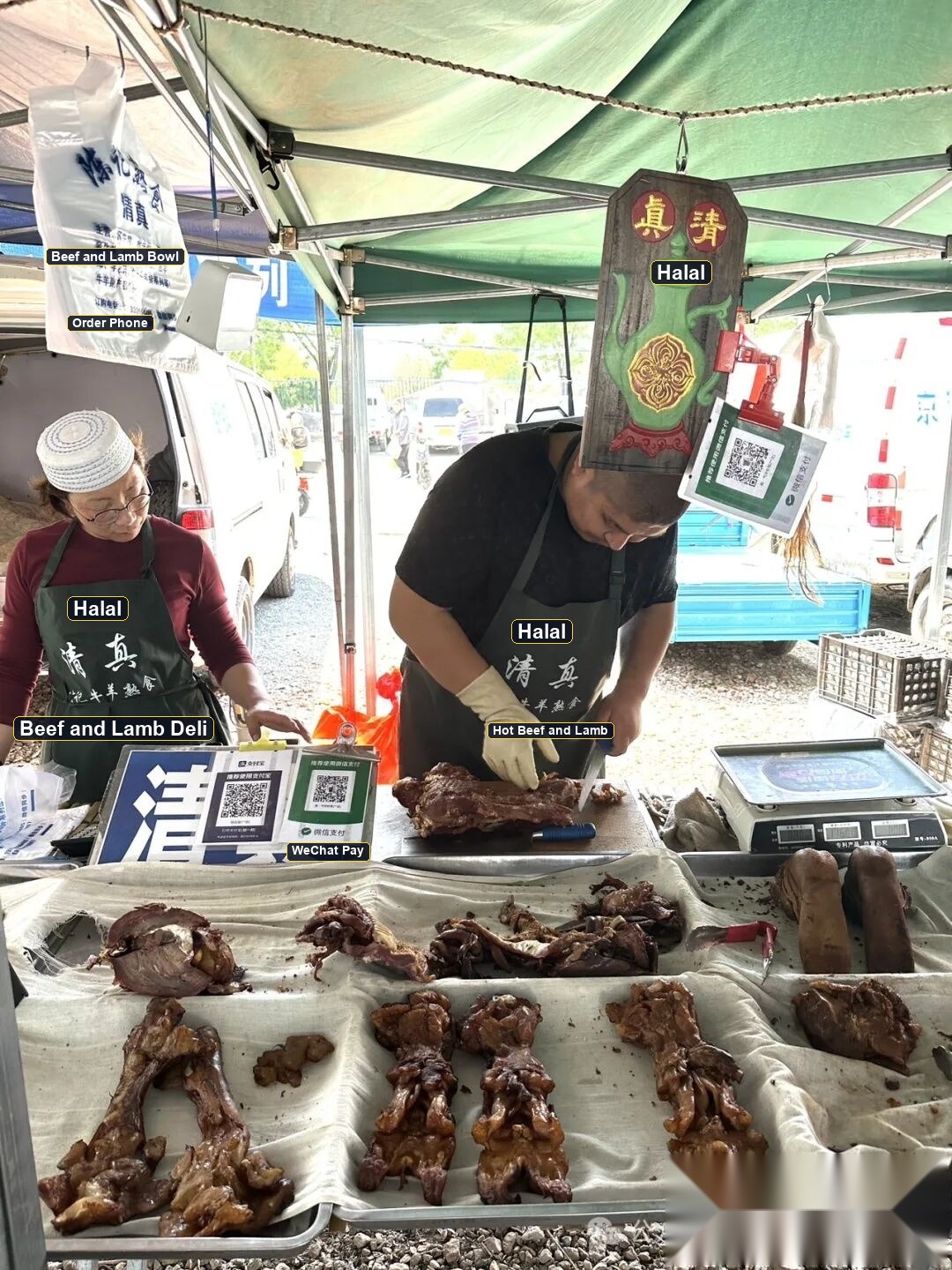
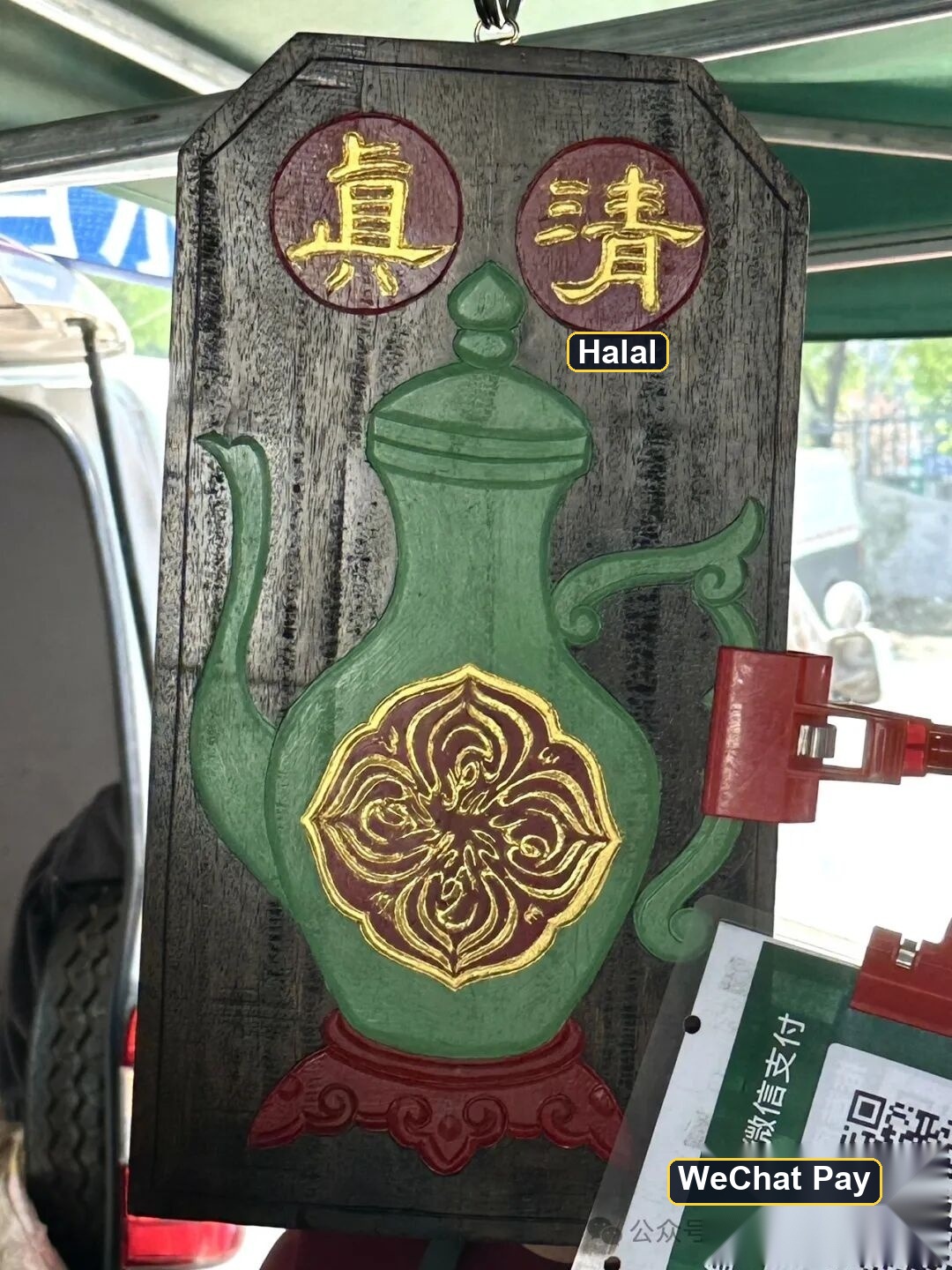
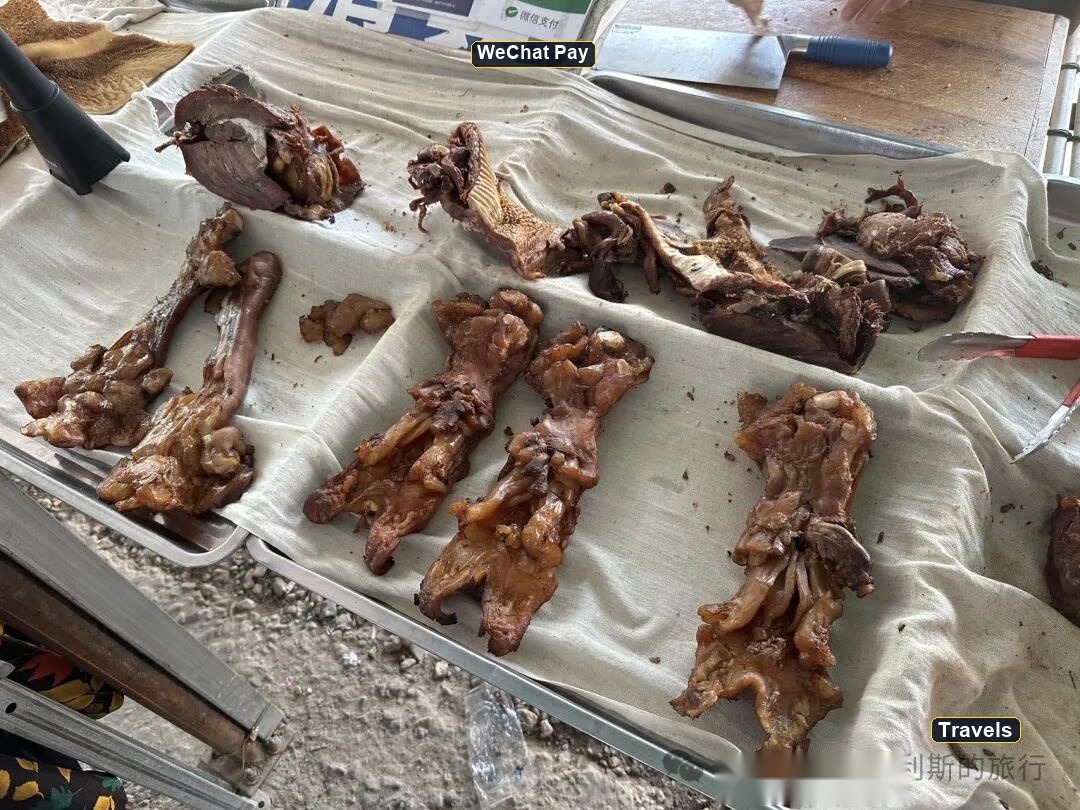
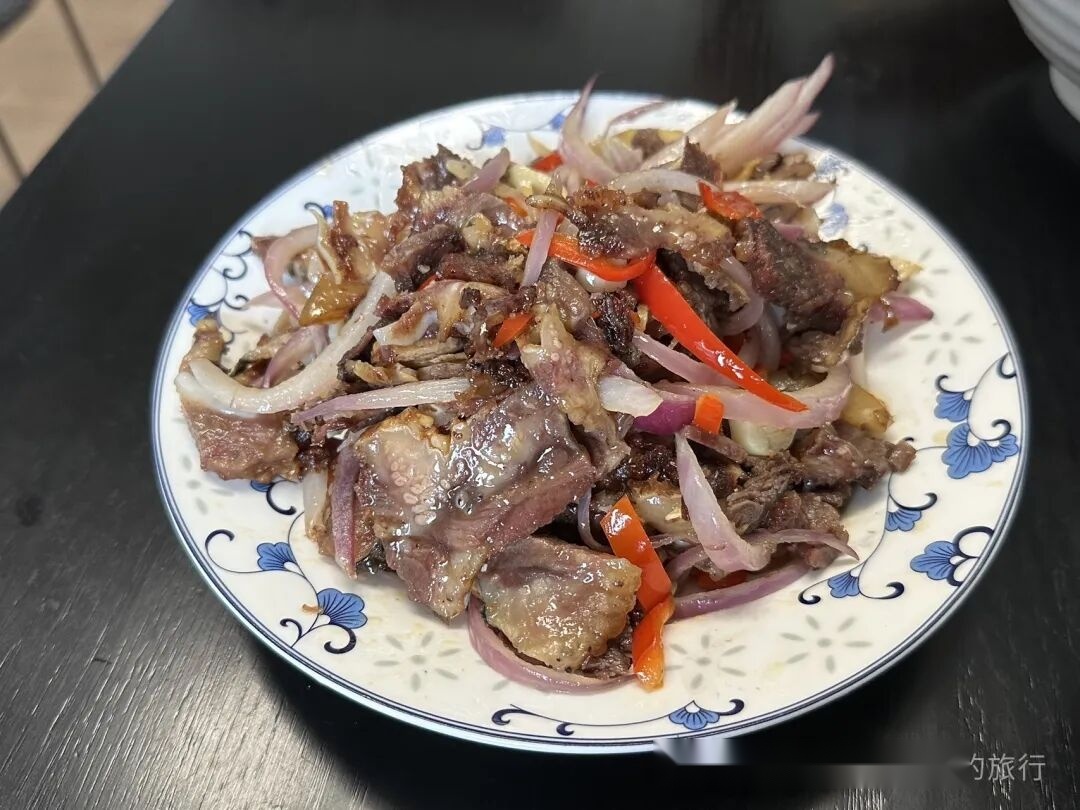
We started at the Chenji stall to buy some beef head, which I'm planning to stir-fry at home. The tangping pai (traditional hanging sign/label) at their stall was actually made by my friend Dong Yidong; these traditional-style signs are super rare to find these days.
The market also has special gezhibo (fried mung bean starch snacks) from the Tongzhou Hui Muslim community. They also carry Baoji Douzhi (fermented mung bean milk), which is popular, but it was already sold out by the time we got there.
There was also a Huadu chicken stall, so we picked up a whole local chicken to make dapanji (big plate chicken). Huadu has a Halal poultry processing plant in Luanping, Hebei, and they supply the Beijing market and even export to Japan. They’ve gone digital in recent years, so a lot of the Halal chicken you buy online now comes from them.
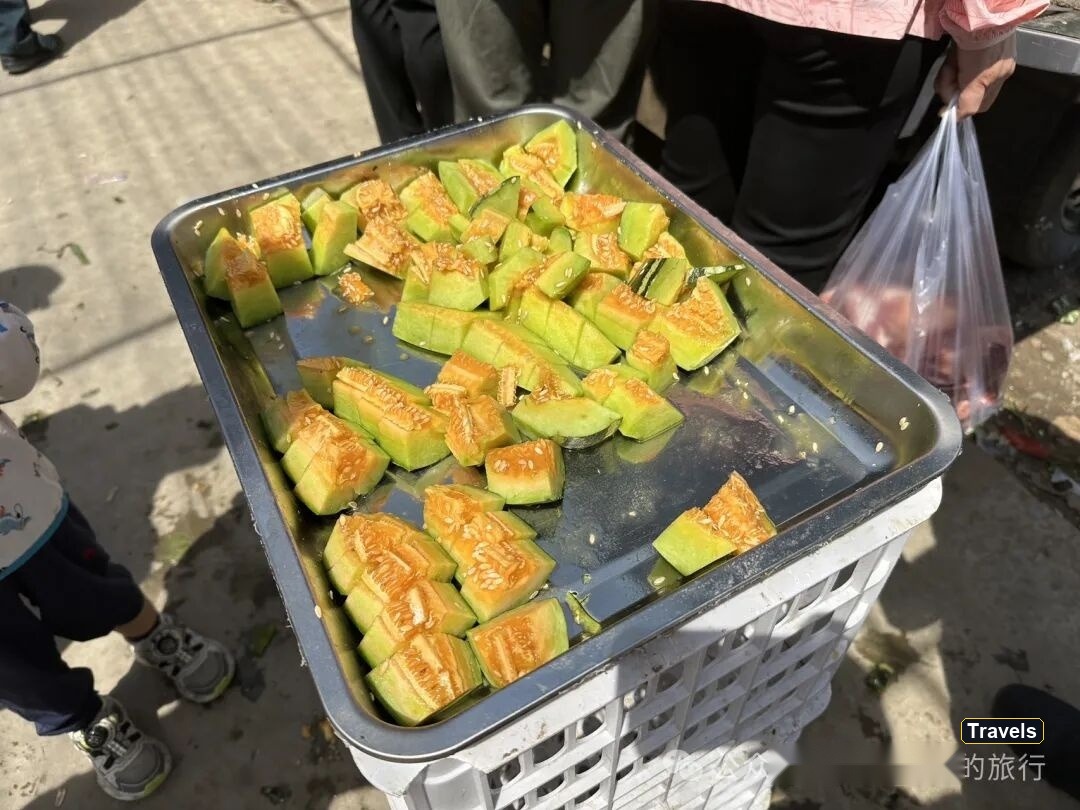
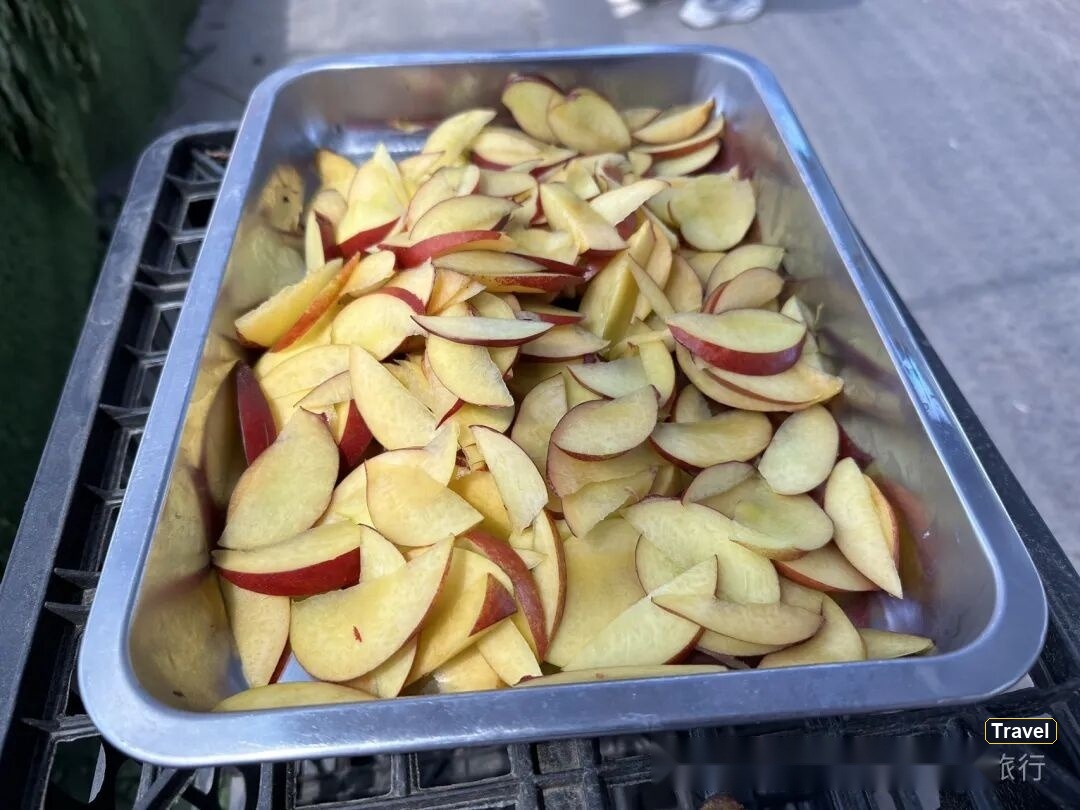
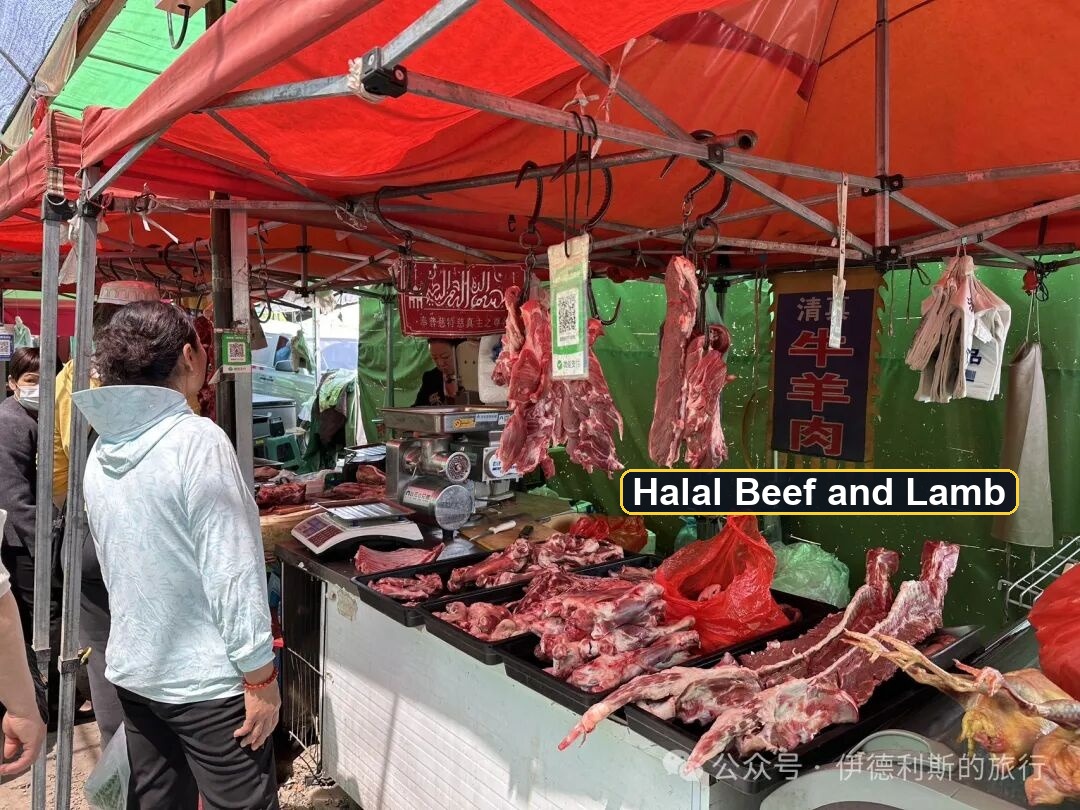
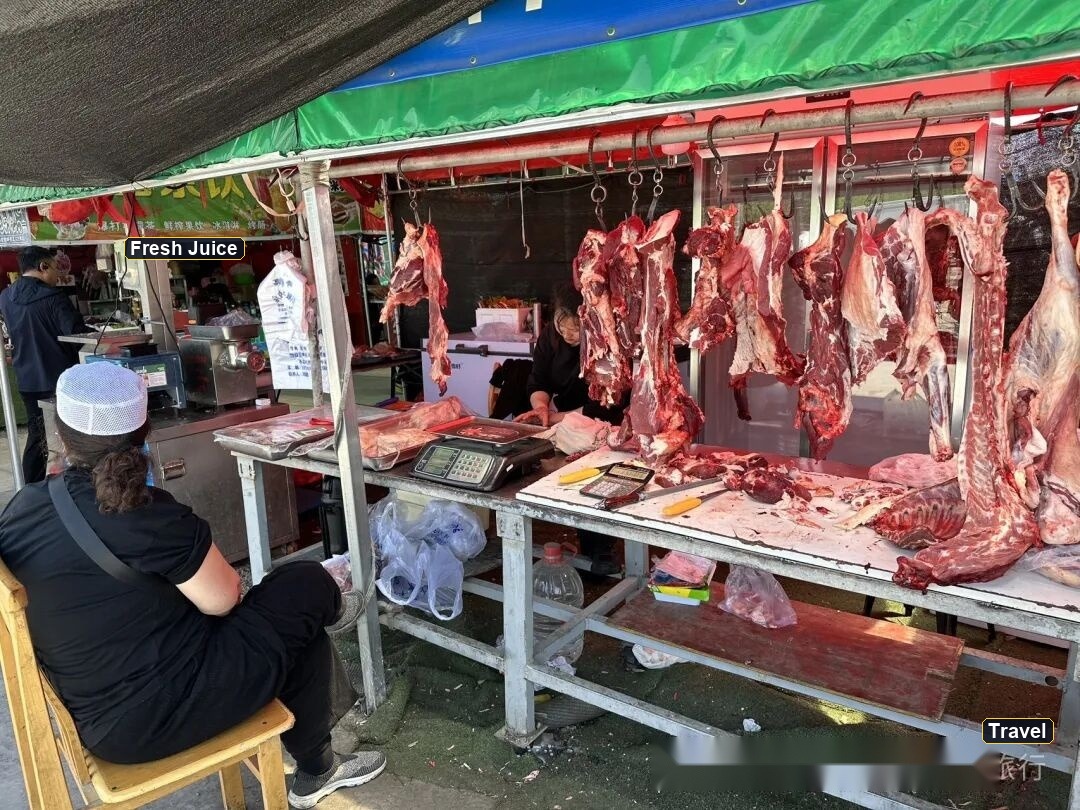
The market is packed with all kinds of beef, lamb, fruits, and vegetables. There were tons of free samples, too; we tried muskmelon, nectarines, apples, and watermelon—my son was in heaven.
The northern edge of the market is the snack zone, including a noodle shop serving cold noodles that are perfect for a hot summer day.
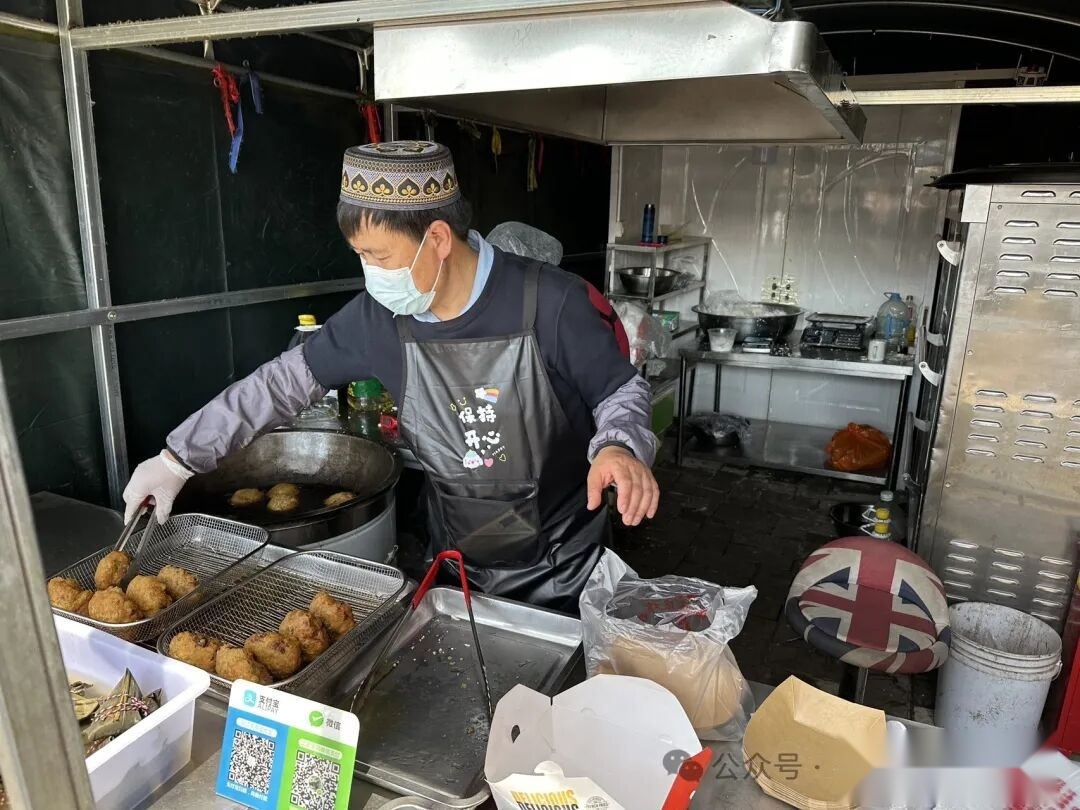
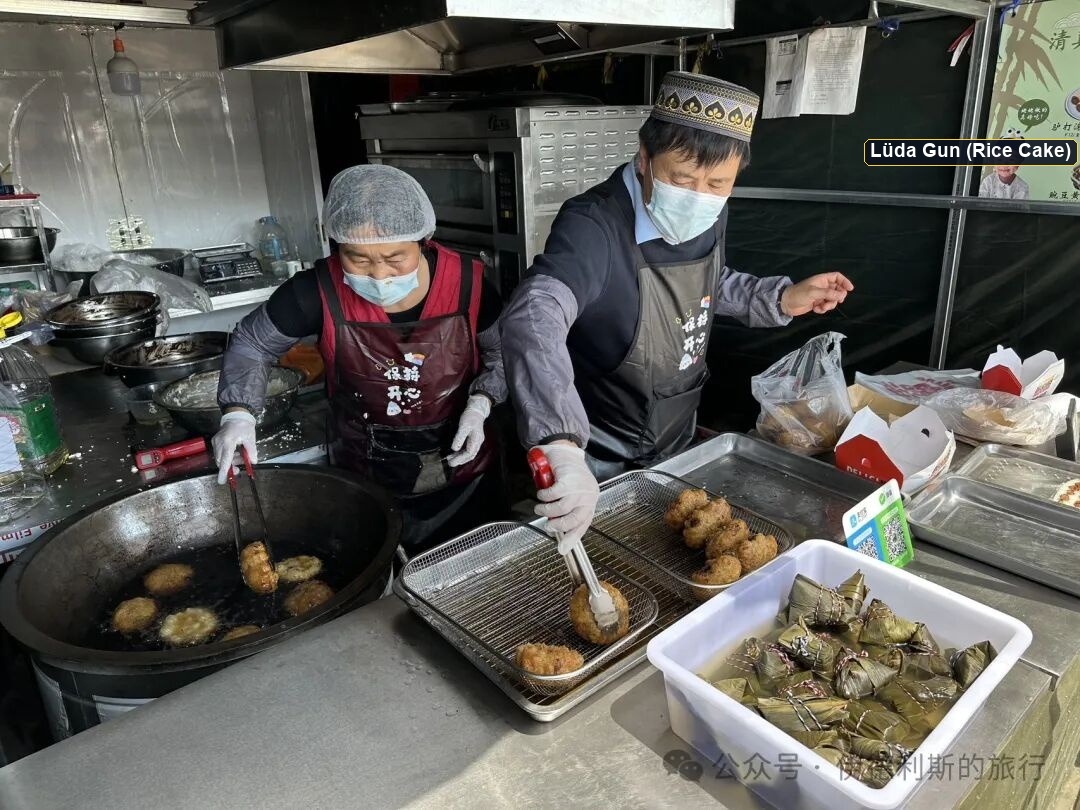
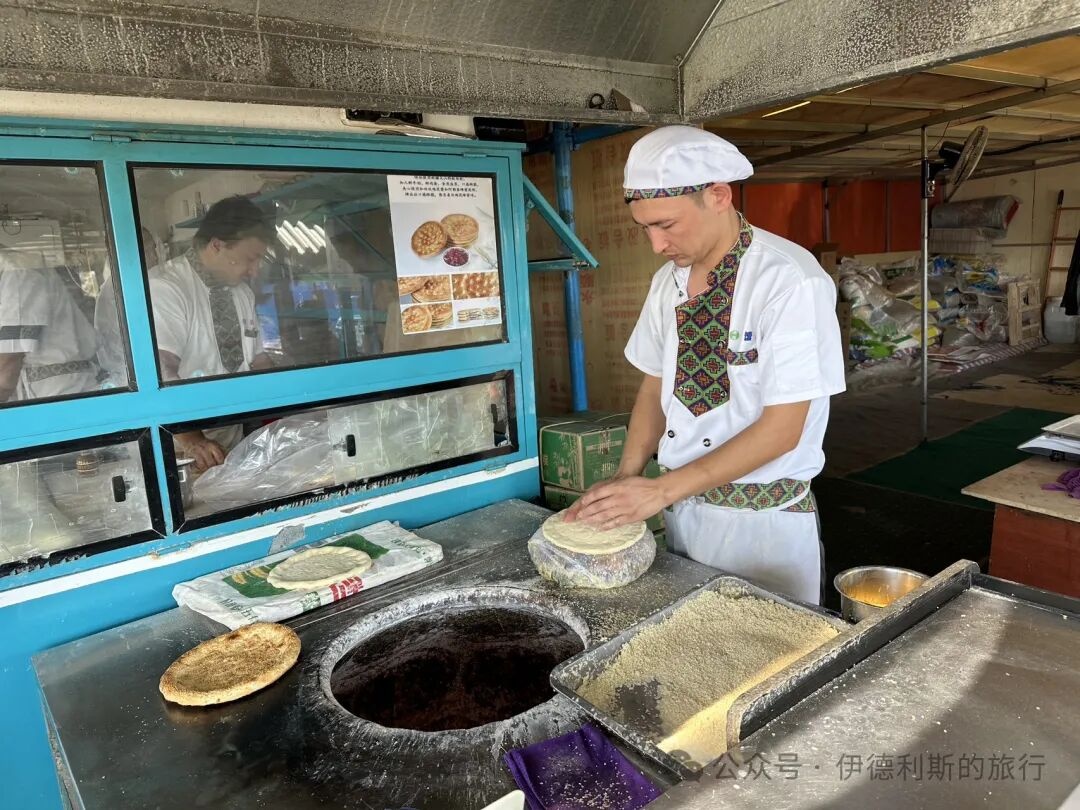
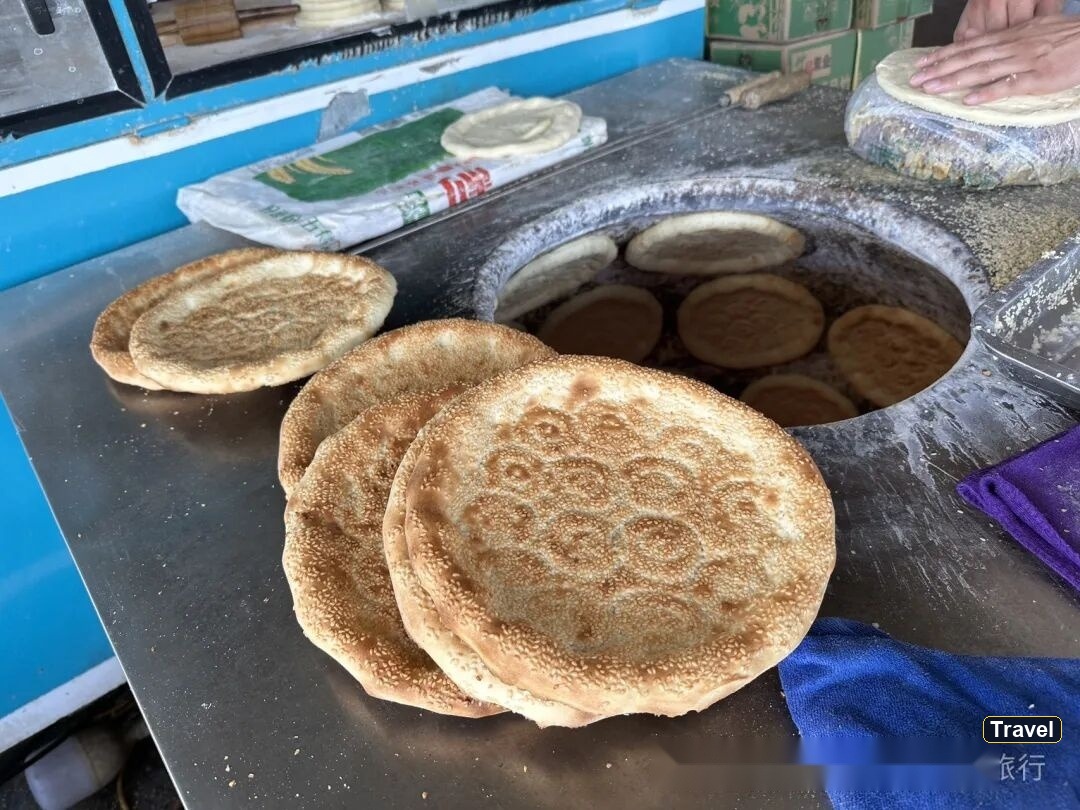
The two hottest snack spots in the market are the crispy fried dough cakes and the fresh-baked naang (tandoor-baked flatbread), both of which had lines. The naang vendor uses a charcoal-fired tandoor oven, which gives the bread a unique fragrance and texture you can't get with electric ovens. We arrived a bit late and missed the fresh-baked kaobaozi (baked lamb buns), but if you get there early, they’re incredibly fragrant when they’re pulled fresh from the oven.
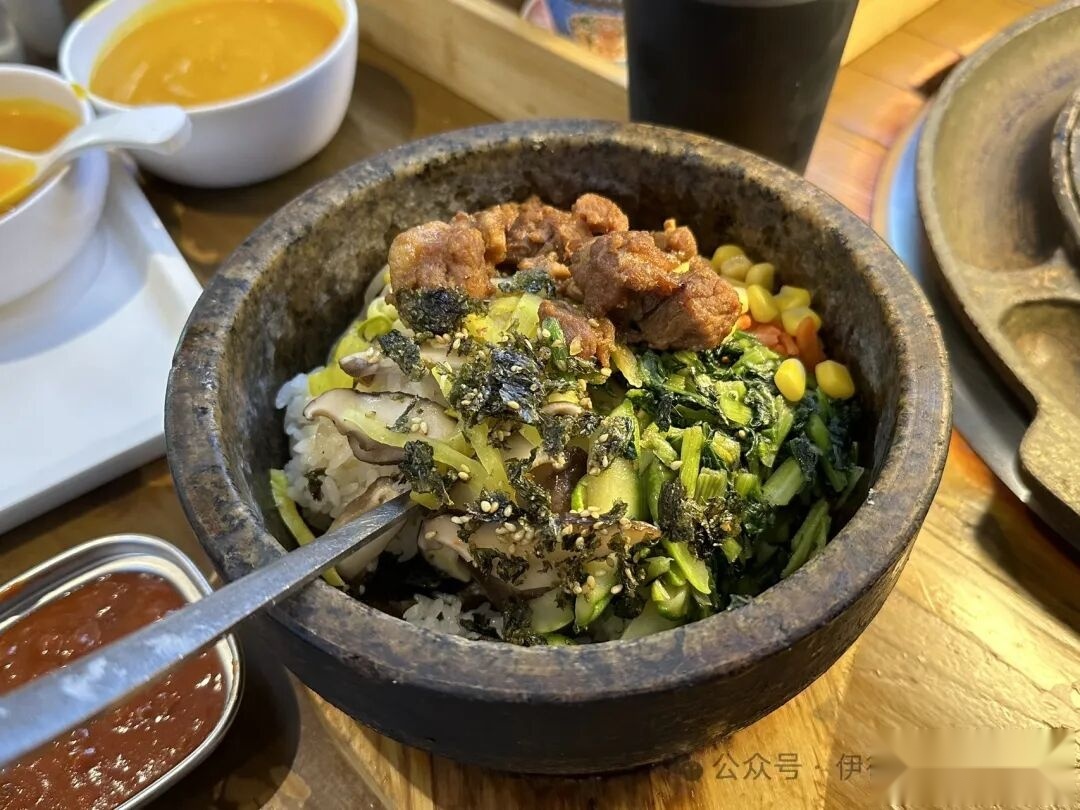
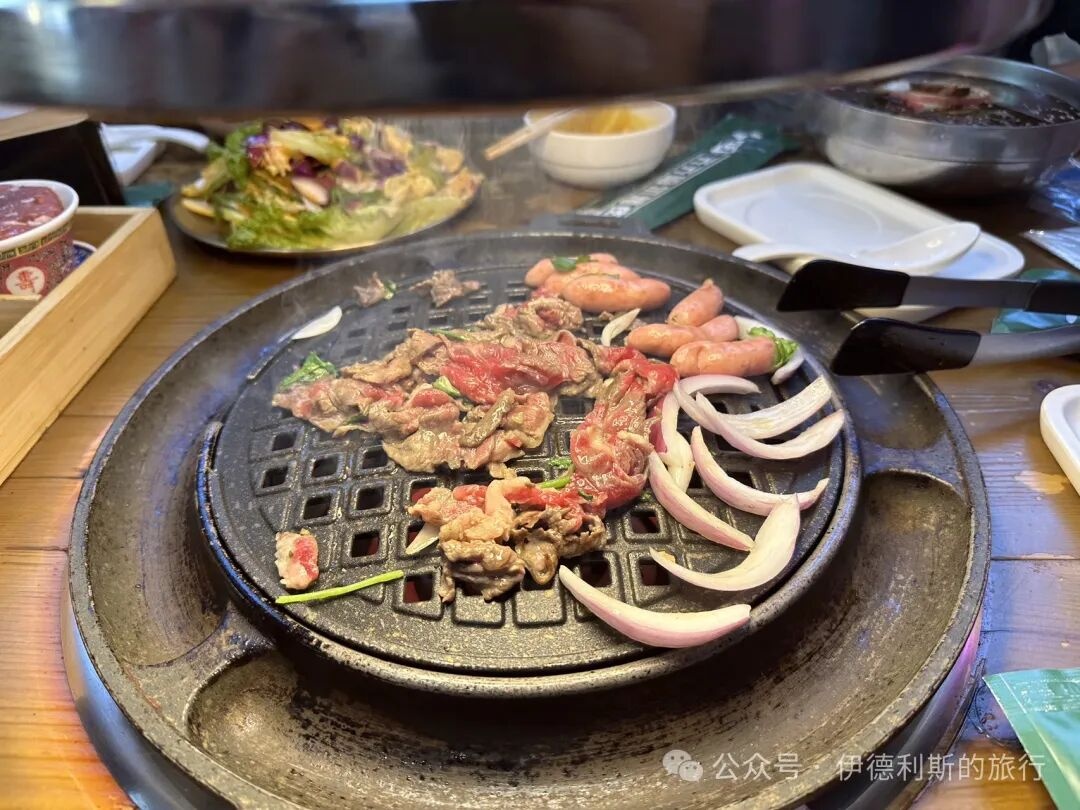
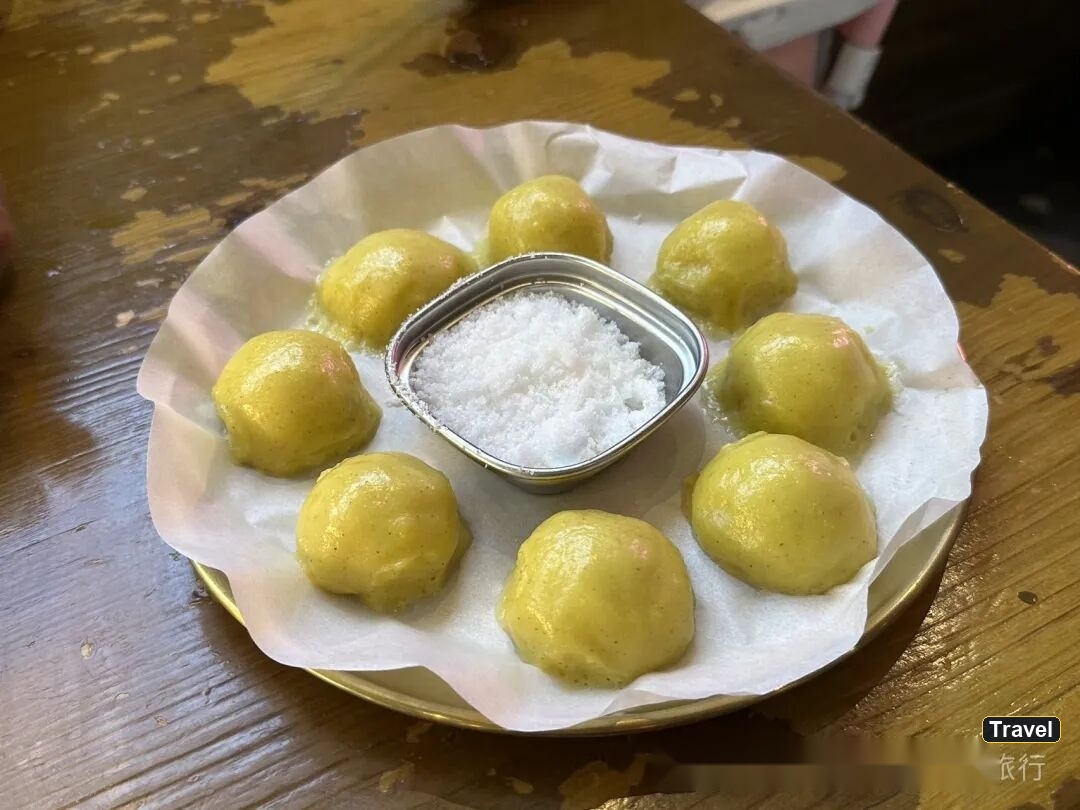
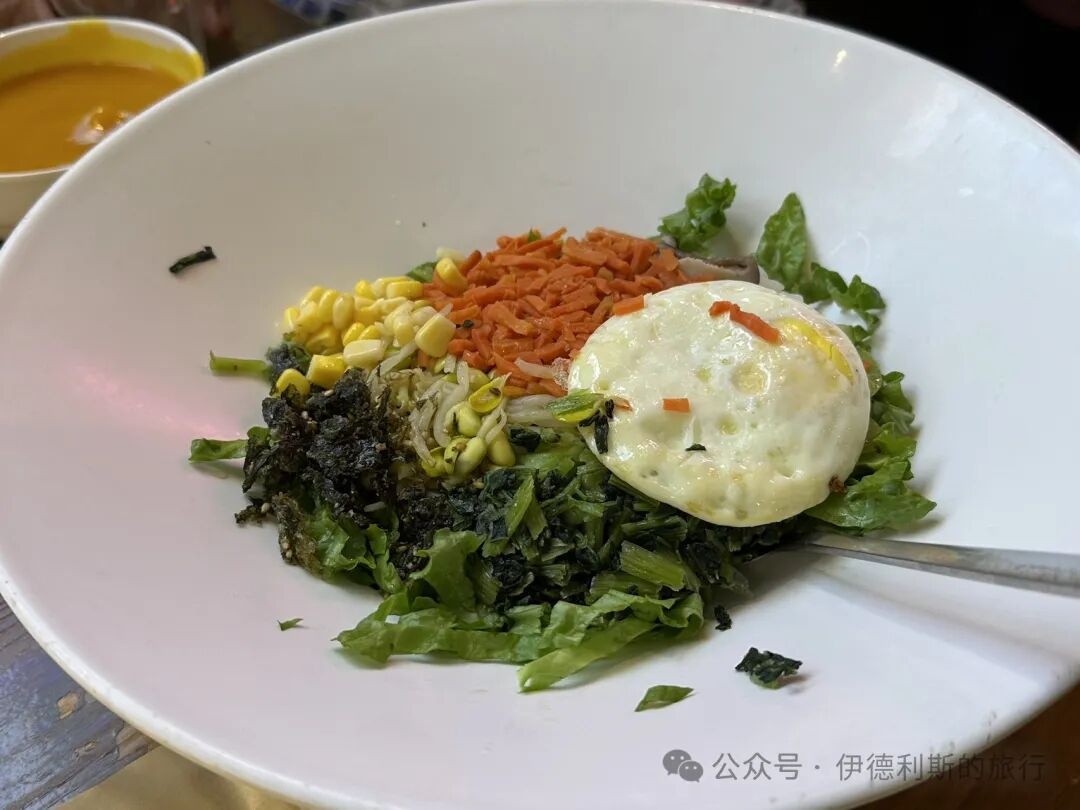
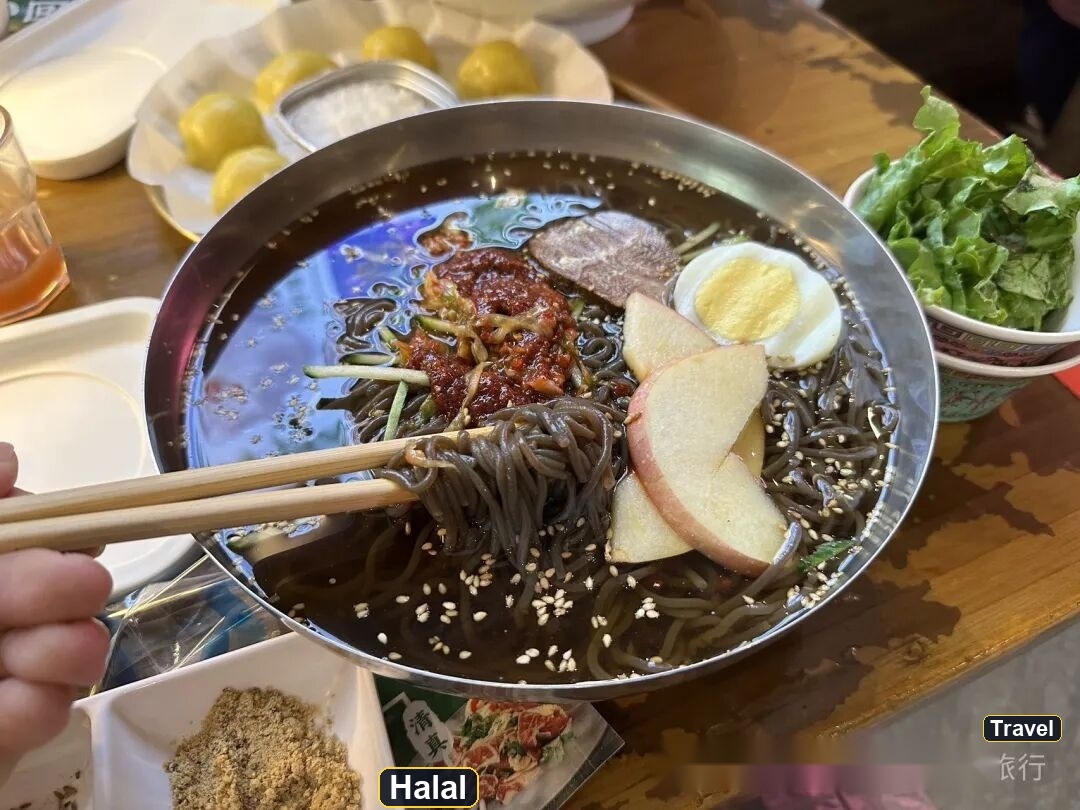
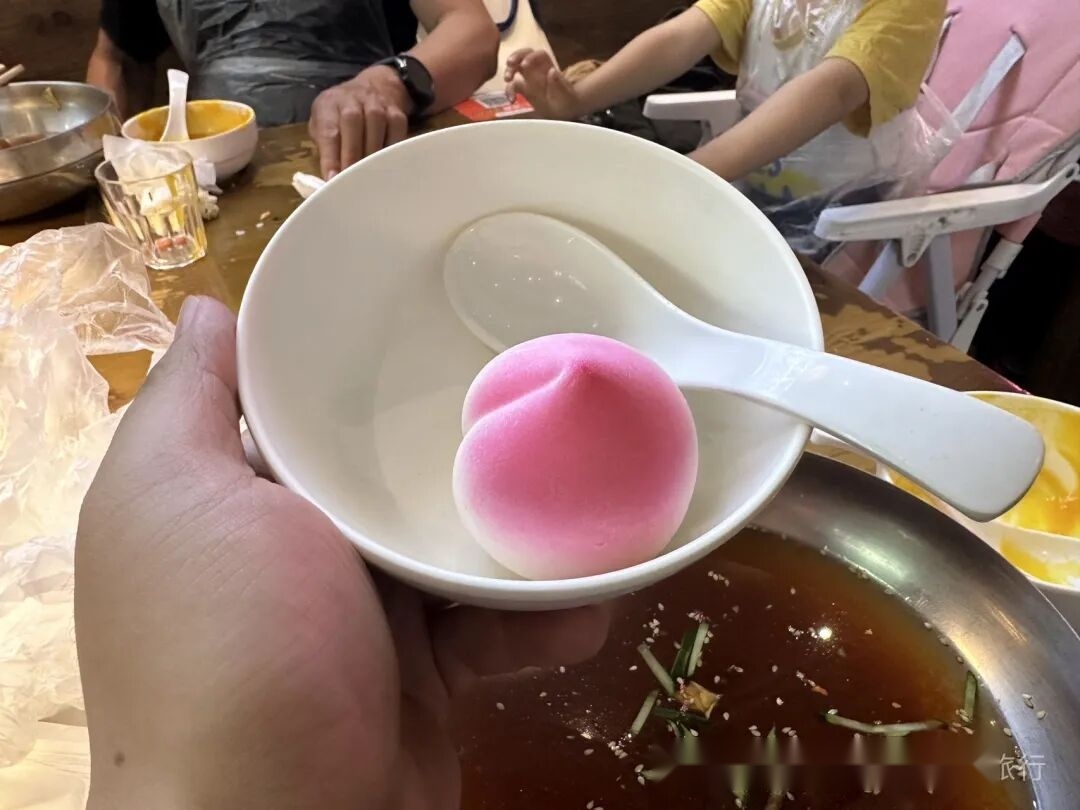
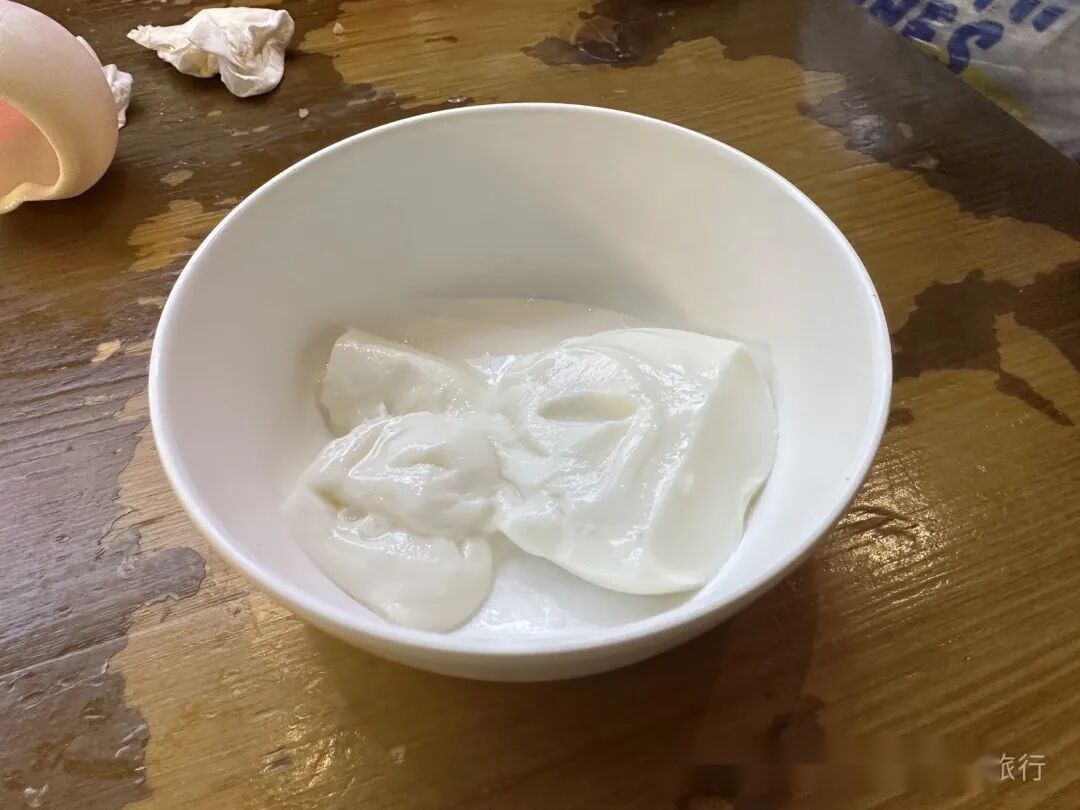
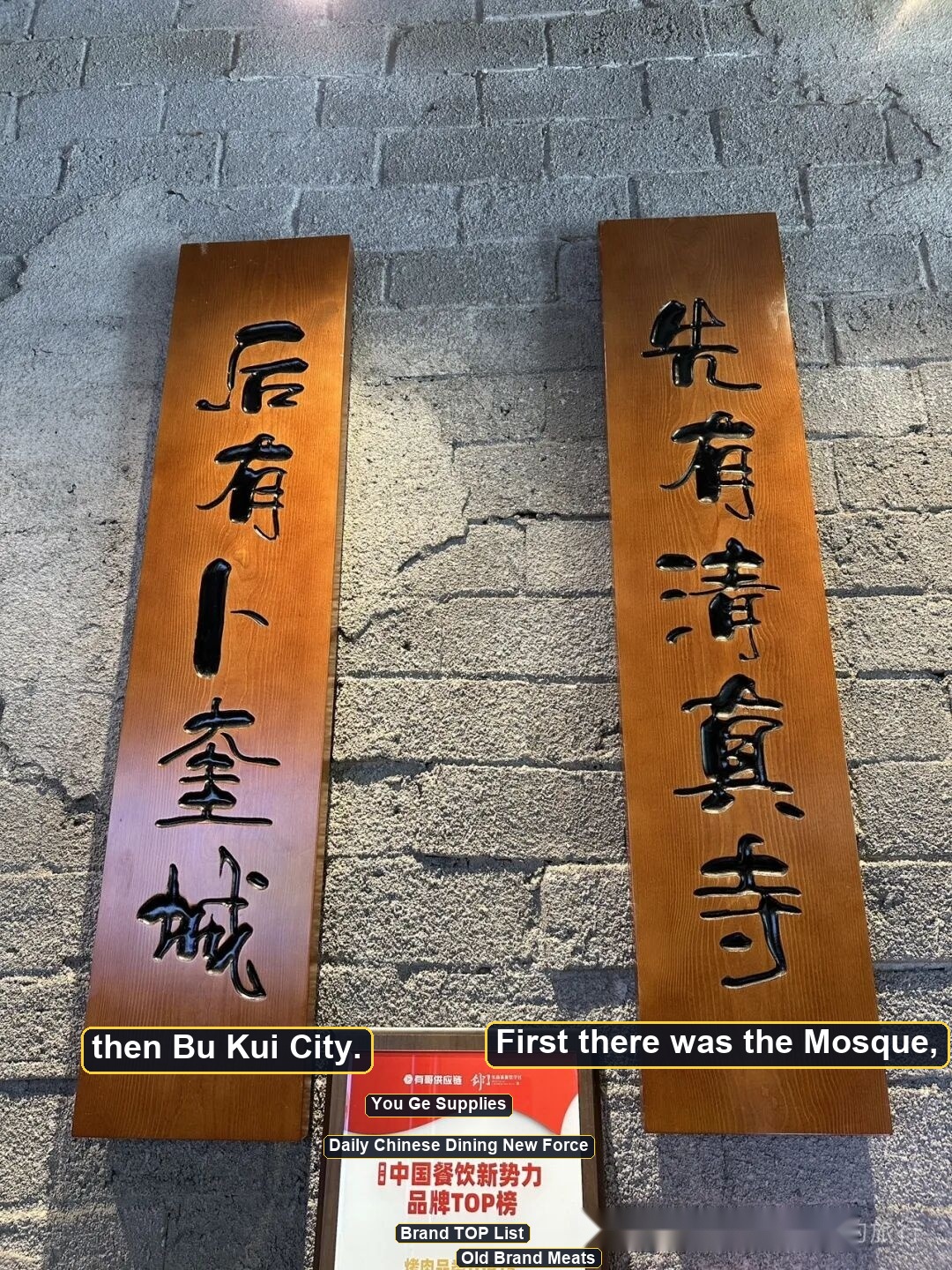
After wandering through the market, we took a three-stop bus ride to Guangzhuang Road to have some Bu Hui Qiqihar-style BBQ. I haven't been here in a few years, but it’s super popular on weekend afternoons now—we had to wait half an hour to get a table. They offer a 'nine-grid' set menu now, which comes with meat, shrimp, and a great spread including almond tofu, sliced frozen pears, and tiny niandoubao (steamed sticky rice buns). It was my first time having these Northeast-style niandoubao; they're made with yellow rice flour and kidney bean paste. They aren't too sweet and have a subtle, earthy flavor that everyone really enjoyed. For mains, we ordered stone pot bibimbap, 'washbasin' bibimbap, and cold noodles. It was my mother-in-law’s first time trying stone pot bibimbap, and she loved the flavor and all the nutritious veggies inside. The cold noodles are the main reason I come here; as the weather gets warmer, a bowl of these sweet and tangy noodles is the perfect way to cool off. view all
This high-definition photo tour captures the vibrant energy of the (folk) Halal market in the Changying Hui Muslim neighborhood of Beijing's Chaoyang District. Join me as I walk through stalls packed with freshly cut Halal beef and lamb, sizzling fresh youxiang (traditional fried dough cakes), shaobing (sesame flatbread) with lamb offal soup, and a variety of classic Beijing Halal pastries and deli items—all to experience the authentic daily life of this Muslim community on the city's outskirts.
I hit up the Changying market on a Sunday morning. I worked in this area for nine years and only changed jobs last year, right when the market opened up. It runs every day until noon, but the weekends are definitely the busiest.
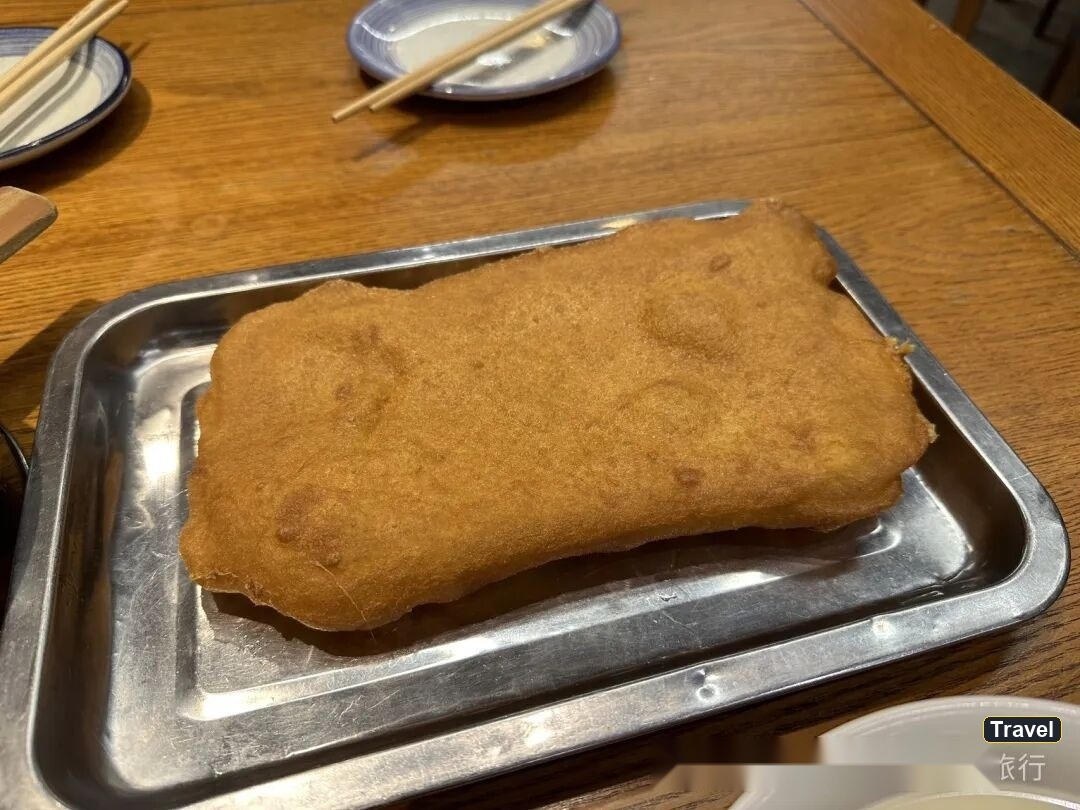
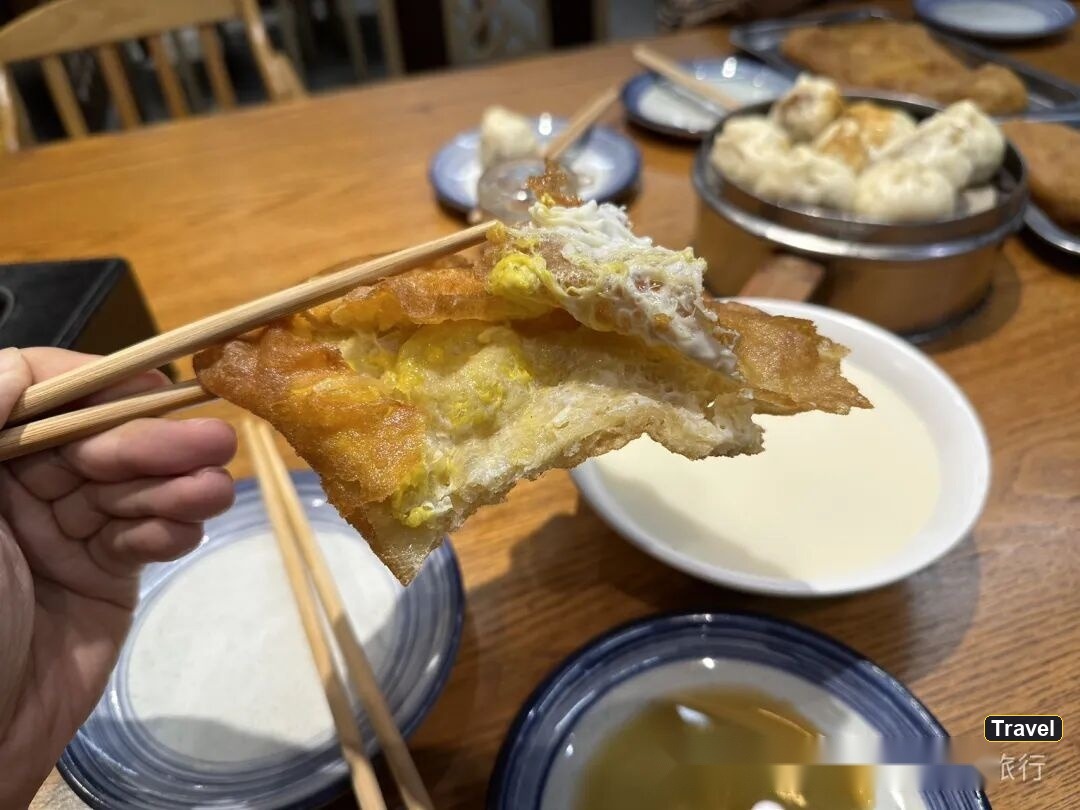
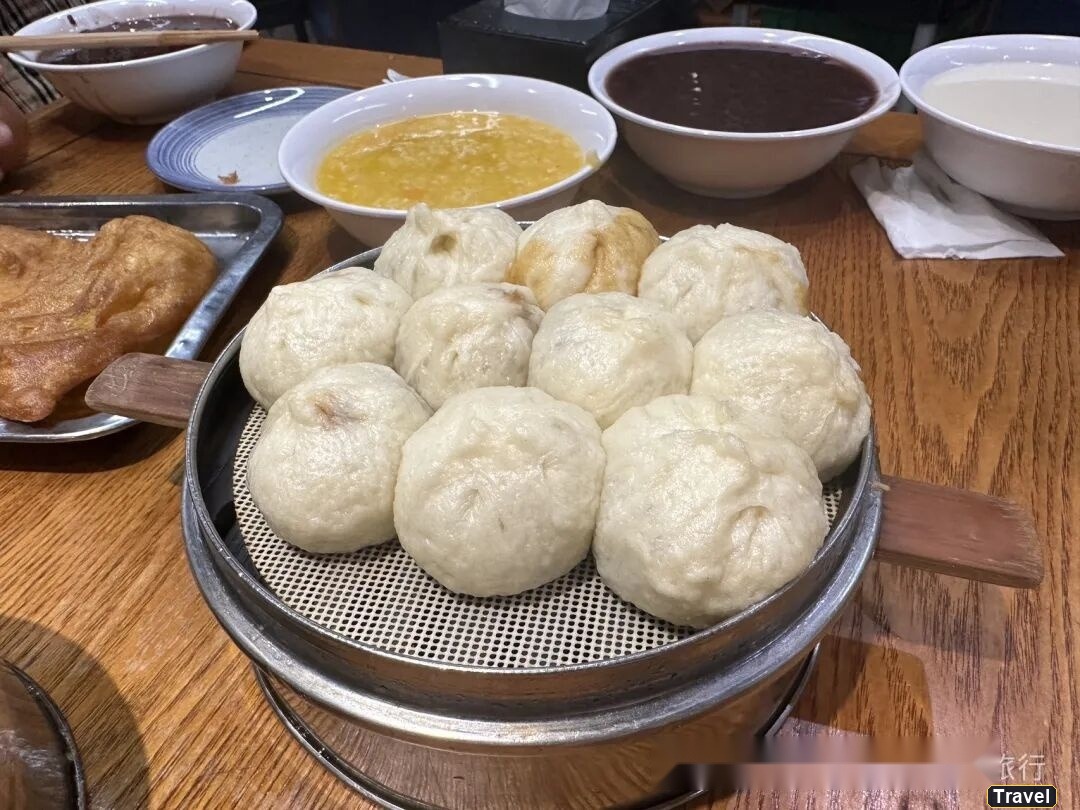
For breakfast, I started at Qingyanfang on Changying Middle Road. I ordered the xiaolongbao (steamed soup dumplings), fugedai (stuffed dough bags), pumpkin porridge, and purple rice porridge. The fugedai is similar to a fried egg snack, but you rarely see it elsewhere in Beijing. Halal xiaolongbao weren't really a thing here before, but a few shops have started making them in recent years.
After breakfast, I headed north along the Changying road intersection to reach the market, located at the southeast corner of Changying Sports Park. There are tons of Halal vendors there.
We started at the Chenji stall to buy some beef head, which I'm planning to stir-fry at home. The tangping pai (traditional hanging sign/label) at their stall was actually made by my friend Dong Yidong; these traditional-style signs are super rare to find these days.
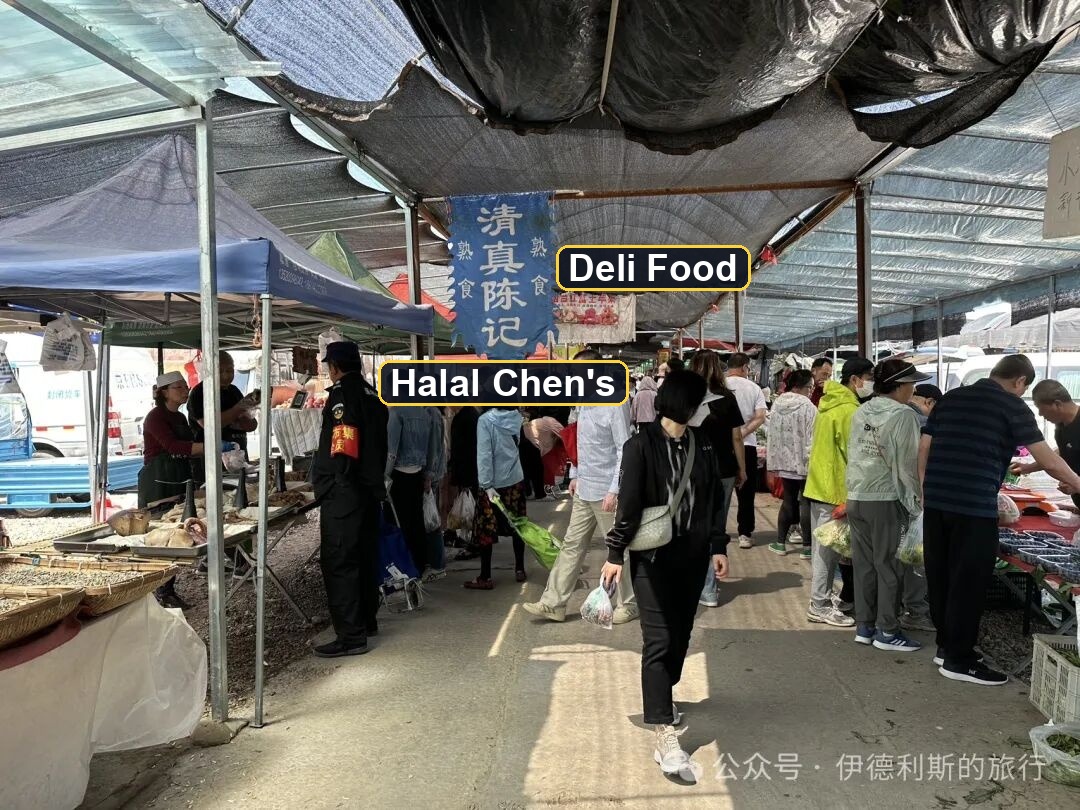
The market also has special gezhibo (fried mung bean starch snacks) from the Tongzhou Hui Muslim community. They also carry Baoji Douzhi (fermented mung bean milk), which is popular, but it was already sold out by the time we got there.
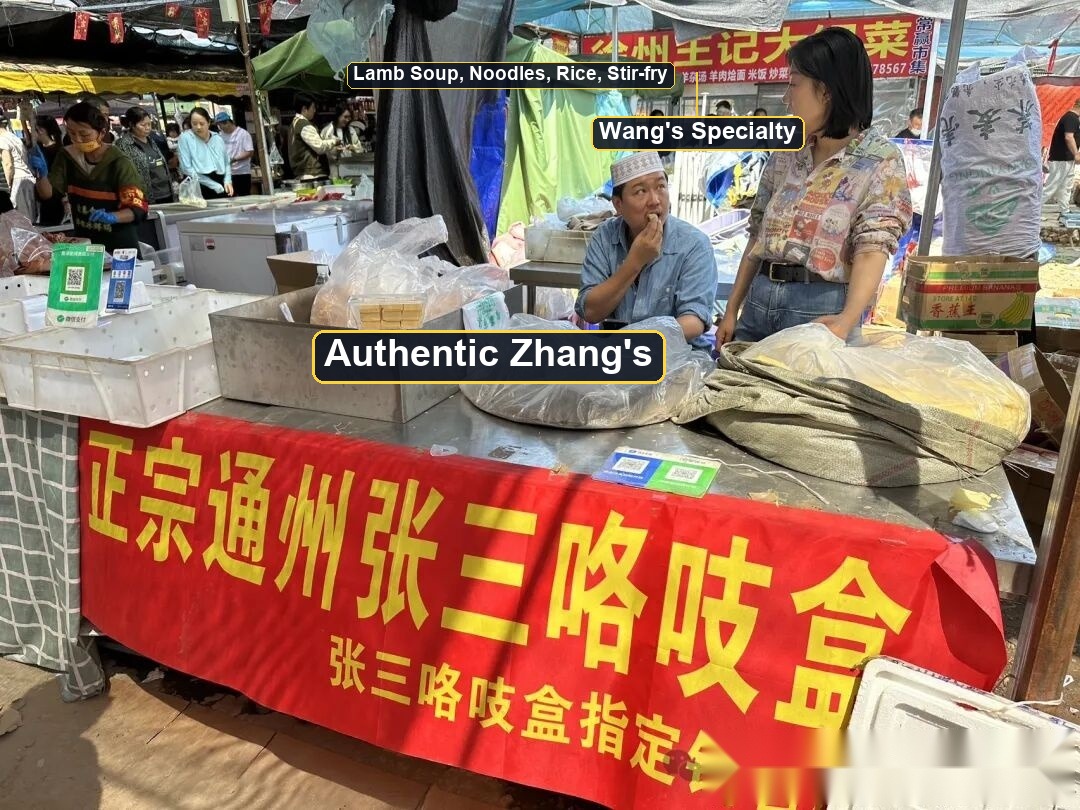
There was also a Huadu chicken stall, so we picked up a whole local chicken to make dapanji (big plate chicken). Huadu has a Halal poultry processing plant in Luanping, Hebei, and they supply the Beijing market and even export to Japan. They’ve gone digital in recent years, so a lot of the Halal chicken you buy online now comes from them.
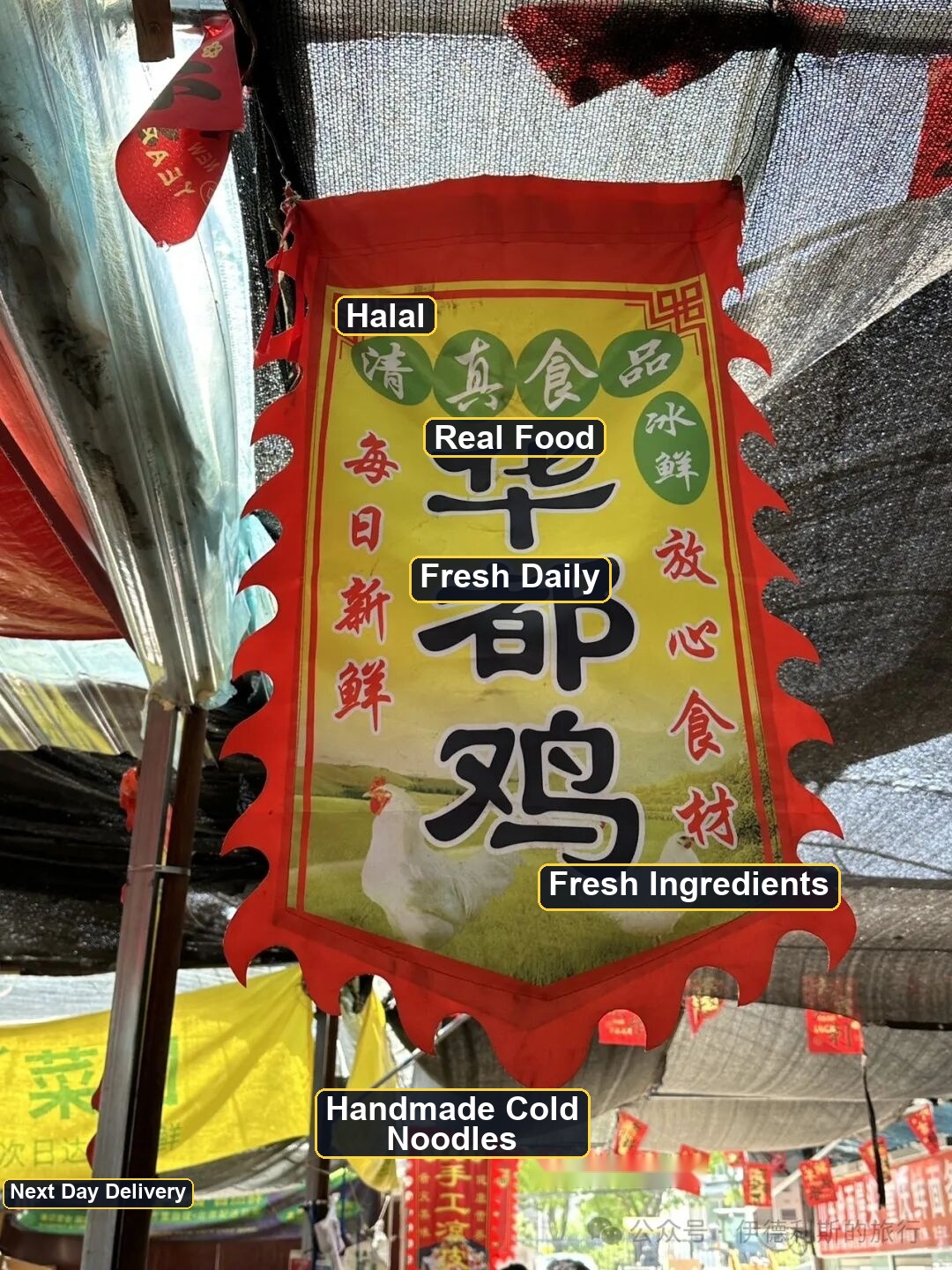
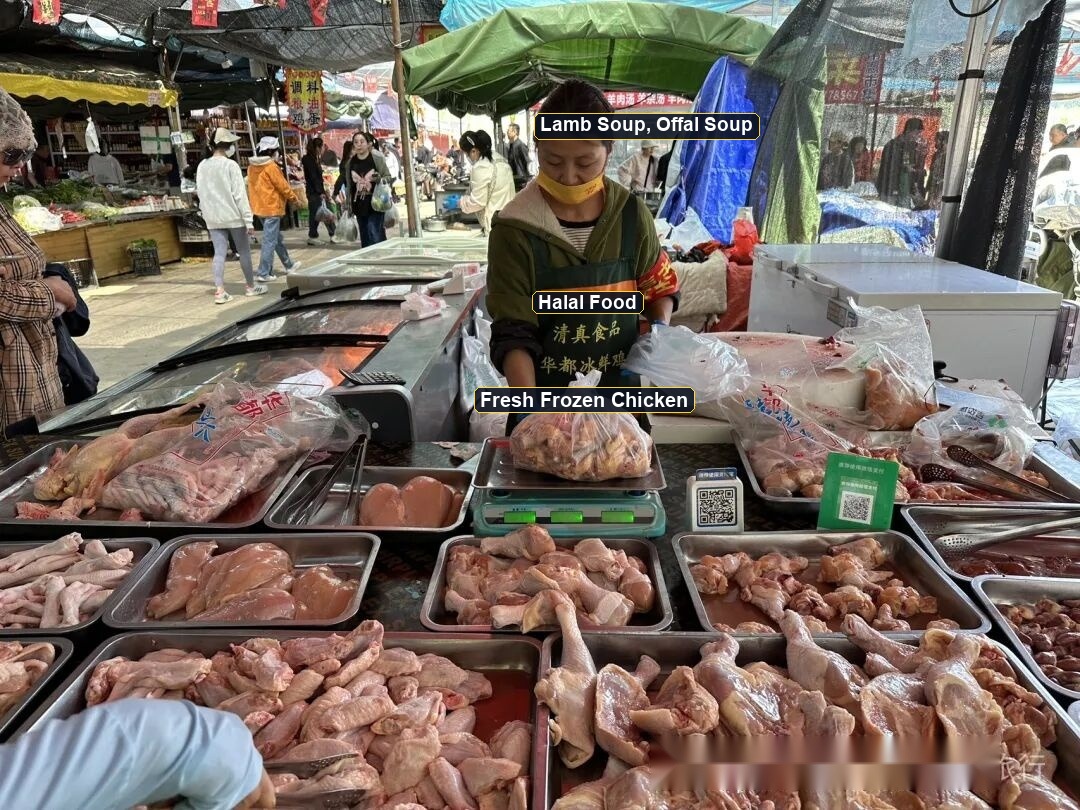
The market is packed with all kinds of beef, lamb, fruits, and vegetables. There were tons of free samples, too; we tried muskmelon, nectarines, apples, and watermelon—my son was in heaven.
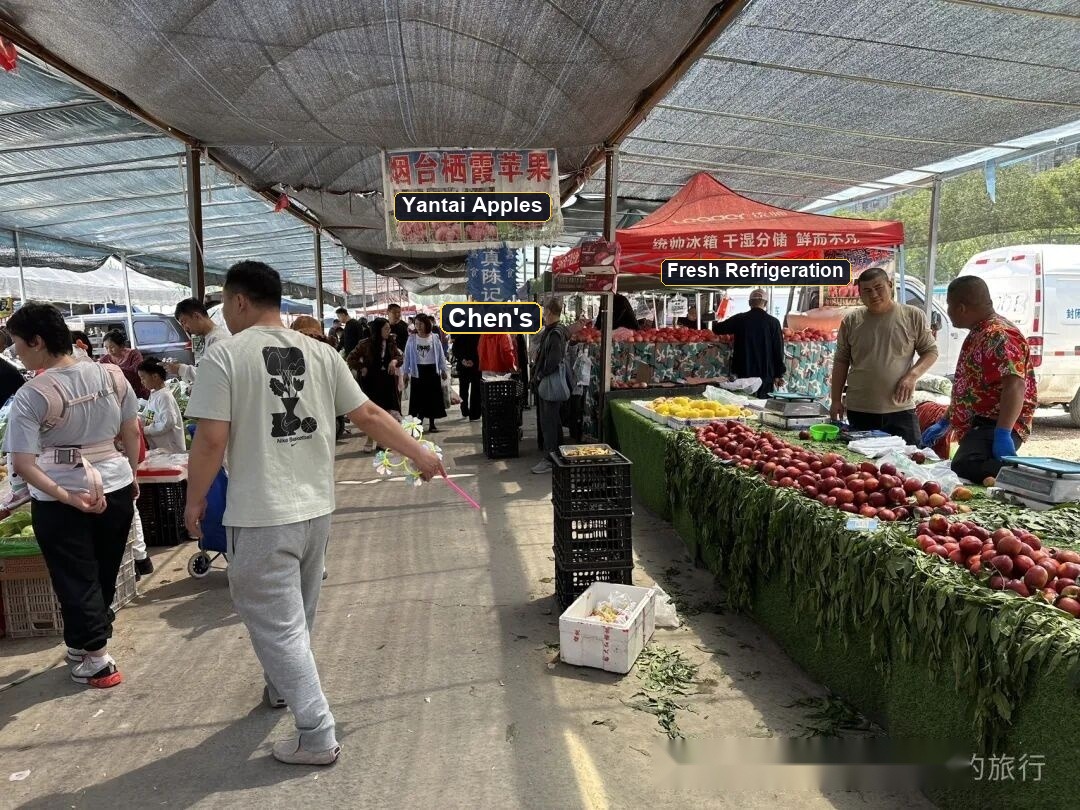
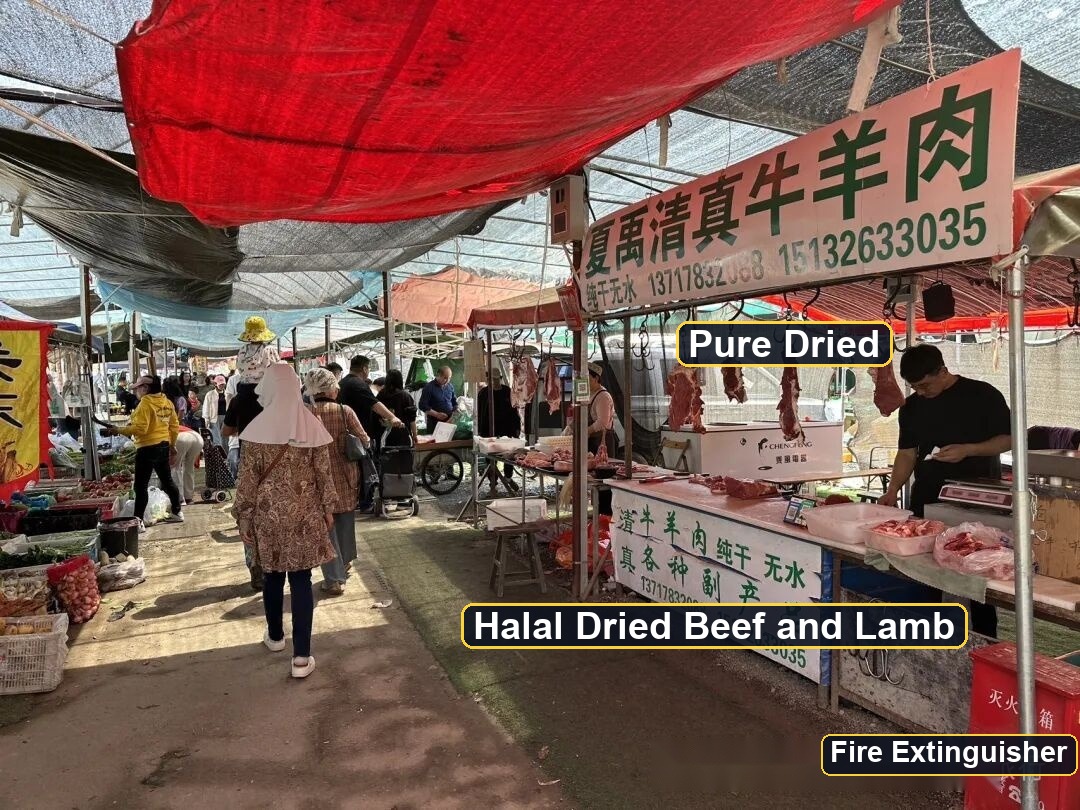
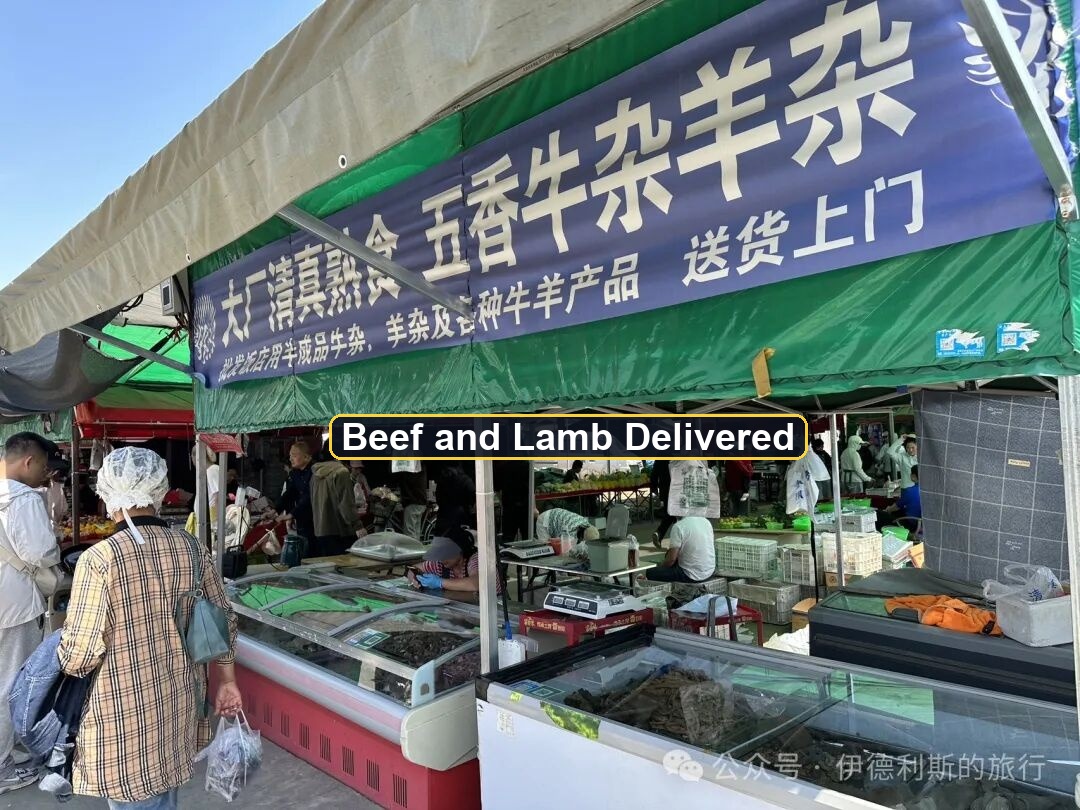
The northern edge of the market is the snack zone, including a noodle shop serving cold noodles that are perfect for a hot summer day.
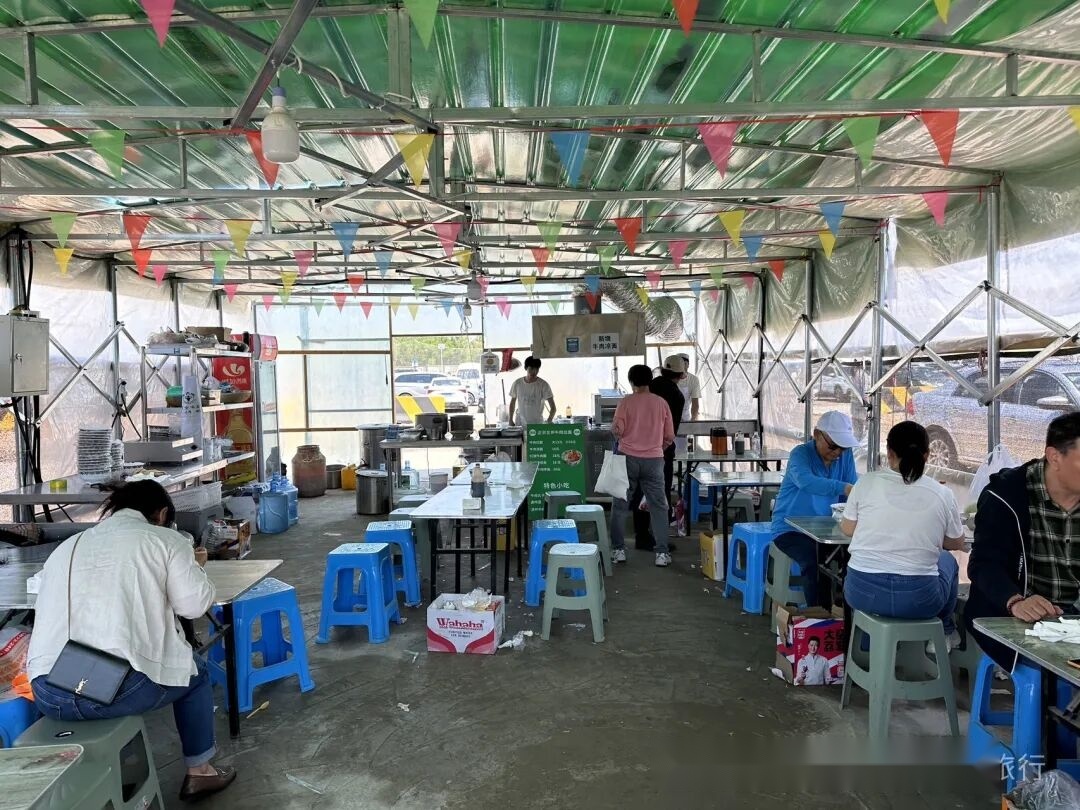
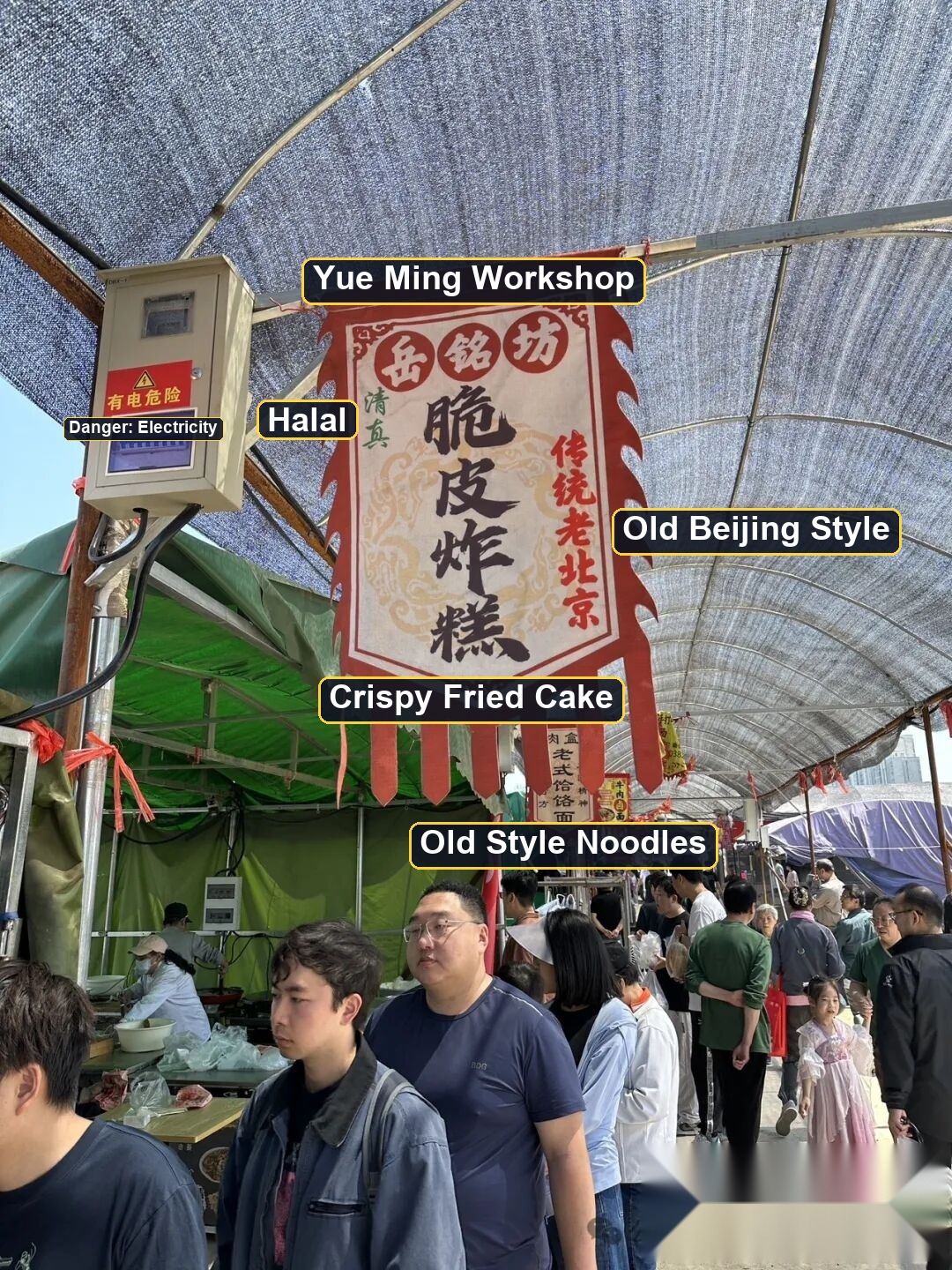
The two hottest snack spots in the market are the crispy fried dough cakes and the fresh-baked naang (tandoor-baked flatbread), both of which had lines. The naang vendor uses a charcoal-fired tandoor oven, which gives the bread a unique fragrance and texture you can't get with electric ovens. We arrived a bit late and missed the fresh-baked kaobaozi (baked lamb buns), but if you get there early, they’re incredibly fragrant when they’re pulled fresh from the oven.
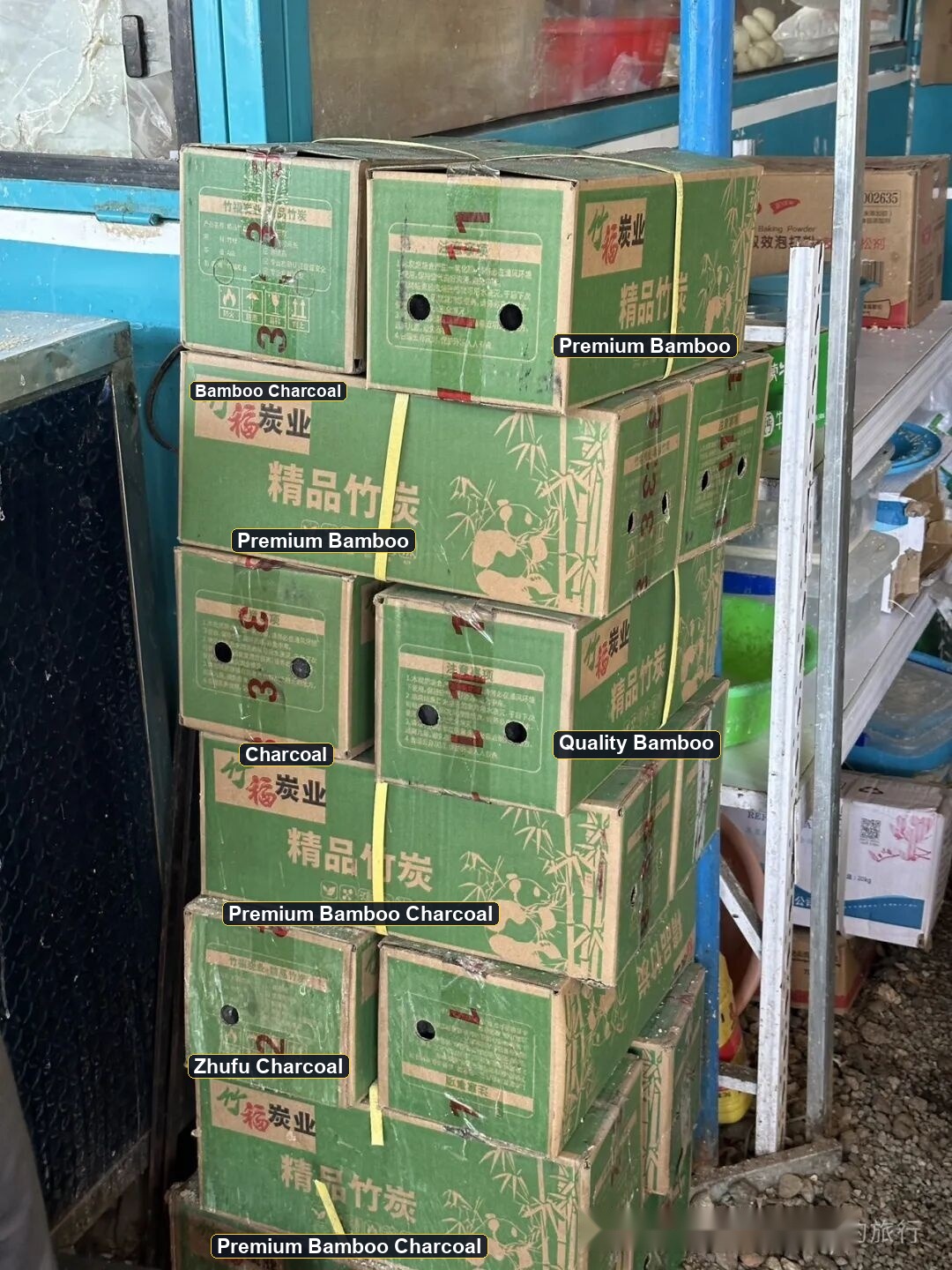
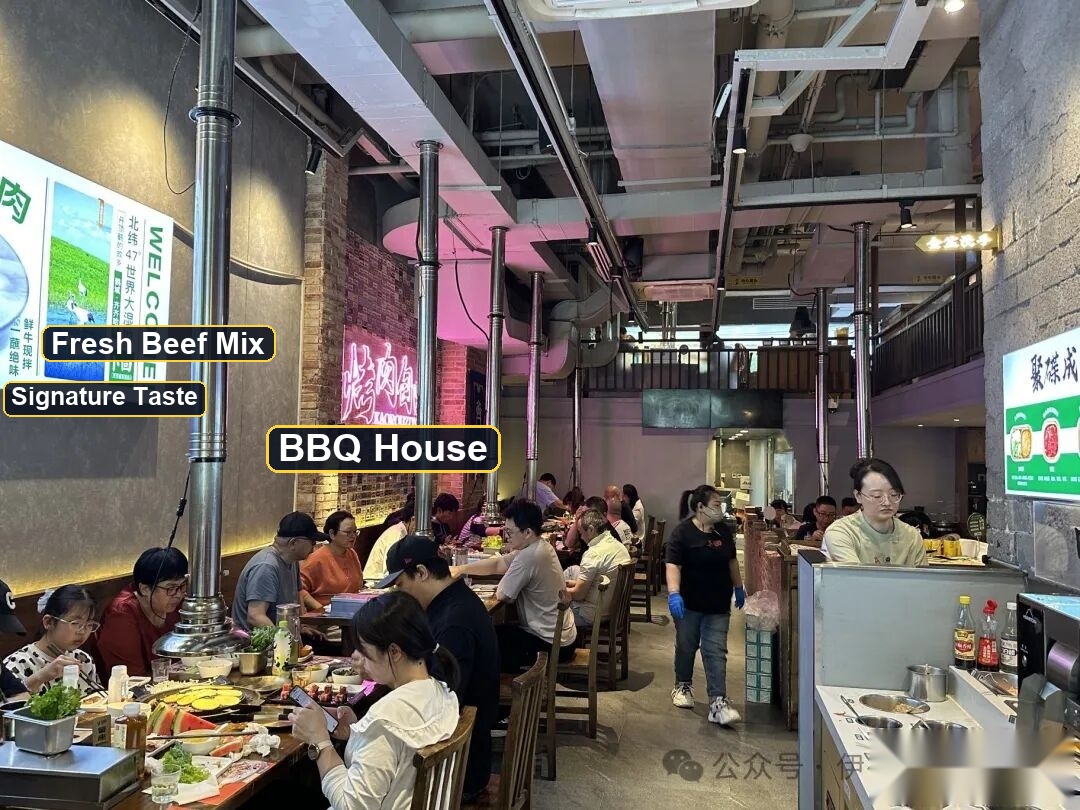
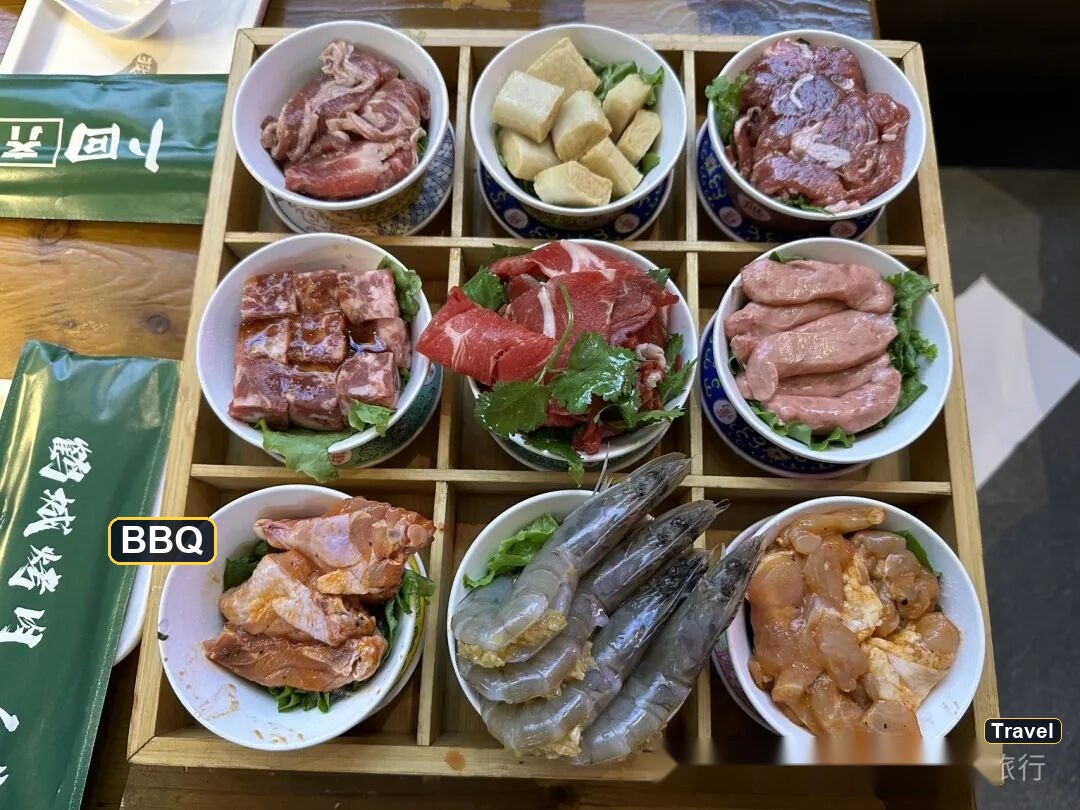
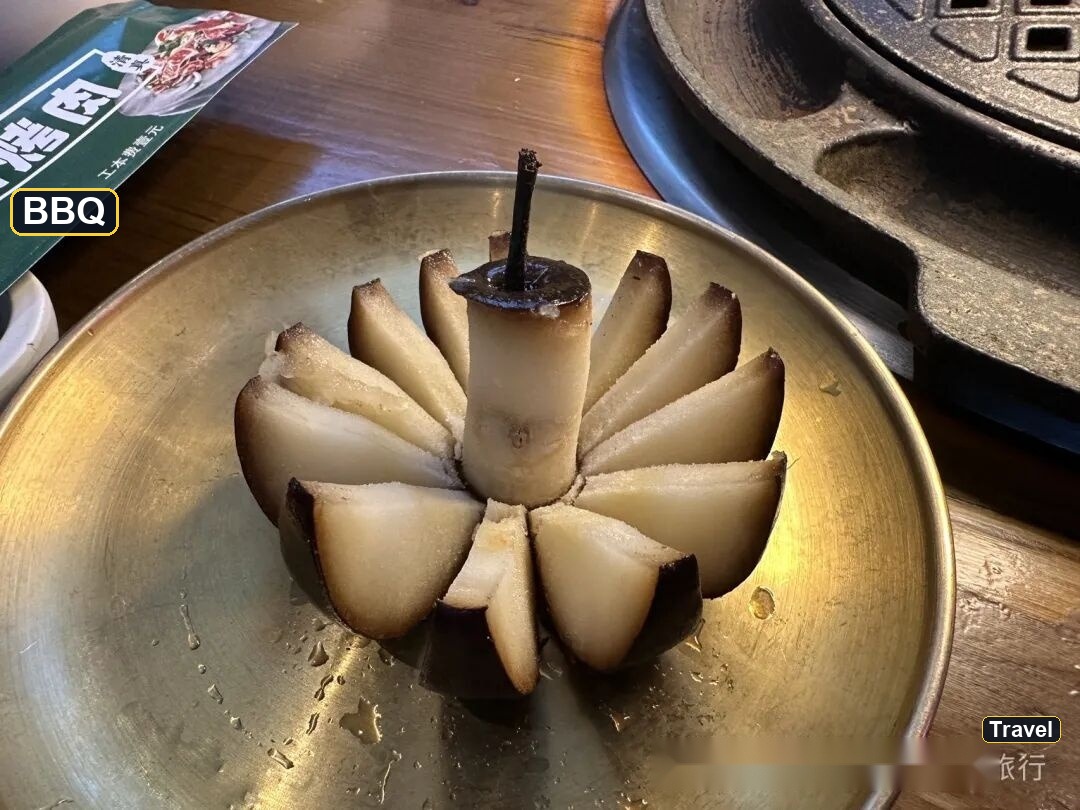
After wandering through the market, we took a three-stop bus ride to Guangzhuang Road to have some Bu Hui Qiqihar-style BBQ. I haven't been here in a few years, but it’s super popular on weekend afternoons now—we had to wait half an hour to get a table. They offer a 'nine-grid' set menu now, which comes with meat, shrimp, and a great spread including almond tofu, sliced frozen pears, and tiny niandoubao (steamed sticky rice buns). It was my first time having these Northeast-style niandoubao; they're made with yellow rice flour and kidney bean paste. They aren't too sweet and have a subtle, earthy flavor that everyone really enjoyed. For mains, we ordered stone pot bibimbap, 'washbasin' bibimbap, and cold noodles. It was my mother-in-law’s first time trying stone pot bibimbap, and she loved the flavor and all the nutritious veggies inside. The cold noodles are the main reason I come here; as the weather gets warmer, a bowl of these sweet and tangy noodles is the perfect way to cool off.
I hit up the Changying market on a Sunday morning. I worked in this area for nine years and only changed jobs last year, right when the market opened up. It runs every day until noon, but the weekends are definitely the busiest.
For breakfast, I started at Qingyanfang on Changying Middle Road. I ordered the xiaolongbao (steamed soup dumplings), fugedai (stuffed dough bags), pumpkin porridge, and purple rice porridge. The fugedai is similar to a fried egg snack, but you rarely see it elsewhere in Beijing. Halal xiaolongbao weren't really a thing here before, but a few shops have started making them in recent years.
After breakfast, I headed north along the Changying road intersection to reach the market, located at the southeast corner of Changying Sports Park. There are tons of Halal vendors there.
We started at the Chenji stall to buy some beef head, which I'm planning to stir-fry at home. The tangping pai (traditional hanging sign/label) at their stall was actually made by my friend Dong Yidong; these traditional-style signs are super rare to find these days.
The market also has special gezhibo (fried mung bean starch snacks) from the Tongzhou Hui Muslim community. They also carry Baoji Douzhi (fermented mung bean milk), which is popular, but it was already sold out by the time we got there.
There was also a Huadu chicken stall, so we picked up a whole local chicken to make dapanji (big plate chicken). Huadu has a Halal poultry processing plant in Luanping, Hebei, and they supply the Beijing market and even export to Japan. They’ve gone digital in recent years, so a lot of the Halal chicken you buy online now comes from them.
The market is packed with all kinds of beef, lamb, fruits, and vegetables. There were tons of free samples, too; we tried muskmelon, nectarines, apples, and watermelon—my son was in heaven.
The northern edge of the market is the snack zone, including a noodle shop serving cold noodles that are perfect for a hot summer day.
The two hottest snack spots in the market are the crispy fried dough cakes and the fresh-baked naang (tandoor-baked flatbread), both of which had lines. The naang vendor uses a charcoal-fired tandoor oven, which gives the bread a unique fragrance and texture you can't get with electric ovens. We arrived a bit late and missed the fresh-baked kaobaozi (baked lamb buns), but if you get there early, they’re incredibly fragrant when they’re pulled fresh from the oven.
After wandering through the market, we took a three-stop bus ride to Guangzhuang Road to have some Bu Hui Qiqihar-style BBQ. I haven't been here in a few years, but it’s super popular on weekend afternoons now—we had to wait half an hour to get a table. They offer a 'nine-grid' set menu now, which comes with meat, shrimp, and a great spread including almond tofu, sliced frozen pears, and tiny niandoubao (steamed sticky rice buns). It was my first time having these Northeast-style niandoubao; they're made with yellow rice flour and kidney bean paste. They aren't too sweet and have a subtle, earthy flavor that everyone really enjoyed. For mains, we ordered stone pot bibimbap, 'washbasin' bibimbap, and cold noodles. It was my mother-in-law’s first time trying stone pot bibimbap, and she loved the flavor and all the nutritious veggies inside. The cold noodles are the main reason I come here; as the weather gets warmer, a bowl of these sweet and tangy noodles is the perfect way to cool off.
Best Halal Street Market in Beijing: Exploring Changying Hui Muslim Market for Fresh Meat and Authentic Snacks
Articles • Hasan09 posted the article • 0 comments • 13 views • 1 hours ago
This high-definition photo tour captures the vibrant energy of the (folk) Halal market in the Changying Hui Muslim neighborhood of Beijing's Chaoyang District. Join me as I walk through stalls packed with freshly cut Halal beef and lamb, sizzling fresh youxiang (traditional fried dough cakes), shaobing (sesame flatbread) with lamb offal soup, and a variety of classic Beijing Halal pastries and deli items—all to experience the authentic daily life of this Muslim community on the city's outskirts.
I hit up the Changying market on a Sunday morning. I worked in this area for nine years and only changed jobs last year, right when the market opened up. It runs every day until noon, but the weekends are definitely the busiest.
For breakfast, I started at Qingyanfang on Changying Middle Road. I ordered the xiaolongbao (steamed soup dumplings), fugedai (stuffed dough bags), pumpkin porridge, and purple rice porridge. The fugedai is similar to a fried egg snack, but you rarely see it elsewhere in Beijing. Halal xiaolongbao weren't really a thing here before, but a few shops have started making them in recent years.
After breakfast, I headed north along the Changying road intersection to reach the market, located at the southeast corner of Changying Sports Park. There are tons of Halal vendors there.
We started at the Chenji stall to buy some beef head, which I'm planning to stir-fry at home. The tangping pai (traditional hanging sign/label) at their stall was actually made by my friend Dong Yidong; these traditional-style signs are super rare to find these days.
The market also has special gezhibo (fried mung bean starch snacks) from the Tongzhou Hui Muslim community. They also carry Baoji Douzhi (fermented mung bean milk), which is popular, but it was already sold out by the time we got there.
There was also a Huadu chicken stall, so we picked up a whole local chicken to make dapanji (big plate chicken). Huadu has a Halal poultry processing plant in Luanping, Hebei, and they supply the Beijing market and even export to Japan. They’ve gone digital in recent years, so a lot of the Halal chicken you buy online now comes from them.
The market is packed with all kinds of beef, lamb, fruits, and vegetables. There were tons of free samples, too; we tried muskmelon, nectarines, apples, and watermelon—my son was in heaven.
The northern edge of the market is the snack zone, including a noodle shop serving cold noodles that are perfect for a hot summer day.
The two hottest snack spots in the market are the crispy fried dough cakes and the fresh-baked naang (tandoor-baked flatbread), both of which had lines. The naang vendor uses a charcoal-fired tandoor oven, which gives the bread a unique fragrance and texture you can't get with electric ovens. We arrived a bit late and missed the fresh-baked kaobaozi (baked lamb buns), but if you get there early, they’re incredibly fragrant when they’re pulled fresh from the oven.
After wandering through the market, we took a three-stop bus ride to Guangzhuang Road to have some Bu Hui Qiqihar-style BBQ. I haven't been here in a few years, but it’s super popular on weekend afternoons now—we had to wait half an hour to get a table. They offer a 'nine-grid' set menu now, which comes with meat, shrimp, and a great spread including almond tofu, sliced frozen pears, and tiny niandoubao (steamed sticky rice buns). It was my first time having these Northeast-style niandoubao; they're made with yellow rice flour and kidney bean paste. They aren't too sweet and have a subtle, earthy flavor that everyone really enjoyed. For mains, we ordered stone pot bibimbap, 'washbasin' bibimbap, and cold noodles. It was my mother-in-law’s first time trying stone pot bibimbap, and she loved the flavor and all the nutritious veggies inside. The cold noodles are the main reason I come here; as the weather gets warmer, a bowl of these sweet and tangy noodles is the perfect way to cool off. view all
I hit up the Changying market on a Sunday morning. I worked in this area for nine years and only changed jobs last year, right when the market opened up. It runs every day until noon, but the weekends are definitely the busiest.
For breakfast, I started at Qingyanfang on Changying Middle Road. I ordered the xiaolongbao (steamed soup dumplings), fugedai (stuffed dough bags), pumpkin porridge, and purple rice porridge. The fugedai is similar to a fried egg snack, but you rarely see it elsewhere in Beijing. Halal xiaolongbao weren't really a thing here before, but a few shops have started making them in recent years.
After breakfast, I headed north along the Changying road intersection to reach the market, located at the southeast corner of Changying Sports Park. There are tons of Halal vendors there.
We started at the Chenji stall to buy some beef head, which I'm planning to stir-fry at home. The tangping pai (traditional hanging sign/label) at their stall was actually made by my friend Dong Yidong; these traditional-style signs are super rare to find these days.
The market also has special gezhibo (fried mung bean starch snacks) from the Tongzhou Hui Muslim community. They also carry Baoji Douzhi (fermented mung bean milk), which is popular, but it was already sold out by the time we got there.
There was also a Huadu chicken stall, so we picked up a whole local chicken to make dapanji (big plate chicken). Huadu has a Halal poultry processing plant in Luanping, Hebei, and they supply the Beijing market and even export to Japan. They’ve gone digital in recent years, so a lot of the Halal chicken you buy online now comes from them.
The market is packed with all kinds of beef, lamb, fruits, and vegetables. There were tons of free samples, too; we tried muskmelon, nectarines, apples, and watermelon—my son was in heaven.
The northern edge of the market is the snack zone, including a noodle shop serving cold noodles that are perfect for a hot summer day.
The two hottest snack spots in the market are the crispy fried dough cakes and the fresh-baked naang (tandoor-baked flatbread), both of which had lines. The naang vendor uses a charcoal-fired tandoor oven, which gives the bread a unique fragrance and texture you can't get with electric ovens. We arrived a bit late and missed the fresh-baked kaobaozi (baked lamb buns), but if you get there early, they’re incredibly fragrant when they’re pulled fresh from the oven.
After wandering through the market, we took a three-stop bus ride to Guangzhuang Road to have some Bu Hui Qiqihar-style BBQ. I haven't been here in a few years, but it’s super popular on weekend afternoons now—we had to wait half an hour to get a table. They offer a 'nine-grid' set menu now, which comes with meat, shrimp, and a great spread including almond tofu, sliced frozen pears, and tiny niandoubao (steamed sticky rice buns). It was my first time having these Northeast-style niandoubao; they're made with yellow rice flour and kidney bean paste. They aren't too sweet and have a subtle, earthy flavor that everyone really enjoyed. For mains, we ordered stone pot bibimbap, 'washbasin' bibimbap, and cold noodles. It was my mother-in-law’s first time trying stone pot bibimbap, and she loved the flavor and all the nutritious veggies inside. The cold noodles are the main reason I come here; as the weather gets warmer, a bowl of these sweet and tangy noodles is the perfect way to cool off. view all
This high-definition photo tour captures the vibrant energy of the (folk) Halal market in the Changying Hui Muslim neighborhood of Beijing's Chaoyang District. Join me as I walk through stalls packed with freshly cut Halal beef and lamb, sizzling fresh youxiang (traditional fried dough cakes), shaobing (sesame flatbread) with lamb offal soup, and a variety of classic Beijing Halal pastries and deli items—all to experience the authentic daily life of this Muslim community on the city's outskirts.
I hit up the Changying market on a Sunday morning. I worked in this area for nine years and only changed jobs last year, right when the market opened up. It runs every day until noon, but the weekends are definitely the busiest.
For breakfast, I started at Qingyanfang on Changying Middle Road. I ordered the xiaolongbao (steamed soup dumplings), fugedai (stuffed dough bags), pumpkin porridge, and purple rice porridge. The fugedai is similar to a fried egg snack, but you rarely see it elsewhere in Beijing. Halal xiaolongbao weren't really a thing here before, but a few shops have started making them in recent years.
After breakfast, I headed north along the Changying road intersection to reach the market, located at the southeast corner of Changying Sports Park. There are tons of Halal vendors there.
We started at the Chenji stall to buy some beef head, which I'm planning to stir-fry at home. The tangping pai (traditional hanging sign/label) at their stall was actually made by my friend Dong Yidong; these traditional-style signs are super rare to find these days.
The market also has special gezhibo (fried mung bean starch snacks) from the Tongzhou Hui Muslim community. They also carry Baoji Douzhi (fermented mung bean milk), which is popular, but it was already sold out by the time we got there.
There was also a Huadu chicken stall, so we picked up a whole local chicken to make dapanji (big plate chicken). Huadu has a Halal poultry processing plant in Luanping, Hebei, and they supply the Beijing market and even export to Japan. They’ve gone digital in recent years, so a lot of the Halal chicken you buy online now comes from them.
The market is packed with all kinds of beef, lamb, fruits, and vegetables. There were tons of free samples, too; we tried muskmelon, nectarines, apples, and watermelon—my son was in heaven.
The northern edge of the market is the snack zone, including a noodle shop serving cold noodles that are perfect for a hot summer day.
The two hottest snack spots in the market are the crispy fried dough cakes and the fresh-baked naang (tandoor-baked flatbread), both of which had lines. The naang vendor uses a charcoal-fired tandoor oven, which gives the bread a unique fragrance and texture you can't get with electric ovens. We arrived a bit late and missed the fresh-baked kaobaozi (baked lamb buns), but if you get there early, they’re incredibly fragrant when they’re pulled fresh from the oven.
After wandering through the market, we took a three-stop bus ride to Guangzhuang Road to have some Bu Hui Qiqihar-style BBQ. I haven't been here in a few years, but it’s super popular on weekend afternoons now—we had to wait half an hour to get a table. They offer a 'nine-grid' set menu now, which comes with meat, shrimp, and a great spread including almond tofu, sliced frozen pears, and tiny niandoubao (steamed sticky rice buns). It was my first time having these Northeast-style niandoubao; they're made with yellow rice flour and kidney bean paste. They aren't too sweet and have a subtle, earthy flavor that everyone really enjoyed. For mains, we ordered stone pot bibimbap, 'washbasin' bibimbap, and cold noodles. It was my mother-in-law’s first time trying stone pot bibimbap, and she loved the flavor and all the nutritious veggies inside. The cold noodles are the main reason I come here; as the weather gets warmer, a bowl of these sweet and tangy noodles is the perfect way to cool off.