

Sufi Gongbei
Muslim Travel Guide Singapore: Nagore Dargah, Sufi Gongbei and South Indian Muslim Heritage
Articles • Hasan09 posted the article • 0 comments • 329 views • 2026-05-24 01:59
Reposted from the web
Summary: This Singapore Muslim travel guide visits Nagore Dargah, described as a South Indian-style Sufi shrine or gongbei. It keeps the source comparison with Jamae Mosque, local Muslim heritage, and site observations.
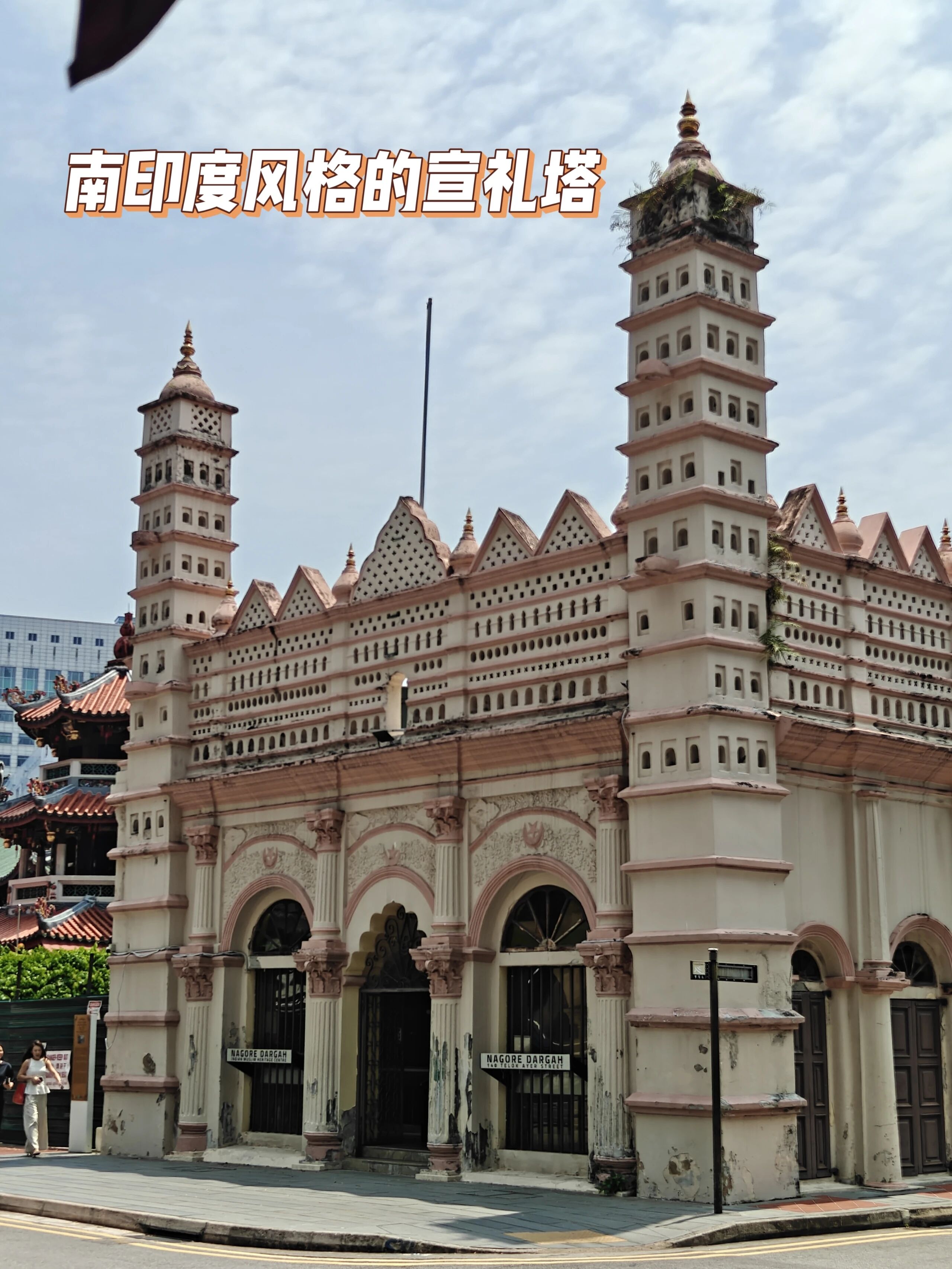
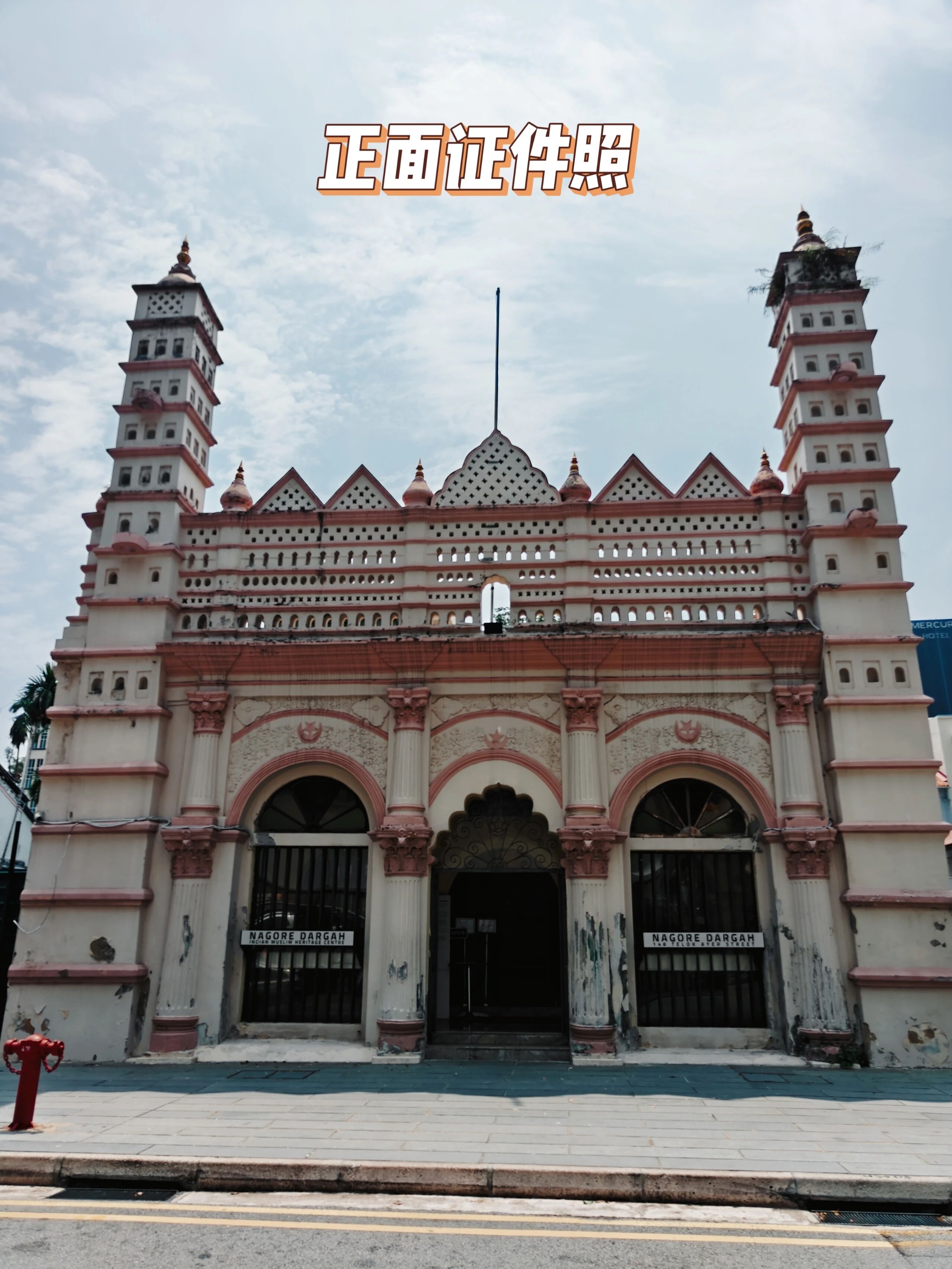
Singapore has more than just the South Indian-style mosque (Jamae Mosque) we introduced last time; it also has this South Indian-style shrine (Nagore Dargah).
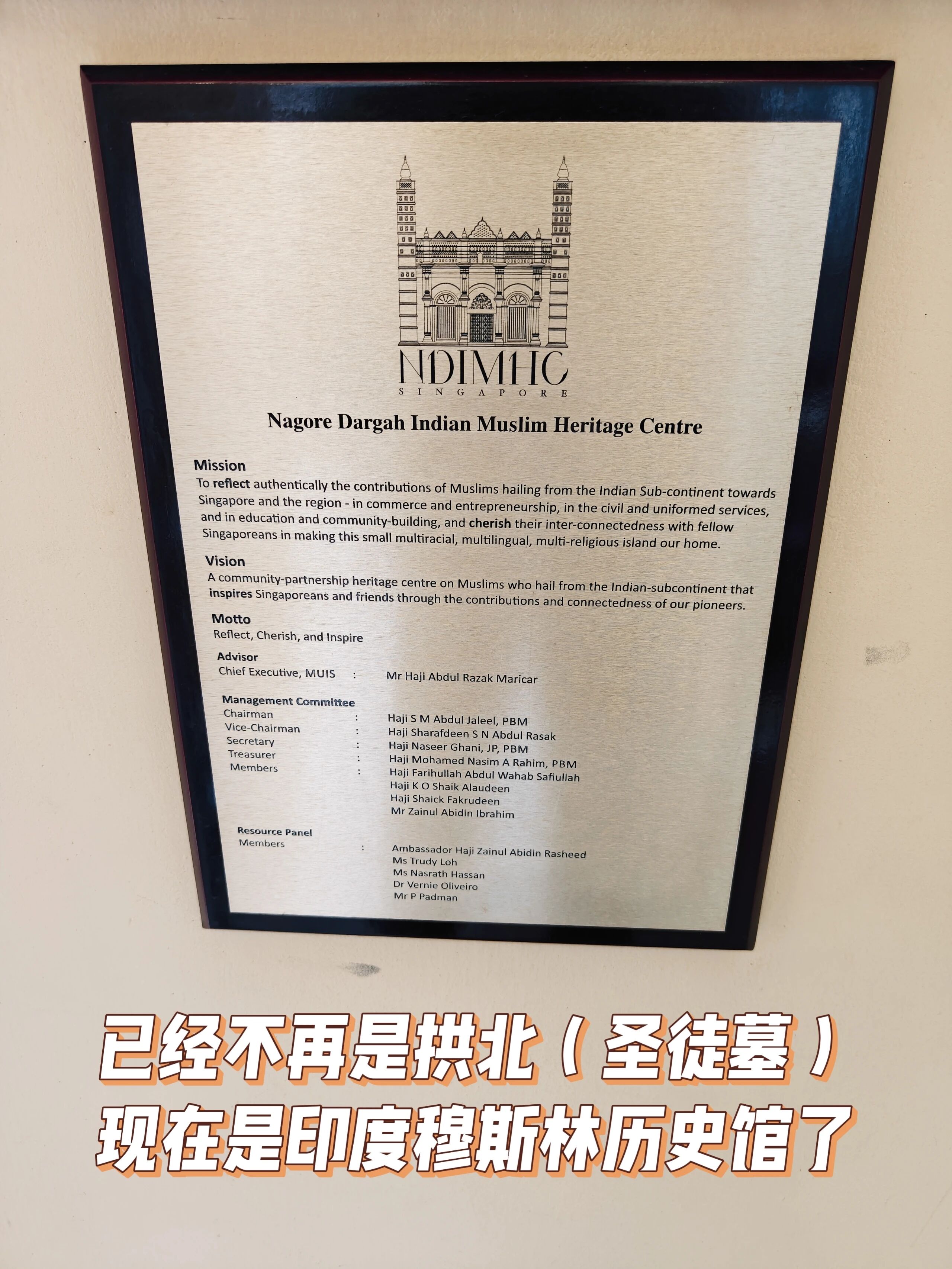
This shrine is right next to Thian Hock Keng Temple and is easy to find. It has been turned into the Indian Muslim Heritage Centre. You need to register before entering, and admission is free. Actually, there were never any graves inside, which I find quite strange. If a shrine has no grave, can it still be called a shrine?
Of course, they call it a dargah, which is the term used in South India for a shrine.
So, where is the real grave?
It is in Nagapattinam, Tamil Nadu, South India (Image 13). It was built to honor the Sufi saint Shahul Hamid. That shrine is very grand and has many white towers.
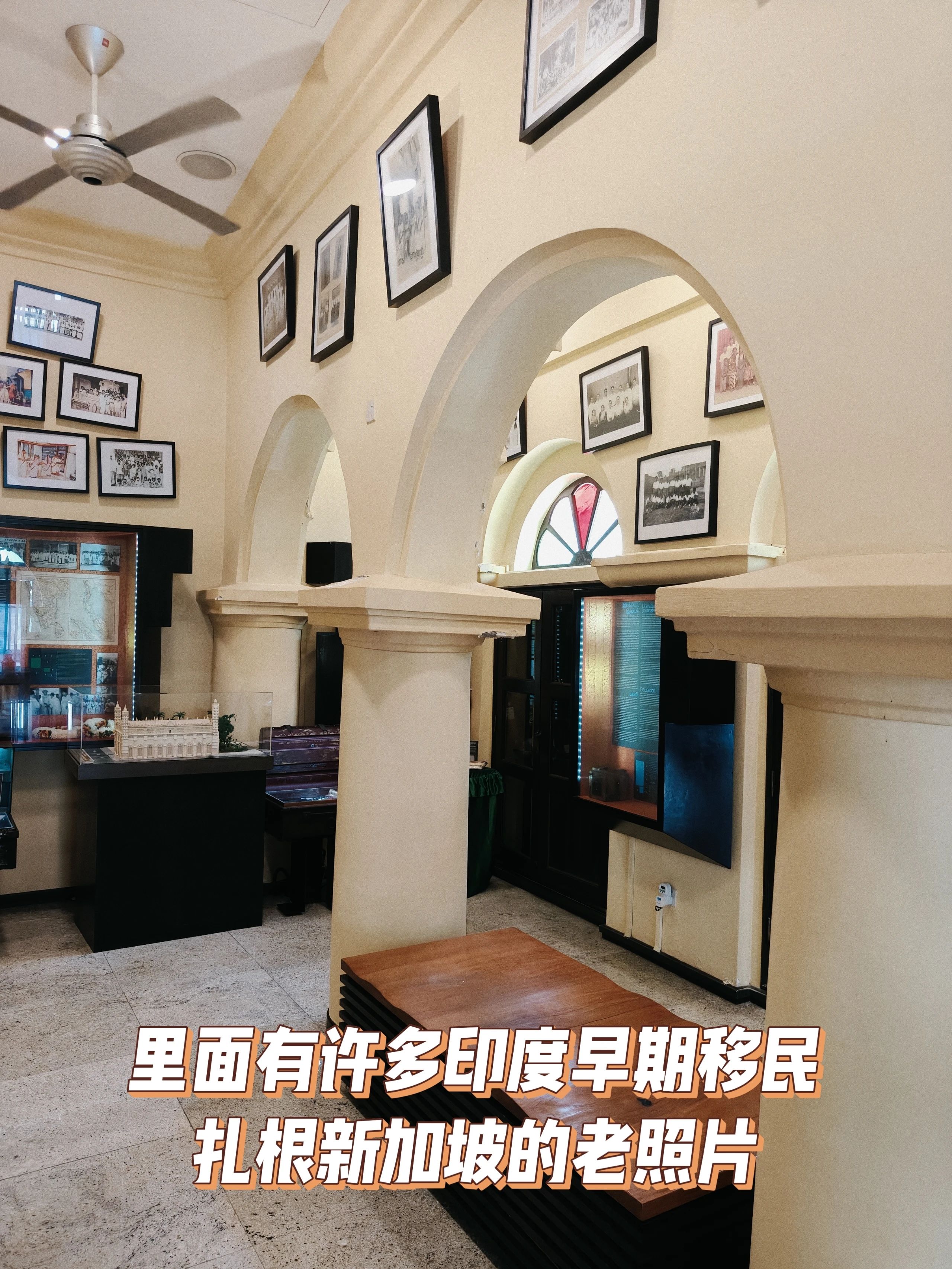
Inside the museum, you can see many old items from that time and some information about early Indian Muslim immigrants.
Walking straight from the entrance, you can see a symbolic tomb chamber. The walls inside the chamber feature photos, paintings, and models of that Nagore Dargah in Tamil Nadu. If I have the chance in the future, I really want to go to South India to see that place.
There is a detail in the tomb chamber that interests me: the small wall niches on the left and right (Image 16). These niches were used to hold candles or oil lamps for lighting.
This design is very common in India, so it is quite a distinct Indian feature.
Tourists from all over the world keep coming into the museum. I remember last time, a Korean tourist asked the Indian staff member about the ethnic composition of Muslims in Singapore. The Indian staff member explained that Malays are Muslims and there are also Indian Muslims.
I don't quite remember exactly what was said.
This time, I ran into two Singaporean Chinese asking a similar question to a Malay person nearby. The Malay person replied that there are also Muslims among Indians.
I guess everyone assumes Indians have a single faith, but while most Indians are Hindu, there are actually many Muslims. Besides that, India also has long-standing Christian communities, Sikhs, Buddhists, Jains, and so on.
The manager here told me there is no place to pray, but I can go to a nearby mosque for namaz. This mosque does not refer to the Jamae Mosque, but the closer Al-Abrar Mosque. So, in the next post, I will take you to see this Al-Abrar Mosque. view all
Summary: This Singapore Muslim travel guide visits Nagore Dargah, described as a South Indian-style Sufi shrine or gongbei. It keeps the source comparison with Jamae Mosque, local Muslim heritage, and site observations.
Singapore has more than just the South Indian-style mosque (Jamae Mosque) we introduced last time; it also has this South Indian-style shrine (Nagore Dargah).
This shrine is right next to Thian Hock Keng Temple and is easy to find. It has been turned into the Indian Muslim Heritage Centre. You need to register before entering, and admission is free. Actually, there were never any graves inside, which I find quite strange. If a shrine has no grave, can it still be called a shrine?
Of course, they call it a dargah, which is the term used in South India for a shrine.
So, where is the real grave?
It is in Nagapattinam, Tamil Nadu, South India (Image 13). It was built to honor the Sufi saint Shahul Hamid. That shrine is very grand and has many white towers.
Inside the museum, you can see many old items from that time and some information about early Indian Muslim immigrants.
Walking straight from the entrance, you can see a symbolic tomb chamber. The walls inside the chamber feature photos, paintings, and models of that Nagore Dargah in Tamil Nadu. If I have the chance in the future, I really want to go to South India to see that place.
There is a detail in the tomb chamber that interests me: the small wall niches on the left and right (Image 16). These niches were used to hold candles or oil lamps for lighting.
This design is very common in India, so it is quite a distinct Indian feature.
Tourists from all over the world keep coming into the museum. I remember last time, a Korean tourist asked the Indian staff member about the ethnic composition of Muslims in Singapore. The Indian staff member explained that Malays are Muslims and there are also Indian Muslims.
I don't quite remember exactly what was said.
This time, I ran into two Singaporean Chinese asking a similar question to a Malay person nearby. The Malay person replied that there are also Muslims among Indians.
I guess everyone assumes Indians have a single faith, but while most Indians are Hindu, there are actually many Muslims. Besides that, India also has long-standing Christian communities, Sikhs, Buddhists, Jains, and so on.
The manager here told me there is no place to pray, but I can go to a nearby mosque for namaz. This mosque does not refer to the Jamae Mosque, but the closer Al-Abrar Mosque. So, in the next post, I will take you to see this Al-Abrar Mosque. view all
Reposted from the web
Summary: This Singapore Muslim travel guide visits Nagore Dargah, described as a South Indian-style Sufi shrine or gongbei. It keeps the source comparison with Jamae Mosque, local Muslim heritage, and site observations.
Singapore has more than just the South Indian-style mosque (Jamae Mosque) we introduced last time; it also has this South Indian-style shrine (Nagore Dargah).
This shrine is right next to Thian Hock Keng Temple and is easy to find. It has been turned into the Indian Muslim Heritage Centre. You need to register before entering, and admission is free. Actually, there were never any graves inside, which I find quite strange. If a shrine has no grave, can it still be called a shrine?
Of course, they call it a dargah, which is the term used in South India for a shrine.
So, where is the real grave?
It is in Nagapattinam, Tamil Nadu, South India (Image 13). It was built to honor the Sufi saint Shahul Hamid. That shrine is very grand and has many white towers.

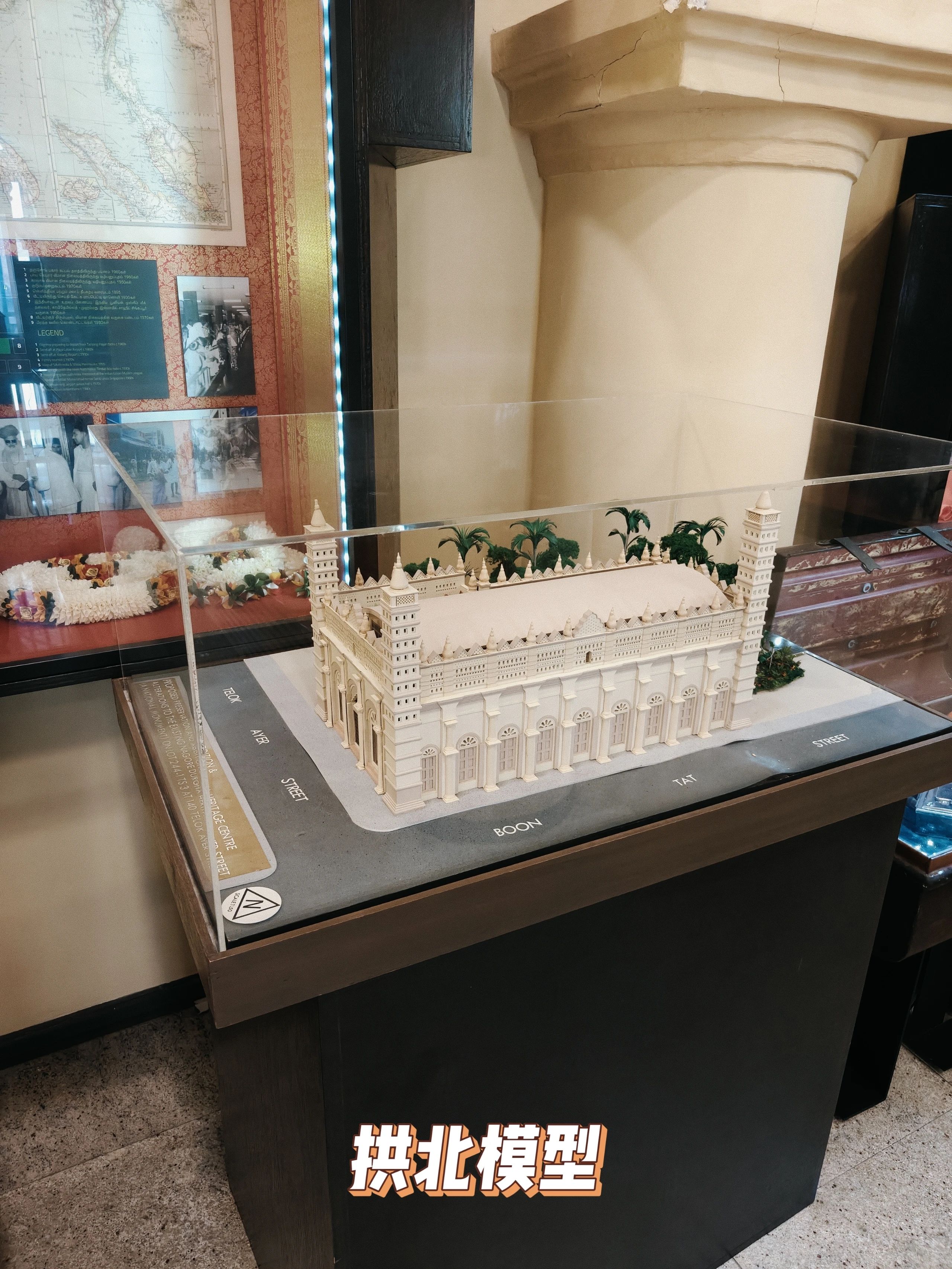

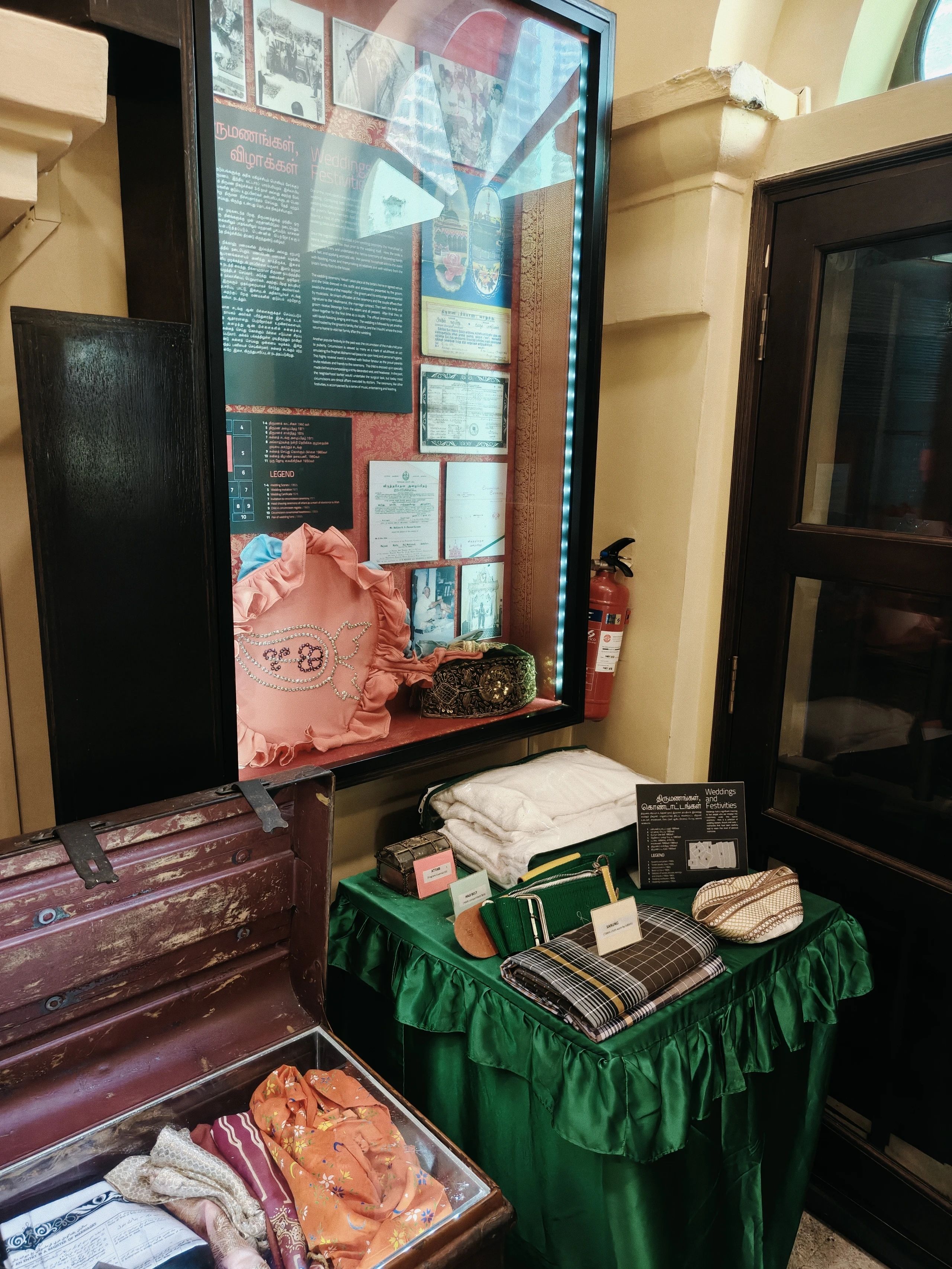
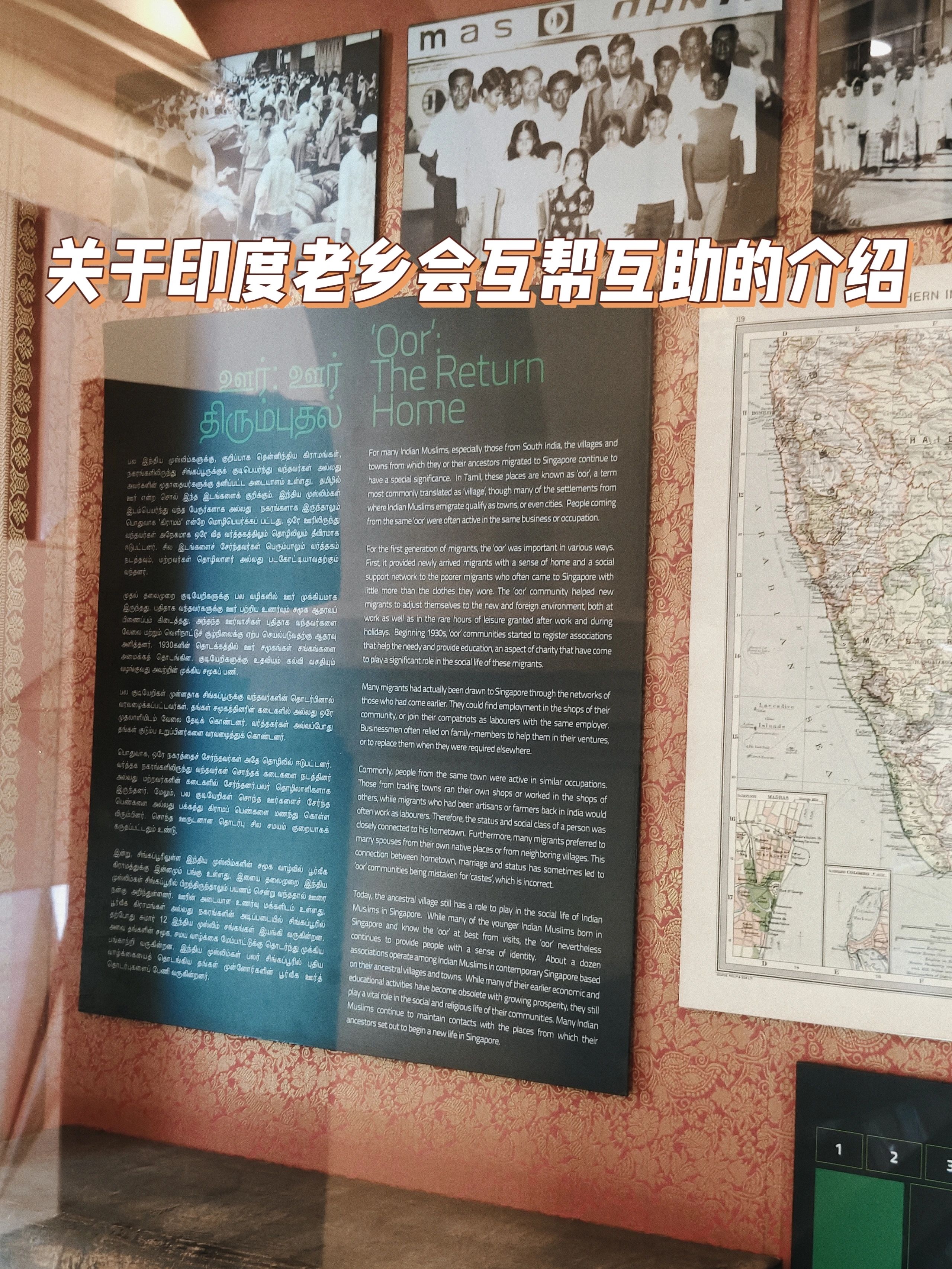
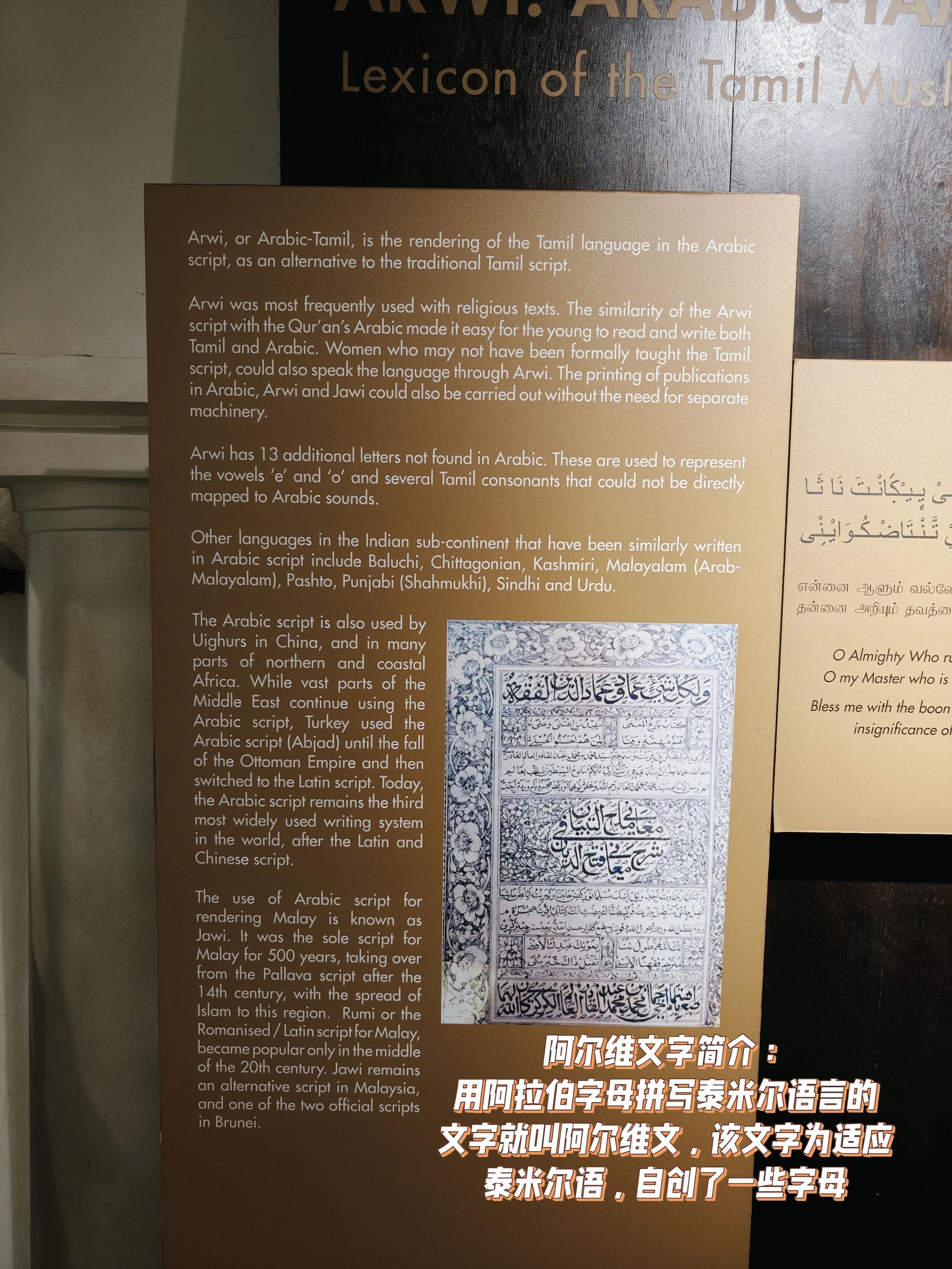

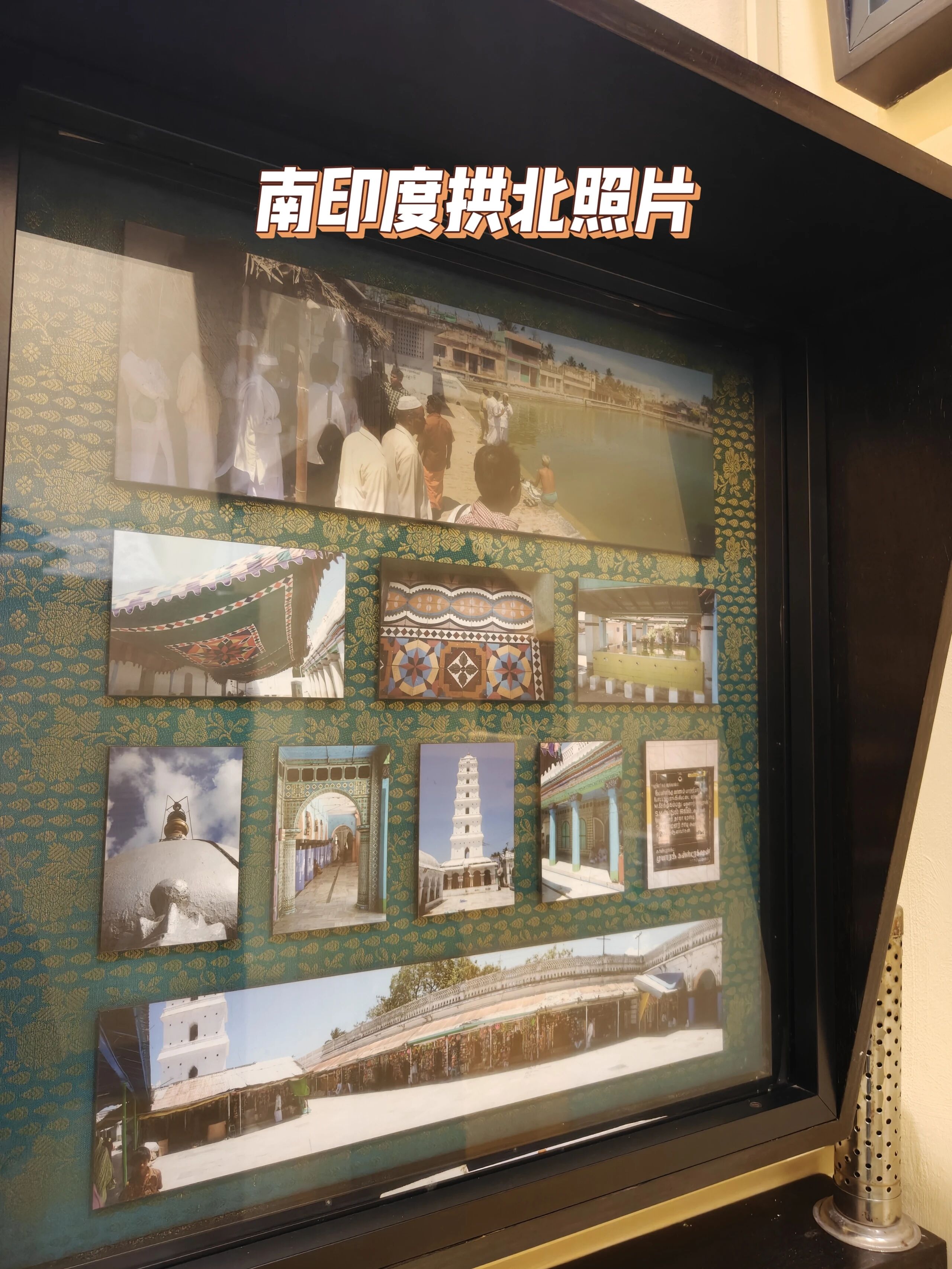
Inside the museum, you can see many old items from that time and some information about early Indian Muslim immigrants.
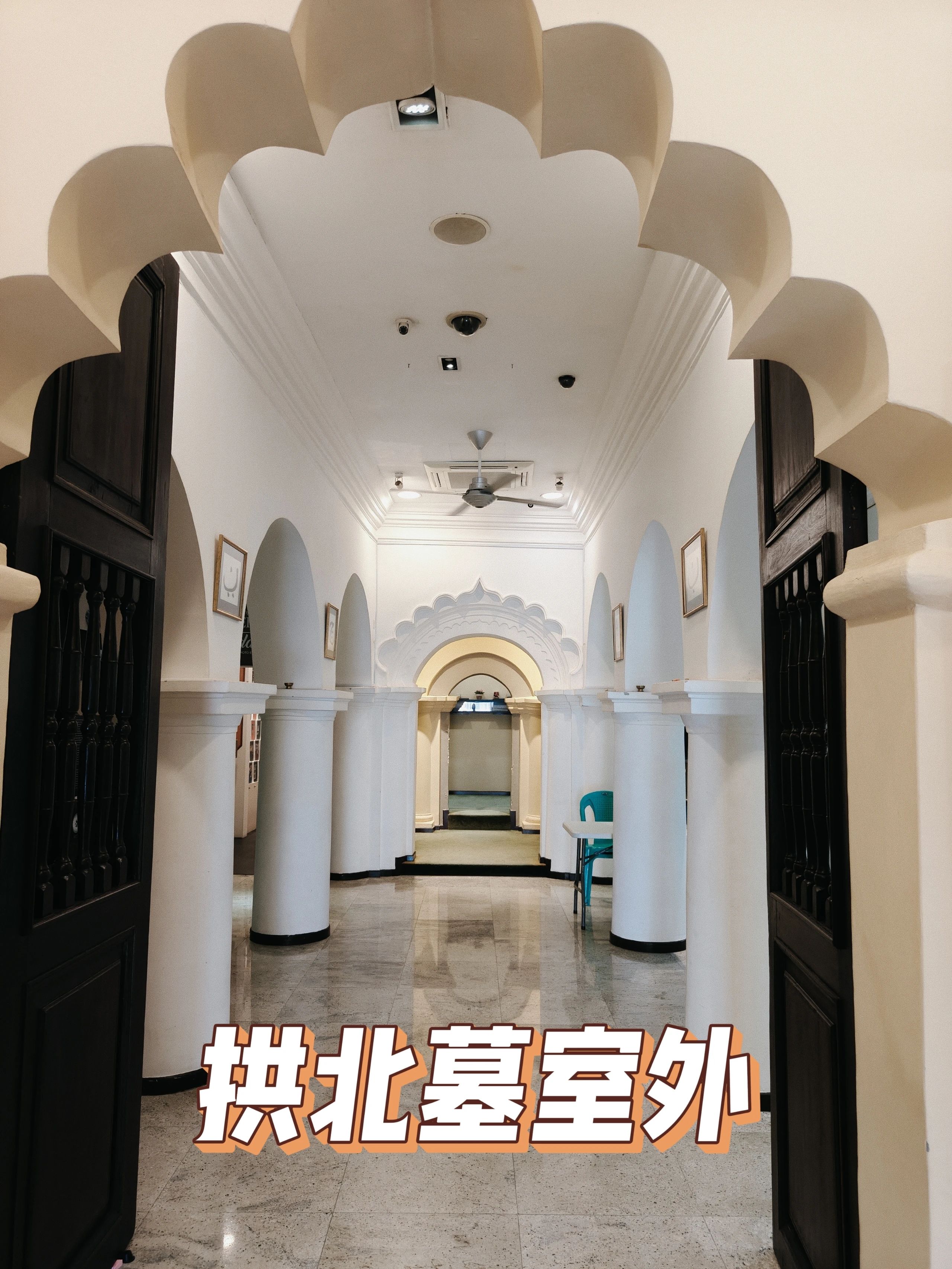
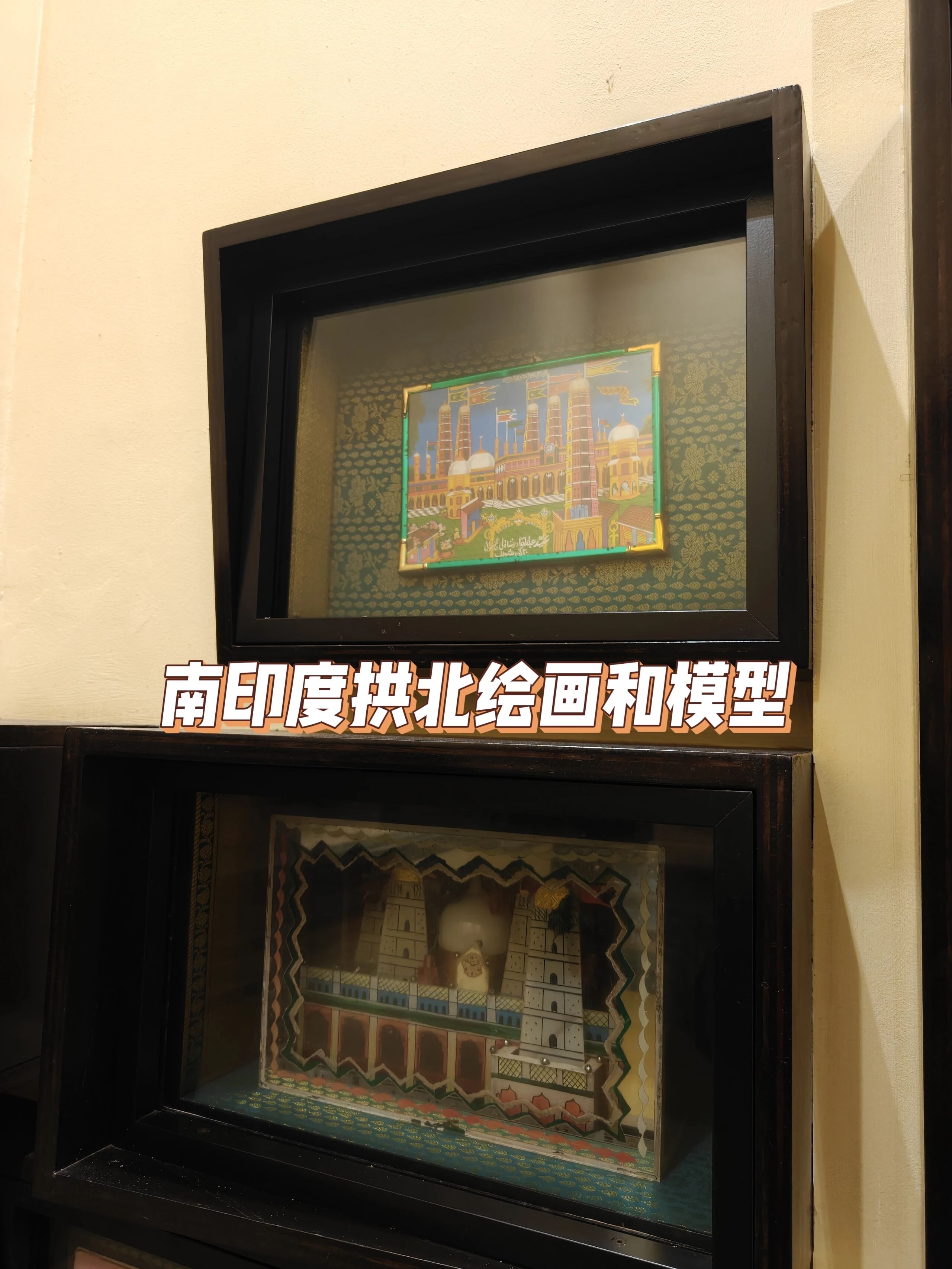
Walking straight from the entrance, you can see a symbolic tomb chamber. The walls inside the chamber feature photos, paintings, and models of that Nagore Dargah in Tamil Nadu. If I have the chance in the future, I really want to go to South India to see that place.
There is a detail in the tomb chamber that interests me: the small wall niches on the left and right (Image 16). These niches were used to hold candles or oil lamps for lighting.

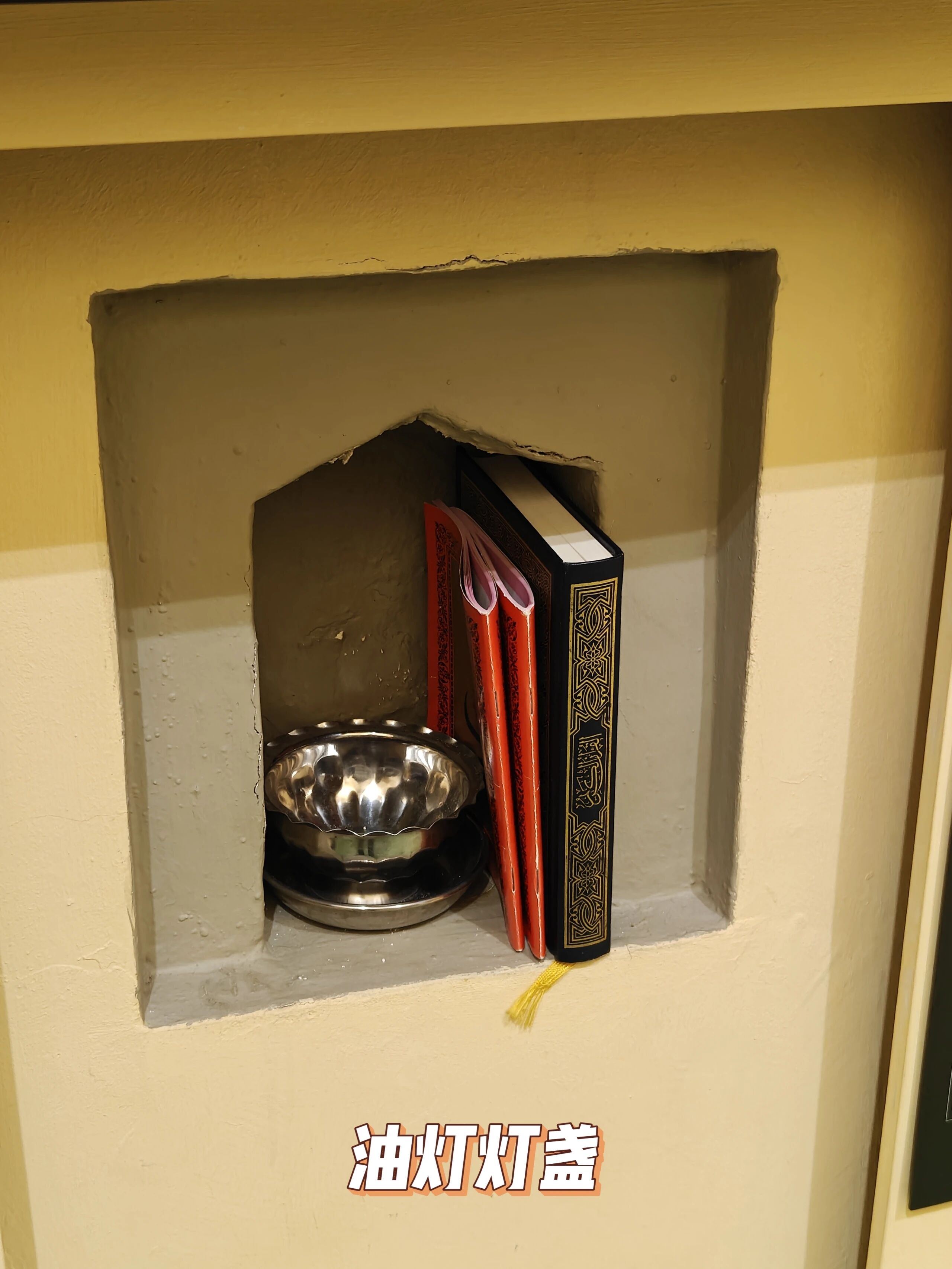
This design is very common in India, so it is quite a distinct Indian feature.
Tourists from all over the world keep coming into the museum. I remember last time, a Korean tourist asked the Indian staff member about the ethnic composition of Muslims in Singapore. The Indian staff member explained that Malays are Muslims and there are also Indian Muslims.
I don't quite remember exactly what was said.
This time, I ran into two Singaporean Chinese asking a similar question to a Malay person nearby. The Malay person replied that there are also Muslims among Indians.
I guess everyone assumes Indians have a single faith, but while most Indians are Hindu, there are actually many Muslims. Besides that, India also has long-standing Christian communities, Sikhs, Buddhists, Jains, and so on.
The manager here told me there is no place to pray, but I can go to a nearby mosque for namaz. This mosque does not refer to the Jamae Mosque, but the closer Al-Abrar Mosque. So, in the next post, I will take you to see this Al-Abrar Mosque.


Summary: This Singapore Muslim travel guide visits Nagore Dargah, described as a South Indian-style Sufi shrine or gongbei. It keeps the source comparison with Jamae Mosque, local Muslim heritage, and site observations.
Singapore has more than just the South Indian-style mosque (Jamae Mosque) we introduced last time; it also has this South Indian-style shrine (Nagore Dargah).
This shrine is right next to Thian Hock Keng Temple and is easy to find. It has been turned into the Indian Muslim Heritage Centre. You need to register before entering, and admission is free. Actually, there were never any graves inside, which I find quite strange. If a shrine has no grave, can it still be called a shrine?
Of course, they call it a dargah, which is the term used in South India for a shrine.
So, where is the real grave?
It is in Nagapattinam, Tamil Nadu, South India (Image 13). It was built to honor the Sufi saint Shahul Hamid. That shrine is very grand and has many white towers.
Inside the museum, you can see many old items from that time and some information about early Indian Muslim immigrants.
Walking straight from the entrance, you can see a symbolic tomb chamber. The walls inside the chamber feature photos, paintings, and models of that Nagore Dargah in Tamil Nadu. If I have the chance in the future, I really want to go to South India to see that place.
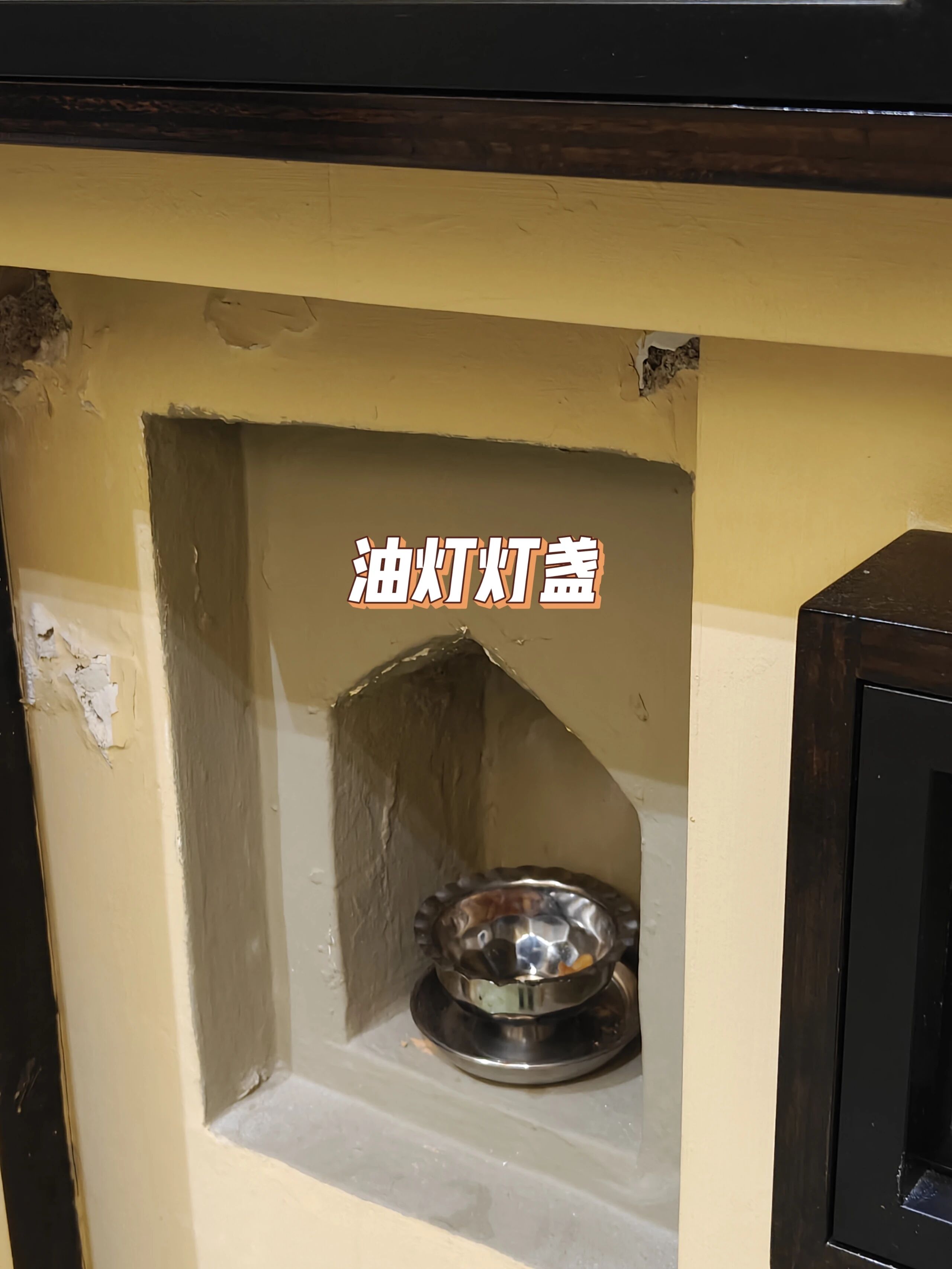
There is a detail in the tomb chamber that interests me: the small wall niches on the left and right (Image 16). These niches were used to hold candles or oil lamps for lighting.
This design is very common in India, so it is quite a distinct Indian feature.
Tourists from all over the world keep coming into the museum. I remember last time, a Korean tourist asked the Indian staff member about the ethnic composition of Muslims in Singapore. The Indian staff member explained that Malays are Muslims and there are also Indian Muslims.
I don't quite remember exactly what was said.
This time, I ran into two Singaporean Chinese asking a similar question to a Malay person nearby. The Malay person replied that there are also Muslims among Indians.
I guess everyone assumes Indians have a single faith, but while most Indians are Hindu, there are actually many Muslims. Besides that, India also has long-standing Christian communities, Sikhs, Buddhists, Jains, and so on.
The manager here told me there is no place to pray, but I can go to a nearby mosque for namaz. This mosque does not refer to the Jamae Mosque, but the closer Al-Abrar Mosque. So, in the next post, I will take you to see this Al-Abrar Mosque.
Muslim Travel Guide Singapore: Nagore Dargah, Sufi Gongbei and South Indian Muslim Heritage
Articles • Hasan09 posted the article • 0 comments • 329 views • 2026-05-24 01:59
Reposted from the web
Summary: This Singapore Muslim travel guide visits Nagore Dargah, described as a South Indian-style Sufi shrine or gongbei. It keeps the source comparison with Jamae Mosque, local Muslim heritage, and site observations.
Singapore has more than just the South Indian-style mosque (Jamae Mosque) we introduced last time; it also has this South Indian-style shrine (Nagore Dargah).
This shrine is right next to Thian Hock Keng Temple and is easy to find. It has been turned into the Indian Muslim Heritage Centre. You need to register before entering, and admission is free. Actually, there were never any graves inside, which I find quite strange. If a shrine has no grave, can it still be called a shrine?
Of course, they call it a dargah, which is the term used in South India for a shrine.
So, where is the real grave?
It is in Nagapattinam, Tamil Nadu, South India (Image 13). It was built to honor the Sufi saint Shahul Hamid. That shrine is very grand and has many white towers.
Inside the museum, you can see many old items from that time and some information about early Indian Muslim immigrants.
Walking straight from the entrance, you can see a symbolic tomb chamber. The walls inside the chamber feature photos, paintings, and models of that Nagore Dargah in Tamil Nadu. If I have the chance in the future, I really want to go to South India to see that place.
There is a detail in the tomb chamber that interests me: the small wall niches on the left and right (Image 16). These niches were used to hold candles or oil lamps for lighting.
This design is very common in India, so it is quite a distinct Indian feature.
Tourists from all over the world keep coming into the museum. I remember last time, a Korean tourist asked the Indian staff member about the ethnic composition of Muslims in Singapore. The Indian staff member explained that Malays are Muslims and there are also Indian Muslims.
I don't quite remember exactly what was said.
This time, I ran into two Singaporean Chinese asking a similar question to a Malay person nearby. The Malay person replied that there are also Muslims among Indians.
I guess everyone assumes Indians have a single faith, but while most Indians are Hindu, there are actually many Muslims. Besides that, India also has long-standing Christian communities, Sikhs, Buddhists, Jains, and so on.
The manager here told me there is no place to pray, but I can go to a nearby mosque for namaz. This mosque does not refer to the Jamae Mosque, but the closer Al-Abrar Mosque. So, in the next post, I will take you to see this Al-Abrar Mosque. view all
Summary: This Singapore Muslim travel guide visits Nagore Dargah, described as a South Indian-style Sufi shrine or gongbei. It keeps the source comparison with Jamae Mosque, local Muslim heritage, and site observations.
Singapore has more than just the South Indian-style mosque (Jamae Mosque) we introduced last time; it also has this South Indian-style shrine (Nagore Dargah).
This shrine is right next to Thian Hock Keng Temple and is easy to find. It has been turned into the Indian Muslim Heritage Centre. You need to register before entering, and admission is free. Actually, there were never any graves inside, which I find quite strange. If a shrine has no grave, can it still be called a shrine?
Of course, they call it a dargah, which is the term used in South India for a shrine.
So, where is the real grave?
It is in Nagapattinam, Tamil Nadu, South India (Image 13). It was built to honor the Sufi saint Shahul Hamid. That shrine is very grand and has many white towers.
Inside the museum, you can see many old items from that time and some information about early Indian Muslim immigrants.
Walking straight from the entrance, you can see a symbolic tomb chamber. The walls inside the chamber feature photos, paintings, and models of that Nagore Dargah in Tamil Nadu. If I have the chance in the future, I really want to go to South India to see that place.
There is a detail in the tomb chamber that interests me: the small wall niches on the left and right (Image 16). These niches were used to hold candles or oil lamps for lighting.
This design is very common in India, so it is quite a distinct Indian feature.
Tourists from all over the world keep coming into the museum. I remember last time, a Korean tourist asked the Indian staff member about the ethnic composition of Muslims in Singapore. The Indian staff member explained that Malays are Muslims and there are also Indian Muslims.
I don't quite remember exactly what was said.
This time, I ran into two Singaporean Chinese asking a similar question to a Malay person nearby. The Malay person replied that there are also Muslims among Indians.
I guess everyone assumes Indians have a single faith, but while most Indians are Hindu, there are actually many Muslims. Besides that, India also has long-standing Christian communities, Sikhs, Buddhists, Jains, and so on.
The manager here told me there is no place to pray, but I can go to a nearby mosque for namaz. This mosque does not refer to the Jamae Mosque, but the closer Al-Abrar Mosque. So, in the next post, I will take you to see this Al-Abrar Mosque. view all
Reposted from the web
Summary: This Singapore Muslim travel guide visits Nagore Dargah, described as a South Indian-style Sufi shrine or gongbei. It keeps the source comparison with Jamae Mosque, local Muslim heritage, and site observations.
Singapore has more than just the South Indian-style mosque (Jamae Mosque) we introduced last time; it also has this South Indian-style shrine (Nagore Dargah).
This shrine is right next to Thian Hock Keng Temple and is easy to find. It has been turned into the Indian Muslim Heritage Centre. You need to register before entering, and admission is free. Actually, there were never any graves inside, which I find quite strange. If a shrine has no grave, can it still be called a shrine?
Of course, they call it a dargah, which is the term used in South India for a shrine.
So, where is the real grave?
It is in Nagapattinam, Tamil Nadu, South India (Image 13). It was built to honor the Sufi saint Shahul Hamid. That shrine is very grand and has many white towers.
Inside the museum, you can see many old items from that time and some information about early Indian Muslim immigrants.
Walking straight from the entrance, you can see a symbolic tomb chamber. The walls inside the chamber feature photos, paintings, and models of that Nagore Dargah in Tamil Nadu. If I have the chance in the future, I really want to go to South India to see that place.
There is a detail in the tomb chamber that interests me: the small wall niches on the left and right (Image 16). These niches were used to hold candles or oil lamps for lighting.
This design is very common in India, so it is quite a distinct Indian feature.
Tourists from all over the world keep coming into the museum. I remember last time, a Korean tourist asked the Indian staff member about the ethnic composition of Muslims in Singapore. The Indian staff member explained that Malays are Muslims and there are also Indian Muslims.
I don't quite remember exactly what was said.
This time, I ran into two Singaporean Chinese asking a similar question to a Malay person nearby. The Malay person replied that there are also Muslims among Indians.
I guess everyone assumes Indians have a single faith, but while most Indians are Hindu, there are actually many Muslims. Besides that, India also has long-standing Christian communities, Sikhs, Buddhists, Jains, and so on.
The manager here told me there is no place to pray, but I can go to a nearby mosque for namaz. This mosque does not refer to the Jamae Mosque, but the closer Al-Abrar Mosque. So, in the next post, I will take you to see this Al-Abrar Mosque.
Summary: This Singapore Muslim travel guide visits Nagore Dargah, described as a South Indian-style Sufi shrine or gongbei. It keeps the source comparison with Jamae Mosque, local Muslim heritage, and site observations.
Singapore has more than just the South Indian-style mosque (Jamae Mosque) we introduced last time; it also has this South Indian-style shrine (Nagore Dargah).
This shrine is right next to Thian Hock Keng Temple and is easy to find. It has been turned into the Indian Muslim Heritage Centre. You need to register before entering, and admission is free. Actually, there were never any graves inside, which I find quite strange. If a shrine has no grave, can it still be called a shrine?
Of course, they call it a dargah, which is the term used in South India for a shrine.
So, where is the real grave?
It is in Nagapattinam, Tamil Nadu, South India (Image 13). It was built to honor the Sufi saint Shahul Hamid. That shrine is very grand and has many white towers.
Inside the museum, you can see many old items from that time and some information about early Indian Muslim immigrants.
Walking straight from the entrance, you can see a symbolic tomb chamber. The walls inside the chamber feature photos, paintings, and models of that Nagore Dargah in Tamil Nadu. If I have the chance in the future, I really want to go to South India to see that place.
There is a detail in the tomb chamber that interests me: the small wall niches on the left and right (Image 16). These niches were used to hold candles or oil lamps for lighting.
This design is very common in India, so it is quite a distinct Indian feature.
Tourists from all over the world keep coming into the museum. I remember last time, a Korean tourist asked the Indian staff member about the ethnic composition of Muslims in Singapore. The Indian staff member explained that Malays are Muslims and there are also Indian Muslims.
I don't quite remember exactly what was said.
This time, I ran into two Singaporean Chinese asking a similar question to a Malay person nearby. The Malay person replied that there are also Muslims among Indians.
I guess everyone assumes Indians have a single faith, but while most Indians are Hindu, there are actually many Muslims. Besides that, India also has long-standing Christian communities, Sikhs, Buddhists, Jains, and so on.
The manager here told me there is no place to pray, but I can go to a nearby mosque for namaz. This mosque does not refer to the Jamae Mosque, but the closer Al-Abrar Mosque. So, in the next post, I will take you to see this Al-Abrar Mosque.