

Suizhong Mosques
Suizhong Halal Travel Guide: Mosques and Muslim Snacks in Liaoning
Articles • ali2007fr posted the article • 0 comments • 199 views • 2026-05-17 05:52
Reposted from the web
Summary: This travel note introduces Suizhong Halal Travel Guide: Mosques and Muslim Snacks in Liaoning. Suizhong is located right next to Shanhai Pass and is the southwesternmost county in Liaoning Province. It is useful for readers interested in Suizhong Mosques, Halal Snacks, Liaoning Travel.
Suizhong is located right next to Shanhai Pass and is the southwesternmost county in Liaoning Province. Starting in the 18th century, more than ten Hui Muslim families, including the Zhang, Ding, Li, and Jin families, moved to Suizhong from Hebei Province. In 1737 (the second year of the Qianlong reign), the first mosque was built in the southeast of Suizhong city below the Kuixing Tower, and in 1797 (the third year of the Jiaqing reign), it was moved to its current location inside the West Gate.
The Suizhong Mosque was renovated between 1924 and 1927, suffered severe damage in the 1960s, and was restored between 1981 and 1984.
The main gate of the mosque; people at the entrance are preparing for a janazah (funeral prayer).
Turning left after entering the gate is the shuifang (ablution room).
Calligraphy in the ablution room.
Opposite the main gate is the second gate.
The vase-shaped ornament on the juanpeng (curved roof structure).
Inside the second gate is the main prayer hall.
The baoxia (front porch) in front of the main prayer hall is the most distinctive part of the entire mosque, and it is the most colorfully decorated mosque porch I have ever seen.
The front is inscribed with "Qingzhensi" (Mosque), and the two sides are inscribed with "Zhengxin" (rectify the heart) and "Chengyi" (sincerity of intent).
A plaque reading "Recognizing the Oneness of Allah."
Details of the patterns.
Behind the porch is the main prayer hall, and the brick carvings on the hall are also very delicate.
The large character "Jiao" (religion) at the bottom is new work, while the brick carvings above should be original old work.
You can take a close look at the content of the brick carvings, which include scrolls, painting tubes, incense vases, and even chessboards and various fruits.
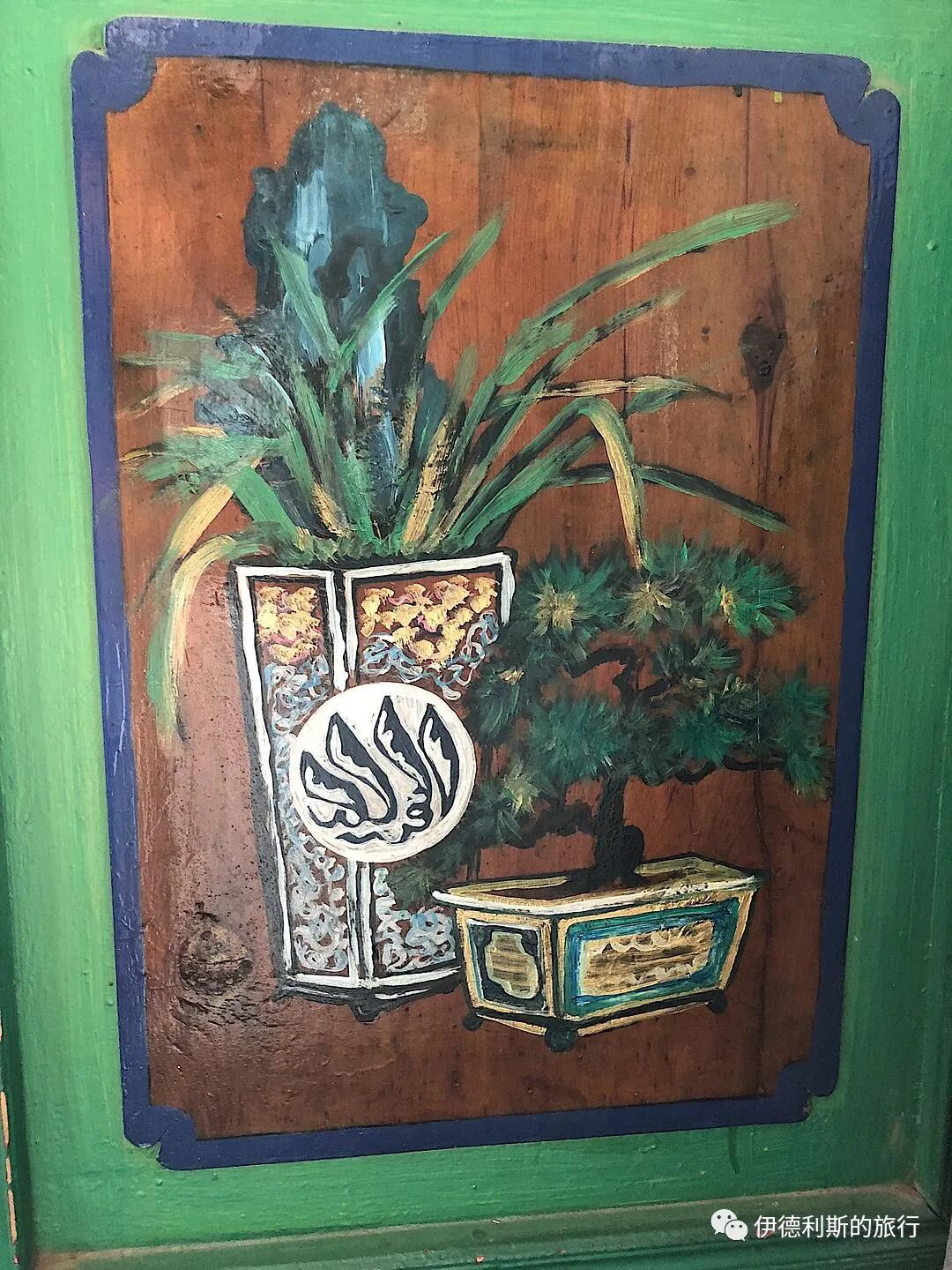
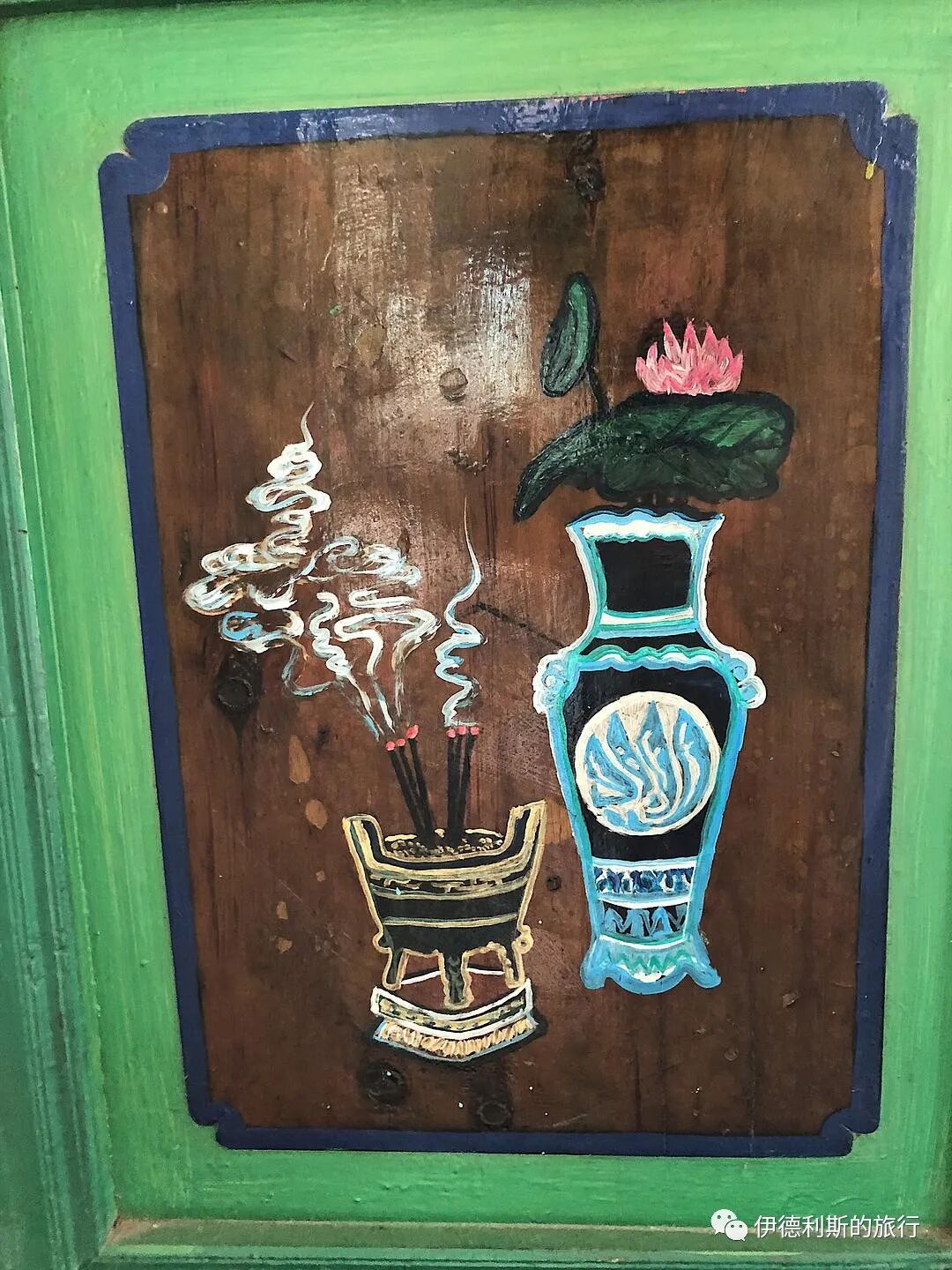
Traditional Hui Muslim paintings on the doors of the main prayer hall.
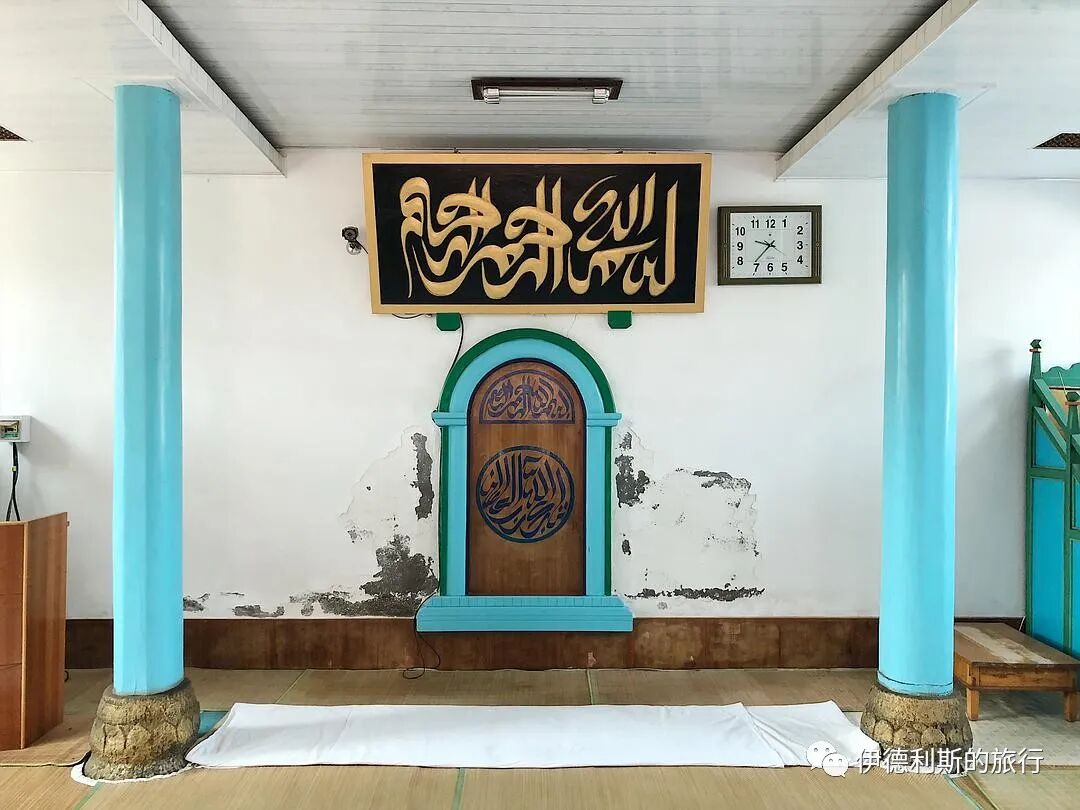
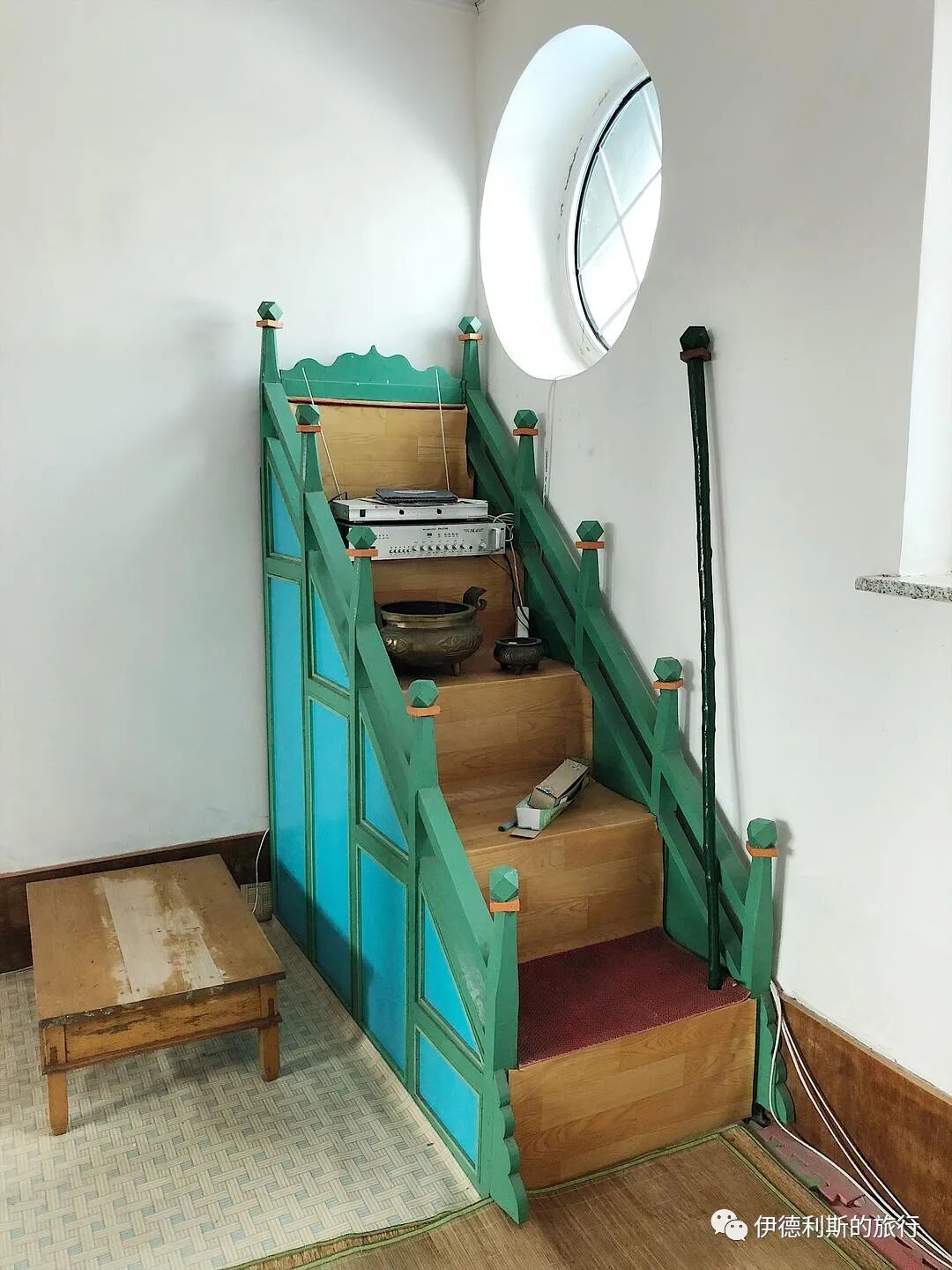
The interior of the main prayer hall was likely rearranged after the 1980s, and both the mihrab (niche indicating the direction of prayer) and the minbar (pulpit) are very simple.
Above the yaodian (rear hall) at the back of the main prayer hall is the wangyuelou (moon-sighting tower).
A brand-new Halal food street is being built next to the mosque, and the old houses around the mosque are about to be demolished; judging by the wood carvings, some of these houses should be historical buildings.
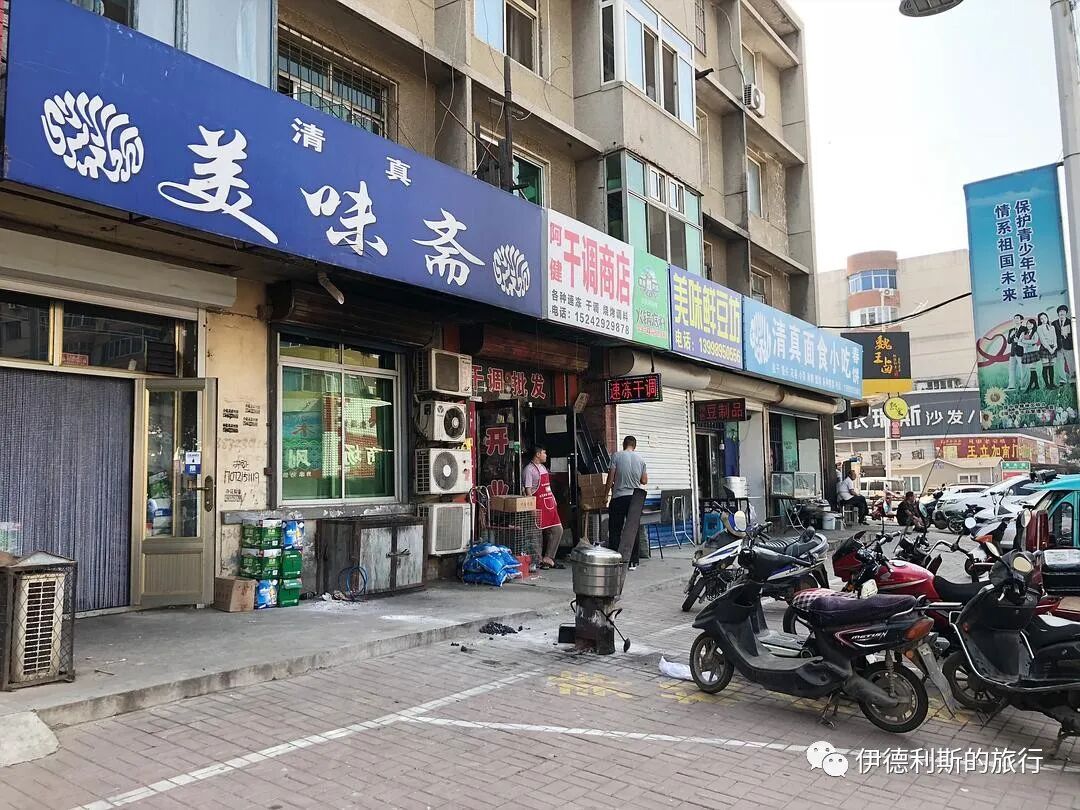
There are many Halal restaurants around the South Gate of Suizhong; I had meat-braised tofu with sorghum rice for breakfast, and it was super delicious.
Tangniangao (sticky rice cake with sugar) and su shaobing (flaky baked flatbread) on the street.
Suizhong-style lengmian (cold noodles), which are perfect for eating in the summer.
Finally, sharing some street scenes. view all
Summary: This travel note introduces Suizhong Halal Travel Guide: Mosques and Muslim Snacks in Liaoning. Suizhong is located right next to Shanhai Pass and is the southwesternmost county in Liaoning Province. It is useful for readers interested in Suizhong Mosques, Halal Snacks, Liaoning Travel.
Suizhong is located right next to Shanhai Pass and is the southwesternmost county in Liaoning Province. Starting in the 18th century, more than ten Hui Muslim families, including the Zhang, Ding, Li, and Jin families, moved to Suizhong from Hebei Province. In 1737 (the second year of the Qianlong reign), the first mosque was built in the southeast of Suizhong city below the Kuixing Tower, and in 1797 (the third year of the Jiaqing reign), it was moved to its current location inside the West Gate.
The Suizhong Mosque was renovated between 1924 and 1927, suffered severe damage in the 1960s, and was restored between 1981 and 1984.
The main gate of the mosque; people at the entrance are preparing for a janazah (funeral prayer).
Turning left after entering the gate is the shuifang (ablution room).
Calligraphy in the ablution room.
Opposite the main gate is the second gate.
The vase-shaped ornament on the juanpeng (curved roof structure).
Inside the second gate is the main prayer hall.
The baoxia (front porch) in front of the main prayer hall is the most distinctive part of the entire mosque, and it is the most colorfully decorated mosque porch I have ever seen.
The front is inscribed with "Qingzhensi" (Mosque), and the two sides are inscribed with "Zhengxin" (rectify the heart) and "Chengyi" (sincerity of intent).
A plaque reading "Recognizing the Oneness of Allah."
Details of the patterns.
Behind the porch is the main prayer hall, and the brick carvings on the hall are also very delicate.
The large character "Jiao" (religion) at the bottom is new work, while the brick carvings above should be original old work.
You can take a close look at the content of the brick carvings, which include scrolls, painting tubes, incense vases, and even chessboards and various fruits.
Traditional Hui Muslim paintings on the doors of the main prayer hall.
The interior of the main prayer hall was likely rearranged after the 1980s, and both the mihrab (niche indicating the direction of prayer) and the minbar (pulpit) are very simple.
Above the yaodian (rear hall) at the back of the main prayer hall is the wangyuelou (moon-sighting tower).
A brand-new Halal food street is being built next to the mosque, and the old houses around the mosque are about to be demolished; judging by the wood carvings, some of these houses should be historical buildings.
There are many Halal restaurants around the South Gate of Suizhong; I had meat-braised tofu with sorghum rice for breakfast, and it was super delicious.
Tangniangao (sticky rice cake with sugar) and su shaobing (flaky baked flatbread) on the street.
Suizhong-style lengmian (cold noodles), which are perfect for eating in the summer.
Finally, sharing some street scenes. view all
Reposted from the web
Summary: This travel note introduces Suizhong Halal Travel Guide: Mosques and Muslim Snacks in Liaoning. Suizhong is located right next to Shanhai Pass and is the southwesternmost county in Liaoning Province. It is useful for readers interested in Suizhong Mosques, Halal Snacks, Liaoning Travel.
Suizhong is located right next to Shanhai Pass and is the southwesternmost county in Liaoning Province. Starting in the 18th century, more than ten Hui Muslim families, including the Zhang, Ding, Li, and Jin families, moved to Suizhong from Hebei Province. In 1737 (the second year of the Qianlong reign), the first mosque was built in the southeast of Suizhong city below the Kuixing Tower, and in 1797 (the third year of the Jiaqing reign), it was moved to its current location inside the West Gate.
The Suizhong Mosque was renovated between 1924 and 1927, suffered severe damage in the 1960s, and was restored between 1981 and 1984.
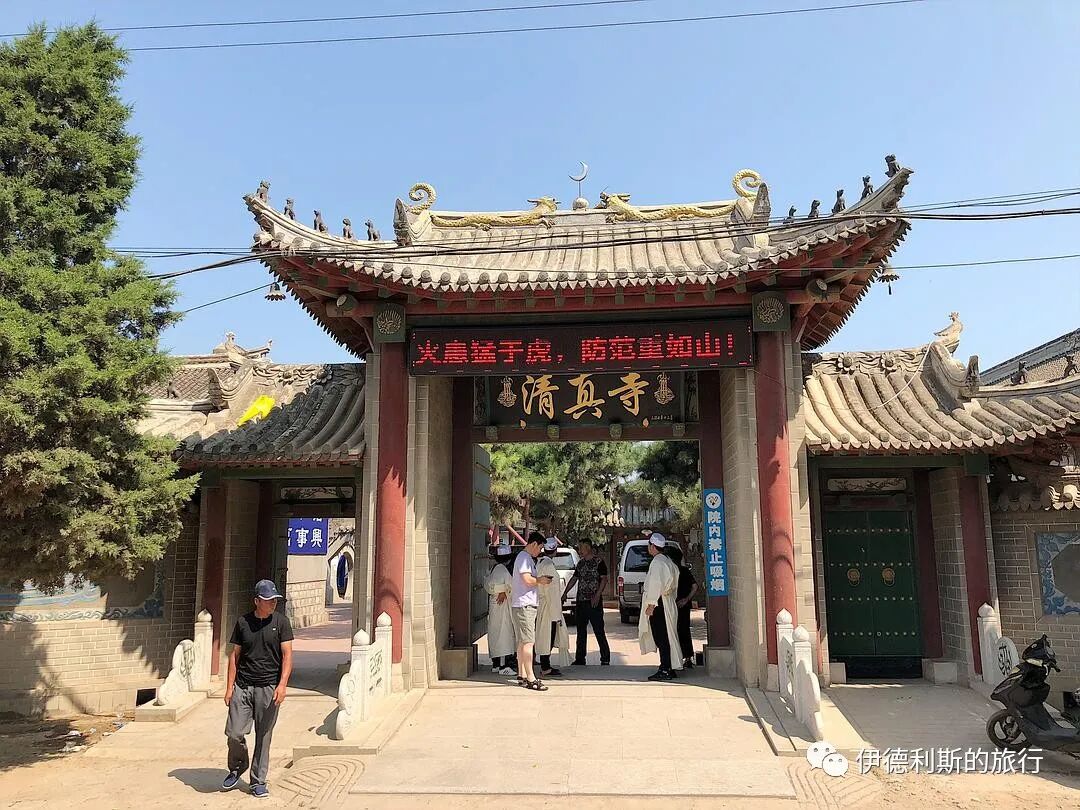
The main gate of the mosque; people at the entrance are preparing for a janazah (funeral prayer).
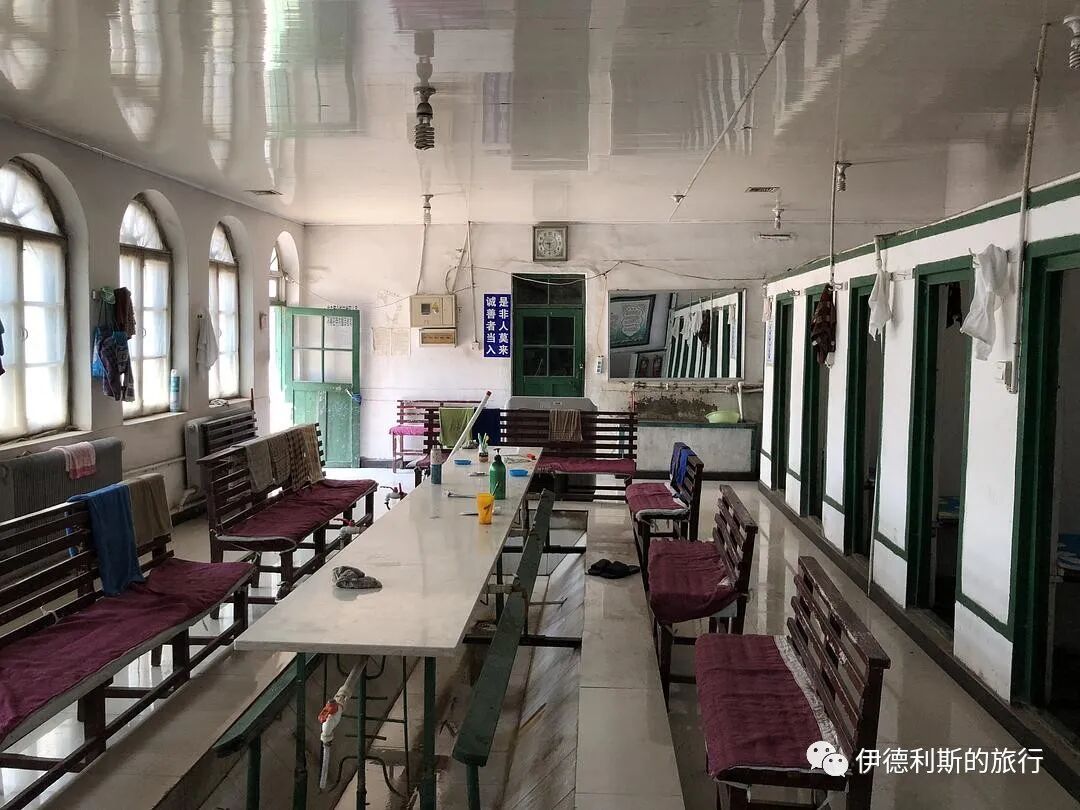
Turning left after entering the gate is the shuifang (ablution room).
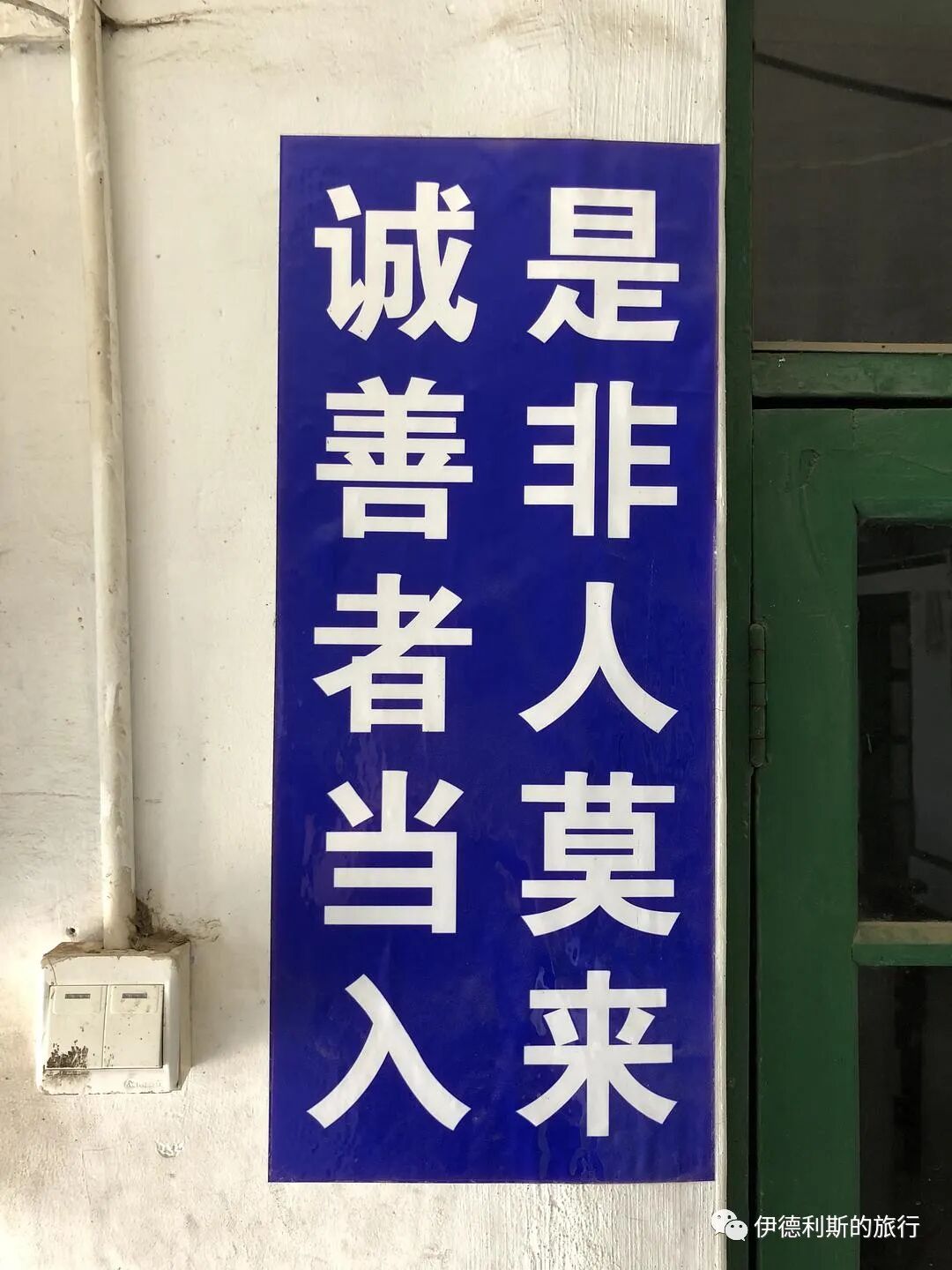
Calligraphy in the ablution room.
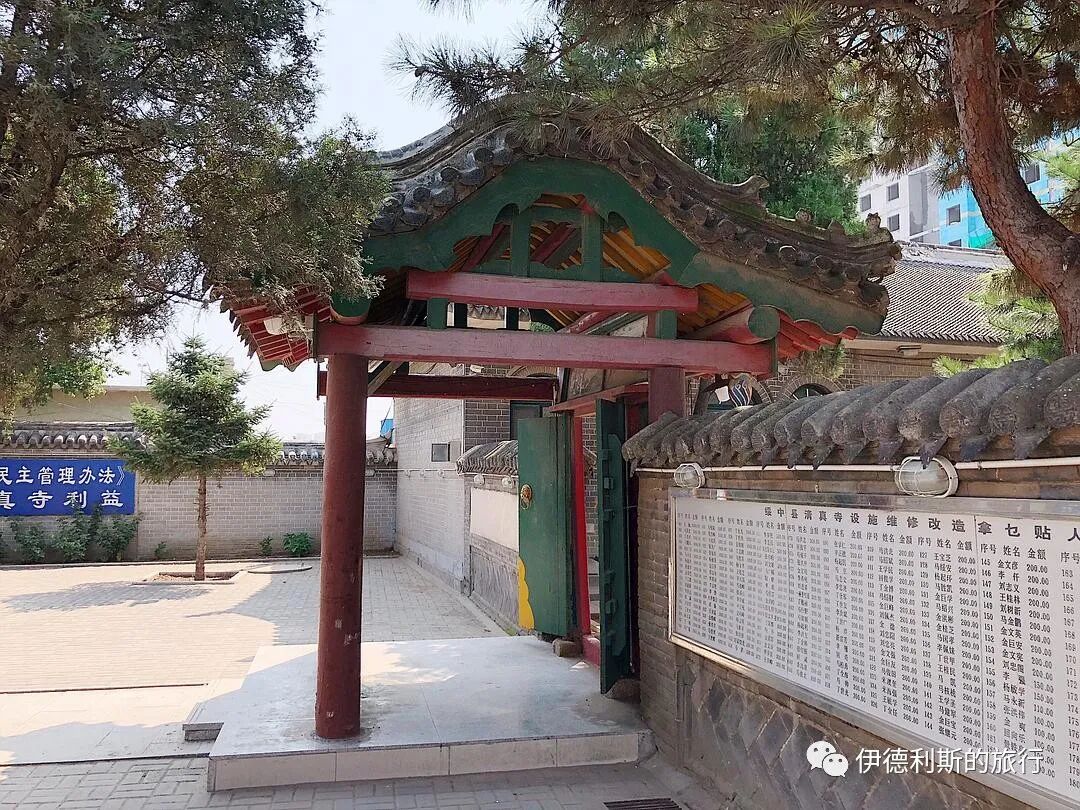
Opposite the main gate is the second gate.
The vase-shaped ornament on the juanpeng (curved roof structure).
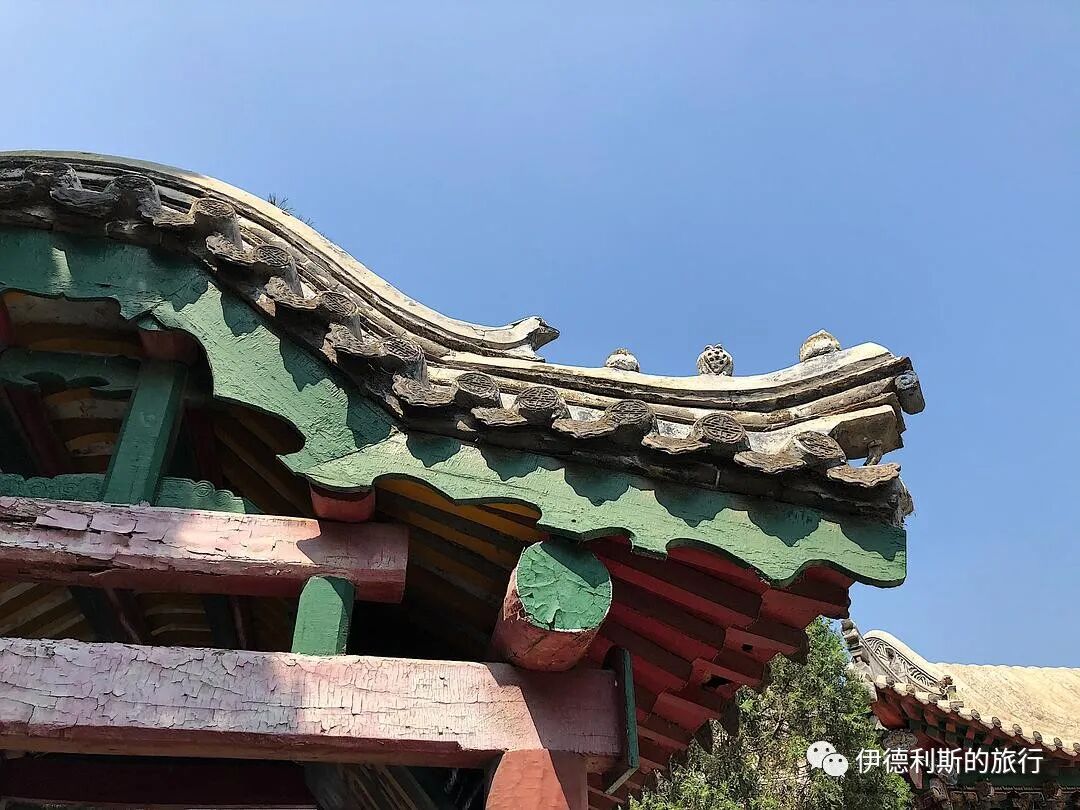
Inside the second gate is the main prayer hall.
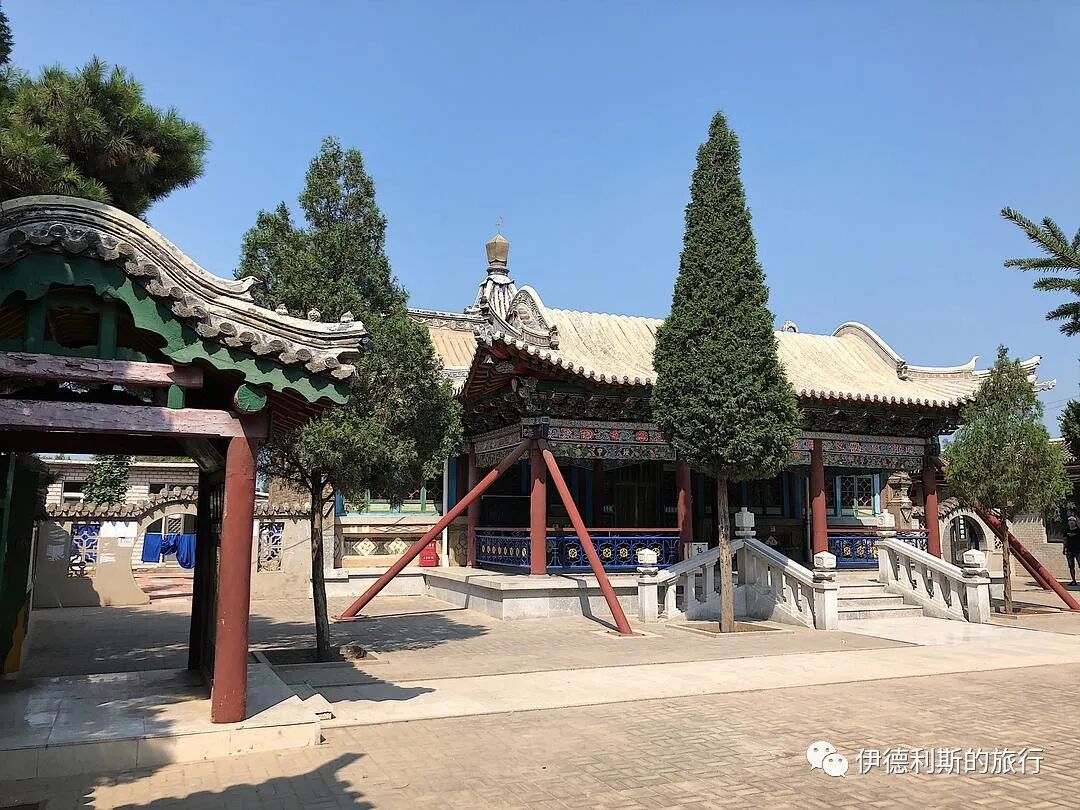
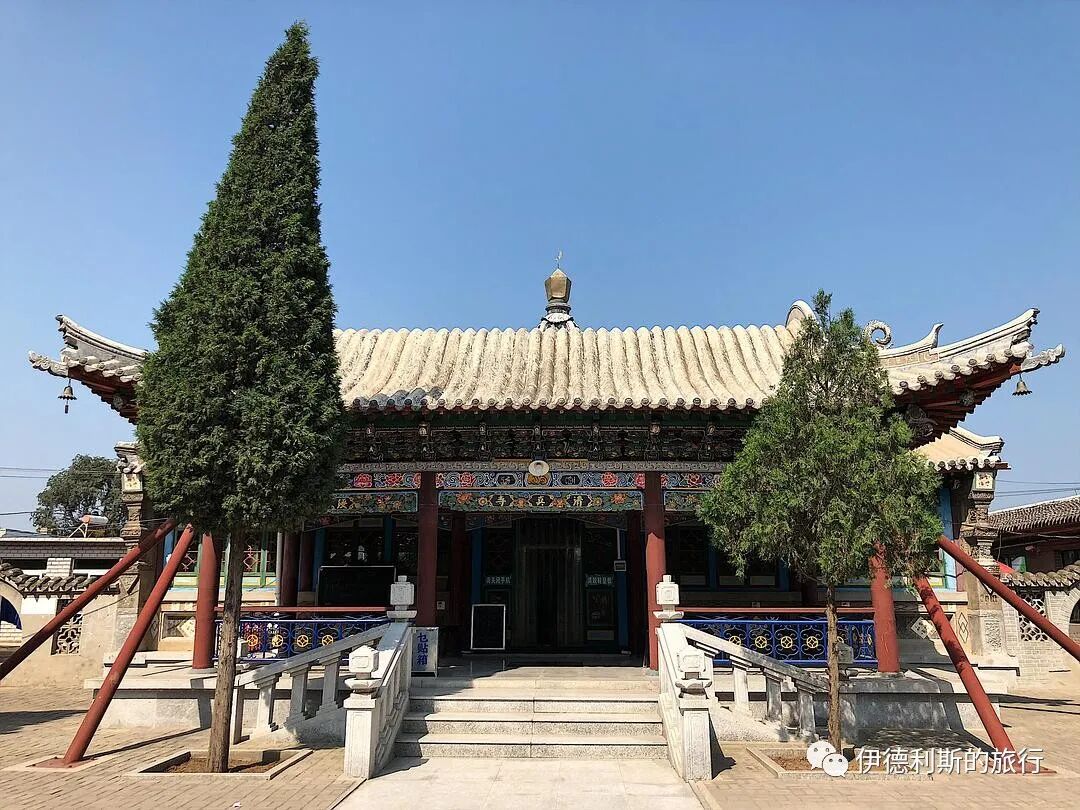
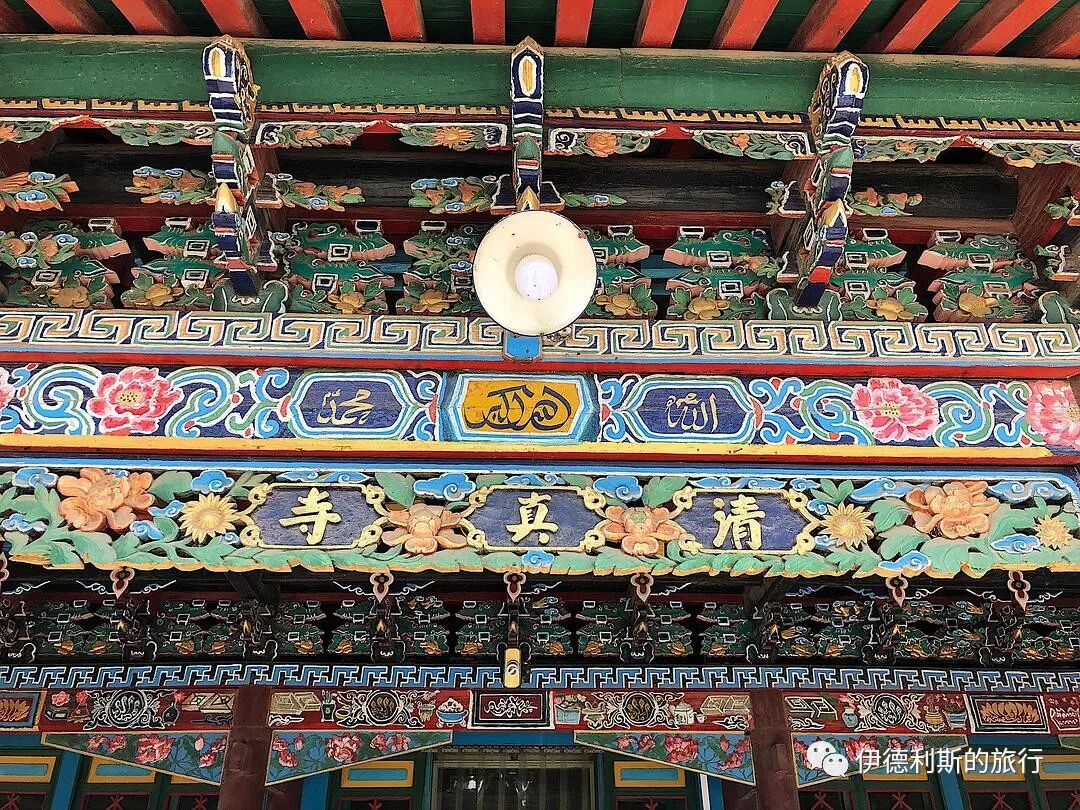
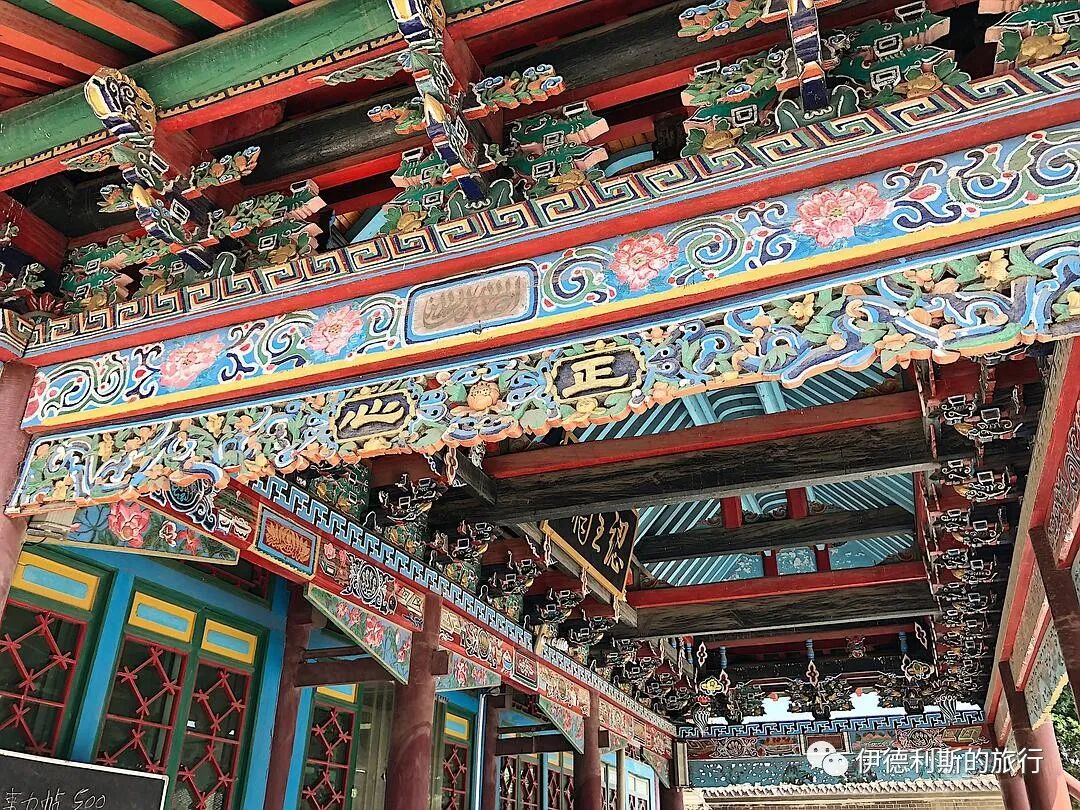
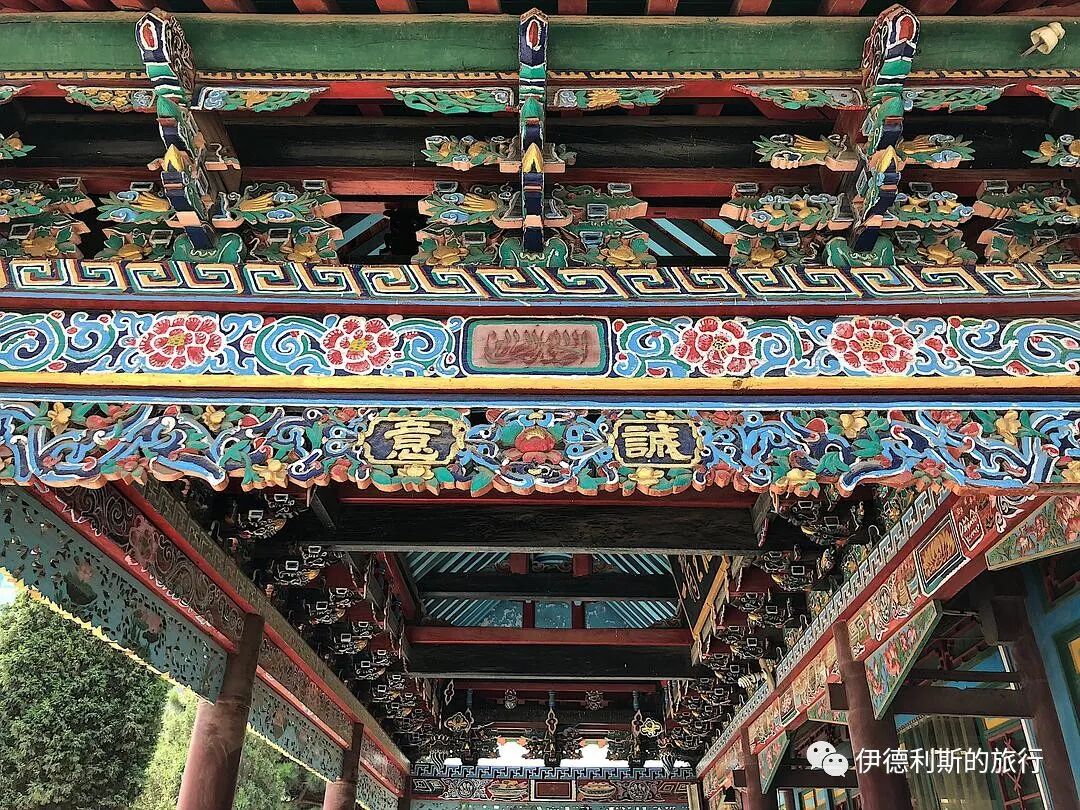
The baoxia (front porch) in front of the main prayer hall is the most distinctive part of the entire mosque, and it is the most colorfully decorated mosque porch I have ever seen.
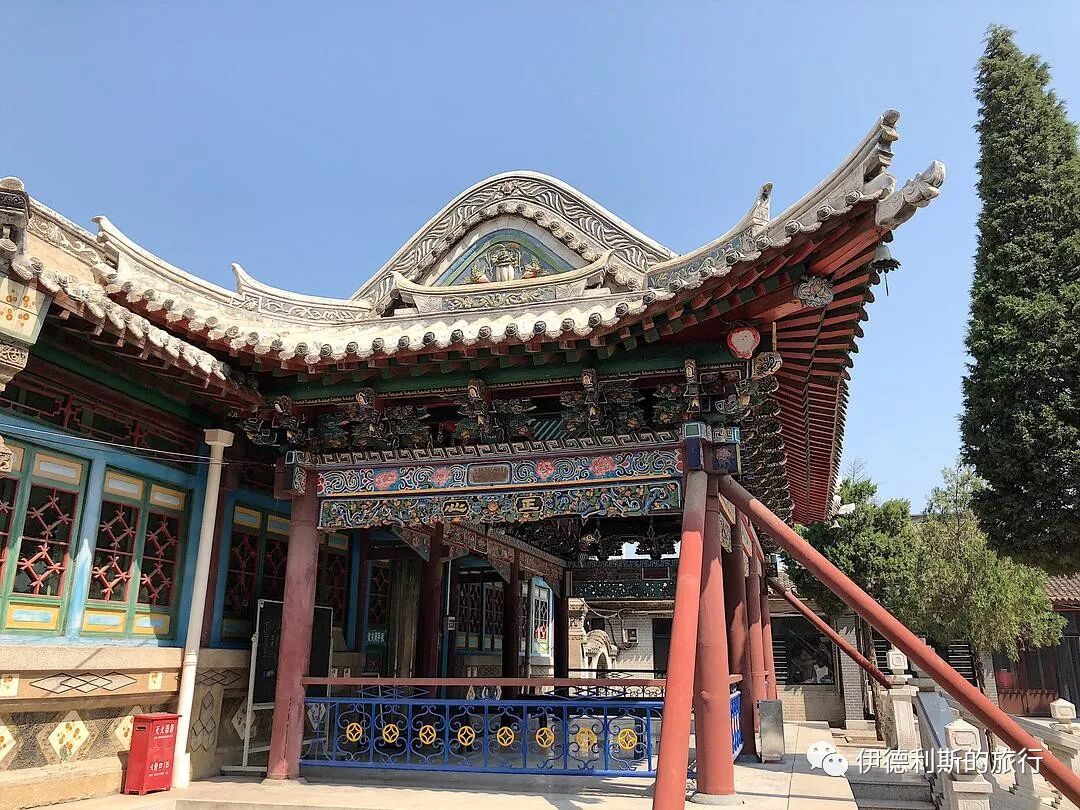
The front is inscribed with "Qingzhensi" (Mosque), and the two sides are inscribed with "Zhengxin" (rectify the heart) and "Chengyi" (sincerity of intent).
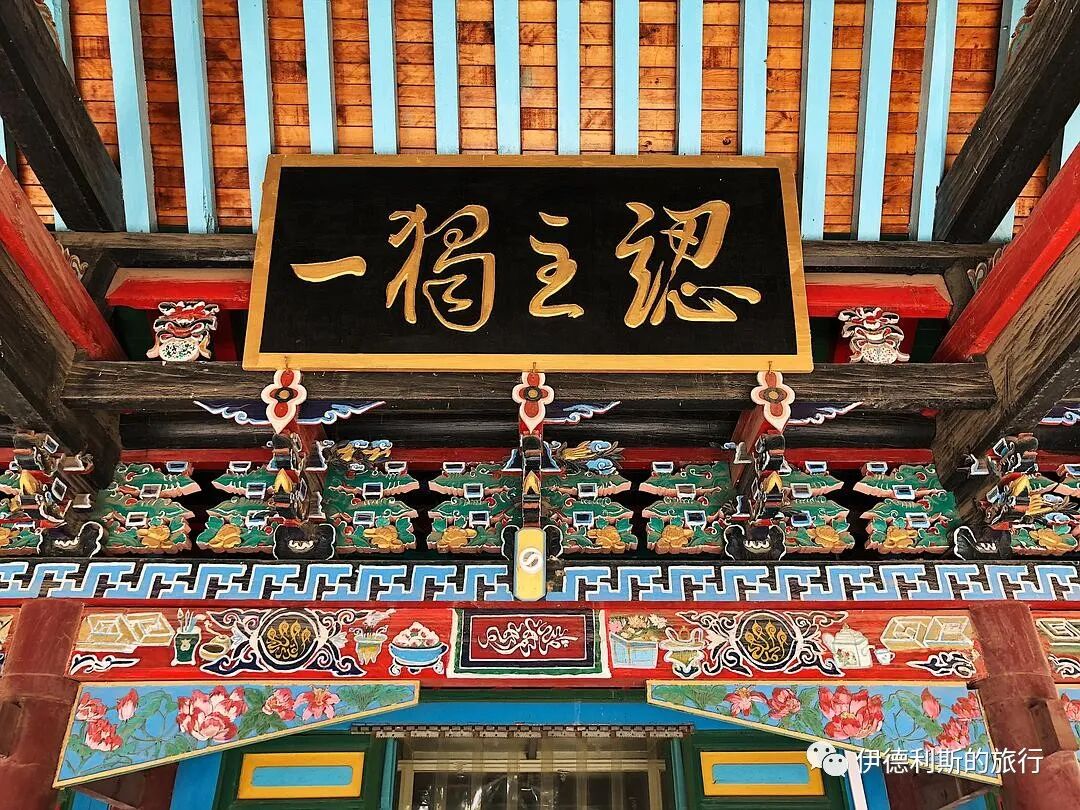
A plaque reading "Recognizing the Oneness of Allah."
Details of the patterns.
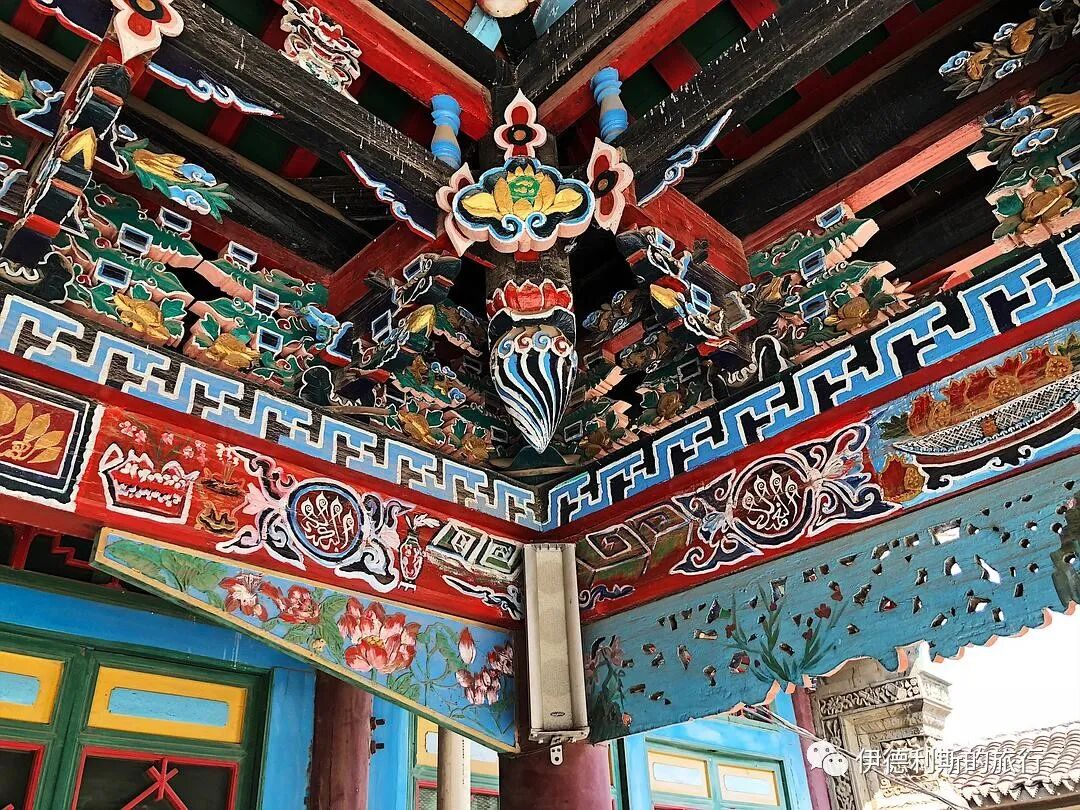
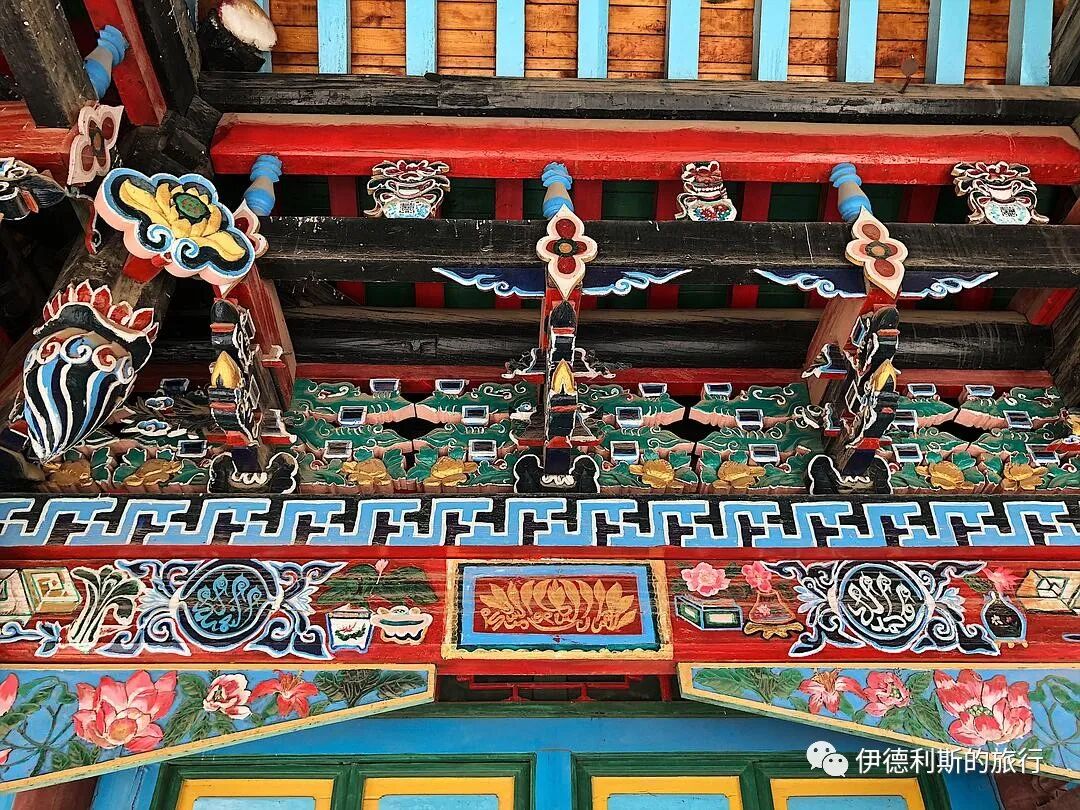
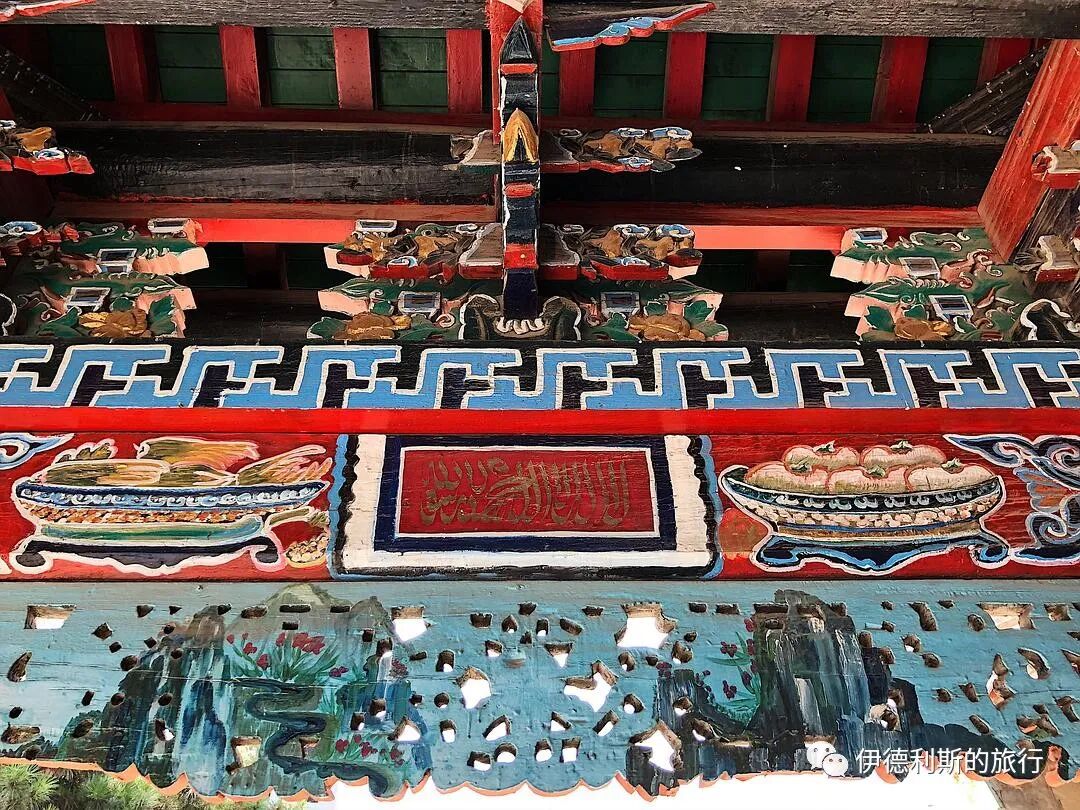
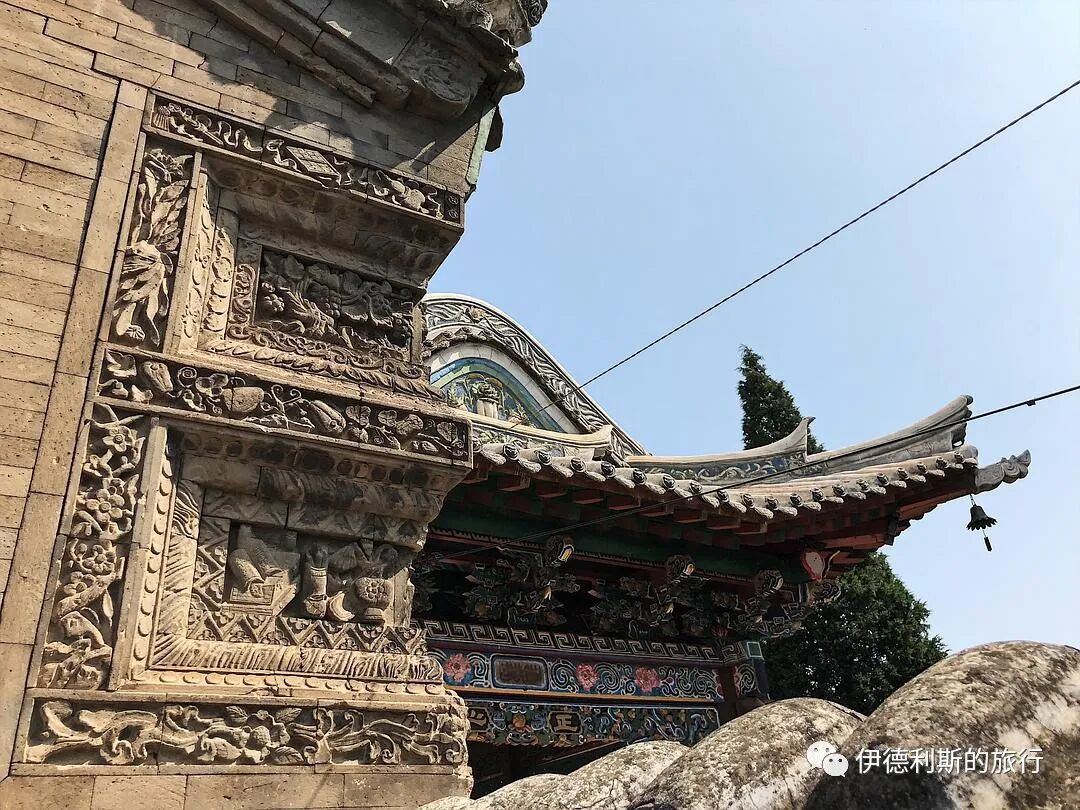
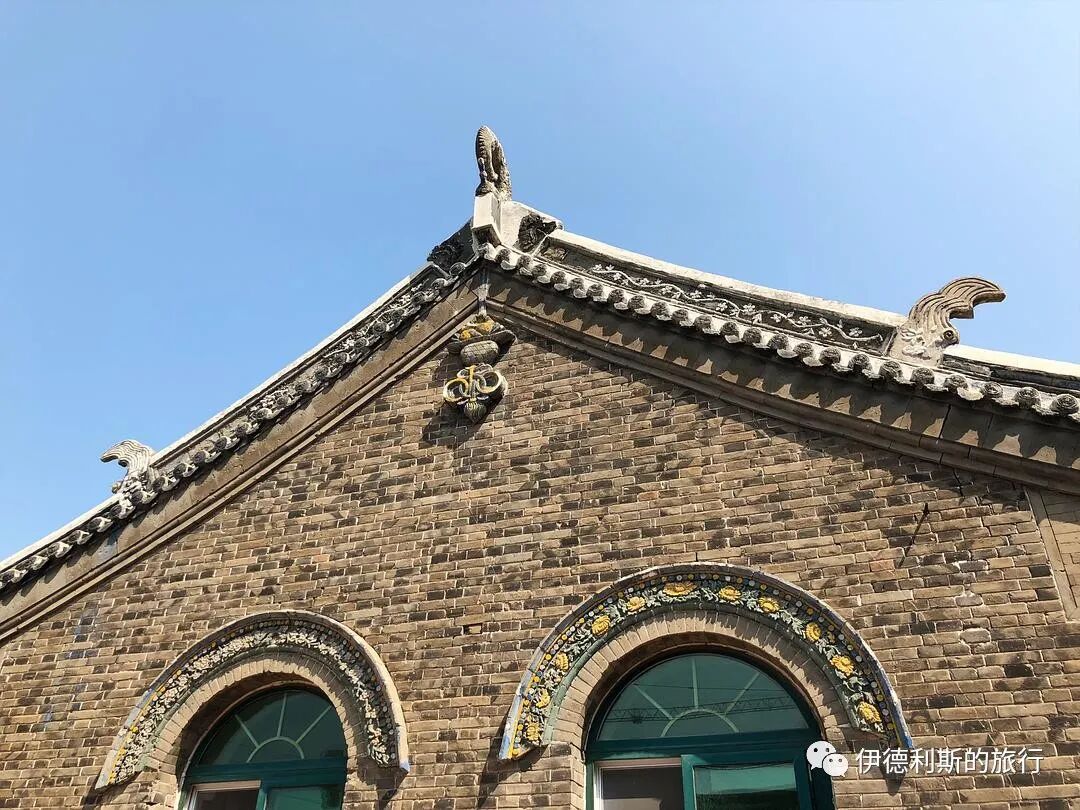
Behind the porch is the main prayer hall, and the brick carvings on the hall are also very delicate.
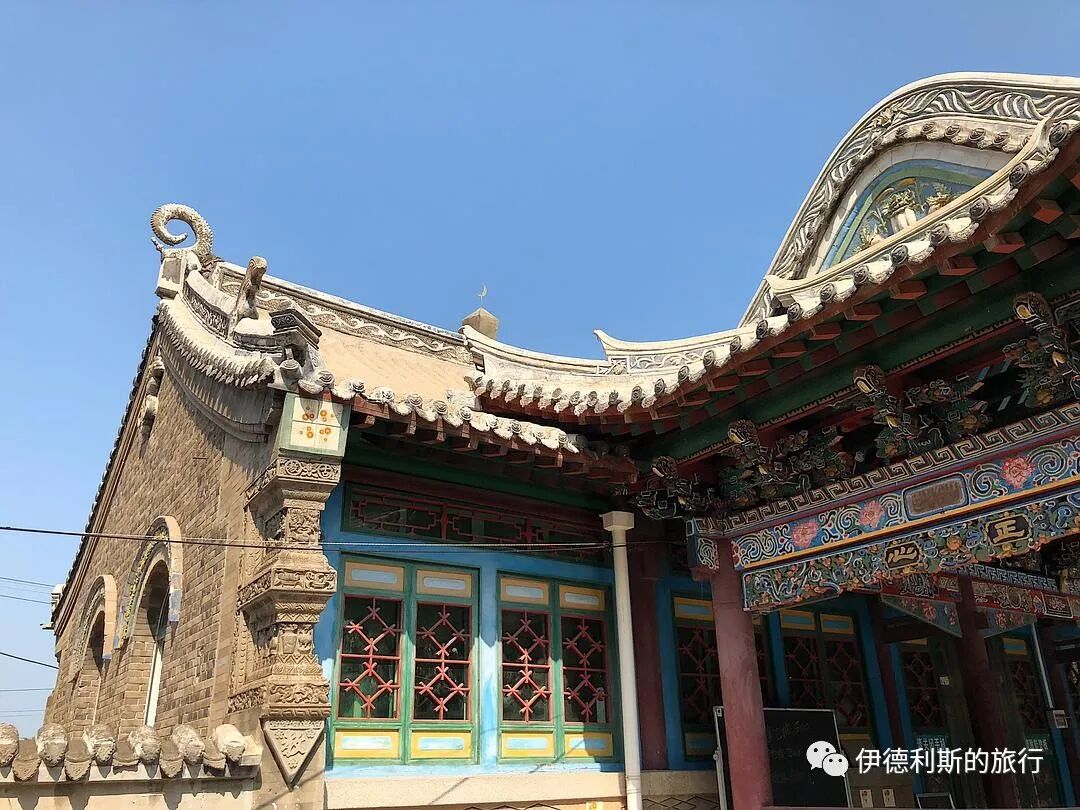
The large character "Jiao" (religion) at the bottom is new work, while the brick carvings above should be original old work.
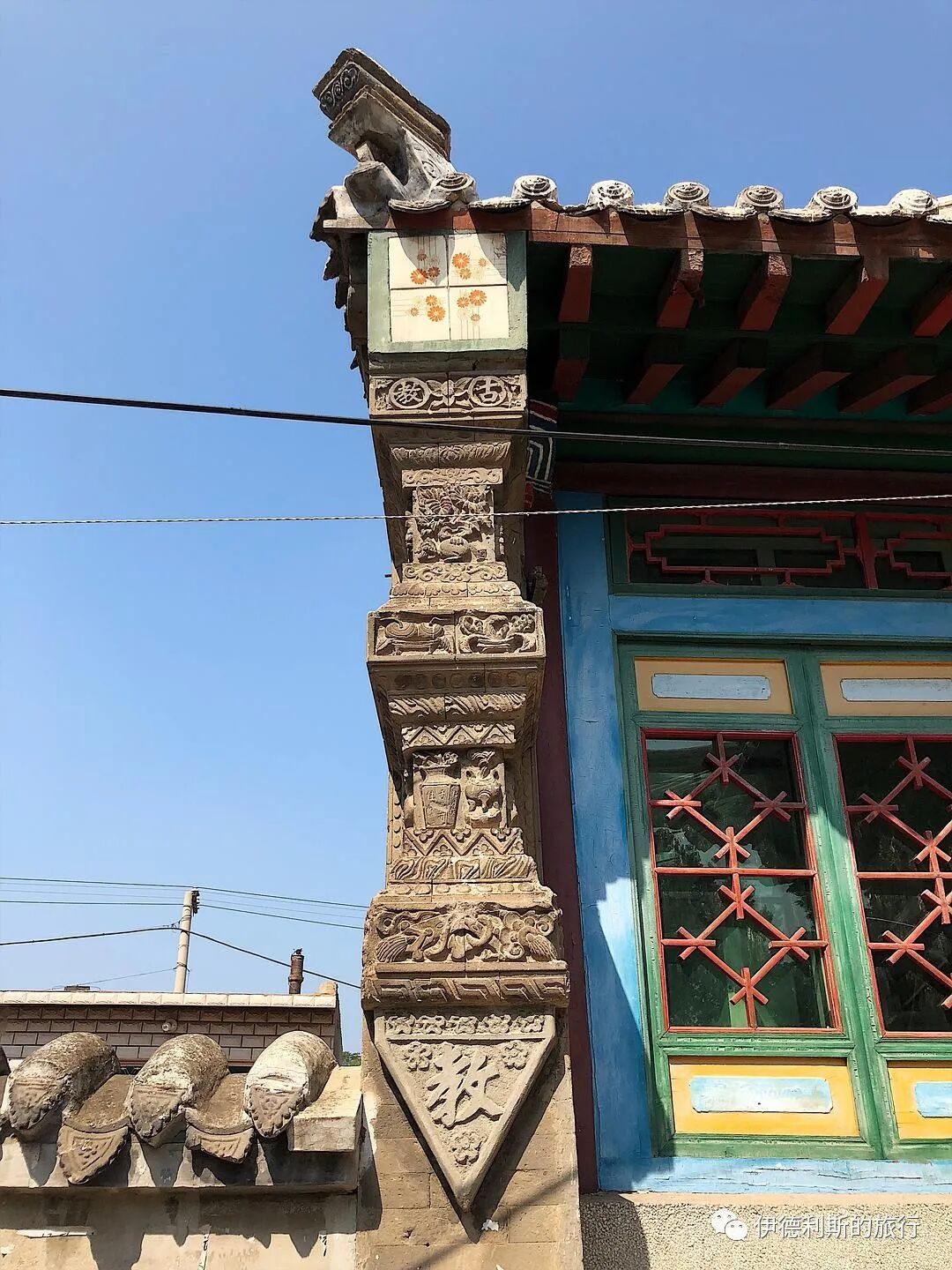
You can take a close look at the content of the brick carvings, which include scrolls, painting tubes, incense vases, and even chessboards and various fruits.
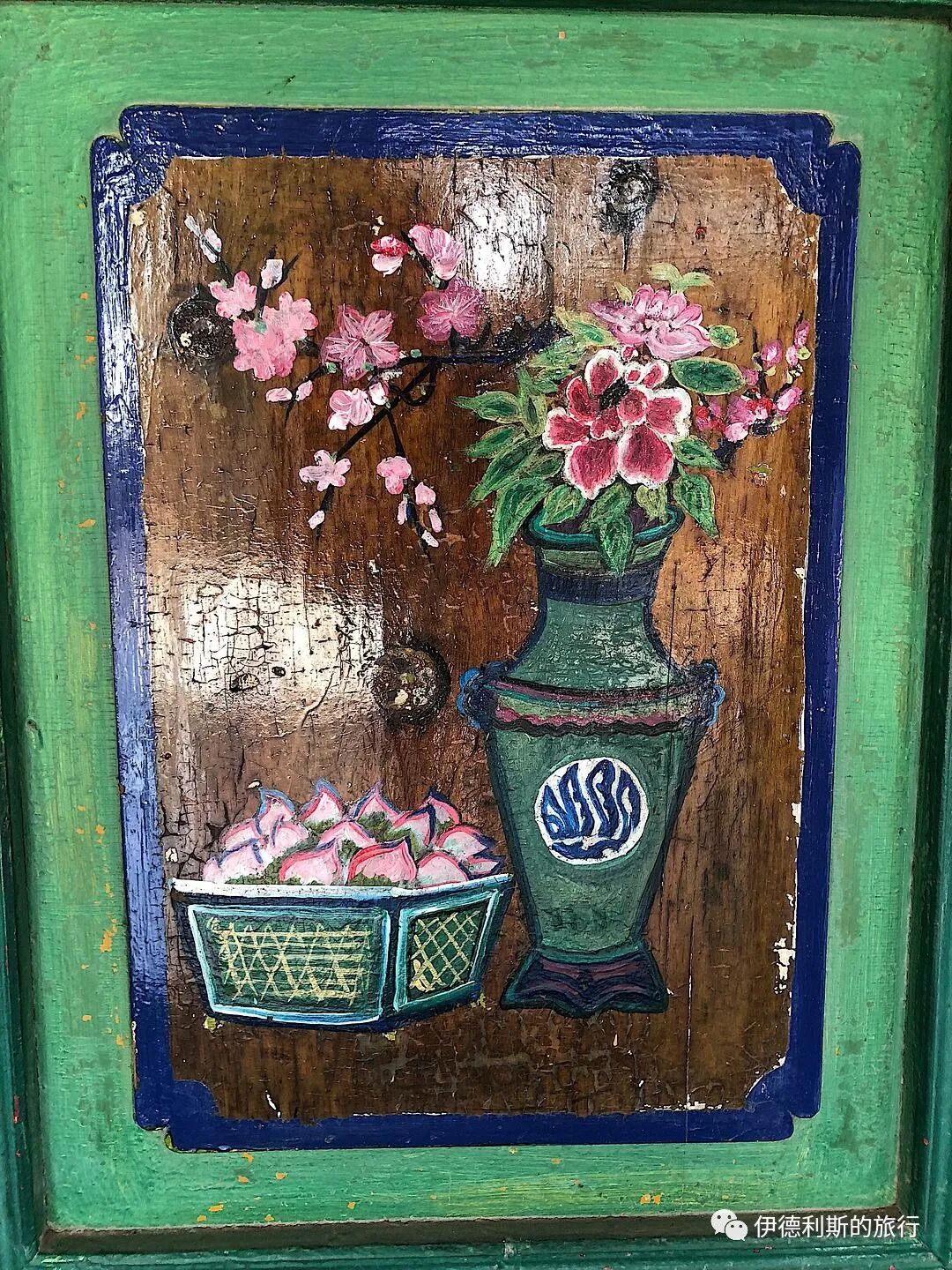
Traditional Hui Muslim paintings on the doors of the main prayer hall.
The interior of the main prayer hall was likely rearranged after the 1980s, and both the mihrab (niche indicating the direction of prayer) and the minbar (pulpit) are very simple.
Above the yaodian (rear hall) at the back of the main prayer hall is the wangyuelou (moon-sighting tower).
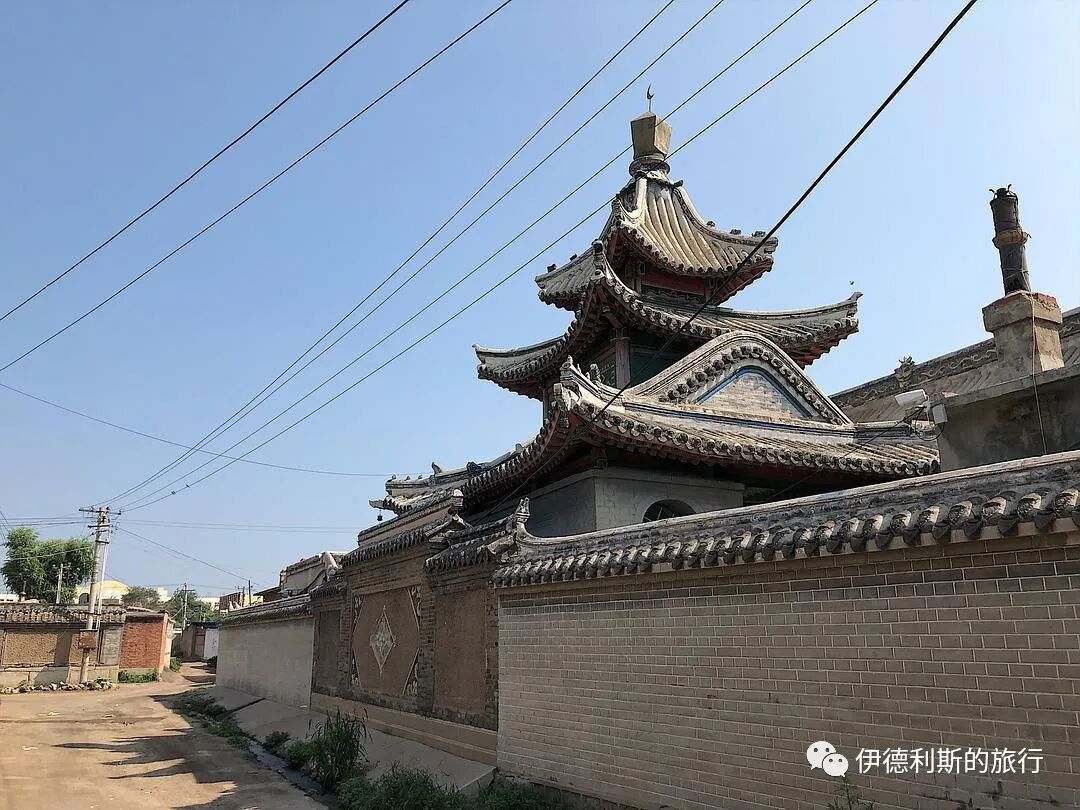
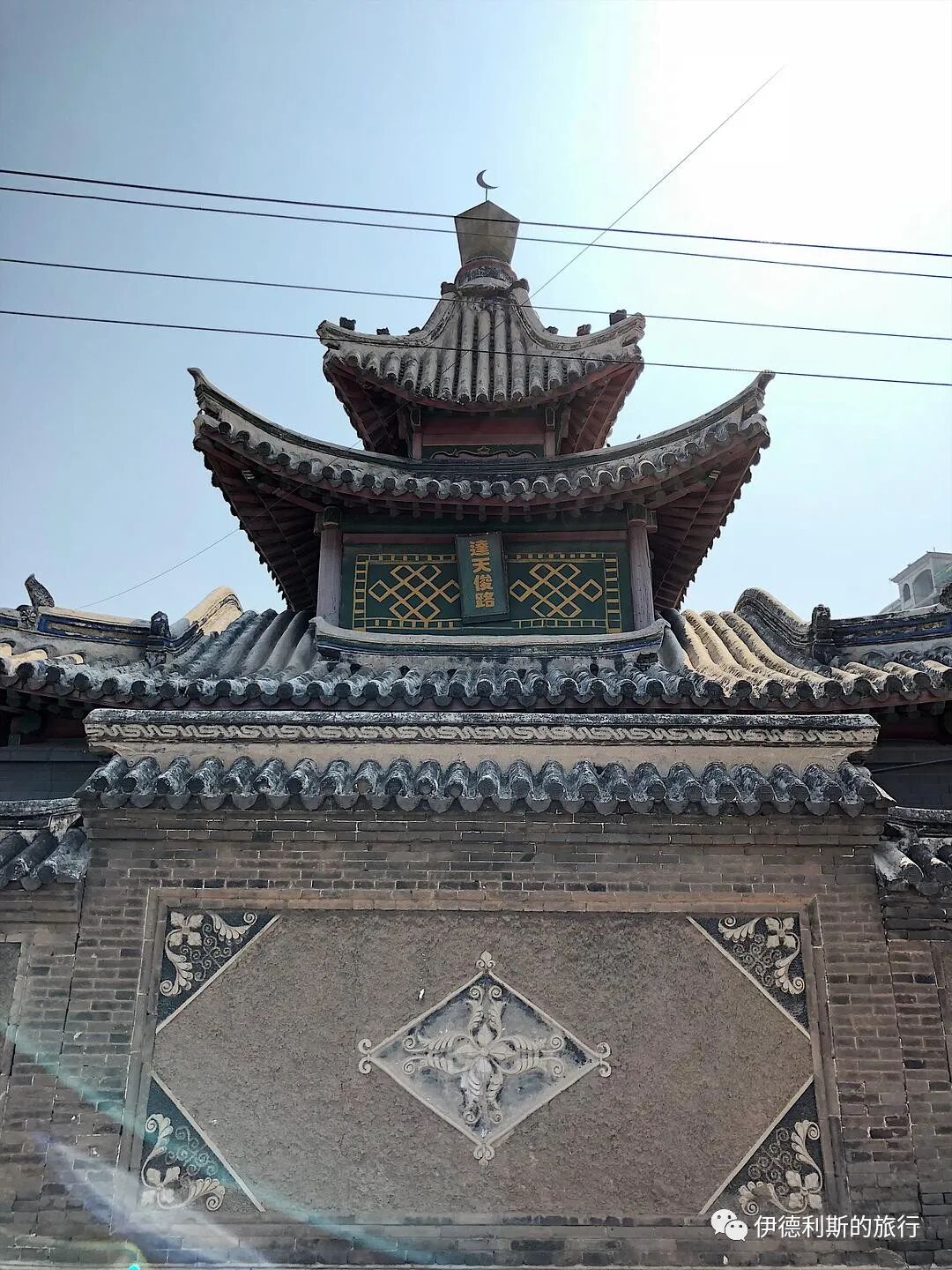
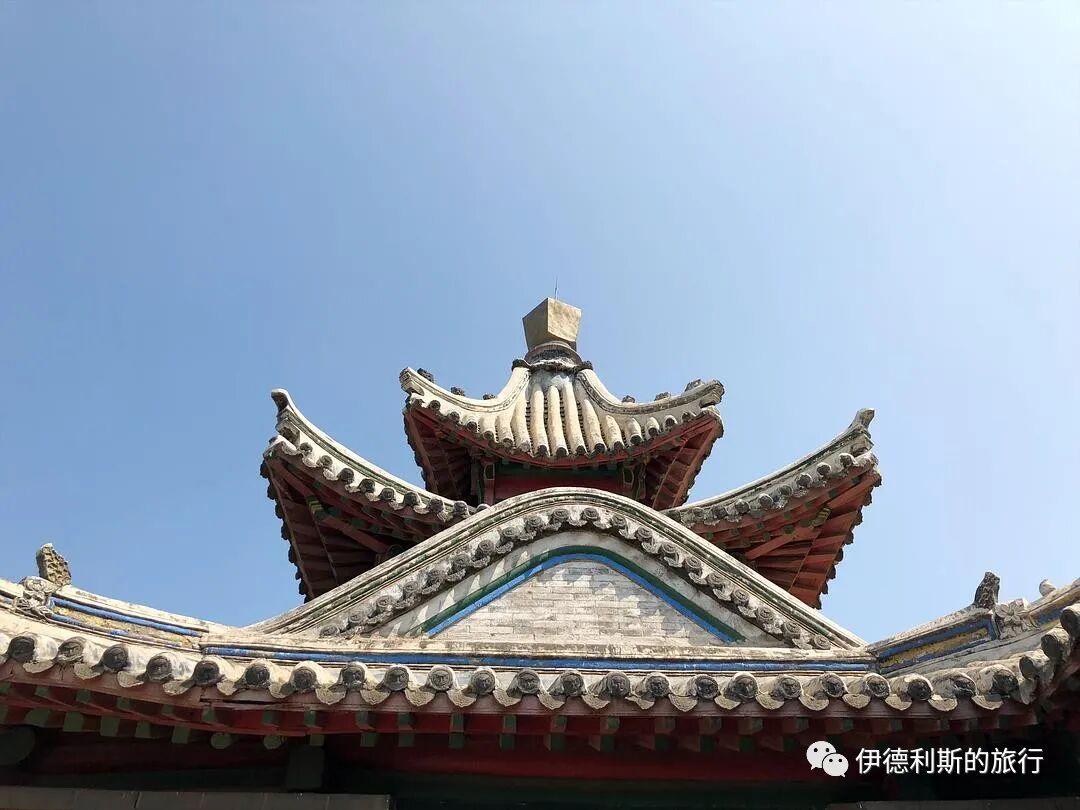
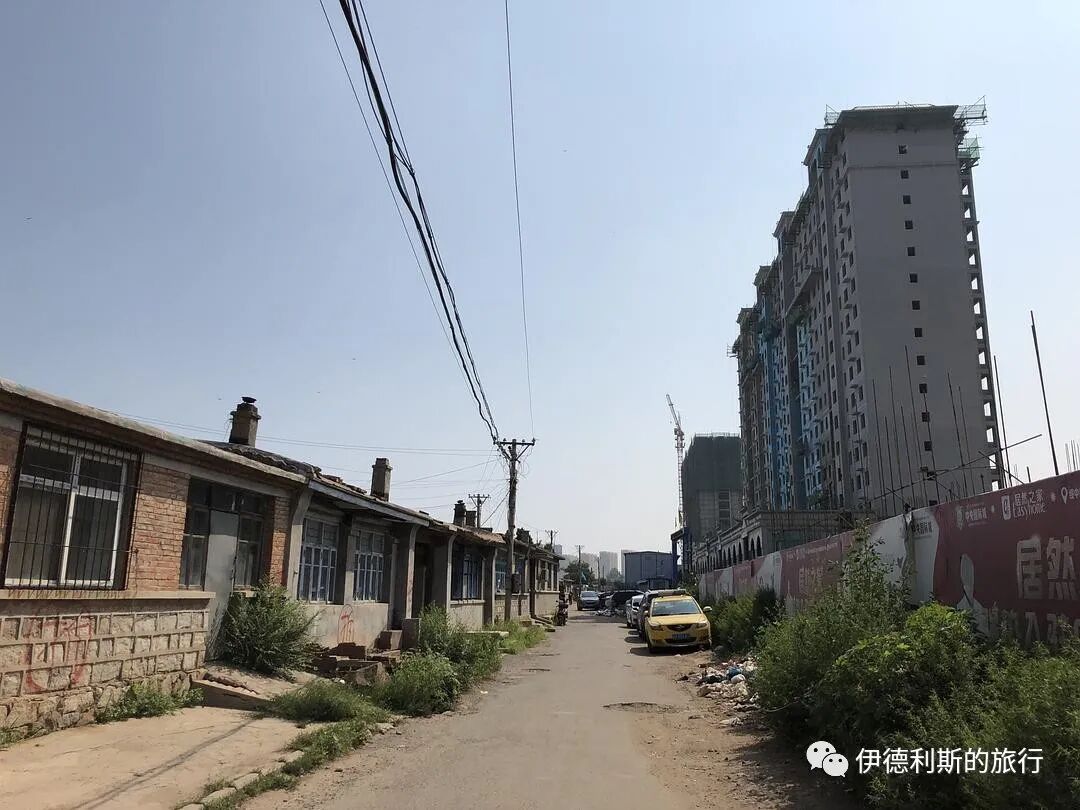
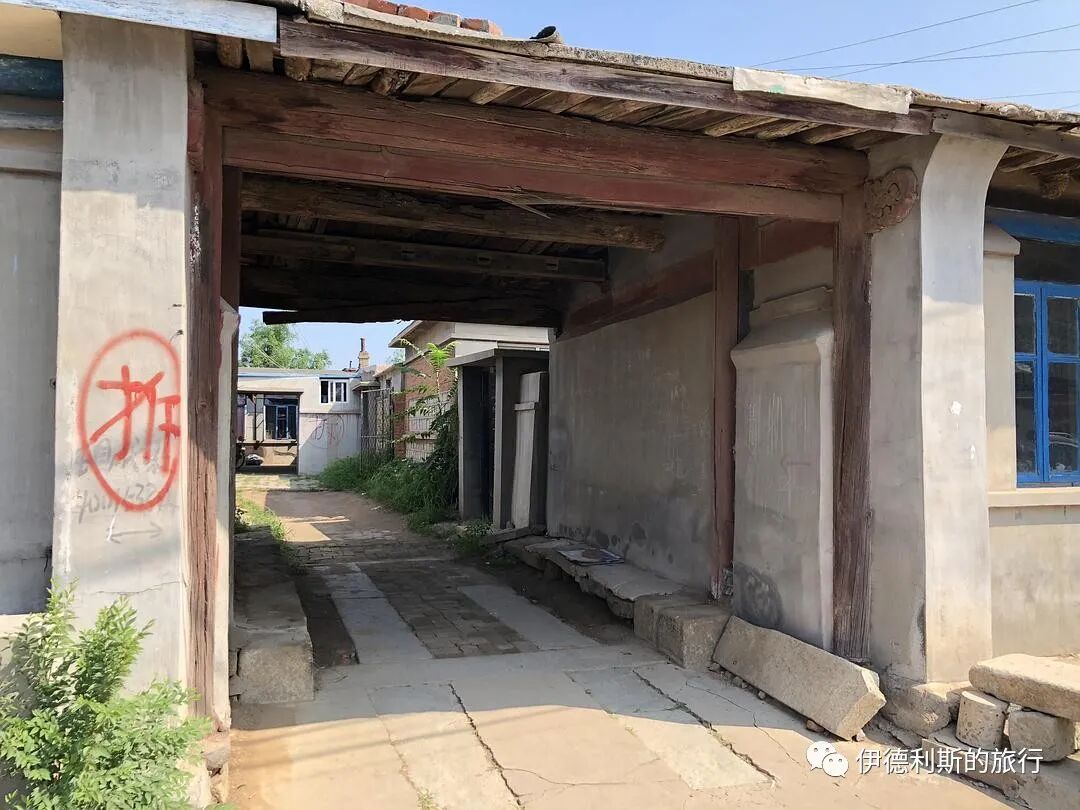
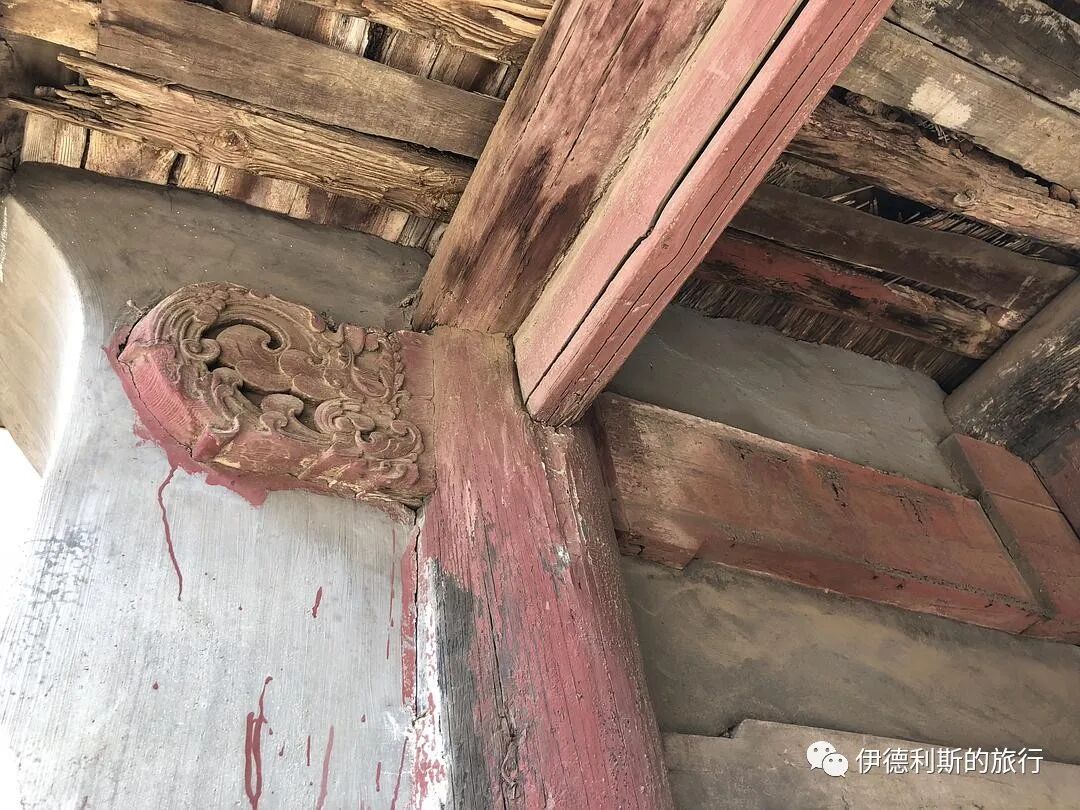
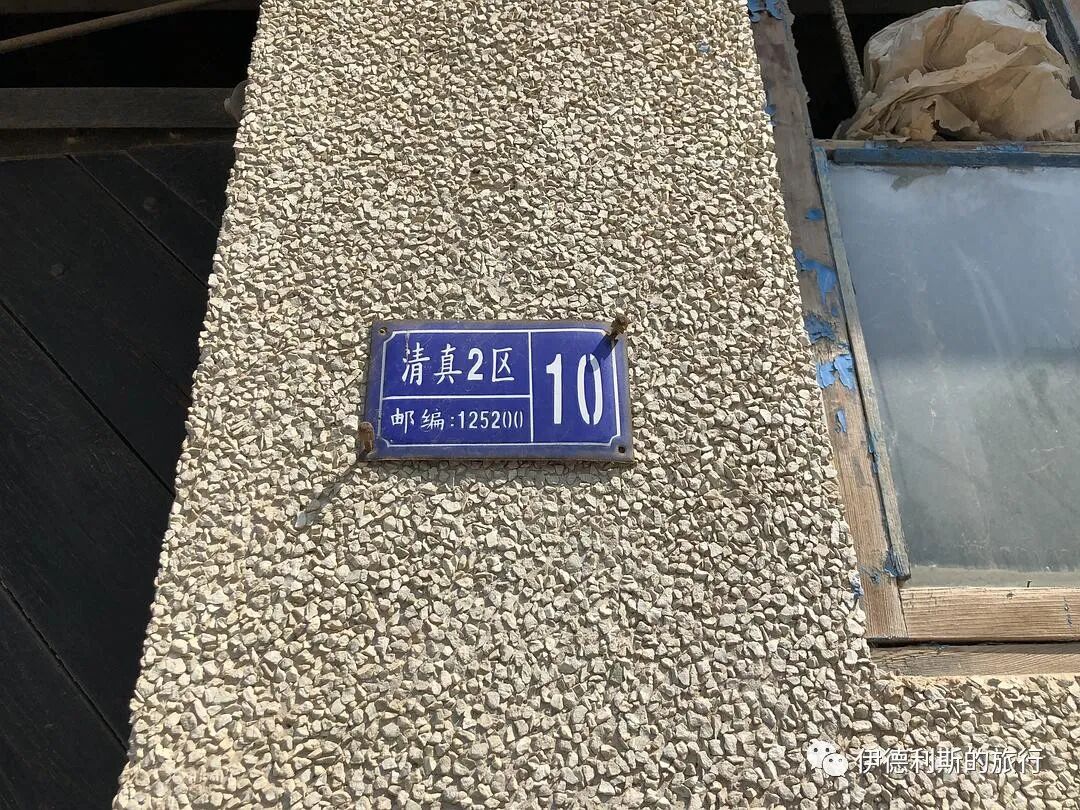
A brand-new Halal food street is being built next to the mosque, and the old houses around the mosque are about to be demolished; judging by the wood carvings, some of these houses should be historical buildings.
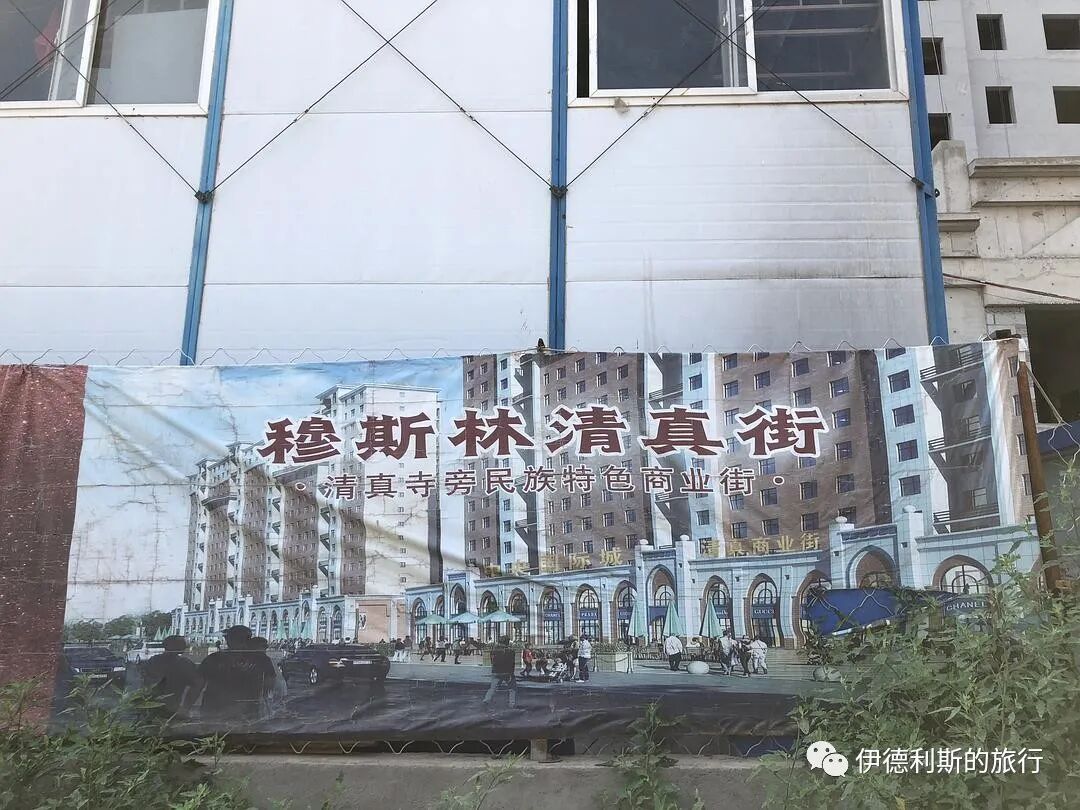
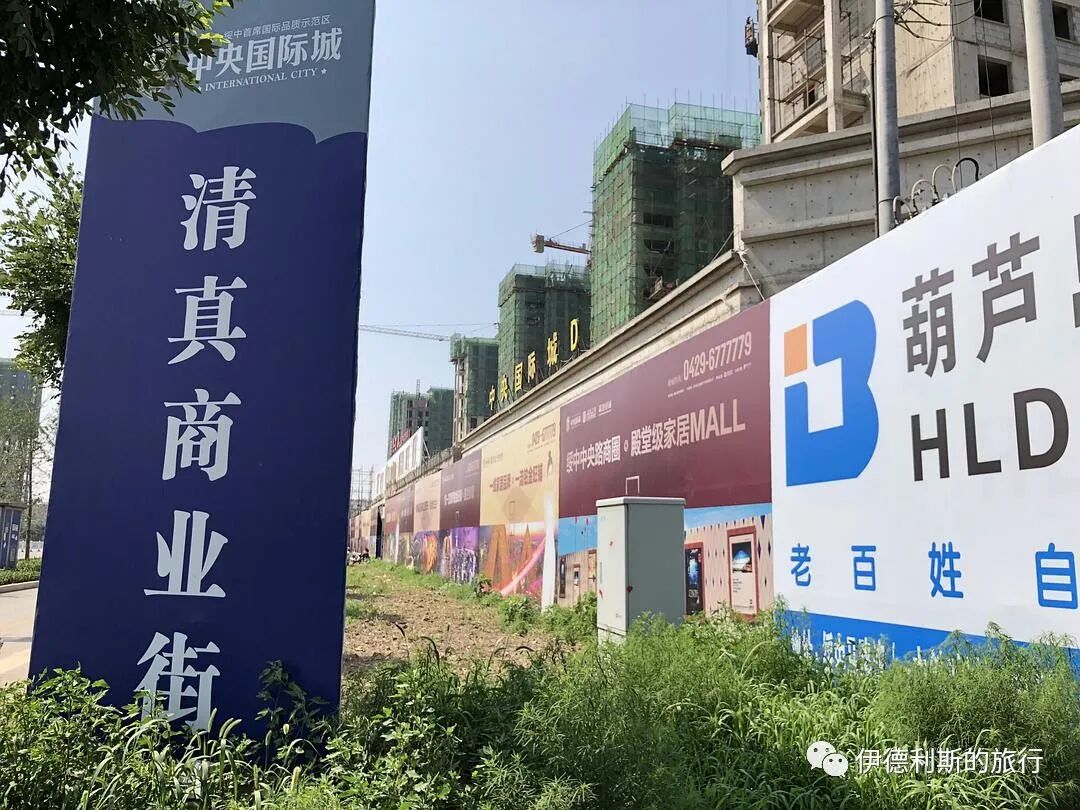
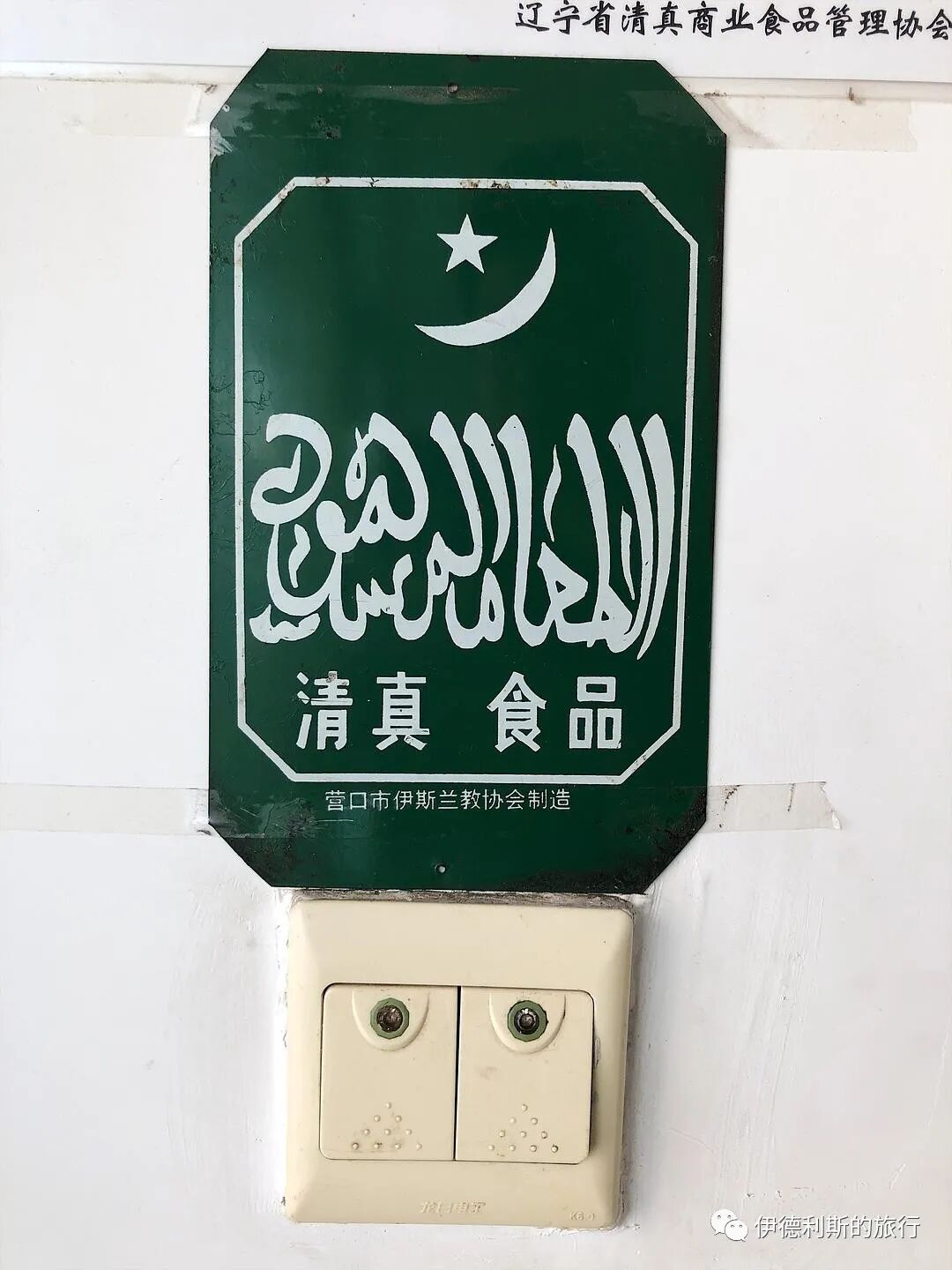
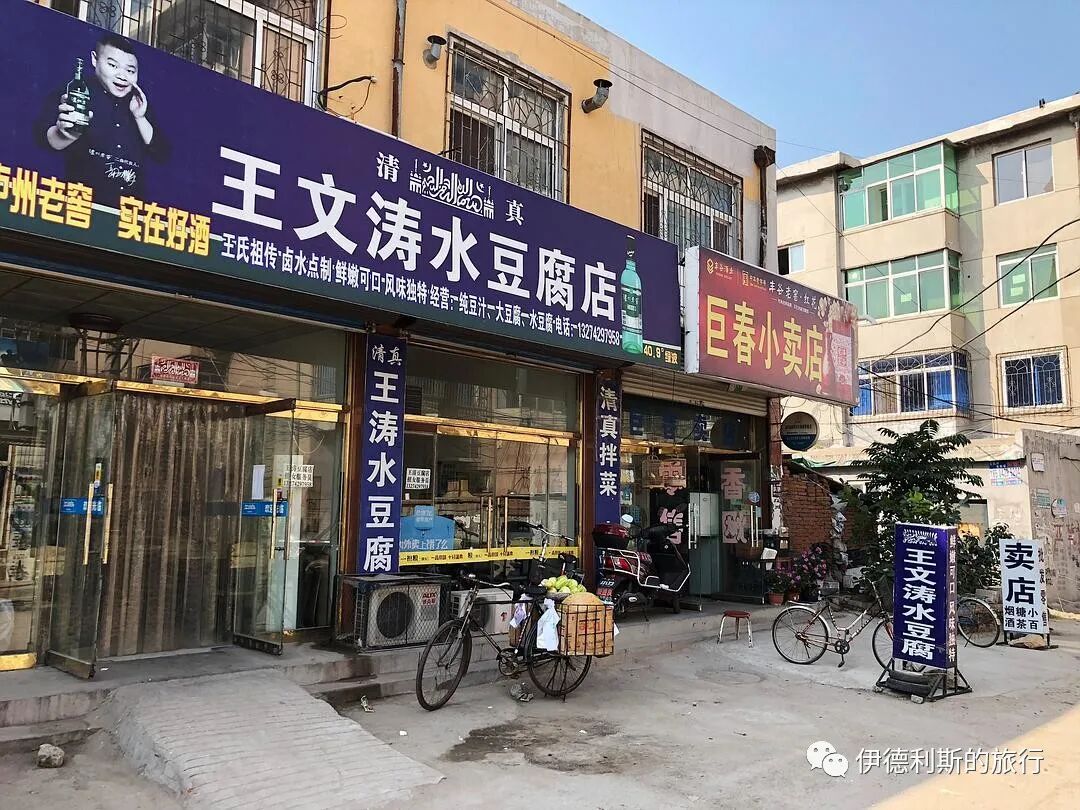
There are many Halal restaurants around the South Gate of Suizhong; I had meat-braised tofu with sorghum rice for breakfast, and it was super delicious.
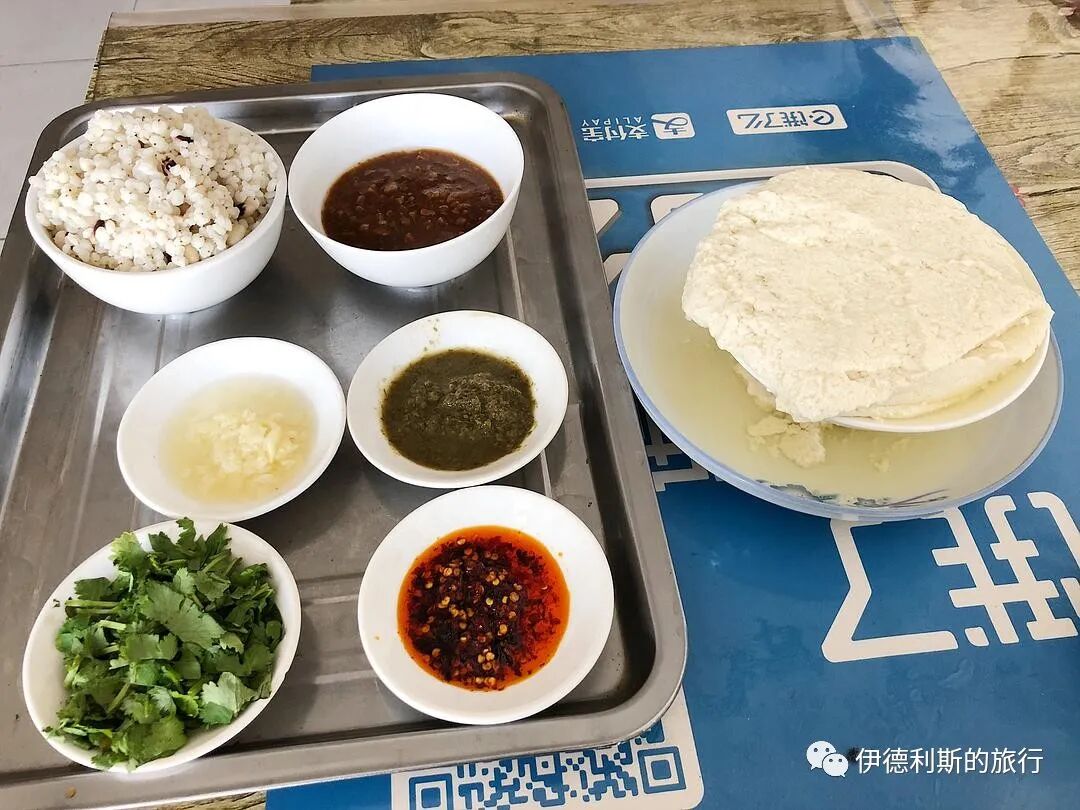
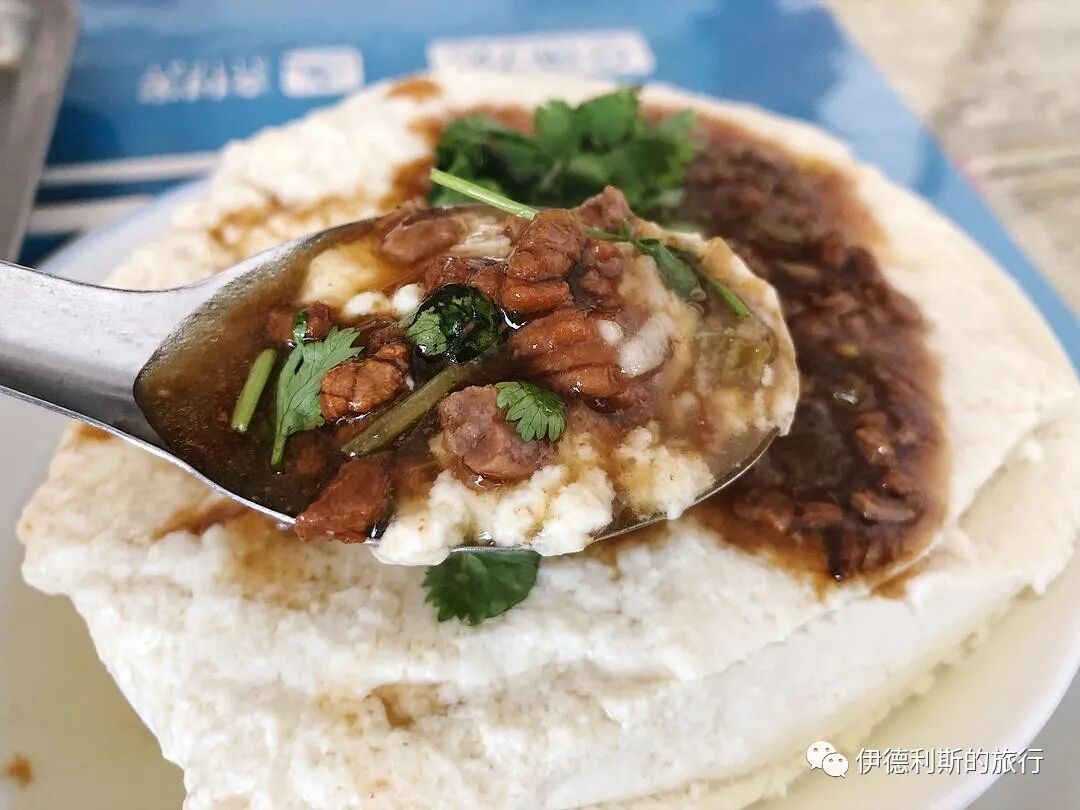
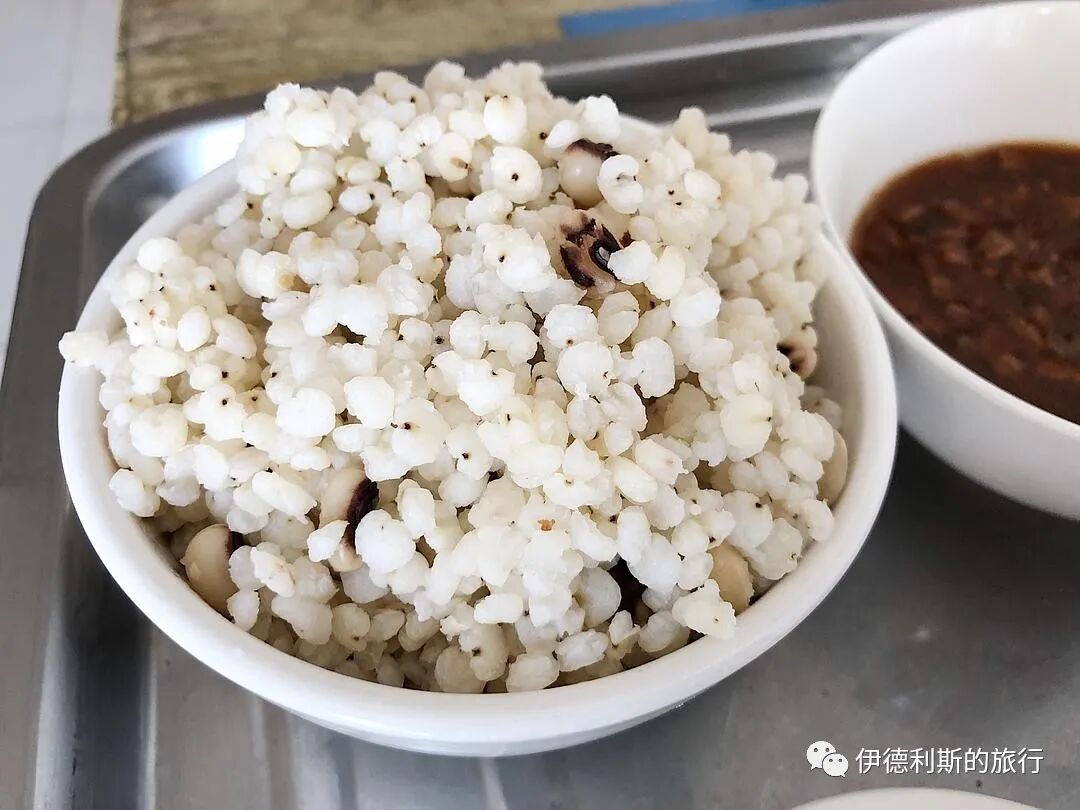
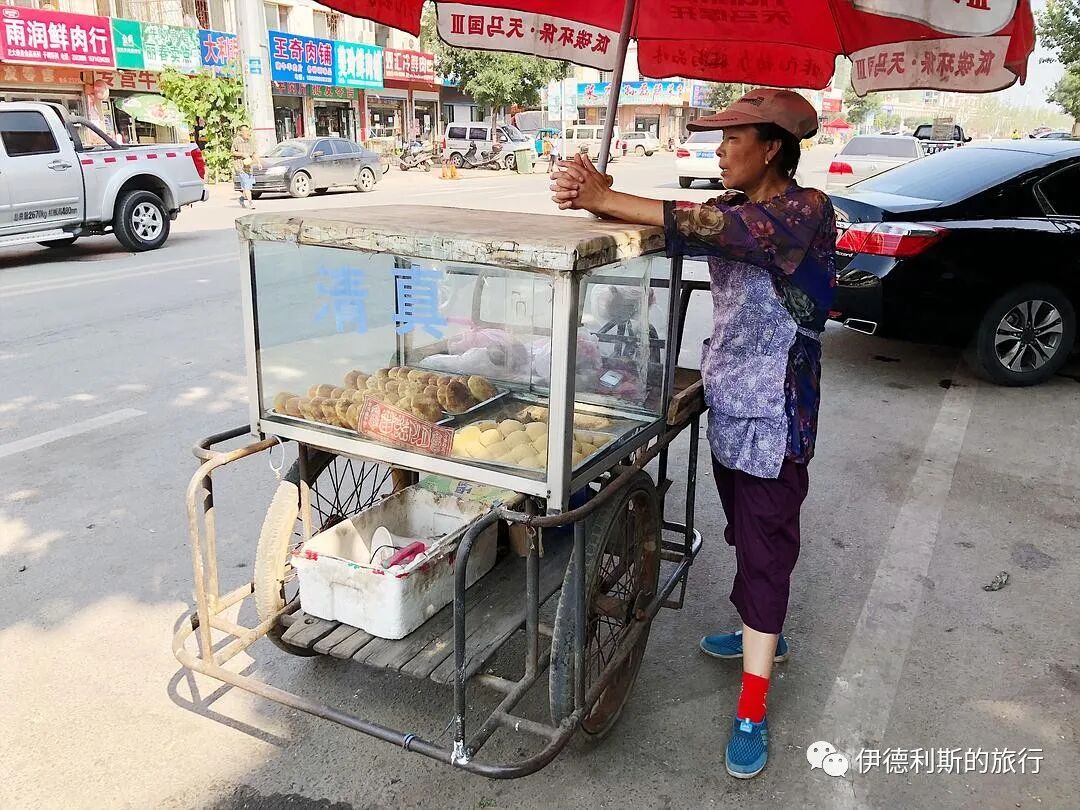
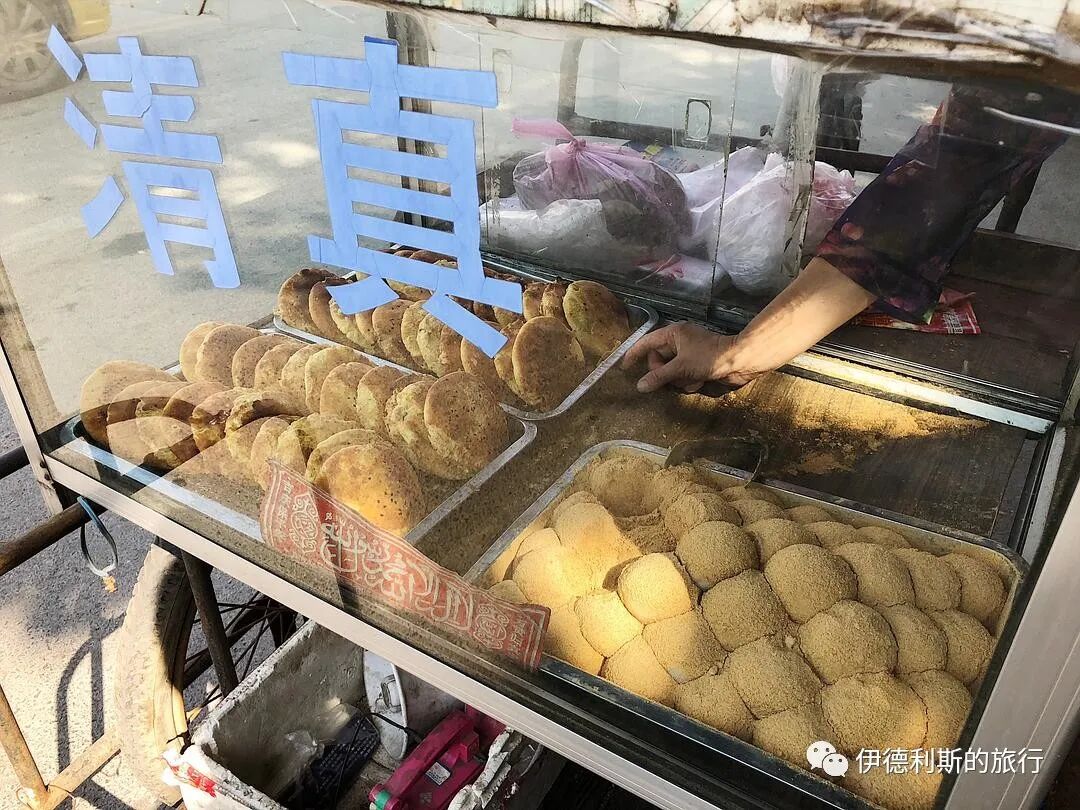
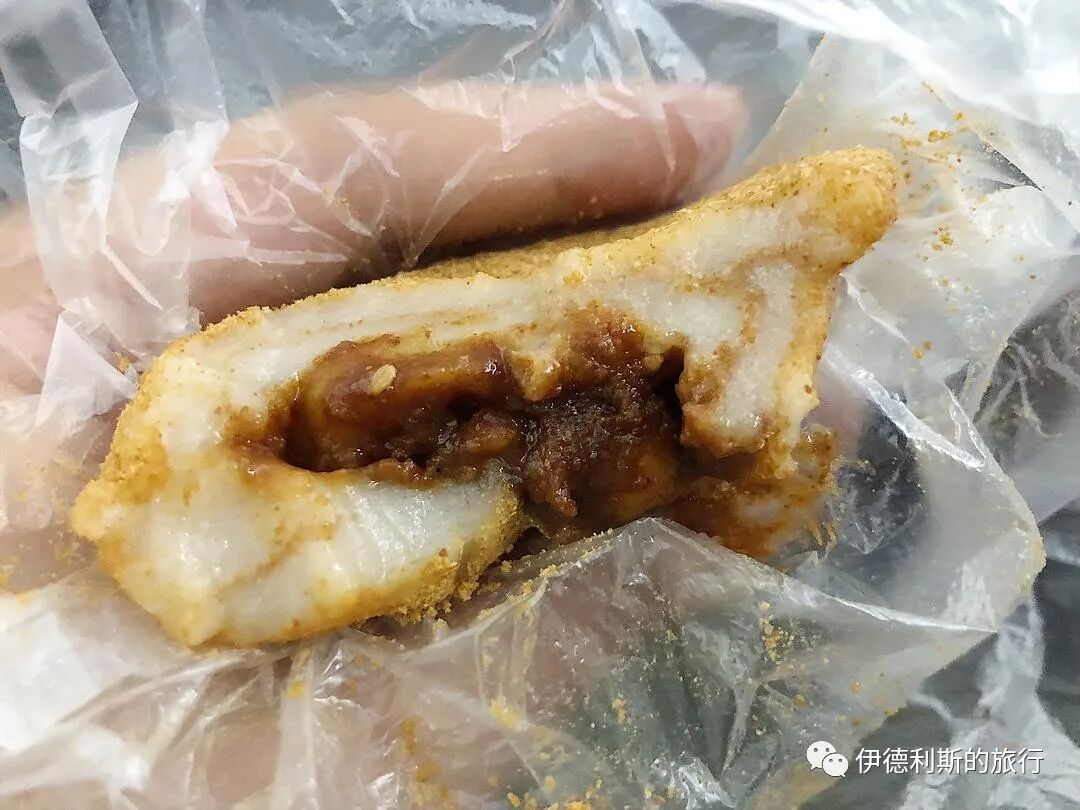
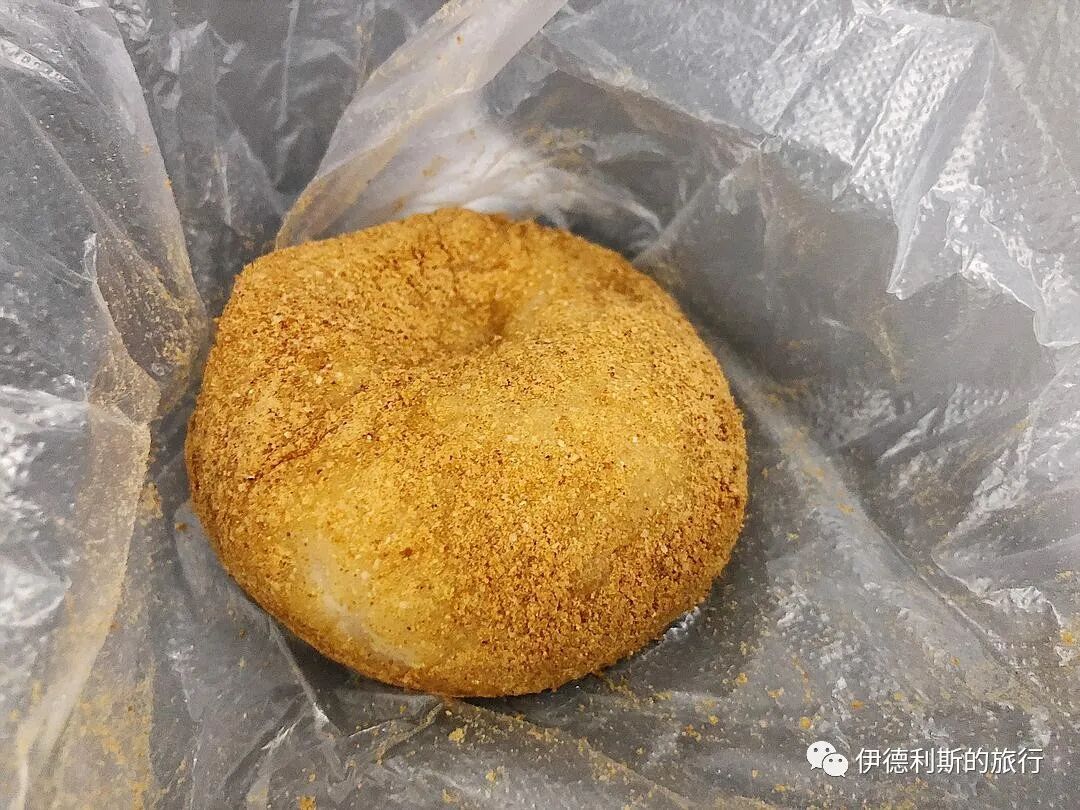
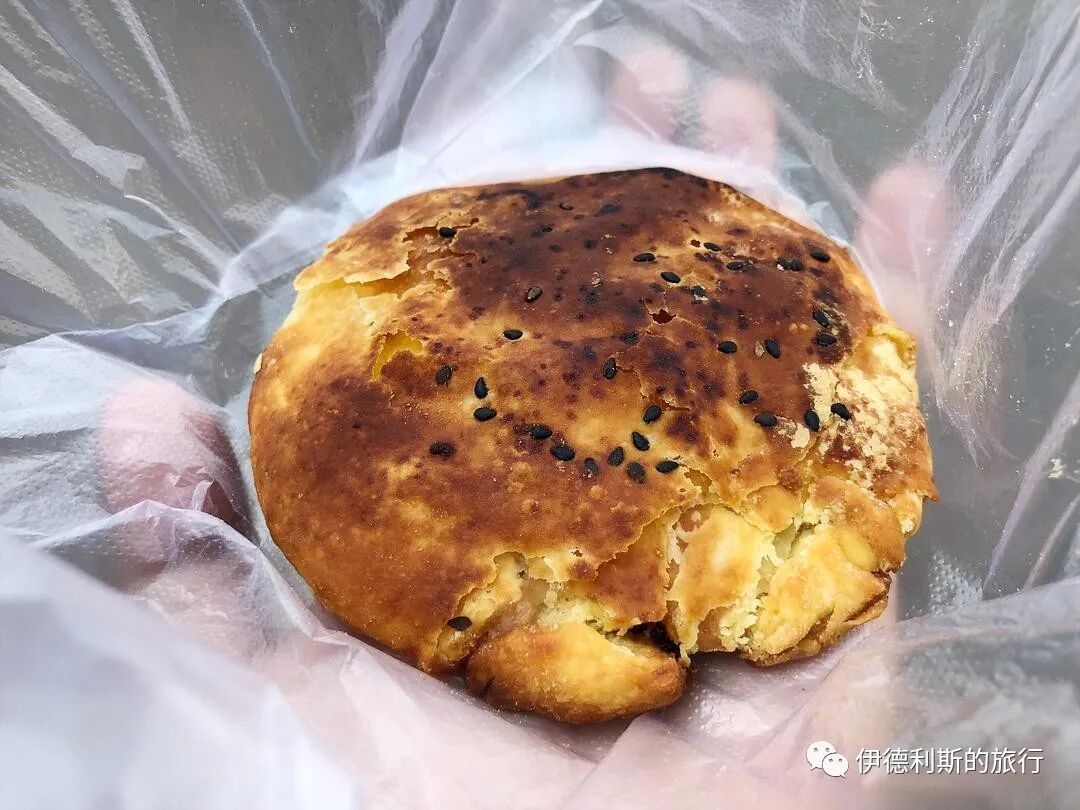
Tangniangao (sticky rice cake with sugar) and su shaobing (flaky baked flatbread) on the street.
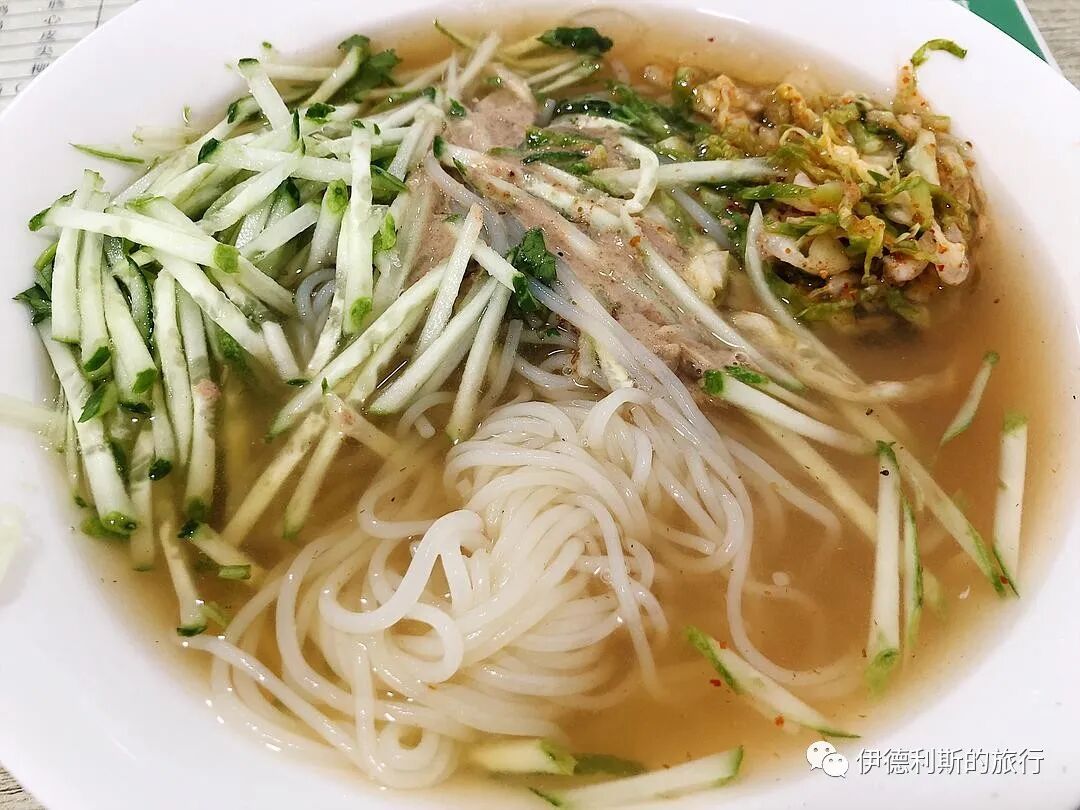
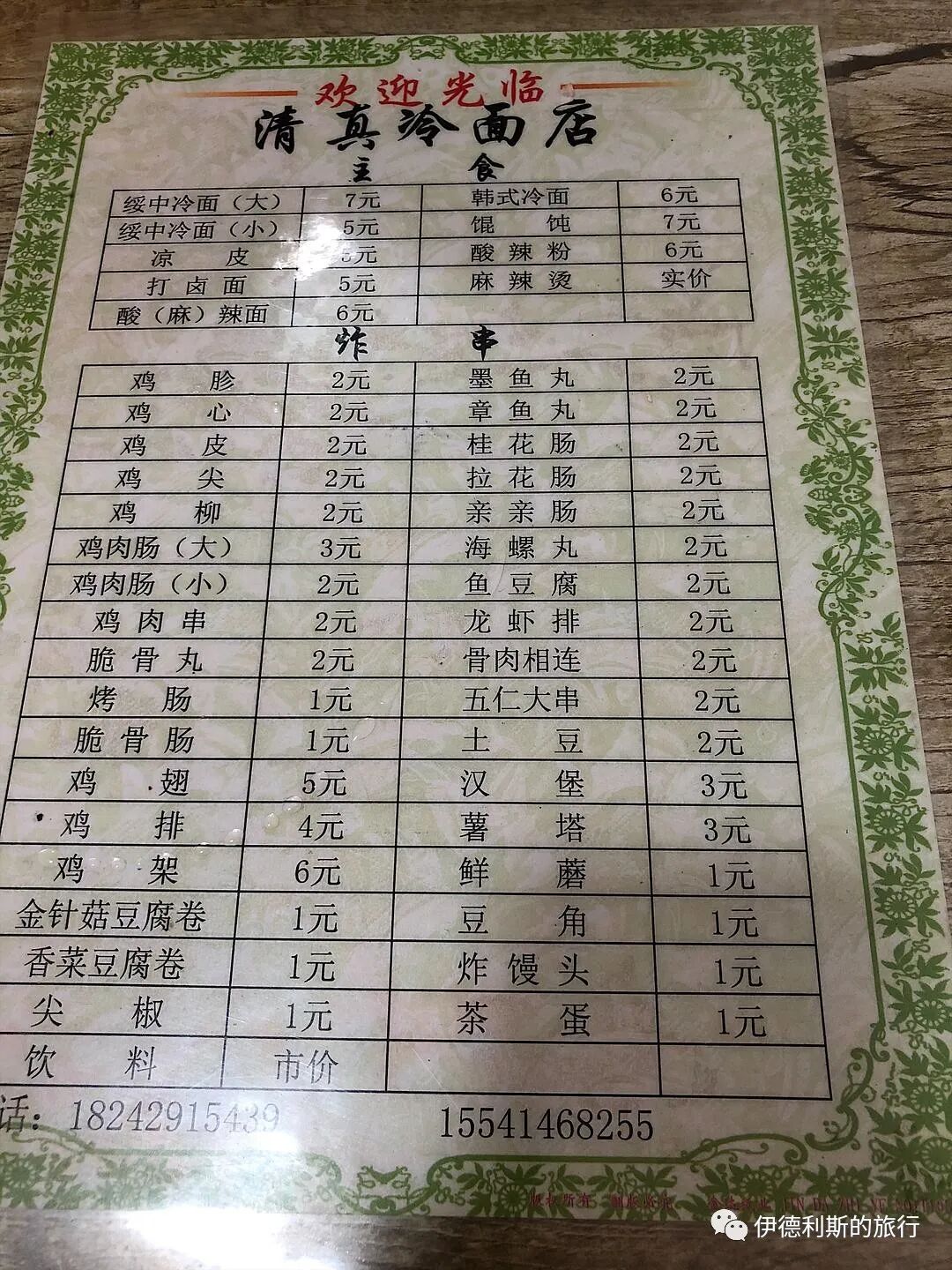
Suizhong-style lengmian (cold noodles), which are perfect for eating in the summer.
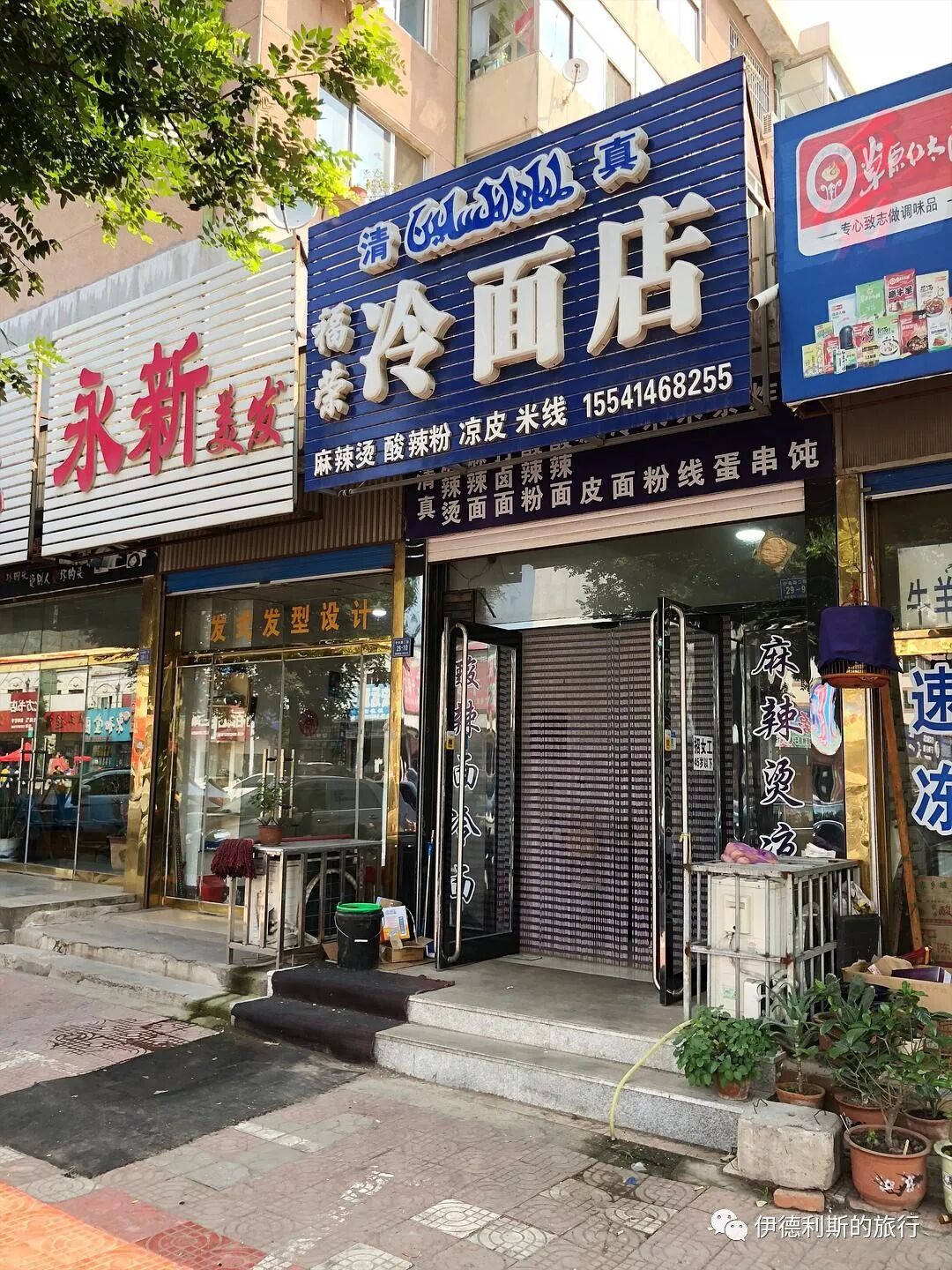
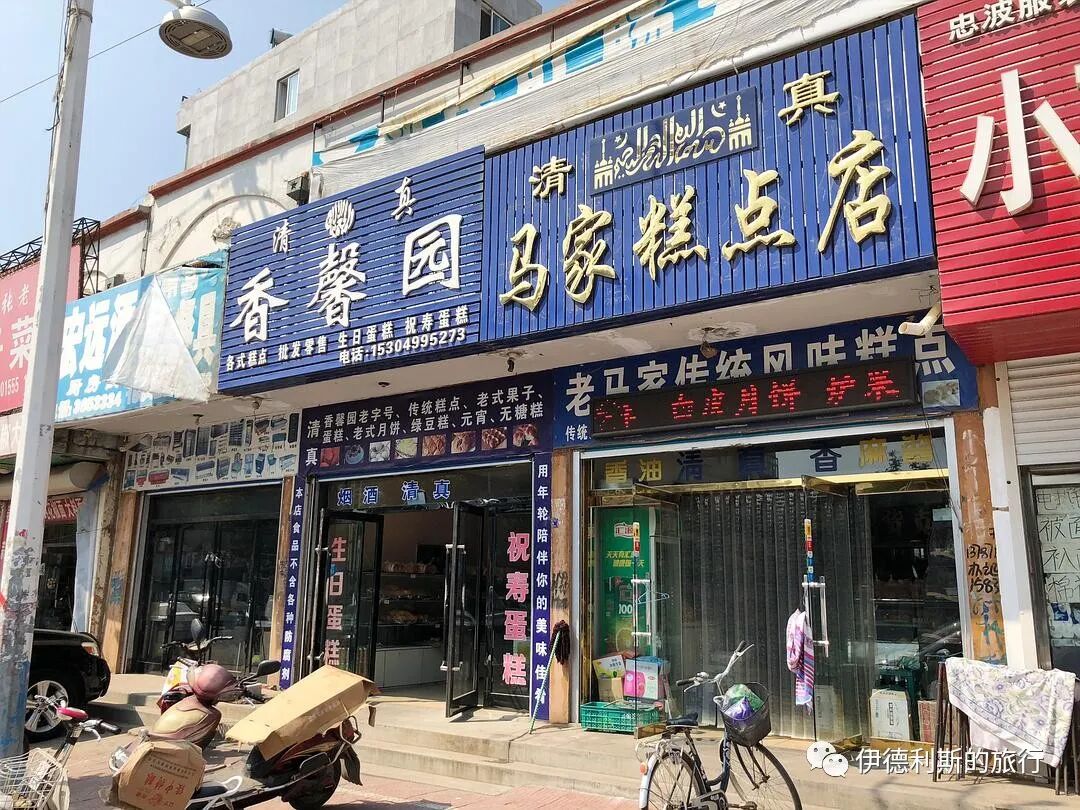
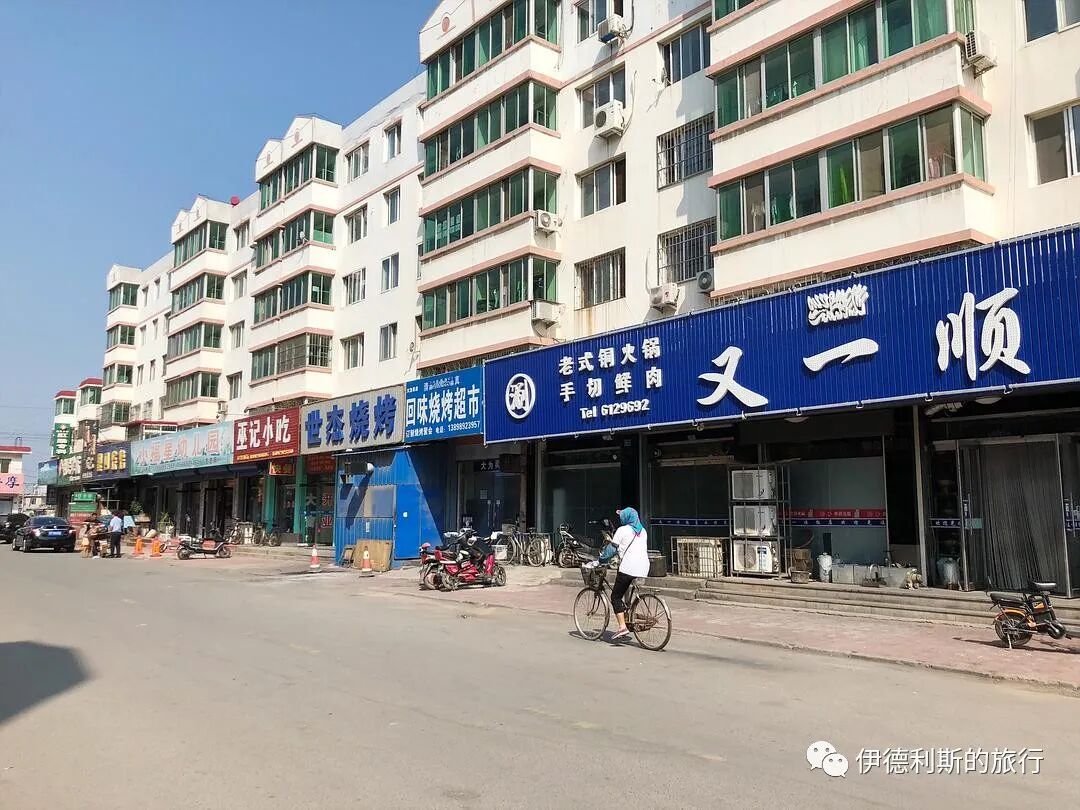
Finally, sharing some street scenes.
Summary: This travel note introduces Suizhong Halal Travel Guide: Mosques and Muslim Snacks in Liaoning. Suizhong is located right next to Shanhai Pass and is the southwesternmost county in Liaoning Province. It is useful for readers interested in Suizhong Mosques, Halal Snacks, Liaoning Travel.
Suizhong is located right next to Shanhai Pass and is the southwesternmost county in Liaoning Province. Starting in the 18th century, more than ten Hui Muslim families, including the Zhang, Ding, Li, and Jin families, moved to Suizhong from Hebei Province. In 1737 (the second year of the Qianlong reign), the first mosque was built in the southeast of Suizhong city below the Kuixing Tower, and in 1797 (the third year of the Jiaqing reign), it was moved to its current location inside the West Gate.
The Suizhong Mosque was renovated between 1924 and 1927, suffered severe damage in the 1960s, and was restored between 1981 and 1984.
The main gate of the mosque; people at the entrance are preparing for a janazah (funeral prayer).
Turning left after entering the gate is the shuifang (ablution room).
Calligraphy in the ablution room.
Opposite the main gate is the second gate.
The vase-shaped ornament on the juanpeng (curved roof structure).
Inside the second gate is the main prayer hall.
The baoxia (front porch) in front of the main prayer hall is the most distinctive part of the entire mosque, and it is the most colorfully decorated mosque porch I have ever seen.
The front is inscribed with "Qingzhensi" (Mosque), and the two sides are inscribed with "Zhengxin" (rectify the heart) and "Chengyi" (sincerity of intent).
A plaque reading "Recognizing the Oneness of Allah."
Details of the patterns.
Behind the porch is the main prayer hall, and the brick carvings on the hall are also very delicate.
The large character "Jiao" (religion) at the bottom is new work, while the brick carvings above should be original old work.
You can take a close look at the content of the brick carvings, which include scrolls, painting tubes, incense vases, and even chessboards and various fruits.
Traditional Hui Muslim paintings on the doors of the main prayer hall.
The interior of the main prayer hall was likely rearranged after the 1980s, and both the mihrab (niche indicating the direction of prayer) and the minbar (pulpit) are very simple.
Above the yaodian (rear hall) at the back of the main prayer hall is the wangyuelou (moon-sighting tower).
A brand-new Halal food street is being built next to the mosque, and the old houses around the mosque are about to be demolished; judging by the wood carvings, some of these houses should be historical buildings.
There are many Halal restaurants around the South Gate of Suizhong; I had meat-braised tofu with sorghum rice for breakfast, and it was super delicious.
Tangniangao (sticky rice cake with sugar) and su shaobing (flaky baked flatbread) on the street.
Suizhong-style lengmian (cold noodles), which are perfect for eating in the summer.
Finally, sharing some street scenes.
Suizhong Halal Travel Guide: Mosques and Muslim Snacks in Liaoning
Articles • ali2007fr posted the article • 0 comments • 199 views • 2026-05-17 05:52
Reposted from the web
Summary: This travel note introduces Suizhong Halal Travel Guide: Mosques and Muslim Snacks in Liaoning. Suizhong is located right next to Shanhai Pass and is the southwesternmost county in Liaoning Province. It is useful for readers interested in Suizhong Mosques, Halal Snacks, Liaoning Travel.
Suizhong is located right next to Shanhai Pass and is the southwesternmost county in Liaoning Province. Starting in the 18th century, more than ten Hui Muslim families, including the Zhang, Ding, Li, and Jin families, moved to Suizhong from Hebei Province. In 1737 (the second year of the Qianlong reign), the first mosque was built in the southeast of Suizhong city below the Kuixing Tower, and in 1797 (the third year of the Jiaqing reign), it was moved to its current location inside the West Gate.
The Suizhong Mosque was renovated between 1924 and 1927, suffered severe damage in the 1960s, and was restored between 1981 and 1984.
The main gate of the mosque; people at the entrance are preparing for a janazah (funeral prayer).
Turning left after entering the gate is the shuifang (ablution room).
Calligraphy in the ablution room.
Opposite the main gate is the second gate.
The vase-shaped ornament on the juanpeng (curved roof structure).
Inside the second gate is the main prayer hall.
The baoxia (front porch) in front of the main prayer hall is the most distinctive part of the entire mosque, and it is the most colorfully decorated mosque porch I have ever seen.
The front is inscribed with "Qingzhensi" (Mosque), and the two sides are inscribed with "Zhengxin" (rectify the heart) and "Chengyi" (sincerity of intent).
A plaque reading "Recognizing the Oneness of Allah."
Details of the patterns.
Behind the porch is the main prayer hall, and the brick carvings on the hall are also very delicate.
The large character "Jiao" (religion) at the bottom is new work, while the brick carvings above should be original old work.
You can take a close look at the content of the brick carvings, which include scrolls, painting tubes, incense vases, and even chessboards and various fruits.
Traditional Hui Muslim paintings on the doors of the main prayer hall.
The interior of the main prayer hall was likely rearranged after the 1980s, and both the mihrab (niche indicating the direction of prayer) and the minbar (pulpit) are very simple.
Above the yaodian (rear hall) at the back of the main prayer hall is the wangyuelou (moon-sighting tower).
A brand-new Halal food street is being built next to the mosque, and the old houses around the mosque are about to be demolished; judging by the wood carvings, some of these houses should be historical buildings.
There are many Halal restaurants around the South Gate of Suizhong; I had meat-braised tofu with sorghum rice for breakfast, and it was super delicious.
Tangniangao (sticky rice cake with sugar) and su shaobing (flaky baked flatbread) on the street.
Suizhong-style lengmian (cold noodles), which are perfect for eating in the summer.
Finally, sharing some street scenes. view all
Summary: This travel note introduces Suizhong Halal Travel Guide: Mosques and Muslim Snacks in Liaoning. Suizhong is located right next to Shanhai Pass and is the southwesternmost county in Liaoning Province. It is useful for readers interested in Suizhong Mosques, Halal Snacks, Liaoning Travel.
Suizhong is located right next to Shanhai Pass and is the southwesternmost county in Liaoning Province. Starting in the 18th century, more than ten Hui Muslim families, including the Zhang, Ding, Li, and Jin families, moved to Suizhong from Hebei Province. In 1737 (the second year of the Qianlong reign), the first mosque was built in the southeast of Suizhong city below the Kuixing Tower, and in 1797 (the third year of the Jiaqing reign), it was moved to its current location inside the West Gate.
The Suizhong Mosque was renovated between 1924 and 1927, suffered severe damage in the 1960s, and was restored between 1981 and 1984.
The main gate of the mosque; people at the entrance are preparing for a janazah (funeral prayer).
Turning left after entering the gate is the shuifang (ablution room).
Calligraphy in the ablution room.
Opposite the main gate is the second gate.
The vase-shaped ornament on the juanpeng (curved roof structure).
Inside the second gate is the main prayer hall.
The baoxia (front porch) in front of the main prayer hall is the most distinctive part of the entire mosque, and it is the most colorfully decorated mosque porch I have ever seen.
The front is inscribed with "Qingzhensi" (Mosque), and the two sides are inscribed with "Zhengxin" (rectify the heart) and "Chengyi" (sincerity of intent).
A plaque reading "Recognizing the Oneness of Allah."
Details of the patterns.
Behind the porch is the main prayer hall, and the brick carvings on the hall are also very delicate.
The large character "Jiao" (religion) at the bottom is new work, while the brick carvings above should be original old work.
You can take a close look at the content of the brick carvings, which include scrolls, painting tubes, incense vases, and even chessboards and various fruits.
Traditional Hui Muslim paintings on the doors of the main prayer hall.
The interior of the main prayer hall was likely rearranged after the 1980s, and both the mihrab (niche indicating the direction of prayer) and the minbar (pulpit) are very simple.
Above the yaodian (rear hall) at the back of the main prayer hall is the wangyuelou (moon-sighting tower).
A brand-new Halal food street is being built next to the mosque, and the old houses around the mosque are about to be demolished; judging by the wood carvings, some of these houses should be historical buildings.
There are many Halal restaurants around the South Gate of Suizhong; I had meat-braised tofu with sorghum rice for breakfast, and it was super delicious.
Tangniangao (sticky rice cake with sugar) and su shaobing (flaky baked flatbread) on the street.
Suizhong-style lengmian (cold noodles), which are perfect for eating in the summer.
Finally, sharing some street scenes. view all
Reposted from the web
Summary: This travel note introduces Suizhong Halal Travel Guide: Mosques and Muslim Snacks in Liaoning. Suizhong is located right next to Shanhai Pass and is the southwesternmost county in Liaoning Province. It is useful for readers interested in Suizhong Mosques, Halal Snacks, Liaoning Travel.
Suizhong is located right next to Shanhai Pass and is the southwesternmost county in Liaoning Province. Starting in the 18th century, more than ten Hui Muslim families, including the Zhang, Ding, Li, and Jin families, moved to Suizhong from Hebei Province. In 1737 (the second year of the Qianlong reign), the first mosque was built in the southeast of Suizhong city below the Kuixing Tower, and in 1797 (the third year of the Jiaqing reign), it was moved to its current location inside the West Gate.
The Suizhong Mosque was renovated between 1924 and 1927, suffered severe damage in the 1960s, and was restored between 1981 and 1984.
The main gate of the mosque; people at the entrance are preparing for a janazah (funeral prayer).
Turning left after entering the gate is the shuifang (ablution room).
Calligraphy in the ablution room.
Opposite the main gate is the second gate.
The vase-shaped ornament on the juanpeng (curved roof structure).
Inside the second gate is the main prayer hall.
The baoxia (front porch) in front of the main prayer hall is the most distinctive part of the entire mosque, and it is the most colorfully decorated mosque porch I have ever seen.
The front is inscribed with "Qingzhensi" (Mosque), and the two sides are inscribed with "Zhengxin" (rectify the heart) and "Chengyi" (sincerity of intent).
A plaque reading "Recognizing the Oneness of Allah."
Details of the patterns.
Behind the porch is the main prayer hall, and the brick carvings on the hall are also very delicate.
The large character "Jiao" (religion) at the bottom is new work, while the brick carvings above should be original old work.
You can take a close look at the content of the brick carvings, which include scrolls, painting tubes, incense vases, and even chessboards and various fruits.
Traditional Hui Muslim paintings on the doors of the main prayer hall.
The interior of the main prayer hall was likely rearranged after the 1980s, and both the mihrab (niche indicating the direction of prayer) and the minbar (pulpit) are very simple.
Above the yaodian (rear hall) at the back of the main prayer hall is the wangyuelou (moon-sighting tower).
A brand-new Halal food street is being built next to the mosque, and the old houses around the mosque are about to be demolished; judging by the wood carvings, some of these houses should be historical buildings.
There are many Halal restaurants around the South Gate of Suizhong; I had meat-braised tofu with sorghum rice for breakfast, and it was super delicious.
Tangniangao (sticky rice cake with sugar) and su shaobing (flaky baked flatbread) on the street.
Suizhong-style lengmian (cold noodles), which are perfect for eating in the summer.
Finally, sharing some street scenes.
Summary: This travel note introduces Suizhong Halal Travel Guide: Mosques and Muslim Snacks in Liaoning. Suizhong is located right next to Shanhai Pass and is the southwesternmost county in Liaoning Province. It is useful for readers interested in Suizhong Mosques, Halal Snacks, Liaoning Travel.
Suizhong is located right next to Shanhai Pass and is the southwesternmost county in Liaoning Province. Starting in the 18th century, more than ten Hui Muslim families, including the Zhang, Ding, Li, and Jin families, moved to Suizhong from Hebei Province. In 1737 (the second year of the Qianlong reign), the first mosque was built in the southeast of Suizhong city below the Kuixing Tower, and in 1797 (the third year of the Jiaqing reign), it was moved to its current location inside the West Gate.
The Suizhong Mosque was renovated between 1924 and 1927, suffered severe damage in the 1960s, and was restored between 1981 and 1984.
The main gate of the mosque; people at the entrance are preparing for a janazah (funeral prayer).
Turning left after entering the gate is the shuifang (ablution room).
Calligraphy in the ablution room.
Opposite the main gate is the second gate.
The vase-shaped ornament on the juanpeng (curved roof structure).
Inside the second gate is the main prayer hall.
The baoxia (front porch) in front of the main prayer hall is the most distinctive part of the entire mosque, and it is the most colorfully decorated mosque porch I have ever seen.
The front is inscribed with "Qingzhensi" (Mosque), and the two sides are inscribed with "Zhengxin" (rectify the heart) and "Chengyi" (sincerity of intent).
A plaque reading "Recognizing the Oneness of Allah."
Details of the patterns.
Behind the porch is the main prayer hall, and the brick carvings on the hall are also very delicate.
The large character "Jiao" (religion) at the bottom is new work, while the brick carvings above should be original old work.
You can take a close look at the content of the brick carvings, which include scrolls, painting tubes, incense vases, and even chessboards and various fruits.
Traditional Hui Muslim paintings on the doors of the main prayer hall.
The interior of the main prayer hall was likely rearranged after the 1980s, and both the mihrab (niche indicating the direction of prayer) and the minbar (pulpit) are very simple.
Above the yaodian (rear hall) at the back of the main prayer hall is the wangyuelou (moon-sighting tower).
A brand-new Halal food street is being built next to the mosque, and the old houses around the mosque are about to be demolished; judging by the wood carvings, some of these houses should be historical buildings.
There are many Halal restaurants around the South Gate of Suizhong; I had meat-braised tofu with sorghum rice for breakfast, and it was super delicious.
Tangniangao (sticky rice cake with sugar) and su shaobing (flaky baked flatbread) on the street.
Suizhong-style lengmian (cold noodles), which are perfect for eating in the summer.
Finally, sharing some street scenes.