

Syrian Food
Halal Food Guide Tianjin: Syrian, Turkish, Xinjiang Noodles and Autumn Eats
Articles • yusuf908 posted the article • 0 comments • 157 views • 2026-05-23 23:23
Reposted from the web
Summary: This Tianjin halal food guide follows an autumn eating route through Syrian dishes, giant river prawns, yellow broth pulled noodles, Turkish food, and Xinjiang fresh milk ice cream. It keeps the original restaurant details, dishes, photos, and food notes for readers planning Muslim-friendly meals in Tianjin.
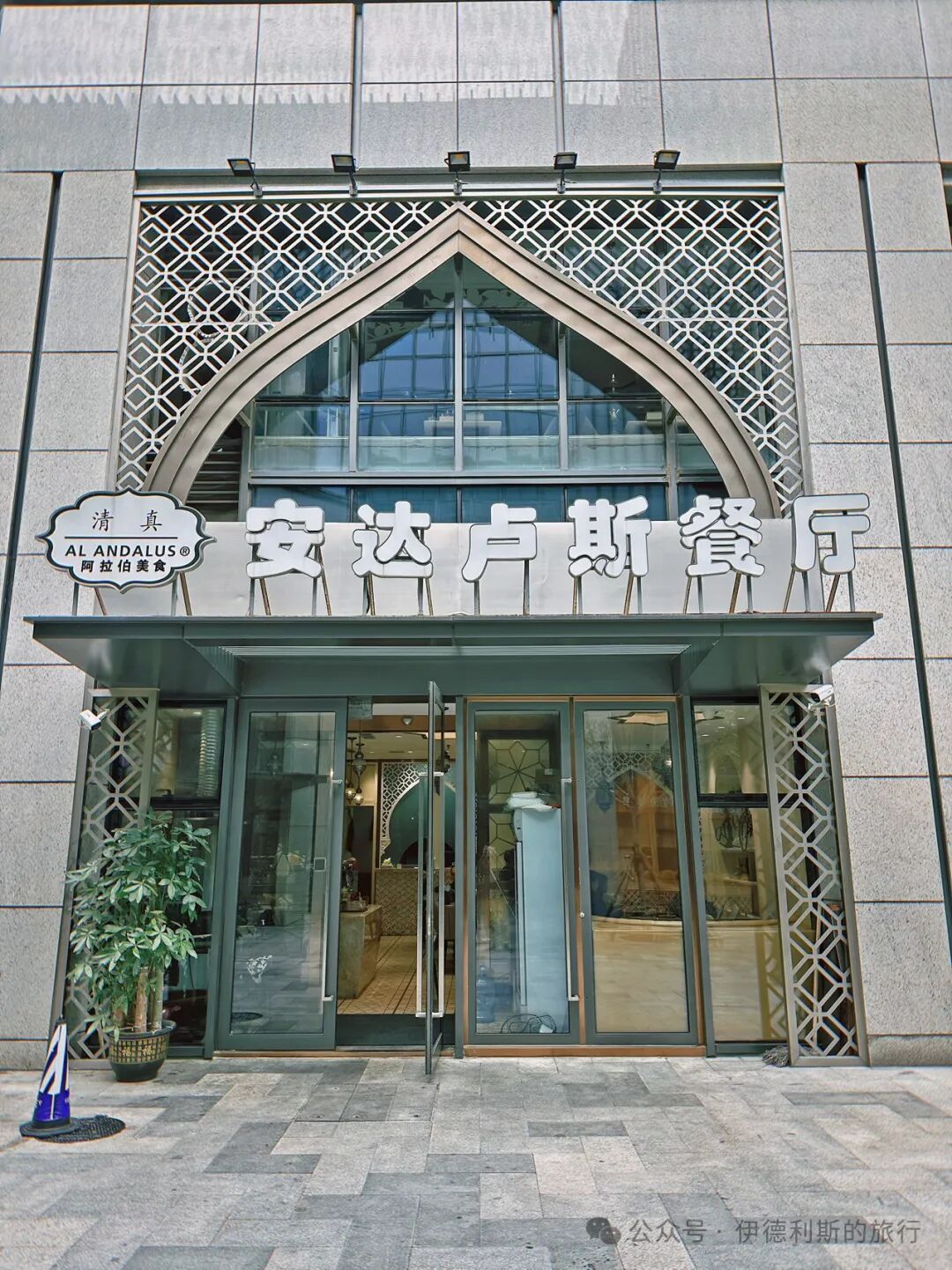
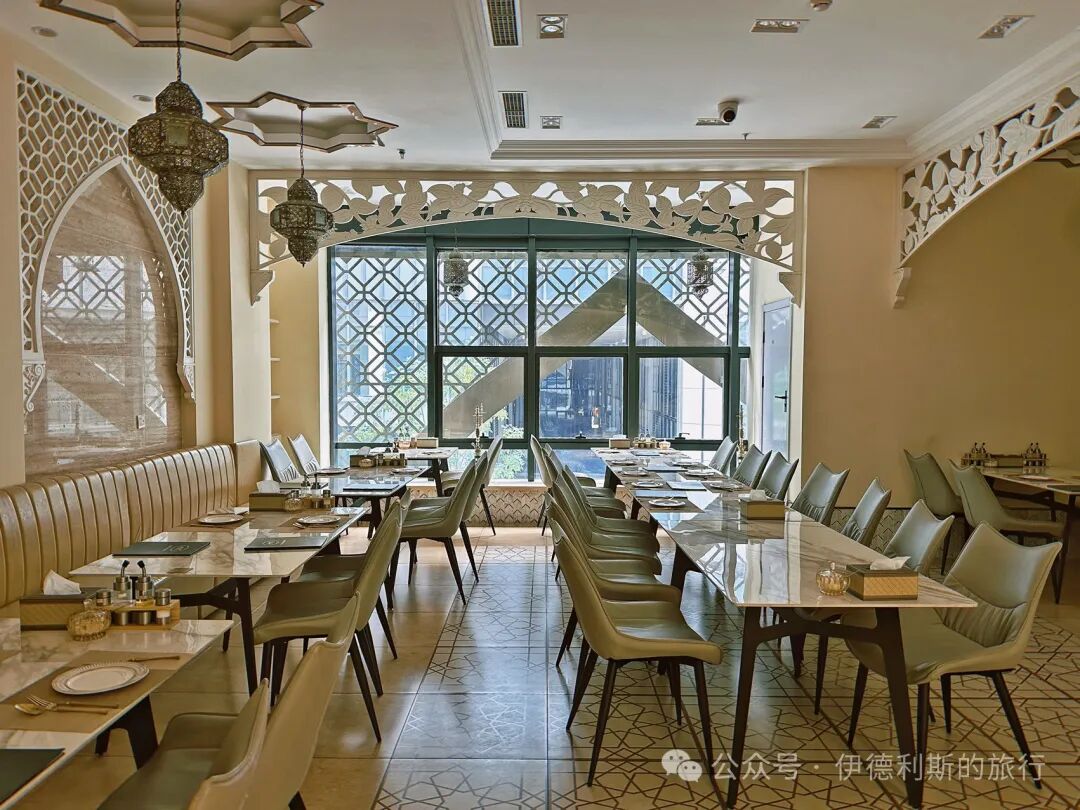
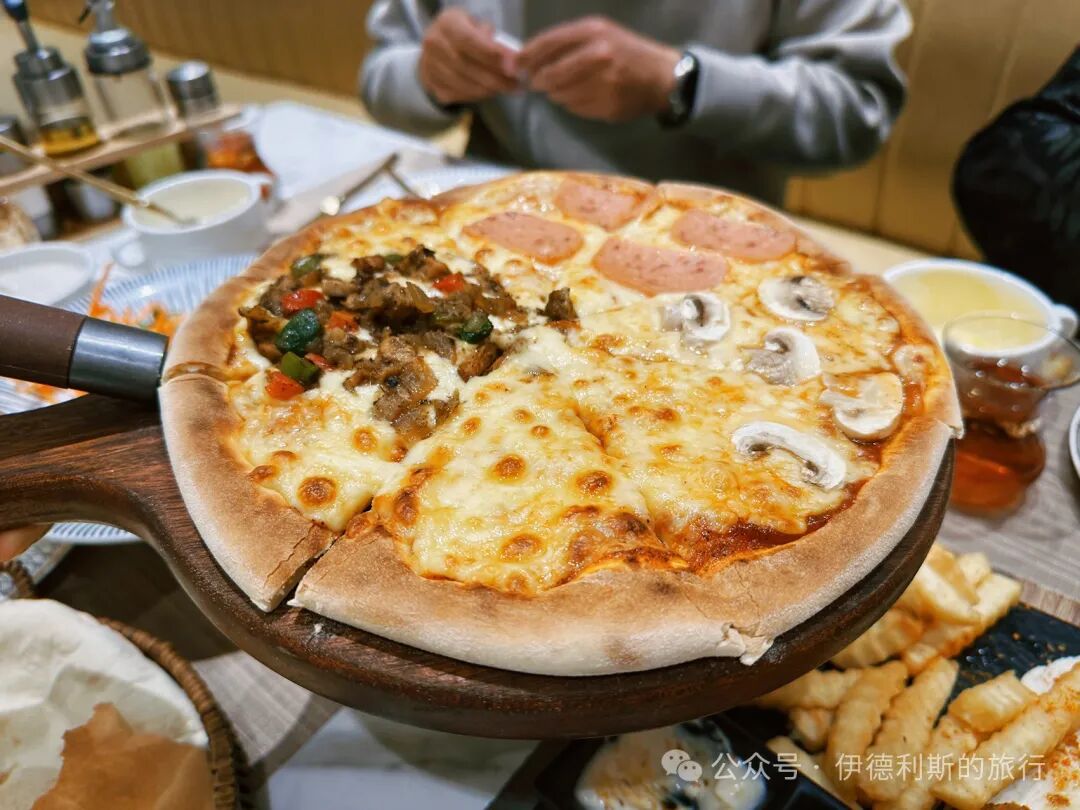
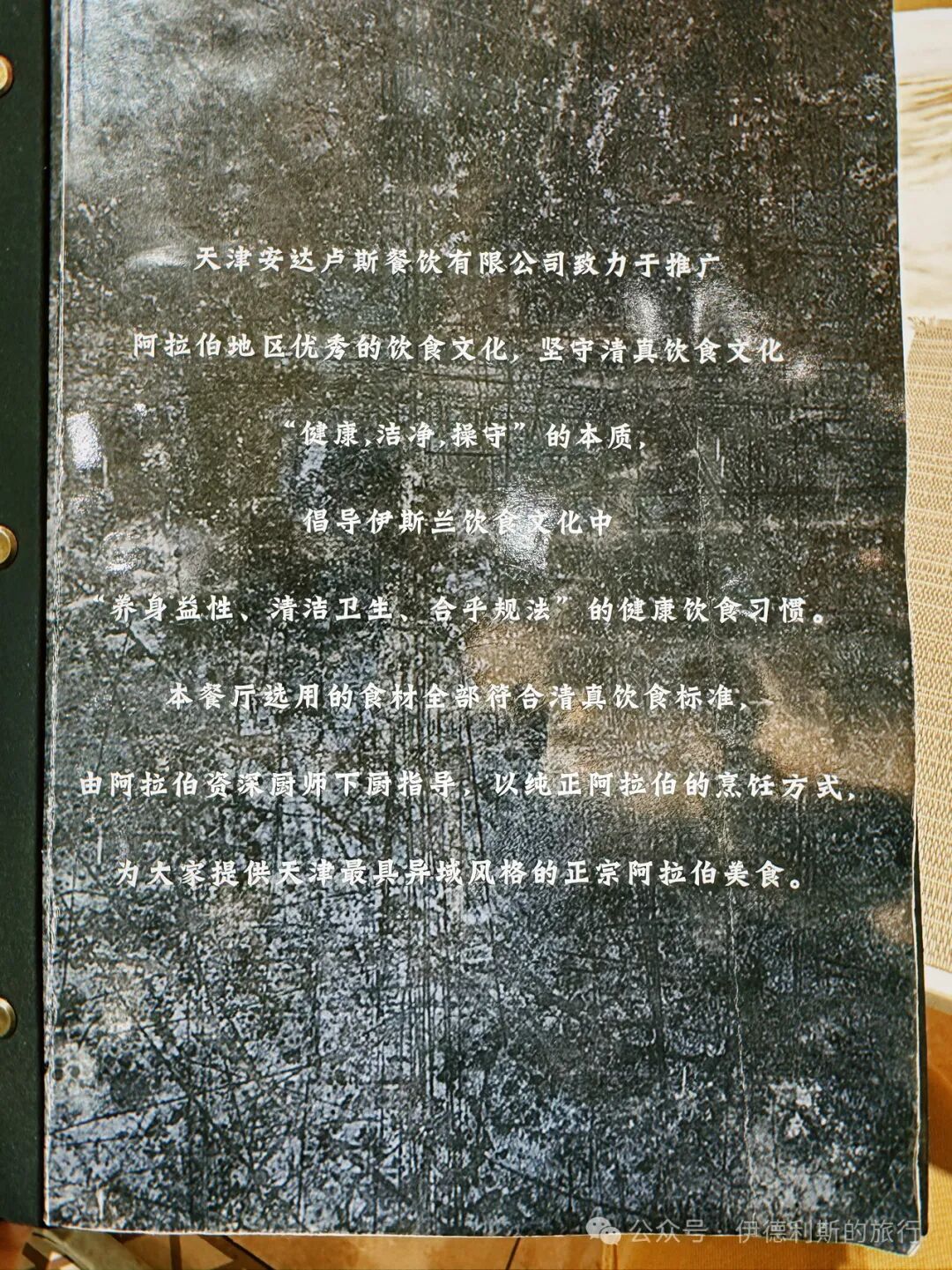
Two months later, we went back to Tianjin for a weekend trip with our kids. We arrived in Tianjin on Saturday at noon and headed straight to the Al-Andalus restaurant in the Nankai District Sunac Center for some Levantine food. The owner is Syrian. Al-Andalus was the name Arabs used for the Iberian Peninsula during the Middle Ages. In the 8th century, under the Umayyad dynasty, Al-Andalus was a famous center for economy, culture, academics, and education, serving as an important bridge for cultural and scientific exchange between the East and the West.
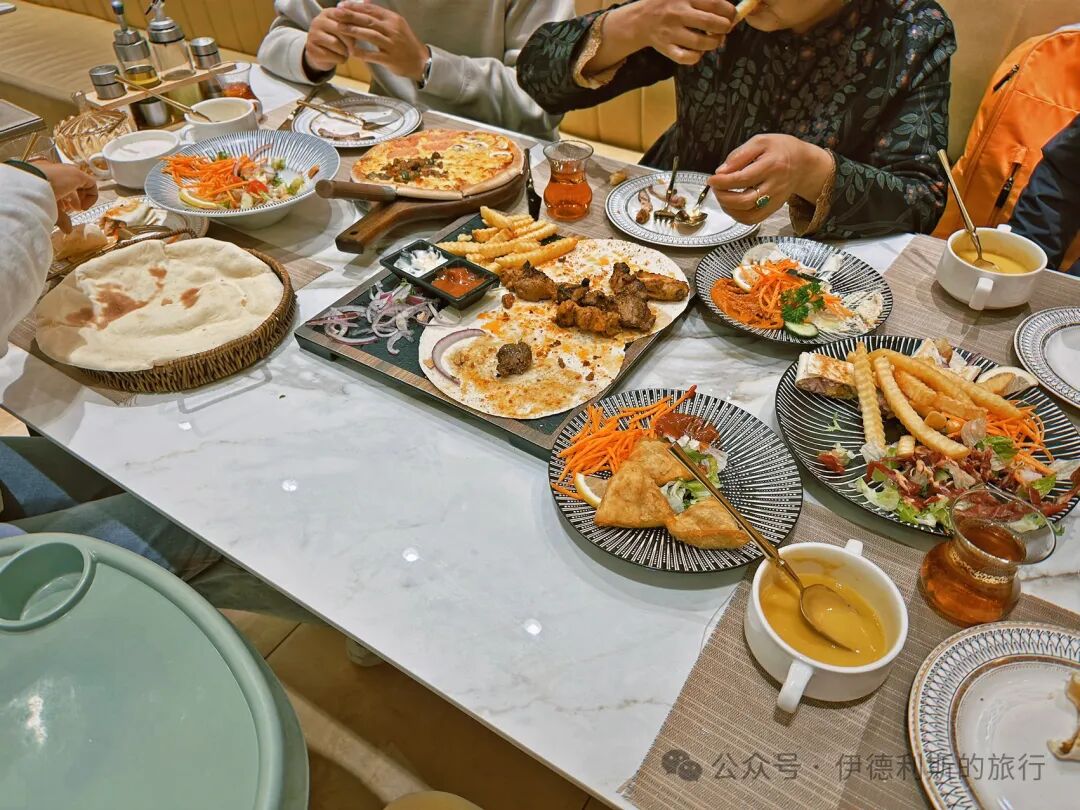
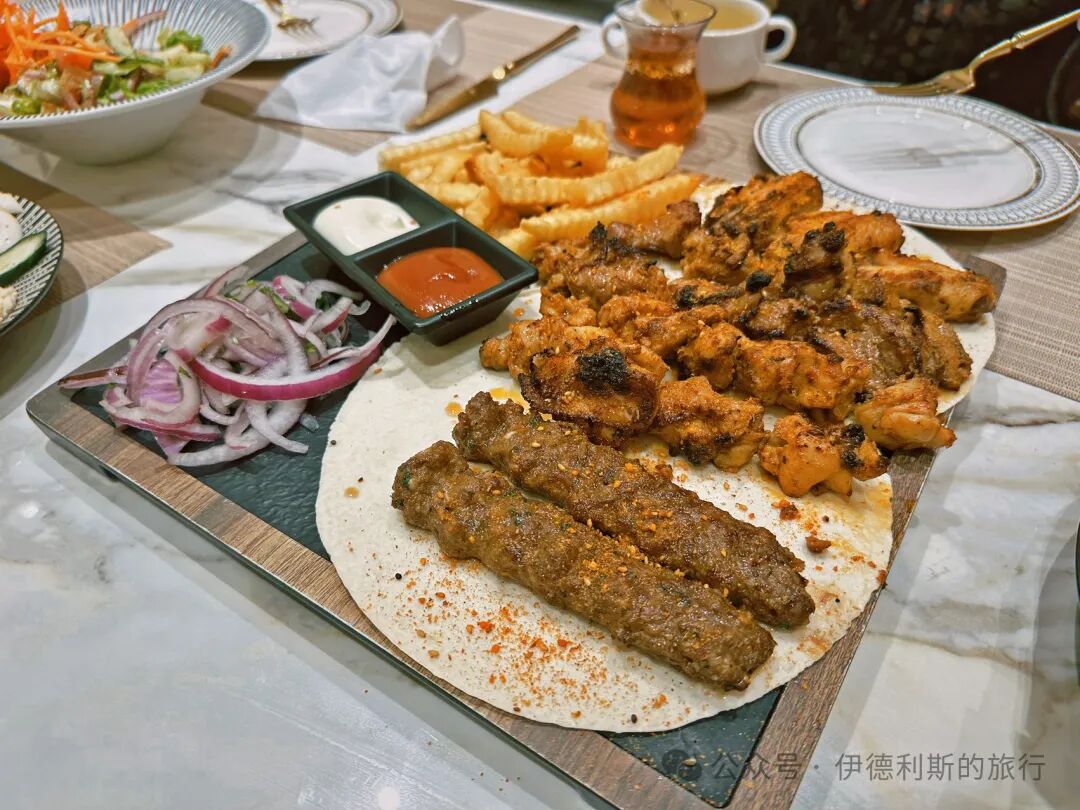
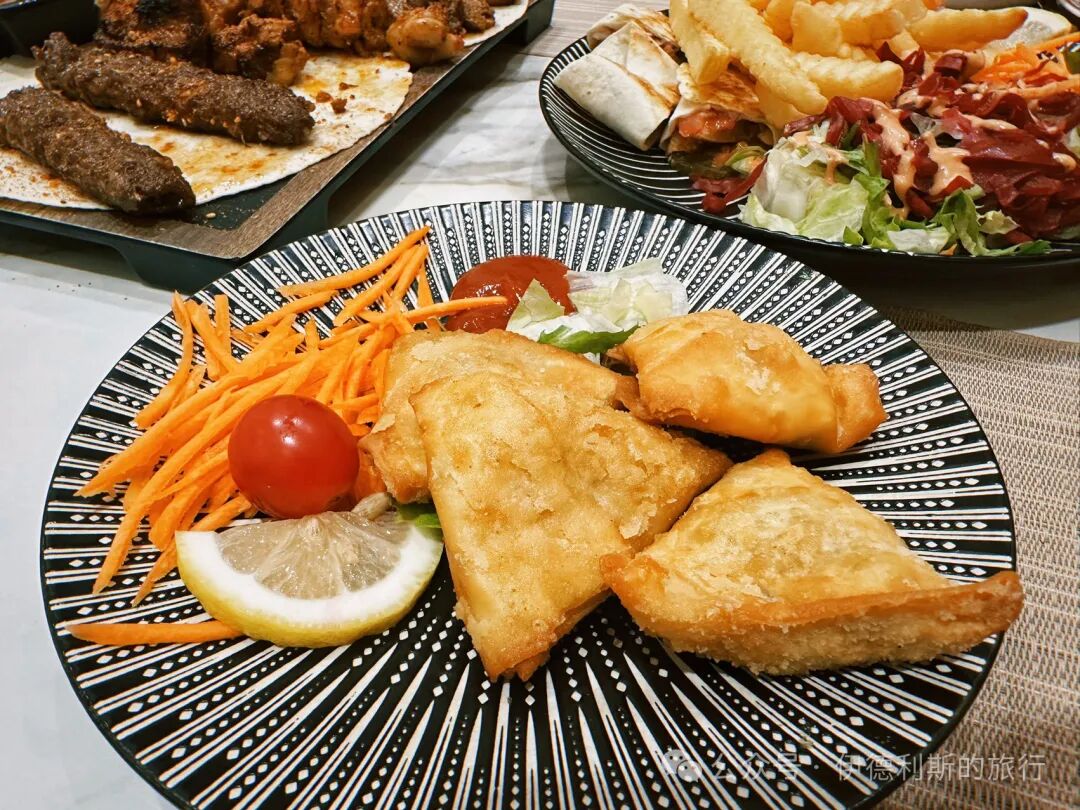
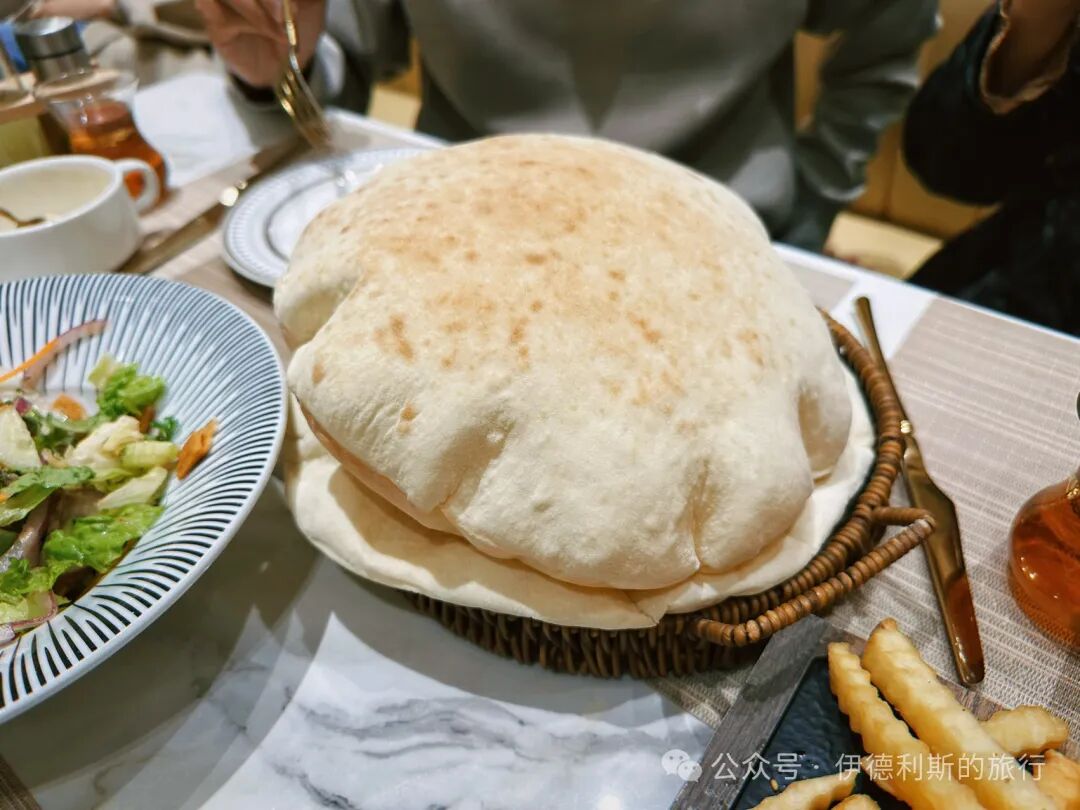
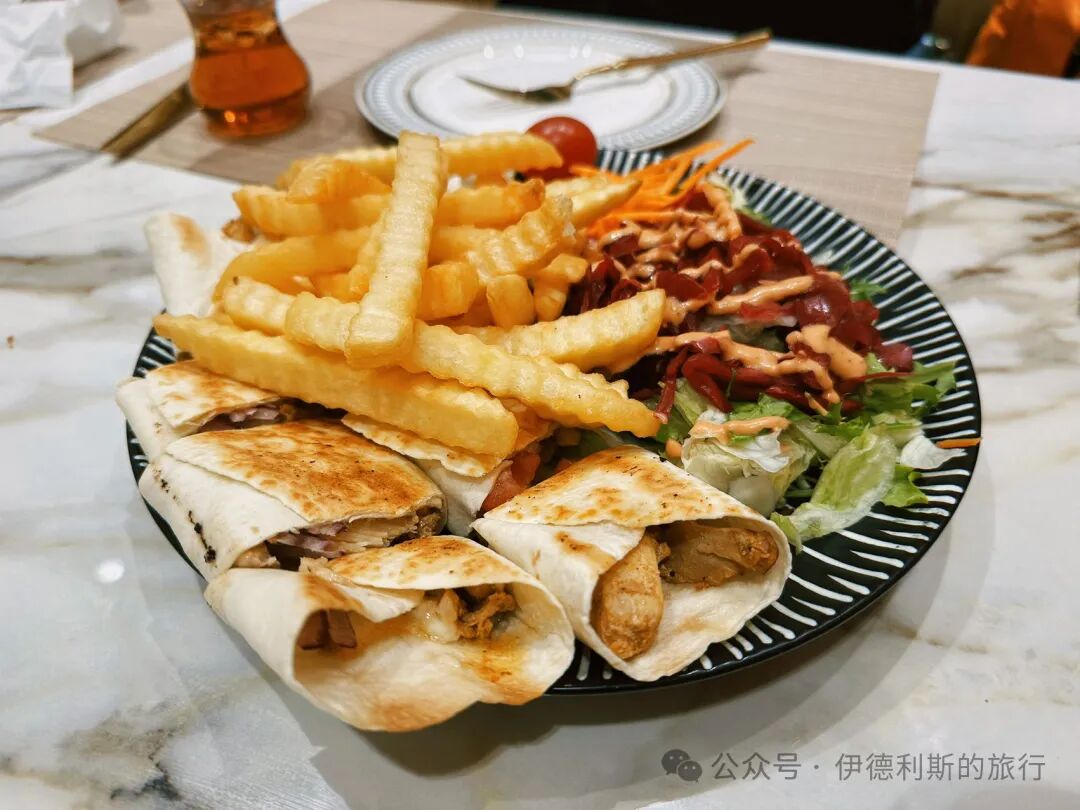
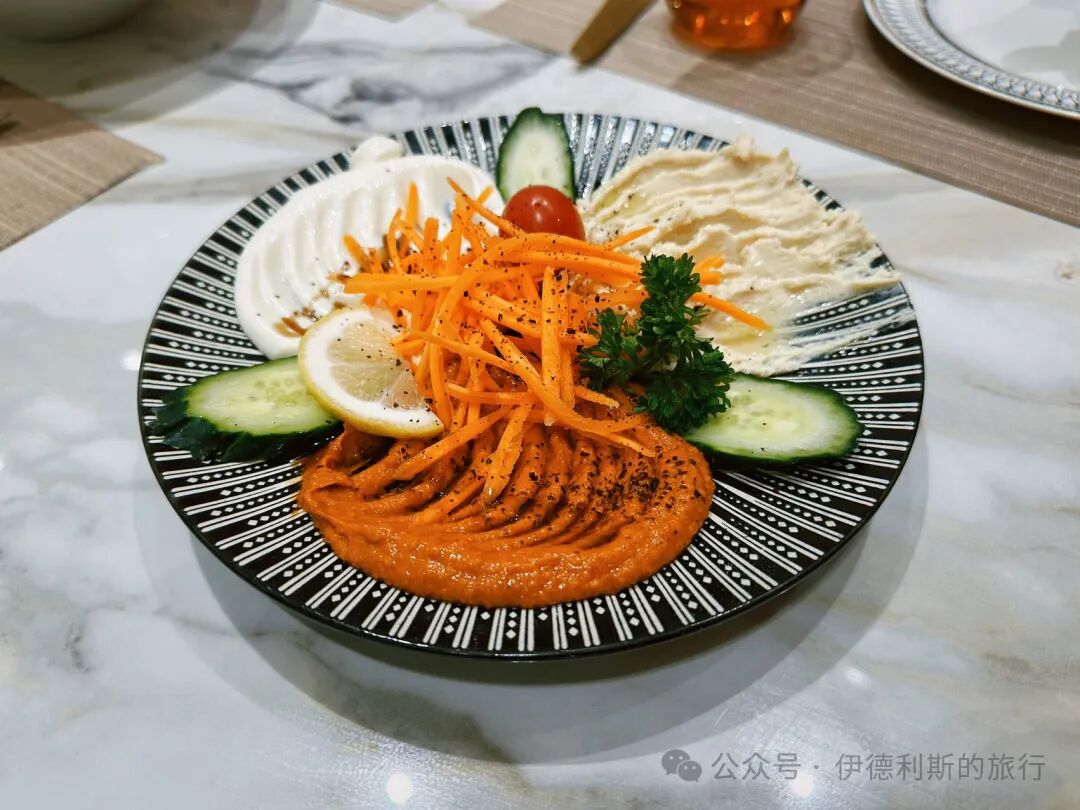
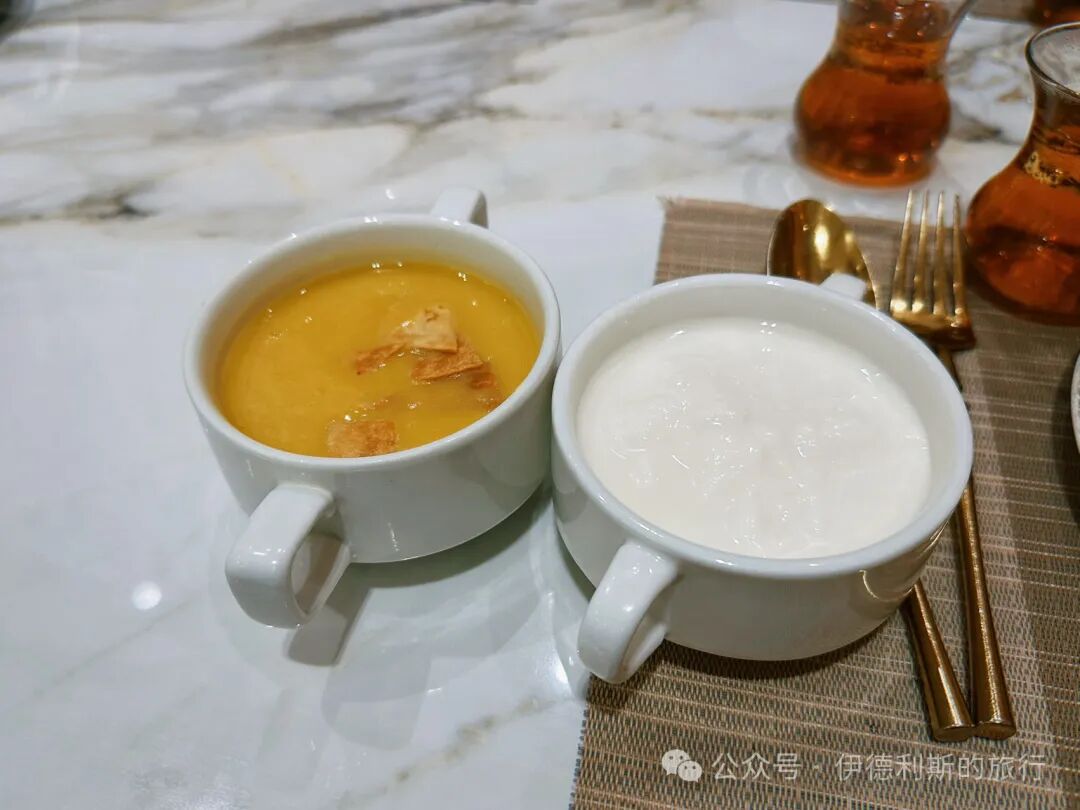
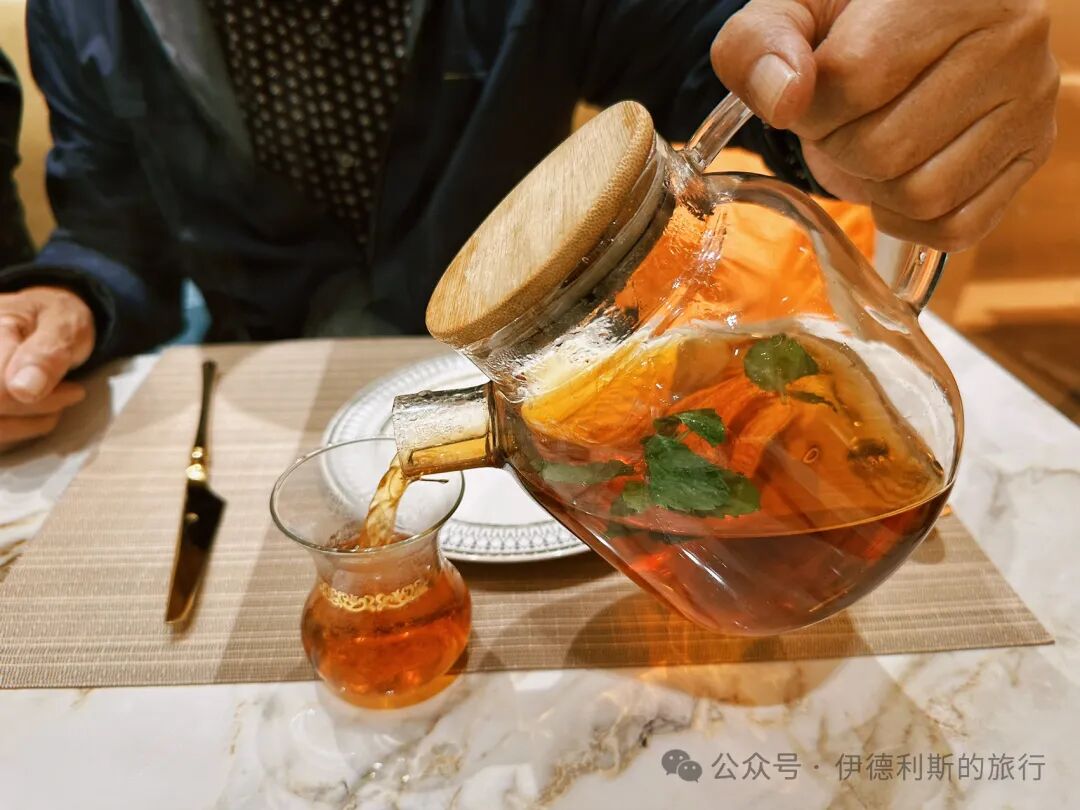
We ordered the four-person feast set, which included lentil soup, cream of mushroom soup, a hummus trio, lamb samosas (samosa), chicken wraps (shawarma), a four-season pizza, a mixed grill platter, black tea, and a crispy salad. We also ordered yogurt separately. Overall, the food was very authentic. It offers better value than the Arab restaurants in Beijing, and you don't have to wait in line. Their yogurt was especially good, with a rich, tangy flavor that beats many of the Arab restaurants in Beijing. The only downside was that the samosa dough was a bit thick, more like the South Asian version than the thin-crust Levantine style.
After lunch, we went to the Tianjin Museum, which is currently hosting an exhibition of historical artifacts from the National Museum of Kazakhstan. See diary: [Exhibition Visit] Tianjin Museum's Kazakhstan National Museum Historical Artifacts Exhibition.
The Tianjin Museum displays exquisite brick carvings by the Hui Muslim families known as the 'Fancy Work Ma Family' (Huahuo Majia) and 'Brick Carver Liu' (Kezhuan Liu) from the Northwest Corner. See diary: [Exhibition Visit] Exquisite brick carvings by Hui Muslim artisans 'Huahuomajia' and 'Kezhuanliu' in the Northwest Corner of Tianjin.
If you are a friend (dosti) from Beijing and are tired of the same old restaurants, a trip to Tianjin will definitely open your eyes. On this trip to Tianjin, we discovered a restaurant called Xiju that specializes in giant river prawns (luoshixia). It is located on Fuxing Road, just west of the Northwest Corner. It is run by local Hui Muslims and is very busy at night.
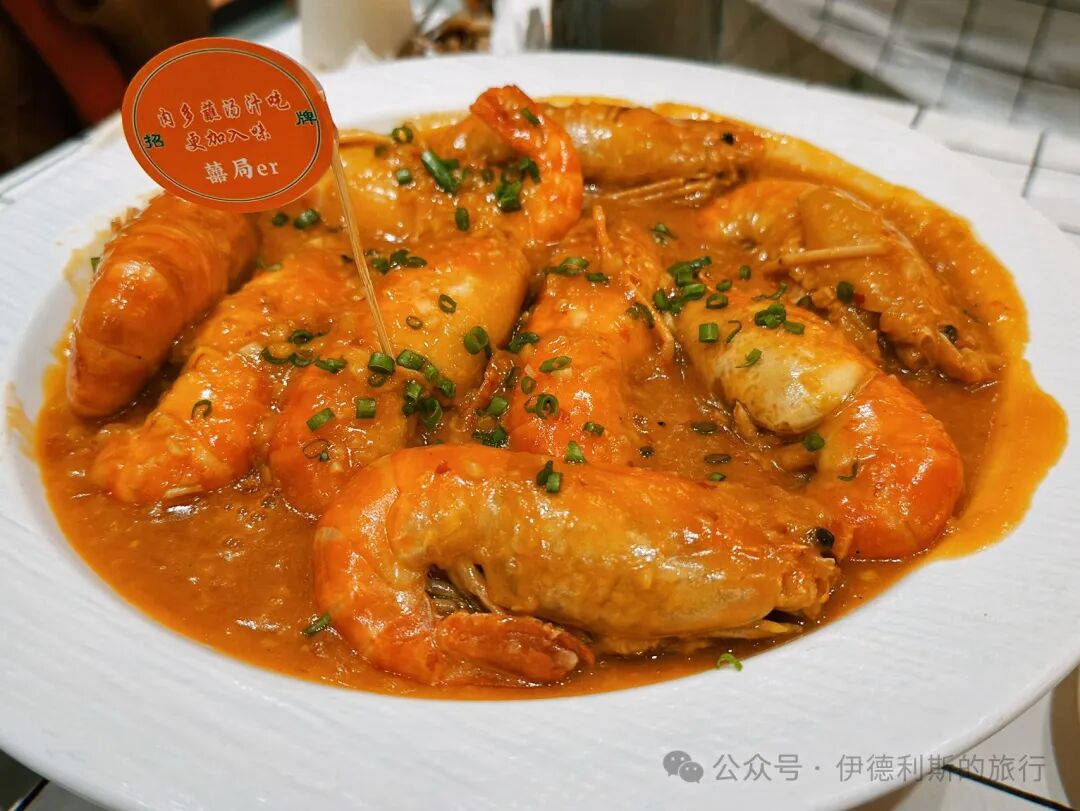
Their signature dish is a two-pound platter of giant river prawns, which you can get spicy or with garlic sauce. Giant river prawns are freshwater prawns originally from Malaysia in Southeast Asia. They are large and have plump, tender meat, but the texture isn't as firm as sea prawns, and the prawn flavor isn't as intense. It is similar to the difference between freshwater fish and sea fish. We ordered the garlic giant river prawns. You can add noodles to the sauce, which my son loved. He couldn't stop eating them, from start to finish, and he was the one at our table who enjoyed the meal the most.
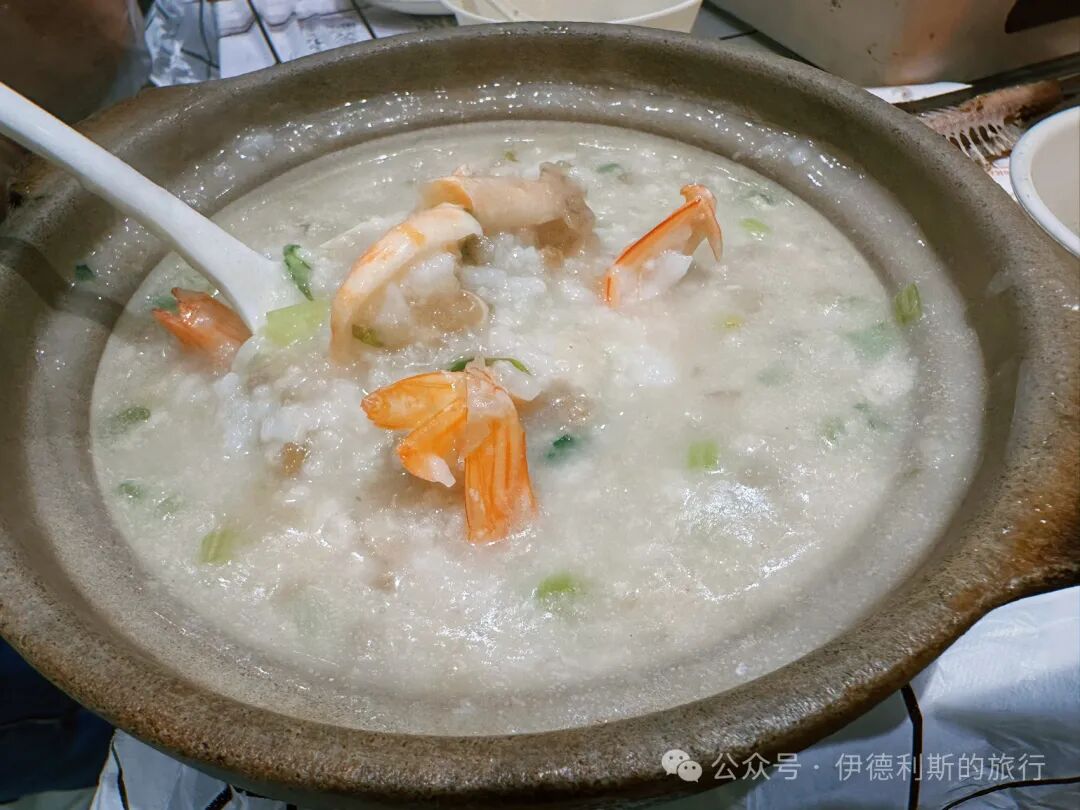
Their Chaoshan seafood porridge was also excellent. Besides having plenty of prawns, it was packed with other seafood, making the flavor very rich.
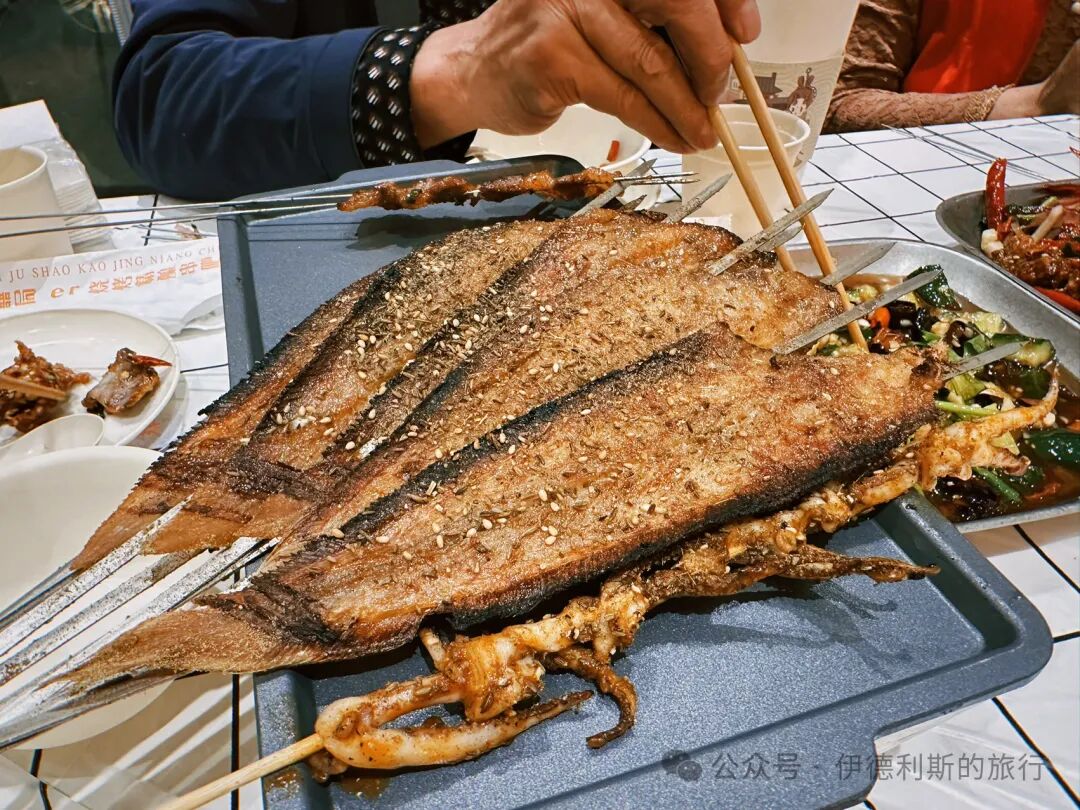
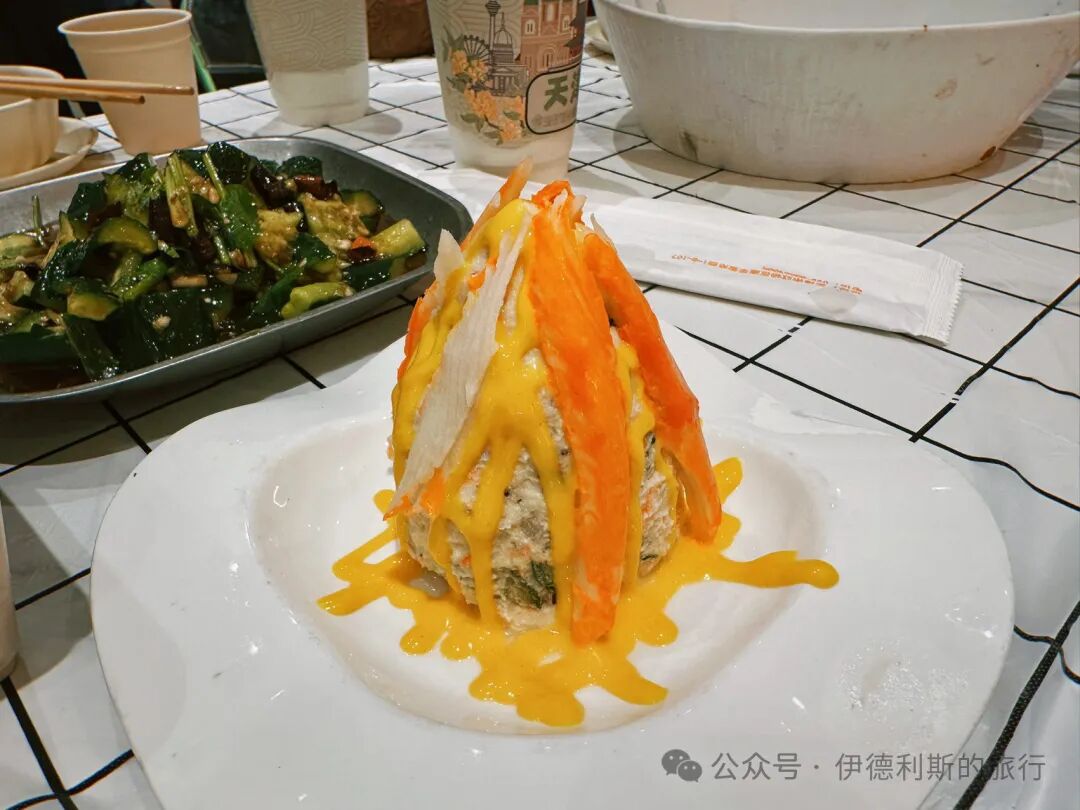
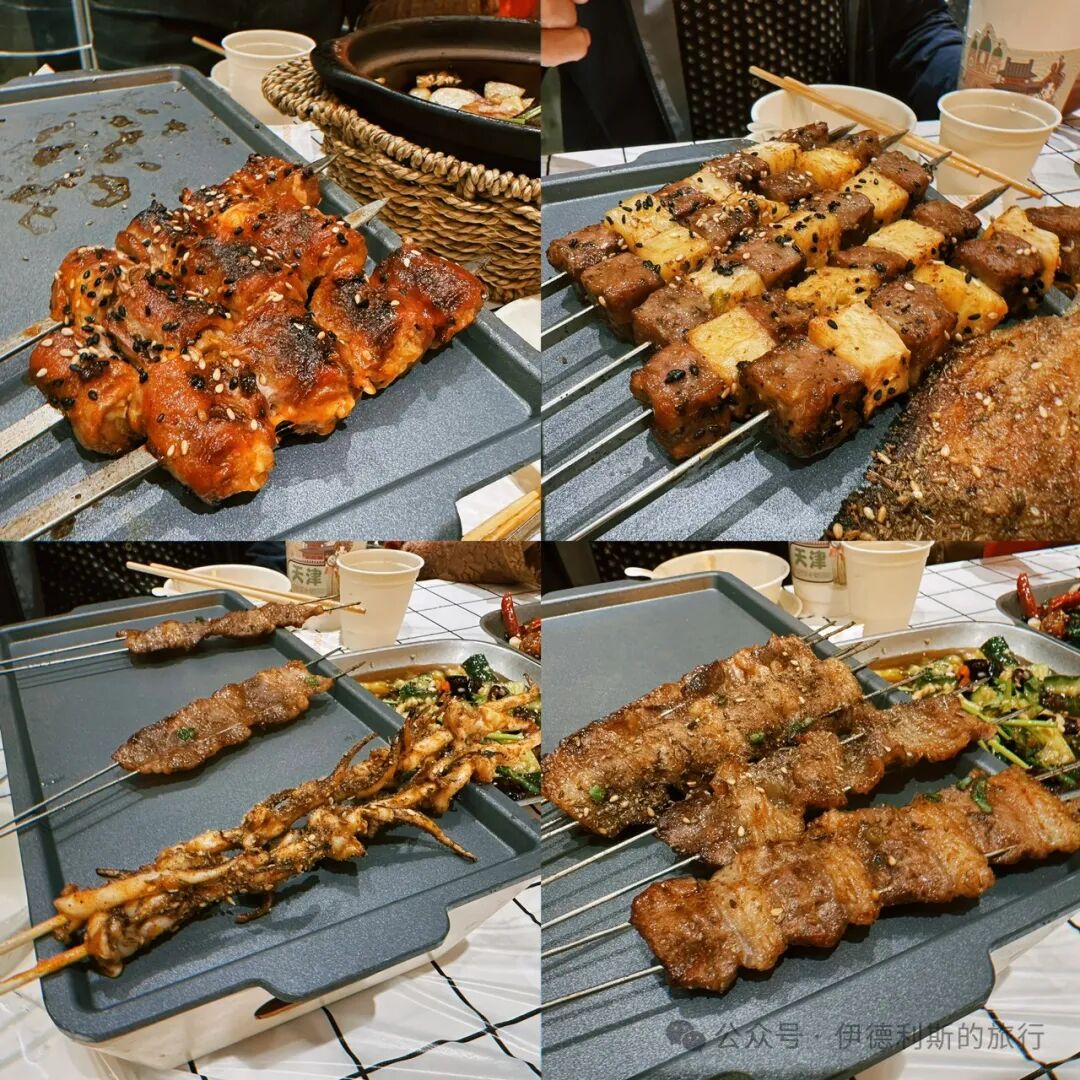
They also have various barbecue items. We ordered squid, flounder, pineapple beef skewers, cheese bread slices, charcoal-grilled beef short ribs, and beef kimchi cheese rolls. Everything tasted great, especially the flounder, which had a wonderful texture and flavor.
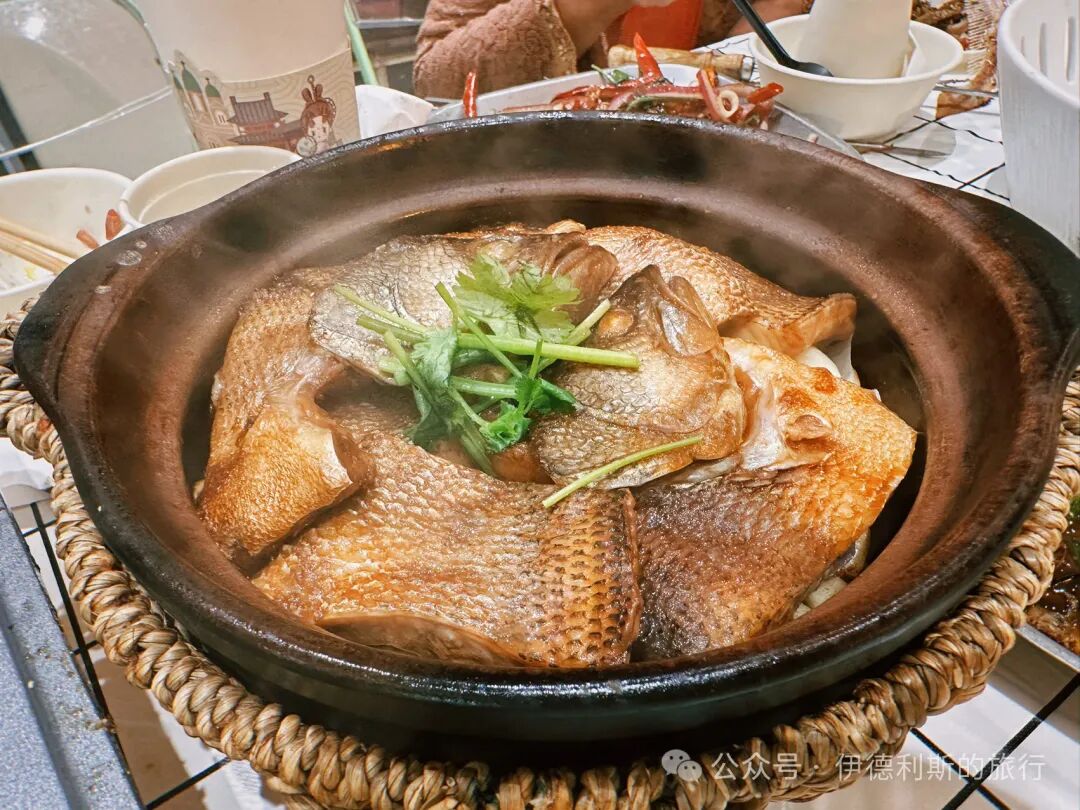
Their sizzling sea bass pot (zhuzhu luyu bao) was also a hit with everyone. The sea bass was very fresh, and the garlic-clove-shaped meat had a great texture.
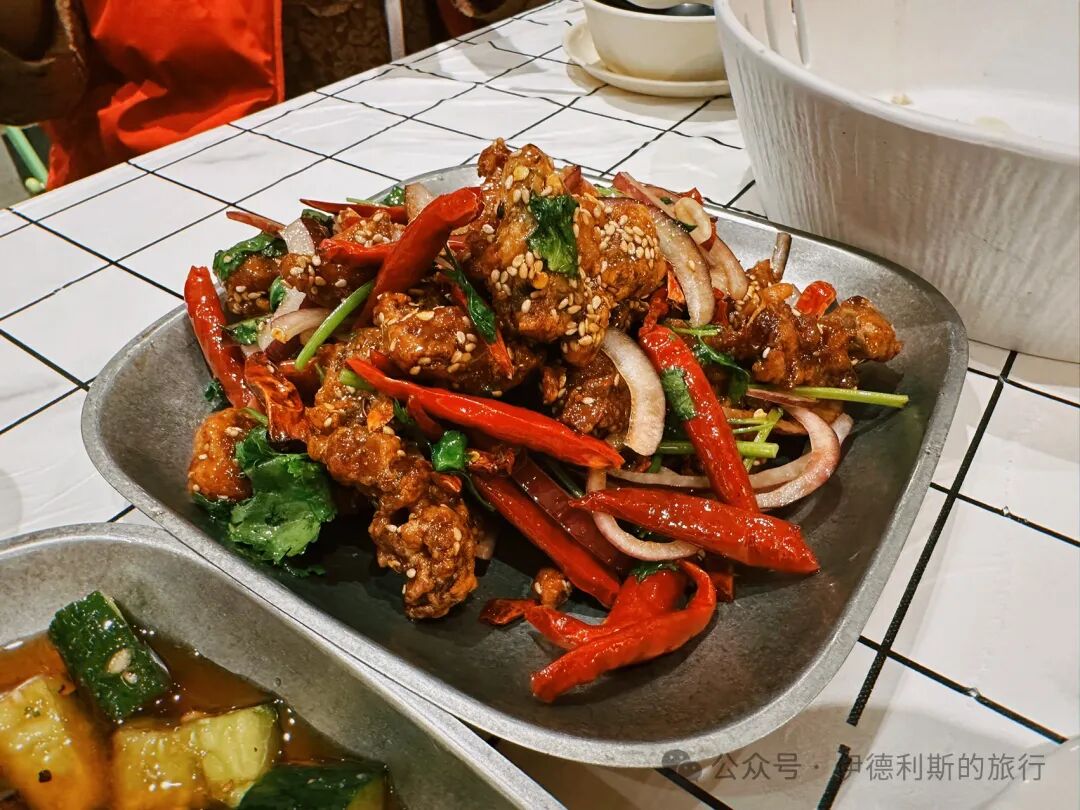
Their fried chicken racks are sweet and sour, making them a perfect snack that gets addictive the more you eat.
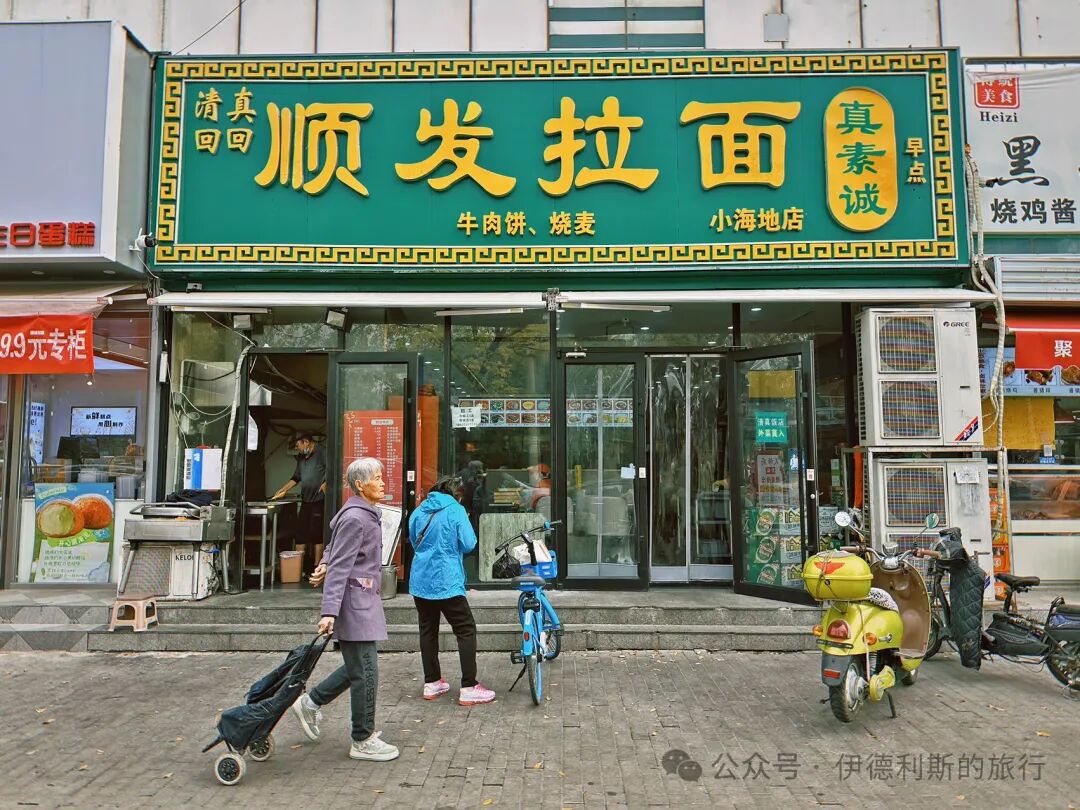
On Sunday morning, we had breakfast at Shunfa Lamian and Zhensucheng in the Xiaohaidi area of the Hexi District. Xiaohaidi is a lively residential area in the south of Tianjin with plenty of halal snacks. Shunfa Lamian is a noodle shop that has been open for over twenty years, specializing in yellow broth pulled noodles (lamian) and braised noodles (banmian). Zhensucheng is a breakfast shop that opened in 1979, specializing in crispy crepe strips in savory sauce (guobacai). Both of these shops are now franchises. The one in Xiaohaidi joined both brands, so now you can have yellow broth pulled noodles (huangtang lamian) and traditional breakfast at the same time in the morning.
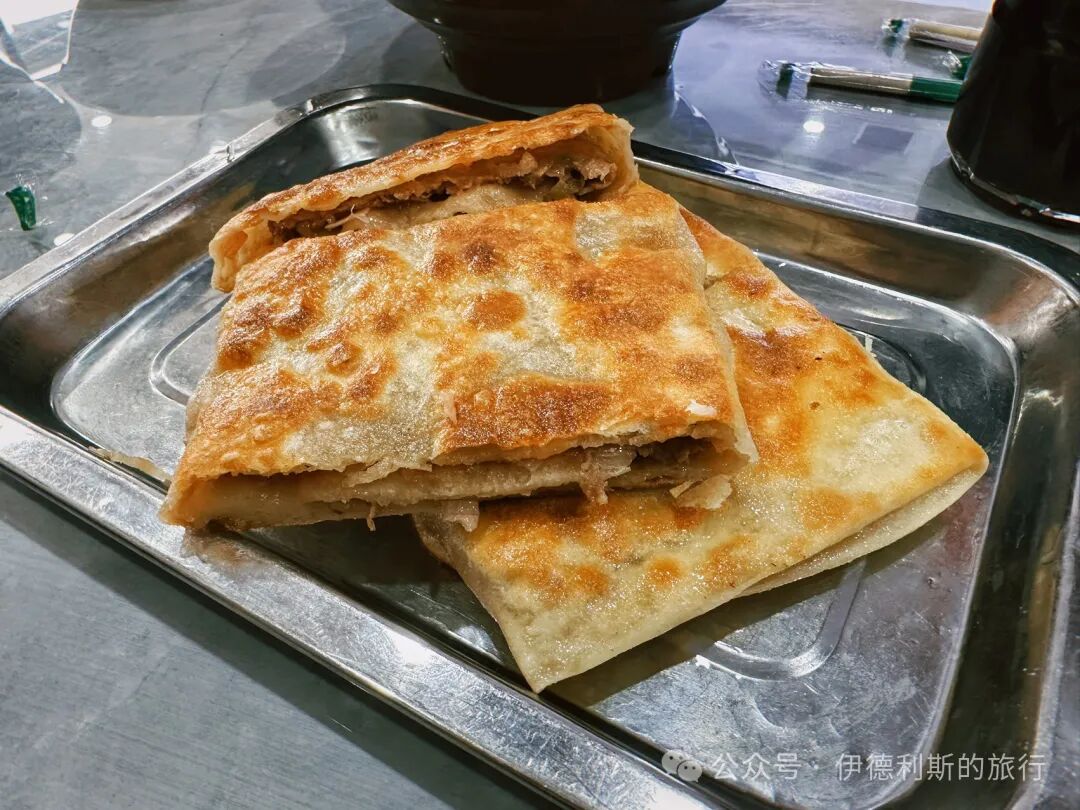
We ordered yellow broth pulled noodles, water caltrop soup (lingjiao tang), flour tea (miancha), and beef pie (niurou bing). It was my first time having yellow broth pulled noodles. The yellow curry powder makes the flavor very rich, and I think it tastes even more satisfying than the clear broth version. Their water caltrop soup and flour tea both taste good, and Suleiman especially likes their flour tea. However, their beef pie has a bit too little filling. I noticed many people at the neighboring tables were eating flatbread rolls with fried fritters (dabing juanquan).
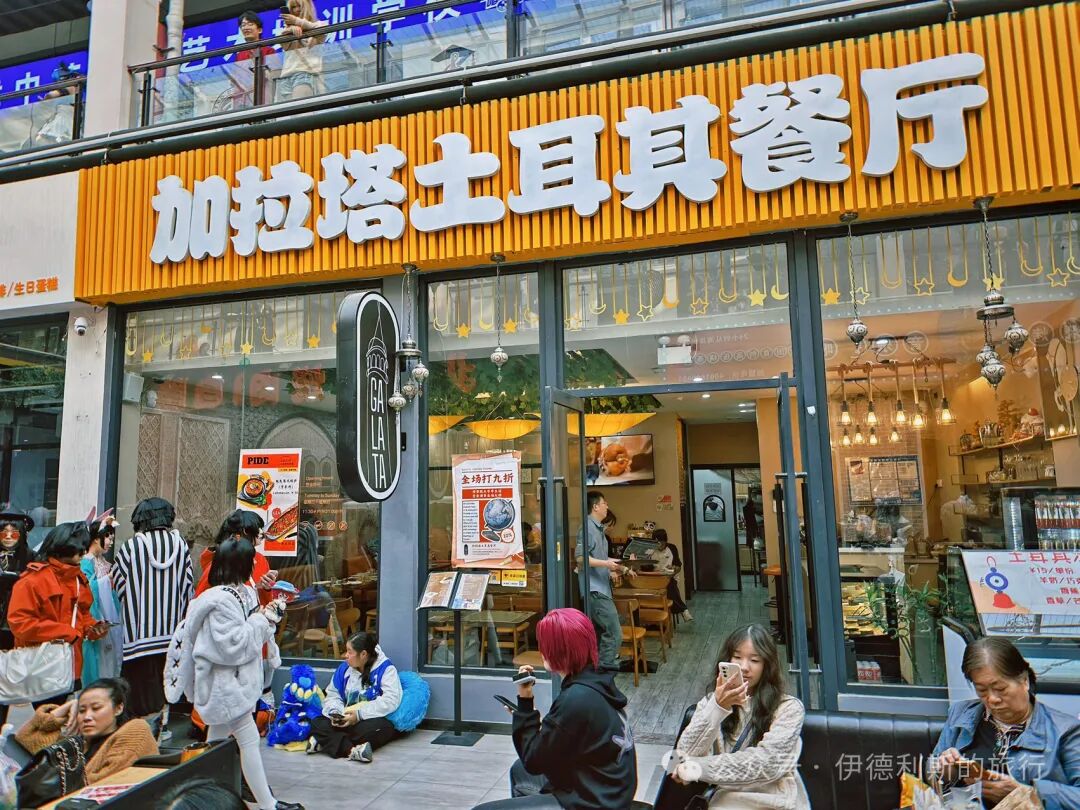
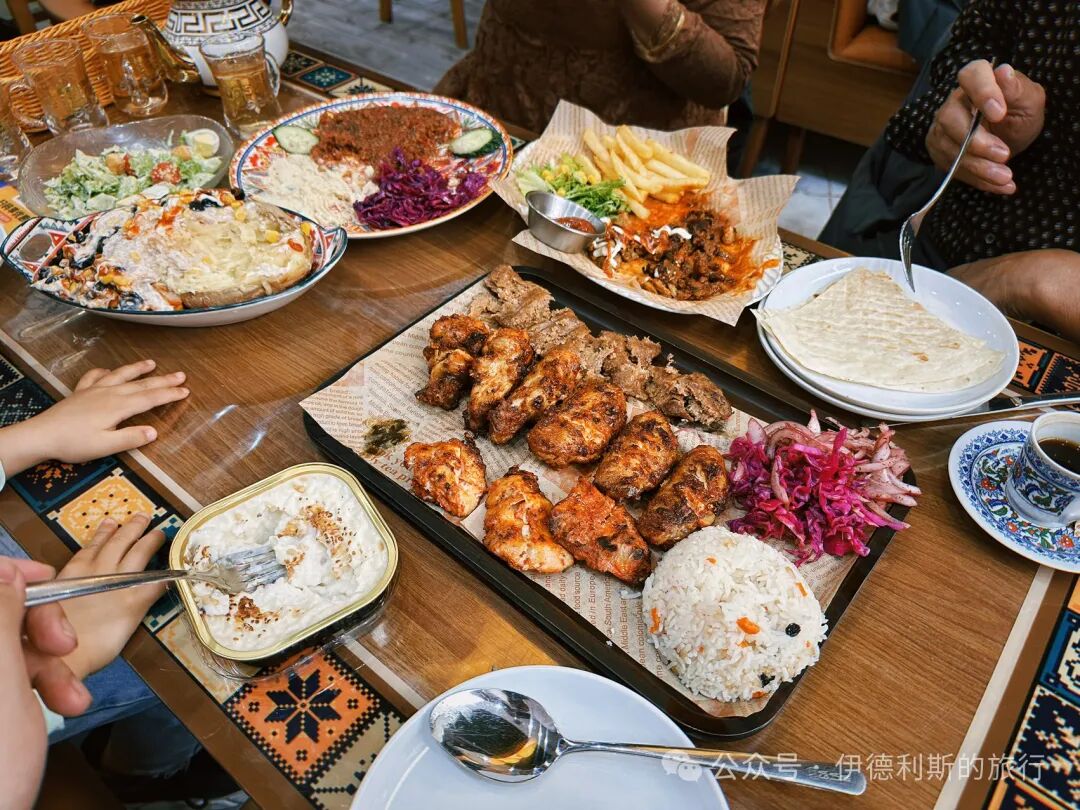
After eating at so many good restaurants in Tianjin, I finally hit a dud this time. On Sunday at noon, we went to the Galata Turkish Restaurant in Hengji Plaza, Hexi District. First of all, their tables are tiny. We ordered a meal for four, and it couldn't even fit on the table. Secondly, it is not authentic! We have eaten at so many Turkish restaurants in Beijing, Yiwu, Fuzhou, and Guangzhou, and they were all very authentic, whether run by Turkish or Azerbaijani people. This is the first time we have eaten at an inauthentic one; it is nothing like what we ate in Turkey.
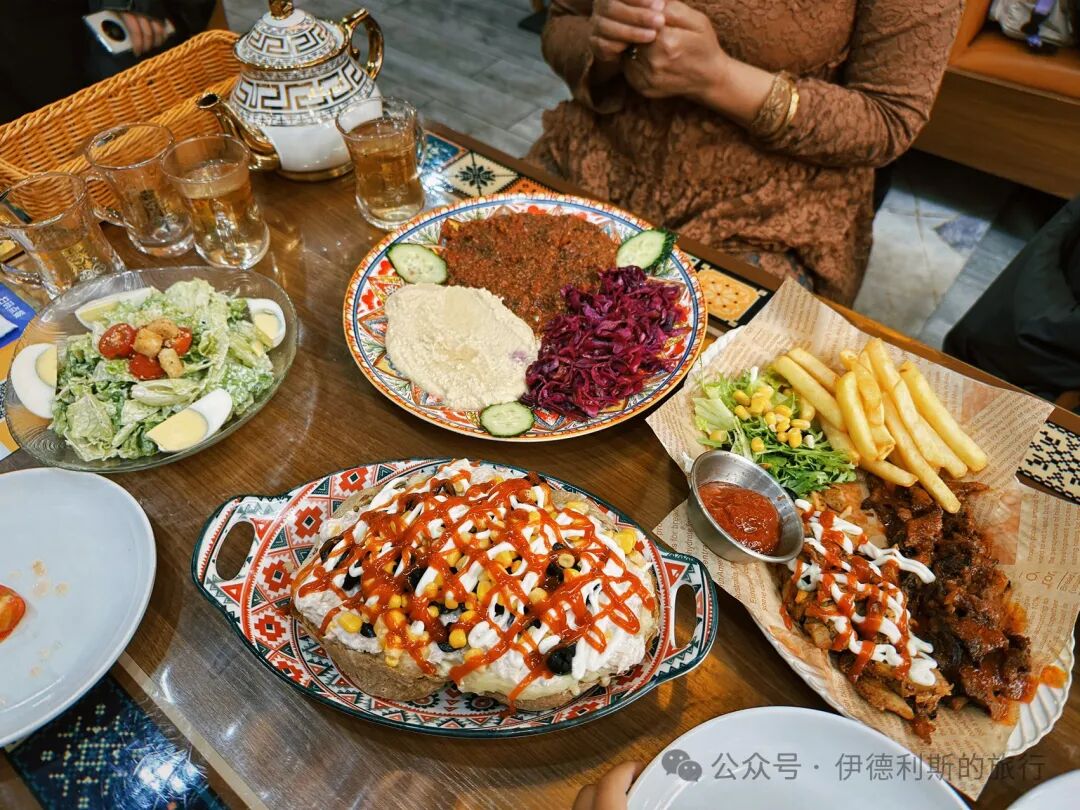
Their potatoes and roasted chicken were covered in thick layers of salad dressing and ketchup. It felt just like fast food sold at a temple fair, which doesn't fit the Mediterranean diet of Turkey that focuses on spices. Also, the grilled meat was not good. Some parts were dry, and some were salty. The grill chef's skills need improvement. The grilled meat was served with pilaf (zhuafan) made with domestic short-grain rice. I suspect the chef is our fellow countryman from Xinjiang.
They do have one big advantage, which is that it is cheap! The price is about half of what you would pay at a Turkish restaurant in Beijing, so you get what you pay for. Their milk pudding and Turkish coffee also taste good. The milk pudding is not sweet, and it is quite pleasant to have with coffee. It is just that they served the coffee with a candy ball that children often eat, which is also a bad match. They should at least serve it with Turkish delight or even a piece of chocolate.
After leaving Hengji Plaza, we went to the Tatami Xinjiang Restaurant at the entrance to pack some diced noodle stir-fry (dingding chaomian) for Suleiman to eat in the evening. Their decor is quite good and very Xinjiang-style. The waiter who served us was Uyghur, and the chefs in the kitchen were all Hui Muslims. It is an open kitchen, and the chefs have real skill. We specifically asked for it to be made for a child, and the diced noodle stir-fry was indeed very suitable. Suleiman loved it. They also sell fresh milk ice cream from Tacheng, and I bought one that tasted quite good.
I just remembered that I can add locations to my official account posts, so I will also add locations for the Tianjin restaurants recommended in previous issues.
Between the mountains and the sea: from Huairou farmhouses to coastal Western restaurants.
Haishiwan Halal Western Restaurant.
Eating Halal Western food at Haishiwan on Binjiang Road in Tianjin. Overall, their dish names and plating are quite fancy and look great in photos, but the actual taste is average, similar to fast food in a shopping mall.
The best thing they have is probably the avocado salad, which is very healthy. The tuna salad is more like a simple home-style mixed vegetable dish. The seafood fried rice and beef fried rice are both soy sauce-based, which feels more suited to the tastes of the Shandong cuisine region. The seafood pizza is plated very beautifully, but the pizza base itself is very average, just like the taste of a cheap fast-food chain. They also have various drinks with names I don't recognize, which are just sparkling water mixed with syrup. The fog coffee is great for photos, but the coffee itself is also very average.
Nuobona Halal Western Restaurant.
Nuobona Halal Western Restaurant at the 80 Food Plaza in TEDA, Tianjin, is definitely the best Halal Western food I have ever eaten! The taste is far better than the ones in downtown Tianjin.
Muyi Chinese Restaurant, Nuobona Western Restaurant, and the Western bakery on the first floor in Taifeng are all part of the Yisilai Mu Restaurant founded in 1994, and their Halal license number is Binhai 001. We have eaten at Muyi before; it is creative Chinese food with many dishes they invented themselves, and the taste is excellent. This time we tried their Western food and still had nothing but praise. Their environment is also very good, and they have a special area for children to play, which is very thoughtful.
We ordered charcoal-grilled baby lobster and creamy lobster soup served two ways, French escargot, British fish and chips, baked potato skins, golden pillow durian pizza, lasagna, tiramisu, non-alcoholic mojito, dirty milk, and rose soda, and we also ordered a kids' meal for Suleiman (spaghetti, pumpkin soup, french fries, grilled chicken wings, and fruit salad). The lobster is very tender, and the creamy lobster soup is rich and very fragrant. This was my first time eating baked escargot; the texture is very chewy and bouncy, and the various spices are added perfectly. It was my first time eating British-style fried fish, though it didn't come with french fries. The way they make it is very different from the common cod cakes in China; the fish meat is ground very finely, and the texture is very moist.
Taking kids out to eat in Tianjin: Yemeni food, Algerian desserts, rice noodle rolls (changfen), Japanese food, and water caltrop soup.
Socotra Yemeni Restaurant.
Many Yemeni restaurants have opened in Guangzhou and Yiwu, but Beijing's Arab restaurants are still mostly Levantine style. If you want a Yemeni meal, you have to take an intercity train to Tianjin.
Socotra is Socotra Island in the Arabian Sea, southeast of Yemen. It was called Sugudala in the Ming Dynasty's Zheng He Navigation Map. Socotra Island was listed as a World Natural Heritage site in 2008. The island is most famous for its dragon blood trees. The Socotra restaurant's logo is a dragon blood tree, and there are photos of the trees hanging in the shop.
We ordered the signature soup, chicken lentil soup, lamb Zurbian rice, Mushakkal stir-fried vegetables, Fahsa beef stew, banana mango juice, and Khubz flatbread. Zurbian rice is a bit like Indian Biryani rice, as both are stir-fried with various spices. Their lamb is roasted and smells great, but we found the rice a bit dry. There are also small bone fragments inside, so be careful not to let children eat it.
When you go to a Yemeni restaurant, you must try the classic Yemeni dish, Fahsa beef stew. Fahsa is usually made with lamb, but this place uses beef. When they make it, they stew the meat until it is very tender. It starts in a large vat and is then moved to a small pot to continue stewing. Besides ginger, garlic, and cumin, they add a spice called fenugreek (Hulbah) when stewing the meat. Fenugreek is actually what people in Northwest China often call fragrant beans (kudou). People in the Northwest dry the leaves of the fenugreek plant and grind them into powder to steam buns, while Yemenis grind the seeds to stew meat. Fenugreek seeds expand when they meet water and easily foam up when stirred in a bowl.
The classic pairing for Fahsa stew is Mulawah Yemeni flatbread, but this place requires you to order it in advance. You can only get Khubz flatbread if you walk in. Khubz flatbread is actually the same as the pita bread in Levantine cuisine. The version they make is quite hard, and to be honest, it is not very tasty.
Qianmu Halal Japanese Cuisine
There are no longer any halal Japanese restaurants in Beijing, so you have to go to Tianjin for this. This place is very popular, and it is hard to get a seat without booking in advance. When we went after eight o'clock, they had even sold out of rice, so we had to go to the ramen shop across the street to buy some.
We ordered tempura udon, sukiyaki, eel rice, a grilled platter, cod roe potato gratin, cheese-baked crab shell, a slow-cooked sushi platter, and marble soda. Suleiman loves their udon noodles. He couldn't stop eating them, and after he finished, he was so happy that he fell right asleep. There are quite a few grilled items, but they are mostly mushroom-based vegetable dishes with less meat. The soy sauce for the sushi is a bit salty, and the sushi itself is just average, which is a pity. The staff saw we had a child, so they cooked the sukiyaki for us before bringing it to the table. That deserves a thumbs up. The eel rice tastes okay, and next time I want to try their teriyaki chicken rice.
Xue's Northwest Corner Old-Style Breakfast
Ever since the Northwest Corner became super popular, I basically stopped going there to eat. Actually, Tianjin has so many delicious breakfast spots, not just the Northwest Corner. I used to go to Tianmu and Jinjiayao for breakfast, but this time I went to Xue's Northwest Corner Old-Style Breakfast in the Lushuidao area of Jinnan District. Their shop is a simple neighborhood eatery on the ground floor of an apartment complex, where all the local seniors come to eat.
We didn't arrive until nine, so most things were sold out. We just ordered water caltrop dumplings (lingjiao tang), sesame flatbread with meat (shaobing jiarou), and savory crepe strips in sauce (guobacai). Their water caltrop dumplings are truly delicious. The skin is the perfect texture, and the filling is very fragrant. Suleiman ate several in one go. The sesame flatbread for the meat sandwich is crispy, and the flavor is quite good. The savory crepe strips are a traditional old-school flavor, but eating both the dumplings and the crepe strips together is a bit heavy. I feel like the crepe strips go best with iron-pot soy milk.
Algerian Bakery
I had an Algerian afternoon tea at Lyn's Healthy Bakeshop on Chifeng Road in Tianjin. Chifeng Road is in the former French Concession area, which is full of small Western-style villas and all kinds of little shops.
The owner, who is from Algeria, opened this small shop for tea and desserts. It should be the first Algerian restaurant in China. I have to say, Tianjin's food scene is once again at the forefront of internationalization!
They offer both à la carte and afternoon tea sets. They have both traditional Algerian desserts and Western pastries. Everything uses maple syrup instead of white sugar, focusing on healthy eating. It is probably the least sweet Arabic dessert shop I have ever visited!
We drank Algerian mint tea and Algerian orange blossom lemonade (Sherbet Mazhar). The mint tea is brewed to order, so you have to wait a while. The aroma is very strong, but because it is freshly brewed, you cannot get refills. Orange blossom water is definitely a signature Algerian drink, especially classic at wedding banquets in northern Algeria. The orange blossom drink is made from orange blossom water distilled from bitter orange blossoms, mixed with syrup and water. It is very refreshing in the summer.
We ate Algerian baklava (Baklawa), apple pie, milk pudding (M'halbi), and cheesecake. Suleiman loved the cheesecake the most. Baklava was introduced to Algeria from Turkey during the Ottoman period. The Algerian version adds crushed almonds and orange blossom water, so the taste is different from the Turkish one.
Milk pudding (M'halbi) is a classic Middle Eastern dessert for breaking the fast and is most popular during Ramadan. The name M'halbi comes from Al-Muhallab, the governor of Khorasan during the Umayyad Caliphate. Legend has it that he once had a stomachache, and a doctor made him milk-boiled rice flour with sugar. He liked it so much that he named the dessert after himself.
Finally, I want to say that their food is excellent, but the decor is still a bit simple. If they could highlight the Algerian theme more, it would definitely become a new trendy spot in Tianjin.
Yiweizhai Halal Rice Noodle Rolls
I ate rice noodle rolls (changfen) at Yiweizhai on Xihu Road in Tianjin. I used to go to Yeji Changfen whenever I visited Tianjin, but this was my first time at Yiweizhai. The shop at Yiweizhai is small, but they have a huge variety of dishes. We ordered seafood rice noodle rolls, fresh shrimp steamed dumplings (shaomai), chicken feet in black bean sauce (chizhi fengzhua), claypot rice with cured beef (laoniurou baozai fan), plain beef tendon balls, curry beef balls, curry fish balls, and traditional crispy mung bean starch jelly (laowei cuipi menzi). Except for the claypot rice, which takes a while because it is cooked from raw rice, the other dishes arrived very quickly.
Overall, their food is very good. It really shows how much effort Tianjin people put into their cooking. Their rice noodle rolls have a great texture, not as firm as the ones I had in Hong Kong. Their beef tendon balls and fish balls also have a fantastic texture; we ordered one portion and then added another. By comparison, the beef balls were just average. This was my first time eating crispy mung bean starch jelly. I had only ever had pan-fried versions before, which clearly do not taste as good as this crispy-on-the-outside, tender-on-the-inside version.
My hometown: Hexiwu Town, Wuqing, Tianjin.
Xinpengzhai Restaurant.
I first bought the signature golden-rimmed braised noodles (jinbian koumen) at Xinpengzhai Restaurant. It is beef and bean sprout braised noodles (menbing) topped with a fried egg. The egg was very fragrant, and it was my first time eating menbing this way. It tasted excellent.
Wangji Lirenzhai.
Inside the Hexiwu farmers' market is the Shouyi Snack Street, where the most famous item is the yellow rice fried cake (huangmi zhagao) from the century-old shop Wangji Lirenzhai. We arrived a bit late and they were closing at 1:00 PM, so we just bought all the remaining fried cakes.
Lirenzhai is a Tianjin intangible cultural heritage project for the craft of making Hexiwu Lirenzhai fried cakes. The Wang family's ancestral home was in Cangzhou, Hebei. At the end of the Qing Dynasty, they fled the war and came to Wuqing. They first settled in Yangcun, but later heard that Hexiwu was densely populated and had a large community of Hui Muslims, so they moved to Hexiwu to settle down. In 1918, Wang Zhenlong inherited the family craft and officially set up a stall in Hexiwu, specializing in yellow rice fried cakes. After 1958, the Wangji fried cake business was merged into a cooperative store, and it was shut down after the 1960s. It wasn't until 1979 that the second-generation successor, Wang Jinyuan, inherited the family business and revived Wangji fried cakes. In 1999, the third-generation successor, Wang Xueren, took over and renamed it Lirenzhai, which is what it is called today.
Yangji Gezhihe.
Besides yellow rice fried cakes, the fried mung bean flour rolls (gezhihe) in Hexiwu are also very famous. Unlike the common version, the ones here are filled. They come in mung bean flour and wheat flour varieties, giving them a richer texture than standard fried mung bean flour rolls. view all
Summary: This Tianjin halal food guide follows an autumn eating route through Syrian dishes, giant river prawns, yellow broth pulled noodles, Turkish food, and Xinjiang fresh milk ice cream. It keeps the original restaurant details, dishes, photos, and food notes for readers planning Muslim-friendly meals in Tianjin.
Two months later, we went back to Tianjin for a weekend trip with our kids. We arrived in Tianjin on Saturday at noon and headed straight to the Al-Andalus restaurant in the Nankai District Sunac Center for some Levantine food. The owner is Syrian. Al-Andalus was the name Arabs used for the Iberian Peninsula during the Middle Ages. In the 8th century, under the Umayyad dynasty, Al-Andalus was a famous center for economy, culture, academics, and education, serving as an important bridge for cultural and scientific exchange between the East and the West.
We ordered the four-person feast set, which included lentil soup, cream of mushroom soup, a hummus trio, lamb samosas (samosa), chicken wraps (shawarma), a four-season pizza, a mixed grill platter, black tea, and a crispy salad. We also ordered yogurt separately. Overall, the food was very authentic. It offers better value than the Arab restaurants in Beijing, and you don't have to wait in line. Their yogurt was especially good, with a rich, tangy flavor that beats many of the Arab restaurants in Beijing. The only downside was that the samosa dough was a bit thick, more like the South Asian version than the thin-crust Levantine style.
After lunch, we went to the Tianjin Museum, which is currently hosting an exhibition of historical artifacts from the National Museum of Kazakhstan. See diary: [Exhibition Visit] Tianjin Museum's Kazakhstan National Museum Historical Artifacts Exhibition.
The Tianjin Museum displays exquisite brick carvings by the Hui Muslim families known as the 'Fancy Work Ma Family' (Huahuo Majia) and 'Brick Carver Liu' (Kezhuan Liu) from the Northwest Corner. See diary: [Exhibition Visit] Exquisite brick carvings by Hui Muslim artisans 'Huahuomajia' and 'Kezhuanliu' in the Northwest Corner of Tianjin.
If you are a friend (dosti) from Beijing and are tired of the same old restaurants, a trip to Tianjin will definitely open your eyes. On this trip to Tianjin, we discovered a restaurant called Xiju that specializes in giant river prawns (luoshixia). It is located on Fuxing Road, just west of the Northwest Corner. It is run by local Hui Muslims and is very busy at night.
Their signature dish is a two-pound platter of giant river prawns, which you can get spicy or with garlic sauce. Giant river prawns are freshwater prawns originally from Malaysia in Southeast Asia. They are large and have plump, tender meat, but the texture isn't as firm as sea prawns, and the prawn flavor isn't as intense. It is similar to the difference between freshwater fish and sea fish. We ordered the garlic giant river prawns. You can add noodles to the sauce, which my son loved. He couldn't stop eating them, from start to finish, and he was the one at our table who enjoyed the meal the most.
Their Chaoshan seafood porridge was also excellent. Besides having plenty of prawns, it was packed with other seafood, making the flavor very rich.
They also have various barbecue items. We ordered squid, flounder, pineapple beef skewers, cheese bread slices, charcoal-grilled beef short ribs, and beef kimchi cheese rolls. Everything tasted great, especially the flounder, which had a wonderful texture and flavor.
Their sizzling sea bass pot (zhuzhu luyu bao) was also a hit with everyone. The sea bass was very fresh, and the garlic-clove-shaped meat had a great texture.
Their fried chicken racks are sweet and sour, making them a perfect snack that gets addictive the more you eat.
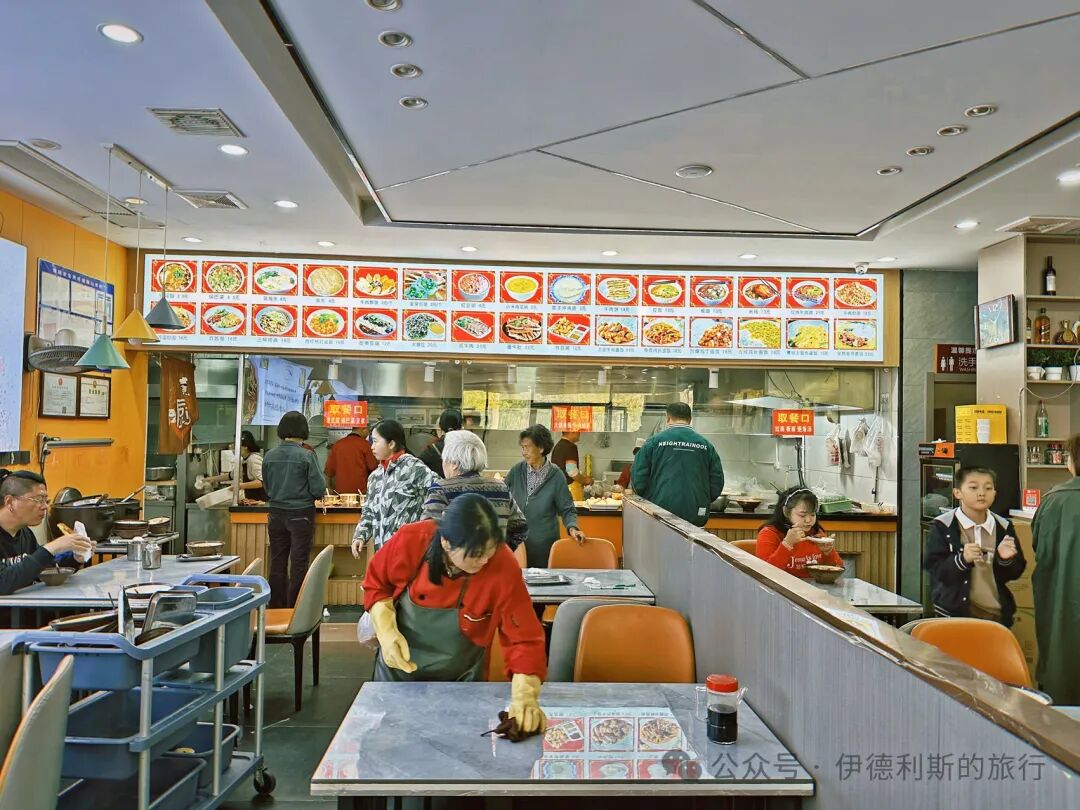
On Sunday morning, we had breakfast at Shunfa Lamian and Zhensucheng in the Xiaohaidi area of the Hexi District. Xiaohaidi is a lively residential area in the south of Tianjin with plenty of halal snacks. Shunfa Lamian is a noodle shop that has been open for over twenty years, specializing in yellow broth pulled noodles (lamian) and braised noodles (banmian). Zhensucheng is a breakfast shop that opened in 1979, specializing in crispy crepe strips in savory sauce (guobacai). Both of these shops are now franchises. The one in Xiaohaidi joined both brands, so now you can have yellow broth pulled noodles (huangtang lamian) and traditional breakfast at the same time in the morning.
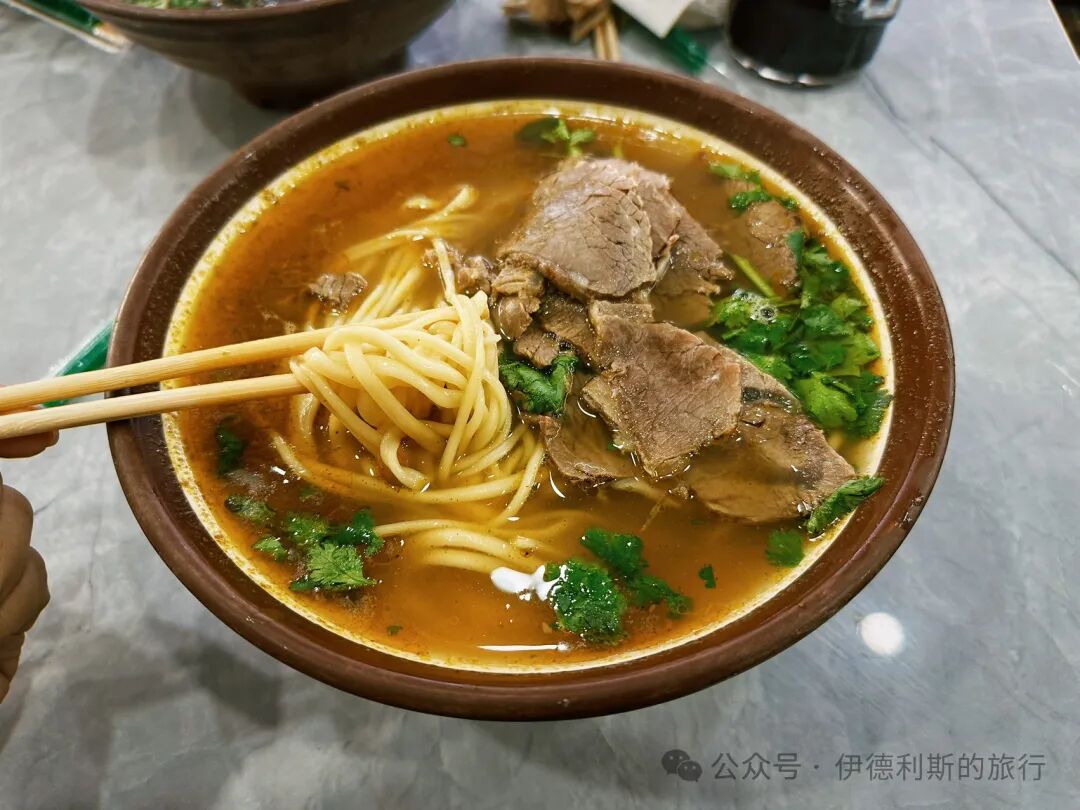
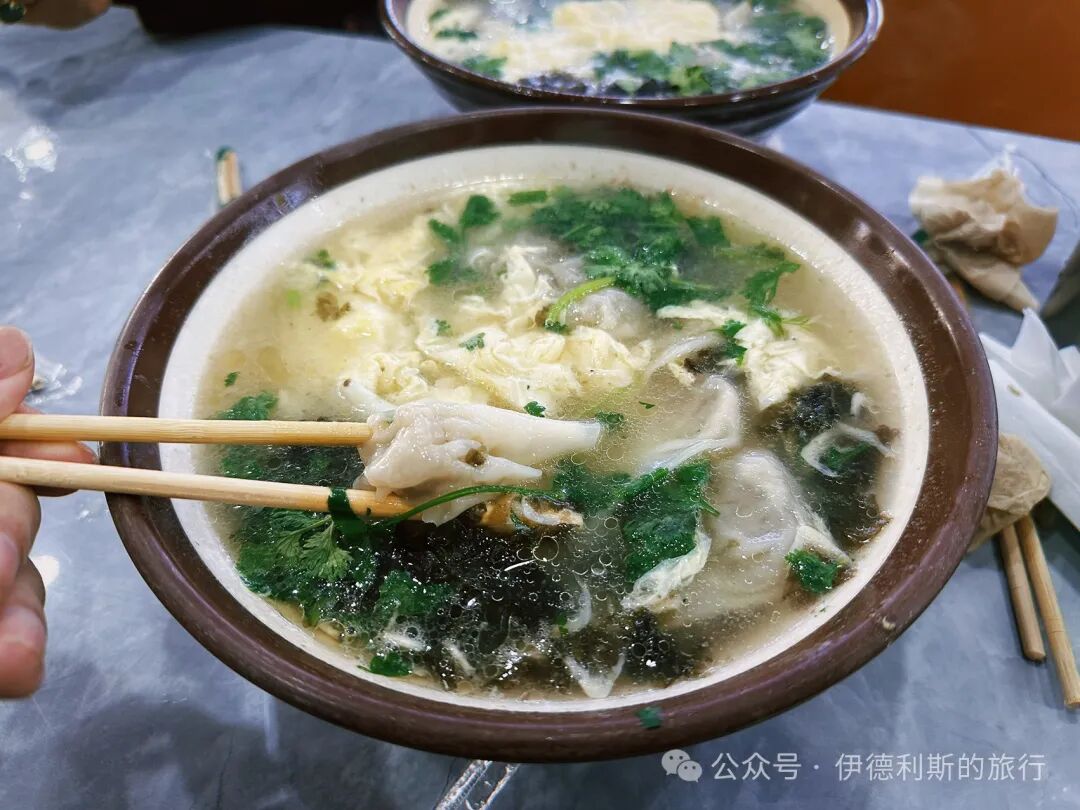
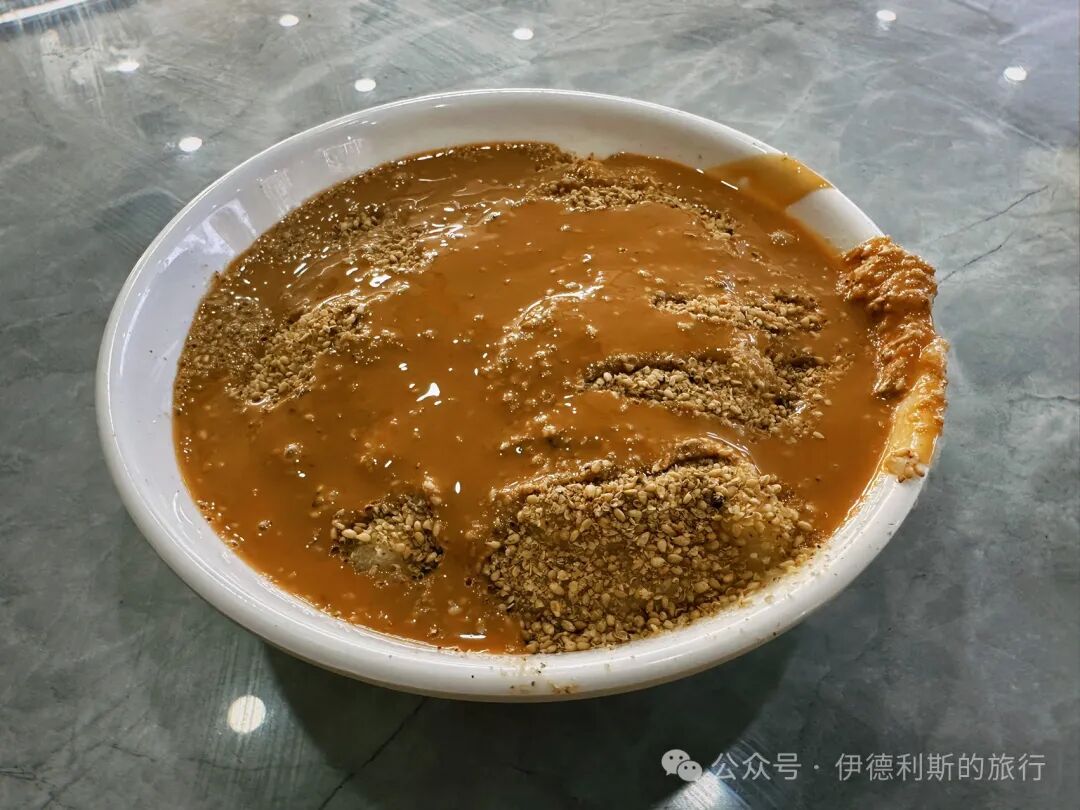
We ordered yellow broth pulled noodles, water caltrop soup (lingjiao tang), flour tea (miancha), and beef pie (niurou bing). It was my first time having yellow broth pulled noodles. The yellow curry powder makes the flavor very rich, and I think it tastes even more satisfying than the clear broth version. Their water caltrop soup and flour tea both taste good, and Suleiman especially likes their flour tea. However, their beef pie has a bit too little filling. I noticed many people at the neighboring tables were eating flatbread rolls with fried fritters (dabing juanquan).
After eating at so many good restaurants in Tianjin, I finally hit a dud this time. On Sunday at noon, we went to the Galata Turkish Restaurant in Hengji Plaza, Hexi District. First of all, their tables are tiny. We ordered a meal for four, and it couldn't even fit on the table. Secondly, it is not authentic! We have eaten at so many Turkish restaurants in Beijing, Yiwu, Fuzhou, and Guangzhou, and they were all very authentic, whether run by Turkish or Azerbaijani people. This is the first time we have eaten at an inauthentic one; it is nothing like what we ate in Turkey.
Their potatoes and roasted chicken were covered in thick layers of salad dressing and ketchup. It felt just like fast food sold at a temple fair, which doesn't fit the Mediterranean diet of Turkey that focuses on spices. Also, the grilled meat was not good. Some parts were dry, and some were salty. The grill chef's skills need improvement. The grilled meat was served with pilaf (zhuafan) made with domestic short-grain rice. I suspect the chef is our fellow countryman from Xinjiang.
They do have one big advantage, which is that it is cheap! The price is about half of what you would pay at a Turkish restaurant in Beijing, so you get what you pay for. Their milk pudding and Turkish coffee also taste good. The milk pudding is not sweet, and it is quite pleasant to have with coffee. It is just that they served the coffee with a candy ball that children often eat, which is also a bad match. They should at least serve it with Turkish delight or even a piece of chocolate.
After leaving Hengji Plaza, we went to the Tatami Xinjiang Restaurant at the entrance to pack some diced noodle stir-fry (dingding chaomian) for Suleiman to eat in the evening. Their decor is quite good and very Xinjiang-style. The waiter who served us was Uyghur, and the chefs in the kitchen were all Hui Muslims. It is an open kitchen, and the chefs have real skill. We specifically asked for it to be made for a child, and the diced noodle stir-fry was indeed very suitable. Suleiman loved it. They also sell fresh milk ice cream from Tacheng, and I bought one that tasted quite good.
I just remembered that I can add locations to my official account posts, so I will also add locations for the Tianjin restaurants recommended in previous issues.
Between the mountains and the sea: from Huairou farmhouses to coastal Western restaurants.
Haishiwan Halal Western Restaurant.
Eating Halal Western food at Haishiwan on Binjiang Road in Tianjin. Overall, their dish names and plating are quite fancy and look great in photos, but the actual taste is average, similar to fast food in a shopping mall.
The best thing they have is probably the avocado salad, which is very healthy. The tuna salad is more like a simple home-style mixed vegetable dish. The seafood fried rice and beef fried rice are both soy sauce-based, which feels more suited to the tastes of the Shandong cuisine region. The seafood pizza is plated very beautifully, but the pizza base itself is very average, just like the taste of a cheap fast-food chain. They also have various drinks with names I don't recognize, which are just sparkling water mixed with syrup. The fog coffee is great for photos, but the coffee itself is also very average.
Nuobona Halal Western Restaurant.
Nuobona Halal Western Restaurant at the 80 Food Plaza in TEDA, Tianjin, is definitely the best Halal Western food I have ever eaten! The taste is far better than the ones in downtown Tianjin.
Muyi Chinese Restaurant, Nuobona Western Restaurant, and the Western bakery on the first floor in Taifeng are all part of the Yisilai Mu Restaurant founded in 1994, and their Halal license number is Binhai 001. We have eaten at Muyi before; it is creative Chinese food with many dishes they invented themselves, and the taste is excellent. This time we tried their Western food and still had nothing but praise. Their environment is also very good, and they have a special area for children to play, which is very thoughtful.
We ordered charcoal-grilled baby lobster and creamy lobster soup served two ways, French escargot, British fish and chips, baked potato skins, golden pillow durian pizza, lasagna, tiramisu, non-alcoholic mojito, dirty milk, and rose soda, and we also ordered a kids' meal for Suleiman (spaghetti, pumpkin soup, french fries, grilled chicken wings, and fruit salad). The lobster is very tender, and the creamy lobster soup is rich and very fragrant. This was my first time eating baked escargot; the texture is very chewy and bouncy, and the various spices are added perfectly. It was my first time eating British-style fried fish, though it didn't come with french fries. The way they make it is very different from the common cod cakes in China; the fish meat is ground very finely, and the texture is very moist.
Taking kids out to eat in Tianjin: Yemeni food, Algerian desserts, rice noodle rolls (changfen), Japanese food, and water caltrop soup.
Socotra Yemeni Restaurant.
Many Yemeni restaurants have opened in Guangzhou and Yiwu, but Beijing's Arab restaurants are still mostly Levantine style. If you want a Yemeni meal, you have to take an intercity train to Tianjin.
Socotra is Socotra Island in the Arabian Sea, southeast of Yemen. It was called Sugudala in the Ming Dynasty's Zheng He Navigation Map. Socotra Island was listed as a World Natural Heritage site in 2008. The island is most famous for its dragon blood trees. The Socotra restaurant's logo is a dragon blood tree, and there are photos of the trees hanging in the shop.
We ordered the signature soup, chicken lentil soup, lamb Zurbian rice, Mushakkal stir-fried vegetables, Fahsa beef stew, banana mango juice, and Khubz flatbread. Zurbian rice is a bit like Indian Biryani rice, as both are stir-fried with various spices. Their lamb is roasted and smells great, but we found the rice a bit dry. There are also small bone fragments inside, so be careful not to let children eat it.
When you go to a Yemeni restaurant, you must try the classic Yemeni dish, Fahsa beef stew. Fahsa is usually made with lamb, but this place uses beef. When they make it, they stew the meat until it is very tender. It starts in a large vat and is then moved to a small pot to continue stewing. Besides ginger, garlic, and cumin, they add a spice called fenugreek (Hulbah) when stewing the meat. Fenugreek is actually what people in Northwest China often call fragrant beans (kudou). People in the Northwest dry the leaves of the fenugreek plant and grind them into powder to steam buns, while Yemenis grind the seeds to stew meat. Fenugreek seeds expand when they meet water and easily foam up when stirred in a bowl.
The classic pairing for Fahsa stew is Mulawah Yemeni flatbread, but this place requires you to order it in advance. You can only get Khubz flatbread if you walk in. Khubz flatbread is actually the same as the pita bread in Levantine cuisine. The version they make is quite hard, and to be honest, it is not very tasty.
Qianmu Halal Japanese Cuisine
There are no longer any halal Japanese restaurants in Beijing, so you have to go to Tianjin for this. This place is very popular, and it is hard to get a seat without booking in advance. When we went after eight o'clock, they had even sold out of rice, so we had to go to the ramen shop across the street to buy some.
We ordered tempura udon, sukiyaki, eel rice, a grilled platter, cod roe potato gratin, cheese-baked crab shell, a slow-cooked sushi platter, and marble soda. Suleiman loves their udon noodles. He couldn't stop eating them, and after he finished, he was so happy that he fell right asleep. There are quite a few grilled items, but they are mostly mushroom-based vegetable dishes with less meat. The soy sauce for the sushi is a bit salty, and the sushi itself is just average, which is a pity. The staff saw we had a child, so they cooked the sukiyaki for us before bringing it to the table. That deserves a thumbs up. The eel rice tastes okay, and next time I want to try their teriyaki chicken rice.
Xue's Northwest Corner Old-Style Breakfast
Ever since the Northwest Corner became super popular, I basically stopped going there to eat. Actually, Tianjin has so many delicious breakfast spots, not just the Northwest Corner. I used to go to Tianmu and Jinjiayao for breakfast, but this time I went to Xue's Northwest Corner Old-Style Breakfast in the Lushuidao area of Jinnan District. Their shop is a simple neighborhood eatery on the ground floor of an apartment complex, where all the local seniors come to eat.
We didn't arrive until nine, so most things were sold out. We just ordered water caltrop dumplings (lingjiao tang), sesame flatbread with meat (shaobing jiarou), and savory crepe strips in sauce (guobacai). Their water caltrop dumplings are truly delicious. The skin is the perfect texture, and the filling is very fragrant. Suleiman ate several in one go. The sesame flatbread for the meat sandwich is crispy, and the flavor is quite good. The savory crepe strips are a traditional old-school flavor, but eating both the dumplings and the crepe strips together is a bit heavy. I feel like the crepe strips go best with iron-pot soy milk.
Algerian Bakery
I had an Algerian afternoon tea at Lyn's Healthy Bakeshop on Chifeng Road in Tianjin. Chifeng Road is in the former French Concession area, which is full of small Western-style villas and all kinds of little shops.
The owner, who is from Algeria, opened this small shop for tea and desserts. It should be the first Algerian restaurant in China. I have to say, Tianjin's food scene is once again at the forefront of internationalization!
They offer both à la carte and afternoon tea sets. They have both traditional Algerian desserts and Western pastries. Everything uses maple syrup instead of white sugar, focusing on healthy eating. It is probably the least sweet Arabic dessert shop I have ever visited!
We drank Algerian mint tea and Algerian orange blossom lemonade (Sherbet Mazhar). The mint tea is brewed to order, so you have to wait a while. The aroma is very strong, but because it is freshly brewed, you cannot get refills. Orange blossom water is definitely a signature Algerian drink, especially classic at wedding banquets in northern Algeria. The orange blossom drink is made from orange blossom water distilled from bitter orange blossoms, mixed with syrup and water. It is very refreshing in the summer.
We ate Algerian baklava (Baklawa), apple pie, milk pudding (M'halbi), and cheesecake. Suleiman loved the cheesecake the most. Baklava was introduced to Algeria from Turkey during the Ottoman period. The Algerian version adds crushed almonds and orange blossom water, so the taste is different from the Turkish one.
Milk pudding (M'halbi) is a classic Middle Eastern dessert for breaking the fast and is most popular during Ramadan. The name M'halbi comes from Al-Muhallab, the governor of Khorasan during the Umayyad Caliphate. Legend has it that he once had a stomachache, and a doctor made him milk-boiled rice flour with sugar. He liked it so much that he named the dessert after himself.
Finally, I want to say that their food is excellent, but the decor is still a bit simple. If they could highlight the Algerian theme more, it would definitely become a new trendy spot in Tianjin.
Yiweizhai Halal Rice Noodle Rolls
I ate rice noodle rolls (changfen) at Yiweizhai on Xihu Road in Tianjin. I used to go to Yeji Changfen whenever I visited Tianjin, but this was my first time at Yiweizhai. The shop at Yiweizhai is small, but they have a huge variety of dishes. We ordered seafood rice noodle rolls, fresh shrimp steamed dumplings (shaomai), chicken feet in black bean sauce (chizhi fengzhua), claypot rice with cured beef (laoniurou baozai fan), plain beef tendon balls, curry beef balls, curry fish balls, and traditional crispy mung bean starch jelly (laowei cuipi menzi). Except for the claypot rice, which takes a while because it is cooked from raw rice, the other dishes arrived very quickly.
Overall, their food is very good. It really shows how much effort Tianjin people put into their cooking. Their rice noodle rolls have a great texture, not as firm as the ones I had in Hong Kong. Their beef tendon balls and fish balls also have a fantastic texture; we ordered one portion and then added another. By comparison, the beef balls were just average. This was my first time eating crispy mung bean starch jelly. I had only ever had pan-fried versions before, which clearly do not taste as good as this crispy-on-the-outside, tender-on-the-inside version.
My hometown: Hexiwu Town, Wuqing, Tianjin.
Xinpengzhai Restaurant.
I first bought the signature golden-rimmed braised noodles (jinbian koumen) at Xinpengzhai Restaurant. It is beef and bean sprout braised noodles (menbing) topped with a fried egg. The egg was very fragrant, and it was my first time eating menbing this way. It tasted excellent.
Wangji Lirenzhai.
Inside the Hexiwu farmers' market is the Shouyi Snack Street, where the most famous item is the yellow rice fried cake (huangmi zhagao) from the century-old shop Wangji Lirenzhai. We arrived a bit late and they were closing at 1:00 PM, so we just bought all the remaining fried cakes.
Lirenzhai is a Tianjin intangible cultural heritage project for the craft of making Hexiwu Lirenzhai fried cakes. The Wang family's ancestral home was in Cangzhou, Hebei. At the end of the Qing Dynasty, they fled the war and came to Wuqing. They first settled in Yangcun, but later heard that Hexiwu was densely populated and had a large community of Hui Muslims, so they moved to Hexiwu to settle down. In 1918, Wang Zhenlong inherited the family craft and officially set up a stall in Hexiwu, specializing in yellow rice fried cakes. After 1958, the Wangji fried cake business was merged into a cooperative store, and it was shut down after the 1960s. It wasn't until 1979 that the second-generation successor, Wang Jinyuan, inherited the family business and revived Wangji fried cakes. In 1999, the third-generation successor, Wang Xueren, took over and renamed it Lirenzhai, which is what it is called today.
Yangji Gezhihe.
Besides yellow rice fried cakes, the fried mung bean flour rolls (gezhihe) in Hexiwu are also very famous. Unlike the common version, the ones here are filled. They come in mung bean flour and wheat flour varieties, giving them a richer texture than standard fried mung bean flour rolls. view all
Reposted from the web
Summary: This Tianjin halal food guide follows an autumn eating route through Syrian dishes, giant river prawns, yellow broth pulled noodles, Turkish food, and Xinjiang fresh milk ice cream. It keeps the original restaurant details, dishes, photos, and food notes for readers planning Muslim-friendly meals in Tianjin.
Two months later, we went back to Tianjin for a weekend trip with our kids. We arrived in Tianjin on Saturday at noon and headed straight to the Al-Andalus restaurant in the Nankai District Sunac Center for some Levantine food. The owner is Syrian. Al-Andalus was the name Arabs used for the Iberian Peninsula during the Middle Ages. In the 8th century, under the Umayyad dynasty, Al-Andalus was a famous center for economy, culture, academics, and education, serving as an important bridge for cultural and scientific exchange between the East and the West.
We ordered the four-person feast set, which included lentil soup, cream of mushroom soup, a hummus trio, lamb samosas (samosa), chicken wraps (shawarma), a four-season pizza, a mixed grill platter, black tea, and a crispy salad. We also ordered yogurt separately. Overall, the food was very authentic. It offers better value than the Arab restaurants in Beijing, and you don't have to wait in line. Their yogurt was especially good, with a rich, tangy flavor that beats many of the Arab restaurants in Beijing. The only downside was that the samosa dough was a bit thick, more like the South Asian version than the thin-crust Levantine style.
After lunch, we went to the Tianjin Museum, which is currently hosting an exhibition of historical artifacts from the National Museum of Kazakhstan. See diary: [Exhibition Visit] Tianjin Museum's Kazakhstan National Museum Historical Artifacts Exhibition.
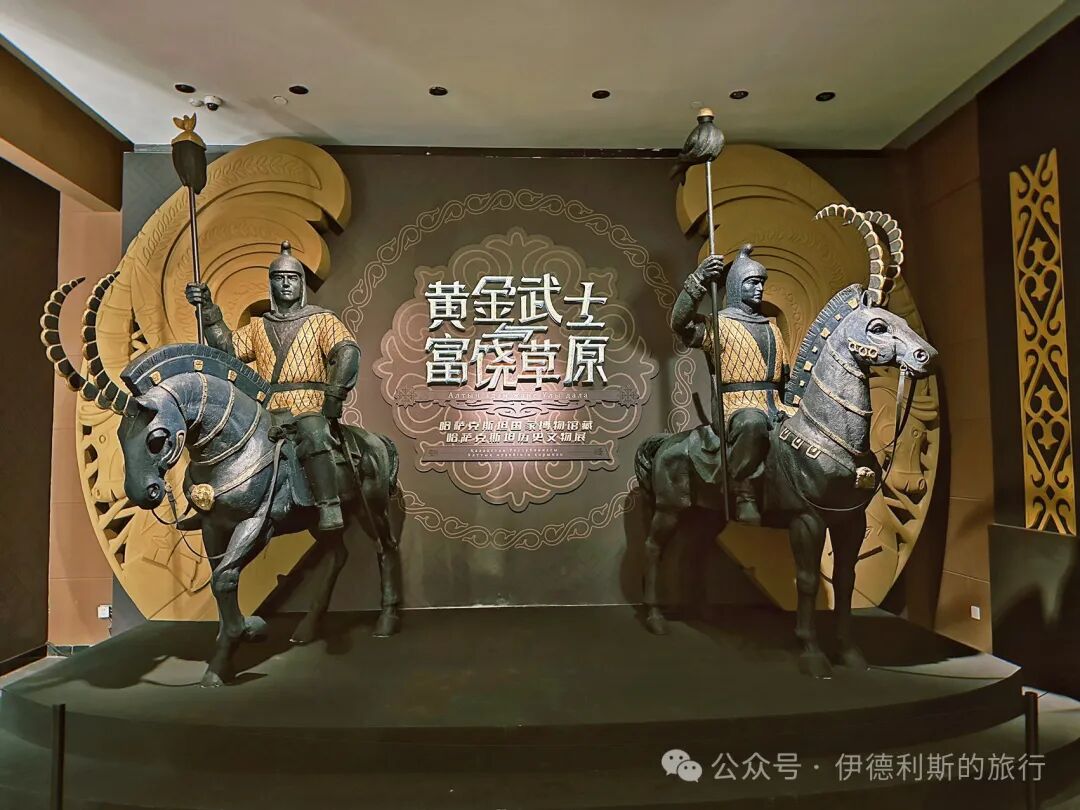
The Tianjin Museum displays exquisite brick carvings by the Hui Muslim families known as the 'Fancy Work Ma Family' (Huahuo Majia) and 'Brick Carver Liu' (Kezhuan Liu) from the Northwest Corner. See diary: [Exhibition Visit] Exquisite brick carvings by Hui Muslim artisans 'Huahuomajia' and 'Kezhuanliu' in the Northwest Corner of Tianjin.
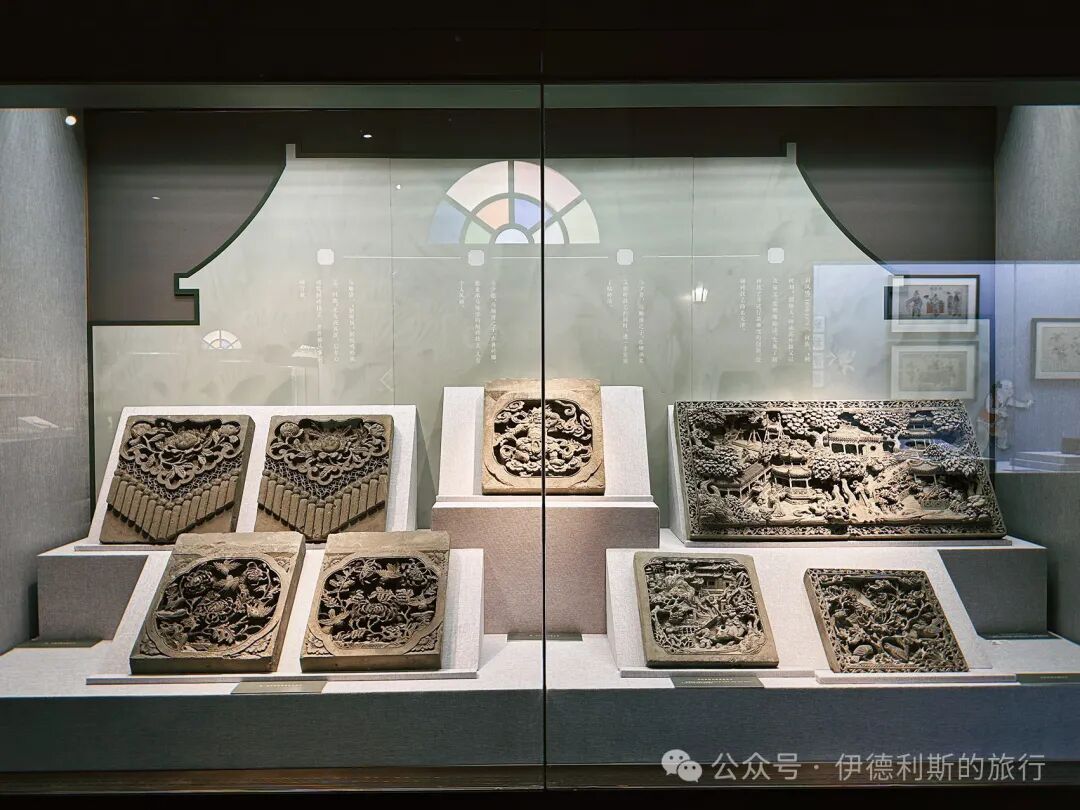
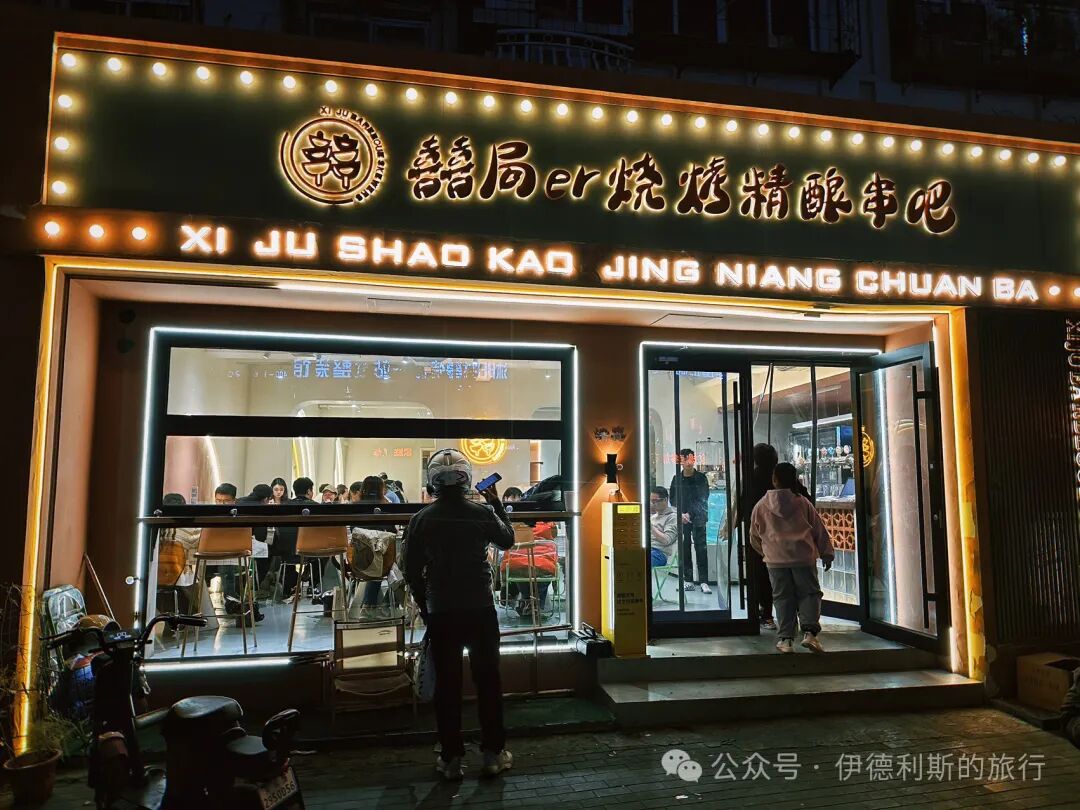
If you are a friend (dosti) from Beijing and are tired of the same old restaurants, a trip to Tianjin will definitely open your eyes. On this trip to Tianjin, we discovered a restaurant called Xiju that specializes in giant river prawns (luoshixia). It is located on Fuxing Road, just west of the Northwest Corner. It is run by local Hui Muslims and is very busy at night.
Their signature dish is a two-pound platter of giant river prawns, which you can get spicy or with garlic sauce. Giant river prawns are freshwater prawns originally from Malaysia in Southeast Asia. They are large and have plump, tender meat, but the texture isn't as firm as sea prawns, and the prawn flavor isn't as intense. It is similar to the difference between freshwater fish and sea fish. We ordered the garlic giant river prawns. You can add noodles to the sauce, which my son loved. He couldn't stop eating them, from start to finish, and he was the one at our table who enjoyed the meal the most.
Their Chaoshan seafood porridge was also excellent. Besides having plenty of prawns, it was packed with other seafood, making the flavor very rich.
They also have various barbecue items. We ordered squid, flounder, pineapple beef skewers, cheese bread slices, charcoal-grilled beef short ribs, and beef kimchi cheese rolls. Everything tasted great, especially the flounder, which had a wonderful texture and flavor.
Their sizzling sea bass pot (zhuzhu luyu bao) was also a hit with everyone. The sea bass was very fresh, and the garlic-clove-shaped meat had a great texture.
Their fried chicken racks are sweet and sour, making them a perfect snack that gets addictive the more you eat.
On Sunday morning, we had breakfast at Shunfa Lamian and Zhensucheng in the Xiaohaidi area of the Hexi District. Xiaohaidi is a lively residential area in the south of Tianjin with plenty of halal snacks. Shunfa Lamian is a noodle shop that has been open for over twenty years, specializing in yellow broth pulled noodles (lamian) and braised noodles (banmian). Zhensucheng is a breakfast shop that opened in 1979, specializing in crispy crepe strips in savory sauce (guobacai). Both of these shops are now franchises. The one in Xiaohaidi joined both brands, so now you can have yellow broth pulled noodles (huangtang lamian) and traditional breakfast at the same time in the morning.
We ordered yellow broth pulled noodles, water caltrop soup (lingjiao tang), flour tea (miancha), and beef pie (niurou bing). It was my first time having yellow broth pulled noodles. The yellow curry powder makes the flavor very rich, and I think it tastes even more satisfying than the clear broth version. Their water caltrop soup and flour tea both taste good, and Suleiman especially likes their flour tea. However, their beef pie has a bit too little filling. I noticed many people at the neighboring tables were eating flatbread rolls with fried fritters (dabing juanquan).
After eating at so many good restaurants in Tianjin, I finally hit a dud this time. On Sunday at noon, we went to the Galata Turkish Restaurant in Hengji Plaza, Hexi District. First of all, their tables are tiny. We ordered a meal for four, and it couldn't even fit on the table. Secondly, it is not authentic! We have eaten at so many Turkish restaurants in Beijing, Yiwu, Fuzhou, and Guangzhou, and they were all very authentic, whether run by Turkish or Azerbaijani people. This is the first time we have eaten at an inauthentic one; it is nothing like what we ate in Turkey.
Their potatoes and roasted chicken were covered in thick layers of salad dressing and ketchup. It felt just like fast food sold at a temple fair, which doesn't fit the Mediterranean diet of Turkey that focuses on spices. Also, the grilled meat was not good. Some parts were dry, and some were salty. The grill chef's skills need improvement. The grilled meat was served with pilaf (zhuafan) made with domestic short-grain rice. I suspect the chef is our fellow countryman from Xinjiang.
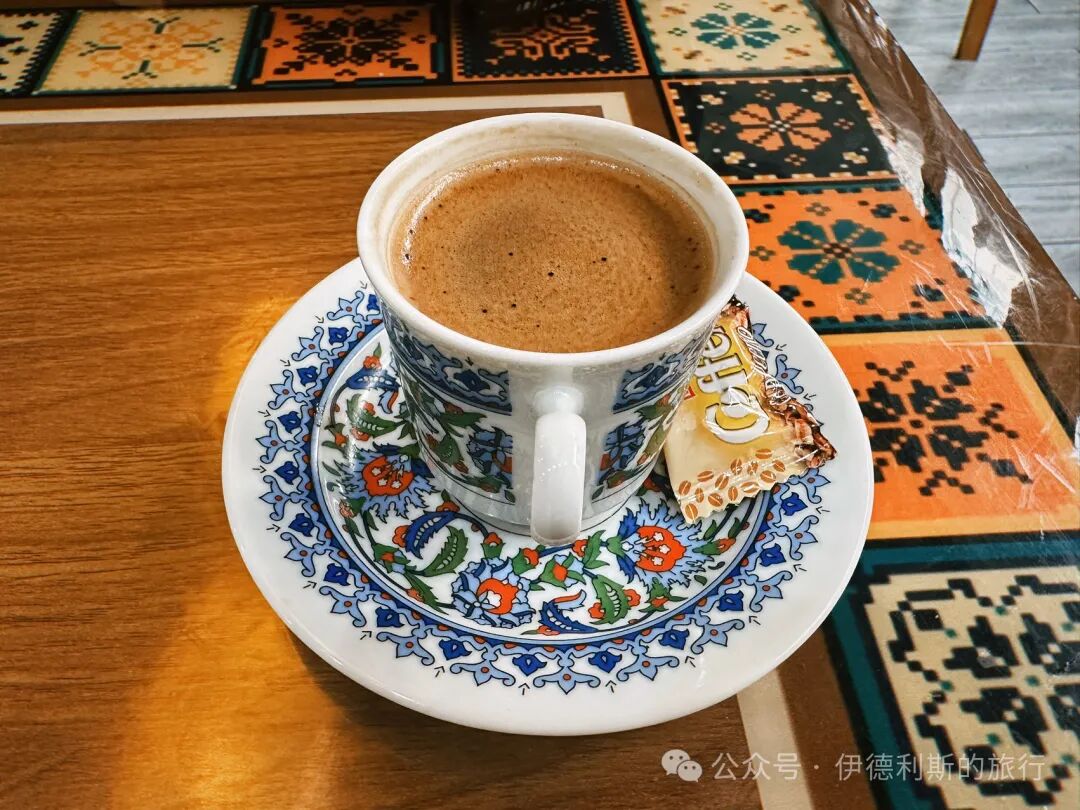
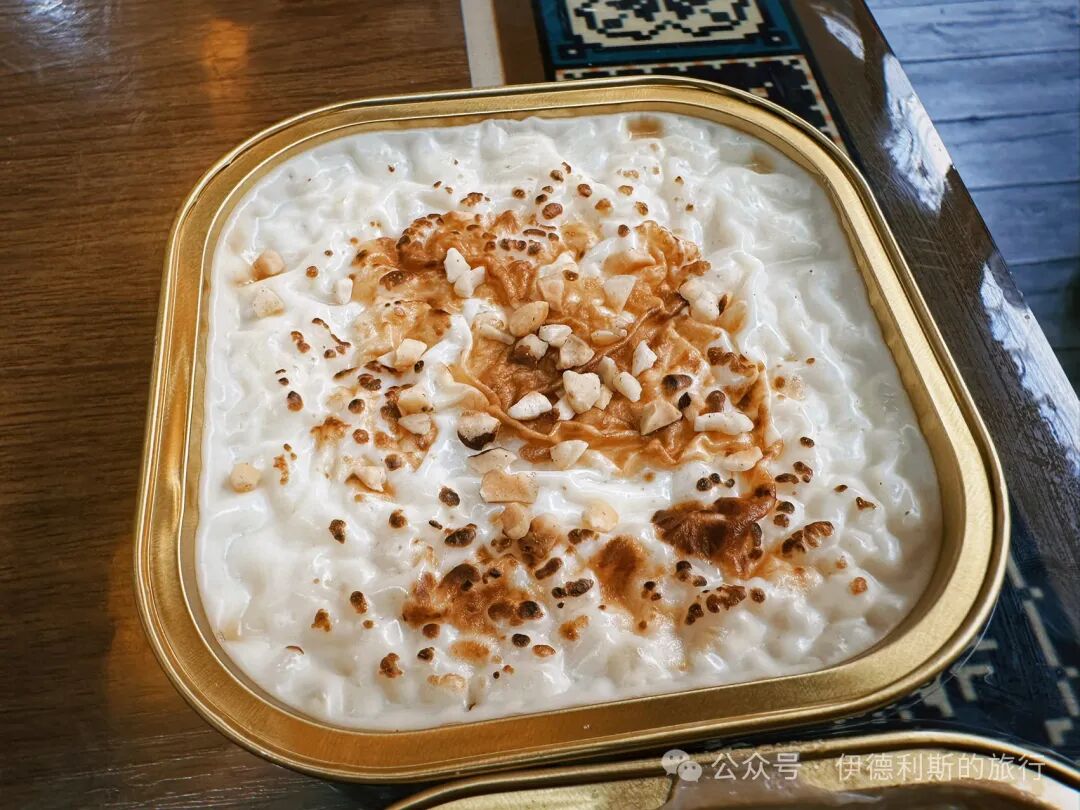
They do have one big advantage, which is that it is cheap! The price is about half of what you would pay at a Turkish restaurant in Beijing, so you get what you pay for. Their milk pudding and Turkish coffee also taste good. The milk pudding is not sweet, and it is quite pleasant to have with coffee. It is just that they served the coffee with a candy ball that children often eat, which is also a bad match. They should at least serve it with Turkish delight or even a piece of chocolate.
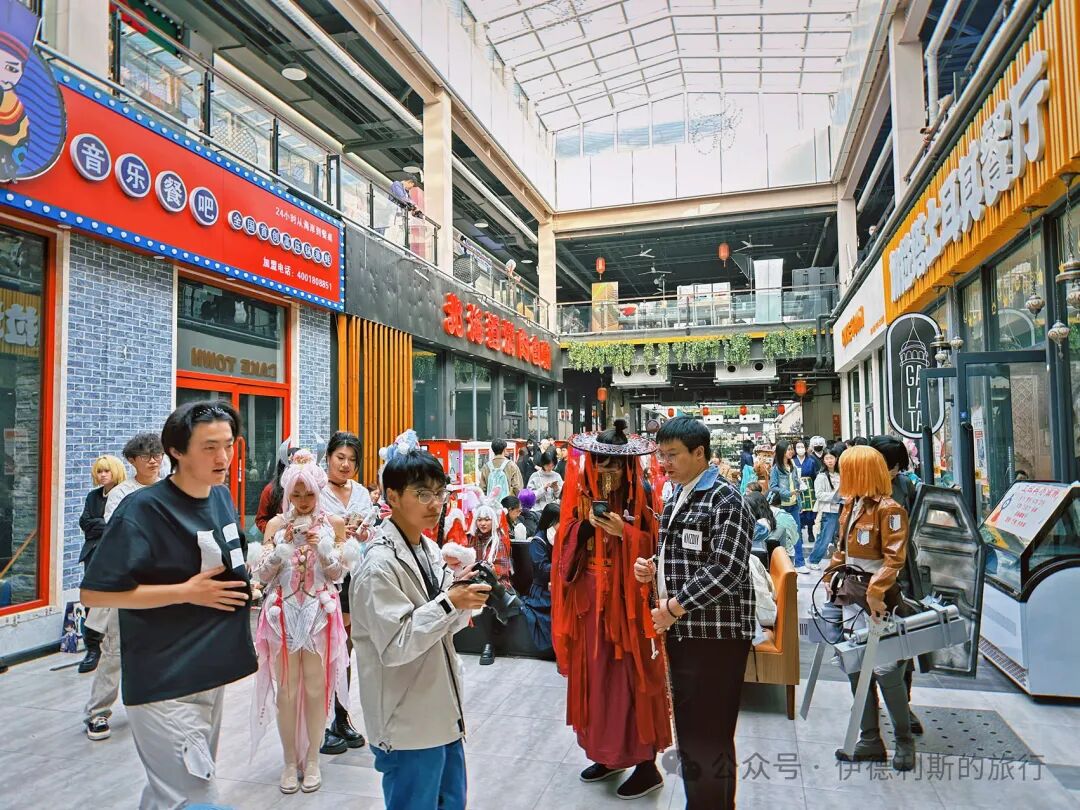
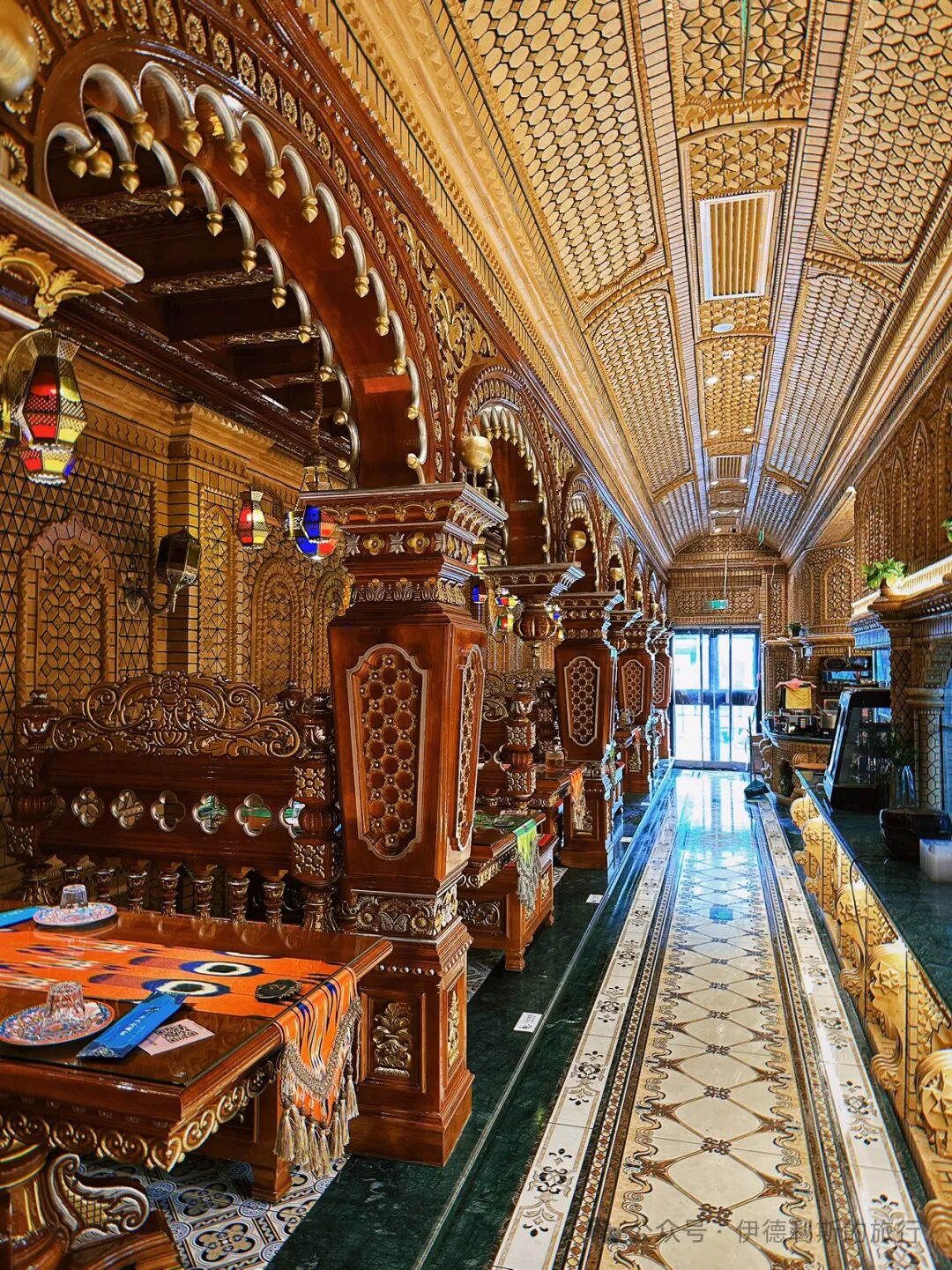
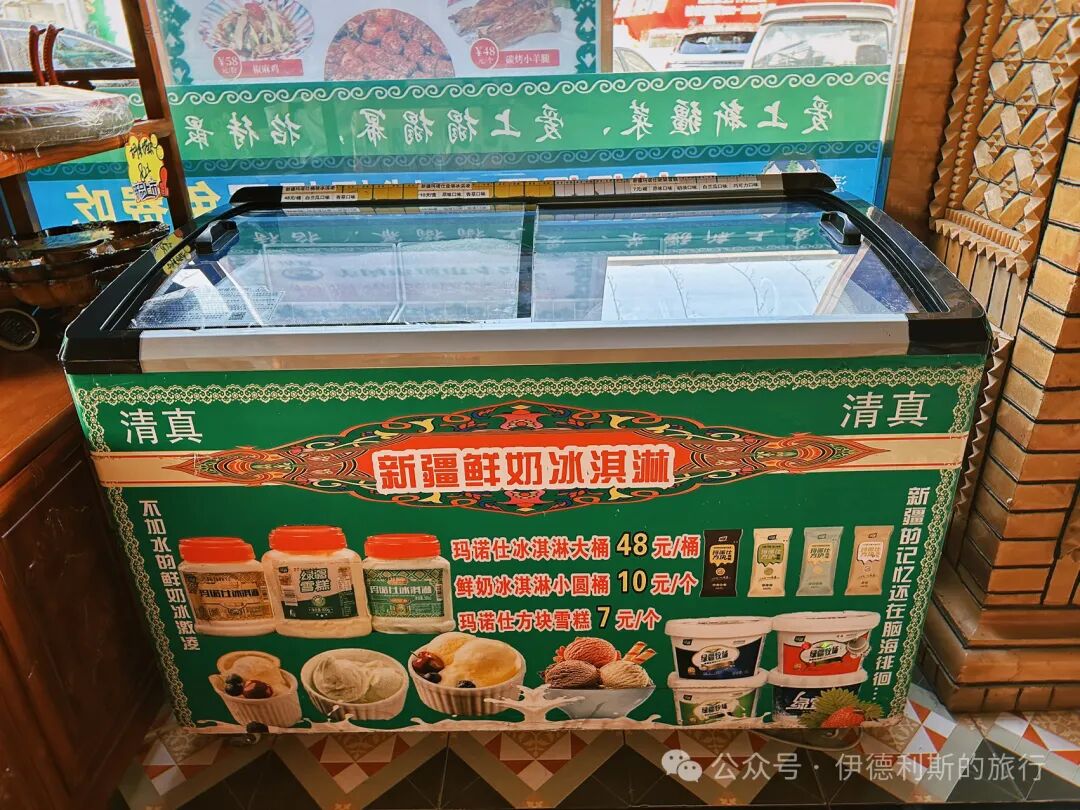
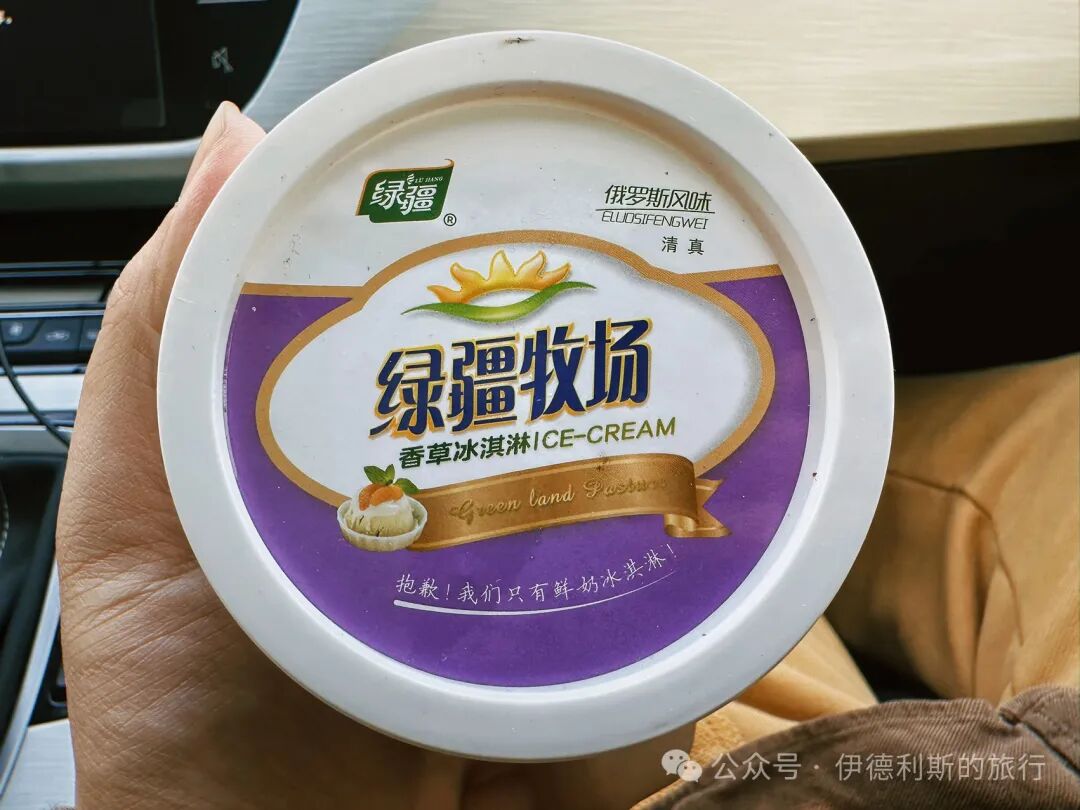
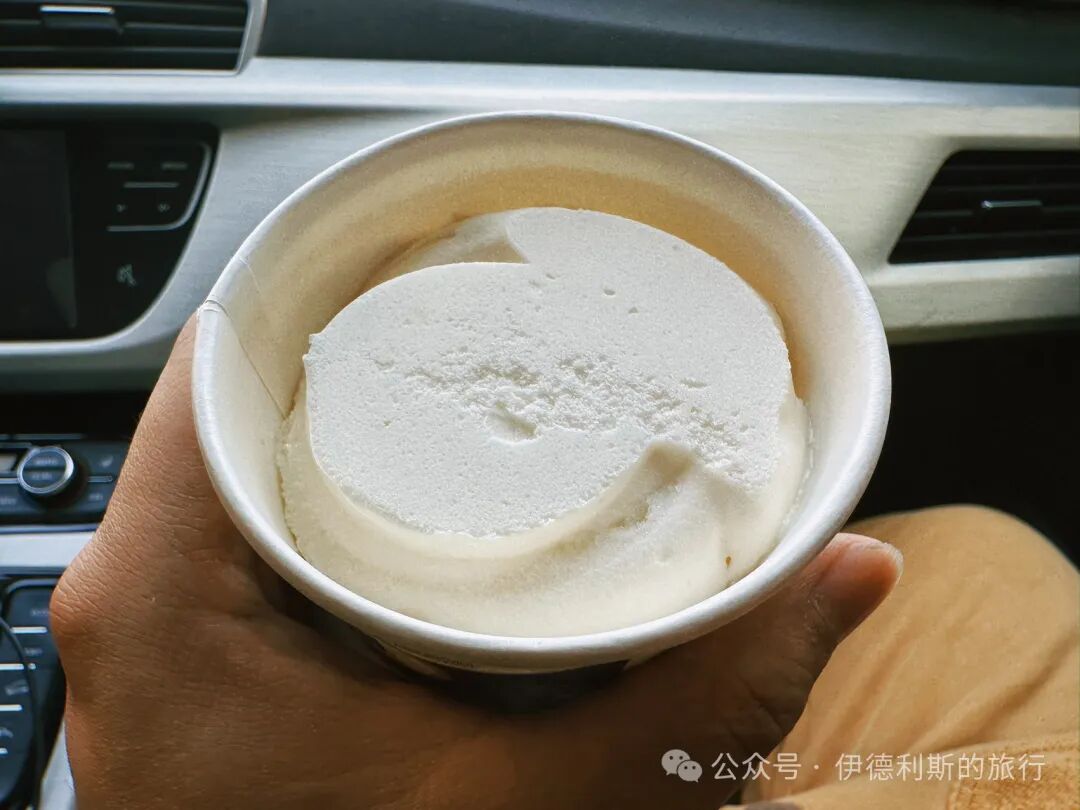
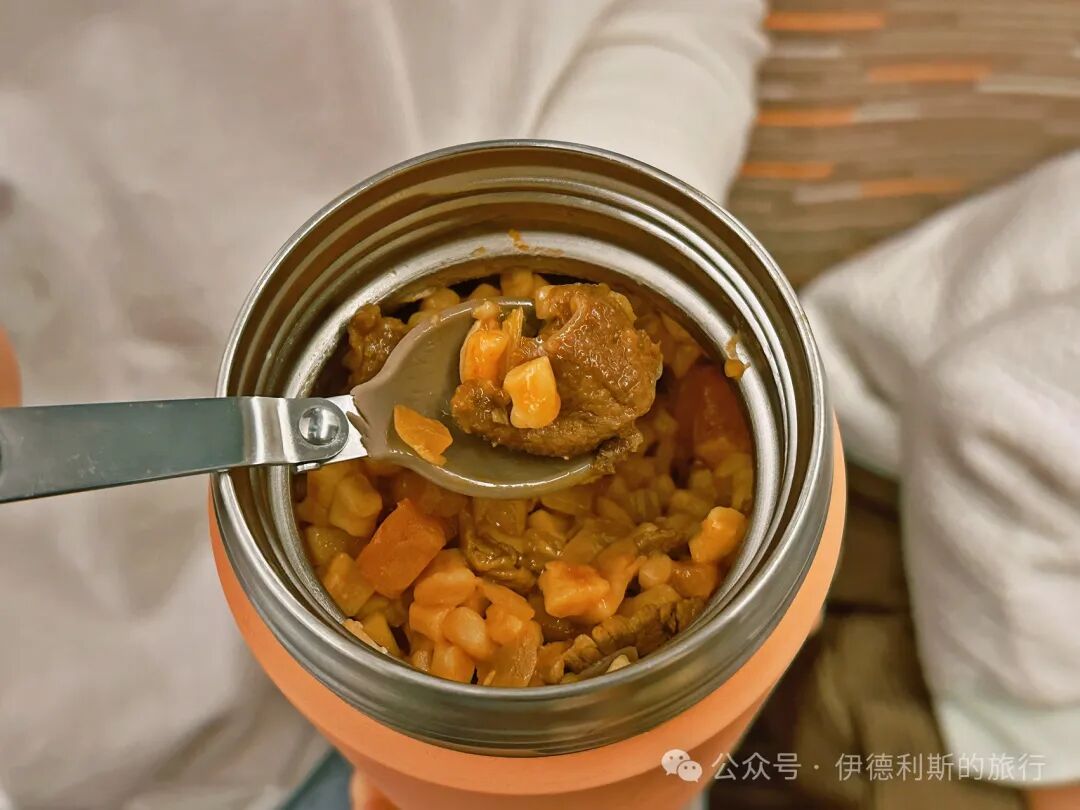
After leaving Hengji Plaza, we went to the Tatami Xinjiang Restaurant at the entrance to pack some diced noodle stir-fry (dingding chaomian) for Suleiman to eat in the evening. Their decor is quite good and very Xinjiang-style. The waiter who served us was Uyghur, and the chefs in the kitchen were all Hui Muslims. It is an open kitchen, and the chefs have real skill. We specifically asked for it to be made for a child, and the diced noodle stir-fry was indeed very suitable. Suleiman loved it. They also sell fresh milk ice cream from Tacheng, and I bought one that tasted quite good.
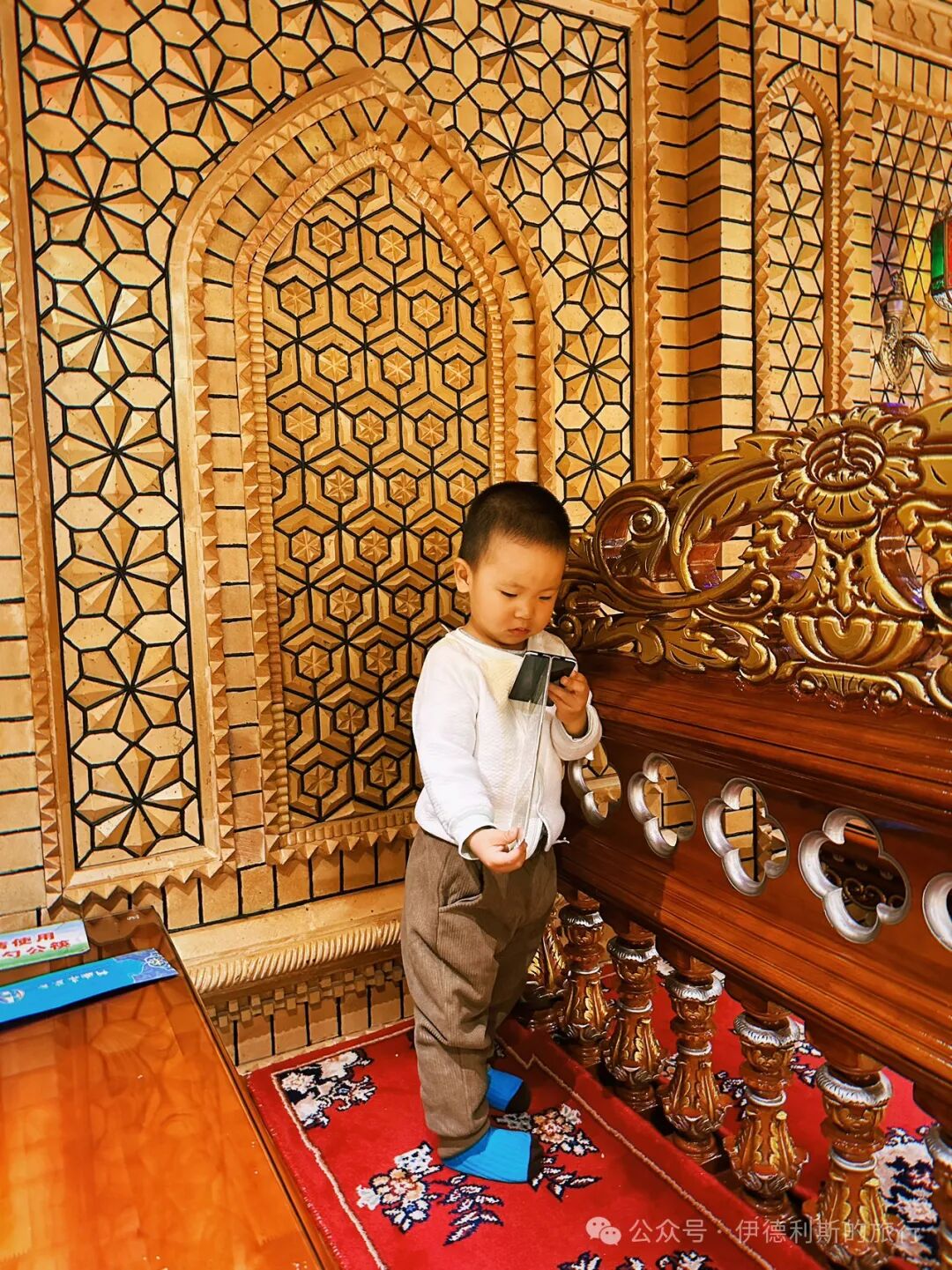
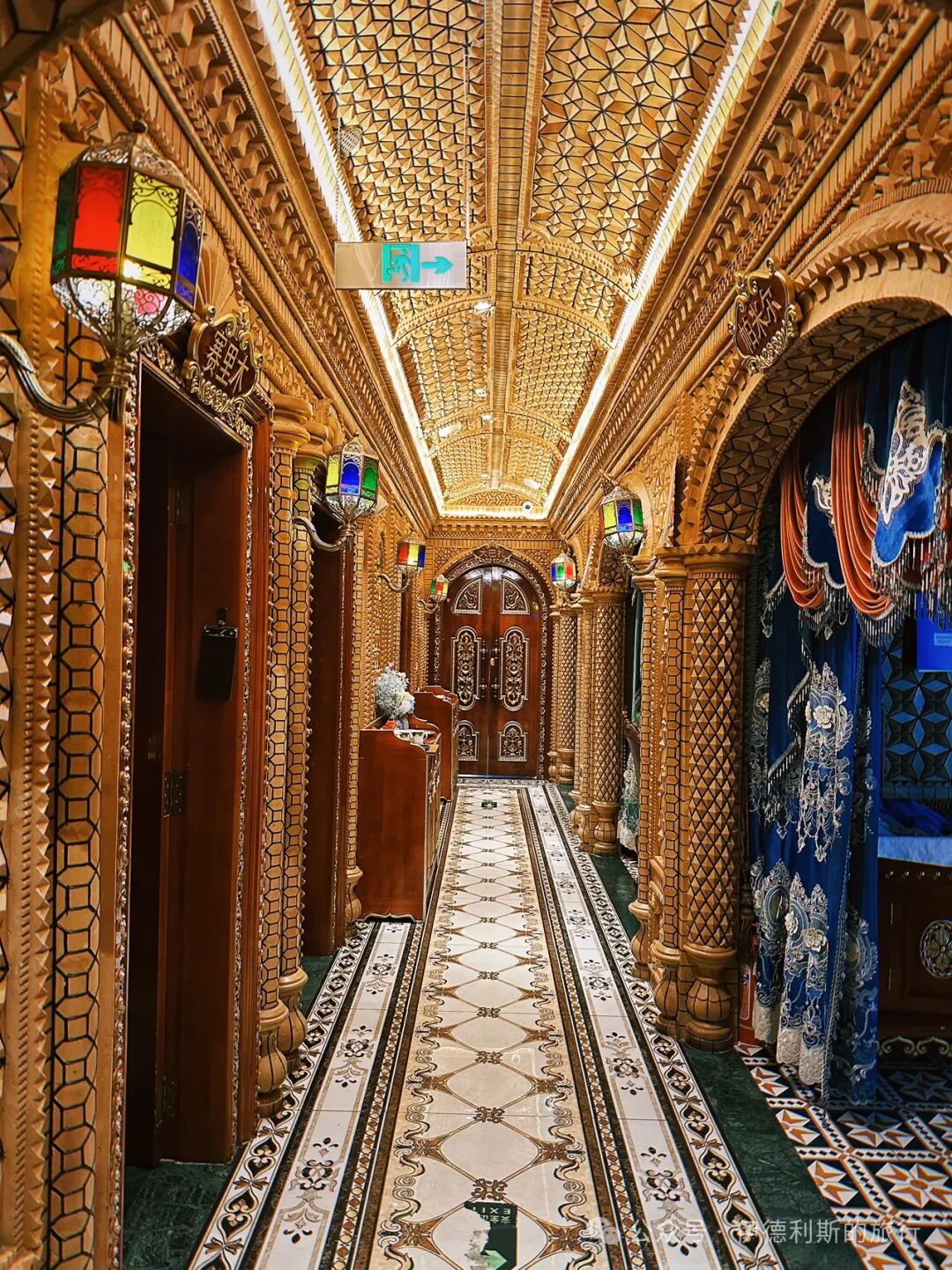
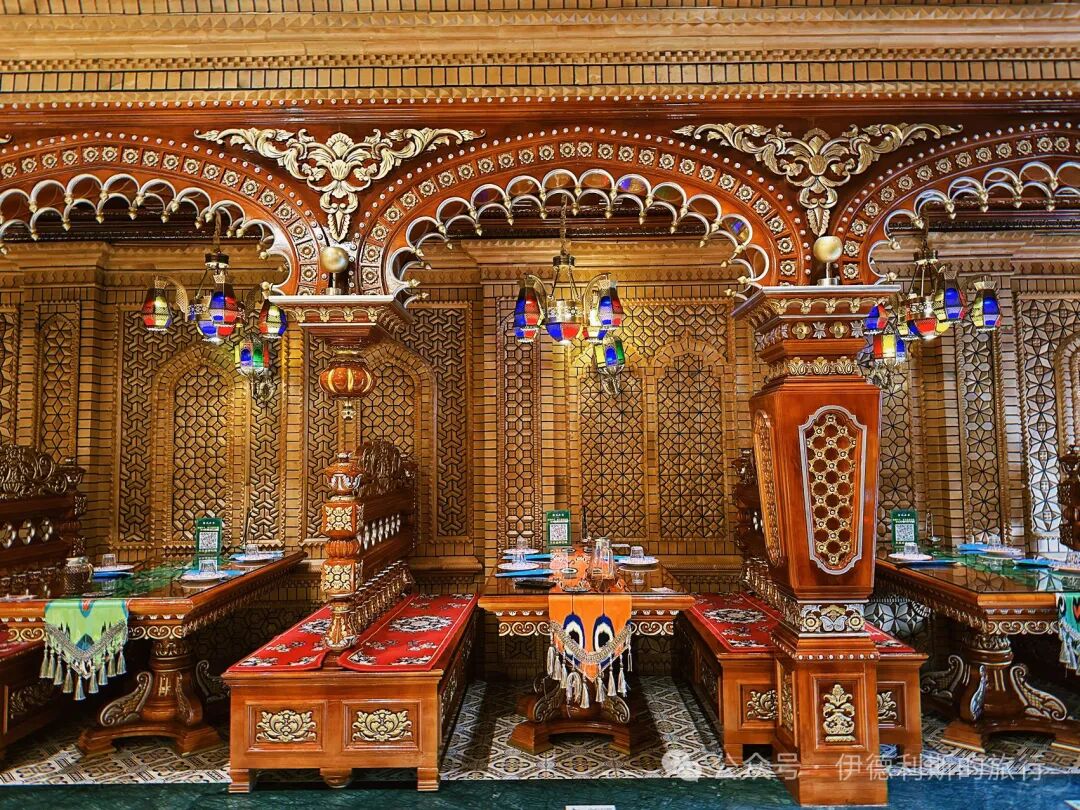
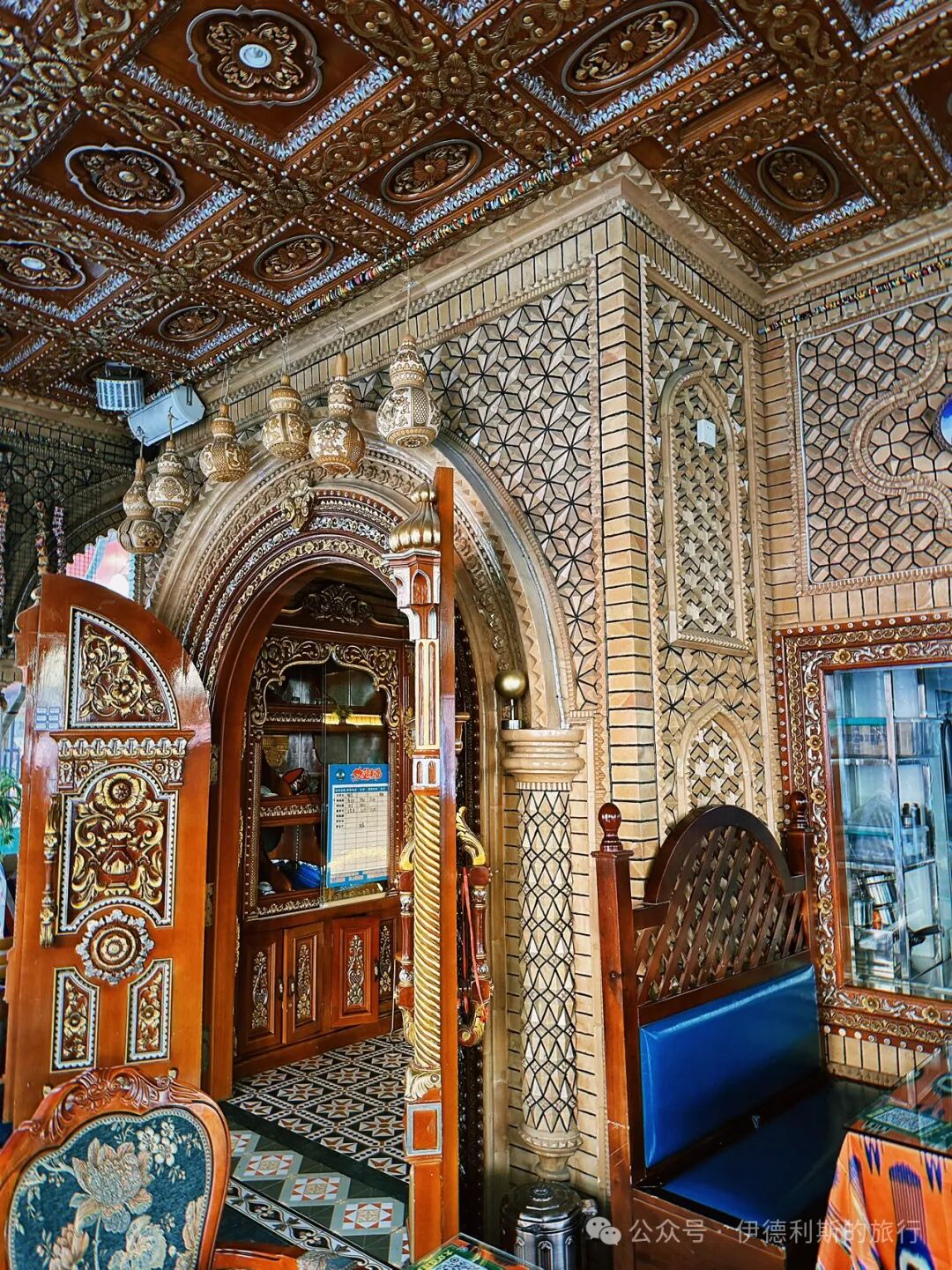
I just remembered that I can add locations to my official account posts, so I will also add locations for the Tianjin restaurants recommended in previous issues.
Between the mountains and the sea: from Huairou farmhouses to coastal Western restaurants.
Haishiwan Halal Western Restaurant.
Eating Halal Western food at Haishiwan on Binjiang Road in Tianjin. Overall, their dish names and plating are quite fancy and look great in photos, but the actual taste is average, similar to fast food in a shopping mall.
The best thing they have is probably the avocado salad, which is very healthy. The tuna salad is more like a simple home-style mixed vegetable dish. The seafood fried rice and beef fried rice are both soy sauce-based, which feels more suited to the tastes of the Shandong cuisine region. The seafood pizza is plated very beautifully, but the pizza base itself is very average, just like the taste of a cheap fast-food chain. They also have various drinks with names I don't recognize, which are just sparkling water mixed with syrup. The fog coffee is great for photos, but the coffee itself is also very average.
Nuobona Halal Western Restaurant.
Nuobona Halal Western Restaurant at the 80 Food Plaza in TEDA, Tianjin, is definitely the best Halal Western food I have ever eaten! The taste is far better than the ones in downtown Tianjin.
Muyi Chinese Restaurant, Nuobona Western Restaurant, and the Western bakery on the first floor in Taifeng are all part of the Yisilai Mu Restaurant founded in 1994, and their Halal license number is Binhai 001. We have eaten at Muyi before; it is creative Chinese food with many dishes they invented themselves, and the taste is excellent. This time we tried their Western food and still had nothing but praise. Their environment is also very good, and they have a special area for children to play, which is very thoughtful.
We ordered charcoal-grilled baby lobster and creamy lobster soup served two ways, French escargot, British fish and chips, baked potato skins, golden pillow durian pizza, lasagna, tiramisu, non-alcoholic mojito, dirty milk, and rose soda, and we also ordered a kids' meal for Suleiman (spaghetti, pumpkin soup, french fries, grilled chicken wings, and fruit salad). The lobster is very tender, and the creamy lobster soup is rich and very fragrant. This was my first time eating baked escargot; the texture is very chewy and bouncy, and the various spices are added perfectly. It was my first time eating British-style fried fish, though it didn't come with french fries. The way they make it is very different from the common cod cakes in China; the fish meat is ground very finely, and the texture is very moist.
Taking kids out to eat in Tianjin: Yemeni food, Algerian desserts, rice noodle rolls (changfen), Japanese food, and water caltrop soup.
Socotra Yemeni Restaurant.
Many Yemeni restaurants have opened in Guangzhou and Yiwu, but Beijing's Arab restaurants are still mostly Levantine style. If you want a Yemeni meal, you have to take an intercity train to Tianjin.
Socotra is Socotra Island in the Arabian Sea, southeast of Yemen. It was called Sugudala in the Ming Dynasty's Zheng He Navigation Map. Socotra Island was listed as a World Natural Heritage site in 2008. The island is most famous for its dragon blood trees. The Socotra restaurant's logo is a dragon blood tree, and there are photos of the trees hanging in the shop.
We ordered the signature soup, chicken lentil soup, lamb Zurbian rice, Mushakkal stir-fried vegetables, Fahsa beef stew, banana mango juice, and Khubz flatbread. Zurbian rice is a bit like Indian Biryani rice, as both are stir-fried with various spices. Their lamb is roasted and smells great, but we found the rice a bit dry. There are also small bone fragments inside, so be careful not to let children eat it.
When you go to a Yemeni restaurant, you must try the classic Yemeni dish, Fahsa beef stew. Fahsa is usually made with lamb, but this place uses beef. When they make it, they stew the meat until it is very tender. It starts in a large vat and is then moved to a small pot to continue stewing. Besides ginger, garlic, and cumin, they add a spice called fenugreek (Hulbah) when stewing the meat. Fenugreek is actually what people in Northwest China often call fragrant beans (kudou). People in the Northwest dry the leaves of the fenugreek plant and grind them into powder to steam buns, while Yemenis grind the seeds to stew meat. Fenugreek seeds expand when they meet water and easily foam up when stirred in a bowl.
The classic pairing for Fahsa stew is Mulawah Yemeni flatbread, but this place requires you to order it in advance. You can only get Khubz flatbread if you walk in. Khubz flatbread is actually the same as the pita bread in Levantine cuisine. The version they make is quite hard, and to be honest, it is not very tasty.
Qianmu Halal Japanese Cuisine
There are no longer any halal Japanese restaurants in Beijing, so you have to go to Tianjin for this. This place is very popular, and it is hard to get a seat without booking in advance. When we went after eight o'clock, they had even sold out of rice, so we had to go to the ramen shop across the street to buy some.
We ordered tempura udon, sukiyaki, eel rice, a grilled platter, cod roe potato gratin, cheese-baked crab shell, a slow-cooked sushi platter, and marble soda. Suleiman loves their udon noodles. He couldn't stop eating them, and after he finished, he was so happy that he fell right asleep. There are quite a few grilled items, but they are mostly mushroom-based vegetable dishes with less meat. The soy sauce for the sushi is a bit salty, and the sushi itself is just average, which is a pity. The staff saw we had a child, so they cooked the sukiyaki for us before bringing it to the table. That deserves a thumbs up. The eel rice tastes okay, and next time I want to try their teriyaki chicken rice.
Xue's Northwest Corner Old-Style Breakfast
Ever since the Northwest Corner became super popular, I basically stopped going there to eat. Actually, Tianjin has so many delicious breakfast spots, not just the Northwest Corner. I used to go to Tianmu and Jinjiayao for breakfast, but this time I went to Xue's Northwest Corner Old-Style Breakfast in the Lushuidao area of Jinnan District. Their shop is a simple neighborhood eatery on the ground floor of an apartment complex, where all the local seniors come to eat.
We didn't arrive until nine, so most things were sold out. We just ordered water caltrop dumplings (lingjiao tang), sesame flatbread with meat (shaobing jiarou), and savory crepe strips in sauce (guobacai). Their water caltrop dumplings are truly delicious. The skin is the perfect texture, and the filling is very fragrant. Suleiman ate several in one go. The sesame flatbread for the meat sandwich is crispy, and the flavor is quite good. The savory crepe strips are a traditional old-school flavor, but eating both the dumplings and the crepe strips together is a bit heavy. I feel like the crepe strips go best with iron-pot soy milk.
Algerian Bakery
I had an Algerian afternoon tea at Lyn's Healthy Bakeshop on Chifeng Road in Tianjin. Chifeng Road is in the former French Concession area, which is full of small Western-style villas and all kinds of little shops.
The owner, who is from Algeria, opened this small shop for tea and desserts. It should be the first Algerian restaurant in China. I have to say, Tianjin's food scene is once again at the forefront of internationalization!
They offer both à la carte and afternoon tea sets. They have both traditional Algerian desserts and Western pastries. Everything uses maple syrup instead of white sugar, focusing on healthy eating. It is probably the least sweet Arabic dessert shop I have ever visited!
We drank Algerian mint tea and Algerian orange blossom lemonade (Sherbet Mazhar). The mint tea is brewed to order, so you have to wait a while. The aroma is very strong, but because it is freshly brewed, you cannot get refills. Orange blossom water is definitely a signature Algerian drink, especially classic at wedding banquets in northern Algeria. The orange blossom drink is made from orange blossom water distilled from bitter orange blossoms, mixed with syrup and water. It is very refreshing in the summer.
We ate Algerian baklava (Baklawa), apple pie, milk pudding (M'halbi), and cheesecake. Suleiman loved the cheesecake the most. Baklava was introduced to Algeria from Turkey during the Ottoman period. The Algerian version adds crushed almonds and orange blossom water, so the taste is different from the Turkish one.
Milk pudding (M'halbi) is a classic Middle Eastern dessert for breaking the fast and is most popular during Ramadan. The name M'halbi comes from Al-Muhallab, the governor of Khorasan during the Umayyad Caliphate. Legend has it that he once had a stomachache, and a doctor made him milk-boiled rice flour with sugar. He liked it so much that he named the dessert after himself.
Finally, I want to say that their food is excellent, but the decor is still a bit simple. If they could highlight the Algerian theme more, it would definitely become a new trendy spot in Tianjin.
Yiweizhai Halal Rice Noodle Rolls
I ate rice noodle rolls (changfen) at Yiweizhai on Xihu Road in Tianjin. I used to go to Yeji Changfen whenever I visited Tianjin, but this was my first time at Yiweizhai. The shop at Yiweizhai is small, but they have a huge variety of dishes. We ordered seafood rice noodle rolls, fresh shrimp steamed dumplings (shaomai), chicken feet in black bean sauce (chizhi fengzhua), claypot rice with cured beef (laoniurou baozai fan), plain beef tendon balls, curry beef balls, curry fish balls, and traditional crispy mung bean starch jelly (laowei cuipi menzi). Except for the claypot rice, which takes a while because it is cooked from raw rice, the other dishes arrived very quickly.
Overall, their food is very good. It really shows how much effort Tianjin people put into their cooking. Their rice noodle rolls have a great texture, not as firm as the ones I had in Hong Kong. Their beef tendon balls and fish balls also have a fantastic texture; we ordered one portion and then added another. By comparison, the beef balls were just average. This was my first time eating crispy mung bean starch jelly. I had only ever had pan-fried versions before, which clearly do not taste as good as this crispy-on-the-outside, tender-on-the-inside version.
My hometown: Hexiwu Town, Wuqing, Tianjin.
Xinpengzhai Restaurant.
I first bought the signature golden-rimmed braised noodles (jinbian koumen) at Xinpengzhai Restaurant. It is beef and bean sprout braised noodles (menbing) topped with a fried egg. The egg was very fragrant, and it was my first time eating menbing this way. It tasted excellent.
Wangji Lirenzhai.
Inside the Hexiwu farmers' market is the Shouyi Snack Street, where the most famous item is the yellow rice fried cake (huangmi zhagao) from the century-old shop Wangji Lirenzhai. We arrived a bit late and they were closing at 1:00 PM, so we just bought all the remaining fried cakes.
Lirenzhai is a Tianjin intangible cultural heritage project for the craft of making Hexiwu Lirenzhai fried cakes. The Wang family's ancestral home was in Cangzhou, Hebei. At the end of the Qing Dynasty, they fled the war and came to Wuqing. They first settled in Yangcun, but later heard that Hexiwu was densely populated and had a large community of Hui Muslims, so they moved to Hexiwu to settle down. In 1918, Wang Zhenlong inherited the family craft and officially set up a stall in Hexiwu, specializing in yellow rice fried cakes. After 1958, the Wangji fried cake business was merged into a cooperative store, and it was shut down after the 1960s. It wasn't until 1979 that the second-generation successor, Wang Jinyuan, inherited the family business and revived Wangji fried cakes. In 1999, the third-generation successor, Wang Xueren, took over and renamed it Lirenzhai, which is what it is called today.
Yangji Gezhihe.
Besides yellow rice fried cakes, the fried mung bean flour rolls (gezhihe) in Hexiwu are also very famous. Unlike the common version, the ones here are filled. They come in mung bean flour and wheat flour varieties, giving them a richer texture than standard fried mung bean flour rolls.
Summary: This Tianjin halal food guide follows an autumn eating route through Syrian dishes, giant river prawns, yellow broth pulled noodles, Turkish food, and Xinjiang fresh milk ice cream. It keeps the original restaurant details, dishes, photos, and food notes for readers planning Muslim-friendly meals in Tianjin.
Two months later, we went back to Tianjin for a weekend trip with our kids. We arrived in Tianjin on Saturday at noon and headed straight to the Al-Andalus restaurant in the Nankai District Sunac Center for some Levantine food. The owner is Syrian. Al-Andalus was the name Arabs used for the Iberian Peninsula during the Middle Ages. In the 8th century, under the Umayyad dynasty, Al-Andalus was a famous center for economy, culture, academics, and education, serving as an important bridge for cultural and scientific exchange between the East and the West.
We ordered the four-person feast set, which included lentil soup, cream of mushroom soup, a hummus trio, lamb samosas (samosa), chicken wraps (shawarma), a four-season pizza, a mixed grill platter, black tea, and a crispy salad. We also ordered yogurt separately. Overall, the food was very authentic. It offers better value than the Arab restaurants in Beijing, and you don't have to wait in line. Their yogurt was especially good, with a rich, tangy flavor that beats many of the Arab restaurants in Beijing. The only downside was that the samosa dough was a bit thick, more like the South Asian version than the thin-crust Levantine style.
After lunch, we went to the Tianjin Museum, which is currently hosting an exhibition of historical artifacts from the National Museum of Kazakhstan. See diary: [Exhibition Visit] Tianjin Museum's Kazakhstan National Museum Historical Artifacts Exhibition.
The Tianjin Museum displays exquisite brick carvings by the Hui Muslim families known as the 'Fancy Work Ma Family' (Huahuo Majia) and 'Brick Carver Liu' (Kezhuan Liu) from the Northwest Corner. See diary: [Exhibition Visit] Exquisite brick carvings by Hui Muslim artisans 'Huahuomajia' and 'Kezhuanliu' in the Northwest Corner of Tianjin.
If you are a friend (dosti) from Beijing and are tired of the same old restaurants, a trip to Tianjin will definitely open your eyes. On this trip to Tianjin, we discovered a restaurant called Xiju that specializes in giant river prawns (luoshixia). It is located on Fuxing Road, just west of the Northwest Corner. It is run by local Hui Muslims and is very busy at night.
Their signature dish is a two-pound platter of giant river prawns, which you can get spicy or with garlic sauce. Giant river prawns are freshwater prawns originally from Malaysia in Southeast Asia. They are large and have plump, tender meat, but the texture isn't as firm as sea prawns, and the prawn flavor isn't as intense. It is similar to the difference between freshwater fish and sea fish. We ordered the garlic giant river prawns. You can add noodles to the sauce, which my son loved. He couldn't stop eating them, from start to finish, and he was the one at our table who enjoyed the meal the most.
Their Chaoshan seafood porridge was also excellent. Besides having plenty of prawns, it was packed with other seafood, making the flavor very rich.
They also have various barbecue items. We ordered squid, flounder, pineapple beef skewers, cheese bread slices, charcoal-grilled beef short ribs, and beef kimchi cheese rolls. Everything tasted great, especially the flounder, which had a wonderful texture and flavor.
Their sizzling sea bass pot (zhuzhu luyu bao) was also a hit with everyone. The sea bass was very fresh, and the garlic-clove-shaped meat had a great texture.
Their fried chicken racks are sweet and sour, making them a perfect snack that gets addictive the more you eat.
On Sunday morning, we had breakfast at Shunfa Lamian and Zhensucheng in the Xiaohaidi area of the Hexi District. Xiaohaidi is a lively residential area in the south of Tianjin with plenty of halal snacks. Shunfa Lamian is a noodle shop that has been open for over twenty years, specializing in yellow broth pulled noodles (lamian) and braised noodles (banmian). Zhensucheng is a breakfast shop that opened in 1979, specializing in crispy crepe strips in savory sauce (guobacai). Both of these shops are now franchises. The one in Xiaohaidi joined both brands, so now you can have yellow broth pulled noodles (huangtang lamian) and traditional breakfast at the same time in the morning.
We ordered yellow broth pulled noodles, water caltrop soup (lingjiao tang), flour tea (miancha), and beef pie (niurou bing). It was my first time having yellow broth pulled noodles. The yellow curry powder makes the flavor very rich, and I think it tastes even more satisfying than the clear broth version. Their water caltrop soup and flour tea both taste good, and Suleiman especially likes their flour tea. However, their beef pie has a bit too little filling. I noticed many people at the neighboring tables were eating flatbread rolls with fried fritters (dabing juanquan).
After eating at so many good restaurants in Tianjin, I finally hit a dud this time. On Sunday at noon, we went to the Galata Turkish Restaurant in Hengji Plaza, Hexi District. First of all, their tables are tiny. We ordered a meal for four, and it couldn't even fit on the table. Secondly, it is not authentic! We have eaten at so many Turkish restaurants in Beijing, Yiwu, Fuzhou, and Guangzhou, and they were all very authentic, whether run by Turkish or Azerbaijani people. This is the first time we have eaten at an inauthentic one; it is nothing like what we ate in Turkey.
Their potatoes and roasted chicken were covered in thick layers of salad dressing and ketchup. It felt just like fast food sold at a temple fair, which doesn't fit the Mediterranean diet of Turkey that focuses on spices. Also, the grilled meat was not good. Some parts were dry, and some were salty. The grill chef's skills need improvement. The grilled meat was served with pilaf (zhuafan) made with domestic short-grain rice. I suspect the chef is our fellow countryman from Xinjiang.
They do have one big advantage, which is that it is cheap! The price is about half of what you would pay at a Turkish restaurant in Beijing, so you get what you pay for. Their milk pudding and Turkish coffee also taste good. The milk pudding is not sweet, and it is quite pleasant to have with coffee. It is just that they served the coffee with a candy ball that children often eat, which is also a bad match. They should at least serve it with Turkish delight or even a piece of chocolate.
After leaving Hengji Plaza, we went to the Tatami Xinjiang Restaurant at the entrance to pack some diced noodle stir-fry (dingding chaomian) for Suleiman to eat in the evening. Their decor is quite good and very Xinjiang-style. The waiter who served us was Uyghur, and the chefs in the kitchen were all Hui Muslims. It is an open kitchen, and the chefs have real skill. We specifically asked for it to be made for a child, and the diced noodle stir-fry was indeed very suitable. Suleiman loved it. They also sell fresh milk ice cream from Tacheng, and I bought one that tasted quite good.
I just remembered that I can add locations to my official account posts, so I will also add locations for the Tianjin restaurants recommended in previous issues.
Between the mountains and the sea: from Huairou farmhouses to coastal Western restaurants.
Haishiwan Halal Western Restaurant.
Eating Halal Western food at Haishiwan on Binjiang Road in Tianjin. Overall, their dish names and plating are quite fancy and look great in photos, but the actual taste is average, similar to fast food in a shopping mall.
The best thing they have is probably the avocado salad, which is very healthy. The tuna salad is more like a simple home-style mixed vegetable dish. The seafood fried rice and beef fried rice are both soy sauce-based, which feels more suited to the tastes of the Shandong cuisine region. The seafood pizza is plated very beautifully, but the pizza base itself is very average, just like the taste of a cheap fast-food chain. They also have various drinks with names I don't recognize, which are just sparkling water mixed with syrup. The fog coffee is great for photos, but the coffee itself is also very average.
Nuobona Halal Western Restaurant.
Nuobona Halal Western Restaurant at the 80 Food Plaza in TEDA, Tianjin, is definitely the best Halal Western food I have ever eaten! The taste is far better than the ones in downtown Tianjin.
Muyi Chinese Restaurant, Nuobona Western Restaurant, and the Western bakery on the first floor in Taifeng are all part of the Yisilai Mu Restaurant founded in 1994, and their Halal license number is Binhai 001. We have eaten at Muyi before; it is creative Chinese food with many dishes they invented themselves, and the taste is excellent. This time we tried their Western food and still had nothing but praise. Their environment is also very good, and they have a special area for children to play, which is very thoughtful.
We ordered charcoal-grilled baby lobster and creamy lobster soup served two ways, French escargot, British fish and chips, baked potato skins, golden pillow durian pizza, lasagna, tiramisu, non-alcoholic mojito, dirty milk, and rose soda, and we also ordered a kids' meal for Suleiman (spaghetti, pumpkin soup, french fries, grilled chicken wings, and fruit salad). The lobster is very tender, and the creamy lobster soup is rich and very fragrant. This was my first time eating baked escargot; the texture is very chewy and bouncy, and the various spices are added perfectly. It was my first time eating British-style fried fish, though it didn't come with french fries. The way they make it is very different from the common cod cakes in China; the fish meat is ground very finely, and the texture is very moist.
Taking kids out to eat in Tianjin: Yemeni food, Algerian desserts, rice noodle rolls (changfen), Japanese food, and water caltrop soup.
Socotra Yemeni Restaurant.
Many Yemeni restaurants have opened in Guangzhou and Yiwu, but Beijing's Arab restaurants are still mostly Levantine style. If you want a Yemeni meal, you have to take an intercity train to Tianjin.
Socotra is Socotra Island in the Arabian Sea, southeast of Yemen. It was called Sugudala in the Ming Dynasty's Zheng He Navigation Map. Socotra Island was listed as a World Natural Heritage site in 2008. The island is most famous for its dragon blood trees. The Socotra restaurant's logo is a dragon blood tree, and there are photos of the trees hanging in the shop.
We ordered the signature soup, chicken lentil soup, lamb Zurbian rice, Mushakkal stir-fried vegetables, Fahsa beef stew, banana mango juice, and Khubz flatbread. Zurbian rice is a bit like Indian Biryani rice, as both are stir-fried with various spices. Their lamb is roasted and smells great, but we found the rice a bit dry. There are also small bone fragments inside, so be careful not to let children eat it.
When you go to a Yemeni restaurant, you must try the classic Yemeni dish, Fahsa beef stew. Fahsa is usually made with lamb, but this place uses beef. When they make it, they stew the meat until it is very tender. It starts in a large vat and is then moved to a small pot to continue stewing. Besides ginger, garlic, and cumin, they add a spice called fenugreek (Hulbah) when stewing the meat. Fenugreek is actually what people in Northwest China often call fragrant beans (kudou). People in the Northwest dry the leaves of the fenugreek plant and grind them into powder to steam buns, while Yemenis grind the seeds to stew meat. Fenugreek seeds expand when they meet water and easily foam up when stirred in a bowl.
The classic pairing for Fahsa stew is Mulawah Yemeni flatbread, but this place requires you to order it in advance. You can only get Khubz flatbread if you walk in. Khubz flatbread is actually the same as the pita bread in Levantine cuisine. The version they make is quite hard, and to be honest, it is not very tasty.
Qianmu Halal Japanese Cuisine
There are no longer any halal Japanese restaurants in Beijing, so you have to go to Tianjin for this. This place is very popular, and it is hard to get a seat without booking in advance. When we went after eight o'clock, they had even sold out of rice, so we had to go to the ramen shop across the street to buy some.
We ordered tempura udon, sukiyaki, eel rice, a grilled platter, cod roe potato gratin, cheese-baked crab shell, a slow-cooked sushi platter, and marble soda. Suleiman loves their udon noodles. He couldn't stop eating them, and after he finished, he was so happy that he fell right asleep. There are quite a few grilled items, but they are mostly mushroom-based vegetable dishes with less meat. The soy sauce for the sushi is a bit salty, and the sushi itself is just average, which is a pity. The staff saw we had a child, so they cooked the sukiyaki for us before bringing it to the table. That deserves a thumbs up. The eel rice tastes okay, and next time I want to try their teriyaki chicken rice.
Xue's Northwest Corner Old-Style Breakfast
Ever since the Northwest Corner became super popular, I basically stopped going there to eat. Actually, Tianjin has so many delicious breakfast spots, not just the Northwest Corner. I used to go to Tianmu and Jinjiayao for breakfast, but this time I went to Xue's Northwest Corner Old-Style Breakfast in the Lushuidao area of Jinnan District. Their shop is a simple neighborhood eatery on the ground floor of an apartment complex, where all the local seniors come to eat.
We didn't arrive until nine, so most things were sold out. We just ordered water caltrop dumplings (lingjiao tang), sesame flatbread with meat (shaobing jiarou), and savory crepe strips in sauce (guobacai). Their water caltrop dumplings are truly delicious. The skin is the perfect texture, and the filling is very fragrant. Suleiman ate several in one go. The sesame flatbread for the meat sandwich is crispy, and the flavor is quite good. The savory crepe strips are a traditional old-school flavor, but eating both the dumplings and the crepe strips together is a bit heavy. I feel like the crepe strips go best with iron-pot soy milk.
Algerian Bakery
I had an Algerian afternoon tea at Lyn's Healthy Bakeshop on Chifeng Road in Tianjin. Chifeng Road is in the former French Concession area, which is full of small Western-style villas and all kinds of little shops.
The owner, who is from Algeria, opened this small shop for tea and desserts. It should be the first Algerian restaurant in China. I have to say, Tianjin's food scene is once again at the forefront of internationalization!
They offer both à la carte and afternoon tea sets. They have both traditional Algerian desserts and Western pastries. Everything uses maple syrup instead of white sugar, focusing on healthy eating. It is probably the least sweet Arabic dessert shop I have ever visited!
We drank Algerian mint tea and Algerian orange blossom lemonade (Sherbet Mazhar). The mint tea is brewed to order, so you have to wait a while. The aroma is very strong, but because it is freshly brewed, you cannot get refills. Orange blossom water is definitely a signature Algerian drink, especially classic at wedding banquets in northern Algeria. The orange blossom drink is made from orange blossom water distilled from bitter orange blossoms, mixed with syrup and water. It is very refreshing in the summer.
We ate Algerian baklava (Baklawa), apple pie, milk pudding (M'halbi), and cheesecake. Suleiman loved the cheesecake the most. Baklava was introduced to Algeria from Turkey during the Ottoman period. The Algerian version adds crushed almonds and orange blossom water, so the taste is different from the Turkish one.
Milk pudding (M'halbi) is a classic Middle Eastern dessert for breaking the fast and is most popular during Ramadan. The name M'halbi comes from Al-Muhallab, the governor of Khorasan during the Umayyad Caliphate. Legend has it that he once had a stomachache, and a doctor made him milk-boiled rice flour with sugar. He liked it so much that he named the dessert after himself.
Finally, I want to say that their food is excellent, but the decor is still a bit simple. If they could highlight the Algerian theme more, it would definitely become a new trendy spot in Tianjin.
Yiweizhai Halal Rice Noodle Rolls
I ate rice noodle rolls (changfen) at Yiweizhai on Xihu Road in Tianjin. I used to go to Yeji Changfen whenever I visited Tianjin, but this was my first time at Yiweizhai. The shop at Yiweizhai is small, but they have a huge variety of dishes. We ordered seafood rice noodle rolls, fresh shrimp steamed dumplings (shaomai), chicken feet in black bean sauce (chizhi fengzhua), claypot rice with cured beef (laoniurou baozai fan), plain beef tendon balls, curry beef balls, curry fish balls, and traditional crispy mung bean starch jelly (laowei cuipi menzi). Except for the claypot rice, which takes a while because it is cooked from raw rice, the other dishes arrived very quickly.
Overall, their food is very good. It really shows how much effort Tianjin people put into their cooking. Their rice noodle rolls have a great texture, not as firm as the ones I had in Hong Kong. Their beef tendon balls and fish balls also have a fantastic texture; we ordered one portion and then added another. By comparison, the beef balls were just average. This was my first time eating crispy mung bean starch jelly. I had only ever had pan-fried versions before, which clearly do not taste as good as this crispy-on-the-outside, tender-on-the-inside version.
My hometown: Hexiwu Town, Wuqing, Tianjin.
Xinpengzhai Restaurant.
I first bought the signature golden-rimmed braised noodles (jinbian koumen) at Xinpengzhai Restaurant. It is beef and bean sprout braised noodles (menbing) topped with a fried egg. The egg was very fragrant, and it was my first time eating menbing this way. It tasted excellent.
Wangji Lirenzhai.
Inside the Hexiwu farmers' market is the Shouyi Snack Street, where the most famous item is the yellow rice fried cake (huangmi zhagao) from the century-old shop Wangji Lirenzhai. We arrived a bit late and they were closing at 1:00 PM, so we just bought all the remaining fried cakes.
Lirenzhai is a Tianjin intangible cultural heritage project for the craft of making Hexiwu Lirenzhai fried cakes. The Wang family's ancestral home was in Cangzhou, Hebei. At the end of the Qing Dynasty, they fled the war and came to Wuqing. They first settled in Yangcun, but later heard that Hexiwu was densely populated and had a large community of Hui Muslims, so they moved to Hexiwu to settle down. In 1918, Wang Zhenlong inherited the family craft and officially set up a stall in Hexiwu, specializing in yellow rice fried cakes. After 1958, the Wangji fried cake business was merged into a cooperative store, and it was shut down after the 1960s. It wasn't until 1979 that the second-generation successor, Wang Jinyuan, inherited the family business and revived Wangji fried cakes. In 1999, the third-generation successor, Wang Xueren, took over and renamed it Lirenzhai, which is what it is called today.
Yangji Gezhihe.
Besides yellow rice fried cakes, the fried mung bean flour rolls (gezhihe) in Hexiwu are also very famous. Unlike the common version, the ones here are filled. They come in mung bean flour and wheat flour varieties, giving them a richer texture than standard fried mung bean flour rolls.
Halal Food Guide: Tianjin Autumn Eats - Syrian Food, Turkish Food and Noodles
Articles • ali2007fr posted the article • 0 comments • 240 views • 2026-05-19 22:56
Reposted from the web
Summary: This Tianjin halal food guide follows an autumn eating route through Syrian dishes, giant river prawns, yellow broth pulled noodles, Turkish food, and Xinjiang fresh milk ice cream. It keeps the original restaurant details, dishes, photos, and food notes for readers planning Muslim-friendly meals in Tianjin.
Two months later, we went back to Tianjin for a weekend trip with our kids. We arrived in Tianjin on Saturday at noon and headed straight to the Al-Andalus restaurant in the Nankai District Sunac Center for some Levantine food. The owner is Syrian. Al-Andalus was the name Arabs used for the Iberian Peninsula during the Middle Ages. In the 8th century, under the Umayyad dynasty, Al-Andalus was a famous center for economy, culture, academics, and education, serving as an important bridge for cultural and scientific exchange between the East and the West.
We ordered the four-person feast set, which included lentil soup, cream of mushroom soup, a hummus trio, lamb samosas (samosa), chicken wraps (shawarma), a four-season pizza, a mixed grill platter, black tea, and a crispy salad. We also ordered yogurt separately. Overall, the food was very authentic. It offers better value than the Arab restaurants in Beijing, and you don't have to wait in line. Their yogurt was especially good, with a rich, tangy flavor that beats many of the Arab restaurants in Beijing. The only downside was that the samosa dough was a bit thick, more like the South Asian version than the thin-crust Levantine style.
After lunch, we went to the Tianjin Museum, which is currently hosting an exhibition of historical artifacts from the National Museum of Kazakhstan. See diary: [Exhibition Visit] Tianjin Museum's Kazakhstan National Museum Historical Artifacts Exhibition.
The Tianjin Museum displays exquisite brick carvings by the Hui Muslim families known as the 'Fancy Work Ma Family' (Huahuo Majia) and 'Brick Carver Liu' (Kezhuan Liu) from the Northwest Corner. See diary: [Exhibition Visit] Exquisite brick carvings by Hui Muslim artisans 'Huahuomajia' and 'Kezhuanliu' in the Northwest Corner of Tianjin.
If you are a friend (dosti) from Beijing and are tired of the same old restaurants, a trip to Tianjin will definitely open your eyes. On this trip to Tianjin, we discovered a restaurant called Xiju that specializes in giant river prawns (luoshixia). It is located on Fuxing Road, just west of the Northwest Corner. It is run by local Hui Muslims and is very busy at night.
Their signature dish is a two-pound platter of giant river prawns, which you can get spicy or with garlic sauce. Giant river prawns are freshwater prawns originally from Malaysia in Southeast Asia. They are large and have plump, tender meat, but the texture isn't as firm as sea prawns, and the prawn flavor isn't as intense. It is similar to the difference between freshwater fish and sea fish. We ordered the garlic giant river prawns. You can add noodles to the sauce, which my son loved. He couldn't stop eating them, from start to finish, and he was the one at our table who enjoyed the meal the most.
Their Chaoshan seafood porridge was also excellent. Besides having plenty of prawns, it was packed with other seafood, making the flavor very rich.
They also have various barbecue items. We ordered squid, flounder, pineapple beef skewers, cheese bread slices, charcoal-grilled beef short ribs, and beef kimchi cheese rolls. Everything tasted great, especially the flounder, which had a wonderful texture and flavor.
Their sizzling sea bass pot (zhuzhu luyu bao) was also a hit with everyone. The sea bass was very fresh, and the garlic-clove-shaped meat had a great texture.
Their fried chicken racks are sweet and sour, making them a perfect snack that gets addictive the more you eat.
On Sunday morning, we had breakfast at Shunfa Lamian and Zhensucheng in the Xiaohaidi area of the Hexi District. Xiaohaidi is a lively residential area in the south of Tianjin with plenty of halal snacks. Shunfa Lamian is a noodle shop that has been open for over twenty years, specializing in yellow broth pulled noodles (lamian) and braised noodles (banmian). Zhensucheng is a breakfast shop that opened in 1979, specializing in crispy crepe strips in savory sauce (guobacai). Both of these shops are now franchises. The one in Xiaohaidi joined both brands, so now you can have yellow broth pulled noodles (huangtang lamian) and traditional breakfast at the same time in the morning.
We ordered yellow broth pulled noodles, water caltrop soup (lingjiao tang), flour tea (miancha), and beef pie (niurou bing). It was my first time having yellow broth pulled noodles. The yellow curry powder makes the flavor very rich, and I think it tastes even more satisfying than the clear broth version. Their water caltrop soup and flour tea both taste good, and Suleiman especially likes their flour tea. However, their beef pie has a bit too little filling. I noticed many people at the neighboring tables were eating flatbread rolls with fried fritters (dabing juanquan).
After eating at so many good restaurants in Tianjin, I finally hit a dud this time. On Sunday at noon, we went to the Galata Turkish Restaurant in Hengji Plaza, Hexi District. First of all, their tables are tiny. We ordered a meal for four, and it couldn't even fit on the table. Secondly, it is not authentic! We have eaten at so many Turkish restaurants in Beijing, Yiwu, Fuzhou, and Guangzhou, and they were all very authentic, whether run by Turkish or Azerbaijani people. This is the first time we have eaten at an inauthentic one; it is nothing like what we ate in Turkey.
Their potatoes and roasted chicken were covered in thick layers of salad dressing and ketchup. It felt just like fast food sold at a temple fair, which doesn't fit the Mediterranean diet of Turkey that focuses on spices. Also, the grilled meat was not good. Some parts were dry, and some were salty. The grill chef's skills need improvement. The grilled meat was served with pilaf (zhuafan) made with domestic short-grain rice. I suspect the chef is our fellow countryman from Xinjiang.
They do have one big advantage, which is that it is cheap! The price is about half of what you would pay at a Turkish restaurant in Beijing, so you get what you pay for. Their milk pudding and Turkish coffee also taste good. The milk pudding is not sweet, and it is quite pleasant to have with coffee. It is just that they served the coffee with a candy ball that children often eat, which is also a bad match. They should at least serve it with Turkish delight or even a piece of chocolate.
After leaving Hengji Plaza, we went to the Tatami Xinjiang Restaurant at the entrance to pack some diced noodle stir-fry (dingding chaomian) for Suleiman to eat in the evening. Their decor is quite good and very Xinjiang-style. The waiter who served us was Uyghur, and the chefs in the kitchen were all Hui Muslims. It is an open kitchen, and the chefs have real skill. We specifically asked for it to be made for a child, and the diced noodle stir-fry was indeed very suitable. Suleiman loved it. They also sell fresh milk ice cream from Tacheng, and I bought one that tasted quite good.
I just remembered that I can add locations to my official account posts, so I will also add locations for the Tianjin restaurants recommended in previous issues.
Between the mountains and the sea: from Huairou farmhouses to coastal Western restaurants.
Haishiwan Halal Western Restaurant.
Eating Halal Western food at Haishiwan on Binjiang Road in Tianjin. Overall, their dish names and plating are quite fancy and look great in photos, but the actual taste is average, similar to fast food in a shopping mall.
The best thing they have is probably the avocado salad, which is very healthy. The tuna salad is more like a simple home-style mixed vegetable dish. The seafood fried rice and beef fried rice are both soy sauce-based, which feels more suited to the tastes of the Shandong cuisine region. The seafood pizza is plated very beautifully, but the pizza base itself is very average, just like the taste of a cheap fast-food chain. They also have various drinks with names I don't recognize, which are just sparkling water mixed with syrup. The fog coffee is great for photos, but the coffee itself is also very average.
Nuobona Halal Western Restaurant.
Nuobona Halal Western Restaurant at the 80 Food Plaza in TEDA, Tianjin, is definitely the best Halal Western food I have ever eaten! The taste is far better than the ones in downtown Tianjin.
Muyi Chinese Restaurant, Nuobona Western Restaurant, and the Western bakery on the first floor in Taifeng are all part of the Yisilai Mu Restaurant founded in 1994, and their Halal license number is Binhai 001. We have eaten at Muyi before; it is creative Chinese food with many dishes they invented themselves, and the taste is excellent. This time we tried their Western food and still had nothing but praise. Their environment is also very good, and they have a special area for children to play, which is very thoughtful.
We ordered charcoal-grilled baby lobster and creamy lobster soup served two ways, French escargot, British fish and chips, baked potato skins, golden pillow durian pizza, lasagna, tiramisu, non-alcoholic mojito, dirty milk, and rose soda, and we also ordered a kids' meal for Suleiman (spaghetti, pumpkin soup, french fries, grilled chicken wings, and fruit salad). The lobster is very tender, and the creamy lobster soup is rich and very fragrant. This was my first time eating baked escargot; the texture is very chewy and bouncy, and the various spices are added perfectly. It was my first time eating British-style fried fish, though it didn't come with french fries. The way they make it is very different from the common cod cakes in China; the fish meat is ground very finely, and the texture is very moist.
Taking kids out to eat in Tianjin: Yemeni food, Algerian desserts, rice noodle rolls (changfen), Japanese food, and water caltrop soup.
Socotra Yemeni Restaurant.
Many Yemeni restaurants have opened in Guangzhou and Yiwu, but Beijing's Arab restaurants are still mostly Levantine style. If you want a Yemeni meal, you have to take an intercity train to Tianjin.
Socotra is Socotra Island in the Arabian Sea, southeast of Yemen. It was called Sugudala in the Ming Dynasty's Zheng He Navigation Map. Socotra Island was listed as a World Natural Heritage site in 2008. The island is most famous for its dragon blood trees. The Socotra restaurant's logo is a dragon blood tree, and there are photos of the trees hanging in the shop.
We ordered the signature soup, chicken lentil soup, lamb Zurbian rice, Mushakkal stir-fried vegetables, Fahsa beef stew, banana mango juice, and Khubz flatbread. Zurbian rice is a bit like Indian Biryani rice, as both are stir-fried with various spices. Their lamb is roasted and smells great, but we found the rice a bit dry. There are also small bone fragments inside, so be careful not to let children eat it.
When you go to a Yemeni restaurant, you must try the classic Yemeni dish, Fahsa beef stew. Fahsa is usually made with lamb, but this place uses beef. When they make it, they stew the meat until it is very tender. It starts in a large vat and is then moved to a small pot to continue stewing. Besides ginger, garlic, and cumin, they add a spice called fenugreek (Hulbah) when stewing the meat. Fenugreek is actually what people in Northwest China often call fragrant beans (kudou). People in the Northwest dry the leaves of the fenugreek plant and grind them into powder to steam buns, while Yemenis grind the seeds to stew meat. Fenugreek seeds expand when they meet water and easily foam up when stirred in a bowl.
The classic pairing for Fahsa stew is Mulawah Yemeni flatbread, but this place requires you to order it in advance. You can only get Khubz flatbread if you walk in. Khubz flatbread is actually the same as the pita bread in Levantine cuisine. The version they make is quite hard, and to be honest, it is not very tasty.
Qianmu Halal Japanese Cuisine
There are no longer any halal Japanese restaurants in Beijing, so you have to go to Tianjin for this. This place is very popular, and it is hard to get a seat without booking in advance. When we went after eight o'clock, they had even sold out of rice, so we had to go to the ramen shop across the street to buy some.
We ordered tempura udon, sukiyaki, eel rice, a grilled platter, cod roe potato gratin, cheese-baked crab shell, a slow-cooked sushi platter, and marble soda. Suleiman loves their udon noodles. He couldn't stop eating them, and after he finished, he was so happy that he fell right asleep. There are quite a few grilled items, but they are mostly mushroom-based vegetable dishes with less meat. The soy sauce for the sushi is a bit salty, and the sushi itself is just average, which is a pity. The staff saw we had a child, so they cooked the sukiyaki for us before bringing it to the table. That deserves a thumbs up. The eel rice tastes okay, and next time I want to try their teriyaki chicken rice.
Xue's Northwest Corner Old-Style Breakfast
Ever since the Northwest Corner became super popular, I basically stopped going there to eat. Actually, Tianjin has so many delicious breakfast spots, not just the Northwest Corner. I used to go to Tianmu and Jinjiayao for breakfast, but this time I went to Xue's Northwest Corner Old-Style Breakfast in the Lushuidao area of Jinnan District. Their shop is a simple neighborhood eatery on the ground floor of an apartment complex, where all the local seniors come to eat.
We didn't arrive until nine, so most things were sold out. We just ordered water caltrop dumplings (lingjiao tang), sesame flatbread with meat (shaobing jiarou), and savory crepe strips in sauce (guobacai). Their water caltrop dumplings are truly delicious. The skin is the perfect texture, and the filling is very fragrant. Suleiman ate several in one go. The sesame flatbread for the meat sandwich is crispy, and the flavor is quite good. The savory crepe strips are a traditional old-school flavor, but eating both the dumplings and the crepe strips together is a bit heavy. I feel like the crepe strips go best with iron-pot soy milk.
Algerian Bakery
I had an Algerian afternoon tea at Lyn's Healthy Bakeshop on Chifeng Road in Tianjin. Chifeng Road is in the former French Concession area, which is full of small Western-style villas and all kinds of little shops.
The owner, who is from Algeria, opened this small shop for tea and desserts. It should be the first Algerian restaurant in China. I have to say, Tianjin's food scene is once again at the forefront of internationalization!
They offer both à la carte and afternoon tea sets. They have both traditional Algerian desserts and Western pastries. Everything uses maple syrup instead of white sugar, focusing on healthy eating. It is probably the least sweet Arabic dessert shop I have ever visited!
We drank Algerian mint tea and Algerian orange blossom lemonade (Sherbet Mazhar). The mint tea is brewed to order, so you have to wait a while. The aroma is very strong, but because it is freshly brewed, you cannot get refills. Orange blossom water is definitely a signature Algerian drink, especially classic at wedding banquets in northern Algeria. The orange blossom drink is made from orange blossom water distilled from bitter orange blossoms, mixed with syrup and water. It is very refreshing in the summer.
We ate Algerian baklava (Baklawa), apple pie, milk pudding (M'halbi), and cheesecake. Suleiman loved the cheesecake the most. Baklava was introduced to Algeria from Turkey during the Ottoman period. The Algerian version adds crushed almonds and orange blossom water, so the taste is different from the Turkish one.
Milk pudding (M'halbi) is a classic Middle Eastern dessert for breaking the fast and is most popular during Ramadan. The name M'halbi comes from Al-Muhallab, the governor of Khorasan during the Umayyad Caliphate. Legend has it that he once had a stomachache, and a doctor made him milk-boiled rice flour with sugar. He liked it so much that he named the dessert after himself.
Finally, I want to say that their food is excellent, but the decor is still a bit simple. If they could highlight the Algerian theme more, it would definitely become a new trendy spot in Tianjin.
Yiweizhai Halal Rice Noodle Rolls
I ate rice noodle rolls (changfen) at Yiweizhai on Xihu Road in Tianjin. I used to go to Yeji Changfen whenever I visited Tianjin, but this was my first time at Yiweizhai. The shop at Yiweizhai is small, but they have a huge variety of dishes. We ordered seafood rice noodle rolls, fresh shrimp steamed dumplings (shaomai), chicken feet in black bean sauce (chizhi fengzhua), claypot rice with cured beef (laoniurou baozai fan), plain beef tendon balls, curry beef balls, curry fish balls, and traditional crispy mung bean starch jelly (laowei cuipi menzi). Except for the claypot rice, which takes a while because it is cooked from raw rice, the other dishes arrived very quickly.
Overall, their food is very good. It really shows how much effort Tianjin people put into their cooking. Their rice noodle rolls have a great texture, not as firm as the ones I had in Hong Kong. Their beef tendon balls and fish balls also have a fantastic texture; we ordered one portion and then added another. By comparison, the beef balls were just average. This was my first time eating crispy mung bean starch jelly. I had only ever had pan-fried versions before, which clearly do not taste as good as this crispy-on-the-outside, tender-on-the-inside version.
My hometown: Hexiwu Town, Wuqing, Tianjin.
Xinpengzhai Restaurant.
I first bought the signature golden-rimmed braised noodles (jinbian koumen) at Xinpengzhai Restaurant. It is beef and bean sprout braised noodles (menbing) topped with a fried egg. The egg was very fragrant, and it was my first time eating menbing this way. It tasted excellent.
Wangji Lirenzhai.
Inside the Hexiwu farmers' market is the Shouyi Snack Street, where the most famous item is the yellow rice fried cake (huangmi zhagao) from the century-old shop Wangji Lirenzhai. We arrived a bit late and they were closing at 1:00 PM, so we just bought all the remaining fried cakes.
Lirenzhai is a Tianjin intangible cultural heritage project for the craft of making Hexiwu Lirenzhai fried cakes. The Wang family's ancestral home was in Cangzhou, Hebei. At the end of the Qing Dynasty, they fled the war and came to Wuqing. They first settled in Yangcun, but later heard that Hexiwu was densely populated and had a large community of Hui Muslims, so they moved to Hexiwu to settle down. In 1918, Wang Zhenlong inherited the family craft and officially set up a stall in Hexiwu, specializing in yellow rice fried cakes. After 1958, the Wangji fried cake business was merged into a cooperative store, and it was shut down after the 1960s. It wasn't until 1979 that the second-generation successor, Wang Jinyuan, inherited the family business and revived Wangji fried cakes. In 1999, the third-generation successor, Wang Xueren, took over and renamed it Lirenzhai, which is what it is called today.
Yangji Gezhihe.
Besides yellow rice fried cakes, the fried mung bean flour rolls (gezhihe) in Hexiwu are also very famous. Unlike the common version, the ones here are filled. They come in mung bean flour and wheat flour varieties, giving them a richer texture than standard fried mung bean flour rolls. view all
Summary: This Tianjin halal food guide follows an autumn eating route through Syrian dishes, giant river prawns, yellow broth pulled noodles, Turkish food, and Xinjiang fresh milk ice cream. It keeps the original restaurant details, dishes, photos, and food notes for readers planning Muslim-friendly meals in Tianjin.
Two months later, we went back to Tianjin for a weekend trip with our kids. We arrived in Tianjin on Saturday at noon and headed straight to the Al-Andalus restaurant in the Nankai District Sunac Center for some Levantine food. The owner is Syrian. Al-Andalus was the name Arabs used for the Iberian Peninsula during the Middle Ages. In the 8th century, under the Umayyad dynasty, Al-Andalus was a famous center for economy, culture, academics, and education, serving as an important bridge for cultural and scientific exchange between the East and the West.
We ordered the four-person feast set, which included lentil soup, cream of mushroom soup, a hummus trio, lamb samosas (samosa), chicken wraps (shawarma), a four-season pizza, a mixed grill platter, black tea, and a crispy salad. We also ordered yogurt separately. Overall, the food was very authentic. It offers better value than the Arab restaurants in Beijing, and you don't have to wait in line. Their yogurt was especially good, with a rich, tangy flavor that beats many of the Arab restaurants in Beijing. The only downside was that the samosa dough was a bit thick, more like the South Asian version than the thin-crust Levantine style.
After lunch, we went to the Tianjin Museum, which is currently hosting an exhibition of historical artifacts from the National Museum of Kazakhstan. See diary: [Exhibition Visit] Tianjin Museum's Kazakhstan National Museum Historical Artifacts Exhibition.
The Tianjin Museum displays exquisite brick carvings by the Hui Muslim families known as the 'Fancy Work Ma Family' (Huahuo Majia) and 'Brick Carver Liu' (Kezhuan Liu) from the Northwest Corner. See diary: [Exhibition Visit] Exquisite brick carvings by Hui Muslim artisans 'Huahuomajia' and 'Kezhuanliu' in the Northwest Corner of Tianjin.
If you are a friend (dosti) from Beijing and are tired of the same old restaurants, a trip to Tianjin will definitely open your eyes. On this trip to Tianjin, we discovered a restaurant called Xiju that specializes in giant river prawns (luoshixia). It is located on Fuxing Road, just west of the Northwest Corner. It is run by local Hui Muslims and is very busy at night.
Their signature dish is a two-pound platter of giant river prawns, which you can get spicy or with garlic sauce. Giant river prawns are freshwater prawns originally from Malaysia in Southeast Asia. They are large and have plump, tender meat, but the texture isn't as firm as sea prawns, and the prawn flavor isn't as intense. It is similar to the difference between freshwater fish and sea fish. We ordered the garlic giant river prawns. You can add noodles to the sauce, which my son loved. He couldn't stop eating them, from start to finish, and he was the one at our table who enjoyed the meal the most.
Their Chaoshan seafood porridge was also excellent. Besides having plenty of prawns, it was packed with other seafood, making the flavor very rich.
They also have various barbecue items. We ordered squid, flounder, pineapple beef skewers, cheese bread slices, charcoal-grilled beef short ribs, and beef kimchi cheese rolls. Everything tasted great, especially the flounder, which had a wonderful texture and flavor.
Their sizzling sea bass pot (zhuzhu luyu bao) was also a hit with everyone. The sea bass was very fresh, and the garlic-clove-shaped meat had a great texture.
Their fried chicken racks are sweet and sour, making them a perfect snack that gets addictive the more you eat.
On Sunday morning, we had breakfast at Shunfa Lamian and Zhensucheng in the Xiaohaidi area of the Hexi District. Xiaohaidi is a lively residential area in the south of Tianjin with plenty of halal snacks. Shunfa Lamian is a noodle shop that has been open for over twenty years, specializing in yellow broth pulled noodles (lamian) and braised noodles (banmian). Zhensucheng is a breakfast shop that opened in 1979, specializing in crispy crepe strips in savory sauce (guobacai). Both of these shops are now franchises. The one in Xiaohaidi joined both brands, so now you can have yellow broth pulled noodles (huangtang lamian) and traditional breakfast at the same time in the morning.
We ordered yellow broth pulled noodles, water caltrop soup (lingjiao tang), flour tea (miancha), and beef pie (niurou bing). It was my first time having yellow broth pulled noodles. The yellow curry powder makes the flavor very rich, and I think it tastes even more satisfying than the clear broth version. Their water caltrop soup and flour tea both taste good, and Suleiman especially likes their flour tea. However, their beef pie has a bit too little filling. I noticed many people at the neighboring tables were eating flatbread rolls with fried fritters (dabing juanquan).
After eating at so many good restaurants in Tianjin, I finally hit a dud this time. On Sunday at noon, we went to the Galata Turkish Restaurant in Hengji Plaza, Hexi District. First of all, their tables are tiny. We ordered a meal for four, and it couldn't even fit on the table. Secondly, it is not authentic! We have eaten at so many Turkish restaurants in Beijing, Yiwu, Fuzhou, and Guangzhou, and they were all very authentic, whether run by Turkish or Azerbaijani people. This is the first time we have eaten at an inauthentic one; it is nothing like what we ate in Turkey.
Their potatoes and roasted chicken were covered in thick layers of salad dressing and ketchup. It felt just like fast food sold at a temple fair, which doesn't fit the Mediterranean diet of Turkey that focuses on spices. Also, the grilled meat was not good. Some parts were dry, and some were salty. The grill chef's skills need improvement. The grilled meat was served with pilaf (zhuafan) made with domestic short-grain rice. I suspect the chef is our fellow countryman from Xinjiang.
They do have one big advantage, which is that it is cheap! The price is about half of what you would pay at a Turkish restaurant in Beijing, so you get what you pay for. Their milk pudding and Turkish coffee also taste good. The milk pudding is not sweet, and it is quite pleasant to have with coffee. It is just that they served the coffee with a candy ball that children often eat, which is also a bad match. They should at least serve it with Turkish delight or even a piece of chocolate.
After leaving Hengji Plaza, we went to the Tatami Xinjiang Restaurant at the entrance to pack some diced noodle stir-fry (dingding chaomian) for Suleiman to eat in the evening. Their decor is quite good and very Xinjiang-style. The waiter who served us was Uyghur, and the chefs in the kitchen were all Hui Muslims. It is an open kitchen, and the chefs have real skill. We specifically asked for it to be made for a child, and the diced noodle stir-fry was indeed very suitable. Suleiman loved it. They also sell fresh milk ice cream from Tacheng, and I bought one that tasted quite good.
I just remembered that I can add locations to my official account posts, so I will also add locations for the Tianjin restaurants recommended in previous issues.
Between the mountains and the sea: from Huairou farmhouses to coastal Western restaurants.
Haishiwan Halal Western Restaurant.
Eating Halal Western food at Haishiwan on Binjiang Road in Tianjin. Overall, their dish names and plating are quite fancy and look great in photos, but the actual taste is average, similar to fast food in a shopping mall.
The best thing they have is probably the avocado salad, which is very healthy. The tuna salad is more like a simple home-style mixed vegetable dish. The seafood fried rice and beef fried rice are both soy sauce-based, which feels more suited to the tastes of the Shandong cuisine region. The seafood pizza is plated very beautifully, but the pizza base itself is very average, just like the taste of a cheap fast-food chain. They also have various drinks with names I don't recognize, which are just sparkling water mixed with syrup. The fog coffee is great for photos, but the coffee itself is also very average.
Nuobona Halal Western Restaurant.
Nuobona Halal Western Restaurant at the 80 Food Plaza in TEDA, Tianjin, is definitely the best Halal Western food I have ever eaten! The taste is far better than the ones in downtown Tianjin.
Muyi Chinese Restaurant, Nuobona Western Restaurant, and the Western bakery on the first floor in Taifeng are all part of the Yisilai Mu Restaurant founded in 1994, and their Halal license number is Binhai 001. We have eaten at Muyi before; it is creative Chinese food with many dishes they invented themselves, and the taste is excellent. This time we tried their Western food and still had nothing but praise. Their environment is also very good, and they have a special area for children to play, which is very thoughtful.
We ordered charcoal-grilled baby lobster and creamy lobster soup served two ways, French escargot, British fish and chips, baked potato skins, golden pillow durian pizza, lasagna, tiramisu, non-alcoholic mojito, dirty milk, and rose soda, and we also ordered a kids' meal for Suleiman (spaghetti, pumpkin soup, french fries, grilled chicken wings, and fruit salad). The lobster is very tender, and the creamy lobster soup is rich and very fragrant. This was my first time eating baked escargot; the texture is very chewy and bouncy, and the various spices are added perfectly. It was my first time eating British-style fried fish, though it didn't come with french fries. The way they make it is very different from the common cod cakes in China; the fish meat is ground very finely, and the texture is very moist.
Taking kids out to eat in Tianjin: Yemeni food, Algerian desserts, rice noodle rolls (changfen), Japanese food, and water caltrop soup.
Socotra Yemeni Restaurant.
Many Yemeni restaurants have opened in Guangzhou and Yiwu, but Beijing's Arab restaurants are still mostly Levantine style. If you want a Yemeni meal, you have to take an intercity train to Tianjin.
Socotra is Socotra Island in the Arabian Sea, southeast of Yemen. It was called Sugudala in the Ming Dynasty's Zheng He Navigation Map. Socotra Island was listed as a World Natural Heritage site in 2008. The island is most famous for its dragon blood trees. The Socotra restaurant's logo is a dragon blood tree, and there are photos of the trees hanging in the shop.
We ordered the signature soup, chicken lentil soup, lamb Zurbian rice, Mushakkal stir-fried vegetables, Fahsa beef stew, banana mango juice, and Khubz flatbread. Zurbian rice is a bit like Indian Biryani rice, as both are stir-fried with various spices. Their lamb is roasted and smells great, but we found the rice a bit dry. There are also small bone fragments inside, so be careful not to let children eat it.
When you go to a Yemeni restaurant, you must try the classic Yemeni dish, Fahsa beef stew. Fahsa is usually made with lamb, but this place uses beef. When they make it, they stew the meat until it is very tender. It starts in a large vat and is then moved to a small pot to continue stewing. Besides ginger, garlic, and cumin, they add a spice called fenugreek (Hulbah) when stewing the meat. Fenugreek is actually what people in Northwest China often call fragrant beans (kudou). People in the Northwest dry the leaves of the fenugreek plant and grind them into powder to steam buns, while Yemenis grind the seeds to stew meat. Fenugreek seeds expand when they meet water and easily foam up when stirred in a bowl.
The classic pairing for Fahsa stew is Mulawah Yemeni flatbread, but this place requires you to order it in advance. You can only get Khubz flatbread if you walk in. Khubz flatbread is actually the same as the pita bread in Levantine cuisine. The version they make is quite hard, and to be honest, it is not very tasty.
Qianmu Halal Japanese Cuisine
There are no longer any halal Japanese restaurants in Beijing, so you have to go to Tianjin for this. This place is very popular, and it is hard to get a seat without booking in advance. When we went after eight o'clock, they had even sold out of rice, so we had to go to the ramen shop across the street to buy some.
We ordered tempura udon, sukiyaki, eel rice, a grilled platter, cod roe potato gratin, cheese-baked crab shell, a slow-cooked sushi platter, and marble soda. Suleiman loves their udon noodles. He couldn't stop eating them, and after he finished, he was so happy that he fell right asleep. There are quite a few grilled items, but they are mostly mushroom-based vegetable dishes with less meat. The soy sauce for the sushi is a bit salty, and the sushi itself is just average, which is a pity. The staff saw we had a child, so they cooked the sukiyaki for us before bringing it to the table. That deserves a thumbs up. The eel rice tastes okay, and next time I want to try their teriyaki chicken rice.
Xue's Northwest Corner Old-Style Breakfast
Ever since the Northwest Corner became super popular, I basically stopped going there to eat. Actually, Tianjin has so many delicious breakfast spots, not just the Northwest Corner. I used to go to Tianmu and Jinjiayao for breakfast, but this time I went to Xue's Northwest Corner Old-Style Breakfast in the Lushuidao area of Jinnan District. Their shop is a simple neighborhood eatery on the ground floor of an apartment complex, where all the local seniors come to eat.
We didn't arrive until nine, so most things were sold out. We just ordered water caltrop dumplings (lingjiao tang), sesame flatbread with meat (shaobing jiarou), and savory crepe strips in sauce (guobacai). Their water caltrop dumplings are truly delicious. The skin is the perfect texture, and the filling is very fragrant. Suleiman ate several in one go. The sesame flatbread for the meat sandwich is crispy, and the flavor is quite good. The savory crepe strips are a traditional old-school flavor, but eating both the dumplings and the crepe strips together is a bit heavy. I feel like the crepe strips go best with iron-pot soy milk.
Algerian Bakery
I had an Algerian afternoon tea at Lyn's Healthy Bakeshop on Chifeng Road in Tianjin. Chifeng Road is in the former French Concession area, which is full of small Western-style villas and all kinds of little shops.
The owner, who is from Algeria, opened this small shop for tea and desserts. It should be the first Algerian restaurant in China. I have to say, Tianjin's food scene is once again at the forefront of internationalization!
They offer both à la carte and afternoon tea sets. They have both traditional Algerian desserts and Western pastries. Everything uses maple syrup instead of white sugar, focusing on healthy eating. It is probably the least sweet Arabic dessert shop I have ever visited!
We drank Algerian mint tea and Algerian orange blossom lemonade (Sherbet Mazhar). The mint tea is brewed to order, so you have to wait a while. The aroma is very strong, but because it is freshly brewed, you cannot get refills. Orange blossom water is definitely a signature Algerian drink, especially classic at wedding banquets in northern Algeria. The orange blossom drink is made from orange blossom water distilled from bitter orange blossoms, mixed with syrup and water. It is very refreshing in the summer.
We ate Algerian baklava (Baklawa), apple pie, milk pudding (M'halbi), and cheesecake. Suleiman loved the cheesecake the most. Baklava was introduced to Algeria from Turkey during the Ottoman period. The Algerian version adds crushed almonds and orange blossom water, so the taste is different from the Turkish one.
Milk pudding (M'halbi) is a classic Middle Eastern dessert for breaking the fast and is most popular during Ramadan. The name M'halbi comes from Al-Muhallab, the governor of Khorasan during the Umayyad Caliphate. Legend has it that he once had a stomachache, and a doctor made him milk-boiled rice flour with sugar. He liked it so much that he named the dessert after himself.
Finally, I want to say that their food is excellent, but the decor is still a bit simple. If they could highlight the Algerian theme more, it would definitely become a new trendy spot in Tianjin.
Yiweizhai Halal Rice Noodle Rolls
I ate rice noodle rolls (changfen) at Yiweizhai on Xihu Road in Tianjin. I used to go to Yeji Changfen whenever I visited Tianjin, but this was my first time at Yiweizhai. The shop at Yiweizhai is small, but they have a huge variety of dishes. We ordered seafood rice noodle rolls, fresh shrimp steamed dumplings (shaomai), chicken feet in black bean sauce (chizhi fengzhua), claypot rice with cured beef (laoniurou baozai fan), plain beef tendon balls, curry beef balls, curry fish balls, and traditional crispy mung bean starch jelly (laowei cuipi menzi). Except for the claypot rice, which takes a while because it is cooked from raw rice, the other dishes arrived very quickly.
Overall, their food is very good. It really shows how much effort Tianjin people put into their cooking. Their rice noodle rolls have a great texture, not as firm as the ones I had in Hong Kong. Their beef tendon balls and fish balls also have a fantastic texture; we ordered one portion and then added another. By comparison, the beef balls were just average. This was my first time eating crispy mung bean starch jelly. I had only ever had pan-fried versions before, which clearly do not taste as good as this crispy-on-the-outside, tender-on-the-inside version.
My hometown: Hexiwu Town, Wuqing, Tianjin.
Xinpengzhai Restaurant.
I first bought the signature golden-rimmed braised noodles (jinbian koumen) at Xinpengzhai Restaurant. It is beef and bean sprout braised noodles (menbing) topped with a fried egg. The egg was very fragrant, and it was my first time eating menbing this way. It tasted excellent.
Wangji Lirenzhai.
Inside the Hexiwu farmers' market is the Shouyi Snack Street, where the most famous item is the yellow rice fried cake (huangmi zhagao) from the century-old shop Wangji Lirenzhai. We arrived a bit late and they were closing at 1:00 PM, so we just bought all the remaining fried cakes.
Lirenzhai is a Tianjin intangible cultural heritage project for the craft of making Hexiwu Lirenzhai fried cakes. The Wang family's ancestral home was in Cangzhou, Hebei. At the end of the Qing Dynasty, they fled the war and came to Wuqing. They first settled in Yangcun, but later heard that Hexiwu was densely populated and had a large community of Hui Muslims, so they moved to Hexiwu to settle down. In 1918, Wang Zhenlong inherited the family craft and officially set up a stall in Hexiwu, specializing in yellow rice fried cakes. After 1958, the Wangji fried cake business was merged into a cooperative store, and it was shut down after the 1960s. It wasn't until 1979 that the second-generation successor, Wang Jinyuan, inherited the family business and revived Wangji fried cakes. In 1999, the third-generation successor, Wang Xueren, took over and renamed it Lirenzhai, which is what it is called today.
Yangji Gezhihe.
Besides yellow rice fried cakes, the fried mung bean flour rolls (gezhihe) in Hexiwu are also very famous. Unlike the common version, the ones here are filled. They come in mung bean flour and wheat flour varieties, giving them a richer texture than standard fried mung bean flour rolls. view all
Reposted from the web
Summary: This Tianjin halal food guide follows an autumn eating route through Syrian dishes, giant river prawns, yellow broth pulled noodles, Turkish food, and Xinjiang fresh milk ice cream. It keeps the original restaurant details, dishes, photos, and food notes for readers planning Muslim-friendly meals in Tianjin.
Two months later, we went back to Tianjin for a weekend trip with our kids. We arrived in Tianjin on Saturday at noon and headed straight to the Al-Andalus restaurant in the Nankai District Sunac Center for some Levantine food. The owner is Syrian. Al-Andalus was the name Arabs used for the Iberian Peninsula during the Middle Ages. In the 8th century, under the Umayyad dynasty, Al-Andalus was a famous center for economy, culture, academics, and education, serving as an important bridge for cultural and scientific exchange between the East and the West.
We ordered the four-person feast set, which included lentil soup, cream of mushroom soup, a hummus trio, lamb samosas (samosa), chicken wraps (shawarma), a four-season pizza, a mixed grill platter, black tea, and a crispy salad. We also ordered yogurt separately. Overall, the food was very authentic. It offers better value than the Arab restaurants in Beijing, and you don't have to wait in line. Their yogurt was especially good, with a rich, tangy flavor that beats many of the Arab restaurants in Beijing. The only downside was that the samosa dough was a bit thick, more like the South Asian version than the thin-crust Levantine style.
After lunch, we went to the Tianjin Museum, which is currently hosting an exhibition of historical artifacts from the National Museum of Kazakhstan. See diary: [Exhibition Visit] Tianjin Museum's Kazakhstan National Museum Historical Artifacts Exhibition.
The Tianjin Museum displays exquisite brick carvings by the Hui Muslim families known as the 'Fancy Work Ma Family' (Huahuo Majia) and 'Brick Carver Liu' (Kezhuan Liu) from the Northwest Corner. See diary: [Exhibition Visit] Exquisite brick carvings by Hui Muslim artisans 'Huahuomajia' and 'Kezhuanliu' in the Northwest Corner of Tianjin.
If you are a friend (dosti) from Beijing and are tired of the same old restaurants, a trip to Tianjin will definitely open your eyes. On this trip to Tianjin, we discovered a restaurant called Xiju that specializes in giant river prawns (luoshixia). It is located on Fuxing Road, just west of the Northwest Corner. It is run by local Hui Muslims and is very busy at night.
Their signature dish is a two-pound platter of giant river prawns, which you can get spicy or with garlic sauce. Giant river prawns are freshwater prawns originally from Malaysia in Southeast Asia. They are large and have plump, tender meat, but the texture isn't as firm as sea prawns, and the prawn flavor isn't as intense. It is similar to the difference between freshwater fish and sea fish. We ordered the garlic giant river prawns. You can add noodles to the sauce, which my son loved. He couldn't stop eating them, from start to finish, and he was the one at our table who enjoyed the meal the most.
Their Chaoshan seafood porridge was also excellent. Besides having plenty of prawns, it was packed with other seafood, making the flavor very rich.
They also have various barbecue items. We ordered squid, flounder, pineapple beef skewers, cheese bread slices, charcoal-grilled beef short ribs, and beef kimchi cheese rolls. Everything tasted great, especially the flounder, which had a wonderful texture and flavor.
Their sizzling sea bass pot (zhuzhu luyu bao) was also a hit with everyone. The sea bass was very fresh, and the garlic-clove-shaped meat had a great texture.
Their fried chicken racks are sweet and sour, making them a perfect snack that gets addictive the more you eat.
On Sunday morning, we had breakfast at Shunfa Lamian and Zhensucheng in the Xiaohaidi area of the Hexi District. Xiaohaidi is a lively residential area in the south of Tianjin with plenty of halal snacks. Shunfa Lamian is a noodle shop that has been open for over twenty years, specializing in yellow broth pulled noodles (lamian) and braised noodles (banmian). Zhensucheng is a breakfast shop that opened in 1979, specializing in crispy crepe strips in savory sauce (guobacai). Both of these shops are now franchises. The one in Xiaohaidi joined both brands, so now you can have yellow broth pulled noodles (huangtang lamian) and traditional breakfast at the same time in the morning.
We ordered yellow broth pulled noodles, water caltrop soup (lingjiao tang), flour tea (miancha), and beef pie (niurou bing). It was my first time having yellow broth pulled noodles. The yellow curry powder makes the flavor very rich, and I think it tastes even more satisfying than the clear broth version. Their water caltrop soup and flour tea both taste good, and Suleiman especially likes their flour tea. However, their beef pie has a bit too little filling. I noticed many people at the neighboring tables were eating flatbread rolls with fried fritters (dabing juanquan).
After eating at so many good restaurants in Tianjin, I finally hit a dud this time. On Sunday at noon, we went to the Galata Turkish Restaurant in Hengji Plaza, Hexi District. First of all, their tables are tiny. We ordered a meal for four, and it couldn't even fit on the table. Secondly, it is not authentic! We have eaten at so many Turkish restaurants in Beijing, Yiwu, Fuzhou, and Guangzhou, and they were all very authentic, whether run by Turkish or Azerbaijani people. This is the first time we have eaten at an inauthentic one; it is nothing like what we ate in Turkey.
Their potatoes and roasted chicken were covered in thick layers of salad dressing and ketchup. It felt just like fast food sold at a temple fair, which doesn't fit the Mediterranean diet of Turkey that focuses on spices. Also, the grilled meat was not good. Some parts were dry, and some were salty. The grill chef's skills need improvement. The grilled meat was served with pilaf (zhuafan) made with domestic short-grain rice. I suspect the chef is our fellow countryman from Xinjiang.
They do have one big advantage, which is that it is cheap! The price is about half of what you would pay at a Turkish restaurant in Beijing, so you get what you pay for. Their milk pudding and Turkish coffee also taste good. The milk pudding is not sweet, and it is quite pleasant to have with coffee. It is just that they served the coffee with a candy ball that children often eat, which is also a bad match. They should at least serve it with Turkish delight or even a piece of chocolate.
After leaving Hengji Plaza, we went to the Tatami Xinjiang Restaurant at the entrance to pack some diced noodle stir-fry (dingding chaomian) for Suleiman to eat in the evening. Their decor is quite good and very Xinjiang-style. The waiter who served us was Uyghur, and the chefs in the kitchen were all Hui Muslims. It is an open kitchen, and the chefs have real skill. We specifically asked for it to be made for a child, and the diced noodle stir-fry was indeed very suitable. Suleiman loved it. They also sell fresh milk ice cream from Tacheng, and I bought one that tasted quite good.
I just remembered that I can add locations to my official account posts, so I will also add locations for the Tianjin restaurants recommended in previous issues.
Between the mountains and the sea: from Huairou farmhouses to coastal Western restaurants.
Haishiwan Halal Western Restaurant.
Eating Halal Western food at Haishiwan on Binjiang Road in Tianjin. Overall, their dish names and plating are quite fancy and look great in photos, but the actual taste is average, similar to fast food in a shopping mall.
The best thing they have is probably the avocado salad, which is very healthy. The tuna salad is more like a simple home-style mixed vegetable dish. The seafood fried rice and beef fried rice are both soy sauce-based, which feels more suited to the tastes of the Shandong cuisine region. The seafood pizza is plated very beautifully, but the pizza base itself is very average, just like the taste of a cheap fast-food chain. They also have various drinks with names I don't recognize, which are just sparkling water mixed with syrup. The fog coffee is great for photos, but the coffee itself is also very average.
Nuobona Halal Western Restaurant.
Nuobona Halal Western Restaurant at the 80 Food Plaza in TEDA, Tianjin, is definitely the best Halal Western food I have ever eaten! The taste is far better than the ones in downtown Tianjin.
Muyi Chinese Restaurant, Nuobona Western Restaurant, and the Western bakery on the first floor in Taifeng are all part of the Yisilai Mu Restaurant founded in 1994, and their Halal license number is Binhai 001. We have eaten at Muyi before; it is creative Chinese food with many dishes they invented themselves, and the taste is excellent. This time we tried their Western food and still had nothing but praise. Their environment is also very good, and they have a special area for children to play, which is very thoughtful.
We ordered charcoal-grilled baby lobster and creamy lobster soup served two ways, French escargot, British fish and chips, baked potato skins, golden pillow durian pizza, lasagna, tiramisu, non-alcoholic mojito, dirty milk, and rose soda, and we also ordered a kids' meal for Suleiman (spaghetti, pumpkin soup, french fries, grilled chicken wings, and fruit salad). The lobster is very tender, and the creamy lobster soup is rich and very fragrant. This was my first time eating baked escargot; the texture is very chewy and bouncy, and the various spices are added perfectly. It was my first time eating British-style fried fish, though it didn't come with french fries. The way they make it is very different from the common cod cakes in China; the fish meat is ground very finely, and the texture is very moist.
Taking kids out to eat in Tianjin: Yemeni food, Algerian desserts, rice noodle rolls (changfen), Japanese food, and water caltrop soup.
Socotra Yemeni Restaurant.
Many Yemeni restaurants have opened in Guangzhou and Yiwu, but Beijing's Arab restaurants are still mostly Levantine style. If you want a Yemeni meal, you have to take an intercity train to Tianjin.
Socotra is Socotra Island in the Arabian Sea, southeast of Yemen. It was called Sugudala in the Ming Dynasty's Zheng He Navigation Map. Socotra Island was listed as a World Natural Heritage site in 2008. The island is most famous for its dragon blood trees. The Socotra restaurant's logo is a dragon blood tree, and there are photos of the trees hanging in the shop.
We ordered the signature soup, chicken lentil soup, lamb Zurbian rice, Mushakkal stir-fried vegetables, Fahsa beef stew, banana mango juice, and Khubz flatbread. Zurbian rice is a bit like Indian Biryani rice, as both are stir-fried with various spices. Their lamb is roasted and smells great, but we found the rice a bit dry. There are also small bone fragments inside, so be careful not to let children eat it.
When you go to a Yemeni restaurant, you must try the classic Yemeni dish, Fahsa beef stew. Fahsa is usually made with lamb, but this place uses beef. When they make it, they stew the meat until it is very tender. It starts in a large vat and is then moved to a small pot to continue stewing. Besides ginger, garlic, and cumin, they add a spice called fenugreek (Hulbah) when stewing the meat. Fenugreek is actually what people in Northwest China often call fragrant beans (kudou). People in the Northwest dry the leaves of the fenugreek plant and grind them into powder to steam buns, while Yemenis grind the seeds to stew meat. Fenugreek seeds expand when they meet water and easily foam up when stirred in a bowl.
The classic pairing for Fahsa stew is Mulawah Yemeni flatbread, but this place requires you to order it in advance. You can only get Khubz flatbread if you walk in. Khubz flatbread is actually the same as the pita bread in Levantine cuisine. The version they make is quite hard, and to be honest, it is not very tasty.
Qianmu Halal Japanese Cuisine
There are no longer any halal Japanese restaurants in Beijing, so you have to go to Tianjin for this. This place is very popular, and it is hard to get a seat without booking in advance. When we went after eight o'clock, they had even sold out of rice, so we had to go to the ramen shop across the street to buy some.
We ordered tempura udon, sukiyaki, eel rice, a grilled platter, cod roe potato gratin, cheese-baked crab shell, a slow-cooked sushi platter, and marble soda. Suleiman loves their udon noodles. He couldn't stop eating them, and after he finished, he was so happy that he fell right asleep. There are quite a few grilled items, but they are mostly mushroom-based vegetable dishes with less meat. The soy sauce for the sushi is a bit salty, and the sushi itself is just average, which is a pity. The staff saw we had a child, so they cooked the sukiyaki for us before bringing it to the table. That deserves a thumbs up. The eel rice tastes okay, and next time I want to try their teriyaki chicken rice.
Xue's Northwest Corner Old-Style Breakfast
Ever since the Northwest Corner became super popular, I basically stopped going there to eat. Actually, Tianjin has so many delicious breakfast spots, not just the Northwest Corner. I used to go to Tianmu and Jinjiayao for breakfast, but this time I went to Xue's Northwest Corner Old-Style Breakfast in the Lushuidao area of Jinnan District. Their shop is a simple neighborhood eatery on the ground floor of an apartment complex, where all the local seniors come to eat.
We didn't arrive until nine, so most things were sold out. We just ordered water caltrop dumplings (lingjiao tang), sesame flatbread with meat (shaobing jiarou), and savory crepe strips in sauce (guobacai). Their water caltrop dumplings are truly delicious. The skin is the perfect texture, and the filling is very fragrant. Suleiman ate several in one go. The sesame flatbread for the meat sandwich is crispy, and the flavor is quite good. The savory crepe strips are a traditional old-school flavor, but eating both the dumplings and the crepe strips together is a bit heavy. I feel like the crepe strips go best with iron-pot soy milk.
Algerian Bakery
I had an Algerian afternoon tea at Lyn's Healthy Bakeshop on Chifeng Road in Tianjin. Chifeng Road is in the former French Concession area, which is full of small Western-style villas and all kinds of little shops.
The owner, who is from Algeria, opened this small shop for tea and desserts. It should be the first Algerian restaurant in China. I have to say, Tianjin's food scene is once again at the forefront of internationalization!
They offer both à la carte and afternoon tea sets. They have both traditional Algerian desserts and Western pastries. Everything uses maple syrup instead of white sugar, focusing on healthy eating. It is probably the least sweet Arabic dessert shop I have ever visited!
We drank Algerian mint tea and Algerian orange blossom lemonade (Sherbet Mazhar). The mint tea is brewed to order, so you have to wait a while. The aroma is very strong, but because it is freshly brewed, you cannot get refills. Orange blossom water is definitely a signature Algerian drink, especially classic at wedding banquets in northern Algeria. The orange blossom drink is made from orange blossom water distilled from bitter orange blossoms, mixed with syrup and water. It is very refreshing in the summer.
We ate Algerian baklava (Baklawa), apple pie, milk pudding (M'halbi), and cheesecake. Suleiman loved the cheesecake the most. Baklava was introduced to Algeria from Turkey during the Ottoman period. The Algerian version adds crushed almonds and orange blossom water, so the taste is different from the Turkish one.
Milk pudding (M'halbi) is a classic Middle Eastern dessert for breaking the fast and is most popular during Ramadan. The name M'halbi comes from Al-Muhallab, the governor of Khorasan during the Umayyad Caliphate. Legend has it that he once had a stomachache, and a doctor made him milk-boiled rice flour with sugar. He liked it so much that he named the dessert after himself.
Finally, I want to say that their food is excellent, but the decor is still a bit simple. If they could highlight the Algerian theme more, it would definitely become a new trendy spot in Tianjin.
Yiweizhai Halal Rice Noodle Rolls
I ate rice noodle rolls (changfen) at Yiweizhai on Xihu Road in Tianjin. I used to go to Yeji Changfen whenever I visited Tianjin, but this was my first time at Yiweizhai. The shop at Yiweizhai is small, but they have a huge variety of dishes. We ordered seafood rice noodle rolls, fresh shrimp steamed dumplings (shaomai), chicken feet in black bean sauce (chizhi fengzhua), claypot rice with cured beef (laoniurou baozai fan), plain beef tendon balls, curry beef balls, curry fish balls, and traditional crispy mung bean starch jelly (laowei cuipi menzi). Except for the claypot rice, which takes a while because it is cooked from raw rice, the other dishes arrived very quickly.
Overall, their food is very good. It really shows how much effort Tianjin people put into their cooking. Their rice noodle rolls have a great texture, not as firm as the ones I had in Hong Kong. Their beef tendon balls and fish balls also have a fantastic texture; we ordered one portion and then added another. By comparison, the beef balls were just average. This was my first time eating crispy mung bean starch jelly. I had only ever had pan-fried versions before, which clearly do not taste as good as this crispy-on-the-outside, tender-on-the-inside version.
My hometown: Hexiwu Town, Wuqing, Tianjin.
Xinpengzhai Restaurant.
I first bought the signature golden-rimmed braised noodles (jinbian koumen) at Xinpengzhai Restaurant. It is beef and bean sprout braised noodles (menbing) topped with a fried egg. The egg was very fragrant, and it was my first time eating menbing this way. It tasted excellent.
Wangji Lirenzhai.
Inside the Hexiwu farmers' market is the Shouyi Snack Street, where the most famous item is the yellow rice fried cake (huangmi zhagao) from the century-old shop Wangji Lirenzhai. We arrived a bit late and they were closing at 1:00 PM, so we just bought all the remaining fried cakes.
Lirenzhai is a Tianjin intangible cultural heritage project for the craft of making Hexiwu Lirenzhai fried cakes. The Wang family's ancestral home was in Cangzhou, Hebei. At the end of the Qing Dynasty, they fled the war and came to Wuqing. They first settled in Yangcun, but later heard that Hexiwu was densely populated and had a large community of Hui Muslims, so they moved to Hexiwu to settle down. In 1918, Wang Zhenlong inherited the family craft and officially set up a stall in Hexiwu, specializing in yellow rice fried cakes. After 1958, the Wangji fried cake business was merged into a cooperative store, and it was shut down after the 1960s. It wasn't until 1979 that the second-generation successor, Wang Jinyuan, inherited the family business and revived Wangji fried cakes. In 1999, the third-generation successor, Wang Xueren, took over and renamed it Lirenzhai, which is what it is called today.
Yangji Gezhihe.
Besides yellow rice fried cakes, the fried mung bean flour rolls (gezhihe) in Hexiwu are also very famous. Unlike the common version, the ones here are filled. They come in mung bean flour and wheat flour varieties, giving them a richer texture than standard fried mung bean flour rolls.
Summary: This Tianjin halal food guide follows an autumn eating route through Syrian dishes, giant river prawns, yellow broth pulled noodles, Turkish food, and Xinjiang fresh milk ice cream. It keeps the original restaurant details, dishes, photos, and food notes for readers planning Muslim-friendly meals in Tianjin.
Two months later, we went back to Tianjin for a weekend trip with our kids. We arrived in Tianjin on Saturday at noon and headed straight to the Al-Andalus restaurant in the Nankai District Sunac Center for some Levantine food. The owner is Syrian. Al-Andalus was the name Arabs used for the Iberian Peninsula during the Middle Ages. In the 8th century, under the Umayyad dynasty, Al-Andalus was a famous center for economy, culture, academics, and education, serving as an important bridge for cultural and scientific exchange between the East and the West.
We ordered the four-person feast set, which included lentil soup, cream of mushroom soup, a hummus trio, lamb samosas (samosa), chicken wraps (shawarma), a four-season pizza, a mixed grill platter, black tea, and a crispy salad. We also ordered yogurt separately. Overall, the food was very authentic. It offers better value than the Arab restaurants in Beijing, and you don't have to wait in line. Their yogurt was especially good, with a rich, tangy flavor that beats many of the Arab restaurants in Beijing. The only downside was that the samosa dough was a bit thick, more like the South Asian version than the thin-crust Levantine style.
After lunch, we went to the Tianjin Museum, which is currently hosting an exhibition of historical artifacts from the National Museum of Kazakhstan. See diary: [Exhibition Visit] Tianjin Museum's Kazakhstan National Museum Historical Artifacts Exhibition.
The Tianjin Museum displays exquisite brick carvings by the Hui Muslim families known as the 'Fancy Work Ma Family' (Huahuo Majia) and 'Brick Carver Liu' (Kezhuan Liu) from the Northwest Corner. See diary: [Exhibition Visit] Exquisite brick carvings by Hui Muslim artisans 'Huahuomajia' and 'Kezhuanliu' in the Northwest Corner of Tianjin.
If you are a friend (dosti) from Beijing and are tired of the same old restaurants, a trip to Tianjin will definitely open your eyes. On this trip to Tianjin, we discovered a restaurant called Xiju that specializes in giant river prawns (luoshixia). It is located on Fuxing Road, just west of the Northwest Corner. It is run by local Hui Muslims and is very busy at night.
Their signature dish is a two-pound platter of giant river prawns, which you can get spicy or with garlic sauce. Giant river prawns are freshwater prawns originally from Malaysia in Southeast Asia. They are large and have plump, tender meat, but the texture isn't as firm as sea prawns, and the prawn flavor isn't as intense. It is similar to the difference between freshwater fish and sea fish. We ordered the garlic giant river prawns. You can add noodles to the sauce, which my son loved. He couldn't stop eating them, from start to finish, and he was the one at our table who enjoyed the meal the most.
Their Chaoshan seafood porridge was also excellent. Besides having plenty of prawns, it was packed with other seafood, making the flavor very rich.
They also have various barbecue items. We ordered squid, flounder, pineapple beef skewers, cheese bread slices, charcoal-grilled beef short ribs, and beef kimchi cheese rolls. Everything tasted great, especially the flounder, which had a wonderful texture and flavor.
Their sizzling sea bass pot (zhuzhu luyu bao) was also a hit with everyone. The sea bass was very fresh, and the garlic-clove-shaped meat had a great texture.
Their fried chicken racks are sweet and sour, making them a perfect snack that gets addictive the more you eat.
On Sunday morning, we had breakfast at Shunfa Lamian and Zhensucheng in the Xiaohaidi area of the Hexi District. Xiaohaidi is a lively residential area in the south of Tianjin with plenty of halal snacks. Shunfa Lamian is a noodle shop that has been open for over twenty years, specializing in yellow broth pulled noodles (lamian) and braised noodles (banmian). Zhensucheng is a breakfast shop that opened in 1979, specializing in crispy crepe strips in savory sauce (guobacai). Both of these shops are now franchises. The one in Xiaohaidi joined both brands, so now you can have yellow broth pulled noodles (huangtang lamian) and traditional breakfast at the same time in the morning.
We ordered yellow broth pulled noodles, water caltrop soup (lingjiao tang), flour tea (miancha), and beef pie (niurou bing). It was my first time having yellow broth pulled noodles. The yellow curry powder makes the flavor very rich, and I think it tastes even more satisfying than the clear broth version. Their water caltrop soup and flour tea both taste good, and Suleiman especially likes their flour tea. However, their beef pie has a bit too little filling. I noticed many people at the neighboring tables were eating flatbread rolls with fried fritters (dabing juanquan).
After eating at so many good restaurants in Tianjin, I finally hit a dud this time. On Sunday at noon, we went to the Galata Turkish Restaurant in Hengji Plaza, Hexi District. First of all, their tables are tiny. We ordered a meal for four, and it couldn't even fit on the table. Secondly, it is not authentic! We have eaten at so many Turkish restaurants in Beijing, Yiwu, Fuzhou, and Guangzhou, and they were all very authentic, whether run by Turkish or Azerbaijani people. This is the first time we have eaten at an inauthentic one; it is nothing like what we ate in Turkey.
Their potatoes and roasted chicken were covered in thick layers of salad dressing and ketchup. It felt just like fast food sold at a temple fair, which doesn't fit the Mediterranean diet of Turkey that focuses on spices. Also, the grilled meat was not good. Some parts were dry, and some were salty. The grill chef's skills need improvement. The grilled meat was served with pilaf (zhuafan) made with domestic short-grain rice. I suspect the chef is our fellow countryman from Xinjiang.
They do have one big advantage, which is that it is cheap! The price is about half of what you would pay at a Turkish restaurant in Beijing, so you get what you pay for. Their milk pudding and Turkish coffee also taste good. The milk pudding is not sweet, and it is quite pleasant to have with coffee. It is just that they served the coffee with a candy ball that children often eat, which is also a bad match. They should at least serve it with Turkish delight or even a piece of chocolate.
After leaving Hengji Plaza, we went to the Tatami Xinjiang Restaurant at the entrance to pack some diced noodle stir-fry (dingding chaomian) for Suleiman to eat in the evening. Their decor is quite good and very Xinjiang-style. The waiter who served us was Uyghur, and the chefs in the kitchen were all Hui Muslims. It is an open kitchen, and the chefs have real skill. We specifically asked for it to be made for a child, and the diced noodle stir-fry was indeed very suitable. Suleiman loved it. They also sell fresh milk ice cream from Tacheng, and I bought one that tasted quite good.
I just remembered that I can add locations to my official account posts, so I will also add locations for the Tianjin restaurants recommended in previous issues.
Between the mountains and the sea: from Huairou farmhouses to coastal Western restaurants.
Haishiwan Halal Western Restaurant.
Eating Halal Western food at Haishiwan on Binjiang Road in Tianjin. Overall, their dish names and plating are quite fancy and look great in photos, but the actual taste is average, similar to fast food in a shopping mall.
The best thing they have is probably the avocado salad, which is very healthy. The tuna salad is more like a simple home-style mixed vegetable dish. The seafood fried rice and beef fried rice are both soy sauce-based, which feels more suited to the tastes of the Shandong cuisine region. The seafood pizza is plated very beautifully, but the pizza base itself is very average, just like the taste of a cheap fast-food chain. They also have various drinks with names I don't recognize, which are just sparkling water mixed with syrup. The fog coffee is great for photos, but the coffee itself is also very average.
Nuobona Halal Western Restaurant.
Nuobona Halal Western Restaurant at the 80 Food Plaza in TEDA, Tianjin, is definitely the best Halal Western food I have ever eaten! The taste is far better than the ones in downtown Tianjin.
Muyi Chinese Restaurant, Nuobona Western Restaurant, and the Western bakery on the first floor in Taifeng are all part of the Yisilai Mu Restaurant founded in 1994, and their Halal license number is Binhai 001. We have eaten at Muyi before; it is creative Chinese food with many dishes they invented themselves, and the taste is excellent. This time we tried their Western food and still had nothing but praise. Their environment is also very good, and they have a special area for children to play, which is very thoughtful.
We ordered charcoal-grilled baby lobster and creamy lobster soup served two ways, French escargot, British fish and chips, baked potato skins, golden pillow durian pizza, lasagna, tiramisu, non-alcoholic mojito, dirty milk, and rose soda, and we also ordered a kids' meal for Suleiman (spaghetti, pumpkin soup, french fries, grilled chicken wings, and fruit salad). The lobster is very tender, and the creamy lobster soup is rich and very fragrant. This was my first time eating baked escargot; the texture is very chewy and bouncy, and the various spices are added perfectly. It was my first time eating British-style fried fish, though it didn't come with french fries. The way they make it is very different from the common cod cakes in China; the fish meat is ground very finely, and the texture is very moist.
Taking kids out to eat in Tianjin: Yemeni food, Algerian desserts, rice noodle rolls (changfen), Japanese food, and water caltrop soup.
Socotra Yemeni Restaurant.
Many Yemeni restaurants have opened in Guangzhou and Yiwu, but Beijing's Arab restaurants are still mostly Levantine style. If you want a Yemeni meal, you have to take an intercity train to Tianjin.
Socotra is Socotra Island in the Arabian Sea, southeast of Yemen. It was called Sugudala in the Ming Dynasty's Zheng He Navigation Map. Socotra Island was listed as a World Natural Heritage site in 2008. The island is most famous for its dragon blood trees. The Socotra restaurant's logo is a dragon blood tree, and there are photos of the trees hanging in the shop.
We ordered the signature soup, chicken lentil soup, lamb Zurbian rice, Mushakkal stir-fried vegetables, Fahsa beef stew, banana mango juice, and Khubz flatbread. Zurbian rice is a bit like Indian Biryani rice, as both are stir-fried with various spices. Their lamb is roasted and smells great, but we found the rice a bit dry. There are also small bone fragments inside, so be careful not to let children eat it.
When you go to a Yemeni restaurant, you must try the classic Yemeni dish, Fahsa beef stew. Fahsa is usually made with lamb, but this place uses beef. When they make it, they stew the meat until it is very tender. It starts in a large vat and is then moved to a small pot to continue stewing. Besides ginger, garlic, and cumin, they add a spice called fenugreek (Hulbah) when stewing the meat. Fenugreek is actually what people in Northwest China often call fragrant beans (kudou). People in the Northwest dry the leaves of the fenugreek plant and grind them into powder to steam buns, while Yemenis grind the seeds to stew meat. Fenugreek seeds expand when they meet water and easily foam up when stirred in a bowl.
The classic pairing for Fahsa stew is Mulawah Yemeni flatbread, but this place requires you to order it in advance. You can only get Khubz flatbread if you walk in. Khubz flatbread is actually the same as the pita bread in Levantine cuisine. The version they make is quite hard, and to be honest, it is not very tasty.
Qianmu Halal Japanese Cuisine
There are no longer any halal Japanese restaurants in Beijing, so you have to go to Tianjin for this. This place is very popular, and it is hard to get a seat without booking in advance. When we went after eight o'clock, they had even sold out of rice, so we had to go to the ramen shop across the street to buy some.
We ordered tempura udon, sukiyaki, eel rice, a grilled platter, cod roe potato gratin, cheese-baked crab shell, a slow-cooked sushi platter, and marble soda. Suleiman loves their udon noodles. He couldn't stop eating them, and after he finished, he was so happy that he fell right asleep. There are quite a few grilled items, but they are mostly mushroom-based vegetable dishes with less meat. The soy sauce for the sushi is a bit salty, and the sushi itself is just average, which is a pity. The staff saw we had a child, so they cooked the sukiyaki for us before bringing it to the table. That deserves a thumbs up. The eel rice tastes okay, and next time I want to try their teriyaki chicken rice.
Xue's Northwest Corner Old-Style Breakfast
Ever since the Northwest Corner became super popular, I basically stopped going there to eat. Actually, Tianjin has so many delicious breakfast spots, not just the Northwest Corner. I used to go to Tianmu and Jinjiayao for breakfast, but this time I went to Xue's Northwest Corner Old-Style Breakfast in the Lushuidao area of Jinnan District. Their shop is a simple neighborhood eatery on the ground floor of an apartment complex, where all the local seniors come to eat.
We didn't arrive until nine, so most things were sold out. We just ordered water caltrop dumplings (lingjiao tang), sesame flatbread with meat (shaobing jiarou), and savory crepe strips in sauce (guobacai). Their water caltrop dumplings are truly delicious. The skin is the perfect texture, and the filling is very fragrant. Suleiman ate several in one go. The sesame flatbread for the meat sandwich is crispy, and the flavor is quite good. The savory crepe strips are a traditional old-school flavor, but eating both the dumplings and the crepe strips together is a bit heavy. I feel like the crepe strips go best with iron-pot soy milk.
Algerian Bakery
I had an Algerian afternoon tea at Lyn's Healthy Bakeshop on Chifeng Road in Tianjin. Chifeng Road is in the former French Concession area, which is full of small Western-style villas and all kinds of little shops.
The owner, who is from Algeria, opened this small shop for tea and desserts. It should be the first Algerian restaurant in China. I have to say, Tianjin's food scene is once again at the forefront of internationalization!
They offer both à la carte and afternoon tea sets. They have both traditional Algerian desserts and Western pastries. Everything uses maple syrup instead of white sugar, focusing on healthy eating. It is probably the least sweet Arabic dessert shop I have ever visited!
We drank Algerian mint tea and Algerian orange blossom lemonade (Sherbet Mazhar). The mint tea is brewed to order, so you have to wait a while. The aroma is very strong, but because it is freshly brewed, you cannot get refills. Orange blossom water is definitely a signature Algerian drink, especially classic at wedding banquets in northern Algeria. The orange blossom drink is made from orange blossom water distilled from bitter orange blossoms, mixed with syrup and water. It is very refreshing in the summer.
We ate Algerian baklava (Baklawa), apple pie, milk pudding (M'halbi), and cheesecake. Suleiman loved the cheesecake the most. Baklava was introduced to Algeria from Turkey during the Ottoman period. The Algerian version adds crushed almonds and orange blossom water, so the taste is different from the Turkish one.
Milk pudding (M'halbi) is a classic Middle Eastern dessert for breaking the fast and is most popular during Ramadan. The name M'halbi comes from Al-Muhallab, the governor of Khorasan during the Umayyad Caliphate. Legend has it that he once had a stomachache, and a doctor made him milk-boiled rice flour with sugar. He liked it so much that he named the dessert after himself.
Finally, I want to say that their food is excellent, but the decor is still a bit simple. If they could highlight the Algerian theme more, it would definitely become a new trendy spot in Tianjin.
Yiweizhai Halal Rice Noodle Rolls
I ate rice noodle rolls (changfen) at Yiweizhai on Xihu Road in Tianjin. I used to go to Yeji Changfen whenever I visited Tianjin, but this was my first time at Yiweizhai. The shop at Yiweizhai is small, but they have a huge variety of dishes. We ordered seafood rice noodle rolls, fresh shrimp steamed dumplings (shaomai), chicken feet in black bean sauce (chizhi fengzhua), claypot rice with cured beef (laoniurou baozai fan), plain beef tendon balls, curry beef balls, curry fish balls, and traditional crispy mung bean starch jelly (laowei cuipi menzi). Except for the claypot rice, which takes a while because it is cooked from raw rice, the other dishes arrived very quickly.
Overall, their food is very good. It really shows how much effort Tianjin people put into their cooking. Their rice noodle rolls have a great texture, not as firm as the ones I had in Hong Kong. Their beef tendon balls and fish balls also have a fantastic texture; we ordered one portion and then added another. By comparison, the beef balls were just average. This was my first time eating crispy mung bean starch jelly. I had only ever had pan-fried versions before, which clearly do not taste as good as this crispy-on-the-outside, tender-on-the-inside version.
My hometown: Hexiwu Town, Wuqing, Tianjin.
Xinpengzhai Restaurant.
I first bought the signature golden-rimmed braised noodles (jinbian koumen) at Xinpengzhai Restaurant. It is beef and bean sprout braised noodles (menbing) topped with a fried egg. The egg was very fragrant, and it was my first time eating menbing this way. It tasted excellent.
Wangji Lirenzhai.
Inside the Hexiwu farmers' market is the Shouyi Snack Street, where the most famous item is the yellow rice fried cake (huangmi zhagao) from the century-old shop Wangji Lirenzhai. We arrived a bit late and they were closing at 1:00 PM, so we just bought all the remaining fried cakes.
Lirenzhai is a Tianjin intangible cultural heritage project for the craft of making Hexiwu Lirenzhai fried cakes. The Wang family's ancestral home was in Cangzhou, Hebei. At the end of the Qing Dynasty, they fled the war and came to Wuqing. They first settled in Yangcun, but later heard that Hexiwu was densely populated and had a large community of Hui Muslims, so they moved to Hexiwu to settle down. In 1918, Wang Zhenlong inherited the family craft and officially set up a stall in Hexiwu, specializing in yellow rice fried cakes. After 1958, the Wangji fried cake business was merged into a cooperative store, and it was shut down after the 1960s. It wasn't until 1979 that the second-generation successor, Wang Jinyuan, inherited the family business and revived Wangji fried cakes. In 1999, the third-generation successor, Wang Xueren, took over and renamed it Lirenzhai, which is what it is called today.
Yangji Gezhihe.
Besides yellow rice fried cakes, the fried mung bean flour rolls (gezhihe) in Hexiwu are also very famous. Unlike the common version, the ones here are filled. They come in mung bean flour and wheat flour varieties, giving them a richer texture than standard fried mung bean flour rolls.
Halal Food Guide Tianjin: Syrian, Turkish, Xinjiang Noodles and Autumn Eats
Articles • yusuf908 posted the article • 0 comments • 157 views • 2026-05-23 23:23
Reposted from the web
Summary: This Tianjin halal food guide follows an autumn eating route through Syrian dishes, giant river prawns, yellow broth pulled noodles, Turkish food, and Xinjiang fresh milk ice cream. It keeps the original restaurant details, dishes, photos, and food notes for readers planning Muslim-friendly meals in Tianjin.
Two months later, we went back to Tianjin for a weekend trip with our kids. We arrived in Tianjin on Saturday at noon and headed straight to the Al-Andalus restaurant in the Nankai District Sunac Center for some Levantine food. The owner is Syrian. Al-Andalus was the name Arabs used for the Iberian Peninsula during the Middle Ages. In the 8th century, under the Umayyad dynasty, Al-Andalus was a famous center for economy, culture, academics, and education, serving as an important bridge for cultural and scientific exchange between the East and the West.
We ordered the four-person feast set, which included lentil soup, cream of mushroom soup, a hummus trio, lamb samosas (samosa), chicken wraps (shawarma), a four-season pizza, a mixed grill platter, black tea, and a crispy salad. We also ordered yogurt separately. Overall, the food was very authentic. It offers better value than the Arab restaurants in Beijing, and you don't have to wait in line. Their yogurt was especially good, with a rich, tangy flavor that beats many of the Arab restaurants in Beijing. The only downside was that the samosa dough was a bit thick, more like the South Asian version than the thin-crust Levantine style.
After lunch, we went to the Tianjin Museum, which is currently hosting an exhibition of historical artifacts from the National Museum of Kazakhstan. See diary: [Exhibition Visit] Tianjin Museum's Kazakhstan National Museum Historical Artifacts Exhibition.
The Tianjin Museum displays exquisite brick carvings by the Hui Muslim families known as the 'Fancy Work Ma Family' (Huahuo Majia) and 'Brick Carver Liu' (Kezhuan Liu) from the Northwest Corner. See diary: [Exhibition Visit] Exquisite brick carvings by Hui Muslim artisans 'Huahuomajia' and 'Kezhuanliu' in the Northwest Corner of Tianjin.
If you are a friend (dosti) from Beijing and are tired of the same old restaurants, a trip to Tianjin will definitely open your eyes. On this trip to Tianjin, we discovered a restaurant called Xiju that specializes in giant river prawns (luoshixia). It is located on Fuxing Road, just west of the Northwest Corner. It is run by local Hui Muslims and is very busy at night.
Their signature dish is a two-pound platter of giant river prawns, which you can get spicy or with garlic sauce. Giant river prawns are freshwater prawns originally from Malaysia in Southeast Asia. They are large and have plump, tender meat, but the texture isn't as firm as sea prawns, and the prawn flavor isn't as intense. It is similar to the difference between freshwater fish and sea fish. We ordered the garlic giant river prawns. You can add noodles to the sauce, which my son loved. He couldn't stop eating them, from start to finish, and he was the one at our table who enjoyed the meal the most.
Their Chaoshan seafood porridge was also excellent. Besides having plenty of prawns, it was packed with other seafood, making the flavor very rich.
They also have various barbecue items. We ordered squid, flounder, pineapple beef skewers, cheese bread slices, charcoal-grilled beef short ribs, and beef kimchi cheese rolls. Everything tasted great, especially the flounder, which had a wonderful texture and flavor.
Their sizzling sea bass pot (zhuzhu luyu bao) was also a hit with everyone. The sea bass was very fresh, and the garlic-clove-shaped meat had a great texture.
Their fried chicken racks are sweet and sour, making them a perfect snack that gets addictive the more you eat.
On Sunday morning, we had breakfast at Shunfa Lamian and Zhensucheng in the Xiaohaidi area of the Hexi District. Xiaohaidi is a lively residential area in the south of Tianjin with plenty of halal snacks. Shunfa Lamian is a noodle shop that has been open for over twenty years, specializing in yellow broth pulled noodles (lamian) and braised noodles (banmian). Zhensucheng is a breakfast shop that opened in 1979, specializing in crispy crepe strips in savory sauce (guobacai). Both of these shops are now franchises. The one in Xiaohaidi joined both brands, so now you can have yellow broth pulled noodles (huangtang lamian) and traditional breakfast at the same time in the morning.
We ordered yellow broth pulled noodles, water caltrop soup (lingjiao tang), flour tea (miancha), and beef pie (niurou bing). It was my first time having yellow broth pulled noodles. The yellow curry powder makes the flavor very rich, and I think it tastes even more satisfying than the clear broth version. Their water caltrop soup and flour tea both taste good, and Suleiman especially likes their flour tea. However, their beef pie has a bit too little filling. I noticed many people at the neighboring tables were eating flatbread rolls with fried fritters (dabing juanquan).
After eating at so many good restaurants in Tianjin, I finally hit a dud this time. On Sunday at noon, we went to the Galata Turkish Restaurant in Hengji Plaza, Hexi District. First of all, their tables are tiny. We ordered a meal for four, and it couldn't even fit on the table. Secondly, it is not authentic! We have eaten at so many Turkish restaurants in Beijing, Yiwu, Fuzhou, and Guangzhou, and they were all very authentic, whether run by Turkish or Azerbaijani people. This is the first time we have eaten at an inauthentic one; it is nothing like what we ate in Turkey.
Their potatoes and roasted chicken were covered in thick layers of salad dressing and ketchup. It felt just like fast food sold at a temple fair, which doesn't fit the Mediterranean diet of Turkey that focuses on spices. Also, the grilled meat was not good. Some parts were dry, and some were salty. The grill chef's skills need improvement. The grilled meat was served with pilaf (zhuafan) made with domestic short-grain rice. I suspect the chef is our fellow countryman from Xinjiang.
They do have one big advantage, which is that it is cheap! The price is about half of what you would pay at a Turkish restaurant in Beijing, so you get what you pay for. Their milk pudding and Turkish coffee also taste good. The milk pudding is not sweet, and it is quite pleasant to have with coffee. It is just that they served the coffee with a candy ball that children often eat, which is also a bad match. They should at least serve it with Turkish delight or even a piece of chocolate.
After leaving Hengji Plaza, we went to the Tatami Xinjiang Restaurant at the entrance to pack some diced noodle stir-fry (dingding chaomian) for Suleiman to eat in the evening. Their decor is quite good and very Xinjiang-style. The waiter who served us was Uyghur, and the chefs in the kitchen were all Hui Muslims. It is an open kitchen, and the chefs have real skill. We specifically asked for it to be made for a child, and the diced noodle stir-fry was indeed very suitable. Suleiman loved it. They also sell fresh milk ice cream from Tacheng, and I bought one that tasted quite good.
I just remembered that I can add locations to my official account posts, so I will also add locations for the Tianjin restaurants recommended in previous issues.
Between the mountains and the sea: from Huairou farmhouses to coastal Western restaurants.
Haishiwan Halal Western Restaurant.
Eating Halal Western food at Haishiwan on Binjiang Road in Tianjin. Overall, their dish names and plating are quite fancy and look great in photos, but the actual taste is average, similar to fast food in a shopping mall.
The best thing they have is probably the avocado salad, which is very healthy. The tuna salad is more like a simple home-style mixed vegetable dish. The seafood fried rice and beef fried rice are both soy sauce-based, which feels more suited to the tastes of the Shandong cuisine region. The seafood pizza is plated very beautifully, but the pizza base itself is very average, just like the taste of a cheap fast-food chain. They also have various drinks with names I don't recognize, which are just sparkling water mixed with syrup. The fog coffee is great for photos, but the coffee itself is also very average.
Nuobona Halal Western Restaurant.
Nuobona Halal Western Restaurant at the 80 Food Plaza in TEDA, Tianjin, is definitely the best Halal Western food I have ever eaten! The taste is far better than the ones in downtown Tianjin.
Muyi Chinese Restaurant, Nuobona Western Restaurant, and the Western bakery on the first floor in Taifeng are all part of the Yisilai Mu Restaurant founded in 1994, and their Halal license number is Binhai 001. We have eaten at Muyi before; it is creative Chinese food with many dishes they invented themselves, and the taste is excellent. This time we tried their Western food and still had nothing but praise. Their environment is also very good, and they have a special area for children to play, which is very thoughtful.
We ordered charcoal-grilled baby lobster and creamy lobster soup served two ways, French escargot, British fish and chips, baked potato skins, golden pillow durian pizza, lasagna, tiramisu, non-alcoholic mojito, dirty milk, and rose soda, and we also ordered a kids' meal for Suleiman (spaghetti, pumpkin soup, french fries, grilled chicken wings, and fruit salad). The lobster is very tender, and the creamy lobster soup is rich and very fragrant. This was my first time eating baked escargot; the texture is very chewy and bouncy, and the various spices are added perfectly. It was my first time eating British-style fried fish, though it didn't come with french fries. The way they make it is very different from the common cod cakes in China; the fish meat is ground very finely, and the texture is very moist.
Taking kids out to eat in Tianjin: Yemeni food, Algerian desserts, rice noodle rolls (changfen), Japanese food, and water caltrop soup.
Socotra Yemeni Restaurant.
Many Yemeni restaurants have opened in Guangzhou and Yiwu, but Beijing's Arab restaurants are still mostly Levantine style. If you want a Yemeni meal, you have to take an intercity train to Tianjin.
Socotra is Socotra Island in the Arabian Sea, southeast of Yemen. It was called Sugudala in the Ming Dynasty's Zheng He Navigation Map. Socotra Island was listed as a World Natural Heritage site in 2008. The island is most famous for its dragon blood trees. The Socotra restaurant's logo is a dragon blood tree, and there are photos of the trees hanging in the shop.
We ordered the signature soup, chicken lentil soup, lamb Zurbian rice, Mushakkal stir-fried vegetables, Fahsa beef stew, banana mango juice, and Khubz flatbread. Zurbian rice is a bit like Indian Biryani rice, as both are stir-fried with various spices. Their lamb is roasted and smells great, but we found the rice a bit dry. There are also small bone fragments inside, so be careful not to let children eat it.
When you go to a Yemeni restaurant, you must try the classic Yemeni dish, Fahsa beef stew. Fahsa is usually made with lamb, but this place uses beef. When they make it, they stew the meat until it is very tender. It starts in a large vat and is then moved to a small pot to continue stewing. Besides ginger, garlic, and cumin, they add a spice called fenugreek (Hulbah) when stewing the meat. Fenugreek is actually what people in Northwest China often call fragrant beans (kudou). People in the Northwest dry the leaves of the fenugreek plant and grind them into powder to steam buns, while Yemenis grind the seeds to stew meat. Fenugreek seeds expand when they meet water and easily foam up when stirred in a bowl.
The classic pairing for Fahsa stew is Mulawah Yemeni flatbread, but this place requires you to order it in advance. You can only get Khubz flatbread if you walk in. Khubz flatbread is actually the same as the pita bread in Levantine cuisine. The version they make is quite hard, and to be honest, it is not very tasty.
Qianmu Halal Japanese Cuisine
There are no longer any halal Japanese restaurants in Beijing, so you have to go to Tianjin for this. This place is very popular, and it is hard to get a seat without booking in advance. When we went after eight o'clock, they had even sold out of rice, so we had to go to the ramen shop across the street to buy some.
We ordered tempura udon, sukiyaki, eel rice, a grilled platter, cod roe potato gratin, cheese-baked crab shell, a slow-cooked sushi platter, and marble soda. Suleiman loves their udon noodles. He couldn't stop eating them, and after he finished, he was so happy that he fell right asleep. There are quite a few grilled items, but they are mostly mushroom-based vegetable dishes with less meat. The soy sauce for the sushi is a bit salty, and the sushi itself is just average, which is a pity. The staff saw we had a child, so they cooked the sukiyaki for us before bringing it to the table. That deserves a thumbs up. The eel rice tastes okay, and next time I want to try their teriyaki chicken rice.
Xue's Northwest Corner Old-Style Breakfast
Ever since the Northwest Corner became super popular, I basically stopped going there to eat. Actually, Tianjin has so many delicious breakfast spots, not just the Northwest Corner. I used to go to Tianmu and Jinjiayao for breakfast, but this time I went to Xue's Northwest Corner Old-Style Breakfast in the Lushuidao area of Jinnan District. Their shop is a simple neighborhood eatery on the ground floor of an apartment complex, where all the local seniors come to eat.
We didn't arrive until nine, so most things were sold out. We just ordered water caltrop dumplings (lingjiao tang), sesame flatbread with meat (shaobing jiarou), and savory crepe strips in sauce (guobacai). Their water caltrop dumplings are truly delicious. The skin is the perfect texture, and the filling is very fragrant. Suleiman ate several in one go. The sesame flatbread for the meat sandwich is crispy, and the flavor is quite good. The savory crepe strips are a traditional old-school flavor, but eating both the dumplings and the crepe strips together is a bit heavy. I feel like the crepe strips go best with iron-pot soy milk.
Algerian Bakery
I had an Algerian afternoon tea at Lyn's Healthy Bakeshop on Chifeng Road in Tianjin. Chifeng Road is in the former French Concession area, which is full of small Western-style villas and all kinds of little shops.
The owner, who is from Algeria, opened this small shop for tea and desserts. It should be the first Algerian restaurant in China. I have to say, Tianjin's food scene is once again at the forefront of internationalization!
They offer both à la carte and afternoon tea sets. They have both traditional Algerian desserts and Western pastries. Everything uses maple syrup instead of white sugar, focusing on healthy eating. It is probably the least sweet Arabic dessert shop I have ever visited!
We drank Algerian mint tea and Algerian orange blossom lemonade (Sherbet Mazhar). The mint tea is brewed to order, so you have to wait a while. The aroma is very strong, but because it is freshly brewed, you cannot get refills. Orange blossom water is definitely a signature Algerian drink, especially classic at wedding banquets in northern Algeria. The orange blossom drink is made from orange blossom water distilled from bitter orange blossoms, mixed with syrup and water. It is very refreshing in the summer.
We ate Algerian baklava (Baklawa), apple pie, milk pudding (M'halbi), and cheesecake. Suleiman loved the cheesecake the most. Baklava was introduced to Algeria from Turkey during the Ottoman period. The Algerian version adds crushed almonds and orange blossom water, so the taste is different from the Turkish one.
Milk pudding (M'halbi) is a classic Middle Eastern dessert for breaking the fast and is most popular during Ramadan. The name M'halbi comes from Al-Muhallab, the governor of Khorasan during the Umayyad Caliphate. Legend has it that he once had a stomachache, and a doctor made him milk-boiled rice flour with sugar. He liked it so much that he named the dessert after himself.
Finally, I want to say that their food is excellent, but the decor is still a bit simple. If they could highlight the Algerian theme more, it would definitely become a new trendy spot in Tianjin.
Yiweizhai Halal Rice Noodle Rolls
I ate rice noodle rolls (changfen) at Yiweizhai on Xihu Road in Tianjin. I used to go to Yeji Changfen whenever I visited Tianjin, but this was my first time at Yiweizhai. The shop at Yiweizhai is small, but they have a huge variety of dishes. We ordered seafood rice noodle rolls, fresh shrimp steamed dumplings (shaomai), chicken feet in black bean sauce (chizhi fengzhua), claypot rice with cured beef (laoniurou baozai fan), plain beef tendon balls, curry beef balls, curry fish balls, and traditional crispy mung bean starch jelly (laowei cuipi menzi). Except for the claypot rice, which takes a while because it is cooked from raw rice, the other dishes arrived very quickly.
Overall, their food is very good. It really shows how much effort Tianjin people put into their cooking. Their rice noodle rolls have a great texture, not as firm as the ones I had in Hong Kong. Their beef tendon balls and fish balls also have a fantastic texture; we ordered one portion and then added another. By comparison, the beef balls were just average. This was my first time eating crispy mung bean starch jelly. I had only ever had pan-fried versions before, which clearly do not taste as good as this crispy-on-the-outside, tender-on-the-inside version.
My hometown: Hexiwu Town, Wuqing, Tianjin.
Xinpengzhai Restaurant.
I first bought the signature golden-rimmed braised noodles (jinbian koumen) at Xinpengzhai Restaurant. It is beef and bean sprout braised noodles (menbing) topped with a fried egg. The egg was very fragrant, and it was my first time eating menbing this way. It tasted excellent.
Wangji Lirenzhai.
Inside the Hexiwu farmers' market is the Shouyi Snack Street, where the most famous item is the yellow rice fried cake (huangmi zhagao) from the century-old shop Wangji Lirenzhai. We arrived a bit late and they were closing at 1:00 PM, so we just bought all the remaining fried cakes.
Lirenzhai is a Tianjin intangible cultural heritage project for the craft of making Hexiwu Lirenzhai fried cakes. The Wang family's ancestral home was in Cangzhou, Hebei. At the end of the Qing Dynasty, they fled the war and came to Wuqing. They first settled in Yangcun, but later heard that Hexiwu was densely populated and had a large community of Hui Muslims, so they moved to Hexiwu to settle down. In 1918, Wang Zhenlong inherited the family craft and officially set up a stall in Hexiwu, specializing in yellow rice fried cakes. After 1958, the Wangji fried cake business was merged into a cooperative store, and it was shut down after the 1960s. It wasn't until 1979 that the second-generation successor, Wang Jinyuan, inherited the family business and revived Wangji fried cakes. In 1999, the third-generation successor, Wang Xueren, took over and renamed it Lirenzhai, which is what it is called today.
Yangji Gezhihe.
Besides yellow rice fried cakes, the fried mung bean flour rolls (gezhihe) in Hexiwu are also very famous. Unlike the common version, the ones here are filled. They come in mung bean flour and wheat flour varieties, giving them a richer texture than standard fried mung bean flour rolls. view all
Summary: This Tianjin halal food guide follows an autumn eating route through Syrian dishes, giant river prawns, yellow broth pulled noodles, Turkish food, and Xinjiang fresh milk ice cream. It keeps the original restaurant details, dishes, photos, and food notes for readers planning Muslim-friendly meals in Tianjin.
Two months later, we went back to Tianjin for a weekend trip with our kids. We arrived in Tianjin on Saturday at noon and headed straight to the Al-Andalus restaurant in the Nankai District Sunac Center for some Levantine food. The owner is Syrian. Al-Andalus was the name Arabs used for the Iberian Peninsula during the Middle Ages. In the 8th century, under the Umayyad dynasty, Al-Andalus was a famous center for economy, culture, academics, and education, serving as an important bridge for cultural and scientific exchange between the East and the West.
We ordered the four-person feast set, which included lentil soup, cream of mushroom soup, a hummus trio, lamb samosas (samosa), chicken wraps (shawarma), a four-season pizza, a mixed grill platter, black tea, and a crispy salad. We also ordered yogurt separately. Overall, the food was very authentic. It offers better value than the Arab restaurants in Beijing, and you don't have to wait in line. Their yogurt was especially good, with a rich, tangy flavor that beats many of the Arab restaurants in Beijing. The only downside was that the samosa dough was a bit thick, more like the South Asian version than the thin-crust Levantine style.
After lunch, we went to the Tianjin Museum, which is currently hosting an exhibition of historical artifacts from the National Museum of Kazakhstan. See diary: [Exhibition Visit] Tianjin Museum's Kazakhstan National Museum Historical Artifacts Exhibition.
The Tianjin Museum displays exquisite brick carvings by the Hui Muslim families known as the 'Fancy Work Ma Family' (Huahuo Majia) and 'Brick Carver Liu' (Kezhuan Liu) from the Northwest Corner. See diary: [Exhibition Visit] Exquisite brick carvings by Hui Muslim artisans 'Huahuomajia' and 'Kezhuanliu' in the Northwest Corner of Tianjin.
If you are a friend (dosti) from Beijing and are tired of the same old restaurants, a trip to Tianjin will definitely open your eyes. On this trip to Tianjin, we discovered a restaurant called Xiju that specializes in giant river prawns (luoshixia). It is located on Fuxing Road, just west of the Northwest Corner. It is run by local Hui Muslims and is very busy at night.
Their signature dish is a two-pound platter of giant river prawns, which you can get spicy or with garlic sauce. Giant river prawns are freshwater prawns originally from Malaysia in Southeast Asia. They are large and have plump, tender meat, but the texture isn't as firm as sea prawns, and the prawn flavor isn't as intense. It is similar to the difference between freshwater fish and sea fish. We ordered the garlic giant river prawns. You can add noodles to the sauce, which my son loved. He couldn't stop eating them, from start to finish, and he was the one at our table who enjoyed the meal the most.
Their Chaoshan seafood porridge was also excellent. Besides having plenty of prawns, it was packed with other seafood, making the flavor very rich.
They also have various barbecue items. We ordered squid, flounder, pineapple beef skewers, cheese bread slices, charcoal-grilled beef short ribs, and beef kimchi cheese rolls. Everything tasted great, especially the flounder, which had a wonderful texture and flavor.
Their sizzling sea bass pot (zhuzhu luyu bao) was also a hit with everyone. The sea bass was very fresh, and the garlic-clove-shaped meat had a great texture.
Their fried chicken racks are sweet and sour, making them a perfect snack that gets addictive the more you eat.
On Sunday morning, we had breakfast at Shunfa Lamian and Zhensucheng in the Xiaohaidi area of the Hexi District. Xiaohaidi is a lively residential area in the south of Tianjin with plenty of halal snacks. Shunfa Lamian is a noodle shop that has been open for over twenty years, specializing in yellow broth pulled noodles (lamian) and braised noodles (banmian). Zhensucheng is a breakfast shop that opened in 1979, specializing in crispy crepe strips in savory sauce (guobacai). Both of these shops are now franchises. The one in Xiaohaidi joined both brands, so now you can have yellow broth pulled noodles (huangtang lamian) and traditional breakfast at the same time in the morning.
We ordered yellow broth pulled noodles, water caltrop soup (lingjiao tang), flour tea (miancha), and beef pie (niurou bing). It was my first time having yellow broth pulled noodles. The yellow curry powder makes the flavor very rich, and I think it tastes even more satisfying than the clear broth version. Their water caltrop soup and flour tea both taste good, and Suleiman especially likes their flour tea. However, their beef pie has a bit too little filling. I noticed many people at the neighboring tables were eating flatbread rolls with fried fritters (dabing juanquan).
After eating at so many good restaurants in Tianjin, I finally hit a dud this time. On Sunday at noon, we went to the Galata Turkish Restaurant in Hengji Plaza, Hexi District. First of all, their tables are tiny. We ordered a meal for four, and it couldn't even fit on the table. Secondly, it is not authentic! We have eaten at so many Turkish restaurants in Beijing, Yiwu, Fuzhou, and Guangzhou, and they were all very authentic, whether run by Turkish or Azerbaijani people. This is the first time we have eaten at an inauthentic one; it is nothing like what we ate in Turkey.
Their potatoes and roasted chicken were covered in thick layers of salad dressing and ketchup. It felt just like fast food sold at a temple fair, which doesn't fit the Mediterranean diet of Turkey that focuses on spices. Also, the grilled meat was not good. Some parts were dry, and some were salty. The grill chef's skills need improvement. The grilled meat was served with pilaf (zhuafan) made with domestic short-grain rice. I suspect the chef is our fellow countryman from Xinjiang.
They do have one big advantage, which is that it is cheap! The price is about half of what you would pay at a Turkish restaurant in Beijing, so you get what you pay for. Their milk pudding and Turkish coffee also taste good. The milk pudding is not sweet, and it is quite pleasant to have with coffee. It is just that they served the coffee with a candy ball that children often eat, which is also a bad match. They should at least serve it with Turkish delight or even a piece of chocolate.
After leaving Hengji Plaza, we went to the Tatami Xinjiang Restaurant at the entrance to pack some diced noodle stir-fry (dingding chaomian) for Suleiman to eat in the evening. Their decor is quite good and very Xinjiang-style. The waiter who served us was Uyghur, and the chefs in the kitchen were all Hui Muslims. It is an open kitchen, and the chefs have real skill. We specifically asked for it to be made for a child, and the diced noodle stir-fry was indeed very suitable. Suleiman loved it. They also sell fresh milk ice cream from Tacheng, and I bought one that tasted quite good.
I just remembered that I can add locations to my official account posts, so I will also add locations for the Tianjin restaurants recommended in previous issues.
Between the mountains and the sea: from Huairou farmhouses to coastal Western restaurants.
Haishiwan Halal Western Restaurant.
Eating Halal Western food at Haishiwan on Binjiang Road in Tianjin. Overall, their dish names and plating are quite fancy and look great in photos, but the actual taste is average, similar to fast food in a shopping mall.
The best thing they have is probably the avocado salad, which is very healthy. The tuna salad is more like a simple home-style mixed vegetable dish. The seafood fried rice and beef fried rice are both soy sauce-based, which feels more suited to the tastes of the Shandong cuisine region. The seafood pizza is plated very beautifully, but the pizza base itself is very average, just like the taste of a cheap fast-food chain. They also have various drinks with names I don't recognize, which are just sparkling water mixed with syrup. The fog coffee is great for photos, but the coffee itself is also very average.
Nuobona Halal Western Restaurant.
Nuobona Halal Western Restaurant at the 80 Food Plaza in TEDA, Tianjin, is definitely the best Halal Western food I have ever eaten! The taste is far better than the ones in downtown Tianjin.
Muyi Chinese Restaurant, Nuobona Western Restaurant, and the Western bakery on the first floor in Taifeng are all part of the Yisilai Mu Restaurant founded in 1994, and their Halal license number is Binhai 001. We have eaten at Muyi before; it is creative Chinese food with many dishes they invented themselves, and the taste is excellent. This time we tried their Western food and still had nothing but praise. Their environment is also very good, and they have a special area for children to play, which is very thoughtful.
We ordered charcoal-grilled baby lobster and creamy lobster soup served two ways, French escargot, British fish and chips, baked potato skins, golden pillow durian pizza, lasagna, tiramisu, non-alcoholic mojito, dirty milk, and rose soda, and we also ordered a kids' meal for Suleiman (spaghetti, pumpkin soup, french fries, grilled chicken wings, and fruit salad). The lobster is very tender, and the creamy lobster soup is rich and very fragrant. This was my first time eating baked escargot; the texture is very chewy and bouncy, and the various spices are added perfectly. It was my first time eating British-style fried fish, though it didn't come with french fries. The way they make it is very different from the common cod cakes in China; the fish meat is ground very finely, and the texture is very moist.
Taking kids out to eat in Tianjin: Yemeni food, Algerian desserts, rice noodle rolls (changfen), Japanese food, and water caltrop soup.
Socotra Yemeni Restaurant.
Many Yemeni restaurants have opened in Guangzhou and Yiwu, but Beijing's Arab restaurants are still mostly Levantine style. If you want a Yemeni meal, you have to take an intercity train to Tianjin.
Socotra is Socotra Island in the Arabian Sea, southeast of Yemen. It was called Sugudala in the Ming Dynasty's Zheng He Navigation Map. Socotra Island was listed as a World Natural Heritage site in 2008. The island is most famous for its dragon blood trees. The Socotra restaurant's logo is a dragon blood tree, and there are photos of the trees hanging in the shop.
We ordered the signature soup, chicken lentil soup, lamb Zurbian rice, Mushakkal stir-fried vegetables, Fahsa beef stew, banana mango juice, and Khubz flatbread. Zurbian rice is a bit like Indian Biryani rice, as both are stir-fried with various spices. Their lamb is roasted and smells great, but we found the rice a bit dry. There are also small bone fragments inside, so be careful not to let children eat it.
When you go to a Yemeni restaurant, you must try the classic Yemeni dish, Fahsa beef stew. Fahsa is usually made with lamb, but this place uses beef. When they make it, they stew the meat until it is very tender. It starts in a large vat and is then moved to a small pot to continue stewing. Besides ginger, garlic, and cumin, they add a spice called fenugreek (Hulbah) when stewing the meat. Fenugreek is actually what people in Northwest China often call fragrant beans (kudou). People in the Northwest dry the leaves of the fenugreek plant and grind them into powder to steam buns, while Yemenis grind the seeds to stew meat. Fenugreek seeds expand when they meet water and easily foam up when stirred in a bowl.
The classic pairing for Fahsa stew is Mulawah Yemeni flatbread, but this place requires you to order it in advance. You can only get Khubz flatbread if you walk in. Khubz flatbread is actually the same as the pita bread in Levantine cuisine. The version they make is quite hard, and to be honest, it is not very tasty.
Qianmu Halal Japanese Cuisine
There are no longer any halal Japanese restaurants in Beijing, so you have to go to Tianjin for this. This place is very popular, and it is hard to get a seat without booking in advance. When we went after eight o'clock, they had even sold out of rice, so we had to go to the ramen shop across the street to buy some.
We ordered tempura udon, sukiyaki, eel rice, a grilled platter, cod roe potato gratin, cheese-baked crab shell, a slow-cooked sushi platter, and marble soda. Suleiman loves their udon noodles. He couldn't stop eating them, and after he finished, he was so happy that he fell right asleep. There are quite a few grilled items, but they are mostly mushroom-based vegetable dishes with less meat. The soy sauce for the sushi is a bit salty, and the sushi itself is just average, which is a pity. The staff saw we had a child, so they cooked the sukiyaki for us before bringing it to the table. That deserves a thumbs up. The eel rice tastes okay, and next time I want to try their teriyaki chicken rice.
Xue's Northwest Corner Old-Style Breakfast
Ever since the Northwest Corner became super popular, I basically stopped going there to eat. Actually, Tianjin has so many delicious breakfast spots, not just the Northwest Corner. I used to go to Tianmu and Jinjiayao for breakfast, but this time I went to Xue's Northwest Corner Old-Style Breakfast in the Lushuidao area of Jinnan District. Their shop is a simple neighborhood eatery on the ground floor of an apartment complex, where all the local seniors come to eat.
We didn't arrive until nine, so most things were sold out. We just ordered water caltrop dumplings (lingjiao tang), sesame flatbread with meat (shaobing jiarou), and savory crepe strips in sauce (guobacai). Their water caltrop dumplings are truly delicious. The skin is the perfect texture, and the filling is very fragrant. Suleiman ate several in one go. The sesame flatbread for the meat sandwich is crispy, and the flavor is quite good. The savory crepe strips are a traditional old-school flavor, but eating both the dumplings and the crepe strips together is a bit heavy. I feel like the crepe strips go best with iron-pot soy milk.
Algerian Bakery
I had an Algerian afternoon tea at Lyn's Healthy Bakeshop on Chifeng Road in Tianjin. Chifeng Road is in the former French Concession area, which is full of small Western-style villas and all kinds of little shops.
The owner, who is from Algeria, opened this small shop for tea and desserts. It should be the first Algerian restaurant in China. I have to say, Tianjin's food scene is once again at the forefront of internationalization!
They offer both à la carte and afternoon tea sets. They have both traditional Algerian desserts and Western pastries. Everything uses maple syrup instead of white sugar, focusing on healthy eating. It is probably the least sweet Arabic dessert shop I have ever visited!
We drank Algerian mint tea and Algerian orange blossom lemonade (Sherbet Mazhar). The mint tea is brewed to order, so you have to wait a while. The aroma is very strong, but because it is freshly brewed, you cannot get refills. Orange blossom water is definitely a signature Algerian drink, especially classic at wedding banquets in northern Algeria. The orange blossom drink is made from orange blossom water distilled from bitter orange blossoms, mixed with syrup and water. It is very refreshing in the summer.
We ate Algerian baklava (Baklawa), apple pie, milk pudding (M'halbi), and cheesecake. Suleiman loved the cheesecake the most. Baklava was introduced to Algeria from Turkey during the Ottoman period. The Algerian version adds crushed almonds and orange blossom water, so the taste is different from the Turkish one.
Milk pudding (M'halbi) is a classic Middle Eastern dessert for breaking the fast and is most popular during Ramadan. The name M'halbi comes from Al-Muhallab, the governor of Khorasan during the Umayyad Caliphate. Legend has it that he once had a stomachache, and a doctor made him milk-boiled rice flour with sugar. He liked it so much that he named the dessert after himself.
Finally, I want to say that their food is excellent, but the decor is still a bit simple. If they could highlight the Algerian theme more, it would definitely become a new trendy spot in Tianjin.
Yiweizhai Halal Rice Noodle Rolls
I ate rice noodle rolls (changfen) at Yiweizhai on Xihu Road in Tianjin. I used to go to Yeji Changfen whenever I visited Tianjin, but this was my first time at Yiweizhai. The shop at Yiweizhai is small, but they have a huge variety of dishes. We ordered seafood rice noodle rolls, fresh shrimp steamed dumplings (shaomai), chicken feet in black bean sauce (chizhi fengzhua), claypot rice with cured beef (laoniurou baozai fan), plain beef tendon balls, curry beef balls, curry fish balls, and traditional crispy mung bean starch jelly (laowei cuipi menzi). Except for the claypot rice, which takes a while because it is cooked from raw rice, the other dishes arrived very quickly.
Overall, their food is very good. It really shows how much effort Tianjin people put into their cooking. Their rice noodle rolls have a great texture, not as firm as the ones I had in Hong Kong. Their beef tendon balls and fish balls also have a fantastic texture; we ordered one portion and then added another. By comparison, the beef balls were just average. This was my first time eating crispy mung bean starch jelly. I had only ever had pan-fried versions before, which clearly do not taste as good as this crispy-on-the-outside, tender-on-the-inside version.
My hometown: Hexiwu Town, Wuqing, Tianjin.
Xinpengzhai Restaurant.
I first bought the signature golden-rimmed braised noodles (jinbian koumen) at Xinpengzhai Restaurant. It is beef and bean sprout braised noodles (menbing) topped with a fried egg. The egg was very fragrant, and it was my first time eating menbing this way. It tasted excellent.
Wangji Lirenzhai.
Inside the Hexiwu farmers' market is the Shouyi Snack Street, where the most famous item is the yellow rice fried cake (huangmi zhagao) from the century-old shop Wangji Lirenzhai. We arrived a bit late and they were closing at 1:00 PM, so we just bought all the remaining fried cakes.
Lirenzhai is a Tianjin intangible cultural heritage project for the craft of making Hexiwu Lirenzhai fried cakes. The Wang family's ancestral home was in Cangzhou, Hebei. At the end of the Qing Dynasty, they fled the war and came to Wuqing. They first settled in Yangcun, but later heard that Hexiwu was densely populated and had a large community of Hui Muslims, so they moved to Hexiwu to settle down. In 1918, Wang Zhenlong inherited the family craft and officially set up a stall in Hexiwu, specializing in yellow rice fried cakes. After 1958, the Wangji fried cake business was merged into a cooperative store, and it was shut down after the 1960s. It wasn't until 1979 that the second-generation successor, Wang Jinyuan, inherited the family business and revived Wangji fried cakes. In 1999, the third-generation successor, Wang Xueren, took over and renamed it Lirenzhai, which is what it is called today.
Yangji Gezhihe.
Besides yellow rice fried cakes, the fried mung bean flour rolls (gezhihe) in Hexiwu are also very famous. Unlike the common version, the ones here are filled. They come in mung bean flour and wheat flour varieties, giving them a richer texture than standard fried mung bean flour rolls. view all
Reposted from the web
Summary: This Tianjin halal food guide follows an autumn eating route through Syrian dishes, giant river prawns, yellow broth pulled noodles, Turkish food, and Xinjiang fresh milk ice cream. It keeps the original restaurant details, dishes, photos, and food notes for readers planning Muslim-friendly meals in Tianjin.
Two months later, we went back to Tianjin for a weekend trip with our kids. We arrived in Tianjin on Saturday at noon and headed straight to the Al-Andalus restaurant in the Nankai District Sunac Center for some Levantine food. The owner is Syrian. Al-Andalus was the name Arabs used for the Iberian Peninsula during the Middle Ages. In the 8th century, under the Umayyad dynasty, Al-Andalus was a famous center for economy, culture, academics, and education, serving as an important bridge for cultural and scientific exchange between the East and the West.
We ordered the four-person feast set, which included lentil soup, cream of mushroom soup, a hummus trio, lamb samosas (samosa), chicken wraps (shawarma), a four-season pizza, a mixed grill platter, black tea, and a crispy salad. We also ordered yogurt separately. Overall, the food was very authentic. It offers better value than the Arab restaurants in Beijing, and you don't have to wait in line. Their yogurt was especially good, with a rich, tangy flavor that beats many of the Arab restaurants in Beijing. The only downside was that the samosa dough was a bit thick, more like the South Asian version than the thin-crust Levantine style.
After lunch, we went to the Tianjin Museum, which is currently hosting an exhibition of historical artifacts from the National Museum of Kazakhstan. See diary: [Exhibition Visit] Tianjin Museum's Kazakhstan National Museum Historical Artifacts Exhibition.
The Tianjin Museum displays exquisite brick carvings by the Hui Muslim families known as the 'Fancy Work Ma Family' (Huahuo Majia) and 'Brick Carver Liu' (Kezhuan Liu) from the Northwest Corner. See diary: [Exhibition Visit] Exquisite brick carvings by Hui Muslim artisans 'Huahuomajia' and 'Kezhuanliu' in the Northwest Corner of Tianjin.
If you are a friend (dosti) from Beijing and are tired of the same old restaurants, a trip to Tianjin will definitely open your eyes. On this trip to Tianjin, we discovered a restaurant called Xiju that specializes in giant river prawns (luoshixia). It is located on Fuxing Road, just west of the Northwest Corner. It is run by local Hui Muslims and is very busy at night.
Their signature dish is a two-pound platter of giant river prawns, which you can get spicy or with garlic sauce. Giant river prawns are freshwater prawns originally from Malaysia in Southeast Asia. They are large and have plump, tender meat, but the texture isn't as firm as sea prawns, and the prawn flavor isn't as intense. It is similar to the difference between freshwater fish and sea fish. We ordered the garlic giant river prawns. You can add noodles to the sauce, which my son loved. He couldn't stop eating them, from start to finish, and he was the one at our table who enjoyed the meal the most.
Their Chaoshan seafood porridge was also excellent. Besides having plenty of prawns, it was packed with other seafood, making the flavor very rich.
They also have various barbecue items. We ordered squid, flounder, pineapple beef skewers, cheese bread slices, charcoal-grilled beef short ribs, and beef kimchi cheese rolls. Everything tasted great, especially the flounder, which had a wonderful texture and flavor.
Their sizzling sea bass pot (zhuzhu luyu bao) was also a hit with everyone. The sea bass was very fresh, and the garlic-clove-shaped meat had a great texture.
Their fried chicken racks are sweet and sour, making them a perfect snack that gets addictive the more you eat.
On Sunday morning, we had breakfast at Shunfa Lamian and Zhensucheng in the Xiaohaidi area of the Hexi District. Xiaohaidi is a lively residential area in the south of Tianjin with plenty of halal snacks. Shunfa Lamian is a noodle shop that has been open for over twenty years, specializing in yellow broth pulled noodles (lamian) and braised noodles (banmian). Zhensucheng is a breakfast shop that opened in 1979, specializing in crispy crepe strips in savory sauce (guobacai). Both of these shops are now franchises. The one in Xiaohaidi joined both brands, so now you can have yellow broth pulled noodles (huangtang lamian) and traditional breakfast at the same time in the morning.
We ordered yellow broth pulled noodles, water caltrop soup (lingjiao tang), flour tea (miancha), and beef pie (niurou bing). It was my first time having yellow broth pulled noodles. The yellow curry powder makes the flavor very rich, and I think it tastes even more satisfying than the clear broth version. Their water caltrop soup and flour tea both taste good, and Suleiman especially likes their flour tea. However, their beef pie has a bit too little filling. I noticed many people at the neighboring tables were eating flatbread rolls with fried fritters (dabing juanquan).
After eating at so many good restaurants in Tianjin, I finally hit a dud this time. On Sunday at noon, we went to the Galata Turkish Restaurant in Hengji Plaza, Hexi District. First of all, their tables are tiny. We ordered a meal for four, and it couldn't even fit on the table. Secondly, it is not authentic! We have eaten at so many Turkish restaurants in Beijing, Yiwu, Fuzhou, and Guangzhou, and they were all very authentic, whether run by Turkish or Azerbaijani people. This is the first time we have eaten at an inauthentic one; it is nothing like what we ate in Turkey.
Their potatoes and roasted chicken were covered in thick layers of salad dressing and ketchup. It felt just like fast food sold at a temple fair, which doesn't fit the Mediterranean diet of Turkey that focuses on spices. Also, the grilled meat was not good. Some parts were dry, and some were salty. The grill chef's skills need improvement. The grilled meat was served with pilaf (zhuafan) made with domestic short-grain rice. I suspect the chef is our fellow countryman from Xinjiang.
They do have one big advantage, which is that it is cheap! The price is about half of what you would pay at a Turkish restaurant in Beijing, so you get what you pay for. Their milk pudding and Turkish coffee also taste good. The milk pudding is not sweet, and it is quite pleasant to have with coffee. It is just that they served the coffee with a candy ball that children often eat, which is also a bad match. They should at least serve it with Turkish delight or even a piece of chocolate.
After leaving Hengji Plaza, we went to the Tatami Xinjiang Restaurant at the entrance to pack some diced noodle stir-fry (dingding chaomian) for Suleiman to eat in the evening. Their decor is quite good and very Xinjiang-style. The waiter who served us was Uyghur, and the chefs in the kitchen were all Hui Muslims. It is an open kitchen, and the chefs have real skill. We specifically asked for it to be made for a child, and the diced noodle stir-fry was indeed very suitable. Suleiman loved it. They also sell fresh milk ice cream from Tacheng, and I bought one that tasted quite good.
I just remembered that I can add locations to my official account posts, so I will also add locations for the Tianjin restaurants recommended in previous issues.
Between the mountains and the sea: from Huairou farmhouses to coastal Western restaurants.
Haishiwan Halal Western Restaurant.
Eating Halal Western food at Haishiwan on Binjiang Road in Tianjin. Overall, their dish names and plating are quite fancy and look great in photos, but the actual taste is average, similar to fast food in a shopping mall.
The best thing they have is probably the avocado salad, which is very healthy. The tuna salad is more like a simple home-style mixed vegetable dish. The seafood fried rice and beef fried rice are both soy sauce-based, which feels more suited to the tastes of the Shandong cuisine region. The seafood pizza is plated very beautifully, but the pizza base itself is very average, just like the taste of a cheap fast-food chain. They also have various drinks with names I don't recognize, which are just sparkling water mixed with syrup. The fog coffee is great for photos, but the coffee itself is also very average.
Nuobona Halal Western Restaurant.
Nuobona Halal Western Restaurant at the 80 Food Plaza in TEDA, Tianjin, is definitely the best Halal Western food I have ever eaten! The taste is far better than the ones in downtown Tianjin.
Muyi Chinese Restaurant, Nuobona Western Restaurant, and the Western bakery on the first floor in Taifeng are all part of the Yisilai Mu Restaurant founded in 1994, and their Halal license number is Binhai 001. We have eaten at Muyi before; it is creative Chinese food with many dishes they invented themselves, and the taste is excellent. This time we tried their Western food and still had nothing but praise. Their environment is also very good, and they have a special area for children to play, which is very thoughtful.
We ordered charcoal-grilled baby lobster and creamy lobster soup served two ways, French escargot, British fish and chips, baked potato skins, golden pillow durian pizza, lasagna, tiramisu, non-alcoholic mojito, dirty milk, and rose soda, and we also ordered a kids' meal for Suleiman (spaghetti, pumpkin soup, french fries, grilled chicken wings, and fruit salad). The lobster is very tender, and the creamy lobster soup is rich and very fragrant. This was my first time eating baked escargot; the texture is very chewy and bouncy, and the various spices are added perfectly. It was my first time eating British-style fried fish, though it didn't come with french fries. The way they make it is very different from the common cod cakes in China; the fish meat is ground very finely, and the texture is very moist.
Taking kids out to eat in Tianjin: Yemeni food, Algerian desserts, rice noodle rolls (changfen), Japanese food, and water caltrop soup.
Socotra Yemeni Restaurant.
Many Yemeni restaurants have opened in Guangzhou and Yiwu, but Beijing's Arab restaurants are still mostly Levantine style. If you want a Yemeni meal, you have to take an intercity train to Tianjin.
Socotra is Socotra Island in the Arabian Sea, southeast of Yemen. It was called Sugudala in the Ming Dynasty's Zheng He Navigation Map. Socotra Island was listed as a World Natural Heritage site in 2008. The island is most famous for its dragon blood trees. The Socotra restaurant's logo is a dragon blood tree, and there are photos of the trees hanging in the shop.
We ordered the signature soup, chicken lentil soup, lamb Zurbian rice, Mushakkal stir-fried vegetables, Fahsa beef stew, banana mango juice, and Khubz flatbread. Zurbian rice is a bit like Indian Biryani rice, as both are stir-fried with various spices. Their lamb is roasted and smells great, but we found the rice a bit dry. There are also small bone fragments inside, so be careful not to let children eat it.
When you go to a Yemeni restaurant, you must try the classic Yemeni dish, Fahsa beef stew. Fahsa is usually made with lamb, but this place uses beef. When they make it, they stew the meat until it is very tender. It starts in a large vat and is then moved to a small pot to continue stewing. Besides ginger, garlic, and cumin, they add a spice called fenugreek (Hulbah) when stewing the meat. Fenugreek is actually what people in Northwest China often call fragrant beans (kudou). People in the Northwest dry the leaves of the fenugreek plant and grind them into powder to steam buns, while Yemenis grind the seeds to stew meat. Fenugreek seeds expand when they meet water and easily foam up when stirred in a bowl.
The classic pairing for Fahsa stew is Mulawah Yemeni flatbread, but this place requires you to order it in advance. You can only get Khubz flatbread if you walk in. Khubz flatbread is actually the same as the pita bread in Levantine cuisine. The version they make is quite hard, and to be honest, it is not very tasty.
Qianmu Halal Japanese Cuisine
There are no longer any halal Japanese restaurants in Beijing, so you have to go to Tianjin for this. This place is very popular, and it is hard to get a seat without booking in advance. When we went after eight o'clock, they had even sold out of rice, so we had to go to the ramen shop across the street to buy some.
We ordered tempura udon, sukiyaki, eel rice, a grilled platter, cod roe potato gratin, cheese-baked crab shell, a slow-cooked sushi platter, and marble soda. Suleiman loves their udon noodles. He couldn't stop eating them, and after he finished, he was so happy that he fell right asleep. There are quite a few grilled items, but they are mostly mushroom-based vegetable dishes with less meat. The soy sauce for the sushi is a bit salty, and the sushi itself is just average, which is a pity. The staff saw we had a child, so they cooked the sukiyaki for us before bringing it to the table. That deserves a thumbs up. The eel rice tastes okay, and next time I want to try their teriyaki chicken rice.
Xue's Northwest Corner Old-Style Breakfast
Ever since the Northwest Corner became super popular, I basically stopped going there to eat. Actually, Tianjin has so many delicious breakfast spots, not just the Northwest Corner. I used to go to Tianmu and Jinjiayao for breakfast, but this time I went to Xue's Northwest Corner Old-Style Breakfast in the Lushuidao area of Jinnan District. Their shop is a simple neighborhood eatery on the ground floor of an apartment complex, where all the local seniors come to eat.
We didn't arrive until nine, so most things were sold out. We just ordered water caltrop dumplings (lingjiao tang), sesame flatbread with meat (shaobing jiarou), and savory crepe strips in sauce (guobacai). Their water caltrop dumplings are truly delicious. The skin is the perfect texture, and the filling is very fragrant. Suleiman ate several in one go. The sesame flatbread for the meat sandwich is crispy, and the flavor is quite good. The savory crepe strips are a traditional old-school flavor, but eating both the dumplings and the crepe strips together is a bit heavy. I feel like the crepe strips go best with iron-pot soy milk.
Algerian Bakery
I had an Algerian afternoon tea at Lyn's Healthy Bakeshop on Chifeng Road in Tianjin. Chifeng Road is in the former French Concession area, which is full of small Western-style villas and all kinds of little shops.
The owner, who is from Algeria, opened this small shop for tea and desserts. It should be the first Algerian restaurant in China. I have to say, Tianjin's food scene is once again at the forefront of internationalization!
They offer both à la carte and afternoon tea sets. They have both traditional Algerian desserts and Western pastries. Everything uses maple syrup instead of white sugar, focusing on healthy eating. It is probably the least sweet Arabic dessert shop I have ever visited!
We drank Algerian mint tea and Algerian orange blossom lemonade (Sherbet Mazhar). The mint tea is brewed to order, so you have to wait a while. The aroma is very strong, but because it is freshly brewed, you cannot get refills. Orange blossom water is definitely a signature Algerian drink, especially classic at wedding banquets in northern Algeria. The orange blossom drink is made from orange blossom water distilled from bitter orange blossoms, mixed with syrup and water. It is very refreshing in the summer.
We ate Algerian baklava (Baklawa), apple pie, milk pudding (M'halbi), and cheesecake. Suleiman loved the cheesecake the most. Baklava was introduced to Algeria from Turkey during the Ottoman period. The Algerian version adds crushed almonds and orange blossom water, so the taste is different from the Turkish one.
Milk pudding (M'halbi) is a classic Middle Eastern dessert for breaking the fast and is most popular during Ramadan. The name M'halbi comes from Al-Muhallab, the governor of Khorasan during the Umayyad Caliphate. Legend has it that he once had a stomachache, and a doctor made him milk-boiled rice flour with sugar. He liked it so much that he named the dessert after himself.
Finally, I want to say that their food is excellent, but the decor is still a bit simple. If they could highlight the Algerian theme more, it would definitely become a new trendy spot in Tianjin.
Yiweizhai Halal Rice Noodle Rolls
I ate rice noodle rolls (changfen) at Yiweizhai on Xihu Road in Tianjin. I used to go to Yeji Changfen whenever I visited Tianjin, but this was my first time at Yiweizhai. The shop at Yiweizhai is small, but they have a huge variety of dishes. We ordered seafood rice noodle rolls, fresh shrimp steamed dumplings (shaomai), chicken feet in black bean sauce (chizhi fengzhua), claypot rice with cured beef (laoniurou baozai fan), plain beef tendon balls, curry beef balls, curry fish balls, and traditional crispy mung bean starch jelly (laowei cuipi menzi). Except for the claypot rice, which takes a while because it is cooked from raw rice, the other dishes arrived very quickly.
Overall, their food is very good. It really shows how much effort Tianjin people put into their cooking. Their rice noodle rolls have a great texture, not as firm as the ones I had in Hong Kong. Their beef tendon balls and fish balls also have a fantastic texture; we ordered one portion and then added another. By comparison, the beef balls were just average. This was my first time eating crispy mung bean starch jelly. I had only ever had pan-fried versions before, which clearly do not taste as good as this crispy-on-the-outside, tender-on-the-inside version.
My hometown: Hexiwu Town, Wuqing, Tianjin.
Xinpengzhai Restaurant.
I first bought the signature golden-rimmed braised noodles (jinbian koumen) at Xinpengzhai Restaurant. It is beef and bean sprout braised noodles (menbing) topped with a fried egg. The egg was very fragrant, and it was my first time eating menbing this way. It tasted excellent.
Wangji Lirenzhai.
Inside the Hexiwu farmers' market is the Shouyi Snack Street, where the most famous item is the yellow rice fried cake (huangmi zhagao) from the century-old shop Wangji Lirenzhai. We arrived a bit late and they were closing at 1:00 PM, so we just bought all the remaining fried cakes.
Lirenzhai is a Tianjin intangible cultural heritage project for the craft of making Hexiwu Lirenzhai fried cakes. The Wang family's ancestral home was in Cangzhou, Hebei. At the end of the Qing Dynasty, they fled the war and came to Wuqing. They first settled in Yangcun, but later heard that Hexiwu was densely populated and had a large community of Hui Muslims, so they moved to Hexiwu to settle down. In 1918, Wang Zhenlong inherited the family craft and officially set up a stall in Hexiwu, specializing in yellow rice fried cakes. After 1958, the Wangji fried cake business was merged into a cooperative store, and it was shut down after the 1960s. It wasn't until 1979 that the second-generation successor, Wang Jinyuan, inherited the family business and revived Wangji fried cakes. In 1999, the third-generation successor, Wang Xueren, took over and renamed it Lirenzhai, which is what it is called today.
Yangji Gezhihe.
Besides yellow rice fried cakes, the fried mung bean flour rolls (gezhihe) in Hexiwu are also very famous. Unlike the common version, the ones here are filled. They come in mung bean flour and wheat flour varieties, giving them a richer texture than standard fried mung bean flour rolls.
Summary: This Tianjin halal food guide follows an autumn eating route through Syrian dishes, giant river prawns, yellow broth pulled noodles, Turkish food, and Xinjiang fresh milk ice cream. It keeps the original restaurant details, dishes, photos, and food notes for readers planning Muslim-friendly meals in Tianjin.
Two months later, we went back to Tianjin for a weekend trip with our kids. We arrived in Tianjin on Saturday at noon and headed straight to the Al-Andalus restaurant in the Nankai District Sunac Center for some Levantine food. The owner is Syrian. Al-Andalus was the name Arabs used for the Iberian Peninsula during the Middle Ages. In the 8th century, under the Umayyad dynasty, Al-Andalus was a famous center for economy, culture, academics, and education, serving as an important bridge for cultural and scientific exchange between the East and the West.
We ordered the four-person feast set, which included lentil soup, cream of mushroom soup, a hummus trio, lamb samosas (samosa), chicken wraps (shawarma), a four-season pizza, a mixed grill platter, black tea, and a crispy salad. We also ordered yogurt separately. Overall, the food was very authentic. It offers better value than the Arab restaurants in Beijing, and you don't have to wait in line. Their yogurt was especially good, with a rich, tangy flavor that beats many of the Arab restaurants in Beijing. The only downside was that the samosa dough was a bit thick, more like the South Asian version than the thin-crust Levantine style.
After lunch, we went to the Tianjin Museum, which is currently hosting an exhibition of historical artifacts from the National Museum of Kazakhstan. See diary: [Exhibition Visit] Tianjin Museum's Kazakhstan National Museum Historical Artifacts Exhibition.
The Tianjin Museum displays exquisite brick carvings by the Hui Muslim families known as the 'Fancy Work Ma Family' (Huahuo Majia) and 'Brick Carver Liu' (Kezhuan Liu) from the Northwest Corner. See diary: [Exhibition Visit] Exquisite brick carvings by Hui Muslim artisans 'Huahuomajia' and 'Kezhuanliu' in the Northwest Corner of Tianjin.
If you are a friend (dosti) from Beijing and are tired of the same old restaurants, a trip to Tianjin will definitely open your eyes. On this trip to Tianjin, we discovered a restaurant called Xiju that specializes in giant river prawns (luoshixia). It is located on Fuxing Road, just west of the Northwest Corner. It is run by local Hui Muslims and is very busy at night.
Their signature dish is a two-pound platter of giant river prawns, which you can get spicy or with garlic sauce. Giant river prawns are freshwater prawns originally from Malaysia in Southeast Asia. They are large and have plump, tender meat, but the texture isn't as firm as sea prawns, and the prawn flavor isn't as intense. It is similar to the difference between freshwater fish and sea fish. We ordered the garlic giant river prawns. You can add noodles to the sauce, which my son loved. He couldn't stop eating them, from start to finish, and he was the one at our table who enjoyed the meal the most.
Their Chaoshan seafood porridge was also excellent. Besides having plenty of prawns, it was packed with other seafood, making the flavor very rich.
They also have various barbecue items. We ordered squid, flounder, pineapple beef skewers, cheese bread slices, charcoal-grilled beef short ribs, and beef kimchi cheese rolls. Everything tasted great, especially the flounder, which had a wonderful texture and flavor.
Their sizzling sea bass pot (zhuzhu luyu bao) was also a hit with everyone. The sea bass was very fresh, and the garlic-clove-shaped meat had a great texture.
Their fried chicken racks are sweet and sour, making them a perfect snack that gets addictive the more you eat.
On Sunday morning, we had breakfast at Shunfa Lamian and Zhensucheng in the Xiaohaidi area of the Hexi District. Xiaohaidi is a lively residential area in the south of Tianjin with plenty of halal snacks. Shunfa Lamian is a noodle shop that has been open for over twenty years, specializing in yellow broth pulled noodles (lamian) and braised noodles (banmian). Zhensucheng is a breakfast shop that opened in 1979, specializing in crispy crepe strips in savory sauce (guobacai). Both of these shops are now franchises. The one in Xiaohaidi joined both brands, so now you can have yellow broth pulled noodles (huangtang lamian) and traditional breakfast at the same time in the morning.
We ordered yellow broth pulled noodles, water caltrop soup (lingjiao tang), flour tea (miancha), and beef pie (niurou bing). It was my first time having yellow broth pulled noodles. The yellow curry powder makes the flavor very rich, and I think it tastes even more satisfying than the clear broth version. Their water caltrop soup and flour tea both taste good, and Suleiman especially likes their flour tea. However, their beef pie has a bit too little filling. I noticed many people at the neighboring tables were eating flatbread rolls with fried fritters (dabing juanquan).
After eating at so many good restaurants in Tianjin, I finally hit a dud this time. On Sunday at noon, we went to the Galata Turkish Restaurant in Hengji Plaza, Hexi District. First of all, their tables are tiny. We ordered a meal for four, and it couldn't even fit on the table. Secondly, it is not authentic! We have eaten at so many Turkish restaurants in Beijing, Yiwu, Fuzhou, and Guangzhou, and they were all very authentic, whether run by Turkish or Azerbaijani people. This is the first time we have eaten at an inauthentic one; it is nothing like what we ate in Turkey.
Their potatoes and roasted chicken were covered in thick layers of salad dressing and ketchup. It felt just like fast food sold at a temple fair, which doesn't fit the Mediterranean diet of Turkey that focuses on spices. Also, the grilled meat was not good. Some parts were dry, and some were salty. The grill chef's skills need improvement. The grilled meat was served with pilaf (zhuafan) made with domestic short-grain rice. I suspect the chef is our fellow countryman from Xinjiang.
They do have one big advantage, which is that it is cheap! The price is about half of what you would pay at a Turkish restaurant in Beijing, so you get what you pay for. Their milk pudding and Turkish coffee also taste good. The milk pudding is not sweet, and it is quite pleasant to have with coffee. It is just that they served the coffee with a candy ball that children often eat, which is also a bad match. They should at least serve it with Turkish delight or even a piece of chocolate.
After leaving Hengji Plaza, we went to the Tatami Xinjiang Restaurant at the entrance to pack some diced noodle stir-fry (dingding chaomian) for Suleiman to eat in the evening. Their decor is quite good and very Xinjiang-style. The waiter who served us was Uyghur, and the chefs in the kitchen were all Hui Muslims. It is an open kitchen, and the chefs have real skill. We specifically asked for it to be made for a child, and the diced noodle stir-fry was indeed very suitable. Suleiman loved it. They also sell fresh milk ice cream from Tacheng, and I bought one that tasted quite good.
I just remembered that I can add locations to my official account posts, so I will also add locations for the Tianjin restaurants recommended in previous issues.
Between the mountains and the sea: from Huairou farmhouses to coastal Western restaurants.
Haishiwan Halal Western Restaurant.
Eating Halal Western food at Haishiwan on Binjiang Road in Tianjin. Overall, their dish names and plating are quite fancy and look great in photos, but the actual taste is average, similar to fast food in a shopping mall.
The best thing they have is probably the avocado salad, which is very healthy. The tuna salad is more like a simple home-style mixed vegetable dish. The seafood fried rice and beef fried rice are both soy sauce-based, which feels more suited to the tastes of the Shandong cuisine region. The seafood pizza is plated very beautifully, but the pizza base itself is very average, just like the taste of a cheap fast-food chain. They also have various drinks with names I don't recognize, which are just sparkling water mixed with syrup. The fog coffee is great for photos, but the coffee itself is also very average.
Nuobona Halal Western Restaurant.
Nuobona Halal Western Restaurant at the 80 Food Plaza in TEDA, Tianjin, is definitely the best Halal Western food I have ever eaten! The taste is far better than the ones in downtown Tianjin.
Muyi Chinese Restaurant, Nuobona Western Restaurant, and the Western bakery on the first floor in Taifeng are all part of the Yisilai Mu Restaurant founded in 1994, and their Halal license number is Binhai 001. We have eaten at Muyi before; it is creative Chinese food with many dishes they invented themselves, and the taste is excellent. This time we tried their Western food and still had nothing but praise. Their environment is also very good, and they have a special area for children to play, which is very thoughtful.
We ordered charcoal-grilled baby lobster and creamy lobster soup served two ways, French escargot, British fish and chips, baked potato skins, golden pillow durian pizza, lasagna, tiramisu, non-alcoholic mojito, dirty milk, and rose soda, and we also ordered a kids' meal for Suleiman (spaghetti, pumpkin soup, french fries, grilled chicken wings, and fruit salad). The lobster is very tender, and the creamy lobster soup is rich and very fragrant. This was my first time eating baked escargot; the texture is very chewy and bouncy, and the various spices are added perfectly. It was my first time eating British-style fried fish, though it didn't come with french fries. The way they make it is very different from the common cod cakes in China; the fish meat is ground very finely, and the texture is very moist.
Taking kids out to eat in Tianjin: Yemeni food, Algerian desserts, rice noodle rolls (changfen), Japanese food, and water caltrop soup.
Socotra Yemeni Restaurant.
Many Yemeni restaurants have opened in Guangzhou and Yiwu, but Beijing's Arab restaurants are still mostly Levantine style. If you want a Yemeni meal, you have to take an intercity train to Tianjin.
Socotra is Socotra Island in the Arabian Sea, southeast of Yemen. It was called Sugudala in the Ming Dynasty's Zheng He Navigation Map. Socotra Island was listed as a World Natural Heritage site in 2008. The island is most famous for its dragon blood trees. The Socotra restaurant's logo is a dragon blood tree, and there are photos of the trees hanging in the shop.
We ordered the signature soup, chicken lentil soup, lamb Zurbian rice, Mushakkal stir-fried vegetables, Fahsa beef stew, banana mango juice, and Khubz flatbread. Zurbian rice is a bit like Indian Biryani rice, as both are stir-fried with various spices. Their lamb is roasted and smells great, but we found the rice a bit dry. There are also small bone fragments inside, so be careful not to let children eat it.
When you go to a Yemeni restaurant, you must try the classic Yemeni dish, Fahsa beef stew. Fahsa is usually made with lamb, but this place uses beef. When they make it, they stew the meat until it is very tender. It starts in a large vat and is then moved to a small pot to continue stewing. Besides ginger, garlic, and cumin, they add a spice called fenugreek (Hulbah) when stewing the meat. Fenugreek is actually what people in Northwest China often call fragrant beans (kudou). People in the Northwest dry the leaves of the fenugreek plant and grind them into powder to steam buns, while Yemenis grind the seeds to stew meat. Fenugreek seeds expand when they meet water and easily foam up when stirred in a bowl.
The classic pairing for Fahsa stew is Mulawah Yemeni flatbread, but this place requires you to order it in advance. You can only get Khubz flatbread if you walk in. Khubz flatbread is actually the same as the pita bread in Levantine cuisine. The version they make is quite hard, and to be honest, it is not very tasty.
Qianmu Halal Japanese Cuisine
There are no longer any halal Japanese restaurants in Beijing, so you have to go to Tianjin for this. This place is very popular, and it is hard to get a seat without booking in advance. When we went after eight o'clock, they had even sold out of rice, so we had to go to the ramen shop across the street to buy some.
We ordered tempura udon, sukiyaki, eel rice, a grilled platter, cod roe potato gratin, cheese-baked crab shell, a slow-cooked sushi platter, and marble soda. Suleiman loves their udon noodles. He couldn't stop eating them, and after he finished, he was so happy that he fell right asleep. There are quite a few grilled items, but they are mostly mushroom-based vegetable dishes with less meat. The soy sauce for the sushi is a bit salty, and the sushi itself is just average, which is a pity. The staff saw we had a child, so they cooked the sukiyaki for us before bringing it to the table. That deserves a thumbs up. The eel rice tastes okay, and next time I want to try their teriyaki chicken rice.
Xue's Northwest Corner Old-Style Breakfast
Ever since the Northwest Corner became super popular, I basically stopped going there to eat. Actually, Tianjin has so many delicious breakfast spots, not just the Northwest Corner. I used to go to Tianmu and Jinjiayao for breakfast, but this time I went to Xue's Northwest Corner Old-Style Breakfast in the Lushuidao area of Jinnan District. Their shop is a simple neighborhood eatery on the ground floor of an apartment complex, where all the local seniors come to eat.
We didn't arrive until nine, so most things were sold out. We just ordered water caltrop dumplings (lingjiao tang), sesame flatbread with meat (shaobing jiarou), and savory crepe strips in sauce (guobacai). Their water caltrop dumplings are truly delicious. The skin is the perfect texture, and the filling is very fragrant. Suleiman ate several in one go. The sesame flatbread for the meat sandwich is crispy, and the flavor is quite good. The savory crepe strips are a traditional old-school flavor, but eating both the dumplings and the crepe strips together is a bit heavy. I feel like the crepe strips go best with iron-pot soy milk.
Algerian Bakery
I had an Algerian afternoon tea at Lyn's Healthy Bakeshop on Chifeng Road in Tianjin. Chifeng Road is in the former French Concession area, which is full of small Western-style villas and all kinds of little shops.
The owner, who is from Algeria, opened this small shop for tea and desserts. It should be the first Algerian restaurant in China. I have to say, Tianjin's food scene is once again at the forefront of internationalization!
They offer both à la carte and afternoon tea sets. They have both traditional Algerian desserts and Western pastries. Everything uses maple syrup instead of white sugar, focusing on healthy eating. It is probably the least sweet Arabic dessert shop I have ever visited!
We drank Algerian mint tea and Algerian orange blossom lemonade (Sherbet Mazhar). The mint tea is brewed to order, so you have to wait a while. The aroma is very strong, but because it is freshly brewed, you cannot get refills. Orange blossom water is definitely a signature Algerian drink, especially classic at wedding banquets in northern Algeria. The orange blossom drink is made from orange blossom water distilled from bitter orange blossoms, mixed with syrup and water. It is very refreshing in the summer.
We ate Algerian baklava (Baklawa), apple pie, milk pudding (M'halbi), and cheesecake. Suleiman loved the cheesecake the most. Baklava was introduced to Algeria from Turkey during the Ottoman period. The Algerian version adds crushed almonds and orange blossom water, so the taste is different from the Turkish one.
Milk pudding (M'halbi) is a classic Middle Eastern dessert for breaking the fast and is most popular during Ramadan. The name M'halbi comes from Al-Muhallab, the governor of Khorasan during the Umayyad Caliphate. Legend has it that he once had a stomachache, and a doctor made him milk-boiled rice flour with sugar. He liked it so much that he named the dessert after himself.
Finally, I want to say that their food is excellent, but the decor is still a bit simple. If they could highlight the Algerian theme more, it would definitely become a new trendy spot in Tianjin.
Yiweizhai Halal Rice Noodle Rolls
I ate rice noodle rolls (changfen) at Yiweizhai on Xihu Road in Tianjin. I used to go to Yeji Changfen whenever I visited Tianjin, but this was my first time at Yiweizhai. The shop at Yiweizhai is small, but they have a huge variety of dishes. We ordered seafood rice noodle rolls, fresh shrimp steamed dumplings (shaomai), chicken feet in black bean sauce (chizhi fengzhua), claypot rice with cured beef (laoniurou baozai fan), plain beef tendon balls, curry beef balls, curry fish balls, and traditional crispy mung bean starch jelly (laowei cuipi menzi). Except for the claypot rice, which takes a while because it is cooked from raw rice, the other dishes arrived very quickly.
Overall, their food is very good. It really shows how much effort Tianjin people put into their cooking. Their rice noodle rolls have a great texture, not as firm as the ones I had in Hong Kong. Their beef tendon balls and fish balls also have a fantastic texture; we ordered one portion and then added another. By comparison, the beef balls were just average. This was my first time eating crispy mung bean starch jelly. I had only ever had pan-fried versions before, which clearly do not taste as good as this crispy-on-the-outside, tender-on-the-inside version.
My hometown: Hexiwu Town, Wuqing, Tianjin.
Xinpengzhai Restaurant.
I first bought the signature golden-rimmed braised noodles (jinbian koumen) at Xinpengzhai Restaurant. It is beef and bean sprout braised noodles (menbing) topped with a fried egg. The egg was very fragrant, and it was my first time eating menbing this way. It tasted excellent.
Wangji Lirenzhai.
Inside the Hexiwu farmers' market is the Shouyi Snack Street, where the most famous item is the yellow rice fried cake (huangmi zhagao) from the century-old shop Wangji Lirenzhai. We arrived a bit late and they were closing at 1:00 PM, so we just bought all the remaining fried cakes.
Lirenzhai is a Tianjin intangible cultural heritage project for the craft of making Hexiwu Lirenzhai fried cakes. The Wang family's ancestral home was in Cangzhou, Hebei. At the end of the Qing Dynasty, they fled the war and came to Wuqing. They first settled in Yangcun, but later heard that Hexiwu was densely populated and had a large community of Hui Muslims, so they moved to Hexiwu to settle down. In 1918, Wang Zhenlong inherited the family craft and officially set up a stall in Hexiwu, specializing in yellow rice fried cakes. After 1958, the Wangji fried cake business was merged into a cooperative store, and it was shut down after the 1960s. It wasn't until 1979 that the second-generation successor, Wang Jinyuan, inherited the family business and revived Wangji fried cakes. In 1999, the third-generation successor, Wang Xueren, took over and renamed it Lirenzhai, which is what it is called today.
Yangji Gezhihe.
Besides yellow rice fried cakes, the fried mung bean flour rolls (gezhihe) in Hexiwu are also very famous. Unlike the common version, the ones here are filled. They come in mung bean flour and wheat flour varieties, giving them a richer texture than standard fried mung bean flour rolls.
Halal Food Guide: Tianjin Autumn Eats - Syrian Food, Turkish Food and Noodles
Articles • ali2007fr posted the article • 0 comments • 240 views • 2026-05-19 22:56
Reposted from the web
Summary: This Tianjin halal food guide follows an autumn eating route through Syrian dishes, giant river prawns, yellow broth pulled noodles, Turkish food, and Xinjiang fresh milk ice cream. It keeps the original restaurant details, dishes, photos, and food notes for readers planning Muslim-friendly meals in Tianjin.
Two months later, we went back to Tianjin for a weekend trip with our kids. We arrived in Tianjin on Saturday at noon and headed straight to the Al-Andalus restaurant in the Nankai District Sunac Center for some Levantine food. The owner is Syrian. Al-Andalus was the name Arabs used for the Iberian Peninsula during the Middle Ages. In the 8th century, under the Umayyad dynasty, Al-Andalus was a famous center for economy, culture, academics, and education, serving as an important bridge for cultural and scientific exchange between the East and the West.
We ordered the four-person feast set, which included lentil soup, cream of mushroom soup, a hummus trio, lamb samosas (samosa), chicken wraps (shawarma), a four-season pizza, a mixed grill platter, black tea, and a crispy salad. We also ordered yogurt separately. Overall, the food was very authentic. It offers better value than the Arab restaurants in Beijing, and you don't have to wait in line. Their yogurt was especially good, with a rich, tangy flavor that beats many of the Arab restaurants in Beijing. The only downside was that the samosa dough was a bit thick, more like the South Asian version than the thin-crust Levantine style.
After lunch, we went to the Tianjin Museum, which is currently hosting an exhibition of historical artifacts from the National Museum of Kazakhstan. See diary: [Exhibition Visit] Tianjin Museum's Kazakhstan National Museum Historical Artifacts Exhibition.
The Tianjin Museum displays exquisite brick carvings by the Hui Muslim families known as the 'Fancy Work Ma Family' (Huahuo Majia) and 'Brick Carver Liu' (Kezhuan Liu) from the Northwest Corner. See diary: [Exhibition Visit] Exquisite brick carvings by Hui Muslim artisans 'Huahuomajia' and 'Kezhuanliu' in the Northwest Corner of Tianjin.
If you are a friend (dosti) from Beijing and are tired of the same old restaurants, a trip to Tianjin will definitely open your eyes. On this trip to Tianjin, we discovered a restaurant called Xiju that specializes in giant river prawns (luoshixia). It is located on Fuxing Road, just west of the Northwest Corner. It is run by local Hui Muslims and is very busy at night.
Their signature dish is a two-pound platter of giant river prawns, which you can get spicy or with garlic sauce. Giant river prawns are freshwater prawns originally from Malaysia in Southeast Asia. They are large and have plump, tender meat, but the texture isn't as firm as sea prawns, and the prawn flavor isn't as intense. It is similar to the difference between freshwater fish and sea fish. We ordered the garlic giant river prawns. You can add noodles to the sauce, which my son loved. He couldn't stop eating them, from start to finish, and he was the one at our table who enjoyed the meal the most.
Their Chaoshan seafood porridge was also excellent. Besides having plenty of prawns, it was packed with other seafood, making the flavor very rich.
They also have various barbecue items. We ordered squid, flounder, pineapple beef skewers, cheese bread slices, charcoal-grilled beef short ribs, and beef kimchi cheese rolls. Everything tasted great, especially the flounder, which had a wonderful texture and flavor.
Their sizzling sea bass pot (zhuzhu luyu bao) was also a hit with everyone. The sea bass was very fresh, and the garlic-clove-shaped meat had a great texture.
Their fried chicken racks are sweet and sour, making them a perfect snack that gets addictive the more you eat.
On Sunday morning, we had breakfast at Shunfa Lamian and Zhensucheng in the Xiaohaidi area of the Hexi District. Xiaohaidi is a lively residential area in the south of Tianjin with plenty of halal snacks. Shunfa Lamian is a noodle shop that has been open for over twenty years, specializing in yellow broth pulled noodles (lamian) and braised noodles (banmian). Zhensucheng is a breakfast shop that opened in 1979, specializing in crispy crepe strips in savory sauce (guobacai). Both of these shops are now franchises. The one in Xiaohaidi joined both brands, so now you can have yellow broth pulled noodles (huangtang lamian) and traditional breakfast at the same time in the morning.
We ordered yellow broth pulled noodles, water caltrop soup (lingjiao tang), flour tea (miancha), and beef pie (niurou bing). It was my first time having yellow broth pulled noodles. The yellow curry powder makes the flavor very rich, and I think it tastes even more satisfying than the clear broth version. Their water caltrop soup and flour tea both taste good, and Suleiman especially likes their flour tea. However, their beef pie has a bit too little filling. I noticed many people at the neighboring tables were eating flatbread rolls with fried fritters (dabing juanquan).
After eating at so many good restaurants in Tianjin, I finally hit a dud this time. On Sunday at noon, we went to the Galata Turkish Restaurant in Hengji Plaza, Hexi District. First of all, their tables are tiny. We ordered a meal for four, and it couldn't even fit on the table. Secondly, it is not authentic! We have eaten at so many Turkish restaurants in Beijing, Yiwu, Fuzhou, and Guangzhou, and they were all very authentic, whether run by Turkish or Azerbaijani people. This is the first time we have eaten at an inauthentic one; it is nothing like what we ate in Turkey.
Their potatoes and roasted chicken were covered in thick layers of salad dressing and ketchup. It felt just like fast food sold at a temple fair, which doesn't fit the Mediterranean diet of Turkey that focuses on spices. Also, the grilled meat was not good. Some parts were dry, and some were salty. The grill chef's skills need improvement. The grilled meat was served with pilaf (zhuafan) made with domestic short-grain rice. I suspect the chef is our fellow countryman from Xinjiang.
They do have one big advantage, which is that it is cheap! The price is about half of what you would pay at a Turkish restaurant in Beijing, so you get what you pay for. Their milk pudding and Turkish coffee also taste good. The milk pudding is not sweet, and it is quite pleasant to have with coffee. It is just that they served the coffee with a candy ball that children often eat, which is also a bad match. They should at least serve it with Turkish delight or even a piece of chocolate.
After leaving Hengji Plaza, we went to the Tatami Xinjiang Restaurant at the entrance to pack some diced noodle stir-fry (dingding chaomian) for Suleiman to eat in the evening. Their decor is quite good and very Xinjiang-style. The waiter who served us was Uyghur, and the chefs in the kitchen were all Hui Muslims. It is an open kitchen, and the chefs have real skill. We specifically asked for it to be made for a child, and the diced noodle stir-fry was indeed very suitable. Suleiman loved it. They also sell fresh milk ice cream from Tacheng, and I bought one that tasted quite good.
I just remembered that I can add locations to my official account posts, so I will also add locations for the Tianjin restaurants recommended in previous issues.
Between the mountains and the sea: from Huairou farmhouses to coastal Western restaurants.
Haishiwan Halal Western Restaurant.
Eating Halal Western food at Haishiwan on Binjiang Road in Tianjin. Overall, their dish names and plating are quite fancy and look great in photos, but the actual taste is average, similar to fast food in a shopping mall.
The best thing they have is probably the avocado salad, which is very healthy. The tuna salad is more like a simple home-style mixed vegetable dish. The seafood fried rice and beef fried rice are both soy sauce-based, which feels more suited to the tastes of the Shandong cuisine region. The seafood pizza is plated very beautifully, but the pizza base itself is very average, just like the taste of a cheap fast-food chain. They also have various drinks with names I don't recognize, which are just sparkling water mixed with syrup. The fog coffee is great for photos, but the coffee itself is also very average.
Nuobona Halal Western Restaurant.
Nuobona Halal Western Restaurant at the 80 Food Plaza in TEDA, Tianjin, is definitely the best Halal Western food I have ever eaten! The taste is far better than the ones in downtown Tianjin.
Muyi Chinese Restaurant, Nuobona Western Restaurant, and the Western bakery on the first floor in Taifeng are all part of the Yisilai Mu Restaurant founded in 1994, and their Halal license number is Binhai 001. We have eaten at Muyi before; it is creative Chinese food with many dishes they invented themselves, and the taste is excellent. This time we tried their Western food and still had nothing but praise. Their environment is also very good, and they have a special area for children to play, which is very thoughtful.
We ordered charcoal-grilled baby lobster and creamy lobster soup served two ways, French escargot, British fish and chips, baked potato skins, golden pillow durian pizza, lasagna, tiramisu, non-alcoholic mojito, dirty milk, and rose soda, and we also ordered a kids' meal for Suleiman (spaghetti, pumpkin soup, french fries, grilled chicken wings, and fruit salad). The lobster is very tender, and the creamy lobster soup is rich and very fragrant. This was my first time eating baked escargot; the texture is very chewy and bouncy, and the various spices are added perfectly. It was my first time eating British-style fried fish, though it didn't come with french fries. The way they make it is very different from the common cod cakes in China; the fish meat is ground very finely, and the texture is very moist.
Taking kids out to eat in Tianjin: Yemeni food, Algerian desserts, rice noodle rolls (changfen), Japanese food, and water caltrop soup.
Socotra Yemeni Restaurant.
Many Yemeni restaurants have opened in Guangzhou and Yiwu, but Beijing's Arab restaurants are still mostly Levantine style. If you want a Yemeni meal, you have to take an intercity train to Tianjin.
Socotra is Socotra Island in the Arabian Sea, southeast of Yemen. It was called Sugudala in the Ming Dynasty's Zheng He Navigation Map. Socotra Island was listed as a World Natural Heritage site in 2008. The island is most famous for its dragon blood trees. The Socotra restaurant's logo is a dragon blood tree, and there are photos of the trees hanging in the shop.
We ordered the signature soup, chicken lentil soup, lamb Zurbian rice, Mushakkal stir-fried vegetables, Fahsa beef stew, banana mango juice, and Khubz flatbread. Zurbian rice is a bit like Indian Biryani rice, as both are stir-fried with various spices. Their lamb is roasted and smells great, but we found the rice a bit dry. There are also small bone fragments inside, so be careful not to let children eat it.
When you go to a Yemeni restaurant, you must try the classic Yemeni dish, Fahsa beef stew. Fahsa is usually made with lamb, but this place uses beef. When they make it, they stew the meat until it is very tender. It starts in a large vat and is then moved to a small pot to continue stewing. Besides ginger, garlic, and cumin, they add a spice called fenugreek (Hulbah) when stewing the meat. Fenugreek is actually what people in Northwest China often call fragrant beans (kudou). People in the Northwest dry the leaves of the fenugreek plant and grind them into powder to steam buns, while Yemenis grind the seeds to stew meat. Fenugreek seeds expand when they meet water and easily foam up when stirred in a bowl.
The classic pairing for Fahsa stew is Mulawah Yemeni flatbread, but this place requires you to order it in advance. You can only get Khubz flatbread if you walk in. Khubz flatbread is actually the same as the pita bread in Levantine cuisine. The version they make is quite hard, and to be honest, it is not very tasty.
Qianmu Halal Japanese Cuisine
There are no longer any halal Japanese restaurants in Beijing, so you have to go to Tianjin for this. This place is very popular, and it is hard to get a seat without booking in advance. When we went after eight o'clock, they had even sold out of rice, so we had to go to the ramen shop across the street to buy some.
We ordered tempura udon, sukiyaki, eel rice, a grilled platter, cod roe potato gratin, cheese-baked crab shell, a slow-cooked sushi platter, and marble soda. Suleiman loves their udon noodles. He couldn't stop eating them, and after he finished, he was so happy that he fell right asleep. There are quite a few grilled items, but they are mostly mushroom-based vegetable dishes with less meat. The soy sauce for the sushi is a bit salty, and the sushi itself is just average, which is a pity. The staff saw we had a child, so they cooked the sukiyaki for us before bringing it to the table. That deserves a thumbs up. The eel rice tastes okay, and next time I want to try their teriyaki chicken rice.
Xue's Northwest Corner Old-Style Breakfast
Ever since the Northwest Corner became super popular, I basically stopped going there to eat. Actually, Tianjin has so many delicious breakfast spots, not just the Northwest Corner. I used to go to Tianmu and Jinjiayao for breakfast, but this time I went to Xue's Northwest Corner Old-Style Breakfast in the Lushuidao area of Jinnan District. Their shop is a simple neighborhood eatery on the ground floor of an apartment complex, where all the local seniors come to eat.
We didn't arrive until nine, so most things were sold out. We just ordered water caltrop dumplings (lingjiao tang), sesame flatbread with meat (shaobing jiarou), and savory crepe strips in sauce (guobacai). Their water caltrop dumplings are truly delicious. The skin is the perfect texture, and the filling is very fragrant. Suleiman ate several in one go. The sesame flatbread for the meat sandwich is crispy, and the flavor is quite good. The savory crepe strips are a traditional old-school flavor, but eating both the dumplings and the crepe strips together is a bit heavy. I feel like the crepe strips go best with iron-pot soy milk.
Algerian Bakery
I had an Algerian afternoon tea at Lyn's Healthy Bakeshop on Chifeng Road in Tianjin. Chifeng Road is in the former French Concession area, which is full of small Western-style villas and all kinds of little shops.
The owner, who is from Algeria, opened this small shop for tea and desserts. It should be the first Algerian restaurant in China. I have to say, Tianjin's food scene is once again at the forefront of internationalization!
They offer both à la carte and afternoon tea sets. They have both traditional Algerian desserts and Western pastries. Everything uses maple syrup instead of white sugar, focusing on healthy eating. It is probably the least sweet Arabic dessert shop I have ever visited!
We drank Algerian mint tea and Algerian orange blossom lemonade (Sherbet Mazhar). The mint tea is brewed to order, so you have to wait a while. The aroma is very strong, but because it is freshly brewed, you cannot get refills. Orange blossom water is definitely a signature Algerian drink, especially classic at wedding banquets in northern Algeria. The orange blossom drink is made from orange blossom water distilled from bitter orange blossoms, mixed with syrup and water. It is very refreshing in the summer.
We ate Algerian baklava (Baklawa), apple pie, milk pudding (M'halbi), and cheesecake. Suleiman loved the cheesecake the most. Baklava was introduced to Algeria from Turkey during the Ottoman period. The Algerian version adds crushed almonds and orange blossom water, so the taste is different from the Turkish one.
Milk pudding (M'halbi) is a classic Middle Eastern dessert for breaking the fast and is most popular during Ramadan. The name M'halbi comes from Al-Muhallab, the governor of Khorasan during the Umayyad Caliphate. Legend has it that he once had a stomachache, and a doctor made him milk-boiled rice flour with sugar. He liked it so much that he named the dessert after himself.
Finally, I want to say that their food is excellent, but the decor is still a bit simple. If they could highlight the Algerian theme more, it would definitely become a new trendy spot in Tianjin.
Yiweizhai Halal Rice Noodle Rolls
I ate rice noodle rolls (changfen) at Yiweizhai on Xihu Road in Tianjin. I used to go to Yeji Changfen whenever I visited Tianjin, but this was my first time at Yiweizhai. The shop at Yiweizhai is small, but they have a huge variety of dishes. We ordered seafood rice noodle rolls, fresh shrimp steamed dumplings (shaomai), chicken feet in black bean sauce (chizhi fengzhua), claypot rice with cured beef (laoniurou baozai fan), plain beef tendon balls, curry beef balls, curry fish balls, and traditional crispy mung bean starch jelly (laowei cuipi menzi). Except for the claypot rice, which takes a while because it is cooked from raw rice, the other dishes arrived very quickly.
Overall, their food is very good. It really shows how much effort Tianjin people put into their cooking. Their rice noodle rolls have a great texture, not as firm as the ones I had in Hong Kong. Their beef tendon balls and fish balls also have a fantastic texture; we ordered one portion and then added another. By comparison, the beef balls were just average. This was my first time eating crispy mung bean starch jelly. I had only ever had pan-fried versions before, which clearly do not taste as good as this crispy-on-the-outside, tender-on-the-inside version.
My hometown: Hexiwu Town, Wuqing, Tianjin.
Xinpengzhai Restaurant.
I first bought the signature golden-rimmed braised noodles (jinbian koumen) at Xinpengzhai Restaurant. It is beef and bean sprout braised noodles (menbing) topped with a fried egg. The egg was very fragrant, and it was my first time eating menbing this way. It tasted excellent.
Wangji Lirenzhai.
Inside the Hexiwu farmers' market is the Shouyi Snack Street, where the most famous item is the yellow rice fried cake (huangmi zhagao) from the century-old shop Wangji Lirenzhai. We arrived a bit late and they were closing at 1:00 PM, so we just bought all the remaining fried cakes.
Lirenzhai is a Tianjin intangible cultural heritage project for the craft of making Hexiwu Lirenzhai fried cakes. The Wang family's ancestral home was in Cangzhou, Hebei. At the end of the Qing Dynasty, they fled the war and came to Wuqing. They first settled in Yangcun, but later heard that Hexiwu was densely populated and had a large community of Hui Muslims, so they moved to Hexiwu to settle down. In 1918, Wang Zhenlong inherited the family craft and officially set up a stall in Hexiwu, specializing in yellow rice fried cakes. After 1958, the Wangji fried cake business was merged into a cooperative store, and it was shut down after the 1960s. It wasn't until 1979 that the second-generation successor, Wang Jinyuan, inherited the family business and revived Wangji fried cakes. In 1999, the third-generation successor, Wang Xueren, took over and renamed it Lirenzhai, which is what it is called today.
Yangji Gezhihe.
Besides yellow rice fried cakes, the fried mung bean flour rolls (gezhihe) in Hexiwu are also very famous. Unlike the common version, the ones here are filled. They come in mung bean flour and wheat flour varieties, giving them a richer texture than standard fried mung bean flour rolls. view all
Summary: This Tianjin halal food guide follows an autumn eating route through Syrian dishes, giant river prawns, yellow broth pulled noodles, Turkish food, and Xinjiang fresh milk ice cream. It keeps the original restaurant details, dishes, photos, and food notes for readers planning Muslim-friendly meals in Tianjin.
Two months later, we went back to Tianjin for a weekend trip with our kids. We arrived in Tianjin on Saturday at noon and headed straight to the Al-Andalus restaurant in the Nankai District Sunac Center for some Levantine food. The owner is Syrian. Al-Andalus was the name Arabs used for the Iberian Peninsula during the Middle Ages. In the 8th century, under the Umayyad dynasty, Al-Andalus was a famous center for economy, culture, academics, and education, serving as an important bridge for cultural and scientific exchange between the East and the West.
We ordered the four-person feast set, which included lentil soup, cream of mushroom soup, a hummus trio, lamb samosas (samosa), chicken wraps (shawarma), a four-season pizza, a mixed grill platter, black tea, and a crispy salad. We also ordered yogurt separately. Overall, the food was very authentic. It offers better value than the Arab restaurants in Beijing, and you don't have to wait in line. Their yogurt was especially good, with a rich, tangy flavor that beats many of the Arab restaurants in Beijing. The only downside was that the samosa dough was a bit thick, more like the South Asian version than the thin-crust Levantine style.
After lunch, we went to the Tianjin Museum, which is currently hosting an exhibition of historical artifacts from the National Museum of Kazakhstan. See diary: [Exhibition Visit] Tianjin Museum's Kazakhstan National Museum Historical Artifacts Exhibition.
The Tianjin Museum displays exquisite brick carvings by the Hui Muslim families known as the 'Fancy Work Ma Family' (Huahuo Majia) and 'Brick Carver Liu' (Kezhuan Liu) from the Northwest Corner. See diary: [Exhibition Visit] Exquisite brick carvings by Hui Muslim artisans 'Huahuomajia' and 'Kezhuanliu' in the Northwest Corner of Tianjin.
If you are a friend (dosti) from Beijing and are tired of the same old restaurants, a trip to Tianjin will definitely open your eyes. On this trip to Tianjin, we discovered a restaurant called Xiju that specializes in giant river prawns (luoshixia). It is located on Fuxing Road, just west of the Northwest Corner. It is run by local Hui Muslims and is very busy at night.
Their signature dish is a two-pound platter of giant river prawns, which you can get spicy or with garlic sauce. Giant river prawns are freshwater prawns originally from Malaysia in Southeast Asia. They are large and have plump, tender meat, but the texture isn't as firm as sea prawns, and the prawn flavor isn't as intense. It is similar to the difference between freshwater fish and sea fish. We ordered the garlic giant river prawns. You can add noodles to the sauce, which my son loved. He couldn't stop eating them, from start to finish, and he was the one at our table who enjoyed the meal the most.
Their Chaoshan seafood porridge was also excellent. Besides having plenty of prawns, it was packed with other seafood, making the flavor very rich.
They also have various barbecue items. We ordered squid, flounder, pineapple beef skewers, cheese bread slices, charcoal-grilled beef short ribs, and beef kimchi cheese rolls. Everything tasted great, especially the flounder, which had a wonderful texture and flavor.
Their sizzling sea bass pot (zhuzhu luyu bao) was also a hit with everyone. The sea bass was very fresh, and the garlic-clove-shaped meat had a great texture.
Their fried chicken racks are sweet and sour, making them a perfect snack that gets addictive the more you eat.
On Sunday morning, we had breakfast at Shunfa Lamian and Zhensucheng in the Xiaohaidi area of the Hexi District. Xiaohaidi is a lively residential area in the south of Tianjin with plenty of halal snacks. Shunfa Lamian is a noodle shop that has been open for over twenty years, specializing in yellow broth pulled noodles (lamian) and braised noodles (banmian). Zhensucheng is a breakfast shop that opened in 1979, specializing in crispy crepe strips in savory sauce (guobacai). Both of these shops are now franchises. The one in Xiaohaidi joined both brands, so now you can have yellow broth pulled noodles (huangtang lamian) and traditional breakfast at the same time in the morning.
We ordered yellow broth pulled noodles, water caltrop soup (lingjiao tang), flour tea (miancha), and beef pie (niurou bing). It was my first time having yellow broth pulled noodles. The yellow curry powder makes the flavor very rich, and I think it tastes even more satisfying than the clear broth version. Their water caltrop soup and flour tea both taste good, and Suleiman especially likes their flour tea. However, their beef pie has a bit too little filling. I noticed many people at the neighboring tables were eating flatbread rolls with fried fritters (dabing juanquan).
After eating at so many good restaurants in Tianjin, I finally hit a dud this time. On Sunday at noon, we went to the Galata Turkish Restaurant in Hengji Plaza, Hexi District. First of all, their tables are tiny. We ordered a meal for four, and it couldn't even fit on the table. Secondly, it is not authentic! We have eaten at so many Turkish restaurants in Beijing, Yiwu, Fuzhou, and Guangzhou, and they were all very authentic, whether run by Turkish or Azerbaijani people. This is the first time we have eaten at an inauthentic one; it is nothing like what we ate in Turkey.
Their potatoes and roasted chicken were covered in thick layers of salad dressing and ketchup. It felt just like fast food sold at a temple fair, which doesn't fit the Mediterranean diet of Turkey that focuses on spices. Also, the grilled meat was not good. Some parts were dry, and some were salty. The grill chef's skills need improvement. The grilled meat was served with pilaf (zhuafan) made with domestic short-grain rice. I suspect the chef is our fellow countryman from Xinjiang.
They do have one big advantage, which is that it is cheap! The price is about half of what you would pay at a Turkish restaurant in Beijing, so you get what you pay for. Their milk pudding and Turkish coffee also taste good. The milk pudding is not sweet, and it is quite pleasant to have with coffee. It is just that they served the coffee with a candy ball that children often eat, which is also a bad match. They should at least serve it with Turkish delight or even a piece of chocolate.
After leaving Hengji Plaza, we went to the Tatami Xinjiang Restaurant at the entrance to pack some diced noodle stir-fry (dingding chaomian) for Suleiman to eat in the evening. Their decor is quite good and very Xinjiang-style. The waiter who served us was Uyghur, and the chefs in the kitchen were all Hui Muslims. It is an open kitchen, and the chefs have real skill. We specifically asked for it to be made for a child, and the diced noodle stir-fry was indeed very suitable. Suleiman loved it. They also sell fresh milk ice cream from Tacheng, and I bought one that tasted quite good.
I just remembered that I can add locations to my official account posts, so I will also add locations for the Tianjin restaurants recommended in previous issues.
Between the mountains and the sea: from Huairou farmhouses to coastal Western restaurants.
Haishiwan Halal Western Restaurant.
Eating Halal Western food at Haishiwan on Binjiang Road in Tianjin. Overall, their dish names and plating are quite fancy and look great in photos, but the actual taste is average, similar to fast food in a shopping mall.
The best thing they have is probably the avocado salad, which is very healthy. The tuna salad is more like a simple home-style mixed vegetable dish. The seafood fried rice and beef fried rice are both soy sauce-based, which feels more suited to the tastes of the Shandong cuisine region. The seafood pizza is plated very beautifully, but the pizza base itself is very average, just like the taste of a cheap fast-food chain. They also have various drinks with names I don't recognize, which are just sparkling water mixed with syrup. The fog coffee is great for photos, but the coffee itself is also very average.
Nuobona Halal Western Restaurant.
Nuobona Halal Western Restaurant at the 80 Food Plaza in TEDA, Tianjin, is definitely the best Halal Western food I have ever eaten! The taste is far better than the ones in downtown Tianjin.
Muyi Chinese Restaurant, Nuobona Western Restaurant, and the Western bakery on the first floor in Taifeng are all part of the Yisilai Mu Restaurant founded in 1994, and their Halal license number is Binhai 001. We have eaten at Muyi before; it is creative Chinese food with many dishes they invented themselves, and the taste is excellent. This time we tried their Western food and still had nothing but praise. Their environment is also very good, and they have a special area for children to play, which is very thoughtful.
We ordered charcoal-grilled baby lobster and creamy lobster soup served two ways, French escargot, British fish and chips, baked potato skins, golden pillow durian pizza, lasagna, tiramisu, non-alcoholic mojito, dirty milk, and rose soda, and we also ordered a kids' meal for Suleiman (spaghetti, pumpkin soup, french fries, grilled chicken wings, and fruit salad). The lobster is very tender, and the creamy lobster soup is rich and very fragrant. This was my first time eating baked escargot; the texture is very chewy and bouncy, and the various spices are added perfectly. It was my first time eating British-style fried fish, though it didn't come with french fries. The way they make it is very different from the common cod cakes in China; the fish meat is ground very finely, and the texture is very moist.
Taking kids out to eat in Tianjin: Yemeni food, Algerian desserts, rice noodle rolls (changfen), Japanese food, and water caltrop soup.
Socotra Yemeni Restaurant.
Many Yemeni restaurants have opened in Guangzhou and Yiwu, but Beijing's Arab restaurants are still mostly Levantine style. If you want a Yemeni meal, you have to take an intercity train to Tianjin.
Socotra is Socotra Island in the Arabian Sea, southeast of Yemen. It was called Sugudala in the Ming Dynasty's Zheng He Navigation Map. Socotra Island was listed as a World Natural Heritage site in 2008. The island is most famous for its dragon blood trees. The Socotra restaurant's logo is a dragon blood tree, and there are photos of the trees hanging in the shop.
We ordered the signature soup, chicken lentil soup, lamb Zurbian rice, Mushakkal stir-fried vegetables, Fahsa beef stew, banana mango juice, and Khubz flatbread. Zurbian rice is a bit like Indian Biryani rice, as both are stir-fried with various spices. Their lamb is roasted and smells great, but we found the rice a bit dry. There are also small bone fragments inside, so be careful not to let children eat it.
When you go to a Yemeni restaurant, you must try the classic Yemeni dish, Fahsa beef stew. Fahsa is usually made with lamb, but this place uses beef. When they make it, they stew the meat until it is very tender. It starts in a large vat and is then moved to a small pot to continue stewing. Besides ginger, garlic, and cumin, they add a spice called fenugreek (Hulbah) when stewing the meat. Fenugreek is actually what people in Northwest China often call fragrant beans (kudou). People in the Northwest dry the leaves of the fenugreek plant and grind them into powder to steam buns, while Yemenis grind the seeds to stew meat. Fenugreek seeds expand when they meet water and easily foam up when stirred in a bowl.
The classic pairing for Fahsa stew is Mulawah Yemeni flatbread, but this place requires you to order it in advance. You can only get Khubz flatbread if you walk in. Khubz flatbread is actually the same as the pita bread in Levantine cuisine. The version they make is quite hard, and to be honest, it is not very tasty.
Qianmu Halal Japanese Cuisine
There are no longer any halal Japanese restaurants in Beijing, so you have to go to Tianjin for this. This place is very popular, and it is hard to get a seat without booking in advance. When we went after eight o'clock, they had even sold out of rice, so we had to go to the ramen shop across the street to buy some.
We ordered tempura udon, sukiyaki, eel rice, a grilled platter, cod roe potato gratin, cheese-baked crab shell, a slow-cooked sushi platter, and marble soda. Suleiman loves their udon noodles. He couldn't stop eating them, and after he finished, he was so happy that he fell right asleep. There are quite a few grilled items, but they are mostly mushroom-based vegetable dishes with less meat. The soy sauce for the sushi is a bit salty, and the sushi itself is just average, which is a pity. The staff saw we had a child, so they cooked the sukiyaki for us before bringing it to the table. That deserves a thumbs up. The eel rice tastes okay, and next time I want to try their teriyaki chicken rice.
Xue's Northwest Corner Old-Style Breakfast
Ever since the Northwest Corner became super popular, I basically stopped going there to eat. Actually, Tianjin has so many delicious breakfast spots, not just the Northwest Corner. I used to go to Tianmu and Jinjiayao for breakfast, but this time I went to Xue's Northwest Corner Old-Style Breakfast in the Lushuidao area of Jinnan District. Their shop is a simple neighborhood eatery on the ground floor of an apartment complex, where all the local seniors come to eat.
We didn't arrive until nine, so most things were sold out. We just ordered water caltrop dumplings (lingjiao tang), sesame flatbread with meat (shaobing jiarou), and savory crepe strips in sauce (guobacai). Their water caltrop dumplings are truly delicious. The skin is the perfect texture, and the filling is very fragrant. Suleiman ate several in one go. The sesame flatbread for the meat sandwich is crispy, and the flavor is quite good. The savory crepe strips are a traditional old-school flavor, but eating both the dumplings and the crepe strips together is a bit heavy. I feel like the crepe strips go best with iron-pot soy milk.
Algerian Bakery
I had an Algerian afternoon tea at Lyn's Healthy Bakeshop on Chifeng Road in Tianjin. Chifeng Road is in the former French Concession area, which is full of small Western-style villas and all kinds of little shops.
The owner, who is from Algeria, opened this small shop for tea and desserts. It should be the first Algerian restaurant in China. I have to say, Tianjin's food scene is once again at the forefront of internationalization!
They offer both à la carte and afternoon tea sets. They have both traditional Algerian desserts and Western pastries. Everything uses maple syrup instead of white sugar, focusing on healthy eating. It is probably the least sweet Arabic dessert shop I have ever visited!
We drank Algerian mint tea and Algerian orange blossom lemonade (Sherbet Mazhar). The mint tea is brewed to order, so you have to wait a while. The aroma is very strong, but because it is freshly brewed, you cannot get refills. Orange blossom water is definitely a signature Algerian drink, especially classic at wedding banquets in northern Algeria. The orange blossom drink is made from orange blossom water distilled from bitter orange blossoms, mixed with syrup and water. It is very refreshing in the summer.
We ate Algerian baklava (Baklawa), apple pie, milk pudding (M'halbi), and cheesecake. Suleiman loved the cheesecake the most. Baklava was introduced to Algeria from Turkey during the Ottoman period. The Algerian version adds crushed almonds and orange blossom water, so the taste is different from the Turkish one.
Milk pudding (M'halbi) is a classic Middle Eastern dessert for breaking the fast and is most popular during Ramadan. The name M'halbi comes from Al-Muhallab, the governor of Khorasan during the Umayyad Caliphate. Legend has it that he once had a stomachache, and a doctor made him milk-boiled rice flour with sugar. He liked it so much that he named the dessert after himself.
Finally, I want to say that their food is excellent, but the decor is still a bit simple. If they could highlight the Algerian theme more, it would definitely become a new trendy spot in Tianjin.
Yiweizhai Halal Rice Noodle Rolls
I ate rice noodle rolls (changfen) at Yiweizhai on Xihu Road in Tianjin. I used to go to Yeji Changfen whenever I visited Tianjin, but this was my first time at Yiweizhai. The shop at Yiweizhai is small, but they have a huge variety of dishes. We ordered seafood rice noodle rolls, fresh shrimp steamed dumplings (shaomai), chicken feet in black bean sauce (chizhi fengzhua), claypot rice with cured beef (laoniurou baozai fan), plain beef tendon balls, curry beef balls, curry fish balls, and traditional crispy mung bean starch jelly (laowei cuipi menzi). Except for the claypot rice, which takes a while because it is cooked from raw rice, the other dishes arrived very quickly.
Overall, their food is very good. It really shows how much effort Tianjin people put into their cooking. Their rice noodle rolls have a great texture, not as firm as the ones I had in Hong Kong. Their beef tendon balls and fish balls also have a fantastic texture; we ordered one portion and then added another. By comparison, the beef balls were just average. This was my first time eating crispy mung bean starch jelly. I had only ever had pan-fried versions before, which clearly do not taste as good as this crispy-on-the-outside, tender-on-the-inside version.
My hometown: Hexiwu Town, Wuqing, Tianjin.
Xinpengzhai Restaurant.
I first bought the signature golden-rimmed braised noodles (jinbian koumen) at Xinpengzhai Restaurant. It is beef and bean sprout braised noodles (menbing) topped with a fried egg. The egg was very fragrant, and it was my first time eating menbing this way. It tasted excellent.
Wangji Lirenzhai.
Inside the Hexiwu farmers' market is the Shouyi Snack Street, where the most famous item is the yellow rice fried cake (huangmi zhagao) from the century-old shop Wangji Lirenzhai. We arrived a bit late and they were closing at 1:00 PM, so we just bought all the remaining fried cakes.
Lirenzhai is a Tianjin intangible cultural heritage project for the craft of making Hexiwu Lirenzhai fried cakes. The Wang family's ancestral home was in Cangzhou, Hebei. At the end of the Qing Dynasty, they fled the war and came to Wuqing. They first settled in Yangcun, but later heard that Hexiwu was densely populated and had a large community of Hui Muslims, so they moved to Hexiwu to settle down. In 1918, Wang Zhenlong inherited the family craft and officially set up a stall in Hexiwu, specializing in yellow rice fried cakes. After 1958, the Wangji fried cake business was merged into a cooperative store, and it was shut down after the 1960s. It wasn't until 1979 that the second-generation successor, Wang Jinyuan, inherited the family business and revived Wangji fried cakes. In 1999, the third-generation successor, Wang Xueren, took over and renamed it Lirenzhai, which is what it is called today.
Yangji Gezhihe.
Besides yellow rice fried cakes, the fried mung bean flour rolls (gezhihe) in Hexiwu are also very famous. Unlike the common version, the ones here are filled. They come in mung bean flour and wheat flour varieties, giving them a richer texture than standard fried mung bean flour rolls. view all
Reposted from the web
Summary: This Tianjin halal food guide follows an autumn eating route through Syrian dishes, giant river prawns, yellow broth pulled noodles, Turkish food, and Xinjiang fresh milk ice cream. It keeps the original restaurant details, dishes, photos, and food notes for readers planning Muslim-friendly meals in Tianjin.
Two months later, we went back to Tianjin for a weekend trip with our kids. We arrived in Tianjin on Saturday at noon and headed straight to the Al-Andalus restaurant in the Nankai District Sunac Center for some Levantine food. The owner is Syrian. Al-Andalus was the name Arabs used for the Iberian Peninsula during the Middle Ages. In the 8th century, under the Umayyad dynasty, Al-Andalus was a famous center for economy, culture, academics, and education, serving as an important bridge for cultural and scientific exchange between the East and the West.
We ordered the four-person feast set, which included lentil soup, cream of mushroom soup, a hummus trio, lamb samosas (samosa), chicken wraps (shawarma), a four-season pizza, a mixed grill platter, black tea, and a crispy salad. We also ordered yogurt separately. Overall, the food was very authentic. It offers better value than the Arab restaurants in Beijing, and you don't have to wait in line. Their yogurt was especially good, with a rich, tangy flavor that beats many of the Arab restaurants in Beijing. The only downside was that the samosa dough was a bit thick, more like the South Asian version than the thin-crust Levantine style.
After lunch, we went to the Tianjin Museum, which is currently hosting an exhibition of historical artifacts from the National Museum of Kazakhstan. See diary: [Exhibition Visit] Tianjin Museum's Kazakhstan National Museum Historical Artifacts Exhibition.
The Tianjin Museum displays exquisite brick carvings by the Hui Muslim families known as the 'Fancy Work Ma Family' (Huahuo Majia) and 'Brick Carver Liu' (Kezhuan Liu) from the Northwest Corner. See diary: [Exhibition Visit] Exquisite brick carvings by Hui Muslim artisans 'Huahuomajia' and 'Kezhuanliu' in the Northwest Corner of Tianjin.
If you are a friend (dosti) from Beijing and are tired of the same old restaurants, a trip to Tianjin will definitely open your eyes. On this trip to Tianjin, we discovered a restaurant called Xiju that specializes in giant river prawns (luoshixia). It is located on Fuxing Road, just west of the Northwest Corner. It is run by local Hui Muslims and is very busy at night.
Their signature dish is a two-pound platter of giant river prawns, which you can get spicy or with garlic sauce. Giant river prawns are freshwater prawns originally from Malaysia in Southeast Asia. They are large and have plump, tender meat, but the texture isn't as firm as sea prawns, and the prawn flavor isn't as intense. It is similar to the difference between freshwater fish and sea fish. We ordered the garlic giant river prawns. You can add noodles to the sauce, which my son loved. He couldn't stop eating them, from start to finish, and he was the one at our table who enjoyed the meal the most.
Their Chaoshan seafood porridge was also excellent. Besides having plenty of prawns, it was packed with other seafood, making the flavor very rich.
They also have various barbecue items. We ordered squid, flounder, pineapple beef skewers, cheese bread slices, charcoal-grilled beef short ribs, and beef kimchi cheese rolls. Everything tasted great, especially the flounder, which had a wonderful texture and flavor.
Their sizzling sea bass pot (zhuzhu luyu bao) was also a hit with everyone. The sea bass was very fresh, and the garlic-clove-shaped meat had a great texture.
Their fried chicken racks are sweet and sour, making them a perfect snack that gets addictive the more you eat.
On Sunday morning, we had breakfast at Shunfa Lamian and Zhensucheng in the Xiaohaidi area of the Hexi District. Xiaohaidi is a lively residential area in the south of Tianjin with plenty of halal snacks. Shunfa Lamian is a noodle shop that has been open for over twenty years, specializing in yellow broth pulled noodles (lamian) and braised noodles (banmian). Zhensucheng is a breakfast shop that opened in 1979, specializing in crispy crepe strips in savory sauce (guobacai). Both of these shops are now franchises. The one in Xiaohaidi joined both brands, so now you can have yellow broth pulled noodles (huangtang lamian) and traditional breakfast at the same time in the morning.
We ordered yellow broth pulled noodles, water caltrop soup (lingjiao tang), flour tea (miancha), and beef pie (niurou bing). It was my first time having yellow broth pulled noodles. The yellow curry powder makes the flavor very rich, and I think it tastes even more satisfying than the clear broth version. Their water caltrop soup and flour tea both taste good, and Suleiman especially likes their flour tea. However, their beef pie has a bit too little filling. I noticed many people at the neighboring tables were eating flatbread rolls with fried fritters (dabing juanquan).
After eating at so many good restaurants in Tianjin, I finally hit a dud this time. On Sunday at noon, we went to the Galata Turkish Restaurant in Hengji Plaza, Hexi District. First of all, their tables are tiny. We ordered a meal for four, and it couldn't even fit on the table. Secondly, it is not authentic! We have eaten at so many Turkish restaurants in Beijing, Yiwu, Fuzhou, and Guangzhou, and they were all very authentic, whether run by Turkish or Azerbaijani people. This is the first time we have eaten at an inauthentic one; it is nothing like what we ate in Turkey.
Their potatoes and roasted chicken were covered in thick layers of salad dressing and ketchup. It felt just like fast food sold at a temple fair, which doesn't fit the Mediterranean diet of Turkey that focuses on spices. Also, the grilled meat was not good. Some parts were dry, and some were salty. The grill chef's skills need improvement. The grilled meat was served with pilaf (zhuafan) made with domestic short-grain rice. I suspect the chef is our fellow countryman from Xinjiang.
They do have one big advantage, which is that it is cheap! The price is about half of what you would pay at a Turkish restaurant in Beijing, so you get what you pay for. Their milk pudding and Turkish coffee also taste good. The milk pudding is not sweet, and it is quite pleasant to have with coffee. It is just that they served the coffee with a candy ball that children often eat, which is also a bad match. They should at least serve it with Turkish delight or even a piece of chocolate.
After leaving Hengji Plaza, we went to the Tatami Xinjiang Restaurant at the entrance to pack some diced noodle stir-fry (dingding chaomian) for Suleiman to eat in the evening. Their decor is quite good and very Xinjiang-style. The waiter who served us was Uyghur, and the chefs in the kitchen were all Hui Muslims. It is an open kitchen, and the chefs have real skill. We specifically asked for it to be made for a child, and the diced noodle stir-fry was indeed very suitable. Suleiman loved it. They also sell fresh milk ice cream from Tacheng, and I bought one that tasted quite good.
I just remembered that I can add locations to my official account posts, so I will also add locations for the Tianjin restaurants recommended in previous issues.
Between the mountains and the sea: from Huairou farmhouses to coastal Western restaurants.
Haishiwan Halal Western Restaurant.
Eating Halal Western food at Haishiwan on Binjiang Road in Tianjin. Overall, their dish names and plating are quite fancy and look great in photos, but the actual taste is average, similar to fast food in a shopping mall.
The best thing they have is probably the avocado salad, which is very healthy. The tuna salad is more like a simple home-style mixed vegetable dish. The seafood fried rice and beef fried rice are both soy sauce-based, which feels more suited to the tastes of the Shandong cuisine region. The seafood pizza is plated very beautifully, but the pizza base itself is very average, just like the taste of a cheap fast-food chain. They also have various drinks with names I don't recognize, which are just sparkling water mixed with syrup. The fog coffee is great for photos, but the coffee itself is also very average.
Nuobona Halal Western Restaurant.
Nuobona Halal Western Restaurant at the 80 Food Plaza in TEDA, Tianjin, is definitely the best Halal Western food I have ever eaten! The taste is far better than the ones in downtown Tianjin.
Muyi Chinese Restaurant, Nuobona Western Restaurant, and the Western bakery on the first floor in Taifeng are all part of the Yisilai Mu Restaurant founded in 1994, and their Halal license number is Binhai 001. We have eaten at Muyi before; it is creative Chinese food with many dishes they invented themselves, and the taste is excellent. This time we tried their Western food and still had nothing but praise. Their environment is also very good, and they have a special area for children to play, which is very thoughtful.
We ordered charcoal-grilled baby lobster and creamy lobster soup served two ways, French escargot, British fish and chips, baked potato skins, golden pillow durian pizza, lasagna, tiramisu, non-alcoholic mojito, dirty milk, and rose soda, and we also ordered a kids' meal for Suleiman (spaghetti, pumpkin soup, french fries, grilled chicken wings, and fruit salad). The lobster is very tender, and the creamy lobster soup is rich and very fragrant. This was my first time eating baked escargot; the texture is very chewy and bouncy, and the various spices are added perfectly. It was my first time eating British-style fried fish, though it didn't come with french fries. The way they make it is very different from the common cod cakes in China; the fish meat is ground very finely, and the texture is very moist.
Taking kids out to eat in Tianjin: Yemeni food, Algerian desserts, rice noodle rolls (changfen), Japanese food, and water caltrop soup.
Socotra Yemeni Restaurant.
Many Yemeni restaurants have opened in Guangzhou and Yiwu, but Beijing's Arab restaurants are still mostly Levantine style. If you want a Yemeni meal, you have to take an intercity train to Tianjin.
Socotra is Socotra Island in the Arabian Sea, southeast of Yemen. It was called Sugudala in the Ming Dynasty's Zheng He Navigation Map. Socotra Island was listed as a World Natural Heritage site in 2008. The island is most famous for its dragon blood trees. The Socotra restaurant's logo is a dragon blood tree, and there are photos of the trees hanging in the shop.
We ordered the signature soup, chicken lentil soup, lamb Zurbian rice, Mushakkal stir-fried vegetables, Fahsa beef stew, banana mango juice, and Khubz flatbread. Zurbian rice is a bit like Indian Biryani rice, as both are stir-fried with various spices. Their lamb is roasted and smells great, but we found the rice a bit dry. There are also small bone fragments inside, so be careful not to let children eat it.
When you go to a Yemeni restaurant, you must try the classic Yemeni dish, Fahsa beef stew. Fahsa is usually made with lamb, but this place uses beef. When they make it, they stew the meat until it is very tender. It starts in a large vat and is then moved to a small pot to continue stewing. Besides ginger, garlic, and cumin, they add a spice called fenugreek (Hulbah) when stewing the meat. Fenugreek is actually what people in Northwest China often call fragrant beans (kudou). People in the Northwest dry the leaves of the fenugreek plant and grind them into powder to steam buns, while Yemenis grind the seeds to stew meat. Fenugreek seeds expand when they meet water and easily foam up when stirred in a bowl.
The classic pairing for Fahsa stew is Mulawah Yemeni flatbread, but this place requires you to order it in advance. You can only get Khubz flatbread if you walk in. Khubz flatbread is actually the same as the pita bread in Levantine cuisine. The version they make is quite hard, and to be honest, it is not very tasty.
Qianmu Halal Japanese Cuisine
There are no longer any halal Japanese restaurants in Beijing, so you have to go to Tianjin for this. This place is very popular, and it is hard to get a seat without booking in advance. When we went after eight o'clock, they had even sold out of rice, so we had to go to the ramen shop across the street to buy some.
We ordered tempura udon, sukiyaki, eel rice, a grilled platter, cod roe potato gratin, cheese-baked crab shell, a slow-cooked sushi platter, and marble soda. Suleiman loves their udon noodles. He couldn't stop eating them, and after he finished, he was so happy that he fell right asleep. There are quite a few grilled items, but they are mostly mushroom-based vegetable dishes with less meat. The soy sauce for the sushi is a bit salty, and the sushi itself is just average, which is a pity. The staff saw we had a child, so they cooked the sukiyaki for us before bringing it to the table. That deserves a thumbs up. The eel rice tastes okay, and next time I want to try their teriyaki chicken rice.
Xue's Northwest Corner Old-Style Breakfast
Ever since the Northwest Corner became super popular, I basically stopped going there to eat. Actually, Tianjin has so many delicious breakfast spots, not just the Northwest Corner. I used to go to Tianmu and Jinjiayao for breakfast, but this time I went to Xue's Northwest Corner Old-Style Breakfast in the Lushuidao area of Jinnan District. Their shop is a simple neighborhood eatery on the ground floor of an apartment complex, where all the local seniors come to eat.
We didn't arrive until nine, so most things were sold out. We just ordered water caltrop dumplings (lingjiao tang), sesame flatbread with meat (shaobing jiarou), and savory crepe strips in sauce (guobacai). Their water caltrop dumplings are truly delicious. The skin is the perfect texture, and the filling is very fragrant. Suleiman ate several in one go. The sesame flatbread for the meat sandwich is crispy, and the flavor is quite good. The savory crepe strips are a traditional old-school flavor, but eating both the dumplings and the crepe strips together is a bit heavy. I feel like the crepe strips go best with iron-pot soy milk.
Algerian Bakery
I had an Algerian afternoon tea at Lyn's Healthy Bakeshop on Chifeng Road in Tianjin. Chifeng Road is in the former French Concession area, which is full of small Western-style villas and all kinds of little shops.
The owner, who is from Algeria, opened this small shop for tea and desserts. It should be the first Algerian restaurant in China. I have to say, Tianjin's food scene is once again at the forefront of internationalization!
They offer both à la carte and afternoon tea sets. They have both traditional Algerian desserts and Western pastries. Everything uses maple syrup instead of white sugar, focusing on healthy eating. It is probably the least sweet Arabic dessert shop I have ever visited!
We drank Algerian mint tea and Algerian orange blossom lemonade (Sherbet Mazhar). The mint tea is brewed to order, so you have to wait a while. The aroma is very strong, but because it is freshly brewed, you cannot get refills. Orange blossom water is definitely a signature Algerian drink, especially classic at wedding banquets in northern Algeria. The orange blossom drink is made from orange blossom water distilled from bitter orange blossoms, mixed with syrup and water. It is very refreshing in the summer.
We ate Algerian baklava (Baklawa), apple pie, milk pudding (M'halbi), and cheesecake. Suleiman loved the cheesecake the most. Baklava was introduced to Algeria from Turkey during the Ottoman period. The Algerian version adds crushed almonds and orange blossom water, so the taste is different from the Turkish one.
Milk pudding (M'halbi) is a classic Middle Eastern dessert for breaking the fast and is most popular during Ramadan. The name M'halbi comes from Al-Muhallab, the governor of Khorasan during the Umayyad Caliphate. Legend has it that he once had a stomachache, and a doctor made him milk-boiled rice flour with sugar. He liked it so much that he named the dessert after himself.
Finally, I want to say that their food is excellent, but the decor is still a bit simple. If they could highlight the Algerian theme more, it would definitely become a new trendy spot in Tianjin.
Yiweizhai Halal Rice Noodle Rolls
I ate rice noodle rolls (changfen) at Yiweizhai on Xihu Road in Tianjin. I used to go to Yeji Changfen whenever I visited Tianjin, but this was my first time at Yiweizhai. The shop at Yiweizhai is small, but they have a huge variety of dishes. We ordered seafood rice noodle rolls, fresh shrimp steamed dumplings (shaomai), chicken feet in black bean sauce (chizhi fengzhua), claypot rice with cured beef (laoniurou baozai fan), plain beef tendon balls, curry beef balls, curry fish balls, and traditional crispy mung bean starch jelly (laowei cuipi menzi). Except for the claypot rice, which takes a while because it is cooked from raw rice, the other dishes arrived very quickly.
Overall, their food is very good. It really shows how much effort Tianjin people put into their cooking. Their rice noodle rolls have a great texture, not as firm as the ones I had in Hong Kong. Their beef tendon balls and fish balls also have a fantastic texture; we ordered one portion and then added another. By comparison, the beef balls were just average. This was my first time eating crispy mung bean starch jelly. I had only ever had pan-fried versions before, which clearly do not taste as good as this crispy-on-the-outside, tender-on-the-inside version.
My hometown: Hexiwu Town, Wuqing, Tianjin.
Xinpengzhai Restaurant.
I first bought the signature golden-rimmed braised noodles (jinbian koumen) at Xinpengzhai Restaurant. It is beef and bean sprout braised noodles (menbing) topped with a fried egg. The egg was very fragrant, and it was my first time eating menbing this way. It tasted excellent.
Wangji Lirenzhai.
Inside the Hexiwu farmers' market is the Shouyi Snack Street, where the most famous item is the yellow rice fried cake (huangmi zhagao) from the century-old shop Wangji Lirenzhai. We arrived a bit late and they were closing at 1:00 PM, so we just bought all the remaining fried cakes.
Lirenzhai is a Tianjin intangible cultural heritage project for the craft of making Hexiwu Lirenzhai fried cakes. The Wang family's ancestral home was in Cangzhou, Hebei. At the end of the Qing Dynasty, they fled the war and came to Wuqing. They first settled in Yangcun, but later heard that Hexiwu was densely populated and had a large community of Hui Muslims, so they moved to Hexiwu to settle down. In 1918, Wang Zhenlong inherited the family craft and officially set up a stall in Hexiwu, specializing in yellow rice fried cakes. After 1958, the Wangji fried cake business was merged into a cooperative store, and it was shut down after the 1960s. It wasn't until 1979 that the second-generation successor, Wang Jinyuan, inherited the family business and revived Wangji fried cakes. In 1999, the third-generation successor, Wang Xueren, took over and renamed it Lirenzhai, which is what it is called today.
Yangji Gezhihe.
Besides yellow rice fried cakes, the fried mung bean flour rolls (gezhihe) in Hexiwu are also very famous. Unlike the common version, the ones here are filled. They come in mung bean flour and wheat flour varieties, giving them a richer texture than standard fried mung bean flour rolls.
Summary: This Tianjin halal food guide follows an autumn eating route through Syrian dishes, giant river prawns, yellow broth pulled noodles, Turkish food, and Xinjiang fresh milk ice cream. It keeps the original restaurant details, dishes, photos, and food notes for readers planning Muslim-friendly meals in Tianjin.
Two months later, we went back to Tianjin for a weekend trip with our kids. We arrived in Tianjin on Saturday at noon and headed straight to the Al-Andalus restaurant in the Nankai District Sunac Center for some Levantine food. The owner is Syrian. Al-Andalus was the name Arabs used for the Iberian Peninsula during the Middle Ages. In the 8th century, under the Umayyad dynasty, Al-Andalus was a famous center for economy, culture, academics, and education, serving as an important bridge for cultural and scientific exchange between the East and the West.
We ordered the four-person feast set, which included lentil soup, cream of mushroom soup, a hummus trio, lamb samosas (samosa), chicken wraps (shawarma), a four-season pizza, a mixed grill platter, black tea, and a crispy salad. We also ordered yogurt separately. Overall, the food was very authentic. It offers better value than the Arab restaurants in Beijing, and you don't have to wait in line. Their yogurt was especially good, with a rich, tangy flavor that beats many of the Arab restaurants in Beijing. The only downside was that the samosa dough was a bit thick, more like the South Asian version than the thin-crust Levantine style.
After lunch, we went to the Tianjin Museum, which is currently hosting an exhibition of historical artifacts from the National Museum of Kazakhstan. See diary: [Exhibition Visit] Tianjin Museum's Kazakhstan National Museum Historical Artifacts Exhibition.
The Tianjin Museum displays exquisite brick carvings by the Hui Muslim families known as the 'Fancy Work Ma Family' (Huahuo Majia) and 'Brick Carver Liu' (Kezhuan Liu) from the Northwest Corner. See diary: [Exhibition Visit] Exquisite brick carvings by Hui Muslim artisans 'Huahuomajia' and 'Kezhuanliu' in the Northwest Corner of Tianjin.
If you are a friend (dosti) from Beijing and are tired of the same old restaurants, a trip to Tianjin will definitely open your eyes. On this trip to Tianjin, we discovered a restaurant called Xiju that specializes in giant river prawns (luoshixia). It is located on Fuxing Road, just west of the Northwest Corner. It is run by local Hui Muslims and is very busy at night.
Their signature dish is a two-pound platter of giant river prawns, which you can get spicy or with garlic sauce. Giant river prawns are freshwater prawns originally from Malaysia in Southeast Asia. They are large and have plump, tender meat, but the texture isn't as firm as sea prawns, and the prawn flavor isn't as intense. It is similar to the difference between freshwater fish and sea fish. We ordered the garlic giant river prawns. You can add noodles to the sauce, which my son loved. He couldn't stop eating them, from start to finish, and he was the one at our table who enjoyed the meal the most.
Their Chaoshan seafood porridge was also excellent. Besides having plenty of prawns, it was packed with other seafood, making the flavor very rich.
They also have various barbecue items. We ordered squid, flounder, pineapple beef skewers, cheese bread slices, charcoal-grilled beef short ribs, and beef kimchi cheese rolls. Everything tasted great, especially the flounder, which had a wonderful texture and flavor.
Their sizzling sea bass pot (zhuzhu luyu bao) was also a hit with everyone. The sea bass was very fresh, and the garlic-clove-shaped meat had a great texture.
Their fried chicken racks are sweet and sour, making them a perfect snack that gets addictive the more you eat.
On Sunday morning, we had breakfast at Shunfa Lamian and Zhensucheng in the Xiaohaidi area of the Hexi District. Xiaohaidi is a lively residential area in the south of Tianjin with plenty of halal snacks. Shunfa Lamian is a noodle shop that has been open for over twenty years, specializing in yellow broth pulled noodles (lamian) and braised noodles (banmian). Zhensucheng is a breakfast shop that opened in 1979, specializing in crispy crepe strips in savory sauce (guobacai). Both of these shops are now franchises. The one in Xiaohaidi joined both brands, so now you can have yellow broth pulled noodles (huangtang lamian) and traditional breakfast at the same time in the morning.
We ordered yellow broth pulled noodles, water caltrop soup (lingjiao tang), flour tea (miancha), and beef pie (niurou bing). It was my first time having yellow broth pulled noodles. The yellow curry powder makes the flavor very rich, and I think it tastes even more satisfying than the clear broth version. Their water caltrop soup and flour tea both taste good, and Suleiman especially likes their flour tea. However, their beef pie has a bit too little filling. I noticed many people at the neighboring tables were eating flatbread rolls with fried fritters (dabing juanquan).
After eating at so many good restaurants in Tianjin, I finally hit a dud this time. On Sunday at noon, we went to the Galata Turkish Restaurant in Hengji Plaza, Hexi District. First of all, their tables are tiny. We ordered a meal for four, and it couldn't even fit on the table. Secondly, it is not authentic! We have eaten at so many Turkish restaurants in Beijing, Yiwu, Fuzhou, and Guangzhou, and they were all very authentic, whether run by Turkish or Azerbaijani people. This is the first time we have eaten at an inauthentic one; it is nothing like what we ate in Turkey.
Their potatoes and roasted chicken were covered in thick layers of salad dressing and ketchup. It felt just like fast food sold at a temple fair, which doesn't fit the Mediterranean diet of Turkey that focuses on spices. Also, the grilled meat was not good. Some parts were dry, and some were salty. The grill chef's skills need improvement. The grilled meat was served with pilaf (zhuafan) made with domestic short-grain rice. I suspect the chef is our fellow countryman from Xinjiang.
They do have one big advantage, which is that it is cheap! The price is about half of what you would pay at a Turkish restaurant in Beijing, so you get what you pay for. Their milk pudding and Turkish coffee also taste good. The milk pudding is not sweet, and it is quite pleasant to have with coffee. It is just that they served the coffee with a candy ball that children often eat, which is also a bad match. They should at least serve it with Turkish delight or even a piece of chocolate.
After leaving Hengji Plaza, we went to the Tatami Xinjiang Restaurant at the entrance to pack some diced noodle stir-fry (dingding chaomian) for Suleiman to eat in the evening. Their decor is quite good and very Xinjiang-style. The waiter who served us was Uyghur, and the chefs in the kitchen were all Hui Muslims. It is an open kitchen, and the chefs have real skill. We specifically asked for it to be made for a child, and the diced noodle stir-fry was indeed very suitable. Suleiman loved it. They also sell fresh milk ice cream from Tacheng, and I bought one that tasted quite good.
I just remembered that I can add locations to my official account posts, so I will also add locations for the Tianjin restaurants recommended in previous issues.
Between the mountains and the sea: from Huairou farmhouses to coastal Western restaurants.
Haishiwan Halal Western Restaurant.
Eating Halal Western food at Haishiwan on Binjiang Road in Tianjin. Overall, their dish names and plating are quite fancy and look great in photos, but the actual taste is average, similar to fast food in a shopping mall.
The best thing they have is probably the avocado salad, which is very healthy. The tuna salad is more like a simple home-style mixed vegetable dish. The seafood fried rice and beef fried rice are both soy sauce-based, which feels more suited to the tastes of the Shandong cuisine region. The seafood pizza is plated very beautifully, but the pizza base itself is very average, just like the taste of a cheap fast-food chain. They also have various drinks with names I don't recognize, which are just sparkling water mixed with syrup. The fog coffee is great for photos, but the coffee itself is also very average.
Nuobona Halal Western Restaurant.
Nuobona Halal Western Restaurant at the 80 Food Plaza in TEDA, Tianjin, is definitely the best Halal Western food I have ever eaten! The taste is far better than the ones in downtown Tianjin.
Muyi Chinese Restaurant, Nuobona Western Restaurant, and the Western bakery on the first floor in Taifeng are all part of the Yisilai Mu Restaurant founded in 1994, and their Halal license number is Binhai 001. We have eaten at Muyi before; it is creative Chinese food with many dishes they invented themselves, and the taste is excellent. This time we tried their Western food and still had nothing but praise. Their environment is also very good, and they have a special area for children to play, which is very thoughtful.
We ordered charcoal-grilled baby lobster and creamy lobster soup served two ways, French escargot, British fish and chips, baked potato skins, golden pillow durian pizza, lasagna, tiramisu, non-alcoholic mojito, dirty milk, and rose soda, and we also ordered a kids' meal for Suleiman (spaghetti, pumpkin soup, french fries, grilled chicken wings, and fruit salad). The lobster is very tender, and the creamy lobster soup is rich and very fragrant. This was my first time eating baked escargot; the texture is very chewy and bouncy, and the various spices are added perfectly. It was my first time eating British-style fried fish, though it didn't come with french fries. The way they make it is very different from the common cod cakes in China; the fish meat is ground very finely, and the texture is very moist.
Taking kids out to eat in Tianjin: Yemeni food, Algerian desserts, rice noodle rolls (changfen), Japanese food, and water caltrop soup.
Socotra Yemeni Restaurant.
Many Yemeni restaurants have opened in Guangzhou and Yiwu, but Beijing's Arab restaurants are still mostly Levantine style. If you want a Yemeni meal, you have to take an intercity train to Tianjin.
Socotra is Socotra Island in the Arabian Sea, southeast of Yemen. It was called Sugudala in the Ming Dynasty's Zheng He Navigation Map. Socotra Island was listed as a World Natural Heritage site in 2008. The island is most famous for its dragon blood trees. The Socotra restaurant's logo is a dragon blood tree, and there are photos of the trees hanging in the shop.
We ordered the signature soup, chicken lentil soup, lamb Zurbian rice, Mushakkal stir-fried vegetables, Fahsa beef stew, banana mango juice, and Khubz flatbread. Zurbian rice is a bit like Indian Biryani rice, as both are stir-fried with various spices. Their lamb is roasted and smells great, but we found the rice a bit dry. There are also small bone fragments inside, so be careful not to let children eat it.
When you go to a Yemeni restaurant, you must try the classic Yemeni dish, Fahsa beef stew. Fahsa is usually made with lamb, but this place uses beef. When they make it, they stew the meat until it is very tender. It starts in a large vat and is then moved to a small pot to continue stewing. Besides ginger, garlic, and cumin, they add a spice called fenugreek (Hulbah) when stewing the meat. Fenugreek is actually what people in Northwest China often call fragrant beans (kudou). People in the Northwest dry the leaves of the fenugreek plant and grind them into powder to steam buns, while Yemenis grind the seeds to stew meat. Fenugreek seeds expand when they meet water and easily foam up when stirred in a bowl.
The classic pairing for Fahsa stew is Mulawah Yemeni flatbread, but this place requires you to order it in advance. You can only get Khubz flatbread if you walk in. Khubz flatbread is actually the same as the pita bread in Levantine cuisine. The version they make is quite hard, and to be honest, it is not very tasty.
Qianmu Halal Japanese Cuisine
There are no longer any halal Japanese restaurants in Beijing, so you have to go to Tianjin for this. This place is very popular, and it is hard to get a seat without booking in advance. When we went after eight o'clock, they had even sold out of rice, so we had to go to the ramen shop across the street to buy some.
We ordered tempura udon, sukiyaki, eel rice, a grilled platter, cod roe potato gratin, cheese-baked crab shell, a slow-cooked sushi platter, and marble soda. Suleiman loves their udon noodles. He couldn't stop eating them, and after he finished, he was so happy that he fell right asleep. There are quite a few grilled items, but they are mostly mushroom-based vegetable dishes with less meat. The soy sauce for the sushi is a bit salty, and the sushi itself is just average, which is a pity. The staff saw we had a child, so they cooked the sukiyaki for us before bringing it to the table. That deserves a thumbs up. The eel rice tastes okay, and next time I want to try their teriyaki chicken rice.
Xue's Northwest Corner Old-Style Breakfast
Ever since the Northwest Corner became super popular, I basically stopped going there to eat. Actually, Tianjin has so many delicious breakfast spots, not just the Northwest Corner. I used to go to Tianmu and Jinjiayao for breakfast, but this time I went to Xue's Northwest Corner Old-Style Breakfast in the Lushuidao area of Jinnan District. Their shop is a simple neighborhood eatery on the ground floor of an apartment complex, where all the local seniors come to eat.
We didn't arrive until nine, so most things were sold out. We just ordered water caltrop dumplings (lingjiao tang), sesame flatbread with meat (shaobing jiarou), and savory crepe strips in sauce (guobacai). Their water caltrop dumplings are truly delicious. The skin is the perfect texture, and the filling is very fragrant. Suleiman ate several in one go. The sesame flatbread for the meat sandwich is crispy, and the flavor is quite good. The savory crepe strips are a traditional old-school flavor, but eating both the dumplings and the crepe strips together is a bit heavy. I feel like the crepe strips go best with iron-pot soy milk.
Algerian Bakery
I had an Algerian afternoon tea at Lyn's Healthy Bakeshop on Chifeng Road in Tianjin. Chifeng Road is in the former French Concession area, which is full of small Western-style villas and all kinds of little shops.
The owner, who is from Algeria, opened this small shop for tea and desserts. It should be the first Algerian restaurant in China. I have to say, Tianjin's food scene is once again at the forefront of internationalization!
They offer both à la carte and afternoon tea sets. They have both traditional Algerian desserts and Western pastries. Everything uses maple syrup instead of white sugar, focusing on healthy eating. It is probably the least sweet Arabic dessert shop I have ever visited!
We drank Algerian mint tea and Algerian orange blossom lemonade (Sherbet Mazhar). The mint tea is brewed to order, so you have to wait a while. The aroma is very strong, but because it is freshly brewed, you cannot get refills. Orange blossom water is definitely a signature Algerian drink, especially classic at wedding banquets in northern Algeria. The orange blossom drink is made from orange blossom water distilled from bitter orange blossoms, mixed with syrup and water. It is very refreshing in the summer.
We ate Algerian baklava (Baklawa), apple pie, milk pudding (M'halbi), and cheesecake. Suleiman loved the cheesecake the most. Baklava was introduced to Algeria from Turkey during the Ottoman period. The Algerian version adds crushed almonds and orange blossom water, so the taste is different from the Turkish one.
Milk pudding (M'halbi) is a classic Middle Eastern dessert for breaking the fast and is most popular during Ramadan. The name M'halbi comes from Al-Muhallab, the governor of Khorasan during the Umayyad Caliphate. Legend has it that he once had a stomachache, and a doctor made him milk-boiled rice flour with sugar. He liked it so much that he named the dessert after himself.
Finally, I want to say that their food is excellent, but the decor is still a bit simple. If they could highlight the Algerian theme more, it would definitely become a new trendy spot in Tianjin.
Yiweizhai Halal Rice Noodle Rolls
I ate rice noodle rolls (changfen) at Yiweizhai on Xihu Road in Tianjin. I used to go to Yeji Changfen whenever I visited Tianjin, but this was my first time at Yiweizhai. The shop at Yiweizhai is small, but they have a huge variety of dishes. We ordered seafood rice noodle rolls, fresh shrimp steamed dumplings (shaomai), chicken feet in black bean sauce (chizhi fengzhua), claypot rice with cured beef (laoniurou baozai fan), plain beef tendon balls, curry beef balls, curry fish balls, and traditional crispy mung bean starch jelly (laowei cuipi menzi). Except for the claypot rice, which takes a while because it is cooked from raw rice, the other dishes arrived very quickly.
Overall, their food is very good. It really shows how much effort Tianjin people put into their cooking. Their rice noodle rolls have a great texture, not as firm as the ones I had in Hong Kong. Their beef tendon balls and fish balls also have a fantastic texture; we ordered one portion and then added another. By comparison, the beef balls were just average. This was my first time eating crispy mung bean starch jelly. I had only ever had pan-fried versions before, which clearly do not taste as good as this crispy-on-the-outside, tender-on-the-inside version.
My hometown: Hexiwu Town, Wuqing, Tianjin.
Xinpengzhai Restaurant.
I first bought the signature golden-rimmed braised noodles (jinbian koumen) at Xinpengzhai Restaurant. It is beef and bean sprout braised noodles (menbing) topped with a fried egg. The egg was very fragrant, and it was my first time eating menbing this way. It tasted excellent.
Wangji Lirenzhai.
Inside the Hexiwu farmers' market is the Shouyi Snack Street, where the most famous item is the yellow rice fried cake (huangmi zhagao) from the century-old shop Wangji Lirenzhai. We arrived a bit late and they were closing at 1:00 PM, so we just bought all the remaining fried cakes.
Lirenzhai is a Tianjin intangible cultural heritage project for the craft of making Hexiwu Lirenzhai fried cakes. The Wang family's ancestral home was in Cangzhou, Hebei. At the end of the Qing Dynasty, they fled the war and came to Wuqing. They first settled in Yangcun, but later heard that Hexiwu was densely populated and had a large community of Hui Muslims, so they moved to Hexiwu to settle down. In 1918, Wang Zhenlong inherited the family craft and officially set up a stall in Hexiwu, specializing in yellow rice fried cakes. After 1958, the Wangji fried cake business was merged into a cooperative store, and it was shut down after the 1960s. It wasn't until 1979 that the second-generation successor, Wang Jinyuan, inherited the family business and revived Wangji fried cakes. In 1999, the third-generation successor, Wang Xueren, took over and renamed it Lirenzhai, which is what it is called today.
Yangji Gezhihe.
Besides yellow rice fried cakes, the fried mung bean flour rolls (gezhihe) in Hexiwu are also very famous. Unlike the common version, the ones here are filled. They come in mung bean flour and wheat flour varieties, giving them a richer texture than standard fried mung bean flour rolls.