

Tatar History
Muslim History Guide Harbin: Tatar Mosque, Muslim Community and Heritage
Articles • yusuf908 posted the article • 0 comments • 147 views • 2026-05-23 23:22
Reposted from the web
Summary: Harbin Tatar Mosque preserves part of the citys Muslim history, tied to Tatar migration, old neighborhoods, and religious life in northeast China. This article follows the story of the mosque and its community memory while keeping the original photos and facts in order.
After Russia occupied Vladivostok in 1860, they began planning a railway across the Qing Dynasty to reach this Pacific port more quickly. In 1896, Li Hongzhang signed the Secret Treaty of Alliance between the Qing Empire and the Russian Empire, naming the line the Great Qing Eastern Railway (Dongqing Railway). After 1920, it was renamed the Chinese Eastern Railway (Zhongdong Railway).
Construction of the Chinese Eastern Railway began in August 1897 with Harbin as the center, and it officially opened to traffic in 1903. During this time, many Tatars from Russia came to the railway line to make a living. They opened small shops, and after earning some money, other Tatars followed them there.
As the center of the Chinese Eastern Railway, Tatars began settling in Harbin in 1901 and built the first wooden mosque that same year. As the Tatar population grew, they rebuilt a brick mosque in 1906. In 1907, they hired İnayetullah Seli Ahmed as imam. He ordered books and magazines from Russia and opened the first Tatar community library.
Imam İnayetullah also served as the principal of the Harbin Tatar Elementary School. The school taught religious knowledge and general subjects, and offered courses in the Tatar and Russian languages. Teachers at the school included the Tatar poet and playwright Husain Gabdyush, who was actively involved in theatrical productions for the Harbin troupe during the 1920s and 1930s. Another teacher, Madina (Asyakaeva) Seliahmet, was a former instructor of higher women's natural science courses in Saint Petersburg. After immigrating to Harbin, she married the younger brother of Imam İnayetullah.
After the October Revolution broke out in 1917, the number of Tatars immigrating to Harbin increased, reaching over a thousand in the 1920s. Most of them made a living through the fur, textile, and clothing trades. To commemorate the 1,000th anniversary of the conversion of their ancestors, the Volga Bulgars, to the faith in 922 AD, the Tatars in Harbin decided to build a new mosque. Construction of the new mosque began in 1923 under the leadership of Imam İnayetullah, but work stopped in September 1924 when the imam passed away. After that, construction stalled due to political instability and poor financial management by the Harbin Tatar Religious and National Association. In 1936, the new imam, Münir Hasibullah, traveled throughout all the Tatar settlements in the Far East to collect donations (niyat), finally allowing the Millennium Mosque to be officially completed and opened on October 8, 1937.
An old photograph of the Harbin Tatar Mosque taken in 1940, now held in the Waseda University Library, preserves a precious image of the Tatars during Friday prayer (Jumu'ah).
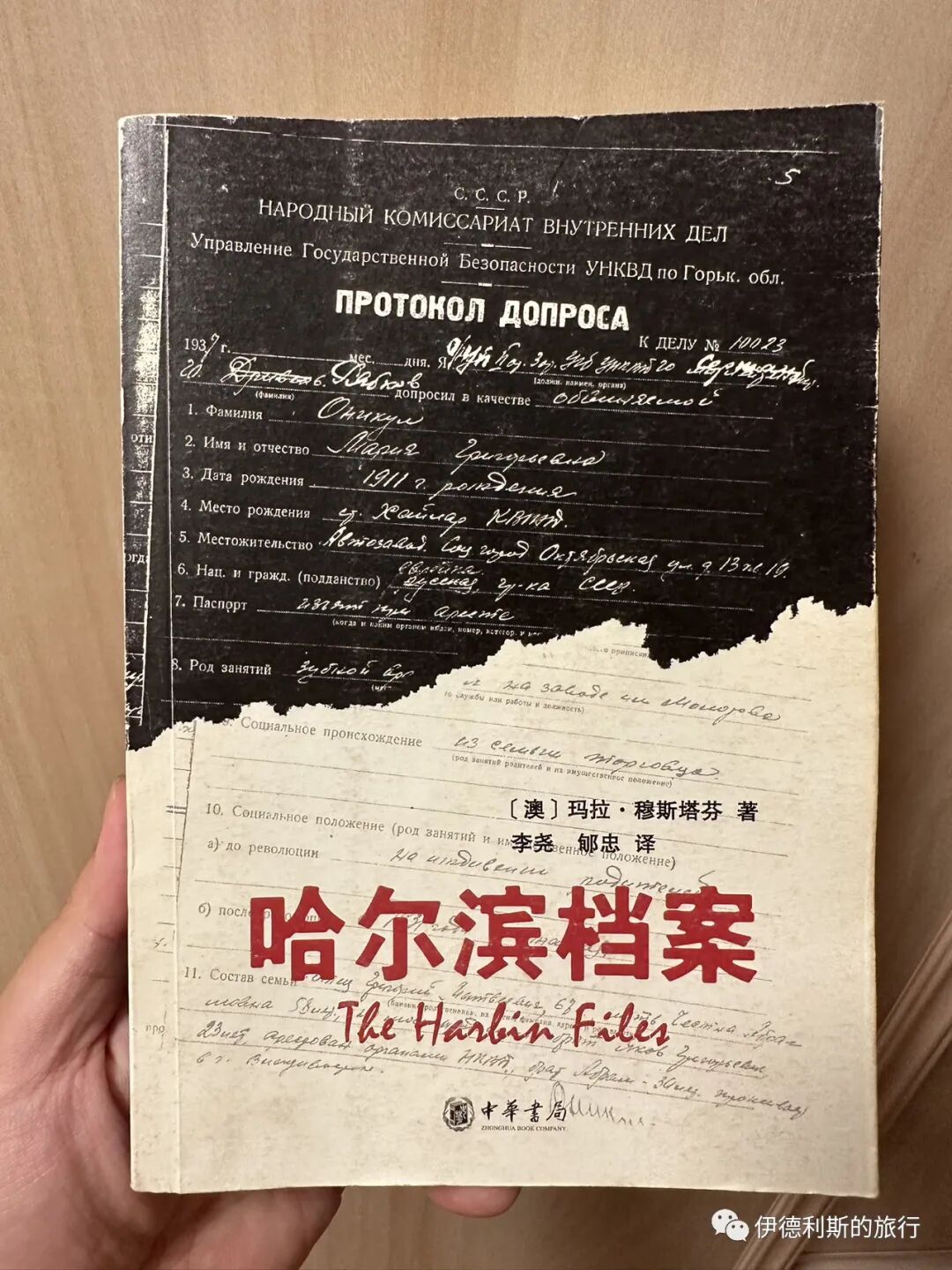
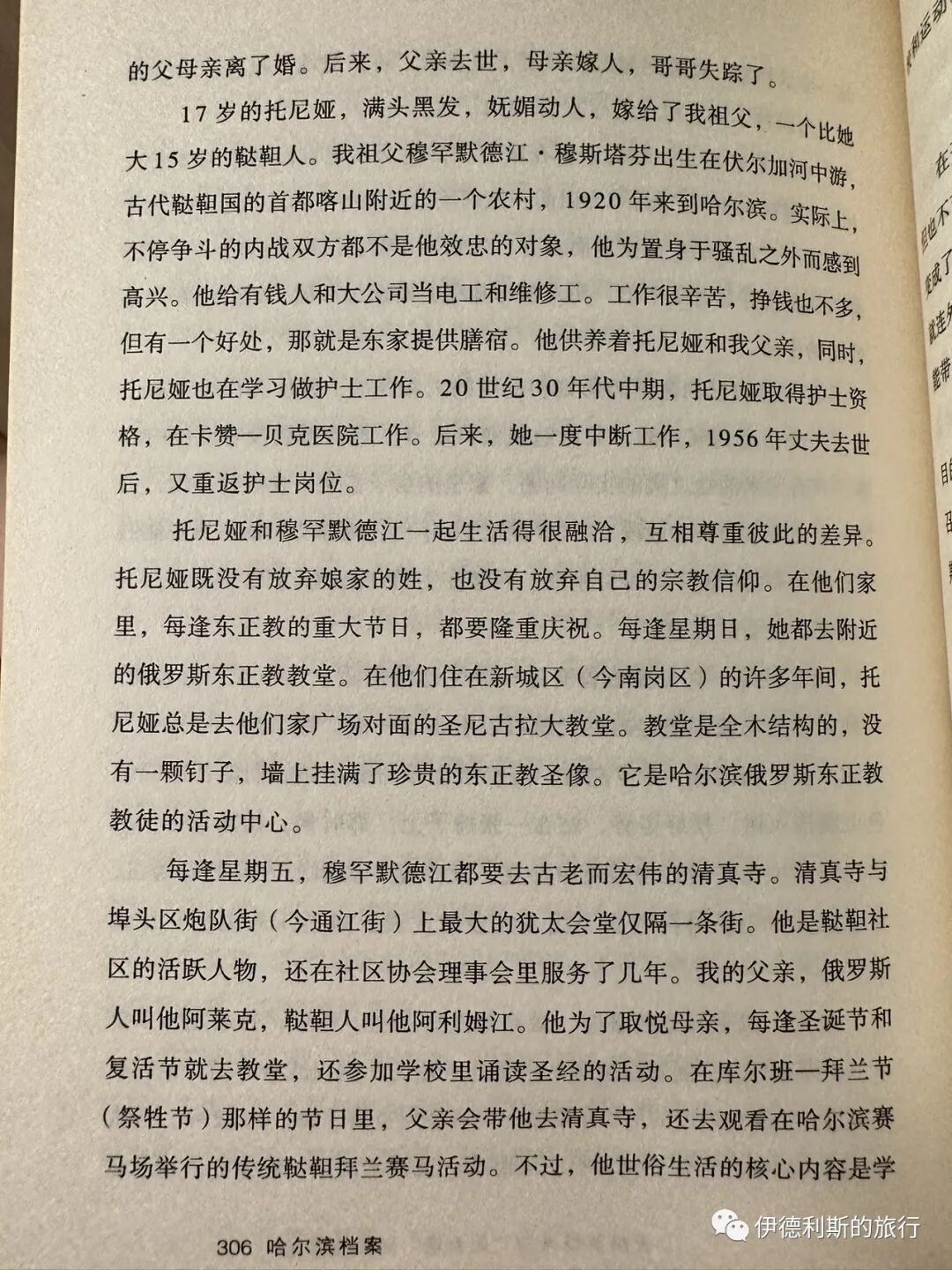
Additionally, the author of the book The Harbin Files, Mara Moustafine, is of Tatar-Jewish-Russian descent and spent her childhood in Harbin. The book writes that her grandfather, Mukhammedzhan Mustafin, originally lived in a village near Kazan in the middle reaches of the Volga River. He came to Harbin in 1920 to work as an electrician and repairman for wealthy people and large companies. Every Friday, Mukhammedzhan went to the Harbin Tatar mosque to perform Jumu'ah. He was an active member of the Harbin Tatar community and served on the community association board for several years. Every year during Eid al-Adha (Qurban Festival), Mukhammedzhan would take his son Alimzhan to the mosque to perform Eid prayers, and then they would go to watch the traditional Tatar horse racing held at the Harbin racecourse.
After the Soviet Union marched into Northeast China in 1945, the Tatars who had immigrated to Harbin to escape the Soviet Union faced harsh treatment. Over the next 10 years, most chose to immigrate to the United States, Canada, and Turkey, while some, like Mara Mustafin's family, immigrated to Australia. By 1960, there were fewer than five Tatars left in Harbin, and the Harbin Tatar community was declared dissolved.
Further reading:
Specialty pastries of the Kazan Tatars
Kazan Kremlin and the National Museum of the Republic of Tatarstan
Tatars in the city of Kazan
Performing Jumu'ah at the Historical Mosque of the Tatars in Moscow
Thirteen traditional mosques of the Kazan Tatars in Russia view all
Summary: Harbin Tatar Mosque preserves part of the citys Muslim history, tied to Tatar migration, old neighborhoods, and religious life in northeast China. This article follows the story of the mosque and its community memory while keeping the original photos and facts in order.
After Russia occupied Vladivostok in 1860, they began planning a railway across the Qing Dynasty to reach this Pacific port more quickly. In 1896, Li Hongzhang signed the Secret Treaty of Alliance between the Qing Empire and the Russian Empire, naming the line the Great Qing Eastern Railway (Dongqing Railway). After 1920, it was renamed the Chinese Eastern Railway (Zhongdong Railway).
Construction of the Chinese Eastern Railway began in August 1897 with Harbin as the center, and it officially opened to traffic in 1903. During this time, many Tatars from Russia came to the railway line to make a living. They opened small shops, and after earning some money, other Tatars followed them there.
As the center of the Chinese Eastern Railway, Tatars began settling in Harbin in 1901 and built the first wooden mosque that same year. As the Tatar population grew, they rebuilt a brick mosque in 1906. In 1907, they hired İnayetullah Seli Ahmed as imam. He ordered books and magazines from Russia and opened the first Tatar community library.
Imam İnayetullah also served as the principal of the Harbin Tatar Elementary School. The school taught religious knowledge and general subjects, and offered courses in the Tatar and Russian languages. Teachers at the school included the Tatar poet and playwright Husain Gabdyush, who was actively involved in theatrical productions for the Harbin troupe during the 1920s and 1930s. Another teacher, Madina (Asyakaeva) Seliahmet, was a former instructor of higher women's natural science courses in Saint Petersburg. After immigrating to Harbin, she married the younger brother of Imam İnayetullah.
After the October Revolution broke out in 1917, the number of Tatars immigrating to Harbin increased, reaching over a thousand in the 1920s. Most of them made a living through the fur, textile, and clothing trades. To commemorate the 1,000th anniversary of the conversion of their ancestors, the Volga Bulgars, to the faith in 922 AD, the Tatars in Harbin decided to build a new mosque. Construction of the new mosque began in 1923 under the leadership of Imam İnayetullah, but work stopped in September 1924 when the imam passed away. After that, construction stalled due to political instability and poor financial management by the Harbin Tatar Religious and National Association. In 1936, the new imam, Münir Hasibullah, traveled throughout all the Tatar settlements in the Far East to collect donations (niyat), finally allowing the Millennium Mosque to be officially completed and opened on October 8, 1937.
An old photograph of the Harbin Tatar Mosque taken in 1940, now held in the Waseda University Library, preserves a precious image of the Tatars during Friday prayer (Jumu'ah).
Additionally, the author of the book The Harbin Files, Mara Moustafine, is of Tatar-Jewish-Russian descent and spent her childhood in Harbin. The book writes that her grandfather, Mukhammedzhan Mustafin, originally lived in a village near Kazan in the middle reaches of the Volga River. He came to Harbin in 1920 to work as an electrician and repairman for wealthy people and large companies. Every Friday, Mukhammedzhan went to the Harbin Tatar mosque to perform Jumu'ah. He was an active member of the Harbin Tatar community and served on the community association board for several years. Every year during Eid al-Adha (Qurban Festival), Mukhammedzhan would take his son Alimzhan to the mosque to perform Eid prayers, and then they would go to watch the traditional Tatar horse racing held at the Harbin racecourse.
After the Soviet Union marched into Northeast China in 1945, the Tatars who had immigrated to Harbin to escape the Soviet Union faced harsh treatment. Over the next 10 years, most chose to immigrate to the United States, Canada, and Turkey, while some, like Mara Mustafin's family, immigrated to Australia. By 1960, there were fewer than five Tatars left in Harbin, and the Harbin Tatar community was declared dissolved.
Further reading:
Specialty pastries of the Kazan Tatars
Kazan Kremlin and the National Museum of the Republic of Tatarstan
Tatars in the city of Kazan
Performing Jumu'ah at the Historical Mosque of the Tatars in Moscow
Thirteen traditional mosques of the Kazan Tatars in Russia view all
Reposted from the web
Summary: Harbin Tatar Mosque preserves part of the citys Muslim history, tied to Tatar migration, old neighborhoods, and religious life in northeast China. This article follows the story of the mosque and its community memory while keeping the original photos and facts in order.
After Russia occupied Vladivostok in 1860, they began planning a railway across the Qing Dynasty to reach this Pacific port more quickly. In 1896, Li Hongzhang signed the Secret Treaty of Alliance between the Qing Empire and the Russian Empire, naming the line the Great Qing Eastern Railway (Dongqing Railway). After 1920, it was renamed the Chinese Eastern Railway (Zhongdong Railway).
Construction of the Chinese Eastern Railway began in August 1897 with Harbin as the center, and it officially opened to traffic in 1903. During this time, many Tatars from Russia came to the railway line to make a living. They opened small shops, and after earning some money, other Tatars followed them there.
As the center of the Chinese Eastern Railway, Tatars began settling in Harbin in 1901 and built the first wooden mosque that same year. As the Tatar population grew, they rebuilt a brick mosque in 1906. In 1907, they hired İnayetullah Seli Ahmed as imam. He ordered books and magazines from Russia and opened the first Tatar community library.
Imam İnayetullah also served as the principal of the Harbin Tatar Elementary School. The school taught religious knowledge and general subjects, and offered courses in the Tatar and Russian languages. Teachers at the school included the Tatar poet and playwright Husain Gabdyush, who was actively involved in theatrical productions for the Harbin troupe during the 1920s and 1930s. Another teacher, Madina (Asyakaeva) Seliahmet, was a former instructor of higher women's natural science courses in Saint Petersburg. After immigrating to Harbin, she married the younger brother of Imam İnayetullah.
After the October Revolution broke out in 1917, the number of Tatars immigrating to Harbin increased, reaching over a thousand in the 1920s. Most of them made a living through the fur, textile, and clothing trades. To commemorate the 1,000th anniversary of the conversion of their ancestors, the Volga Bulgars, to the faith in 922 AD, the Tatars in Harbin decided to build a new mosque. Construction of the new mosque began in 1923 under the leadership of Imam İnayetullah, but work stopped in September 1924 when the imam passed away. After that, construction stalled due to political instability and poor financial management by the Harbin Tatar Religious and National Association. In 1936, the new imam, Münir Hasibullah, traveled throughout all the Tatar settlements in the Far East to collect donations (niyat), finally allowing the Millennium Mosque to be officially completed and opened on October 8, 1937.
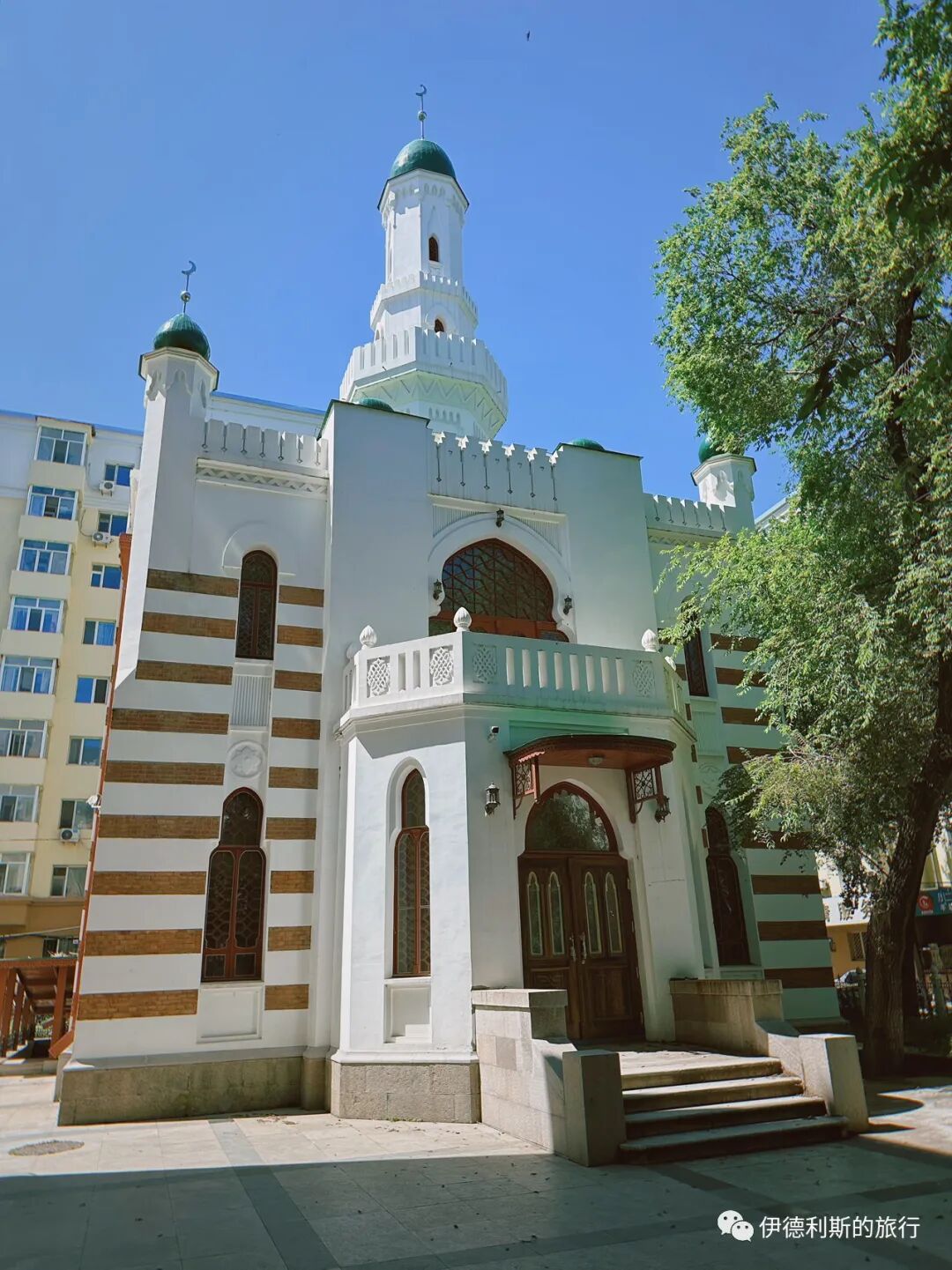
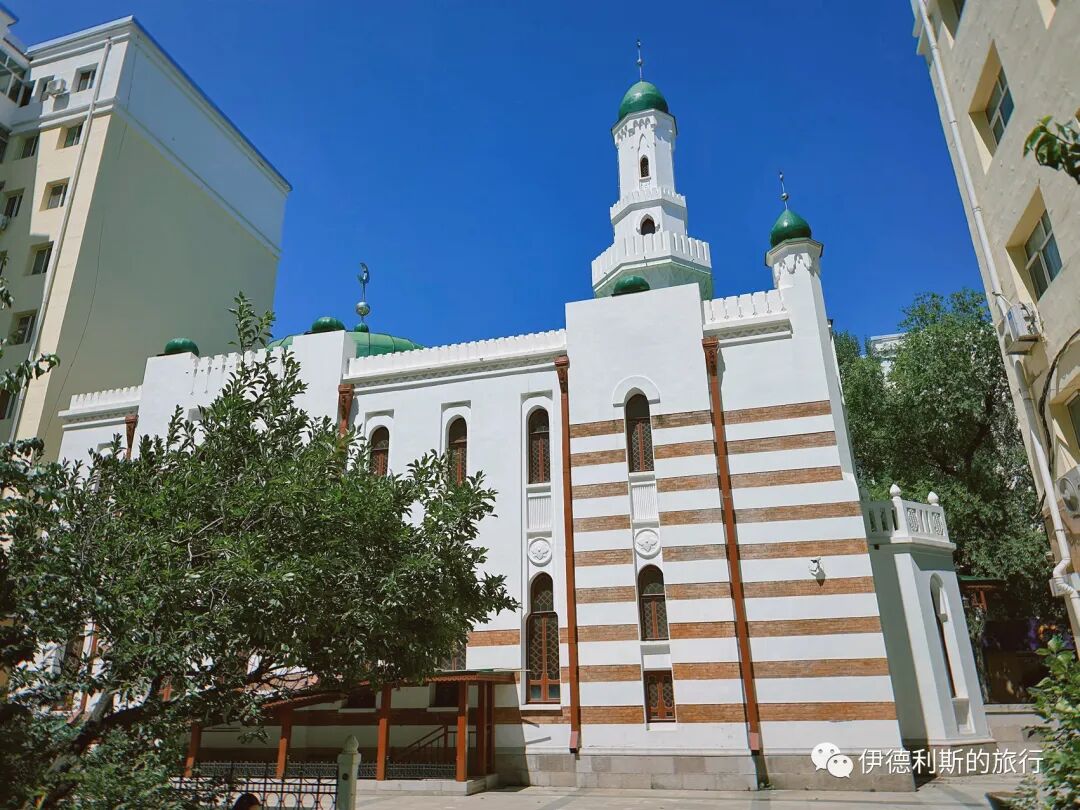
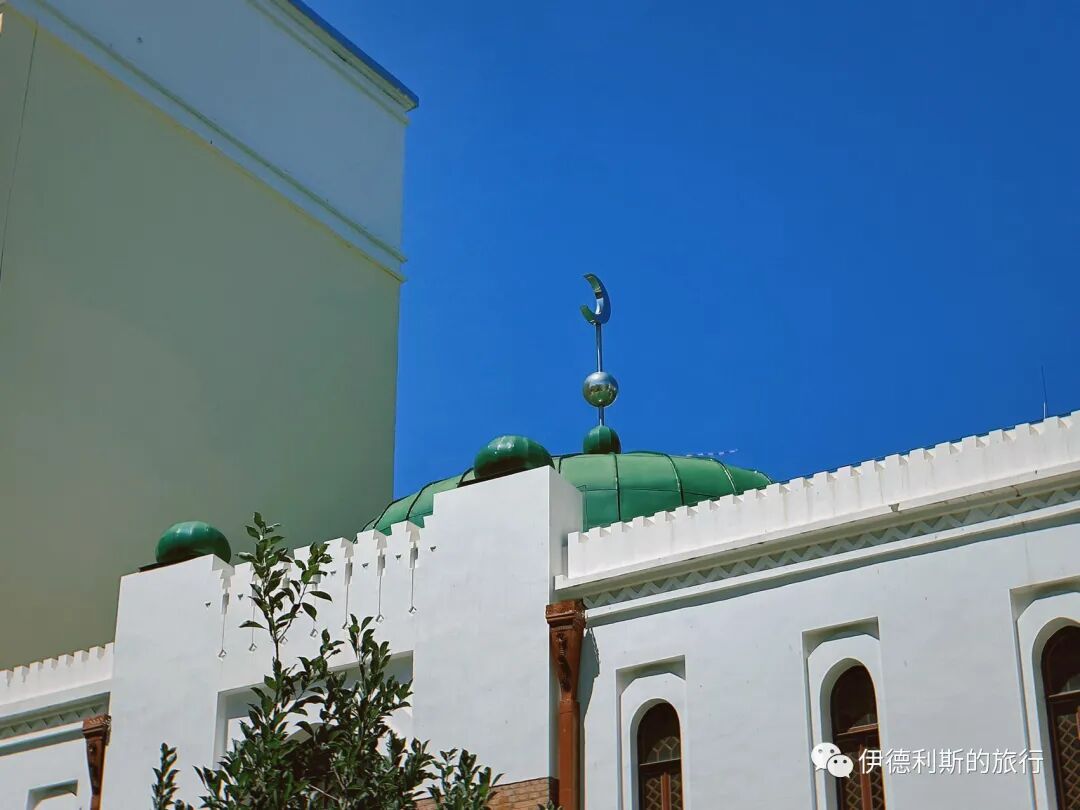
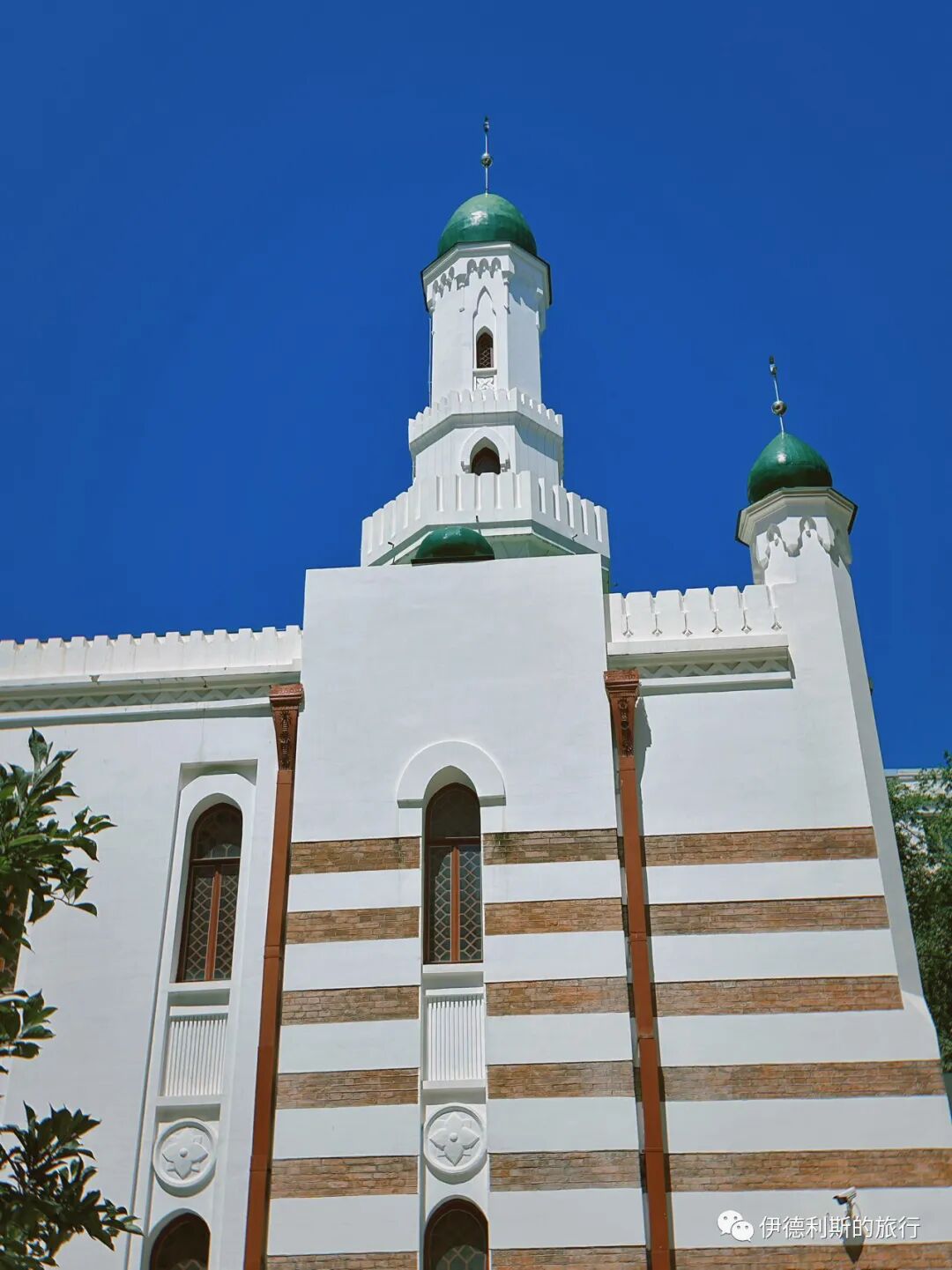
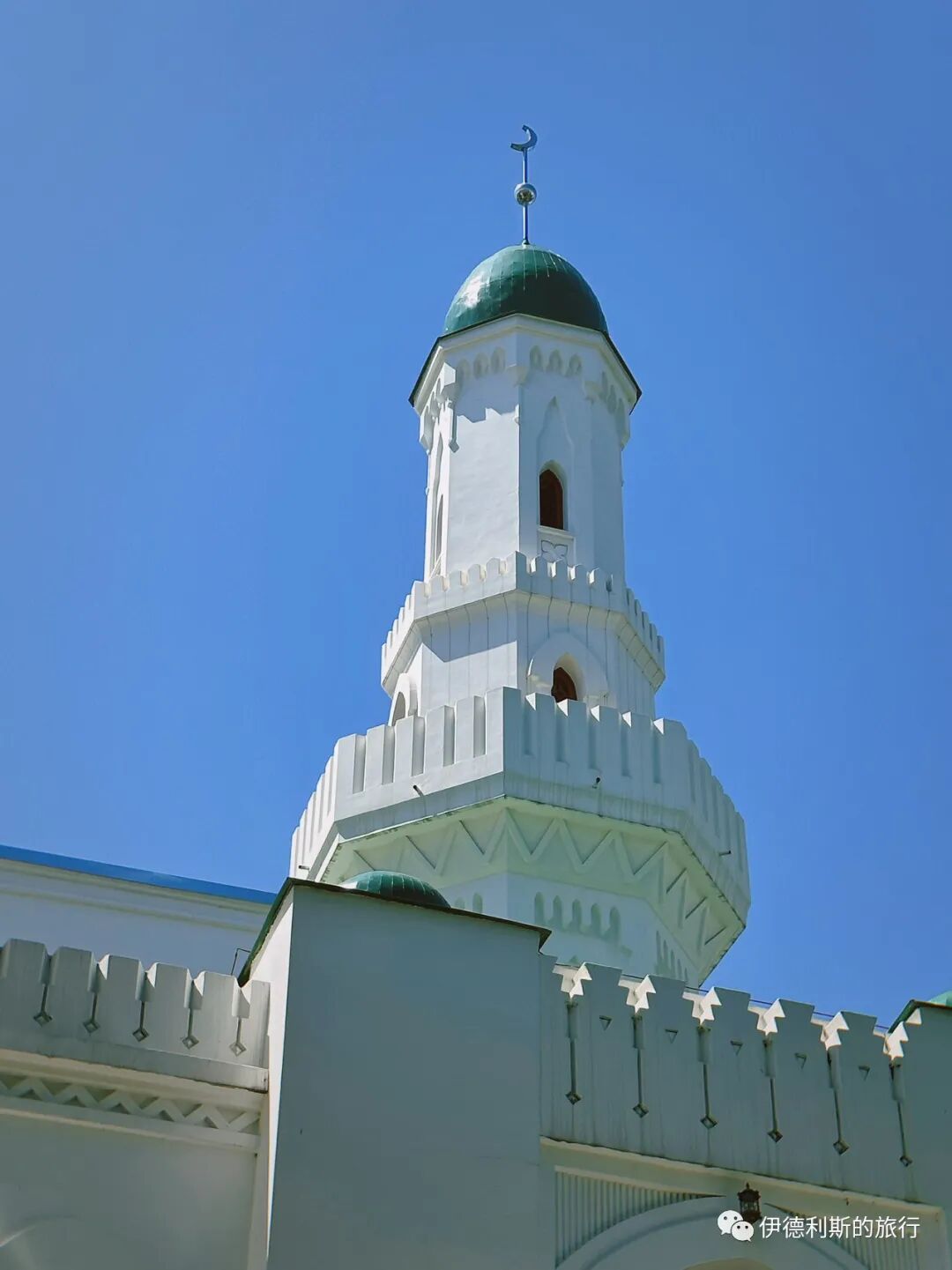
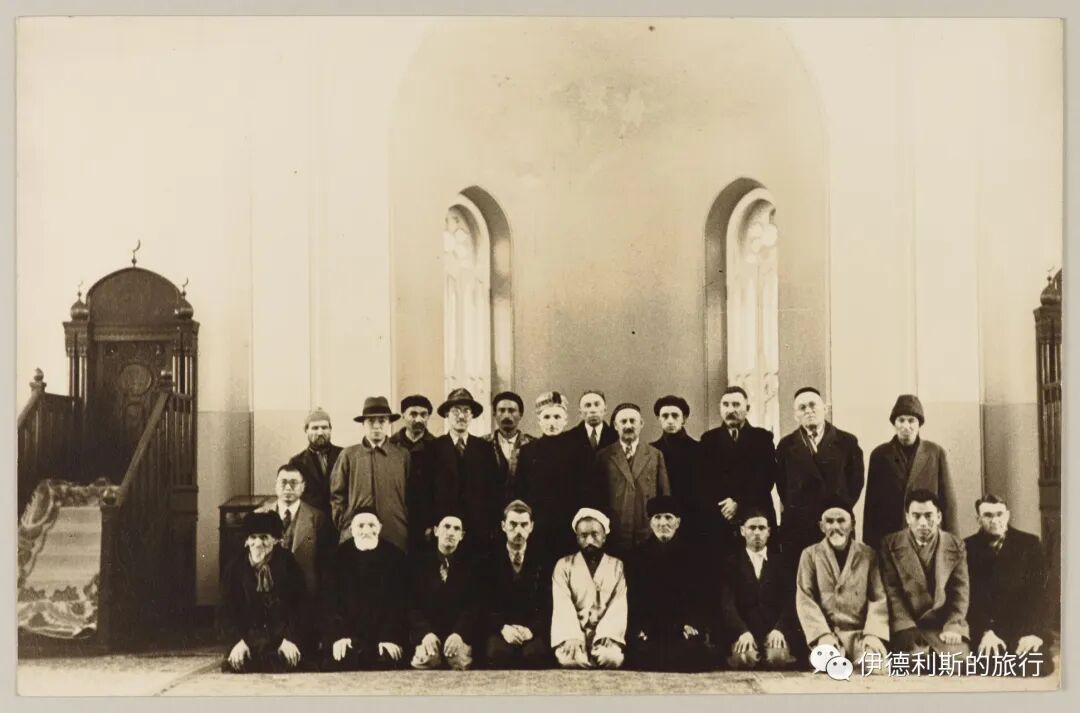
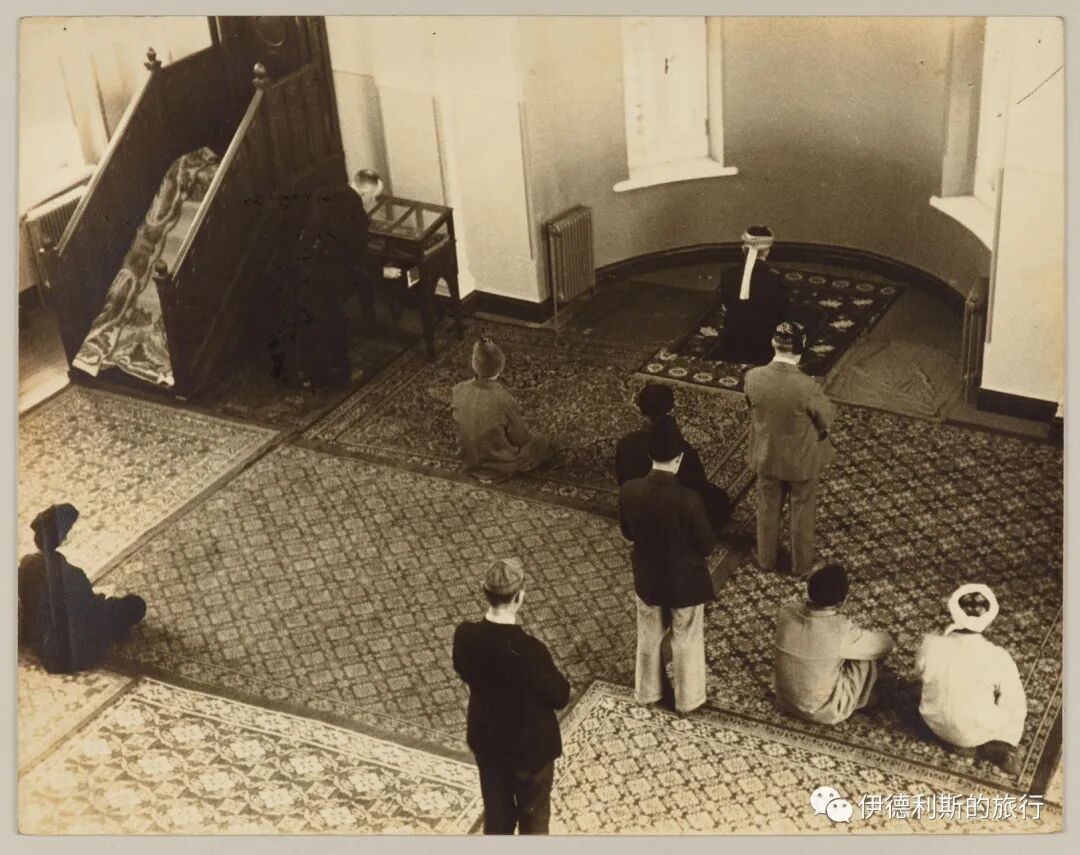
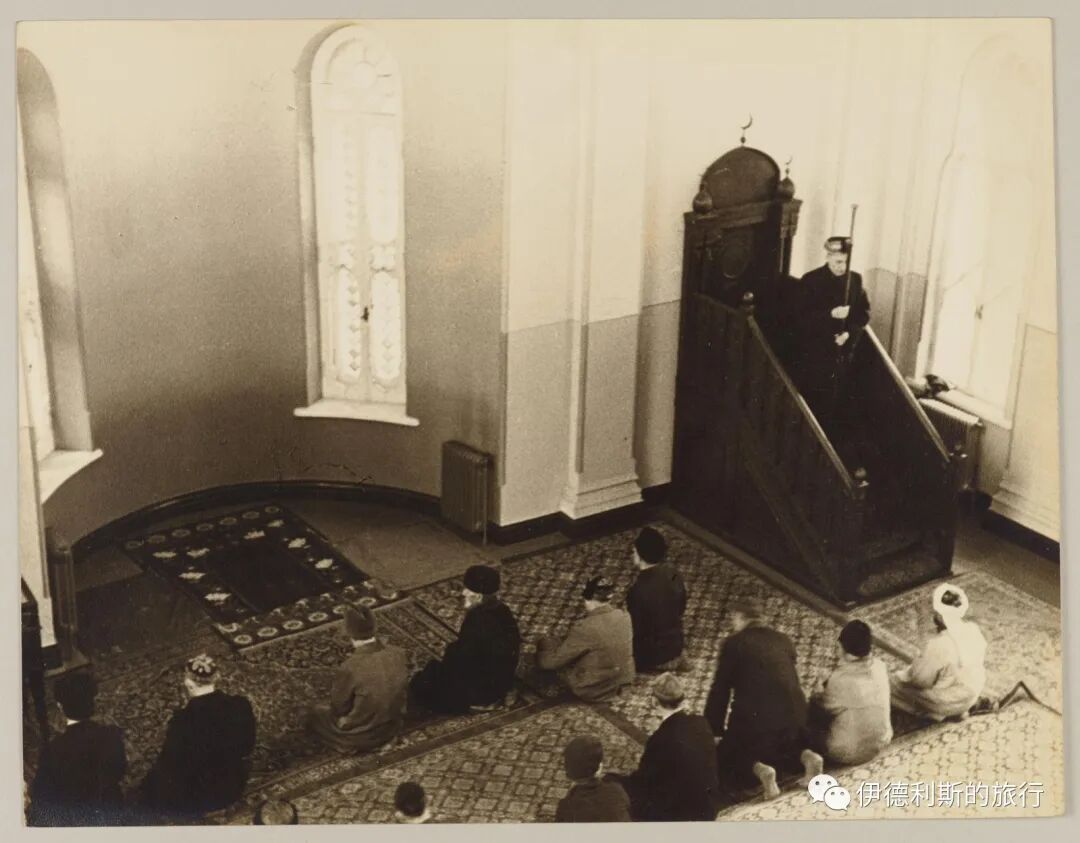
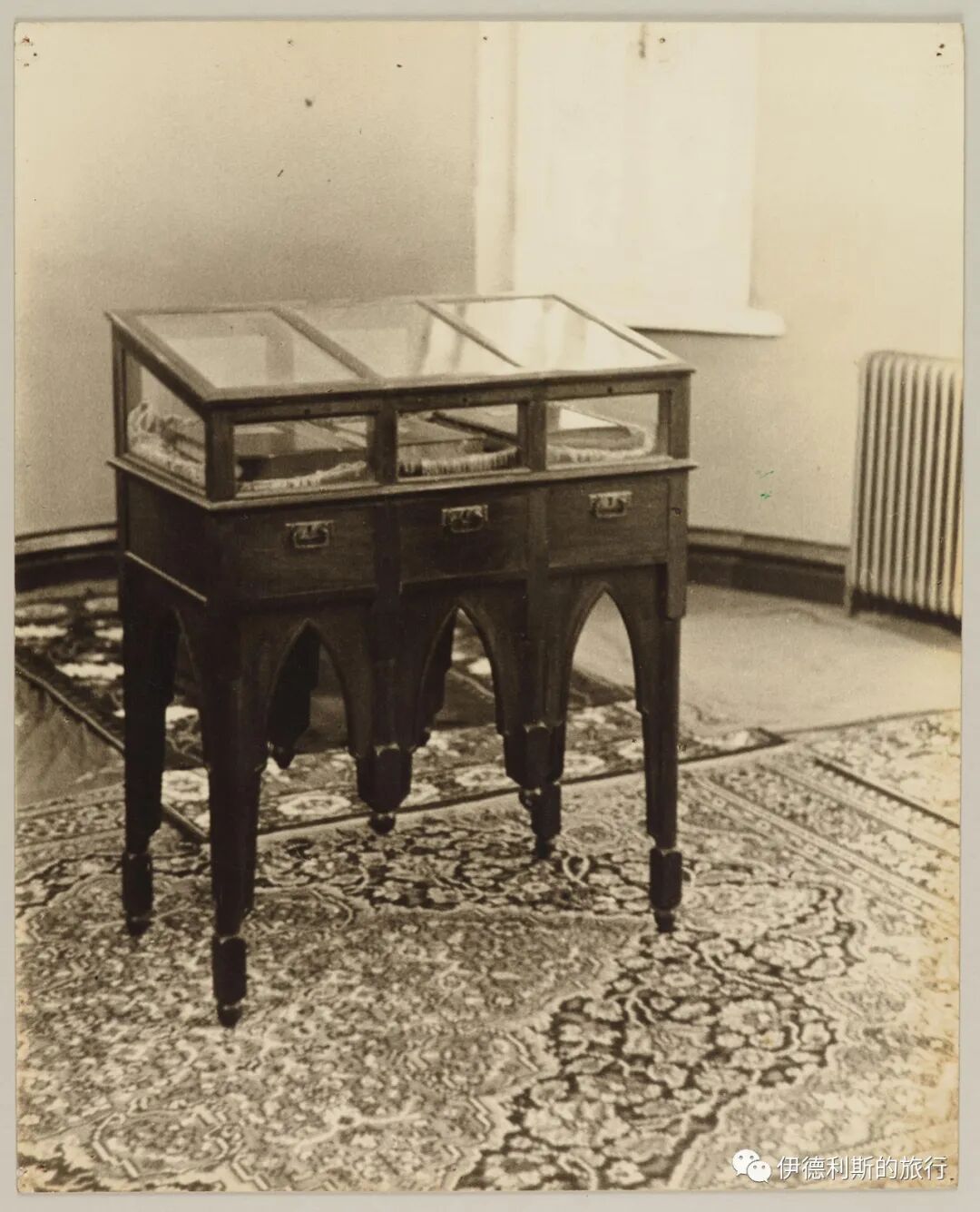
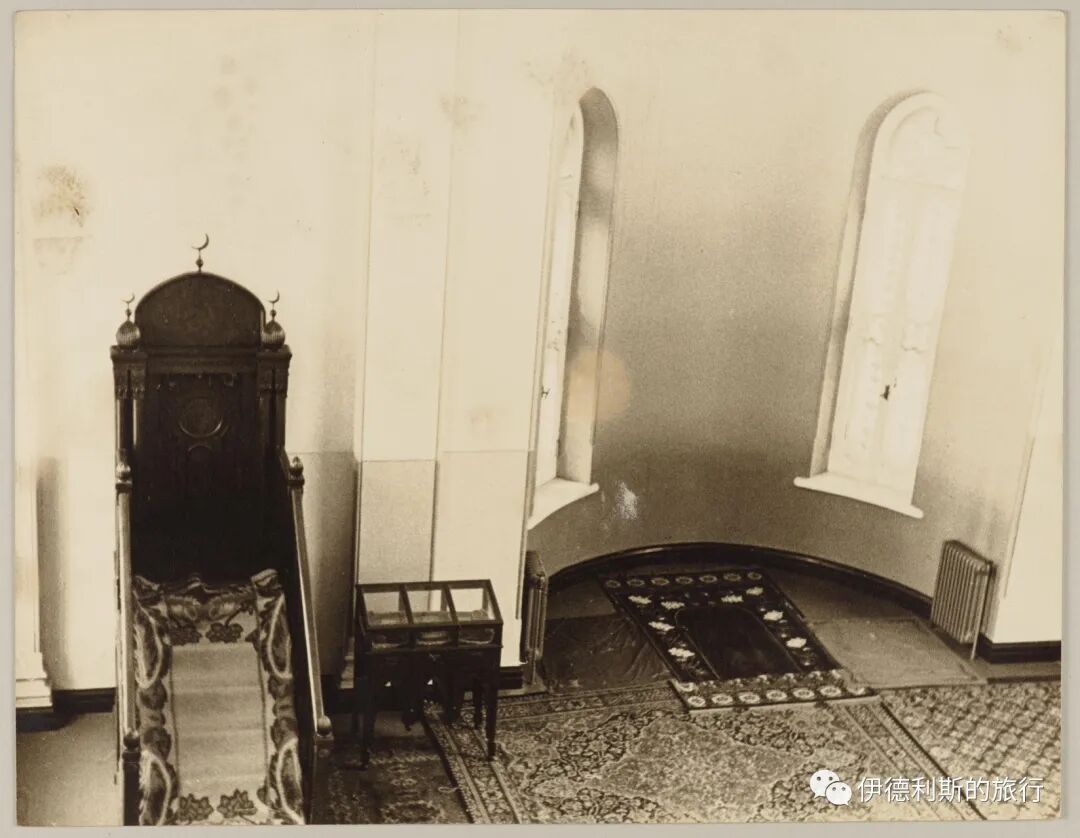
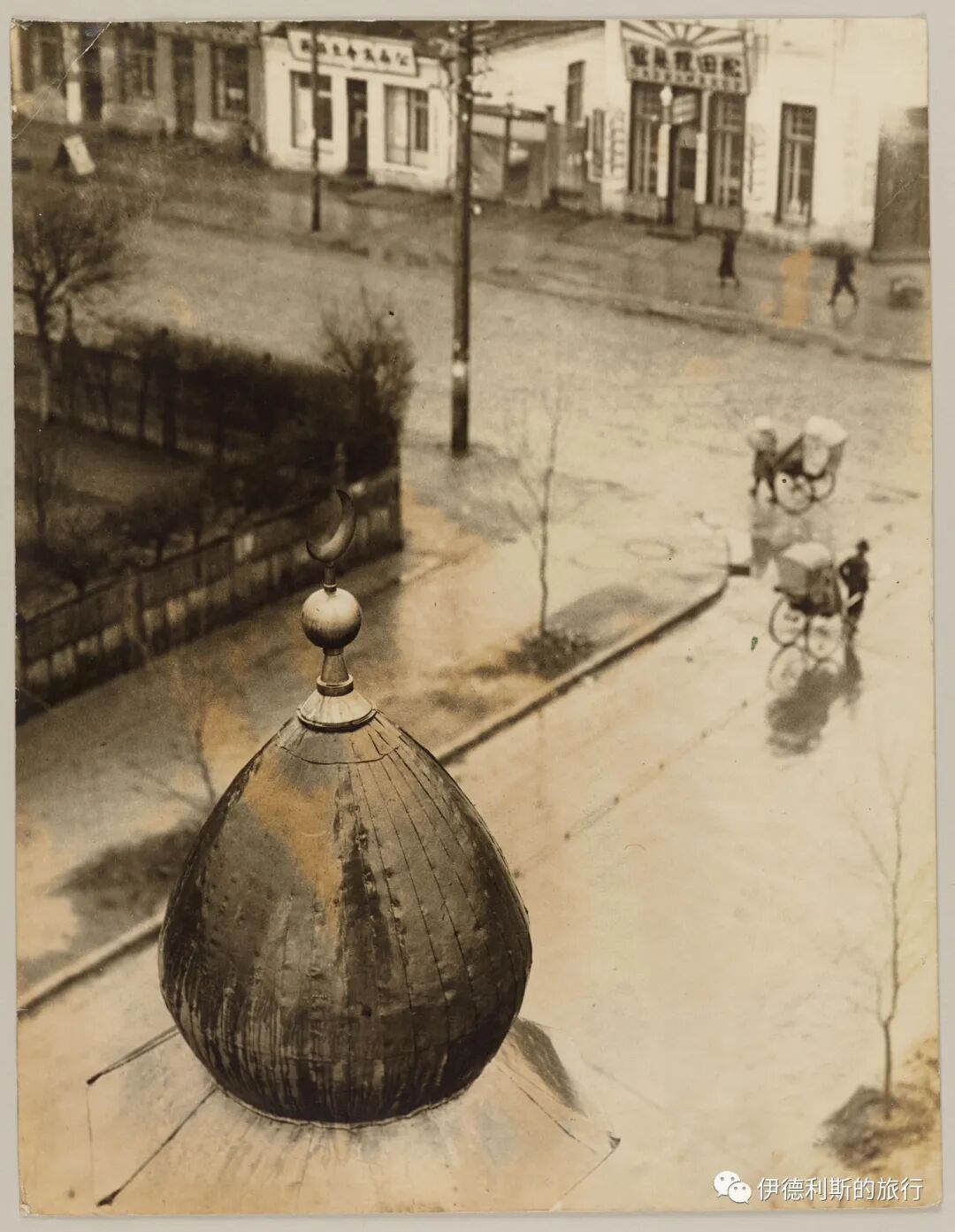
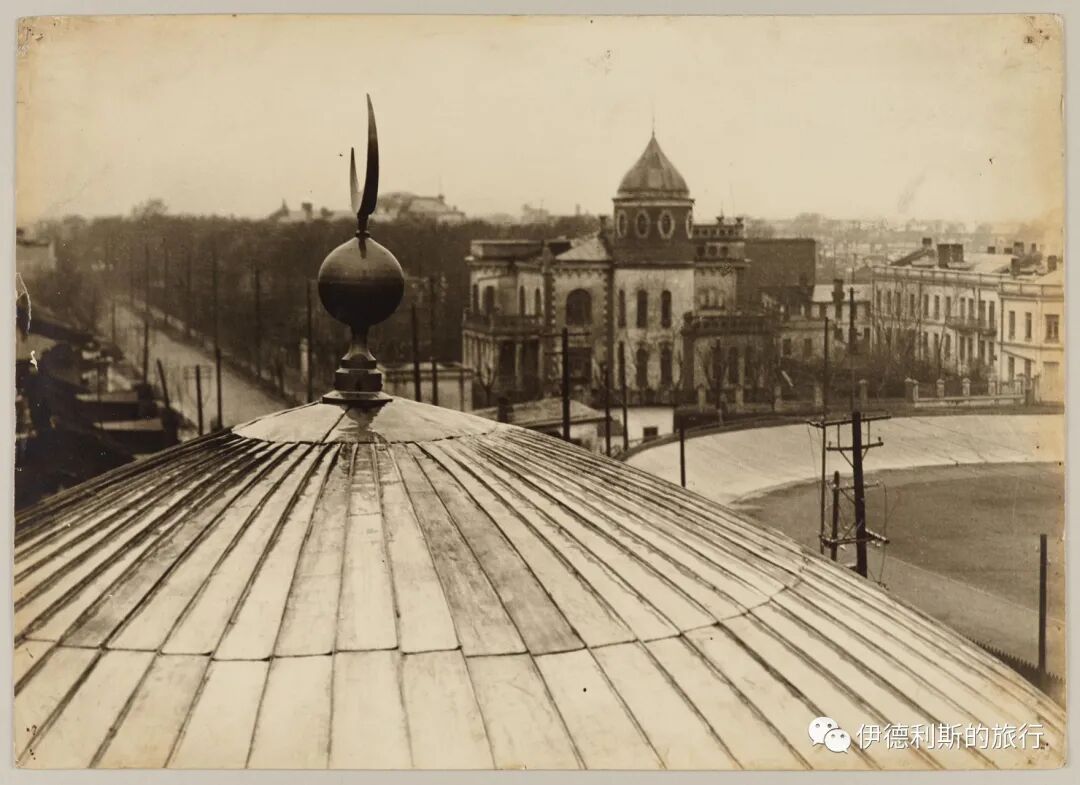
An old photograph of the Harbin Tatar Mosque taken in 1940, now held in the Waseda University Library, preserves a precious image of the Tatars during Friday prayer (Jumu'ah).
Additionally, the author of the book The Harbin Files, Mara Moustafine, is of Tatar-Jewish-Russian descent and spent her childhood in Harbin. The book writes that her grandfather, Mukhammedzhan Mustafin, originally lived in a village near Kazan in the middle reaches of the Volga River. He came to Harbin in 1920 to work as an electrician and repairman for wealthy people and large companies. Every Friday, Mukhammedzhan went to the Harbin Tatar mosque to perform Jumu'ah. He was an active member of the Harbin Tatar community and served on the community association board for several years. Every year during Eid al-Adha (Qurban Festival), Mukhammedzhan would take his son Alimzhan to the mosque to perform Eid prayers, and then they would go to watch the traditional Tatar horse racing held at the Harbin racecourse.
After the Soviet Union marched into Northeast China in 1945, the Tatars who had immigrated to Harbin to escape the Soviet Union faced harsh treatment. Over the next 10 years, most chose to immigrate to the United States, Canada, and Turkey, while some, like Mara Mustafin's family, immigrated to Australia. By 1960, there were fewer than five Tatars left in Harbin, and the Harbin Tatar community was declared dissolved.
Further reading:
Specialty pastries of the Kazan Tatars
Kazan Kremlin and the National Museum of the Republic of Tatarstan
Tatars in the city of Kazan
Performing Jumu'ah at the Historical Mosque of the Tatars in Moscow
Thirteen traditional mosques of the Kazan Tatars in Russia
Summary: Harbin Tatar Mosque preserves part of the citys Muslim history, tied to Tatar migration, old neighborhoods, and religious life in northeast China. This article follows the story of the mosque and its community memory while keeping the original photos and facts in order.
After Russia occupied Vladivostok in 1860, they began planning a railway across the Qing Dynasty to reach this Pacific port more quickly. In 1896, Li Hongzhang signed the Secret Treaty of Alliance between the Qing Empire and the Russian Empire, naming the line the Great Qing Eastern Railway (Dongqing Railway). After 1920, it was renamed the Chinese Eastern Railway (Zhongdong Railway).
Construction of the Chinese Eastern Railway began in August 1897 with Harbin as the center, and it officially opened to traffic in 1903. During this time, many Tatars from Russia came to the railway line to make a living. They opened small shops, and after earning some money, other Tatars followed them there.
As the center of the Chinese Eastern Railway, Tatars began settling in Harbin in 1901 and built the first wooden mosque that same year. As the Tatar population grew, they rebuilt a brick mosque in 1906. In 1907, they hired İnayetullah Seli Ahmed as imam. He ordered books and magazines from Russia and opened the first Tatar community library.
Imam İnayetullah also served as the principal of the Harbin Tatar Elementary School. The school taught religious knowledge and general subjects, and offered courses in the Tatar and Russian languages. Teachers at the school included the Tatar poet and playwright Husain Gabdyush, who was actively involved in theatrical productions for the Harbin troupe during the 1920s and 1930s. Another teacher, Madina (Asyakaeva) Seliahmet, was a former instructor of higher women's natural science courses in Saint Petersburg. After immigrating to Harbin, she married the younger brother of Imam İnayetullah.
After the October Revolution broke out in 1917, the number of Tatars immigrating to Harbin increased, reaching over a thousand in the 1920s. Most of them made a living through the fur, textile, and clothing trades. To commemorate the 1,000th anniversary of the conversion of their ancestors, the Volga Bulgars, to the faith in 922 AD, the Tatars in Harbin decided to build a new mosque. Construction of the new mosque began in 1923 under the leadership of Imam İnayetullah, but work stopped in September 1924 when the imam passed away. After that, construction stalled due to political instability and poor financial management by the Harbin Tatar Religious and National Association. In 1936, the new imam, Münir Hasibullah, traveled throughout all the Tatar settlements in the Far East to collect donations (niyat), finally allowing the Millennium Mosque to be officially completed and opened on October 8, 1937.
An old photograph of the Harbin Tatar Mosque taken in 1940, now held in the Waseda University Library, preserves a precious image of the Tatars during Friday prayer (Jumu'ah).
Additionally, the author of the book The Harbin Files, Mara Moustafine, is of Tatar-Jewish-Russian descent and spent her childhood in Harbin. The book writes that her grandfather, Mukhammedzhan Mustafin, originally lived in a village near Kazan in the middle reaches of the Volga River. He came to Harbin in 1920 to work as an electrician and repairman for wealthy people and large companies. Every Friday, Mukhammedzhan went to the Harbin Tatar mosque to perform Jumu'ah. He was an active member of the Harbin Tatar community and served on the community association board for several years. Every year during Eid al-Adha (Qurban Festival), Mukhammedzhan would take his son Alimzhan to the mosque to perform Eid prayers, and then they would go to watch the traditional Tatar horse racing held at the Harbin racecourse.
After the Soviet Union marched into Northeast China in 1945, the Tatars who had immigrated to Harbin to escape the Soviet Union faced harsh treatment. Over the next 10 years, most chose to immigrate to the United States, Canada, and Turkey, while some, like Mara Mustafin's family, immigrated to Australia. By 1960, there were fewer than five Tatars left in Harbin, and the Harbin Tatar community was declared dissolved.
Further reading:
Specialty pastries of the Kazan Tatars
Kazan Kremlin and the National Museum of the Republic of Tatarstan
Tatars in the city of Kazan
Performing Jumu'ah at the Historical Mosque of the Tatars in Moscow
Thirteen traditional mosques of the Kazan Tatars in Russia
Muslim History Guide Harbin: Tatar Mosque, Muslim Community and Heritage
Articles • yusuf908 posted the article • 0 comments • 147 views • 2026-05-23 23:22
Reposted from the web
Summary: Harbin Tatar Mosque preserves part of the citys Muslim history, tied to Tatar migration, old neighborhoods, and religious life in northeast China. This article follows the story of the mosque and its community memory while keeping the original photos and facts in order.
After Russia occupied Vladivostok in 1860, they began planning a railway across the Qing Dynasty to reach this Pacific port more quickly. In 1896, Li Hongzhang signed the Secret Treaty of Alliance between the Qing Empire and the Russian Empire, naming the line the Great Qing Eastern Railway (Dongqing Railway). After 1920, it was renamed the Chinese Eastern Railway (Zhongdong Railway).
Construction of the Chinese Eastern Railway began in August 1897 with Harbin as the center, and it officially opened to traffic in 1903. During this time, many Tatars from Russia came to the railway line to make a living. They opened small shops, and after earning some money, other Tatars followed them there.
As the center of the Chinese Eastern Railway, Tatars began settling in Harbin in 1901 and built the first wooden mosque that same year. As the Tatar population grew, they rebuilt a brick mosque in 1906. In 1907, they hired İnayetullah Seli Ahmed as imam. He ordered books and magazines from Russia and opened the first Tatar community library.
Imam İnayetullah also served as the principal of the Harbin Tatar Elementary School. The school taught religious knowledge and general subjects, and offered courses in the Tatar and Russian languages. Teachers at the school included the Tatar poet and playwright Husain Gabdyush, who was actively involved in theatrical productions for the Harbin troupe during the 1920s and 1930s. Another teacher, Madina (Asyakaeva) Seliahmet, was a former instructor of higher women's natural science courses in Saint Petersburg. After immigrating to Harbin, she married the younger brother of Imam İnayetullah.
After the October Revolution broke out in 1917, the number of Tatars immigrating to Harbin increased, reaching over a thousand in the 1920s. Most of them made a living through the fur, textile, and clothing trades. To commemorate the 1,000th anniversary of the conversion of their ancestors, the Volga Bulgars, to the faith in 922 AD, the Tatars in Harbin decided to build a new mosque. Construction of the new mosque began in 1923 under the leadership of Imam İnayetullah, but work stopped in September 1924 when the imam passed away. After that, construction stalled due to political instability and poor financial management by the Harbin Tatar Religious and National Association. In 1936, the new imam, Münir Hasibullah, traveled throughout all the Tatar settlements in the Far East to collect donations (niyat), finally allowing the Millennium Mosque to be officially completed and opened on October 8, 1937.
An old photograph of the Harbin Tatar Mosque taken in 1940, now held in the Waseda University Library, preserves a precious image of the Tatars during Friday prayer (Jumu'ah).
Additionally, the author of the book The Harbin Files, Mara Moustafine, is of Tatar-Jewish-Russian descent and spent her childhood in Harbin. The book writes that her grandfather, Mukhammedzhan Mustafin, originally lived in a village near Kazan in the middle reaches of the Volga River. He came to Harbin in 1920 to work as an electrician and repairman for wealthy people and large companies. Every Friday, Mukhammedzhan went to the Harbin Tatar mosque to perform Jumu'ah. He was an active member of the Harbin Tatar community and served on the community association board for several years. Every year during Eid al-Adha (Qurban Festival), Mukhammedzhan would take his son Alimzhan to the mosque to perform Eid prayers, and then they would go to watch the traditional Tatar horse racing held at the Harbin racecourse.
After the Soviet Union marched into Northeast China in 1945, the Tatars who had immigrated to Harbin to escape the Soviet Union faced harsh treatment. Over the next 10 years, most chose to immigrate to the United States, Canada, and Turkey, while some, like Mara Mustafin's family, immigrated to Australia. By 1960, there were fewer than five Tatars left in Harbin, and the Harbin Tatar community was declared dissolved.
Further reading:
Specialty pastries of the Kazan Tatars
Kazan Kremlin and the National Museum of the Republic of Tatarstan
Tatars in the city of Kazan
Performing Jumu'ah at the Historical Mosque of the Tatars in Moscow
Thirteen traditional mosques of the Kazan Tatars in Russia view all
Summary: Harbin Tatar Mosque preserves part of the citys Muslim history, tied to Tatar migration, old neighborhoods, and religious life in northeast China. This article follows the story of the mosque and its community memory while keeping the original photos and facts in order.
After Russia occupied Vladivostok in 1860, they began planning a railway across the Qing Dynasty to reach this Pacific port more quickly. In 1896, Li Hongzhang signed the Secret Treaty of Alliance between the Qing Empire and the Russian Empire, naming the line the Great Qing Eastern Railway (Dongqing Railway). After 1920, it was renamed the Chinese Eastern Railway (Zhongdong Railway).
Construction of the Chinese Eastern Railway began in August 1897 with Harbin as the center, and it officially opened to traffic in 1903. During this time, many Tatars from Russia came to the railway line to make a living. They opened small shops, and after earning some money, other Tatars followed them there.
As the center of the Chinese Eastern Railway, Tatars began settling in Harbin in 1901 and built the first wooden mosque that same year. As the Tatar population grew, they rebuilt a brick mosque in 1906. In 1907, they hired İnayetullah Seli Ahmed as imam. He ordered books and magazines from Russia and opened the first Tatar community library.
Imam İnayetullah also served as the principal of the Harbin Tatar Elementary School. The school taught religious knowledge and general subjects, and offered courses in the Tatar and Russian languages. Teachers at the school included the Tatar poet and playwright Husain Gabdyush, who was actively involved in theatrical productions for the Harbin troupe during the 1920s and 1930s. Another teacher, Madina (Asyakaeva) Seliahmet, was a former instructor of higher women's natural science courses in Saint Petersburg. After immigrating to Harbin, she married the younger brother of Imam İnayetullah.
After the October Revolution broke out in 1917, the number of Tatars immigrating to Harbin increased, reaching over a thousand in the 1920s. Most of them made a living through the fur, textile, and clothing trades. To commemorate the 1,000th anniversary of the conversion of their ancestors, the Volga Bulgars, to the faith in 922 AD, the Tatars in Harbin decided to build a new mosque. Construction of the new mosque began in 1923 under the leadership of Imam İnayetullah, but work stopped in September 1924 when the imam passed away. After that, construction stalled due to political instability and poor financial management by the Harbin Tatar Religious and National Association. In 1936, the new imam, Münir Hasibullah, traveled throughout all the Tatar settlements in the Far East to collect donations (niyat), finally allowing the Millennium Mosque to be officially completed and opened on October 8, 1937.
An old photograph of the Harbin Tatar Mosque taken in 1940, now held in the Waseda University Library, preserves a precious image of the Tatars during Friday prayer (Jumu'ah).
Additionally, the author of the book The Harbin Files, Mara Moustafine, is of Tatar-Jewish-Russian descent and spent her childhood in Harbin. The book writes that her grandfather, Mukhammedzhan Mustafin, originally lived in a village near Kazan in the middle reaches of the Volga River. He came to Harbin in 1920 to work as an electrician and repairman for wealthy people and large companies. Every Friday, Mukhammedzhan went to the Harbin Tatar mosque to perform Jumu'ah. He was an active member of the Harbin Tatar community and served on the community association board for several years. Every year during Eid al-Adha (Qurban Festival), Mukhammedzhan would take his son Alimzhan to the mosque to perform Eid prayers, and then they would go to watch the traditional Tatar horse racing held at the Harbin racecourse.
After the Soviet Union marched into Northeast China in 1945, the Tatars who had immigrated to Harbin to escape the Soviet Union faced harsh treatment. Over the next 10 years, most chose to immigrate to the United States, Canada, and Turkey, while some, like Mara Mustafin's family, immigrated to Australia. By 1960, there were fewer than five Tatars left in Harbin, and the Harbin Tatar community was declared dissolved.
Further reading:
Specialty pastries of the Kazan Tatars
Kazan Kremlin and the National Museum of the Republic of Tatarstan
Tatars in the city of Kazan
Performing Jumu'ah at the Historical Mosque of the Tatars in Moscow
Thirteen traditional mosques of the Kazan Tatars in Russia view all
Reposted from the web
Summary: Harbin Tatar Mosque preserves part of the citys Muslim history, tied to Tatar migration, old neighborhoods, and religious life in northeast China. This article follows the story of the mosque and its community memory while keeping the original photos and facts in order.
After Russia occupied Vladivostok in 1860, they began planning a railway across the Qing Dynasty to reach this Pacific port more quickly. In 1896, Li Hongzhang signed the Secret Treaty of Alliance between the Qing Empire and the Russian Empire, naming the line the Great Qing Eastern Railway (Dongqing Railway). After 1920, it was renamed the Chinese Eastern Railway (Zhongdong Railway).
Construction of the Chinese Eastern Railway began in August 1897 with Harbin as the center, and it officially opened to traffic in 1903. During this time, many Tatars from Russia came to the railway line to make a living. They opened small shops, and after earning some money, other Tatars followed them there.
As the center of the Chinese Eastern Railway, Tatars began settling in Harbin in 1901 and built the first wooden mosque that same year. As the Tatar population grew, they rebuilt a brick mosque in 1906. In 1907, they hired İnayetullah Seli Ahmed as imam. He ordered books and magazines from Russia and opened the first Tatar community library.
Imam İnayetullah also served as the principal of the Harbin Tatar Elementary School. The school taught religious knowledge and general subjects, and offered courses in the Tatar and Russian languages. Teachers at the school included the Tatar poet and playwright Husain Gabdyush, who was actively involved in theatrical productions for the Harbin troupe during the 1920s and 1930s. Another teacher, Madina (Asyakaeva) Seliahmet, was a former instructor of higher women's natural science courses in Saint Petersburg. After immigrating to Harbin, she married the younger brother of Imam İnayetullah.
After the October Revolution broke out in 1917, the number of Tatars immigrating to Harbin increased, reaching over a thousand in the 1920s. Most of them made a living through the fur, textile, and clothing trades. To commemorate the 1,000th anniversary of the conversion of their ancestors, the Volga Bulgars, to the faith in 922 AD, the Tatars in Harbin decided to build a new mosque. Construction of the new mosque began in 1923 under the leadership of Imam İnayetullah, but work stopped in September 1924 when the imam passed away. After that, construction stalled due to political instability and poor financial management by the Harbin Tatar Religious and National Association. In 1936, the new imam, Münir Hasibullah, traveled throughout all the Tatar settlements in the Far East to collect donations (niyat), finally allowing the Millennium Mosque to be officially completed and opened on October 8, 1937.
An old photograph of the Harbin Tatar Mosque taken in 1940, now held in the Waseda University Library, preserves a precious image of the Tatars during Friday prayer (Jumu'ah).
Additionally, the author of the book The Harbin Files, Mara Moustafine, is of Tatar-Jewish-Russian descent and spent her childhood in Harbin. The book writes that her grandfather, Mukhammedzhan Mustafin, originally lived in a village near Kazan in the middle reaches of the Volga River. He came to Harbin in 1920 to work as an electrician and repairman for wealthy people and large companies. Every Friday, Mukhammedzhan went to the Harbin Tatar mosque to perform Jumu'ah. He was an active member of the Harbin Tatar community and served on the community association board for several years. Every year during Eid al-Adha (Qurban Festival), Mukhammedzhan would take his son Alimzhan to the mosque to perform Eid prayers, and then they would go to watch the traditional Tatar horse racing held at the Harbin racecourse.
After the Soviet Union marched into Northeast China in 1945, the Tatars who had immigrated to Harbin to escape the Soviet Union faced harsh treatment. Over the next 10 years, most chose to immigrate to the United States, Canada, and Turkey, while some, like Mara Mustafin's family, immigrated to Australia. By 1960, there were fewer than five Tatars left in Harbin, and the Harbin Tatar community was declared dissolved.
Further reading:
Specialty pastries of the Kazan Tatars
Kazan Kremlin and the National Museum of the Republic of Tatarstan
Tatars in the city of Kazan
Performing Jumu'ah at the Historical Mosque of the Tatars in Moscow
Thirteen traditional mosques of the Kazan Tatars in Russia
Summary: Harbin Tatar Mosque preserves part of the citys Muslim history, tied to Tatar migration, old neighborhoods, and religious life in northeast China. This article follows the story of the mosque and its community memory while keeping the original photos and facts in order.
After Russia occupied Vladivostok in 1860, they began planning a railway across the Qing Dynasty to reach this Pacific port more quickly. In 1896, Li Hongzhang signed the Secret Treaty of Alliance between the Qing Empire and the Russian Empire, naming the line the Great Qing Eastern Railway (Dongqing Railway). After 1920, it was renamed the Chinese Eastern Railway (Zhongdong Railway).
Construction of the Chinese Eastern Railway began in August 1897 with Harbin as the center, and it officially opened to traffic in 1903. During this time, many Tatars from Russia came to the railway line to make a living. They opened small shops, and after earning some money, other Tatars followed them there.
As the center of the Chinese Eastern Railway, Tatars began settling in Harbin in 1901 and built the first wooden mosque that same year. As the Tatar population grew, they rebuilt a brick mosque in 1906. In 1907, they hired İnayetullah Seli Ahmed as imam. He ordered books and magazines from Russia and opened the first Tatar community library.
Imam İnayetullah also served as the principal of the Harbin Tatar Elementary School. The school taught religious knowledge and general subjects, and offered courses in the Tatar and Russian languages. Teachers at the school included the Tatar poet and playwright Husain Gabdyush, who was actively involved in theatrical productions for the Harbin troupe during the 1920s and 1930s. Another teacher, Madina (Asyakaeva) Seliahmet, was a former instructor of higher women's natural science courses in Saint Petersburg. After immigrating to Harbin, she married the younger brother of Imam İnayetullah.
After the October Revolution broke out in 1917, the number of Tatars immigrating to Harbin increased, reaching over a thousand in the 1920s. Most of them made a living through the fur, textile, and clothing trades. To commemorate the 1,000th anniversary of the conversion of their ancestors, the Volga Bulgars, to the faith in 922 AD, the Tatars in Harbin decided to build a new mosque. Construction of the new mosque began in 1923 under the leadership of Imam İnayetullah, but work stopped in September 1924 when the imam passed away. After that, construction stalled due to political instability and poor financial management by the Harbin Tatar Religious and National Association. In 1936, the new imam, Münir Hasibullah, traveled throughout all the Tatar settlements in the Far East to collect donations (niyat), finally allowing the Millennium Mosque to be officially completed and opened on October 8, 1937.
An old photograph of the Harbin Tatar Mosque taken in 1940, now held in the Waseda University Library, preserves a precious image of the Tatars during Friday prayer (Jumu'ah).
Additionally, the author of the book The Harbin Files, Mara Moustafine, is of Tatar-Jewish-Russian descent and spent her childhood in Harbin. The book writes that her grandfather, Mukhammedzhan Mustafin, originally lived in a village near Kazan in the middle reaches of the Volga River. He came to Harbin in 1920 to work as an electrician and repairman for wealthy people and large companies. Every Friday, Mukhammedzhan went to the Harbin Tatar mosque to perform Jumu'ah. He was an active member of the Harbin Tatar community and served on the community association board for several years. Every year during Eid al-Adha (Qurban Festival), Mukhammedzhan would take his son Alimzhan to the mosque to perform Eid prayers, and then they would go to watch the traditional Tatar horse racing held at the Harbin racecourse.
After the Soviet Union marched into Northeast China in 1945, the Tatars who had immigrated to Harbin to escape the Soviet Union faced harsh treatment. Over the next 10 years, most chose to immigrate to the United States, Canada, and Turkey, while some, like Mara Mustafin's family, immigrated to Australia. By 1960, there were fewer than five Tatars left in Harbin, and the Harbin Tatar community was declared dissolved.
Further reading:
Specialty pastries of the Kazan Tatars
Kazan Kremlin and the National Museum of the Republic of Tatarstan
Tatars in the city of Kazan
Performing Jumu'ah at the Historical Mosque of the Tatars in Moscow
Thirteen traditional mosques of the Kazan Tatars in Russia