

Tehran Bazaar
Muslim Travel Guide Iran Tehran: Imam Khomeini Mosque, Grand Bazaar Food and Wudu Courtyard
Articles • Hasan09 posted the article • 0 comments • 326 views • 2026-05-24 01:59
Reposted from the web
Summary: This Muslim travel guide follows the Tehran bazaar near Golestan Palace and Imam Khomeini Mosque. It preserves the Friday closure scene, bazaar food, mosque courtyard, wudu area, library, and the author's on-site notes.
There are many bazaars near Golestan Palace. Friday is a public holiday in Iran, so only one mosque in Tehran stays open, while the rest are closed. Only a few shops inside the bazaar are open.
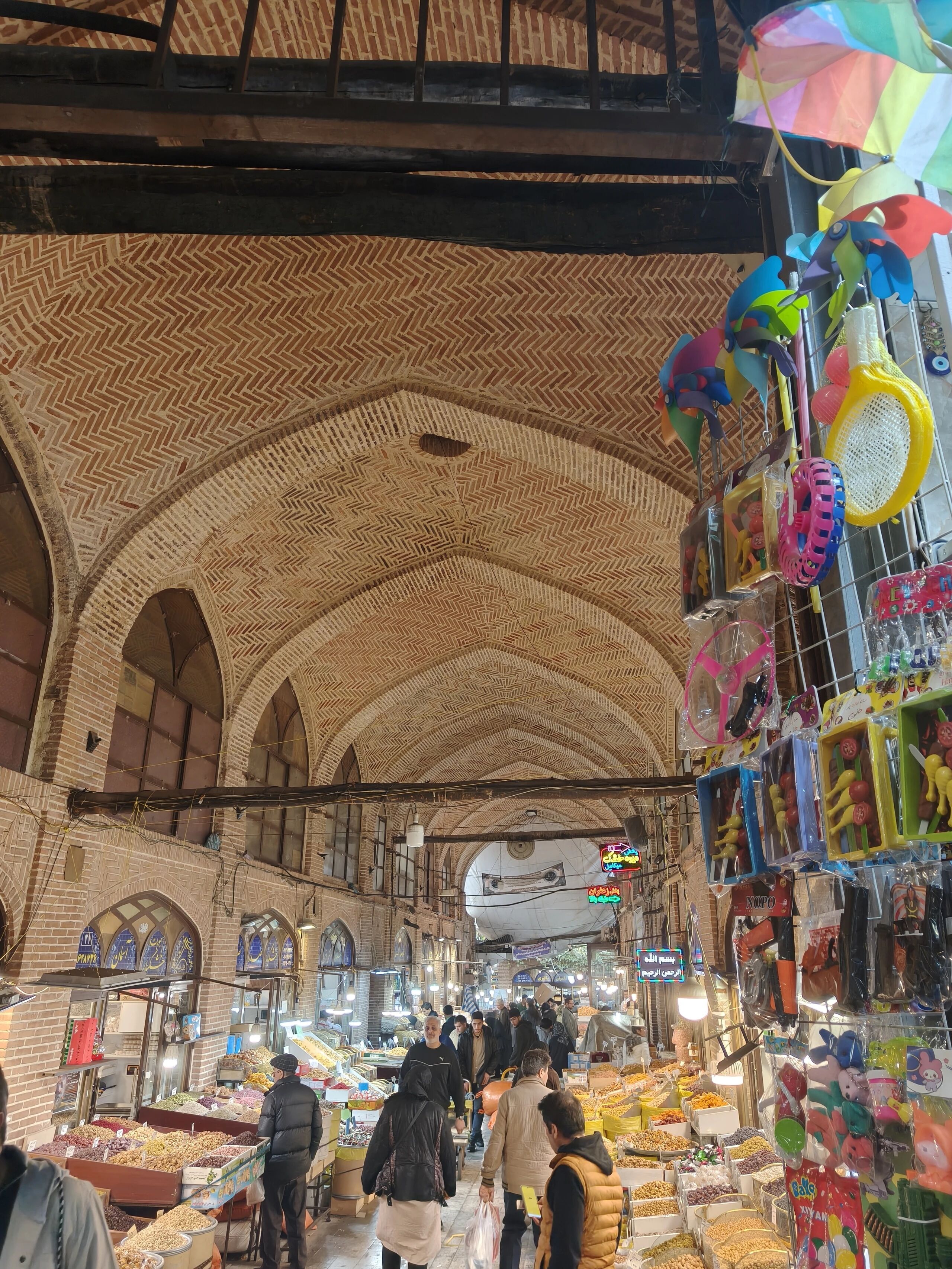
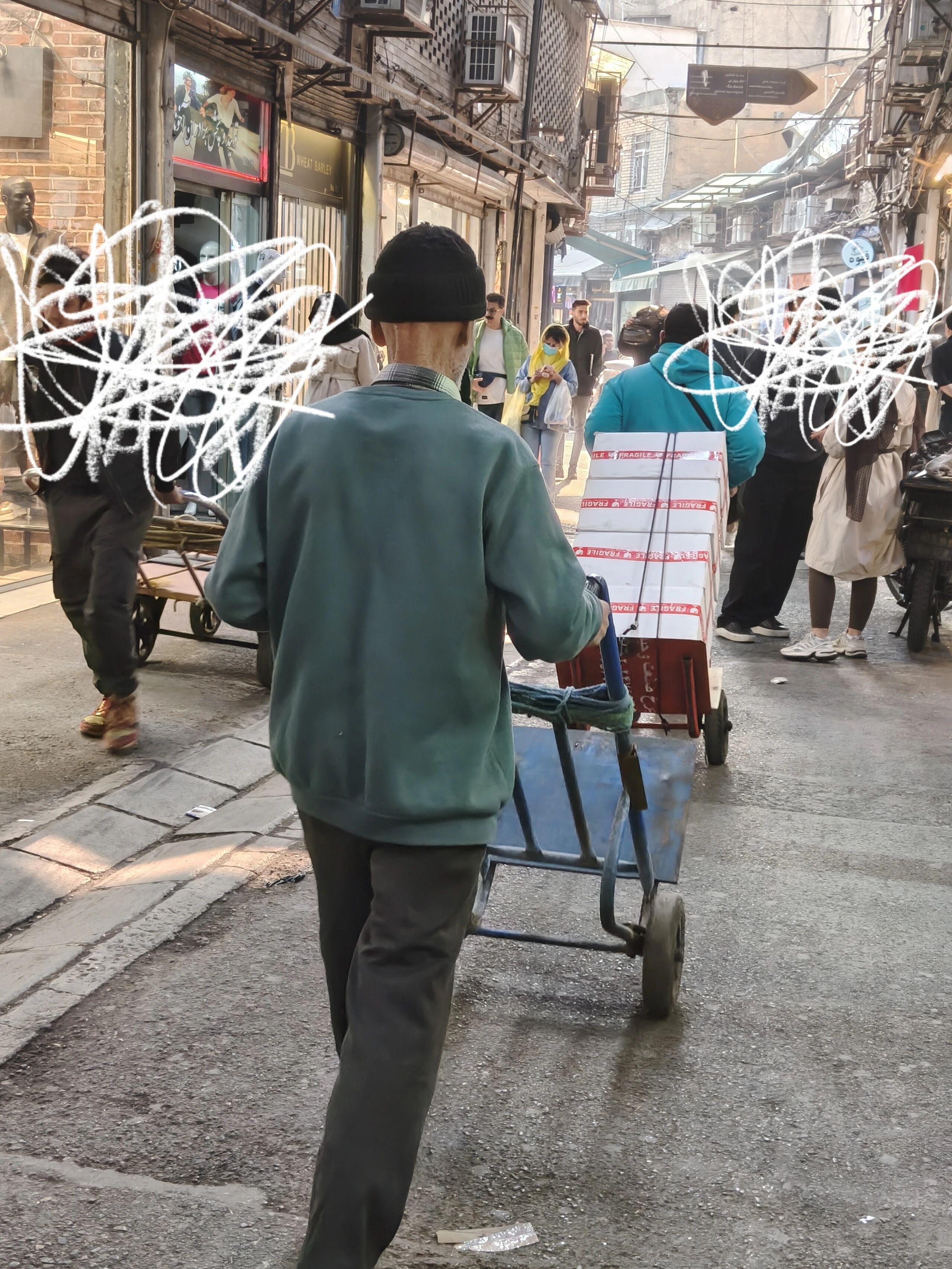
The market feels like a ghost town on Friday, but as soon as Friday passes, it quickly becomes lively, crowded with pedestrians and porters shoulder to shoulder.
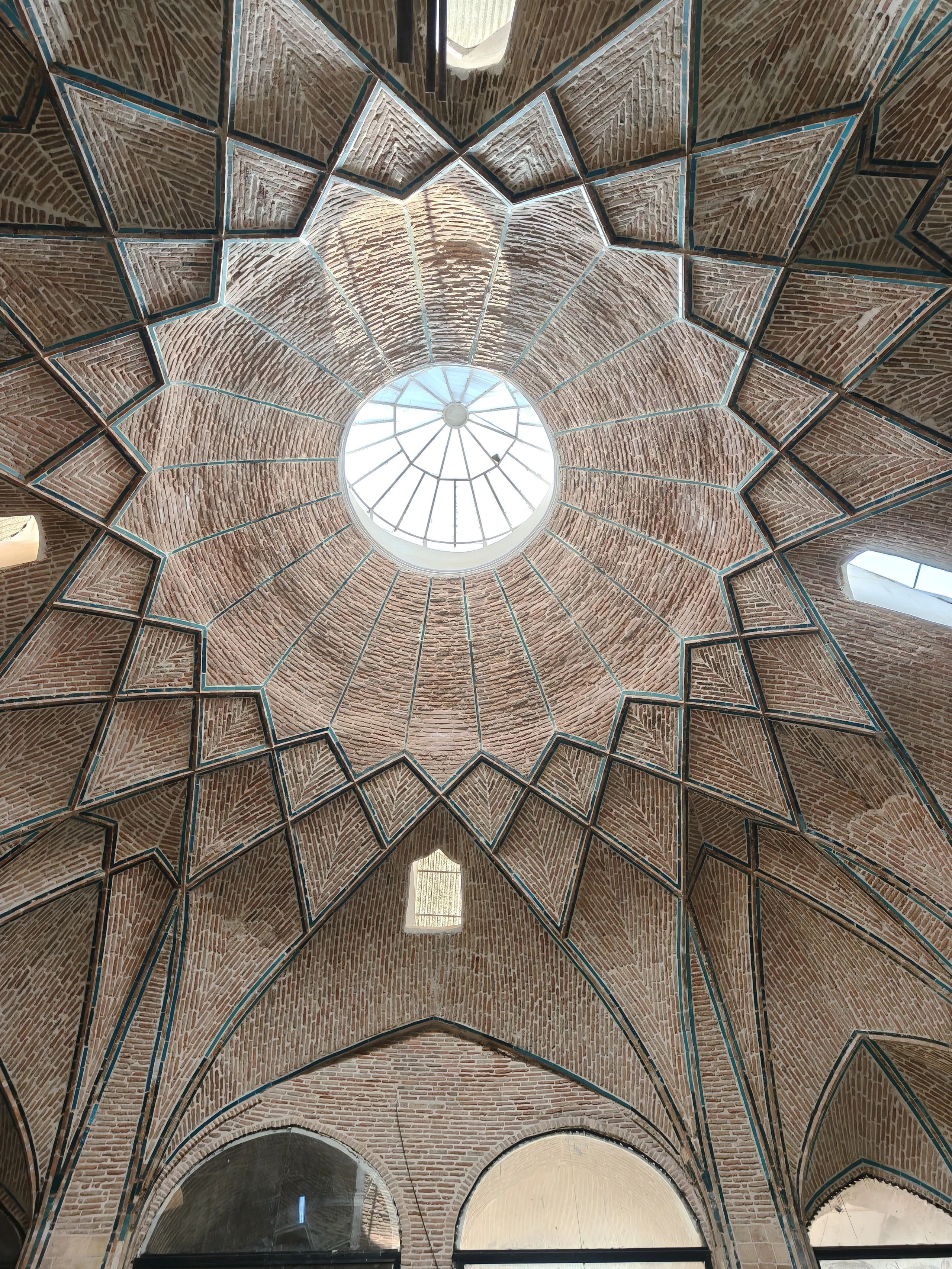
Bazaars almost always have domes, and you can enjoy their orderly beauty just by looking up. (Photo 1)
After walking for a while, my guide told me he knew a good place that mainly sells wraps with potato, chicken, or beef fillings. I like potatoes, so of course I chose the potato one. The guide chose the beef one. The wrap included mashed boiled eggs, and the potatoes were very tasty.
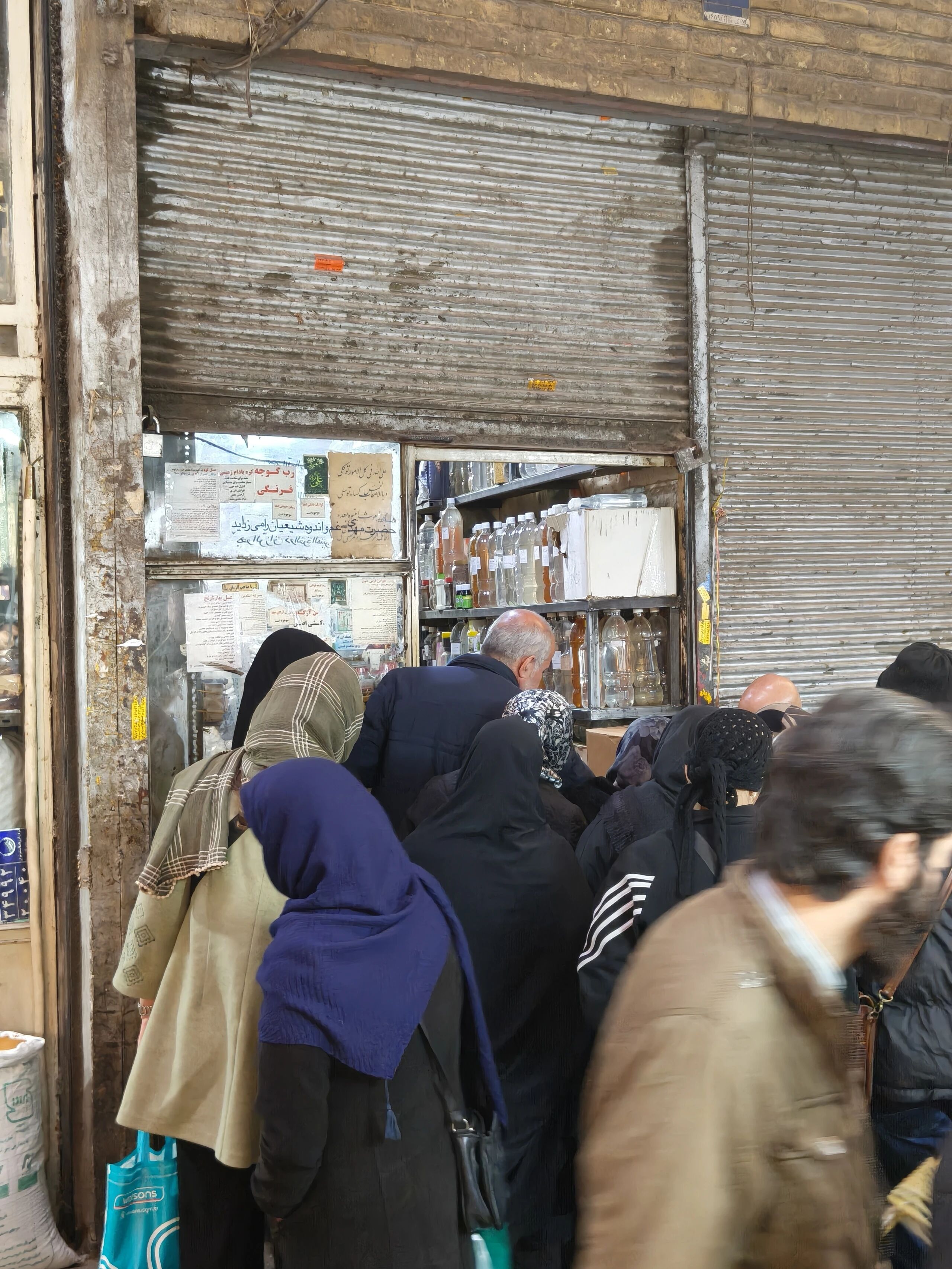
The shop is very narrow and crowded. (Photo 5, Photo 6)
Then, I am not sure how we got there, but we walked into a mosque. The area outside was cramped and narrow, and I really did not expect such a large mosque square in the middle.
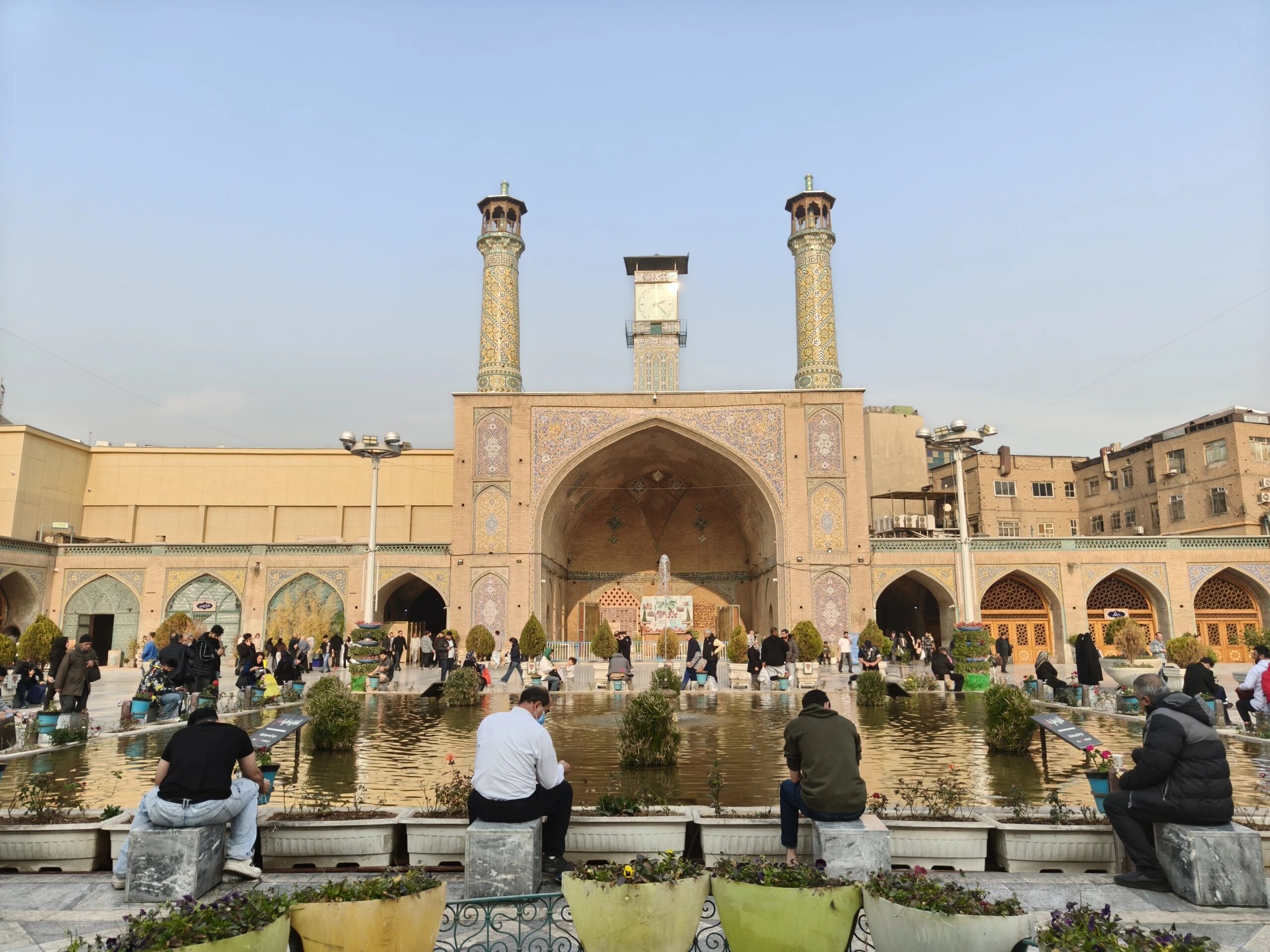
This is the Imam Khomeini Mosque. The main hall (Image 7) looks like a larger version of the Id Kah Mosque in Xinjiang, as if they were built from the same blueprint. There is a water basin in the middle of the mosque square with taps along the edge for performing wudu. (Image 9)
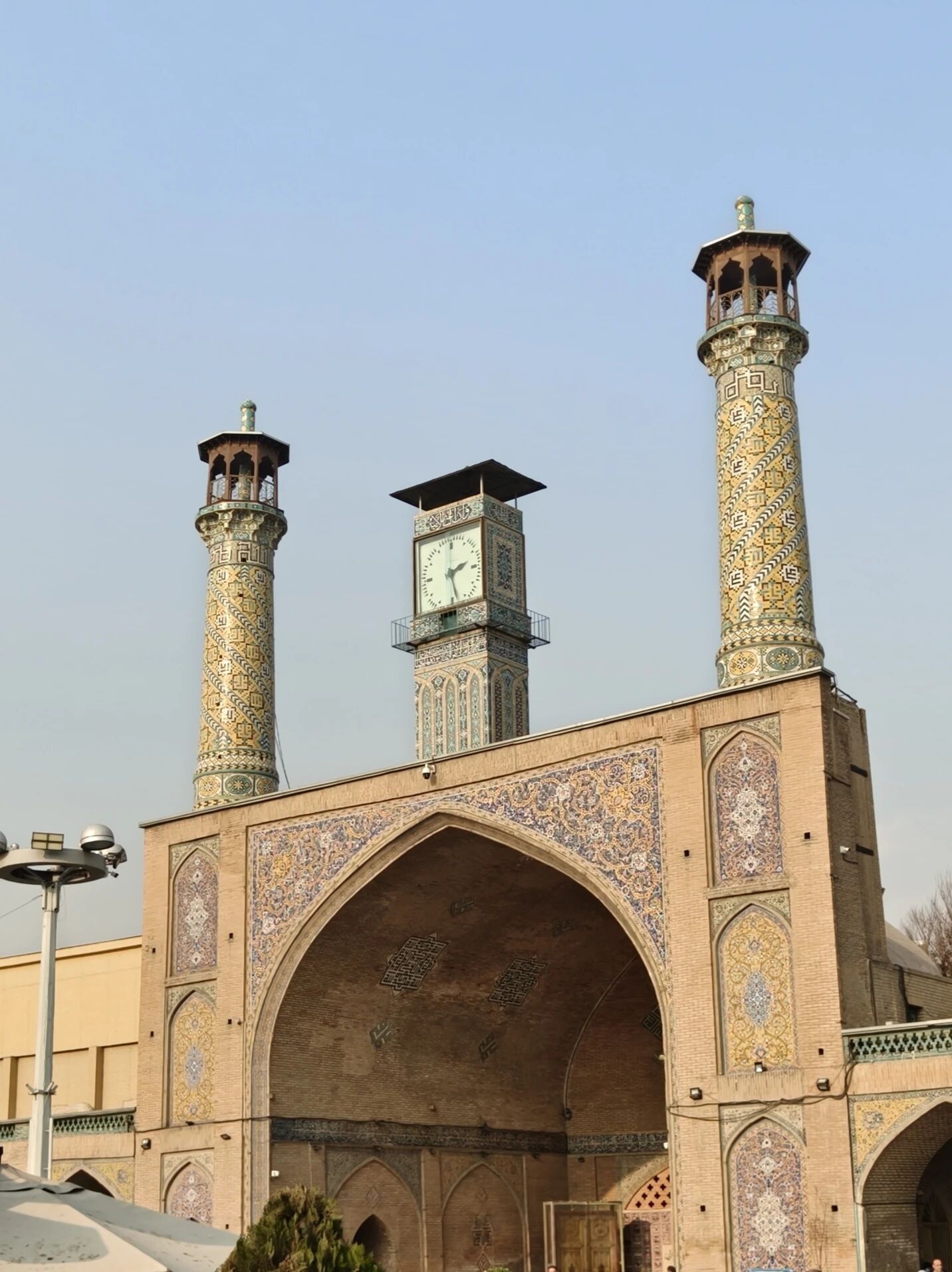
At the other end of the square are two minarets with a clock tower in the middle. (Image 10)
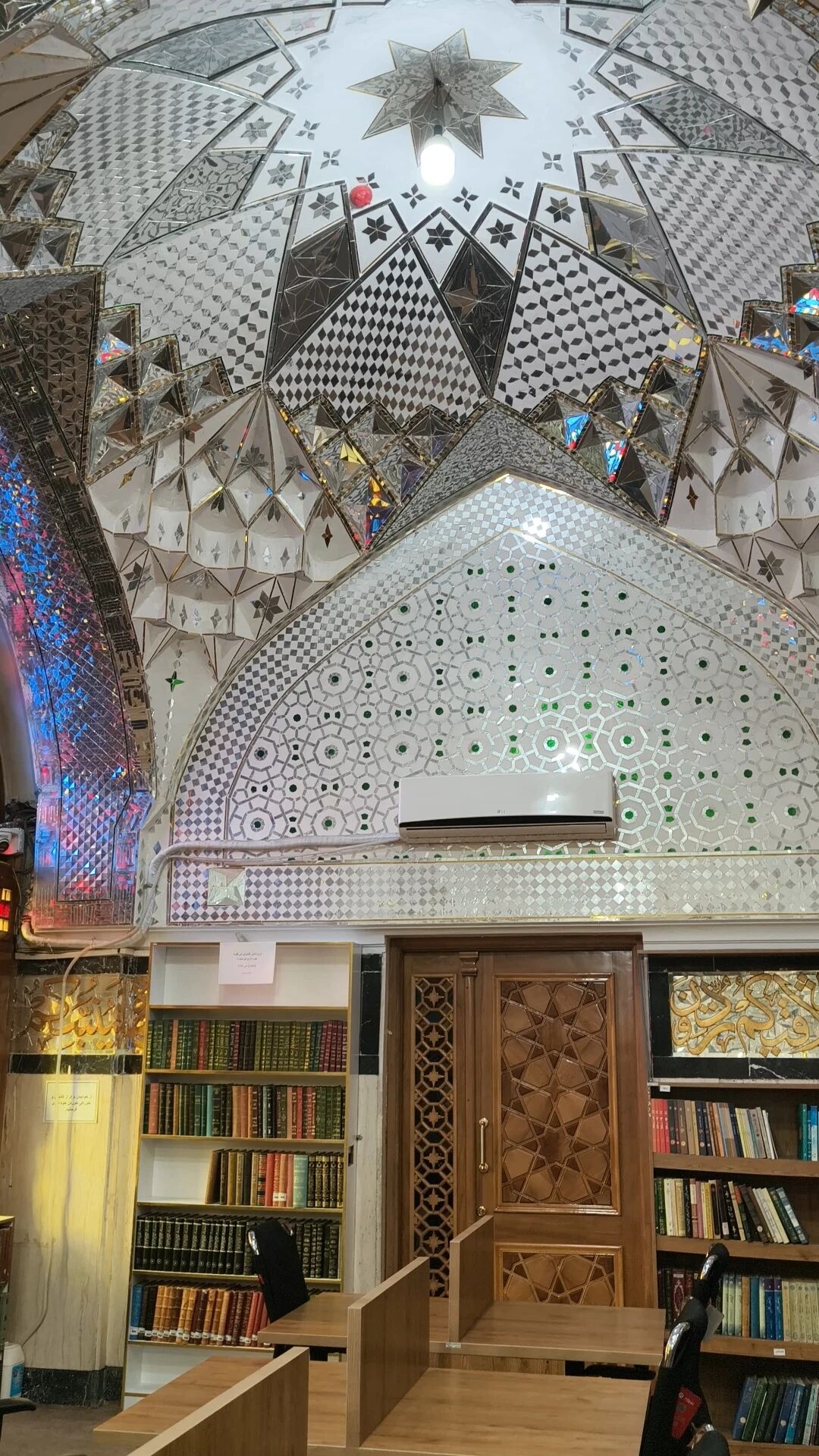
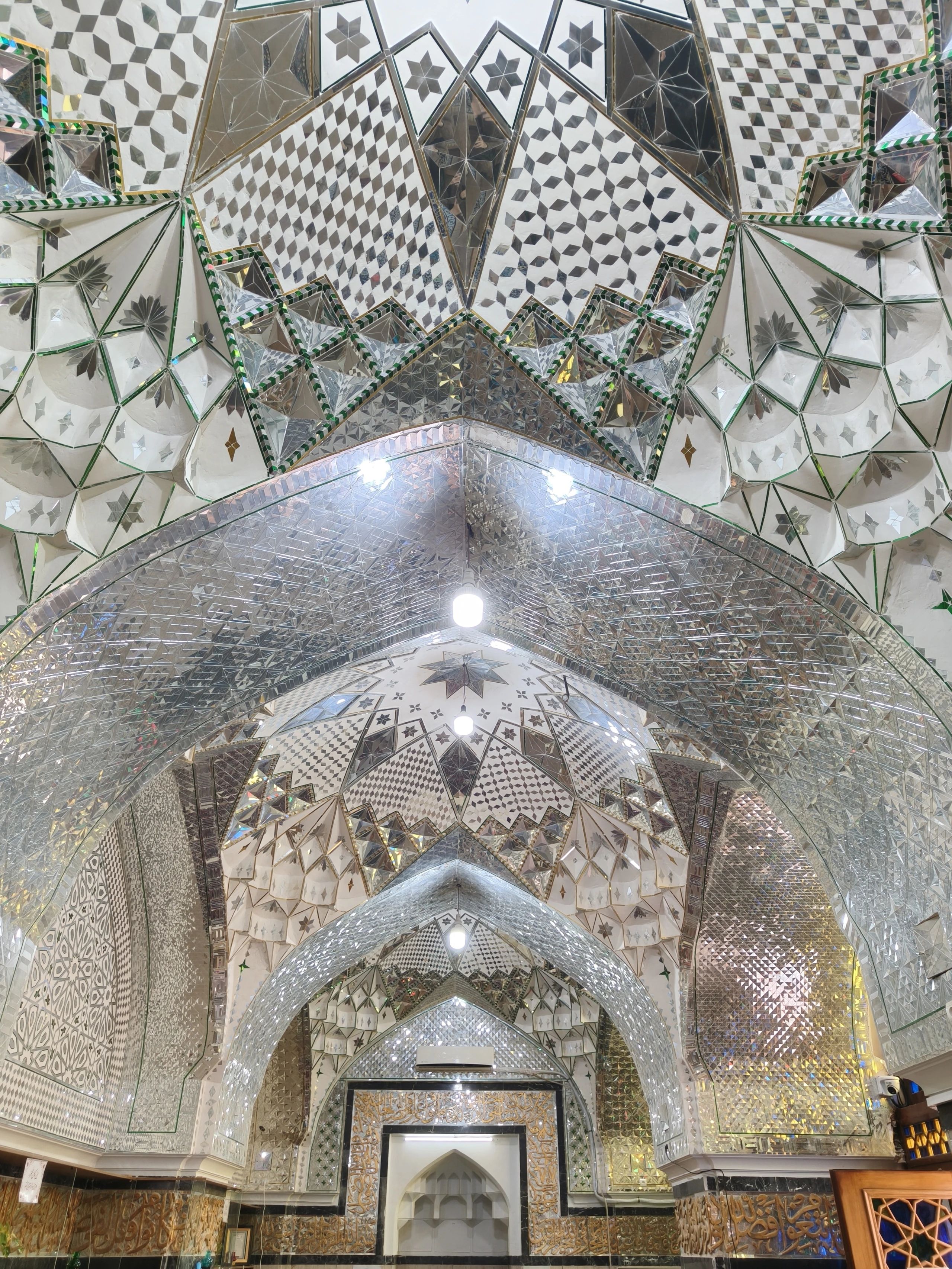
On one side of the square, there is a library covered in many mirrors that shine brightly. (Image 11, Image 12) It looks just like the Tomb of the King of Lights in Iraq that I saw online.
The library also holds copies of the Quran (Image 13) in other languages, including French, English, Russian, and Armenian. There were a few staff members inside. When my guide told them I was from China, they gave me a tile ornament and a copy of the Quran.
The staff said they were happy to meet me and welcomed me to Iran. To be polite, I also told them they were welcome to visit China. The staff also asked if China accepts international students from countries like Iran, Iraq, and Afghanistan, and which university majors in China are the best.
I am answering based on the information I have encountered within the country. It seems like many foreigners come here to study medicine, and I actually know international students from Pakistan, Turkey, and Yemen who are studying in Lanzhou and Chengdu.
After leaving the mosque, I returned to the bazaar. I looked up and saw the sunlight hitting the dome at an angle, perfectly revealing the shape of a crescent moon. view all
Summary: This Muslim travel guide follows the Tehran bazaar near Golestan Palace and Imam Khomeini Mosque. It preserves the Friday closure scene, bazaar food, mosque courtyard, wudu area, library, and the author's on-site notes.
There are many bazaars near Golestan Palace. Friday is a public holiday in Iran, so only one mosque in Tehran stays open, while the rest are closed. Only a few shops inside the bazaar are open.
The market feels like a ghost town on Friday, but as soon as Friday passes, it quickly becomes lively, crowded with pedestrians and porters shoulder to shoulder.
Bazaars almost always have domes, and you can enjoy their orderly beauty just by looking up. (Photo 1)
After walking for a while, my guide told me he knew a good place that mainly sells wraps with potato, chicken, or beef fillings. I like potatoes, so of course I chose the potato one. The guide chose the beef one. The wrap included mashed boiled eggs, and the potatoes were very tasty.
The shop is very narrow and crowded. (Photo 5, Photo 6)
Then, I am not sure how we got there, but we walked into a mosque. The area outside was cramped and narrow, and I really did not expect such a large mosque square in the middle.
This is the Imam Khomeini Mosque. The main hall (Image 7) looks like a larger version of the Id Kah Mosque in Xinjiang, as if they were built from the same blueprint. There is a water basin in the middle of the mosque square with taps along the edge for performing wudu. (Image 9)
At the other end of the square are two minarets with a clock tower in the middle. (Image 10)
On one side of the square, there is a library covered in many mirrors that shine brightly. (Image 11, Image 12) It looks just like the Tomb of the King of Lights in Iraq that I saw online.
The library also holds copies of the Quran (Image 13) in other languages, including French, English, Russian, and Armenian. There were a few staff members inside. When my guide told them I was from China, they gave me a tile ornament and a copy of the Quran.
The staff said they were happy to meet me and welcomed me to Iran. To be polite, I also told them they were welcome to visit China. The staff also asked if China accepts international students from countries like Iran, Iraq, and Afghanistan, and which university majors in China are the best.
I am answering based on the information I have encountered within the country. It seems like many foreigners come here to study medicine, and I actually know international students from Pakistan, Turkey, and Yemen who are studying in Lanzhou and Chengdu.
After leaving the mosque, I returned to the bazaar. I looked up and saw the sunlight hitting the dome at an angle, perfectly revealing the shape of a crescent moon. view all
Reposted from the web
Summary: This Muslim travel guide follows the Tehran bazaar near Golestan Palace and Imam Khomeini Mosque. It preserves the Friday closure scene, bazaar food, mosque courtyard, wudu area, library, and the author's on-site notes.
There are many bazaars near Golestan Palace. Friday is a public holiday in Iran, so only one mosque in Tehran stays open, while the rest are closed. Only a few shops inside the bazaar are open.
The market feels like a ghost town on Friday, but as soon as Friday passes, it quickly becomes lively, crowded with pedestrians and porters shoulder to shoulder.
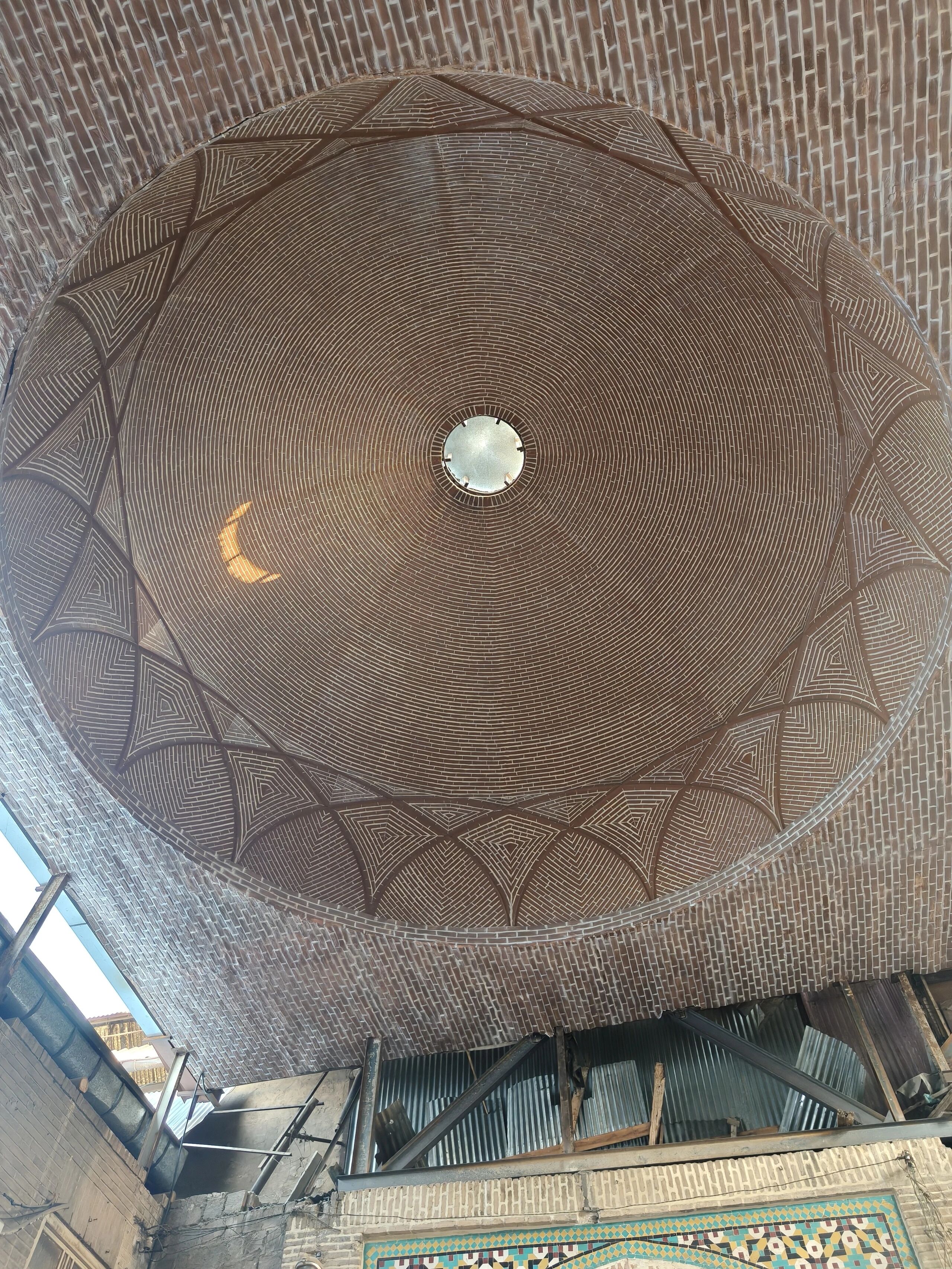
Bazaars almost always have domes, and you can enjoy their orderly beauty just by looking up. (Photo 1)
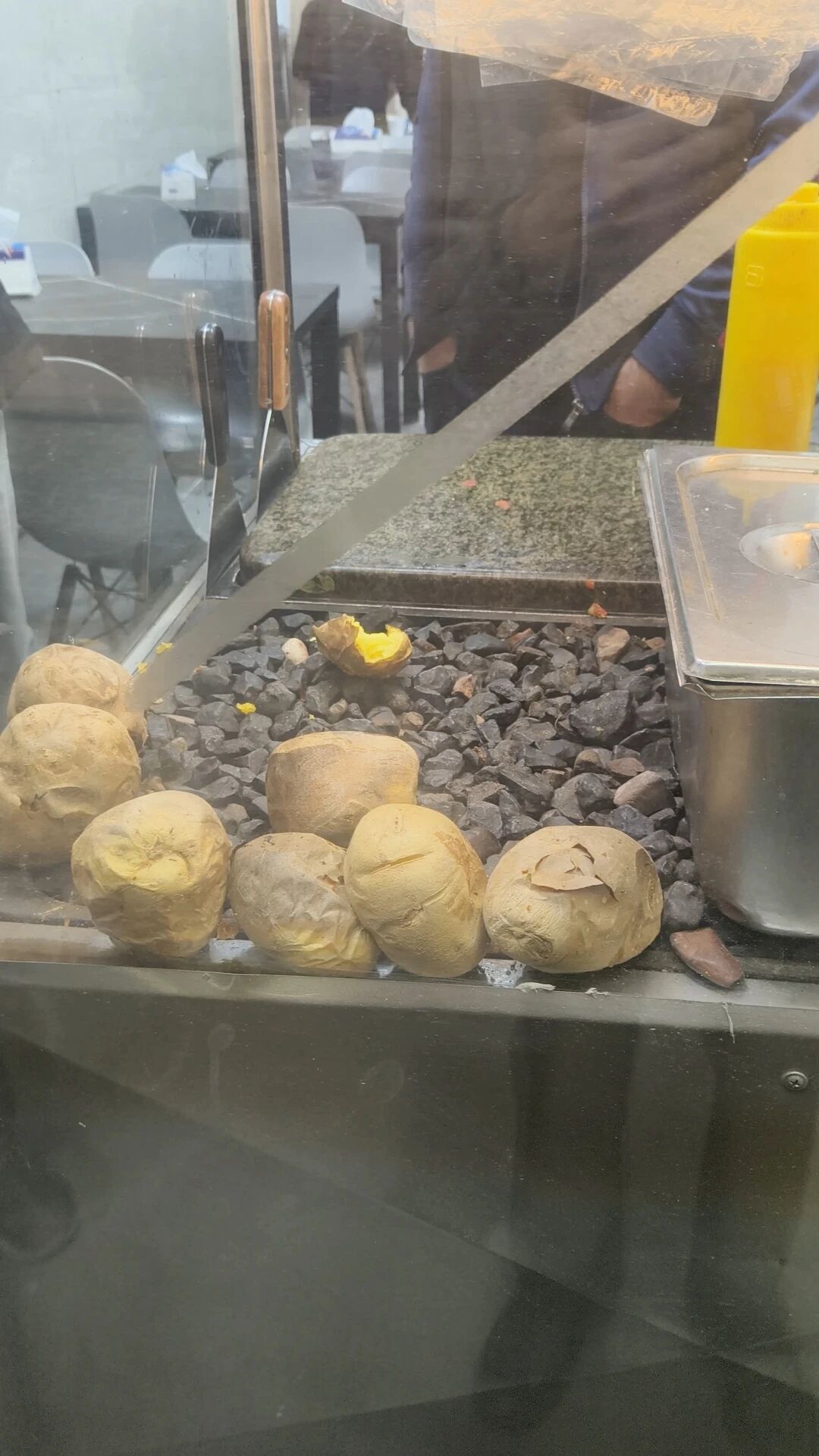
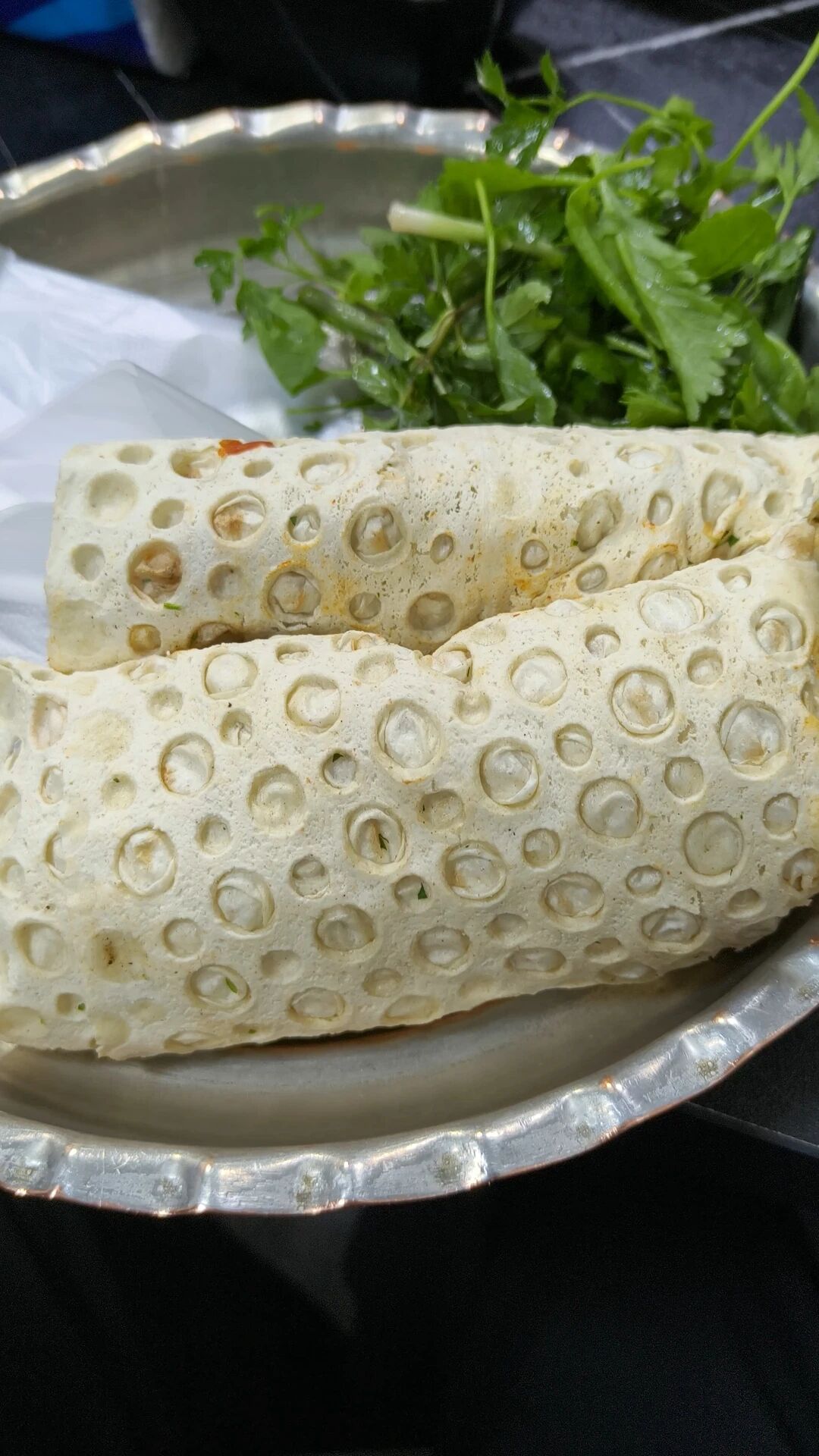
After walking for a while, my guide told me he knew a good place that mainly sells wraps with potato, chicken, or beef fillings. I like potatoes, so of course I chose the potato one. The guide chose the beef one. The wrap included mashed boiled eggs, and the potatoes were very tasty.
The shop is very narrow and crowded. (Photo 5, Photo 6)
Then, I am not sure how we got there, but we walked into a mosque. The area outside was cramped and narrow, and I really did not expect such a large mosque square in the middle.
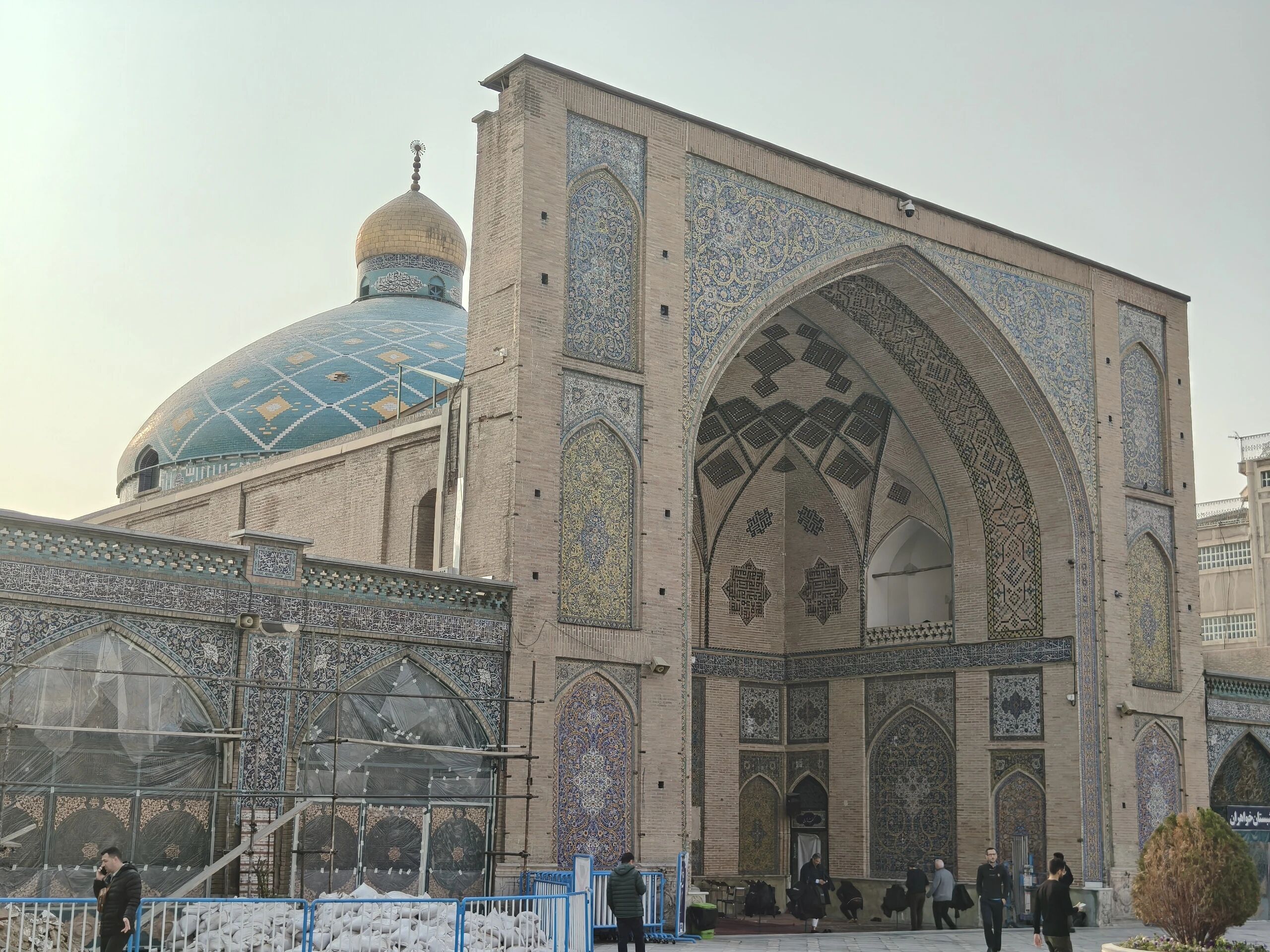
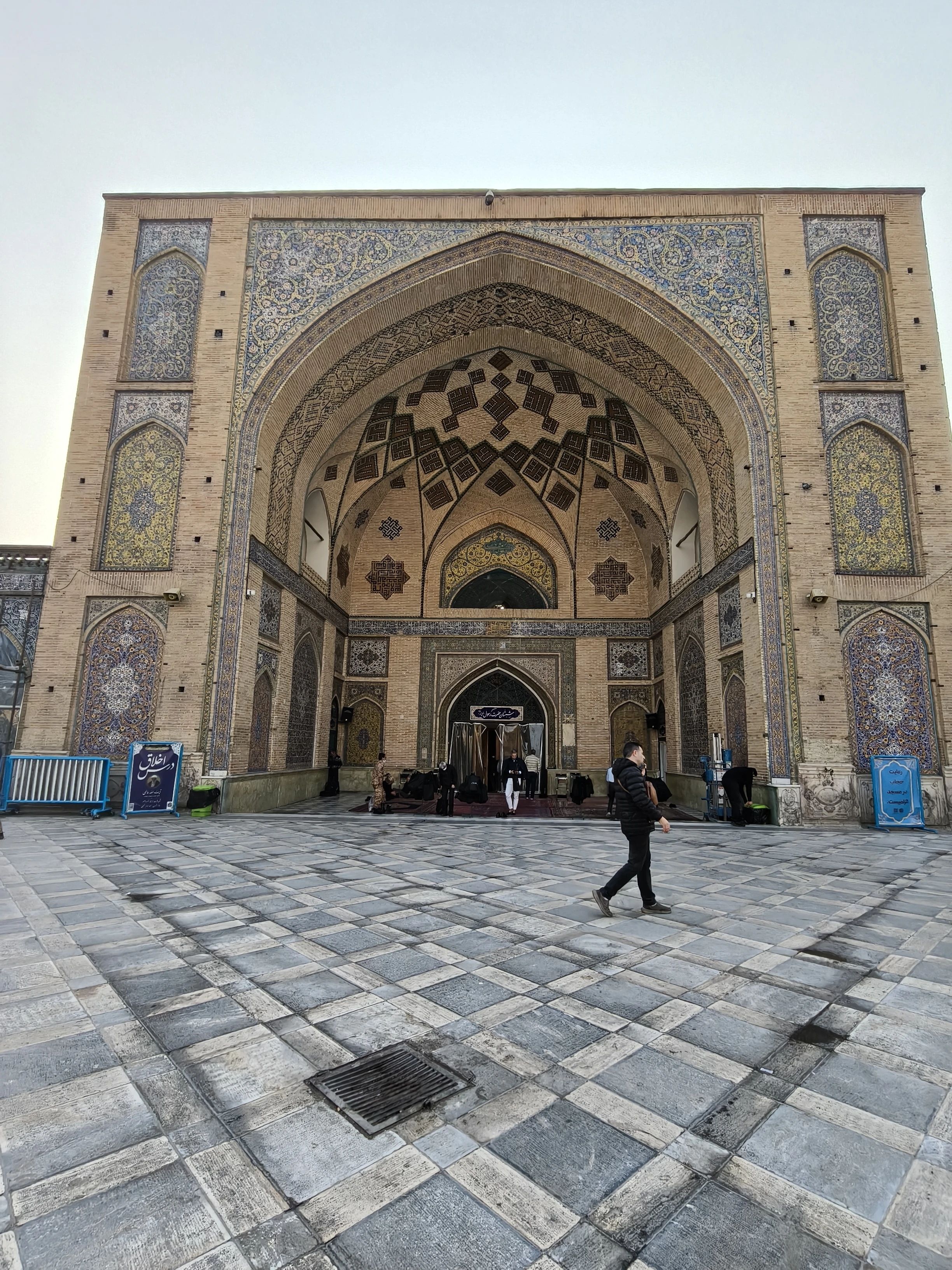
This is the Imam Khomeini Mosque. The main hall (Image 7) looks like a larger version of the Id Kah Mosque in Xinjiang, as if they were built from the same blueprint. There is a water basin in the middle of the mosque square with taps along the edge for performing wudu. (Image 9)
At the other end of the square are two minarets with a clock tower in the middle. (Image 10)
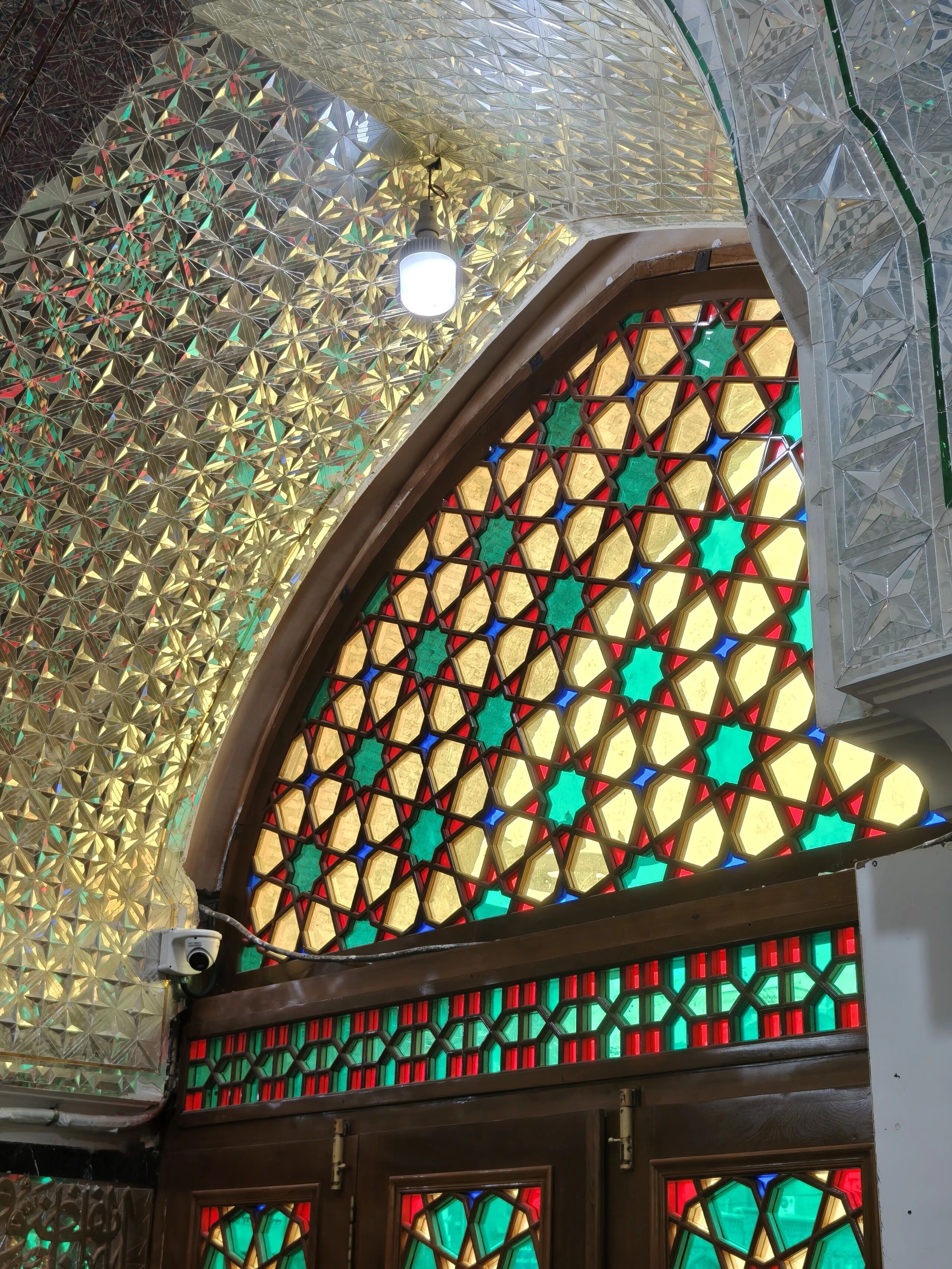
On one side of the square, there is a library covered in many mirrors that shine brightly. (Image 11, Image 12) It looks just like the Tomb of the King of Lights in Iraq that I saw online.
The library also holds copies of the Quran (Image 13) in other languages, including French, English, Russian, and Armenian. There were a few staff members inside. When my guide told them I was from China, they gave me a tile ornament and a copy of the Quran.
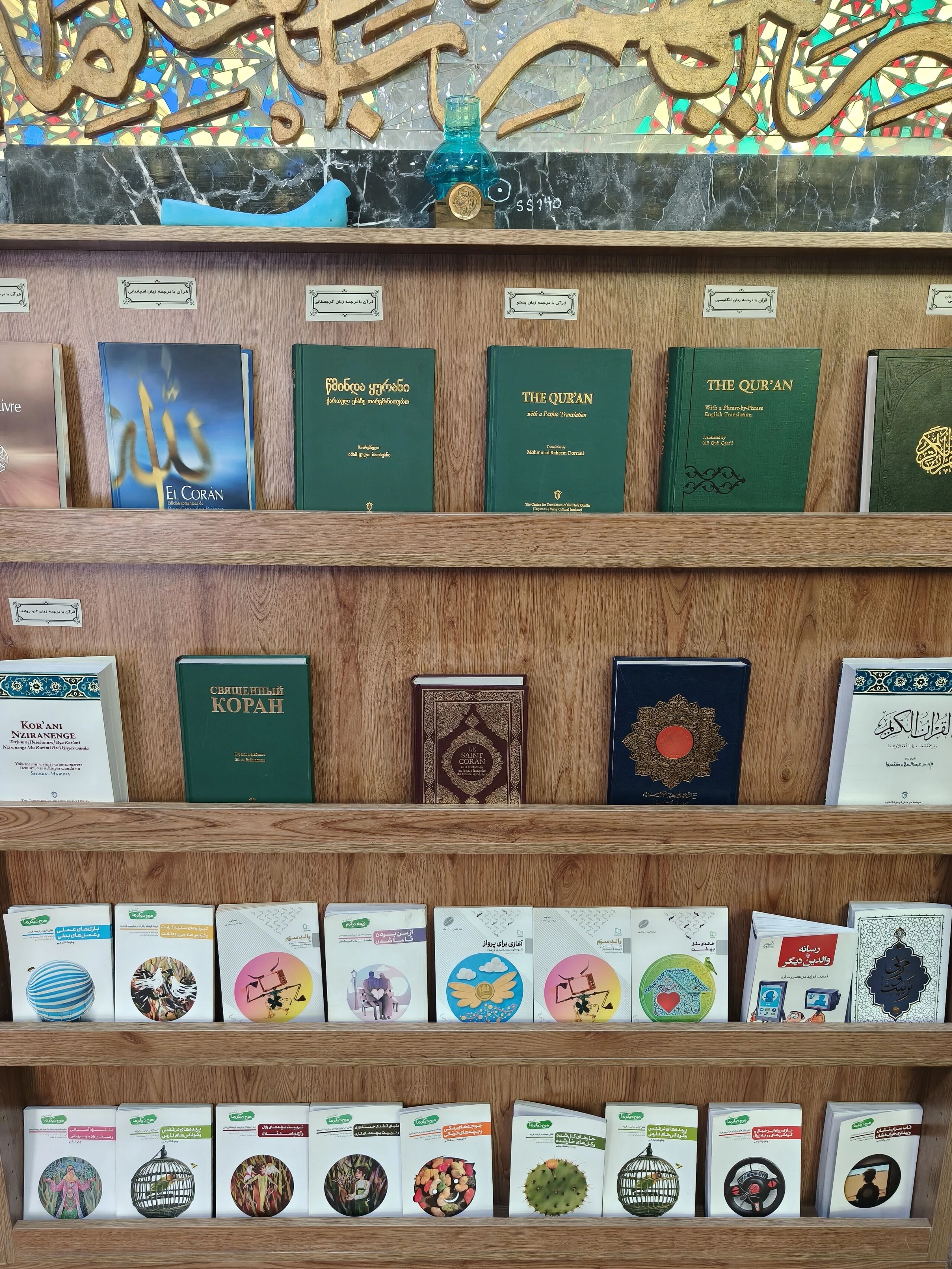
The staff said they were happy to meet me and welcomed me to Iran. To be polite, I also told them they were welcome to visit China. The staff also asked if China accepts international students from countries like Iran, Iraq, and Afghanistan, and which university majors in China are the best.
I am answering based on the information I have encountered within the country. It seems like many foreigners come here to study medicine, and I actually know international students from Pakistan, Turkey, and Yemen who are studying in Lanzhou and Chengdu.
After leaving the mosque, I returned to the bazaar. I looked up and saw the sunlight hitting the dome at an angle, perfectly revealing the shape of a crescent moon.
Summary: This Muslim travel guide follows the Tehran bazaar near Golestan Palace and Imam Khomeini Mosque. It preserves the Friday closure scene, bazaar food, mosque courtyard, wudu area, library, and the author's on-site notes.
There are many bazaars near Golestan Palace. Friday is a public holiday in Iran, so only one mosque in Tehran stays open, while the rest are closed. Only a few shops inside the bazaar are open.
The market feels like a ghost town on Friday, but as soon as Friday passes, it quickly becomes lively, crowded with pedestrians and porters shoulder to shoulder.
Bazaars almost always have domes, and you can enjoy their orderly beauty just by looking up. (Photo 1)
After walking for a while, my guide told me he knew a good place that mainly sells wraps with potato, chicken, or beef fillings. I like potatoes, so of course I chose the potato one. The guide chose the beef one. The wrap included mashed boiled eggs, and the potatoes were very tasty.
The shop is very narrow and crowded. (Photo 5, Photo 6)
Then, I am not sure how we got there, but we walked into a mosque. The area outside was cramped and narrow, and I really did not expect such a large mosque square in the middle.
This is the Imam Khomeini Mosque. The main hall (Image 7) looks like a larger version of the Id Kah Mosque in Xinjiang, as if they were built from the same blueprint. There is a water basin in the middle of the mosque square with taps along the edge for performing wudu. (Image 9)
At the other end of the square are two minarets with a clock tower in the middle. (Image 10)
On one side of the square, there is a library covered in many mirrors that shine brightly. (Image 11, Image 12) It looks just like the Tomb of the King of Lights in Iraq that I saw online.
The library also holds copies of the Quran (Image 13) in other languages, including French, English, Russian, and Armenian. There were a few staff members inside. When my guide told them I was from China, they gave me a tile ornament and a copy of the Quran.
The staff said they were happy to meet me and welcomed me to Iran. To be polite, I also told them they were welcome to visit China. The staff also asked if China accepts international students from countries like Iran, Iraq, and Afghanistan, and which university majors in China are the best.
I am answering based on the information I have encountered within the country. It seems like many foreigners come here to study medicine, and I actually know international students from Pakistan, Turkey, and Yemen who are studying in Lanzhou and Chengdu.
After leaving the mosque, I returned to the bazaar. I looked up and saw the sunlight hitting the dome at an angle, perfectly revealing the shape of a crescent moon.
Muslim Travel Guide Iran Tehran: Imam Khomeini Mosque, Grand Bazaar Food and Wudu Courtyard
Articles • yusuf908 posted the article • 0 comments • 175 views • 2026-05-23 22:48
Reposted from the web
Summary: This Iran Muslim travel guide walks through the Tehran bazaar near Golestan Palace, with potato and beef wraps, crowded lanes, Imam Khomeini Mosque, its wudu courtyard, clock tower, mirror-covered library, Qur'an translations, friendly staff, and a crescent-shaped light moment in the bazaar dome.
There are many bazaars near Golestan Palace. Friday is a public holiday in Iran, and only one mosque in Tehran stays open while the rest are closed. Only a few shops inside the bazaar are open.
The market feels like a ghost town on Friday, but as soon as Friday passes, it quickly becomes lively, crowded with pedestrians and porters shoulder to shoulder.
Bazaars almost always have domes, and you can enjoy their orderly beauty just by looking up. (Photo 1)
After walking for a while, my guide told me he knew a good place that mainly sells wraps with potato, chicken, or beef fillings. I like potatoes, so of course I chose the potato one. The guide chose the beef one. The wrap included mashed boiled eggs, and the potatoes were very tasty.
The shop is very narrow and crowded. (Photo 5, Photo 6)
Then, I am not sure how we got there, but we walked into a mosque. The area outside was cramped and narrow, and I really did not expect such a large mosque square in the middle.
This is the Imam Khomeini Mosque. The main hall (Photo 7) looks like a larger version of the Id Kah Mosque in Xinjiang, as if they were built from the same blueprint. There is a water basin in the middle of the mosque square with taps along the edge for performing wudu. (Photo 9)
At the other end of the square stand two minarets with a clock tower in between. (Photo 10)
On one side of the square is a library covered in many mirrors that sparkle. (Photo 11, Photo 12) It looks just like the Tomb of the King of Lights in Iraq that I saw online.
The library also holds copies of the Qur'an (Photo 13) in other languages, including French, English, Russian, and Armenian. There were a few staff members inside. When the tour guide told them I was from China, they gave me a tile ornament and a copy of the Qur'an.
The staff said they were happy to meet me and welcomed me to Iran. To be polite, I told them they were welcome to visit China as well. The staff also asked if China accepts international students from countries like Iran, Iraq, and Afghanistan, and which university majors in China are the best.
I answered based on what I had seen in China. It seems like many foreigners come here to study medicine, and I actually know international students from Pakistan, Turkey, and Yemen who are studying in Lanzhou and Chengdu.
After leaving the mosque, I returned to the bazaar. I looked up and saw the sunlight hitting the dome at an angle, perfectly revealing the shape of a crescent moon. view all
Summary: This Iran Muslim travel guide walks through the Tehran bazaar near Golestan Palace, with potato and beef wraps, crowded lanes, Imam Khomeini Mosque, its wudu courtyard, clock tower, mirror-covered library, Qur'an translations, friendly staff, and a crescent-shaped light moment in the bazaar dome.
There are many bazaars near Golestan Palace. Friday is a public holiday in Iran, and only one mosque in Tehran stays open while the rest are closed. Only a few shops inside the bazaar are open.
The market feels like a ghost town on Friday, but as soon as Friday passes, it quickly becomes lively, crowded with pedestrians and porters shoulder to shoulder.
Bazaars almost always have domes, and you can enjoy their orderly beauty just by looking up. (Photo 1)
After walking for a while, my guide told me he knew a good place that mainly sells wraps with potato, chicken, or beef fillings. I like potatoes, so of course I chose the potato one. The guide chose the beef one. The wrap included mashed boiled eggs, and the potatoes were very tasty.
The shop is very narrow and crowded. (Photo 5, Photo 6)
Then, I am not sure how we got there, but we walked into a mosque. The area outside was cramped and narrow, and I really did not expect such a large mosque square in the middle.
This is the Imam Khomeini Mosque. The main hall (Photo 7) looks like a larger version of the Id Kah Mosque in Xinjiang, as if they were built from the same blueprint. There is a water basin in the middle of the mosque square with taps along the edge for performing wudu. (Photo 9)
At the other end of the square stand two minarets with a clock tower in between. (Photo 10)
On one side of the square is a library covered in many mirrors that sparkle. (Photo 11, Photo 12) It looks just like the Tomb of the King of Lights in Iraq that I saw online.
The library also holds copies of the Qur'an (Photo 13) in other languages, including French, English, Russian, and Armenian. There were a few staff members inside. When the tour guide told them I was from China, they gave me a tile ornament and a copy of the Qur'an.
The staff said they were happy to meet me and welcomed me to Iran. To be polite, I told them they were welcome to visit China as well. The staff also asked if China accepts international students from countries like Iran, Iraq, and Afghanistan, and which university majors in China are the best.
I answered based on what I had seen in China. It seems like many foreigners come here to study medicine, and I actually know international students from Pakistan, Turkey, and Yemen who are studying in Lanzhou and Chengdu.
After leaving the mosque, I returned to the bazaar. I looked up and saw the sunlight hitting the dome at an angle, perfectly revealing the shape of a crescent moon. view all
Reposted from the web
Summary: This Iran Muslim travel guide walks through the Tehran bazaar near Golestan Palace, with potato and beef wraps, crowded lanes, Imam Khomeini Mosque, its wudu courtyard, clock tower, mirror-covered library, Qur'an translations, friendly staff, and a crescent-shaped light moment in the bazaar dome.
There are many bazaars near Golestan Palace. Friday is a public holiday in Iran, and only one mosque in Tehran stays open while the rest are closed. Only a few shops inside the bazaar are open.
The market feels like a ghost town on Friday, but as soon as Friday passes, it quickly becomes lively, crowded with pedestrians and porters shoulder to shoulder.
Bazaars almost always have domes, and you can enjoy their orderly beauty just by looking up. (Photo 1)
After walking for a while, my guide told me he knew a good place that mainly sells wraps with potato, chicken, or beef fillings. I like potatoes, so of course I chose the potato one. The guide chose the beef one. The wrap included mashed boiled eggs, and the potatoes were very tasty.
The shop is very narrow and crowded. (Photo 5, Photo 6)
Then, I am not sure how we got there, but we walked into a mosque. The area outside was cramped and narrow, and I really did not expect such a large mosque square in the middle.
This is the Imam Khomeini Mosque. The main hall (Photo 7) looks like a larger version of the Id Kah Mosque in Xinjiang, as if they were built from the same blueprint. There is a water basin in the middle of the mosque square with taps along the edge for performing wudu. (Photo 9)
At the other end of the square stand two minarets with a clock tower in between. (Photo 10)
On one side of the square is a library covered in many mirrors that sparkle. (Photo 11, Photo 12) It looks just like the Tomb of the King of Lights in Iraq that I saw online.
The library also holds copies of the Qur'an (Photo 13) in other languages, including French, English, Russian, and Armenian. There were a few staff members inside. When the tour guide told them I was from China, they gave me a tile ornament and a copy of the Qur'an.
The staff said they were happy to meet me and welcomed me to Iran. To be polite, I told them they were welcome to visit China as well. The staff also asked if China accepts international students from countries like Iran, Iraq, and Afghanistan, and which university majors in China are the best.
I answered based on what I had seen in China. It seems like many foreigners come here to study medicine, and I actually know international students from Pakistan, Turkey, and Yemen who are studying in Lanzhou and Chengdu.
After leaving the mosque, I returned to the bazaar. I looked up and saw the sunlight hitting the dome at an angle, perfectly revealing the shape of a crescent moon.
Summary: This Iran Muslim travel guide walks through the Tehran bazaar near Golestan Palace, with potato and beef wraps, crowded lanes, Imam Khomeini Mosque, its wudu courtyard, clock tower, mirror-covered library, Qur'an translations, friendly staff, and a crescent-shaped light moment in the bazaar dome.
There are many bazaars near Golestan Palace. Friday is a public holiday in Iran, and only one mosque in Tehran stays open while the rest are closed. Only a few shops inside the bazaar are open.
The market feels like a ghost town on Friday, but as soon as Friday passes, it quickly becomes lively, crowded with pedestrians and porters shoulder to shoulder.
Bazaars almost always have domes, and you can enjoy their orderly beauty just by looking up. (Photo 1)
After walking for a while, my guide told me he knew a good place that mainly sells wraps with potato, chicken, or beef fillings. I like potatoes, so of course I chose the potato one. The guide chose the beef one. The wrap included mashed boiled eggs, and the potatoes were very tasty.
The shop is very narrow and crowded. (Photo 5, Photo 6)
Then, I am not sure how we got there, but we walked into a mosque. The area outside was cramped and narrow, and I really did not expect such a large mosque square in the middle.
This is the Imam Khomeini Mosque. The main hall (Photo 7) looks like a larger version of the Id Kah Mosque in Xinjiang, as if they were built from the same blueprint. There is a water basin in the middle of the mosque square with taps along the edge for performing wudu. (Photo 9)
At the other end of the square stand two minarets with a clock tower in between. (Photo 10)
On one side of the square is a library covered in many mirrors that sparkle. (Photo 11, Photo 12) It looks just like the Tomb of the King of Lights in Iraq that I saw online.
The library also holds copies of the Qur'an (Photo 13) in other languages, including French, English, Russian, and Armenian. There were a few staff members inside. When the tour guide told them I was from China, they gave me a tile ornament and a copy of the Qur'an.
The staff said they were happy to meet me and welcomed me to Iran. To be polite, I told them they were welcome to visit China as well. The staff also asked if China accepts international students from countries like Iran, Iraq, and Afghanistan, and which university majors in China are the best.
I answered based on what I had seen in China. It seems like many foreigners come here to study medicine, and I actually know international students from Pakistan, Turkey, and Yemen who are studying in Lanzhou and Chengdu.
After leaving the mosque, I returned to the bazaar. I looked up and saw the sunlight hitting the dome at an angle, perfectly revealing the shape of a crescent moon.
Tehran Bazaar Travel Guide: Iranian Markets, Muslim Culture and Local Life
Articles • ali2007fr posted the article • 0 comments • 195 views • 2026-05-17 07:13
Reposted from the web
Summary: This travel note introduces Tehran Bazaar Travel Guide: Iranian Markets, Muslim Culture and Local Life. I traveled to Tehran in 2019. The local prices were truly very affordable, and after arriving, I couldn't help but visit various bazaars to shop and shop. It is useful for readers interested in Tehran Bazaar, Iran Travel, Muslim Culture.
I traveled to Tehran in 2019. The local prices were truly very affordable, and after arriving, I couldn't help but visit various bazaars to shop and shop.
Jomeh Bazaar
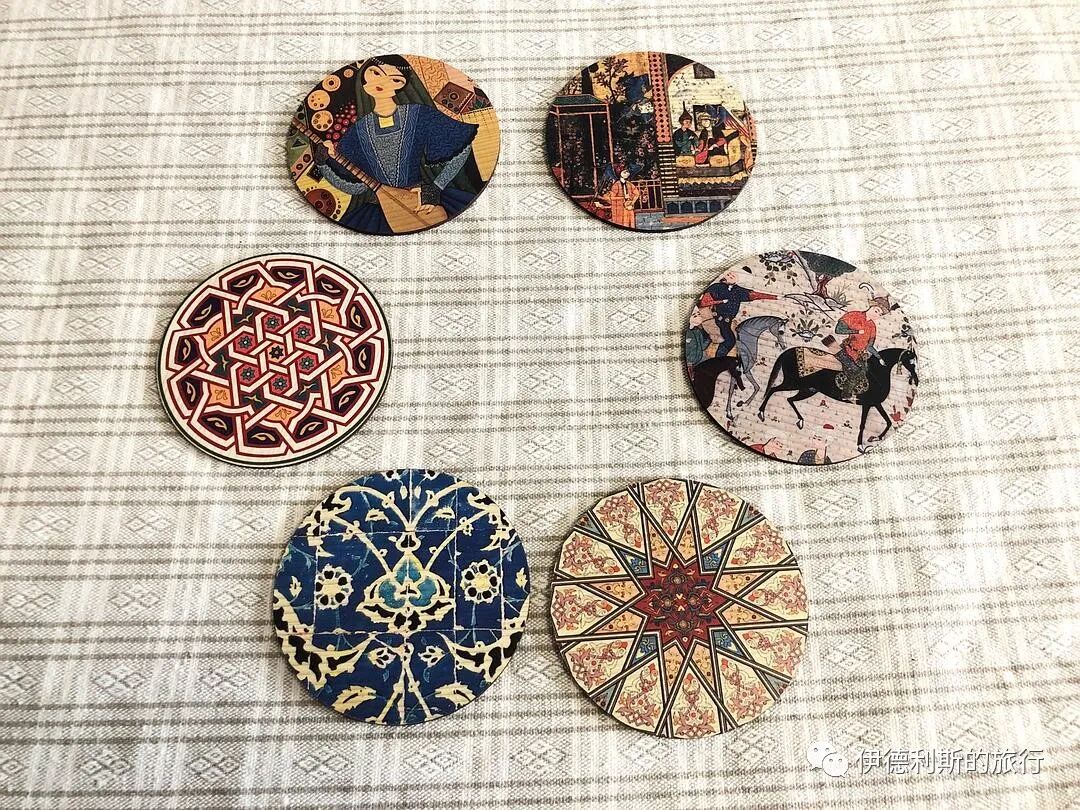
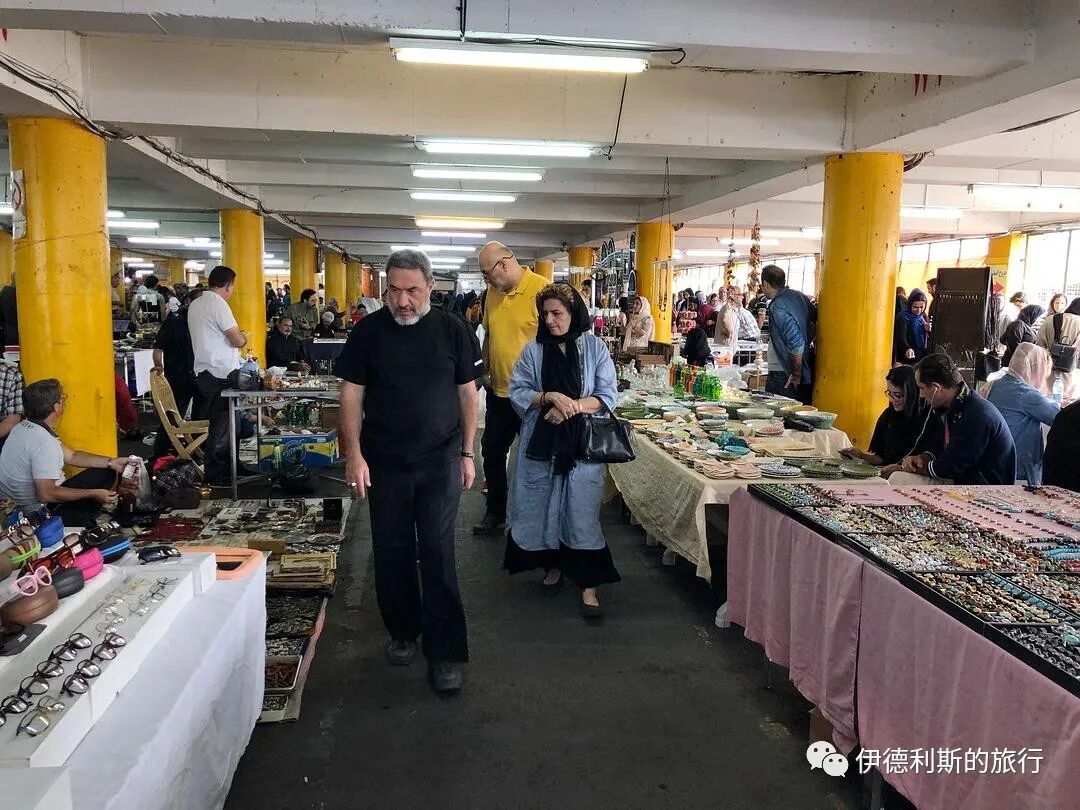
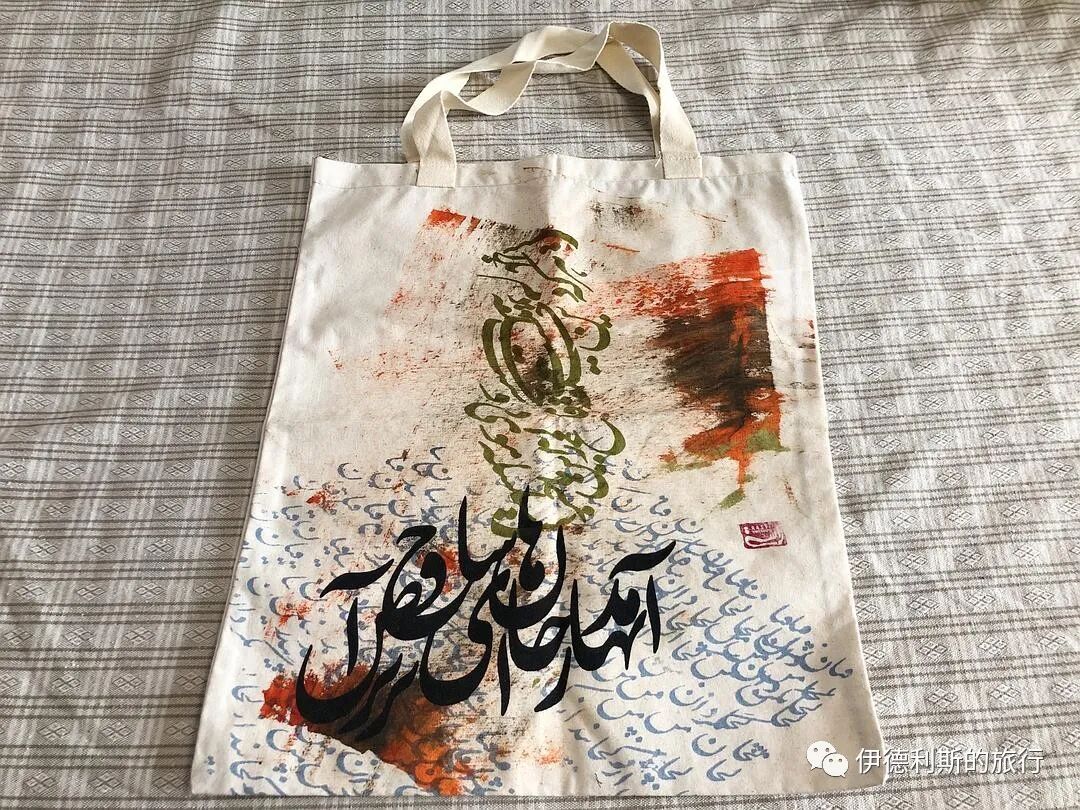
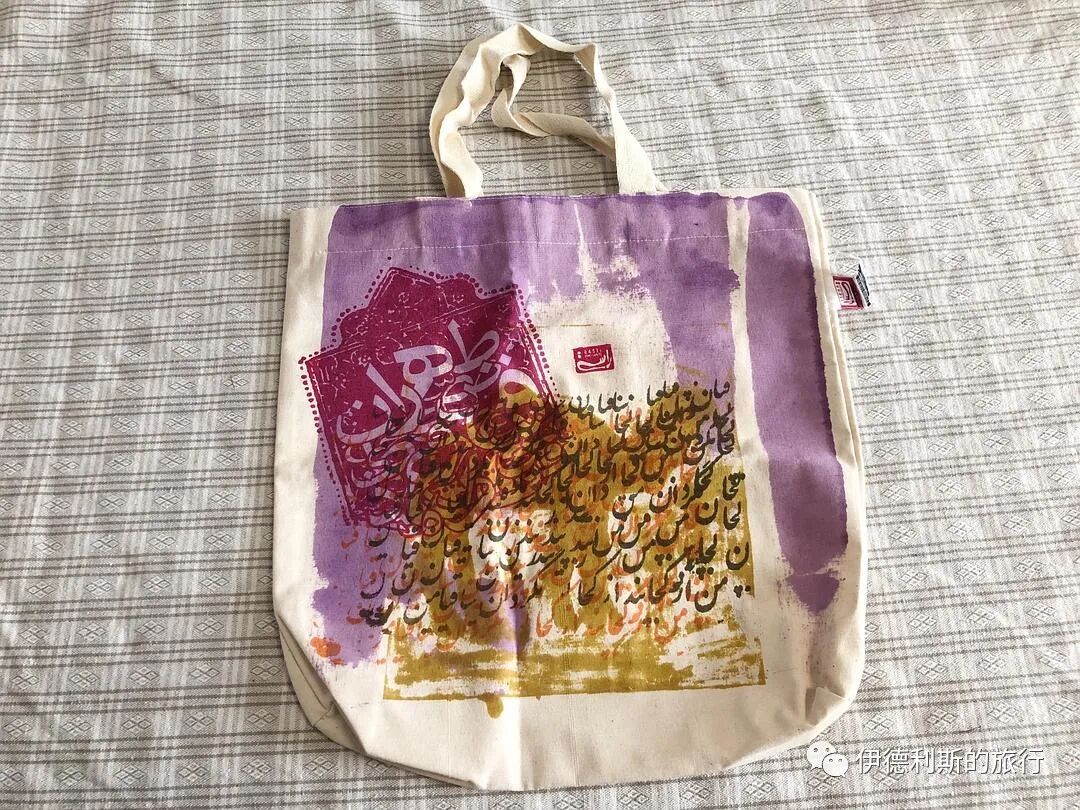
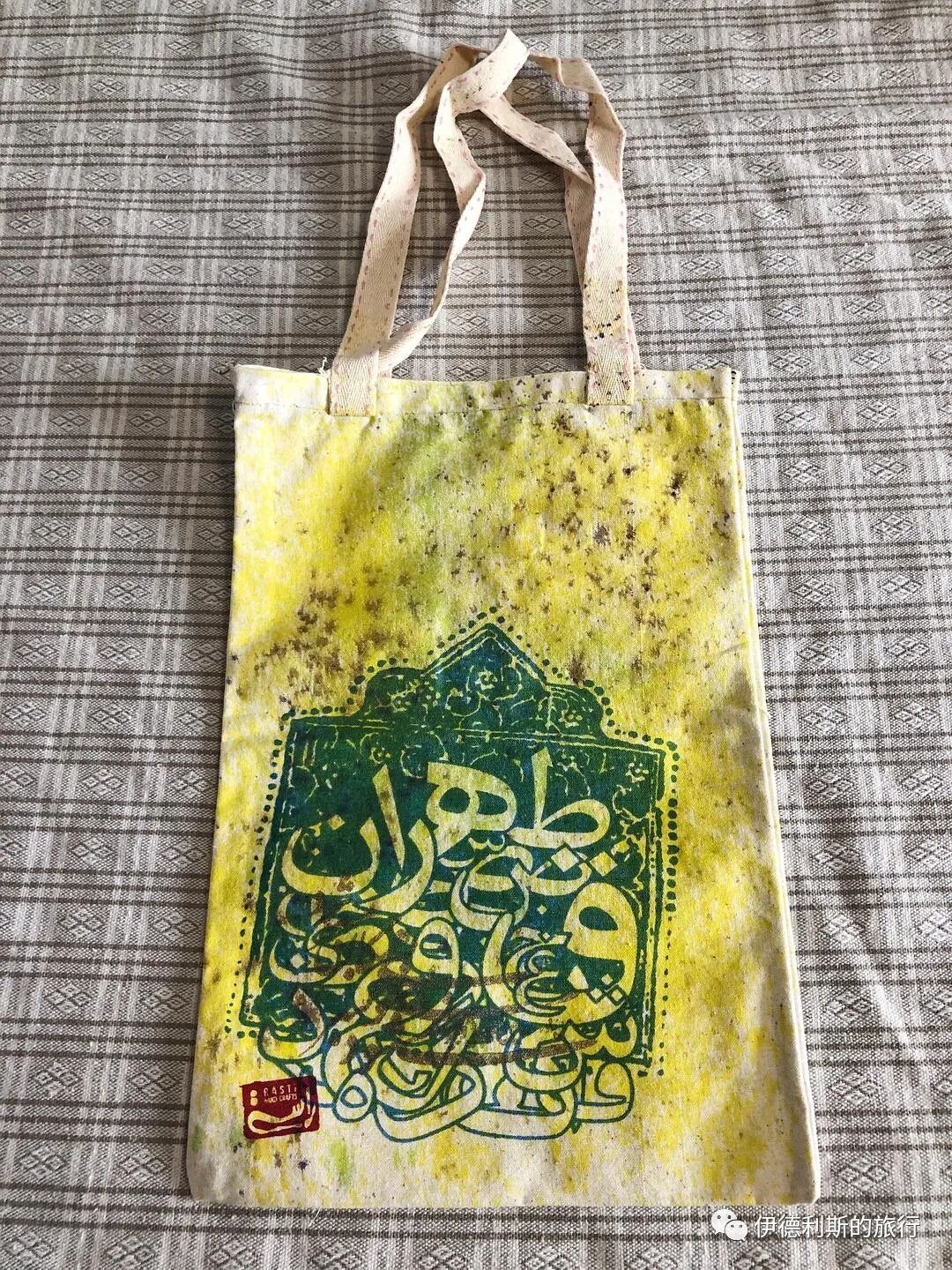
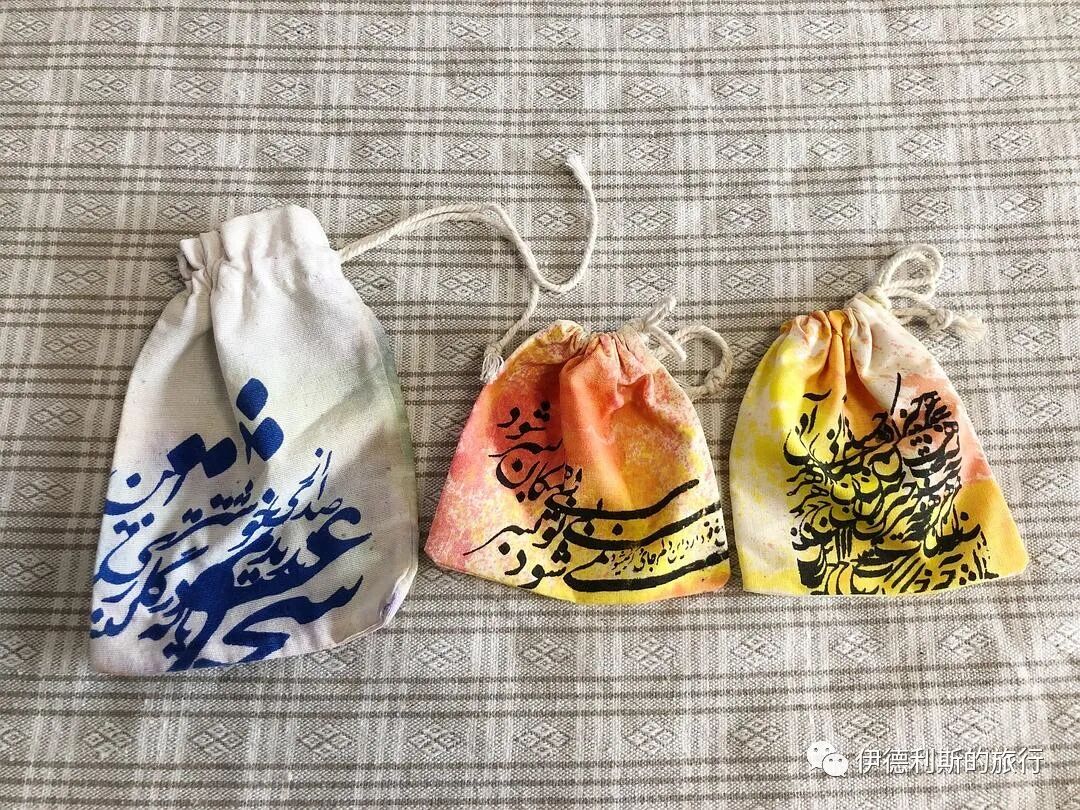
Tehran's Jomeh Bazaar (Friday Bazaar) is usually a multi-story parking garage in the city center, but every Friday it turns into a very interesting flea market. Compared to the monotonous Yiwu small commodities in the Grand Bazaar, Jomeh Bazaar is a place where you can truly find treasures. There are second-hand dealers selling old records, old books, and antiques, as well as young women selling handmade jewelry, canvas bags, and coasters, along with various ethnic-style clothing and woven fabrics. It takes at least two or three hours to browse carefully.
Canvas bags and coasters I bought.
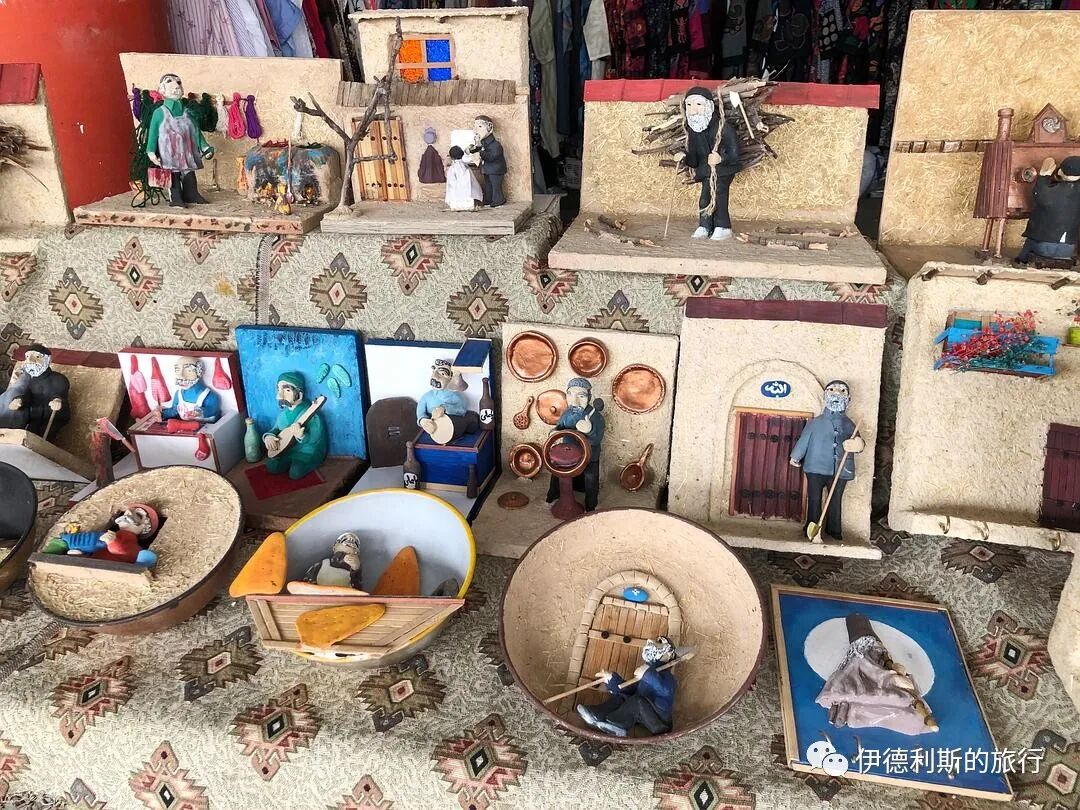
This was quite interesting; I kind of regret not buying it.
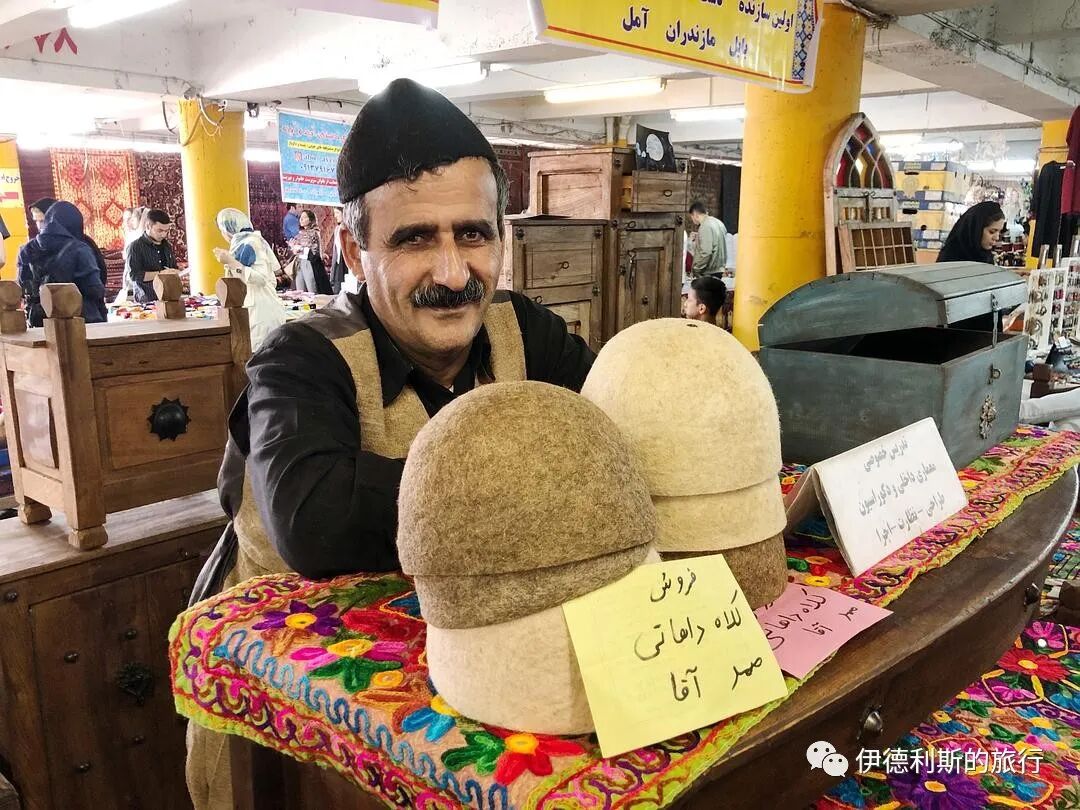
The felt hat and the Turkmen small floral cap, Takhya, that I bought. Takhya is a symbol of Turkmen tradition and identity. It is generally made of linen fabric, and the triangles on it are said to represent unity.
Tajrish Bazaar
Tajrish Bazaar is in the new urban area at the northernmost part of Tehran and stays open until 10 PM, making it very suitable for evening shopping. I bought some saffron at the Melal shop for Mashhad saffron in the bazaar. Buying saffron in Iran is actually quite cheap.
I bought traditional Iranian candy, Sohan asali (honey, sugar, saffron, and nut brittle), at a candy and dried fruit shop near Tajrish Bazaar. It is often eaten during Nowruz.
Carpet Bazaar
I bought a small carpet at the Carpet Bazaar next to the Tehran Grand Bazaar. It was produced in Qom, a Shia holy city in Iran. The owner is named Reza, a native of Kashan who has been in the carpet business in Tehran for over 20 years and speaks very fluent English.
Esfahan Art House
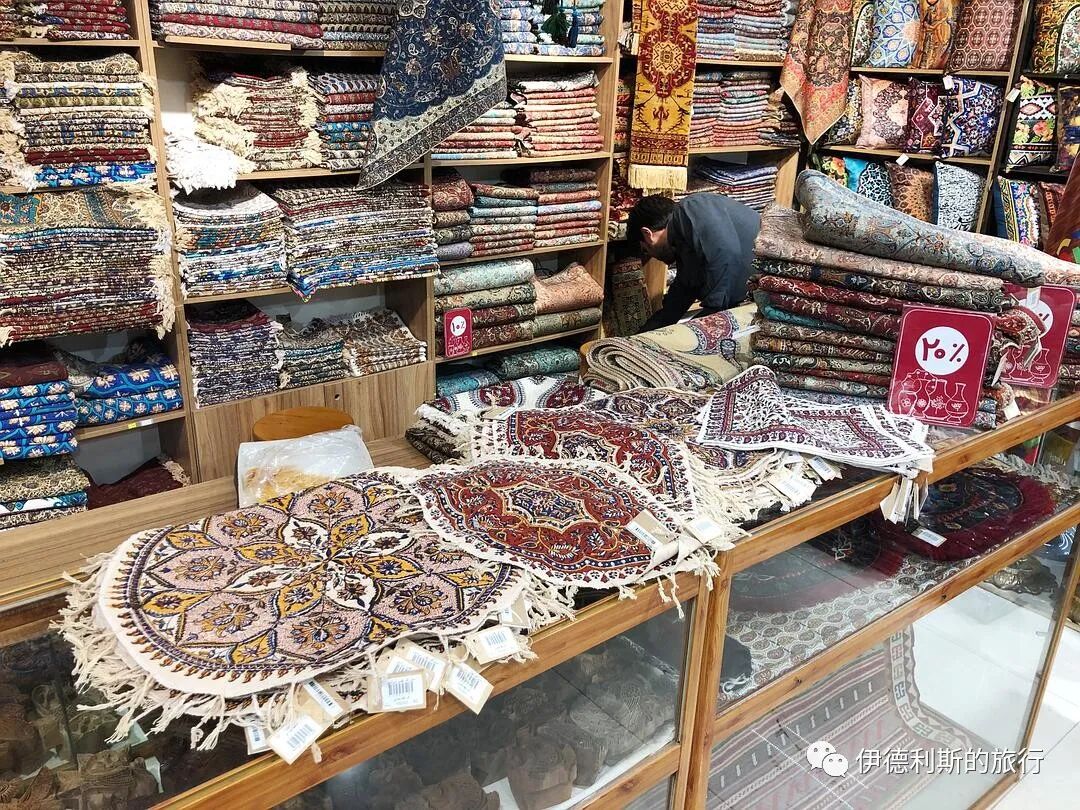
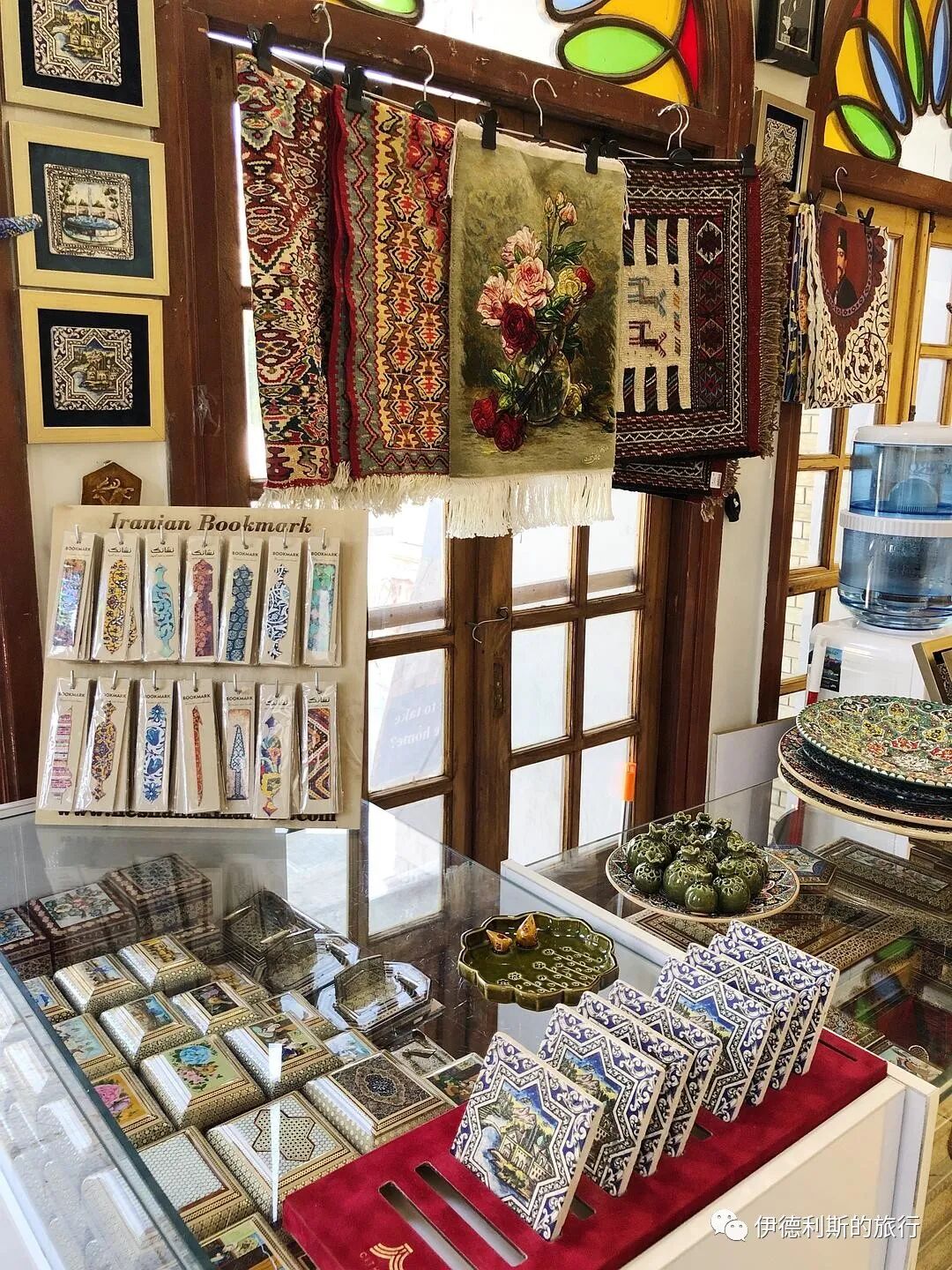
Esfahan Art House on the street at the north gate of the Grand Bazaar is a great one-stop place to buy traditional Persian handicrafts, and the prices are very reasonable. I bought two types of Iranian-style handicrafts here.
The first is a jewelry box made with the traditional Persian inlay technique, Khatam. Khatam is made by arranging bundles of wood, bone, and metal by color, then compressing and cutting them into geometric patterns. It is generally used to make doors, windows, mirror frames, chessboards, and boxes. The jewelry box I bought is made of hardwood, brass, and camel bone. Khatam flourished in the Safavid dynasty court and gradually declined after the 18th and 19th centuries, but it was revived during the reign of Reza Shah (reigned 1925-1941) of the Pahlavi dynasty, when handicraft schools were opened in Tehran, Shiraz, and Isfahan.
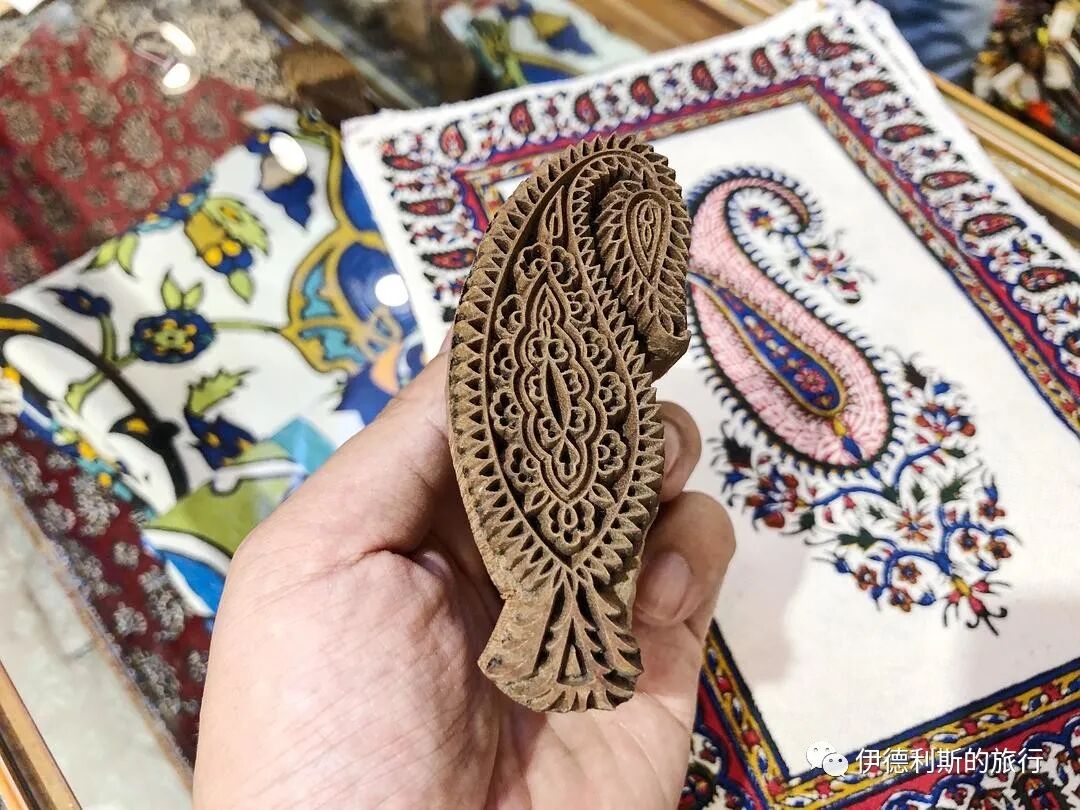
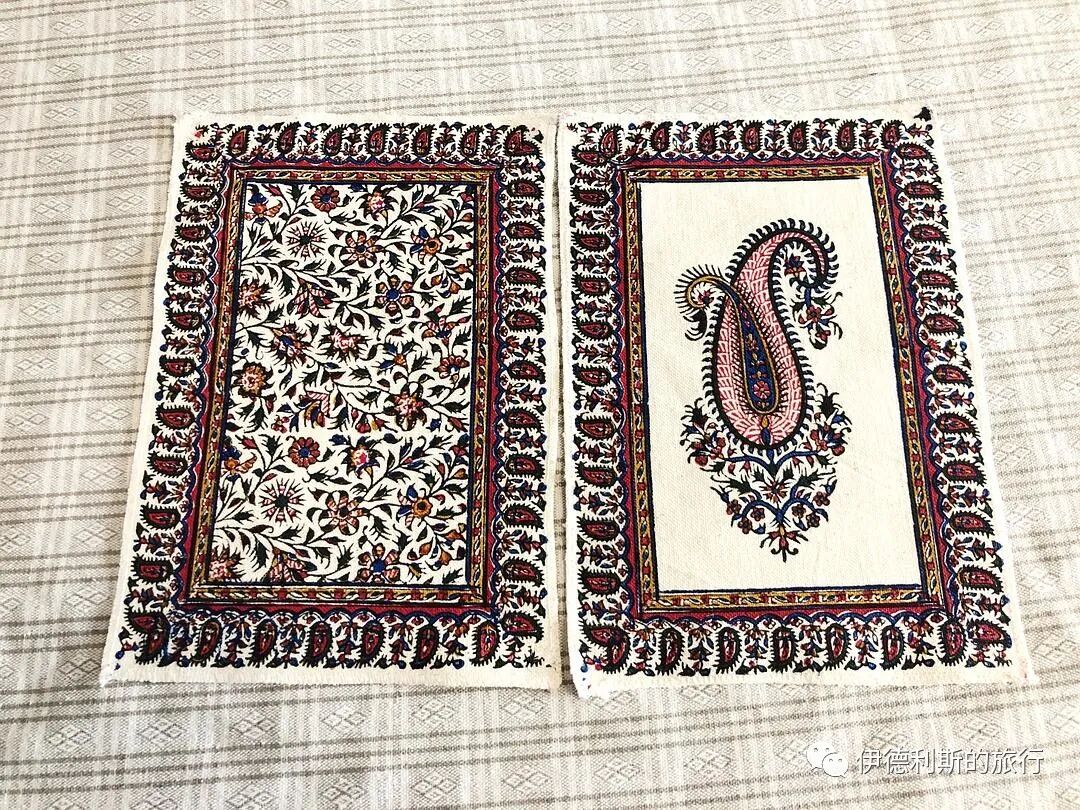
The second is a piece of fabric made with the woodblock printing craft, Ghalamkar. Ghalamkar is made by using woodblocks carved from pear wood to print on fabric, which is then hammered hundreds of times for repeated overprinting. The center of Ghalamkar art is Isfahan.
Tehran Museum of Islamic Art
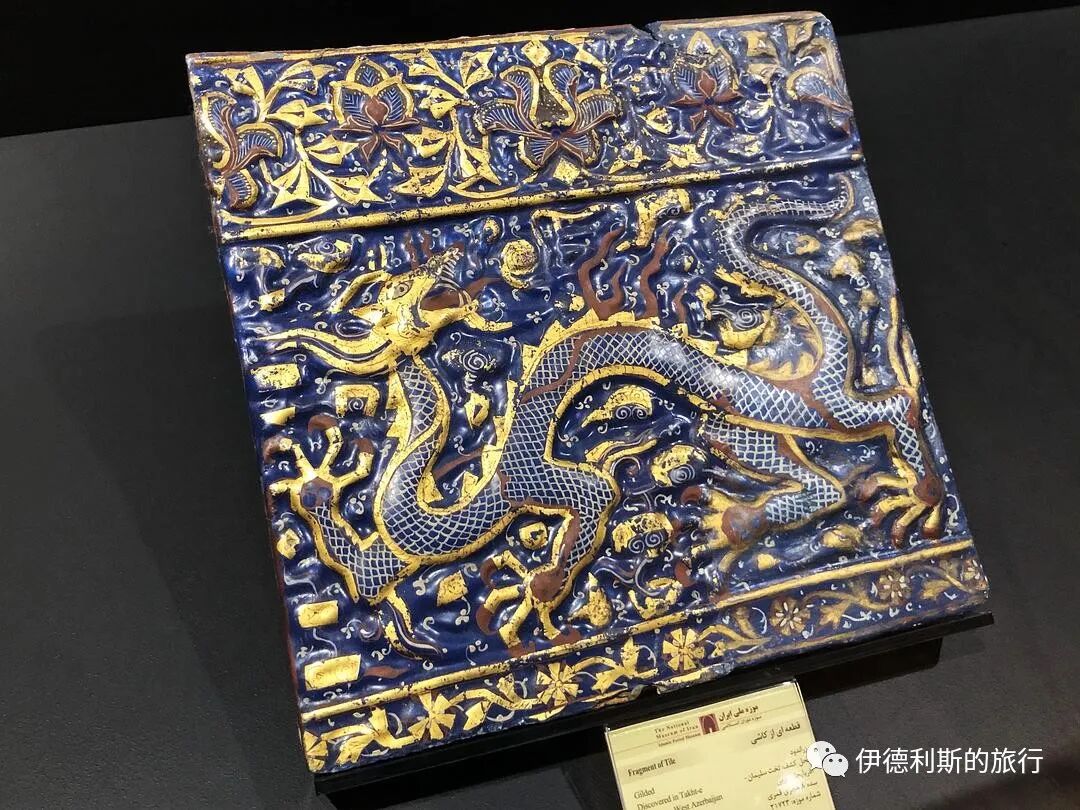
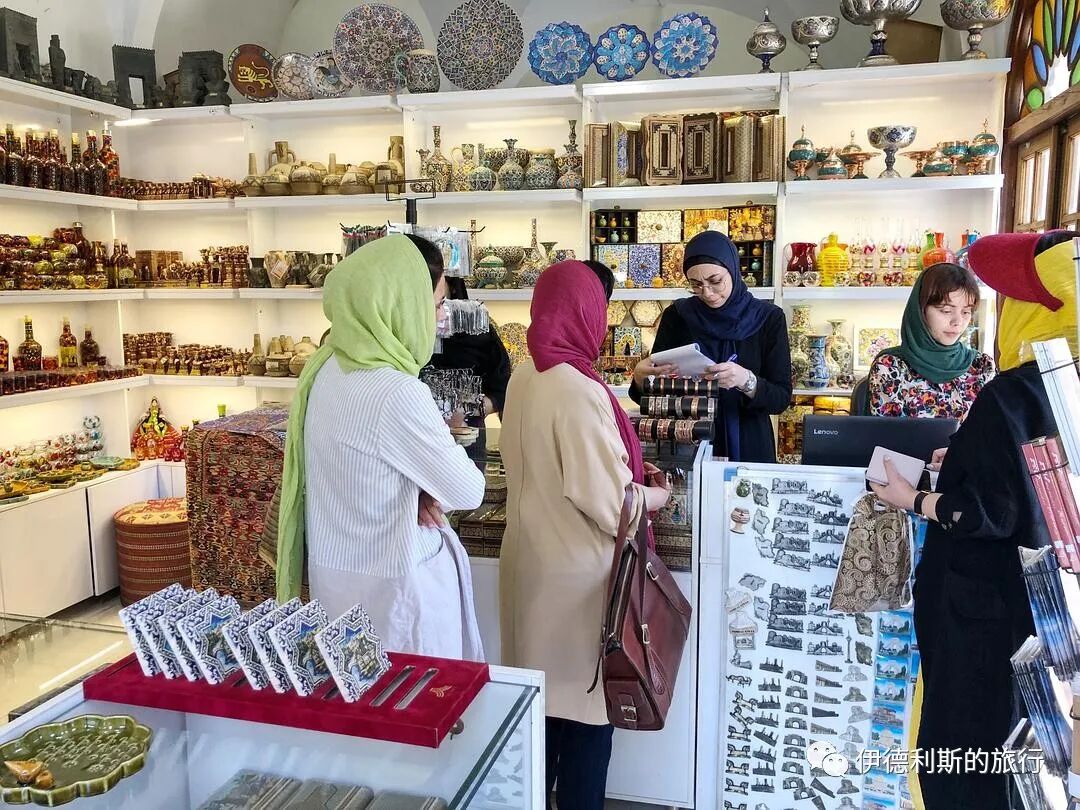
After visiting the Tehran Museum of Islamic Art, I went to the souvenir shop. The prices were a bit high, but you can't buy these things anywhere else.
A notepad with Qajar dynasty paintings.
A bookmark featuring 15th-century Timurid dynasty Shiraz-style miniature painting.
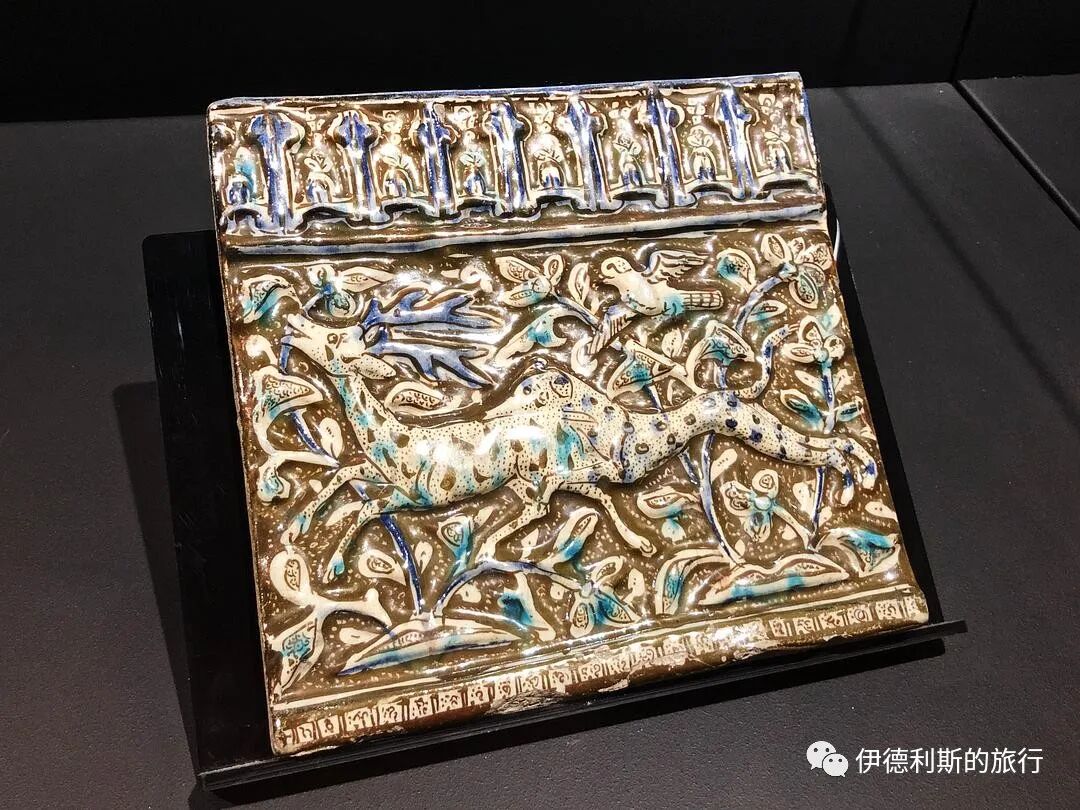
A tile magnet from the 13th-14th century Ilkhanate period; the original is in the museum.
Golestan Palace
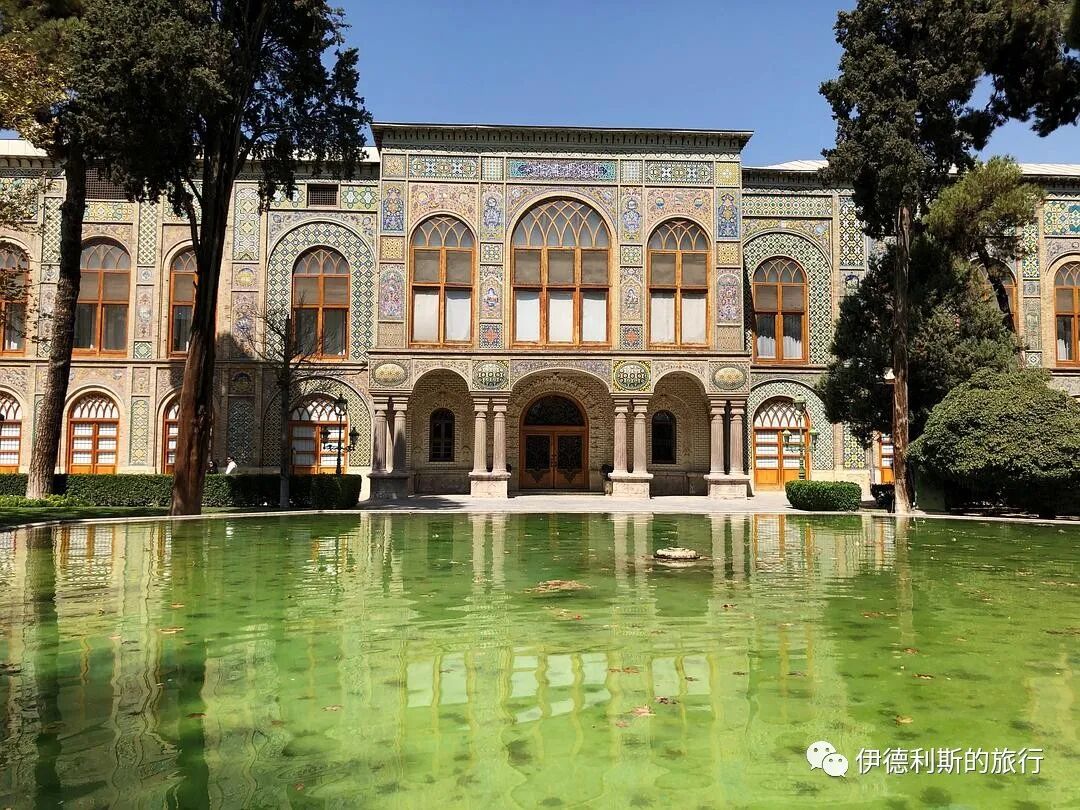
A replica of a wall tile from the Qajar dynasty period bought at the Golestan Palace souvenir shop. view all
Summary: This travel note introduces Tehran Bazaar Travel Guide: Iranian Markets, Muslim Culture and Local Life. I traveled to Tehran in 2019. The local prices were truly very affordable, and after arriving, I couldn't help but visit various bazaars to shop and shop. It is useful for readers interested in Tehran Bazaar, Iran Travel, Muslim Culture.
I traveled to Tehran in 2019. The local prices were truly very affordable, and after arriving, I couldn't help but visit various bazaars to shop and shop.
Jomeh Bazaar
Tehran's Jomeh Bazaar (Friday Bazaar) is usually a multi-story parking garage in the city center, but every Friday it turns into a very interesting flea market. Compared to the monotonous Yiwu small commodities in the Grand Bazaar, Jomeh Bazaar is a place where you can truly find treasures. There are second-hand dealers selling old records, old books, and antiques, as well as young women selling handmade jewelry, canvas bags, and coasters, along with various ethnic-style clothing and woven fabrics. It takes at least two or three hours to browse carefully.
Canvas bags and coasters I bought.
This was quite interesting; I kind of regret not buying it.
The felt hat and the Turkmen small floral cap, Takhya, that I bought. Takhya is a symbol of Turkmen tradition and identity. It is generally made of linen fabric, and the triangles on it are said to represent unity.
Tajrish Bazaar
Tajrish Bazaar is in the new urban area at the northernmost part of Tehran and stays open until 10 PM, making it very suitable for evening shopping. I bought some saffron at the Melal shop for Mashhad saffron in the bazaar. Buying saffron in Iran is actually quite cheap.
I bought traditional Iranian candy, Sohan asali (honey, sugar, saffron, and nut brittle), at a candy and dried fruit shop near Tajrish Bazaar. It is often eaten during Nowruz.
Carpet Bazaar
I bought a small carpet at the Carpet Bazaar next to the Tehran Grand Bazaar. It was produced in Qom, a Shia holy city in Iran. The owner is named Reza, a native of Kashan who has been in the carpet business in Tehran for over 20 years and speaks very fluent English.
Esfahan Art House
Esfahan Art House on the street at the north gate of the Grand Bazaar is a great one-stop place to buy traditional Persian handicrafts, and the prices are very reasonable. I bought two types of Iranian-style handicrafts here.
The first is a jewelry box made with the traditional Persian inlay technique, Khatam. Khatam is made by arranging bundles of wood, bone, and metal by color, then compressing and cutting them into geometric patterns. It is generally used to make doors, windows, mirror frames, chessboards, and boxes. The jewelry box I bought is made of hardwood, brass, and camel bone. Khatam flourished in the Safavid dynasty court and gradually declined after the 18th and 19th centuries, but it was revived during the reign of Reza Shah (reigned 1925-1941) of the Pahlavi dynasty, when handicraft schools were opened in Tehran, Shiraz, and Isfahan.
The second is a piece of fabric made with the woodblock printing craft, Ghalamkar. Ghalamkar is made by using woodblocks carved from pear wood to print on fabric, which is then hammered hundreds of times for repeated overprinting. The center of Ghalamkar art is Isfahan.
Tehran Museum of Islamic Art
After visiting the Tehran Museum of Islamic Art, I went to the souvenir shop. The prices were a bit high, but you can't buy these things anywhere else.
A notepad with Qajar dynasty paintings.
A bookmark featuring 15th-century Timurid dynasty Shiraz-style miniature painting.
A tile magnet from the 13th-14th century Ilkhanate period; the original is in the museum.
Golestan Palace
A replica of a wall tile from the Qajar dynasty period bought at the Golestan Palace souvenir shop. view all
Reposted from the web
Summary: This travel note introduces Tehran Bazaar Travel Guide: Iranian Markets, Muslim Culture and Local Life. I traveled to Tehran in 2019. The local prices were truly very affordable, and after arriving, I couldn't help but visit various bazaars to shop and shop. It is useful for readers interested in Tehran Bazaar, Iran Travel, Muslim Culture.
I traveled to Tehran in 2019. The local prices were truly very affordable, and after arriving, I couldn't help but visit various bazaars to shop and shop.
Jomeh Bazaar
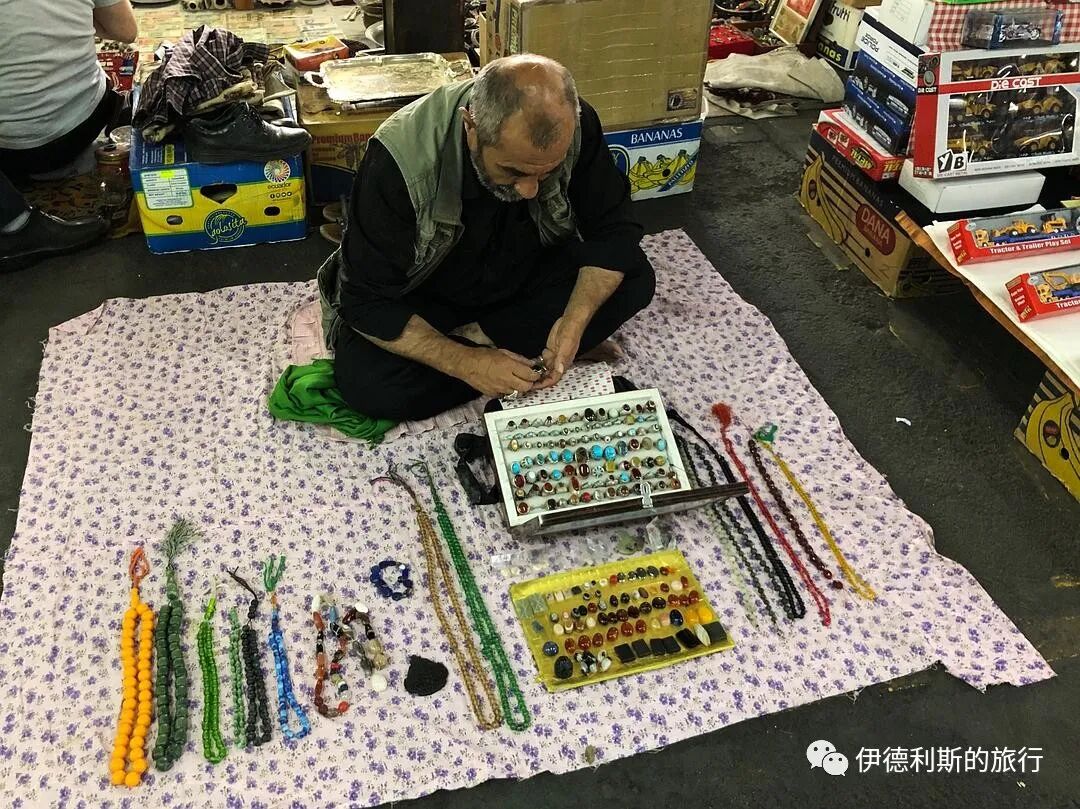
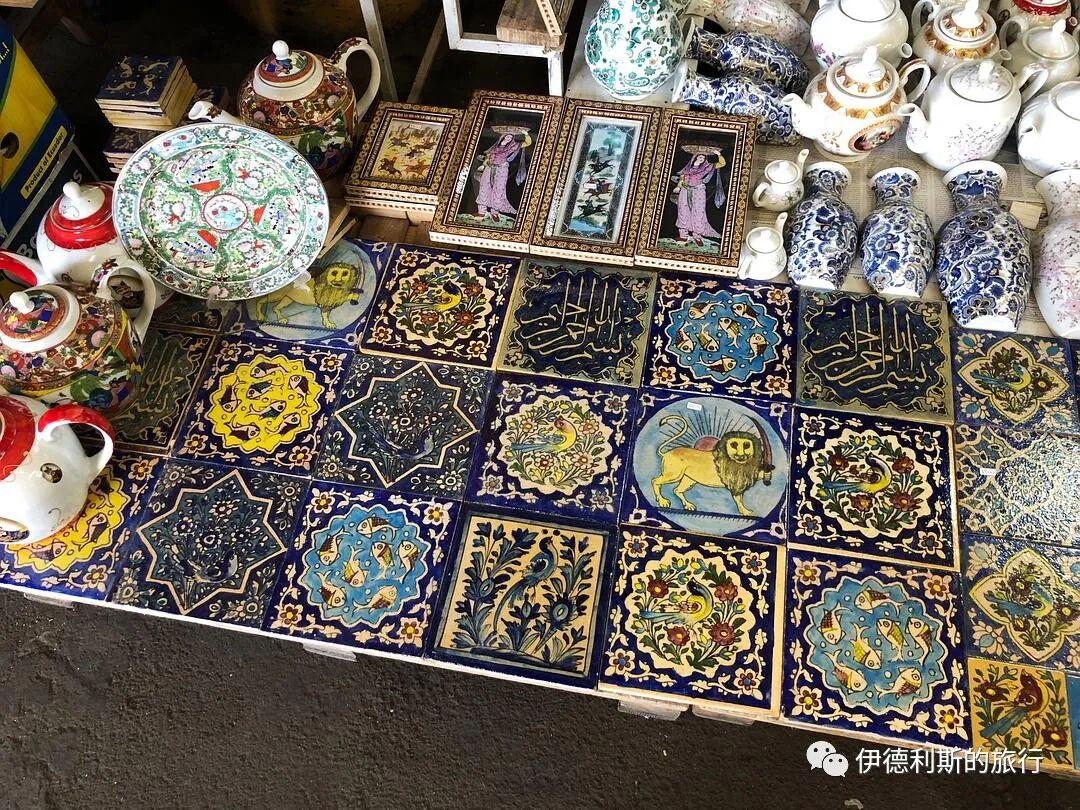
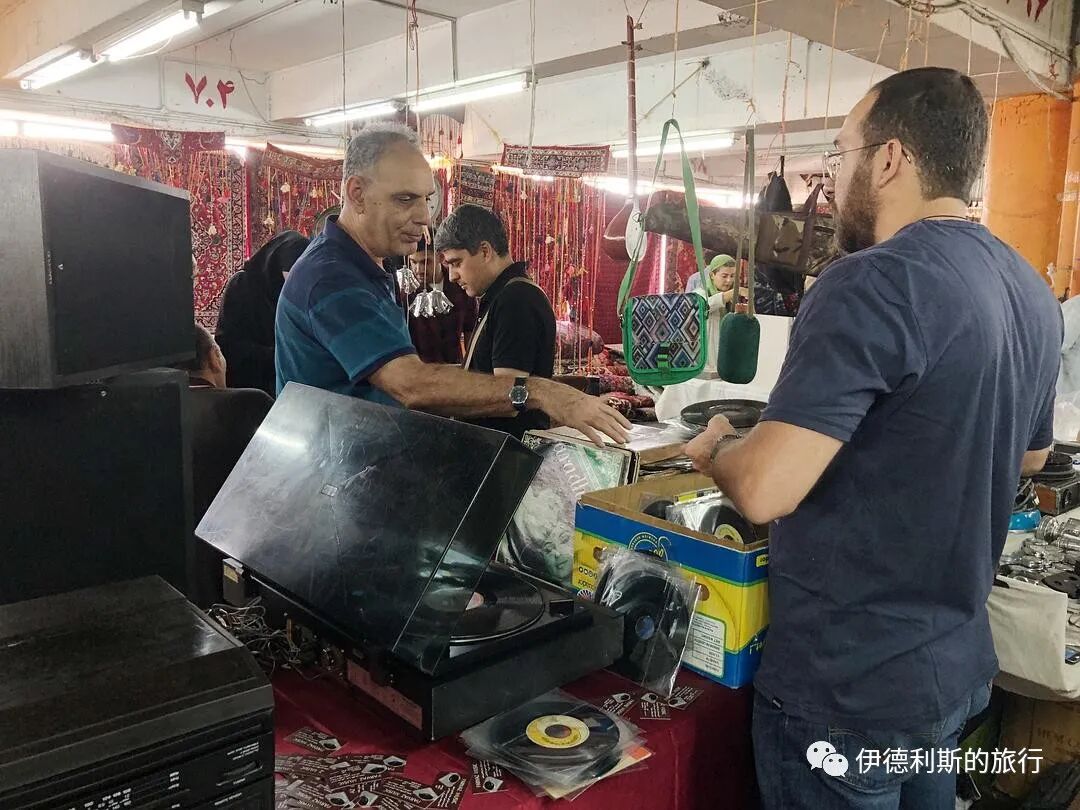
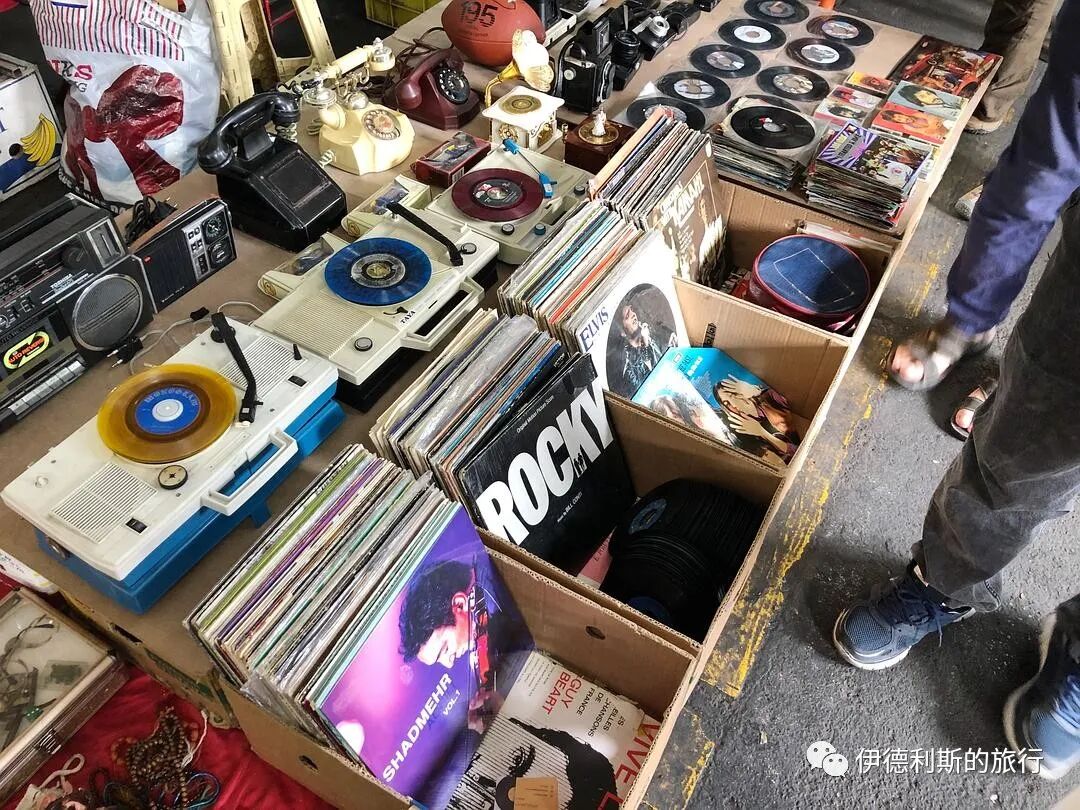
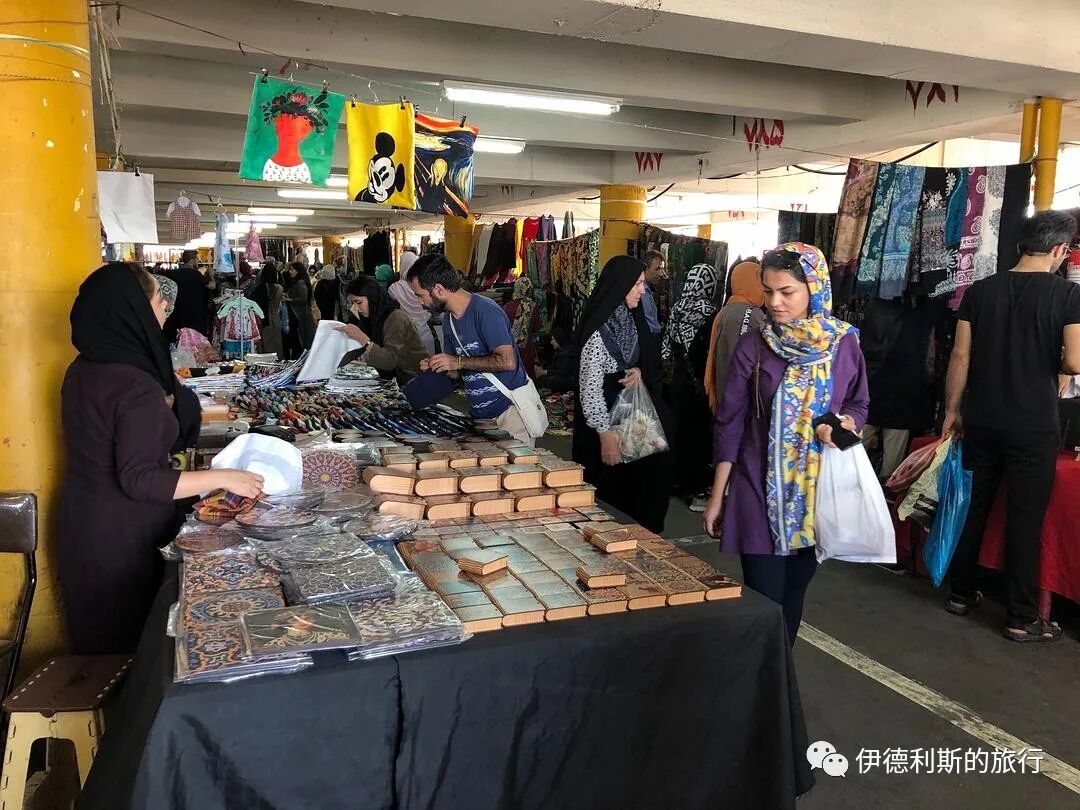
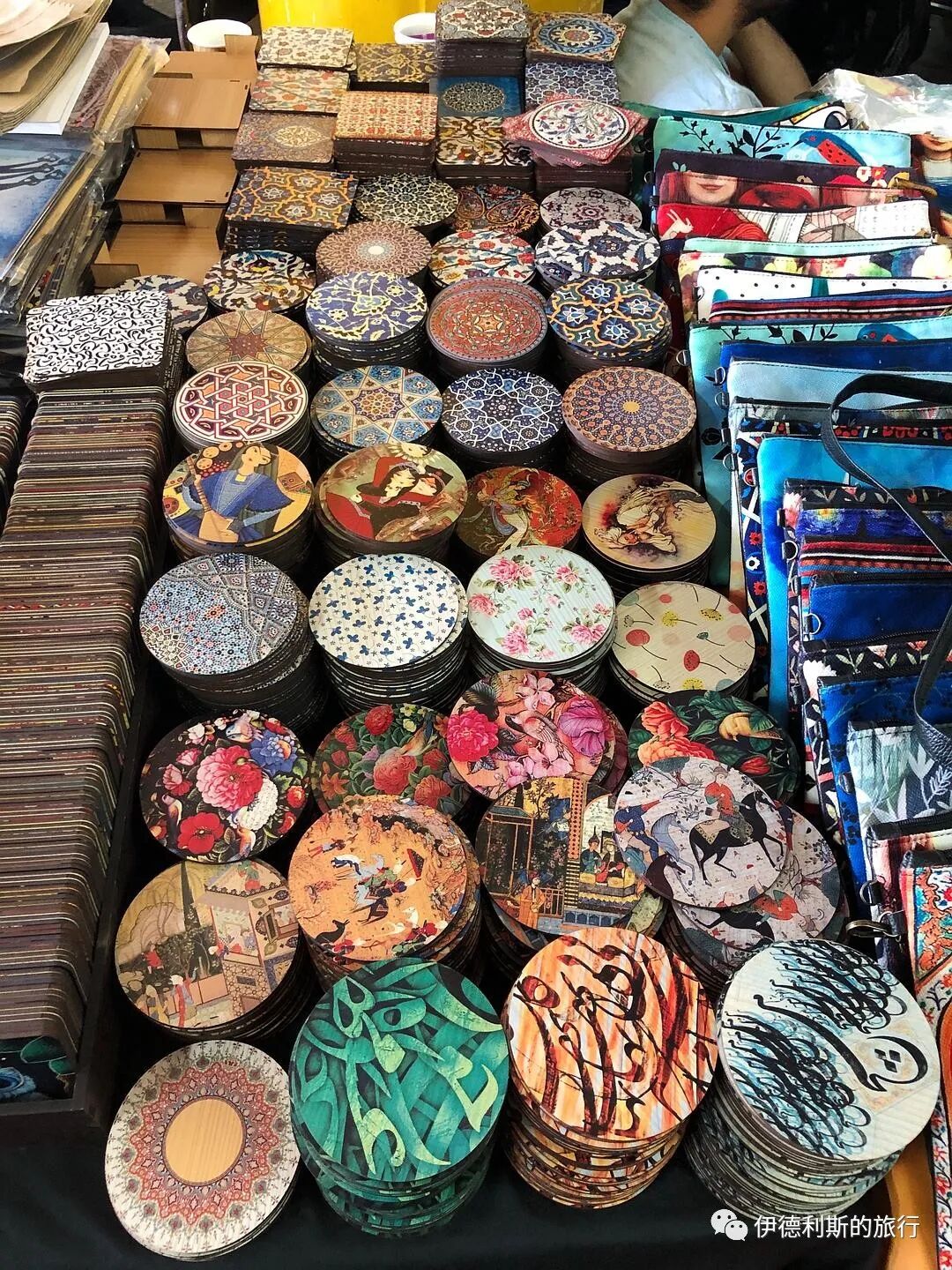
Tehran's Jomeh Bazaar (Friday Bazaar) is usually a multi-story parking garage in the city center, but every Friday it turns into a very interesting flea market. Compared to the monotonous Yiwu small commodities in the Grand Bazaar, Jomeh Bazaar is a place where you can truly find treasures. There are second-hand dealers selling old records, old books, and antiques, as well as young women selling handmade jewelry, canvas bags, and coasters, along with various ethnic-style clothing and woven fabrics. It takes at least two or three hours to browse carefully.
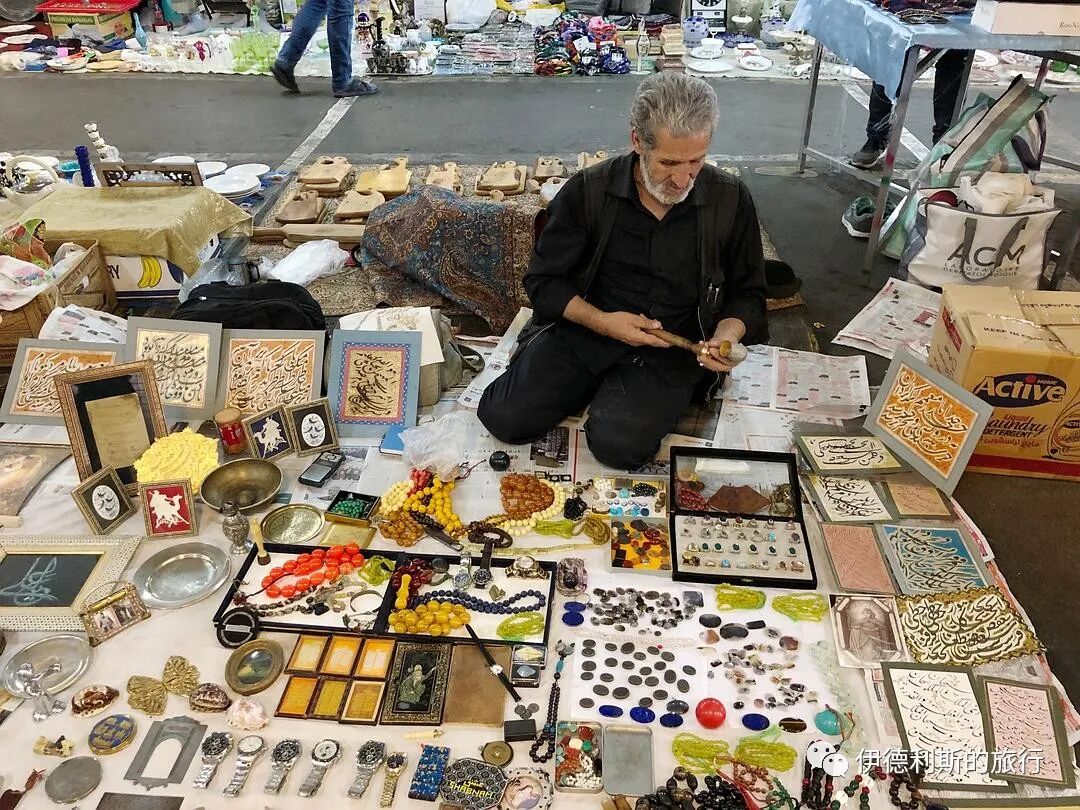
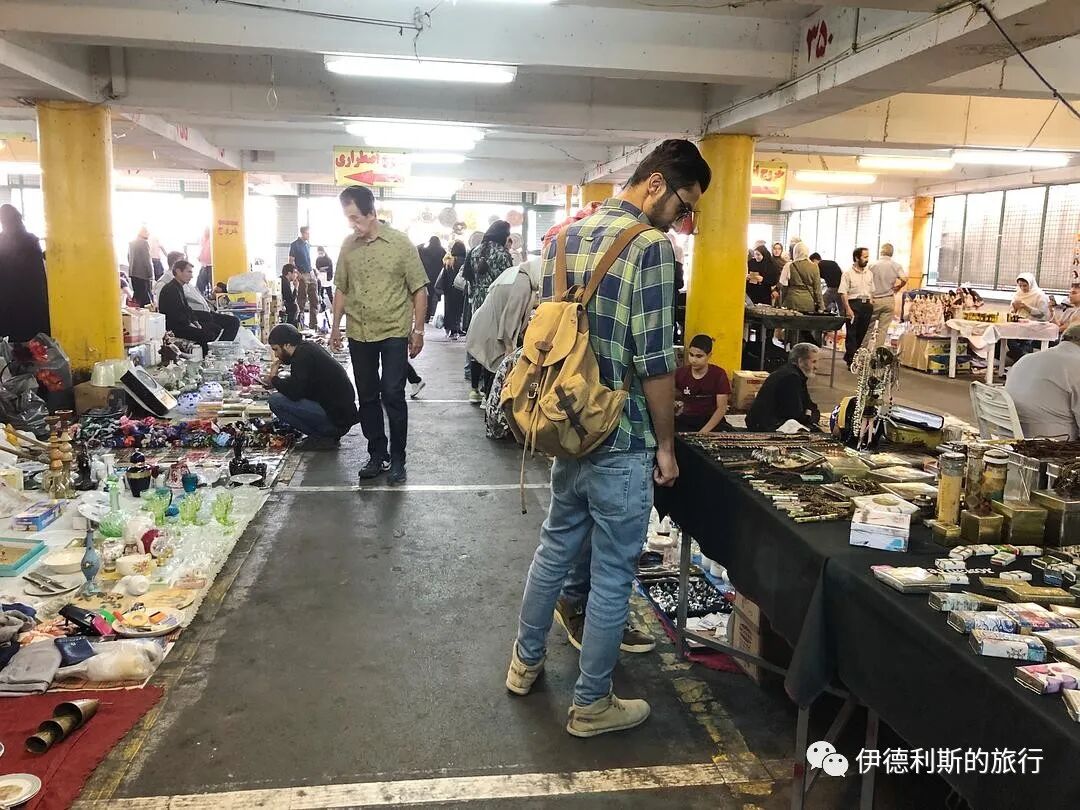
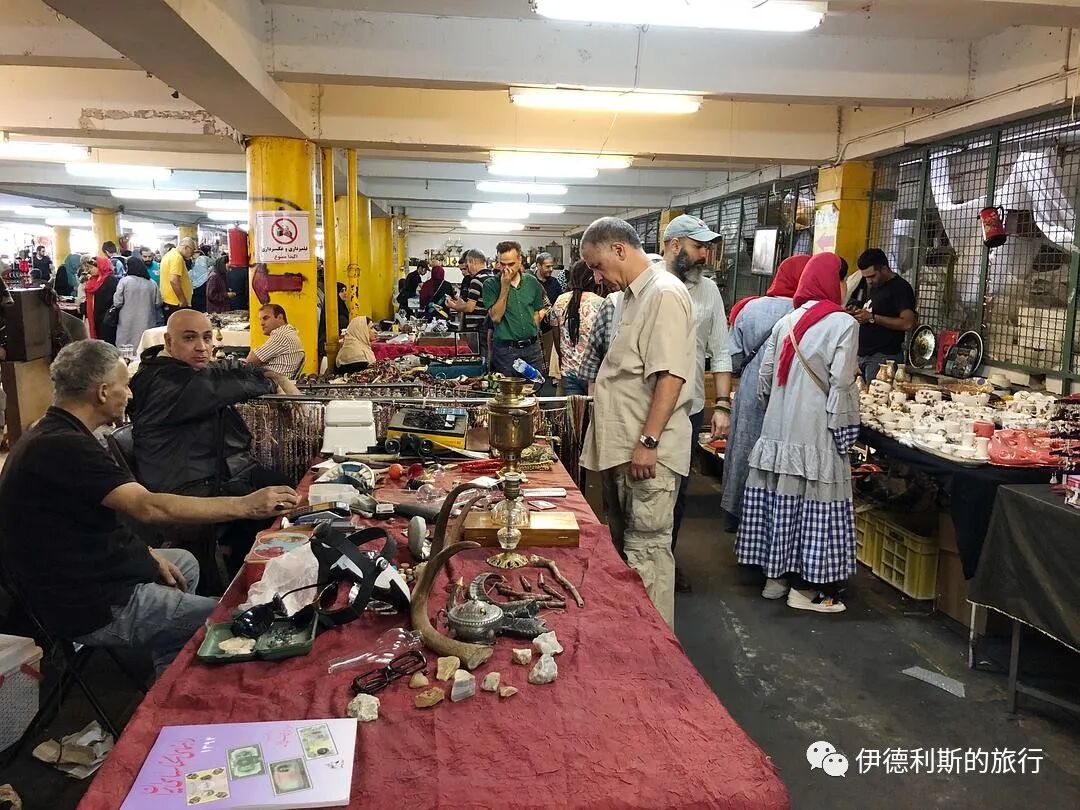
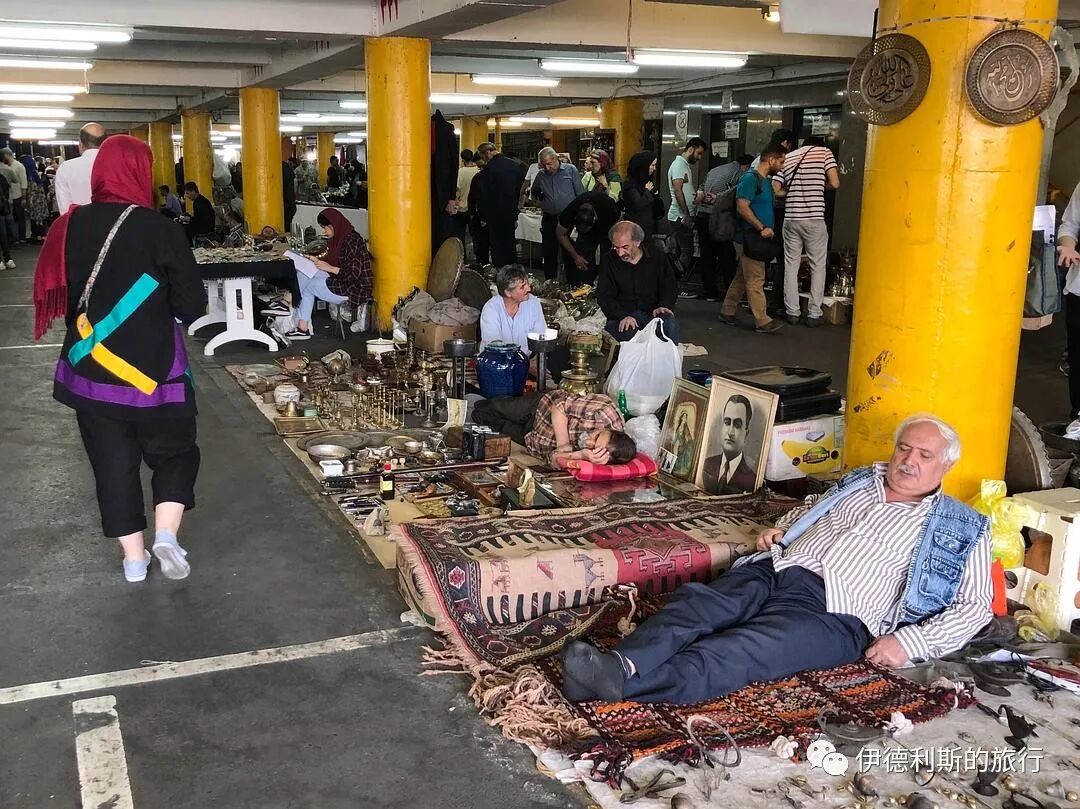
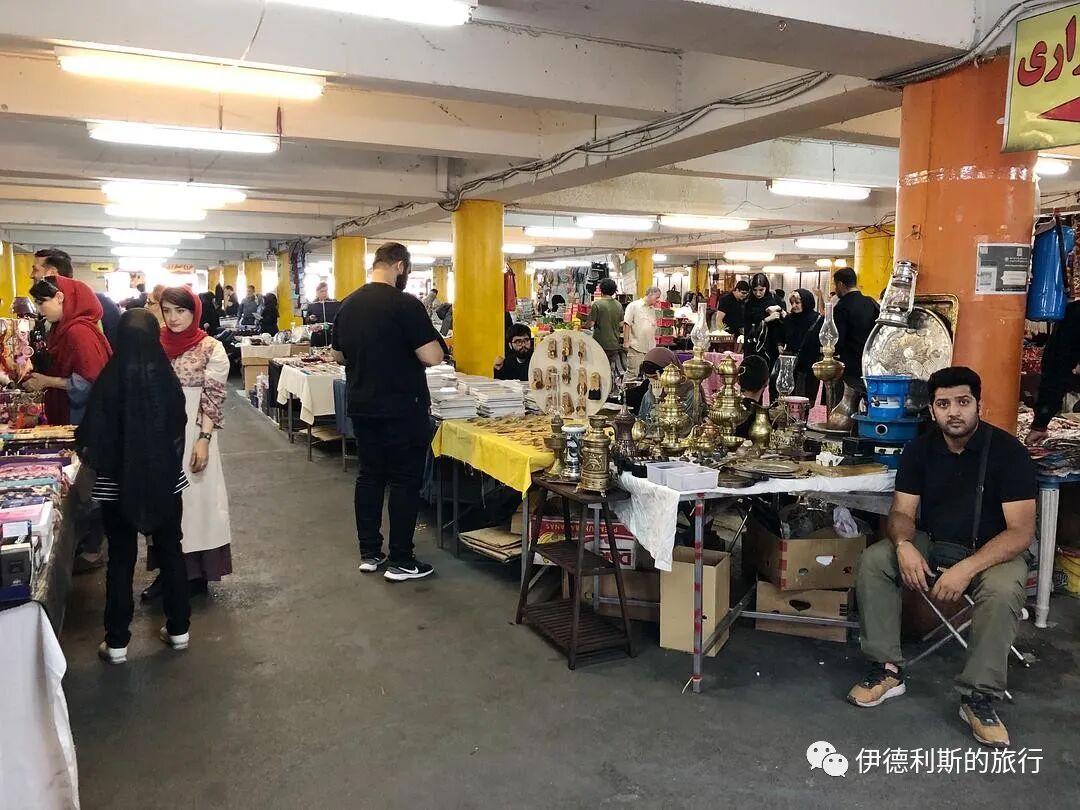
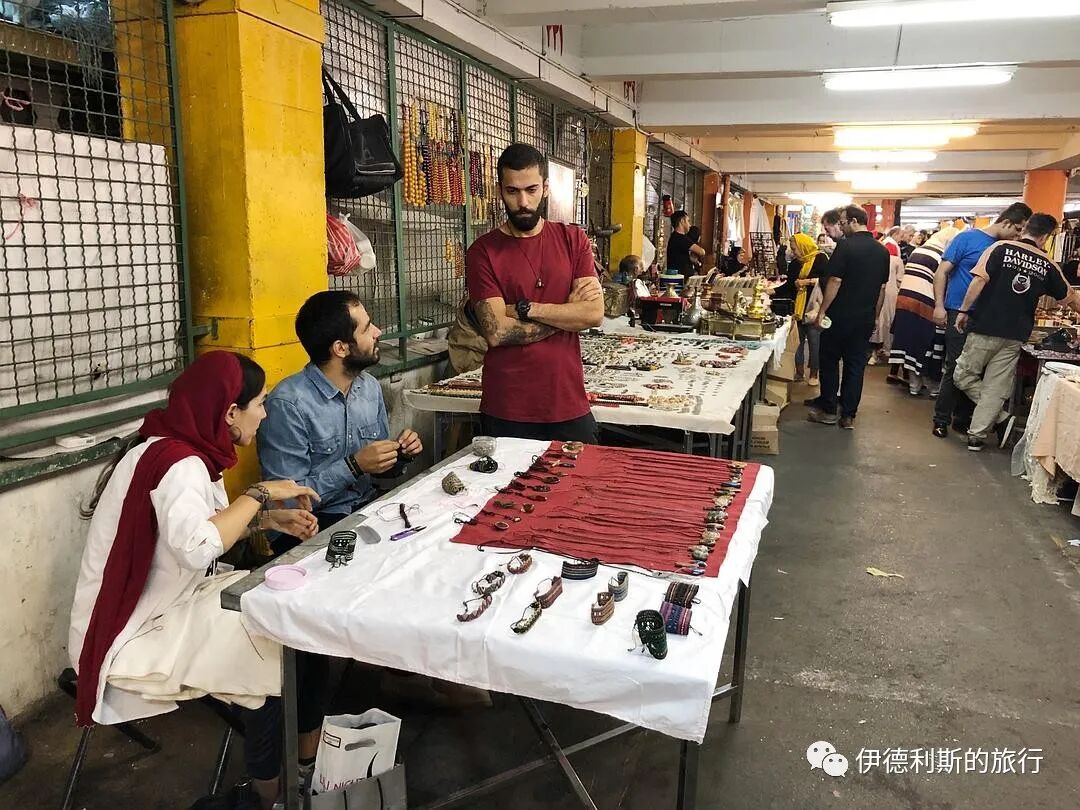
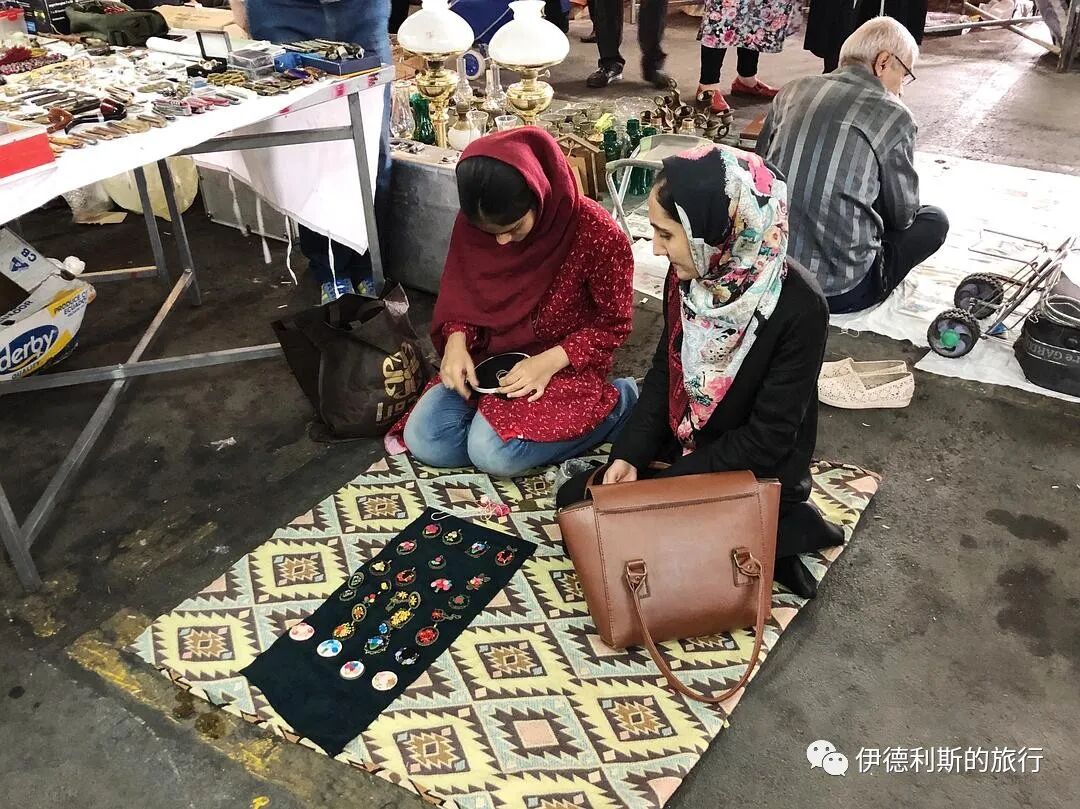
Canvas bags and coasters I bought.
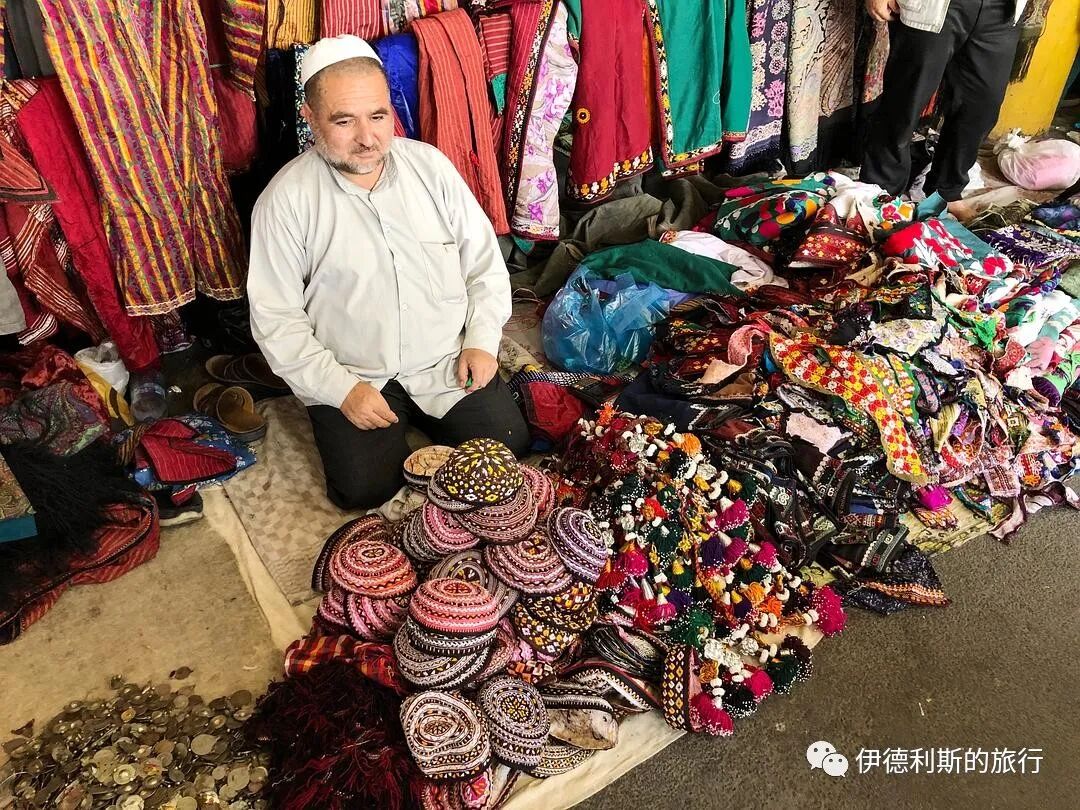
This was quite interesting; I kind of regret not buying it.
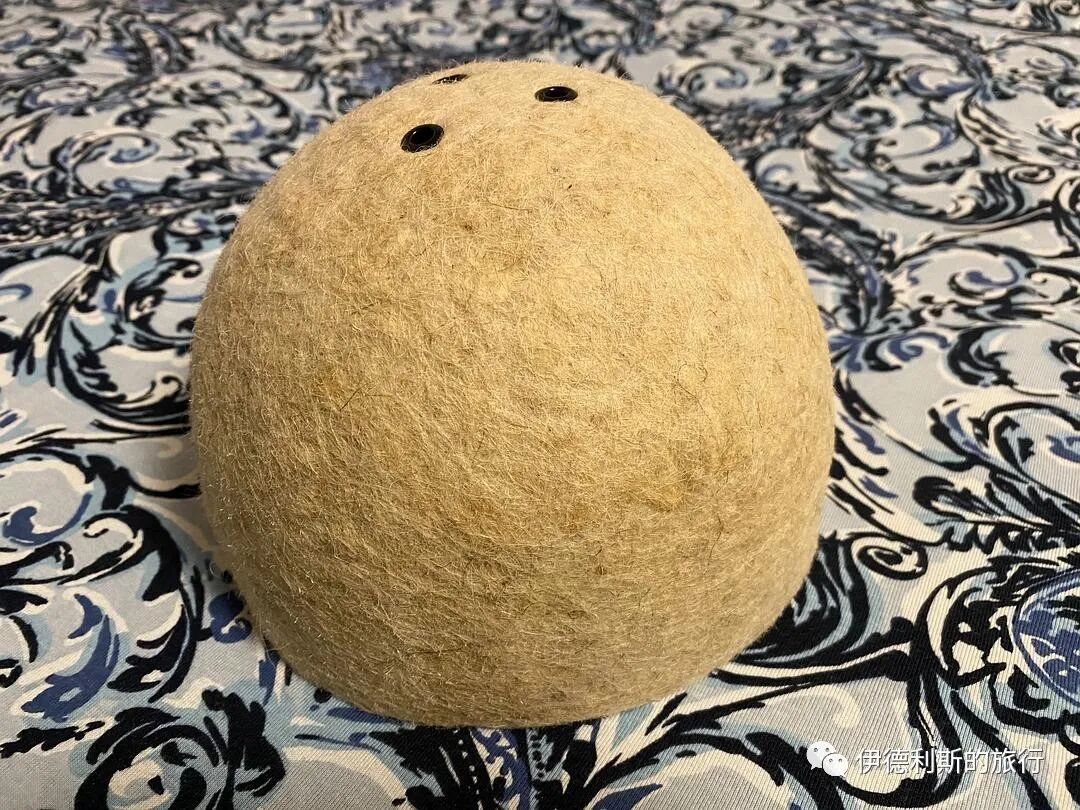
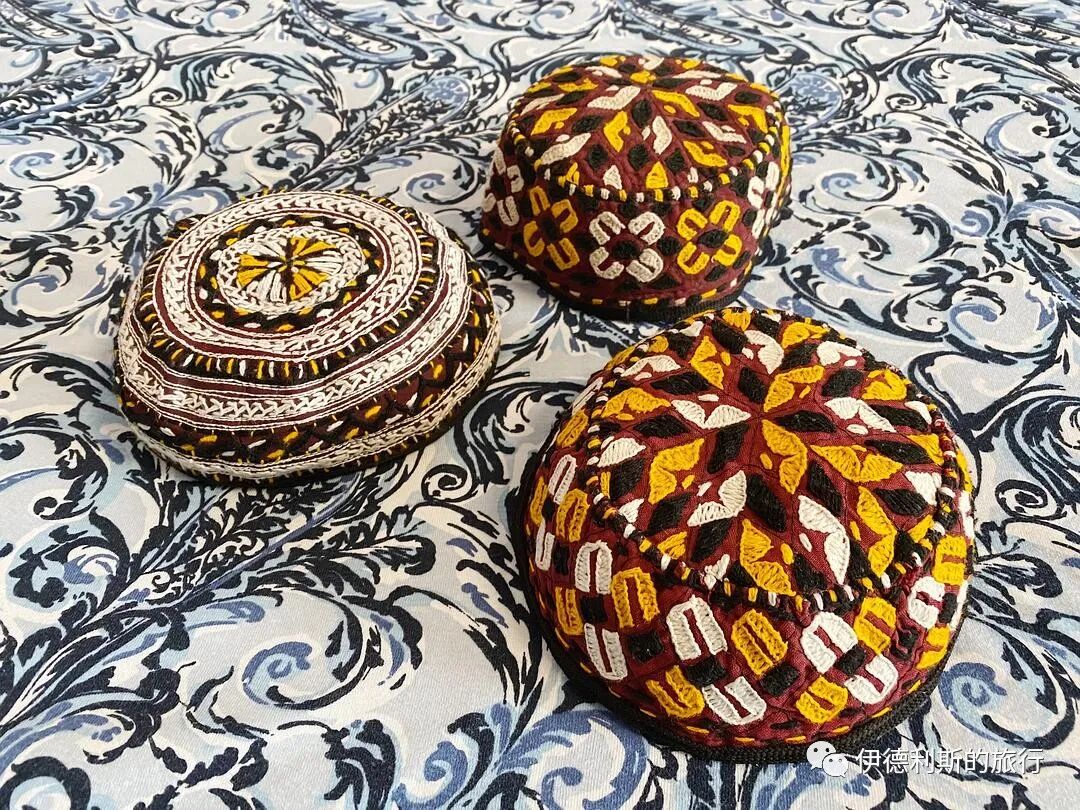
The felt hat and the Turkmen small floral cap, Takhya, that I bought. Takhya is a symbol of Turkmen tradition and identity. It is generally made of linen fabric, and the triangles on it are said to represent unity.
Tajrish Bazaar
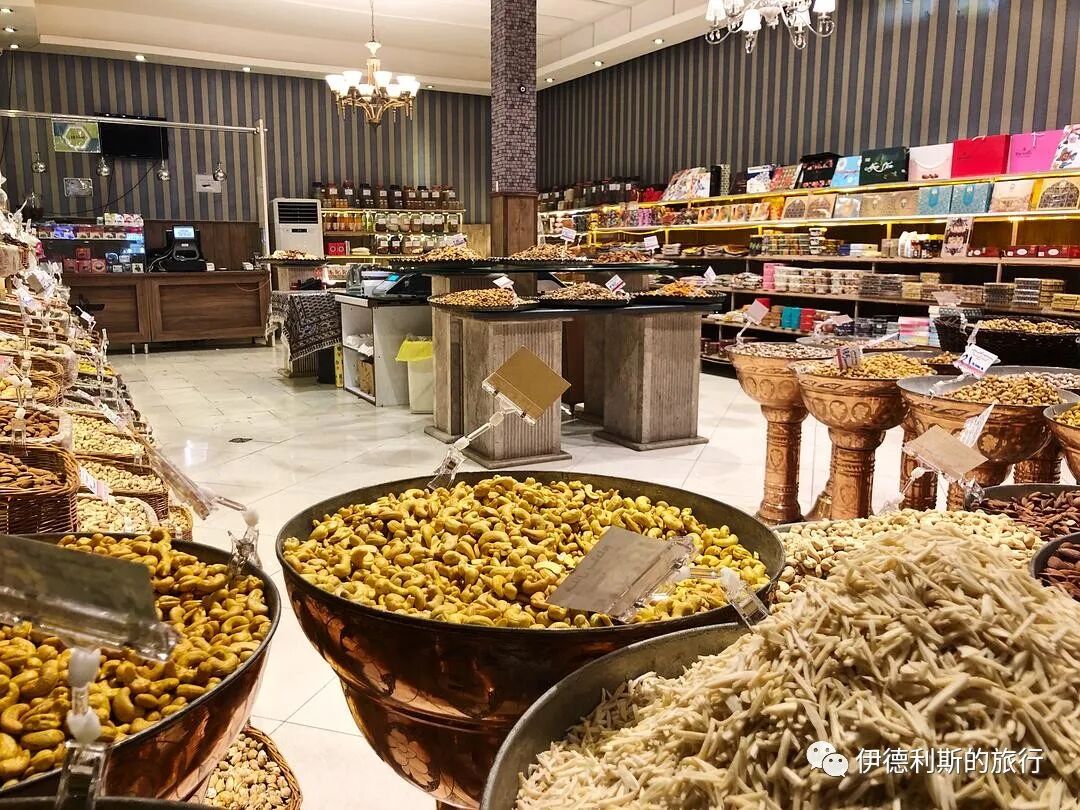
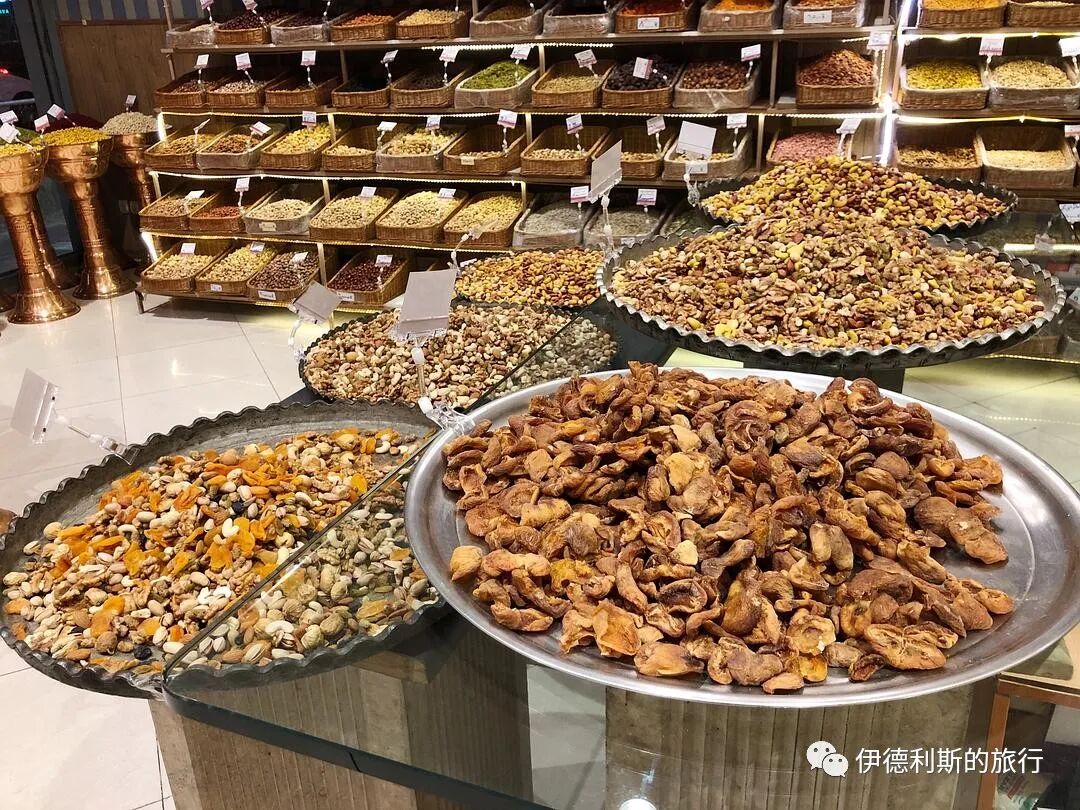
Tajrish Bazaar is in the new urban area at the northernmost part of Tehran and stays open until 10 PM, making it very suitable for evening shopping. I bought some saffron at the Melal shop for Mashhad saffron in the bazaar. Buying saffron in Iran is actually quite cheap.
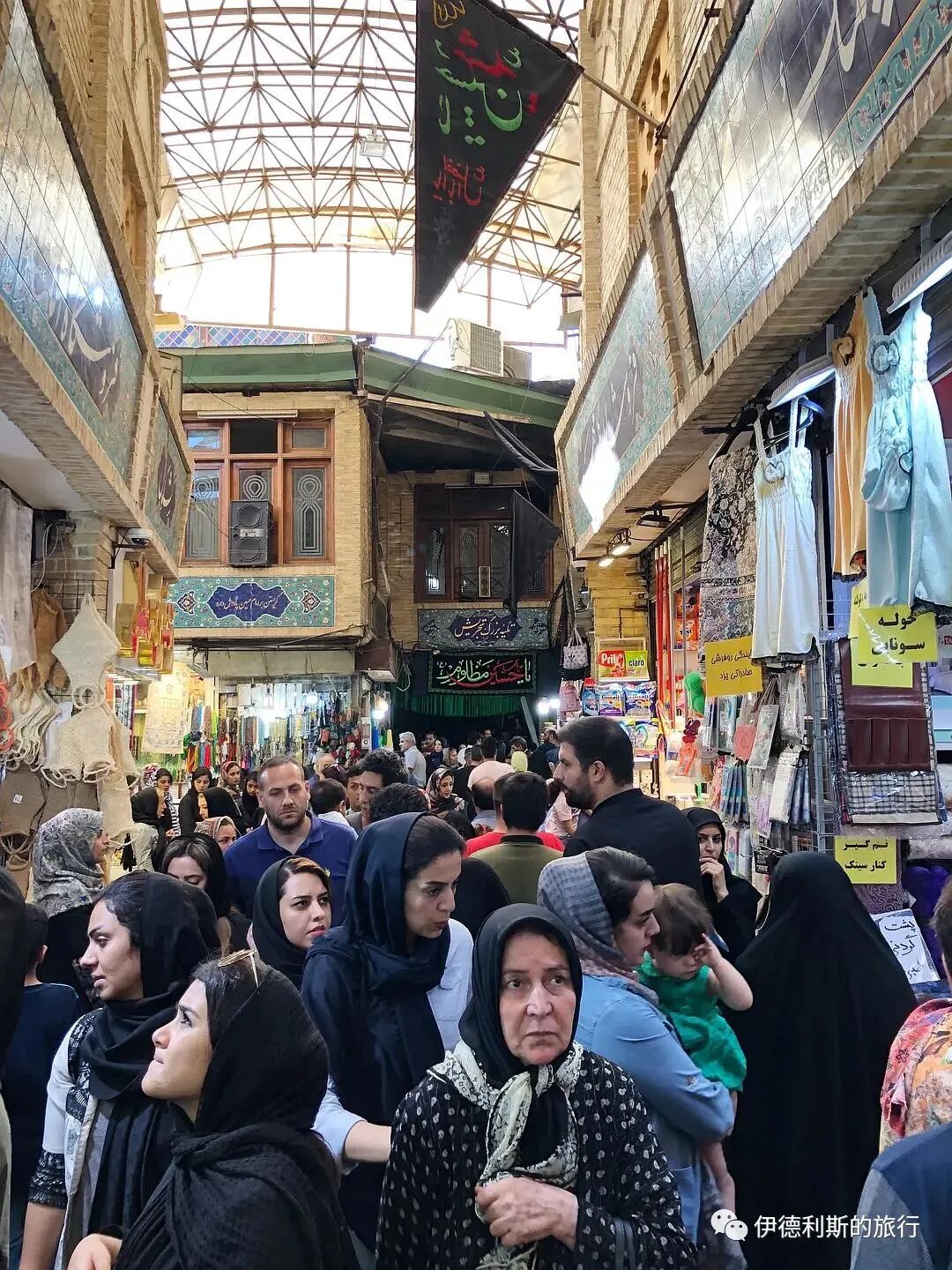
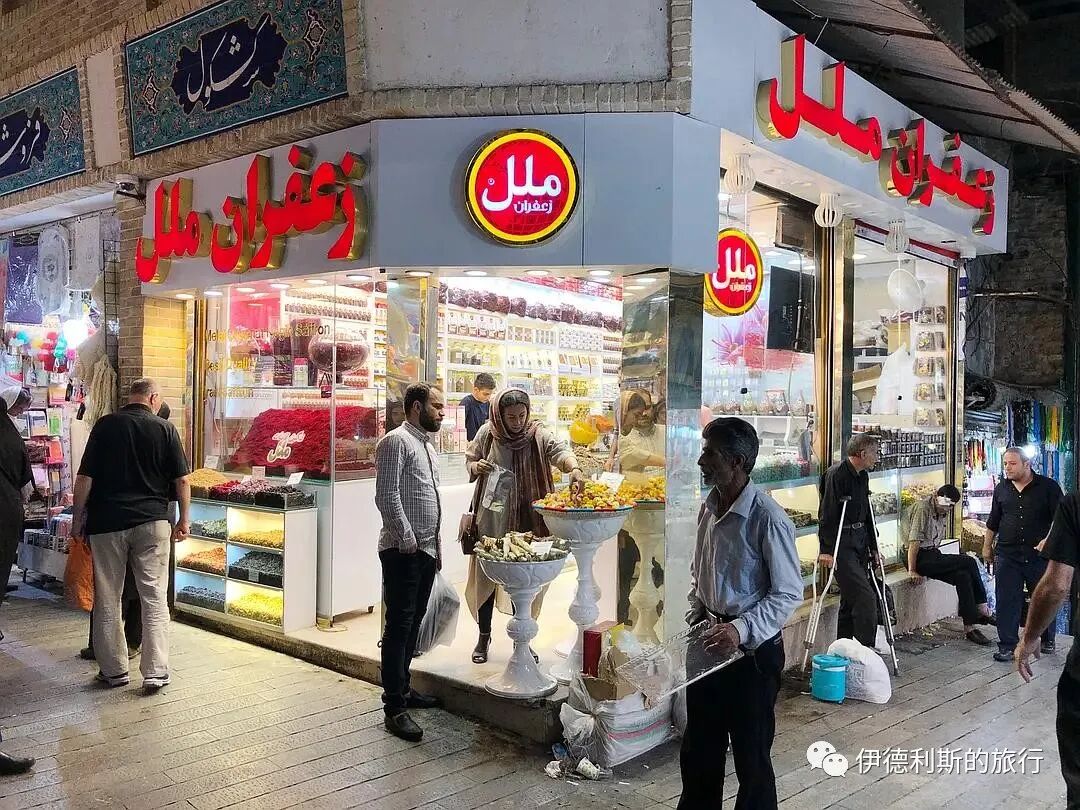
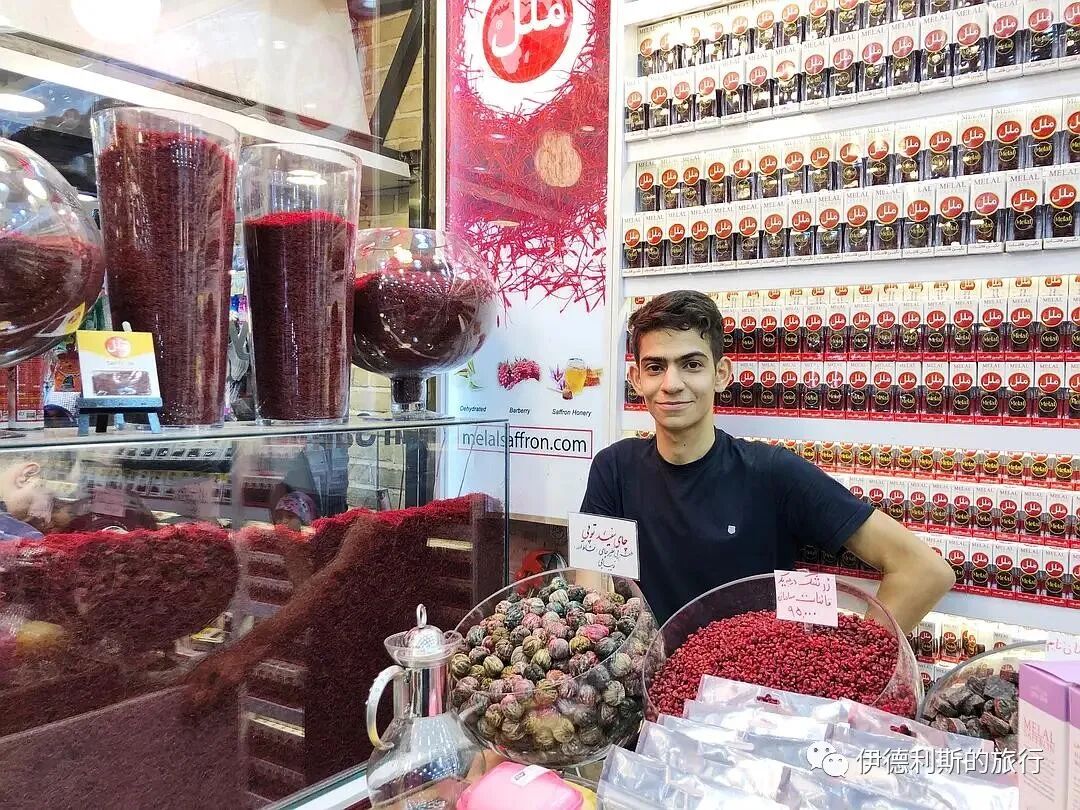
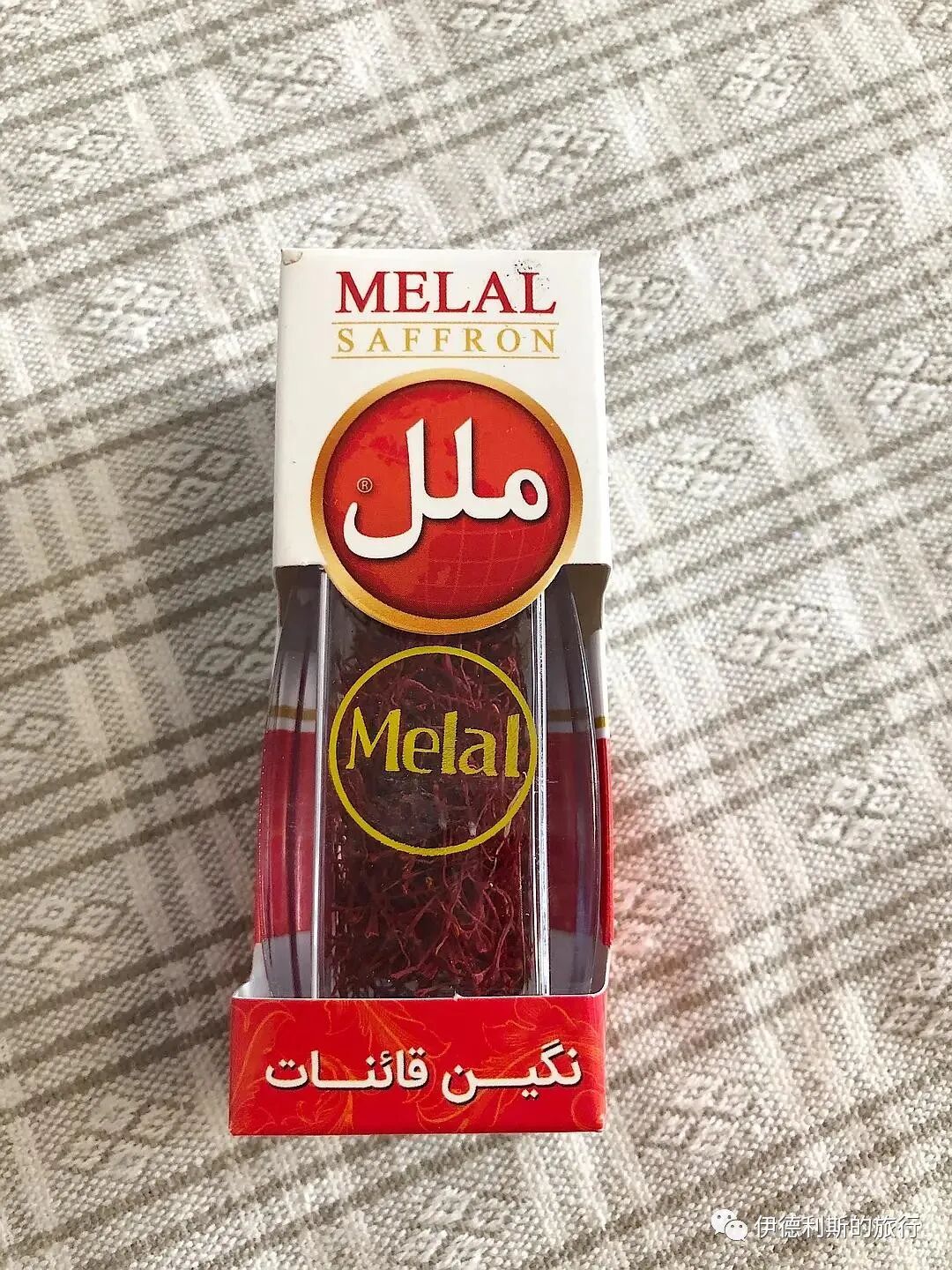
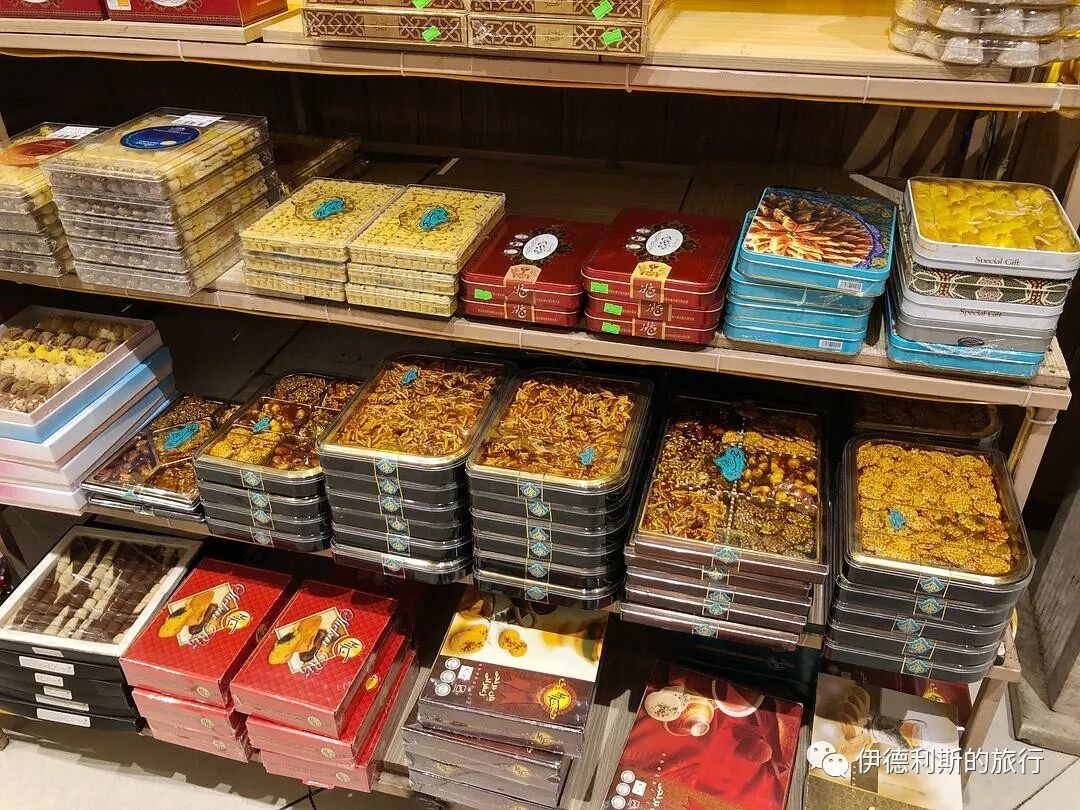
I bought traditional Iranian candy, Sohan asali (honey, sugar, saffron, and nut brittle), at a candy and dried fruit shop near Tajrish Bazaar. It is often eaten during Nowruz.
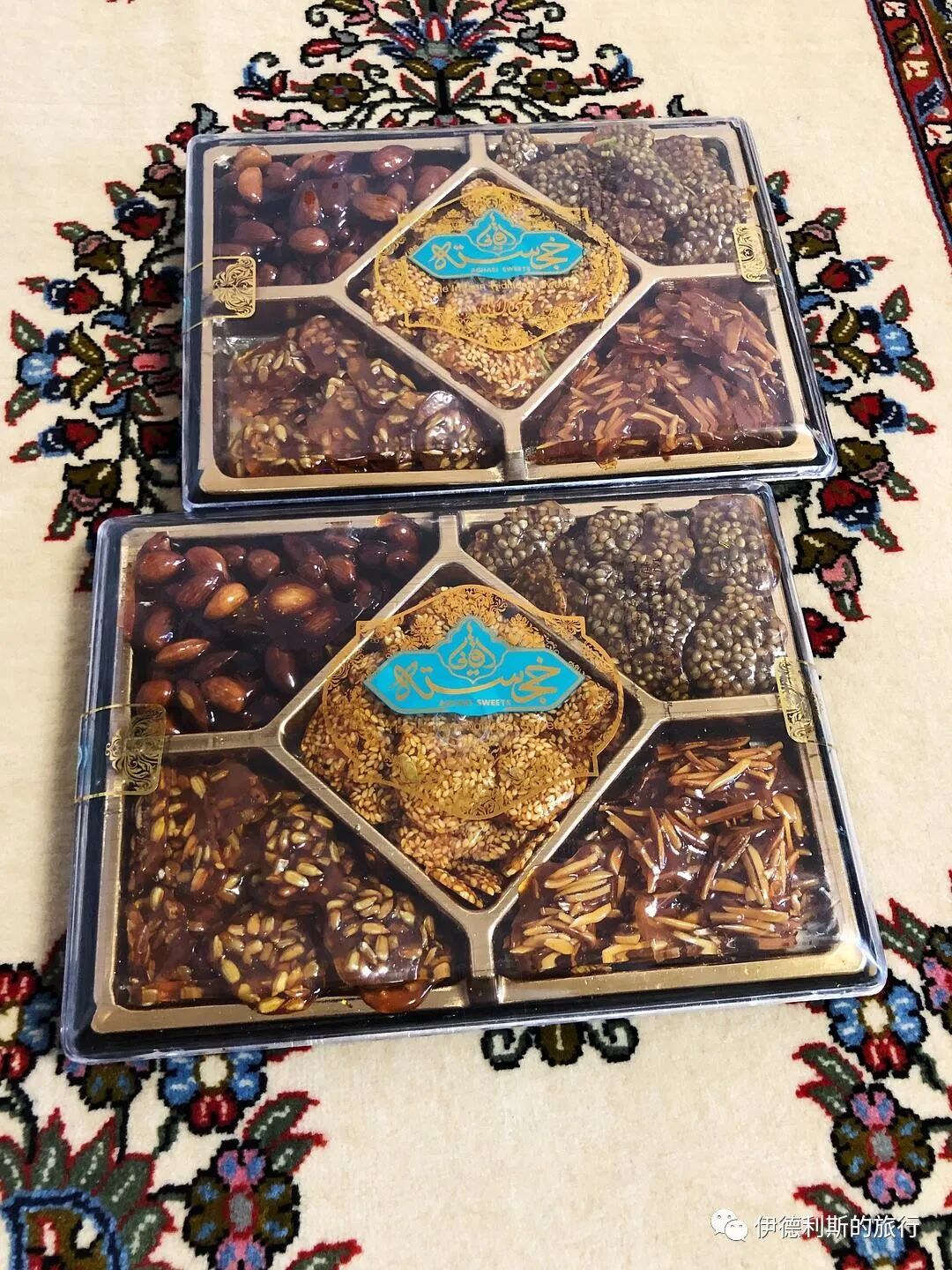
Carpet Bazaar
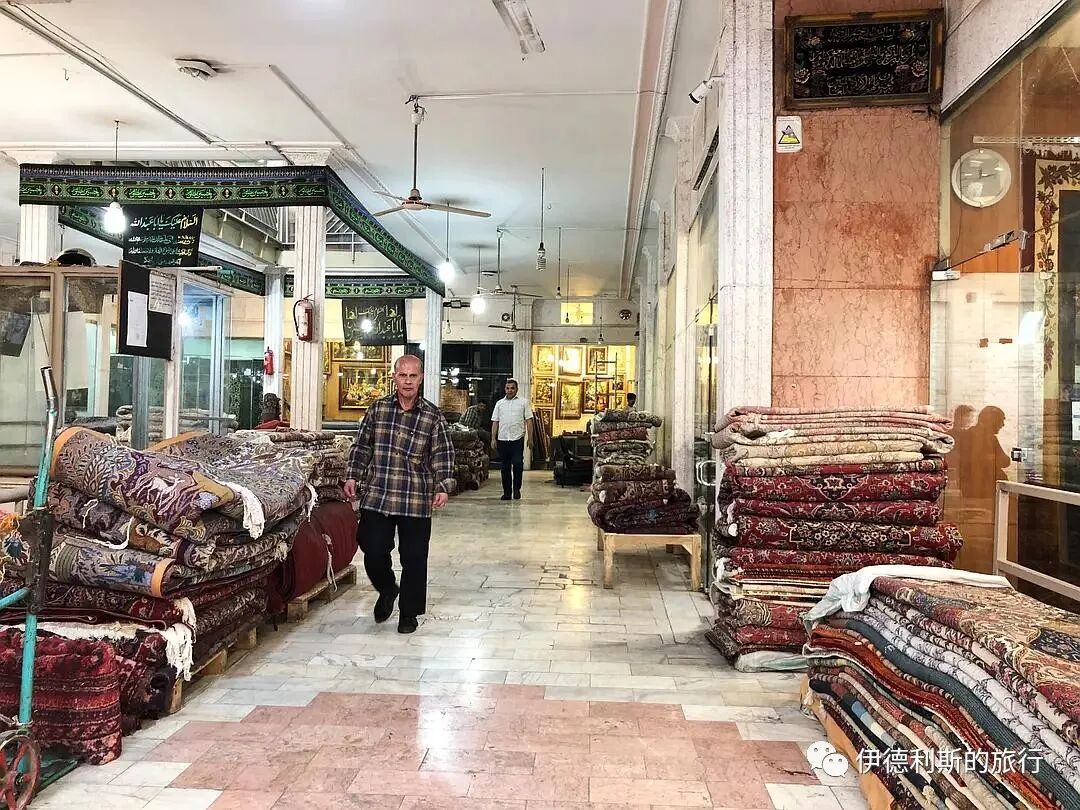
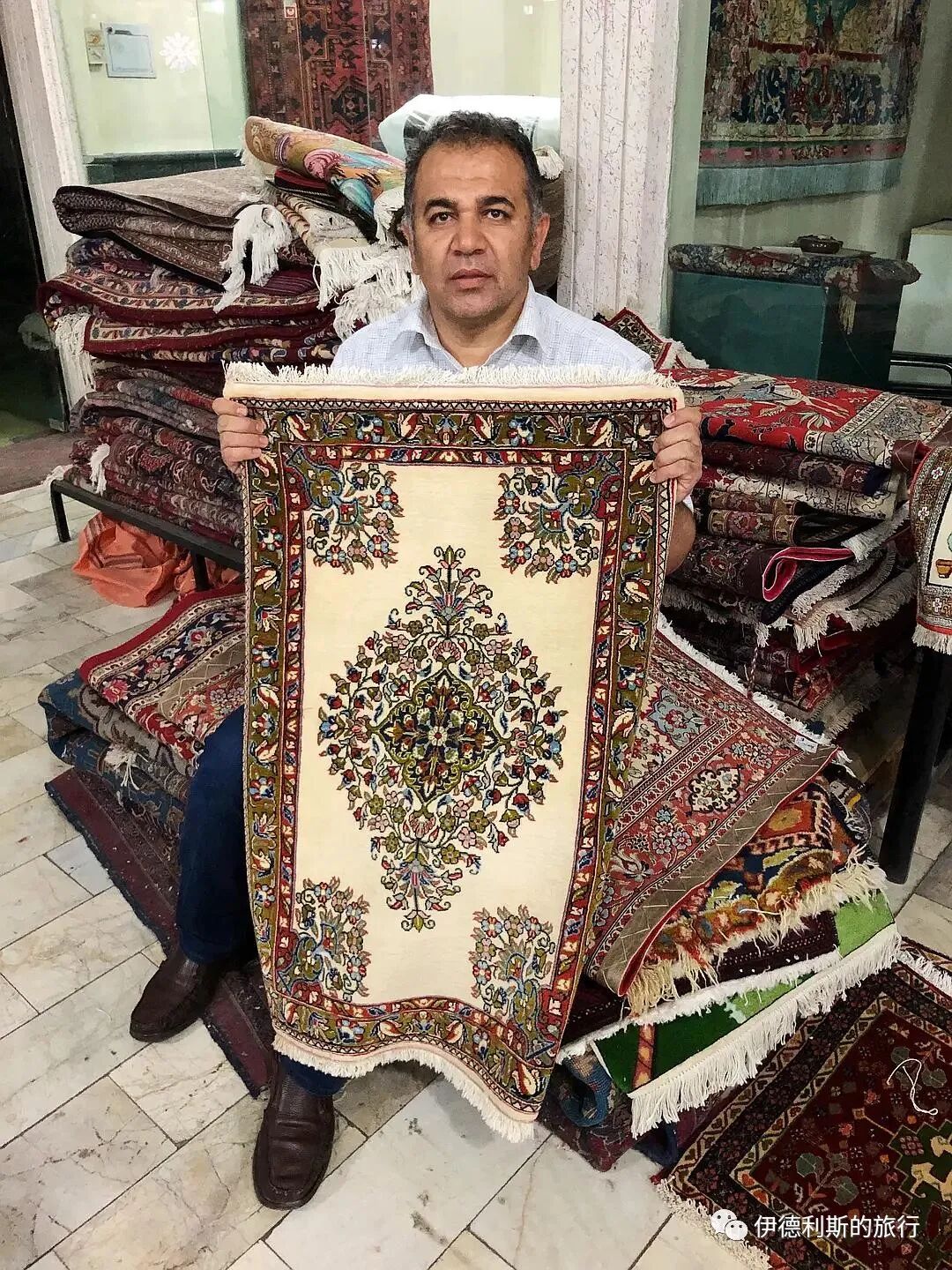
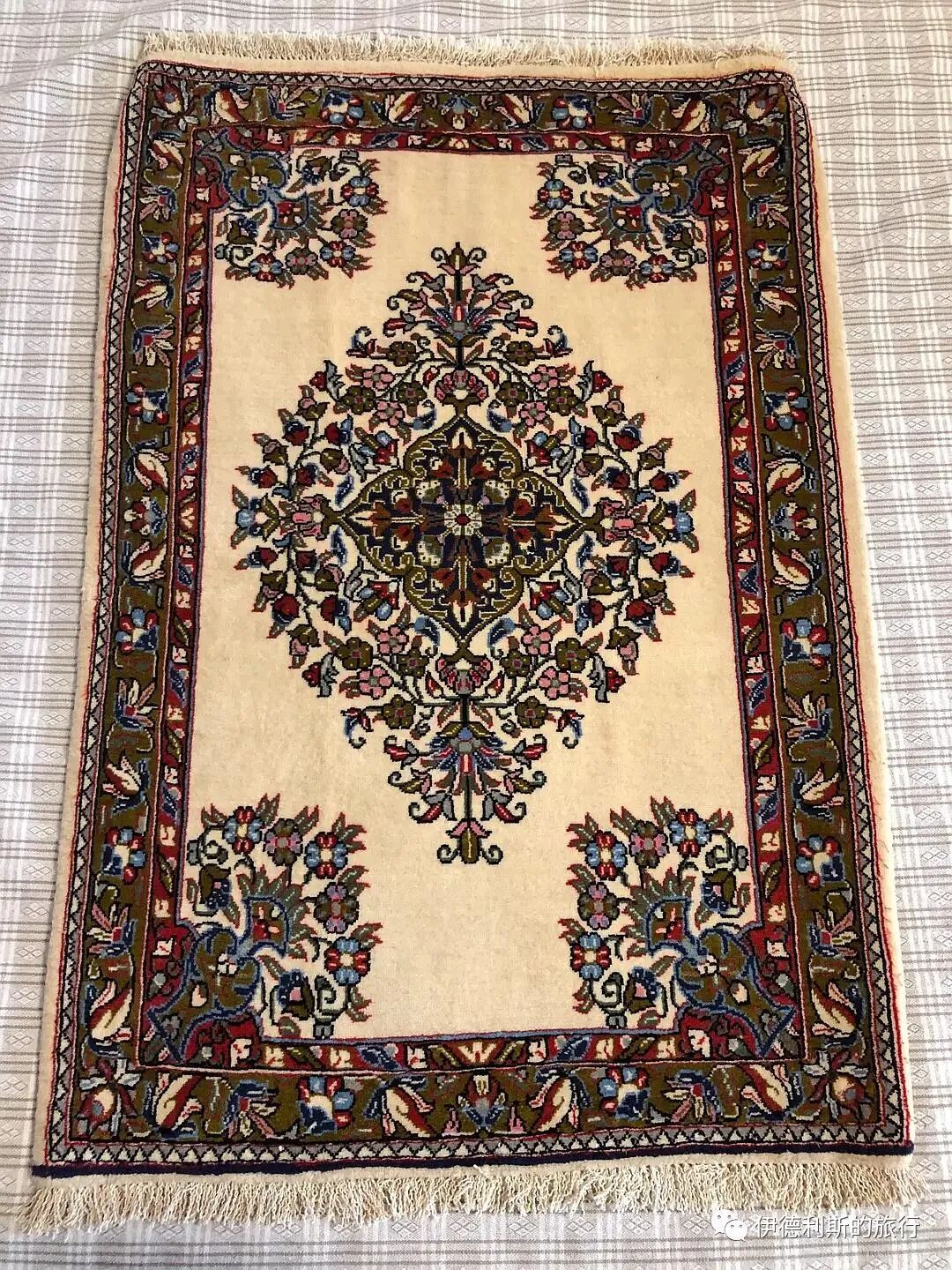
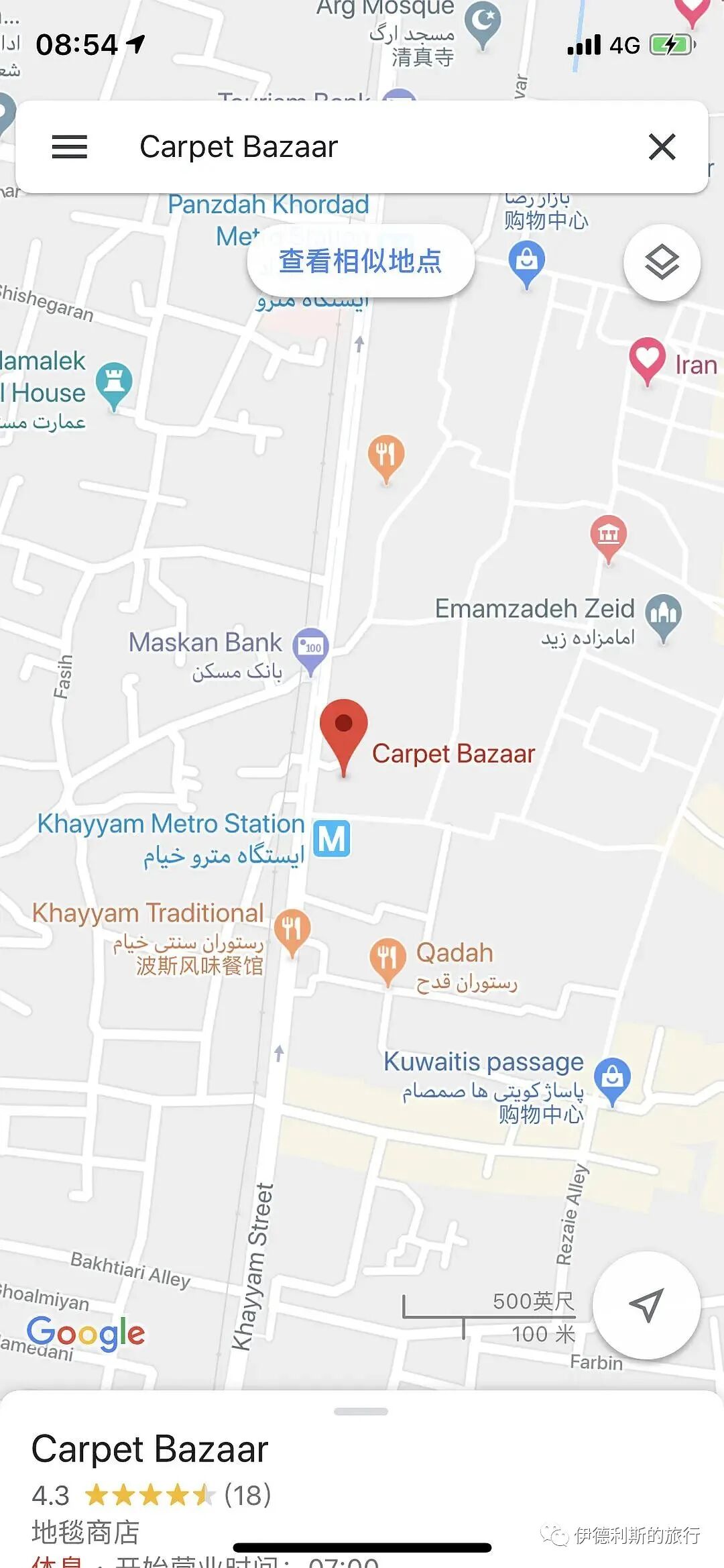
I bought a small carpet at the Carpet Bazaar next to the Tehran Grand Bazaar. It was produced in Qom, a Shia holy city in Iran. The owner is named Reza, a native of Kashan who has been in the carpet business in Tehran for over 20 years and speaks very fluent English.
Esfahan Art House
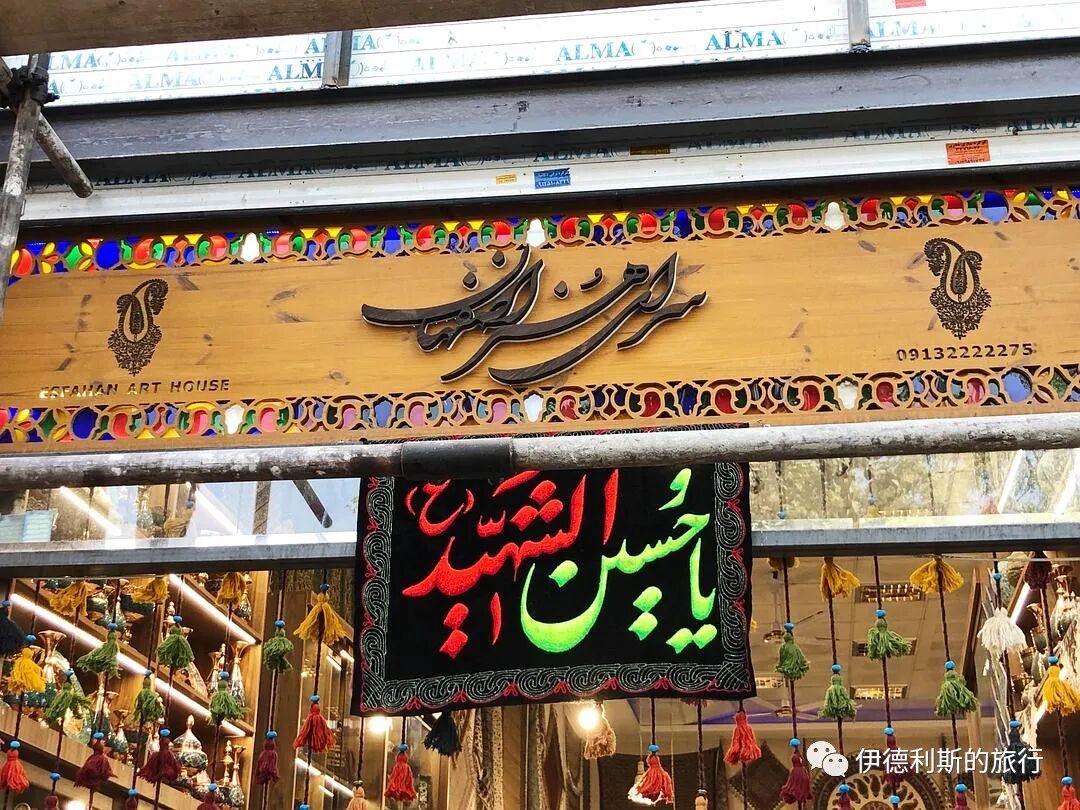
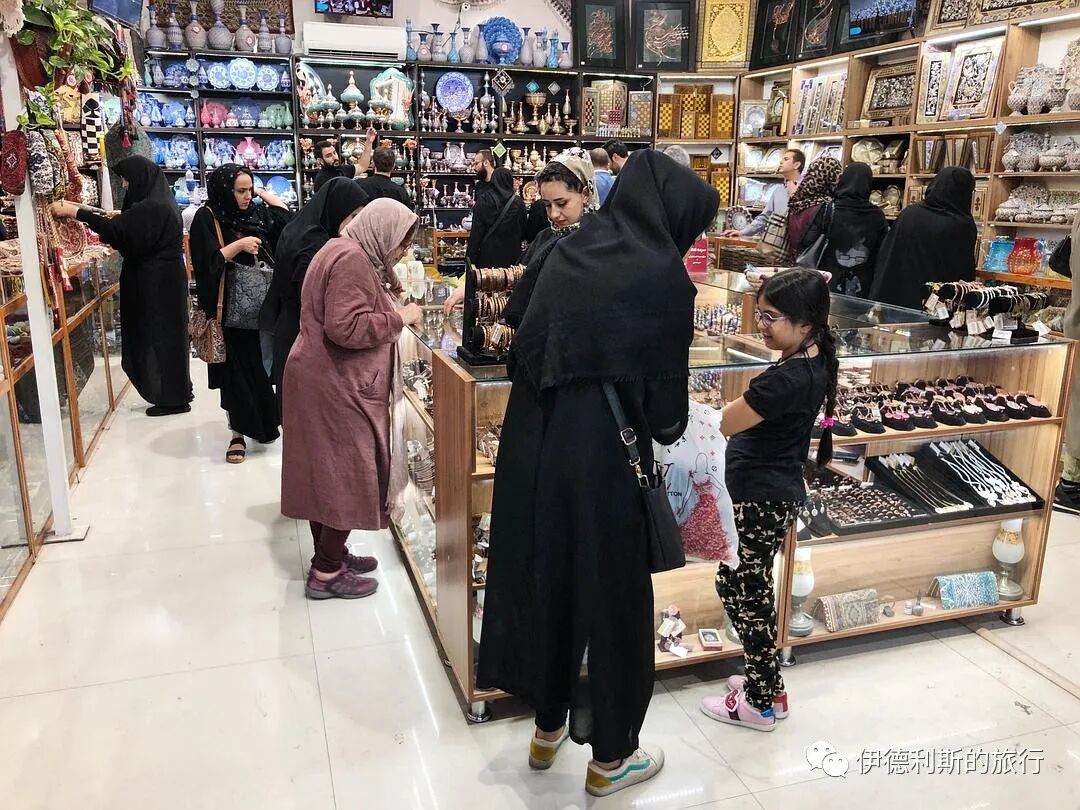
Esfahan Art House on the street at the north gate of the Grand Bazaar is a great one-stop place to buy traditional Persian handicrafts, and the prices are very reasonable. I bought two types of Iranian-style handicrafts here.
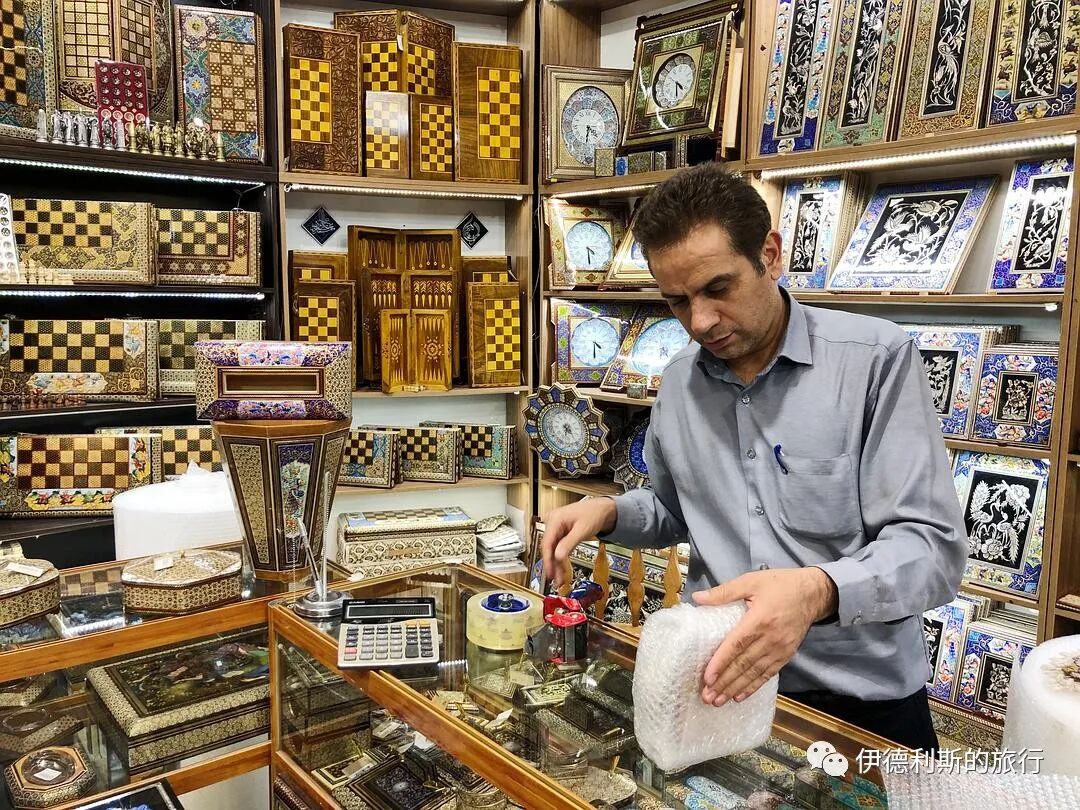
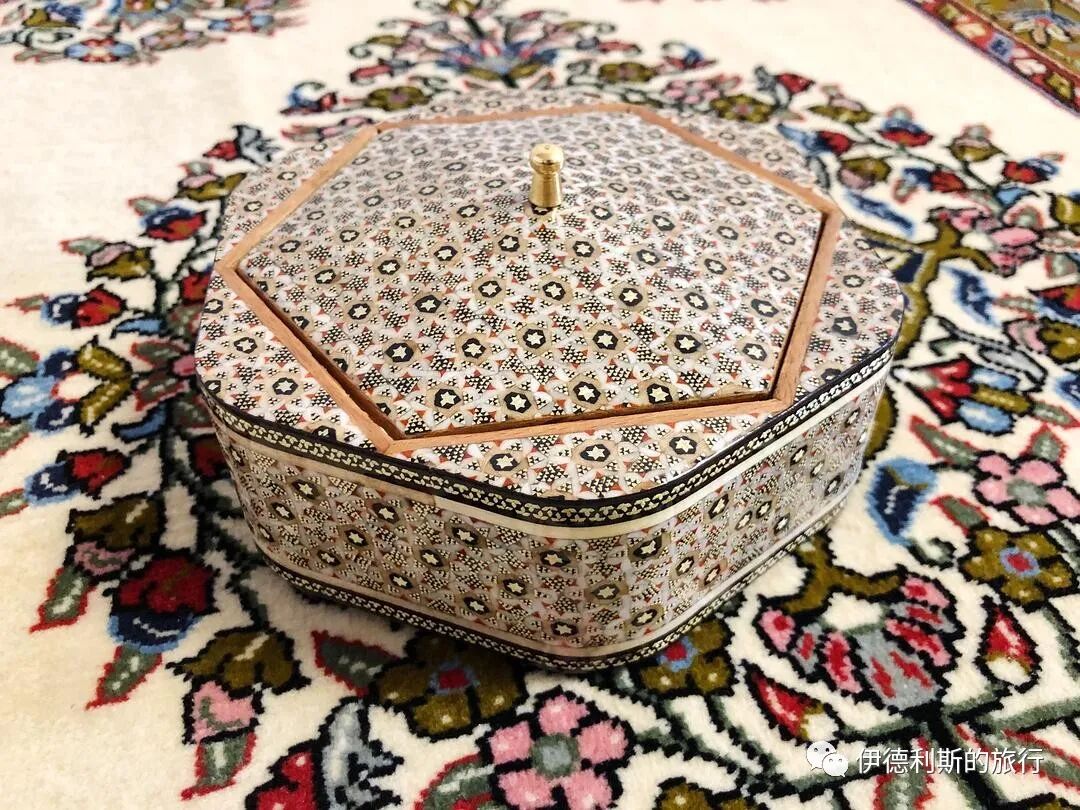
The first is a jewelry box made with the traditional Persian inlay technique, Khatam. Khatam is made by arranging bundles of wood, bone, and metal by color, then compressing and cutting them into geometric patterns. It is generally used to make doors, windows, mirror frames, chessboards, and boxes. The jewelry box I bought is made of hardwood, brass, and camel bone. Khatam flourished in the Safavid dynasty court and gradually declined after the 18th and 19th centuries, but it was revived during the reign of Reza Shah (reigned 1925-1941) of the Pahlavi dynasty, when handicraft schools were opened in Tehran, Shiraz, and Isfahan.
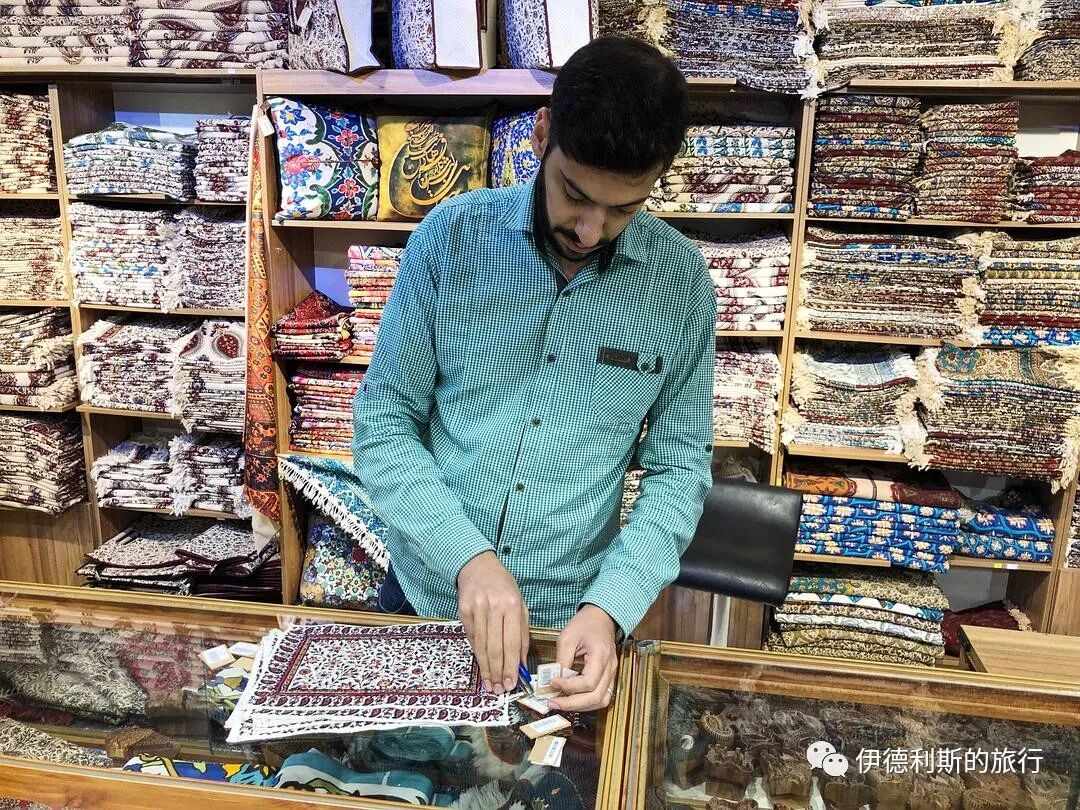
The second is a piece of fabric made with the woodblock printing craft, Ghalamkar. Ghalamkar is made by using woodblocks carved from pear wood to print on fabric, which is then hammered hundreds of times for repeated overprinting. The center of Ghalamkar art is Isfahan.
Tehran Museum of Islamic Art
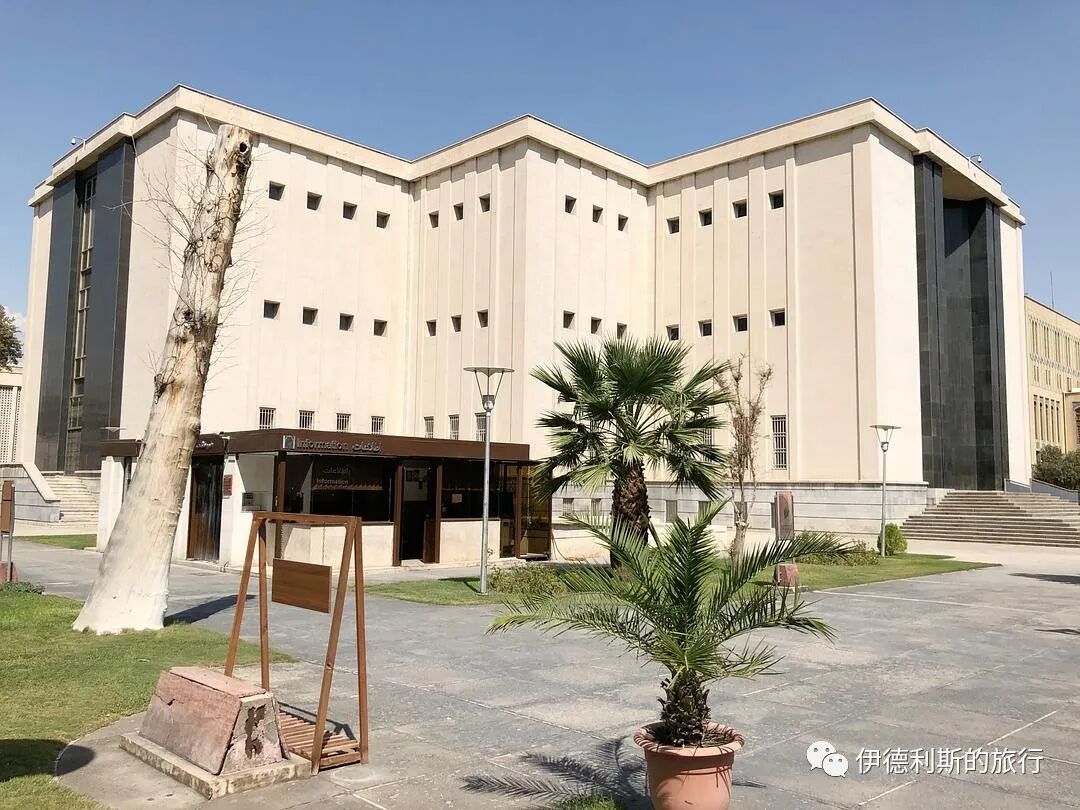
After visiting the Tehran Museum of Islamic Art, I went to the souvenir shop. The prices were a bit high, but you can't buy these things anywhere else.
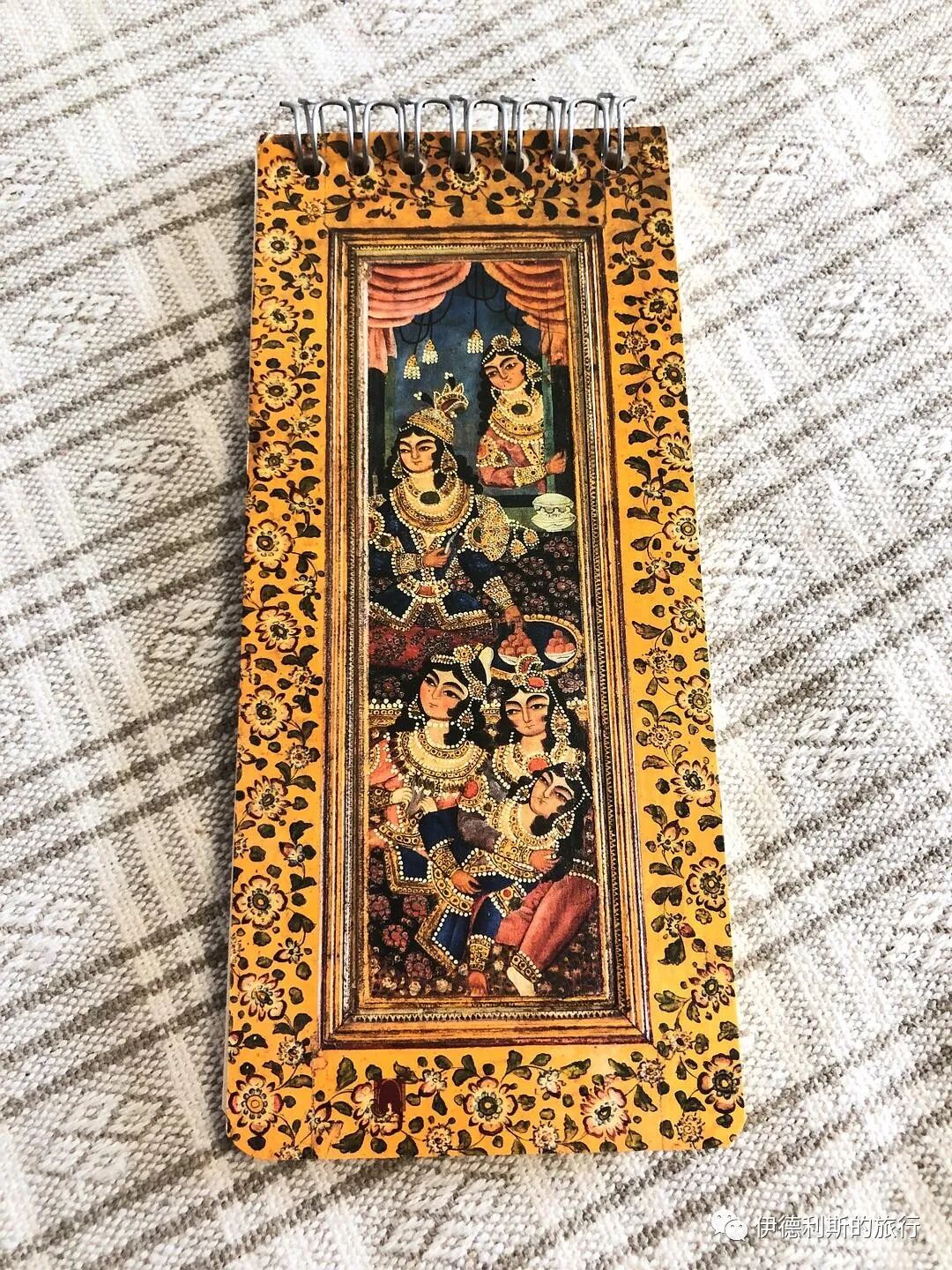
A notepad with Qajar dynasty paintings.
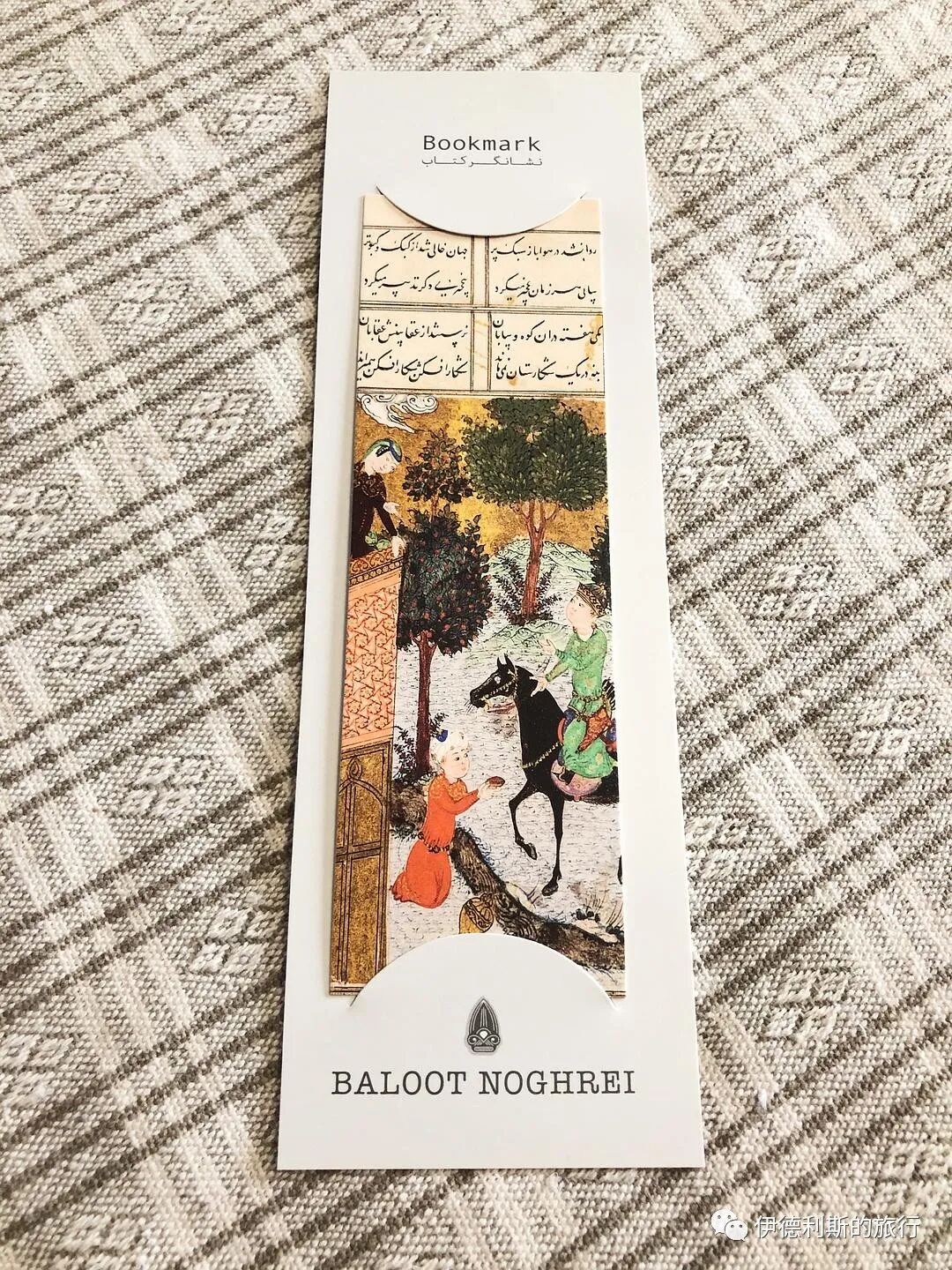
A bookmark featuring 15th-century Timurid dynasty Shiraz-style miniature painting.
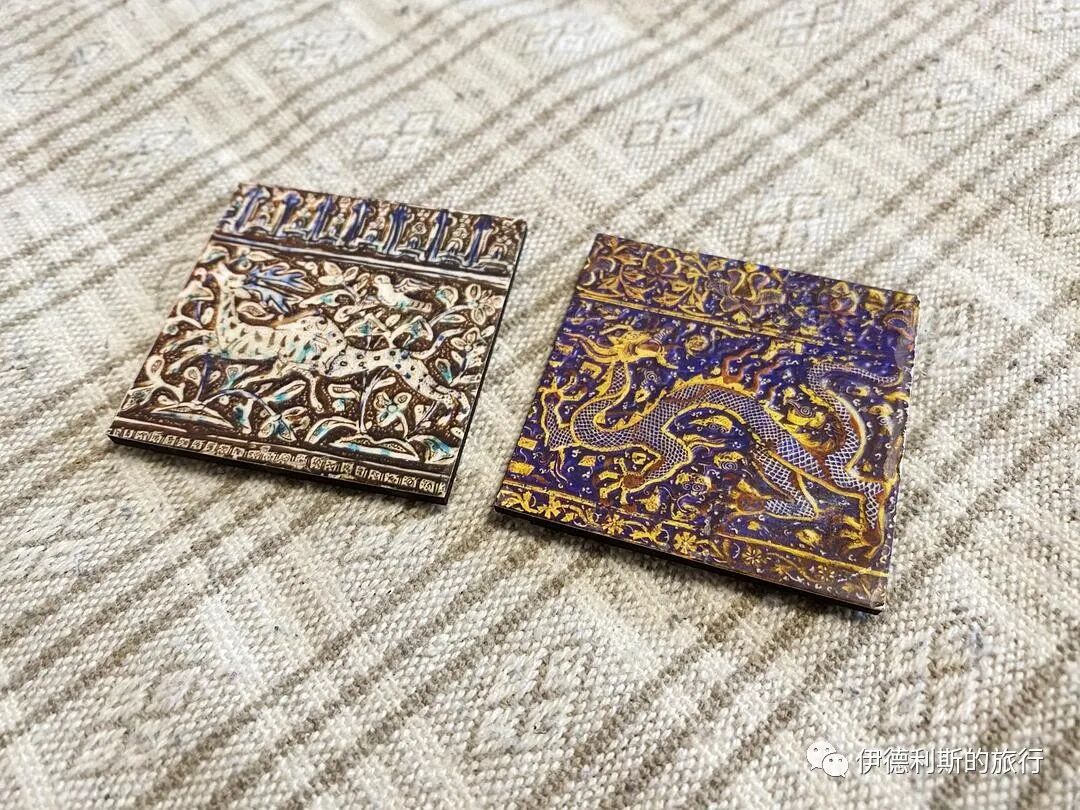
A tile magnet from the 13th-14th century Ilkhanate period; the original is in the museum.
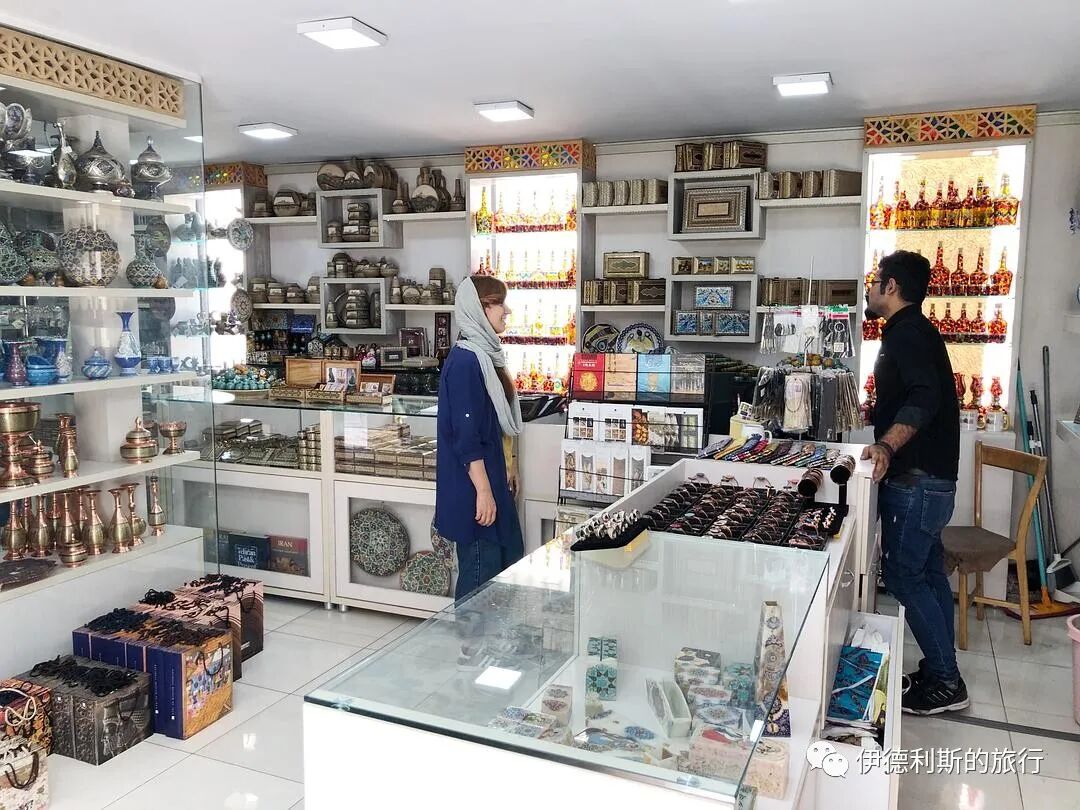
Golestan Palace
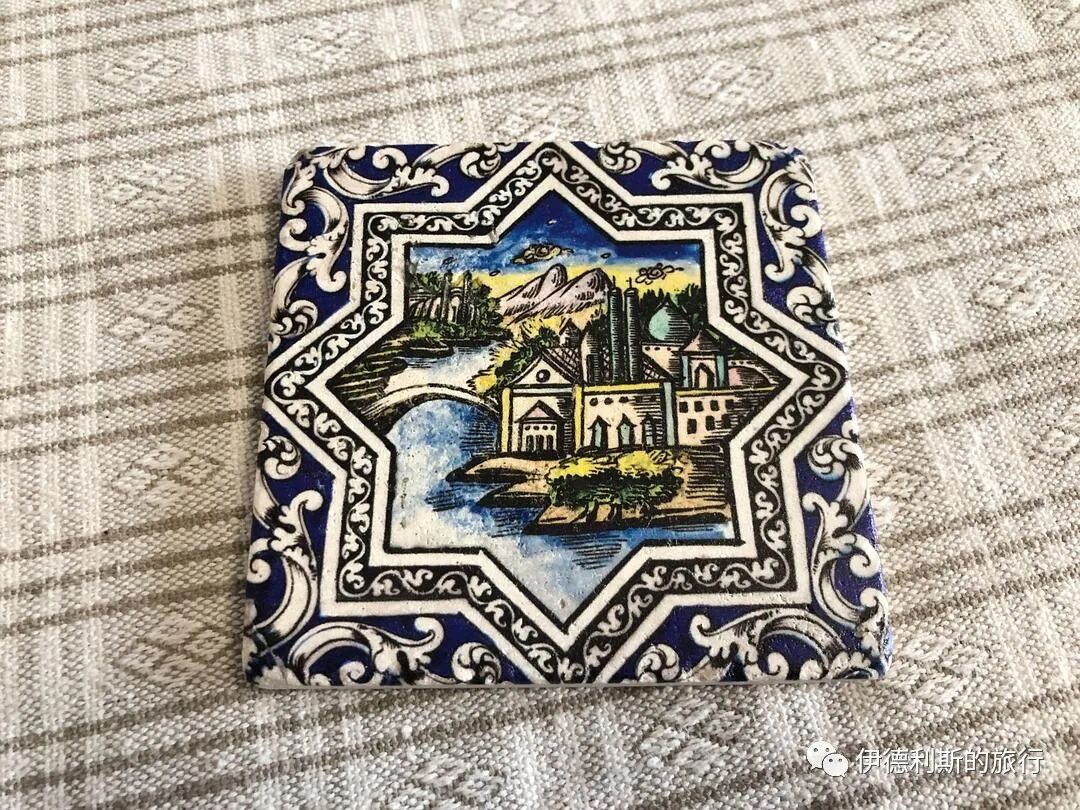
A replica of a wall tile from the Qajar dynasty period bought at the Golestan Palace souvenir shop.
Summary: This travel note introduces Tehran Bazaar Travel Guide: Iranian Markets, Muslim Culture and Local Life. I traveled to Tehran in 2019. The local prices were truly very affordable, and after arriving, I couldn't help but visit various bazaars to shop and shop. It is useful for readers interested in Tehran Bazaar, Iran Travel, Muslim Culture.
I traveled to Tehran in 2019. The local prices were truly very affordable, and after arriving, I couldn't help but visit various bazaars to shop and shop.
Jomeh Bazaar
Tehran's Jomeh Bazaar (Friday Bazaar) is usually a multi-story parking garage in the city center, but every Friday it turns into a very interesting flea market. Compared to the monotonous Yiwu small commodities in the Grand Bazaar, Jomeh Bazaar is a place where you can truly find treasures. There are second-hand dealers selling old records, old books, and antiques, as well as young women selling handmade jewelry, canvas bags, and coasters, along with various ethnic-style clothing and woven fabrics. It takes at least two or three hours to browse carefully.
Canvas bags and coasters I bought.
This was quite interesting; I kind of regret not buying it.
The felt hat and the Turkmen small floral cap, Takhya, that I bought. Takhya is a symbol of Turkmen tradition and identity. It is generally made of linen fabric, and the triangles on it are said to represent unity.
Tajrish Bazaar
Tajrish Bazaar is in the new urban area at the northernmost part of Tehran and stays open until 10 PM, making it very suitable for evening shopping. I bought some saffron at the Melal shop for Mashhad saffron in the bazaar. Buying saffron in Iran is actually quite cheap.
I bought traditional Iranian candy, Sohan asali (honey, sugar, saffron, and nut brittle), at a candy and dried fruit shop near Tajrish Bazaar. It is often eaten during Nowruz.
Carpet Bazaar
I bought a small carpet at the Carpet Bazaar next to the Tehran Grand Bazaar. It was produced in Qom, a Shia holy city in Iran. The owner is named Reza, a native of Kashan who has been in the carpet business in Tehran for over 20 years and speaks very fluent English.
Esfahan Art House
Esfahan Art House on the street at the north gate of the Grand Bazaar is a great one-stop place to buy traditional Persian handicrafts, and the prices are very reasonable. I bought two types of Iranian-style handicrafts here.
The first is a jewelry box made with the traditional Persian inlay technique, Khatam. Khatam is made by arranging bundles of wood, bone, and metal by color, then compressing and cutting them into geometric patterns. It is generally used to make doors, windows, mirror frames, chessboards, and boxes. The jewelry box I bought is made of hardwood, brass, and camel bone. Khatam flourished in the Safavid dynasty court and gradually declined after the 18th and 19th centuries, but it was revived during the reign of Reza Shah (reigned 1925-1941) of the Pahlavi dynasty, when handicraft schools were opened in Tehran, Shiraz, and Isfahan.
The second is a piece of fabric made with the woodblock printing craft, Ghalamkar. Ghalamkar is made by using woodblocks carved from pear wood to print on fabric, which is then hammered hundreds of times for repeated overprinting. The center of Ghalamkar art is Isfahan.
Tehran Museum of Islamic Art
After visiting the Tehran Museum of Islamic Art, I went to the souvenir shop. The prices were a bit high, but you can't buy these things anywhere else.
A notepad with Qajar dynasty paintings.
A bookmark featuring 15th-century Timurid dynasty Shiraz-style miniature painting.
A tile magnet from the 13th-14th century Ilkhanate period; the original is in the museum.
Golestan Palace
A replica of a wall tile from the Qajar dynasty period bought at the Golestan Palace souvenir shop.
Muslim Travel Guide Iran Tehran: Imam Khomeini Mosque, Grand Bazaar Food and Wudu Courtyard
Articles • Hasan09 posted the article • 0 comments • 326 views • 2026-05-24 01:59
Reposted from the web
Summary: This Muslim travel guide follows the Tehran bazaar near Golestan Palace and Imam Khomeini Mosque. It preserves the Friday closure scene, bazaar food, mosque courtyard, wudu area, library, and the author's on-site notes.
There are many bazaars near Golestan Palace. Friday is a public holiday in Iran, so only one mosque in Tehran stays open, while the rest are closed. Only a few shops inside the bazaar are open.
The market feels like a ghost town on Friday, but as soon as Friday passes, it quickly becomes lively, crowded with pedestrians and porters shoulder to shoulder.
Bazaars almost always have domes, and you can enjoy their orderly beauty just by looking up. (Photo 1)
After walking for a while, my guide told me he knew a good place that mainly sells wraps with potato, chicken, or beef fillings. I like potatoes, so of course I chose the potato one. The guide chose the beef one. The wrap included mashed boiled eggs, and the potatoes were very tasty.
The shop is very narrow and crowded. (Photo 5, Photo 6)
Then, I am not sure how we got there, but we walked into a mosque. The area outside was cramped and narrow, and I really did not expect such a large mosque square in the middle.
This is the Imam Khomeini Mosque. The main hall (Image 7) looks like a larger version of the Id Kah Mosque in Xinjiang, as if they were built from the same blueprint. There is a water basin in the middle of the mosque square with taps along the edge for performing wudu. (Image 9)
At the other end of the square are two minarets with a clock tower in the middle. (Image 10)
On one side of the square, there is a library covered in many mirrors that shine brightly. (Image 11, Image 12) It looks just like the Tomb of the King of Lights in Iraq that I saw online.
The library also holds copies of the Quran (Image 13) in other languages, including French, English, Russian, and Armenian. There were a few staff members inside. When my guide told them I was from China, they gave me a tile ornament and a copy of the Quran.
The staff said they were happy to meet me and welcomed me to Iran. To be polite, I also told them they were welcome to visit China. The staff also asked if China accepts international students from countries like Iran, Iraq, and Afghanistan, and which university majors in China are the best.
I am answering based on the information I have encountered within the country. It seems like many foreigners come here to study medicine, and I actually know international students from Pakistan, Turkey, and Yemen who are studying in Lanzhou and Chengdu.
After leaving the mosque, I returned to the bazaar. I looked up and saw the sunlight hitting the dome at an angle, perfectly revealing the shape of a crescent moon. view all
Summary: This Muslim travel guide follows the Tehran bazaar near Golestan Palace and Imam Khomeini Mosque. It preserves the Friday closure scene, bazaar food, mosque courtyard, wudu area, library, and the author's on-site notes.
There are many bazaars near Golestan Palace. Friday is a public holiday in Iran, so only one mosque in Tehran stays open, while the rest are closed. Only a few shops inside the bazaar are open.
The market feels like a ghost town on Friday, but as soon as Friday passes, it quickly becomes lively, crowded with pedestrians and porters shoulder to shoulder.
Bazaars almost always have domes, and you can enjoy their orderly beauty just by looking up. (Photo 1)
After walking for a while, my guide told me he knew a good place that mainly sells wraps with potato, chicken, or beef fillings. I like potatoes, so of course I chose the potato one. The guide chose the beef one. The wrap included mashed boiled eggs, and the potatoes were very tasty.
The shop is very narrow and crowded. (Photo 5, Photo 6)
Then, I am not sure how we got there, but we walked into a mosque. The area outside was cramped and narrow, and I really did not expect such a large mosque square in the middle.
This is the Imam Khomeini Mosque. The main hall (Image 7) looks like a larger version of the Id Kah Mosque in Xinjiang, as if they were built from the same blueprint. There is a water basin in the middle of the mosque square with taps along the edge for performing wudu. (Image 9)
At the other end of the square are two minarets with a clock tower in the middle. (Image 10)
On one side of the square, there is a library covered in many mirrors that shine brightly. (Image 11, Image 12) It looks just like the Tomb of the King of Lights in Iraq that I saw online.
The library also holds copies of the Quran (Image 13) in other languages, including French, English, Russian, and Armenian. There were a few staff members inside. When my guide told them I was from China, they gave me a tile ornament and a copy of the Quran.
The staff said they were happy to meet me and welcomed me to Iran. To be polite, I also told them they were welcome to visit China. The staff also asked if China accepts international students from countries like Iran, Iraq, and Afghanistan, and which university majors in China are the best.
I am answering based on the information I have encountered within the country. It seems like many foreigners come here to study medicine, and I actually know international students from Pakistan, Turkey, and Yemen who are studying in Lanzhou and Chengdu.
After leaving the mosque, I returned to the bazaar. I looked up and saw the sunlight hitting the dome at an angle, perfectly revealing the shape of a crescent moon. view all
Reposted from the web
Summary: This Muslim travel guide follows the Tehran bazaar near Golestan Palace and Imam Khomeini Mosque. It preserves the Friday closure scene, bazaar food, mosque courtyard, wudu area, library, and the author's on-site notes.
There are many bazaars near Golestan Palace. Friday is a public holiday in Iran, so only one mosque in Tehran stays open, while the rest are closed. Only a few shops inside the bazaar are open.
The market feels like a ghost town on Friday, but as soon as Friday passes, it quickly becomes lively, crowded with pedestrians and porters shoulder to shoulder.
Bazaars almost always have domes, and you can enjoy their orderly beauty just by looking up. (Photo 1)
After walking for a while, my guide told me he knew a good place that mainly sells wraps with potato, chicken, or beef fillings. I like potatoes, so of course I chose the potato one. The guide chose the beef one. The wrap included mashed boiled eggs, and the potatoes were very tasty.
The shop is very narrow and crowded. (Photo 5, Photo 6)
Then, I am not sure how we got there, but we walked into a mosque. The area outside was cramped and narrow, and I really did not expect such a large mosque square in the middle.
This is the Imam Khomeini Mosque. The main hall (Image 7) looks like a larger version of the Id Kah Mosque in Xinjiang, as if they were built from the same blueprint. There is a water basin in the middle of the mosque square with taps along the edge for performing wudu. (Image 9)
At the other end of the square are two minarets with a clock tower in the middle. (Image 10)
On one side of the square, there is a library covered in many mirrors that shine brightly. (Image 11, Image 12) It looks just like the Tomb of the King of Lights in Iraq that I saw online.
The library also holds copies of the Quran (Image 13) in other languages, including French, English, Russian, and Armenian. There were a few staff members inside. When my guide told them I was from China, they gave me a tile ornament and a copy of the Quran.
The staff said they were happy to meet me and welcomed me to Iran. To be polite, I also told them they were welcome to visit China. The staff also asked if China accepts international students from countries like Iran, Iraq, and Afghanistan, and which university majors in China are the best.
I am answering based on the information I have encountered within the country. It seems like many foreigners come here to study medicine, and I actually know international students from Pakistan, Turkey, and Yemen who are studying in Lanzhou and Chengdu.
After leaving the mosque, I returned to the bazaar. I looked up and saw the sunlight hitting the dome at an angle, perfectly revealing the shape of a crescent moon.
Summary: This Muslim travel guide follows the Tehran bazaar near Golestan Palace and Imam Khomeini Mosque. It preserves the Friday closure scene, bazaar food, mosque courtyard, wudu area, library, and the author's on-site notes.
There are many bazaars near Golestan Palace. Friday is a public holiday in Iran, so only one mosque in Tehran stays open, while the rest are closed. Only a few shops inside the bazaar are open.
The market feels like a ghost town on Friday, but as soon as Friday passes, it quickly becomes lively, crowded with pedestrians and porters shoulder to shoulder.
Bazaars almost always have domes, and you can enjoy their orderly beauty just by looking up. (Photo 1)
After walking for a while, my guide told me he knew a good place that mainly sells wraps with potato, chicken, or beef fillings. I like potatoes, so of course I chose the potato one. The guide chose the beef one. The wrap included mashed boiled eggs, and the potatoes were very tasty.
The shop is very narrow and crowded. (Photo 5, Photo 6)
Then, I am not sure how we got there, but we walked into a mosque. The area outside was cramped and narrow, and I really did not expect such a large mosque square in the middle.
This is the Imam Khomeini Mosque. The main hall (Image 7) looks like a larger version of the Id Kah Mosque in Xinjiang, as if they were built from the same blueprint. There is a water basin in the middle of the mosque square with taps along the edge for performing wudu. (Image 9)
At the other end of the square are two minarets with a clock tower in the middle. (Image 10)
On one side of the square, there is a library covered in many mirrors that shine brightly. (Image 11, Image 12) It looks just like the Tomb of the King of Lights in Iraq that I saw online.
The library also holds copies of the Quran (Image 13) in other languages, including French, English, Russian, and Armenian. There were a few staff members inside. When my guide told them I was from China, they gave me a tile ornament and a copy of the Quran.
The staff said they were happy to meet me and welcomed me to Iran. To be polite, I also told them they were welcome to visit China. The staff also asked if China accepts international students from countries like Iran, Iraq, and Afghanistan, and which university majors in China are the best.
I am answering based on the information I have encountered within the country. It seems like many foreigners come here to study medicine, and I actually know international students from Pakistan, Turkey, and Yemen who are studying in Lanzhou and Chengdu.
After leaving the mosque, I returned to the bazaar. I looked up and saw the sunlight hitting the dome at an angle, perfectly revealing the shape of a crescent moon.
Muslim Travel Guide Iran Tehran: Imam Khomeini Mosque, Grand Bazaar Food and Wudu Courtyard
Articles • yusuf908 posted the article • 0 comments • 175 views • 2026-05-23 22:48
Reposted from the web
Summary: This Iran Muslim travel guide walks through the Tehran bazaar near Golestan Palace, with potato and beef wraps, crowded lanes, Imam Khomeini Mosque, its wudu courtyard, clock tower, mirror-covered library, Qur'an translations, friendly staff, and a crescent-shaped light moment in the bazaar dome.
There are many bazaars near Golestan Palace. Friday is a public holiday in Iran, and only one mosque in Tehran stays open while the rest are closed. Only a few shops inside the bazaar are open.
The market feels like a ghost town on Friday, but as soon as Friday passes, it quickly becomes lively, crowded with pedestrians and porters shoulder to shoulder.
Bazaars almost always have domes, and you can enjoy their orderly beauty just by looking up. (Photo 1)
After walking for a while, my guide told me he knew a good place that mainly sells wraps with potato, chicken, or beef fillings. I like potatoes, so of course I chose the potato one. The guide chose the beef one. The wrap included mashed boiled eggs, and the potatoes were very tasty.
The shop is very narrow and crowded. (Photo 5, Photo 6)
Then, I am not sure how we got there, but we walked into a mosque. The area outside was cramped and narrow, and I really did not expect such a large mosque square in the middle.
This is the Imam Khomeini Mosque. The main hall (Photo 7) looks like a larger version of the Id Kah Mosque in Xinjiang, as if they were built from the same blueprint. There is a water basin in the middle of the mosque square with taps along the edge for performing wudu. (Photo 9)
At the other end of the square stand two minarets with a clock tower in between. (Photo 10)
On one side of the square is a library covered in many mirrors that sparkle. (Photo 11, Photo 12) It looks just like the Tomb of the King of Lights in Iraq that I saw online.
The library also holds copies of the Qur'an (Photo 13) in other languages, including French, English, Russian, and Armenian. There were a few staff members inside. When the tour guide told them I was from China, they gave me a tile ornament and a copy of the Qur'an.
The staff said they were happy to meet me and welcomed me to Iran. To be polite, I told them they were welcome to visit China as well. The staff also asked if China accepts international students from countries like Iran, Iraq, and Afghanistan, and which university majors in China are the best.
I answered based on what I had seen in China. It seems like many foreigners come here to study medicine, and I actually know international students from Pakistan, Turkey, and Yemen who are studying in Lanzhou and Chengdu.
After leaving the mosque, I returned to the bazaar. I looked up and saw the sunlight hitting the dome at an angle, perfectly revealing the shape of a crescent moon. view all
Summary: This Iran Muslim travel guide walks through the Tehran bazaar near Golestan Palace, with potato and beef wraps, crowded lanes, Imam Khomeini Mosque, its wudu courtyard, clock tower, mirror-covered library, Qur'an translations, friendly staff, and a crescent-shaped light moment in the bazaar dome.
There are many bazaars near Golestan Palace. Friday is a public holiday in Iran, and only one mosque in Tehran stays open while the rest are closed. Only a few shops inside the bazaar are open.
The market feels like a ghost town on Friday, but as soon as Friday passes, it quickly becomes lively, crowded with pedestrians and porters shoulder to shoulder.
Bazaars almost always have domes, and you can enjoy their orderly beauty just by looking up. (Photo 1)
After walking for a while, my guide told me he knew a good place that mainly sells wraps with potato, chicken, or beef fillings. I like potatoes, so of course I chose the potato one. The guide chose the beef one. The wrap included mashed boiled eggs, and the potatoes were very tasty.
The shop is very narrow and crowded. (Photo 5, Photo 6)
Then, I am not sure how we got there, but we walked into a mosque. The area outside was cramped and narrow, and I really did not expect such a large mosque square in the middle.
This is the Imam Khomeini Mosque. The main hall (Photo 7) looks like a larger version of the Id Kah Mosque in Xinjiang, as if they were built from the same blueprint. There is a water basin in the middle of the mosque square with taps along the edge for performing wudu. (Photo 9)
At the other end of the square stand two minarets with a clock tower in between. (Photo 10)
On one side of the square is a library covered in many mirrors that sparkle. (Photo 11, Photo 12) It looks just like the Tomb of the King of Lights in Iraq that I saw online.
The library also holds copies of the Qur'an (Photo 13) in other languages, including French, English, Russian, and Armenian. There were a few staff members inside. When the tour guide told them I was from China, they gave me a tile ornament and a copy of the Qur'an.
The staff said they were happy to meet me and welcomed me to Iran. To be polite, I told them they were welcome to visit China as well. The staff also asked if China accepts international students from countries like Iran, Iraq, and Afghanistan, and which university majors in China are the best.
I answered based on what I had seen in China. It seems like many foreigners come here to study medicine, and I actually know international students from Pakistan, Turkey, and Yemen who are studying in Lanzhou and Chengdu.
After leaving the mosque, I returned to the bazaar. I looked up and saw the sunlight hitting the dome at an angle, perfectly revealing the shape of a crescent moon. view all
Reposted from the web
Summary: This Iran Muslim travel guide walks through the Tehran bazaar near Golestan Palace, with potato and beef wraps, crowded lanes, Imam Khomeini Mosque, its wudu courtyard, clock tower, mirror-covered library, Qur'an translations, friendly staff, and a crescent-shaped light moment in the bazaar dome.
There are many bazaars near Golestan Palace. Friday is a public holiday in Iran, and only one mosque in Tehran stays open while the rest are closed. Only a few shops inside the bazaar are open.
The market feels like a ghost town on Friday, but as soon as Friday passes, it quickly becomes lively, crowded with pedestrians and porters shoulder to shoulder.
Bazaars almost always have domes, and you can enjoy their orderly beauty just by looking up. (Photo 1)
After walking for a while, my guide told me he knew a good place that mainly sells wraps with potato, chicken, or beef fillings. I like potatoes, so of course I chose the potato one. The guide chose the beef one. The wrap included mashed boiled eggs, and the potatoes were very tasty.
The shop is very narrow and crowded. (Photo 5, Photo 6)
Then, I am not sure how we got there, but we walked into a mosque. The area outside was cramped and narrow, and I really did not expect such a large mosque square in the middle.
This is the Imam Khomeini Mosque. The main hall (Photo 7) looks like a larger version of the Id Kah Mosque in Xinjiang, as if they were built from the same blueprint. There is a water basin in the middle of the mosque square with taps along the edge for performing wudu. (Photo 9)
At the other end of the square stand two minarets with a clock tower in between. (Photo 10)
On one side of the square is a library covered in many mirrors that sparkle. (Photo 11, Photo 12) It looks just like the Tomb of the King of Lights in Iraq that I saw online.
The library also holds copies of the Qur'an (Photo 13) in other languages, including French, English, Russian, and Armenian. There were a few staff members inside. When the tour guide told them I was from China, they gave me a tile ornament and a copy of the Qur'an.
The staff said they were happy to meet me and welcomed me to Iran. To be polite, I told them they were welcome to visit China as well. The staff also asked if China accepts international students from countries like Iran, Iraq, and Afghanistan, and which university majors in China are the best.
I answered based on what I had seen in China. It seems like many foreigners come here to study medicine, and I actually know international students from Pakistan, Turkey, and Yemen who are studying in Lanzhou and Chengdu.
After leaving the mosque, I returned to the bazaar. I looked up and saw the sunlight hitting the dome at an angle, perfectly revealing the shape of a crescent moon.
Summary: This Iran Muslim travel guide walks through the Tehran bazaar near Golestan Palace, with potato and beef wraps, crowded lanes, Imam Khomeini Mosque, its wudu courtyard, clock tower, mirror-covered library, Qur'an translations, friendly staff, and a crescent-shaped light moment in the bazaar dome.
There are many bazaars near Golestan Palace. Friday is a public holiday in Iran, and only one mosque in Tehran stays open while the rest are closed. Only a few shops inside the bazaar are open.
The market feels like a ghost town on Friday, but as soon as Friday passes, it quickly becomes lively, crowded with pedestrians and porters shoulder to shoulder.
Bazaars almost always have domes, and you can enjoy their orderly beauty just by looking up. (Photo 1)
After walking for a while, my guide told me he knew a good place that mainly sells wraps with potato, chicken, or beef fillings. I like potatoes, so of course I chose the potato one. The guide chose the beef one. The wrap included mashed boiled eggs, and the potatoes were very tasty.
The shop is very narrow and crowded. (Photo 5, Photo 6)
Then, I am not sure how we got there, but we walked into a mosque. The area outside was cramped and narrow, and I really did not expect such a large mosque square in the middle.
This is the Imam Khomeini Mosque. The main hall (Photo 7) looks like a larger version of the Id Kah Mosque in Xinjiang, as if they were built from the same blueprint. There is a water basin in the middle of the mosque square with taps along the edge for performing wudu. (Photo 9)
At the other end of the square stand two minarets with a clock tower in between. (Photo 10)
On one side of the square is a library covered in many mirrors that sparkle. (Photo 11, Photo 12) It looks just like the Tomb of the King of Lights in Iraq that I saw online.
The library also holds copies of the Qur'an (Photo 13) in other languages, including French, English, Russian, and Armenian. There were a few staff members inside. When the tour guide told them I was from China, they gave me a tile ornament and a copy of the Qur'an.
The staff said they were happy to meet me and welcomed me to Iran. To be polite, I told them they were welcome to visit China as well. The staff also asked if China accepts international students from countries like Iran, Iraq, and Afghanistan, and which university majors in China are the best.
I answered based on what I had seen in China. It seems like many foreigners come here to study medicine, and I actually know international students from Pakistan, Turkey, and Yemen who are studying in Lanzhou and Chengdu.
After leaving the mosque, I returned to the bazaar. I looked up and saw the sunlight hitting the dome at an angle, perfectly revealing the shape of a crescent moon.
Tehran Bazaar Travel Guide: Iranian Markets, Muslim Culture and Local Life
Articles • ali2007fr posted the article • 0 comments • 195 views • 2026-05-17 07:13
Reposted from the web
Summary: This travel note introduces Tehran Bazaar Travel Guide: Iranian Markets, Muslim Culture and Local Life. I traveled to Tehran in 2019. The local prices were truly very affordable, and after arriving, I couldn't help but visit various bazaars to shop and shop. It is useful for readers interested in Tehran Bazaar, Iran Travel, Muslim Culture.
I traveled to Tehran in 2019. The local prices were truly very affordable, and after arriving, I couldn't help but visit various bazaars to shop and shop.
Jomeh Bazaar
Tehran's Jomeh Bazaar (Friday Bazaar) is usually a multi-story parking garage in the city center, but every Friday it turns into a very interesting flea market. Compared to the monotonous Yiwu small commodities in the Grand Bazaar, Jomeh Bazaar is a place where you can truly find treasures. There are second-hand dealers selling old records, old books, and antiques, as well as young women selling handmade jewelry, canvas bags, and coasters, along with various ethnic-style clothing and woven fabrics. It takes at least two or three hours to browse carefully.
Canvas bags and coasters I bought.
This was quite interesting; I kind of regret not buying it.
The felt hat and the Turkmen small floral cap, Takhya, that I bought. Takhya is a symbol of Turkmen tradition and identity. It is generally made of linen fabric, and the triangles on it are said to represent unity.
Tajrish Bazaar
Tajrish Bazaar is in the new urban area at the northernmost part of Tehran and stays open until 10 PM, making it very suitable for evening shopping. I bought some saffron at the Melal shop for Mashhad saffron in the bazaar. Buying saffron in Iran is actually quite cheap.
I bought traditional Iranian candy, Sohan asali (honey, sugar, saffron, and nut brittle), at a candy and dried fruit shop near Tajrish Bazaar. It is often eaten during Nowruz.
Carpet Bazaar
I bought a small carpet at the Carpet Bazaar next to the Tehran Grand Bazaar. It was produced in Qom, a Shia holy city in Iran. The owner is named Reza, a native of Kashan who has been in the carpet business in Tehran for over 20 years and speaks very fluent English.
Esfahan Art House
Esfahan Art House on the street at the north gate of the Grand Bazaar is a great one-stop place to buy traditional Persian handicrafts, and the prices are very reasonable. I bought two types of Iranian-style handicrafts here.
The first is a jewelry box made with the traditional Persian inlay technique, Khatam. Khatam is made by arranging bundles of wood, bone, and metal by color, then compressing and cutting them into geometric patterns. It is generally used to make doors, windows, mirror frames, chessboards, and boxes. The jewelry box I bought is made of hardwood, brass, and camel bone. Khatam flourished in the Safavid dynasty court and gradually declined after the 18th and 19th centuries, but it was revived during the reign of Reza Shah (reigned 1925-1941) of the Pahlavi dynasty, when handicraft schools were opened in Tehran, Shiraz, and Isfahan.
The second is a piece of fabric made with the woodblock printing craft, Ghalamkar. Ghalamkar is made by using woodblocks carved from pear wood to print on fabric, which is then hammered hundreds of times for repeated overprinting. The center of Ghalamkar art is Isfahan.
Tehran Museum of Islamic Art
After visiting the Tehran Museum of Islamic Art, I went to the souvenir shop. The prices were a bit high, but you can't buy these things anywhere else.
A notepad with Qajar dynasty paintings.
A bookmark featuring 15th-century Timurid dynasty Shiraz-style miniature painting.
A tile magnet from the 13th-14th century Ilkhanate period; the original is in the museum.
Golestan Palace
A replica of a wall tile from the Qajar dynasty period bought at the Golestan Palace souvenir shop. view all
Summary: This travel note introduces Tehran Bazaar Travel Guide: Iranian Markets, Muslim Culture and Local Life. I traveled to Tehran in 2019. The local prices were truly very affordable, and after arriving, I couldn't help but visit various bazaars to shop and shop. It is useful for readers interested in Tehran Bazaar, Iran Travel, Muslim Culture.
I traveled to Tehran in 2019. The local prices were truly very affordable, and after arriving, I couldn't help but visit various bazaars to shop and shop.
Jomeh Bazaar
Tehran's Jomeh Bazaar (Friday Bazaar) is usually a multi-story parking garage in the city center, but every Friday it turns into a very interesting flea market. Compared to the monotonous Yiwu small commodities in the Grand Bazaar, Jomeh Bazaar is a place where you can truly find treasures. There are second-hand dealers selling old records, old books, and antiques, as well as young women selling handmade jewelry, canvas bags, and coasters, along with various ethnic-style clothing and woven fabrics. It takes at least two or three hours to browse carefully.
Canvas bags and coasters I bought.
This was quite interesting; I kind of regret not buying it.
The felt hat and the Turkmen small floral cap, Takhya, that I bought. Takhya is a symbol of Turkmen tradition and identity. It is generally made of linen fabric, and the triangles on it are said to represent unity.
Tajrish Bazaar
Tajrish Bazaar is in the new urban area at the northernmost part of Tehran and stays open until 10 PM, making it very suitable for evening shopping. I bought some saffron at the Melal shop for Mashhad saffron in the bazaar. Buying saffron in Iran is actually quite cheap.
I bought traditional Iranian candy, Sohan asali (honey, sugar, saffron, and nut brittle), at a candy and dried fruit shop near Tajrish Bazaar. It is often eaten during Nowruz.
Carpet Bazaar
I bought a small carpet at the Carpet Bazaar next to the Tehran Grand Bazaar. It was produced in Qom, a Shia holy city in Iran. The owner is named Reza, a native of Kashan who has been in the carpet business in Tehran for over 20 years and speaks very fluent English.
Esfahan Art House
Esfahan Art House on the street at the north gate of the Grand Bazaar is a great one-stop place to buy traditional Persian handicrafts, and the prices are very reasonable. I bought two types of Iranian-style handicrafts here.
The first is a jewelry box made with the traditional Persian inlay technique, Khatam. Khatam is made by arranging bundles of wood, bone, and metal by color, then compressing and cutting them into geometric patterns. It is generally used to make doors, windows, mirror frames, chessboards, and boxes. The jewelry box I bought is made of hardwood, brass, and camel bone. Khatam flourished in the Safavid dynasty court and gradually declined after the 18th and 19th centuries, but it was revived during the reign of Reza Shah (reigned 1925-1941) of the Pahlavi dynasty, when handicraft schools were opened in Tehran, Shiraz, and Isfahan.
The second is a piece of fabric made with the woodblock printing craft, Ghalamkar. Ghalamkar is made by using woodblocks carved from pear wood to print on fabric, which is then hammered hundreds of times for repeated overprinting. The center of Ghalamkar art is Isfahan.
Tehran Museum of Islamic Art
After visiting the Tehran Museum of Islamic Art, I went to the souvenir shop. The prices were a bit high, but you can't buy these things anywhere else.
A notepad with Qajar dynasty paintings.
A bookmark featuring 15th-century Timurid dynasty Shiraz-style miniature painting.
A tile magnet from the 13th-14th century Ilkhanate period; the original is in the museum.
Golestan Palace
A replica of a wall tile from the Qajar dynasty period bought at the Golestan Palace souvenir shop. view all
Reposted from the web
Summary: This travel note introduces Tehran Bazaar Travel Guide: Iranian Markets, Muslim Culture and Local Life. I traveled to Tehran in 2019. The local prices were truly very affordable, and after arriving, I couldn't help but visit various bazaars to shop and shop. It is useful for readers interested in Tehran Bazaar, Iran Travel, Muslim Culture.
I traveled to Tehran in 2019. The local prices were truly very affordable, and after arriving, I couldn't help but visit various bazaars to shop and shop.
Jomeh Bazaar
Tehran's Jomeh Bazaar (Friday Bazaar) is usually a multi-story parking garage in the city center, but every Friday it turns into a very interesting flea market. Compared to the monotonous Yiwu small commodities in the Grand Bazaar, Jomeh Bazaar is a place where you can truly find treasures. There are second-hand dealers selling old records, old books, and antiques, as well as young women selling handmade jewelry, canvas bags, and coasters, along with various ethnic-style clothing and woven fabrics. It takes at least two or three hours to browse carefully.
Canvas bags and coasters I bought.
This was quite interesting; I kind of regret not buying it.
The felt hat and the Turkmen small floral cap, Takhya, that I bought. Takhya is a symbol of Turkmen tradition and identity. It is generally made of linen fabric, and the triangles on it are said to represent unity.
Tajrish Bazaar
Tajrish Bazaar is in the new urban area at the northernmost part of Tehran and stays open until 10 PM, making it very suitable for evening shopping. I bought some saffron at the Melal shop for Mashhad saffron in the bazaar. Buying saffron in Iran is actually quite cheap.
I bought traditional Iranian candy, Sohan asali (honey, sugar, saffron, and nut brittle), at a candy and dried fruit shop near Tajrish Bazaar. It is often eaten during Nowruz.
Carpet Bazaar
I bought a small carpet at the Carpet Bazaar next to the Tehran Grand Bazaar. It was produced in Qom, a Shia holy city in Iran. The owner is named Reza, a native of Kashan who has been in the carpet business in Tehran for over 20 years and speaks very fluent English.
Esfahan Art House
Esfahan Art House on the street at the north gate of the Grand Bazaar is a great one-stop place to buy traditional Persian handicrafts, and the prices are very reasonable. I bought two types of Iranian-style handicrafts here.
The first is a jewelry box made with the traditional Persian inlay technique, Khatam. Khatam is made by arranging bundles of wood, bone, and metal by color, then compressing and cutting them into geometric patterns. It is generally used to make doors, windows, mirror frames, chessboards, and boxes. The jewelry box I bought is made of hardwood, brass, and camel bone. Khatam flourished in the Safavid dynasty court and gradually declined after the 18th and 19th centuries, but it was revived during the reign of Reza Shah (reigned 1925-1941) of the Pahlavi dynasty, when handicraft schools were opened in Tehran, Shiraz, and Isfahan.
The second is a piece of fabric made with the woodblock printing craft, Ghalamkar. Ghalamkar is made by using woodblocks carved from pear wood to print on fabric, which is then hammered hundreds of times for repeated overprinting. The center of Ghalamkar art is Isfahan.
Tehran Museum of Islamic Art
After visiting the Tehran Museum of Islamic Art, I went to the souvenir shop. The prices were a bit high, but you can't buy these things anywhere else.
A notepad with Qajar dynasty paintings.
A bookmark featuring 15th-century Timurid dynasty Shiraz-style miniature painting.
A tile magnet from the 13th-14th century Ilkhanate period; the original is in the museum.
Golestan Palace
A replica of a wall tile from the Qajar dynasty period bought at the Golestan Palace souvenir shop.
Summary: This travel note introduces Tehran Bazaar Travel Guide: Iranian Markets, Muslim Culture and Local Life. I traveled to Tehran in 2019. The local prices were truly very affordable, and after arriving, I couldn't help but visit various bazaars to shop and shop. It is useful for readers interested in Tehran Bazaar, Iran Travel, Muslim Culture.
I traveled to Tehran in 2019. The local prices were truly very affordable, and after arriving, I couldn't help but visit various bazaars to shop and shop.
Jomeh Bazaar
Tehran's Jomeh Bazaar (Friday Bazaar) is usually a multi-story parking garage in the city center, but every Friday it turns into a very interesting flea market. Compared to the monotonous Yiwu small commodities in the Grand Bazaar, Jomeh Bazaar is a place where you can truly find treasures. There are second-hand dealers selling old records, old books, and antiques, as well as young women selling handmade jewelry, canvas bags, and coasters, along with various ethnic-style clothing and woven fabrics. It takes at least two or three hours to browse carefully.
Canvas bags and coasters I bought.
This was quite interesting; I kind of regret not buying it.
The felt hat and the Turkmen small floral cap, Takhya, that I bought. Takhya is a symbol of Turkmen tradition and identity. It is generally made of linen fabric, and the triangles on it are said to represent unity.
Tajrish Bazaar
Tajrish Bazaar is in the new urban area at the northernmost part of Tehran and stays open until 10 PM, making it very suitable for evening shopping. I bought some saffron at the Melal shop for Mashhad saffron in the bazaar. Buying saffron in Iran is actually quite cheap.
I bought traditional Iranian candy, Sohan asali (honey, sugar, saffron, and nut brittle), at a candy and dried fruit shop near Tajrish Bazaar. It is often eaten during Nowruz.
Carpet Bazaar
I bought a small carpet at the Carpet Bazaar next to the Tehran Grand Bazaar. It was produced in Qom, a Shia holy city in Iran. The owner is named Reza, a native of Kashan who has been in the carpet business in Tehran for over 20 years and speaks very fluent English.
Esfahan Art House
Esfahan Art House on the street at the north gate of the Grand Bazaar is a great one-stop place to buy traditional Persian handicrafts, and the prices are very reasonable. I bought two types of Iranian-style handicrafts here.
The first is a jewelry box made with the traditional Persian inlay technique, Khatam. Khatam is made by arranging bundles of wood, bone, and metal by color, then compressing and cutting them into geometric patterns. It is generally used to make doors, windows, mirror frames, chessboards, and boxes. The jewelry box I bought is made of hardwood, brass, and camel bone. Khatam flourished in the Safavid dynasty court and gradually declined after the 18th and 19th centuries, but it was revived during the reign of Reza Shah (reigned 1925-1941) of the Pahlavi dynasty, when handicraft schools were opened in Tehran, Shiraz, and Isfahan.
The second is a piece of fabric made with the woodblock printing craft, Ghalamkar. Ghalamkar is made by using woodblocks carved from pear wood to print on fabric, which is then hammered hundreds of times for repeated overprinting. The center of Ghalamkar art is Isfahan.
Tehran Museum of Islamic Art
After visiting the Tehran Museum of Islamic Art, I went to the souvenir shop. The prices were a bit high, but you can't buy these things anywhere else.
A notepad with Qajar dynasty paintings.
A bookmark featuring 15th-century Timurid dynasty Shiraz-style miniature painting.
A tile magnet from the 13th-14th century Ilkhanate period; the original is in the museum.
Golestan Palace
A replica of a wall tile from the Qajar dynasty period bought at the Golestan Palace souvenir shop.