

Tianjin Halal
Halal Food Guide: Tianjin - Pasta, Yakitori, Yemeni Bread and More
Articles • ali2007fr posted the article • 0 comments • 235 views • 2026-05-20 09:11
Reposted from the web
Summary: Tianjin has a wide halal food scene that goes far beyond the usual local dishes, including pasta, yakitori-style skewers, Yemeni flatbread, Swiss cheese fondue, and rice balls. This account keeps the restaurant names, dish details, photos, and food observations from the original article.
Our family went to Tianjin for a stroll over the weekend and ate pasta, yakitori (shao niao), Yemeni food, Swiss cheese fondue, and rice balls (fan tuan).
Previous Tianjin food shares:
Autumn eating tour in Tianjin: Syrian food, giant river prawns (luo shi xia), yellow broth ramen (huang tang lamian), a Turkish restaurant, and Xinjiang fresh milk ice cream.
Taking the kids out to eat in Tianjin: Yemeni food, Algerian desserts, steamed rice rolls (changfen), Japanese food, and water caltrop soup (lingjiao tang).
Eating Arabic food in Tianjin: Syrian, Yemeni, Tunisian, and Algerian.
Between the mountains and the sea—from Huairou farmhouse restaurants (nongjiale) to coastal Western restaurants.
Iftar meal at a Tianjin mosque during Ramadan:
The first weekend of Ramadan 2025: From Beijing to Tianjin.
The second weekend of Ramadan 2025: Beijing Nanxiapo, Tianjin Xining Road, and Fuxingzhuang.
The third weekend of Ramadan 2025: Tianjin Liulin and Xibeijiao.
The fourth weekend of Ramadan 2025: Beijing Madian, the Sudanese Embassy, and Tianjin Tianmu.
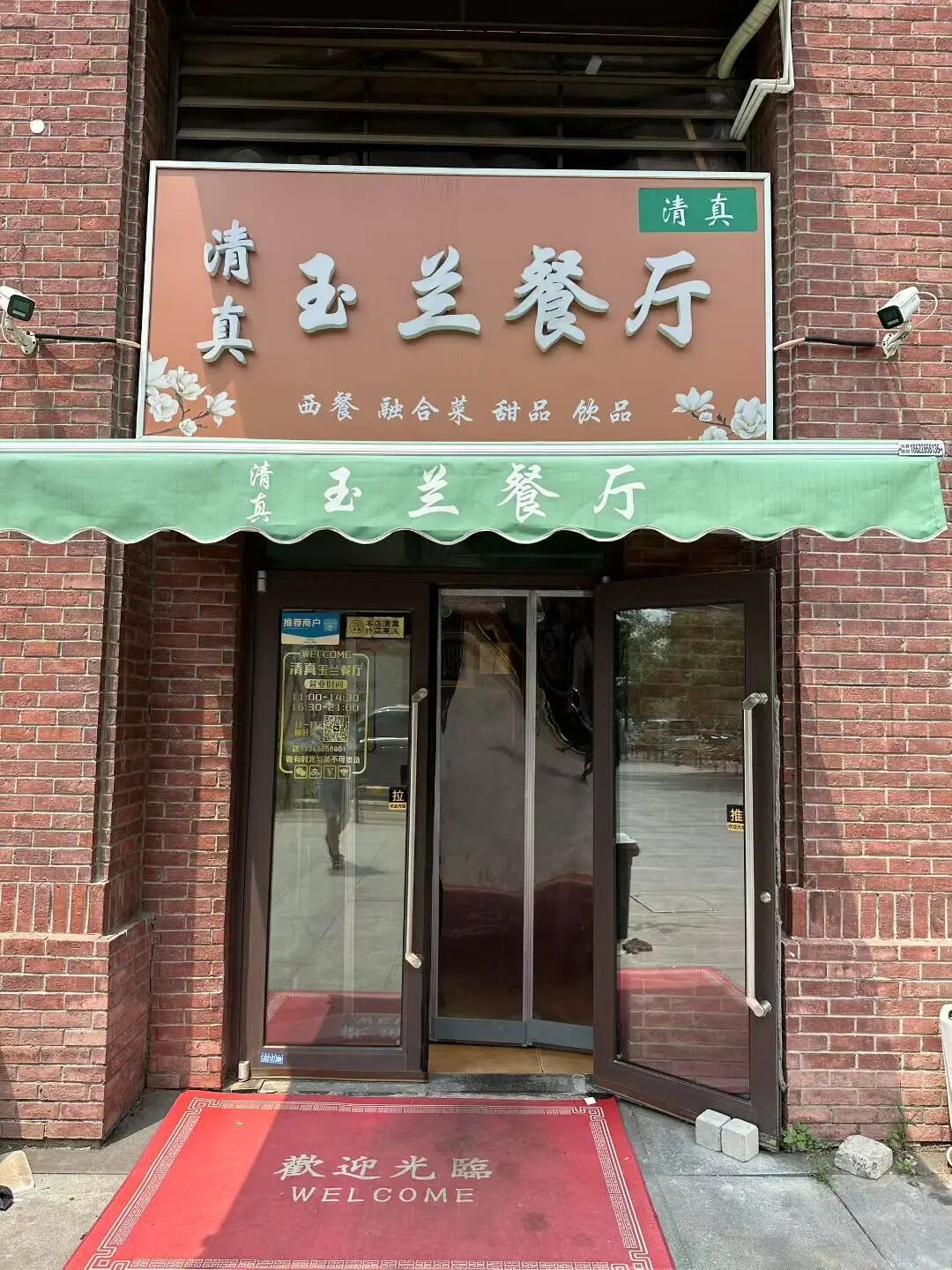
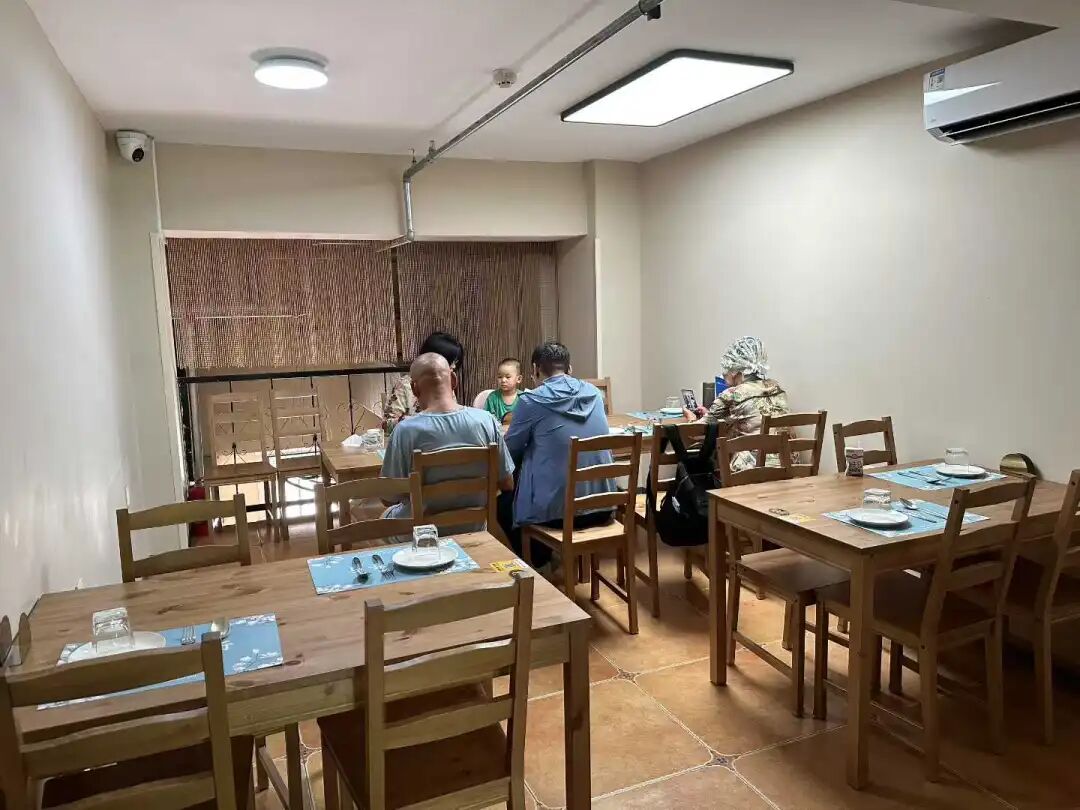
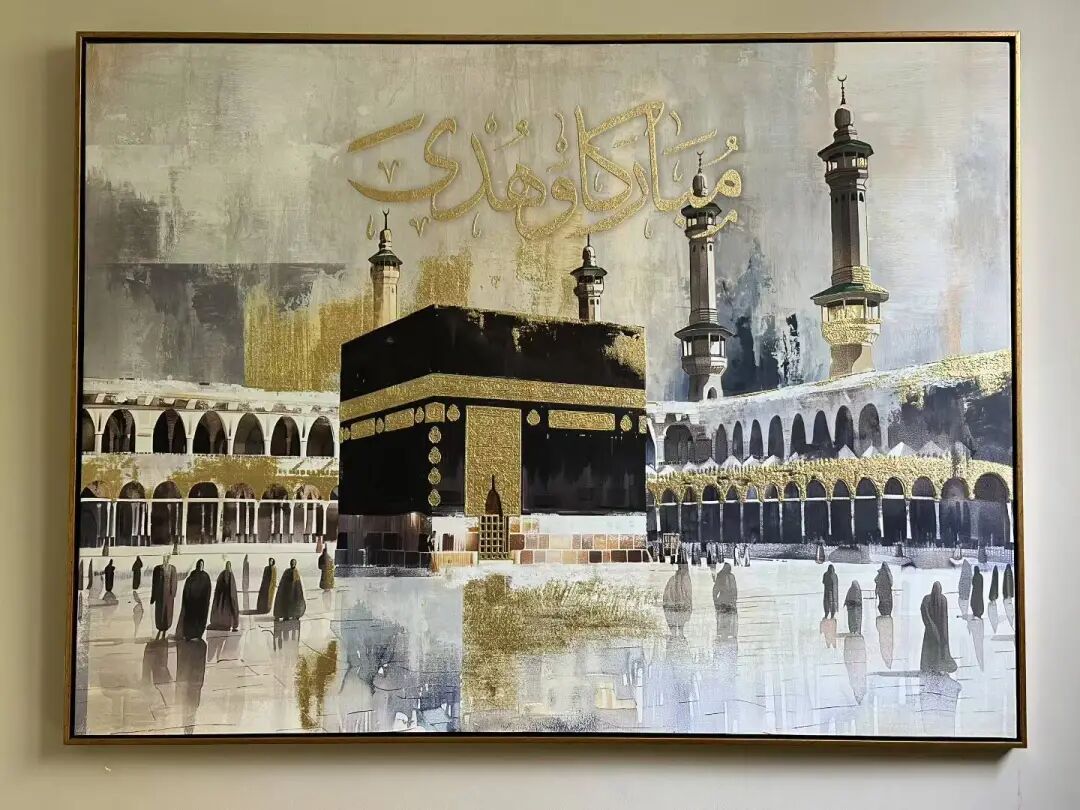
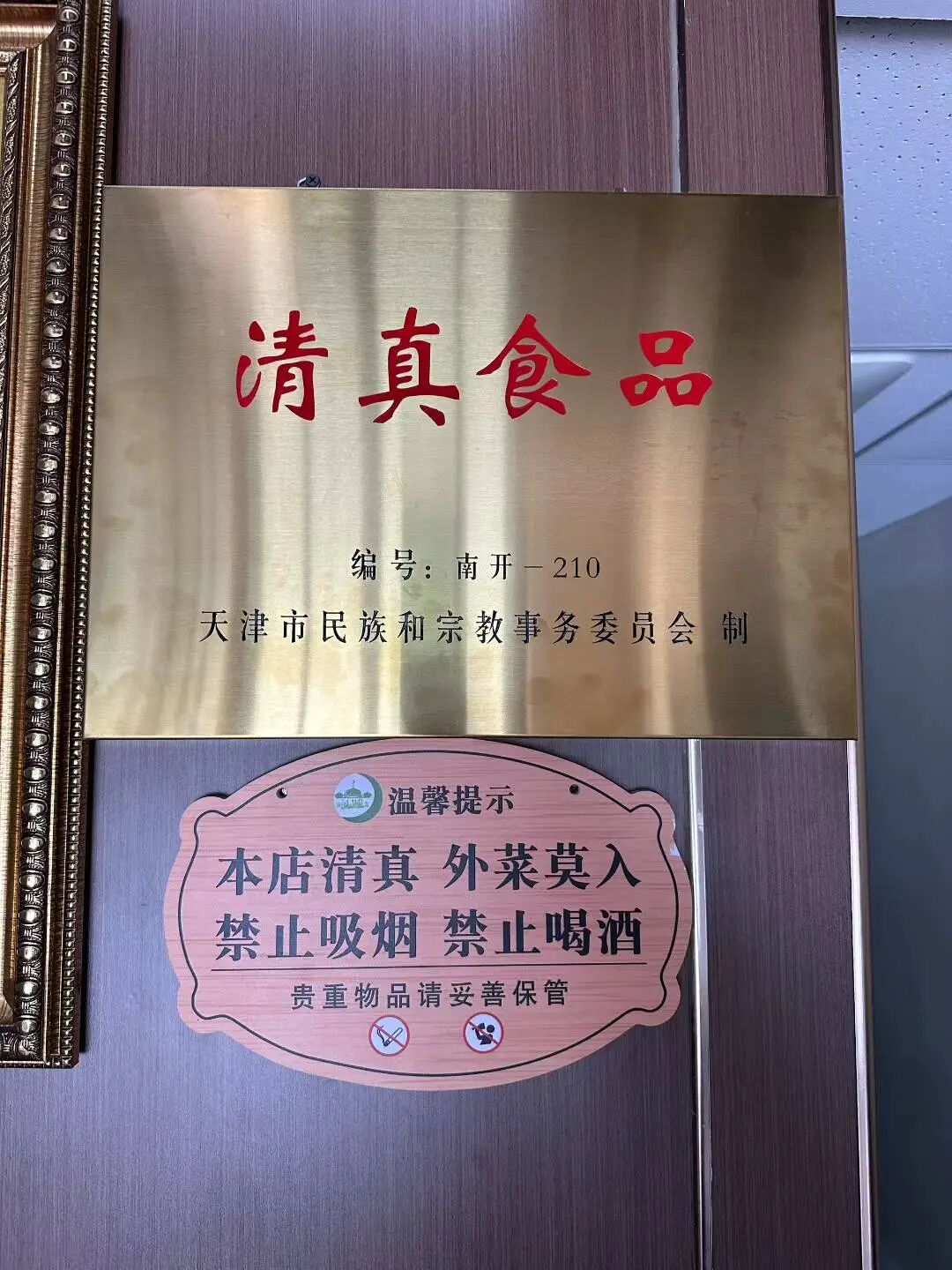
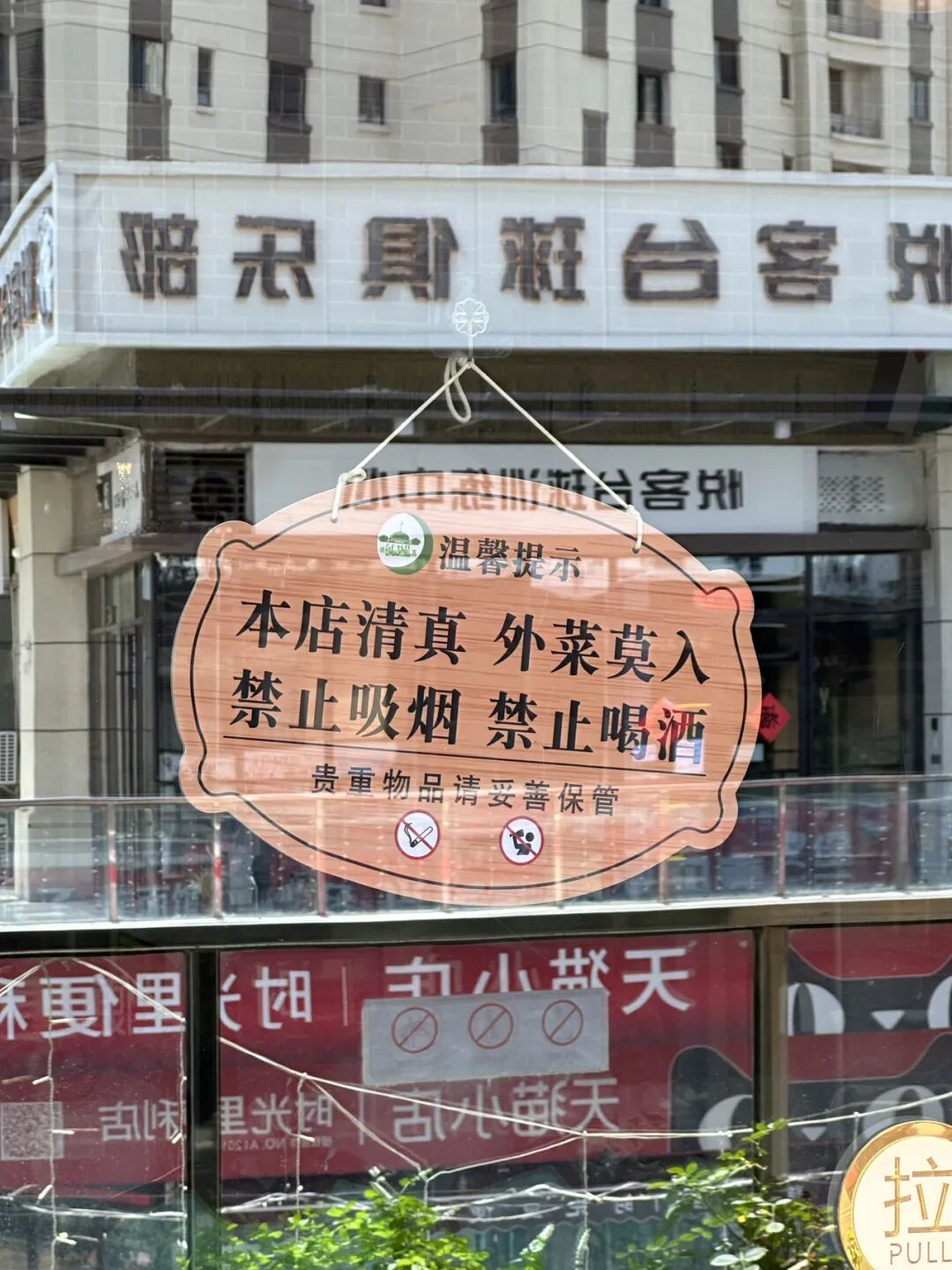
On Saturday noon, we had a Western meal at Yulan Restaurant near the old Tianjin Tractor Factory (Tiantuo). The exterior is quite plain. The owner is a Tianjin elder who loves food. The shop is smoke-free and alcohol-free, so we felt comfortable eating there. The air conditioner on the second floor might be a bit weak, so it felt a little stuffy eating there in the summer. The staff said they are moving soon. We will go visit the new shop once it opens.
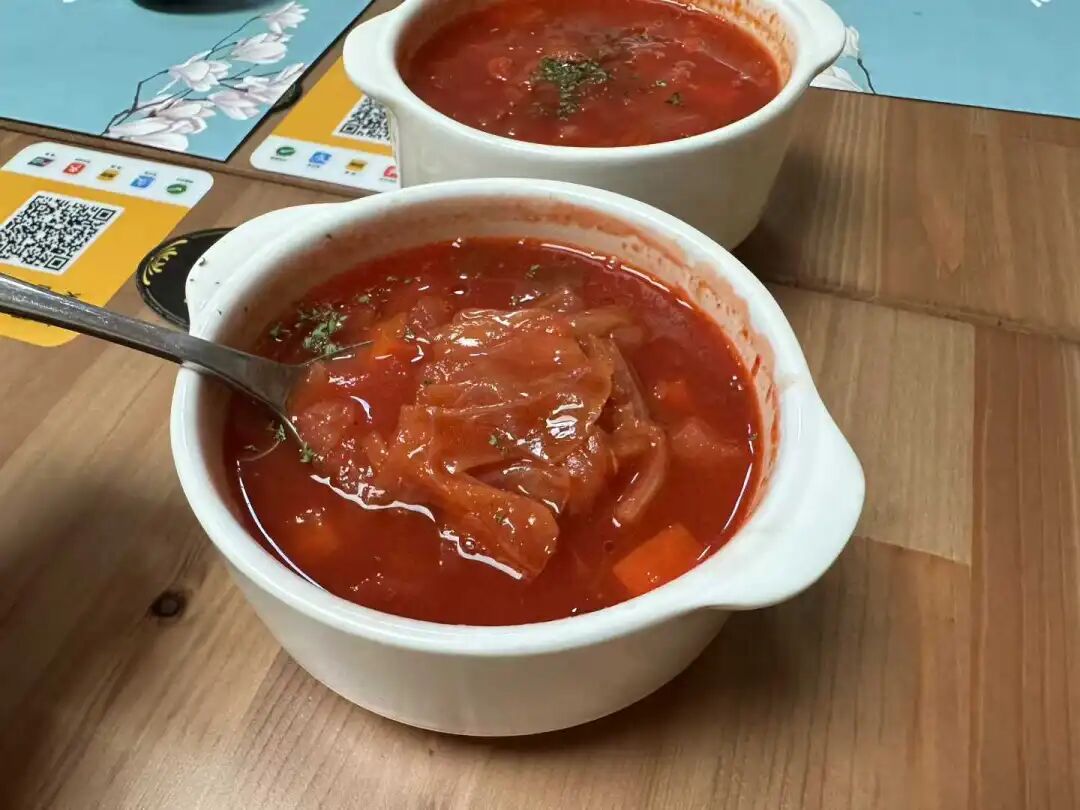
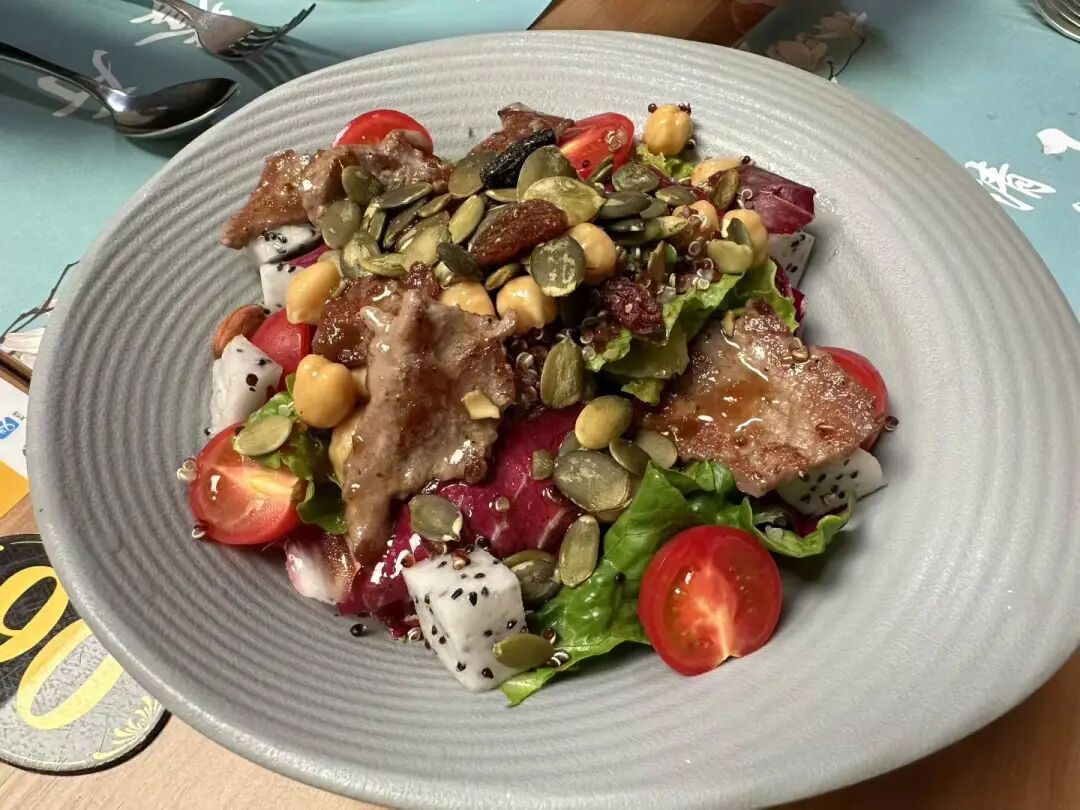
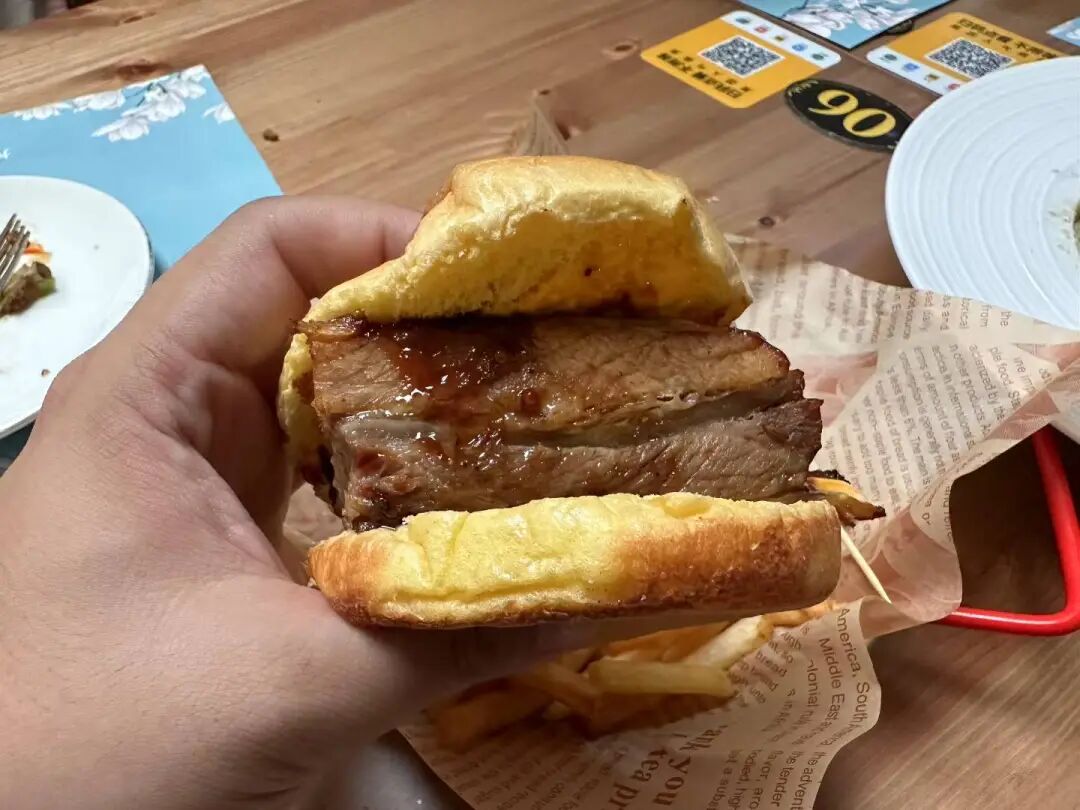
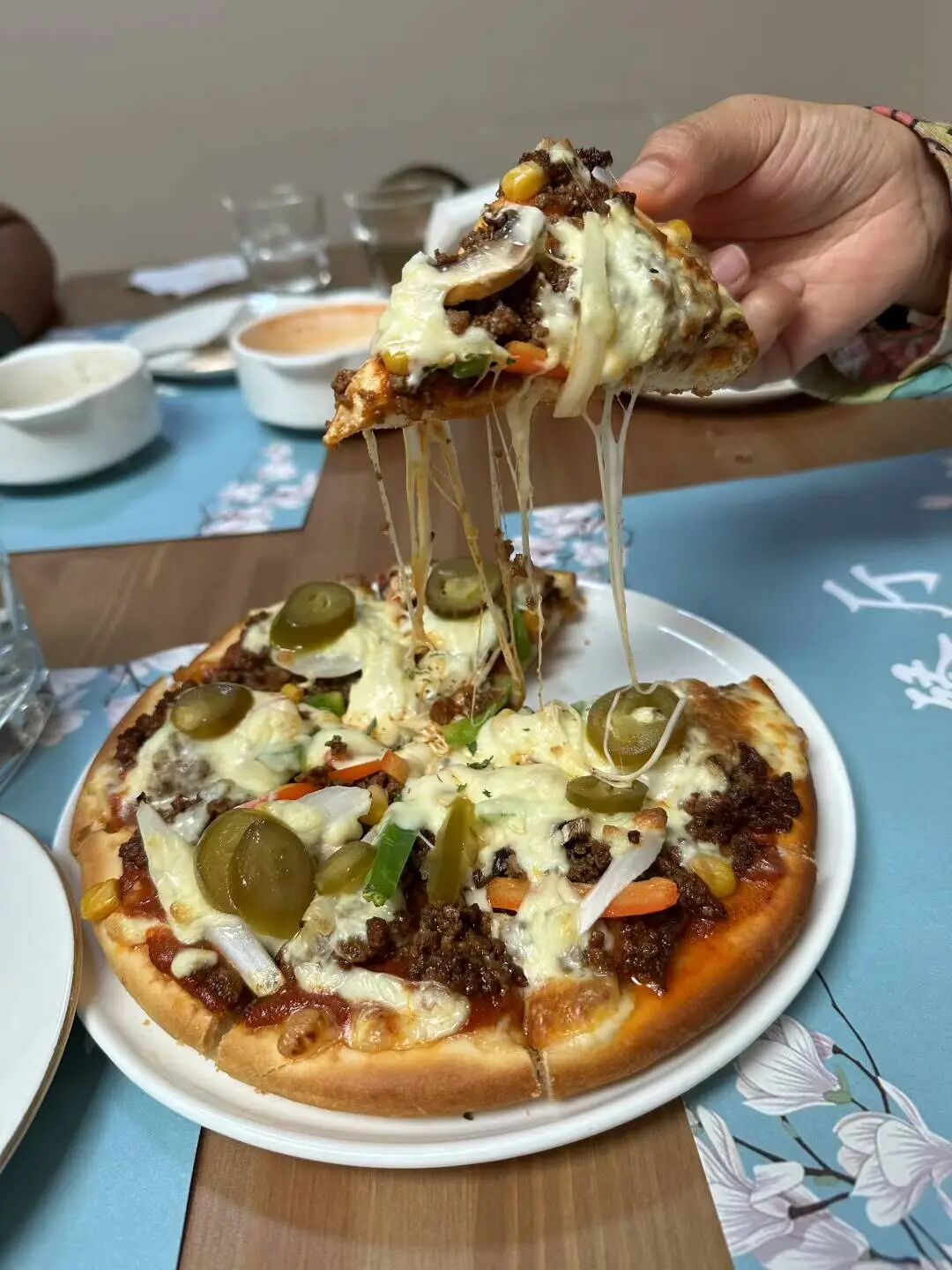
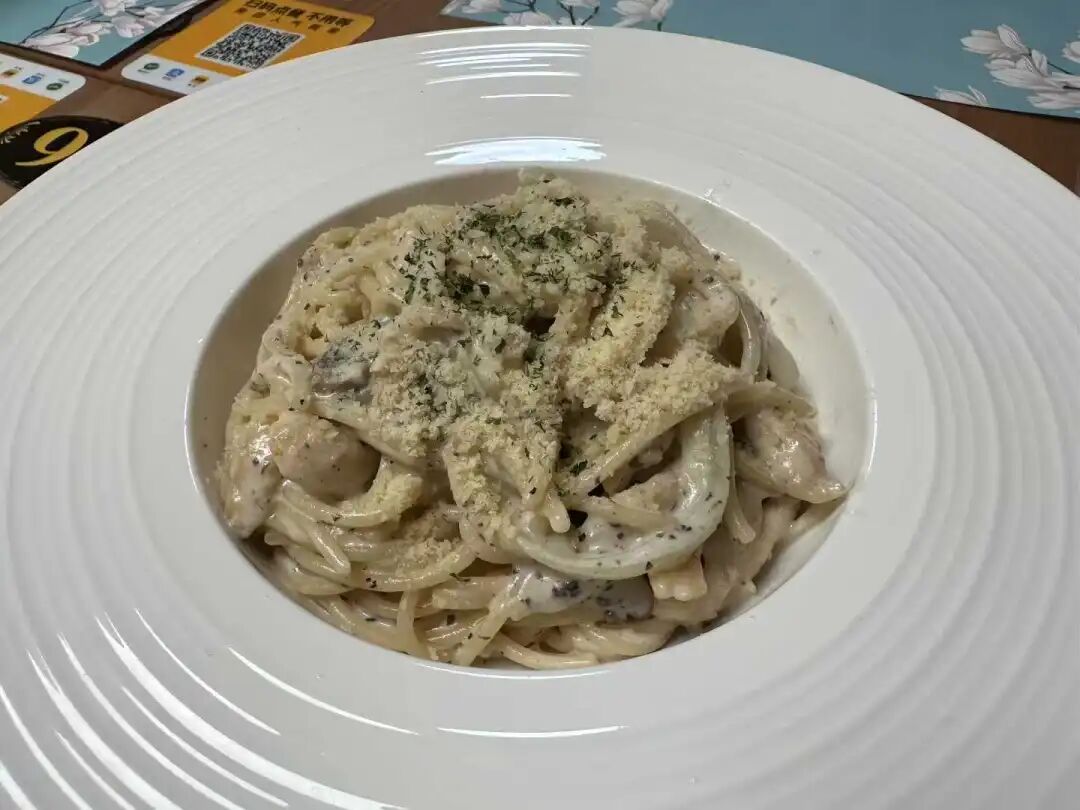
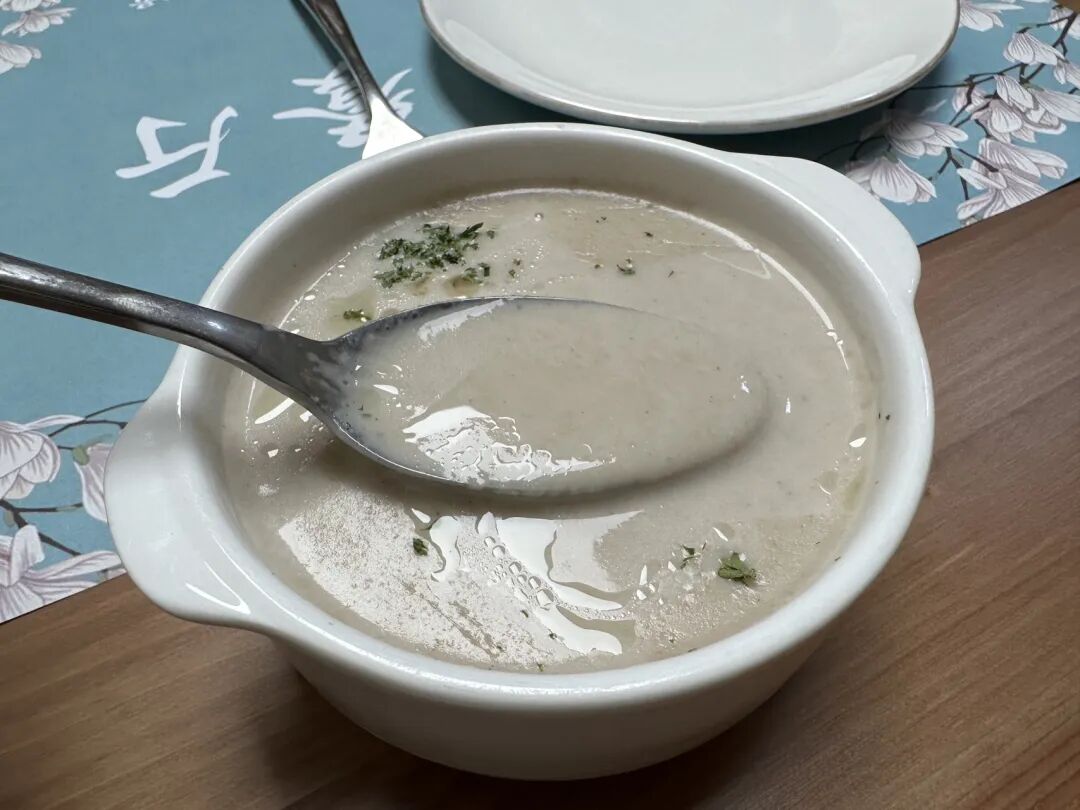
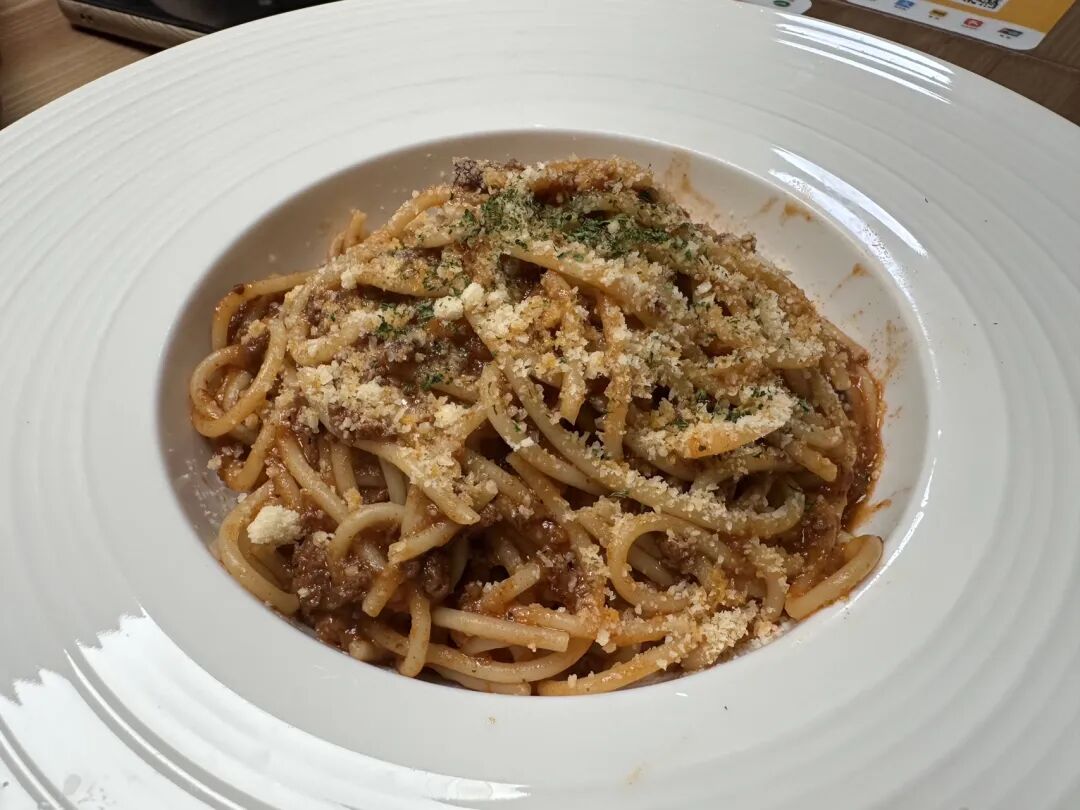
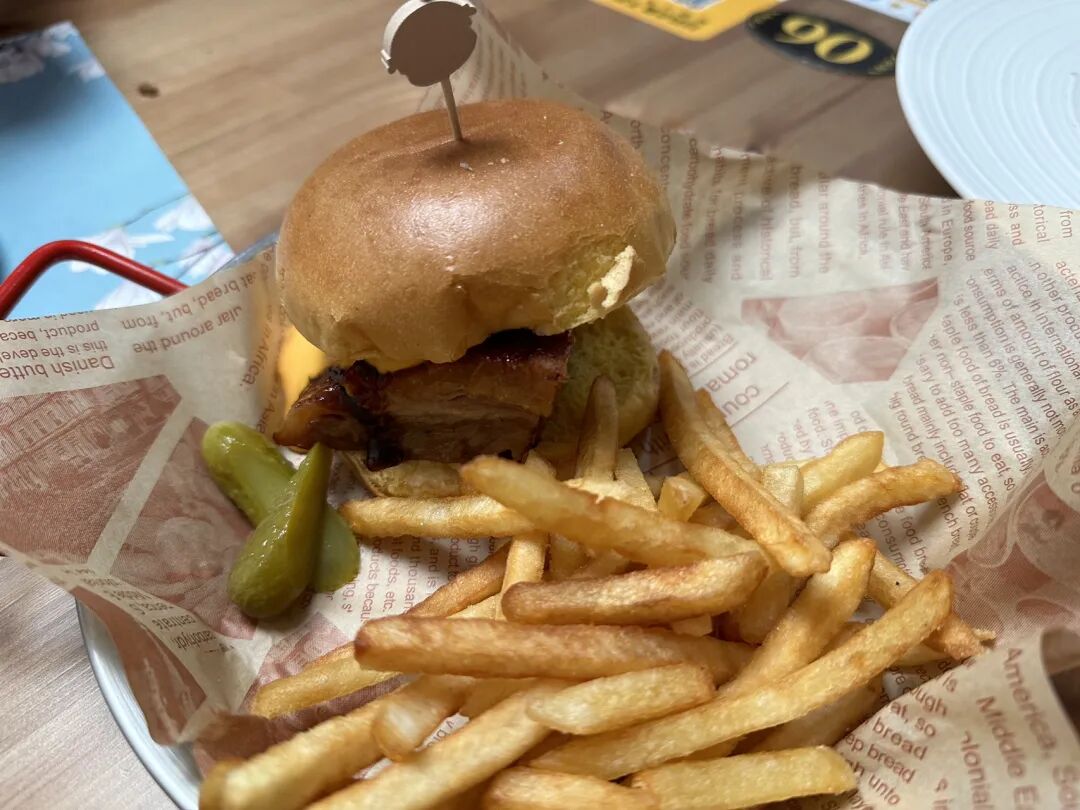
We ordered grilled beef quinoa salad, borscht (luosong tang), cream of mushroom soup, Provence roast chicken, Mexican beef pizza, low-temperature cheese waterfall beef brisket burger, wagyu beef sauce pasta, and black truffle cream chicken mushroom pasta. I think the best dishes were the roast chicken and the burger. The roast chicken was crispy on the outside and tender on the inside, and it tasted great with the sweet and spicy sauce. The meat in the burger was also very good and appetizing. The Mexican pizza was quite spicy. I am not sure if the owner improved the beef sauce on top, but I felt it was quite unique. The grilled beef salad did not use Thousand Island dressing, which is a plus. The kids loved it. The pasta was standard, and the borscht was a bit too salty.
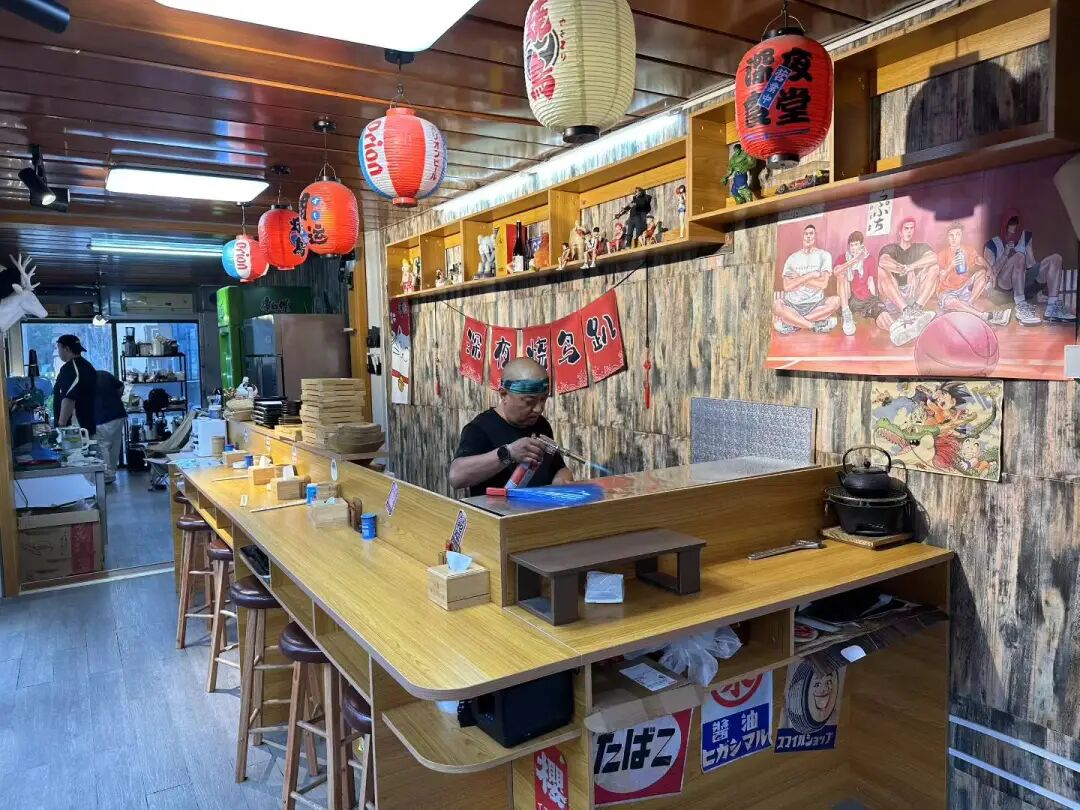
On Saturday afternoon, we went to Uncle Yakitori (Shaoniao Dashu) in the center of Meijiang, Tianjin, for Japanese-style yakitori. This must be the only halal Japanese yakitori shop in Tianjin.
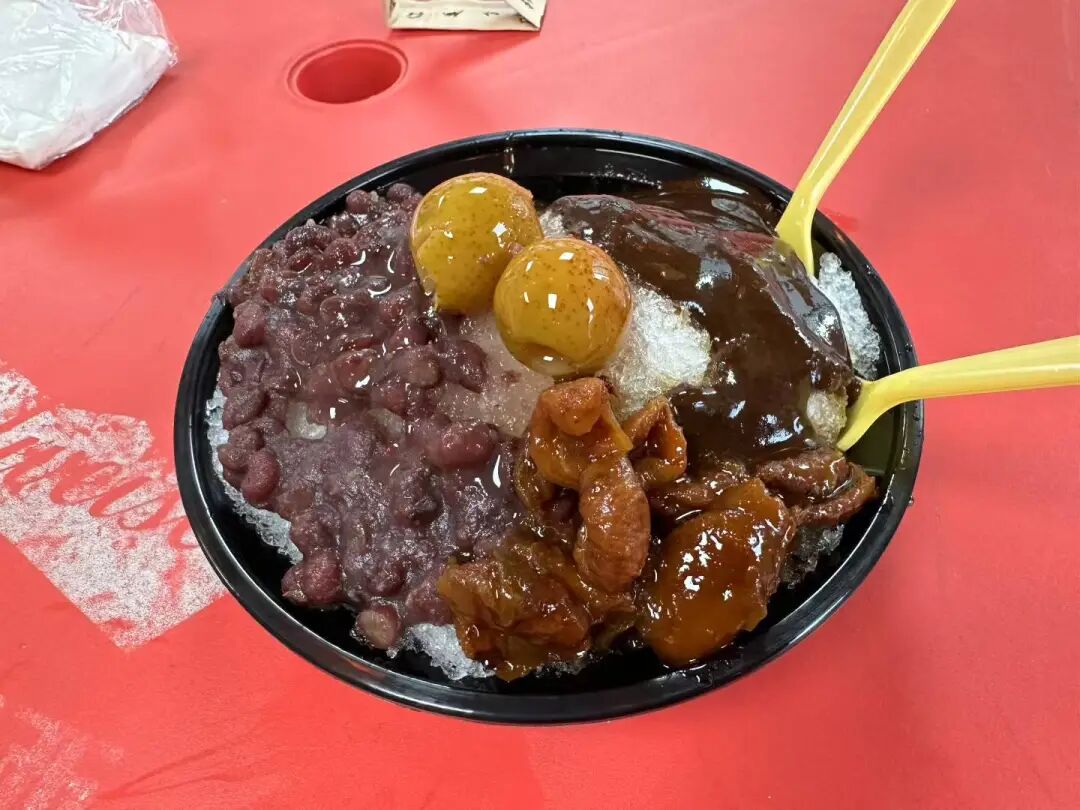
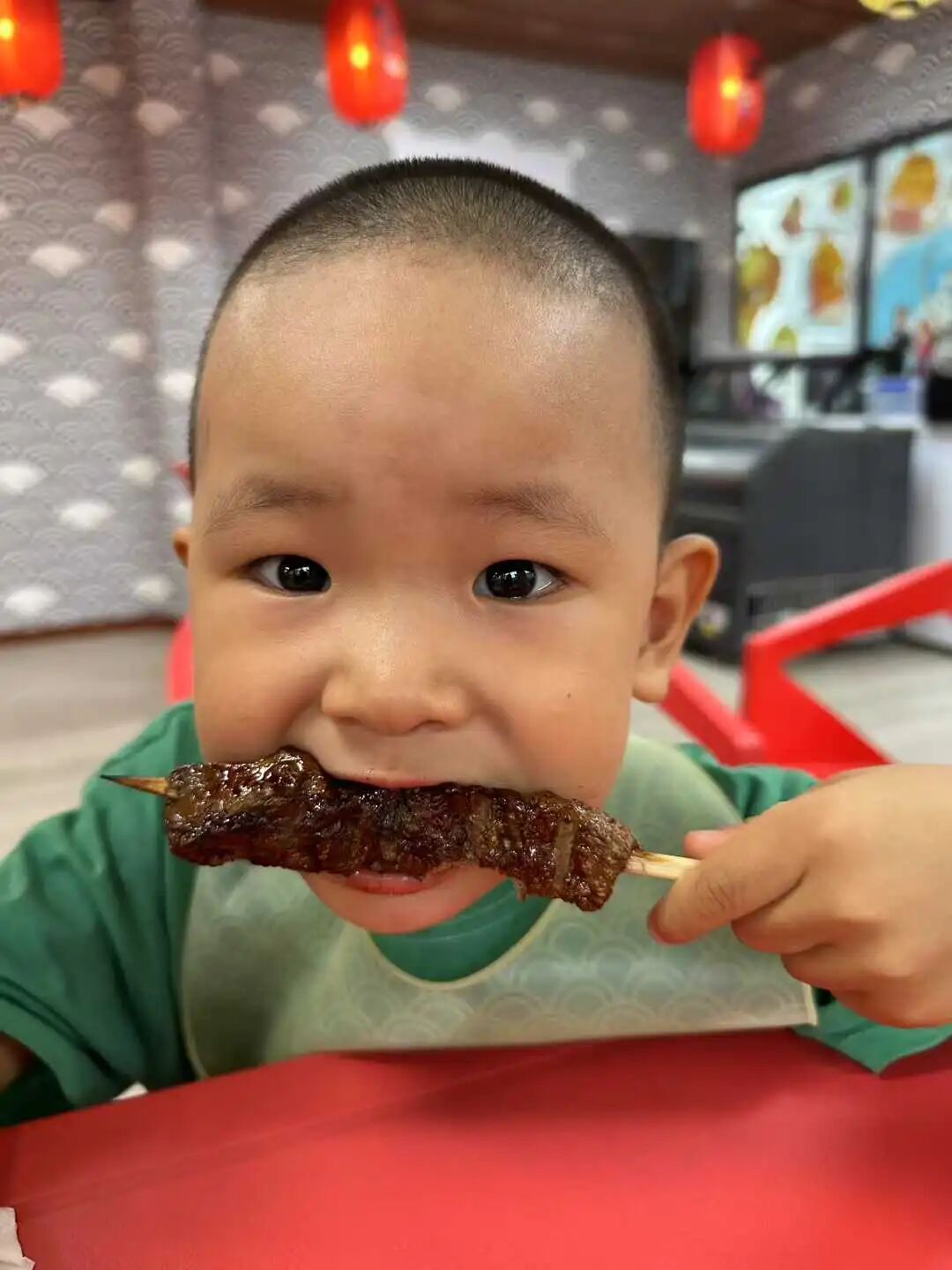
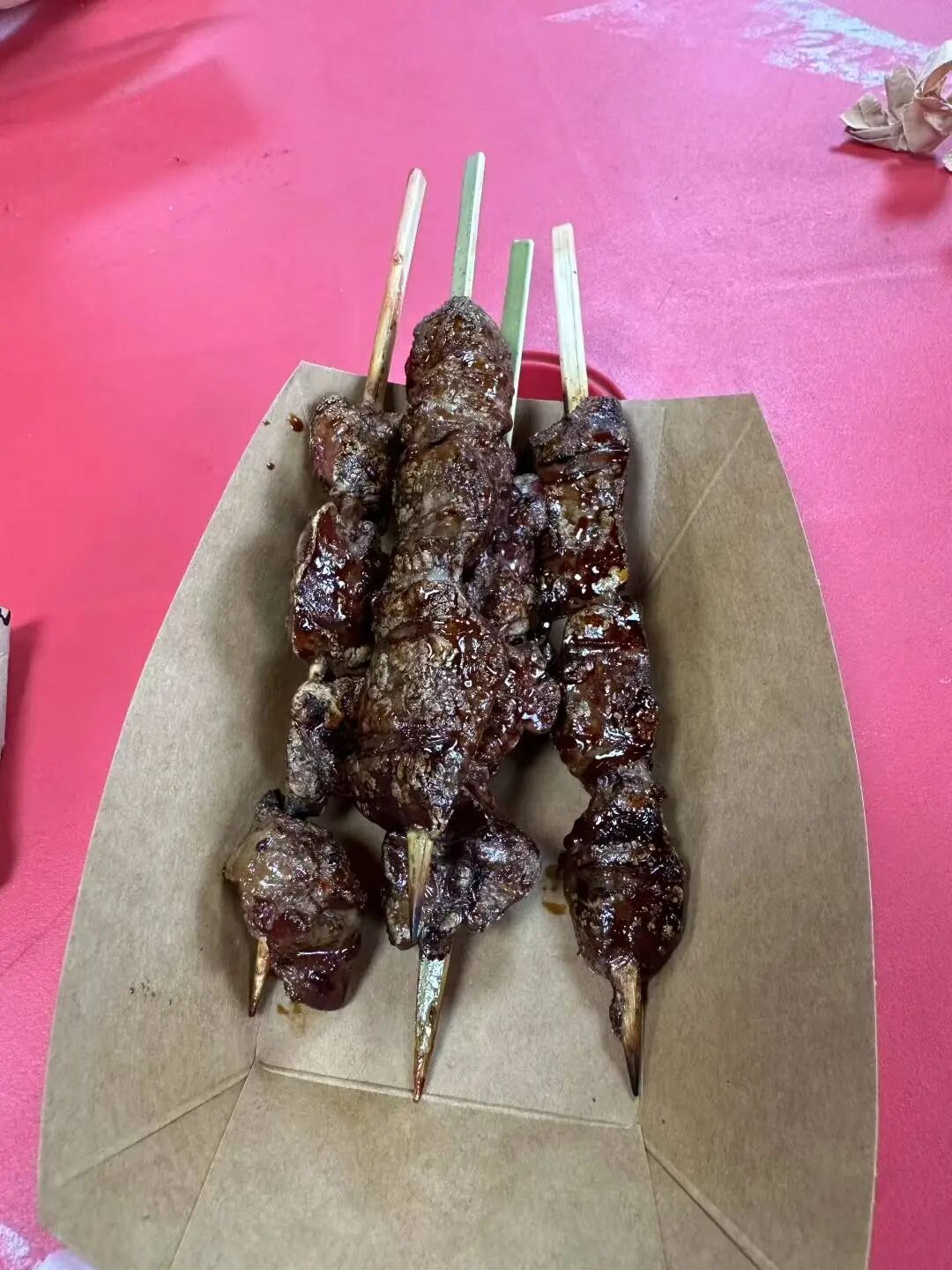
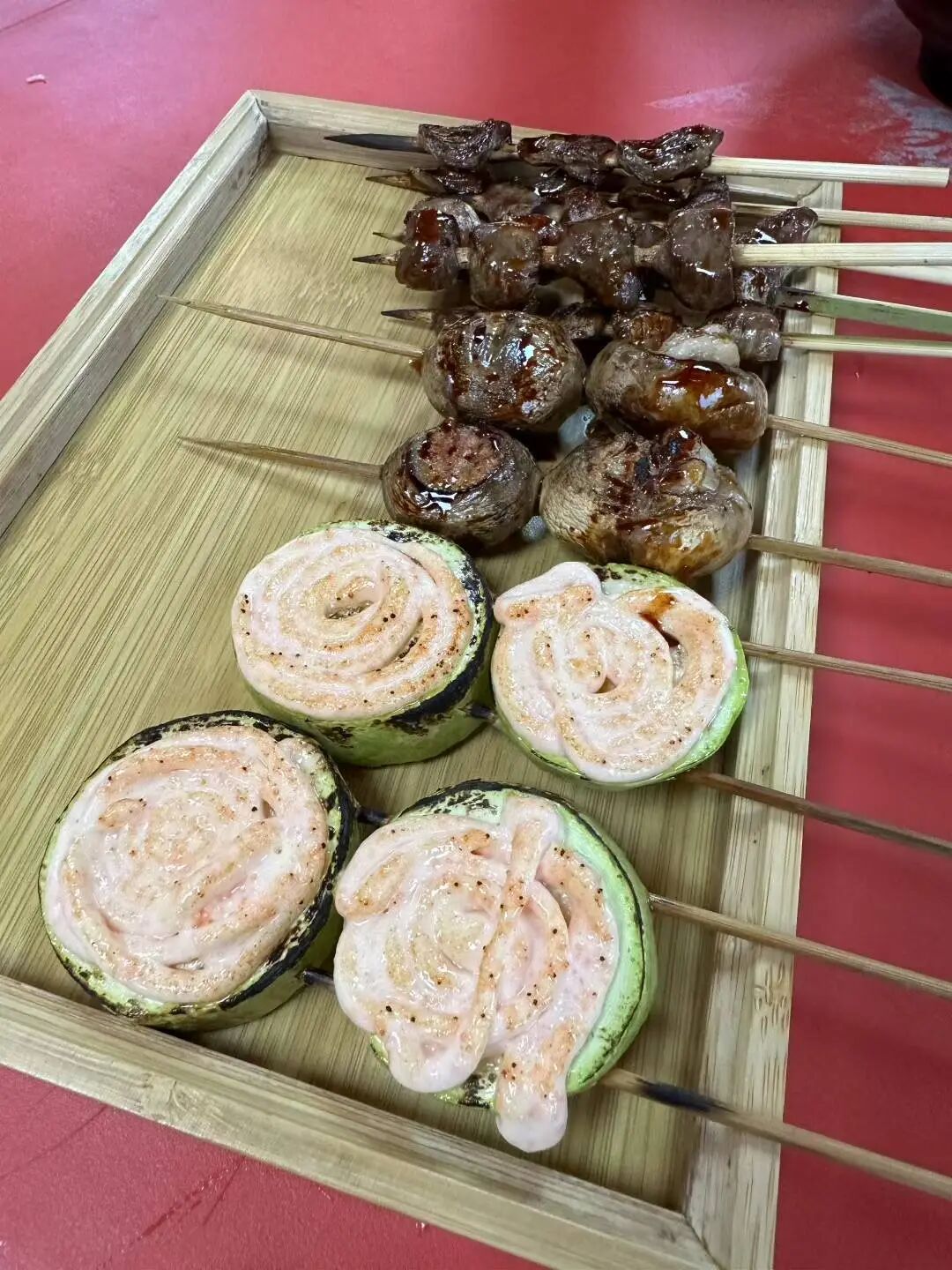
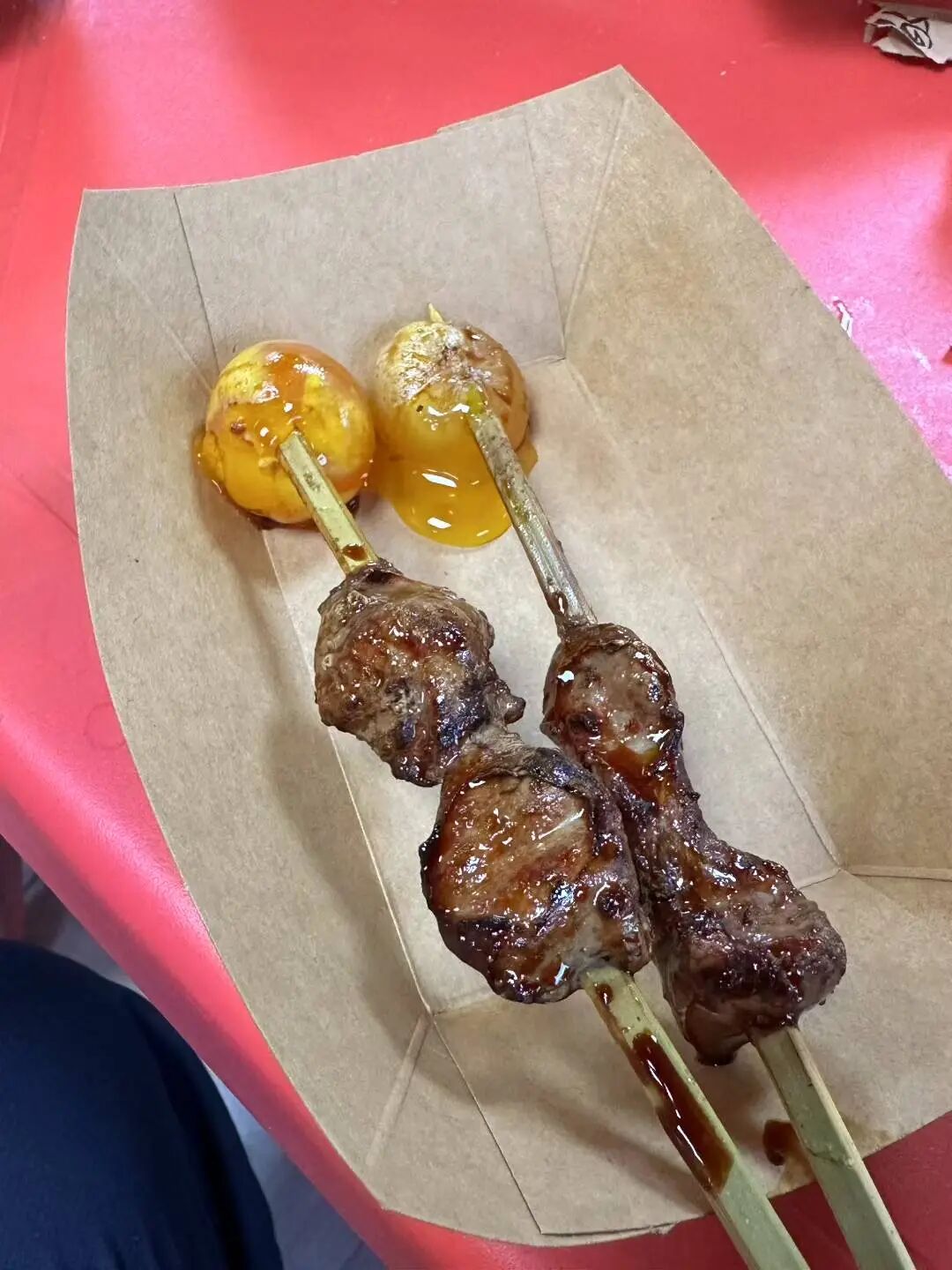
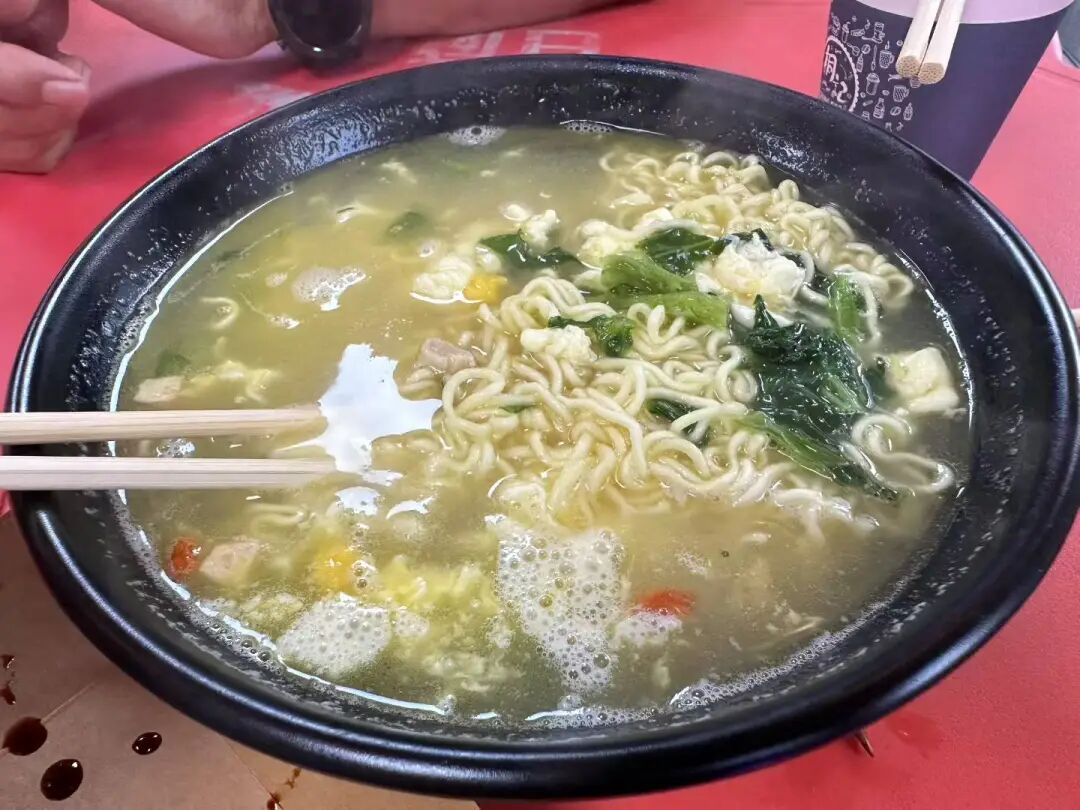
Japanese yakitori originated from grilled quail and pheasant during the Edo period (Jianghu shidai) and later developed into the current style of grilled chicken skewers brushed with Japanese sauce. We ordered chicken gizzards, chicken liver, chicken hearts, mushroom shrimp paste, chicken tail (tijideng), zucchini with cod roe (mingtaizi), and wagyu beef ribs. Their chicken liver is very tender and kids love it. The chicken gizzards and chicken hearts are also good. They also serve old-fashioned shaved ice (baobing). The ice is topped with red beans, sour hawthorn cake (suanmogao), sour apricots, and hawthorn. It is a great appetite-booster in the summer. The noodles they serve are instant noodles in chicken soup. The chicken soup is quite fresh.
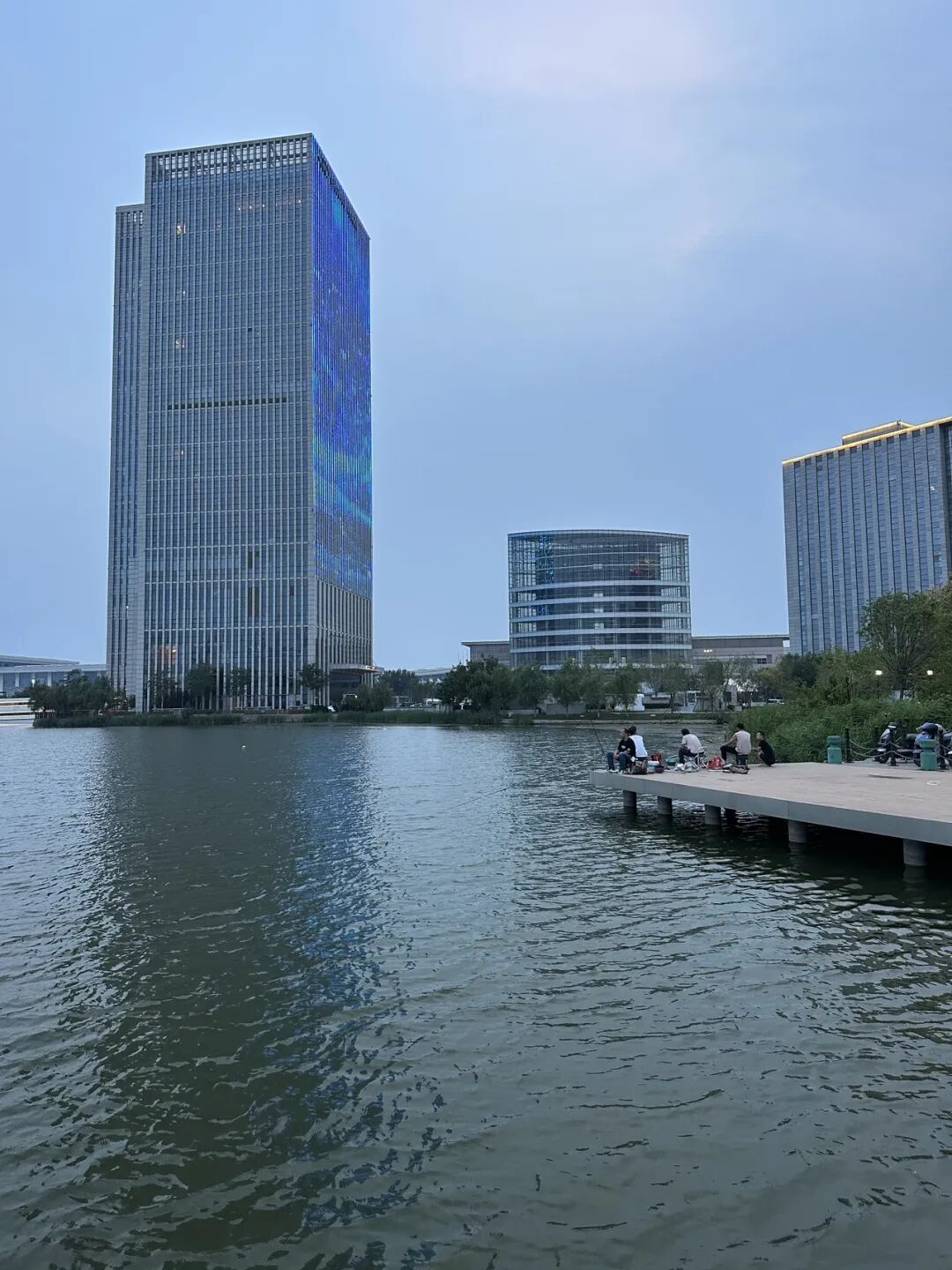
There are not many people in the Meijiang area, and this restaurant is especially quiet. Also, Japanese-style yakitori is generally expensive with small portions in China, and since they only serve it with instant noodles, I am not sure how much longer they can stay open. Any dost (dost) who wants to try Japanese-style yakitori should go and give them a try soon. Besides, the Meijiang area has fewer people and nice scenery, making it a good place to take kids for a walk.
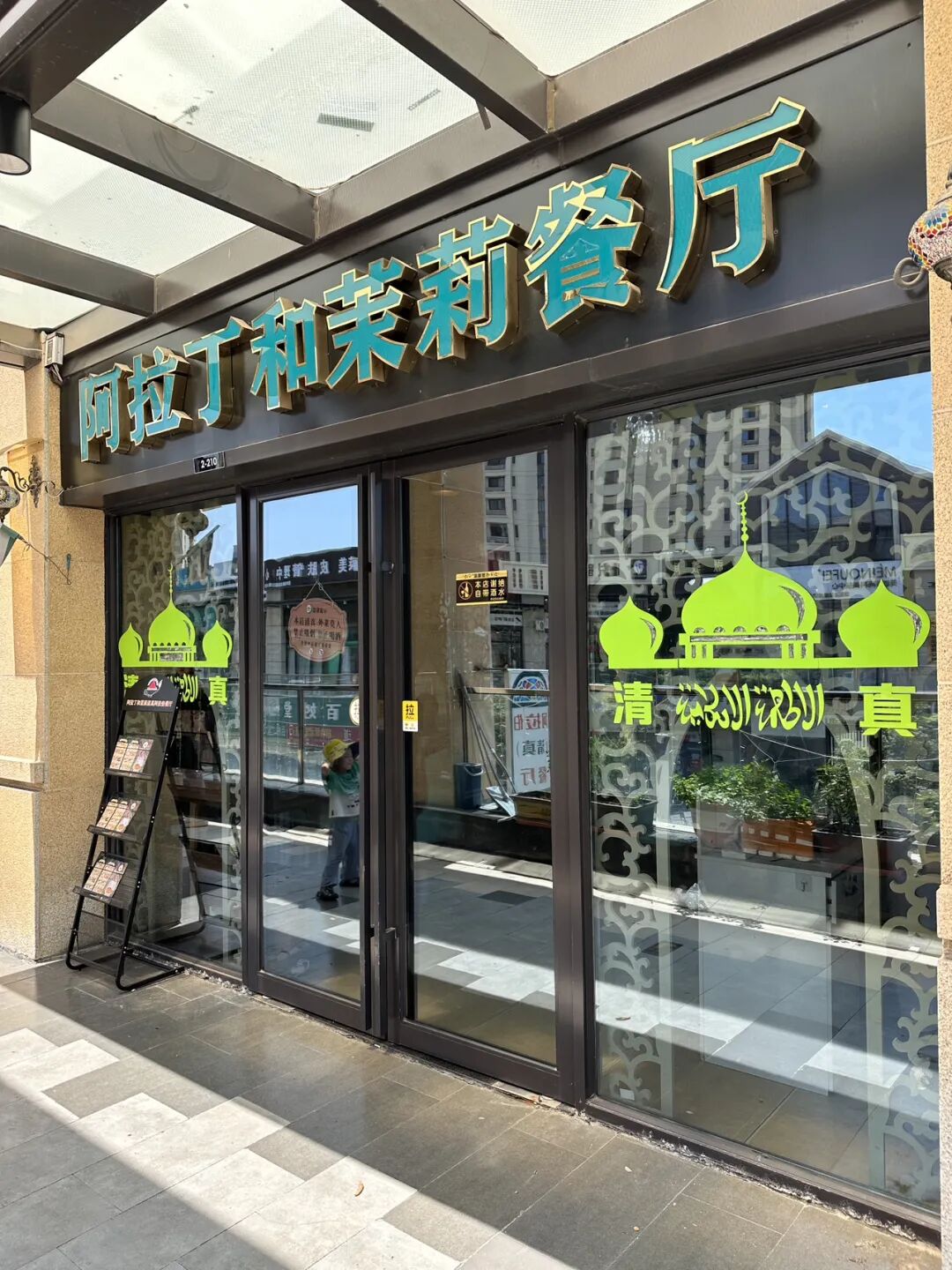
On Sunday morning, I went to Aladdin and Jasmine, a Yemeni restaurant in Wuyue Plaza in Xianshuigu, Tianjin. They open at 10 o'clock, which is perfect for sleeping in on the weekend and heading straight there for brunch. The extension of Metro Line 6 now goes directly to Xianshuigu. However, Wuyue Plaza is so huge with so many ground-floor shops that it took us a while to find the restaurant.
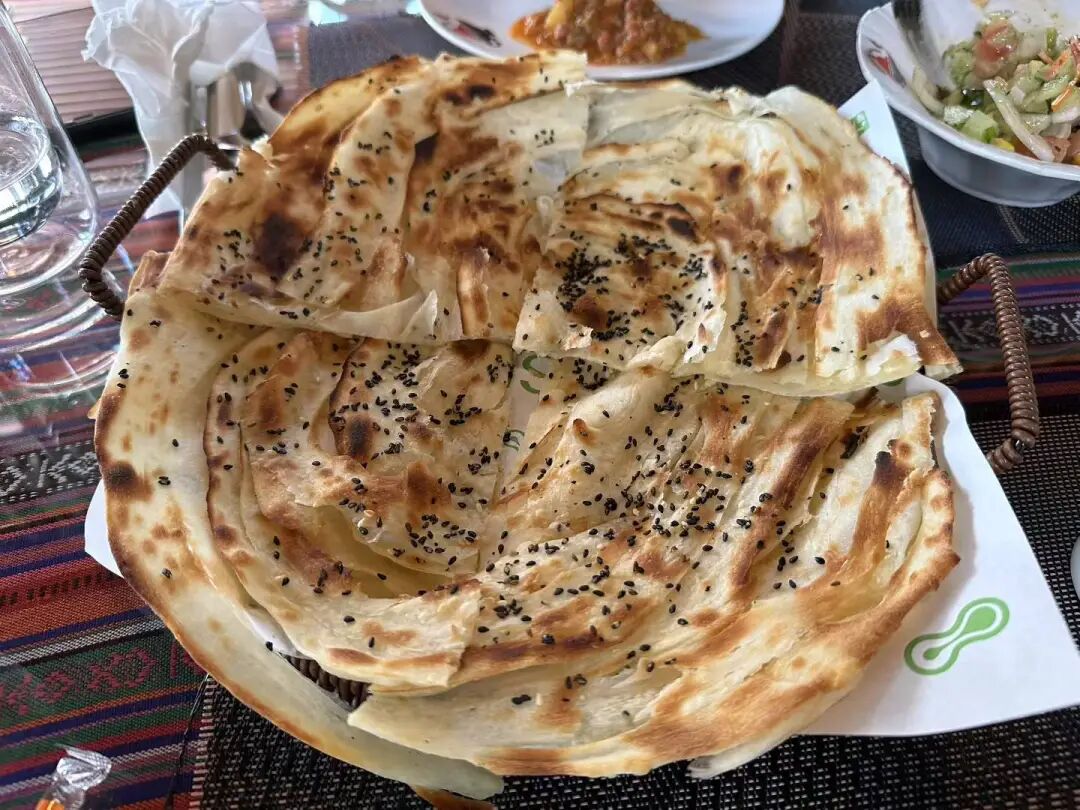
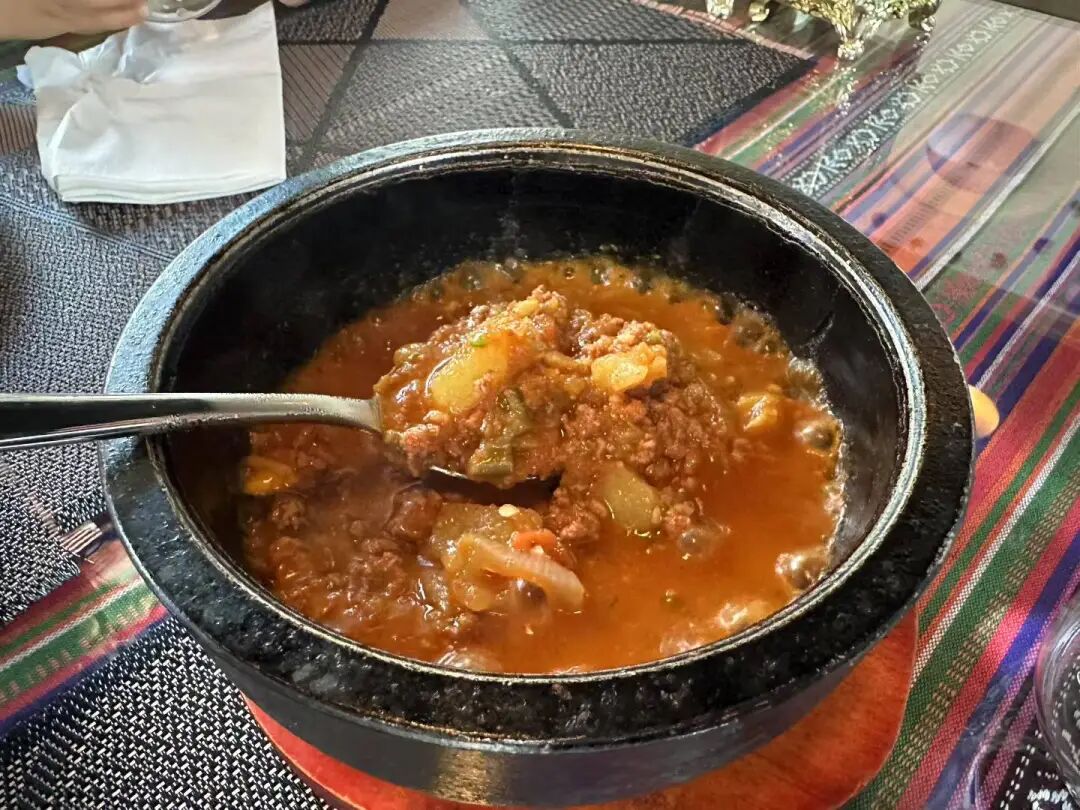
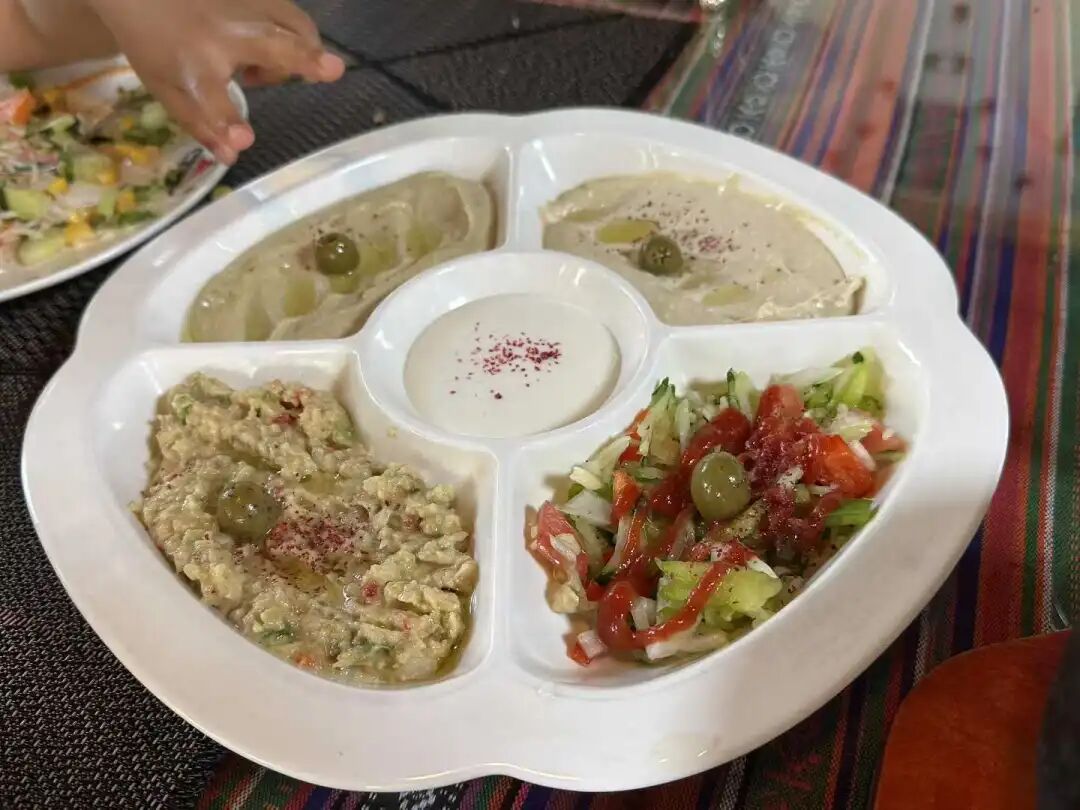
We had been to another Yemeni restaurant in Tianjin before, but they did not have Yemeni flatbread (tannur bread). I finally got to eat it this time at Aladdin. We ordered the classic Yemeni breakfast of Yemeni flatbread with Saltah Yemeni stew, and we also ordered lamb mandi, salad, and a five-flavor sauce platter.
Saltah is a classic Yemeni stew that originally came from the charity kitchens (imaret) of the Ottoman Empire era. Back then, wealthy people or mosques would put leftovers into clay pots to stew. Gradually, this clay pot dish containing both meat and vegetables became known as Saltah. Saltah is mainly popular in northern Yemen. The main ingredient is meat broth (maraq), which is stewed until very soft and tender. The side ingredients are mainly potatoes and fenugreek. Fenugreek is what people in Northwest China often call fragrant beans (xiangdouzi) or bitter beans (kudouzi). People in the Northwest dry the leaves of the fenugreek and grind them into powder to steam buns, while Yemenis grind the seeds of the fenugreek to stew with meat. Fenugreek seeds expand when they meet water and easily create foam when stirred in a bowl.
Their Yemeni flatbread is crispy on the outside and tender on the inside. Traditionally, Yemeni flatbread is baked in an Arabic clay oven (tannur) and is full of wheat aroma.
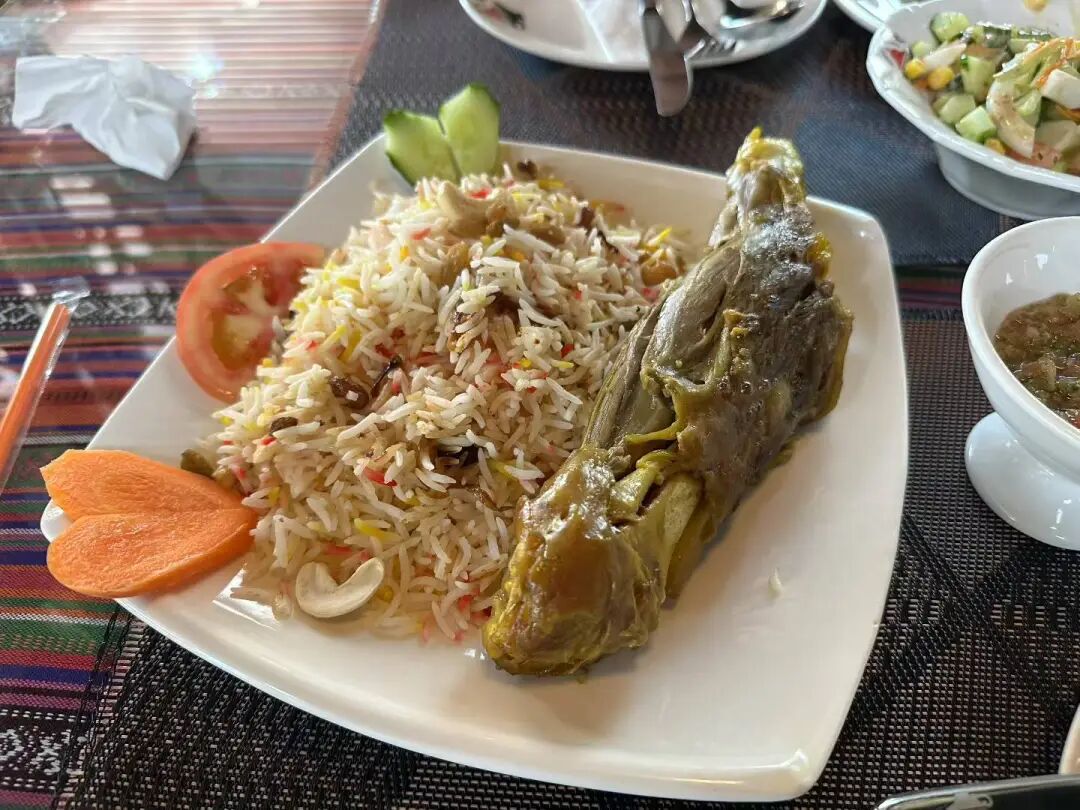
Their lamb mandi is also good. The rice has raisins, cashews, and other things in it, which the kids really like. The lamb is very tender and falls off the bone at a touch. It tastes delicious.
Their yogurt is very authentic, with a strong sour taste and no added sugar.
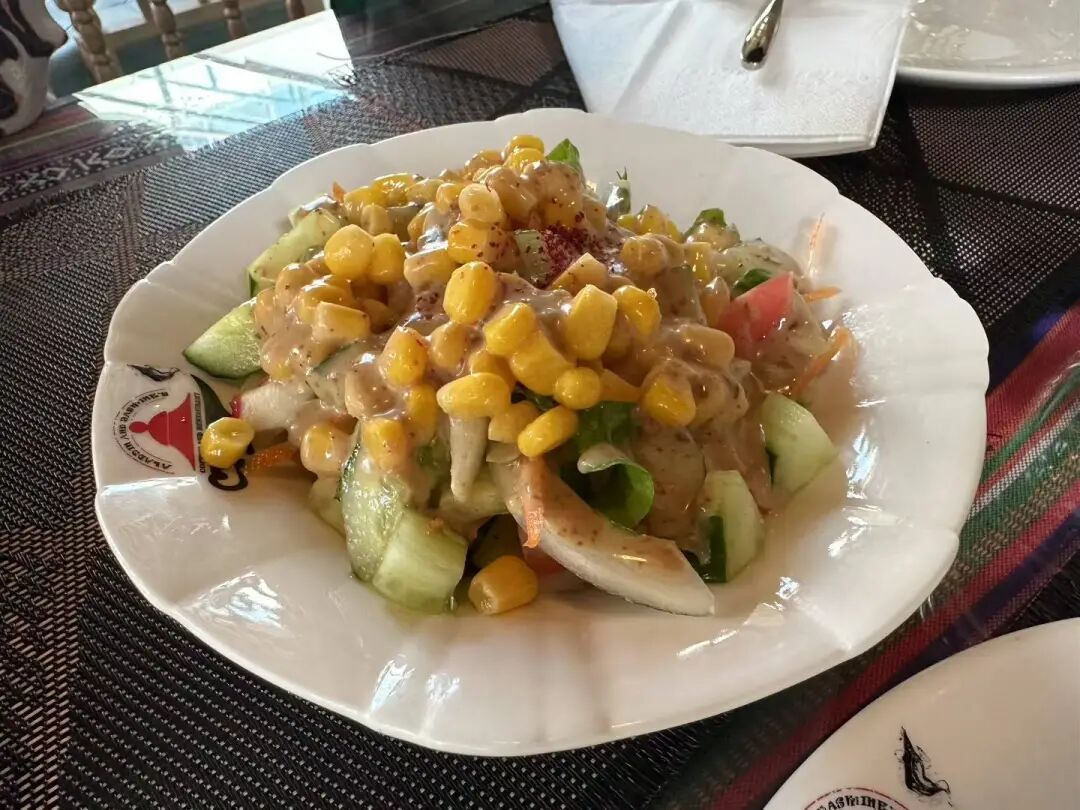
A big problem with their place is that the salad actually had Thousand Island dressing and ketchup added to it. Authentic Middle Eastern restaurants would not put these two sauces in a salad. Also, the Yemeni flatbread did not come with meat broth and spicy sauce (sahawiq). Adding these two makes it a standard Yemeni brunch.
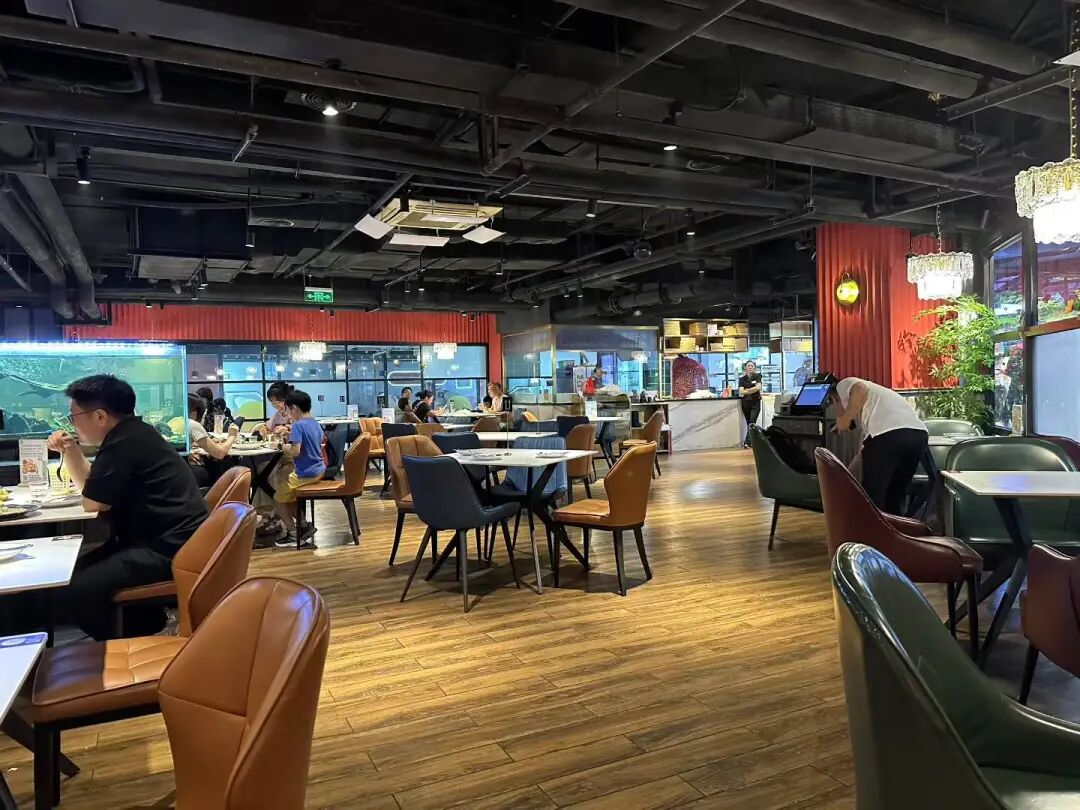
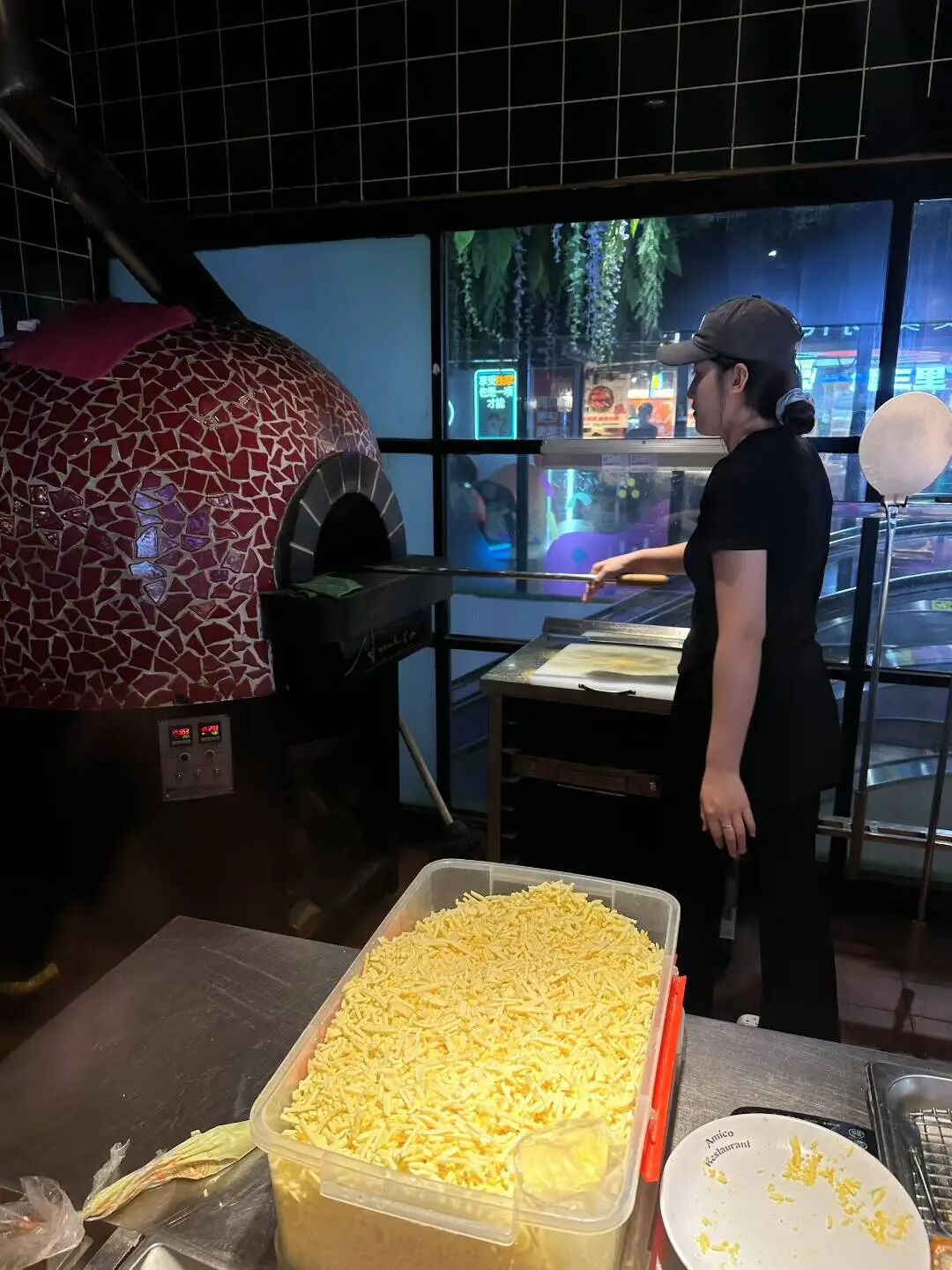
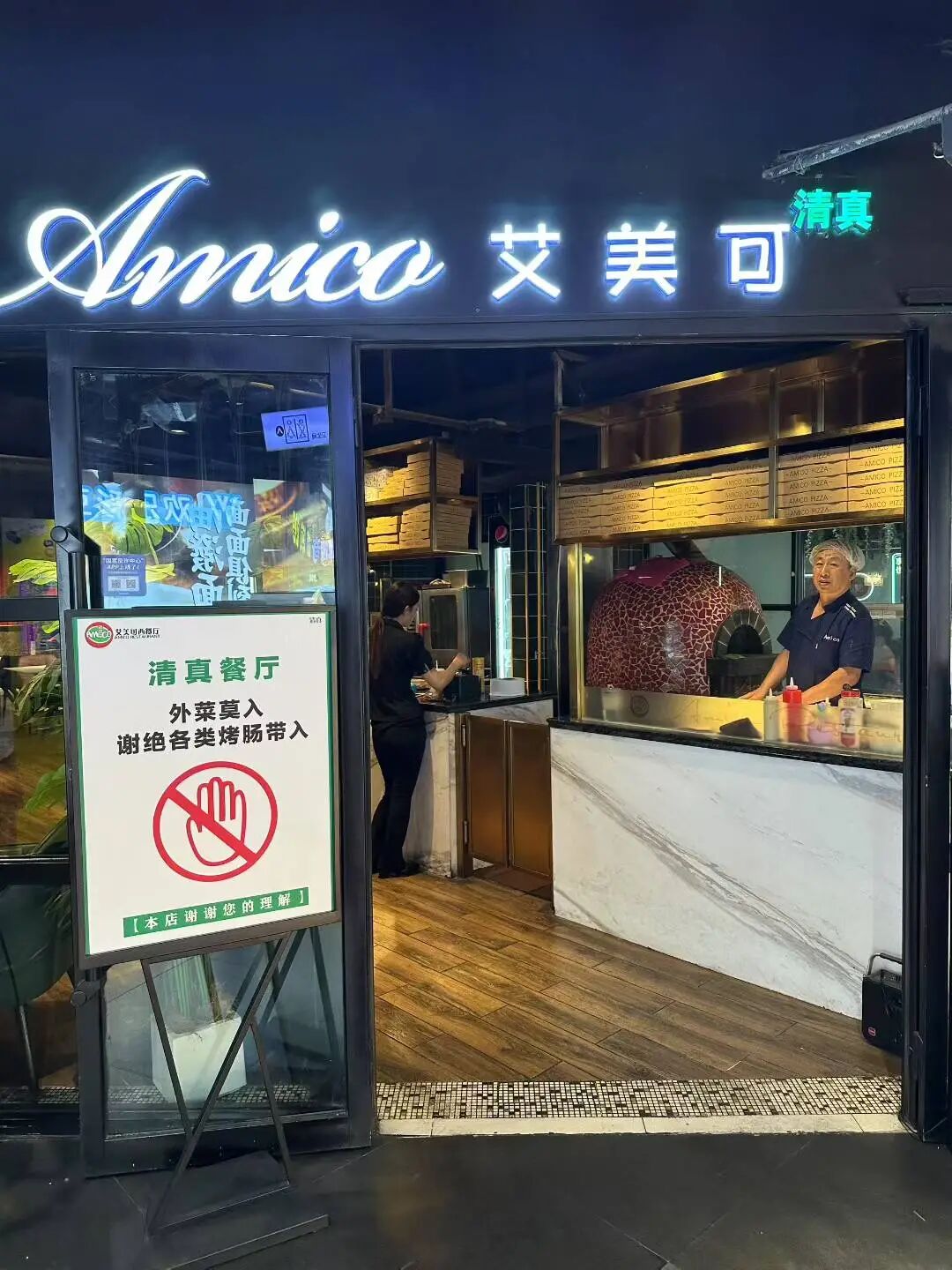
On Sunday afternoon, I went to Aimeike, a halal Western restaurant in Water City in the Northwest Corner of Tianjin. I ate at their place ten years ago, so it counts as a long-standing Western restaurant in the Northwest Corner. I came to eat at their place this time and discovered they actually started serving Swiss cheese fondue! This must be the only halal Swiss cheese fondue in the country, so I decided to try it right away!
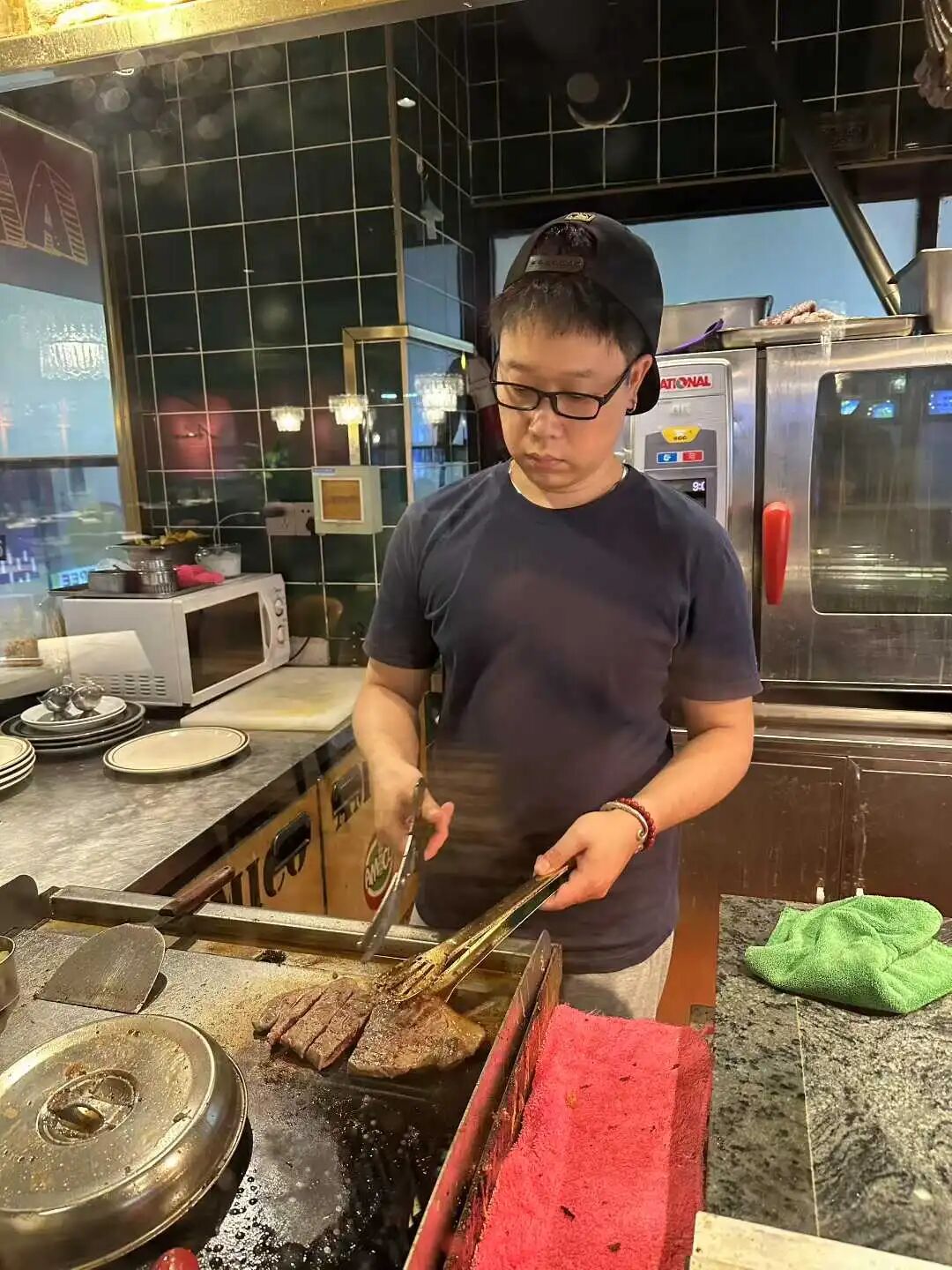
Swiss cheese fondue (cheesefondue) is the national dish of Switzerland. It started with townspeople in the French-speaking lowlands of western Switzerland. The base uses Swiss Gruyère cheese (Gruyères) and Emmental cheese (Emmental) with cornstarch added. It is served with toasted bread cubes, grilled meat, and side dishes. The meat is pre-cooked. When you eat, wait for the cheese to bubble, then use a long fork to dip the meat in and coat it completely with cheese. The side dishes at Aimeike include grilled steak, chicken, shrimp, and sausage. It also comes with waffle fries, vegetables, and fruit. It is plenty for two people. Their grilled steak has a great texture.
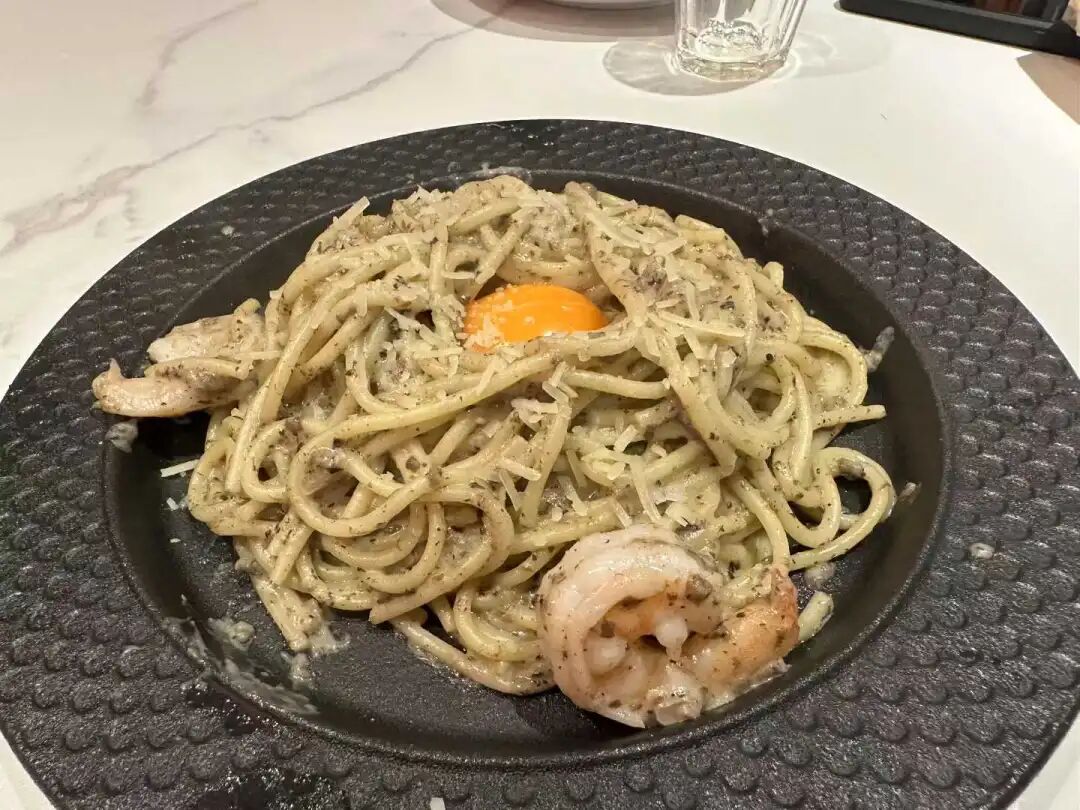
We also ordered their black truffle shrimp egg yolk cheese pasta, which the kids loved. Their pasta texture is likely the best among the halal Western restaurants in Tianjin, and the black truffle flavor is the strongest too.
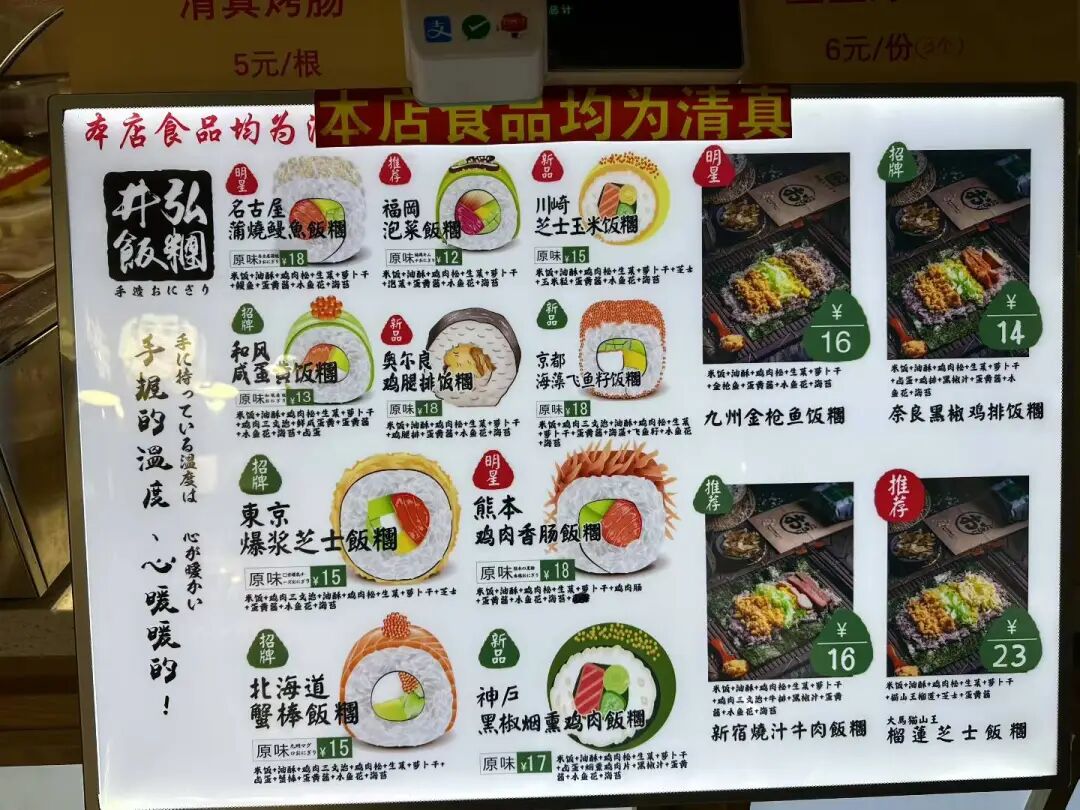
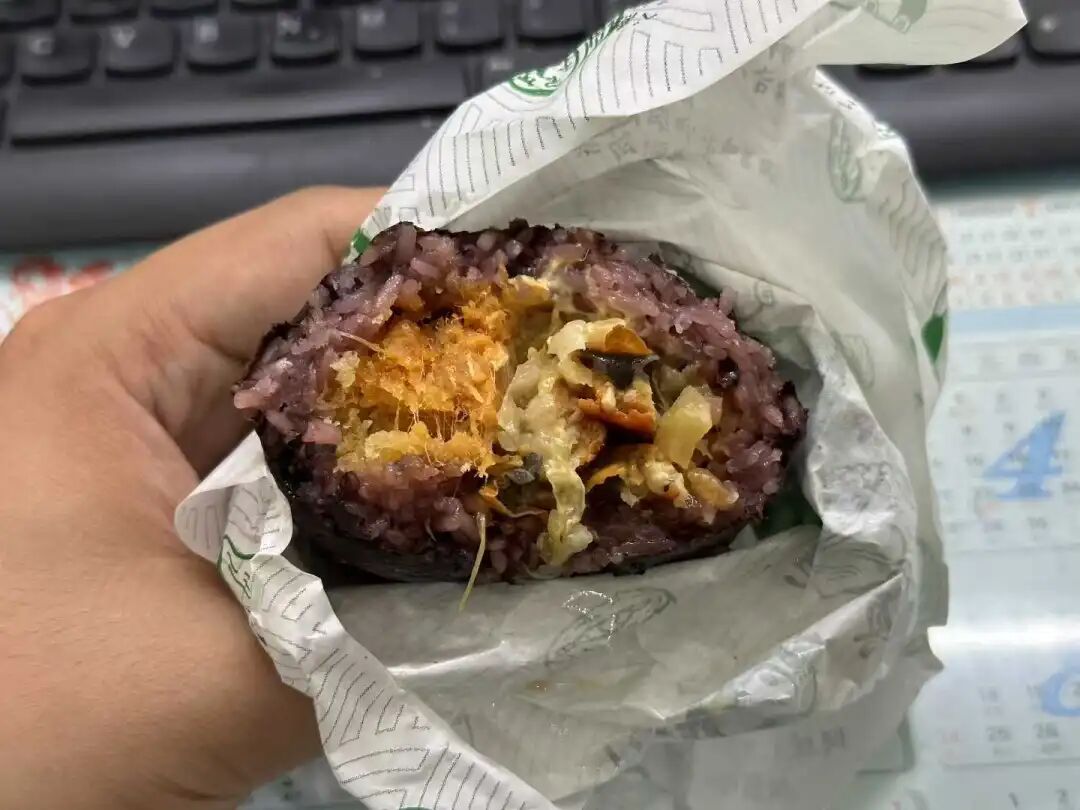
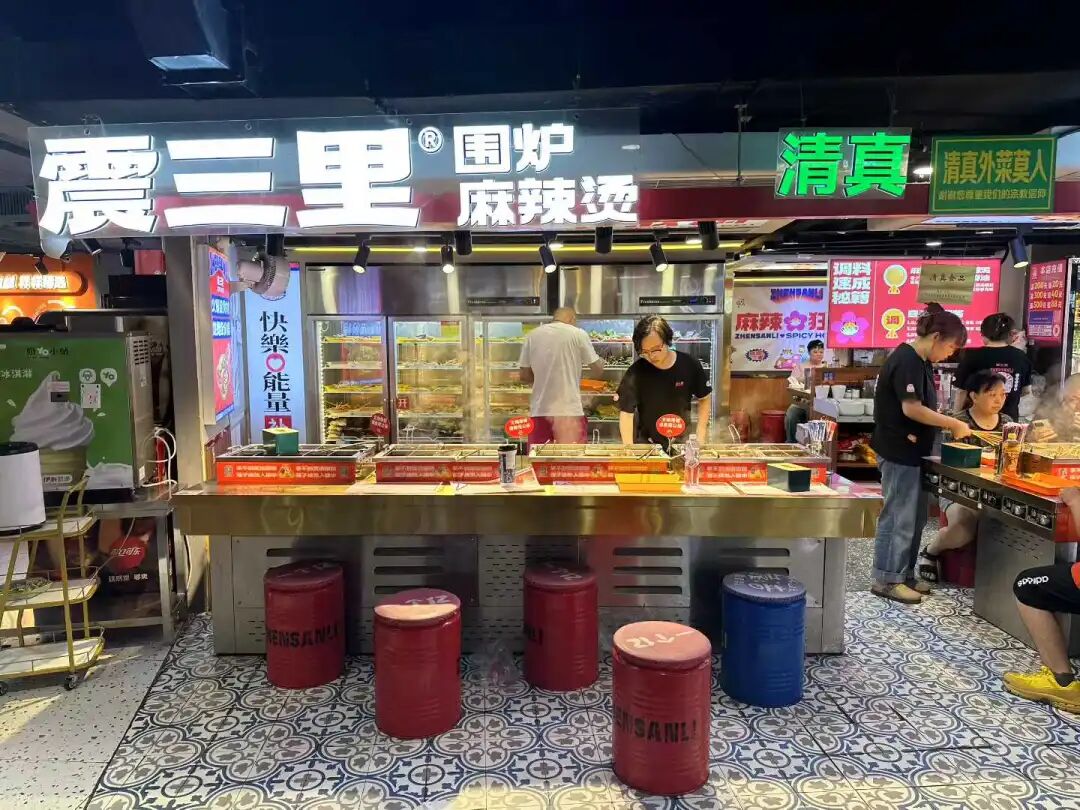
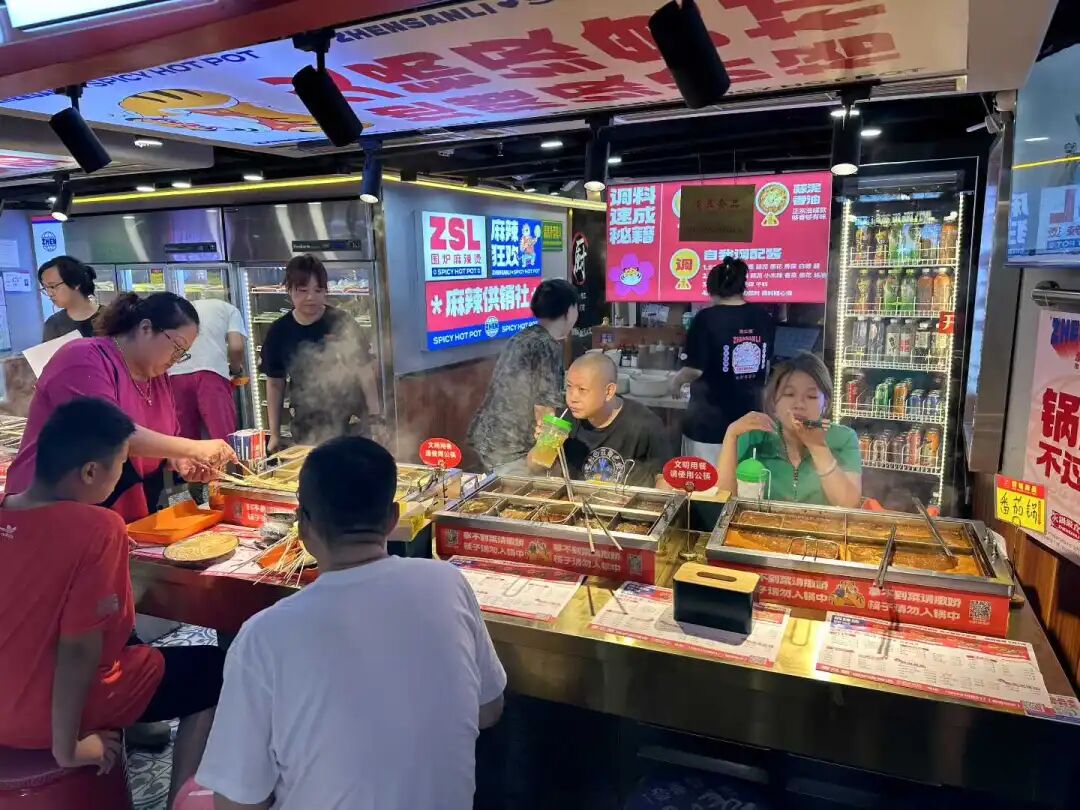
There is a lot of halal food in the food court on the basement floor of Shuiyou City in the Northwest Corner of Tianjin, including rice balls and hearth-style spicy hot pot (weilu malatang). This Jinghong Rice Ball shop uses Kansai-style straw-wrapped rice balls made with red glutinous rice. The grilled eel rice ball I bought was packed with crispy bits, chicken floss, lettuce, dried radish, eel, mayonnaise, bonito flakes, and seaweed. It was very filling and perfect to take to work for lunch. view all
Summary: Tianjin has a wide halal food scene that goes far beyond the usual local dishes, including pasta, yakitori-style skewers, Yemeni flatbread, Swiss cheese fondue, and rice balls. This account keeps the restaurant names, dish details, photos, and food observations from the original article.
Our family went to Tianjin for a stroll over the weekend and ate pasta, yakitori (shao niao), Yemeni food, Swiss cheese fondue, and rice balls (fan tuan).
Previous Tianjin food shares:
Autumn eating tour in Tianjin: Syrian food, giant river prawns (luo shi xia), yellow broth ramen (huang tang lamian), a Turkish restaurant, and Xinjiang fresh milk ice cream.
Taking the kids out to eat in Tianjin: Yemeni food, Algerian desserts, steamed rice rolls (changfen), Japanese food, and water caltrop soup (lingjiao tang).
Eating Arabic food in Tianjin: Syrian, Yemeni, Tunisian, and Algerian.
Between the mountains and the sea—from Huairou farmhouse restaurants (nongjiale) to coastal Western restaurants.
Iftar meal at a Tianjin mosque during Ramadan:
The first weekend of Ramadan 2025: From Beijing to Tianjin.
The second weekend of Ramadan 2025: Beijing Nanxiapo, Tianjin Xining Road, and Fuxingzhuang.
The third weekend of Ramadan 2025: Tianjin Liulin and Xibeijiao.
The fourth weekend of Ramadan 2025: Beijing Madian, the Sudanese Embassy, and Tianjin Tianmu.
On Saturday noon, we had a Western meal at Yulan Restaurant near the old Tianjin Tractor Factory (Tiantuo). The exterior is quite plain. The owner is a Tianjin elder who loves food. The shop is smoke-free and alcohol-free, so we felt comfortable eating there. The air conditioner on the second floor might be a bit weak, so it felt a little stuffy eating there in the summer. The staff said they are moving soon. We will go visit the new shop once it opens.
We ordered grilled beef quinoa salad, borscht (luosong tang), cream of mushroom soup, Provence roast chicken, Mexican beef pizza, low-temperature cheese waterfall beef brisket burger, wagyu beef sauce pasta, and black truffle cream chicken mushroom pasta. I think the best dishes were the roast chicken and the burger. The roast chicken was crispy on the outside and tender on the inside, and it tasted great with the sweet and spicy sauce. The meat in the burger was also very good and appetizing. The Mexican pizza was quite spicy. I am not sure if the owner improved the beef sauce on top, but I felt it was quite unique. The grilled beef salad did not use Thousand Island dressing, which is a plus. The kids loved it. The pasta was standard, and the borscht was a bit too salty.
On Saturday afternoon, we went to Uncle Yakitori (Shaoniao Dashu) in the center of Meijiang, Tianjin, for Japanese-style yakitori. This must be the only halal Japanese yakitori shop in Tianjin.
Japanese yakitori originated from grilled quail and pheasant during the Edo period (Jianghu shidai) and later developed into the current style of grilled chicken skewers brushed with Japanese sauce. We ordered chicken gizzards, chicken liver, chicken hearts, mushroom shrimp paste, chicken tail (tijideng), zucchini with cod roe (mingtaizi), and wagyu beef ribs. Their chicken liver is very tender and kids love it. The chicken gizzards and chicken hearts are also good. They also serve old-fashioned shaved ice (baobing). The ice is topped with red beans, sour hawthorn cake (suanmogao), sour apricots, and hawthorn. It is a great appetite-booster in the summer. The noodles they serve are instant noodles in chicken soup. The chicken soup is quite fresh.
There are not many people in the Meijiang area, and this restaurant is especially quiet. Also, Japanese-style yakitori is generally expensive with small portions in China, and since they only serve it with instant noodles, I am not sure how much longer they can stay open. Any dost (dost) who wants to try Japanese-style yakitori should go and give them a try soon. Besides, the Meijiang area has fewer people and nice scenery, making it a good place to take kids for a walk.
On Sunday morning, I went to Aladdin and Jasmine, a Yemeni restaurant in Wuyue Plaza in Xianshuigu, Tianjin. They open at 10 o'clock, which is perfect for sleeping in on the weekend and heading straight there for brunch. The extension of Metro Line 6 now goes directly to Xianshuigu. However, Wuyue Plaza is so huge with so many ground-floor shops that it took us a while to find the restaurant.
We had been to another Yemeni restaurant in Tianjin before, but they did not have Yemeni flatbread (tannur bread). I finally got to eat it this time at Aladdin. We ordered the classic Yemeni breakfast of Yemeni flatbread with Saltah Yemeni stew, and we also ordered lamb mandi, salad, and a five-flavor sauce platter.
Saltah is a classic Yemeni stew that originally came from the charity kitchens (imaret) of the Ottoman Empire era. Back then, wealthy people or mosques would put leftovers into clay pots to stew. Gradually, this clay pot dish containing both meat and vegetables became known as Saltah. Saltah is mainly popular in northern Yemen. The main ingredient is meat broth (maraq), which is stewed until very soft and tender. The side ingredients are mainly potatoes and fenugreek. Fenugreek is what people in Northwest China often call fragrant beans (xiangdouzi) or bitter beans (kudouzi). People in the Northwest dry the leaves of the fenugreek and grind them into powder to steam buns, while Yemenis grind the seeds of the fenugreek to stew with meat. Fenugreek seeds expand when they meet water and easily create foam when stirred in a bowl.
Their Yemeni flatbread is crispy on the outside and tender on the inside. Traditionally, Yemeni flatbread is baked in an Arabic clay oven (tannur) and is full of wheat aroma.
Their lamb mandi is also good. The rice has raisins, cashews, and other things in it, which the kids really like. The lamb is very tender and falls off the bone at a touch. It tastes delicious.
Their yogurt is very authentic, with a strong sour taste and no added sugar.
A big problem with their place is that the salad actually had Thousand Island dressing and ketchup added to it. Authentic Middle Eastern restaurants would not put these two sauces in a salad. Also, the Yemeni flatbread did not come with meat broth and spicy sauce (sahawiq). Adding these two makes it a standard Yemeni brunch.
On Sunday afternoon, I went to Aimeike, a halal Western restaurant in Water City in the Northwest Corner of Tianjin. I ate at their place ten years ago, so it counts as a long-standing Western restaurant in the Northwest Corner. I came to eat at their place this time and discovered they actually started serving Swiss cheese fondue! This must be the only halal Swiss cheese fondue in the country, so I decided to try it right away!
Swiss cheese fondue (cheesefondue) is the national dish of Switzerland. It started with townspeople in the French-speaking lowlands of western Switzerland. The base uses Swiss Gruyère cheese (Gruyères) and Emmental cheese (Emmental) with cornstarch added. It is served with toasted bread cubes, grilled meat, and side dishes. The meat is pre-cooked. When you eat, wait for the cheese to bubble, then use a long fork to dip the meat in and coat it completely with cheese. The side dishes at Aimeike include grilled steak, chicken, shrimp, and sausage. It also comes with waffle fries, vegetables, and fruit. It is plenty for two people. Their grilled steak has a great texture.
We also ordered their black truffle shrimp egg yolk cheese pasta, which the kids loved. Their pasta texture is likely the best among the halal Western restaurants in Tianjin, and the black truffle flavor is the strongest too.
There is a lot of halal food in the food court on the basement floor of Shuiyou City in the Northwest Corner of Tianjin, including rice balls and hearth-style spicy hot pot (weilu malatang). This Jinghong Rice Ball shop uses Kansai-style straw-wrapped rice balls made with red glutinous rice. The grilled eel rice ball I bought was packed with crispy bits, chicken floss, lettuce, dried radish, eel, mayonnaise, bonito flakes, and seaweed. It was very filling and perfect to take to work for lunch. view all
Reposted from the web
Summary: Tianjin has a wide halal food scene that goes far beyond the usual local dishes, including pasta, yakitori-style skewers, Yemeni flatbread, Swiss cheese fondue, and rice balls. This account keeps the restaurant names, dish details, photos, and food observations from the original article.
Our family went to Tianjin for a stroll over the weekend and ate pasta, yakitori (shao niao), Yemeni food, Swiss cheese fondue, and rice balls (fan tuan).
Previous Tianjin food shares:
Autumn eating tour in Tianjin: Syrian food, giant river prawns (luo shi xia), yellow broth ramen (huang tang lamian), a Turkish restaurant, and Xinjiang fresh milk ice cream.
Taking the kids out to eat in Tianjin: Yemeni food, Algerian desserts, steamed rice rolls (changfen), Japanese food, and water caltrop soup (lingjiao tang).
Eating Arabic food in Tianjin: Syrian, Yemeni, Tunisian, and Algerian.
Between the mountains and the sea—from Huairou farmhouse restaurants (nongjiale) to coastal Western restaurants.
Iftar meal at a Tianjin mosque during Ramadan:
The first weekend of Ramadan 2025: From Beijing to Tianjin.
The second weekend of Ramadan 2025: Beijing Nanxiapo, Tianjin Xining Road, and Fuxingzhuang.
The third weekend of Ramadan 2025: Tianjin Liulin and Xibeijiao.
The fourth weekend of Ramadan 2025: Beijing Madian, the Sudanese Embassy, and Tianjin Tianmu.
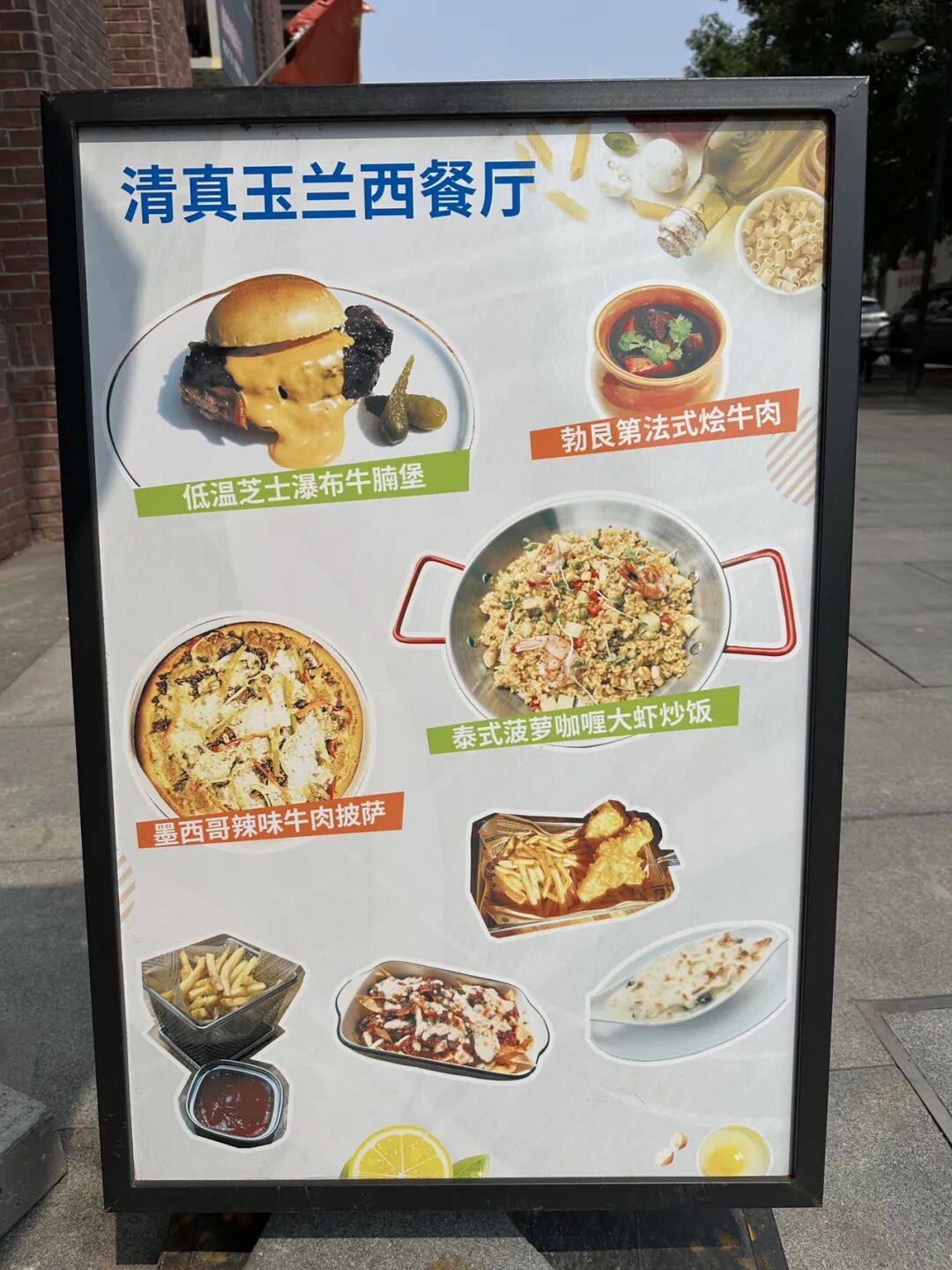
On Saturday noon, we had a Western meal at Yulan Restaurant near the old Tianjin Tractor Factory (Tiantuo). The exterior is quite plain. The owner is a Tianjin elder who loves food. The shop is smoke-free and alcohol-free, so we felt comfortable eating there. The air conditioner on the second floor might be a bit weak, so it felt a little stuffy eating there in the summer. The staff said they are moving soon. We will go visit the new shop once it opens.
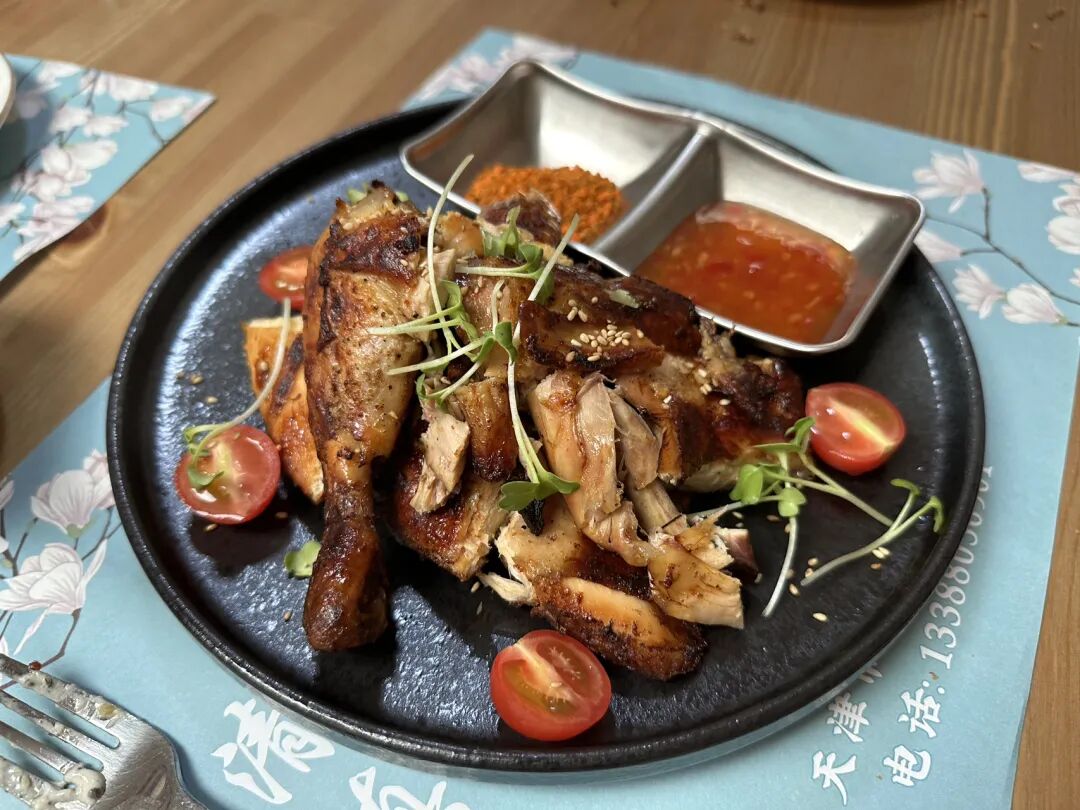
We ordered grilled beef quinoa salad, borscht (luosong tang), cream of mushroom soup, Provence roast chicken, Mexican beef pizza, low-temperature cheese waterfall beef brisket burger, wagyu beef sauce pasta, and black truffle cream chicken mushroom pasta. I think the best dishes were the roast chicken and the burger. The roast chicken was crispy on the outside and tender on the inside, and it tasted great with the sweet and spicy sauce. The meat in the burger was also very good and appetizing. The Mexican pizza was quite spicy. I am not sure if the owner improved the beef sauce on top, but I felt it was quite unique. The grilled beef salad did not use Thousand Island dressing, which is a plus. The kids loved it. The pasta was standard, and the borscht was a bit too salty.

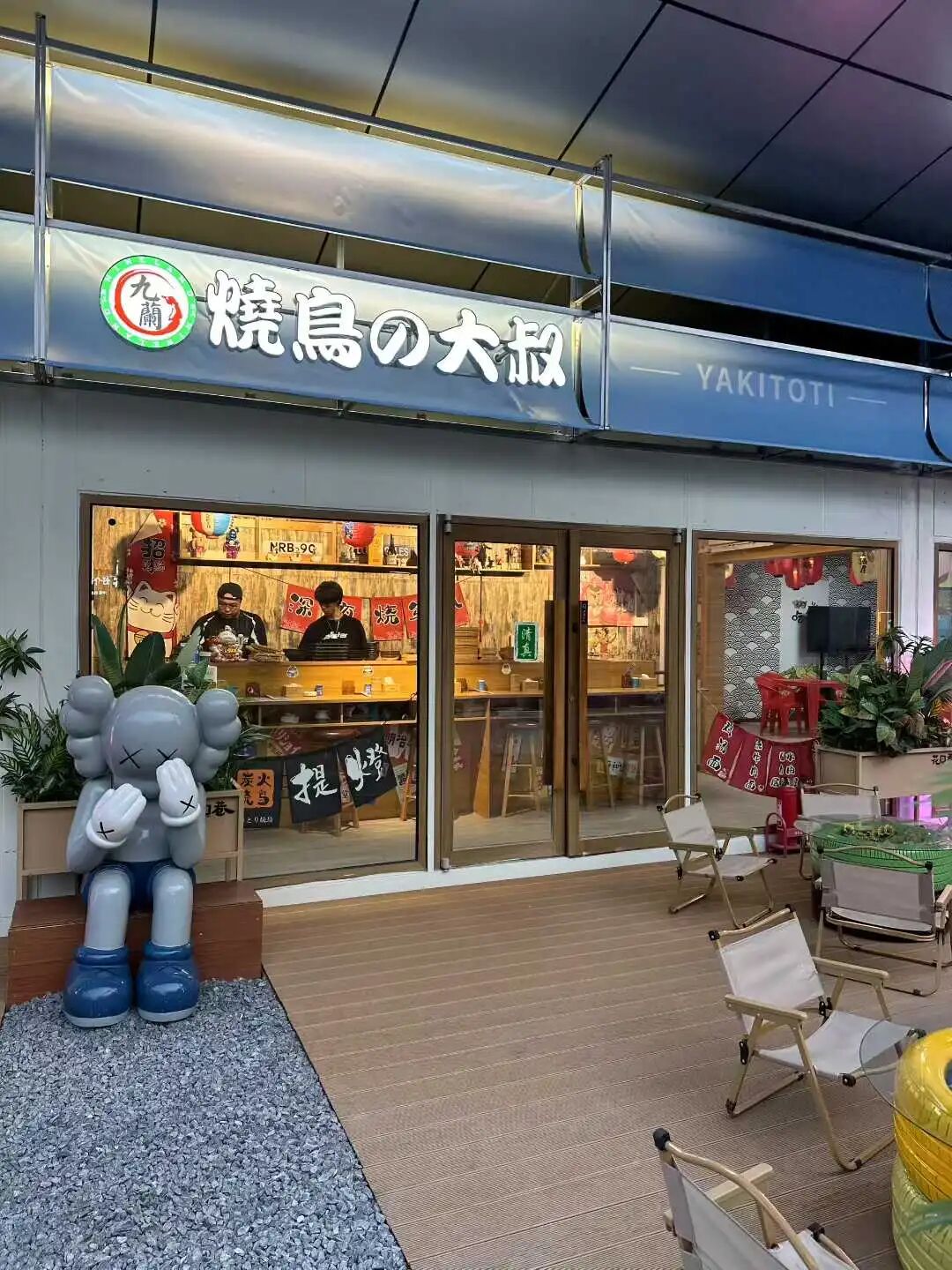
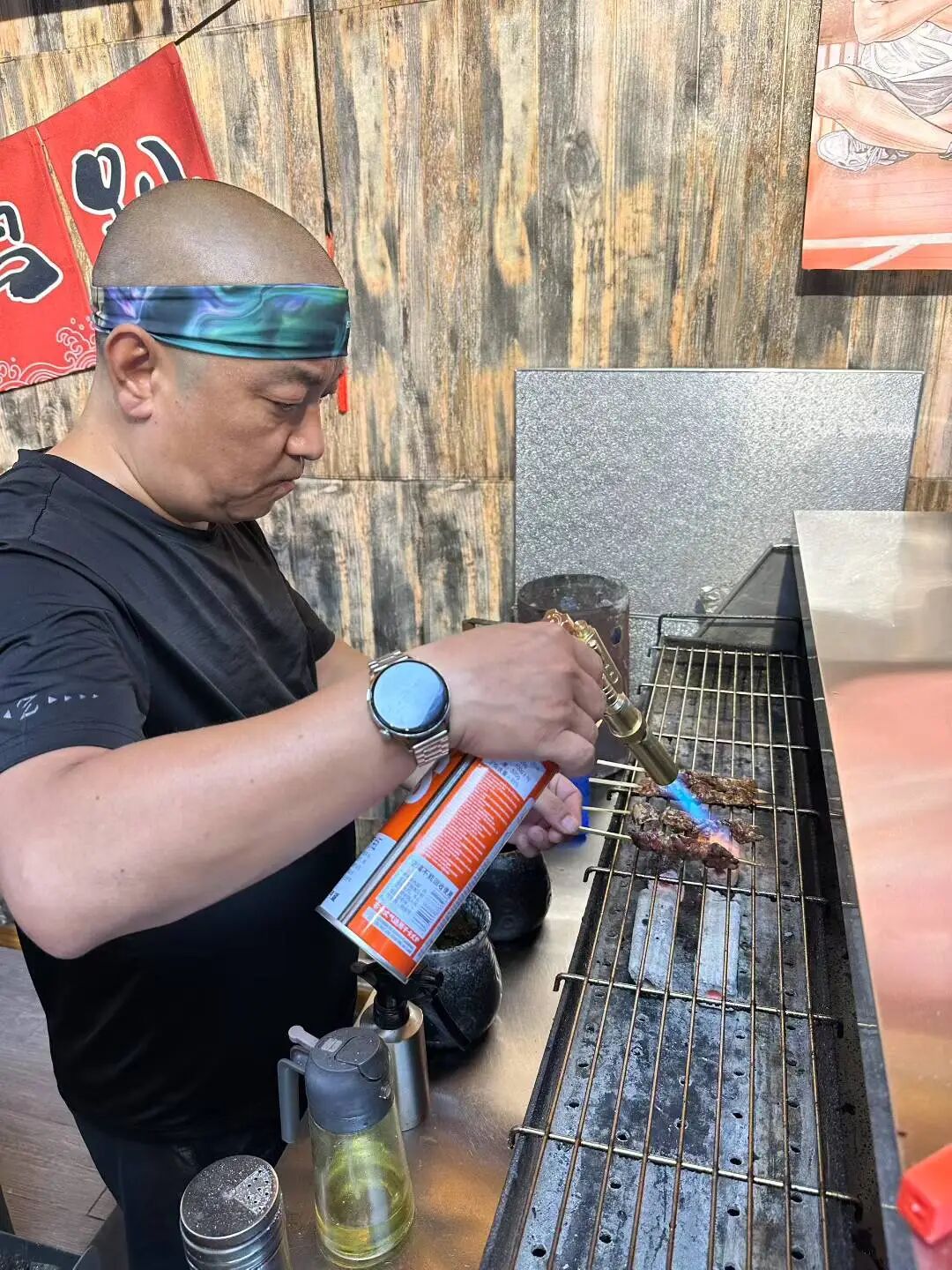
On Saturday afternoon, we went to Uncle Yakitori (Shaoniao Dashu) in the center of Meijiang, Tianjin, for Japanese-style yakitori. This must be the only halal Japanese yakitori shop in Tianjin.
Japanese yakitori originated from grilled quail and pheasant during the Edo period (Jianghu shidai) and later developed into the current style of grilled chicken skewers brushed with Japanese sauce. We ordered chicken gizzards, chicken liver, chicken hearts, mushroom shrimp paste, chicken tail (tijideng), zucchini with cod roe (mingtaizi), and wagyu beef ribs. Their chicken liver is very tender and kids love it. The chicken gizzards and chicken hearts are also good. They also serve old-fashioned shaved ice (baobing). The ice is topped with red beans, sour hawthorn cake (suanmogao), sour apricots, and hawthorn. It is a great appetite-booster in the summer. The noodles they serve are instant noodles in chicken soup. The chicken soup is quite fresh.
There are not many people in the Meijiang area, and this restaurant is especially quiet. Also, Japanese-style yakitori is generally expensive with small portions in China, and since they only serve it with instant noodles, I am not sure how much longer they can stay open. Any dost (dost) who wants to try Japanese-style yakitori should go and give them a try soon. Besides, the Meijiang area has fewer people and nice scenery, making it a good place to take kids for a walk.

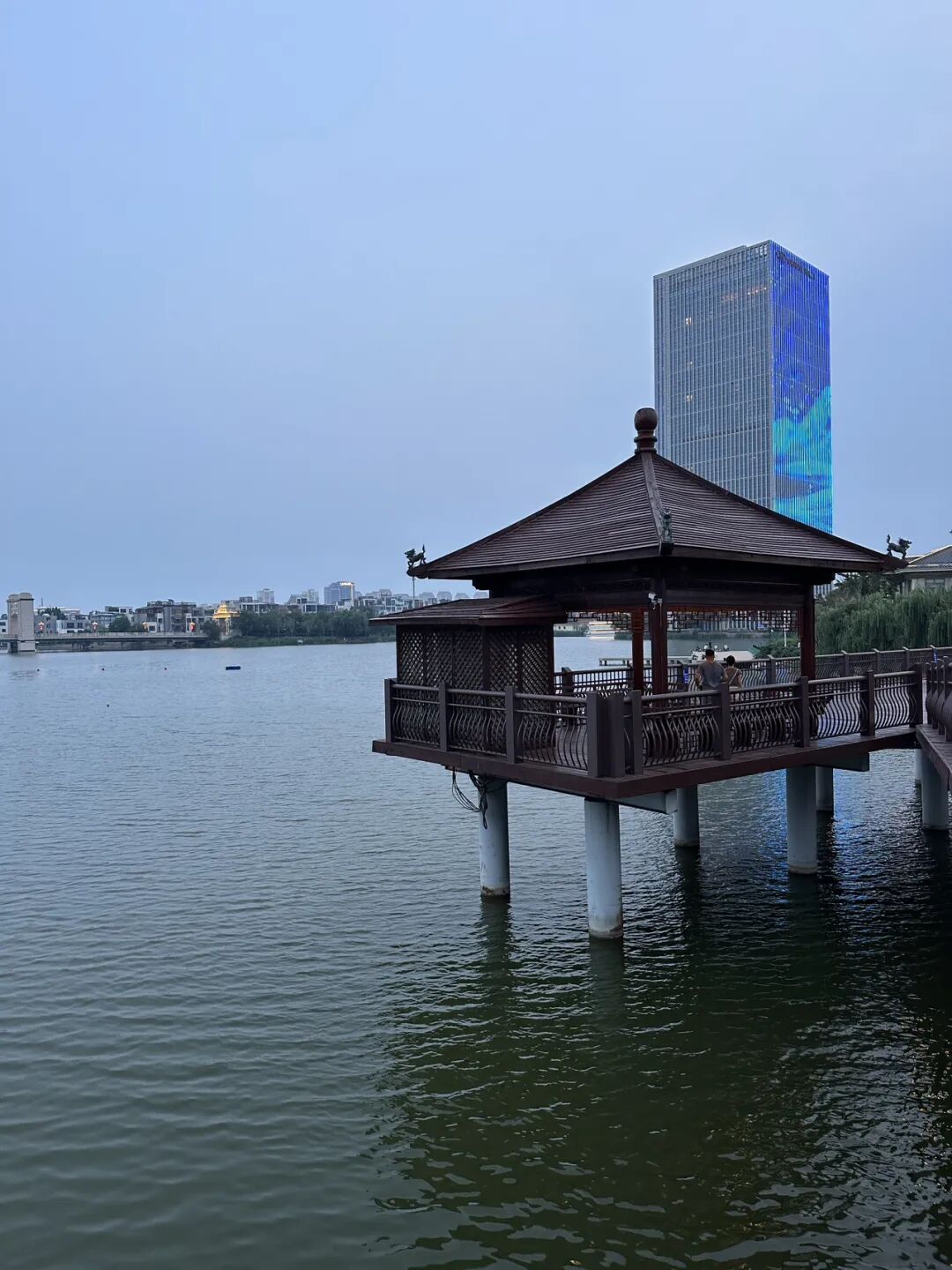
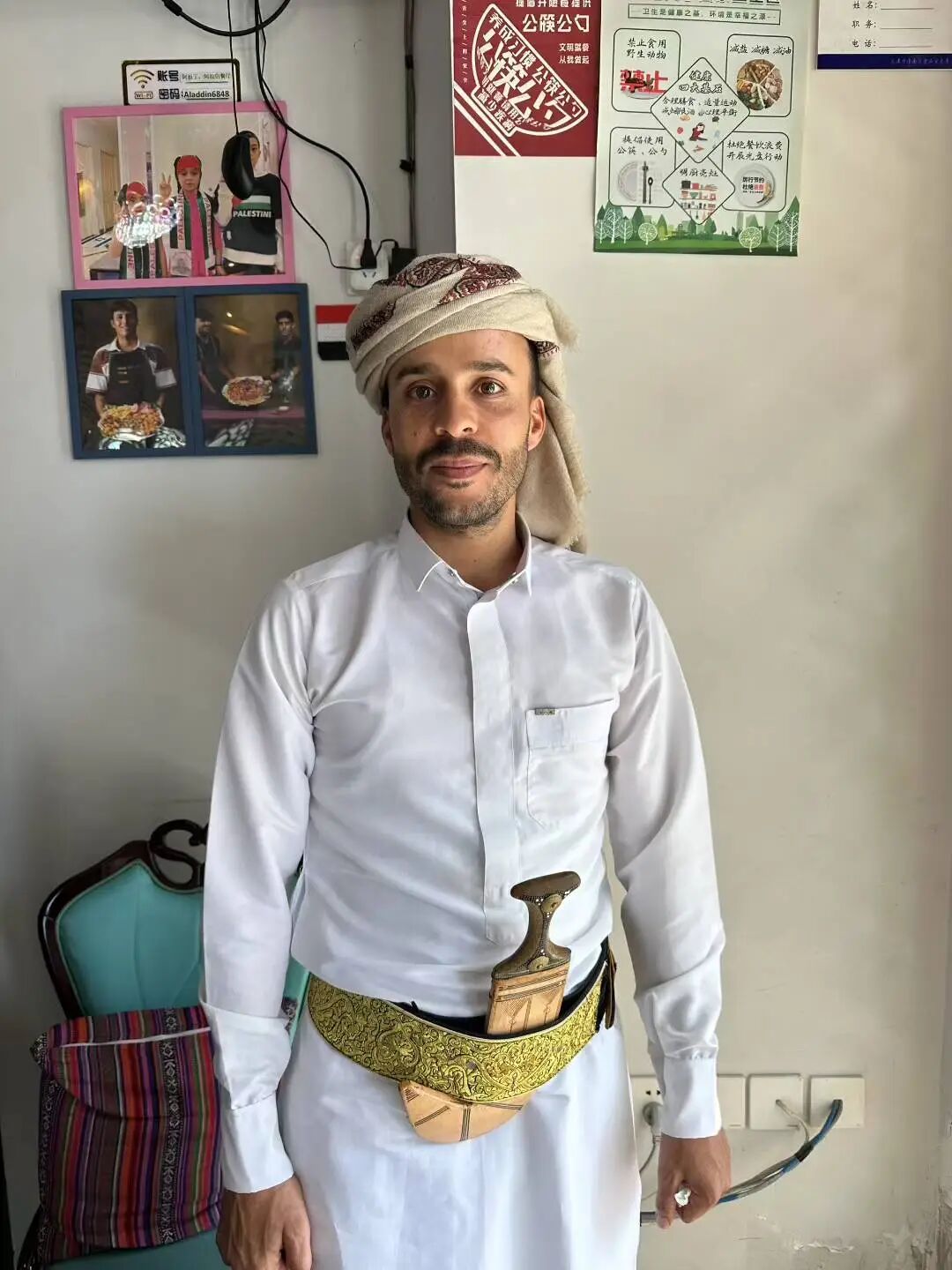
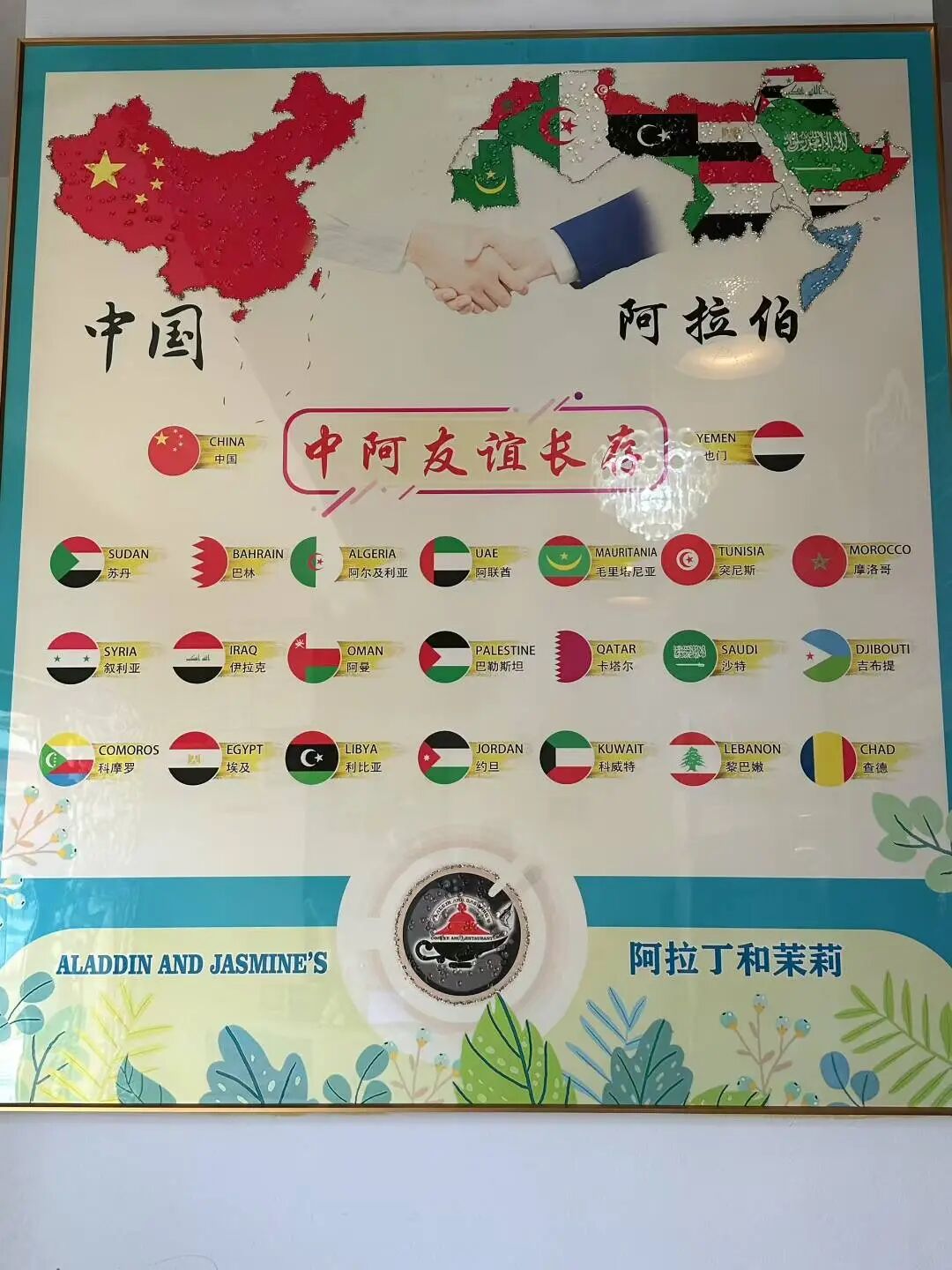
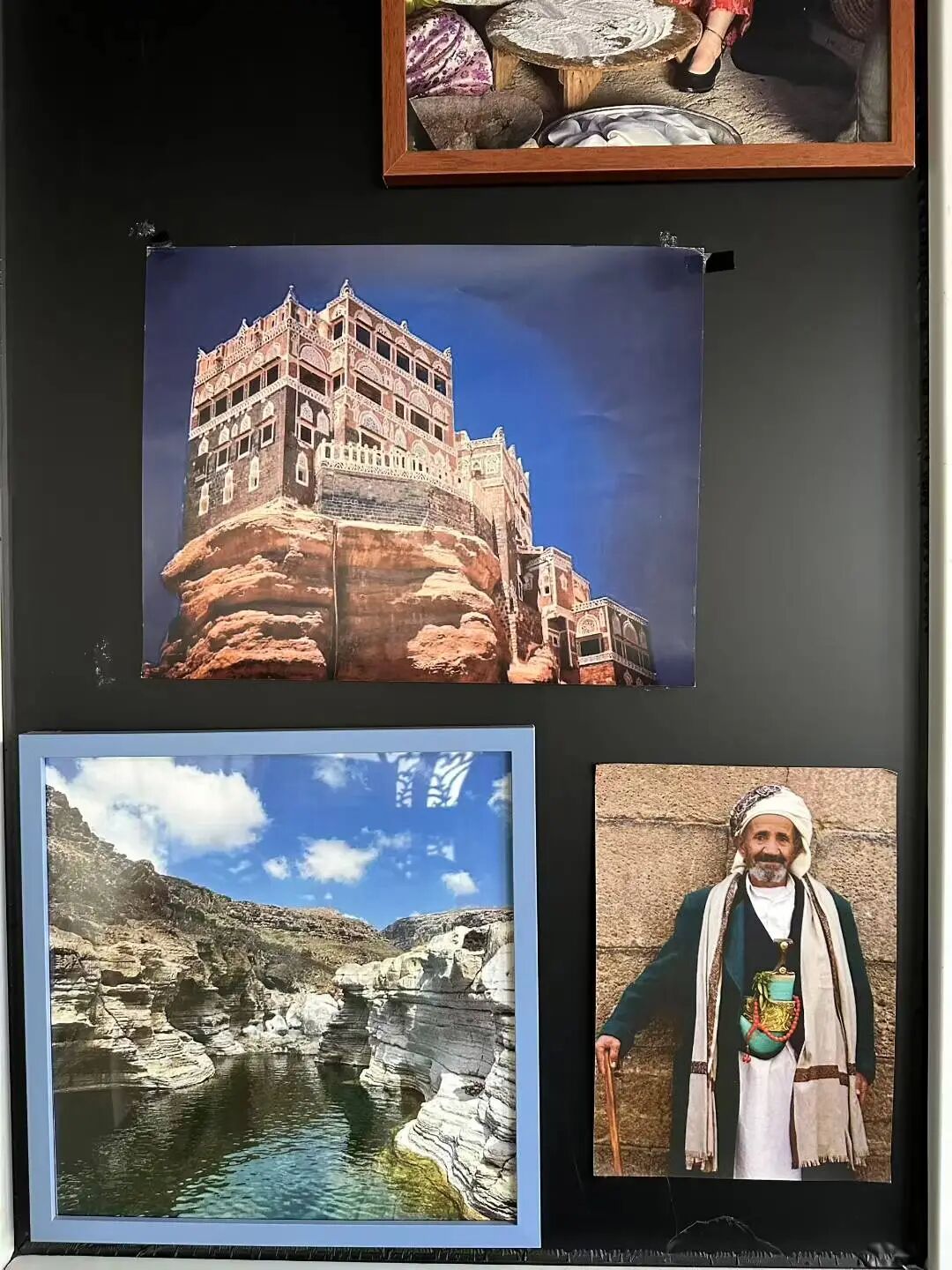
On Sunday morning, I went to Aladdin and Jasmine, a Yemeni restaurant in Wuyue Plaza in Xianshuigu, Tianjin. They open at 10 o'clock, which is perfect for sleeping in on the weekend and heading straight there for brunch. The extension of Metro Line 6 now goes directly to Xianshuigu. However, Wuyue Plaza is so huge with so many ground-floor shops that it took us a while to find the restaurant.
We had been to another Yemeni restaurant in Tianjin before, but they did not have Yemeni flatbread (tannur bread). I finally got to eat it this time at Aladdin. We ordered the classic Yemeni breakfast of Yemeni flatbread with Saltah Yemeni stew, and we also ordered lamb mandi, salad, and a five-flavor sauce platter.
Saltah is a classic Yemeni stew that originally came from the charity kitchens (imaret) of the Ottoman Empire era. Back then, wealthy people or mosques would put leftovers into clay pots to stew. Gradually, this clay pot dish containing both meat and vegetables became known as Saltah. Saltah is mainly popular in northern Yemen. The main ingredient is meat broth (maraq), which is stewed until very soft and tender. The side ingredients are mainly potatoes and fenugreek. Fenugreek is what people in Northwest China often call fragrant beans (xiangdouzi) or bitter beans (kudouzi). People in the Northwest dry the leaves of the fenugreek and grind them into powder to steam buns, while Yemenis grind the seeds of the fenugreek to stew with meat. Fenugreek seeds expand when they meet water and easily create foam when stirred in a bowl.
Their Yemeni flatbread is crispy on the outside and tender on the inside. Traditionally, Yemeni flatbread is baked in an Arabic clay oven (tannur) and is full of wheat aroma.
Their lamb mandi is also good. The rice has raisins, cashews, and other things in it, which the kids really like. The lamb is very tender and falls off the bone at a touch. It tastes delicious.
Their yogurt is very authentic, with a strong sour taste and no added sugar.
A big problem with their place is that the salad actually had Thousand Island dressing and ketchup added to it. Authentic Middle Eastern restaurants would not put these two sauces in a salad. Also, the Yemeni flatbread did not come with meat broth and spicy sauce (sahawiq). Adding these two makes it a standard Yemeni brunch.
On Sunday afternoon, I went to Aimeike, a halal Western restaurant in Water City in the Northwest Corner of Tianjin. I ate at their place ten years ago, so it counts as a long-standing Western restaurant in the Northwest Corner. I came to eat at their place this time and discovered they actually started serving Swiss cheese fondue! This must be the only halal Swiss cheese fondue in the country, so I decided to try it right away!
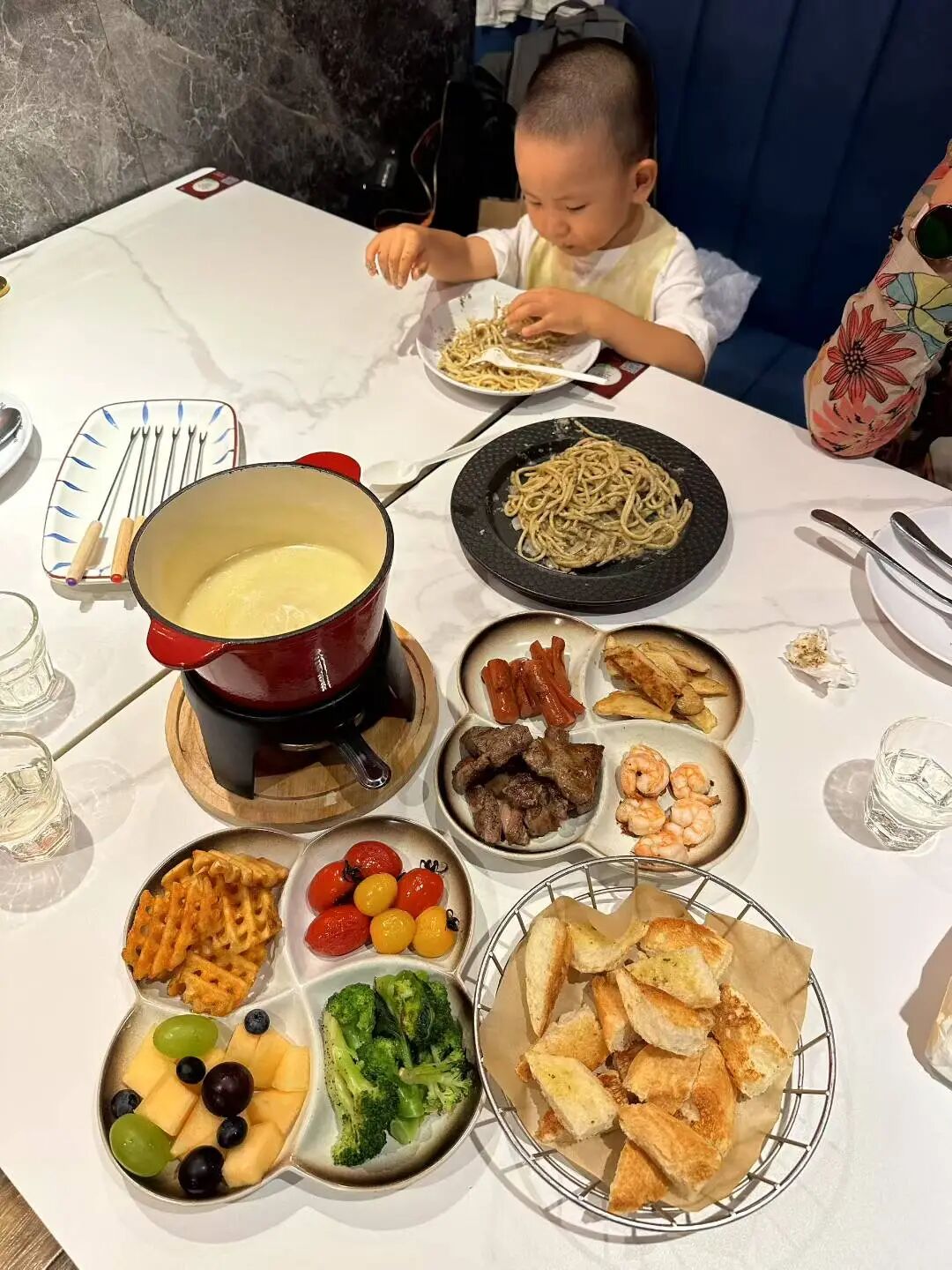
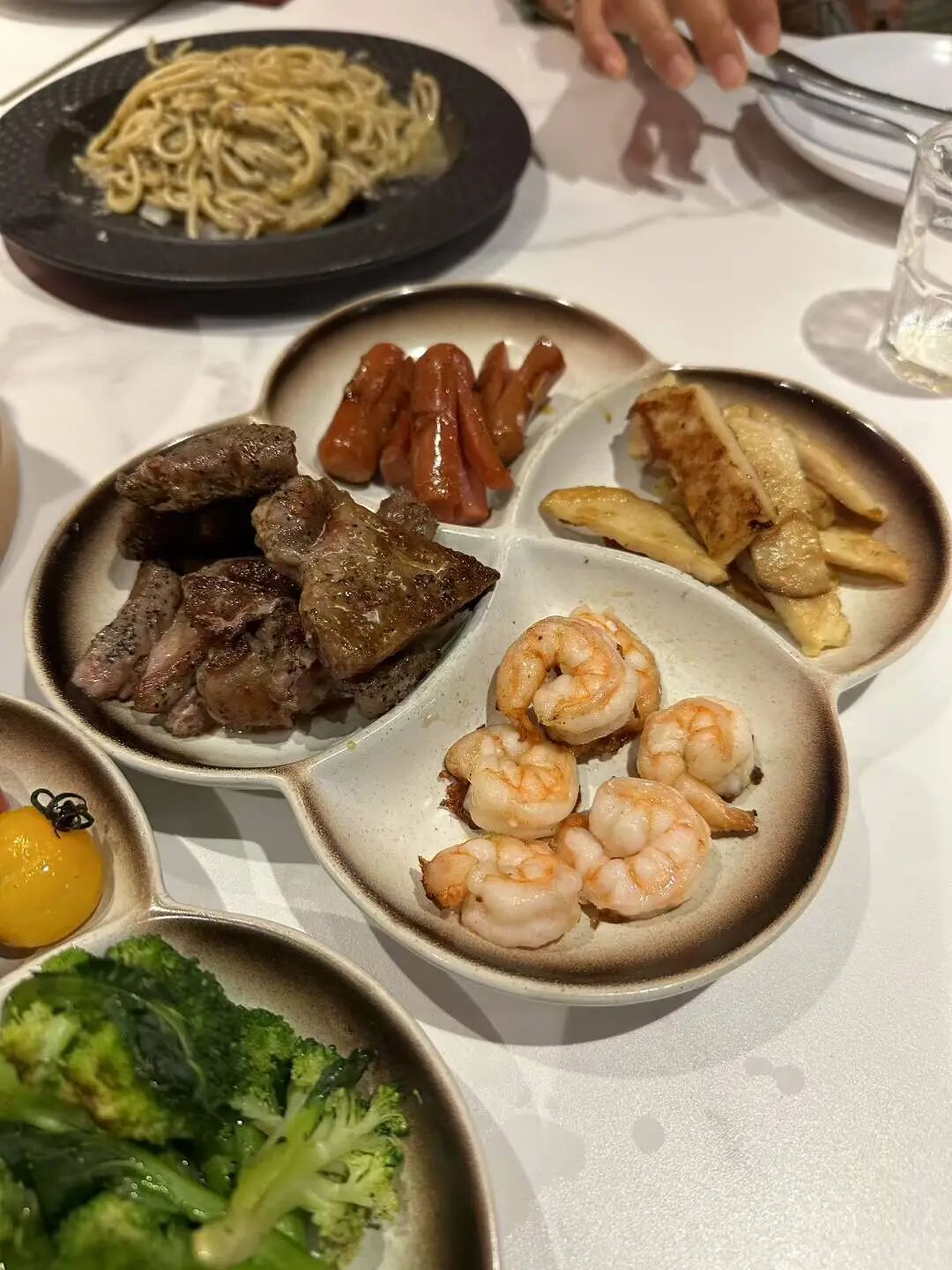
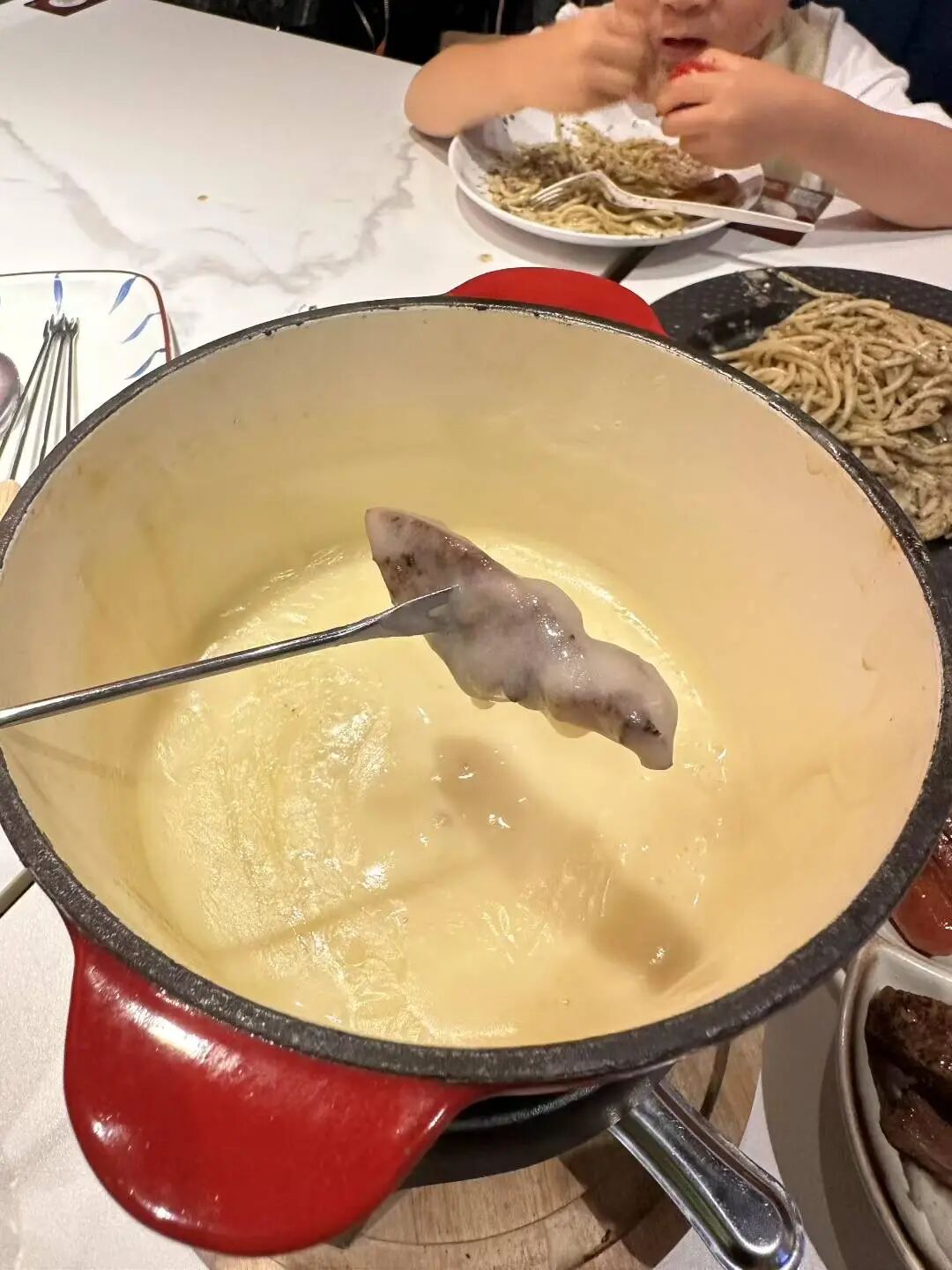
Swiss cheese fondue (cheesefondue) is the national dish of Switzerland. It started with townspeople in the French-speaking lowlands of western Switzerland. The base uses Swiss Gruyère cheese (Gruyères) and Emmental cheese (Emmental) with cornstarch added. It is served with toasted bread cubes, grilled meat, and side dishes. The meat is pre-cooked. When you eat, wait for the cheese to bubble, then use a long fork to dip the meat in and coat it completely with cheese. The side dishes at Aimeike include grilled steak, chicken, shrimp, and sausage. It also comes with waffle fries, vegetables, and fruit. It is plenty for two people. Their grilled steak has a great texture.
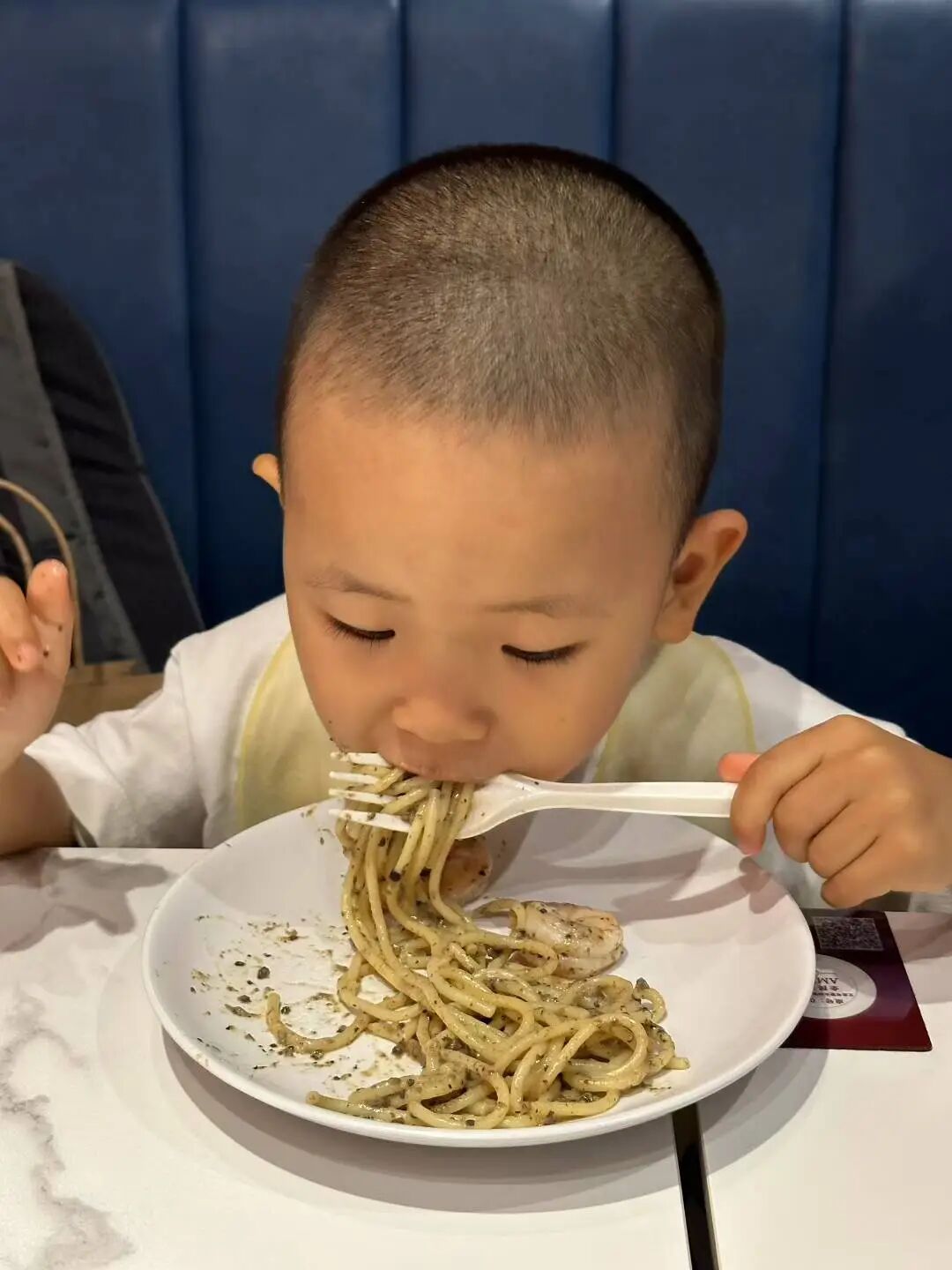
We also ordered their black truffle shrimp egg yolk cheese pasta, which the kids loved. Their pasta texture is likely the best among the halal Western restaurants in Tianjin, and the black truffle flavor is the strongest too.
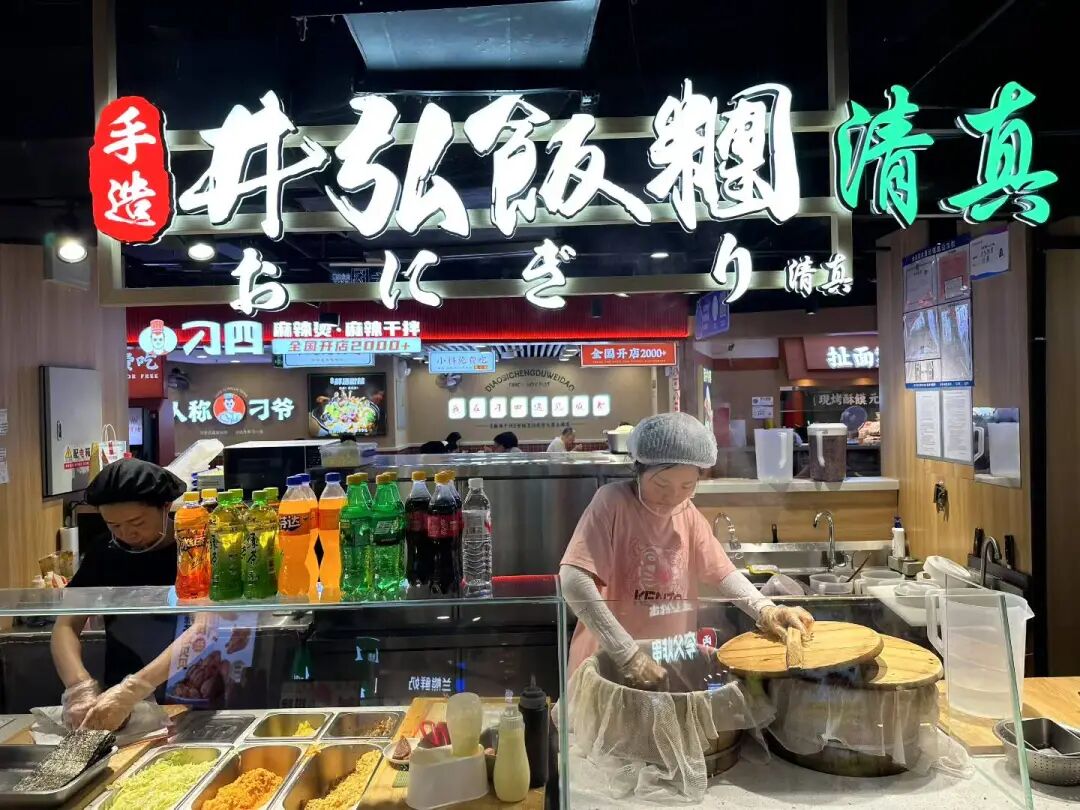
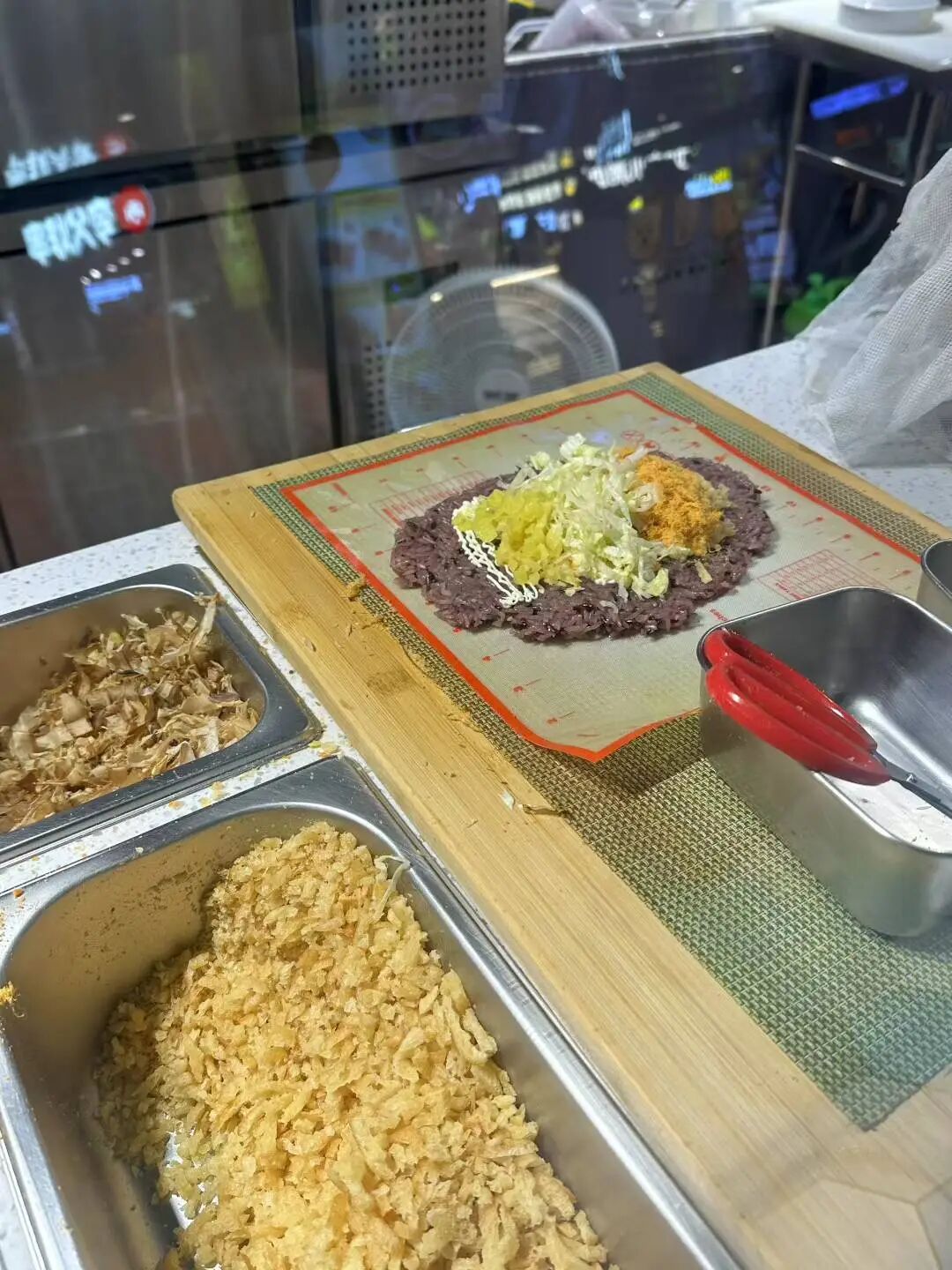
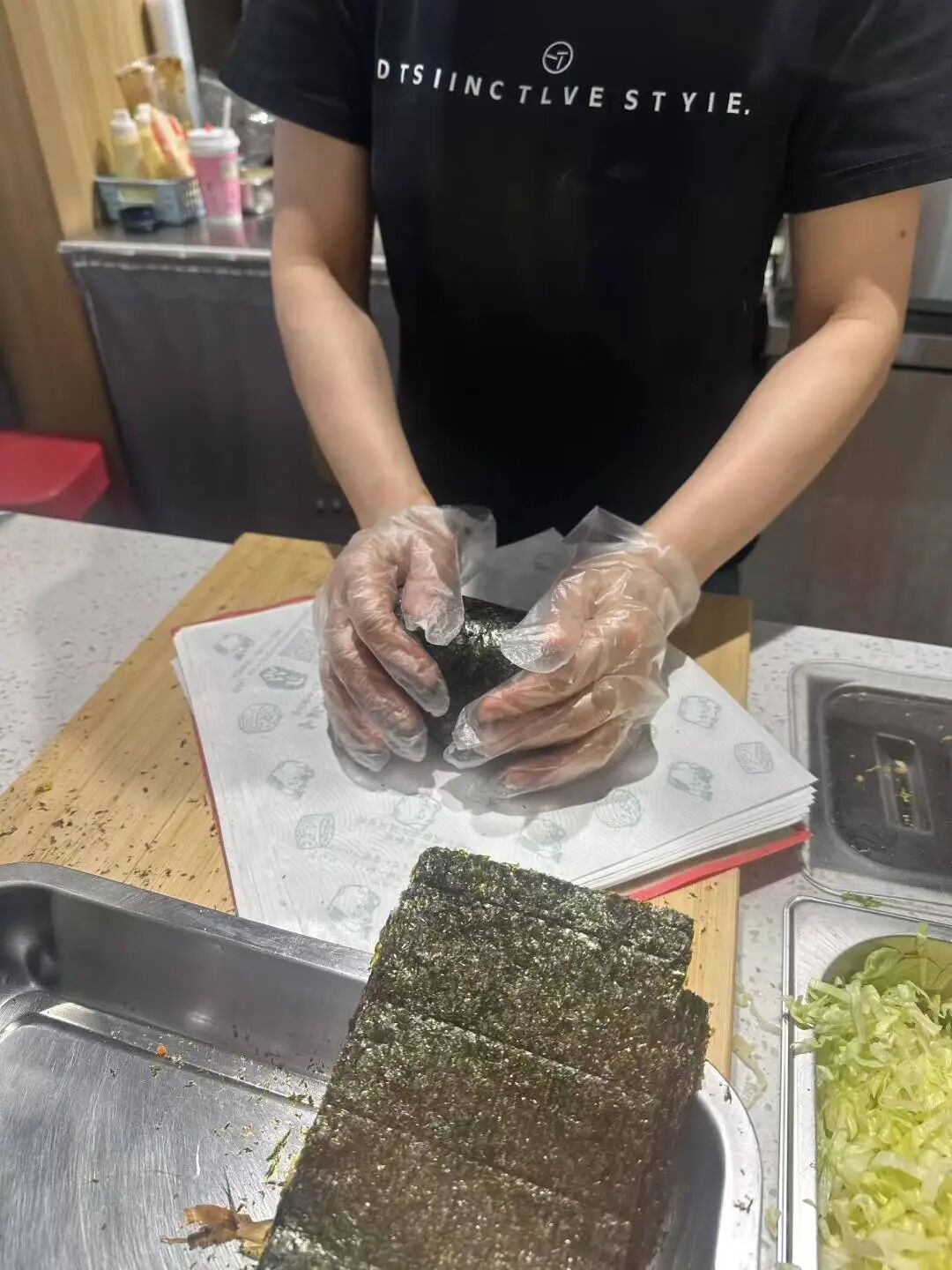
There is a lot of halal food in the food court on the basement floor of Shuiyou City in the Northwest Corner of Tianjin, including rice balls and hearth-style spicy hot pot (weilu malatang). This Jinghong Rice Ball shop uses Kansai-style straw-wrapped rice balls made with red glutinous rice. The grilled eel rice ball I bought was packed with crispy bits, chicken floss, lettuce, dried radish, eel, mayonnaise, bonito flakes, and seaweed. It was very filling and perfect to take to work for lunch.
Summary: Tianjin has a wide halal food scene that goes far beyond the usual local dishes, including pasta, yakitori-style skewers, Yemeni flatbread, Swiss cheese fondue, and rice balls. This account keeps the restaurant names, dish details, photos, and food observations from the original article.
Our family went to Tianjin for a stroll over the weekend and ate pasta, yakitori (shao niao), Yemeni food, Swiss cheese fondue, and rice balls (fan tuan).
Previous Tianjin food shares:
Autumn eating tour in Tianjin: Syrian food, giant river prawns (luo shi xia), yellow broth ramen (huang tang lamian), a Turkish restaurant, and Xinjiang fresh milk ice cream.
Taking the kids out to eat in Tianjin: Yemeni food, Algerian desserts, steamed rice rolls (changfen), Japanese food, and water caltrop soup (lingjiao tang).
Eating Arabic food in Tianjin: Syrian, Yemeni, Tunisian, and Algerian.
Between the mountains and the sea—from Huairou farmhouse restaurants (nongjiale) to coastal Western restaurants.
Iftar meal at a Tianjin mosque during Ramadan:
The first weekend of Ramadan 2025: From Beijing to Tianjin.
The second weekend of Ramadan 2025: Beijing Nanxiapo, Tianjin Xining Road, and Fuxingzhuang.
The third weekend of Ramadan 2025: Tianjin Liulin and Xibeijiao.
The fourth weekend of Ramadan 2025: Beijing Madian, the Sudanese Embassy, and Tianjin Tianmu.
On Saturday noon, we had a Western meal at Yulan Restaurant near the old Tianjin Tractor Factory (Tiantuo). The exterior is quite plain. The owner is a Tianjin elder who loves food. The shop is smoke-free and alcohol-free, so we felt comfortable eating there. The air conditioner on the second floor might be a bit weak, so it felt a little stuffy eating there in the summer. The staff said they are moving soon. We will go visit the new shop once it opens.
We ordered grilled beef quinoa salad, borscht (luosong tang), cream of mushroom soup, Provence roast chicken, Mexican beef pizza, low-temperature cheese waterfall beef brisket burger, wagyu beef sauce pasta, and black truffle cream chicken mushroom pasta. I think the best dishes were the roast chicken and the burger. The roast chicken was crispy on the outside and tender on the inside, and it tasted great with the sweet and spicy sauce. The meat in the burger was also very good and appetizing. The Mexican pizza was quite spicy. I am not sure if the owner improved the beef sauce on top, but I felt it was quite unique. The grilled beef salad did not use Thousand Island dressing, which is a plus. The kids loved it. The pasta was standard, and the borscht was a bit too salty.
On Saturday afternoon, we went to Uncle Yakitori (Shaoniao Dashu) in the center of Meijiang, Tianjin, for Japanese-style yakitori. This must be the only halal Japanese yakitori shop in Tianjin.
Japanese yakitori originated from grilled quail and pheasant during the Edo period (Jianghu shidai) and later developed into the current style of grilled chicken skewers brushed with Japanese sauce. We ordered chicken gizzards, chicken liver, chicken hearts, mushroom shrimp paste, chicken tail (tijideng), zucchini with cod roe (mingtaizi), and wagyu beef ribs. Their chicken liver is very tender and kids love it. The chicken gizzards and chicken hearts are also good. They also serve old-fashioned shaved ice (baobing). The ice is topped with red beans, sour hawthorn cake (suanmogao), sour apricots, and hawthorn. It is a great appetite-booster in the summer. The noodles they serve are instant noodles in chicken soup. The chicken soup is quite fresh.
There are not many people in the Meijiang area, and this restaurant is especially quiet. Also, Japanese-style yakitori is generally expensive with small portions in China, and since they only serve it with instant noodles, I am not sure how much longer they can stay open. Any dost (dost) who wants to try Japanese-style yakitori should go and give them a try soon. Besides, the Meijiang area has fewer people and nice scenery, making it a good place to take kids for a walk.
On Sunday morning, I went to Aladdin and Jasmine, a Yemeni restaurant in Wuyue Plaza in Xianshuigu, Tianjin. They open at 10 o'clock, which is perfect for sleeping in on the weekend and heading straight there for brunch. The extension of Metro Line 6 now goes directly to Xianshuigu. However, Wuyue Plaza is so huge with so many ground-floor shops that it took us a while to find the restaurant.
We had been to another Yemeni restaurant in Tianjin before, but they did not have Yemeni flatbread (tannur bread). I finally got to eat it this time at Aladdin. We ordered the classic Yemeni breakfast of Yemeni flatbread with Saltah Yemeni stew, and we also ordered lamb mandi, salad, and a five-flavor sauce platter.
Saltah is a classic Yemeni stew that originally came from the charity kitchens (imaret) of the Ottoman Empire era. Back then, wealthy people or mosques would put leftovers into clay pots to stew. Gradually, this clay pot dish containing both meat and vegetables became known as Saltah. Saltah is mainly popular in northern Yemen. The main ingredient is meat broth (maraq), which is stewed until very soft and tender. The side ingredients are mainly potatoes and fenugreek. Fenugreek is what people in Northwest China often call fragrant beans (xiangdouzi) or bitter beans (kudouzi). People in the Northwest dry the leaves of the fenugreek and grind them into powder to steam buns, while Yemenis grind the seeds of the fenugreek to stew with meat. Fenugreek seeds expand when they meet water and easily create foam when stirred in a bowl.
Their Yemeni flatbread is crispy on the outside and tender on the inside. Traditionally, Yemeni flatbread is baked in an Arabic clay oven (tannur) and is full of wheat aroma.
Their lamb mandi is also good. The rice has raisins, cashews, and other things in it, which the kids really like. The lamb is very tender and falls off the bone at a touch. It tastes delicious.
Their yogurt is very authentic, with a strong sour taste and no added sugar.
A big problem with their place is that the salad actually had Thousand Island dressing and ketchup added to it. Authentic Middle Eastern restaurants would not put these two sauces in a salad. Also, the Yemeni flatbread did not come with meat broth and spicy sauce (sahawiq). Adding these two makes it a standard Yemeni brunch.
On Sunday afternoon, I went to Aimeike, a halal Western restaurant in Water City in the Northwest Corner of Tianjin. I ate at their place ten years ago, so it counts as a long-standing Western restaurant in the Northwest Corner. I came to eat at their place this time and discovered they actually started serving Swiss cheese fondue! This must be the only halal Swiss cheese fondue in the country, so I decided to try it right away!
Swiss cheese fondue (cheesefondue) is the national dish of Switzerland. It started with townspeople in the French-speaking lowlands of western Switzerland. The base uses Swiss Gruyère cheese (Gruyères) and Emmental cheese (Emmental) with cornstarch added. It is served with toasted bread cubes, grilled meat, and side dishes. The meat is pre-cooked. When you eat, wait for the cheese to bubble, then use a long fork to dip the meat in and coat it completely with cheese. The side dishes at Aimeike include grilled steak, chicken, shrimp, and sausage. It also comes with waffle fries, vegetables, and fruit. It is plenty for two people. Their grilled steak has a great texture.
We also ordered their black truffle shrimp egg yolk cheese pasta, which the kids loved. Their pasta texture is likely the best among the halal Western restaurants in Tianjin, and the black truffle flavor is the strongest too.
There is a lot of halal food in the food court on the basement floor of Shuiyou City in the Northwest Corner of Tianjin, including rice balls and hearth-style spicy hot pot (weilu malatang). This Jinghong Rice Ball shop uses Kansai-style straw-wrapped rice balls made with red glutinous rice. The grilled eel rice ball I bought was packed with crispy bits, chicken floss, lettuce, dried radish, eel, mayonnaise, bonito flakes, and seaweed. It was very filling and perfect to take to work for lunch.
Halal Food Guide: Tianjin - Pasta, Yakitori, Yemeni Bread and More
Articles • ali2007fr posted the article • 0 comments • 235 views • 2026-05-20 09:11
Reposted from the web
Summary: Tianjin has a wide halal food scene that goes far beyond the usual local dishes, including pasta, yakitori-style skewers, Yemeni flatbread, Swiss cheese fondue, and rice balls. This account keeps the restaurant names, dish details, photos, and food observations from the original article.
Our family went to Tianjin for a stroll over the weekend and ate pasta, yakitori (shao niao), Yemeni food, Swiss cheese fondue, and rice balls (fan tuan).
Previous Tianjin food shares:
Autumn eating tour in Tianjin: Syrian food, giant river prawns (luo shi xia), yellow broth ramen (huang tang lamian), a Turkish restaurant, and Xinjiang fresh milk ice cream.
Taking the kids out to eat in Tianjin: Yemeni food, Algerian desserts, steamed rice rolls (changfen), Japanese food, and water caltrop soup (lingjiao tang).
Eating Arabic food in Tianjin: Syrian, Yemeni, Tunisian, and Algerian.
Between the mountains and the sea—from Huairou farmhouse restaurants (nongjiale) to coastal Western restaurants.
Iftar meal at a Tianjin mosque during Ramadan:
The first weekend of Ramadan 2025: From Beijing to Tianjin.
The second weekend of Ramadan 2025: Beijing Nanxiapo, Tianjin Xining Road, and Fuxingzhuang.
The third weekend of Ramadan 2025: Tianjin Liulin and Xibeijiao.
The fourth weekend of Ramadan 2025: Beijing Madian, the Sudanese Embassy, and Tianjin Tianmu.
On Saturday noon, we had a Western meal at Yulan Restaurant near the old Tianjin Tractor Factory (Tiantuo). The exterior is quite plain. The owner is a Tianjin elder who loves food. The shop is smoke-free and alcohol-free, so we felt comfortable eating there. The air conditioner on the second floor might be a bit weak, so it felt a little stuffy eating there in the summer. The staff said they are moving soon. We will go visit the new shop once it opens.
We ordered grilled beef quinoa salad, borscht (luosong tang), cream of mushroom soup, Provence roast chicken, Mexican beef pizza, low-temperature cheese waterfall beef brisket burger, wagyu beef sauce pasta, and black truffle cream chicken mushroom pasta. I think the best dishes were the roast chicken and the burger. The roast chicken was crispy on the outside and tender on the inside, and it tasted great with the sweet and spicy sauce. The meat in the burger was also very good and appetizing. The Mexican pizza was quite spicy. I am not sure if the owner improved the beef sauce on top, but I felt it was quite unique. The grilled beef salad did not use Thousand Island dressing, which is a plus. The kids loved it. The pasta was standard, and the borscht was a bit too salty.
On Saturday afternoon, we went to Uncle Yakitori (Shaoniao Dashu) in the center of Meijiang, Tianjin, for Japanese-style yakitori. This must be the only halal Japanese yakitori shop in Tianjin.
Japanese yakitori originated from grilled quail and pheasant during the Edo period (Jianghu shidai) and later developed into the current style of grilled chicken skewers brushed with Japanese sauce. We ordered chicken gizzards, chicken liver, chicken hearts, mushroom shrimp paste, chicken tail (tijideng), zucchini with cod roe (mingtaizi), and wagyu beef ribs. Their chicken liver is very tender and kids love it. The chicken gizzards and chicken hearts are also good. They also serve old-fashioned shaved ice (baobing). The ice is topped with red beans, sour hawthorn cake (suanmogao), sour apricots, and hawthorn. It is a great appetite-booster in the summer. The noodles they serve are instant noodles in chicken soup. The chicken soup is quite fresh.
There are not many people in the Meijiang area, and this restaurant is especially quiet. Also, Japanese-style yakitori is generally expensive with small portions in China, and since they only serve it with instant noodles, I am not sure how much longer they can stay open. Any dost (dost) who wants to try Japanese-style yakitori should go and give them a try soon. Besides, the Meijiang area has fewer people and nice scenery, making it a good place to take kids for a walk.
On Sunday morning, I went to Aladdin and Jasmine, a Yemeni restaurant in Wuyue Plaza in Xianshuigu, Tianjin. They open at 10 o'clock, which is perfect for sleeping in on the weekend and heading straight there for brunch. The extension of Metro Line 6 now goes directly to Xianshuigu. However, Wuyue Plaza is so huge with so many ground-floor shops that it took us a while to find the restaurant.
We had been to another Yemeni restaurant in Tianjin before, but they did not have Yemeni flatbread (tannur bread). I finally got to eat it this time at Aladdin. We ordered the classic Yemeni breakfast of Yemeni flatbread with Saltah Yemeni stew, and we also ordered lamb mandi, salad, and a five-flavor sauce platter.
Saltah is a classic Yemeni stew that originally came from the charity kitchens (imaret) of the Ottoman Empire era. Back then, wealthy people or mosques would put leftovers into clay pots to stew. Gradually, this clay pot dish containing both meat and vegetables became known as Saltah. Saltah is mainly popular in northern Yemen. The main ingredient is meat broth (maraq), which is stewed until very soft and tender. The side ingredients are mainly potatoes and fenugreek. Fenugreek is what people in Northwest China often call fragrant beans (xiangdouzi) or bitter beans (kudouzi). People in the Northwest dry the leaves of the fenugreek and grind them into powder to steam buns, while Yemenis grind the seeds of the fenugreek to stew with meat. Fenugreek seeds expand when they meet water and easily create foam when stirred in a bowl.
Their Yemeni flatbread is crispy on the outside and tender on the inside. Traditionally, Yemeni flatbread is baked in an Arabic clay oven (tannur) and is full of wheat aroma.
Their lamb mandi is also good. The rice has raisins, cashews, and other things in it, which the kids really like. The lamb is very tender and falls off the bone at a touch. It tastes delicious.
Their yogurt is very authentic, with a strong sour taste and no added sugar.
A big problem with their place is that the salad actually had Thousand Island dressing and ketchup added to it. Authentic Middle Eastern restaurants would not put these two sauces in a salad. Also, the Yemeni flatbread did not come with meat broth and spicy sauce (sahawiq). Adding these two makes it a standard Yemeni brunch.
On Sunday afternoon, I went to Aimeike, a halal Western restaurant in Water City in the Northwest Corner of Tianjin. I ate at their place ten years ago, so it counts as a long-standing Western restaurant in the Northwest Corner. I came to eat at their place this time and discovered they actually started serving Swiss cheese fondue! This must be the only halal Swiss cheese fondue in the country, so I decided to try it right away!
Swiss cheese fondue (cheesefondue) is the national dish of Switzerland. It started with townspeople in the French-speaking lowlands of western Switzerland. The base uses Swiss Gruyère cheese (Gruyères) and Emmental cheese (Emmental) with cornstarch added. It is served with toasted bread cubes, grilled meat, and side dishes. The meat is pre-cooked. When you eat, wait for the cheese to bubble, then use a long fork to dip the meat in and coat it completely with cheese. The side dishes at Aimeike include grilled steak, chicken, shrimp, and sausage. It also comes with waffle fries, vegetables, and fruit. It is plenty for two people. Their grilled steak has a great texture.
We also ordered their black truffle shrimp egg yolk cheese pasta, which the kids loved. Their pasta texture is likely the best among the halal Western restaurants in Tianjin, and the black truffle flavor is the strongest too.
There is a lot of halal food in the food court on the basement floor of Shuiyou City in the Northwest Corner of Tianjin, including rice balls and hearth-style spicy hot pot (weilu malatang). This Jinghong Rice Ball shop uses Kansai-style straw-wrapped rice balls made with red glutinous rice. The grilled eel rice ball I bought was packed with crispy bits, chicken floss, lettuce, dried radish, eel, mayonnaise, bonito flakes, and seaweed. It was very filling and perfect to take to work for lunch. view all
Summary: Tianjin has a wide halal food scene that goes far beyond the usual local dishes, including pasta, yakitori-style skewers, Yemeni flatbread, Swiss cheese fondue, and rice balls. This account keeps the restaurant names, dish details, photos, and food observations from the original article.
Our family went to Tianjin for a stroll over the weekend and ate pasta, yakitori (shao niao), Yemeni food, Swiss cheese fondue, and rice balls (fan tuan).
Previous Tianjin food shares:
Autumn eating tour in Tianjin: Syrian food, giant river prawns (luo shi xia), yellow broth ramen (huang tang lamian), a Turkish restaurant, and Xinjiang fresh milk ice cream.
Taking the kids out to eat in Tianjin: Yemeni food, Algerian desserts, steamed rice rolls (changfen), Japanese food, and water caltrop soup (lingjiao tang).
Eating Arabic food in Tianjin: Syrian, Yemeni, Tunisian, and Algerian.
Between the mountains and the sea—from Huairou farmhouse restaurants (nongjiale) to coastal Western restaurants.
Iftar meal at a Tianjin mosque during Ramadan:
The first weekend of Ramadan 2025: From Beijing to Tianjin.
The second weekend of Ramadan 2025: Beijing Nanxiapo, Tianjin Xining Road, and Fuxingzhuang.
The third weekend of Ramadan 2025: Tianjin Liulin and Xibeijiao.
The fourth weekend of Ramadan 2025: Beijing Madian, the Sudanese Embassy, and Tianjin Tianmu.
On Saturday noon, we had a Western meal at Yulan Restaurant near the old Tianjin Tractor Factory (Tiantuo). The exterior is quite plain. The owner is a Tianjin elder who loves food. The shop is smoke-free and alcohol-free, so we felt comfortable eating there. The air conditioner on the second floor might be a bit weak, so it felt a little stuffy eating there in the summer. The staff said they are moving soon. We will go visit the new shop once it opens.
We ordered grilled beef quinoa salad, borscht (luosong tang), cream of mushroom soup, Provence roast chicken, Mexican beef pizza, low-temperature cheese waterfall beef brisket burger, wagyu beef sauce pasta, and black truffle cream chicken mushroom pasta. I think the best dishes were the roast chicken and the burger. The roast chicken was crispy on the outside and tender on the inside, and it tasted great with the sweet and spicy sauce. The meat in the burger was also very good and appetizing. The Mexican pizza was quite spicy. I am not sure if the owner improved the beef sauce on top, but I felt it was quite unique. The grilled beef salad did not use Thousand Island dressing, which is a plus. The kids loved it. The pasta was standard, and the borscht was a bit too salty.
On Saturday afternoon, we went to Uncle Yakitori (Shaoniao Dashu) in the center of Meijiang, Tianjin, for Japanese-style yakitori. This must be the only halal Japanese yakitori shop in Tianjin.
Japanese yakitori originated from grilled quail and pheasant during the Edo period (Jianghu shidai) and later developed into the current style of grilled chicken skewers brushed with Japanese sauce. We ordered chicken gizzards, chicken liver, chicken hearts, mushroom shrimp paste, chicken tail (tijideng), zucchini with cod roe (mingtaizi), and wagyu beef ribs. Their chicken liver is very tender and kids love it. The chicken gizzards and chicken hearts are also good. They also serve old-fashioned shaved ice (baobing). The ice is topped with red beans, sour hawthorn cake (suanmogao), sour apricots, and hawthorn. It is a great appetite-booster in the summer. The noodles they serve are instant noodles in chicken soup. The chicken soup is quite fresh.
There are not many people in the Meijiang area, and this restaurant is especially quiet. Also, Japanese-style yakitori is generally expensive with small portions in China, and since they only serve it with instant noodles, I am not sure how much longer they can stay open. Any dost (dost) who wants to try Japanese-style yakitori should go and give them a try soon. Besides, the Meijiang area has fewer people and nice scenery, making it a good place to take kids for a walk.
On Sunday morning, I went to Aladdin and Jasmine, a Yemeni restaurant in Wuyue Plaza in Xianshuigu, Tianjin. They open at 10 o'clock, which is perfect for sleeping in on the weekend and heading straight there for brunch. The extension of Metro Line 6 now goes directly to Xianshuigu. However, Wuyue Plaza is so huge with so many ground-floor shops that it took us a while to find the restaurant.
We had been to another Yemeni restaurant in Tianjin before, but they did not have Yemeni flatbread (tannur bread). I finally got to eat it this time at Aladdin. We ordered the classic Yemeni breakfast of Yemeni flatbread with Saltah Yemeni stew, and we also ordered lamb mandi, salad, and a five-flavor sauce platter.
Saltah is a classic Yemeni stew that originally came from the charity kitchens (imaret) of the Ottoman Empire era. Back then, wealthy people or mosques would put leftovers into clay pots to stew. Gradually, this clay pot dish containing both meat and vegetables became known as Saltah. Saltah is mainly popular in northern Yemen. The main ingredient is meat broth (maraq), which is stewed until very soft and tender. The side ingredients are mainly potatoes and fenugreek. Fenugreek is what people in Northwest China often call fragrant beans (xiangdouzi) or bitter beans (kudouzi). People in the Northwest dry the leaves of the fenugreek and grind them into powder to steam buns, while Yemenis grind the seeds of the fenugreek to stew with meat. Fenugreek seeds expand when they meet water and easily create foam when stirred in a bowl.
Their Yemeni flatbread is crispy on the outside and tender on the inside. Traditionally, Yemeni flatbread is baked in an Arabic clay oven (tannur) and is full of wheat aroma.
Their lamb mandi is also good. The rice has raisins, cashews, and other things in it, which the kids really like. The lamb is very tender and falls off the bone at a touch. It tastes delicious.
Their yogurt is very authentic, with a strong sour taste and no added sugar.
A big problem with their place is that the salad actually had Thousand Island dressing and ketchup added to it. Authentic Middle Eastern restaurants would not put these two sauces in a salad. Also, the Yemeni flatbread did not come with meat broth and spicy sauce (sahawiq). Adding these two makes it a standard Yemeni brunch.
On Sunday afternoon, I went to Aimeike, a halal Western restaurant in Water City in the Northwest Corner of Tianjin. I ate at their place ten years ago, so it counts as a long-standing Western restaurant in the Northwest Corner. I came to eat at their place this time and discovered they actually started serving Swiss cheese fondue! This must be the only halal Swiss cheese fondue in the country, so I decided to try it right away!
Swiss cheese fondue (cheesefondue) is the national dish of Switzerland. It started with townspeople in the French-speaking lowlands of western Switzerland. The base uses Swiss Gruyère cheese (Gruyères) and Emmental cheese (Emmental) with cornstarch added. It is served with toasted bread cubes, grilled meat, and side dishes. The meat is pre-cooked. When you eat, wait for the cheese to bubble, then use a long fork to dip the meat in and coat it completely with cheese. The side dishes at Aimeike include grilled steak, chicken, shrimp, and sausage. It also comes with waffle fries, vegetables, and fruit. It is plenty for two people. Their grilled steak has a great texture.
We also ordered their black truffle shrimp egg yolk cheese pasta, which the kids loved. Their pasta texture is likely the best among the halal Western restaurants in Tianjin, and the black truffle flavor is the strongest too.
There is a lot of halal food in the food court on the basement floor of Shuiyou City in the Northwest Corner of Tianjin, including rice balls and hearth-style spicy hot pot (weilu malatang). This Jinghong Rice Ball shop uses Kansai-style straw-wrapped rice balls made with red glutinous rice. The grilled eel rice ball I bought was packed with crispy bits, chicken floss, lettuce, dried radish, eel, mayonnaise, bonito flakes, and seaweed. It was very filling and perfect to take to work for lunch. view all
Reposted from the web
Summary: Tianjin has a wide halal food scene that goes far beyond the usual local dishes, including pasta, yakitori-style skewers, Yemeni flatbread, Swiss cheese fondue, and rice balls. This account keeps the restaurant names, dish details, photos, and food observations from the original article.
Our family went to Tianjin for a stroll over the weekend and ate pasta, yakitori (shao niao), Yemeni food, Swiss cheese fondue, and rice balls (fan tuan).
Previous Tianjin food shares:
Autumn eating tour in Tianjin: Syrian food, giant river prawns (luo shi xia), yellow broth ramen (huang tang lamian), a Turkish restaurant, and Xinjiang fresh milk ice cream.
Taking the kids out to eat in Tianjin: Yemeni food, Algerian desserts, steamed rice rolls (changfen), Japanese food, and water caltrop soup (lingjiao tang).
Eating Arabic food in Tianjin: Syrian, Yemeni, Tunisian, and Algerian.
Between the mountains and the sea—from Huairou farmhouse restaurants (nongjiale) to coastal Western restaurants.
Iftar meal at a Tianjin mosque during Ramadan:
The first weekend of Ramadan 2025: From Beijing to Tianjin.
The second weekend of Ramadan 2025: Beijing Nanxiapo, Tianjin Xining Road, and Fuxingzhuang.
The third weekend of Ramadan 2025: Tianjin Liulin and Xibeijiao.
The fourth weekend of Ramadan 2025: Beijing Madian, the Sudanese Embassy, and Tianjin Tianmu.
On Saturday noon, we had a Western meal at Yulan Restaurant near the old Tianjin Tractor Factory (Tiantuo). The exterior is quite plain. The owner is a Tianjin elder who loves food. The shop is smoke-free and alcohol-free, so we felt comfortable eating there. The air conditioner on the second floor might be a bit weak, so it felt a little stuffy eating there in the summer. The staff said they are moving soon. We will go visit the new shop once it opens.
We ordered grilled beef quinoa salad, borscht (luosong tang), cream of mushroom soup, Provence roast chicken, Mexican beef pizza, low-temperature cheese waterfall beef brisket burger, wagyu beef sauce pasta, and black truffle cream chicken mushroom pasta. I think the best dishes were the roast chicken and the burger. The roast chicken was crispy on the outside and tender on the inside, and it tasted great with the sweet and spicy sauce. The meat in the burger was also very good and appetizing. The Mexican pizza was quite spicy. I am not sure if the owner improved the beef sauce on top, but I felt it was quite unique. The grilled beef salad did not use Thousand Island dressing, which is a plus. The kids loved it. The pasta was standard, and the borscht was a bit too salty.
On Saturday afternoon, we went to Uncle Yakitori (Shaoniao Dashu) in the center of Meijiang, Tianjin, for Japanese-style yakitori. This must be the only halal Japanese yakitori shop in Tianjin.
Japanese yakitori originated from grilled quail and pheasant during the Edo period (Jianghu shidai) and later developed into the current style of grilled chicken skewers brushed with Japanese sauce. We ordered chicken gizzards, chicken liver, chicken hearts, mushroom shrimp paste, chicken tail (tijideng), zucchini with cod roe (mingtaizi), and wagyu beef ribs. Their chicken liver is very tender and kids love it. The chicken gizzards and chicken hearts are also good. They also serve old-fashioned shaved ice (baobing). The ice is topped with red beans, sour hawthorn cake (suanmogao), sour apricots, and hawthorn. It is a great appetite-booster in the summer. The noodles they serve are instant noodles in chicken soup. The chicken soup is quite fresh.
There are not many people in the Meijiang area, and this restaurant is especially quiet. Also, Japanese-style yakitori is generally expensive with small portions in China, and since they only serve it with instant noodles, I am not sure how much longer they can stay open. Any dost (dost) who wants to try Japanese-style yakitori should go and give them a try soon. Besides, the Meijiang area has fewer people and nice scenery, making it a good place to take kids for a walk.
On Sunday morning, I went to Aladdin and Jasmine, a Yemeni restaurant in Wuyue Plaza in Xianshuigu, Tianjin. They open at 10 o'clock, which is perfect for sleeping in on the weekend and heading straight there for brunch. The extension of Metro Line 6 now goes directly to Xianshuigu. However, Wuyue Plaza is so huge with so many ground-floor shops that it took us a while to find the restaurant.
We had been to another Yemeni restaurant in Tianjin before, but they did not have Yemeni flatbread (tannur bread). I finally got to eat it this time at Aladdin. We ordered the classic Yemeni breakfast of Yemeni flatbread with Saltah Yemeni stew, and we also ordered lamb mandi, salad, and a five-flavor sauce platter.
Saltah is a classic Yemeni stew that originally came from the charity kitchens (imaret) of the Ottoman Empire era. Back then, wealthy people or mosques would put leftovers into clay pots to stew. Gradually, this clay pot dish containing both meat and vegetables became known as Saltah. Saltah is mainly popular in northern Yemen. The main ingredient is meat broth (maraq), which is stewed until very soft and tender. The side ingredients are mainly potatoes and fenugreek. Fenugreek is what people in Northwest China often call fragrant beans (xiangdouzi) or bitter beans (kudouzi). People in the Northwest dry the leaves of the fenugreek and grind them into powder to steam buns, while Yemenis grind the seeds of the fenugreek to stew with meat. Fenugreek seeds expand when they meet water and easily create foam when stirred in a bowl.
Their Yemeni flatbread is crispy on the outside and tender on the inside. Traditionally, Yemeni flatbread is baked in an Arabic clay oven (tannur) and is full of wheat aroma.
Their lamb mandi is also good. The rice has raisins, cashews, and other things in it, which the kids really like. The lamb is very tender and falls off the bone at a touch. It tastes delicious.
Their yogurt is very authentic, with a strong sour taste and no added sugar.
A big problem with their place is that the salad actually had Thousand Island dressing and ketchup added to it. Authentic Middle Eastern restaurants would not put these two sauces in a salad. Also, the Yemeni flatbread did not come with meat broth and spicy sauce (sahawiq). Adding these two makes it a standard Yemeni brunch.
On Sunday afternoon, I went to Aimeike, a halal Western restaurant in Water City in the Northwest Corner of Tianjin. I ate at their place ten years ago, so it counts as a long-standing Western restaurant in the Northwest Corner. I came to eat at their place this time and discovered they actually started serving Swiss cheese fondue! This must be the only halal Swiss cheese fondue in the country, so I decided to try it right away!
Swiss cheese fondue (cheesefondue) is the national dish of Switzerland. It started with townspeople in the French-speaking lowlands of western Switzerland. The base uses Swiss Gruyère cheese (Gruyères) and Emmental cheese (Emmental) with cornstarch added. It is served with toasted bread cubes, grilled meat, and side dishes. The meat is pre-cooked. When you eat, wait for the cheese to bubble, then use a long fork to dip the meat in and coat it completely with cheese. The side dishes at Aimeike include grilled steak, chicken, shrimp, and sausage. It also comes with waffle fries, vegetables, and fruit. It is plenty for two people. Their grilled steak has a great texture.
We also ordered their black truffle shrimp egg yolk cheese pasta, which the kids loved. Their pasta texture is likely the best among the halal Western restaurants in Tianjin, and the black truffle flavor is the strongest too.
There is a lot of halal food in the food court on the basement floor of Shuiyou City in the Northwest Corner of Tianjin, including rice balls and hearth-style spicy hot pot (weilu malatang). This Jinghong Rice Ball shop uses Kansai-style straw-wrapped rice balls made with red glutinous rice. The grilled eel rice ball I bought was packed with crispy bits, chicken floss, lettuce, dried radish, eel, mayonnaise, bonito flakes, and seaweed. It was very filling and perfect to take to work for lunch.
Summary: Tianjin has a wide halal food scene that goes far beyond the usual local dishes, including pasta, yakitori-style skewers, Yemeni flatbread, Swiss cheese fondue, and rice balls. This account keeps the restaurant names, dish details, photos, and food observations from the original article.
Our family went to Tianjin for a stroll over the weekend and ate pasta, yakitori (shao niao), Yemeni food, Swiss cheese fondue, and rice balls (fan tuan).
Previous Tianjin food shares:
Autumn eating tour in Tianjin: Syrian food, giant river prawns (luo shi xia), yellow broth ramen (huang tang lamian), a Turkish restaurant, and Xinjiang fresh milk ice cream.
Taking the kids out to eat in Tianjin: Yemeni food, Algerian desserts, steamed rice rolls (changfen), Japanese food, and water caltrop soup (lingjiao tang).
Eating Arabic food in Tianjin: Syrian, Yemeni, Tunisian, and Algerian.
Between the mountains and the sea—from Huairou farmhouse restaurants (nongjiale) to coastal Western restaurants.
Iftar meal at a Tianjin mosque during Ramadan:
The first weekend of Ramadan 2025: From Beijing to Tianjin.
The second weekend of Ramadan 2025: Beijing Nanxiapo, Tianjin Xining Road, and Fuxingzhuang.
The third weekend of Ramadan 2025: Tianjin Liulin and Xibeijiao.
The fourth weekend of Ramadan 2025: Beijing Madian, the Sudanese Embassy, and Tianjin Tianmu.
On Saturday noon, we had a Western meal at Yulan Restaurant near the old Tianjin Tractor Factory (Tiantuo). The exterior is quite plain. The owner is a Tianjin elder who loves food. The shop is smoke-free and alcohol-free, so we felt comfortable eating there. The air conditioner on the second floor might be a bit weak, so it felt a little stuffy eating there in the summer. The staff said they are moving soon. We will go visit the new shop once it opens.
We ordered grilled beef quinoa salad, borscht (luosong tang), cream of mushroom soup, Provence roast chicken, Mexican beef pizza, low-temperature cheese waterfall beef brisket burger, wagyu beef sauce pasta, and black truffle cream chicken mushroom pasta. I think the best dishes were the roast chicken and the burger. The roast chicken was crispy on the outside and tender on the inside, and it tasted great with the sweet and spicy sauce. The meat in the burger was also very good and appetizing. The Mexican pizza was quite spicy. I am not sure if the owner improved the beef sauce on top, but I felt it was quite unique. The grilled beef salad did not use Thousand Island dressing, which is a plus. The kids loved it. The pasta was standard, and the borscht was a bit too salty.
On Saturday afternoon, we went to Uncle Yakitori (Shaoniao Dashu) in the center of Meijiang, Tianjin, for Japanese-style yakitori. This must be the only halal Japanese yakitori shop in Tianjin.
Japanese yakitori originated from grilled quail and pheasant during the Edo period (Jianghu shidai) and later developed into the current style of grilled chicken skewers brushed with Japanese sauce. We ordered chicken gizzards, chicken liver, chicken hearts, mushroom shrimp paste, chicken tail (tijideng), zucchini with cod roe (mingtaizi), and wagyu beef ribs. Their chicken liver is very tender and kids love it. The chicken gizzards and chicken hearts are also good. They also serve old-fashioned shaved ice (baobing). The ice is topped with red beans, sour hawthorn cake (suanmogao), sour apricots, and hawthorn. It is a great appetite-booster in the summer. The noodles they serve are instant noodles in chicken soup. The chicken soup is quite fresh.
There are not many people in the Meijiang area, and this restaurant is especially quiet. Also, Japanese-style yakitori is generally expensive with small portions in China, and since they only serve it with instant noodles, I am not sure how much longer they can stay open. Any dost (dost) who wants to try Japanese-style yakitori should go and give them a try soon. Besides, the Meijiang area has fewer people and nice scenery, making it a good place to take kids for a walk.
On Sunday morning, I went to Aladdin and Jasmine, a Yemeni restaurant in Wuyue Plaza in Xianshuigu, Tianjin. They open at 10 o'clock, which is perfect for sleeping in on the weekend and heading straight there for brunch. The extension of Metro Line 6 now goes directly to Xianshuigu. However, Wuyue Plaza is so huge with so many ground-floor shops that it took us a while to find the restaurant.
We had been to another Yemeni restaurant in Tianjin before, but they did not have Yemeni flatbread (tannur bread). I finally got to eat it this time at Aladdin. We ordered the classic Yemeni breakfast of Yemeni flatbread with Saltah Yemeni stew, and we also ordered lamb mandi, salad, and a five-flavor sauce platter.
Saltah is a classic Yemeni stew that originally came from the charity kitchens (imaret) of the Ottoman Empire era. Back then, wealthy people or mosques would put leftovers into clay pots to stew. Gradually, this clay pot dish containing both meat and vegetables became known as Saltah. Saltah is mainly popular in northern Yemen. The main ingredient is meat broth (maraq), which is stewed until very soft and tender. The side ingredients are mainly potatoes and fenugreek. Fenugreek is what people in Northwest China often call fragrant beans (xiangdouzi) or bitter beans (kudouzi). People in the Northwest dry the leaves of the fenugreek and grind them into powder to steam buns, while Yemenis grind the seeds of the fenugreek to stew with meat. Fenugreek seeds expand when they meet water and easily create foam when stirred in a bowl.
Their Yemeni flatbread is crispy on the outside and tender on the inside. Traditionally, Yemeni flatbread is baked in an Arabic clay oven (tannur) and is full of wheat aroma.
Their lamb mandi is also good. The rice has raisins, cashews, and other things in it, which the kids really like. The lamb is very tender and falls off the bone at a touch. It tastes delicious.
Their yogurt is very authentic, with a strong sour taste and no added sugar.
A big problem with their place is that the salad actually had Thousand Island dressing and ketchup added to it. Authentic Middle Eastern restaurants would not put these two sauces in a salad. Also, the Yemeni flatbread did not come with meat broth and spicy sauce (sahawiq). Adding these two makes it a standard Yemeni brunch.
On Sunday afternoon, I went to Aimeike, a halal Western restaurant in Water City in the Northwest Corner of Tianjin. I ate at their place ten years ago, so it counts as a long-standing Western restaurant in the Northwest Corner. I came to eat at their place this time and discovered they actually started serving Swiss cheese fondue! This must be the only halal Swiss cheese fondue in the country, so I decided to try it right away!
Swiss cheese fondue (cheesefondue) is the national dish of Switzerland. It started with townspeople in the French-speaking lowlands of western Switzerland. The base uses Swiss Gruyère cheese (Gruyères) and Emmental cheese (Emmental) with cornstarch added. It is served with toasted bread cubes, grilled meat, and side dishes. The meat is pre-cooked. When you eat, wait for the cheese to bubble, then use a long fork to dip the meat in and coat it completely with cheese. The side dishes at Aimeike include grilled steak, chicken, shrimp, and sausage. It also comes with waffle fries, vegetables, and fruit. It is plenty for two people. Their grilled steak has a great texture.
We also ordered their black truffle shrimp egg yolk cheese pasta, which the kids loved. Their pasta texture is likely the best among the halal Western restaurants in Tianjin, and the black truffle flavor is the strongest too.
There is a lot of halal food in the food court on the basement floor of Shuiyou City in the Northwest Corner of Tianjin, including rice balls and hearth-style spicy hot pot (weilu malatang). This Jinghong Rice Ball shop uses Kansai-style straw-wrapped rice balls made with red glutinous rice. The grilled eel rice ball I bought was packed with crispy bits, chicken floss, lettuce, dried radish, eel, mayonnaise, bonito flakes, and seaweed. It was very filling and perfect to take to work for lunch.