

Tibetan Hui Muslims
Carter Holton's Old Photos of Kaligang Tibetan Hui Muslims
Articles • ali2007fr posted the article • 0 comments • 150 views • 2026-05-18 02:39
Reposted from the web
Summary: Carter Holton's Old Photos of Kaligang Tibetan Hui Muslims is presented here as a firsthand travel account in clear English, beginning with this scene: Pastor Hai Yingguang was an American missionary whose original name was Carter Holton. The account keeps its focus on Tibetan Hui Muslims, Old Photos, Muslim Heritage while preserving the names, places, food, and historical details from the Chinese source.
Pastor Hai Yingguang was an American missionary whose original name was Carter Holton. He worked in Northwest China from 1923 to 1949 and left behind over 5,000 precious photographs. After Pastor Hai Yingguang passed away, his daughter Lora Jean Heurlin donated these materials to the Harvard-Yenching Library in the early 1990s. The library finished digitizing them in 2011.
Online address: library.harvard.edu/collections/carter-d-holton-collection
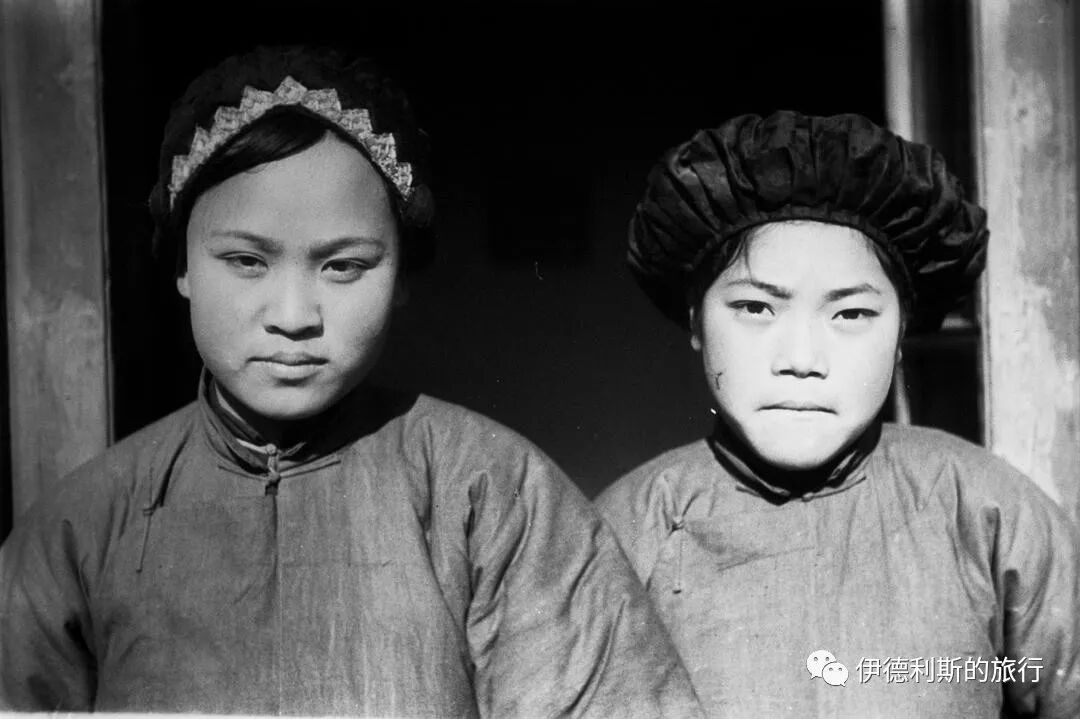
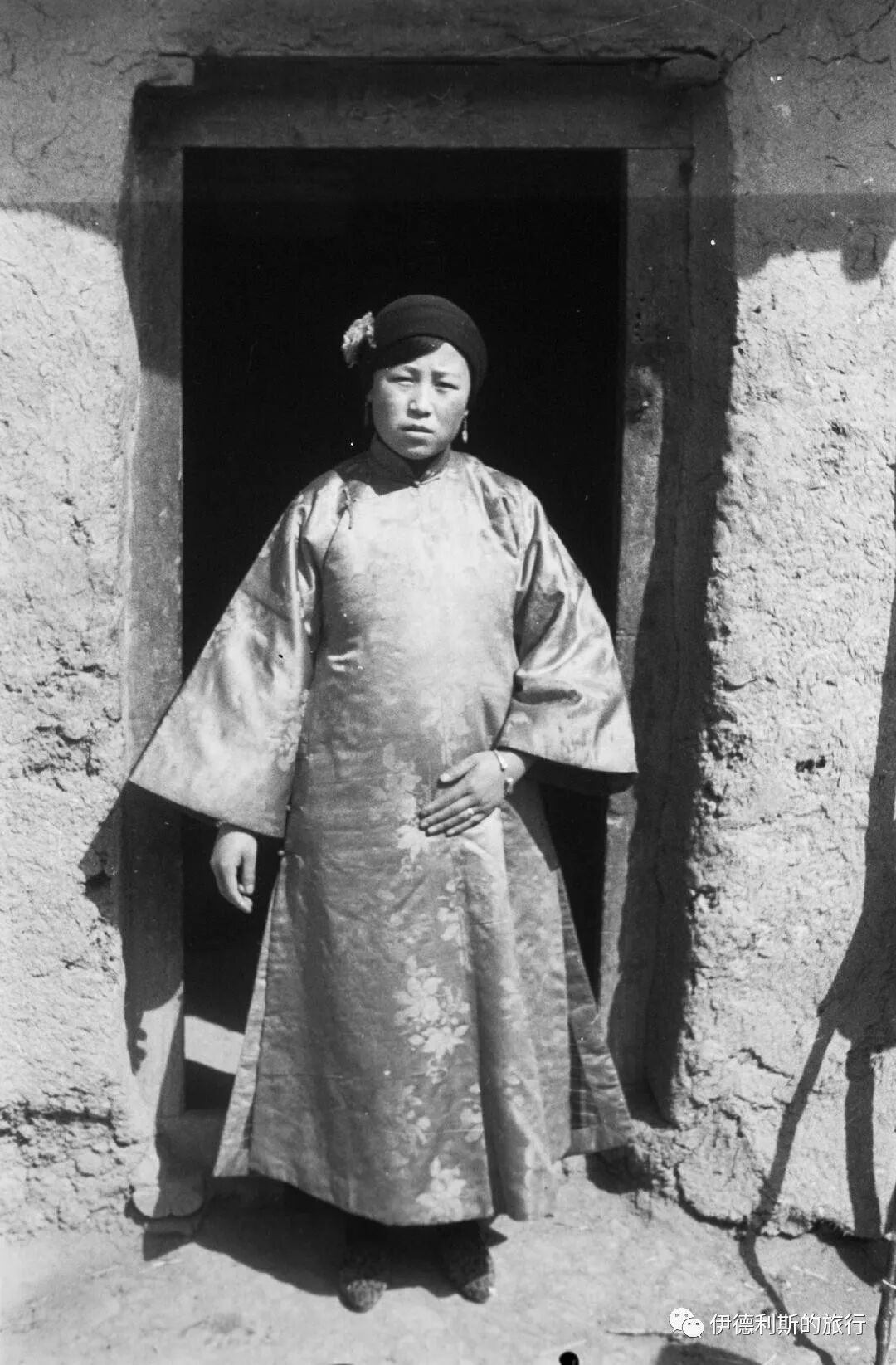
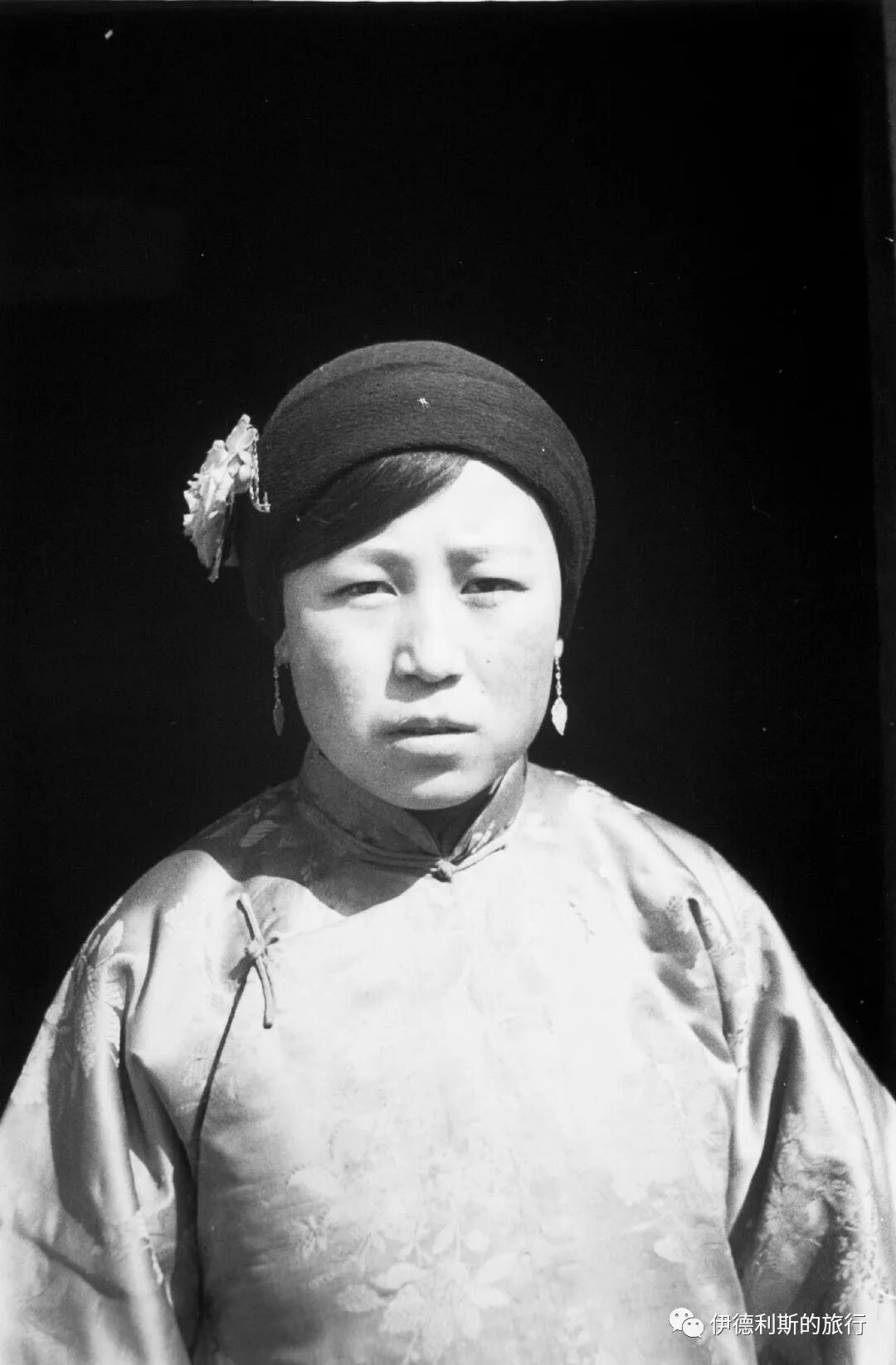
In 1930, Pastor Hai Yingguang and his family returned to Xunhua, Qinghai, for missionary work. Between 1932 and 1934, he took some precious photos of the Kaligang Tibetan Hui Muslims. Kaligang is located in the southwest of Hualong, Qinghai. Kaligang means big mountain in the Tibetan language. The area is full of high mountains and deep gullies, making transportation very difficult. In 1756, Ma Laichi, the founder of the Huasi menhuan, went to the Kaligang area to preach. This led local Tibetan people to convert to Islam, forming the unique Kaligang Tibetan Hui Muslims.
The brick carvings of the Huangwuju mosque in Dehenglong Township and the Kaligang Tibetan Hui Muslims. On the right is the leader of the Dehenglong Kaligang tribe.
Kaligang Tibetan Hui Muslims in 1932.
In Dehenglong, Kaligang in 1932.
Kaligang Tibetan Hui Muslims in 1933.
Kaligang Tibetan Hui Muslims in 1934.
Kaligang Tibetan Hui Muslims photographed in Labuleng Town in 1939. view all
Summary: Carter Holton's Old Photos of Kaligang Tibetan Hui Muslims is presented here as a firsthand travel account in clear English, beginning with this scene: Pastor Hai Yingguang was an American missionary whose original name was Carter Holton. The account keeps its focus on Tibetan Hui Muslims, Old Photos, Muslim Heritage while preserving the names, places, food, and historical details from the Chinese source.
Pastor Hai Yingguang was an American missionary whose original name was Carter Holton. He worked in Northwest China from 1923 to 1949 and left behind over 5,000 precious photographs. After Pastor Hai Yingguang passed away, his daughter Lora Jean Heurlin donated these materials to the Harvard-Yenching Library in the early 1990s. The library finished digitizing them in 2011.
Online address: library.harvard.edu/collections/carter-d-holton-collection
In 1930, Pastor Hai Yingguang and his family returned to Xunhua, Qinghai, for missionary work. Between 1932 and 1934, he took some precious photos of the Kaligang Tibetan Hui Muslims. Kaligang is located in the southwest of Hualong, Qinghai. Kaligang means big mountain in the Tibetan language. The area is full of high mountains and deep gullies, making transportation very difficult. In 1756, Ma Laichi, the founder of the Huasi menhuan, went to the Kaligang area to preach. This led local Tibetan people to convert to Islam, forming the unique Kaligang Tibetan Hui Muslims.
The brick carvings of the Huangwuju mosque in Dehenglong Township and the Kaligang Tibetan Hui Muslims. On the right is the leader of the Dehenglong Kaligang tribe.
Kaligang Tibetan Hui Muslims in 1932.
In Dehenglong, Kaligang in 1932.
Kaligang Tibetan Hui Muslims in 1933.
Kaligang Tibetan Hui Muslims in 1934.
Kaligang Tibetan Hui Muslims photographed in Labuleng Town in 1939. view all
Reposted from the web
Summary: Carter Holton's Old Photos of Kaligang Tibetan Hui Muslims is presented here as a firsthand travel account in clear English, beginning with this scene: Pastor Hai Yingguang was an American missionary whose original name was Carter Holton. The account keeps its focus on Tibetan Hui Muslims, Old Photos, Muslim Heritage while preserving the names, places, food, and historical details from the Chinese source.
Pastor Hai Yingguang was an American missionary whose original name was Carter Holton. He worked in Northwest China from 1923 to 1949 and left behind over 5,000 precious photographs. After Pastor Hai Yingguang passed away, his daughter Lora Jean Heurlin donated these materials to the Harvard-Yenching Library in the early 1990s. The library finished digitizing them in 2011.
Online address: library.harvard.edu/collections/carter-d-holton-collection
In 1930, Pastor Hai Yingguang and his family returned to Xunhua, Qinghai, for missionary work. Between 1932 and 1934, he took some precious photos of the Kaligang Tibetan Hui Muslims. Kaligang is located in the southwest of Hualong, Qinghai. Kaligang means big mountain in the Tibetan language. The area is full of high mountains and deep gullies, making transportation very difficult. In 1756, Ma Laichi, the founder of the Huasi menhuan, went to the Kaligang area to preach. This led local Tibetan people to convert to Islam, forming the unique Kaligang Tibetan Hui Muslims.
The brick carvings of the Huangwuju mosque in Dehenglong Township and the Kaligang Tibetan Hui Muslims. On the right is the leader of the Dehenglong Kaligang tribe.
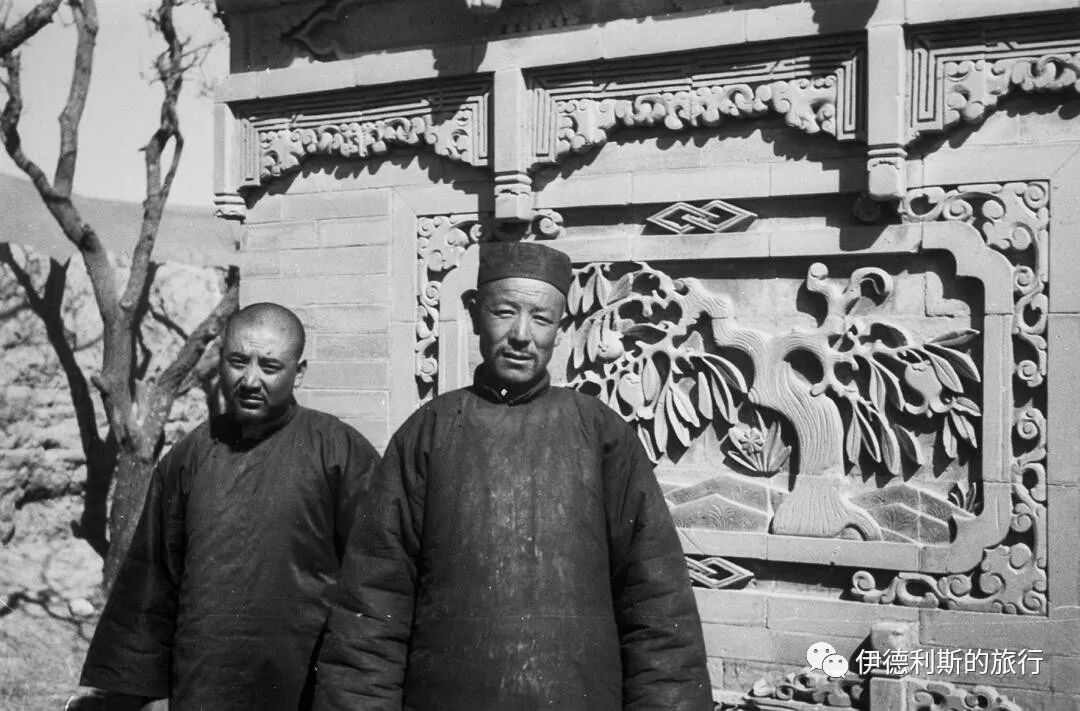
Kaligang Tibetan Hui Muslims in 1932.
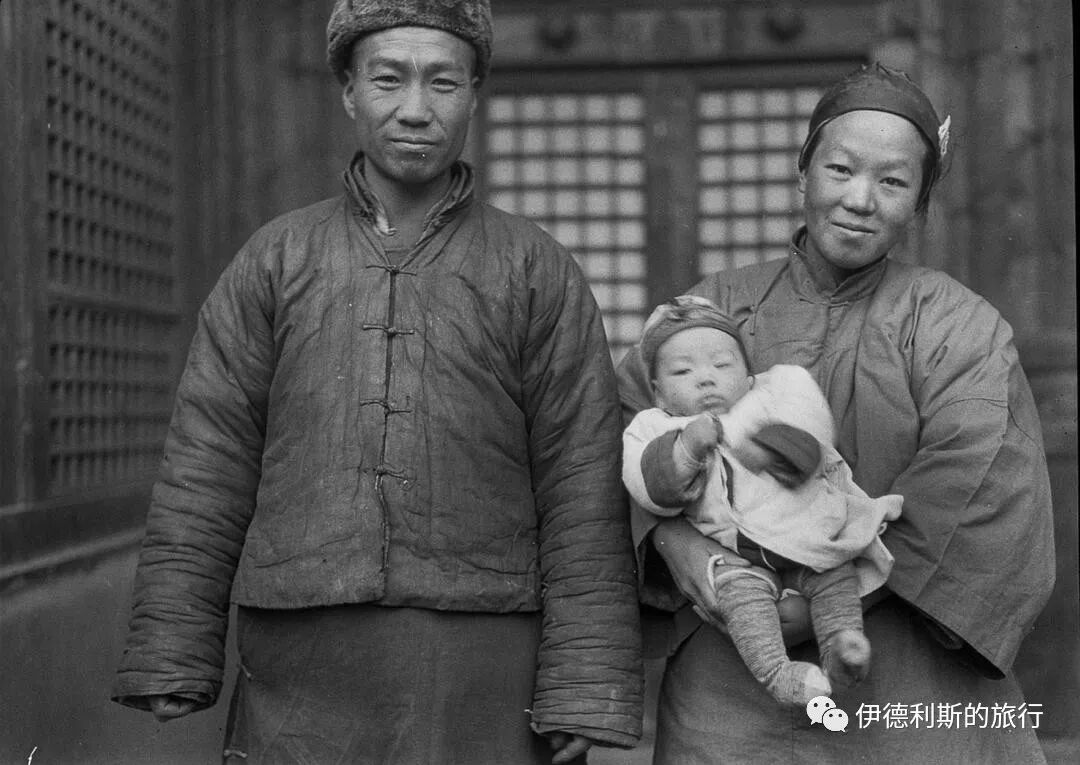
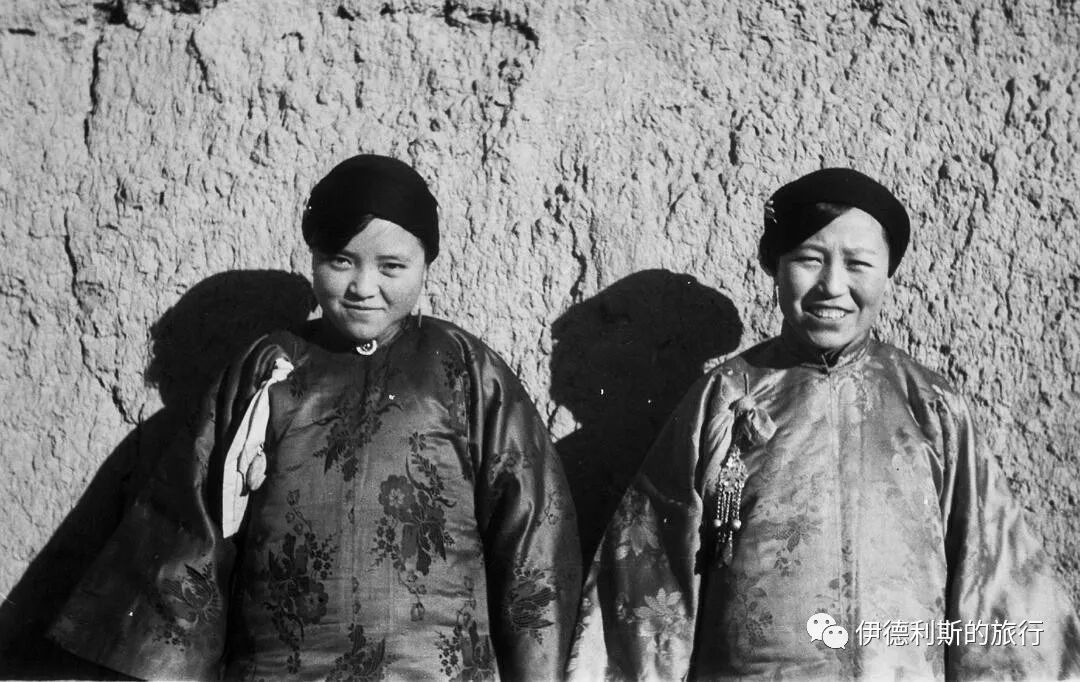
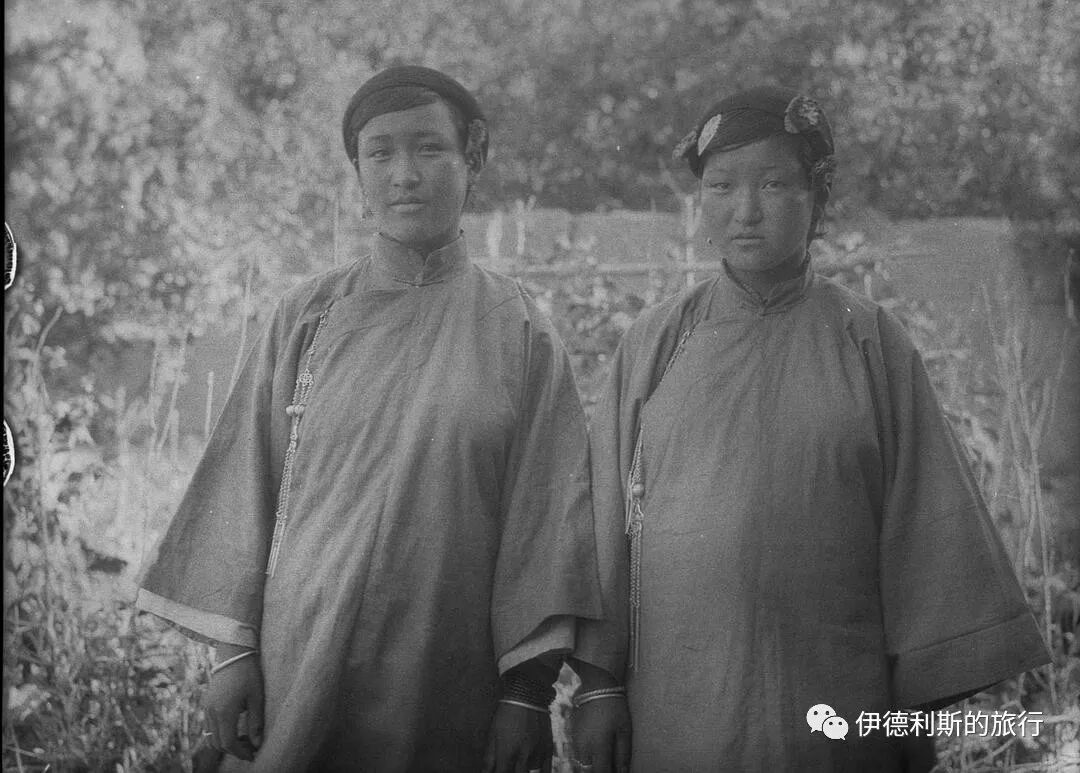
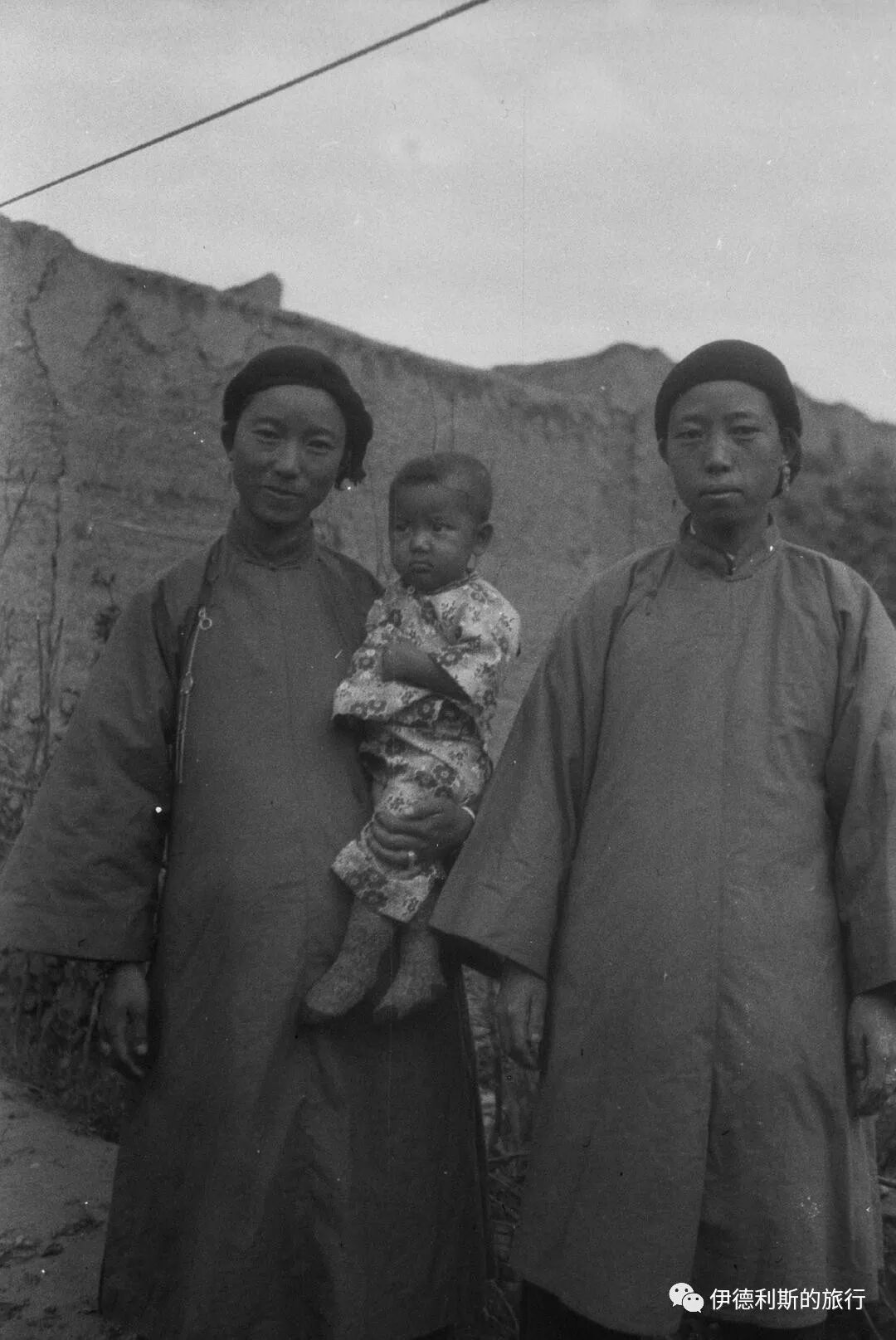
In Dehenglong, Kaligang in 1932.
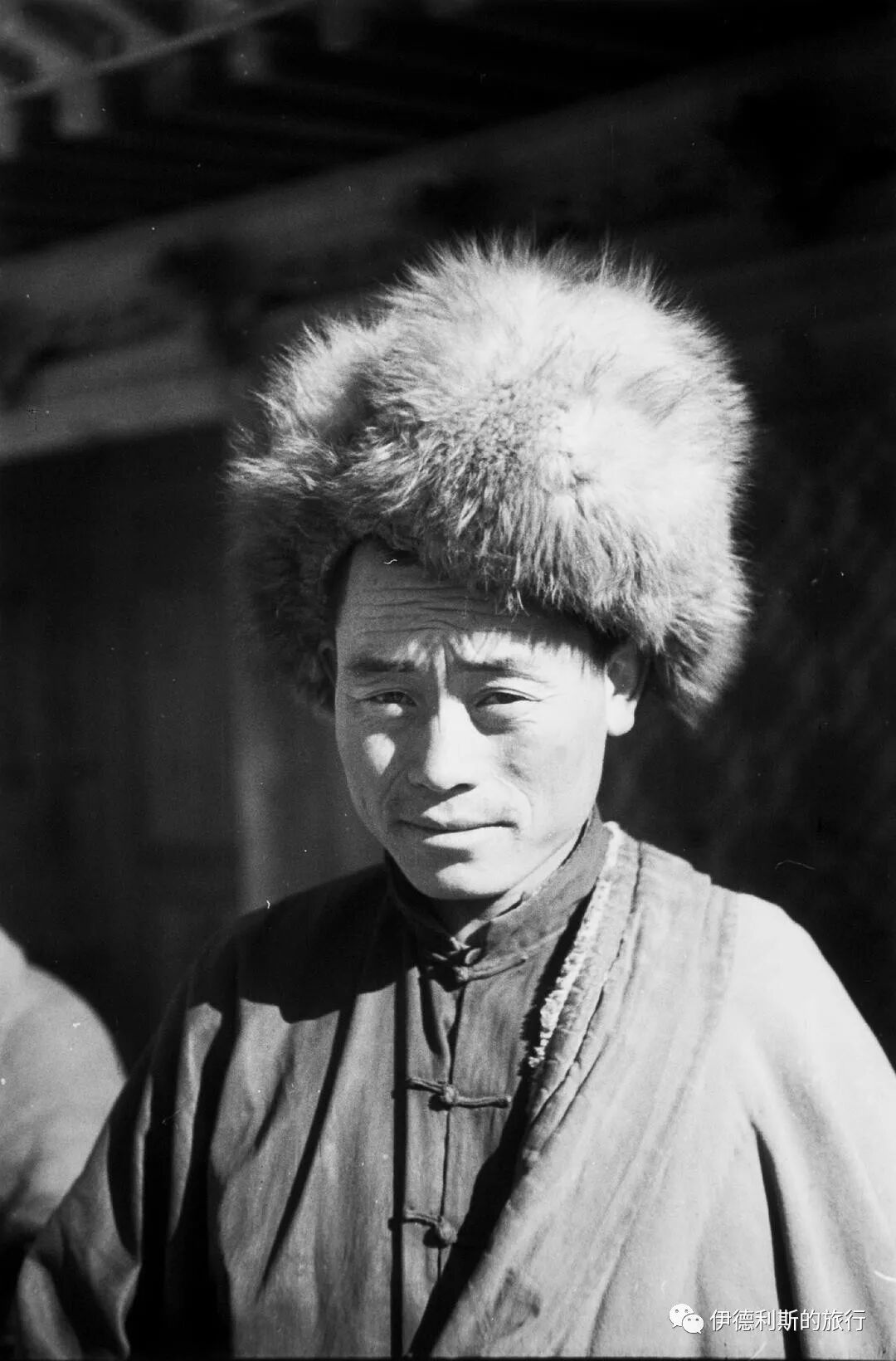
Kaligang Tibetan Hui Muslims in 1933.
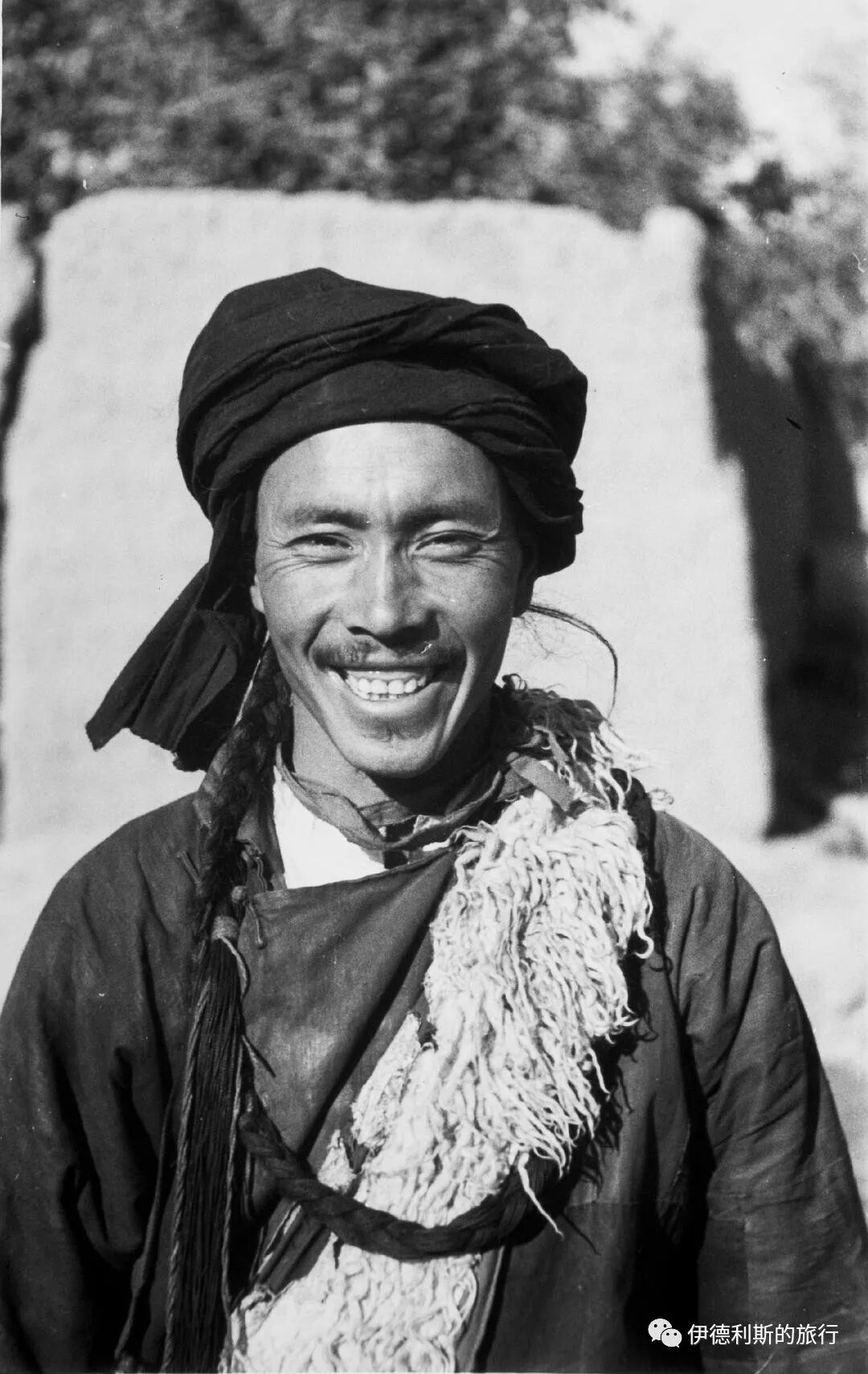
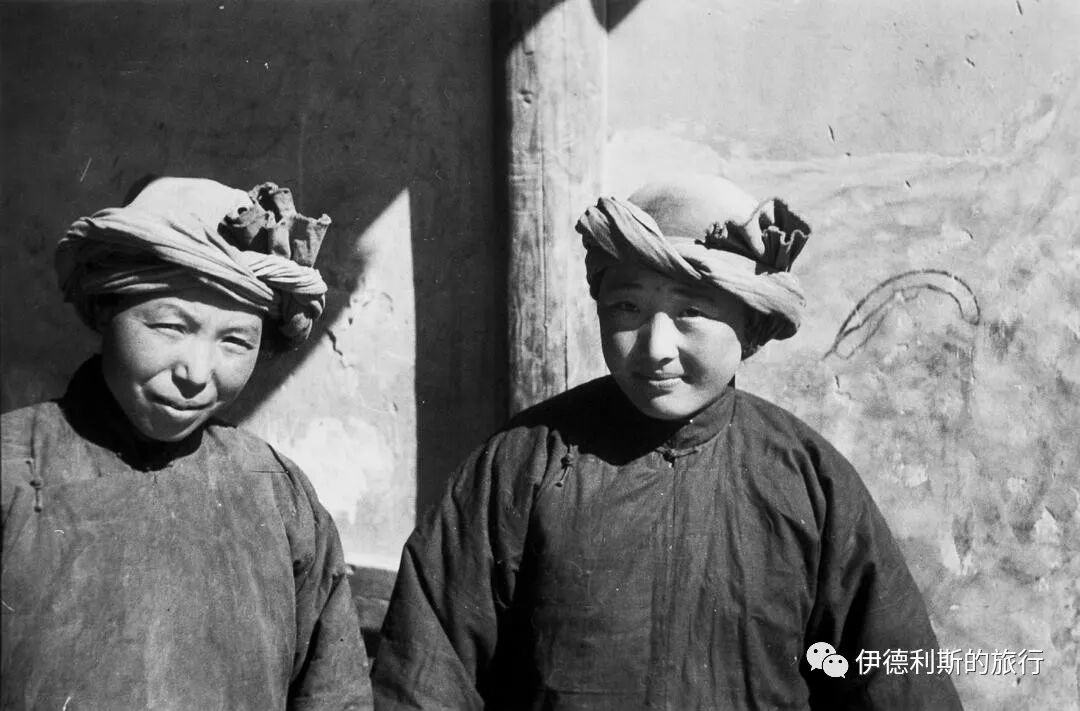
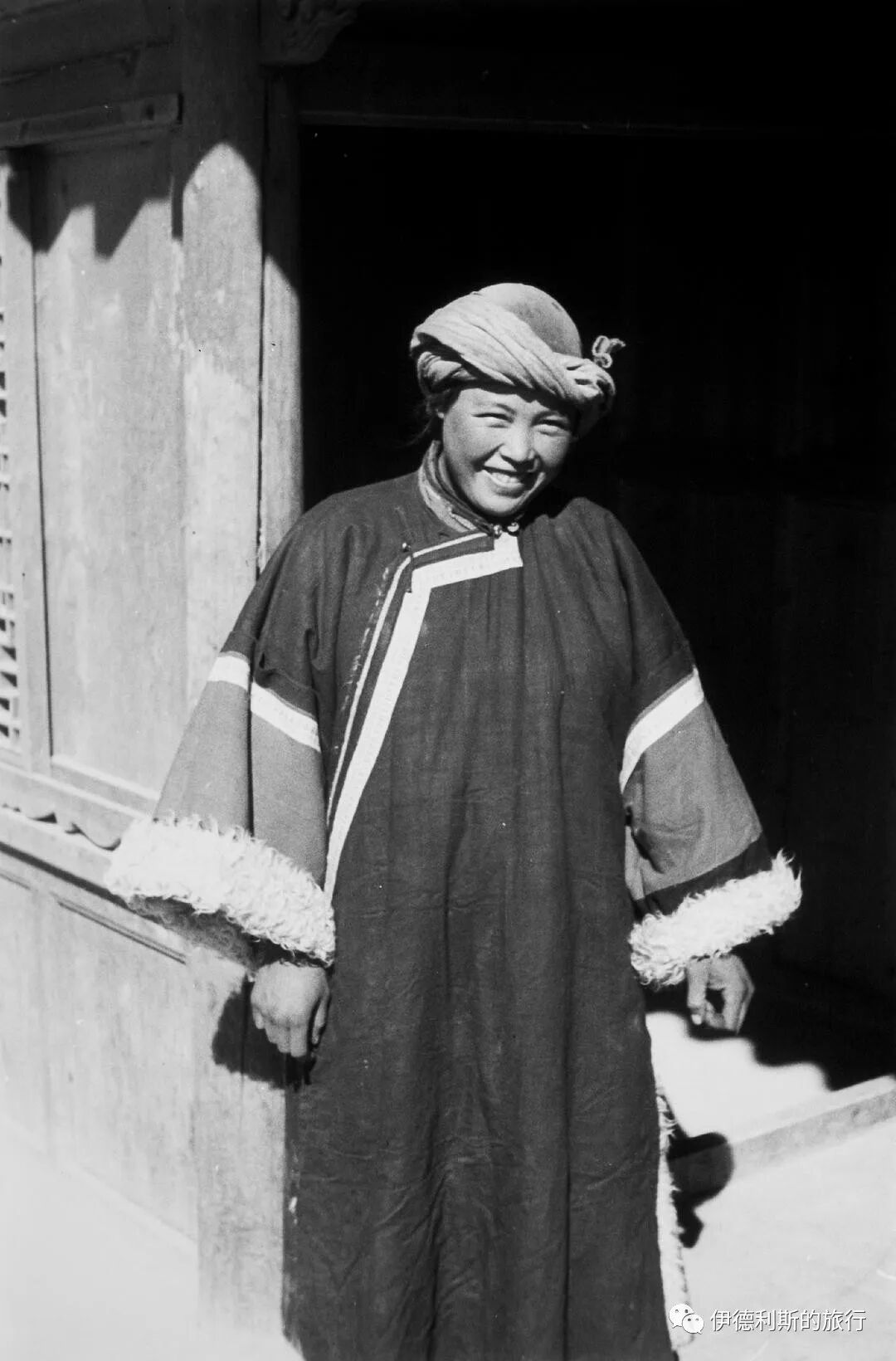
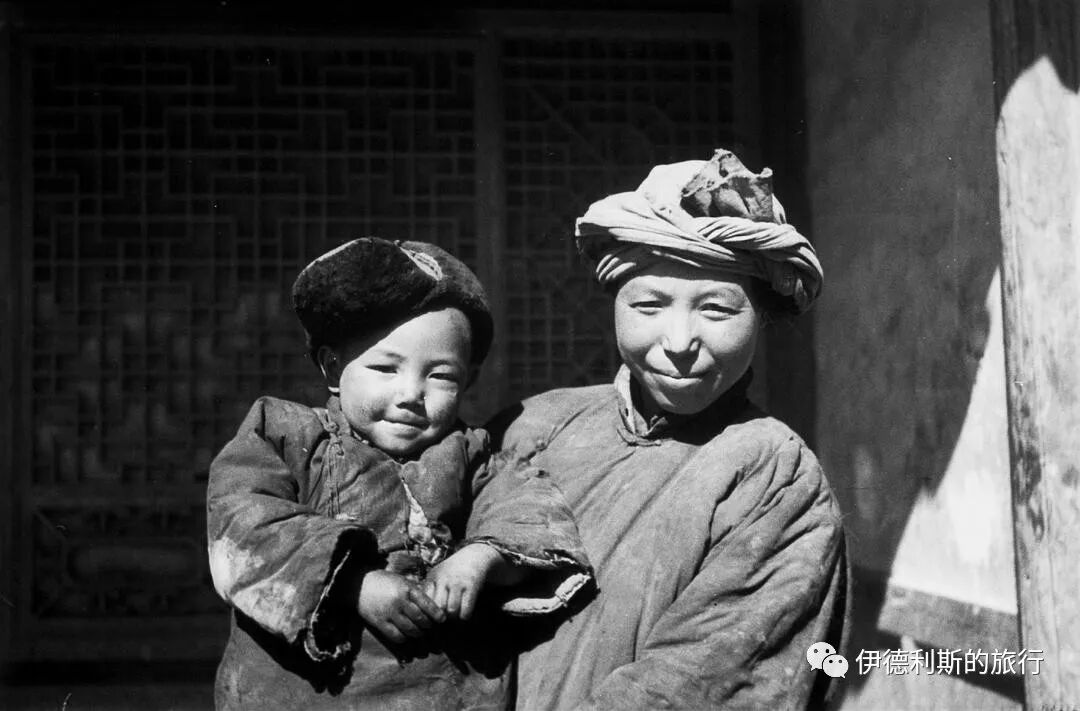
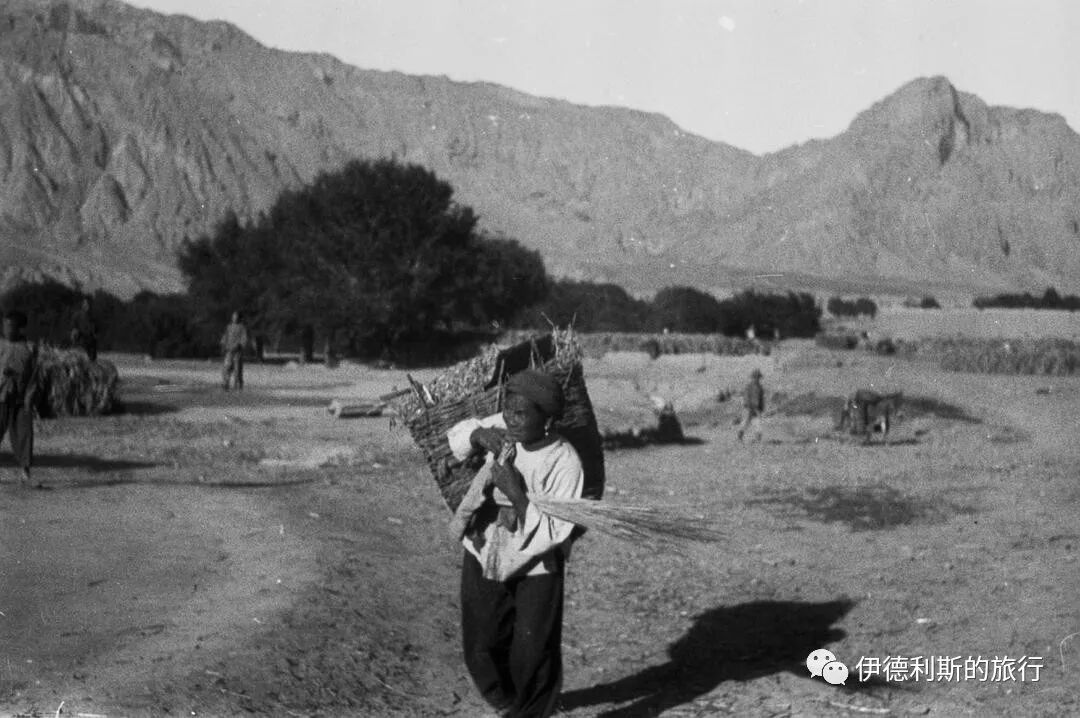
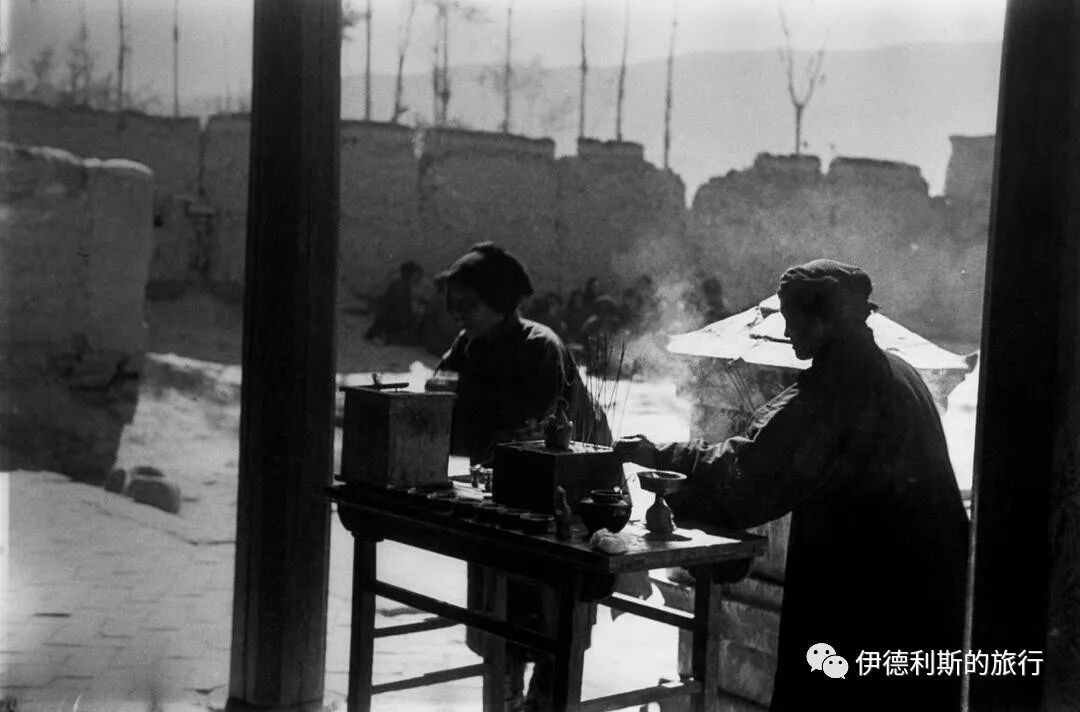
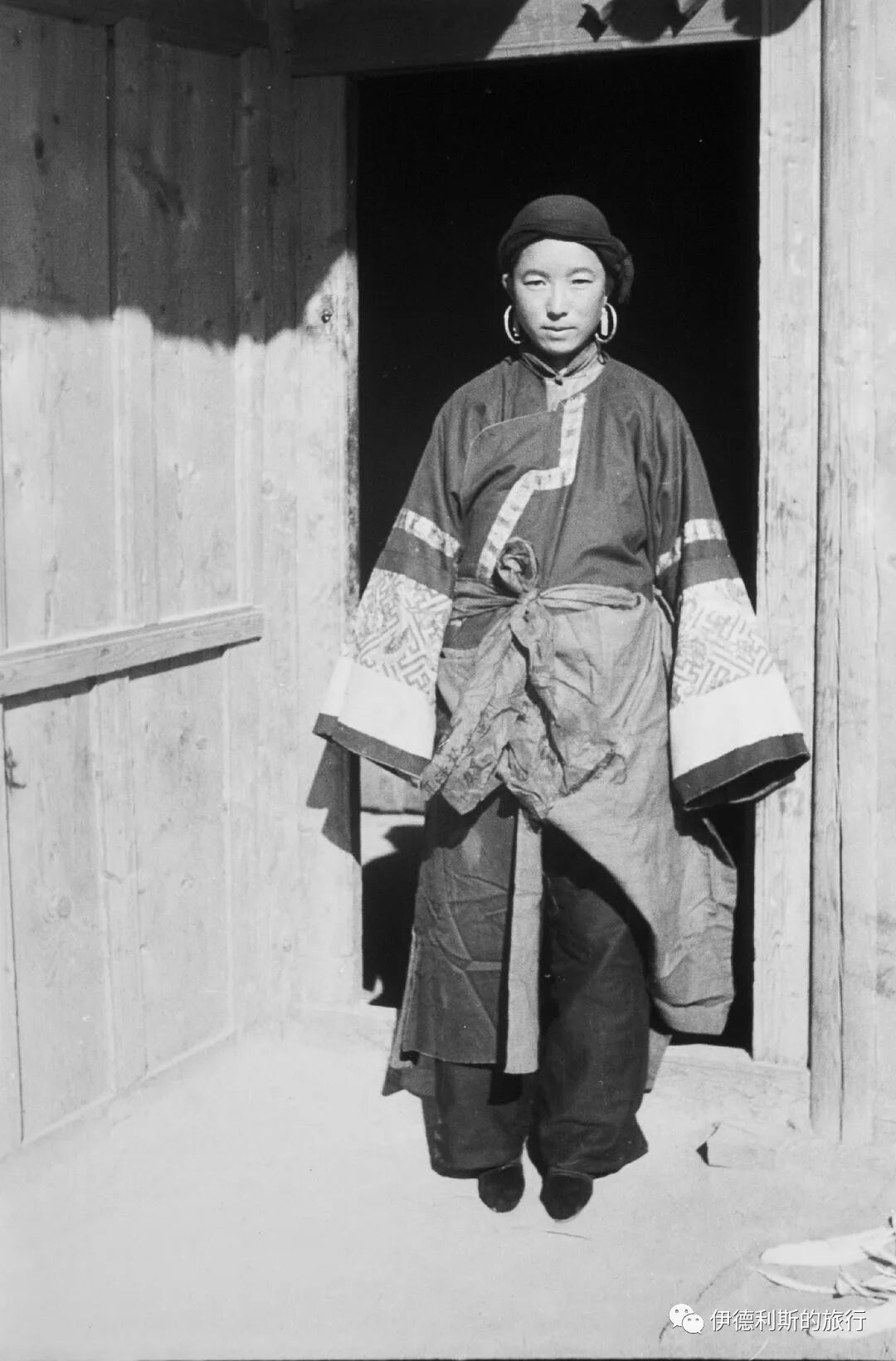
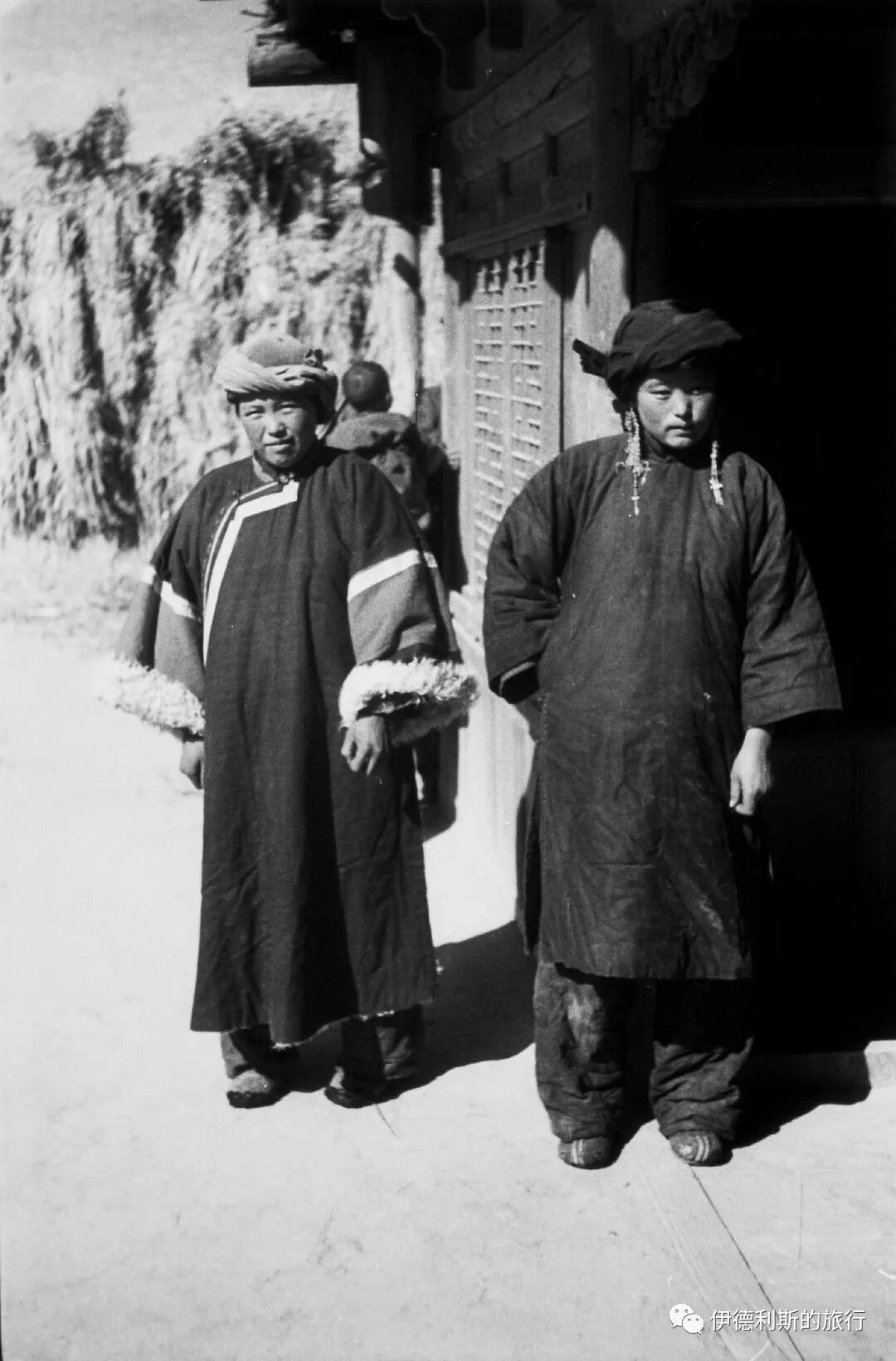
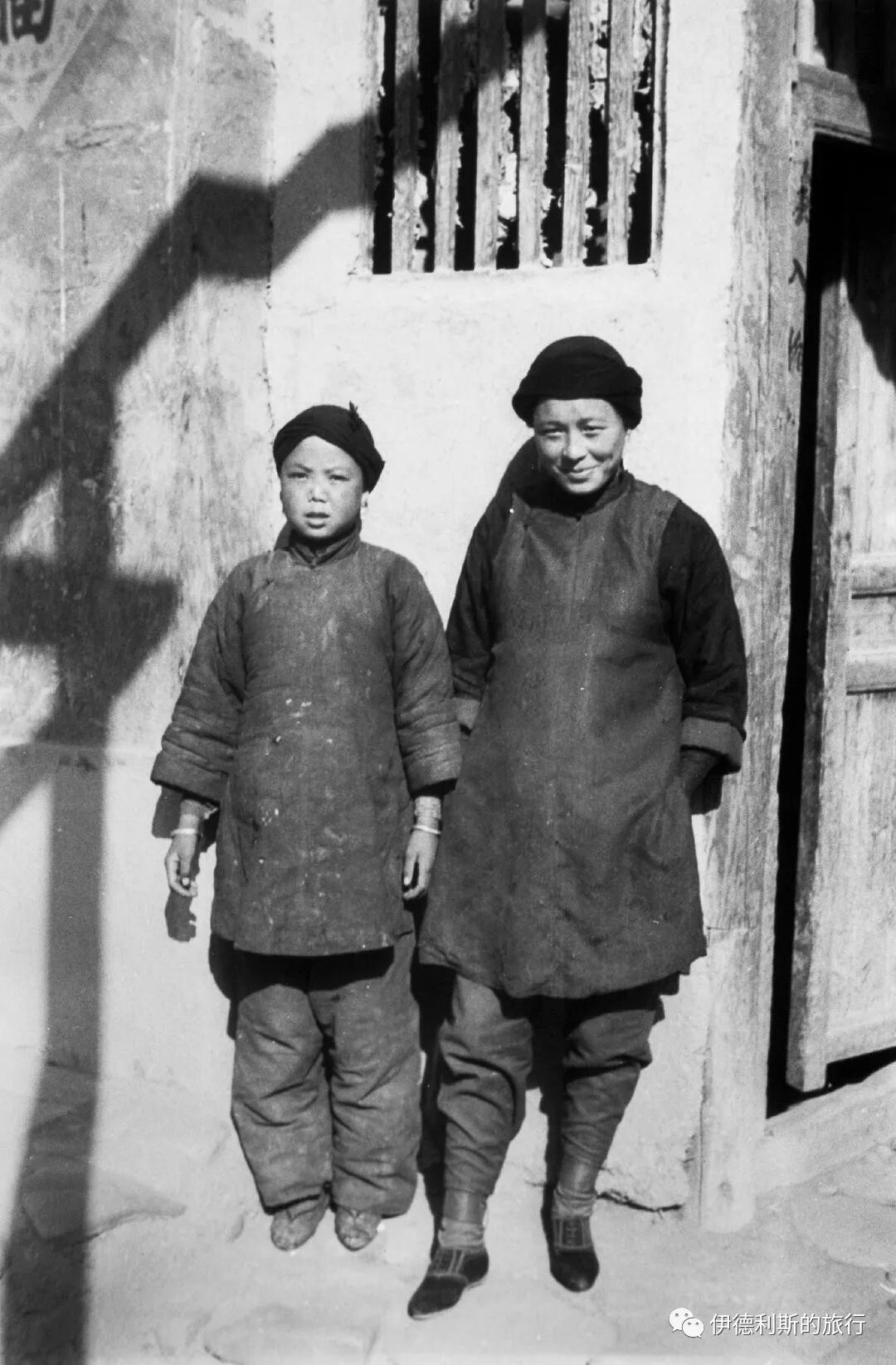
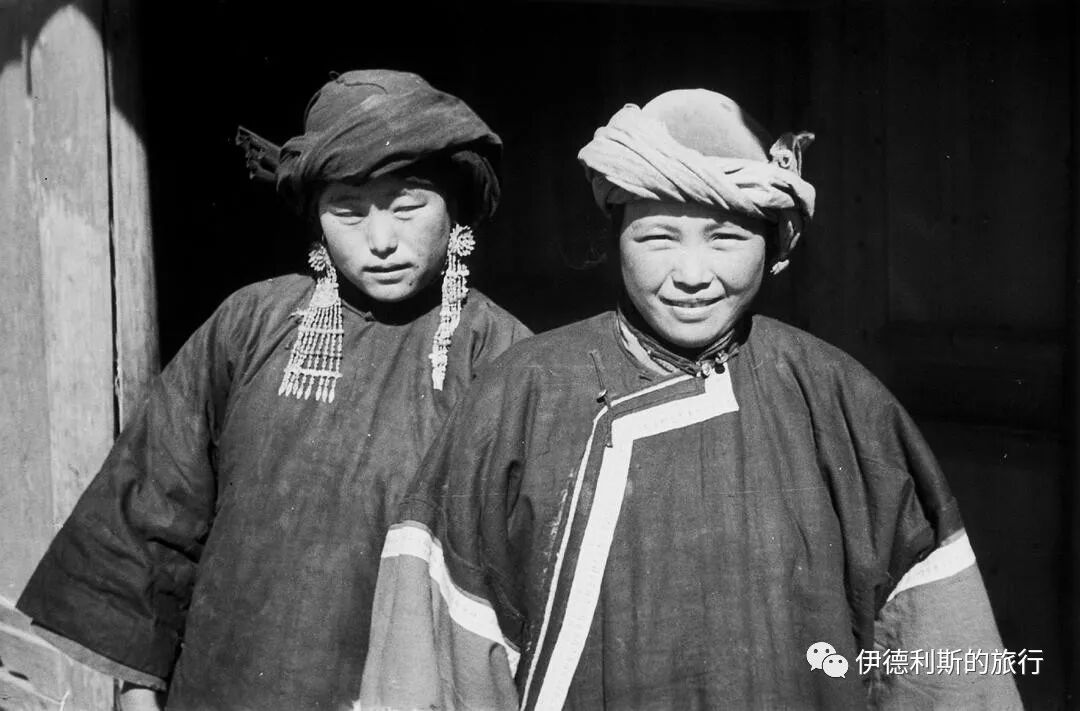
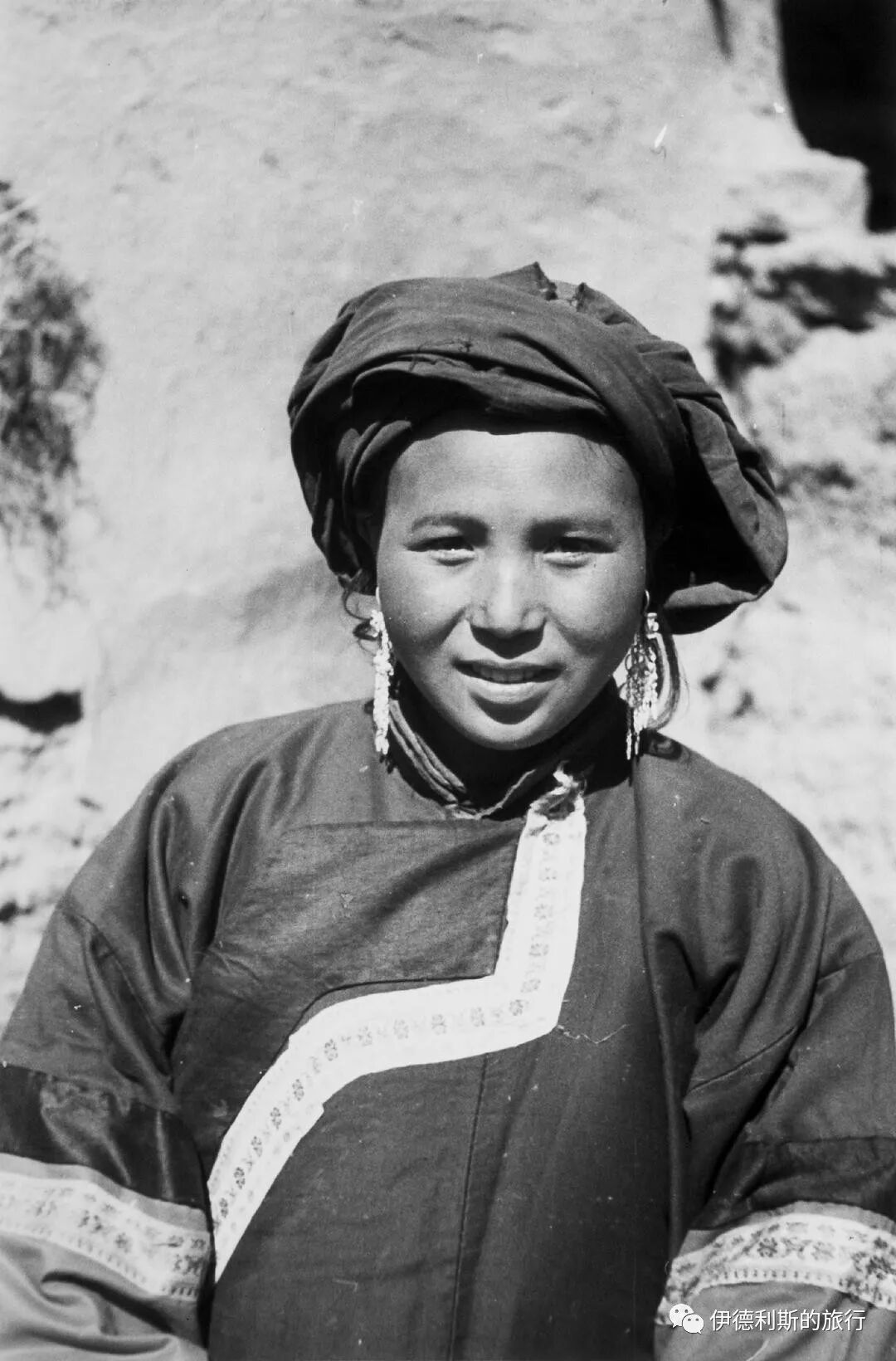
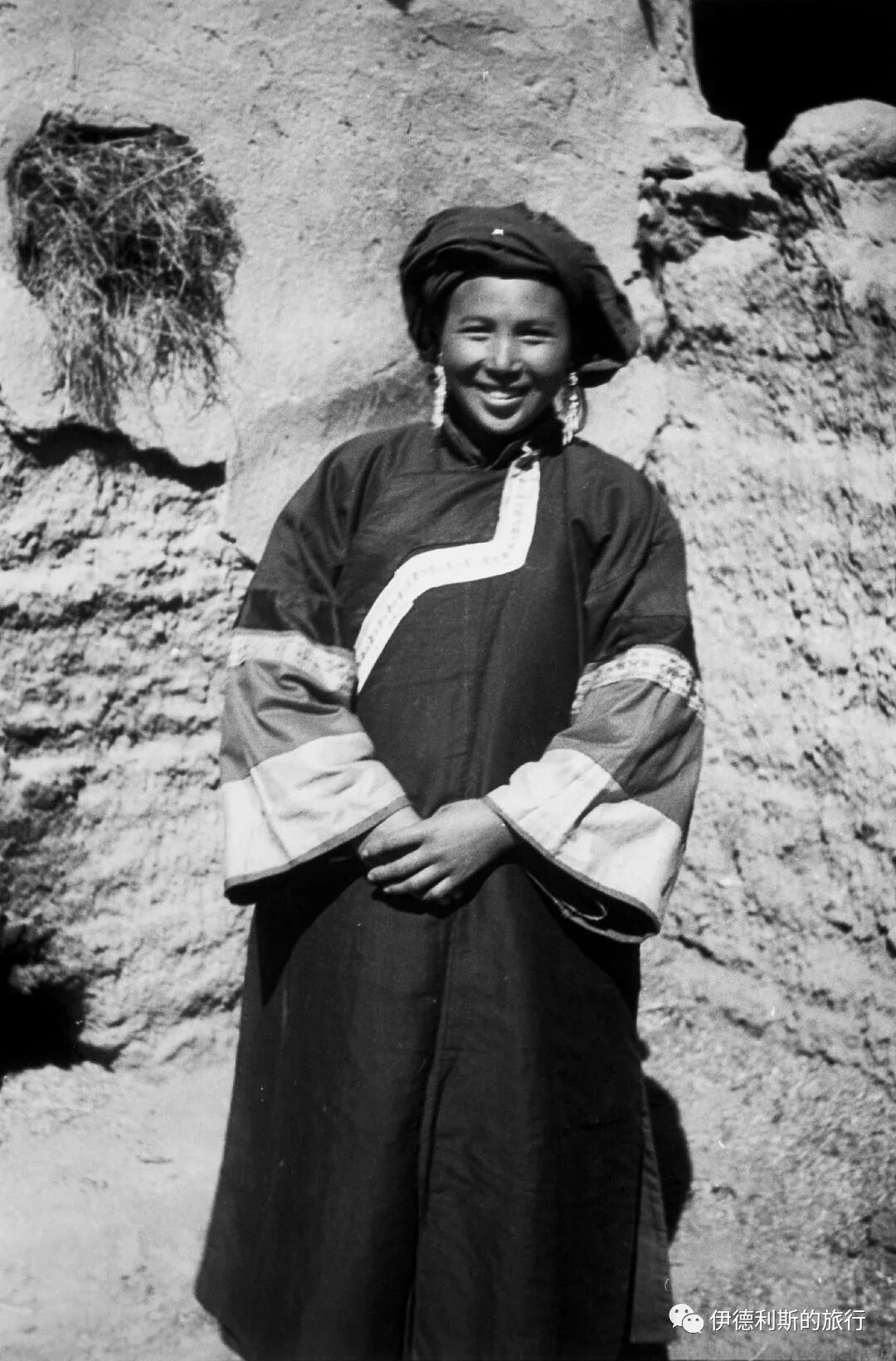
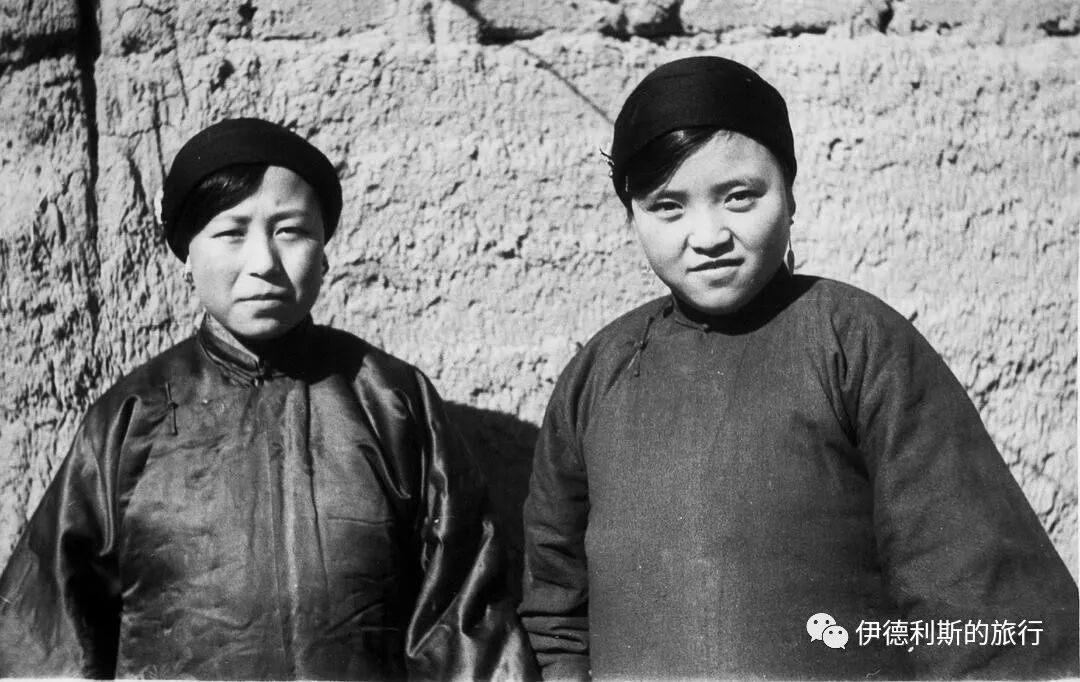
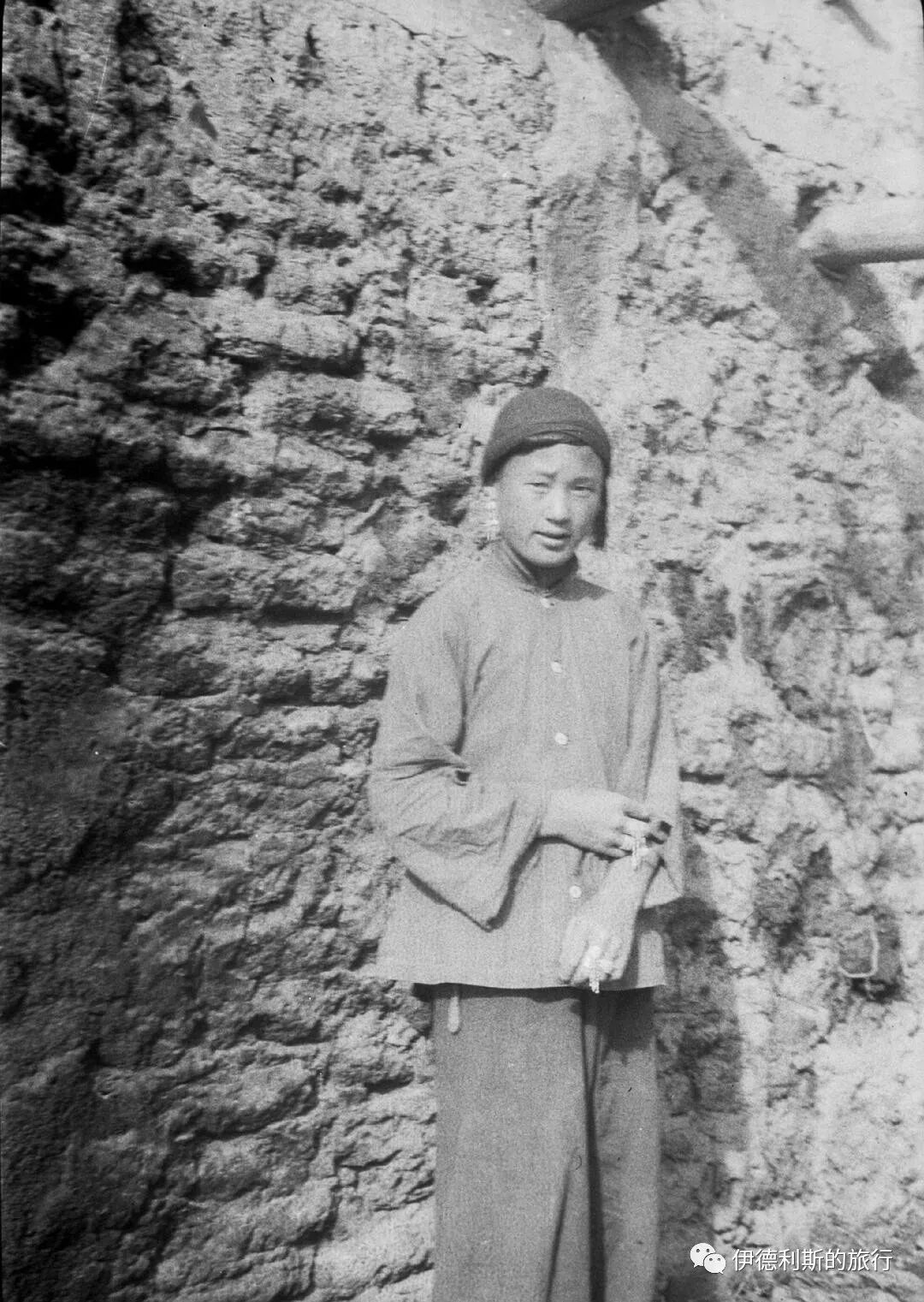
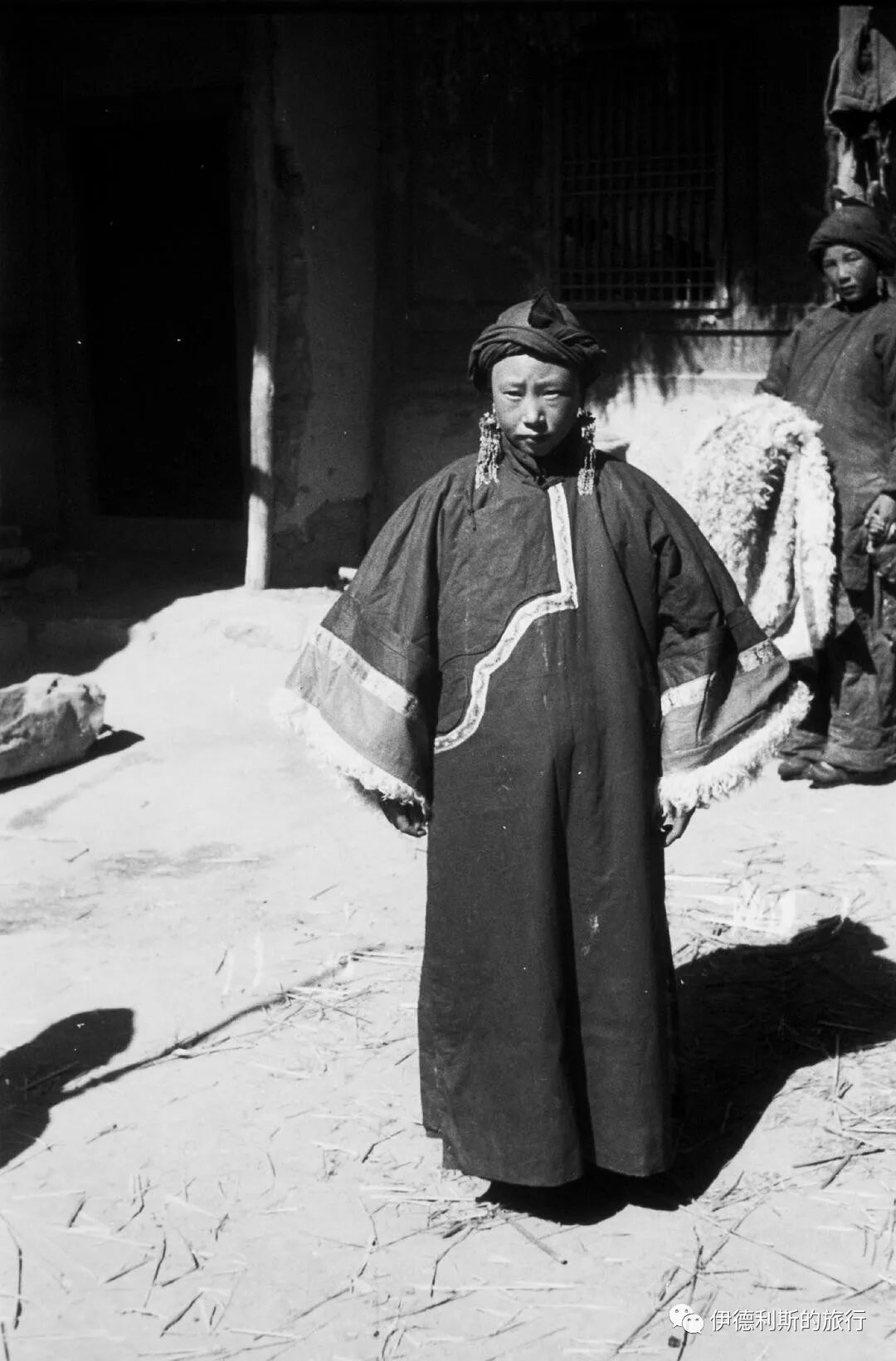
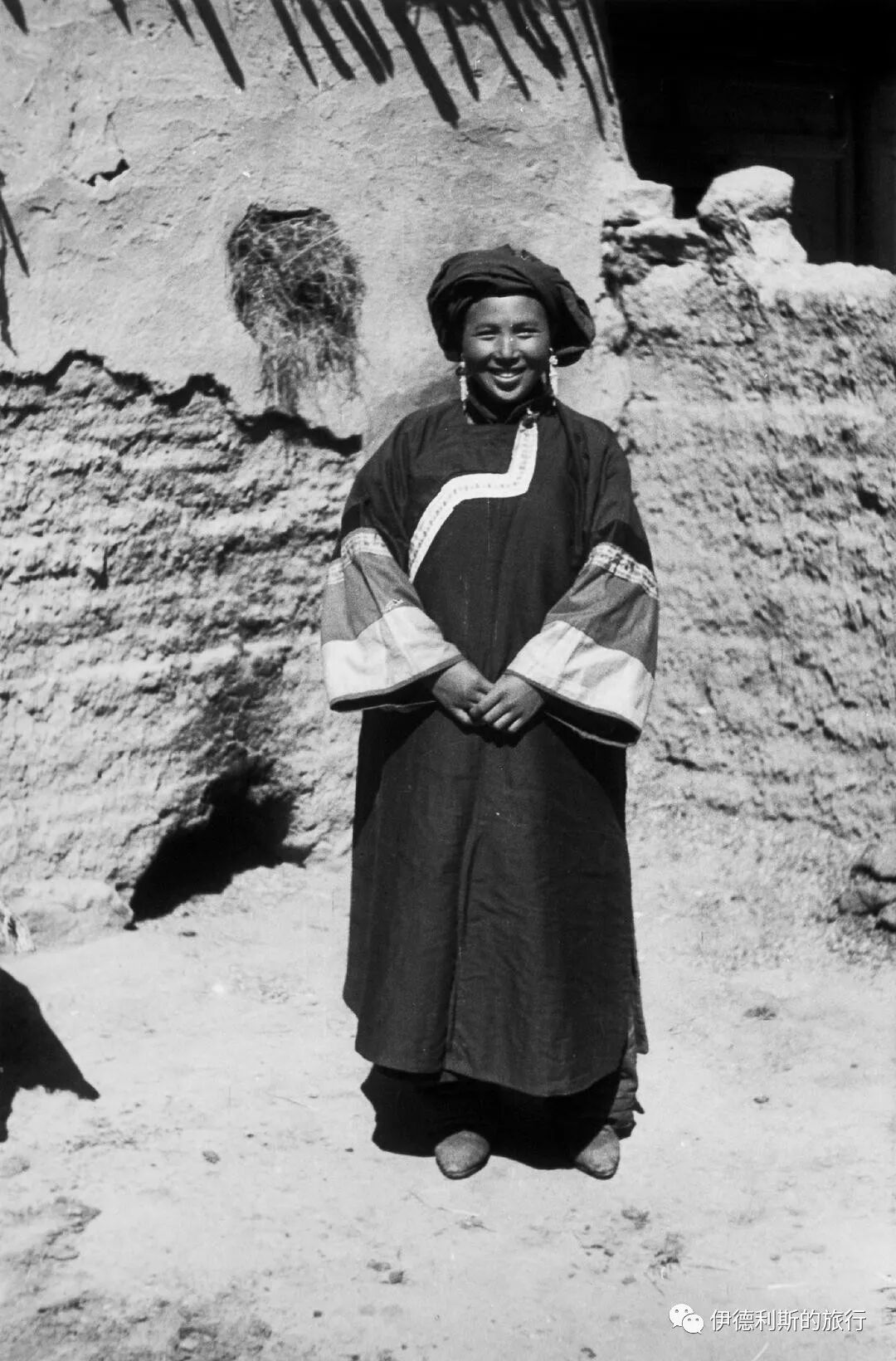
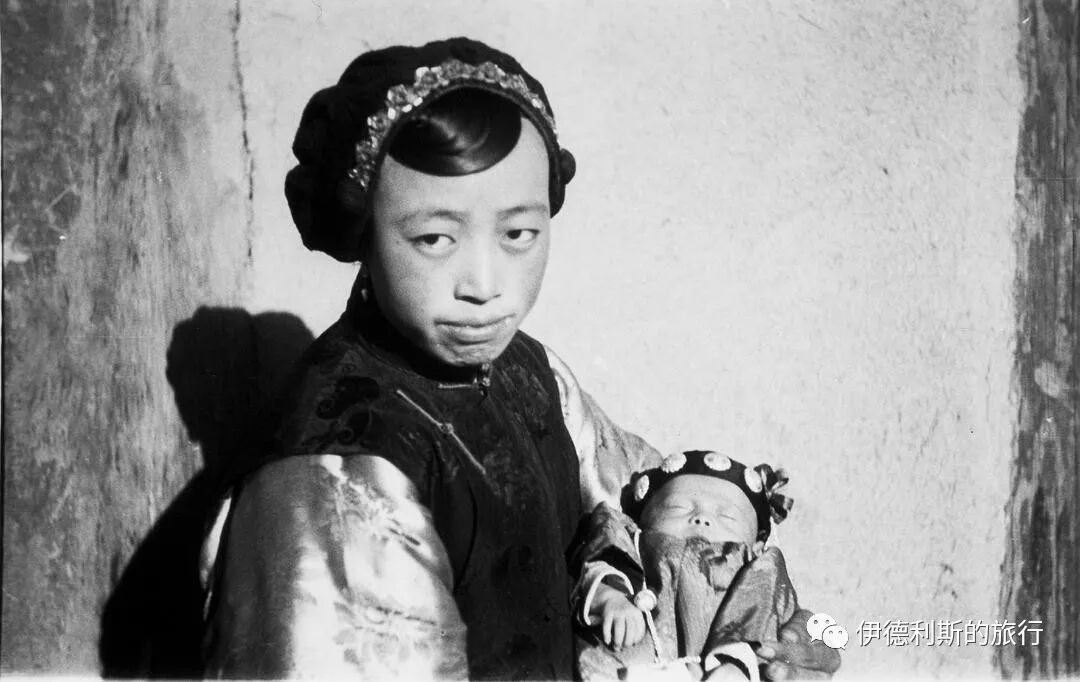
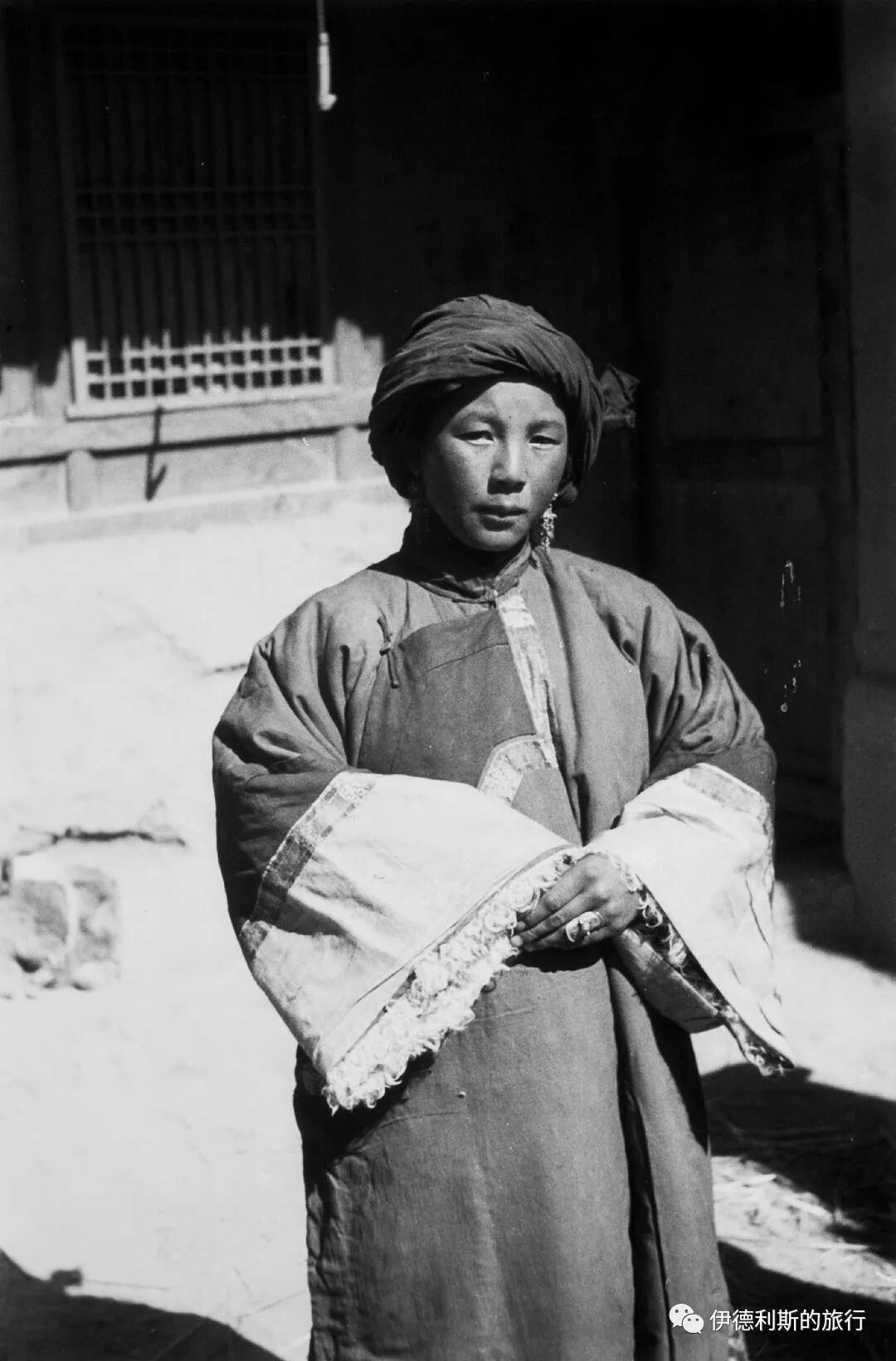
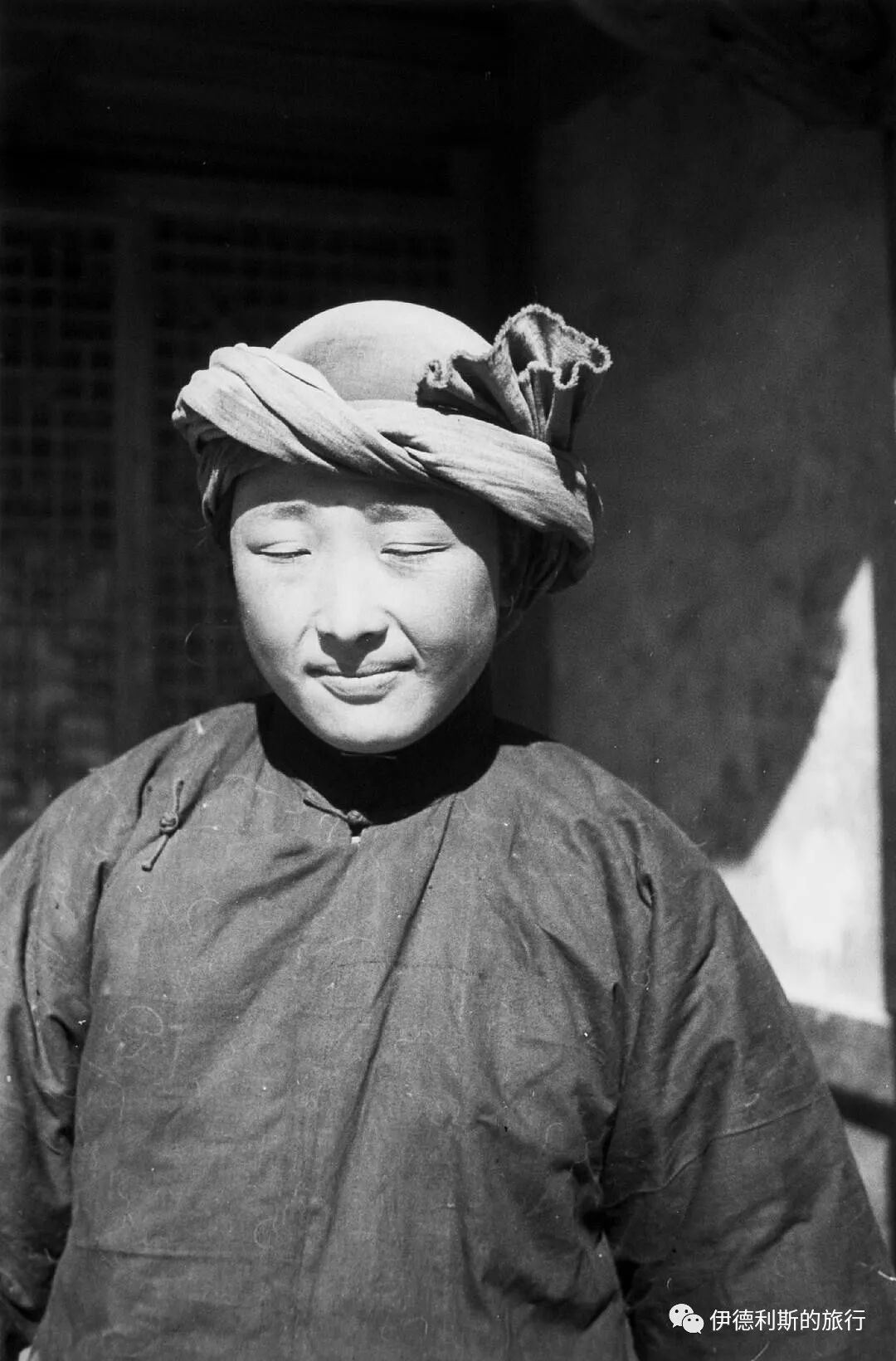
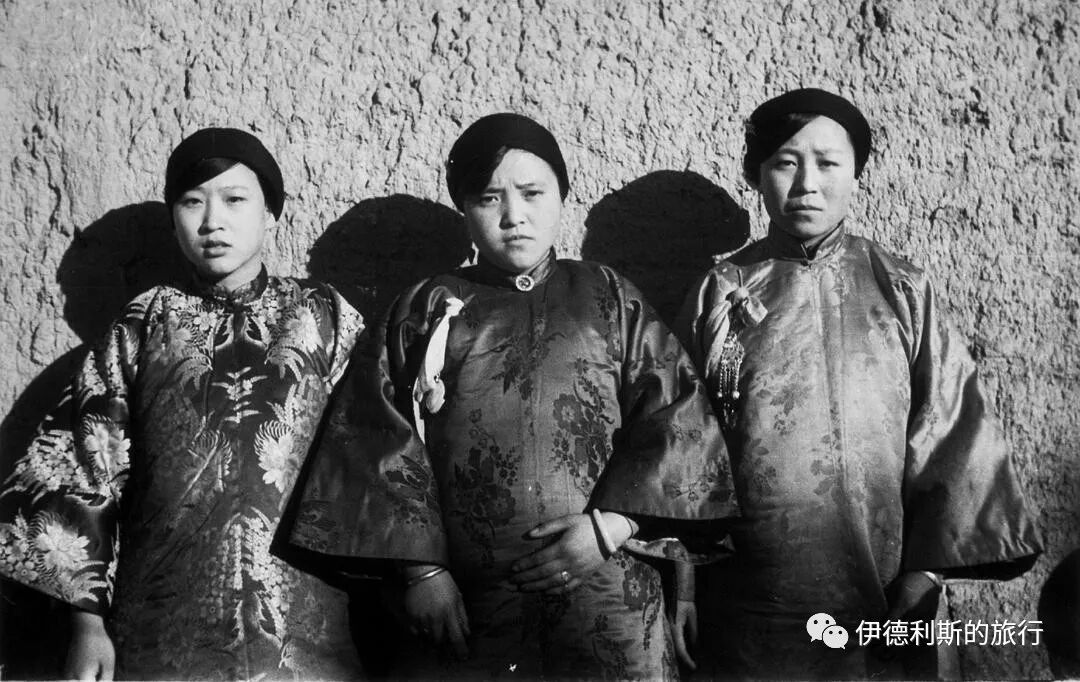
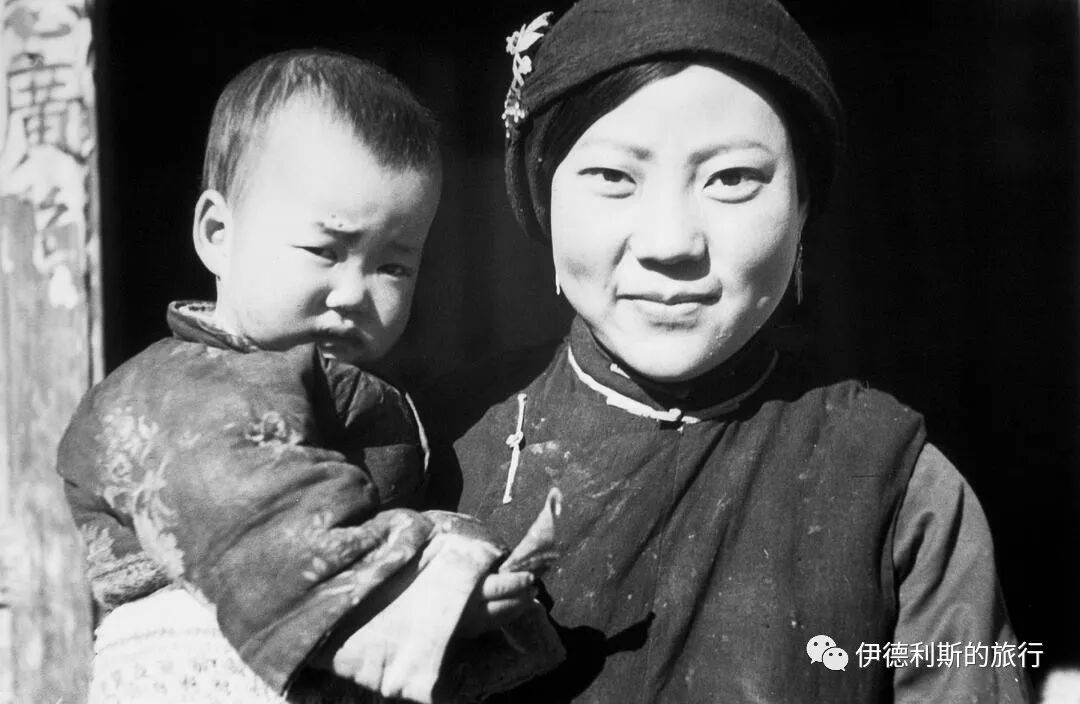
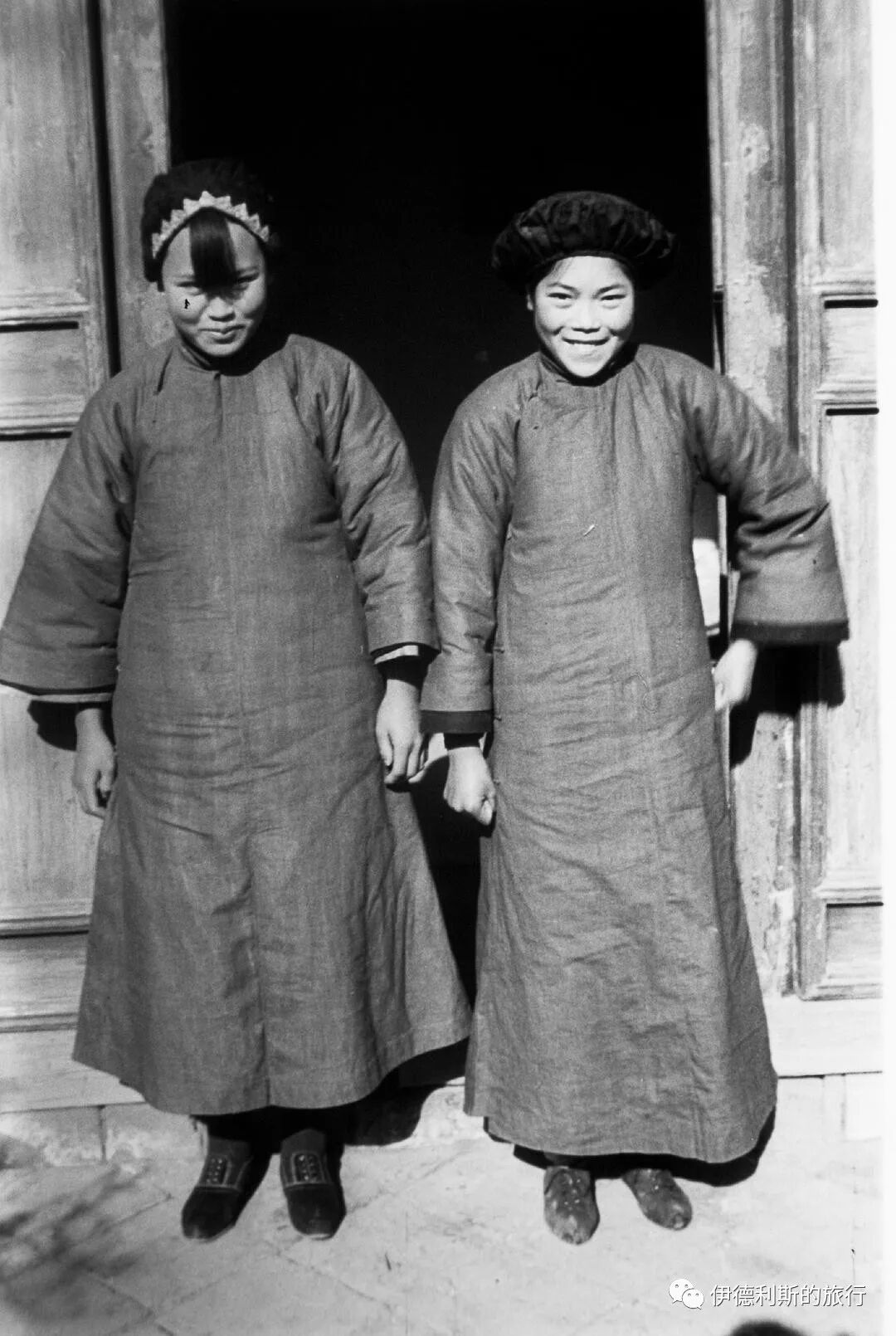
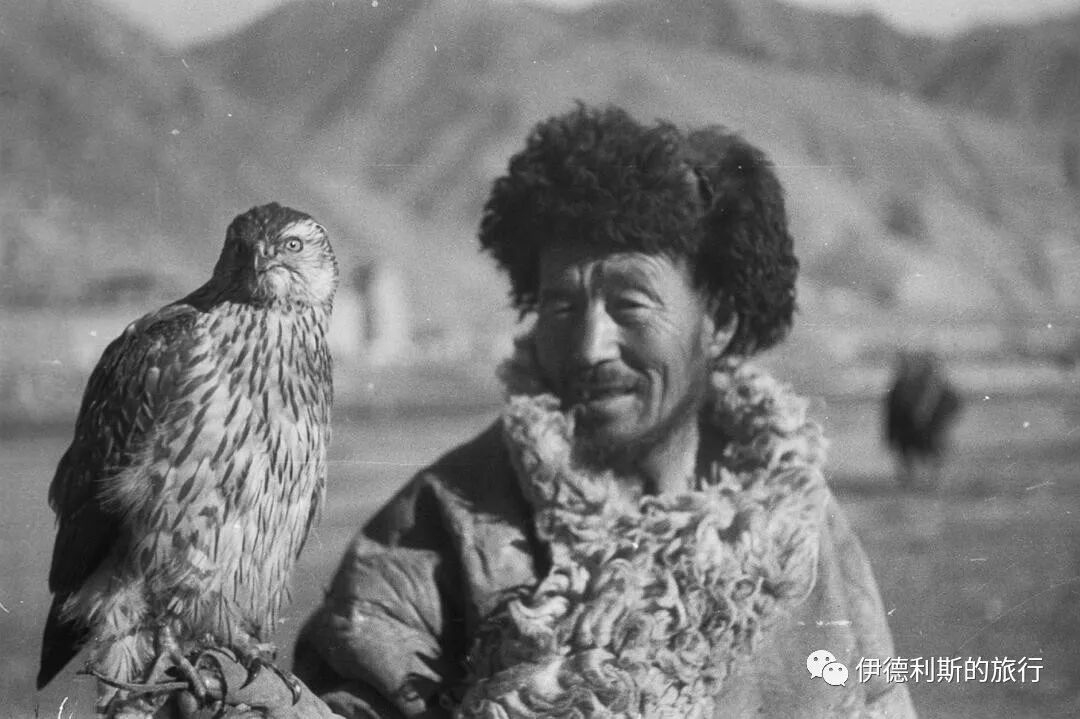
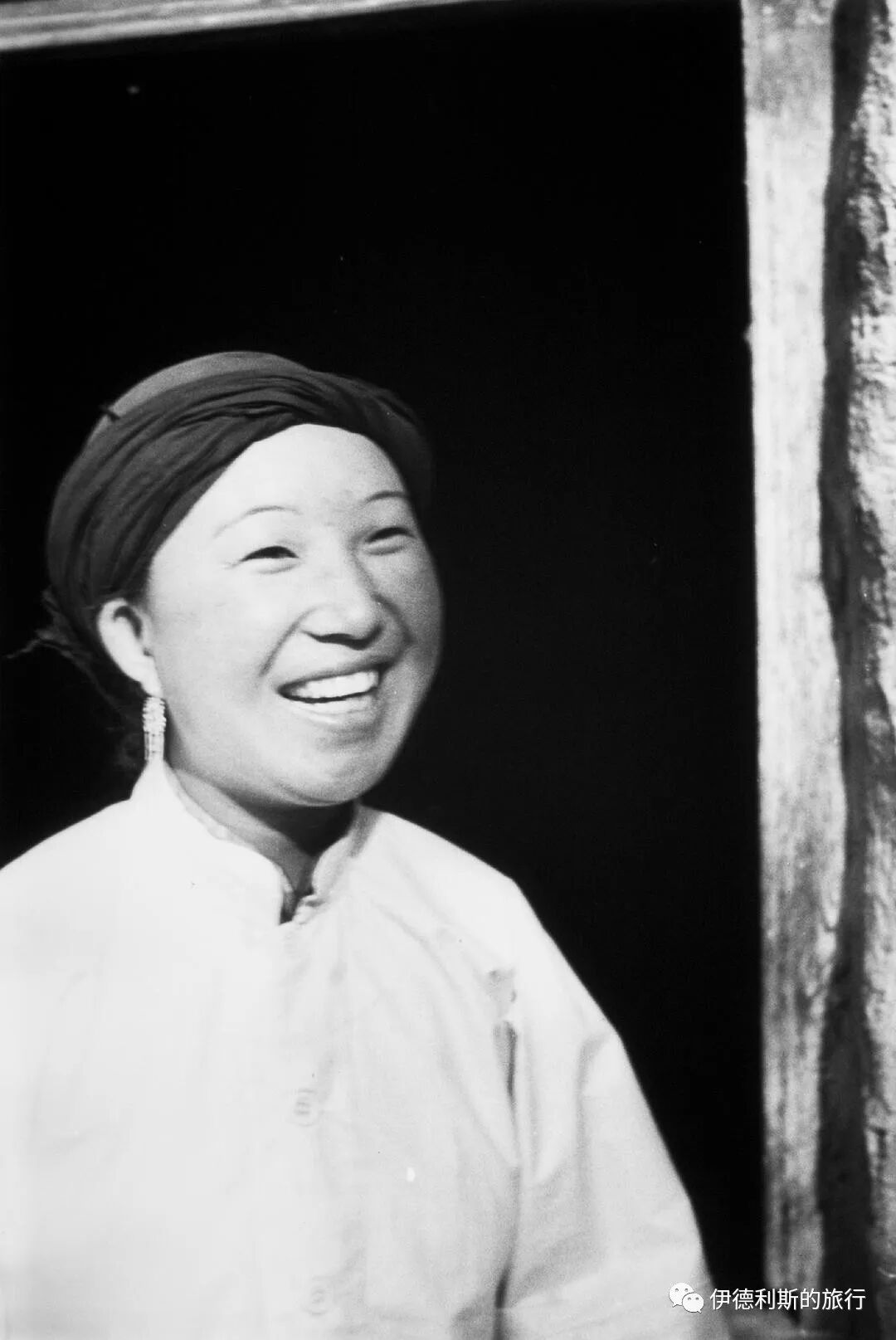
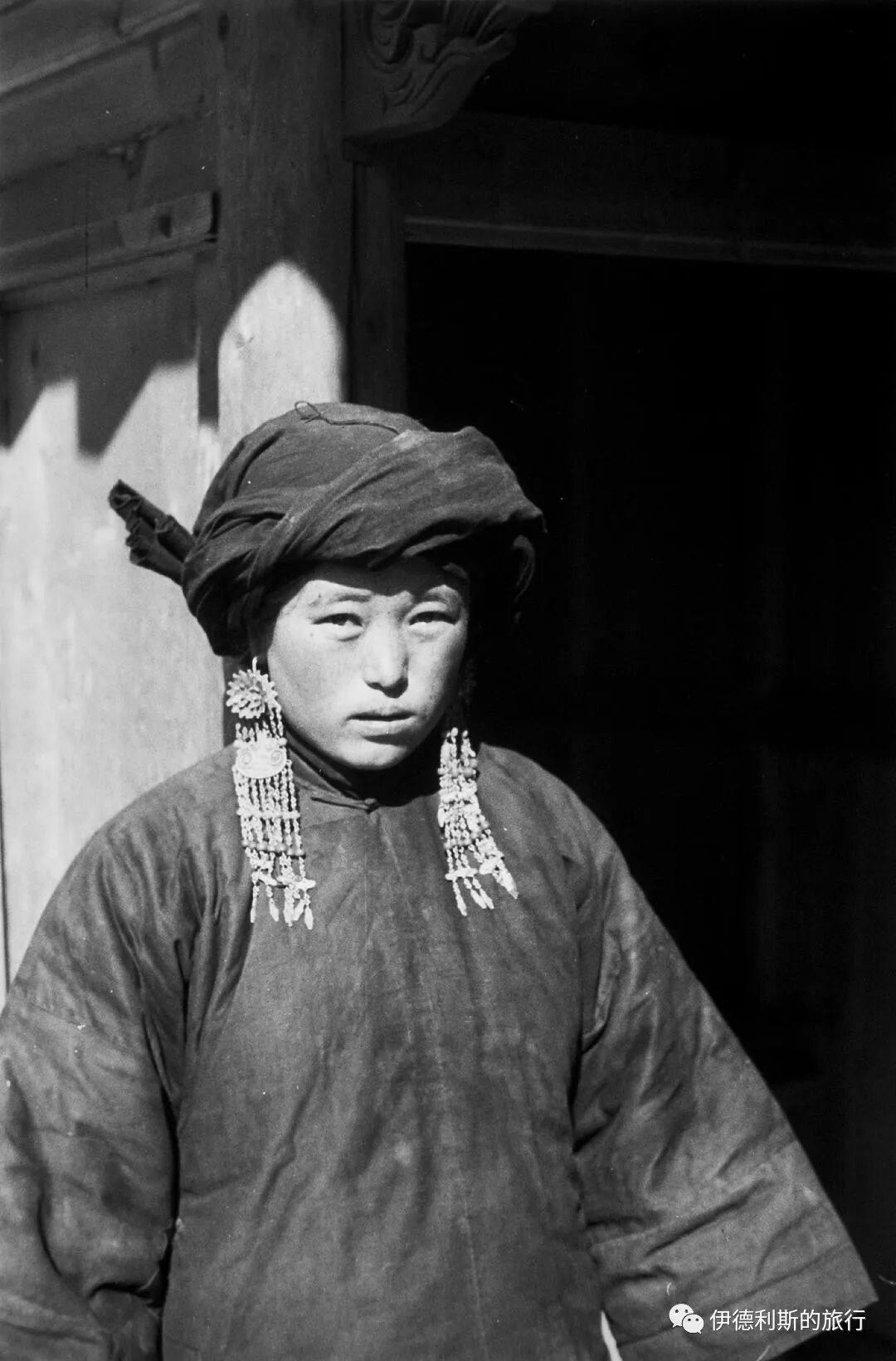
Kaligang Tibetan Hui Muslims in 1934.
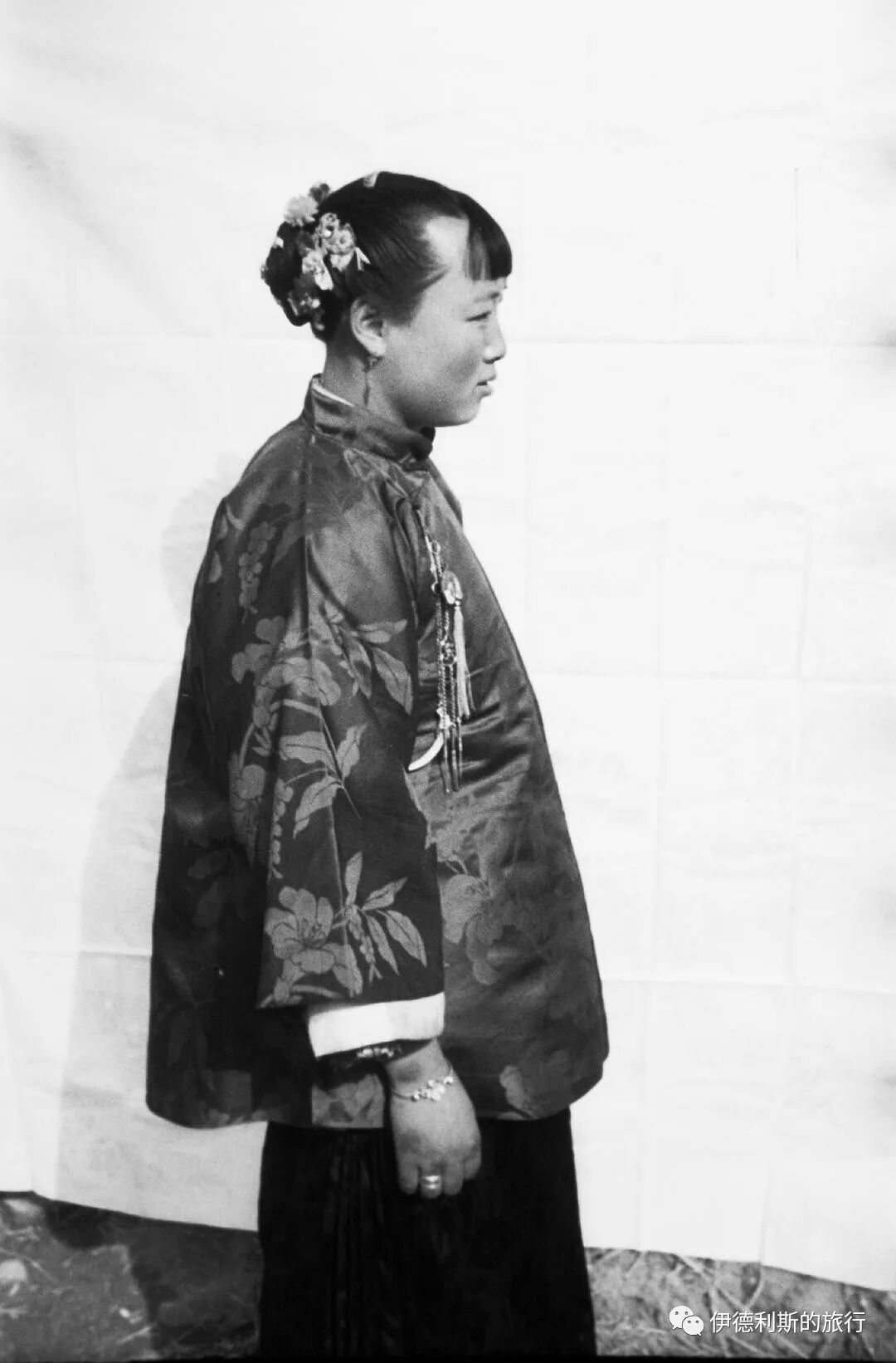
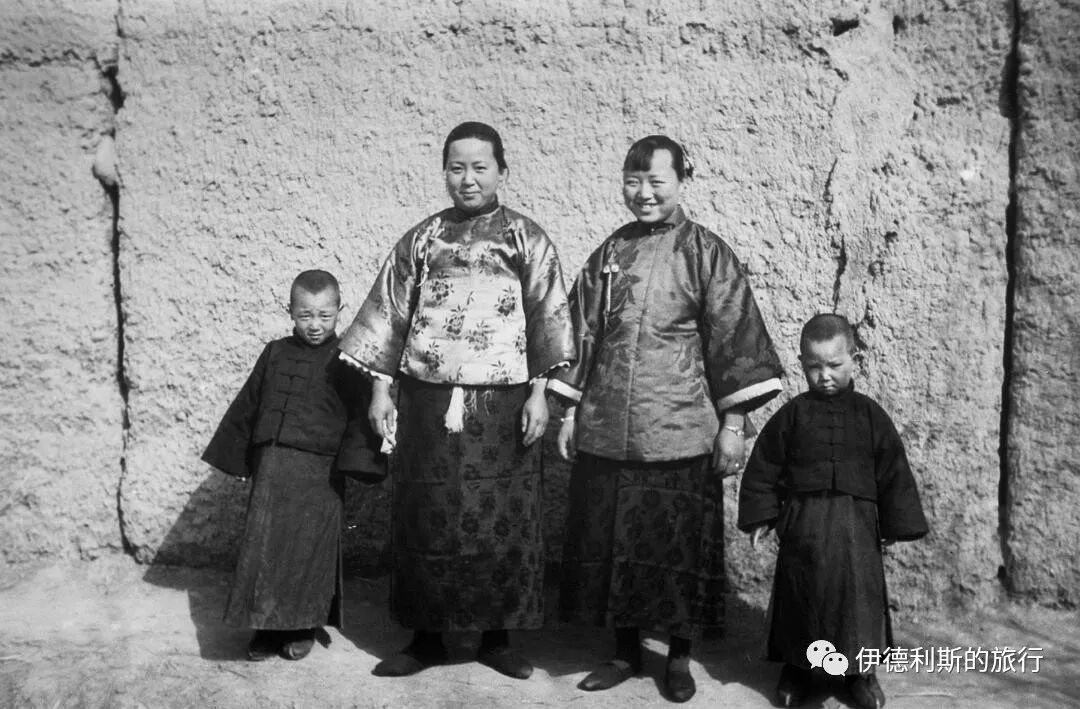
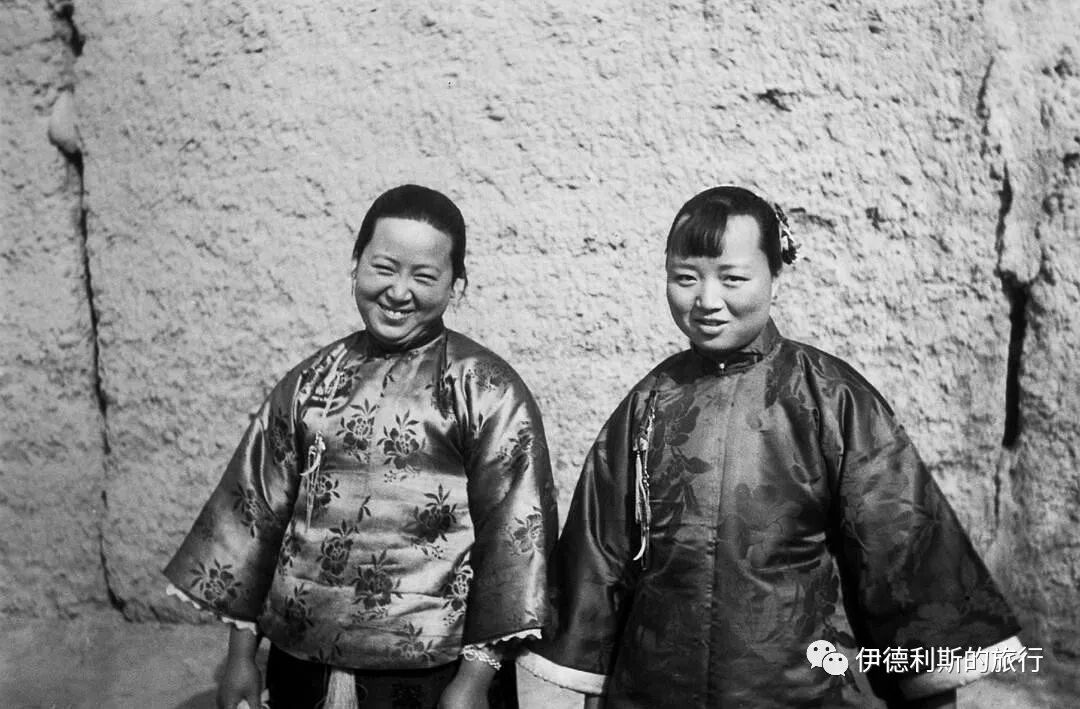
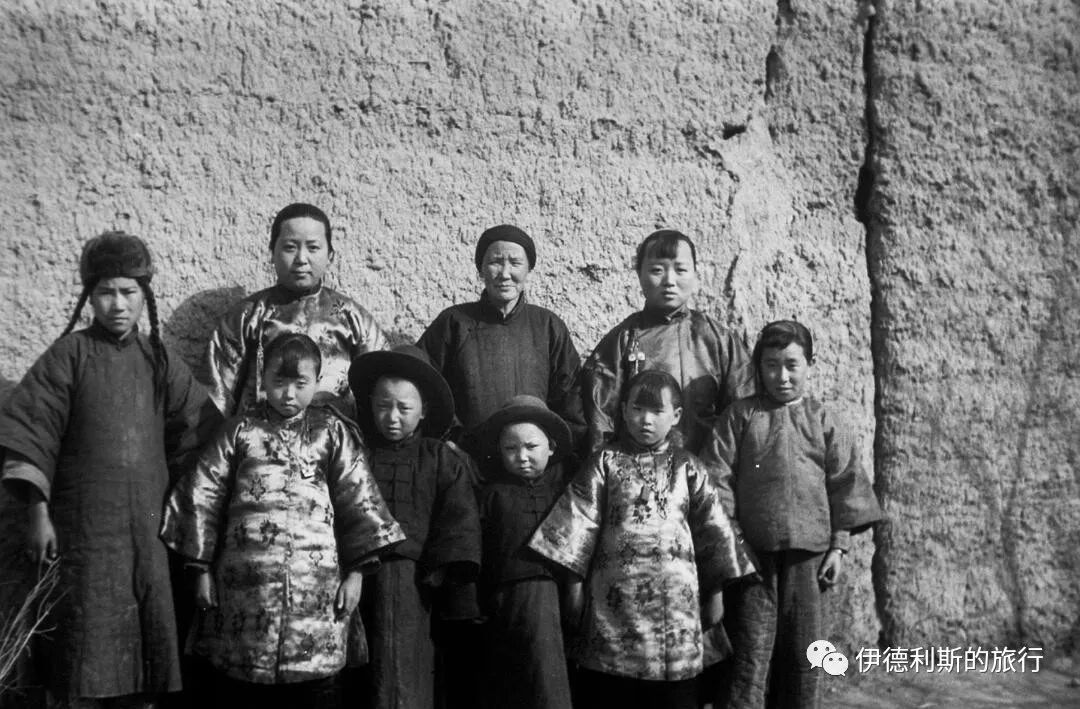
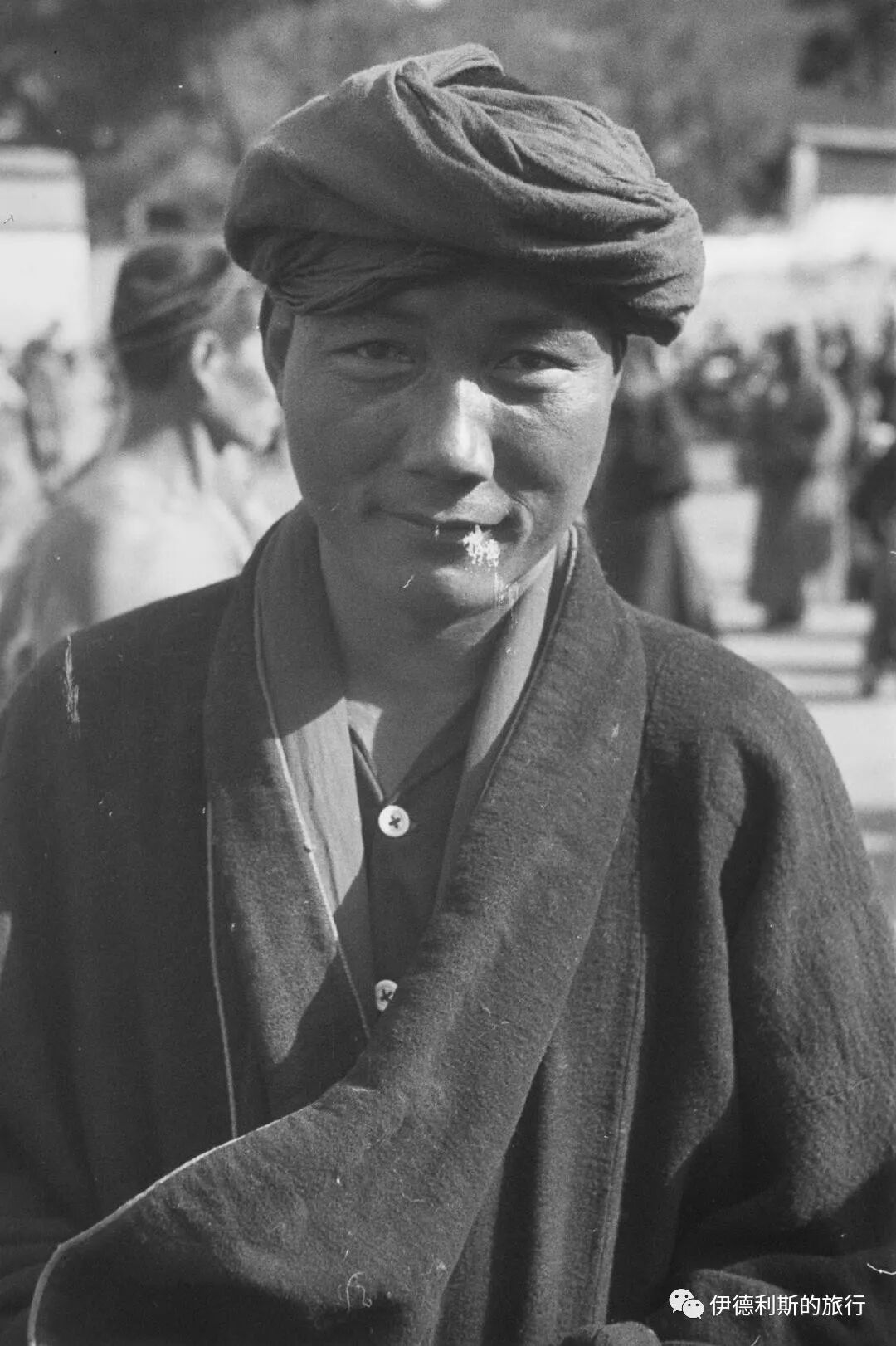
Kaligang Tibetan Hui Muslims photographed in Labuleng Town in 1939.
Summary: Carter Holton's Old Photos of Kaligang Tibetan Hui Muslims is presented here as a firsthand travel account in clear English, beginning with this scene: Pastor Hai Yingguang was an American missionary whose original name was Carter Holton. The account keeps its focus on Tibetan Hui Muslims, Old Photos, Muslim Heritage while preserving the names, places, food, and historical details from the Chinese source.
Pastor Hai Yingguang was an American missionary whose original name was Carter Holton. He worked in Northwest China from 1923 to 1949 and left behind over 5,000 precious photographs. After Pastor Hai Yingguang passed away, his daughter Lora Jean Heurlin donated these materials to the Harvard-Yenching Library in the early 1990s. The library finished digitizing them in 2011.
Online address: library.harvard.edu/collections/carter-d-holton-collection
In 1930, Pastor Hai Yingguang and his family returned to Xunhua, Qinghai, for missionary work. Between 1932 and 1934, he took some precious photos of the Kaligang Tibetan Hui Muslims. Kaligang is located in the southwest of Hualong, Qinghai. Kaligang means big mountain in the Tibetan language. The area is full of high mountains and deep gullies, making transportation very difficult. In 1756, Ma Laichi, the founder of the Huasi menhuan, went to the Kaligang area to preach. This led local Tibetan people to convert to Islam, forming the unique Kaligang Tibetan Hui Muslims.
The brick carvings of the Huangwuju mosque in Dehenglong Township and the Kaligang Tibetan Hui Muslims. On the right is the leader of the Dehenglong Kaligang tribe.
Kaligang Tibetan Hui Muslims in 1932.
In Dehenglong, Kaligang in 1932.
Kaligang Tibetan Hui Muslims in 1933.
Kaligang Tibetan Hui Muslims in 1934.
Kaligang Tibetan Hui Muslims photographed in Labuleng Town in 1939.
Carter Holton's Old Photos of Kaligang Tibetan Hui Muslims
Articles • ali2007fr posted the article • 0 comments • 150 views • 2026-05-18 02:39
Reposted from the web
Summary: Carter Holton's Old Photos of Kaligang Tibetan Hui Muslims is presented here as a firsthand travel account in clear English, beginning with this scene: Pastor Hai Yingguang was an American missionary whose original name was Carter Holton. The account keeps its focus on Tibetan Hui Muslims, Old Photos, Muslim Heritage while preserving the names, places, food, and historical details from the Chinese source.
Pastor Hai Yingguang was an American missionary whose original name was Carter Holton. He worked in Northwest China from 1923 to 1949 and left behind over 5,000 precious photographs. After Pastor Hai Yingguang passed away, his daughter Lora Jean Heurlin donated these materials to the Harvard-Yenching Library in the early 1990s. The library finished digitizing them in 2011.
Online address: library.harvard.edu/collections/carter-d-holton-collection
In 1930, Pastor Hai Yingguang and his family returned to Xunhua, Qinghai, for missionary work. Between 1932 and 1934, he took some precious photos of the Kaligang Tibetan Hui Muslims. Kaligang is located in the southwest of Hualong, Qinghai. Kaligang means big mountain in the Tibetan language. The area is full of high mountains and deep gullies, making transportation very difficult. In 1756, Ma Laichi, the founder of the Huasi menhuan, went to the Kaligang area to preach. This led local Tibetan people to convert to Islam, forming the unique Kaligang Tibetan Hui Muslims.
The brick carvings of the Huangwuju mosque in Dehenglong Township and the Kaligang Tibetan Hui Muslims. On the right is the leader of the Dehenglong Kaligang tribe.
Kaligang Tibetan Hui Muslims in 1932.
In Dehenglong, Kaligang in 1932.
Kaligang Tibetan Hui Muslims in 1933.
Kaligang Tibetan Hui Muslims in 1934.
Kaligang Tibetan Hui Muslims photographed in Labuleng Town in 1939. view all
Summary: Carter Holton's Old Photos of Kaligang Tibetan Hui Muslims is presented here as a firsthand travel account in clear English, beginning with this scene: Pastor Hai Yingguang was an American missionary whose original name was Carter Holton. The account keeps its focus on Tibetan Hui Muslims, Old Photos, Muslim Heritage while preserving the names, places, food, and historical details from the Chinese source.
Pastor Hai Yingguang was an American missionary whose original name was Carter Holton. He worked in Northwest China from 1923 to 1949 and left behind over 5,000 precious photographs. After Pastor Hai Yingguang passed away, his daughter Lora Jean Heurlin donated these materials to the Harvard-Yenching Library in the early 1990s. The library finished digitizing them in 2011.
Online address: library.harvard.edu/collections/carter-d-holton-collection
In 1930, Pastor Hai Yingguang and his family returned to Xunhua, Qinghai, for missionary work. Between 1932 and 1934, he took some precious photos of the Kaligang Tibetan Hui Muslims. Kaligang is located in the southwest of Hualong, Qinghai. Kaligang means big mountain in the Tibetan language. The area is full of high mountains and deep gullies, making transportation very difficult. In 1756, Ma Laichi, the founder of the Huasi menhuan, went to the Kaligang area to preach. This led local Tibetan people to convert to Islam, forming the unique Kaligang Tibetan Hui Muslims.
The brick carvings of the Huangwuju mosque in Dehenglong Township and the Kaligang Tibetan Hui Muslims. On the right is the leader of the Dehenglong Kaligang tribe.
Kaligang Tibetan Hui Muslims in 1932.
In Dehenglong, Kaligang in 1932.
Kaligang Tibetan Hui Muslims in 1933.
Kaligang Tibetan Hui Muslims in 1934.
Kaligang Tibetan Hui Muslims photographed in Labuleng Town in 1939. view all
Reposted from the web
Summary: Carter Holton's Old Photos of Kaligang Tibetan Hui Muslims is presented here as a firsthand travel account in clear English, beginning with this scene: Pastor Hai Yingguang was an American missionary whose original name was Carter Holton. The account keeps its focus on Tibetan Hui Muslims, Old Photos, Muslim Heritage while preserving the names, places, food, and historical details from the Chinese source.
Pastor Hai Yingguang was an American missionary whose original name was Carter Holton. He worked in Northwest China from 1923 to 1949 and left behind over 5,000 precious photographs. After Pastor Hai Yingguang passed away, his daughter Lora Jean Heurlin donated these materials to the Harvard-Yenching Library in the early 1990s. The library finished digitizing them in 2011.
Online address: library.harvard.edu/collections/carter-d-holton-collection
In 1930, Pastor Hai Yingguang and his family returned to Xunhua, Qinghai, for missionary work. Between 1932 and 1934, he took some precious photos of the Kaligang Tibetan Hui Muslims. Kaligang is located in the southwest of Hualong, Qinghai. Kaligang means big mountain in the Tibetan language. The area is full of high mountains and deep gullies, making transportation very difficult. In 1756, Ma Laichi, the founder of the Huasi menhuan, went to the Kaligang area to preach. This led local Tibetan people to convert to Islam, forming the unique Kaligang Tibetan Hui Muslims.
The brick carvings of the Huangwuju mosque in Dehenglong Township and the Kaligang Tibetan Hui Muslims. On the right is the leader of the Dehenglong Kaligang tribe.
Kaligang Tibetan Hui Muslims in 1932.
In Dehenglong, Kaligang in 1932.
Kaligang Tibetan Hui Muslims in 1933.
Kaligang Tibetan Hui Muslims in 1934.
Kaligang Tibetan Hui Muslims photographed in Labuleng Town in 1939.
Summary: Carter Holton's Old Photos of Kaligang Tibetan Hui Muslims is presented here as a firsthand travel account in clear English, beginning with this scene: Pastor Hai Yingguang was an American missionary whose original name was Carter Holton. The account keeps its focus on Tibetan Hui Muslims, Old Photos, Muslim Heritage while preserving the names, places, food, and historical details from the Chinese source.
Pastor Hai Yingguang was an American missionary whose original name was Carter Holton. He worked in Northwest China from 1923 to 1949 and left behind over 5,000 precious photographs. After Pastor Hai Yingguang passed away, his daughter Lora Jean Heurlin donated these materials to the Harvard-Yenching Library in the early 1990s. The library finished digitizing them in 2011.
Online address: library.harvard.edu/collections/carter-d-holton-collection
In 1930, Pastor Hai Yingguang and his family returned to Xunhua, Qinghai, for missionary work. Between 1932 and 1934, he took some precious photos of the Kaligang Tibetan Hui Muslims. Kaligang is located in the southwest of Hualong, Qinghai. Kaligang means big mountain in the Tibetan language. The area is full of high mountains and deep gullies, making transportation very difficult. In 1756, Ma Laichi, the founder of the Huasi menhuan, went to the Kaligang area to preach. This led local Tibetan people to convert to Islam, forming the unique Kaligang Tibetan Hui Muslims.
The brick carvings of the Huangwuju mosque in Dehenglong Township and the Kaligang Tibetan Hui Muslims. On the right is the leader of the Dehenglong Kaligang tribe.
Kaligang Tibetan Hui Muslims in 1932.
In Dehenglong, Kaligang in 1932.
Kaligang Tibetan Hui Muslims in 1933.
Kaligang Tibetan Hui Muslims in 1934.
Kaligang Tibetan Hui Muslims photographed in Labuleng Town in 1939.