

Top Halal Restaurants
Top Halal Restaurants Beijing: Xinjiang Yellow Noodles, Xunji Courtyard Hot Pot and Muslim Food Culture
Articles • yusuf908 posted the article • 0 comments • 199 views • 2026-05-22 20:53
Reposted from the web
Summary: This Beijing halal restaurant guide maps issue 35, featuring Grand Bazaar Xinjiang food, yellow noodles with grilled meat, kawas, Xunji Courtyard hot pot, premium halal dining, and the culture behind Muslim food guides.
Beijing Halal Food Map (35) is presented here as a firsthand travel account in clear English, beginning with this scene: I recently released a documentary interview about why I started writing guides for halal food. The account keeps its focus on Beijing Halal Food, Muslim Travel, Middle Eastern Food while preserving the names, places, food, and historical details from the Chinese source.
I recently released a documentary interview about why I started writing guides for halal food. Since 2016, I have visited over a thousand restaurants. My halal food journeys have given me more than just meals; they have shown me the stories and people behind the food. These elements make up the deep and broad halal food culture. Focusing only on eating and having fun won't last, as restaurants eventually close, but cultural heritage lives on forever.
1. Grand Bazaar Xinjiang Restaurant
The sign for yellow noodles with kebabs (kawapu) caught my eye. Kawapu means grilled meat, and yellow noodles with grilled meat is a classic Xinjiang specialty.
When I eat Xinjiang food, I always order a fermented drink called kawas. I also love another fermented drink called milk beer (naipi). Both are Xinjiang specialties I really enjoy.
For a cold dish, you have to get the skin, chili, and tomato salad (pilahong).
I highly recommend their yellow noodles with grilled meat. It tastes fresh and not greasy. You can add a little vinegar to make the flavors pop. The yellow noodles are served cold with the grilled meat, which is perfect for summer.
Xinjiang is also a great place for grilled fish. This is grilled luzi fish. It is a bit spicy, but the meat is firm.
Address: Building 1, Courtyard 5, Xiaotun Road, Fengtai District
2. Xunji Courtyard, Qingnian Road Branch
Xunji is a chain restaurant. There is one at the Drum Tower, and they opened another on Qingnian Road. Both have different decor styles, but both feel high-end and elegant. The Qingnian Road location has a particularly fresh and unique atmosphere. It is much larger than the Drum Tower branch and has plenty of free parking.
When you enter the courtyard, you walk through a bamboo forest. Mist rises along the path, making it feel like a fairyland.
The courtyard is full of flowers and greenery, with bright, colorful hydrangeas everywhere.
The courtyard has open-air seating and tented private rooms, each equipped with air conditioning, lights, and sound systems.
There is an indoor dining hall, but in the summer, everyone prefers to sit in the courtyard to enjoy the flowers and the food.
The dining tables in the tented rooms have microphones and sound effects; if you speak near the table, you can hear an echo, which makes chatting easy.
When friends from Shadian arrived in Beijing, I specifically brought my team here for a good meal. This place is top-tier halal dining in Beijing, costing 400-500 yuan per person. The restaurant charges by the head and currently only serves hot pot.
All ingredients are fresh and high-quality. You just wait for the servers to bring the dishes in order, and each private room has a dedicated server to provide attentive service. The dishes are served in this order: drinks, cold appetizers, hot pot items, staples, and dessert. You can order extra portions of anything you like during the meal at no additional cost.
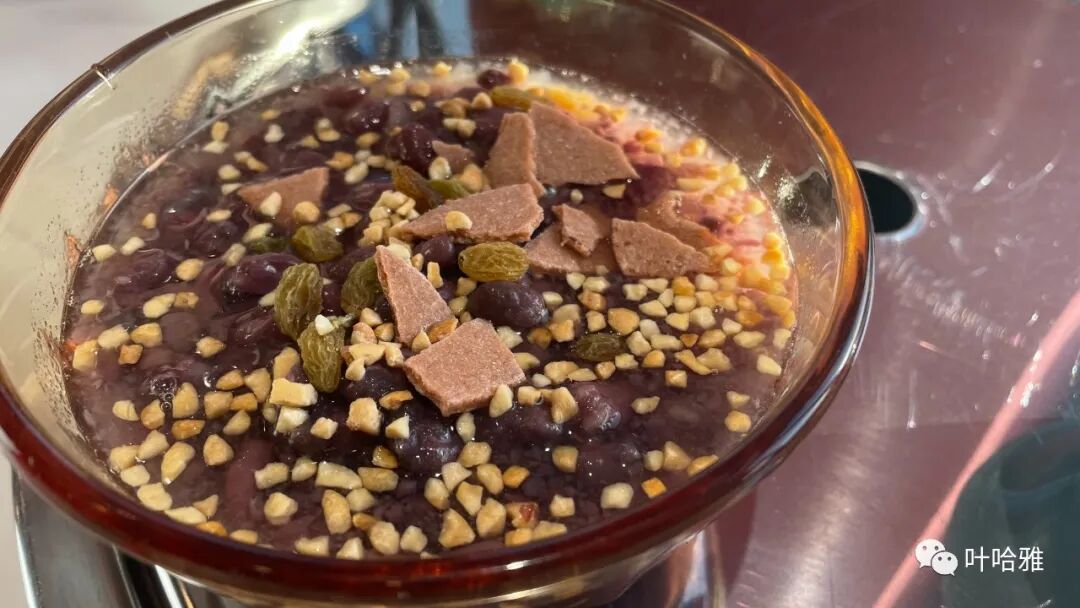
The desserts and staples are specialties from Gansu. Since the owner is from Gansu, they serve fermented oat porridge (tianpei) and handmade dough slices (shougong mianpian).
3. Zhizi Jianghu Cuisine · Halal Barbecue
This is a newly opened barbecue shop in Xiguanshi, Changping. Their specialty is grilled fish. We ordered one grilled fish and one order of grilled prawns, both of which were delicious. If you don't mind the distance, you can come and try it.
They also serve ice jelly (bingfen) and fried mini dough sticks (zha xiao youtiao), which are usually only found in Sichuan-style hot pot restaurants.
4. Syrian Restaurant (SOLANA branch)
Ever since the Syrian restaurant in Wudaokou, Haidian, became popular, the owner wanted to open a branch in Chaoyang District. This time, the wish finally came true. The new branch is on the second floor of the SOLANA (Lanse Gangwan) shopping mall, near McDonald's.
The SOLANA branch is much larger, the decor is very stylish, and the private rooms have a wider view than the previous location.
I invited a group of foodie friends to check it out. We ordered everything on the menu, and it cost 100 yuan per person.
The menu is exactly the same as the Wudaokou shop, and the flavors are basically identical.
I suddenly realized that Syrian barbecue is the same thing as Zibo barbecue. Syrian barbecue is also eaten by wrapping meat in thin flatbread (bing). The difference is that Zibo barbecue uses green onions inside, while Syrian barbecue uses onions.
The shop sells beautiful coffee cups. We happened to visit on the opening day celebration, and the owner gave every friend who came to check in a beautiful coffee cup.
5. Northeast Barbecue and Clay Pot
This shop used to be called Xinyuezhai Steamed Bun Shop. It just changed its name and is located in the storefronts of Courtyard 32, West Chang'an No. 1, Mentougou District.
What attracted me wasn't the steamed buns, but their braised noodles with green beans (doujiao menmian). Braised noodles are a common Northeast home-style staple food. The owner is a Hui Muslim from Jixi, Heilongjiang.
Steamed buns are sold every morning at 10 o'clock. They taste pretty good, and the Northeast-style small barbecue is also decent.
I recommend their braised noodles with green beans and the clay pot lamb meatballs (shaguo yangrou wanzi). The portions aren't big, but the taste is good.
6. Fangji Snack Shop
Fangji Menting Meat Pie shop in Songjiazhuang is a small street-side eatery. The meat pies (menting roubing) are great when they come fresh out of the pan.
The shop has a sign hanging that says May Allah grant peace. Helpful followers warned me that after anti-Muslim accounts saw this photo, they featured me in their posts again. I have lost count of how many times I have been featured, so please do not forward or notify me if you see me featured in the future.
7. Feng Yaya Barbecue and Spicy Hot Pot (malatang)
This spicy hot pot shop near the Nanxiapo mosque opened recently. It serves North China-style food, which uses sesame paste in the spicy hot pot. Northwest-style would use chili oil instead.
8. Ganges Impression Indian Restaurant
This is the Ganges restaurant in Laiguangying, Shunyi. It is run by Muslims from South India, and the shop does not sell beef.
The restaurant is not big, but it has all kinds of Indian snacks.
There is another Indian and Pakistani restaurant in Shunyi called Shalima. Both of these Indian and Pakistani restaurants now sell alcohol.
The classmate who came with me insisted on trying this Indian pickle. It really tastes like medicine.
Ever since the movie Dangal became popular, almost every Indian and Pakistani restaurant in Beijing has started selling these crispy ball snacks (panipuri).
9. Mazilu Beef Noodles (Jinbaojie branch)
Mazilu Beef Noodles is the oldest beef noodle brand in Lanzhou. The Mazilu in Beijing is a direct-managed store.
I have eaten noodles at old shops in Lanzhou. They taste just like the ones in Beijing—very fragrant and very Lanzhou.
Serving vinegar in a traditional copper kettle (tangping) is a unique feature of Gansu.
There are two Mazilu shops in Beijing, and the other one is at Andingmen.
Many old friends from Lanzhou do not think much of Mazilu. I understand that, just like how I am not interested in some of the trendy snacks on Niujie. It is perfectly normal for locals and tourists to have different opinions on local food. This shows that tastes change with the environment and time, and personal feelings can even influence what a person likes.
That is the end of this post. The text and photos are original, and unauthorized reproduction is not allowed. view all
Summary: This Beijing halal restaurant guide maps issue 35, featuring Grand Bazaar Xinjiang food, yellow noodles with grilled meat, kawas, Xunji Courtyard hot pot, premium halal dining, and the culture behind Muslim food guides.
Beijing Halal Food Map (35) is presented here as a firsthand travel account in clear English, beginning with this scene: I recently released a documentary interview about why I started writing guides for halal food. The account keeps its focus on Beijing Halal Food, Muslim Travel, Middle Eastern Food while preserving the names, places, food, and historical details from the Chinese source.
I recently released a documentary interview about why I started writing guides for halal food. Since 2016, I have visited over a thousand restaurants. My halal food journeys have given me more than just meals; they have shown me the stories and people behind the food. These elements make up the deep and broad halal food culture. Focusing only on eating and having fun won't last, as restaurants eventually close, but cultural heritage lives on forever.
1. Grand Bazaar Xinjiang Restaurant
The sign for yellow noodles with kebabs (kawapu) caught my eye. Kawapu means grilled meat, and yellow noodles with grilled meat is a classic Xinjiang specialty.
When I eat Xinjiang food, I always order a fermented drink called kawas. I also love another fermented drink called milk beer (naipi). Both are Xinjiang specialties I really enjoy.
For a cold dish, you have to get the skin, chili, and tomato salad (pilahong).
I highly recommend their yellow noodles with grilled meat. It tastes fresh and not greasy. You can add a little vinegar to make the flavors pop. The yellow noodles are served cold with the grilled meat, which is perfect for summer.
Xinjiang is also a great place for grilled fish. This is grilled luzi fish. It is a bit spicy, but the meat is firm.
Address: Building 1, Courtyard 5, Xiaotun Road, Fengtai District
2. Xunji Courtyard, Qingnian Road Branch
Xunji is a chain restaurant. There is one at the Drum Tower, and they opened another on Qingnian Road. Both have different decor styles, but both feel high-end and elegant. The Qingnian Road location has a particularly fresh and unique atmosphere. It is much larger than the Drum Tower branch and has plenty of free parking.
When you enter the courtyard, you walk through a bamboo forest. Mist rises along the path, making it feel like a fairyland.
The courtyard is full of flowers and greenery, with bright, colorful hydrangeas everywhere.
The courtyard has open-air seating and tented private rooms, each equipped with air conditioning, lights, and sound systems.
There is an indoor dining hall, but in the summer, everyone prefers to sit in the courtyard to enjoy the flowers and the food.
The dining tables in the tented rooms have microphones and sound effects; if you speak near the table, you can hear an echo, which makes chatting easy.
When friends from Shadian arrived in Beijing, I specifically brought my team here for a good meal. This place is top-tier halal dining in Beijing, costing 400-500 yuan per person. The restaurant charges by the head and currently only serves hot pot.
All ingredients are fresh and high-quality. You just wait for the servers to bring the dishes in order, and each private room has a dedicated server to provide attentive service. The dishes are served in this order: drinks, cold appetizers, hot pot items, staples, and dessert. You can order extra portions of anything you like during the meal at no additional cost.
The desserts and staples are specialties from Gansu. Since the owner is from Gansu, they serve fermented oat porridge (tianpei) and handmade dough slices (shougong mianpian).
3. Zhizi Jianghu Cuisine · Halal Barbecue
This is a newly opened barbecue shop in Xiguanshi, Changping. Their specialty is grilled fish. We ordered one grilled fish and one order of grilled prawns, both of which were delicious. If you don't mind the distance, you can come and try it.
They also serve ice jelly (bingfen) and fried mini dough sticks (zha xiao youtiao), which are usually only found in Sichuan-style hot pot restaurants.
4. Syrian Restaurant (SOLANA branch)
Ever since the Syrian restaurant in Wudaokou, Haidian, became popular, the owner wanted to open a branch in Chaoyang District. This time, the wish finally came true. The new branch is on the second floor of the SOLANA (Lanse Gangwan) shopping mall, near McDonald's.
The SOLANA branch is much larger, the decor is very stylish, and the private rooms have a wider view than the previous location.
I invited a group of foodie friends to check it out. We ordered everything on the menu, and it cost 100 yuan per person.
The menu is exactly the same as the Wudaokou shop, and the flavors are basically identical.
I suddenly realized that Syrian barbecue is the same thing as Zibo barbecue. Syrian barbecue is also eaten by wrapping meat in thin flatbread (bing). The difference is that Zibo barbecue uses green onions inside, while Syrian barbecue uses onions.
The shop sells beautiful coffee cups. We happened to visit on the opening day celebration, and the owner gave every friend who came to check in a beautiful coffee cup.
5. Northeast Barbecue and Clay Pot
This shop used to be called Xinyuezhai Steamed Bun Shop. It just changed its name and is located in the storefronts of Courtyard 32, West Chang'an No. 1, Mentougou District.
What attracted me wasn't the steamed buns, but their braised noodles with green beans (doujiao menmian). Braised noodles are a common Northeast home-style staple food. The owner is a Hui Muslim from Jixi, Heilongjiang.
Steamed buns are sold every morning at 10 o'clock. They taste pretty good, and the Northeast-style small barbecue is also decent.
I recommend their braised noodles with green beans and the clay pot lamb meatballs (shaguo yangrou wanzi). The portions aren't big, but the taste is good.
6. Fangji Snack Shop
Fangji Menting Meat Pie shop in Songjiazhuang is a small street-side eatery. The meat pies (menting roubing) are great when they come fresh out of the pan.
The shop has a sign hanging that says May Allah grant peace. Helpful followers warned me that after anti-Muslim accounts saw this photo, they featured me in their posts again. I have lost count of how many times I have been featured, so please do not forward or notify me if you see me featured in the future.
7. Feng Yaya Barbecue and Spicy Hot Pot (malatang)
This spicy hot pot shop near the Nanxiapo mosque opened recently. It serves North China-style food, which uses sesame paste in the spicy hot pot. Northwest-style would use chili oil instead.
8. Ganges Impression Indian Restaurant
This is the Ganges restaurant in Laiguangying, Shunyi. It is run by Muslims from South India, and the shop does not sell beef.
The restaurant is not big, but it has all kinds of Indian snacks.
There is another Indian and Pakistani restaurant in Shunyi called Shalima. Both of these Indian and Pakistani restaurants now sell alcohol.
The classmate who came with me insisted on trying this Indian pickle. It really tastes like medicine.
Ever since the movie Dangal became popular, almost every Indian and Pakistani restaurant in Beijing has started selling these crispy ball snacks (panipuri).
9. Mazilu Beef Noodles (Jinbaojie branch)
Mazilu Beef Noodles is the oldest beef noodle brand in Lanzhou. The Mazilu in Beijing is a direct-managed store.
I have eaten noodles at old shops in Lanzhou. They taste just like the ones in Beijing—very fragrant and very Lanzhou.
Serving vinegar in a traditional copper kettle (tangping) is a unique feature of Gansu.
There are two Mazilu shops in Beijing, and the other one is at Andingmen.
Many old friends from Lanzhou do not think much of Mazilu. I understand that, just like how I am not interested in some of the trendy snacks on Niujie. It is perfectly normal for locals and tourists to have different opinions on local food. This shows that tastes change with the environment and time, and personal feelings can even influence what a person likes.
That is the end of this post. The text and photos are original, and unauthorized reproduction is not allowed. view all
Reposted from the web
Summary: This Beijing halal restaurant guide maps issue 35, featuring Grand Bazaar Xinjiang food, yellow noodles with grilled meat, kawas, Xunji Courtyard hot pot, premium halal dining, and the culture behind Muslim food guides.
Beijing Halal Food Map (35) is presented here as a firsthand travel account in clear English, beginning with this scene: I recently released a documentary interview about why I started writing guides for halal food. The account keeps its focus on Beijing Halal Food, Muslim Travel, Middle Eastern Food while preserving the names, places, food, and historical details from the Chinese source.
I recently released a documentary interview about why I started writing guides for halal food. Since 2016, I have visited over a thousand restaurants. My halal food journeys have given me more than just meals; they have shown me the stories and people behind the food. These elements make up the deep and broad halal food culture. Focusing only on eating and having fun won't last, as restaurants eventually close, but cultural heritage lives on forever.
1. Grand Bazaar Xinjiang Restaurant
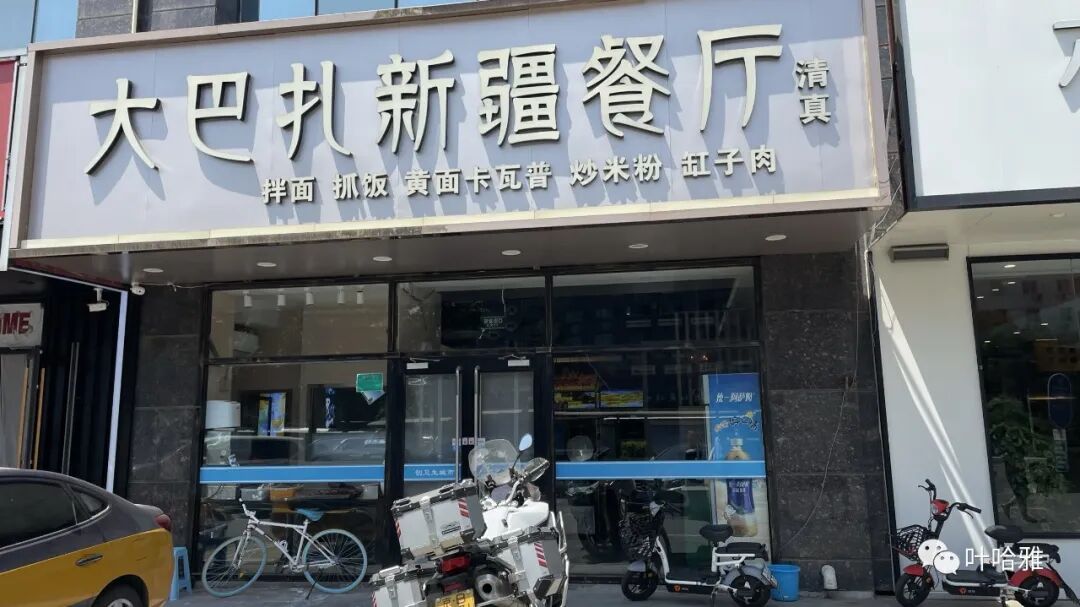
The sign for yellow noodles with kebabs (kawapu) caught my eye. Kawapu means grilled meat, and yellow noodles with grilled meat is a classic Xinjiang specialty.
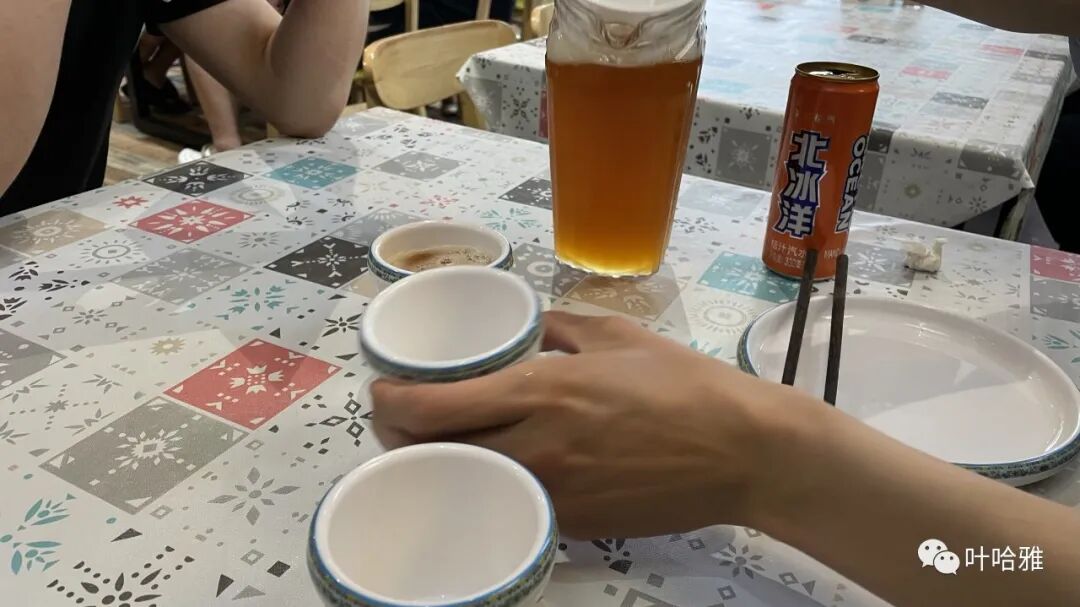
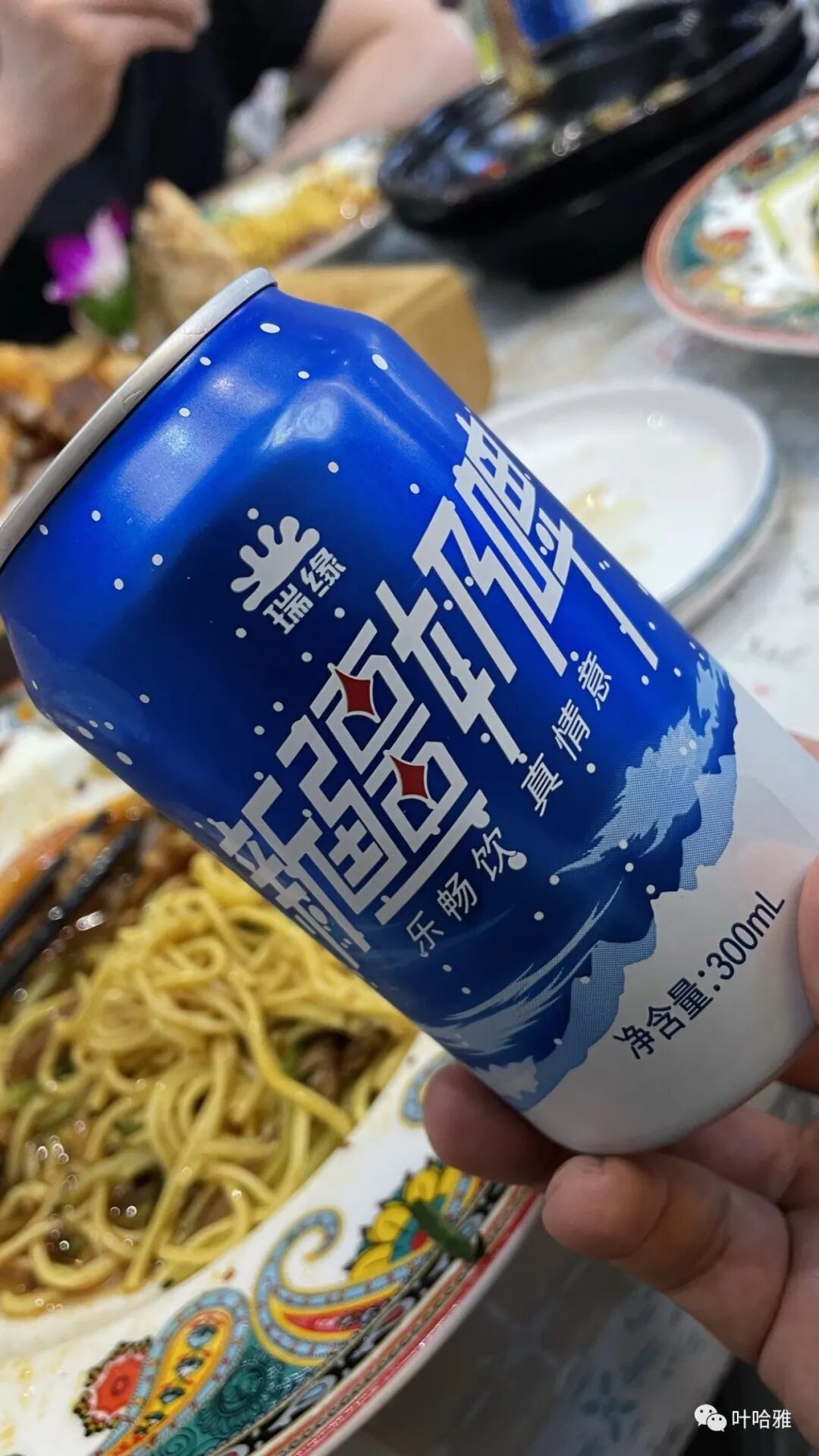
When I eat Xinjiang food, I always order a fermented drink called kawas. I also love another fermented drink called milk beer (naipi). Both are Xinjiang specialties I really enjoy.
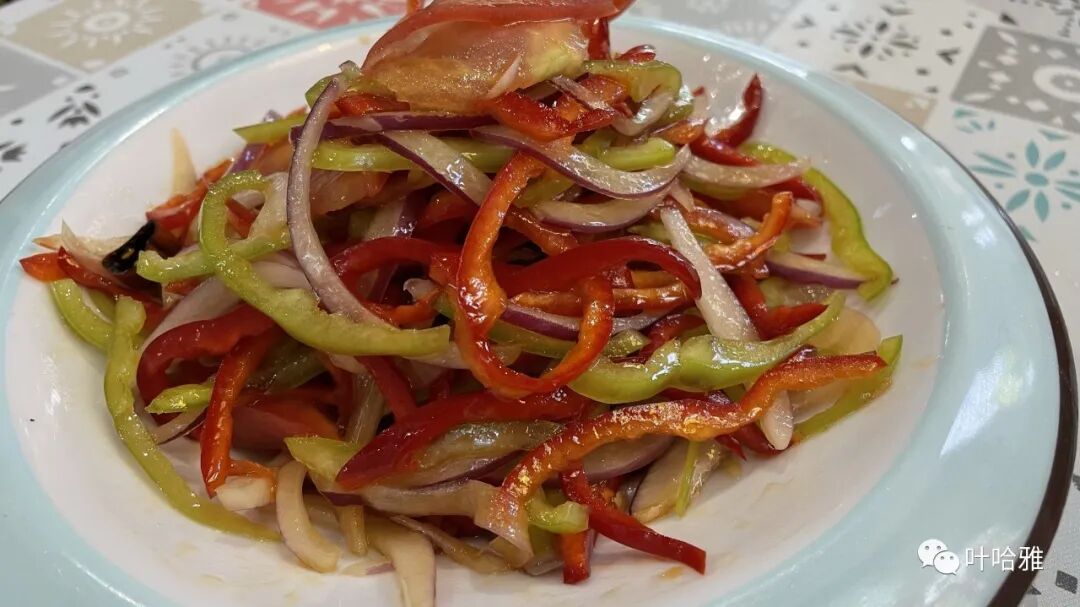
For a cold dish, you have to get the skin, chili, and tomato salad (pilahong).
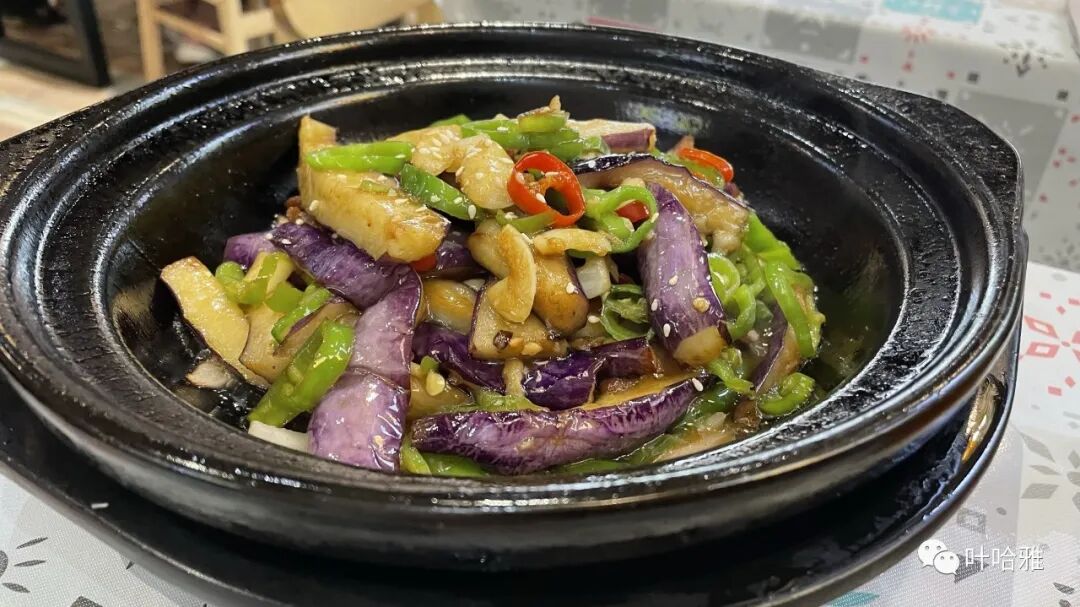
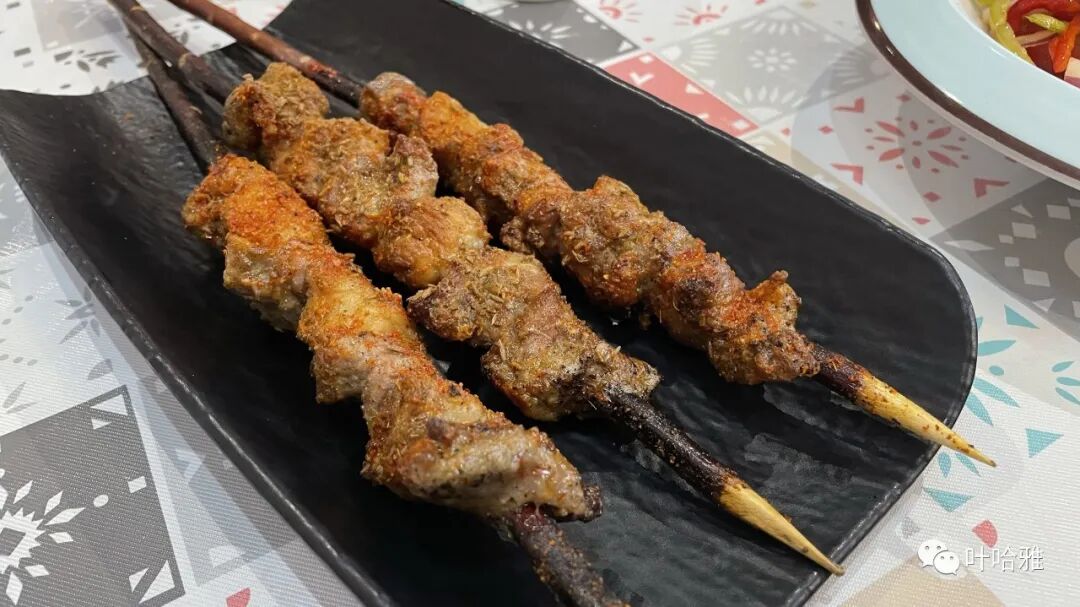
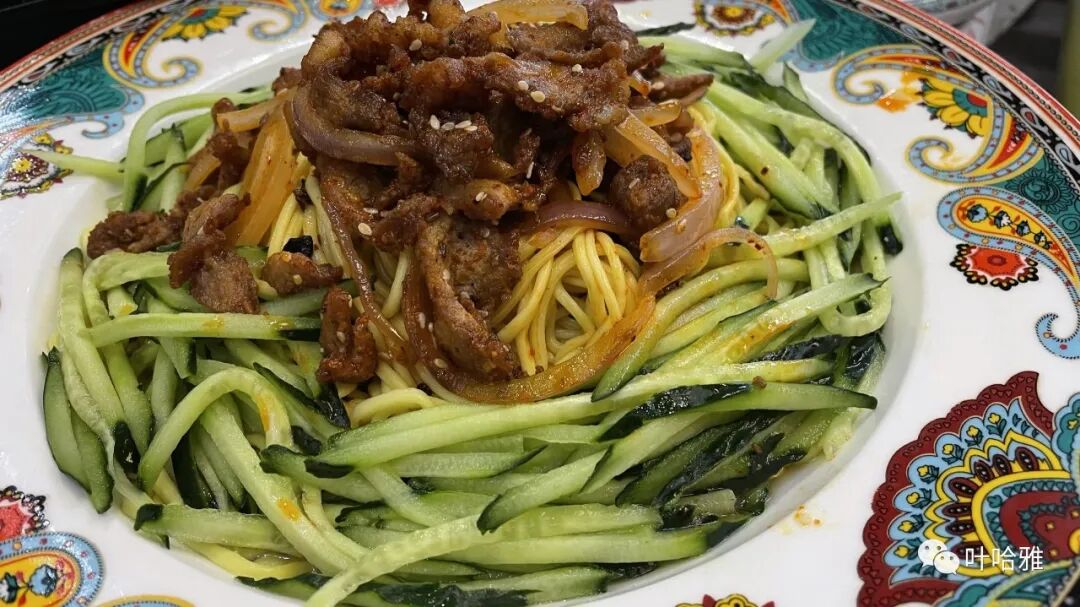
I highly recommend their yellow noodles with grilled meat. It tastes fresh and not greasy. You can add a little vinegar to make the flavors pop. The yellow noodles are served cold with the grilled meat, which is perfect for summer.
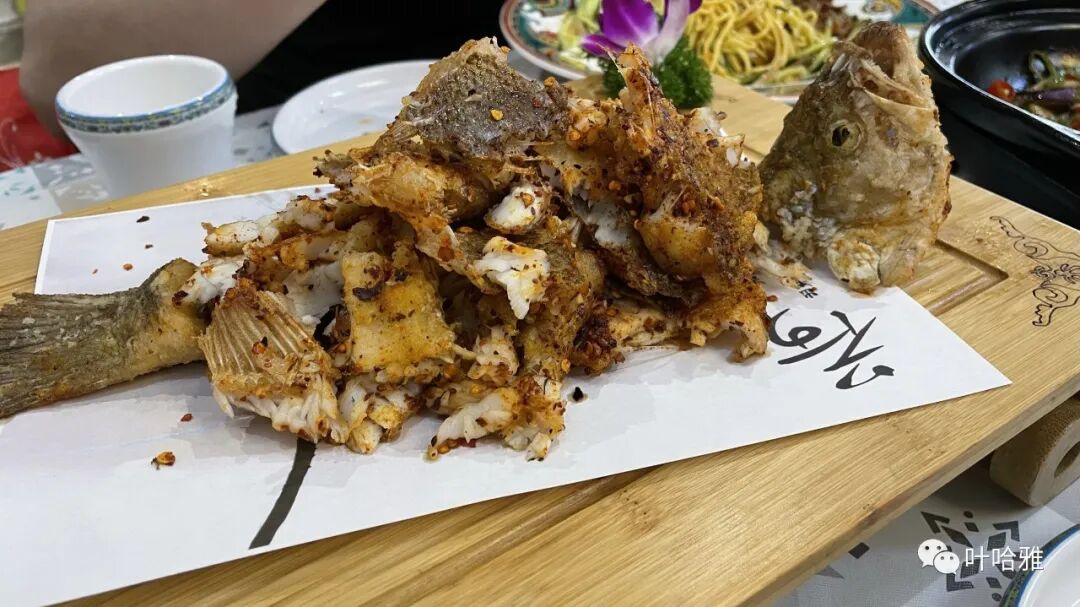
Xinjiang is also a great place for grilled fish. This is grilled luzi fish. It is a bit spicy, but the meat is firm.
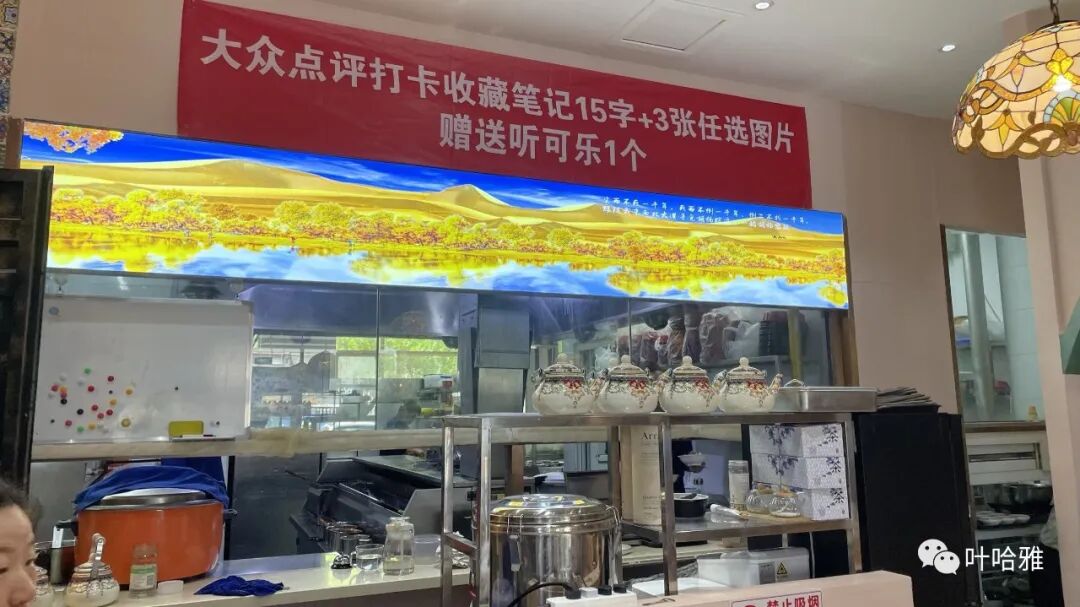
Address: Building 1, Courtyard 5, Xiaotun Road, Fengtai District
2. Xunji Courtyard, Qingnian Road Branch
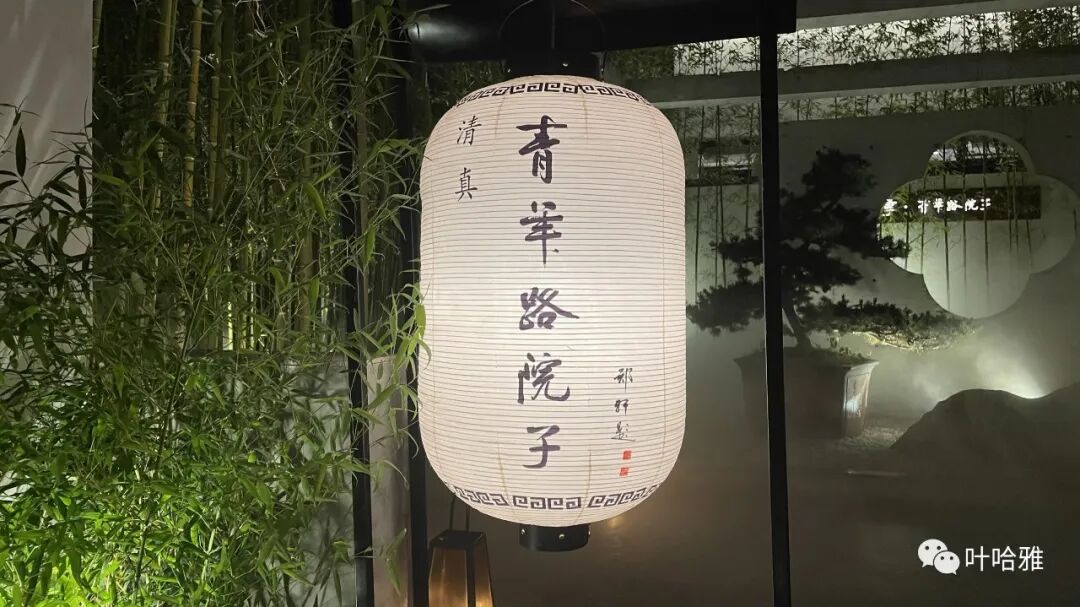
Xunji is a chain restaurant. There is one at the Drum Tower, and they opened another on Qingnian Road. Both have different decor styles, but both feel high-end and elegant. The Qingnian Road location has a particularly fresh and unique atmosphere. It is much larger than the Drum Tower branch and has plenty of free parking.
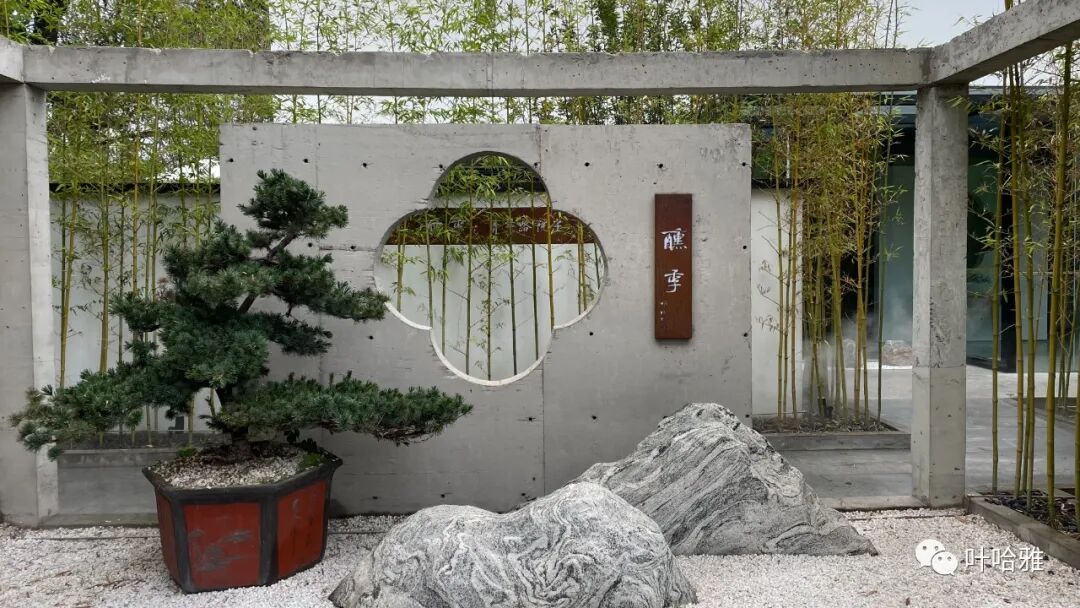
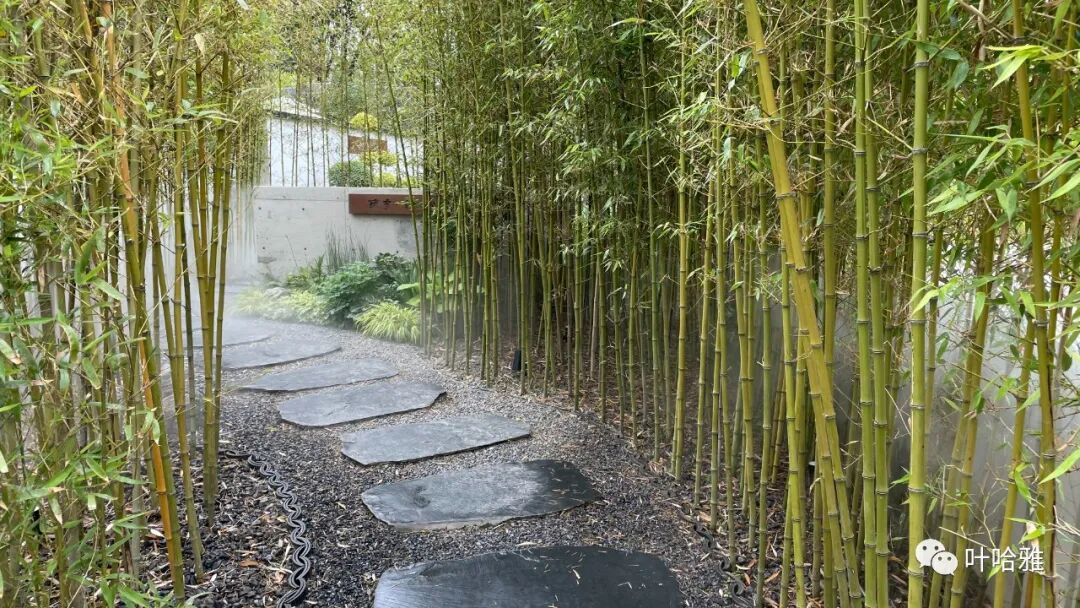
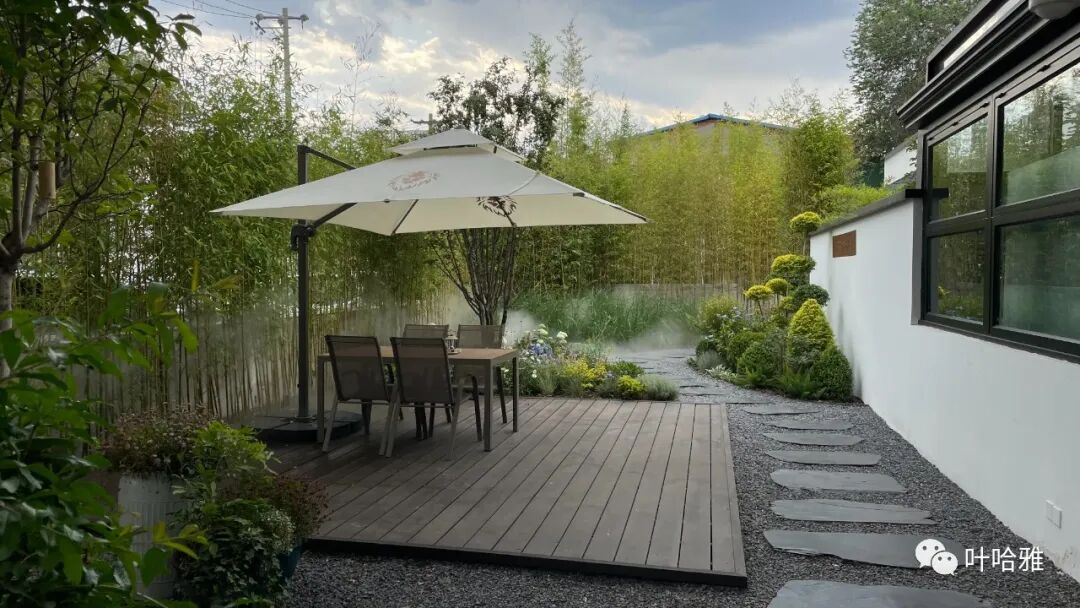
When you enter the courtyard, you walk through a bamboo forest. Mist rises along the path, making it feel like a fairyland.
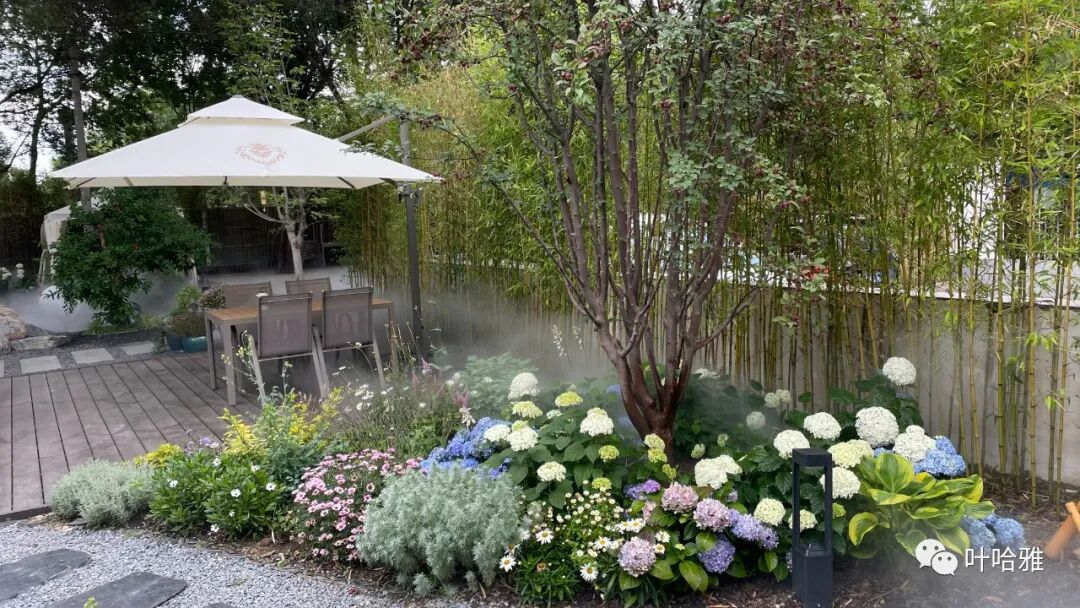
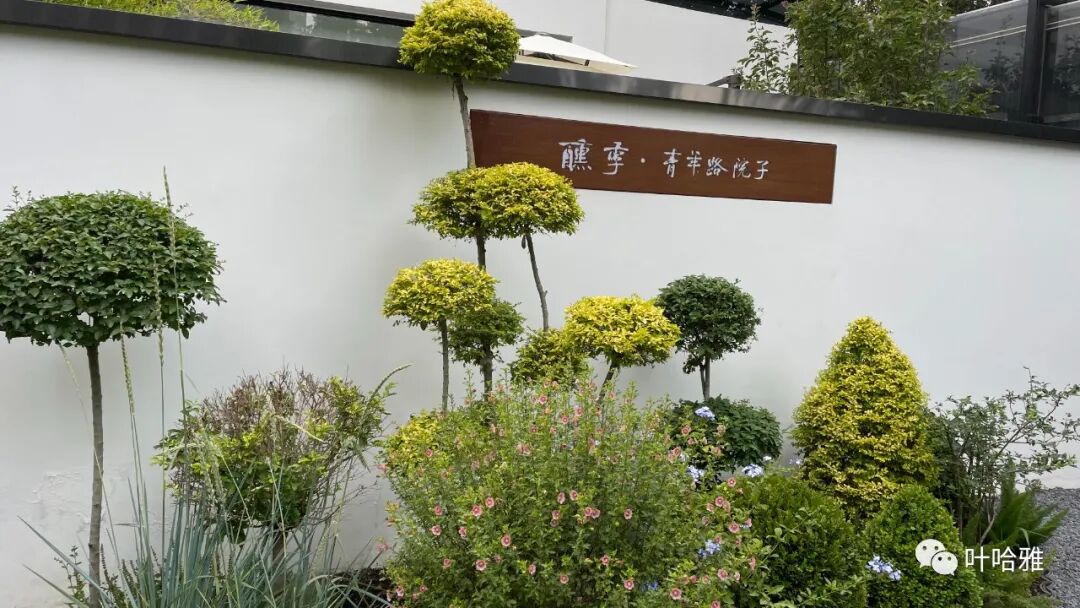
The courtyard is full of flowers and greenery, with bright, colorful hydrangeas everywhere.
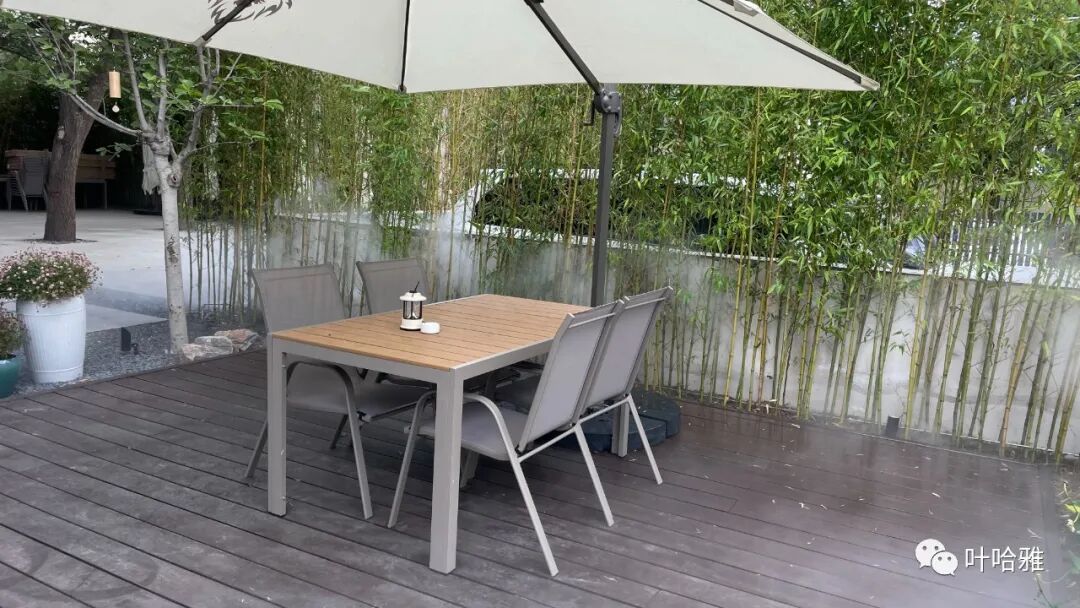
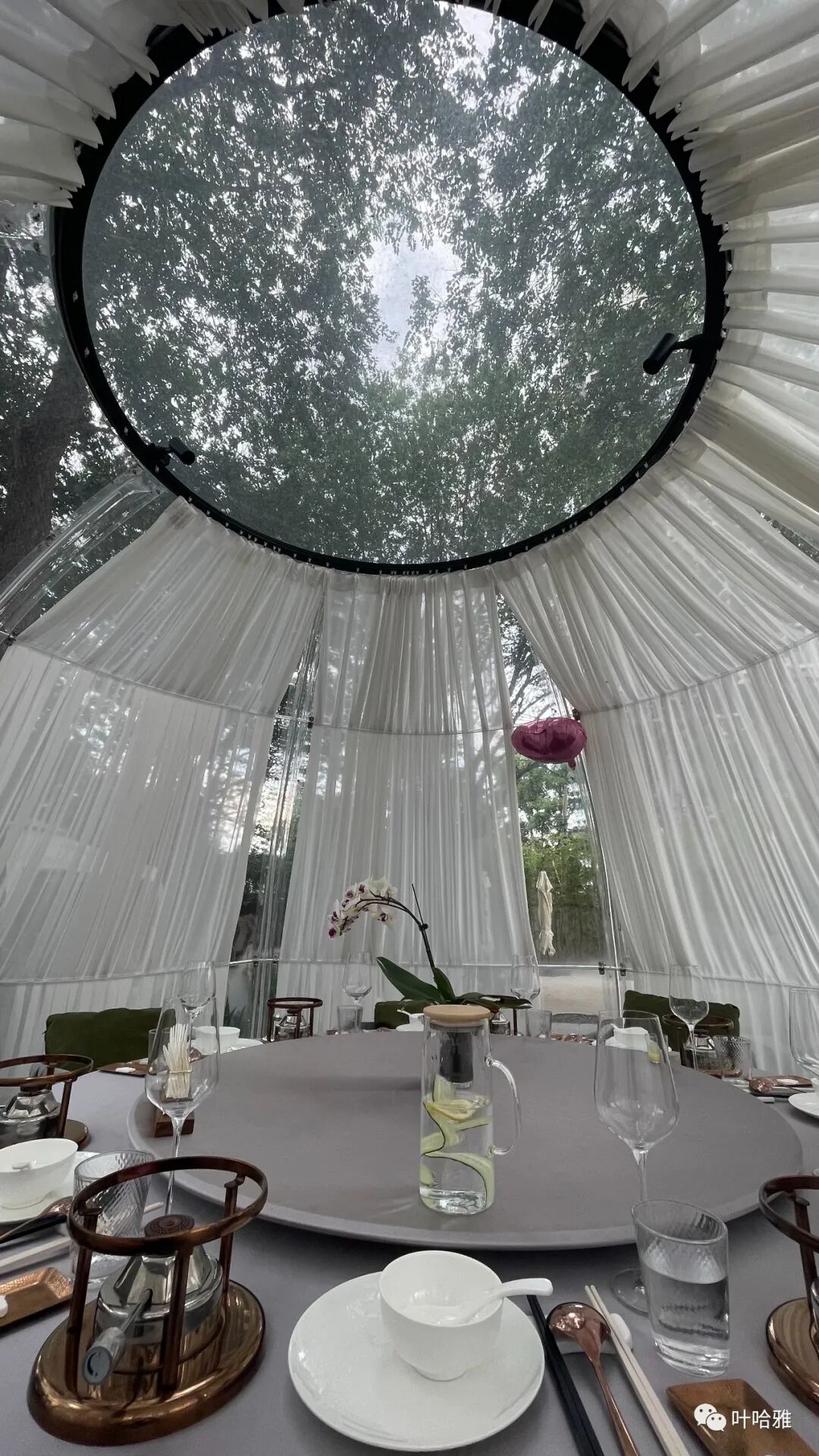
The courtyard has open-air seating and tented private rooms, each equipped with air conditioning, lights, and sound systems.
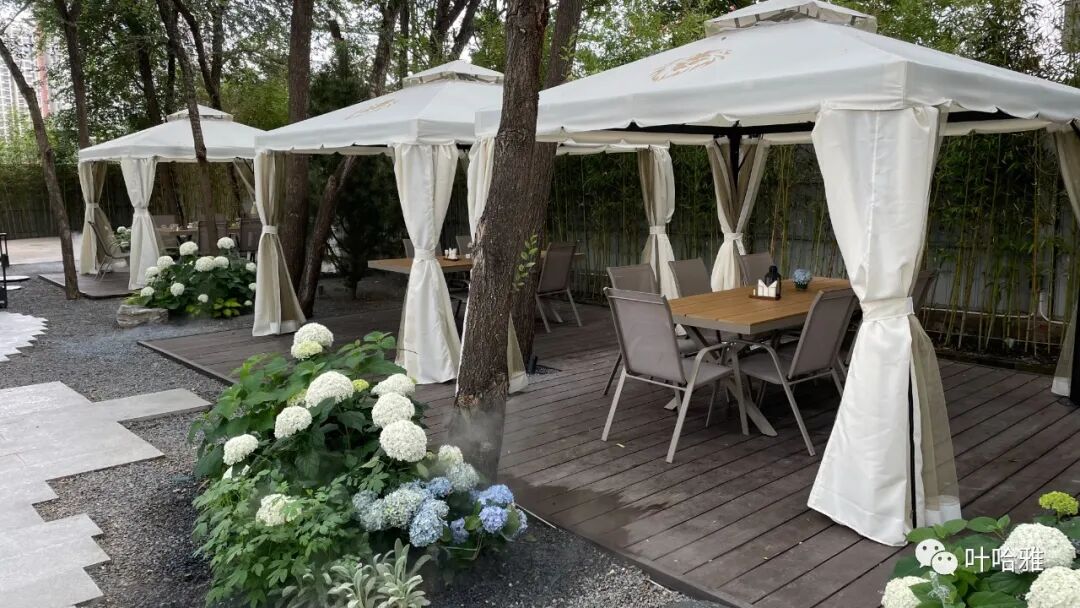
There is an indoor dining hall, but in the summer, everyone prefers to sit in the courtyard to enjoy the flowers and the food.
The dining tables in the tented rooms have microphones and sound effects; if you speak near the table, you can hear an echo, which makes chatting easy.
When friends from Shadian arrived in Beijing, I specifically brought my team here for a good meal. This place is top-tier halal dining in Beijing, costing 400-500 yuan per person. The restaurant charges by the head and currently only serves hot pot.
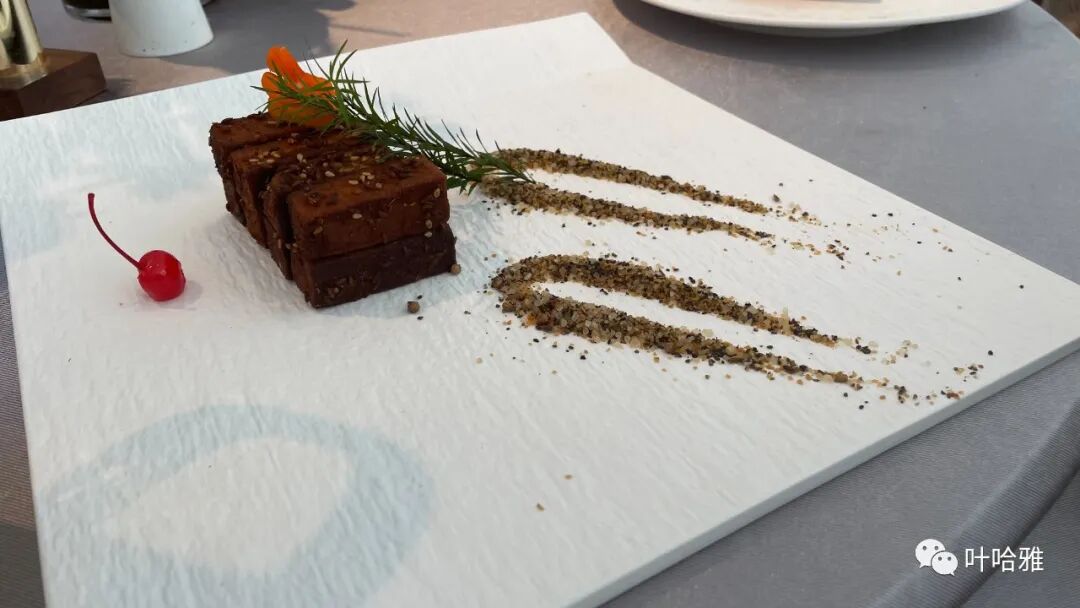
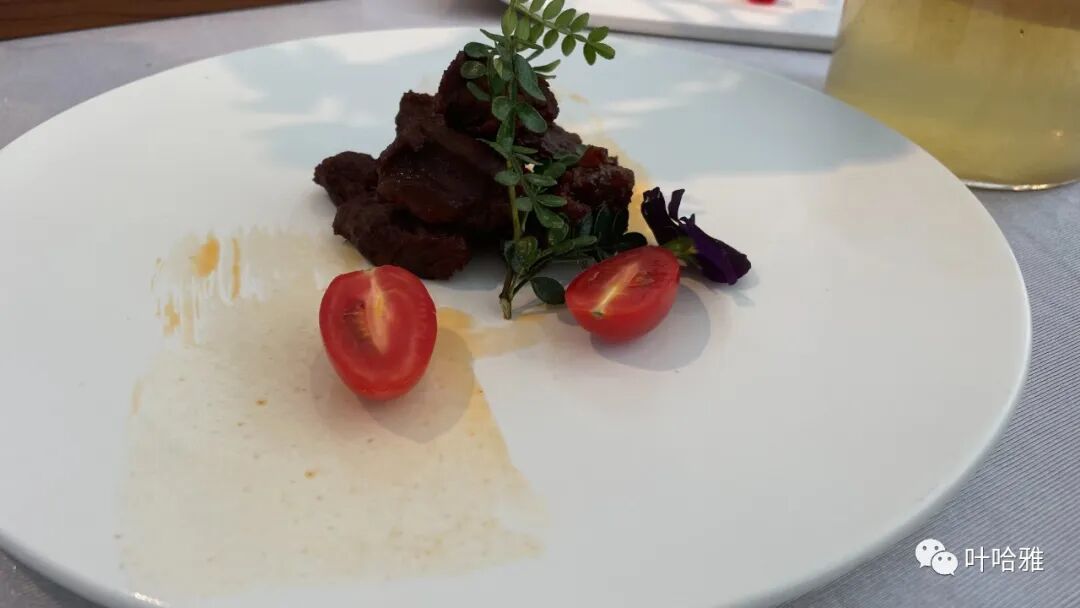
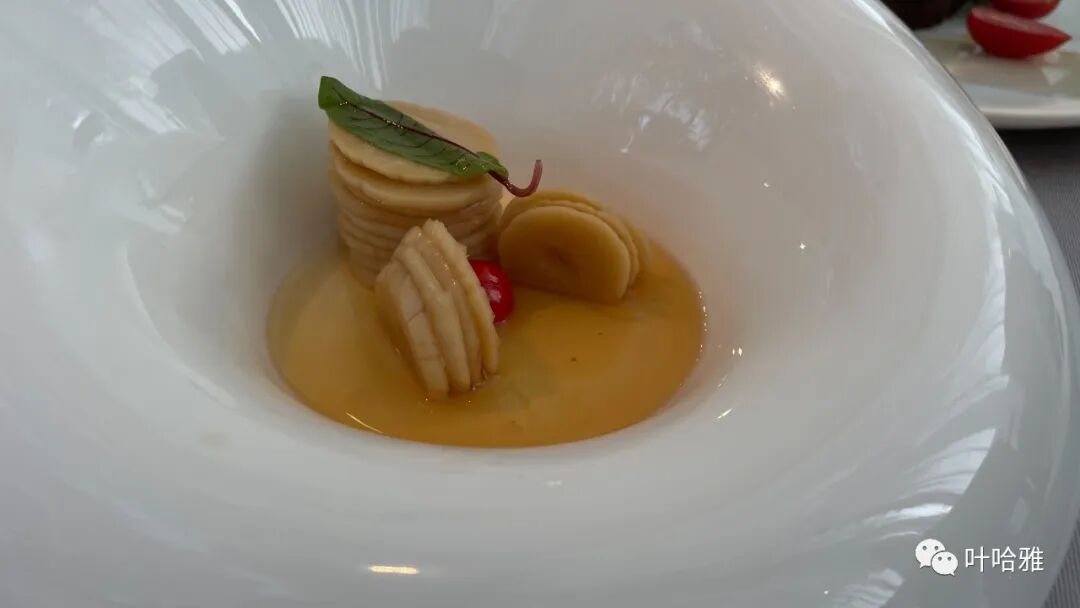
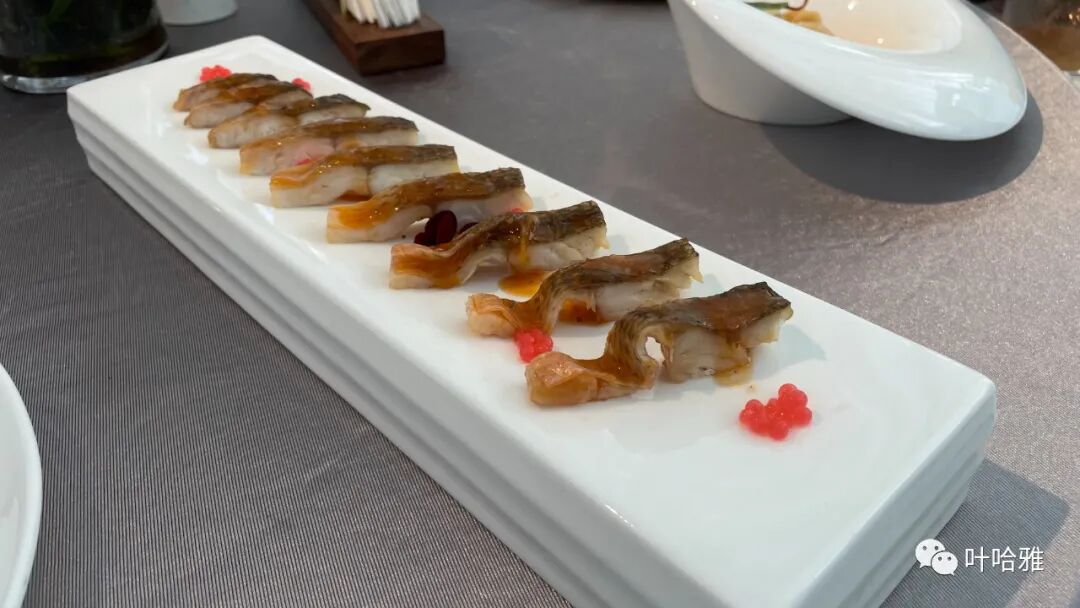
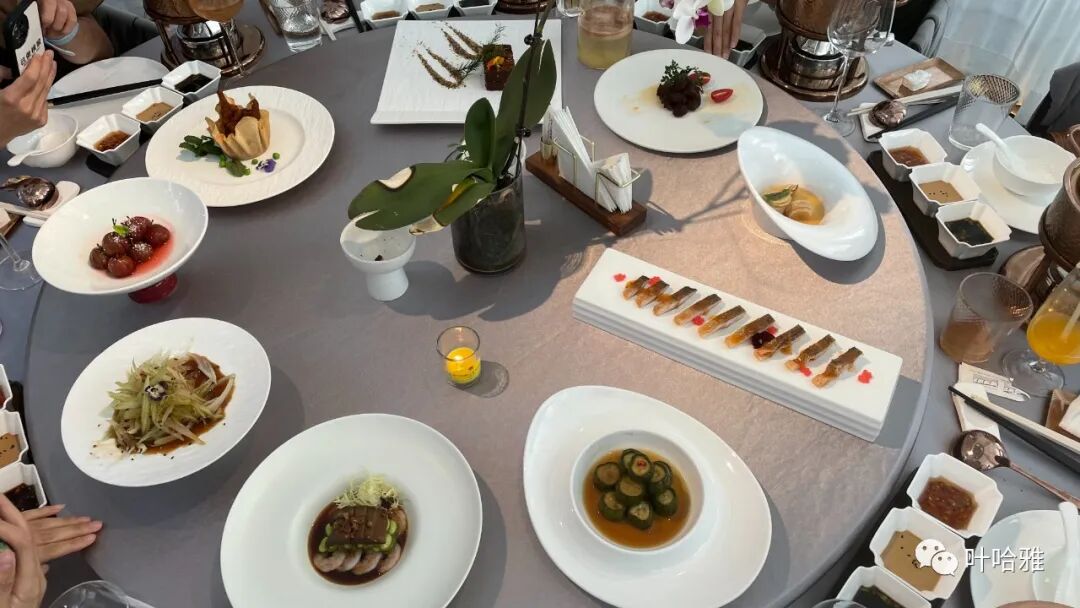
All ingredients are fresh and high-quality. You just wait for the servers to bring the dishes in order, and each private room has a dedicated server to provide attentive service. The dishes are served in this order: drinks, cold appetizers, hot pot items, staples, and dessert. You can order extra portions of anything you like during the meal at no additional cost.
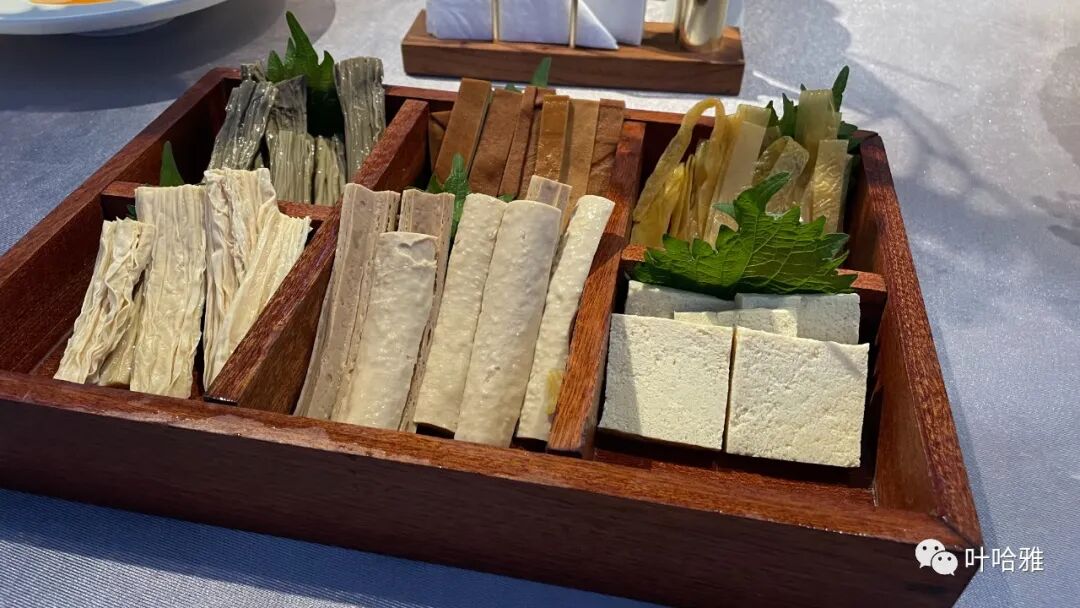
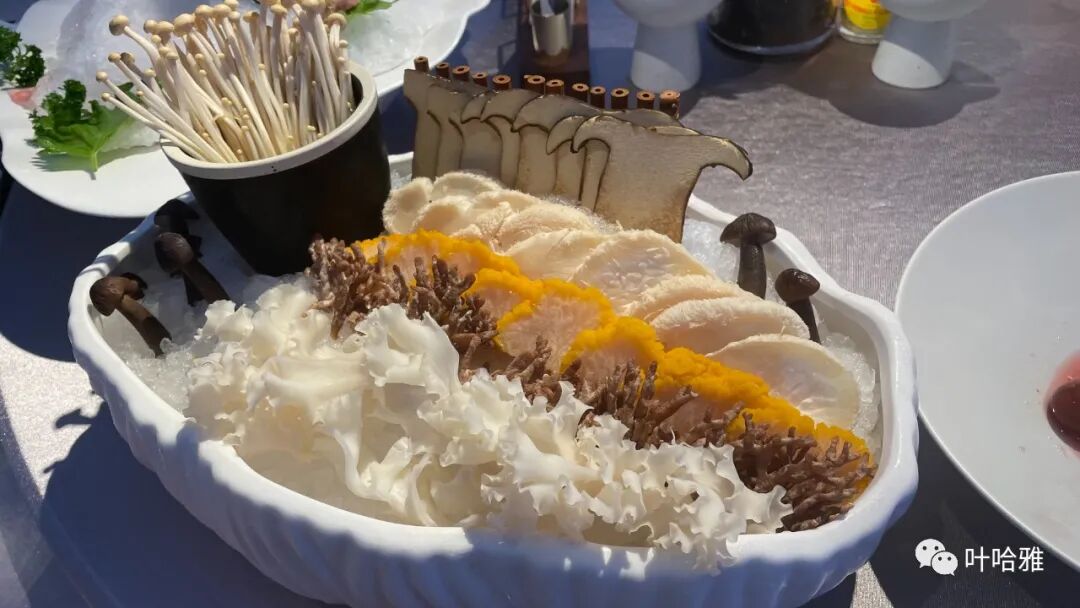
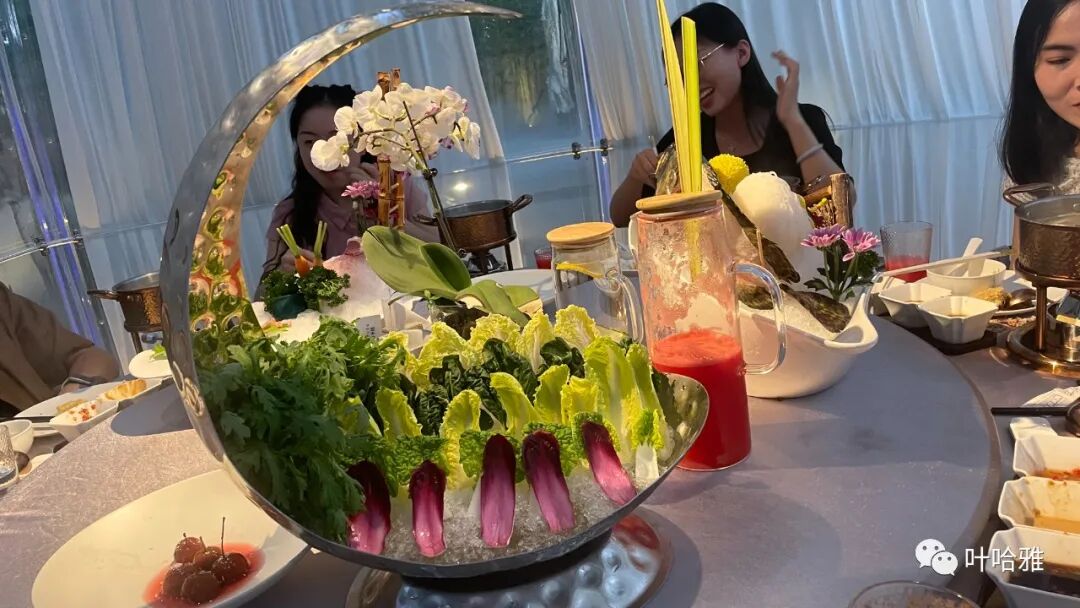
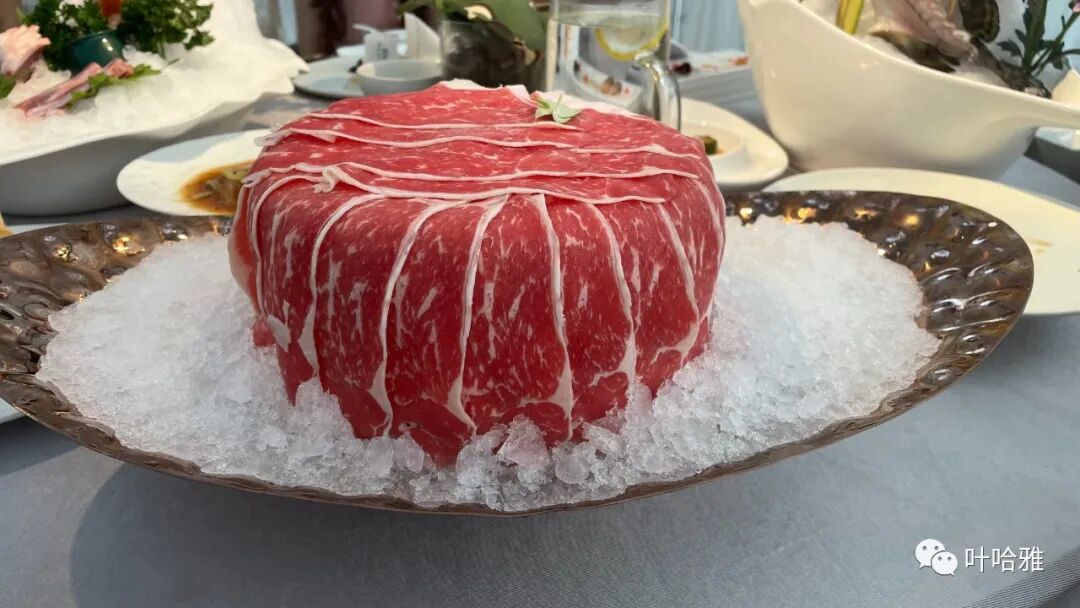
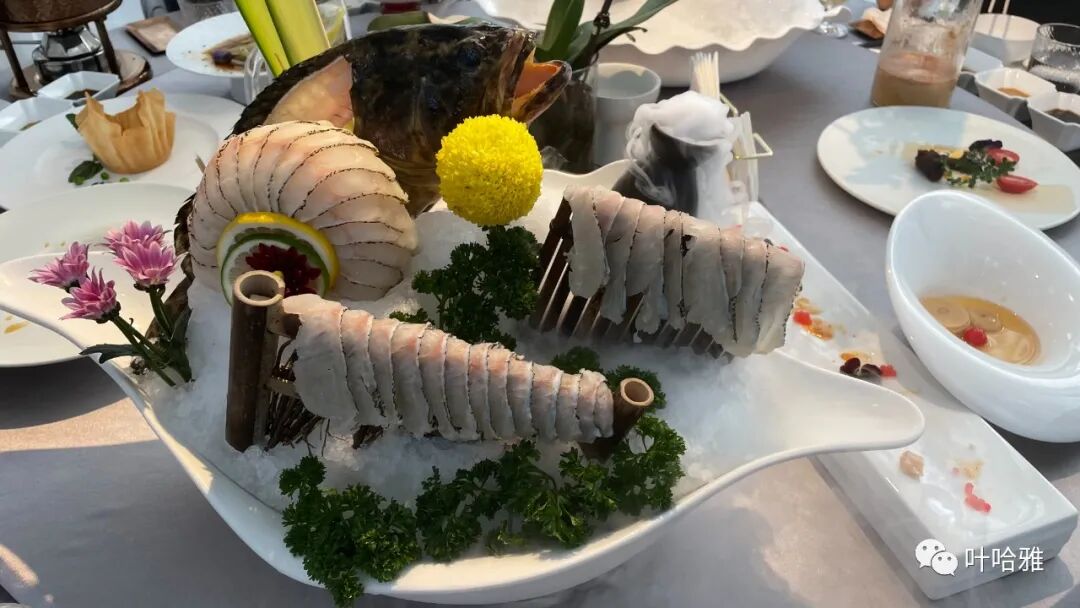
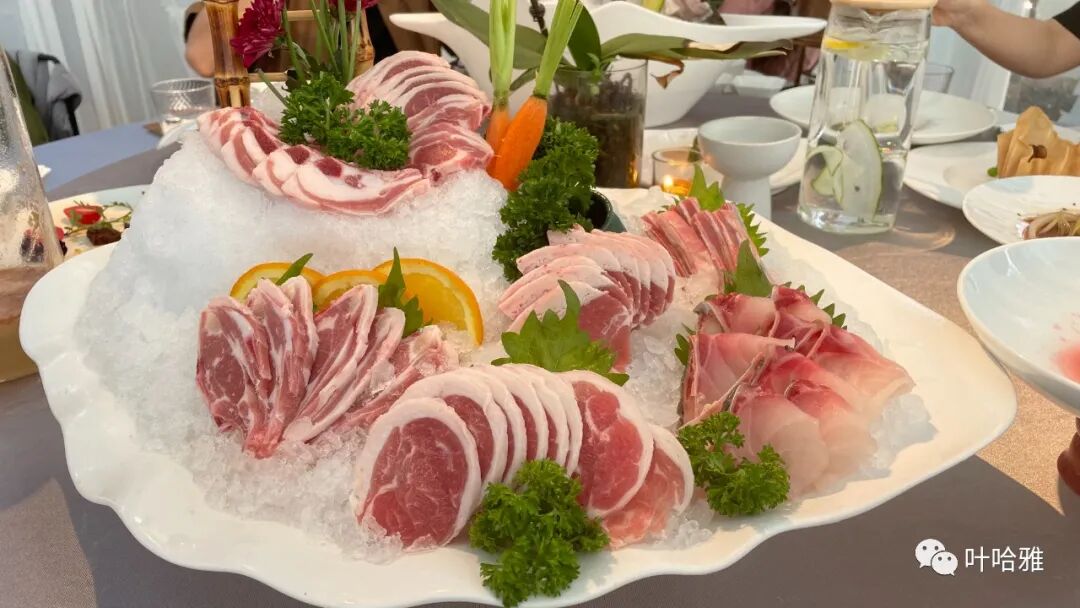
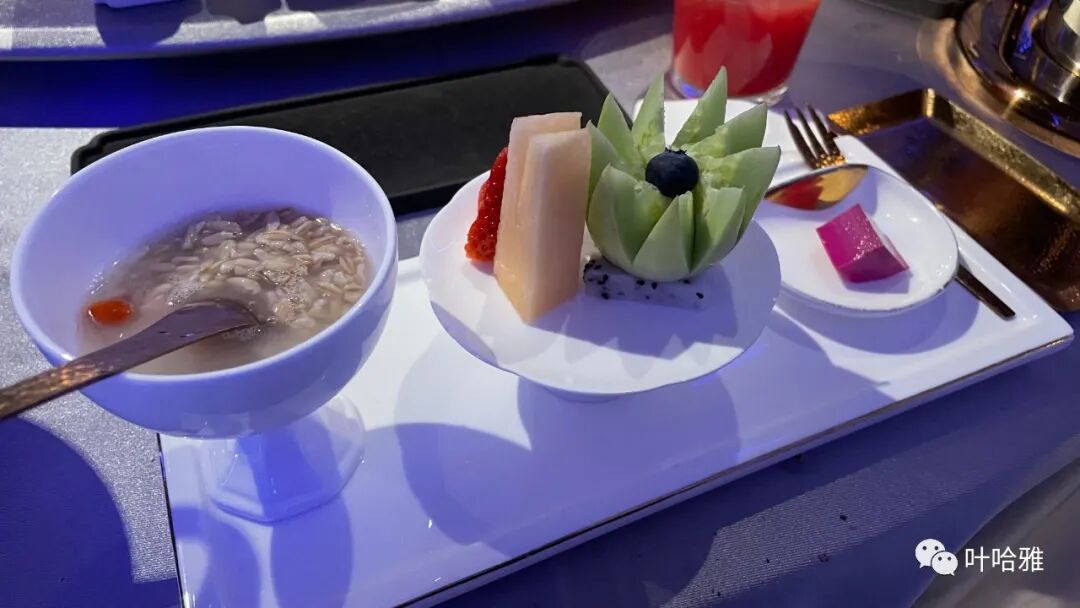
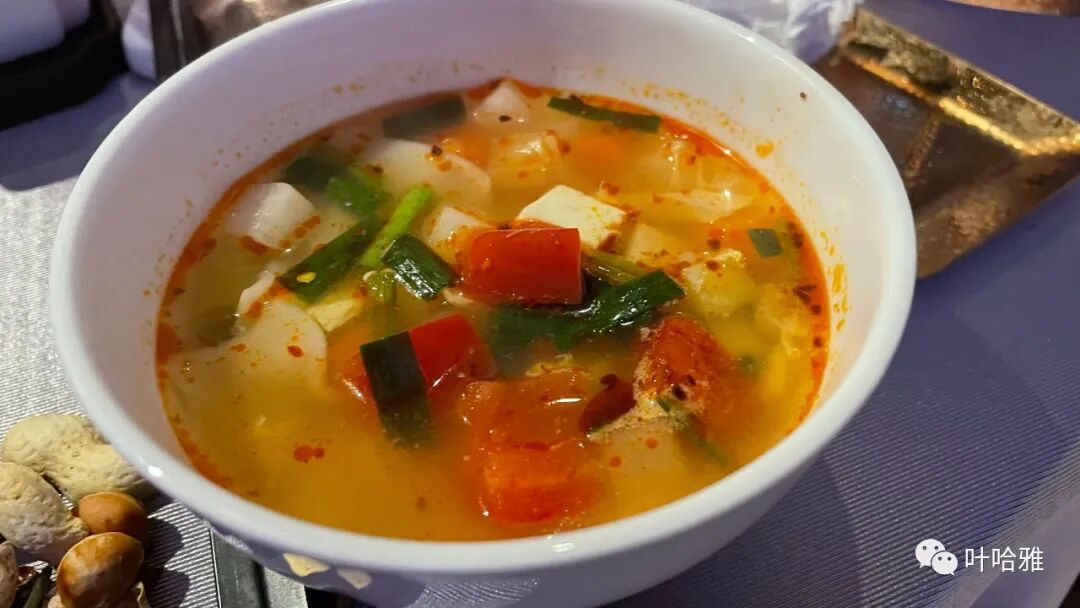
The desserts and staples are specialties from Gansu. Since the owner is from Gansu, they serve fermented oat porridge (tianpei) and handmade dough slices (shougong mianpian).
3. Zhizi Jianghu Cuisine · Halal Barbecue
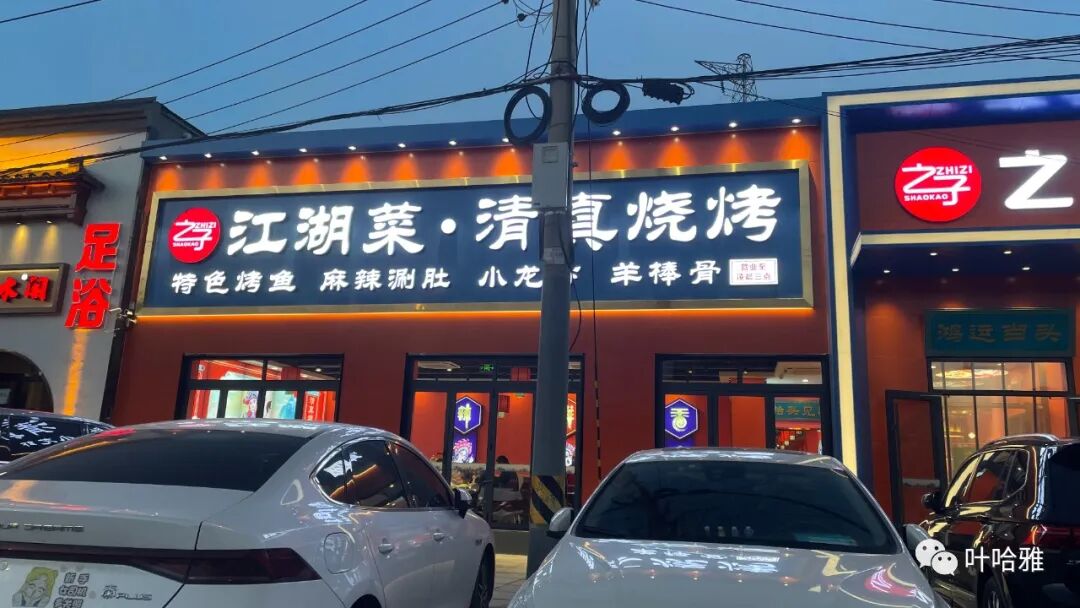
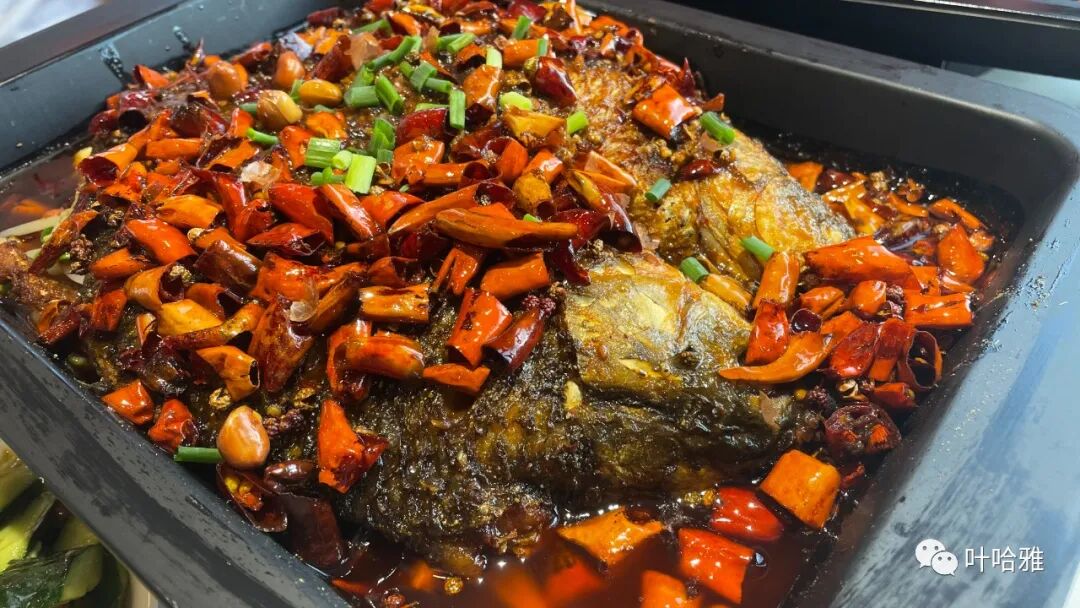
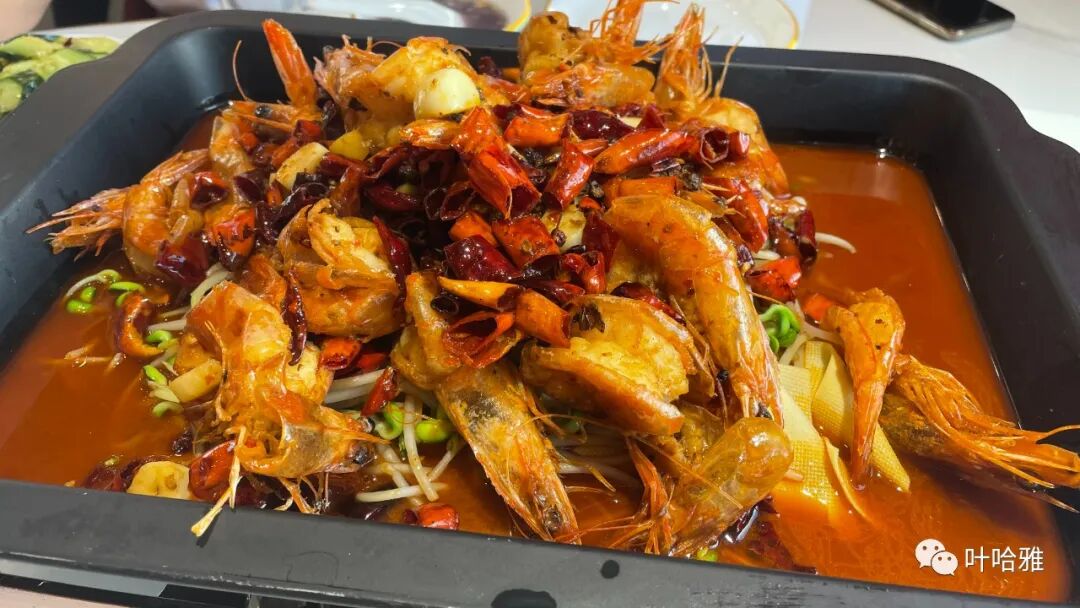
This is a newly opened barbecue shop in Xiguanshi, Changping. Their specialty is grilled fish. We ordered one grilled fish and one order of grilled prawns, both of which were delicious. If you don't mind the distance, you can come and try it.
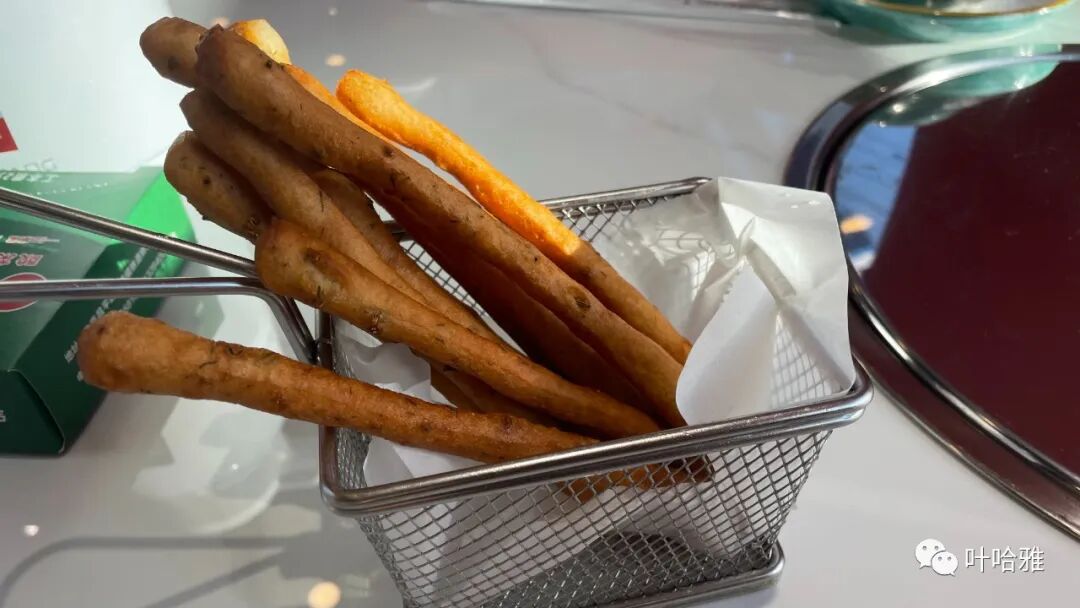
They also serve ice jelly (bingfen) and fried mini dough sticks (zha xiao youtiao), which are usually only found in Sichuan-style hot pot restaurants.
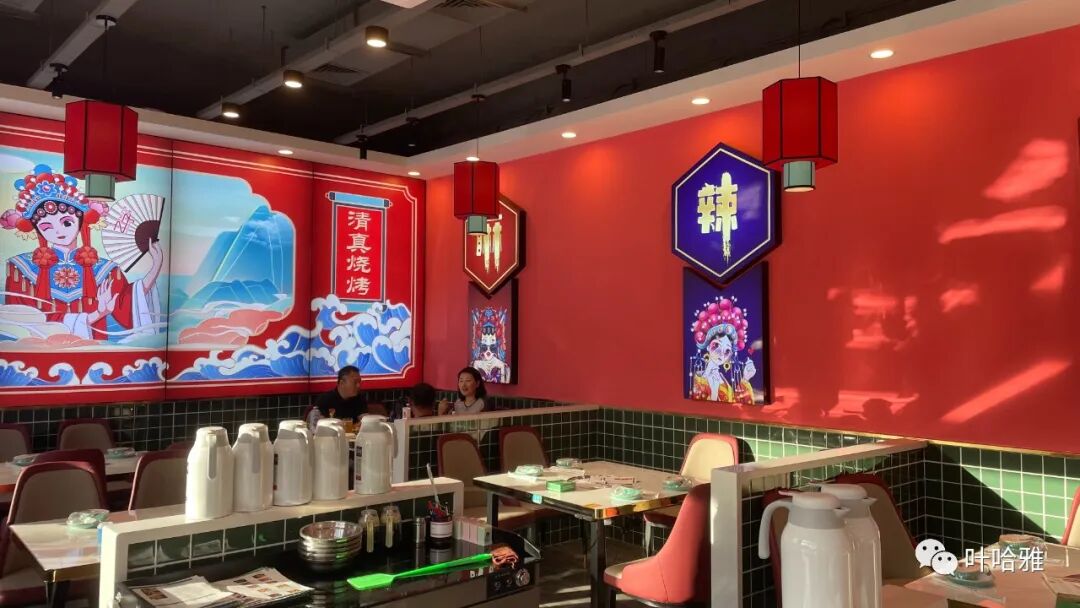
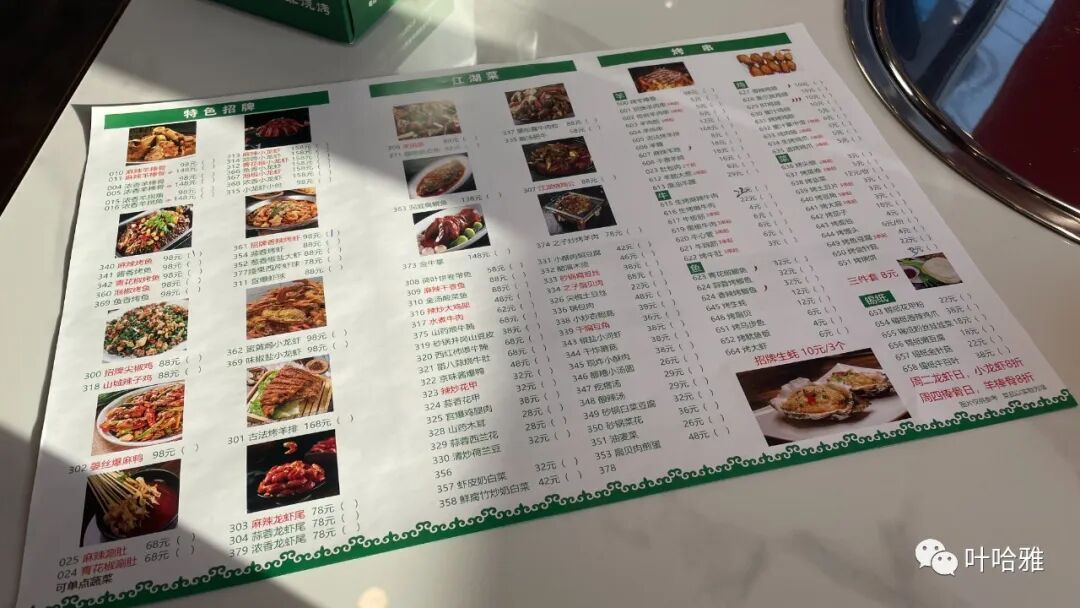
4. Syrian Restaurant (SOLANA branch)
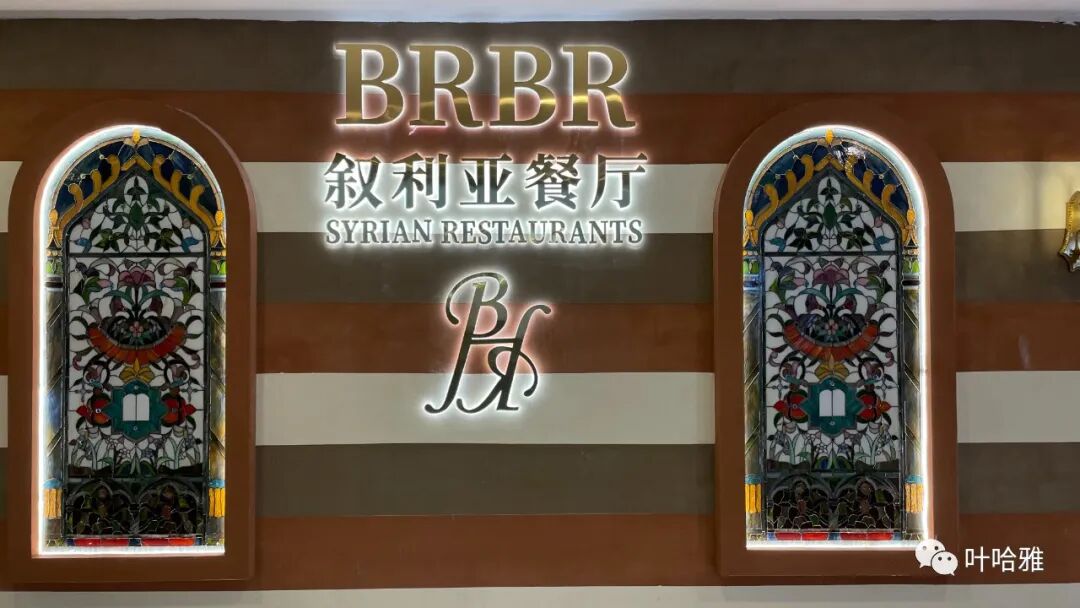
Ever since the Syrian restaurant in Wudaokou, Haidian, became popular, the owner wanted to open a branch in Chaoyang District. This time, the wish finally came true. The new branch is on the second floor of the SOLANA (Lanse Gangwan) shopping mall, near McDonald's.
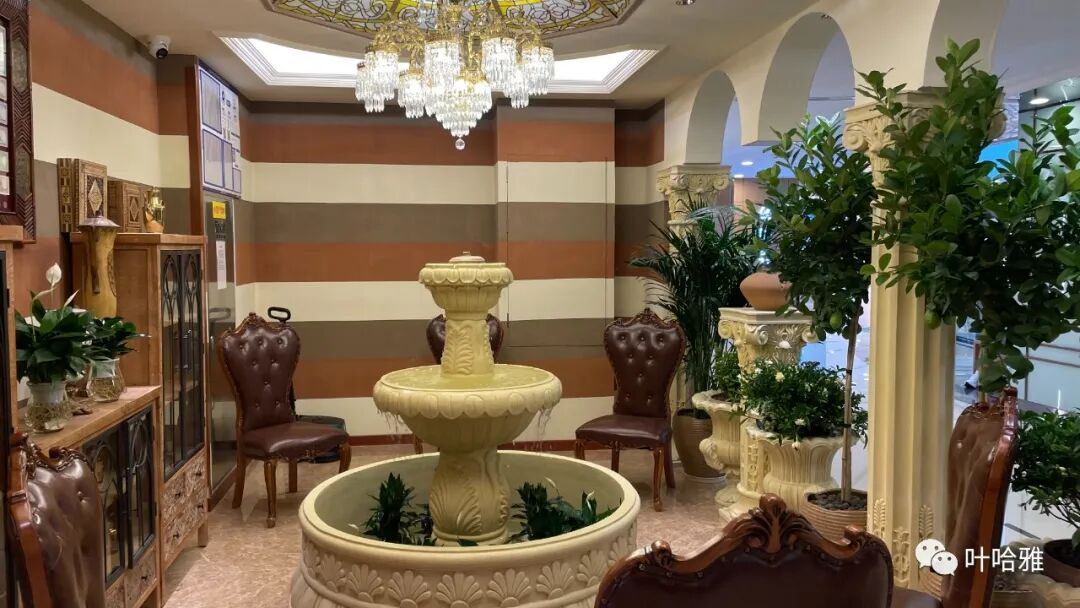
The SOLANA branch is much larger, the decor is very stylish, and the private rooms have a wider view than the previous location.
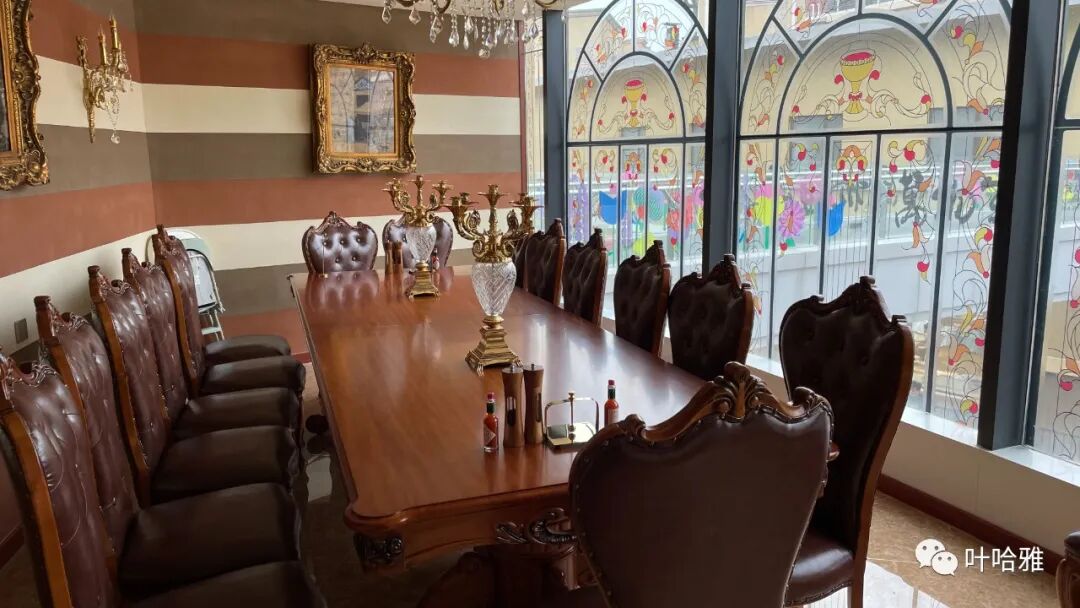
I invited a group of foodie friends to check it out. We ordered everything on the menu, and it cost 100 yuan per person.
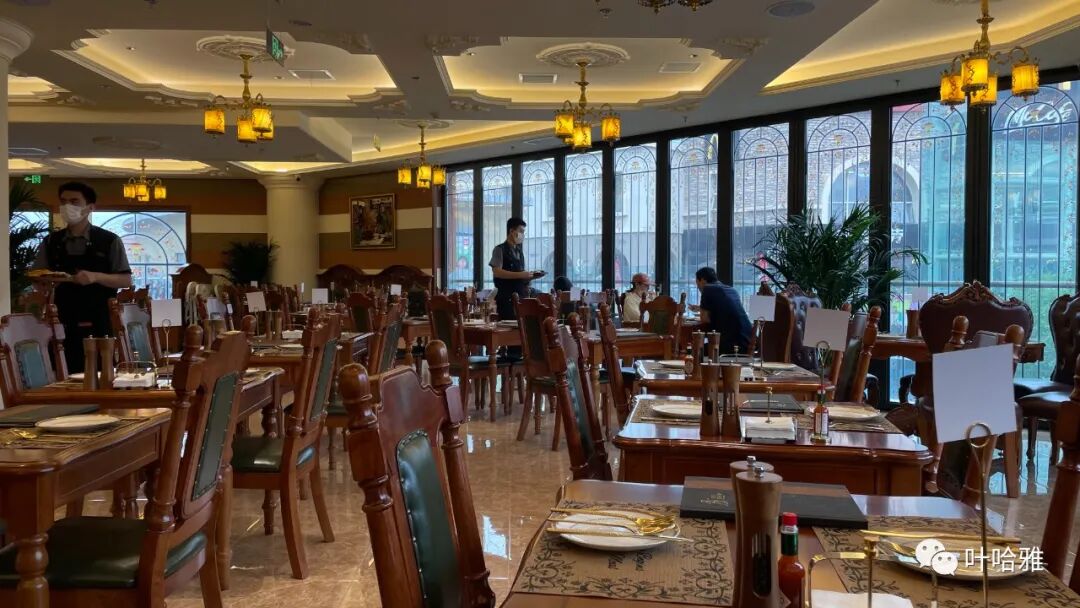
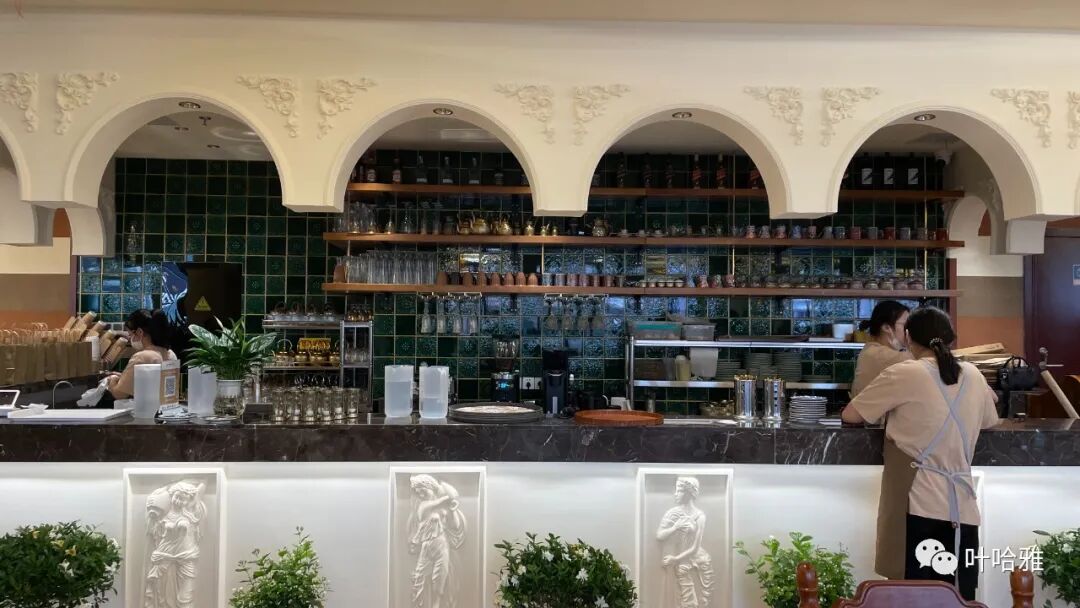
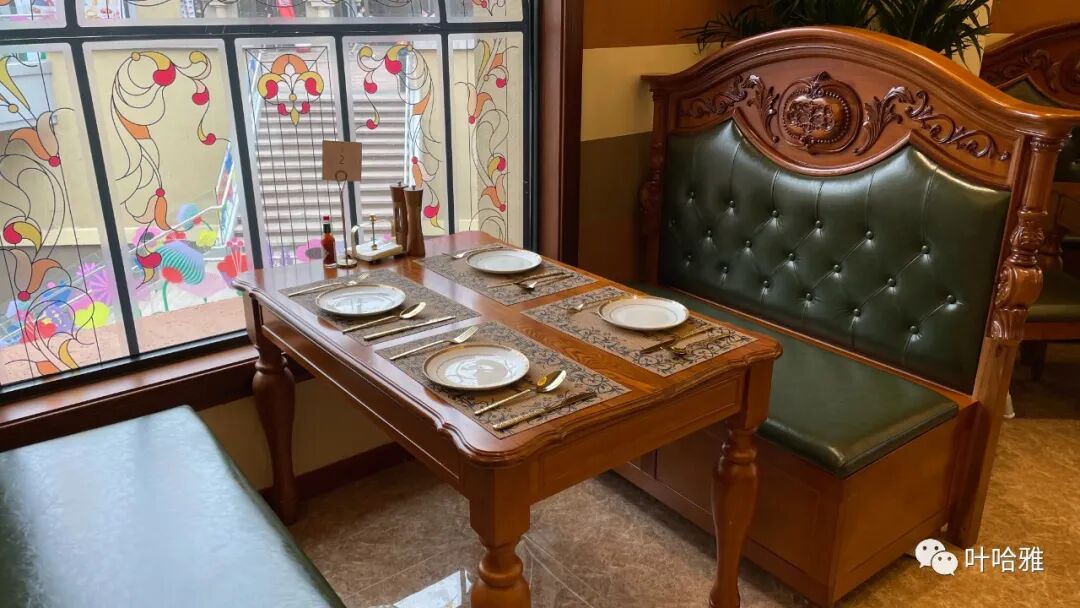
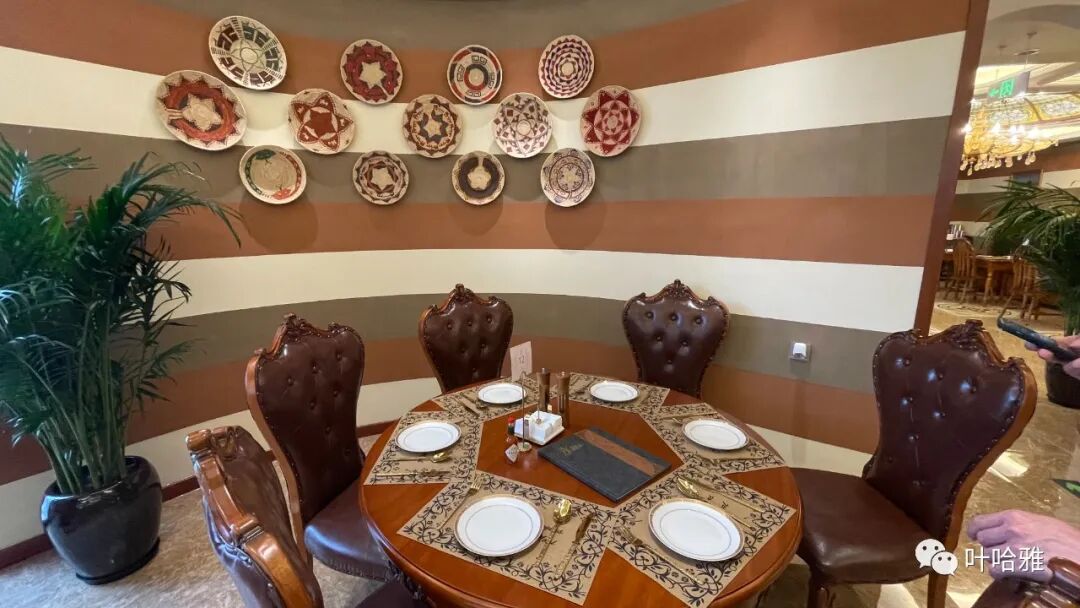
The menu is exactly the same as the Wudaokou shop, and the flavors are basically identical.
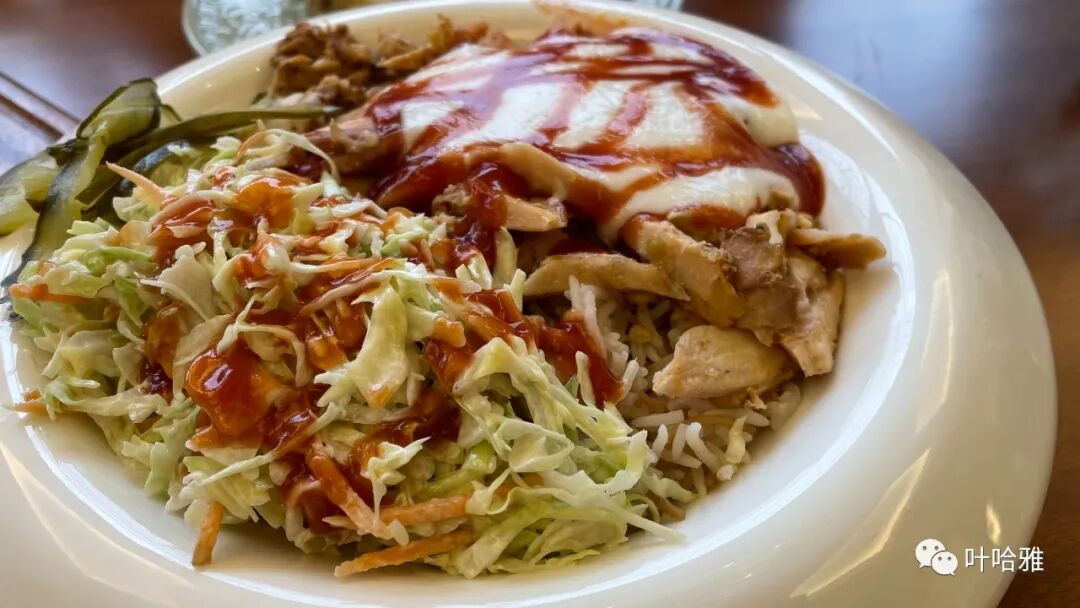
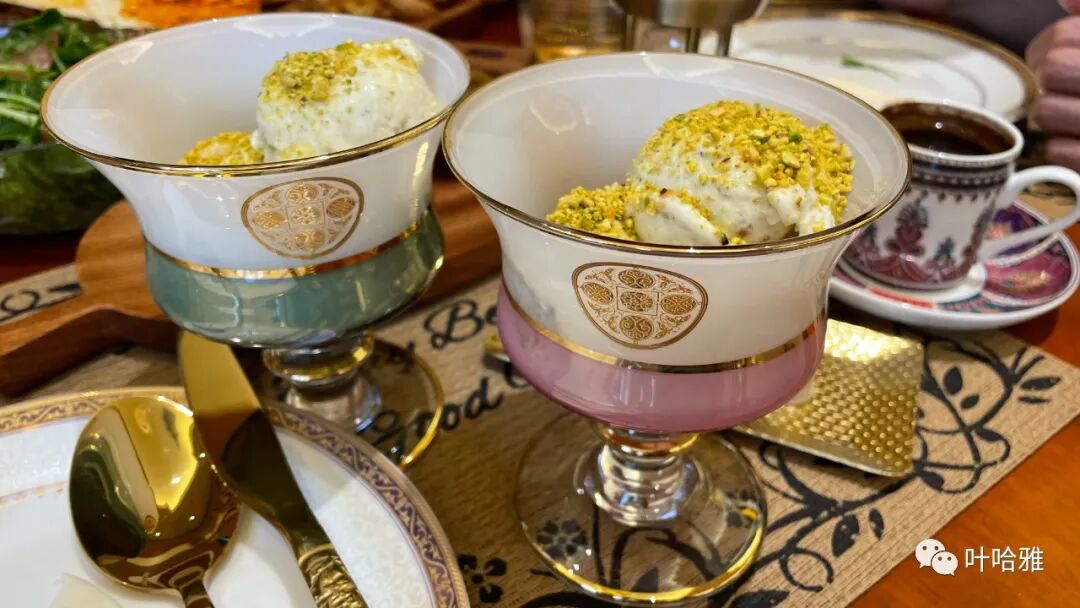
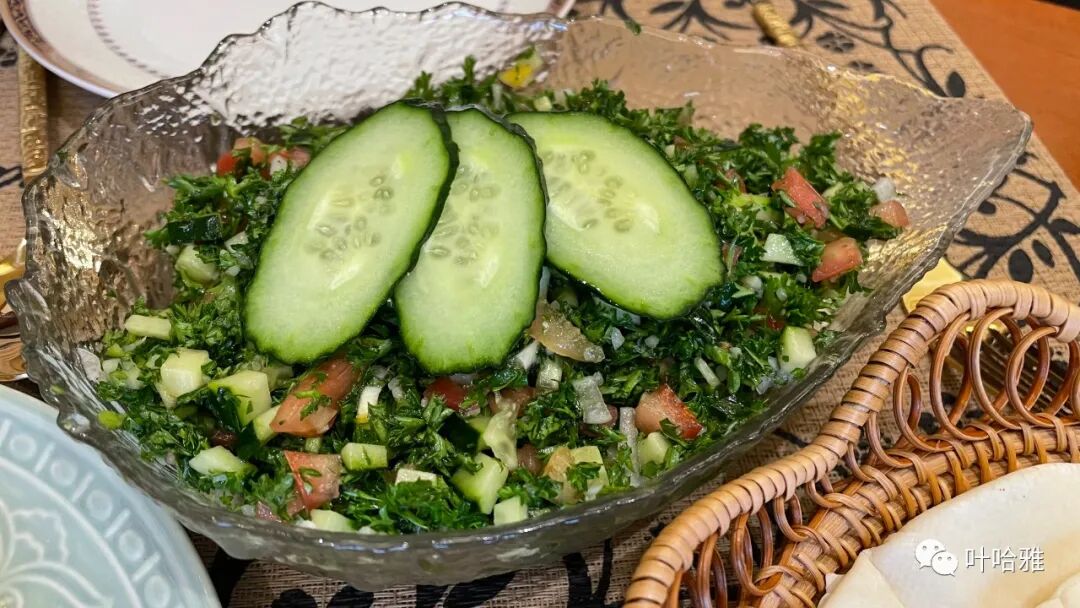
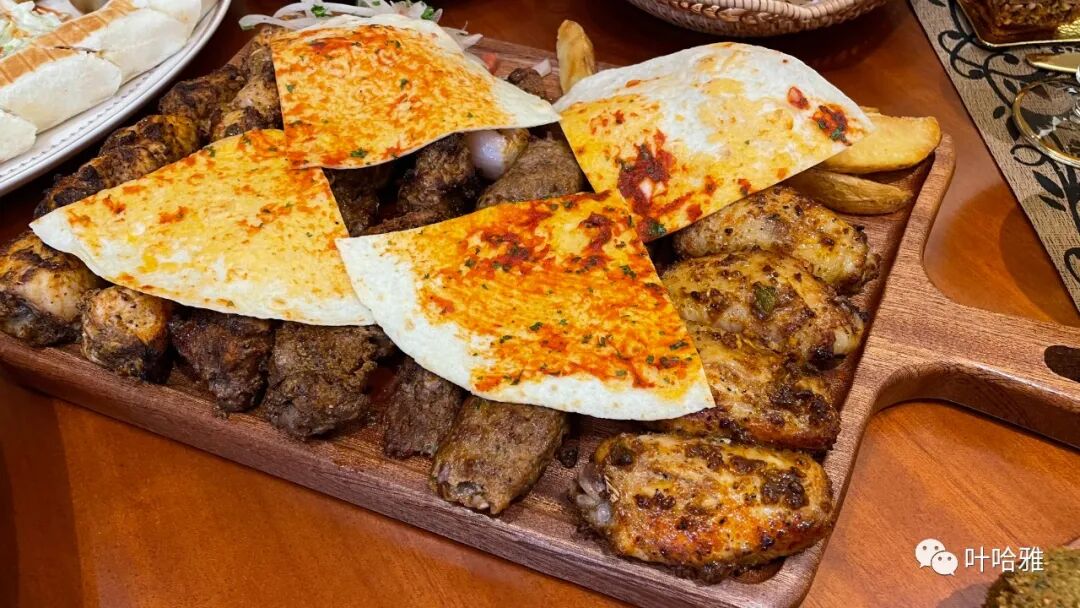
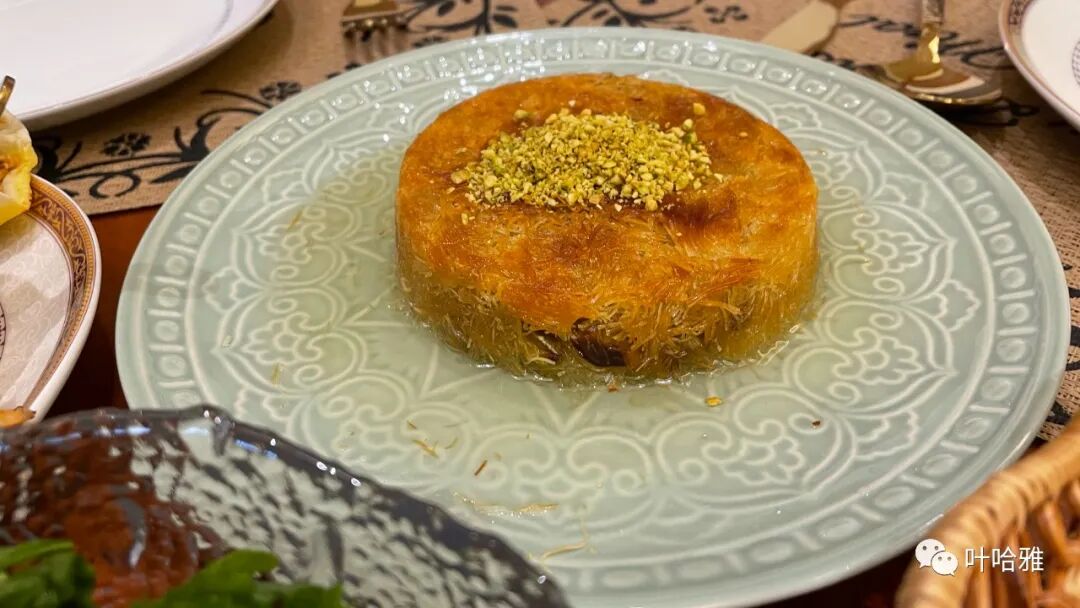
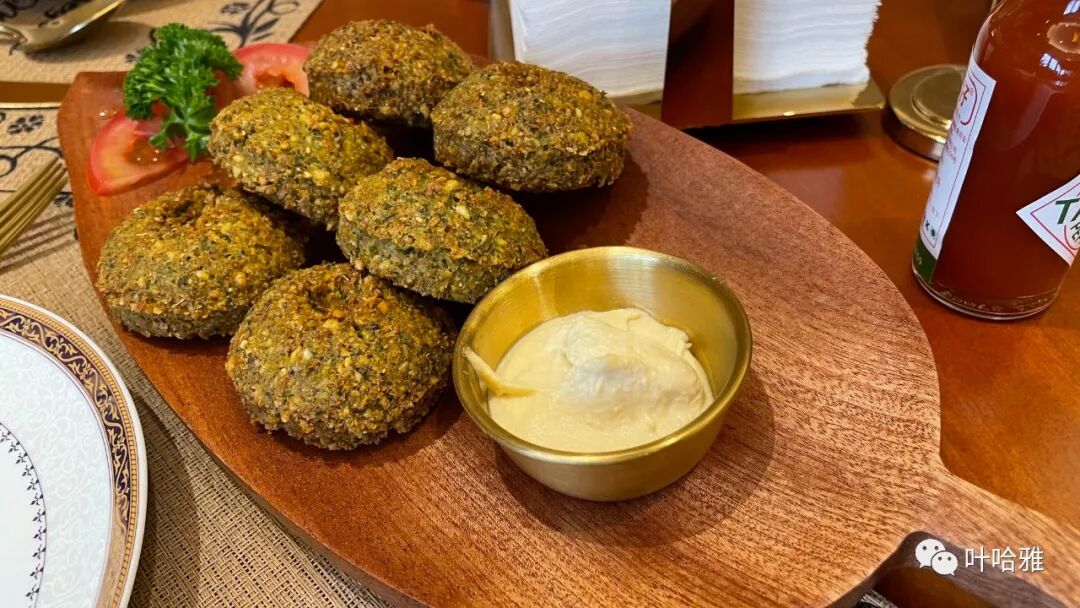
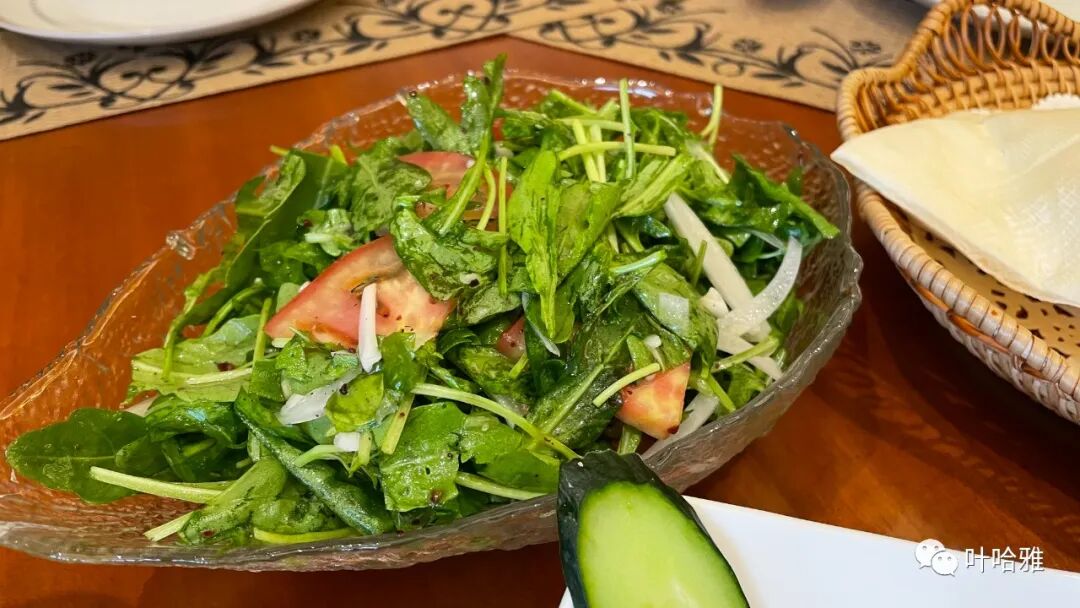
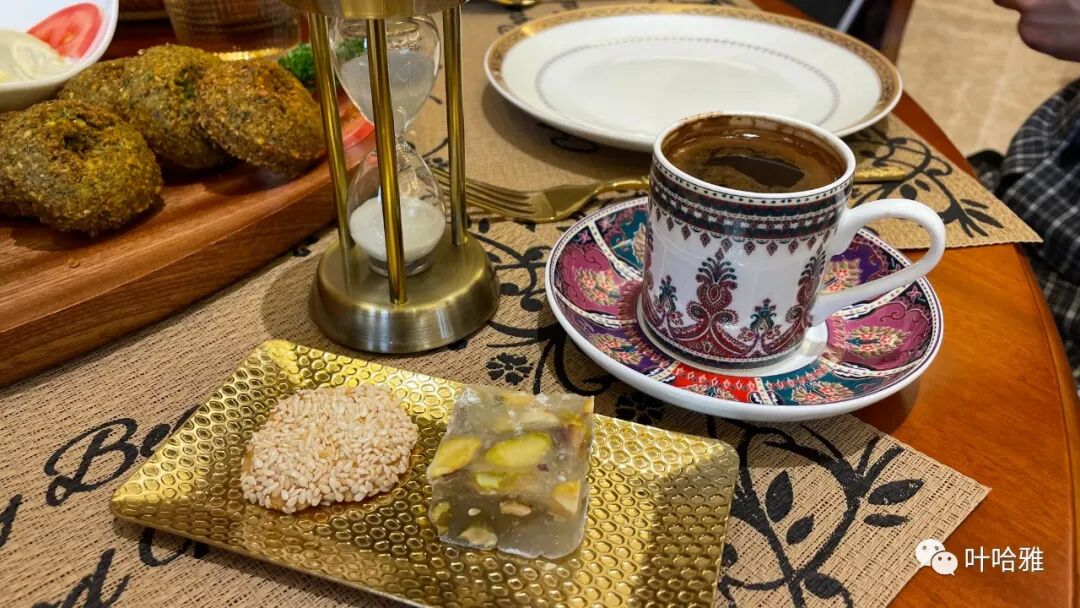
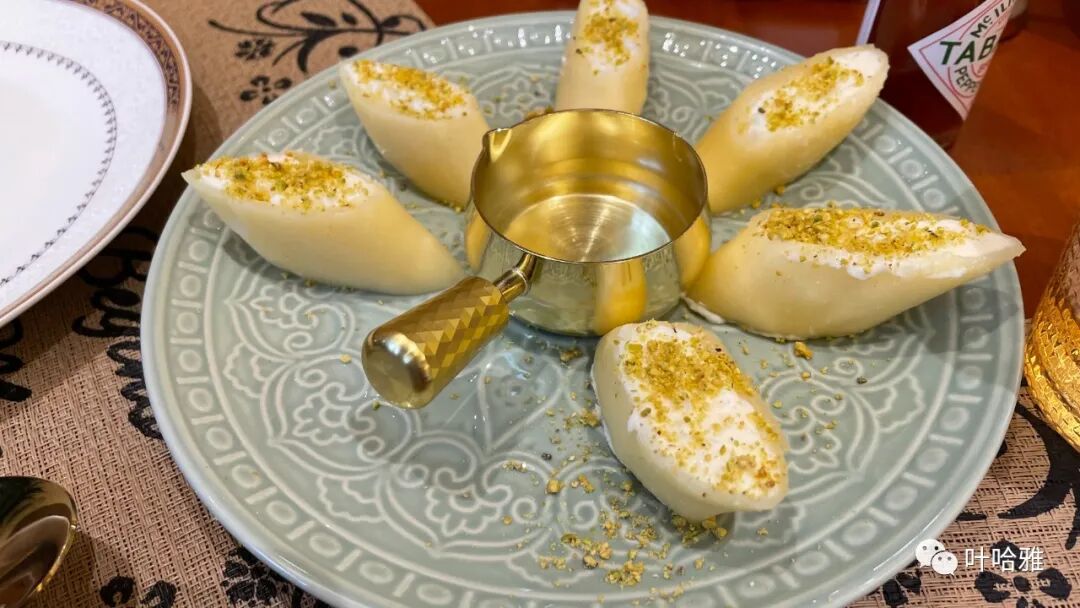
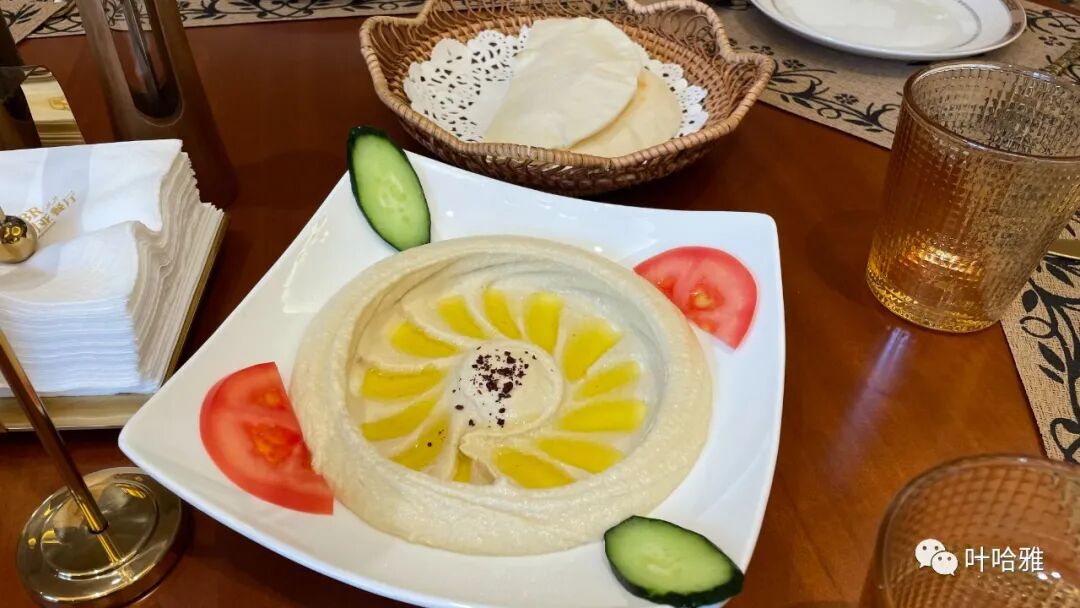
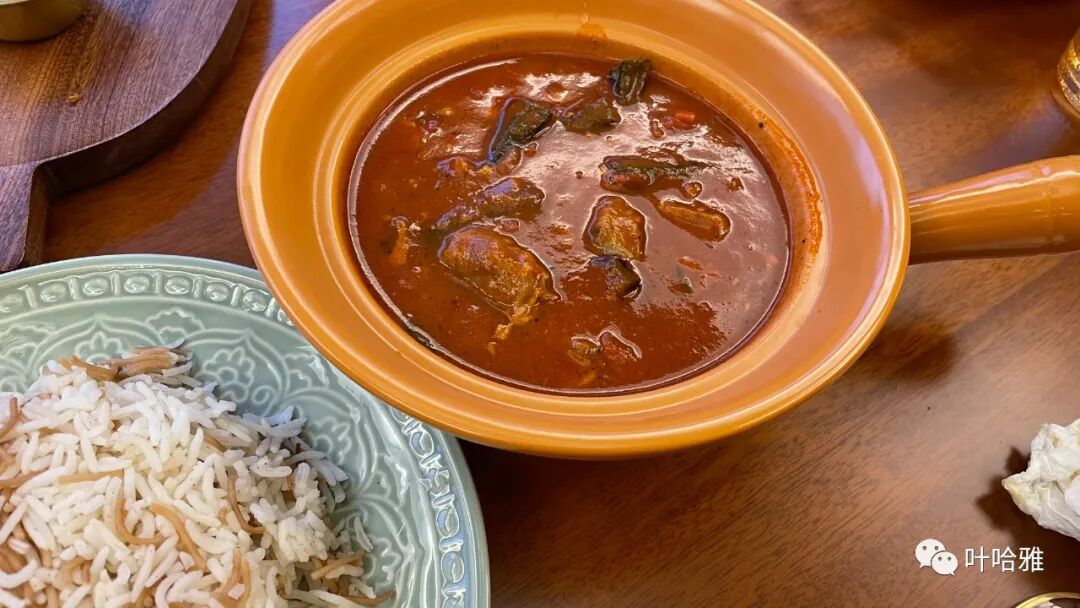
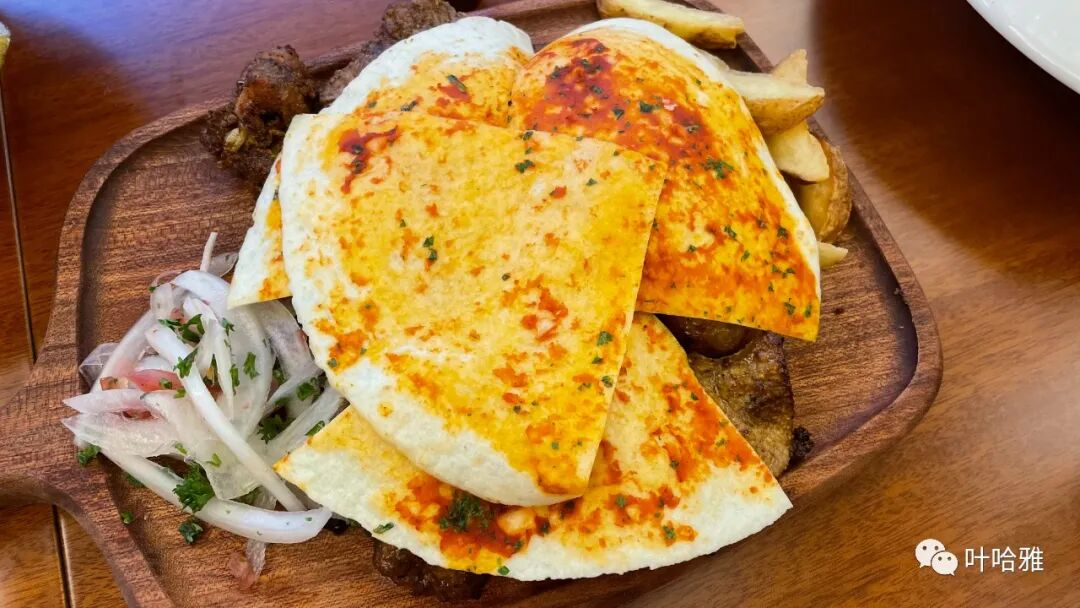
I suddenly realized that Syrian barbecue is the same thing as Zibo barbecue. Syrian barbecue is also eaten by wrapping meat in thin flatbread (bing). The difference is that Zibo barbecue uses green onions inside, while Syrian barbecue uses onions.
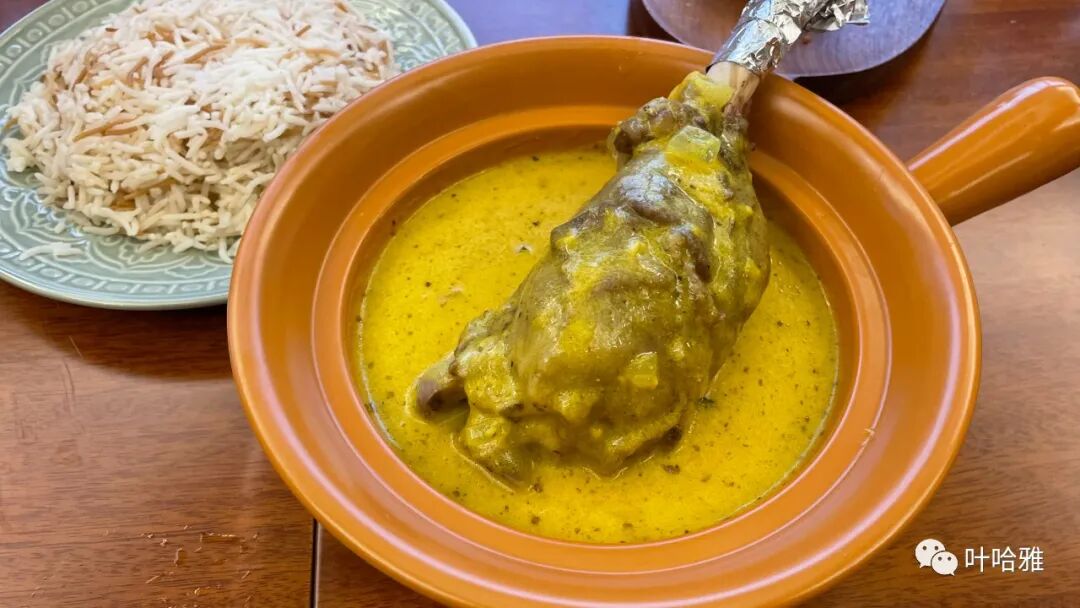
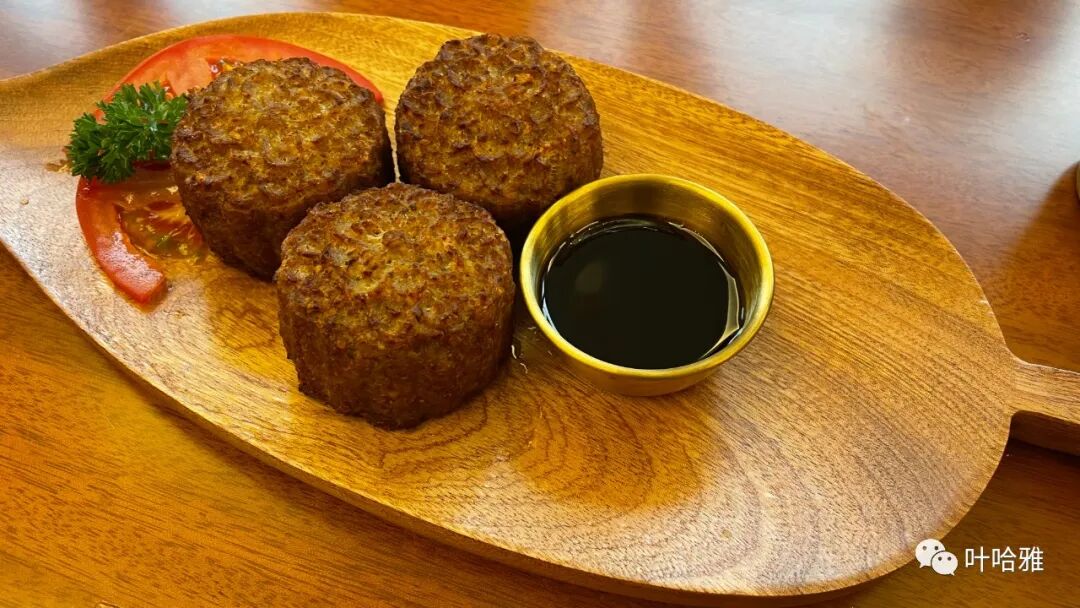
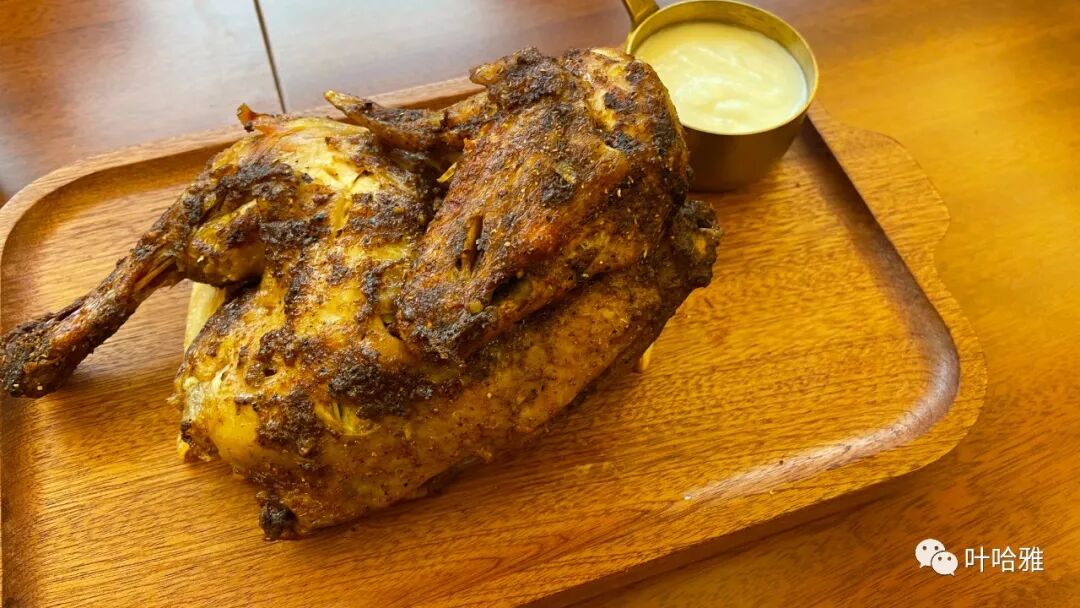
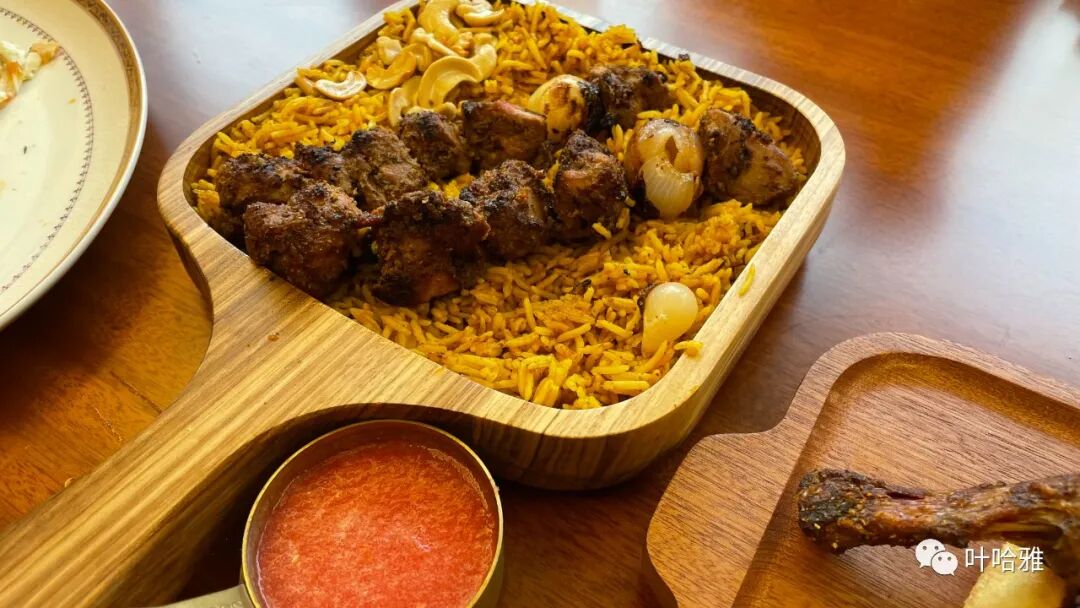
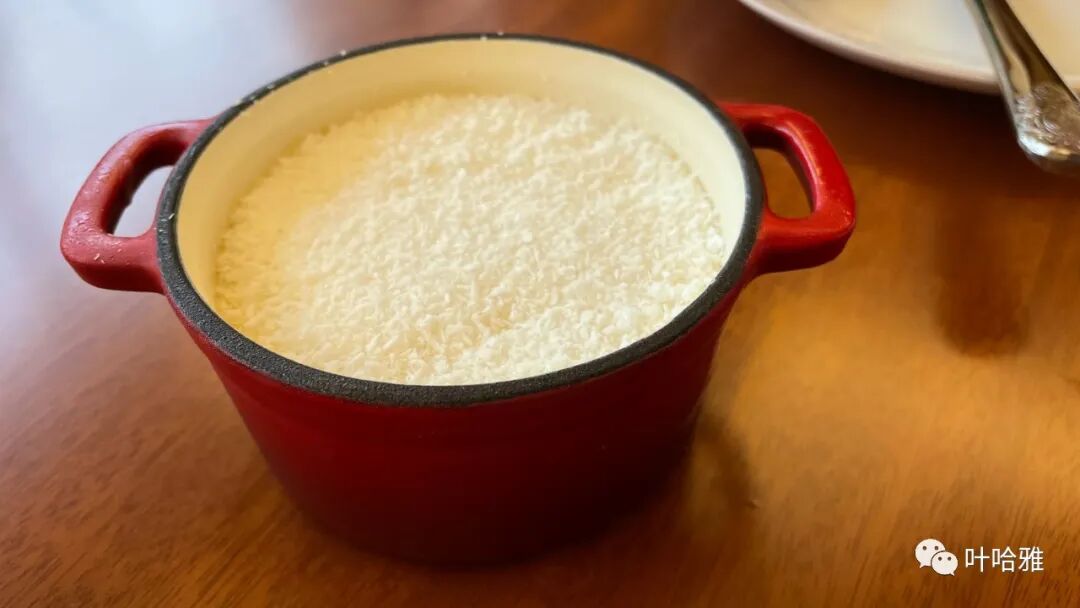
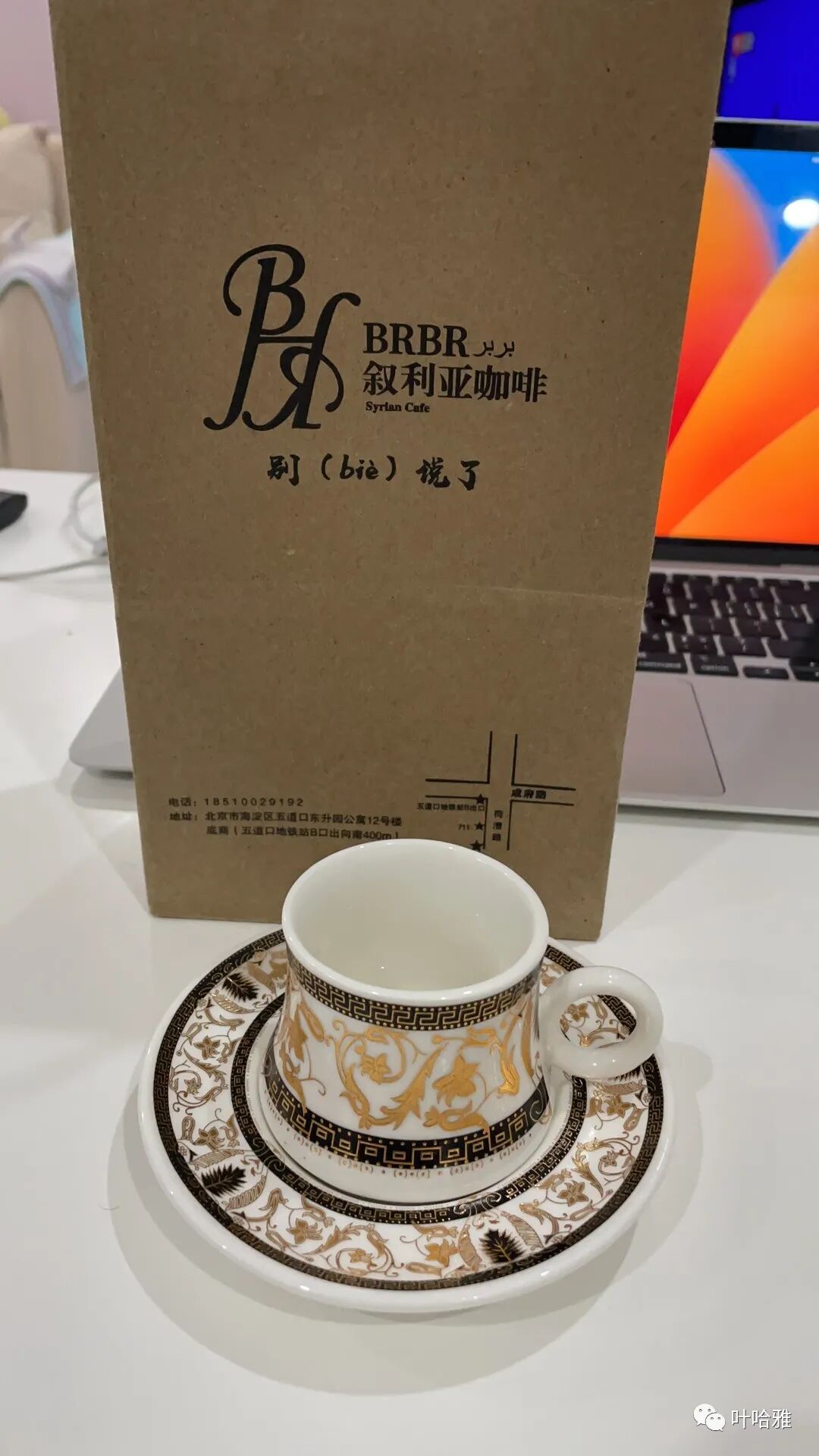
The shop sells beautiful coffee cups. We happened to visit on the opening day celebration, and the owner gave every friend who came to check in a beautiful coffee cup.
5. Northeast Barbecue and Clay Pot
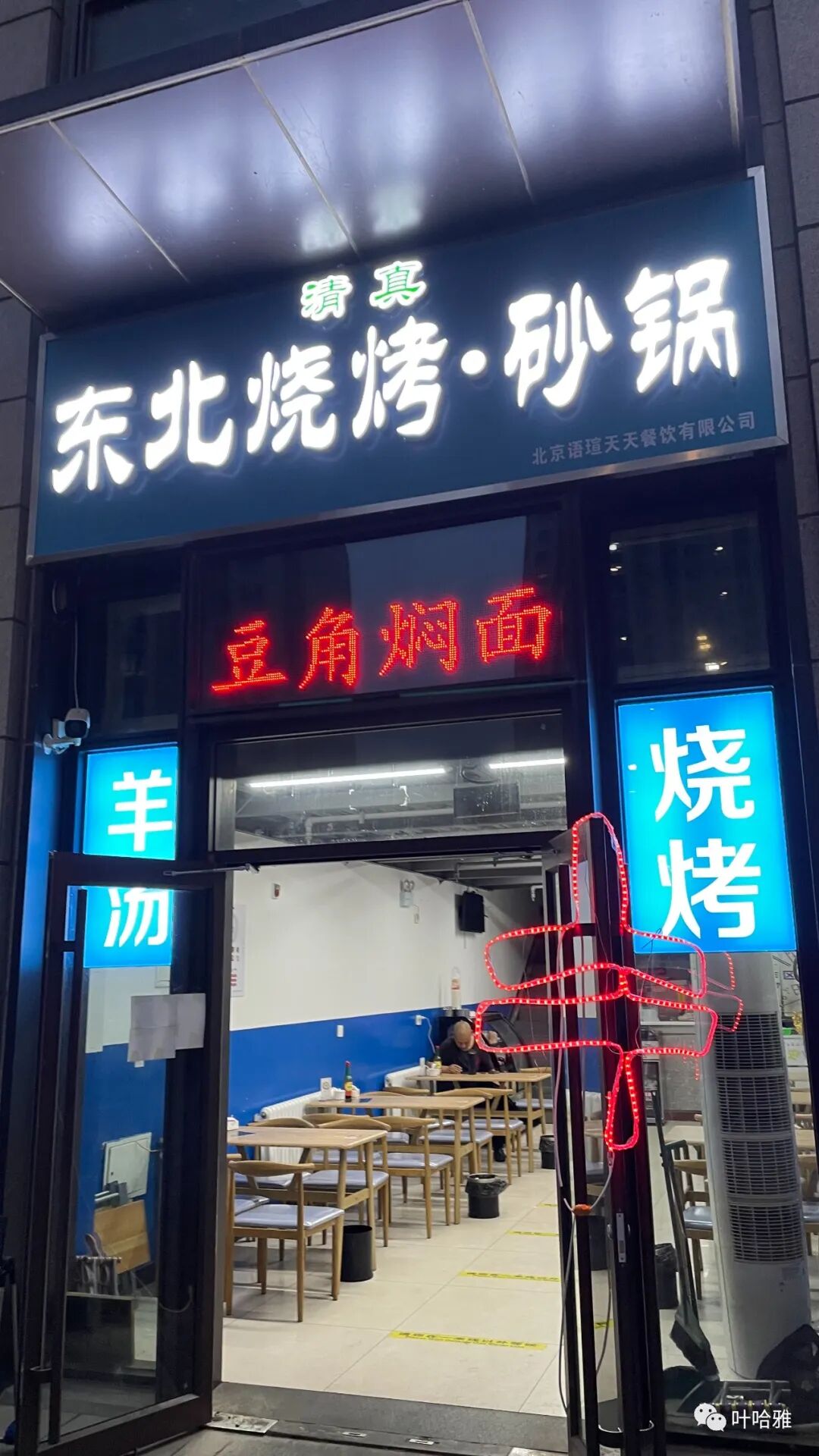
This shop used to be called Xinyuezhai Steamed Bun Shop. It just changed its name and is located in the storefronts of Courtyard 32, West Chang'an No. 1, Mentougou District.
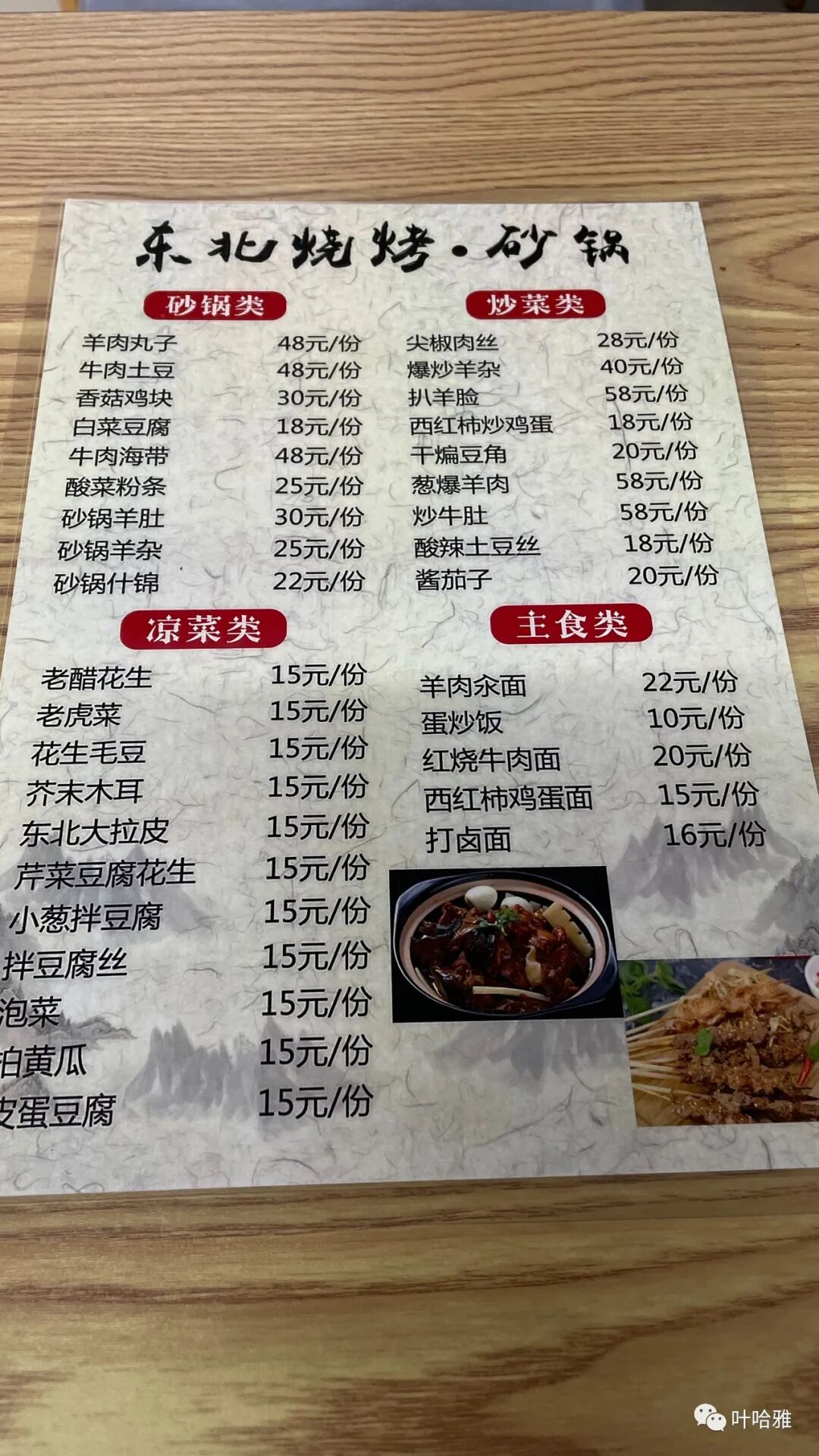
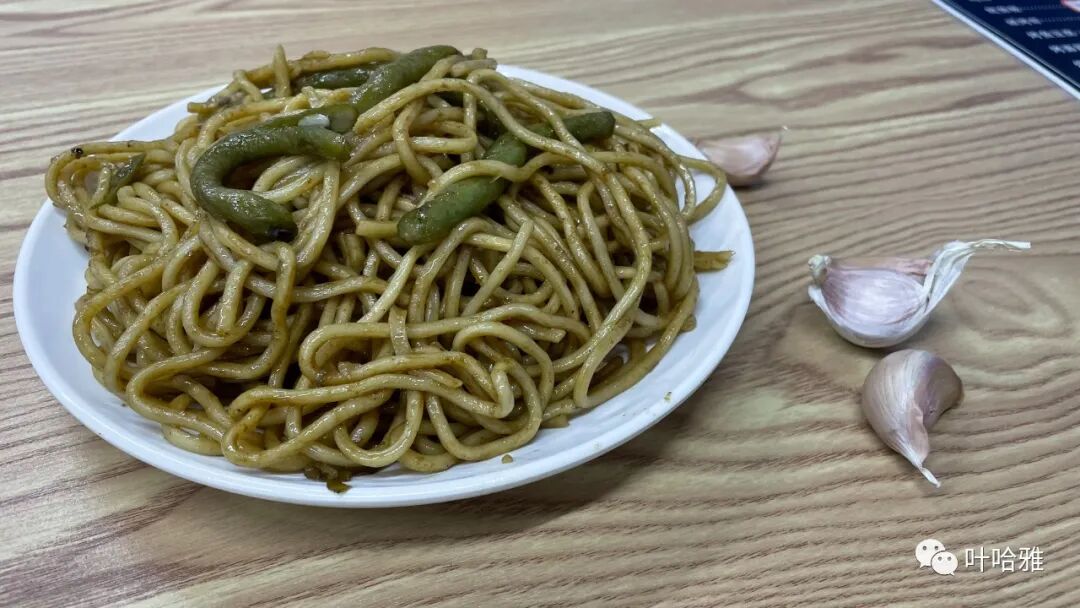
What attracted me wasn't the steamed buns, but their braised noodles with green beans (doujiao menmian). Braised noodles are a common Northeast home-style staple food. The owner is a Hui Muslim from Jixi, Heilongjiang.
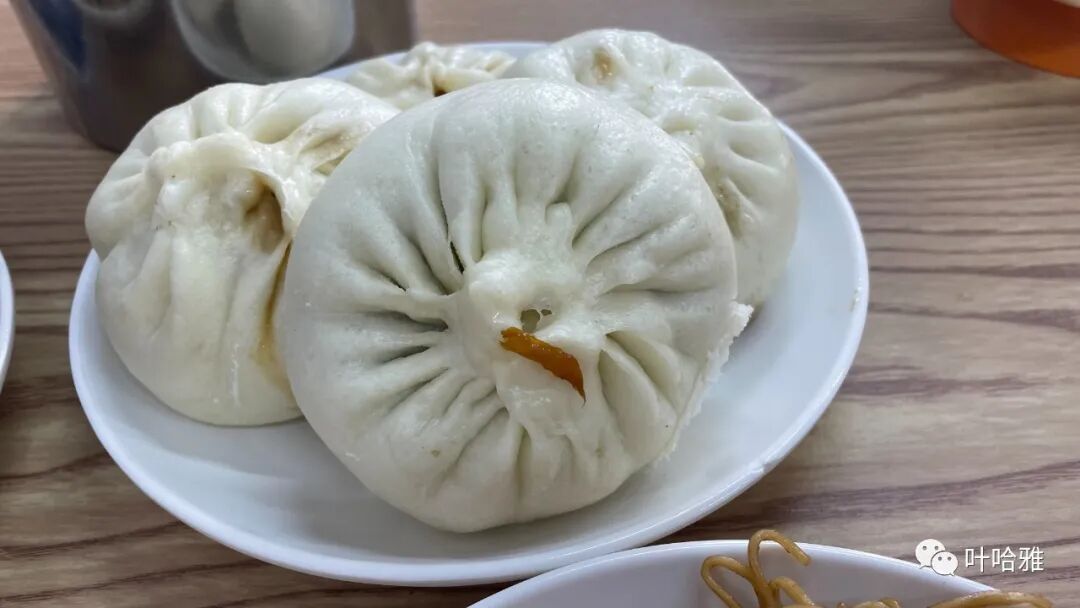
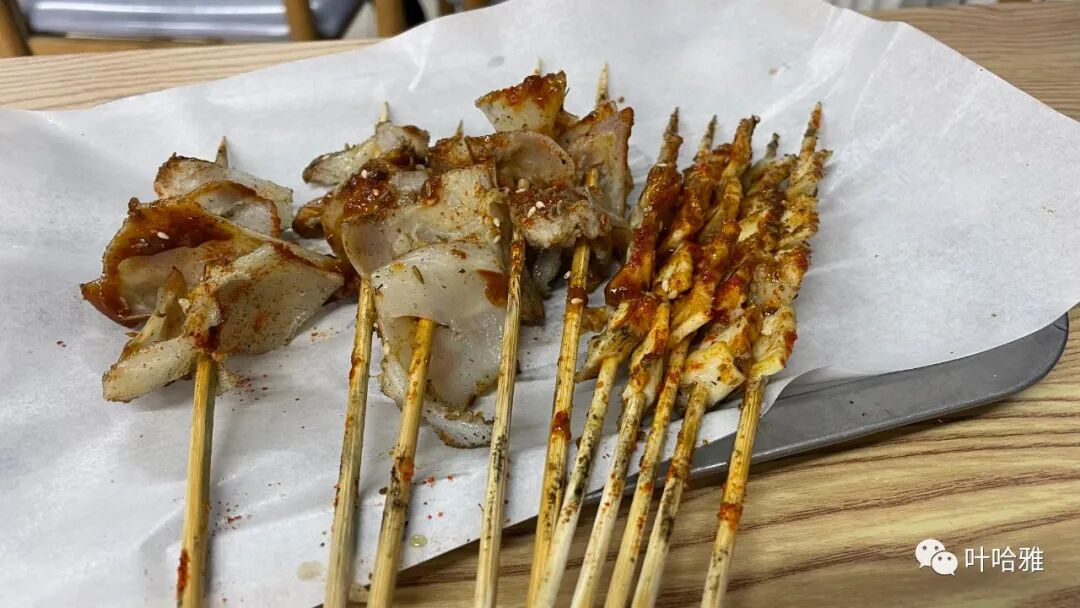
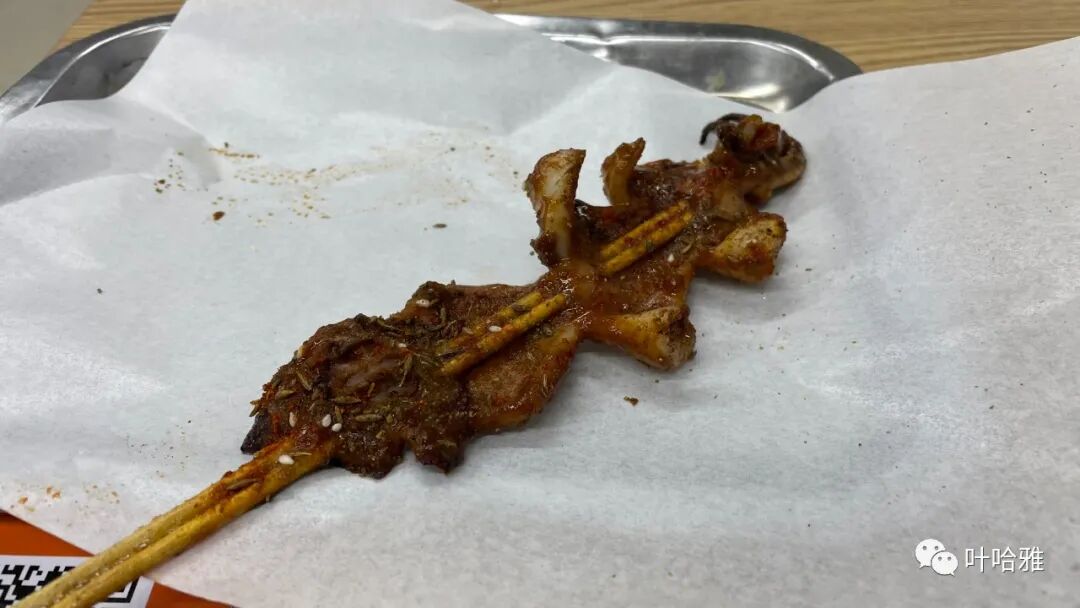
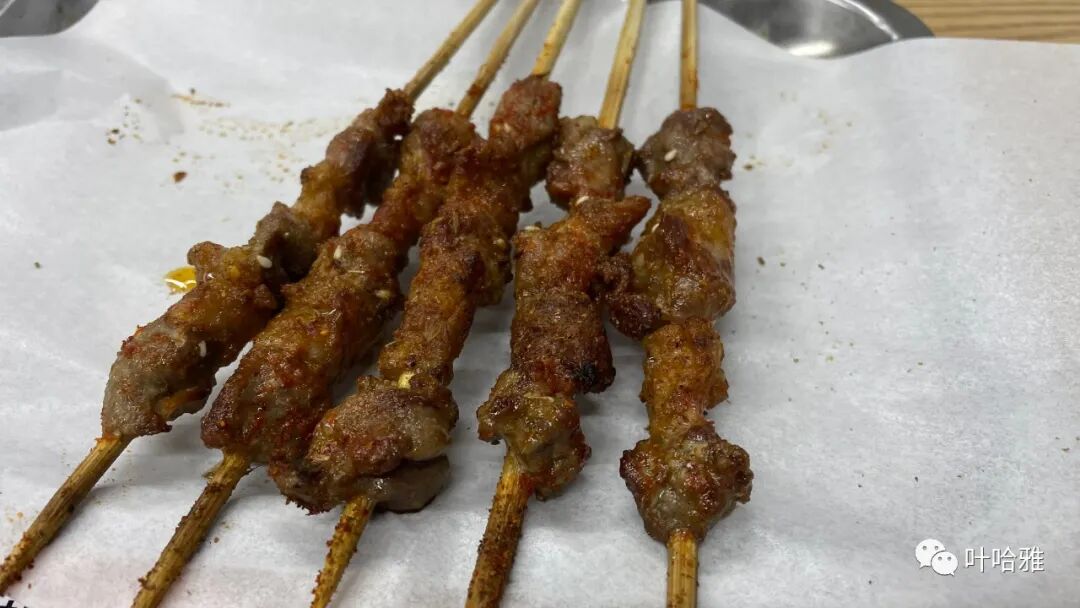
Steamed buns are sold every morning at 10 o'clock. They taste pretty good, and the Northeast-style small barbecue is also decent.
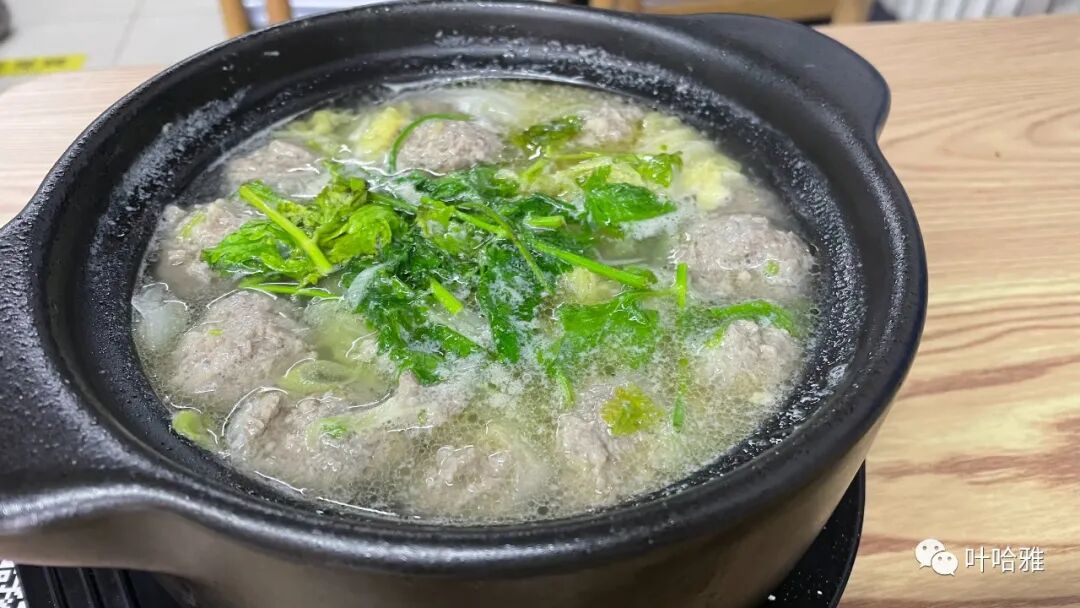
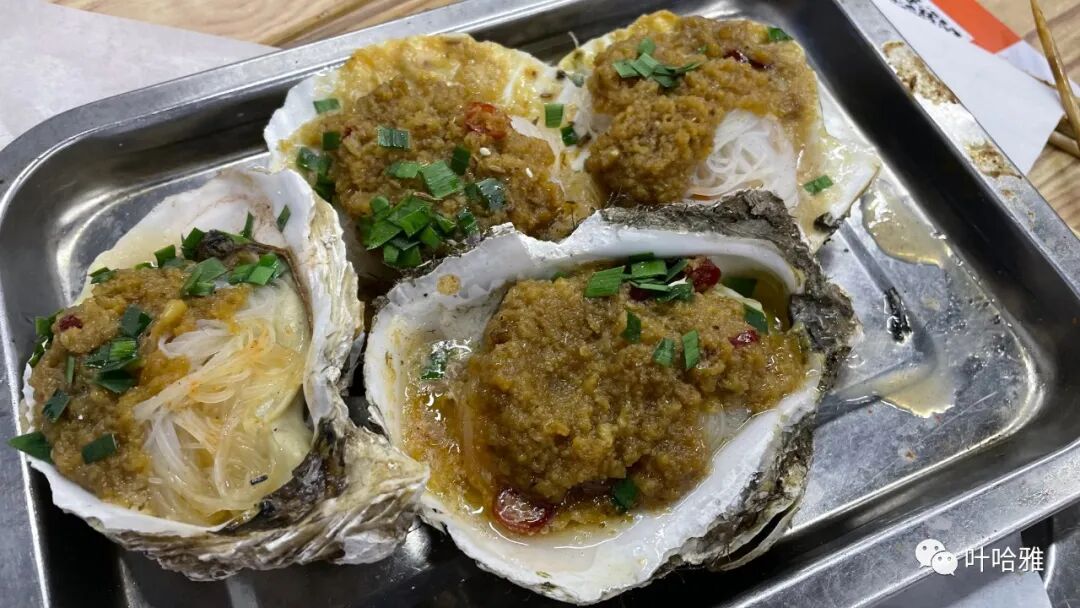
I recommend their braised noodles with green beans and the clay pot lamb meatballs (shaguo yangrou wanzi). The portions aren't big, but the taste is good.
6. Fangji Snack Shop
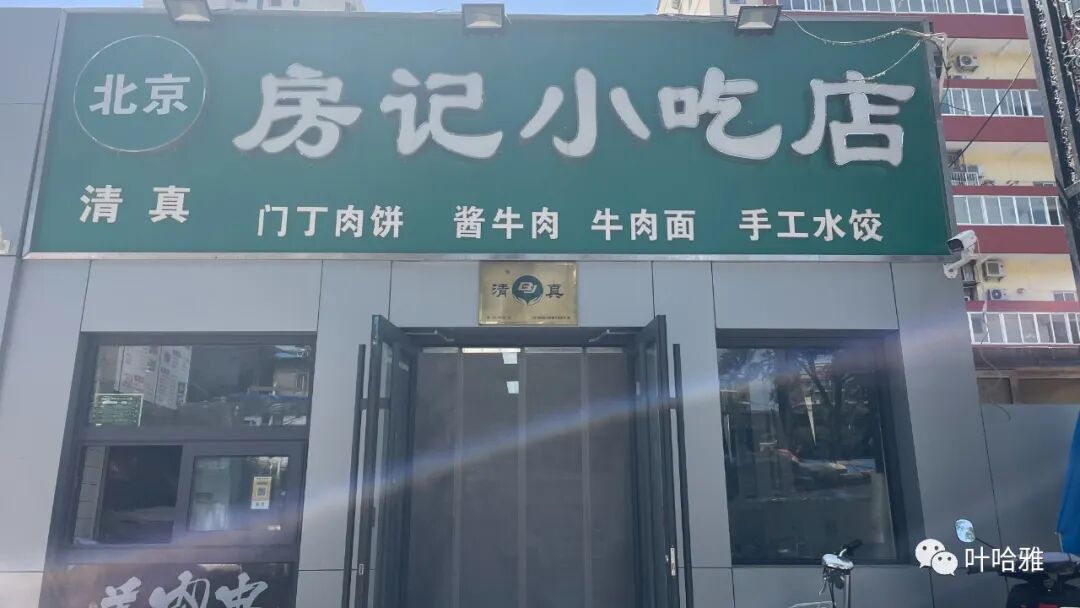
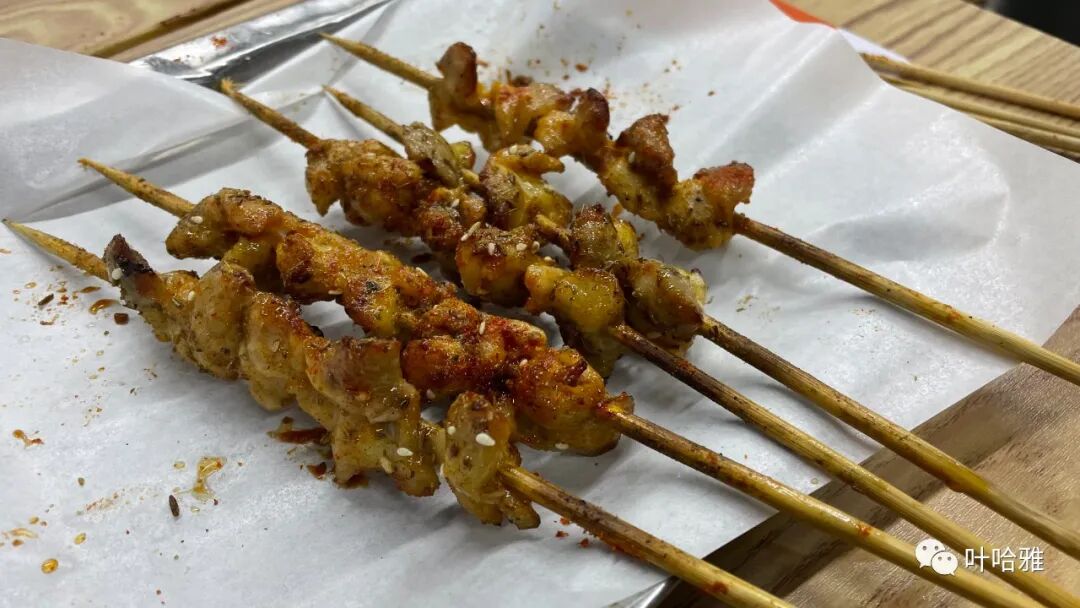
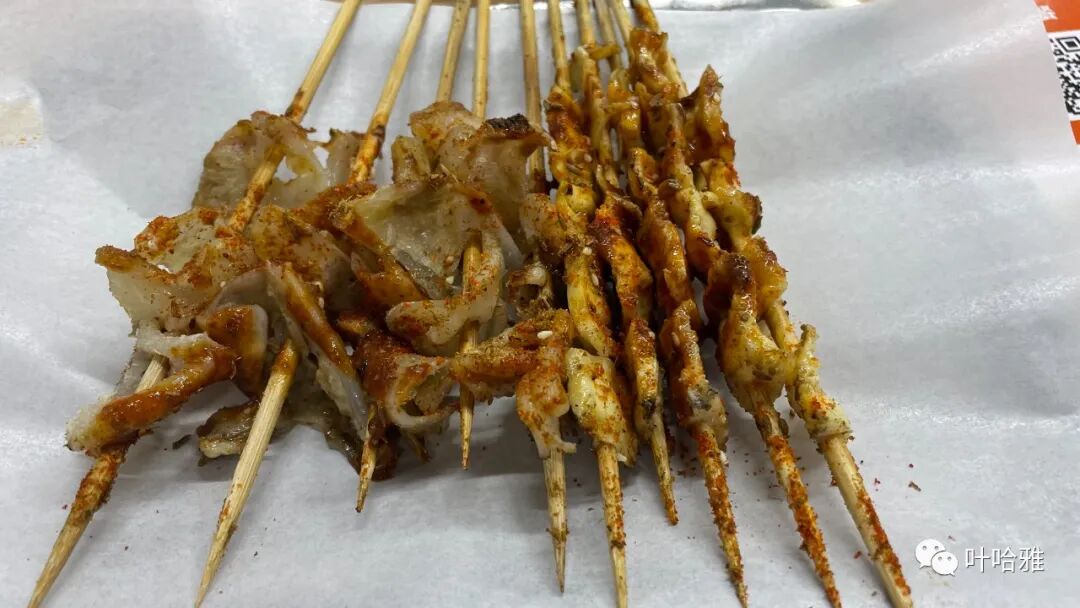
Fangji Menting Meat Pie shop in Songjiazhuang is a small street-side eatery. The meat pies (menting roubing) are great when they come fresh out of the pan.
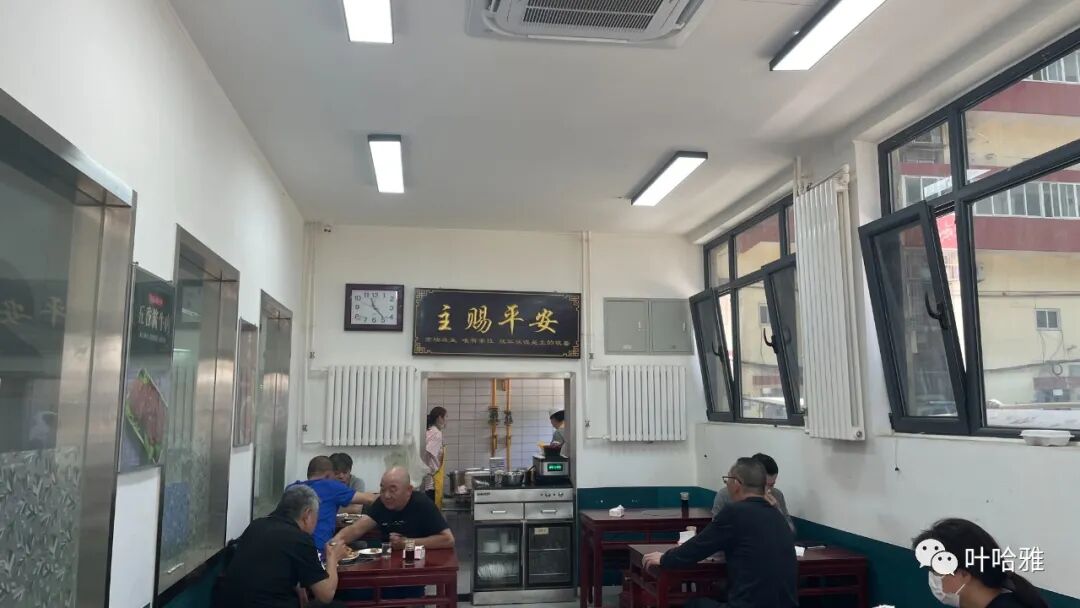
The shop has a sign hanging that says May Allah grant peace. Helpful followers warned me that after anti-Muslim accounts saw this photo, they featured me in their posts again. I have lost count of how many times I have been featured, so please do not forward or notify me if you see me featured in the future.
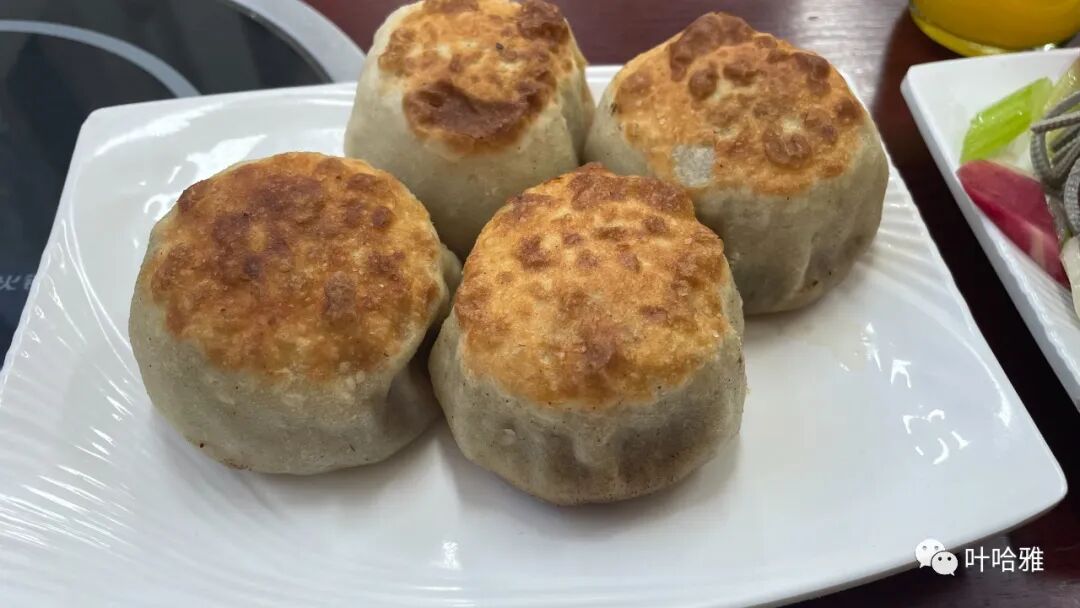
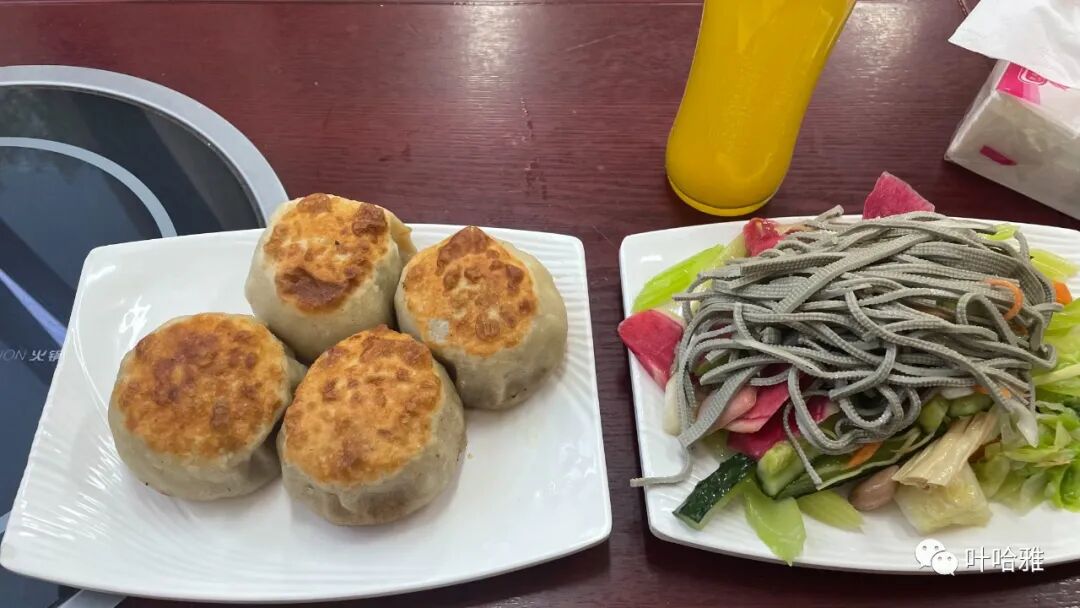
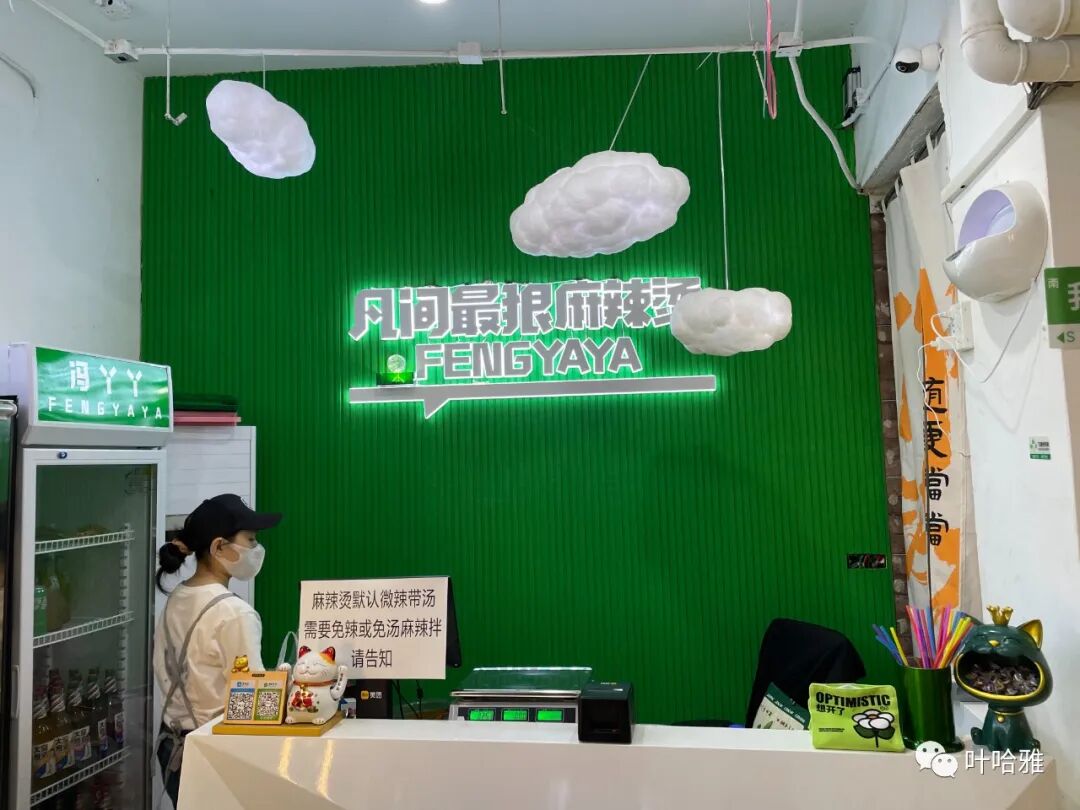
7. Feng Yaya Barbecue and Spicy Hot Pot (malatang)
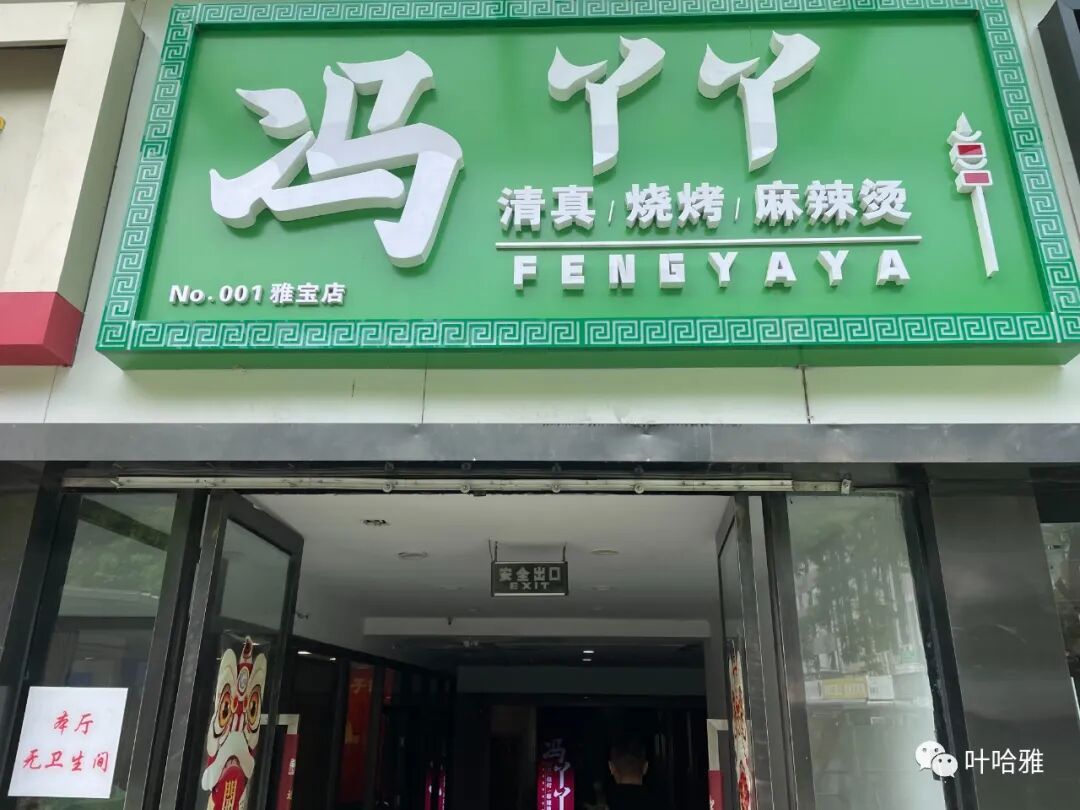
This spicy hot pot shop near the Nanxiapo mosque opened recently. It serves North China-style food, which uses sesame paste in the spicy hot pot. Northwest-style would use chili oil instead.
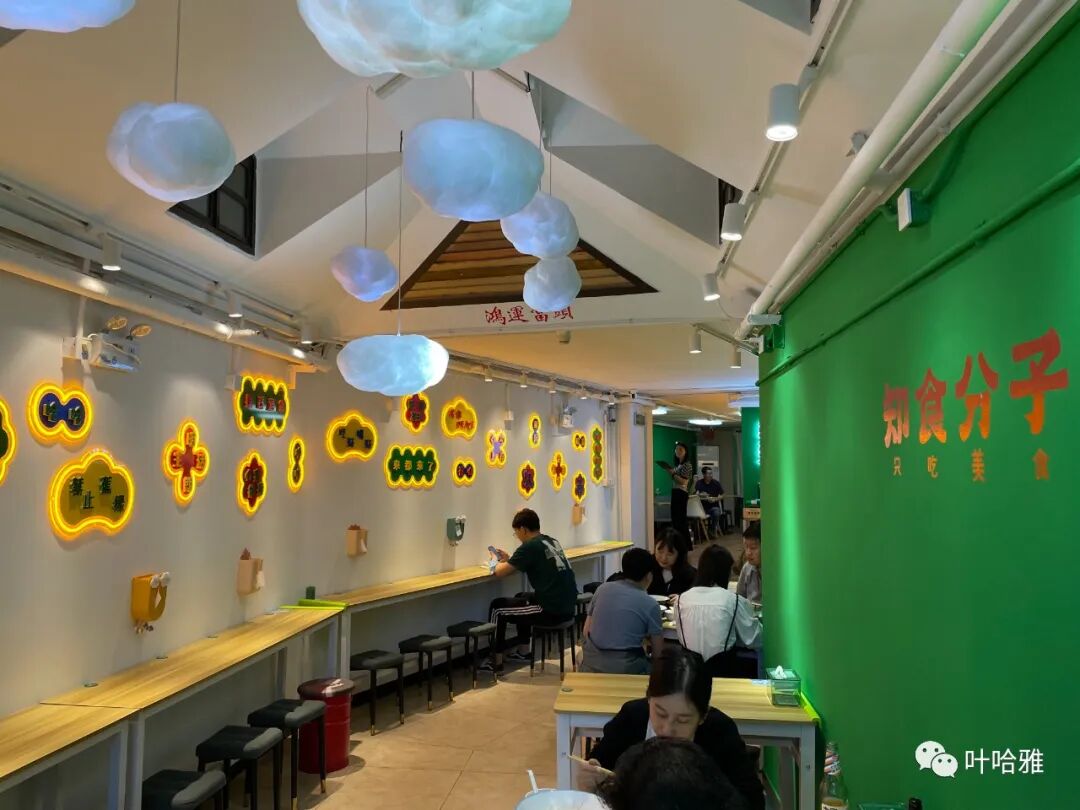
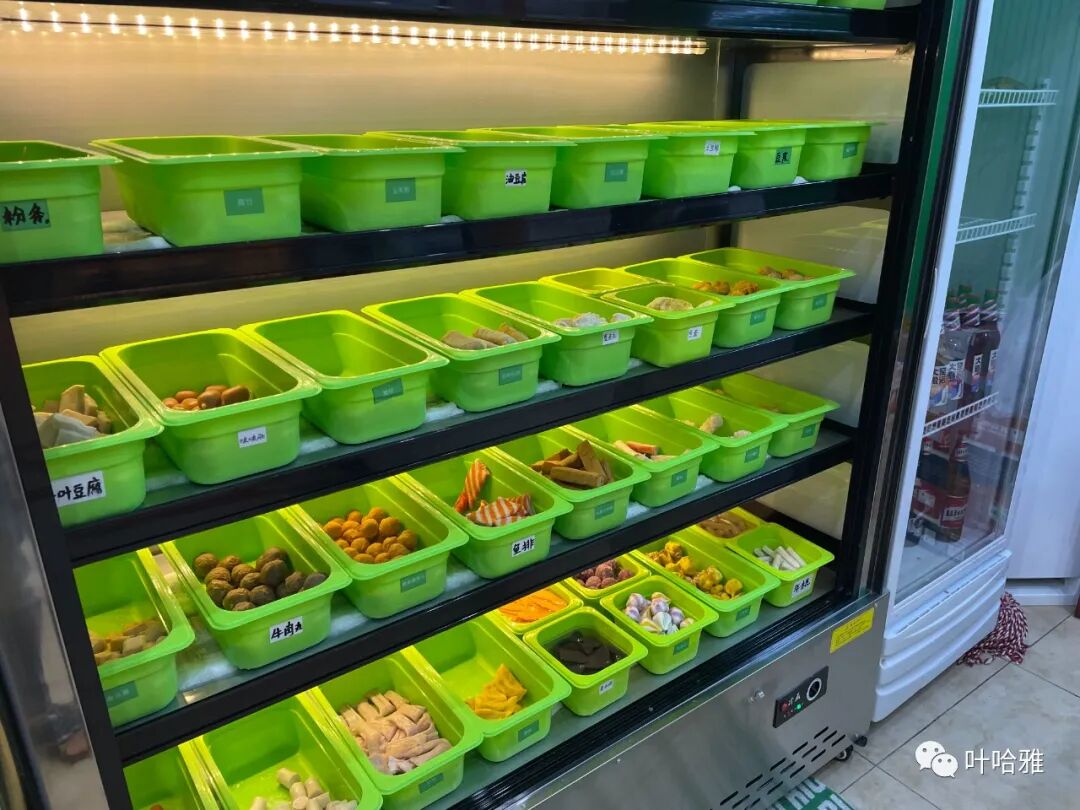
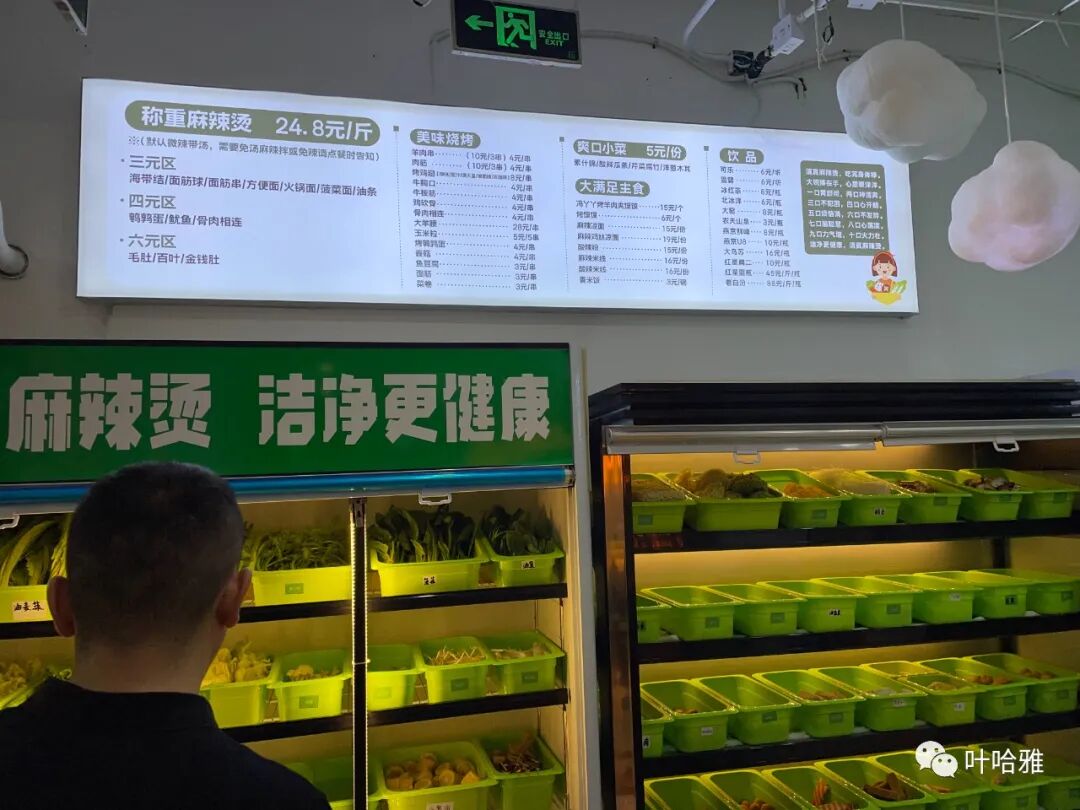
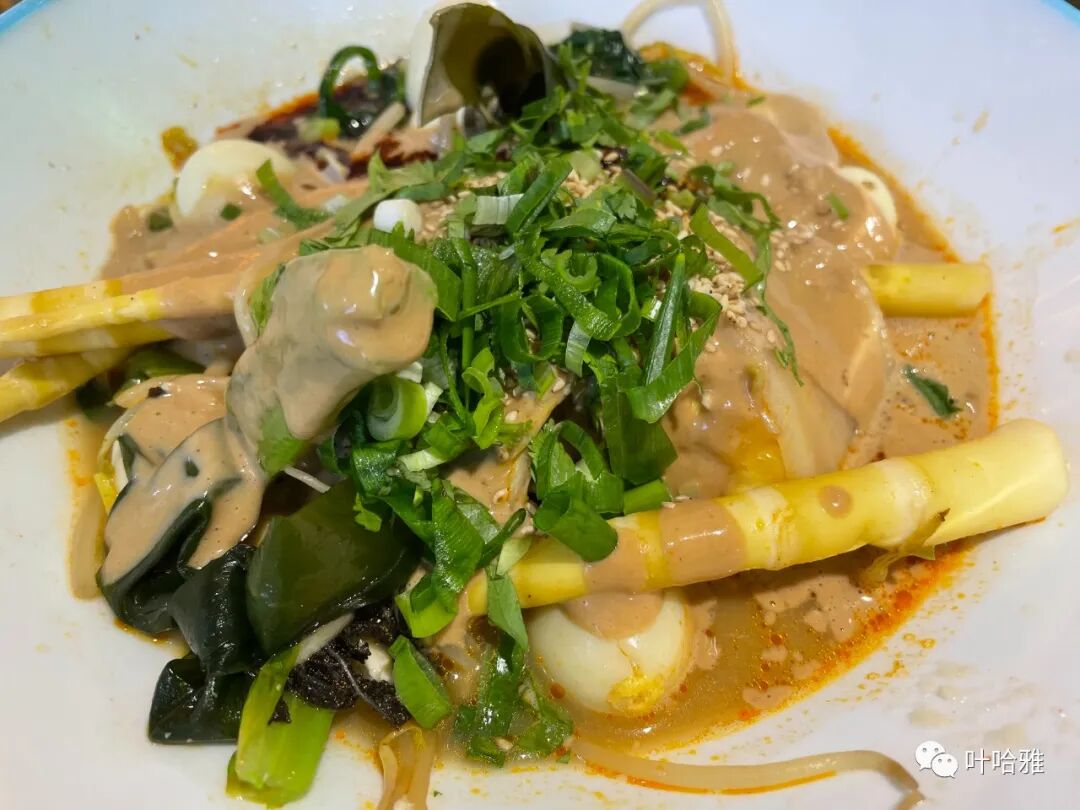
8. Ganges Impression Indian Restaurant
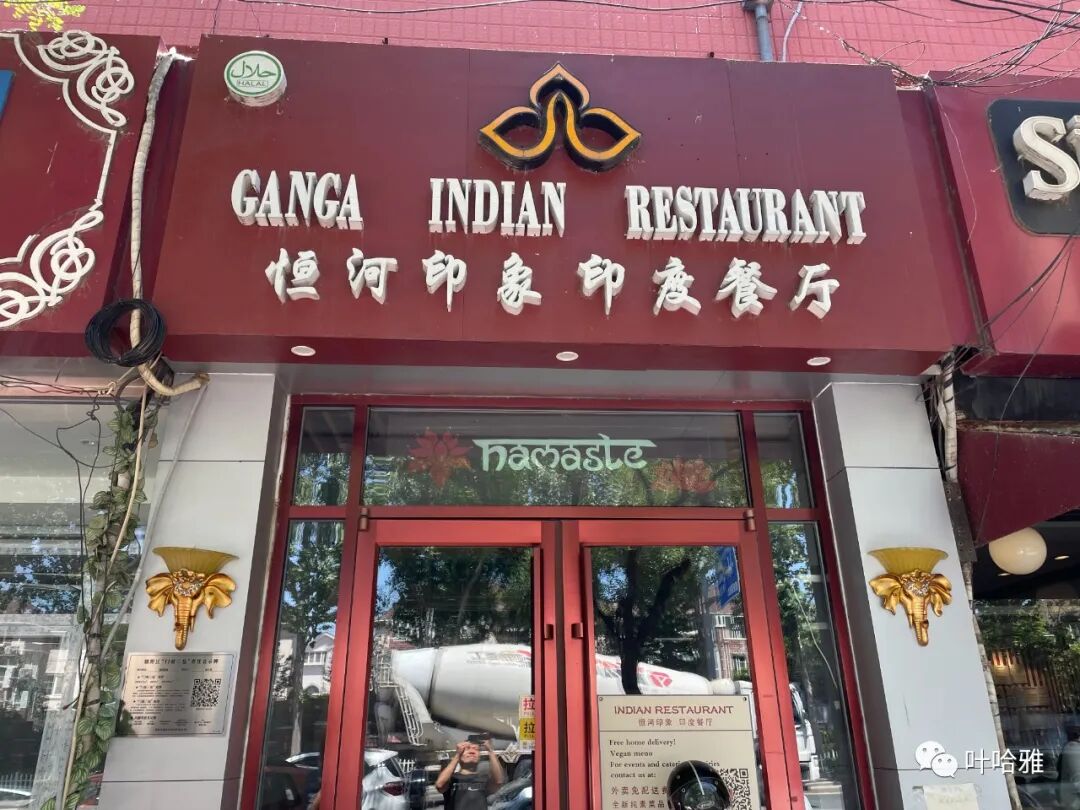
This is the Ganges restaurant in Laiguangying, Shunyi. It is run by Muslims from South India, and the shop does not sell beef.
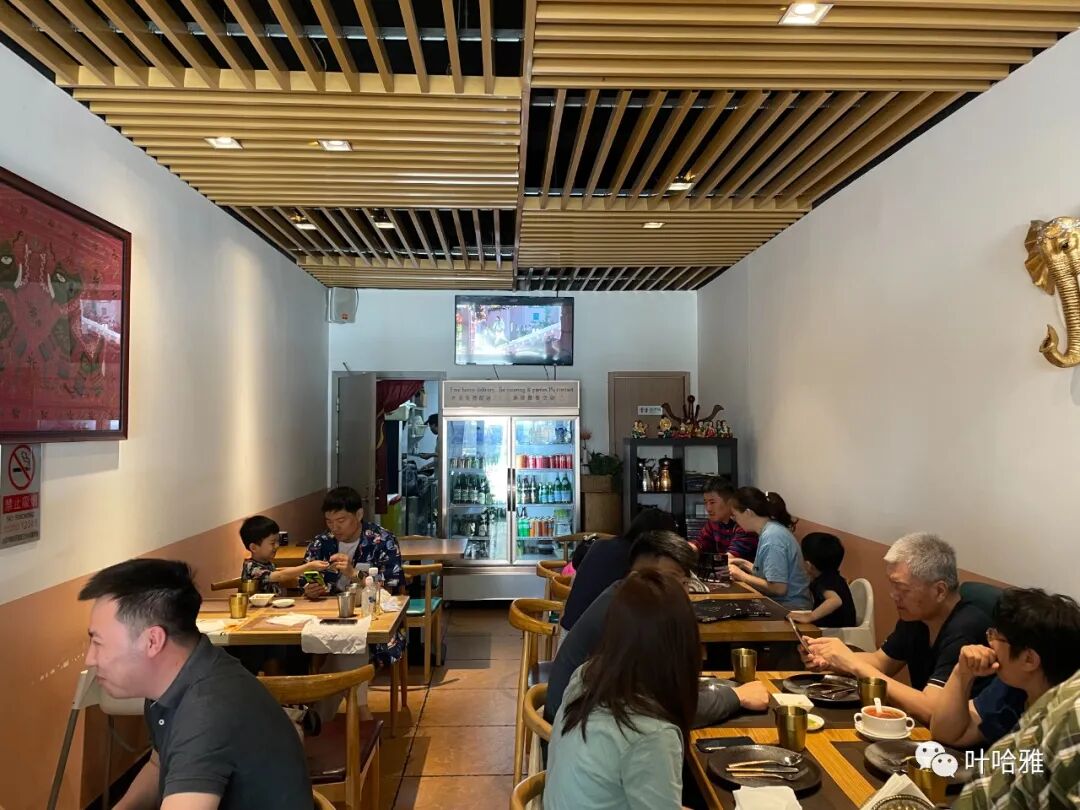
The restaurant is not big, but it has all kinds of Indian snacks.
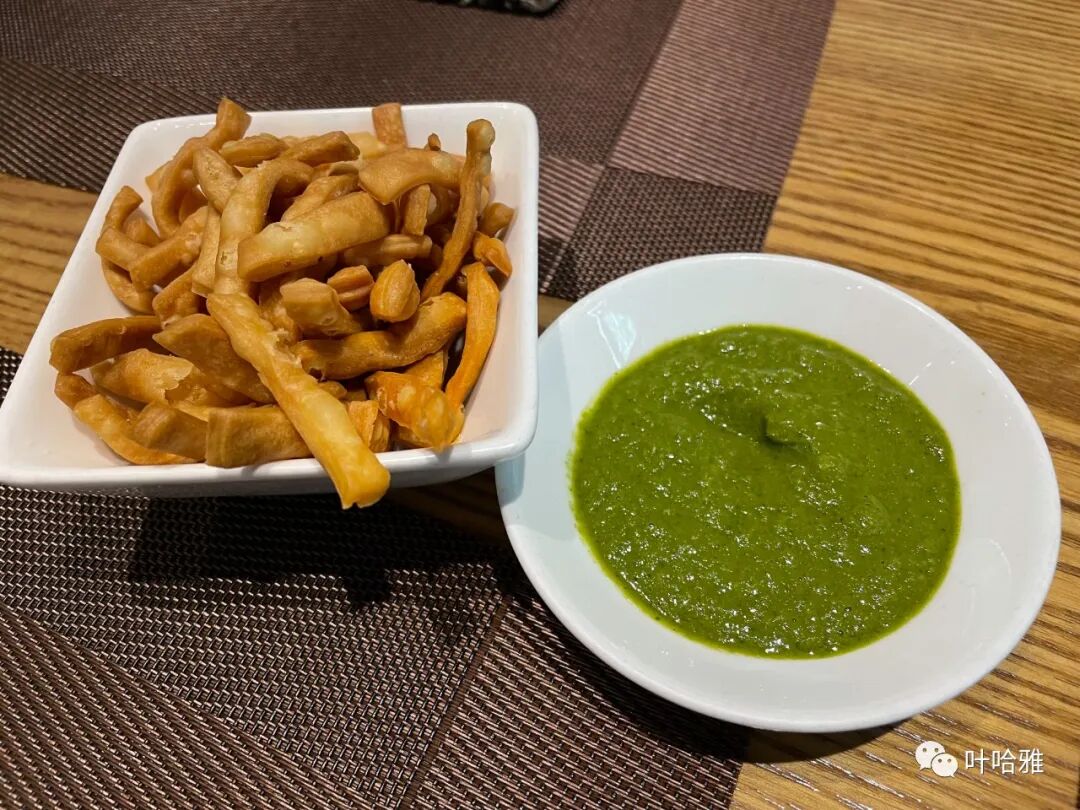
There is another Indian and Pakistani restaurant in Shunyi called Shalima. Both of these Indian and Pakistani restaurants now sell alcohol.
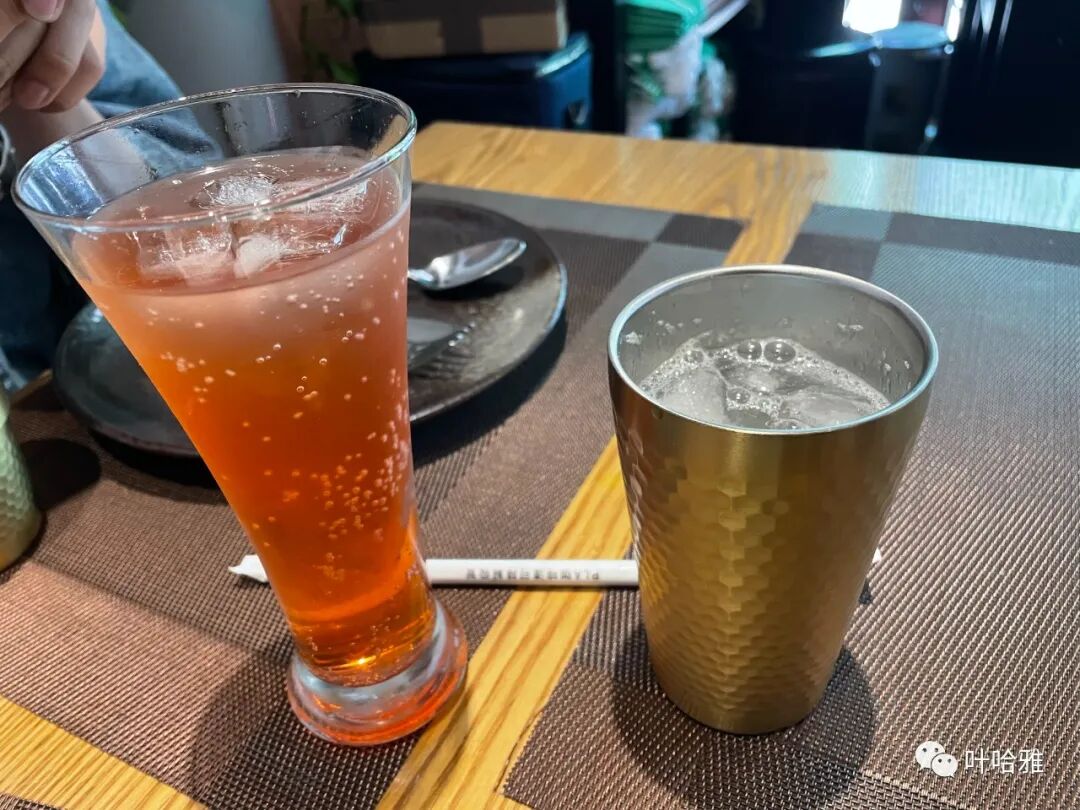
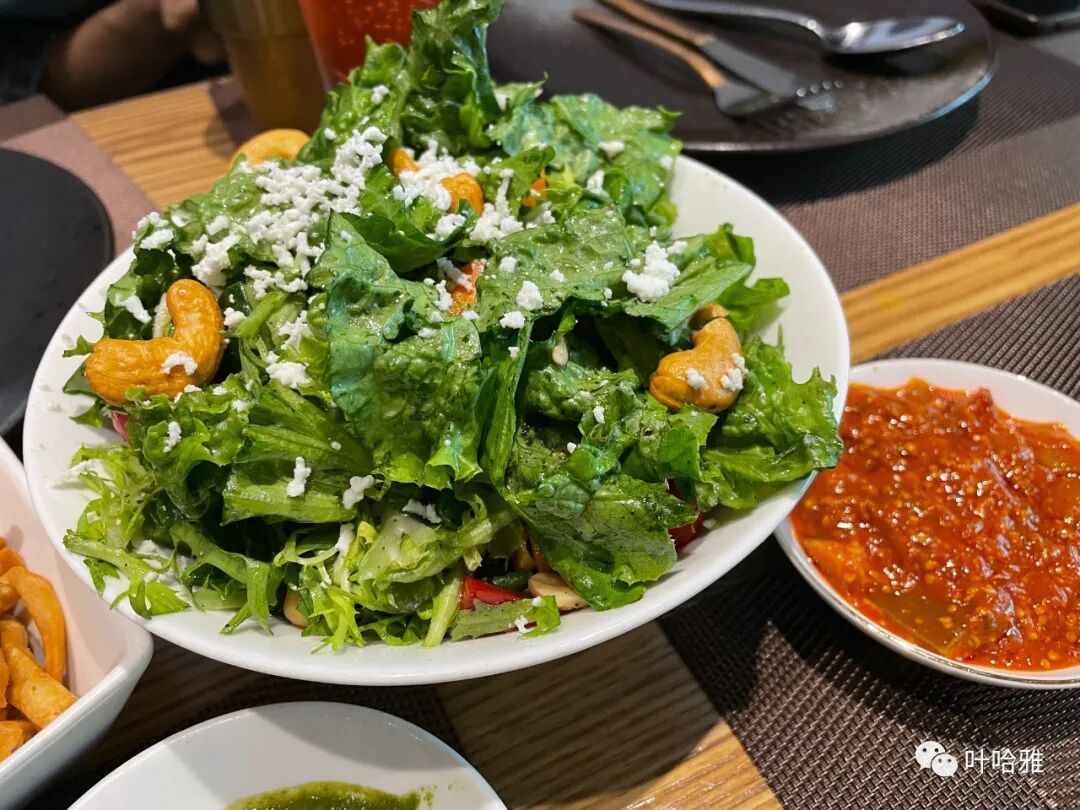
The classmate who came with me insisted on trying this Indian pickle. It really tastes like medicine.
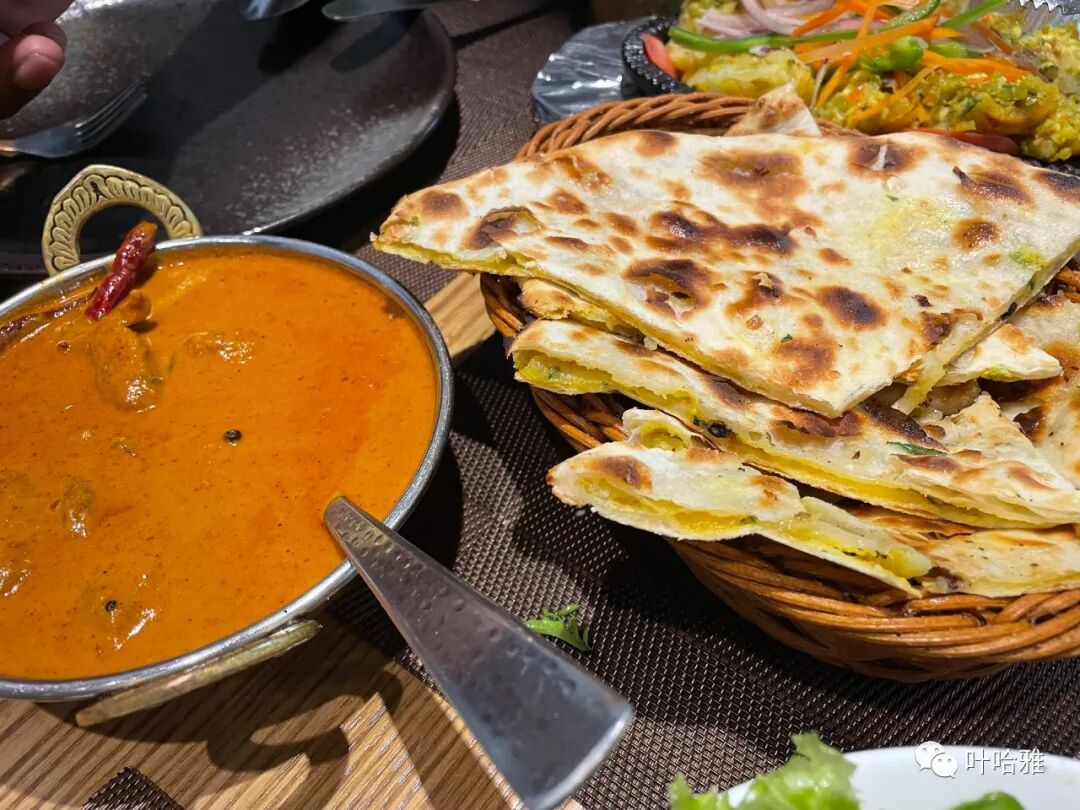
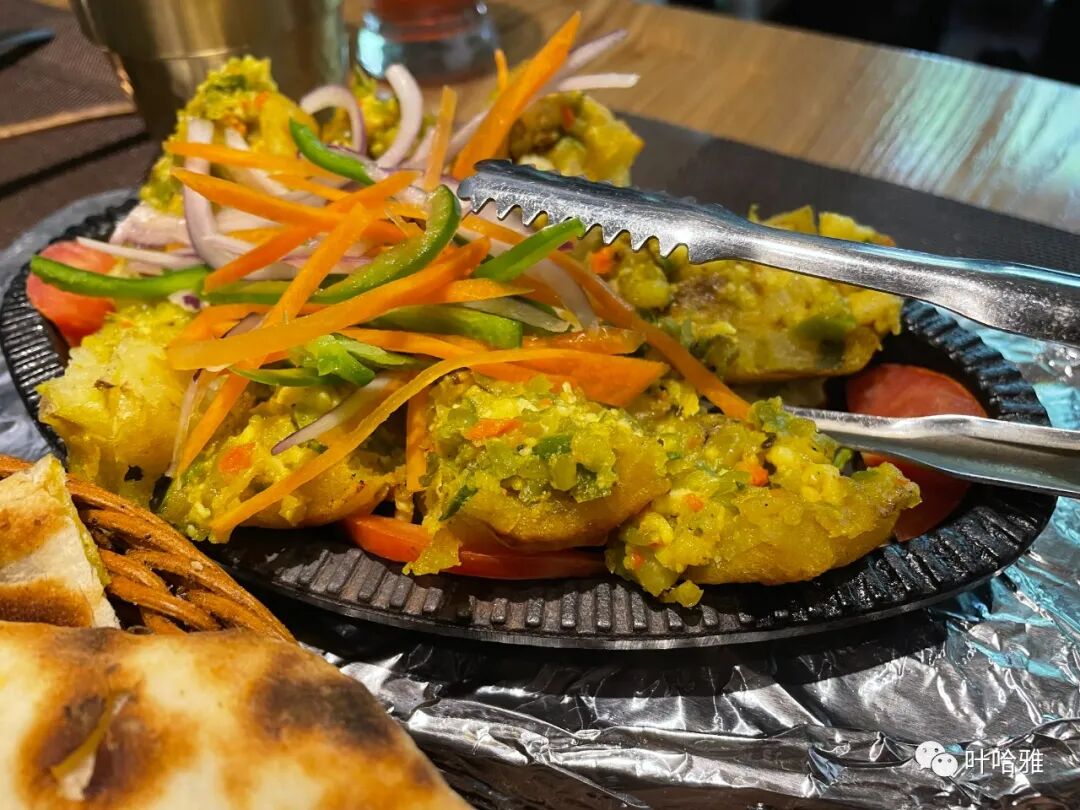
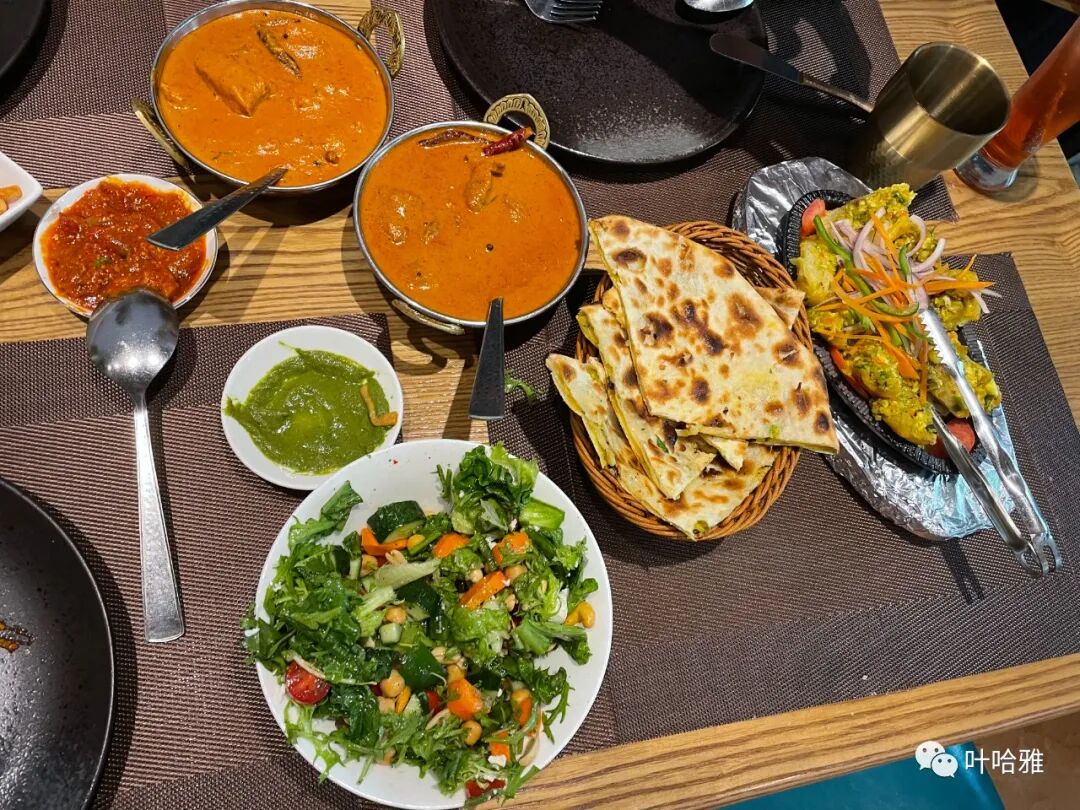
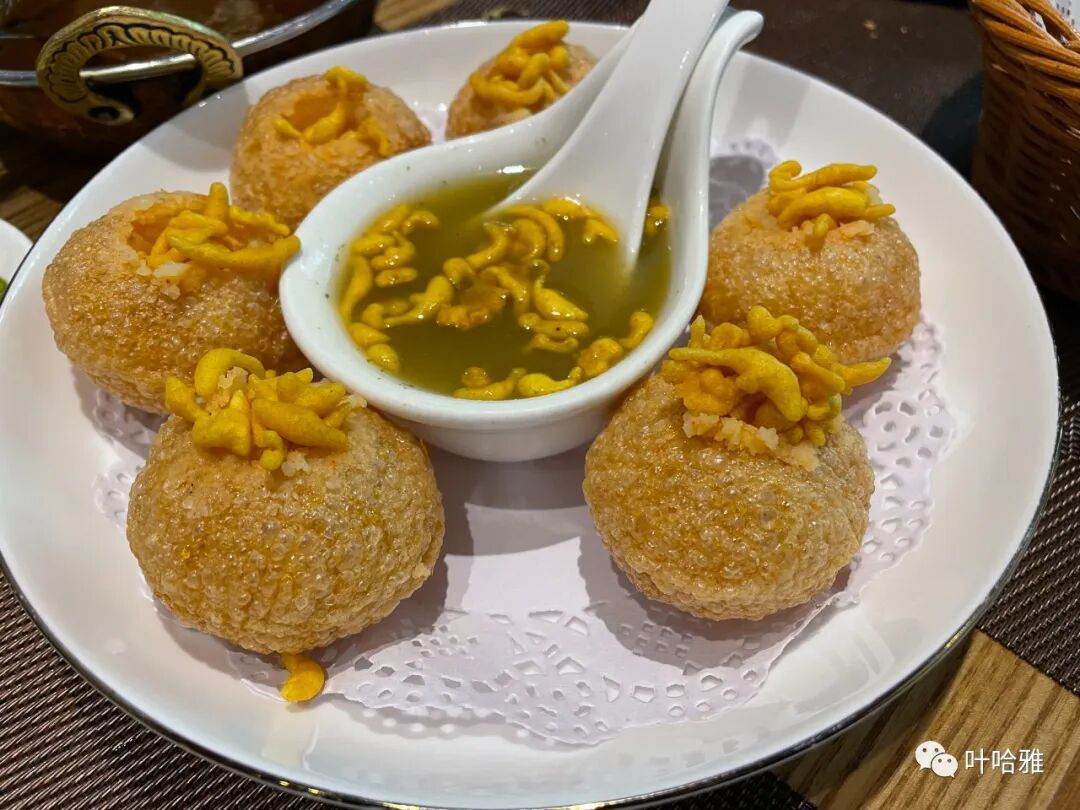
Ever since the movie Dangal became popular, almost every Indian and Pakistani restaurant in Beijing has started selling these crispy ball snacks (panipuri).
9. Mazilu Beef Noodles (Jinbaojie branch)
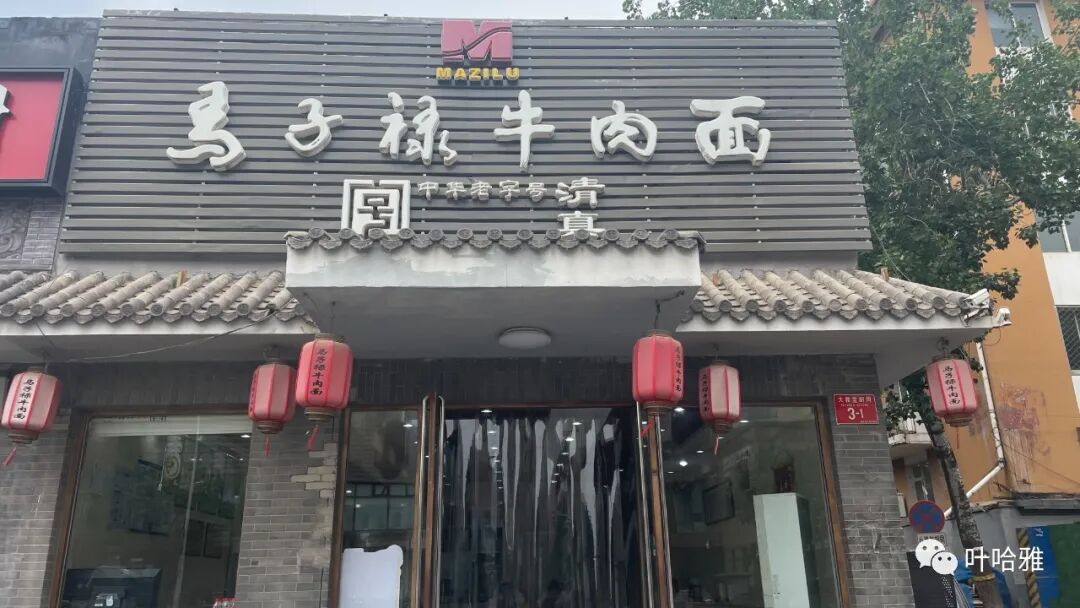
Mazilu Beef Noodles is the oldest beef noodle brand in Lanzhou. The Mazilu in Beijing is a direct-managed store.
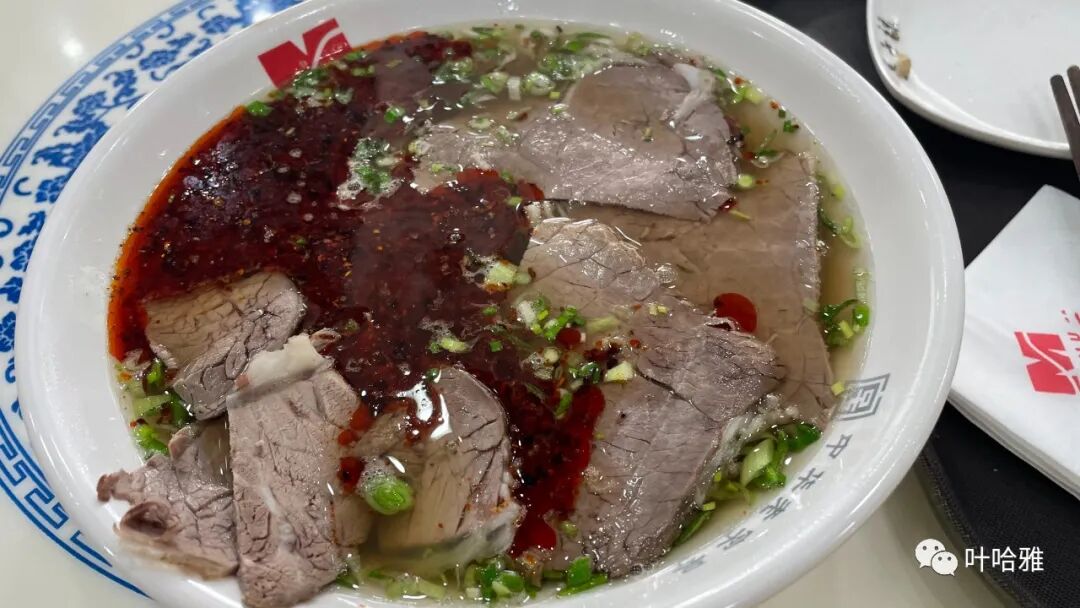
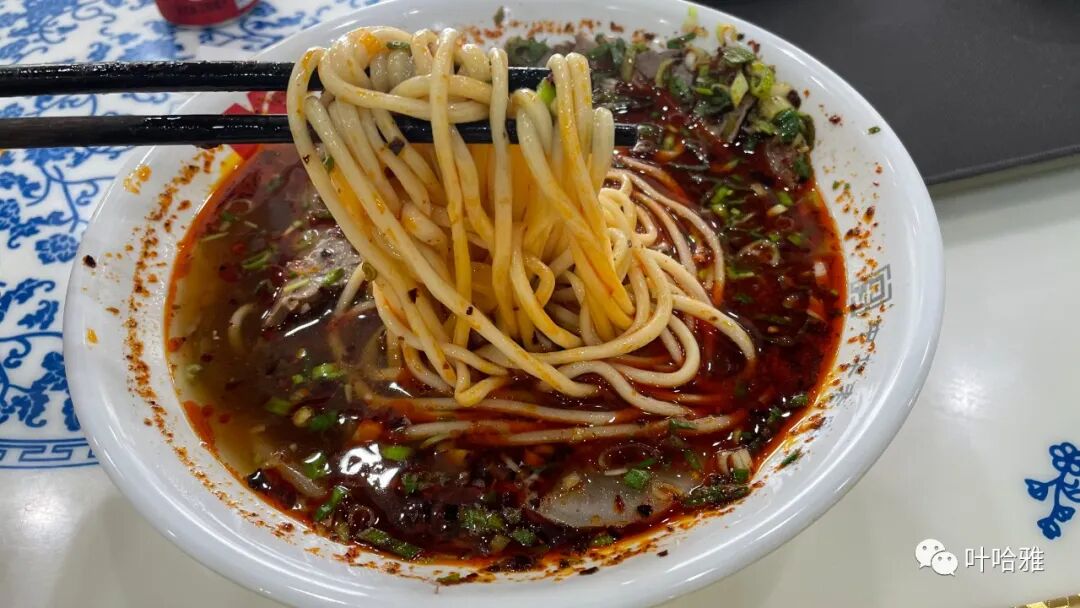
I have eaten noodles at old shops in Lanzhou. They taste just like the ones in Beijing—very fragrant and very Lanzhou.
Serving vinegar in a traditional copper kettle (tangping) is a unique feature of Gansu.
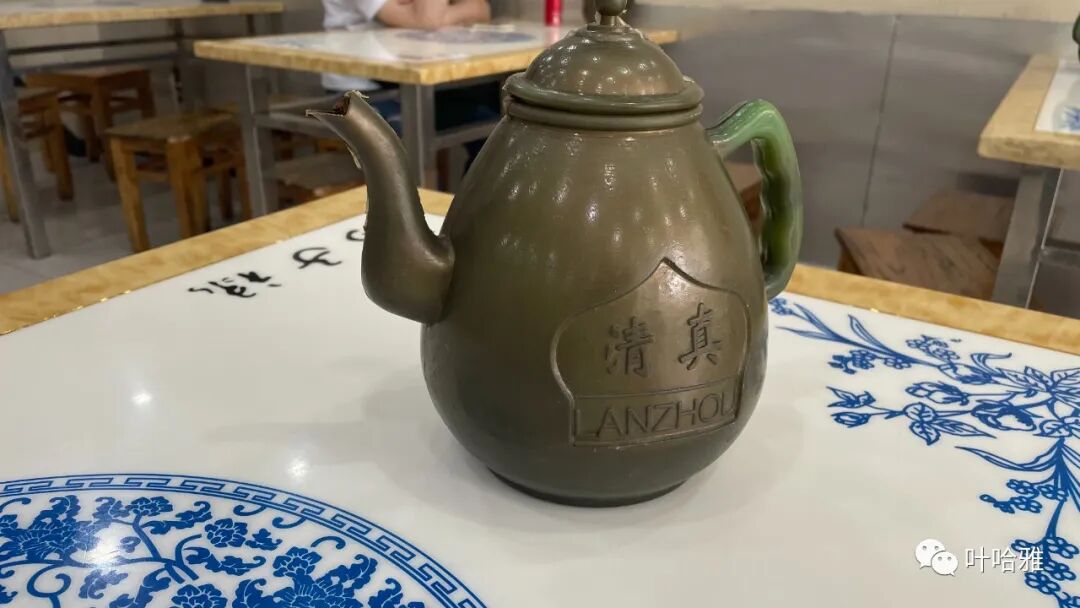
There are two Mazilu shops in Beijing, and the other one is at Andingmen.
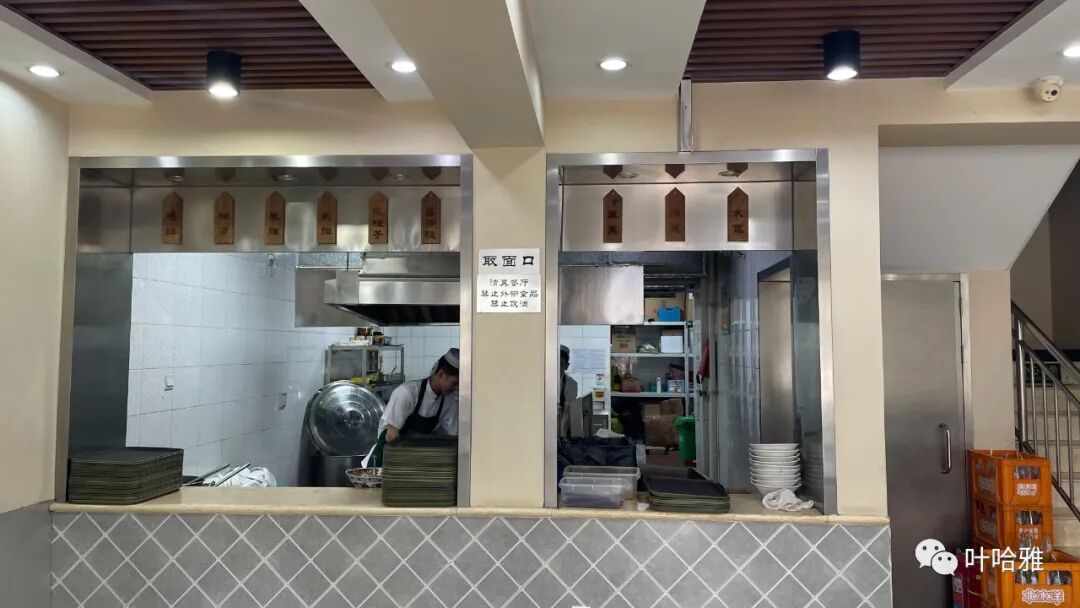
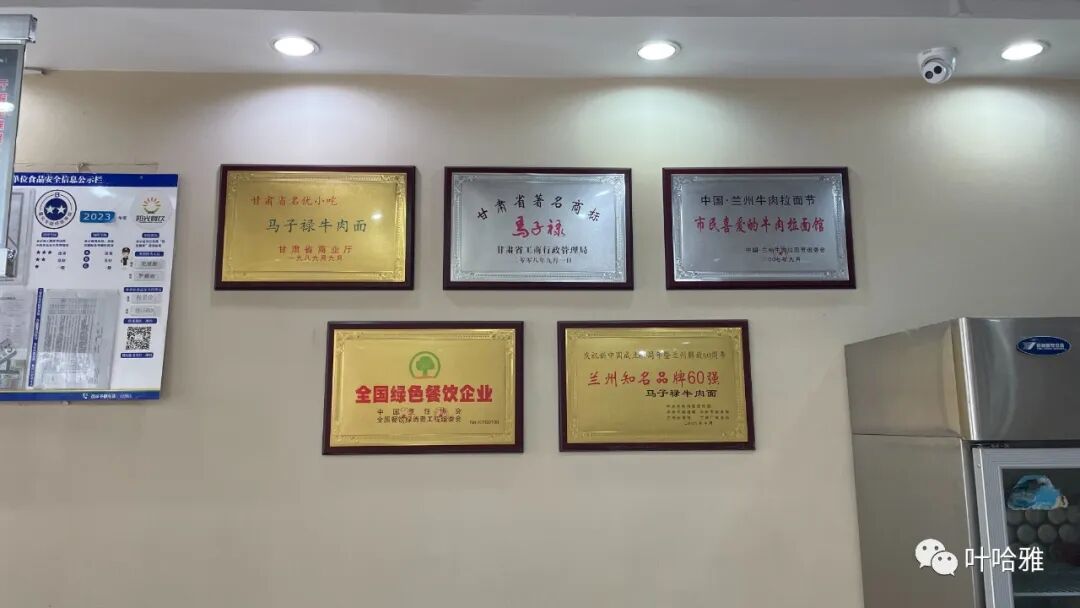
Many old friends from Lanzhou do not think much of Mazilu. I understand that, just like how I am not interested in some of the trendy snacks on Niujie. It is perfectly normal for locals and tourists to have different opinions on local food. This shows that tastes change with the environment and time, and personal feelings can even influence what a person likes.
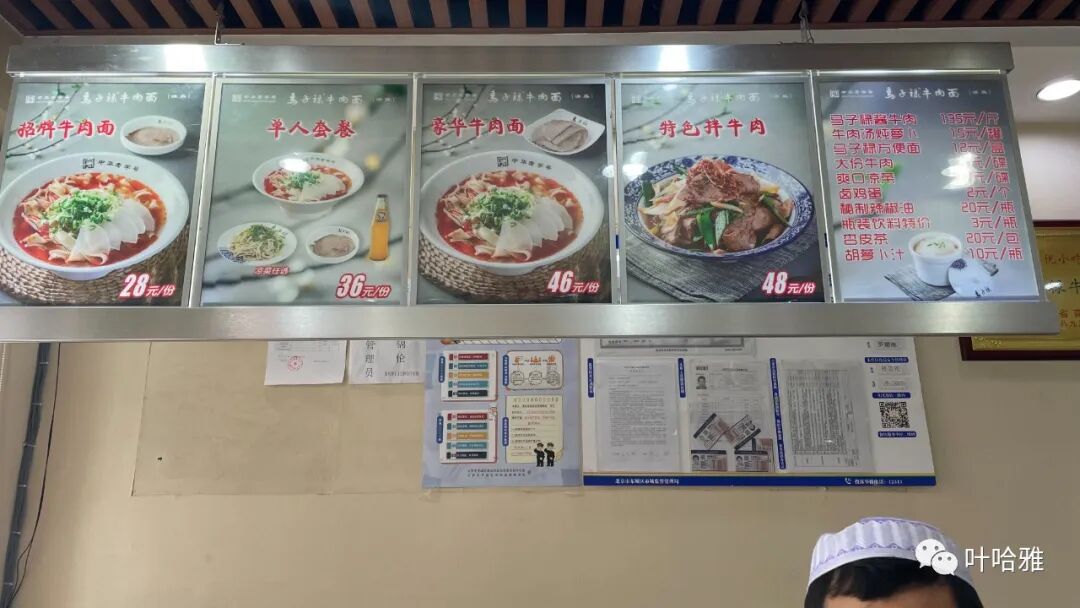
That is the end of this post. The text and photos are original, and unauthorized reproduction is not allowed.
Summary: This Beijing halal restaurant guide maps issue 35, featuring Grand Bazaar Xinjiang food, yellow noodles with grilled meat, kawas, Xunji Courtyard hot pot, premium halal dining, and the culture behind Muslim food guides.
Beijing Halal Food Map (35) is presented here as a firsthand travel account in clear English, beginning with this scene: I recently released a documentary interview about why I started writing guides for halal food. The account keeps its focus on Beijing Halal Food, Muslim Travel, Middle Eastern Food while preserving the names, places, food, and historical details from the Chinese source.
I recently released a documentary interview about why I started writing guides for halal food. Since 2016, I have visited over a thousand restaurants. My halal food journeys have given me more than just meals; they have shown me the stories and people behind the food. These elements make up the deep and broad halal food culture. Focusing only on eating and having fun won't last, as restaurants eventually close, but cultural heritage lives on forever.
1. Grand Bazaar Xinjiang Restaurant
The sign for yellow noodles with kebabs (kawapu) caught my eye. Kawapu means grilled meat, and yellow noodles with grilled meat is a classic Xinjiang specialty.
When I eat Xinjiang food, I always order a fermented drink called kawas. I also love another fermented drink called milk beer (naipi). Both are Xinjiang specialties I really enjoy.
For a cold dish, you have to get the skin, chili, and tomato salad (pilahong).
I highly recommend their yellow noodles with grilled meat. It tastes fresh and not greasy. You can add a little vinegar to make the flavors pop. The yellow noodles are served cold with the grilled meat, which is perfect for summer.
Xinjiang is also a great place for grilled fish. This is grilled luzi fish. It is a bit spicy, but the meat is firm.
Address: Building 1, Courtyard 5, Xiaotun Road, Fengtai District
2. Xunji Courtyard, Qingnian Road Branch
Xunji is a chain restaurant. There is one at the Drum Tower, and they opened another on Qingnian Road. Both have different decor styles, but both feel high-end and elegant. The Qingnian Road location has a particularly fresh and unique atmosphere. It is much larger than the Drum Tower branch and has plenty of free parking.
When you enter the courtyard, you walk through a bamboo forest. Mist rises along the path, making it feel like a fairyland.
The courtyard is full of flowers and greenery, with bright, colorful hydrangeas everywhere.
The courtyard has open-air seating and tented private rooms, each equipped with air conditioning, lights, and sound systems.
There is an indoor dining hall, but in the summer, everyone prefers to sit in the courtyard to enjoy the flowers and the food.
The dining tables in the tented rooms have microphones and sound effects; if you speak near the table, you can hear an echo, which makes chatting easy.
When friends from Shadian arrived in Beijing, I specifically brought my team here for a good meal. This place is top-tier halal dining in Beijing, costing 400-500 yuan per person. The restaurant charges by the head and currently only serves hot pot.
All ingredients are fresh and high-quality. You just wait for the servers to bring the dishes in order, and each private room has a dedicated server to provide attentive service. The dishes are served in this order: drinks, cold appetizers, hot pot items, staples, and dessert. You can order extra portions of anything you like during the meal at no additional cost.
The desserts and staples are specialties from Gansu. Since the owner is from Gansu, they serve fermented oat porridge (tianpei) and handmade dough slices (shougong mianpian).
3. Zhizi Jianghu Cuisine · Halal Barbecue
This is a newly opened barbecue shop in Xiguanshi, Changping. Their specialty is grilled fish. We ordered one grilled fish and one order of grilled prawns, both of which were delicious. If you don't mind the distance, you can come and try it.
They also serve ice jelly (bingfen) and fried mini dough sticks (zha xiao youtiao), which are usually only found in Sichuan-style hot pot restaurants.
4. Syrian Restaurant (SOLANA branch)
Ever since the Syrian restaurant in Wudaokou, Haidian, became popular, the owner wanted to open a branch in Chaoyang District. This time, the wish finally came true. The new branch is on the second floor of the SOLANA (Lanse Gangwan) shopping mall, near McDonald's.
The SOLANA branch is much larger, the decor is very stylish, and the private rooms have a wider view than the previous location.
I invited a group of foodie friends to check it out. We ordered everything on the menu, and it cost 100 yuan per person.
The menu is exactly the same as the Wudaokou shop, and the flavors are basically identical.
I suddenly realized that Syrian barbecue is the same thing as Zibo barbecue. Syrian barbecue is also eaten by wrapping meat in thin flatbread (bing). The difference is that Zibo barbecue uses green onions inside, while Syrian barbecue uses onions.
The shop sells beautiful coffee cups. We happened to visit on the opening day celebration, and the owner gave every friend who came to check in a beautiful coffee cup.
5. Northeast Barbecue and Clay Pot
This shop used to be called Xinyuezhai Steamed Bun Shop. It just changed its name and is located in the storefronts of Courtyard 32, West Chang'an No. 1, Mentougou District.
What attracted me wasn't the steamed buns, but their braised noodles with green beans (doujiao menmian). Braised noodles are a common Northeast home-style staple food. The owner is a Hui Muslim from Jixi, Heilongjiang.
Steamed buns are sold every morning at 10 o'clock. They taste pretty good, and the Northeast-style small barbecue is also decent.
I recommend their braised noodles with green beans and the clay pot lamb meatballs (shaguo yangrou wanzi). The portions aren't big, but the taste is good.
6. Fangji Snack Shop
Fangji Menting Meat Pie shop in Songjiazhuang is a small street-side eatery. The meat pies (menting roubing) are great when they come fresh out of the pan.
The shop has a sign hanging that says May Allah grant peace. Helpful followers warned me that after anti-Muslim accounts saw this photo, they featured me in their posts again. I have lost count of how many times I have been featured, so please do not forward or notify me if you see me featured in the future.
7. Feng Yaya Barbecue and Spicy Hot Pot (malatang)
This spicy hot pot shop near the Nanxiapo mosque opened recently. It serves North China-style food, which uses sesame paste in the spicy hot pot. Northwest-style would use chili oil instead.
8. Ganges Impression Indian Restaurant
This is the Ganges restaurant in Laiguangying, Shunyi. It is run by Muslims from South India, and the shop does not sell beef.
The restaurant is not big, but it has all kinds of Indian snacks.
There is another Indian and Pakistani restaurant in Shunyi called Shalima. Both of these Indian and Pakistani restaurants now sell alcohol.
The classmate who came with me insisted on trying this Indian pickle. It really tastes like medicine.
Ever since the movie Dangal became popular, almost every Indian and Pakistani restaurant in Beijing has started selling these crispy ball snacks (panipuri).
9. Mazilu Beef Noodles (Jinbaojie branch)
Mazilu Beef Noodles is the oldest beef noodle brand in Lanzhou. The Mazilu in Beijing is a direct-managed store.
I have eaten noodles at old shops in Lanzhou. They taste just like the ones in Beijing—very fragrant and very Lanzhou.
Serving vinegar in a traditional copper kettle (tangping) is a unique feature of Gansu.
There are two Mazilu shops in Beijing, and the other one is at Andingmen.
Many old friends from Lanzhou do not think much of Mazilu. I understand that, just like how I am not interested in some of the trendy snacks on Niujie. It is perfectly normal for locals and tourists to have different opinions on local food. This shows that tastes change with the environment and time, and personal feelings can even influence what a person likes.
That is the end of this post. The text and photos are original, and unauthorized reproduction is not allowed.
Top Halal Restaurants Beijing: Xinjiang Yellow Noodles, Xunji Courtyard Hot Pot and Muslim Food Culture
Articles • yusuf908 posted the article • 0 comments • 199 views • 2026-05-22 20:53
Reposted from the web
Summary: This Beijing halal restaurant guide maps issue 35, featuring Grand Bazaar Xinjiang food, yellow noodles with grilled meat, kawas, Xunji Courtyard hot pot, premium halal dining, and the culture behind Muslim food guides.
Beijing Halal Food Map (35) is presented here as a firsthand travel account in clear English, beginning with this scene: I recently released a documentary interview about why I started writing guides for halal food. The account keeps its focus on Beijing Halal Food, Muslim Travel, Middle Eastern Food while preserving the names, places, food, and historical details from the Chinese source.
I recently released a documentary interview about why I started writing guides for halal food. Since 2016, I have visited over a thousand restaurants. My halal food journeys have given me more than just meals; they have shown me the stories and people behind the food. These elements make up the deep and broad halal food culture. Focusing only on eating and having fun won't last, as restaurants eventually close, but cultural heritage lives on forever.
1. Grand Bazaar Xinjiang Restaurant
The sign for yellow noodles with kebabs (kawapu) caught my eye. Kawapu means grilled meat, and yellow noodles with grilled meat is a classic Xinjiang specialty.
When I eat Xinjiang food, I always order a fermented drink called kawas. I also love another fermented drink called milk beer (naipi). Both are Xinjiang specialties I really enjoy.
For a cold dish, you have to get the skin, chili, and tomato salad (pilahong).
I highly recommend their yellow noodles with grilled meat. It tastes fresh and not greasy. You can add a little vinegar to make the flavors pop. The yellow noodles are served cold with the grilled meat, which is perfect for summer.
Xinjiang is also a great place for grilled fish. This is grilled luzi fish. It is a bit spicy, but the meat is firm.
Address: Building 1, Courtyard 5, Xiaotun Road, Fengtai District
2. Xunji Courtyard, Qingnian Road Branch
Xunji is a chain restaurant. There is one at the Drum Tower, and they opened another on Qingnian Road. Both have different decor styles, but both feel high-end and elegant. The Qingnian Road location has a particularly fresh and unique atmosphere. It is much larger than the Drum Tower branch and has plenty of free parking.
When you enter the courtyard, you walk through a bamboo forest. Mist rises along the path, making it feel like a fairyland.
The courtyard is full of flowers and greenery, with bright, colorful hydrangeas everywhere.
The courtyard has open-air seating and tented private rooms, each equipped with air conditioning, lights, and sound systems.
There is an indoor dining hall, but in the summer, everyone prefers to sit in the courtyard to enjoy the flowers and the food.
The dining tables in the tented rooms have microphones and sound effects; if you speak near the table, you can hear an echo, which makes chatting easy.
When friends from Shadian arrived in Beijing, I specifically brought my team here for a good meal. This place is top-tier halal dining in Beijing, costing 400-500 yuan per person. The restaurant charges by the head and currently only serves hot pot.
All ingredients are fresh and high-quality. You just wait for the servers to bring the dishes in order, and each private room has a dedicated server to provide attentive service. The dishes are served in this order: drinks, cold appetizers, hot pot items, staples, and dessert. You can order extra portions of anything you like during the meal at no additional cost.
The desserts and staples are specialties from Gansu. Since the owner is from Gansu, they serve fermented oat porridge (tianpei) and handmade dough slices (shougong mianpian).
3. Zhizi Jianghu Cuisine · Halal Barbecue
This is a newly opened barbecue shop in Xiguanshi, Changping. Their specialty is grilled fish. We ordered one grilled fish and one order of grilled prawns, both of which were delicious. If you don't mind the distance, you can come and try it.
They also serve ice jelly (bingfen) and fried mini dough sticks (zha xiao youtiao), which are usually only found in Sichuan-style hot pot restaurants.
4. Syrian Restaurant (SOLANA branch)
Ever since the Syrian restaurant in Wudaokou, Haidian, became popular, the owner wanted to open a branch in Chaoyang District. This time, the wish finally came true. The new branch is on the second floor of the SOLANA (Lanse Gangwan) shopping mall, near McDonald's.
The SOLANA branch is much larger, the decor is very stylish, and the private rooms have a wider view than the previous location.
I invited a group of foodie friends to check it out. We ordered everything on the menu, and it cost 100 yuan per person.
The menu is exactly the same as the Wudaokou shop, and the flavors are basically identical.
I suddenly realized that Syrian barbecue is the same thing as Zibo barbecue. Syrian barbecue is also eaten by wrapping meat in thin flatbread (bing). The difference is that Zibo barbecue uses green onions inside, while Syrian barbecue uses onions.
The shop sells beautiful coffee cups. We happened to visit on the opening day celebration, and the owner gave every friend who came to check in a beautiful coffee cup.
5. Northeast Barbecue and Clay Pot
This shop used to be called Xinyuezhai Steamed Bun Shop. It just changed its name and is located in the storefronts of Courtyard 32, West Chang'an No. 1, Mentougou District.
What attracted me wasn't the steamed buns, but their braised noodles with green beans (doujiao menmian). Braised noodles are a common Northeast home-style staple food. The owner is a Hui Muslim from Jixi, Heilongjiang.
Steamed buns are sold every morning at 10 o'clock. They taste pretty good, and the Northeast-style small barbecue is also decent.
I recommend their braised noodles with green beans and the clay pot lamb meatballs (shaguo yangrou wanzi). The portions aren't big, but the taste is good.
6. Fangji Snack Shop
Fangji Menting Meat Pie shop in Songjiazhuang is a small street-side eatery. The meat pies (menting roubing) are great when they come fresh out of the pan.
The shop has a sign hanging that says May Allah grant peace. Helpful followers warned me that after anti-Muslim accounts saw this photo, they featured me in their posts again. I have lost count of how many times I have been featured, so please do not forward or notify me if you see me featured in the future.
7. Feng Yaya Barbecue and Spicy Hot Pot (malatang)
This spicy hot pot shop near the Nanxiapo mosque opened recently. It serves North China-style food, which uses sesame paste in the spicy hot pot. Northwest-style would use chili oil instead.
8. Ganges Impression Indian Restaurant
This is the Ganges restaurant in Laiguangying, Shunyi. It is run by Muslims from South India, and the shop does not sell beef.
The restaurant is not big, but it has all kinds of Indian snacks.
There is another Indian and Pakistani restaurant in Shunyi called Shalima. Both of these Indian and Pakistani restaurants now sell alcohol.
The classmate who came with me insisted on trying this Indian pickle. It really tastes like medicine.
Ever since the movie Dangal became popular, almost every Indian and Pakistani restaurant in Beijing has started selling these crispy ball snacks (panipuri).
9. Mazilu Beef Noodles (Jinbaojie branch)
Mazilu Beef Noodles is the oldest beef noodle brand in Lanzhou. The Mazilu in Beijing is a direct-managed store.
I have eaten noodles at old shops in Lanzhou. They taste just like the ones in Beijing—very fragrant and very Lanzhou.
Serving vinegar in a traditional copper kettle (tangping) is a unique feature of Gansu.
There are two Mazilu shops in Beijing, and the other one is at Andingmen.
Many old friends from Lanzhou do not think much of Mazilu. I understand that, just like how I am not interested in some of the trendy snacks on Niujie. It is perfectly normal for locals and tourists to have different opinions on local food. This shows that tastes change with the environment and time, and personal feelings can even influence what a person likes.
That is the end of this post. The text and photos are original, and unauthorized reproduction is not allowed. view all
Summary: This Beijing halal restaurant guide maps issue 35, featuring Grand Bazaar Xinjiang food, yellow noodles with grilled meat, kawas, Xunji Courtyard hot pot, premium halal dining, and the culture behind Muslim food guides.
Beijing Halal Food Map (35) is presented here as a firsthand travel account in clear English, beginning with this scene: I recently released a documentary interview about why I started writing guides for halal food. The account keeps its focus on Beijing Halal Food, Muslim Travel, Middle Eastern Food while preserving the names, places, food, and historical details from the Chinese source.
I recently released a documentary interview about why I started writing guides for halal food. Since 2016, I have visited over a thousand restaurants. My halal food journeys have given me more than just meals; they have shown me the stories and people behind the food. These elements make up the deep and broad halal food culture. Focusing only on eating and having fun won't last, as restaurants eventually close, but cultural heritage lives on forever.
1. Grand Bazaar Xinjiang Restaurant
The sign for yellow noodles with kebabs (kawapu) caught my eye. Kawapu means grilled meat, and yellow noodles with grilled meat is a classic Xinjiang specialty.
When I eat Xinjiang food, I always order a fermented drink called kawas. I also love another fermented drink called milk beer (naipi). Both are Xinjiang specialties I really enjoy.
For a cold dish, you have to get the skin, chili, and tomato salad (pilahong).
I highly recommend their yellow noodles with grilled meat. It tastes fresh and not greasy. You can add a little vinegar to make the flavors pop. The yellow noodles are served cold with the grilled meat, which is perfect for summer.
Xinjiang is also a great place for grilled fish. This is grilled luzi fish. It is a bit spicy, but the meat is firm.
Address: Building 1, Courtyard 5, Xiaotun Road, Fengtai District
2. Xunji Courtyard, Qingnian Road Branch
Xunji is a chain restaurant. There is one at the Drum Tower, and they opened another on Qingnian Road. Both have different decor styles, but both feel high-end and elegant. The Qingnian Road location has a particularly fresh and unique atmosphere. It is much larger than the Drum Tower branch and has plenty of free parking.
When you enter the courtyard, you walk through a bamboo forest. Mist rises along the path, making it feel like a fairyland.
The courtyard is full of flowers and greenery, with bright, colorful hydrangeas everywhere.
The courtyard has open-air seating and tented private rooms, each equipped with air conditioning, lights, and sound systems.
There is an indoor dining hall, but in the summer, everyone prefers to sit in the courtyard to enjoy the flowers and the food.
The dining tables in the tented rooms have microphones and sound effects; if you speak near the table, you can hear an echo, which makes chatting easy.
When friends from Shadian arrived in Beijing, I specifically brought my team here for a good meal. This place is top-tier halal dining in Beijing, costing 400-500 yuan per person. The restaurant charges by the head and currently only serves hot pot.
All ingredients are fresh and high-quality. You just wait for the servers to bring the dishes in order, and each private room has a dedicated server to provide attentive service. The dishes are served in this order: drinks, cold appetizers, hot pot items, staples, and dessert. You can order extra portions of anything you like during the meal at no additional cost.
The desserts and staples are specialties from Gansu. Since the owner is from Gansu, they serve fermented oat porridge (tianpei) and handmade dough slices (shougong mianpian).
3. Zhizi Jianghu Cuisine · Halal Barbecue
This is a newly opened barbecue shop in Xiguanshi, Changping. Their specialty is grilled fish. We ordered one grilled fish and one order of grilled prawns, both of which were delicious. If you don't mind the distance, you can come and try it.
They also serve ice jelly (bingfen) and fried mini dough sticks (zha xiao youtiao), which are usually only found in Sichuan-style hot pot restaurants.
4. Syrian Restaurant (SOLANA branch)
Ever since the Syrian restaurant in Wudaokou, Haidian, became popular, the owner wanted to open a branch in Chaoyang District. This time, the wish finally came true. The new branch is on the second floor of the SOLANA (Lanse Gangwan) shopping mall, near McDonald's.
The SOLANA branch is much larger, the decor is very stylish, and the private rooms have a wider view than the previous location.
I invited a group of foodie friends to check it out. We ordered everything on the menu, and it cost 100 yuan per person.
The menu is exactly the same as the Wudaokou shop, and the flavors are basically identical.
I suddenly realized that Syrian barbecue is the same thing as Zibo barbecue. Syrian barbecue is also eaten by wrapping meat in thin flatbread (bing). The difference is that Zibo barbecue uses green onions inside, while Syrian barbecue uses onions.
The shop sells beautiful coffee cups. We happened to visit on the opening day celebration, and the owner gave every friend who came to check in a beautiful coffee cup.
5. Northeast Barbecue and Clay Pot
This shop used to be called Xinyuezhai Steamed Bun Shop. It just changed its name and is located in the storefronts of Courtyard 32, West Chang'an No. 1, Mentougou District.
What attracted me wasn't the steamed buns, but their braised noodles with green beans (doujiao menmian). Braised noodles are a common Northeast home-style staple food. The owner is a Hui Muslim from Jixi, Heilongjiang.
Steamed buns are sold every morning at 10 o'clock. They taste pretty good, and the Northeast-style small barbecue is also decent.
I recommend their braised noodles with green beans and the clay pot lamb meatballs (shaguo yangrou wanzi). The portions aren't big, but the taste is good.
6. Fangji Snack Shop
Fangji Menting Meat Pie shop in Songjiazhuang is a small street-side eatery. The meat pies (menting roubing) are great when they come fresh out of the pan.
The shop has a sign hanging that says May Allah grant peace. Helpful followers warned me that after anti-Muslim accounts saw this photo, they featured me in their posts again. I have lost count of how many times I have been featured, so please do not forward or notify me if you see me featured in the future.
7. Feng Yaya Barbecue and Spicy Hot Pot (malatang)
This spicy hot pot shop near the Nanxiapo mosque opened recently. It serves North China-style food, which uses sesame paste in the spicy hot pot. Northwest-style would use chili oil instead.
8. Ganges Impression Indian Restaurant
This is the Ganges restaurant in Laiguangying, Shunyi. It is run by Muslims from South India, and the shop does not sell beef.
The restaurant is not big, but it has all kinds of Indian snacks.
There is another Indian and Pakistani restaurant in Shunyi called Shalima. Both of these Indian and Pakistani restaurants now sell alcohol.
The classmate who came with me insisted on trying this Indian pickle. It really tastes like medicine.
Ever since the movie Dangal became popular, almost every Indian and Pakistani restaurant in Beijing has started selling these crispy ball snacks (panipuri).
9. Mazilu Beef Noodles (Jinbaojie branch)
Mazilu Beef Noodles is the oldest beef noodle brand in Lanzhou. The Mazilu in Beijing is a direct-managed store.
I have eaten noodles at old shops in Lanzhou. They taste just like the ones in Beijing—very fragrant and very Lanzhou.
Serving vinegar in a traditional copper kettle (tangping) is a unique feature of Gansu.
There are two Mazilu shops in Beijing, and the other one is at Andingmen.
Many old friends from Lanzhou do not think much of Mazilu. I understand that, just like how I am not interested in some of the trendy snacks on Niujie. It is perfectly normal for locals and tourists to have different opinions on local food. This shows that tastes change with the environment and time, and personal feelings can even influence what a person likes.
That is the end of this post. The text and photos are original, and unauthorized reproduction is not allowed. view all
Reposted from the web
Summary: This Beijing halal restaurant guide maps issue 35, featuring Grand Bazaar Xinjiang food, yellow noodles with grilled meat, kawas, Xunji Courtyard hot pot, premium halal dining, and the culture behind Muslim food guides.
Beijing Halal Food Map (35) is presented here as a firsthand travel account in clear English, beginning with this scene: I recently released a documentary interview about why I started writing guides for halal food. The account keeps its focus on Beijing Halal Food, Muslim Travel, Middle Eastern Food while preserving the names, places, food, and historical details from the Chinese source.
I recently released a documentary interview about why I started writing guides for halal food. Since 2016, I have visited over a thousand restaurants. My halal food journeys have given me more than just meals; they have shown me the stories and people behind the food. These elements make up the deep and broad halal food culture. Focusing only on eating and having fun won't last, as restaurants eventually close, but cultural heritage lives on forever.
1. Grand Bazaar Xinjiang Restaurant
The sign for yellow noodles with kebabs (kawapu) caught my eye. Kawapu means grilled meat, and yellow noodles with grilled meat is a classic Xinjiang specialty.
When I eat Xinjiang food, I always order a fermented drink called kawas. I also love another fermented drink called milk beer (naipi). Both are Xinjiang specialties I really enjoy.
For a cold dish, you have to get the skin, chili, and tomato salad (pilahong).
I highly recommend their yellow noodles with grilled meat. It tastes fresh and not greasy. You can add a little vinegar to make the flavors pop. The yellow noodles are served cold with the grilled meat, which is perfect for summer.
Xinjiang is also a great place for grilled fish. This is grilled luzi fish. It is a bit spicy, but the meat is firm.
Address: Building 1, Courtyard 5, Xiaotun Road, Fengtai District
2. Xunji Courtyard, Qingnian Road Branch
Xunji is a chain restaurant. There is one at the Drum Tower, and they opened another on Qingnian Road. Both have different decor styles, but both feel high-end and elegant. The Qingnian Road location has a particularly fresh and unique atmosphere. It is much larger than the Drum Tower branch and has plenty of free parking.
When you enter the courtyard, you walk through a bamboo forest. Mist rises along the path, making it feel like a fairyland.
The courtyard is full of flowers and greenery, with bright, colorful hydrangeas everywhere.
The courtyard has open-air seating and tented private rooms, each equipped with air conditioning, lights, and sound systems.
There is an indoor dining hall, but in the summer, everyone prefers to sit in the courtyard to enjoy the flowers and the food.
The dining tables in the tented rooms have microphones and sound effects; if you speak near the table, you can hear an echo, which makes chatting easy.
When friends from Shadian arrived in Beijing, I specifically brought my team here for a good meal. This place is top-tier halal dining in Beijing, costing 400-500 yuan per person. The restaurant charges by the head and currently only serves hot pot.
All ingredients are fresh and high-quality. You just wait for the servers to bring the dishes in order, and each private room has a dedicated server to provide attentive service. The dishes are served in this order: drinks, cold appetizers, hot pot items, staples, and dessert. You can order extra portions of anything you like during the meal at no additional cost.
The desserts and staples are specialties from Gansu. Since the owner is from Gansu, they serve fermented oat porridge (tianpei) and handmade dough slices (shougong mianpian).
3. Zhizi Jianghu Cuisine · Halal Barbecue
This is a newly opened barbecue shop in Xiguanshi, Changping. Their specialty is grilled fish. We ordered one grilled fish and one order of grilled prawns, both of which were delicious. If you don't mind the distance, you can come and try it.
They also serve ice jelly (bingfen) and fried mini dough sticks (zha xiao youtiao), which are usually only found in Sichuan-style hot pot restaurants.
4. Syrian Restaurant (SOLANA branch)
Ever since the Syrian restaurant in Wudaokou, Haidian, became popular, the owner wanted to open a branch in Chaoyang District. This time, the wish finally came true. The new branch is on the second floor of the SOLANA (Lanse Gangwan) shopping mall, near McDonald's.
The SOLANA branch is much larger, the decor is very stylish, and the private rooms have a wider view than the previous location.
I invited a group of foodie friends to check it out. We ordered everything on the menu, and it cost 100 yuan per person.
The menu is exactly the same as the Wudaokou shop, and the flavors are basically identical.
I suddenly realized that Syrian barbecue is the same thing as Zibo barbecue. Syrian barbecue is also eaten by wrapping meat in thin flatbread (bing). The difference is that Zibo barbecue uses green onions inside, while Syrian barbecue uses onions.
The shop sells beautiful coffee cups. We happened to visit on the opening day celebration, and the owner gave every friend who came to check in a beautiful coffee cup.
5. Northeast Barbecue and Clay Pot
This shop used to be called Xinyuezhai Steamed Bun Shop. It just changed its name and is located in the storefronts of Courtyard 32, West Chang'an No. 1, Mentougou District.
What attracted me wasn't the steamed buns, but their braised noodles with green beans (doujiao menmian). Braised noodles are a common Northeast home-style staple food. The owner is a Hui Muslim from Jixi, Heilongjiang.
Steamed buns are sold every morning at 10 o'clock. They taste pretty good, and the Northeast-style small barbecue is also decent.
I recommend their braised noodles with green beans and the clay pot lamb meatballs (shaguo yangrou wanzi). The portions aren't big, but the taste is good.
6. Fangji Snack Shop
Fangji Menting Meat Pie shop in Songjiazhuang is a small street-side eatery. The meat pies (menting roubing) are great when they come fresh out of the pan.
The shop has a sign hanging that says May Allah grant peace. Helpful followers warned me that after anti-Muslim accounts saw this photo, they featured me in their posts again. I have lost count of how many times I have been featured, so please do not forward or notify me if you see me featured in the future.
7. Feng Yaya Barbecue and Spicy Hot Pot (malatang)
This spicy hot pot shop near the Nanxiapo mosque opened recently. It serves North China-style food, which uses sesame paste in the spicy hot pot. Northwest-style would use chili oil instead.
8. Ganges Impression Indian Restaurant
This is the Ganges restaurant in Laiguangying, Shunyi. It is run by Muslims from South India, and the shop does not sell beef.
The restaurant is not big, but it has all kinds of Indian snacks.
There is another Indian and Pakistani restaurant in Shunyi called Shalima. Both of these Indian and Pakistani restaurants now sell alcohol.
The classmate who came with me insisted on trying this Indian pickle. It really tastes like medicine.
Ever since the movie Dangal became popular, almost every Indian and Pakistani restaurant in Beijing has started selling these crispy ball snacks (panipuri).
9. Mazilu Beef Noodles (Jinbaojie branch)
Mazilu Beef Noodles is the oldest beef noodle brand in Lanzhou. The Mazilu in Beijing is a direct-managed store.
I have eaten noodles at old shops in Lanzhou. They taste just like the ones in Beijing—very fragrant and very Lanzhou.
Serving vinegar in a traditional copper kettle (tangping) is a unique feature of Gansu.
There are two Mazilu shops in Beijing, and the other one is at Andingmen.
Many old friends from Lanzhou do not think much of Mazilu. I understand that, just like how I am not interested in some of the trendy snacks on Niujie. It is perfectly normal for locals and tourists to have different opinions on local food. This shows that tastes change with the environment and time, and personal feelings can even influence what a person likes.
That is the end of this post. The text and photos are original, and unauthorized reproduction is not allowed.
Summary: This Beijing halal restaurant guide maps issue 35, featuring Grand Bazaar Xinjiang food, yellow noodles with grilled meat, kawas, Xunji Courtyard hot pot, premium halal dining, and the culture behind Muslim food guides.
Beijing Halal Food Map (35) is presented here as a firsthand travel account in clear English, beginning with this scene: I recently released a documentary interview about why I started writing guides for halal food. The account keeps its focus on Beijing Halal Food, Muslim Travel, Middle Eastern Food while preserving the names, places, food, and historical details from the Chinese source.
I recently released a documentary interview about why I started writing guides for halal food. Since 2016, I have visited over a thousand restaurants. My halal food journeys have given me more than just meals; they have shown me the stories and people behind the food. These elements make up the deep and broad halal food culture. Focusing only on eating and having fun won't last, as restaurants eventually close, but cultural heritage lives on forever.
1. Grand Bazaar Xinjiang Restaurant
The sign for yellow noodles with kebabs (kawapu) caught my eye. Kawapu means grilled meat, and yellow noodles with grilled meat is a classic Xinjiang specialty.
When I eat Xinjiang food, I always order a fermented drink called kawas. I also love another fermented drink called milk beer (naipi). Both are Xinjiang specialties I really enjoy.
For a cold dish, you have to get the skin, chili, and tomato salad (pilahong).
I highly recommend their yellow noodles with grilled meat. It tastes fresh and not greasy. You can add a little vinegar to make the flavors pop. The yellow noodles are served cold with the grilled meat, which is perfect for summer.
Xinjiang is also a great place for grilled fish. This is grilled luzi fish. It is a bit spicy, but the meat is firm.
Address: Building 1, Courtyard 5, Xiaotun Road, Fengtai District
2. Xunji Courtyard, Qingnian Road Branch
Xunji is a chain restaurant. There is one at the Drum Tower, and they opened another on Qingnian Road. Both have different decor styles, but both feel high-end and elegant. The Qingnian Road location has a particularly fresh and unique atmosphere. It is much larger than the Drum Tower branch and has plenty of free parking.
When you enter the courtyard, you walk through a bamboo forest. Mist rises along the path, making it feel like a fairyland.
The courtyard is full of flowers and greenery, with bright, colorful hydrangeas everywhere.
The courtyard has open-air seating and tented private rooms, each equipped with air conditioning, lights, and sound systems.
There is an indoor dining hall, but in the summer, everyone prefers to sit in the courtyard to enjoy the flowers and the food.
The dining tables in the tented rooms have microphones and sound effects; if you speak near the table, you can hear an echo, which makes chatting easy.
When friends from Shadian arrived in Beijing, I specifically brought my team here for a good meal. This place is top-tier halal dining in Beijing, costing 400-500 yuan per person. The restaurant charges by the head and currently only serves hot pot.
All ingredients are fresh and high-quality. You just wait for the servers to bring the dishes in order, and each private room has a dedicated server to provide attentive service. The dishes are served in this order: drinks, cold appetizers, hot pot items, staples, and dessert. You can order extra portions of anything you like during the meal at no additional cost.
The desserts and staples are specialties from Gansu. Since the owner is from Gansu, they serve fermented oat porridge (tianpei) and handmade dough slices (shougong mianpian).
3. Zhizi Jianghu Cuisine · Halal Barbecue
This is a newly opened barbecue shop in Xiguanshi, Changping. Their specialty is grilled fish. We ordered one grilled fish and one order of grilled prawns, both of which were delicious. If you don't mind the distance, you can come and try it.
They also serve ice jelly (bingfen) and fried mini dough sticks (zha xiao youtiao), which are usually only found in Sichuan-style hot pot restaurants.
4. Syrian Restaurant (SOLANA branch)
Ever since the Syrian restaurant in Wudaokou, Haidian, became popular, the owner wanted to open a branch in Chaoyang District. This time, the wish finally came true. The new branch is on the second floor of the SOLANA (Lanse Gangwan) shopping mall, near McDonald's.
The SOLANA branch is much larger, the decor is very stylish, and the private rooms have a wider view than the previous location.
I invited a group of foodie friends to check it out. We ordered everything on the menu, and it cost 100 yuan per person.
The menu is exactly the same as the Wudaokou shop, and the flavors are basically identical.
I suddenly realized that Syrian barbecue is the same thing as Zibo barbecue. Syrian barbecue is also eaten by wrapping meat in thin flatbread (bing). The difference is that Zibo barbecue uses green onions inside, while Syrian barbecue uses onions.
The shop sells beautiful coffee cups. We happened to visit on the opening day celebration, and the owner gave every friend who came to check in a beautiful coffee cup.
5. Northeast Barbecue and Clay Pot
This shop used to be called Xinyuezhai Steamed Bun Shop. It just changed its name and is located in the storefronts of Courtyard 32, West Chang'an No. 1, Mentougou District.
What attracted me wasn't the steamed buns, but their braised noodles with green beans (doujiao menmian). Braised noodles are a common Northeast home-style staple food. The owner is a Hui Muslim from Jixi, Heilongjiang.
Steamed buns are sold every morning at 10 o'clock. They taste pretty good, and the Northeast-style small barbecue is also decent.
I recommend their braised noodles with green beans and the clay pot lamb meatballs (shaguo yangrou wanzi). The portions aren't big, but the taste is good.
6. Fangji Snack Shop
Fangji Menting Meat Pie shop in Songjiazhuang is a small street-side eatery. The meat pies (menting roubing) are great when they come fresh out of the pan.
The shop has a sign hanging that says May Allah grant peace. Helpful followers warned me that after anti-Muslim accounts saw this photo, they featured me in their posts again. I have lost count of how many times I have been featured, so please do not forward or notify me if you see me featured in the future.
7. Feng Yaya Barbecue and Spicy Hot Pot (malatang)
This spicy hot pot shop near the Nanxiapo mosque opened recently. It serves North China-style food, which uses sesame paste in the spicy hot pot. Northwest-style would use chili oil instead.
8. Ganges Impression Indian Restaurant
This is the Ganges restaurant in Laiguangying, Shunyi. It is run by Muslims from South India, and the shop does not sell beef.
The restaurant is not big, but it has all kinds of Indian snacks.
There is another Indian and Pakistani restaurant in Shunyi called Shalima. Both of these Indian and Pakistani restaurants now sell alcohol.
The classmate who came with me insisted on trying this Indian pickle. It really tastes like medicine.
Ever since the movie Dangal became popular, almost every Indian and Pakistani restaurant in Beijing has started selling these crispy ball snacks (panipuri).
9. Mazilu Beef Noodles (Jinbaojie branch)
Mazilu Beef Noodles is the oldest beef noodle brand in Lanzhou. The Mazilu in Beijing is a direct-managed store.
I have eaten noodles at old shops in Lanzhou. They taste just like the ones in Beijing—very fragrant and very Lanzhou.
Serving vinegar in a traditional copper kettle (tangping) is a unique feature of Gansu.
There are two Mazilu shops in Beijing, and the other one is at Andingmen.
Many old friends from Lanzhou do not think much of Mazilu. I understand that, just like how I am not interested in some of the trendy snacks on Niujie. It is perfectly normal for locals and tourists to have different opinions on local food. This shows that tastes change with the environment and time, and personal feelings can even influence what a person likes.
That is the end of this post. The text and photos are original, and unauthorized reproduction is not allowed.