

Traditional Chinese Snacks
Best Halal Street Food in Kaifeng: Authentic Youxiang at the Historic Simen Mosque District
Articles • Hasan09 posted the article • 0 comments • 8 views • 1 hours ago
Join me for a look at the famous Simen Halal food district in Kaifeng’s Shunhe Hui Muslim District. We’ll go behind the scenes at a traditional workshop to see how they make classic youxiang (traditional fried dough cakes), then taste these golden, crispy-on-the-outside, soft-on-the-inside treats to experience the deep-rooted Halal food culture of this ancient Central Plains capital.
The food along the old streets of Simen never disappoints. The neighborhood is always buzzing with life, offering a massive variety of snacks that change daily—you could eat here for a month and never have the same thing twice.
Among all these local specialties, one stands out for its simple name and humble appearance, yet it holds the most authentic, time-honored flavors of Simen: the local staple known as youxiang.
Youxiang is a traditional Hui Muslim flatbread that has been a staple in the Simen old streets for over a hundred years. It’s made with nothing more than water, flour, and a pinch of salt. There are no fancy ingredients; it relies entirely on the craft of hand-kneading, proofing, stretching, and frying.
Though the process looks simple, it actually takes real skill. The heat level, the proofing time, and the oil temperature at the moment of frying all determine the final texture of the youxiang.
The finished product has a warm, golden hue and a round, plump shape. It’s soft, hearty, and has a pure wheat flavor that isn’t greasy at all. It’s a classic taste passed down through generations of locals.
I first encountered youxiang while I was wandering through Simen. As I slowly strolled through the old alleyways, the air was thick with the scent of street food. I stumbled upon a small shop with a large wooden table out front covered by a vintage straw mat. Stacked neatly in piles on the mat were dozens of large, round dough cakes—they looked so rustic and strangely comforting.
I was curious and stopped to look, as I’d never seen anything like them before. I asked the owner and learned this was the famous local youxiang. Just hearing the name—which literally translates to 'oil fragrance'—told me it was a fried dough, but I couldn't imagine what it actually tasted like.
Since I’d been snacking my way down the street all day, I was already full. I had to sadly walk away, but I made a mental note to remember youxiang and promised myself I’d come back to try it.
When I finally returned to Simen for a second visit, I made sure youxiang was at the top of my list. Maybe it was just my lucky day, because as soon as I arrived, I saw the owner lifting a fresh batch out of the sizzling oil. The rising steam carried a light scent of dough mixed with the savory aroma of frying, and my appetite was instantly triggered.
I’ve always believed that the best way to enjoy any dough-based food is while it’s piping hot. These things don’t hold up well if they sit around. It’s like my favorite gaolu shaobing (high-oven baked flatbread)—even if I have to wait ten extra minutes, I’ll always insist on a fresh one. A hot, fresh flatbread is crispy and fragrant, but once it sits in a warmer, the crust gets soft and the flavor fades, losing that soul-satisfying quality.
Youxiang is exactly the same; you have to eat it fresh from the fryer to really experience its most authentic, delicious flavor.
The owner was incredibly warm and friendly. Seeing us waiting to try it, she smiled and insisted that youxiang must be eaten immediately while hot to get that perfect soft, sweet, and doughy texture. As she spoke, she efficiently grabbed a fresh one and cut it into smaller pieces for us to enjoy.
Holding the steaming youxiang, even though it burned my fingers, I couldn't help but take a bite right away.
Unlike common fried snacks that are crunchy and brittle, youxiang has no hard shell. The texture is soft, tender, and chewy, with a thick, fluffy, and dense interior.
There wasn't a hint of greasiness when I took a bite. As I chewed, a pure, rich wheat flavor slowly unfolded, leaving a subtle sweetness that felt warm and nourishing. It’s amazing how just flour and water, when handled with traditional techniques and expert timing, can create something so simple yet so delicious.
There are no fancy ingredients or complicated steps; the hundred-year history of youxiang is held together by the dedication of artisans and traditional methods. It has watched the neighborhood evolve and carries the culinary memories of everyone who lives here.
At work today, I couldn't help but tell my Hui Muslim colleague about all the food in Simen, especially the youxiang that I can't stop thinking about. I excitedly described my trips to the old streets and how much I loved trying every dish.
She listened quietly, looked at me with a gentle smile, and softly said, 'You know, these unique specialties that you think are so special are actually just the most ordinary, everyday things on our dinner tables.'
Her simple words really hit home. It made me realize that the street food I was so excited about and treasured like a rare find is just the mundane, everyday life that she has grown up with.
For them, youxiang isn't just a snack to hunt down for a food blog; it’s a staple bread for festivals, banquets, and hosting guests. The incredible flavors I found in the streets of Simen are just the taste of daily life that they have been immersed in for years. view all
Join me for a look at the famous Simen Halal food district in Kaifeng’s Shunhe Hui Muslim District. We’ll go behind the scenes at a traditional workshop to see how they make classic youxiang (traditional fried dough cakes), then taste these golden, crispy-on-the-outside, soft-on-the-inside treats to experience the deep-rooted Halal food culture of this ancient Central Plains capital.
The food along the old streets of Simen never disappoints. The neighborhood is always buzzing with life, offering a massive variety of snacks that change daily—you could eat here for a month and never have the same thing twice.
Among all these local specialties, one stands out for its simple name and humble appearance, yet it holds the most authentic, time-honored flavors of Simen: the local staple known as youxiang.
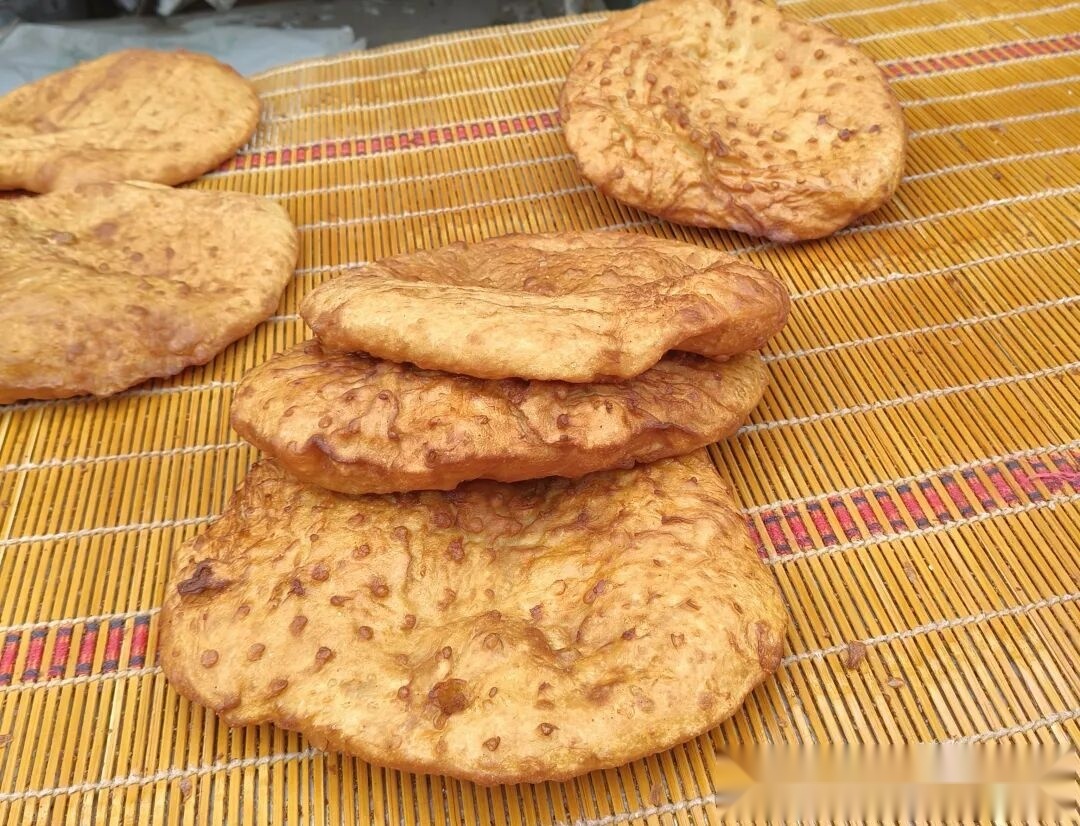
Youxiang is a traditional Hui Muslim flatbread that has been a staple in the Simen old streets for over a hundred years. It’s made with nothing more than water, flour, and a pinch of salt. There are no fancy ingredients; it relies entirely on the craft of hand-kneading, proofing, stretching, and frying.
Though the process looks simple, it actually takes real skill. The heat level, the proofing time, and the oil temperature at the moment of frying all determine the final texture of the youxiang.
The finished product has a warm, golden hue and a round, plump shape. It’s soft, hearty, and has a pure wheat flavor that isn’t greasy at all. It’s a classic taste passed down through generations of locals.
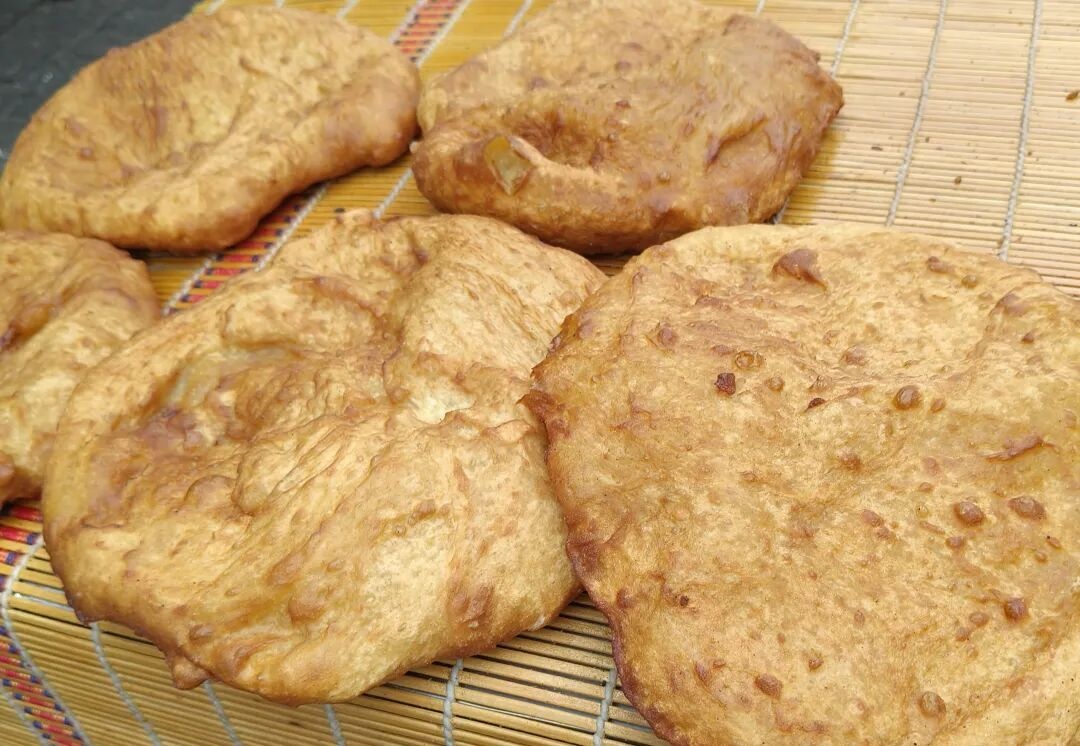
I first encountered youxiang while I was wandering through Simen. As I slowly strolled through the old alleyways, the air was thick with the scent of street food. I stumbled upon a small shop with a large wooden table out front covered by a vintage straw mat. Stacked neatly in piles on the mat were dozens of large, round dough cakes—they looked so rustic and strangely comforting.
I was curious and stopped to look, as I’d never seen anything like them before. I asked the owner and learned this was the famous local youxiang. Just hearing the name—which literally translates to 'oil fragrance'—told me it was a fried dough, but I couldn't imagine what it actually tasted like.
Since I’d been snacking my way down the street all day, I was already full. I had to sadly walk away, but I made a mental note to remember youxiang and promised myself I’d come back to try it.
When I finally returned to Simen for a second visit, I made sure youxiang was at the top of my list. Maybe it was just my lucky day, because as soon as I arrived, I saw the owner lifting a fresh batch out of the sizzling oil. The rising steam carried a light scent of dough mixed with the savory aroma of frying, and my appetite was instantly triggered.
I’ve always believed that the best way to enjoy any dough-based food is while it’s piping hot. These things don’t hold up well if they sit around. It’s like my favorite gaolu shaobing (high-oven baked flatbread)—even if I have to wait ten extra minutes, I’ll always insist on a fresh one. A hot, fresh flatbread is crispy and fragrant, but once it sits in a warmer, the crust gets soft and the flavor fades, losing that soul-satisfying quality.
Youxiang is exactly the same; you have to eat it fresh from the fryer to really experience its most authentic, delicious flavor.
The owner was incredibly warm and friendly. Seeing us waiting to try it, she smiled and insisted that youxiang must be eaten immediately while hot to get that perfect soft, sweet, and doughy texture. As she spoke, she efficiently grabbed a fresh one and cut it into smaller pieces for us to enjoy.
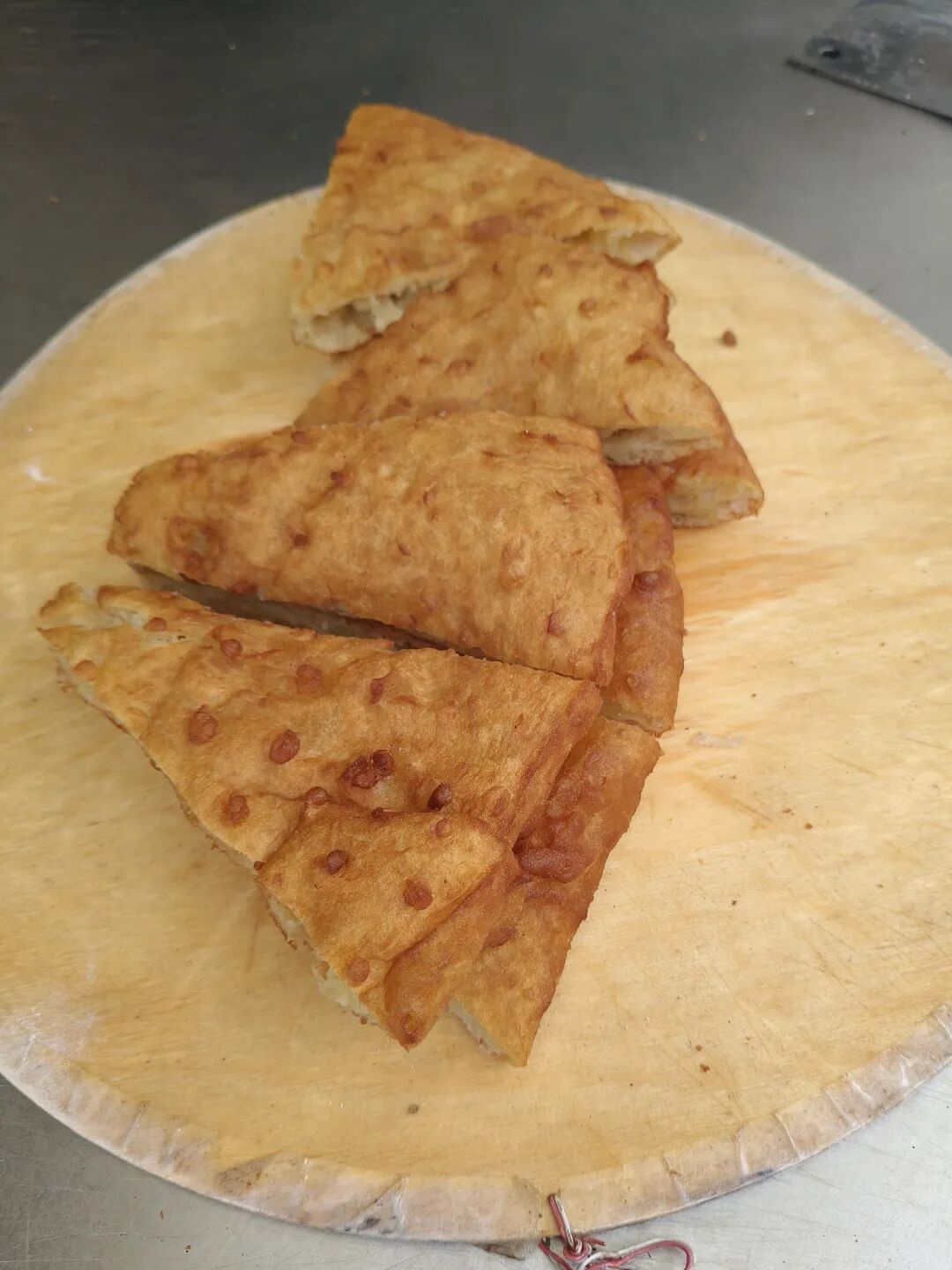
Holding the steaming youxiang, even though it burned my fingers, I couldn't help but take a bite right away.
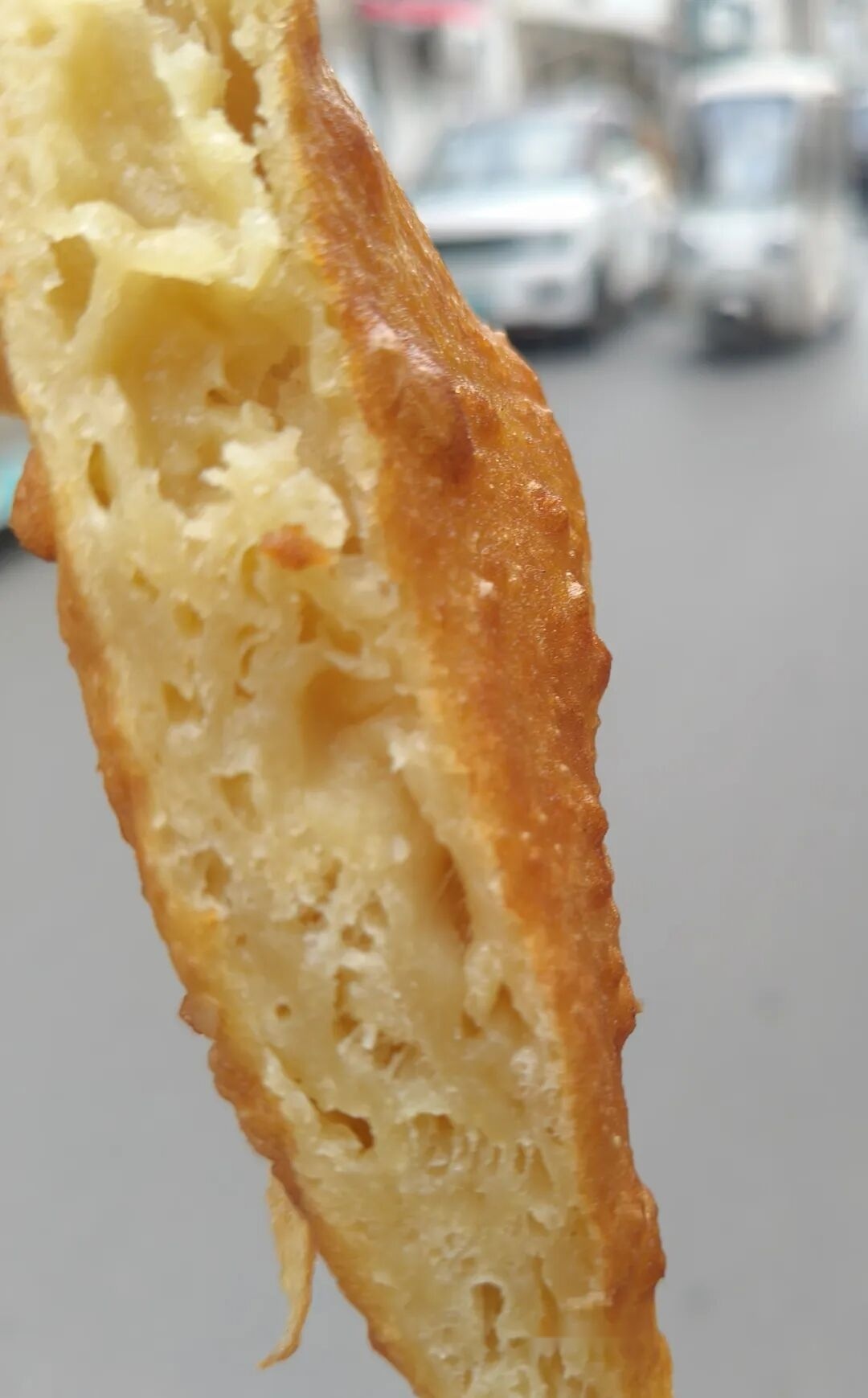
Unlike common fried snacks that are crunchy and brittle, youxiang has no hard shell. The texture is soft, tender, and chewy, with a thick, fluffy, and dense interior.
There wasn't a hint of greasiness when I took a bite. As I chewed, a pure, rich wheat flavor slowly unfolded, leaving a subtle sweetness that felt warm and nourishing. It’s amazing how just flour and water, when handled with traditional techniques and expert timing, can create something so simple yet so delicious.
There are no fancy ingredients or complicated steps; the hundred-year history of youxiang is held together by the dedication of artisans and traditional methods. It has watched the neighborhood evolve and carries the culinary memories of everyone who lives here.
At work today, I couldn't help but tell my Hui Muslim colleague about all the food in Simen, especially the youxiang that I can't stop thinking about. I excitedly described my trips to the old streets and how much I loved trying every dish.
She listened quietly, looked at me with a gentle smile, and softly said, 'You know, these unique specialties that you think are so special are actually just the most ordinary, everyday things on our dinner tables.'
Her simple words really hit home. It made me realize that the street food I was so excited about and treasured like a rare find is just the mundane, everyday life that she has grown up with.
For them, youxiang isn't just a snack to hunt down for a food blog; it’s a staple bread for festivals, banquets, and hosting guests. The incredible flavors I found in the streets of Simen are just the taste of daily life that they have been immersed in for years.
The food along the old streets of Simen never disappoints. The neighborhood is always buzzing with life, offering a massive variety of snacks that change daily—you could eat here for a month and never have the same thing twice.
Among all these local specialties, one stands out for its simple name and humble appearance, yet it holds the most authentic, time-honored flavors of Simen: the local staple known as youxiang.
Youxiang is a traditional Hui Muslim flatbread that has been a staple in the Simen old streets for over a hundred years. It’s made with nothing more than water, flour, and a pinch of salt. There are no fancy ingredients; it relies entirely on the craft of hand-kneading, proofing, stretching, and frying.
Though the process looks simple, it actually takes real skill. The heat level, the proofing time, and the oil temperature at the moment of frying all determine the final texture of the youxiang.
The finished product has a warm, golden hue and a round, plump shape. It’s soft, hearty, and has a pure wheat flavor that isn’t greasy at all. It’s a classic taste passed down through generations of locals.
I first encountered youxiang while I was wandering through Simen. As I slowly strolled through the old alleyways, the air was thick with the scent of street food. I stumbled upon a small shop with a large wooden table out front covered by a vintage straw mat. Stacked neatly in piles on the mat were dozens of large, round dough cakes—they looked so rustic and strangely comforting.
I was curious and stopped to look, as I’d never seen anything like them before. I asked the owner and learned this was the famous local youxiang. Just hearing the name—which literally translates to 'oil fragrance'—told me it was a fried dough, but I couldn't imagine what it actually tasted like.
Since I’d been snacking my way down the street all day, I was already full. I had to sadly walk away, but I made a mental note to remember youxiang and promised myself I’d come back to try it.
When I finally returned to Simen for a second visit, I made sure youxiang was at the top of my list. Maybe it was just my lucky day, because as soon as I arrived, I saw the owner lifting a fresh batch out of the sizzling oil. The rising steam carried a light scent of dough mixed with the savory aroma of frying, and my appetite was instantly triggered.
I’ve always believed that the best way to enjoy any dough-based food is while it’s piping hot. These things don’t hold up well if they sit around. It’s like my favorite gaolu shaobing (high-oven baked flatbread)—even if I have to wait ten extra minutes, I’ll always insist on a fresh one. A hot, fresh flatbread is crispy and fragrant, but once it sits in a warmer, the crust gets soft and the flavor fades, losing that soul-satisfying quality.
Youxiang is exactly the same; you have to eat it fresh from the fryer to really experience its most authentic, delicious flavor.
The owner was incredibly warm and friendly. Seeing us waiting to try it, she smiled and insisted that youxiang must be eaten immediately while hot to get that perfect soft, sweet, and doughy texture. As she spoke, she efficiently grabbed a fresh one and cut it into smaller pieces for us to enjoy.
Holding the steaming youxiang, even though it burned my fingers, I couldn't help but take a bite right away.
Unlike common fried snacks that are crunchy and brittle, youxiang has no hard shell. The texture is soft, tender, and chewy, with a thick, fluffy, and dense interior.
There wasn't a hint of greasiness when I took a bite. As I chewed, a pure, rich wheat flavor slowly unfolded, leaving a subtle sweetness that felt warm and nourishing. It’s amazing how just flour and water, when handled with traditional techniques and expert timing, can create something so simple yet so delicious.
There are no fancy ingredients or complicated steps; the hundred-year history of youxiang is held together by the dedication of artisans and traditional methods. It has watched the neighborhood evolve and carries the culinary memories of everyone who lives here.
At work today, I couldn't help but tell my Hui Muslim colleague about all the food in Simen, especially the youxiang that I can't stop thinking about. I excitedly described my trips to the old streets and how much I loved trying every dish.
She listened quietly, looked at me with a gentle smile, and softly said, 'You know, these unique specialties that you think are so special are actually just the most ordinary, everyday things on our dinner tables.'
Her simple words really hit home. It made me realize that the street food I was so excited about and treasured like a rare find is just the mundane, everyday life that she has grown up with.
For them, youxiang isn't just a snack to hunt down for a food blog; it’s a staple bread for festivals, banquets, and hosting guests. The incredible flavors I found in the streets of Simen are just the taste of daily life that they have been immersed in for years.
Best Halal Street Food in Kaifeng: Authentic Youxiang at the Historic Simen Mosque District
Articles • Hasan09 posted the article • 0 comments • 8 views • 1 hours ago
Join me for a look at the famous Simen Halal food district in Kaifeng’s Shunhe Hui Muslim District. We’ll go behind the scenes at a traditional workshop to see how they make classic youxiang (traditional fried dough cakes), then taste these golden, crispy-on-the-outside, soft-on-the-inside treats to experience the deep-rooted Halal food culture of this ancient Central Plains capital.
The food along the old streets of Simen never disappoints. The neighborhood is always buzzing with life, offering a massive variety of snacks that change daily—you could eat here for a month and never have the same thing twice.
Among all these local specialties, one stands out for its simple name and humble appearance, yet it holds the most authentic, time-honored flavors of Simen: the local staple known as youxiang.
Youxiang is a traditional Hui Muslim flatbread that has been a staple in the Simen old streets for over a hundred years. It’s made with nothing more than water, flour, and a pinch of salt. There are no fancy ingredients; it relies entirely on the craft of hand-kneading, proofing, stretching, and frying.
Though the process looks simple, it actually takes real skill. The heat level, the proofing time, and the oil temperature at the moment of frying all determine the final texture of the youxiang.
The finished product has a warm, golden hue and a round, plump shape. It’s soft, hearty, and has a pure wheat flavor that isn’t greasy at all. It’s a classic taste passed down through generations of locals.
I first encountered youxiang while I was wandering through Simen. As I slowly strolled through the old alleyways, the air was thick with the scent of street food. I stumbled upon a small shop with a large wooden table out front covered by a vintage straw mat. Stacked neatly in piles on the mat were dozens of large, round dough cakes—they looked so rustic and strangely comforting.
I was curious and stopped to look, as I’d never seen anything like them before. I asked the owner and learned this was the famous local youxiang. Just hearing the name—which literally translates to 'oil fragrance'—told me it was a fried dough, but I couldn't imagine what it actually tasted like.
Since I’d been snacking my way down the street all day, I was already full. I had to sadly walk away, but I made a mental note to remember youxiang and promised myself I’d come back to try it.
When I finally returned to Simen for a second visit, I made sure youxiang was at the top of my list. Maybe it was just my lucky day, because as soon as I arrived, I saw the owner lifting a fresh batch out of the sizzling oil. The rising steam carried a light scent of dough mixed with the savory aroma of frying, and my appetite was instantly triggered.
I’ve always believed that the best way to enjoy any dough-based food is while it’s piping hot. These things don’t hold up well if they sit around. It’s like my favorite gaolu shaobing (high-oven baked flatbread)—even if I have to wait ten extra minutes, I’ll always insist on a fresh one. A hot, fresh flatbread is crispy and fragrant, but once it sits in a warmer, the crust gets soft and the flavor fades, losing that soul-satisfying quality.
Youxiang is exactly the same; you have to eat it fresh from the fryer to really experience its most authentic, delicious flavor.
The owner was incredibly warm and friendly. Seeing us waiting to try it, she smiled and insisted that youxiang must be eaten immediately while hot to get that perfect soft, sweet, and doughy texture. As she spoke, she efficiently grabbed a fresh one and cut it into smaller pieces for us to enjoy.
Holding the steaming youxiang, even though it burned my fingers, I couldn't help but take a bite right away.
Unlike common fried snacks that are crunchy and brittle, youxiang has no hard shell. The texture is soft, tender, and chewy, with a thick, fluffy, and dense interior.
There wasn't a hint of greasiness when I took a bite. As I chewed, a pure, rich wheat flavor slowly unfolded, leaving a subtle sweetness that felt warm and nourishing. It’s amazing how just flour and water, when handled with traditional techniques and expert timing, can create something so simple yet so delicious.
There are no fancy ingredients or complicated steps; the hundred-year history of youxiang is held together by the dedication of artisans and traditional methods. It has watched the neighborhood evolve and carries the culinary memories of everyone who lives here.
At work today, I couldn't help but tell my Hui Muslim colleague about all the food in Simen, especially the youxiang that I can't stop thinking about. I excitedly described my trips to the old streets and how much I loved trying every dish.
She listened quietly, looked at me with a gentle smile, and softly said, 'You know, these unique specialties that you think are so special are actually just the most ordinary, everyday things on our dinner tables.'
Her simple words really hit home. It made me realize that the street food I was so excited about and treasured like a rare find is just the mundane, everyday life that she has grown up with.
For them, youxiang isn't just a snack to hunt down for a food blog; it’s a staple bread for festivals, banquets, and hosting guests. The incredible flavors I found in the streets of Simen are just the taste of daily life that they have been immersed in for years. view all
The food along the old streets of Simen never disappoints. The neighborhood is always buzzing with life, offering a massive variety of snacks that change daily—you could eat here for a month and never have the same thing twice.
Among all these local specialties, one stands out for its simple name and humble appearance, yet it holds the most authentic, time-honored flavors of Simen: the local staple known as youxiang.
Youxiang is a traditional Hui Muslim flatbread that has been a staple in the Simen old streets for over a hundred years. It’s made with nothing more than water, flour, and a pinch of salt. There are no fancy ingredients; it relies entirely on the craft of hand-kneading, proofing, stretching, and frying.
Though the process looks simple, it actually takes real skill. The heat level, the proofing time, and the oil temperature at the moment of frying all determine the final texture of the youxiang.
The finished product has a warm, golden hue and a round, plump shape. It’s soft, hearty, and has a pure wheat flavor that isn’t greasy at all. It’s a classic taste passed down through generations of locals.
I first encountered youxiang while I was wandering through Simen. As I slowly strolled through the old alleyways, the air was thick with the scent of street food. I stumbled upon a small shop with a large wooden table out front covered by a vintage straw mat. Stacked neatly in piles on the mat were dozens of large, round dough cakes—they looked so rustic and strangely comforting.
I was curious and stopped to look, as I’d never seen anything like them before. I asked the owner and learned this was the famous local youxiang. Just hearing the name—which literally translates to 'oil fragrance'—told me it was a fried dough, but I couldn't imagine what it actually tasted like.
Since I’d been snacking my way down the street all day, I was already full. I had to sadly walk away, but I made a mental note to remember youxiang and promised myself I’d come back to try it.
When I finally returned to Simen for a second visit, I made sure youxiang was at the top of my list. Maybe it was just my lucky day, because as soon as I arrived, I saw the owner lifting a fresh batch out of the sizzling oil. The rising steam carried a light scent of dough mixed with the savory aroma of frying, and my appetite was instantly triggered.
I’ve always believed that the best way to enjoy any dough-based food is while it’s piping hot. These things don’t hold up well if they sit around. It’s like my favorite gaolu shaobing (high-oven baked flatbread)—even if I have to wait ten extra minutes, I’ll always insist on a fresh one. A hot, fresh flatbread is crispy and fragrant, but once it sits in a warmer, the crust gets soft and the flavor fades, losing that soul-satisfying quality.
Youxiang is exactly the same; you have to eat it fresh from the fryer to really experience its most authentic, delicious flavor.
The owner was incredibly warm and friendly. Seeing us waiting to try it, she smiled and insisted that youxiang must be eaten immediately while hot to get that perfect soft, sweet, and doughy texture. As she spoke, she efficiently grabbed a fresh one and cut it into smaller pieces for us to enjoy.
Holding the steaming youxiang, even though it burned my fingers, I couldn't help but take a bite right away.
Unlike common fried snacks that are crunchy and brittle, youxiang has no hard shell. The texture is soft, tender, and chewy, with a thick, fluffy, and dense interior.
There wasn't a hint of greasiness when I took a bite. As I chewed, a pure, rich wheat flavor slowly unfolded, leaving a subtle sweetness that felt warm and nourishing. It’s amazing how just flour and water, when handled with traditional techniques and expert timing, can create something so simple yet so delicious.
There are no fancy ingredients or complicated steps; the hundred-year history of youxiang is held together by the dedication of artisans and traditional methods. It has watched the neighborhood evolve and carries the culinary memories of everyone who lives here.
At work today, I couldn't help but tell my Hui Muslim colleague about all the food in Simen, especially the youxiang that I can't stop thinking about. I excitedly described my trips to the old streets and how much I loved trying every dish.
She listened quietly, looked at me with a gentle smile, and softly said, 'You know, these unique specialties that you think are so special are actually just the most ordinary, everyday things on our dinner tables.'
Her simple words really hit home. It made me realize that the street food I was so excited about and treasured like a rare find is just the mundane, everyday life that she has grown up with.
For them, youxiang isn't just a snack to hunt down for a food blog; it’s a staple bread for festivals, banquets, and hosting guests. The incredible flavors I found in the streets of Simen are just the taste of daily life that they have been immersed in for years. view all
Join me for a look at the famous Simen Halal food district in Kaifeng’s Shunhe Hui Muslim District. We’ll go behind the scenes at a traditional workshop to see how they make classic youxiang (traditional fried dough cakes), then taste these golden, crispy-on-the-outside, soft-on-the-inside treats to experience the deep-rooted Halal food culture of this ancient Central Plains capital.
The food along the old streets of Simen never disappoints. The neighborhood is always buzzing with life, offering a massive variety of snacks that change daily—you could eat here for a month and never have the same thing twice.
Among all these local specialties, one stands out for its simple name and humble appearance, yet it holds the most authentic, time-honored flavors of Simen: the local staple known as youxiang.
Youxiang is a traditional Hui Muslim flatbread that has been a staple in the Simen old streets for over a hundred years. It’s made with nothing more than water, flour, and a pinch of salt. There are no fancy ingredients; it relies entirely on the craft of hand-kneading, proofing, stretching, and frying.
Though the process looks simple, it actually takes real skill. The heat level, the proofing time, and the oil temperature at the moment of frying all determine the final texture of the youxiang.
The finished product has a warm, golden hue and a round, plump shape. It’s soft, hearty, and has a pure wheat flavor that isn’t greasy at all. It’s a classic taste passed down through generations of locals.
I first encountered youxiang while I was wandering through Simen. As I slowly strolled through the old alleyways, the air was thick with the scent of street food. I stumbled upon a small shop with a large wooden table out front covered by a vintage straw mat. Stacked neatly in piles on the mat were dozens of large, round dough cakes—they looked so rustic and strangely comforting.
I was curious and stopped to look, as I’d never seen anything like them before. I asked the owner and learned this was the famous local youxiang. Just hearing the name—which literally translates to 'oil fragrance'—told me it was a fried dough, but I couldn't imagine what it actually tasted like.
Since I’d been snacking my way down the street all day, I was already full. I had to sadly walk away, but I made a mental note to remember youxiang and promised myself I’d come back to try it.
When I finally returned to Simen for a second visit, I made sure youxiang was at the top of my list. Maybe it was just my lucky day, because as soon as I arrived, I saw the owner lifting a fresh batch out of the sizzling oil. The rising steam carried a light scent of dough mixed with the savory aroma of frying, and my appetite was instantly triggered.
I’ve always believed that the best way to enjoy any dough-based food is while it’s piping hot. These things don’t hold up well if they sit around. It’s like my favorite gaolu shaobing (high-oven baked flatbread)—even if I have to wait ten extra minutes, I’ll always insist on a fresh one. A hot, fresh flatbread is crispy and fragrant, but once it sits in a warmer, the crust gets soft and the flavor fades, losing that soul-satisfying quality.
Youxiang is exactly the same; you have to eat it fresh from the fryer to really experience its most authentic, delicious flavor.
The owner was incredibly warm and friendly. Seeing us waiting to try it, she smiled and insisted that youxiang must be eaten immediately while hot to get that perfect soft, sweet, and doughy texture. As she spoke, she efficiently grabbed a fresh one and cut it into smaller pieces for us to enjoy.
Holding the steaming youxiang, even though it burned my fingers, I couldn't help but take a bite right away.
Unlike common fried snacks that are crunchy and brittle, youxiang has no hard shell. The texture is soft, tender, and chewy, with a thick, fluffy, and dense interior.
There wasn't a hint of greasiness when I took a bite. As I chewed, a pure, rich wheat flavor slowly unfolded, leaving a subtle sweetness that felt warm and nourishing. It’s amazing how just flour and water, when handled with traditional techniques and expert timing, can create something so simple yet so delicious.
There are no fancy ingredients or complicated steps; the hundred-year history of youxiang is held together by the dedication of artisans and traditional methods. It has watched the neighborhood evolve and carries the culinary memories of everyone who lives here.
At work today, I couldn't help but tell my Hui Muslim colleague about all the food in Simen, especially the youxiang that I can't stop thinking about. I excitedly described my trips to the old streets and how much I loved trying every dish.
She listened quietly, looked at me with a gentle smile, and softly said, 'You know, these unique specialties that you think are so special are actually just the most ordinary, everyday things on our dinner tables.'
Her simple words really hit home. It made me realize that the street food I was so excited about and treasured like a rare find is just the mundane, everyday life that she has grown up with.
For them, youxiang isn't just a snack to hunt down for a food blog; it’s a staple bread for festivals, banquets, and hosting guests. The incredible flavors I found in the streets of Simen are just the taste of daily life that they have been immersed in for years.