

Traditional Wedding Food
Traditional Hui Muslim Wedding Food: Exploring the Symbolism and Authentic Recipe of Fried Youxiang
Articles • Hasan09 posted the article • 0 comments • 10 views • 1 hours ago
These three heartfelt photos capture 'youxiang' (traditional fried dough cakes), an essential delicacy at traditional Hui Muslim weddings. From kneading the dough and rolling it out to frying it to perfection, these golden, crispy, and sweet cakes carry the blessings of neighbors and the symbolic meaning of good fortune passed down through generations, serving as the most soul-warming cultural symbol in Hui life rituals.
Golden, glistening, and incredibly fragrant—youxiang is a flavor that simply cannot be missing from a Hui Muslim wedding.
The kitchen is filled with steam as several ladies gather around the workbench, kneading and shaping the dough with practiced, nimble movements. The dough is folded back and forth in their hands until perfect round discs are prepped and ready to be dropped into a sizzling hot wok of oil.
The oil sizzles as the dough puffs up, slowly transforming from a pale white to an appetizing golden brown. Once lifted from the oil, the youxiang are slightly fluffy on the outside, smelling faintly of rich, fried dough, with a texture that is soft, chewy, and lightly sweet.
It is more than just a snack; it is a gesture of love. Serving youxiang at a wedding represents unity, happiness, and peace—it is the simplest yet most profound blessing from elders to the newlyweds, a tradition that has been passed down for generations.
There are no fancy decorations here, just the deep, genuine warmth of community and shared life. With the very first bite, you aren't just tasting a classic flavor, but also the comforting sense of ritual preserved through time.
Have you ever tried these youxiang that carry such beautiful meaning? view all
These three heartfelt photos capture 'youxiang' (traditional fried dough cakes), an essential delicacy at traditional Hui Muslim weddings. From kneading the dough and rolling it out to frying it to perfection, these golden, crispy, and sweet cakes carry the blessings of neighbors and the symbolic meaning of good fortune passed down through generations, serving as the most soul-warming cultural symbol in Hui life rituals.
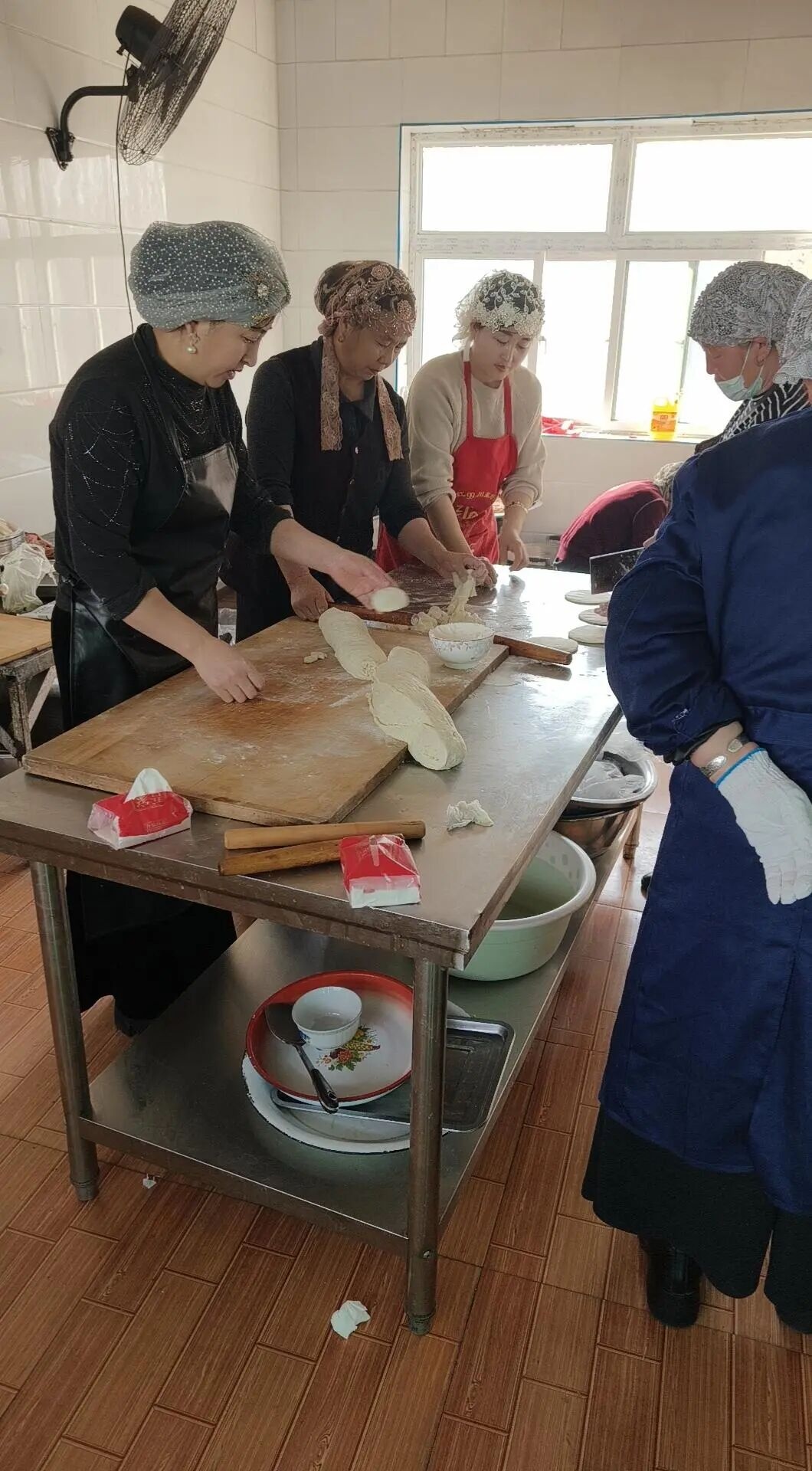
Golden, glistening, and incredibly fragrant—youxiang is a flavor that simply cannot be missing from a Hui Muslim wedding.
The kitchen is filled with steam as several ladies gather around the workbench, kneading and shaping the dough with practiced, nimble movements. The dough is folded back and forth in their hands until perfect round discs are prepped and ready to be dropped into a sizzling hot wok of oil.
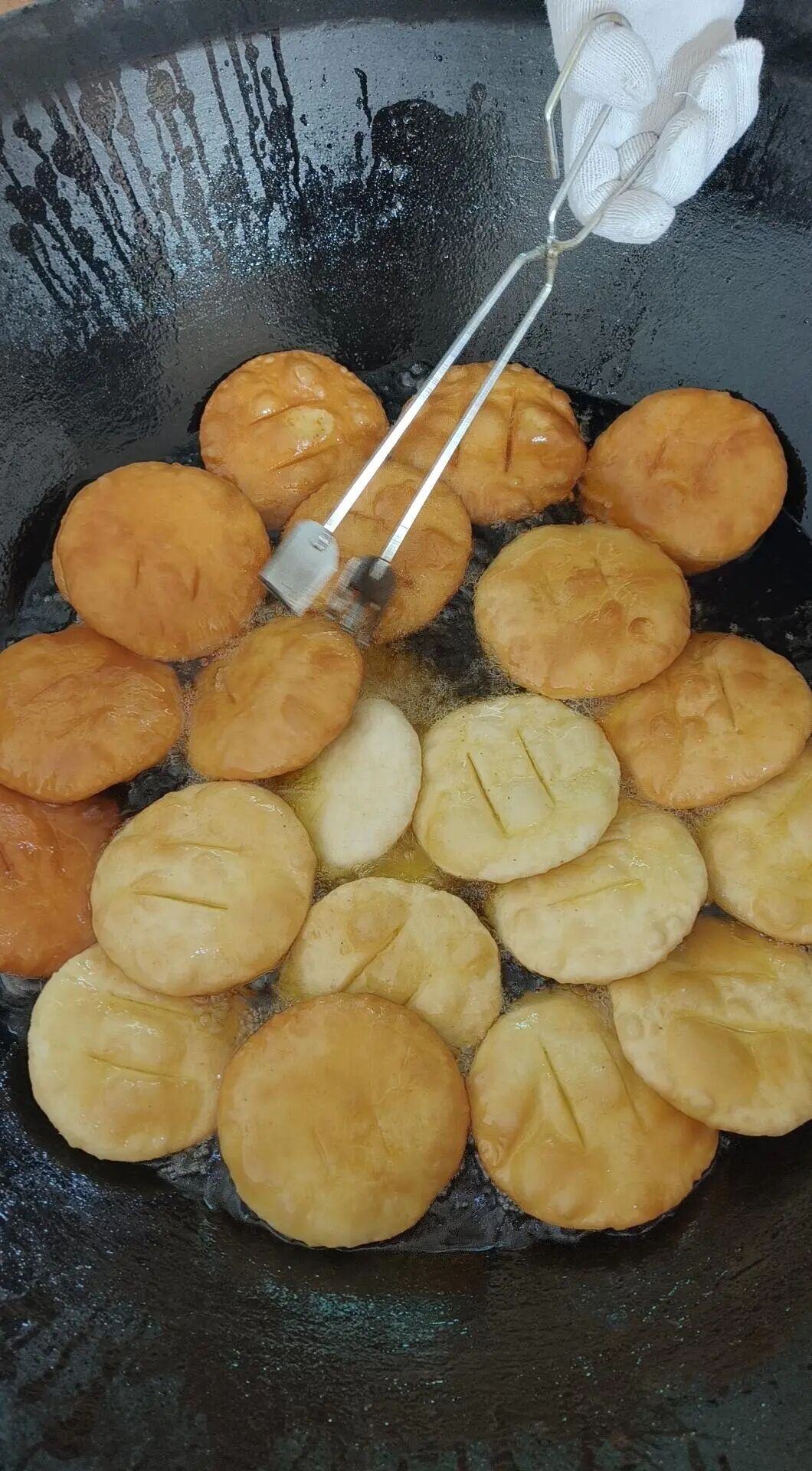
The oil sizzles as the dough puffs up, slowly transforming from a pale white to an appetizing golden brown. Once lifted from the oil, the youxiang are slightly fluffy on the outside, smelling faintly of rich, fried dough, with a texture that is soft, chewy, and lightly sweet.
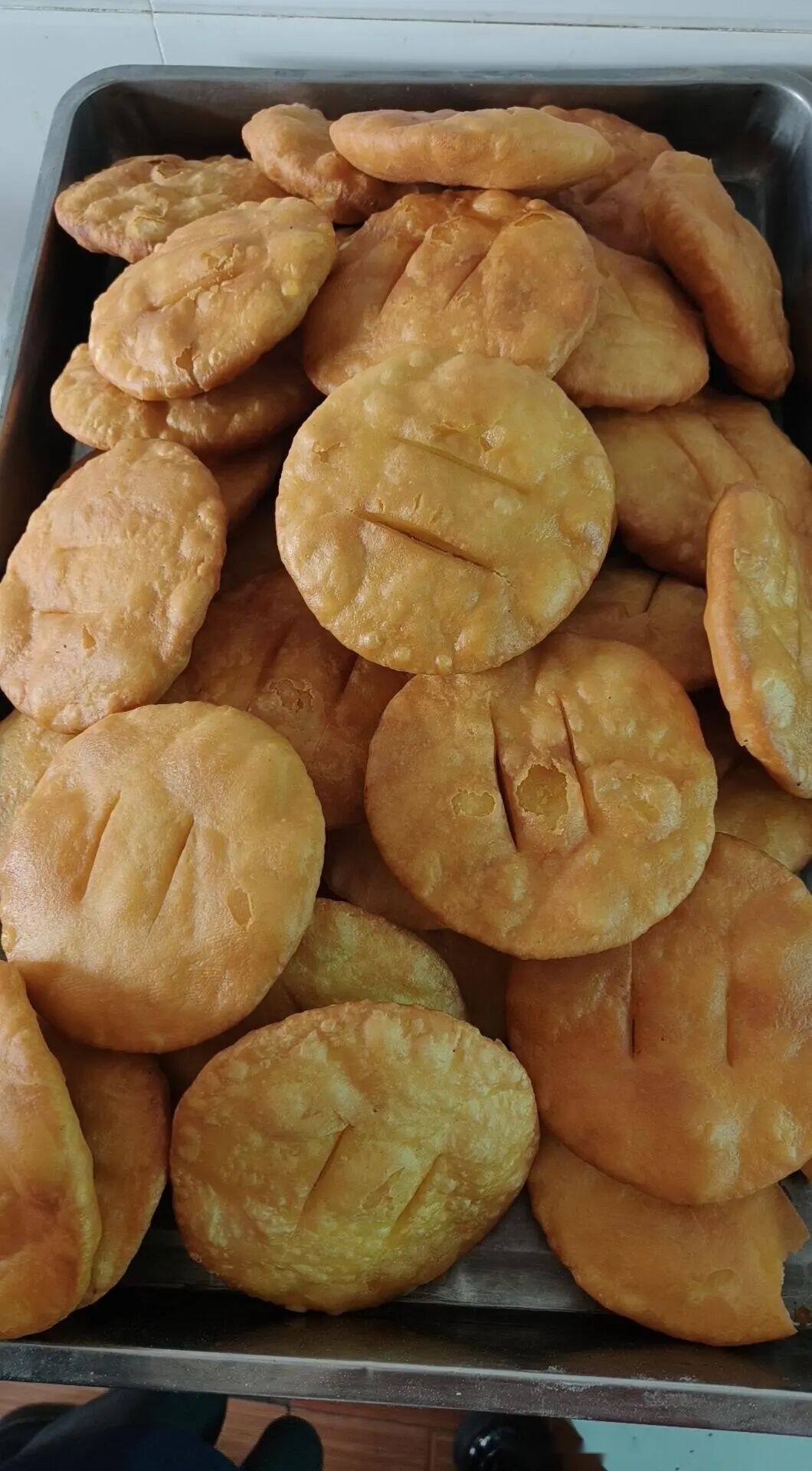
It is more than just a snack; it is a gesture of love. Serving youxiang at a wedding represents unity, happiness, and peace—it is the simplest yet most profound blessing from elders to the newlyweds, a tradition that has been passed down for generations.
There are no fancy decorations here, just the deep, genuine warmth of community and shared life. With the very first bite, you aren't just tasting a classic flavor, but also the comforting sense of ritual preserved through time.
Have you ever tried these youxiang that carry such beautiful meaning?
Golden, glistening, and incredibly fragrant—youxiang is a flavor that simply cannot be missing from a Hui Muslim wedding.
The kitchen is filled with steam as several ladies gather around the workbench, kneading and shaping the dough with practiced, nimble movements. The dough is folded back and forth in their hands until perfect round discs are prepped and ready to be dropped into a sizzling hot wok of oil.
The oil sizzles as the dough puffs up, slowly transforming from a pale white to an appetizing golden brown. Once lifted from the oil, the youxiang are slightly fluffy on the outside, smelling faintly of rich, fried dough, with a texture that is soft, chewy, and lightly sweet.
It is more than just a snack; it is a gesture of love. Serving youxiang at a wedding represents unity, happiness, and peace—it is the simplest yet most profound blessing from elders to the newlyweds, a tradition that has been passed down for generations.
There are no fancy decorations here, just the deep, genuine warmth of community and shared life. With the very first bite, you aren't just tasting a classic flavor, but also the comforting sense of ritual preserved through time.
Have you ever tried these youxiang that carry such beautiful meaning?
Traditional Hui Muslim Wedding Food: Exploring the Symbolism and Authentic Recipe of Fried Youxiang
Articles • Hasan09 posted the article • 0 comments • 10 views • 1 hours ago
These three heartfelt photos capture 'youxiang' (traditional fried dough cakes), an essential delicacy at traditional Hui Muslim weddings. From kneading the dough and rolling it out to frying it to perfection, these golden, crispy, and sweet cakes carry the blessings of neighbors and the symbolic meaning of good fortune passed down through generations, serving as the most soul-warming cultural symbol in Hui life rituals.
Golden, glistening, and incredibly fragrant—youxiang is a flavor that simply cannot be missing from a Hui Muslim wedding.
The kitchen is filled with steam as several ladies gather around the workbench, kneading and shaping the dough with practiced, nimble movements. The dough is folded back and forth in their hands until perfect round discs are prepped and ready to be dropped into a sizzling hot wok of oil.
The oil sizzles as the dough puffs up, slowly transforming from a pale white to an appetizing golden brown. Once lifted from the oil, the youxiang are slightly fluffy on the outside, smelling faintly of rich, fried dough, with a texture that is soft, chewy, and lightly sweet.
It is more than just a snack; it is a gesture of love. Serving youxiang at a wedding represents unity, happiness, and peace—it is the simplest yet most profound blessing from elders to the newlyweds, a tradition that has been passed down for generations.
There are no fancy decorations here, just the deep, genuine warmth of community and shared life. With the very first bite, you aren't just tasting a classic flavor, but also the comforting sense of ritual preserved through time.
Have you ever tried these youxiang that carry such beautiful meaning? view all
Golden, glistening, and incredibly fragrant—youxiang is a flavor that simply cannot be missing from a Hui Muslim wedding.
The kitchen is filled with steam as several ladies gather around the workbench, kneading and shaping the dough with practiced, nimble movements. The dough is folded back and forth in their hands until perfect round discs are prepped and ready to be dropped into a sizzling hot wok of oil.
The oil sizzles as the dough puffs up, slowly transforming from a pale white to an appetizing golden brown. Once lifted from the oil, the youxiang are slightly fluffy on the outside, smelling faintly of rich, fried dough, with a texture that is soft, chewy, and lightly sweet.
It is more than just a snack; it is a gesture of love. Serving youxiang at a wedding represents unity, happiness, and peace—it is the simplest yet most profound blessing from elders to the newlyweds, a tradition that has been passed down for generations.
There are no fancy decorations here, just the deep, genuine warmth of community and shared life. With the very first bite, you aren't just tasting a classic flavor, but also the comforting sense of ritual preserved through time.
Have you ever tried these youxiang that carry such beautiful meaning? view all
These three heartfelt photos capture 'youxiang' (traditional fried dough cakes), an essential delicacy at traditional Hui Muslim weddings. From kneading the dough and rolling it out to frying it to perfection, these golden, crispy, and sweet cakes carry the blessings of neighbors and the symbolic meaning of good fortune passed down through generations, serving as the most soul-warming cultural symbol in Hui life rituals.
Golden, glistening, and incredibly fragrant—youxiang is a flavor that simply cannot be missing from a Hui Muslim wedding.
The kitchen is filled with steam as several ladies gather around the workbench, kneading and shaping the dough with practiced, nimble movements. The dough is folded back and forth in their hands until perfect round discs are prepped and ready to be dropped into a sizzling hot wok of oil.
The oil sizzles as the dough puffs up, slowly transforming from a pale white to an appetizing golden brown. Once lifted from the oil, the youxiang are slightly fluffy on the outside, smelling faintly of rich, fried dough, with a texture that is soft, chewy, and lightly sweet.
It is more than just a snack; it is a gesture of love. Serving youxiang at a wedding represents unity, happiness, and peace—it is the simplest yet most profound blessing from elders to the newlyweds, a tradition that has been passed down for generations.
There are no fancy decorations here, just the deep, genuine warmth of community and shared life. With the very first bite, you aren't just tasting a classic flavor, but also the comforting sense of ritual preserved through time.
Have you ever tried these youxiang that carry such beautiful meaning?