

US Travel
Best Halal Restaurant Guide: New York, Atlanta & Seattle Muslim Food Map
Articles • ali2007fr posted the article • 0 comments • 165 views • 2026-05-21 10:01
Reposted from the web
Summary: A halal restaurant map for New York, Atlanta, and Seattle, written for Muslim travelers and Chinese readers planning a U.S. trip, with the original restaurant stops, travel notes, and photos kept in sequence.
The U.S. has launched a 10-year multiple-entry tourist visa for Chinese citizens, allowing stays of up to six months at a time. The documents required for the visa vary by person, and the entire process takes about 10 days. I traveled independently and arranged everything myself, including the visa application. I looked up many online tutorials beforehand, which were very detailed, so I will only give a brief overview here.
First, fill out the visa application form on the official U.S. Embassy website. It is online and has a Chinese translation, so don't worry. You must fill out the DS-160 form carefully. It is best to do it yourself so you know what you wrote when you have your interview later. The visa officer mainly refers to this form and asks questions about anything they find unclear. It is troublesome if you don't know the information you provided.
After filling out the form, pay the 160 USD visa fee, which is about 1,072 RMB. There are two ways to pay: online, though it often fails, or offline at a CITIC Bank ATM.
Once payment is successful, use the number on your CGI receipt to schedule an interview. I heard that Monday and Friday morning interviews have a higher success rate, but it mostly depends on the visa officer's mood. I chose a Thursday morning interview at 7:30.
Before the interview, I prepared an itinerary, a 100,000 RMB bank deposit certificate, salary statements, employment verification, labor contract, property deed, resume, tax records, degree certificate, ID card, and household registration (hukou). The embassy does not require these, but I saw many people in forums mention being asked for them. The officer just wants proof you won't stay in the U.S. illegally; how you prove it is up to you. The embassy advises not to book flights or hotels in advance, as they don't help with approval and you could lose money if rejected.
Interviews usually last three to five minutes. Because the U.S. Embassy has so many appointments every day, officers are busy and cannot give everyone much time. Tourist visa interviews can be in Chinese. Although the officers are American, they can speak Chinese, though student visa interviews must be in English.
You cannot bring electronic devices, including phones, into the embassy on the day of the interview. There are private lockers outside for a fee. You will have your fingerprints scanned and then wait for an interview window. You stand during the interview while the officer sits behind a window like a bank counter. Pay attention to your appearance, dress neatly, and greet the officer.
The officer will usually ask why you are going to the U.S. What is your job? And what is your family situation? While answering, it is best to proactively offer your supporting documents to help the officer understand your situation quickly. Some people bring many documents but get rejected because they didn't show them; you should be proactive. I was asked about my job and my contacts in the U.S. I answered truthfully. The officer didn't look at the documents I prepared, but don't take chances; prepare thoroughly. Maybe it was easier for me because I am from Beijing and have a history of traveling to developed countries. However, I have friends from Beijing who are single women and were rejected. For single women with a blank passport, the chance of rejection is higher, so you must prepare well.
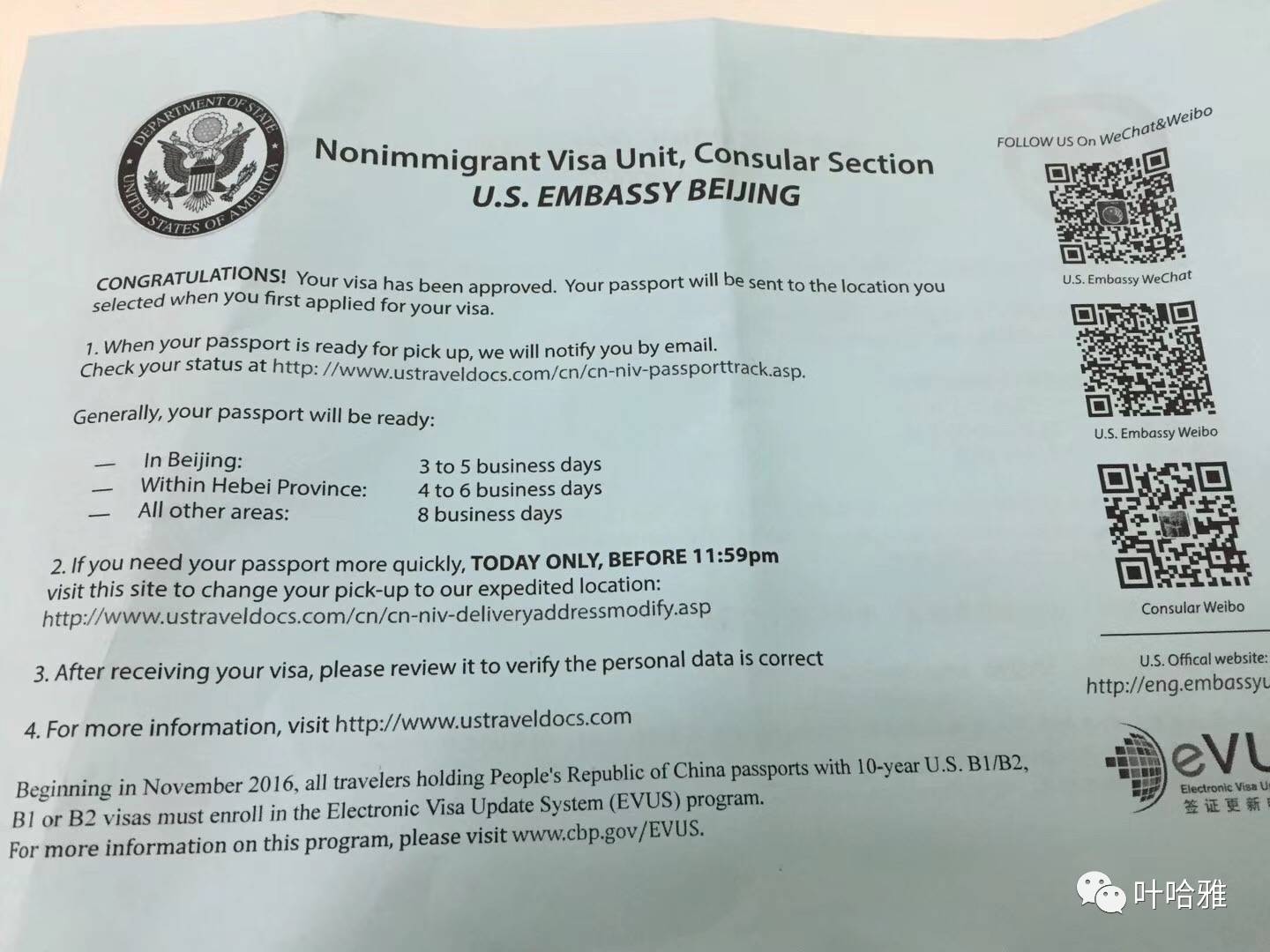
You get the result on the spot. If you pass, the officer will keep your passport and give you a blue slip.
Now you can go home and book your flights. Your passport and visa will be mailed to you in three to five business days. Then, my trip to the U.S. begins.
First stop: New York.
A direct flight from Beijing to New York takes about 13 hours. New York is 12 hours behind Beijing. For example, if you fly on the morning of the 1st, you arrive in New York on the morning of the 1st, American time. Before leaving, remember to call the airline's customer service to book a halal meal. If you bought your ticket on a site like Trip.com, you can call their customer service directly, and they will book halal meals for your entire trip, including on domestic U.S. flights. It is very convenient.
New York is one of the busiest cities in the world. People of all races live here, so you never feel like an outsider walking down the street. You can see people of various faiths wearing their religious clothing, such as Hindus wearing headscarves or Jews wearing small skullcaps (kippah).
The first restaurant I ate at in New York was a Jewish restaurant. Today, all good things are made lawful for you. The food of those who were given the Scripture is lawful for you, and your food is lawful for them. (Quran 5:4-5)
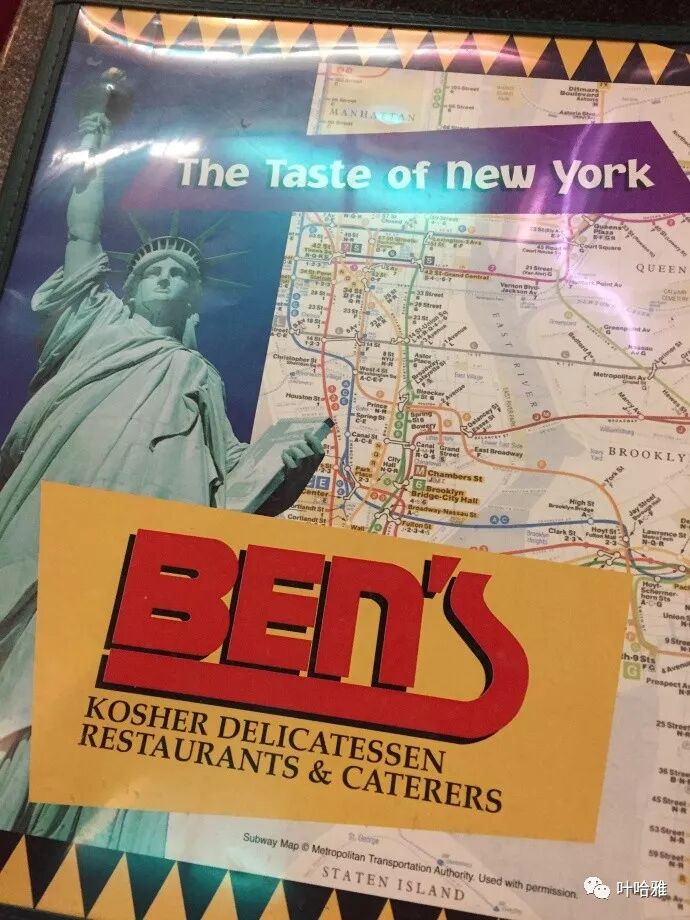
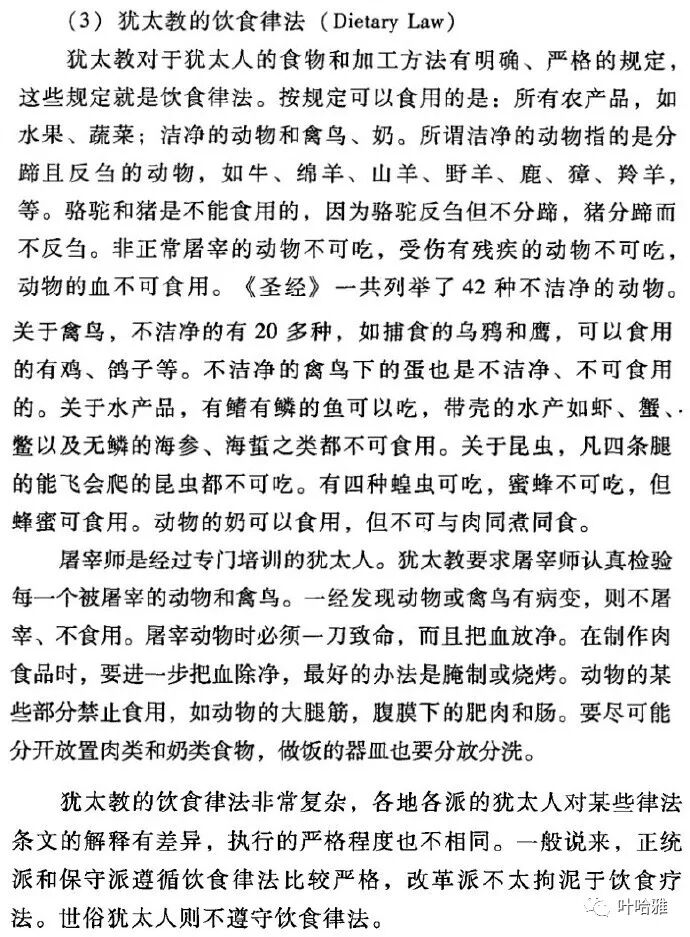
The red text is the restaurant's name in Hebrew. Kosher is the certification mark for Jewish dietary laws, similar to halal for Muslims. Actually, Jewish dietary restrictions are much more complex than Islamic ones. Details are as follows:
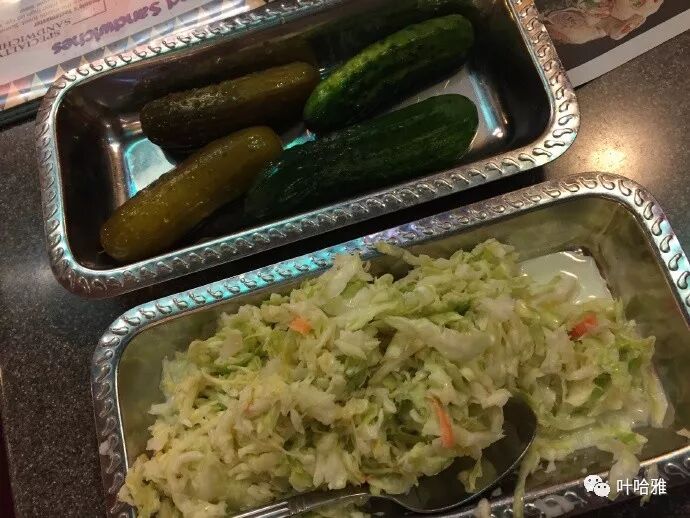
They also eat various pickled foods, which taste similar to Chinese pickles (pao cai).
The shop is full of Jewish people wearing round hats. Some wear black suits and have two braids, making them easy to spot.
This is a beef sandwich. It is so big that one person might not finish it. I suggest ordering one dish for two people in the U.S. because portions are huge. This restaurant is just a few hundred meters from New York Grand Central Terminal and is very easy to find.
A great thing for Muslims is that almost all the food carts on the streets of New York are halal.
These stalls are mostly run by Middle Eastern or South Asian Muslims, selling fast food like hot dogs, burgers, and Turkish kebab wraps.
You can pay with a credit card and eat on the go to experience the fast-paced daily life of New Yorkers.
This is a Moroccan restaurant on 42nd Street. New York has many Muslims, and halal restaurants are easy to find. Just looking at the map, there are at least ten mosques in the city. However, space is expensive in New York, so the mosques are very small. The largest religious building in New York is still Thuluth Church.
This is the Manhattan Mosque. It is small but has everything it needs.
I noticed that Muslims in the U.S. and other countries are not particularly strict about their dining habits. Most do not specifically look for halal restaurants but eat at regular ones, simply avoiding pork. I think this relates to their living environment. For example, in Islamic countries, almost all restaurants are halal, and only non-halal ones are marked. Halal certification started in Malaysia; the Middle East did not have these labels before. People in the Middle East are mostly Muslim, Christian, or Jewish. According to the Quran, Muslims can eat meat from the People of the Book. When in doubt about whether meat is halal, you can follow the Hadith.
So, Islam is meant to be easy for people.
Another piece of good news is that you can find halal Chinese food in the Big Apple. This restaurant, Yilan, is located at 42-79A Main St in Flushing, which is the largest Chinese community in New York.
Second stop: Atlanta.
Atlanta is a city in the American South. Like the south of China, it has mild, humid winters and hot, rainy summers. The 1996 Summer Olympics were held here. It is also the hometown of civil rights leader Martin Luther King Jr. Southern cities have more Black residents. Coca-Cola was born here, and the CNN headquarters is here too. You can buy a CityPass online to visit all the famous attractions in Atlanta.
The Atlanta Mosque is the most spectacular American mosque I have ever seen.
American Muslims pray facing east. The Jumu'ah time is 13:30, just like in mainland China. Since there are many Black Muslims in Atlanta, the imam's style of giving the khutbah is very rock-and-roll, and the friends (dosti) in the audience cheer at the exciting parts.
Just recently, the Georgia Institute of Technology in Atlanta provided a place for students to perform Jumu'ah prayers.
Next to the mosque, there is a halal food store run by Bengalis where you can buy halal meat and American-grown large dates.
Atlanta has a zoo with Chinese giant pandas. Many of the children in the zoo come from Muslim families.
It is common to see a mother with three or four children, and most of them speak fluent American English.
You can find this North African-style halal restaurant next to Olympic Centennial Park.
The owner and the staff are from North Africa and speak English. They were very happy to learn I was a Muslim from China and said 'salam' to me several times.
The Moroccan grilled chicken rice tastes great. It costs about a dozen dollars, excluding the tip. You do not need to tip for takeout fast food in the U.S., but you must tip at regular restaurants. Tips are the main income for servers, so you have to pay them. The tip is about 15%-20% of the bill. You can pay by credit card; when you check out, the server will give you a bill where you must handwrite the tip amount and the total.
Third stop: Seattle.
Seattle is the closest U.S. city to Beijing. It is located in the northwest of the U.S., similar to the location of Ili in China. This is the city where Bruce Lee's grave is located. The world's first Starbucks was born here, and it is also home to the headquarters of Microsoft and Amazon.
This February, the mayor of Seattle delivered the State of the City address at the Idris Mosque, promising to fight for the rights of all the city's residents. The Idris Mosque is the oldest traditional-style mosque in the western United States, built in 1981.
The imam is Egyptian. Although he looks very fair-skinned, he speaks with great passion during his sermon (waaz). He delivers it first in Arabic and then in English. The Muslims who come to pray include people from India and Thailand who have lived here for over thirty years and are now American citizens.
Outside the homes near the mosque, I saw many signs posted by residents expressing their wish to live in harmony with their Muslim neighbors.
This is a message of support sent by a church.
This is a message of support sent by the Jewish community.
It is clear that some unpleasant things happened here before, but there is still genuine kindness in the world. Good people can live together peacefully, regardless of their race or religious beliefs.
Not far from the mosque are several Ethiopian restaurants. Ethiopian Christians belong to a very ancient Orthodox church and follow Old Testament dietary laws, meaning they do not eat pork. The server told me that their religion also considers pork unclean, and they would not even touch it.
I wanted to try something new, so I gave Ethiopian food a shot, but I could not really get into it. I still think Chinese food tastes better.
Halal restaurants in Seattle are mainly concentrated near the University of Washington. You can find halal eateries with all kinds of flavors along the commercial street next to the campus.
I had my first halal American-style burger and french fries here.
I also had halal Thai food. The United States does not have much of its own local cuisine, but you can find specialty foods from all over the world here. view all
Summary: A halal restaurant map for New York, Atlanta, and Seattle, written for Muslim travelers and Chinese readers planning a U.S. trip, with the original restaurant stops, travel notes, and photos kept in sequence.
The U.S. has launched a 10-year multiple-entry tourist visa for Chinese citizens, allowing stays of up to six months at a time. The documents required for the visa vary by person, and the entire process takes about 10 days. I traveled independently and arranged everything myself, including the visa application. I looked up many online tutorials beforehand, which were very detailed, so I will only give a brief overview here.
First, fill out the visa application form on the official U.S. Embassy website. It is online and has a Chinese translation, so don't worry. You must fill out the DS-160 form carefully. It is best to do it yourself so you know what you wrote when you have your interview later. The visa officer mainly refers to this form and asks questions about anything they find unclear. It is troublesome if you don't know the information you provided.
After filling out the form, pay the 160 USD visa fee, which is about 1,072 RMB. There are two ways to pay: online, though it often fails, or offline at a CITIC Bank ATM.
Once payment is successful, use the number on your CGI receipt to schedule an interview. I heard that Monday and Friday morning interviews have a higher success rate, but it mostly depends on the visa officer's mood. I chose a Thursday morning interview at 7:30.
Before the interview, I prepared an itinerary, a 100,000 RMB bank deposit certificate, salary statements, employment verification, labor contract, property deed, resume, tax records, degree certificate, ID card, and household registration (hukou). The embassy does not require these, but I saw many people in forums mention being asked for them. The officer just wants proof you won't stay in the U.S. illegally; how you prove it is up to you. The embassy advises not to book flights or hotels in advance, as they don't help with approval and you could lose money if rejected.
Interviews usually last three to five minutes. Because the U.S. Embassy has so many appointments every day, officers are busy and cannot give everyone much time. Tourist visa interviews can be in Chinese. Although the officers are American, they can speak Chinese, though student visa interviews must be in English.
You cannot bring electronic devices, including phones, into the embassy on the day of the interview. There are private lockers outside for a fee. You will have your fingerprints scanned and then wait for an interview window. You stand during the interview while the officer sits behind a window like a bank counter. Pay attention to your appearance, dress neatly, and greet the officer.
The officer will usually ask why you are going to the U.S. What is your job? And what is your family situation? While answering, it is best to proactively offer your supporting documents to help the officer understand your situation quickly. Some people bring many documents but get rejected because they didn't show them; you should be proactive. I was asked about my job and my contacts in the U.S. I answered truthfully. The officer didn't look at the documents I prepared, but don't take chances; prepare thoroughly. Maybe it was easier for me because I am from Beijing and have a history of traveling to developed countries. However, I have friends from Beijing who are single women and were rejected. For single women with a blank passport, the chance of rejection is higher, so you must prepare well.
You get the result on the spot. If you pass, the officer will keep your passport and give you a blue slip.
Now you can go home and book your flights. Your passport and visa will be mailed to you in three to five business days. Then, my trip to the U.S. begins.
First stop: New York.
A direct flight from Beijing to New York takes about 13 hours. New York is 12 hours behind Beijing. For example, if you fly on the morning of the 1st, you arrive in New York on the morning of the 1st, American time. Before leaving, remember to call the airline's customer service to book a halal meal. If you bought your ticket on a site like Trip.com, you can call their customer service directly, and they will book halal meals for your entire trip, including on domestic U.S. flights. It is very convenient.
New York is one of the busiest cities in the world. People of all races live here, so you never feel like an outsider walking down the street. You can see people of various faiths wearing their religious clothing, such as Hindus wearing headscarves or Jews wearing small skullcaps (kippah).
The first restaurant I ate at in New York was a Jewish restaurant. Today, all good things are made lawful for you. The food of those who were given the Scripture is lawful for you, and your food is lawful for them. (Quran 5:4-5)
The red text is the restaurant's name in Hebrew. Kosher is the certification mark for Jewish dietary laws, similar to halal for Muslims. Actually, Jewish dietary restrictions are much more complex than Islamic ones. Details are as follows:
They also eat various pickled foods, which taste similar to Chinese pickles (pao cai).
The shop is full of Jewish people wearing round hats. Some wear black suits and have two braids, making them easy to spot.
This is a beef sandwich. It is so big that one person might not finish it. I suggest ordering one dish for two people in the U.S. because portions are huge. This restaurant is just a few hundred meters from New York Grand Central Terminal and is very easy to find.
A great thing for Muslims is that almost all the food carts on the streets of New York are halal.
These stalls are mostly run by Middle Eastern or South Asian Muslims, selling fast food like hot dogs, burgers, and Turkish kebab wraps.
You can pay with a credit card and eat on the go to experience the fast-paced daily life of New Yorkers.
This is a Moroccan restaurant on 42nd Street. New York has many Muslims, and halal restaurants are easy to find. Just looking at the map, there are at least ten mosques in the city. However, space is expensive in New York, so the mosques are very small. The largest religious building in New York is still Thuluth Church.
This is the Manhattan Mosque. It is small but has everything it needs.
I noticed that Muslims in the U.S. and other countries are not particularly strict about their dining habits. Most do not specifically look for halal restaurants but eat at regular ones, simply avoiding pork. I think this relates to their living environment. For example, in Islamic countries, almost all restaurants are halal, and only non-halal ones are marked. Halal certification started in Malaysia; the Middle East did not have these labels before. People in the Middle East are mostly Muslim, Christian, or Jewish. According to the Quran, Muslims can eat meat from the People of the Book. When in doubt about whether meat is halal, you can follow the Hadith.
So, Islam is meant to be easy for people.
Another piece of good news is that you can find halal Chinese food in the Big Apple. This restaurant, Yilan, is located at 42-79A Main St in Flushing, which is the largest Chinese community in New York.
Second stop: Atlanta.
Atlanta is a city in the American South. Like the south of China, it has mild, humid winters and hot, rainy summers. The 1996 Summer Olympics were held here. It is also the hometown of civil rights leader Martin Luther King Jr. Southern cities have more Black residents. Coca-Cola was born here, and the CNN headquarters is here too. You can buy a CityPass online to visit all the famous attractions in Atlanta.
The Atlanta Mosque is the most spectacular American mosque I have ever seen.
American Muslims pray facing east. The Jumu'ah time is 13:30, just like in mainland China. Since there are many Black Muslims in Atlanta, the imam's style of giving the khutbah is very rock-and-roll, and the friends (dosti) in the audience cheer at the exciting parts.
Just recently, the Georgia Institute of Technology in Atlanta provided a place for students to perform Jumu'ah prayers.
Next to the mosque, there is a halal food store run by Bengalis where you can buy halal meat and American-grown large dates.
Atlanta has a zoo with Chinese giant pandas. Many of the children in the zoo come from Muslim families.
It is common to see a mother with three or four children, and most of them speak fluent American English.
You can find this North African-style halal restaurant next to Olympic Centennial Park.
The owner and the staff are from North Africa and speak English. They were very happy to learn I was a Muslim from China and said 'salam' to me several times.
The Moroccan grilled chicken rice tastes great. It costs about a dozen dollars, excluding the tip. You do not need to tip for takeout fast food in the U.S., but you must tip at regular restaurants. Tips are the main income for servers, so you have to pay them. The tip is about 15%-20% of the bill. You can pay by credit card; when you check out, the server will give you a bill where you must handwrite the tip amount and the total.
Third stop: Seattle.
Seattle is the closest U.S. city to Beijing. It is located in the northwest of the U.S., similar to the location of Ili in China. This is the city where Bruce Lee's grave is located. The world's first Starbucks was born here, and it is also home to the headquarters of Microsoft and Amazon.
This February, the mayor of Seattle delivered the State of the City address at the Idris Mosque, promising to fight for the rights of all the city's residents. The Idris Mosque is the oldest traditional-style mosque in the western United States, built in 1981.
The imam is Egyptian. Although he looks very fair-skinned, he speaks with great passion during his sermon (waaz). He delivers it first in Arabic and then in English. The Muslims who come to pray include people from India and Thailand who have lived here for over thirty years and are now American citizens.
Outside the homes near the mosque, I saw many signs posted by residents expressing their wish to live in harmony with their Muslim neighbors.
This is a message of support sent by a church.
This is a message of support sent by the Jewish community.
It is clear that some unpleasant things happened here before, but there is still genuine kindness in the world. Good people can live together peacefully, regardless of their race or religious beliefs.
Not far from the mosque are several Ethiopian restaurants. Ethiopian Christians belong to a very ancient Orthodox church and follow Old Testament dietary laws, meaning they do not eat pork. The server told me that their religion also considers pork unclean, and they would not even touch it.
I wanted to try something new, so I gave Ethiopian food a shot, but I could not really get into it. I still think Chinese food tastes better.
Halal restaurants in Seattle are mainly concentrated near the University of Washington. You can find halal eateries with all kinds of flavors along the commercial street next to the campus.
I had my first halal American-style burger and french fries here.
I also had halal Thai food. The United States does not have much of its own local cuisine, but you can find specialty foods from all over the world here. view all
Reposted from the web
Summary: A halal restaurant map for New York, Atlanta, and Seattle, written for Muslim travelers and Chinese readers planning a U.S. trip, with the original restaurant stops, travel notes, and photos kept in sequence.
The U.S. has launched a 10-year multiple-entry tourist visa for Chinese citizens, allowing stays of up to six months at a time. The documents required for the visa vary by person, and the entire process takes about 10 days. I traveled independently and arranged everything myself, including the visa application. I looked up many online tutorials beforehand, which were very detailed, so I will only give a brief overview here.
First, fill out the visa application form on the official U.S. Embassy website. It is online and has a Chinese translation, so don't worry. You must fill out the DS-160 form carefully. It is best to do it yourself so you know what you wrote when you have your interview later. The visa officer mainly refers to this form and asks questions about anything they find unclear. It is troublesome if you don't know the information you provided.
After filling out the form, pay the 160 USD visa fee, which is about 1,072 RMB. There are two ways to pay: online, though it often fails, or offline at a CITIC Bank ATM.
Once payment is successful, use the number on your CGI receipt to schedule an interview. I heard that Monday and Friday morning interviews have a higher success rate, but it mostly depends on the visa officer's mood. I chose a Thursday morning interview at 7:30.
Before the interview, I prepared an itinerary, a 100,000 RMB bank deposit certificate, salary statements, employment verification, labor contract, property deed, resume, tax records, degree certificate, ID card, and household registration (hukou). The embassy does not require these, but I saw many people in forums mention being asked for them. The officer just wants proof you won't stay in the U.S. illegally; how you prove it is up to you. The embassy advises not to book flights or hotels in advance, as they don't help with approval and you could lose money if rejected.
Interviews usually last three to five minutes. Because the U.S. Embassy has so many appointments every day, officers are busy and cannot give everyone much time. Tourist visa interviews can be in Chinese. Although the officers are American, they can speak Chinese, though student visa interviews must be in English.
You cannot bring electronic devices, including phones, into the embassy on the day of the interview. There are private lockers outside for a fee. You will have your fingerprints scanned and then wait for an interview window. You stand during the interview while the officer sits behind a window like a bank counter. Pay attention to your appearance, dress neatly, and greet the officer.
The officer will usually ask why you are going to the U.S. What is your job? And what is your family situation? While answering, it is best to proactively offer your supporting documents to help the officer understand your situation quickly. Some people bring many documents but get rejected because they didn't show them; you should be proactive. I was asked about my job and my contacts in the U.S. I answered truthfully. The officer didn't look at the documents I prepared, but don't take chances; prepare thoroughly. Maybe it was easier for me because I am from Beijing and have a history of traveling to developed countries. However, I have friends from Beijing who are single women and were rejected. For single women with a blank passport, the chance of rejection is higher, so you must prepare well.
You get the result on the spot. If you pass, the officer will keep your passport and give you a blue slip.
Now you can go home and book your flights. Your passport and visa will be mailed to you in three to five business days. Then, my trip to the U.S. begins.
First stop: New York.
A direct flight from Beijing to New York takes about 13 hours. New York is 12 hours behind Beijing. For example, if you fly on the morning of the 1st, you arrive in New York on the morning of the 1st, American time. Before leaving, remember to call the airline's customer service to book a halal meal. If you bought your ticket on a site like Trip.com, you can call their customer service directly, and they will book halal meals for your entire trip, including on domestic U.S. flights. It is very convenient.
New York is one of the busiest cities in the world. People of all races live here, so you never feel like an outsider walking down the street. You can see people of various faiths wearing their religious clothing, such as Hindus wearing headscarves or Jews wearing small skullcaps (kippah).
The first restaurant I ate at in New York was a Jewish restaurant. Today, all good things are made lawful for you. The food of those who were given the Scripture is lawful for you, and your food is lawful for them. (Quran 5:4-5)
The red text is the restaurant's name in Hebrew. Kosher is the certification mark for Jewish dietary laws, similar to halal for Muslims. Actually, Jewish dietary restrictions are much more complex than Islamic ones. Details are as follows:
They also eat various pickled foods, which taste similar to Chinese pickles (pao cai).
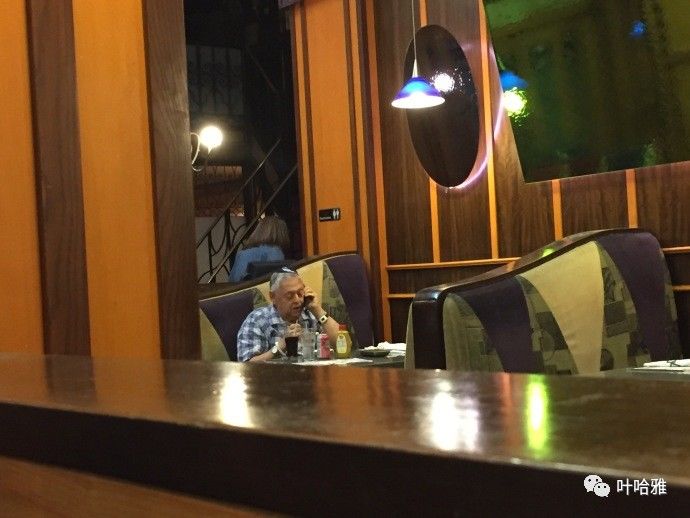
The shop is full of Jewish people wearing round hats. Some wear black suits and have two braids, making them easy to spot.
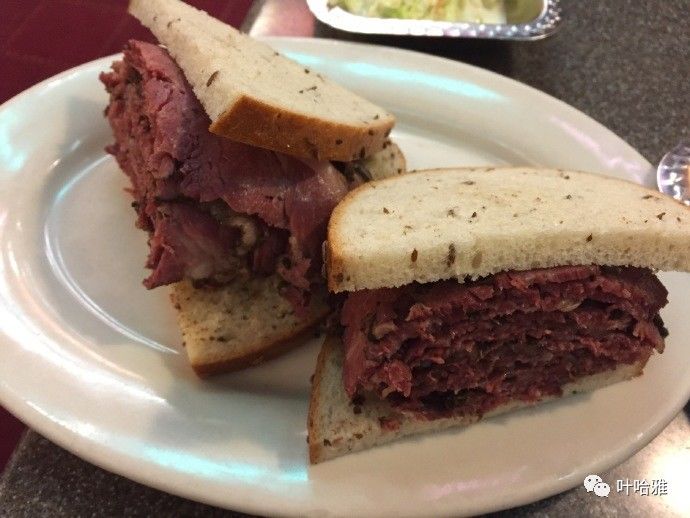
This is a beef sandwich. It is so big that one person might not finish it. I suggest ordering one dish for two people in the U.S. because portions are huge. This restaurant is just a few hundred meters from New York Grand Central Terminal and is very easy to find.
A great thing for Muslims is that almost all the food carts on the streets of New York are halal.
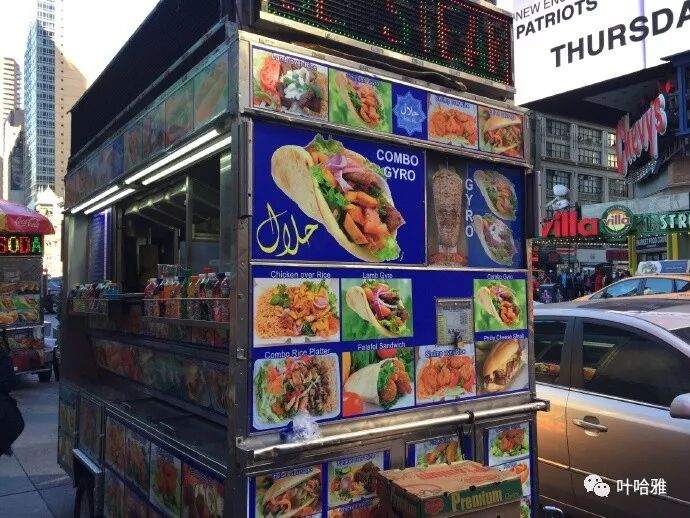
These stalls are mostly run by Middle Eastern or South Asian Muslims, selling fast food like hot dogs, burgers, and Turkish kebab wraps.
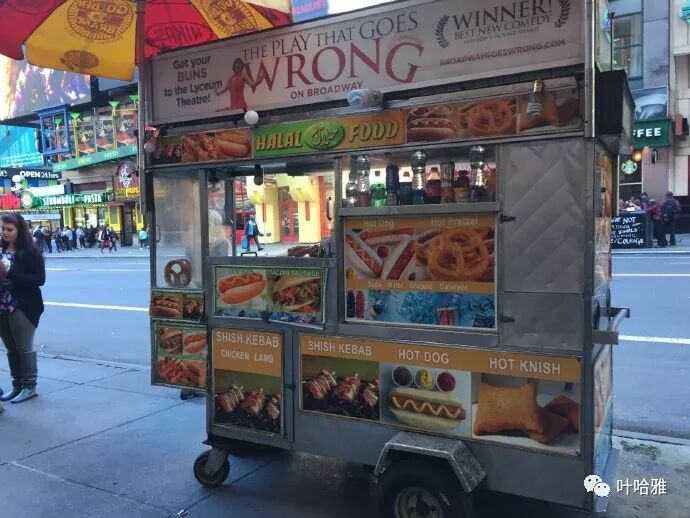
You can pay with a credit card and eat on the go to experience the fast-paced daily life of New Yorkers.
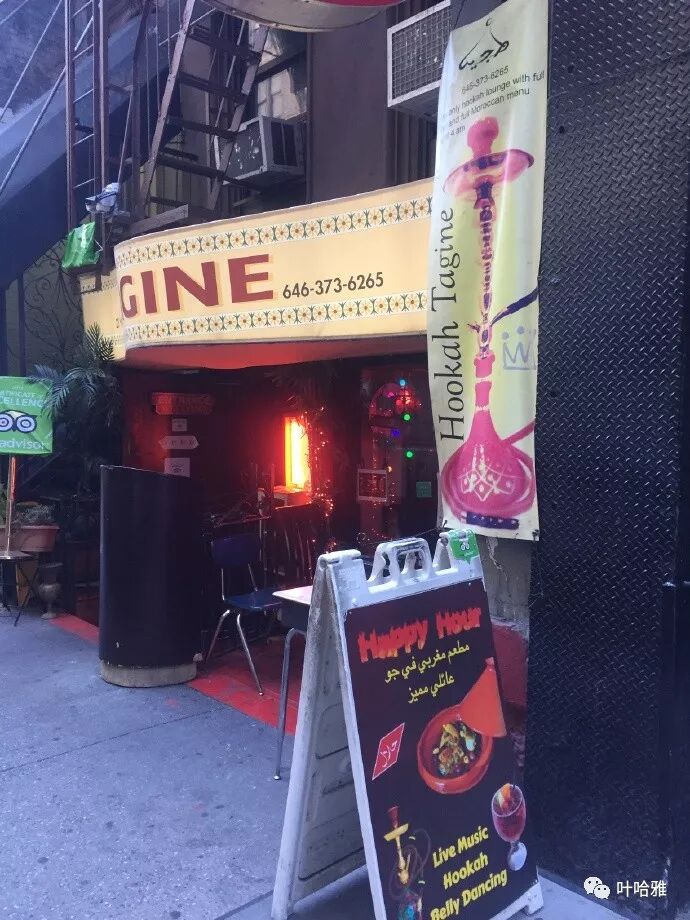
This is a Moroccan restaurant on 42nd Street. New York has many Muslims, and halal restaurants are easy to find. Just looking at the map, there are at least ten mosques in the city. However, space is expensive in New York, so the mosques are very small. The largest religious building in New York is still Thuluth Church.
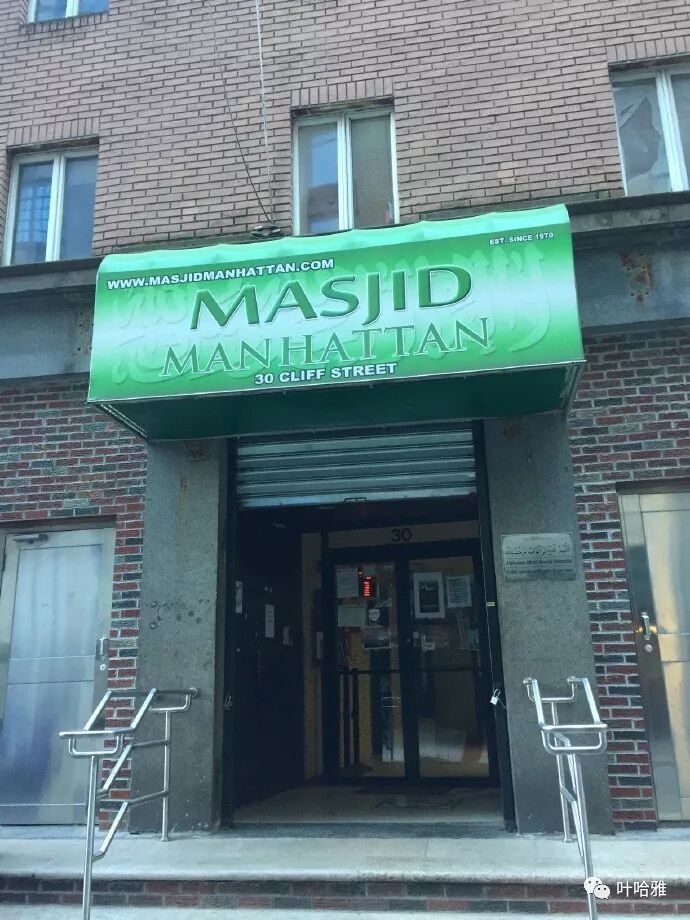
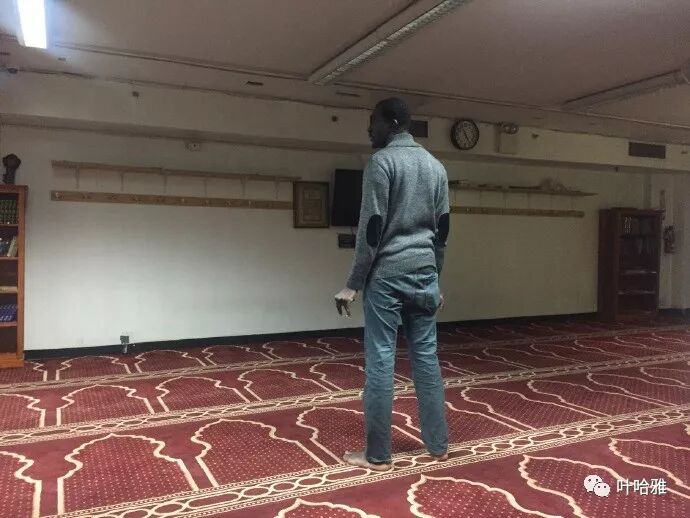
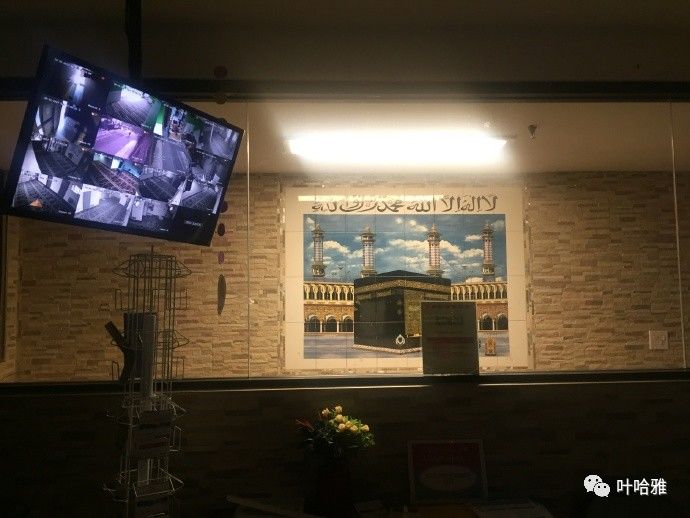
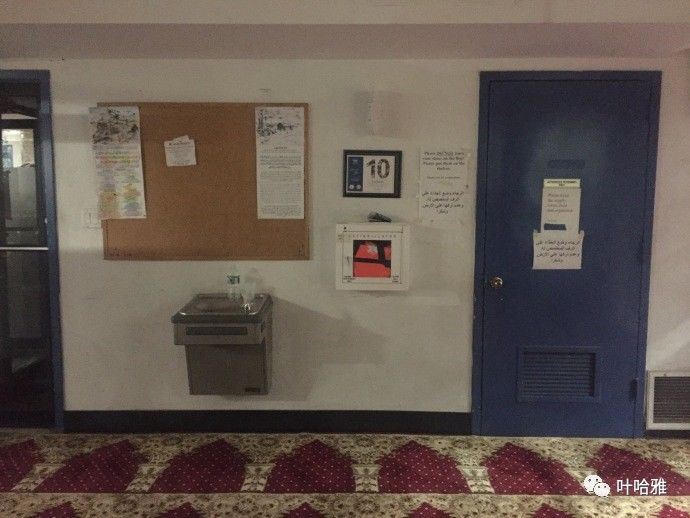
This is the Manhattan Mosque. It is small but has everything it needs.
I noticed that Muslims in the U.S. and other countries are not particularly strict about their dining habits. Most do not specifically look for halal restaurants but eat at regular ones, simply avoiding pork. I think this relates to their living environment. For example, in Islamic countries, almost all restaurants are halal, and only non-halal ones are marked. Halal certification started in Malaysia; the Middle East did not have these labels before. People in the Middle East are mostly Muslim, Christian, or Jewish. According to the Quran, Muslims can eat meat from the People of the Book. When in doubt about whether meat is halal, you can follow the Hadith.
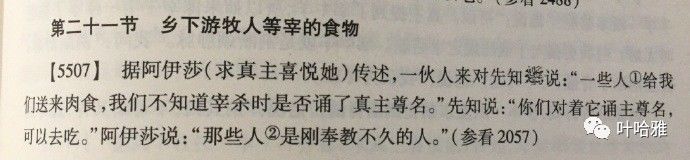
So, Islam is meant to be easy for people.
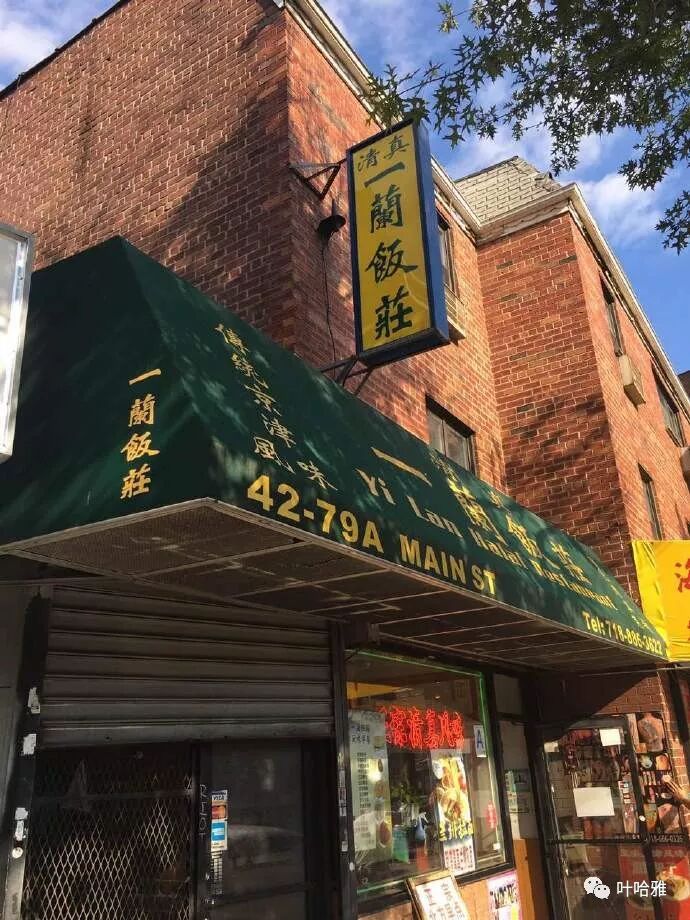
Another piece of good news is that you can find halal Chinese food in the Big Apple. This restaurant, Yilan, is located at 42-79A Main St in Flushing, which is the largest Chinese community in New York.
Second stop: Atlanta.
Atlanta is a city in the American South. Like the south of China, it has mild, humid winters and hot, rainy summers. The 1996 Summer Olympics were held here. It is also the hometown of civil rights leader Martin Luther King Jr. Southern cities have more Black residents. Coca-Cola was born here, and the CNN headquarters is here too. You can buy a CityPass online to visit all the famous attractions in Atlanta.
The Atlanta Mosque is the most spectacular American mosque I have ever seen.
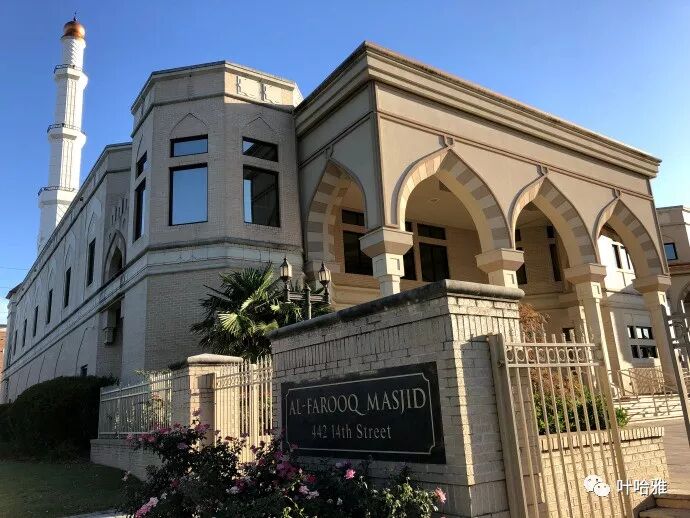
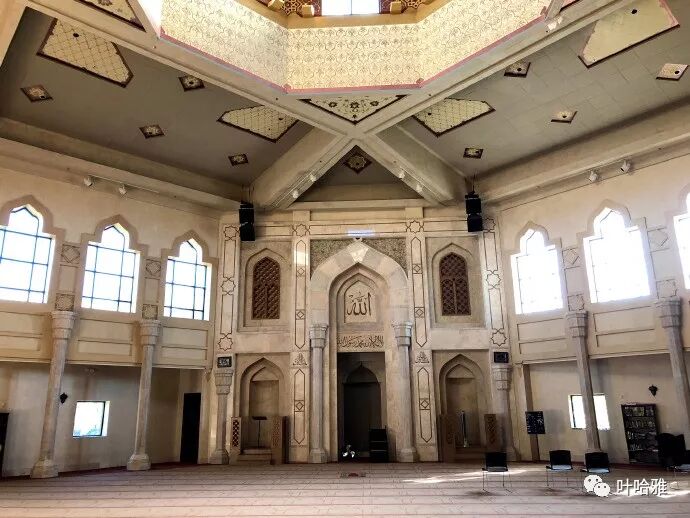
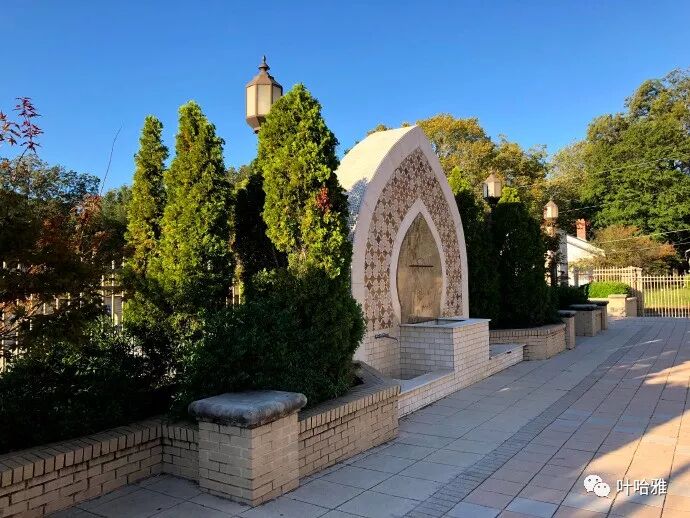
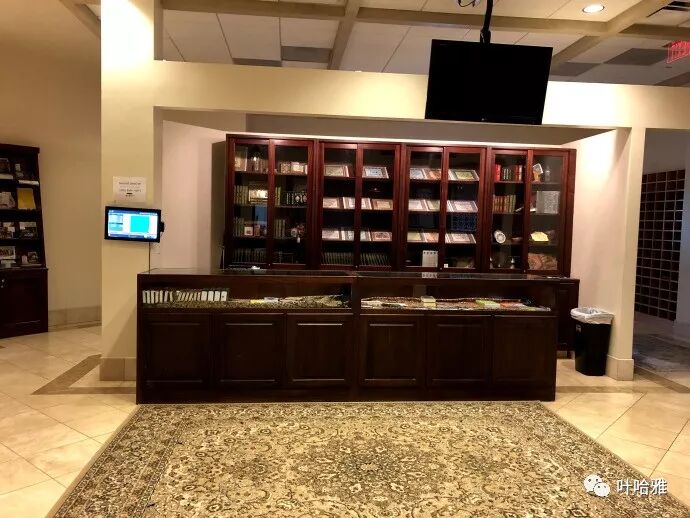
American Muslims pray facing east. The Jumu'ah time is 13:30, just like in mainland China. Since there are many Black Muslims in Atlanta, the imam's style of giving the khutbah is very rock-and-roll, and the friends (dosti) in the audience cheer at the exciting parts.
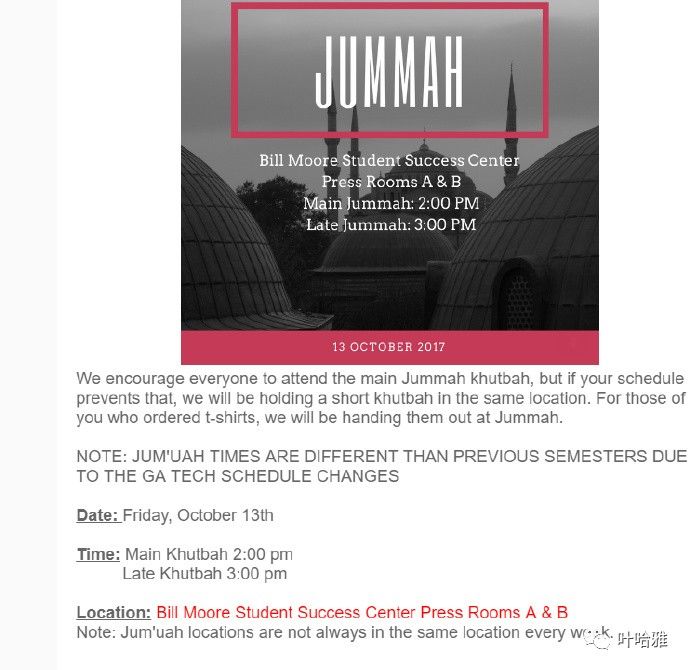
Just recently, the Georgia Institute of Technology in Atlanta provided a place for students to perform Jumu'ah prayers.
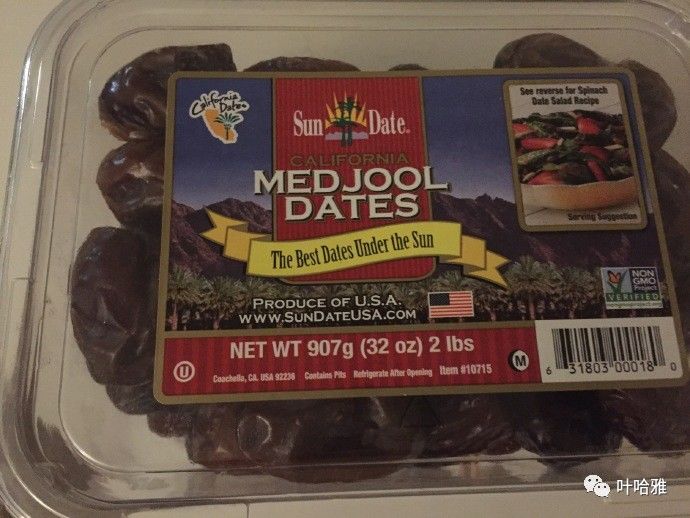
Next to the mosque, there is a halal food store run by Bengalis where you can buy halal meat and American-grown large dates.
Atlanta has a zoo with Chinese giant pandas. Many of the children in the zoo come from Muslim families.

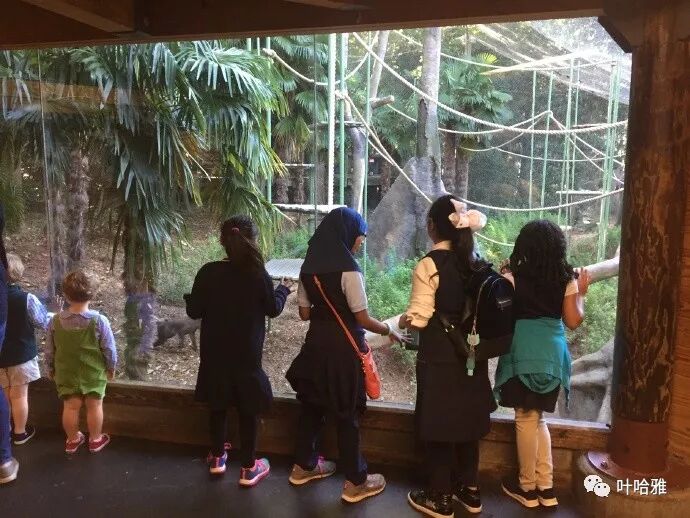
It is common to see a mother with three or four children, and most of them speak fluent American English.
You can find this North African-style halal restaurant next to Olympic Centennial Park.
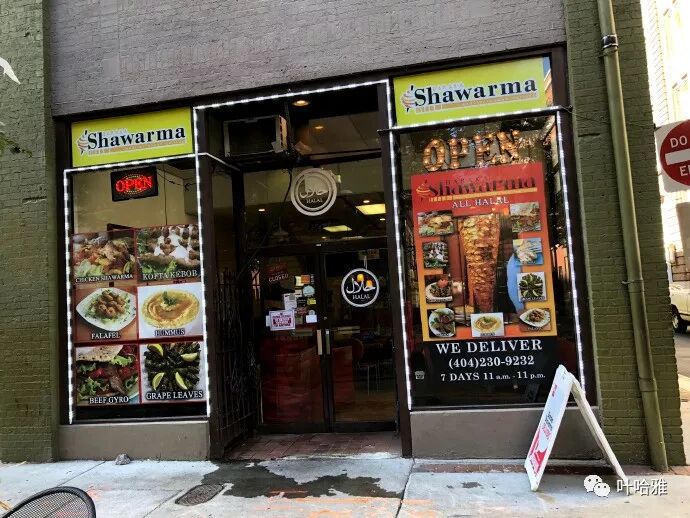
The owner and the staff are from North Africa and speak English. They were very happy to learn I was a Muslim from China and said 'salam' to me several times.
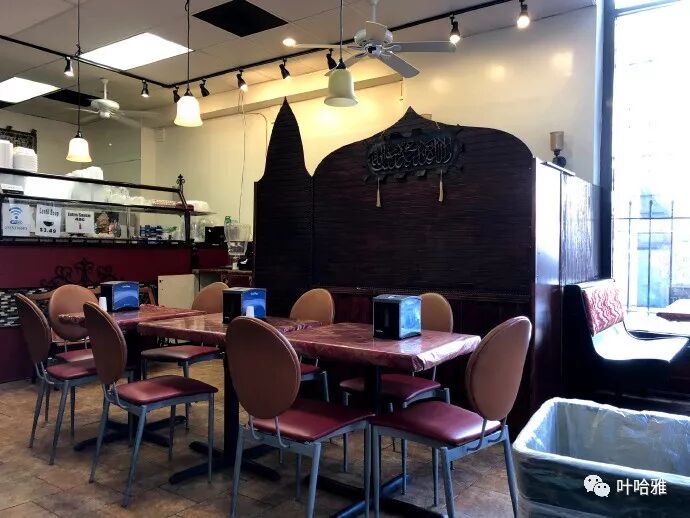
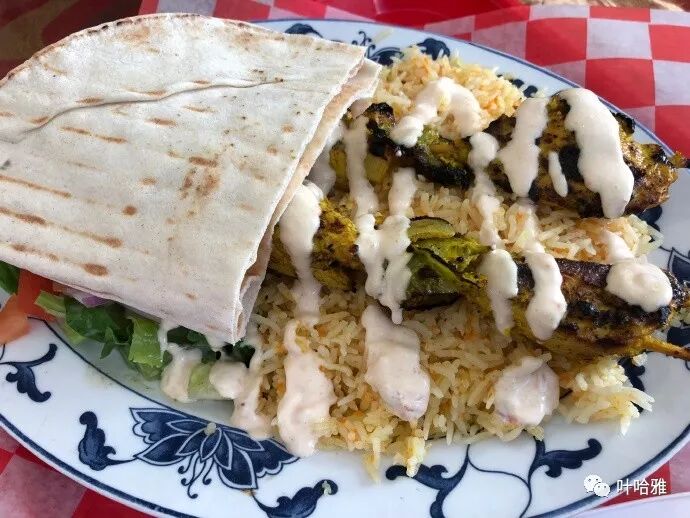
The Moroccan grilled chicken rice tastes great. It costs about a dozen dollars, excluding the tip. You do not need to tip for takeout fast food in the U.S., but you must tip at regular restaurants. Tips are the main income for servers, so you have to pay them. The tip is about 15%-20% of the bill. You can pay by credit card; when you check out, the server will give you a bill where you must handwrite the tip amount and the total.
Third stop: Seattle.
Seattle is the closest U.S. city to Beijing. It is located in the northwest of the U.S., similar to the location of Ili in China. This is the city where Bruce Lee's grave is located. The world's first Starbucks was born here, and it is also home to the headquarters of Microsoft and Amazon.
This February, the mayor of Seattle delivered the State of the City address at the Idris Mosque, promising to fight for the rights of all the city's residents. The Idris Mosque is the oldest traditional-style mosque in the western United States, built in 1981.
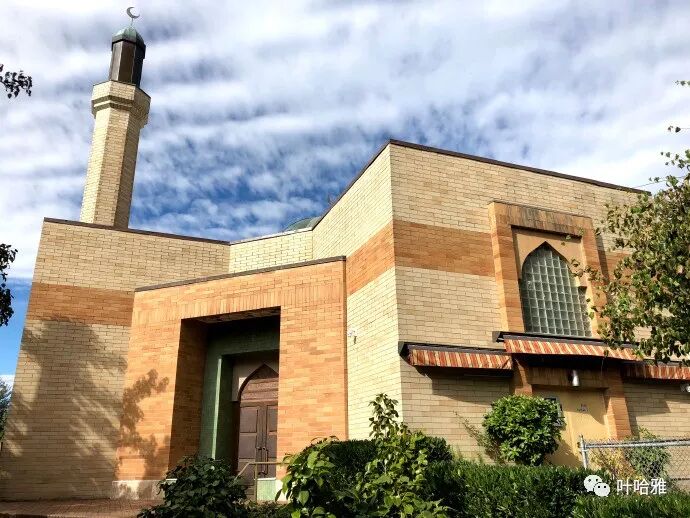
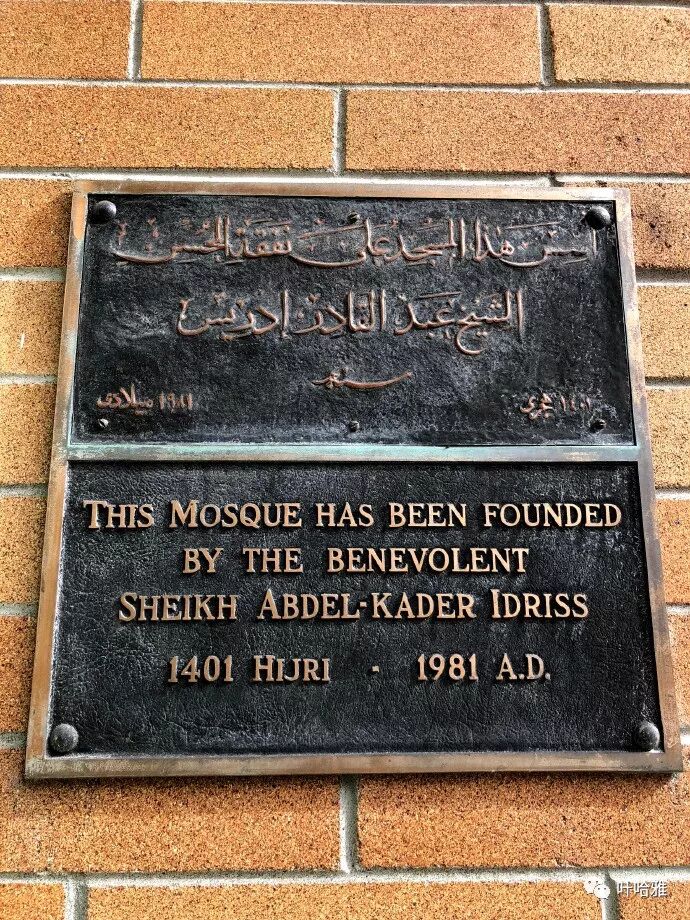
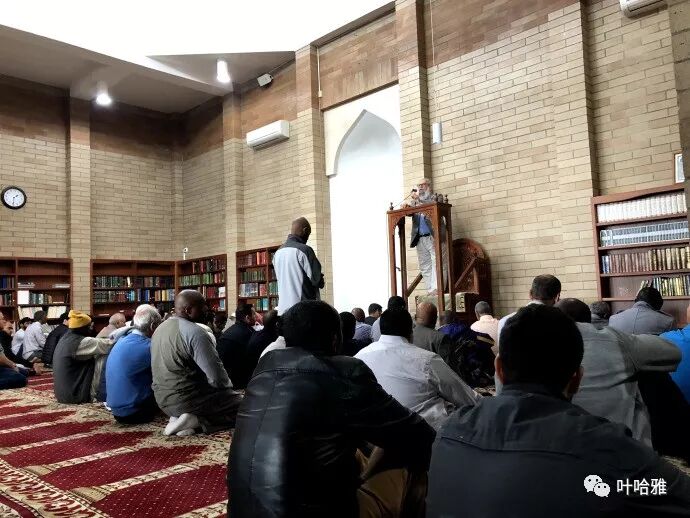
The imam is Egyptian. Although he looks very fair-skinned, he speaks with great passion during his sermon (waaz). He delivers it first in Arabic and then in English. The Muslims who come to pray include people from India and Thailand who have lived here for over thirty years and are now American citizens.
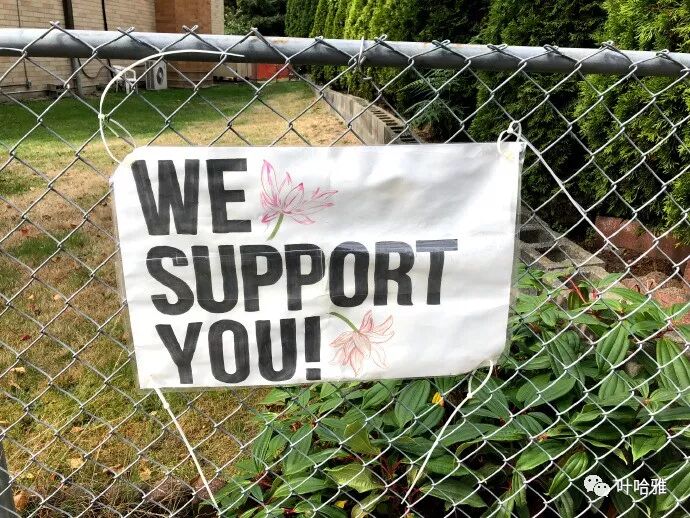
Outside the homes near the mosque, I saw many signs posted by residents expressing their wish to live in harmony with their Muslim neighbors.
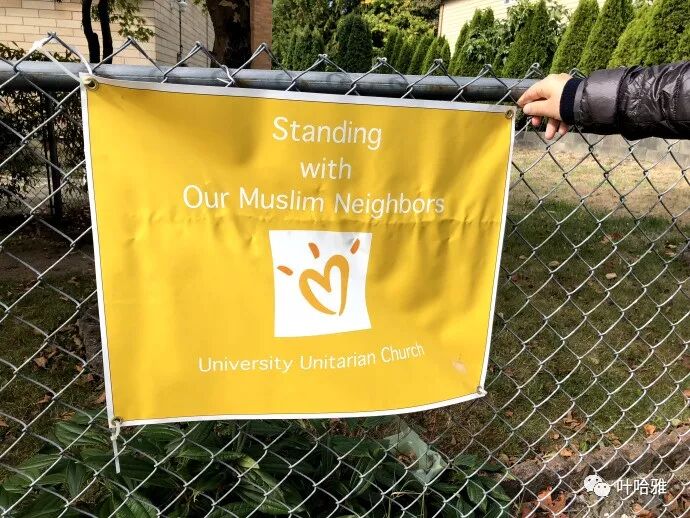
This is a message of support sent by a church.
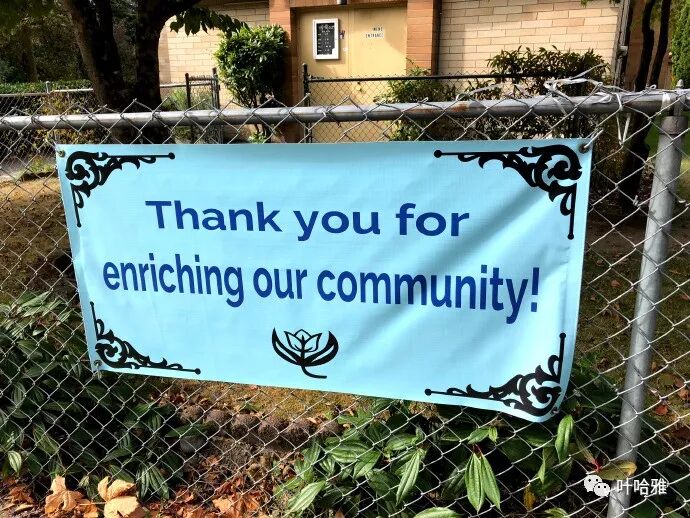
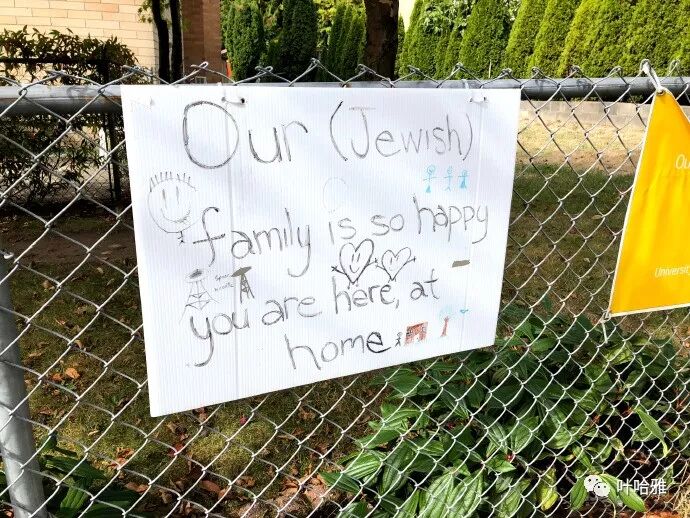
This is a message of support sent by the Jewish community.
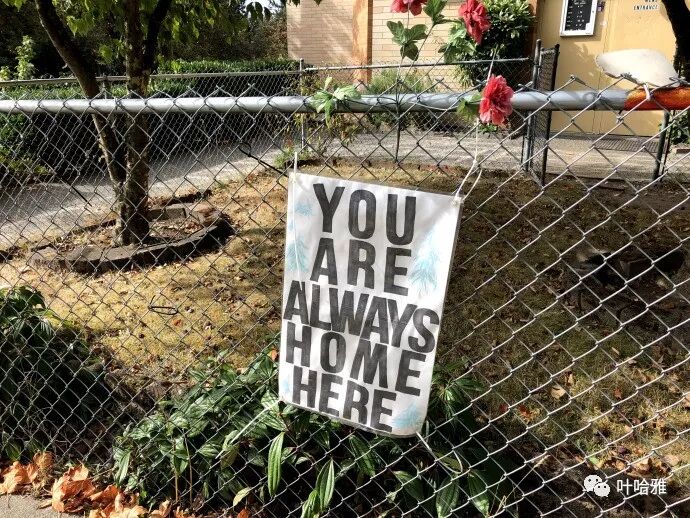
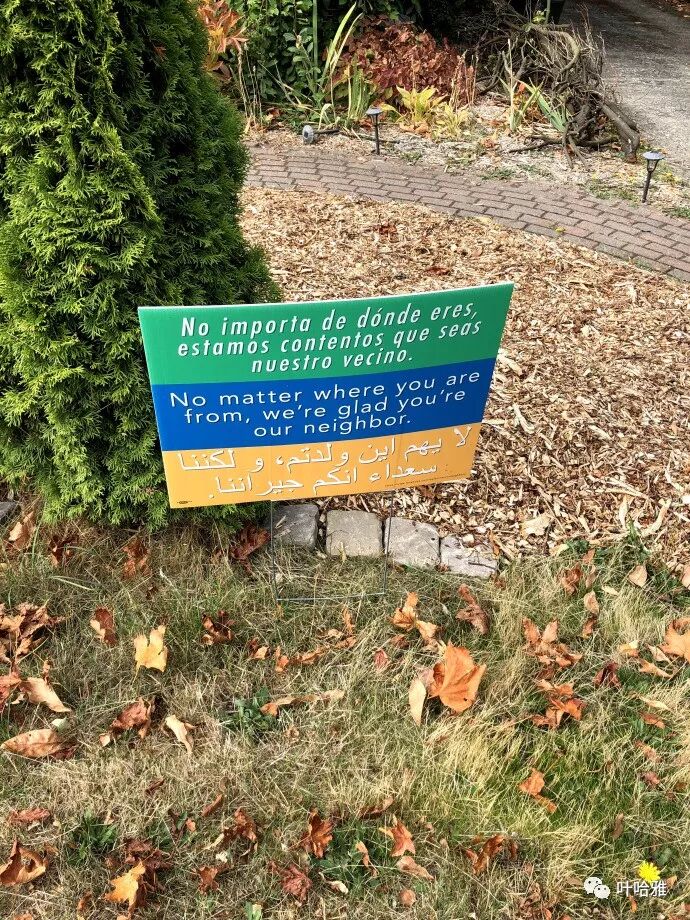
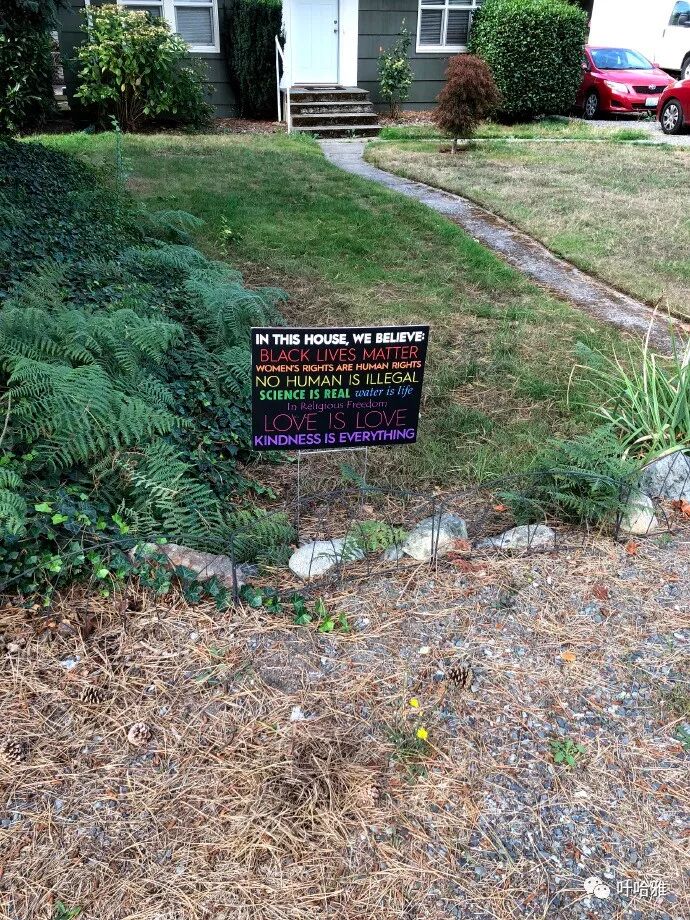
It is clear that some unpleasant things happened here before, but there is still genuine kindness in the world. Good people can live together peacefully, regardless of their race or religious beliefs.
Not far from the mosque are several Ethiopian restaurants. Ethiopian Christians belong to a very ancient Orthodox church and follow Old Testament dietary laws, meaning they do not eat pork. The server told me that their religion also considers pork unclean, and they would not even touch it.
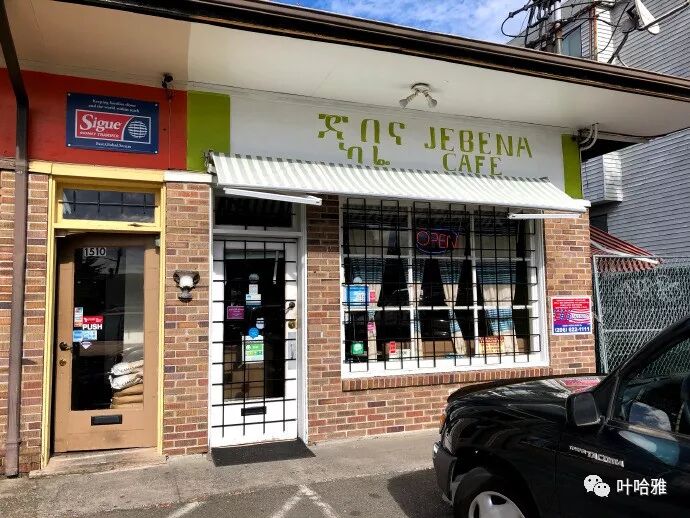
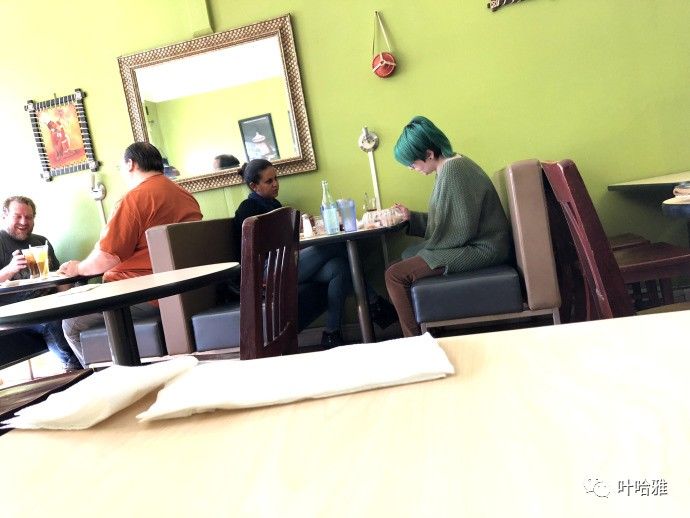
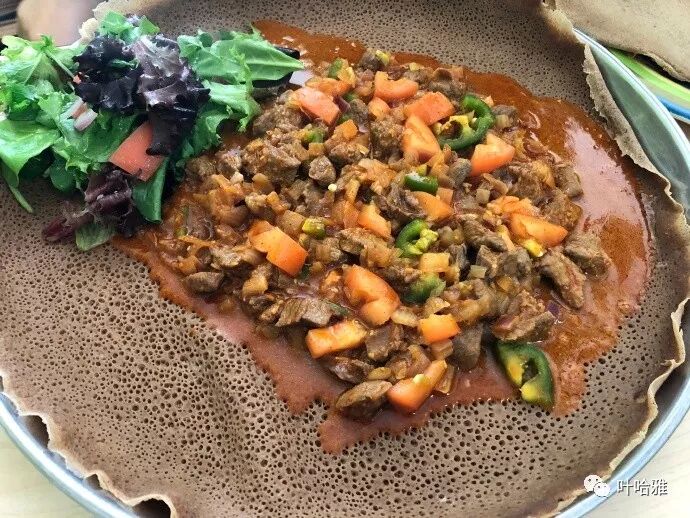
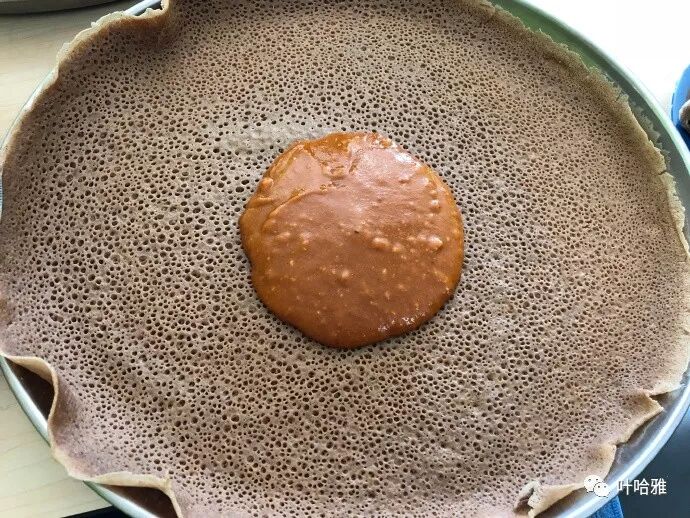
I wanted to try something new, so I gave Ethiopian food a shot, but I could not really get into it. I still think Chinese food tastes better.
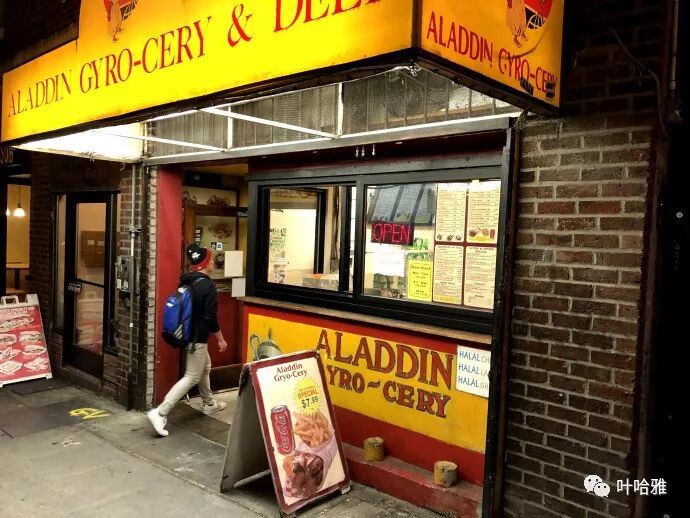
Halal restaurants in Seattle are mainly concentrated near the University of Washington. You can find halal eateries with all kinds of flavors along the commercial street next to the campus.
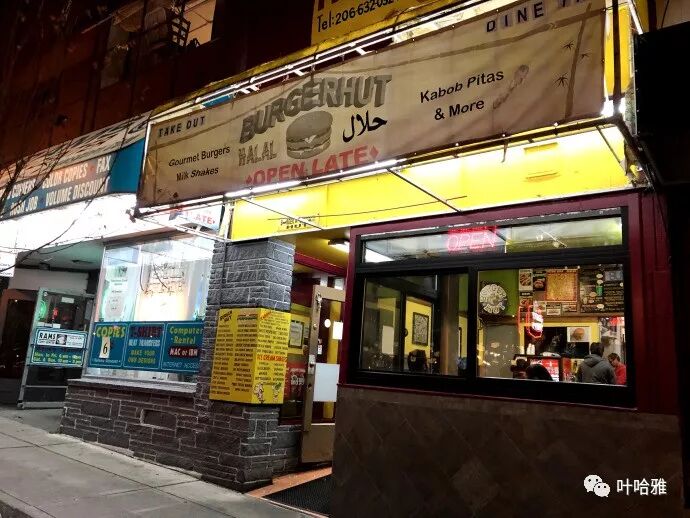
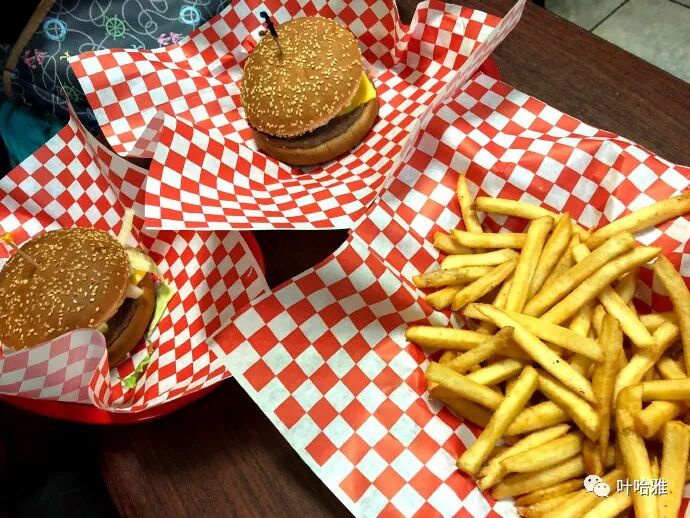
I had my first halal American-style burger and french fries here.
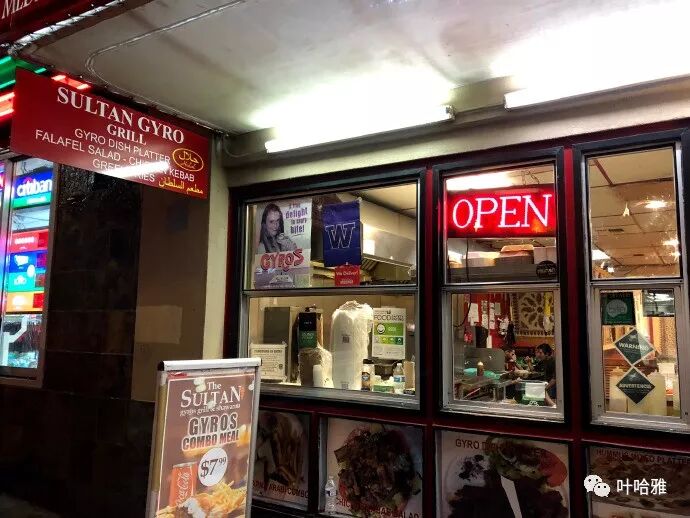
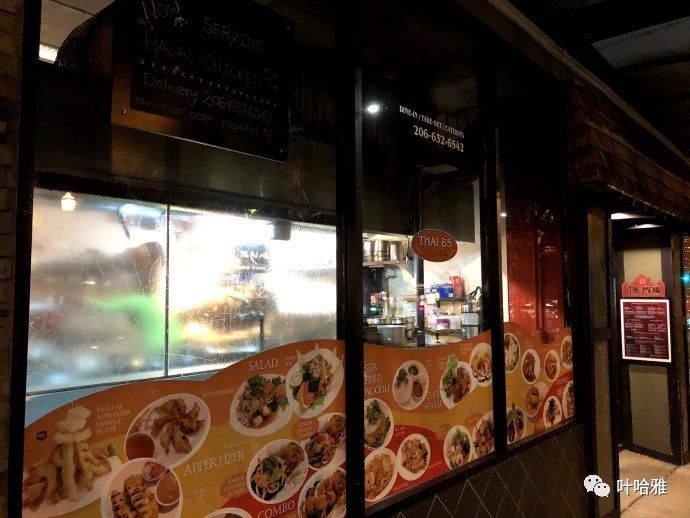
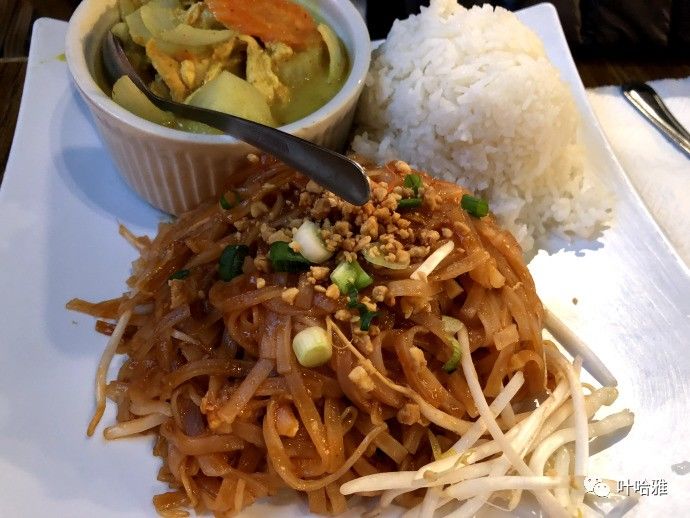
I also had halal Thai food. The United States does not have much of its own local cuisine, but you can find specialty foods from all over the world here.
Summary: A halal restaurant map for New York, Atlanta, and Seattle, written for Muslim travelers and Chinese readers planning a U.S. trip, with the original restaurant stops, travel notes, and photos kept in sequence.
The U.S. has launched a 10-year multiple-entry tourist visa for Chinese citizens, allowing stays of up to six months at a time. The documents required for the visa vary by person, and the entire process takes about 10 days. I traveled independently and arranged everything myself, including the visa application. I looked up many online tutorials beforehand, which were very detailed, so I will only give a brief overview here.
First, fill out the visa application form on the official U.S. Embassy website. It is online and has a Chinese translation, so don't worry. You must fill out the DS-160 form carefully. It is best to do it yourself so you know what you wrote when you have your interview later. The visa officer mainly refers to this form and asks questions about anything they find unclear. It is troublesome if you don't know the information you provided.
After filling out the form, pay the 160 USD visa fee, which is about 1,072 RMB. There are two ways to pay: online, though it often fails, or offline at a CITIC Bank ATM.
Once payment is successful, use the number on your CGI receipt to schedule an interview. I heard that Monday and Friday morning interviews have a higher success rate, but it mostly depends on the visa officer's mood. I chose a Thursday morning interview at 7:30.
Before the interview, I prepared an itinerary, a 100,000 RMB bank deposit certificate, salary statements, employment verification, labor contract, property deed, resume, tax records, degree certificate, ID card, and household registration (hukou). The embassy does not require these, but I saw many people in forums mention being asked for them. The officer just wants proof you won't stay in the U.S. illegally; how you prove it is up to you. The embassy advises not to book flights or hotels in advance, as they don't help with approval and you could lose money if rejected.
Interviews usually last three to five minutes. Because the U.S. Embassy has so many appointments every day, officers are busy and cannot give everyone much time. Tourist visa interviews can be in Chinese. Although the officers are American, they can speak Chinese, though student visa interviews must be in English.
You cannot bring electronic devices, including phones, into the embassy on the day of the interview. There are private lockers outside for a fee. You will have your fingerprints scanned and then wait for an interview window. You stand during the interview while the officer sits behind a window like a bank counter. Pay attention to your appearance, dress neatly, and greet the officer.
The officer will usually ask why you are going to the U.S. What is your job? And what is your family situation? While answering, it is best to proactively offer your supporting documents to help the officer understand your situation quickly. Some people bring many documents but get rejected because they didn't show them; you should be proactive. I was asked about my job and my contacts in the U.S. I answered truthfully. The officer didn't look at the documents I prepared, but don't take chances; prepare thoroughly. Maybe it was easier for me because I am from Beijing and have a history of traveling to developed countries. However, I have friends from Beijing who are single women and were rejected. For single women with a blank passport, the chance of rejection is higher, so you must prepare well.
You get the result on the spot. If you pass, the officer will keep your passport and give you a blue slip.
Now you can go home and book your flights. Your passport and visa will be mailed to you in three to five business days. Then, my trip to the U.S. begins.
First stop: New York.
A direct flight from Beijing to New York takes about 13 hours. New York is 12 hours behind Beijing. For example, if you fly on the morning of the 1st, you arrive in New York on the morning of the 1st, American time. Before leaving, remember to call the airline's customer service to book a halal meal. If you bought your ticket on a site like Trip.com, you can call their customer service directly, and they will book halal meals for your entire trip, including on domestic U.S. flights. It is very convenient.
New York is one of the busiest cities in the world. People of all races live here, so you never feel like an outsider walking down the street. You can see people of various faiths wearing their religious clothing, such as Hindus wearing headscarves or Jews wearing small skullcaps (kippah).
The first restaurant I ate at in New York was a Jewish restaurant. Today, all good things are made lawful for you. The food of those who were given the Scripture is lawful for you, and your food is lawful for them. (Quran 5:4-5)
The red text is the restaurant's name in Hebrew. Kosher is the certification mark for Jewish dietary laws, similar to halal for Muslims. Actually, Jewish dietary restrictions are much more complex than Islamic ones. Details are as follows:
They also eat various pickled foods, which taste similar to Chinese pickles (pao cai).
The shop is full of Jewish people wearing round hats. Some wear black suits and have two braids, making them easy to spot.
This is a beef sandwich. It is so big that one person might not finish it. I suggest ordering one dish for two people in the U.S. because portions are huge. This restaurant is just a few hundred meters from New York Grand Central Terminal and is very easy to find.
A great thing for Muslims is that almost all the food carts on the streets of New York are halal.
These stalls are mostly run by Middle Eastern or South Asian Muslims, selling fast food like hot dogs, burgers, and Turkish kebab wraps.
You can pay with a credit card and eat on the go to experience the fast-paced daily life of New Yorkers.
This is a Moroccan restaurant on 42nd Street. New York has many Muslims, and halal restaurants are easy to find. Just looking at the map, there are at least ten mosques in the city. However, space is expensive in New York, so the mosques are very small. The largest religious building in New York is still Thuluth Church.
This is the Manhattan Mosque. It is small but has everything it needs.
I noticed that Muslims in the U.S. and other countries are not particularly strict about their dining habits. Most do not specifically look for halal restaurants but eat at regular ones, simply avoiding pork. I think this relates to their living environment. For example, in Islamic countries, almost all restaurants are halal, and only non-halal ones are marked. Halal certification started in Malaysia; the Middle East did not have these labels before. People in the Middle East are mostly Muslim, Christian, or Jewish. According to the Quran, Muslims can eat meat from the People of the Book. When in doubt about whether meat is halal, you can follow the Hadith.
So, Islam is meant to be easy for people.
Another piece of good news is that you can find halal Chinese food in the Big Apple. This restaurant, Yilan, is located at 42-79A Main St in Flushing, which is the largest Chinese community in New York.
Second stop: Atlanta.
Atlanta is a city in the American South. Like the south of China, it has mild, humid winters and hot, rainy summers. The 1996 Summer Olympics were held here. It is also the hometown of civil rights leader Martin Luther King Jr. Southern cities have more Black residents. Coca-Cola was born here, and the CNN headquarters is here too. You can buy a CityPass online to visit all the famous attractions in Atlanta.
The Atlanta Mosque is the most spectacular American mosque I have ever seen.
American Muslims pray facing east. The Jumu'ah time is 13:30, just like in mainland China. Since there are many Black Muslims in Atlanta, the imam's style of giving the khutbah is very rock-and-roll, and the friends (dosti) in the audience cheer at the exciting parts.
Just recently, the Georgia Institute of Technology in Atlanta provided a place for students to perform Jumu'ah prayers.
Next to the mosque, there is a halal food store run by Bengalis where you can buy halal meat and American-grown large dates.
Atlanta has a zoo with Chinese giant pandas. Many of the children in the zoo come from Muslim families.
It is common to see a mother with three or four children, and most of them speak fluent American English.
You can find this North African-style halal restaurant next to Olympic Centennial Park.
The owner and the staff are from North Africa and speak English. They were very happy to learn I was a Muslim from China and said 'salam' to me several times.
The Moroccan grilled chicken rice tastes great. It costs about a dozen dollars, excluding the tip. You do not need to tip for takeout fast food in the U.S., but you must tip at regular restaurants. Tips are the main income for servers, so you have to pay them. The tip is about 15%-20% of the bill. You can pay by credit card; when you check out, the server will give you a bill where you must handwrite the tip amount and the total.
Third stop: Seattle.
Seattle is the closest U.S. city to Beijing. It is located in the northwest of the U.S., similar to the location of Ili in China. This is the city where Bruce Lee's grave is located. The world's first Starbucks was born here, and it is also home to the headquarters of Microsoft and Amazon.
This February, the mayor of Seattle delivered the State of the City address at the Idris Mosque, promising to fight for the rights of all the city's residents. The Idris Mosque is the oldest traditional-style mosque in the western United States, built in 1981.
The imam is Egyptian. Although he looks very fair-skinned, he speaks with great passion during his sermon (waaz). He delivers it first in Arabic and then in English. The Muslims who come to pray include people from India and Thailand who have lived here for over thirty years and are now American citizens.
Outside the homes near the mosque, I saw many signs posted by residents expressing their wish to live in harmony with their Muslim neighbors.
This is a message of support sent by a church.
This is a message of support sent by the Jewish community.
It is clear that some unpleasant things happened here before, but there is still genuine kindness in the world. Good people can live together peacefully, regardless of their race or religious beliefs.
Not far from the mosque are several Ethiopian restaurants. Ethiopian Christians belong to a very ancient Orthodox church and follow Old Testament dietary laws, meaning they do not eat pork. The server told me that their religion also considers pork unclean, and they would not even touch it.
I wanted to try something new, so I gave Ethiopian food a shot, but I could not really get into it. I still think Chinese food tastes better.
Halal restaurants in Seattle are mainly concentrated near the University of Washington. You can find halal eateries with all kinds of flavors along the commercial street next to the campus.
I had my first halal American-style burger and french fries here.
I also had halal Thai food. The United States does not have much of its own local cuisine, but you can find specialty foods from all over the world here.
Best Halal Restaurant Guide: New York, Atlanta & Seattle Muslim Food Map
Articles • ali2007fr posted the article • 0 comments • 165 views • 2026-05-21 10:01
Reposted from the web
Summary: A halal restaurant map for New York, Atlanta, and Seattle, written for Muslim travelers and Chinese readers planning a U.S. trip, with the original restaurant stops, travel notes, and photos kept in sequence.
The U.S. has launched a 10-year multiple-entry tourist visa for Chinese citizens, allowing stays of up to six months at a time. The documents required for the visa vary by person, and the entire process takes about 10 days. I traveled independently and arranged everything myself, including the visa application. I looked up many online tutorials beforehand, which were very detailed, so I will only give a brief overview here.
First, fill out the visa application form on the official U.S. Embassy website. It is online and has a Chinese translation, so don't worry. You must fill out the DS-160 form carefully. It is best to do it yourself so you know what you wrote when you have your interview later. The visa officer mainly refers to this form and asks questions about anything they find unclear. It is troublesome if you don't know the information you provided.
After filling out the form, pay the 160 USD visa fee, which is about 1,072 RMB. There are two ways to pay: online, though it often fails, or offline at a CITIC Bank ATM.
Once payment is successful, use the number on your CGI receipt to schedule an interview. I heard that Monday and Friday morning interviews have a higher success rate, but it mostly depends on the visa officer's mood. I chose a Thursday morning interview at 7:30.
Before the interview, I prepared an itinerary, a 100,000 RMB bank deposit certificate, salary statements, employment verification, labor contract, property deed, resume, tax records, degree certificate, ID card, and household registration (hukou). The embassy does not require these, but I saw many people in forums mention being asked for them. The officer just wants proof you won't stay in the U.S. illegally; how you prove it is up to you. The embassy advises not to book flights or hotels in advance, as they don't help with approval and you could lose money if rejected.
Interviews usually last three to five minutes. Because the U.S. Embassy has so many appointments every day, officers are busy and cannot give everyone much time. Tourist visa interviews can be in Chinese. Although the officers are American, they can speak Chinese, though student visa interviews must be in English.
You cannot bring electronic devices, including phones, into the embassy on the day of the interview. There are private lockers outside for a fee. You will have your fingerprints scanned and then wait for an interview window. You stand during the interview while the officer sits behind a window like a bank counter. Pay attention to your appearance, dress neatly, and greet the officer.
The officer will usually ask why you are going to the U.S. What is your job? And what is your family situation? While answering, it is best to proactively offer your supporting documents to help the officer understand your situation quickly. Some people bring many documents but get rejected because they didn't show them; you should be proactive. I was asked about my job and my contacts in the U.S. I answered truthfully. The officer didn't look at the documents I prepared, but don't take chances; prepare thoroughly. Maybe it was easier for me because I am from Beijing and have a history of traveling to developed countries. However, I have friends from Beijing who are single women and were rejected. For single women with a blank passport, the chance of rejection is higher, so you must prepare well.
You get the result on the spot. If you pass, the officer will keep your passport and give you a blue slip.
Now you can go home and book your flights. Your passport and visa will be mailed to you in three to five business days. Then, my trip to the U.S. begins.
First stop: New York.
A direct flight from Beijing to New York takes about 13 hours. New York is 12 hours behind Beijing. For example, if you fly on the morning of the 1st, you arrive in New York on the morning of the 1st, American time. Before leaving, remember to call the airline's customer service to book a halal meal. If you bought your ticket on a site like Trip.com, you can call their customer service directly, and they will book halal meals for your entire trip, including on domestic U.S. flights. It is very convenient.
New York is one of the busiest cities in the world. People of all races live here, so you never feel like an outsider walking down the street. You can see people of various faiths wearing their religious clothing, such as Hindus wearing headscarves or Jews wearing small skullcaps (kippah).
The first restaurant I ate at in New York was a Jewish restaurant. Today, all good things are made lawful for you. The food of those who were given the Scripture is lawful for you, and your food is lawful for them. (Quran 5:4-5)
The red text is the restaurant's name in Hebrew. Kosher is the certification mark for Jewish dietary laws, similar to halal for Muslims. Actually, Jewish dietary restrictions are much more complex than Islamic ones. Details are as follows:
They also eat various pickled foods, which taste similar to Chinese pickles (pao cai).
The shop is full of Jewish people wearing round hats. Some wear black suits and have two braids, making them easy to spot.
This is a beef sandwich. It is so big that one person might not finish it. I suggest ordering one dish for two people in the U.S. because portions are huge. This restaurant is just a few hundred meters from New York Grand Central Terminal and is very easy to find.
A great thing for Muslims is that almost all the food carts on the streets of New York are halal.
These stalls are mostly run by Middle Eastern or South Asian Muslims, selling fast food like hot dogs, burgers, and Turkish kebab wraps.
You can pay with a credit card and eat on the go to experience the fast-paced daily life of New Yorkers.
This is a Moroccan restaurant on 42nd Street. New York has many Muslims, and halal restaurants are easy to find. Just looking at the map, there are at least ten mosques in the city. However, space is expensive in New York, so the mosques are very small. The largest religious building in New York is still Thuluth Church.
This is the Manhattan Mosque. It is small but has everything it needs.
I noticed that Muslims in the U.S. and other countries are not particularly strict about their dining habits. Most do not specifically look for halal restaurants but eat at regular ones, simply avoiding pork. I think this relates to their living environment. For example, in Islamic countries, almost all restaurants are halal, and only non-halal ones are marked. Halal certification started in Malaysia; the Middle East did not have these labels before. People in the Middle East are mostly Muslim, Christian, or Jewish. According to the Quran, Muslims can eat meat from the People of the Book. When in doubt about whether meat is halal, you can follow the Hadith.
So, Islam is meant to be easy for people.
Another piece of good news is that you can find halal Chinese food in the Big Apple. This restaurant, Yilan, is located at 42-79A Main St in Flushing, which is the largest Chinese community in New York.
Second stop: Atlanta.
Atlanta is a city in the American South. Like the south of China, it has mild, humid winters and hot, rainy summers. The 1996 Summer Olympics were held here. It is also the hometown of civil rights leader Martin Luther King Jr. Southern cities have more Black residents. Coca-Cola was born here, and the CNN headquarters is here too. You can buy a CityPass online to visit all the famous attractions in Atlanta.
The Atlanta Mosque is the most spectacular American mosque I have ever seen.
American Muslims pray facing east. The Jumu'ah time is 13:30, just like in mainland China. Since there are many Black Muslims in Atlanta, the imam's style of giving the khutbah is very rock-and-roll, and the friends (dosti) in the audience cheer at the exciting parts.
Just recently, the Georgia Institute of Technology in Atlanta provided a place for students to perform Jumu'ah prayers.
Next to the mosque, there is a halal food store run by Bengalis where you can buy halal meat and American-grown large dates.
Atlanta has a zoo with Chinese giant pandas. Many of the children in the zoo come from Muslim families.
It is common to see a mother with three or four children, and most of them speak fluent American English.
You can find this North African-style halal restaurant next to Olympic Centennial Park.
The owner and the staff are from North Africa and speak English. They were very happy to learn I was a Muslim from China and said 'salam' to me several times.
The Moroccan grilled chicken rice tastes great. It costs about a dozen dollars, excluding the tip. You do not need to tip for takeout fast food in the U.S., but you must tip at regular restaurants. Tips are the main income for servers, so you have to pay them. The tip is about 15%-20% of the bill. You can pay by credit card; when you check out, the server will give you a bill where you must handwrite the tip amount and the total.
Third stop: Seattle.
Seattle is the closest U.S. city to Beijing. It is located in the northwest of the U.S., similar to the location of Ili in China. This is the city where Bruce Lee's grave is located. The world's first Starbucks was born here, and it is also home to the headquarters of Microsoft and Amazon.
This February, the mayor of Seattle delivered the State of the City address at the Idris Mosque, promising to fight for the rights of all the city's residents. The Idris Mosque is the oldest traditional-style mosque in the western United States, built in 1981.
The imam is Egyptian. Although he looks very fair-skinned, he speaks with great passion during his sermon (waaz). He delivers it first in Arabic and then in English. The Muslims who come to pray include people from India and Thailand who have lived here for over thirty years and are now American citizens.
Outside the homes near the mosque, I saw many signs posted by residents expressing their wish to live in harmony with their Muslim neighbors.
This is a message of support sent by a church.
This is a message of support sent by the Jewish community.
It is clear that some unpleasant things happened here before, but there is still genuine kindness in the world. Good people can live together peacefully, regardless of their race or religious beliefs.
Not far from the mosque are several Ethiopian restaurants. Ethiopian Christians belong to a very ancient Orthodox church and follow Old Testament dietary laws, meaning they do not eat pork. The server told me that their religion also considers pork unclean, and they would not even touch it.
I wanted to try something new, so I gave Ethiopian food a shot, but I could not really get into it. I still think Chinese food tastes better.
Halal restaurants in Seattle are mainly concentrated near the University of Washington. You can find halal eateries with all kinds of flavors along the commercial street next to the campus.
I had my first halal American-style burger and french fries here.
I also had halal Thai food. The United States does not have much of its own local cuisine, but you can find specialty foods from all over the world here. view all
Summary: A halal restaurant map for New York, Atlanta, and Seattle, written for Muslim travelers and Chinese readers planning a U.S. trip, with the original restaurant stops, travel notes, and photos kept in sequence.
The U.S. has launched a 10-year multiple-entry tourist visa for Chinese citizens, allowing stays of up to six months at a time. The documents required for the visa vary by person, and the entire process takes about 10 days. I traveled independently and arranged everything myself, including the visa application. I looked up many online tutorials beforehand, which were very detailed, so I will only give a brief overview here.
First, fill out the visa application form on the official U.S. Embassy website. It is online and has a Chinese translation, so don't worry. You must fill out the DS-160 form carefully. It is best to do it yourself so you know what you wrote when you have your interview later. The visa officer mainly refers to this form and asks questions about anything they find unclear. It is troublesome if you don't know the information you provided.
After filling out the form, pay the 160 USD visa fee, which is about 1,072 RMB. There are two ways to pay: online, though it often fails, or offline at a CITIC Bank ATM.
Once payment is successful, use the number on your CGI receipt to schedule an interview. I heard that Monday and Friday morning interviews have a higher success rate, but it mostly depends on the visa officer's mood. I chose a Thursday morning interview at 7:30.
Before the interview, I prepared an itinerary, a 100,000 RMB bank deposit certificate, salary statements, employment verification, labor contract, property deed, resume, tax records, degree certificate, ID card, and household registration (hukou). The embassy does not require these, but I saw many people in forums mention being asked for them. The officer just wants proof you won't stay in the U.S. illegally; how you prove it is up to you. The embassy advises not to book flights or hotels in advance, as they don't help with approval and you could lose money if rejected.
Interviews usually last three to five minutes. Because the U.S. Embassy has so many appointments every day, officers are busy and cannot give everyone much time. Tourist visa interviews can be in Chinese. Although the officers are American, they can speak Chinese, though student visa interviews must be in English.
You cannot bring electronic devices, including phones, into the embassy on the day of the interview. There are private lockers outside for a fee. You will have your fingerprints scanned and then wait for an interview window. You stand during the interview while the officer sits behind a window like a bank counter. Pay attention to your appearance, dress neatly, and greet the officer.
The officer will usually ask why you are going to the U.S. What is your job? And what is your family situation? While answering, it is best to proactively offer your supporting documents to help the officer understand your situation quickly. Some people bring many documents but get rejected because they didn't show them; you should be proactive. I was asked about my job and my contacts in the U.S. I answered truthfully. The officer didn't look at the documents I prepared, but don't take chances; prepare thoroughly. Maybe it was easier for me because I am from Beijing and have a history of traveling to developed countries. However, I have friends from Beijing who are single women and were rejected. For single women with a blank passport, the chance of rejection is higher, so you must prepare well.
You get the result on the spot. If you pass, the officer will keep your passport and give you a blue slip.
Now you can go home and book your flights. Your passport and visa will be mailed to you in three to five business days. Then, my trip to the U.S. begins.
First stop: New York.
A direct flight from Beijing to New York takes about 13 hours. New York is 12 hours behind Beijing. For example, if you fly on the morning of the 1st, you arrive in New York on the morning of the 1st, American time. Before leaving, remember to call the airline's customer service to book a halal meal. If you bought your ticket on a site like Trip.com, you can call their customer service directly, and they will book halal meals for your entire trip, including on domestic U.S. flights. It is very convenient.
New York is one of the busiest cities in the world. People of all races live here, so you never feel like an outsider walking down the street. You can see people of various faiths wearing their religious clothing, such as Hindus wearing headscarves or Jews wearing small skullcaps (kippah).
The first restaurant I ate at in New York was a Jewish restaurant. Today, all good things are made lawful for you. The food of those who were given the Scripture is lawful for you, and your food is lawful for them. (Quran 5:4-5)
The red text is the restaurant's name in Hebrew. Kosher is the certification mark for Jewish dietary laws, similar to halal for Muslims. Actually, Jewish dietary restrictions are much more complex than Islamic ones. Details are as follows:
They also eat various pickled foods, which taste similar to Chinese pickles (pao cai).
The shop is full of Jewish people wearing round hats. Some wear black suits and have two braids, making them easy to spot.
This is a beef sandwich. It is so big that one person might not finish it. I suggest ordering one dish for two people in the U.S. because portions are huge. This restaurant is just a few hundred meters from New York Grand Central Terminal and is very easy to find.
A great thing for Muslims is that almost all the food carts on the streets of New York are halal.
These stalls are mostly run by Middle Eastern or South Asian Muslims, selling fast food like hot dogs, burgers, and Turkish kebab wraps.
You can pay with a credit card and eat on the go to experience the fast-paced daily life of New Yorkers.
This is a Moroccan restaurant on 42nd Street. New York has many Muslims, and halal restaurants are easy to find. Just looking at the map, there are at least ten mosques in the city. However, space is expensive in New York, so the mosques are very small. The largest religious building in New York is still Thuluth Church.
This is the Manhattan Mosque. It is small but has everything it needs.
I noticed that Muslims in the U.S. and other countries are not particularly strict about their dining habits. Most do not specifically look for halal restaurants but eat at regular ones, simply avoiding pork. I think this relates to their living environment. For example, in Islamic countries, almost all restaurants are halal, and only non-halal ones are marked. Halal certification started in Malaysia; the Middle East did not have these labels before. People in the Middle East are mostly Muslim, Christian, or Jewish. According to the Quran, Muslims can eat meat from the People of the Book. When in doubt about whether meat is halal, you can follow the Hadith.
So, Islam is meant to be easy for people.
Another piece of good news is that you can find halal Chinese food in the Big Apple. This restaurant, Yilan, is located at 42-79A Main St in Flushing, which is the largest Chinese community in New York.
Second stop: Atlanta.
Atlanta is a city in the American South. Like the south of China, it has mild, humid winters and hot, rainy summers. The 1996 Summer Olympics were held here. It is also the hometown of civil rights leader Martin Luther King Jr. Southern cities have more Black residents. Coca-Cola was born here, and the CNN headquarters is here too. You can buy a CityPass online to visit all the famous attractions in Atlanta.
The Atlanta Mosque is the most spectacular American mosque I have ever seen.
American Muslims pray facing east. The Jumu'ah time is 13:30, just like in mainland China. Since there are many Black Muslims in Atlanta, the imam's style of giving the khutbah is very rock-and-roll, and the friends (dosti) in the audience cheer at the exciting parts.
Just recently, the Georgia Institute of Technology in Atlanta provided a place for students to perform Jumu'ah prayers.
Next to the mosque, there is a halal food store run by Bengalis where you can buy halal meat and American-grown large dates.
Atlanta has a zoo with Chinese giant pandas. Many of the children in the zoo come from Muslim families.
It is common to see a mother with three or four children, and most of them speak fluent American English.
You can find this North African-style halal restaurant next to Olympic Centennial Park.
The owner and the staff are from North Africa and speak English. They were very happy to learn I was a Muslim from China and said 'salam' to me several times.
The Moroccan grilled chicken rice tastes great. It costs about a dozen dollars, excluding the tip. You do not need to tip for takeout fast food in the U.S., but you must tip at regular restaurants. Tips are the main income for servers, so you have to pay them. The tip is about 15%-20% of the bill. You can pay by credit card; when you check out, the server will give you a bill where you must handwrite the tip amount and the total.
Third stop: Seattle.
Seattle is the closest U.S. city to Beijing. It is located in the northwest of the U.S., similar to the location of Ili in China. This is the city where Bruce Lee's grave is located. The world's first Starbucks was born here, and it is also home to the headquarters of Microsoft and Amazon.
This February, the mayor of Seattle delivered the State of the City address at the Idris Mosque, promising to fight for the rights of all the city's residents. The Idris Mosque is the oldest traditional-style mosque in the western United States, built in 1981.
The imam is Egyptian. Although he looks very fair-skinned, he speaks with great passion during his sermon (waaz). He delivers it first in Arabic and then in English. The Muslims who come to pray include people from India and Thailand who have lived here for over thirty years and are now American citizens.
Outside the homes near the mosque, I saw many signs posted by residents expressing their wish to live in harmony with their Muslim neighbors.
This is a message of support sent by a church.
This is a message of support sent by the Jewish community.
It is clear that some unpleasant things happened here before, but there is still genuine kindness in the world. Good people can live together peacefully, regardless of their race or religious beliefs.
Not far from the mosque are several Ethiopian restaurants. Ethiopian Christians belong to a very ancient Orthodox church and follow Old Testament dietary laws, meaning they do not eat pork. The server told me that their religion also considers pork unclean, and they would not even touch it.
I wanted to try something new, so I gave Ethiopian food a shot, but I could not really get into it. I still think Chinese food tastes better.
Halal restaurants in Seattle are mainly concentrated near the University of Washington. You can find halal eateries with all kinds of flavors along the commercial street next to the campus.
I had my first halal American-style burger and french fries here.
I also had halal Thai food. The United States does not have much of its own local cuisine, but you can find specialty foods from all over the world here. view all
Reposted from the web
Summary: A halal restaurant map for New York, Atlanta, and Seattle, written for Muslim travelers and Chinese readers planning a U.S. trip, with the original restaurant stops, travel notes, and photos kept in sequence.
The U.S. has launched a 10-year multiple-entry tourist visa for Chinese citizens, allowing stays of up to six months at a time. The documents required for the visa vary by person, and the entire process takes about 10 days. I traveled independently and arranged everything myself, including the visa application. I looked up many online tutorials beforehand, which were very detailed, so I will only give a brief overview here.
First, fill out the visa application form on the official U.S. Embassy website. It is online and has a Chinese translation, so don't worry. You must fill out the DS-160 form carefully. It is best to do it yourself so you know what you wrote when you have your interview later. The visa officer mainly refers to this form and asks questions about anything they find unclear. It is troublesome if you don't know the information you provided.
After filling out the form, pay the 160 USD visa fee, which is about 1,072 RMB. There are two ways to pay: online, though it often fails, or offline at a CITIC Bank ATM.
Once payment is successful, use the number on your CGI receipt to schedule an interview. I heard that Monday and Friday morning interviews have a higher success rate, but it mostly depends on the visa officer's mood. I chose a Thursday morning interview at 7:30.
Before the interview, I prepared an itinerary, a 100,000 RMB bank deposit certificate, salary statements, employment verification, labor contract, property deed, resume, tax records, degree certificate, ID card, and household registration (hukou). The embassy does not require these, but I saw many people in forums mention being asked for them. The officer just wants proof you won't stay in the U.S. illegally; how you prove it is up to you. The embassy advises not to book flights or hotels in advance, as they don't help with approval and you could lose money if rejected.
Interviews usually last three to five minutes. Because the U.S. Embassy has so many appointments every day, officers are busy and cannot give everyone much time. Tourist visa interviews can be in Chinese. Although the officers are American, they can speak Chinese, though student visa interviews must be in English.
You cannot bring electronic devices, including phones, into the embassy on the day of the interview. There are private lockers outside for a fee. You will have your fingerprints scanned and then wait for an interview window. You stand during the interview while the officer sits behind a window like a bank counter. Pay attention to your appearance, dress neatly, and greet the officer.
The officer will usually ask why you are going to the U.S. What is your job? And what is your family situation? While answering, it is best to proactively offer your supporting documents to help the officer understand your situation quickly. Some people bring many documents but get rejected because they didn't show them; you should be proactive. I was asked about my job and my contacts in the U.S. I answered truthfully. The officer didn't look at the documents I prepared, but don't take chances; prepare thoroughly. Maybe it was easier for me because I am from Beijing and have a history of traveling to developed countries. However, I have friends from Beijing who are single women and were rejected. For single women with a blank passport, the chance of rejection is higher, so you must prepare well.
You get the result on the spot. If you pass, the officer will keep your passport and give you a blue slip.
Now you can go home and book your flights. Your passport and visa will be mailed to you in three to five business days. Then, my trip to the U.S. begins.
First stop: New York.
A direct flight from Beijing to New York takes about 13 hours. New York is 12 hours behind Beijing. For example, if you fly on the morning of the 1st, you arrive in New York on the morning of the 1st, American time. Before leaving, remember to call the airline's customer service to book a halal meal. If you bought your ticket on a site like Trip.com, you can call their customer service directly, and they will book halal meals for your entire trip, including on domestic U.S. flights. It is very convenient.
New York is one of the busiest cities in the world. People of all races live here, so you never feel like an outsider walking down the street. You can see people of various faiths wearing their religious clothing, such as Hindus wearing headscarves or Jews wearing small skullcaps (kippah).
The first restaurant I ate at in New York was a Jewish restaurant. Today, all good things are made lawful for you. The food of those who were given the Scripture is lawful for you, and your food is lawful for them. (Quran 5:4-5)
The red text is the restaurant's name in Hebrew. Kosher is the certification mark for Jewish dietary laws, similar to halal for Muslims. Actually, Jewish dietary restrictions are much more complex than Islamic ones. Details are as follows:
They also eat various pickled foods, which taste similar to Chinese pickles (pao cai).
The shop is full of Jewish people wearing round hats. Some wear black suits and have two braids, making them easy to spot.
This is a beef sandwich. It is so big that one person might not finish it. I suggest ordering one dish for two people in the U.S. because portions are huge. This restaurant is just a few hundred meters from New York Grand Central Terminal and is very easy to find.
A great thing for Muslims is that almost all the food carts on the streets of New York are halal.
These stalls are mostly run by Middle Eastern or South Asian Muslims, selling fast food like hot dogs, burgers, and Turkish kebab wraps.
You can pay with a credit card and eat on the go to experience the fast-paced daily life of New Yorkers.
This is a Moroccan restaurant on 42nd Street. New York has many Muslims, and halal restaurants are easy to find. Just looking at the map, there are at least ten mosques in the city. However, space is expensive in New York, so the mosques are very small. The largest religious building in New York is still Thuluth Church.
This is the Manhattan Mosque. It is small but has everything it needs.
I noticed that Muslims in the U.S. and other countries are not particularly strict about their dining habits. Most do not specifically look for halal restaurants but eat at regular ones, simply avoiding pork. I think this relates to their living environment. For example, in Islamic countries, almost all restaurants are halal, and only non-halal ones are marked. Halal certification started in Malaysia; the Middle East did not have these labels before. People in the Middle East are mostly Muslim, Christian, or Jewish. According to the Quran, Muslims can eat meat from the People of the Book. When in doubt about whether meat is halal, you can follow the Hadith.
So, Islam is meant to be easy for people.
Another piece of good news is that you can find halal Chinese food in the Big Apple. This restaurant, Yilan, is located at 42-79A Main St in Flushing, which is the largest Chinese community in New York.
Second stop: Atlanta.
Atlanta is a city in the American South. Like the south of China, it has mild, humid winters and hot, rainy summers. The 1996 Summer Olympics were held here. It is also the hometown of civil rights leader Martin Luther King Jr. Southern cities have more Black residents. Coca-Cola was born here, and the CNN headquarters is here too. You can buy a CityPass online to visit all the famous attractions in Atlanta.
The Atlanta Mosque is the most spectacular American mosque I have ever seen.
American Muslims pray facing east. The Jumu'ah time is 13:30, just like in mainland China. Since there are many Black Muslims in Atlanta, the imam's style of giving the khutbah is very rock-and-roll, and the friends (dosti) in the audience cheer at the exciting parts.
Just recently, the Georgia Institute of Technology in Atlanta provided a place for students to perform Jumu'ah prayers.
Next to the mosque, there is a halal food store run by Bengalis where you can buy halal meat and American-grown large dates.
Atlanta has a zoo with Chinese giant pandas. Many of the children in the zoo come from Muslim families.
It is common to see a mother with three or four children, and most of them speak fluent American English.
You can find this North African-style halal restaurant next to Olympic Centennial Park.
The owner and the staff are from North Africa and speak English. They were very happy to learn I was a Muslim from China and said 'salam' to me several times.
The Moroccan grilled chicken rice tastes great. It costs about a dozen dollars, excluding the tip. You do not need to tip for takeout fast food in the U.S., but you must tip at regular restaurants. Tips are the main income for servers, so you have to pay them. The tip is about 15%-20% of the bill. You can pay by credit card; when you check out, the server will give you a bill where you must handwrite the tip amount and the total.
Third stop: Seattle.
Seattle is the closest U.S. city to Beijing. It is located in the northwest of the U.S., similar to the location of Ili in China. This is the city where Bruce Lee's grave is located. The world's first Starbucks was born here, and it is also home to the headquarters of Microsoft and Amazon.
This February, the mayor of Seattle delivered the State of the City address at the Idris Mosque, promising to fight for the rights of all the city's residents. The Idris Mosque is the oldest traditional-style mosque in the western United States, built in 1981.
The imam is Egyptian. Although he looks very fair-skinned, he speaks with great passion during his sermon (waaz). He delivers it first in Arabic and then in English. The Muslims who come to pray include people from India and Thailand who have lived here for over thirty years and are now American citizens.
Outside the homes near the mosque, I saw many signs posted by residents expressing their wish to live in harmony with their Muslim neighbors.
This is a message of support sent by a church.
This is a message of support sent by the Jewish community.
It is clear that some unpleasant things happened here before, but there is still genuine kindness in the world. Good people can live together peacefully, regardless of their race or religious beliefs.
Not far from the mosque are several Ethiopian restaurants. Ethiopian Christians belong to a very ancient Orthodox church and follow Old Testament dietary laws, meaning they do not eat pork. The server told me that their religion also considers pork unclean, and they would not even touch it.
I wanted to try something new, so I gave Ethiopian food a shot, but I could not really get into it. I still think Chinese food tastes better.
Halal restaurants in Seattle are mainly concentrated near the University of Washington. You can find halal eateries with all kinds of flavors along the commercial street next to the campus.
I had my first halal American-style burger and french fries here.
I also had halal Thai food. The United States does not have much of its own local cuisine, but you can find specialty foods from all over the world here.
Summary: A halal restaurant map for New York, Atlanta, and Seattle, written for Muslim travelers and Chinese readers planning a U.S. trip, with the original restaurant stops, travel notes, and photos kept in sequence.
The U.S. has launched a 10-year multiple-entry tourist visa for Chinese citizens, allowing stays of up to six months at a time. The documents required for the visa vary by person, and the entire process takes about 10 days. I traveled independently and arranged everything myself, including the visa application. I looked up many online tutorials beforehand, which were very detailed, so I will only give a brief overview here.
First, fill out the visa application form on the official U.S. Embassy website. It is online and has a Chinese translation, so don't worry. You must fill out the DS-160 form carefully. It is best to do it yourself so you know what you wrote when you have your interview later. The visa officer mainly refers to this form and asks questions about anything they find unclear. It is troublesome if you don't know the information you provided.
After filling out the form, pay the 160 USD visa fee, which is about 1,072 RMB. There are two ways to pay: online, though it often fails, or offline at a CITIC Bank ATM.
Once payment is successful, use the number on your CGI receipt to schedule an interview. I heard that Monday and Friday morning interviews have a higher success rate, but it mostly depends on the visa officer's mood. I chose a Thursday morning interview at 7:30.
Before the interview, I prepared an itinerary, a 100,000 RMB bank deposit certificate, salary statements, employment verification, labor contract, property deed, resume, tax records, degree certificate, ID card, and household registration (hukou). The embassy does not require these, but I saw many people in forums mention being asked for them. The officer just wants proof you won't stay in the U.S. illegally; how you prove it is up to you. The embassy advises not to book flights or hotels in advance, as they don't help with approval and you could lose money if rejected.
Interviews usually last three to five minutes. Because the U.S. Embassy has so many appointments every day, officers are busy and cannot give everyone much time. Tourist visa interviews can be in Chinese. Although the officers are American, they can speak Chinese, though student visa interviews must be in English.
You cannot bring electronic devices, including phones, into the embassy on the day of the interview. There are private lockers outside for a fee. You will have your fingerprints scanned and then wait for an interview window. You stand during the interview while the officer sits behind a window like a bank counter. Pay attention to your appearance, dress neatly, and greet the officer.
The officer will usually ask why you are going to the U.S. What is your job? And what is your family situation? While answering, it is best to proactively offer your supporting documents to help the officer understand your situation quickly. Some people bring many documents but get rejected because they didn't show them; you should be proactive. I was asked about my job and my contacts in the U.S. I answered truthfully. The officer didn't look at the documents I prepared, but don't take chances; prepare thoroughly. Maybe it was easier for me because I am from Beijing and have a history of traveling to developed countries. However, I have friends from Beijing who are single women and were rejected. For single women with a blank passport, the chance of rejection is higher, so you must prepare well.
You get the result on the spot. If you pass, the officer will keep your passport and give you a blue slip.
Now you can go home and book your flights. Your passport and visa will be mailed to you in three to five business days. Then, my trip to the U.S. begins.
First stop: New York.
A direct flight from Beijing to New York takes about 13 hours. New York is 12 hours behind Beijing. For example, if you fly on the morning of the 1st, you arrive in New York on the morning of the 1st, American time. Before leaving, remember to call the airline's customer service to book a halal meal. If you bought your ticket on a site like Trip.com, you can call their customer service directly, and they will book halal meals for your entire trip, including on domestic U.S. flights. It is very convenient.
New York is one of the busiest cities in the world. People of all races live here, so you never feel like an outsider walking down the street. You can see people of various faiths wearing their religious clothing, such as Hindus wearing headscarves or Jews wearing small skullcaps (kippah).
The first restaurant I ate at in New York was a Jewish restaurant. Today, all good things are made lawful for you. The food of those who were given the Scripture is lawful for you, and your food is lawful for them. (Quran 5:4-5)
The red text is the restaurant's name in Hebrew. Kosher is the certification mark for Jewish dietary laws, similar to halal for Muslims. Actually, Jewish dietary restrictions are much more complex than Islamic ones. Details are as follows:
They also eat various pickled foods, which taste similar to Chinese pickles (pao cai).
The shop is full of Jewish people wearing round hats. Some wear black suits and have two braids, making them easy to spot.
This is a beef sandwich. It is so big that one person might not finish it. I suggest ordering one dish for two people in the U.S. because portions are huge. This restaurant is just a few hundred meters from New York Grand Central Terminal and is very easy to find.
A great thing for Muslims is that almost all the food carts on the streets of New York are halal.
These stalls are mostly run by Middle Eastern or South Asian Muslims, selling fast food like hot dogs, burgers, and Turkish kebab wraps.
You can pay with a credit card and eat on the go to experience the fast-paced daily life of New Yorkers.
This is a Moroccan restaurant on 42nd Street. New York has many Muslims, and halal restaurants are easy to find. Just looking at the map, there are at least ten mosques in the city. However, space is expensive in New York, so the mosques are very small. The largest religious building in New York is still Thuluth Church.
This is the Manhattan Mosque. It is small but has everything it needs.
I noticed that Muslims in the U.S. and other countries are not particularly strict about their dining habits. Most do not specifically look for halal restaurants but eat at regular ones, simply avoiding pork. I think this relates to their living environment. For example, in Islamic countries, almost all restaurants are halal, and only non-halal ones are marked. Halal certification started in Malaysia; the Middle East did not have these labels before. People in the Middle East are mostly Muslim, Christian, or Jewish. According to the Quran, Muslims can eat meat from the People of the Book. When in doubt about whether meat is halal, you can follow the Hadith.
So, Islam is meant to be easy for people.
Another piece of good news is that you can find halal Chinese food in the Big Apple. This restaurant, Yilan, is located at 42-79A Main St in Flushing, which is the largest Chinese community in New York.
Second stop: Atlanta.
Atlanta is a city in the American South. Like the south of China, it has mild, humid winters and hot, rainy summers. The 1996 Summer Olympics were held here. It is also the hometown of civil rights leader Martin Luther King Jr. Southern cities have more Black residents. Coca-Cola was born here, and the CNN headquarters is here too. You can buy a CityPass online to visit all the famous attractions in Atlanta.
The Atlanta Mosque is the most spectacular American mosque I have ever seen.
American Muslims pray facing east. The Jumu'ah time is 13:30, just like in mainland China. Since there are many Black Muslims in Atlanta, the imam's style of giving the khutbah is very rock-and-roll, and the friends (dosti) in the audience cheer at the exciting parts.
Just recently, the Georgia Institute of Technology in Atlanta provided a place for students to perform Jumu'ah prayers.
Next to the mosque, there is a halal food store run by Bengalis where you can buy halal meat and American-grown large dates.
Atlanta has a zoo with Chinese giant pandas. Many of the children in the zoo come from Muslim families.
It is common to see a mother with three or four children, and most of them speak fluent American English.
You can find this North African-style halal restaurant next to Olympic Centennial Park.
The owner and the staff are from North Africa and speak English. They were very happy to learn I was a Muslim from China and said 'salam' to me several times.
The Moroccan grilled chicken rice tastes great. It costs about a dozen dollars, excluding the tip. You do not need to tip for takeout fast food in the U.S., but you must tip at regular restaurants. Tips are the main income for servers, so you have to pay them. The tip is about 15%-20% of the bill. You can pay by credit card; when you check out, the server will give you a bill where you must handwrite the tip amount and the total.
Third stop: Seattle.
Seattle is the closest U.S. city to Beijing. It is located in the northwest of the U.S., similar to the location of Ili in China. This is the city where Bruce Lee's grave is located. The world's first Starbucks was born here, and it is also home to the headquarters of Microsoft and Amazon.
This February, the mayor of Seattle delivered the State of the City address at the Idris Mosque, promising to fight for the rights of all the city's residents. The Idris Mosque is the oldest traditional-style mosque in the western United States, built in 1981.
The imam is Egyptian. Although he looks very fair-skinned, he speaks with great passion during his sermon (waaz). He delivers it first in Arabic and then in English. The Muslims who come to pray include people from India and Thailand who have lived here for over thirty years and are now American citizens.
Outside the homes near the mosque, I saw many signs posted by residents expressing their wish to live in harmony with their Muslim neighbors.
This is a message of support sent by a church.
This is a message of support sent by the Jewish community.
It is clear that some unpleasant things happened here before, but there is still genuine kindness in the world. Good people can live together peacefully, regardless of their race or religious beliefs.
Not far from the mosque are several Ethiopian restaurants. Ethiopian Christians belong to a very ancient Orthodox church and follow Old Testament dietary laws, meaning they do not eat pork. The server told me that their religion also considers pork unclean, and they would not even touch it.
I wanted to try something new, so I gave Ethiopian food a shot, but I could not really get into it. I still think Chinese food tastes better.
Halal restaurants in Seattle are mainly concentrated near the University of Washington. You can find halal eateries with all kinds of flavors along the commercial street next to the campus.
I had my first halal American-style burger and french fries here.
I also had halal Thai food. The United States does not have much of its own local cuisine, but you can find specialty foods from all over the world here.