

Utsul Cham Culture
Tracing Sanya's Utsul Muslim Roots: Ancient Cham Migration & Halal Heritage in Hainan
Articles • Hasan09 posted the article • 0 comments • 2 views • 1 hours ago
[Internet Repost]
Tracing the Cham People in Ninh Thuận Province, Vietnam: Uncovering the Trans-Oceanic Migration of Sanya's Utsul Muslims and Their Historic Roots in the Ancient Champa Kingdom
Abstract:
A deep dive into the historical roots and folk traditions of Cham villages in Ninh Thuận Province, Vietnam. Investigating the history of Sanya's Utsul Muslims as descendants of Islamic refugees from the ancient Champa kingdom who migrated across the sea, highlighting the deep cultural bonds between Southeast Asia's Maritime Silk Road and island-based Hui Muslim communities.
—Cham villagers in Ninh Thuận Province, Vietnam, are said to be the ancestors of Sanya's Utsul Muslims, hailing from the vanished Champa kingdom. From the Song and Yuan to the Ming and Qing dynasties, the Champa Kingdom was annexed by Annam (Vietnam). Cham Muslims who practiced Islam fled by boat in waves, and some ended up settling in Sanya's Yazhou Bay, forming the Utsul community. Given that the descendants of these ancient Islamized Chams make up a unique branch of the Hui ethnic group, China's official classification groups the Utsul people under the Hui nationality based on their bloodline and cultural origins. Residents in Sanya's Yanglan Huihui Village (Huihui Muslim Village) and Huixin Village (Huixin Muslim Village) all share this background, and their official ID cards list their ethnicity uniformly as Hui. The Utsul people have their own distinct language; their faith, dietary habits, and religious observances are basically similar to mainstream Islam, but their clothing and festival traditions still retain heavy traces of Cham heritage.
[Live Showcase] view all
Tracing the Cham People in Ninh Thuận Province, Vietnam: Uncovering the Trans-Oceanic Migration of Sanya's Utsul Muslims and Their Historic Roots in the Ancient Champa Kingdom
Abstract:
A deep dive into the historical roots and folk traditions of Cham villages in Ninh Thuận Province, Vietnam. Investigating the history of Sanya's Utsul Muslims as descendants of Islamic refugees from the ancient Champa kingdom who migrated across the sea, highlighting the deep cultural bonds between Southeast Asia's Maritime Silk Road and island-based Hui Muslim communities.
—Cham villagers in Ninh Thuận Province, Vietnam, are said to be the ancestors of Sanya's Utsul Muslims, hailing from the vanished Champa kingdom. From the Song and Yuan to the Ming and Qing dynasties, the Champa Kingdom was annexed by Annam (Vietnam). Cham Muslims who practiced Islam fled by boat in waves, and some ended up settling in Sanya's Yazhou Bay, forming the Utsul community. Given that the descendants of these ancient Islamized Chams make up a unique branch of the Hui ethnic group, China's official classification groups the Utsul people under the Hui nationality based on their bloodline and cultural origins. Residents in Sanya's Yanglan Huihui Village (Huihui Muslim Village) and Huixin Village (Huixin Muslim Village) all share this background, and their official ID cards list their ethnicity uniformly as Hui. The Utsul people have their own distinct language; their faith, dietary habits, and religious observances are basically similar to mainstream Islam, but their clothing and festival traditions still retain heavy traces of Cham heritage.
[Live Showcase] view all
[Internet Repost]
Tracing the Cham People in Ninh Thuận Province, Vietnam: Uncovering the Trans-Oceanic Migration of Sanya's Utsul Muslims and Their Historic Roots in the Ancient Champa Kingdom

Abstract:

A deep dive into the historical roots and folk traditions of Cham villages in Ninh Thuận Province, Vietnam. Investigating the history of Sanya's Utsul Muslims as descendants of Islamic refugees from the ancient Champa kingdom who migrated across the sea, highlighting the deep cultural bonds between Southeast Asia's Maritime Silk Road and island-based Hui Muslim communities.

—Cham villagers in Ninh Thuận Province, Vietnam, are said to be the ancestors of Sanya's Utsul Muslims, hailing from the vanished Champa kingdom. From the Song and Yuan to the Ming and Qing dynasties, the Champa Kingdom was annexed by Annam (Vietnam). Cham Muslims who practiced Islam fled by boat in waves, and some ended up settling in Sanya's Yazhou Bay, forming the Utsul community. Given that the descendants of these ancient Islamized Chams make up a unique branch of the Hui ethnic group, China's official classification groups the Utsul people under the Hui nationality based on their bloodline and cultural origins. Residents in Sanya's Yanglan Huihui Village (Huihui Muslim Village) and Huixin Village (Huixin Muslim Village) all share this background, and their official ID cards list their ethnicity uniformly as Hui. The Utsul people have their own distinct language; their faith, dietary habits, and religious observances are basically similar to mainstream Islam, but their clothing and festival traditions still retain heavy traces of Cham heritage.

[Live Showcase]
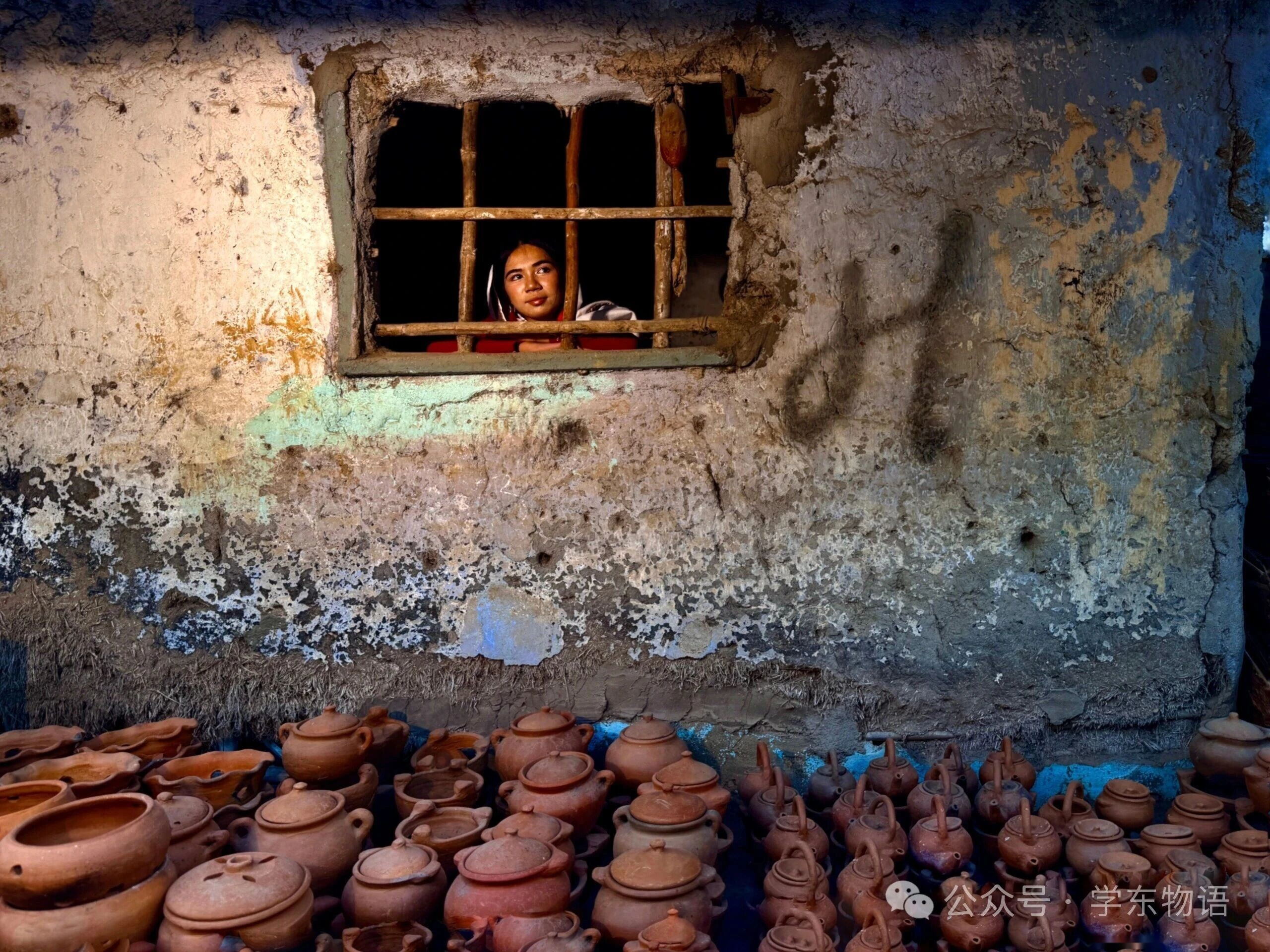


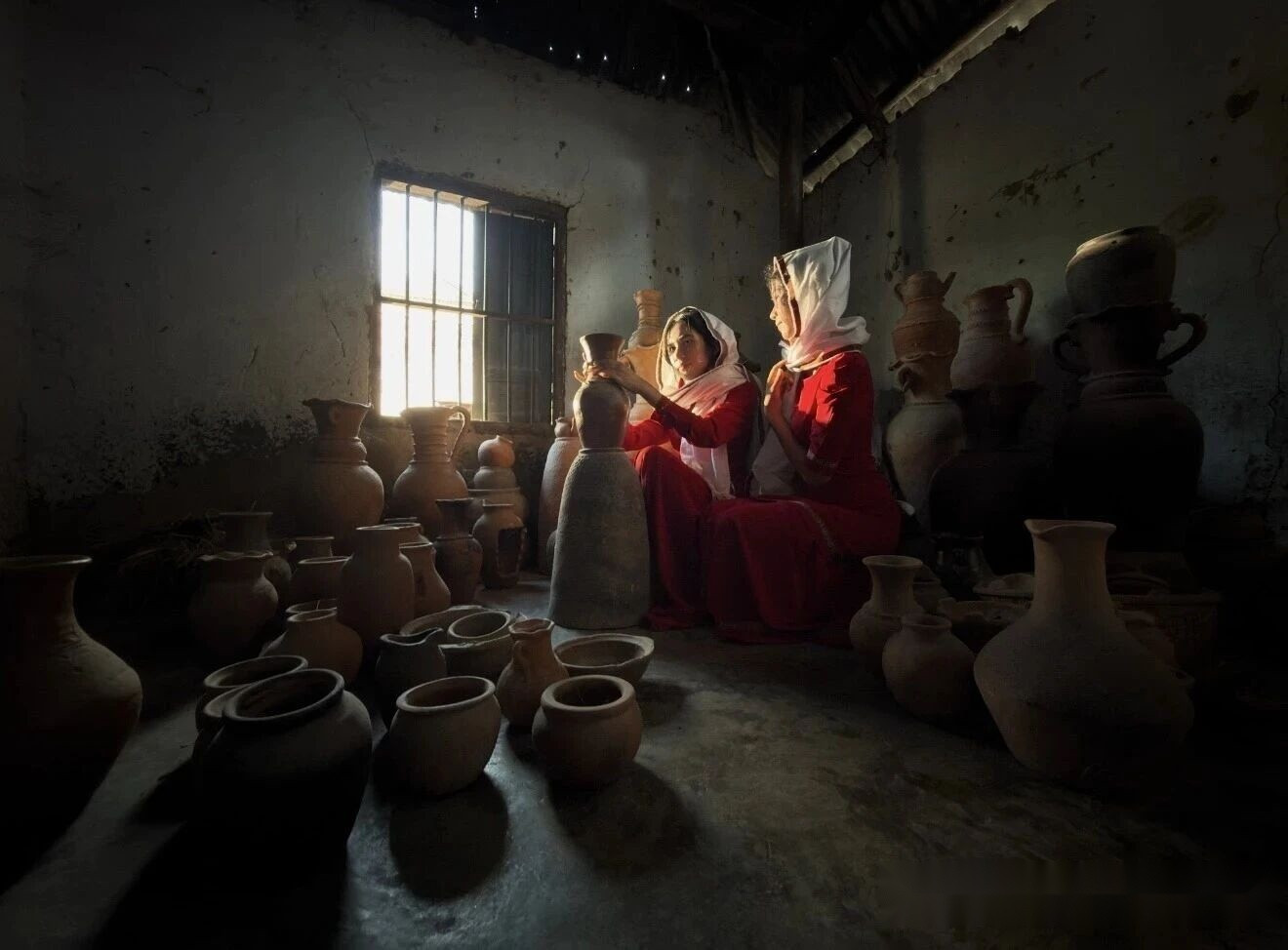

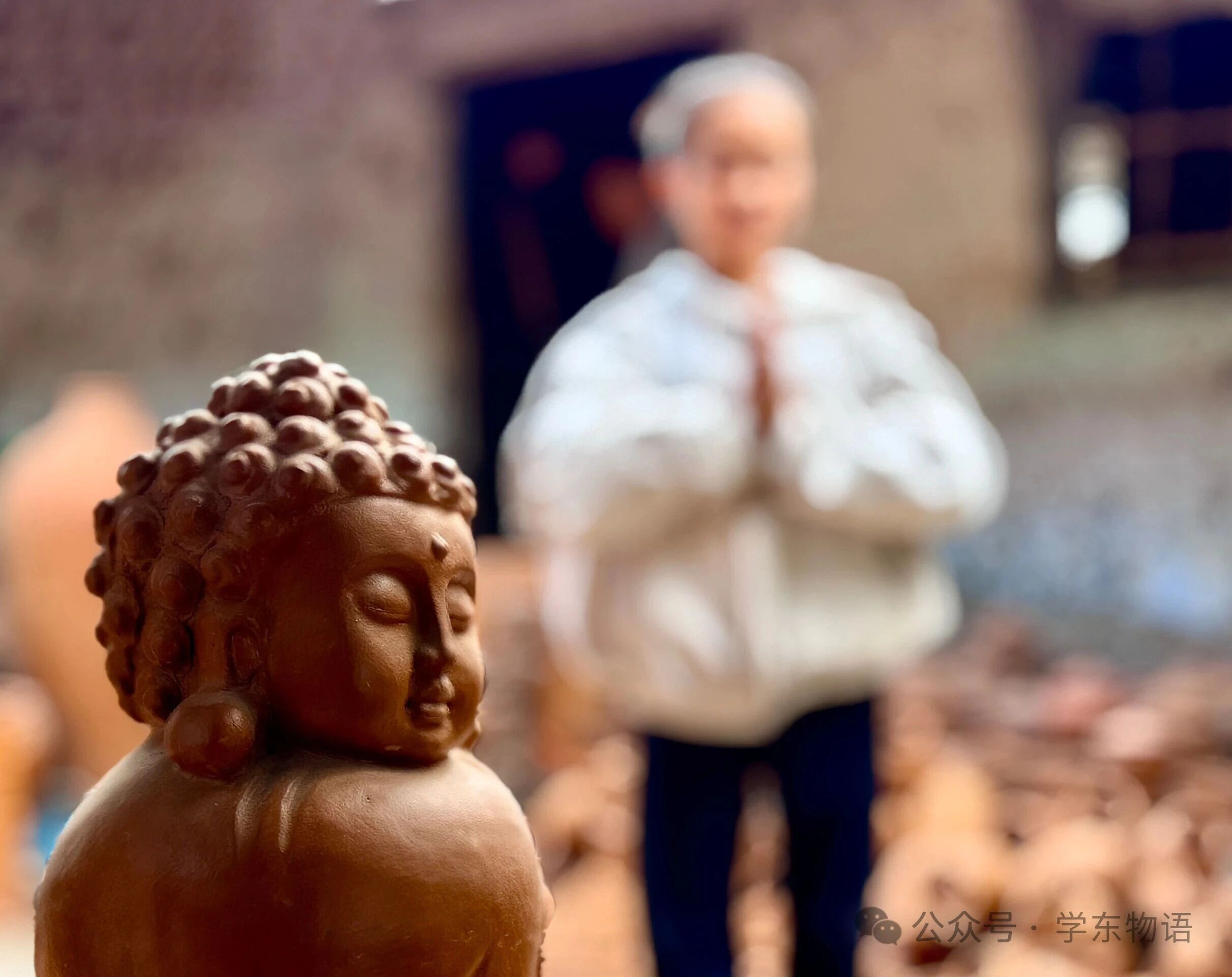

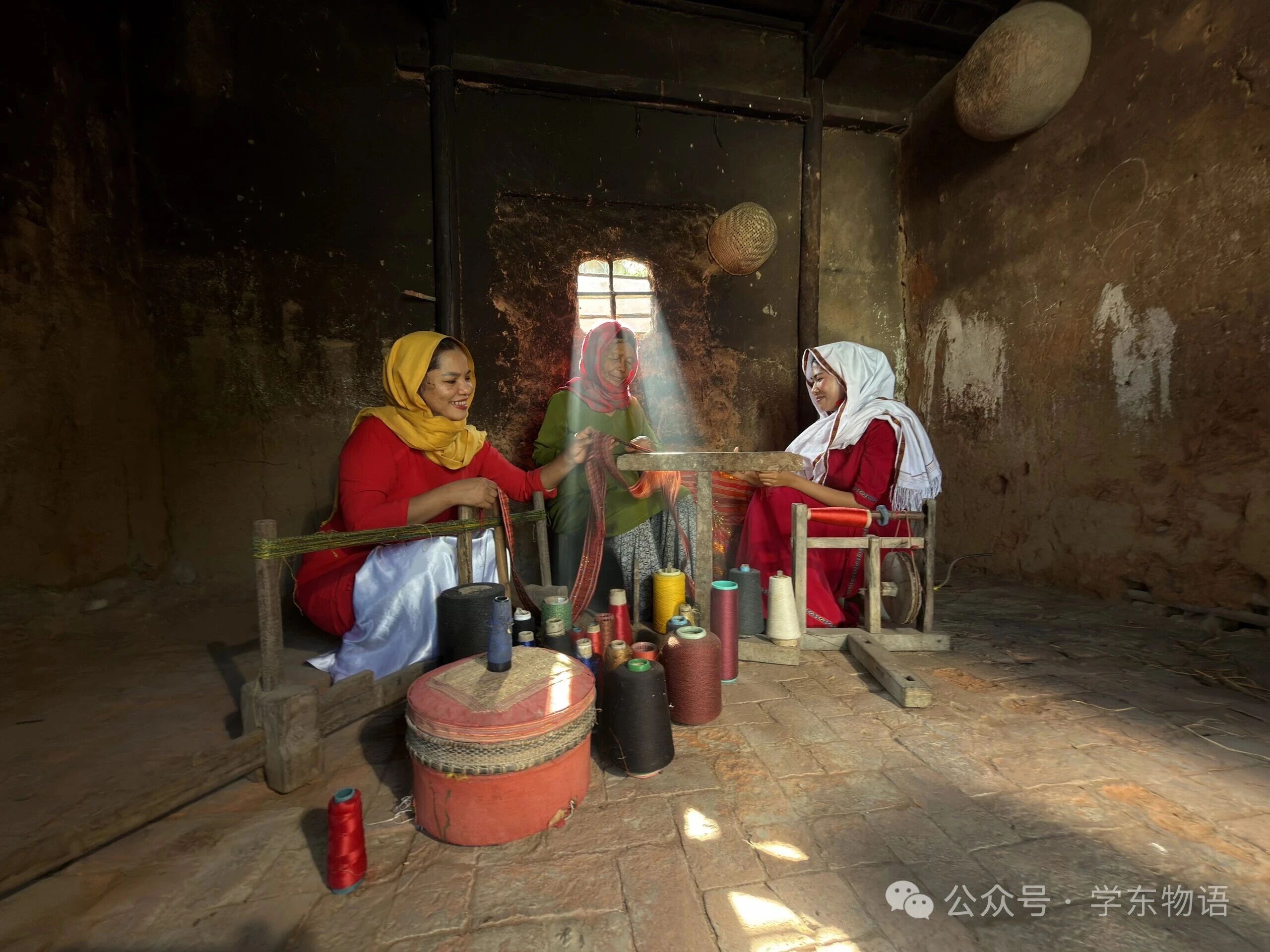
Tracing the Cham People in Ninh Thuận Province, Vietnam: Uncovering the Trans-Oceanic Migration of Sanya's Utsul Muslims and Their Historic Roots in the Ancient Champa Kingdom
Abstract:
A deep dive into the historical roots and folk traditions of Cham villages in Ninh Thuận Province, Vietnam. Investigating the history of Sanya's Utsul Muslims as descendants of Islamic refugees from the ancient Champa kingdom who migrated across the sea, highlighting the deep cultural bonds between Southeast Asia's Maritime Silk Road and island-based Hui Muslim communities.
—Cham villagers in Ninh Thuận Province, Vietnam, are said to be the ancestors of Sanya's Utsul Muslims, hailing from the vanished Champa kingdom. From the Song and Yuan to the Ming and Qing dynasties, the Champa Kingdom was annexed by Annam (Vietnam). Cham Muslims who practiced Islam fled by boat in waves, and some ended up settling in Sanya's Yazhou Bay, forming the Utsul community. Given that the descendants of these ancient Islamized Chams make up a unique branch of the Hui ethnic group, China's official classification groups the Utsul people under the Hui nationality based on their bloodline and cultural origins. Residents in Sanya's Yanglan Huihui Village (Huihui Muslim Village) and Huixin Village (Huixin Muslim Village) all share this background, and their official ID cards list their ethnicity uniformly as Hui. The Utsul people have their own distinct language; their faith, dietary habits, and religious observances are basically similar to mainstream Islam, but their clothing and festival traditions still retain heavy traces of Cham heritage.
[Live Showcase]
Tracing the History of Sanya's Huihui & Huixin Muslim Villages in Hainan
Articles • Hasan09 posted the article • 0 comments • 5 views • 3 hours ago
[Internet Repost]
The Evolution of Village Names in Sanya's Huixin and Huihui Villages: A Historical Study of Place Names from Ancient Fancun to Tianya's Muslim Villages
Abstract:
A systematic review of the centuries-long history of village name changes in Sanya's Huixin Village and Huihui Village. From "Fancun" in Song and Yuan dynasty literature to the place name shifts of the Ming and Qing dynasties and the establishment of modern administrative divisions, this research uncovers a chapter of Hui Muslim cross-sea survival and pioneering memory embedded within tropical place names.
In the Fenghuang area (formerly Fenghuang Town) in the southwest suburbs of Sanya City's Tianya District, there are two major Hui Muslim settlements: Huixin Village and Huihui Village. Their village name evolution carries a profound historical heritage and ethnic development trajectory. From the forced migration triggered by the Japanese invasion of Hainan to post-liberation administrative adjustments, every change in village name serves as a footprint of the times and carves out the magnificent journey of Sanya's Hui Muslims as they persisted, migrated, and thrived on this land.
"The Hainan Hui Muslim population originated during the Tang Dynasty Silk Road, and later, for various reasons, most of them migrated to the east of Sanya Village, known as 'Fancun' (Foreigners' Village). This community formed around the late Ming and early Qing dynasties, specifically between 1617 and 1655. According to the Gazetteer of Yazhou, the residents were commonly called 'Fanmin' (foreign people): '...During the turbulence of the Song and Yuan dynasties, they packed up their families and sailed over on boats, scattering along the coast, calling it Fanbang (foreign state) or Fanpu (foreign port), later gathering at Fancun in Sanya Village.' During the Wanli era of the Ming Dynasty, the Fanmin were registered in the household registers, and Fancun also gained an independent administrative establishment as 'Suosanyali' (Sanya Station Village). The Fanmin, who engaged in fishing, paid fish taxes alongside the 'Danhufu' (Dan boat-people households). The Kangxi, Qianlong, and Guangxi editions of the Gazetteer of Yazhou all record the four eastern borders of Yazhou:zheng Sanya Li, Suo Sanya Li, Yegen Li, and Linchuan Li—'Zheng Sanya Li' referred to the originally regular administrative Sanya Li, while 'Suo Sanya Li' was the Fancun split off from the original Sanya Li, directly administered by the Hepuo Office (fishery tax office), making it a special establishment. The Hepuo Office was first established in the Yuan Dynasty as a government agency responsible for managing fishing taxes."
The Japanese Invasion of Hainan Rewrote the Origin of Village Names
01
On February 14, 1939, the invading Japanese army landed at Sanya Port and occupied southern Hainan. In 1940, to build a military airfield, the Japanese army forcibly demolished Sanya Street and compelled villagers to evacuate, including those from Suo Sanya Li. The majority of Suo Sanya Li villagers relocated to the location of the present-day Huihui community (known as 'Yanglan' at the time) and named it 'Xincun' (New Village). A small minority of villagers, unwilling to leave, stayed behind in the vicinity and called it 'Jiucun' (Old Village), causing the place name 'Suo Sanya Li' to vanish.
"Village Name Confusion" Amid Administrative Adjustments
02
1945
Following the Japanese surrender and withdrawal from Hainan, some residents of "Xincun" moved back to "Jiucun", and "Fancun" was renamed "Huizu Village" (Hui Muslim Village);
After the 1950 Liberation
"Huizu Village" (including Xincun and Jiucun) was incorporated into the administrative district and collectively called the "Huixiang Primary Cooperative", under the jurisdiction of Huilan Township;
1955
County-level districts adopted a unified system of place names, and the Huixiang Primary Cooperative was renamed the Huihui Township Advanced Cooperative, under the jurisdiction of Yanglan District (later changed to Yanglan Town ➡️ Fenghuang Town);
1958
Districts and townships were abolished to establish people's communes, and the Huihui Production Brigade (formerly the Huihui Township Advanced Cooperative) was established under the jurisdiction of Yulei Commune;
1962
Following the implementation of the "Four Fixes" policy, it was designated under the jurisdiction of the Huihui Production Brigade;
1979
The Huixin Production Brigade was split off from the Huihui Production Brigade, becoming Huixin Village, while the Huihui Production Brigade remained Huihui Village;
1983
The people's commune system was canceled, and the Huihui Production Brigade became the Huihui Township People's Government, while the Huixin Production Brigade became the Huixin Township People's Government;
Early 1989
The two brigades were respectively transformed into the Huihui Village Villagers' Committee and the Huixin Village Villagers' Committee;
2013
Both were optimized into communities;
2015
Sanya City abolished towns to establish districts, and the "Huihui Community Residents' Committee" and "Huixin Community Residents' Committee" were transferred from the jurisdiction of the former Fenghuang Town to Tianya District, where they remain today.
The "New" and "Old" in the Memories of Villagers
03
Tracing the evolution of historical names—from the former "Fan Village" (settlement for "foreign peoples" / overseas guests) to today's renamed Huixin and Huihui communities—the locals still hold onto the naming habits of the older generation. The Hui Muslims of Sanya still call the Huihui community by its traditional name "Yanglan" (rún, lán), while the Huixin community is still referred to as "Fan Village" (huān, sūi), and the neighborhood committee sounds like "village" in the local dialect. These shifts in place names are not only a testament to the geographical transformation of Sanya's Hui Muslim settlements, but also a living carrier of local ethnic culture and lifestyle habits.
Huixin Community · Old Look
Huihui Wenming Market Intersection · Old Look
Huihui Wenming Market Intersection · New Look
2010
Huihui Wenming Market Traffic Lights · Old Look
2026
Huihui Wenming Market Traffic Lights · New Look
Hui Muslim Sons and Daughters Embarking on a New Chapter Together with Hainan
04
From the vicissitudes of migration from "Suosanyali" to the bustling street food vibe of today's Huixin and Huihui communities, Sanya's Hui Muslims have always breathed and grown alongside this land. Today, the tailwind of the Hainan Free Trade Port's island-wide independent customs operations is injecting fresh vitality into this ethnic enclave. Names like "Huixin" and "Huihui" not only carry ethnic memories, but have also become a vivid footnote to all ethnic groups joining hands to race toward a happy future within the Free Trade Port. view all
The Evolution of Village Names in Sanya's Huixin and Huihui Villages: A Historical Study of Place Names from Ancient Fancun to Tianya's Muslim Villages
Abstract:
A systematic review of the centuries-long history of village name changes in Sanya's Huixin Village and Huihui Village. From "Fancun" in Song and Yuan dynasty literature to the place name shifts of the Ming and Qing dynasties and the establishment of modern administrative divisions, this research uncovers a chapter of Hui Muslim cross-sea survival and pioneering memory embedded within tropical place names.
In the Fenghuang area (formerly Fenghuang Town) in the southwest suburbs of Sanya City's Tianya District, there are two major Hui Muslim settlements: Huixin Village and Huihui Village. Their village name evolution carries a profound historical heritage and ethnic development trajectory. From the forced migration triggered by the Japanese invasion of Hainan to post-liberation administrative adjustments, every change in village name serves as a footprint of the times and carves out the magnificent journey of Sanya's Hui Muslims as they persisted, migrated, and thrived on this land.
"The Hainan Hui Muslim population originated during the Tang Dynasty Silk Road, and later, for various reasons, most of them migrated to the east of Sanya Village, known as 'Fancun' (Foreigners' Village). This community formed around the late Ming and early Qing dynasties, specifically between 1617 and 1655. According to the Gazetteer of Yazhou, the residents were commonly called 'Fanmin' (foreign people): '...During the turbulence of the Song and Yuan dynasties, they packed up their families and sailed over on boats, scattering along the coast, calling it Fanbang (foreign state) or Fanpu (foreign port), later gathering at Fancun in Sanya Village.' During the Wanli era of the Ming Dynasty, the Fanmin were registered in the household registers, and Fancun also gained an independent administrative establishment as 'Suosanyali' (Sanya Station Village). The Fanmin, who engaged in fishing, paid fish taxes alongside the 'Danhufu' (Dan boat-people households). The Kangxi, Qianlong, and Guangxi editions of the Gazetteer of Yazhou all record the four eastern borders of Yazhou:zheng Sanya Li, Suo Sanya Li, Yegen Li, and Linchuan Li—'Zheng Sanya Li' referred to the originally regular administrative Sanya Li, while 'Suo Sanya Li' was the Fancun split off from the original Sanya Li, directly administered by the Hepuo Office (fishery tax office), making it a special establishment. The Hepuo Office was first established in the Yuan Dynasty as a government agency responsible for managing fishing taxes."
The Japanese Invasion of Hainan Rewrote the Origin of Village Names
01
On February 14, 1939, the invading Japanese army landed at Sanya Port and occupied southern Hainan. In 1940, to build a military airfield, the Japanese army forcibly demolished Sanya Street and compelled villagers to evacuate, including those from Suo Sanya Li. The majority of Suo Sanya Li villagers relocated to the location of the present-day Huihui community (known as 'Yanglan' at the time) and named it 'Xincun' (New Village). A small minority of villagers, unwilling to leave, stayed behind in the vicinity and called it 'Jiucun' (Old Village), causing the place name 'Suo Sanya Li' to vanish.
"Village Name Confusion" Amid Administrative Adjustments
02
1945
Following the Japanese surrender and withdrawal from Hainan, some residents of "Xincun" moved back to "Jiucun", and "Fancun" was renamed "Huizu Village" (Hui Muslim Village);
After the 1950 Liberation
"Huizu Village" (including Xincun and Jiucun) was incorporated into the administrative district and collectively called the "Huixiang Primary Cooperative", under the jurisdiction of Huilan Township;
1955
County-level districts adopted a unified system of place names, and the Huixiang Primary Cooperative was renamed the Huihui Township Advanced Cooperative, under the jurisdiction of Yanglan District (later changed to Yanglan Town ➡️ Fenghuang Town);
1958
Districts and townships were abolished to establish people's communes, and the Huihui Production Brigade (formerly the Huihui Township Advanced Cooperative) was established under the jurisdiction of Yulei Commune;
1962
Following the implementation of the "Four Fixes" policy, it was designated under the jurisdiction of the Huihui Production Brigade;
1979
The Huixin Production Brigade was split off from the Huihui Production Brigade, becoming Huixin Village, while the Huihui Production Brigade remained Huihui Village;
1983
The people's commune system was canceled, and the Huihui Production Brigade became the Huihui Township People's Government, while the Huixin Production Brigade became the Huixin Township People's Government;
Early 1989
The two brigades were respectively transformed into the Huihui Village Villagers' Committee and the Huixin Village Villagers' Committee;
2013
Both were optimized into communities;
2015
Sanya City abolished towns to establish districts, and the "Huihui Community Residents' Committee" and "Huixin Community Residents' Committee" were transferred from the jurisdiction of the former Fenghuang Town to Tianya District, where they remain today.
The "New" and "Old" in the Memories of Villagers
03
Tracing the evolution of historical names—from the former "Fan Village" (settlement for "foreign peoples" / overseas guests) to today's renamed Huixin and Huihui communities—the locals still hold onto the naming habits of the older generation. The Hui Muslims of Sanya still call the Huihui community by its traditional name "Yanglan" (rún, lán), while the Huixin community is still referred to as "Fan Village" (huān, sūi), and the neighborhood committee sounds like "village" in the local dialect. These shifts in place names are not only a testament to the geographical transformation of Sanya's Hui Muslim settlements, but also a living carrier of local ethnic culture and lifestyle habits.
Huixin Community · Old Look
Huihui Wenming Market Intersection · Old Look
Huihui Wenming Market Intersection · New Look
2010
Huihui Wenming Market Traffic Lights · Old Look
2026
Huihui Wenming Market Traffic Lights · New Look
Hui Muslim Sons and Daughters Embarking on a New Chapter Together with Hainan
04
From the vicissitudes of migration from "Suosanyali" to the bustling street food vibe of today's Huixin and Huihui communities, Sanya's Hui Muslims have always breathed and grown alongside this land. Today, the tailwind of the Hainan Free Trade Port's island-wide independent customs operations is injecting fresh vitality into this ethnic enclave. Names like "Huixin" and "Huihui" not only carry ethnic memories, but have also become a vivid footnote to all ethnic groups joining hands to race toward a happy future within the Free Trade Port. view all
[Internet Repost]
The Evolution of Village Names in Sanya's Huixin and Huihui Villages: A Historical Study of Place Names from Ancient Fancun to Tianya's Muslim Villages
Abstract:

A systematic review of the centuries-long history of village name changes in Sanya's Huixin Village and Huihui Village. From "Fancun" in Song and Yuan dynasty literature to the place name shifts of the Ming and Qing dynasties and the establishment of modern administrative divisions, this research uncovers a chapter of Hui Muslim cross-sea survival and pioneering memory embedded within tropical place names.
In the Fenghuang area (formerly Fenghuang Town) in the southwest suburbs of Sanya City's Tianya District, there are two major Hui Muslim settlements: Huixin Village and Huihui Village. Their village name evolution carries a profound historical heritage and ethnic development trajectory. From the forced migration triggered by the Japanese invasion of Hainan to post-liberation administrative adjustments, every change in village name serves as a footprint of the times and carves out the magnificent journey of Sanya's Hui Muslims as they persisted, migrated, and thrived on this land.
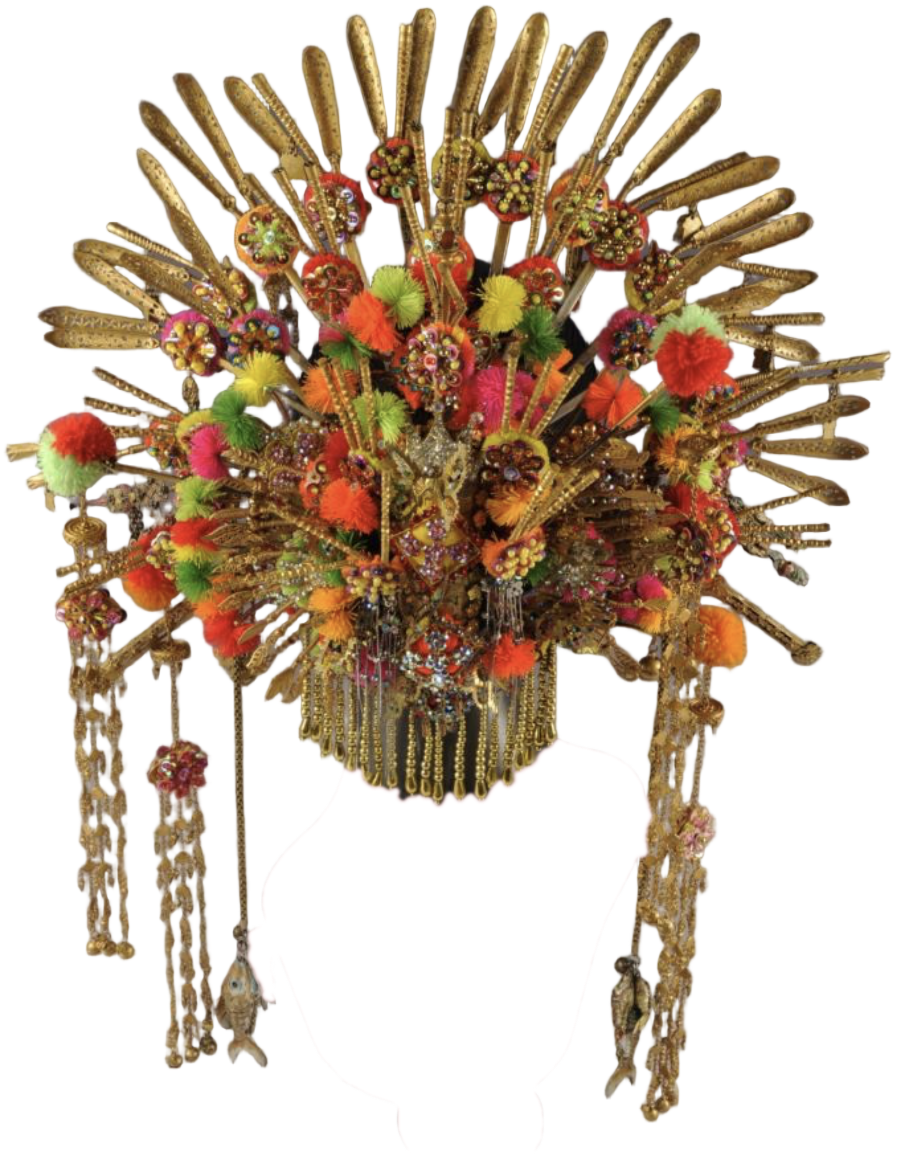
"The Hainan Hui Muslim population originated during the Tang Dynasty Silk Road, and later, for various reasons, most of them migrated to the east of Sanya Village, known as 'Fancun' (Foreigners' Village). This community formed around the late Ming and early Qing dynasties, specifically between 1617 and 1655. According to the Gazetteer of Yazhou, the residents were commonly called 'Fanmin' (foreign people): '...During the turbulence of the Song and Yuan dynasties, they packed up their families and sailed over on boats, scattering along the coast, calling it Fanbang (foreign state) or Fanpu (foreign port), later gathering at Fancun in Sanya Village.' During the Wanli era of the Ming Dynasty, the Fanmin were registered in the household registers, and Fancun also gained an independent administrative establishment as 'Suosanyali' (Sanya Station Village). The Fanmin, who engaged in fishing, paid fish taxes alongside the 'Danhufu' (Dan boat-people households). The Kangxi, Qianlong, and Guangxi editions of the Gazetteer of Yazhou all record the four eastern borders of Yazhou:zheng Sanya Li, Suo Sanya Li, Yegen Li, and Linchuan Li—'Zheng Sanya Li' referred to the originally regular administrative Sanya Li, while 'Suo Sanya Li' was the Fancun split off from the original Sanya Li, directly administered by the Hepuo Office (fishery tax office), making it a special establishment. The Hepuo Office was first established in the Yuan Dynasty as a government agency responsible for managing fishing taxes."
The Japanese Invasion of Hainan Rewrote the Origin of Village Names

01
On February 14, 1939, the invading Japanese army landed at Sanya Port and occupied southern Hainan. In 1940, to build a military airfield, the Japanese army forcibly demolished Sanya Street and compelled villagers to evacuate, including those from Suo Sanya Li. The majority of Suo Sanya Li villagers relocated to the location of the present-day Huihui community (known as 'Yanglan' at the time) and named it 'Xincun' (New Village). A small minority of villagers, unwilling to leave, stayed behind in the vicinity and called it 'Jiucun' (Old Village), causing the place name 'Suo Sanya Li' to vanish.
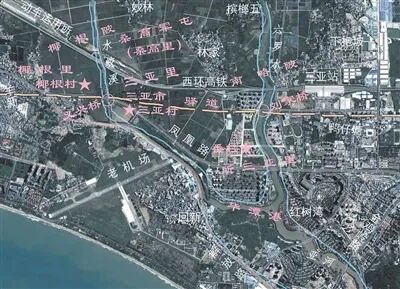
"Village Name Confusion" Amid Administrative Adjustments
02

1945
Following the Japanese surrender and withdrawal from Hainan, some residents of "Xincun" moved back to "Jiucun", and "Fancun" was renamed "Huizu Village" (Hui Muslim Village);

After the 1950 Liberation
"Huizu Village" (including Xincun and Jiucun) was incorporated into the administrative district and collectively called the "Huixiang Primary Cooperative", under the jurisdiction of Huilan Township;

1955
County-level districts adopted a unified system of place names, and the Huixiang Primary Cooperative was renamed the Huihui Township Advanced Cooperative, under the jurisdiction of Yanglan District (later changed to Yanglan Town ➡️ Fenghuang Town);
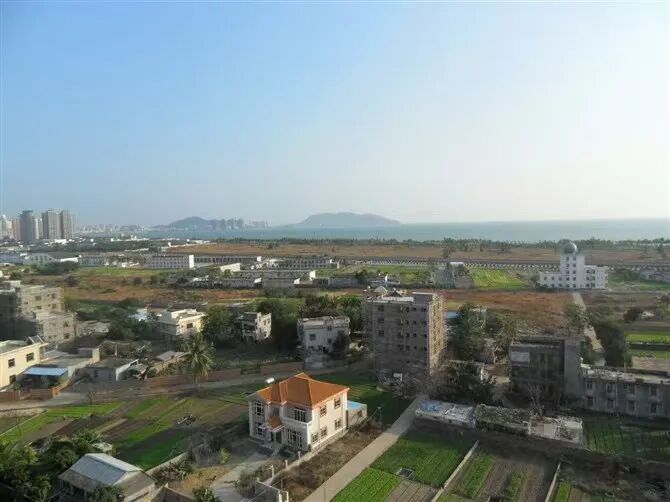
1958
Districts and townships were abolished to establish people's communes, and the Huihui Production Brigade (formerly the Huihui Township Advanced Cooperative) was established under the jurisdiction of Yulei Commune;
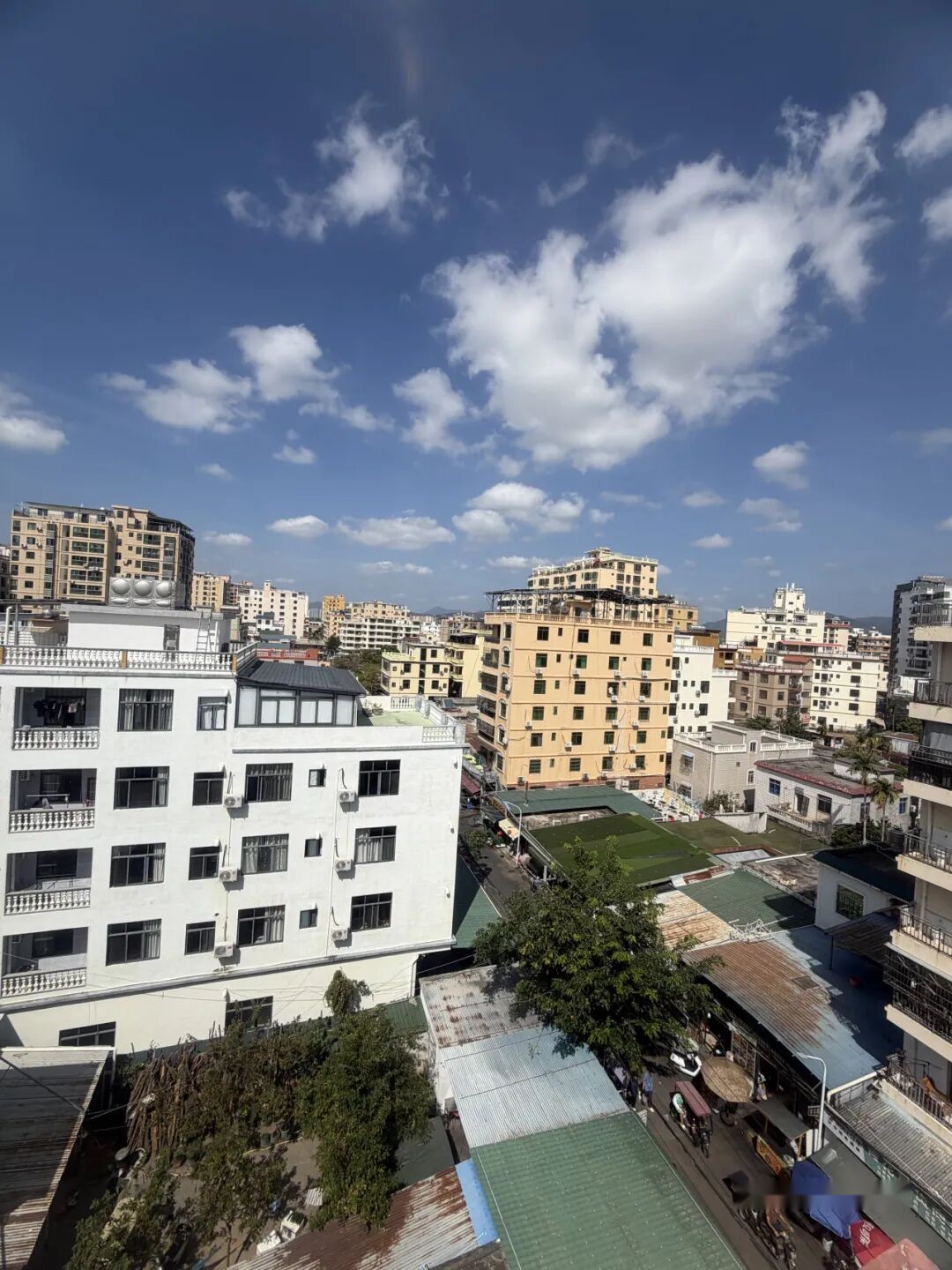
1962
Following the implementation of the "Four Fixes" policy, it was designated under the jurisdiction of the Huihui Production Brigade;
1979
The Huixin Production Brigade was split off from the Huihui Production Brigade, becoming Huixin Village, while the Huihui Production Brigade remained Huihui Village;

1983
The people's commune system was canceled, and the Huihui Production Brigade became the Huihui Township People's Government, while the Huixin Production Brigade became the Huixin Township People's Government;
Early 1989
The two brigades were respectively transformed into the Huihui Village Villagers' Committee and the Huixin Village Villagers' Committee;
2013
Both were optimized into communities;
2015
Sanya City abolished towns to establish districts, and the "Huihui Community Residents' Committee" and "Huixin Community Residents' Committee" were transferred from the jurisdiction of the former Fenghuang Town to Tianya District, where they remain today.

The "New" and "Old" in the Memories of Villagers
03
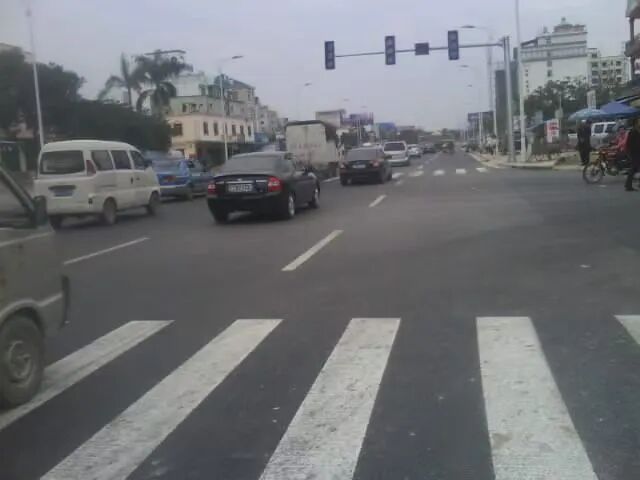
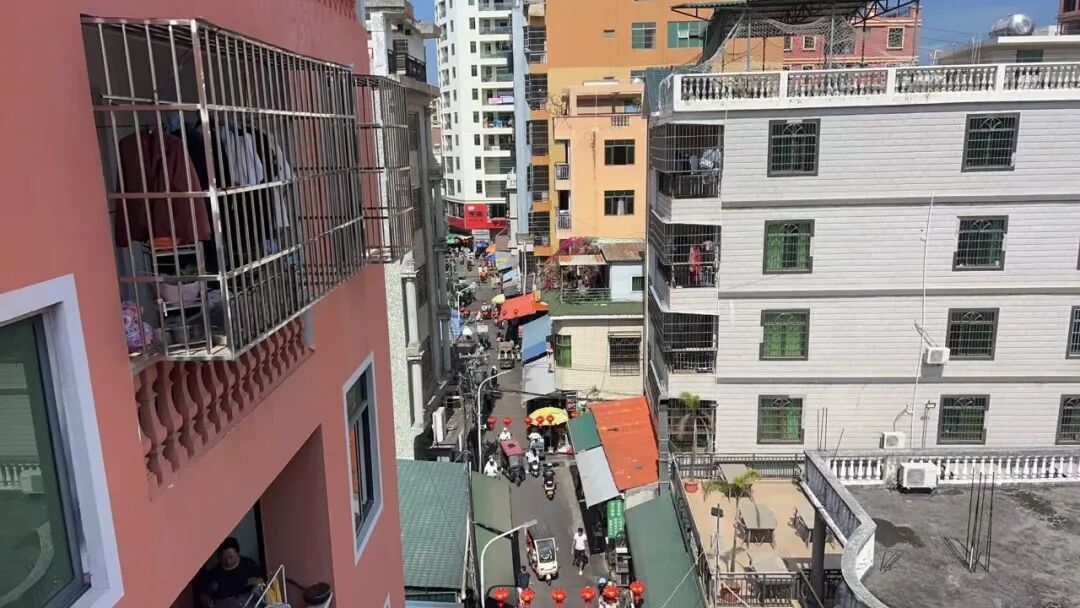
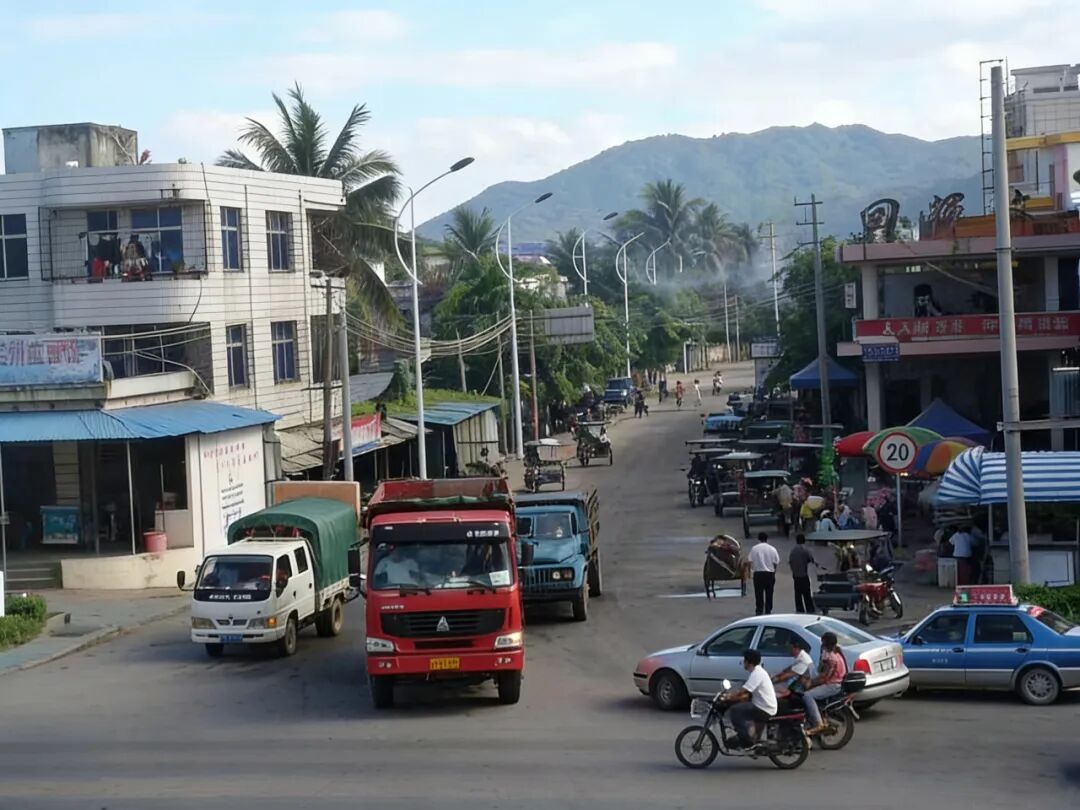
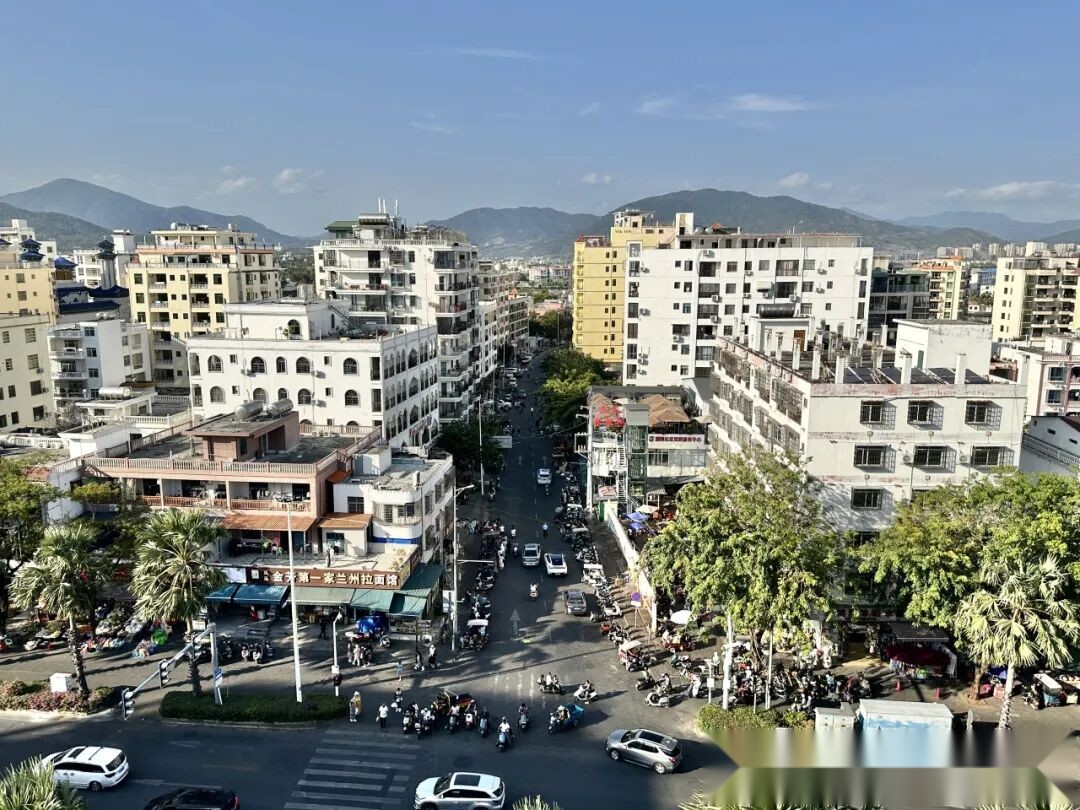
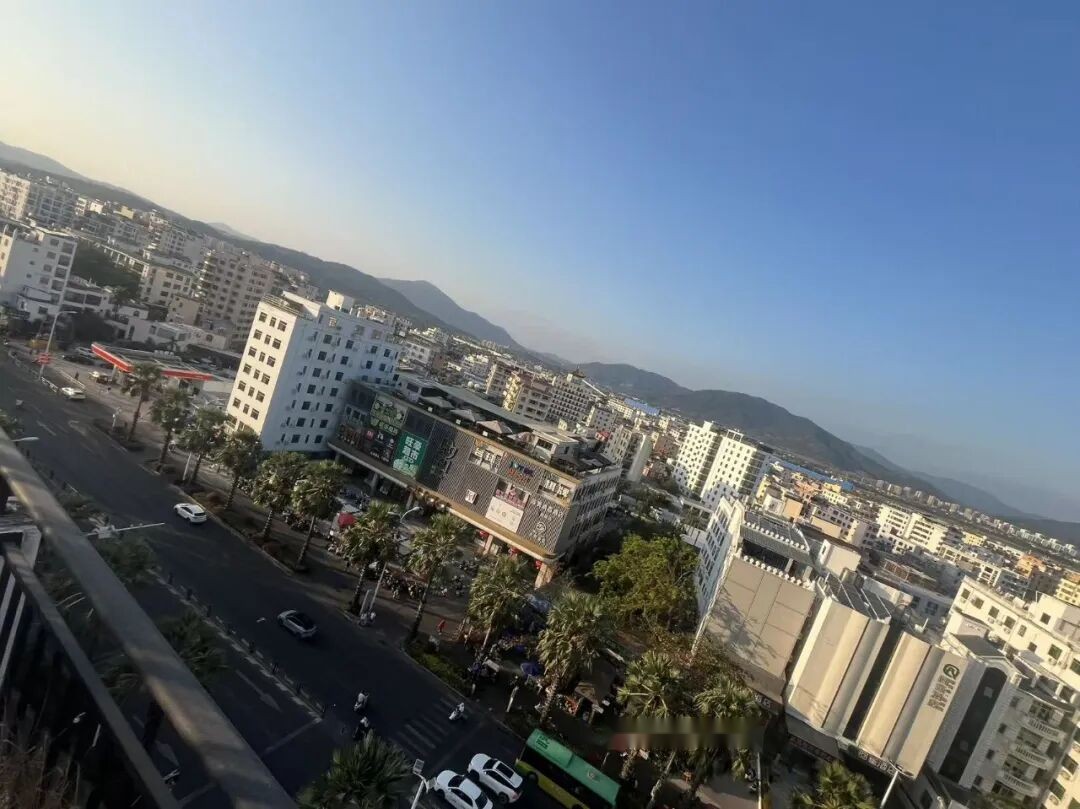
Tracing the evolution of historical names—from the former "Fan Village" (settlement for "foreign peoples" / overseas guests) to today's renamed Huixin and Huihui communities—the locals still hold onto the naming habits of the older generation. The Hui Muslims of Sanya still call the Huihui community by its traditional name "Yanglan" (rún, lán), while the Huixin community is still referred to as "Fan Village" (huān, sūi), and the neighborhood committee sounds like "village" in the local dialect. These shifts in place names are not only a testament to the geographical transformation of Sanya's Hui Muslim settlements, but also a living carrier of local ethnic culture and lifestyle habits.
Huixin Community · Old Look
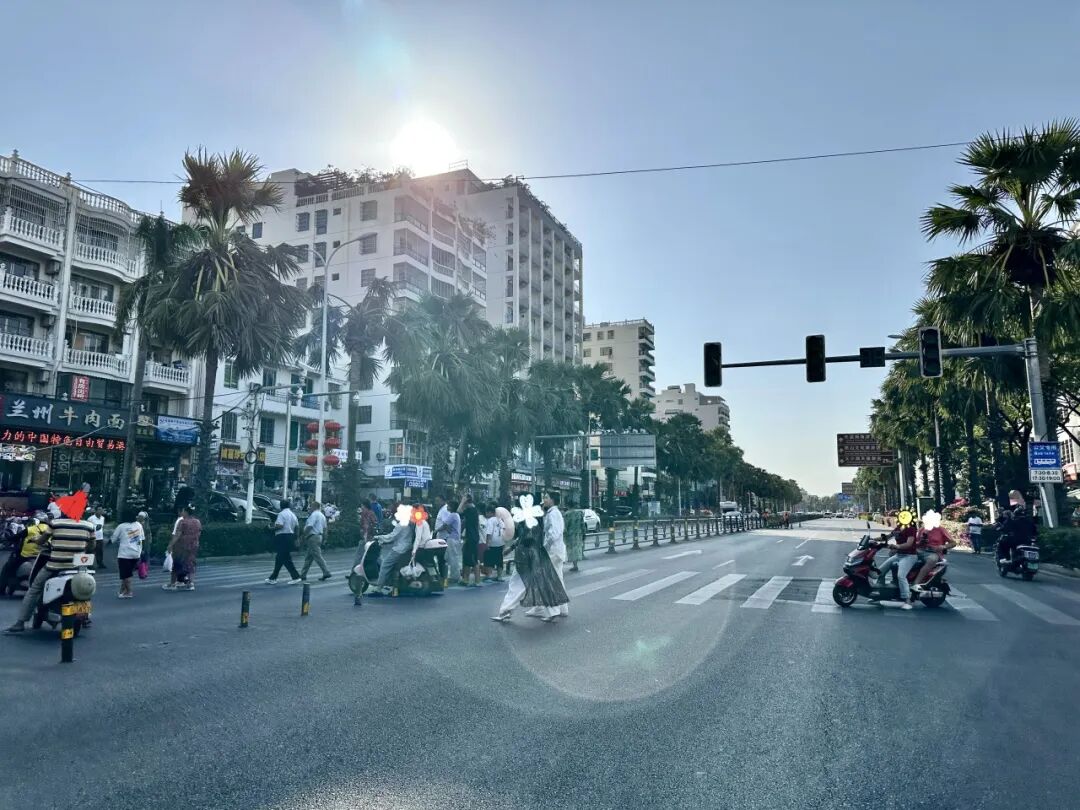
Huihui Wenming Market Intersection · Old Look
Huihui Wenming Market Intersection · New Look
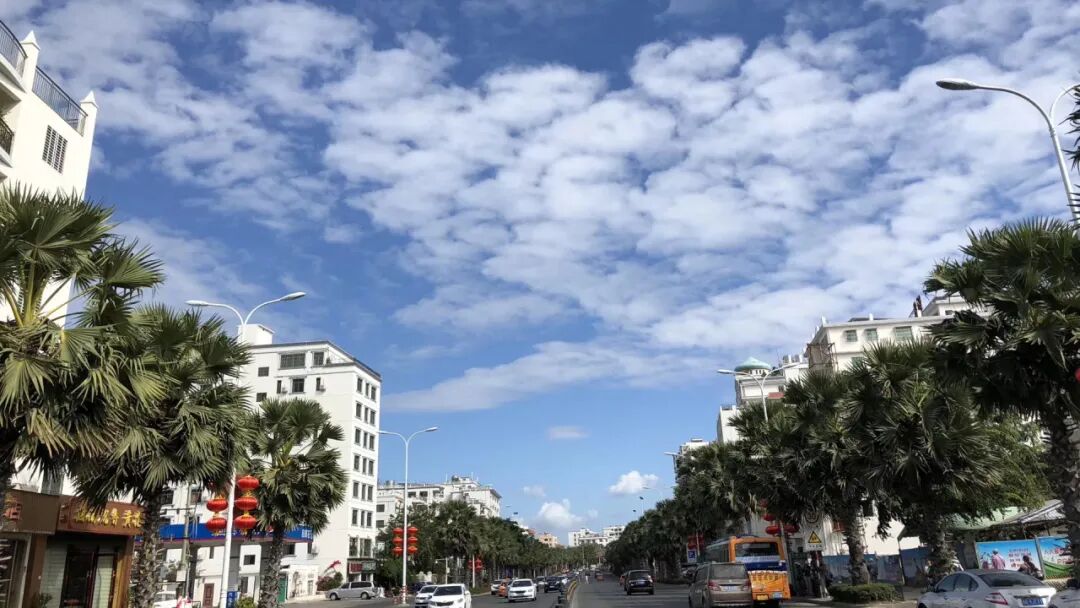
2010
Huihui Wenming Market Traffic Lights · Old Look
2026
Huihui Wenming Market Traffic Lights · New Look
Hui Muslim Sons and Daughters Embarking on a New Chapter Together with Hainan
04
From the vicissitudes of migration from "Suosanyali" to the bustling street food vibe of today's Huixin and Huihui communities, Sanya's Hui Muslims have always breathed and grown alongside this land. Today, the tailwind of the Hainan Free Trade Port's island-wide independent customs operations is injecting fresh vitality into this ethnic enclave. Names like "Huixin" and "Huihui" not only carry ethnic memories, but have also become a vivid footnote to all ethnic groups joining hands to race toward a happy future within the Free Trade Port.
The Evolution of Village Names in Sanya's Huixin and Huihui Villages: A Historical Study of Place Names from Ancient Fancun to Tianya's Muslim Villages
Abstract:
A systematic review of the centuries-long history of village name changes in Sanya's Huixin Village and Huihui Village. From "Fancun" in Song and Yuan dynasty literature to the place name shifts of the Ming and Qing dynasties and the establishment of modern administrative divisions, this research uncovers a chapter of Hui Muslim cross-sea survival and pioneering memory embedded within tropical place names.
In the Fenghuang area (formerly Fenghuang Town) in the southwest suburbs of Sanya City's Tianya District, there are two major Hui Muslim settlements: Huixin Village and Huihui Village. Their village name evolution carries a profound historical heritage and ethnic development trajectory. From the forced migration triggered by the Japanese invasion of Hainan to post-liberation administrative adjustments, every change in village name serves as a footprint of the times and carves out the magnificent journey of Sanya's Hui Muslims as they persisted, migrated, and thrived on this land.
"The Hainan Hui Muslim population originated during the Tang Dynasty Silk Road, and later, for various reasons, most of them migrated to the east of Sanya Village, known as 'Fancun' (Foreigners' Village). This community formed around the late Ming and early Qing dynasties, specifically between 1617 and 1655. According to the Gazetteer of Yazhou, the residents were commonly called 'Fanmin' (foreign people): '...During the turbulence of the Song and Yuan dynasties, they packed up their families and sailed over on boats, scattering along the coast, calling it Fanbang (foreign state) or Fanpu (foreign port), later gathering at Fancun in Sanya Village.' During the Wanli era of the Ming Dynasty, the Fanmin were registered in the household registers, and Fancun also gained an independent administrative establishment as 'Suosanyali' (Sanya Station Village). The Fanmin, who engaged in fishing, paid fish taxes alongside the 'Danhufu' (Dan boat-people households). The Kangxi, Qianlong, and Guangxi editions of the Gazetteer of Yazhou all record the four eastern borders of Yazhou:zheng Sanya Li, Suo Sanya Li, Yegen Li, and Linchuan Li—'Zheng Sanya Li' referred to the originally regular administrative Sanya Li, while 'Suo Sanya Li' was the Fancun split off from the original Sanya Li, directly administered by the Hepuo Office (fishery tax office), making it a special establishment. The Hepuo Office was first established in the Yuan Dynasty as a government agency responsible for managing fishing taxes."
The Japanese Invasion of Hainan Rewrote the Origin of Village Names
01
On February 14, 1939, the invading Japanese army landed at Sanya Port and occupied southern Hainan. In 1940, to build a military airfield, the Japanese army forcibly demolished Sanya Street and compelled villagers to evacuate, including those from Suo Sanya Li. The majority of Suo Sanya Li villagers relocated to the location of the present-day Huihui community (known as 'Yanglan' at the time) and named it 'Xincun' (New Village). A small minority of villagers, unwilling to leave, stayed behind in the vicinity and called it 'Jiucun' (Old Village), causing the place name 'Suo Sanya Li' to vanish.
"Village Name Confusion" Amid Administrative Adjustments
02
1945
Following the Japanese surrender and withdrawal from Hainan, some residents of "Xincun" moved back to "Jiucun", and "Fancun" was renamed "Huizu Village" (Hui Muslim Village);
After the 1950 Liberation
"Huizu Village" (including Xincun and Jiucun) was incorporated into the administrative district and collectively called the "Huixiang Primary Cooperative", under the jurisdiction of Huilan Township;
1955
County-level districts adopted a unified system of place names, and the Huixiang Primary Cooperative was renamed the Huihui Township Advanced Cooperative, under the jurisdiction of Yanglan District (later changed to Yanglan Town ➡️ Fenghuang Town);
1958
Districts and townships were abolished to establish people's communes, and the Huihui Production Brigade (formerly the Huihui Township Advanced Cooperative) was established under the jurisdiction of Yulei Commune;
1962
Following the implementation of the "Four Fixes" policy, it was designated under the jurisdiction of the Huihui Production Brigade;
1979
The Huixin Production Brigade was split off from the Huihui Production Brigade, becoming Huixin Village, while the Huihui Production Brigade remained Huihui Village;
1983
The people's commune system was canceled, and the Huihui Production Brigade became the Huihui Township People's Government, while the Huixin Production Brigade became the Huixin Township People's Government;
Early 1989
The two brigades were respectively transformed into the Huihui Village Villagers' Committee and the Huixin Village Villagers' Committee;
2013
Both were optimized into communities;
2015
Sanya City abolished towns to establish districts, and the "Huihui Community Residents' Committee" and "Huixin Community Residents' Committee" were transferred from the jurisdiction of the former Fenghuang Town to Tianya District, where they remain today.
The "New" and "Old" in the Memories of Villagers
03
Tracing the evolution of historical names—from the former "Fan Village" (settlement for "foreign peoples" / overseas guests) to today's renamed Huixin and Huihui communities—the locals still hold onto the naming habits of the older generation. The Hui Muslims of Sanya still call the Huihui community by its traditional name "Yanglan" (rún, lán), while the Huixin community is still referred to as "Fan Village" (huān, sūi), and the neighborhood committee sounds like "village" in the local dialect. These shifts in place names are not only a testament to the geographical transformation of Sanya's Hui Muslim settlements, but also a living carrier of local ethnic culture and lifestyle habits.
Huixin Community · Old Look
Huihui Wenming Market Intersection · Old Look
Huihui Wenming Market Intersection · New Look
2010
Huihui Wenming Market Traffic Lights · Old Look
2026
Huihui Wenming Market Traffic Lights · New Look
Hui Muslim Sons and Daughters Embarking on a New Chapter Together with Hainan
04
From the vicissitudes of migration from "Suosanyali" to the bustling street food vibe of today's Huixin and Huihui communities, Sanya's Hui Muslims have always breathed and grown alongside this land. Today, the tailwind of the Hainan Free Trade Port's island-wide independent customs operations is injecting fresh vitality into this ethnic enclave. Names like "Huixin" and "Huihui" not only carry ethnic memories, but have also become a vivid footnote to all ethnic groups joining hands to race toward a happy future within the Free Trade Port.
Tracing Sanya's Utsul Muslim Roots: Ancient Cham Migration & Halal Heritage in Hainan
Articles • Hasan09 posted the article • 0 comments • 2 views • 1 hours ago
[Internet Repost]
Tracing the Cham People in Ninh Thuận Province, Vietnam: Uncovering the Trans-Oceanic Migration of Sanya's Utsul Muslims and Their Historic Roots in the Ancient Champa Kingdom
Abstract:
A deep dive into the historical roots and folk traditions of Cham villages in Ninh Thuận Province, Vietnam. Investigating the history of Sanya's Utsul Muslims as descendants of Islamic refugees from the ancient Champa kingdom who migrated across the sea, highlighting the deep cultural bonds between Southeast Asia's Maritime Silk Road and island-based Hui Muslim communities.
—Cham villagers in Ninh Thuận Province, Vietnam, are said to be the ancestors of Sanya's Utsul Muslims, hailing from the vanished Champa kingdom. From the Song and Yuan to the Ming and Qing dynasties, the Champa Kingdom was annexed by Annam (Vietnam). Cham Muslims who practiced Islam fled by boat in waves, and some ended up settling in Sanya's Yazhou Bay, forming the Utsul community. Given that the descendants of these ancient Islamized Chams make up a unique branch of the Hui ethnic group, China's official classification groups the Utsul people under the Hui nationality based on their bloodline and cultural origins. Residents in Sanya's Yanglan Huihui Village (Huihui Muslim Village) and Huixin Village (Huixin Muslim Village) all share this background, and their official ID cards list their ethnicity uniformly as Hui. The Utsul people have their own distinct language; their faith, dietary habits, and religious observances are basically similar to mainstream Islam, but their clothing and festival traditions still retain heavy traces of Cham heritage.
[Live Showcase] view all
Tracing the Cham People in Ninh Thuận Province, Vietnam: Uncovering the Trans-Oceanic Migration of Sanya's Utsul Muslims and Their Historic Roots in the Ancient Champa Kingdom
Abstract:
A deep dive into the historical roots and folk traditions of Cham villages in Ninh Thuận Province, Vietnam. Investigating the history of Sanya's Utsul Muslims as descendants of Islamic refugees from the ancient Champa kingdom who migrated across the sea, highlighting the deep cultural bonds between Southeast Asia's Maritime Silk Road and island-based Hui Muslim communities.
—Cham villagers in Ninh Thuận Province, Vietnam, are said to be the ancestors of Sanya's Utsul Muslims, hailing from the vanished Champa kingdom. From the Song and Yuan to the Ming and Qing dynasties, the Champa Kingdom was annexed by Annam (Vietnam). Cham Muslims who practiced Islam fled by boat in waves, and some ended up settling in Sanya's Yazhou Bay, forming the Utsul community. Given that the descendants of these ancient Islamized Chams make up a unique branch of the Hui ethnic group, China's official classification groups the Utsul people under the Hui nationality based on their bloodline and cultural origins. Residents in Sanya's Yanglan Huihui Village (Huihui Muslim Village) and Huixin Village (Huixin Muslim Village) all share this background, and their official ID cards list their ethnicity uniformly as Hui. The Utsul people have their own distinct language; their faith, dietary habits, and religious observances are basically similar to mainstream Islam, but their clothing and festival traditions still retain heavy traces of Cham heritage.
[Live Showcase] view all
[Internet Repost]
Tracing the Cham People in Ninh Thuận Province, Vietnam: Uncovering the Trans-Oceanic Migration of Sanya's Utsul Muslims and Their Historic Roots in the Ancient Champa Kingdom
Abstract:
A deep dive into the historical roots and folk traditions of Cham villages in Ninh Thuận Province, Vietnam. Investigating the history of Sanya's Utsul Muslims as descendants of Islamic refugees from the ancient Champa kingdom who migrated across the sea, highlighting the deep cultural bonds between Southeast Asia's Maritime Silk Road and island-based Hui Muslim communities.
—Cham villagers in Ninh Thuận Province, Vietnam, are said to be the ancestors of Sanya's Utsul Muslims, hailing from the vanished Champa kingdom. From the Song and Yuan to the Ming and Qing dynasties, the Champa Kingdom was annexed by Annam (Vietnam). Cham Muslims who practiced Islam fled by boat in waves, and some ended up settling in Sanya's Yazhou Bay, forming the Utsul community. Given that the descendants of these ancient Islamized Chams make up a unique branch of the Hui ethnic group, China's official classification groups the Utsul people under the Hui nationality based on their bloodline and cultural origins. Residents in Sanya's Yanglan Huihui Village (Huihui Muslim Village) and Huixin Village (Huixin Muslim Village) all share this background, and their official ID cards list their ethnicity uniformly as Hui. The Utsul people have their own distinct language; their faith, dietary habits, and religious observances are basically similar to mainstream Islam, but their clothing and festival traditions still retain heavy traces of Cham heritage.
[Live Showcase]
Tracing the Cham People in Ninh Thuận Province, Vietnam: Uncovering the Trans-Oceanic Migration of Sanya's Utsul Muslims and Their Historic Roots in the Ancient Champa Kingdom
Abstract:
A deep dive into the historical roots and folk traditions of Cham villages in Ninh Thuận Province, Vietnam. Investigating the history of Sanya's Utsul Muslims as descendants of Islamic refugees from the ancient Champa kingdom who migrated across the sea, highlighting the deep cultural bonds between Southeast Asia's Maritime Silk Road and island-based Hui Muslim communities.
—Cham villagers in Ninh Thuận Province, Vietnam, are said to be the ancestors of Sanya's Utsul Muslims, hailing from the vanished Champa kingdom. From the Song and Yuan to the Ming and Qing dynasties, the Champa Kingdom was annexed by Annam (Vietnam). Cham Muslims who practiced Islam fled by boat in waves, and some ended up settling in Sanya's Yazhou Bay, forming the Utsul community. Given that the descendants of these ancient Islamized Chams make up a unique branch of the Hui ethnic group, China's official classification groups the Utsul people under the Hui nationality based on their bloodline and cultural origins. Residents in Sanya's Yanglan Huihui Village (Huihui Muslim Village) and Huixin Village (Huixin Muslim Village) all share this background, and their official ID cards list their ethnicity uniformly as Hui. The Utsul people have their own distinct language; their faith, dietary habits, and religious observances are basically similar to mainstream Islam, but their clothing and festival traditions still retain heavy traces of Cham heritage.
[Live Showcase]
Tracing the History of Sanya's Huihui & Huixin Muslim Villages in Hainan
Articles • Hasan09 posted the article • 0 comments • 5 views • 3 hours ago
[Internet Repost]
The Evolution of Village Names in Sanya's Huixin and Huihui Villages: A Historical Study of Place Names from Ancient Fancun to Tianya's Muslim Villages
Abstract:
A systematic review of the centuries-long history of village name changes in Sanya's Huixin Village and Huihui Village. From "Fancun" in Song and Yuan dynasty literature to the place name shifts of the Ming and Qing dynasties and the establishment of modern administrative divisions, this research uncovers a chapter of Hui Muslim cross-sea survival and pioneering memory embedded within tropical place names.
In the Fenghuang area (formerly Fenghuang Town) in the southwest suburbs of Sanya City's Tianya District, there are two major Hui Muslim settlements: Huixin Village and Huihui Village. Their village name evolution carries a profound historical heritage and ethnic development trajectory. From the forced migration triggered by the Japanese invasion of Hainan to post-liberation administrative adjustments, every change in village name serves as a footprint of the times and carves out the magnificent journey of Sanya's Hui Muslims as they persisted, migrated, and thrived on this land.
"The Hainan Hui Muslim population originated during the Tang Dynasty Silk Road, and later, for various reasons, most of them migrated to the east of Sanya Village, known as 'Fancun' (Foreigners' Village). This community formed around the late Ming and early Qing dynasties, specifically between 1617 and 1655. According to the Gazetteer of Yazhou, the residents were commonly called 'Fanmin' (foreign people): '...During the turbulence of the Song and Yuan dynasties, they packed up their families and sailed over on boats, scattering along the coast, calling it Fanbang (foreign state) or Fanpu (foreign port), later gathering at Fancun in Sanya Village.' During the Wanli era of the Ming Dynasty, the Fanmin were registered in the household registers, and Fancun also gained an independent administrative establishment as 'Suosanyali' (Sanya Station Village). The Fanmin, who engaged in fishing, paid fish taxes alongside the 'Danhufu' (Dan boat-people households). The Kangxi, Qianlong, and Guangxi editions of the Gazetteer of Yazhou all record the four eastern borders of Yazhou:zheng Sanya Li, Suo Sanya Li, Yegen Li, and Linchuan Li—'Zheng Sanya Li' referred to the originally regular administrative Sanya Li, while 'Suo Sanya Li' was the Fancun split off from the original Sanya Li, directly administered by the Hepuo Office (fishery tax office), making it a special establishment. The Hepuo Office was first established in the Yuan Dynasty as a government agency responsible for managing fishing taxes."
The Japanese Invasion of Hainan Rewrote the Origin of Village Names
01
On February 14, 1939, the invading Japanese army landed at Sanya Port and occupied southern Hainan. In 1940, to build a military airfield, the Japanese army forcibly demolished Sanya Street and compelled villagers to evacuate, including those from Suo Sanya Li. The majority of Suo Sanya Li villagers relocated to the location of the present-day Huihui community (known as 'Yanglan' at the time) and named it 'Xincun' (New Village). A small minority of villagers, unwilling to leave, stayed behind in the vicinity and called it 'Jiucun' (Old Village), causing the place name 'Suo Sanya Li' to vanish.
"Village Name Confusion" Amid Administrative Adjustments
02
1945
Following the Japanese surrender and withdrawal from Hainan, some residents of "Xincun" moved back to "Jiucun", and "Fancun" was renamed "Huizu Village" (Hui Muslim Village);
After the 1950 Liberation
"Huizu Village" (including Xincun and Jiucun) was incorporated into the administrative district and collectively called the "Huixiang Primary Cooperative", under the jurisdiction of Huilan Township;
1955
County-level districts adopted a unified system of place names, and the Huixiang Primary Cooperative was renamed the Huihui Township Advanced Cooperative, under the jurisdiction of Yanglan District (later changed to Yanglan Town ➡️ Fenghuang Town);
1958
Districts and townships were abolished to establish people's communes, and the Huihui Production Brigade (formerly the Huihui Township Advanced Cooperative) was established under the jurisdiction of Yulei Commune;
1962
Following the implementation of the "Four Fixes" policy, it was designated under the jurisdiction of the Huihui Production Brigade;
1979
The Huixin Production Brigade was split off from the Huihui Production Brigade, becoming Huixin Village, while the Huihui Production Brigade remained Huihui Village;
1983
The people's commune system was canceled, and the Huihui Production Brigade became the Huihui Township People's Government, while the Huixin Production Brigade became the Huixin Township People's Government;
Early 1989
The two brigades were respectively transformed into the Huihui Village Villagers' Committee and the Huixin Village Villagers' Committee;
2013
Both were optimized into communities;
2015
Sanya City abolished towns to establish districts, and the "Huihui Community Residents' Committee" and "Huixin Community Residents' Committee" were transferred from the jurisdiction of the former Fenghuang Town to Tianya District, where they remain today.
The "New" and "Old" in the Memories of Villagers
03
Tracing the evolution of historical names—from the former "Fan Village" (settlement for "foreign peoples" / overseas guests) to today's renamed Huixin and Huihui communities—the locals still hold onto the naming habits of the older generation. The Hui Muslims of Sanya still call the Huihui community by its traditional name "Yanglan" (rún, lán), while the Huixin community is still referred to as "Fan Village" (huān, sūi), and the neighborhood committee sounds like "village" in the local dialect. These shifts in place names are not only a testament to the geographical transformation of Sanya's Hui Muslim settlements, but also a living carrier of local ethnic culture and lifestyle habits.
Huixin Community · Old Look
Huihui Wenming Market Intersection · Old Look
Huihui Wenming Market Intersection · New Look
2010
Huihui Wenming Market Traffic Lights · Old Look
2026
Huihui Wenming Market Traffic Lights · New Look
Hui Muslim Sons and Daughters Embarking on a New Chapter Together with Hainan
04
From the vicissitudes of migration from "Suosanyali" to the bustling street food vibe of today's Huixin and Huihui communities, Sanya's Hui Muslims have always breathed and grown alongside this land. Today, the tailwind of the Hainan Free Trade Port's island-wide independent customs operations is injecting fresh vitality into this ethnic enclave. Names like "Huixin" and "Huihui" not only carry ethnic memories, but have also become a vivid footnote to all ethnic groups joining hands to race toward a happy future within the Free Trade Port. view all
The Evolution of Village Names in Sanya's Huixin and Huihui Villages: A Historical Study of Place Names from Ancient Fancun to Tianya's Muslim Villages
Abstract:
A systematic review of the centuries-long history of village name changes in Sanya's Huixin Village and Huihui Village. From "Fancun" in Song and Yuan dynasty literature to the place name shifts of the Ming and Qing dynasties and the establishment of modern administrative divisions, this research uncovers a chapter of Hui Muslim cross-sea survival and pioneering memory embedded within tropical place names.
In the Fenghuang area (formerly Fenghuang Town) in the southwest suburbs of Sanya City's Tianya District, there are two major Hui Muslim settlements: Huixin Village and Huihui Village. Their village name evolution carries a profound historical heritage and ethnic development trajectory. From the forced migration triggered by the Japanese invasion of Hainan to post-liberation administrative adjustments, every change in village name serves as a footprint of the times and carves out the magnificent journey of Sanya's Hui Muslims as they persisted, migrated, and thrived on this land.
"The Hainan Hui Muslim population originated during the Tang Dynasty Silk Road, and later, for various reasons, most of them migrated to the east of Sanya Village, known as 'Fancun' (Foreigners' Village). This community formed around the late Ming and early Qing dynasties, specifically between 1617 and 1655. According to the Gazetteer of Yazhou, the residents were commonly called 'Fanmin' (foreign people): '...During the turbulence of the Song and Yuan dynasties, they packed up their families and sailed over on boats, scattering along the coast, calling it Fanbang (foreign state) or Fanpu (foreign port), later gathering at Fancun in Sanya Village.' During the Wanli era of the Ming Dynasty, the Fanmin were registered in the household registers, and Fancun also gained an independent administrative establishment as 'Suosanyali' (Sanya Station Village). The Fanmin, who engaged in fishing, paid fish taxes alongside the 'Danhufu' (Dan boat-people households). The Kangxi, Qianlong, and Guangxi editions of the Gazetteer of Yazhou all record the four eastern borders of Yazhou:zheng Sanya Li, Suo Sanya Li, Yegen Li, and Linchuan Li—'Zheng Sanya Li' referred to the originally regular administrative Sanya Li, while 'Suo Sanya Li' was the Fancun split off from the original Sanya Li, directly administered by the Hepuo Office (fishery tax office), making it a special establishment. The Hepuo Office was first established in the Yuan Dynasty as a government agency responsible for managing fishing taxes."
The Japanese Invasion of Hainan Rewrote the Origin of Village Names
01
On February 14, 1939, the invading Japanese army landed at Sanya Port and occupied southern Hainan. In 1940, to build a military airfield, the Japanese army forcibly demolished Sanya Street and compelled villagers to evacuate, including those from Suo Sanya Li. The majority of Suo Sanya Li villagers relocated to the location of the present-day Huihui community (known as 'Yanglan' at the time) and named it 'Xincun' (New Village). A small minority of villagers, unwilling to leave, stayed behind in the vicinity and called it 'Jiucun' (Old Village), causing the place name 'Suo Sanya Li' to vanish.
"Village Name Confusion" Amid Administrative Adjustments
02
1945
Following the Japanese surrender and withdrawal from Hainan, some residents of "Xincun" moved back to "Jiucun", and "Fancun" was renamed "Huizu Village" (Hui Muslim Village);
After the 1950 Liberation
"Huizu Village" (including Xincun and Jiucun) was incorporated into the administrative district and collectively called the "Huixiang Primary Cooperative", under the jurisdiction of Huilan Township;
1955
County-level districts adopted a unified system of place names, and the Huixiang Primary Cooperative was renamed the Huihui Township Advanced Cooperative, under the jurisdiction of Yanglan District (later changed to Yanglan Town ➡️ Fenghuang Town);
1958
Districts and townships were abolished to establish people's communes, and the Huihui Production Brigade (formerly the Huihui Township Advanced Cooperative) was established under the jurisdiction of Yulei Commune;
1962
Following the implementation of the "Four Fixes" policy, it was designated under the jurisdiction of the Huihui Production Brigade;
1979
The Huixin Production Brigade was split off from the Huihui Production Brigade, becoming Huixin Village, while the Huihui Production Brigade remained Huihui Village;
1983
The people's commune system was canceled, and the Huihui Production Brigade became the Huihui Township People's Government, while the Huixin Production Brigade became the Huixin Township People's Government;
Early 1989
The two brigades were respectively transformed into the Huihui Village Villagers' Committee and the Huixin Village Villagers' Committee;
2013
Both were optimized into communities;
2015
Sanya City abolished towns to establish districts, and the "Huihui Community Residents' Committee" and "Huixin Community Residents' Committee" were transferred from the jurisdiction of the former Fenghuang Town to Tianya District, where they remain today.
The "New" and "Old" in the Memories of Villagers
03
Tracing the evolution of historical names—from the former "Fan Village" (settlement for "foreign peoples" / overseas guests) to today's renamed Huixin and Huihui communities—the locals still hold onto the naming habits of the older generation. The Hui Muslims of Sanya still call the Huihui community by its traditional name "Yanglan" (rún, lán), while the Huixin community is still referred to as "Fan Village" (huān, sūi), and the neighborhood committee sounds like "village" in the local dialect. These shifts in place names are not only a testament to the geographical transformation of Sanya's Hui Muslim settlements, but also a living carrier of local ethnic culture and lifestyle habits.
Huixin Community · Old Look
Huihui Wenming Market Intersection · Old Look
Huihui Wenming Market Intersection · New Look
2010
Huihui Wenming Market Traffic Lights · Old Look
2026
Huihui Wenming Market Traffic Lights · New Look
Hui Muslim Sons and Daughters Embarking on a New Chapter Together with Hainan
04
From the vicissitudes of migration from "Suosanyali" to the bustling street food vibe of today's Huixin and Huihui communities, Sanya's Hui Muslims have always breathed and grown alongside this land. Today, the tailwind of the Hainan Free Trade Port's island-wide independent customs operations is injecting fresh vitality into this ethnic enclave. Names like "Huixin" and "Huihui" not only carry ethnic memories, but have also become a vivid footnote to all ethnic groups joining hands to race toward a happy future within the Free Trade Port. view all
[Internet Repost]
The Evolution of Village Names in Sanya's Huixin and Huihui Villages: A Historical Study of Place Names from Ancient Fancun to Tianya's Muslim Villages
Abstract:
A systematic review of the centuries-long history of village name changes in Sanya's Huixin Village and Huihui Village. From "Fancun" in Song and Yuan dynasty literature to the place name shifts of the Ming and Qing dynasties and the establishment of modern administrative divisions, this research uncovers a chapter of Hui Muslim cross-sea survival and pioneering memory embedded within tropical place names.
In the Fenghuang area (formerly Fenghuang Town) in the southwest suburbs of Sanya City's Tianya District, there are two major Hui Muslim settlements: Huixin Village and Huihui Village. Their village name evolution carries a profound historical heritage and ethnic development trajectory. From the forced migration triggered by the Japanese invasion of Hainan to post-liberation administrative adjustments, every change in village name serves as a footprint of the times and carves out the magnificent journey of Sanya's Hui Muslims as they persisted, migrated, and thrived on this land.
"The Hainan Hui Muslim population originated during the Tang Dynasty Silk Road, and later, for various reasons, most of them migrated to the east of Sanya Village, known as 'Fancun' (Foreigners' Village). This community formed around the late Ming and early Qing dynasties, specifically between 1617 and 1655. According to the Gazetteer of Yazhou, the residents were commonly called 'Fanmin' (foreign people): '...During the turbulence of the Song and Yuan dynasties, they packed up their families and sailed over on boats, scattering along the coast, calling it Fanbang (foreign state) or Fanpu (foreign port), later gathering at Fancun in Sanya Village.' During the Wanli era of the Ming Dynasty, the Fanmin were registered in the household registers, and Fancun also gained an independent administrative establishment as 'Suosanyali' (Sanya Station Village). The Fanmin, who engaged in fishing, paid fish taxes alongside the 'Danhufu' (Dan boat-people households). The Kangxi, Qianlong, and Guangxi editions of the Gazetteer of Yazhou all record the four eastern borders of Yazhou:zheng Sanya Li, Suo Sanya Li, Yegen Li, and Linchuan Li—'Zheng Sanya Li' referred to the originally regular administrative Sanya Li, while 'Suo Sanya Li' was the Fancun split off from the original Sanya Li, directly administered by the Hepuo Office (fishery tax office), making it a special establishment. The Hepuo Office was first established in the Yuan Dynasty as a government agency responsible for managing fishing taxes."
The Japanese Invasion of Hainan Rewrote the Origin of Village Names
01
On February 14, 1939, the invading Japanese army landed at Sanya Port and occupied southern Hainan. In 1940, to build a military airfield, the Japanese army forcibly demolished Sanya Street and compelled villagers to evacuate, including those from Suo Sanya Li. The majority of Suo Sanya Li villagers relocated to the location of the present-day Huihui community (known as 'Yanglan' at the time) and named it 'Xincun' (New Village). A small minority of villagers, unwilling to leave, stayed behind in the vicinity and called it 'Jiucun' (Old Village), causing the place name 'Suo Sanya Li' to vanish.
"Village Name Confusion" Amid Administrative Adjustments
02
1945
Following the Japanese surrender and withdrawal from Hainan, some residents of "Xincun" moved back to "Jiucun", and "Fancun" was renamed "Huizu Village" (Hui Muslim Village);
After the 1950 Liberation
"Huizu Village" (including Xincun and Jiucun) was incorporated into the administrative district and collectively called the "Huixiang Primary Cooperative", under the jurisdiction of Huilan Township;
1955
County-level districts adopted a unified system of place names, and the Huixiang Primary Cooperative was renamed the Huihui Township Advanced Cooperative, under the jurisdiction of Yanglan District (later changed to Yanglan Town ➡️ Fenghuang Town);
1958
Districts and townships were abolished to establish people's communes, and the Huihui Production Brigade (formerly the Huihui Township Advanced Cooperative) was established under the jurisdiction of Yulei Commune;
1962
Following the implementation of the "Four Fixes" policy, it was designated under the jurisdiction of the Huihui Production Brigade;
1979
The Huixin Production Brigade was split off from the Huihui Production Brigade, becoming Huixin Village, while the Huihui Production Brigade remained Huihui Village;
1983
The people's commune system was canceled, and the Huihui Production Brigade became the Huihui Township People's Government, while the Huixin Production Brigade became the Huixin Township People's Government;
Early 1989
The two brigades were respectively transformed into the Huihui Village Villagers' Committee and the Huixin Village Villagers' Committee;
2013
Both were optimized into communities;
2015
Sanya City abolished towns to establish districts, and the "Huihui Community Residents' Committee" and "Huixin Community Residents' Committee" were transferred from the jurisdiction of the former Fenghuang Town to Tianya District, where they remain today.
The "New" and "Old" in the Memories of Villagers
03
Tracing the evolution of historical names—from the former "Fan Village" (settlement for "foreign peoples" / overseas guests) to today's renamed Huixin and Huihui communities—the locals still hold onto the naming habits of the older generation. The Hui Muslims of Sanya still call the Huihui community by its traditional name "Yanglan" (rún, lán), while the Huixin community is still referred to as "Fan Village" (huān, sūi), and the neighborhood committee sounds like "village" in the local dialect. These shifts in place names are not only a testament to the geographical transformation of Sanya's Hui Muslim settlements, but also a living carrier of local ethnic culture and lifestyle habits.
Huixin Community · Old Look
Huihui Wenming Market Intersection · Old Look
Huihui Wenming Market Intersection · New Look
2010
Huihui Wenming Market Traffic Lights · Old Look
2026
Huihui Wenming Market Traffic Lights · New Look
Hui Muslim Sons and Daughters Embarking on a New Chapter Together with Hainan
04
From the vicissitudes of migration from "Suosanyali" to the bustling street food vibe of today's Huixin and Huihui communities, Sanya's Hui Muslims have always breathed and grown alongside this land. Today, the tailwind of the Hainan Free Trade Port's island-wide independent customs operations is injecting fresh vitality into this ethnic enclave. Names like "Huixin" and "Huihui" not only carry ethnic memories, but have also become a vivid footnote to all ethnic groups joining hands to race toward a happy future within the Free Trade Port.
The Evolution of Village Names in Sanya's Huixin and Huihui Villages: A Historical Study of Place Names from Ancient Fancun to Tianya's Muslim Villages
Abstract:
A systematic review of the centuries-long history of village name changes in Sanya's Huixin Village and Huihui Village. From "Fancun" in Song and Yuan dynasty literature to the place name shifts of the Ming and Qing dynasties and the establishment of modern administrative divisions, this research uncovers a chapter of Hui Muslim cross-sea survival and pioneering memory embedded within tropical place names.
In the Fenghuang area (formerly Fenghuang Town) in the southwest suburbs of Sanya City's Tianya District, there are two major Hui Muslim settlements: Huixin Village and Huihui Village. Their village name evolution carries a profound historical heritage and ethnic development trajectory. From the forced migration triggered by the Japanese invasion of Hainan to post-liberation administrative adjustments, every change in village name serves as a footprint of the times and carves out the magnificent journey of Sanya's Hui Muslims as they persisted, migrated, and thrived on this land.
"The Hainan Hui Muslim population originated during the Tang Dynasty Silk Road, and later, for various reasons, most of them migrated to the east of Sanya Village, known as 'Fancun' (Foreigners' Village). This community formed around the late Ming and early Qing dynasties, specifically between 1617 and 1655. According to the Gazetteer of Yazhou, the residents were commonly called 'Fanmin' (foreign people): '...During the turbulence of the Song and Yuan dynasties, they packed up their families and sailed over on boats, scattering along the coast, calling it Fanbang (foreign state) or Fanpu (foreign port), later gathering at Fancun in Sanya Village.' During the Wanli era of the Ming Dynasty, the Fanmin were registered in the household registers, and Fancun also gained an independent administrative establishment as 'Suosanyali' (Sanya Station Village). The Fanmin, who engaged in fishing, paid fish taxes alongside the 'Danhufu' (Dan boat-people households). The Kangxi, Qianlong, and Guangxi editions of the Gazetteer of Yazhou all record the four eastern borders of Yazhou:zheng Sanya Li, Suo Sanya Li, Yegen Li, and Linchuan Li—'Zheng Sanya Li' referred to the originally regular administrative Sanya Li, while 'Suo Sanya Li' was the Fancun split off from the original Sanya Li, directly administered by the Hepuo Office (fishery tax office), making it a special establishment. The Hepuo Office was first established in the Yuan Dynasty as a government agency responsible for managing fishing taxes."
The Japanese Invasion of Hainan Rewrote the Origin of Village Names
01
On February 14, 1939, the invading Japanese army landed at Sanya Port and occupied southern Hainan. In 1940, to build a military airfield, the Japanese army forcibly demolished Sanya Street and compelled villagers to evacuate, including those from Suo Sanya Li. The majority of Suo Sanya Li villagers relocated to the location of the present-day Huihui community (known as 'Yanglan' at the time) and named it 'Xincun' (New Village). A small minority of villagers, unwilling to leave, stayed behind in the vicinity and called it 'Jiucun' (Old Village), causing the place name 'Suo Sanya Li' to vanish.
"Village Name Confusion" Amid Administrative Adjustments
02
1945
Following the Japanese surrender and withdrawal from Hainan, some residents of "Xincun" moved back to "Jiucun", and "Fancun" was renamed "Huizu Village" (Hui Muslim Village);
After the 1950 Liberation
"Huizu Village" (including Xincun and Jiucun) was incorporated into the administrative district and collectively called the "Huixiang Primary Cooperative", under the jurisdiction of Huilan Township;
1955
County-level districts adopted a unified system of place names, and the Huixiang Primary Cooperative was renamed the Huihui Township Advanced Cooperative, under the jurisdiction of Yanglan District (later changed to Yanglan Town ➡️ Fenghuang Town);
1958
Districts and townships were abolished to establish people's communes, and the Huihui Production Brigade (formerly the Huihui Township Advanced Cooperative) was established under the jurisdiction of Yulei Commune;
1962
Following the implementation of the "Four Fixes" policy, it was designated under the jurisdiction of the Huihui Production Brigade;
1979
The Huixin Production Brigade was split off from the Huihui Production Brigade, becoming Huixin Village, while the Huihui Production Brigade remained Huihui Village;
1983
The people's commune system was canceled, and the Huihui Production Brigade became the Huihui Township People's Government, while the Huixin Production Brigade became the Huixin Township People's Government;
Early 1989
The two brigades were respectively transformed into the Huihui Village Villagers' Committee and the Huixin Village Villagers' Committee;
2013
Both were optimized into communities;
2015
Sanya City abolished towns to establish districts, and the "Huihui Community Residents' Committee" and "Huixin Community Residents' Committee" were transferred from the jurisdiction of the former Fenghuang Town to Tianya District, where they remain today.
The "New" and "Old" in the Memories of Villagers
03
Tracing the evolution of historical names—from the former "Fan Village" (settlement for "foreign peoples" / overseas guests) to today's renamed Huixin and Huihui communities—the locals still hold onto the naming habits of the older generation. The Hui Muslims of Sanya still call the Huihui community by its traditional name "Yanglan" (rún, lán), while the Huixin community is still referred to as "Fan Village" (huān, sūi), and the neighborhood committee sounds like "village" in the local dialect. These shifts in place names are not only a testament to the geographical transformation of Sanya's Hui Muslim settlements, but also a living carrier of local ethnic culture and lifestyle habits.
Huixin Community · Old Look
Huihui Wenming Market Intersection · Old Look
Huihui Wenming Market Intersection · New Look
2010
Huihui Wenming Market Traffic Lights · Old Look
2026
Huihui Wenming Market Traffic Lights · New Look
Hui Muslim Sons and Daughters Embarking on a New Chapter Together with Hainan
04
From the vicissitudes of migration from "Suosanyali" to the bustling street food vibe of today's Huixin and Huihui communities, Sanya's Hui Muslims have always breathed and grown alongside this land. Today, the tailwind of the Hainan Free Trade Port's island-wide independent customs operations is injecting fresh vitality into this ethnic enclave. Names like "Huixin" and "Huihui" not only carry ethnic memories, but have also become a vivid footnote to all ethnic groups joining hands to race toward a happy future within the Free Trade Port.