

Uyghur History
Muslim Travel Guide China: Yarkand Altun Mosque, Khanate Tombs and Turdi Haji Manor
Articles • yusuf908 posted the article • 0 comments • 181 views • 2026-05-22 21:11
Reposted from the web
Summary: This Muslim travel guide to southern Xinjiang follows the route from Ruoqiang to Yarkand, with halal food stops, mosque visits, Altun Mosque, Yarkand Khanate royal tombs, Turdi Haji Manor, Uyghur history, and road trip notes.
A Southern Xinjiang Muslim Journey: The Yarkand Khanate Tombs and the Turdi Haji Manor is presented here as a firsthand travel account in clear English, beginning with this scene: We entered Xinjiang from Mangya City in Qinghai, and the first city we reached was Ruoqiang. The account keeps its focus on Yarkand Travel, Chagatai Khanate, Uyghur History while preserving the names, places, food, and historical details from the Chinese source.
We entered Xinjiang from Mangya City in Qinghai, and the first city we reached was Ruoqiang. Since we planned to drive from southern Xinjiang to northern Xinjiang, we hit a sandstorm as soon as we crossed the border. Yellow sand filled the sky, making it impossible to keep our eyes open, and the highway was covered in shifting sand, creating an instantly eerie atmosphere.
Starting from Ruoqiang, we could no longer find restaurants with halal signs.
To know if a restaurant is okay to eat at, you either have to guess or ask. This Yangyangyang Pilaf (zhuafan) shop is an old establishment, and it is safe to eat there.
Our first meal in Xinjiang was the pilaf from this shop. To be honest, their pilaf was just as good as any other I had in later cities.
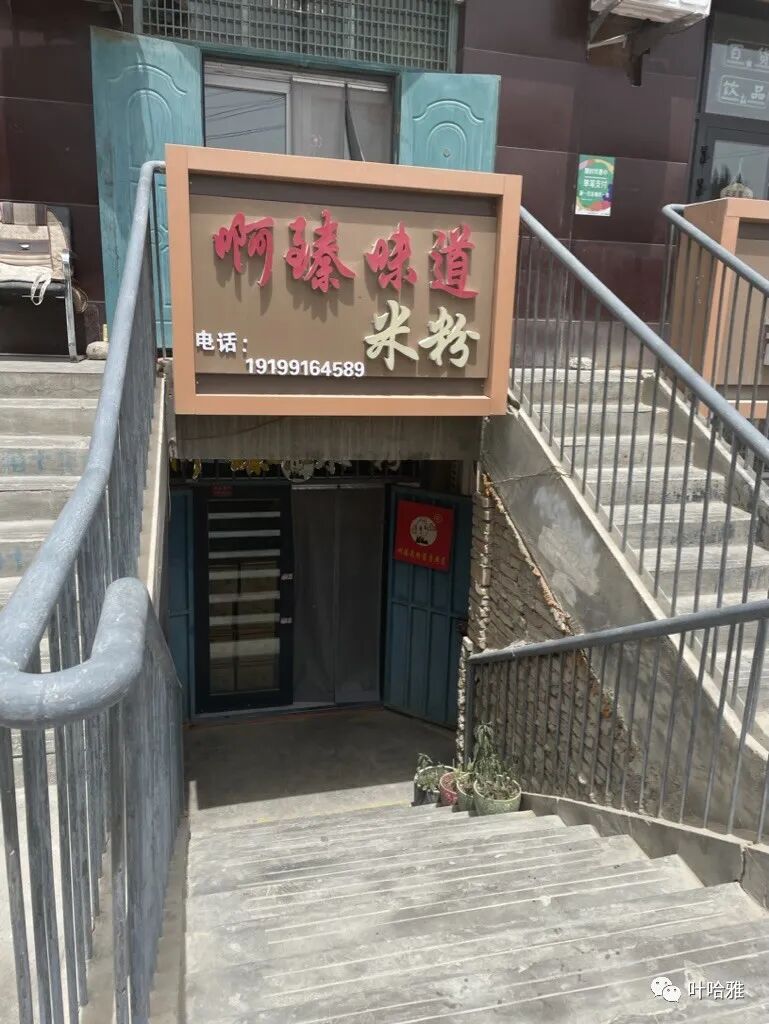
Next door to Yangyangyang, we found an Azhen Rice Noodles (mifen) shop. This chain also has locations in Beijing and is halal.
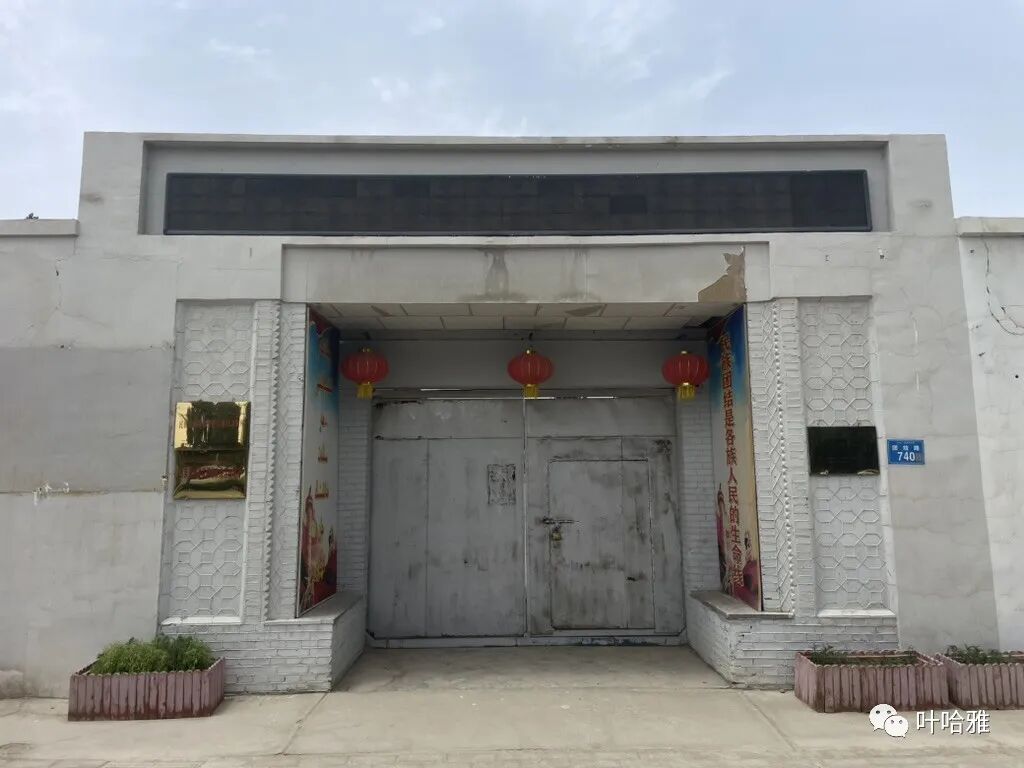
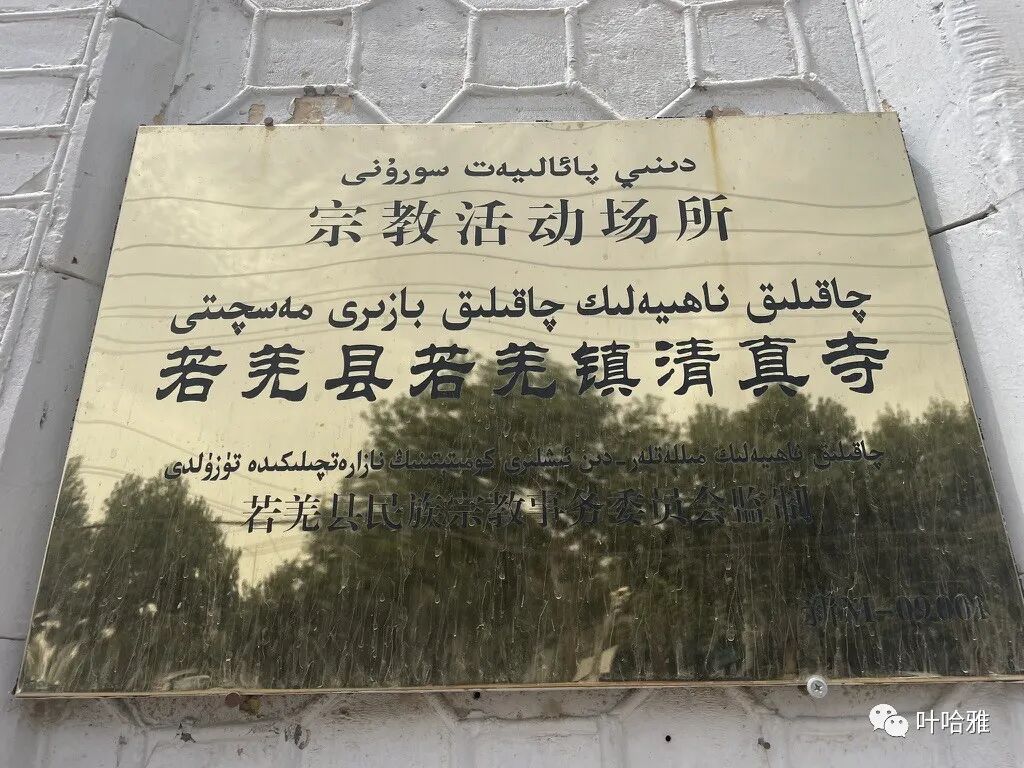
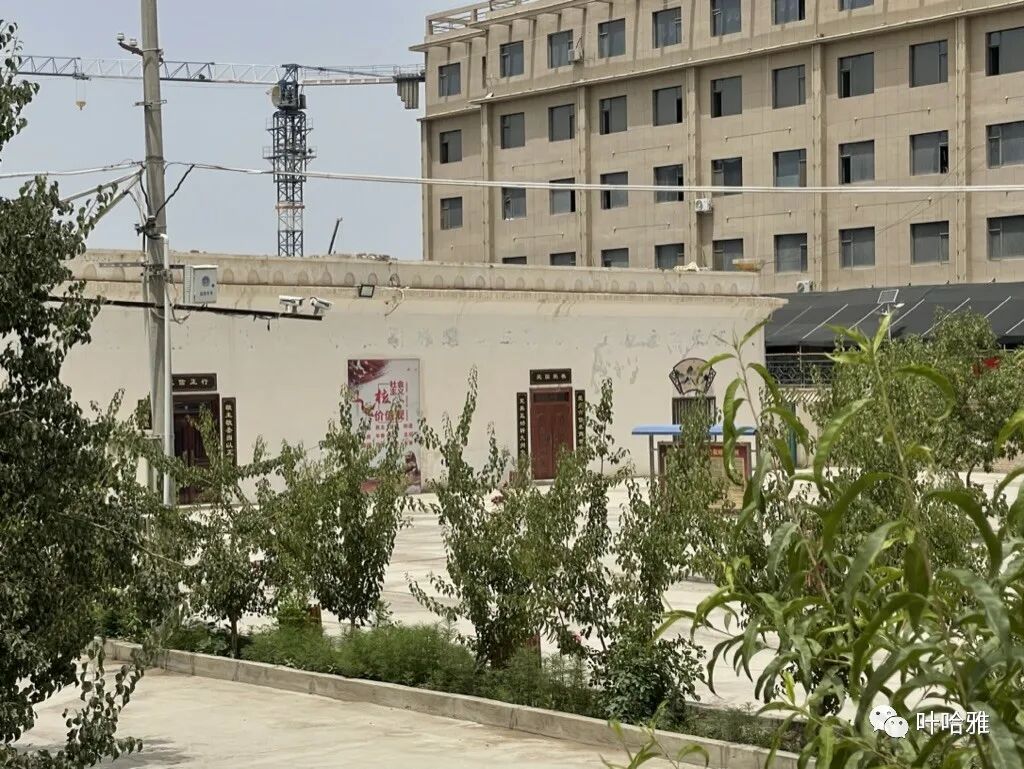
Since we couldn't find it on domestic maps, we had to ask passersby for the location of the mosque. After finding it, we discovered it wasn't open. Ruoqiang Mosque was the first mosque we passed on our Xinjiang trip.
After a short break, we continued to the next city, Qiemo. We checked into the Qiemo Hotel in the evening and learned from the staff that the breakfast is halal.
Qiemo Hotel is considered a relatively good state-run guesthouse in the area. Most prefectures in Xinjiang have these types of state-run hotels, so stay in one if you want to avoid bad accommodation experiences.
On the inside of the hotel room door, there was a sign that read, 'Walls have ears, watch your words.' This made me wonder what must have happened here before; otherwise, why would they need such a warning?
Qiemo has a grand bazaar and two night markets. We visited both. They aren't very large, but the food at the night markets is delicious.
We ate baked buns (kaobaozi), roasted pigeon, and red willow skewer meat (hongliu kaorou) at the Yudu Night Market.
Roasted meat (kaorou) tastes good everywhere in Xinjiang, even at highway rest stops.
I had my first bowl of mixed noodles (banmian) in Xinjiang at Ma's Barbecue (Ma Ji Shaokao), and I have never had a bad bowl of mixed noodles in this region.
Wusu carbonated drink.
I found a Flaming Mountain Restaurant (Huoyanshan Canting) in Qiemo. This chain used to have locations in Beijing, but they have all closed down now.
I searched for a mosque on Google Maps for a long time without success, then I suddenly realized this plot of land might be it.
It is now a construction site.
The next day we continued driving west to Yutian County because there is an Id Kah Mosque (Aitiga'er Qingzhensi) there.
Unfortunately, photography is not allowed at the mosque. The security guard deleted the photo I took of the main gate, so I only have one photo of the side.
The image above shows the original appearance of the Id Kah Mosque, taken from the second volume of 'Architectural Art of Islam in China'.
With nowhere else to go, we had to find a nearby restaurant to eat. We happened to see this Hotan Canteen (Hetian Shitang). Yutian County is part of the Hotan region, and since there are Hotan Canteens in Beijing, I wanted to see how this one was different.
The restaurant environment was quite nice, but the food was not good and the prices were high. Combined with my earlier unpleasant experience, I just wanted to leave this city as soon as possible.
I left Yutian and arrived at Hotan Tuancheng. Because I was told not to take photos earlier, I was very careful when I first got to Hotan. I started by taking a few secret photos from inside the car. Later, I saw tourists everywhere and no one was stopping them, so I became bolder. Strangely, I never ran into any more photo restrictions during the rest of my trip in Xinjiang.
Hotan Tuancheng is just like the Old City of Kashgar; it has been renovated and contains both homes and shops. It is worth walking around and eating there. The girls in Hotan are even prettier, and I feel they are better looking than the ones in Kashgar.
A kind girl in Hotan warned us not to drive the wrong way on a one-way street. We were embarrassed because we first thought she was trying to chat us up.
I had my first bowl of yogurt shaved ice (suannai baobing) at this shop in Tuancheng. My first impression of Hotan is really good.
Jiaman Mosque is in the center of Hotan Tuancheng. It was first built during the Guangxu reign of the Qing Dynasty (1875).
I asked the Uyghur grandfather at the entrance if I could go inside, but he shook his head.
Pishan County is a place I have always wanted to visit. When I arrived, it was completely different from what I expected. The city was built with help from Anhui Province. There is almost no local ethnic character, and the buildings use the Anhui style, making me feel like I was in Anhui.
The Pishan County Guest House is state-run, like guest houses in other parts of Xinjiang. They are usually the best hotels in the area. If you do not know where to stay, choosing the guest house is a safe bet, and the breakfast is always halal.
I ate at a beef noodle shop run by Uyghurs in Pishan County. It is really hard to find halal restaurants here, and none of them looked like one, but this place called Magake seemed reliable.
I specifically walked around the supermarket and could not find a single halal food item. Even these sausages had no halal label.
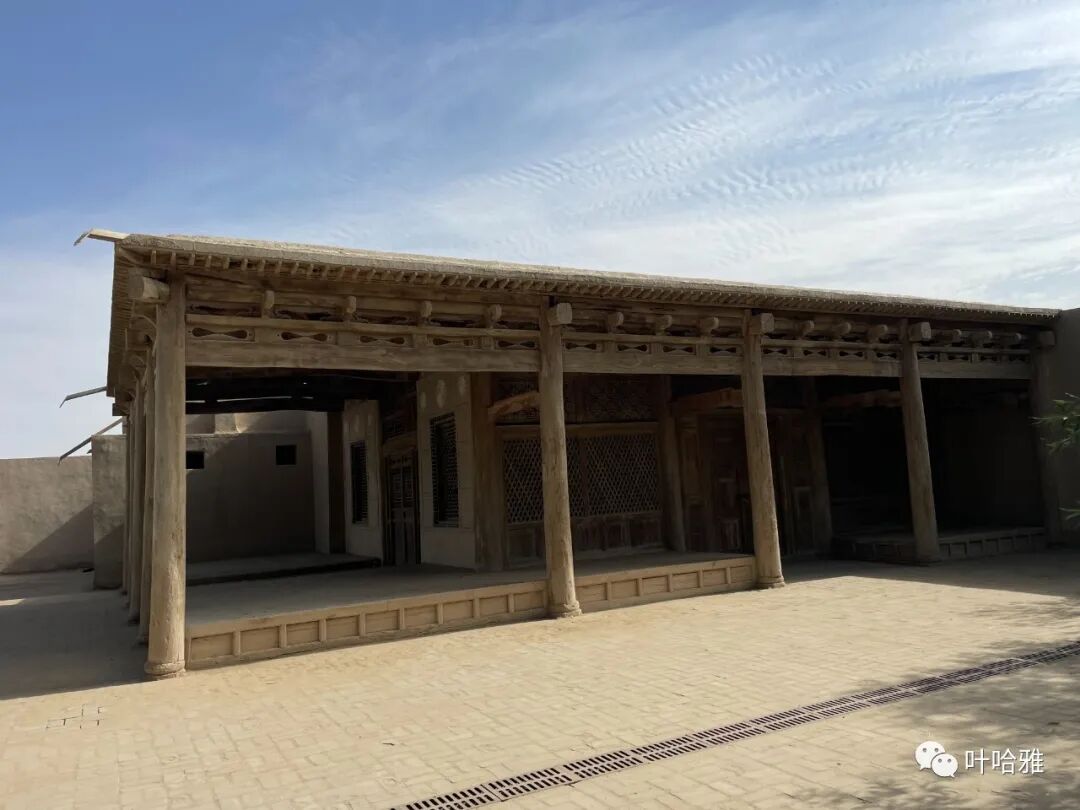
A niche spot worth visiting in Pishan County is the Turdi Haji Manor.
Turdi Haji was a wealthy landlord (bai) in Xinjiang during the Republic of China era. He built this manor in 1916. It covers 2,500 square meters and is now a Major Historical and Cultural Site Protected at the National Level.
The gate was locked when we arrived at the manor. We made a phone call, and the local tourism bureau sent a worker to open it for us. Admission was free.
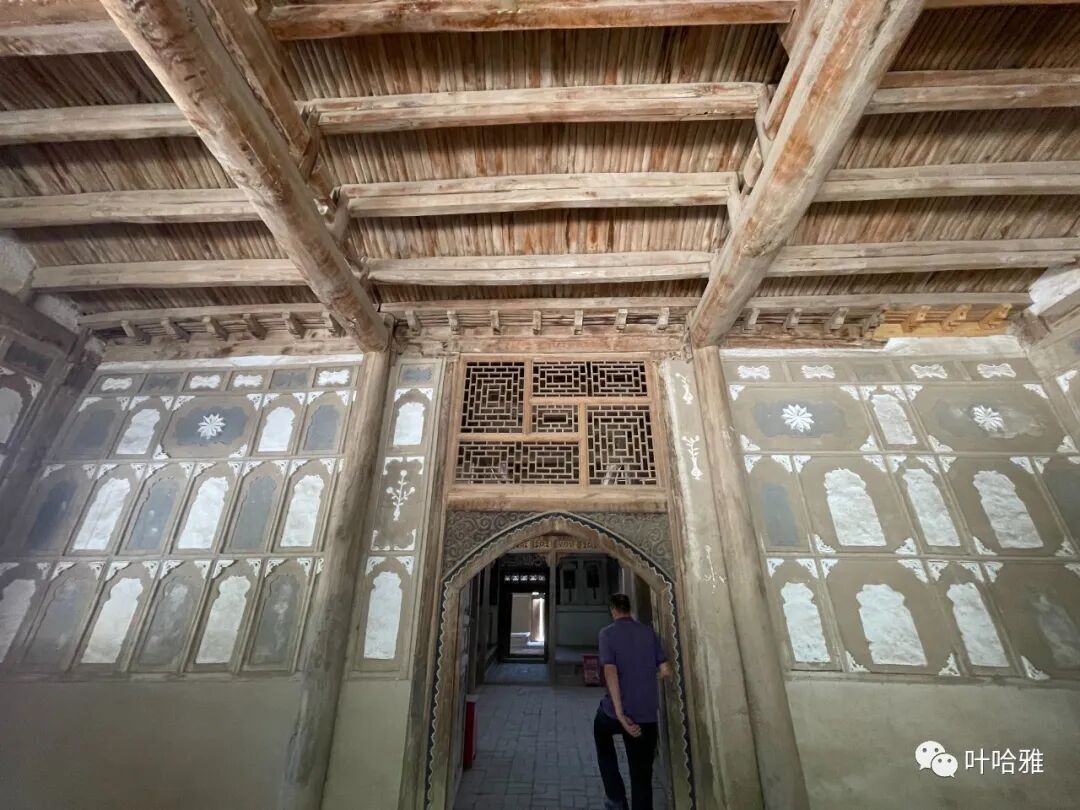
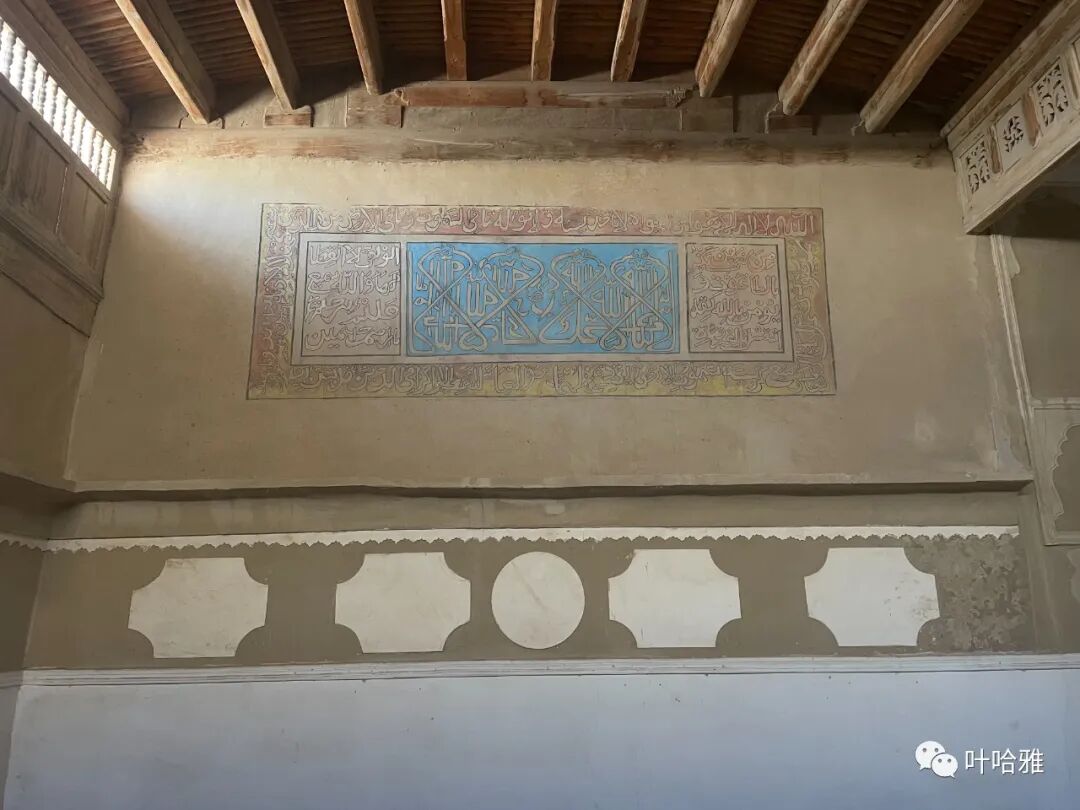
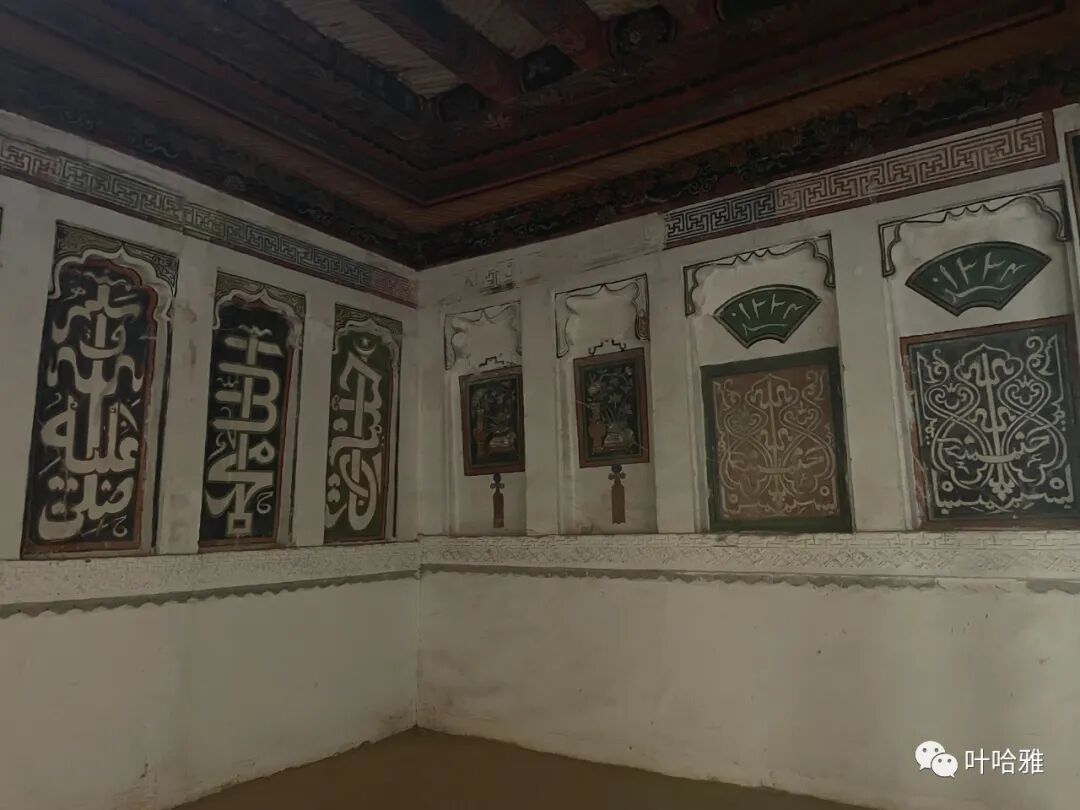
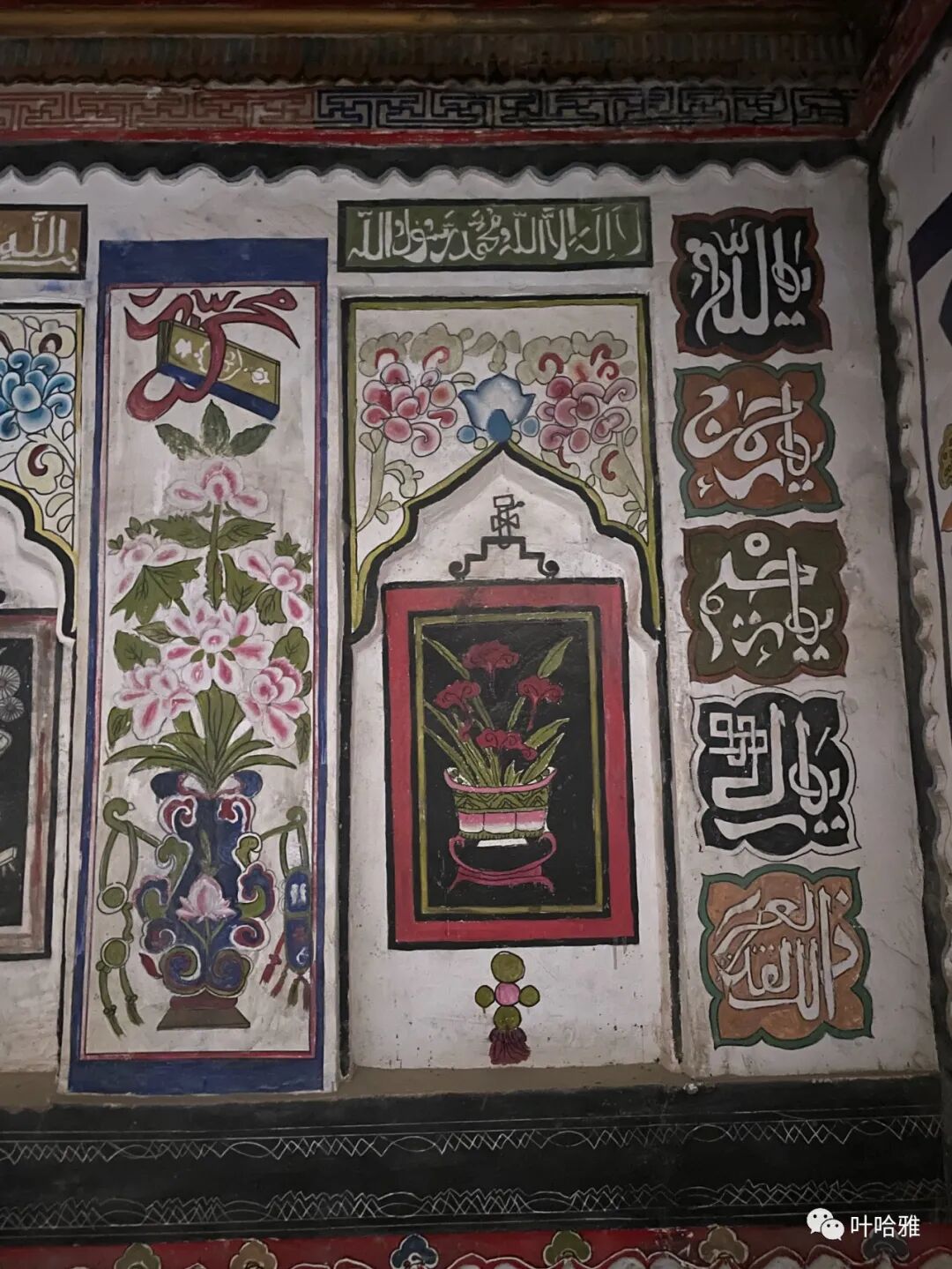
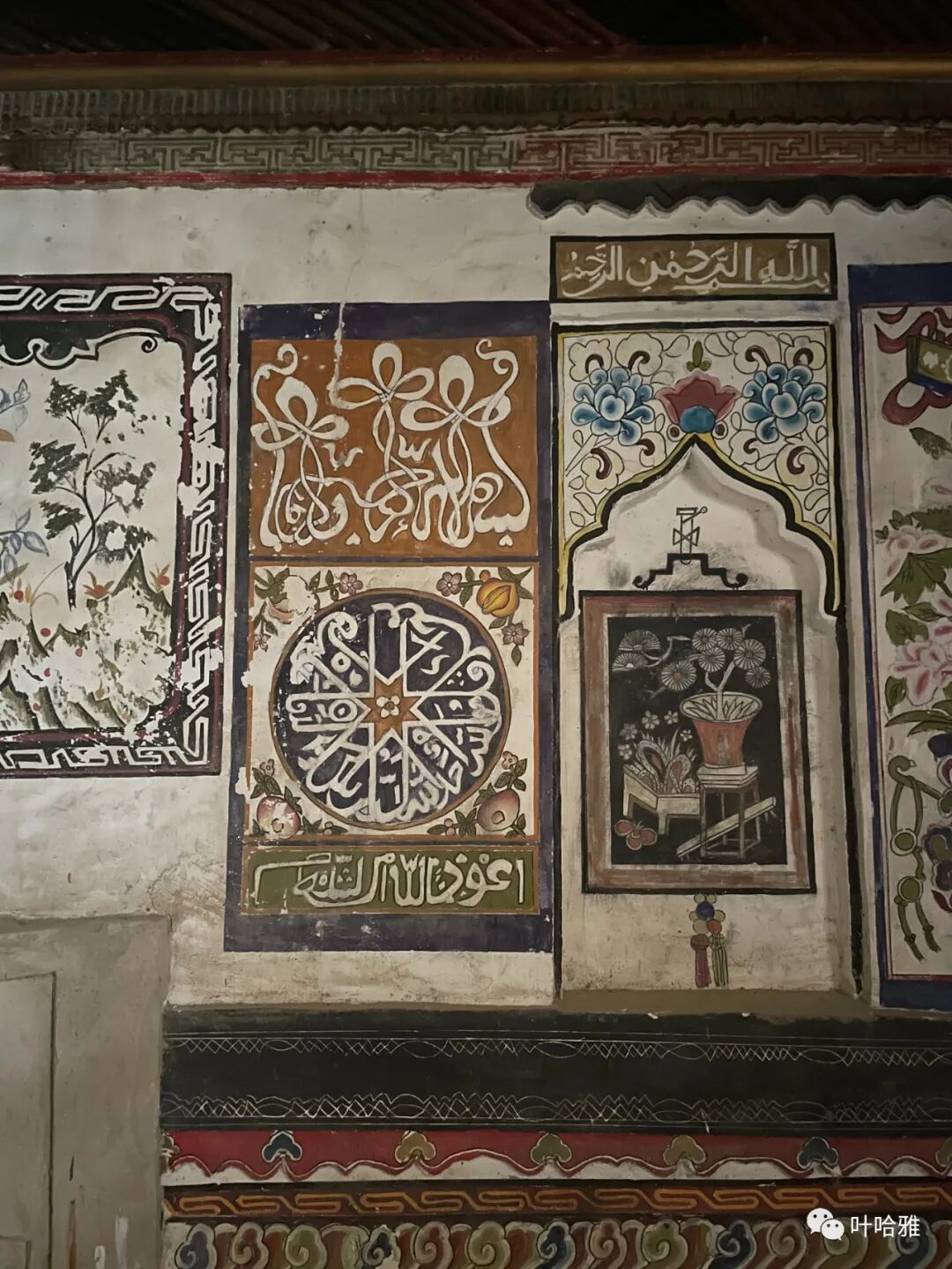
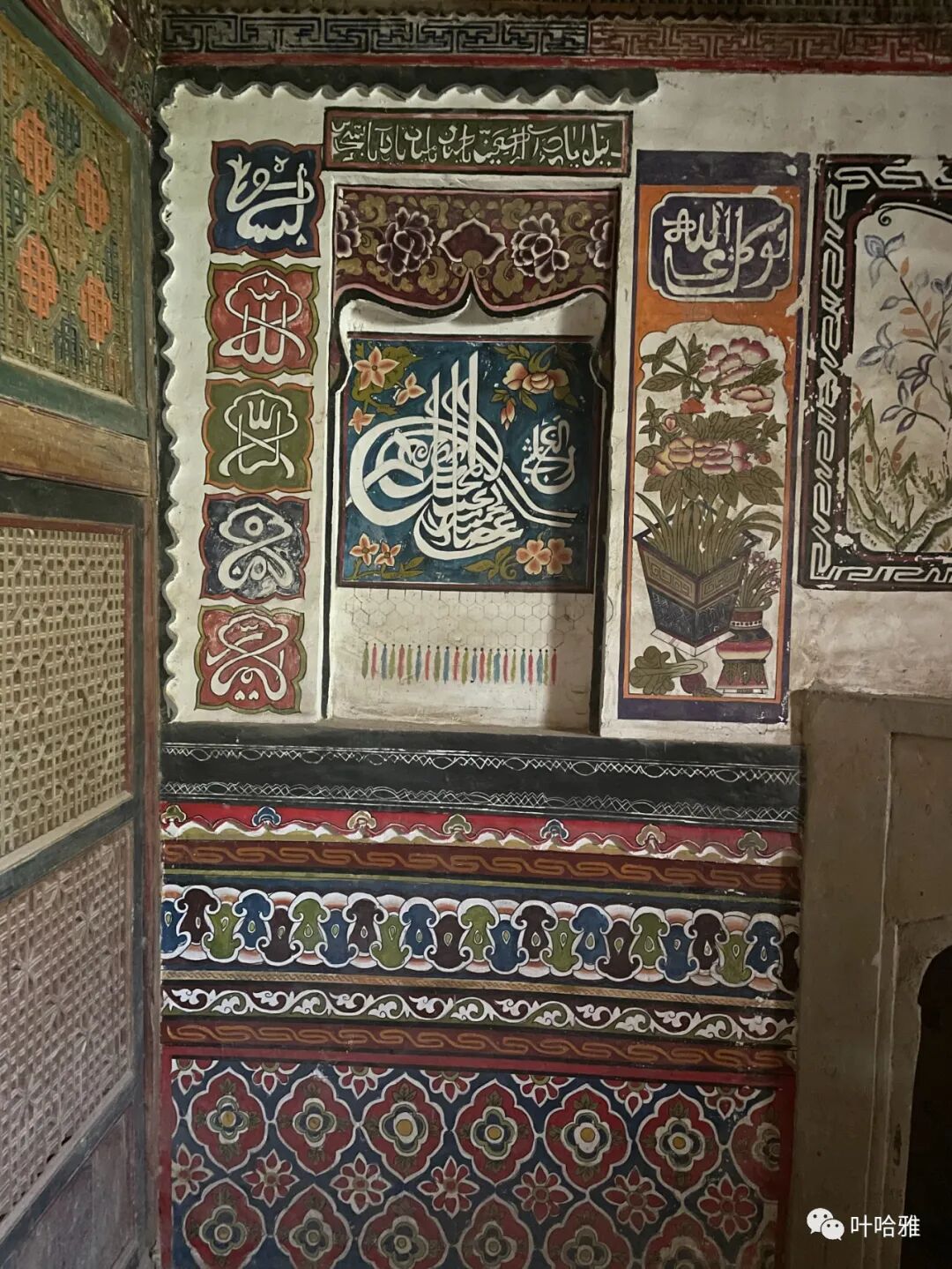
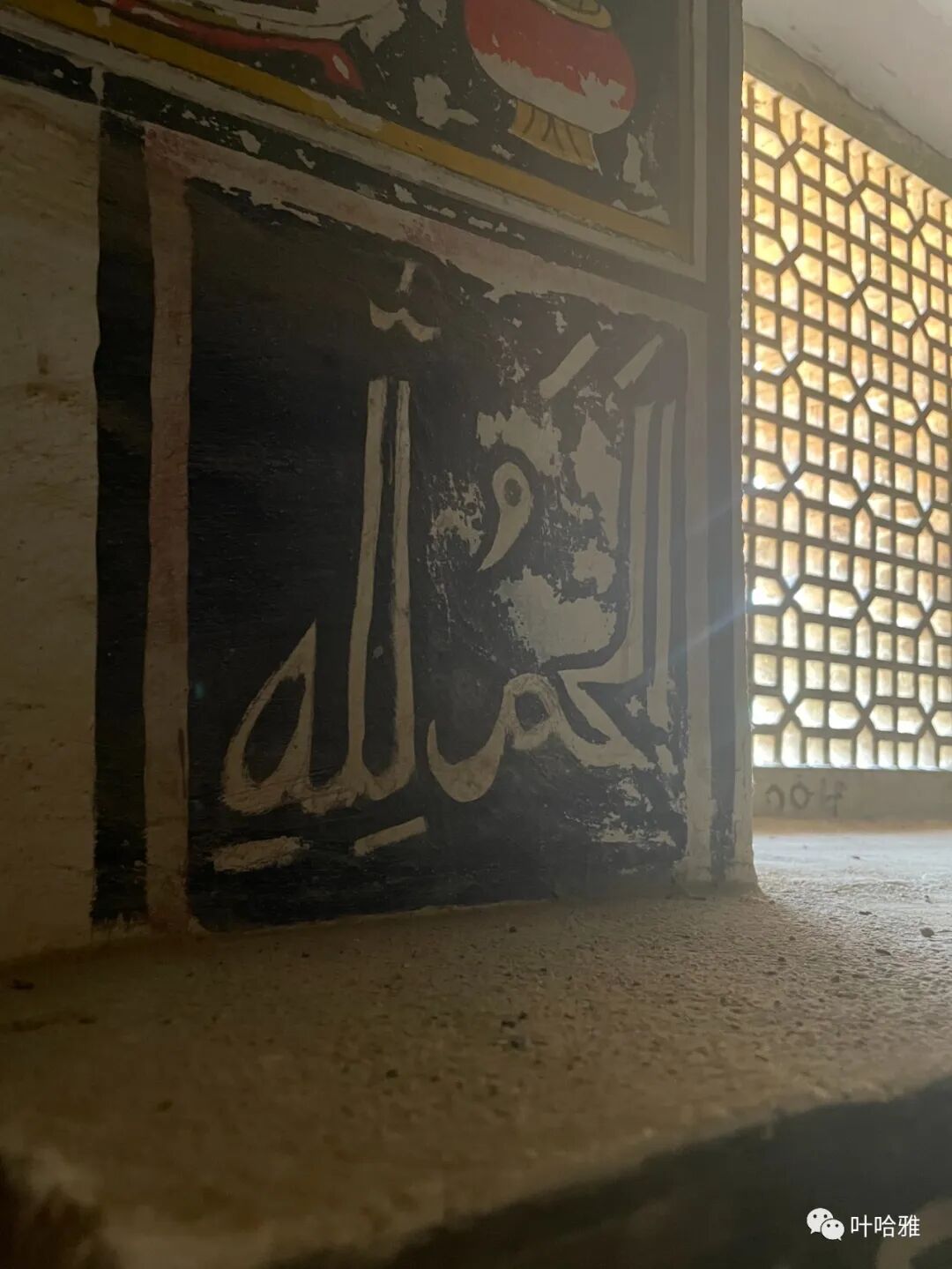
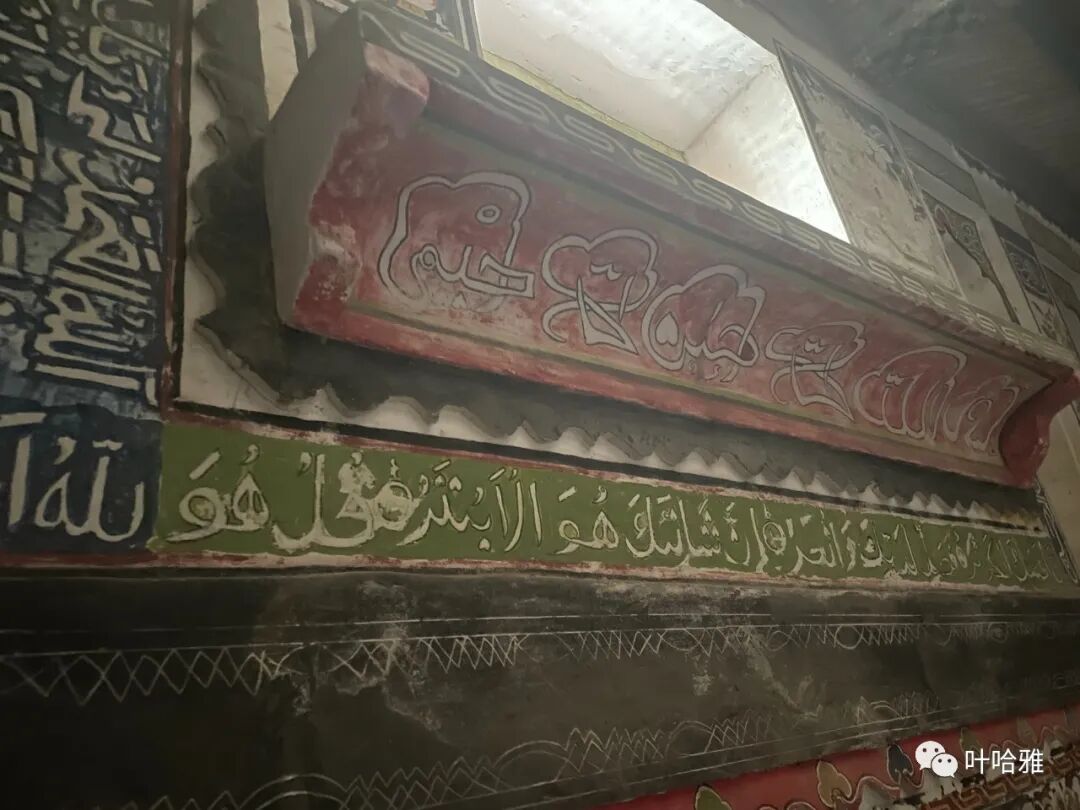
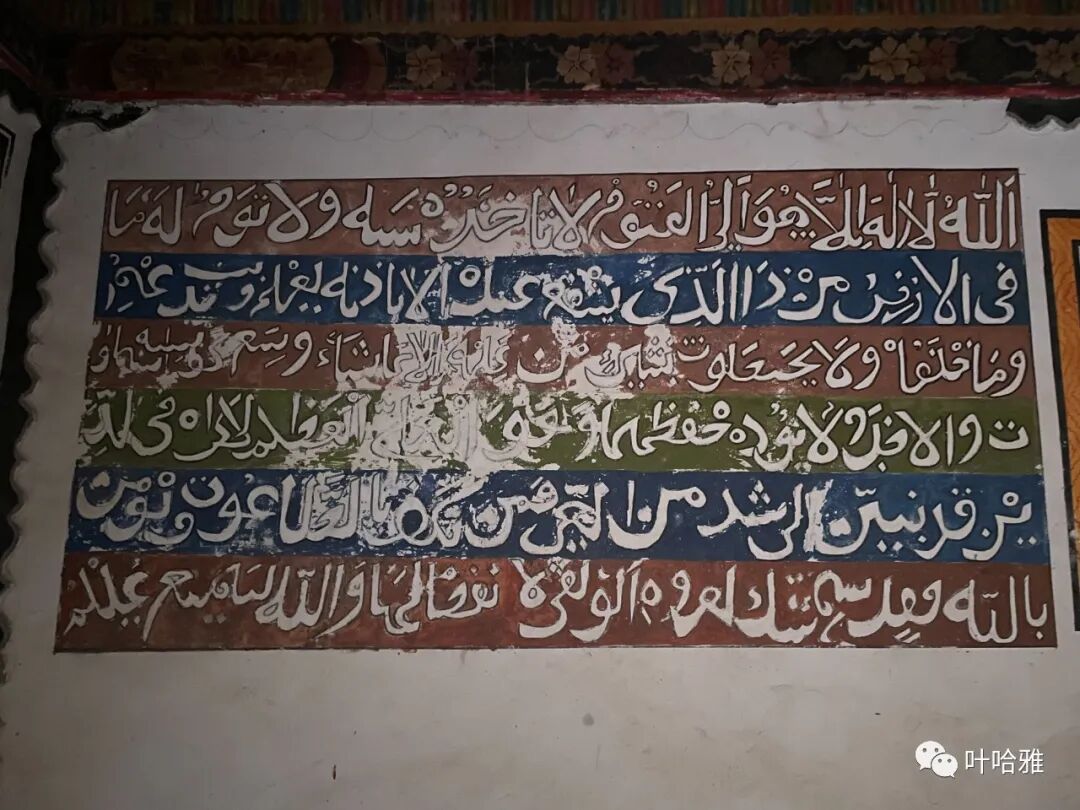
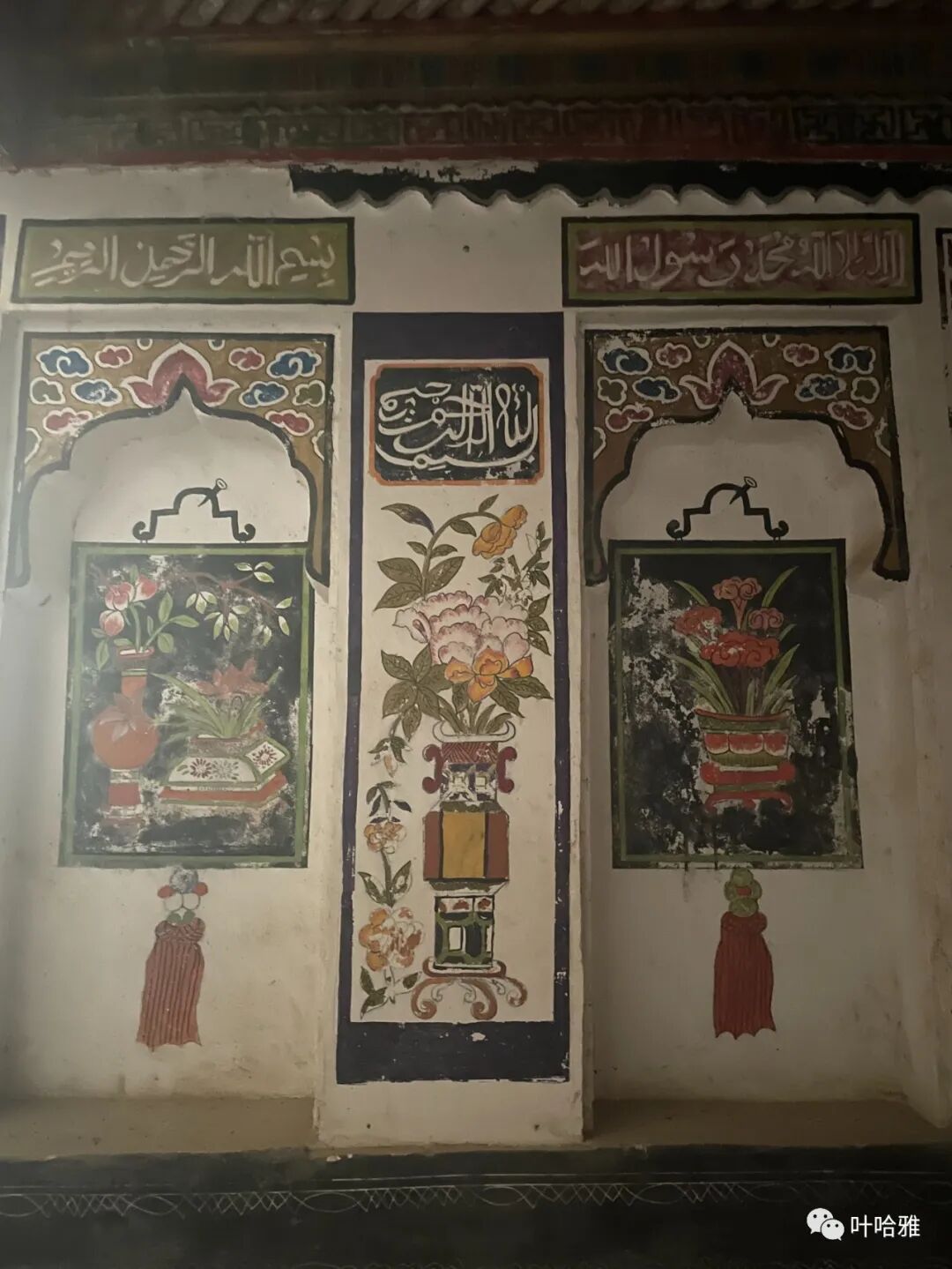
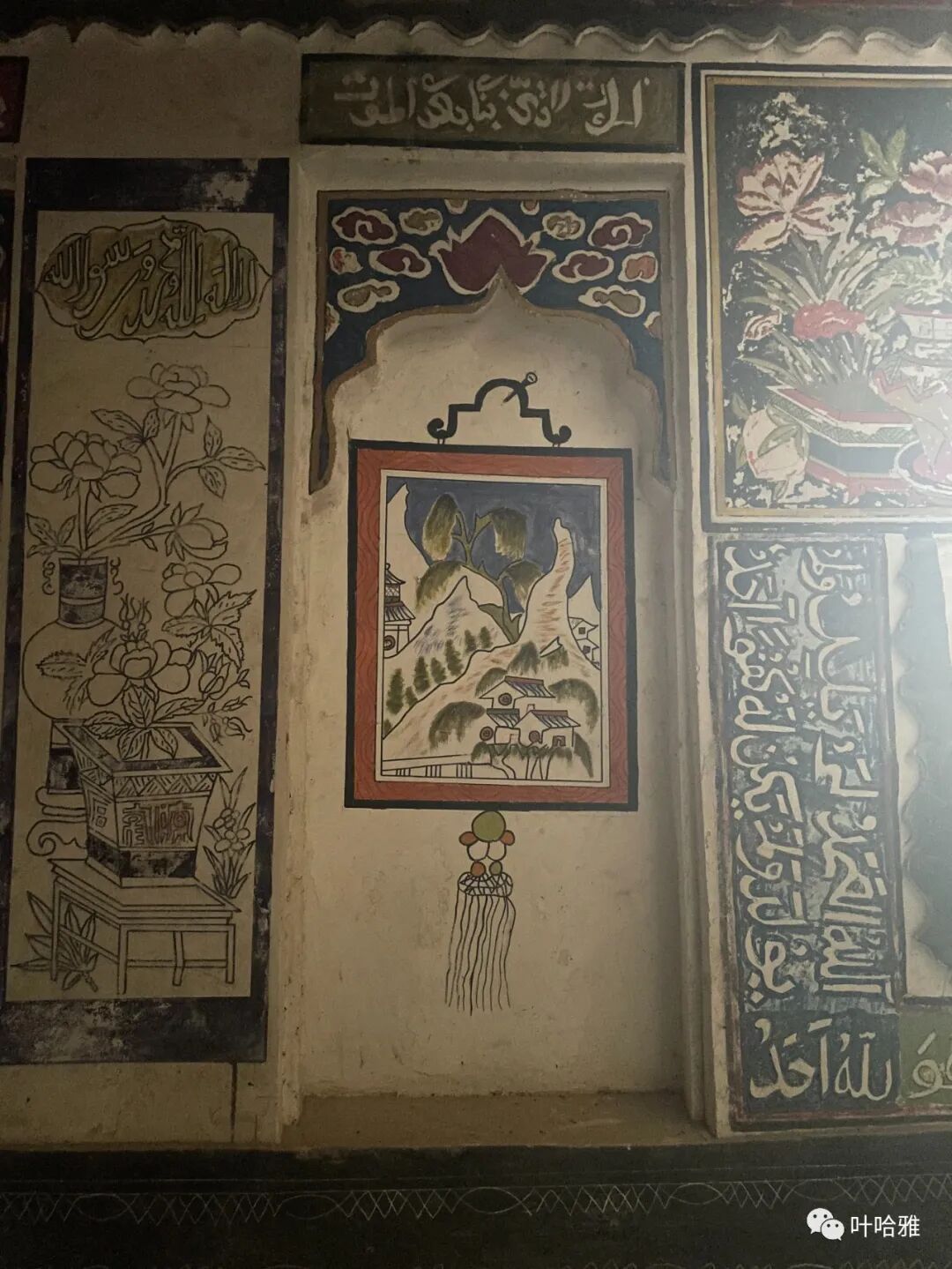
What drew me to the manor were the painted decorations inside. They still have Arabic script, including the Shahada and excerpts from the Quran, along with some Uyghur script.
This is very rare to see in a private home today. The manor blends styles from Central Asia, West Asia, and the Middle East, so I just thought of it as a mosque.
Leaving Hotan Prefecture for Kashgar Prefecture, you pass through Yarkant County (Shache), which was once the site of the Yarkant Khanate palace.
The old mosque district, with the Jiaman Mosque at its center, is currently undergoing renovations.
We ate Nurgul cold jelly noodles (liangfen liangpi) in Yarkant County. The whole room was full of women, and we were the only table of men.
But these cold noodles were really delicious, and they even added chickpeas.
The Yarkant Khanate Palace is a must-visit spot for tourists with a 40 yuan ticket, but it is a new building modeled after the original, so it is optional. However, the Amanisahan and Yarkant Khanate Royal Mausoleum across the street is worth a visit.
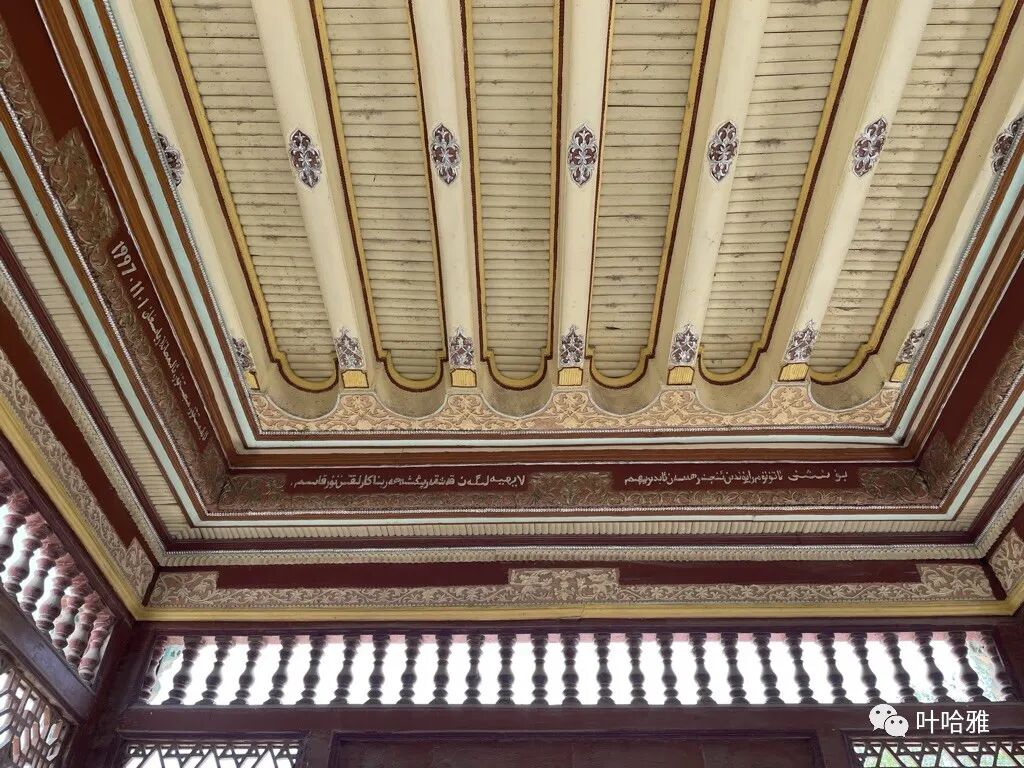
Next to the royal mausoleum is the Altun Mosque. It was open, but not for visitors, and there was someone guarding the entrance.
Altun Mosque
Amanisahan (1526-1560) was the master who compiled the Twelve Muqam art. She married into the palace at 13 and died during childbirth at 34.
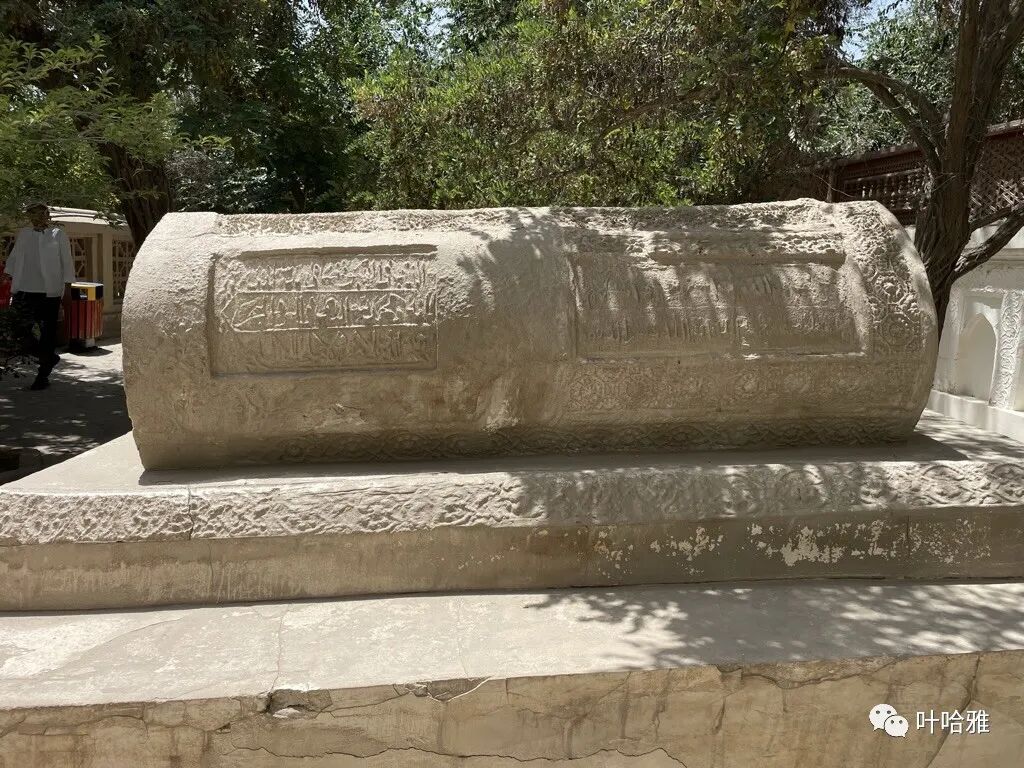
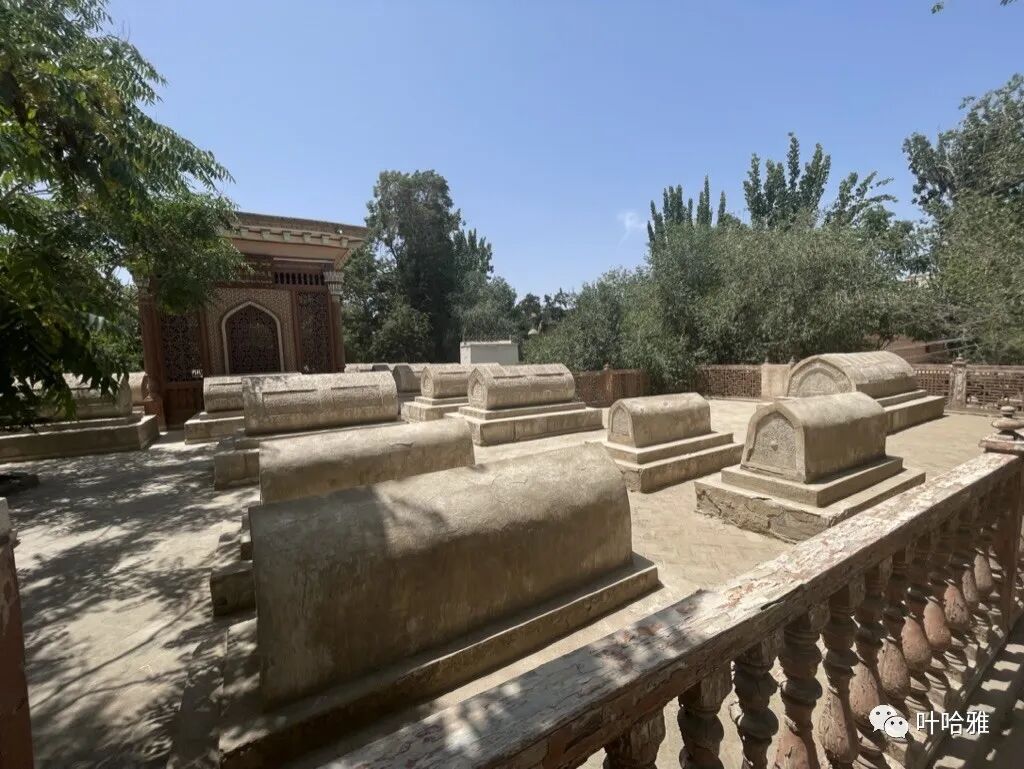
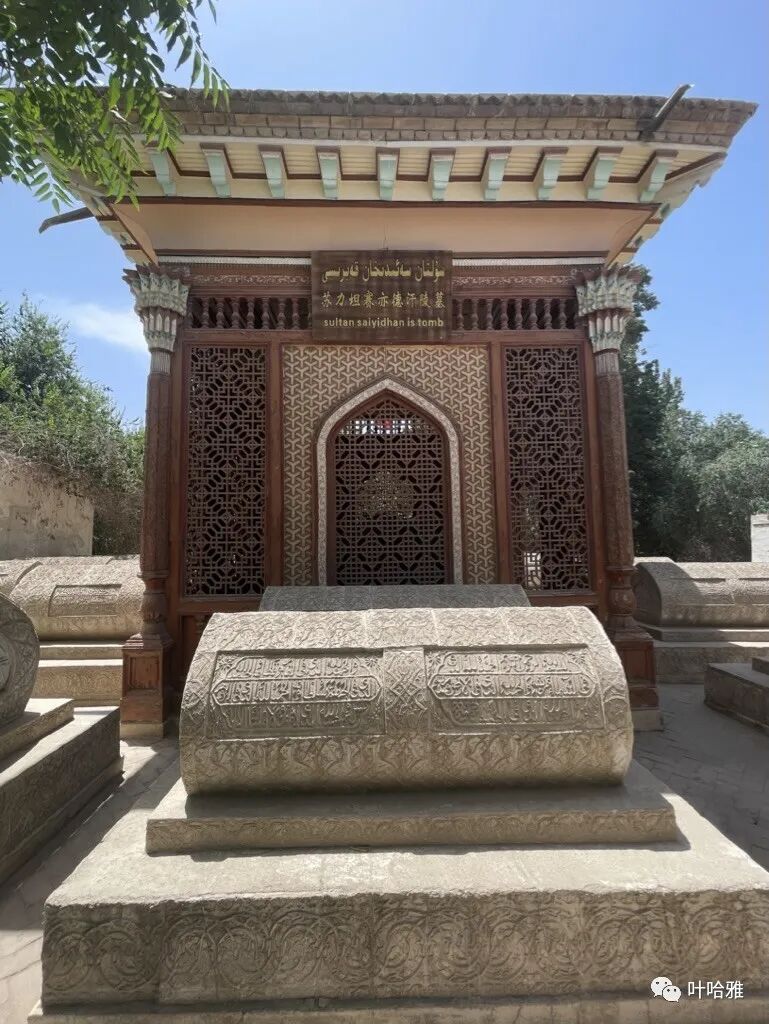
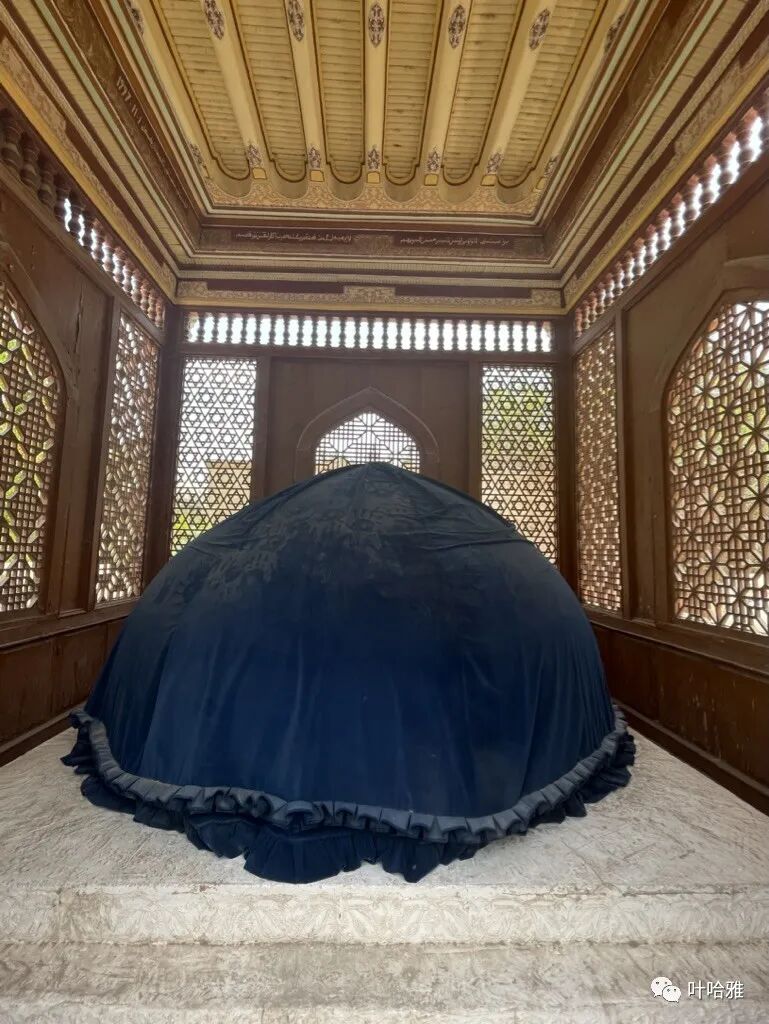
The Yarkant Khanate Royal Mausoleum holds the remains of generations of the royal family. Yarkant County was formerly known as Yarkant City and served as the capital of the Khanate, which followed the Black Mountain sect.
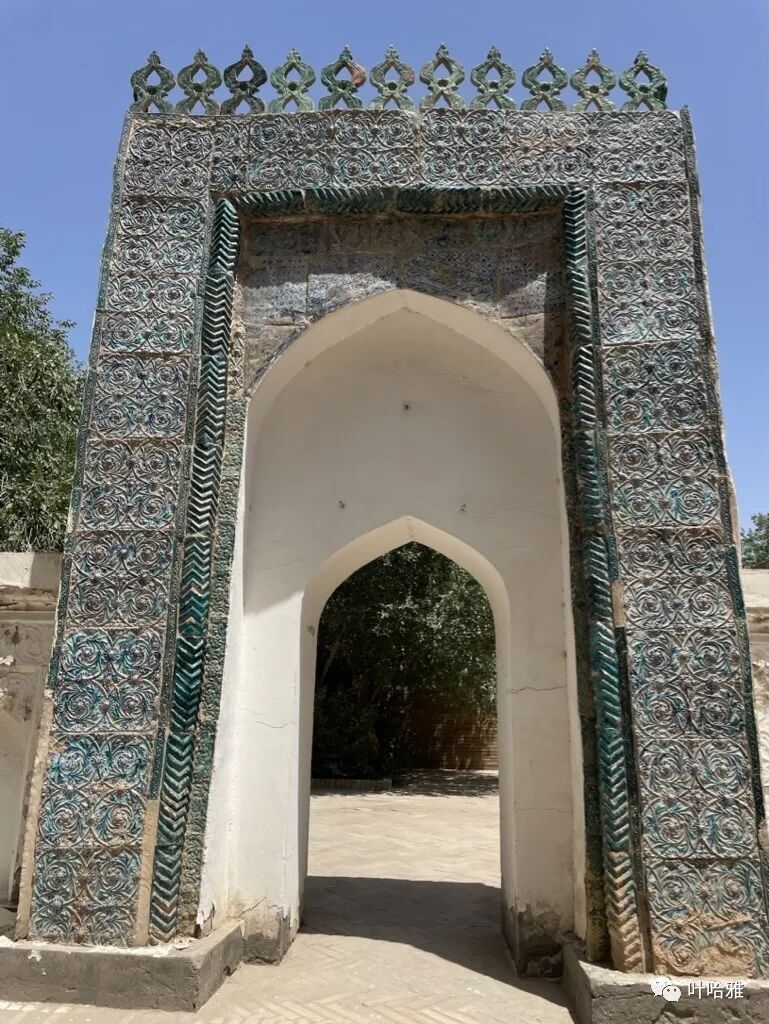
The tomb of Sultan Said, the founder of the Khanate.
I had a shaved ice (baobing) in the square. The summer heat in southern Xinjiang is intense, and shaved ice is the perfect way to cool down and quench your thirst.
Azina Mosque
Azina Mosque appeared, and I carefully took a quick photo from the car. I haven't had enough of the beauty of Yarkant (Shache) and Hotan yet, so I think I will come back again. view all
Summary: This Muslim travel guide to southern Xinjiang follows the route from Ruoqiang to Yarkand, with halal food stops, mosque visits, Altun Mosque, Yarkand Khanate royal tombs, Turdi Haji Manor, Uyghur history, and road trip notes.
A Southern Xinjiang Muslim Journey: The Yarkand Khanate Tombs and the Turdi Haji Manor is presented here as a firsthand travel account in clear English, beginning with this scene: We entered Xinjiang from Mangya City in Qinghai, and the first city we reached was Ruoqiang. The account keeps its focus on Yarkand Travel, Chagatai Khanate, Uyghur History while preserving the names, places, food, and historical details from the Chinese source.
We entered Xinjiang from Mangya City in Qinghai, and the first city we reached was Ruoqiang. Since we planned to drive from southern Xinjiang to northern Xinjiang, we hit a sandstorm as soon as we crossed the border. Yellow sand filled the sky, making it impossible to keep our eyes open, and the highway was covered in shifting sand, creating an instantly eerie atmosphere.
Starting from Ruoqiang, we could no longer find restaurants with halal signs.
To know if a restaurant is okay to eat at, you either have to guess or ask. This Yangyangyang Pilaf (zhuafan) shop is an old establishment, and it is safe to eat there.
Our first meal in Xinjiang was the pilaf from this shop. To be honest, their pilaf was just as good as any other I had in later cities.
Next door to Yangyangyang, we found an Azhen Rice Noodles (mifen) shop. This chain also has locations in Beijing and is halal.
Since we couldn't find it on domestic maps, we had to ask passersby for the location of the mosque. After finding it, we discovered it wasn't open. Ruoqiang Mosque was the first mosque we passed on our Xinjiang trip.
After a short break, we continued to the next city, Qiemo. We checked into the Qiemo Hotel in the evening and learned from the staff that the breakfast is halal.
Qiemo Hotel is considered a relatively good state-run guesthouse in the area. Most prefectures in Xinjiang have these types of state-run hotels, so stay in one if you want to avoid bad accommodation experiences.
On the inside of the hotel room door, there was a sign that read, 'Walls have ears, watch your words.' This made me wonder what must have happened here before; otherwise, why would they need such a warning?
Qiemo has a grand bazaar and two night markets. We visited both. They aren't very large, but the food at the night markets is delicious.
We ate baked buns (kaobaozi), roasted pigeon, and red willow skewer meat (hongliu kaorou) at the Yudu Night Market.
Roasted meat (kaorou) tastes good everywhere in Xinjiang, even at highway rest stops.
I had my first bowl of mixed noodles (banmian) in Xinjiang at Ma's Barbecue (Ma Ji Shaokao), and I have never had a bad bowl of mixed noodles in this region.
Wusu carbonated drink.
I found a Flaming Mountain Restaurant (Huoyanshan Canting) in Qiemo. This chain used to have locations in Beijing, but they have all closed down now.
I searched for a mosque on Google Maps for a long time without success, then I suddenly realized this plot of land might be it.
It is now a construction site.
The next day we continued driving west to Yutian County because there is an Id Kah Mosque (Aitiga'er Qingzhensi) there.
Unfortunately, photography is not allowed at the mosque. The security guard deleted the photo I took of the main gate, so I only have one photo of the side.
The image above shows the original appearance of the Id Kah Mosque, taken from the second volume of 'Architectural Art of Islam in China'.
With nowhere else to go, we had to find a nearby restaurant to eat. We happened to see this Hotan Canteen (Hetian Shitang). Yutian County is part of the Hotan region, and since there are Hotan Canteens in Beijing, I wanted to see how this one was different.
The restaurant environment was quite nice, but the food was not good and the prices were high. Combined with my earlier unpleasant experience, I just wanted to leave this city as soon as possible.
I left Yutian and arrived at Hotan Tuancheng. Because I was told not to take photos earlier, I was very careful when I first got to Hotan. I started by taking a few secret photos from inside the car. Later, I saw tourists everywhere and no one was stopping them, so I became bolder. Strangely, I never ran into any more photo restrictions during the rest of my trip in Xinjiang.
Hotan Tuancheng is just like the Old City of Kashgar; it has been renovated and contains both homes and shops. It is worth walking around and eating there. The girls in Hotan are even prettier, and I feel they are better looking than the ones in Kashgar.
A kind girl in Hotan warned us not to drive the wrong way on a one-way street. We were embarrassed because we first thought she was trying to chat us up.
I had my first bowl of yogurt shaved ice (suannai baobing) at this shop in Tuancheng. My first impression of Hotan is really good.
Jiaman Mosque is in the center of Hotan Tuancheng. It was first built during the Guangxu reign of the Qing Dynasty (1875).
I asked the Uyghur grandfather at the entrance if I could go inside, but he shook his head.
Pishan County is a place I have always wanted to visit. When I arrived, it was completely different from what I expected. The city was built with help from Anhui Province. There is almost no local ethnic character, and the buildings use the Anhui style, making me feel like I was in Anhui.
The Pishan County Guest House is state-run, like guest houses in other parts of Xinjiang. They are usually the best hotels in the area. If you do not know where to stay, choosing the guest house is a safe bet, and the breakfast is always halal.
I ate at a beef noodle shop run by Uyghurs in Pishan County. It is really hard to find halal restaurants here, and none of them looked like one, but this place called Magake seemed reliable.
I specifically walked around the supermarket and could not find a single halal food item. Even these sausages had no halal label.
A niche spot worth visiting in Pishan County is the Turdi Haji Manor.
Turdi Haji was a wealthy landlord (bai) in Xinjiang during the Republic of China era. He built this manor in 1916. It covers 2,500 square meters and is now a Major Historical and Cultural Site Protected at the National Level.
The gate was locked when we arrived at the manor. We made a phone call, and the local tourism bureau sent a worker to open it for us. Admission was free.
What drew me to the manor were the painted decorations inside. They still have Arabic script, including the Shahada and excerpts from the Quran, along with some Uyghur script.
This is very rare to see in a private home today. The manor blends styles from Central Asia, West Asia, and the Middle East, so I just thought of it as a mosque.
Leaving Hotan Prefecture for Kashgar Prefecture, you pass through Yarkant County (Shache), which was once the site of the Yarkant Khanate palace.
The old mosque district, with the Jiaman Mosque at its center, is currently undergoing renovations.
We ate Nurgul cold jelly noodles (liangfen liangpi) in Yarkant County. The whole room was full of women, and we were the only table of men.
But these cold noodles were really delicious, and they even added chickpeas.
The Yarkant Khanate Palace is a must-visit spot for tourists with a 40 yuan ticket, but it is a new building modeled after the original, so it is optional. However, the Amanisahan and Yarkant Khanate Royal Mausoleum across the street is worth a visit.
Next to the royal mausoleum is the Altun Mosque. It was open, but not for visitors, and there was someone guarding the entrance.
Altun Mosque
Amanisahan (1526-1560) was the master who compiled the Twelve Muqam art. She married into the palace at 13 and died during childbirth at 34.
The Yarkant Khanate Royal Mausoleum holds the remains of generations of the royal family. Yarkant County was formerly known as Yarkant City and served as the capital of the Khanate, which followed the Black Mountain sect.
The tomb of Sultan Said, the founder of the Khanate.
I had a shaved ice (baobing) in the square. The summer heat in southern Xinjiang is intense, and shaved ice is the perfect way to cool down and quench your thirst.
Azina Mosque
Azina Mosque appeared, and I carefully took a quick photo from the car. I haven't had enough of the beauty of Yarkant (Shache) and Hotan yet, so I think I will come back again. view all
Reposted from the web
Summary: This Muslim travel guide to southern Xinjiang follows the route from Ruoqiang to Yarkand, with halal food stops, mosque visits, Altun Mosque, Yarkand Khanate royal tombs, Turdi Haji Manor, Uyghur history, and road trip notes.
A Southern Xinjiang Muslim Journey: The Yarkand Khanate Tombs and the Turdi Haji Manor is presented here as a firsthand travel account in clear English, beginning with this scene: We entered Xinjiang from Mangya City in Qinghai, and the first city we reached was Ruoqiang. The account keeps its focus on Yarkand Travel, Chagatai Khanate, Uyghur History while preserving the names, places, food, and historical details from the Chinese source.
We entered Xinjiang from Mangya City in Qinghai, and the first city we reached was Ruoqiang. Since we planned to drive from southern Xinjiang to northern Xinjiang, we hit a sandstorm as soon as we crossed the border. Yellow sand filled the sky, making it impossible to keep our eyes open, and the highway was covered in shifting sand, creating an instantly eerie atmosphere.
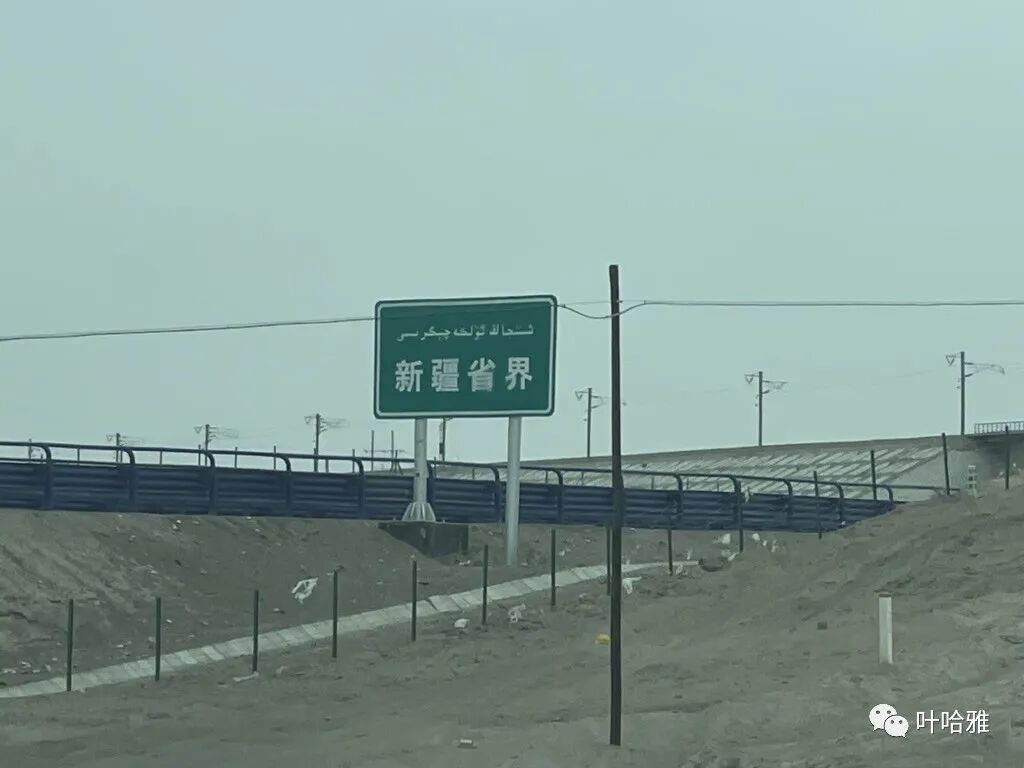
Starting from Ruoqiang, we could no longer find restaurants with halal signs.
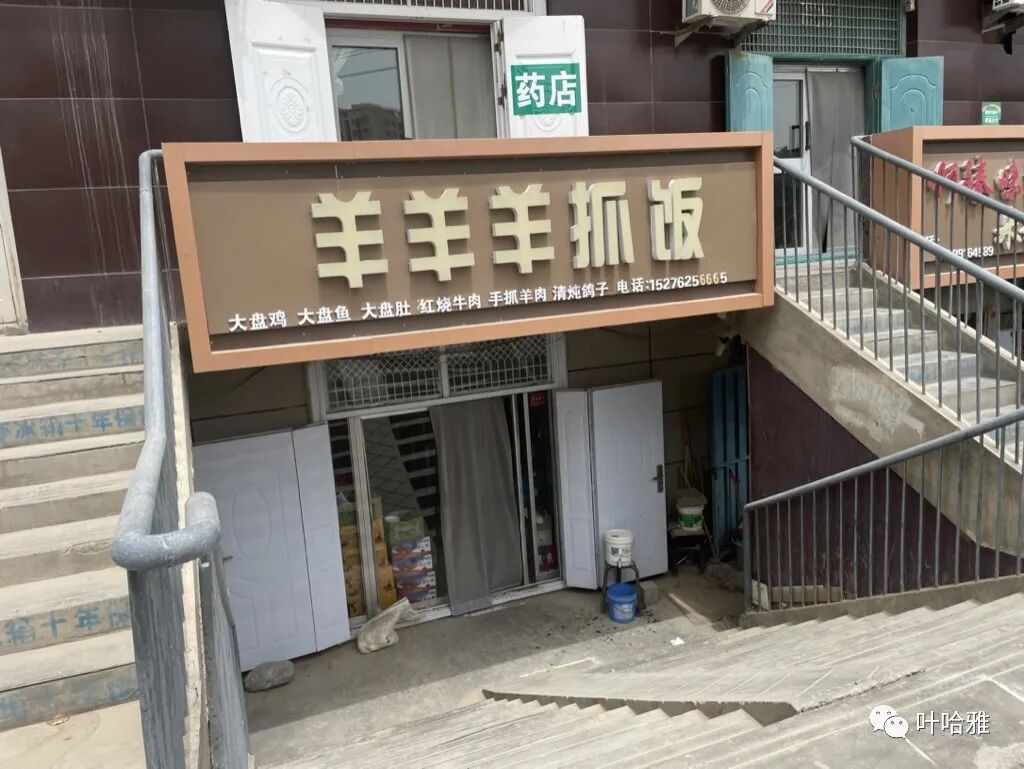
To know if a restaurant is okay to eat at, you either have to guess or ask. This Yangyangyang Pilaf (zhuafan) shop is an old establishment, and it is safe to eat there.
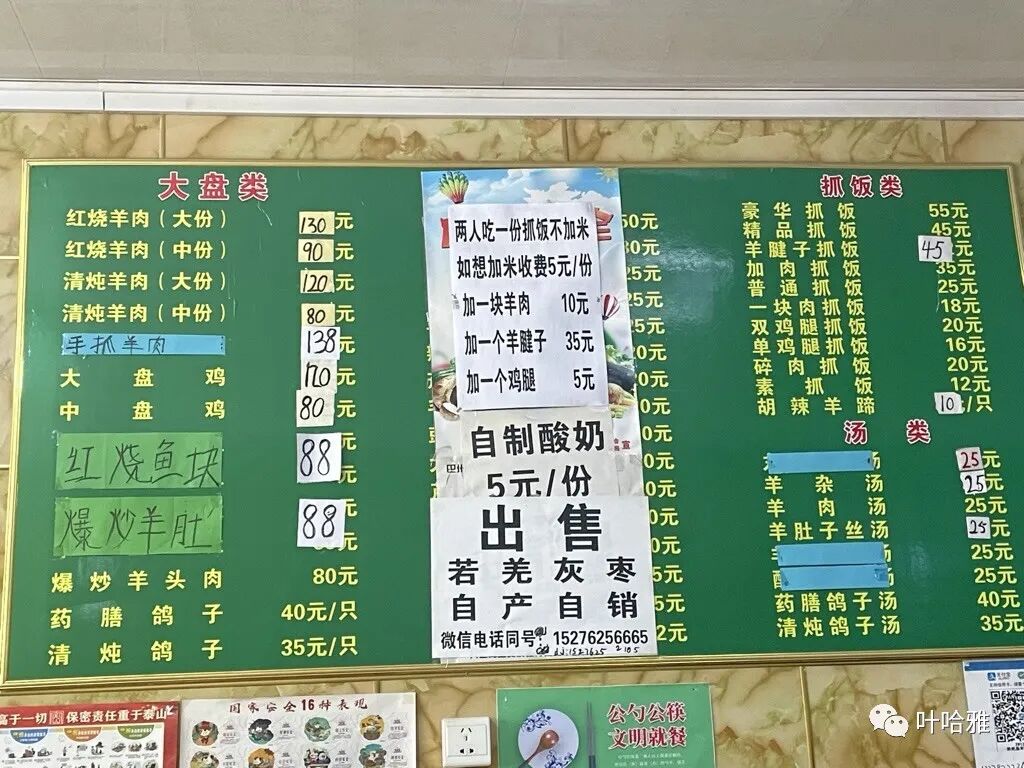
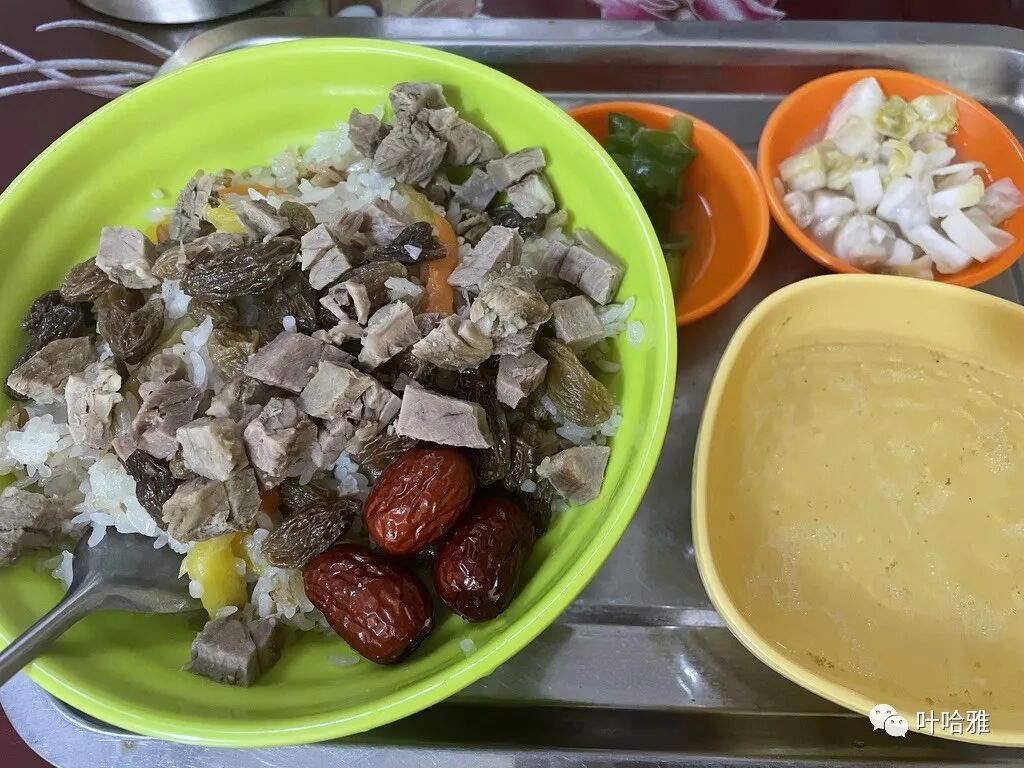
Our first meal in Xinjiang was the pilaf from this shop. To be honest, their pilaf was just as good as any other I had in later cities.
Next door to Yangyangyang, we found an Azhen Rice Noodles (mifen) shop. This chain also has locations in Beijing and is halal.
Since we couldn't find it on domestic maps, we had to ask passersby for the location of the mosque. After finding it, we discovered it wasn't open. Ruoqiang Mosque was the first mosque we passed on our Xinjiang trip.
After a short break, we continued to the next city, Qiemo. We checked into the Qiemo Hotel in the evening and learned from the staff that the breakfast is halal.
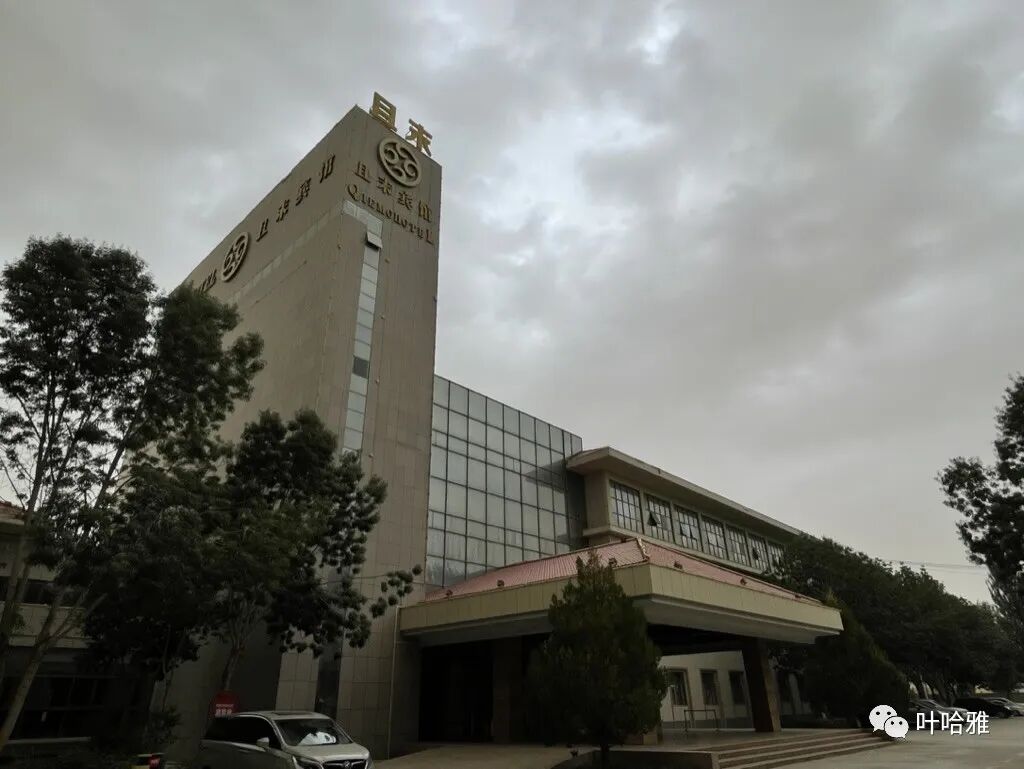
Qiemo Hotel is considered a relatively good state-run guesthouse in the area. Most prefectures in Xinjiang have these types of state-run hotels, so stay in one if you want to avoid bad accommodation experiences.
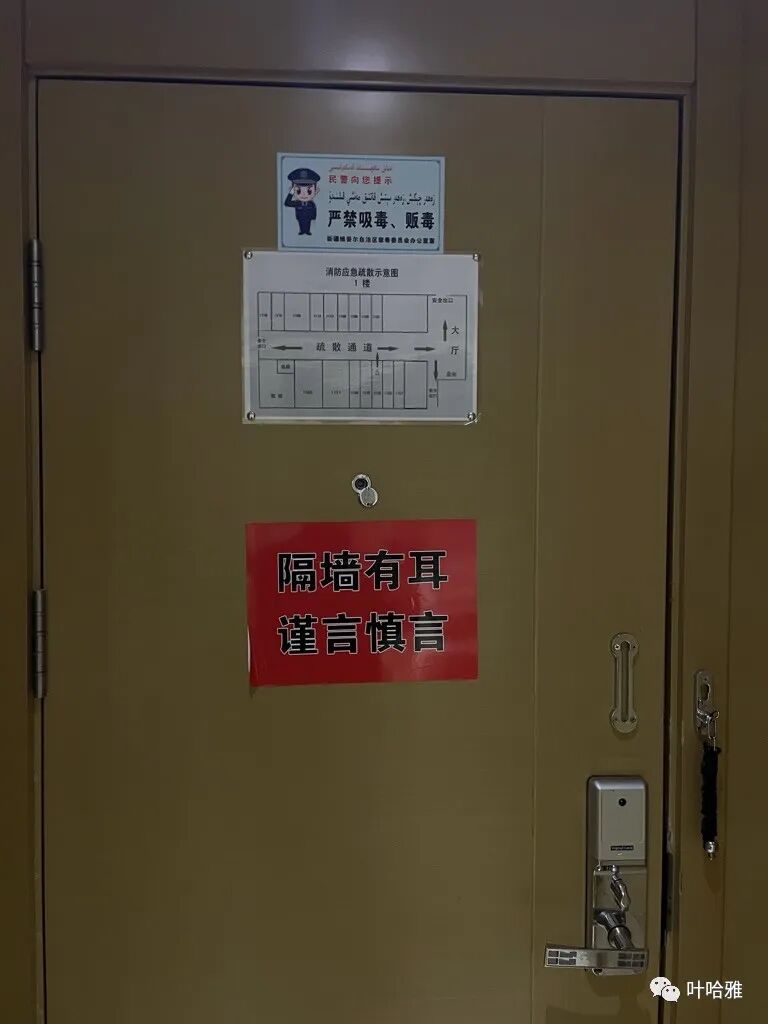
On the inside of the hotel room door, there was a sign that read, 'Walls have ears, watch your words.' This made me wonder what must have happened here before; otherwise, why would they need such a warning?
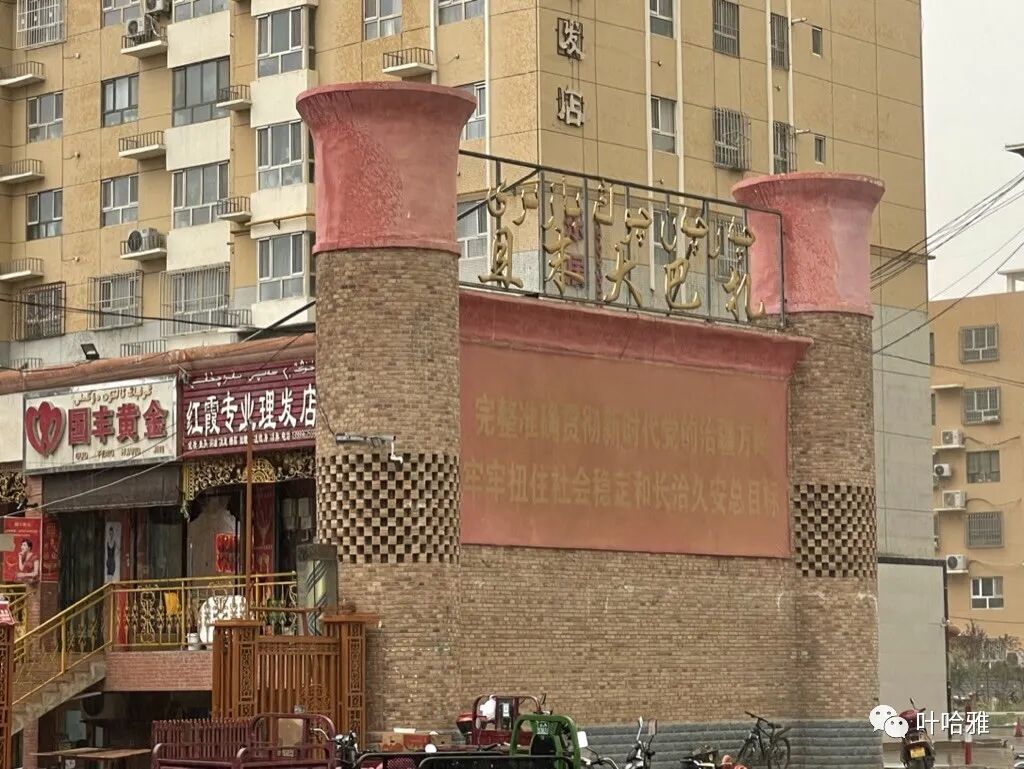
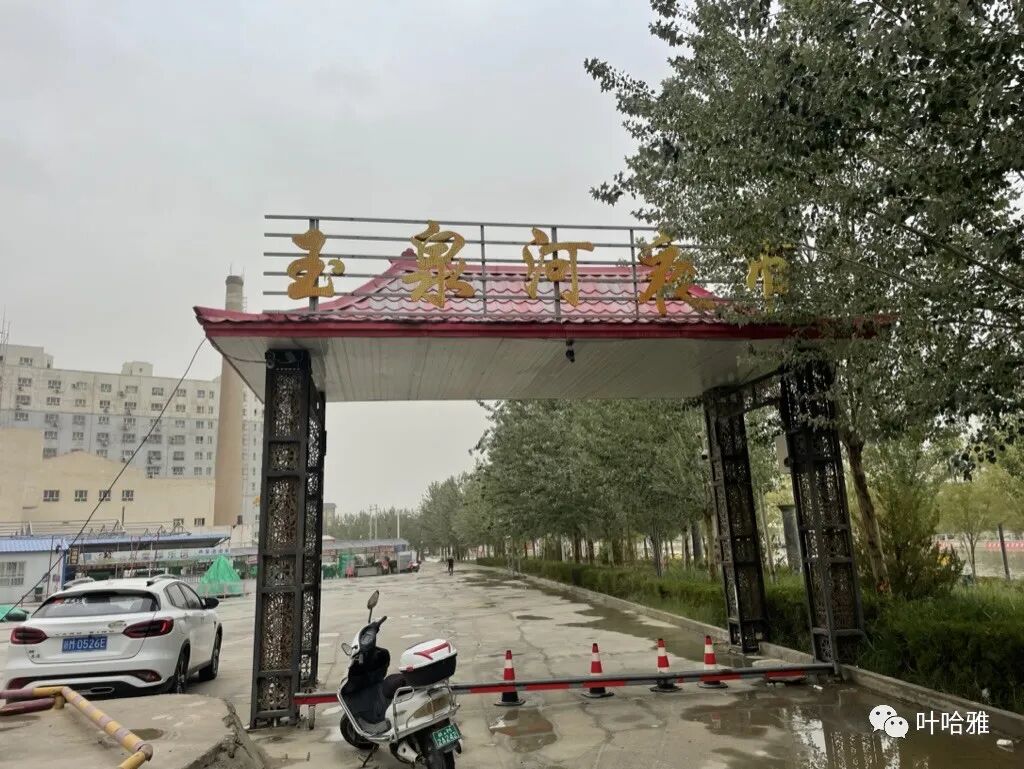
Qiemo has a grand bazaar and two night markets. We visited both. They aren't very large, but the food at the night markets is delicious.
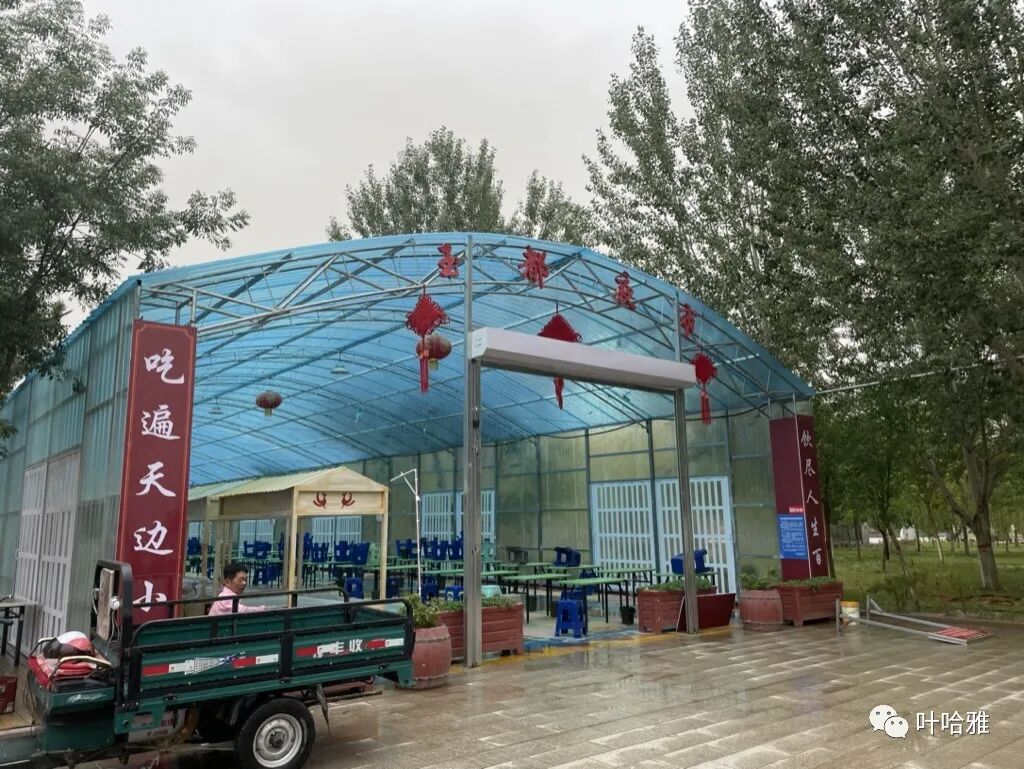
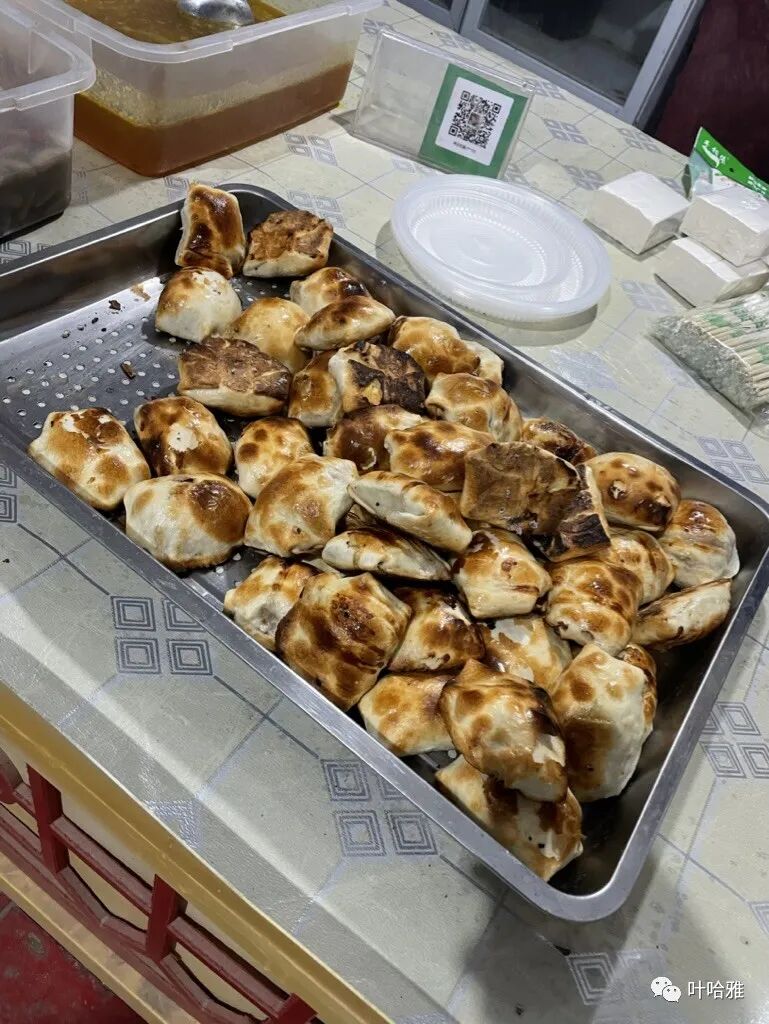
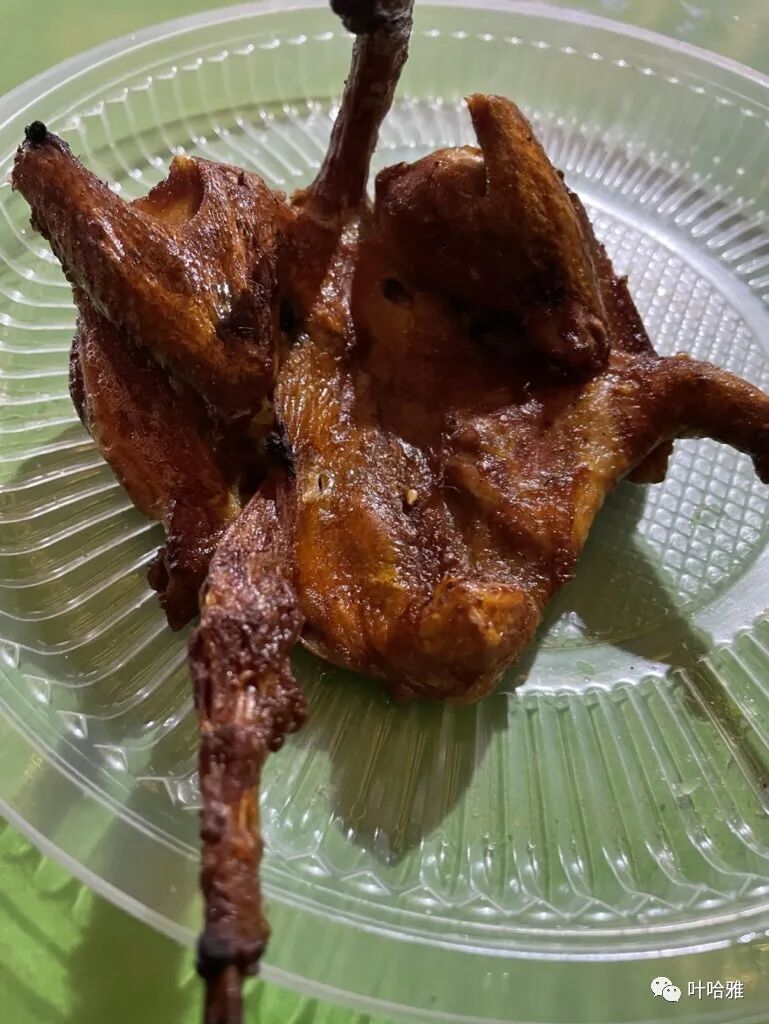
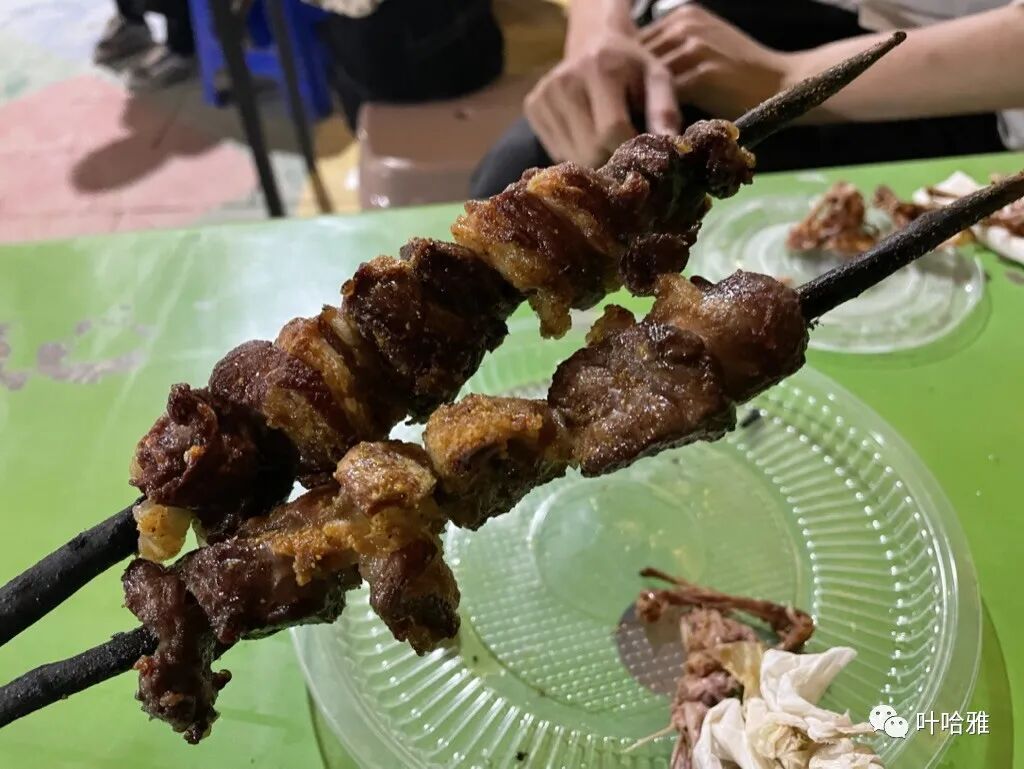
We ate baked buns (kaobaozi), roasted pigeon, and red willow skewer meat (hongliu kaorou) at the Yudu Night Market.
Roasted meat (kaorou) tastes good everywhere in Xinjiang, even at highway rest stops.
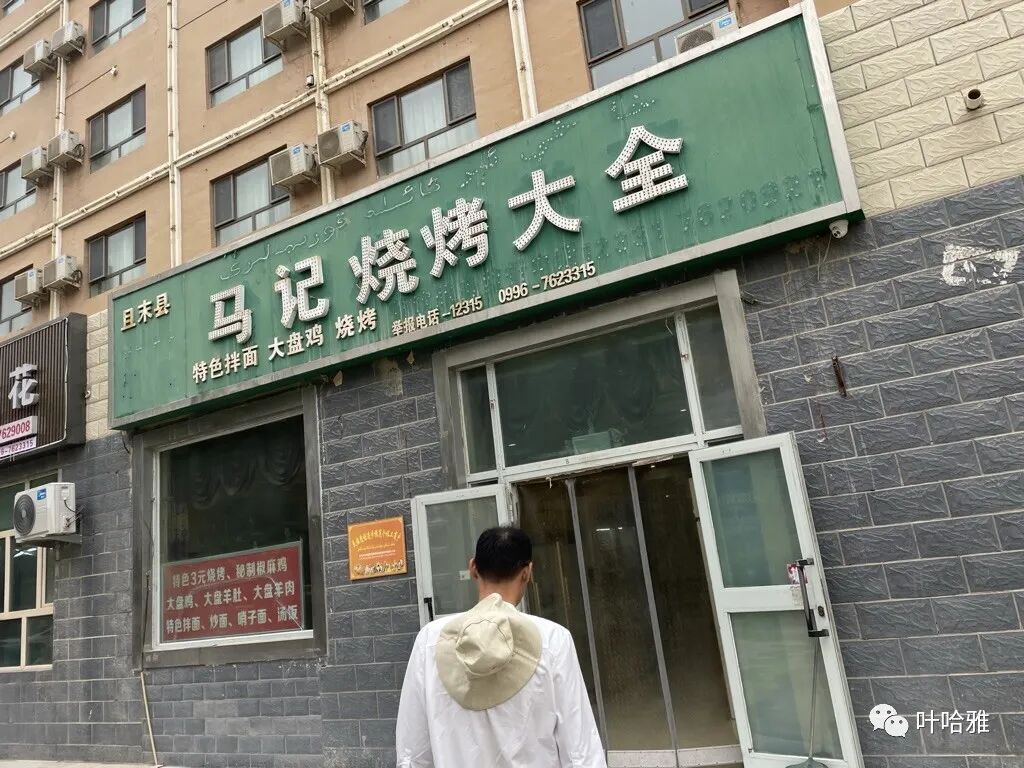
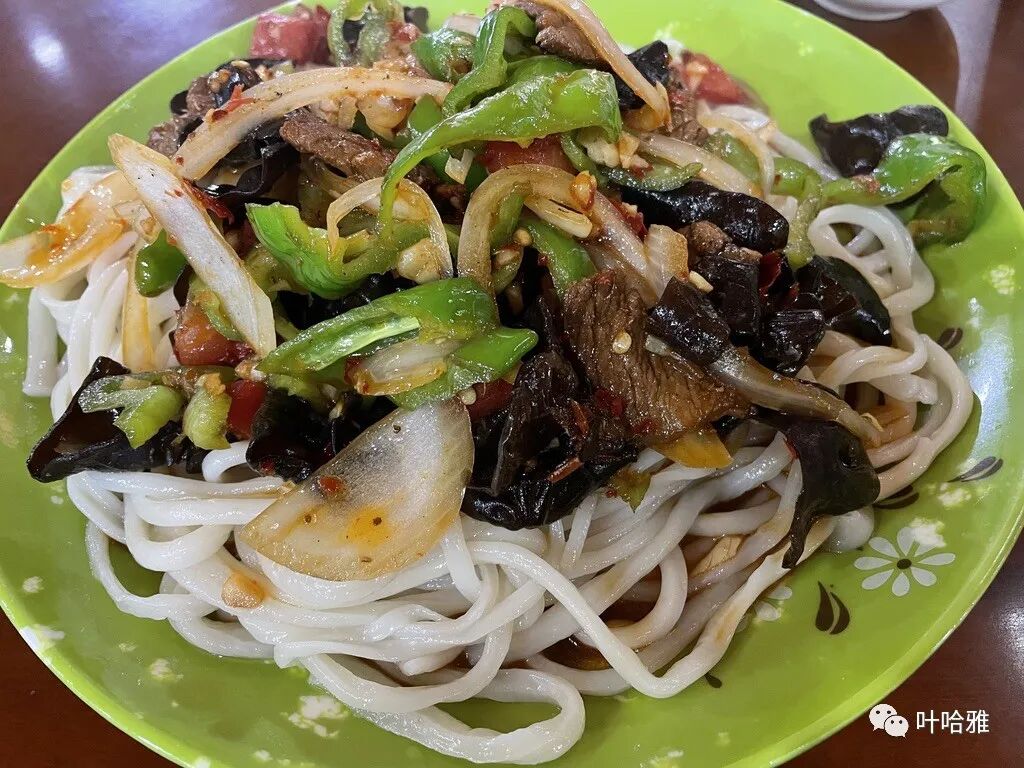
I had my first bowl of mixed noodles (banmian) in Xinjiang at Ma's Barbecue (Ma Ji Shaokao), and I have never had a bad bowl of mixed noodles in this region.
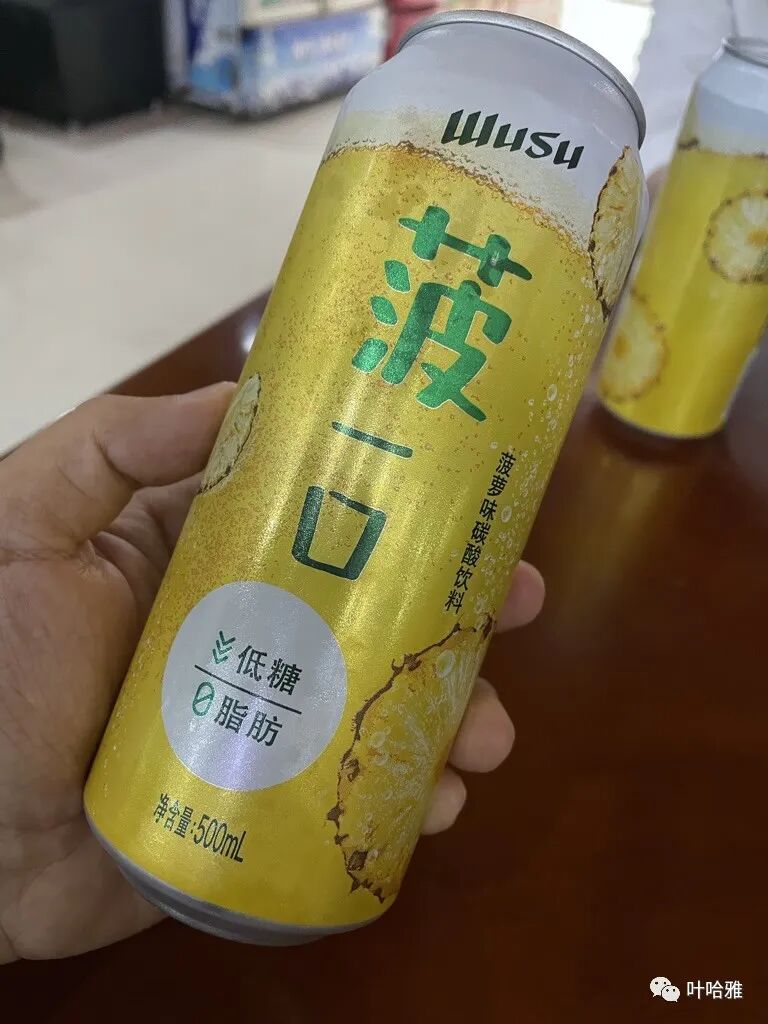
Wusu carbonated drink.
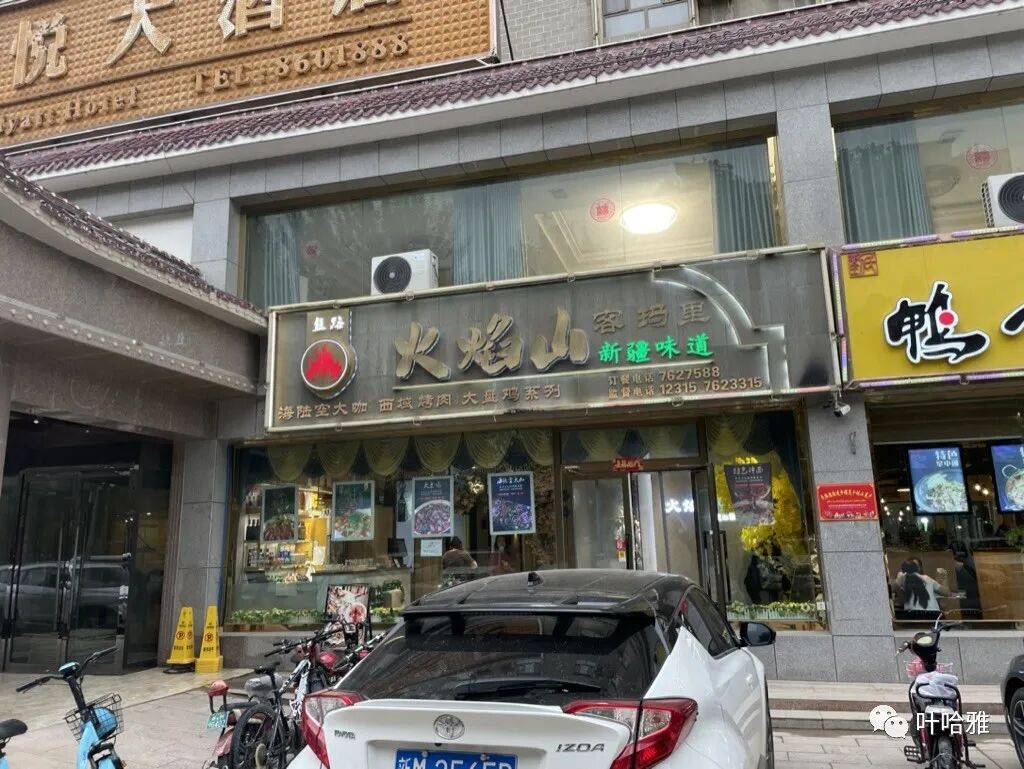
I found a Flaming Mountain Restaurant (Huoyanshan Canting) in Qiemo. This chain used to have locations in Beijing, but they have all closed down now.
I searched for a mosque on Google Maps for a long time without success, then I suddenly realized this plot of land might be it.
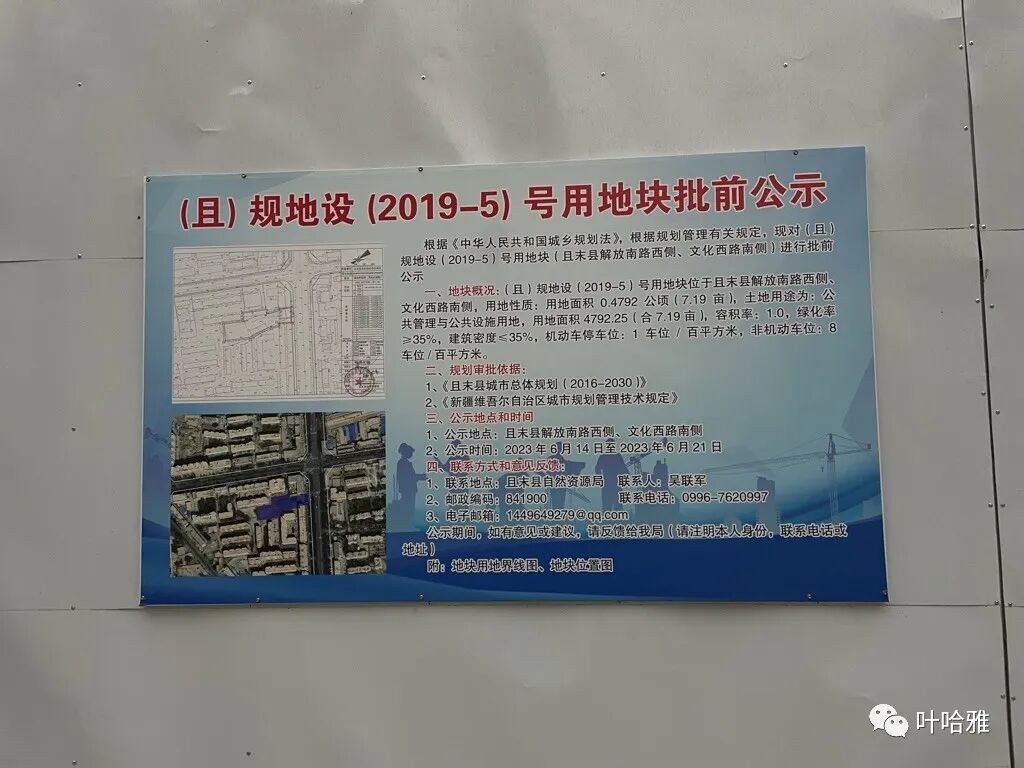
It is now a construction site.
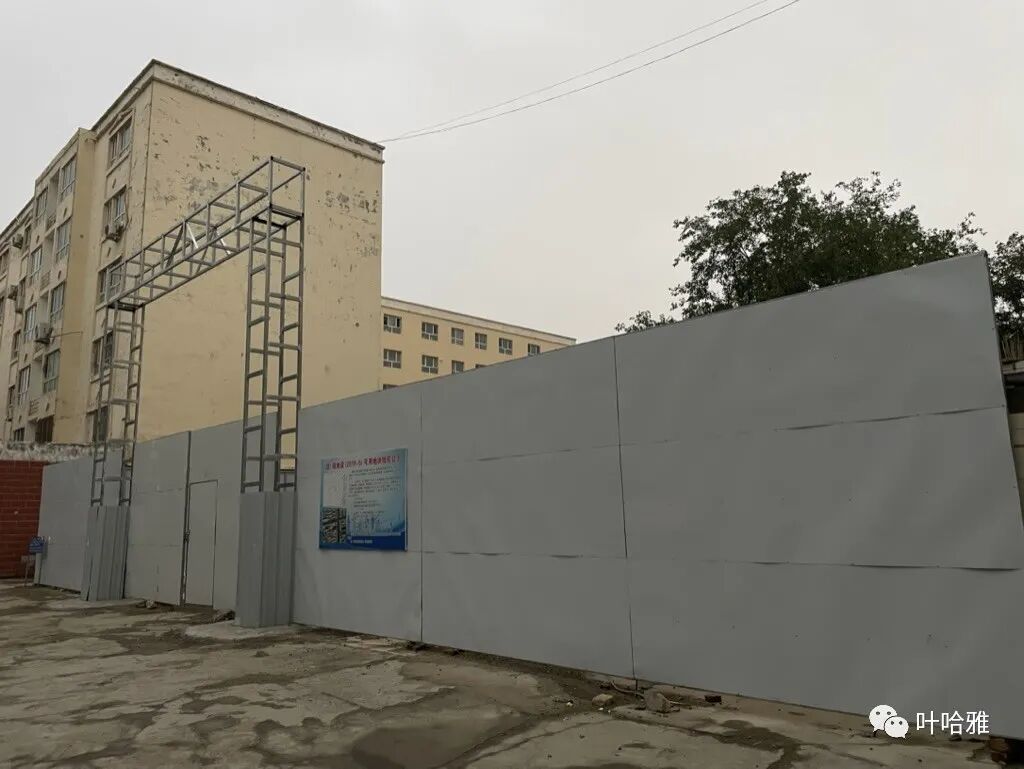
The next day we continued driving west to Yutian County because there is an Id Kah Mosque (Aitiga'er Qingzhensi) there.
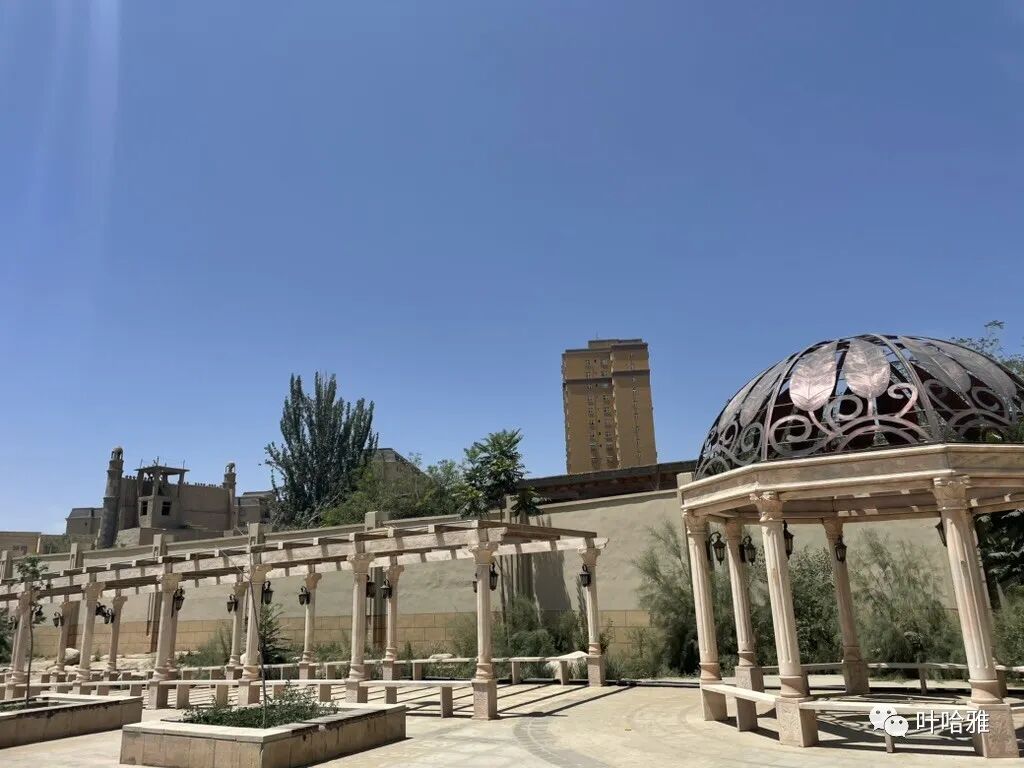
Unfortunately, photography is not allowed at the mosque. The security guard deleted the photo I took of the main gate, so I only have one photo of the side.
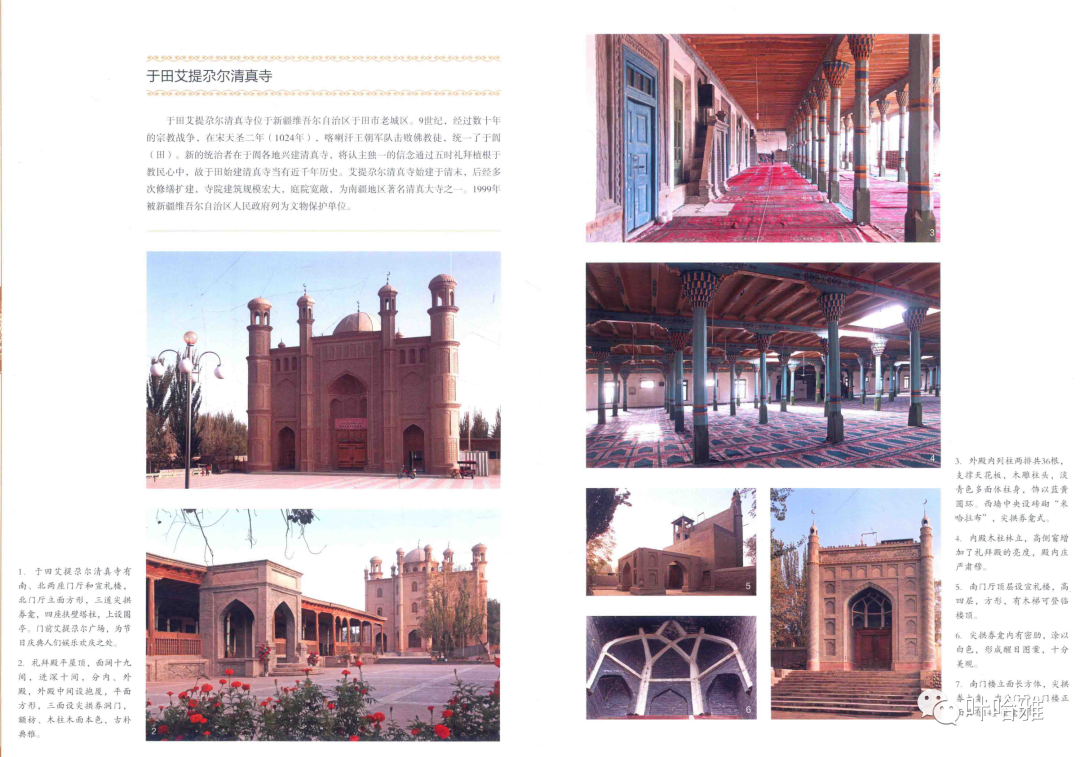
The image above shows the original appearance of the Id Kah Mosque, taken from the second volume of 'Architectural Art of Islam in China'.
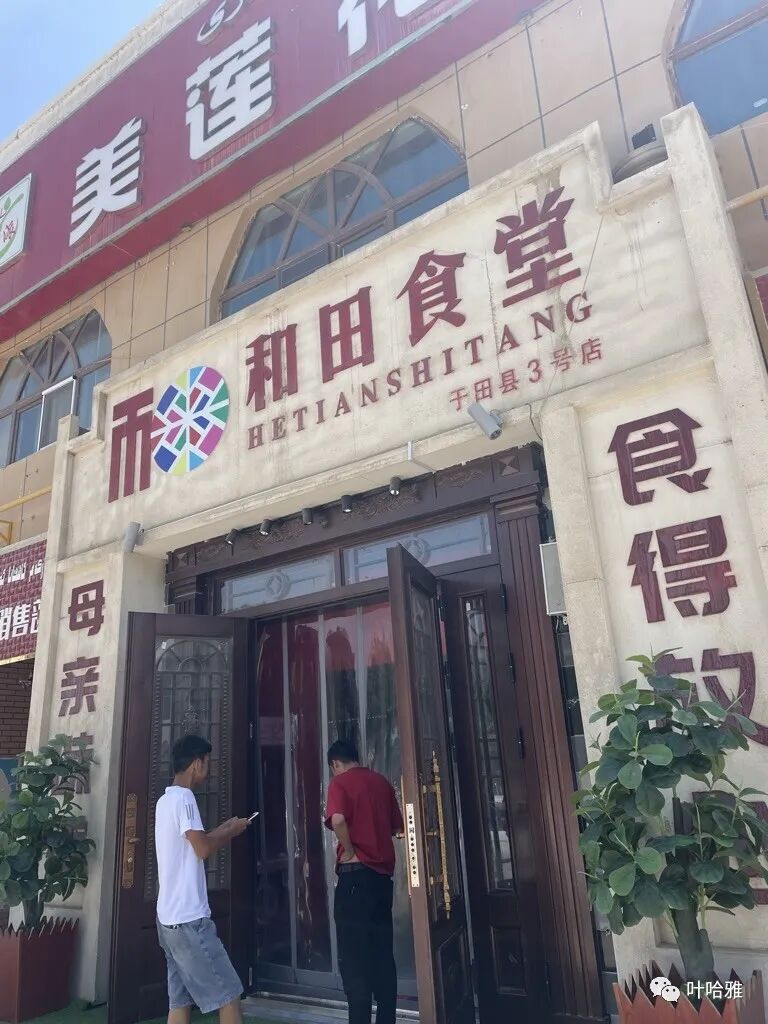
With nowhere else to go, we had to find a nearby restaurant to eat. We happened to see this Hotan Canteen (Hetian Shitang). Yutian County is part of the Hotan region, and since there are Hotan Canteens in Beijing, I wanted to see how this one was different.
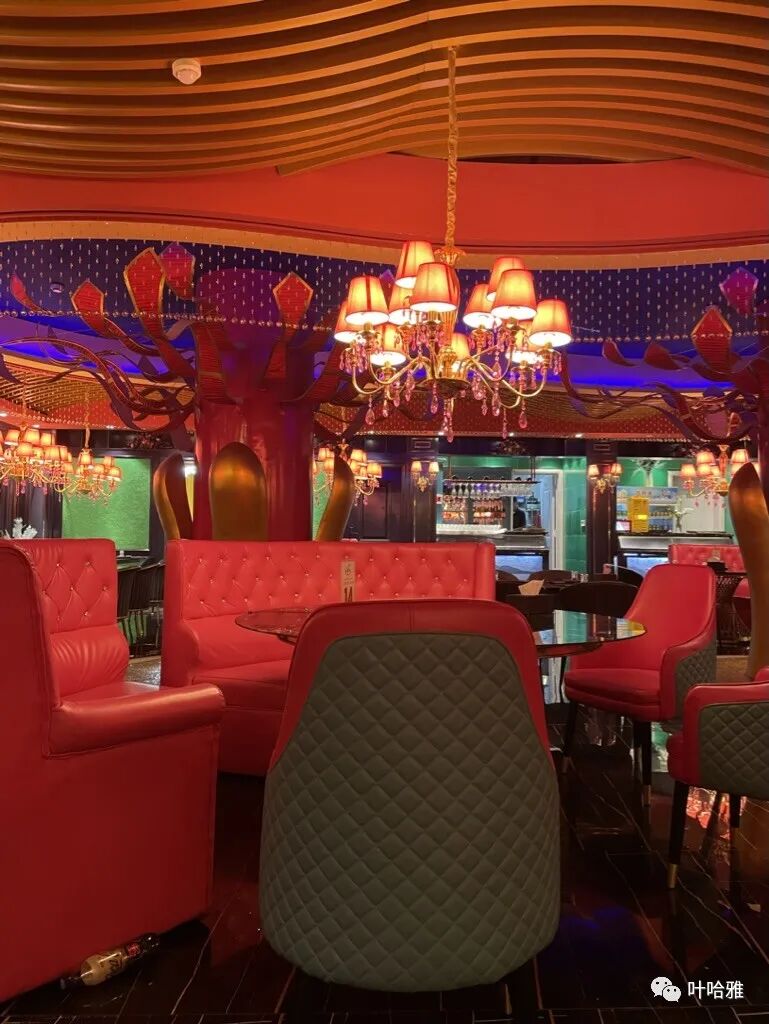
The restaurant environment was quite nice, but the food was not good and the prices were high. Combined with my earlier unpleasant experience, I just wanted to leave this city as soon as possible.
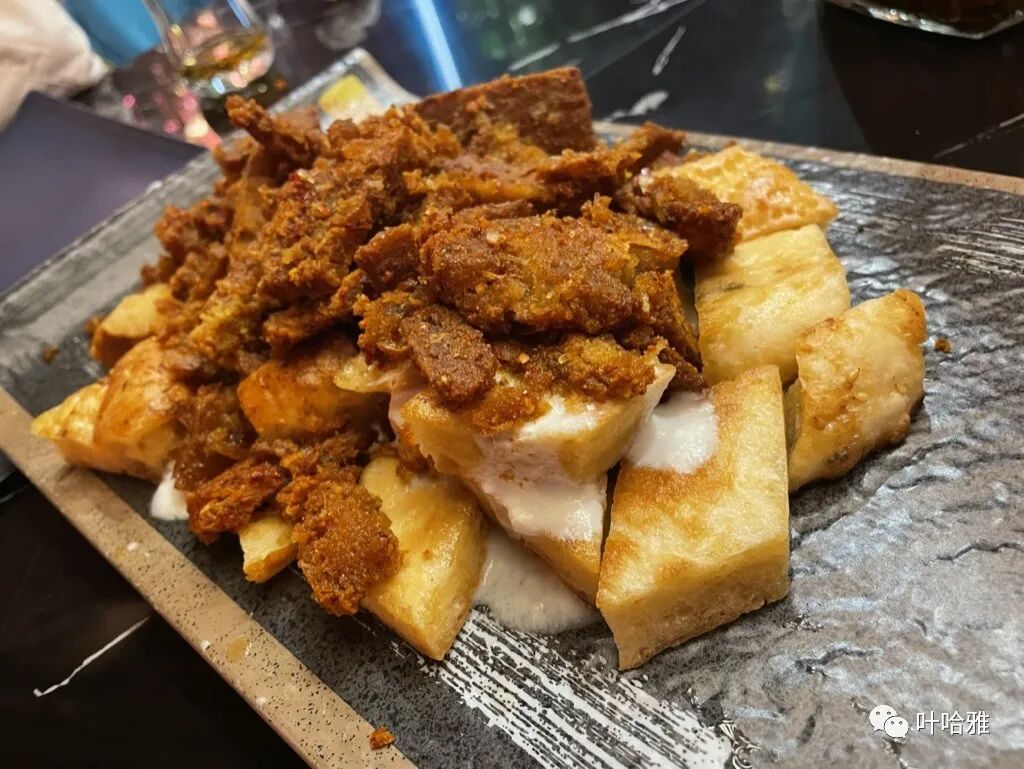
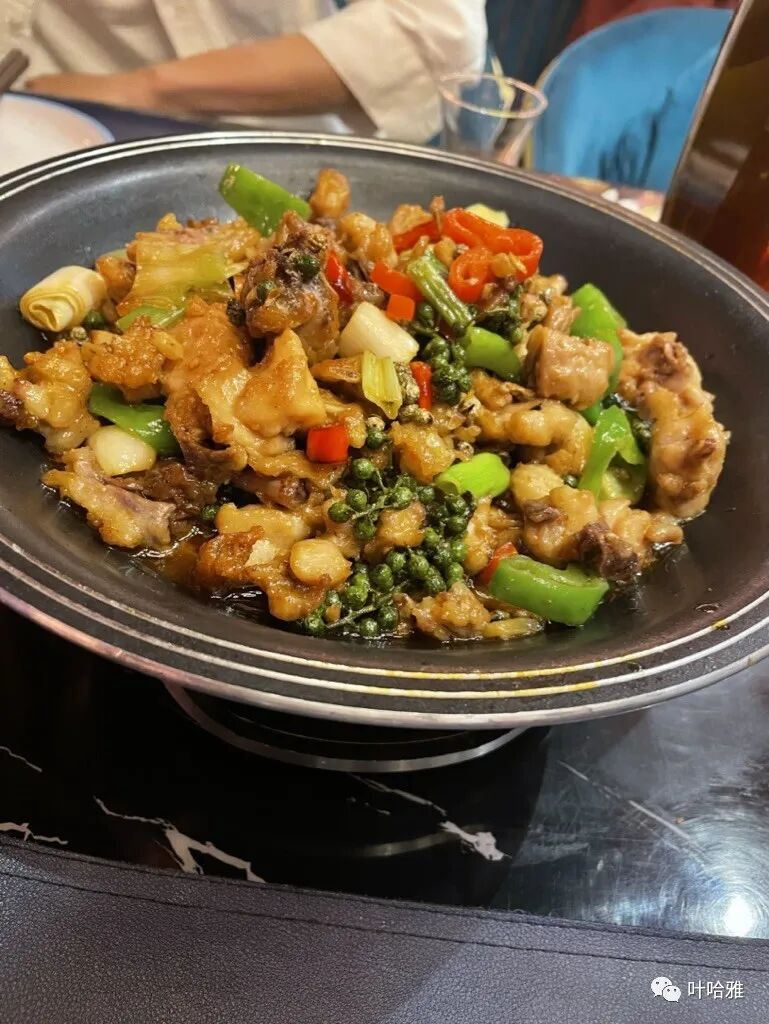
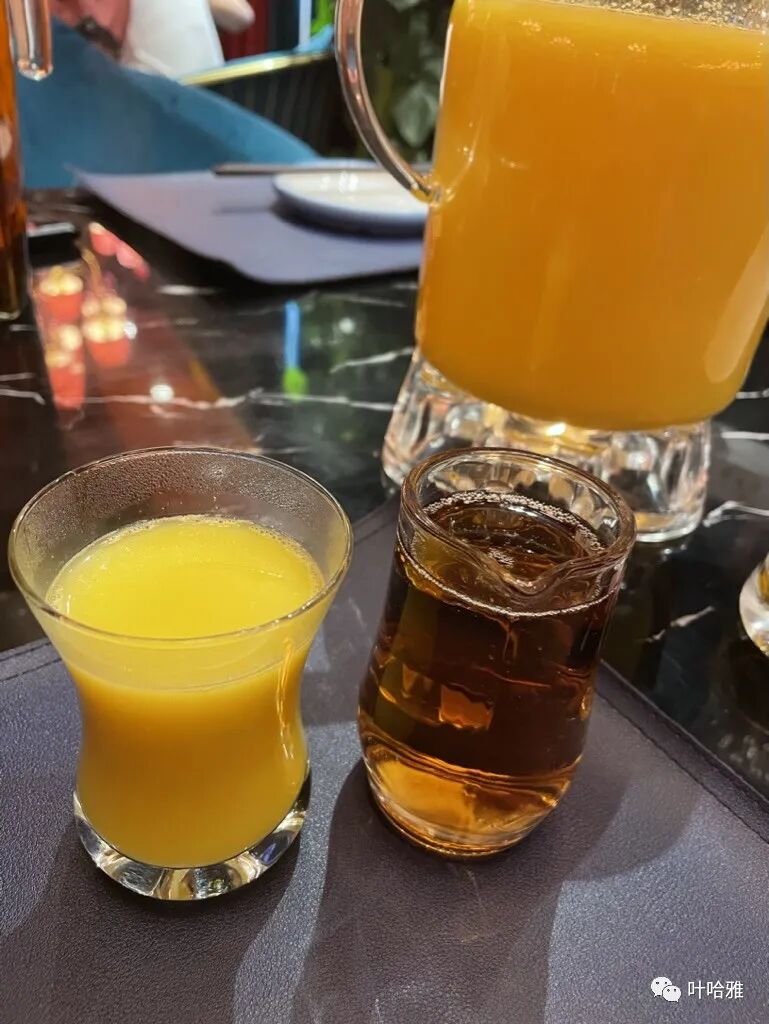
I left Yutian and arrived at Hotan Tuancheng. Because I was told not to take photos earlier, I was very careful when I first got to Hotan. I started by taking a few secret photos from inside the car. Later, I saw tourists everywhere and no one was stopping them, so I became bolder. Strangely, I never ran into any more photo restrictions during the rest of my trip in Xinjiang.
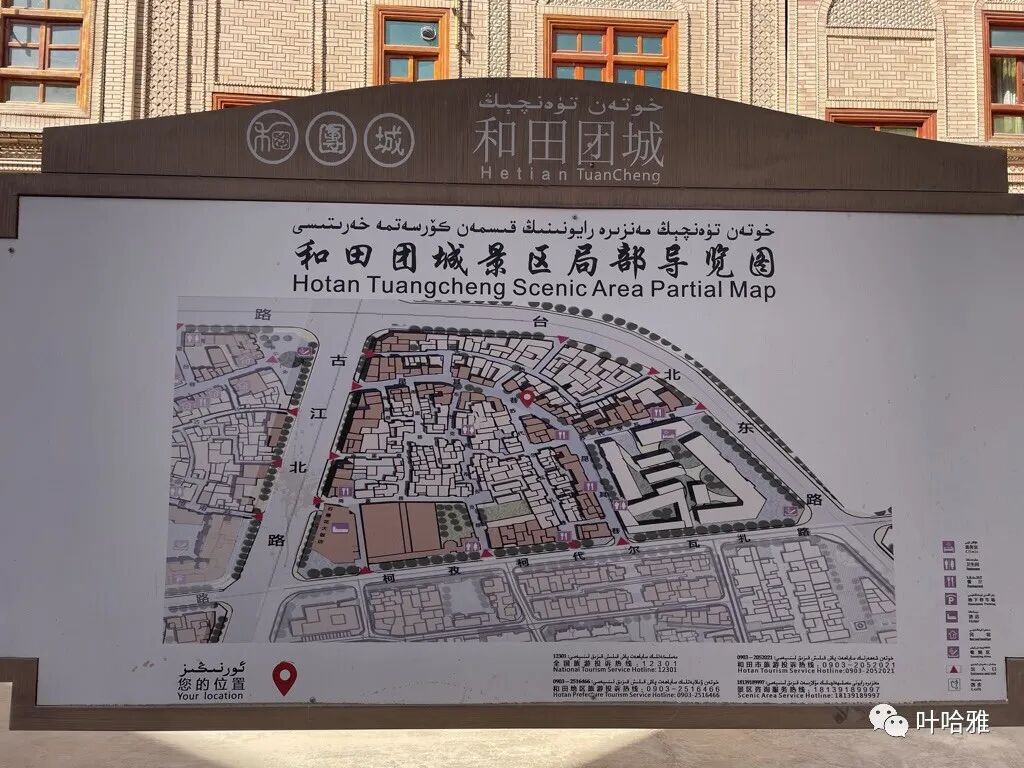
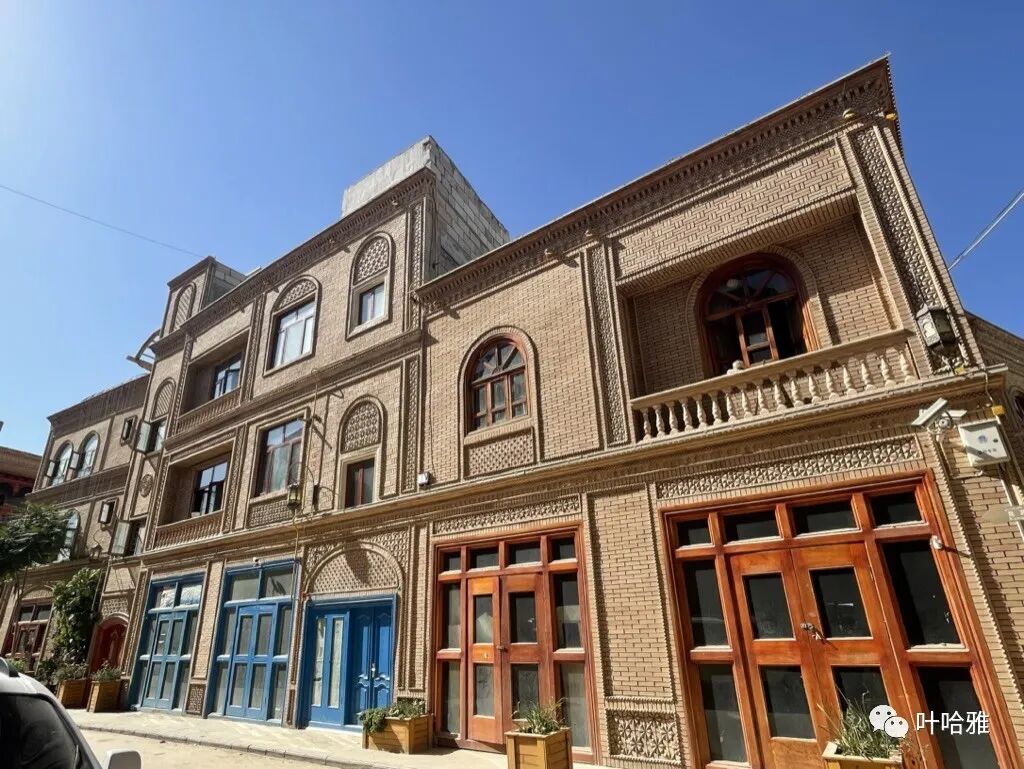
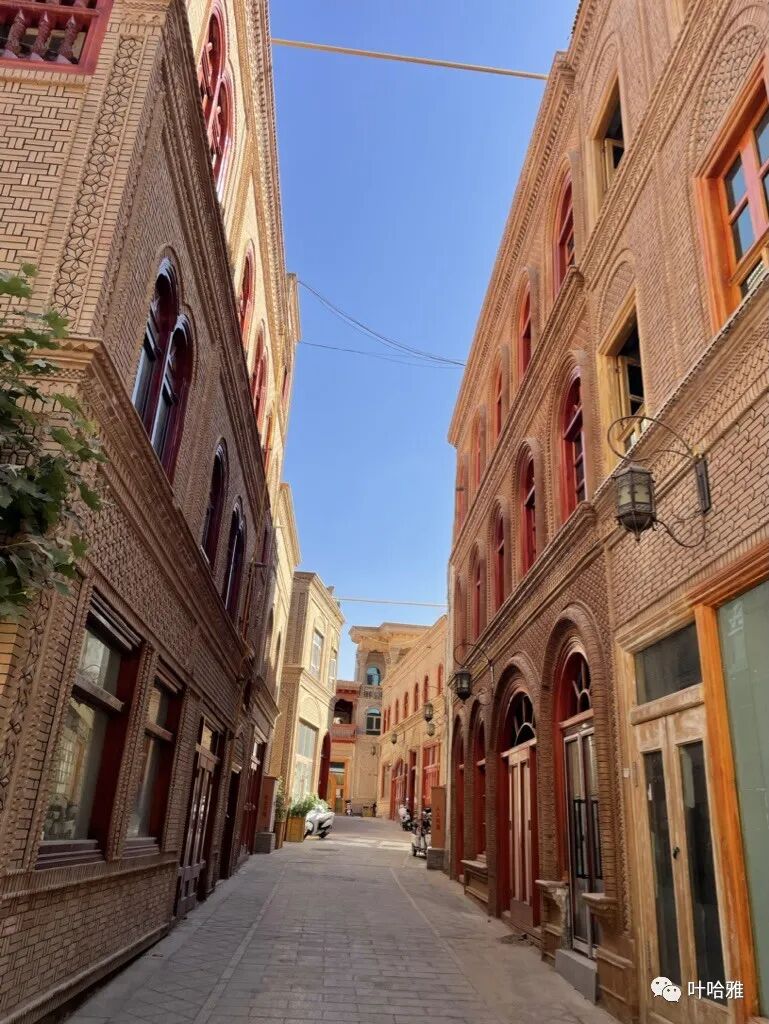
Hotan Tuancheng is just like the Old City of Kashgar; it has been renovated and contains both homes and shops. It is worth walking around and eating there. The girls in Hotan are even prettier, and I feel they are better looking than the ones in Kashgar.
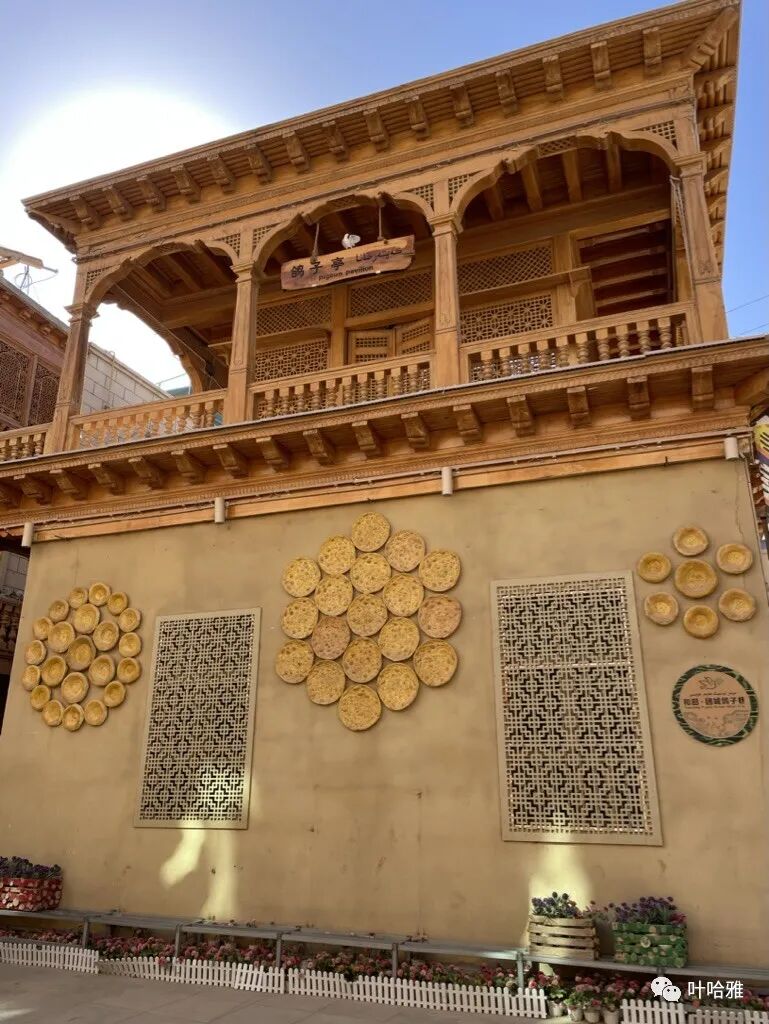
A kind girl in Hotan warned us not to drive the wrong way on a one-way street. We were embarrassed because we first thought she was trying to chat us up.
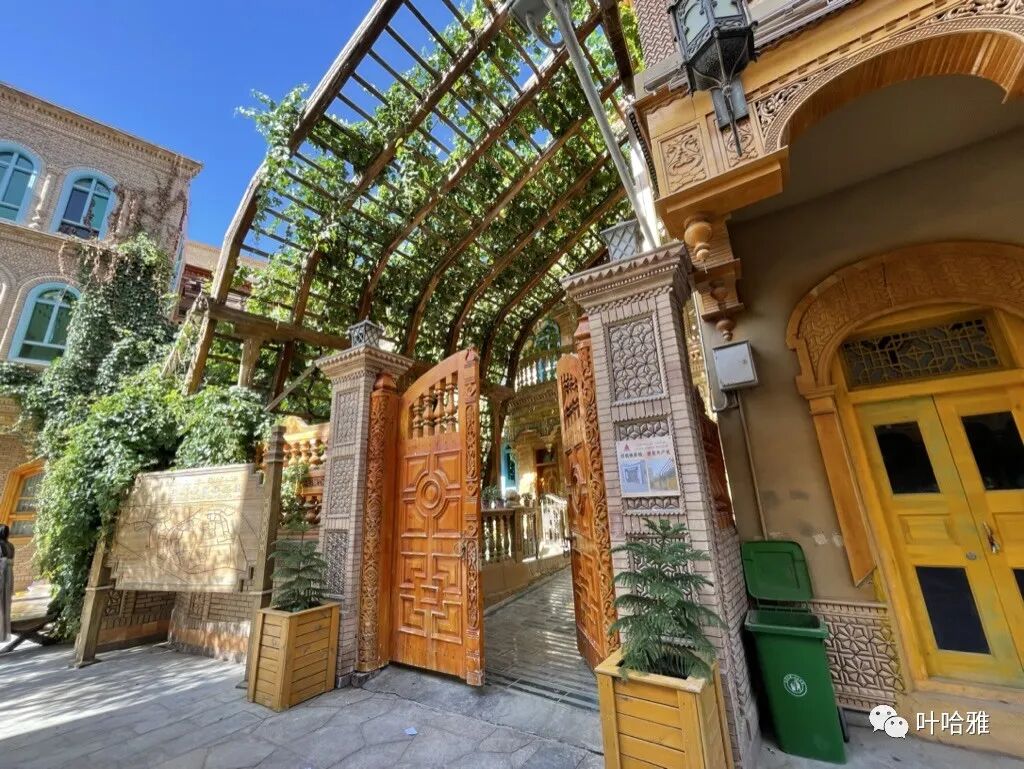
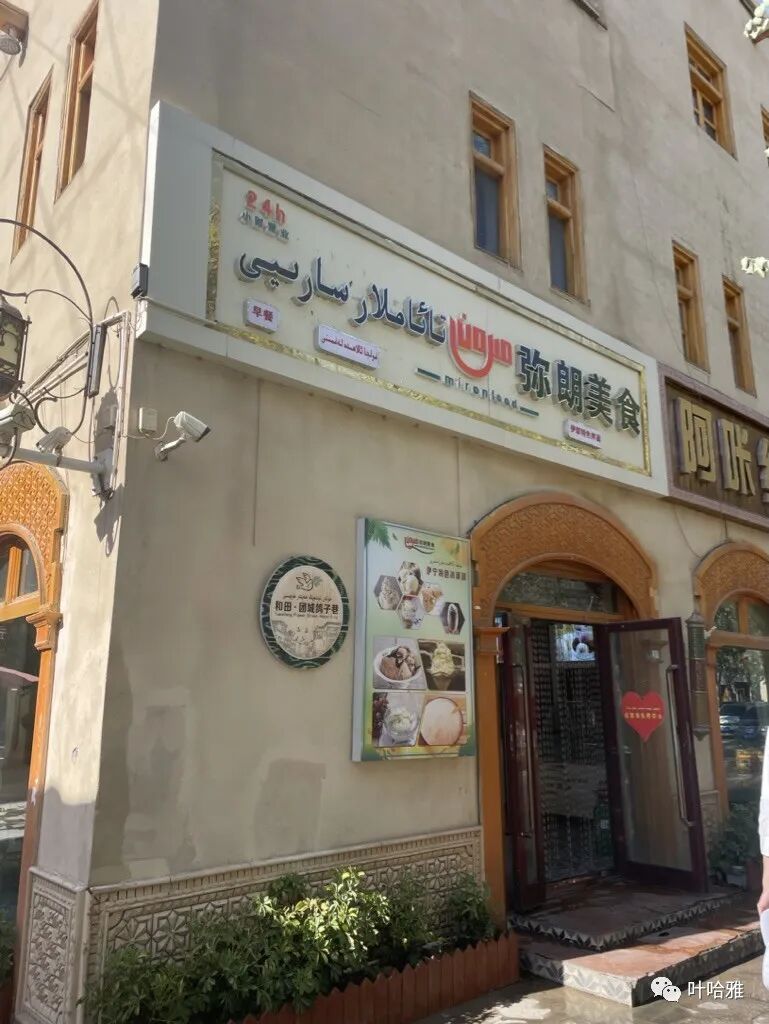
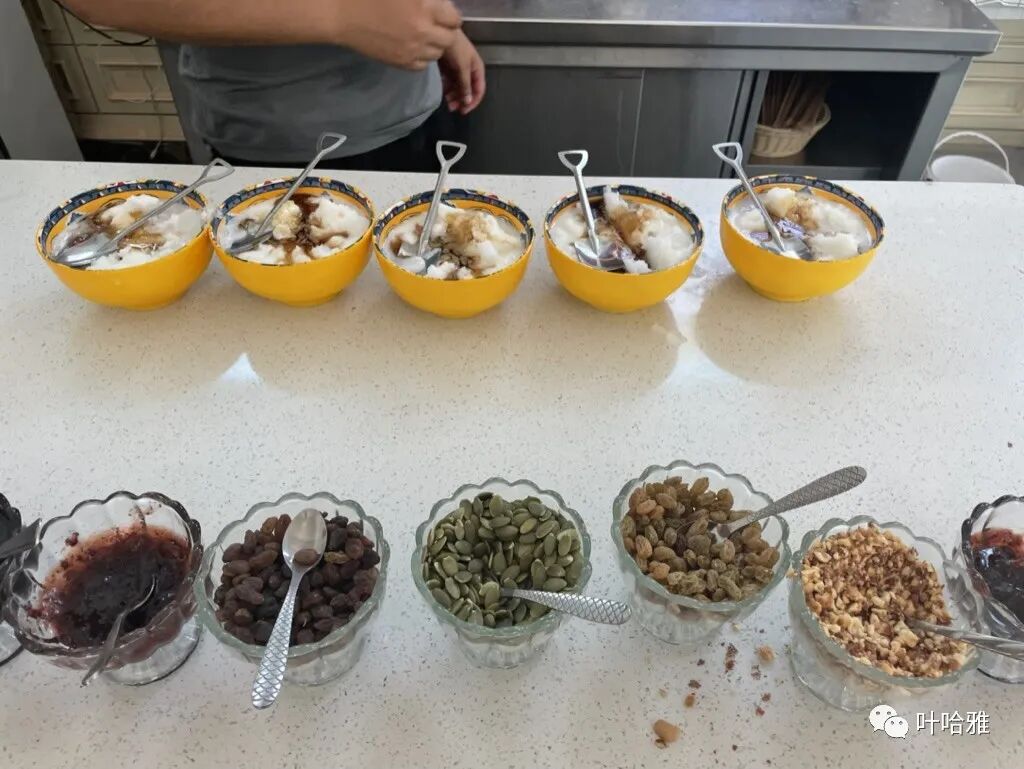
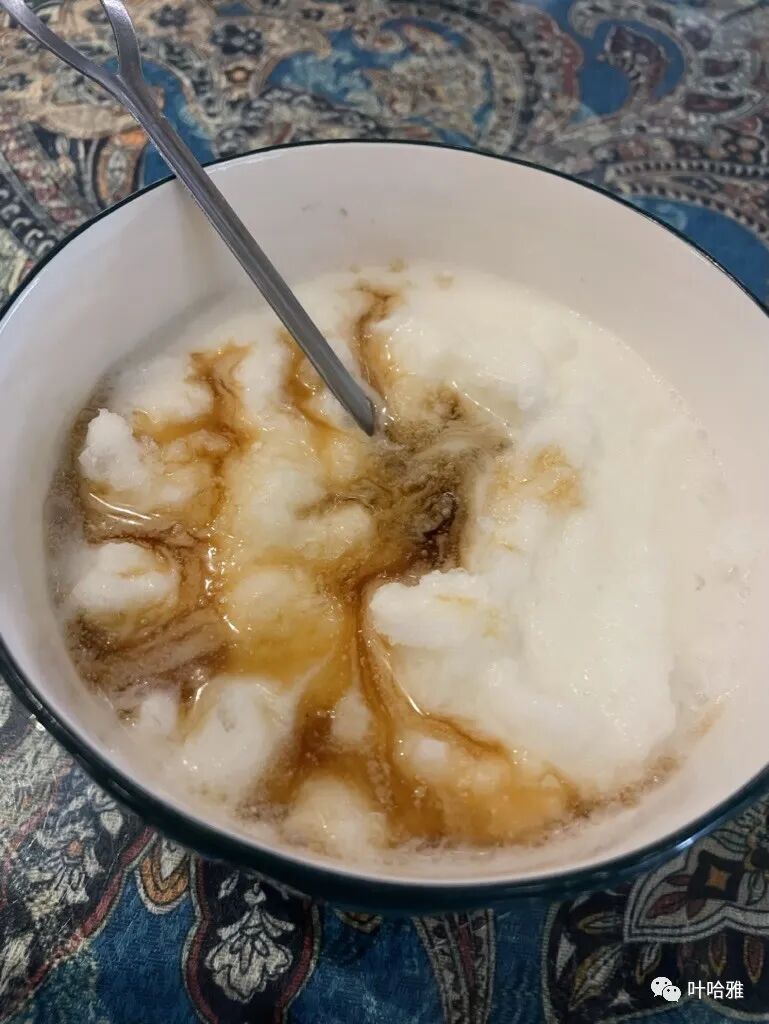
I had my first bowl of yogurt shaved ice (suannai baobing) at this shop in Tuancheng. My first impression of Hotan is really good.
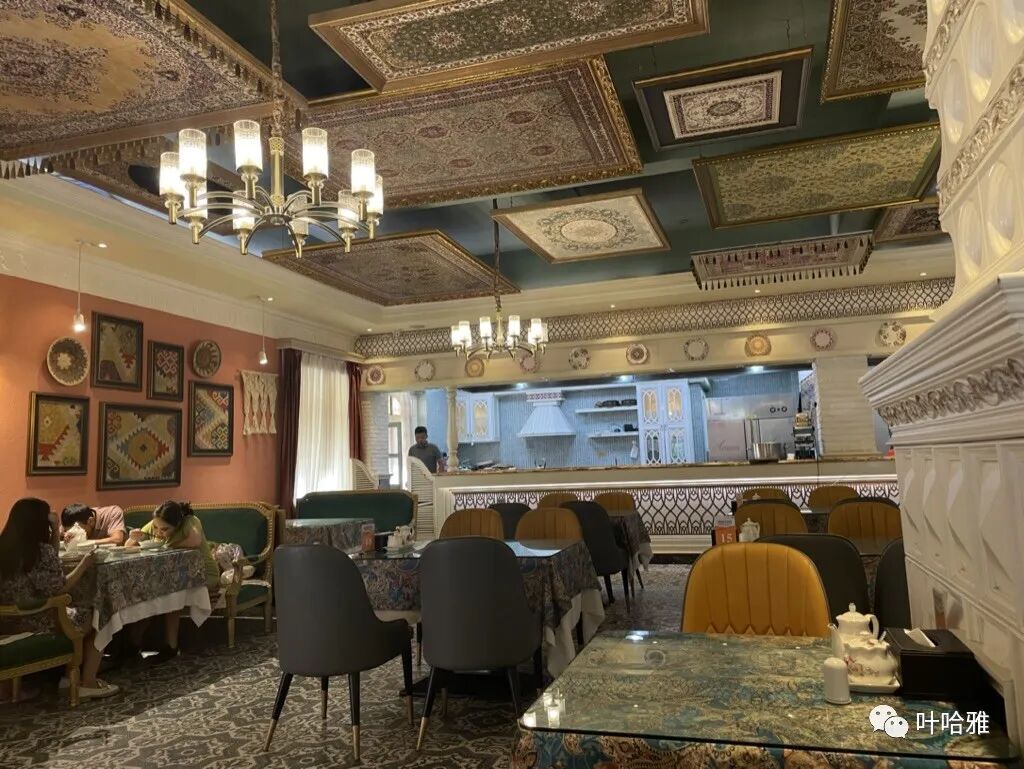
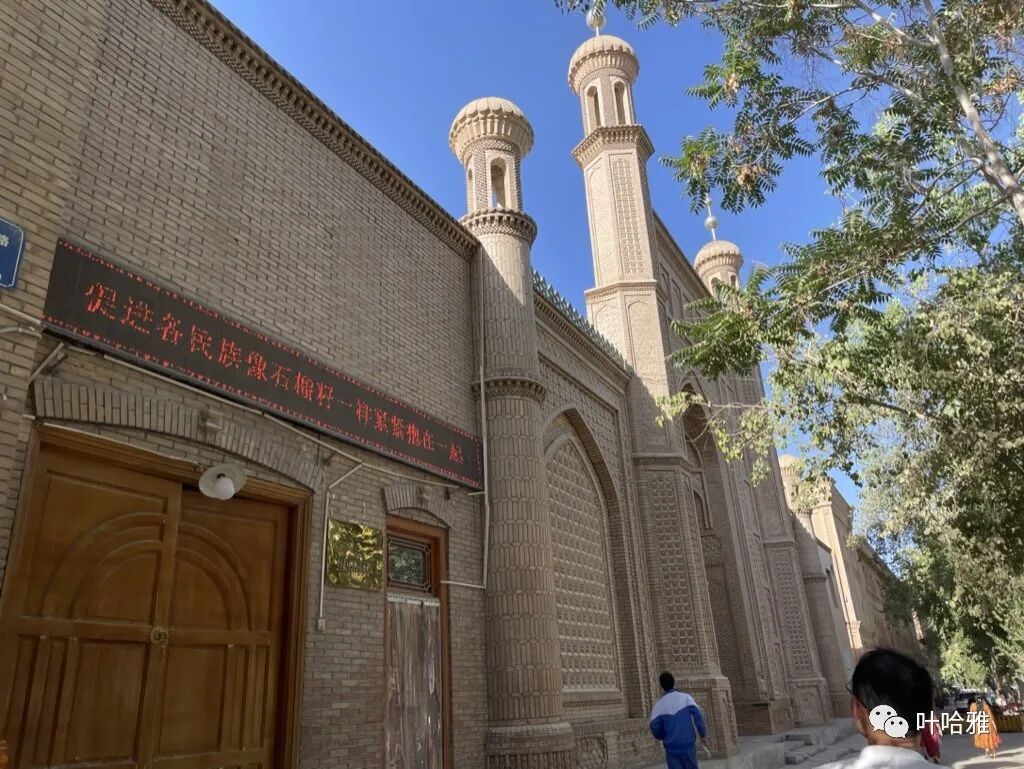
Jiaman Mosque is in the center of Hotan Tuancheng. It was first built during the Guangxu reign of the Qing Dynasty (1875).
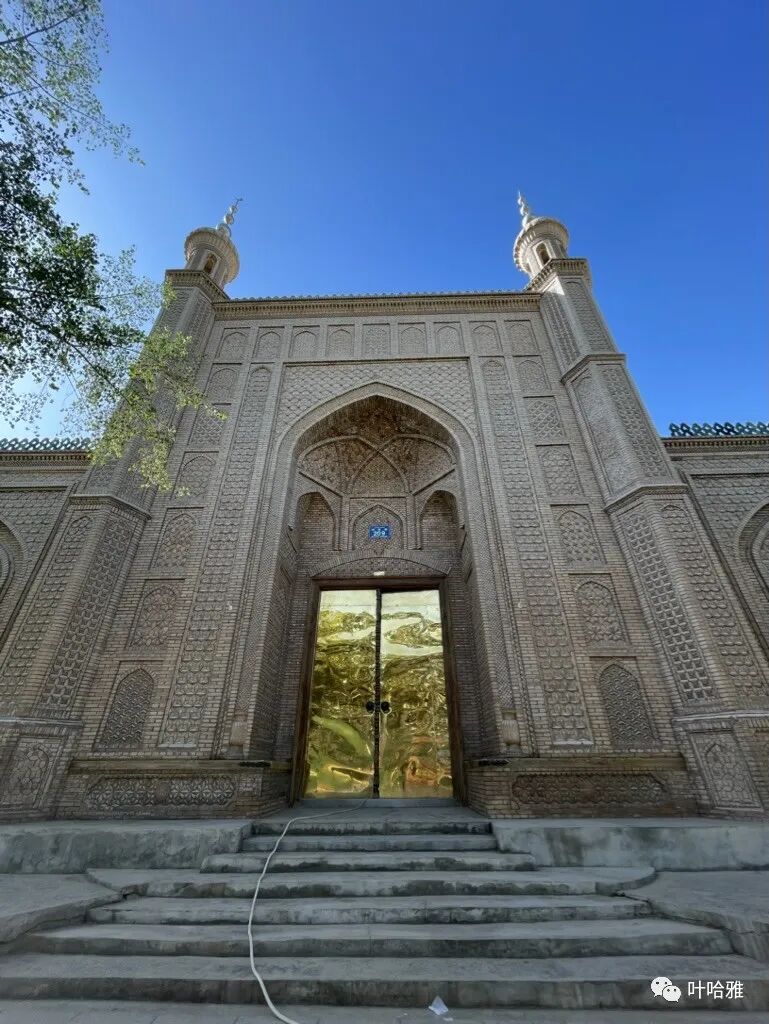
I asked the Uyghur grandfather at the entrance if I could go inside, but he shook his head.
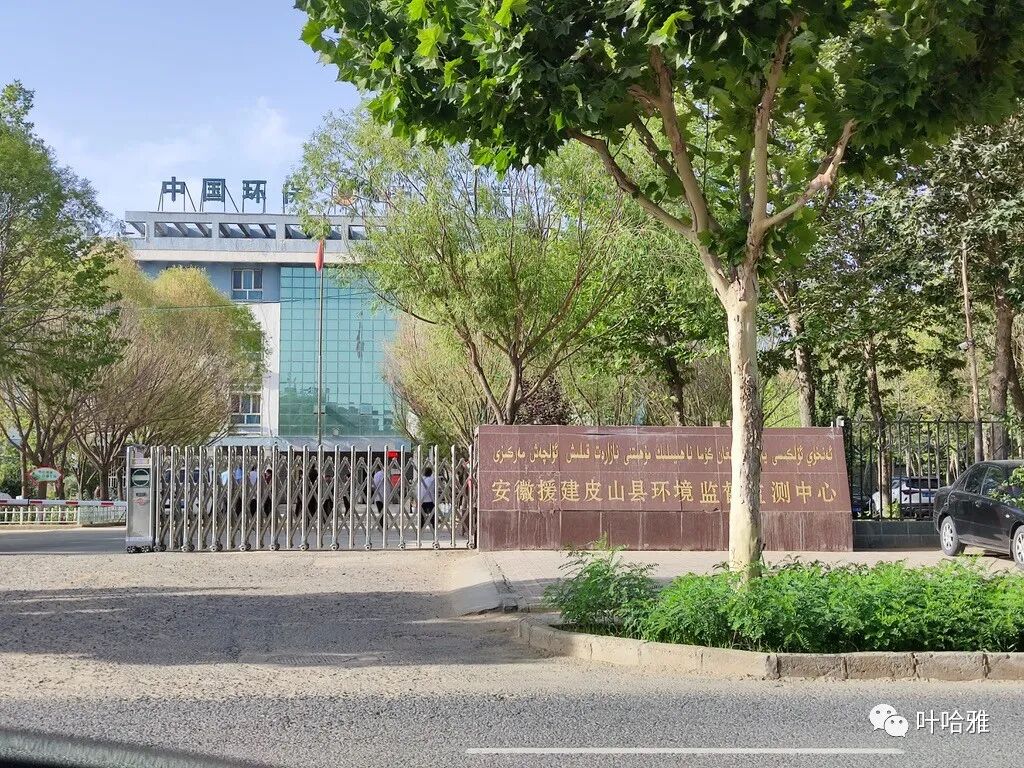
Pishan County is a place I have always wanted to visit. When I arrived, it was completely different from what I expected. The city was built with help from Anhui Province. There is almost no local ethnic character, and the buildings use the Anhui style, making me feel like I was in Anhui.
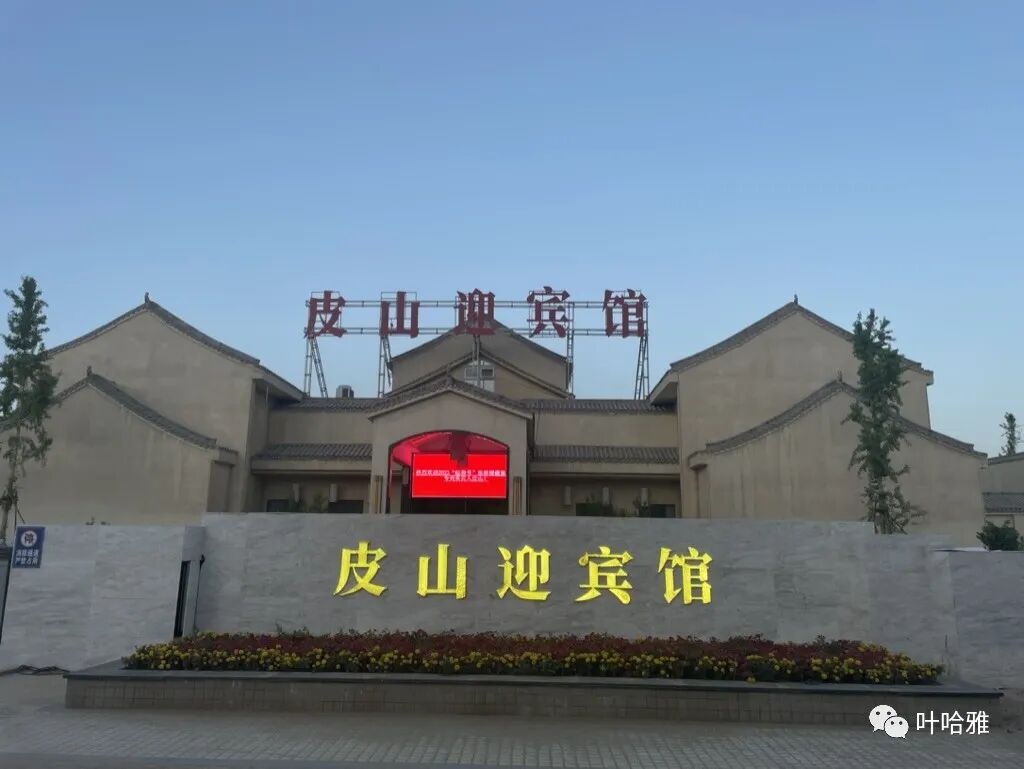
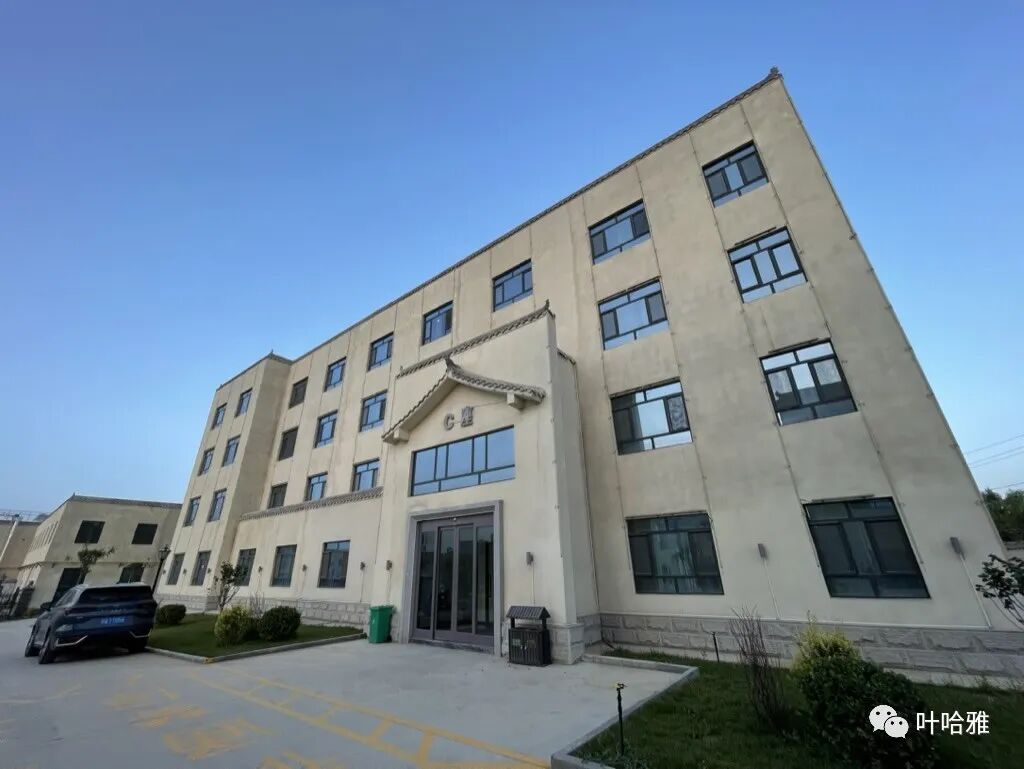
The Pishan County Guest House is state-run, like guest houses in other parts of Xinjiang. They are usually the best hotels in the area. If you do not know where to stay, choosing the guest house is a safe bet, and the breakfast is always halal.
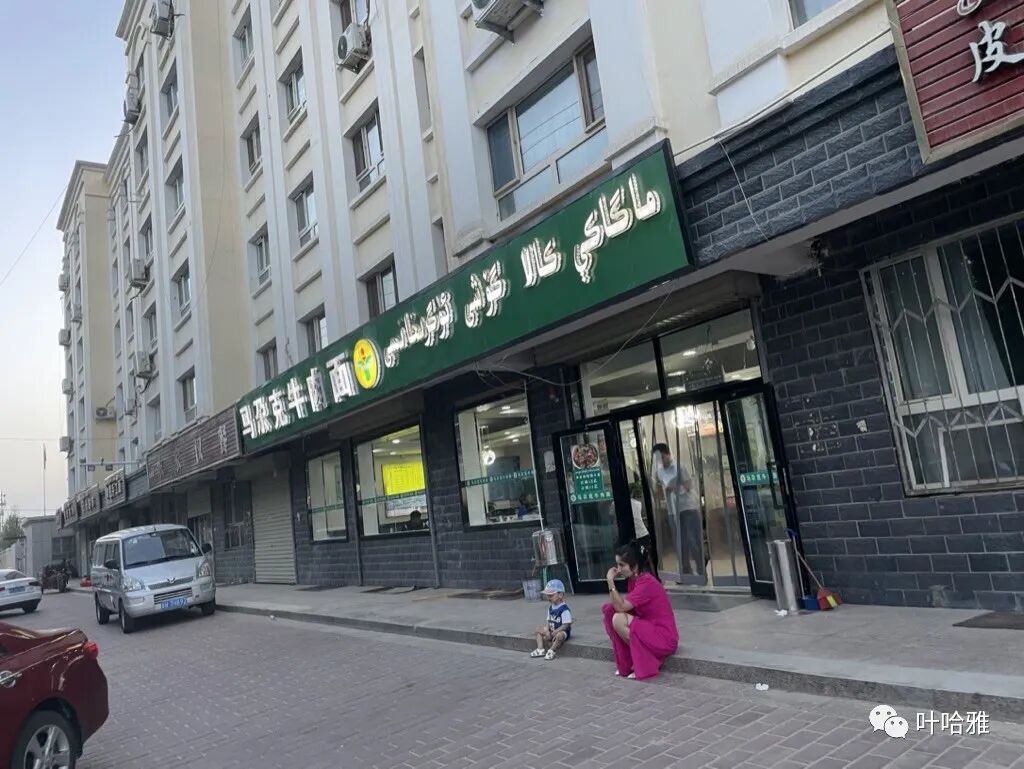
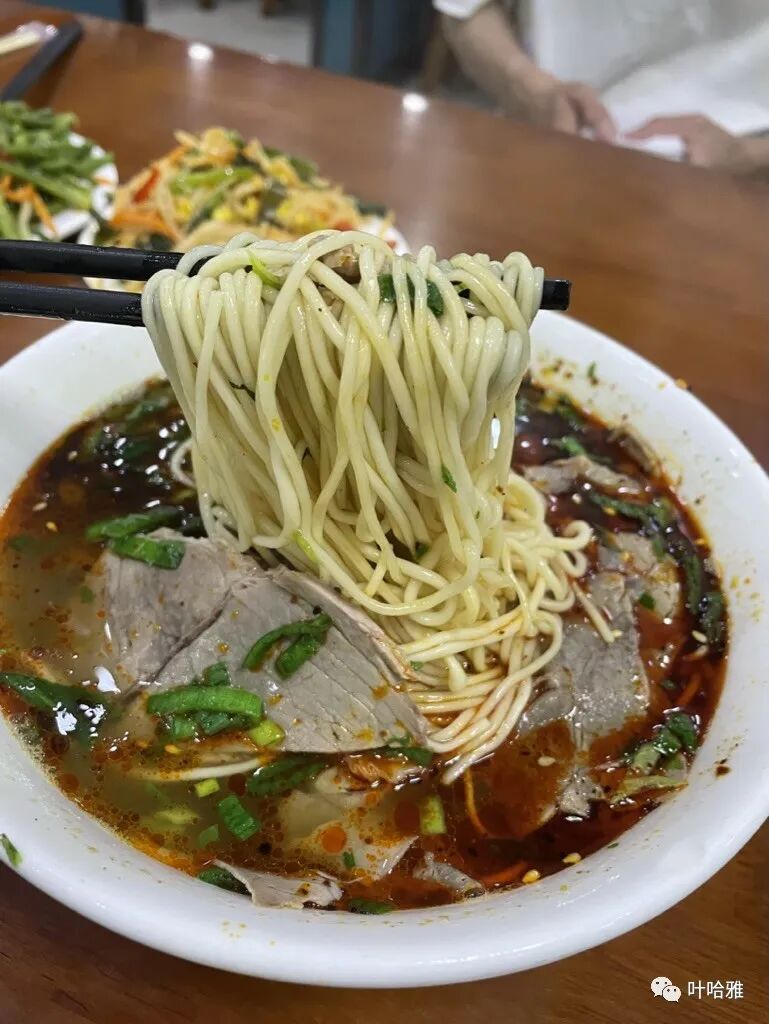
I ate at a beef noodle shop run by Uyghurs in Pishan County. It is really hard to find halal restaurants here, and none of them looked like one, but this place called Magake seemed reliable.
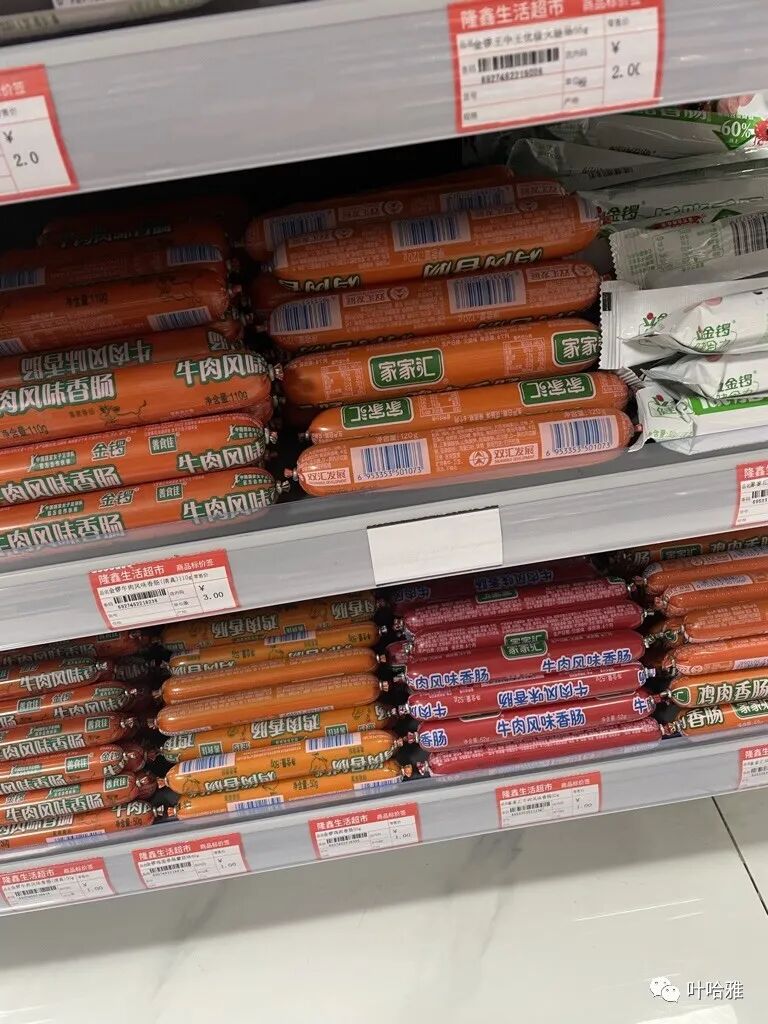
I specifically walked around the supermarket and could not find a single halal food item. Even these sausages had no halal label.
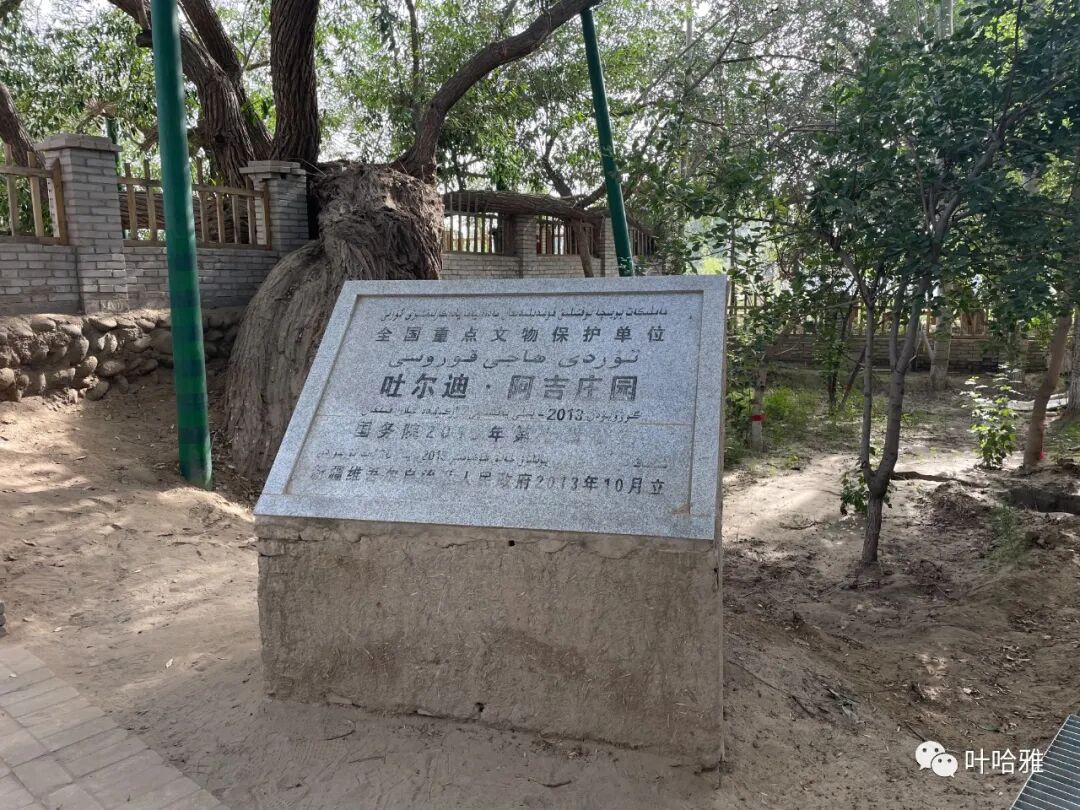
A niche spot worth visiting in Pishan County is the Turdi Haji Manor.
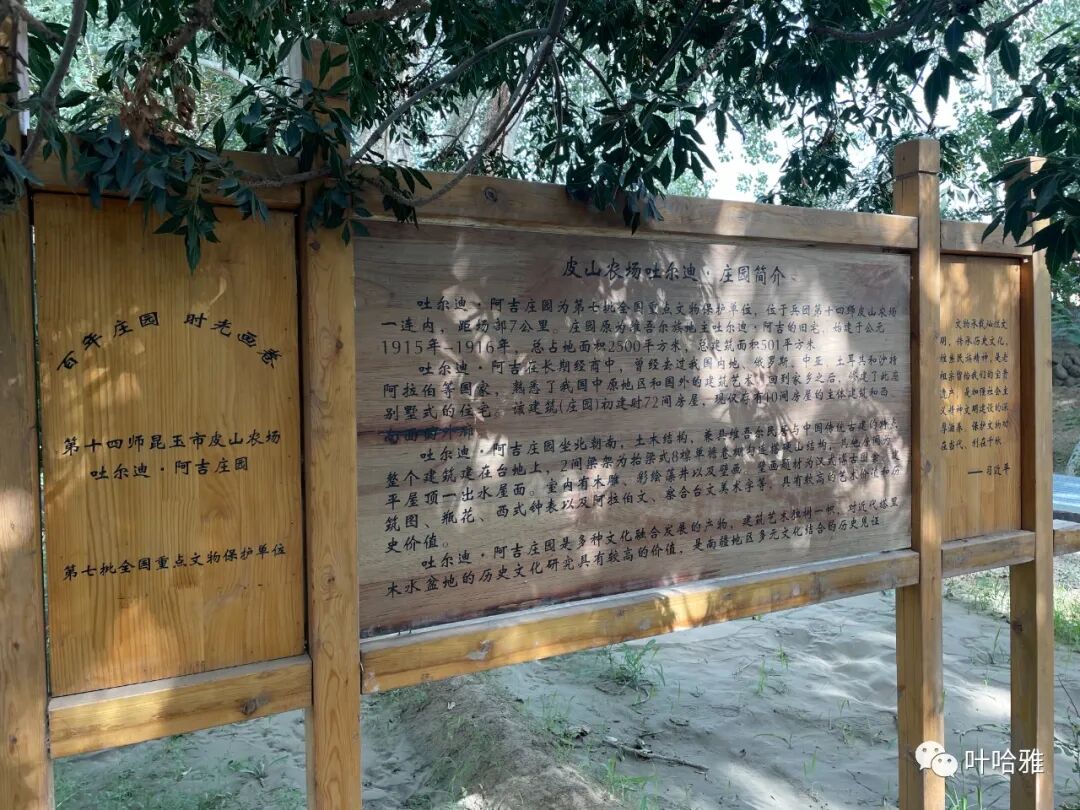
Turdi Haji was a wealthy landlord (bai) in Xinjiang during the Republic of China era. He built this manor in 1916. It covers 2,500 square meters and is now a Major Historical and Cultural Site Protected at the National Level.
The gate was locked when we arrived at the manor. We made a phone call, and the local tourism bureau sent a worker to open it for us. Admission was free.
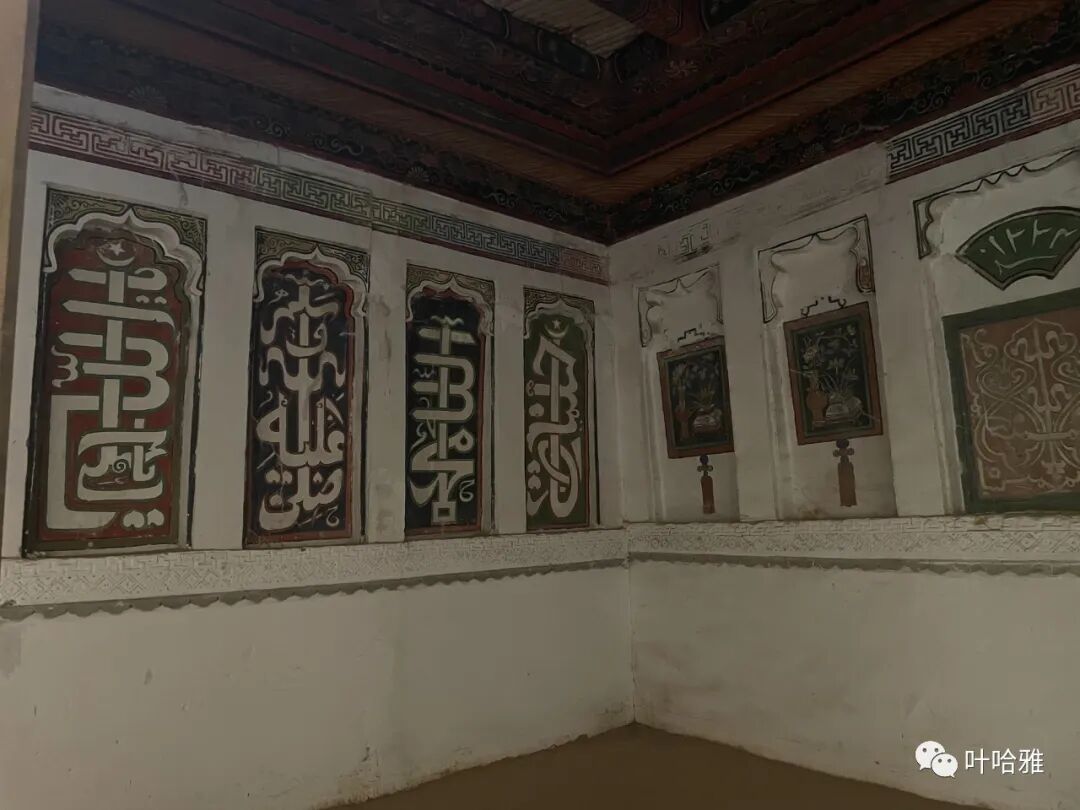
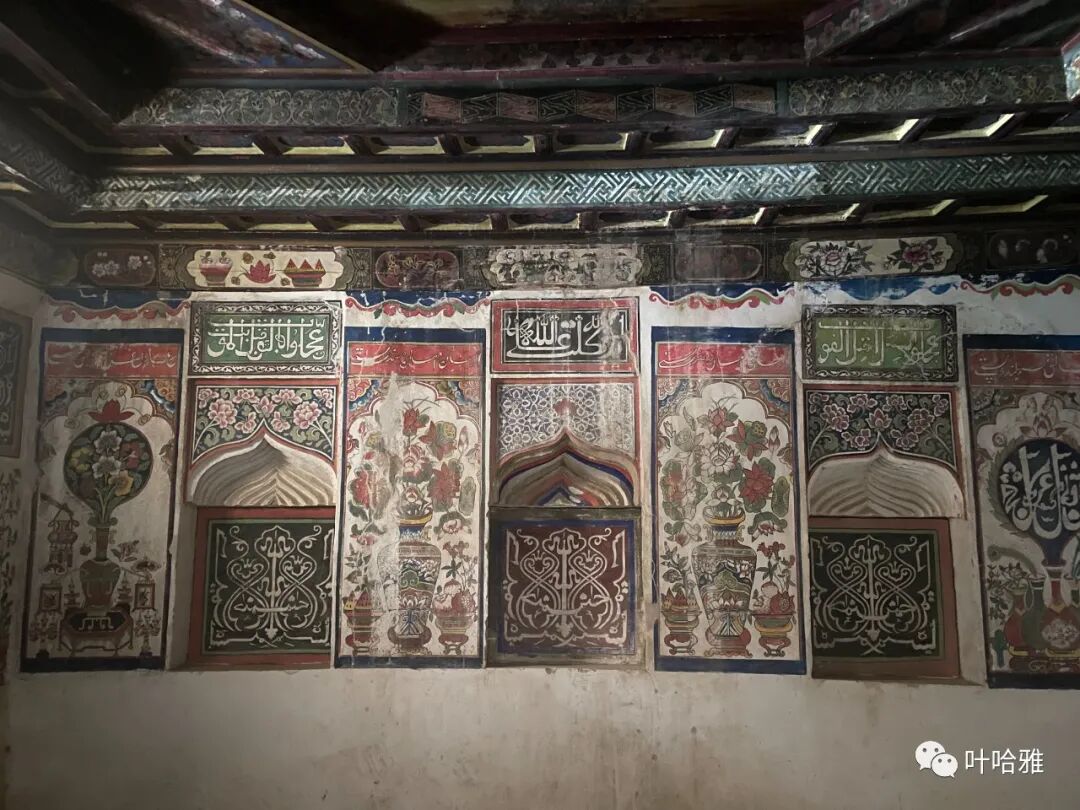
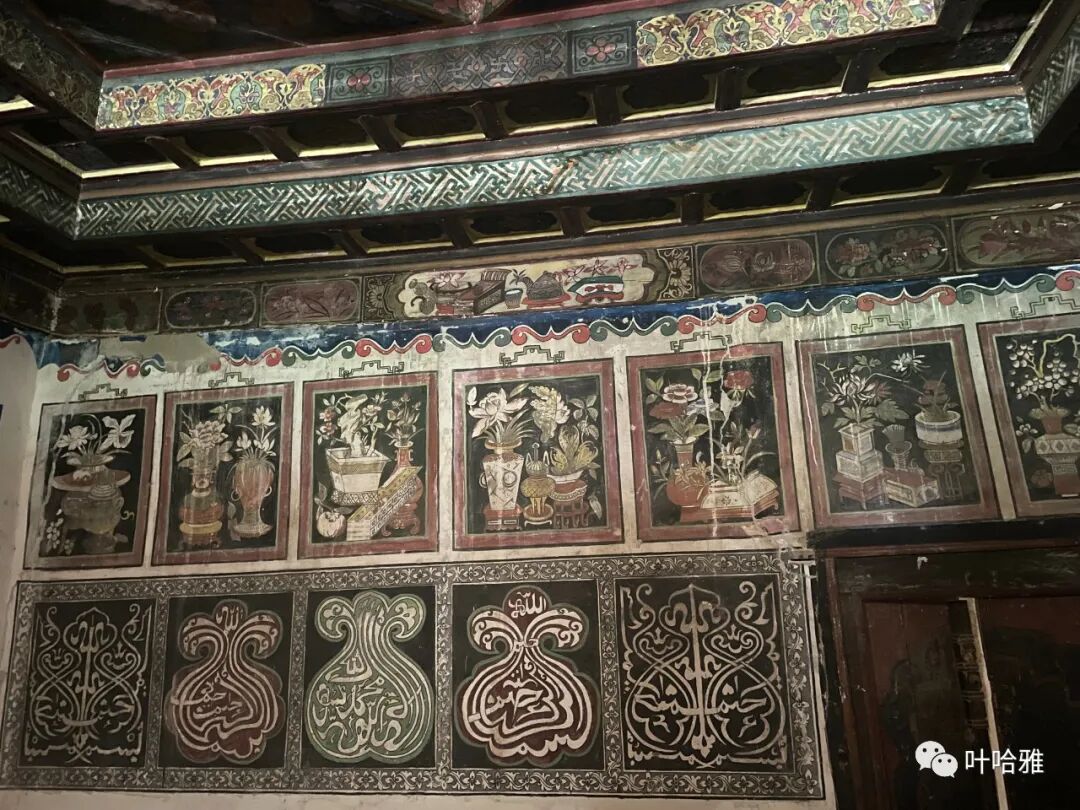
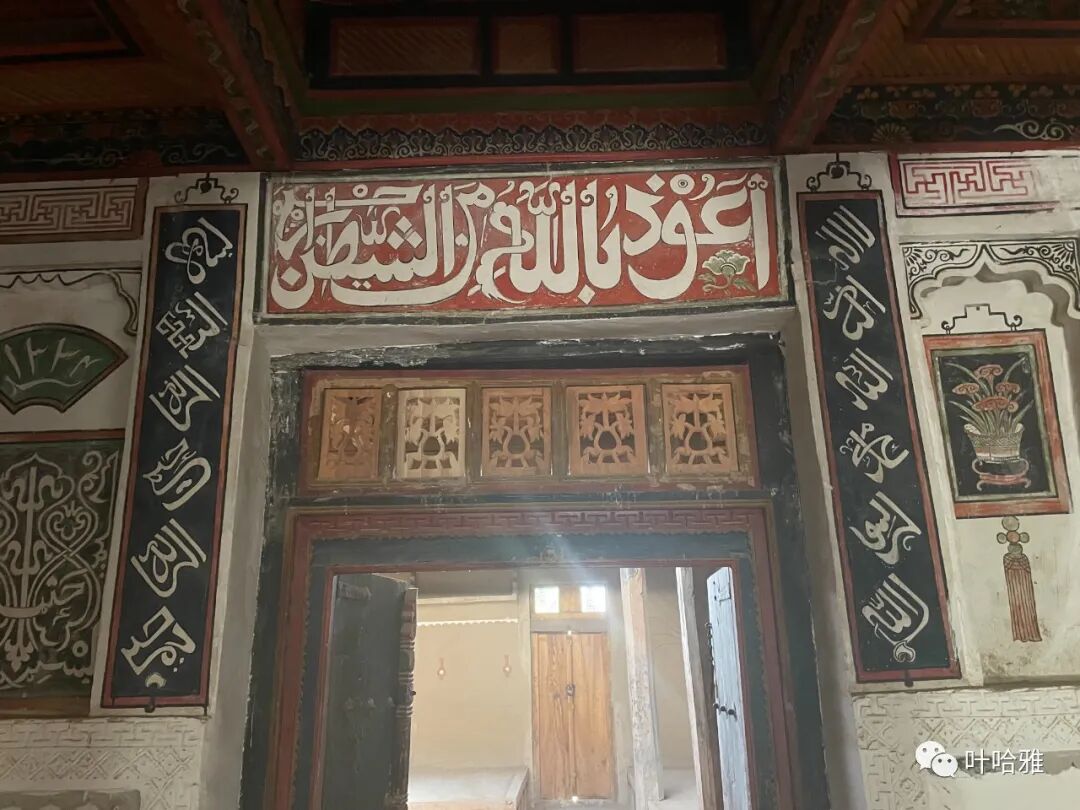
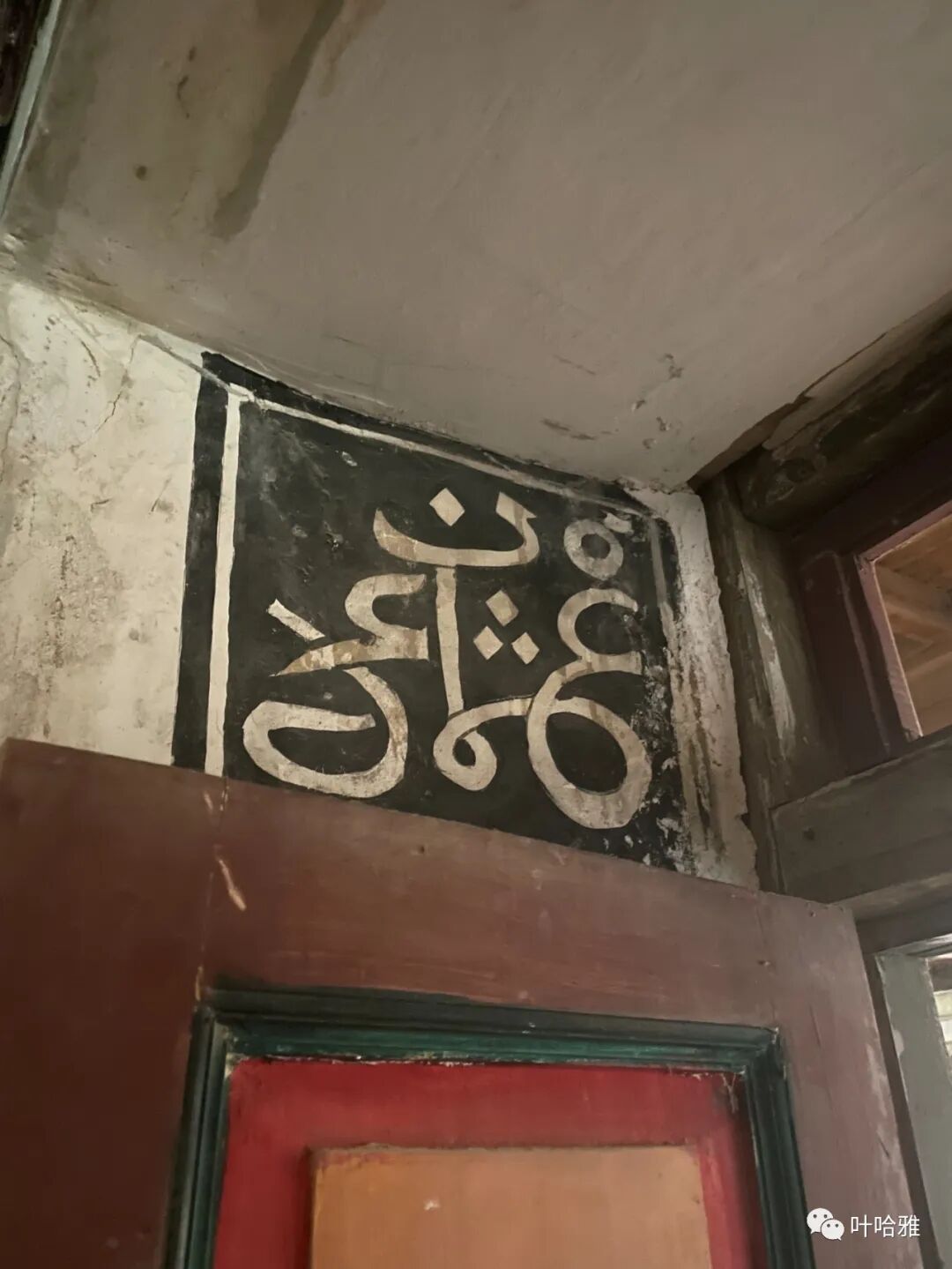
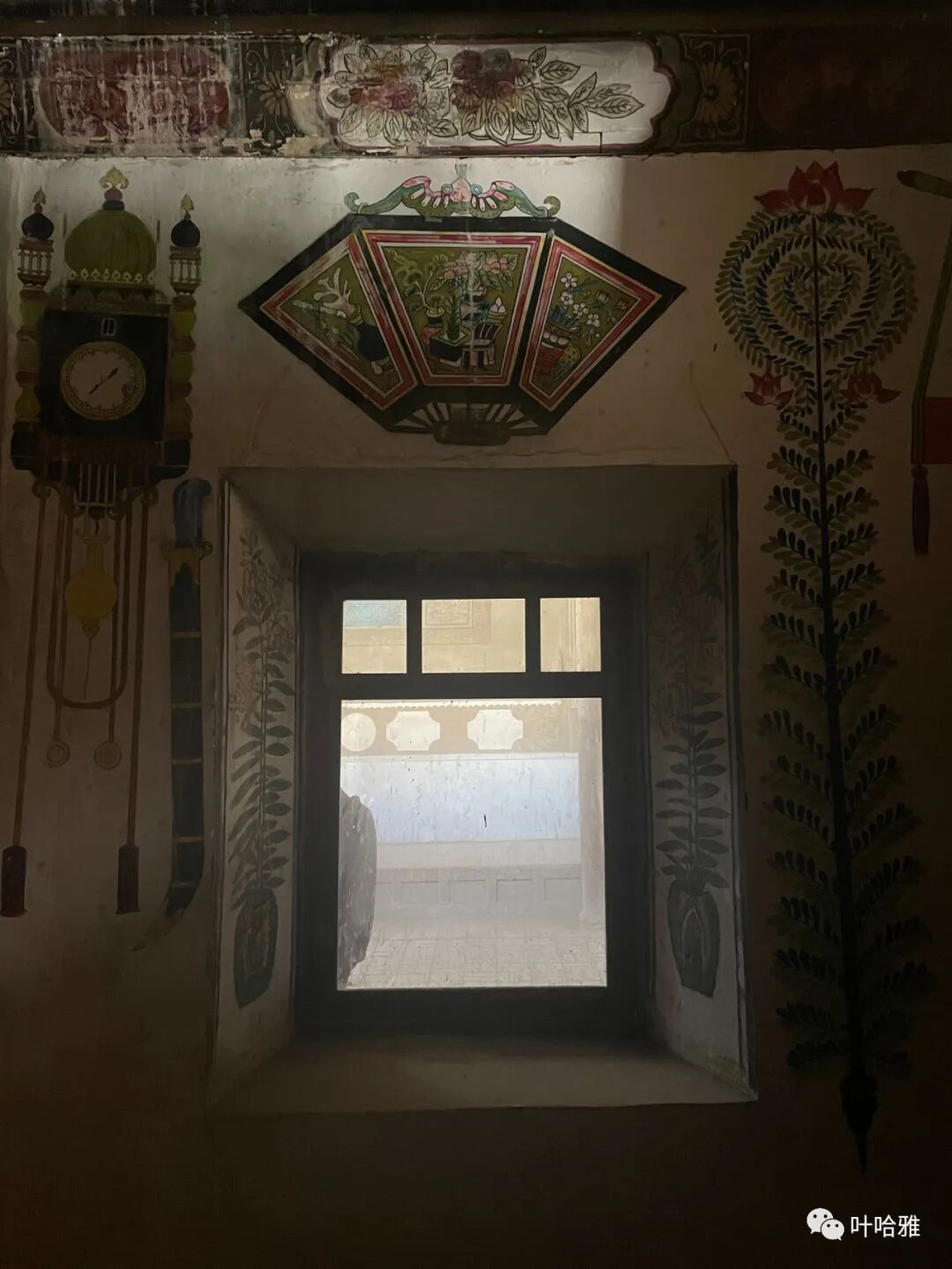
What drew me to the manor were the painted decorations inside. They still have Arabic script, including the Shahada and excerpts from the Quran, along with some Uyghur script.
This is very rare to see in a private home today. The manor blends styles from Central Asia, West Asia, and the Middle East, so I just thought of it as a mosque.
Leaving Hotan Prefecture for Kashgar Prefecture, you pass through Yarkant County (Shache), which was once the site of the Yarkant Khanate palace.
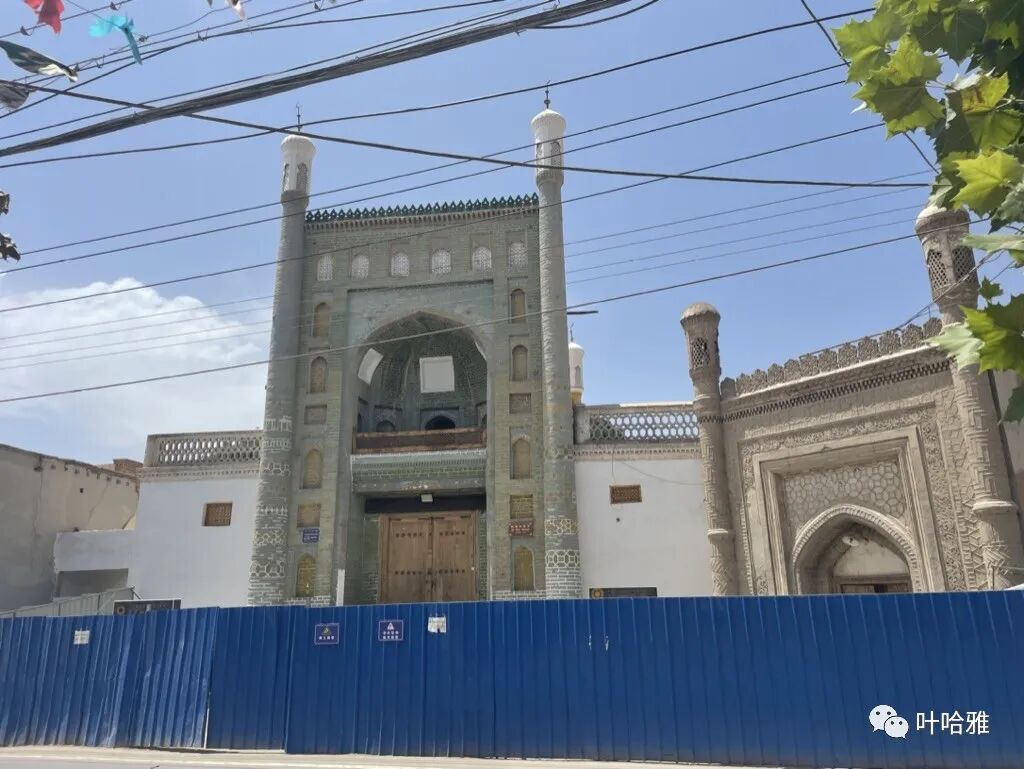
The old mosque district, with the Jiaman Mosque at its center, is currently undergoing renovations.
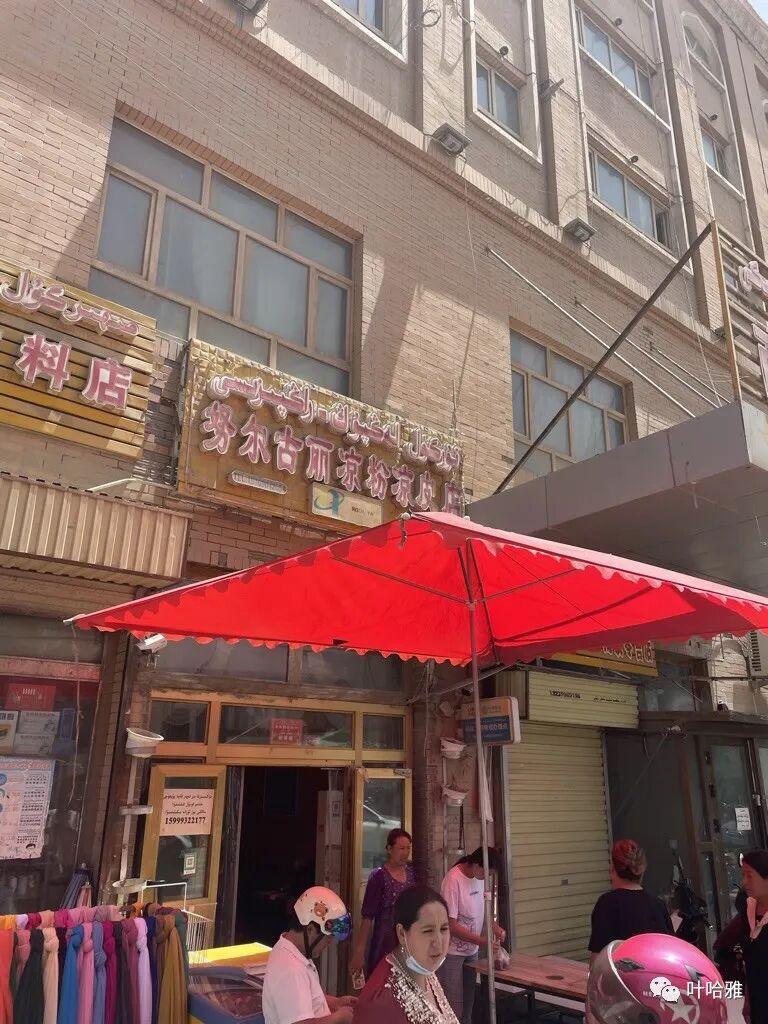
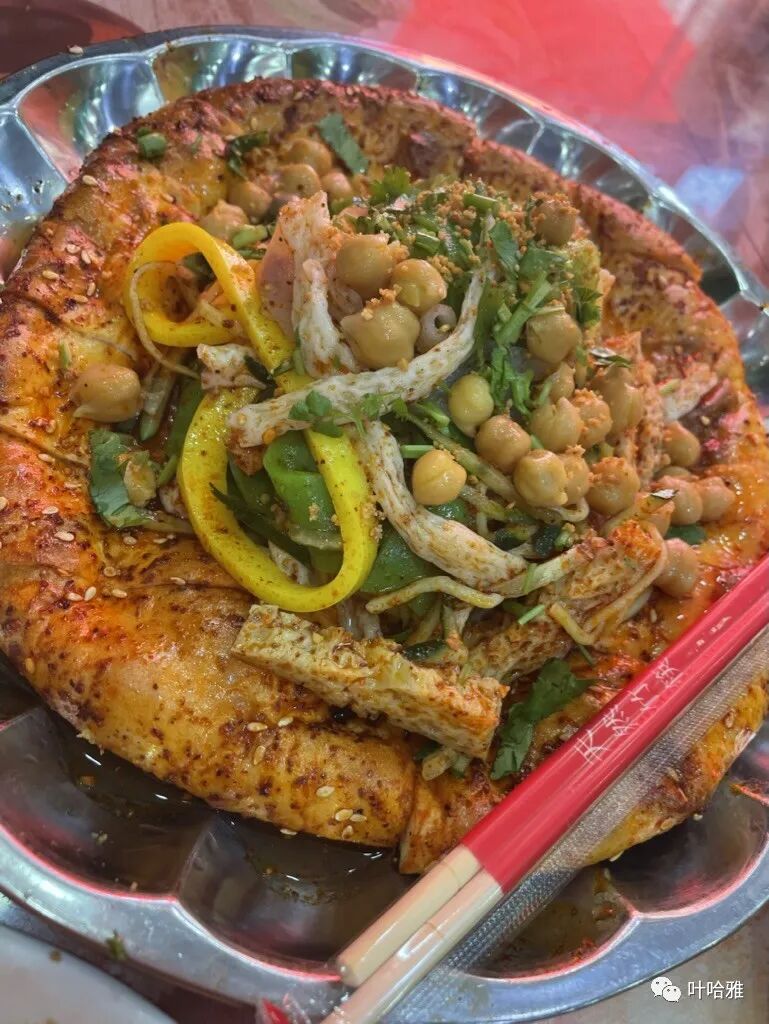
We ate Nurgul cold jelly noodles (liangfen liangpi) in Yarkant County. The whole room was full of women, and we were the only table of men.
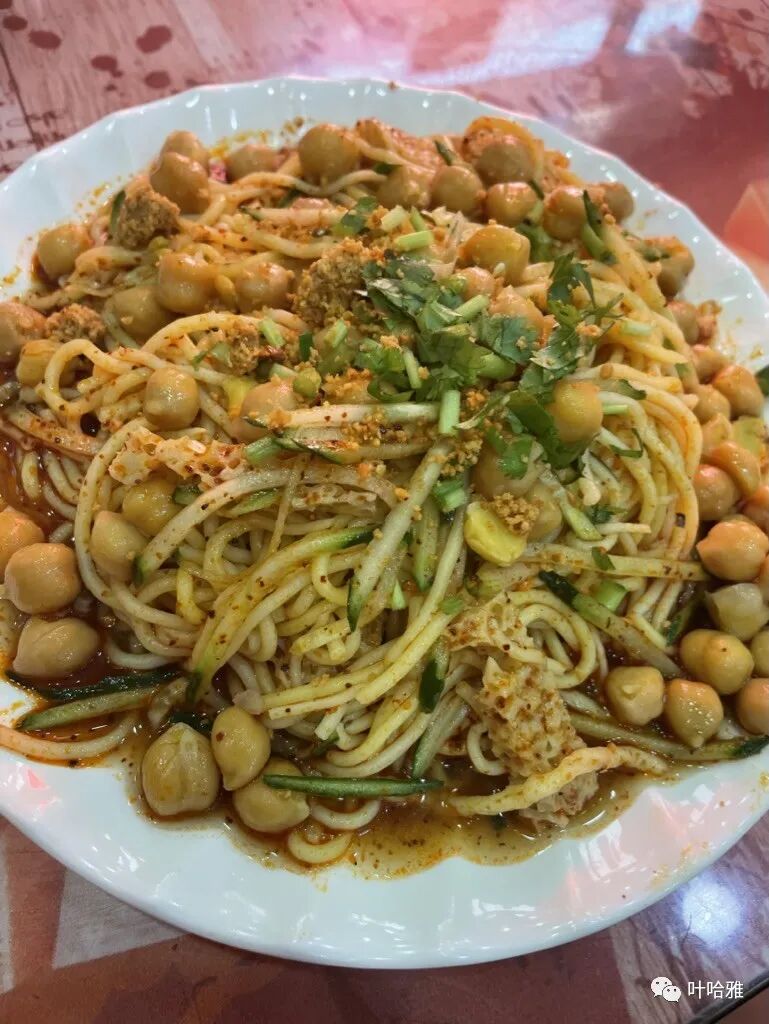
But these cold noodles were really delicious, and they even added chickpeas.
The Yarkant Khanate Palace is a must-visit spot for tourists with a 40 yuan ticket, but it is a new building modeled after the original, so it is optional. However, the Amanisahan and Yarkant Khanate Royal Mausoleum across the street is worth a visit.
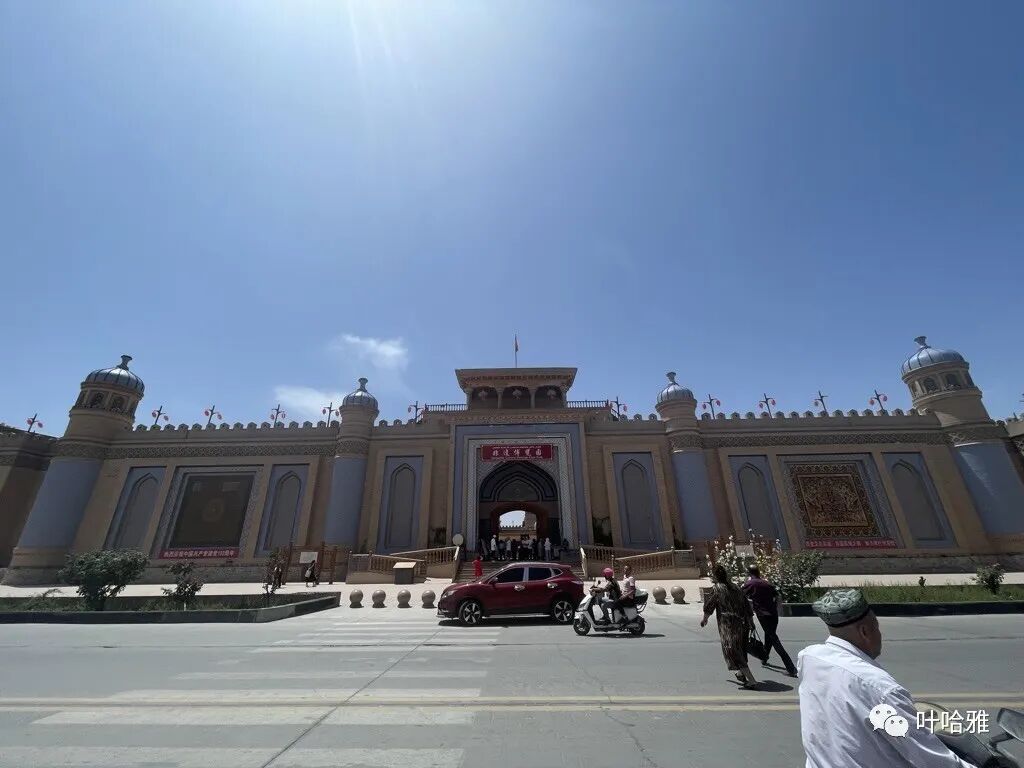
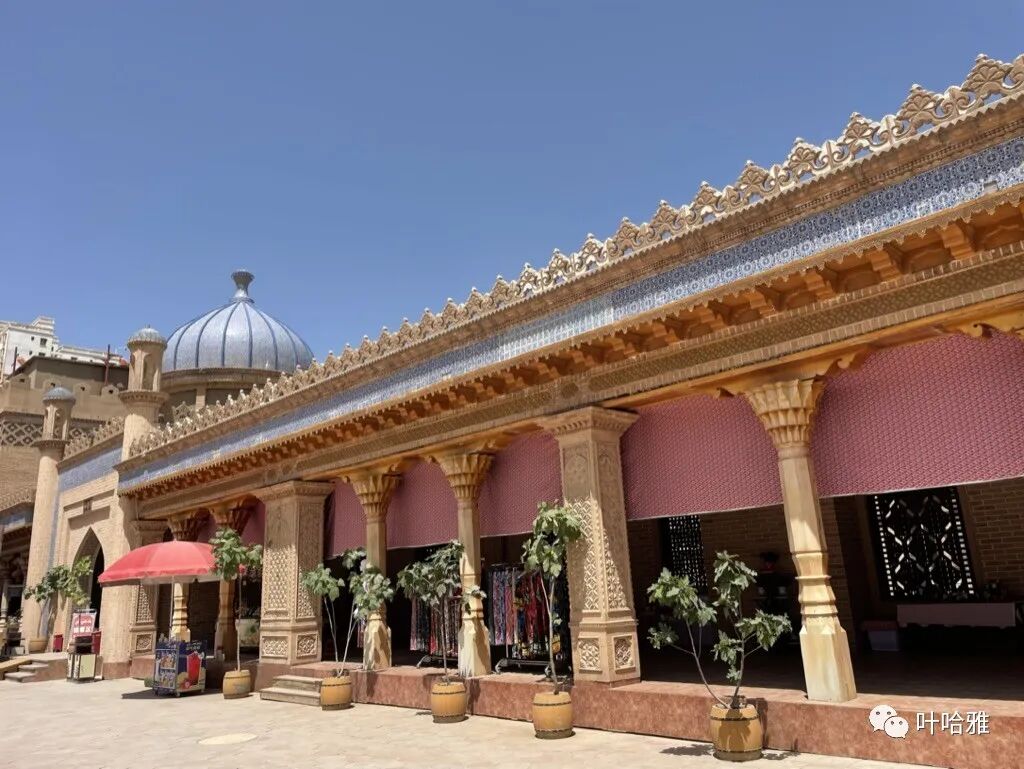
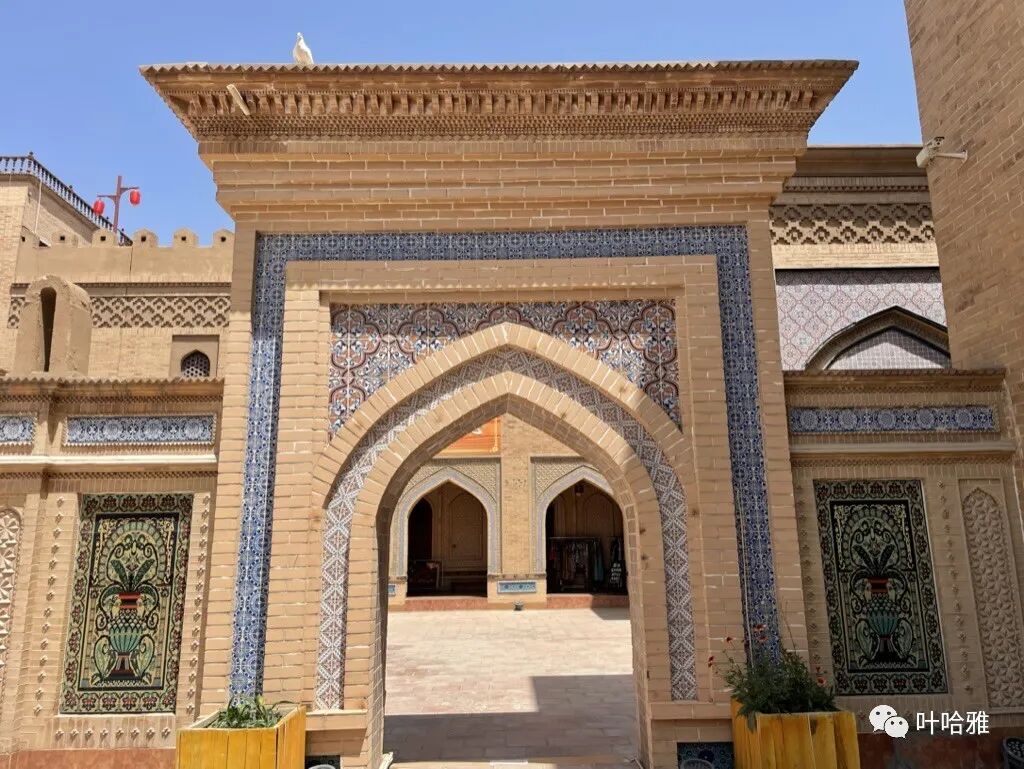
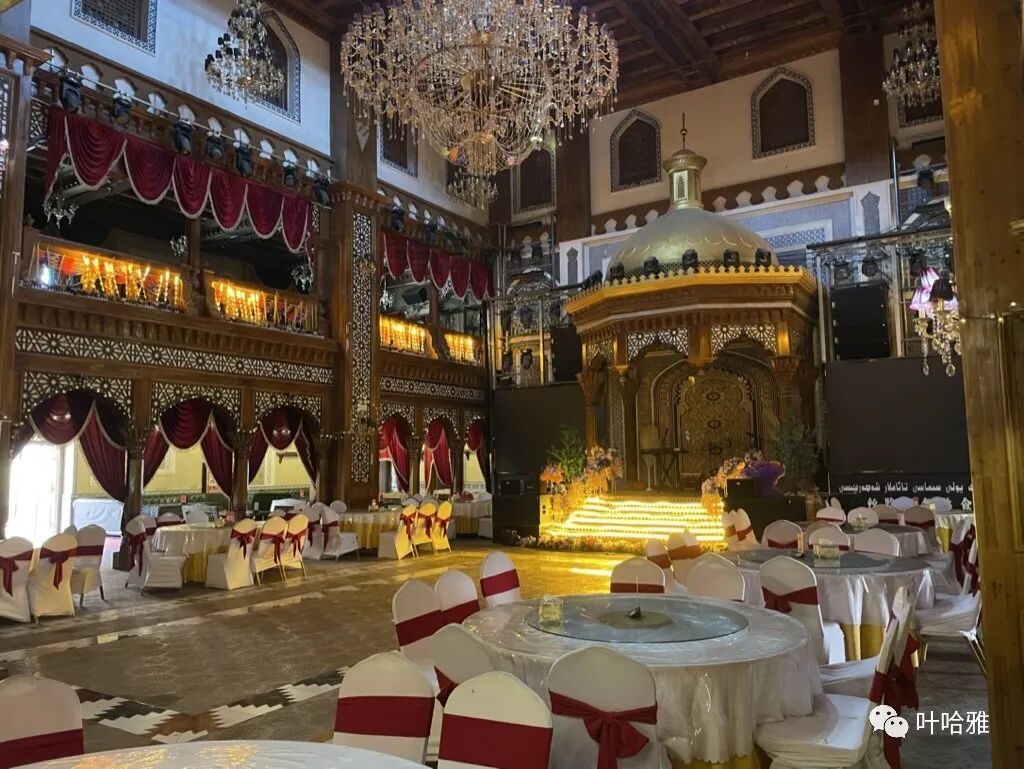
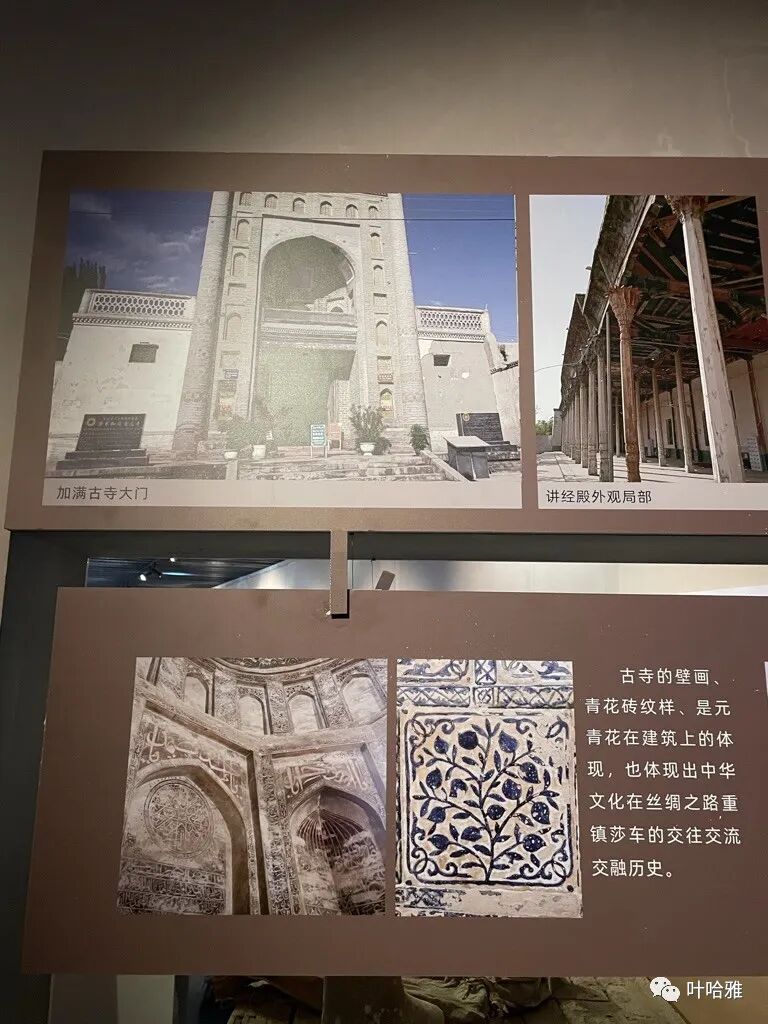
Next to the royal mausoleum is the Altun Mosque. It was open, but not for visitors, and there was someone guarding the entrance.
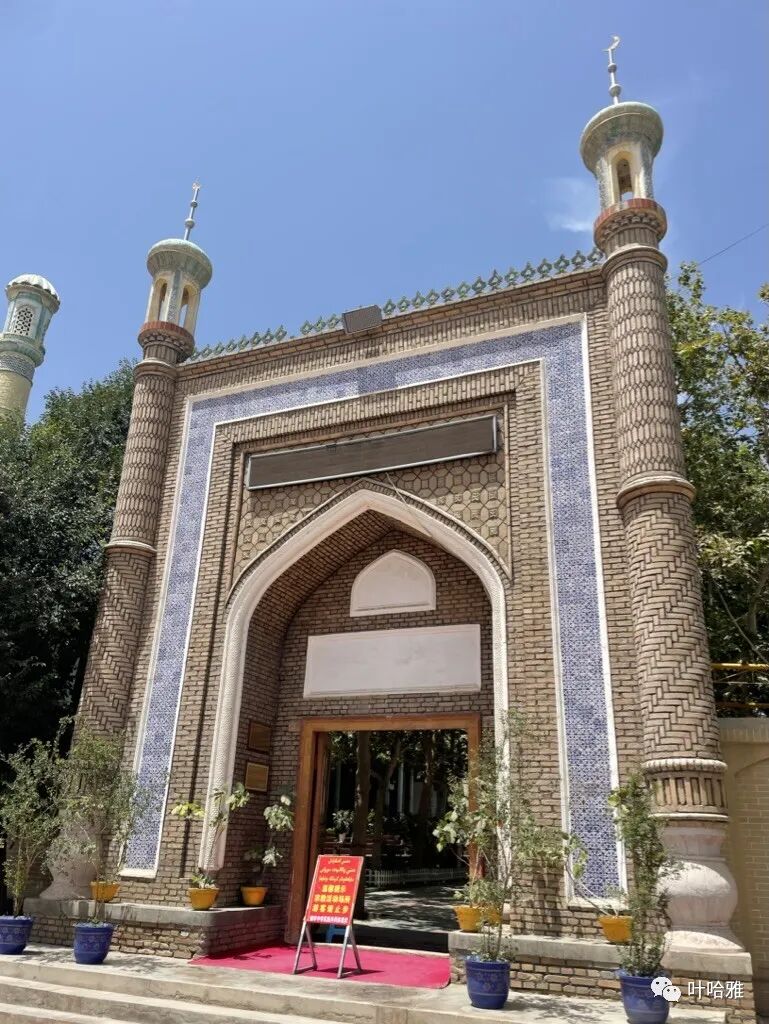
Altun Mosque
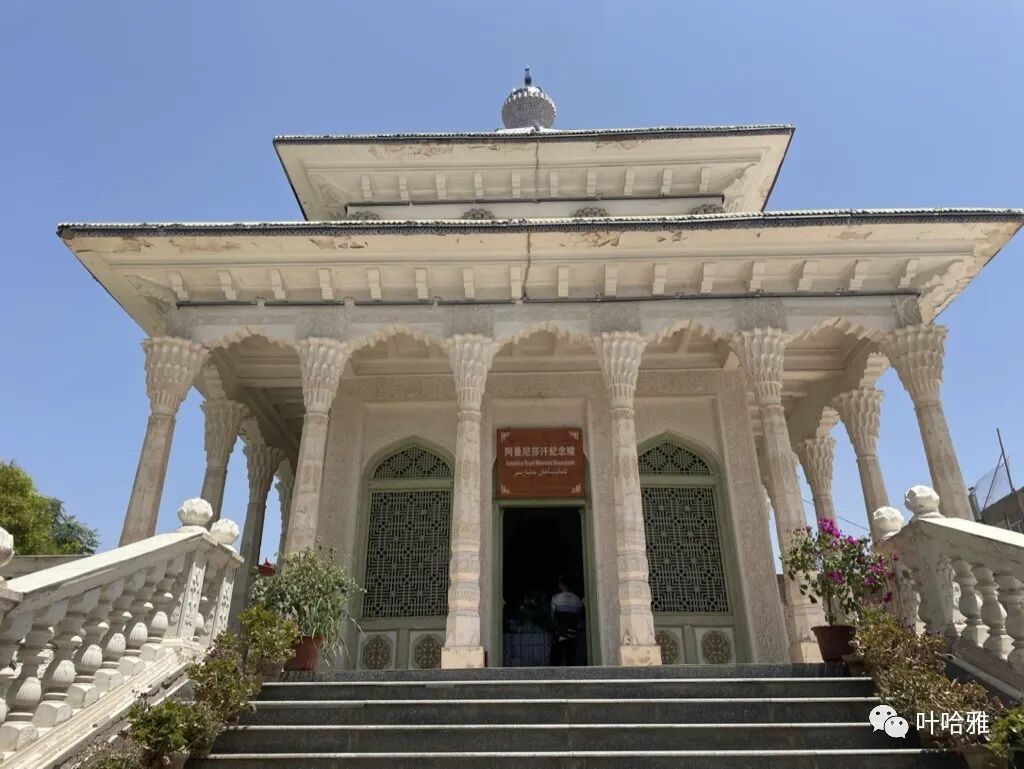
Amanisahan (1526-1560) was the master who compiled the Twelve Muqam art. She married into the palace at 13 and died during childbirth at 34.
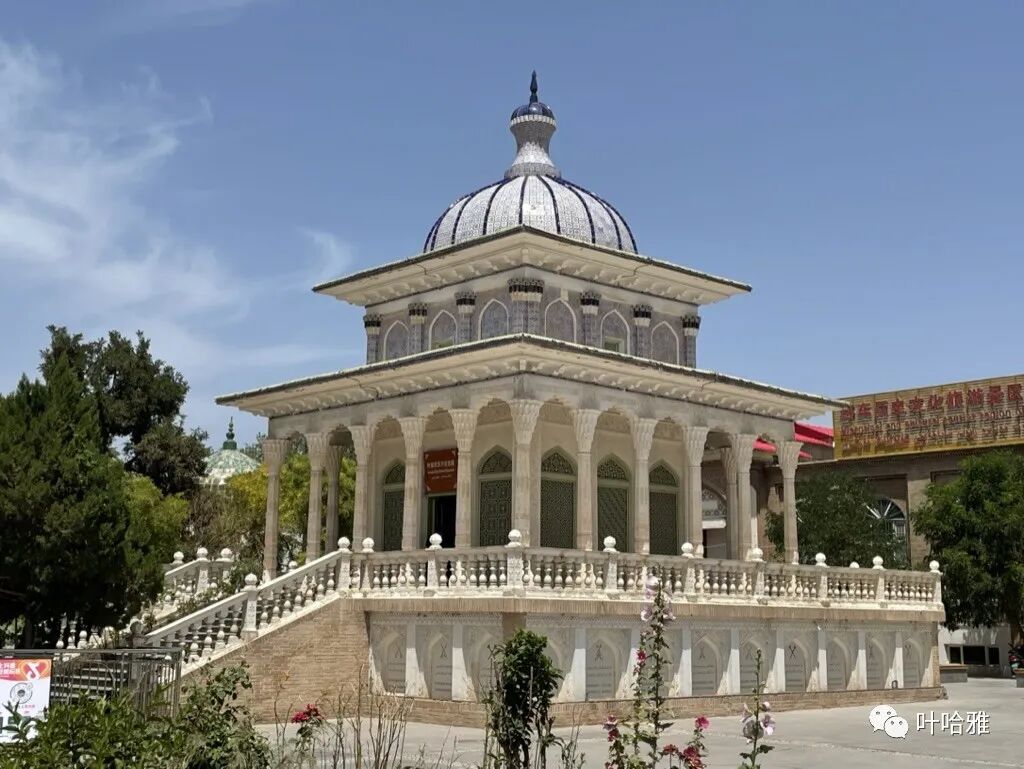
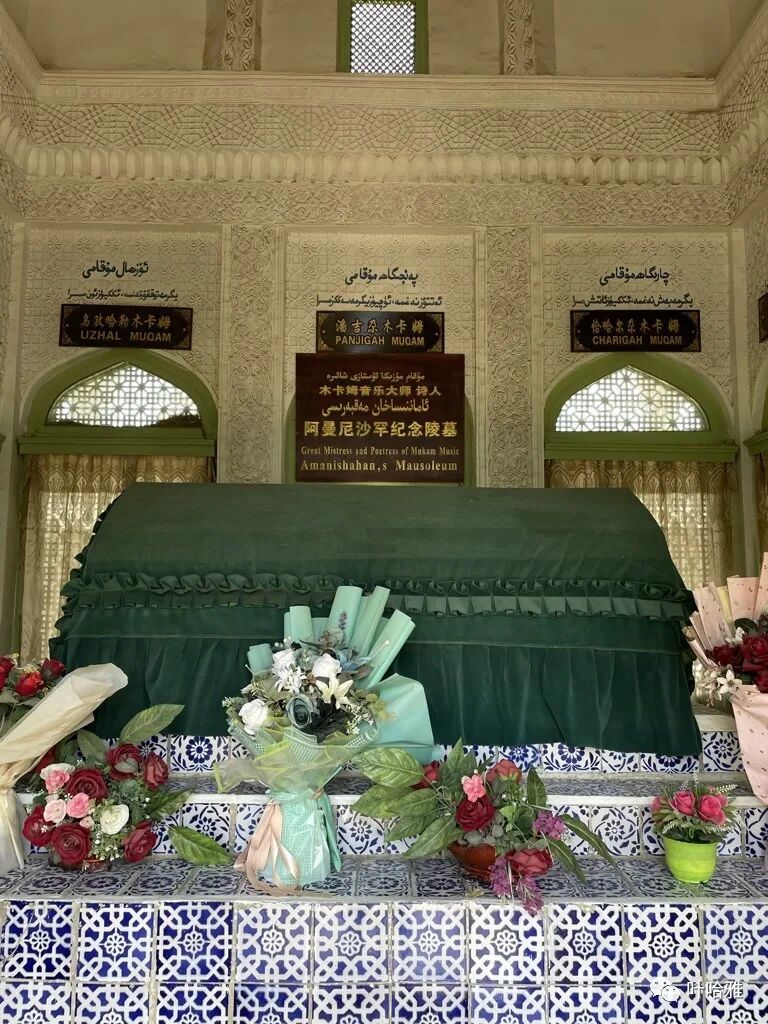

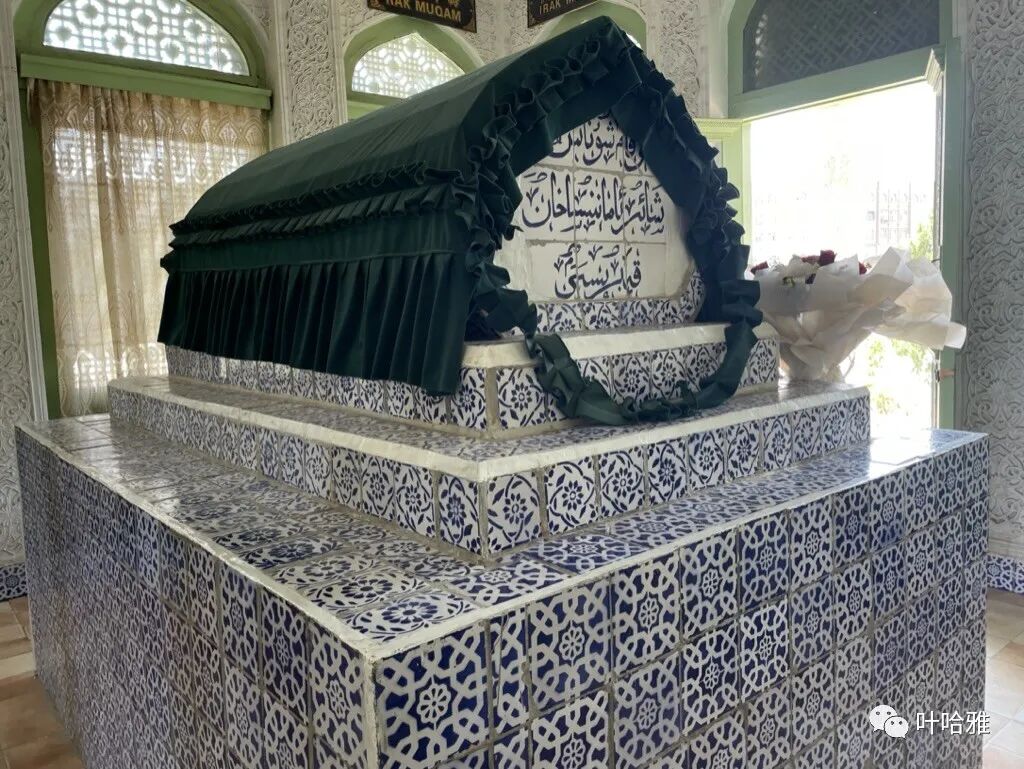
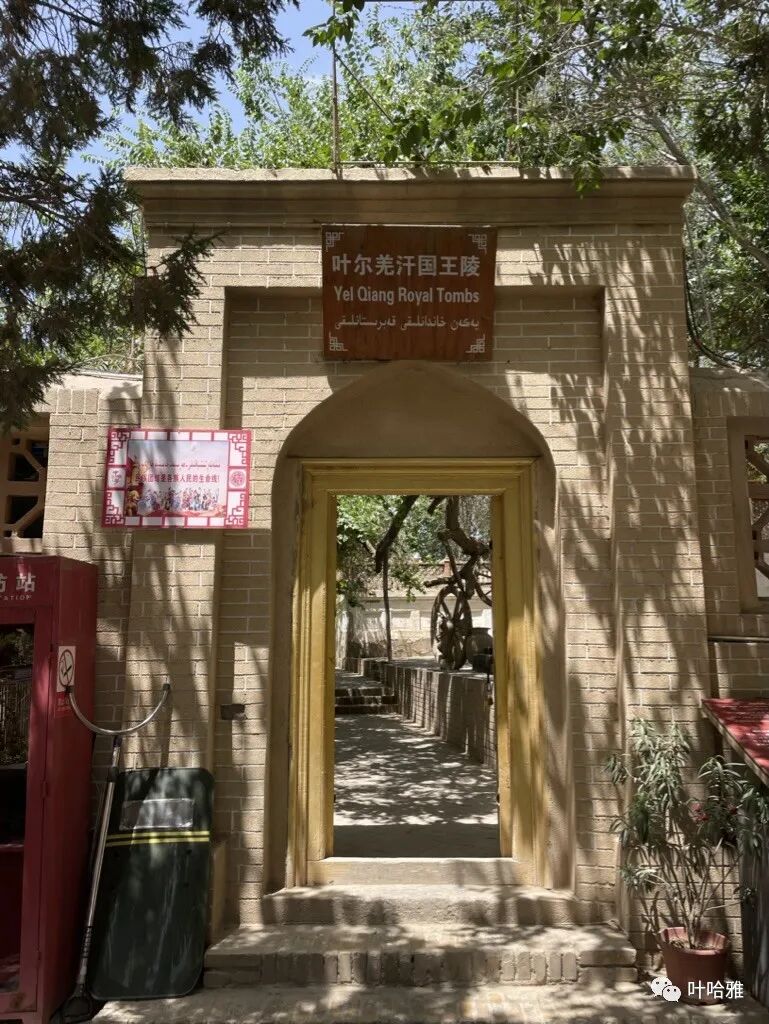
The Yarkant Khanate Royal Mausoleum holds the remains of generations of the royal family. Yarkant County was formerly known as Yarkant City and served as the capital of the Khanate, which followed the Black Mountain sect.
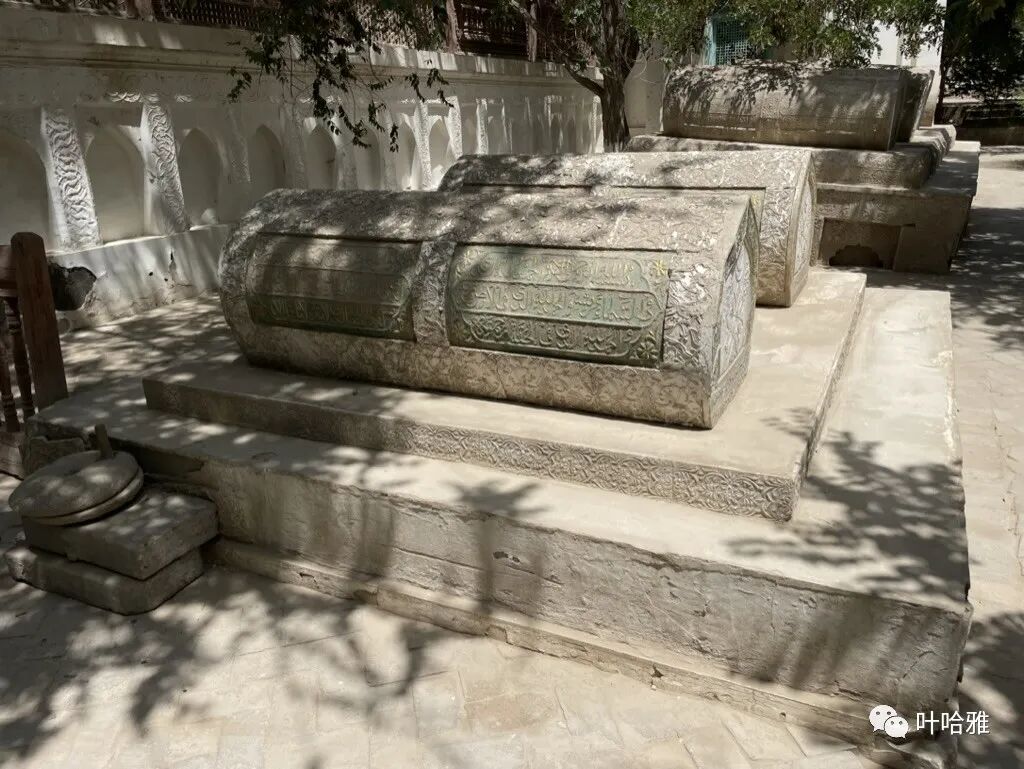
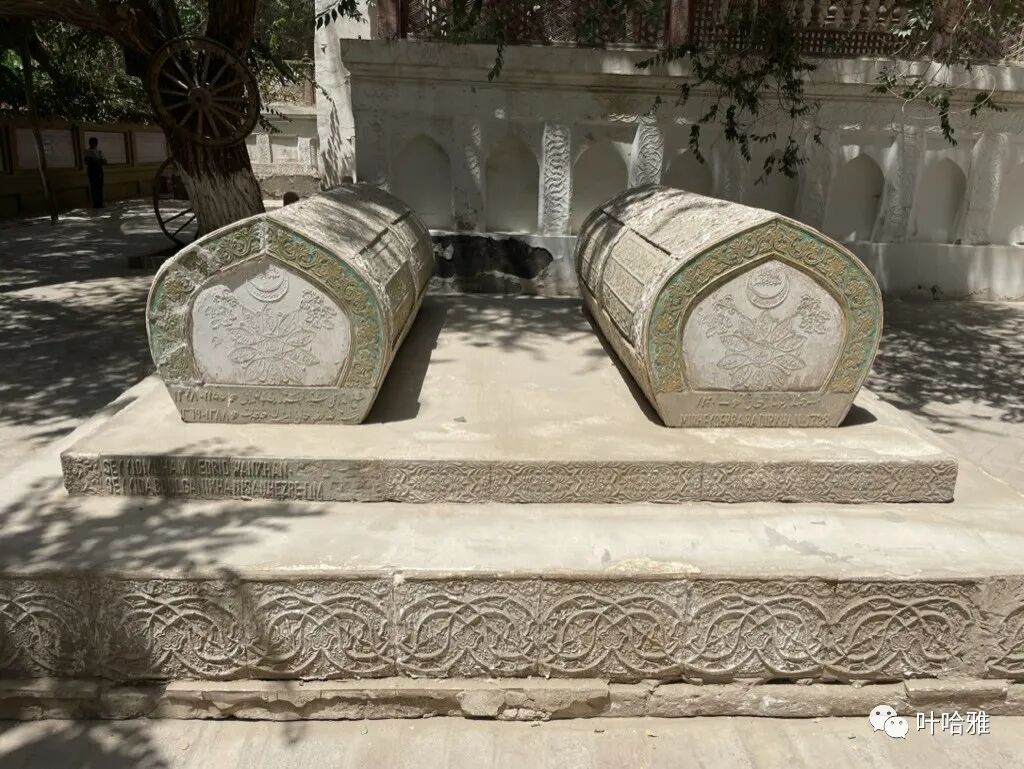
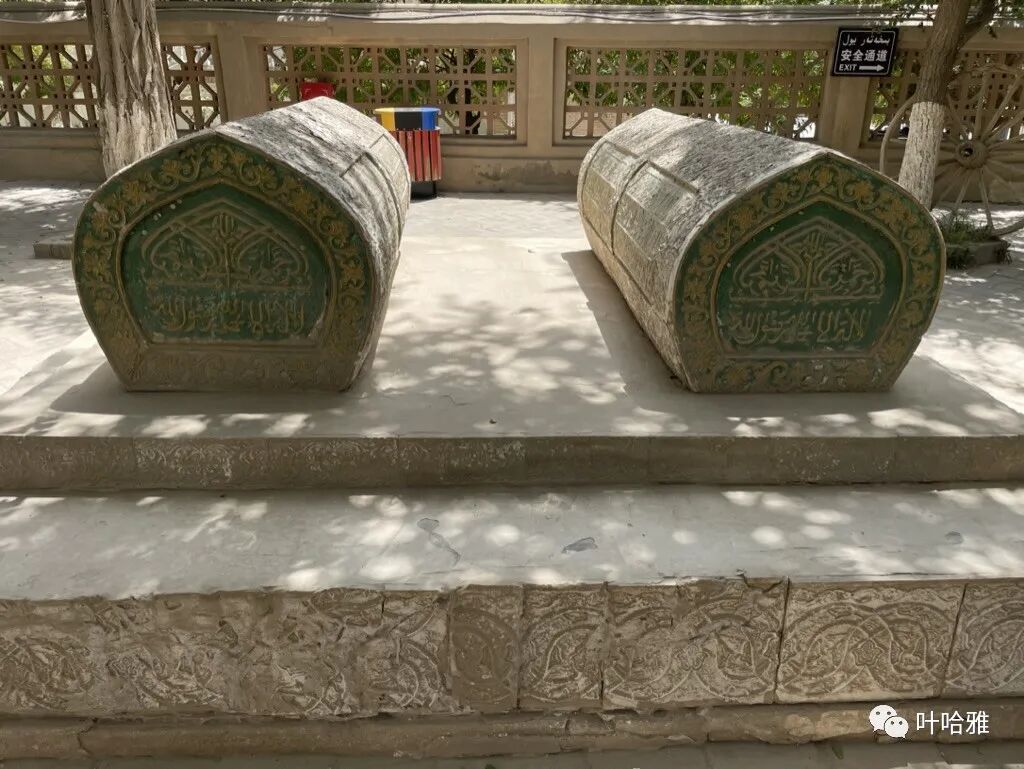
The tomb of Sultan Said, the founder of the Khanate.
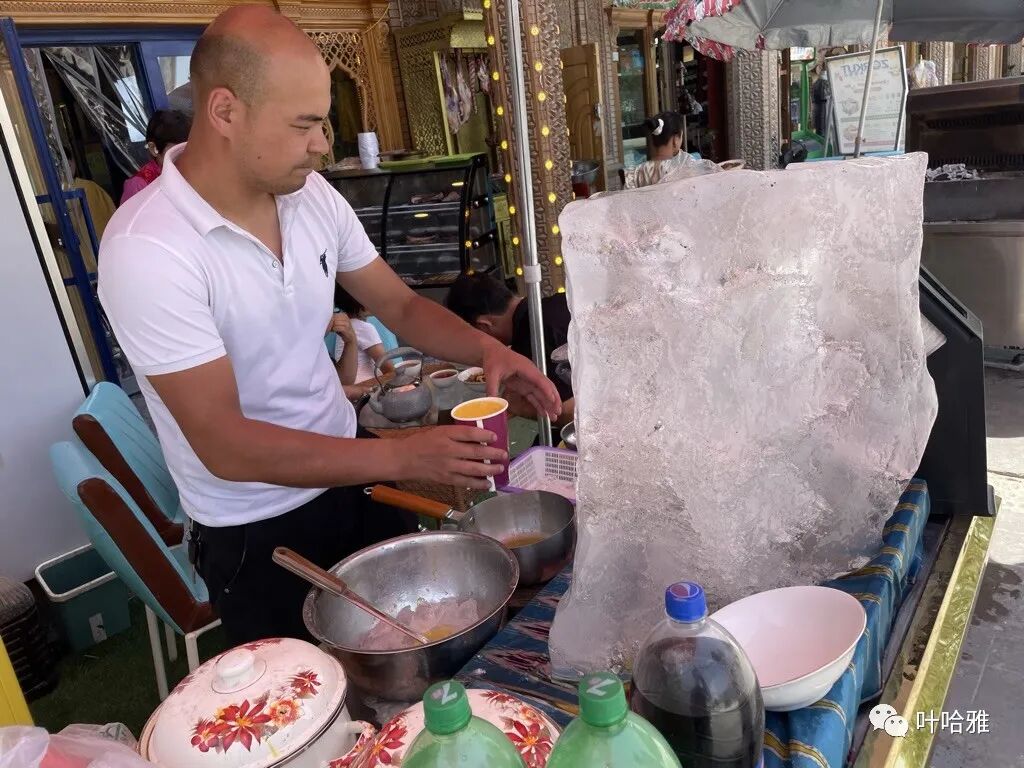
I had a shaved ice (baobing) in the square. The summer heat in southern Xinjiang is intense, and shaved ice is the perfect way to cool down and quench your thirst.
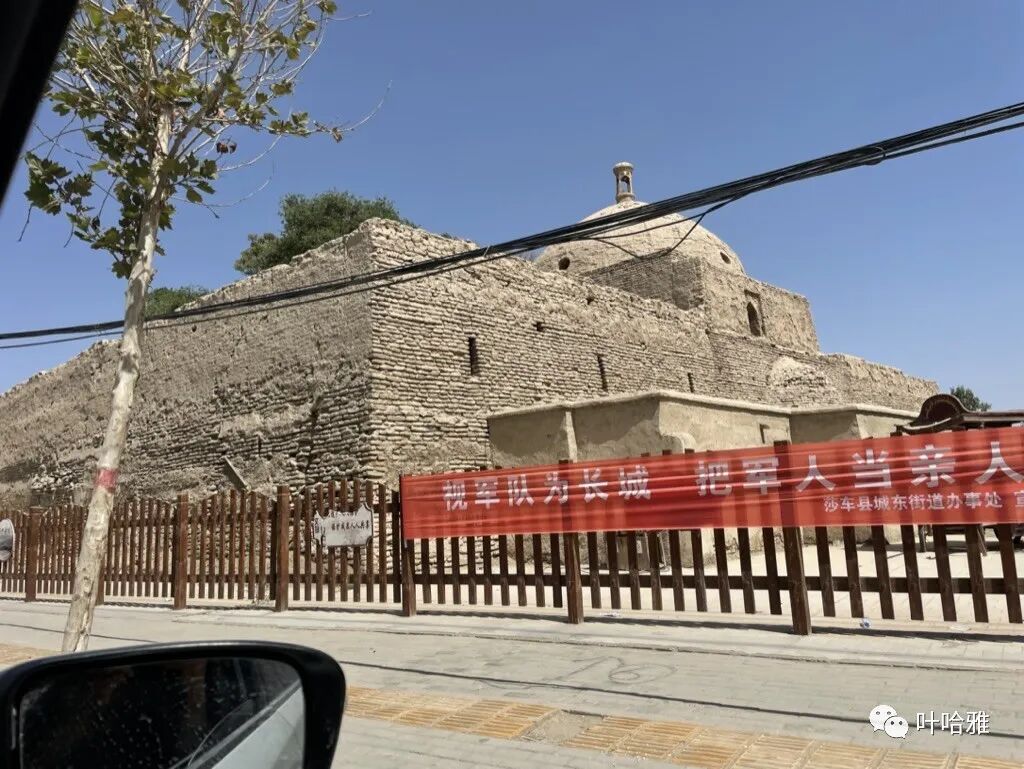
Azina Mosque
Azina Mosque appeared, and I carefully took a quick photo from the car. I haven't had enough of the beauty of Yarkant (Shache) and Hotan yet, so I think I will come back again.
Summary: This Muslim travel guide to southern Xinjiang follows the route from Ruoqiang to Yarkand, with halal food stops, mosque visits, Altun Mosque, Yarkand Khanate royal tombs, Turdi Haji Manor, Uyghur history, and road trip notes.
A Southern Xinjiang Muslim Journey: The Yarkand Khanate Tombs and the Turdi Haji Manor is presented here as a firsthand travel account in clear English, beginning with this scene: We entered Xinjiang from Mangya City in Qinghai, and the first city we reached was Ruoqiang. The account keeps its focus on Yarkand Travel, Chagatai Khanate, Uyghur History while preserving the names, places, food, and historical details from the Chinese source.
We entered Xinjiang from Mangya City in Qinghai, and the first city we reached was Ruoqiang. Since we planned to drive from southern Xinjiang to northern Xinjiang, we hit a sandstorm as soon as we crossed the border. Yellow sand filled the sky, making it impossible to keep our eyes open, and the highway was covered in shifting sand, creating an instantly eerie atmosphere.
Starting from Ruoqiang, we could no longer find restaurants with halal signs.
To know if a restaurant is okay to eat at, you either have to guess or ask. This Yangyangyang Pilaf (zhuafan) shop is an old establishment, and it is safe to eat there.
Our first meal in Xinjiang was the pilaf from this shop. To be honest, their pilaf was just as good as any other I had in later cities.
Next door to Yangyangyang, we found an Azhen Rice Noodles (mifen) shop. This chain also has locations in Beijing and is halal.
Since we couldn't find it on domestic maps, we had to ask passersby for the location of the mosque. After finding it, we discovered it wasn't open. Ruoqiang Mosque was the first mosque we passed on our Xinjiang trip.
After a short break, we continued to the next city, Qiemo. We checked into the Qiemo Hotel in the evening and learned from the staff that the breakfast is halal.
Qiemo Hotel is considered a relatively good state-run guesthouse in the area. Most prefectures in Xinjiang have these types of state-run hotels, so stay in one if you want to avoid bad accommodation experiences.
On the inside of the hotel room door, there was a sign that read, 'Walls have ears, watch your words.' This made me wonder what must have happened here before; otherwise, why would they need such a warning?
Qiemo has a grand bazaar and two night markets. We visited both. They aren't very large, but the food at the night markets is delicious.
We ate baked buns (kaobaozi), roasted pigeon, and red willow skewer meat (hongliu kaorou) at the Yudu Night Market.
Roasted meat (kaorou) tastes good everywhere in Xinjiang, even at highway rest stops.
I had my first bowl of mixed noodles (banmian) in Xinjiang at Ma's Barbecue (Ma Ji Shaokao), and I have never had a bad bowl of mixed noodles in this region.
Wusu carbonated drink.
I found a Flaming Mountain Restaurant (Huoyanshan Canting) in Qiemo. This chain used to have locations in Beijing, but they have all closed down now.
I searched for a mosque on Google Maps for a long time without success, then I suddenly realized this plot of land might be it.
It is now a construction site.
The next day we continued driving west to Yutian County because there is an Id Kah Mosque (Aitiga'er Qingzhensi) there.
Unfortunately, photography is not allowed at the mosque. The security guard deleted the photo I took of the main gate, so I only have one photo of the side.
The image above shows the original appearance of the Id Kah Mosque, taken from the second volume of 'Architectural Art of Islam in China'.
With nowhere else to go, we had to find a nearby restaurant to eat. We happened to see this Hotan Canteen (Hetian Shitang). Yutian County is part of the Hotan region, and since there are Hotan Canteens in Beijing, I wanted to see how this one was different.
The restaurant environment was quite nice, but the food was not good and the prices were high. Combined with my earlier unpleasant experience, I just wanted to leave this city as soon as possible.
I left Yutian and arrived at Hotan Tuancheng. Because I was told not to take photos earlier, I was very careful when I first got to Hotan. I started by taking a few secret photos from inside the car. Later, I saw tourists everywhere and no one was stopping them, so I became bolder. Strangely, I never ran into any more photo restrictions during the rest of my trip in Xinjiang.
Hotan Tuancheng is just like the Old City of Kashgar; it has been renovated and contains both homes and shops. It is worth walking around and eating there. The girls in Hotan are even prettier, and I feel they are better looking than the ones in Kashgar.
A kind girl in Hotan warned us not to drive the wrong way on a one-way street. We were embarrassed because we first thought she was trying to chat us up.
I had my first bowl of yogurt shaved ice (suannai baobing) at this shop in Tuancheng. My first impression of Hotan is really good.
Jiaman Mosque is in the center of Hotan Tuancheng. It was first built during the Guangxu reign of the Qing Dynasty (1875).
I asked the Uyghur grandfather at the entrance if I could go inside, but he shook his head.
Pishan County is a place I have always wanted to visit. When I arrived, it was completely different from what I expected. The city was built with help from Anhui Province. There is almost no local ethnic character, and the buildings use the Anhui style, making me feel like I was in Anhui.
The Pishan County Guest House is state-run, like guest houses in other parts of Xinjiang. They are usually the best hotels in the area. If you do not know where to stay, choosing the guest house is a safe bet, and the breakfast is always halal.
I ate at a beef noodle shop run by Uyghurs in Pishan County. It is really hard to find halal restaurants here, and none of them looked like one, but this place called Magake seemed reliable.
I specifically walked around the supermarket and could not find a single halal food item. Even these sausages had no halal label.
A niche spot worth visiting in Pishan County is the Turdi Haji Manor.
Turdi Haji was a wealthy landlord (bai) in Xinjiang during the Republic of China era. He built this manor in 1916. It covers 2,500 square meters and is now a Major Historical and Cultural Site Protected at the National Level.
The gate was locked when we arrived at the manor. We made a phone call, and the local tourism bureau sent a worker to open it for us. Admission was free.
What drew me to the manor were the painted decorations inside. They still have Arabic script, including the Shahada and excerpts from the Quran, along with some Uyghur script.
This is very rare to see in a private home today. The manor blends styles from Central Asia, West Asia, and the Middle East, so I just thought of it as a mosque.
Leaving Hotan Prefecture for Kashgar Prefecture, you pass through Yarkant County (Shache), which was once the site of the Yarkant Khanate palace.
The old mosque district, with the Jiaman Mosque at its center, is currently undergoing renovations.
We ate Nurgul cold jelly noodles (liangfen liangpi) in Yarkant County. The whole room was full of women, and we were the only table of men.
But these cold noodles were really delicious, and they even added chickpeas.
The Yarkant Khanate Palace is a must-visit spot for tourists with a 40 yuan ticket, but it is a new building modeled after the original, so it is optional. However, the Amanisahan and Yarkant Khanate Royal Mausoleum across the street is worth a visit.
Next to the royal mausoleum is the Altun Mosque. It was open, but not for visitors, and there was someone guarding the entrance.
Altun Mosque
Amanisahan (1526-1560) was the master who compiled the Twelve Muqam art. She married into the palace at 13 and died during childbirth at 34.
The Yarkant Khanate Royal Mausoleum holds the remains of generations of the royal family. Yarkant County was formerly known as Yarkant City and served as the capital of the Khanate, which followed the Black Mountain sect.
The tomb of Sultan Said, the founder of the Khanate.
I had a shaved ice (baobing) in the square. The summer heat in southern Xinjiang is intense, and shaved ice is the perfect way to cool down and quench your thirst.
Azina Mosque
Azina Mosque appeared, and I carefully took a quick photo from the car. I haven't had enough of the beauty of Yarkant (Shache) and Hotan yet, so I think I will come back again.
Muslim Travel Guide China: Yarkand Altun Mosque, Khanate Tombs and Turdi Haji Manor
Articles • yusuf908 posted the article • 0 comments • 181 views • 2026-05-22 21:11
Reposted from the web
Summary: This Muslim travel guide to southern Xinjiang follows the route from Ruoqiang to Yarkand, with halal food stops, mosque visits, Altun Mosque, Yarkand Khanate royal tombs, Turdi Haji Manor, Uyghur history, and road trip notes.
A Southern Xinjiang Muslim Journey: The Yarkand Khanate Tombs and the Turdi Haji Manor is presented here as a firsthand travel account in clear English, beginning with this scene: We entered Xinjiang from Mangya City in Qinghai, and the first city we reached was Ruoqiang. The account keeps its focus on Yarkand Travel, Chagatai Khanate, Uyghur History while preserving the names, places, food, and historical details from the Chinese source.
We entered Xinjiang from Mangya City in Qinghai, and the first city we reached was Ruoqiang. Since we planned to drive from southern Xinjiang to northern Xinjiang, we hit a sandstorm as soon as we crossed the border. Yellow sand filled the sky, making it impossible to keep our eyes open, and the highway was covered in shifting sand, creating an instantly eerie atmosphere.
Starting from Ruoqiang, we could no longer find restaurants with halal signs.
To know if a restaurant is okay to eat at, you either have to guess or ask. This Yangyangyang Pilaf (zhuafan) shop is an old establishment, and it is safe to eat there.
Our first meal in Xinjiang was the pilaf from this shop. To be honest, their pilaf was just as good as any other I had in later cities.
Next door to Yangyangyang, we found an Azhen Rice Noodles (mifen) shop. This chain also has locations in Beijing and is halal.
Since we couldn't find it on domestic maps, we had to ask passersby for the location of the mosque. After finding it, we discovered it wasn't open. Ruoqiang Mosque was the first mosque we passed on our Xinjiang trip.
After a short break, we continued to the next city, Qiemo. We checked into the Qiemo Hotel in the evening and learned from the staff that the breakfast is halal.
Qiemo Hotel is considered a relatively good state-run guesthouse in the area. Most prefectures in Xinjiang have these types of state-run hotels, so stay in one if you want to avoid bad accommodation experiences.
On the inside of the hotel room door, there was a sign that read, 'Walls have ears, watch your words.' This made me wonder what must have happened here before; otherwise, why would they need such a warning?
Qiemo has a grand bazaar and two night markets. We visited both. They aren't very large, but the food at the night markets is delicious.
We ate baked buns (kaobaozi), roasted pigeon, and red willow skewer meat (hongliu kaorou) at the Yudu Night Market.
Roasted meat (kaorou) tastes good everywhere in Xinjiang, even at highway rest stops.
I had my first bowl of mixed noodles (banmian) in Xinjiang at Ma's Barbecue (Ma Ji Shaokao), and I have never had a bad bowl of mixed noodles in this region.
Wusu carbonated drink.
I found a Flaming Mountain Restaurant (Huoyanshan Canting) in Qiemo. This chain used to have locations in Beijing, but they have all closed down now.
I searched for a mosque on Google Maps for a long time without success, then I suddenly realized this plot of land might be it.
It is now a construction site.
The next day we continued driving west to Yutian County because there is an Id Kah Mosque (Aitiga'er Qingzhensi) there.
Unfortunately, photography is not allowed at the mosque. The security guard deleted the photo I took of the main gate, so I only have one photo of the side.
The image above shows the original appearance of the Id Kah Mosque, taken from the second volume of 'Architectural Art of Islam in China'.
With nowhere else to go, we had to find a nearby restaurant to eat. We happened to see this Hotan Canteen (Hetian Shitang). Yutian County is part of the Hotan region, and since there are Hotan Canteens in Beijing, I wanted to see how this one was different.
The restaurant environment was quite nice, but the food was not good and the prices were high. Combined with my earlier unpleasant experience, I just wanted to leave this city as soon as possible.
I left Yutian and arrived at Hotan Tuancheng. Because I was told not to take photos earlier, I was very careful when I first got to Hotan. I started by taking a few secret photos from inside the car. Later, I saw tourists everywhere and no one was stopping them, so I became bolder. Strangely, I never ran into any more photo restrictions during the rest of my trip in Xinjiang.
Hotan Tuancheng is just like the Old City of Kashgar; it has been renovated and contains both homes and shops. It is worth walking around and eating there. The girls in Hotan are even prettier, and I feel they are better looking than the ones in Kashgar.
A kind girl in Hotan warned us not to drive the wrong way on a one-way street. We were embarrassed because we first thought she was trying to chat us up.
I had my first bowl of yogurt shaved ice (suannai baobing) at this shop in Tuancheng. My first impression of Hotan is really good.
Jiaman Mosque is in the center of Hotan Tuancheng. It was first built during the Guangxu reign of the Qing Dynasty (1875).
I asked the Uyghur grandfather at the entrance if I could go inside, but he shook his head.
Pishan County is a place I have always wanted to visit. When I arrived, it was completely different from what I expected. The city was built with help from Anhui Province. There is almost no local ethnic character, and the buildings use the Anhui style, making me feel like I was in Anhui.
The Pishan County Guest House is state-run, like guest houses in other parts of Xinjiang. They are usually the best hotels in the area. If you do not know where to stay, choosing the guest house is a safe bet, and the breakfast is always halal.
I ate at a beef noodle shop run by Uyghurs in Pishan County. It is really hard to find halal restaurants here, and none of them looked like one, but this place called Magake seemed reliable.
I specifically walked around the supermarket and could not find a single halal food item. Even these sausages had no halal label.
A niche spot worth visiting in Pishan County is the Turdi Haji Manor.
Turdi Haji was a wealthy landlord (bai) in Xinjiang during the Republic of China era. He built this manor in 1916. It covers 2,500 square meters and is now a Major Historical and Cultural Site Protected at the National Level.
The gate was locked when we arrived at the manor. We made a phone call, and the local tourism bureau sent a worker to open it for us. Admission was free.
What drew me to the manor were the painted decorations inside. They still have Arabic script, including the Shahada and excerpts from the Quran, along with some Uyghur script.
This is very rare to see in a private home today. The manor blends styles from Central Asia, West Asia, and the Middle East, so I just thought of it as a mosque.
Leaving Hotan Prefecture for Kashgar Prefecture, you pass through Yarkant County (Shache), which was once the site of the Yarkant Khanate palace.
The old mosque district, with the Jiaman Mosque at its center, is currently undergoing renovations.
We ate Nurgul cold jelly noodles (liangfen liangpi) in Yarkant County. The whole room was full of women, and we were the only table of men.
But these cold noodles were really delicious, and they even added chickpeas.
The Yarkant Khanate Palace is a must-visit spot for tourists with a 40 yuan ticket, but it is a new building modeled after the original, so it is optional. However, the Amanisahan and Yarkant Khanate Royal Mausoleum across the street is worth a visit.
Next to the royal mausoleum is the Altun Mosque. It was open, but not for visitors, and there was someone guarding the entrance.
Altun Mosque
Amanisahan (1526-1560) was the master who compiled the Twelve Muqam art. She married into the palace at 13 and died during childbirth at 34.
The Yarkant Khanate Royal Mausoleum holds the remains of generations of the royal family. Yarkant County was formerly known as Yarkant City and served as the capital of the Khanate, which followed the Black Mountain sect.
The tomb of Sultan Said, the founder of the Khanate.
I had a shaved ice (baobing) in the square. The summer heat in southern Xinjiang is intense, and shaved ice is the perfect way to cool down and quench your thirst.
Azina Mosque
Azina Mosque appeared, and I carefully took a quick photo from the car. I haven't had enough of the beauty of Yarkant (Shache) and Hotan yet, so I think I will come back again. view all
Summary: This Muslim travel guide to southern Xinjiang follows the route from Ruoqiang to Yarkand, with halal food stops, mosque visits, Altun Mosque, Yarkand Khanate royal tombs, Turdi Haji Manor, Uyghur history, and road trip notes.
A Southern Xinjiang Muslim Journey: The Yarkand Khanate Tombs and the Turdi Haji Manor is presented here as a firsthand travel account in clear English, beginning with this scene: We entered Xinjiang from Mangya City in Qinghai, and the first city we reached was Ruoqiang. The account keeps its focus on Yarkand Travel, Chagatai Khanate, Uyghur History while preserving the names, places, food, and historical details from the Chinese source.
We entered Xinjiang from Mangya City in Qinghai, and the first city we reached was Ruoqiang. Since we planned to drive from southern Xinjiang to northern Xinjiang, we hit a sandstorm as soon as we crossed the border. Yellow sand filled the sky, making it impossible to keep our eyes open, and the highway was covered in shifting sand, creating an instantly eerie atmosphere.
Starting from Ruoqiang, we could no longer find restaurants with halal signs.
To know if a restaurant is okay to eat at, you either have to guess or ask. This Yangyangyang Pilaf (zhuafan) shop is an old establishment, and it is safe to eat there.
Our first meal in Xinjiang was the pilaf from this shop. To be honest, their pilaf was just as good as any other I had in later cities.
Next door to Yangyangyang, we found an Azhen Rice Noodles (mifen) shop. This chain also has locations in Beijing and is halal.
Since we couldn't find it on domestic maps, we had to ask passersby for the location of the mosque. After finding it, we discovered it wasn't open. Ruoqiang Mosque was the first mosque we passed on our Xinjiang trip.
After a short break, we continued to the next city, Qiemo. We checked into the Qiemo Hotel in the evening and learned from the staff that the breakfast is halal.
Qiemo Hotel is considered a relatively good state-run guesthouse in the area. Most prefectures in Xinjiang have these types of state-run hotels, so stay in one if you want to avoid bad accommodation experiences.
On the inside of the hotel room door, there was a sign that read, 'Walls have ears, watch your words.' This made me wonder what must have happened here before; otherwise, why would they need such a warning?
Qiemo has a grand bazaar and two night markets. We visited both. They aren't very large, but the food at the night markets is delicious.
We ate baked buns (kaobaozi), roasted pigeon, and red willow skewer meat (hongliu kaorou) at the Yudu Night Market.
Roasted meat (kaorou) tastes good everywhere in Xinjiang, even at highway rest stops.
I had my first bowl of mixed noodles (banmian) in Xinjiang at Ma's Barbecue (Ma Ji Shaokao), and I have never had a bad bowl of mixed noodles in this region.
Wusu carbonated drink.
I found a Flaming Mountain Restaurant (Huoyanshan Canting) in Qiemo. This chain used to have locations in Beijing, but they have all closed down now.
I searched for a mosque on Google Maps for a long time without success, then I suddenly realized this plot of land might be it.
It is now a construction site.
The next day we continued driving west to Yutian County because there is an Id Kah Mosque (Aitiga'er Qingzhensi) there.
Unfortunately, photography is not allowed at the mosque. The security guard deleted the photo I took of the main gate, so I only have one photo of the side.
The image above shows the original appearance of the Id Kah Mosque, taken from the second volume of 'Architectural Art of Islam in China'.
With nowhere else to go, we had to find a nearby restaurant to eat. We happened to see this Hotan Canteen (Hetian Shitang). Yutian County is part of the Hotan region, and since there are Hotan Canteens in Beijing, I wanted to see how this one was different.
The restaurant environment was quite nice, but the food was not good and the prices were high. Combined with my earlier unpleasant experience, I just wanted to leave this city as soon as possible.
I left Yutian and arrived at Hotan Tuancheng. Because I was told not to take photos earlier, I was very careful when I first got to Hotan. I started by taking a few secret photos from inside the car. Later, I saw tourists everywhere and no one was stopping them, so I became bolder. Strangely, I never ran into any more photo restrictions during the rest of my trip in Xinjiang.
Hotan Tuancheng is just like the Old City of Kashgar; it has been renovated and contains both homes and shops. It is worth walking around and eating there. The girls in Hotan are even prettier, and I feel they are better looking than the ones in Kashgar.
A kind girl in Hotan warned us not to drive the wrong way on a one-way street. We were embarrassed because we first thought she was trying to chat us up.
I had my first bowl of yogurt shaved ice (suannai baobing) at this shop in Tuancheng. My first impression of Hotan is really good.
Jiaman Mosque is in the center of Hotan Tuancheng. It was first built during the Guangxu reign of the Qing Dynasty (1875).
I asked the Uyghur grandfather at the entrance if I could go inside, but he shook his head.
Pishan County is a place I have always wanted to visit. When I arrived, it was completely different from what I expected. The city was built with help from Anhui Province. There is almost no local ethnic character, and the buildings use the Anhui style, making me feel like I was in Anhui.
The Pishan County Guest House is state-run, like guest houses in other parts of Xinjiang. They are usually the best hotels in the area. If you do not know where to stay, choosing the guest house is a safe bet, and the breakfast is always halal.
I ate at a beef noodle shop run by Uyghurs in Pishan County. It is really hard to find halal restaurants here, and none of them looked like one, but this place called Magake seemed reliable.
I specifically walked around the supermarket and could not find a single halal food item. Even these sausages had no halal label.
A niche spot worth visiting in Pishan County is the Turdi Haji Manor.
Turdi Haji was a wealthy landlord (bai) in Xinjiang during the Republic of China era. He built this manor in 1916. It covers 2,500 square meters and is now a Major Historical and Cultural Site Protected at the National Level.
The gate was locked when we arrived at the manor. We made a phone call, and the local tourism bureau sent a worker to open it for us. Admission was free.
What drew me to the manor were the painted decorations inside. They still have Arabic script, including the Shahada and excerpts from the Quran, along with some Uyghur script.
This is very rare to see in a private home today. The manor blends styles from Central Asia, West Asia, and the Middle East, so I just thought of it as a mosque.
Leaving Hotan Prefecture for Kashgar Prefecture, you pass through Yarkant County (Shache), which was once the site of the Yarkant Khanate palace.
The old mosque district, with the Jiaman Mosque at its center, is currently undergoing renovations.
We ate Nurgul cold jelly noodles (liangfen liangpi) in Yarkant County. The whole room was full of women, and we were the only table of men.
But these cold noodles were really delicious, and they even added chickpeas.
The Yarkant Khanate Palace is a must-visit spot for tourists with a 40 yuan ticket, but it is a new building modeled after the original, so it is optional. However, the Amanisahan and Yarkant Khanate Royal Mausoleum across the street is worth a visit.
Next to the royal mausoleum is the Altun Mosque. It was open, but not for visitors, and there was someone guarding the entrance.
Altun Mosque
Amanisahan (1526-1560) was the master who compiled the Twelve Muqam art. She married into the palace at 13 and died during childbirth at 34.
The Yarkant Khanate Royal Mausoleum holds the remains of generations of the royal family. Yarkant County was formerly known as Yarkant City and served as the capital of the Khanate, which followed the Black Mountain sect.
The tomb of Sultan Said, the founder of the Khanate.
I had a shaved ice (baobing) in the square. The summer heat in southern Xinjiang is intense, and shaved ice is the perfect way to cool down and quench your thirst.
Azina Mosque
Azina Mosque appeared, and I carefully took a quick photo from the car. I haven't had enough of the beauty of Yarkant (Shache) and Hotan yet, so I think I will come back again. view all
Reposted from the web
Summary: This Muslim travel guide to southern Xinjiang follows the route from Ruoqiang to Yarkand, with halal food stops, mosque visits, Altun Mosque, Yarkand Khanate royal tombs, Turdi Haji Manor, Uyghur history, and road trip notes.
A Southern Xinjiang Muslim Journey: The Yarkand Khanate Tombs and the Turdi Haji Manor is presented here as a firsthand travel account in clear English, beginning with this scene: We entered Xinjiang from Mangya City in Qinghai, and the first city we reached was Ruoqiang. The account keeps its focus on Yarkand Travel, Chagatai Khanate, Uyghur History while preserving the names, places, food, and historical details from the Chinese source.
We entered Xinjiang from Mangya City in Qinghai, and the first city we reached was Ruoqiang. Since we planned to drive from southern Xinjiang to northern Xinjiang, we hit a sandstorm as soon as we crossed the border. Yellow sand filled the sky, making it impossible to keep our eyes open, and the highway was covered in shifting sand, creating an instantly eerie atmosphere.
Starting from Ruoqiang, we could no longer find restaurants with halal signs.
To know if a restaurant is okay to eat at, you either have to guess or ask. This Yangyangyang Pilaf (zhuafan) shop is an old establishment, and it is safe to eat there.
Our first meal in Xinjiang was the pilaf from this shop. To be honest, their pilaf was just as good as any other I had in later cities.
Next door to Yangyangyang, we found an Azhen Rice Noodles (mifen) shop. This chain also has locations in Beijing and is halal.
Since we couldn't find it on domestic maps, we had to ask passersby for the location of the mosque. After finding it, we discovered it wasn't open. Ruoqiang Mosque was the first mosque we passed on our Xinjiang trip.
After a short break, we continued to the next city, Qiemo. We checked into the Qiemo Hotel in the evening and learned from the staff that the breakfast is halal.
Qiemo Hotel is considered a relatively good state-run guesthouse in the area. Most prefectures in Xinjiang have these types of state-run hotels, so stay in one if you want to avoid bad accommodation experiences.
On the inside of the hotel room door, there was a sign that read, 'Walls have ears, watch your words.' This made me wonder what must have happened here before; otherwise, why would they need such a warning?
Qiemo has a grand bazaar and two night markets. We visited both. They aren't very large, but the food at the night markets is delicious.
We ate baked buns (kaobaozi), roasted pigeon, and red willow skewer meat (hongliu kaorou) at the Yudu Night Market.
Roasted meat (kaorou) tastes good everywhere in Xinjiang, even at highway rest stops.
I had my first bowl of mixed noodles (banmian) in Xinjiang at Ma's Barbecue (Ma Ji Shaokao), and I have never had a bad bowl of mixed noodles in this region.
Wusu carbonated drink.
I found a Flaming Mountain Restaurant (Huoyanshan Canting) in Qiemo. This chain used to have locations in Beijing, but they have all closed down now.
I searched for a mosque on Google Maps for a long time without success, then I suddenly realized this plot of land might be it.
It is now a construction site.
The next day we continued driving west to Yutian County because there is an Id Kah Mosque (Aitiga'er Qingzhensi) there.
Unfortunately, photography is not allowed at the mosque. The security guard deleted the photo I took of the main gate, so I only have one photo of the side.
The image above shows the original appearance of the Id Kah Mosque, taken from the second volume of 'Architectural Art of Islam in China'.
With nowhere else to go, we had to find a nearby restaurant to eat. We happened to see this Hotan Canteen (Hetian Shitang). Yutian County is part of the Hotan region, and since there are Hotan Canteens in Beijing, I wanted to see how this one was different.
The restaurant environment was quite nice, but the food was not good and the prices were high. Combined with my earlier unpleasant experience, I just wanted to leave this city as soon as possible.
I left Yutian and arrived at Hotan Tuancheng. Because I was told not to take photos earlier, I was very careful when I first got to Hotan. I started by taking a few secret photos from inside the car. Later, I saw tourists everywhere and no one was stopping them, so I became bolder. Strangely, I never ran into any more photo restrictions during the rest of my trip in Xinjiang.
Hotan Tuancheng is just like the Old City of Kashgar; it has been renovated and contains both homes and shops. It is worth walking around and eating there. The girls in Hotan are even prettier, and I feel they are better looking than the ones in Kashgar.
A kind girl in Hotan warned us not to drive the wrong way on a one-way street. We were embarrassed because we first thought she was trying to chat us up.
I had my first bowl of yogurt shaved ice (suannai baobing) at this shop in Tuancheng. My first impression of Hotan is really good.
Jiaman Mosque is in the center of Hotan Tuancheng. It was first built during the Guangxu reign of the Qing Dynasty (1875).
I asked the Uyghur grandfather at the entrance if I could go inside, but he shook his head.
Pishan County is a place I have always wanted to visit. When I arrived, it was completely different from what I expected. The city was built with help from Anhui Province. There is almost no local ethnic character, and the buildings use the Anhui style, making me feel like I was in Anhui.
The Pishan County Guest House is state-run, like guest houses in other parts of Xinjiang. They are usually the best hotels in the area. If you do not know where to stay, choosing the guest house is a safe bet, and the breakfast is always halal.
I ate at a beef noodle shop run by Uyghurs in Pishan County. It is really hard to find halal restaurants here, and none of them looked like one, but this place called Magake seemed reliable.
I specifically walked around the supermarket and could not find a single halal food item. Even these sausages had no halal label.
A niche spot worth visiting in Pishan County is the Turdi Haji Manor.
Turdi Haji was a wealthy landlord (bai) in Xinjiang during the Republic of China era. He built this manor in 1916. It covers 2,500 square meters and is now a Major Historical and Cultural Site Protected at the National Level.
The gate was locked when we arrived at the manor. We made a phone call, and the local tourism bureau sent a worker to open it for us. Admission was free.
What drew me to the manor were the painted decorations inside. They still have Arabic script, including the Shahada and excerpts from the Quran, along with some Uyghur script.
This is very rare to see in a private home today. The manor blends styles from Central Asia, West Asia, and the Middle East, so I just thought of it as a mosque.
Leaving Hotan Prefecture for Kashgar Prefecture, you pass through Yarkant County (Shache), which was once the site of the Yarkant Khanate palace.
The old mosque district, with the Jiaman Mosque at its center, is currently undergoing renovations.
We ate Nurgul cold jelly noodles (liangfen liangpi) in Yarkant County. The whole room was full of women, and we were the only table of men.
But these cold noodles were really delicious, and they even added chickpeas.
The Yarkant Khanate Palace is a must-visit spot for tourists with a 40 yuan ticket, but it is a new building modeled after the original, so it is optional. However, the Amanisahan and Yarkant Khanate Royal Mausoleum across the street is worth a visit.
Next to the royal mausoleum is the Altun Mosque. It was open, but not for visitors, and there was someone guarding the entrance.
Altun Mosque
Amanisahan (1526-1560) was the master who compiled the Twelve Muqam art. She married into the palace at 13 and died during childbirth at 34.
The Yarkant Khanate Royal Mausoleum holds the remains of generations of the royal family. Yarkant County was formerly known as Yarkant City and served as the capital of the Khanate, which followed the Black Mountain sect.
The tomb of Sultan Said, the founder of the Khanate.
I had a shaved ice (baobing) in the square. The summer heat in southern Xinjiang is intense, and shaved ice is the perfect way to cool down and quench your thirst.
Azina Mosque
Azina Mosque appeared, and I carefully took a quick photo from the car. I haven't had enough of the beauty of Yarkant (Shache) and Hotan yet, so I think I will come back again.
Summary: This Muslim travel guide to southern Xinjiang follows the route from Ruoqiang to Yarkand, with halal food stops, mosque visits, Altun Mosque, Yarkand Khanate royal tombs, Turdi Haji Manor, Uyghur history, and road trip notes.
A Southern Xinjiang Muslim Journey: The Yarkand Khanate Tombs and the Turdi Haji Manor is presented here as a firsthand travel account in clear English, beginning with this scene: We entered Xinjiang from Mangya City in Qinghai, and the first city we reached was Ruoqiang. The account keeps its focus on Yarkand Travel, Chagatai Khanate, Uyghur History while preserving the names, places, food, and historical details from the Chinese source.
We entered Xinjiang from Mangya City in Qinghai, and the first city we reached was Ruoqiang. Since we planned to drive from southern Xinjiang to northern Xinjiang, we hit a sandstorm as soon as we crossed the border. Yellow sand filled the sky, making it impossible to keep our eyes open, and the highway was covered in shifting sand, creating an instantly eerie atmosphere.
Starting from Ruoqiang, we could no longer find restaurants with halal signs.
To know if a restaurant is okay to eat at, you either have to guess or ask. This Yangyangyang Pilaf (zhuafan) shop is an old establishment, and it is safe to eat there.
Our first meal in Xinjiang was the pilaf from this shop. To be honest, their pilaf was just as good as any other I had in later cities.
Next door to Yangyangyang, we found an Azhen Rice Noodles (mifen) shop. This chain also has locations in Beijing and is halal.
Since we couldn't find it on domestic maps, we had to ask passersby for the location of the mosque. After finding it, we discovered it wasn't open. Ruoqiang Mosque was the first mosque we passed on our Xinjiang trip.
After a short break, we continued to the next city, Qiemo. We checked into the Qiemo Hotel in the evening and learned from the staff that the breakfast is halal.
Qiemo Hotel is considered a relatively good state-run guesthouse in the area. Most prefectures in Xinjiang have these types of state-run hotels, so stay in one if you want to avoid bad accommodation experiences.
On the inside of the hotel room door, there was a sign that read, 'Walls have ears, watch your words.' This made me wonder what must have happened here before; otherwise, why would they need such a warning?
Qiemo has a grand bazaar and two night markets. We visited both. They aren't very large, but the food at the night markets is delicious.
We ate baked buns (kaobaozi), roasted pigeon, and red willow skewer meat (hongliu kaorou) at the Yudu Night Market.
Roasted meat (kaorou) tastes good everywhere in Xinjiang, even at highway rest stops.
I had my first bowl of mixed noodles (banmian) in Xinjiang at Ma's Barbecue (Ma Ji Shaokao), and I have never had a bad bowl of mixed noodles in this region.
Wusu carbonated drink.
I found a Flaming Mountain Restaurant (Huoyanshan Canting) in Qiemo. This chain used to have locations in Beijing, but they have all closed down now.
I searched for a mosque on Google Maps for a long time without success, then I suddenly realized this plot of land might be it.
It is now a construction site.
The next day we continued driving west to Yutian County because there is an Id Kah Mosque (Aitiga'er Qingzhensi) there.
Unfortunately, photography is not allowed at the mosque. The security guard deleted the photo I took of the main gate, so I only have one photo of the side.
The image above shows the original appearance of the Id Kah Mosque, taken from the second volume of 'Architectural Art of Islam in China'.
With nowhere else to go, we had to find a nearby restaurant to eat. We happened to see this Hotan Canteen (Hetian Shitang). Yutian County is part of the Hotan region, and since there are Hotan Canteens in Beijing, I wanted to see how this one was different.
The restaurant environment was quite nice, but the food was not good and the prices were high. Combined with my earlier unpleasant experience, I just wanted to leave this city as soon as possible.
I left Yutian and arrived at Hotan Tuancheng. Because I was told not to take photos earlier, I was very careful when I first got to Hotan. I started by taking a few secret photos from inside the car. Later, I saw tourists everywhere and no one was stopping them, so I became bolder. Strangely, I never ran into any more photo restrictions during the rest of my trip in Xinjiang.
Hotan Tuancheng is just like the Old City of Kashgar; it has been renovated and contains both homes and shops. It is worth walking around and eating there. The girls in Hotan are even prettier, and I feel they are better looking than the ones in Kashgar.
A kind girl in Hotan warned us not to drive the wrong way on a one-way street. We were embarrassed because we first thought she was trying to chat us up.
I had my first bowl of yogurt shaved ice (suannai baobing) at this shop in Tuancheng. My first impression of Hotan is really good.
Jiaman Mosque is in the center of Hotan Tuancheng. It was first built during the Guangxu reign of the Qing Dynasty (1875).
I asked the Uyghur grandfather at the entrance if I could go inside, but he shook his head.
Pishan County is a place I have always wanted to visit. When I arrived, it was completely different from what I expected. The city was built with help from Anhui Province. There is almost no local ethnic character, and the buildings use the Anhui style, making me feel like I was in Anhui.
The Pishan County Guest House is state-run, like guest houses in other parts of Xinjiang. They are usually the best hotels in the area. If you do not know where to stay, choosing the guest house is a safe bet, and the breakfast is always halal.
I ate at a beef noodle shop run by Uyghurs in Pishan County. It is really hard to find halal restaurants here, and none of them looked like one, but this place called Magake seemed reliable.
I specifically walked around the supermarket and could not find a single halal food item. Even these sausages had no halal label.
A niche spot worth visiting in Pishan County is the Turdi Haji Manor.
Turdi Haji was a wealthy landlord (bai) in Xinjiang during the Republic of China era. He built this manor in 1916. It covers 2,500 square meters and is now a Major Historical and Cultural Site Protected at the National Level.
The gate was locked when we arrived at the manor. We made a phone call, and the local tourism bureau sent a worker to open it for us. Admission was free.
What drew me to the manor were the painted decorations inside. They still have Arabic script, including the Shahada and excerpts from the Quran, along with some Uyghur script.
This is very rare to see in a private home today. The manor blends styles from Central Asia, West Asia, and the Middle East, so I just thought of it as a mosque.
Leaving Hotan Prefecture for Kashgar Prefecture, you pass through Yarkant County (Shache), which was once the site of the Yarkant Khanate palace.
The old mosque district, with the Jiaman Mosque at its center, is currently undergoing renovations.
We ate Nurgul cold jelly noodles (liangfen liangpi) in Yarkant County. The whole room was full of women, and we were the only table of men.
But these cold noodles were really delicious, and they even added chickpeas.
The Yarkant Khanate Palace is a must-visit spot for tourists with a 40 yuan ticket, but it is a new building modeled after the original, so it is optional. However, the Amanisahan and Yarkant Khanate Royal Mausoleum across the street is worth a visit.
Next to the royal mausoleum is the Altun Mosque. It was open, but not for visitors, and there was someone guarding the entrance.
Altun Mosque
Amanisahan (1526-1560) was the master who compiled the Twelve Muqam art. She married into the palace at 13 and died during childbirth at 34.
The Yarkant Khanate Royal Mausoleum holds the remains of generations of the royal family. Yarkant County was formerly known as Yarkant City and served as the capital of the Khanate, which followed the Black Mountain sect.
The tomb of Sultan Said, the founder of the Khanate.
I had a shaved ice (baobing) in the square. The summer heat in southern Xinjiang is intense, and shaved ice is the perfect way to cool down and quench your thirst.
Azina Mosque
Azina Mosque appeared, and I carefully took a quick photo from the car. I haven't had enough of the beauty of Yarkant (Shache) and Hotan yet, so I think I will come back again.