

Weishan Mosques
Halal Food Guide Dali: Weishan Mosques, Hui Muslim Villages and Copper Pot Beef
Articles • yusuf908 posted the article • 0 comments • 218 views • 2026-05-24 00:17
Reposted from the web
Summary: This Dali halal food guide continues through Eryuan, Yangbi, and Weishan, covering ancient mosques, Bai and Hui Muslim villages, Dai-style barbecue, copper pot beef, Weishan Ancient City, and Yunnan Muslim food culture.
Dali Halal Food Map is presented here as a firsthand travel account in clear English, beginning with this scene: The Yousuo Street Mosque in Eryuan County finished rebuilding in 2012. This mosque is less than three kilometers from Shipang Village. The account keeps its focus on Dali Mosques, Chinese Muslims, Muslim Travel while preserving the names, places, food, and historical details from the Chinese source.
Yousuo Mosque
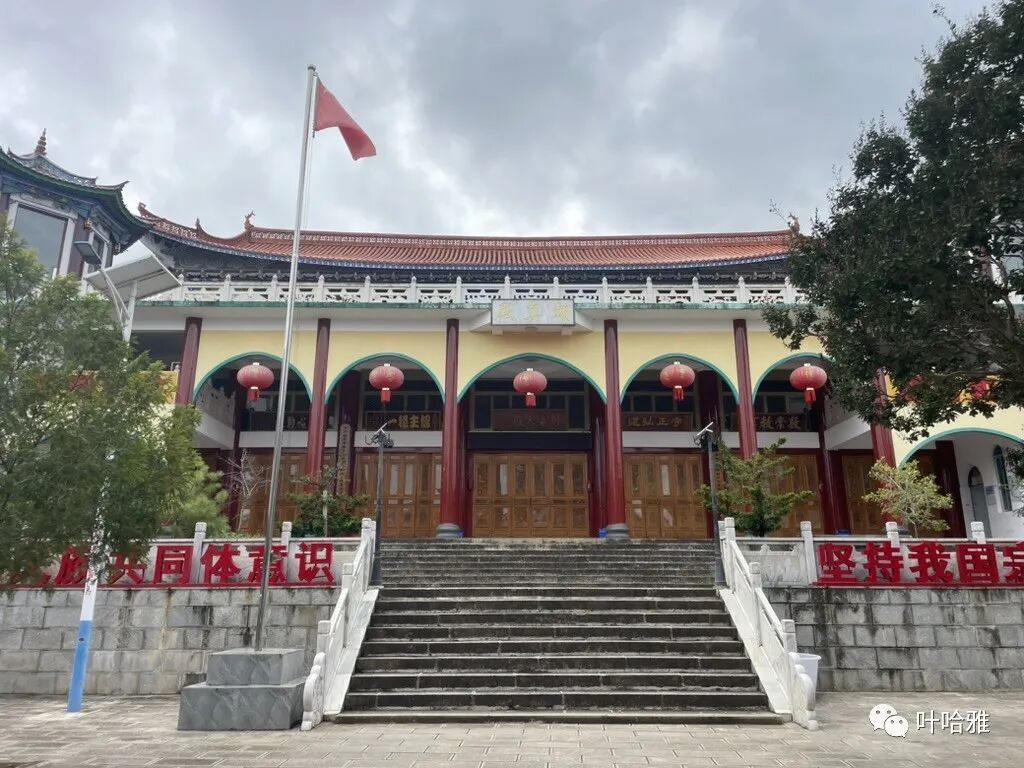
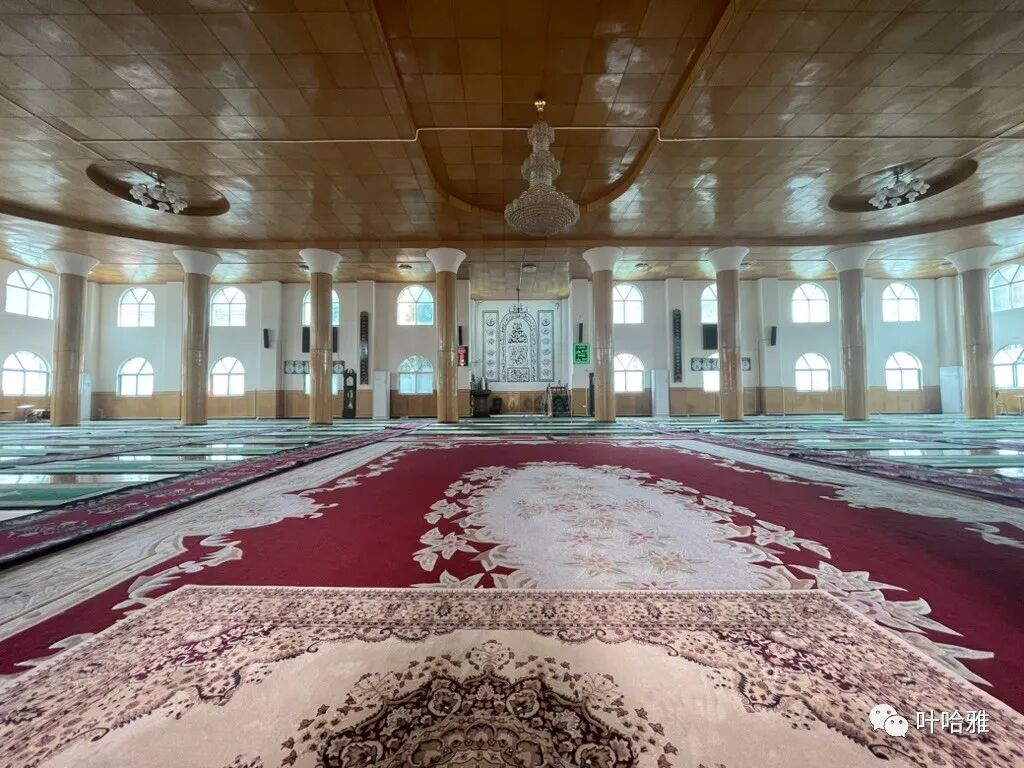
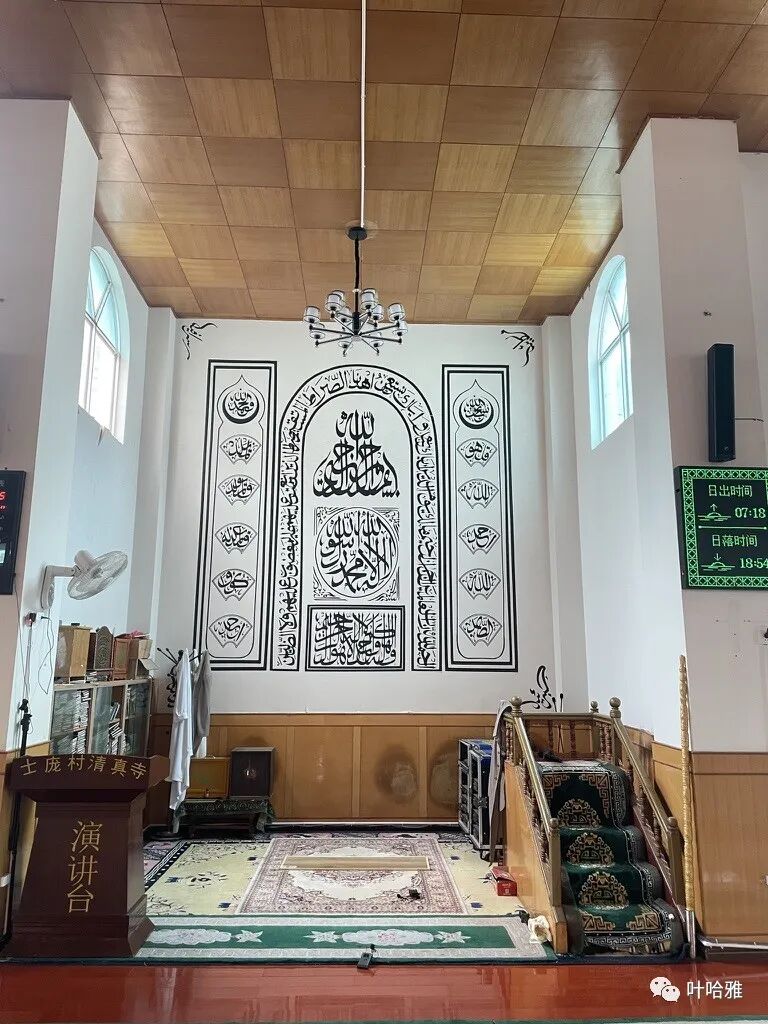
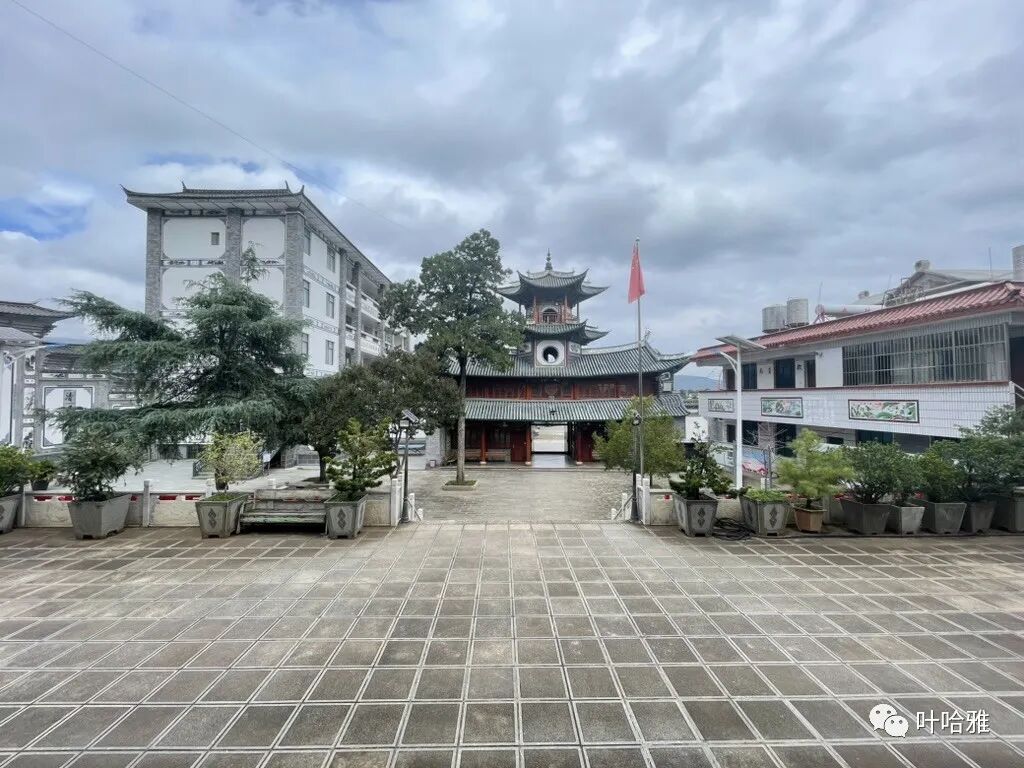
The Yousuo Street Mosque in Eryuan County finished rebuilding in 2012. This mosque is less than three kilometers from Shipang Village.
Jiming Village Mosque
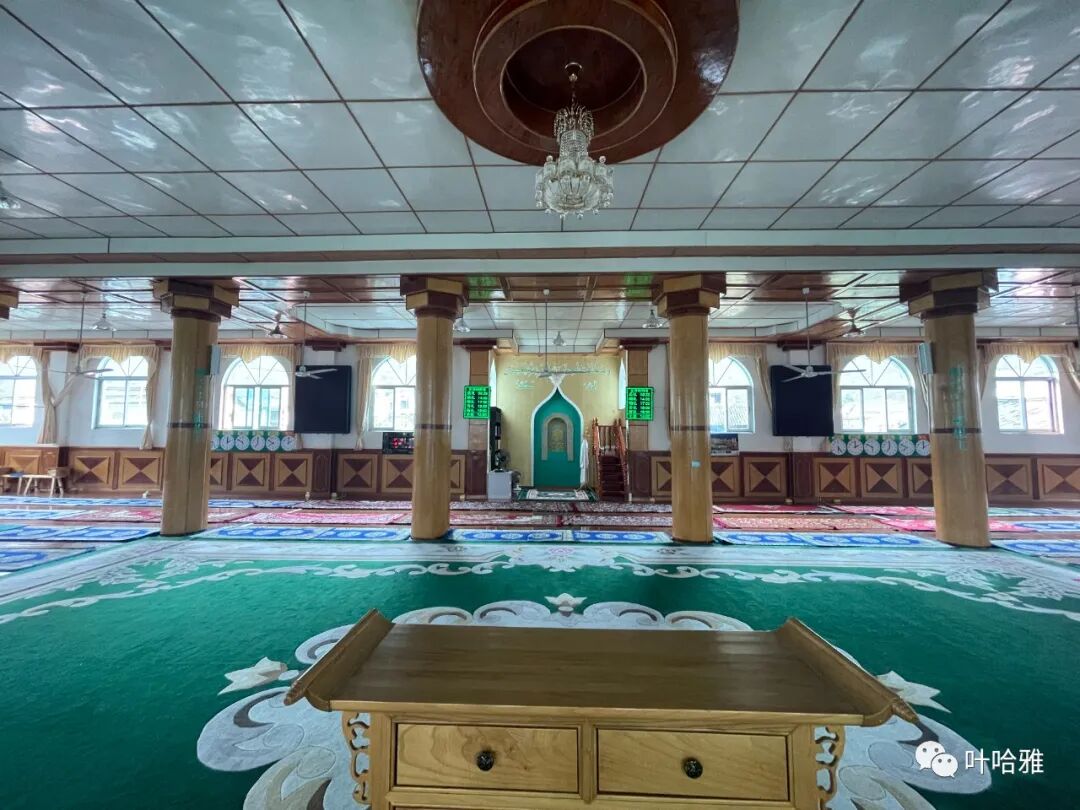
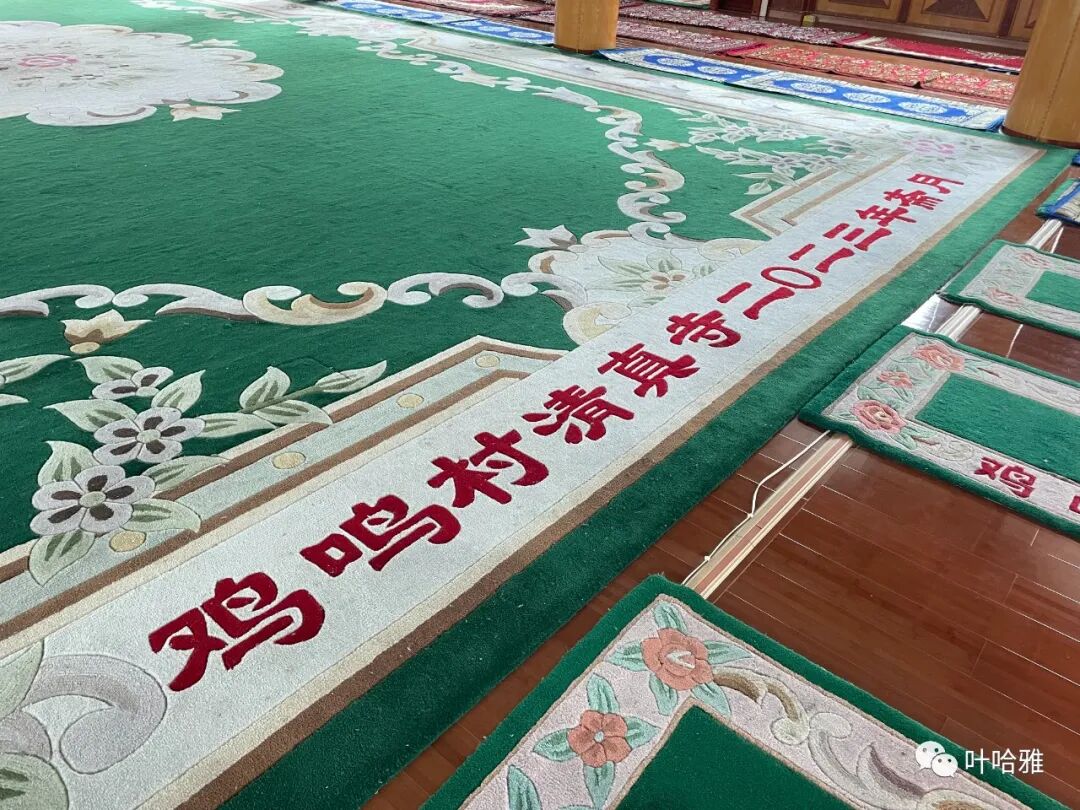
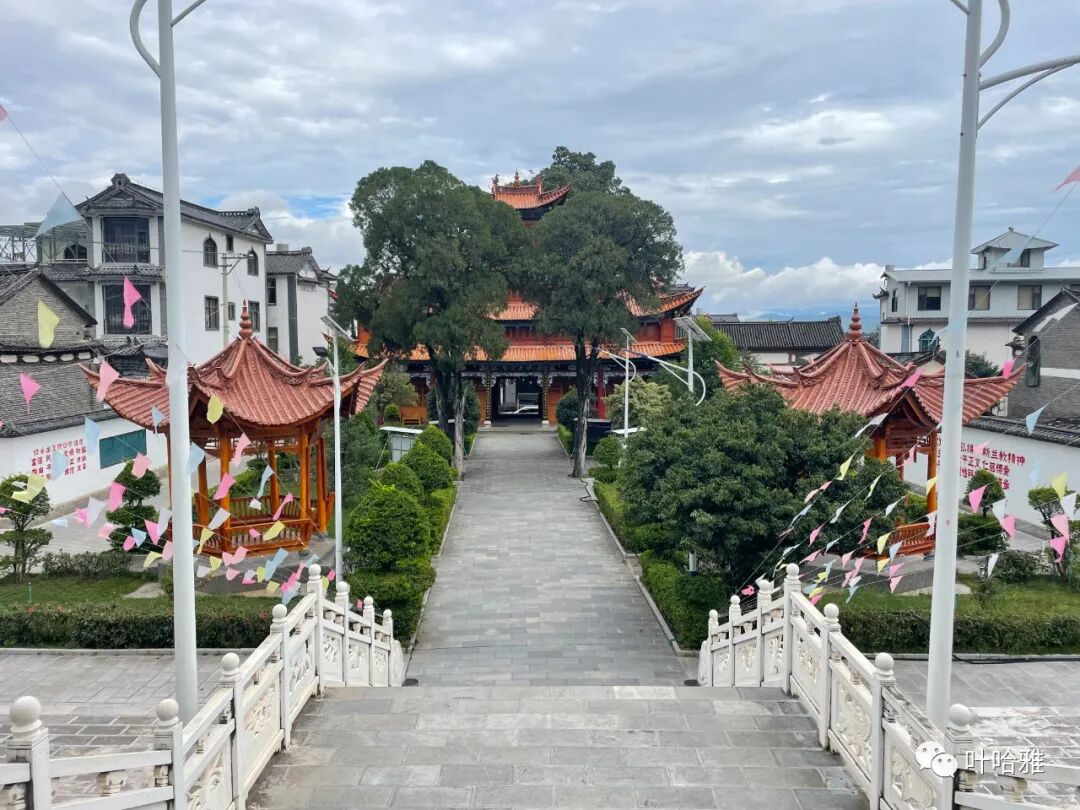
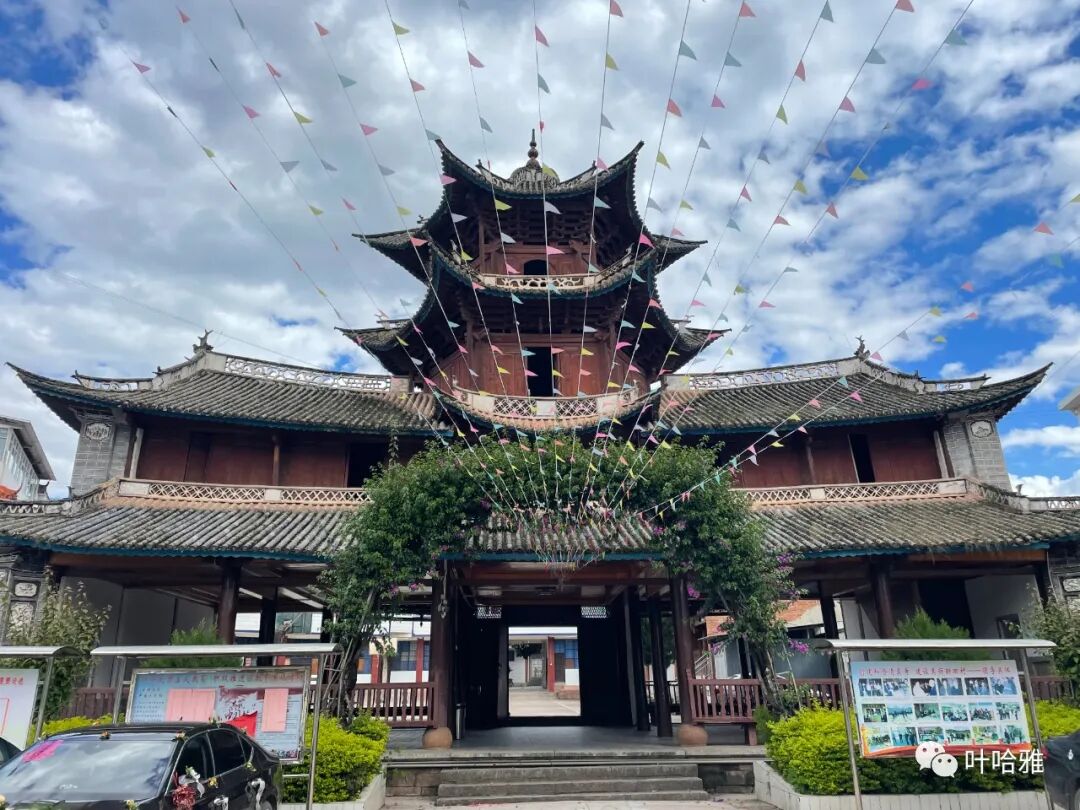
Jiming Village is also a village of Bai and Hui Muslims. The mosque was first built in 1894, and the new mosque was just completed in 2023.
Jiming Mosque is bigger and more beautiful than Shipang Mosque.
Xiajie Ancient Mosque in Yangbi
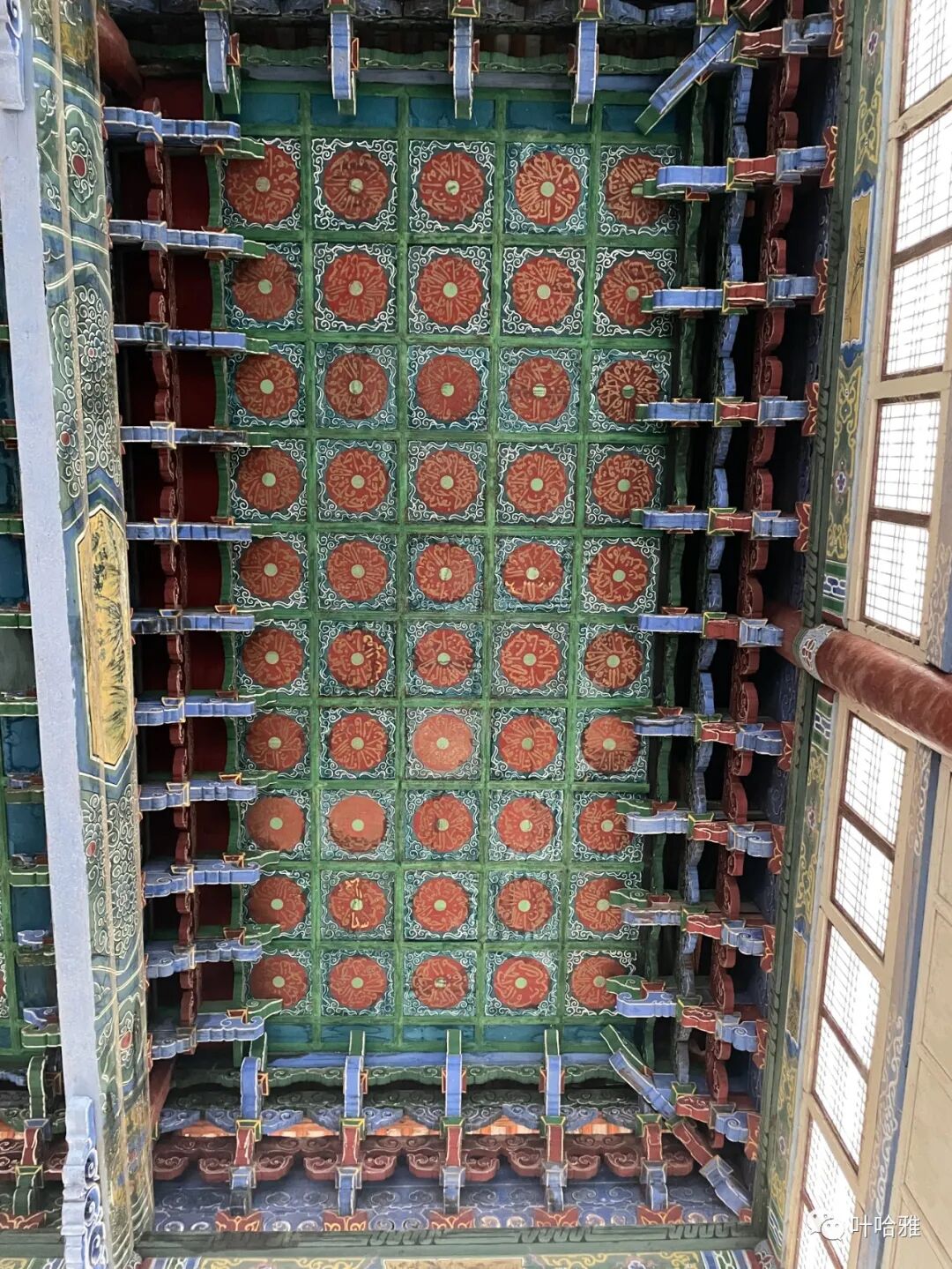
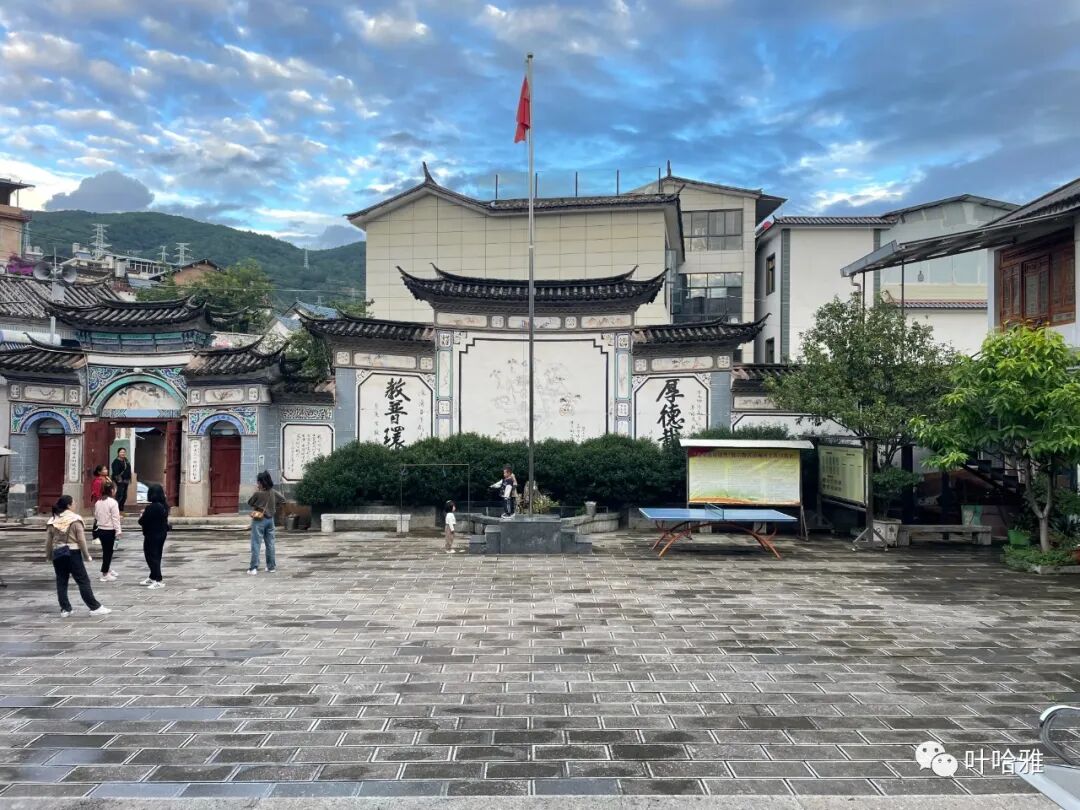
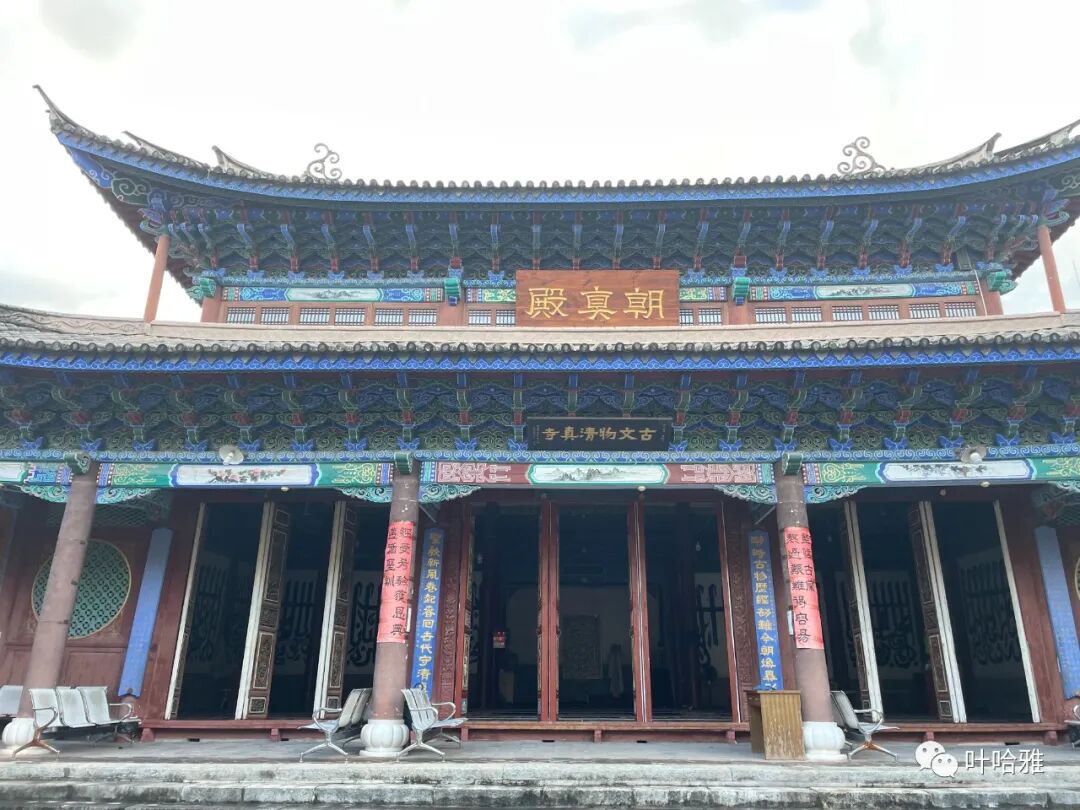
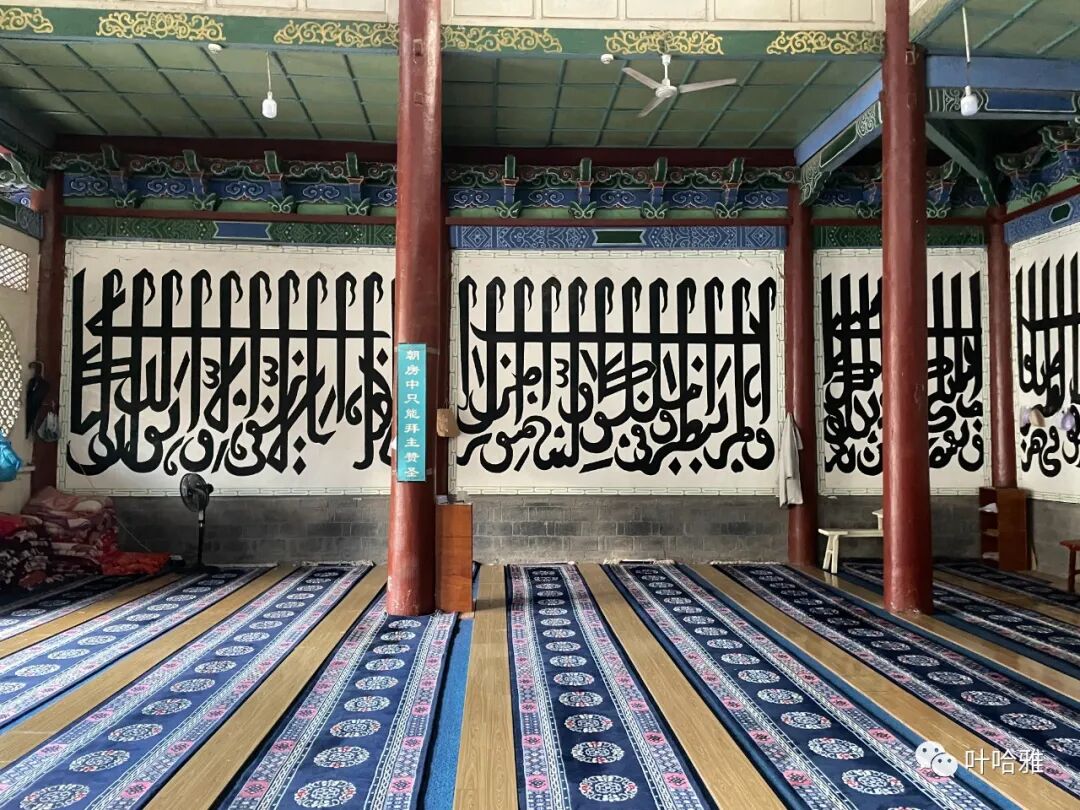
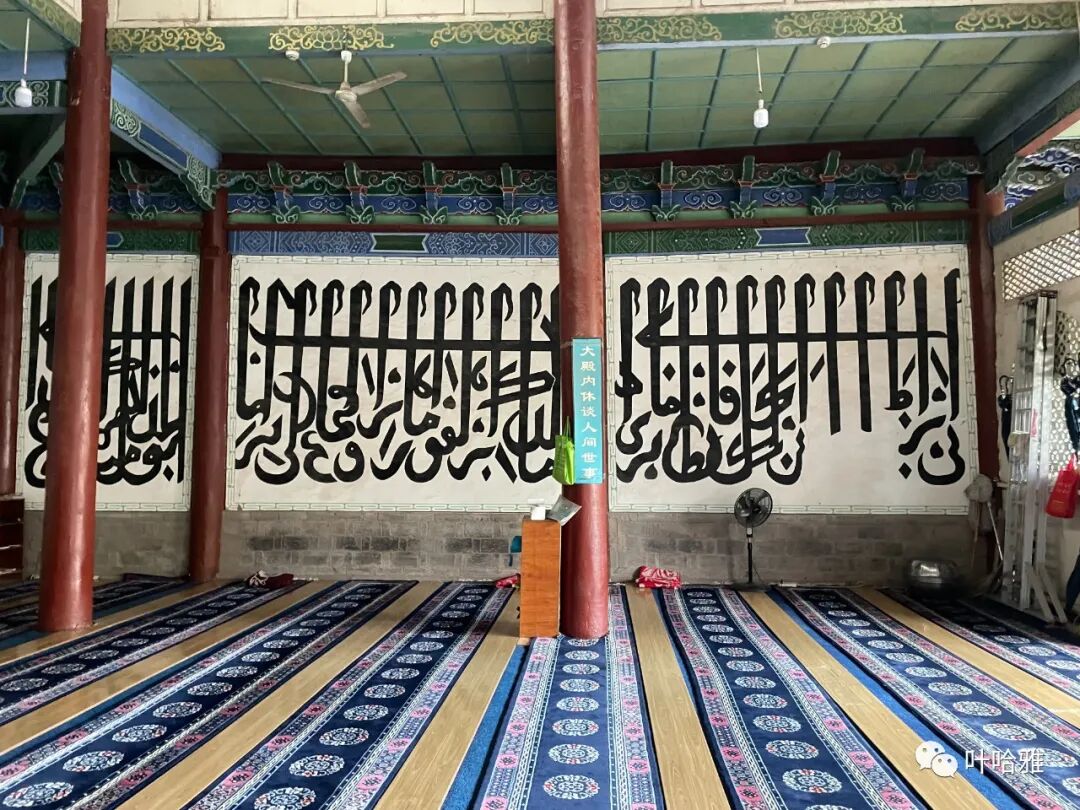
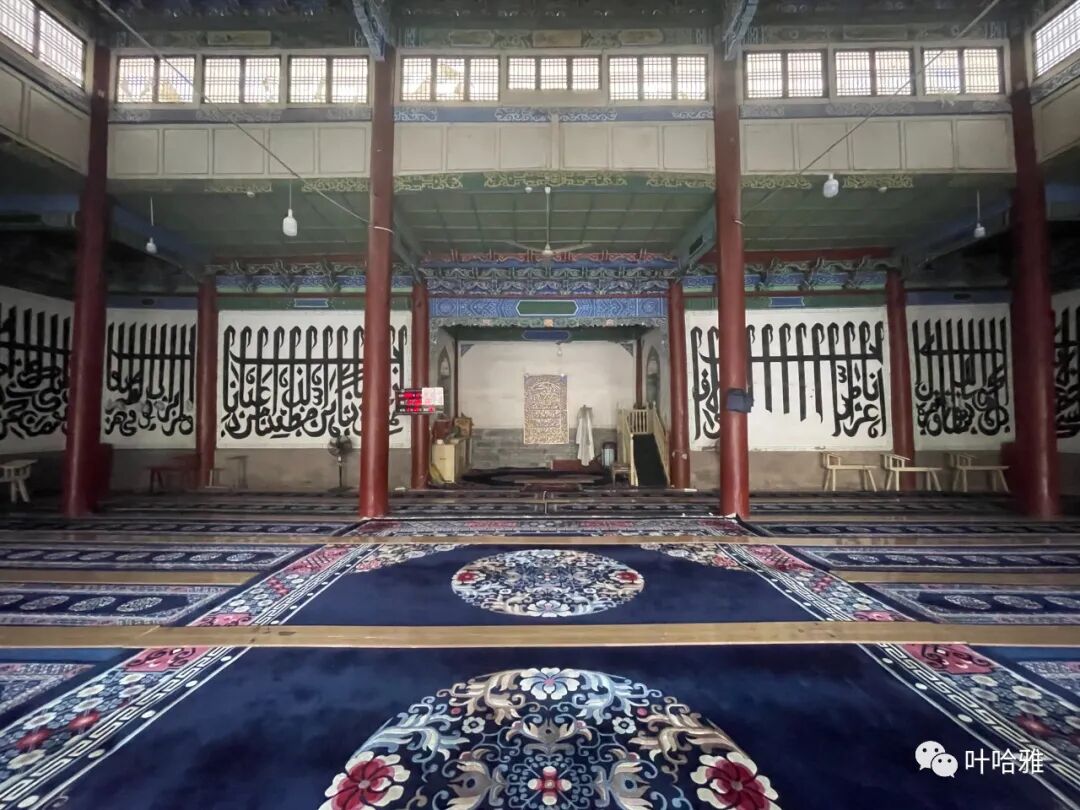
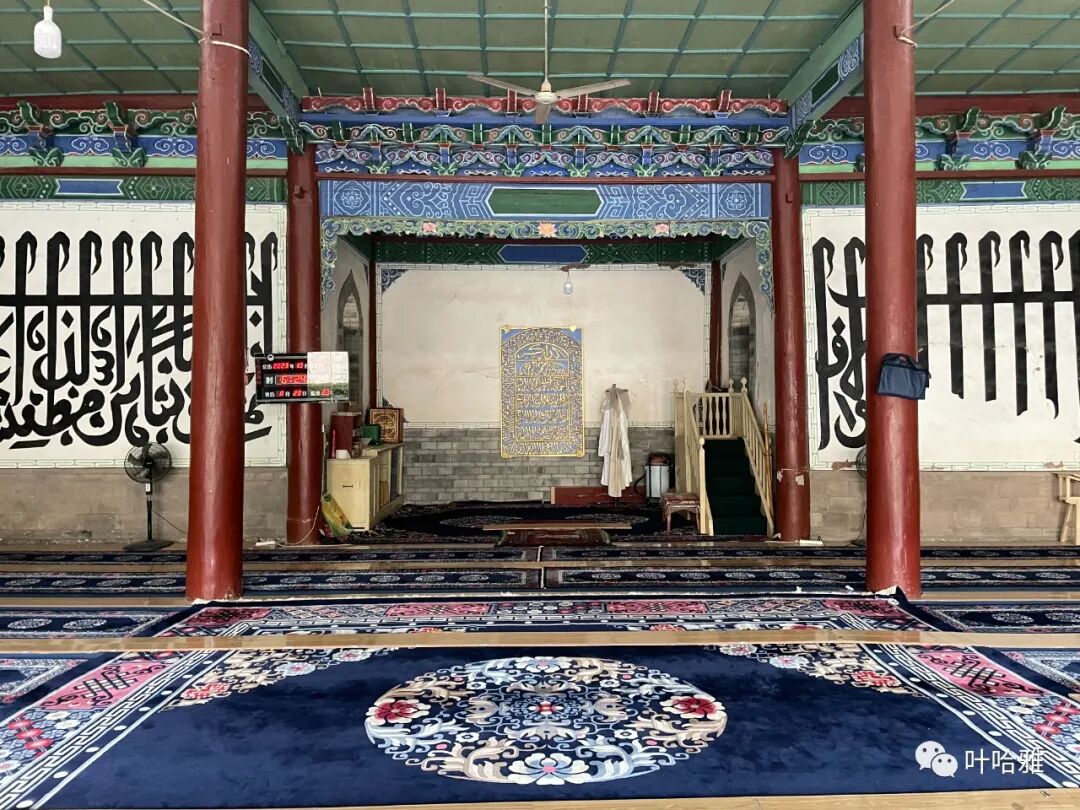
Xiajie Mosque was built during the Hongwu period of the Ming Dynasty. There are now three mosques in Yangbi County. This mosque was once turned into a Confucian mosque, a factory, and a school. It was not returned to its function as a mosque until 1994. Its architectural style has Bai ethnic features, and it is now a cultural relic protection unit of Dali Prefecture.
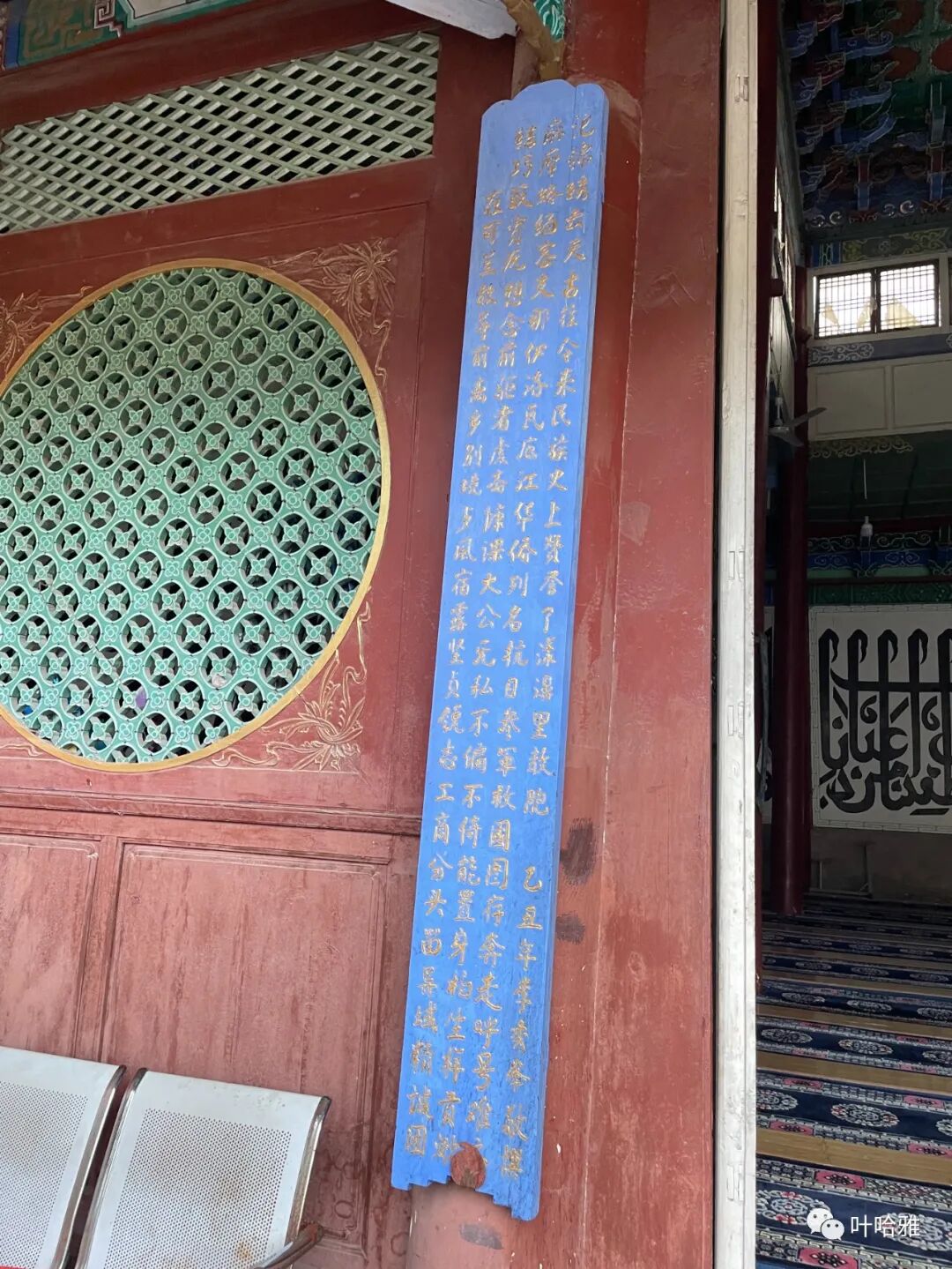
The calligraphy for 'Promoting Religion and Building the Nation' was written by Bai Chongxi. Of course, it was not originally written for this mosque, and his name has now been erased.
Xiajie Hui Muslim Restaurant and Dai-style Barbecue
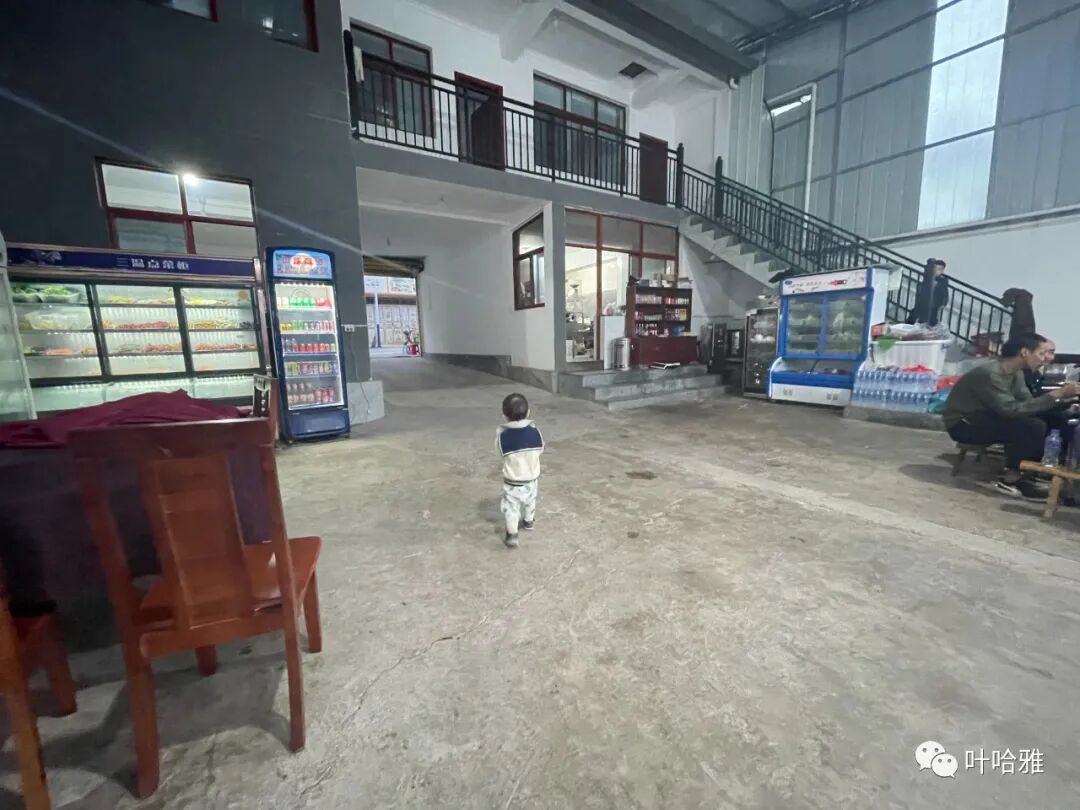
A halal restaurant next to Xiajie Mosque that serves local stir-fried dishes.
You pick the Dai-style barbecue yourself and pay after eating. The skewers are quite large.
I tried oil-splashed beef skin (youqiang niupi) for the first time. It tasted strange and was a bit spicy. I think fried beef skin is easier to enjoy.
I ordered the Dai-style pounded fish (chong yu). I expected a whole fish, but this is what arrived. It was very spicy, and you eat it wrapped in lettuce leaves.
Dai-style barbecue tastes pretty good. It is no wonder it is so popular in Yunnan.
There are no large halal restaurants in Yangbi County, just small snack shops. This seems to be the only place that serves stir-fried dishes.
Xiaoweigeng Mosque in Weishan County.
Xiaoweigeng Mosque was first built between the end of the Yuan Dynasty and the beginning of the Ming Dynasty. It is the first mosque you pass on the way from Dali to Weishan. Mosques in Weishan are clustered together; except for the one in the Weishan Ancient City, the others are all less than three kilometers apart.
Huihuideng Mosque.
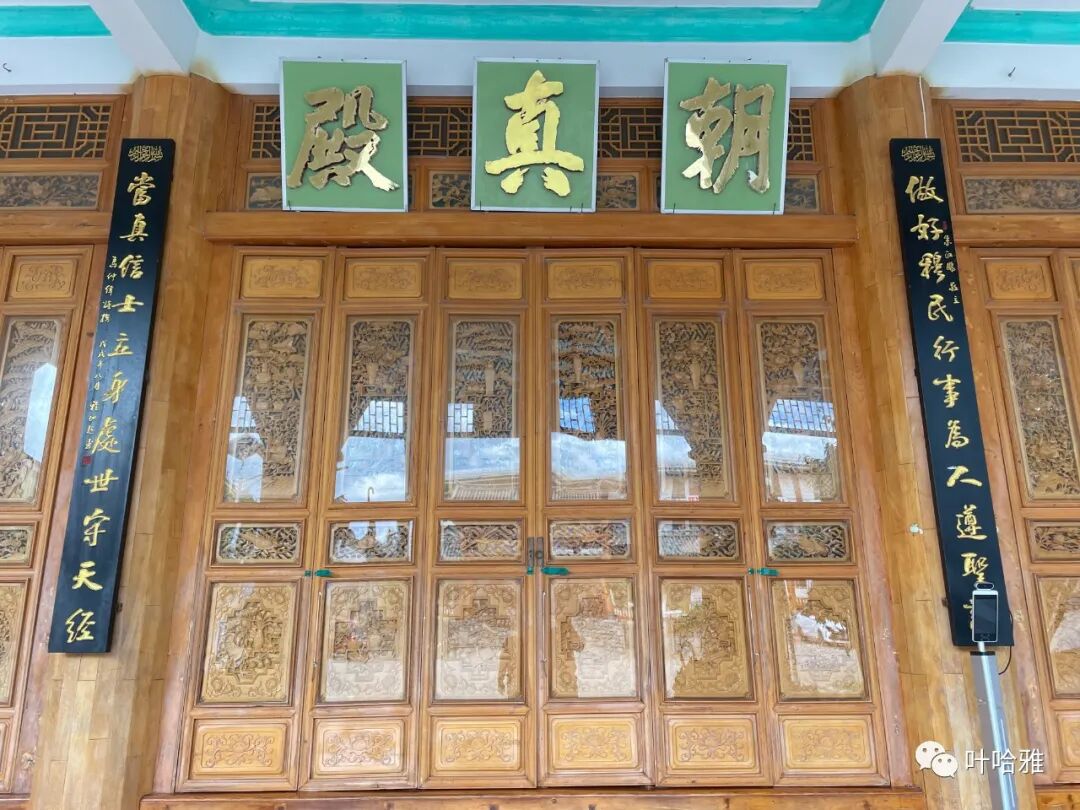
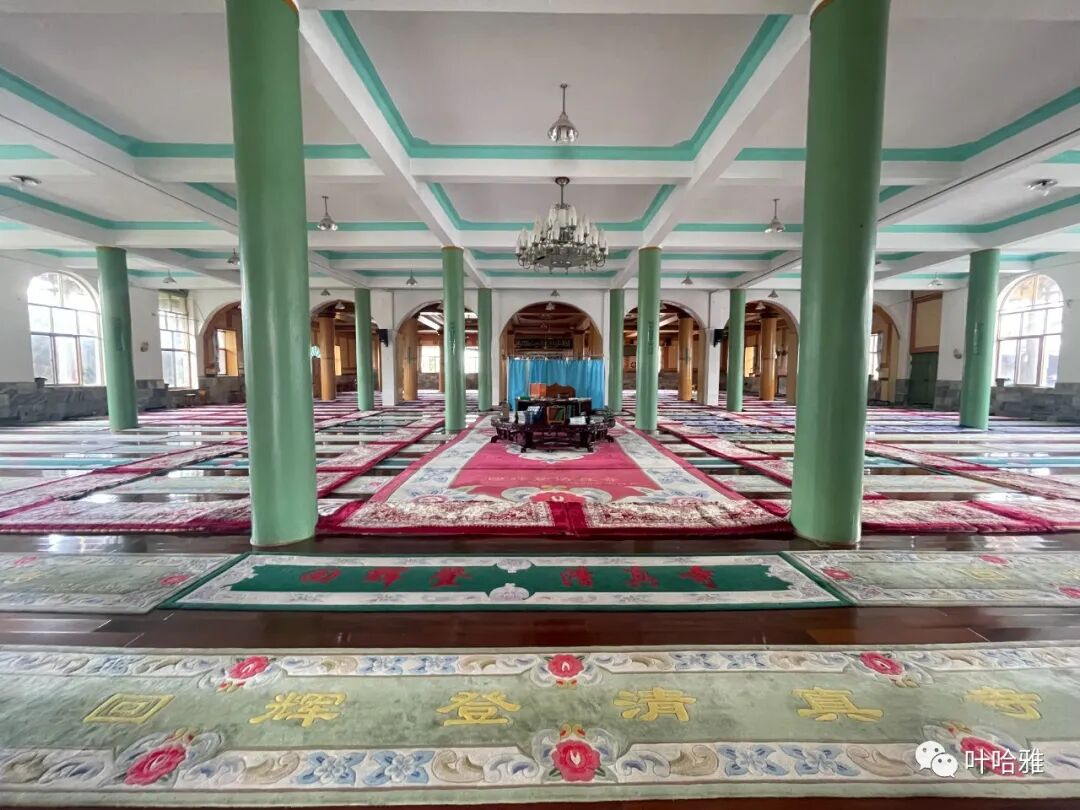
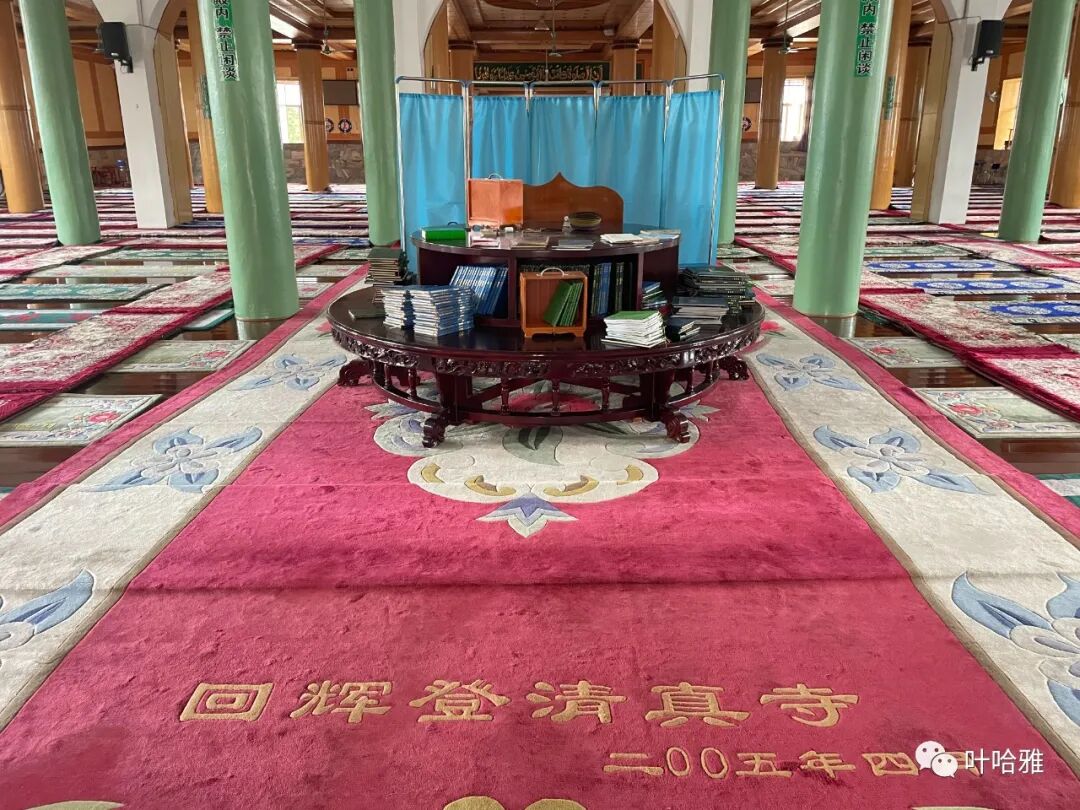
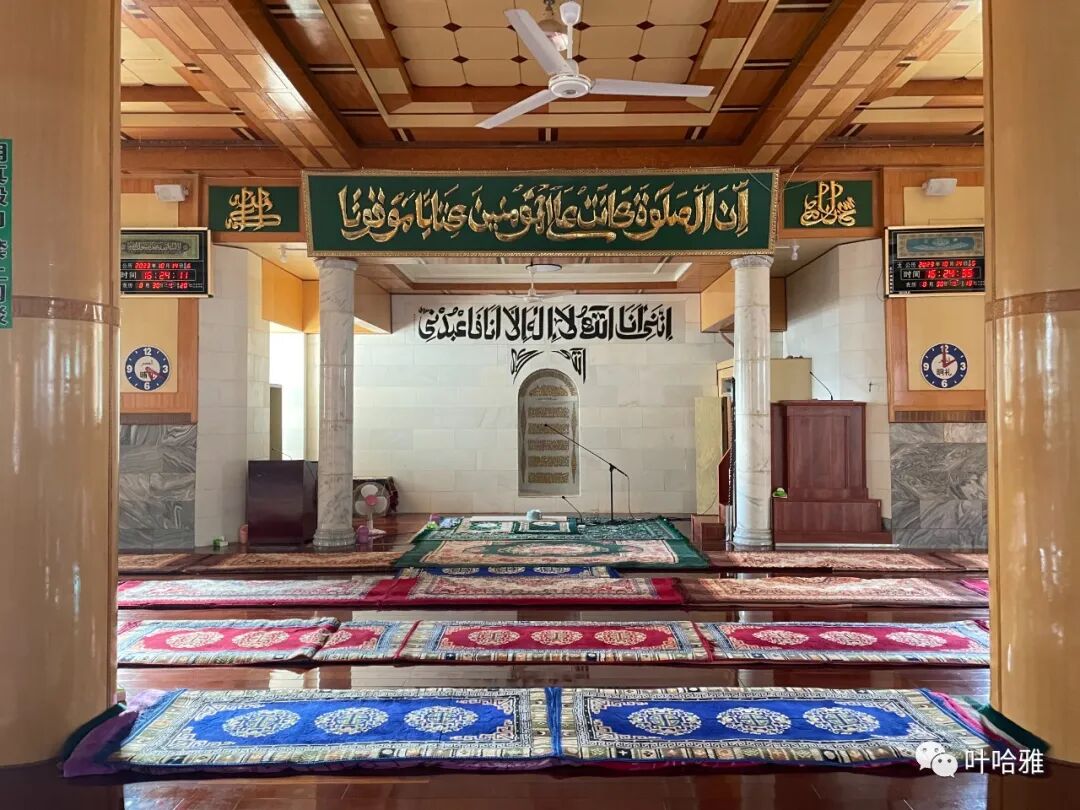
During the Yuan Dynasty, Huihuideng Mosque was called Huihuidun. It was first built in the third year of the reign of Mongke Khan (1253). It is also called Huihui Mosque, sharing the same name as the Huihui Mosque in Sanya.
The main prayer hall at Huihuideng is the largest one in the Dali region.
Donglianhua Mosque.
Donglianhua Mosque was built at the end of the Qing Dynasty and covers a building area of 3,000 square meters.
Donglianhua Village is a village for Hui Muslims. They are developing it into a special folk tourism village, and there is a food street here.
This is a residential house in Donglianhua Village.
Yanqichang Mosque
The Qing government confiscated Yanqichang Mosque during the Tongzhi reign of the Qing Dynasty. It was rebuilt on a new site during the Guangxu reign. In the Ming Dynasty, this area was a garrison for the Eight Banners, and since the banner leader was named Yan, it became known as Yanqichang.
Hadith slogans on the wall.
Daweigeng Mosque
Daweigeng Mosque was first built in the Zhiyuan era of the Yuan Dynasty. It is the largest mosque in this area and the one locals recommended I visit most.
My deepest impression from visiting mosques in Yunnan is that no one ever asks why I am there. I can just push open the door to the main prayer hall. Unlike in some other regions where you must state your identity and gatekeepers always ask your purpose, you will not find any guards at mosques in Yunnan.
Mamingchang Mi Family Mosque
Mamingchang has a Mi family mosque, first built in the 50th year of the Kangxi reign (1711). There is also a Ma family mosque. These are the only two mosques left in Weishan after the failure of the Du Wenxiu uprising. Both are built on mountains, and the roads are hard to find.
Mamingchang Ma Family Mosque (Yongjian Ancient Mosque)
The Ma family mosque was first built in the Yuan Dynasty. Because there are more Hui Muslims with the surname Ma in Mamingchang than those with the surname Mi, the Ma family mosque is larger than the Mi family mosque, though the Mi family mosque is more exquisite. I met the director of the Mi family mosque management committee while asking for directions, and he brought me to the Ma family mosque.
The imam of the Ma family mosque took me to the top floor. From there, you can see a panoramic view of Weishan. The basketball court below is inside the Ma family mosque. There is also a scripture school here, which currently only enrolls local students.
Weiyi Yongjian fire-pot beef (huopiao niurou)
For dinner, we had a local Dali specialty called copper pot beef (huopiao niurou).
This place is run by locals and has been open for over ten years, so almost all the customers are local people.
Copper pot beef (huopiao niurou) is beef or beef offal cooked in a copper pot with your choice of side dishes, and you can choose a clear broth.
The fried rice with dried beef (niu ganba chaofan) is also delicious. The food here is so good that we finished the whole pot.
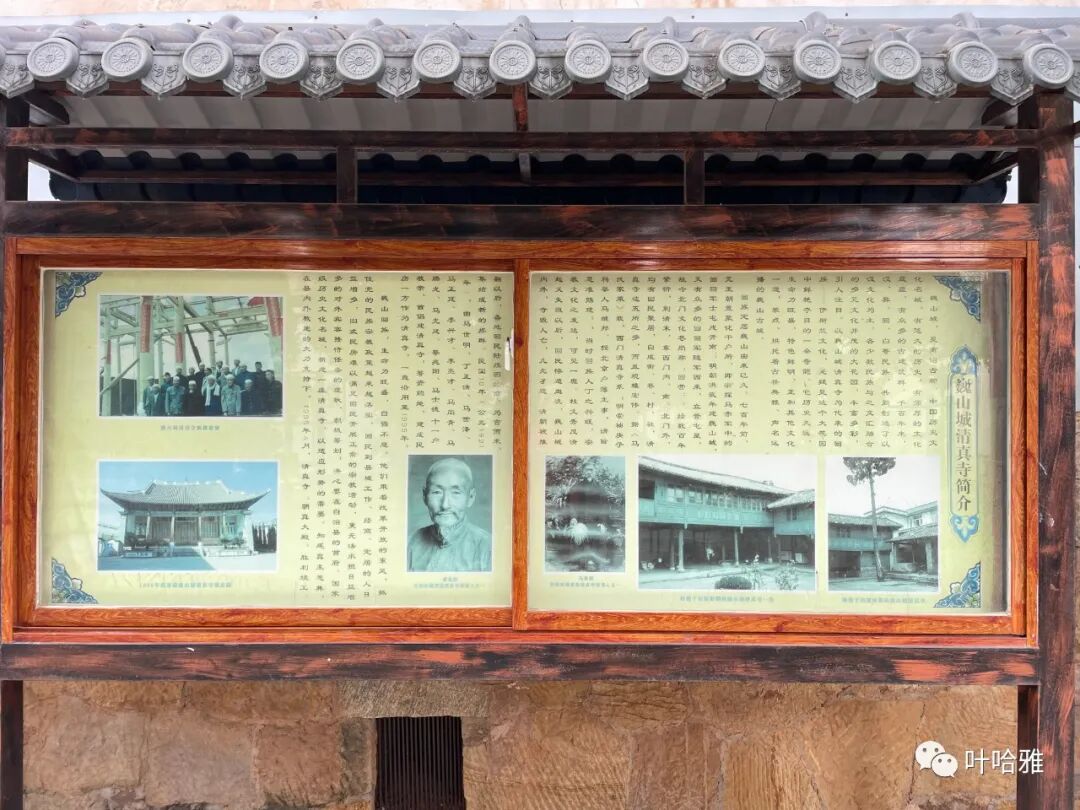
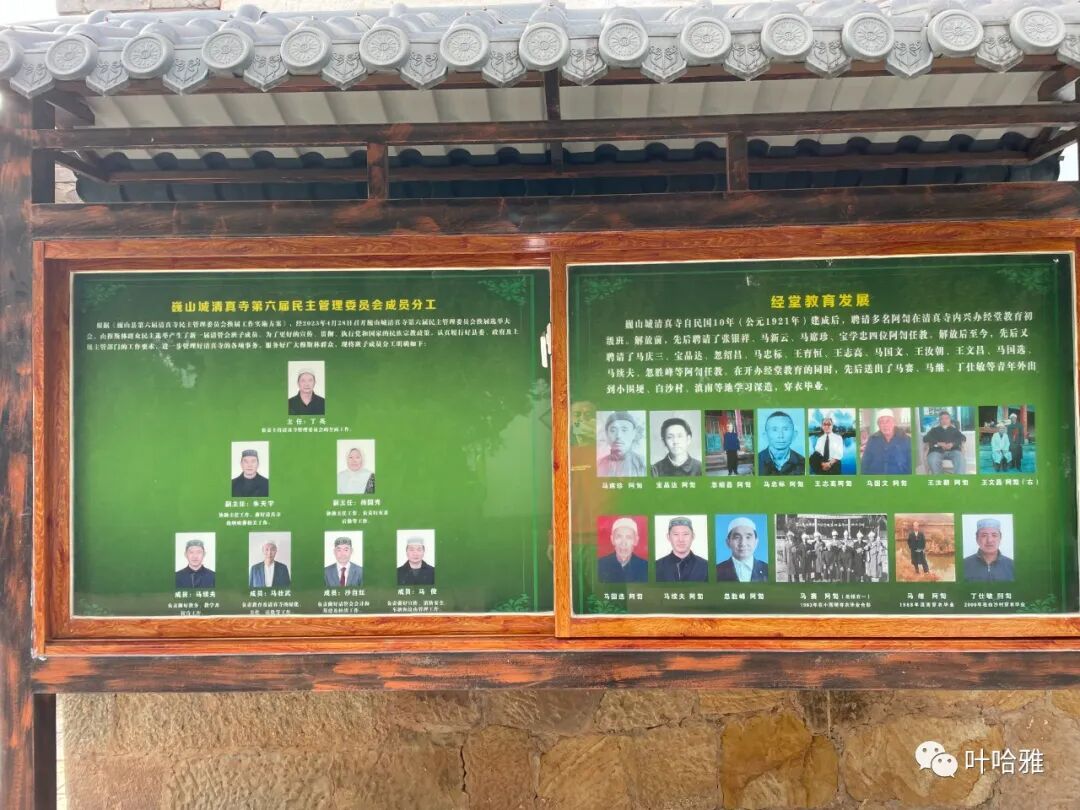
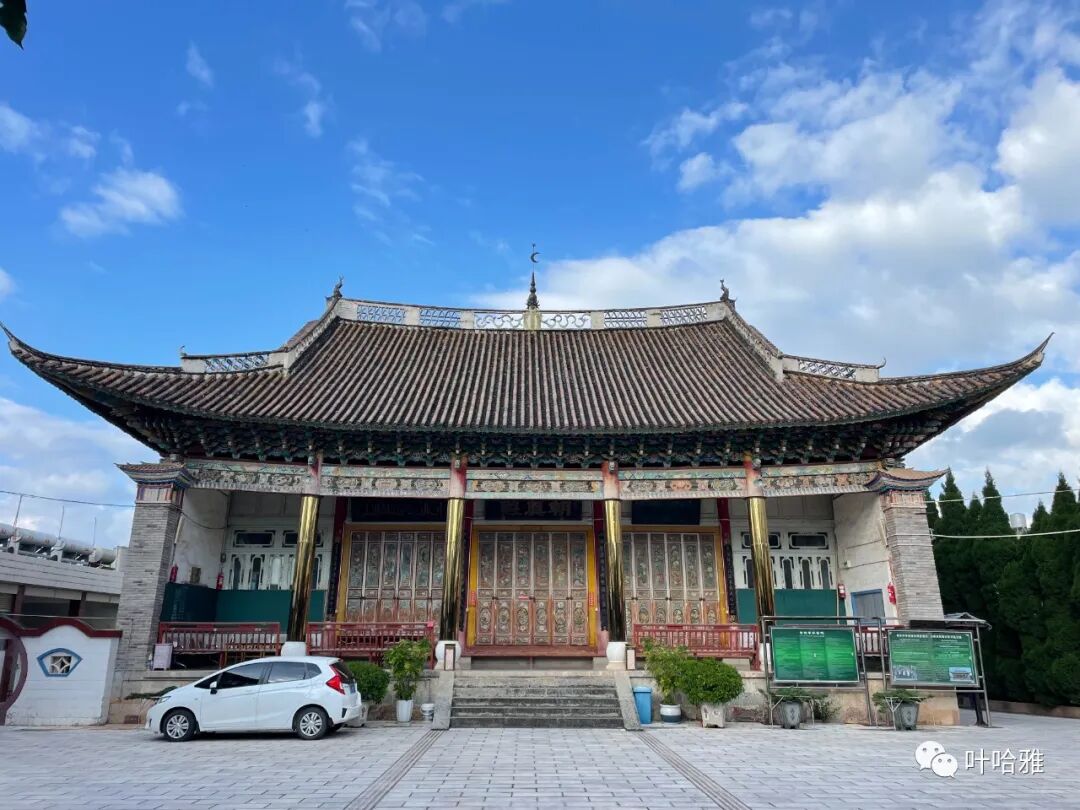
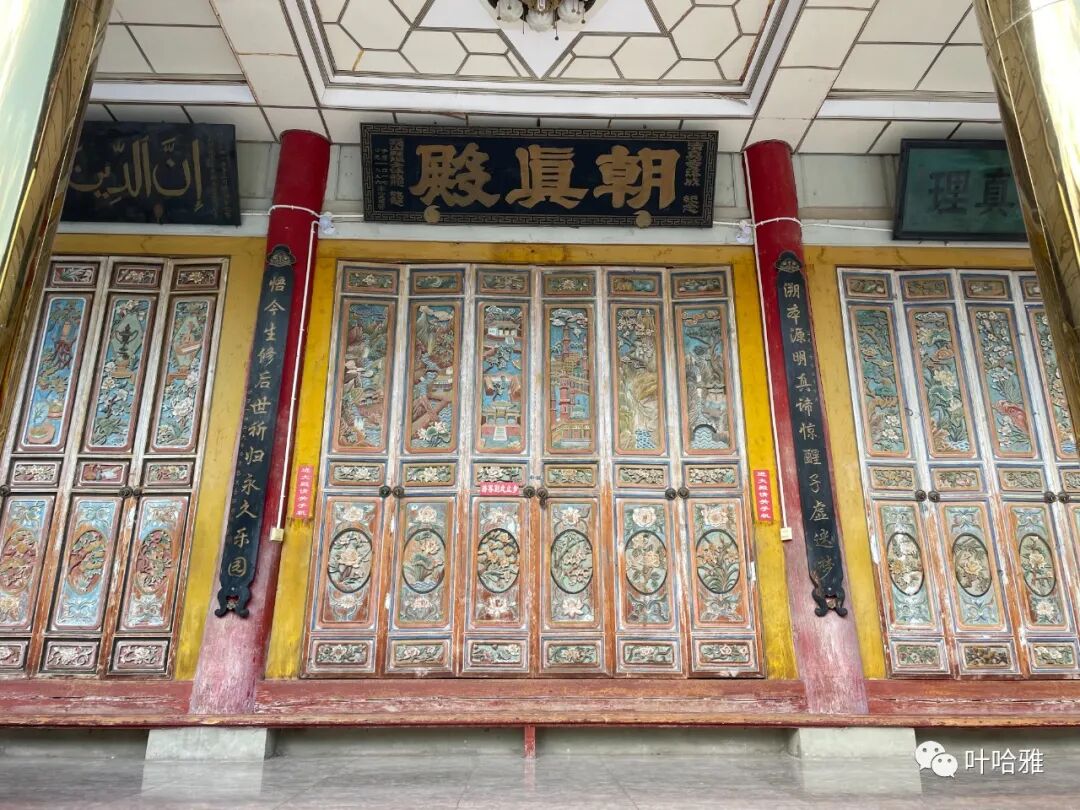
Weishan Ancient City
Most Hui Muslims in Weishan live in the villages below, so there are not many living inside the ancient city, which is why there is only one mosque there.
Weishan City Mosque
There used to be four mosques in Weishan City. The exact founding date of this remaining one is unknown, but it was rebuilt in 1992.
I bought some grilled rice cakes (shao erkua) for breakfast at a snack shop near the mosque entrance.
While walking through the ancient city, I noticed that the local Han Chinese homes also use the term "guizhen" (returning to the truth). view all
Summary: This Dali halal food guide continues through Eryuan, Yangbi, and Weishan, covering ancient mosques, Bai and Hui Muslim villages, Dai-style barbecue, copper pot beef, Weishan Ancient City, and Yunnan Muslim food culture.
Dali Halal Food Map is presented here as a firsthand travel account in clear English, beginning with this scene: The Yousuo Street Mosque in Eryuan County finished rebuilding in 2012. This mosque is less than three kilometers from Shipang Village. The account keeps its focus on Dali Mosques, Chinese Muslims, Muslim Travel while preserving the names, places, food, and historical details from the Chinese source.
Yousuo Mosque
The Yousuo Street Mosque in Eryuan County finished rebuilding in 2012. This mosque is less than three kilometers from Shipang Village.
Jiming Village Mosque
Jiming Village is also a village of Bai and Hui Muslims. The mosque was first built in 1894, and the new mosque was just completed in 2023.
Jiming Mosque is bigger and more beautiful than Shipang Mosque.
Xiajie Ancient Mosque in Yangbi
Xiajie Mosque was built during the Hongwu period of the Ming Dynasty. There are now three mosques in Yangbi County. This mosque was once turned into a Confucian mosque, a factory, and a school. It was not returned to its function as a mosque until 1994. Its architectural style has Bai ethnic features, and it is now a cultural relic protection unit of Dali Prefecture.
The calligraphy for 'Promoting Religion and Building the Nation' was written by Bai Chongxi. Of course, it was not originally written for this mosque, and his name has now been erased.
Xiajie Hui Muslim Restaurant and Dai-style Barbecue
A halal restaurant next to Xiajie Mosque that serves local stir-fried dishes.
You pick the Dai-style barbecue yourself and pay after eating. The skewers are quite large.
I tried oil-splashed beef skin (youqiang niupi) for the first time. It tasted strange and was a bit spicy. I think fried beef skin is easier to enjoy.
I ordered the Dai-style pounded fish (chong yu). I expected a whole fish, but this is what arrived. It was very spicy, and you eat it wrapped in lettuce leaves.
Dai-style barbecue tastes pretty good. It is no wonder it is so popular in Yunnan.
There are no large halal restaurants in Yangbi County, just small snack shops. This seems to be the only place that serves stir-fried dishes.
Xiaoweigeng Mosque in Weishan County.
Xiaoweigeng Mosque was first built between the end of the Yuan Dynasty and the beginning of the Ming Dynasty. It is the first mosque you pass on the way from Dali to Weishan. Mosques in Weishan are clustered together; except for the one in the Weishan Ancient City, the others are all less than three kilometers apart.
Huihuideng Mosque.
During the Yuan Dynasty, Huihuideng Mosque was called Huihuidun. It was first built in the third year of the reign of Mongke Khan (1253). It is also called Huihui Mosque, sharing the same name as the Huihui Mosque in Sanya.
The main prayer hall at Huihuideng is the largest one in the Dali region.
Donglianhua Mosque.
Donglianhua Mosque was built at the end of the Qing Dynasty and covers a building area of 3,000 square meters.
Donglianhua Village is a village for Hui Muslims. They are developing it into a special folk tourism village, and there is a food street here.
This is a residential house in Donglianhua Village.
Yanqichang Mosque
The Qing government confiscated Yanqichang Mosque during the Tongzhi reign of the Qing Dynasty. It was rebuilt on a new site during the Guangxu reign. In the Ming Dynasty, this area was a garrison for the Eight Banners, and since the banner leader was named Yan, it became known as Yanqichang.
Hadith slogans on the wall.
Daweigeng Mosque
Daweigeng Mosque was first built in the Zhiyuan era of the Yuan Dynasty. It is the largest mosque in this area and the one locals recommended I visit most.
My deepest impression from visiting mosques in Yunnan is that no one ever asks why I am there. I can just push open the door to the main prayer hall. Unlike in some other regions where you must state your identity and gatekeepers always ask your purpose, you will not find any guards at mosques in Yunnan.
Mamingchang Mi Family Mosque
Mamingchang has a Mi family mosque, first built in the 50th year of the Kangxi reign (1711). There is also a Ma family mosque. These are the only two mosques left in Weishan after the failure of the Du Wenxiu uprising. Both are built on mountains, and the roads are hard to find.
Mamingchang Ma Family Mosque (Yongjian Ancient Mosque)
The Ma family mosque was first built in the Yuan Dynasty. Because there are more Hui Muslims with the surname Ma in Mamingchang than those with the surname Mi, the Ma family mosque is larger than the Mi family mosque, though the Mi family mosque is more exquisite. I met the director of the Mi family mosque management committee while asking for directions, and he brought me to the Ma family mosque.
The imam of the Ma family mosque took me to the top floor. From there, you can see a panoramic view of Weishan. The basketball court below is inside the Ma family mosque. There is also a scripture school here, which currently only enrolls local students.
Weiyi Yongjian fire-pot beef (huopiao niurou)
For dinner, we had a local Dali specialty called copper pot beef (huopiao niurou).
This place is run by locals and has been open for over ten years, so almost all the customers are local people.
Copper pot beef (huopiao niurou) is beef or beef offal cooked in a copper pot with your choice of side dishes, and you can choose a clear broth.
The fried rice with dried beef (niu ganba chaofan) is also delicious. The food here is so good that we finished the whole pot.
Weishan Ancient City
Most Hui Muslims in Weishan live in the villages below, so there are not many living inside the ancient city, which is why there is only one mosque there.
Weishan City Mosque
There used to be four mosques in Weishan City. The exact founding date of this remaining one is unknown, but it was rebuilt in 1992.
I bought some grilled rice cakes (shao erkua) for breakfast at a snack shop near the mosque entrance.
While walking through the ancient city, I noticed that the local Han Chinese homes also use the term "guizhen" (returning to the truth). view all
Reposted from the web
Summary: This Dali halal food guide continues through Eryuan, Yangbi, and Weishan, covering ancient mosques, Bai and Hui Muslim villages, Dai-style barbecue, copper pot beef, Weishan Ancient City, and Yunnan Muslim food culture.
Dali Halal Food Map is presented here as a firsthand travel account in clear English, beginning with this scene: The Yousuo Street Mosque in Eryuan County finished rebuilding in 2012. This mosque is less than three kilometers from Shipang Village. The account keeps its focus on Dali Mosques, Chinese Muslims, Muslim Travel while preserving the names, places, food, and historical details from the Chinese source.
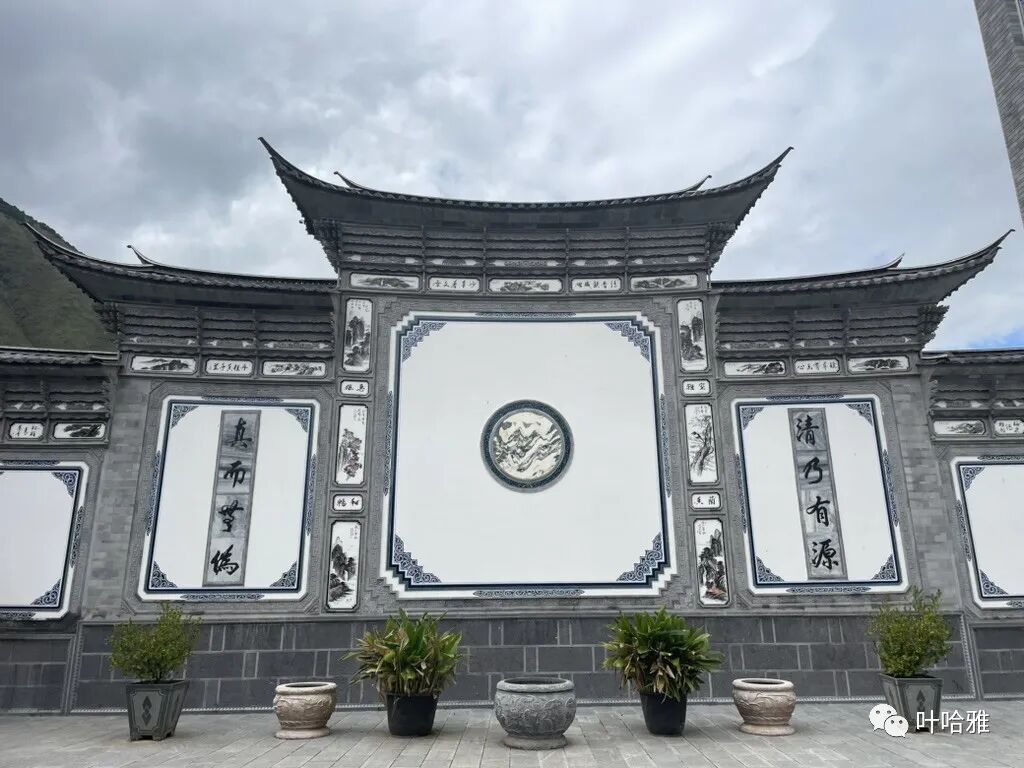
Yousuo Mosque
The Yousuo Street Mosque in Eryuan County finished rebuilding in 2012. This mosque is less than three kilometers from Shipang Village.
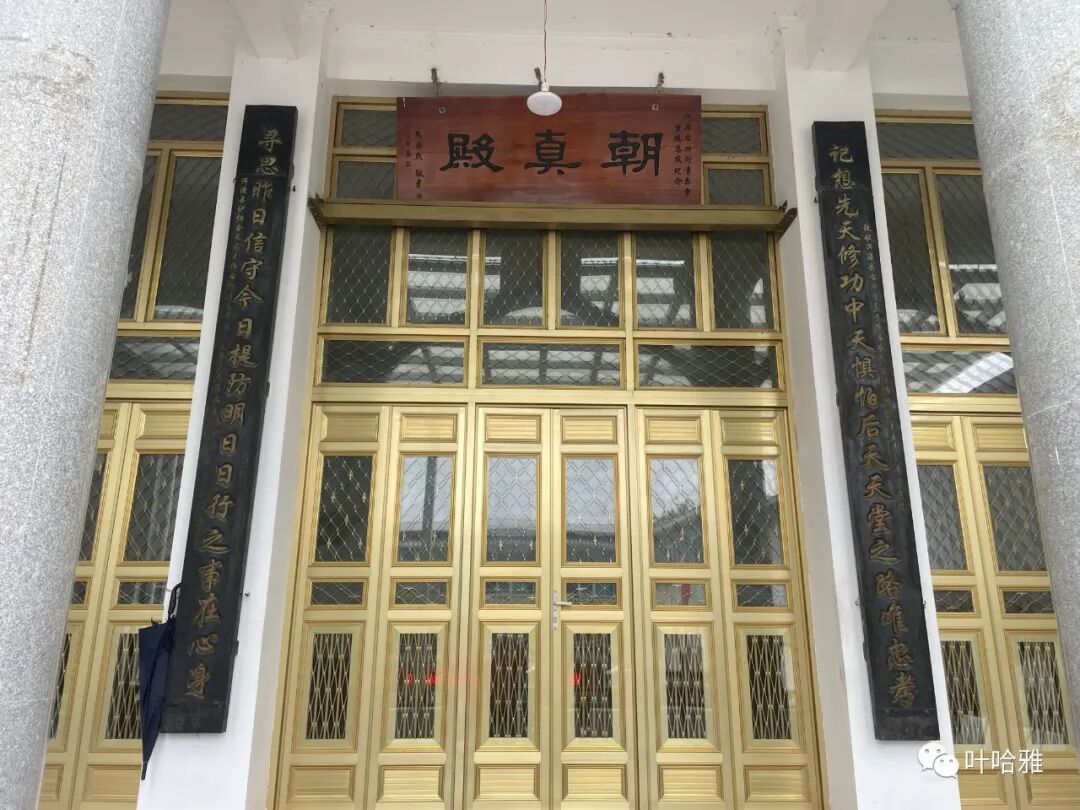
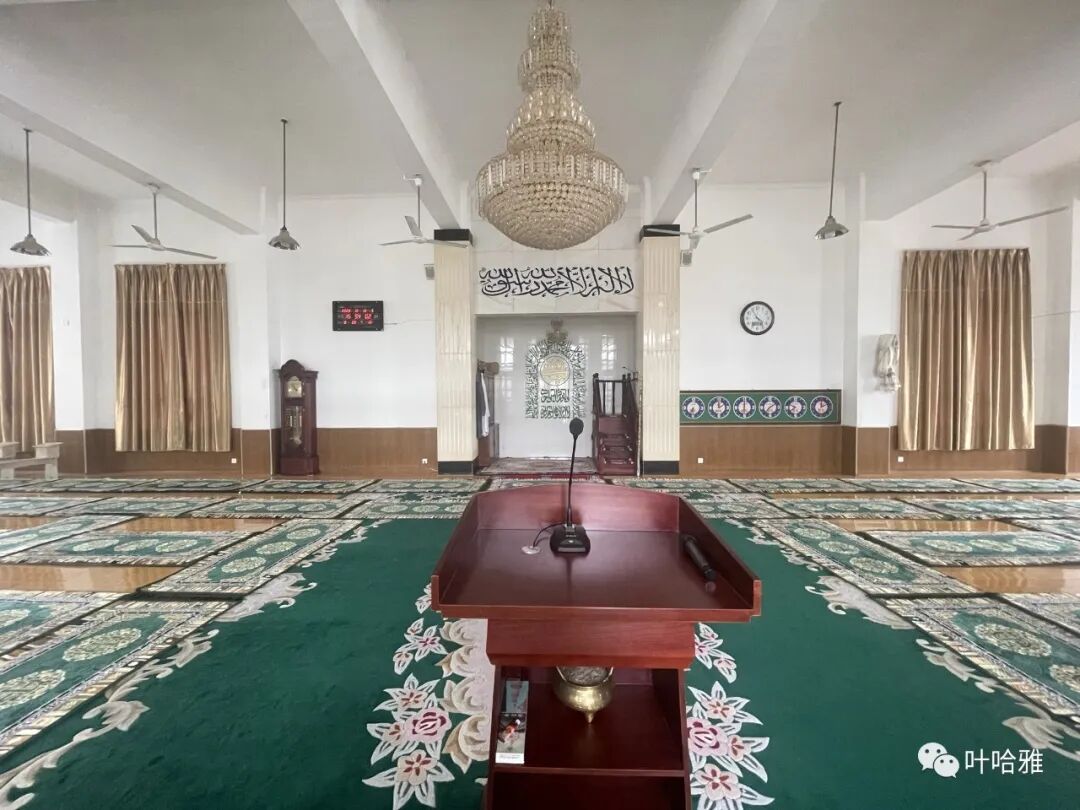
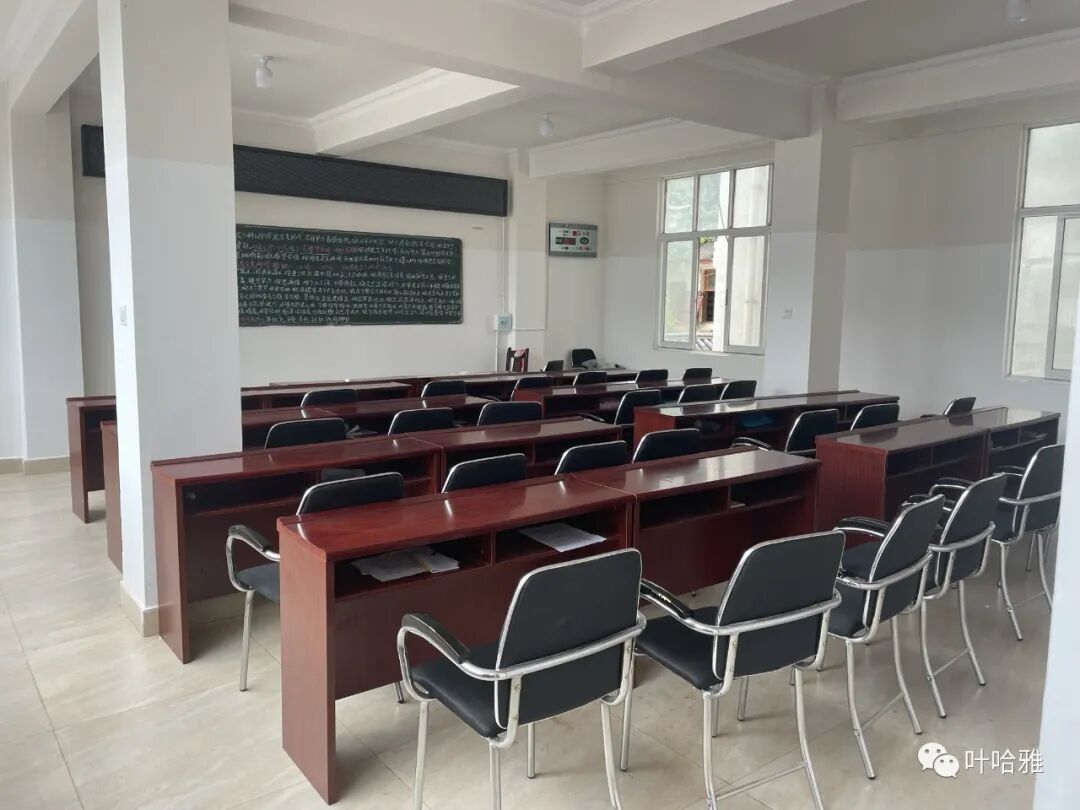
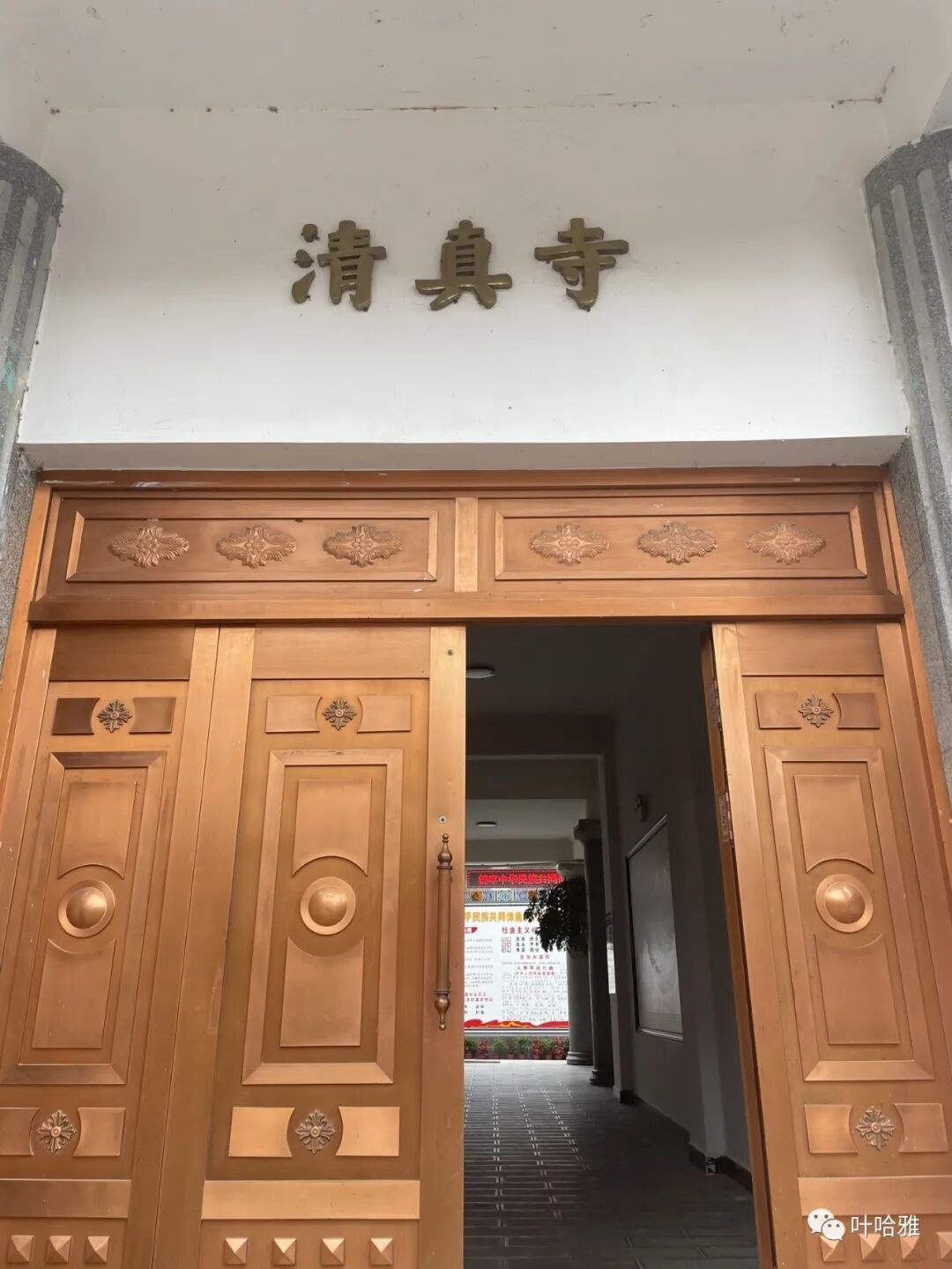
Jiming Village Mosque
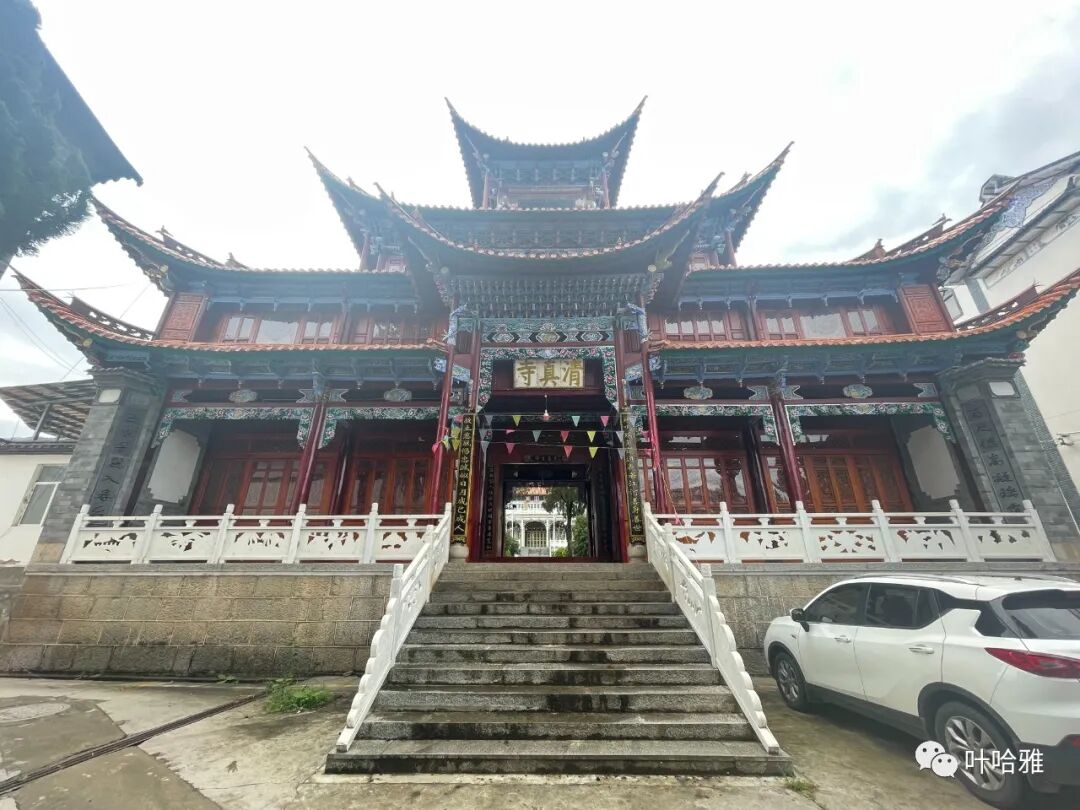
Jiming Village is also a village of Bai and Hui Muslims. The mosque was first built in 1894, and the new mosque was just completed in 2023.
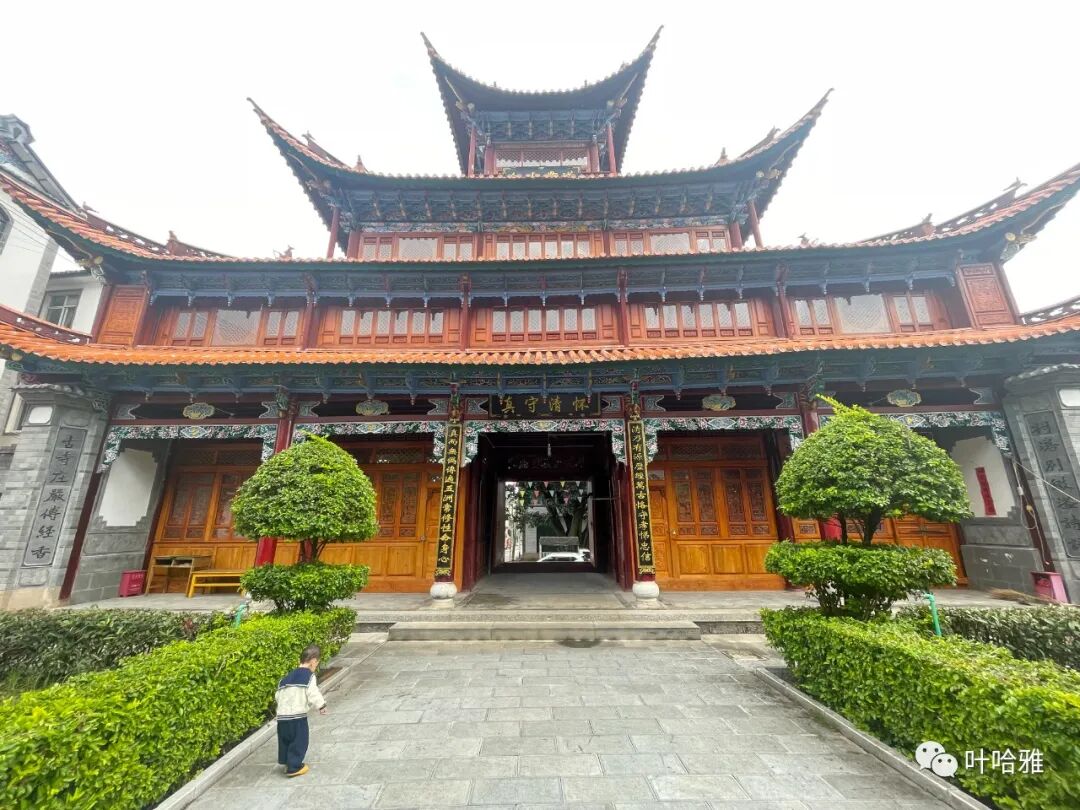
Jiming Mosque is bigger and more beautiful than Shipang Mosque.
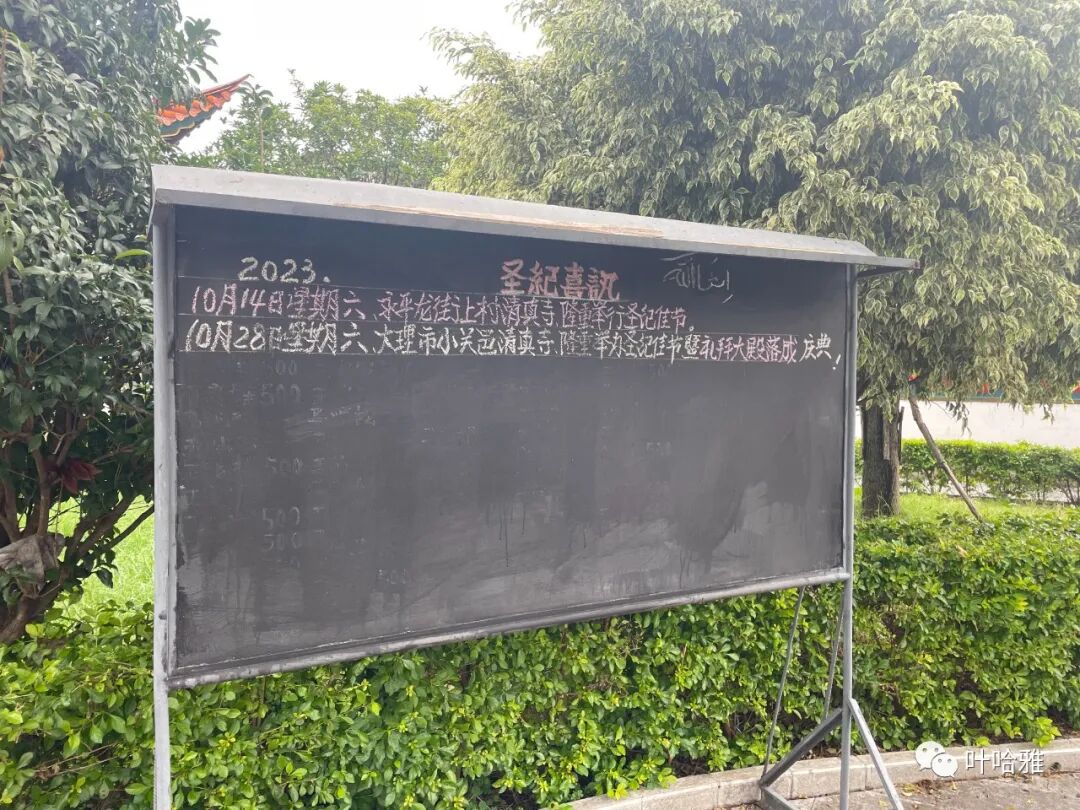
Xiajie Ancient Mosque in Yangbi
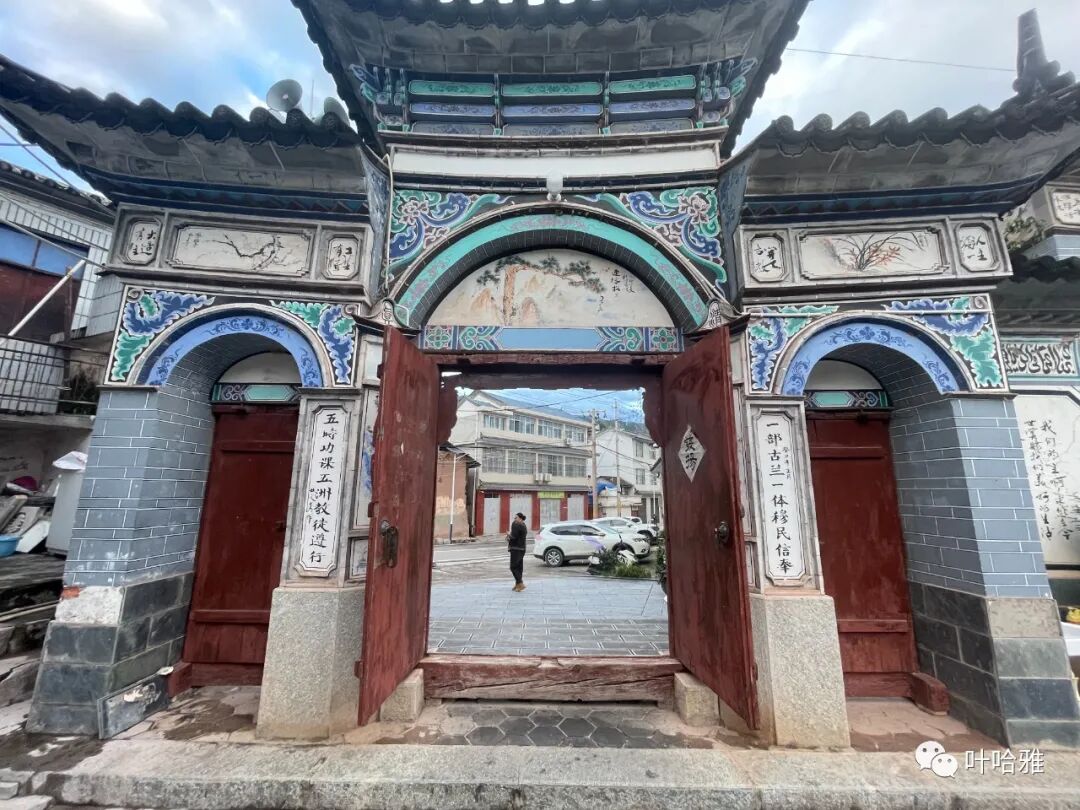
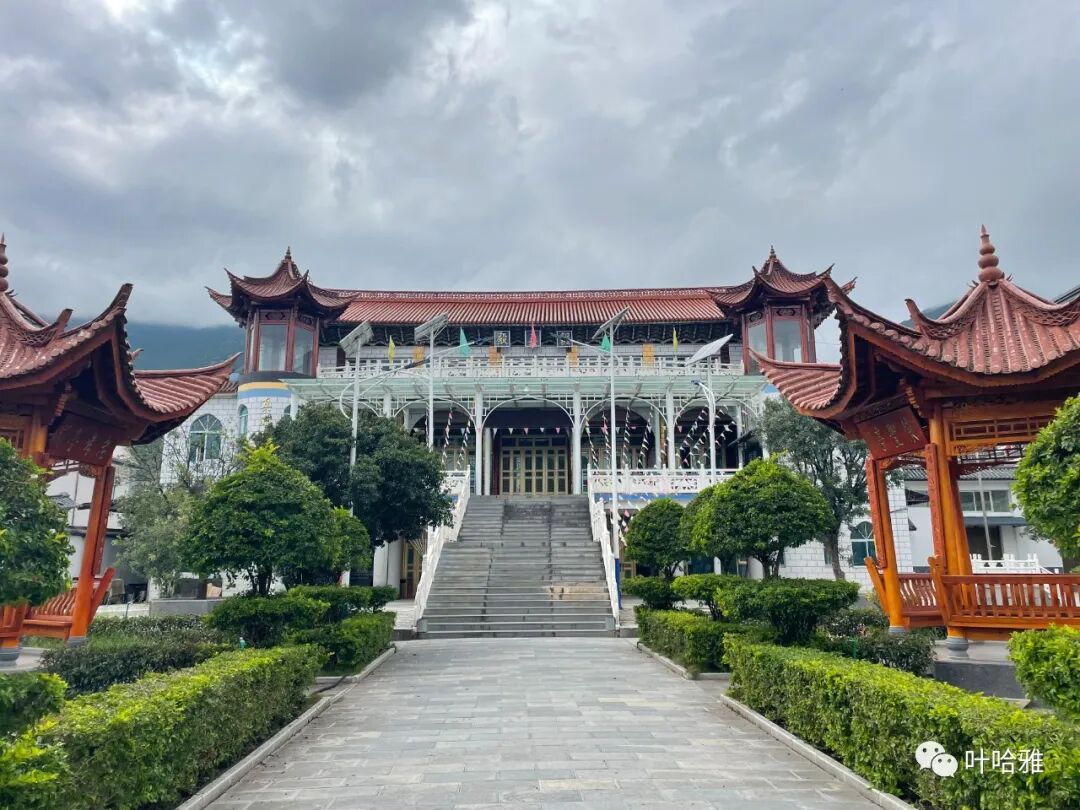
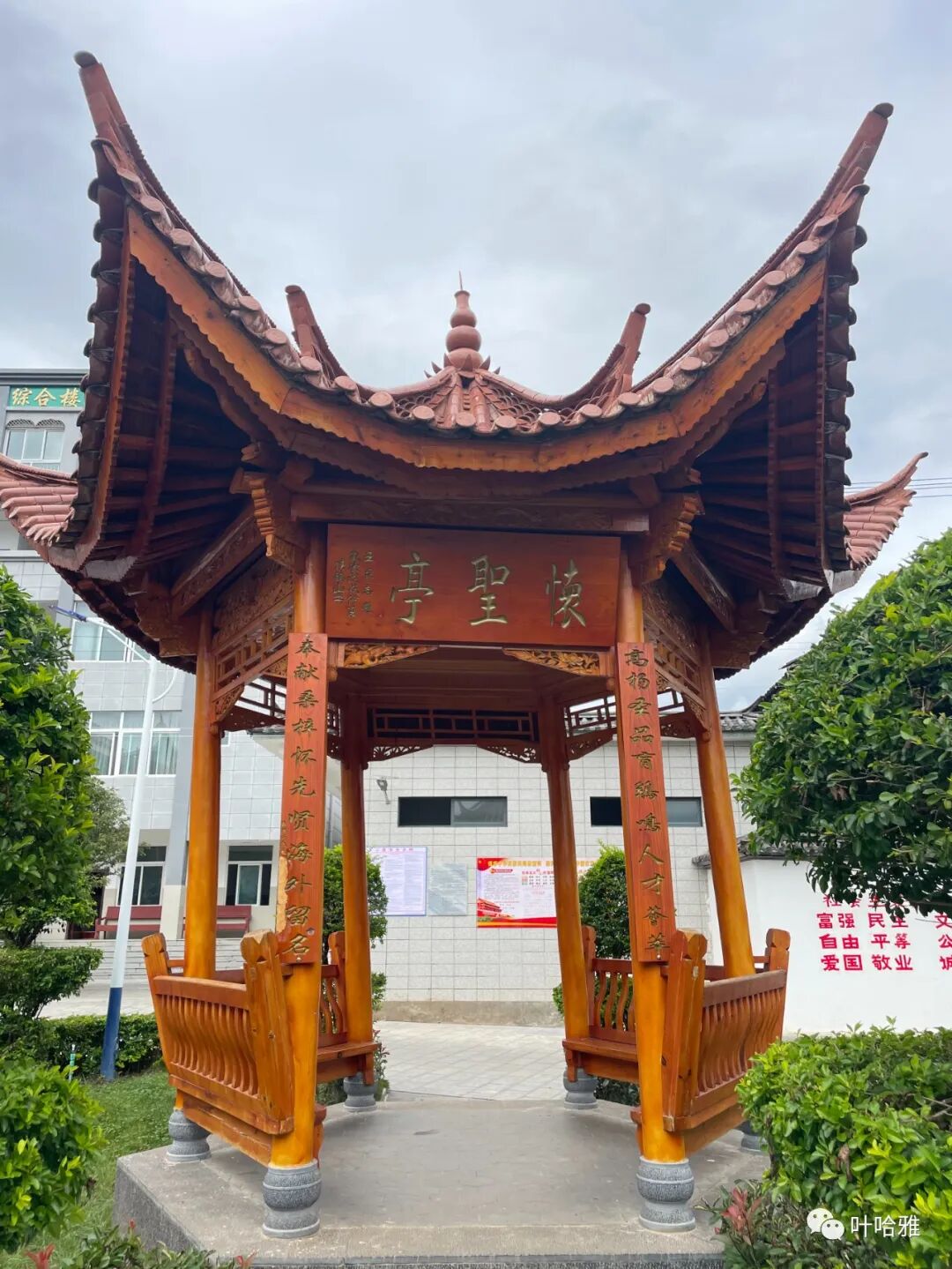
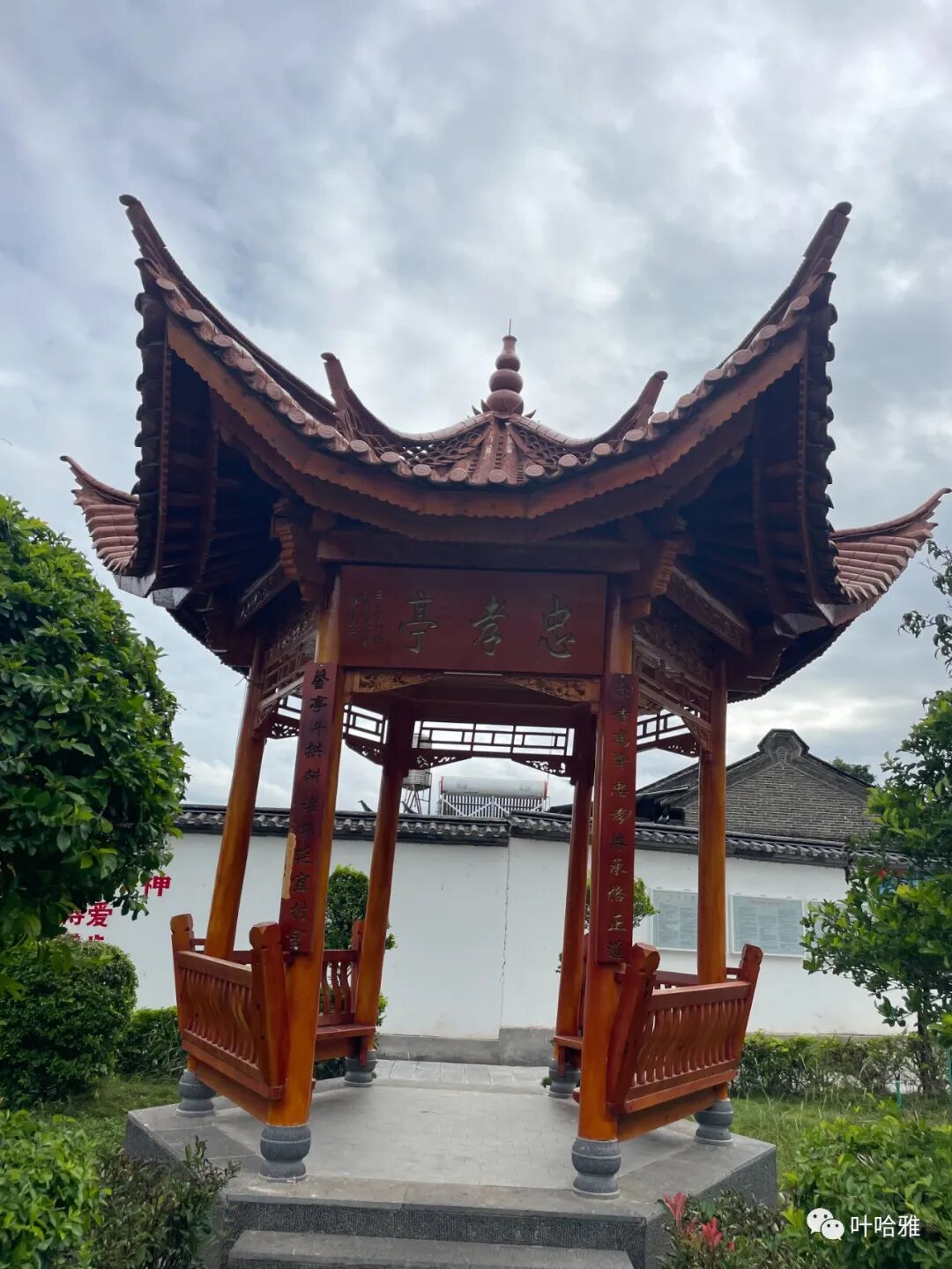
Xiajie Mosque was built during the Hongwu period of the Ming Dynasty. There are now three mosques in Yangbi County. This mosque was once turned into a Confucian mosque, a factory, and a school. It was not returned to its function as a mosque until 1994. Its architectural style has Bai ethnic features, and it is now a cultural relic protection unit of Dali Prefecture.
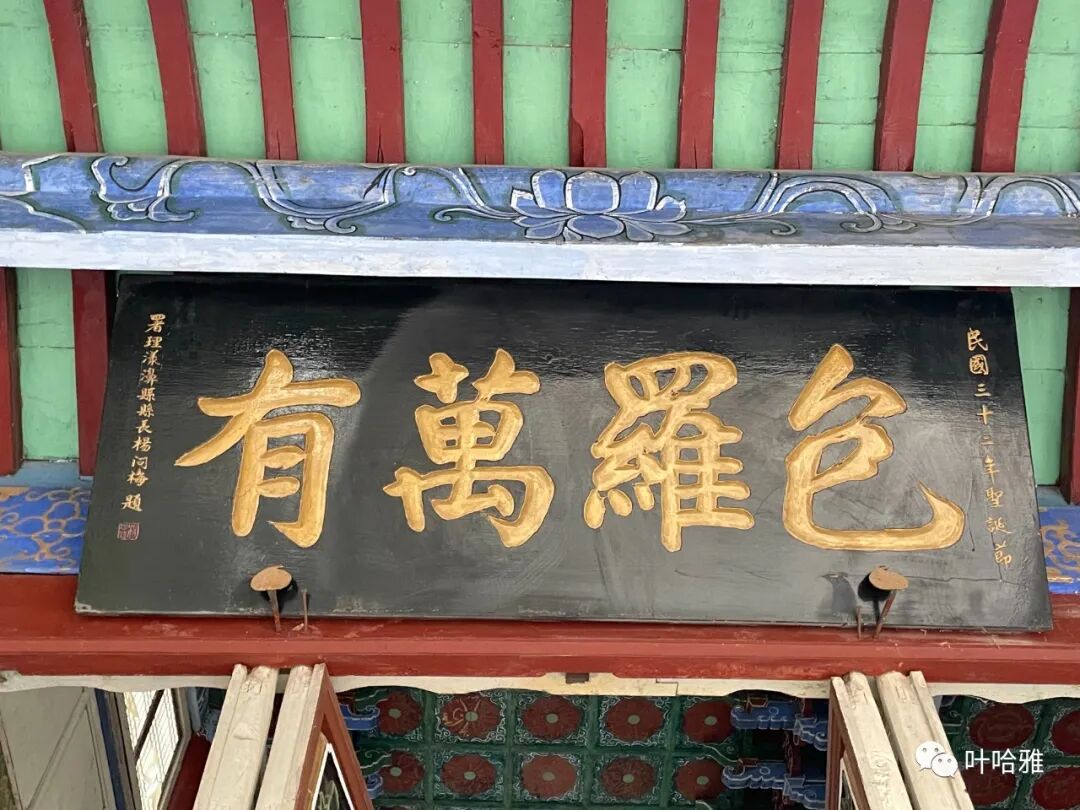
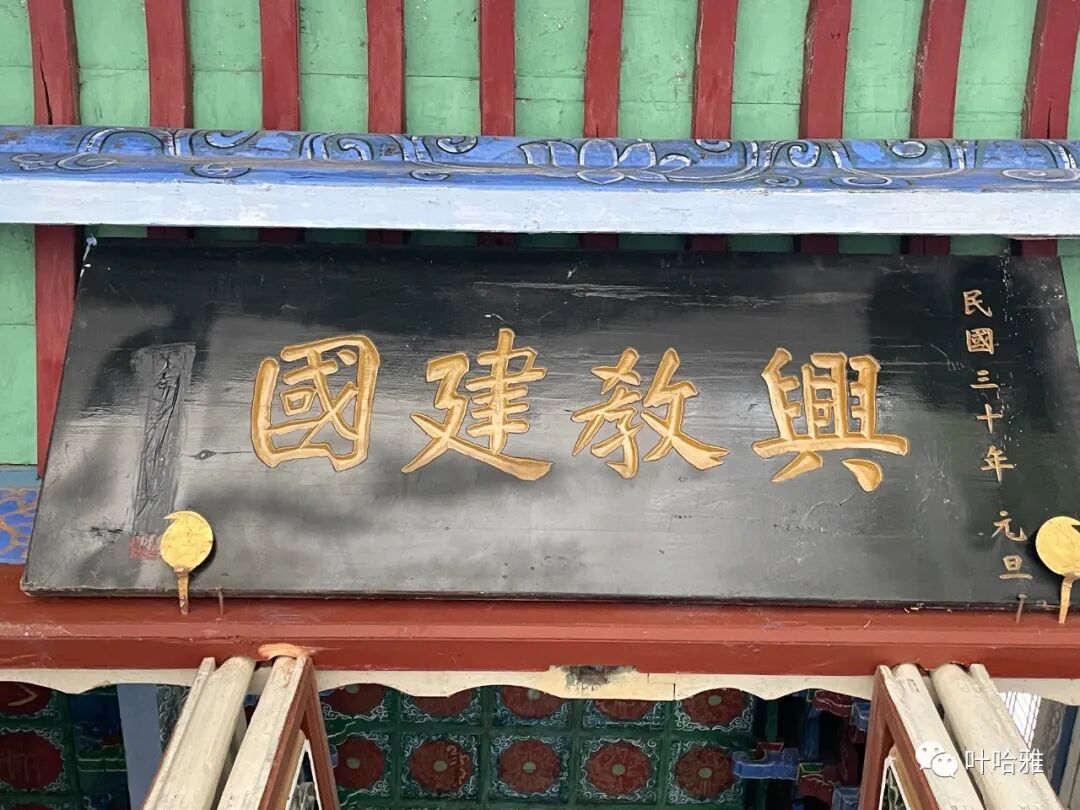
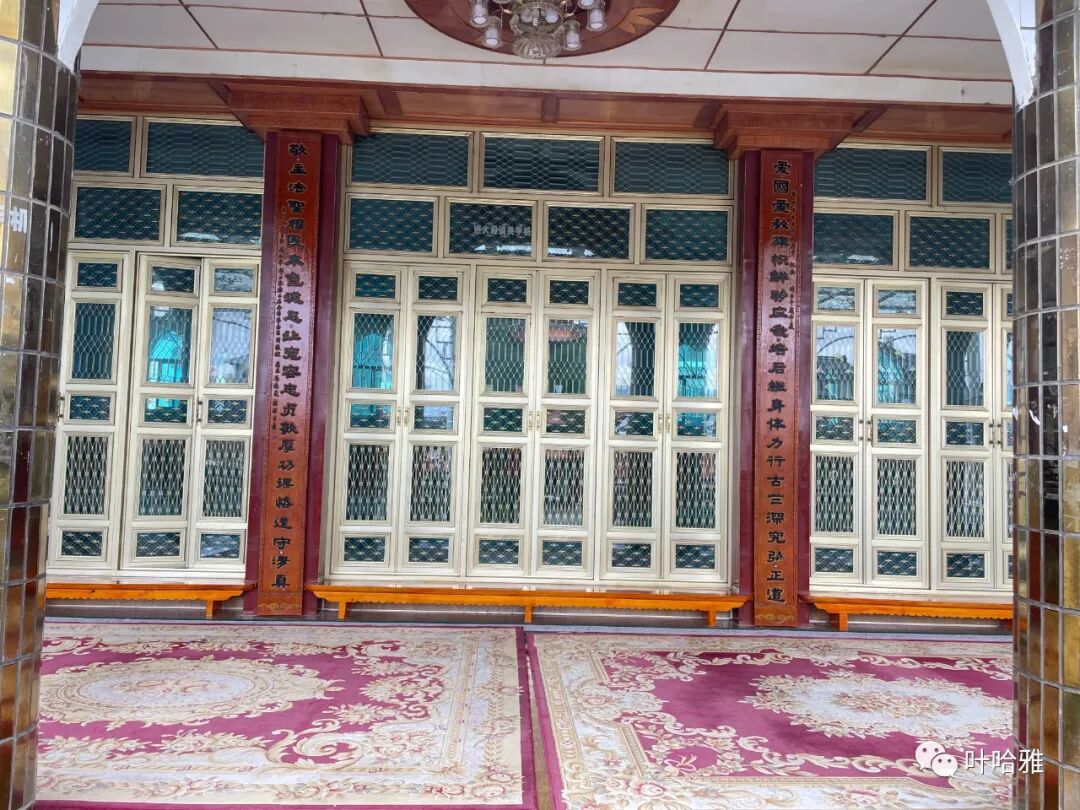
The calligraphy for 'Promoting Religion and Building the Nation' was written by Bai Chongxi. Of course, it was not originally written for this mosque, and his name has now been erased.
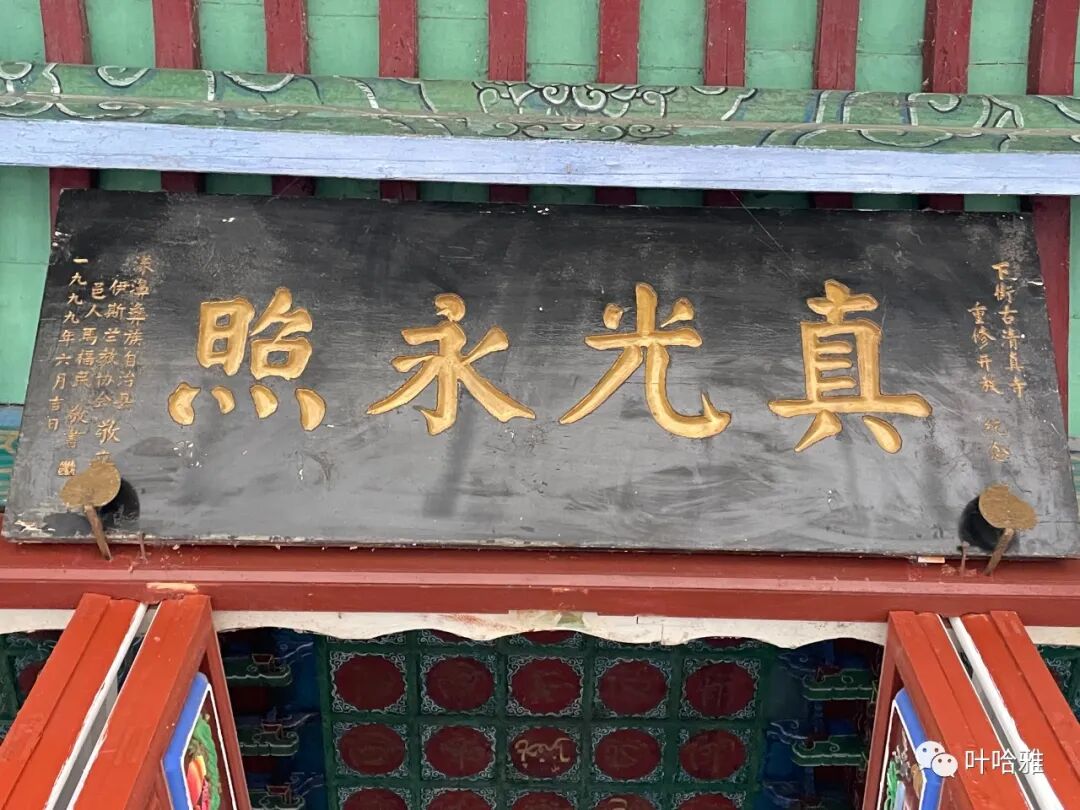
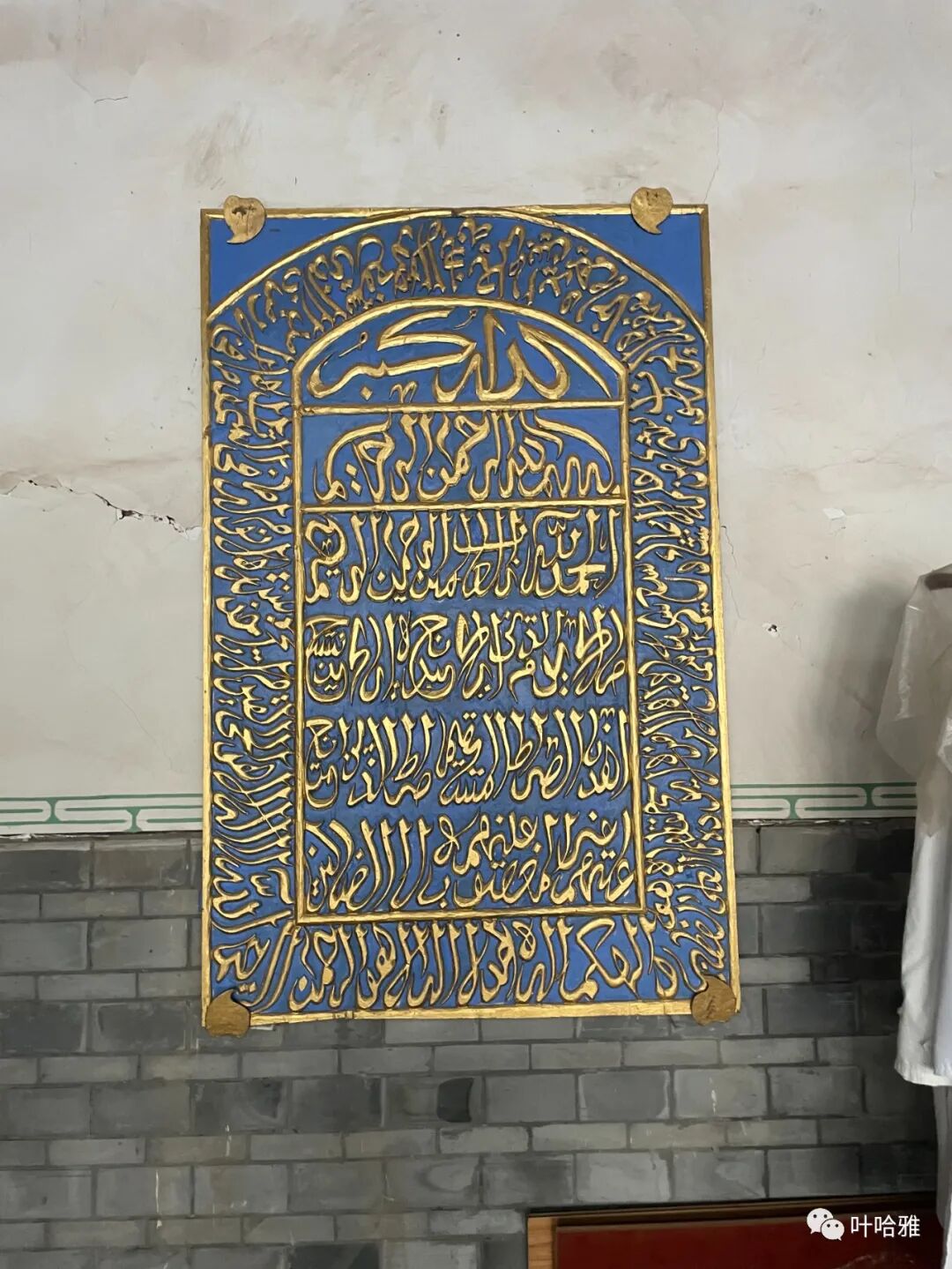
Xiajie Hui Muslim Restaurant and Dai-style Barbecue
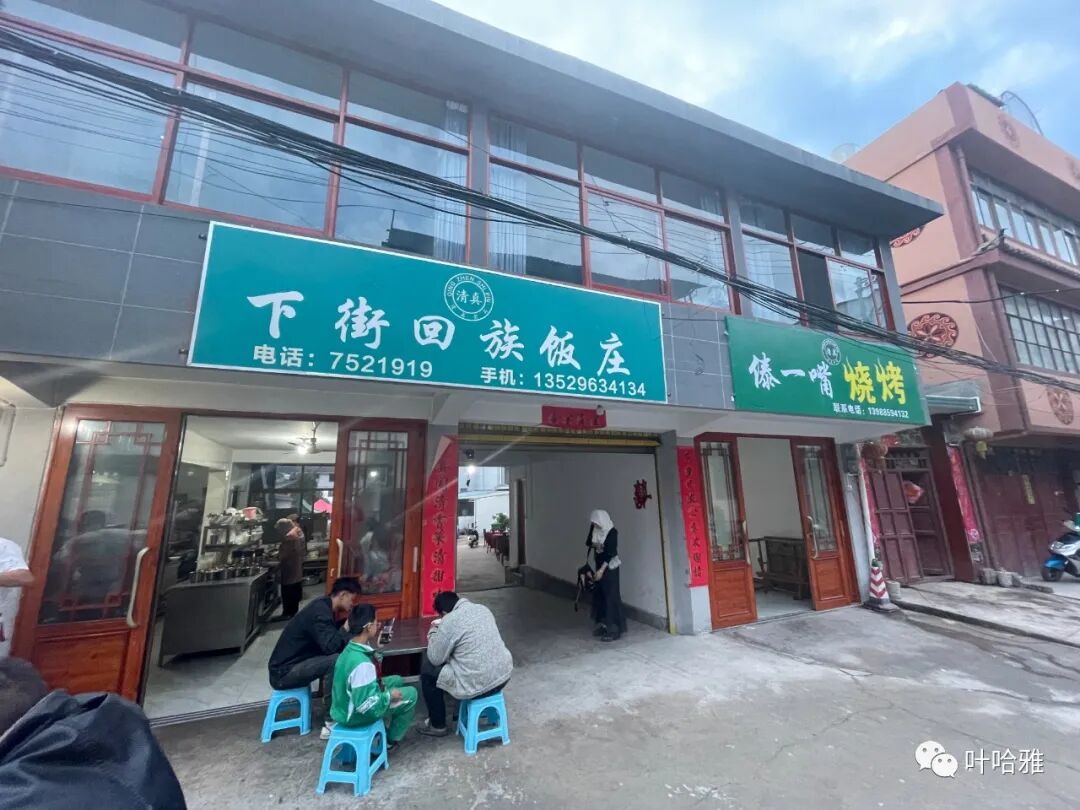
A halal restaurant next to Xiajie Mosque that serves local stir-fried dishes.
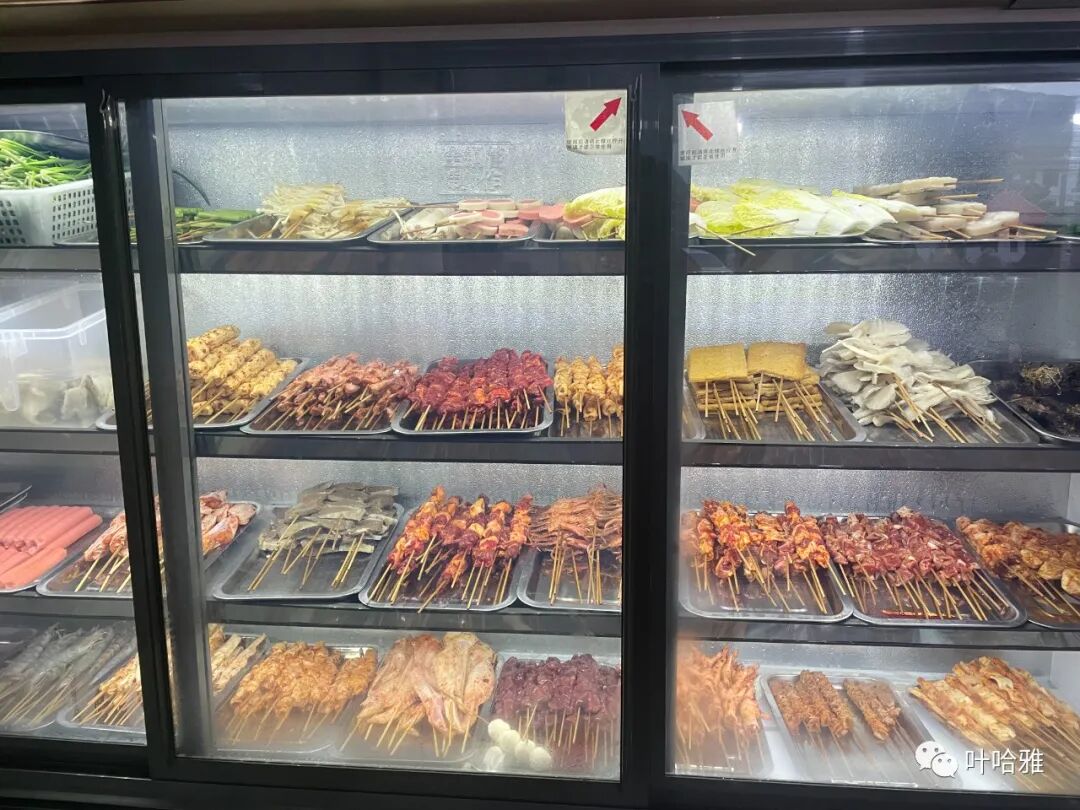
You pick the Dai-style barbecue yourself and pay after eating. The skewers are quite large.
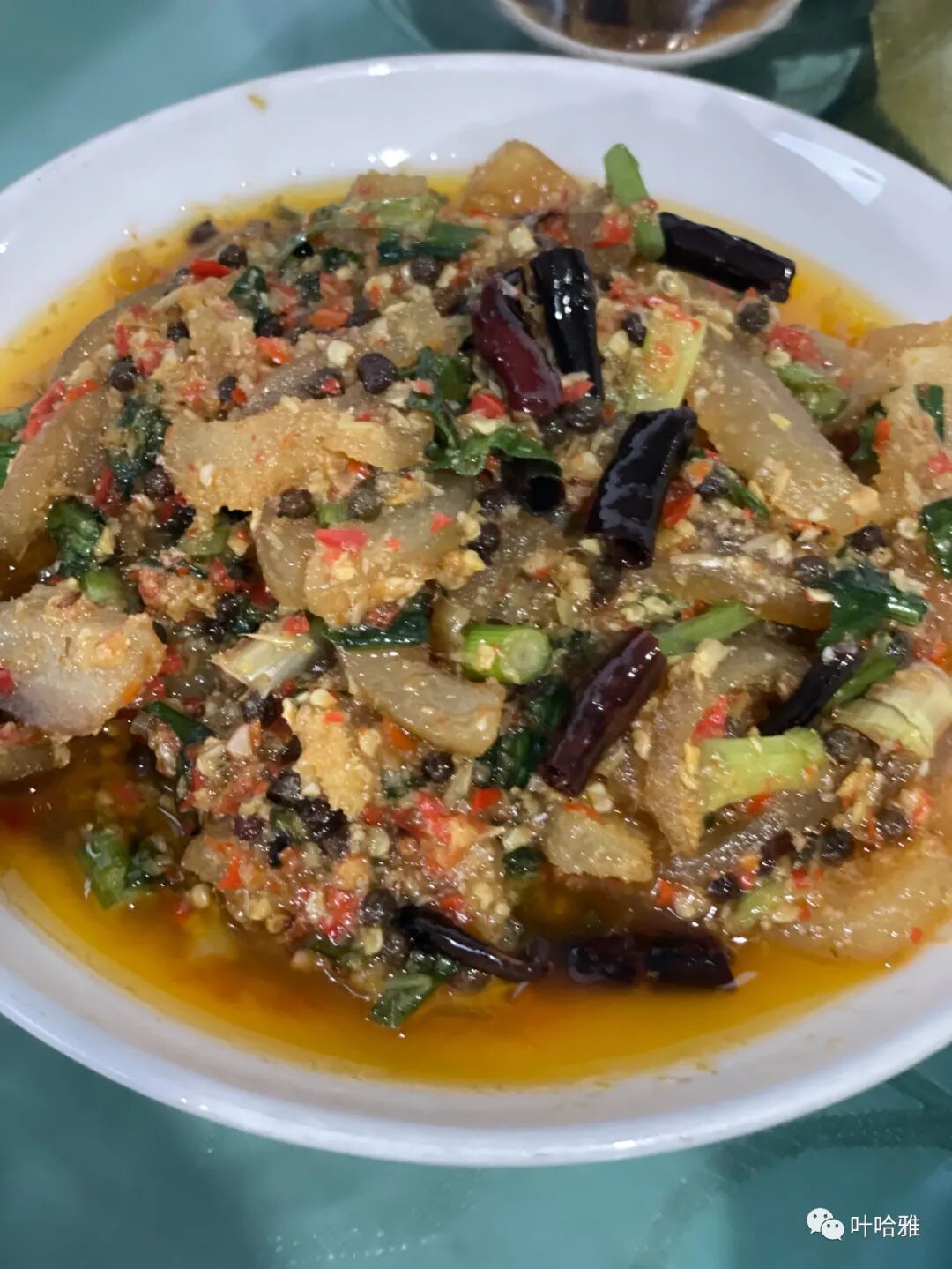
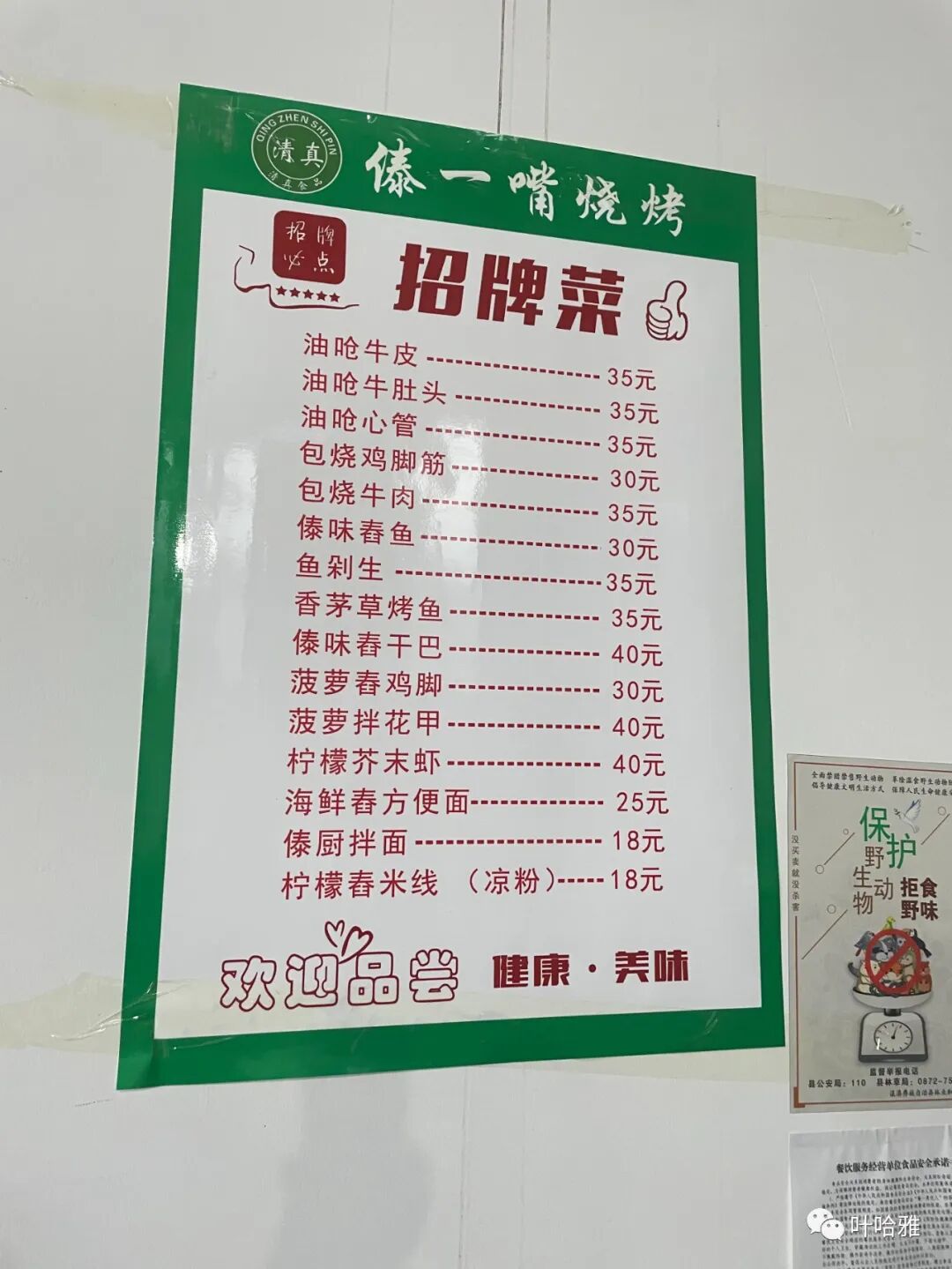
I tried oil-splashed beef skin (youqiang niupi) for the first time. It tasted strange and was a bit spicy. I think fried beef skin is easier to enjoy.
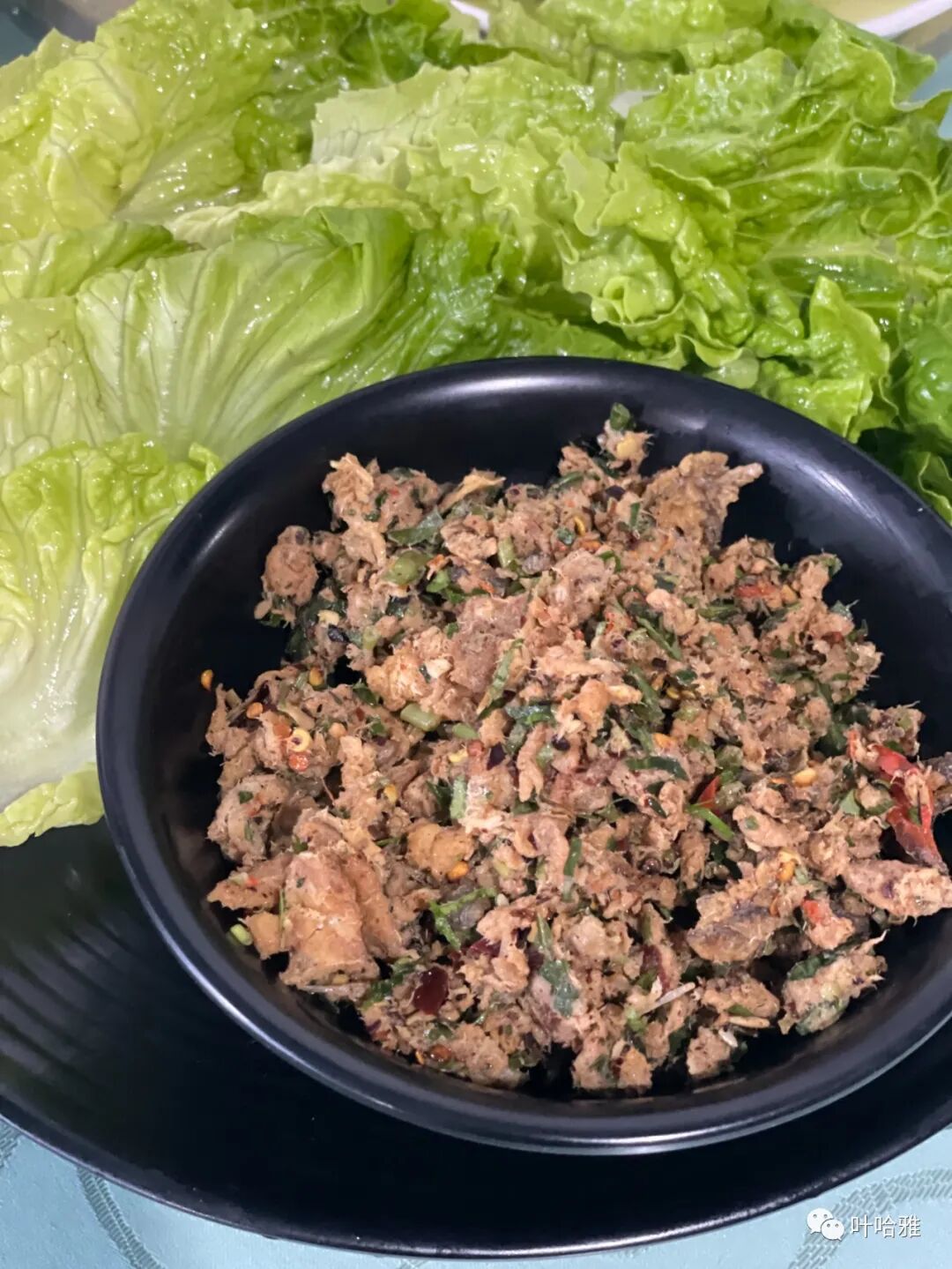
I ordered the Dai-style pounded fish (chong yu). I expected a whole fish, but this is what arrived. It was very spicy, and you eat it wrapped in lettuce leaves.
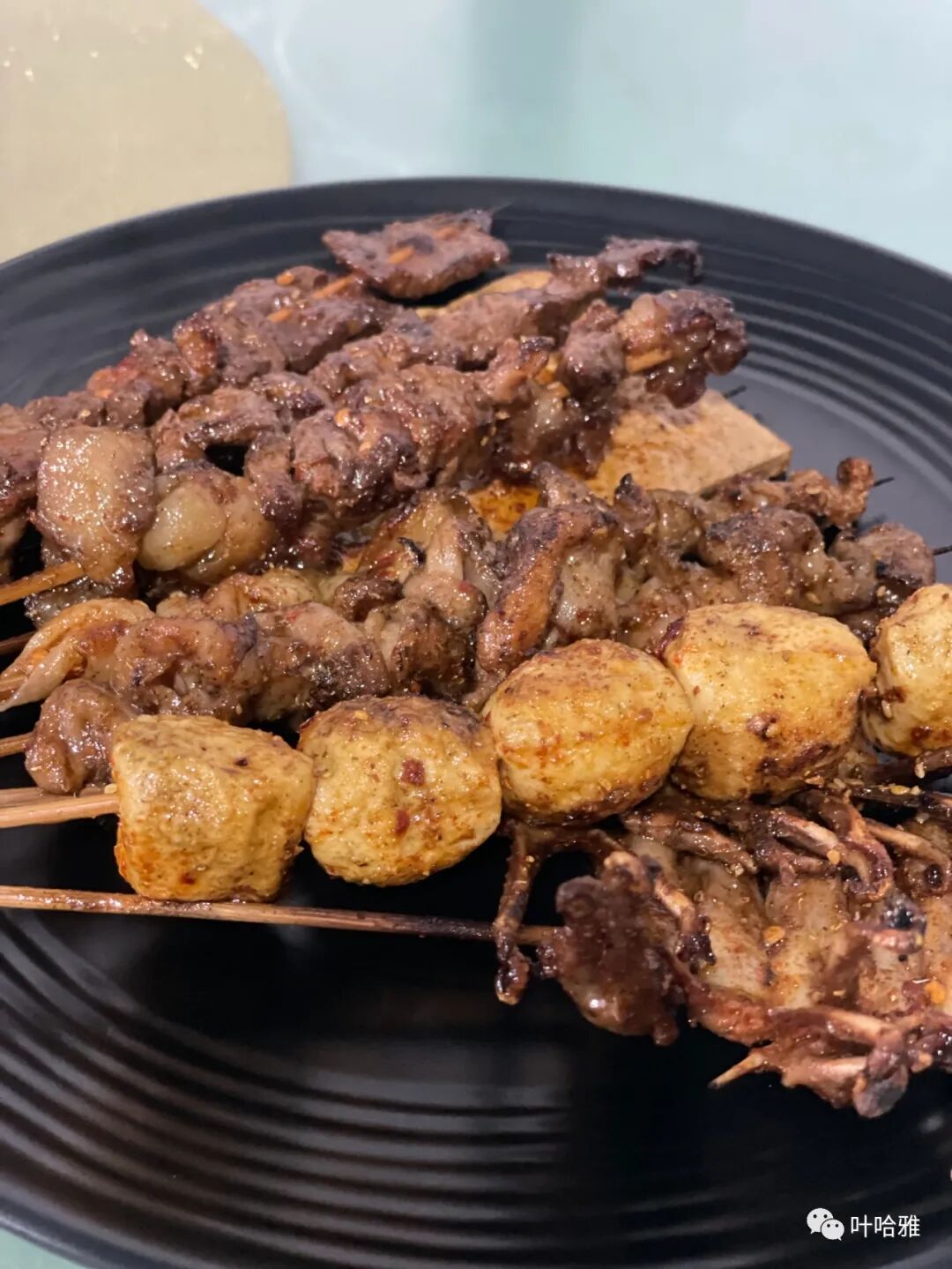
Dai-style barbecue tastes pretty good. It is no wonder it is so popular in Yunnan.
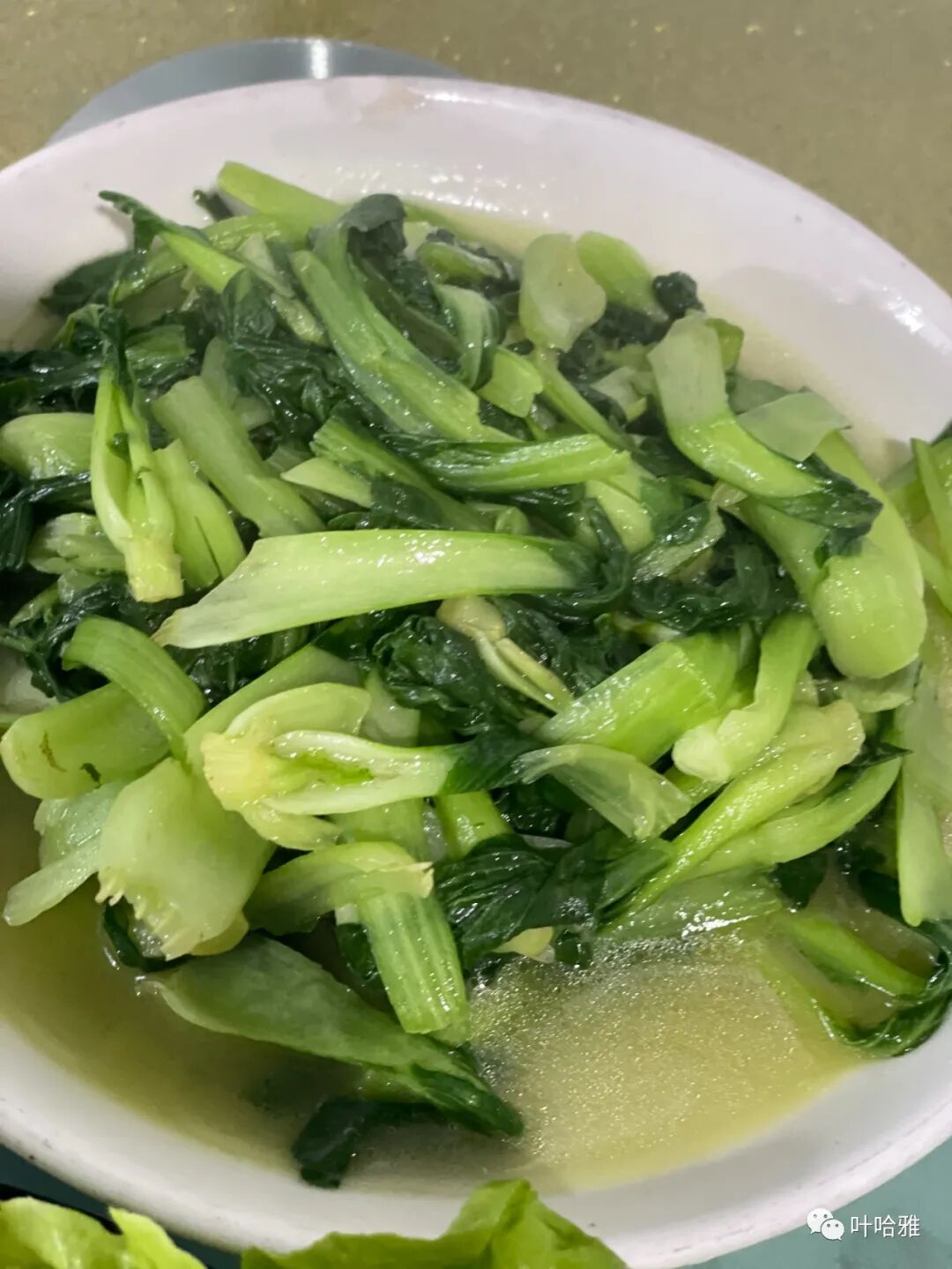
There are no large halal restaurants in Yangbi County, just small snack shops. This seems to be the only place that serves stir-fried dishes.
Xiaoweigeng Mosque in Weishan County.
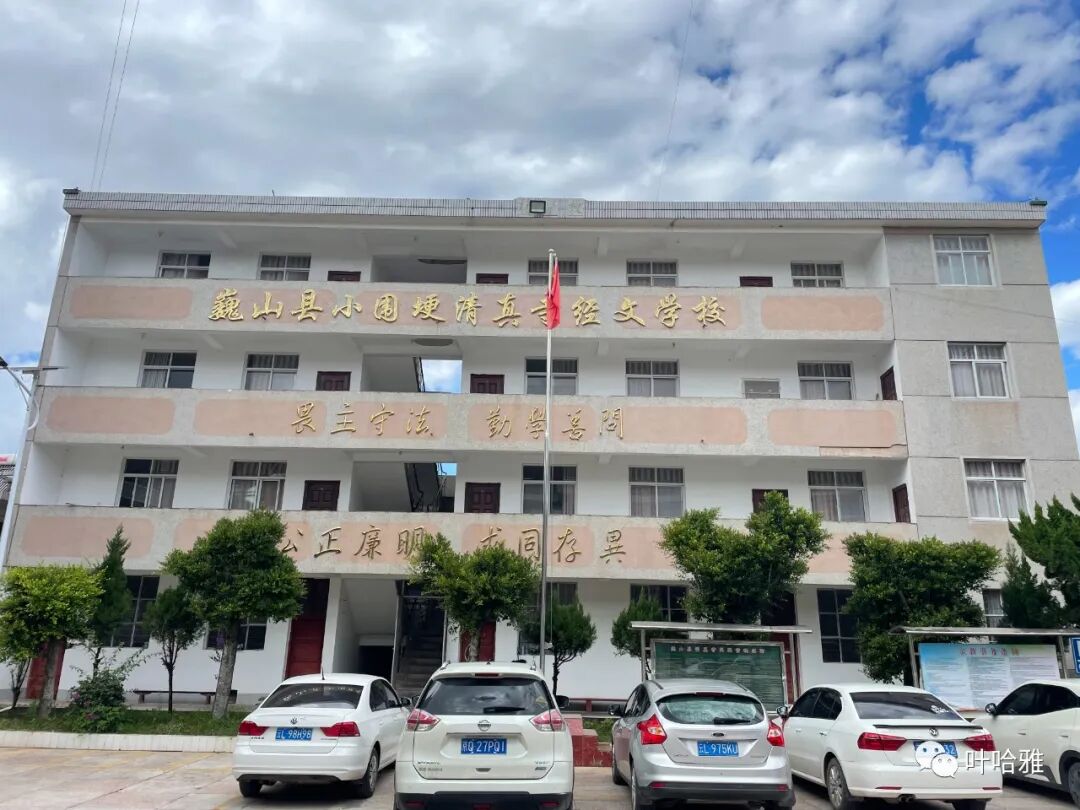
Xiaoweigeng Mosque was first built between the end of the Yuan Dynasty and the beginning of the Ming Dynasty. It is the first mosque you pass on the way from Dali to Weishan. Mosques in Weishan are clustered together; except for the one in the Weishan Ancient City, the others are all less than three kilometers apart.
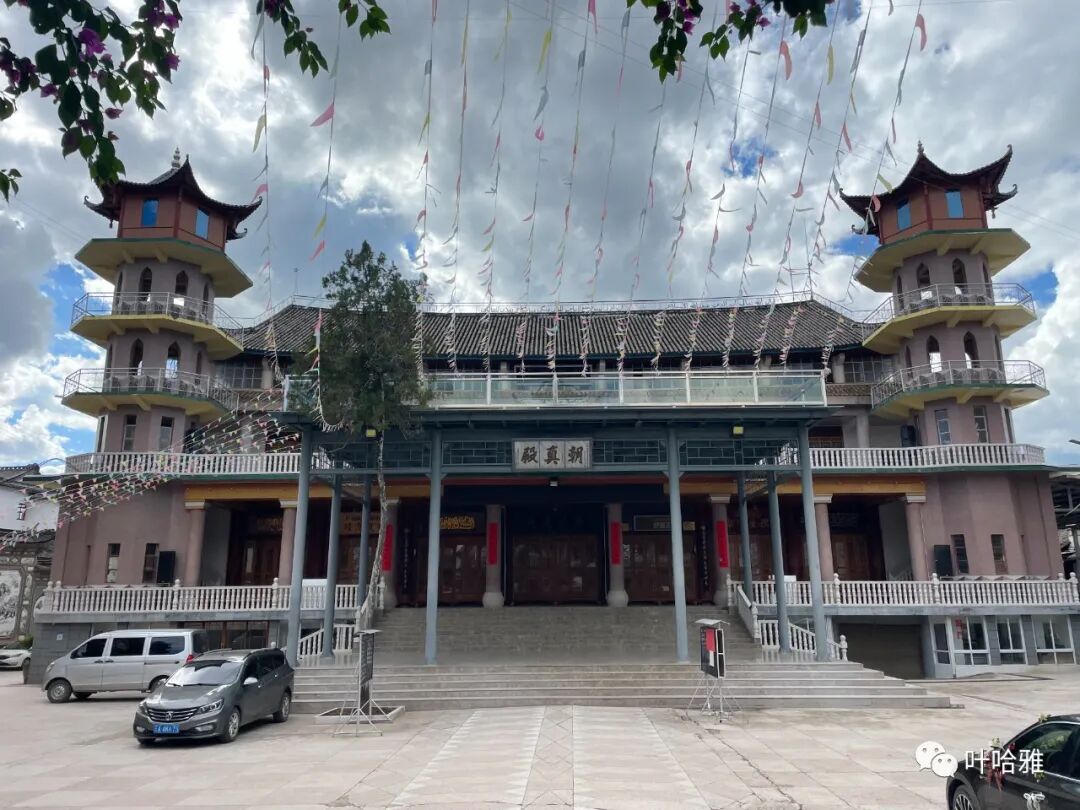
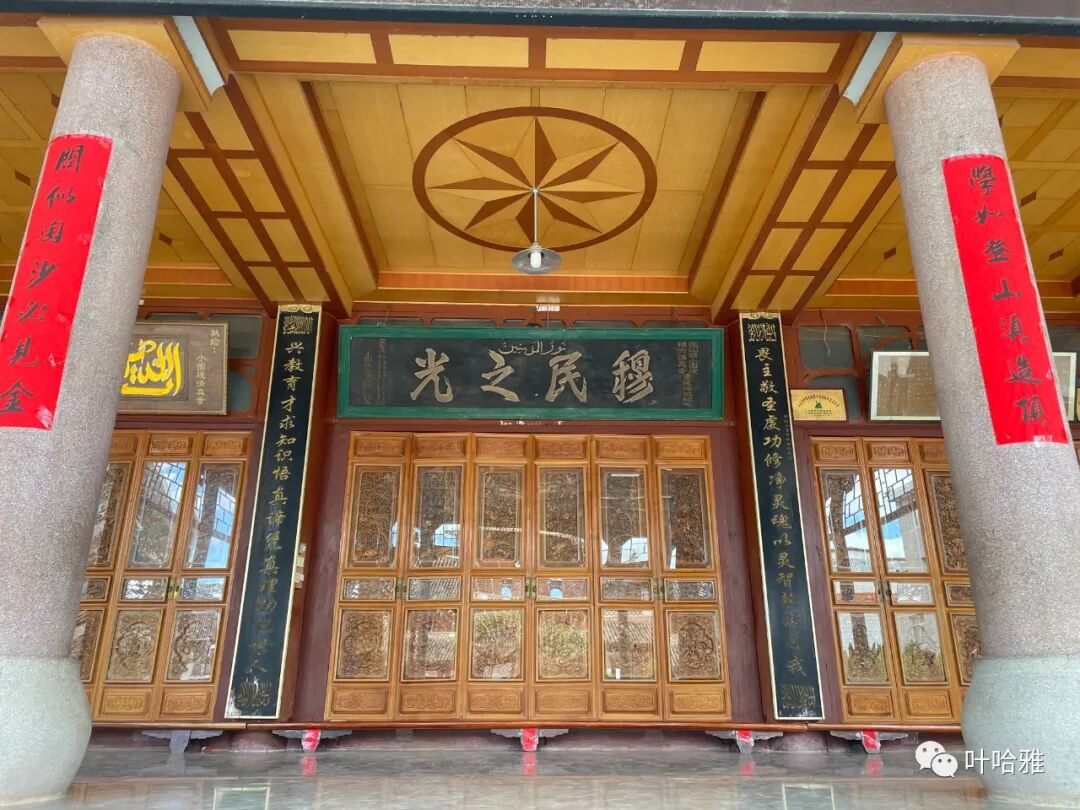
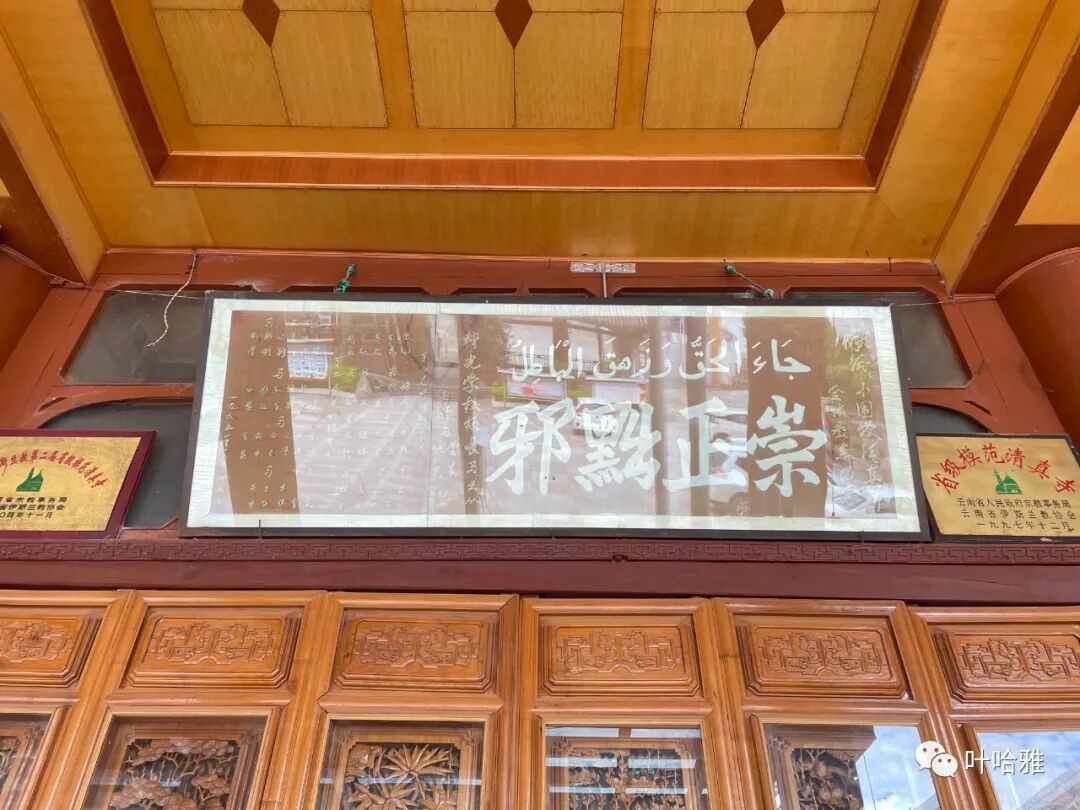
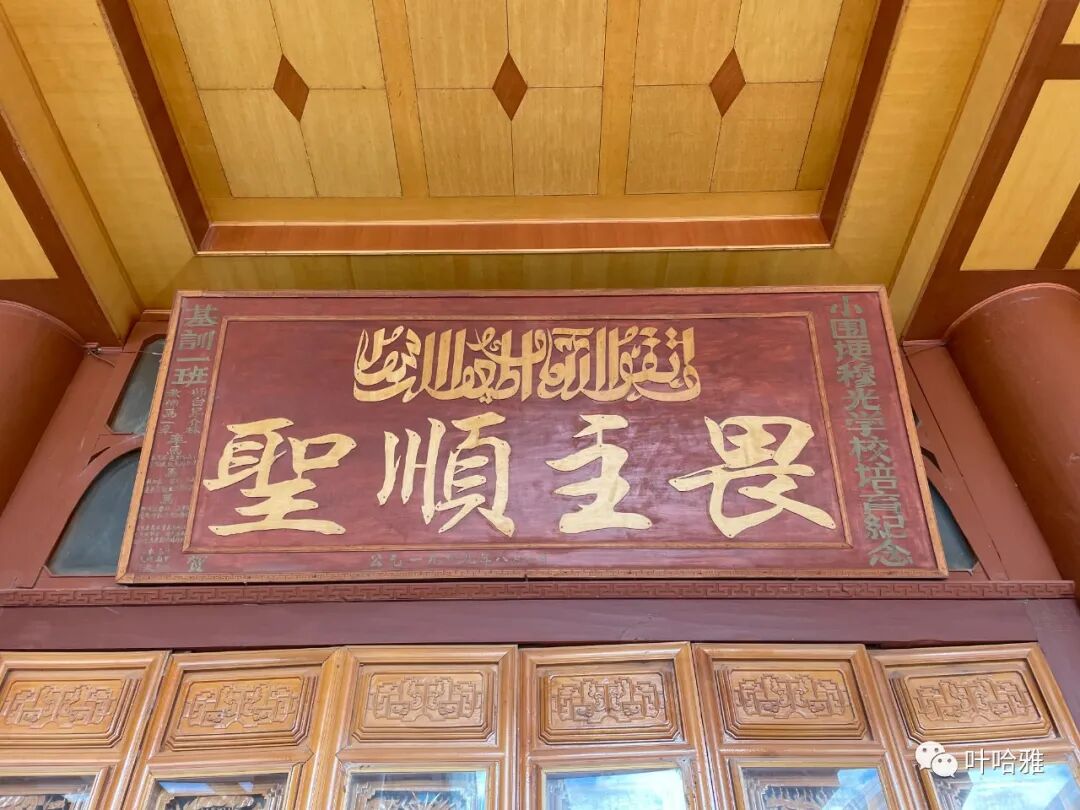
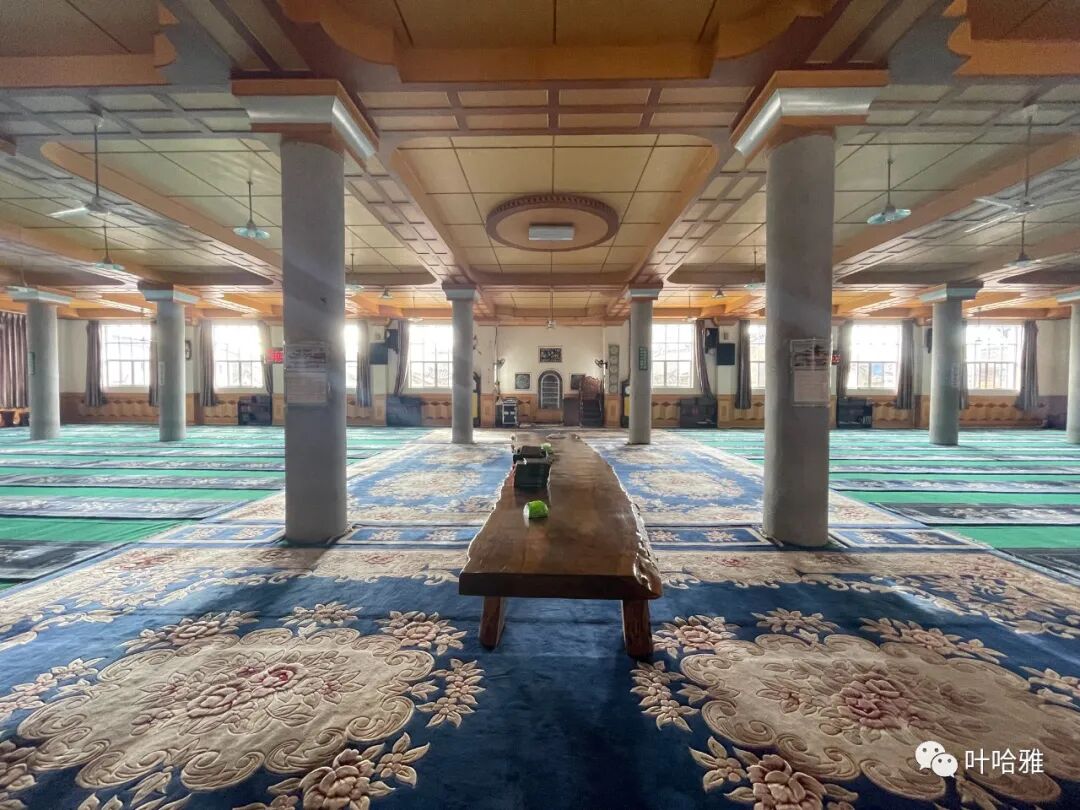
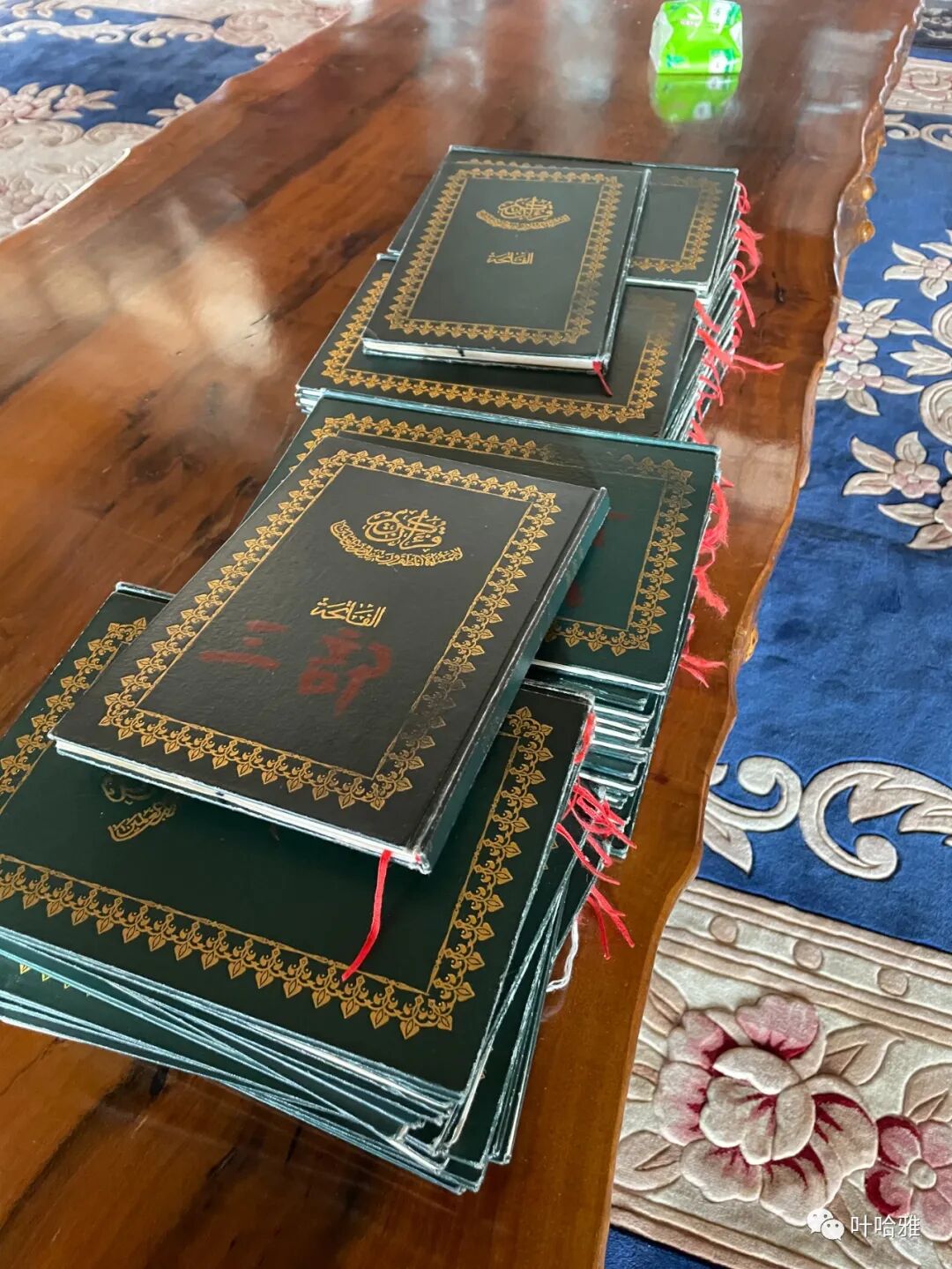
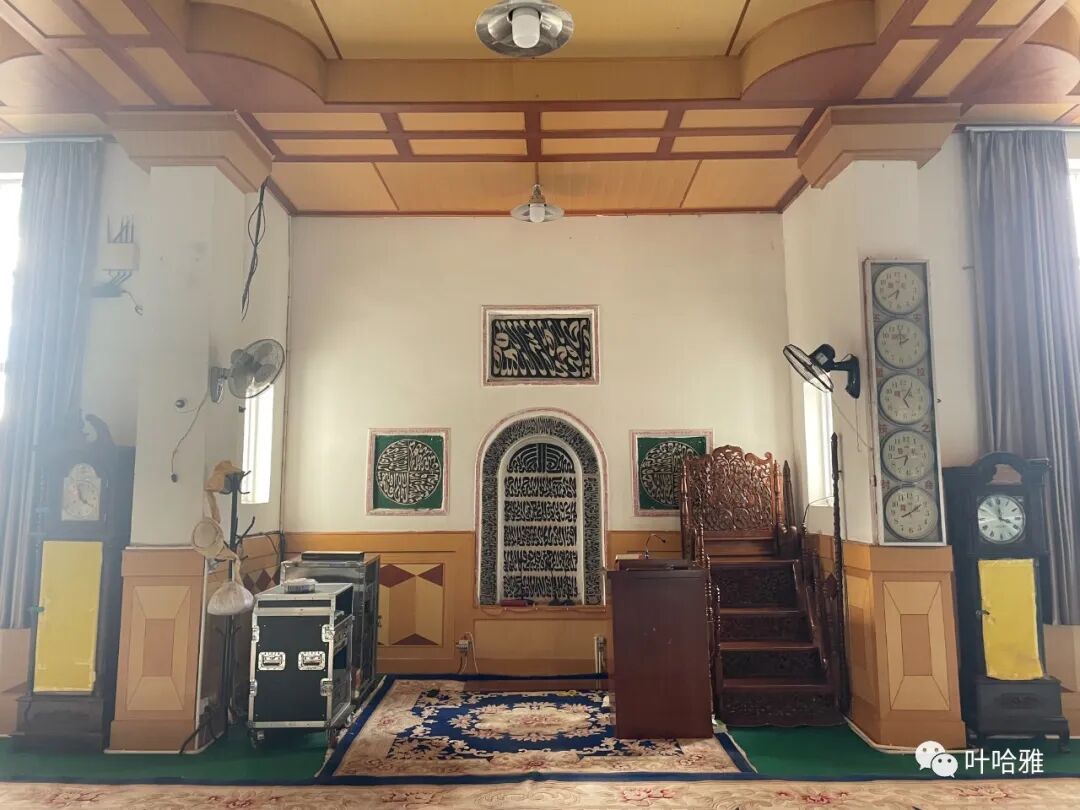
Huihuideng Mosque.
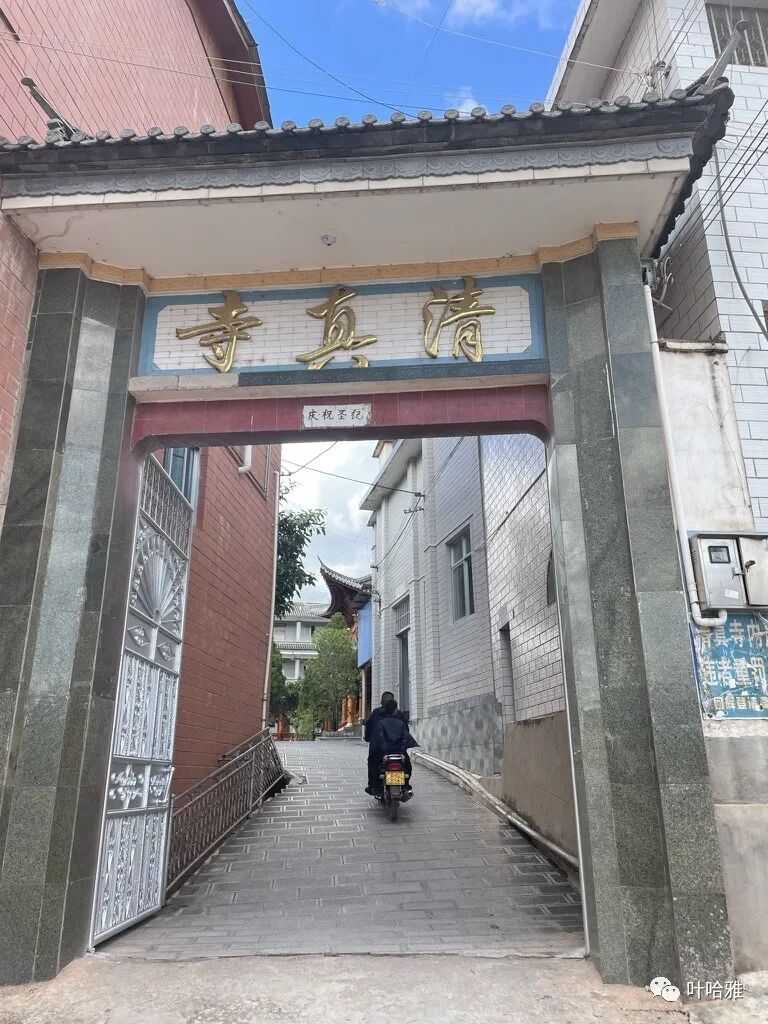
During the Yuan Dynasty, Huihuideng Mosque was called Huihuidun. It was first built in the third year of the reign of Mongke Khan (1253). It is also called Huihui Mosque, sharing the same name as the Huihui Mosque in Sanya.
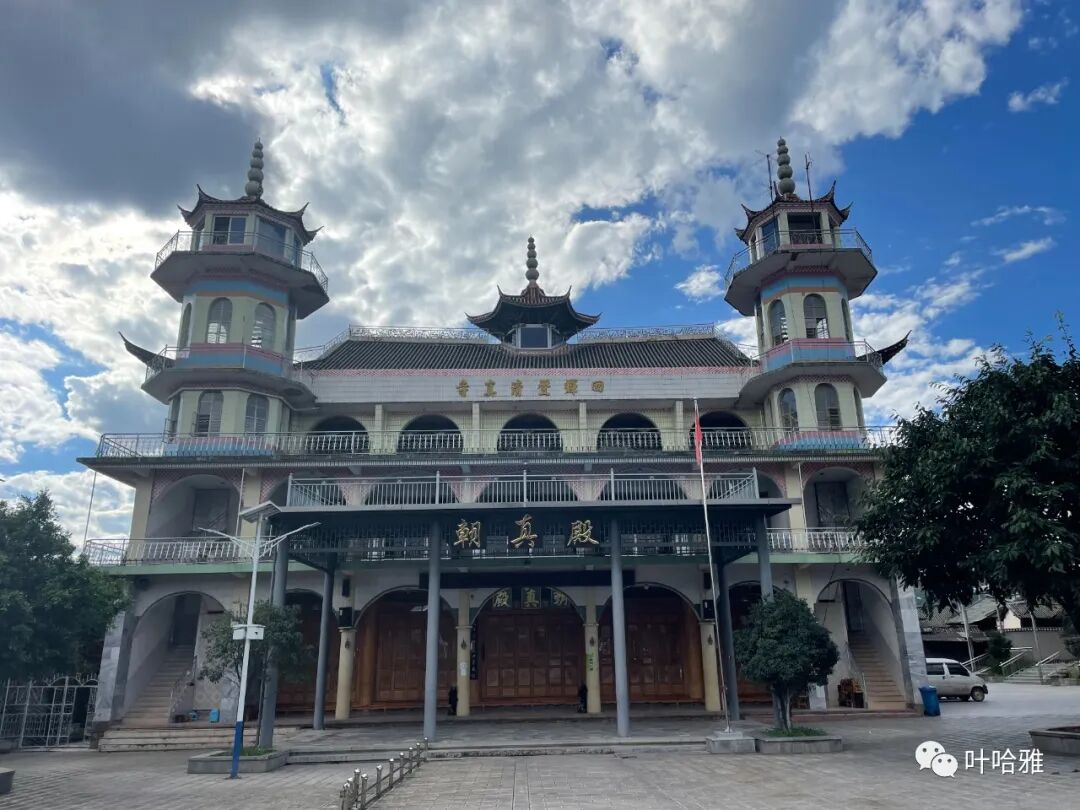
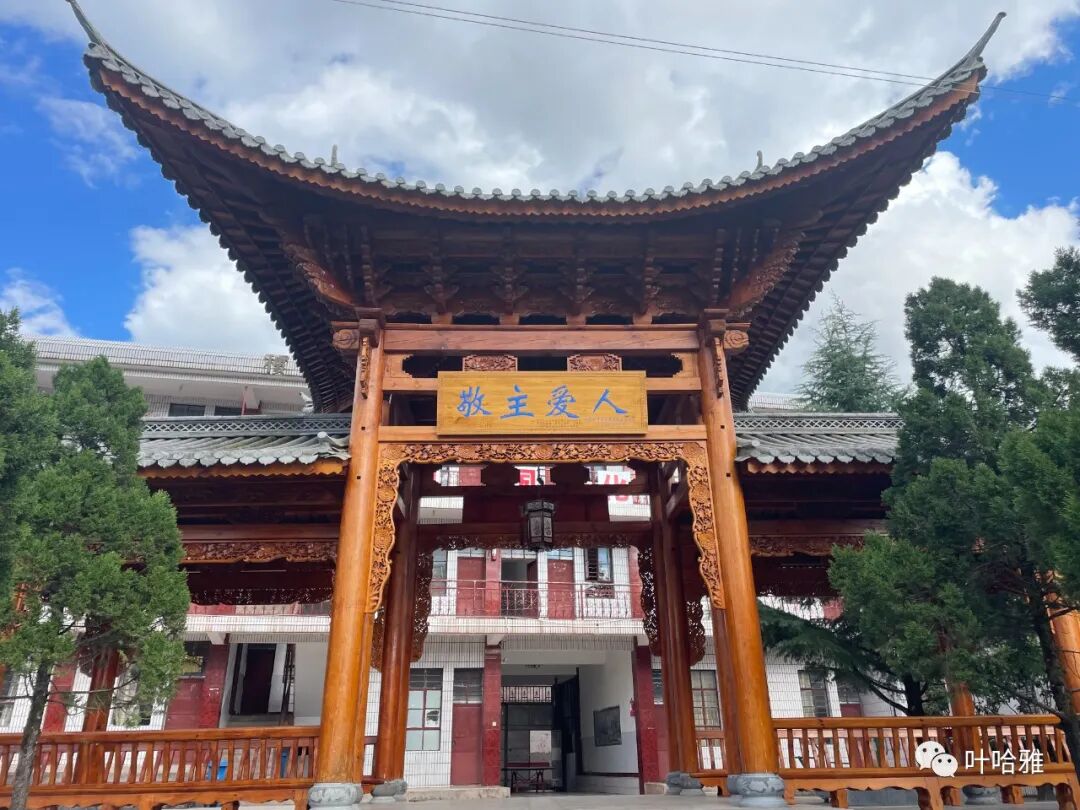
The main prayer hall at Huihuideng is the largest one in the Dali region.
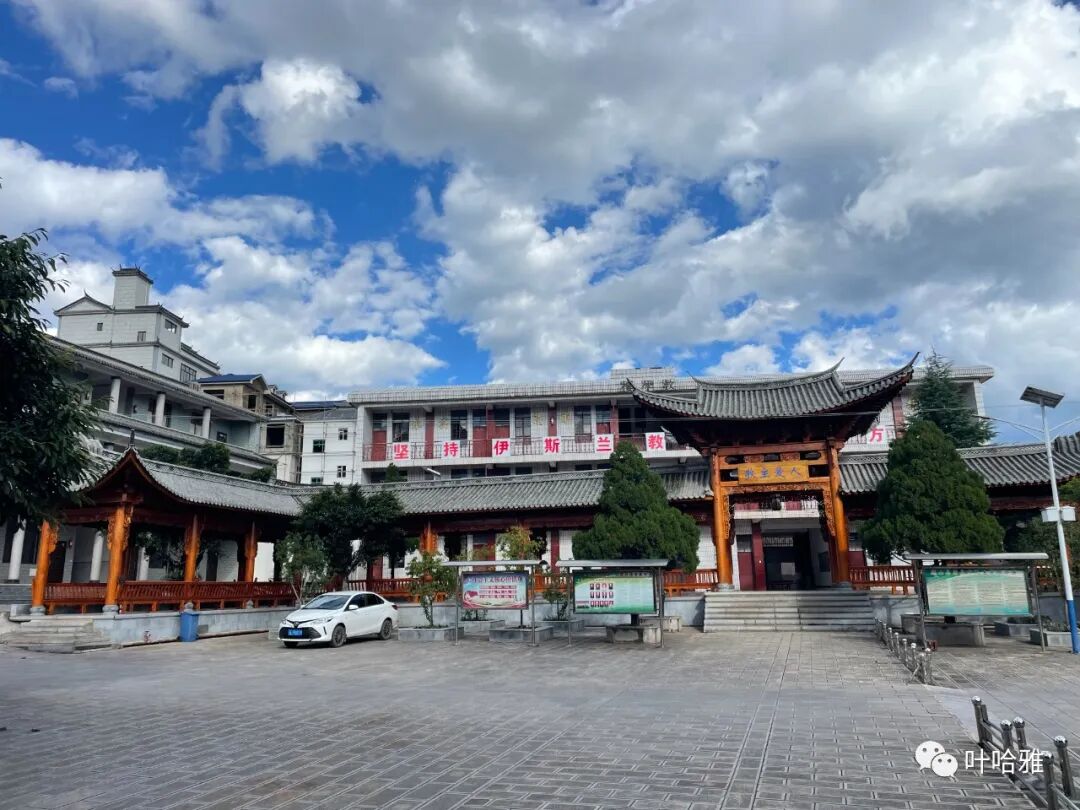
Donglianhua Mosque.
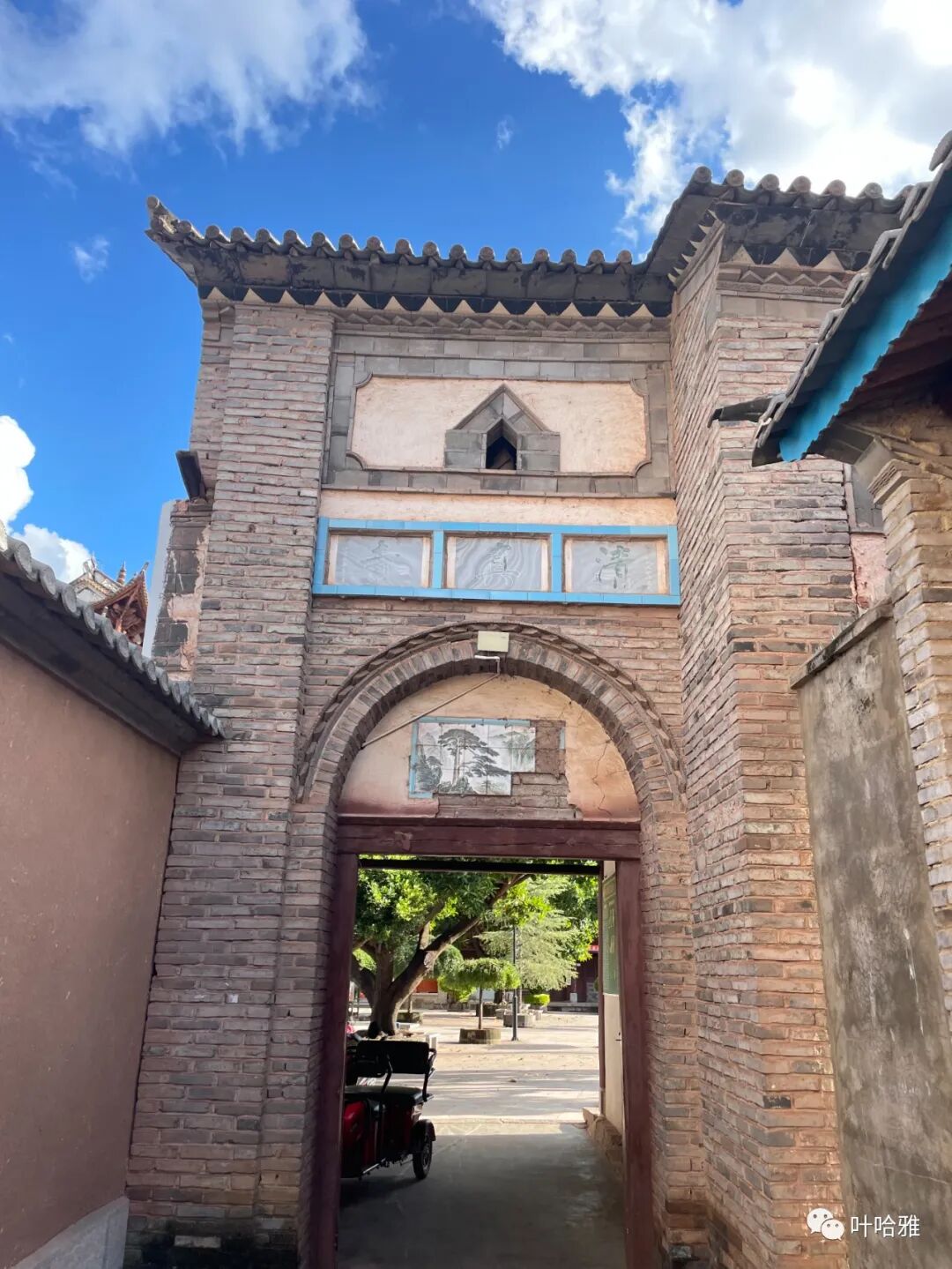
Donglianhua Mosque was built at the end of the Qing Dynasty and covers a building area of 3,000 square meters.
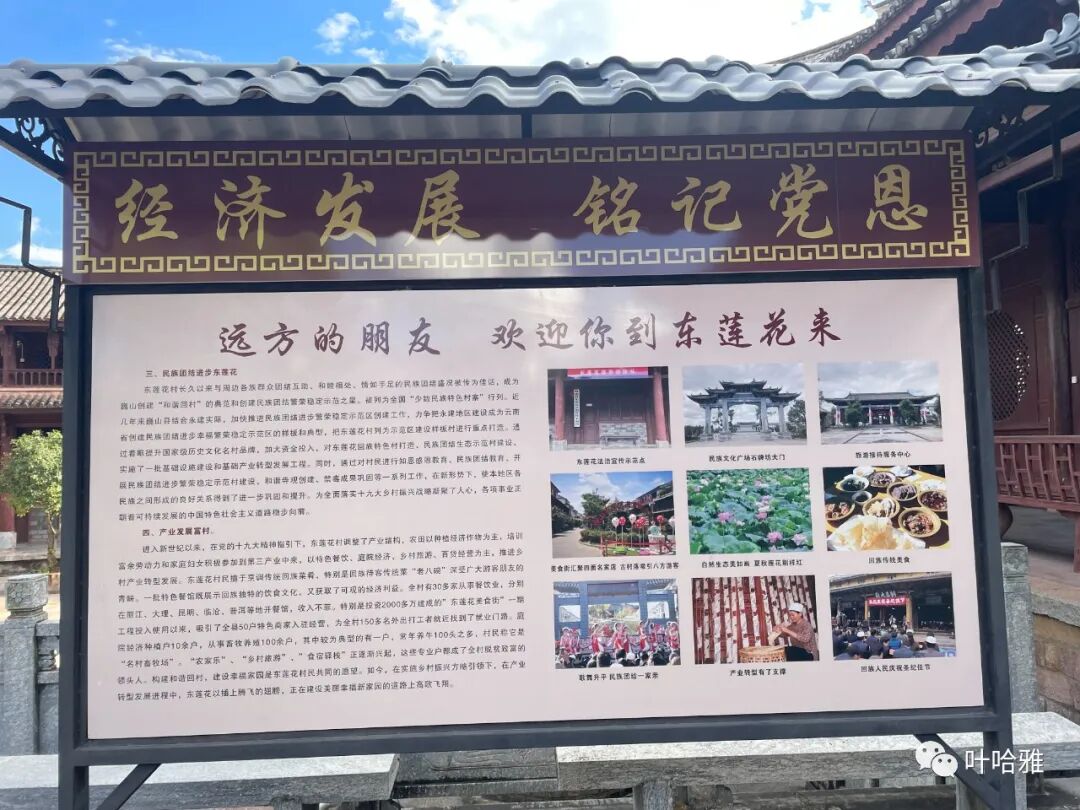
Donglianhua Village is a village for Hui Muslims. They are developing it into a special folk tourism village, and there is a food street here.
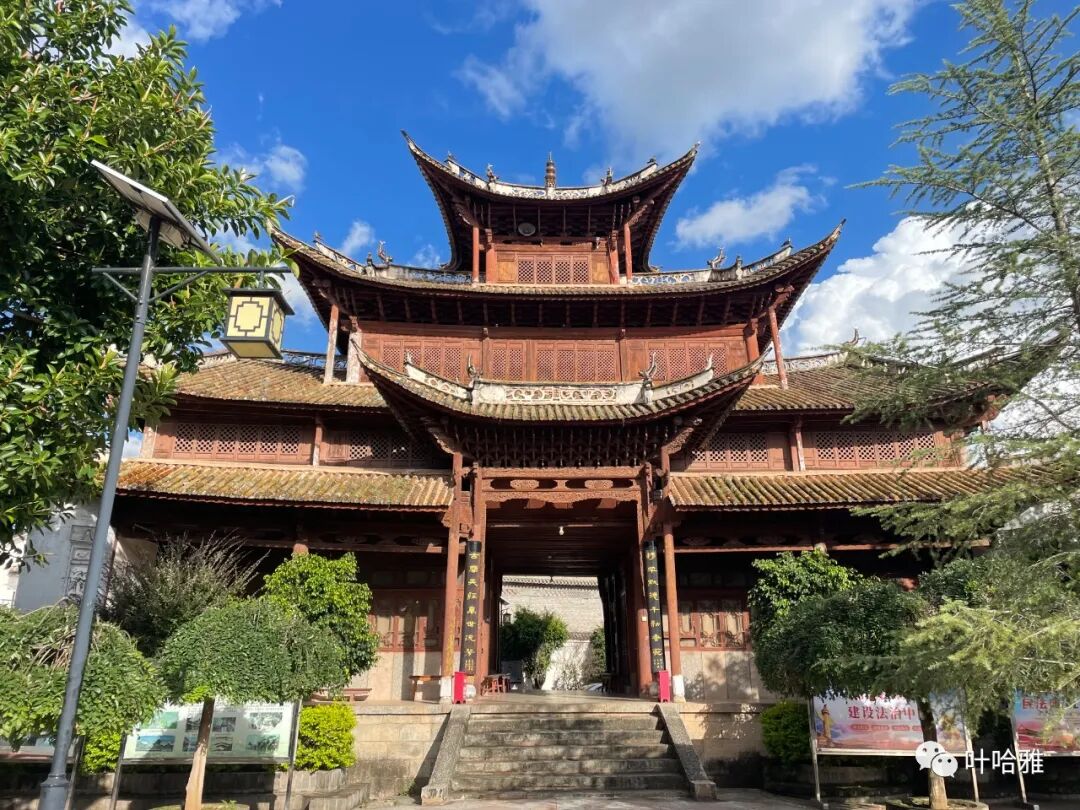
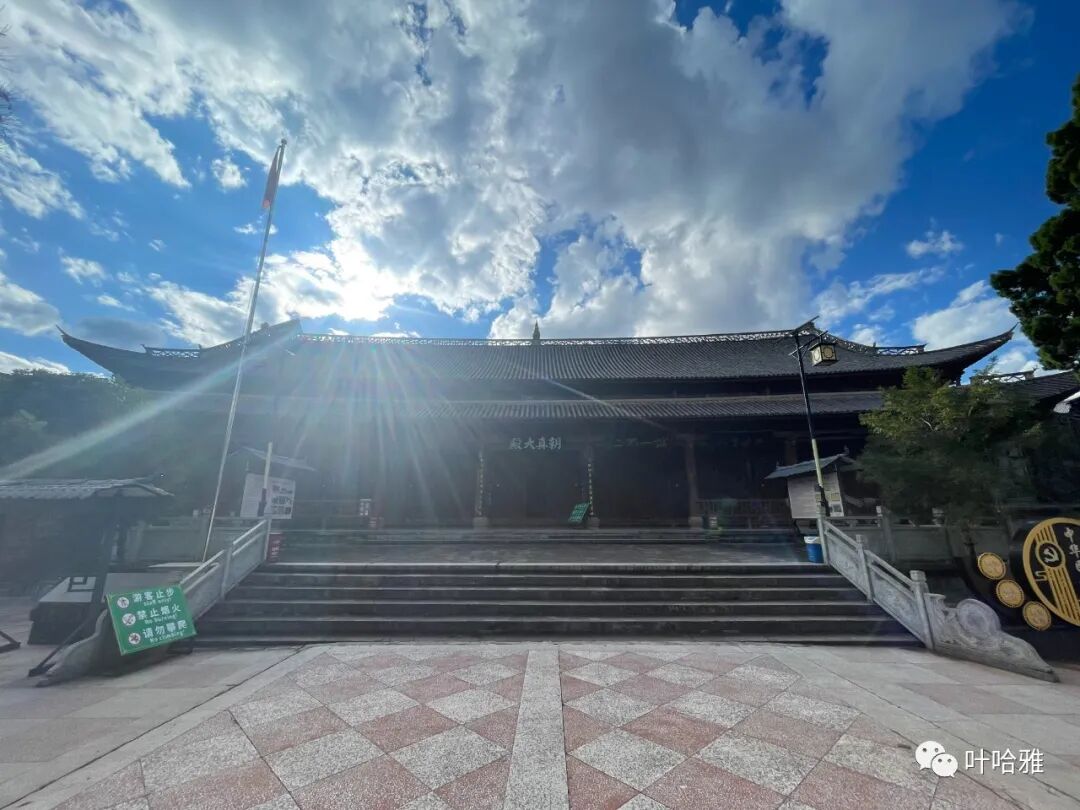
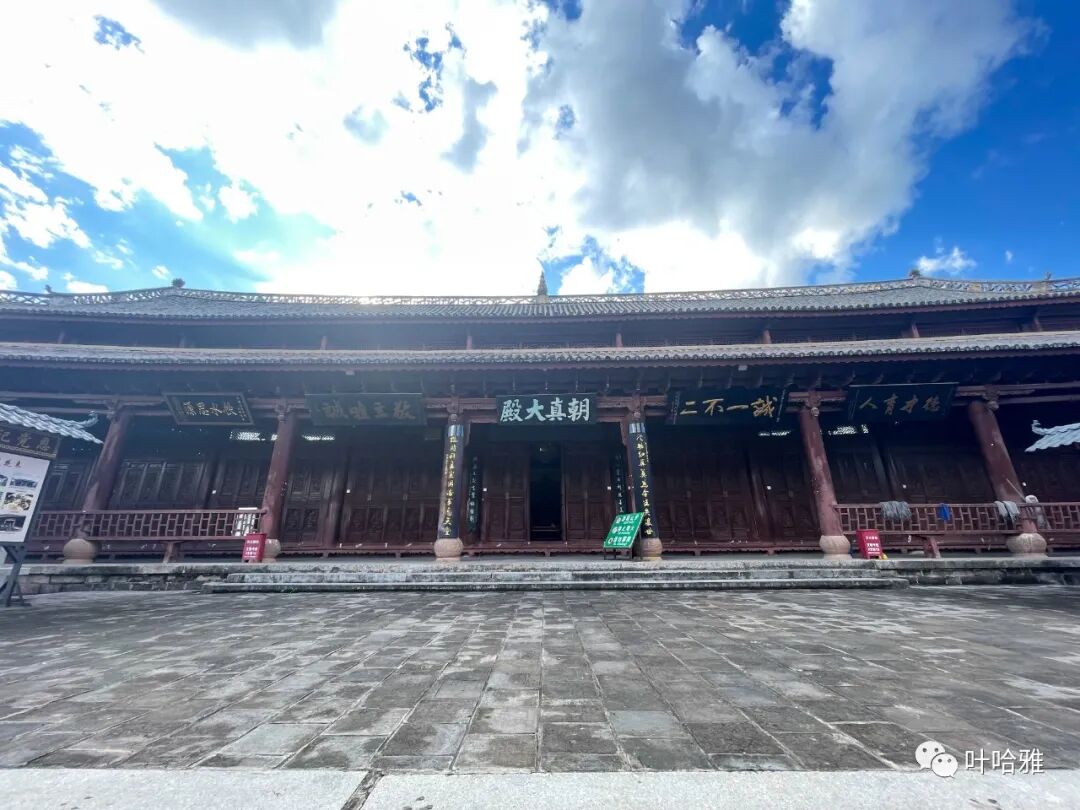
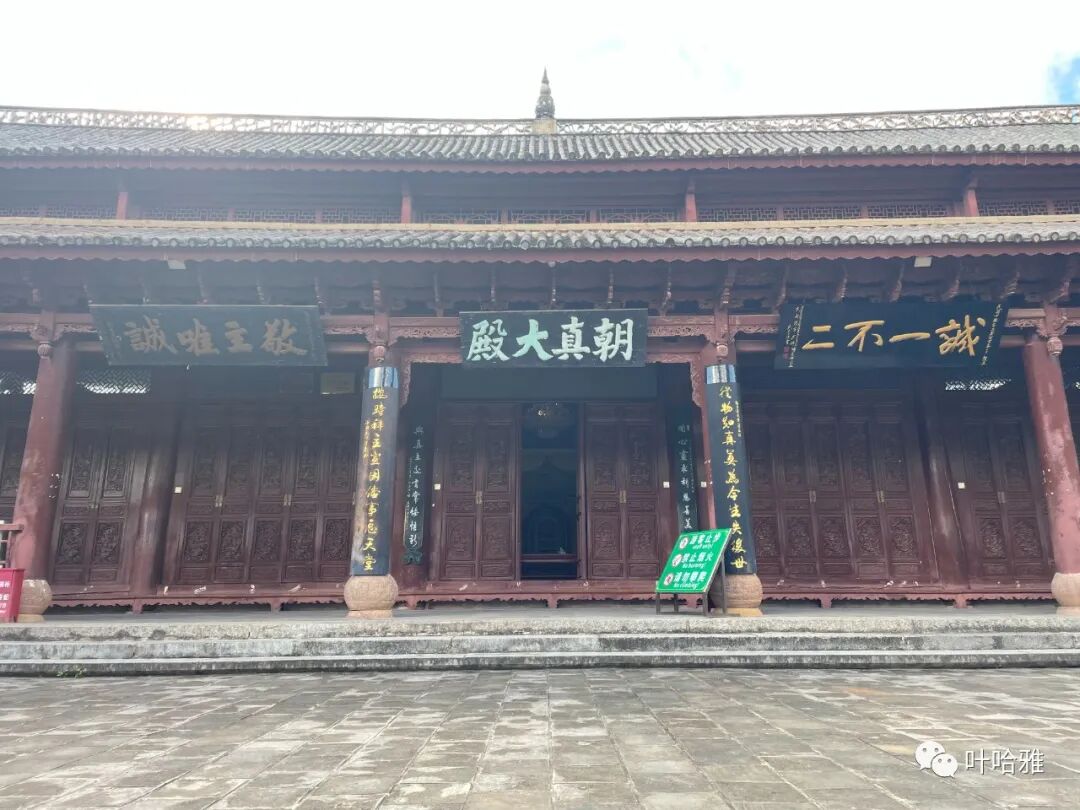
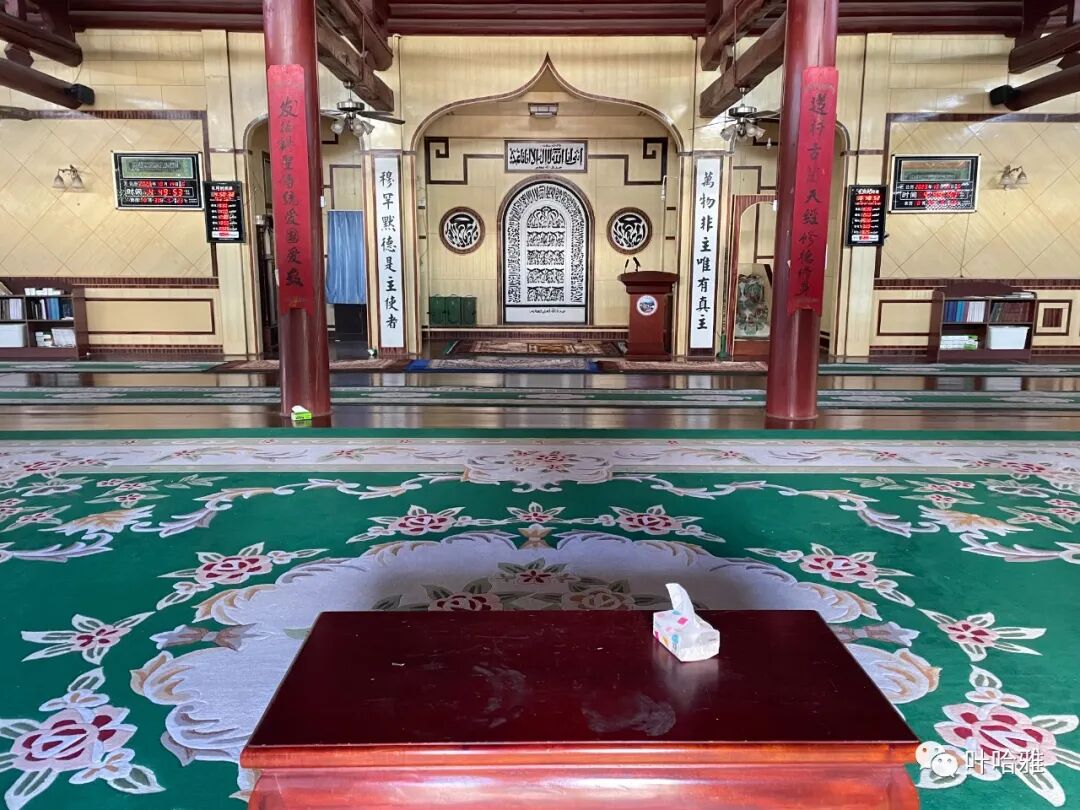
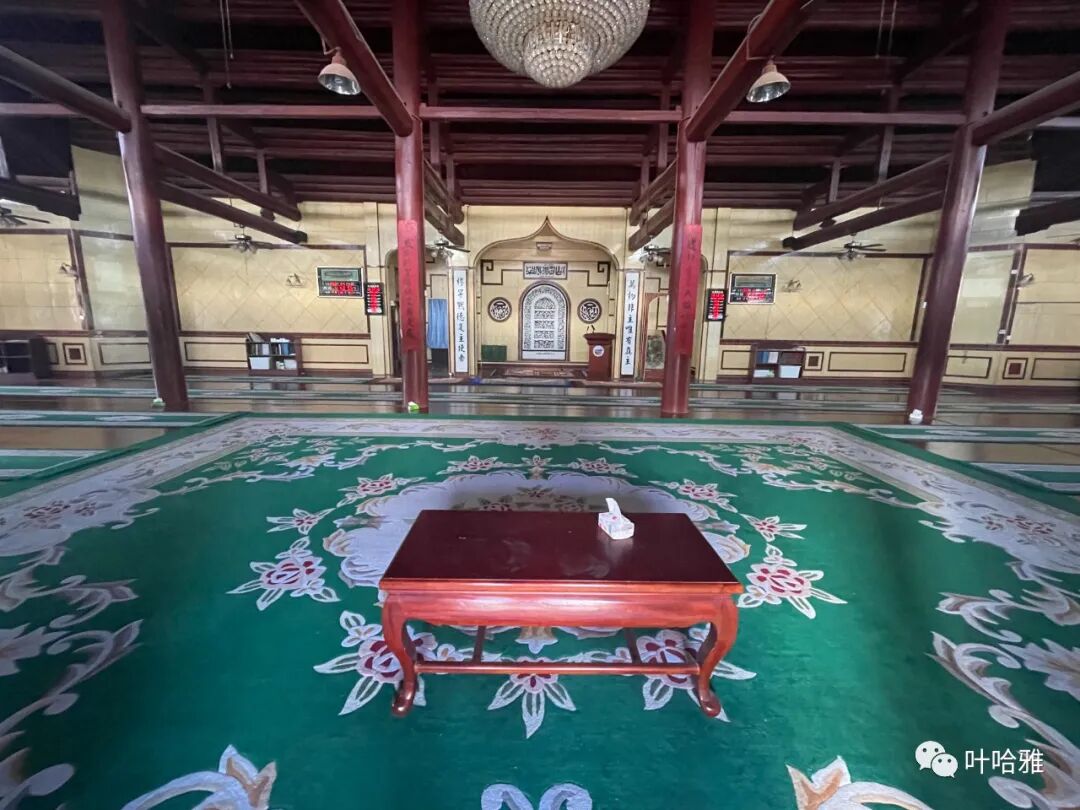
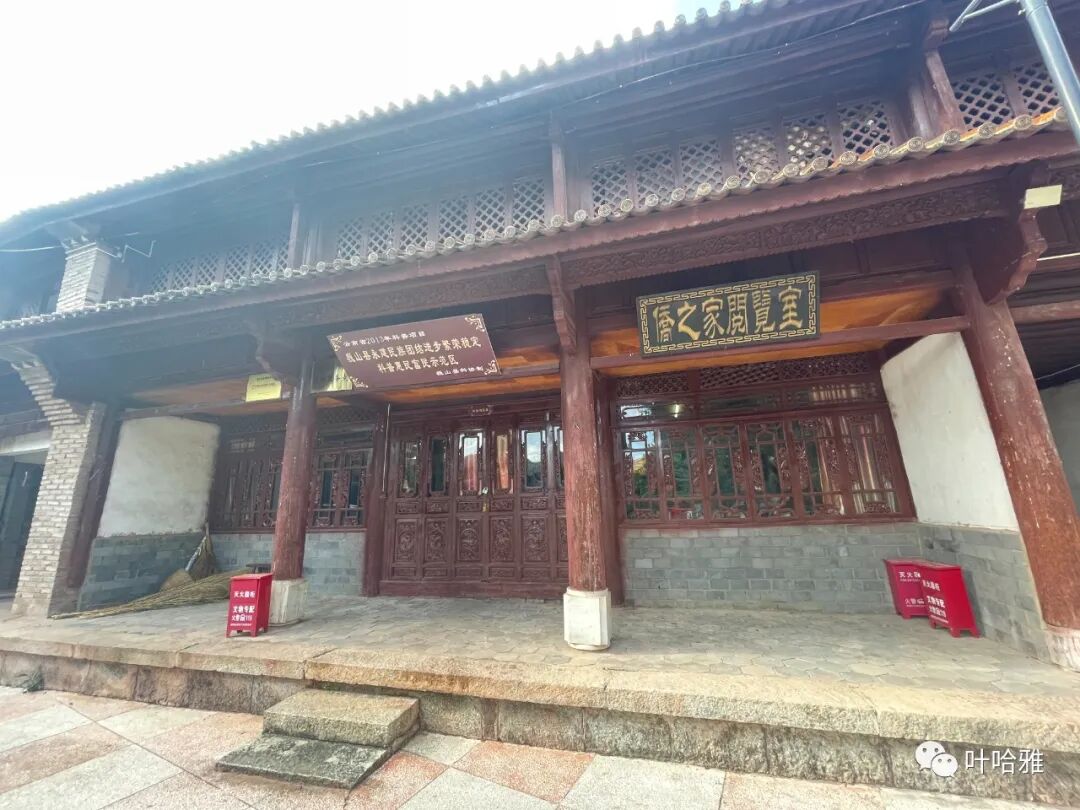
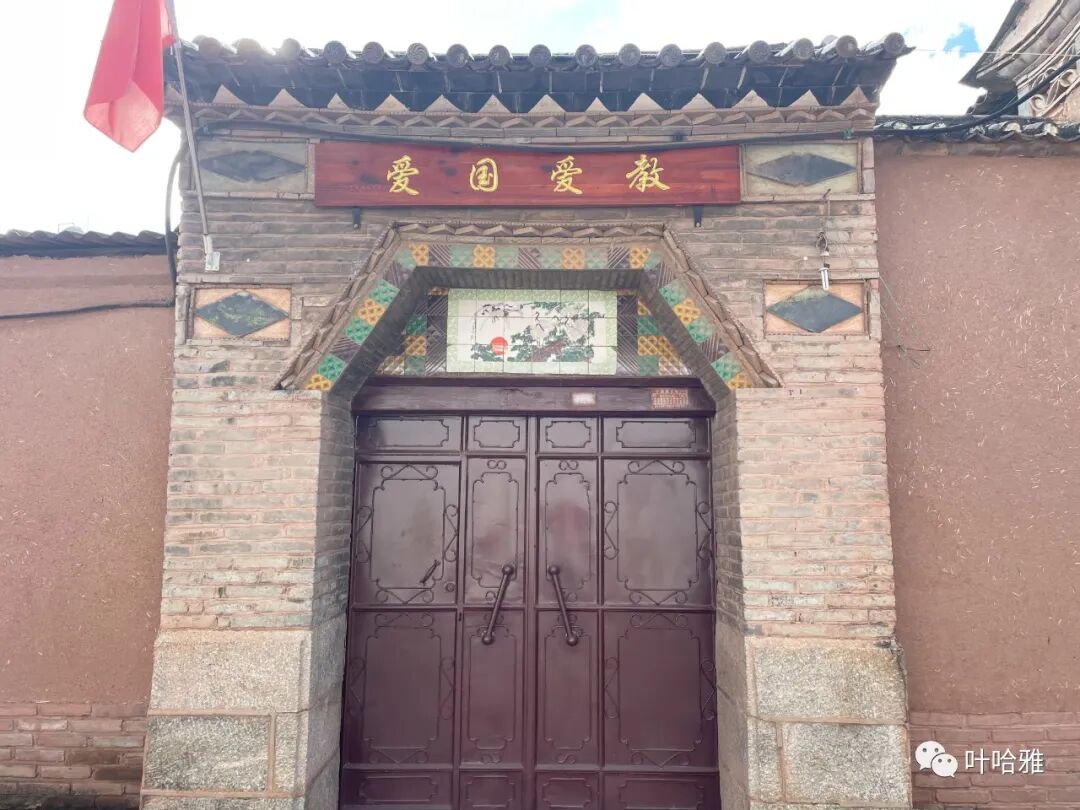
This is a residential house in Donglianhua Village.
Yanqichang Mosque
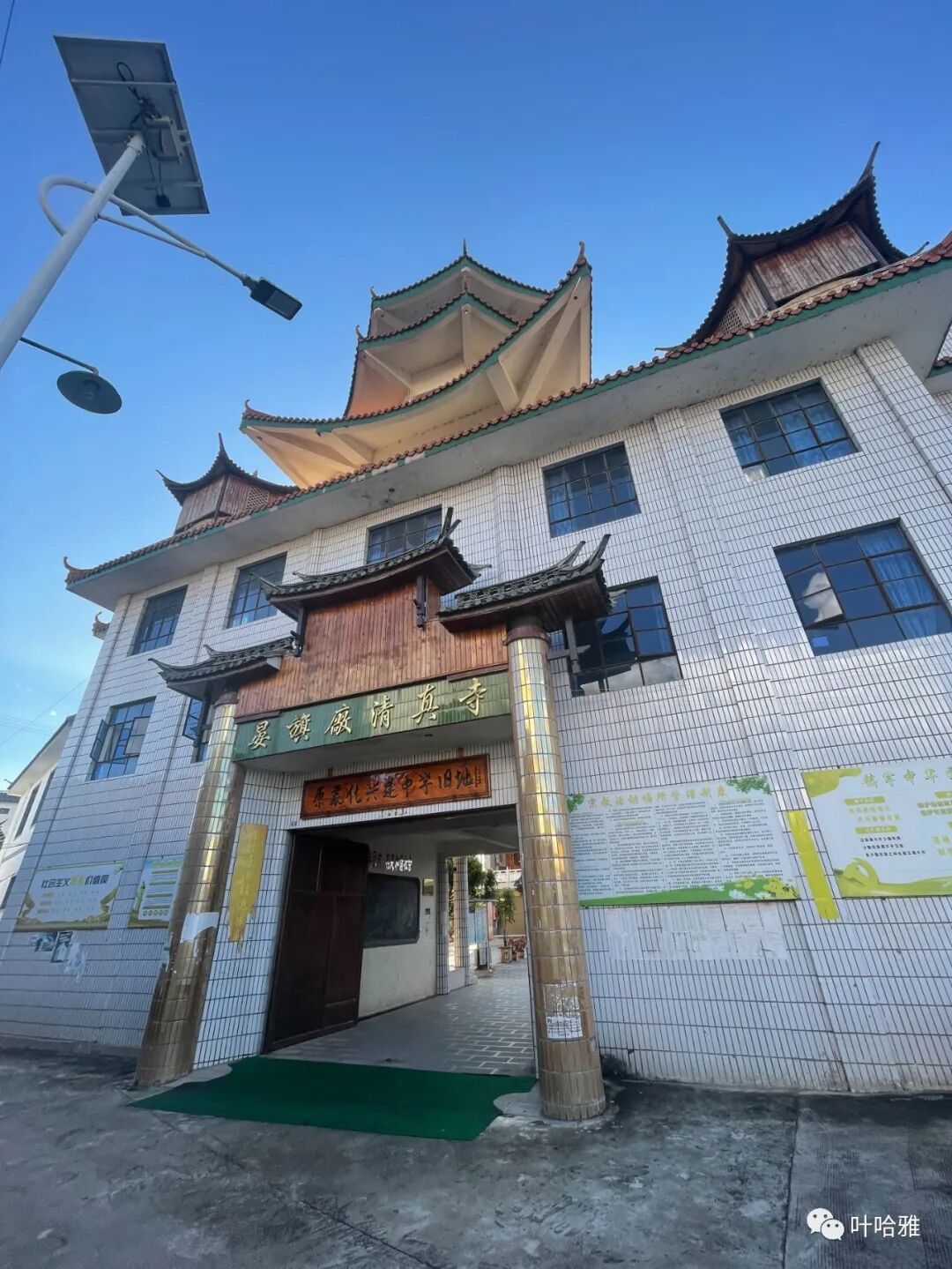
The Qing government confiscated Yanqichang Mosque during the Tongzhi reign of the Qing Dynasty. It was rebuilt on a new site during the Guangxu reign. In the Ming Dynasty, this area was a garrison for the Eight Banners, and since the banner leader was named Yan, it became known as Yanqichang.
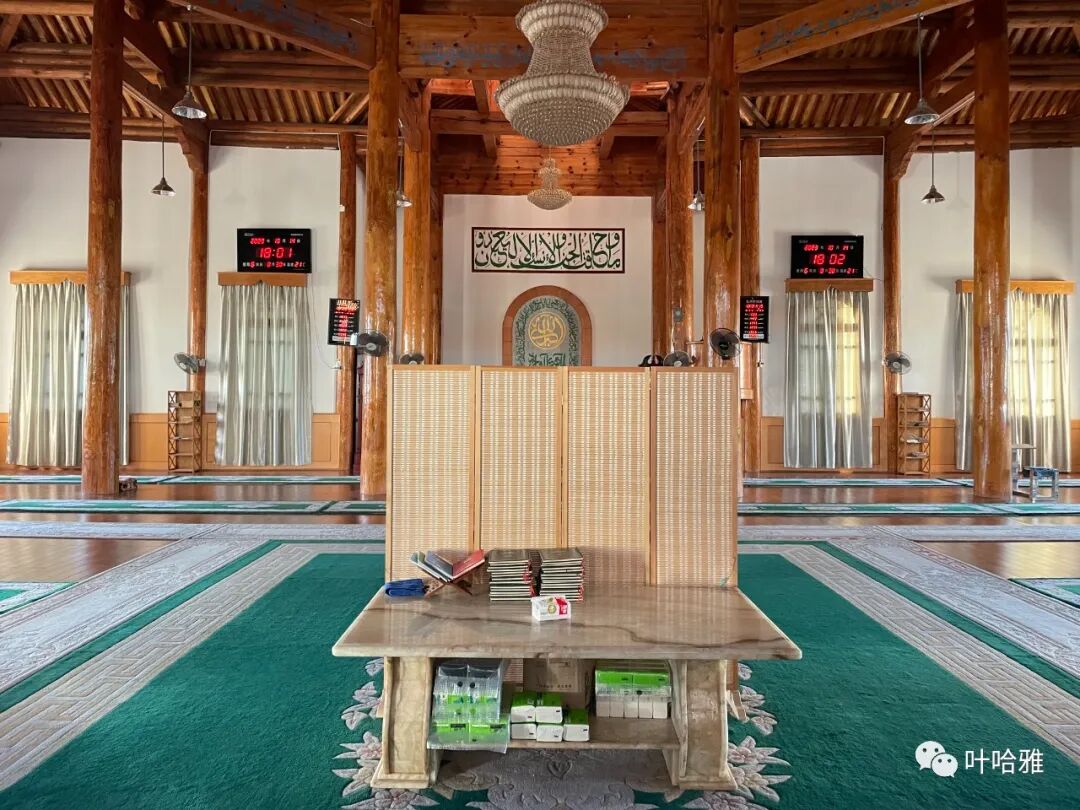
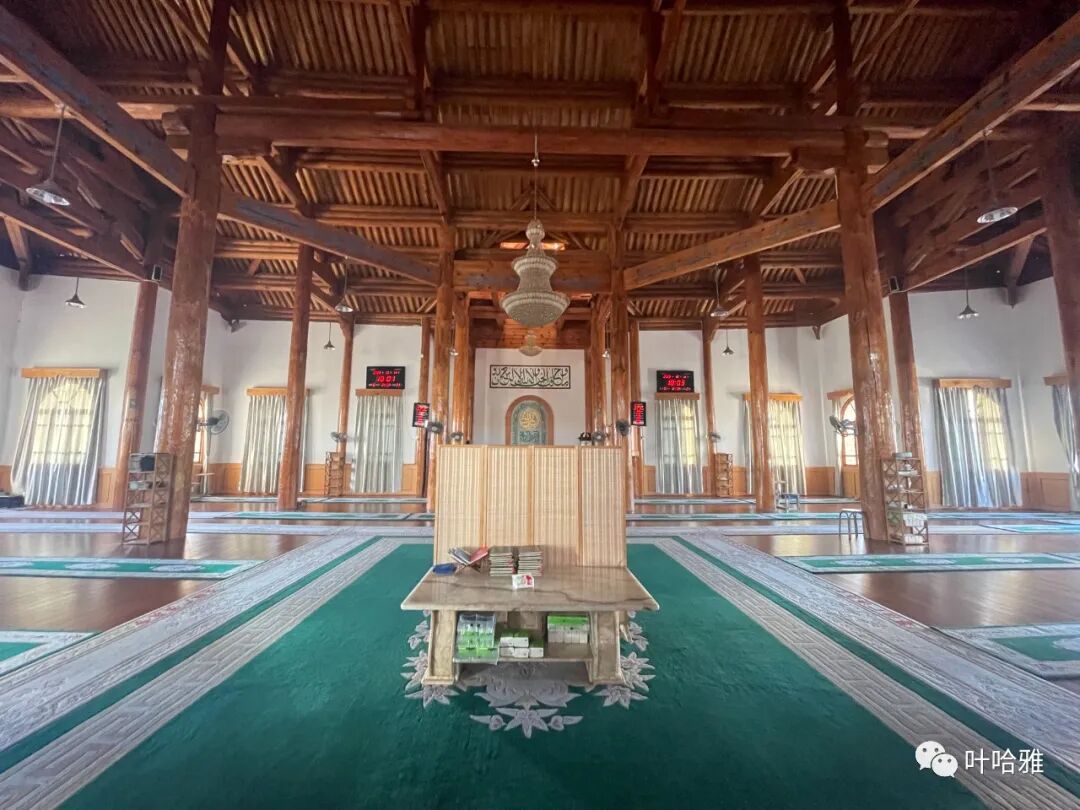
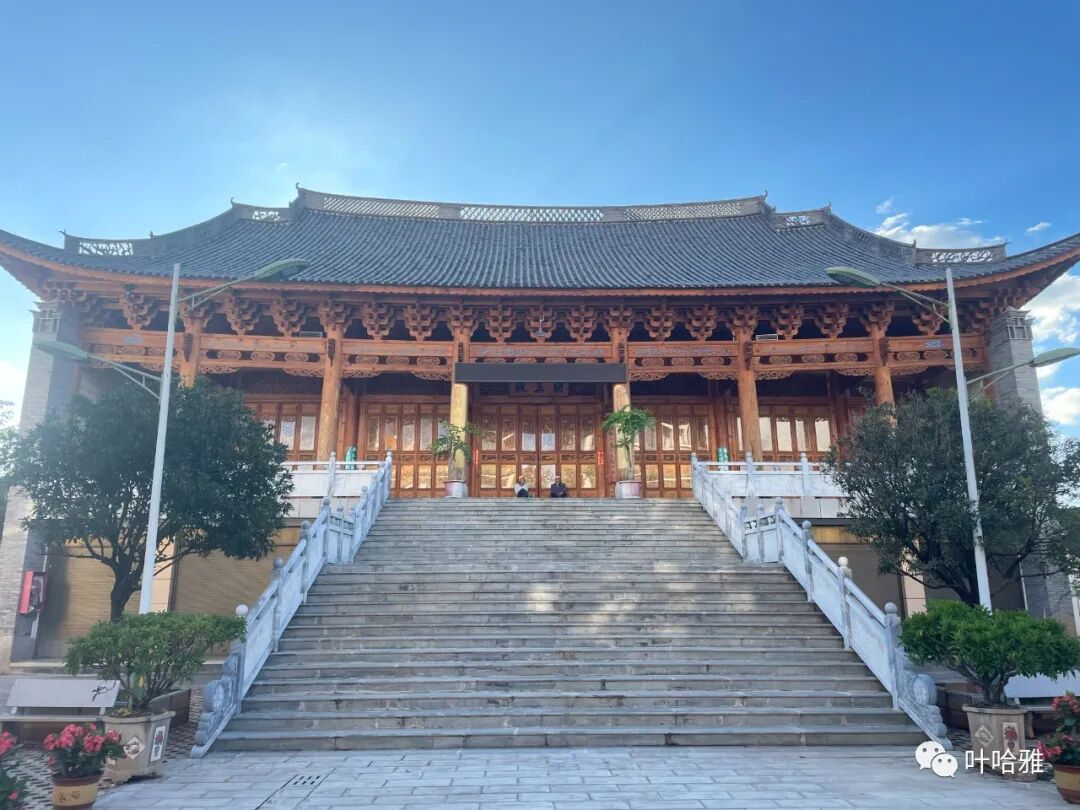
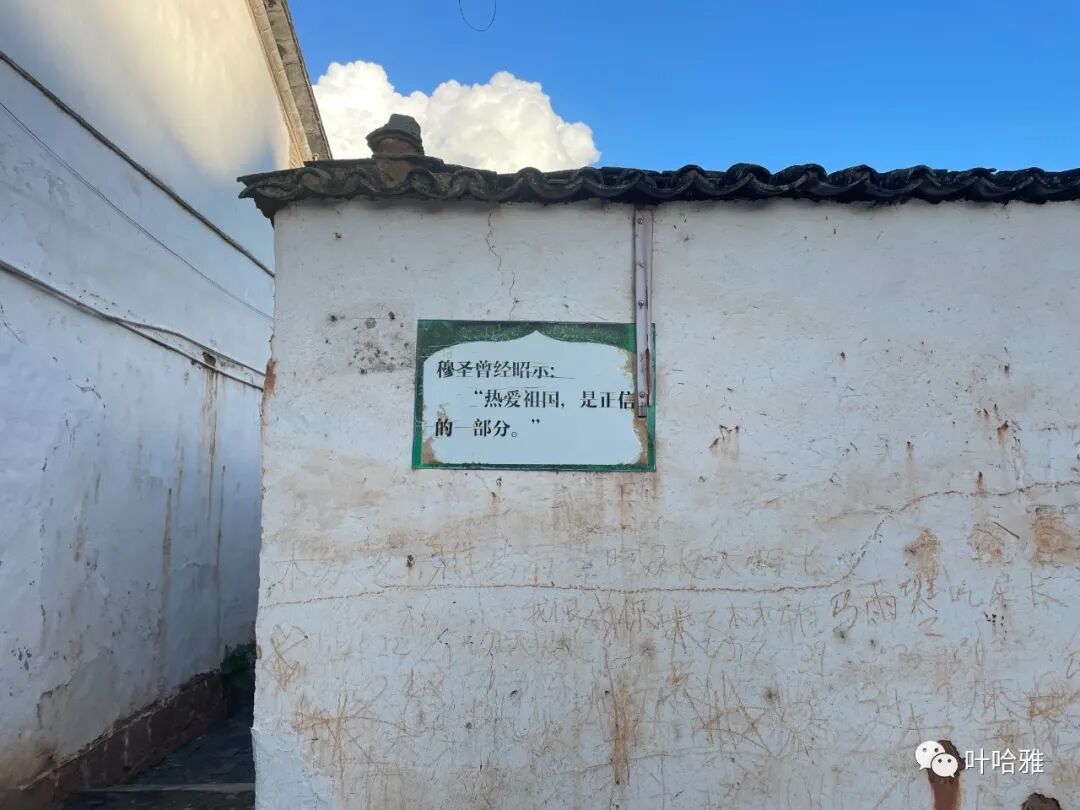
Hadith slogans on the wall.
Daweigeng Mosque
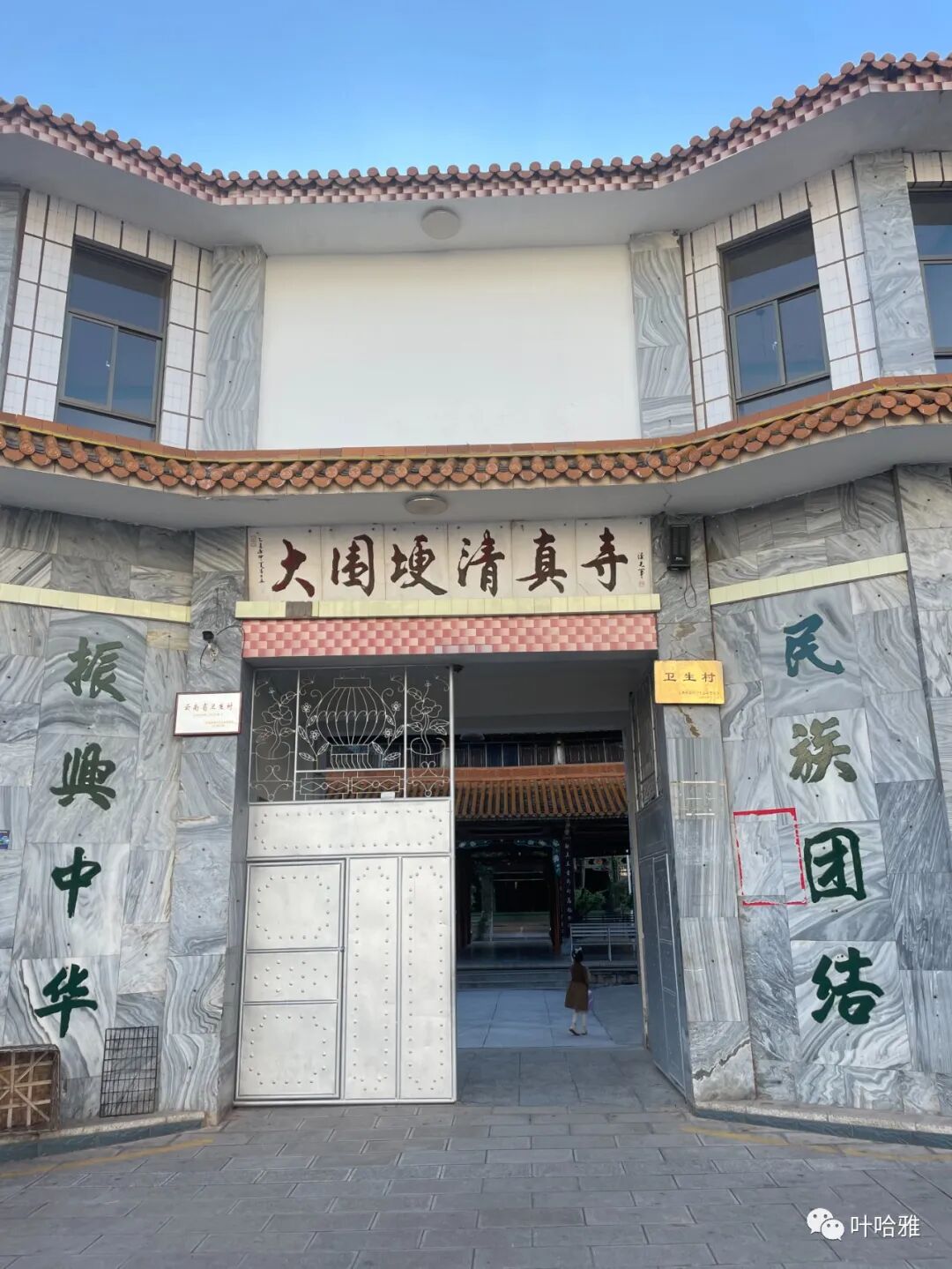
Daweigeng Mosque was first built in the Zhiyuan era of the Yuan Dynasty. It is the largest mosque in this area and the one locals recommended I visit most.
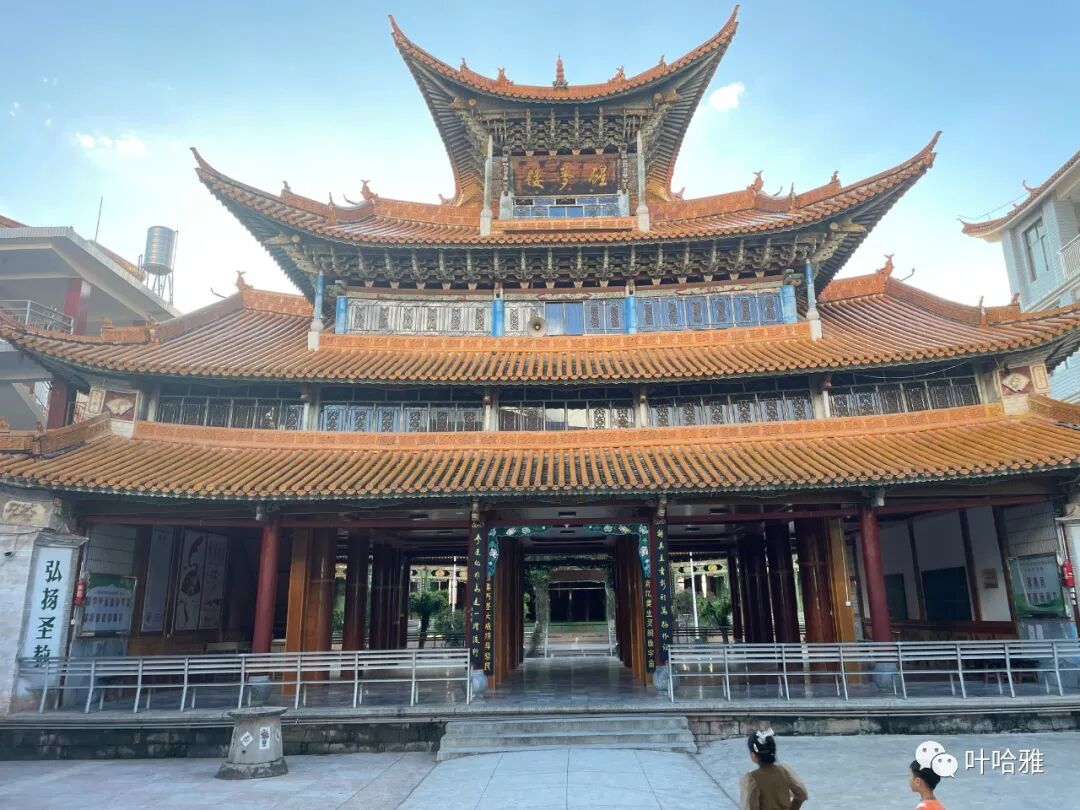
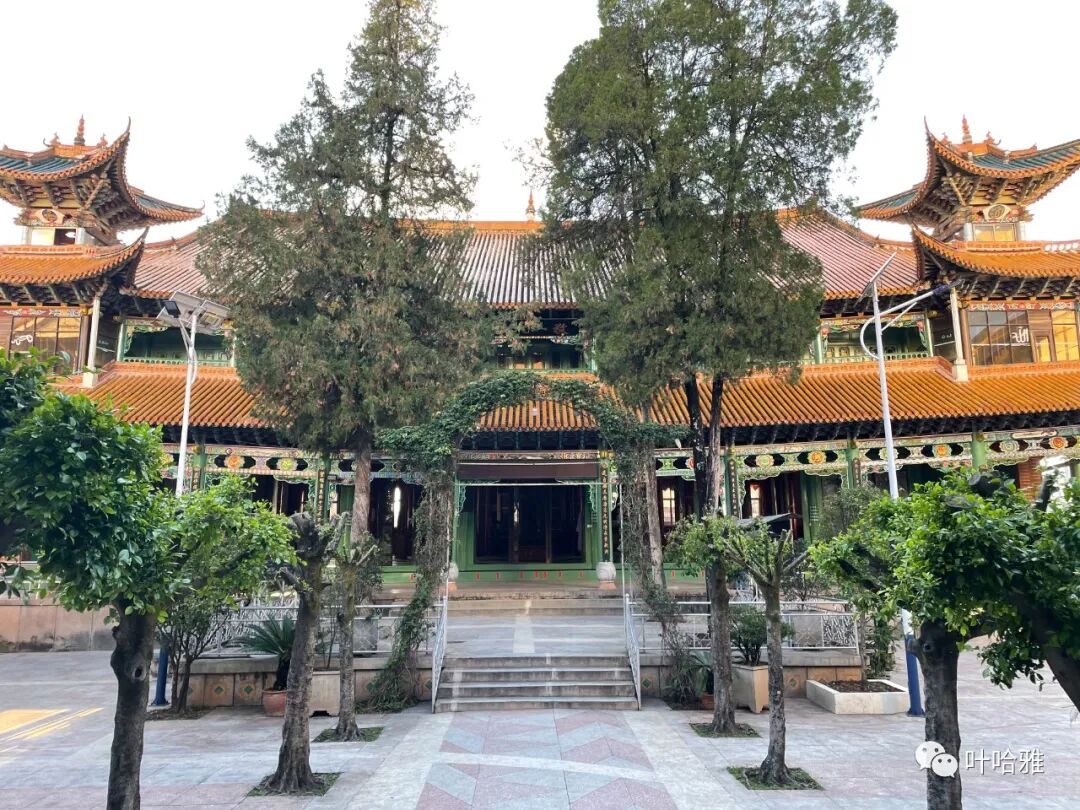
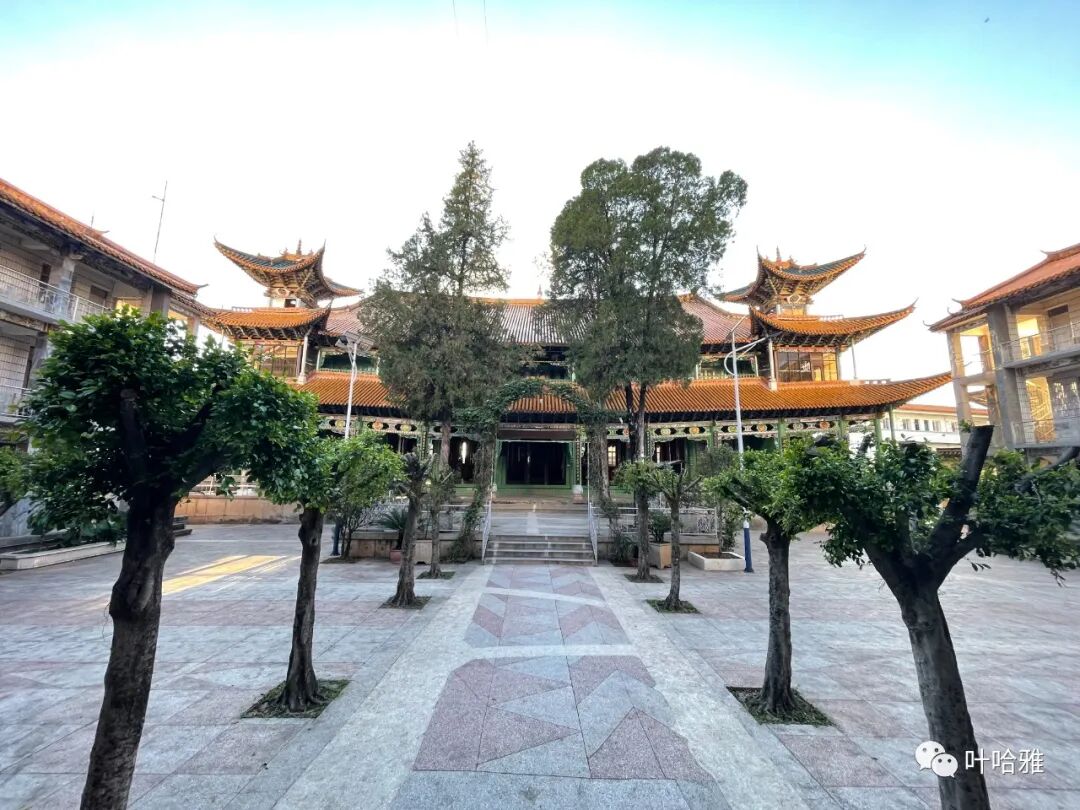
My deepest impression from visiting mosques in Yunnan is that no one ever asks why I am there. I can just push open the door to the main prayer hall. Unlike in some other regions where you must state your identity and gatekeepers always ask your purpose, you will not find any guards at mosques in Yunnan.
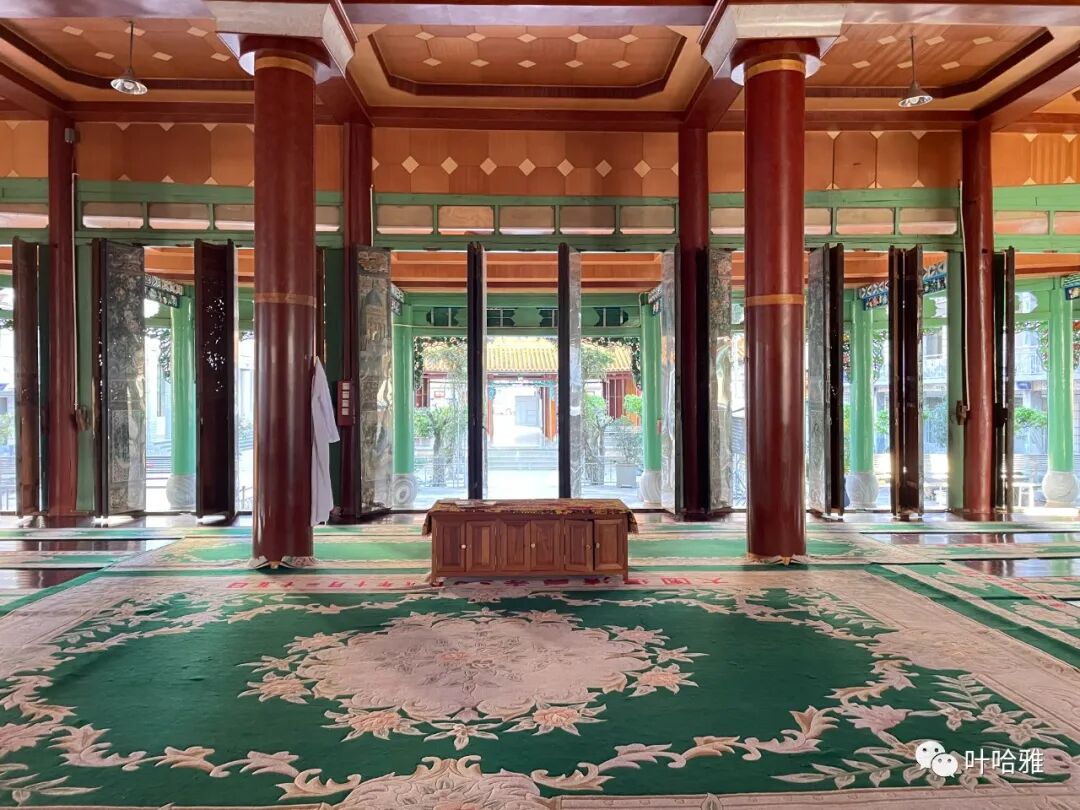
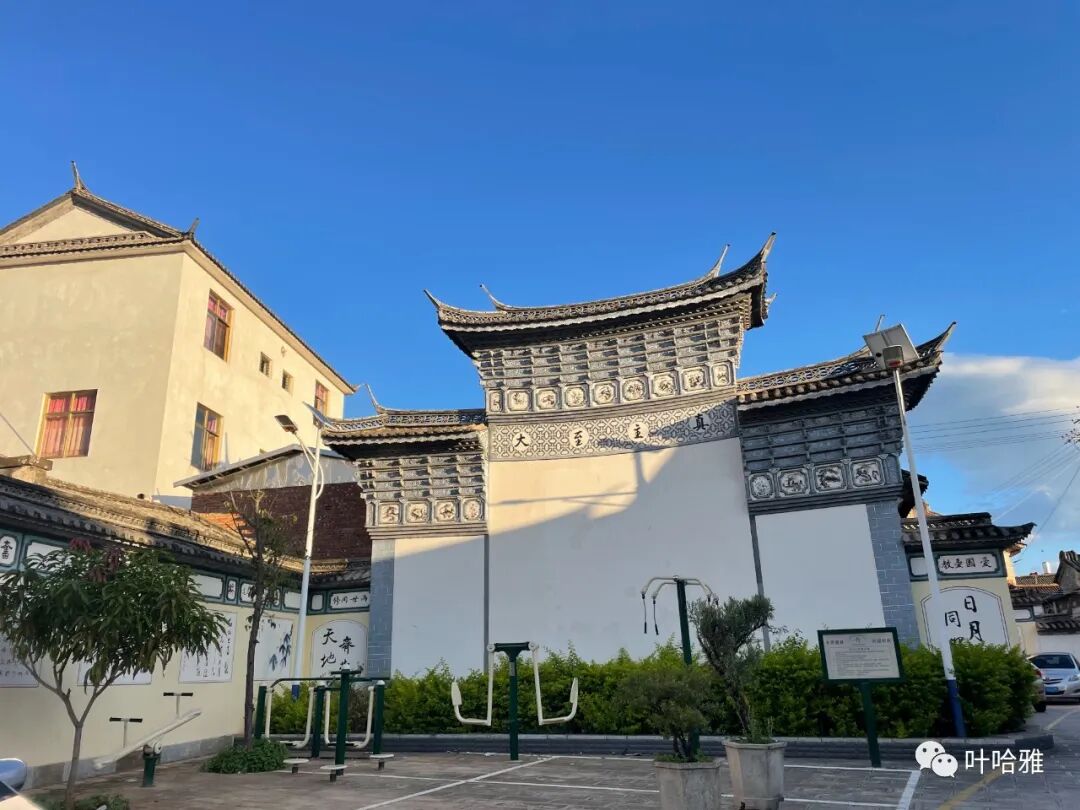
Mamingchang Mi Family Mosque
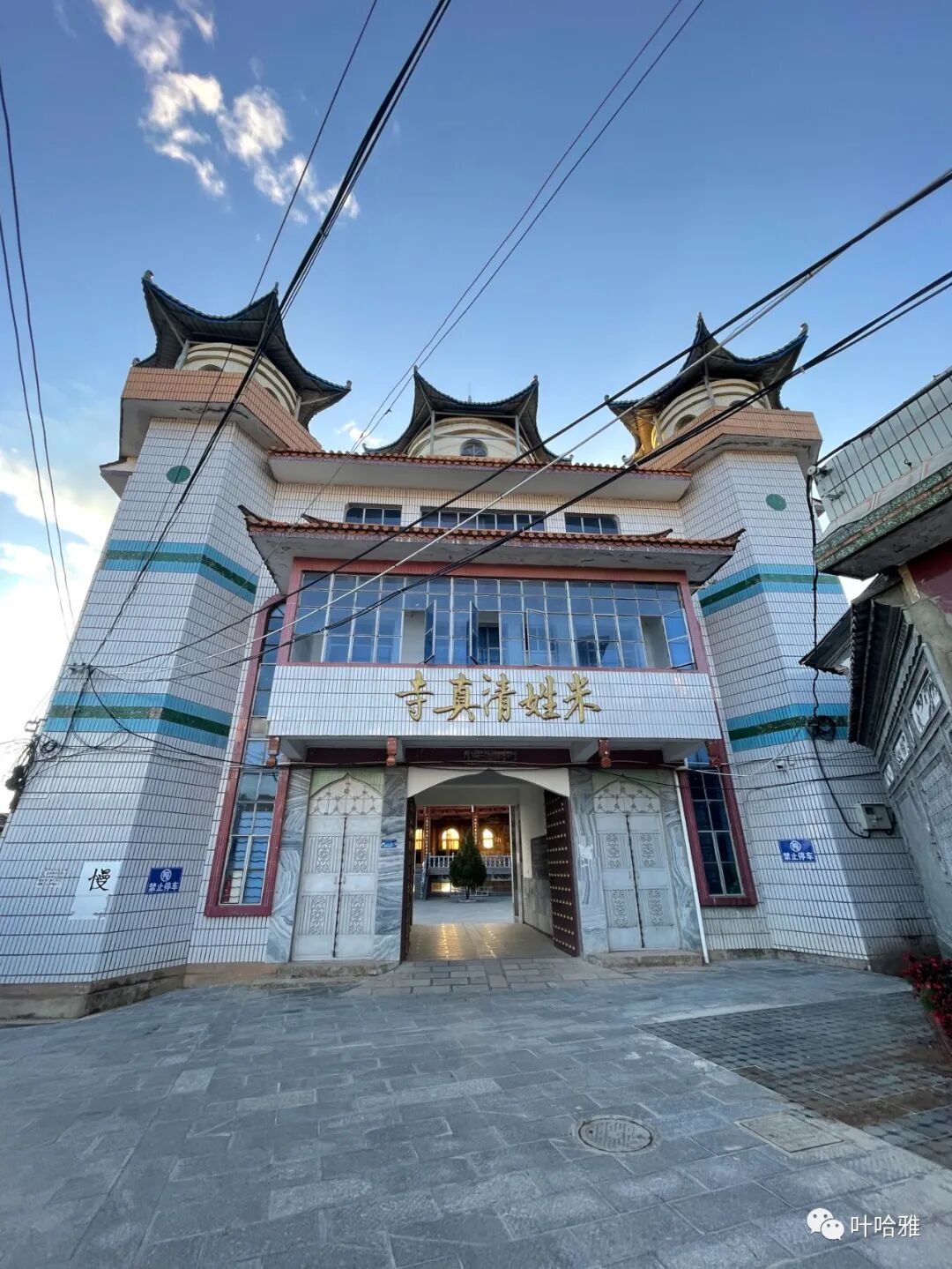
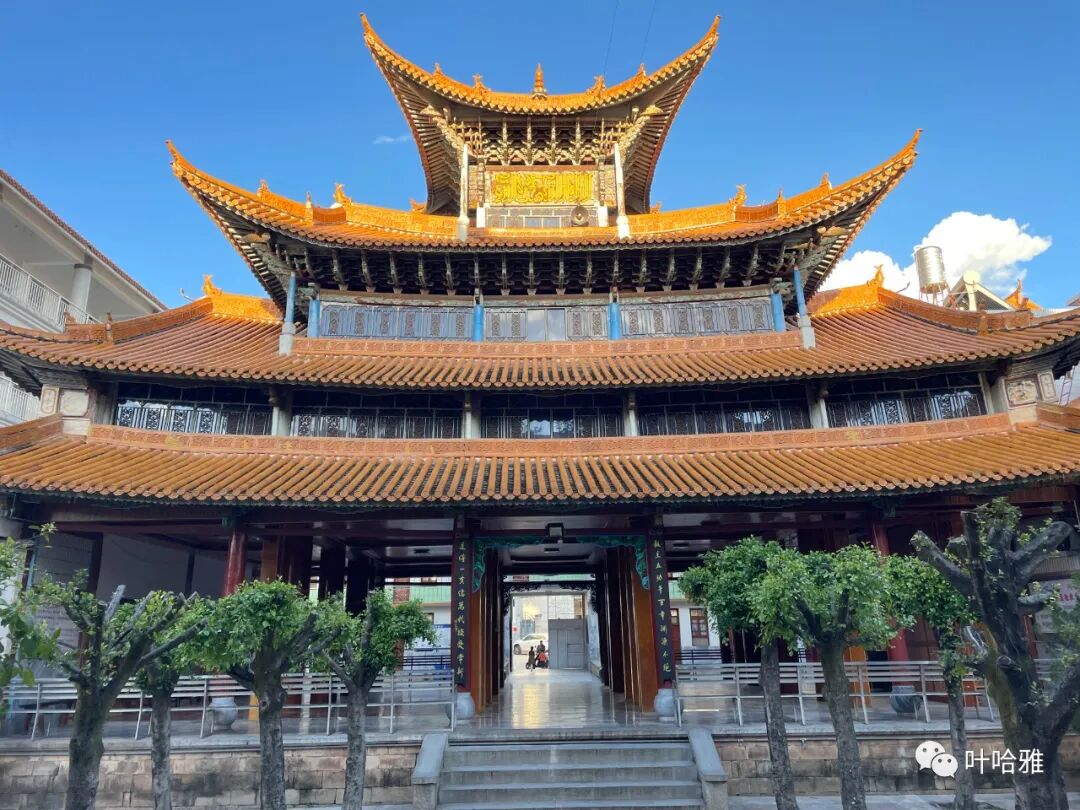
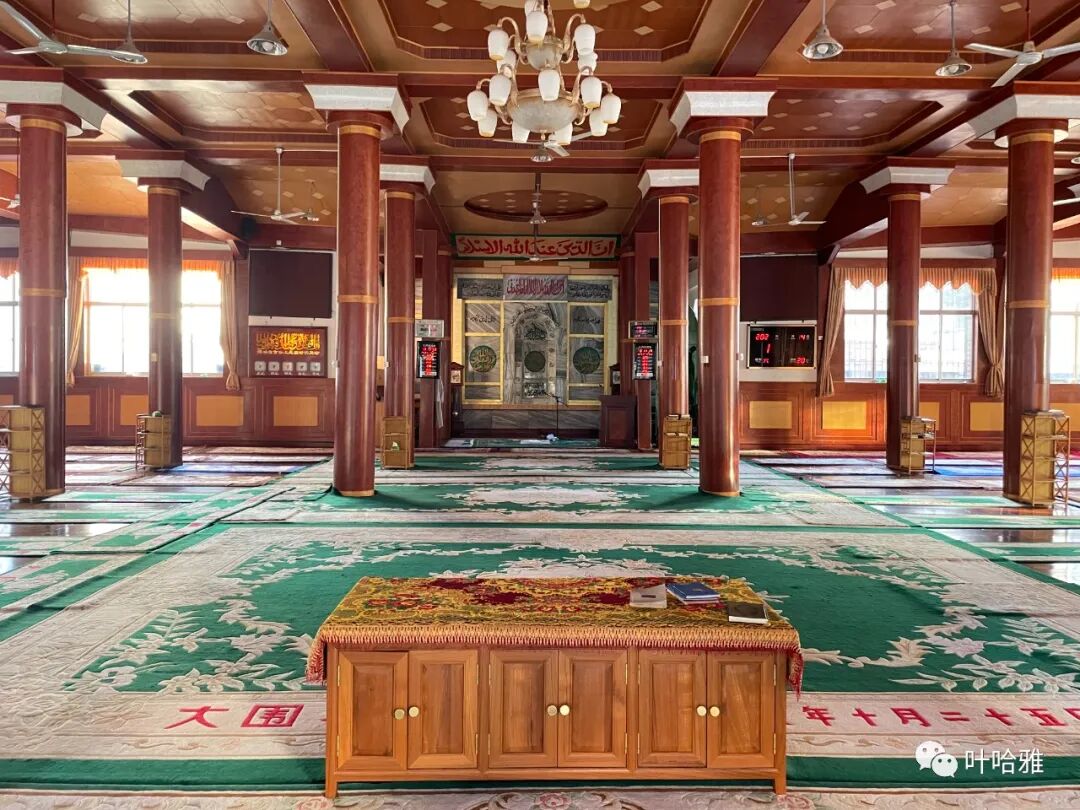
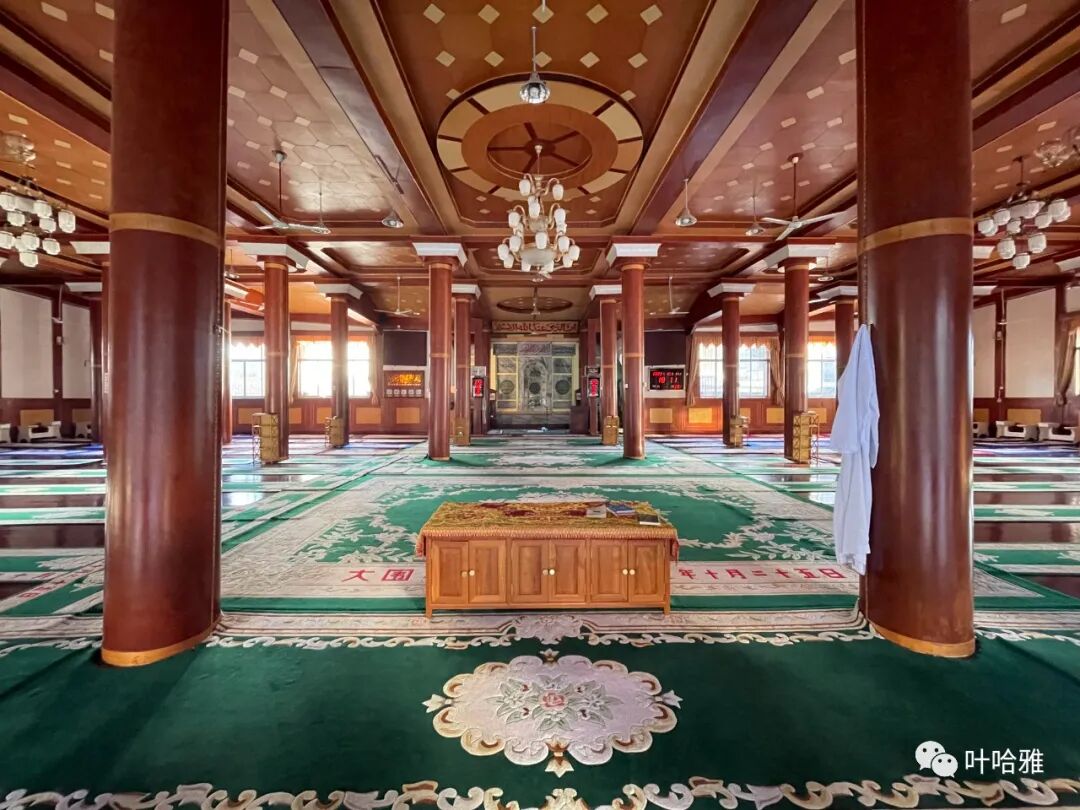
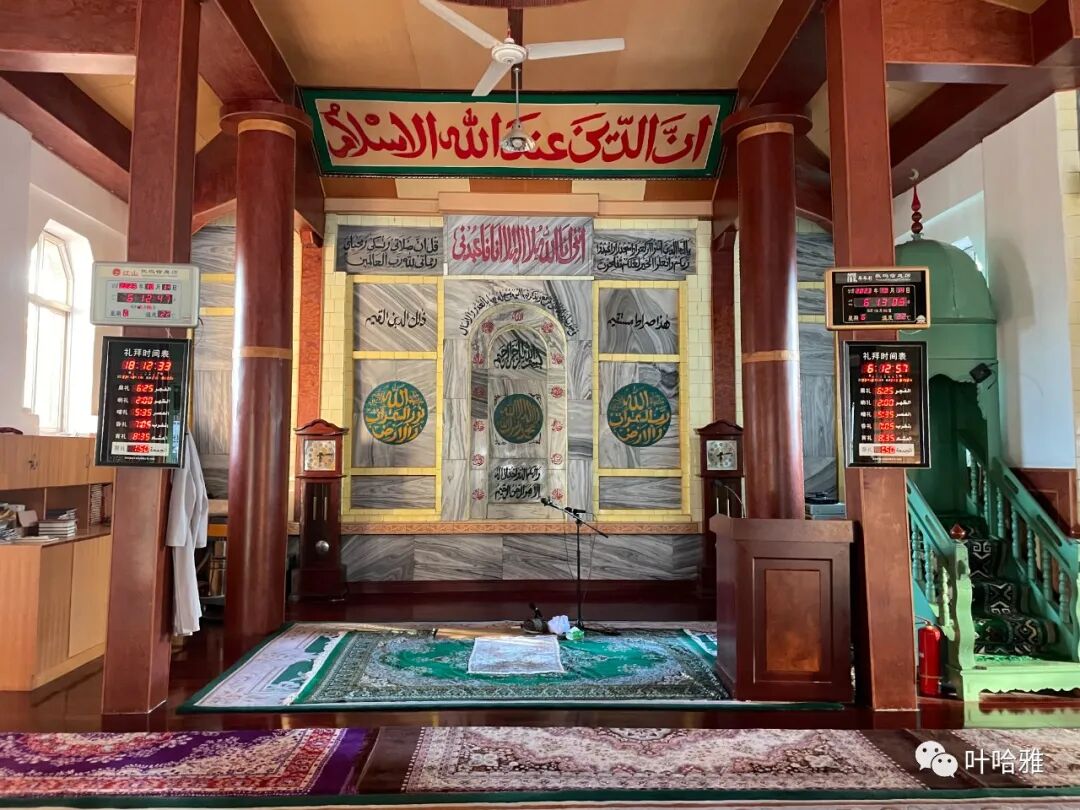
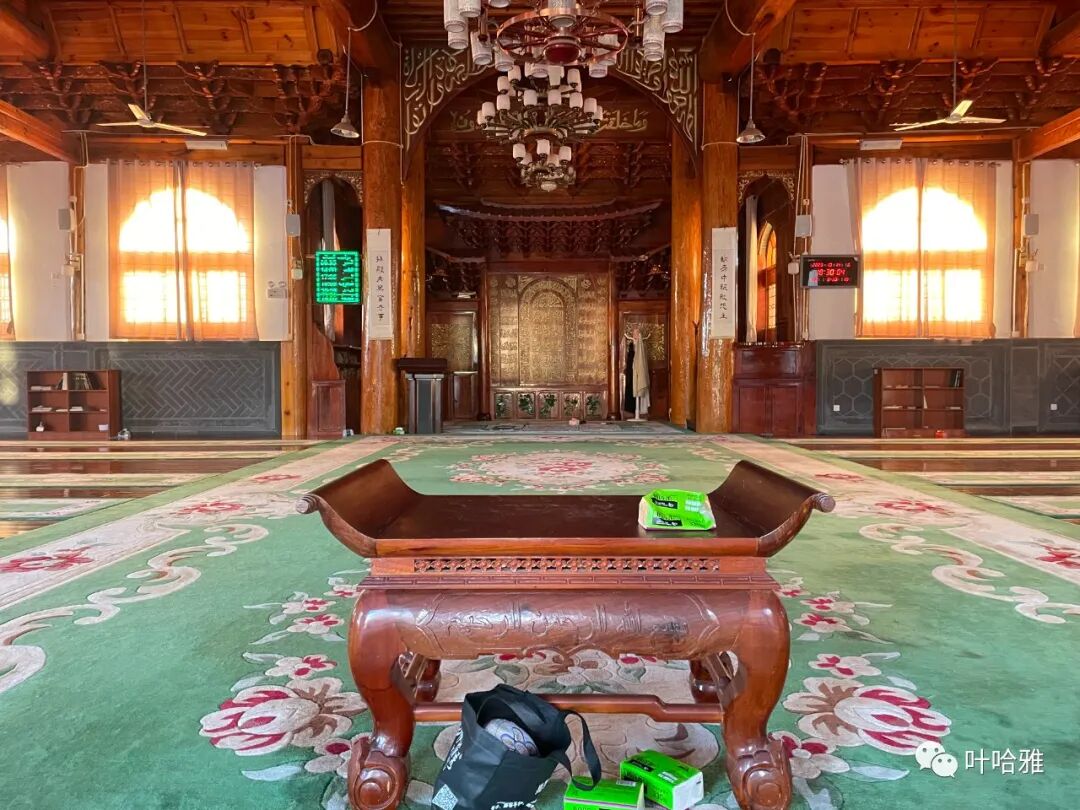
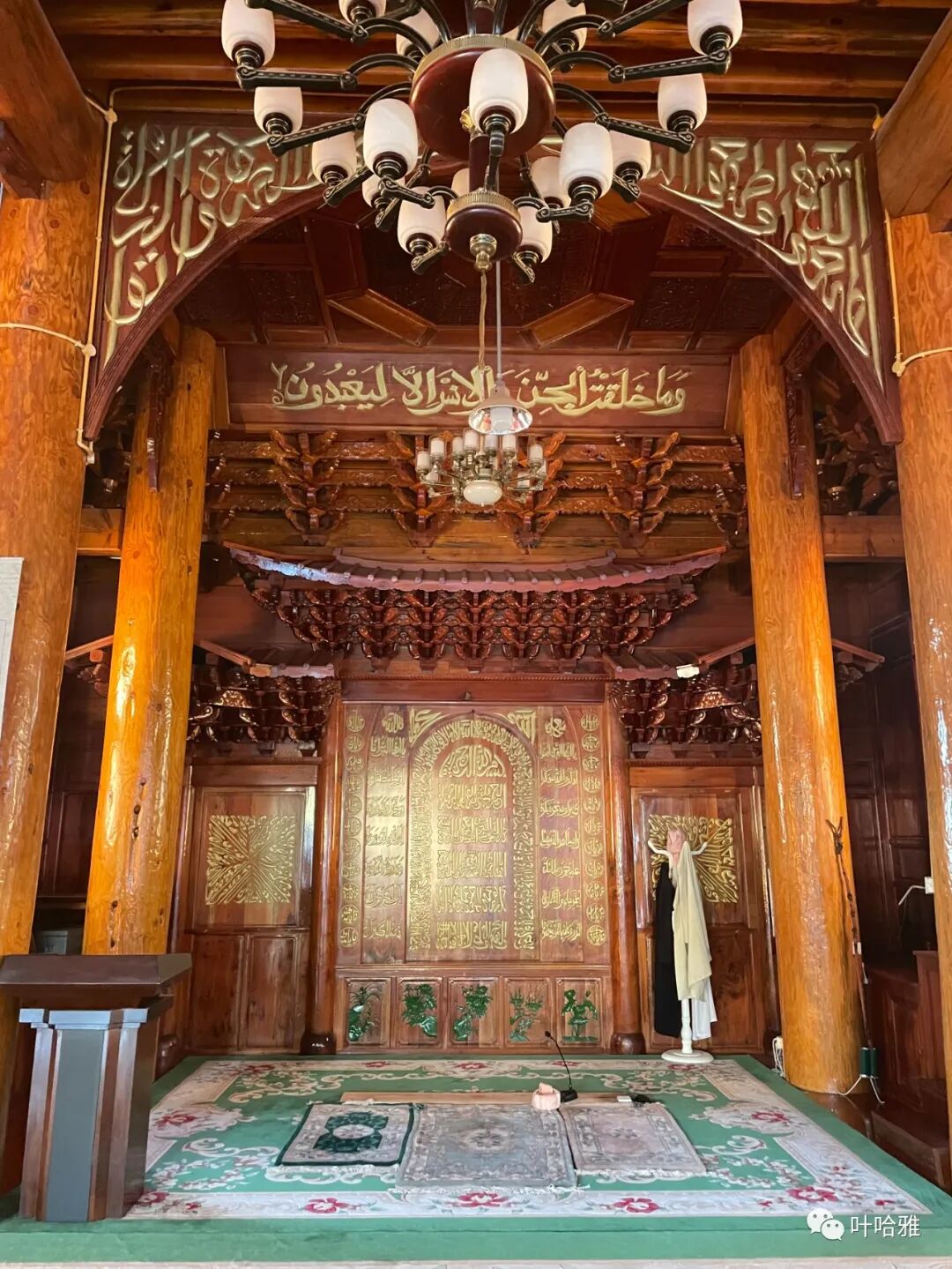
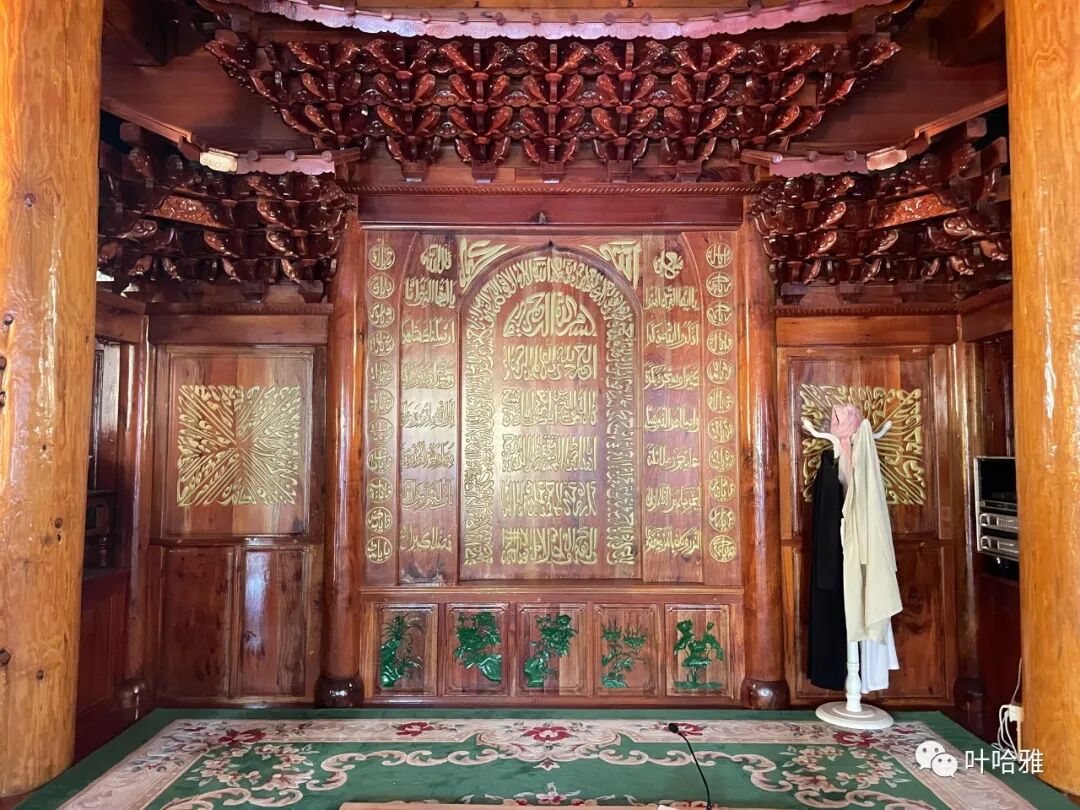
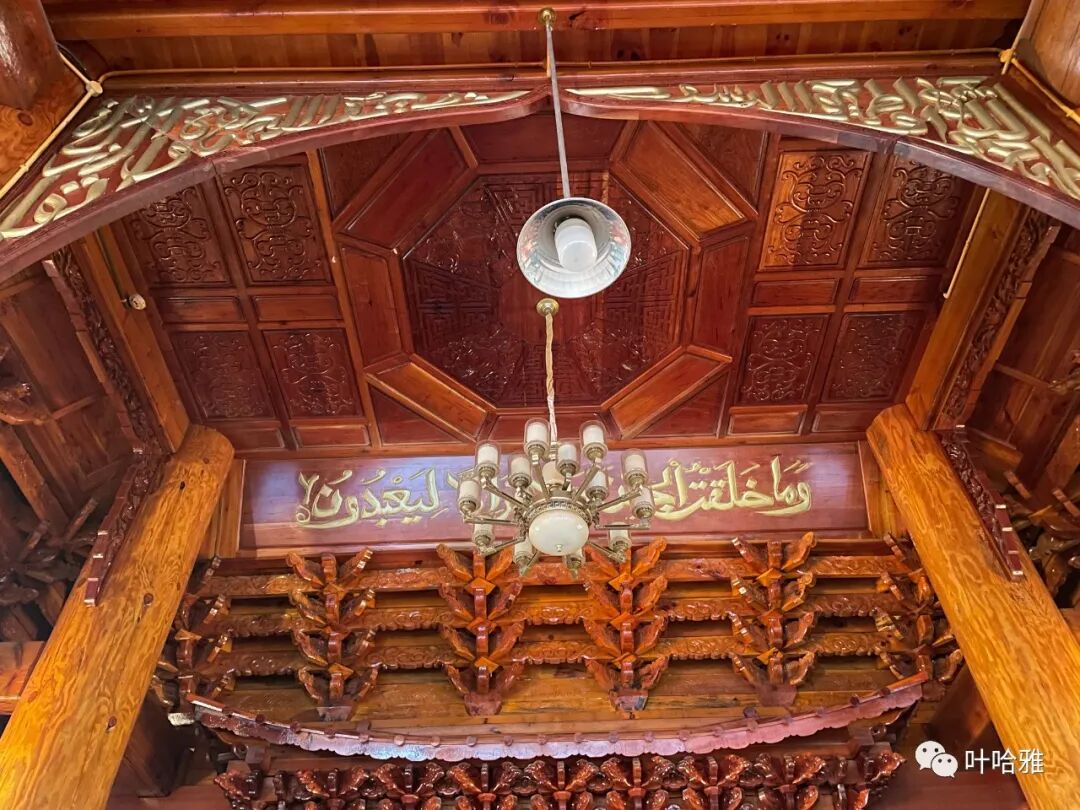
Mamingchang has a Mi family mosque, first built in the 50th year of the Kangxi reign (1711). There is also a Ma family mosque. These are the only two mosques left in Weishan after the failure of the Du Wenxiu uprising. Both are built on mountains, and the roads are hard to find.
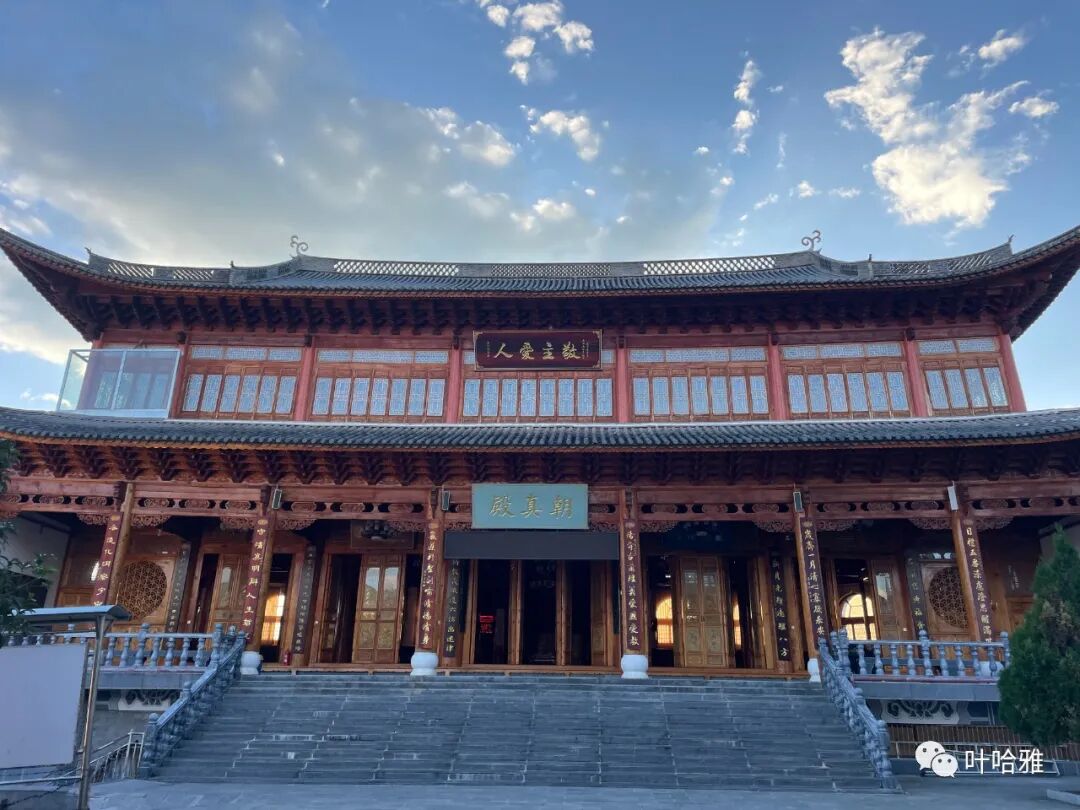
Mamingchang Ma Family Mosque (Yongjian Ancient Mosque)
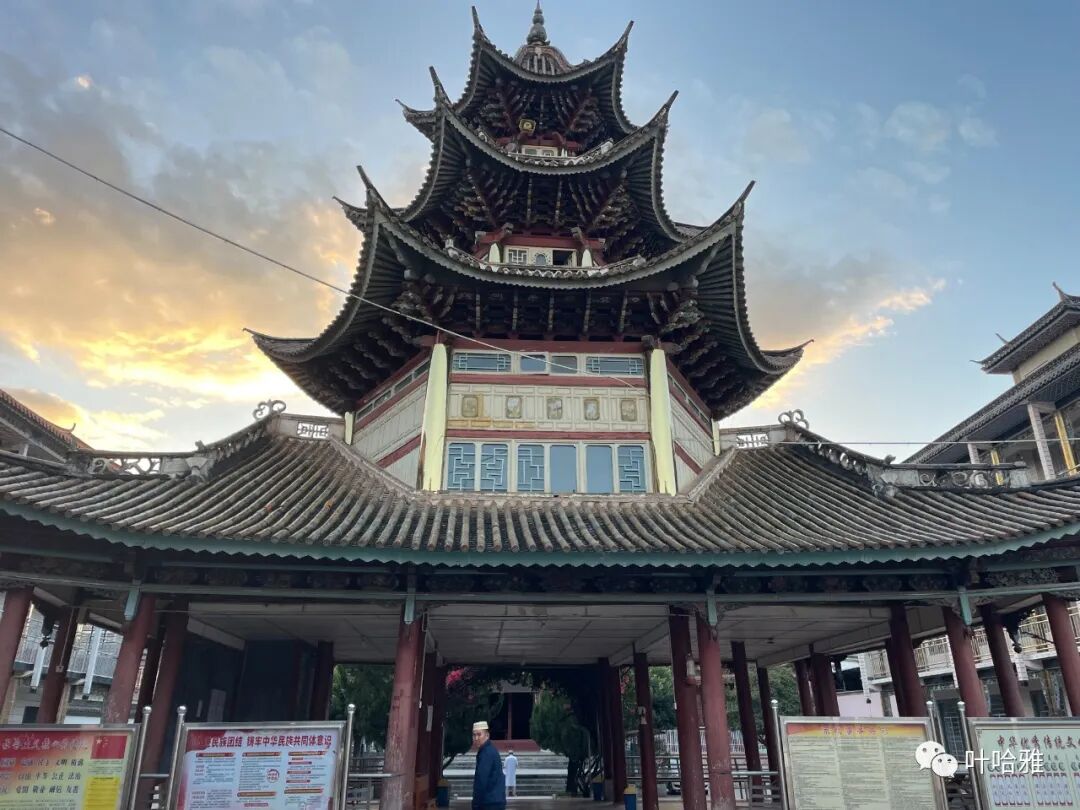
The Ma family mosque was first built in the Yuan Dynasty. Because there are more Hui Muslims with the surname Ma in Mamingchang than those with the surname Mi, the Ma family mosque is larger than the Mi family mosque, though the Mi family mosque is more exquisite. I met the director of the Mi family mosque management committee while asking for directions, and he brought me to the Ma family mosque.
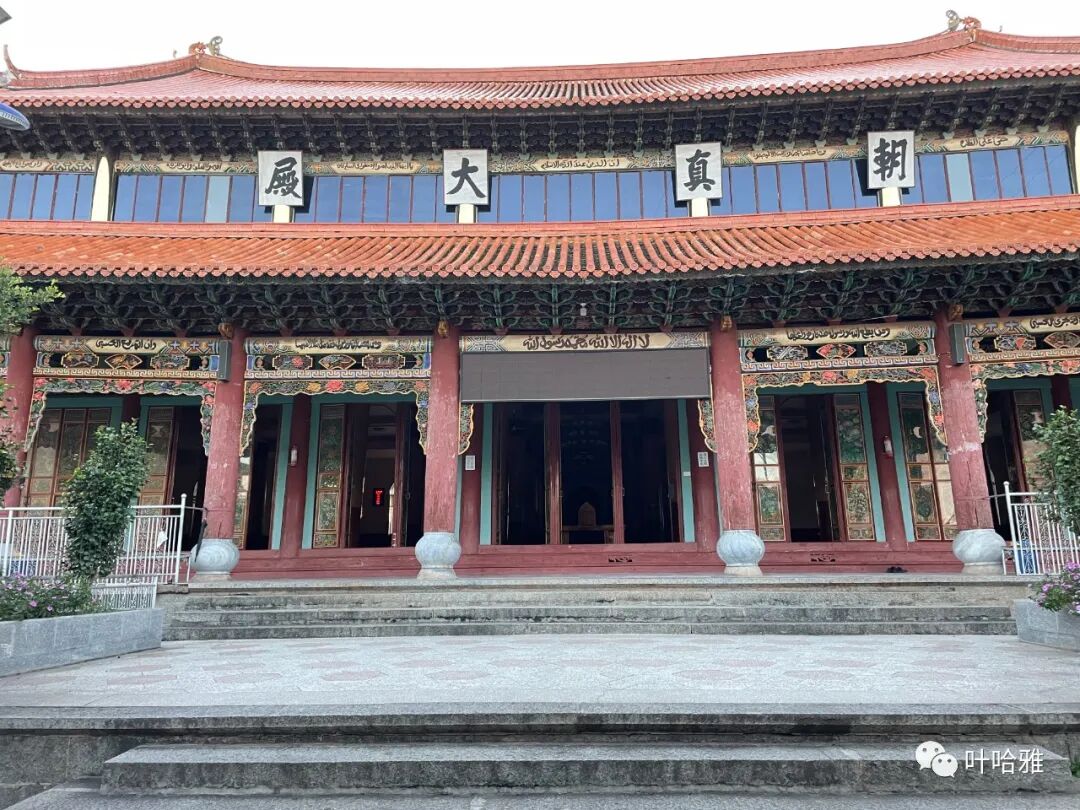
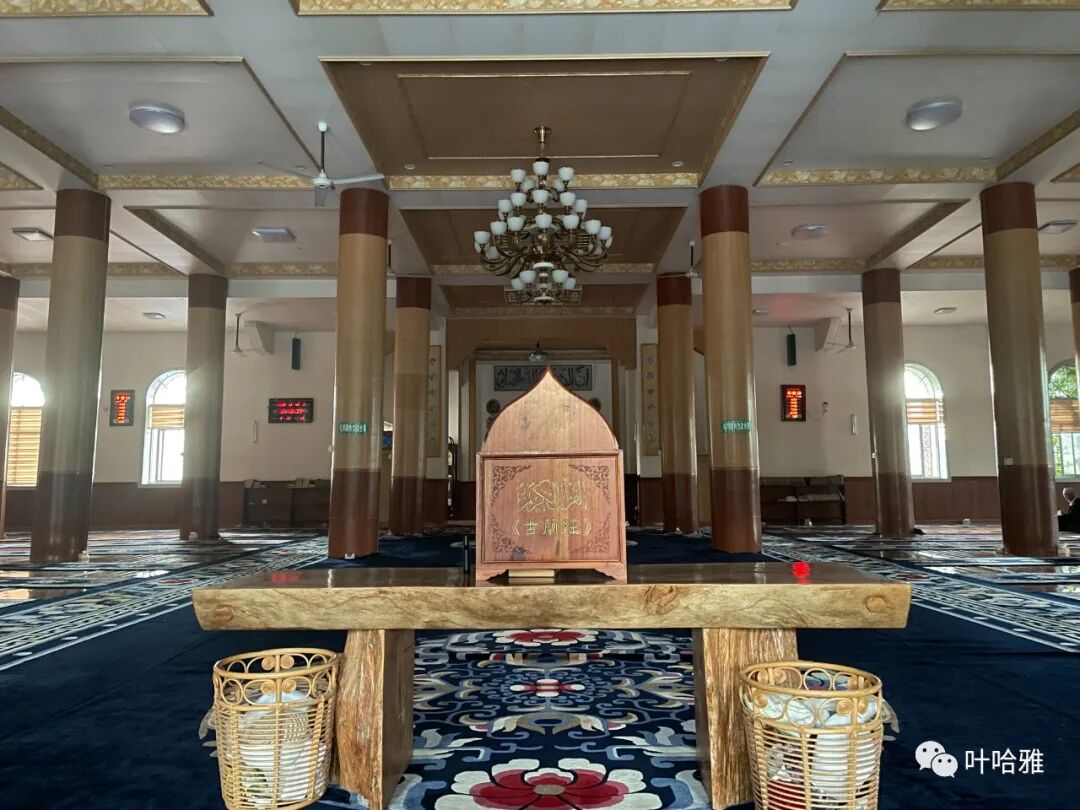
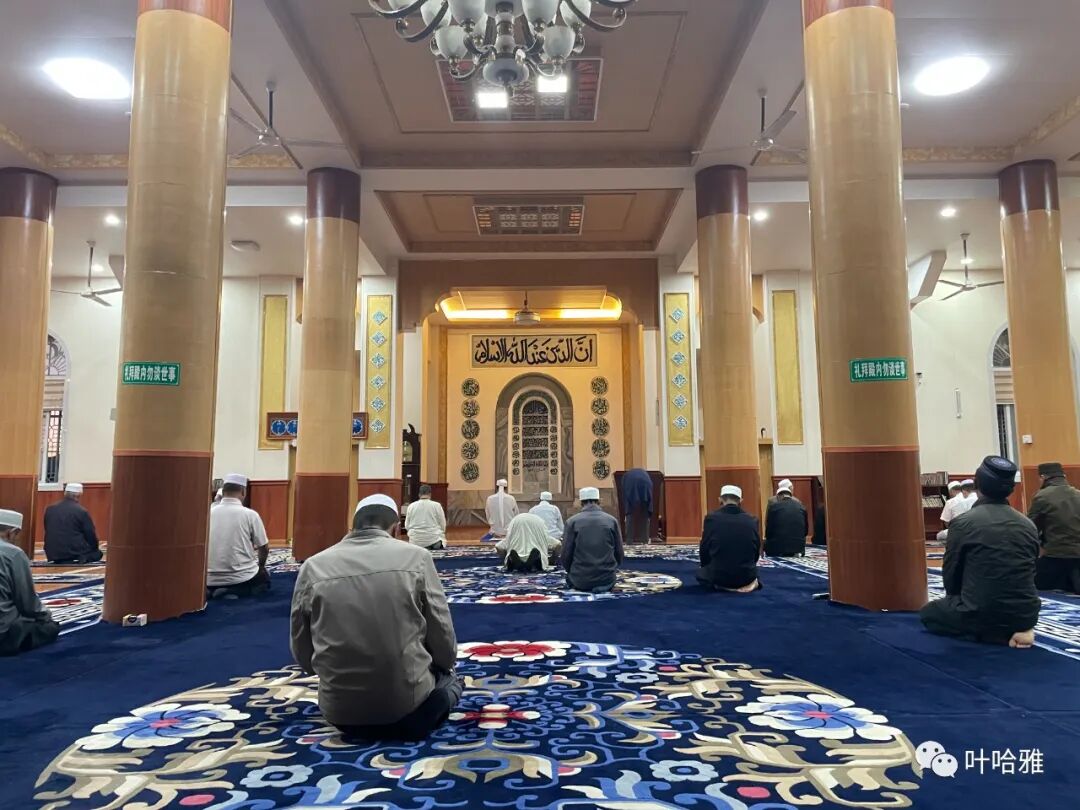
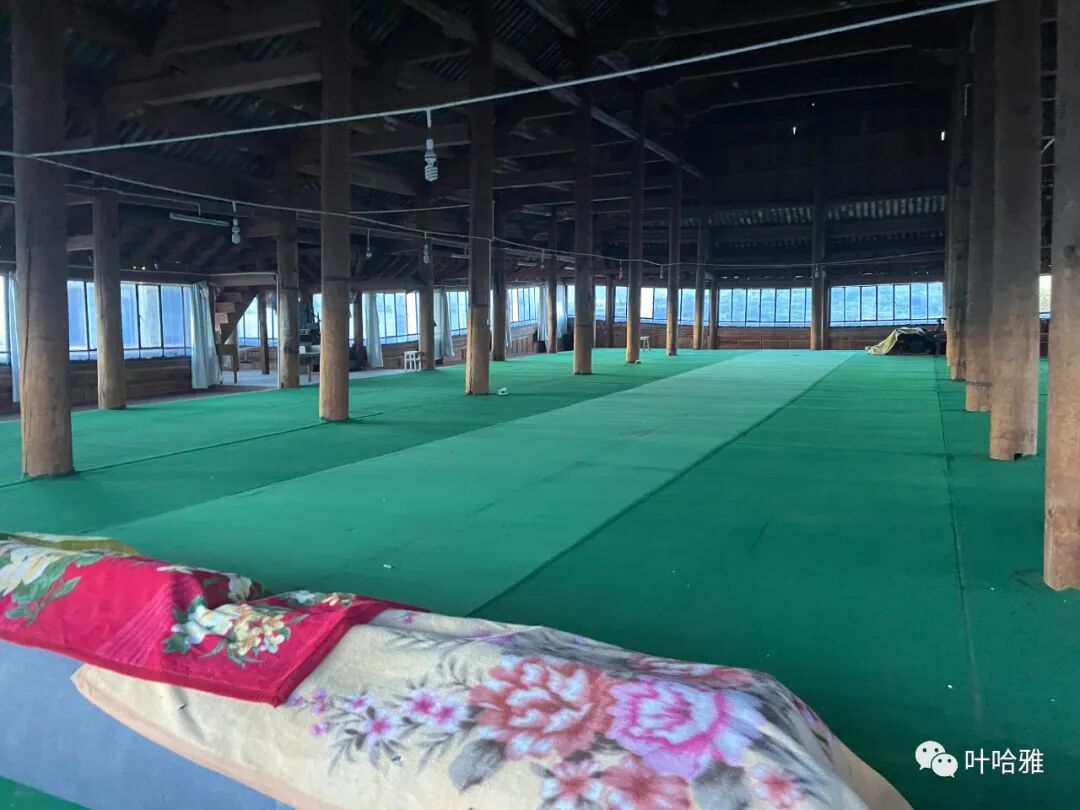
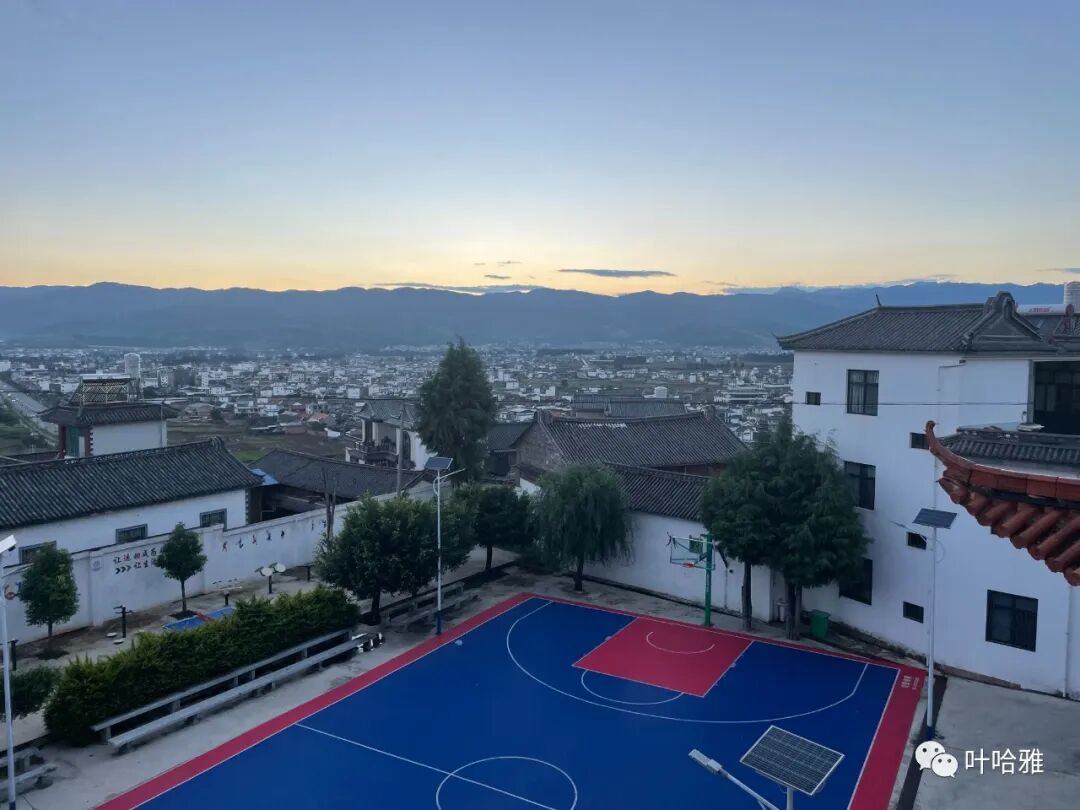
The imam of the Ma family mosque took me to the top floor. From there, you can see a panoramic view of Weishan. The basketball court below is inside the Ma family mosque. There is also a scripture school here, which currently only enrolls local students.
Weiyi Yongjian fire-pot beef (huopiao niurou)
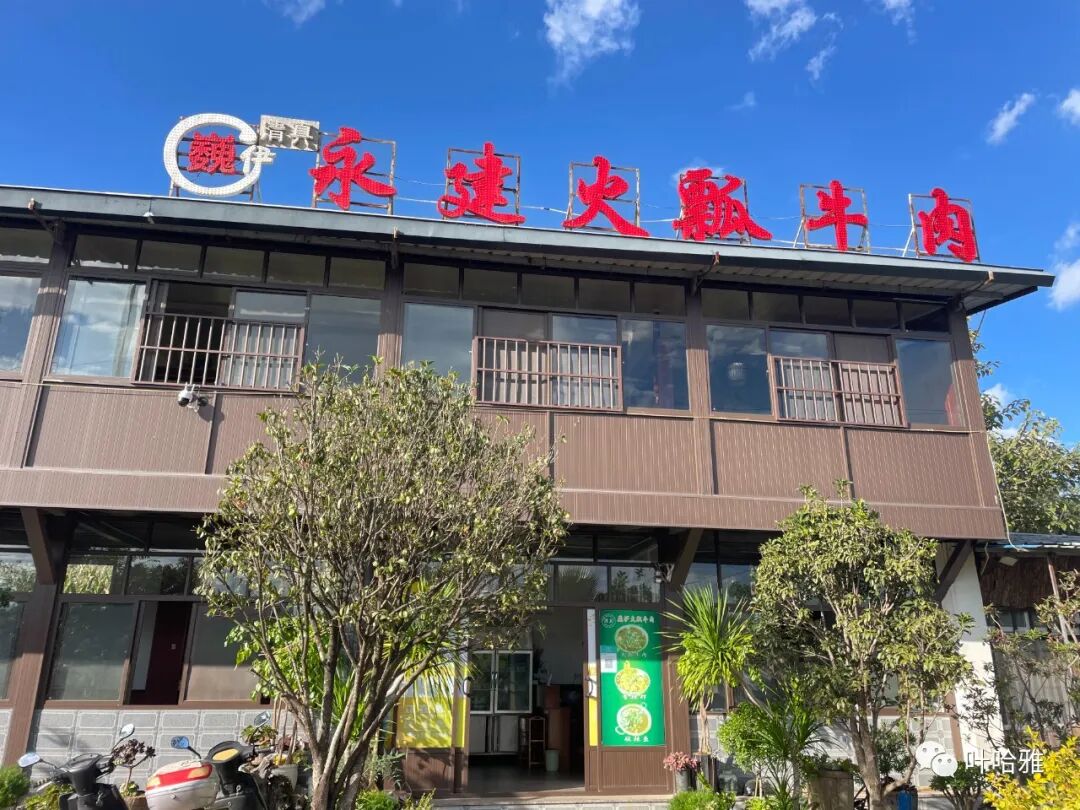
For dinner, we had a local Dali specialty called copper pot beef (huopiao niurou).
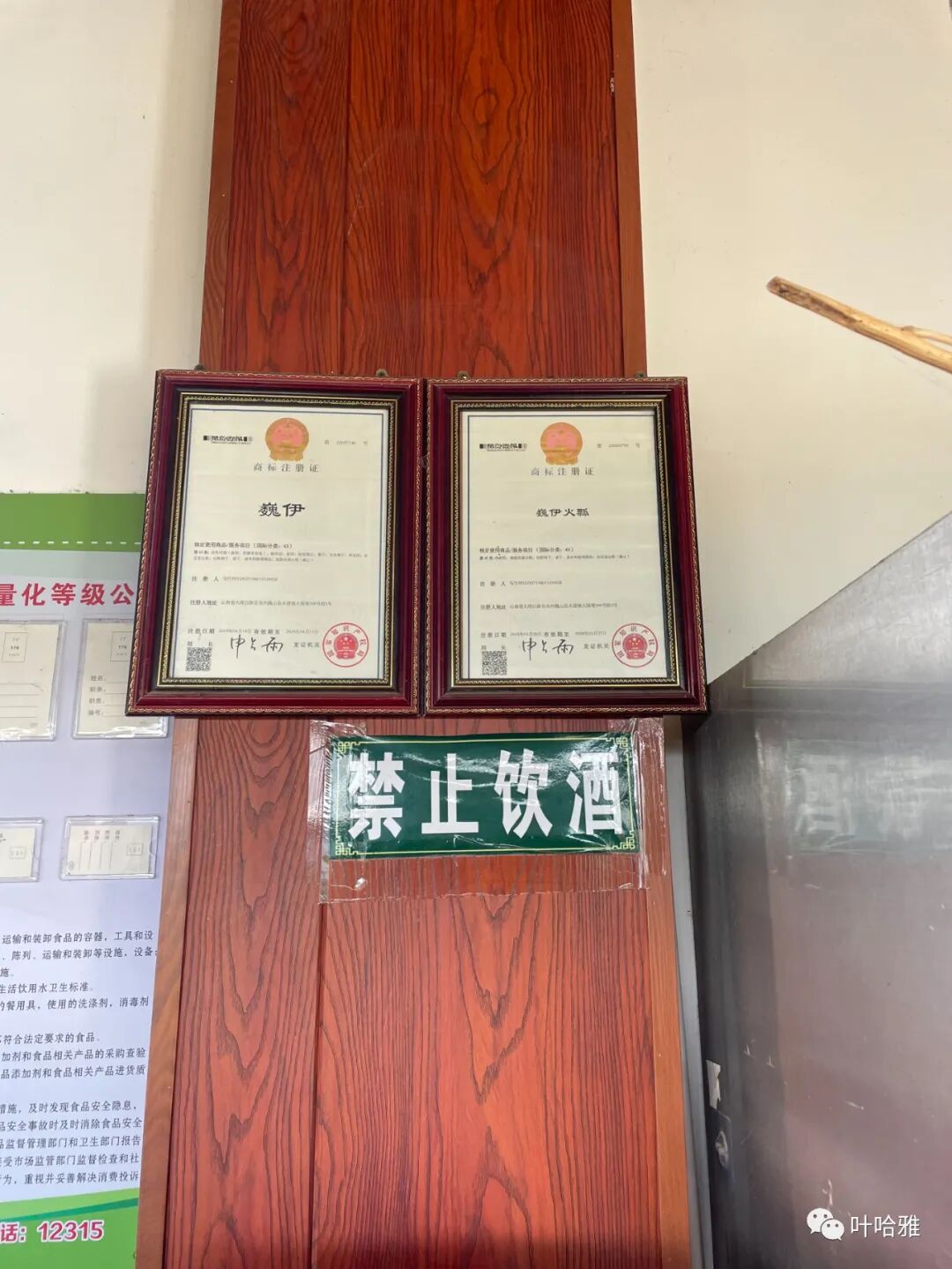
This place is run by locals and has been open for over ten years, so almost all the customers are local people.
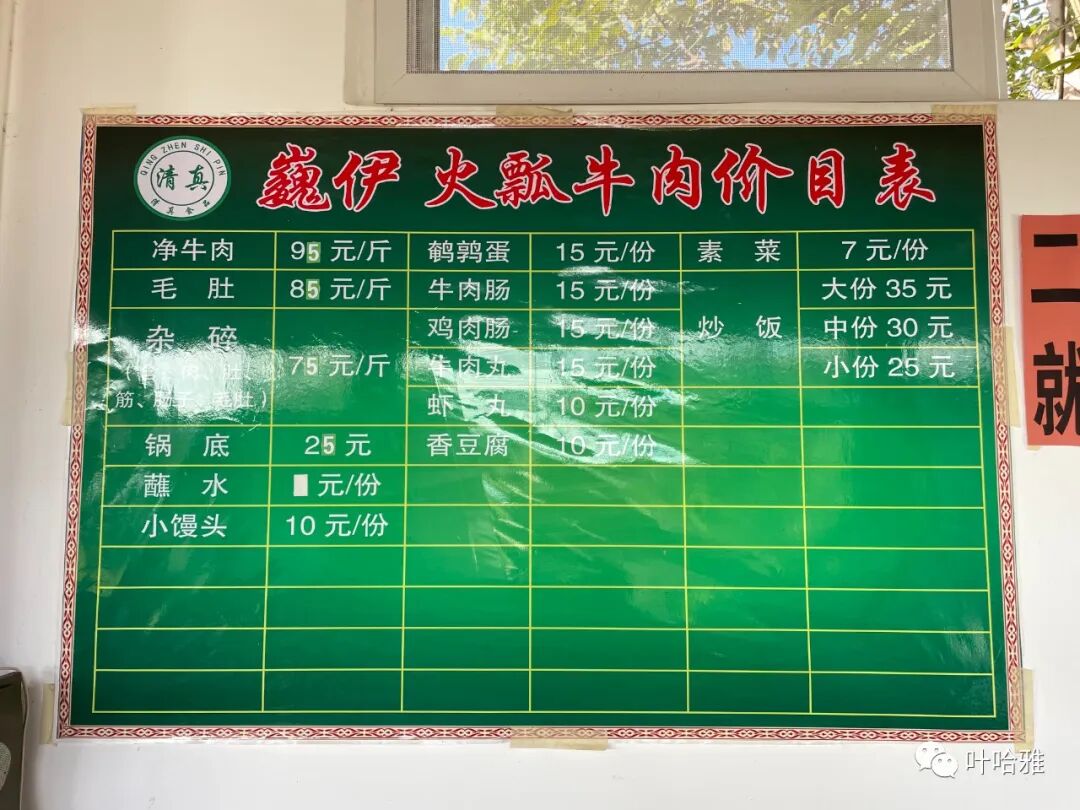
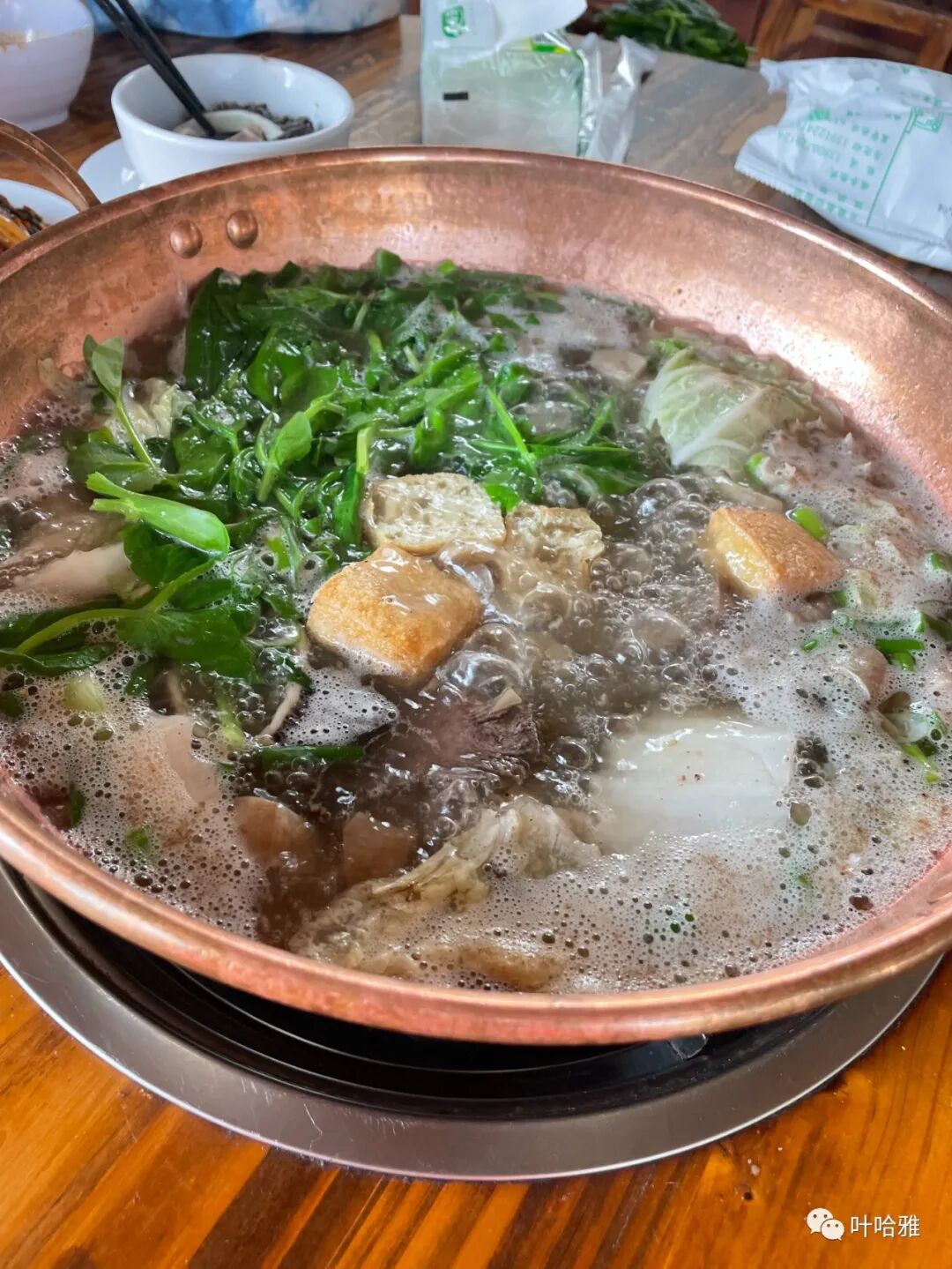
Copper pot beef (huopiao niurou) is beef or beef offal cooked in a copper pot with your choice of side dishes, and you can choose a clear broth.
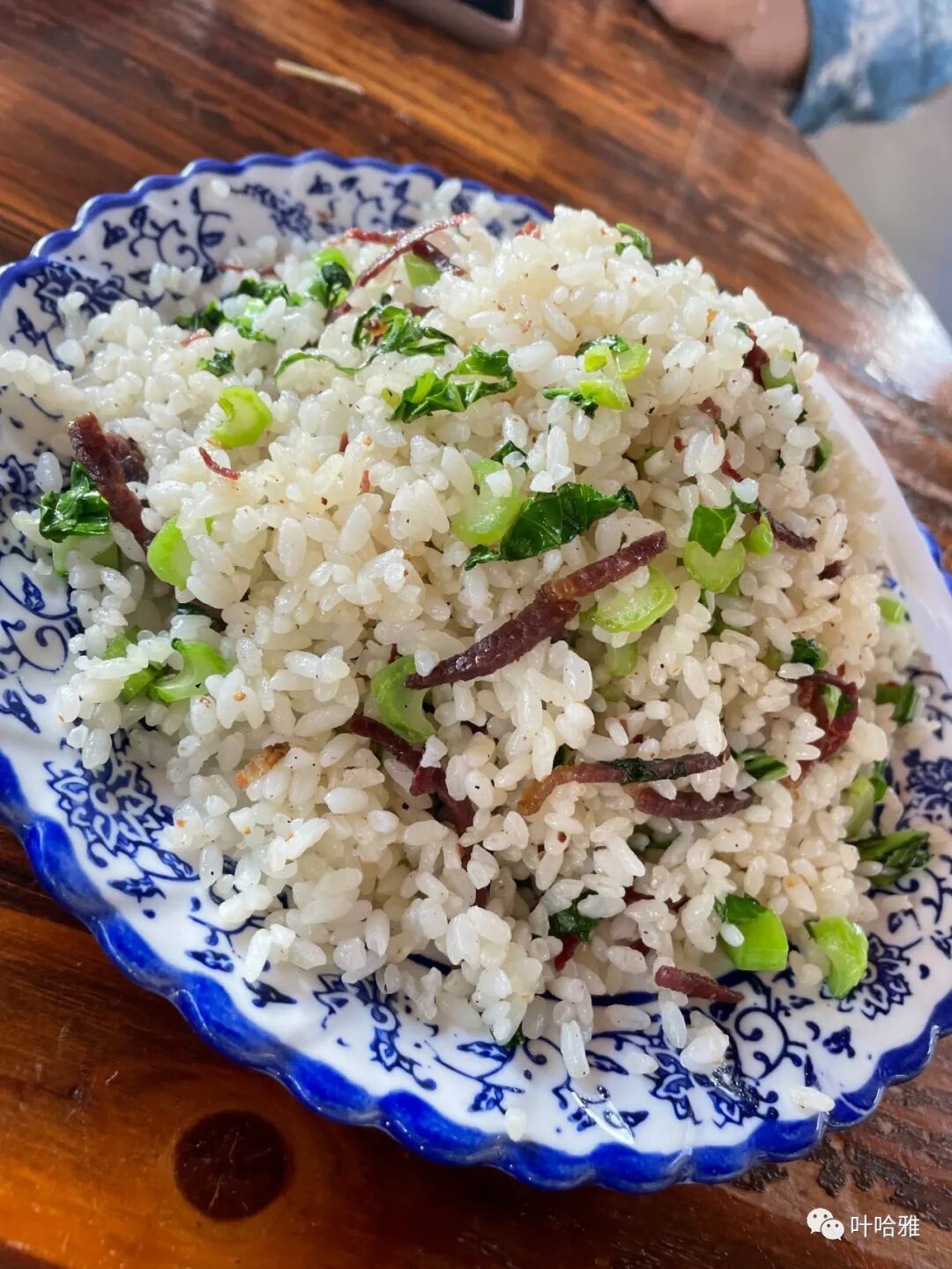
The fried rice with dried beef (niu ganba chaofan) is also delicious. The food here is so good that we finished the whole pot.
Weishan Ancient City
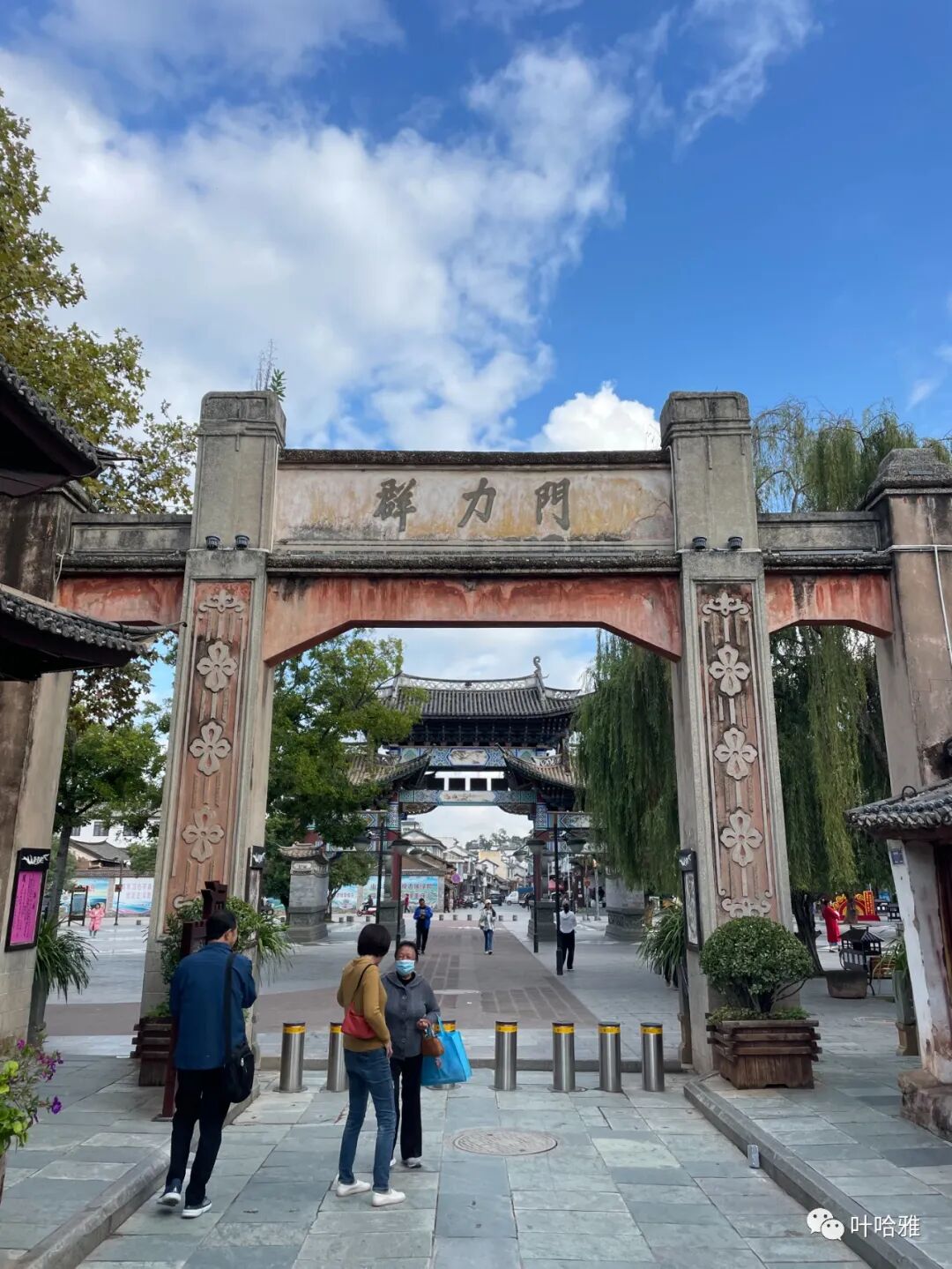
Most Hui Muslims in Weishan live in the villages below, so there are not many living inside the ancient city, which is why there is only one mosque there.
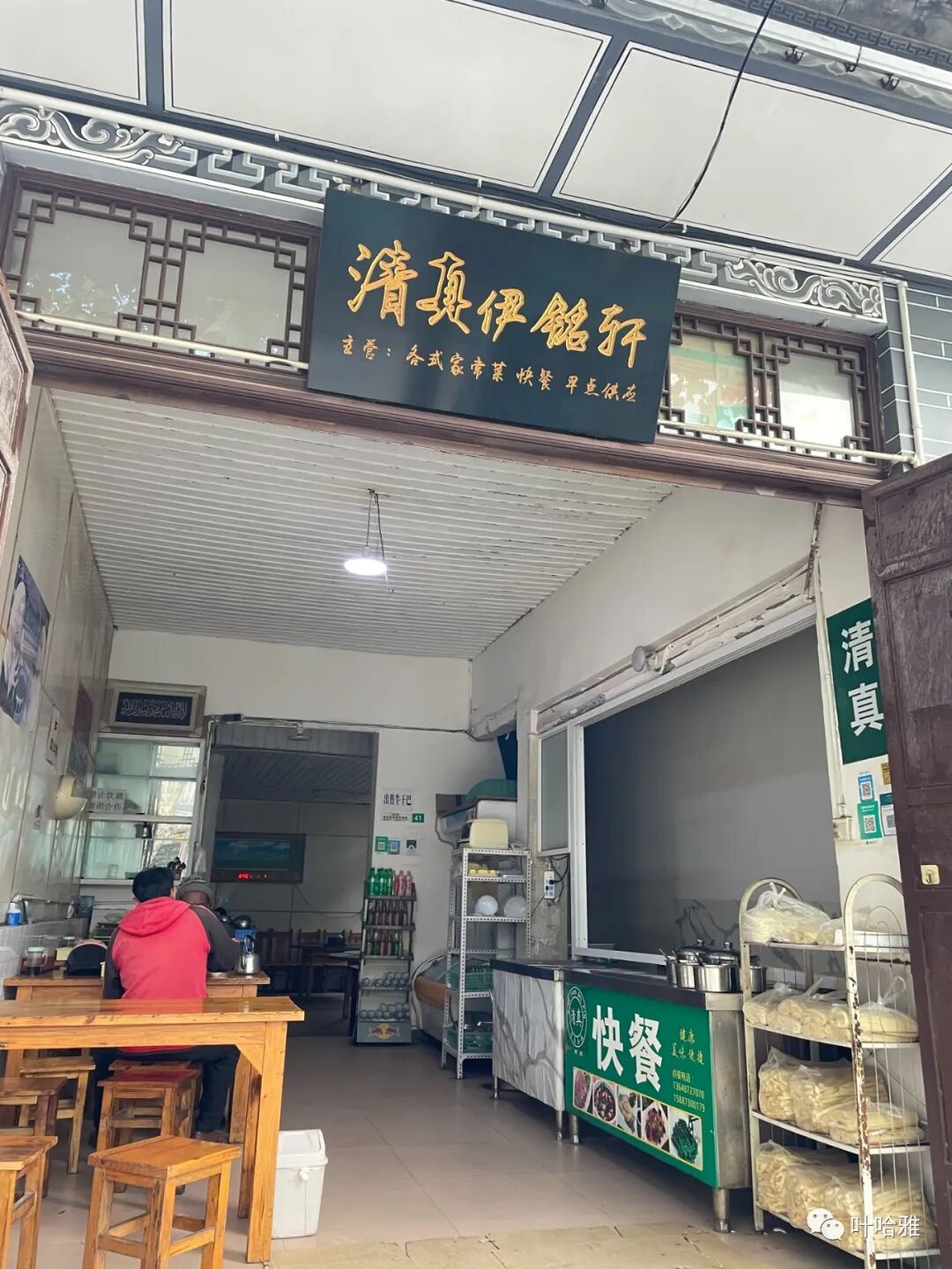
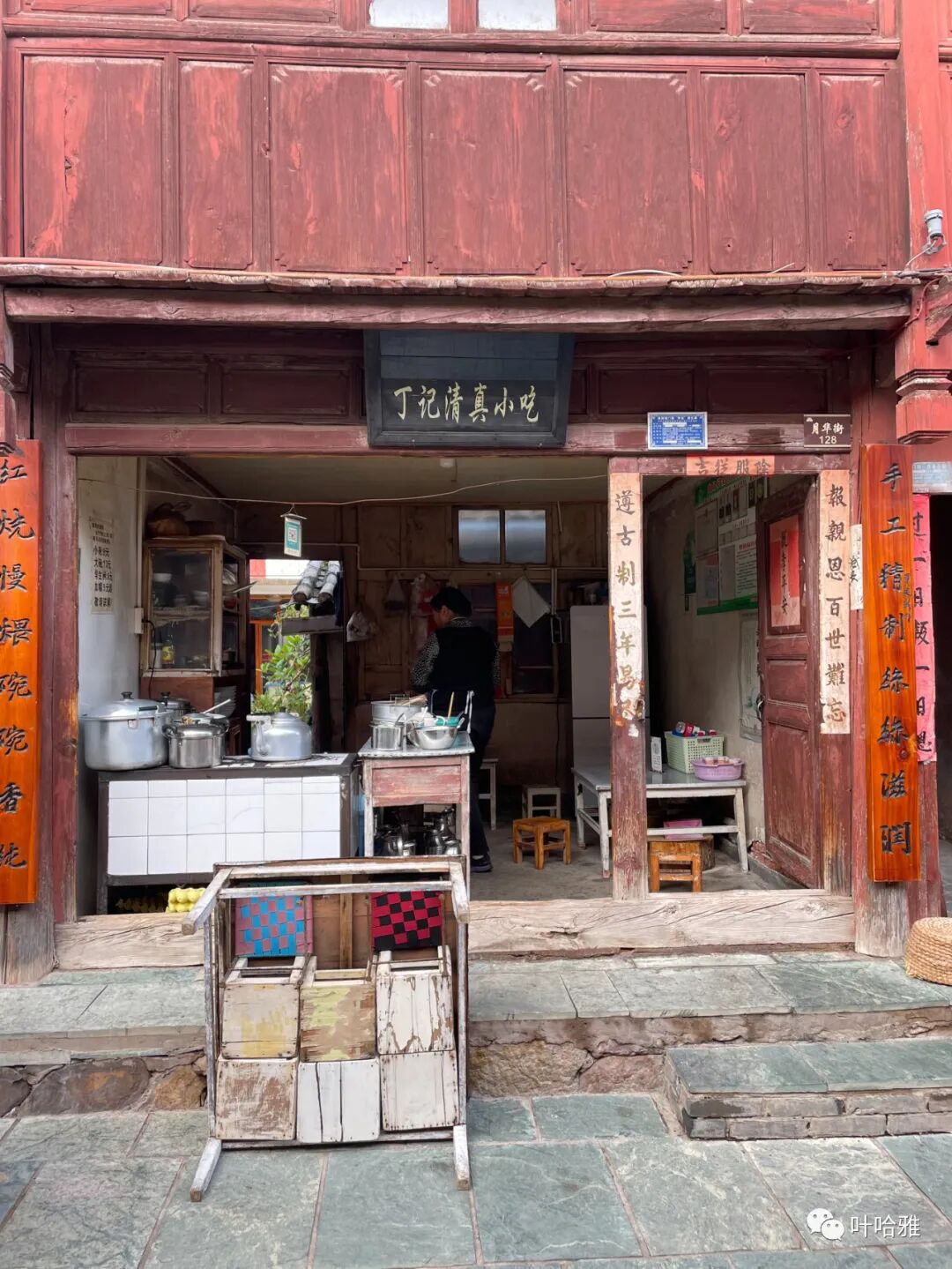
Weishan City Mosque
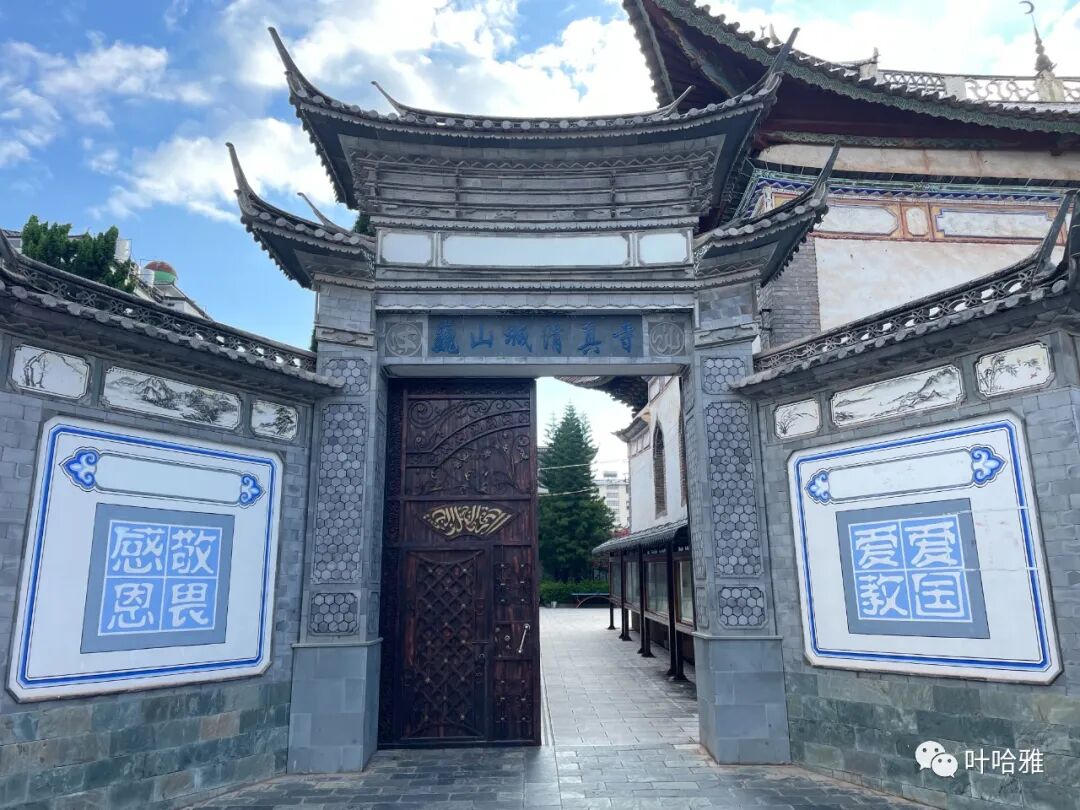
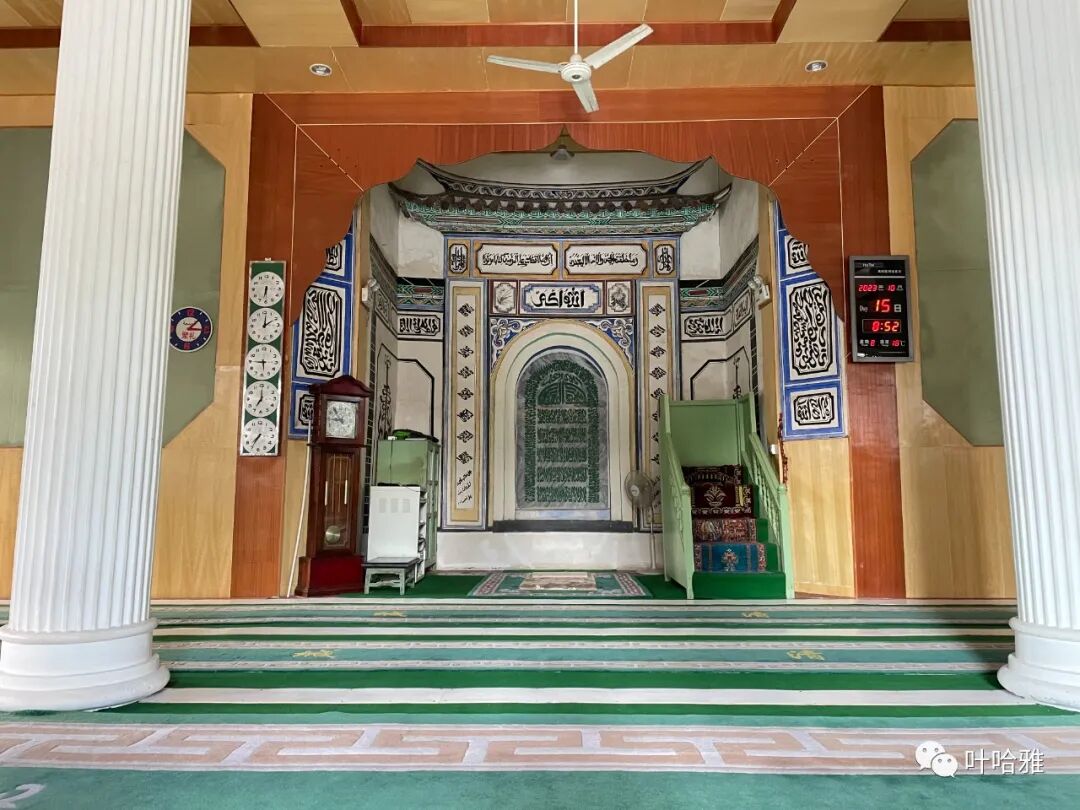
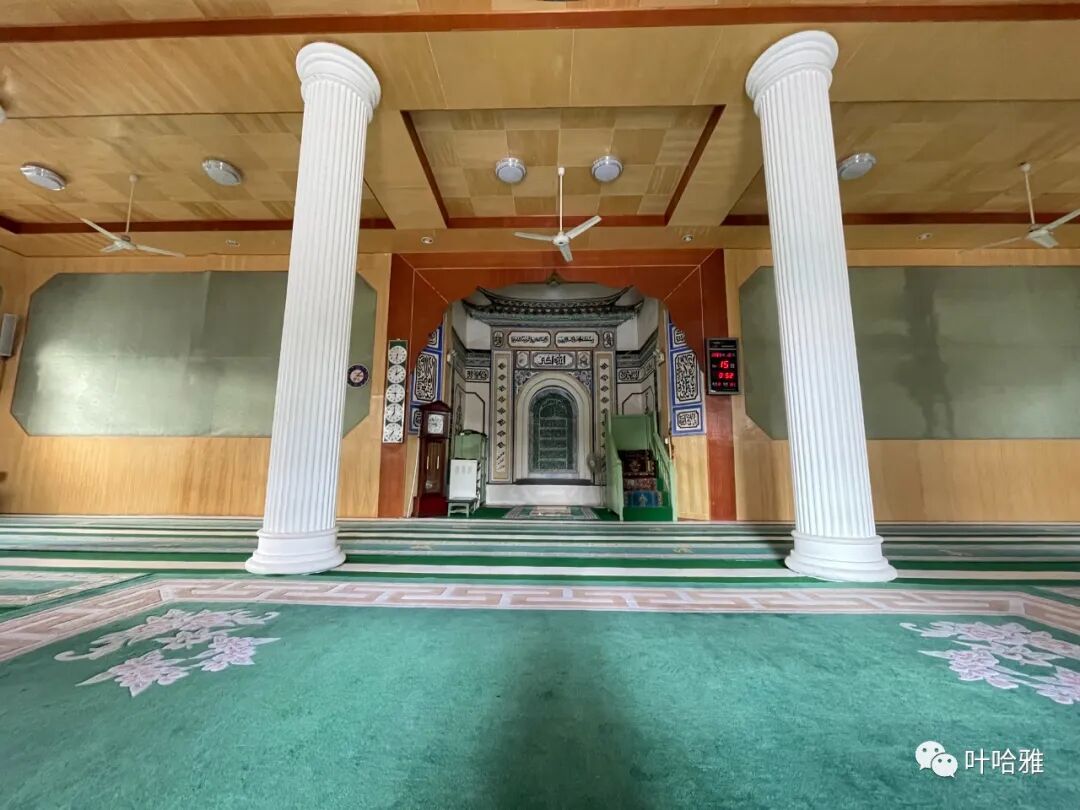
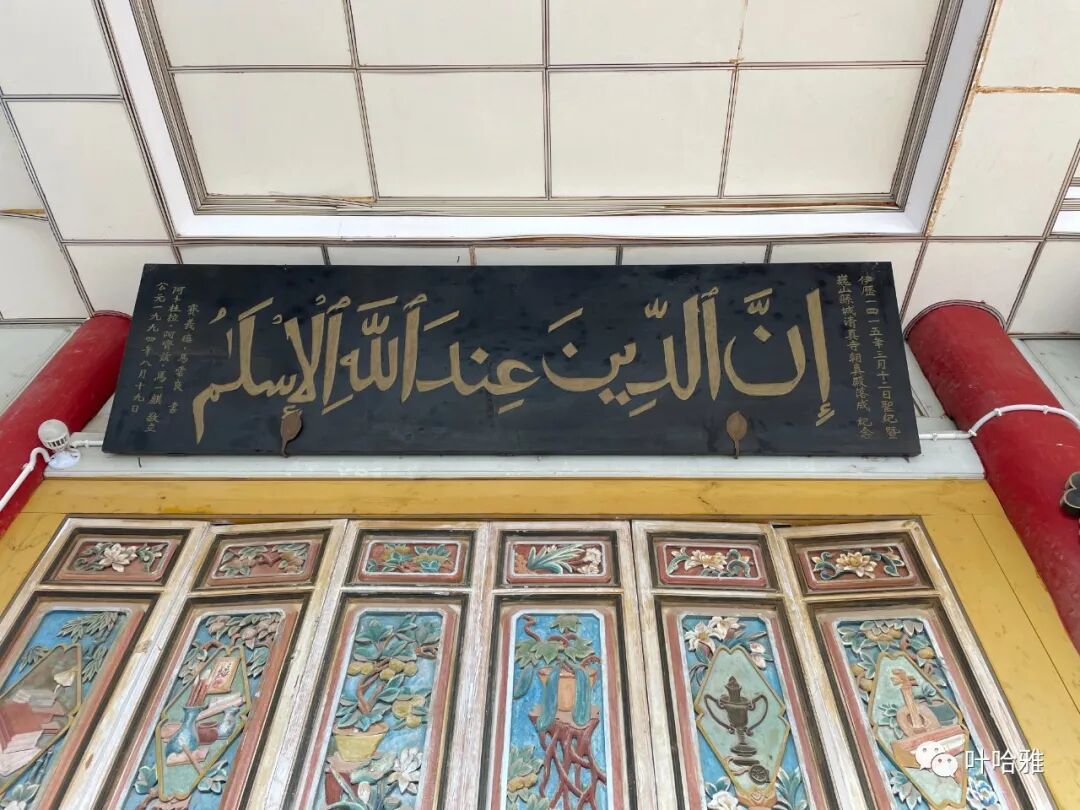
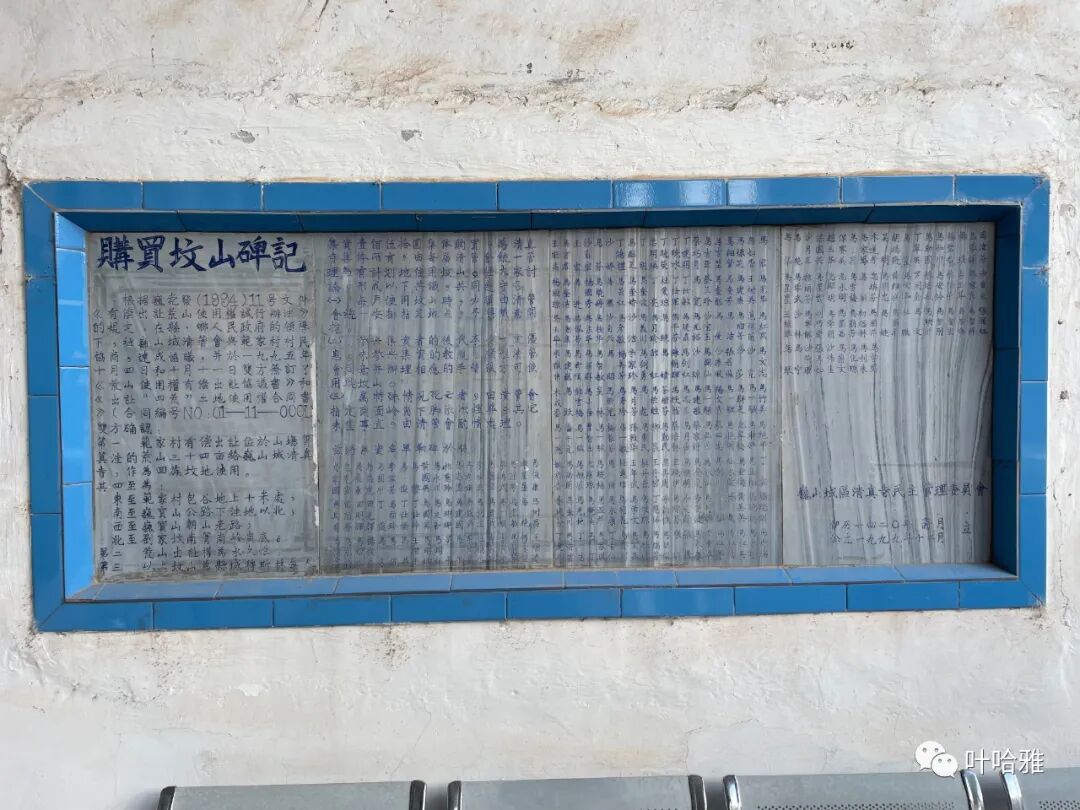
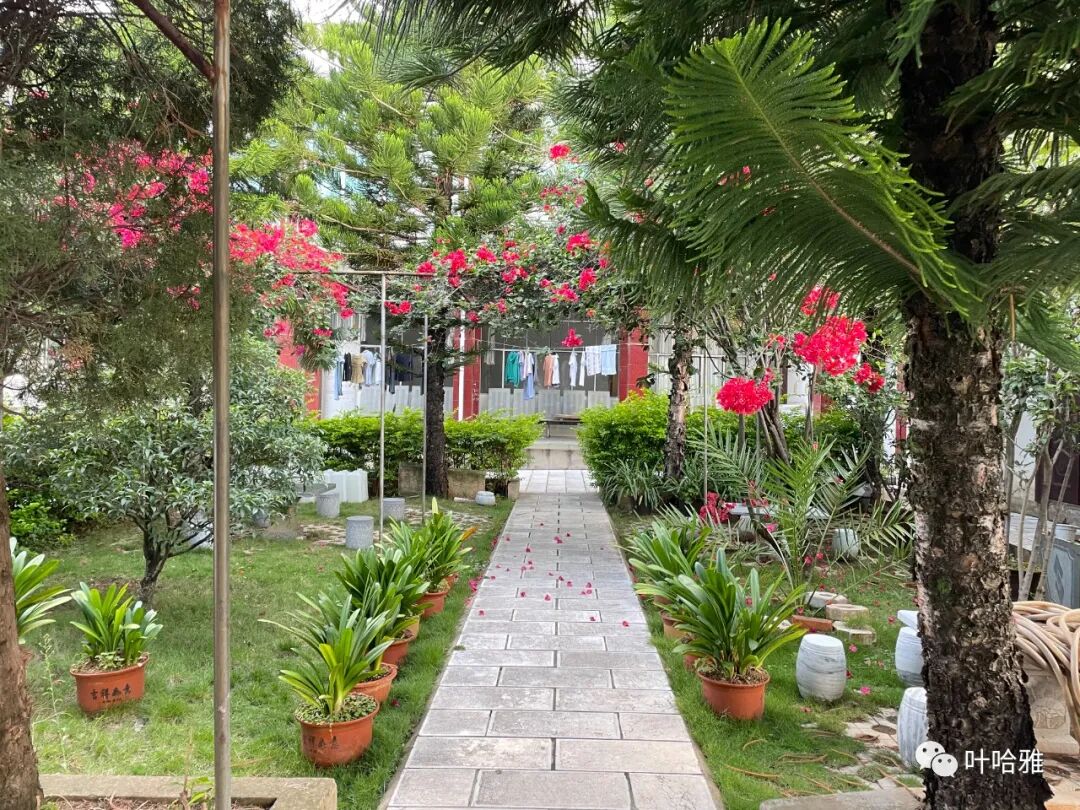
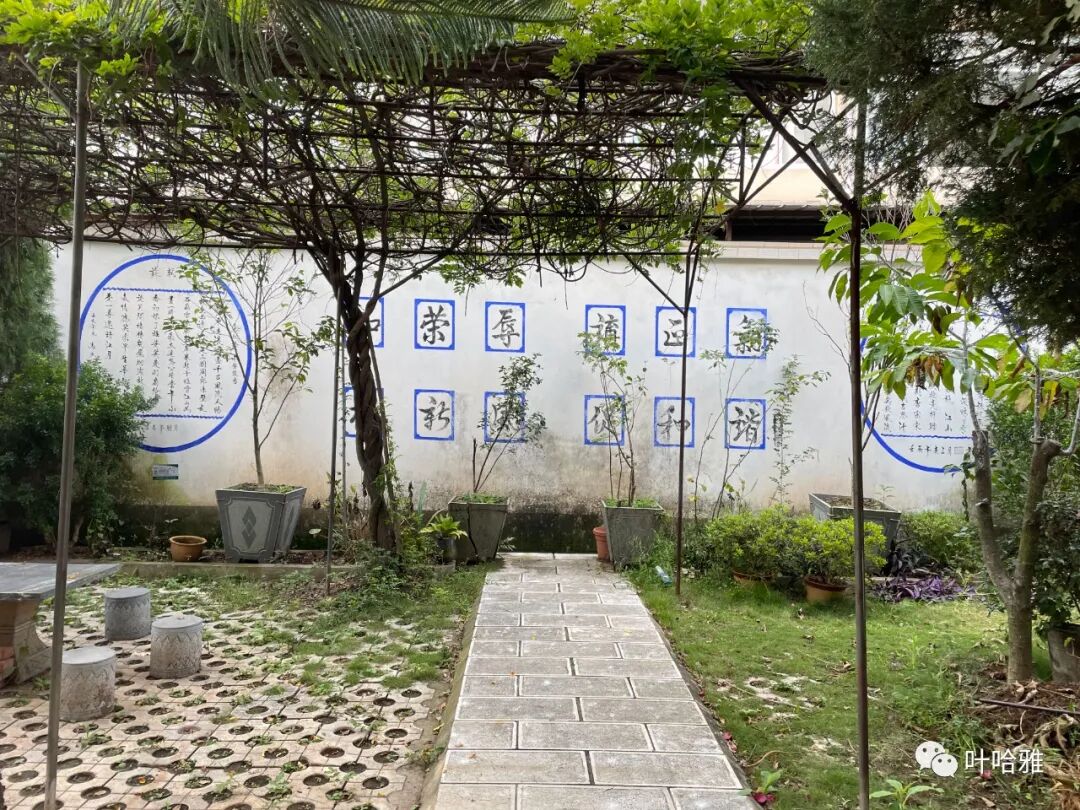
There used to be four mosques in Weishan City. The exact founding date of this remaining one is unknown, but it was rebuilt in 1992.
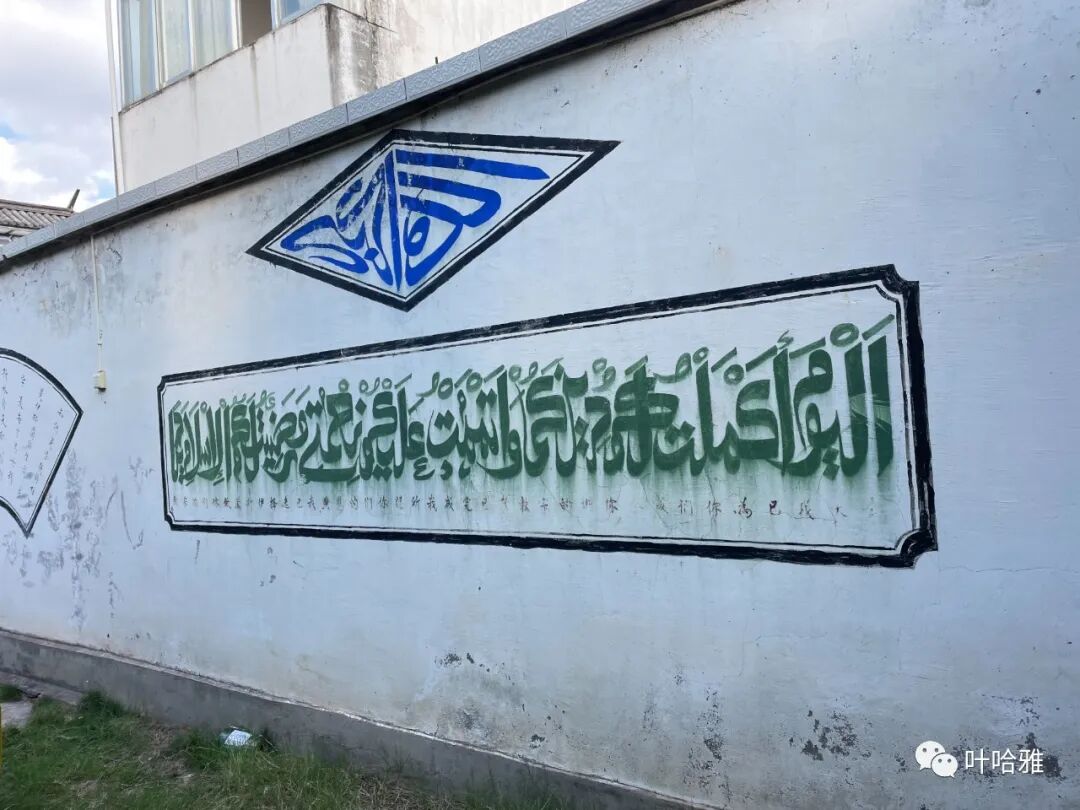
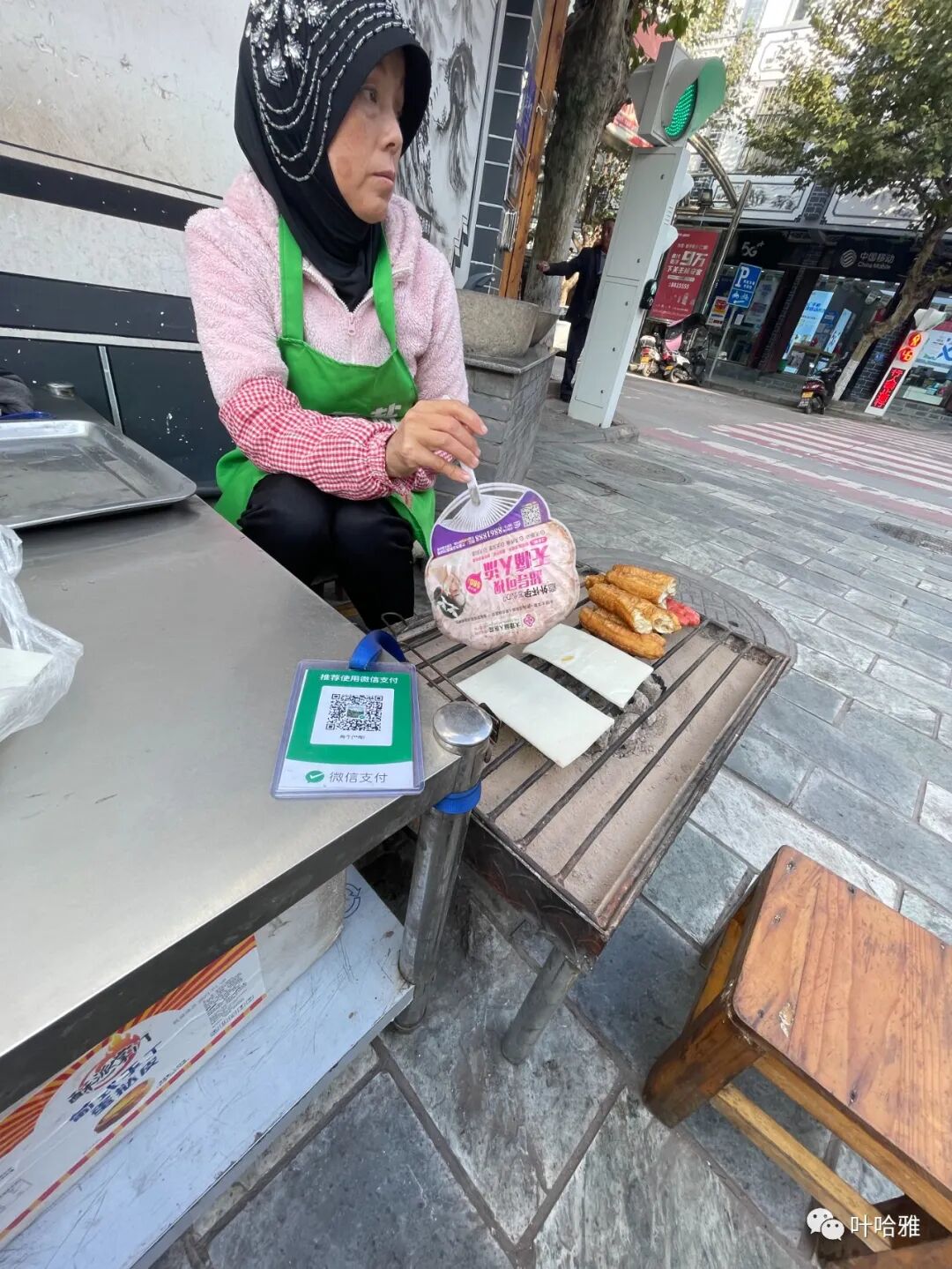
I bought some grilled rice cakes (shao erkua) for breakfast at a snack shop near the mosque entrance.
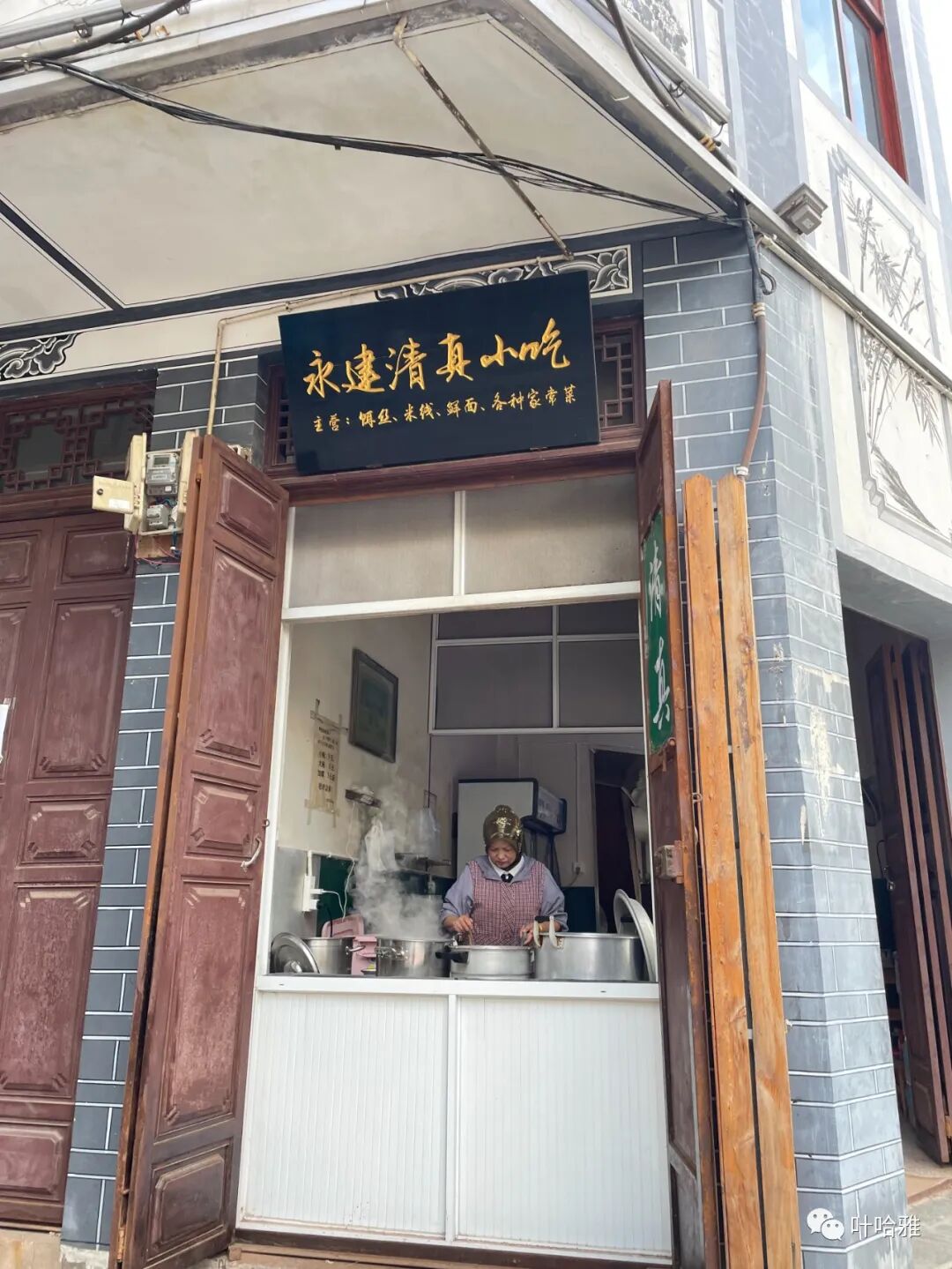
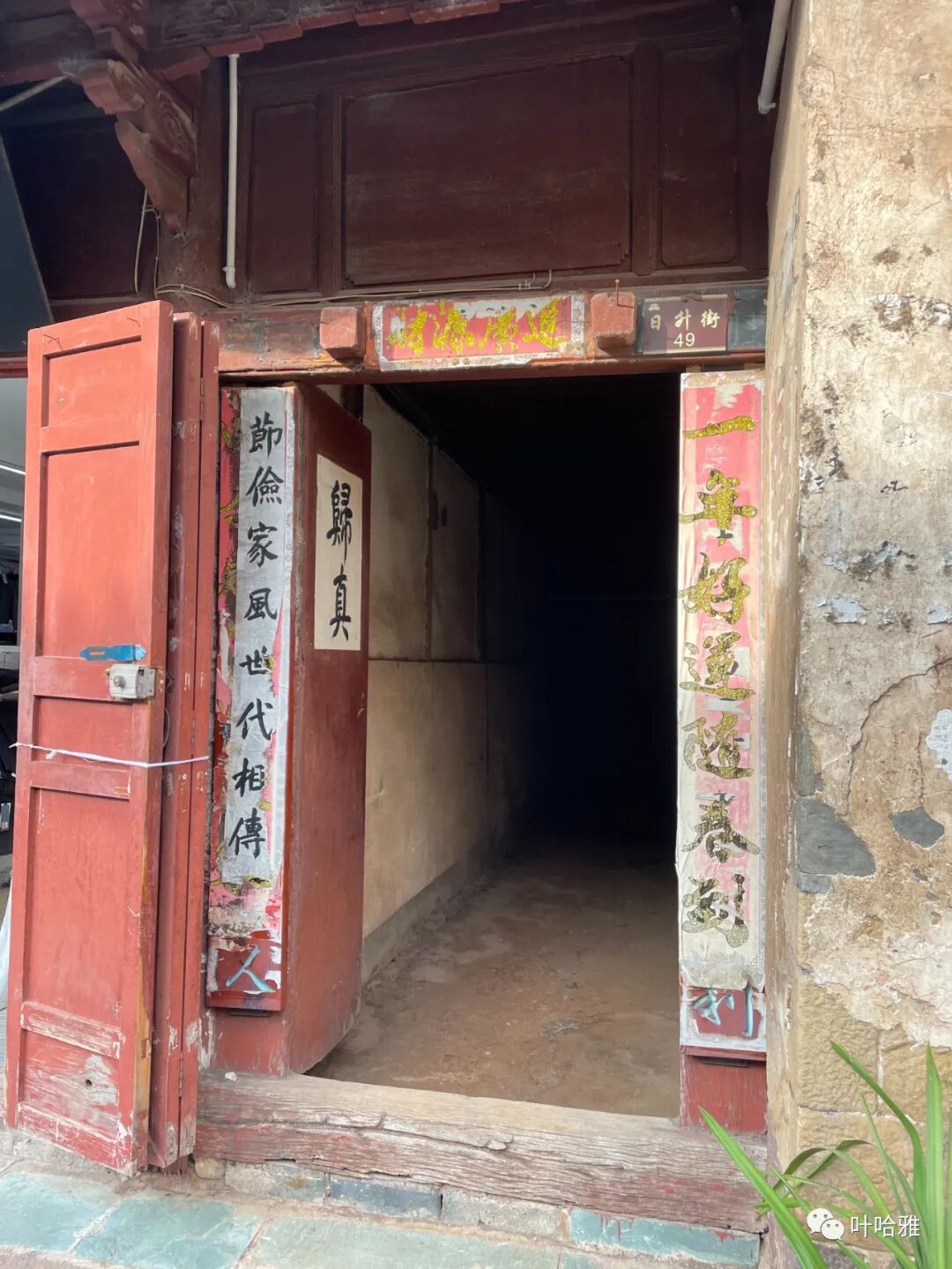
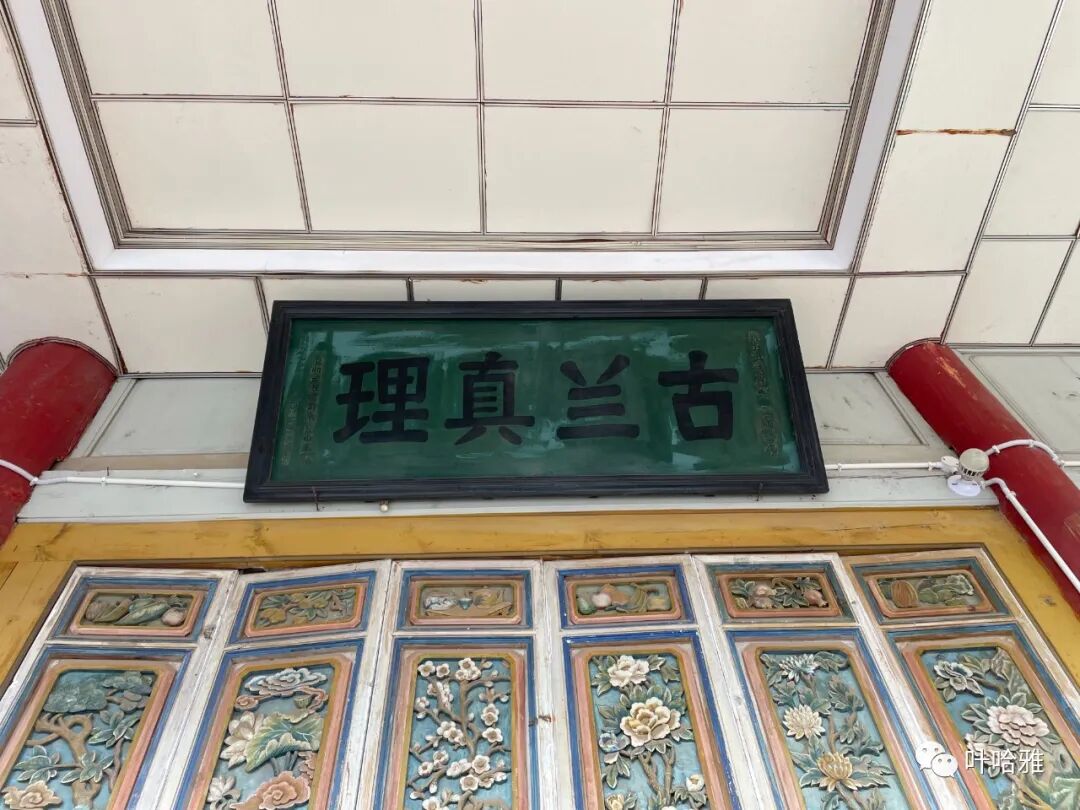
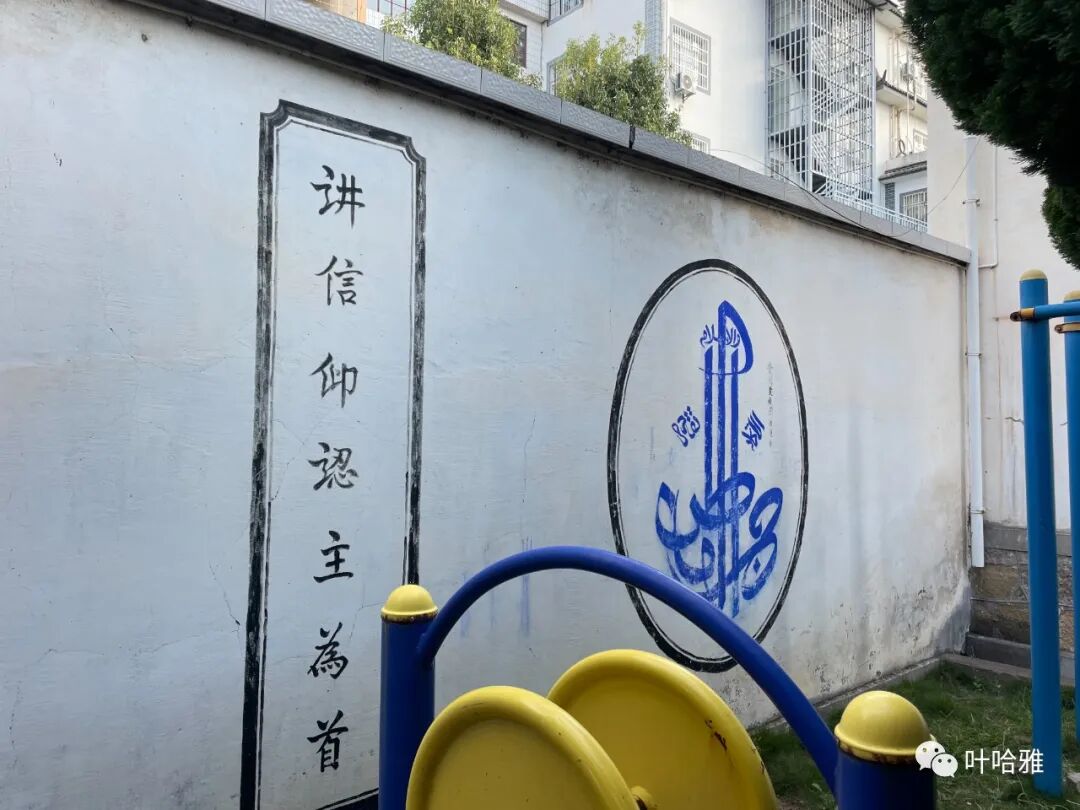
While walking through the ancient city, I noticed that the local Han Chinese homes also use the term "guizhen" (returning to the truth).
Summary: This Dali halal food guide continues through Eryuan, Yangbi, and Weishan, covering ancient mosques, Bai and Hui Muslim villages, Dai-style barbecue, copper pot beef, Weishan Ancient City, and Yunnan Muslim food culture.
Dali Halal Food Map is presented here as a firsthand travel account in clear English, beginning with this scene: The Yousuo Street Mosque in Eryuan County finished rebuilding in 2012. This mosque is less than three kilometers from Shipang Village. The account keeps its focus on Dali Mosques, Chinese Muslims, Muslim Travel while preserving the names, places, food, and historical details from the Chinese source.
Yousuo Mosque
The Yousuo Street Mosque in Eryuan County finished rebuilding in 2012. This mosque is less than three kilometers from Shipang Village.
Jiming Village Mosque
Jiming Village is also a village of Bai and Hui Muslims. The mosque was first built in 1894, and the new mosque was just completed in 2023.
Jiming Mosque is bigger and more beautiful than Shipang Mosque.
Xiajie Ancient Mosque in Yangbi
Xiajie Mosque was built during the Hongwu period of the Ming Dynasty. There are now three mosques in Yangbi County. This mosque was once turned into a Confucian mosque, a factory, and a school. It was not returned to its function as a mosque until 1994. Its architectural style has Bai ethnic features, and it is now a cultural relic protection unit of Dali Prefecture.
The calligraphy for 'Promoting Religion and Building the Nation' was written by Bai Chongxi. Of course, it was not originally written for this mosque, and his name has now been erased.
Xiajie Hui Muslim Restaurant and Dai-style Barbecue
A halal restaurant next to Xiajie Mosque that serves local stir-fried dishes.
You pick the Dai-style barbecue yourself and pay after eating. The skewers are quite large.
I tried oil-splashed beef skin (youqiang niupi) for the first time. It tasted strange and was a bit spicy. I think fried beef skin is easier to enjoy.
I ordered the Dai-style pounded fish (chong yu). I expected a whole fish, but this is what arrived. It was very spicy, and you eat it wrapped in lettuce leaves.
Dai-style barbecue tastes pretty good. It is no wonder it is so popular in Yunnan.
There are no large halal restaurants in Yangbi County, just small snack shops. This seems to be the only place that serves stir-fried dishes.
Xiaoweigeng Mosque in Weishan County.
Xiaoweigeng Mosque was first built between the end of the Yuan Dynasty and the beginning of the Ming Dynasty. It is the first mosque you pass on the way from Dali to Weishan. Mosques in Weishan are clustered together; except for the one in the Weishan Ancient City, the others are all less than three kilometers apart.
Huihuideng Mosque.
During the Yuan Dynasty, Huihuideng Mosque was called Huihuidun. It was first built in the third year of the reign of Mongke Khan (1253). It is also called Huihui Mosque, sharing the same name as the Huihui Mosque in Sanya.
The main prayer hall at Huihuideng is the largest one in the Dali region.
Donglianhua Mosque.
Donglianhua Mosque was built at the end of the Qing Dynasty and covers a building area of 3,000 square meters.
Donglianhua Village is a village for Hui Muslims. They are developing it into a special folk tourism village, and there is a food street here.
This is a residential house in Donglianhua Village.
Yanqichang Mosque
The Qing government confiscated Yanqichang Mosque during the Tongzhi reign of the Qing Dynasty. It was rebuilt on a new site during the Guangxu reign. In the Ming Dynasty, this area was a garrison for the Eight Banners, and since the banner leader was named Yan, it became known as Yanqichang.
Hadith slogans on the wall.
Daweigeng Mosque
Daweigeng Mosque was first built in the Zhiyuan era of the Yuan Dynasty. It is the largest mosque in this area and the one locals recommended I visit most.
My deepest impression from visiting mosques in Yunnan is that no one ever asks why I am there. I can just push open the door to the main prayer hall. Unlike in some other regions where you must state your identity and gatekeepers always ask your purpose, you will not find any guards at mosques in Yunnan.
Mamingchang Mi Family Mosque
Mamingchang has a Mi family mosque, first built in the 50th year of the Kangxi reign (1711). There is also a Ma family mosque. These are the only two mosques left in Weishan after the failure of the Du Wenxiu uprising. Both are built on mountains, and the roads are hard to find.
Mamingchang Ma Family Mosque (Yongjian Ancient Mosque)
The Ma family mosque was first built in the Yuan Dynasty. Because there are more Hui Muslims with the surname Ma in Mamingchang than those with the surname Mi, the Ma family mosque is larger than the Mi family mosque, though the Mi family mosque is more exquisite. I met the director of the Mi family mosque management committee while asking for directions, and he brought me to the Ma family mosque.
The imam of the Ma family mosque took me to the top floor. From there, you can see a panoramic view of Weishan. The basketball court below is inside the Ma family mosque. There is also a scripture school here, which currently only enrolls local students.
Weiyi Yongjian fire-pot beef (huopiao niurou)
For dinner, we had a local Dali specialty called copper pot beef (huopiao niurou).
This place is run by locals and has been open for over ten years, so almost all the customers are local people.
Copper pot beef (huopiao niurou) is beef or beef offal cooked in a copper pot with your choice of side dishes, and you can choose a clear broth.
The fried rice with dried beef (niu ganba chaofan) is also delicious. The food here is so good that we finished the whole pot.
Weishan Ancient City
Most Hui Muslims in Weishan live in the villages below, so there are not many living inside the ancient city, which is why there is only one mosque there.
Weishan City Mosque
There used to be four mosques in Weishan City. The exact founding date of this remaining one is unknown, but it was rebuilt in 1992.
I bought some grilled rice cakes (shao erkua) for breakfast at a snack shop near the mosque entrance.
While walking through the ancient city, I noticed that the local Han Chinese homes also use the term "guizhen" (returning to the truth).
Halal Food Guide Dali: Weishan Mosques, Hui Muslim Villages and Copper Pot Beef
Articles • yusuf908 posted the article • 0 comments • 133 views • 2026-05-22 21:45
Reposted from the web
Summary: This Dali halal food guide continues through Eryuan, Yangbi, and Weishan, covering ancient mosques, Bai and Hui Muslim villages, Dai-style barbecue, copper pot beef, Weishan Ancient City, and Yunnan Muslim food culture.
Dali Halal Food Map is presented here as a firsthand travel account in clear English, beginning with this scene: The Yousuo Street Mosque in Eryuan County finished rebuilding in 2012. This mosque is less than three kilometers from Shipang Village. The account keeps its focus on Dali Mosques, Chinese Muslims, Muslim Travel while preserving the names, places, food, and historical details from the Chinese source.
Yousuo Mosque
The Yousuo Street Mosque in Eryuan County finished rebuilding in 2012. This mosque is less than three kilometers from Shipang Village.
Jiming Village Mosque
Jiming Village is also a village of Bai and Hui Muslims. The mosque was first built in 1894, and the new mosque was just completed in 2023.
Jiming Mosque is bigger and more beautiful than Shipang Mosque.
Xiajie Ancient Mosque in Yangbi
Xiajie Mosque was built during the Hongwu period of the Ming Dynasty. There are now three mosques in Yangbi County. This mosque was once turned into a Confucian mosque, a factory, and a school. It was not returned to its function as a mosque until 1994. Its architectural style has Bai ethnic features, and it is now a cultural relic protection unit of Dali Prefecture.
The calligraphy for 'Promoting Religion and Building the Nation' was written by Bai Chongxi. Of course, it was not originally written for this mosque, and his name has now been erased.
Xiajie Hui Muslim Restaurant and Dai-style Barbecue
A halal restaurant next to Xiajie Mosque that serves local stir-fried dishes.
You pick the Dai-style barbecue yourself and pay after eating. The skewers are quite large.
I tried oil-splashed beef skin (youqiang niupi) for the first time. It tasted strange and was a bit spicy. I think fried beef skin is easier to enjoy.
I ordered the Dai-style pounded fish (chong yu). I expected a whole fish, but this is what arrived. It was very spicy, and you eat it wrapped in lettuce leaves.
Dai-style barbecue tastes pretty good. It is no wonder it is so popular in Yunnan.
There are no large halal restaurants in Yangbi County, just small snack shops. This seems to be the only place that serves stir-fried dishes.
Xiaoweigeng Mosque in Weishan County.
Xiaoweigeng Mosque was first built between the end of the Yuan Dynasty and the beginning of the Ming Dynasty. It is the first mosque you pass on the way from Dali to Weishan. Mosques in Weishan are clustered together; except for the one in the Weishan Ancient City, the others are all less than three kilometers apart.
Huihuideng Mosque.
During the Yuan Dynasty, Huihuideng Mosque was called Huihuidun. It was first built in the third year of the reign of Mongke Khan (1253). It is also called Huihui Mosque, sharing the same name as the Huihui Mosque in Sanya.
The main prayer hall at Huihuideng is the largest one in the Dali region.
Donglianhua Mosque.
Donglianhua Mosque was built at the end of the Qing Dynasty and covers a building area of 3,000 square meters.
Donglianhua Village is a village for Hui Muslims. They are developing it into a special folk tourism village, and there is a food street here.
This is a residential house in Donglianhua Village.
Yanqichang Mosque
The Qing government confiscated Yanqichang Mosque during the Tongzhi reign of the Qing Dynasty. It was rebuilt on a new site during the Guangxu reign. In the Ming Dynasty, this area was a garrison for the Eight Banners, and since the banner leader was named Yan, it became known as Yanqichang.
Hadith slogans on the wall.
Daweigeng Mosque
Daweigeng Mosque was first built in the Zhiyuan era of the Yuan Dynasty. It is the largest mosque in this area and the one locals recommended I visit most.
My deepest impression from visiting mosques in Yunnan is that no one ever asks why I am there. I can just push open the door to the main prayer hall. Unlike in some other regions where you must state your identity and gatekeepers always ask your purpose, you will not find any guards at mosques in Yunnan.
Mamingchang Mi Family Mosque
Mamingchang has a Mi family mosque, first built in the 50th year of the Kangxi reign (1711). There is also a Ma family mosque. These are the only two mosques left in Weishan after the failure of the Du Wenxiu uprising. Both are built on mountains, and the roads are hard to find.
Mamingchang Ma Family Mosque (Yongjian Ancient Mosque)
The Ma family mosque was first built in the Yuan Dynasty. Because there are more Hui Muslims with the surname Ma in Mamingchang than those with the surname Mi, the Ma family mosque is larger than the Mi family mosque, though the Mi family mosque is more exquisite. I met the director of the Mi family mosque management committee while asking for directions, and he brought me to the Ma family mosque.
The imam of the Ma family mosque took me to the top floor. From there, you can see a panoramic view of Weishan. The basketball court below is inside the Ma family mosque. There is also a scripture school here, which currently only enrolls local students.
Weiyi Yongjian fire-pot beef (huopiao niurou)
For dinner, we had a local Dali specialty called copper pot beef (huopiao niurou).
This place is run by locals and has been open for over ten years, so almost all the customers are local people.
Copper pot beef (huopiao niurou) is beef or beef offal cooked in a copper pot with your choice of side dishes, and you can choose a clear broth.
The fried rice with dried beef (niu ganba chaofan) is also delicious. The food here is so good that we finished the whole pot.
Weishan Ancient City
Most Hui Muslims in Weishan live in the villages below, so there are not many living inside the ancient city, which is why there is only one mosque there.
Weishan City Mosque
There used to be four mosques in Weishan City. The exact founding date of this remaining one is unknown, but it was rebuilt in 1992.
I bought some grilled rice cakes (shao erkua) for breakfast at a snack shop near the mosque entrance.
While walking through the ancient city, I noticed that the local Han Chinese homes also use the term "guizhen" (returning to the truth). view all
Summary: This Dali halal food guide continues through Eryuan, Yangbi, and Weishan, covering ancient mosques, Bai and Hui Muslim villages, Dai-style barbecue, copper pot beef, Weishan Ancient City, and Yunnan Muslim food culture.
Dali Halal Food Map is presented here as a firsthand travel account in clear English, beginning with this scene: The Yousuo Street Mosque in Eryuan County finished rebuilding in 2012. This mosque is less than three kilometers from Shipang Village. The account keeps its focus on Dali Mosques, Chinese Muslims, Muslim Travel while preserving the names, places, food, and historical details from the Chinese source.
Yousuo Mosque
The Yousuo Street Mosque in Eryuan County finished rebuilding in 2012. This mosque is less than three kilometers from Shipang Village.
Jiming Village Mosque
Jiming Village is also a village of Bai and Hui Muslims. The mosque was first built in 1894, and the new mosque was just completed in 2023.
Jiming Mosque is bigger and more beautiful than Shipang Mosque.
Xiajie Ancient Mosque in Yangbi
Xiajie Mosque was built during the Hongwu period of the Ming Dynasty. There are now three mosques in Yangbi County. This mosque was once turned into a Confucian mosque, a factory, and a school. It was not returned to its function as a mosque until 1994. Its architectural style has Bai ethnic features, and it is now a cultural relic protection unit of Dali Prefecture.
The calligraphy for 'Promoting Religion and Building the Nation' was written by Bai Chongxi. Of course, it was not originally written for this mosque, and his name has now been erased.
Xiajie Hui Muslim Restaurant and Dai-style Barbecue
A halal restaurant next to Xiajie Mosque that serves local stir-fried dishes.
You pick the Dai-style barbecue yourself and pay after eating. The skewers are quite large.
I tried oil-splashed beef skin (youqiang niupi) for the first time. It tasted strange and was a bit spicy. I think fried beef skin is easier to enjoy.
I ordered the Dai-style pounded fish (chong yu). I expected a whole fish, but this is what arrived. It was very spicy, and you eat it wrapped in lettuce leaves.
Dai-style barbecue tastes pretty good. It is no wonder it is so popular in Yunnan.
There are no large halal restaurants in Yangbi County, just small snack shops. This seems to be the only place that serves stir-fried dishes.
Xiaoweigeng Mosque in Weishan County.
Xiaoweigeng Mosque was first built between the end of the Yuan Dynasty and the beginning of the Ming Dynasty. It is the first mosque you pass on the way from Dali to Weishan. Mosques in Weishan are clustered together; except for the one in the Weishan Ancient City, the others are all less than three kilometers apart.
Huihuideng Mosque.
During the Yuan Dynasty, Huihuideng Mosque was called Huihuidun. It was first built in the third year of the reign of Mongke Khan (1253). It is also called Huihui Mosque, sharing the same name as the Huihui Mosque in Sanya.
The main prayer hall at Huihuideng is the largest one in the Dali region.
Donglianhua Mosque.
Donglianhua Mosque was built at the end of the Qing Dynasty and covers a building area of 3,000 square meters.
Donglianhua Village is a village for Hui Muslims. They are developing it into a special folk tourism village, and there is a food street here.
This is a residential house in Donglianhua Village.
Yanqichang Mosque
The Qing government confiscated Yanqichang Mosque during the Tongzhi reign of the Qing Dynasty. It was rebuilt on a new site during the Guangxu reign. In the Ming Dynasty, this area was a garrison for the Eight Banners, and since the banner leader was named Yan, it became known as Yanqichang.
Hadith slogans on the wall.
Daweigeng Mosque
Daweigeng Mosque was first built in the Zhiyuan era of the Yuan Dynasty. It is the largest mosque in this area and the one locals recommended I visit most.
My deepest impression from visiting mosques in Yunnan is that no one ever asks why I am there. I can just push open the door to the main prayer hall. Unlike in some other regions where you must state your identity and gatekeepers always ask your purpose, you will not find any guards at mosques in Yunnan.
Mamingchang Mi Family Mosque
Mamingchang has a Mi family mosque, first built in the 50th year of the Kangxi reign (1711). There is also a Ma family mosque. These are the only two mosques left in Weishan after the failure of the Du Wenxiu uprising. Both are built on mountains, and the roads are hard to find.
Mamingchang Ma Family Mosque (Yongjian Ancient Mosque)
The Ma family mosque was first built in the Yuan Dynasty. Because there are more Hui Muslims with the surname Ma in Mamingchang than those with the surname Mi, the Ma family mosque is larger than the Mi family mosque, though the Mi family mosque is more exquisite. I met the director of the Mi family mosque management committee while asking for directions, and he brought me to the Ma family mosque.
The imam of the Ma family mosque took me to the top floor. From there, you can see a panoramic view of Weishan. The basketball court below is inside the Ma family mosque. There is also a scripture school here, which currently only enrolls local students.
Weiyi Yongjian fire-pot beef (huopiao niurou)
For dinner, we had a local Dali specialty called copper pot beef (huopiao niurou).
This place is run by locals and has been open for over ten years, so almost all the customers are local people.
Copper pot beef (huopiao niurou) is beef or beef offal cooked in a copper pot with your choice of side dishes, and you can choose a clear broth.
The fried rice with dried beef (niu ganba chaofan) is also delicious. The food here is so good that we finished the whole pot.
Weishan Ancient City
Most Hui Muslims in Weishan live in the villages below, so there are not many living inside the ancient city, which is why there is only one mosque there.
Weishan City Mosque
There used to be four mosques in Weishan City. The exact founding date of this remaining one is unknown, but it was rebuilt in 1992.
I bought some grilled rice cakes (shao erkua) for breakfast at a snack shop near the mosque entrance.
While walking through the ancient city, I noticed that the local Han Chinese homes also use the term "guizhen" (returning to the truth). view all
Reposted from the web
Summary: This Dali halal food guide continues through Eryuan, Yangbi, and Weishan, covering ancient mosques, Bai and Hui Muslim villages, Dai-style barbecue, copper pot beef, Weishan Ancient City, and Yunnan Muslim food culture.
Dali Halal Food Map is presented here as a firsthand travel account in clear English, beginning with this scene: The Yousuo Street Mosque in Eryuan County finished rebuilding in 2012. This mosque is less than three kilometers from Shipang Village. The account keeps its focus on Dali Mosques, Chinese Muslims, Muslim Travel while preserving the names, places, food, and historical details from the Chinese source.
Yousuo Mosque
The Yousuo Street Mosque in Eryuan County finished rebuilding in 2012. This mosque is less than three kilometers from Shipang Village.
Jiming Village Mosque
Jiming Village is also a village of Bai and Hui Muslims. The mosque was first built in 1894, and the new mosque was just completed in 2023.
Jiming Mosque is bigger and more beautiful than Shipang Mosque.
Xiajie Ancient Mosque in Yangbi
Xiajie Mosque was built during the Hongwu period of the Ming Dynasty. There are now three mosques in Yangbi County. This mosque was once turned into a Confucian mosque, a factory, and a school. It was not returned to its function as a mosque until 1994. Its architectural style has Bai ethnic features, and it is now a cultural relic protection unit of Dali Prefecture.
The calligraphy for 'Promoting Religion and Building the Nation' was written by Bai Chongxi. Of course, it was not originally written for this mosque, and his name has now been erased.
Xiajie Hui Muslim Restaurant and Dai-style Barbecue
A halal restaurant next to Xiajie Mosque that serves local stir-fried dishes.
You pick the Dai-style barbecue yourself and pay after eating. The skewers are quite large.
I tried oil-splashed beef skin (youqiang niupi) for the first time. It tasted strange and was a bit spicy. I think fried beef skin is easier to enjoy.
I ordered the Dai-style pounded fish (chong yu). I expected a whole fish, but this is what arrived. It was very spicy, and you eat it wrapped in lettuce leaves.
Dai-style barbecue tastes pretty good. It is no wonder it is so popular in Yunnan.
There are no large halal restaurants in Yangbi County, just small snack shops. This seems to be the only place that serves stir-fried dishes.
Xiaoweigeng Mosque in Weishan County.
Xiaoweigeng Mosque was first built between the end of the Yuan Dynasty and the beginning of the Ming Dynasty. It is the first mosque you pass on the way from Dali to Weishan. Mosques in Weishan are clustered together; except for the one in the Weishan Ancient City, the others are all less than three kilometers apart.
Huihuideng Mosque.
During the Yuan Dynasty, Huihuideng Mosque was called Huihuidun. It was first built in the third year of the reign of Mongke Khan (1253). It is also called Huihui Mosque, sharing the same name as the Huihui Mosque in Sanya.
The main prayer hall at Huihuideng is the largest one in the Dali region.
Donglianhua Mosque.
Donglianhua Mosque was built at the end of the Qing Dynasty and covers a building area of 3,000 square meters.
Donglianhua Village is a village for Hui Muslims. They are developing it into a special folk tourism village, and there is a food street here.
This is a residential house in Donglianhua Village.
Yanqichang Mosque
The Qing government confiscated Yanqichang Mosque during the Tongzhi reign of the Qing Dynasty. It was rebuilt on a new site during the Guangxu reign. In the Ming Dynasty, this area was a garrison for the Eight Banners, and since the banner leader was named Yan, it became known as Yanqichang.
Hadith slogans on the wall.
Daweigeng Mosque
Daweigeng Mosque was first built in the Zhiyuan era of the Yuan Dynasty. It is the largest mosque in this area and the one locals recommended I visit most.
My deepest impression from visiting mosques in Yunnan is that no one ever asks why I am there. I can just push open the door to the main prayer hall. Unlike in some other regions where you must state your identity and gatekeepers always ask your purpose, you will not find any guards at mosques in Yunnan.
Mamingchang Mi Family Mosque
Mamingchang has a Mi family mosque, first built in the 50th year of the Kangxi reign (1711). There is also a Ma family mosque. These are the only two mosques left in Weishan after the failure of the Du Wenxiu uprising. Both are built on mountains, and the roads are hard to find.
Mamingchang Ma Family Mosque (Yongjian Ancient Mosque)
The Ma family mosque was first built in the Yuan Dynasty. Because there are more Hui Muslims with the surname Ma in Mamingchang than those with the surname Mi, the Ma family mosque is larger than the Mi family mosque, though the Mi family mosque is more exquisite. I met the director of the Mi family mosque management committee while asking for directions, and he brought me to the Ma family mosque.
The imam of the Ma family mosque took me to the top floor. From there, you can see a panoramic view of Weishan. The basketball court below is inside the Ma family mosque. There is also a scripture school here, which currently only enrolls local students.
Weiyi Yongjian fire-pot beef (huopiao niurou)
For dinner, we had a local Dali specialty called copper pot beef (huopiao niurou).
This place is run by locals and has been open for over ten years, so almost all the customers are local people.
Copper pot beef (huopiao niurou) is beef or beef offal cooked in a copper pot with your choice of side dishes, and you can choose a clear broth.
The fried rice with dried beef (niu ganba chaofan) is also delicious. The food here is so good that we finished the whole pot.
Weishan Ancient City
Most Hui Muslims in Weishan live in the villages below, so there are not many living inside the ancient city, which is why there is only one mosque there.
Weishan City Mosque
There used to be four mosques in Weishan City. The exact founding date of this remaining one is unknown, but it was rebuilt in 1992.
I bought some grilled rice cakes (shao erkua) for breakfast at a snack shop near the mosque entrance.
While walking through the ancient city, I noticed that the local Han Chinese homes also use the term "guizhen" (returning to the truth).
Summary: This Dali halal food guide continues through Eryuan, Yangbi, and Weishan, covering ancient mosques, Bai and Hui Muslim villages, Dai-style barbecue, copper pot beef, Weishan Ancient City, and Yunnan Muslim food culture.
Dali Halal Food Map is presented here as a firsthand travel account in clear English, beginning with this scene: The Yousuo Street Mosque in Eryuan County finished rebuilding in 2012. This mosque is less than three kilometers from Shipang Village. The account keeps its focus on Dali Mosques, Chinese Muslims, Muslim Travel while preserving the names, places, food, and historical details from the Chinese source.
Yousuo Mosque
The Yousuo Street Mosque in Eryuan County finished rebuilding in 2012. This mosque is less than three kilometers from Shipang Village.
Jiming Village Mosque
Jiming Village is also a village of Bai and Hui Muslims. The mosque was first built in 1894, and the new mosque was just completed in 2023.
Jiming Mosque is bigger and more beautiful than Shipang Mosque.
Xiajie Ancient Mosque in Yangbi
Xiajie Mosque was built during the Hongwu period of the Ming Dynasty. There are now three mosques in Yangbi County. This mosque was once turned into a Confucian mosque, a factory, and a school. It was not returned to its function as a mosque until 1994. Its architectural style has Bai ethnic features, and it is now a cultural relic protection unit of Dali Prefecture.
The calligraphy for 'Promoting Religion and Building the Nation' was written by Bai Chongxi. Of course, it was not originally written for this mosque, and his name has now been erased.
Xiajie Hui Muslim Restaurant and Dai-style Barbecue
A halal restaurant next to Xiajie Mosque that serves local stir-fried dishes.
You pick the Dai-style barbecue yourself and pay after eating. The skewers are quite large.
I tried oil-splashed beef skin (youqiang niupi) for the first time. It tasted strange and was a bit spicy. I think fried beef skin is easier to enjoy.
I ordered the Dai-style pounded fish (chong yu). I expected a whole fish, but this is what arrived. It was very spicy, and you eat it wrapped in lettuce leaves.
Dai-style barbecue tastes pretty good. It is no wonder it is so popular in Yunnan.
There are no large halal restaurants in Yangbi County, just small snack shops. This seems to be the only place that serves stir-fried dishes.
Xiaoweigeng Mosque in Weishan County.
Xiaoweigeng Mosque was first built between the end of the Yuan Dynasty and the beginning of the Ming Dynasty. It is the first mosque you pass on the way from Dali to Weishan. Mosques in Weishan are clustered together; except for the one in the Weishan Ancient City, the others are all less than three kilometers apart.
Huihuideng Mosque.
During the Yuan Dynasty, Huihuideng Mosque was called Huihuidun. It was first built in the third year of the reign of Mongke Khan (1253). It is also called Huihui Mosque, sharing the same name as the Huihui Mosque in Sanya.
The main prayer hall at Huihuideng is the largest one in the Dali region.
Donglianhua Mosque.
Donglianhua Mosque was built at the end of the Qing Dynasty and covers a building area of 3,000 square meters.
Donglianhua Village is a village for Hui Muslims. They are developing it into a special folk tourism village, and there is a food street here.
This is a residential house in Donglianhua Village.
Yanqichang Mosque
The Qing government confiscated Yanqichang Mosque during the Tongzhi reign of the Qing Dynasty. It was rebuilt on a new site during the Guangxu reign. In the Ming Dynasty, this area was a garrison for the Eight Banners, and since the banner leader was named Yan, it became known as Yanqichang.
Hadith slogans on the wall.
Daweigeng Mosque
Daweigeng Mosque was first built in the Zhiyuan era of the Yuan Dynasty. It is the largest mosque in this area and the one locals recommended I visit most.
My deepest impression from visiting mosques in Yunnan is that no one ever asks why I am there. I can just push open the door to the main prayer hall. Unlike in some other regions where you must state your identity and gatekeepers always ask your purpose, you will not find any guards at mosques in Yunnan.
Mamingchang Mi Family Mosque
Mamingchang has a Mi family mosque, first built in the 50th year of the Kangxi reign (1711). There is also a Ma family mosque. These are the only two mosques left in Weishan after the failure of the Du Wenxiu uprising. Both are built on mountains, and the roads are hard to find.
Mamingchang Ma Family Mosque (Yongjian Ancient Mosque)
The Ma family mosque was first built in the Yuan Dynasty. Because there are more Hui Muslims with the surname Ma in Mamingchang than those with the surname Mi, the Ma family mosque is larger than the Mi family mosque, though the Mi family mosque is more exquisite. I met the director of the Mi family mosque management committee while asking for directions, and he brought me to the Ma family mosque.
The imam of the Ma family mosque took me to the top floor. From there, you can see a panoramic view of Weishan. The basketball court below is inside the Ma family mosque. There is also a scripture school here, which currently only enrolls local students.
Weiyi Yongjian fire-pot beef (huopiao niurou)
For dinner, we had a local Dali specialty called copper pot beef (huopiao niurou).
This place is run by locals and has been open for over ten years, so almost all the customers are local people.
Copper pot beef (huopiao niurou) is beef or beef offal cooked in a copper pot with your choice of side dishes, and you can choose a clear broth.
The fried rice with dried beef (niu ganba chaofan) is also delicious. The food here is so good that we finished the whole pot.
Weishan Ancient City
Most Hui Muslims in Weishan live in the villages below, so there are not many living inside the ancient city, which is why there is only one mosque there.
Weishan City Mosque
There used to be four mosques in Weishan City. The exact founding date of this remaining one is unknown, but it was rebuilt in 1992.
I bought some grilled rice cakes (shao erkua) for breakfast at a snack shop near the mosque entrance.
While walking through the ancient city, I noticed that the local Han Chinese homes also use the term "guizhen" (returning to the truth).
Halal Food Guide Dali: Weishan Mosques, Hui Muslim Villages and Copper Pot Beef
Articles • yusuf908 posted the article • 0 comments • 218 views • 2026-05-24 00:17
Reposted from the web
Summary: This Dali halal food guide continues through Eryuan, Yangbi, and Weishan, covering ancient mosques, Bai and Hui Muslim villages, Dai-style barbecue, copper pot beef, Weishan Ancient City, and Yunnan Muslim food culture.
Dali Halal Food Map is presented here as a firsthand travel account in clear English, beginning with this scene: The Yousuo Street Mosque in Eryuan County finished rebuilding in 2012. This mosque is less than three kilometers from Shipang Village. The account keeps its focus on Dali Mosques, Chinese Muslims, Muslim Travel while preserving the names, places, food, and historical details from the Chinese source.
Yousuo Mosque
The Yousuo Street Mosque in Eryuan County finished rebuilding in 2012. This mosque is less than three kilometers from Shipang Village.
Jiming Village Mosque
Jiming Village is also a village of Bai and Hui Muslims. The mosque was first built in 1894, and the new mosque was just completed in 2023.
Jiming Mosque is bigger and more beautiful than Shipang Mosque.
Xiajie Ancient Mosque in Yangbi
Xiajie Mosque was built during the Hongwu period of the Ming Dynasty. There are now three mosques in Yangbi County. This mosque was once turned into a Confucian mosque, a factory, and a school. It was not returned to its function as a mosque until 1994. Its architectural style has Bai ethnic features, and it is now a cultural relic protection unit of Dali Prefecture.
The calligraphy for 'Promoting Religion and Building the Nation' was written by Bai Chongxi. Of course, it was not originally written for this mosque, and his name has now been erased.
Xiajie Hui Muslim Restaurant and Dai-style Barbecue
A halal restaurant next to Xiajie Mosque that serves local stir-fried dishes.
You pick the Dai-style barbecue yourself and pay after eating. The skewers are quite large.
I tried oil-splashed beef skin (youqiang niupi) for the first time. It tasted strange and was a bit spicy. I think fried beef skin is easier to enjoy.
I ordered the Dai-style pounded fish (chong yu). I expected a whole fish, but this is what arrived. It was very spicy, and you eat it wrapped in lettuce leaves.
Dai-style barbecue tastes pretty good. It is no wonder it is so popular in Yunnan.
There are no large halal restaurants in Yangbi County, just small snack shops. This seems to be the only place that serves stir-fried dishes.
Xiaoweigeng Mosque in Weishan County.
Xiaoweigeng Mosque was first built between the end of the Yuan Dynasty and the beginning of the Ming Dynasty. It is the first mosque you pass on the way from Dali to Weishan. Mosques in Weishan are clustered together; except for the one in the Weishan Ancient City, the others are all less than three kilometers apart.
Huihuideng Mosque.
During the Yuan Dynasty, Huihuideng Mosque was called Huihuidun. It was first built in the third year of the reign of Mongke Khan (1253). It is also called Huihui Mosque, sharing the same name as the Huihui Mosque in Sanya.
The main prayer hall at Huihuideng is the largest one in the Dali region.
Donglianhua Mosque.
Donglianhua Mosque was built at the end of the Qing Dynasty and covers a building area of 3,000 square meters.
Donglianhua Village is a village for Hui Muslims. They are developing it into a special folk tourism village, and there is a food street here.
This is a residential house in Donglianhua Village.
Yanqichang Mosque
The Qing government confiscated Yanqichang Mosque during the Tongzhi reign of the Qing Dynasty. It was rebuilt on a new site during the Guangxu reign. In the Ming Dynasty, this area was a garrison for the Eight Banners, and since the banner leader was named Yan, it became known as Yanqichang.
Hadith slogans on the wall.
Daweigeng Mosque
Daweigeng Mosque was first built in the Zhiyuan era of the Yuan Dynasty. It is the largest mosque in this area and the one locals recommended I visit most.
My deepest impression from visiting mosques in Yunnan is that no one ever asks why I am there. I can just push open the door to the main prayer hall. Unlike in some other regions where you must state your identity and gatekeepers always ask your purpose, you will not find any guards at mosques in Yunnan.
Mamingchang Mi Family Mosque
Mamingchang has a Mi family mosque, first built in the 50th year of the Kangxi reign (1711). There is also a Ma family mosque. These are the only two mosques left in Weishan after the failure of the Du Wenxiu uprising. Both are built on mountains, and the roads are hard to find.
Mamingchang Ma Family Mosque (Yongjian Ancient Mosque)
The Ma family mosque was first built in the Yuan Dynasty. Because there are more Hui Muslims with the surname Ma in Mamingchang than those with the surname Mi, the Ma family mosque is larger than the Mi family mosque, though the Mi family mosque is more exquisite. I met the director of the Mi family mosque management committee while asking for directions, and he brought me to the Ma family mosque.
The imam of the Ma family mosque took me to the top floor. From there, you can see a panoramic view of Weishan. The basketball court below is inside the Ma family mosque. There is also a scripture school here, which currently only enrolls local students.
Weiyi Yongjian fire-pot beef (huopiao niurou)
For dinner, we had a local Dali specialty called copper pot beef (huopiao niurou).
This place is run by locals and has been open for over ten years, so almost all the customers are local people.
Copper pot beef (huopiao niurou) is beef or beef offal cooked in a copper pot with your choice of side dishes, and you can choose a clear broth.
The fried rice with dried beef (niu ganba chaofan) is also delicious. The food here is so good that we finished the whole pot.
Weishan Ancient City
Most Hui Muslims in Weishan live in the villages below, so there are not many living inside the ancient city, which is why there is only one mosque there.
Weishan City Mosque
There used to be four mosques in Weishan City. The exact founding date of this remaining one is unknown, but it was rebuilt in 1992.
I bought some grilled rice cakes (shao erkua) for breakfast at a snack shop near the mosque entrance.
While walking through the ancient city, I noticed that the local Han Chinese homes also use the term "guizhen" (returning to the truth). view all
Summary: This Dali halal food guide continues through Eryuan, Yangbi, and Weishan, covering ancient mosques, Bai and Hui Muslim villages, Dai-style barbecue, copper pot beef, Weishan Ancient City, and Yunnan Muslim food culture.
Dali Halal Food Map is presented here as a firsthand travel account in clear English, beginning with this scene: The Yousuo Street Mosque in Eryuan County finished rebuilding in 2012. This mosque is less than three kilometers from Shipang Village. The account keeps its focus on Dali Mosques, Chinese Muslims, Muslim Travel while preserving the names, places, food, and historical details from the Chinese source.
Yousuo Mosque
The Yousuo Street Mosque in Eryuan County finished rebuilding in 2012. This mosque is less than three kilometers from Shipang Village.
Jiming Village Mosque
Jiming Village is also a village of Bai and Hui Muslims. The mosque was first built in 1894, and the new mosque was just completed in 2023.
Jiming Mosque is bigger and more beautiful than Shipang Mosque.
Xiajie Ancient Mosque in Yangbi
Xiajie Mosque was built during the Hongwu period of the Ming Dynasty. There are now three mosques in Yangbi County. This mosque was once turned into a Confucian mosque, a factory, and a school. It was not returned to its function as a mosque until 1994. Its architectural style has Bai ethnic features, and it is now a cultural relic protection unit of Dali Prefecture.
The calligraphy for 'Promoting Religion and Building the Nation' was written by Bai Chongxi. Of course, it was not originally written for this mosque, and his name has now been erased.
Xiajie Hui Muslim Restaurant and Dai-style Barbecue
A halal restaurant next to Xiajie Mosque that serves local stir-fried dishes.
You pick the Dai-style barbecue yourself and pay after eating. The skewers are quite large.
I tried oil-splashed beef skin (youqiang niupi) for the first time. It tasted strange and was a bit spicy. I think fried beef skin is easier to enjoy.
I ordered the Dai-style pounded fish (chong yu). I expected a whole fish, but this is what arrived. It was very spicy, and you eat it wrapped in lettuce leaves.
Dai-style barbecue tastes pretty good. It is no wonder it is so popular in Yunnan.
There are no large halal restaurants in Yangbi County, just small snack shops. This seems to be the only place that serves stir-fried dishes.
Xiaoweigeng Mosque in Weishan County.
Xiaoweigeng Mosque was first built between the end of the Yuan Dynasty and the beginning of the Ming Dynasty. It is the first mosque you pass on the way from Dali to Weishan. Mosques in Weishan are clustered together; except for the one in the Weishan Ancient City, the others are all less than three kilometers apart.
Huihuideng Mosque.
During the Yuan Dynasty, Huihuideng Mosque was called Huihuidun. It was first built in the third year of the reign of Mongke Khan (1253). It is also called Huihui Mosque, sharing the same name as the Huihui Mosque in Sanya.
The main prayer hall at Huihuideng is the largest one in the Dali region.
Donglianhua Mosque.
Donglianhua Mosque was built at the end of the Qing Dynasty and covers a building area of 3,000 square meters.
Donglianhua Village is a village for Hui Muslims. They are developing it into a special folk tourism village, and there is a food street here.
This is a residential house in Donglianhua Village.
Yanqichang Mosque
The Qing government confiscated Yanqichang Mosque during the Tongzhi reign of the Qing Dynasty. It was rebuilt on a new site during the Guangxu reign. In the Ming Dynasty, this area was a garrison for the Eight Banners, and since the banner leader was named Yan, it became known as Yanqichang.
Hadith slogans on the wall.
Daweigeng Mosque
Daweigeng Mosque was first built in the Zhiyuan era of the Yuan Dynasty. It is the largest mosque in this area and the one locals recommended I visit most.
My deepest impression from visiting mosques in Yunnan is that no one ever asks why I am there. I can just push open the door to the main prayer hall. Unlike in some other regions where you must state your identity and gatekeepers always ask your purpose, you will not find any guards at mosques in Yunnan.
Mamingchang Mi Family Mosque
Mamingchang has a Mi family mosque, first built in the 50th year of the Kangxi reign (1711). There is also a Ma family mosque. These are the only two mosques left in Weishan after the failure of the Du Wenxiu uprising. Both are built on mountains, and the roads are hard to find.
Mamingchang Ma Family Mosque (Yongjian Ancient Mosque)
The Ma family mosque was first built in the Yuan Dynasty. Because there are more Hui Muslims with the surname Ma in Mamingchang than those with the surname Mi, the Ma family mosque is larger than the Mi family mosque, though the Mi family mosque is more exquisite. I met the director of the Mi family mosque management committee while asking for directions, and he brought me to the Ma family mosque.
The imam of the Ma family mosque took me to the top floor. From there, you can see a panoramic view of Weishan. The basketball court below is inside the Ma family mosque. There is also a scripture school here, which currently only enrolls local students.
Weiyi Yongjian fire-pot beef (huopiao niurou)
For dinner, we had a local Dali specialty called copper pot beef (huopiao niurou).
This place is run by locals and has been open for over ten years, so almost all the customers are local people.
Copper pot beef (huopiao niurou) is beef or beef offal cooked in a copper pot with your choice of side dishes, and you can choose a clear broth.
The fried rice with dried beef (niu ganba chaofan) is also delicious. The food here is so good that we finished the whole pot.
Weishan Ancient City
Most Hui Muslims in Weishan live in the villages below, so there are not many living inside the ancient city, which is why there is only one mosque there.
Weishan City Mosque
There used to be four mosques in Weishan City. The exact founding date of this remaining one is unknown, but it was rebuilt in 1992.
I bought some grilled rice cakes (shao erkua) for breakfast at a snack shop near the mosque entrance.
While walking through the ancient city, I noticed that the local Han Chinese homes also use the term "guizhen" (returning to the truth). view all
Reposted from the web
Summary: This Dali halal food guide continues through Eryuan, Yangbi, and Weishan, covering ancient mosques, Bai and Hui Muslim villages, Dai-style barbecue, copper pot beef, Weishan Ancient City, and Yunnan Muslim food culture.
Dali Halal Food Map is presented here as a firsthand travel account in clear English, beginning with this scene: The Yousuo Street Mosque in Eryuan County finished rebuilding in 2012. This mosque is less than three kilometers from Shipang Village. The account keeps its focus on Dali Mosques, Chinese Muslims, Muslim Travel while preserving the names, places, food, and historical details from the Chinese source.
Yousuo Mosque
The Yousuo Street Mosque in Eryuan County finished rebuilding in 2012. This mosque is less than three kilometers from Shipang Village.
Jiming Village Mosque
Jiming Village is also a village of Bai and Hui Muslims. The mosque was first built in 1894, and the new mosque was just completed in 2023.
Jiming Mosque is bigger and more beautiful than Shipang Mosque.
Xiajie Ancient Mosque in Yangbi
Xiajie Mosque was built during the Hongwu period of the Ming Dynasty. There are now three mosques in Yangbi County. This mosque was once turned into a Confucian mosque, a factory, and a school. It was not returned to its function as a mosque until 1994. Its architectural style has Bai ethnic features, and it is now a cultural relic protection unit of Dali Prefecture.
The calligraphy for 'Promoting Religion and Building the Nation' was written by Bai Chongxi. Of course, it was not originally written for this mosque, and his name has now been erased.
Xiajie Hui Muslim Restaurant and Dai-style Barbecue
A halal restaurant next to Xiajie Mosque that serves local stir-fried dishes.
You pick the Dai-style barbecue yourself and pay after eating. The skewers are quite large.
I tried oil-splashed beef skin (youqiang niupi) for the first time. It tasted strange and was a bit spicy. I think fried beef skin is easier to enjoy.
I ordered the Dai-style pounded fish (chong yu). I expected a whole fish, but this is what arrived. It was very spicy, and you eat it wrapped in lettuce leaves.
Dai-style barbecue tastes pretty good. It is no wonder it is so popular in Yunnan.
There are no large halal restaurants in Yangbi County, just small snack shops. This seems to be the only place that serves stir-fried dishes.
Xiaoweigeng Mosque in Weishan County.
Xiaoweigeng Mosque was first built between the end of the Yuan Dynasty and the beginning of the Ming Dynasty. It is the first mosque you pass on the way from Dali to Weishan. Mosques in Weishan are clustered together; except for the one in the Weishan Ancient City, the others are all less than three kilometers apart.
Huihuideng Mosque.
During the Yuan Dynasty, Huihuideng Mosque was called Huihuidun. It was first built in the third year of the reign of Mongke Khan (1253). It is also called Huihui Mosque, sharing the same name as the Huihui Mosque in Sanya.
The main prayer hall at Huihuideng is the largest one in the Dali region.
Donglianhua Mosque.
Donglianhua Mosque was built at the end of the Qing Dynasty and covers a building area of 3,000 square meters.
Donglianhua Village is a village for Hui Muslims. They are developing it into a special folk tourism village, and there is a food street here.
This is a residential house in Donglianhua Village.
Yanqichang Mosque
The Qing government confiscated Yanqichang Mosque during the Tongzhi reign of the Qing Dynasty. It was rebuilt on a new site during the Guangxu reign. In the Ming Dynasty, this area was a garrison for the Eight Banners, and since the banner leader was named Yan, it became known as Yanqichang.
Hadith slogans on the wall.
Daweigeng Mosque
Daweigeng Mosque was first built in the Zhiyuan era of the Yuan Dynasty. It is the largest mosque in this area and the one locals recommended I visit most.
My deepest impression from visiting mosques in Yunnan is that no one ever asks why I am there. I can just push open the door to the main prayer hall. Unlike in some other regions where you must state your identity and gatekeepers always ask your purpose, you will not find any guards at mosques in Yunnan.
Mamingchang Mi Family Mosque
Mamingchang has a Mi family mosque, first built in the 50th year of the Kangxi reign (1711). There is also a Ma family mosque. These are the only two mosques left in Weishan after the failure of the Du Wenxiu uprising. Both are built on mountains, and the roads are hard to find.
Mamingchang Ma Family Mosque (Yongjian Ancient Mosque)
The Ma family mosque was first built in the Yuan Dynasty. Because there are more Hui Muslims with the surname Ma in Mamingchang than those with the surname Mi, the Ma family mosque is larger than the Mi family mosque, though the Mi family mosque is more exquisite. I met the director of the Mi family mosque management committee while asking for directions, and he brought me to the Ma family mosque.
The imam of the Ma family mosque took me to the top floor. From there, you can see a panoramic view of Weishan. The basketball court below is inside the Ma family mosque. There is also a scripture school here, which currently only enrolls local students.
Weiyi Yongjian fire-pot beef (huopiao niurou)
For dinner, we had a local Dali specialty called copper pot beef (huopiao niurou).
This place is run by locals and has been open for over ten years, so almost all the customers are local people.
Copper pot beef (huopiao niurou) is beef or beef offal cooked in a copper pot with your choice of side dishes, and you can choose a clear broth.
The fried rice with dried beef (niu ganba chaofan) is also delicious. The food here is so good that we finished the whole pot.
Weishan Ancient City
Most Hui Muslims in Weishan live in the villages below, so there are not many living inside the ancient city, which is why there is only one mosque there.
Weishan City Mosque
There used to be four mosques in Weishan City. The exact founding date of this remaining one is unknown, but it was rebuilt in 1992.
I bought some grilled rice cakes (shao erkua) for breakfast at a snack shop near the mosque entrance.
While walking through the ancient city, I noticed that the local Han Chinese homes also use the term "guizhen" (returning to the truth).
Summary: This Dali halal food guide continues through Eryuan, Yangbi, and Weishan, covering ancient mosques, Bai and Hui Muslim villages, Dai-style barbecue, copper pot beef, Weishan Ancient City, and Yunnan Muslim food culture.
Dali Halal Food Map is presented here as a firsthand travel account in clear English, beginning with this scene: The Yousuo Street Mosque in Eryuan County finished rebuilding in 2012. This mosque is less than three kilometers from Shipang Village. The account keeps its focus on Dali Mosques, Chinese Muslims, Muslim Travel while preserving the names, places, food, and historical details from the Chinese source.
Yousuo Mosque
The Yousuo Street Mosque in Eryuan County finished rebuilding in 2012. This mosque is less than three kilometers from Shipang Village.
Jiming Village Mosque
Jiming Village is also a village of Bai and Hui Muslims. The mosque was first built in 1894, and the new mosque was just completed in 2023.
Jiming Mosque is bigger and more beautiful than Shipang Mosque.
Xiajie Ancient Mosque in Yangbi
Xiajie Mosque was built during the Hongwu period of the Ming Dynasty. There are now three mosques in Yangbi County. This mosque was once turned into a Confucian mosque, a factory, and a school. It was not returned to its function as a mosque until 1994. Its architectural style has Bai ethnic features, and it is now a cultural relic protection unit of Dali Prefecture.
The calligraphy for 'Promoting Religion and Building the Nation' was written by Bai Chongxi. Of course, it was not originally written for this mosque, and his name has now been erased.
Xiajie Hui Muslim Restaurant and Dai-style Barbecue
A halal restaurant next to Xiajie Mosque that serves local stir-fried dishes.
You pick the Dai-style barbecue yourself and pay after eating. The skewers are quite large.
I tried oil-splashed beef skin (youqiang niupi) for the first time. It tasted strange and was a bit spicy. I think fried beef skin is easier to enjoy.
I ordered the Dai-style pounded fish (chong yu). I expected a whole fish, but this is what arrived. It was very spicy, and you eat it wrapped in lettuce leaves.
Dai-style barbecue tastes pretty good. It is no wonder it is so popular in Yunnan.
There are no large halal restaurants in Yangbi County, just small snack shops. This seems to be the only place that serves stir-fried dishes.
Xiaoweigeng Mosque in Weishan County.
Xiaoweigeng Mosque was first built between the end of the Yuan Dynasty and the beginning of the Ming Dynasty. It is the first mosque you pass on the way from Dali to Weishan. Mosques in Weishan are clustered together; except for the one in the Weishan Ancient City, the others are all less than three kilometers apart.
Huihuideng Mosque.
During the Yuan Dynasty, Huihuideng Mosque was called Huihuidun. It was first built in the third year of the reign of Mongke Khan (1253). It is also called Huihui Mosque, sharing the same name as the Huihui Mosque in Sanya.
The main prayer hall at Huihuideng is the largest one in the Dali region.
Donglianhua Mosque.
Donglianhua Mosque was built at the end of the Qing Dynasty and covers a building area of 3,000 square meters.
Donglianhua Village is a village for Hui Muslims. They are developing it into a special folk tourism village, and there is a food street here.
This is a residential house in Donglianhua Village.
Yanqichang Mosque
The Qing government confiscated Yanqichang Mosque during the Tongzhi reign of the Qing Dynasty. It was rebuilt on a new site during the Guangxu reign. In the Ming Dynasty, this area was a garrison for the Eight Banners, and since the banner leader was named Yan, it became known as Yanqichang.
Hadith slogans on the wall.
Daweigeng Mosque
Daweigeng Mosque was first built in the Zhiyuan era of the Yuan Dynasty. It is the largest mosque in this area and the one locals recommended I visit most.
My deepest impression from visiting mosques in Yunnan is that no one ever asks why I am there. I can just push open the door to the main prayer hall. Unlike in some other regions where you must state your identity and gatekeepers always ask your purpose, you will not find any guards at mosques in Yunnan.
Mamingchang Mi Family Mosque
Mamingchang has a Mi family mosque, first built in the 50th year of the Kangxi reign (1711). There is also a Ma family mosque. These are the only two mosques left in Weishan after the failure of the Du Wenxiu uprising. Both are built on mountains, and the roads are hard to find.
Mamingchang Ma Family Mosque (Yongjian Ancient Mosque)
The Ma family mosque was first built in the Yuan Dynasty. Because there are more Hui Muslims with the surname Ma in Mamingchang than those with the surname Mi, the Ma family mosque is larger than the Mi family mosque, though the Mi family mosque is more exquisite. I met the director of the Mi family mosque management committee while asking for directions, and he brought me to the Ma family mosque.
The imam of the Ma family mosque took me to the top floor. From there, you can see a panoramic view of Weishan. The basketball court below is inside the Ma family mosque. There is also a scripture school here, which currently only enrolls local students.
Weiyi Yongjian fire-pot beef (huopiao niurou)
For dinner, we had a local Dali specialty called copper pot beef (huopiao niurou).
This place is run by locals and has been open for over ten years, so almost all the customers are local people.
Copper pot beef (huopiao niurou) is beef or beef offal cooked in a copper pot with your choice of side dishes, and you can choose a clear broth.
The fried rice with dried beef (niu ganba chaofan) is also delicious. The food here is so good that we finished the whole pot.
Weishan Ancient City
Most Hui Muslims in Weishan live in the villages below, so there are not many living inside the ancient city, which is why there is only one mosque there.
Weishan City Mosque
There used to be four mosques in Weishan City. The exact founding date of this remaining one is unknown, but it was rebuilt in 1992.
I bought some grilled rice cakes (shao erkua) for breakfast at a snack shop near the mosque entrance.
While walking through the ancient city, I noticed that the local Han Chinese homes also use the term "guizhen" (returning to the truth).
Halal Food Guide Dali: Weishan Mosques, Hui Muslim Villages and Copper Pot Beef
Articles • yusuf908 posted the article • 0 comments • 133 views • 2026-05-22 21:45
Reposted from the web
Summary: This Dali halal food guide continues through Eryuan, Yangbi, and Weishan, covering ancient mosques, Bai and Hui Muslim villages, Dai-style barbecue, copper pot beef, Weishan Ancient City, and Yunnan Muslim food culture.
Dali Halal Food Map is presented here as a firsthand travel account in clear English, beginning with this scene: The Yousuo Street Mosque in Eryuan County finished rebuilding in 2012. This mosque is less than three kilometers from Shipang Village. The account keeps its focus on Dali Mosques, Chinese Muslims, Muslim Travel while preserving the names, places, food, and historical details from the Chinese source.
Yousuo Mosque
The Yousuo Street Mosque in Eryuan County finished rebuilding in 2012. This mosque is less than three kilometers from Shipang Village.
Jiming Village Mosque
Jiming Village is also a village of Bai and Hui Muslims. The mosque was first built in 1894, and the new mosque was just completed in 2023.
Jiming Mosque is bigger and more beautiful than Shipang Mosque.
Xiajie Ancient Mosque in Yangbi
Xiajie Mosque was built during the Hongwu period of the Ming Dynasty. There are now three mosques in Yangbi County. This mosque was once turned into a Confucian mosque, a factory, and a school. It was not returned to its function as a mosque until 1994. Its architectural style has Bai ethnic features, and it is now a cultural relic protection unit of Dali Prefecture.
The calligraphy for 'Promoting Religion and Building the Nation' was written by Bai Chongxi. Of course, it was not originally written for this mosque, and his name has now been erased.
Xiajie Hui Muslim Restaurant and Dai-style Barbecue
A halal restaurant next to Xiajie Mosque that serves local stir-fried dishes.
You pick the Dai-style barbecue yourself and pay after eating. The skewers are quite large.
I tried oil-splashed beef skin (youqiang niupi) for the first time. It tasted strange and was a bit spicy. I think fried beef skin is easier to enjoy.
I ordered the Dai-style pounded fish (chong yu). I expected a whole fish, but this is what arrived. It was very spicy, and you eat it wrapped in lettuce leaves.
Dai-style barbecue tastes pretty good. It is no wonder it is so popular in Yunnan.
There are no large halal restaurants in Yangbi County, just small snack shops. This seems to be the only place that serves stir-fried dishes.
Xiaoweigeng Mosque in Weishan County.
Xiaoweigeng Mosque was first built between the end of the Yuan Dynasty and the beginning of the Ming Dynasty. It is the first mosque you pass on the way from Dali to Weishan. Mosques in Weishan are clustered together; except for the one in the Weishan Ancient City, the others are all less than three kilometers apart.
Huihuideng Mosque.
During the Yuan Dynasty, Huihuideng Mosque was called Huihuidun. It was first built in the third year of the reign of Mongke Khan (1253). It is also called Huihui Mosque, sharing the same name as the Huihui Mosque in Sanya.
The main prayer hall at Huihuideng is the largest one in the Dali region.
Donglianhua Mosque.
Donglianhua Mosque was built at the end of the Qing Dynasty and covers a building area of 3,000 square meters.
Donglianhua Village is a village for Hui Muslims. They are developing it into a special folk tourism village, and there is a food street here.
This is a residential house in Donglianhua Village.
Yanqichang Mosque
The Qing government confiscated Yanqichang Mosque during the Tongzhi reign of the Qing Dynasty. It was rebuilt on a new site during the Guangxu reign. In the Ming Dynasty, this area was a garrison for the Eight Banners, and since the banner leader was named Yan, it became known as Yanqichang.
Hadith slogans on the wall.
Daweigeng Mosque
Daweigeng Mosque was first built in the Zhiyuan era of the Yuan Dynasty. It is the largest mosque in this area and the one locals recommended I visit most.
My deepest impression from visiting mosques in Yunnan is that no one ever asks why I am there. I can just push open the door to the main prayer hall. Unlike in some other regions where you must state your identity and gatekeepers always ask your purpose, you will not find any guards at mosques in Yunnan.
Mamingchang Mi Family Mosque
Mamingchang has a Mi family mosque, first built in the 50th year of the Kangxi reign (1711). There is also a Ma family mosque. These are the only two mosques left in Weishan after the failure of the Du Wenxiu uprising. Both are built on mountains, and the roads are hard to find.
Mamingchang Ma Family Mosque (Yongjian Ancient Mosque)
The Ma family mosque was first built in the Yuan Dynasty. Because there are more Hui Muslims with the surname Ma in Mamingchang than those with the surname Mi, the Ma family mosque is larger than the Mi family mosque, though the Mi family mosque is more exquisite. I met the director of the Mi family mosque management committee while asking for directions, and he brought me to the Ma family mosque.
The imam of the Ma family mosque took me to the top floor. From there, you can see a panoramic view of Weishan. The basketball court below is inside the Ma family mosque. There is also a scripture school here, which currently only enrolls local students.
Weiyi Yongjian fire-pot beef (huopiao niurou)
For dinner, we had a local Dali specialty called copper pot beef (huopiao niurou).
This place is run by locals and has been open for over ten years, so almost all the customers are local people.
Copper pot beef (huopiao niurou) is beef or beef offal cooked in a copper pot with your choice of side dishes, and you can choose a clear broth.
The fried rice with dried beef (niu ganba chaofan) is also delicious. The food here is so good that we finished the whole pot.
Weishan Ancient City
Most Hui Muslims in Weishan live in the villages below, so there are not many living inside the ancient city, which is why there is only one mosque there.
Weishan City Mosque
There used to be four mosques in Weishan City. The exact founding date of this remaining one is unknown, but it was rebuilt in 1992.
I bought some grilled rice cakes (shao erkua) for breakfast at a snack shop near the mosque entrance.
While walking through the ancient city, I noticed that the local Han Chinese homes also use the term "guizhen" (returning to the truth). view all
Summary: This Dali halal food guide continues through Eryuan, Yangbi, and Weishan, covering ancient mosques, Bai and Hui Muslim villages, Dai-style barbecue, copper pot beef, Weishan Ancient City, and Yunnan Muslim food culture.
Dali Halal Food Map is presented here as a firsthand travel account in clear English, beginning with this scene: The Yousuo Street Mosque in Eryuan County finished rebuilding in 2012. This mosque is less than three kilometers from Shipang Village. The account keeps its focus on Dali Mosques, Chinese Muslims, Muslim Travel while preserving the names, places, food, and historical details from the Chinese source.
Yousuo Mosque
The Yousuo Street Mosque in Eryuan County finished rebuilding in 2012. This mosque is less than three kilometers from Shipang Village.
Jiming Village Mosque
Jiming Village is also a village of Bai and Hui Muslims. The mosque was first built in 1894, and the new mosque was just completed in 2023.
Jiming Mosque is bigger and more beautiful than Shipang Mosque.
Xiajie Ancient Mosque in Yangbi
Xiajie Mosque was built during the Hongwu period of the Ming Dynasty. There are now three mosques in Yangbi County. This mosque was once turned into a Confucian mosque, a factory, and a school. It was not returned to its function as a mosque until 1994. Its architectural style has Bai ethnic features, and it is now a cultural relic protection unit of Dali Prefecture.
The calligraphy for 'Promoting Religion and Building the Nation' was written by Bai Chongxi. Of course, it was not originally written for this mosque, and his name has now been erased.
Xiajie Hui Muslim Restaurant and Dai-style Barbecue
A halal restaurant next to Xiajie Mosque that serves local stir-fried dishes.
You pick the Dai-style barbecue yourself and pay after eating. The skewers are quite large.
I tried oil-splashed beef skin (youqiang niupi) for the first time. It tasted strange and was a bit spicy. I think fried beef skin is easier to enjoy.
I ordered the Dai-style pounded fish (chong yu). I expected a whole fish, but this is what arrived. It was very spicy, and you eat it wrapped in lettuce leaves.
Dai-style barbecue tastes pretty good. It is no wonder it is so popular in Yunnan.
There are no large halal restaurants in Yangbi County, just small snack shops. This seems to be the only place that serves stir-fried dishes.
Xiaoweigeng Mosque in Weishan County.
Xiaoweigeng Mosque was first built between the end of the Yuan Dynasty and the beginning of the Ming Dynasty. It is the first mosque you pass on the way from Dali to Weishan. Mosques in Weishan are clustered together; except for the one in the Weishan Ancient City, the others are all less than three kilometers apart.
Huihuideng Mosque.
During the Yuan Dynasty, Huihuideng Mosque was called Huihuidun. It was first built in the third year of the reign of Mongke Khan (1253). It is also called Huihui Mosque, sharing the same name as the Huihui Mosque in Sanya.
The main prayer hall at Huihuideng is the largest one in the Dali region.
Donglianhua Mosque.
Donglianhua Mosque was built at the end of the Qing Dynasty and covers a building area of 3,000 square meters.
Donglianhua Village is a village for Hui Muslims. They are developing it into a special folk tourism village, and there is a food street here.
This is a residential house in Donglianhua Village.
Yanqichang Mosque
The Qing government confiscated Yanqichang Mosque during the Tongzhi reign of the Qing Dynasty. It was rebuilt on a new site during the Guangxu reign. In the Ming Dynasty, this area was a garrison for the Eight Banners, and since the banner leader was named Yan, it became known as Yanqichang.
Hadith slogans on the wall.
Daweigeng Mosque
Daweigeng Mosque was first built in the Zhiyuan era of the Yuan Dynasty. It is the largest mosque in this area and the one locals recommended I visit most.
My deepest impression from visiting mosques in Yunnan is that no one ever asks why I am there. I can just push open the door to the main prayer hall. Unlike in some other regions where you must state your identity and gatekeepers always ask your purpose, you will not find any guards at mosques in Yunnan.
Mamingchang Mi Family Mosque
Mamingchang has a Mi family mosque, first built in the 50th year of the Kangxi reign (1711). There is also a Ma family mosque. These are the only two mosques left in Weishan after the failure of the Du Wenxiu uprising. Both are built on mountains, and the roads are hard to find.
Mamingchang Ma Family Mosque (Yongjian Ancient Mosque)
The Ma family mosque was first built in the Yuan Dynasty. Because there are more Hui Muslims with the surname Ma in Mamingchang than those with the surname Mi, the Ma family mosque is larger than the Mi family mosque, though the Mi family mosque is more exquisite. I met the director of the Mi family mosque management committee while asking for directions, and he brought me to the Ma family mosque.
The imam of the Ma family mosque took me to the top floor. From there, you can see a panoramic view of Weishan. The basketball court below is inside the Ma family mosque. There is also a scripture school here, which currently only enrolls local students.
Weiyi Yongjian fire-pot beef (huopiao niurou)
For dinner, we had a local Dali specialty called copper pot beef (huopiao niurou).
This place is run by locals and has been open for over ten years, so almost all the customers are local people.
Copper pot beef (huopiao niurou) is beef or beef offal cooked in a copper pot with your choice of side dishes, and you can choose a clear broth.
The fried rice with dried beef (niu ganba chaofan) is also delicious. The food here is so good that we finished the whole pot.
Weishan Ancient City
Most Hui Muslims in Weishan live in the villages below, so there are not many living inside the ancient city, which is why there is only one mosque there.
Weishan City Mosque
There used to be four mosques in Weishan City. The exact founding date of this remaining one is unknown, but it was rebuilt in 1992.
I bought some grilled rice cakes (shao erkua) for breakfast at a snack shop near the mosque entrance.
While walking through the ancient city, I noticed that the local Han Chinese homes also use the term "guizhen" (returning to the truth). view all
Reposted from the web
Summary: This Dali halal food guide continues through Eryuan, Yangbi, and Weishan, covering ancient mosques, Bai and Hui Muslim villages, Dai-style barbecue, copper pot beef, Weishan Ancient City, and Yunnan Muslim food culture.
Dali Halal Food Map is presented here as a firsthand travel account in clear English, beginning with this scene: The Yousuo Street Mosque in Eryuan County finished rebuilding in 2012. This mosque is less than three kilometers from Shipang Village. The account keeps its focus on Dali Mosques, Chinese Muslims, Muslim Travel while preserving the names, places, food, and historical details from the Chinese source.
Yousuo Mosque
The Yousuo Street Mosque in Eryuan County finished rebuilding in 2012. This mosque is less than three kilometers from Shipang Village.
Jiming Village Mosque
Jiming Village is also a village of Bai and Hui Muslims. The mosque was first built in 1894, and the new mosque was just completed in 2023.
Jiming Mosque is bigger and more beautiful than Shipang Mosque.
Xiajie Ancient Mosque in Yangbi
Xiajie Mosque was built during the Hongwu period of the Ming Dynasty. There are now three mosques in Yangbi County. This mosque was once turned into a Confucian mosque, a factory, and a school. It was not returned to its function as a mosque until 1994. Its architectural style has Bai ethnic features, and it is now a cultural relic protection unit of Dali Prefecture.
The calligraphy for 'Promoting Religion and Building the Nation' was written by Bai Chongxi. Of course, it was not originally written for this mosque, and his name has now been erased.
Xiajie Hui Muslim Restaurant and Dai-style Barbecue
A halal restaurant next to Xiajie Mosque that serves local stir-fried dishes.
You pick the Dai-style barbecue yourself and pay after eating. The skewers are quite large.
I tried oil-splashed beef skin (youqiang niupi) for the first time. It tasted strange and was a bit spicy. I think fried beef skin is easier to enjoy.
I ordered the Dai-style pounded fish (chong yu). I expected a whole fish, but this is what arrived. It was very spicy, and you eat it wrapped in lettuce leaves.
Dai-style barbecue tastes pretty good. It is no wonder it is so popular in Yunnan.
There are no large halal restaurants in Yangbi County, just small snack shops. This seems to be the only place that serves stir-fried dishes.
Xiaoweigeng Mosque in Weishan County.
Xiaoweigeng Mosque was first built between the end of the Yuan Dynasty and the beginning of the Ming Dynasty. It is the first mosque you pass on the way from Dali to Weishan. Mosques in Weishan are clustered together; except for the one in the Weishan Ancient City, the others are all less than three kilometers apart.
Huihuideng Mosque.
During the Yuan Dynasty, Huihuideng Mosque was called Huihuidun. It was first built in the third year of the reign of Mongke Khan (1253). It is also called Huihui Mosque, sharing the same name as the Huihui Mosque in Sanya.
The main prayer hall at Huihuideng is the largest one in the Dali region.
Donglianhua Mosque.
Donglianhua Mosque was built at the end of the Qing Dynasty and covers a building area of 3,000 square meters.
Donglianhua Village is a village for Hui Muslims. They are developing it into a special folk tourism village, and there is a food street here.
This is a residential house in Donglianhua Village.
Yanqichang Mosque
The Qing government confiscated Yanqichang Mosque during the Tongzhi reign of the Qing Dynasty. It was rebuilt on a new site during the Guangxu reign. In the Ming Dynasty, this area was a garrison for the Eight Banners, and since the banner leader was named Yan, it became known as Yanqichang.
Hadith slogans on the wall.
Daweigeng Mosque
Daweigeng Mosque was first built in the Zhiyuan era of the Yuan Dynasty. It is the largest mosque in this area and the one locals recommended I visit most.
My deepest impression from visiting mosques in Yunnan is that no one ever asks why I am there. I can just push open the door to the main prayer hall. Unlike in some other regions where you must state your identity and gatekeepers always ask your purpose, you will not find any guards at mosques in Yunnan.
Mamingchang Mi Family Mosque
Mamingchang has a Mi family mosque, first built in the 50th year of the Kangxi reign (1711). There is also a Ma family mosque. These are the only two mosques left in Weishan after the failure of the Du Wenxiu uprising. Both are built on mountains, and the roads are hard to find.
Mamingchang Ma Family Mosque (Yongjian Ancient Mosque)
The Ma family mosque was first built in the Yuan Dynasty. Because there are more Hui Muslims with the surname Ma in Mamingchang than those with the surname Mi, the Ma family mosque is larger than the Mi family mosque, though the Mi family mosque is more exquisite. I met the director of the Mi family mosque management committee while asking for directions, and he brought me to the Ma family mosque.
The imam of the Ma family mosque took me to the top floor. From there, you can see a panoramic view of Weishan. The basketball court below is inside the Ma family mosque. There is also a scripture school here, which currently only enrolls local students.
Weiyi Yongjian fire-pot beef (huopiao niurou)
For dinner, we had a local Dali specialty called copper pot beef (huopiao niurou).
This place is run by locals and has been open for over ten years, so almost all the customers are local people.
Copper pot beef (huopiao niurou) is beef or beef offal cooked in a copper pot with your choice of side dishes, and you can choose a clear broth.
The fried rice with dried beef (niu ganba chaofan) is also delicious. The food here is so good that we finished the whole pot.
Weishan Ancient City
Most Hui Muslims in Weishan live in the villages below, so there are not many living inside the ancient city, which is why there is only one mosque there.
Weishan City Mosque
There used to be four mosques in Weishan City. The exact founding date of this remaining one is unknown, but it was rebuilt in 1992.
I bought some grilled rice cakes (shao erkua) for breakfast at a snack shop near the mosque entrance.
While walking through the ancient city, I noticed that the local Han Chinese homes also use the term "guizhen" (returning to the truth).
Summary: This Dali halal food guide continues through Eryuan, Yangbi, and Weishan, covering ancient mosques, Bai and Hui Muslim villages, Dai-style barbecue, copper pot beef, Weishan Ancient City, and Yunnan Muslim food culture.
Dali Halal Food Map is presented here as a firsthand travel account in clear English, beginning with this scene: The Yousuo Street Mosque in Eryuan County finished rebuilding in 2012. This mosque is less than three kilometers from Shipang Village. The account keeps its focus on Dali Mosques, Chinese Muslims, Muslim Travel while preserving the names, places, food, and historical details from the Chinese source.
Yousuo Mosque
The Yousuo Street Mosque in Eryuan County finished rebuilding in 2012. This mosque is less than three kilometers from Shipang Village.
Jiming Village Mosque
Jiming Village is also a village of Bai and Hui Muslims. The mosque was first built in 1894, and the new mosque was just completed in 2023.
Jiming Mosque is bigger and more beautiful than Shipang Mosque.
Xiajie Ancient Mosque in Yangbi
Xiajie Mosque was built during the Hongwu period of the Ming Dynasty. There are now three mosques in Yangbi County. This mosque was once turned into a Confucian mosque, a factory, and a school. It was not returned to its function as a mosque until 1994. Its architectural style has Bai ethnic features, and it is now a cultural relic protection unit of Dali Prefecture.
The calligraphy for 'Promoting Religion and Building the Nation' was written by Bai Chongxi. Of course, it was not originally written for this mosque, and his name has now been erased.
Xiajie Hui Muslim Restaurant and Dai-style Barbecue
A halal restaurant next to Xiajie Mosque that serves local stir-fried dishes.
You pick the Dai-style barbecue yourself and pay after eating. The skewers are quite large.
I tried oil-splashed beef skin (youqiang niupi) for the first time. It tasted strange and was a bit spicy. I think fried beef skin is easier to enjoy.
I ordered the Dai-style pounded fish (chong yu). I expected a whole fish, but this is what arrived. It was very spicy, and you eat it wrapped in lettuce leaves.
Dai-style barbecue tastes pretty good. It is no wonder it is so popular in Yunnan.
There are no large halal restaurants in Yangbi County, just small snack shops. This seems to be the only place that serves stir-fried dishes.
Xiaoweigeng Mosque in Weishan County.
Xiaoweigeng Mosque was first built between the end of the Yuan Dynasty and the beginning of the Ming Dynasty. It is the first mosque you pass on the way from Dali to Weishan. Mosques in Weishan are clustered together; except for the one in the Weishan Ancient City, the others are all less than three kilometers apart.
Huihuideng Mosque.
During the Yuan Dynasty, Huihuideng Mosque was called Huihuidun. It was first built in the third year of the reign of Mongke Khan (1253). It is also called Huihui Mosque, sharing the same name as the Huihui Mosque in Sanya.
The main prayer hall at Huihuideng is the largest one in the Dali region.
Donglianhua Mosque.
Donglianhua Mosque was built at the end of the Qing Dynasty and covers a building area of 3,000 square meters.
Donglianhua Village is a village for Hui Muslims. They are developing it into a special folk tourism village, and there is a food street here.
This is a residential house in Donglianhua Village.
Yanqichang Mosque
The Qing government confiscated Yanqichang Mosque during the Tongzhi reign of the Qing Dynasty. It was rebuilt on a new site during the Guangxu reign. In the Ming Dynasty, this area was a garrison for the Eight Banners, and since the banner leader was named Yan, it became known as Yanqichang.
Hadith slogans on the wall.
Daweigeng Mosque
Daweigeng Mosque was first built in the Zhiyuan era of the Yuan Dynasty. It is the largest mosque in this area and the one locals recommended I visit most.
My deepest impression from visiting mosques in Yunnan is that no one ever asks why I am there. I can just push open the door to the main prayer hall. Unlike in some other regions where you must state your identity and gatekeepers always ask your purpose, you will not find any guards at mosques in Yunnan.
Mamingchang Mi Family Mosque
Mamingchang has a Mi family mosque, first built in the 50th year of the Kangxi reign (1711). There is also a Ma family mosque. These are the only two mosques left in Weishan after the failure of the Du Wenxiu uprising. Both are built on mountains, and the roads are hard to find.
Mamingchang Ma Family Mosque (Yongjian Ancient Mosque)
The Ma family mosque was first built in the Yuan Dynasty. Because there are more Hui Muslims with the surname Ma in Mamingchang than those with the surname Mi, the Ma family mosque is larger than the Mi family mosque, though the Mi family mosque is more exquisite. I met the director of the Mi family mosque management committee while asking for directions, and he brought me to the Ma family mosque.
The imam of the Ma family mosque took me to the top floor. From there, you can see a panoramic view of Weishan. The basketball court below is inside the Ma family mosque. There is also a scripture school here, which currently only enrolls local students.
Weiyi Yongjian fire-pot beef (huopiao niurou)
For dinner, we had a local Dali specialty called copper pot beef (huopiao niurou).
This place is run by locals and has been open for over ten years, so almost all the customers are local people.
Copper pot beef (huopiao niurou) is beef or beef offal cooked in a copper pot with your choice of side dishes, and you can choose a clear broth.
The fried rice with dried beef (niu ganba chaofan) is also delicious. The food here is so good that we finished the whole pot.
Weishan Ancient City
Most Hui Muslims in Weishan live in the villages below, so there are not many living inside the ancient city, which is why there is only one mosque there.
Weishan City Mosque
There used to be four mosques in Weishan City. The exact founding date of this remaining one is unknown, but it was rebuilt in 1992.
I bought some grilled rice cakes (shao erkua) for breakfast at a snack shop near the mosque entrance.
While walking through the ancient city, I noticed that the local Han Chinese homes also use the term "guizhen" (returning to the truth).