

Xi'an Huifang
Halal Travel Guide: Xi'an Muslim Quarter — Qing-Era Hui Muslim Homes
Articles • ali2007fr posted the article • 0 comments • 195 views • 2026-05-20 00:57
Reposted from the web
Summary: Deep inside Xi'an Muslim Quarter, several Qing-era Hui Muslim homes still hold traces of courtyard life, family history, and local Muslim culture. This article follows three of those homes with their original locations, photos, architectural details, and neighborhood context preserved.
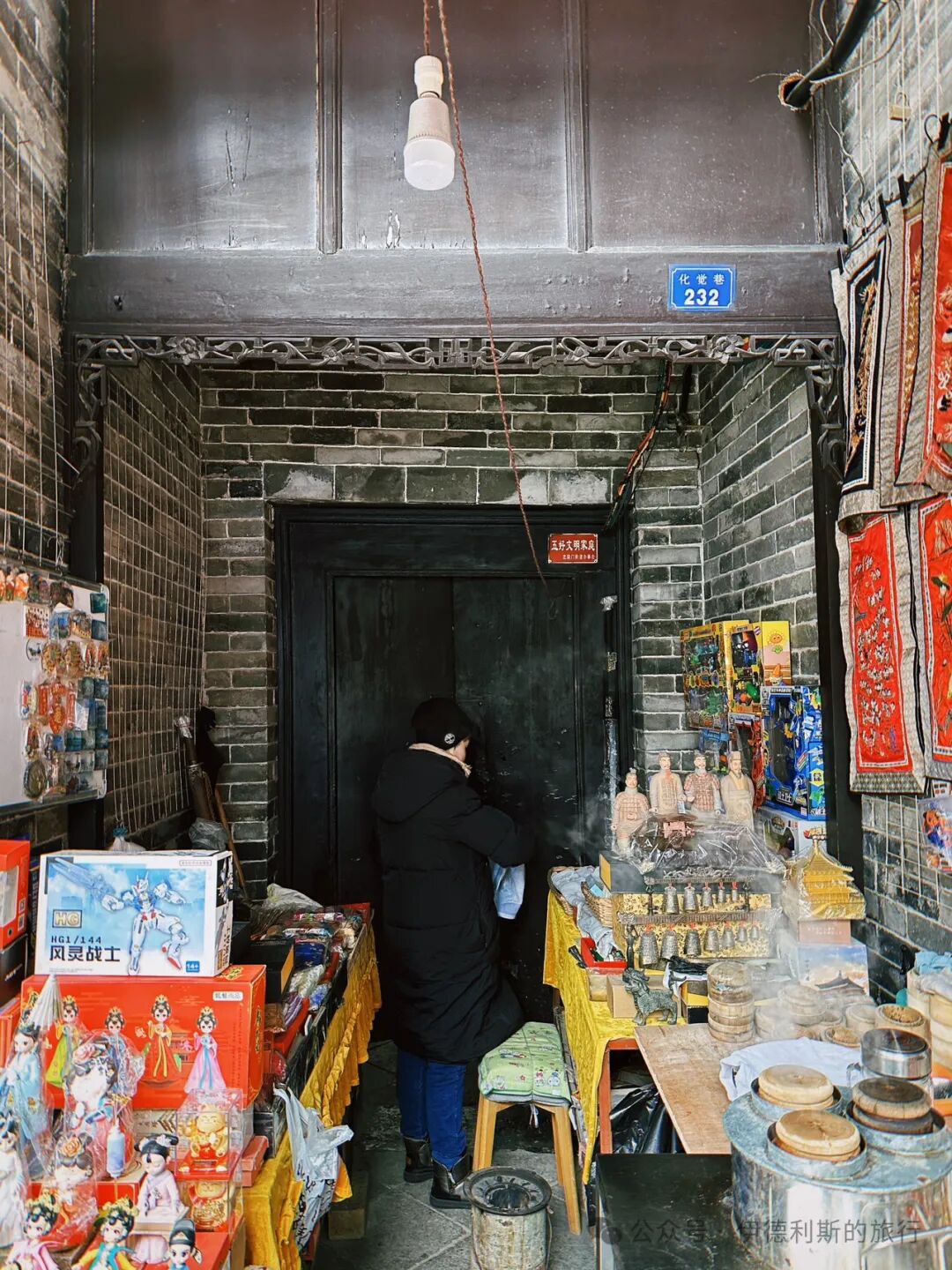
On this trip to Xi'an, I visited the An Family Courtyard (Anjia Xiaoyuan) on Huajue Lane, one of the last remaining traditional Hui Muslim homes in the city. The An Family Courtyard faces the spirit wall of the Great Mosque of Huajue Lane. The entrance is always crowded with tourists, and the An family runs a small stall there. If you didn't know about it beforehand, you would never guess such a well-preserved Qing Dynasty home was hidden here.
The An family made and sold candles for generations. Their fifth-generation ancestor built this house during the Qianlong reign, making it over 200 years old. The house was originally a connected four-courtyard complex (lian si yuan), but only this one section remains today. The current owner of the An Family Courtyard is An Shouxin, a retired professor from Xi'an University of Technology and a famous calligrapher in Xi'an. Mr. An was born in 1933 and is now 92 years old. He was resting when we visited, so we didn't want to disturb him and chatted with his daughter instead.
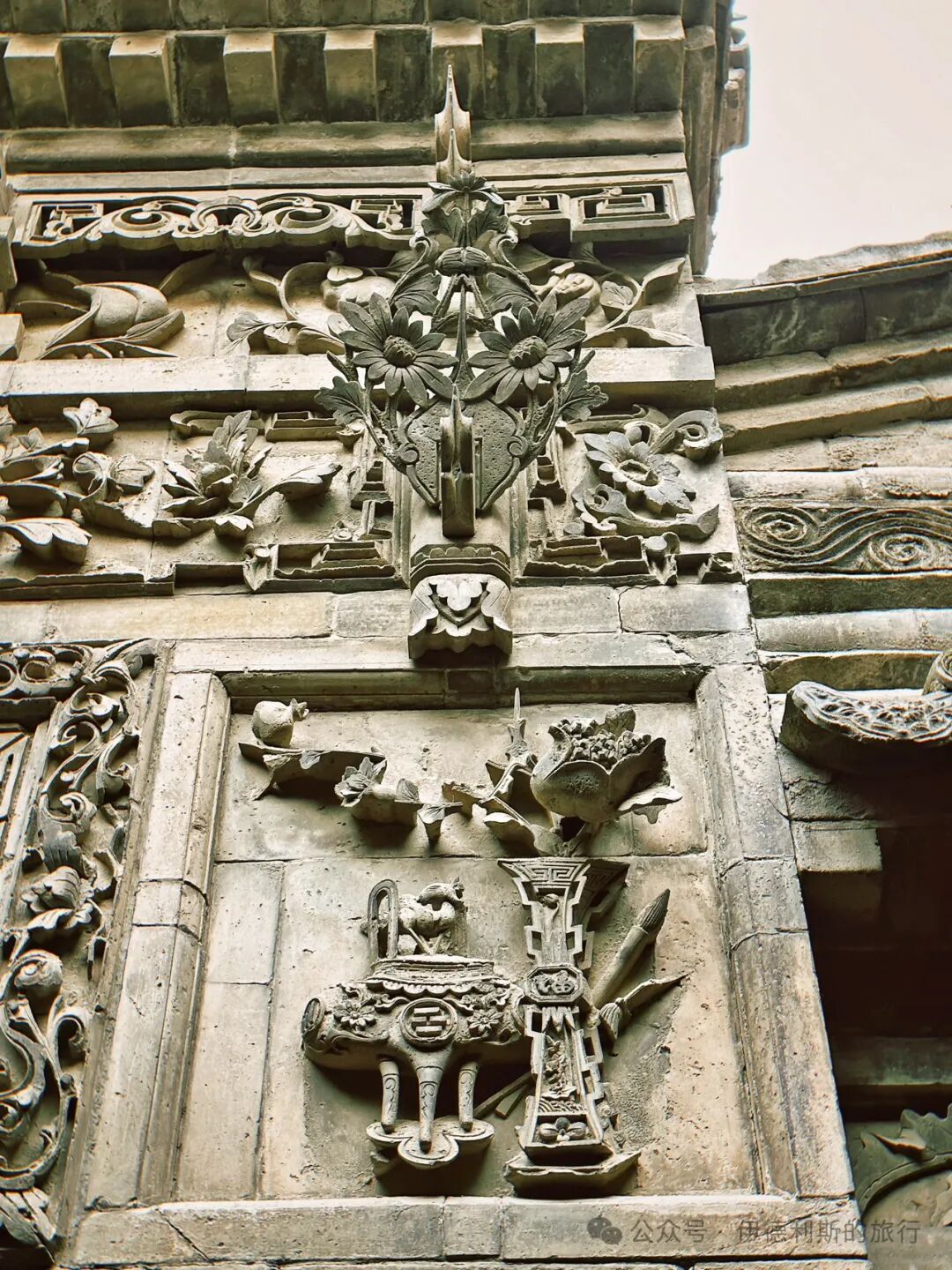
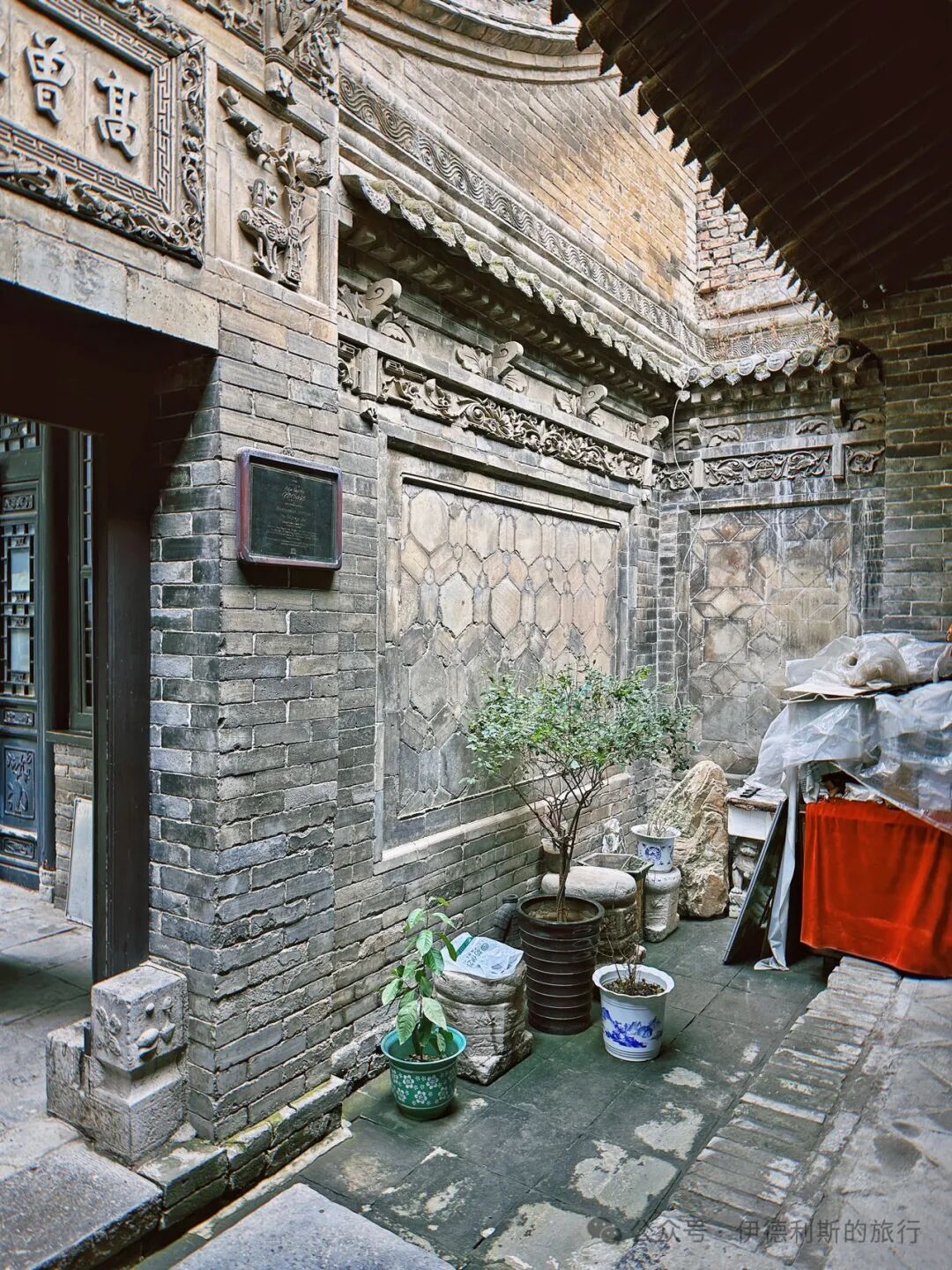
The An Family Courtyard is a typical Guanzhong-style courtyard house (siheyuan), with the same layout and structure as traditional northern courtyard homes. The house has two courtyards, one in front and one in back. The street-facing gate is painted in black and red with carved wooden eaves. Inside the gate is a carved spirit wall, and to the left is a second gate with delicate brick carvings. The second gate features carvings of flowers, birds, fruits, clouds, and vines. In the center are two pomegranates, which symbolize having many children and much good fortune. The center of the second gate is carved with the four characters 'Gao Zeng Ju Yue,' which means the rules left behind by ancestors. Mr. An's daughter said that in the 1960s, her father covered all the brick carvings with mud and the wood carvings with newspaper to protect them, which is how they survived.
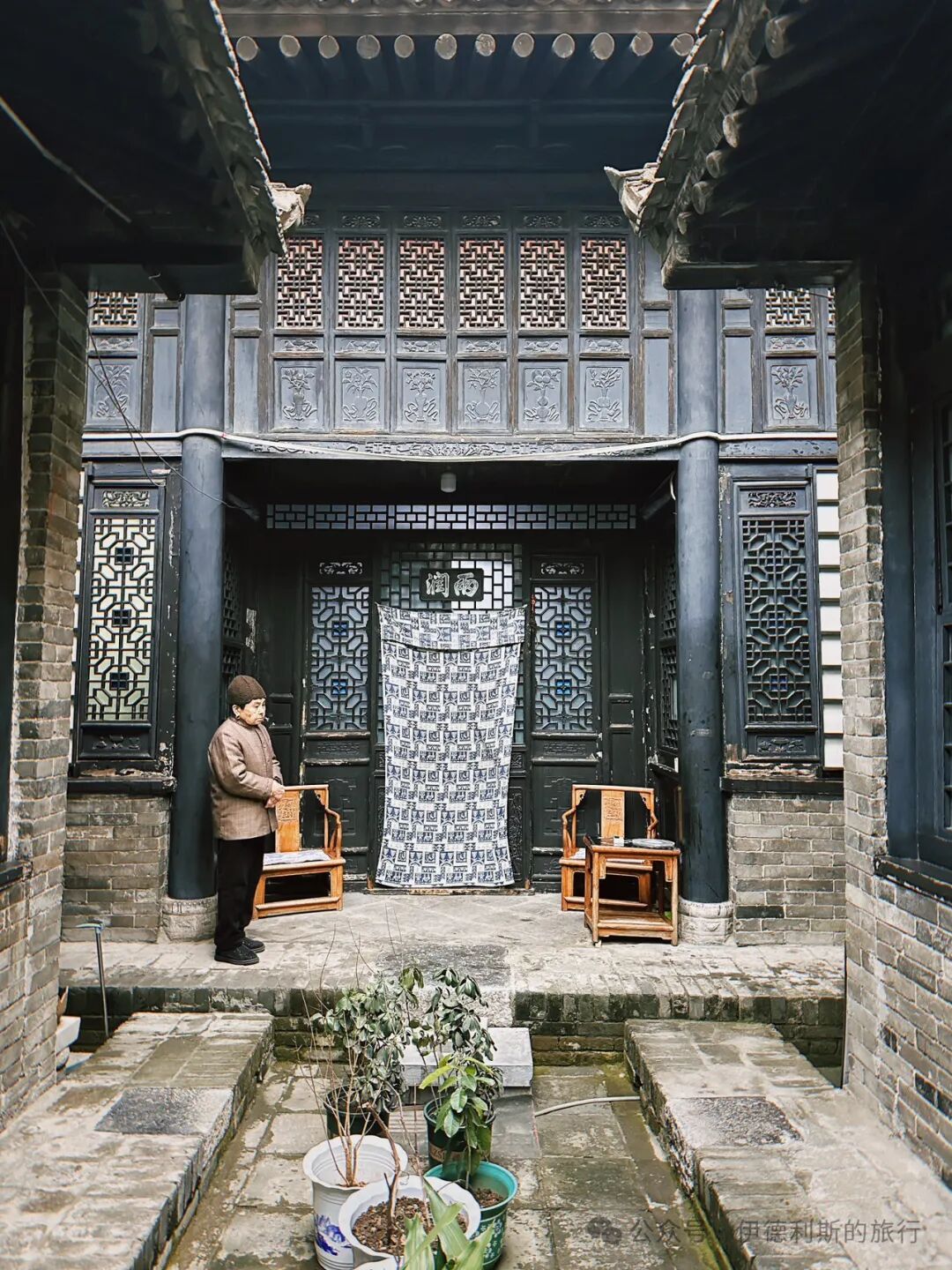
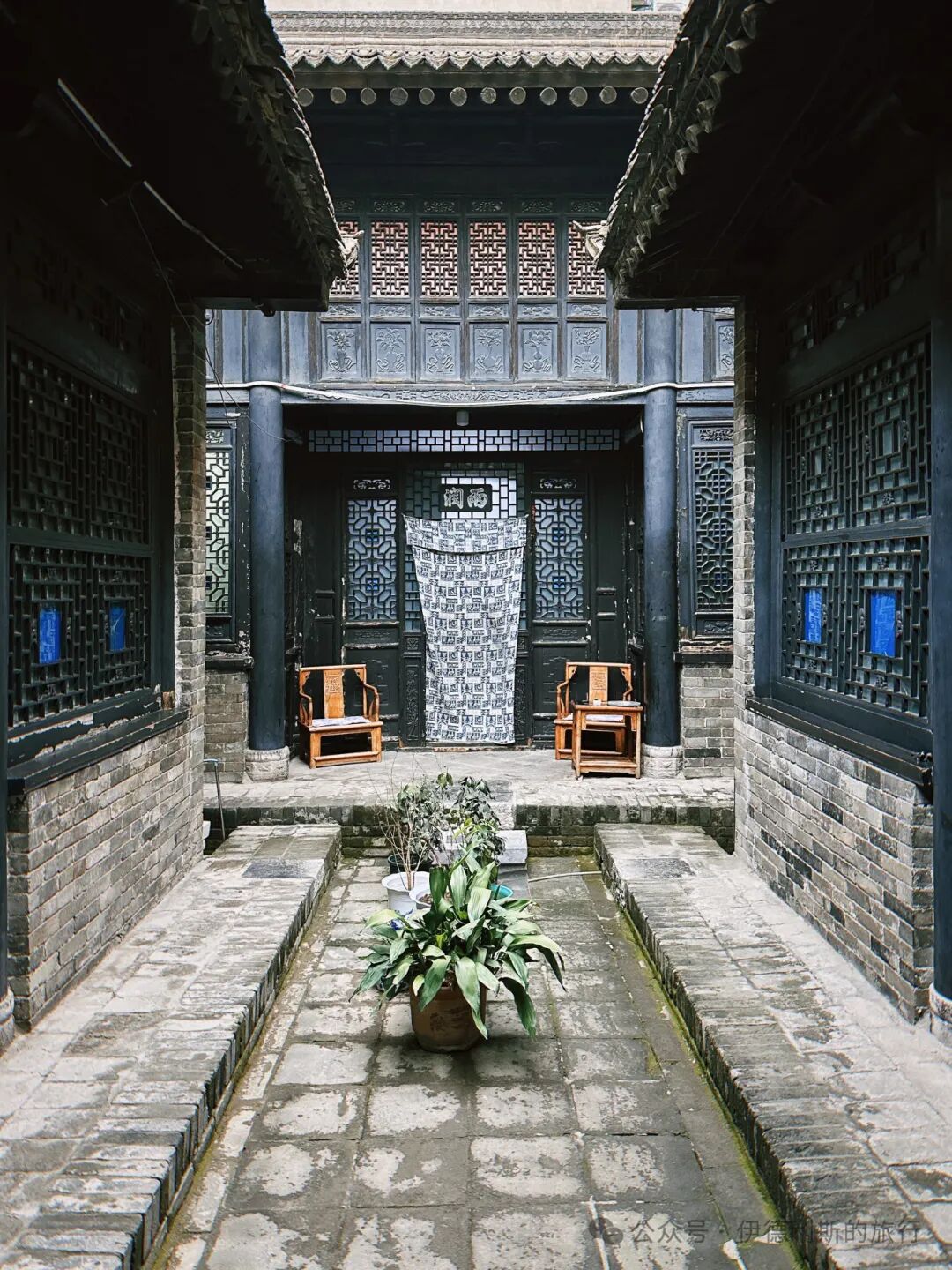
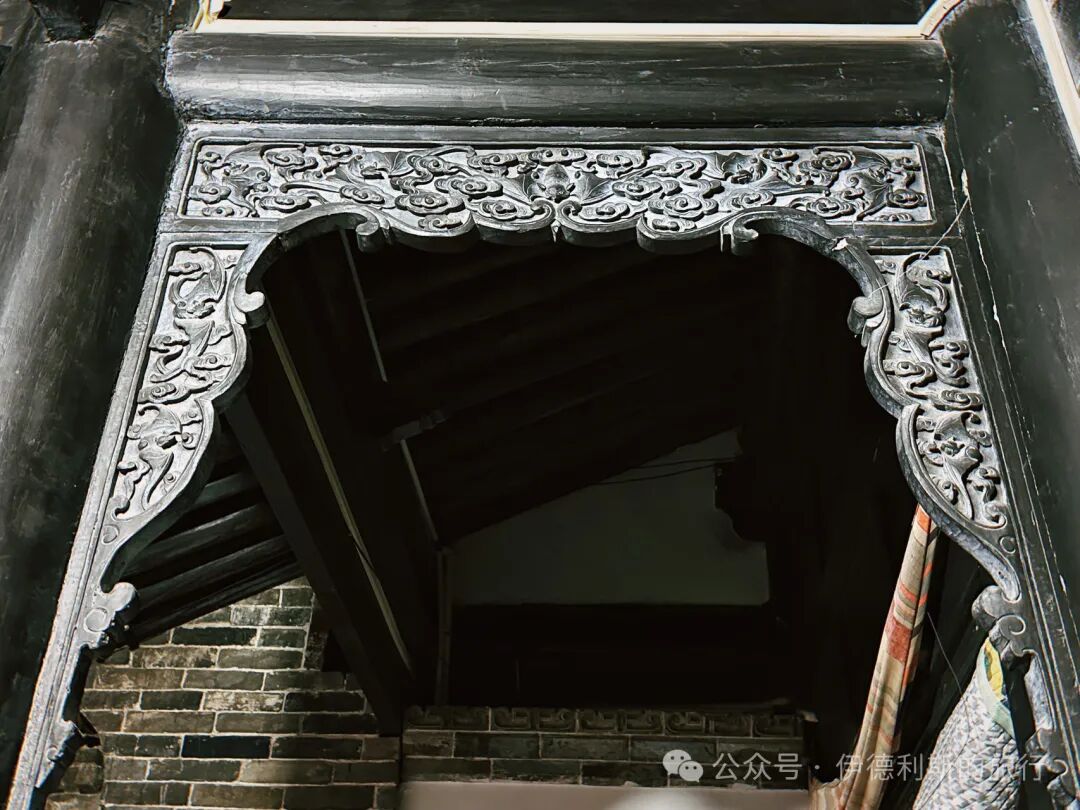
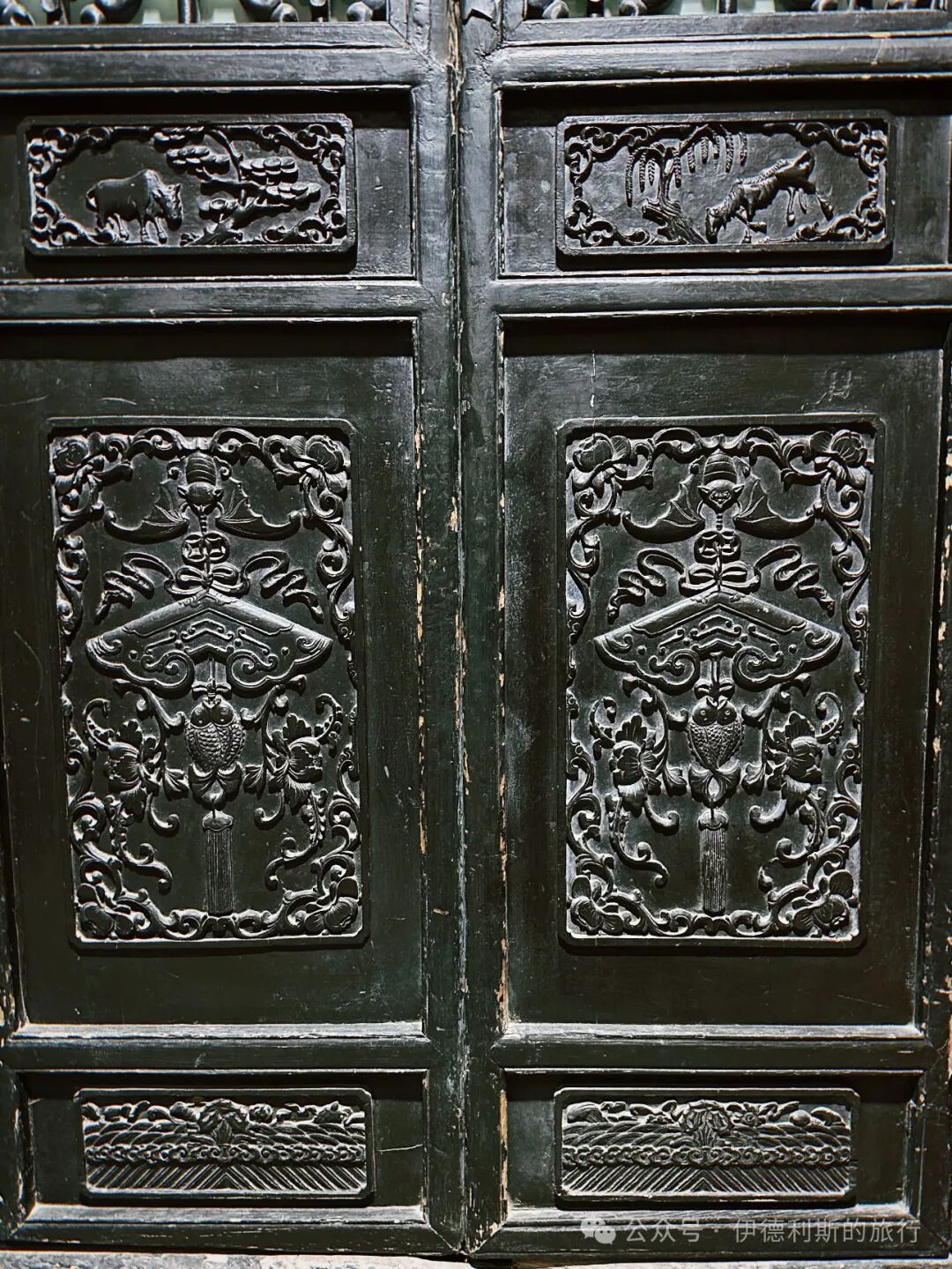
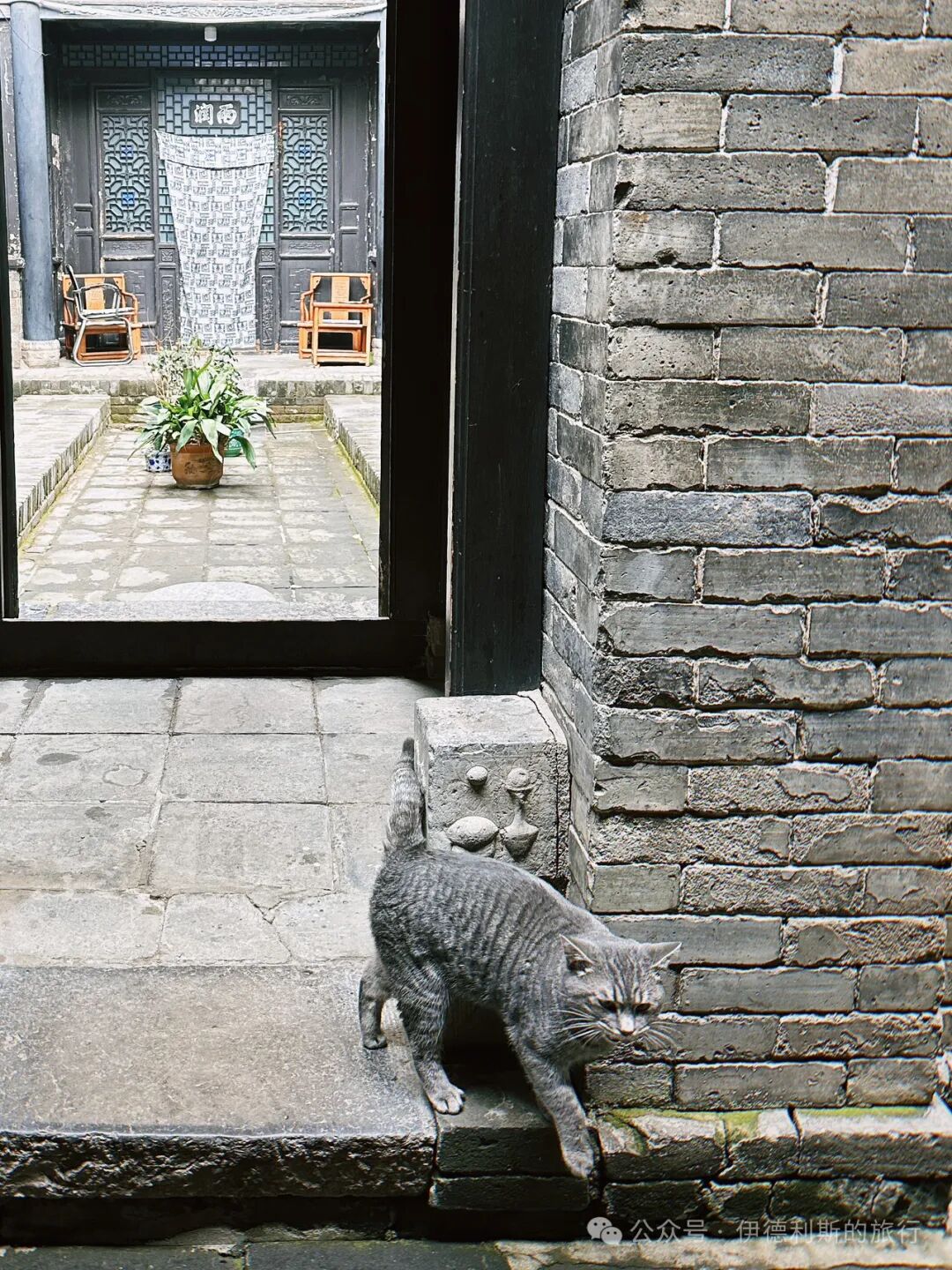
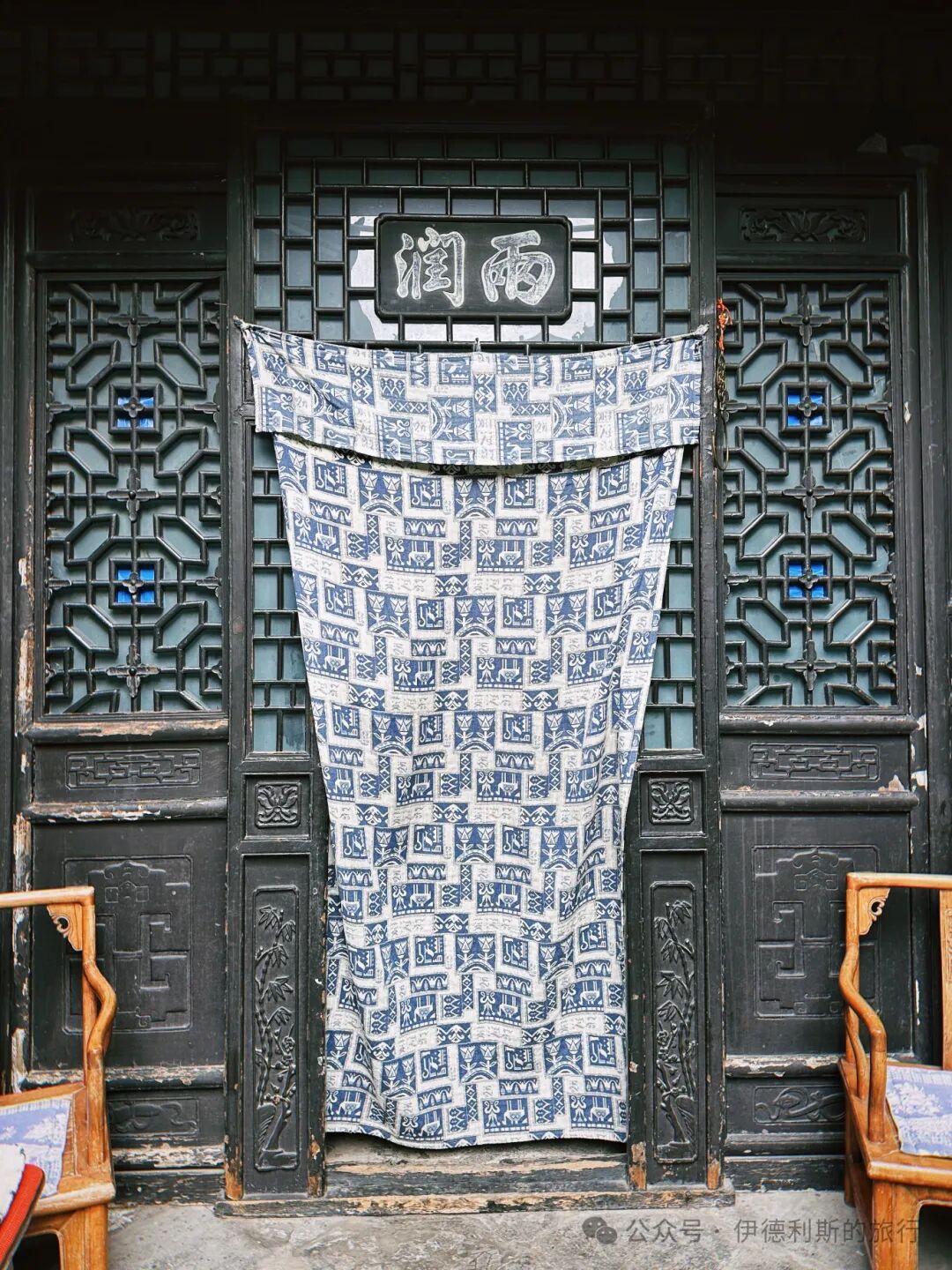
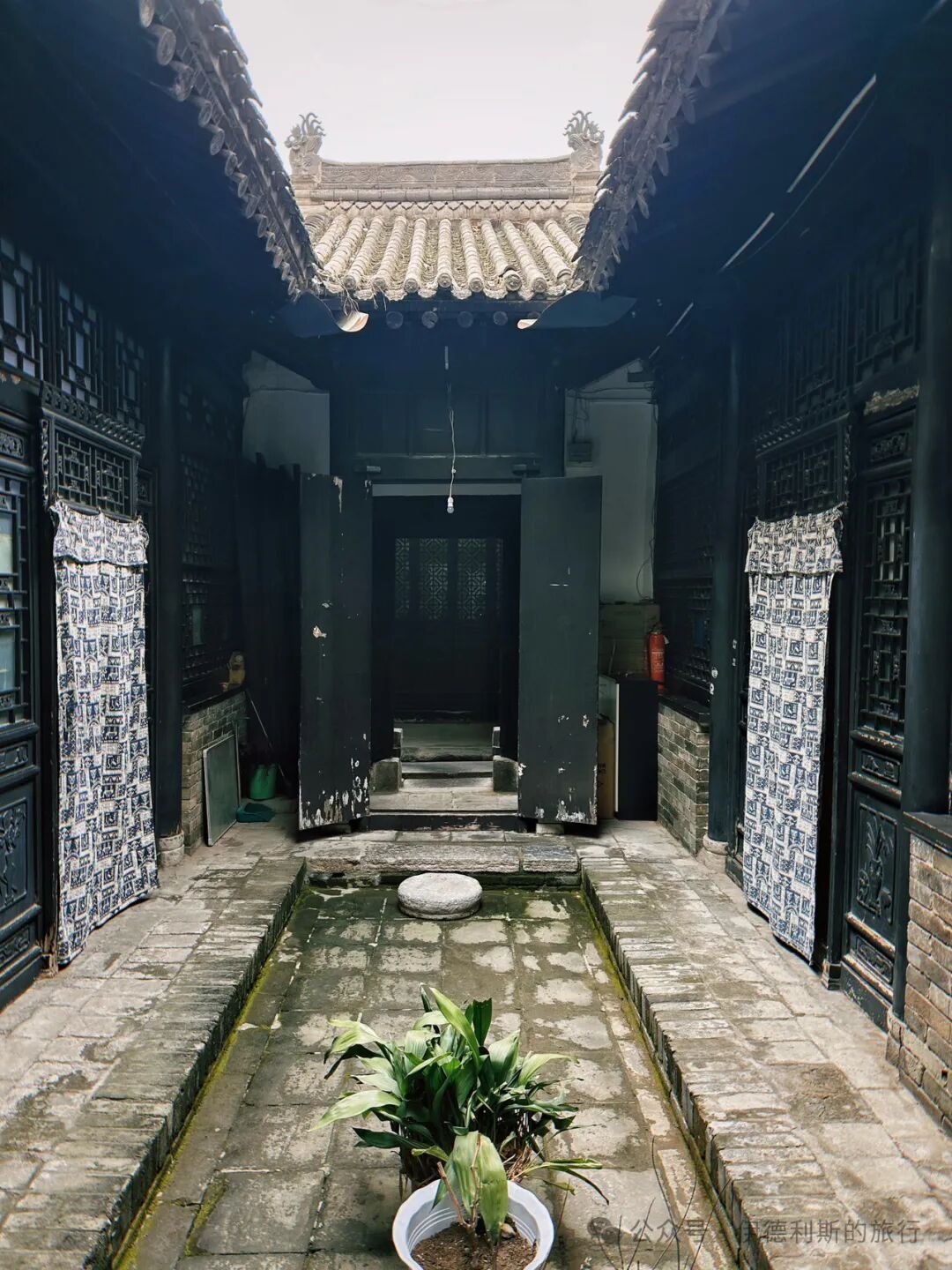
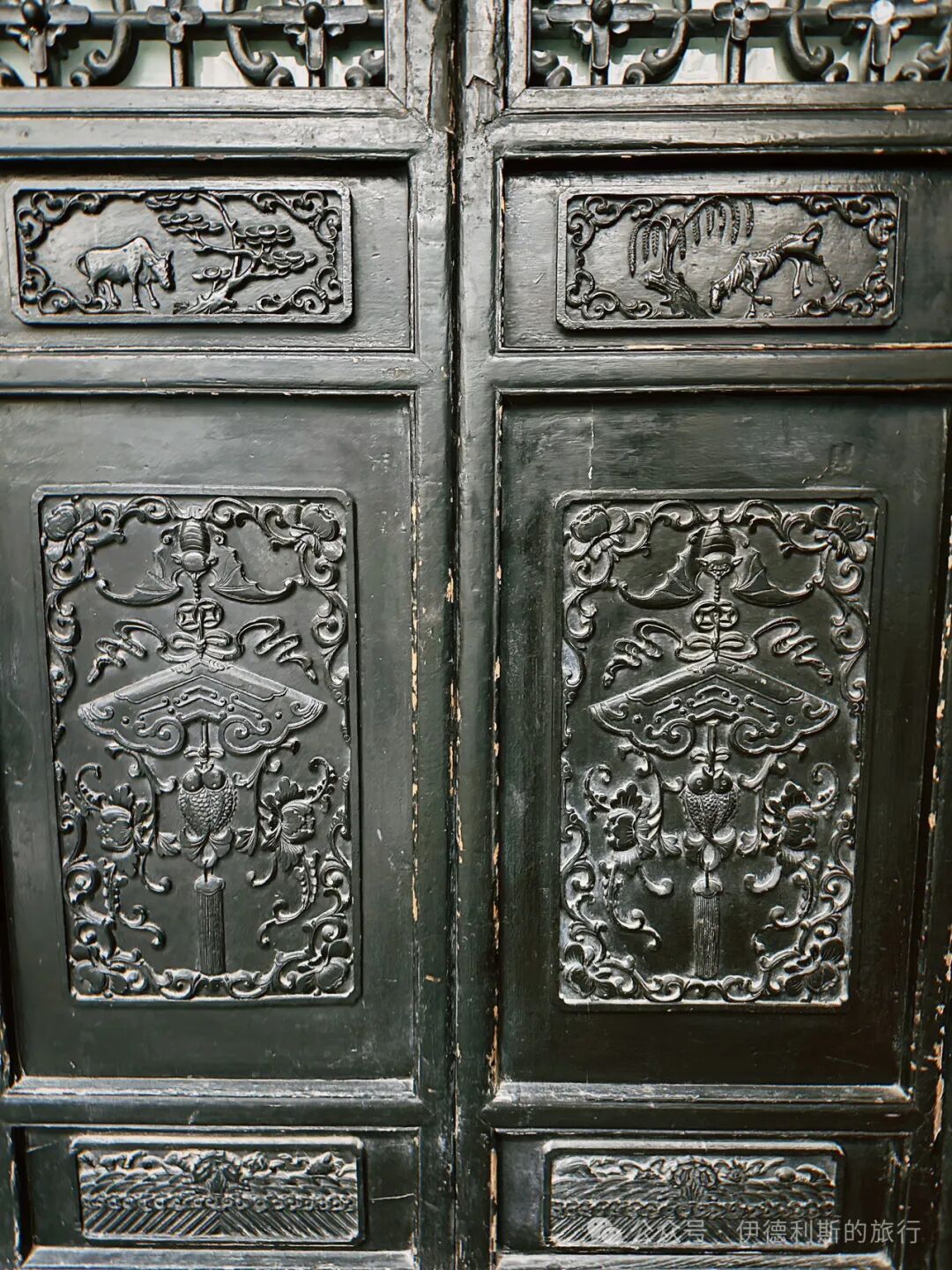
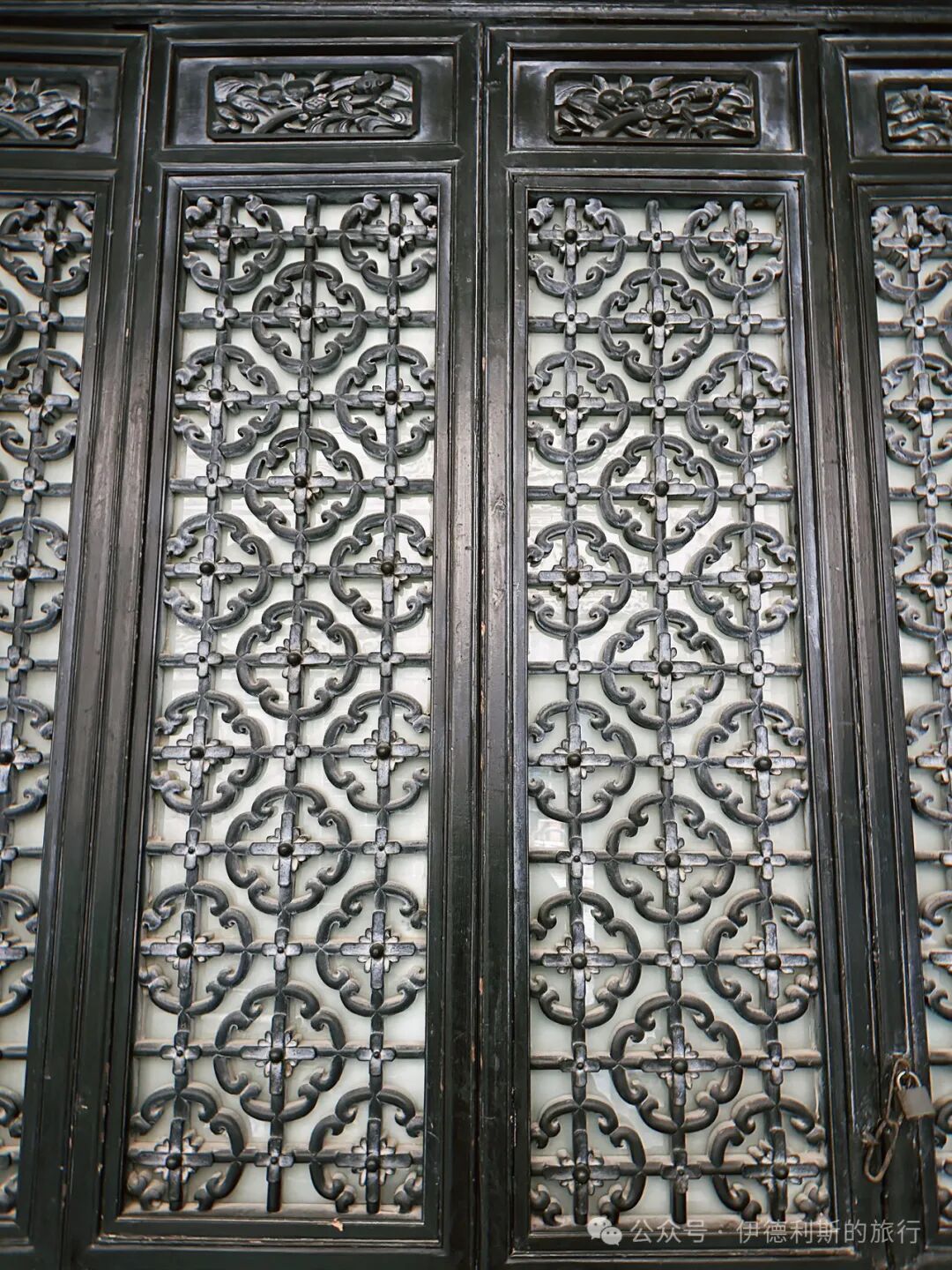
Past the second gate is the main room of the second courtyard and the side rooms (known as xiafang in the Guanzhong region). Because of the intense summer heat, the inner courtyard is narrow and long. This keeps the area shaded during the summer, a key feature of traditional Guanzhong homes. The eaves, lattice windows, and door panels are covered in beautiful wood carvings, giving the courtyard an elegant, quiet, and delicate feel.
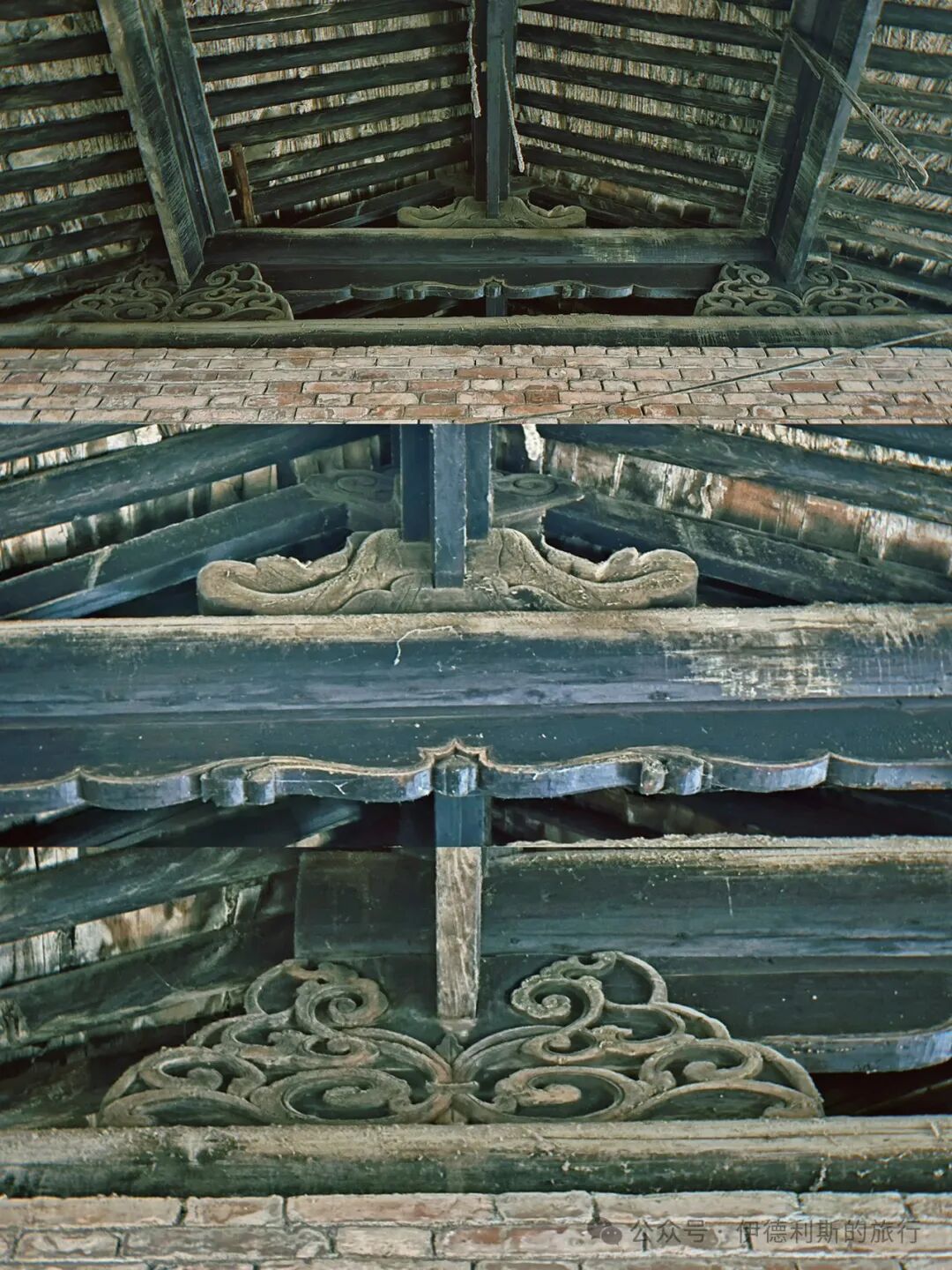
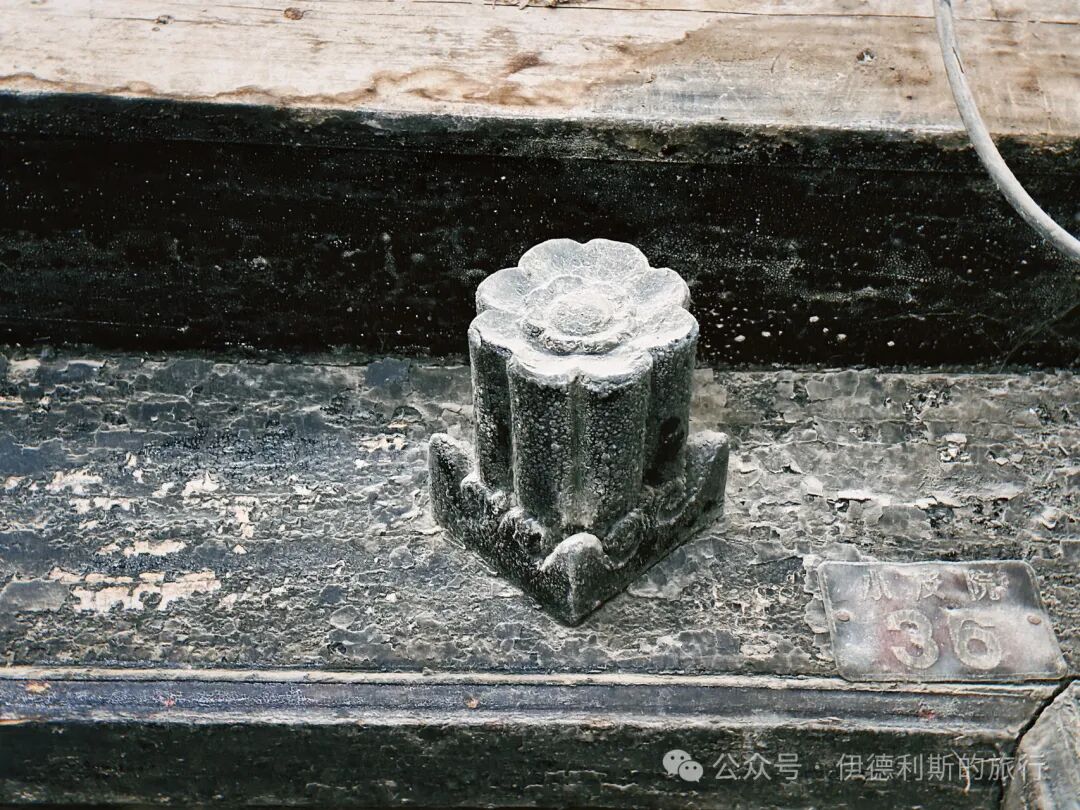
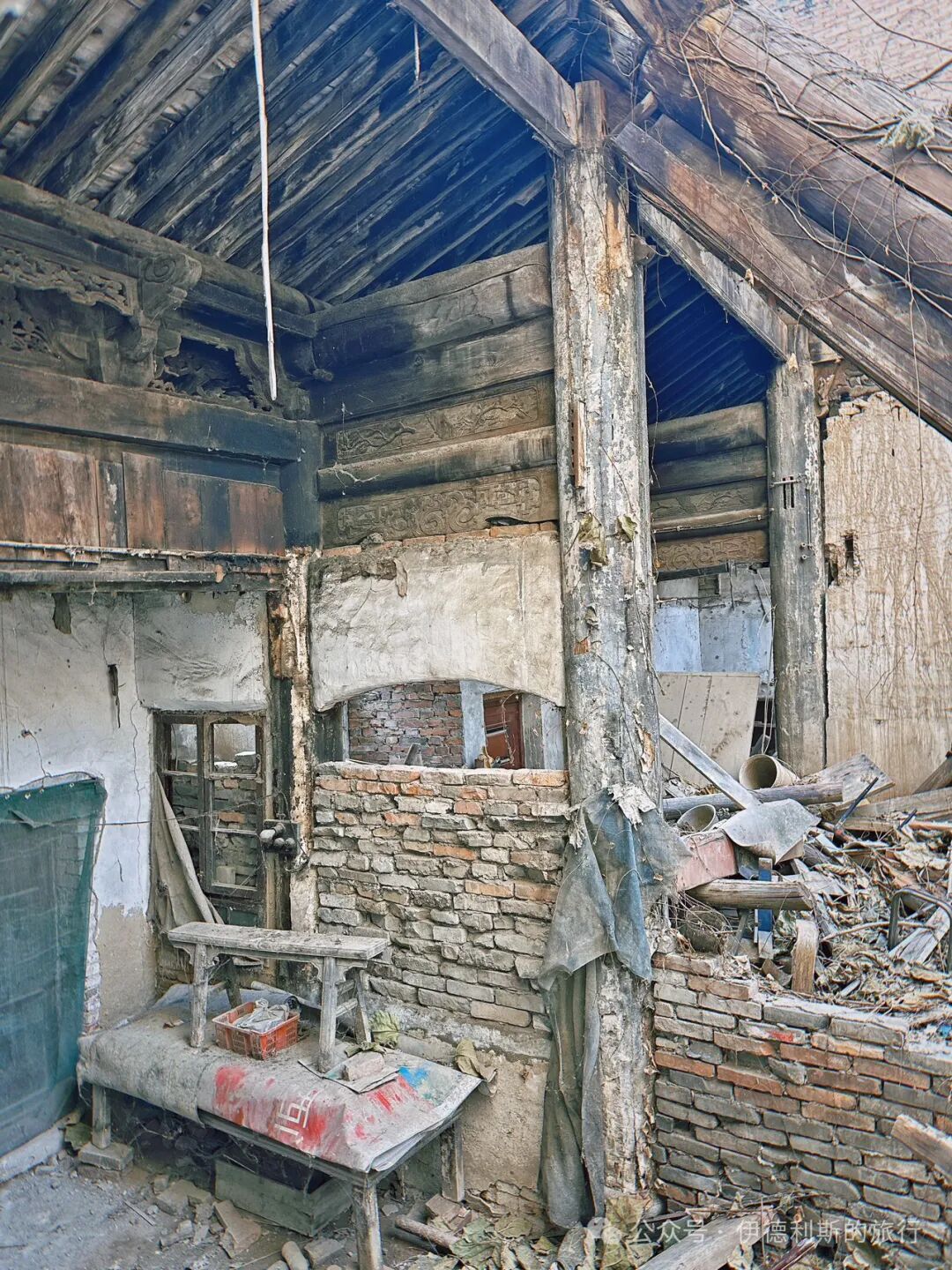
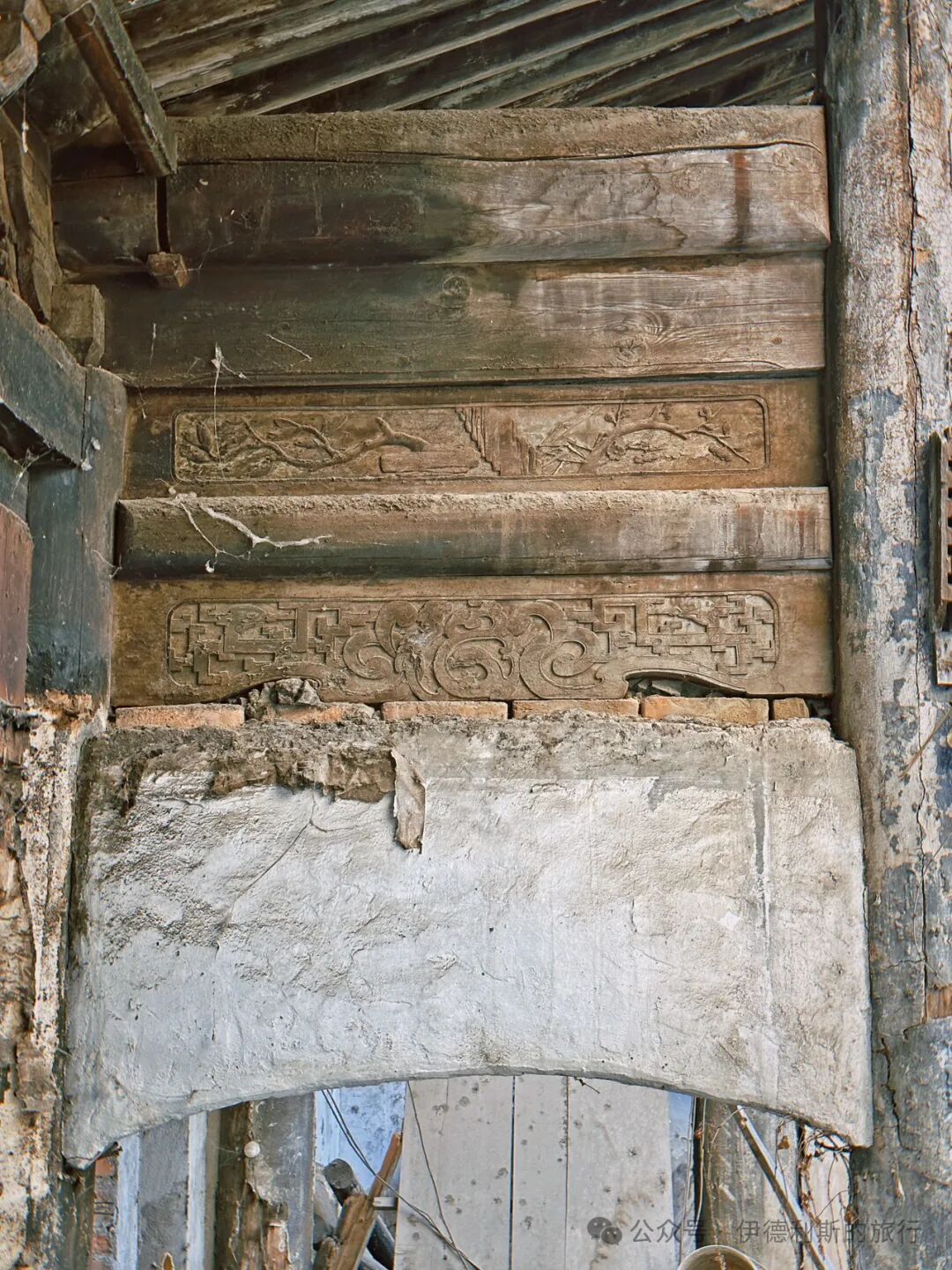
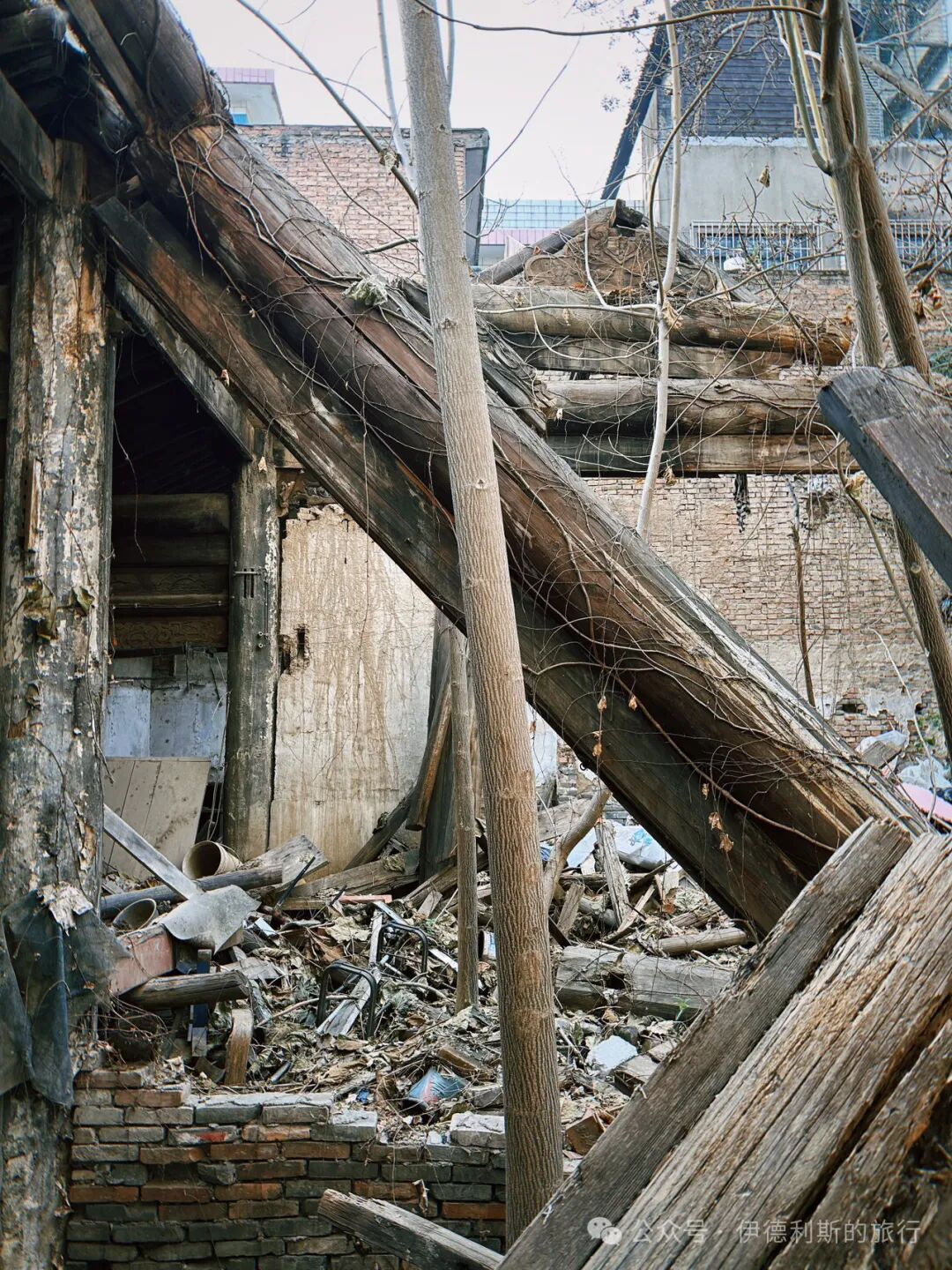
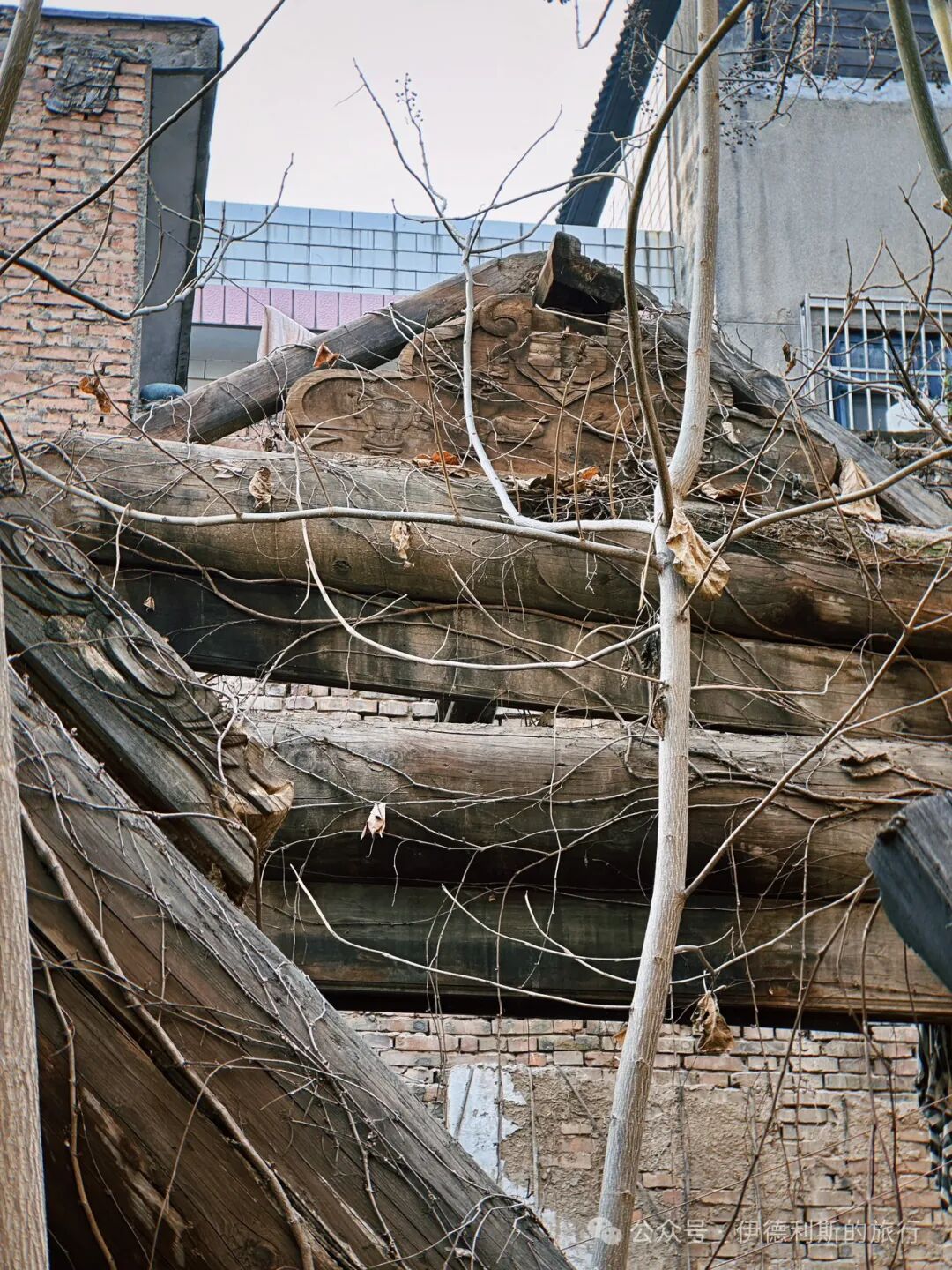
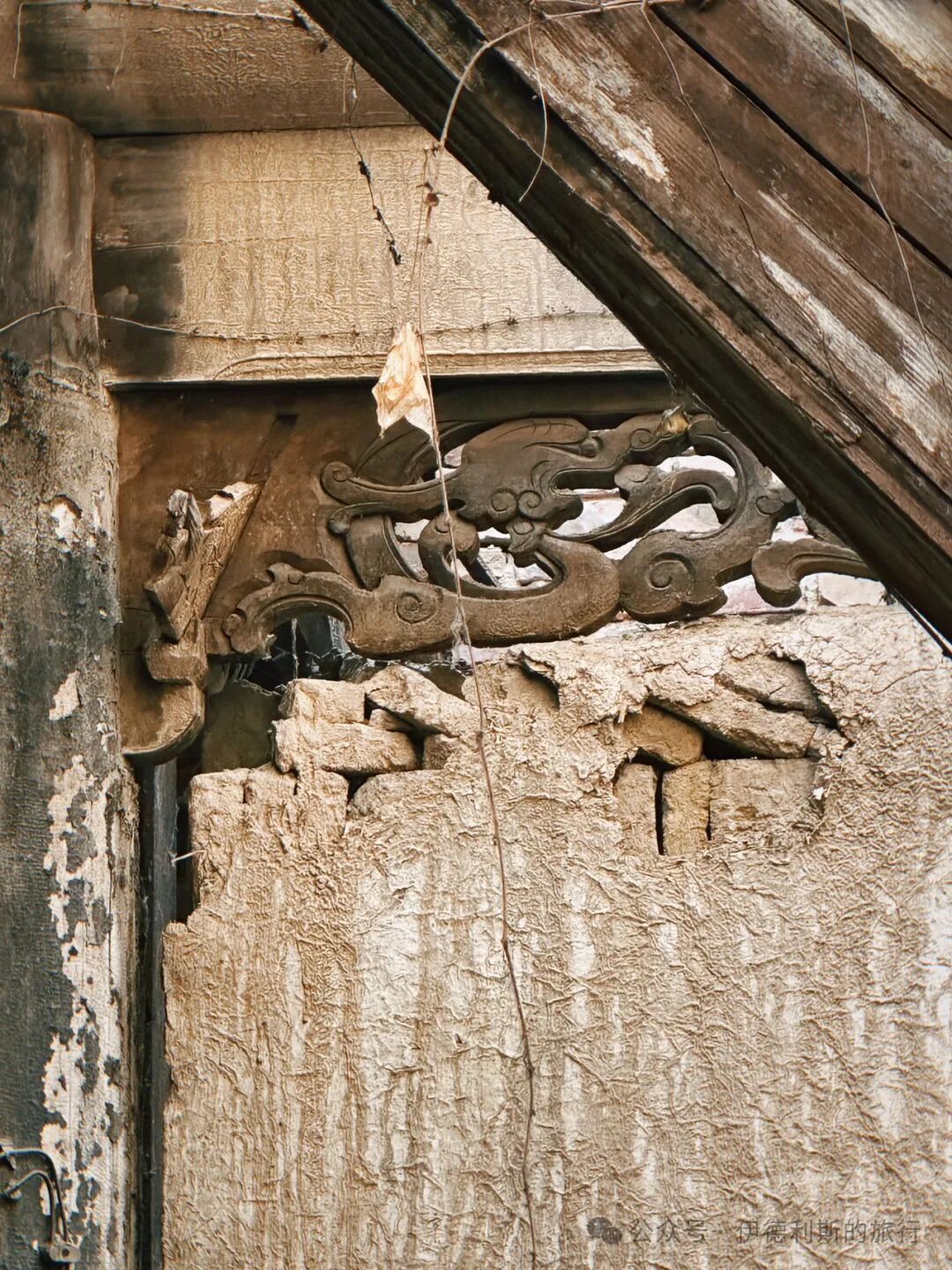
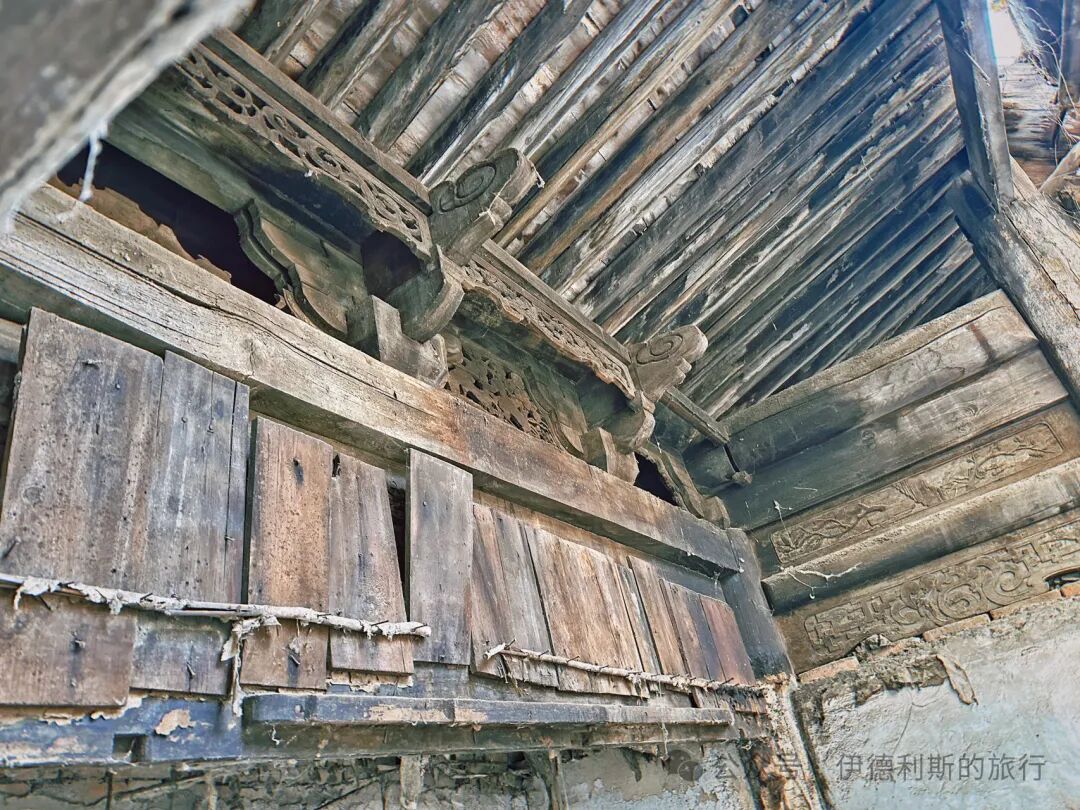
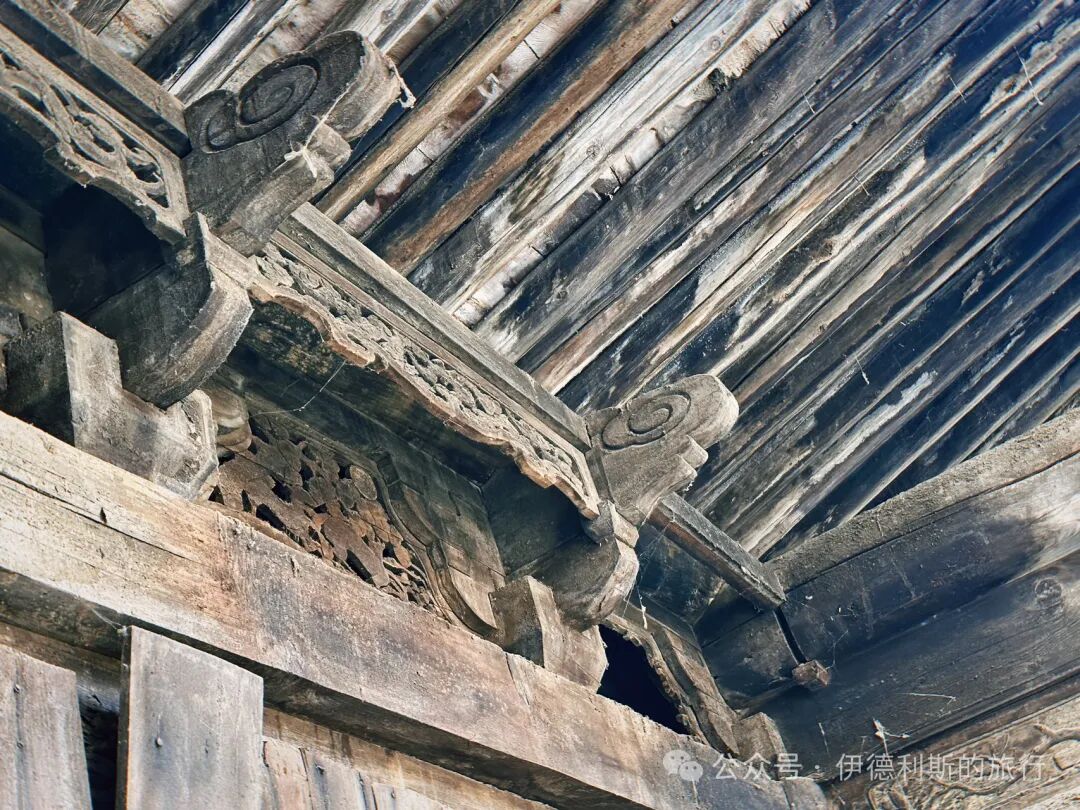
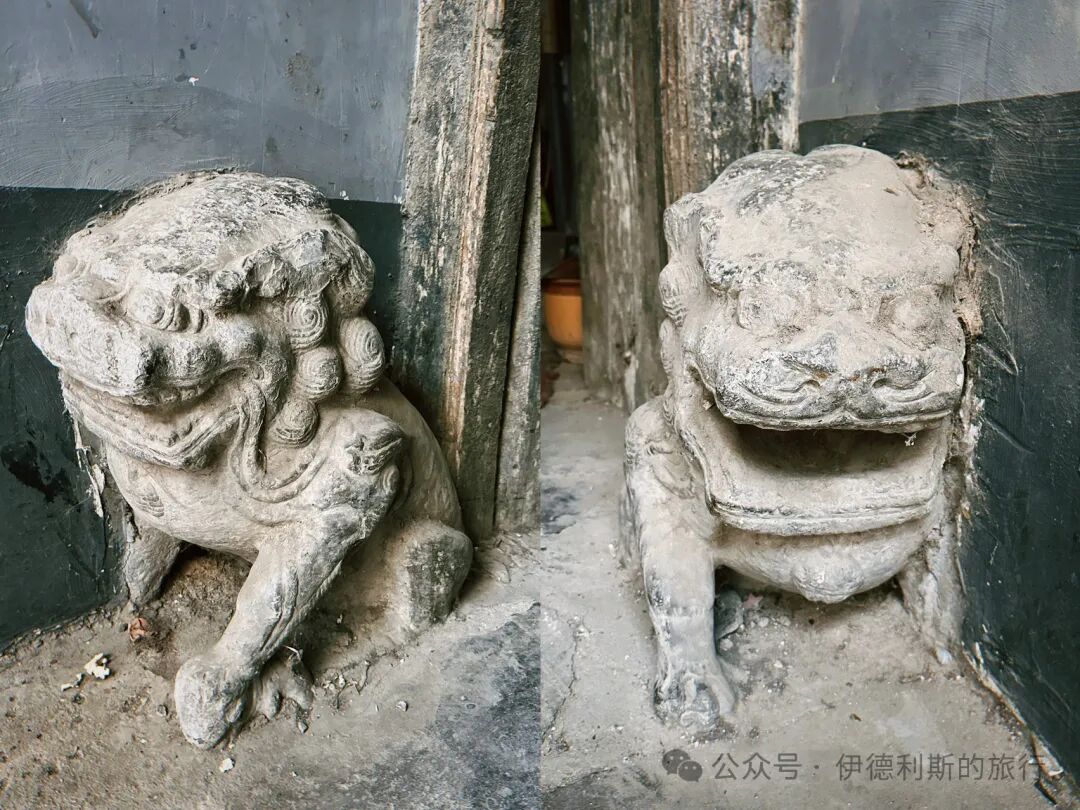
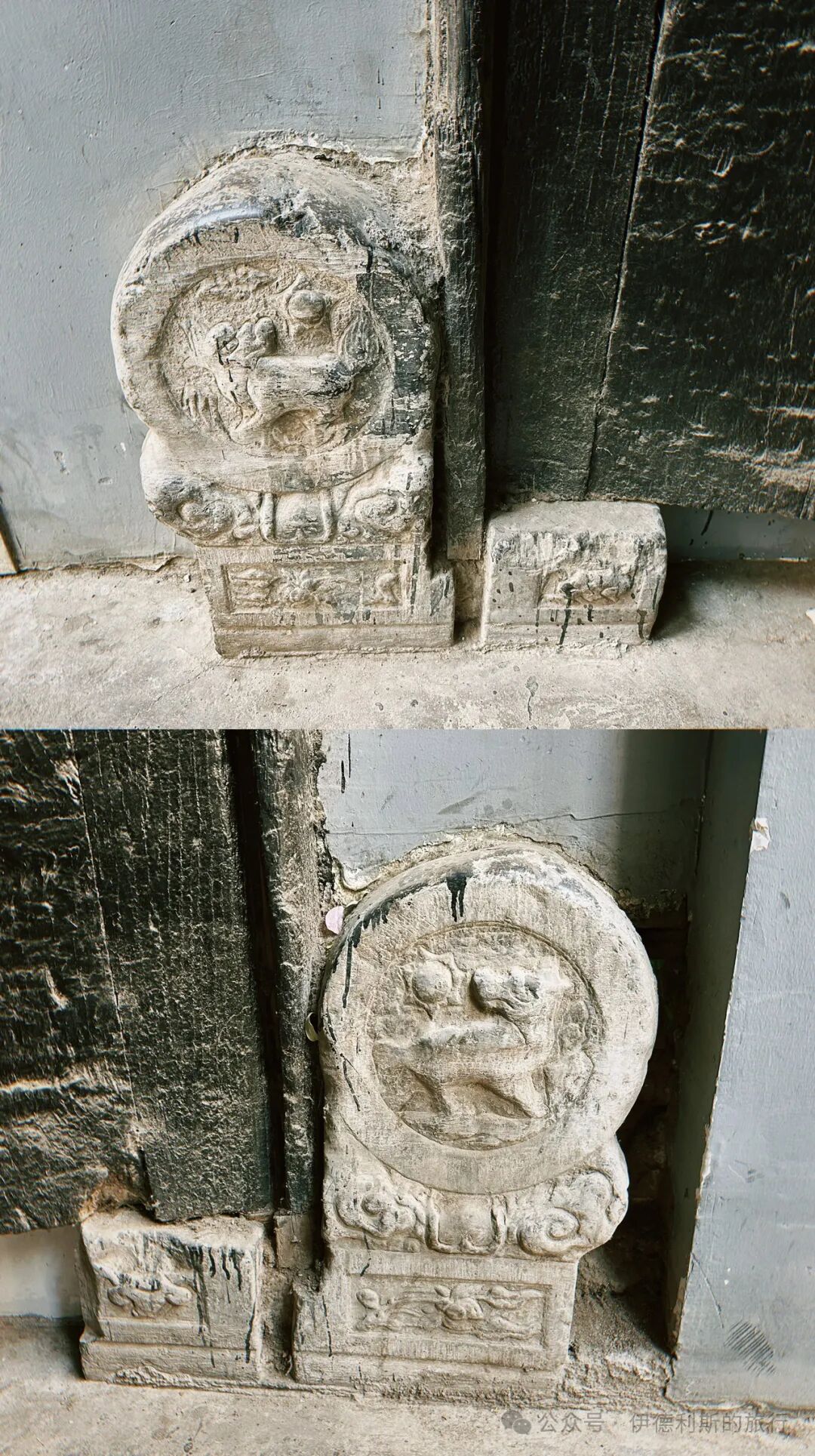
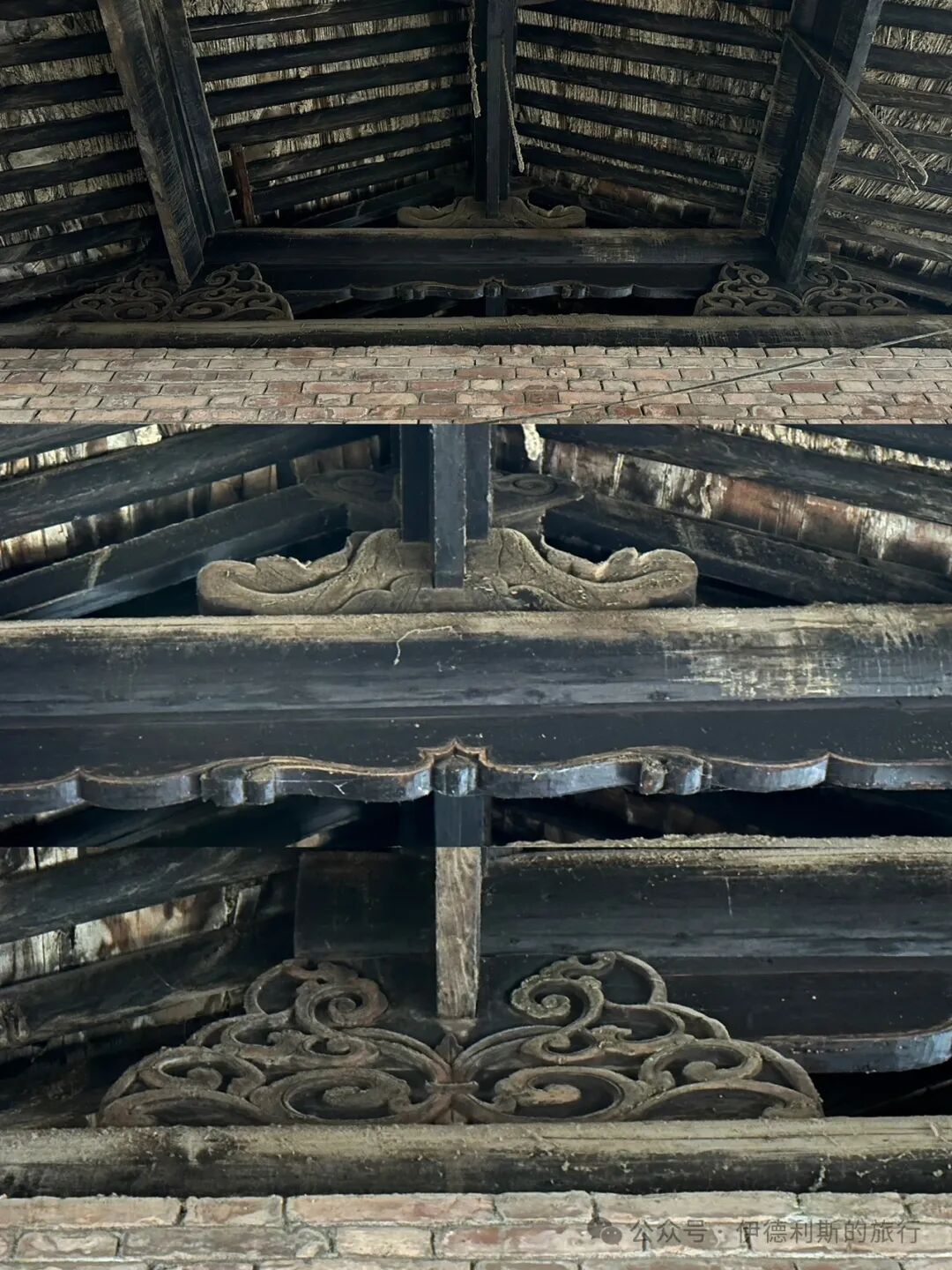
On this trip to Xi'an, a friend (dost) led me to visit the former site of the Wu Governor's Mansion (Wu Tidufu Dayuan) between Xiaopi Lane and Hongbu Street. The mansion was reportedly a four-courtyard complex consisting of three connected sections, with the front gate on Xiaopi Lane and the back gate on Hongbu Street. The front gate was a tall 'horse-riding gate' (zouma men) that allowed people to ride through on horseback. Unfortunately, due to renovations and demolition after the 1980s, only a few buildings remain at the site. Most are in disrepair, but you can still see the fine wood carvings and drum-shaped stone bases.
Records show the Wu family moved from Shuixi Gate in Nanjing during the Ming Dynasty. They lived in the Xiaopi Lane area for generations and were a prominent family in the Muslim Quarter. The governor, Wu Dajing, was a famous Hui Muslim general during the Qianlong period, and he has a biography in the Draft History of Qing (Qingshigao). Records state that Wu Dajing passed the military examination in 1762 (the 27th year of Qianlong) and became a military jinshi the following year. He was appointed as a third-rank imperial guard and later served as governor in Guangxi, Gansu, and Yunnan, earning many military honors. In the fourth year of the Jiaqing reign, Wu Dajing led his troops to the Yunnan-Myanmar border to put down the rebellion of Seng Tongjin and the Menglian chieftain. He cleared the border area and protected the unity of the motherland.
Wu Dajing was also devoted to his faith and donated money to renovate the Liuzhou Mosque in Guangxi. The 1884 stele recording the renovation of the main hall at Liuzhou Mosque states: There is a mosque inside and outside the city of Liuzhou, said to have been founded during the Ming Dynasty. Early in the Qing Dynasty, Commander Ma Xiong and General Wu Dajing donated funds for repairs. Later years saw further construction, resulting in a grand hall well-suited for namaz.
Among the descendants of the Wu family, the most famous was the Republic-era imam Wu Zhenming, who was the great-grandson of Wu Dajing. Imam Wu Zhenming began his service at the Yingli Mosque in Xiaoxuexi Lane in 1922. He later taught at the Tawan West Mosque in Luoyang, the North Mosque in Xiaopi Yard in Xi'an, the Guangyi Bridge Mosque in Hankou, the mosque outside the city of Jiujiang, the Wenshu Street Mosque in Kaifeng, the Tongxiang Mosque in Luoyang, the Jianguo Lane Mosque in Xi'an, the Yingli Mosque in Xiaoxuexi Lane, and the Dapi Yard Mosque. He had students everywhere, and many of his pupils later became well-known imams.
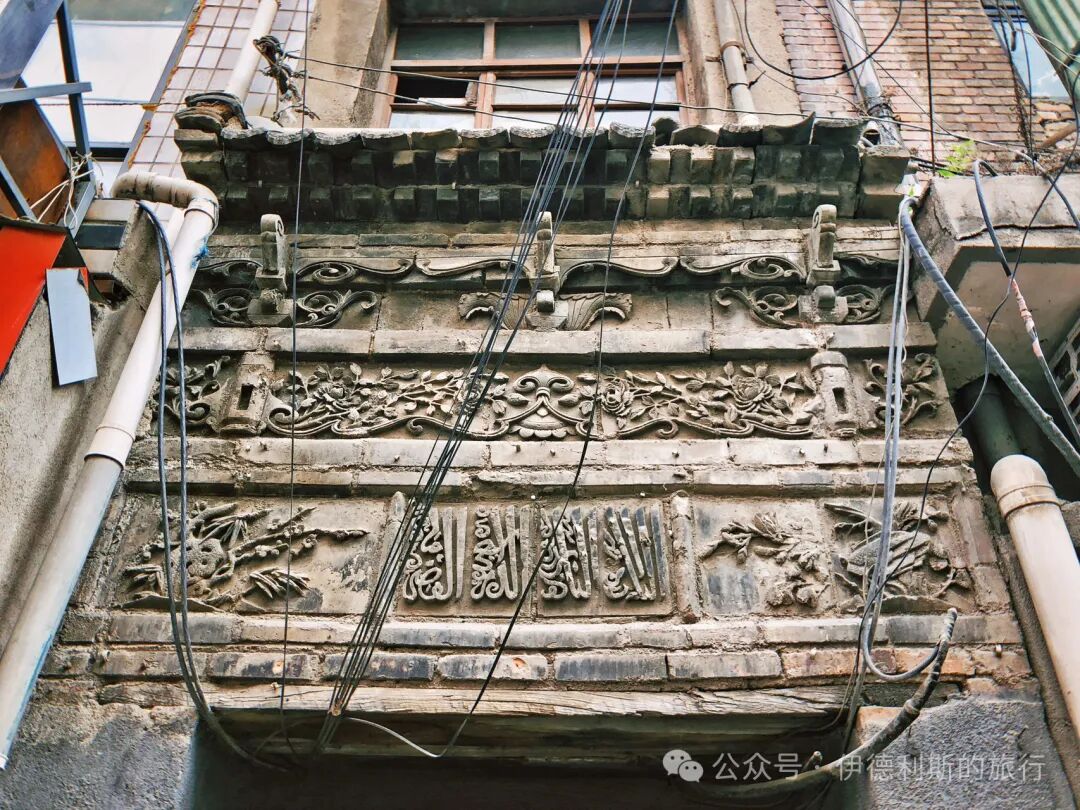
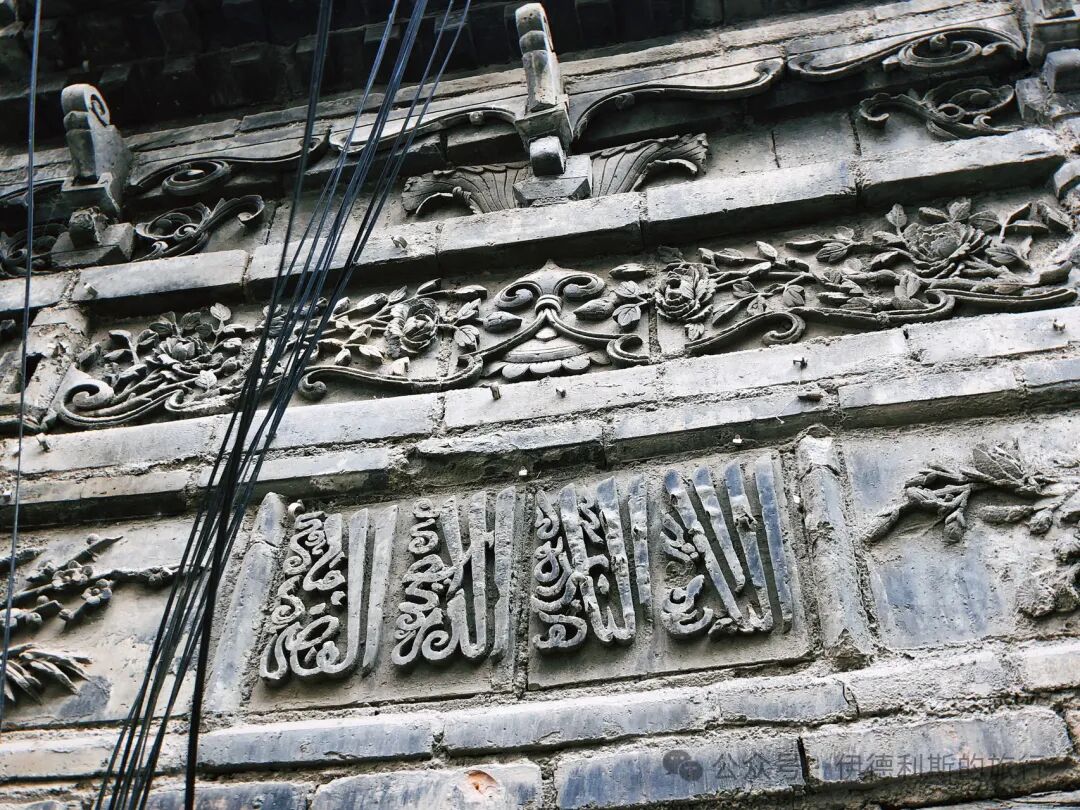
The Li Family Courtyard, located across from the old mosque on Sajin Bridge in Xi'an, preserves the only remaining Qing Dynasty residential brick carving with Arabic calligraphy above the doorway. It is carved in traditional Chinese Arabic calligraphy, and the general meaning is:
Al-abiat zen
Poetry is a form of praise.
Al-bab saddoul
The gate is a curtain.
Al-dar said
The house is a form of happiness.
Al-qassar mubarak
The palace is a blessing. view all
Summary: Deep inside Xi'an Muslim Quarter, several Qing-era Hui Muslim homes still hold traces of courtyard life, family history, and local Muslim culture. This article follows three of those homes with their original locations, photos, architectural details, and neighborhood context preserved.
On this trip to Xi'an, I visited the An Family Courtyard (Anjia Xiaoyuan) on Huajue Lane, one of the last remaining traditional Hui Muslim homes in the city. The An Family Courtyard faces the spirit wall of the Great Mosque of Huajue Lane. The entrance is always crowded with tourists, and the An family runs a small stall there. If you didn't know about it beforehand, you would never guess such a well-preserved Qing Dynasty home was hidden here.
The An family made and sold candles for generations. Their fifth-generation ancestor built this house during the Qianlong reign, making it over 200 years old. The house was originally a connected four-courtyard complex (lian si yuan), but only this one section remains today. The current owner of the An Family Courtyard is An Shouxin, a retired professor from Xi'an University of Technology and a famous calligrapher in Xi'an. Mr. An was born in 1933 and is now 92 years old. He was resting when we visited, so we didn't want to disturb him and chatted with his daughter instead.
The An Family Courtyard is a typical Guanzhong-style courtyard house (siheyuan), with the same layout and structure as traditional northern courtyard homes. The house has two courtyards, one in front and one in back. The street-facing gate is painted in black and red with carved wooden eaves. Inside the gate is a carved spirit wall, and to the left is a second gate with delicate brick carvings. The second gate features carvings of flowers, birds, fruits, clouds, and vines. In the center are two pomegranates, which symbolize having many children and much good fortune. The center of the second gate is carved with the four characters 'Gao Zeng Ju Yue,' which means the rules left behind by ancestors. Mr. An's daughter said that in the 1960s, her father covered all the brick carvings with mud and the wood carvings with newspaper to protect them, which is how they survived.
Past the second gate is the main room of the second courtyard and the side rooms (known as xiafang in the Guanzhong region). Because of the intense summer heat, the inner courtyard is narrow and long. This keeps the area shaded during the summer, a key feature of traditional Guanzhong homes. The eaves, lattice windows, and door panels are covered in beautiful wood carvings, giving the courtyard an elegant, quiet, and delicate feel.
On this trip to Xi'an, a friend (dost) led me to visit the former site of the Wu Governor's Mansion (Wu Tidufu Dayuan) between Xiaopi Lane and Hongbu Street. The mansion was reportedly a four-courtyard complex consisting of three connected sections, with the front gate on Xiaopi Lane and the back gate on Hongbu Street. The front gate was a tall 'horse-riding gate' (zouma men) that allowed people to ride through on horseback. Unfortunately, due to renovations and demolition after the 1980s, only a few buildings remain at the site. Most are in disrepair, but you can still see the fine wood carvings and drum-shaped stone bases.
Records show the Wu family moved from Shuixi Gate in Nanjing during the Ming Dynasty. They lived in the Xiaopi Lane area for generations and were a prominent family in the Muslim Quarter. The governor, Wu Dajing, was a famous Hui Muslim general during the Qianlong period, and he has a biography in the Draft History of Qing (Qingshigao). Records state that Wu Dajing passed the military examination in 1762 (the 27th year of Qianlong) and became a military jinshi the following year. He was appointed as a third-rank imperial guard and later served as governor in Guangxi, Gansu, and Yunnan, earning many military honors. In the fourth year of the Jiaqing reign, Wu Dajing led his troops to the Yunnan-Myanmar border to put down the rebellion of Seng Tongjin and the Menglian chieftain. He cleared the border area and protected the unity of the motherland.
Wu Dajing was also devoted to his faith and donated money to renovate the Liuzhou Mosque in Guangxi. The 1884 stele recording the renovation of the main hall at Liuzhou Mosque states: There is a mosque inside and outside the city of Liuzhou, said to have been founded during the Ming Dynasty. Early in the Qing Dynasty, Commander Ma Xiong and General Wu Dajing donated funds for repairs. Later years saw further construction, resulting in a grand hall well-suited for namaz.
Among the descendants of the Wu family, the most famous was the Republic-era imam Wu Zhenming, who was the great-grandson of Wu Dajing. Imam Wu Zhenming began his service at the Yingli Mosque in Xiaoxuexi Lane in 1922. He later taught at the Tawan West Mosque in Luoyang, the North Mosque in Xiaopi Yard in Xi'an, the Guangyi Bridge Mosque in Hankou, the mosque outside the city of Jiujiang, the Wenshu Street Mosque in Kaifeng, the Tongxiang Mosque in Luoyang, the Jianguo Lane Mosque in Xi'an, the Yingli Mosque in Xiaoxuexi Lane, and the Dapi Yard Mosque. He had students everywhere, and many of his pupils later became well-known imams.
The Li Family Courtyard, located across from the old mosque on Sajin Bridge in Xi'an, preserves the only remaining Qing Dynasty residential brick carving with Arabic calligraphy above the doorway. It is carved in traditional Chinese Arabic calligraphy, and the general meaning is:
Al-abiat zen
Poetry is a form of praise.
Al-bab saddoul
The gate is a curtain.
Al-dar said
The house is a form of happiness.
Al-qassar mubarak
The palace is a blessing. view all
Reposted from the web
Summary: Deep inside Xi'an Muslim Quarter, several Qing-era Hui Muslim homes still hold traces of courtyard life, family history, and local Muslim culture. This article follows three of those homes with their original locations, photos, architectural details, and neighborhood context preserved.
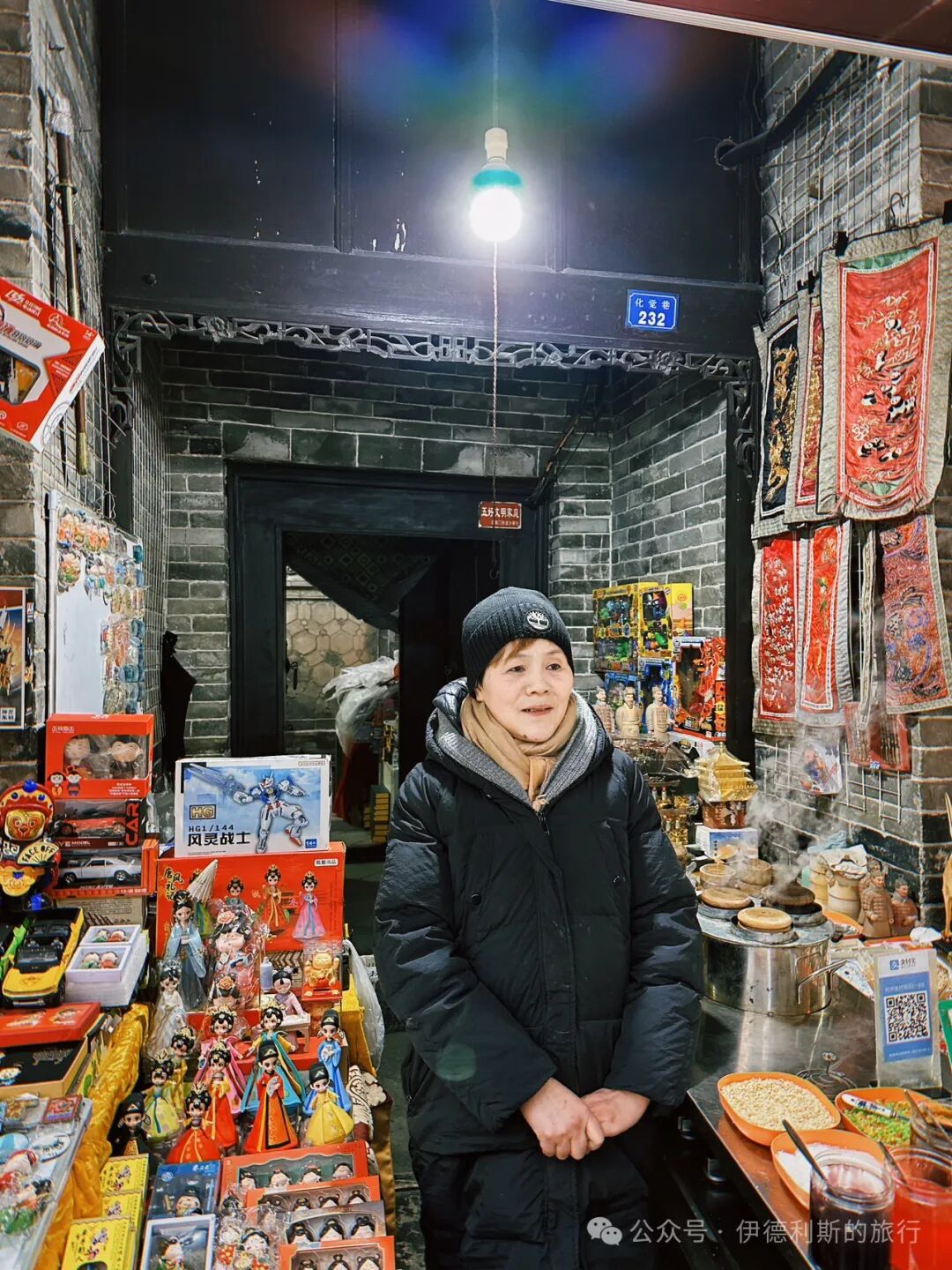
On this trip to Xi'an, I visited the An Family Courtyard (Anjia Xiaoyuan) on Huajue Lane, one of the last remaining traditional Hui Muslim homes in the city. The An Family Courtyard faces the spirit wall of the Great Mosque of Huajue Lane. The entrance is always crowded with tourists, and the An family runs a small stall there. If you didn't know about it beforehand, you would never guess such a well-preserved Qing Dynasty home was hidden here.
The An family made and sold candles for generations. Their fifth-generation ancestor built this house during the Qianlong reign, making it over 200 years old. The house was originally a connected four-courtyard complex (lian si yuan), but only this one section remains today. The current owner of the An Family Courtyard is An Shouxin, a retired professor from Xi'an University of Technology and a famous calligrapher in Xi'an. Mr. An was born in 1933 and is now 92 years old. He was resting when we visited, so we didn't want to disturb him and chatted with his daughter instead.
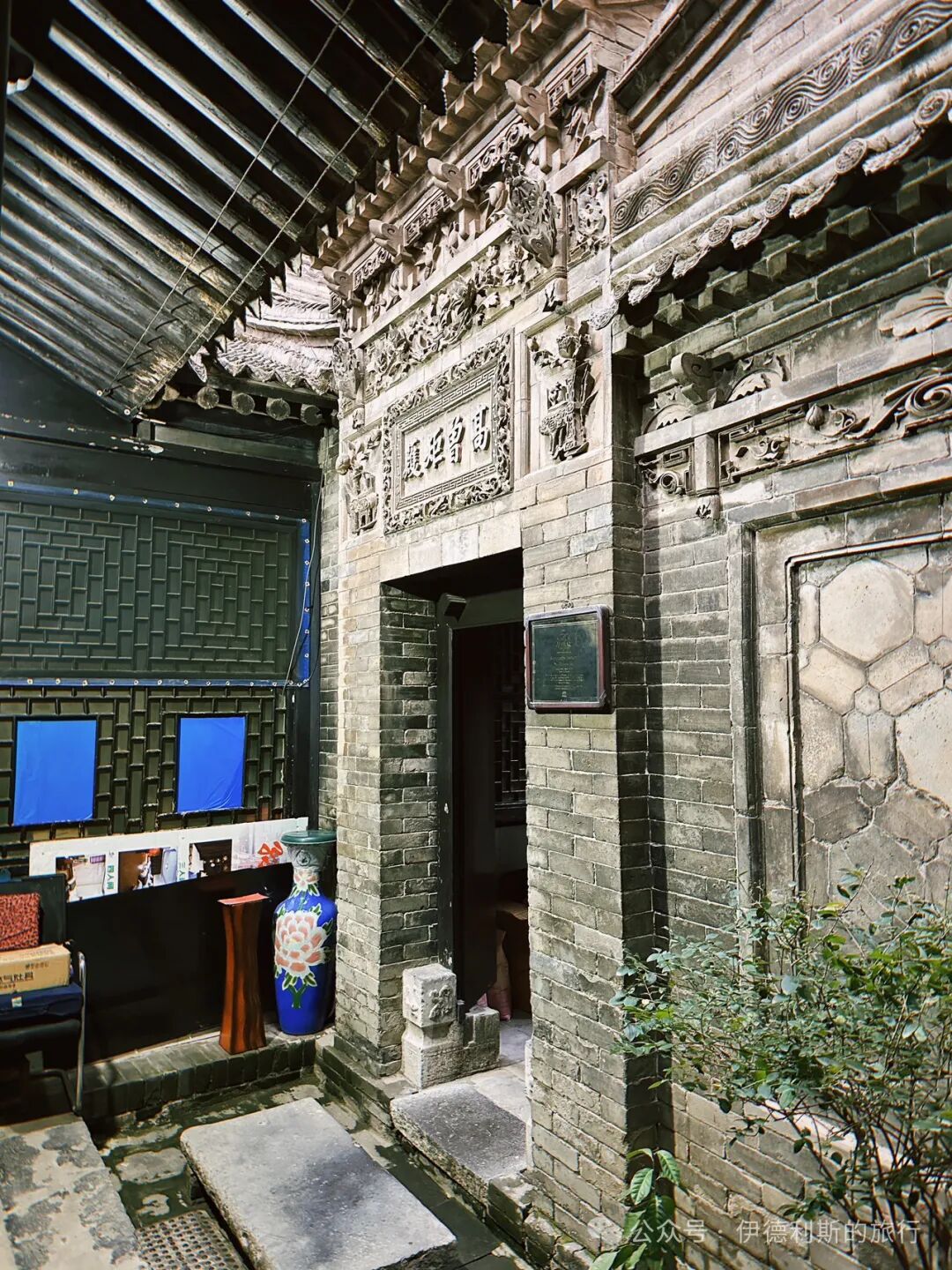
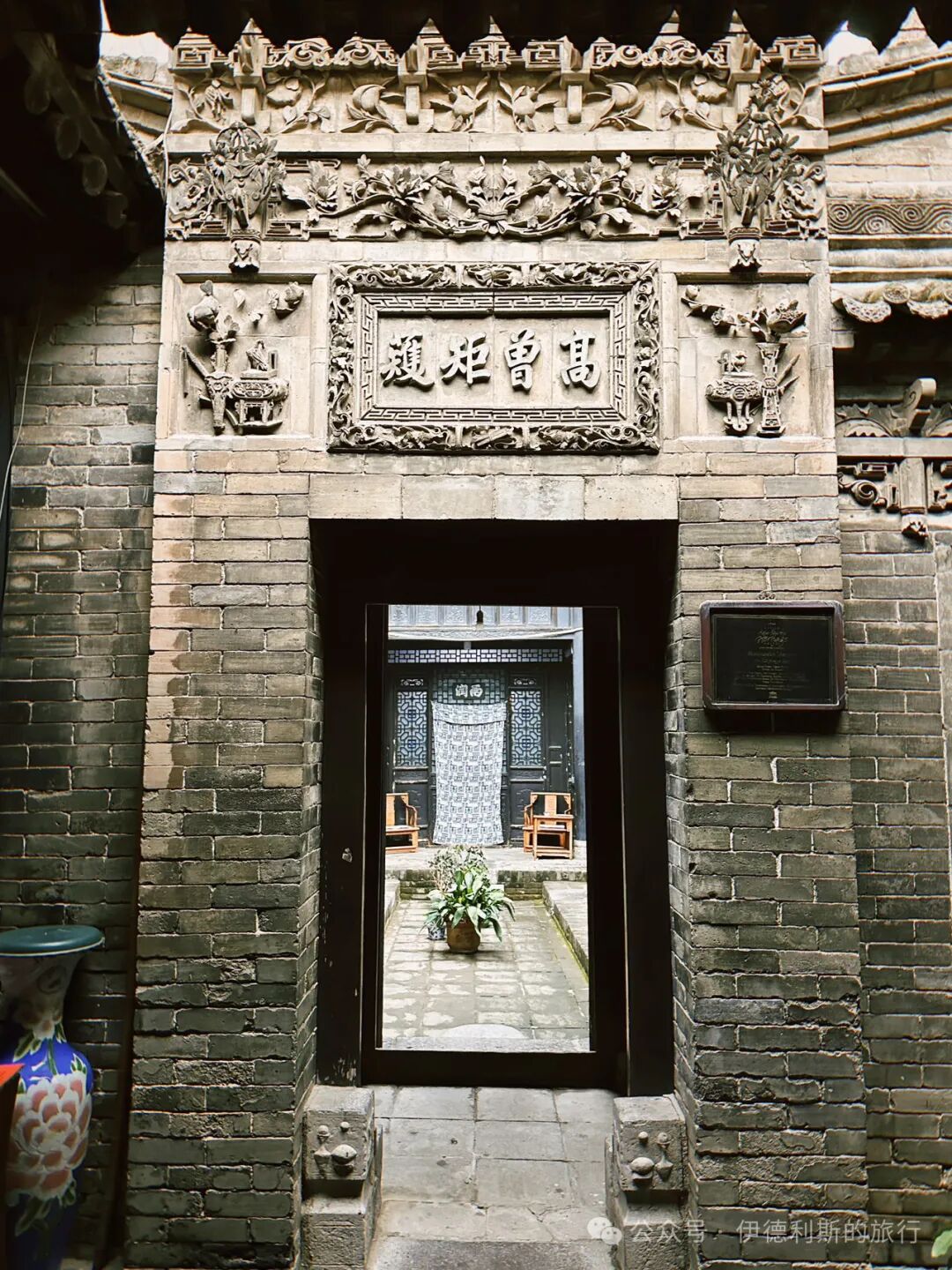
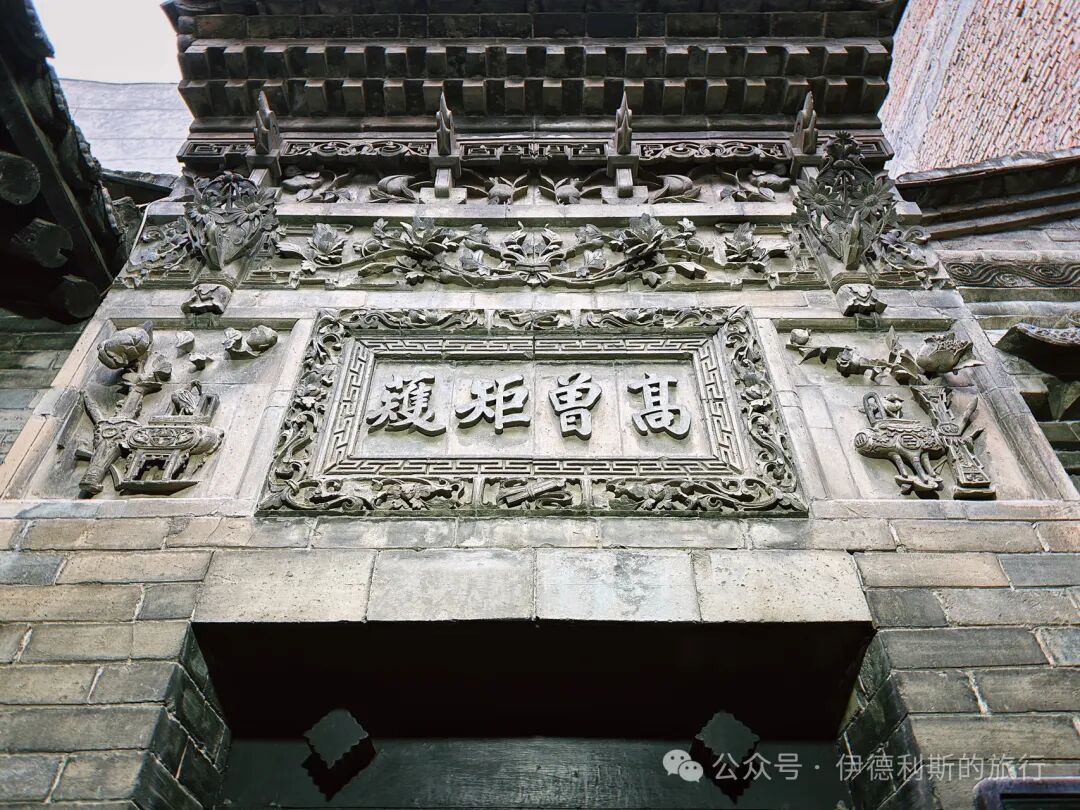
The An Family Courtyard is a typical Guanzhong-style courtyard house (siheyuan), with the same layout and structure as traditional northern courtyard homes. The house has two courtyards, one in front and one in back. The street-facing gate is painted in black and red with carved wooden eaves. Inside the gate is a carved spirit wall, and to the left is a second gate with delicate brick carvings. The second gate features carvings of flowers, birds, fruits, clouds, and vines. In the center are two pomegranates, which symbolize having many children and much good fortune. The center of the second gate is carved with the four characters 'Gao Zeng Ju Yue,' which means the rules left behind by ancestors. Mr. An's daughter said that in the 1960s, her father covered all the brick carvings with mud and the wood carvings with newspaper to protect them, which is how they survived.
Past the second gate is the main room of the second courtyard and the side rooms (known as xiafang in the Guanzhong region). Because of the intense summer heat, the inner courtyard is narrow and long. This keeps the area shaded during the summer, a key feature of traditional Guanzhong homes. The eaves, lattice windows, and door panels are covered in beautiful wood carvings, giving the courtyard an elegant, quiet, and delicate feel.
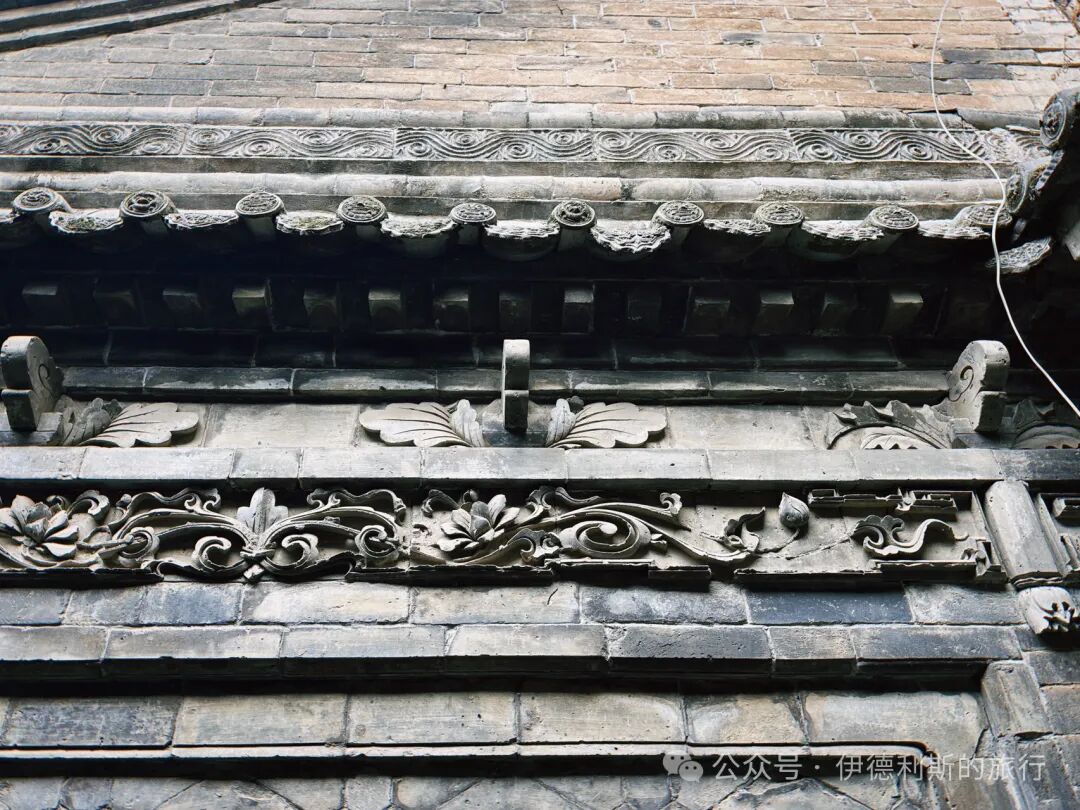
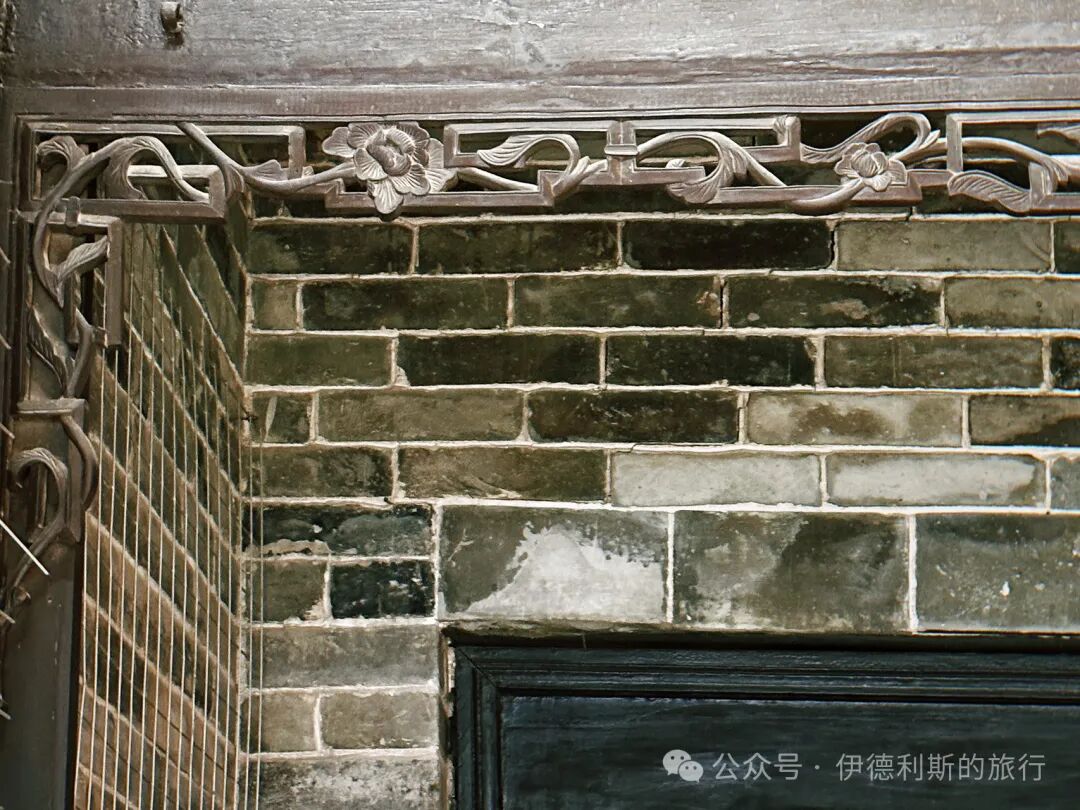
On this trip to Xi'an, a friend (dost) led me to visit the former site of the Wu Governor's Mansion (Wu Tidufu Dayuan) between Xiaopi Lane and Hongbu Street. The mansion was reportedly a four-courtyard complex consisting of three connected sections, with the front gate on Xiaopi Lane and the back gate on Hongbu Street. The front gate was a tall 'horse-riding gate' (zouma men) that allowed people to ride through on horseback. Unfortunately, due to renovations and demolition after the 1980s, only a few buildings remain at the site. Most are in disrepair, but you can still see the fine wood carvings and drum-shaped stone bases.
Records show the Wu family moved from Shuixi Gate in Nanjing during the Ming Dynasty. They lived in the Xiaopi Lane area for generations and were a prominent family in the Muslim Quarter. The governor, Wu Dajing, was a famous Hui Muslim general during the Qianlong period, and he has a biography in the Draft History of Qing (Qingshigao). Records state that Wu Dajing passed the military examination in 1762 (the 27th year of Qianlong) and became a military jinshi the following year. He was appointed as a third-rank imperial guard and later served as governor in Guangxi, Gansu, and Yunnan, earning many military honors. In the fourth year of the Jiaqing reign, Wu Dajing led his troops to the Yunnan-Myanmar border to put down the rebellion of Seng Tongjin and the Menglian chieftain. He cleared the border area and protected the unity of the motherland.
Wu Dajing was also devoted to his faith and donated money to renovate the Liuzhou Mosque in Guangxi. The 1884 stele recording the renovation of the main hall at Liuzhou Mosque states: There is a mosque inside and outside the city of Liuzhou, said to have been founded during the Ming Dynasty. Early in the Qing Dynasty, Commander Ma Xiong and General Wu Dajing donated funds for repairs. Later years saw further construction, resulting in a grand hall well-suited for namaz.
Among the descendants of the Wu family, the most famous was the Republic-era imam Wu Zhenming, who was the great-grandson of Wu Dajing. Imam Wu Zhenming began his service at the Yingli Mosque in Xiaoxuexi Lane in 1922. He later taught at the Tawan West Mosque in Luoyang, the North Mosque in Xiaopi Yard in Xi'an, the Guangyi Bridge Mosque in Hankou, the mosque outside the city of Jiujiang, the Wenshu Street Mosque in Kaifeng, the Tongxiang Mosque in Luoyang, the Jianguo Lane Mosque in Xi'an, the Yingli Mosque in Xiaoxuexi Lane, and the Dapi Yard Mosque. He had students everywhere, and many of his pupils later became well-known imams.
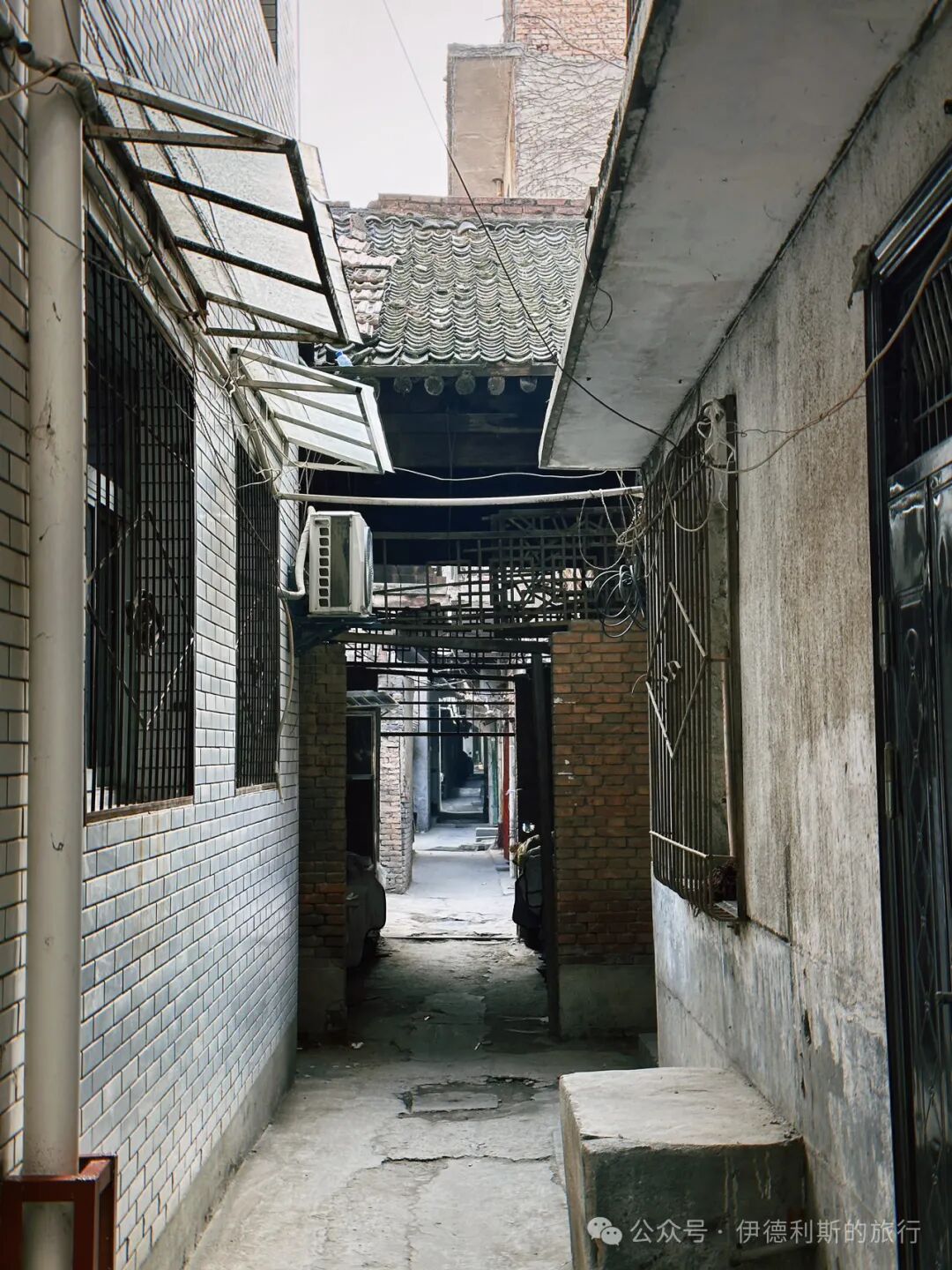
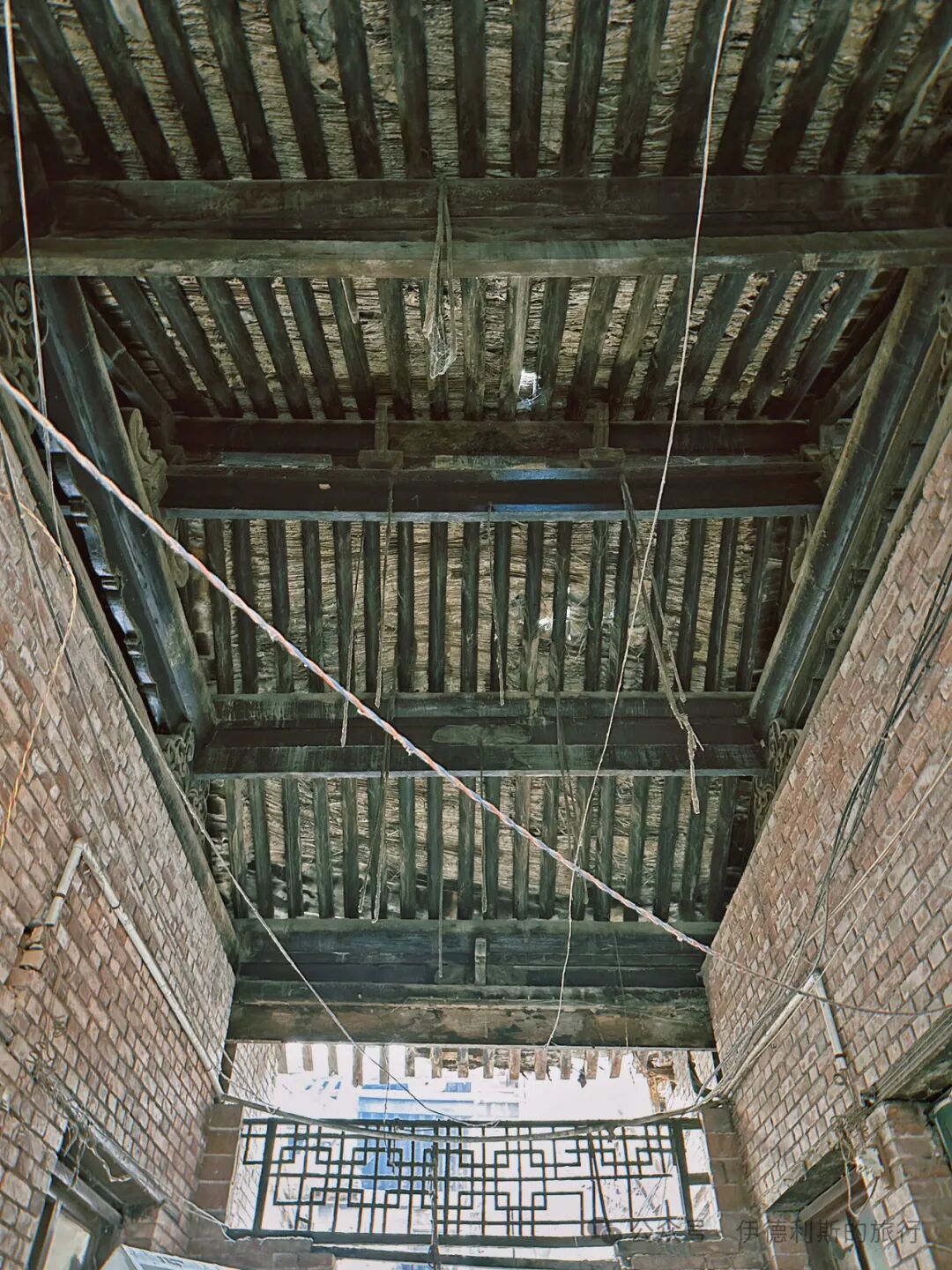
The Li Family Courtyard, located across from the old mosque on Sajin Bridge in Xi'an, preserves the only remaining Qing Dynasty residential brick carving with Arabic calligraphy above the doorway. It is carved in traditional Chinese Arabic calligraphy, and the general meaning is:
Al-abiat zen
Poetry is a form of praise.
Al-bab saddoul
The gate is a curtain.
Al-dar said
The house is a form of happiness.
Al-qassar mubarak
The palace is a blessing.
Summary: Deep inside Xi'an Muslim Quarter, several Qing-era Hui Muslim homes still hold traces of courtyard life, family history, and local Muslim culture. This article follows three of those homes with their original locations, photos, architectural details, and neighborhood context preserved.
On this trip to Xi'an, I visited the An Family Courtyard (Anjia Xiaoyuan) on Huajue Lane, one of the last remaining traditional Hui Muslim homes in the city. The An Family Courtyard faces the spirit wall of the Great Mosque of Huajue Lane. The entrance is always crowded with tourists, and the An family runs a small stall there. If you didn't know about it beforehand, you would never guess such a well-preserved Qing Dynasty home was hidden here.
The An family made and sold candles for generations. Their fifth-generation ancestor built this house during the Qianlong reign, making it over 200 years old. The house was originally a connected four-courtyard complex (lian si yuan), but only this one section remains today. The current owner of the An Family Courtyard is An Shouxin, a retired professor from Xi'an University of Technology and a famous calligrapher in Xi'an. Mr. An was born in 1933 and is now 92 years old. He was resting when we visited, so we didn't want to disturb him and chatted with his daughter instead.
The An Family Courtyard is a typical Guanzhong-style courtyard house (siheyuan), with the same layout and structure as traditional northern courtyard homes. The house has two courtyards, one in front and one in back. The street-facing gate is painted in black and red with carved wooden eaves. Inside the gate is a carved spirit wall, and to the left is a second gate with delicate brick carvings. The second gate features carvings of flowers, birds, fruits, clouds, and vines. In the center are two pomegranates, which symbolize having many children and much good fortune. The center of the second gate is carved with the four characters 'Gao Zeng Ju Yue,' which means the rules left behind by ancestors. Mr. An's daughter said that in the 1960s, her father covered all the brick carvings with mud and the wood carvings with newspaper to protect them, which is how they survived.
Past the second gate is the main room of the second courtyard and the side rooms (known as xiafang in the Guanzhong region). Because of the intense summer heat, the inner courtyard is narrow and long. This keeps the area shaded during the summer, a key feature of traditional Guanzhong homes. The eaves, lattice windows, and door panels are covered in beautiful wood carvings, giving the courtyard an elegant, quiet, and delicate feel.
On this trip to Xi'an, a friend (dost) led me to visit the former site of the Wu Governor's Mansion (Wu Tidufu Dayuan) between Xiaopi Lane and Hongbu Street. The mansion was reportedly a four-courtyard complex consisting of three connected sections, with the front gate on Xiaopi Lane and the back gate on Hongbu Street. The front gate was a tall 'horse-riding gate' (zouma men) that allowed people to ride through on horseback. Unfortunately, due to renovations and demolition after the 1980s, only a few buildings remain at the site. Most are in disrepair, but you can still see the fine wood carvings and drum-shaped stone bases.
Records show the Wu family moved from Shuixi Gate in Nanjing during the Ming Dynasty. They lived in the Xiaopi Lane area for generations and were a prominent family in the Muslim Quarter. The governor, Wu Dajing, was a famous Hui Muslim general during the Qianlong period, and he has a biography in the Draft History of Qing (Qingshigao). Records state that Wu Dajing passed the military examination in 1762 (the 27th year of Qianlong) and became a military jinshi the following year. He was appointed as a third-rank imperial guard and later served as governor in Guangxi, Gansu, and Yunnan, earning many military honors. In the fourth year of the Jiaqing reign, Wu Dajing led his troops to the Yunnan-Myanmar border to put down the rebellion of Seng Tongjin and the Menglian chieftain. He cleared the border area and protected the unity of the motherland.
Wu Dajing was also devoted to his faith and donated money to renovate the Liuzhou Mosque in Guangxi. The 1884 stele recording the renovation of the main hall at Liuzhou Mosque states: There is a mosque inside and outside the city of Liuzhou, said to have been founded during the Ming Dynasty. Early in the Qing Dynasty, Commander Ma Xiong and General Wu Dajing donated funds for repairs. Later years saw further construction, resulting in a grand hall well-suited for namaz.
Among the descendants of the Wu family, the most famous was the Republic-era imam Wu Zhenming, who was the great-grandson of Wu Dajing. Imam Wu Zhenming began his service at the Yingli Mosque in Xiaoxuexi Lane in 1922. He later taught at the Tawan West Mosque in Luoyang, the North Mosque in Xiaopi Yard in Xi'an, the Guangyi Bridge Mosque in Hankou, the mosque outside the city of Jiujiang, the Wenshu Street Mosque in Kaifeng, the Tongxiang Mosque in Luoyang, the Jianguo Lane Mosque in Xi'an, the Yingli Mosque in Xiaoxuexi Lane, and the Dapi Yard Mosque. He had students everywhere, and many of his pupils later became well-known imams.
The Li Family Courtyard, located across from the old mosque on Sajin Bridge in Xi'an, preserves the only remaining Qing Dynasty residential brick carving with Arabic calligraphy above the doorway. It is carved in traditional Chinese Arabic calligraphy, and the general meaning is:
Al-abiat zen
Poetry is a form of praise.
Al-bab saddoul
The gate is a curtain.
Al-dar said
The house is a form of happiness.
Al-qassar mubarak
The palace is a blessing.
Halal Travel Guide: Xi'an Muslim Quarter — Qing-Era Hui Muslim Homes
Articles • ali2007fr posted the article • 0 comments • 195 views • 2026-05-20 00:57
Reposted from the web
Summary: Deep inside Xi'an Muslim Quarter, several Qing-era Hui Muslim homes still hold traces of courtyard life, family history, and local Muslim culture. This article follows three of those homes with their original locations, photos, architectural details, and neighborhood context preserved.
On this trip to Xi'an, I visited the An Family Courtyard (Anjia Xiaoyuan) on Huajue Lane, one of the last remaining traditional Hui Muslim homes in the city. The An Family Courtyard faces the spirit wall of the Great Mosque of Huajue Lane. The entrance is always crowded with tourists, and the An family runs a small stall there. If you didn't know about it beforehand, you would never guess such a well-preserved Qing Dynasty home was hidden here.
The An family made and sold candles for generations. Their fifth-generation ancestor built this house during the Qianlong reign, making it over 200 years old. The house was originally a connected four-courtyard complex (lian si yuan), but only this one section remains today. The current owner of the An Family Courtyard is An Shouxin, a retired professor from Xi'an University of Technology and a famous calligrapher in Xi'an. Mr. An was born in 1933 and is now 92 years old. He was resting when we visited, so we didn't want to disturb him and chatted with his daughter instead.
The An Family Courtyard is a typical Guanzhong-style courtyard house (siheyuan), with the same layout and structure as traditional northern courtyard homes. The house has two courtyards, one in front and one in back. The street-facing gate is painted in black and red with carved wooden eaves. Inside the gate is a carved spirit wall, and to the left is a second gate with delicate brick carvings. The second gate features carvings of flowers, birds, fruits, clouds, and vines. In the center are two pomegranates, which symbolize having many children and much good fortune. The center of the second gate is carved with the four characters 'Gao Zeng Ju Yue,' which means the rules left behind by ancestors. Mr. An's daughter said that in the 1960s, her father covered all the brick carvings with mud and the wood carvings with newspaper to protect them, which is how they survived.
Past the second gate is the main room of the second courtyard and the side rooms (known as xiafang in the Guanzhong region). Because of the intense summer heat, the inner courtyard is narrow and long. This keeps the area shaded during the summer, a key feature of traditional Guanzhong homes. The eaves, lattice windows, and door panels are covered in beautiful wood carvings, giving the courtyard an elegant, quiet, and delicate feel.
On this trip to Xi'an, a friend (dost) led me to visit the former site of the Wu Governor's Mansion (Wu Tidufu Dayuan) between Xiaopi Lane and Hongbu Street. The mansion was reportedly a four-courtyard complex consisting of three connected sections, with the front gate on Xiaopi Lane and the back gate on Hongbu Street. The front gate was a tall 'horse-riding gate' (zouma men) that allowed people to ride through on horseback. Unfortunately, due to renovations and demolition after the 1980s, only a few buildings remain at the site. Most are in disrepair, but you can still see the fine wood carvings and drum-shaped stone bases.
Records show the Wu family moved from Shuixi Gate in Nanjing during the Ming Dynasty. They lived in the Xiaopi Lane area for generations and were a prominent family in the Muslim Quarter. The governor, Wu Dajing, was a famous Hui Muslim general during the Qianlong period, and he has a biography in the Draft History of Qing (Qingshigao). Records state that Wu Dajing passed the military examination in 1762 (the 27th year of Qianlong) and became a military jinshi the following year. He was appointed as a third-rank imperial guard and later served as governor in Guangxi, Gansu, and Yunnan, earning many military honors. In the fourth year of the Jiaqing reign, Wu Dajing led his troops to the Yunnan-Myanmar border to put down the rebellion of Seng Tongjin and the Menglian chieftain. He cleared the border area and protected the unity of the motherland.
Wu Dajing was also devoted to his faith and donated money to renovate the Liuzhou Mosque in Guangxi. The 1884 stele recording the renovation of the main hall at Liuzhou Mosque states: There is a mosque inside and outside the city of Liuzhou, said to have been founded during the Ming Dynasty. Early in the Qing Dynasty, Commander Ma Xiong and General Wu Dajing donated funds for repairs. Later years saw further construction, resulting in a grand hall well-suited for namaz.
Among the descendants of the Wu family, the most famous was the Republic-era imam Wu Zhenming, who was the great-grandson of Wu Dajing. Imam Wu Zhenming began his service at the Yingli Mosque in Xiaoxuexi Lane in 1922. He later taught at the Tawan West Mosque in Luoyang, the North Mosque in Xiaopi Yard in Xi'an, the Guangyi Bridge Mosque in Hankou, the mosque outside the city of Jiujiang, the Wenshu Street Mosque in Kaifeng, the Tongxiang Mosque in Luoyang, the Jianguo Lane Mosque in Xi'an, the Yingli Mosque in Xiaoxuexi Lane, and the Dapi Yard Mosque. He had students everywhere, and many of his pupils later became well-known imams.
The Li Family Courtyard, located across from the old mosque on Sajin Bridge in Xi'an, preserves the only remaining Qing Dynasty residential brick carving with Arabic calligraphy above the doorway. It is carved in traditional Chinese Arabic calligraphy, and the general meaning is:
Al-abiat zen
Poetry is a form of praise.
Al-bab saddoul
The gate is a curtain.
Al-dar said
The house is a form of happiness.
Al-qassar mubarak
The palace is a blessing. view all
Summary: Deep inside Xi'an Muslim Quarter, several Qing-era Hui Muslim homes still hold traces of courtyard life, family history, and local Muslim culture. This article follows three of those homes with their original locations, photos, architectural details, and neighborhood context preserved.
On this trip to Xi'an, I visited the An Family Courtyard (Anjia Xiaoyuan) on Huajue Lane, one of the last remaining traditional Hui Muslim homes in the city. The An Family Courtyard faces the spirit wall of the Great Mosque of Huajue Lane. The entrance is always crowded with tourists, and the An family runs a small stall there. If you didn't know about it beforehand, you would never guess such a well-preserved Qing Dynasty home was hidden here.
The An family made and sold candles for generations. Their fifth-generation ancestor built this house during the Qianlong reign, making it over 200 years old. The house was originally a connected four-courtyard complex (lian si yuan), but only this one section remains today. The current owner of the An Family Courtyard is An Shouxin, a retired professor from Xi'an University of Technology and a famous calligrapher in Xi'an. Mr. An was born in 1933 and is now 92 years old. He was resting when we visited, so we didn't want to disturb him and chatted with his daughter instead.
The An Family Courtyard is a typical Guanzhong-style courtyard house (siheyuan), with the same layout and structure as traditional northern courtyard homes. The house has two courtyards, one in front and one in back. The street-facing gate is painted in black and red with carved wooden eaves. Inside the gate is a carved spirit wall, and to the left is a second gate with delicate brick carvings. The second gate features carvings of flowers, birds, fruits, clouds, and vines. In the center are two pomegranates, which symbolize having many children and much good fortune. The center of the second gate is carved with the four characters 'Gao Zeng Ju Yue,' which means the rules left behind by ancestors. Mr. An's daughter said that in the 1960s, her father covered all the brick carvings with mud and the wood carvings with newspaper to protect them, which is how they survived.
Past the second gate is the main room of the second courtyard and the side rooms (known as xiafang in the Guanzhong region). Because of the intense summer heat, the inner courtyard is narrow and long. This keeps the area shaded during the summer, a key feature of traditional Guanzhong homes. The eaves, lattice windows, and door panels are covered in beautiful wood carvings, giving the courtyard an elegant, quiet, and delicate feel.
On this trip to Xi'an, a friend (dost) led me to visit the former site of the Wu Governor's Mansion (Wu Tidufu Dayuan) between Xiaopi Lane and Hongbu Street. The mansion was reportedly a four-courtyard complex consisting of three connected sections, with the front gate on Xiaopi Lane and the back gate on Hongbu Street. The front gate was a tall 'horse-riding gate' (zouma men) that allowed people to ride through on horseback. Unfortunately, due to renovations and demolition after the 1980s, only a few buildings remain at the site. Most are in disrepair, but you can still see the fine wood carvings and drum-shaped stone bases.
Records show the Wu family moved from Shuixi Gate in Nanjing during the Ming Dynasty. They lived in the Xiaopi Lane area for generations and were a prominent family in the Muslim Quarter. The governor, Wu Dajing, was a famous Hui Muslim general during the Qianlong period, and he has a biography in the Draft History of Qing (Qingshigao). Records state that Wu Dajing passed the military examination in 1762 (the 27th year of Qianlong) and became a military jinshi the following year. He was appointed as a third-rank imperial guard and later served as governor in Guangxi, Gansu, and Yunnan, earning many military honors. In the fourth year of the Jiaqing reign, Wu Dajing led his troops to the Yunnan-Myanmar border to put down the rebellion of Seng Tongjin and the Menglian chieftain. He cleared the border area and protected the unity of the motherland.
Wu Dajing was also devoted to his faith and donated money to renovate the Liuzhou Mosque in Guangxi. The 1884 stele recording the renovation of the main hall at Liuzhou Mosque states: There is a mosque inside and outside the city of Liuzhou, said to have been founded during the Ming Dynasty. Early in the Qing Dynasty, Commander Ma Xiong and General Wu Dajing donated funds for repairs. Later years saw further construction, resulting in a grand hall well-suited for namaz.
Among the descendants of the Wu family, the most famous was the Republic-era imam Wu Zhenming, who was the great-grandson of Wu Dajing. Imam Wu Zhenming began his service at the Yingli Mosque in Xiaoxuexi Lane in 1922. He later taught at the Tawan West Mosque in Luoyang, the North Mosque in Xiaopi Yard in Xi'an, the Guangyi Bridge Mosque in Hankou, the mosque outside the city of Jiujiang, the Wenshu Street Mosque in Kaifeng, the Tongxiang Mosque in Luoyang, the Jianguo Lane Mosque in Xi'an, the Yingli Mosque in Xiaoxuexi Lane, and the Dapi Yard Mosque. He had students everywhere, and many of his pupils later became well-known imams.
The Li Family Courtyard, located across from the old mosque on Sajin Bridge in Xi'an, preserves the only remaining Qing Dynasty residential brick carving with Arabic calligraphy above the doorway. It is carved in traditional Chinese Arabic calligraphy, and the general meaning is:
Al-abiat zen
Poetry is a form of praise.
Al-bab saddoul
The gate is a curtain.
Al-dar said
The house is a form of happiness.
Al-qassar mubarak
The palace is a blessing. view all
Reposted from the web
Summary: Deep inside Xi'an Muslim Quarter, several Qing-era Hui Muslim homes still hold traces of courtyard life, family history, and local Muslim culture. This article follows three of those homes with their original locations, photos, architectural details, and neighborhood context preserved.
On this trip to Xi'an, I visited the An Family Courtyard (Anjia Xiaoyuan) on Huajue Lane, one of the last remaining traditional Hui Muslim homes in the city. The An Family Courtyard faces the spirit wall of the Great Mosque of Huajue Lane. The entrance is always crowded with tourists, and the An family runs a small stall there. If you didn't know about it beforehand, you would never guess such a well-preserved Qing Dynasty home was hidden here.
The An family made and sold candles for generations. Their fifth-generation ancestor built this house during the Qianlong reign, making it over 200 years old. The house was originally a connected four-courtyard complex (lian si yuan), but only this one section remains today. The current owner of the An Family Courtyard is An Shouxin, a retired professor from Xi'an University of Technology and a famous calligrapher in Xi'an. Mr. An was born in 1933 and is now 92 years old. He was resting when we visited, so we didn't want to disturb him and chatted with his daughter instead.
The An Family Courtyard is a typical Guanzhong-style courtyard house (siheyuan), with the same layout and structure as traditional northern courtyard homes. The house has two courtyards, one in front and one in back. The street-facing gate is painted in black and red with carved wooden eaves. Inside the gate is a carved spirit wall, and to the left is a second gate with delicate brick carvings. The second gate features carvings of flowers, birds, fruits, clouds, and vines. In the center are two pomegranates, which symbolize having many children and much good fortune. The center of the second gate is carved with the four characters 'Gao Zeng Ju Yue,' which means the rules left behind by ancestors. Mr. An's daughter said that in the 1960s, her father covered all the brick carvings with mud and the wood carvings with newspaper to protect them, which is how they survived.
Past the second gate is the main room of the second courtyard and the side rooms (known as xiafang in the Guanzhong region). Because of the intense summer heat, the inner courtyard is narrow and long. This keeps the area shaded during the summer, a key feature of traditional Guanzhong homes. The eaves, lattice windows, and door panels are covered in beautiful wood carvings, giving the courtyard an elegant, quiet, and delicate feel.
On this trip to Xi'an, a friend (dost) led me to visit the former site of the Wu Governor's Mansion (Wu Tidufu Dayuan) between Xiaopi Lane and Hongbu Street. The mansion was reportedly a four-courtyard complex consisting of three connected sections, with the front gate on Xiaopi Lane and the back gate on Hongbu Street. The front gate was a tall 'horse-riding gate' (zouma men) that allowed people to ride through on horseback. Unfortunately, due to renovations and demolition after the 1980s, only a few buildings remain at the site. Most are in disrepair, but you can still see the fine wood carvings and drum-shaped stone bases.
Records show the Wu family moved from Shuixi Gate in Nanjing during the Ming Dynasty. They lived in the Xiaopi Lane area for generations and were a prominent family in the Muslim Quarter. The governor, Wu Dajing, was a famous Hui Muslim general during the Qianlong period, and he has a biography in the Draft History of Qing (Qingshigao). Records state that Wu Dajing passed the military examination in 1762 (the 27th year of Qianlong) and became a military jinshi the following year. He was appointed as a third-rank imperial guard and later served as governor in Guangxi, Gansu, and Yunnan, earning many military honors. In the fourth year of the Jiaqing reign, Wu Dajing led his troops to the Yunnan-Myanmar border to put down the rebellion of Seng Tongjin and the Menglian chieftain. He cleared the border area and protected the unity of the motherland.
Wu Dajing was also devoted to his faith and donated money to renovate the Liuzhou Mosque in Guangxi. The 1884 stele recording the renovation of the main hall at Liuzhou Mosque states: There is a mosque inside and outside the city of Liuzhou, said to have been founded during the Ming Dynasty. Early in the Qing Dynasty, Commander Ma Xiong and General Wu Dajing donated funds for repairs. Later years saw further construction, resulting in a grand hall well-suited for namaz.
Among the descendants of the Wu family, the most famous was the Republic-era imam Wu Zhenming, who was the great-grandson of Wu Dajing. Imam Wu Zhenming began his service at the Yingli Mosque in Xiaoxuexi Lane in 1922. He later taught at the Tawan West Mosque in Luoyang, the North Mosque in Xiaopi Yard in Xi'an, the Guangyi Bridge Mosque in Hankou, the mosque outside the city of Jiujiang, the Wenshu Street Mosque in Kaifeng, the Tongxiang Mosque in Luoyang, the Jianguo Lane Mosque in Xi'an, the Yingli Mosque in Xiaoxuexi Lane, and the Dapi Yard Mosque. He had students everywhere, and many of his pupils later became well-known imams.
The Li Family Courtyard, located across from the old mosque on Sajin Bridge in Xi'an, preserves the only remaining Qing Dynasty residential brick carving with Arabic calligraphy above the doorway. It is carved in traditional Chinese Arabic calligraphy, and the general meaning is:
Al-abiat zen
Poetry is a form of praise.
Al-bab saddoul
The gate is a curtain.
Al-dar said
The house is a form of happiness.
Al-qassar mubarak
The palace is a blessing.
Summary: Deep inside Xi'an Muslim Quarter, several Qing-era Hui Muslim homes still hold traces of courtyard life, family history, and local Muslim culture. This article follows three of those homes with their original locations, photos, architectural details, and neighborhood context preserved.
On this trip to Xi'an, I visited the An Family Courtyard (Anjia Xiaoyuan) on Huajue Lane, one of the last remaining traditional Hui Muslim homes in the city. The An Family Courtyard faces the spirit wall of the Great Mosque of Huajue Lane. The entrance is always crowded with tourists, and the An family runs a small stall there. If you didn't know about it beforehand, you would never guess such a well-preserved Qing Dynasty home was hidden here.
The An family made and sold candles for generations. Their fifth-generation ancestor built this house during the Qianlong reign, making it over 200 years old. The house was originally a connected four-courtyard complex (lian si yuan), but only this one section remains today. The current owner of the An Family Courtyard is An Shouxin, a retired professor from Xi'an University of Technology and a famous calligrapher in Xi'an. Mr. An was born in 1933 and is now 92 years old. He was resting when we visited, so we didn't want to disturb him and chatted with his daughter instead.
The An Family Courtyard is a typical Guanzhong-style courtyard house (siheyuan), with the same layout and structure as traditional northern courtyard homes. The house has two courtyards, one in front and one in back. The street-facing gate is painted in black and red with carved wooden eaves. Inside the gate is a carved spirit wall, and to the left is a second gate with delicate brick carvings. The second gate features carvings of flowers, birds, fruits, clouds, and vines. In the center are two pomegranates, which symbolize having many children and much good fortune. The center of the second gate is carved with the four characters 'Gao Zeng Ju Yue,' which means the rules left behind by ancestors. Mr. An's daughter said that in the 1960s, her father covered all the brick carvings with mud and the wood carvings with newspaper to protect them, which is how they survived.
Past the second gate is the main room of the second courtyard and the side rooms (known as xiafang in the Guanzhong region). Because of the intense summer heat, the inner courtyard is narrow and long. This keeps the area shaded during the summer, a key feature of traditional Guanzhong homes. The eaves, lattice windows, and door panels are covered in beautiful wood carvings, giving the courtyard an elegant, quiet, and delicate feel.
On this trip to Xi'an, a friend (dost) led me to visit the former site of the Wu Governor's Mansion (Wu Tidufu Dayuan) between Xiaopi Lane and Hongbu Street. The mansion was reportedly a four-courtyard complex consisting of three connected sections, with the front gate on Xiaopi Lane and the back gate on Hongbu Street. The front gate was a tall 'horse-riding gate' (zouma men) that allowed people to ride through on horseback. Unfortunately, due to renovations and demolition after the 1980s, only a few buildings remain at the site. Most are in disrepair, but you can still see the fine wood carvings and drum-shaped stone bases.
Records show the Wu family moved from Shuixi Gate in Nanjing during the Ming Dynasty. They lived in the Xiaopi Lane area for generations and were a prominent family in the Muslim Quarter. The governor, Wu Dajing, was a famous Hui Muslim general during the Qianlong period, and he has a biography in the Draft History of Qing (Qingshigao). Records state that Wu Dajing passed the military examination in 1762 (the 27th year of Qianlong) and became a military jinshi the following year. He was appointed as a third-rank imperial guard and later served as governor in Guangxi, Gansu, and Yunnan, earning many military honors. In the fourth year of the Jiaqing reign, Wu Dajing led his troops to the Yunnan-Myanmar border to put down the rebellion of Seng Tongjin and the Menglian chieftain. He cleared the border area and protected the unity of the motherland.
Wu Dajing was also devoted to his faith and donated money to renovate the Liuzhou Mosque in Guangxi. The 1884 stele recording the renovation of the main hall at Liuzhou Mosque states: There is a mosque inside and outside the city of Liuzhou, said to have been founded during the Ming Dynasty. Early in the Qing Dynasty, Commander Ma Xiong and General Wu Dajing donated funds for repairs. Later years saw further construction, resulting in a grand hall well-suited for namaz.
Among the descendants of the Wu family, the most famous was the Republic-era imam Wu Zhenming, who was the great-grandson of Wu Dajing. Imam Wu Zhenming began his service at the Yingli Mosque in Xiaoxuexi Lane in 1922. He later taught at the Tawan West Mosque in Luoyang, the North Mosque in Xiaopi Yard in Xi'an, the Guangyi Bridge Mosque in Hankou, the mosque outside the city of Jiujiang, the Wenshu Street Mosque in Kaifeng, the Tongxiang Mosque in Luoyang, the Jianguo Lane Mosque in Xi'an, the Yingli Mosque in Xiaoxuexi Lane, and the Dapi Yard Mosque. He had students everywhere, and many of his pupils later became well-known imams.
The Li Family Courtyard, located across from the old mosque on Sajin Bridge in Xi'an, preserves the only remaining Qing Dynasty residential brick carving with Arabic calligraphy above the doorway. It is carved in traditional Chinese Arabic calligraphy, and the general meaning is:
Al-abiat zen
Poetry is a form of praise.
Al-bab saddoul
The gate is a curtain.
Al-dar said
The house is a form of happiness.
Al-qassar mubarak
The palace is a blessing.