

Xiamen Mosque
Halal Travel Guide: Xiamen - Xiamen Mosque and Malong Xinjiang Cuisine
Articles • ali2007fr posted the article • 0 comments • 143 views • 2026-05-19 09:30
Reposted from the web
Summary: Halal Travel Guide: Xiamen - Xiamen Mosque and Malong Xinjiang Cuisine is presented here as a firsthand travel account in clear, natural English. The account focuses on Xiamen, Xiamen Mosque, Xinjiang Food while preserving the names, places, food, photos, and historical details from the Chinese source.
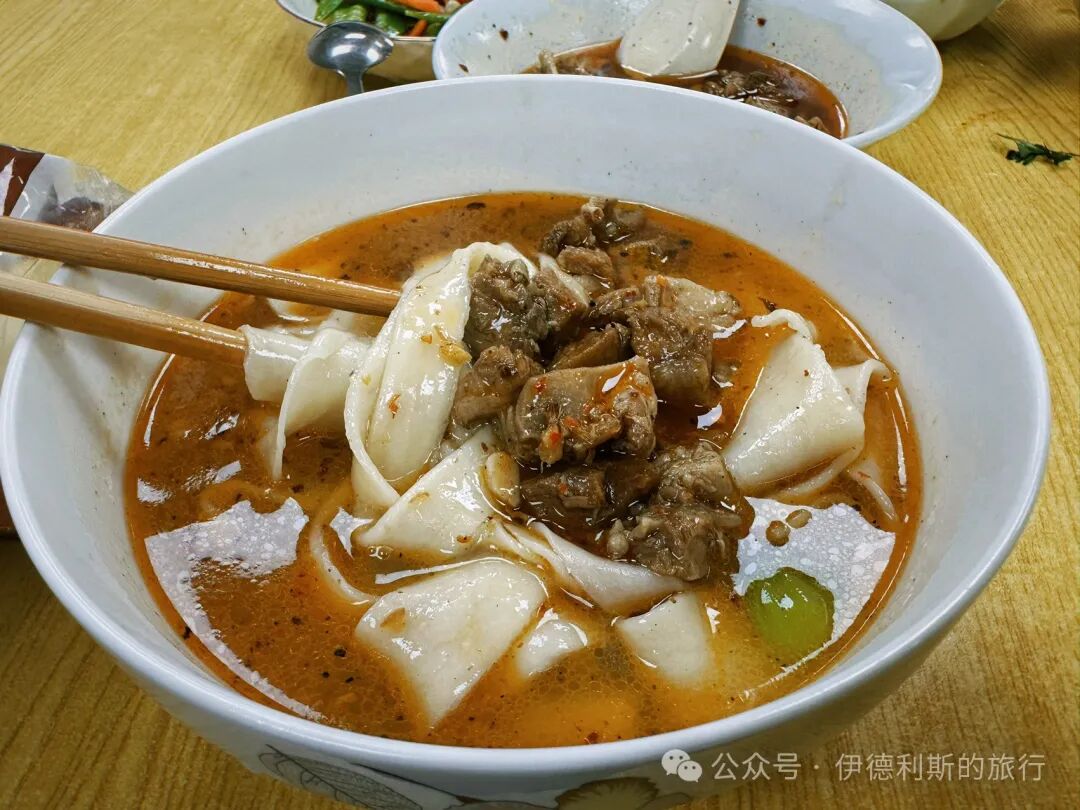
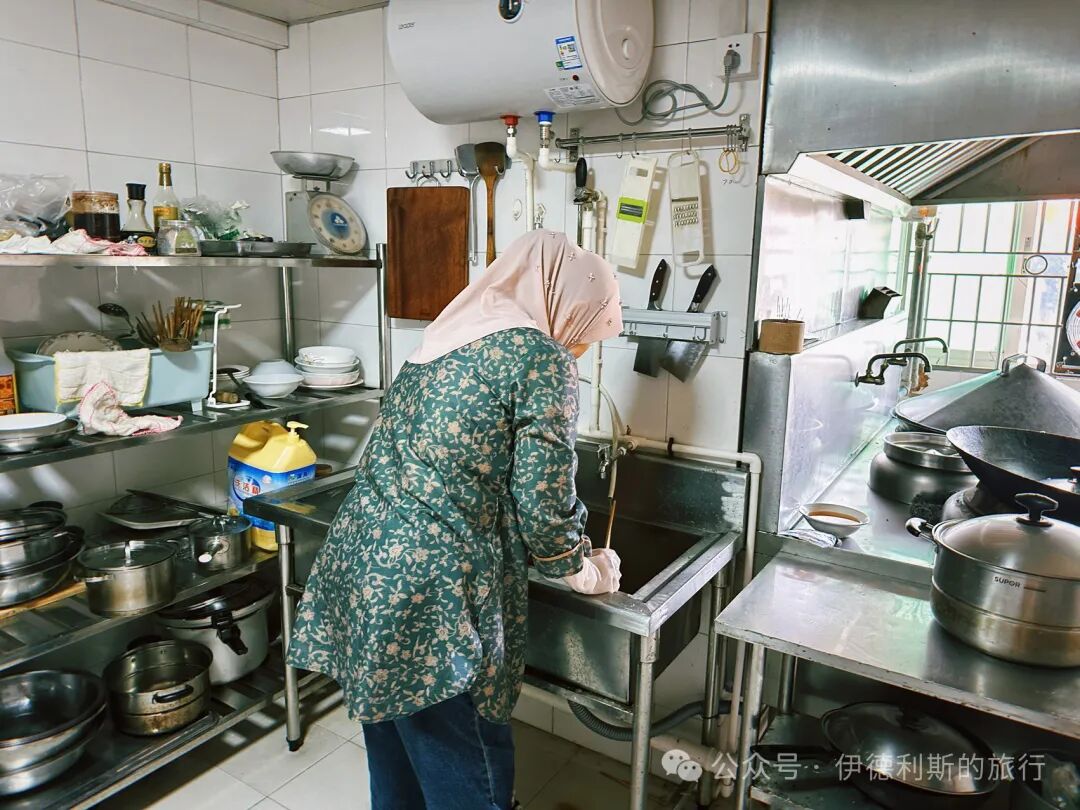
At noon, I visited the Xiamen Mosque and felt very grateful to have some braised noodles (huimian) made by Imam Liu. Imam Liu is from Zhengzhou, Henan, and has been in Xiamen for over ten years. When we arrived, Imam Liu was hosting another friend (dost) from Henan who also lives in Xiamen. According to this friend, Imam Liu's braised noodles are unique and the best you can find in Xiamen. After tasting them, I have to agree, haha.
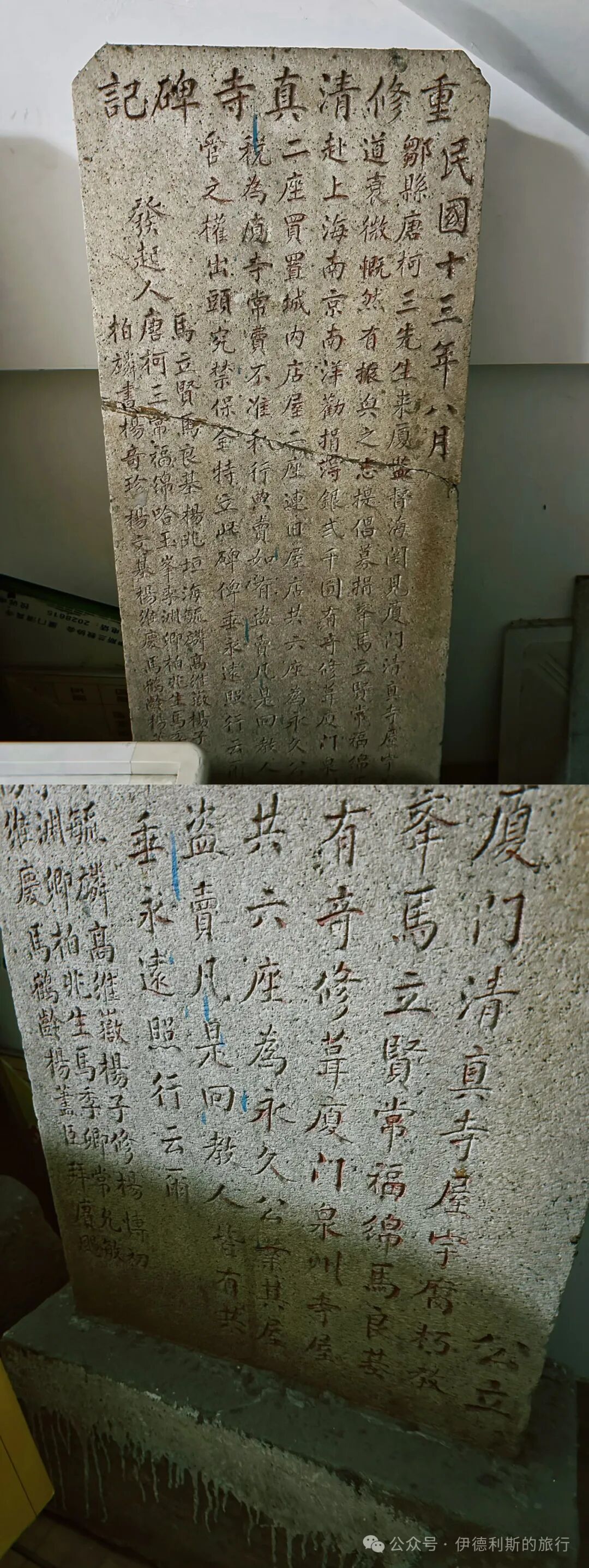
Xiamen Mosque was first built in 1823 (the third year of the Daoguang reign). The front building was expanded during the Tongzhi reign, rebuilt in 1924, moved and rebuilt in 1993 due to urban renewal, and finished as the current six-story building in 2002. The Xiamen Mosque currently houses two stone tablets from 1902 (the 28th year of the Guangxu reign) and 1924 (the 13th year of the Republic of China).
The Guangxu tablet records that Xiamen Mosque was built with donations initiated by the Zhejiang Provincial Commander Yang during the Daoguang reign, expanded with donations from the Xiamen Defense Commander Ma during the Tongzhi reign, and in the 22nd year of the Guangxu reign, Commander Yang again initiated donations to purchase four houses as mosque property. Yang Qizhen (1836–1903) was a Hui Muslim from Laishanji, Huainan, Anhui. He was a famous coastal defense general in the late Qing Dynasty and once heavily damaged the French fleet during the Sino-French naval war. In 1892 (the 18th year of the Guangxu reign), Yang Qizhen became the Admiral of the Fujian Navy. He built the Huli Mountain Fortress on Xiamen Island and donated money to buy property for the Xiamen mosque.
A Republic of China era stone tablet records that Tang Kesan came to Xiamen to supervise the customs and encouraged fundraising to revitalize the faith. Later, Ma Lixian, Chang Fumian, and Ma Liangji traveled to Shanghai, Nanjing, and Southeast Asia to raise funds. They repaired the Xiamen mosque and the Qingjing mosque in Quanzhou, and bought two houses in Xiamen city as mosque property. Tang Kesan was a famous Hui Muslim social activist and educator during the Republic of China. He founded the Chengda Teachers College in 1925 and served as its president. In 1938, he founded the China Islamic National Salvation Association and led the Hui Muslim movement to resist Japan and save the country. Tang Kesan served as the Xiamen Customs Superintendent in 1919. During his time in office, he made great contributions to the restoration of the faith in Xiamen and Quanzhou.
The seaside boardwalk and the arcade-style old streets of Xiamen.
Have dinner at the main branch of Ma'erlong in the evening. I was surprised to find pearl meatballs (zhenzhu wanzi) and mung bean jelly (menzi) here. This is my first time seeing these in a Xinjiang restaurant in mainland China. Both are classic banquet dishes for Hui Muslims in Xinjiang, and Uyghur chefs usually do not make them.
We ordered stir-fried lamb head meat and thin-skinned steamed buns (baopi baozi), and we also got some baked flatbread (naan) to go. These dishes were very authentic. The stir-fried lamb head meat tasted exactly like what you get in Hui Muslim restaurants in Urumqi. The filling in the thin-skinned steamed buns was perfect, and the bottom skin was very thin. It must have been made by a Uyghur chef, though the skin on the pleats was a bit thick and had a hard center. The freshly baked flatbread from the Uyghur chef was full of wheat flavor. We ordered one to take away, but we couldn't help eating it all, so we ordered another one to go. view all
Summary: Halal Travel Guide: Xiamen - Xiamen Mosque and Malong Xinjiang Cuisine is presented here as a firsthand travel account in clear, natural English. The account focuses on Xiamen, Xiamen Mosque, Xinjiang Food while preserving the names, places, food, photos, and historical details from the Chinese source.
At noon, I visited the Xiamen Mosque and felt very grateful to have some braised noodles (huimian) made by Imam Liu. Imam Liu is from Zhengzhou, Henan, and has been in Xiamen for over ten years. When we arrived, Imam Liu was hosting another friend (dost) from Henan who also lives in Xiamen. According to this friend, Imam Liu's braised noodles are unique and the best you can find in Xiamen. After tasting them, I have to agree, haha.
Xiamen Mosque was first built in 1823 (the third year of the Daoguang reign). The front building was expanded during the Tongzhi reign, rebuilt in 1924, moved and rebuilt in 1993 due to urban renewal, and finished as the current six-story building in 2002. The Xiamen Mosque currently houses two stone tablets from 1902 (the 28th year of the Guangxu reign) and 1924 (the 13th year of the Republic of China).
The Guangxu tablet records that Xiamen Mosque was built with donations initiated by the Zhejiang Provincial Commander Yang during the Daoguang reign, expanded with donations from the Xiamen Defense Commander Ma during the Tongzhi reign, and in the 22nd year of the Guangxu reign, Commander Yang again initiated donations to purchase four houses as mosque property. Yang Qizhen (1836–1903) was a Hui Muslim from Laishanji, Huainan, Anhui. He was a famous coastal defense general in the late Qing Dynasty and once heavily damaged the French fleet during the Sino-French naval war. In 1892 (the 18th year of the Guangxu reign), Yang Qizhen became the Admiral of the Fujian Navy. He built the Huli Mountain Fortress on Xiamen Island and donated money to buy property for the Xiamen mosque.
A Republic of China era stone tablet records that Tang Kesan came to Xiamen to supervise the customs and encouraged fundraising to revitalize the faith. Later, Ma Lixian, Chang Fumian, and Ma Liangji traveled to Shanghai, Nanjing, and Southeast Asia to raise funds. They repaired the Xiamen mosque and the Qingjing mosque in Quanzhou, and bought two houses in Xiamen city as mosque property. Tang Kesan was a famous Hui Muslim social activist and educator during the Republic of China. He founded the Chengda Teachers College in 1925 and served as its president. In 1938, he founded the China Islamic National Salvation Association and led the Hui Muslim movement to resist Japan and save the country. Tang Kesan served as the Xiamen Customs Superintendent in 1919. During his time in office, he made great contributions to the restoration of the faith in Xiamen and Quanzhou.
The seaside boardwalk and the arcade-style old streets of Xiamen.
Have dinner at the main branch of Ma'erlong in the evening. I was surprised to find pearl meatballs (zhenzhu wanzi) and mung bean jelly (menzi) here. This is my first time seeing these in a Xinjiang restaurant in mainland China. Both are classic banquet dishes for Hui Muslims in Xinjiang, and Uyghur chefs usually do not make them.
We ordered stir-fried lamb head meat and thin-skinned steamed buns (baopi baozi), and we also got some baked flatbread (naan) to go. These dishes were very authentic. The stir-fried lamb head meat tasted exactly like what you get in Hui Muslim restaurants in Urumqi. The filling in the thin-skinned steamed buns was perfect, and the bottom skin was very thin. It must have been made by a Uyghur chef, though the skin on the pleats was a bit thick and had a hard center. The freshly baked flatbread from the Uyghur chef was full of wheat flavor. We ordered one to take away, but we couldn't help eating it all, so we ordered another one to go. view all
Reposted from the web
Summary: Halal Travel Guide: Xiamen - Xiamen Mosque and Malong Xinjiang Cuisine is presented here as a firsthand travel account in clear, natural English. The account focuses on Xiamen, Xiamen Mosque, Xinjiang Food while preserving the names, places, food, photos, and historical details from the Chinese source.
At noon, I visited the Xiamen Mosque and felt very grateful to have some braised noodles (huimian) made by Imam Liu. Imam Liu is from Zhengzhou, Henan, and has been in Xiamen for over ten years. When we arrived, Imam Liu was hosting another friend (dost) from Henan who also lives in Xiamen. According to this friend, Imam Liu's braised noodles are unique and the best you can find in Xiamen. After tasting them, I have to agree, haha.
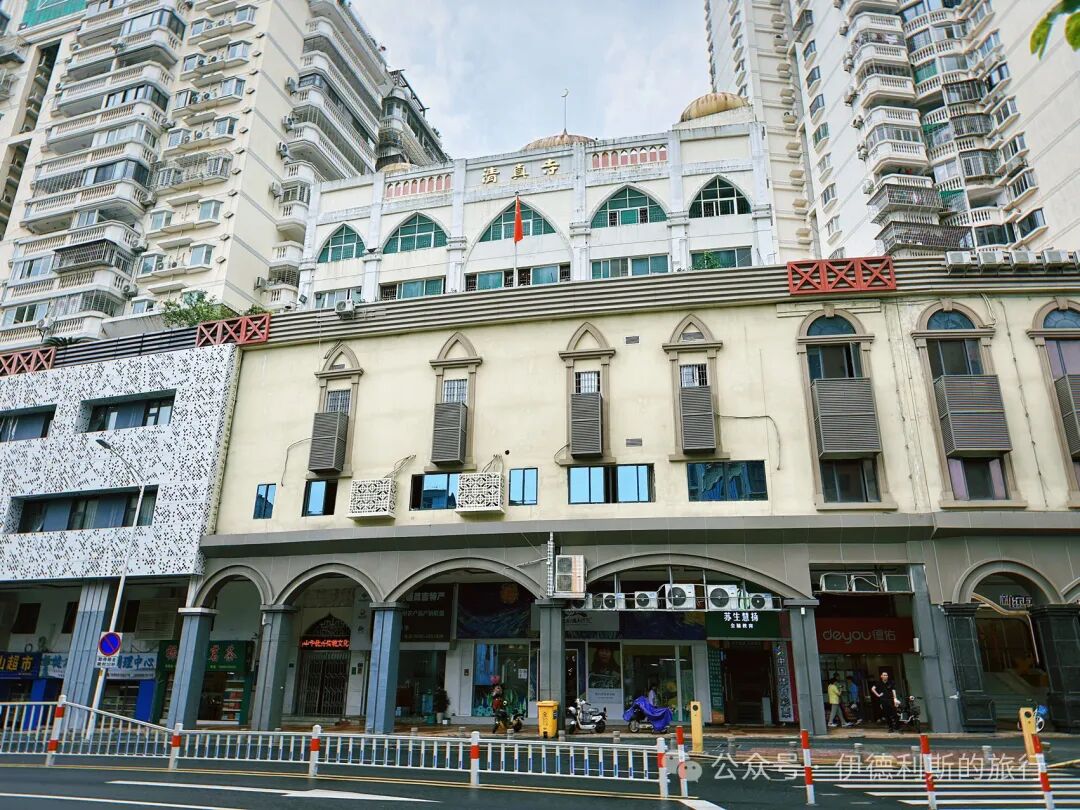
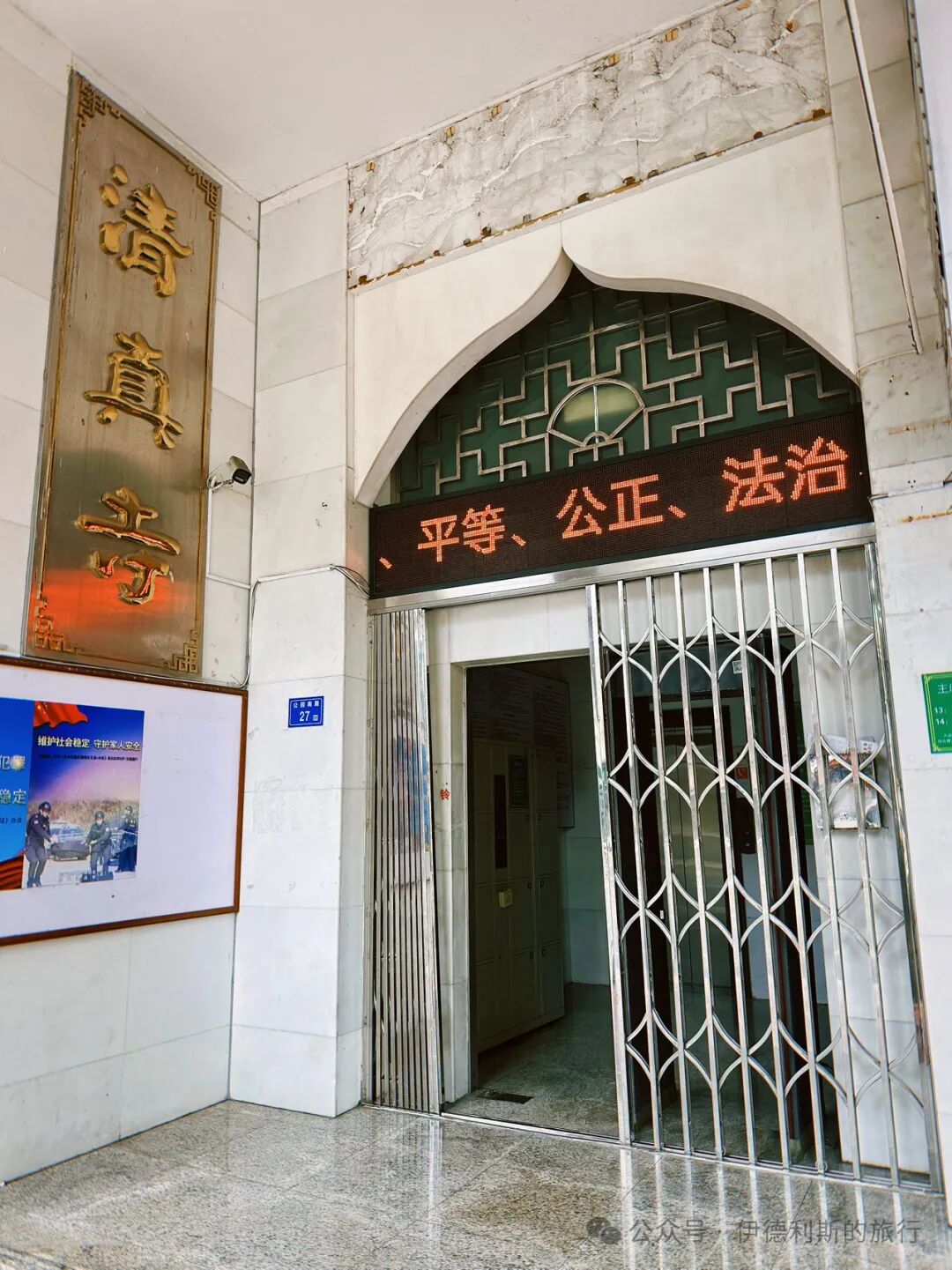
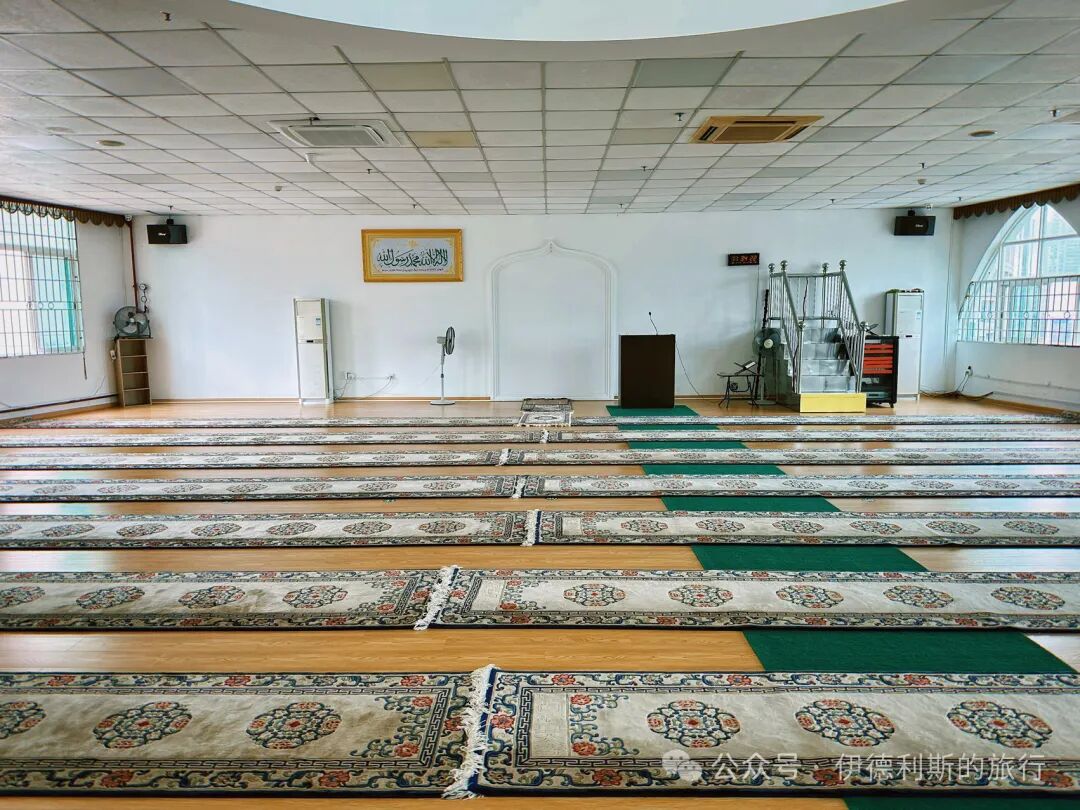
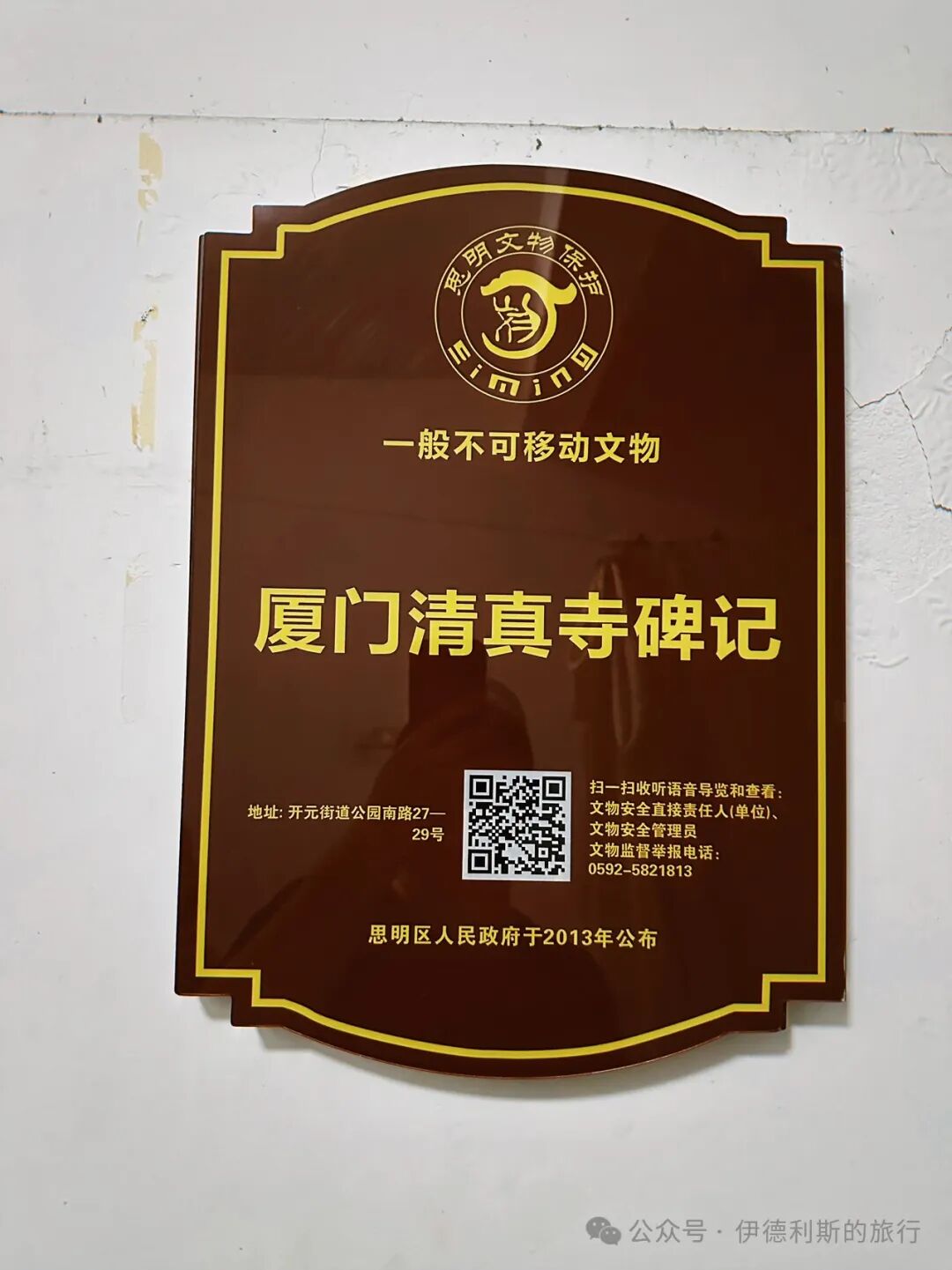
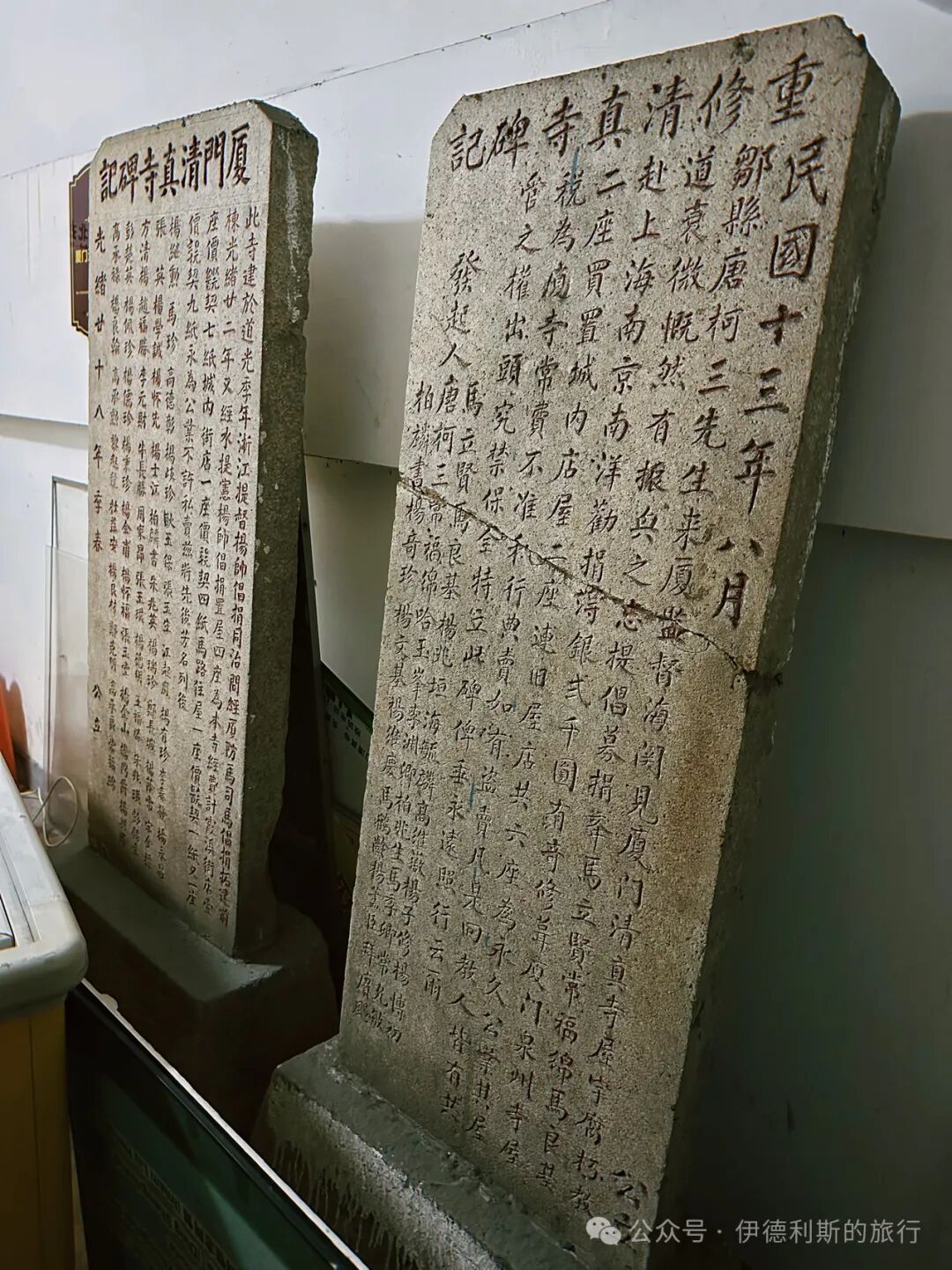
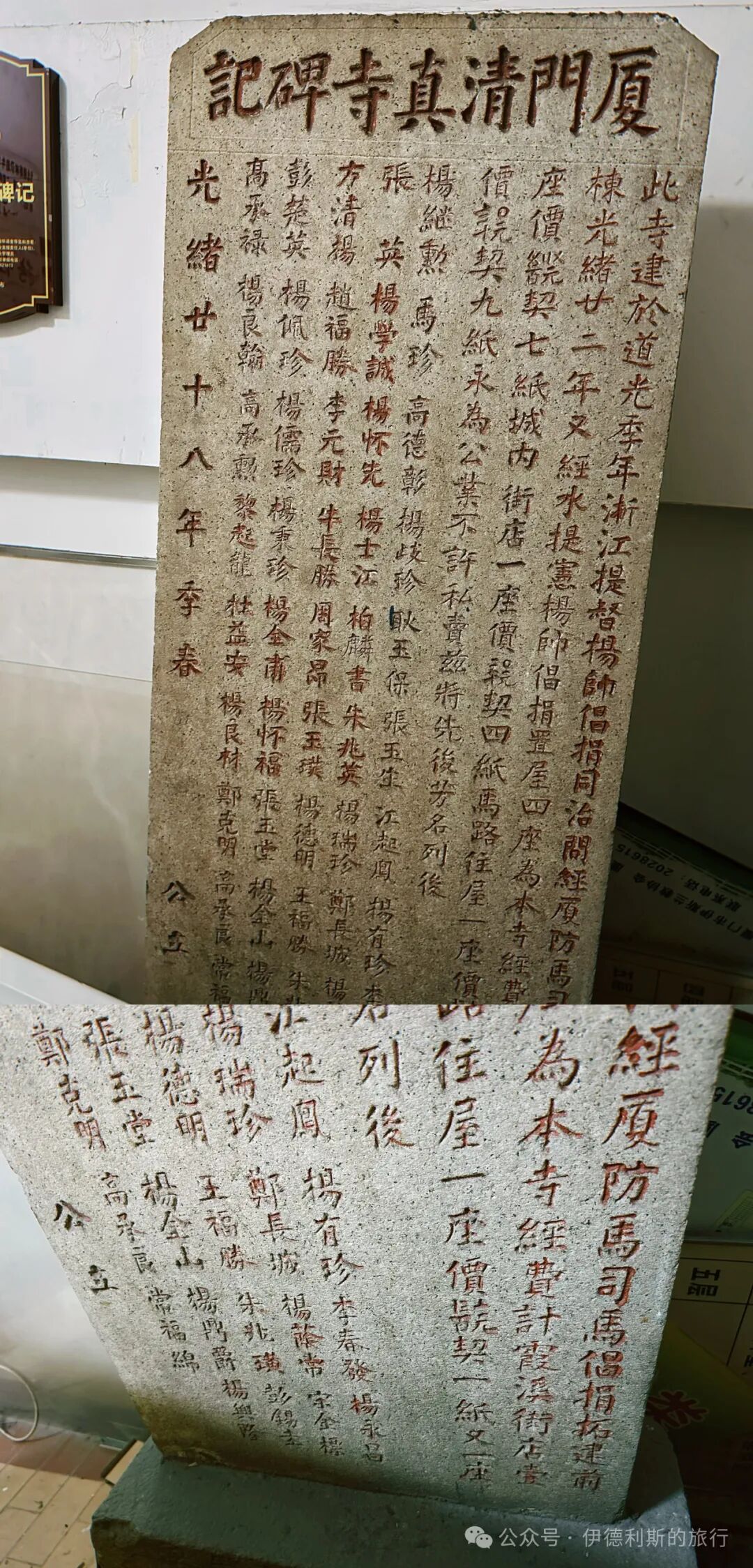
Xiamen Mosque was first built in 1823 (the third year of the Daoguang reign). The front building was expanded during the Tongzhi reign, rebuilt in 1924, moved and rebuilt in 1993 due to urban renewal, and finished as the current six-story building in 2002. The Xiamen Mosque currently houses two stone tablets from 1902 (the 28th year of the Guangxu reign) and 1924 (the 13th year of the Republic of China).
The Guangxu tablet records that Xiamen Mosque was built with donations initiated by the Zhejiang Provincial Commander Yang during the Daoguang reign, expanded with donations from the Xiamen Defense Commander Ma during the Tongzhi reign, and in the 22nd year of the Guangxu reign, Commander Yang again initiated donations to purchase four houses as mosque property. Yang Qizhen (1836–1903) was a Hui Muslim from Laishanji, Huainan, Anhui. He was a famous coastal defense general in the late Qing Dynasty and once heavily damaged the French fleet during the Sino-French naval war. In 1892 (the 18th year of the Guangxu reign), Yang Qizhen became the Admiral of the Fujian Navy. He built the Huli Mountain Fortress on Xiamen Island and donated money to buy property for the Xiamen mosque.
A Republic of China era stone tablet records that Tang Kesan came to Xiamen to supervise the customs and encouraged fundraising to revitalize the faith. Later, Ma Lixian, Chang Fumian, and Ma Liangji traveled to Shanghai, Nanjing, and Southeast Asia to raise funds. They repaired the Xiamen mosque and the Qingjing mosque in Quanzhou, and bought two houses in Xiamen city as mosque property. Tang Kesan was a famous Hui Muslim social activist and educator during the Republic of China. He founded the Chengda Teachers College in 1925 and served as its president. In 1938, he founded the China Islamic National Salvation Association and led the Hui Muslim movement to resist Japan and save the country. Tang Kesan served as the Xiamen Customs Superintendent in 1919. During his time in office, he made great contributions to the restoration of the faith in Xiamen and Quanzhou.
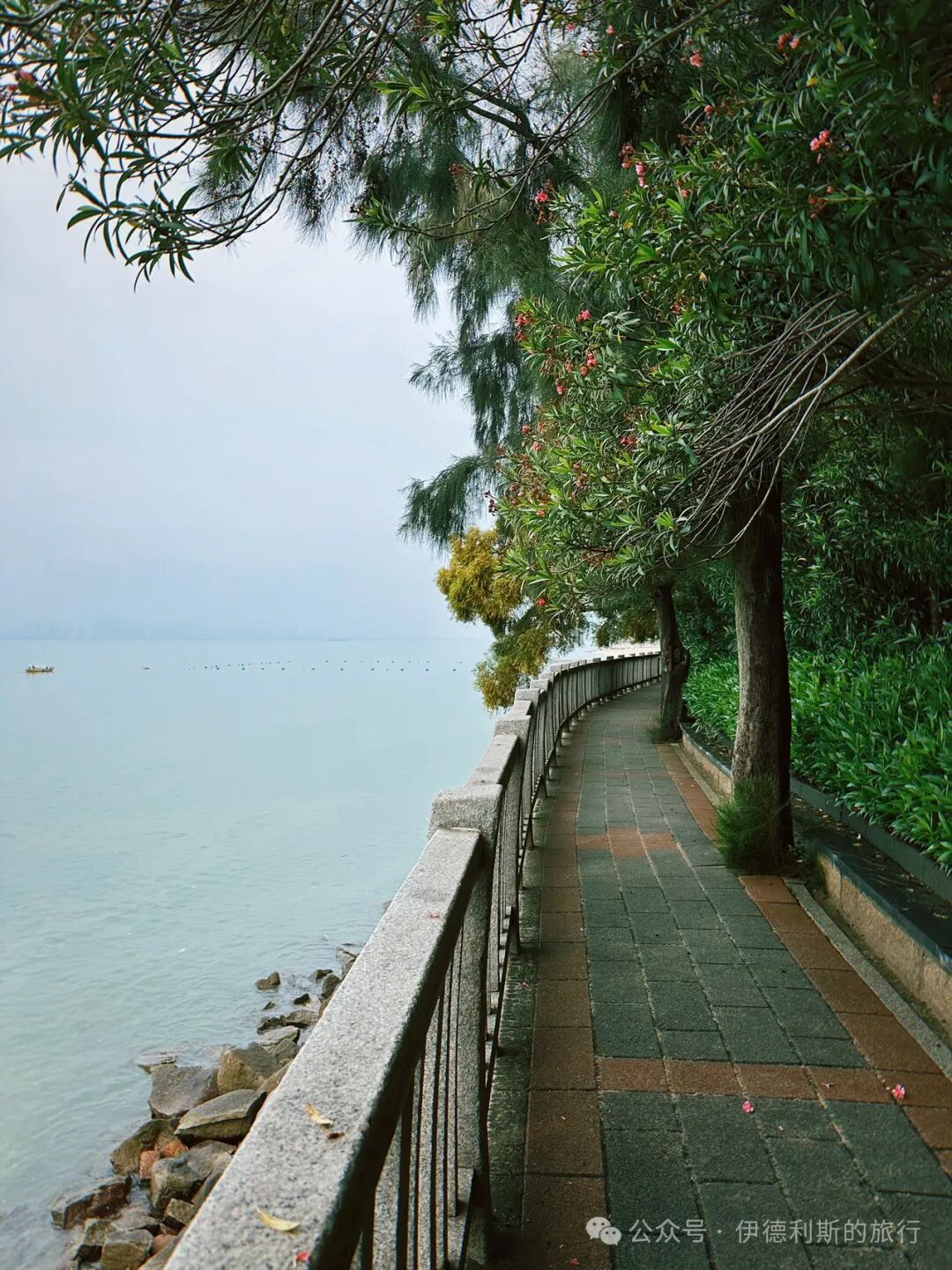
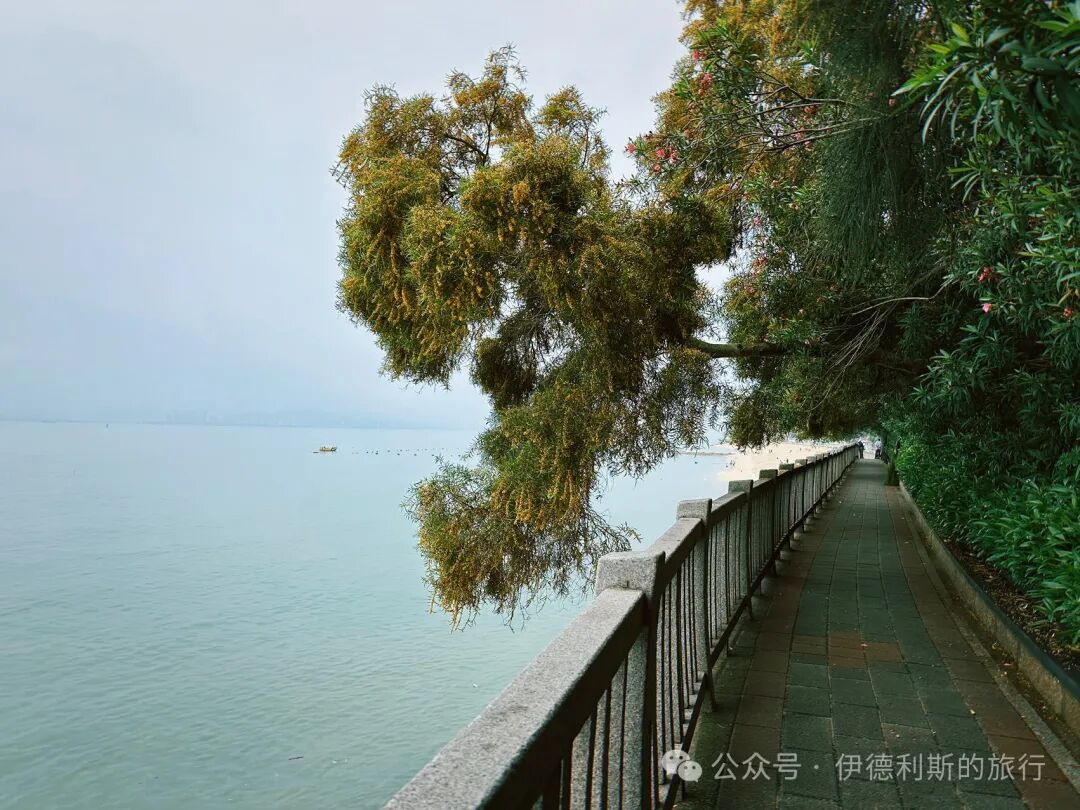
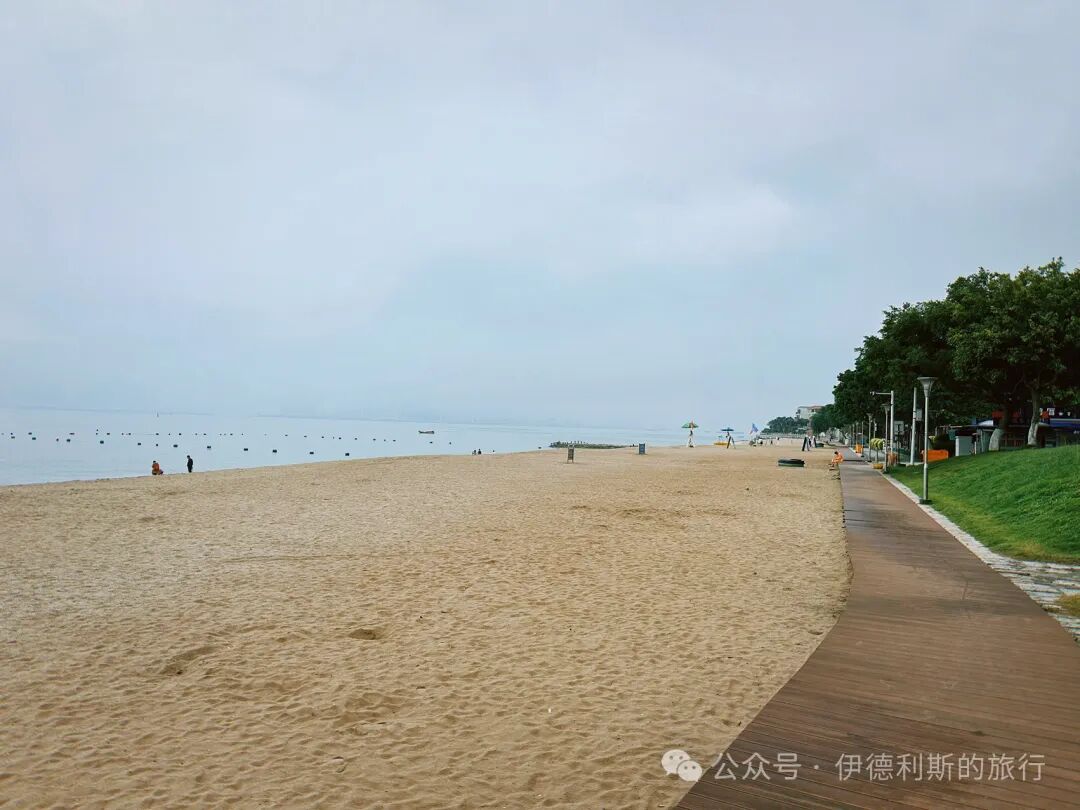
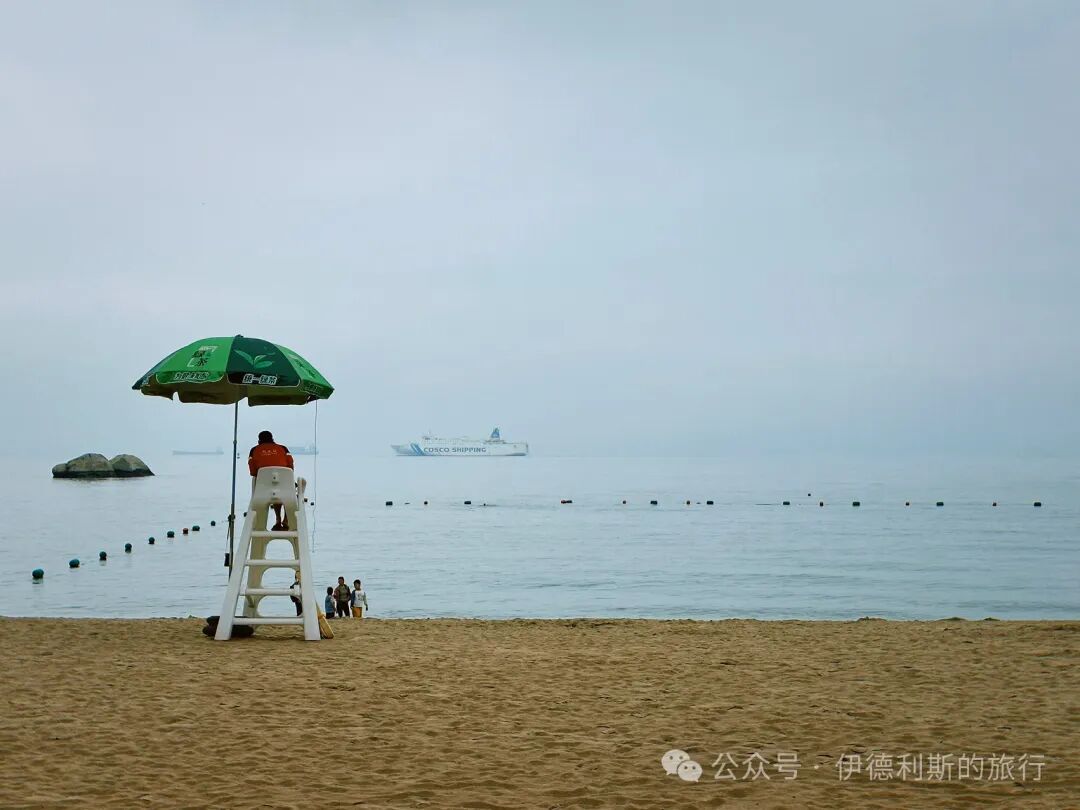
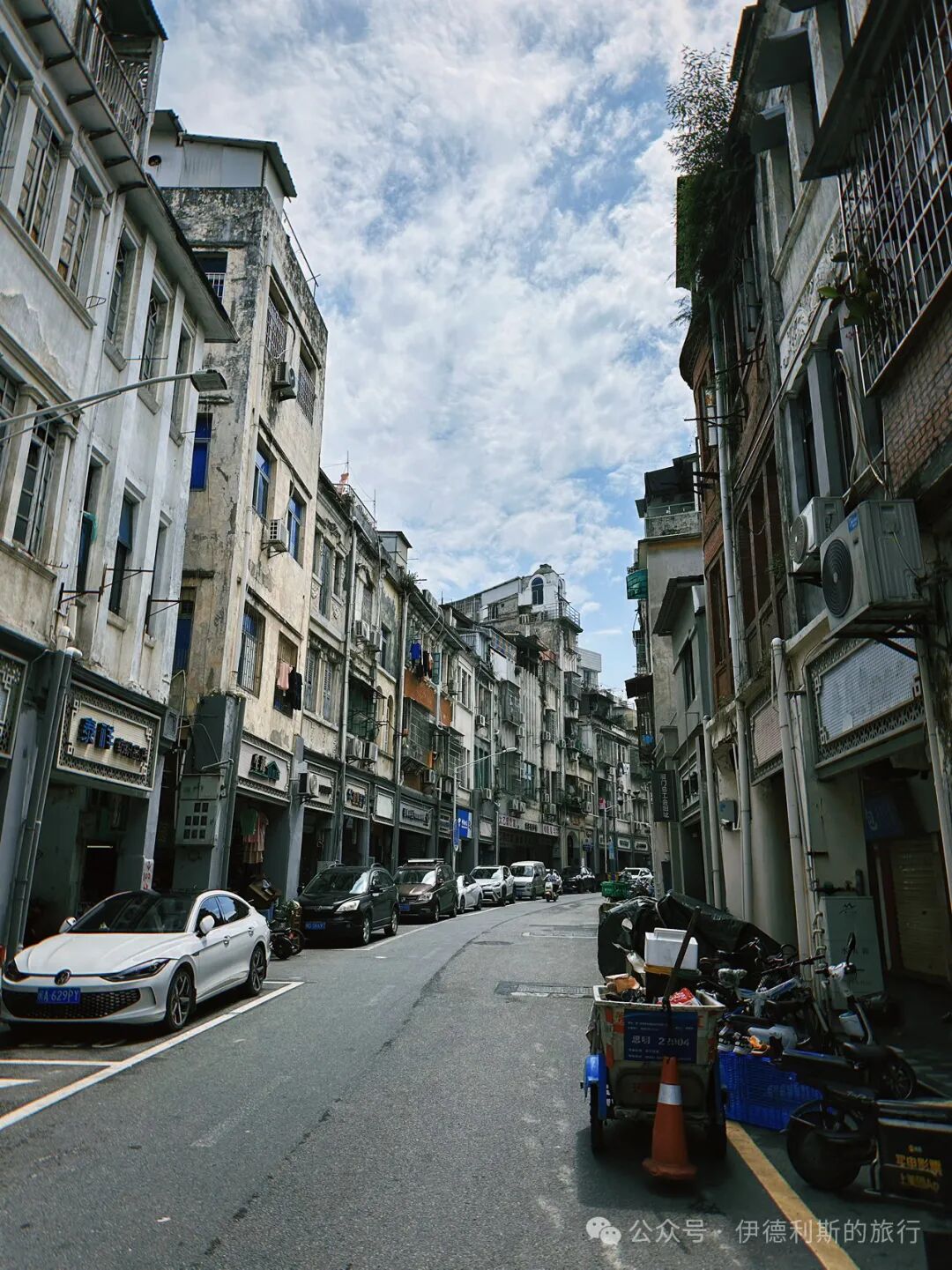
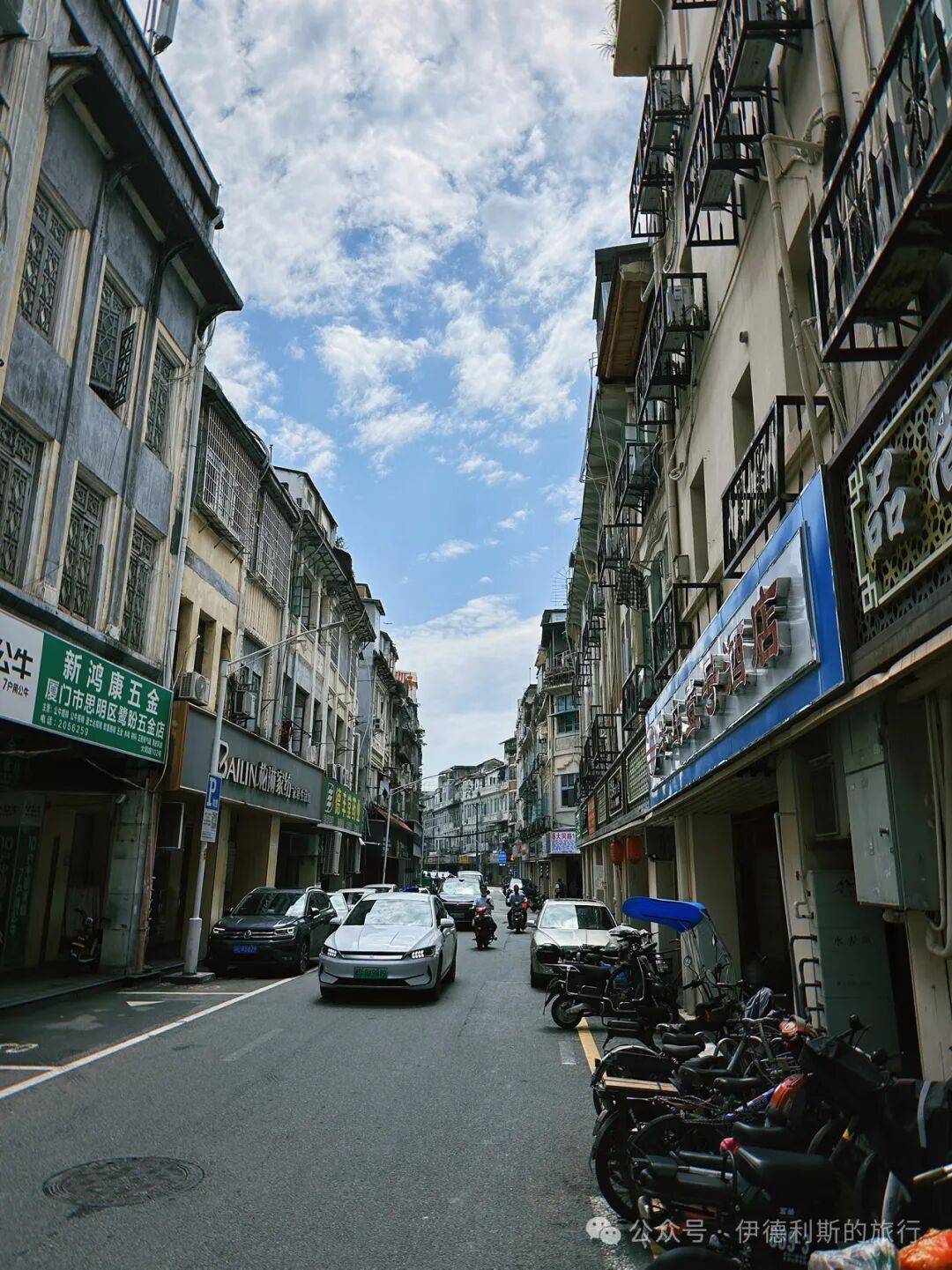
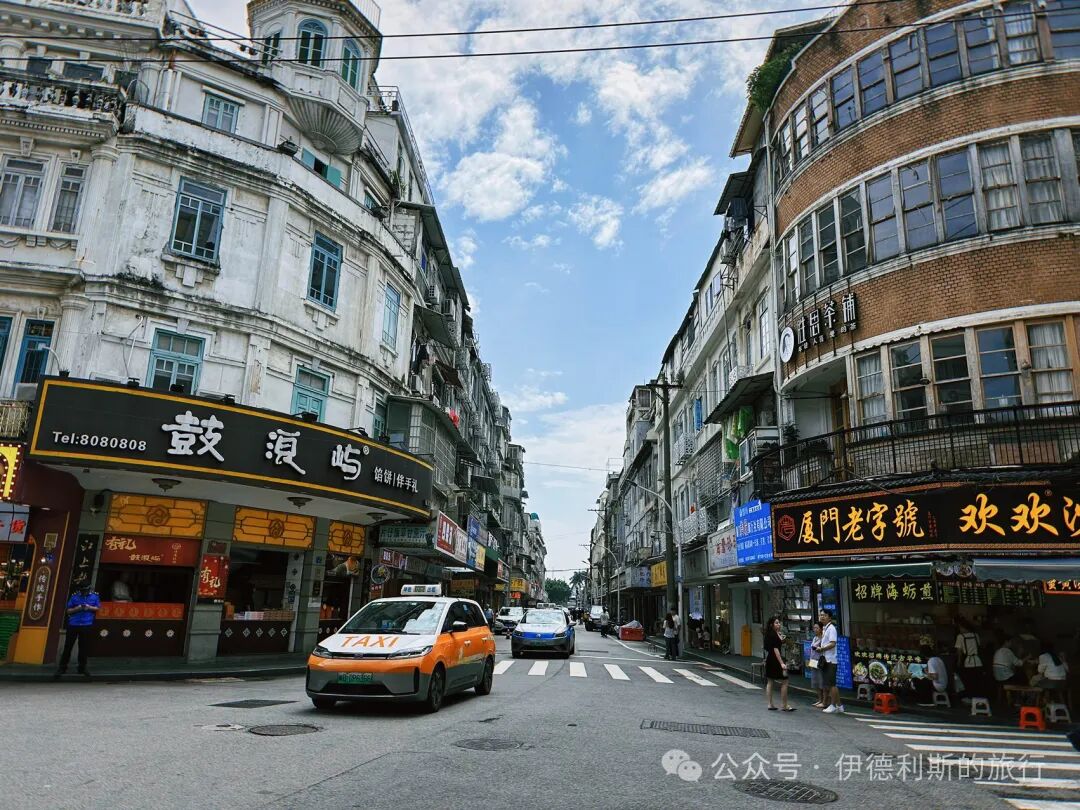
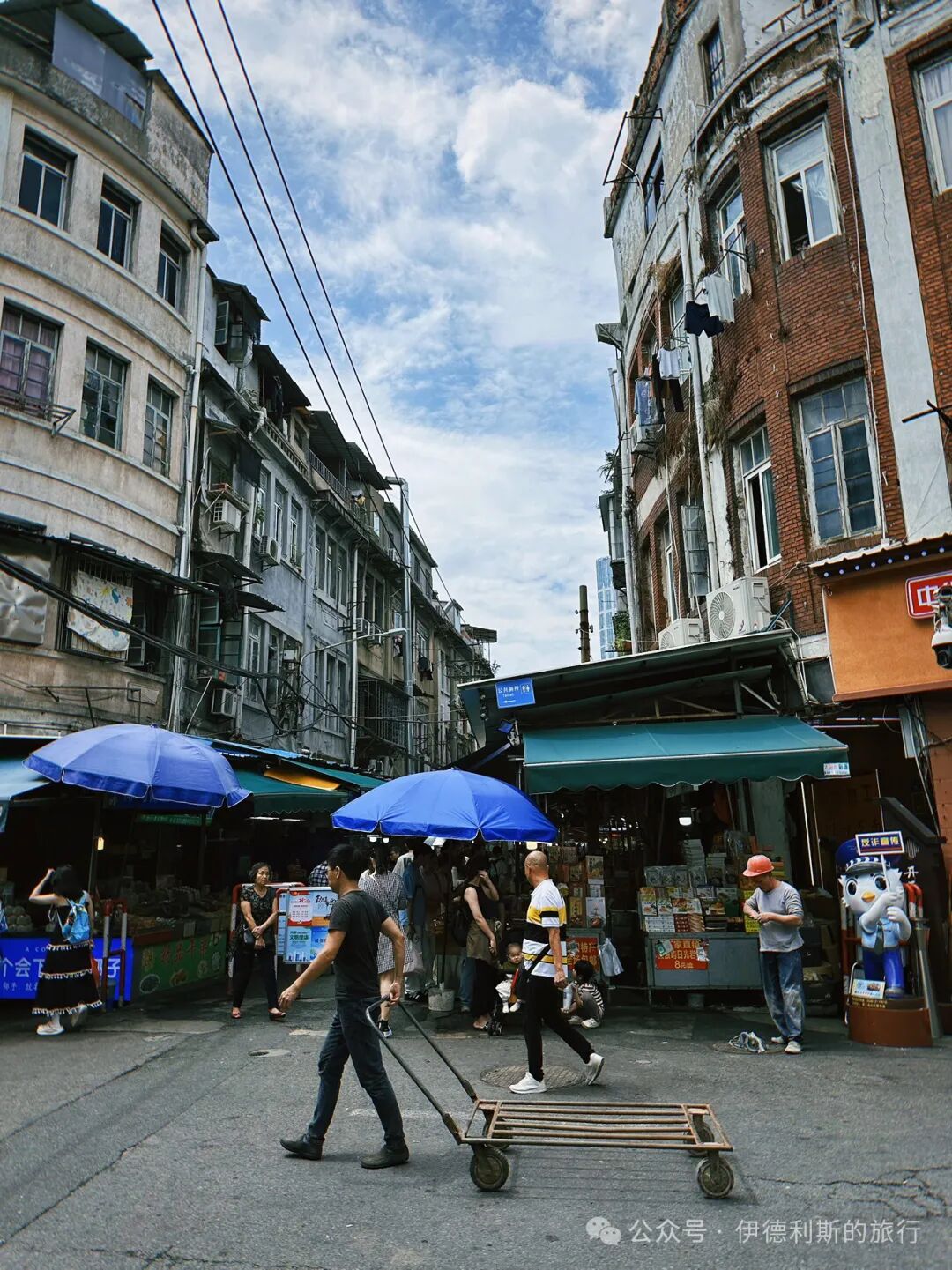
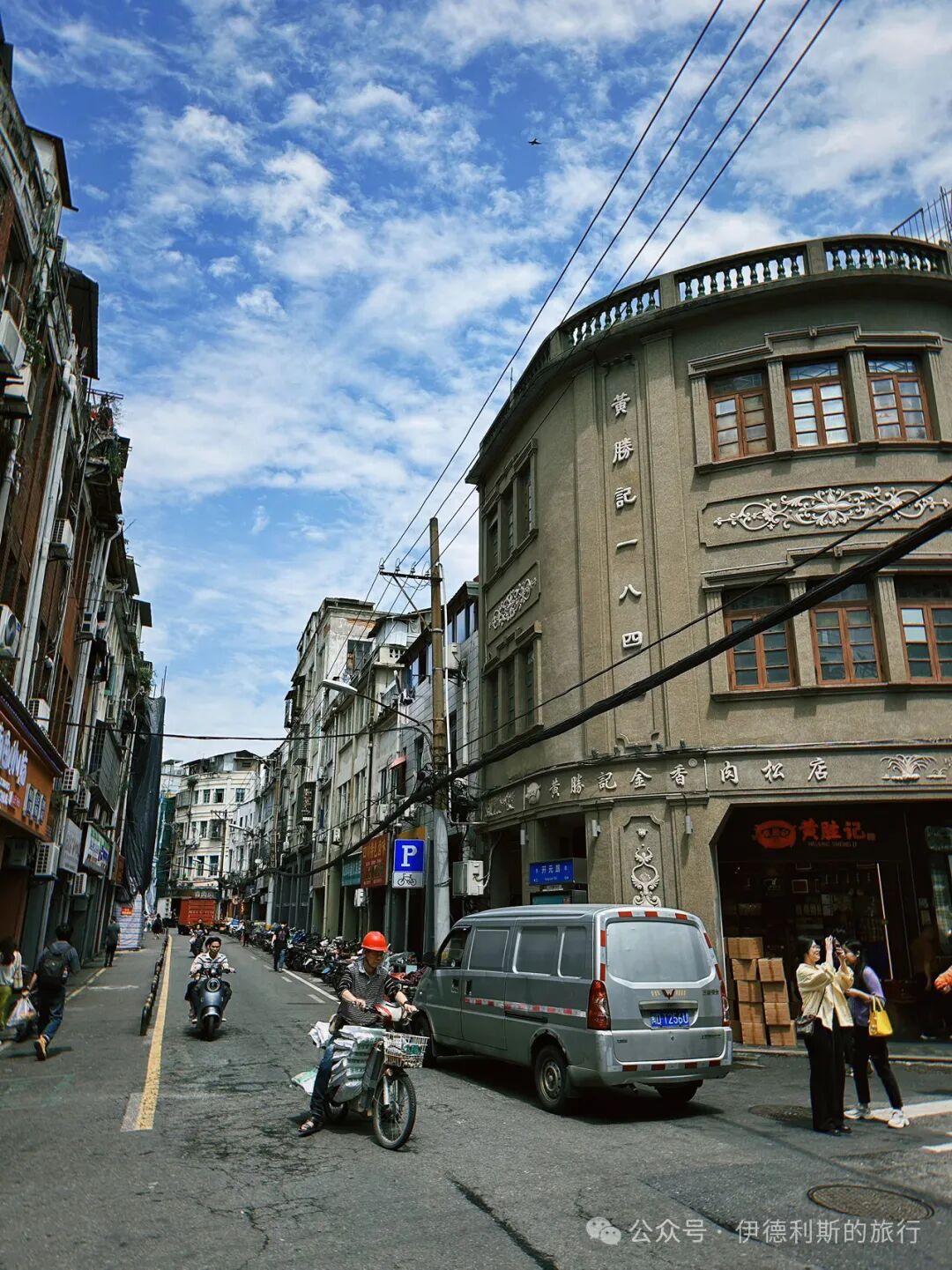
The seaside boardwalk and the arcade-style old streets of Xiamen.
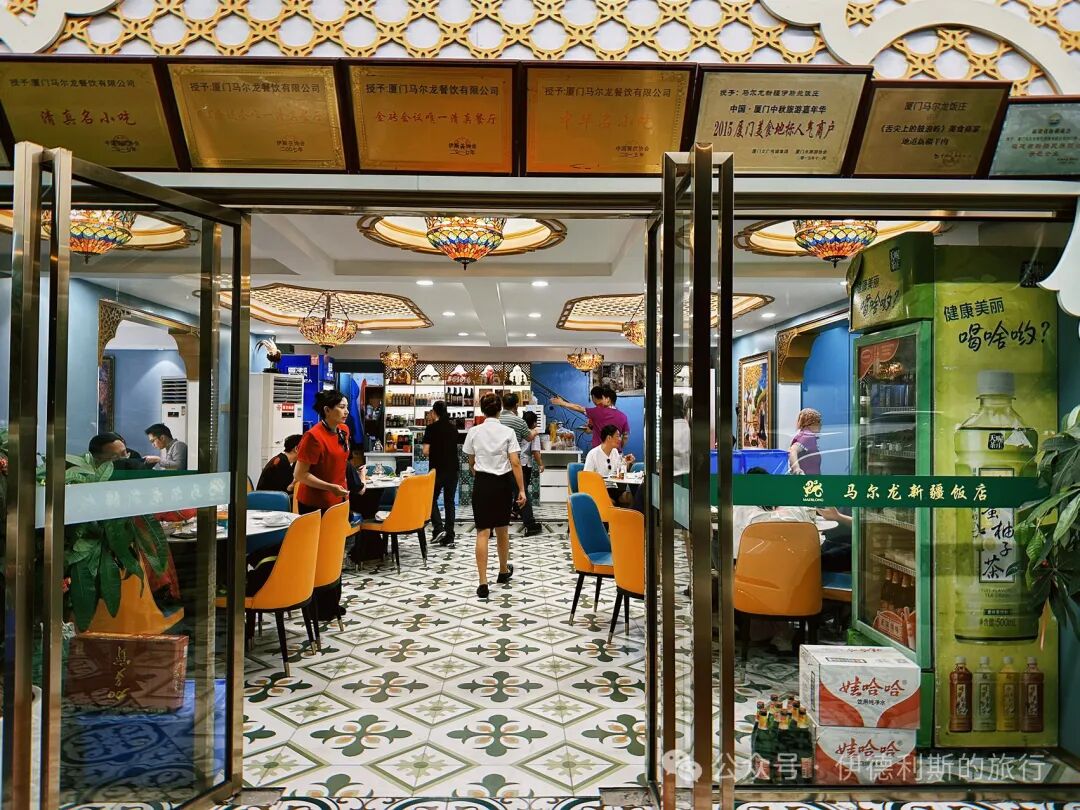
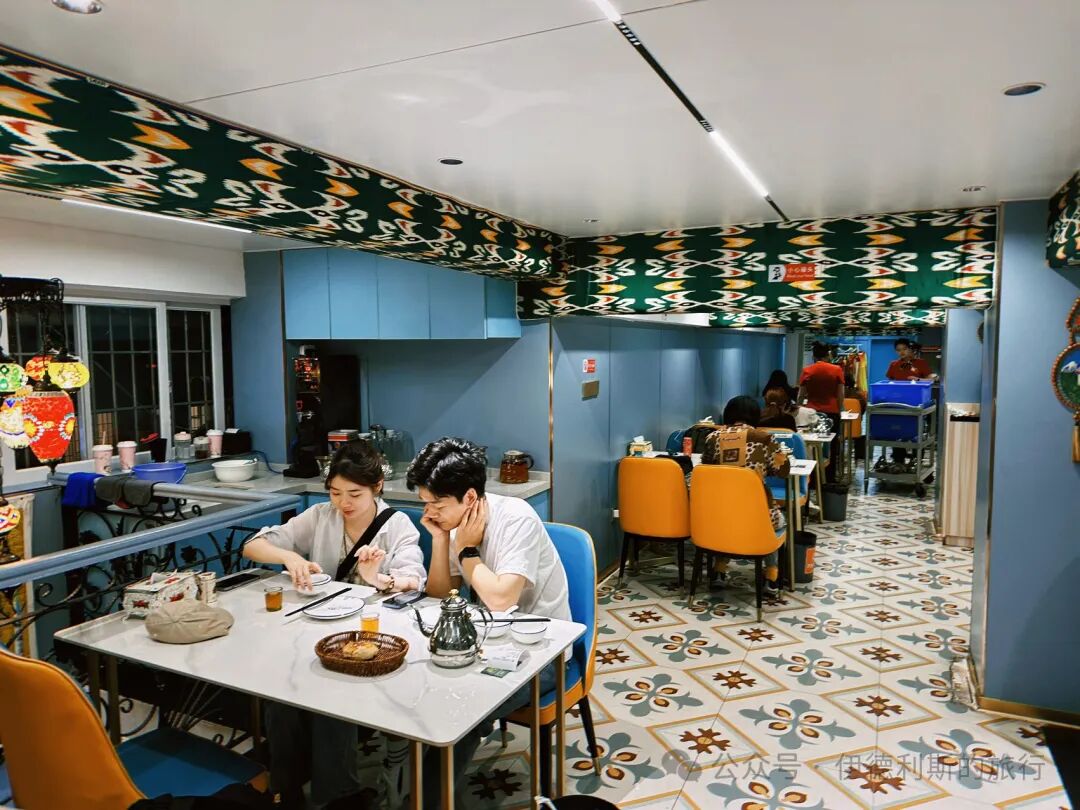
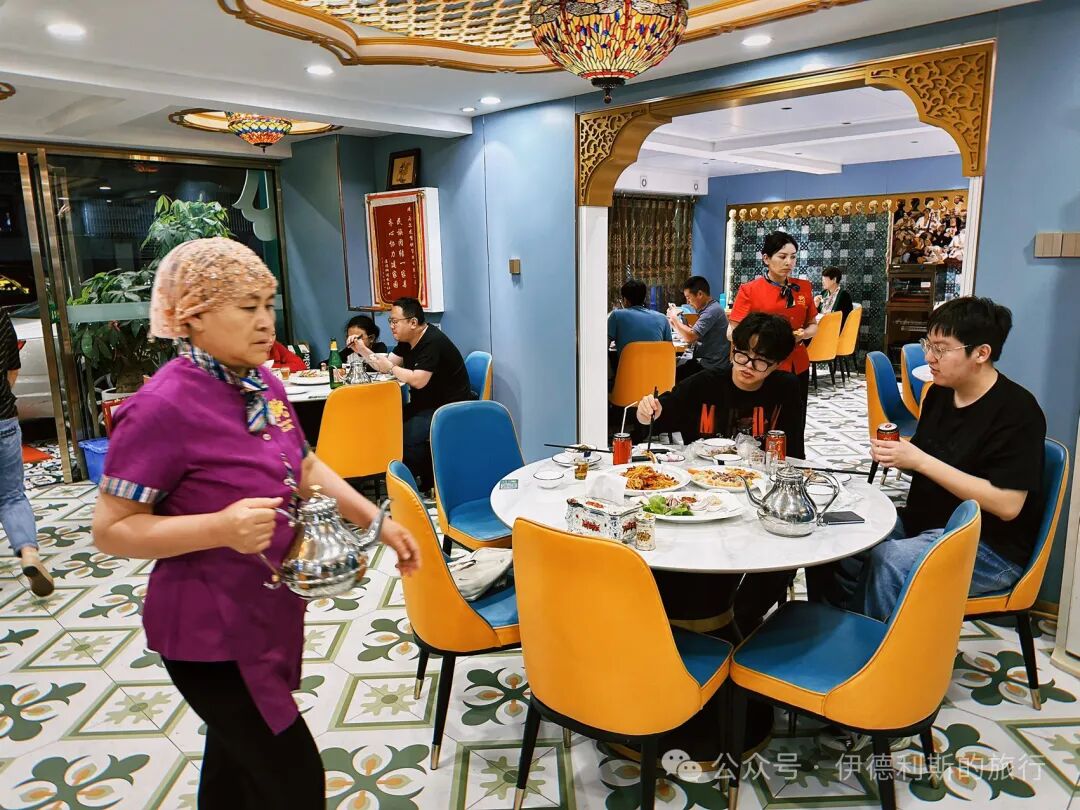
Have dinner at the main branch of Ma'erlong in the evening. I was surprised to find pearl meatballs (zhenzhu wanzi) and mung bean jelly (menzi) here. This is my first time seeing these in a Xinjiang restaurant in mainland China. Both are classic banquet dishes for Hui Muslims in Xinjiang, and Uyghur chefs usually do not make them.
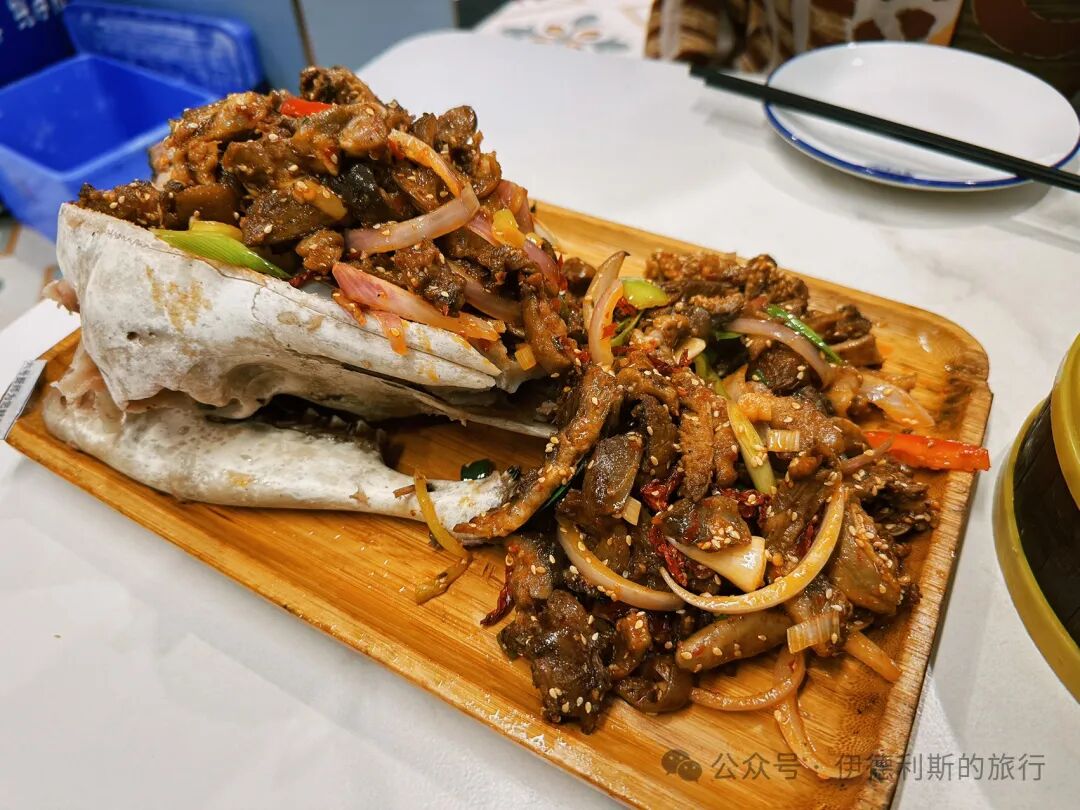
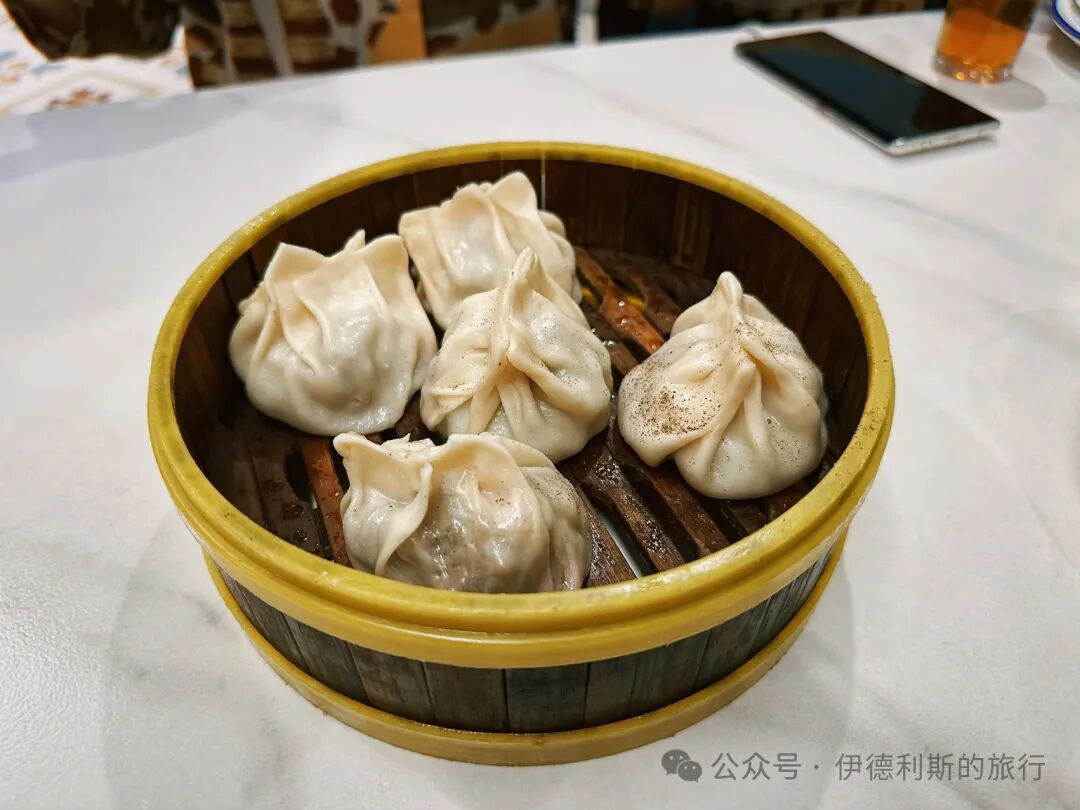
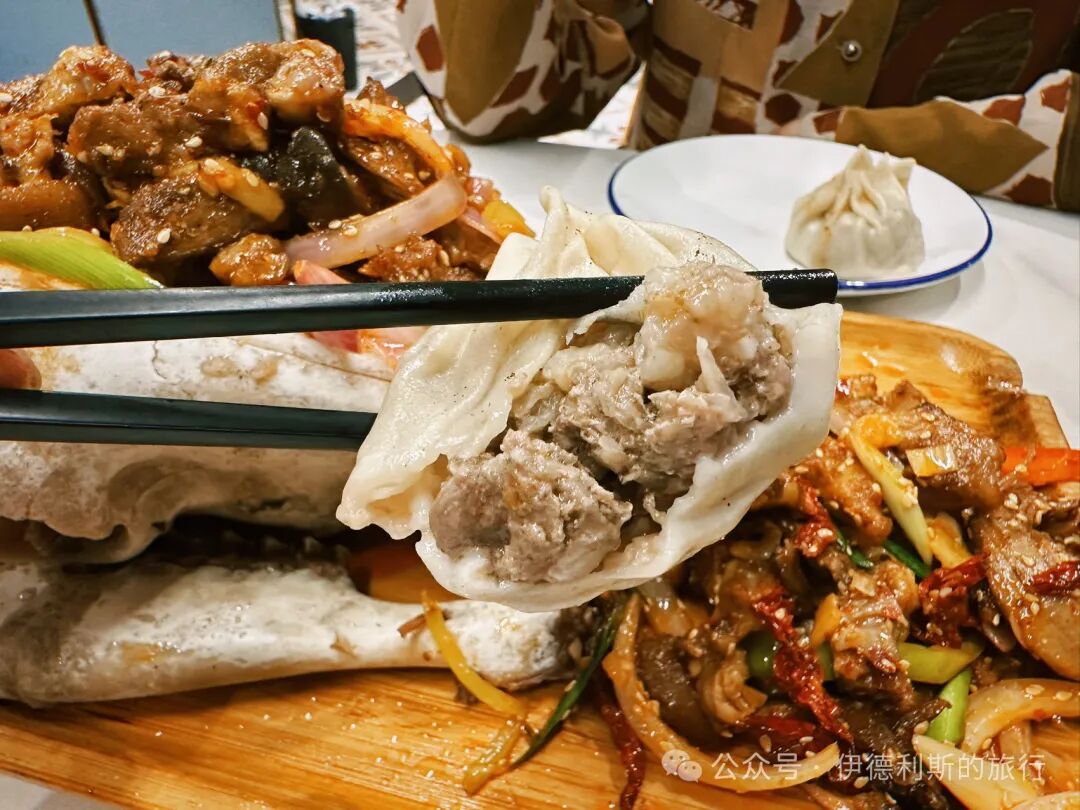
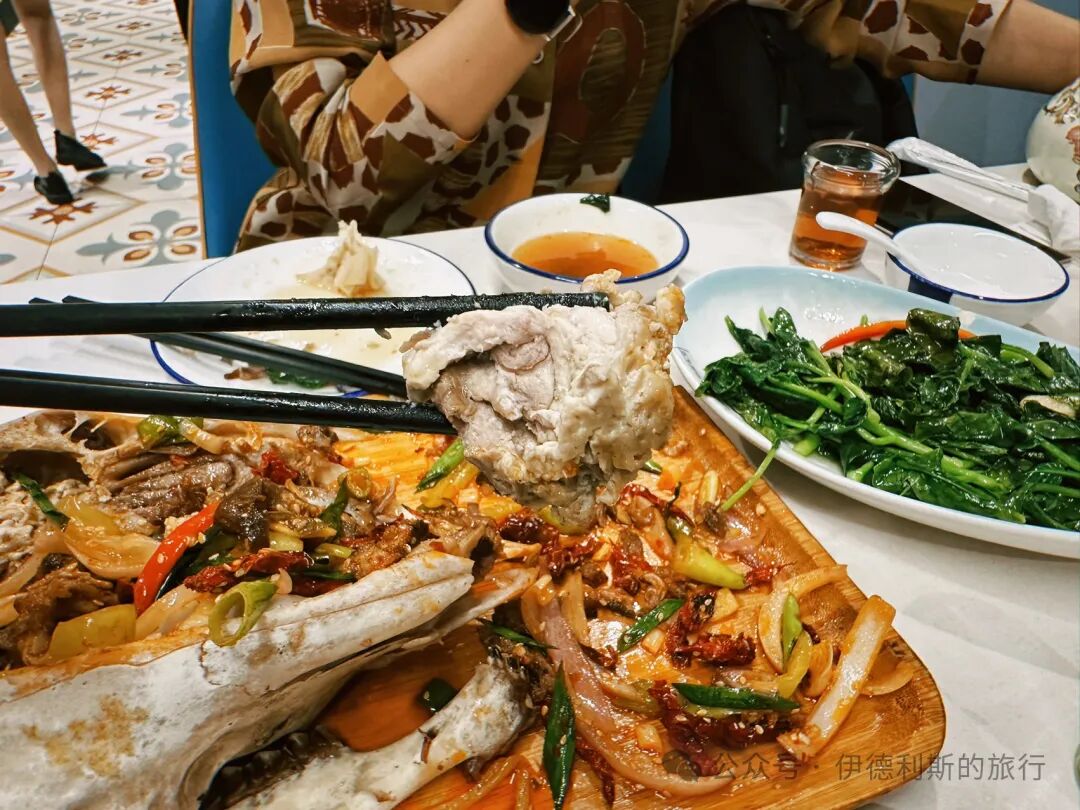
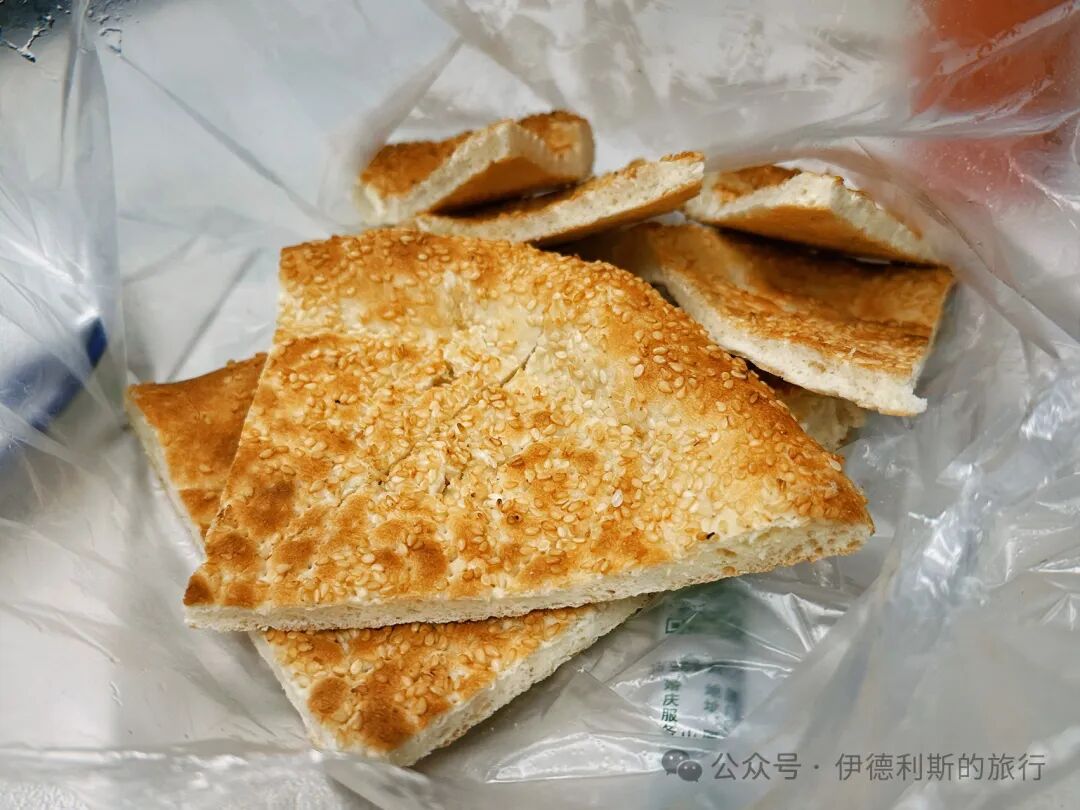
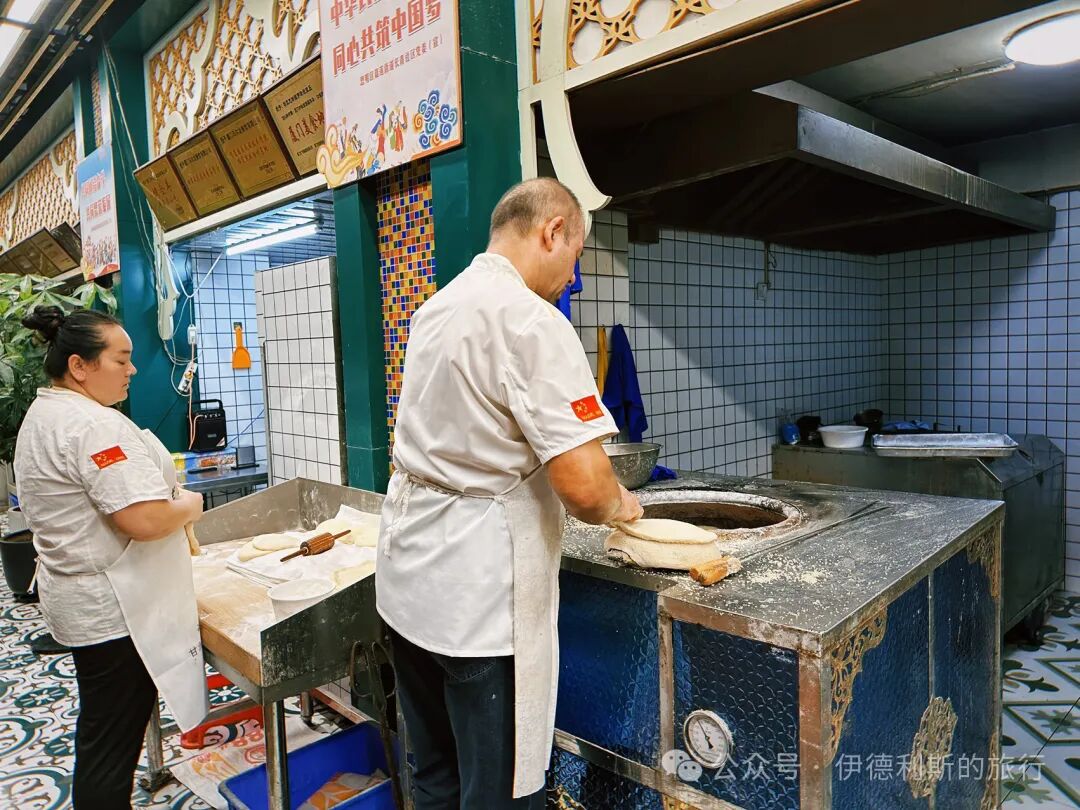
We ordered stir-fried lamb head meat and thin-skinned steamed buns (baopi baozi), and we also got some baked flatbread (naan) to go. These dishes were very authentic. The stir-fried lamb head meat tasted exactly like what you get in Hui Muslim restaurants in Urumqi. The filling in the thin-skinned steamed buns was perfect, and the bottom skin was very thin. It must have been made by a Uyghur chef, though the skin on the pleats was a bit thick and had a hard center. The freshly baked flatbread from the Uyghur chef was full of wheat flavor. We ordered one to take away, but we couldn't help eating it all, so we ordered another one to go.
Summary: Halal Travel Guide: Xiamen - Xiamen Mosque and Malong Xinjiang Cuisine is presented here as a firsthand travel account in clear, natural English. The account focuses on Xiamen, Xiamen Mosque, Xinjiang Food while preserving the names, places, food, photos, and historical details from the Chinese source.
At noon, I visited the Xiamen Mosque and felt very grateful to have some braised noodles (huimian) made by Imam Liu. Imam Liu is from Zhengzhou, Henan, and has been in Xiamen for over ten years. When we arrived, Imam Liu was hosting another friend (dost) from Henan who also lives in Xiamen. According to this friend, Imam Liu's braised noodles are unique and the best you can find in Xiamen. After tasting them, I have to agree, haha.
Xiamen Mosque was first built in 1823 (the third year of the Daoguang reign). The front building was expanded during the Tongzhi reign, rebuilt in 1924, moved and rebuilt in 1993 due to urban renewal, and finished as the current six-story building in 2002. The Xiamen Mosque currently houses two stone tablets from 1902 (the 28th year of the Guangxu reign) and 1924 (the 13th year of the Republic of China).
The Guangxu tablet records that Xiamen Mosque was built with donations initiated by the Zhejiang Provincial Commander Yang during the Daoguang reign, expanded with donations from the Xiamen Defense Commander Ma during the Tongzhi reign, and in the 22nd year of the Guangxu reign, Commander Yang again initiated donations to purchase four houses as mosque property. Yang Qizhen (1836–1903) was a Hui Muslim from Laishanji, Huainan, Anhui. He was a famous coastal defense general in the late Qing Dynasty and once heavily damaged the French fleet during the Sino-French naval war. In 1892 (the 18th year of the Guangxu reign), Yang Qizhen became the Admiral of the Fujian Navy. He built the Huli Mountain Fortress on Xiamen Island and donated money to buy property for the Xiamen mosque.
A Republic of China era stone tablet records that Tang Kesan came to Xiamen to supervise the customs and encouraged fundraising to revitalize the faith. Later, Ma Lixian, Chang Fumian, and Ma Liangji traveled to Shanghai, Nanjing, and Southeast Asia to raise funds. They repaired the Xiamen mosque and the Qingjing mosque in Quanzhou, and bought two houses in Xiamen city as mosque property. Tang Kesan was a famous Hui Muslim social activist and educator during the Republic of China. He founded the Chengda Teachers College in 1925 and served as its president. In 1938, he founded the China Islamic National Salvation Association and led the Hui Muslim movement to resist Japan and save the country. Tang Kesan served as the Xiamen Customs Superintendent in 1919. During his time in office, he made great contributions to the restoration of the faith in Xiamen and Quanzhou.
The seaside boardwalk and the arcade-style old streets of Xiamen.
Have dinner at the main branch of Ma'erlong in the evening. I was surprised to find pearl meatballs (zhenzhu wanzi) and mung bean jelly (menzi) here. This is my first time seeing these in a Xinjiang restaurant in mainland China. Both are classic banquet dishes for Hui Muslims in Xinjiang, and Uyghur chefs usually do not make them.
We ordered stir-fried lamb head meat and thin-skinned steamed buns (baopi baozi), and we also got some baked flatbread (naan) to go. These dishes were very authentic. The stir-fried lamb head meat tasted exactly like what you get in Hui Muslim restaurants in Urumqi. The filling in the thin-skinned steamed buns was perfect, and the bottom skin was very thin. It must have been made by a Uyghur chef, though the skin on the pleats was a bit thick and had a hard center. The freshly baked flatbread from the Uyghur chef was full of wheat flavor. We ordered one to take away, but we couldn't help eating it all, so we ordered another one to go.
Halal Travel Guide: Xiamen - Xiamen Mosque and Malong Xinjiang Cuisine
Articles • ali2007fr posted the article • 0 comments • 143 views • 2026-05-19 09:30
Reposted from the web
Summary: Halal Travel Guide: Xiamen - Xiamen Mosque and Malong Xinjiang Cuisine is presented here as a firsthand travel account in clear, natural English. The account focuses on Xiamen, Xiamen Mosque, Xinjiang Food while preserving the names, places, food, photos, and historical details from the Chinese source.
At noon, I visited the Xiamen Mosque and felt very grateful to have some braised noodles (huimian) made by Imam Liu. Imam Liu is from Zhengzhou, Henan, and has been in Xiamen for over ten years. When we arrived, Imam Liu was hosting another friend (dost) from Henan who also lives in Xiamen. According to this friend, Imam Liu's braised noodles are unique and the best you can find in Xiamen. After tasting them, I have to agree, haha.
Xiamen Mosque was first built in 1823 (the third year of the Daoguang reign). The front building was expanded during the Tongzhi reign, rebuilt in 1924, moved and rebuilt in 1993 due to urban renewal, and finished as the current six-story building in 2002. The Xiamen Mosque currently houses two stone tablets from 1902 (the 28th year of the Guangxu reign) and 1924 (the 13th year of the Republic of China).
The Guangxu tablet records that Xiamen Mosque was built with donations initiated by the Zhejiang Provincial Commander Yang during the Daoguang reign, expanded with donations from the Xiamen Defense Commander Ma during the Tongzhi reign, and in the 22nd year of the Guangxu reign, Commander Yang again initiated donations to purchase four houses as mosque property. Yang Qizhen (1836–1903) was a Hui Muslim from Laishanji, Huainan, Anhui. He was a famous coastal defense general in the late Qing Dynasty and once heavily damaged the French fleet during the Sino-French naval war. In 1892 (the 18th year of the Guangxu reign), Yang Qizhen became the Admiral of the Fujian Navy. He built the Huli Mountain Fortress on Xiamen Island and donated money to buy property for the Xiamen mosque.
A Republic of China era stone tablet records that Tang Kesan came to Xiamen to supervise the customs and encouraged fundraising to revitalize the faith. Later, Ma Lixian, Chang Fumian, and Ma Liangji traveled to Shanghai, Nanjing, and Southeast Asia to raise funds. They repaired the Xiamen mosque and the Qingjing mosque in Quanzhou, and bought two houses in Xiamen city as mosque property. Tang Kesan was a famous Hui Muslim social activist and educator during the Republic of China. He founded the Chengda Teachers College in 1925 and served as its president. In 1938, he founded the China Islamic National Salvation Association and led the Hui Muslim movement to resist Japan and save the country. Tang Kesan served as the Xiamen Customs Superintendent in 1919. During his time in office, he made great contributions to the restoration of the faith in Xiamen and Quanzhou.
The seaside boardwalk and the arcade-style old streets of Xiamen.
Have dinner at the main branch of Ma'erlong in the evening. I was surprised to find pearl meatballs (zhenzhu wanzi) and mung bean jelly (menzi) here. This is my first time seeing these in a Xinjiang restaurant in mainland China. Both are classic banquet dishes for Hui Muslims in Xinjiang, and Uyghur chefs usually do not make them.
We ordered stir-fried lamb head meat and thin-skinned steamed buns (baopi baozi), and we also got some baked flatbread (naan) to go. These dishes were very authentic. The stir-fried lamb head meat tasted exactly like what you get in Hui Muslim restaurants in Urumqi. The filling in the thin-skinned steamed buns was perfect, and the bottom skin was very thin. It must have been made by a Uyghur chef, though the skin on the pleats was a bit thick and had a hard center. The freshly baked flatbread from the Uyghur chef was full of wheat flavor. We ordered one to take away, but we couldn't help eating it all, so we ordered another one to go. view all
Summary: Halal Travel Guide: Xiamen - Xiamen Mosque and Malong Xinjiang Cuisine is presented here as a firsthand travel account in clear, natural English. The account focuses on Xiamen, Xiamen Mosque, Xinjiang Food while preserving the names, places, food, photos, and historical details from the Chinese source.
At noon, I visited the Xiamen Mosque and felt very grateful to have some braised noodles (huimian) made by Imam Liu. Imam Liu is from Zhengzhou, Henan, and has been in Xiamen for over ten years. When we arrived, Imam Liu was hosting another friend (dost) from Henan who also lives in Xiamen. According to this friend, Imam Liu's braised noodles are unique and the best you can find in Xiamen. After tasting them, I have to agree, haha.
Xiamen Mosque was first built in 1823 (the third year of the Daoguang reign). The front building was expanded during the Tongzhi reign, rebuilt in 1924, moved and rebuilt in 1993 due to urban renewal, and finished as the current six-story building in 2002. The Xiamen Mosque currently houses two stone tablets from 1902 (the 28th year of the Guangxu reign) and 1924 (the 13th year of the Republic of China).
The Guangxu tablet records that Xiamen Mosque was built with donations initiated by the Zhejiang Provincial Commander Yang during the Daoguang reign, expanded with donations from the Xiamen Defense Commander Ma during the Tongzhi reign, and in the 22nd year of the Guangxu reign, Commander Yang again initiated donations to purchase four houses as mosque property. Yang Qizhen (1836–1903) was a Hui Muslim from Laishanji, Huainan, Anhui. He was a famous coastal defense general in the late Qing Dynasty and once heavily damaged the French fleet during the Sino-French naval war. In 1892 (the 18th year of the Guangxu reign), Yang Qizhen became the Admiral of the Fujian Navy. He built the Huli Mountain Fortress on Xiamen Island and donated money to buy property for the Xiamen mosque.
A Republic of China era stone tablet records that Tang Kesan came to Xiamen to supervise the customs and encouraged fundraising to revitalize the faith. Later, Ma Lixian, Chang Fumian, and Ma Liangji traveled to Shanghai, Nanjing, and Southeast Asia to raise funds. They repaired the Xiamen mosque and the Qingjing mosque in Quanzhou, and bought two houses in Xiamen city as mosque property. Tang Kesan was a famous Hui Muslim social activist and educator during the Republic of China. He founded the Chengda Teachers College in 1925 and served as its president. In 1938, he founded the China Islamic National Salvation Association and led the Hui Muslim movement to resist Japan and save the country. Tang Kesan served as the Xiamen Customs Superintendent in 1919. During his time in office, he made great contributions to the restoration of the faith in Xiamen and Quanzhou.
The seaside boardwalk and the arcade-style old streets of Xiamen.
Have dinner at the main branch of Ma'erlong in the evening. I was surprised to find pearl meatballs (zhenzhu wanzi) and mung bean jelly (menzi) here. This is my first time seeing these in a Xinjiang restaurant in mainland China. Both are classic banquet dishes for Hui Muslims in Xinjiang, and Uyghur chefs usually do not make them.
We ordered stir-fried lamb head meat and thin-skinned steamed buns (baopi baozi), and we also got some baked flatbread (naan) to go. These dishes were very authentic. The stir-fried lamb head meat tasted exactly like what you get in Hui Muslim restaurants in Urumqi. The filling in the thin-skinned steamed buns was perfect, and the bottom skin was very thin. It must have been made by a Uyghur chef, though the skin on the pleats was a bit thick and had a hard center. The freshly baked flatbread from the Uyghur chef was full of wheat flavor. We ordered one to take away, but we couldn't help eating it all, so we ordered another one to go. view all
Reposted from the web
Summary: Halal Travel Guide: Xiamen - Xiamen Mosque and Malong Xinjiang Cuisine is presented here as a firsthand travel account in clear, natural English. The account focuses on Xiamen, Xiamen Mosque, Xinjiang Food while preserving the names, places, food, photos, and historical details from the Chinese source.
At noon, I visited the Xiamen Mosque and felt very grateful to have some braised noodles (huimian) made by Imam Liu. Imam Liu is from Zhengzhou, Henan, and has been in Xiamen for over ten years. When we arrived, Imam Liu was hosting another friend (dost) from Henan who also lives in Xiamen. According to this friend, Imam Liu's braised noodles are unique and the best you can find in Xiamen. After tasting them, I have to agree, haha.
Xiamen Mosque was first built in 1823 (the third year of the Daoguang reign). The front building was expanded during the Tongzhi reign, rebuilt in 1924, moved and rebuilt in 1993 due to urban renewal, and finished as the current six-story building in 2002. The Xiamen Mosque currently houses two stone tablets from 1902 (the 28th year of the Guangxu reign) and 1924 (the 13th year of the Republic of China).
The Guangxu tablet records that Xiamen Mosque was built with donations initiated by the Zhejiang Provincial Commander Yang during the Daoguang reign, expanded with donations from the Xiamen Defense Commander Ma during the Tongzhi reign, and in the 22nd year of the Guangxu reign, Commander Yang again initiated donations to purchase four houses as mosque property. Yang Qizhen (1836–1903) was a Hui Muslim from Laishanji, Huainan, Anhui. He was a famous coastal defense general in the late Qing Dynasty and once heavily damaged the French fleet during the Sino-French naval war. In 1892 (the 18th year of the Guangxu reign), Yang Qizhen became the Admiral of the Fujian Navy. He built the Huli Mountain Fortress on Xiamen Island and donated money to buy property for the Xiamen mosque.
A Republic of China era stone tablet records that Tang Kesan came to Xiamen to supervise the customs and encouraged fundraising to revitalize the faith. Later, Ma Lixian, Chang Fumian, and Ma Liangji traveled to Shanghai, Nanjing, and Southeast Asia to raise funds. They repaired the Xiamen mosque and the Qingjing mosque in Quanzhou, and bought two houses in Xiamen city as mosque property. Tang Kesan was a famous Hui Muslim social activist and educator during the Republic of China. He founded the Chengda Teachers College in 1925 and served as its president. In 1938, he founded the China Islamic National Salvation Association and led the Hui Muslim movement to resist Japan and save the country. Tang Kesan served as the Xiamen Customs Superintendent in 1919. During his time in office, he made great contributions to the restoration of the faith in Xiamen and Quanzhou.
The seaside boardwalk and the arcade-style old streets of Xiamen.
Have dinner at the main branch of Ma'erlong in the evening. I was surprised to find pearl meatballs (zhenzhu wanzi) and mung bean jelly (menzi) here. This is my first time seeing these in a Xinjiang restaurant in mainland China. Both are classic banquet dishes for Hui Muslims in Xinjiang, and Uyghur chefs usually do not make them.
We ordered stir-fried lamb head meat and thin-skinned steamed buns (baopi baozi), and we also got some baked flatbread (naan) to go. These dishes were very authentic. The stir-fried lamb head meat tasted exactly like what you get in Hui Muslim restaurants in Urumqi. The filling in the thin-skinned steamed buns was perfect, and the bottom skin was very thin. It must have been made by a Uyghur chef, though the skin on the pleats was a bit thick and had a hard center. The freshly baked flatbread from the Uyghur chef was full of wheat flavor. We ordered one to take away, but we couldn't help eating it all, so we ordered another one to go.
Summary: Halal Travel Guide: Xiamen - Xiamen Mosque and Malong Xinjiang Cuisine is presented here as a firsthand travel account in clear, natural English. The account focuses on Xiamen, Xiamen Mosque, Xinjiang Food while preserving the names, places, food, photos, and historical details from the Chinese source.
At noon, I visited the Xiamen Mosque and felt very grateful to have some braised noodles (huimian) made by Imam Liu. Imam Liu is from Zhengzhou, Henan, and has been in Xiamen for over ten years. When we arrived, Imam Liu was hosting another friend (dost) from Henan who also lives in Xiamen. According to this friend, Imam Liu's braised noodles are unique and the best you can find in Xiamen. After tasting them, I have to agree, haha.
Xiamen Mosque was first built in 1823 (the third year of the Daoguang reign). The front building was expanded during the Tongzhi reign, rebuilt in 1924, moved and rebuilt in 1993 due to urban renewal, and finished as the current six-story building in 2002. The Xiamen Mosque currently houses two stone tablets from 1902 (the 28th year of the Guangxu reign) and 1924 (the 13th year of the Republic of China).
The Guangxu tablet records that Xiamen Mosque was built with donations initiated by the Zhejiang Provincial Commander Yang during the Daoguang reign, expanded with donations from the Xiamen Defense Commander Ma during the Tongzhi reign, and in the 22nd year of the Guangxu reign, Commander Yang again initiated donations to purchase four houses as mosque property. Yang Qizhen (1836–1903) was a Hui Muslim from Laishanji, Huainan, Anhui. He was a famous coastal defense general in the late Qing Dynasty and once heavily damaged the French fleet during the Sino-French naval war. In 1892 (the 18th year of the Guangxu reign), Yang Qizhen became the Admiral of the Fujian Navy. He built the Huli Mountain Fortress on Xiamen Island and donated money to buy property for the Xiamen mosque.
A Republic of China era stone tablet records that Tang Kesan came to Xiamen to supervise the customs and encouraged fundraising to revitalize the faith. Later, Ma Lixian, Chang Fumian, and Ma Liangji traveled to Shanghai, Nanjing, and Southeast Asia to raise funds. They repaired the Xiamen mosque and the Qingjing mosque in Quanzhou, and bought two houses in Xiamen city as mosque property. Tang Kesan was a famous Hui Muslim social activist and educator during the Republic of China. He founded the Chengda Teachers College in 1925 and served as its president. In 1938, he founded the China Islamic National Salvation Association and led the Hui Muslim movement to resist Japan and save the country. Tang Kesan served as the Xiamen Customs Superintendent in 1919. During his time in office, he made great contributions to the restoration of the faith in Xiamen and Quanzhou.
The seaside boardwalk and the arcade-style old streets of Xiamen.
Have dinner at the main branch of Ma'erlong in the evening. I was surprised to find pearl meatballs (zhenzhu wanzi) and mung bean jelly (menzi) here. This is my first time seeing these in a Xinjiang restaurant in mainland China. Both are classic banquet dishes for Hui Muslims in Xinjiang, and Uyghur chefs usually do not make them.
We ordered stir-fried lamb head meat and thin-skinned steamed buns (baopi baozi), and we also got some baked flatbread (naan) to go. These dishes were very authentic. The stir-fried lamb head meat tasted exactly like what you get in Hui Muslim restaurants in Urumqi. The filling in the thin-skinned steamed buns was perfect, and the bottom skin was very thin. It must have been made by a Uyghur chef, though the skin on the pleats was a bit thick and had a hard center. The freshly baked flatbread from the Uyghur chef was full of wheat flavor. We ordered one to take away, but we couldn't help eating it all, so we ordered another one to go.