

Xiamen University
Islamic Art Guide: Song-Yuan Islamic Stone Inscriptions at Xiamen University
Articles • ali2007fr posted the article • 0 comments • 137 views • 2026-05-19 09:30
Reposted from the web
Summary: Islamic Art Guide: Song-Yuan Islamic Stone Inscriptions at Xiamen University is presented here as a firsthand travel account in clear, natural English. The account focuses on Xiamen University, Islamic Art, Stone Inscriptions while preserving the names, places, food, photos, and historical details from the Chinese source.
The Anthropology Museum of Xiamen University is the first university museum in the People's Republic of China. The founder, Professor Lin Huixiang, was a famous Chinese anthropologist, archaeologist, and folklorist. He was a member of the first graduating class of Xiamen University and later served as a professor in the Department of History and Sociology there. In 1934, he established the preparatory office for the Xiamen University Anthropology Museum, which became the first specialized anthropology museum in China. After the Xiamen University Anthropology Museum was officially founded in 1953, Professor Lin Huixiang served as its first director.
Xiamen University now requires visitors to book their entry three days in advance. I forgot about the time and only managed to book an afternoon slot, but I had a flight back to Beijing that afternoon, so I definitely wouldn't make it. I searched carefully online and finally found someone who said they were able to scan in early. We arrived at Xiamen University in the morning to give it a try, and sure enough, we were able to scan in.
We went straight to the Anthropology Museum after entering, but the stone tablet gallery housing the Islamic (jiaomen) stone carvings was closed because the rain made the path slippery, which was a real shame. We had already left the museum, but with Zainab's encouragement, we went back to explain the situation to the staff. They understood, opened the stele gallery for us, and allowed us to see these incredibly precious stone carvings. We felt very grateful to Allah.
Besides many tombstone inscriptions from the Song and Yuan dynasties, the gallery also displays several stone tablets related to the Qingjing Mosque in Quanzhou, which are of high historical value.
The tablet recording the construction of the Qingjing Mosque by the Yemeni Naina Umar originally had Arabic inscriptions on both sides, but unfortunately, only one side is on display now. In 1940, when the Tonghuai Gate in Quanzhou was being dismantled, workers dug up this tablet and took it home. People say many rectangular and pointed-arch Arabic stone tablets were dug up at the same time and sold as building materials. After this tablet was taken home, it was used as a laundry board for a while and later turned into a stone step for the floor. The front of the tablet is carved with scripture (72:18) in Kufic script, and the back records the story of the Yemeni Naina Umar building the Qingjing Mosque.
The tablet recording the construction of the mosque by Muhammad was unearthed in the foundation of the South Gate of Quanzhou in 1948. It also had Arabic inscriptions on both sides, but only one side is displayed now. The inscription contains verses (72:18, 18:30) and records that the Qingjing Mosque was built by Muhammad, whose nickname was Jamal al-Din.
A stone lintel from a mosque was found in the foundation of the South Gate of Quanzhou in 1948 and moved to the Xiamen University Anthropology Museum in 1955. Both sides of the stone carving feature Arabic script, including a verse from the Quran (72:18) and a record of the gate's renovation in 1328 by Nakhid Asmar al-Mushai al-Din.
The tombstone of Ahmad was found in 1956 by a pond in Jintoupu outside the Tonghuai Gate in Quanzhou and moved to the Xiamen University Anthropology Museum for preservation that same year. The front of the tombstone has Arabic text recording the name of the deceased as Ahmad b. Khwaja Hakyim Alad. Khwaja refers to a descendant of the Prophet and is also an honorific title for a respected person in Persian. The book Quanzhou Religious Stone Carvings states he died in the Islamic year 672 (1273), while the display board at the Xiamen University Anthropology Museum says he died in the Islamic year 690 (1291).
The back of the tombstone is not on display at the site, but it contains a Chinese inscription: My late father was born on the 23rd day of the sixth lunar month in the Renchen year at the hour of the monkey and lived to be 30 years old. He passed away on the 25th day of the ninth lunar month in the Xinyou year of the Zhizhi era and was buried here. This was recorded on a day in the seventh lunar month of the Renxu year, the second year of the Zhizhi era. Nan Ahan Mojin Zhi. The year of Xinyou in the Zhizhi era is 1321, which is several decades different from the date recorded in the Arabic text on the front.
The tombstone of Fatima Khatun was found in 1956 in Secuomei Village outside Renfeng Gate in Quanzhou, and it was moved to the Xiamen University Anthropology Museum that same year. The inscription says the person buried is Fatima Khatun, her father is Ali Takin al-Kuhatis, and she passed away in the year 729 of the Islamic calendar (1329). Khatun means queen or lady, and Takin is a Persian word for prince or noble. This shows that Fatima's family was a Persian noble family.
This tombstone was found in 1955 by Wu Wenliang, the author of the book Religious Stone Carvings of Quanzhou, in a pile of rubble near Tumen Gate in Quanzhou. It was moved to the Xiamen University Anthropology Museum for preservation that same year, and the inscription contains scripture (55:26, 55:27).
The tombstone of Miss Husayo Ismail Khali was found in 1956 on a street outside Tonghuai Gate in Quanzhou, and it was moved to the Xiamen University Anthropology Museum that same year. The person buried here, Ms. Husna Isma'il, passed away in the year 764 of the Hijri calendar (1362).
The tombstone of Ibrahim from Siraf was discovered by Professor Lin Huixiang on Renfeng Street outside the East Gate of Quanzhou in 1955, and was later moved to the Xiamen University Anthropology Museum. The person buried here was a servant from the ancient city of Siraf, located on the Persian Gulf in southern Iran. Siraf is also known in historical records as Shiluowei, Shilaafu, Sanawei, Shiluofu, or Siluofu. Between the 9th and 13th centuries, it was the largest trading port on the Persian Gulf, and many Persian merchants traveled through it to Quanzhou for trade during the Song and Yuan dynasties. According to the Record of the Muslim Cemetery on Dongban in Quanzhou written by Lin Zhiqi, the Superintendent of the Quanzhou Maritime Trade Office during the Southern Song Dynasty, a merchant named Shinawi donated money to buy land and build a Muslim cemetery on Dongban in Quanzhou between 1162 and 1163. The name Shinawi here refers to Siraf.
The upper half of the tombstone of Abu Bakr was found in a farmer's courtyard at Jintoupu outside Tonghuai Gate in Quanzhou in 1953. The lower half was found in a pond not far from the first site in 1956, and it was moved to the Xiamen University Anthropology Museum that same year. The person buried here passed away in the year 717 of the Hijri calendar (1317), and his father's name was Husayn.
This tombstone was obtained by the shore of Donghu Lake outside the East Gate of Quanzhou in 1956 and moved to the Xiamen University Anthropology Museum that same year. Unfortunately, the lower part containing the name and hometown of the deceased is damaged and missing. Only the Basmala, the Hadith 'whoever dies in a foreign land dies as a martyr,' and the Shahada remain.
The tombstone of XXX Bakr was found in a private courtyard in Dongtangtou, outside the East Gate of Quanzhou, in 1950 and moved to the Xiamen University Anthropology Museum in 1955. Because the inscription is damaged, we can only see that the deceased was named XXX Bakr XXX, along with the words 'May Allah forgive him and his parents.'
This tombstone was found on Leyuan Road outside the East Gate of Quanzhou in 1955 and moved to the Xiamen University Anthropology Museum that same year. The inscription reads, '...the incomparably majestic and merciful XX, may Allah bless the Prophet and his entire family.'
The tombstone of Fatimah was found in the city wall of the East Gate of Quanzhou in 1927 and moved to the Xiamen University Anthropology Museum in 1955. The father of the deceased was named Haji Nasa, and he had traveled to the Hejaz.
This tombstone was found in the Third Lane of the East Gate of Quanzhou in 1956 and moved to the Xiamen University Anthropology Museum that same year; the inscription contains scripture (112).
This tombstone was found in a farmer's courtyard at the East Gate of Quanzhou in 1956 and moved to the Xiamen University Anthropology Museum that same year. The inscription reads, 'To die in ardent love is to die a martyr,' with 'ardent love' referring to love for Allah and the faith.
This tombstone was unearthed from the city foundation at Tonghuai Gate in Quanzhou in 1956 and moved to the Xiamen University Anthropology Museum that same year. The inscription reads, 'O Allah, please accept his good deeds, and please forgive and pardon his sins.'
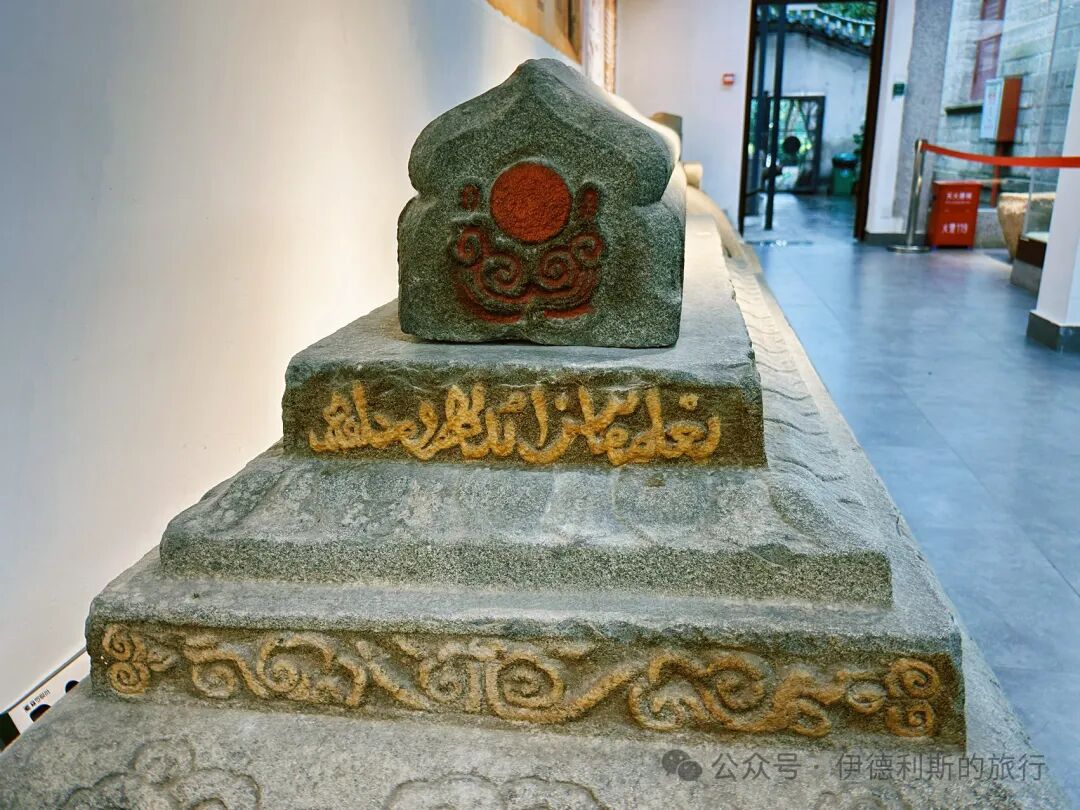
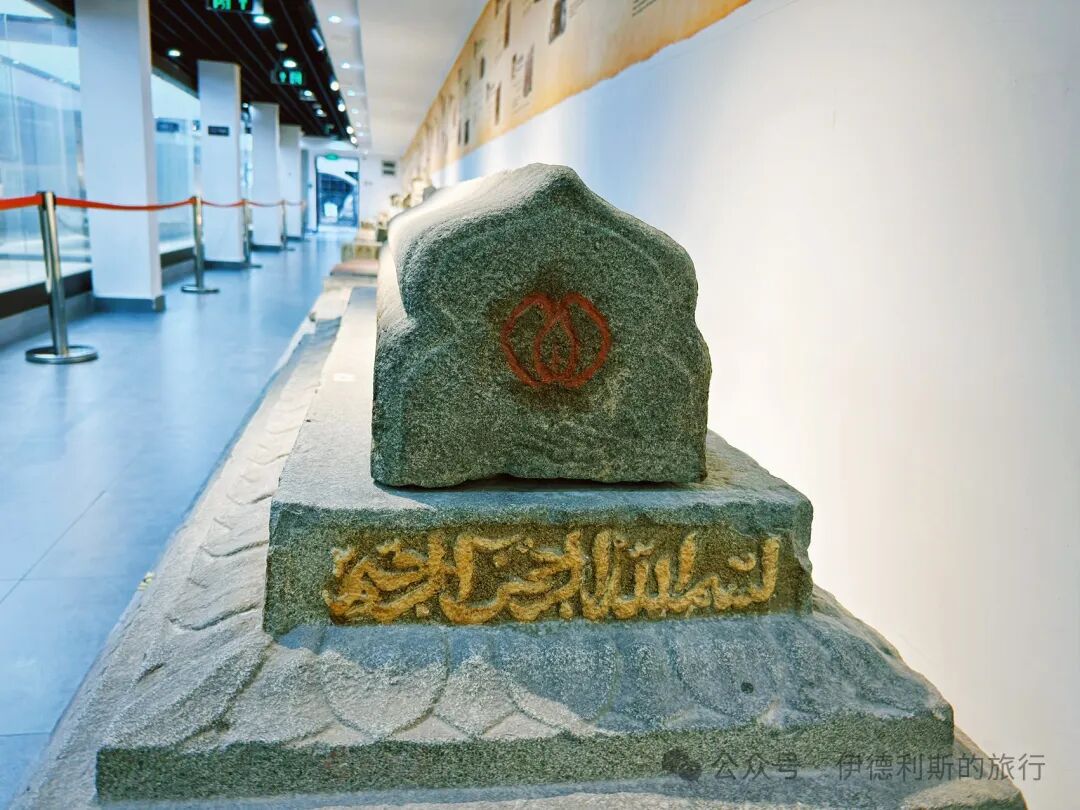
This tombstone was found on Renfeng Street outside the East Gate of Quanzhou in 1955 and moved to the Xiamen University Anthropology Museum that same year. This is the top stone of a Sumeru pedestal (xumizuo) altar-style stone tomb, carved with a full moon and inward-spiraling patterns.
This is a tomb pile stone from a Sumeru pedestal altar-style stone tomb. It was found in Dongtou Village outside the East Gate of Quanzhou in 1955. Residents said it was moved there to serve as a stone step when the city wall was dismantled over 20 years earlier. It was moved to the Xiamen University Anthropology Museum that same year. The inscription features a verse (16:32) carved in Kufic script.
This is a tomb pile stone from a Sumeru pedestal altar-style stone tomb. It was found at Jintoupu outside Tonghuai Gate in Quanzhou in 1956 and moved to the Xiamen University Anthropology Museum that same year. The inscription reads, 'He is eternal and never dies.'
The tombstone block from the altar-style tomb with a pedestal base (xumizuo) was found in 1955 in the wall of a house on Xinmen Street in Quanzhou. Professor Lin Huixiang discovered it that same year and moved it to the Xiamen University Anthropology Museum. The inscription contains verses from the Quran (55:27).
The right end of the tombstone block from the altar-style tomb with a pedestal base was found in 1940 in a pile of waste stones at the South Drill Ground (Nanjiaochang) in Quanzhou and moved to the Xiamen University Anthropology Museum that year. The left end was found in 1957 in a pond 6 kilometers outside Tonghuai Gate in Quanzhou and was immediately moved to the Xiamen University Anthropology Museum. The missing middle section was built into the wall of Shijia Mosque near the South Drill Ground in Quanzhou. It contains verses from the Quran (52:17-19). The tombstone block from the Islamic tomb built into the wall of Shijia Mosque was added after 1945, when the mosque monks bought foundation stones from the Tonghuai Gate in Quanzhou to build houses and walls.
The tombstone block from the altar-style tomb with a pedestal base was originally built into the stone wall of a farmer's house in Jintoupu Village outside Tonghuai Gate in Quanzhou. It was unearthed from the city foundation near the South Drill Ground after 1945 and moved to the Xiamen University Anthropology Museum for preservation by Professor Lin Huixiang in 1955. The content is the Quranic verse (29:57), 'Every soul shall taste death.'
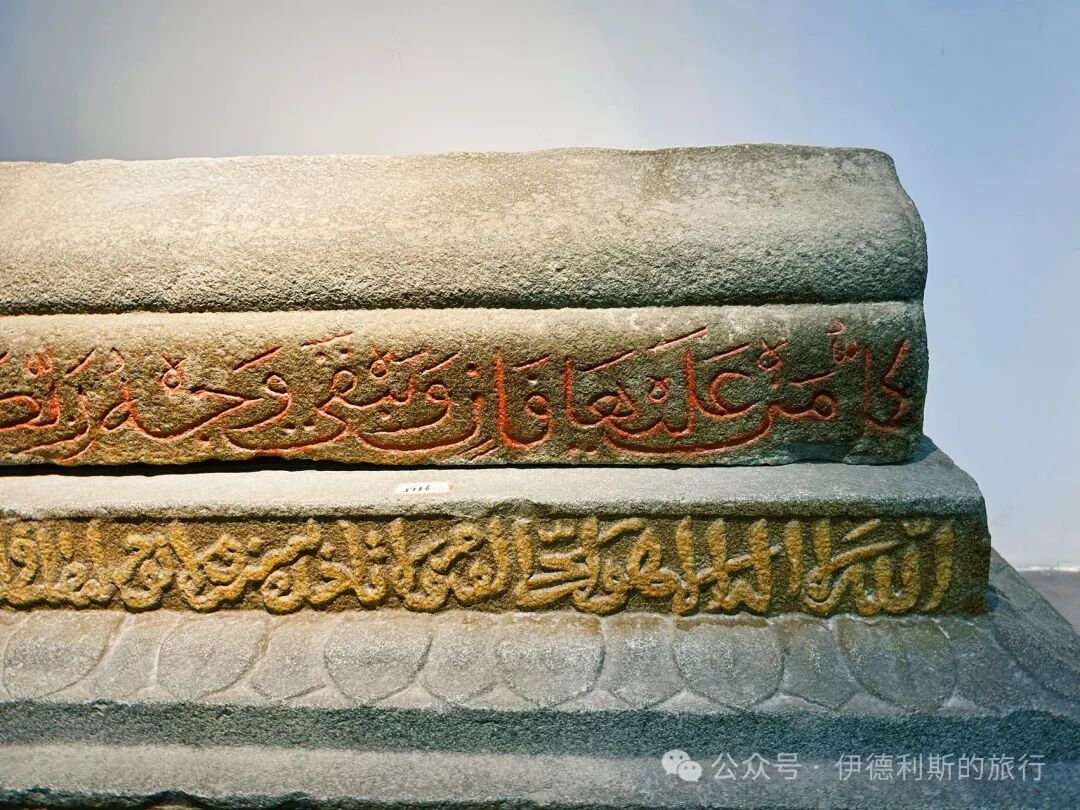
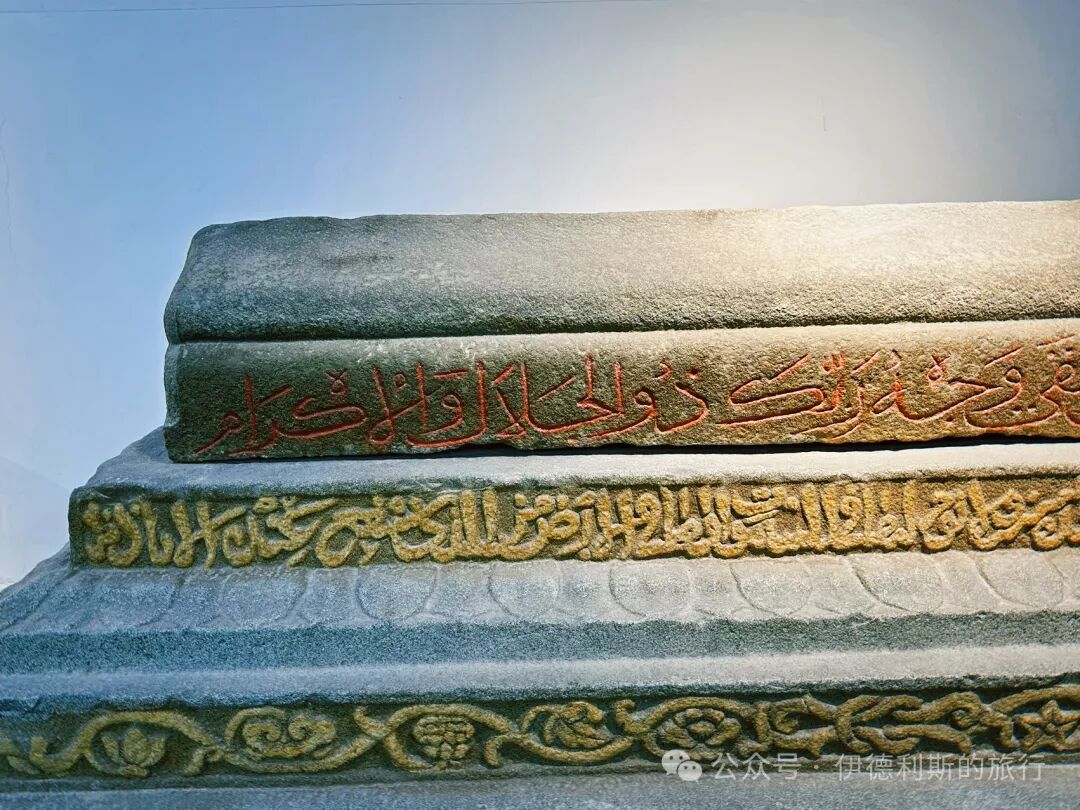
The tombstone block from the altar-style tomb with a pedestal base was found in 1952 in Jintoupu Village outside Tonghuai Gate in Quanzhou and moved to the Xiamen University Anthropology Museum for preservation in 1955. The content is the Quranic verse (55:26-27): 'Everyone on earth will perish, and the Face of your Lord, full of majesty and honor, will remain forever.'
The tombstone from the altar-style stone tomb with a Sumeru pedestal was originally built into a stone wall at a farmer's house in Jintoupu Village outside Tonghuai Gate in Quanzhou. It was reportedly found while digging to build the house, and Professor Lin Huixiang moved it to the Xiamen University Anthropology Museum for preservation in 1955. The content is the Quranic verse (55:26-27).
The tombstone from the altar-style stone tomb with a Sumeru pedestal was unearthed in 1955 by the East Lake outside the Xiaodong Gate in Quanzhou. When found, it was stacked together with a Hindu lintel stone featuring a beast face and bird wings. It was moved to the Xiamen University Anthropology Museum for preservation that same year. The content is the Quranic verse (55:26-27).
This component of a stone tomb with a Sumeru pedestal was found in 1955 in Jintoupu Village outside Tonghuai Gate in Quanzhou and moved to the Xiamen University Anthropology Museum for preservation that same year. It is inscribed with '...this worldly life and the hereafter.'
The tombstone from the altar-style stone tomb with a Sumeru pedestal was found in 1947 in Jintoupu Village outside Tonghuai Gate in Quanzhou and moved to the Xiamen University Anthropology Museum for preservation in 1955. The inscription is not in Arabic. In his book Quanzhou Religious Stone Carvings, Wu Wenliang suggests it is the 'Ishtifi' script mentioned in the History of Yuan, which was the Persian language used at that time.
This component of a Sumeru-style stone tomb was found near the East Gate of Quanzhou in 1955 and moved to the Xiamen University Anthropology Museum for preservation that same year. The content is a verse from the Quran (2:255). 'He knows what is before them and what is behind them, but they do not encompass...'
The third layer of overlapping lotus petals and the fourth layer of Arabic stone carvings from a Sumeru-style stone tomb were found on Renfeng Street outside the East Gate of Quanzhou in 1955 and moved to the Xiamen University Anthropology Museum for preservation that same year. The content is a verse from the Quran (2:156).
This component of a Sumeru-style stone tomb was dug up from the foundation of the East Gate of Quanzhou in 1955 and moved to the Xiamen University Anthropology Museum for preservation that same year. The content is a verse from the Quran (3:185).
This stone tomb component with a pedestal base (xumizuo) was found outside the East Gate of Quanzhou at Leyuan in 1955 and moved to the Xiamen University Anthropology Museum for preservation that same year. The inscription reads, "Everyone on earth will perish, but the Face of your Lord will remain, full of majesty and honor." Leyuan, also known as Deer Garden (Luyuan), was a Muslim cemetery during the Song and Yuan dynasties, and the Ding family of Chendai was originally buried here. Leyuan refers to the Paradise mentioned in scripture and is the only place name in Quanzhou named using Islamic religious terminology.
This tombstone was discovered in Quanzhou by Professor Lin Huixiang in 1955 and is now kept at the Xiamen University Anthropology Museum. The content is from the Quran (55:26-27).
This tomb roof for a stone tomb with a pedestal base (xumizuo) was unearthed on Renfeng Street outside the East Gate of Quanzhou in 1955 and moved to the Xiamen University Anthropology Museum for preservation that same year. The content is a verse from the Quran (3:185).
This stone tomb component with a pedestal base (xumizuo) was found in Jintoupu Village outside Tonghuai Gate in Quanzhou in 1949 and moved to the Xiamen University Anthropology Museum in 1955. This is a rare Quanzhou Song-Yuan dynasty religious stone carving featuring two lines of Arabic script, suggesting the original tomb was quite large. The content consists of Quranic verses (55:26-27, 74:41-43, 21:35, 44:51, 44:53).
This stone tomb component with a pedestal base (xumizuo) was found in Quanzhou in 1955 by Wu Wenliang, author of Religious Stone Carvings in Quanzhou. It features the Quranic verse (3:185): 'Every soul shall taste death.'
This tombstone block from a pedestal-style altar tomb (xumizuo) was found in Jintoupu Village outside Tonghuai Gate in Quanzhou and moved to the Xiamen University Anthropology Museum by Professor Lin Huixiang in 1955. The inscription reads, "Everyone on earth will perish, but the Face of your Lord will remain, full of majesty and honor."
This pedestal-style stone tomb (xumizuo) was found at Xiacu Mountain outside the East Gate of Quanzhou and moved to the Xiamen University Anthropology Museum in 1955. The content consists of Quranic verses (28:88, 2:255).
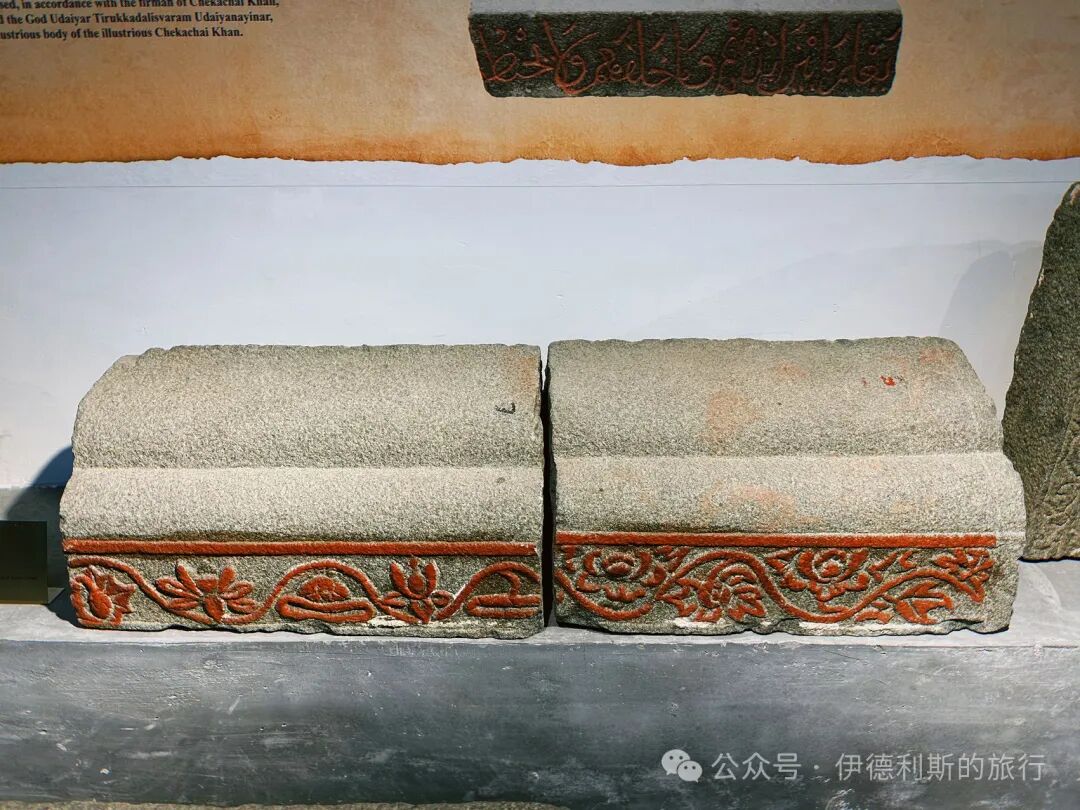
There are also some stone tomb parts without any inscriptions. view all
Summary: Islamic Art Guide: Song-Yuan Islamic Stone Inscriptions at Xiamen University is presented here as a firsthand travel account in clear, natural English. The account focuses on Xiamen University, Islamic Art, Stone Inscriptions while preserving the names, places, food, photos, and historical details from the Chinese source.
The Anthropology Museum of Xiamen University is the first university museum in the People's Republic of China. The founder, Professor Lin Huixiang, was a famous Chinese anthropologist, archaeologist, and folklorist. He was a member of the first graduating class of Xiamen University and later served as a professor in the Department of History and Sociology there. In 1934, he established the preparatory office for the Xiamen University Anthropology Museum, which became the first specialized anthropology museum in China. After the Xiamen University Anthropology Museum was officially founded in 1953, Professor Lin Huixiang served as its first director.
Xiamen University now requires visitors to book their entry three days in advance. I forgot about the time and only managed to book an afternoon slot, but I had a flight back to Beijing that afternoon, so I definitely wouldn't make it. I searched carefully online and finally found someone who said they were able to scan in early. We arrived at Xiamen University in the morning to give it a try, and sure enough, we were able to scan in.
We went straight to the Anthropology Museum after entering, but the stone tablet gallery housing the Islamic (jiaomen) stone carvings was closed because the rain made the path slippery, which was a real shame. We had already left the museum, but with Zainab's encouragement, we went back to explain the situation to the staff. They understood, opened the stele gallery for us, and allowed us to see these incredibly precious stone carvings. We felt very grateful to Allah.
Besides many tombstone inscriptions from the Song and Yuan dynasties, the gallery also displays several stone tablets related to the Qingjing Mosque in Quanzhou, which are of high historical value.
The tablet recording the construction of the Qingjing Mosque by the Yemeni Naina Umar originally had Arabic inscriptions on both sides, but unfortunately, only one side is on display now. In 1940, when the Tonghuai Gate in Quanzhou was being dismantled, workers dug up this tablet and took it home. People say many rectangular and pointed-arch Arabic stone tablets were dug up at the same time and sold as building materials. After this tablet was taken home, it was used as a laundry board for a while and later turned into a stone step for the floor. The front of the tablet is carved with scripture (72:18) in Kufic script, and the back records the story of the Yemeni Naina Umar building the Qingjing Mosque.
The tablet recording the construction of the mosque by Muhammad was unearthed in the foundation of the South Gate of Quanzhou in 1948. It also had Arabic inscriptions on both sides, but only one side is displayed now. The inscription contains verses (72:18, 18:30) and records that the Qingjing Mosque was built by Muhammad, whose nickname was Jamal al-Din.
A stone lintel from a mosque was found in the foundation of the South Gate of Quanzhou in 1948 and moved to the Xiamen University Anthropology Museum in 1955. Both sides of the stone carving feature Arabic script, including a verse from the Quran (72:18) and a record of the gate's renovation in 1328 by Nakhid Asmar al-Mushai al-Din.
The tombstone of Ahmad was found in 1956 by a pond in Jintoupu outside the Tonghuai Gate in Quanzhou and moved to the Xiamen University Anthropology Museum for preservation that same year. The front of the tombstone has Arabic text recording the name of the deceased as Ahmad b. Khwaja Hakyim Alad. Khwaja refers to a descendant of the Prophet and is also an honorific title for a respected person in Persian. The book Quanzhou Religious Stone Carvings states he died in the Islamic year 672 (1273), while the display board at the Xiamen University Anthropology Museum says he died in the Islamic year 690 (1291).
The back of the tombstone is not on display at the site, but it contains a Chinese inscription: My late father was born on the 23rd day of the sixth lunar month in the Renchen year at the hour of the monkey and lived to be 30 years old. He passed away on the 25th day of the ninth lunar month in the Xinyou year of the Zhizhi era and was buried here. This was recorded on a day in the seventh lunar month of the Renxu year, the second year of the Zhizhi era. Nan Ahan Mojin Zhi. The year of Xinyou in the Zhizhi era is 1321, which is several decades different from the date recorded in the Arabic text on the front.
The tombstone of Fatima Khatun was found in 1956 in Secuomei Village outside Renfeng Gate in Quanzhou, and it was moved to the Xiamen University Anthropology Museum that same year. The inscription says the person buried is Fatima Khatun, her father is Ali Takin al-Kuhatis, and she passed away in the year 729 of the Islamic calendar (1329). Khatun means queen or lady, and Takin is a Persian word for prince or noble. This shows that Fatima's family was a Persian noble family.
This tombstone was found in 1955 by Wu Wenliang, the author of the book Religious Stone Carvings of Quanzhou, in a pile of rubble near Tumen Gate in Quanzhou. It was moved to the Xiamen University Anthropology Museum for preservation that same year, and the inscription contains scripture (55:26, 55:27).
The tombstone of Miss Husayo Ismail Khali was found in 1956 on a street outside Tonghuai Gate in Quanzhou, and it was moved to the Xiamen University Anthropology Museum that same year. The person buried here, Ms. Husna Isma'il, passed away in the year 764 of the Hijri calendar (1362).
The tombstone of Ibrahim from Siraf was discovered by Professor Lin Huixiang on Renfeng Street outside the East Gate of Quanzhou in 1955, and was later moved to the Xiamen University Anthropology Museum. The person buried here was a servant from the ancient city of Siraf, located on the Persian Gulf in southern Iran. Siraf is also known in historical records as Shiluowei, Shilaafu, Sanawei, Shiluofu, or Siluofu. Between the 9th and 13th centuries, it was the largest trading port on the Persian Gulf, and many Persian merchants traveled through it to Quanzhou for trade during the Song and Yuan dynasties. According to the Record of the Muslim Cemetery on Dongban in Quanzhou written by Lin Zhiqi, the Superintendent of the Quanzhou Maritime Trade Office during the Southern Song Dynasty, a merchant named Shinawi donated money to buy land and build a Muslim cemetery on Dongban in Quanzhou between 1162 and 1163. The name Shinawi here refers to Siraf.
The upper half of the tombstone of Abu Bakr was found in a farmer's courtyard at Jintoupu outside Tonghuai Gate in Quanzhou in 1953. The lower half was found in a pond not far from the first site in 1956, and it was moved to the Xiamen University Anthropology Museum that same year. The person buried here passed away in the year 717 of the Hijri calendar (1317), and his father's name was Husayn.
This tombstone was obtained by the shore of Donghu Lake outside the East Gate of Quanzhou in 1956 and moved to the Xiamen University Anthropology Museum that same year. Unfortunately, the lower part containing the name and hometown of the deceased is damaged and missing. Only the Basmala, the Hadith 'whoever dies in a foreign land dies as a martyr,' and the Shahada remain.
The tombstone of XXX Bakr was found in a private courtyard in Dongtangtou, outside the East Gate of Quanzhou, in 1950 and moved to the Xiamen University Anthropology Museum in 1955. Because the inscription is damaged, we can only see that the deceased was named XXX Bakr XXX, along with the words 'May Allah forgive him and his parents.'
This tombstone was found on Leyuan Road outside the East Gate of Quanzhou in 1955 and moved to the Xiamen University Anthropology Museum that same year. The inscription reads, '...the incomparably majestic and merciful XX, may Allah bless the Prophet and his entire family.'
The tombstone of Fatimah was found in the city wall of the East Gate of Quanzhou in 1927 and moved to the Xiamen University Anthropology Museum in 1955. The father of the deceased was named Haji Nasa, and he had traveled to the Hejaz.
This tombstone was found in the Third Lane of the East Gate of Quanzhou in 1956 and moved to the Xiamen University Anthropology Museum that same year; the inscription contains scripture (112).
This tombstone was found in a farmer's courtyard at the East Gate of Quanzhou in 1956 and moved to the Xiamen University Anthropology Museum that same year. The inscription reads, 'To die in ardent love is to die a martyr,' with 'ardent love' referring to love for Allah and the faith.
This tombstone was unearthed from the city foundation at Tonghuai Gate in Quanzhou in 1956 and moved to the Xiamen University Anthropology Museum that same year. The inscription reads, 'O Allah, please accept his good deeds, and please forgive and pardon his sins.'
This tombstone was found on Renfeng Street outside the East Gate of Quanzhou in 1955 and moved to the Xiamen University Anthropology Museum that same year. This is the top stone of a Sumeru pedestal (xumizuo) altar-style stone tomb, carved with a full moon and inward-spiraling patterns.
This is a tomb pile stone from a Sumeru pedestal altar-style stone tomb. It was found in Dongtou Village outside the East Gate of Quanzhou in 1955. Residents said it was moved there to serve as a stone step when the city wall was dismantled over 20 years earlier. It was moved to the Xiamen University Anthropology Museum that same year. The inscription features a verse (16:32) carved in Kufic script.
This is a tomb pile stone from a Sumeru pedestal altar-style stone tomb. It was found at Jintoupu outside Tonghuai Gate in Quanzhou in 1956 and moved to the Xiamen University Anthropology Museum that same year. The inscription reads, 'He is eternal and never dies.'
The tombstone block from the altar-style tomb with a pedestal base (xumizuo) was found in 1955 in the wall of a house on Xinmen Street in Quanzhou. Professor Lin Huixiang discovered it that same year and moved it to the Xiamen University Anthropology Museum. The inscription contains verses from the Quran (55:27).
The right end of the tombstone block from the altar-style tomb with a pedestal base was found in 1940 in a pile of waste stones at the South Drill Ground (Nanjiaochang) in Quanzhou and moved to the Xiamen University Anthropology Museum that year. The left end was found in 1957 in a pond 6 kilometers outside Tonghuai Gate in Quanzhou and was immediately moved to the Xiamen University Anthropology Museum. The missing middle section was built into the wall of Shijia Mosque near the South Drill Ground in Quanzhou. It contains verses from the Quran (52:17-19). The tombstone block from the Islamic tomb built into the wall of Shijia Mosque was added after 1945, when the mosque monks bought foundation stones from the Tonghuai Gate in Quanzhou to build houses and walls.
The tombstone block from the altar-style tomb with a pedestal base was originally built into the stone wall of a farmer's house in Jintoupu Village outside Tonghuai Gate in Quanzhou. It was unearthed from the city foundation near the South Drill Ground after 1945 and moved to the Xiamen University Anthropology Museum for preservation by Professor Lin Huixiang in 1955. The content is the Quranic verse (29:57), 'Every soul shall taste death.'
The tombstone block from the altar-style tomb with a pedestal base was found in 1952 in Jintoupu Village outside Tonghuai Gate in Quanzhou and moved to the Xiamen University Anthropology Museum for preservation in 1955. The content is the Quranic verse (55:26-27): 'Everyone on earth will perish, and the Face of your Lord, full of majesty and honor, will remain forever.'
The tombstone from the altar-style stone tomb with a Sumeru pedestal was originally built into a stone wall at a farmer's house in Jintoupu Village outside Tonghuai Gate in Quanzhou. It was reportedly found while digging to build the house, and Professor Lin Huixiang moved it to the Xiamen University Anthropology Museum for preservation in 1955. The content is the Quranic verse (55:26-27).
The tombstone from the altar-style stone tomb with a Sumeru pedestal was unearthed in 1955 by the East Lake outside the Xiaodong Gate in Quanzhou. When found, it was stacked together with a Hindu lintel stone featuring a beast face and bird wings. It was moved to the Xiamen University Anthropology Museum for preservation that same year. The content is the Quranic verse (55:26-27).
This component of a stone tomb with a Sumeru pedestal was found in 1955 in Jintoupu Village outside Tonghuai Gate in Quanzhou and moved to the Xiamen University Anthropology Museum for preservation that same year. It is inscribed with '...this worldly life and the hereafter.'
The tombstone from the altar-style stone tomb with a Sumeru pedestal was found in 1947 in Jintoupu Village outside Tonghuai Gate in Quanzhou and moved to the Xiamen University Anthropology Museum for preservation in 1955. The inscription is not in Arabic. In his book Quanzhou Religious Stone Carvings, Wu Wenliang suggests it is the 'Ishtifi' script mentioned in the History of Yuan, which was the Persian language used at that time.
This component of a Sumeru-style stone tomb was found near the East Gate of Quanzhou in 1955 and moved to the Xiamen University Anthropology Museum for preservation that same year. The content is a verse from the Quran (2:255). 'He knows what is before them and what is behind them, but they do not encompass...'
The third layer of overlapping lotus petals and the fourth layer of Arabic stone carvings from a Sumeru-style stone tomb were found on Renfeng Street outside the East Gate of Quanzhou in 1955 and moved to the Xiamen University Anthropology Museum for preservation that same year. The content is a verse from the Quran (2:156).
This component of a Sumeru-style stone tomb was dug up from the foundation of the East Gate of Quanzhou in 1955 and moved to the Xiamen University Anthropology Museum for preservation that same year. The content is a verse from the Quran (3:185).
This stone tomb component with a pedestal base (xumizuo) was found outside the East Gate of Quanzhou at Leyuan in 1955 and moved to the Xiamen University Anthropology Museum for preservation that same year. The inscription reads, "Everyone on earth will perish, but the Face of your Lord will remain, full of majesty and honor." Leyuan, also known as Deer Garden (Luyuan), was a Muslim cemetery during the Song and Yuan dynasties, and the Ding family of Chendai was originally buried here. Leyuan refers to the Paradise mentioned in scripture and is the only place name in Quanzhou named using Islamic religious terminology.
This tombstone was discovered in Quanzhou by Professor Lin Huixiang in 1955 and is now kept at the Xiamen University Anthropology Museum. The content is from the Quran (55:26-27).
This tomb roof for a stone tomb with a pedestal base (xumizuo) was unearthed on Renfeng Street outside the East Gate of Quanzhou in 1955 and moved to the Xiamen University Anthropology Museum for preservation that same year. The content is a verse from the Quran (3:185).
This stone tomb component with a pedestal base (xumizuo) was found in Jintoupu Village outside Tonghuai Gate in Quanzhou in 1949 and moved to the Xiamen University Anthropology Museum in 1955. This is a rare Quanzhou Song-Yuan dynasty religious stone carving featuring two lines of Arabic script, suggesting the original tomb was quite large. The content consists of Quranic verses (55:26-27, 74:41-43, 21:35, 44:51, 44:53).
This stone tomb component with a pedestal base (xumizuo) was found in Quanzhou in 1955 by Wu Wenliang, author of Religious Stone Carvings in Quanzhou. It features the Quranic verse (3:185): 'Every soul shall taste death.'
This tombstone block from a pedestal-style altar tomb (xumizuo) was found in Jintoupu Village outside Tonghuai Gate in Quanzhou and moved to the Xiamen University Anthropology Museum by Professor Lin Huixiang in 1955. The inscription reads, "Everyone on earth will perish, but the Face of your Lord will remain, full of majesty and honor."
This pedestal-style stone tomb (xumizuo) was found at Xiacu Mountain outside the East Gate of Quanzhou and moved to the Xiamen University Anthropology Museum in 1955. The content consists of Quranic verses (28:88, 2:255).
There are also some stone tomb parts without any inscriptions. view all
Reposted from the web
Summary: Islamic Art Guide: Song-Yuan Islamic Stone Inscriptions at Xiamen University is presented here as a firsthand travel account in clear, natural English. The account focuses on Xiamen University, Islamic Art, Stone Inscriptions while preserving the names, places, food, photos, and historical details from the Chinese source.
The Anthropology Museum of Xiamen University is the first university museum in the People's Republic of China. The founder, Professor Lin Huixiang, was a famous Chinese anthropologist, archaeologist, and folklorist. He was a member of the first graduating class of Xiamen University and later served as a professor in the Department of History and Sociology there. In 1934, he established the preparatory office for the Xiamen University Anthropology Museum, which became the first specialized anthropology museum in China. After the Xiamen University Anthropology Museum was officially founded in 1953, Professor Lin Huixiang served as its first director.
Xiamen University now requires visitors to book their entry three days in advance. I forgot about the time and only managed to book an afternoon slot, but I had a flight back to Beijing that afternoon, so I definitely wouldn't make it. I searched carefully online and finally found someone who said they were able to scan in early. We arrived at Xiamen University in the morning to give it a try, and sure enough, we were able to scan in.
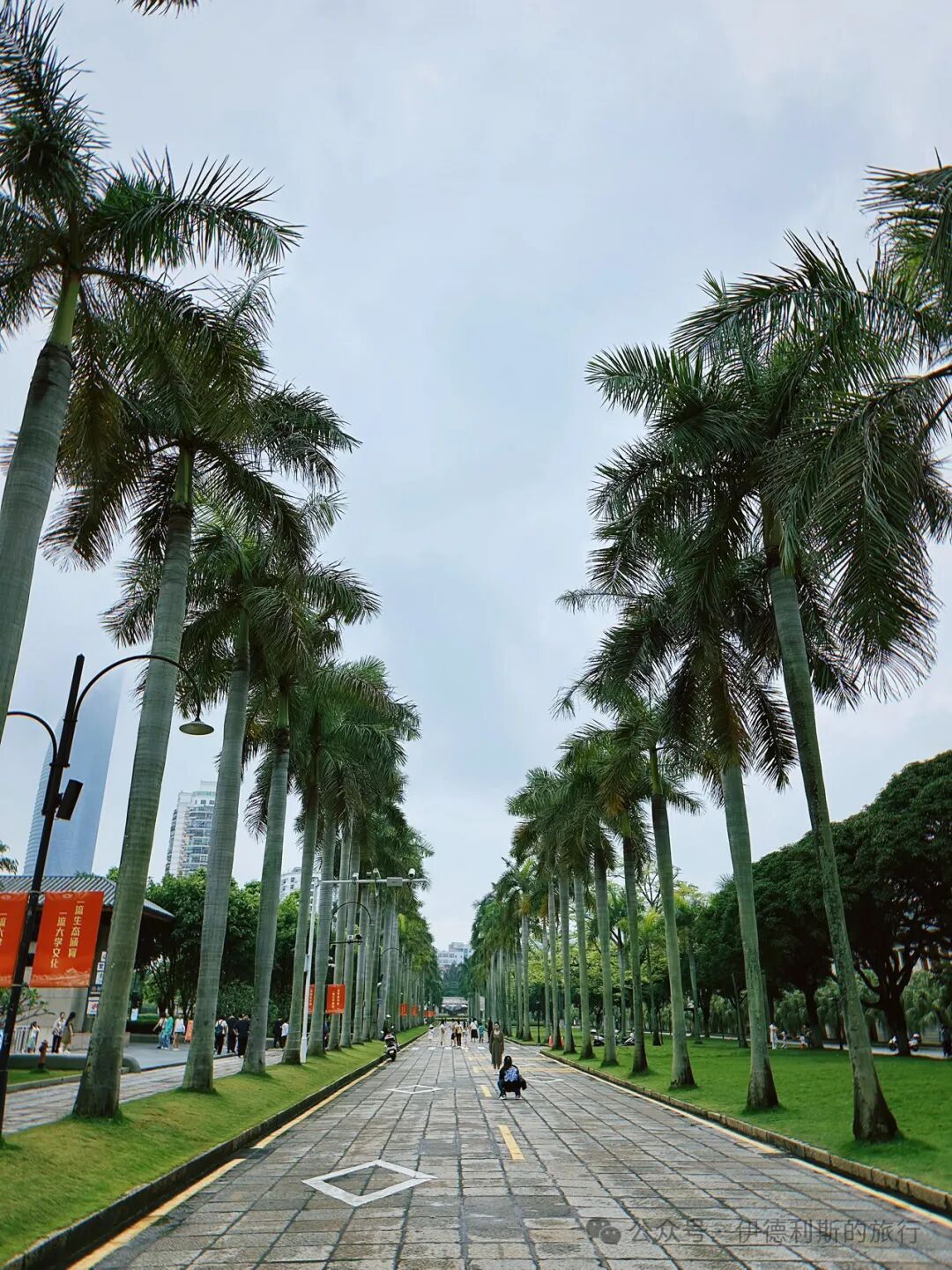
We went straight to the Anthropology Museum after entering, but the stone tablet gallery housing the Islamic (jiaomen) stone carvings was closed because the rain made the path slippery, which was a real shame. We had already left the museum, but with Zainab's encouragement, we went back to explain the situation to the staff. They understood, opened the stele gallery for us, and allowed us to see these incredibly precious stone carvings. We felt very grateful to Allah.
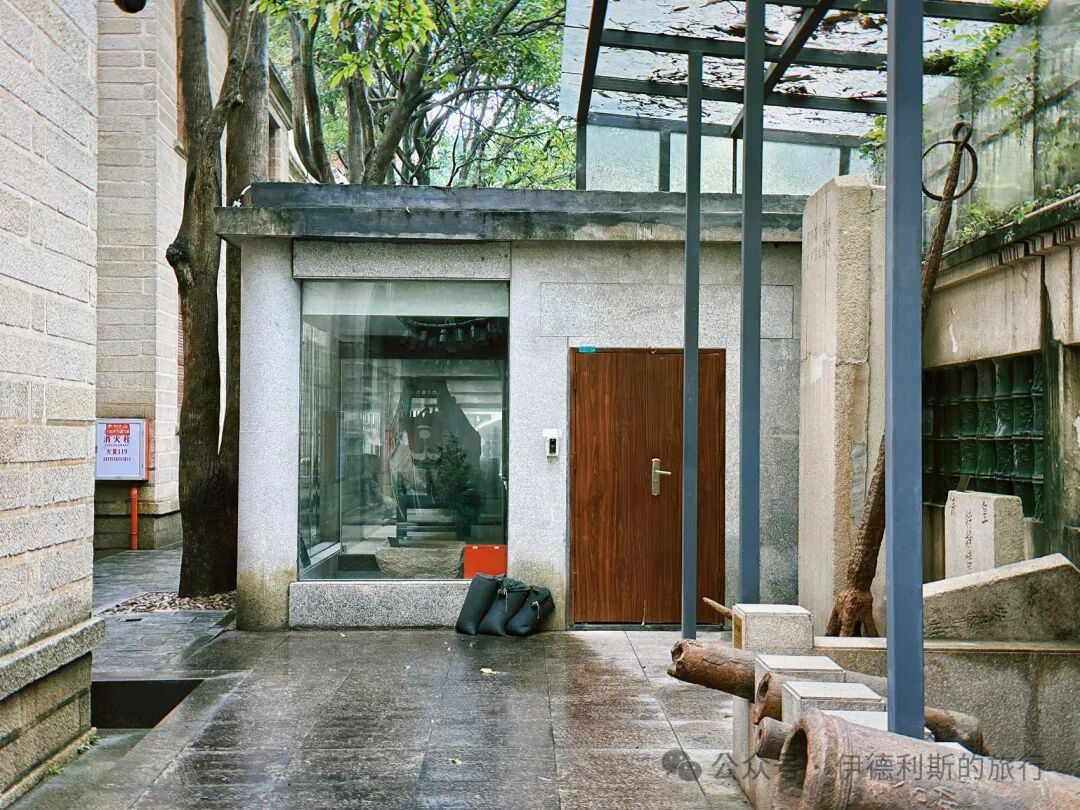
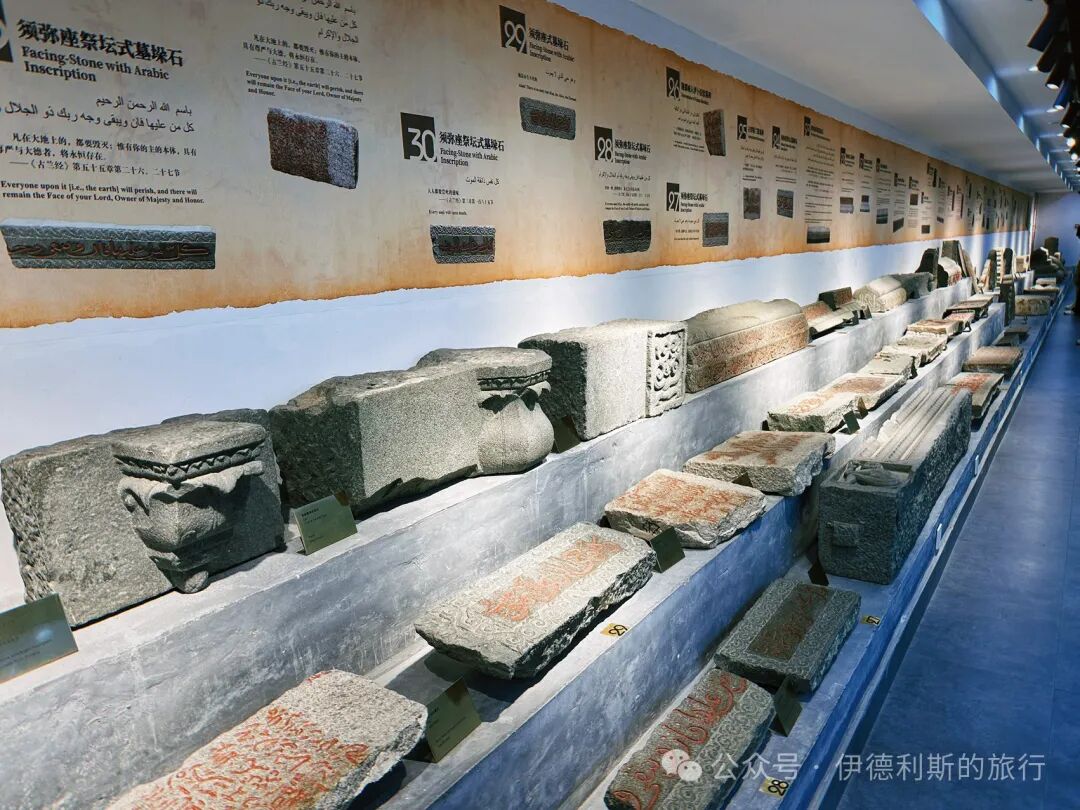
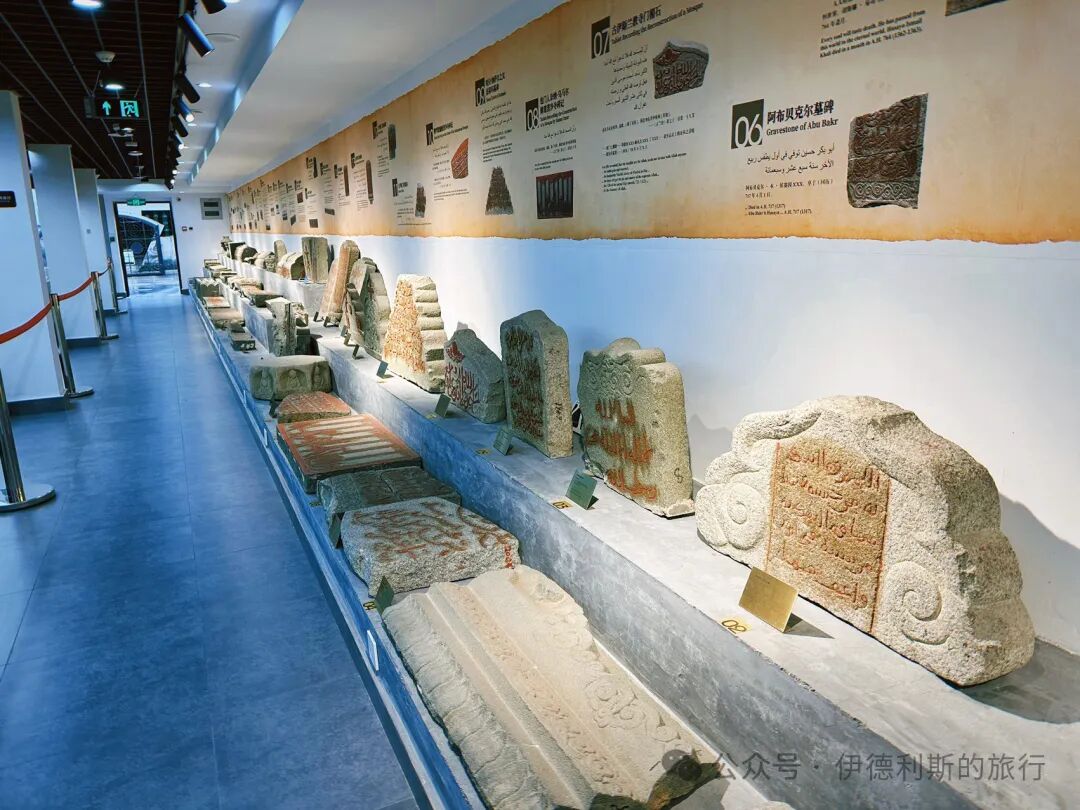
Besides many tombstone inscriptions from the Song and Yuan dynasties, the gallery also displays several stone tablets related to the Qingjing Mosque in Quanzhou, which are of high historical value.
The tablet recording the construction of the Qingjing Mosque by the Yemeni Naina Umar originally had Arabic inscriptions on both sides, but unfortunately, only one side is on display now. In 1940, when the Tonghuai Gate in Quanzhou was being dismantled, workers dug up this tablet and took it home. People say many rectangular and pointed-arch Arabic stone tablets were dug up at the same time and sold as building materials. After this tablet was taken home, it was used as a laundry board for a while and later turned into a stone step for the floor. The front of the tablet is carved with scripture (72:18) in Kufic script, and the back records the story of the Yemeni Naina Umar building the Qingjing Mosque.
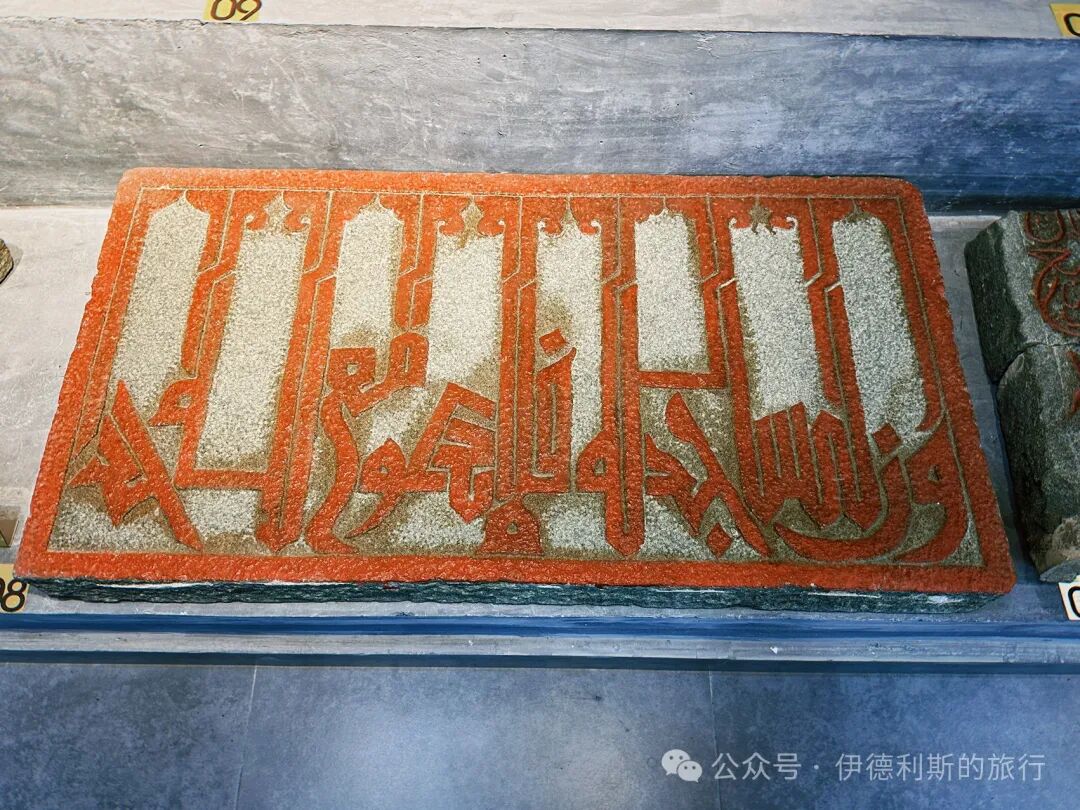
The tablet recording the construction of the mosque by Muhammad was unearthed in the foundation of the South Gate of Quanzhou in 1948. It also had Arabic inscriptions on both sides, but only one side is displayed now. The inscription contains verses (72:18, 18:30) and records that the Qingjing Mosque was built by Muhammad, whose nickname was Jamal al-Din.
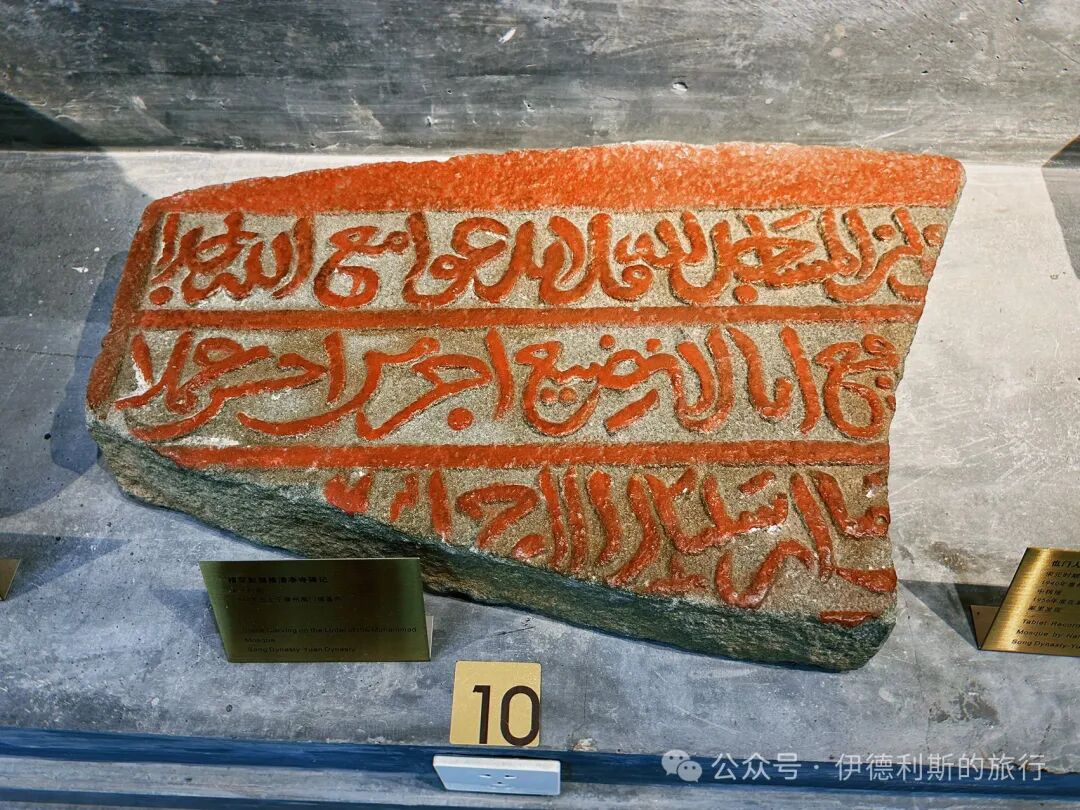
A stone lintel from a mosque was found in the foundation of the South Gate of Quanzhou in 1948 and moved to the Xiamen University Anthropology Museum in 1955. Both sides of the stone carving feature Arabic script, including a verse from the Quran (72:18) and a record of the gate's renovation in 1328 by Nakhid Asmar al-Mushai al-Din.
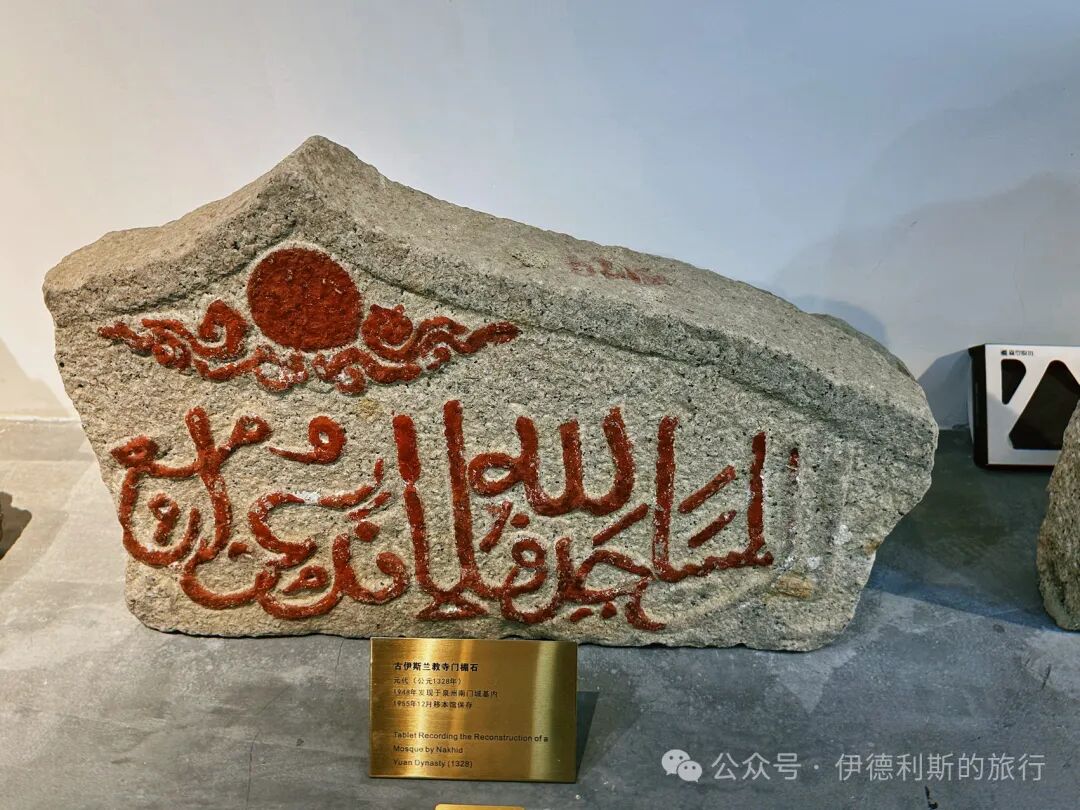
The tombstone of Ahmad was found in 1956 by a pond in Jintoupu outside the Tonghuai Gate in Quanzhou and moved to the Xiamen University Anthropology Museum for preservation that same year. The front of the tombstone has Arabic text recording the name of the deceased as Ahmad b. Khwaja Hakyim Alad. Khwaja refers to a descendant of the Prophet and is also an honorific title for a respected person in Persian. The book Quanzhou Religious Stone Carvings states he died in the Islamic year 672 (1273), while the display board at the Xiamen University Anthropology Museum says he died in the Islamic year 690 (1291).
The back of the tombstone is not on display at the site, but it contains a Chinese inscription: My late father was born on the 23rd day of the sixth lunar month in the Renchen year at the hour of the monkey and lived to be 30 years old. He passed away on the 25th day of the ninth lunar month in the Xinyou year of the Zhizhi era and was buried here. This was recorded on a day in the seventh lunar month of the Renxu year, the second year of the Zhizhi era. Nan Ahan Mojin Zhi. The year of Xinyou in the Zhizhi era is 1321, which is several decades different from the date recorded in the Arabic text on the front.
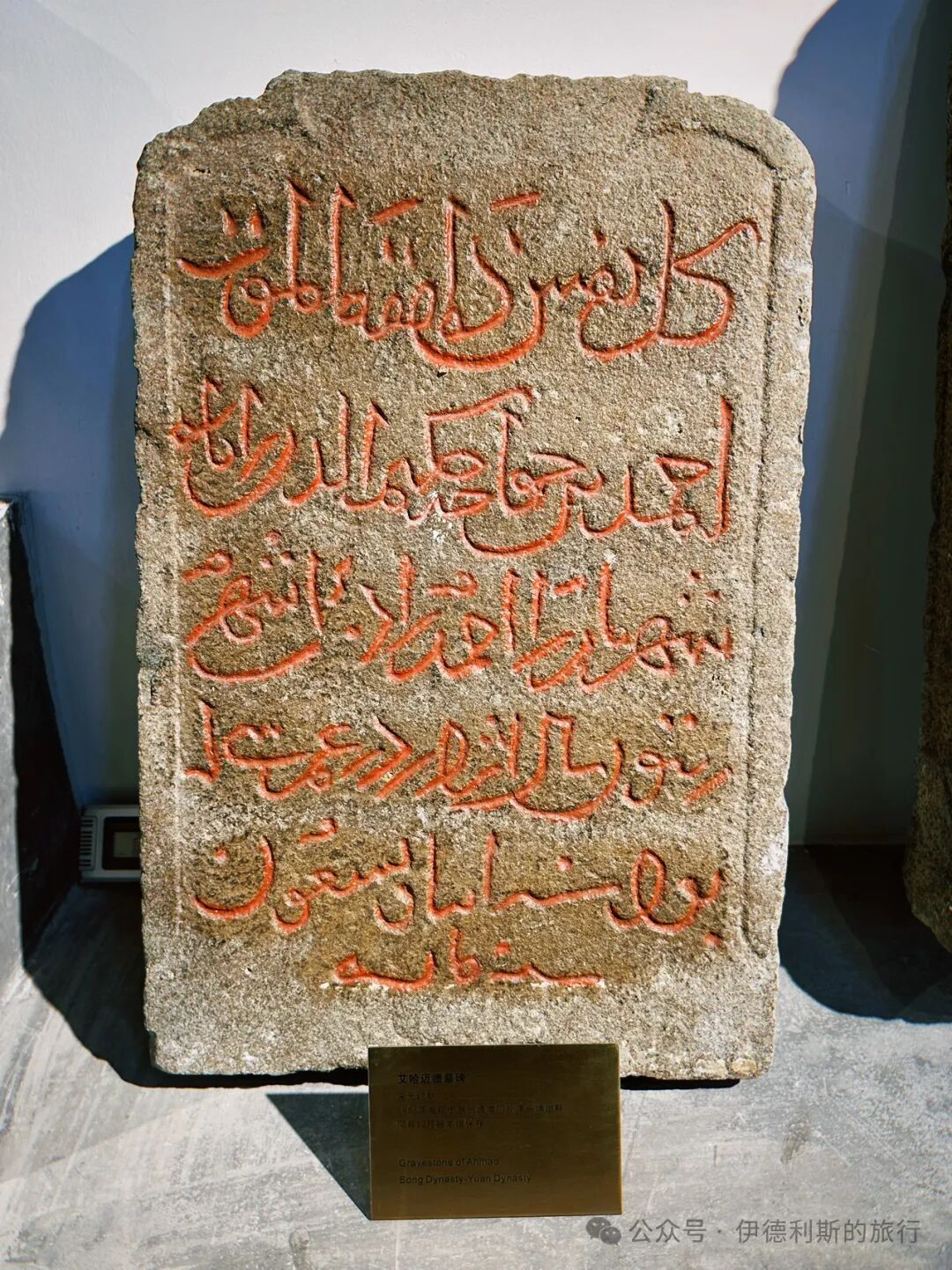
The tombstone of Fatima Khatun was found in 1956 in Secuomei Village outside Renfeng Gate in Quanzhou, and it was moved to the Xiamen University Anthropology Museum that same year. The inscription says the person buried is Fatima Khatun, her father is Ali Takin al-Kuhatis, and she passed away in the year 729 of the Islamic calendar (1329). Khatun means queen or lady, and Takin is a Persian word for prince or noble. This shows that Fatima's family was a Persian noble family.
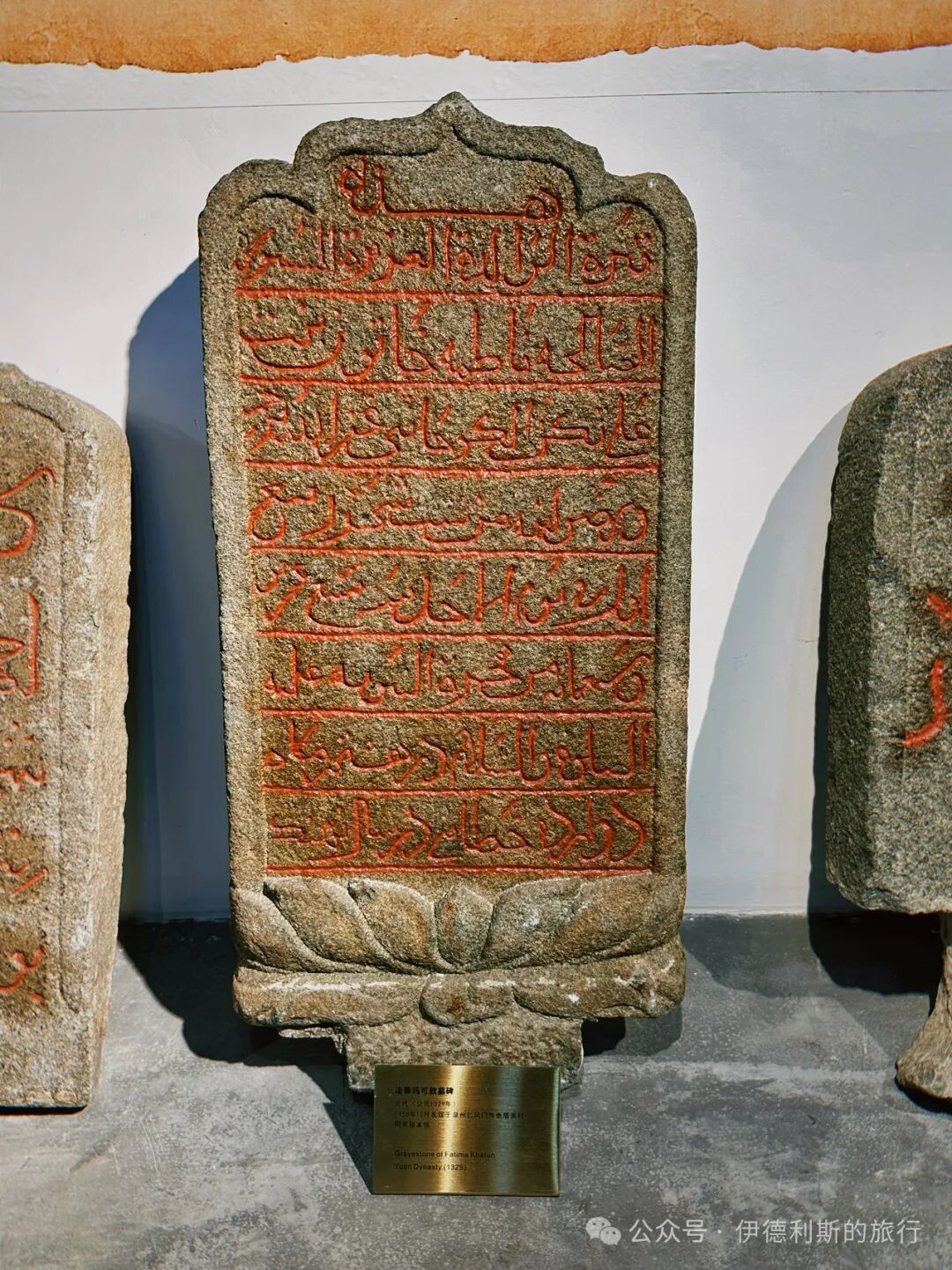
This tombstone was found in 1955 by Wu Wenliang, the author of the book Religious Stone Carvings of Quanzhou, in a pile of rubble near Tumen Gate in Quanzhou. It was moved to the Xiamen University Anthropology Museum for preservation that same year, and the inscription contains scripture (55:26, 55:27).
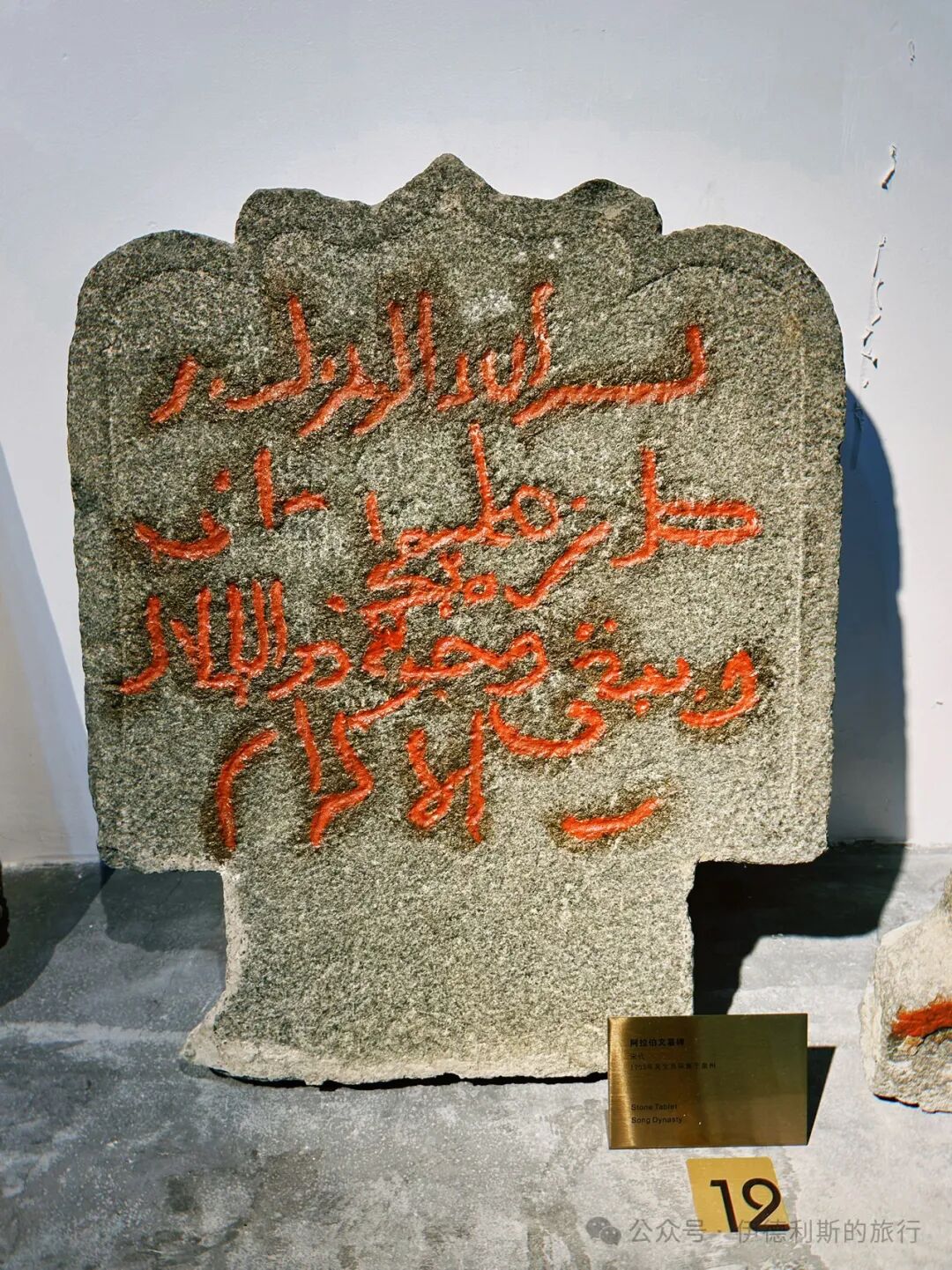
The tombstone of Miss Husayo Ismail Khali was found in 1956 on a street outside Tonghuai Gate in Quanzhou, and it was moved to the Xiamen University Anthropology Museum that same year. The person buried here, Ms. Husna Isma'il, passed away in the year 764 of the Hijri calendar (1362).
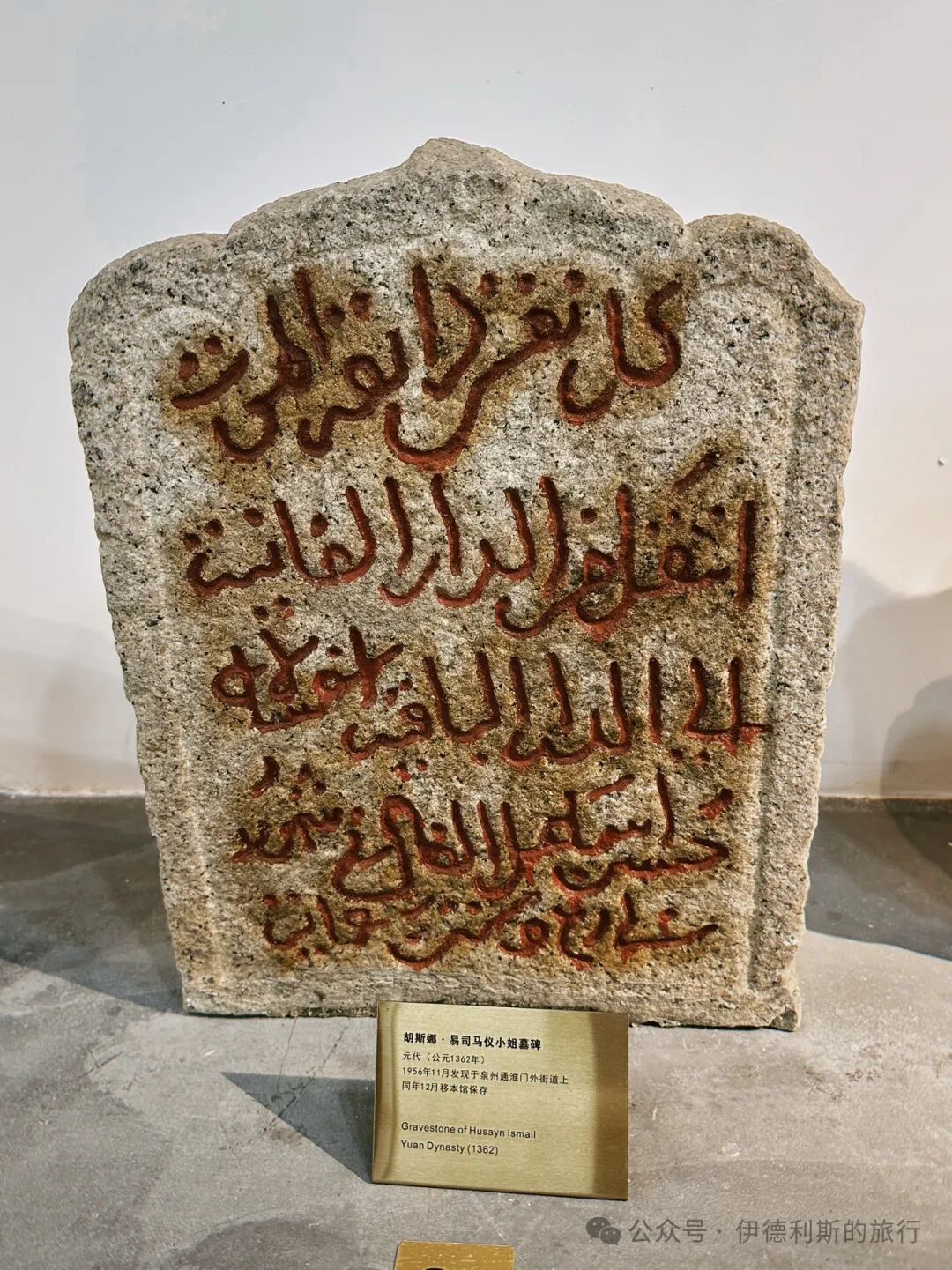
The tombstone of Ibrahim from Siraf was discovered by Professor Lin Huixiang on Renfeng Street outside the East Gate of Quanzhou in 1955, and was later moved to the Xiamen University Anthropology Museum. The person buried here was a servant from the ancient city of Siraf, located on the Persian Gulf in southern Iran. Siraf is also known in historical records as Shiluowei, Shilaafu, Sanawei, Shiluofu, or Siluofu. Between the 9th and 13th centuries, it was the largest trading port on the Persian Gulf, and many Persian merchants traveled through it to Quanzhou for trade during the Song and Yuan dynasties. According to the Record of the Muslim Cemetery on Dongban in Quanzhou written by Lin Zhiqi, the Superintendent of the Quanzhou Maritime Trade Office during the Southern Song Dynasty, a merchant named Shinawi donated money to buy land and build a Muslim cemetery on Dongban in Quanzhou between 1162 and 1163. The name Shinawi here refers to Siraf.
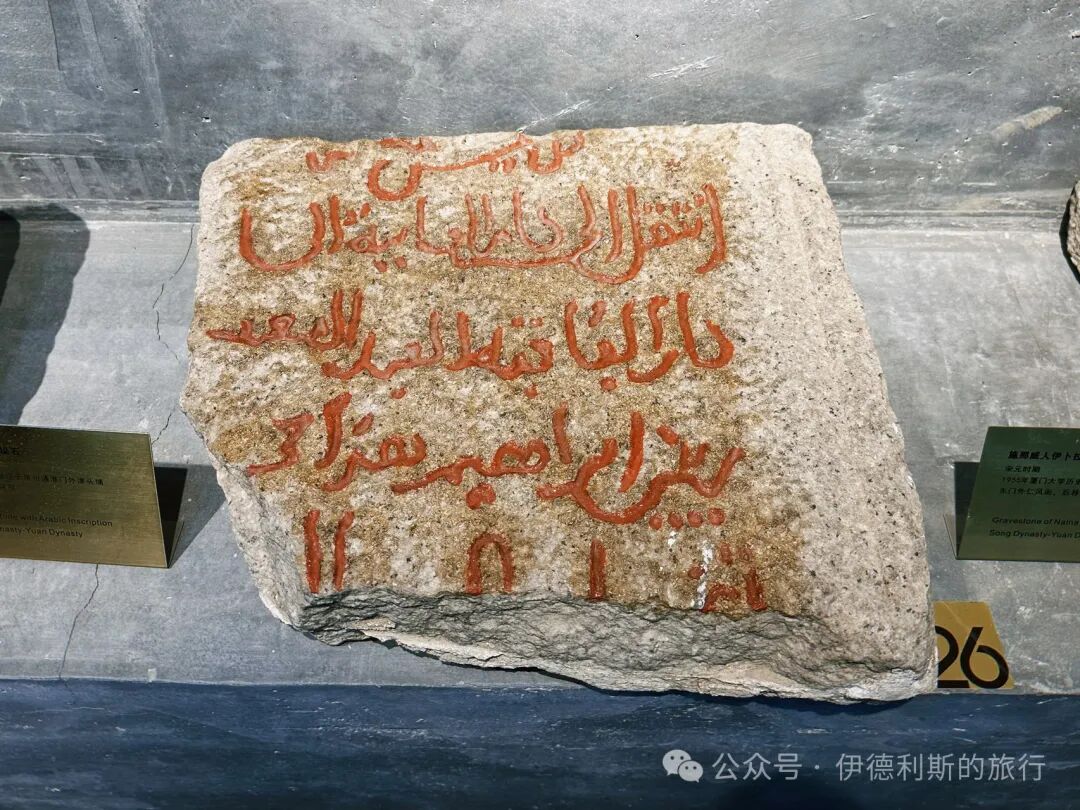
The upper half of the tombstone of Abu Bakr was found in a farmer's courtyard at Jintoupu outside Tonghuai Gate in Quanzhou in 1953. The lower half was found in a pond not far from the first site in 1956, and it was moved to the Xiamen University Anthropology Museum that same year. The person buried here passed away in the year 717 of the Hijri calendar (1317), and his father's name was Husayn.
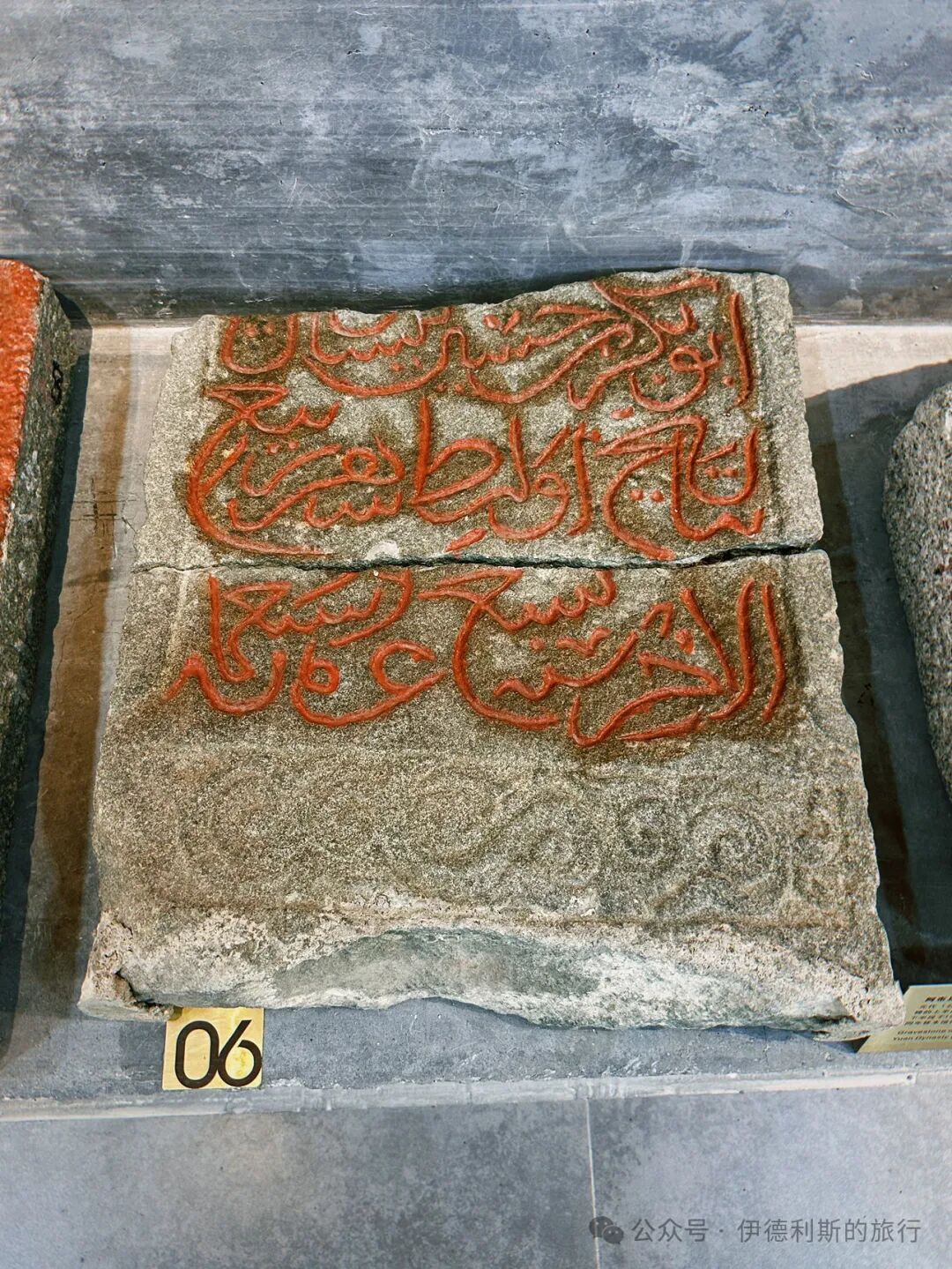
This tombstone was obtained by the shore of Donghu Lake outside the East Gate of Quanzhou in 1956 and moved to the Xiamen University Anthropology Museum that same year. Unfortunately, the lower part containing the name and hometown of the deceased is damaged and missing. Only the Basmala, the Hadith 'whoever dies in a foreign land dies as a martyr,' and the Shahada remain.
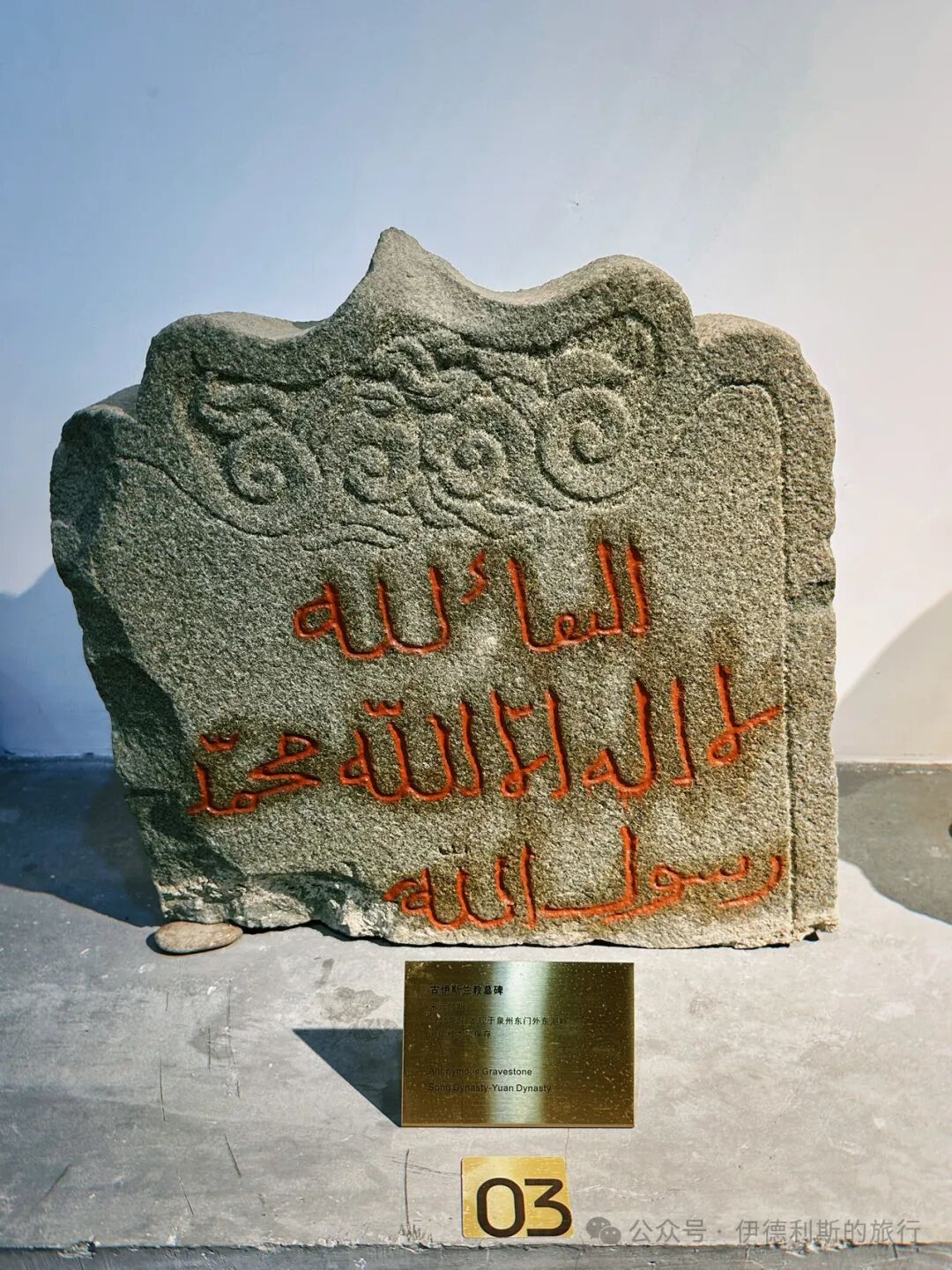
The tombstone of XXX Bakr was found in a private courtyard in Dongtangtou, outside the East Gate of Quanzhou, in 1950 and moved to the Xiamen University Anthropology Museum in 1955. Because the inscription is damaged, we can only see that the deceased was named XXX Bakr XXX, along with the words 'May Allah forgive him and his parents.'
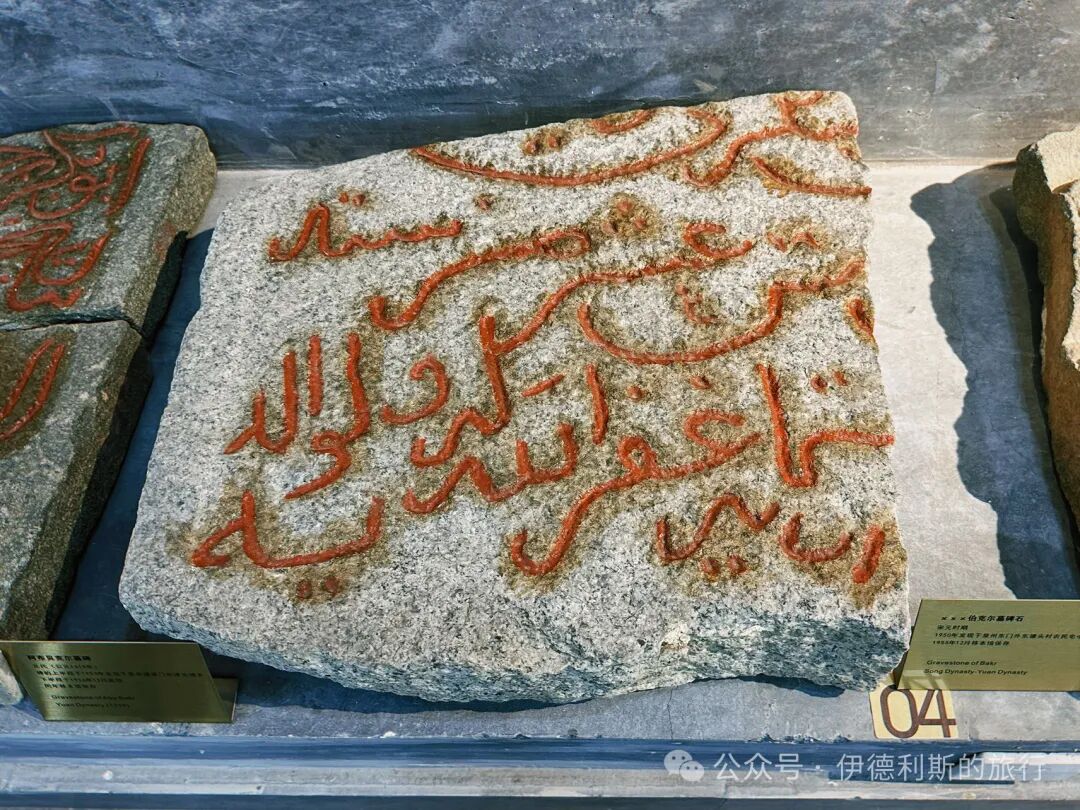
This tombstone was found on Leyuan Road outside the East Gate of Quanzhou in 1955 and moved to the Xiamen University Anthropology Museum that same year. The inscription reads, '...the incomparably majestic and merciful XX, may Allah bless the Prophet and his entire family.'
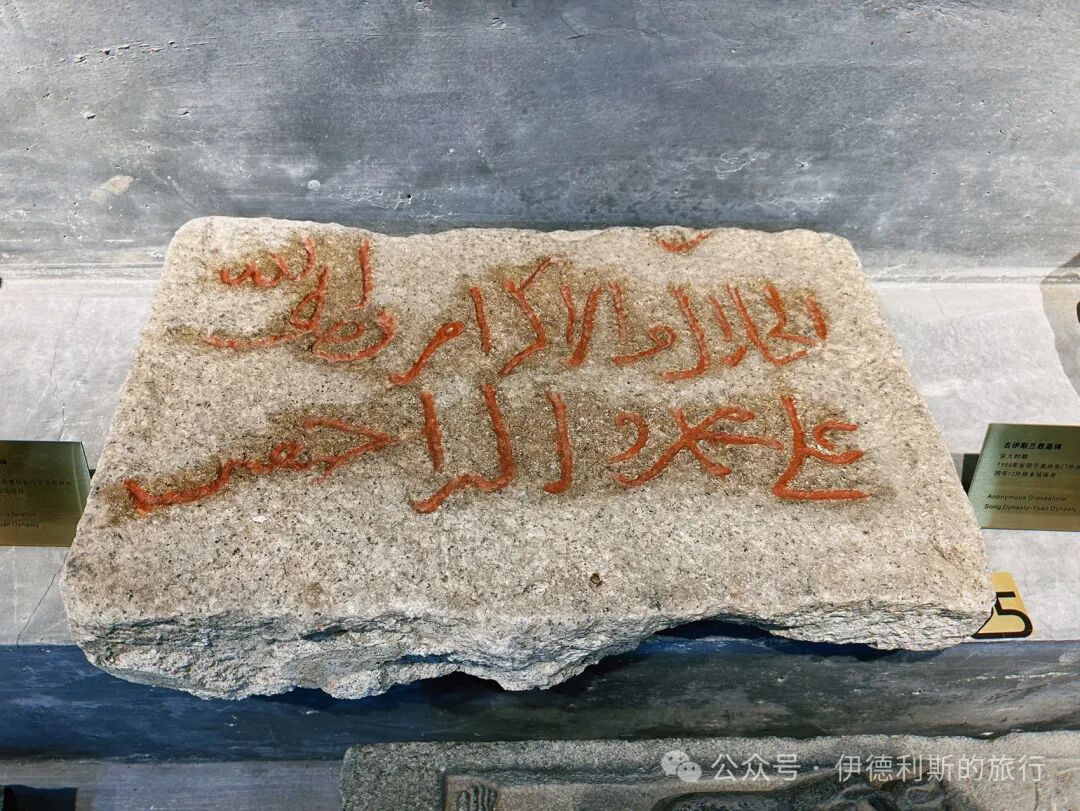
The tombstone of Fatimah was found in the city wall of the East Gate of Quanzhou in 1927 and moved to the Xiamen University Anthropology Museum in 1955. The father of the deceased was named Haji Nasa, and he had traveled to the Hejaz.
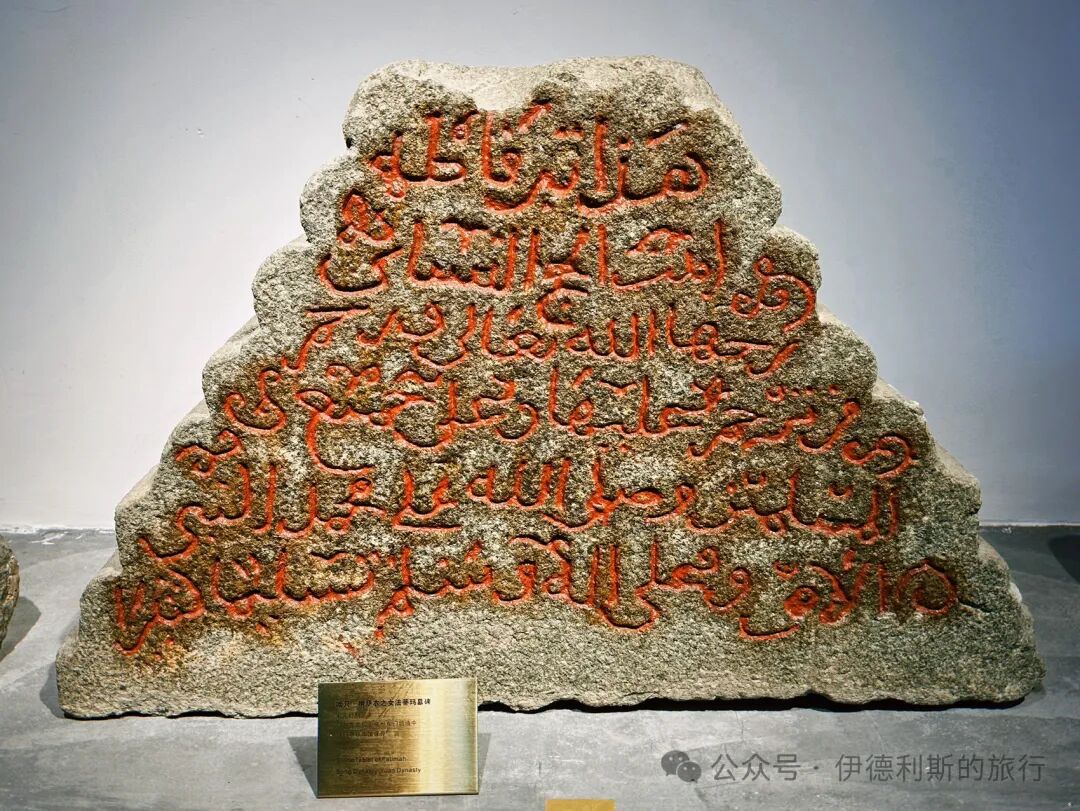
This tombstone was found in the Third Lane of the East Gate of Quanzhou in 1956 and moved to the Xiamen University Anthropology Museum that same year; the inscription contains scripture (112).
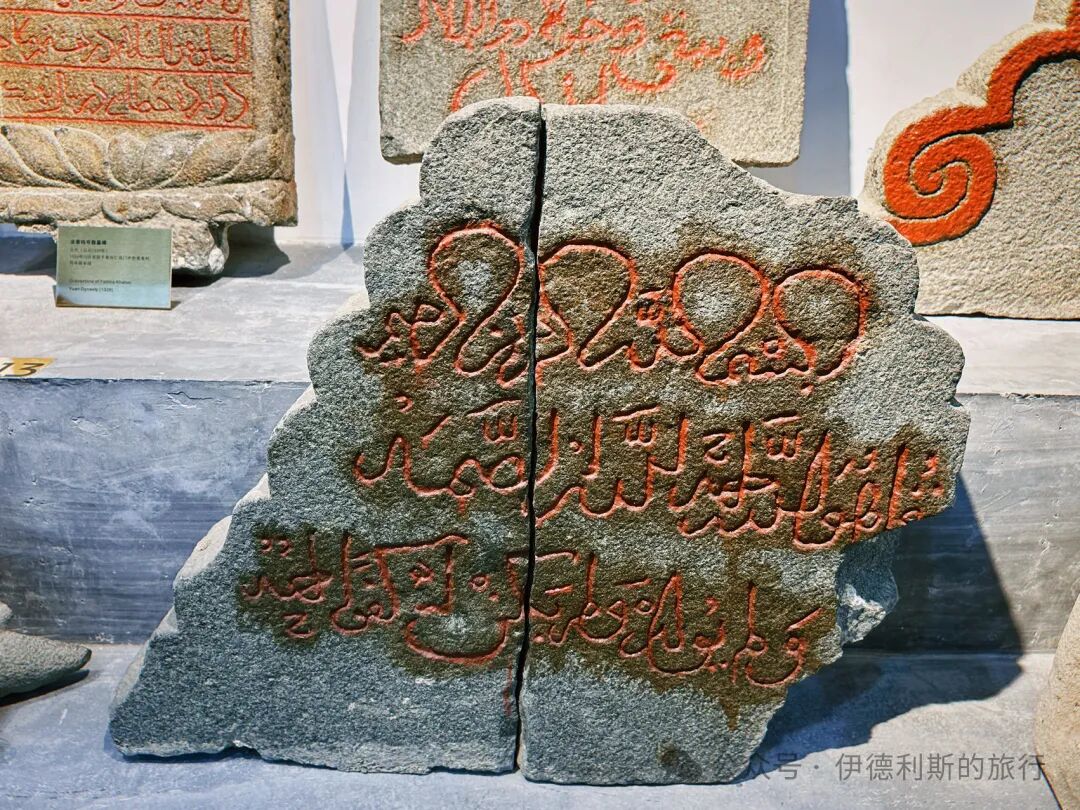
This tombstone was found in a farmer's courtyard at the East Gate of Quanzhou in 1956 and moved to the Xiamen University Anthropology Museum that same year. The inscription reads, 'To die in ardent love is to die a martyr,' with 'ardent love' referring to love for Allah and the faith.
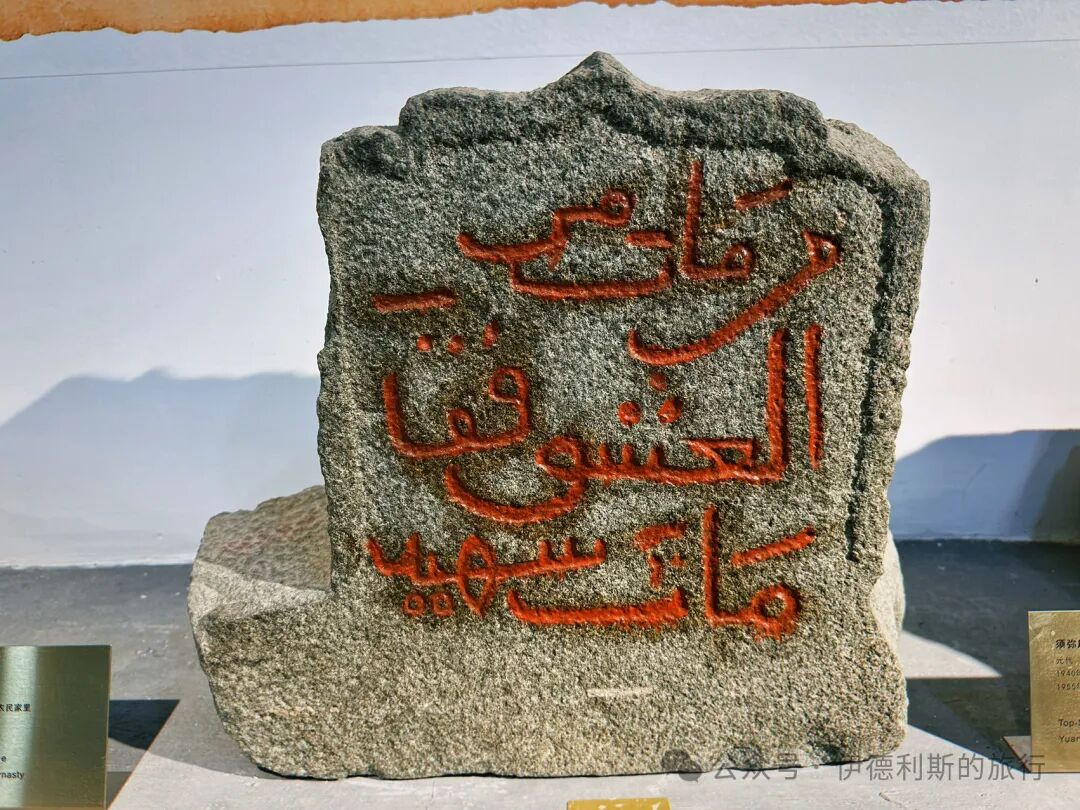
This tombstone was unearthed from the city foundation at Tonghuai Gate in Quanzhou in 1956 and moved to the Xiamen University Anthropology Museum that same year. The inscription reads, 'O Allah, please accept his good deeds, and please forgive and pardon his sins.'
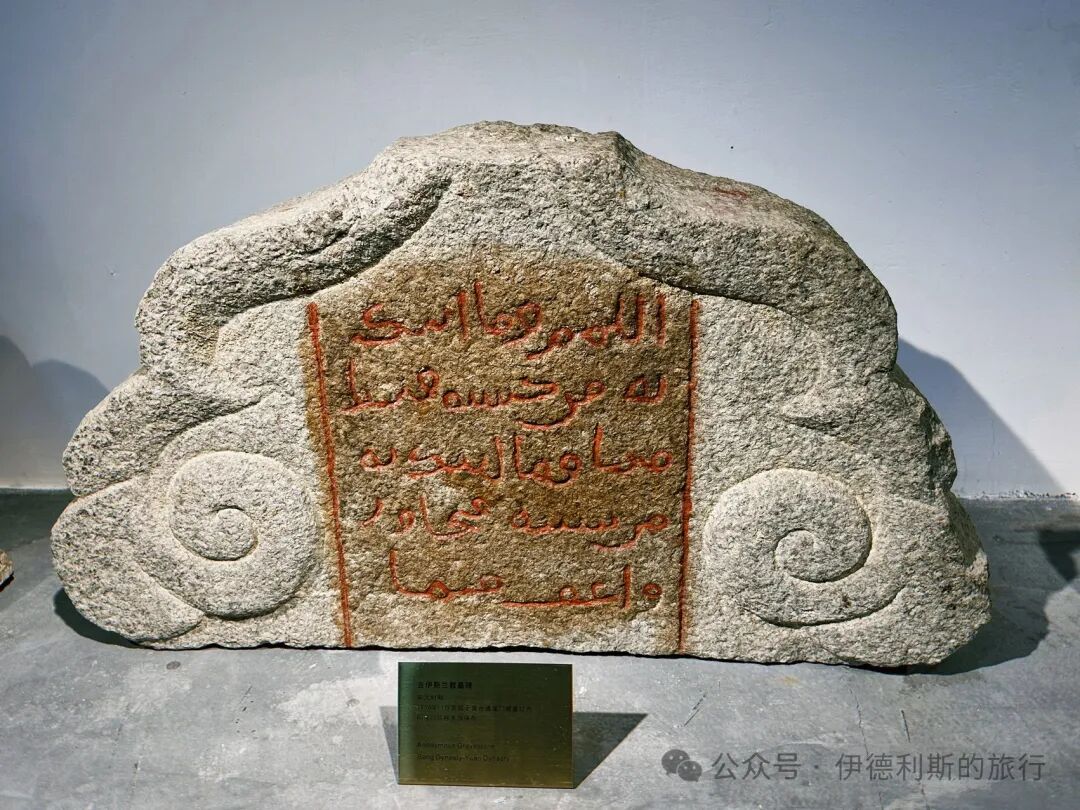
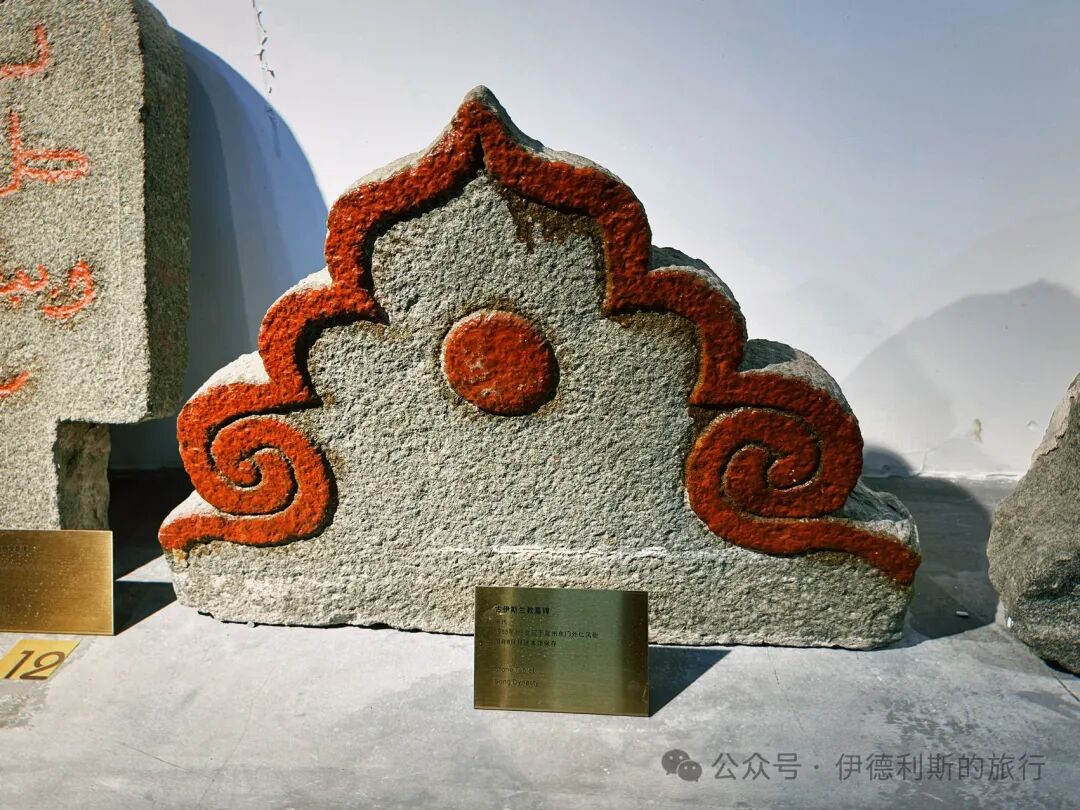
This tombstone was found on Renfeng Street outside the East Gate of Quanzhou in 1955 and moved to the Xiamen University Anthropology Museum that same year. This is the top stone of a Sumeru pedestal (xumizuo) altar-style stone tomb, carved with a full moon and inward-spiraling patterns.
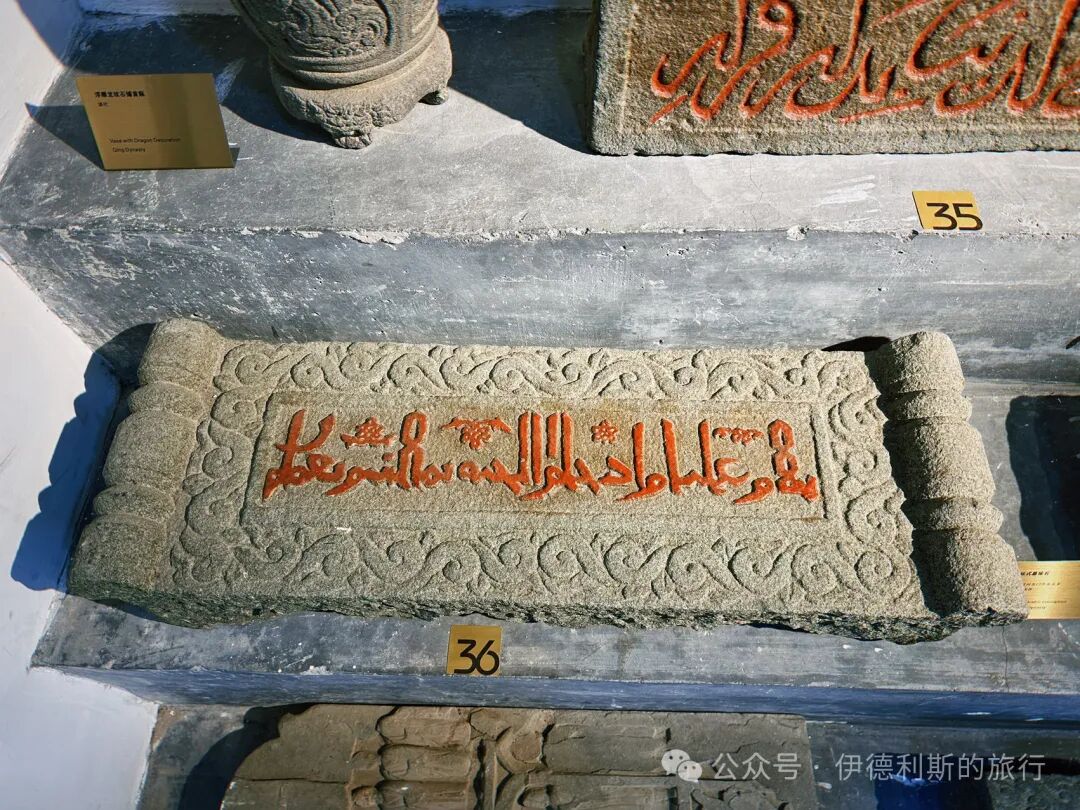
This is a tomb pile stone from a Sumeru pedestal altar-style stone tomb. It was found in Dongtou Village outside the East Gate of Quanzhou in 1955. Residents said it was moved there to serve as a stone step when the city wall was dismantled over 20 years earlier. It was moved to the Xiamen University Anthropology Museum that same year. The inscription features a verse (16:32) carved in Kufic script.
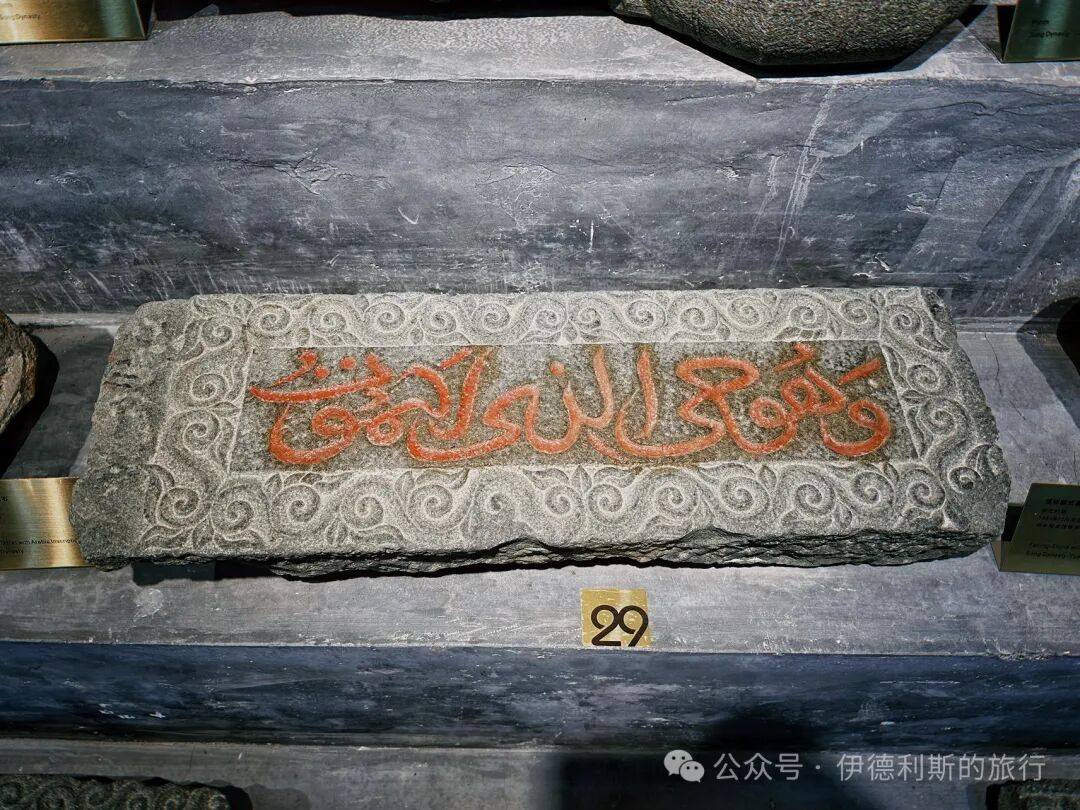
This is a tomb pile stone from a Sumeru pedestal altar-style stone tomb. It was found at Jintoupu outside Tonghuai Gate in Quanzhou in 1956 and moved to the Xiamen University Anthropology Museum that same year. The inscription reads, 'He is eternal and never dies.'
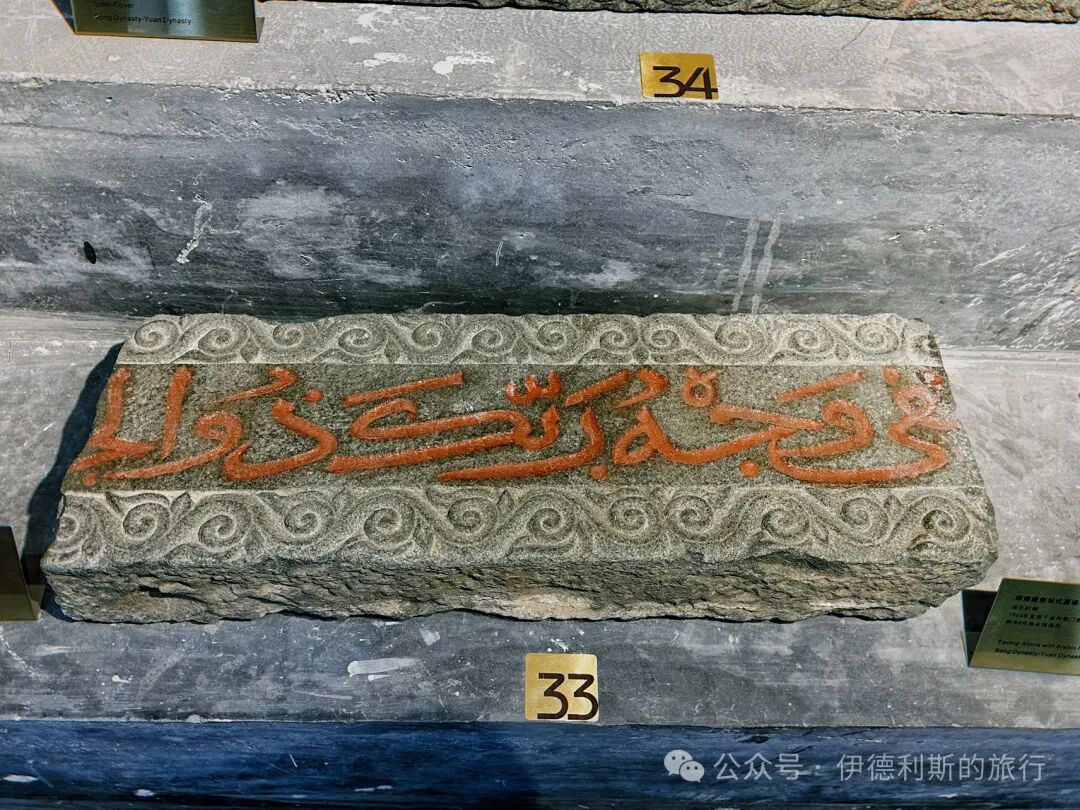
The tombstone block from the altar-style tomb with a pedestal base (xumizuo) was found in 1955 in the wall of a house on Xinmen Street in Quanzhou. Professor Lin Huixiang discovered it that same year and moved it to the Xiamen University Anthropology Museum. The inscription contains verses from the Quran (55:27).
The right end of the tombstone block from the altar-style tomb with a pedestal base was found in 1940 in a pile of waste stones at the South Drill Ground (Nanjiaochang) in Quanzhou and moved to the Xiamen University Anthropology Museum that year. The left end was found in 1957 in a pond 6 kilometers outside Tonghuai Gate in Quanzhou and was immediately moved to the Xiamen University Anthropology Museum. The missing middle section was built into the wall of Shijia Mosque near the South Drill Ground in Quanzhou. It contains verses from the Quran (52:17-19). The tombstone block from the Islamic tomb built into the wall of Shijia Mosque was added after 1945, when the mosque monks bought foundation stones from the Tonghuai Gate in Quanzhou to build houses and walls.
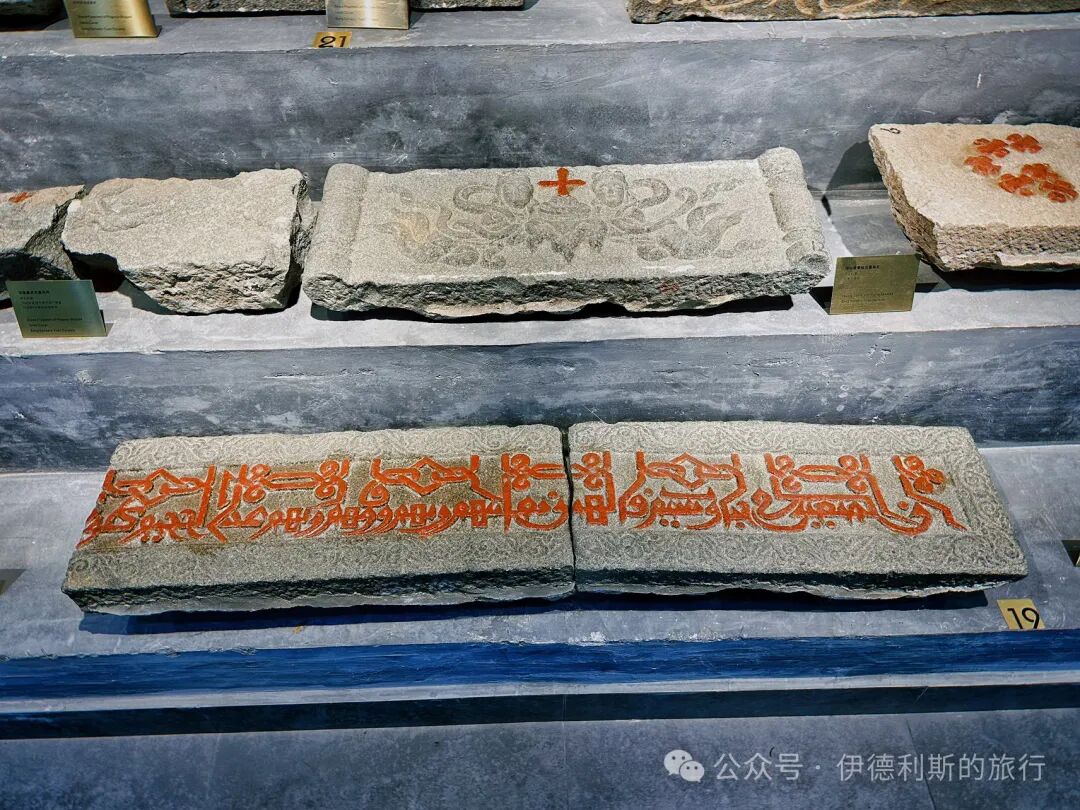
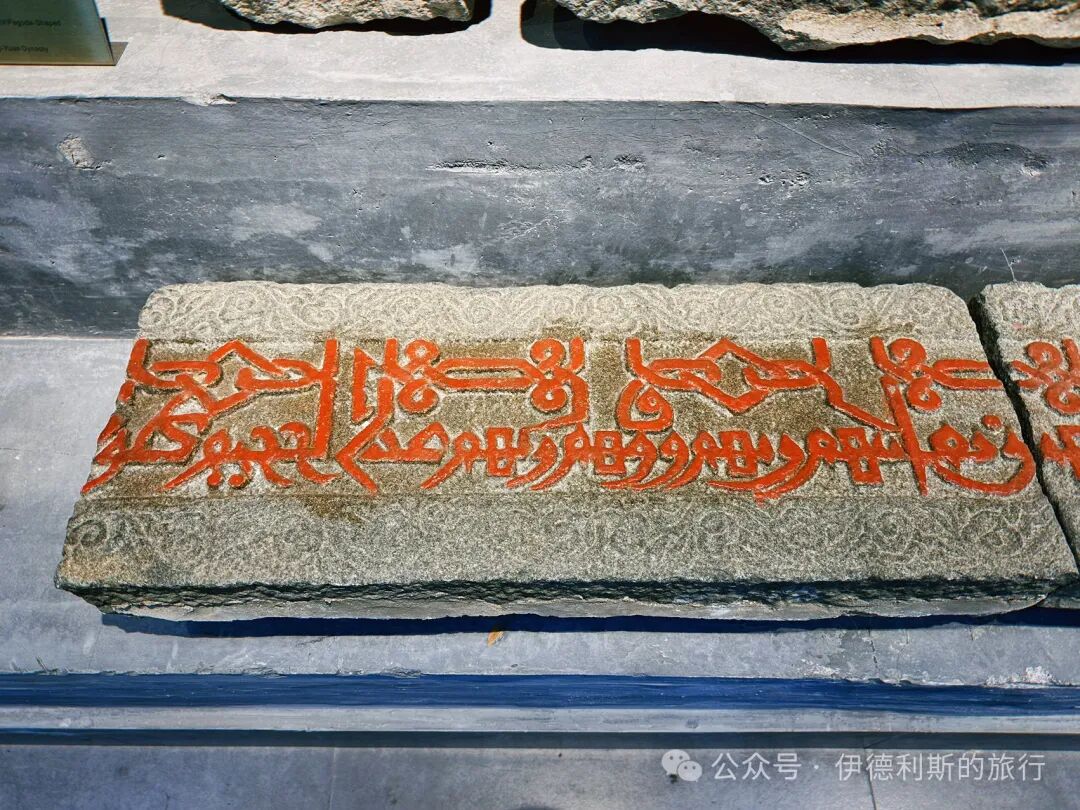
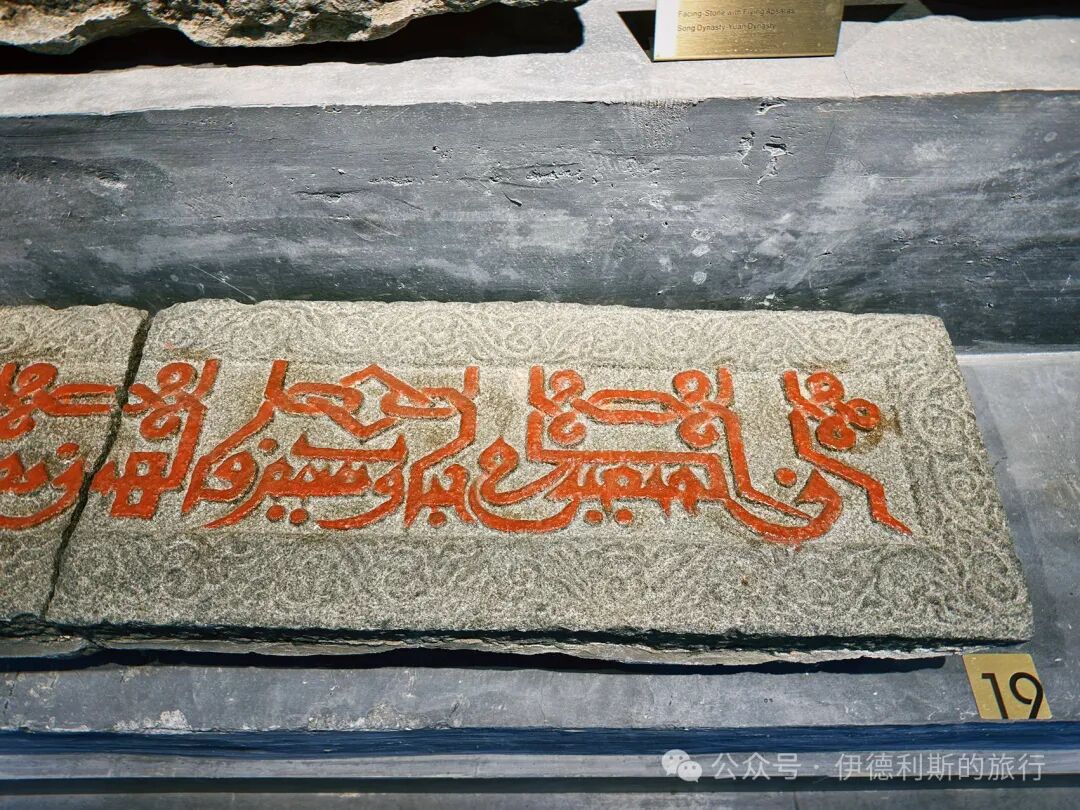
The tombstone block from the altar-style tomb with a pedestal base was originally built into the stone wall of a farmer's house in Jintoupu Village outside Tonghuai Gate in Quanzhou. It was unearthed from the city foundation near the South Drill Ground after 1945 and moved to the Xiamen University Anthropology Museum for preservation by Professor Lin Huixiang in 1955. The content is the Quranic verse (29:57), 'Every soul shall taste death.'
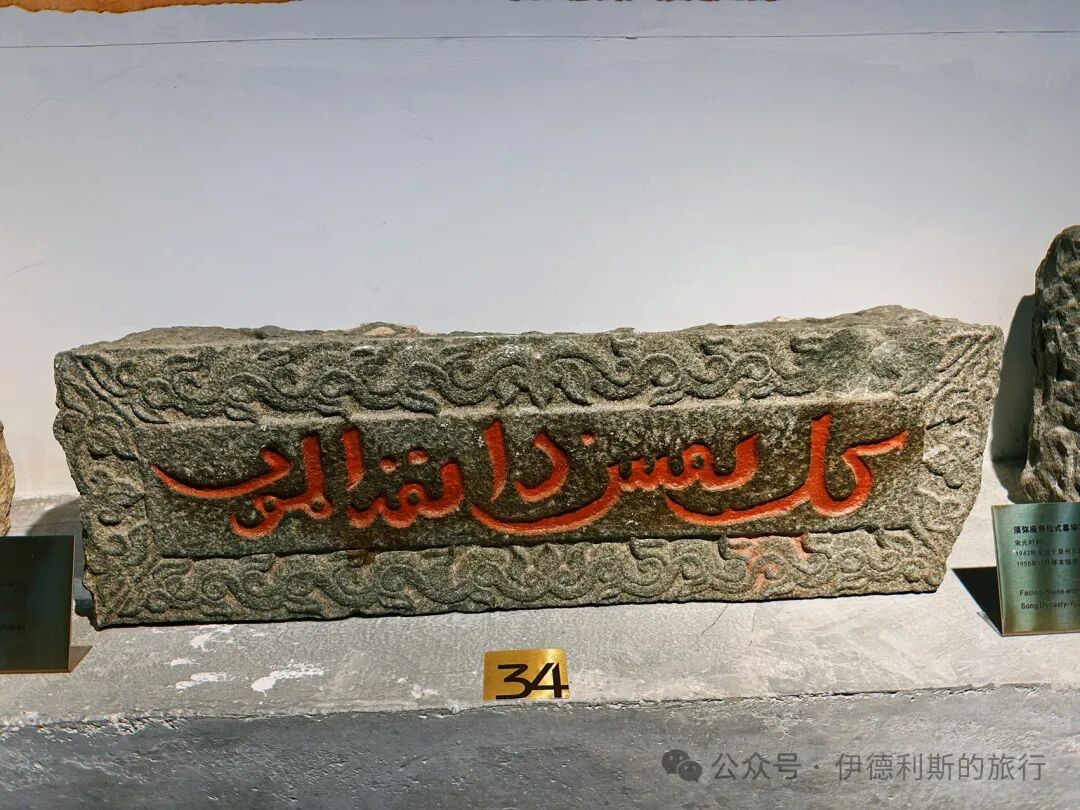
The tombstone block from the altar-style tomb with a pedestal base was found in 1952 in Jintoupu Village outside Tonghuai Gate in Quanzhou and moved to the Xiamen University Anthropology Museum for preservation in 1955. The content is the Quranic verse (55:26-27): 'Everyone on earth will perish, and the Face of your Lord, full of majesty and honor, will remain forever.'
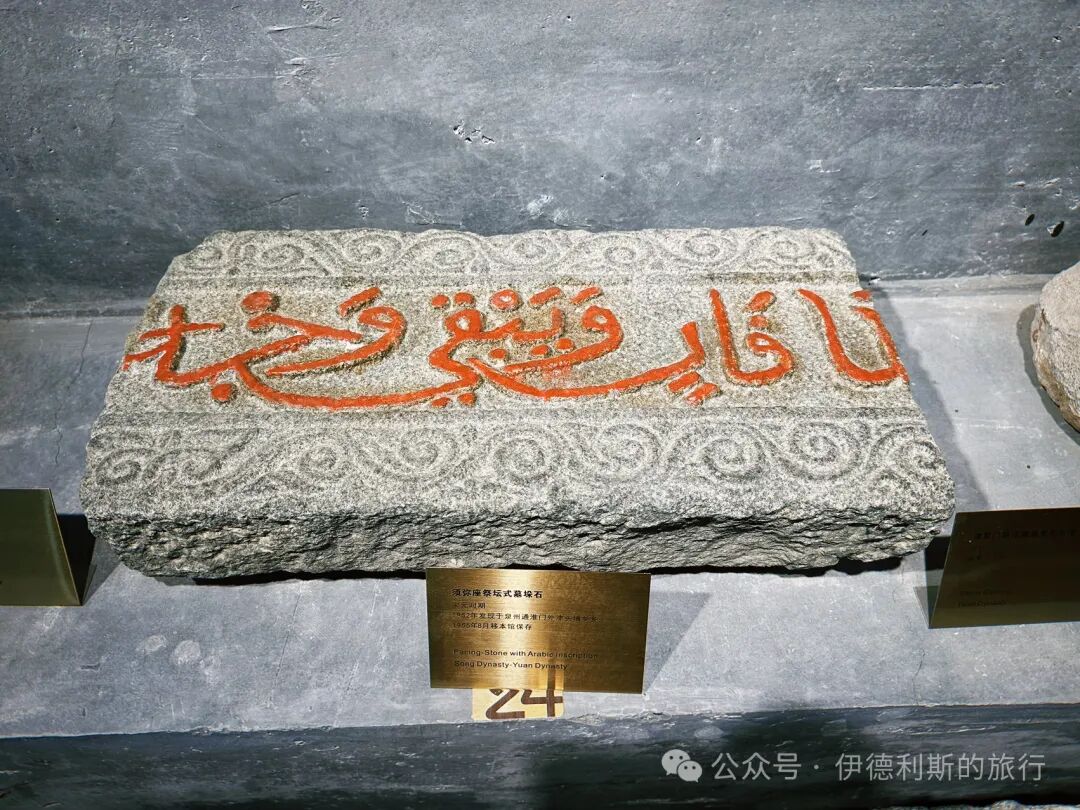
The tombstone from the altar-style stone tomb with a Sumeru pedestal was originally built into a stone wall at a farmer's house in Jintoupu Village outside Tonghuai Gate in Quanzhou. It was reportedly found while digging to build the house, and Professor Lin Huixiang moved it to the Xiamen University Anthropology Museum for preservation in 1955. The content is the Quranic verse (55:26-27).
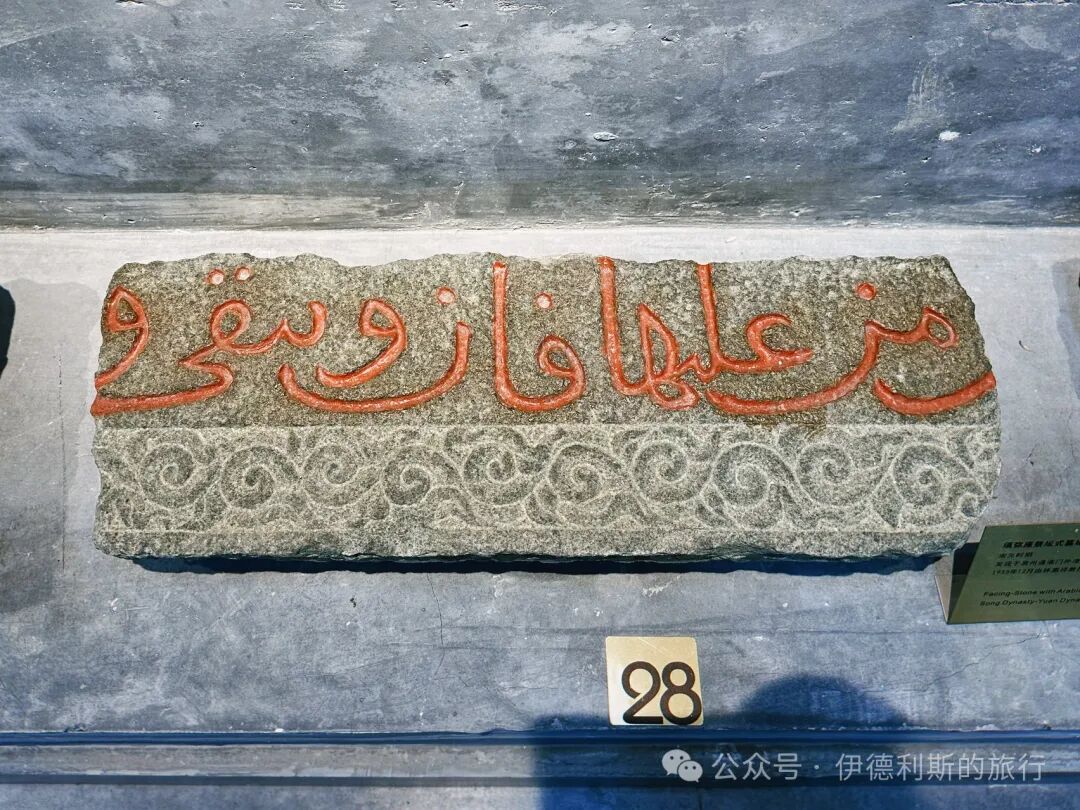
The tombstone from the altar-style stone tomb with a Sumeru pedestal was unearthed in 1955 by the East Lake outside the Xiaodong Gate in Quanzhou. When found, it was stacked together with a Hindu lintel stone featuring a beast face and bird wings. It was moved to the Xiamen University Anthropology Museum for preservation that same year. The content is the Quranic verse (55:26-27).
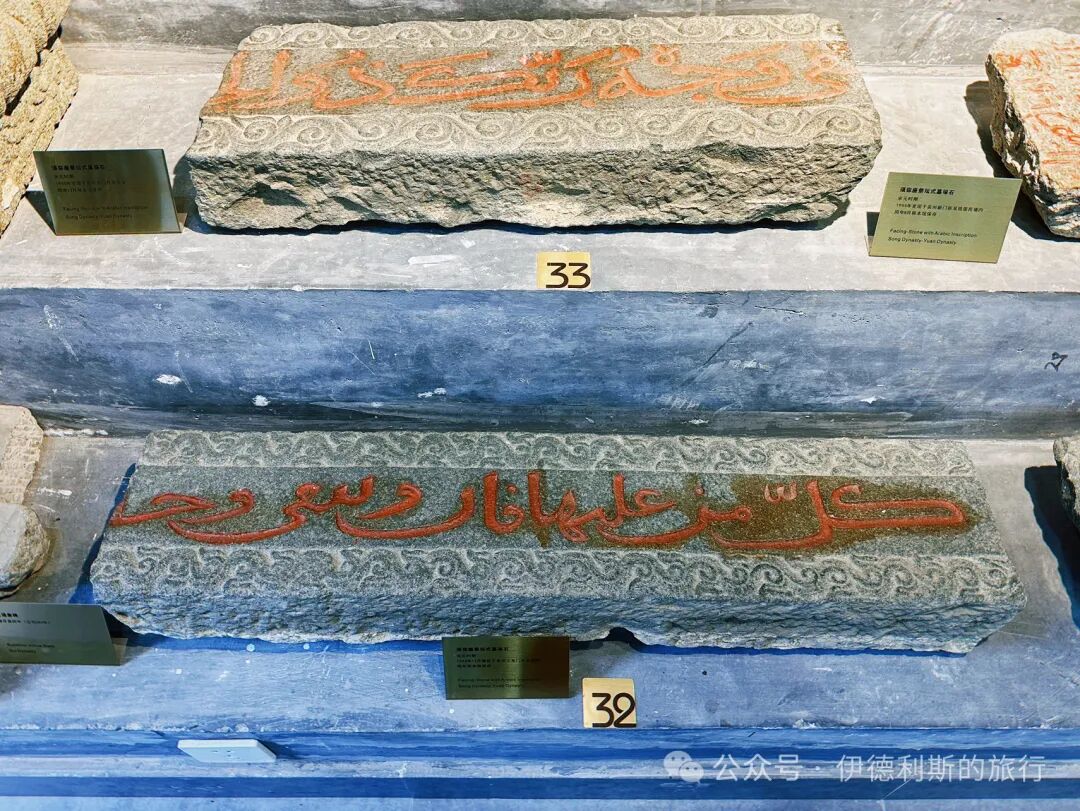
This component of a stone tomb with a Sumeru pedestal was found in 1955 in Jintoupu Village outside Tonghuai Gate in Quanzhou and moved to the Xiamen University Anthropology Museum for preservation that same year. It is inscribed with '...this worldly life and the hereafter.'
The tombstone from the altar-style stone tomb with a Sumeru pedestal was found in 1947 in Jintoupu Village outside Tonghuai Gate in Quanzhou and moved to the Xiamen University Anthropology Museum for preservation in 1955. The inscription is not in Arabic. In his book Quanzhou Religious Stone Carvings, Wu Wenliang suggests it is the 'Ishtifi' script mentioned in the History of Yuan, which was the Persian language used at that time.
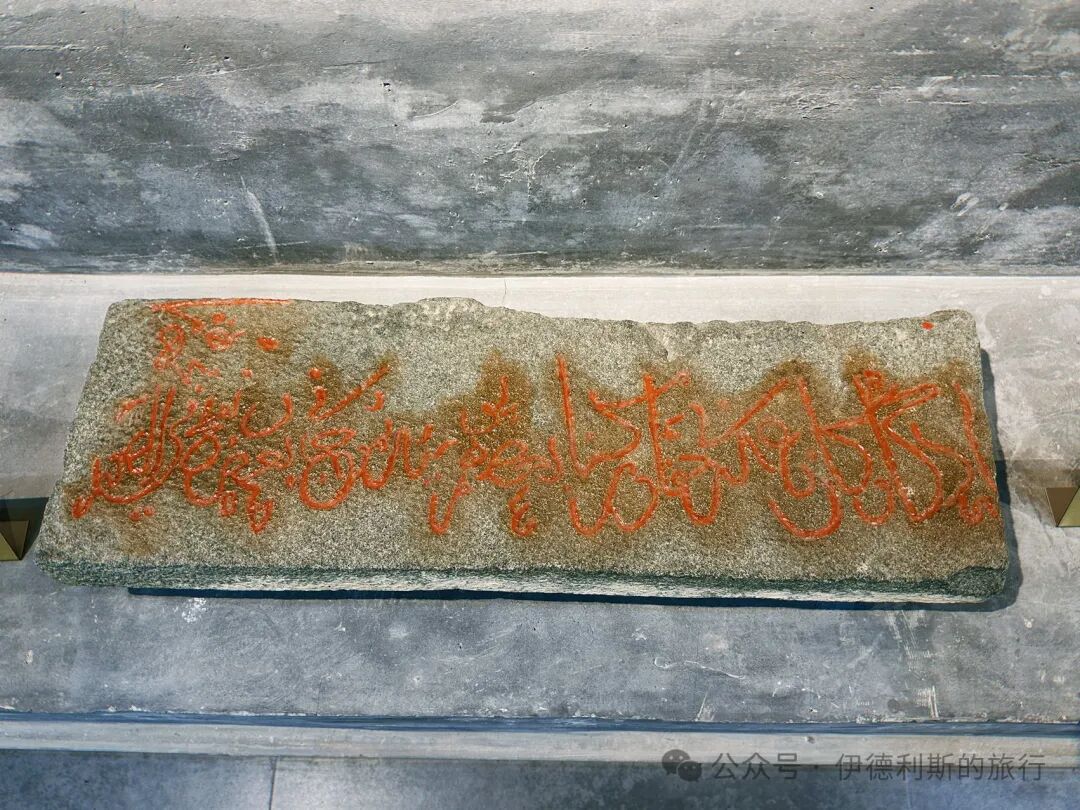
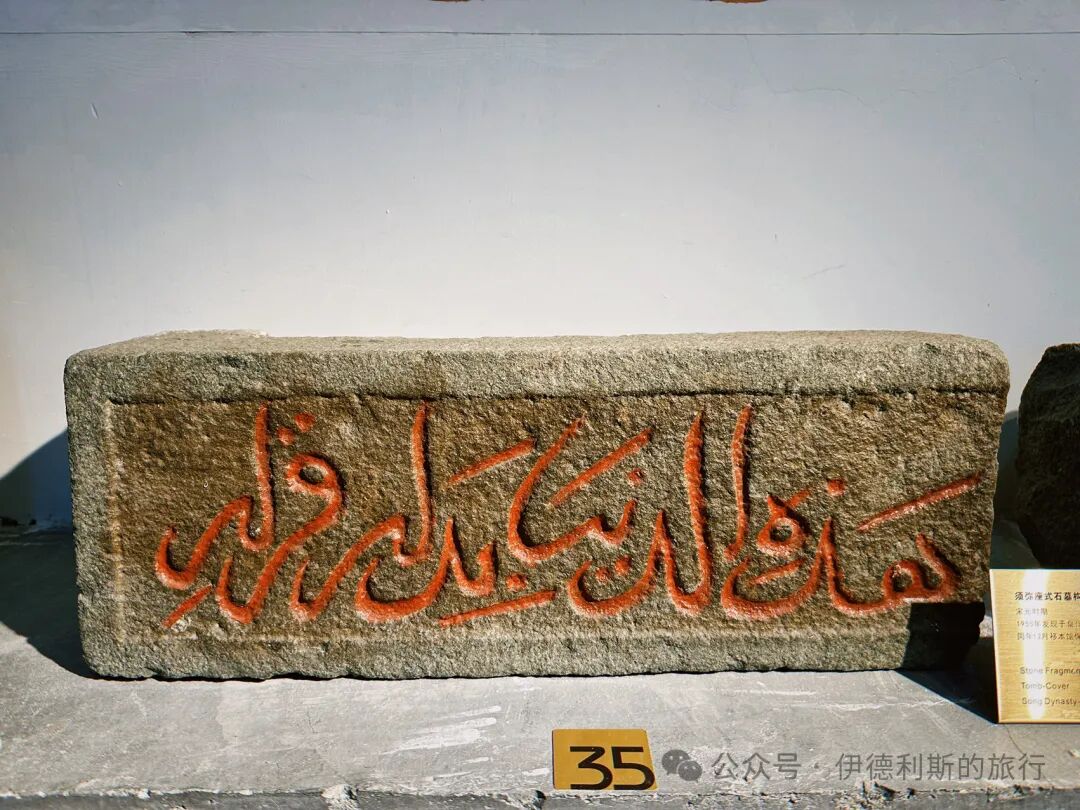
This component of a Sumeru-style stone tomb was found near the East Gate of Quanzhou in 1955 and moved to the Xiamen University Anthropology Museum for preservation that same year. The content is a verse from the Quran (2:255). 'He knows what is before them and what is behind them, but they do not encompass...'
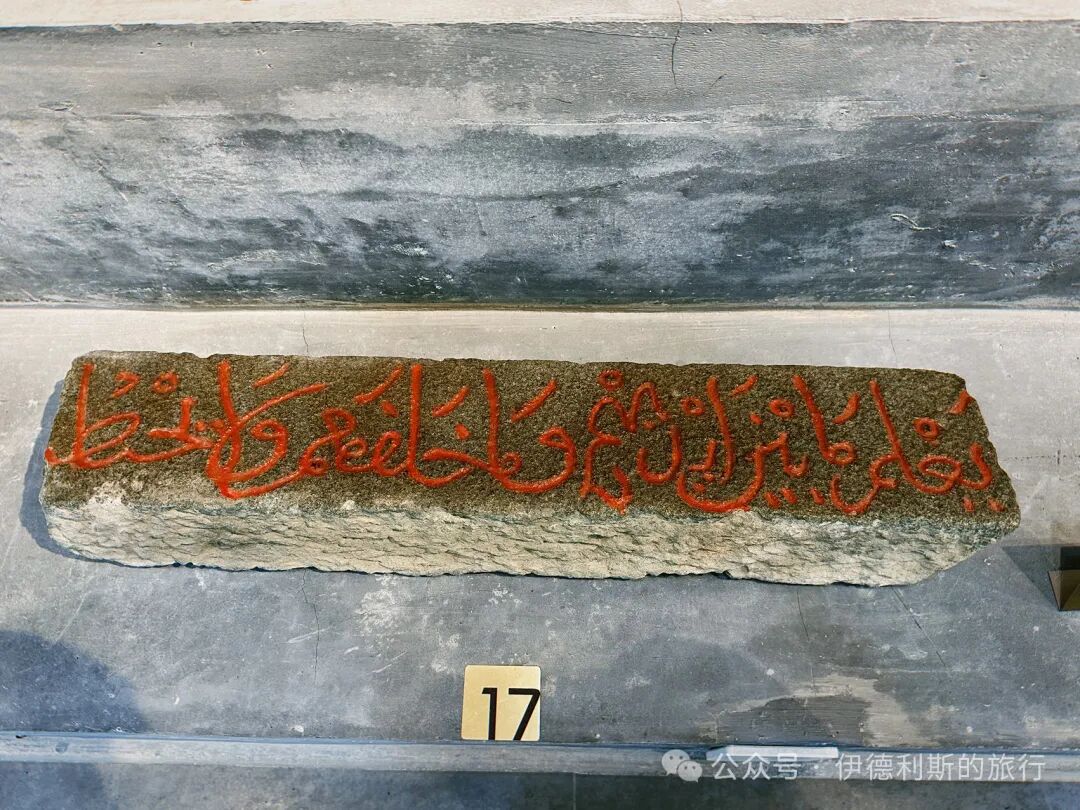
The third layer of overlapping lotus petals and the fourth layer of Arabic stone carvings from a Sumeru-style stone tomb were found on Renfeng Street outside the East Gate of Quanzhou in 1955 and moved to the Xiamen University Anthropology Museum for preservation that same year. The content is a verse from the Quran (2:156).
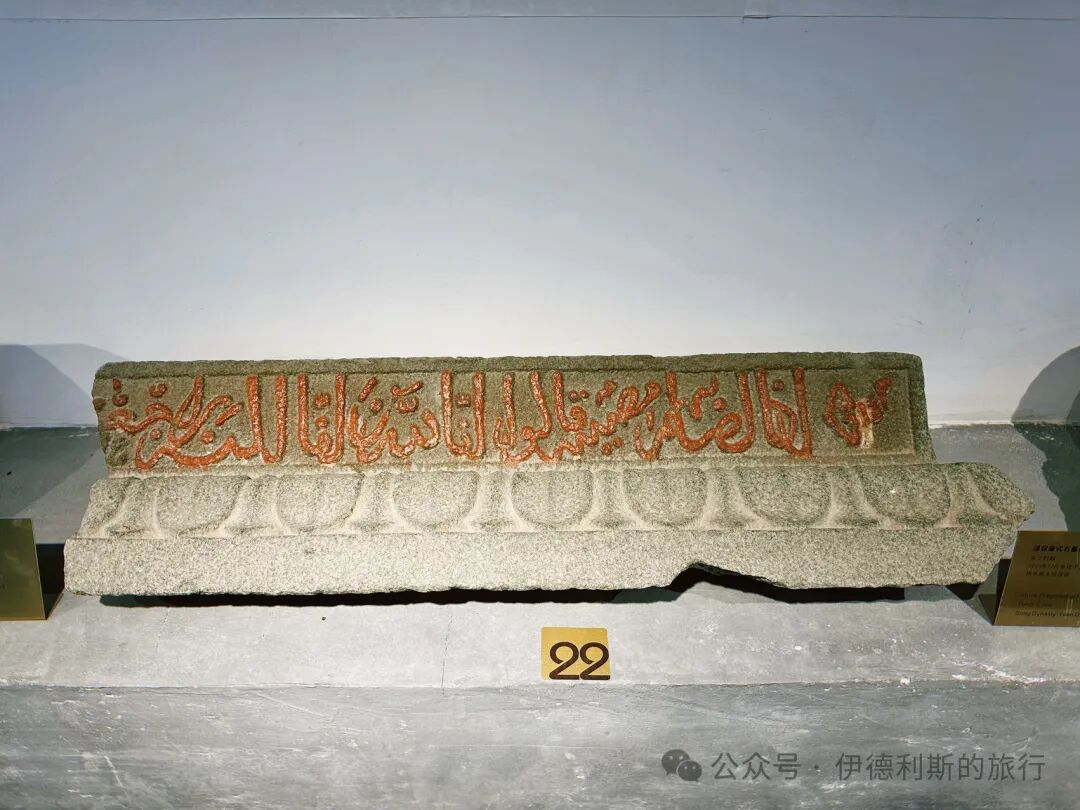
This component of a Sumeru-style stone tomb was dug up from the foundation of the East Gate of Quanzhou in 1955 and moved to the Xiamen University Anthropology Museum for preservation that same year. The content is a verse from the Quran (3:185).
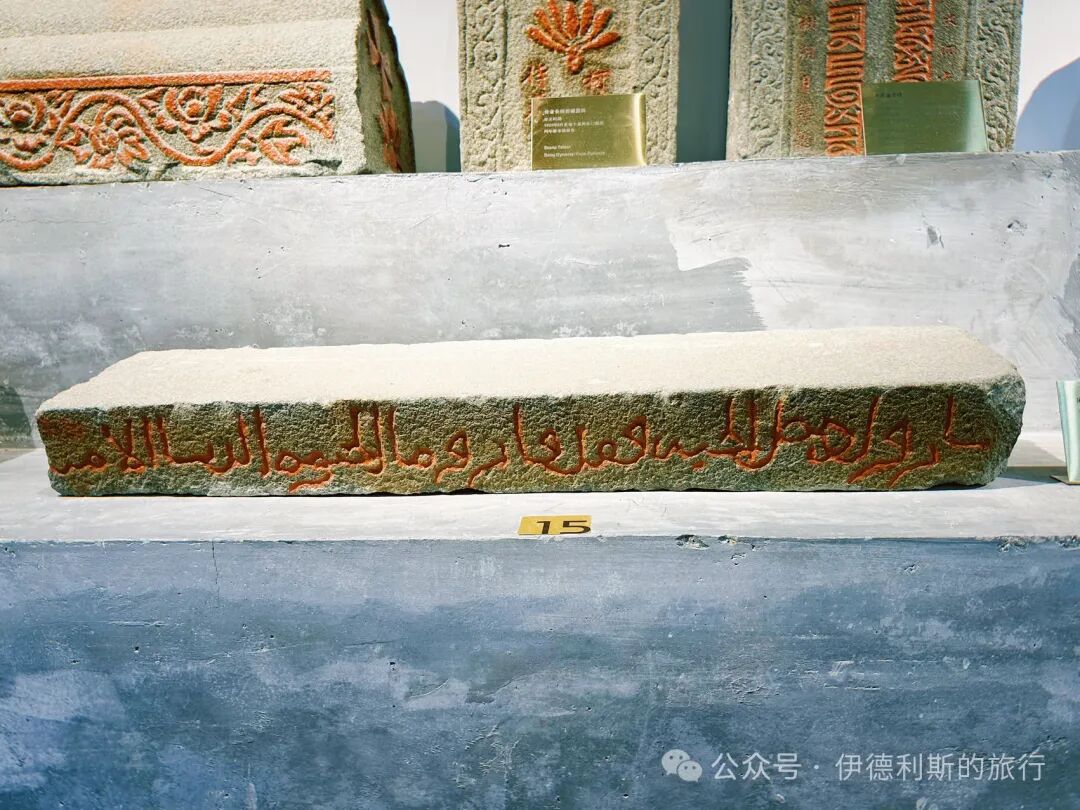
This stone tomb component with a pedestal base (xumizuo) was found outside the East Gate of Quanzhou at Leyuan in 1955 and moved to the Xiamen University Anthropology Museum for preservation that same year. The inscription reads, "Everyone on earth will perish, but the Face of your Lord will remain, full of majesty and honor." Leyuan, also known as Deer Garden (Luyuan), was a Muslim cemetery during the Song and Yuan dynasties, and the Ding family of Chendai was originally buried here. Leyuan refers to the Paradise mentioned in scripture and is the only place name in Quanzhou named using Islamic religious terminology.
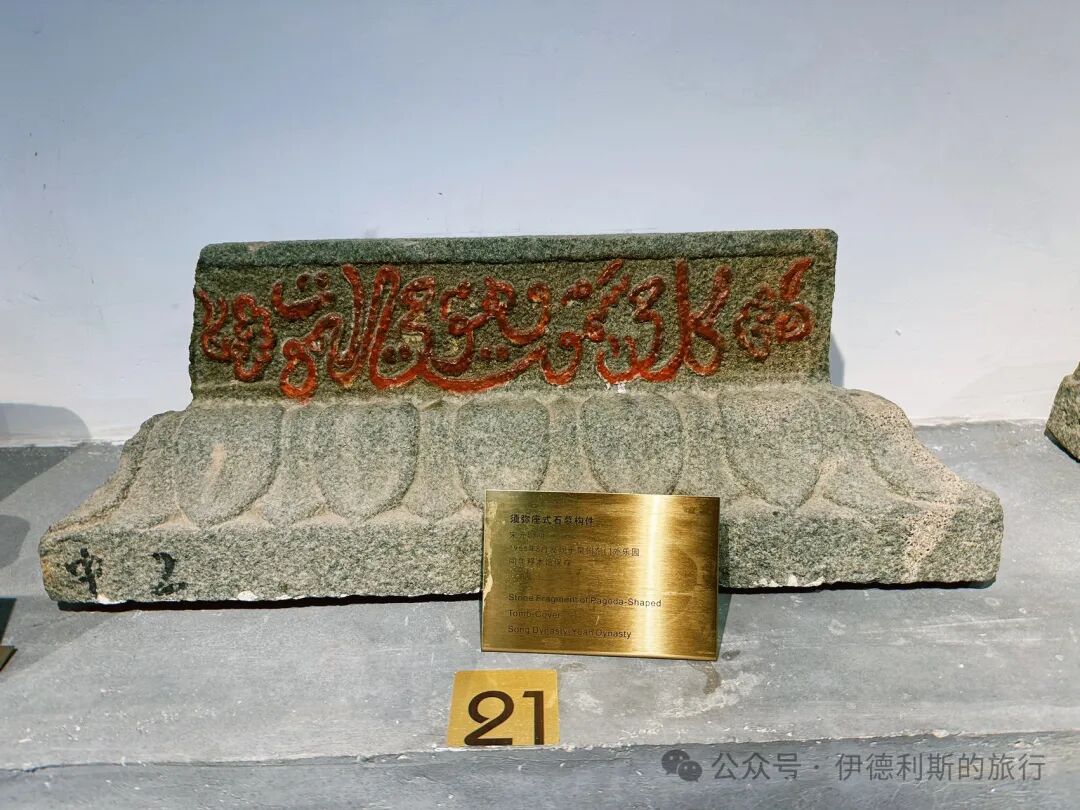
This tombstone was discovered in Quanzhou by Professor Lin Huixiang in 1955 and is now kept at the Xiamen University Anthropology Museum. The content is from the Quran (55:26-27).
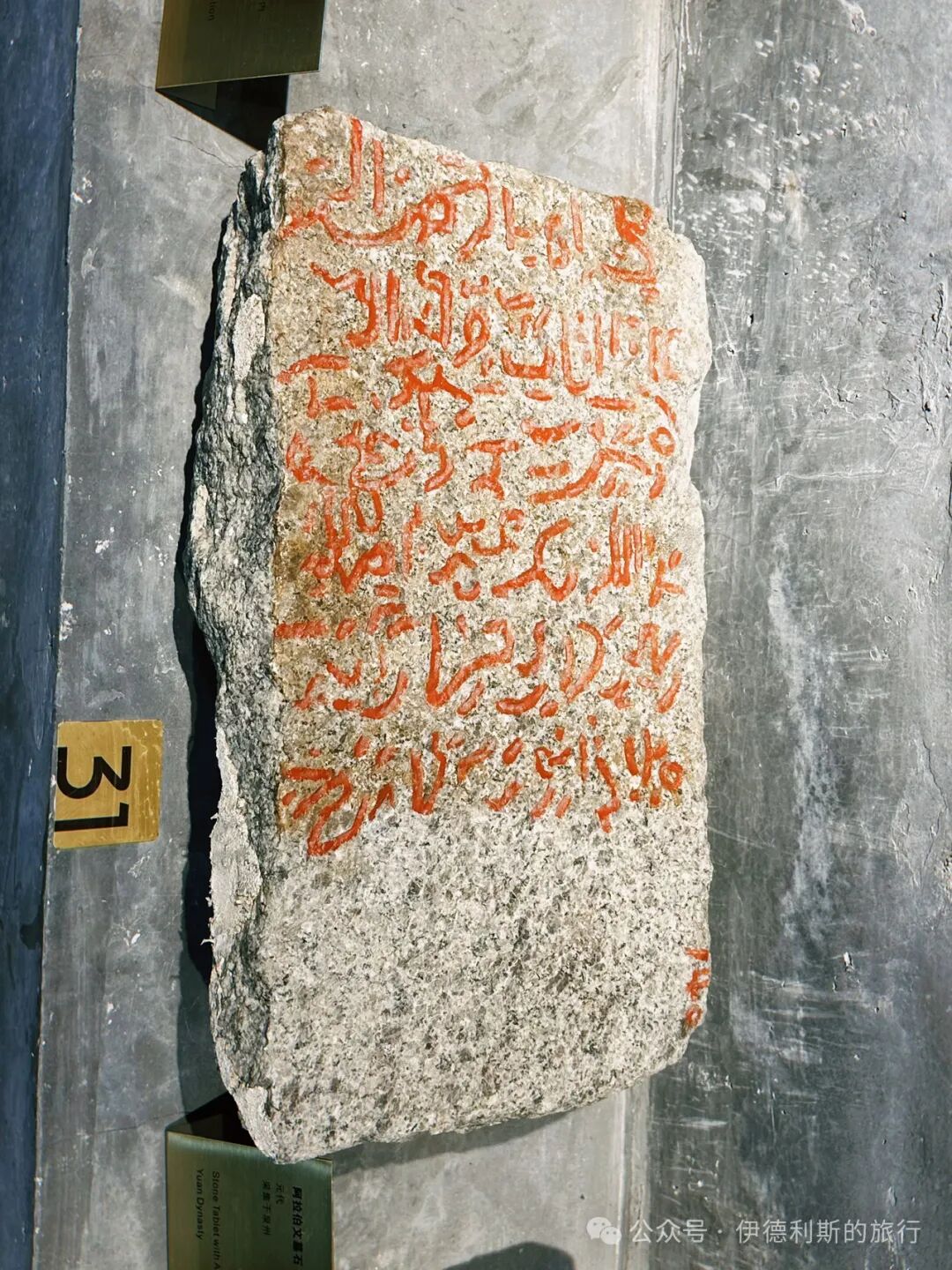
This tomb roof for a stone tomb with a pedestal base (xumizuo) was unearthed on Renfeng Street outside the East Gate of Quanzhou in 1955 and moved to the Xiamen University Anthropology Museum for preservation that same year. The content is a verse from the Quran (3:185).
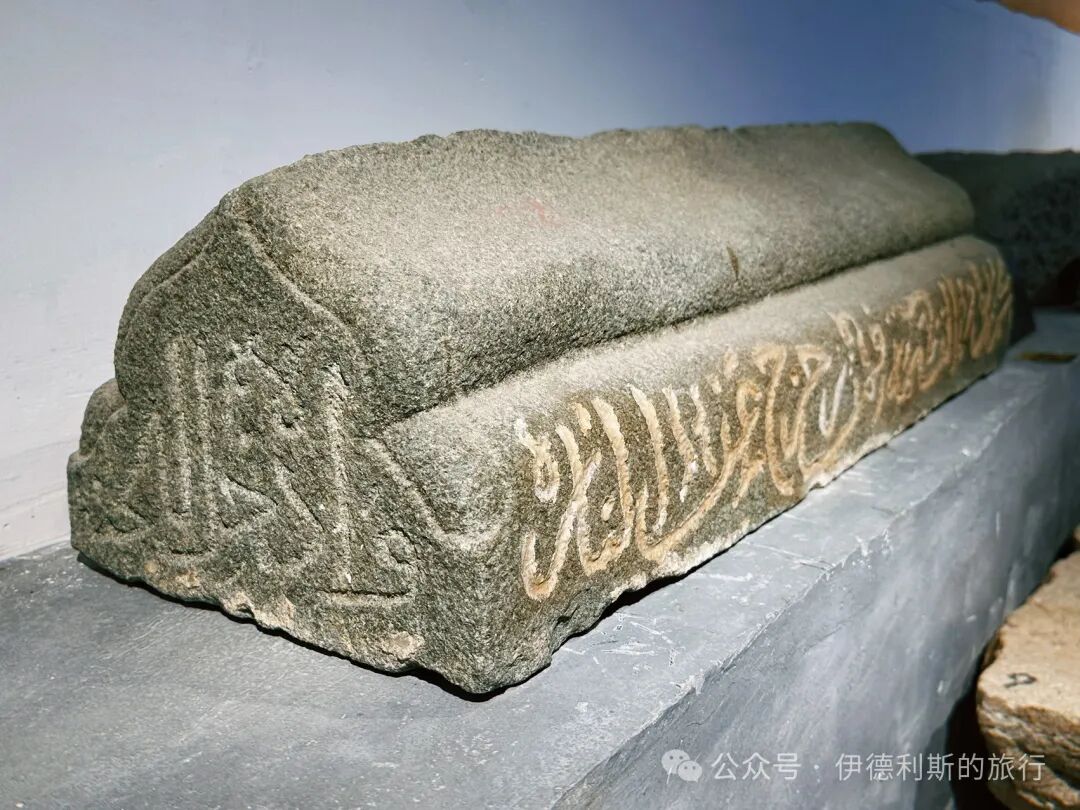
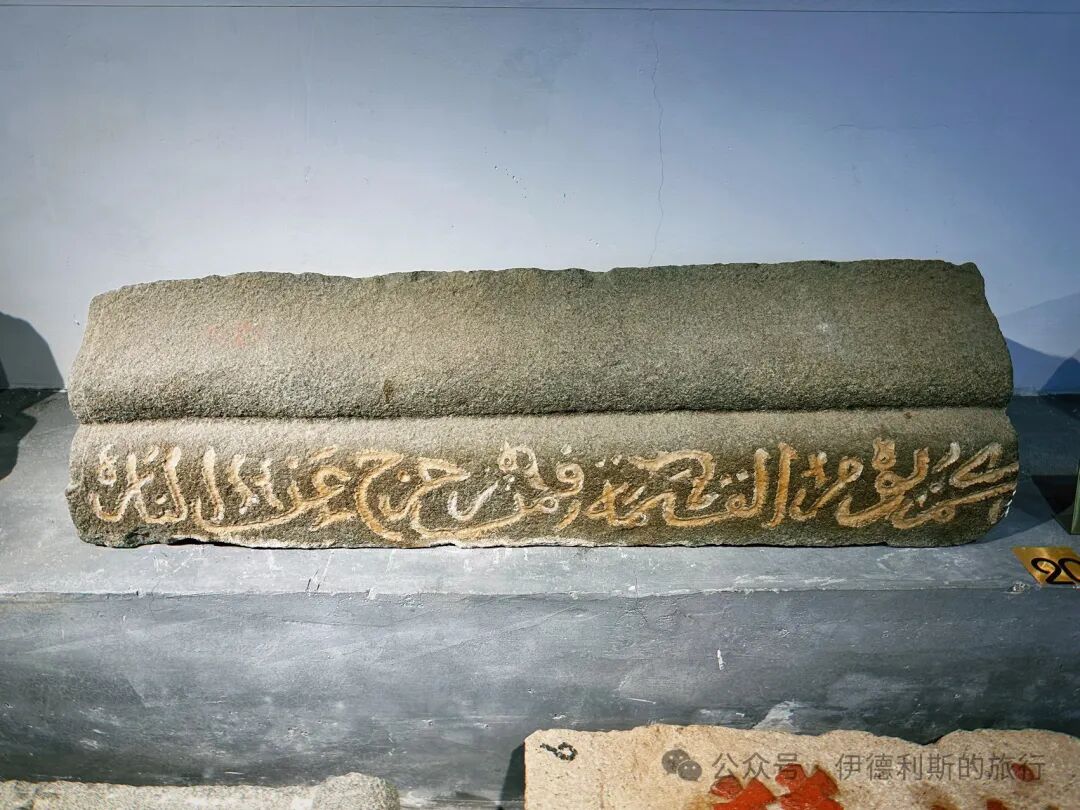
This stone tomb component with a pedestal base (xumizuo) was found in Jintoupu Village outside Tonghuai Gate in Quanzhou in 1949 and moved to the Xiamen University Anthropology Museum in 1955. This is a rare Quanzhou Song-Yuan dynasty religious stone carving featuring two lines of Arabic script, suggesting the original tomb was quite large. The content consists of Quranic verses (55:26-27, 74:41-43, 21:35, 44:51, 44:53).
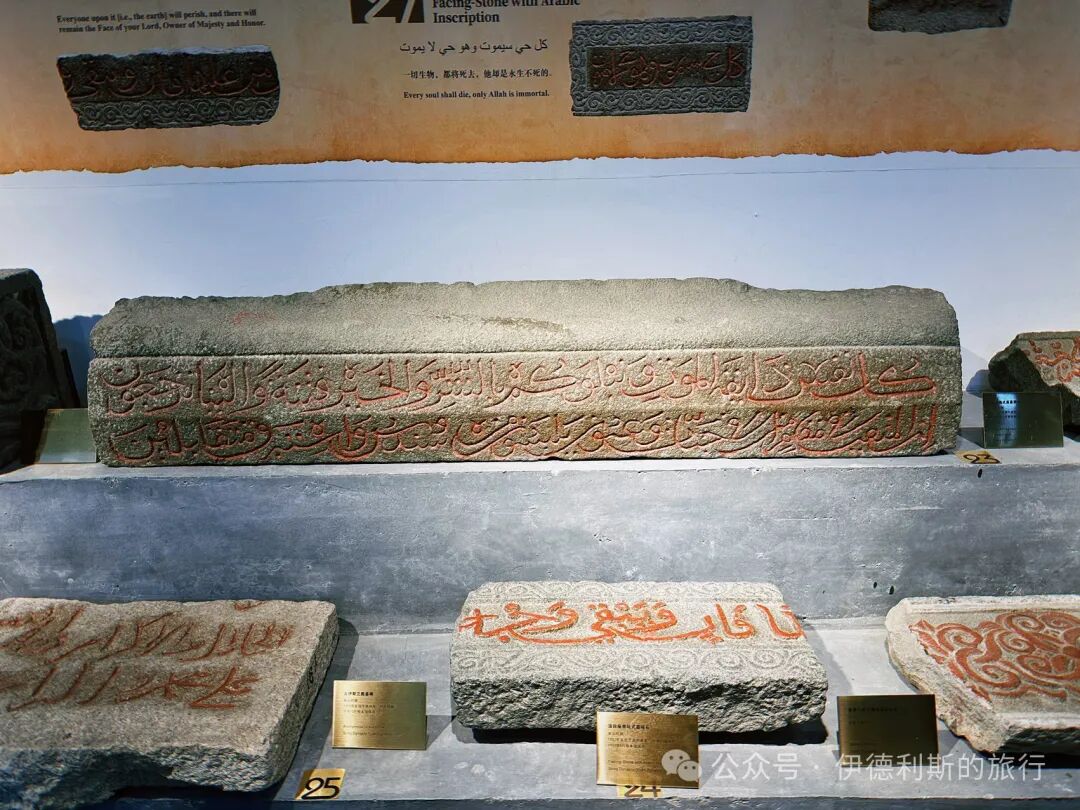
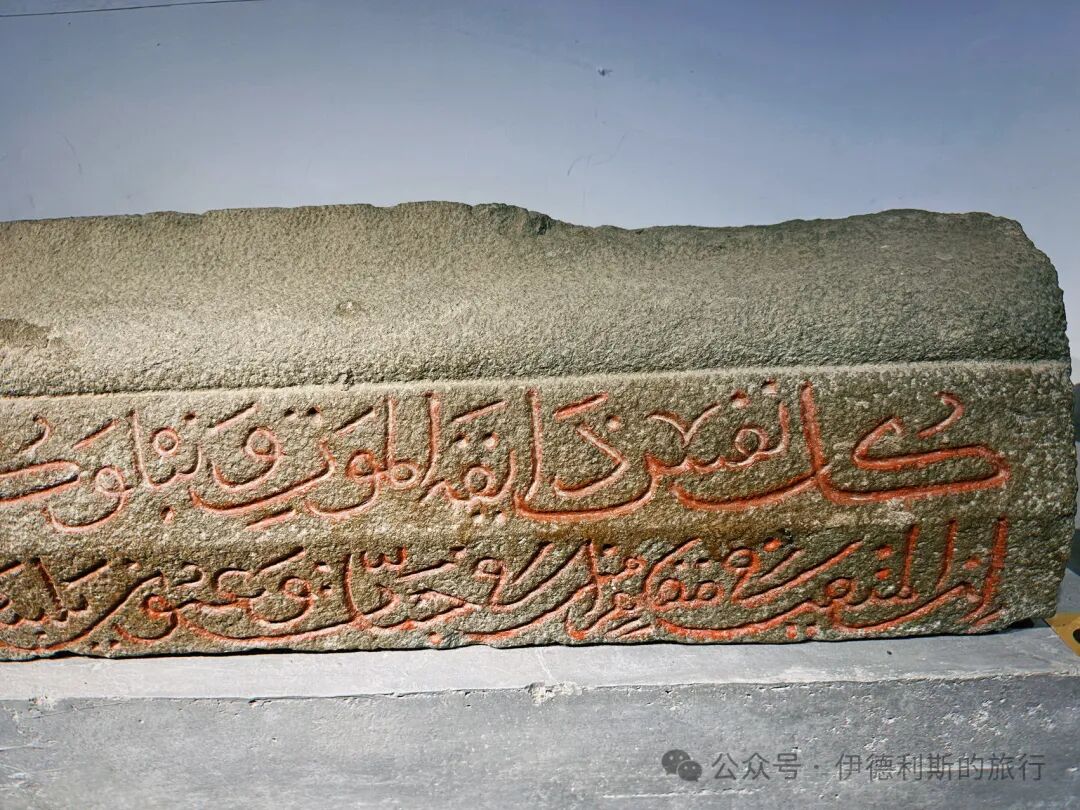
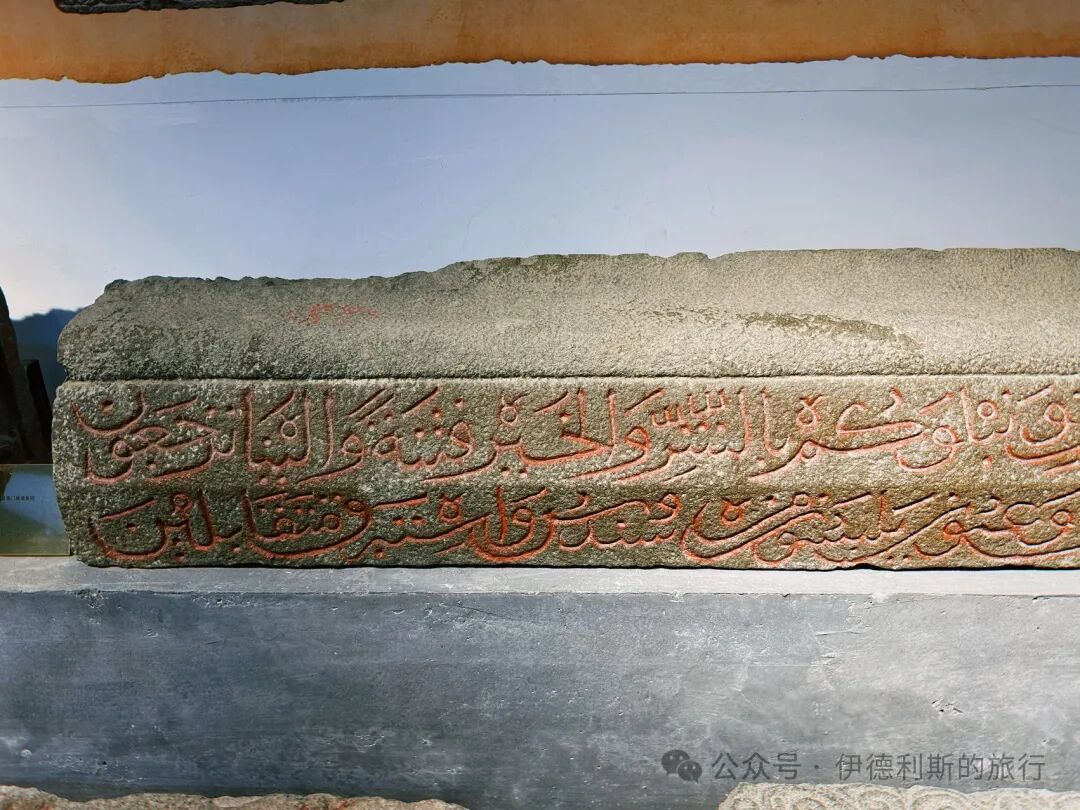
This stone tomb component with a pedestal base (xumizuo) was found in Quanzhou in 1955 by Wu Wenliang, author of Religious Stone Carvings in Quanzhou. It features the Quranic verse (3:185): 'Every soul shall taste death.'
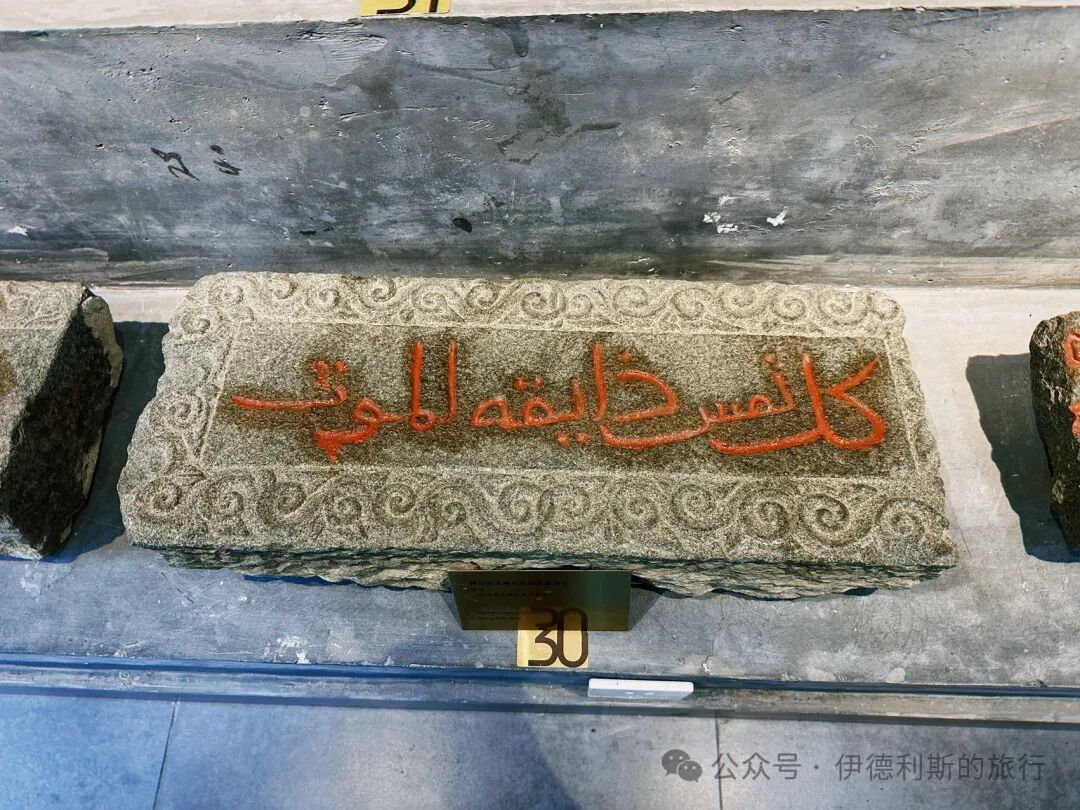
This tombstone block from a pedestal-style altar tomb (xumizuo) was found in Jintoupu Village outside Tonghuai Gate in Quanzhou and moved to the Xiamen University Anthropology Museum by Professor Lin Huixiang in 1955. The inscription reads, "Everyone on earth will perish, but the Face of your Lord will remain, full of majesty and honor."
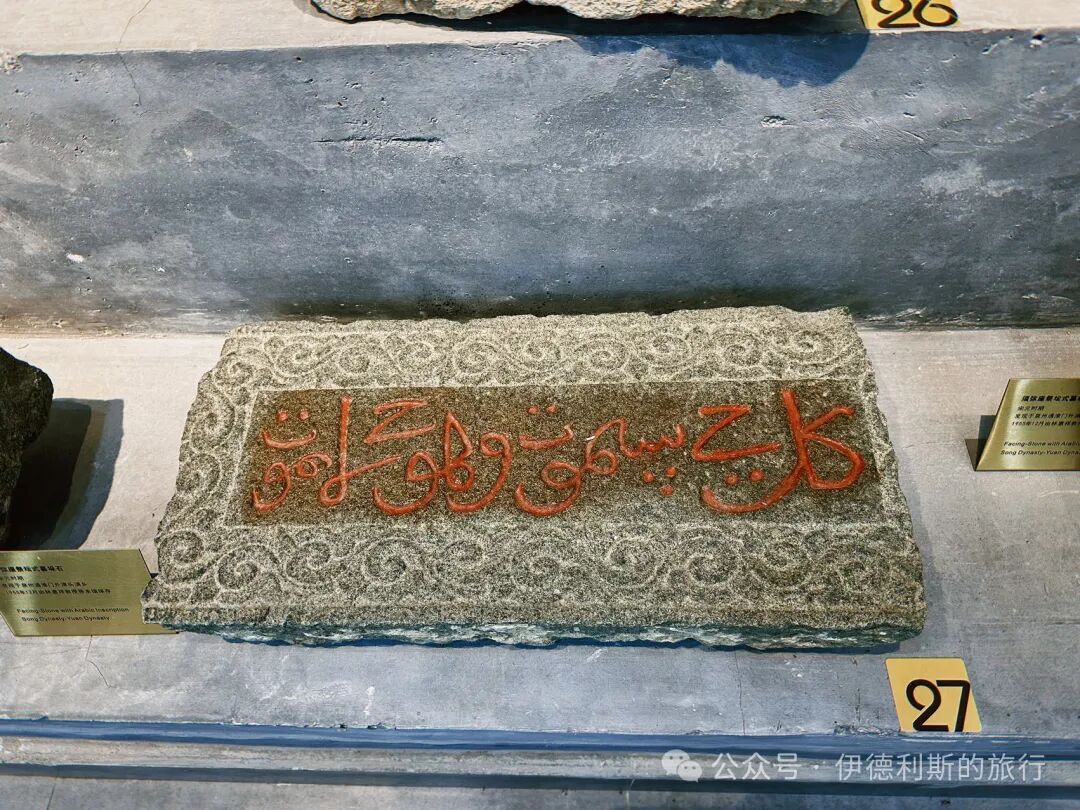
This pedestal-style stone tomb (xumizuo) was found at Xiacu Mountain outside the East Gate of Quanzhou and moved to the Xiamen University Anthropology Museum in 1955. The content consists of Quranic verses (28:88, 2:255).
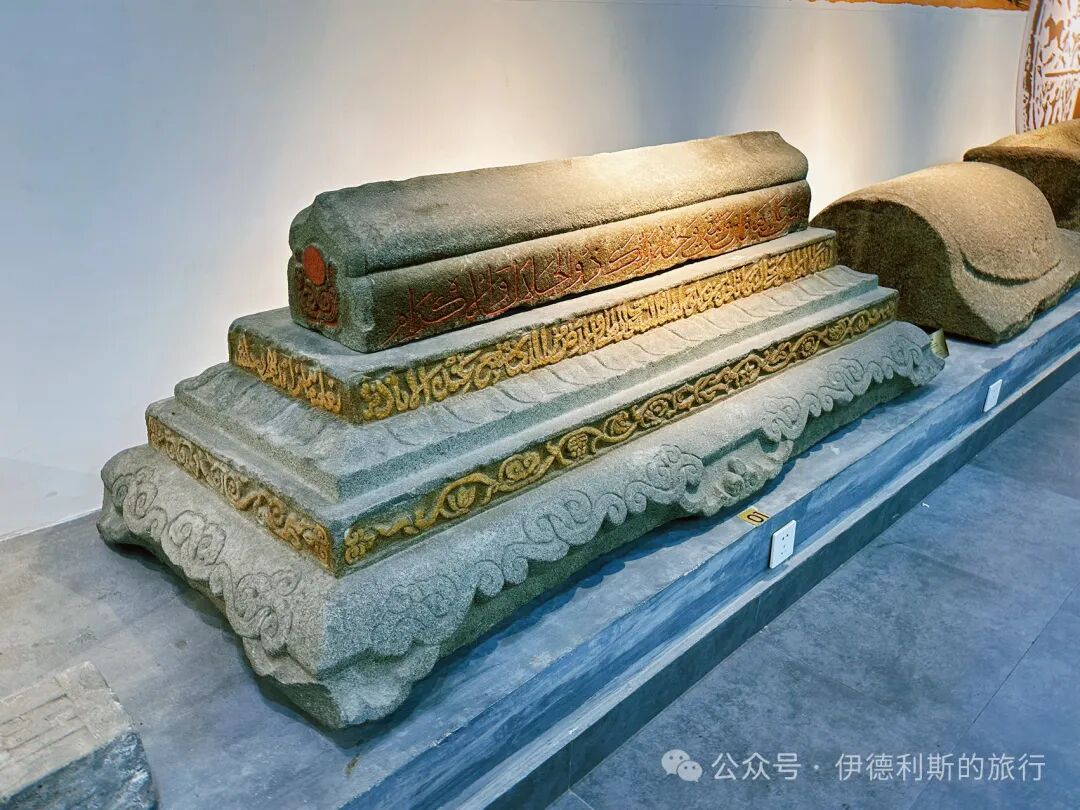
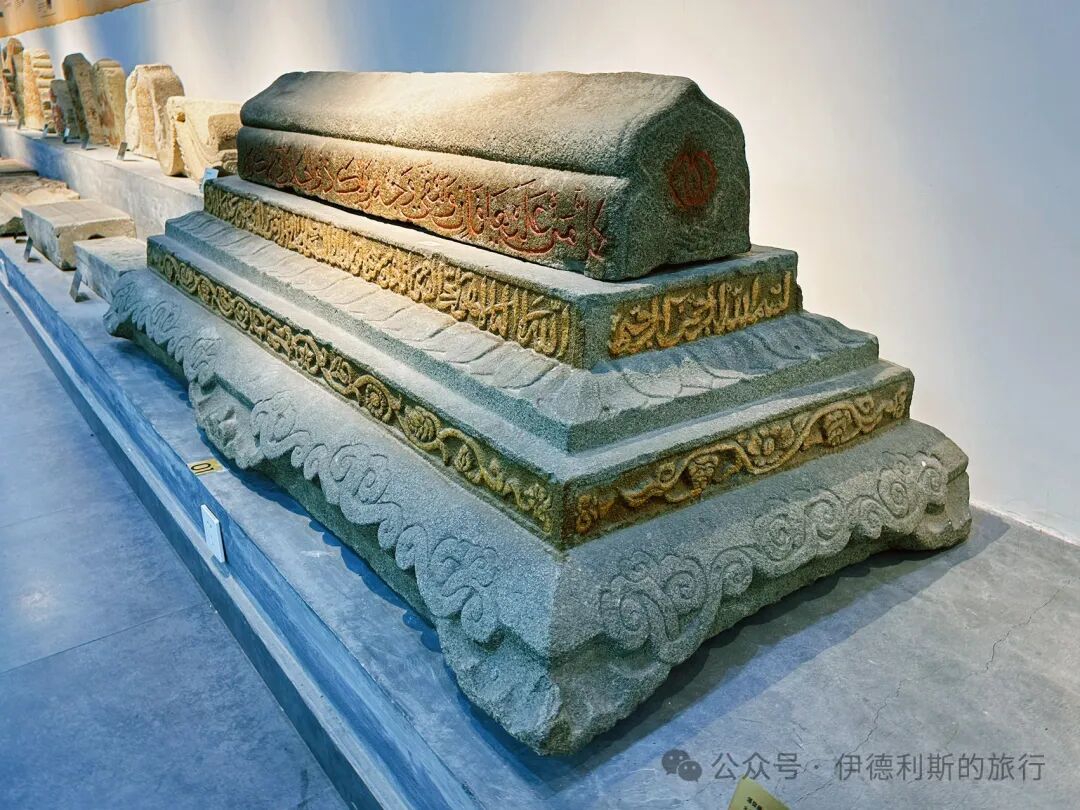
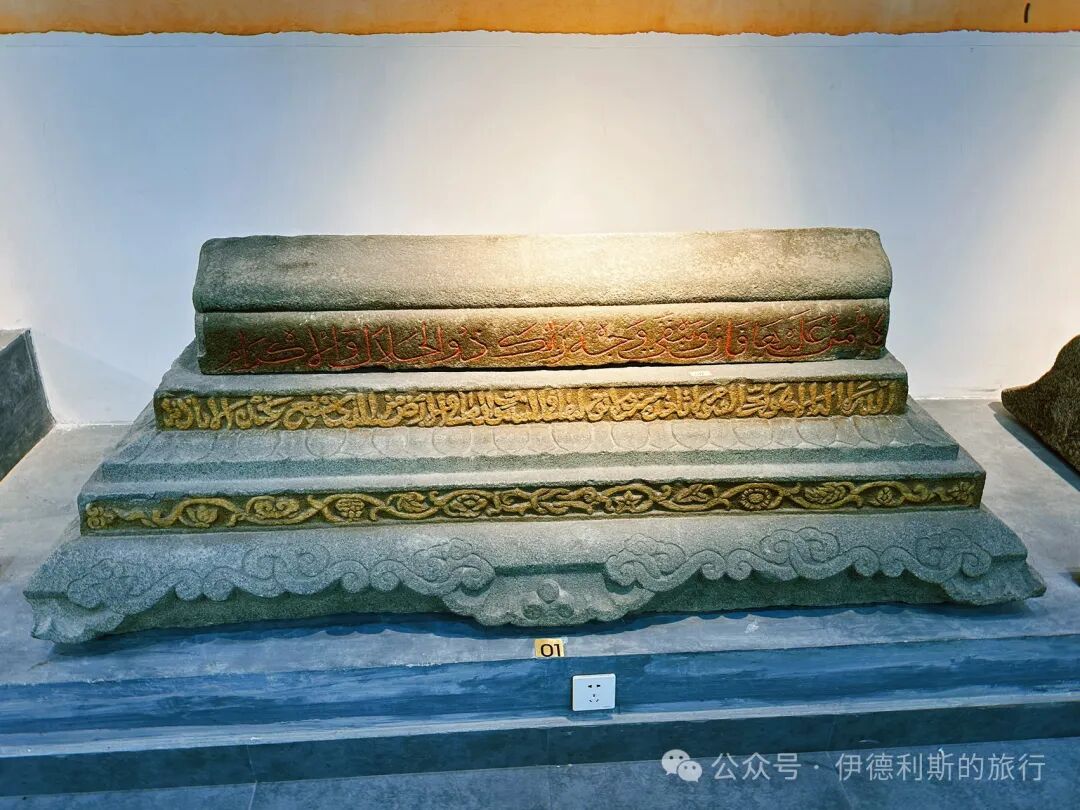
There are also some stone tomb parts without any inscriptions.
Summary: Islamic Art Guide: Song-Yuan Islamic Stone Inscriptions at Xiamen University is presented here as a firsthand travel account in clear, natural English. The account focuses on Xiamen University, Islamic Art, Stone Inscriptions while preserving the names, places, food, photos, and historical details from the Chinese source.
The Anthropology Museum of Xiamen University is the first university museum in the People's Republic of China. The founder, Professor Lin Huixiang, was a famous Chinese anthropologist, archaeologist, and folklorist. He was a member of the first graduating class of Xiamen University and later served as a professor in the Department of History and Sociology there. In 1934, he established the preparatory office for the Xiamen University Anthropology Museum, which became the first specialized anthropology museum in China. After the Xiamen University Anthropology Museum was officially founded in 1953, Professor Lin Huixiang served as its first director.
Xiamen University now requires visitors to book their entry three days in advance. I forgot about the time and only managed to book an afternoon slot, but I had a flight back to Beijing that afternoon, so I definitely wouldn't make it. I searched carefully online and finally found someone who said they were able to scan in early. We arrived at Xiamen University in the morning to give it a try, and sure enough, we were able to scan in.
We went straight to the Anthropology Museum after entering, but the stone tablet gallery housing the Islamic (jiaomen) stone carvings was closed because the rain made the path slippery, which was a real shame. We had already left the museum, but with Zainab's encouragement, we went back to explain the situation to the staff. They understood, opened the stele gallery for us, and allowed us to see these incredibly precious stone carvings. We felt very grateful to Allah.
Besides many tombstone inscriptions from the Song and Yuan dynasties, the gallery also displays several stone tablets related to the Qingjing Mosque in Quanzhou, which are of high historical value.
The tablet recording the construction of the Qingjing Mosque by the Yemeni Naina Umar originally had Arabic inscriptions on both sides, but unfortunately, only one side is on display now. In 1940, when the Tonghuai Gate in Quanzhou was being dismantled, workers dug up this tablet and took it home. People say many rectangular and pointed-arch Arabic stone tablets were dug up at the same time and sold as building materials. After this tablet was taken home, it was used as a laundry board for a while and later turned into a stone step for the floor. The front of the tablet is carved with scripture (72:18) in Kufic script, and the back records the story of the Yemeni Naina Umar building the Qingjing Mosque.
The tablet recording the construction of the mosque by Muhammad was unearthed in the foundation of the South Gate of Quanzhou in 1948. It also had Arabic inscriptions on both sides, but only one side is displayed now. The inscription contains verses (72:18, 18:30) and records that the Qingjing Mosque was built by Muhammad, whose nickname was Jamal al-Din.
A stone lintel from a mosque was found in the foundation of the South Gate of Quanzhou in 1948 and moved to the Xiamen University Anthropology Museum in 1955. Both sides of the stone carving feature Arabic script, including a verse from the Quran (72:18) and a record of the gate's renovation in 1328 by Nakhid Asmar al-Mushai al-Din.
The tombstone of Ahmad was found in 1956 by a pond in Jintoupu outside the Tonghuai Gate in Quanzhou and moved to the Xiamen University Anthropology Museum for preservation that same year. The front of the tombstone has Arabic text recording the name of the deceased as Ahmad b. Khwaja Hakyim Alad. Khwaja refers to a descendant of the Prophet and is also an honorific title for a respected person in Persian. The book Quanzhou Religious Stone Carvings states he died in the Islamic year 672 (1273), while the display board at the Xiamen University Anthropology Museum says he died in the Islamic year 690 (1291).
The back of the tombstone is not on display at the site, but it contains a Chinese inscription: My late father was born on the 23rd day of the sixth lunar month in the Renchen year at the hour of the monkey and lived to be 30 years old. He passed away on the 25th day of the ninth lunar month in the Xinyou year of the Zhizhi era and was buried here. This was recorded on a day in the seventh lunar month of the Renxu year, the second year of the Zhizhi era. Nan Ahan Mojin Zhi. The year of Xinyou in the Zhizhi era is 1321, which is several decades different from the date recorded in the Arabic text on the front.
The tombstone of Fatima Khatun was found in 1956 in Secuomei Village outside Renfeng Gate in Quanzhou, and it was moved to the Xiamen University Anthropology Museum that same year. The inscription says the person buried is Fatima Khatun, her father is Ali Takin al-Kuhatis, and she passed away in the year 729 of the Islamic calendar (1329). Khatun means queen or lady, and Takin is a Persian word for prince or noble. This shows that Fatima's family was a Persian noble family.
This tombstone was found in 1955 by Wu Wenliang, the author of the book Religious Stone Carvings of Quanzhou, in a pile of rubble near Tumen Gate in Quanzhou. It was moved to the Xiamen University Anthropology Museum for preservation that same year, and the inscription contains scripture (55:26, 55:27).
The tombstone of Miss Husayo Ismail Khali was found in 1956 on a street outside Tonghuai Gate in Quanzhou, and it was moved to the Xiamen University Anthropology Museum that same year. The person buried here, Ms. Husna Isma'il, passed away in the year 764 of the Hijri calendar (1362).
The tombstone of Ibrahim from Siraf was discovered by Professor Lin Huixiang on Renfeng Street outside the East Gate of Quanzhou in 1955, and was later moved to the Xiamen University Anthropology Museum. The person buried here was a servant from the ancient city of Siraf, located on the Persian Gulf in southern Iran. Siraf is also known in historical records as Shiluowei, Shilaafu, Sanawei, Shiluofu, or Siluofu. Between the 9th and 13th centuries, it was the largest trading port on the Persian Gulf, and many Persian merchants traveled through it to Quanzhou for trade during the Song and Yuan dynasties. According to the Record of the Muslim Cemetery on Dongban in Quanzhou written by Lin Zhiqi, the Superintendent of the Quanzhou Maritime Trade Office during the Southern Song Dynasty, a merchant named Shinawi donated money to buy land and build a Muslim cemetery on Dongban in Quanzhou between 1162 and 1163. The name Shinawi here refers to Siraf.
The upper half of the tombstone of Abu Bakr was found in a farmer's courtyard at Jintoupu outside Tonghuai Gate in Quanzhou in 1953. The lower half was found in a pond not far from the first site in 1956, and it was moved to the Xiamen University Anthropology Museum that same year. The person buried here passed away in the year 717 of the Hijri calendar (1317), and his father's name was Husayn.
This tombstone was obtained by the shore of Donghu Lake outside the East Gate of Quanzhou in 1956 and moved to the Xiamen University Anthropology Museum that same year. Unfortunately, the lower part containing the name and hometown of the deceased is damaged and missing. Only the Basmala, the Hadith 'whoever dies in a foreign land dies as a martyr,' and the Shahada remain.
The tombstone of XXX Bakr was found in a private courtyard in Dongtangtou, outside the East Gate of Quanzhou, in 1950 and moved to the Xiamen University Anthropology Museum in 1955. Because the inscription is damaged, we can only see that the deceased was named XXX Bakr XXX, along with the words 'May Allah forgive him and his parents.'
This tombstone was found on Leyuan Road outside the East Gate of Quanzhou in 1955 and moved to the Xiamen University Anthropology Museum that same year. The inscription reads, '...the incomparably majestic and merciful XX, may Allah bless the Prophet and his entire family.'
The tombstone of Fatimah was found in the city wall of the East Gate of Quanzhou in 1927 and moved to the Xiamen University Anthropology Museum in 1955. The father of the deceased was named Haji Nasa, and he had traveled to the Hejaz.
This tombstone was found in the Third Lane of the East Gate of Quanzhou in 1956 and moved to the Xiamen University Anthropology Museum that same year; the inscription contains scripture (112).
This tombstone was found in a farmer's courtyard at the East Gate of Quanzhou in 1956 and moved to the Xiamen University Anthropology Museum that same year. The inscription reads, 'To die in ardent love is to die a martyr,' with 'ardent love' referring to love for Allah and the faith.
This tombstone was unearthed from the city foundation at Tonghuai Gate in Quanzhou in 1956 and moved to the Xiamen University Anthropology Museum that same year. The inscription reads, 'O Allah, please accept his good deeds, and please forgive and pardon his sins.'
This tombstone was found on Renfeng Street outside the East Gate of Quanzhou in 1955 and moved to the Xiamen University Anthropology Museum that same year. This is the top stone of a Sumeru pedestal (xumizuo) altar-style stone tomb, carved with a full moon and inward-spiraling patterns.
This is a tomb pile stone from a Sumeru pedestal altar-style stone tomb. It was found in Dongtou Village outside the East Gate of Quanzhou in 1955. Residents said it was moved there to serve as a stone step when the city wall was dismantled over 20 years earlier. It was moved to the Xiamen University Anthropology Museum that same year. The inscription features a verse (16:32) carved in Kufic script.
This is a tomb pile stone from a Sumeru pedestal altar-style stone tomb. It was found at Jintoupu outside Tonghuai Gate in Quanzhou in 1956 and moved to the Xiamen University Anthropology Museum that same year. The inscription reads, 'He is eternal and never dies.'
The tombstone block from the altar-style tomb with a pedestal base (xumizuo) was found in 1955 in the wall of a house on Xinmen Street in Quanzhou. Professor Lin Huixiang discovered it that same year and moved it to the Xiamen University Anthropology Museum. The inscription contains verses from the Quran (55:27).
The right end of the tombstone block from the altar-style tomb with a pedestal base was found in 1940 in a pile of waste stones at the South Drill Ground (Nanjiaochang) in Quanzhou and moved to the Xiamen University Anthropology Museum that year. The left end was found in 1957 in a pond 6 kilometers outside Tonghuai Gate in Quanzhou and was immediately moved to the Xiamen University Anthropology Museum. The missing middle section was built into the wall of Shijia Mosque near the South Drill Ground in Quanzhou. It contains verses from the Quran (52:17-19). The tombstone block from the Islamic tomb built into the wall of Shijia Mosque was added after 1945, when the mosque monks bought foundation stones from the Tonghuai Gate in Quanzhou to build houses and walls.
The tombstone block from the altar-style tomb with a pedestal base was originally built into the stone wall of a farmer's house in Jintoupu Village outside Tonghuai Gate in Quanzhou. It was unearthed from the city foundation near the South Drill Ground after 1945 and moved to the Xiamen University Anthropology Museum for preservation by Professor Lin Huixiang in 1955. The content is the Quranic verse (29:57), 'Every soul shall taste death.'
The tombstone block from the altar-style tomb with a pedestal base was found in 1952 in Jintoupu Village outside Tonghuai Gate in Quanzhou and moved to the Xiamen University Anthropology Museum for preservation in 1955. The content is the Quranic verse (55:26-27): 'Everyone on earth will perish, and the Face of your Lord, full of majesty and honor, will remain forever.'
The tombstone from the altar-style stone tomb with a Sumeru pedestal was originally built into a stone wall at a farmer's house in Jintoupu Village outside Tonghuai Gate in Quanzhou. It was reportedly found while digging to build the house, and Professor Lin Huixiang moved it to the Xiamen University Anthropology Museum for preservation in 1955. The content is the Quranic verse (55:26-27).
The tombstone from the altar-style stone tomb with a Sumeru pedestal was unearthed in 1955 by the East Lake outside the Xiaodong Gate in Quanzhou. When found, it was stacked together with a Hindu lintel stone featuring a beast face and bird wings. It was moved to the Xiamen University Anthropology Museum for preservation that same year. The content is the Quranic verse (55:26-27).
This component of a stone tomb with a Sumeru pedestal was found in 1955 in Jintoupu Village outside Tonghuai Gate in Quanzhou and moved to the Xiamen University Anthropology Museum for preservation that same year. It is inscribed with '...this worldly life and the hereafter.'
The tombstone from the altar-style stone tomb with a Sumeru pedestal was found in 1947 in Jintoupu Village outside Tonghuai Gate in Quanzhou and moved to the Xiamen University Anthropology Museum for preservation in 1955. The inscription is not in Arabic. In his book Quanzhou Religious Stone Carvings, Wu Wenliang suggests it is the 'Ishtifi' script mentioned in the History of Yuan, which was the Persian language used at that time.
This component of a Sumeru-style stone tomb was found near the East Gate of Quanzhou in 1955 and moved to the Xiamen University Anthropology Museum for preservation that same year. The content is a verse from the Quran (2:255). 'He knows what is before them and what is behind them, but they do not encompass...'
The third layer of overlapping lotus petals and the fourth layer of Arabic stone carvings from a Sumeru-style stone tomb were found on Renfeng Street outside the East Gate of Quanzhou in 1955 and moved to the Xiamen University Anthropology Museum for preservation that same year. The content is a verse from the Quran (2:156).
This component of a Sumeru-style stone tomb was dug up from the foundation of the East Gate of Quanzhou in 1955 and moved to the Xiamen University Anthropology Museum for preservation that same year. The content is a verse from the Quran (3:185).
This stone tomb component with a pedestal base (xumizuo) was found outside the East Gate of Quanzhou at Leyuan in 1955 and moved to the Xiamen University Anthropology Museum for preservation that same year. The inscription reads, "Everyone on earth will perish, but the Face of your Lord will remain, full of majesty and honor." Leyuan, also known as Deer Garden (Luyuan), was a Muslim cemetery during the Song and Yuan dynasties, and the Ding family of Chendai was originally buried here. Leyuan refers to the Paradise mentioned in scripture and is the only place name in Quanzhou named using Islamic religious terminology.
This tombstone was discovered in Quanzhou by Professor Lin Huixiang in 1955 and is now kept at the Xiamen University Anthropology Museum. The content is from the Quran (55:26-27).
This tomb roof for a stone tomb with a pedestal base (xumizuo) was unearthed on Renfeng Street outside the East Gate of Quanzhou in 1955 and moved to the Xiamen University Anthropology Museum for preservation that same year. The content is a verse from the Quran (3:185).
This stone tomb component with a pedestal base (xumizuo) was found in Jintoupu Village outside Tonghuai Gate in Quanzhou in 1949 and moved to the Xiamen University Anthropology Museum in 1955. This is a rare Quanzhou Song-Yuan dynasty religious stone carving featuring two lines of Arabic script, suggesting the original tomb was quite large. The content consists of Quranic verses (55:26-27, 74:41-43, 21:35, 44:51, 44:53).
This stone tomb component with a pedestal base (xumizuo) was found in Quanzhou in 1955 by Wu Wenliang, author of Religious Stone Carvings in Quanzhou. It features the Quranic verse (3:185): 'Every soul shall taste death.'
This tombstone block from a pedestal-style altar tomb (xumizuo) was found in Jintoupu Village outside Tonghuai Gate in Quanzhou and moved to the Xiamen University Anthropology Museum by Professor Lin Huixiang in 1955. The inscription reads, "Everyone on earth will perish, but the Face of your Lord will remain, full of majesty and honor."
This pedestal-style stone tomb (xumizuo) was found at Xiacu Mountain outside the East Gate of Quanzhou and moved to the Xiamen University Anthropology Museum in 1955. The content consists of Quranic verses (28:88, 2:255).
There are also some stone tomb parts without any inscriptions.
Islamic Art Guide: Song-Yuan Islamic Stone Inscriptions at Xiamen University
Articles • ali2007fr posted the article • 0 comments • 137 views • 2026-05-19 09:30
Reposted from the web
Summary: Islamic Art Guide: Song-Yuan Islamic Stone Inscriptions at Xiamen University is presented here as a firsthand travel account in clear, natural English. The account focuses on Xiamen University, Islamic Art, Stone Inscriptions while preserving the names, places, food, photos, and historical details from the Chinese source.
The Anthropology Museum of Xiamen University is the first university museum in the People's Republic of China. The founder, Professor Lin Huixiang, was a famous Chinese anthropologist, archaeologist, and folklorist. He was a member of the first graduating class of Xiamen University and later served as a professor in the Department of History and Sociology there. In 1934, he established the preparatory office for the Xiamen University Anthropology Museum, which became the first specialized anthropology museum in China. After the Xiamen University Anthropology Museum was officially founded in 1953, Professor Lin Huixiang served as its first director.
Xiamen University now requires visitors to book their entry three days in advance. I forgot about the time and only managed to book an afternoon slot, but I had a flight back to Beijing that afternoon, so I definitely wouldn't make it. I searched carefully online and finally found someone who said they were able to scan in early. We arrived at Xiamen University in the morning to give it a try, and sure enough, we were able to scan in.
We went straight to the Anthropology Museum after entering, but the stone tablet gallery housing the Islamic (jiaomen) stone carvings was closed because the rain made the path slippery, which was a real shame. We had already left the museum, but with Zainab's encouragement, we went back to explain the situation to the staff. They understood, opened the stele gallery for us, and allowed us to see these incredibly precious stone carvings. We felt very grateful to Allah.
Besides many tombstone inscriptions from the Song and Yuan dynasties, the gallery also displays several stone tablets related to the Qingjing Mosque in Quanzhou, which are of high historical value.
The tablet recording the construction of the Qingjing Mosque by the Yemeni Naina Umar originally had Arabic inscriptions on both sides, but unfortunately, only one side is on display now. In 1940, when the Tonghuai Gate in Quanzhou was being dismantled, workers dug up this tablet and took it home. People say many rectangular and pointed-arch Arabic stone tablets were dug up at the same time and sold as building materials. After this tablet was taken home, it was used as a laundry board for a while and later turned into a stone step for the floor. The front of the tablet is carved with scripture (72:18) in Kufic script, and the back records the story of the Yemeni Naina Umar building the Qingjing Mosque.
The tablet recording the construction of the mosque by Muhammad was unearthed in the foundation of the South Gate of Quanzhou in 1948. It also had Arabic inscriptions on both sides, but only one side is displayed now. The inscription contains verses (72:18, 18:30) and records that the Qingjing Mosque was built by Muhammad, whose nickname was Jamal al-Din.
A stone lintel from a mosque was found in the foundation of the South Gate of Quanzhou in 1948 and moved to the Xiamen University Anthropology Museum in 1955. Both sides of the stone carving feature Arabic script, including a verse from the Quran (72:18) and a record of the gate's renovation in 1328 by Nakhid Asmar al-Mushai al-Din.
The tombstone of Ahmad was found in 1956 by a pond in Jintoupu outside the Tonghuai Gate in Quanzhou and moved to the Xiamen University Anthropology Museum for preservation that same year. The front of the tombstone has Arabic text recording the name of the deceased as Ahmad b. Khwaja Hakyim Alad. Khwaja refers to a descendant of the Prophet and is also an honorific title for a respected person in Persian. The book Quanzhou Religious Stone Carvings states he died in the Islamic year 672 (1273), while the display board at the Xiamen University Anthropology Museum says he died in the Islamic year 690 (1291).
The back of the tombstone is not on display at the site, but it contains a Chinese inscription: My late father was born on the 23rd day of the sixth lunar month in the Renchen year at the hour of the monkey and lived to be 30 years old. He passed away on the 25th day of the ninth lunar month in the Xinyou year of the Zhizhi era and was buried here. This was recorded on a day in the seventh lunar month of the Renxu year, the second year of the Zhizhi era. Nan Ahan Mojin Zhi. The year of Xinyou in the Zhizhi era is 1321, which is several decades different from the date recorded in the Arabic text on the front.
The tombstone of Fatima Khatun was found in 1956 in Secuomei Village outside Renfeng Gate in Quanzhou, and it was moved to the Xiamen University Anthropology Museum that same year. The inscription says the person buried is Fatima Khatun, her father is Ali Takin al-Kuhatis, and she passed away in the year 729 of the Islamic calendar (1329). Khatun means queen or lady, and Takin is a Persian word for prince or noble. This shows that Fatima's family was a Persian noble family.
This tombstone was found in 1955 by Wu Wenliang, the author of the book Religious Stone Carvings of Quanzhou, in a pile of rubble near Tumen Gate in Quanzhou. It was moved to the Xiamen University Anthropology Museum for preservation that same year, and the inscription contains scripture (55:26, 55:27).
The tombstone of Miss Husayo Ismail Khali was found in 1956 on a street outside Tonghuai Gate in Quanzhou, and it was moved to the Xiamen University Anthropology Museum that same year. The person buried here, Ms. Husna Isma'il, passed away in the year 764 of the Hijri calendar (1362).
The tombstone of Ibrahim from Siraf was discovered by Professor Lin Huixiang on Renfeng Street outside the East Gate of Quanzhou in 1955, and was later moved to the Xiamen University Anthropology Museum. The person buried here was a servant from the ancient city of Siraf, located on the Persian Gulf in southern Iran. Siraf is also known in historical records as Shiluowei, Shilaafu, Sanawei, Shiluofu, or Siluofu. Between the 9th and 13th centuries, it was the largest trading port on the Persian Gulf, and many Persian merchants traveled through it to Quanzhou for trade during the Song and Yuan dynasties. According to the Record of the Muslim Cemetery on Dongban in Quanzhou written by Lin Zhiqi, the Superintendent of the Quanzhou Maritime Trade Office during the Southern Song Dynasty, a merchant named Shinawi donated money to buy land and build a Muslim cemetery on Dongban in Quanzhou between 1162 and 1163. The name Shinawi here refers to Siraf.
The upper half of the tombstone of Abu Bakr was found in a farmer's courtyard at Jintoupu outside Tonghuai Gate in Quanzhou in 1953. The lower half was found in a pond not far from the first site in 1956, and it was moved to the Xiamen University Anthropology Museum that same year. The person buried here passed away in the year 717 of the Hijri calendar (1317), and his father's name was Husayn.
This tombstone was obtained by the shore of Donghu Lake outside the East Gate of Quanzhou in 1956 and moved to the Xiamen University Anthropology Museum that same year. Unfortunately, the lower part containing the name and hometown of the deceased is damaged and missing. Only the Basmala, the Hadith 'whoever dies in a foreign land dies as a martyr,' and the Shahada remain.
The tombstone of XXX Bakr was found in a private courtyard in Dongtangtou, outside the East Gate of Quanzhou, in 1950 and moved to the Xiamen University Anthropology Museum in 1955. Because the inscription is damaged, we can only see that the deceased was named XXX Bakr XXX, along with the words 'May Allah forgive him and his parents.'
This tombstone was found on Leyuan Road outside the East Gate of Quanzhou in 1955 and moved to the Xiamen University Anthropology Museum that same year. The inscription reads, '...the incomparably majestic and merciful XX, may Allah bless the Prophet and his entire family.'
The tombstone of Fatimah was found in the city wall of the East Gate of Quanzhou in 1927 and moved to the Xiamen University Anthropology Museum in 1955. The father of the deceased was named Haji Nasa, and he had traveled to the Hejaz.
This tombstone was found in the Third Lane of the East Gate of Quanzhou in 1956 and moved to the Xiamen University Anthropology Museum that same year; the inscription contains scripture (112).
This tombstone was found in a farmer's courtyard at the East Gate of Quanzhou in 1956 and moved to the Xiamen University Anthropology Museum that same year. The inscription reads, 'To die in ardent love is to die a martyr,' with 'ardent love' referring to love for Allah and the faith.
This tombstone was unearthed from the city foundation at Tonghuai Gate in Quanzhou in 1956 and moved to the Xiamen University Anthropology Museum that same year. The inscription reads, 'O Allah, please accept his good deeds, and please forgive and pardon his sins.'
This tombstone was found on Renfeng Street outside the East Gate of Quanzhou in 1955 and moved to the Xiamen University Anthropology Museum that same year. This is the top stone of a Sumeru pedestal (xumizuo) altar-style stone tomb, carved with a full moon and inward-spiraling patterns.
This is a tomb pile stone from a Sumeru pedestal altar-style stone tomb. It was found in Dongtou Village outside the East Gate of Quanzhou in 1955. Residents said it was moved there to serve as a stone step when the city wall was dismantled over 20 years earlier. It was moved to the Xiamen University Anthropology Museum that same year. The inscription features a verse (16:32) carved in Kufic script.
This is a tomb pile stone from a Sumeru pedestal altar-style stone tomb. It was found at Jintoupu outside Tonghuai Gate in Quanzhou in 1956 and moved to the Xiamen University Anthropology Museum that same year. The inscription reads, 'He is eternal and never dies.'
The tombstone block from the altar-style tomb with a pedestal base (xumizuo) was found in 1955 in the wall of a house on Xinmen Street in Quanzhou. Professor Lin Huixiang discovered it that same year and moved it to the Xiamen University Anthropology Museum. The inscription contains verses from the Quran (55:27).
The right end of the tombstone block from the altar-style tomb with a pedestal base was found in 1940 in a pile of waste stones at the South Drill Ground (Nanjiaochang) in Quanzhou and moved to the Xiamen University Anthropology Museum that year. The left end was found in 1957 in a pond 6 kilometers outside Tonghuai Gate in Quanzhou and was immediately moved to the Xiamen University Anthropology Museum. The missing middle section was built into the wall of Shijia Mosque near the South Drill Ground in Quanzhou. It contains verses from the Quran (52:17-19). The tombstone block from the Islamic tomb built into the wall of Shijia Mosque was added after 1945, when the mosque monks bought foundation stones from the Tonghuai Gate in Quanzhou to build houses and walls.
The tombstone block from the altar-style tomb with a pedestal base was originally built into the stone wall of a farmer's house in Jintoupu Village outside Tonghuai Gate in Quanzhou. It was unearthed from the city foundation near the South Drill Ground after 1945 and moved to the Xiamen University Anthropology Museum for preservation by Professor Lin Huixiang in 1955. The content is the Quranic verse (29:57), 'Every soul shall taste death.'
The tombstone block from the altar-style tomb with a pedestal base was found in 1952 in Jintoupu Village outside Tonghuai Gate in Quanzhou and moved to the Xiamen University Anthropology Museum for preservation in 1955. The content is the Quranic verse (55:26-27): 'Everyone on earth will perish, and the Face of your Lord, full of majesty and honor, will remain forever.'
The tombstone from the altar-style stone tomb with a Sumeru pedestal was originally built into a stone wall at a farmer's house in Jintoupu Village outside Tonghuai Gate in Quanzhou. It was reportedly found while digging to build the house, and Professor Lin Huixiang moved it to the Xiamen University Anthropology Museum for preservation in 1955. The content is the Quranic verse (55:26-27).
The tombstone from the altar-style stone tomb with a Sumeru pedestal was unearthed in 1955 by the East Lake outside the Xiaodong Gate in Quanzhou. When found, it was stacked together with a Hindu lintel stone featuring a beast face and bird wings. It was moved to the Xiamen University Anthropology Museum for preservation that same year. The content is the Quranic verse (55:26-27).
This component of a stone tomb with a Sumeru pedestal was found in 1955 in Jintoupu Village outside Tonghuai Gate in Quanzhou and moved to the Xiamen University Anthropology Museum for preservation that same year. It is inscribed with '...this worldly life and the hereafter.'
The tombstone from the altar-style stone tomb with a Sumeru pedestal was found in 1947 in Jintoupu Village outside Tonghuai Gate in Quanzhou and moved to the Xiamen University Anthropology Museum for preservation in 1955. The inscription is not in Arabic. In his book Quanzhou Religious Stone Carvings, Wu Wenliang suggests it is the 'Ishtifi' script mentioned in the History of Yuan, which was the Persian language used at that time.
This component of a Sumeru-style stone tomb was found near the East Gate of Quanzhou in 1955 and moved to the Xiamen University Anthropology Museum for preservation that same year. The content is a verse from the Quran (2:255). 'He knows what is before them and what is behind them, but they do not encompass...'
The third layer of overlapping lotus petals and the fourth layer of Arabic stone carvings from a Sumeru-style stone tomb were found on Renfeng Street outside the East Gate of Quanzhou in 1955 and moved to the Xiamen University Anthropology Museum for preservation that same year. The content is a verse from the Quran (2:156).
This component of a Sumeru-style stone tomb was dug up from the foundation of the East Gate of Quanzhou in 1955 and moved to the Xiamen University Anthropology Museum for preservation that same year. The content is a verse from the Quran (3:185).
This stone tomb component with a pedestal base (xumizuo) was found outside the East Gate of Quanzhou at Leyuan in 1955 and moved to the Xiamen University Anthropology Museum for preservation that same year. The inscription reads, "Everyone on earth will perish, but the Face of your Lord will remain, full of majesty and honor." Leyuan, also known as Deer Garden (Luyuan), was a Muslim cemetery during the Song and Yuan dynasties, and the Ding family of Chendai was originally buried here. Leyuan refers to the Paradise mentioned in scripture and is the only place name in Quanzhou named using Islamic religious terminology.
This tombstone was discovered in Quanzhou by Professor Lin Huixiang in 1955 and is now kept at the Xiamen University Anthropology Museum. The content is from the Quran (55:26-27).
This tomb roof for a stone tomb with a pedestal base (xumizuo) was unearthed on Renfeng Street outside the East Gate of Quanzhou in 1955 and moved to the Xiamen University Anthropology Museum for preservation that same year. The content is a verse from the Quran (3:185).
This stone tomb component with a pedestal base (xumizuo) was found in Jintoupu Village outside Tonghuai Gate in Quanzhou in 1949 and moved to the Xiamen University Anthropology Museum in 1955. This is a rare Quanzhou Song-Yuan dynasty religious stone carving featuring two lines of Arabic script, suggesting the original tomb was quite large. The content consists of Quranic verses (55:26-27, 74:41-43, 21:35, 44:51, 44:53).
This stone tomb component with a pedestal base (xumizuo) was found in Quanzhou in 1955 by Wu Wenliang, author of Religious Stone Carvings in Quanzhou. It features the Quranic verse (3:185): 'Every soul shall taste death.'
This tombstone block from a pedestal-style altar tomb (xumizuo) was found in Jintoupu Village outside Tonghuai Gate in Quanzhou and moved to the Xiamen University Anthropology Museum by Professor Lin Huixiang in 1955. The inscription reads, "Everyone on earth will perish, but the Face of your Lord will remain, full of majesty and honor."
This pedestal-style stone tomb (xumizuo) was found at Xiacu Mountain outside the East Gate of Quanzhou and moved to the Xiamen University Anthropology Museum in 1955. The content consists of Quranic verses (28:88, 2:255).
There are also some stone tomb parts without any inscriptions. view all
Summary: Islamic Art Guide: Song-Yuan Islamic Stone Inscriptions at Xiamen University is presented here as a firsthand travel account in clear, natural English. The account focuses on Xiamen University, Islamic Art, Stone Inscriptions while preserving the names, places, food, photos, and historical details from the Chinese source.
The Anthropology Museum of Xiamen University is the first university museum in the People's Republic of China. The founder, Professor Lin Huixiang, was a famous Chinese anthropologist, archaeologist, and folklorist. He was a member of the first graduating class of Xiamen University and later served as a professor in the Department of History and Sociology there. In 1934, he established the preparatory office for the Xiamen University Anthropology Museum, which became the first specialized anthropology museum in China. After the Xiamen University Anthropology Museum was officially founded in 1953, Professor Lin Huixiang served as its first director.
Xiamen University now requires visitors to book their entry three days in advance. I forgot about the time and only managed to book an afternoon slot, but I had a flight back to Beijing that afternoon, so I definitely wouldn't make it. I searched carefully online and finally found someone who said they were able to scan in early. We arrived at Xiamen University in the morning to give it a try, and sure enough, we were able to scan in.
We went straight to the Anthropology Museum after entering, but the stone tablet gallery housing the Islamic (jiaomen) stone carvings was closed because the rain made the path slippery, which was a real shame. We had already left the museum, but with Zainab's encouragement, we went back to explain the situation to the staff. They understood, opened the stele gallery for us, and allowed us to see these incredibly precious stone carvings. We felt very grateful to Allah.
Besides many tombstone inscriptions from the Song and Yuan dynasties, the gallery also displays several stone tablets related to the Qingjing Mosque in Quanzhou, which are of high historical value.
The tablet recording the construction of the Qingjing Mosque by the Yemeni Naina Umar originally had Arabic inscriptions on both sides, but unfortunately, only one side is on display now. In 1940, when the Tonghuai Gate in Quanzhou was being dismantled, workers dug up this tablet and took it home. People say many rectangular and pointed-arch Arabic stone tablets were dug up at the same time and sold as building materials. After this tablet was taken home, it was used as a laundry board for a while and later turned into a stone step for the floor. The front of the tablet is carved with scripture (72:18) in Kufic script, and the back records the story of the Yemeni Naina Umar building the Qingjing Mosque.
The tablet recording the construction of the mosque by Muhammad was unearthed in the foundation of the South Gate of Quanzhou in 1948. It also had Arabic inscriptions on both sides, but only one side is displayed now. The inscription contains verses (72:18, 18:30) and records that the Qingjing Mosque was built by Muhammad, whose nickname was Jamal al-Din.
A stone lintel from a mosque was found in the foundation of the South Gate of Quanzhou in 1948 and moved to the Xiamen University Anthropology Museum in 1955. Both sides of the stone carving feature Arabic script, including a verse from the Quran (72:18) and a record of the gate's renovation in 1328 by Nakhid Asmar al-Mushai al-Din.
The tombstone of Ahmad was found in 1956 by a pond in Jintoupu outside the Tonghuai Gate in Quanzhou and moved to the Xiamen University Anthropology Museum for preservation that same year. The front of the tombstone has Arabic text recording the name of the deceased as Ahmad b. Khwaja Hakyim Alad. Khwaja refers to a descendant of the Prophet and is also an honorific title for a respected person in Persian. The book Quanzhou Religious Stone Carvings states he died in the Islamic year 672 (1273), while the display board at the Xiamen University Anthropology Museum says he died in the Islamic year 690 (1291).
The back of the tombstone is not on display at the site, but it contains a Chinese inscription: My late father was born on the 23rd day of the sixth lunar month in the Renchen year at the hour of the monkey and lived to be 30 years old. He passed away on the 25th day of the ninth lunar month in the Xinyou year of the Zhizhi era and was buried here. This was recorded on a day in the seventh lunar month of the Renxu year, the second year of the Zhizhi era. Nan Ahan Mojin Zhi. The year of Xinyou in the Zhizhi era is 1321, which is several decades different from the date recorded in the Arabic text on the front.
The tombstone of Fatima Khatun was found in 1956 in Secuomei Village outside Renfeng Gate in Quanzhou, and it was moved to the Xiamen University Anthropology Museum that same year. The inscription says the person buried is Fatima Khatun, her father is Ali Takin al-Kuhatis, and she passed away in the year 729 of the Islamic calendar (1329). Khatun means queen or lady, and Takin is a Persian word for prince or noble. This shows that Fatima's family was a Persian noble family.
This tombstone was found in 1955 by Wu Wenliang, the author of the book Religious Stone Carvings of Quanzhou, in a pile of rubble near Tumen Gate in Quanzhou. It was moved to the Xiamen University Anthropology Museum for preservation that same year, and the inscription contains scripture (55:26, 55:27).
The tombstone of Miss Husayo Ismail Khali was found in 1956 on a street outside Tonghuai Gate in Quanzhou, and it was moved to the Xiamen University Anthropology Museum that same year. The person buried here, Ms. Husna Isma'il, passed away in the year 764 of the Hijri calendar (1362).
The tombstone of Ibrahim from Siraf was discovered by Professor Lin Huixiang on Renfeng Street outside the East Gate of Quanzhou in 1955, and was later moved to the Xiamen University Anthropology Museum. The person buried here was a servant from the ancient city of Siraf, located on the Persian Gulf in southern Iran. Siraf is also known in historical records as Shiluowei, Shilaafu, Sanawei, Shiluofu, or Siluofu. Between the 9th and 13th centuries, it was the largest trading port on the Persian Gulf, and many Persian merchants traveled through it to Quanzhou for trade during the Song and Yuan dynasties. According to the Record of the Muslim Cemetery on Dongban in Quanzhou written by Lin Zhiqi, the Superintendent of the Quanzhou Maritime Trade Office during the Southern Song Dynasty, a merchant named Shinawi donated money to buy land and build a Muslim cemetery on Dongban in Quanzhou between 1162 and 1163. The name Shinawi here refers to Siraf.
The upper half of the tombstone of Abu Bakr was found in a farmer's courtyard at Jintoupu outside Tonghuai Gate in Quanzhou in 1953. The lower half was found in a pond not far from the first site in 1956, and it was moved to the Xiamen University Anthropology Museum that same year. The person buried here passed away in the year 717 of the Hijri calendar (1317), and his father's name was Husayn.
This tombstone was obtained by the shore of Donghu Lake outside the East Gate of Quanzhou in 1956 and moved to the Xiamen University Anthropology Museum that same year. Unfortunately, the lower part containing the name and hometown of the deceased is damaged and missing. Only the Basmala, the Hadith 'whoever dies in a foreign land dies as a martyr,' and the Shahada remain.
The tombstone of XXX Bakr was found in a private courtyard in Dongtangtou, outside the East Gate of Quanzhou, in 1950 and moved to the Xiamen University Anthropology Museum in 1955. Because the inscription is damaged, we can only see that the deceased was named XXX Bakr XXX, along with the words 'May Allah forgive him and his parents.'
This tombstone was found on Leyuan Road outside the East Gate of Quanzhou in 1955 and moved to the Xiamen University Anthropology Museum that same year. The inscription reads, '...the incomparably majestic and merciful XX, may Allah bless the Prophet and his entire family.'
The tombstone of Fatimah was found in the city wall of the East Gate of Quanzhou in 1927 and moved to the Xiamen University Anthropology Museum in 1955. The father of the deceased was named Haji Nasa, and he had traveled to the Hejaz.
This tombstone was found in the Third Lane of the East Gate of Quanzhou in 1956 and moved to the Xiamen University Anthropology Museum that same year; the inscription contains scripture (112).
This tombstone was found in a farmer's courtyard at the East Gate of Quanzhou in 1956 and moved to the Xiamen University Anthropology Museum that same year. The inscription reads, 'To die in ardent love is to die a martyr,' with 'ardent love' referring to love for Allah and the faith.
This tombstone was unearthed from the city foundation at Tonghuai Gate in Quanzhou in 1956 and moved to the Xiamen University Anthropology Museum that same year. The inscription reads, 'O Allah, please accept his good deeds, and please forgive and pardon his sins.'
This tombstone was found on Renfeng Street outside the East Gate of Quanzhou in 1955 and moved to the Xiamen University Anthropology Museum that same year. This is the top stone of a Sumeru pedestal (xumizuo) altar-style stone tomb, carved with a full moon and inward-spiraling patterns.
This is a tomb pile stone from a Sumeru pedestal altar-style stone tomb. It was found in Dongtou Village outside the East Gate of Quanzhou in 1955. Residents said it was moved there to serve as a stone step when the city wall was dismantled over 20 years earlier. It was moved to the Xiamen University Anthropology Museum that same year. The inscription features a verse (16:32) carved in Kufic script.
This is a tomb pile stone from a Sumeru pedestal altar-style stone tomb. It was found at Jintoupu outside Tonghuai Gate in Quanzhou in 1956 and moved to the Xiamen University Anthropology Museum that same year. The inscription reads, 'He is eternal and never dies.'
The tombstone block from the altar-style tomb with a pedestal base (xumizuo) was found in 1955 in the wall of a house on Xinmen Street in Quanzhou. Professor Lin Huixiang discovered it that same year and moved it to the Xiamen University Anthropology Museum. The inscription contains verses from the Quran (55:27).
The right end of the tombstone block from the altar-style tomb with a pedestal base was found in 1940 in a pile of waste stones at the South Drill Ground (Nanjiaochang) in Quanzhou and moved to the Xiamen University Anthropology Museum that year. The left end was found in 1957 in a pond 6 kilometers outside Tonghuai Gate in Quanzhou and was immediately moved to the Xiamen University Anthropology Museum. The missing middle section was built into the wall of Shijia Mosque near the South Drill Ground in Quanzhou. It contains verses from the Quran (52:17-19). The tombstone block from the Islamic tomb built into the wall of Shijia Mosque was added after 1945, when the mosque monks bought foundation stones from the Tonghuai Gate in Quanzhou to build houses and walls.
The tombstone block from the altar-style tomb with a pedestal base was originally built into the stone wall of a farmer's house in Jintoupu Village outside Tonghuai Gate in Quanzhou. It was unearthed from the city foundation near the South Drill Ground after 1945 and moved to the Xiamen University Anthropology Museum for preservation by Professor Lin Huixiang in 1955. The content is the Quranic verse (29:57), 'Every soul shall taste death.'
The tombstone block from the altar-style tomb with a pedestal base was found in 1952 in Jintoupu Village outside Tonghuai Gate in Quanzhou and moved to the Xiamen University Anthropology Museum for preservation in 1955. The content is the Quranic verse (55:26-27): 'Everyone on earth will perish, and the Face of your Lord, full of majesty and honor, will remain forever.'
The tombstone from the altar-style stone tomb with a Sumeru pedestal was originally built into a stone wall at a farmer's house in Jintoupu Village outside Tonghuai Gate in Quanzhou. It was reportedly found while digging to build the house, and Professor Lin Huixiang moved it to the Xiamen University Anthropology Museum for preservation in 1955. The content is the Quranic verse (55:26-27).
The tombstone from the altar-style stone tomb with a Sumeru pedestal was unearthed in 1955 by the East Lake outside the Xiaodong Gate in Quanzhou. When found, it was stacked together with a Hindu lintel stone featuring a beast face and bird wings. It was moved to the Xiamen University Anthropology Museum for preservation that same year. The content is the Quranic verse (55:26-27).
This component of a stone tomb with a Sumeru pedestal was found in 1955 in Jintoupu Village outside Tonghuai Gate in Quanzhou and moved to the Xiamen University Anthropology Museum for preservation that same year. It is inscribed with '...this worldly life and the hereafter.'
The tombstone from the altar-style stone tomb with a Sumeru pedestal was found in 1947 in Jintoupu Village outside Tonghuai Gate in Quanzhou and moved to the Xiamen University Anthropology Museum for preservation in 1955. The inscription is not in Arabic. In his book Quanzhou Religious Stone Carvings, Wu Wenliang suggests it is the 'Ishtifi' script mentioned in the History of Yuan, which was the Persian language used at that time.
This component of a Sumeru-style stone tomb was found near the East Gate of Quanzhou in 1955 and moved to the Xiamen University Anthropology Museum for preservation that same year. The content is a verse from the Quran (2:255). 'He knows what is before them and what is behind them, but they do not encompass...'
The third layer of overlapping lotus petals and the fourth layer of Arabic stone carvings from a Sumeru-style stone tomb were found on Renfeng Street outside the East Gate of Quanzhou in 1955 and moved to the Xiamen University Anthropology Museum for preservation that same year. The content is a verse from the Quran (2:156).
This component of a Sumeru-style stone tomb was dug up from the foundation of the East Gate of Quanzhou in 1955 and moved to the Xiamen University Anthropology Museum for preservation that same year. The content is a verse from the Quran (3:185).
This stone tomb component with a pedestal base (xumizuo) was found outside the East Gate of Quanzhou at Leyuan in 1955 and moved to the Xiamen University Anthropology Museum for preservation that same year. The inscription reads, "Everyone on earth will perish, but the Face of your Lord will remain, full of majesty and honor." Leyuan, also known as Deer Garden (Luyuan), was a Muslim cemetery during the Song and Yuan dynasties, and the Ding family of Chendai was originally buried here. Leyuan refers to the Paradise mentioned in scripture and is the only place name in Quanzhou named using Islamic religious terminology.
This tombstone was discovered in Quanzhou by Professor Lin Huixiang in 1955 and is now kept at the Xiamen University Anthropology Museum. The content is from the Quran (55:26-27).
This tomb roof for a stone tomb with a pedestal base (xumizuo) was unearthed on Renfeng Street outside the East Gate of Quanzhou in 1955 and moved to the Xiamen University Anthropology Museum for preservation that same year. The content is a verse from the Quran (3:185).
This stone tomb component with a pedestal base (xumizuo) was found in Jintoupu Village outside Tonghuai Gate in Quanzhou in 1949 and moved to the Xiamen University Anthropology Museum in 1955. This is a rare Quanzhou Song-Yuan dynasty religious stone carving featuring two lines of Arabic script, suggesting the original tomb was quite large. The content consists of Quranic verses (55:26-27, 74:41-43, 21:35, 44:51, 44:53).
This stone tomb component with a pedestal base (xumizuo) was found in Quanzhou in 1955 by Wu Wenliang, author of Religious Stone Carvings in Quanzhou. It features the Quranic verse (3:185): 'Every soul shall taste death.'
This tombstone block from a pedestal-style altar tomb (xumizuo) was found in Jintoupu Village outside Tonghuai Gate in Quanzhou and moved to the Xiamen University Anthropology Museum by Professor Lin Huixiang in 1955. The inscription reads, "Everyone on earth will perish, but the Face of your Lord will remain, full of majesty and honor."
This pedestal-style stone tomb (xumizuo) was found at Xiacu Mountain outside the East Gate of Quanzhou and moved to the Xiamen University Anthropology Museum in 1955. The content consists of Quranic verses (28:88, 2:255).
There are also some stone tomb parts without any inscriptions. view all
Reposted from the web
Summary: Islamic Art Guide: Song-Yuan Islamic Stone Inscriptions at Xiamen University is presented here as a firsthand travel account in clear, natural English. The account focuses on Xiamen University, Islamic Art, Stone Inscriptions while preserving the names, places, food, photos, and historical details from the Chinese source.
The Anthropology Museum of Xiamen University is the first university museum in the People's Republic of China. The founder, Professor Lin Huixiang, was a famous Chinese anthropologist, archaeologist, and folklorist. He was a member of the first graduating class of Xiamen University and later served as a professor in the Department of History and Sociology there. In 1934, he established the preparatory office for the Xiamen University Anthropology Museum, which became the first specialized anthropology museum in China. After the Xiamen University Anthropology Museum was officially founded in 1953, Professor Lin Huixiang served as its first director.
Xiamen University now requires visitors to book their entry three days in advance. I forgot about the time and only managed to book an afternoon slot, but I had a flight back to Beijing that afternoon, so I definitely wouldn't make it. I searched carefully online and finally found someone who said they were able to scan in early. We arrived at Xiamen University in the morning to give it a try, and sure enough, we were able to scan in.
We went straight to the Anthropology Museum after entering, but the stone tablet gallery housing the Islamic (jiaomen) stone carvings was closed because the rain made the path slippery, which was a real shame. We had already left the museum, but with Zainab's encouragement, we went back to explain the situation to the staff. They understood, opened the stele gallery for us, and allowed us to see these incredibly precious stone carvings. We felt very grateful to Allah.
Besides many tombstone inscriptions from the Song and Yuan dynasties, the gallery also displays several stone tablets related to the Qingjing Mosque in Quanzhou, which are of high historical value.
The tablet recording the construction of the Qingjing Mosque by the Yemeni Naina Umar originally had Arabic inscriptions on both sides, but unfortunately, only one side is on display now. In 1940, when the Tonghuai Gate in Quanzhou was being dismantled, workers dug up this tablet and took it home. People say many rectangular and pointed-arch Arabic stone tablets were dug up at the same time and sold as building materials. After this tablet was taken home, it was used as a laundry board for a while and later turned into a stone step for the floor. The front of the tablet is carved with scripture (72:18) in Kufic script, and the back records the story of the Yemeni Naina Umar building the Qingjing Mosque.
The tablet recording the construction of the mosque by Muhammad was unearthed in the foundation of the South Gate of Quanzhou in 1948. It also had Arabic inscriptions on both sides, but only one side is displayed now. The inscription contains verses (72:18, 18:30) and records that the Qingjing Mosque was built by Muhammad, whose nickname was Jamal al-Din.
A stone lintel from a mosque was found in the foundation of the South Gate of Quanzhou in 1948 and moved to the Xiamen University Anthropology Museum in 1955. Both sides of the stone carving feature Arabic script, including a verse from the Quran (72:18) and a record of the gate's renovation in 1328 by Nakhid Asmar al-Mushai al-Din.
The tombstone of Ahmad was found in 1956 by a pond in Jintoupu outside the Tonghuai Gate in Quanzhou and moved to the Xiamen University Anthropology Museum for preservation that same year. The front of the tombstone has Arabic text recording the name of the deceased as Ahmad b. Khwaja Hakyim Alad. Khwaja refers to a descendant of the Prophet and is also an honorific title for a respected person in Persian. The book Quanzhou Religious Stone Carvings states he died in the Islamic year 672 (1273), while the display board at the Xiamen University Anthropology Museum says he died in the Islamic year 690 (1291).
The back of the tombstone is not on display at the site, but it contains a Chinese inscription: My late father was born on the 23rd day of the sixth lunar month in the Renchen year at the hour of the monkey and lived to be 30 years old. He passed away on the 25th day of the ninth lunar month in the Xinyou year of the Zhizhi era and was buried here. This was recorded on a day in the seventh lunar month of the Renxu year, the second year of the Zhizhi era. Nan Ahan Mojin Zhi. The year of Xinyou in the Zhizhi era is 1321, which is several decades different from the date recorded in the Arabic text on the front.
The tombstone of Fatima Khatun was found in 1956 in Secuomei Village outside Renfeng Gate in Quanzhou, and it was moved to the Xiamen University Anthropology Museum that same year. The inscription says the person buried is Fatima Khatun, her father is Ali Takin al-Kuhatis, and she passed away in the year 729 of the Islamic calendar (1329). Khatun means queen or lady, and Takin is a Persian word for prince or noble. This shows that Fatima's family was a Persian noble family.
This tombstone was found in 1955 by Wu Wenliang, the author of the book Religious Stone Carvings of Quanzhou, in a pile of rubble near Tumen Gate in Quanzhou. It was moved to the Xiamen University Anthropology Museum for preservation that same year, and the inscription contains scripture (55:26, 55:27).
The tombstone of Miss Husayo Ismail Khali was found in 1956 on a street outside Tonghuai Gate in Quanzhou, and it was moved to the Xiamen University Anthropology Museum that same year. The person buried here, Ms. Husna Isma'il, passed away in the year 764 of the Hijri calendar (1362).
The tombstone of Ibrahim from Siraf was discovered by Professor Lin Huixiang on Renfeng Street outside the East Gate of Quanzhou in 1955, and was later moved to the Xiamen University Anthropology Museum. The person buried here was a servant from the ancient city of Siraf, located on the Persian Gulf in southern Iran. Siraf is also known in historical records as Shiluowei, Shilaafu, Sanawei, Shiluofu, or Siluofu. Between the 9th and 13th centuries, it was the largest trading port on the Persian Gulf, and many Persian merchants traveled through it to Quanzhou for trade during the Song and Yuan dynasties. According to the Record of the Muslim Cemetery on Dongban in Quanzhou written by Lin Zhiqi, the Superintendent of the Quanzhou Maritime Trade Office during the Southern Song Dynasty, a merchant named Shinawi donated money to buy land and build a Muslim cemetery on Dongban in Quanzhou between 1162 and 1163. The name Shinawi here refers to Siraf.
The upper half of the tombstone of Abu Bakr was found in a farmer's courtyard at Jintoupu outside Tonghuai Gate in Quanzhou in 1953. The lower half was found in a pond not far from the first site in 1956, and it was moved to the Xiamen University Anthropology Museum that same year. The person buried here passed away in the year 717 of the Hijri calendar (1317), and his father's name was Husayn.
This tombstone was obtained by the shore of Donghu Lake outside the East Gate of Quanzhou in 1956 and moved to the Xiamen University Anthropology Museum that same year. Unfortunately, the lower part containing the name and hometown of the deceased is damaged and missing. Only the Basmala, the Hadith 'whoever dies in a foreign land dies as a martyr,' and the Shahada remain.
The tombstone of XXX Bakr was found in a private courtyard in Dongtangtou, outside the East Gate of Quanzhou, in 1950 and moved to the Xiamen University Anthropology Museum in 1955. Because the inscription is damaged, we can only see that the deceased was named XXX Bakr XXX, along with the words 'May Allah forgive him and his parents.'
This tombstone was found on Leyuan Road outside the East Gate of Quanzhou in 1955 and moved to the Xiamen University Anthropology Museum that same year. The inscription reads, '...the incomparably majestic and merciful XX, may Allah bless the Prophet and his entire family.'
The tombstone of Fatimah was found in the city wall of the East Gate of Quanzhou in 1927 and moved to the Xiamen University Anthropology Museum in 1955. The father of the deceased was named Haji Nasa, and he had traveled to the Hejaz.
This tombstone was found in the Third Lane of the East Gate of Quanzhou in 1956 and moved to the Xiamen University Anthropology Museum that same year; the inscription contains scripture (112).
This tombstone was found in a farmer's courtyard at the East Gate of Quanzhou in 1956 and moved to the Xiamen University Anthropology Museum that same year. The inscription reads, 'To die in ardent love is to die a martyr,' with 'ardent love' referring to love for Allah and the faith.
This tombstone was unearthed from the city foundation at Tonghuai Gate in Quanzhou in 1956 and moved to the Xiamen University Anthropology Museum that same year. The inscription reads, 'O Allah, please accept his good deeds, and please forgive and pardon his sins.'
This tombstone was found on Renfeng Street outside the East Gate of Quanzhou in 1955 and moved to the Xiamen University Anthropology Museum that same year. This is the top stone of a Sumeru pedestal (xumizuo) altar-style stone tomb, carved with a full moon and inward-spiraling patterns.
This is a tomb pile stone from a Sumeru pedestal altar-style stone tomb. It was found in Dongtou Village outside the East Gate of Quanzhou in 1955. Residents said it was moved there to serve as a stone step when the city wall was dismantled over 20 years earlier. It was moved to the Xiamen University Anthropology Museum that same year. The inscription features a verse (16:32) carved in Kufic script.
This is a tomb pile stone from a Sumeru pedestal altar-style stone tomb. It was found at Jintoupu outside Tonghuai Gate in Quanzhou in 1956 and moved to the Xiamen University Anthropology Museum that same year. The inscription reads, 'He is eternal and never dies.'
The tombstone block from the altar-style tomb with a pedestal base (xumizuo) was found in 1955 in the wall of a house on Xinmen Street in Quanzhou. Professor Lin Huixiang discovered it that same year and moved it to the Xiamen University Anthropology Museum. The inscription contains verses from the Quran (55:27).
The right end of the tombstone block from the altar-style tomb with a pedestal base was found in 1940 in a pile of waste stones at the South Drill Ground (Nanjiaochang) in Quanzhou and moved to the Xiamen University Anthropology Museum that year. The left end was found in 1957 in a pond 6 kilometers outside Tonghuai Gate in Quanzhou and was immediately moved to the Xiamen University Anthropology Museum. The missing middle section was built into the wall of Shijia Mosque near the South Drill Ground in Quanzhou. It contains verses from the Quran (52:17-19). The tombstone block from the Islamic tomb built into the wall of Shijia Mosque was added after 1945, when the mosque monks bought foundation stones from the Tonghuai Gate in Quanzhou to build houses and walls.
The tombstone block from the altar-style tomb with a pedestal base was originally built into the stone wall of a farmer's house in Jintoupu Village outside Tonghuai Gate in Quanzhou. It was unearthed from the city foundation near the South Drill Ground after 1945 and moved to the Xiamen University Anthropology Museum for preservation by Professor Lin Huixiang in 1955. The content is the Quranic verse (29:57), 'Every soul shall taste death.'
The tombstone block from the altar-style tomb with a pedestal base was found in 1952 in Jintoupu Village outside Tonghuai Gate in Quanzhou and moved to the Xiamen University Anthropology Museum for preservation in 1955. The content is the Quranic verse (55:26-27): 'Everyone on earth will perish, and the Face of your Lord, full of majesty and honor, will remain forever.'
The tombstone from the altar-style stone tomb with a Sumeru pedestal was originally built into a stone wall at a farmer's house in Jintoupu Village outside Tonghuai Gate in Quanzhou. It was reportedly found while digging to build the house, and Professor Lin Huixiang moved it to the Xiamen University Anthropology Museum for preservation in 1955. The content is the Quranic verse (55:26-27).
The tombstone from the altar-style stone tomb with a Sumeru pedestal was unearthed in 1955 by the East Lake outside the Xiaodong Gate in Quanzhou. When found, it was stacked together with a Hindu lintel stone featuring a beast face and bird wings. It was moved to the Xiamen University Anthropology Museum for preservation that same year. The content is the Quranic verse (55:26-27).
This component of a stone tomb with a Sumeru pedestal was found in 1955 in Jintoupu Village outside Tonghuai Gate in Quanzhou and moved to the Xiamen University Anthropology Museum for preservation that same year. It is inscribed with '...this worldly life and the hereafter.'
The tombstone from the altar-style stone tomb with a Sumeru pedestal was found in 1947 in Jintoupu Village outside Tonghuai Gate in Quanzhou and moved to the Xiamen University Anthropology Museum for preservation in 1955. The inscription is not in Arabic. In his book Quanzhou Religious Stone Carvings, Wu Wenliang suggests it is the 'Ishtifi' script mentioned in the History of Yuan, which was the Persian language used at that time.
This component of a Sumeru-style stone tomb was found near the East Gate of Quanzhou in 1955 and moved to the Xiamen University Anthropology Museum for preservation that same year. The content is a verse from the Quran (2:255). 'He knows what is before them and what is behind them, but they do not encompass...'
The third layer of overlapping lotus petals and the fourth layer of Arabic stone carvings from a Sumeru-style stone tomb were found on Renfeng Street outside the East Gate of Quanzhou in 1955 and moved to the Xiamen University Anthropology Museum for preservation that same year. The content is a verse from the Quran (2:156).
This component of a Sumeru-style stone tomb was dug up from the foundation of the East Gate of Quanzhou in 1955 and moved to the Xiamen University Anthropology Museum for preservation that same year. The content is a verse from the Quran (3:185).
This stone tomb component with a pedestal base (xumizuo) was found outside the East Gate of Quanzhou at Leyuan in 1955 and moved to the Xiamen University Anthropology Museum for preservation that same year. The inscription reads, "Everyone on earth will perish, but the Face of your Lord will remain, full of majesty and honor." Leyuan, also known as Deer Garden (Luyuan), was a Muslim cemetery during the Song and Yuan dynasties, and the Ding family of Chendai was originally buried here. Leyuan refers to the Paradise mentioned in scripture and is the only place name in Quanzhou named using Islamic religious terminology.
This tombstone was discovered in Quanzhou by Professor Lin Huixiang in 1955 and is now kept at the Xiamen University Anthropology Museum. The content is from the Quran (55:26-27).
This tomb roof for a stone tomb with a pedestal base (xumizuo) was unearthed on Renfeng Street outside the East Gate of Quanzhou in 1955 and moved to the Xiamen University Anthropology Museum for preservation that same year. The content is a verse from the Quran (3:185).
This stone tomb component with a pedestal base (xumizuo) was found in Jintoupu Village outside Tonghuai Gate in Quanzhou in 1949 and moved to the Xiamen University Anthropology Museum in 1955. This is a rare Quanzhou Song-Yuan dynasty religious stone carving featuring two lines of Arabic script, suggesting the original tomb was quite large. The content consists of Quranic verses (55:26-27, 74:41-43, 21:35, 44:51, 44:53).
This stone tomb component with a pedestal base (xumizuo) was found in Quanzhou in 1955 by Wu Wenliang, author of Religious Stone Carvings in Quanzhou. It features the Quranic verse (3:185): 'Every soul shall taste death.'
This tombstone block from a pedestal-style altar tomb (xumizuo) was found in Jintoupu Village outside Tonghuai Gate in Quanzhou and moved to the Xiamen University Anthropology Museum by Professor Lin Huixiang in 1955. The inscription reads, "Everyone on earth will perish, but the Face of your Lord will remain, full of majesty and honor."
This pedestal-style stone tomb (xumizuo) was found at Xiacu Mountain outside the East Gate of Quanzhou and moved to the Xiamen University Anthropology Museum in 1955. The content consists of Quranic verses (28:88, 2:255).
There are also some stone tomb parts without any inscriptions.
Summary: Islamic Art Guide: Song-Yuan Islamic Stone Inscriptions at Xiamen University is presented here as a firsthand travel account in clear, natural English. The account focuses on Xiamen University, Islamic Art, Stone Inscriptions while preserving the names, places, food, photos, and historical details from the Chinese source.
The Anthropology Museum of Xiamen University is the first university museum in the People's Republic of China. The founder, Professor Lin Huixiang, was a famous Chinese anthropologist, archaeologist, and folklorist. He was a member of the first graduating class of Xiamen University and later served as a professor in the Department of History and Sociology there. In 1934, he established the preparatory office for the Xiamen University Anthropology Museum, which became the first specialized anthropology museum in China. After the Xiamen University Anthropology Museum was officially founded in 1953, Professor Lin Huixiang served as its first director.
Xiamen University now requires visitors to book their entry three days in advance. I forgot about the time and only managed to book an afternoon slot, but I had a flight back to Beijing that afternoon, so I definitely wouldn't make it. I searched carefully online and finally found someone who said they were able to scan in early. We arrived at Xiamen University in the morning to give it a try, and sure enough, we were able to scan in.
We went straight to the Anthropology Museum after entering, but the stone tablet gallery housing the Islamic (jiaomen) stone carvings was closed because the rain made the path slippery, which was a real shame. We had already left the museum, but with Zainab's encouragement, we went back to explain the situation to the staff. They understood, opened the stele gallery for us, and allowed us to see these incredibly precious stone carvings. We felt very grateful to Allah.
Besides many tombstone inscriptions from the Song and Yuan dynasties, the gallery also displays several stone tablets related to the Qingjing Mosque in Quanzhou, which are of high historical value.
The tablet recording the construction of the Qingjing Mosque by the Yemeni Naina Umar originally had Arabic inscriptions on both sides, but unfortunately, only one side is on display now. In 1940, when the Tonghuai Gate in Quanzhou was being dismantled, workers dug up this tablet and took it home. People say many rectangular and pointed-arch Arabic stone tablets were dug up at the same time and sold as building materials. After this tablet was taken home, it was used as a laundry board for a while and later turned into a stone step for the floor. The front of the tablet is carved with scripture (72:18) in Kufic script, and the back records the story of the Yemeni Naina Umar building the Qingjing Mosque.
The tablet recording the construction of the mosque by Muhammad was unearthed in the foundation of the South Gate of Quanzhou in 1948. It also had Arabic inscriptions on both sides, but only one side is displayed now. The inscription contains verses (72:18, 18:30) and records that the Qingjing Mosque was built by Muhammad, whose nickname was Jamal al-Din.
A stone lintel from a mosque was found in the foundation of the South Gate of Quanzhou in 1948 and moved to the Xiamen University Anthropology Museum in 1955. Both sides of the stone carving feature Arabic script, including a verse from the Quran (72:18) and a record of the gate's renovation in 1328 by Nakhid Asmar al-Mushai al-Din.
The tombstone of Ahmad was found in 1956 by a pond in Jintoupu outside the Tonghuai Gate in Quanzhou and moved to the Xiamen University Anthropology Museum for preservation that same year. The front of the tombstone has Arabic text recording the name of the deceased as Ahmad b. Khwaja Hakyim Alad. Khwaja refers to a descendant of the Prophet and is also an honorific title for a respected person in Persian. The book Quanzhou Religious Stone Carvings states he died in the Islamic year 672 (1273), while the display board at the Xiamen University Anthropology Museum says he died in the Islamic year 690 (1291).
The back of the tombstone is not on display at the site, but it contains a Chinese inscription: My late father was born on the 23rd day of the sixth lunar month in the Renchen year at the hour of the monkey and lived to be 30 years old. He passed away on the 25th day of the ninth lunar month in the Xinyou year of the Zhizhi era and was buried here. This was recorded on a day in the seventh lunar month of the Renxu year, the second year of the Zhizhi era. Nan Ahan Mojin Zhi. The year of Xinyou in the Zhizhi era is 1321, which is several decades different from the date recorded in the Arabic text on the front.
The tombstone of Fatima Khatun was found in 1956 in Secuomei Village outside Renfeng Gate in Quanzhou, and it was moved to the Xiamen University Anthropology Museum that same year. The inscription says the person buried is Fatima Khatun, her father is Ali Takin al-Kuhatis, and she passed away in the year 729 of the Islamic calendar (1329). Khatun means queen or lady, and Takin is a Persian word for prince or noble. This shows that Fatima's family was a Persian noble family.
This tombstone was found in 1955 by Wu Wenliang, the author of the book Religious Stone Carvings of Quanzhou, in a pile of rubble near Tumen Gate in Quanzhou. It was moved to the Xiamen University Anthropology Museum for preservation that same year, and the inscription contains scripture (55:26, 55:27).
The tombstone of Miss Husayo Ismail Khali was found in 1956 on a street outside Tonghuai Gate in Quanzhou, and it was moved to the Xiamen University Anthropology Museum that same year. The person buried here, Ms. Husna Isma'il, passed away in the year 764 of the Hijri calendar (1362).
The tombstone of Ibrahim from Siraf was discovered by Professor Lin Huixiang on Renfeng Street outside the East Gate of Quanzhou in 1955, and was later moved to the Xiamen University Anthropology Museum. The person buried here was a servant from the ancient city of Siraf, located on the Persian Gulf in southern Iran. Siraf is also known in historical records as Shiluowei, Shilaafu, Sanawei, Shiluofu, or Siluofu. Between the 9th and 13th centuries, it was the largest trading port on the Persian Gulf, and many Persian merchants traveled through it to Quanzhou for trade during the Song and Yuan dynasties. According to the Record of the Muslim Cemetery on Dongban in Quanzhou written by Lin Zhiqi, the Superintendent of the Quanzhou Maritime Trade Office during the Southern Song Dynasty, a merchant named Shinawi donated money to buy land and build a Muslim cemetery on Dongban in Quanzhou between 1162 and 1163. The name Shinawi here refers to Siraf.
The upper half of the tombstone of Abu Bakr was found in a farmer's courtyard at Jintoupu outside Tonghuai Gate in Quanzhou in 1953. The lower half was found in a pond not far from the first site in 1956, and it was moved to the Xiamen University Anthropology Museum that same year. The person buried here passed away in the year 717 of the Hijri calendar (1317), and his father's name was Husayn.
This tombstone was obtained by the shore of Donghu Lake outside the East Gate of Quanzhou in 1956 and moved to the Xiamen University Anthropology Museum that same year. Unfortunately, the lower part containing the name and hometown of the deceased is damaged and missing. Only the Basmala, the Hadith 'whoever dies in a foreign land dies as a martyr,' and the Shahada remain.
The tombstone of XXX Bakr was found in a private courtyard in Dongtangtou, outside the East Gate of Quanzhou, in 1950 and moved to the Xiamen University Anthropology Museum in 1955. Because the inscription is damaged, we can only see that the deceased was named XXX Bakr XXX, along with the words 'May Allah forgive him and his parents.'
This tombstone was found on Leyuan Road outside the East Gate of Quanzhou in 1955 and moved to the Xiamen University Anthropology Museum that same year. The inscription reads, '...the incomparably majestic and merciful XX, may Allah bless the Prophet and his entire family.'
The tombstone of Fatimah was found in the city wall of the East Gate of Quanzhou in 1927 and moved to the Xiamen University Anthropology Museum in 1955. The father of the deceased was named Haji Nasa, and he had traveled to the Hejaz.
This tombstone was found in the Third Lane of the East Gate of Quanzhou in 1956 and moved to the Xiamen University Anthropology Museum that same year; the inscription contains scripture (112).
This tombstone was found in a farmer's courtyard at the East Gate of Quanzhou in 1956 and moved to the Xiamen University Anthropology Museum that same year. The inscription reads, 'To die in ardent love is to die a martyr,' with 'ardent love' referring to love for Allah and the faith.
This tombstone was unearthed from the city foundation at Tonghuai Gate in Quanzhou in 1956 and moved to the Xiamen University Anthropology Museum that same year. The inscription reads, 'O Allah, please accept his good deeds, and please forgive and pardon his sins.'
This tombstone was found on Renfeng Street outside the East Gate of Quanzhou in 1955 and moved to the Xiamen University Anthropology Museum that same year. This is the top stone of a Sumeru pedestal (xumizuo) altar-style stone tomb, carved with a full moon and inward-spiraling patterns.
This is a tomb pile stone from a Sumeru pedestal altar-style stone tomb. It was found in Dongtou Village outside the East Gate of Quanzhou in 1955. Residents said it was moved there to serve as a stone step when the city wall was dismantled over 20 years earlier. It was moved to the Xiamen University Anthropology Museum that same year. The inscription features a verse (16:32) carved in Kufic script.
This is a tomb pile stone from a Sumeru pedestal altar-style stone tomb. It was found at Jintoupu outside Tonghuai Gate in Quanzhou in 1956 and moved to the Xiamen University Anthropology Museum that same year. The inscription reads, 'He is eternal and never dies.'
The tombstone block from the altar-style tomb with a pedestal base (xumizuo) was found in 1955 in the wall of a house on Xinmen Street in Quanzhou. Professor Lin Huixiang discovered it that same year and moved it to the Xiamen University Anthropology Museum. The inscription contains verses from the Quran (55:27).
The right end of the tombstone block from the altar-style tomb with a pedestal base was found in 1940 in a pile of waste stones at the South Drill Ground (Nanjiaochang) in Quanzhou and moved to the Xiamen University Anthropology Museum that year. The left end was found in 1957 in a pond 6 kilometers outside Tonghuai Gate in Quanzhou and was immediately moved to the Xiamen University Anthropology Museum. The missing middle section was built into the wall of Shijia Mosque near the South Drill Ground in Quanzhou. It contains verses from the Quran (52:17-19). The tombstone block from the Islamic tomb built into the wall of Shijia Mosque was added after 1945, when the mosque monks bought foundation stones from the Tonghuai Gate in Quanzhou to build houses and walls.
The tombstone block from the altar-style tomb with a pedestal base was originally built into the stone wall of a farmer's house in Jintoupu Village outside Tonghuai Gate in Quanzhou. It was unearthed from the city foundation near the South Drill Ground after 1945 and moved to the Xiamen University Anthropology Museum for preservation by Professor Lin Huixiang in 1955. The content is the Quranic verse (29:57), 'Every soul shall taste death.'
The tombstone block from the altar-style tomb with a pedestal base was found in 1952 in Jintoupu Village outside Tonghuai Gate in Quanzhou and moved to the Xiamen University Anthropology Museum for preservation in 1955. The content is the Quranic verse (55:26-27): 'Everyone on earth will perish, and the Face of your Lord, full of majesty and honor, will remain forever.'
The tombstone from the altar-style stone tomb with a Sumeru pedestal was originally built into a stone wall at a farmer's house in Jintoupu Village outside Tonghuai Gate in Quanzhou. It was reportedly found while digging to build the house, and Professor Lin Huixiang moved it to the Xiamen University Anthropology Museum for preservation in 1955. The content is the Quranic verse (55:26-27).
The tombstone from the altar-style stone tomb with a Sumeru pedestal was unearthed in 1955 by the East Lake outside the Xiaodong Gate in Quanzhou. When found, it was stacked together with a Hindu lintel stone featuring a beast face and bird wings. It was moved to the Xiamen University Anthropology Museum for preservation that same year. The content is the Quranic verse (55:26-27).
This component of a stone tomb with a Sumeru pedestal was found in 1955 in Jintoupu Village outside Tonghuai Gate in Quanzhou and moved to the Xiamen University Anthropology Museum for preservation that same year. It is inscribed with '...this worldly life and the hereafter.'
The tombstone from the altar-style stone tomb with a Sumeru pedestal was found in 1947 in Jintoupu Village outside Tonghuai Gate in Quanzhou and moved to the Xiamen University Anthropology Museum for preservation in 1955. The inscription is not in Arabic. In his book Quanzhou Religious Stone Carvings, Wu Wenliang suggests it is the 'Ishtifi' script mentioned in the History of Yuan, which was the Persian language used at that time.
This component of a Sumeru-style stone tomb was found near the East Gate of Quanzhou in 1955 and moved to the Xiamen University Anthropology Museum for preservation that same year. The content is a verse from the Quran (2:255). 'He knows what is before them and what is behind them, but they do not encompass...'
The third layer of overlapping lotus petals and the fourth layer of Arabic stone carvings from a Sumeru-style stone tomb were found on Renfeng Street outside the East Gate of Quanzhou in 1955 and moved to the Xiamen University Anthropology Museum for preservation that same year. The content is a verse from the Quran (2:156).
This component of a Sumeru-style stone tomb was dug up from the foundation of the East Gate of Quanzhou in 1955 and moved to the Xiamen University Anthropology Museum for preservation that same year. The content is a verse from the Quran (3:185).
This stone tomb component with a pedestal base (xumizuo) was found outside the East Gate of Quanzhou at Leyuan in 1955 and moved to the Xiamen University Anthropology Museum for preservation that same year. The inscription reads, "Everyone on earth will perish, but the Face of your Lord will remain, full of majesty and honor." Leyuan, also known as Deer Garden (Luyuan), was a Muslim cemetery during the Song and Yuan dynasties, and the Ding family of Chendai was originally buried here. Leyuan refers to the Paradise mentioned in scripture and is the only place name in Quanzhou named using Islamic religious terminology.
This tombstone was discovered in Quanzhou by Professor Lin Huixiang in 1955 and is now kept at the Xiamen University Anthropology Museum. The content is from the Quran (55:26-27).
This tomb roof for a stone tomb with a pedestal base (xumizuo) was unearthed on Renfeng Street outside the East Gate of Quanzhou in 1955 and moved to the Xiamen University Anthropology Museum for preservation that same year. The content is a verse from the Quran (3:185).
This stone tomb component with a pedestal base (xumizuo) was found in Jintoupu Village outside Tonghuai Gate in Quanzhou in 1949 and moved to the Xiamen University Anthropology Museum in 1955. This is a rare Quanzhou Song-Yuan dynasty religious stone carving featuring two lines of Arabic script, suggesting the original tomb was quite large. The content consists of Quranic verses (55:26-27, 74:41-43, 21:35, 44:51, 44:53).
This stone tomb component with a pedestal base (xumizuo) was found in Quanzhou in 1955 by Wu Wenliang, author of Religious Stone Carvings in Quanzhou. It features the Quranic verse (3:185): 'Every soul shall taste death.'
This tombstone block from a pedestal-style altar tomb (xumizuo) was found in Jintoupu Village outside Tonghuai Gate in Quanzhou and moved to the Xiamen University Anthropology Museum by Professor Lin Huixiang in 1955. The inscription reads, "Everyone on earth will perish, but the Face of your Lord will remain, full of majesty and honor."
This pedestal-style stone tomb (xumizuo) was found at Xiacu Mountain outside the East Gate of Quanzhou and moved to the Xiamen University Anthropology Museum in 1955. The content consists of Quranic verses (28:88, 2:255).
There are also some stone tomb parts without any inscriptions.