

Xining Dongguan Mosque
Explore Dongguan Mosque Xining: 600-Year-Old Islamic Architecture and History in Qinghai
Articles • Hasan09 posted the article • 0 comments • 8 views • 9 hours ago
[Internet Repost]
Take a deep dive into the Dongguan Mosque in Xining, one of the top four mosques in Northwest China and the largest in Qinghai Province. Starting with its founding in 1380 during the 12th year of the Hongwu reign in the Ming Dynasty, this guide breaks down its unique architectural art, which blends Han-style Xieshan (traditional resting mountain) roofs, Tibetan-style gilded vases, and Islamic symmetrical axes through detailed photos and descriptions.
Doing the Northwest Loop road trip brought us to Xining, where we checked out the Xining Dongguan Mosque.
What makes it so special is its combination of Han-style roofs, Tibetan-style vases, and an Islamic axis layout.
The Xining Dongguan Mosque is the largest mosque in Qinghai Province. Alongside the Huajue Lane Mosque in Xi'an, the Qiaomen Mosque in Lanzhou, and the Id Kah Mosque in Kashgar, it is known as one of the four major mosques in Northwest China.
Word has it that there are free guided tours inside, but I missed out and just ended up wandering around on my own. There's an exhibition hall in the tall building right by the entrance, but it was closed when I visited, and I'm super curious about what's on display inside. If any of you have been there, please share!
1. 600 Years of History
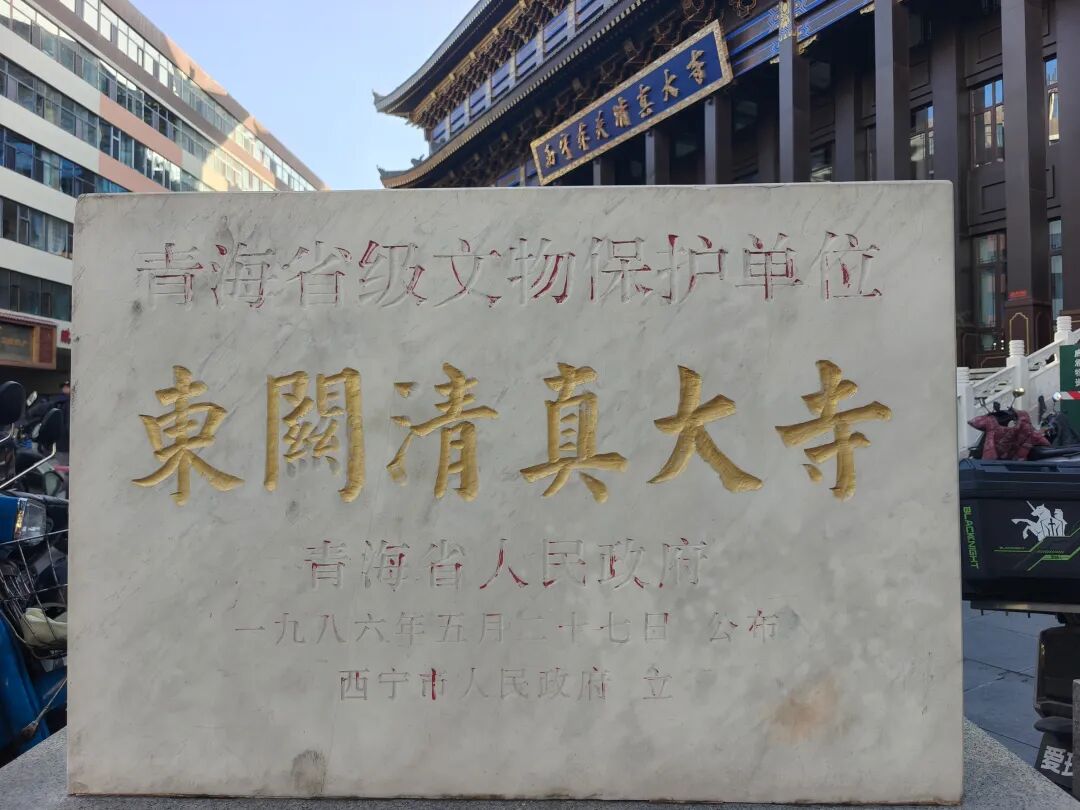
It was first built in 1380, the 12th year of the Hongwu reign of the Ming Dynasty. Legend has it that Mu Ying, the Marquis of Xiping who guarded the Gansu and Qinghai regions, teamed up with Xining local chieftain Ye Zhengguo, and after petitioning the imperial court at the request of Hui Muslim community leaders, they got the green light to build it.
During the Tongzhi reign (1862–1874), the mosque was destroyed.
It was rebuilt in 1913. Later on, it was renovated and expanded in 1919, expanded again in 1946, and restored in 1979. The main framework of the complex we see today dates back to this past century.
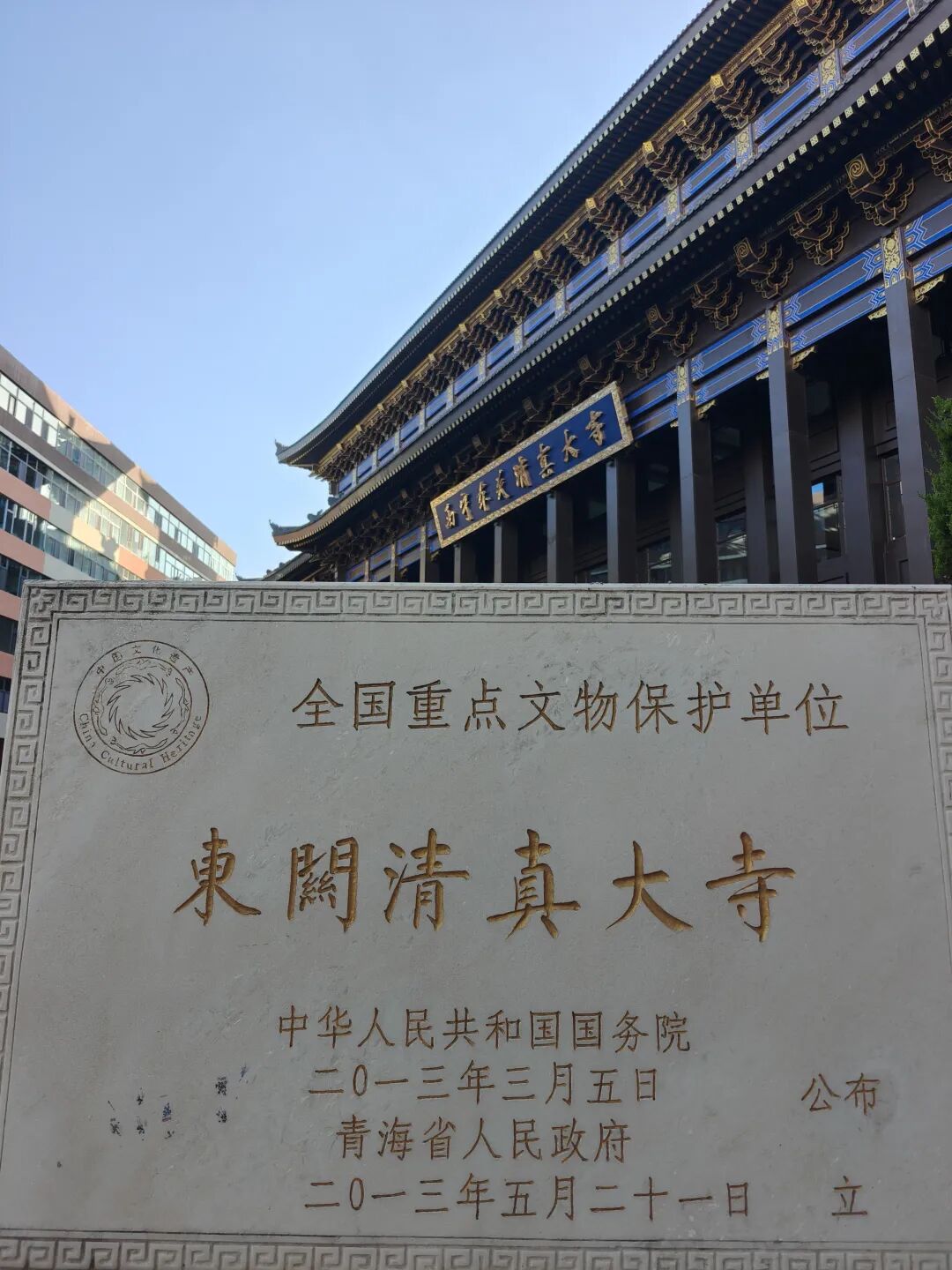
In March 2013, it was designated as a major historical and cultural site protected at the national level (the seventh batch).
2. Architectural Layout
The Dongguan Mosque faces east and sits to the west. Walking westward along the central axis, you will pass through these areas in order:
Front Three Gates -> Middle Five Gates -> Minarets -> Courtyard -> North and South Side Towers -> Main Prayer Hall.
Architecture
Description
Front Three Gates
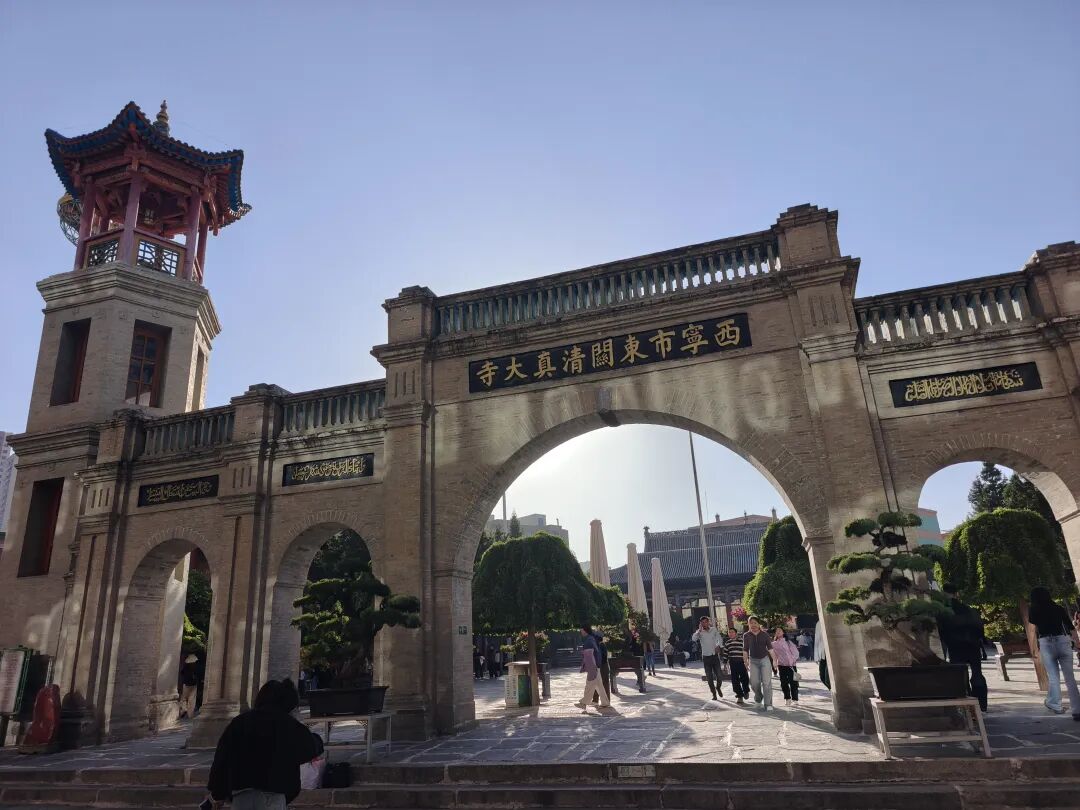
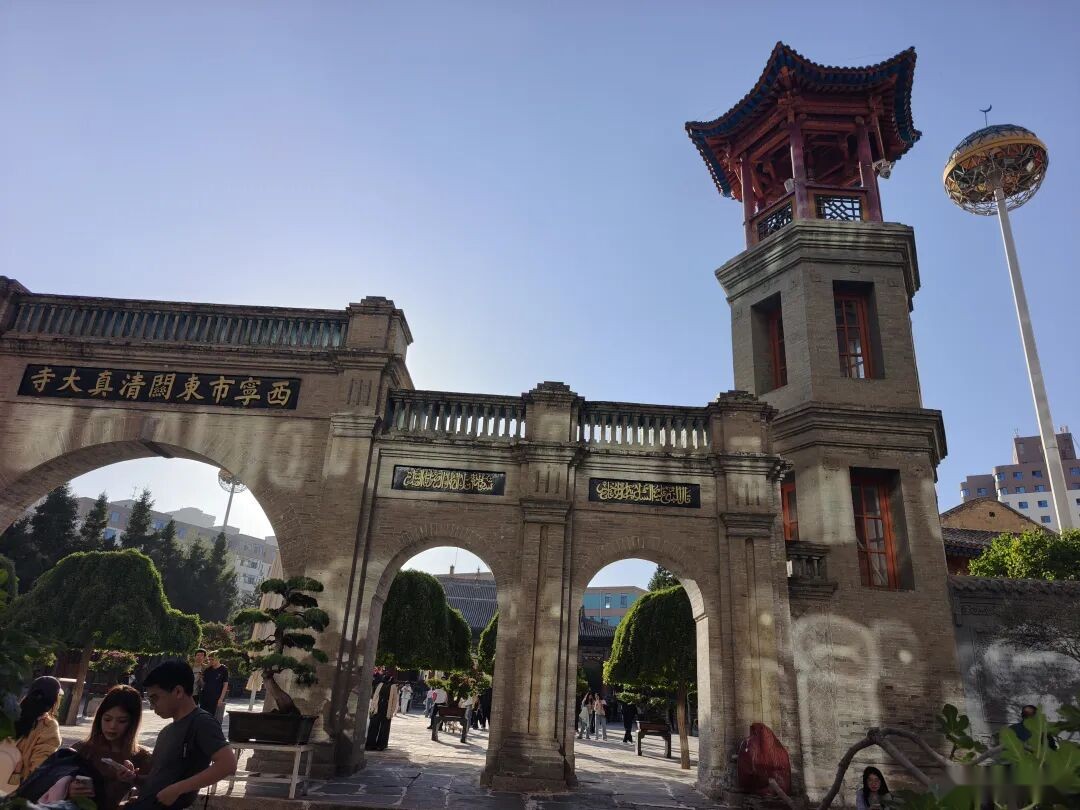
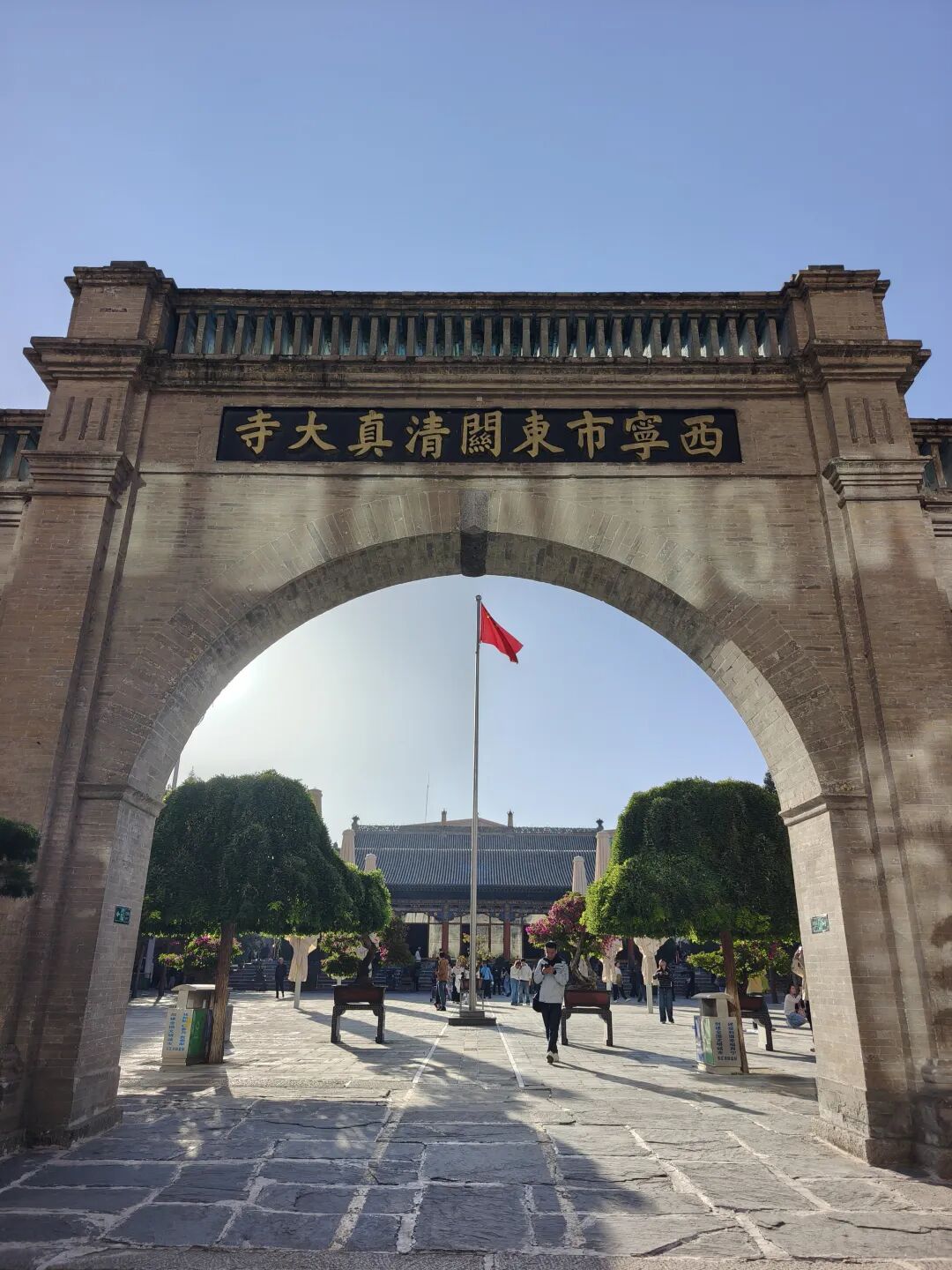
The Western-style street-facing main gate, featuring an eight-character plaque above it that reads "Xining Dongguan Qingzhen Dasi" (Xining Dongguan Great Mosque)
Middle Five Gates
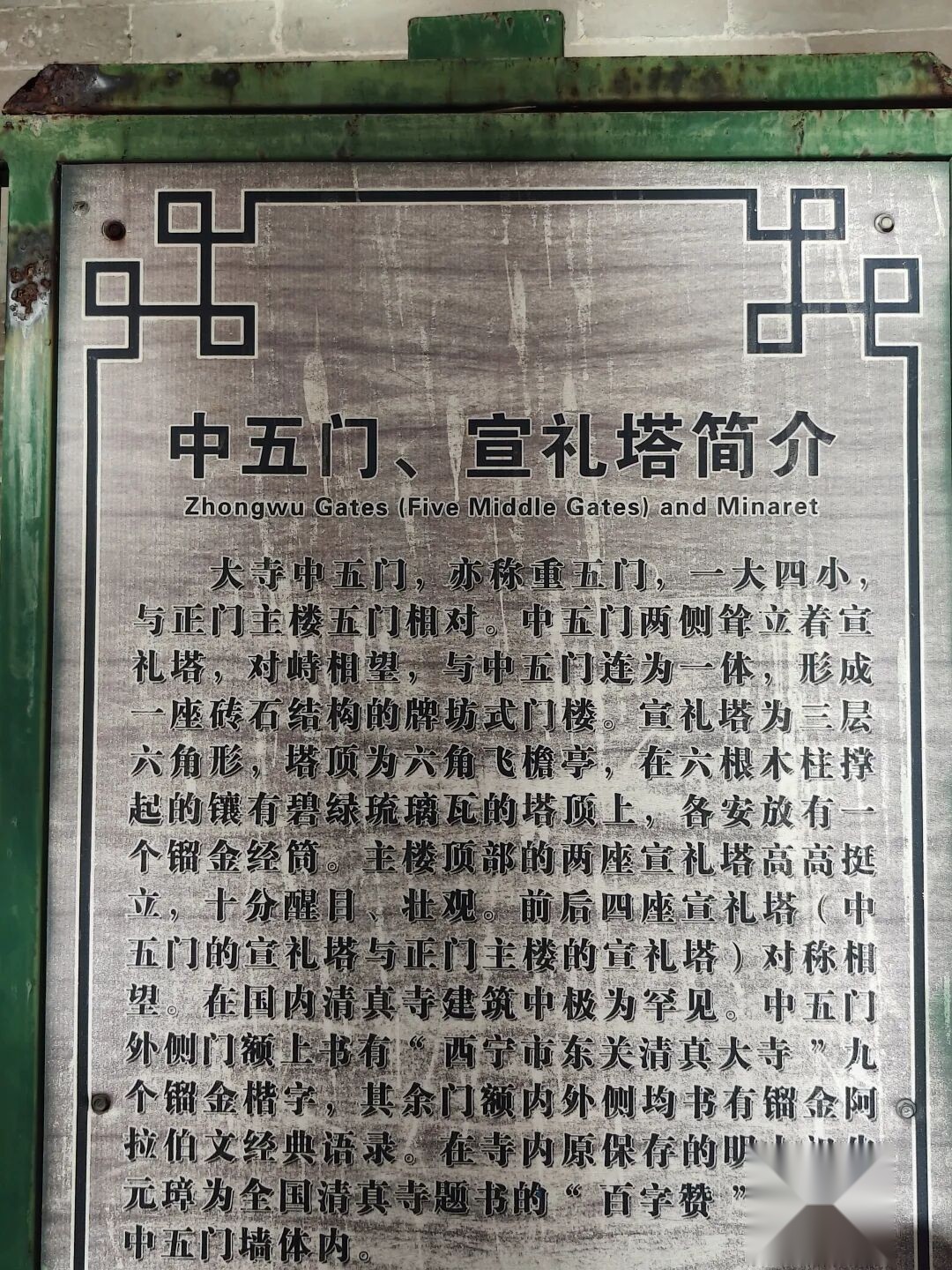
Five flat-topped arched doorways
Minarets
Located on both sides of the main entrance tower, featuring rounded dome tops. In the past, these were high vantage points used to call the faithful to prayer (adhan)
Courtyard
Located between the main hall and the side buildings, paved with bluestone slabs
North and South Side Towers
Two-story Xieshan-style side towers featuring facing covered corridors
Main Prayer Hall
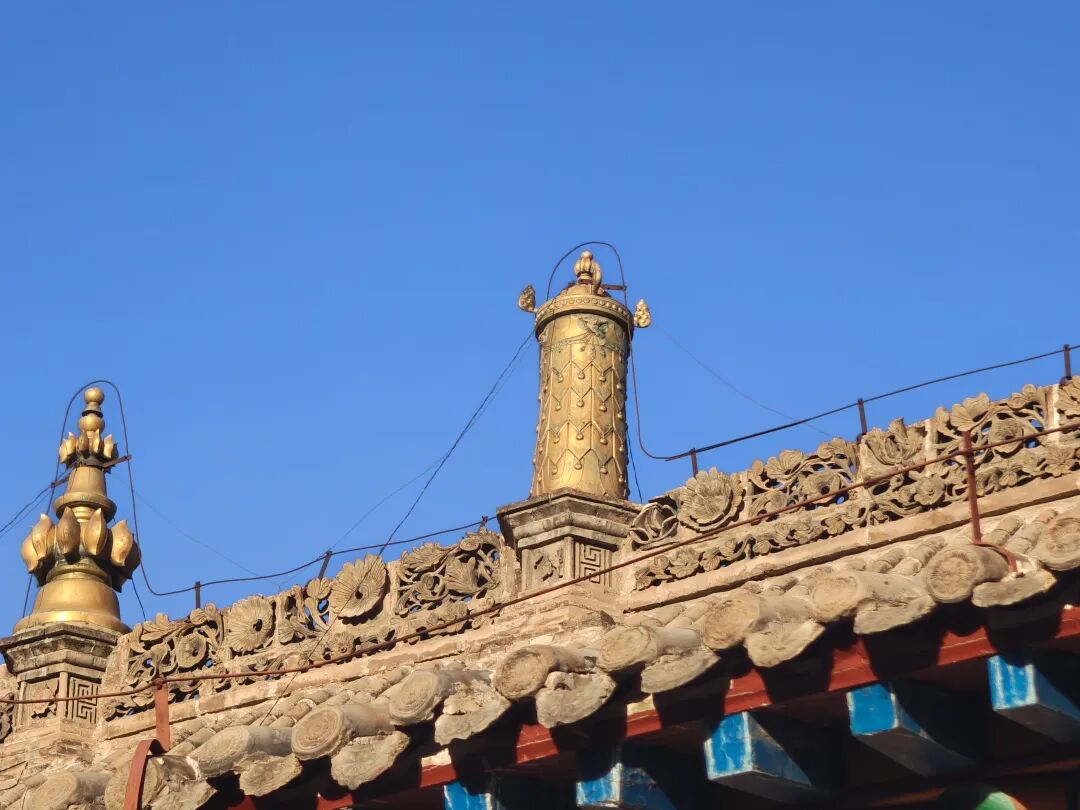
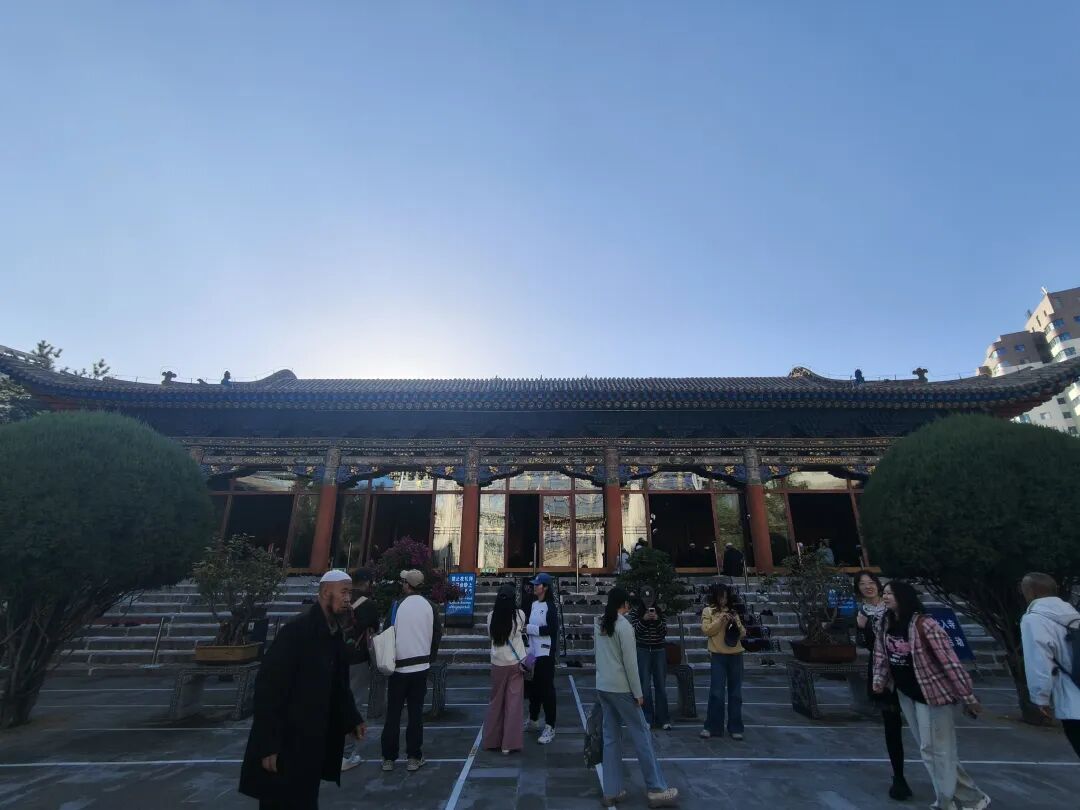
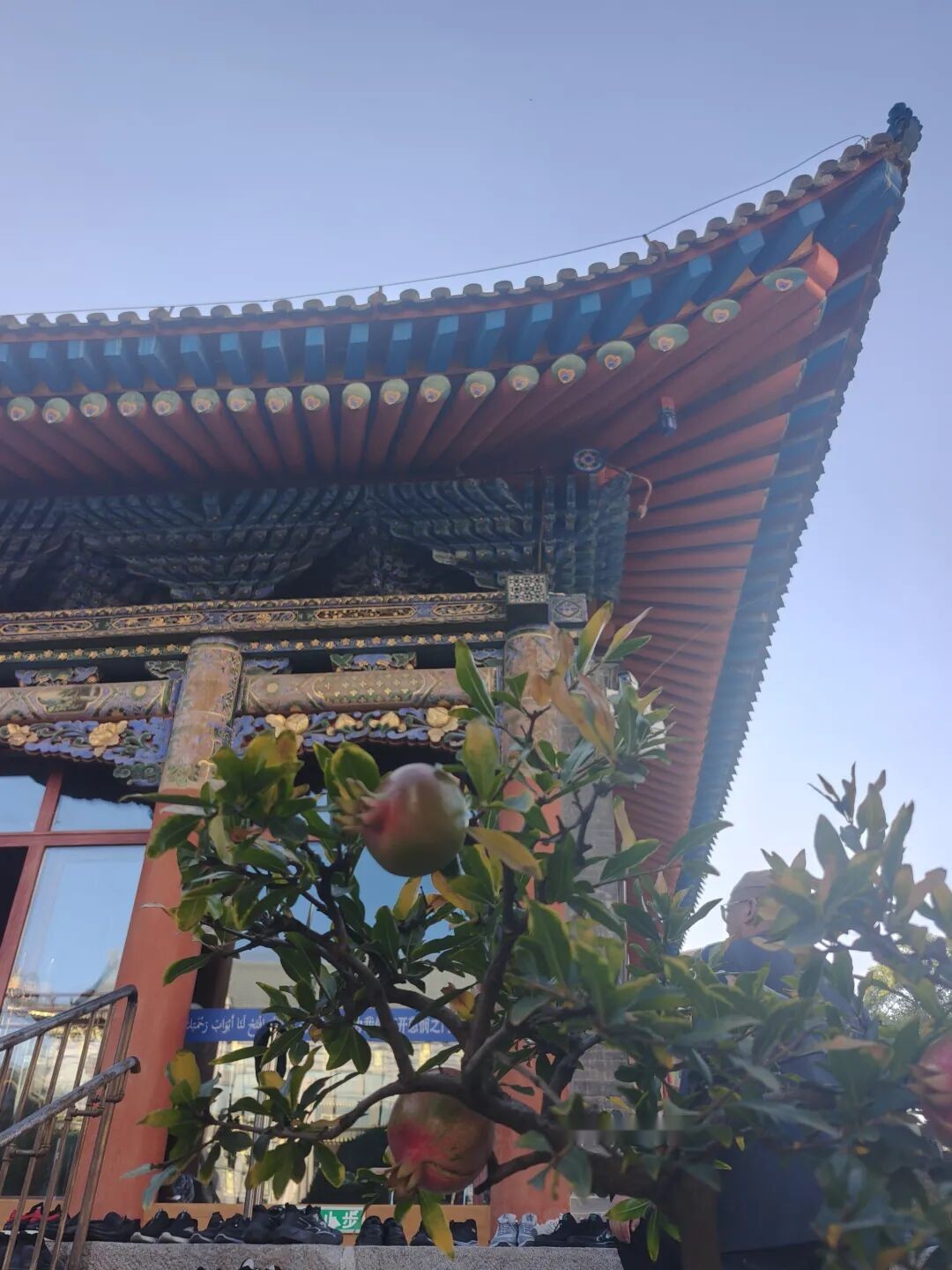
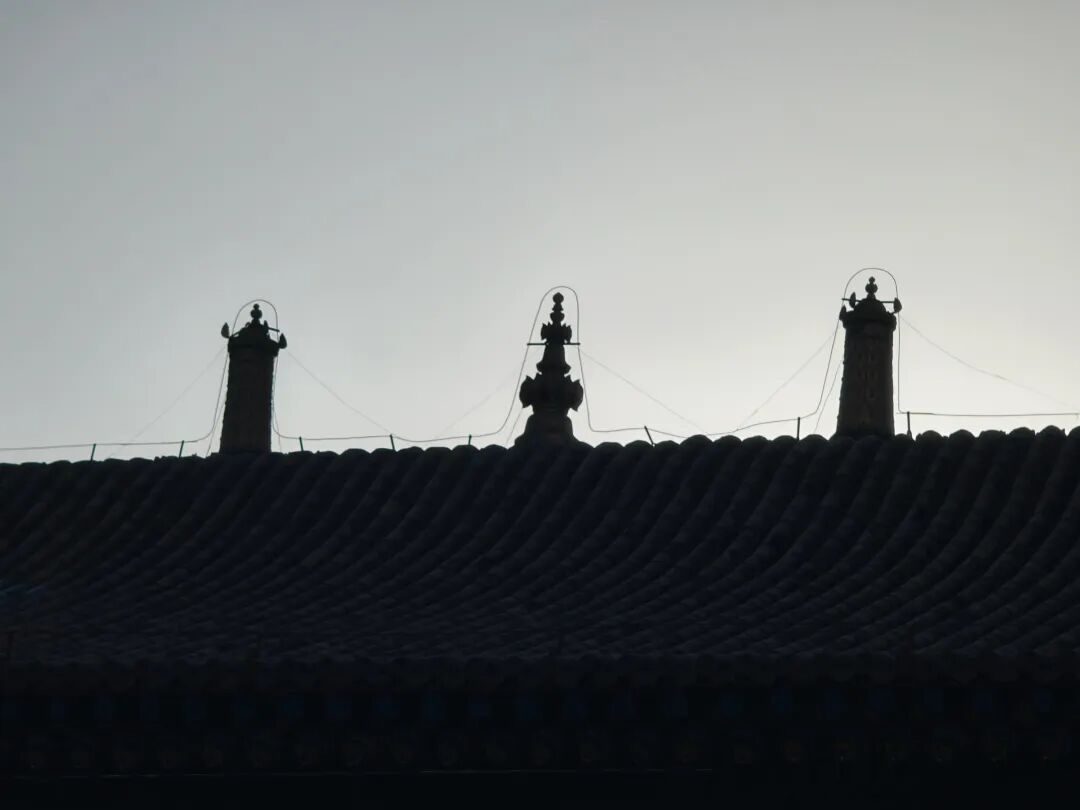
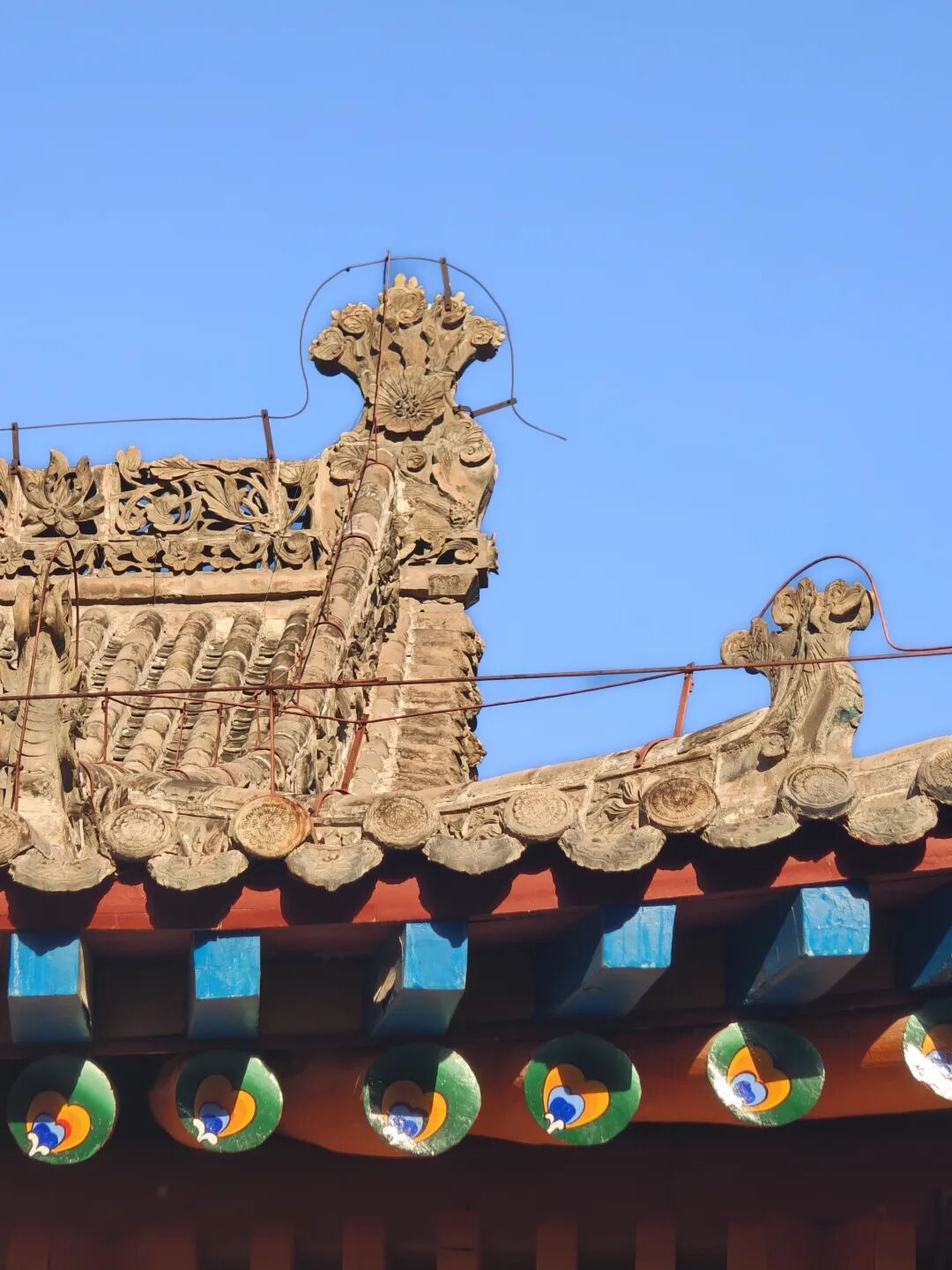
The core of the entire mosque features a single-eave Xieshan-style roof covered with green glazed tiles. The ridge of the roof is decorated with a Tibetan-style gilded vase, which is said to have been donated by the monks of Labrang Monastery in Gansu after the main hall was completed. Visitors are not allowed inside the hall, so just taking a quick look from the doorway is enough.
The main hall, the south auxiliary building, and the north auxiliary building form the backbone of the entire mosque.
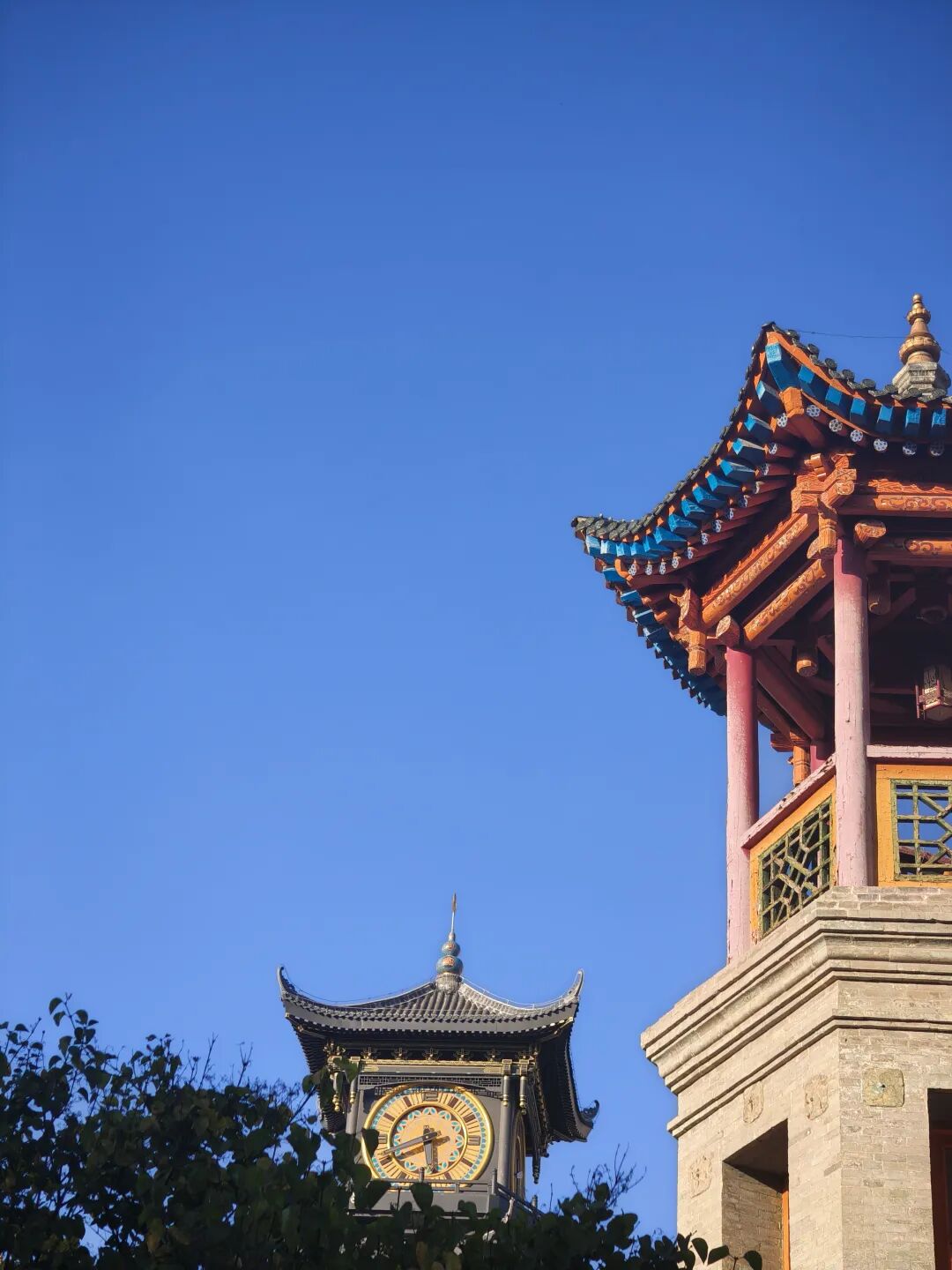
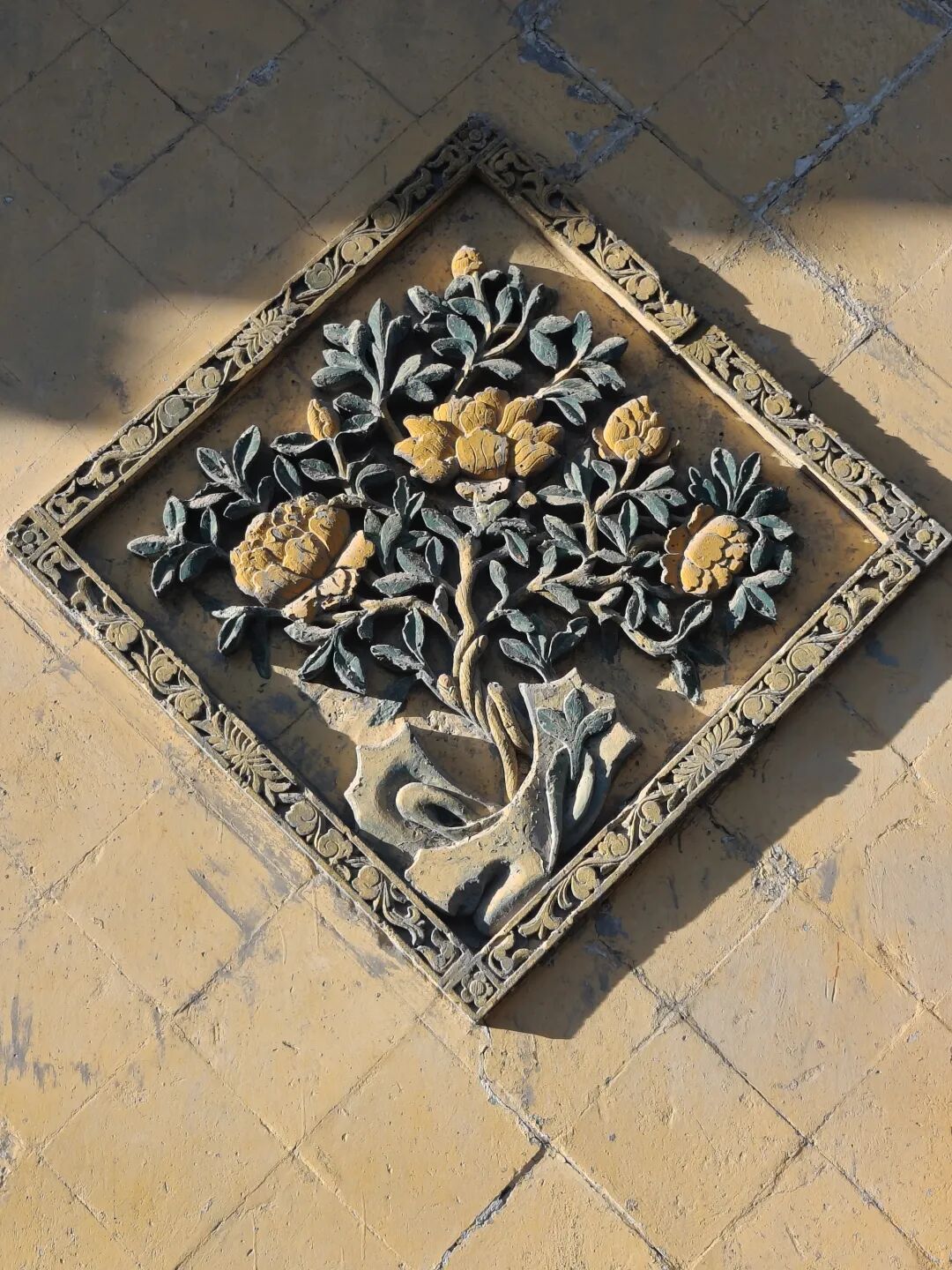
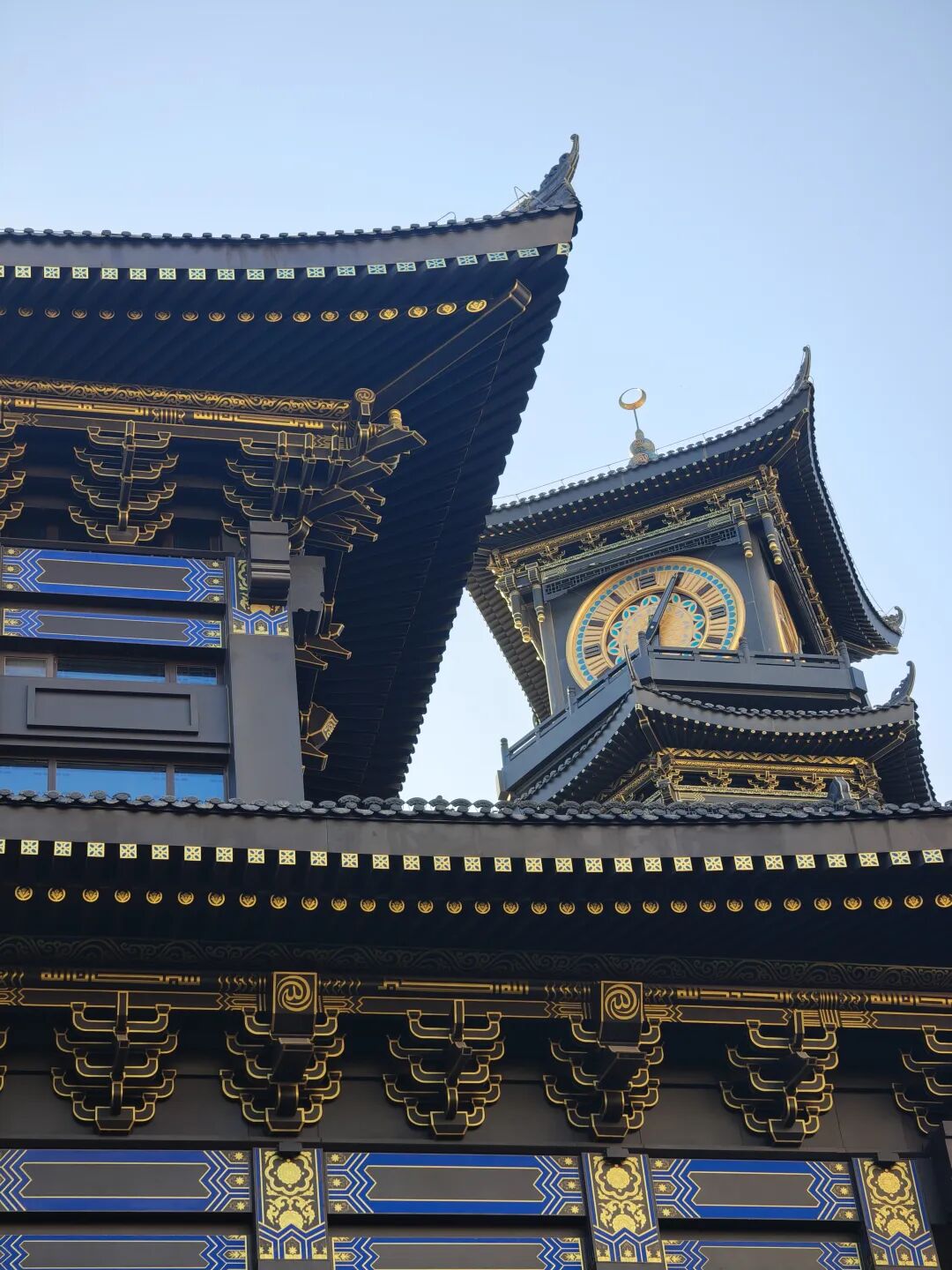
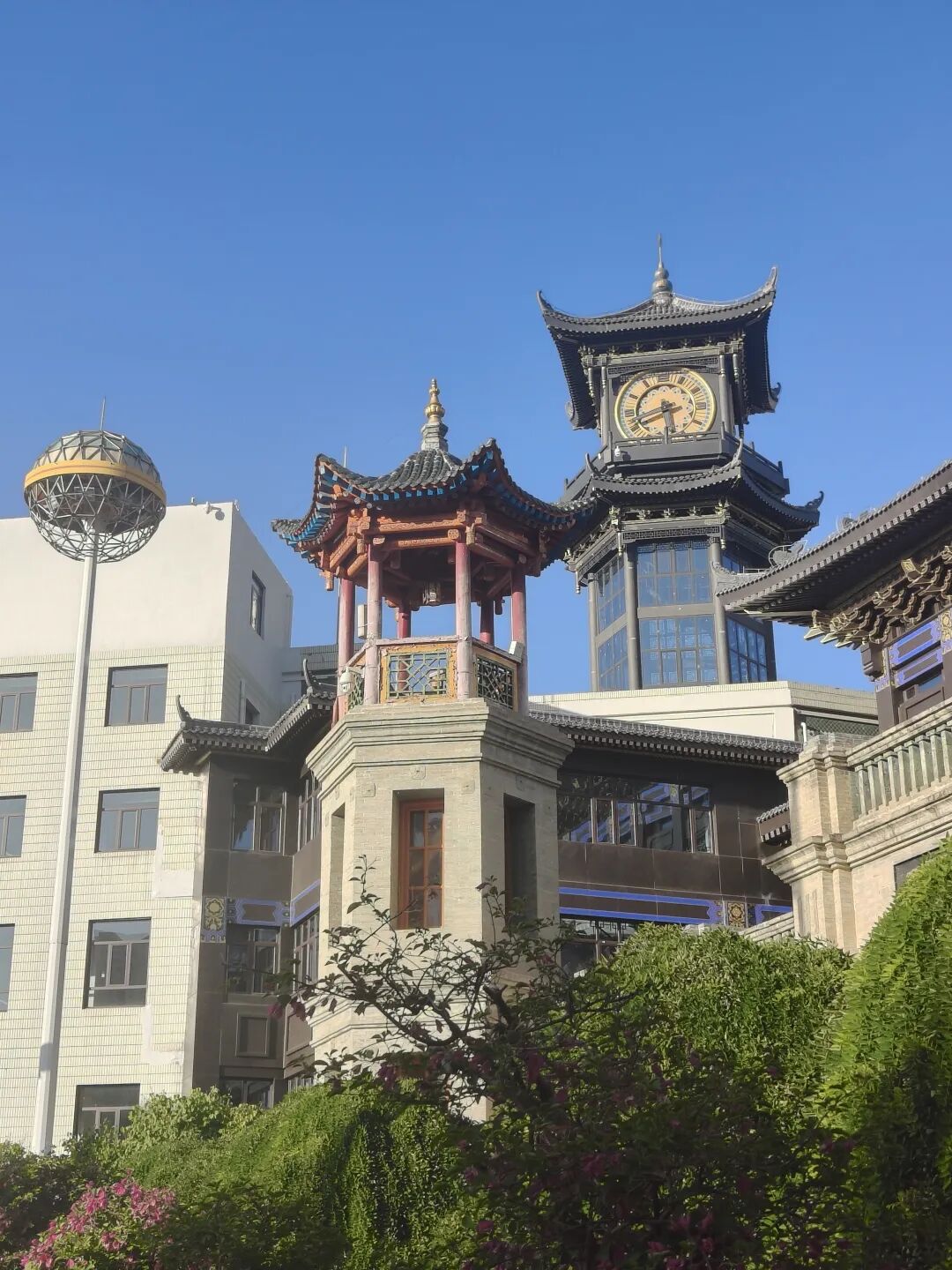
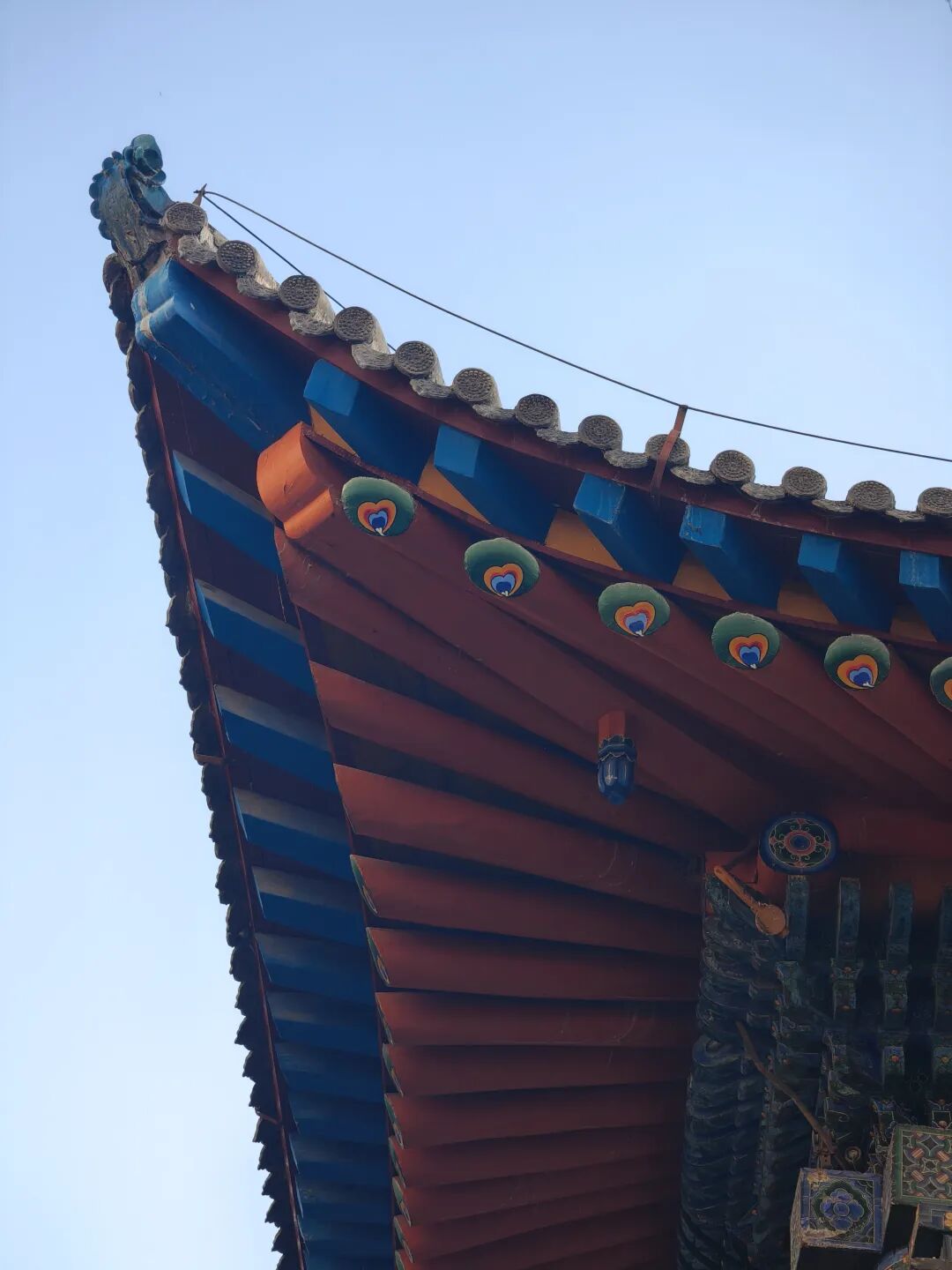
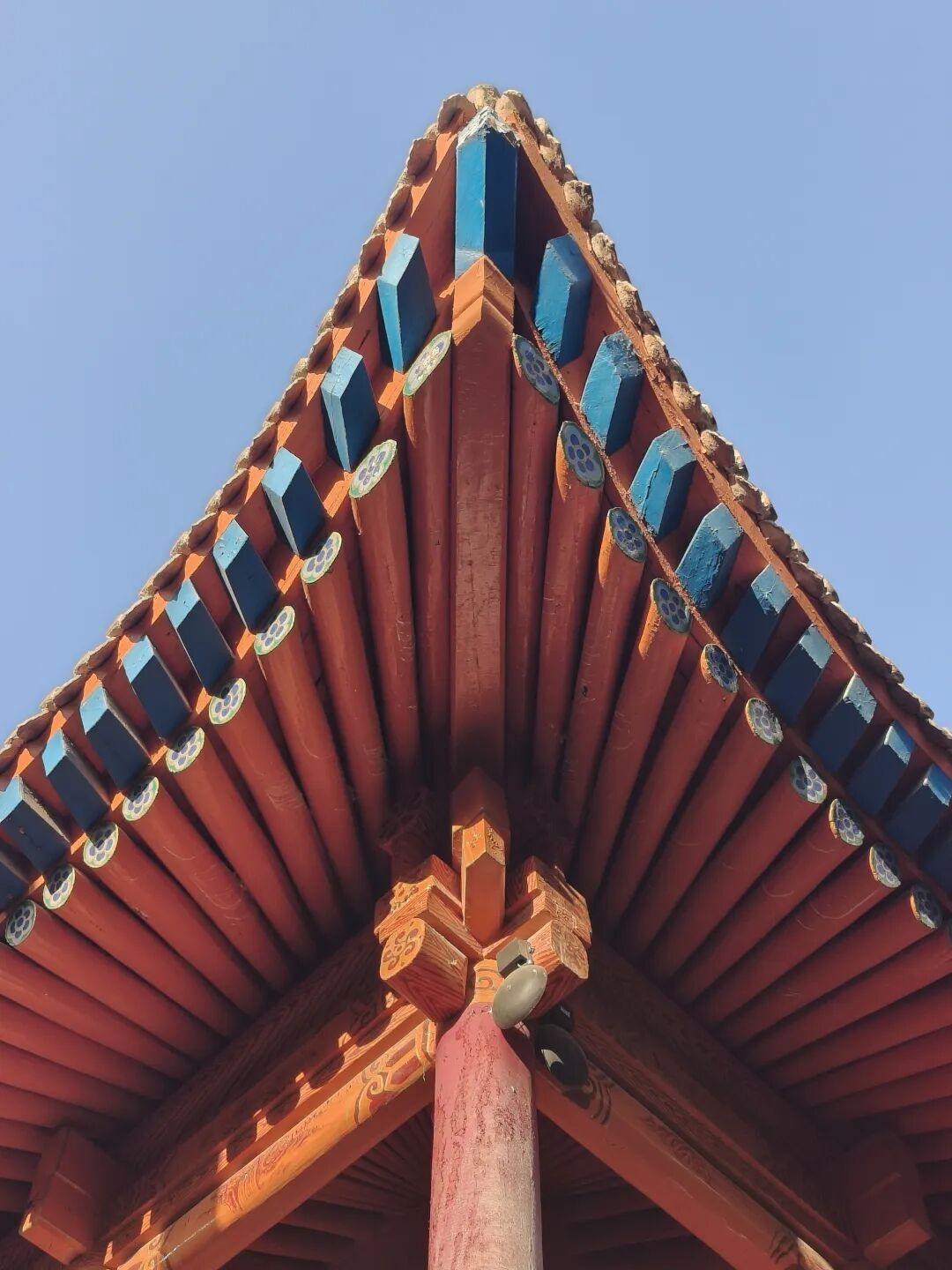
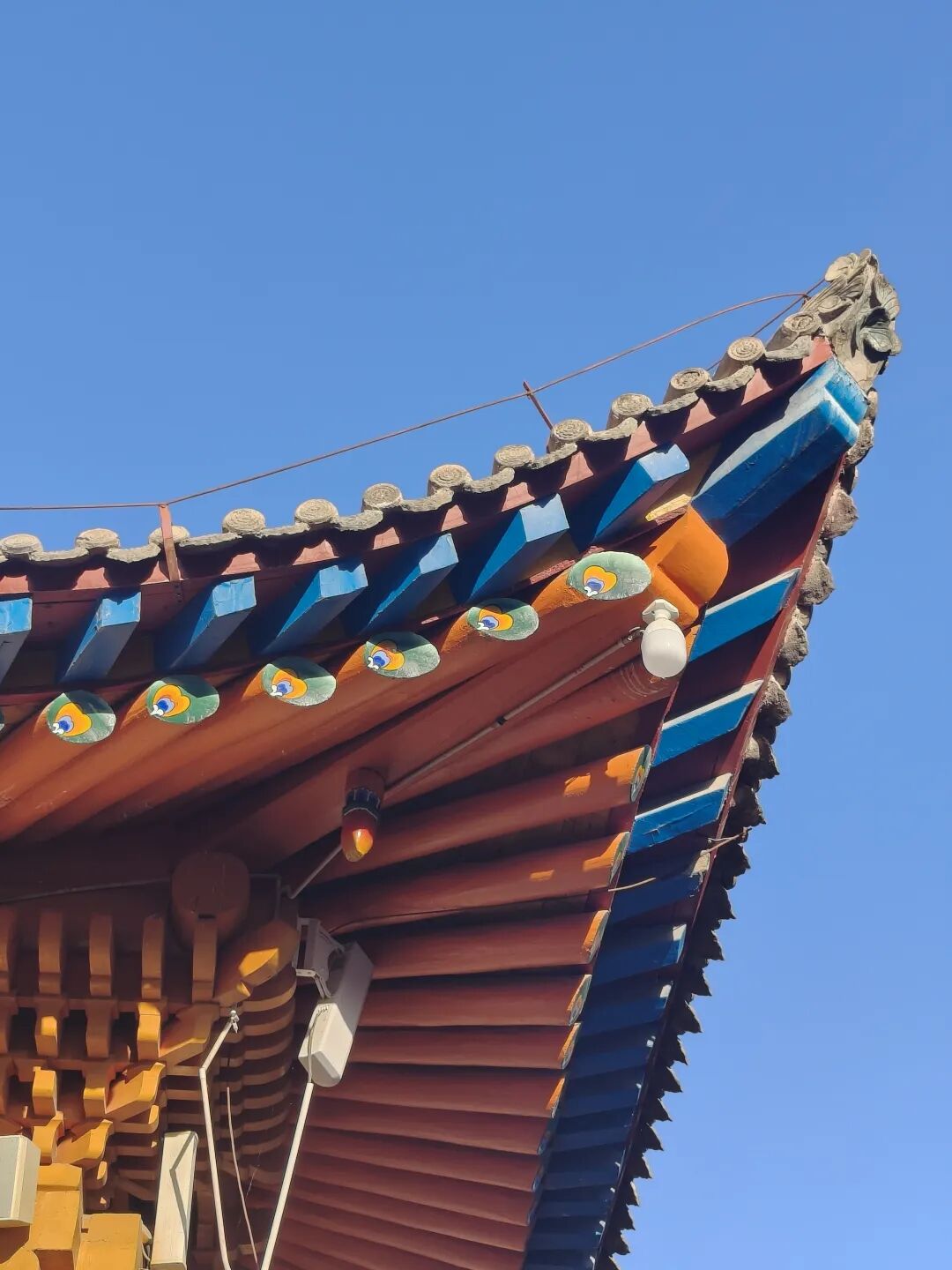
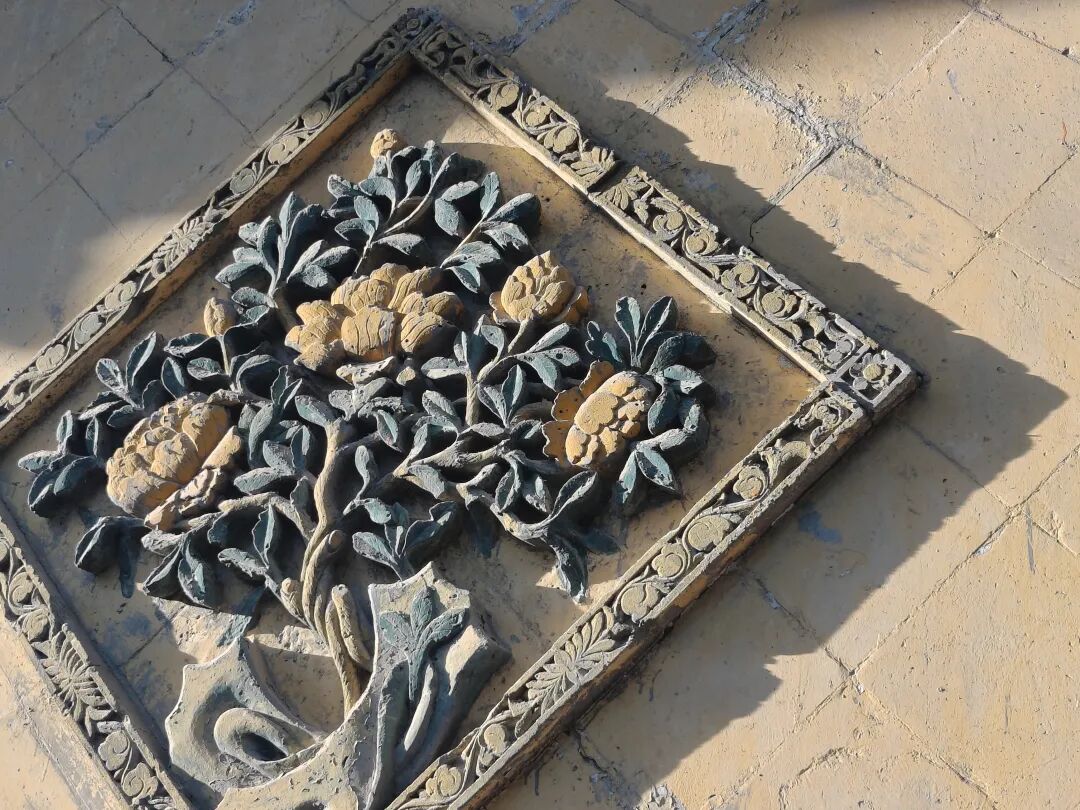
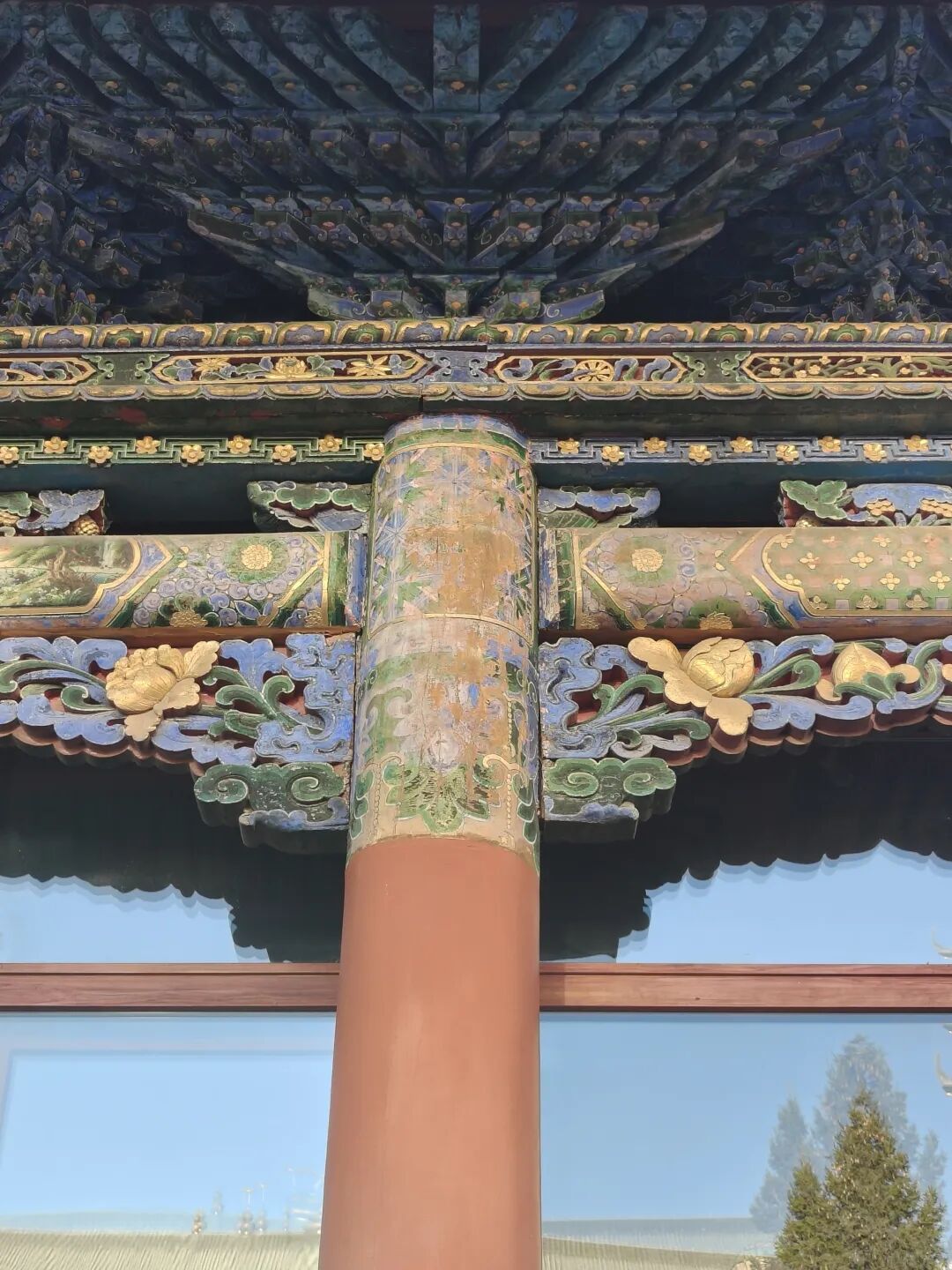
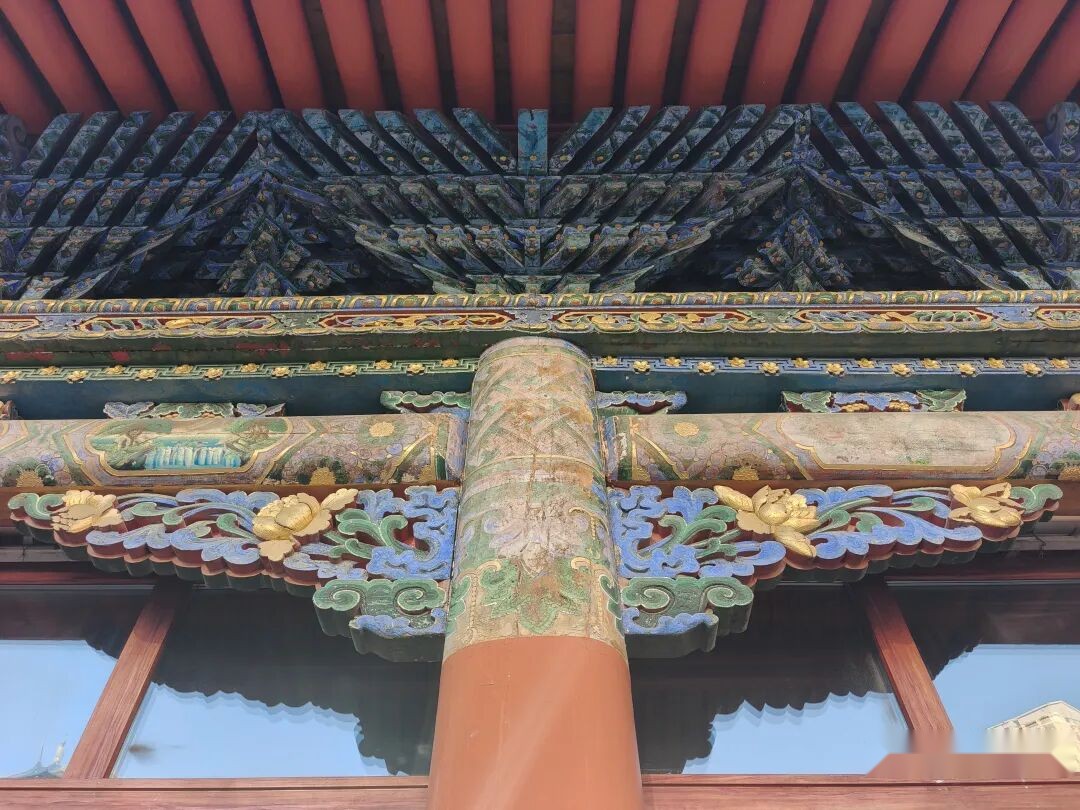
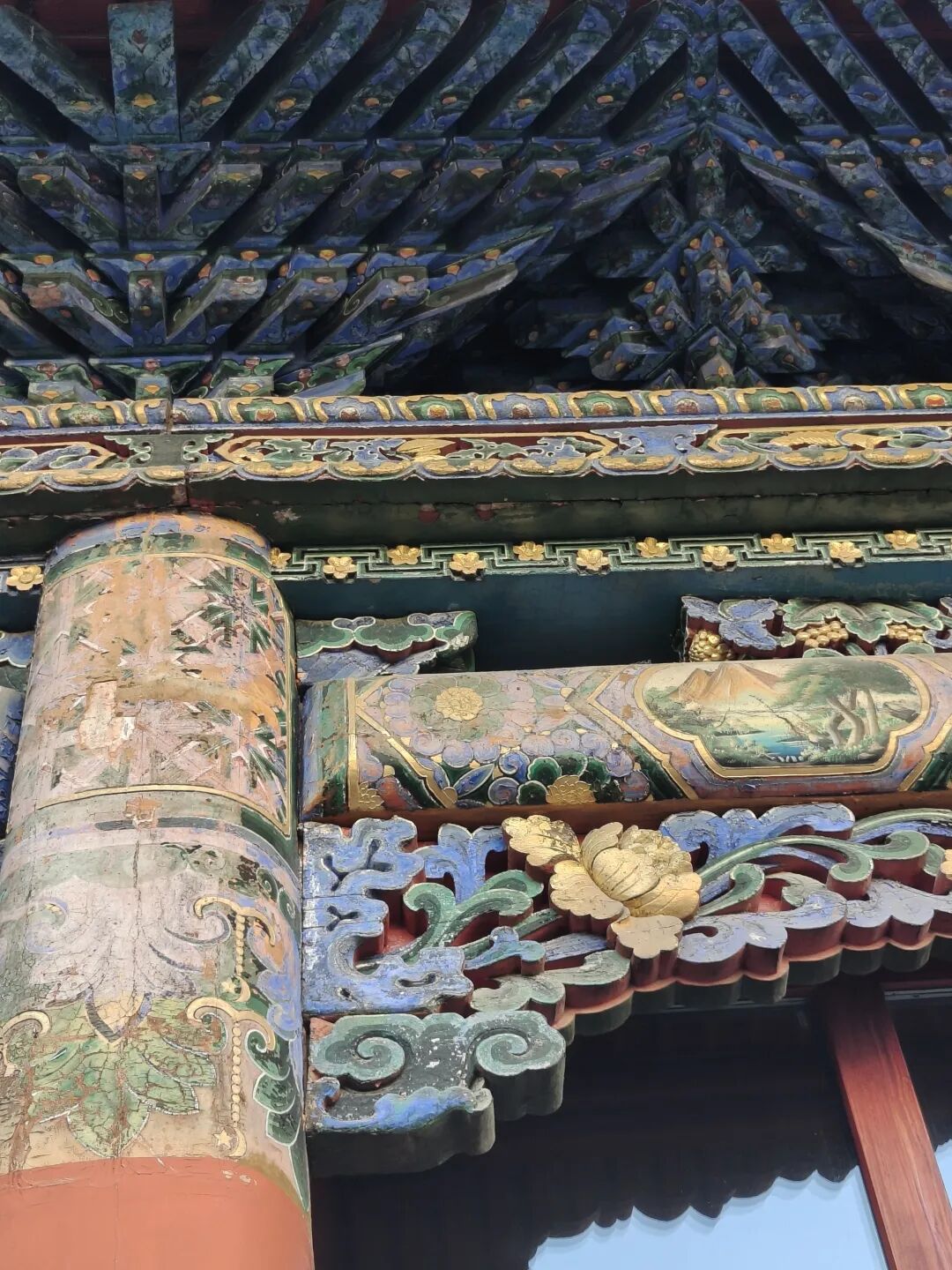
The Chinese-style palace architecture with feiyan dougong (traditional flying eaves and brackets) blends Islamic, Tibetan, and Han cultural elements in its details, looking breathtaking in the sunset light and shadows.
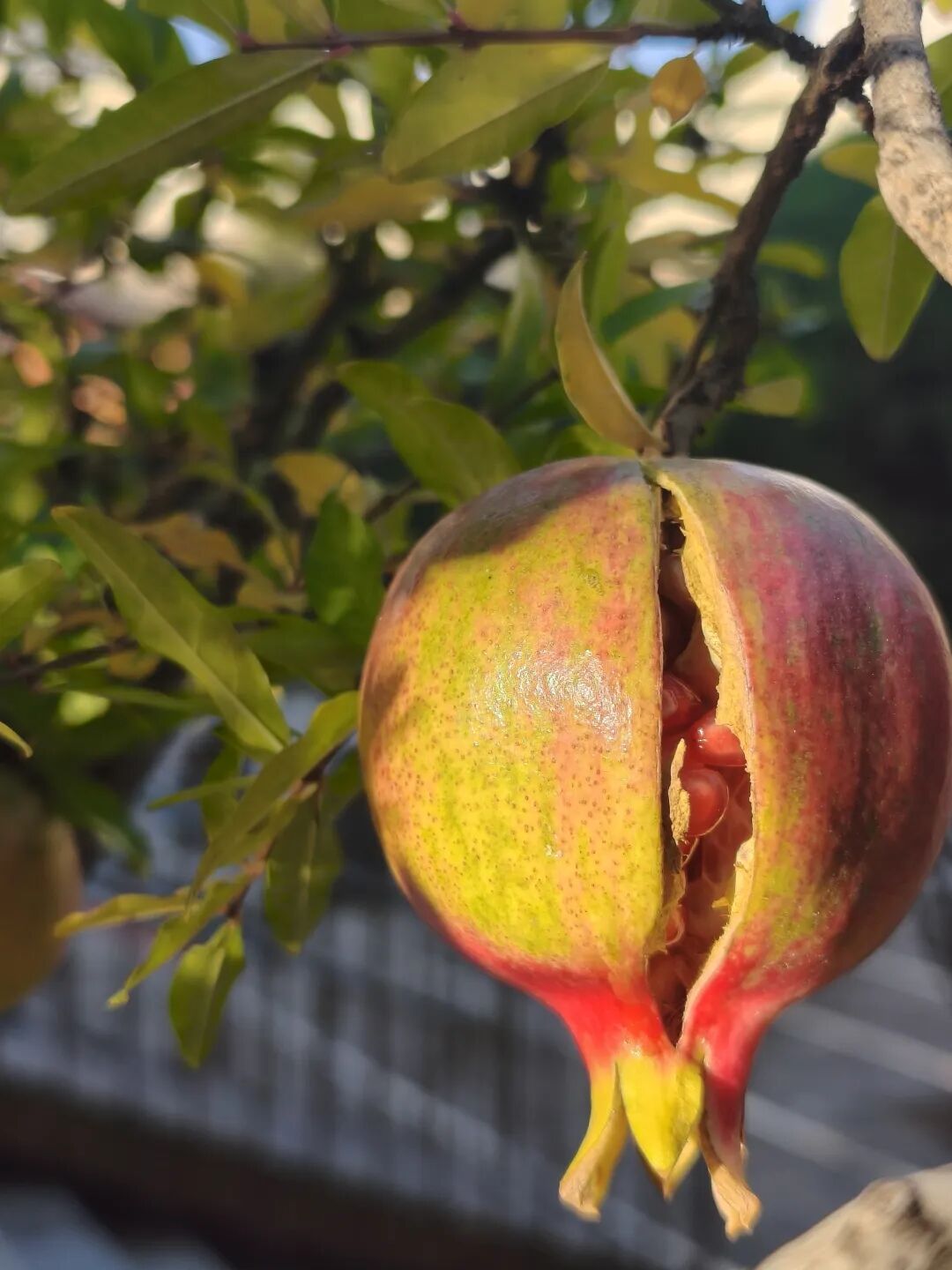
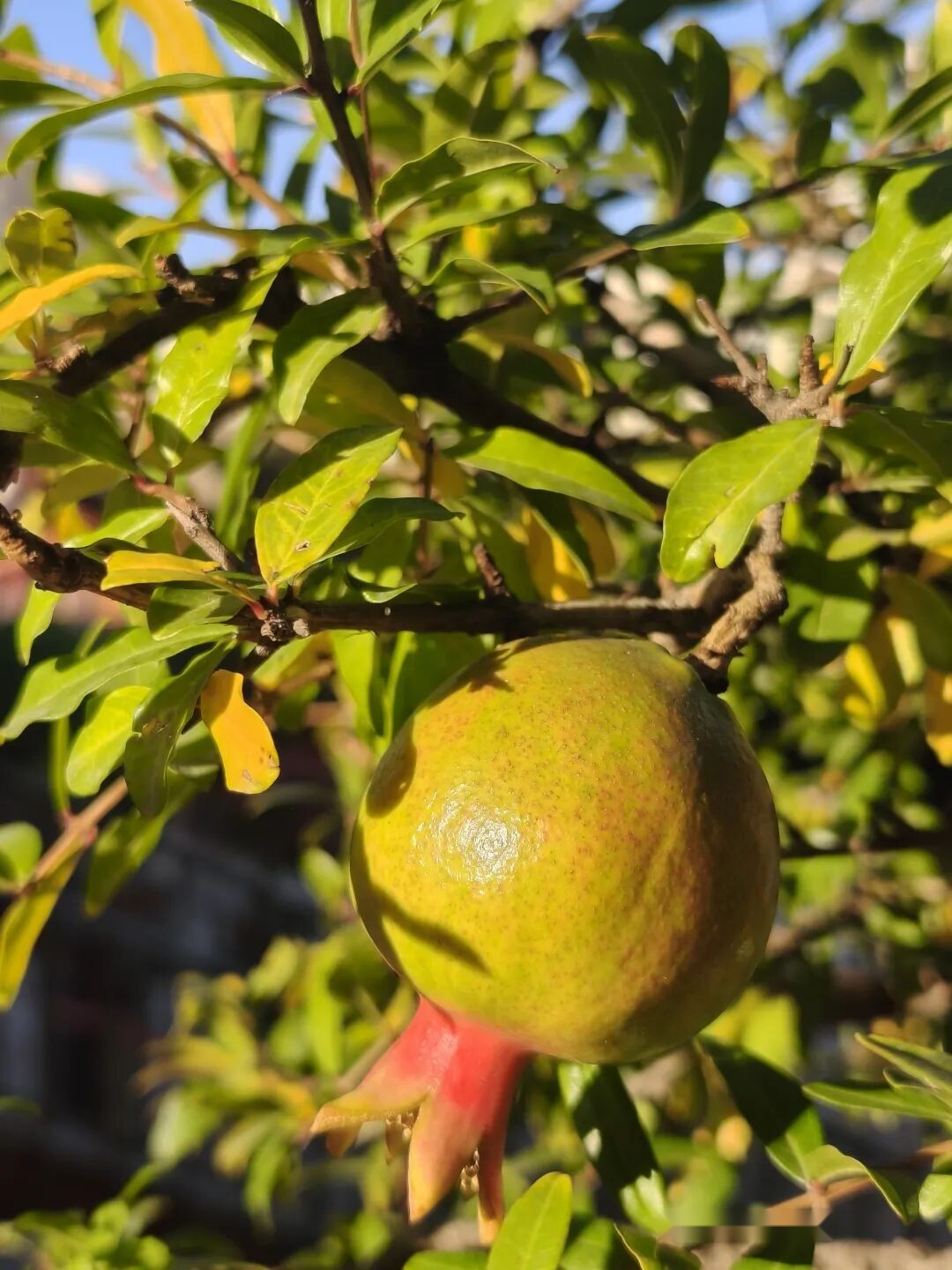
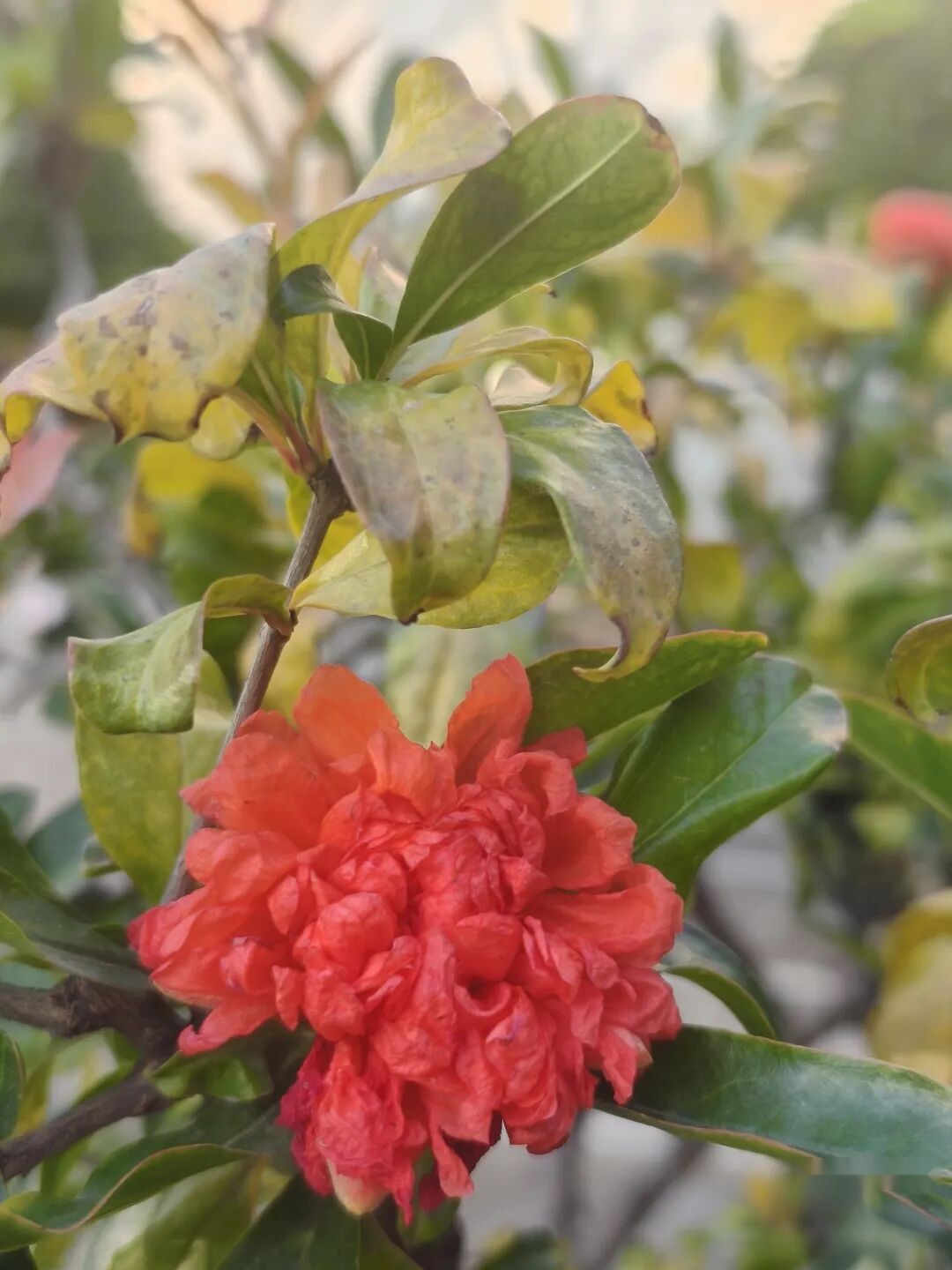
What also blew me away was the amazing variety of garden greenery and plants.
3. Visit Tips
The Dongguan Mosque in Xining is an active religious site, not a standard tourist attraction.
Visitors are not allowed to enter the main prayer hall, so try to avoid the five daily prayer times when exploring.
Fun Fact: Prayer Times
Prayer times follow the sun: before sunrise, just after noon, in the mid-afternoon, after sunset, and after nightfall. If you see crowds gathering in the courtyard and people taking off their shoes to line up, it means the next prayer is about to begin. Just step aside for a bit and resume exploring after prayers are over.
4. Xi'nanguan Street
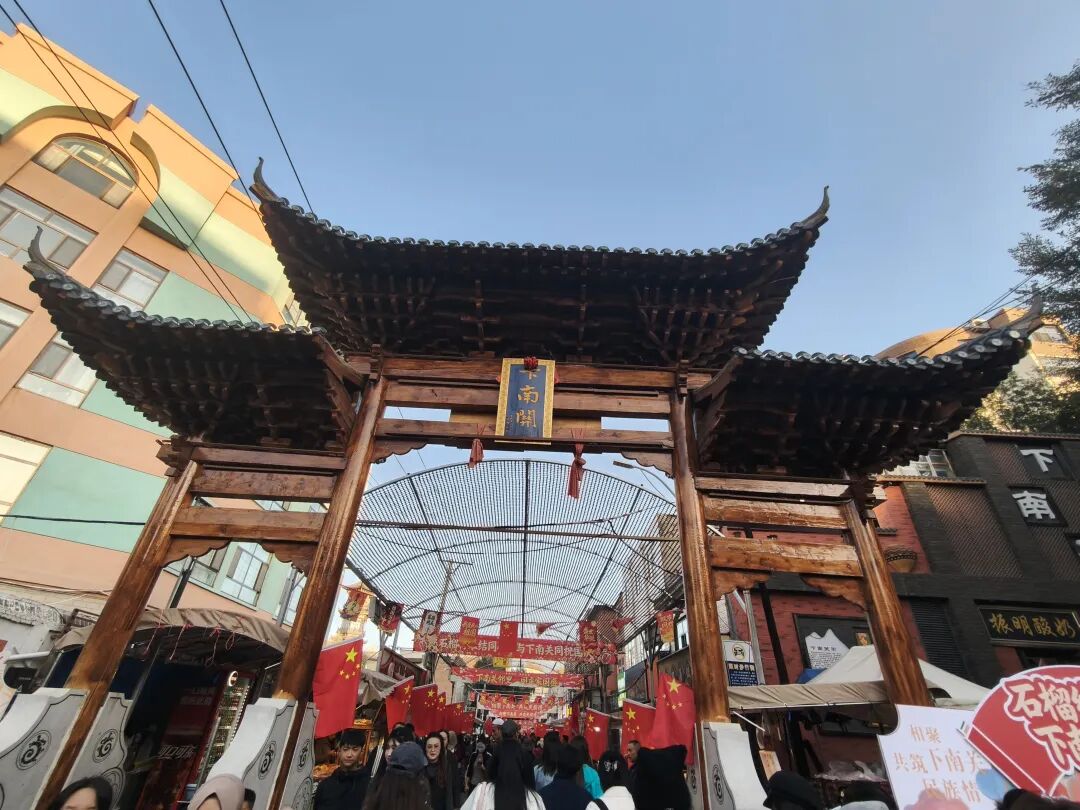
Don't rush to leave after exploring the Xining Dongguan Mosque. Xi'nanguan Street is right outside the back gate of the mosque.
The commercial history of this street dates back to the Guangxu reign of the Qing Dynasty, making it one of the earliest commercial hubs in the eastern part of the city. Today, it is an ethnic specialty street where over a hundred types of Northwest Chinese snacks are packed into a stretch of less than 1,000 meters:
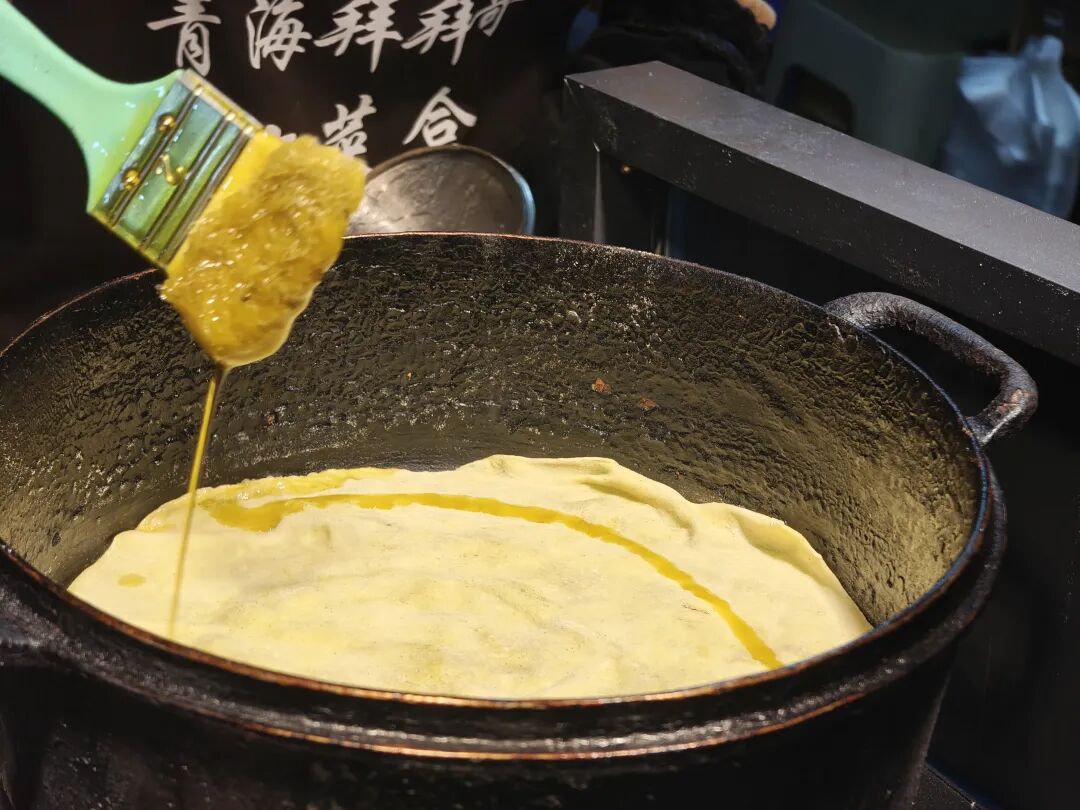
Goujiaoniao bing (traditional local pancake), sanzi (crispy fried dough twists), niangpi (thick steamed wheat noodles), sheep intestines, tianpei (fermented highland barley),laozao (fermented glutinous rice)...
Nobody ever walks out of Xi'nanguan Street on an empty stomach.
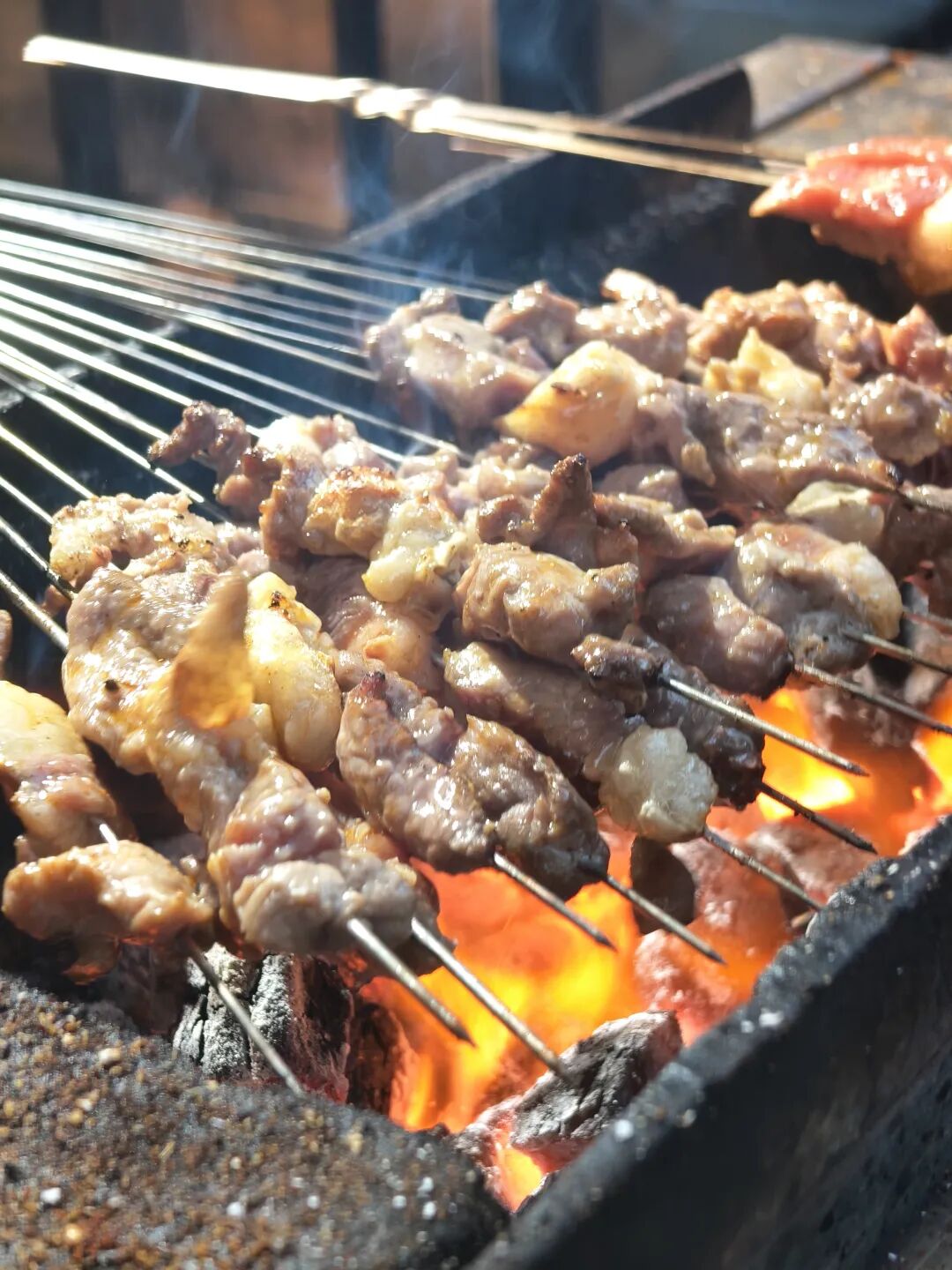
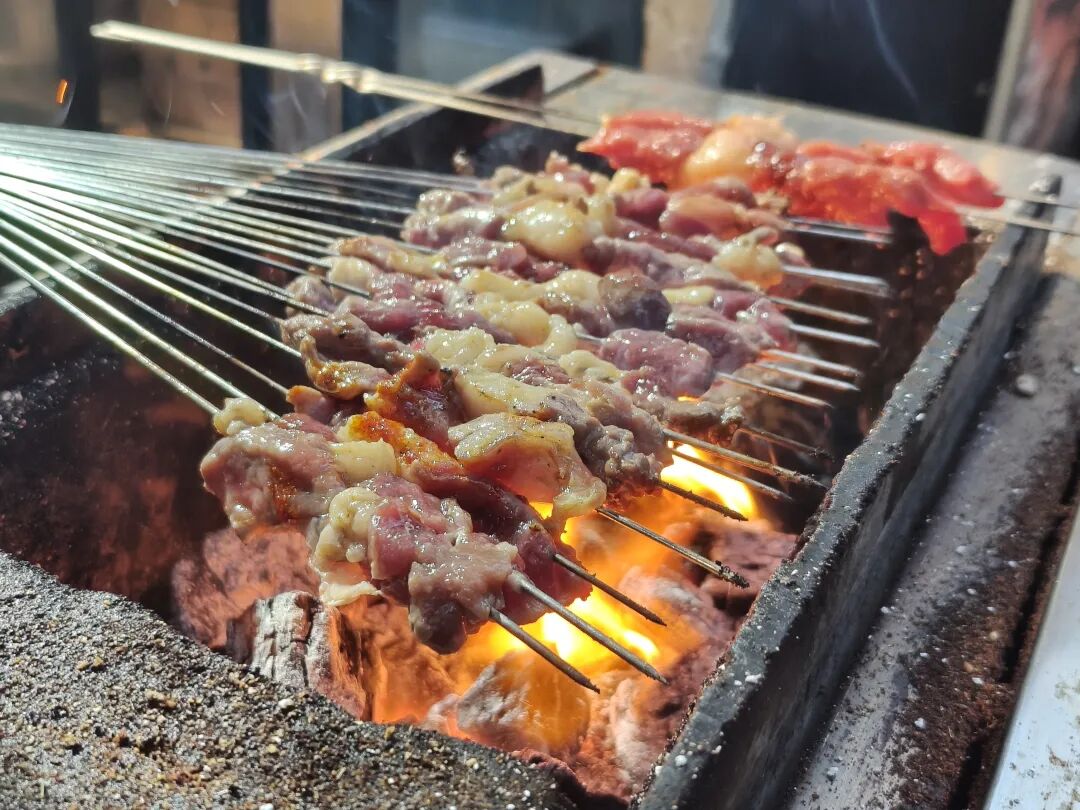
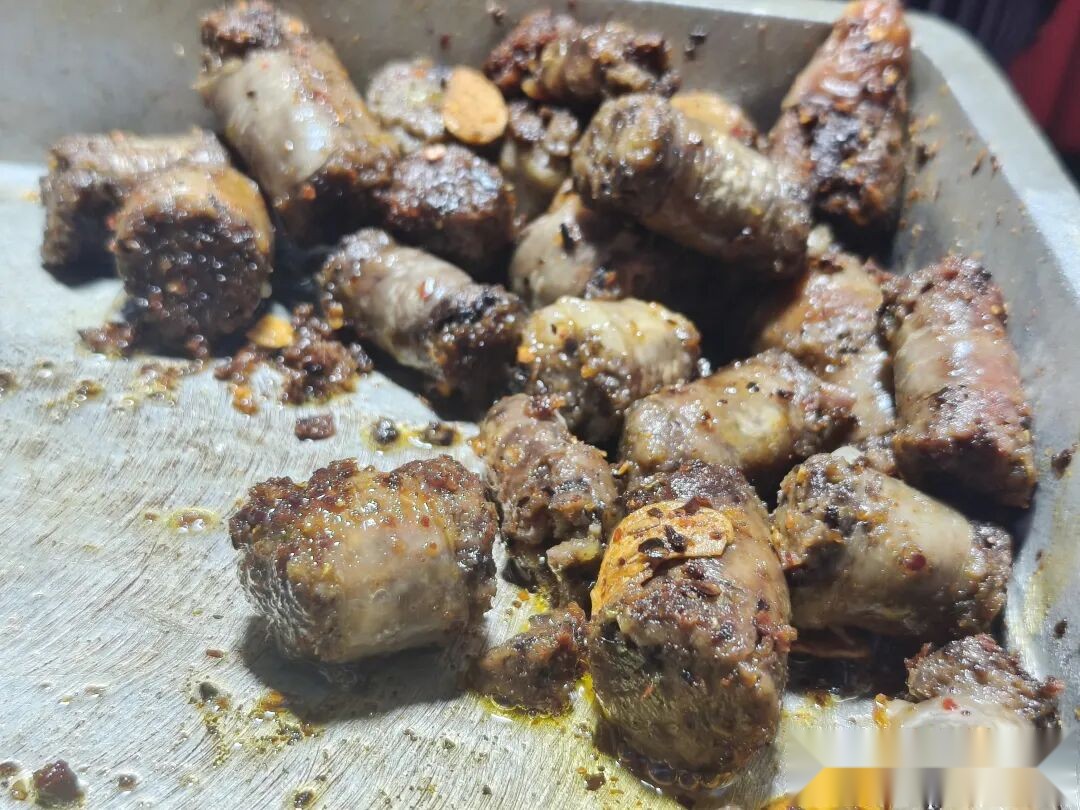
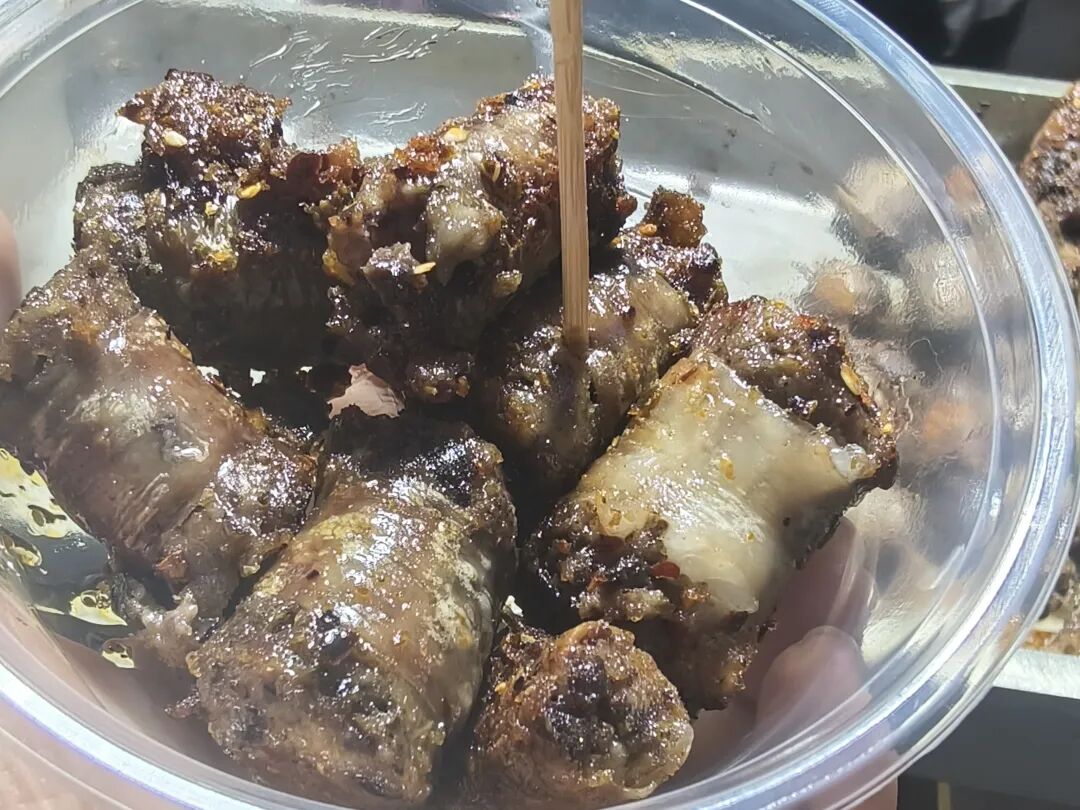
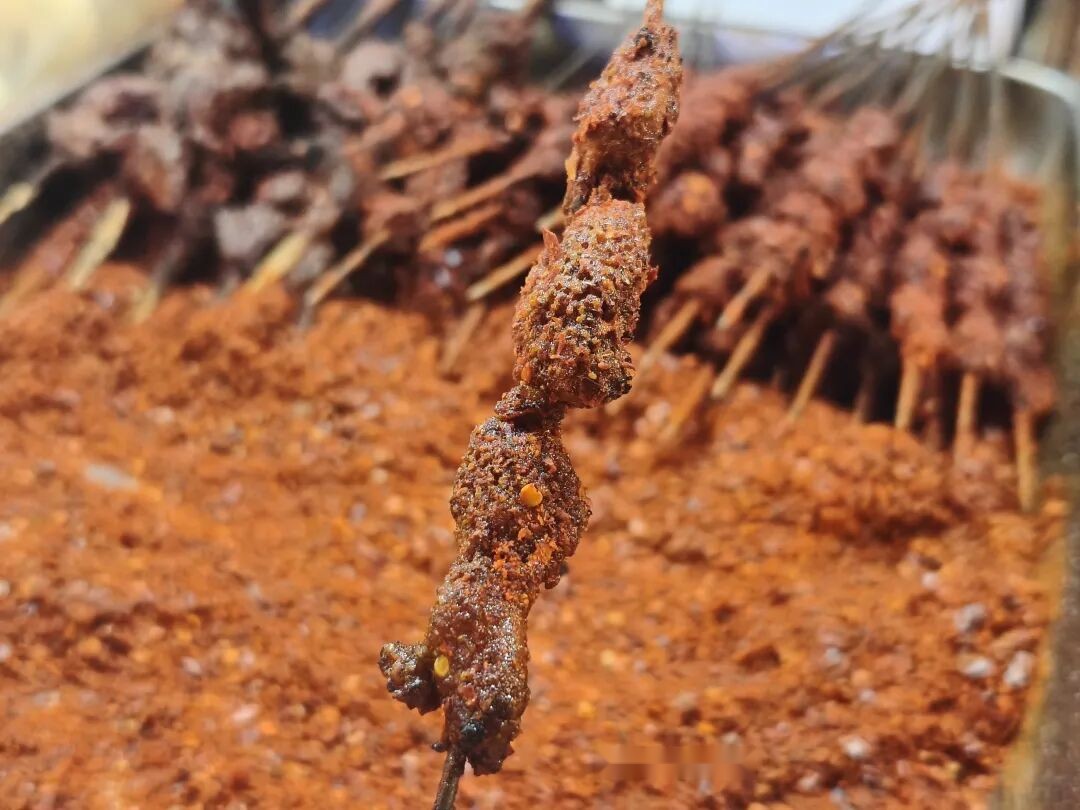
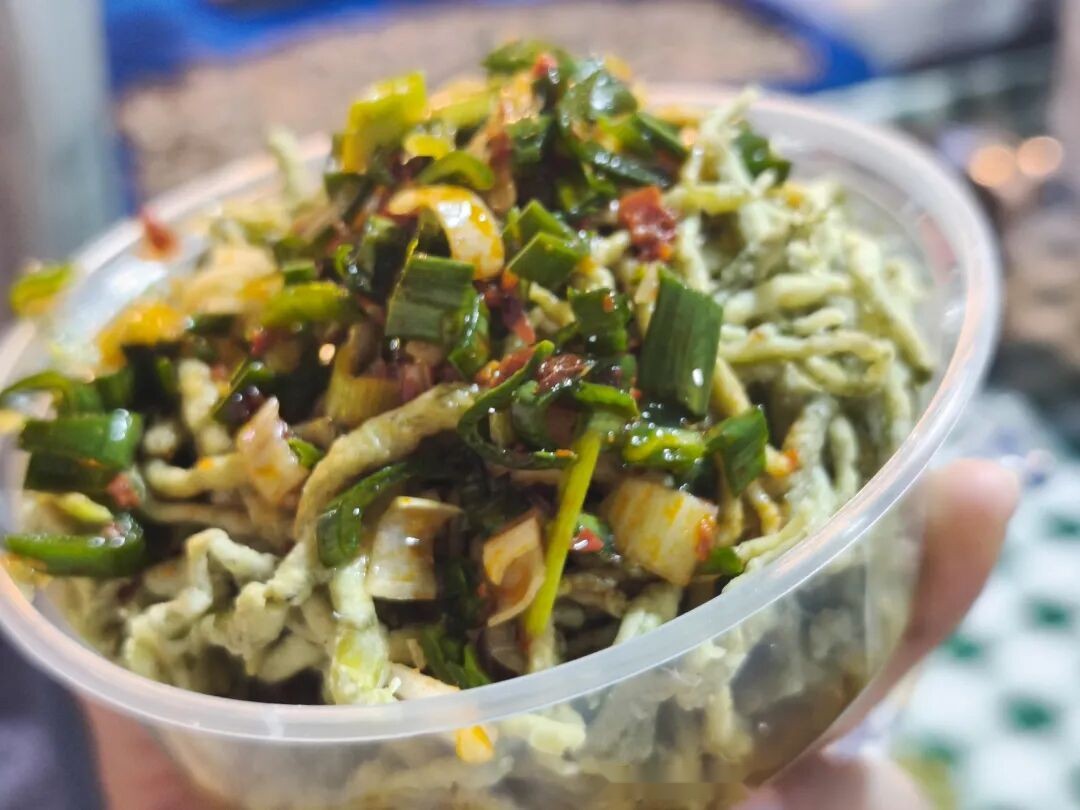
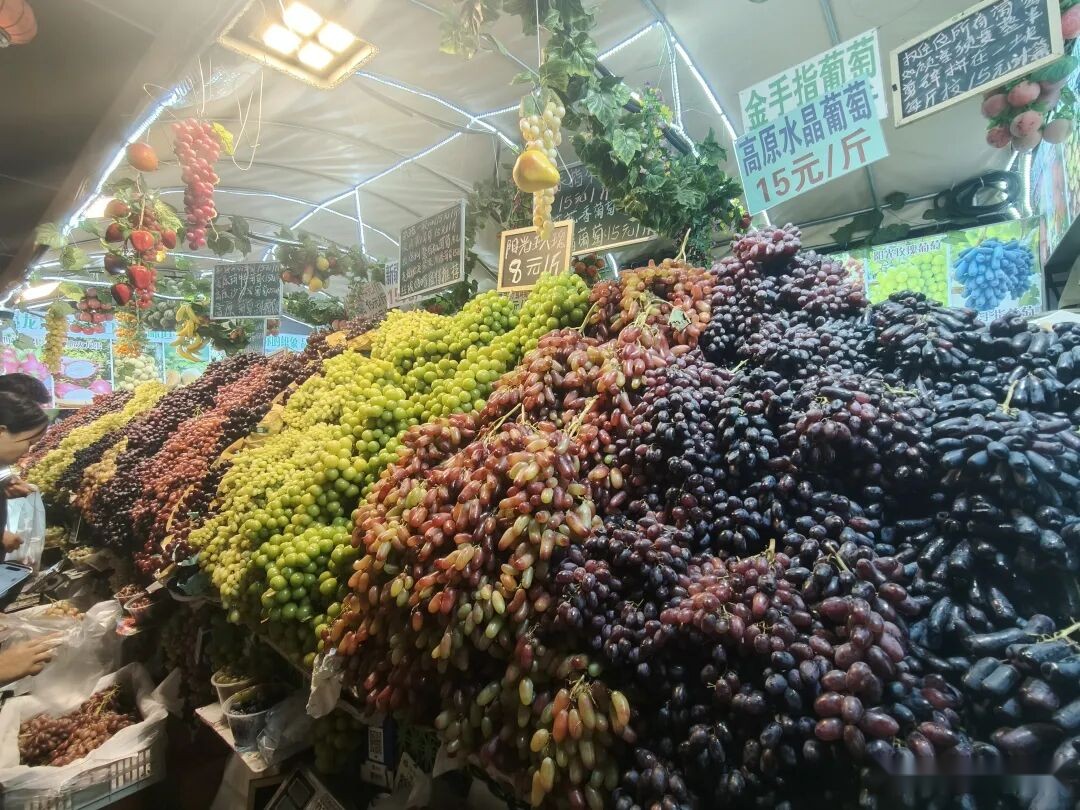
We ordered goujiaoniao bing, sheep intestines, niangpi, highland barley, lamb skewers, and fruits like tomatoes. The prices are super budget-friendly compared to the rest of the country, though fruit prices are slightly higher here than at the shops just across the street.
Northwestern Niangpi is Not Shaanxi Liangpi
Both Northwestern niangpi and Shaanxi liangpi (cold skin noodles) are made by washing wheat dough to extract gluten and then steaming the batter, but the differences lie in the steaming method and seasoning:
Liangpi: Thin with a tangy and spicy flavor profile;
Niangpi: Thicker and softer, seasoned with vinegar, garlic water, chili oil, and a kick of mustard. view all
[Internet Repost]
Take a deep dive into the Dongguan Mosque in Xining, one of the top four mosques in Northwest China and the largest in Qinghai Province. Starting with its founding in 1380 during the 12th year of the Hongwu reign in the Ming Dynasty, this guide breaks down its unique architectural art, which blends Han-style Xieshan (traditional resting mountain) roofs, Tibetan-style gilded vases, and Islamic symmetrical axes through detailed photos and descriptions.
Doing the Northwest Loop road trip brought us to Xining, where we checked out the Xining Dongguan Mosque.
What makes it so special is its combination of Han-style roofs, Tibetan-style vases, and an Islamic axis layout.
The Xining Dongguan Mosque is the largest mosque in Qinghai Province. Alongside the Huajue Lane Mosque in Xi'an, the Qiaomen Mosque in Lanzhou, and the Id Kah Mosque in Kashgar, it is known as one of the four major mosques in Northwest China.
Word has it that there are free guided tours inside, but I missed out and just ended up wandering around on my own. There's an exhibition hall in the tall building right by the entrance, but it was closed when I visited, and I'm super curious about what's on display inside. If any of you have been there, please share!
1. 600 Years of History
It was first built in 1380, the 12th year of the Hongwu reign of the Ming Dynasty. Legend has it that Mu Ying, the Marquis of Xiping who guarded the Gansu and Qinghai regions, teamed up with Xining local chieftain Ye Zhengguo, and after petitioning the imperial court at the request of Hui Muslim community leaders, they got the green light to build it.
During the Tongzhi reign (1862–1874), the mosque was destroyed.
It was rebuilt in 1913. Later on, it was renovated and expanded in 1919, expanded again in 1946, and restored in 1979. The main framework of the complex we see today dates back to this past century.
In March 2013, it was designated as a major historical and cultural site protected at the national level (the seventh batch).
2. Architectural Layout
The Dongguan Mosque faces east and sits to the west. Walking westward along the central axis, you will pass through these areas in order:
Front Three Gates -> Middle Five Gates -> Minarets -> Courtyard -> North and South Side Towers -> Main Prayer Hall.
Architecture
Description
Front Three Gates
The Western-style street-facing main gate, featuring an eight-character plaque above it that reads "Xining Dongguan Qingzhen Dasi" (Xining Dongguan Great Mosque)
Middle Five Gates
Five flat-topped arched doorways
Minarets
Located on both sides of the main entrance tower, featuring rounded dome tops. In the past, these were high vantage points used to call the faithful to prayer (adhan)
Courtyard
Located between the main hall and the side buildings, paved with bluestone slabs
North and South Side Towers
Two-story Xieshan-style side towers featuring facing covered corridors
Main Prayer Hall
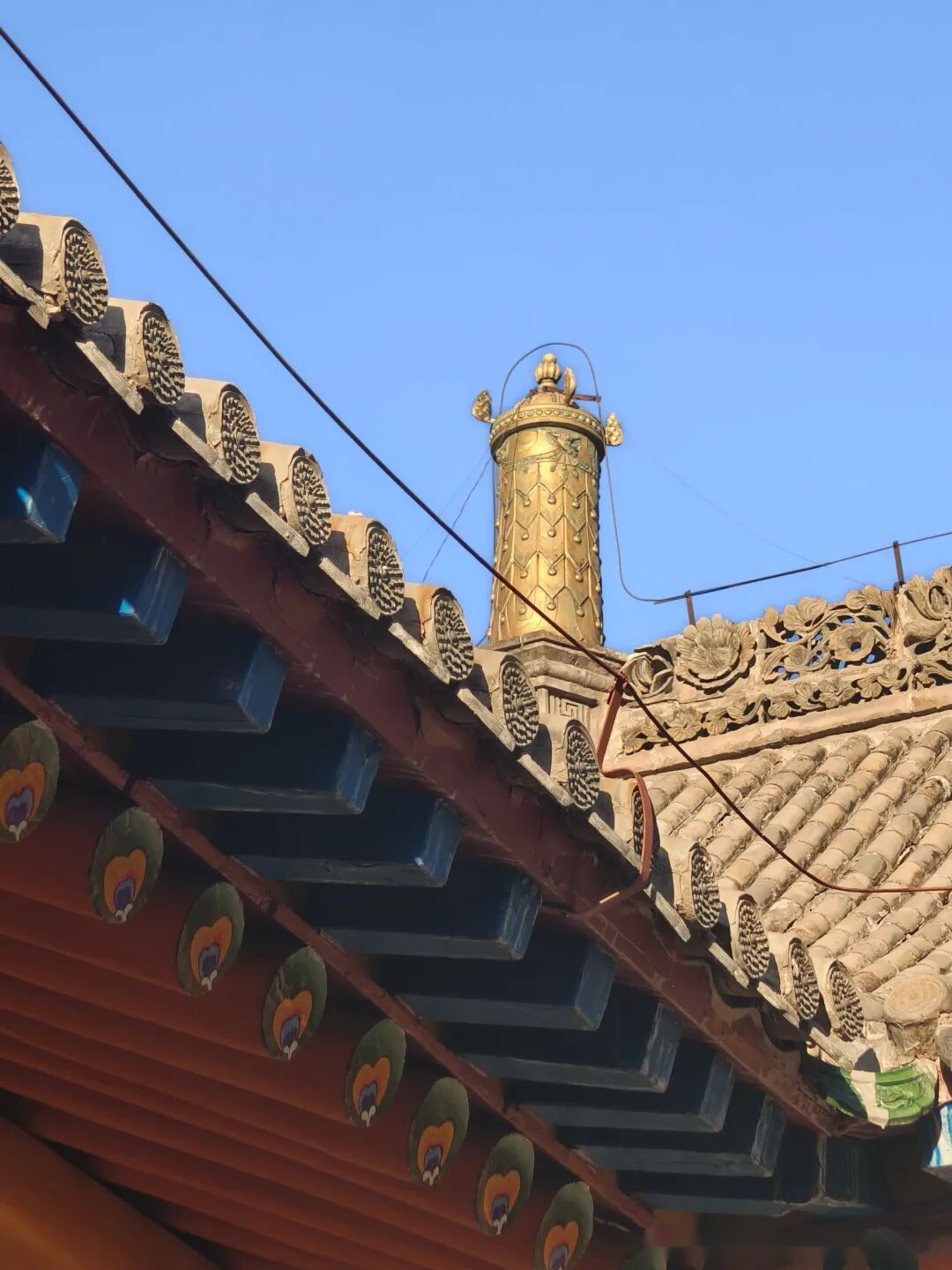
The core of the entire mosque features a single-eave Xieshan-style roof covered with green glazed tiles. The ridge of the roof is decorated with a Tibetan-style gilded vase, which is said to have been donated by the monks of Labrang Monastery in Gansu after the main hall was completed. Visitors are not allowed inside the hall, so just taking a quick look from the doorway is enough.
The main hall, the south auxiliary building, and the north auxiliary building form the backbone of the entire mosque.
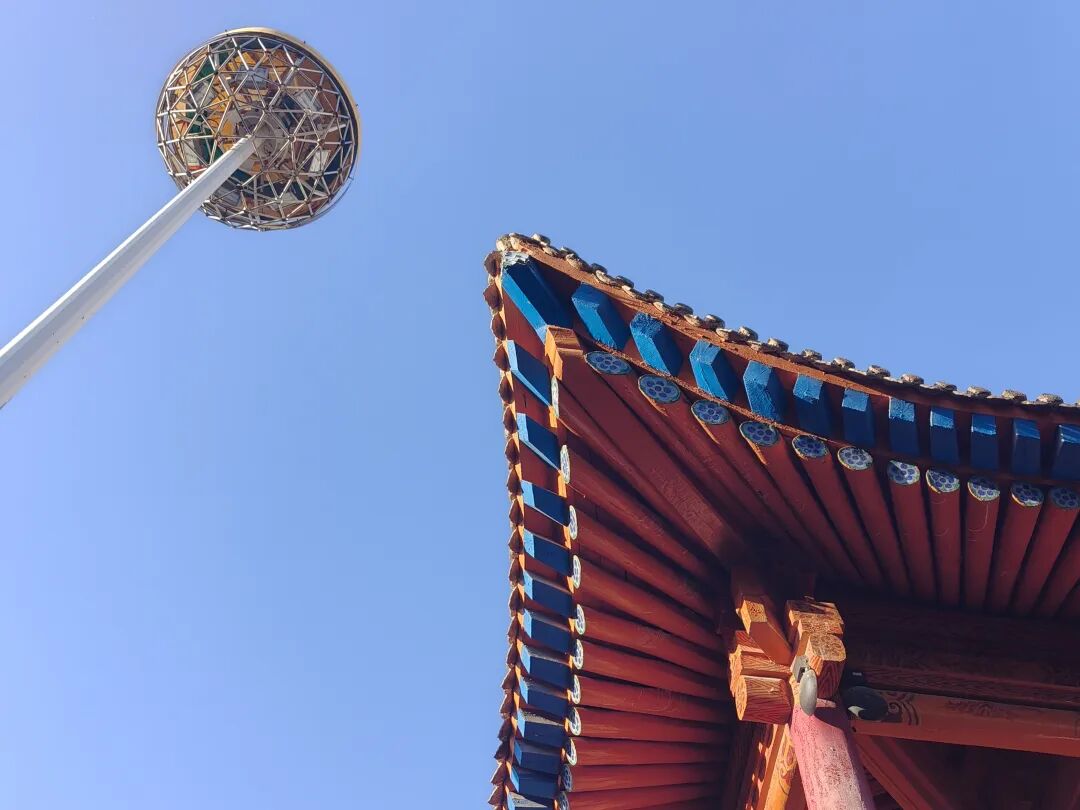
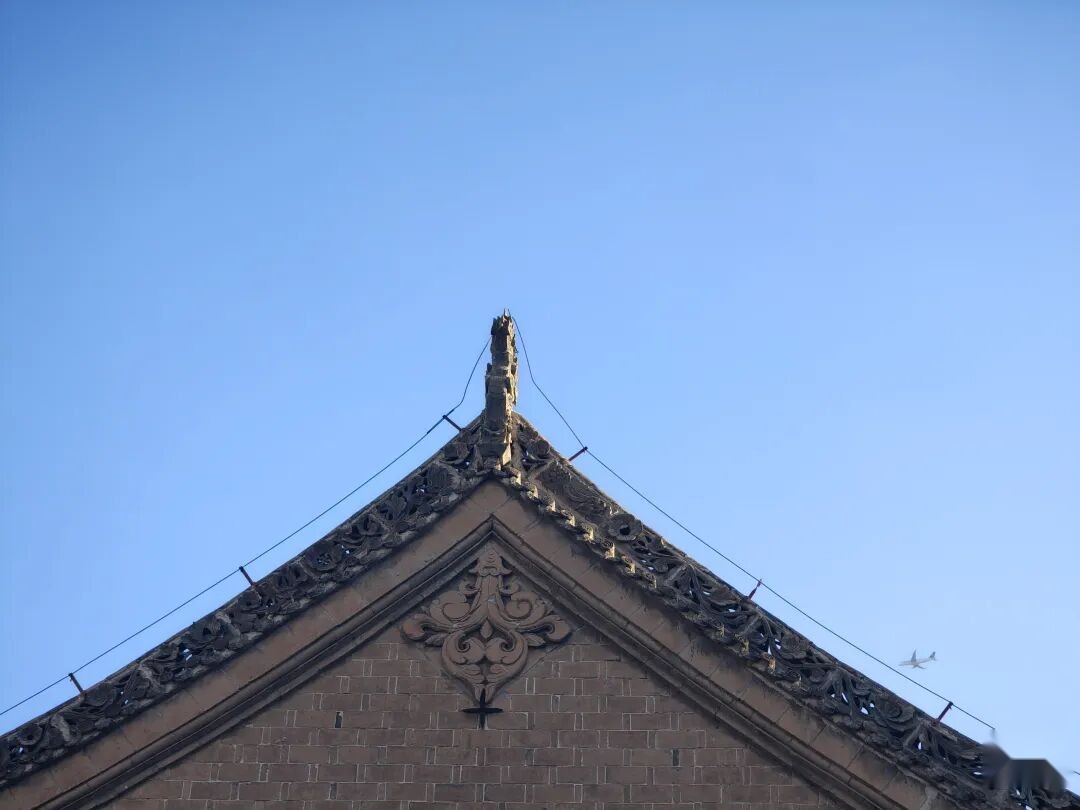
The Chinese-style palace architecture with feiyan dougong (traditional flying eaves and brackets) blends Islamic, Tibetan, and Han cultural elements in its details, looking breathtaking in the sunset light and shadows.
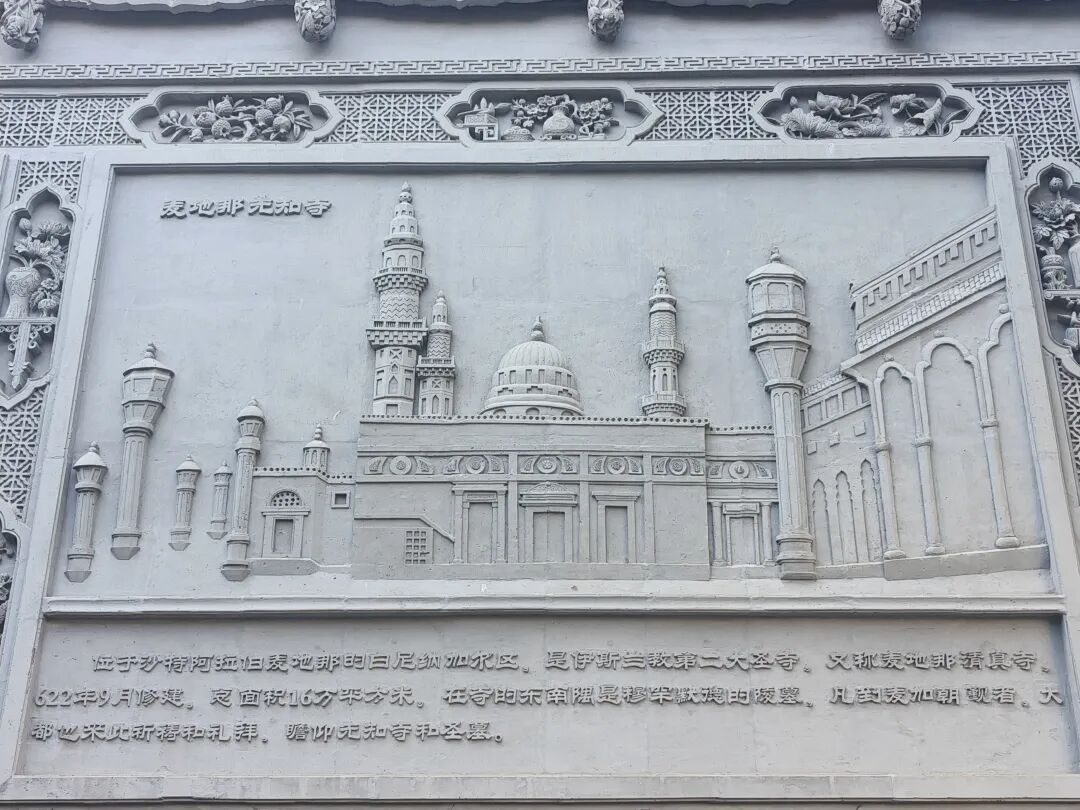
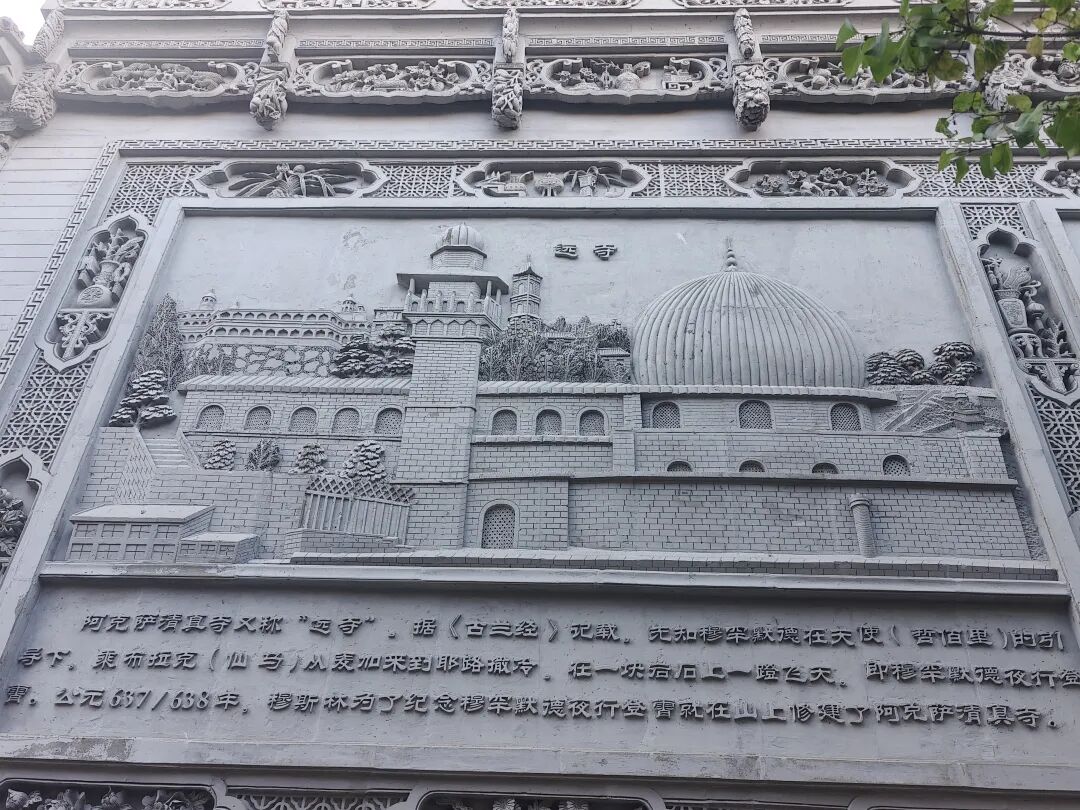
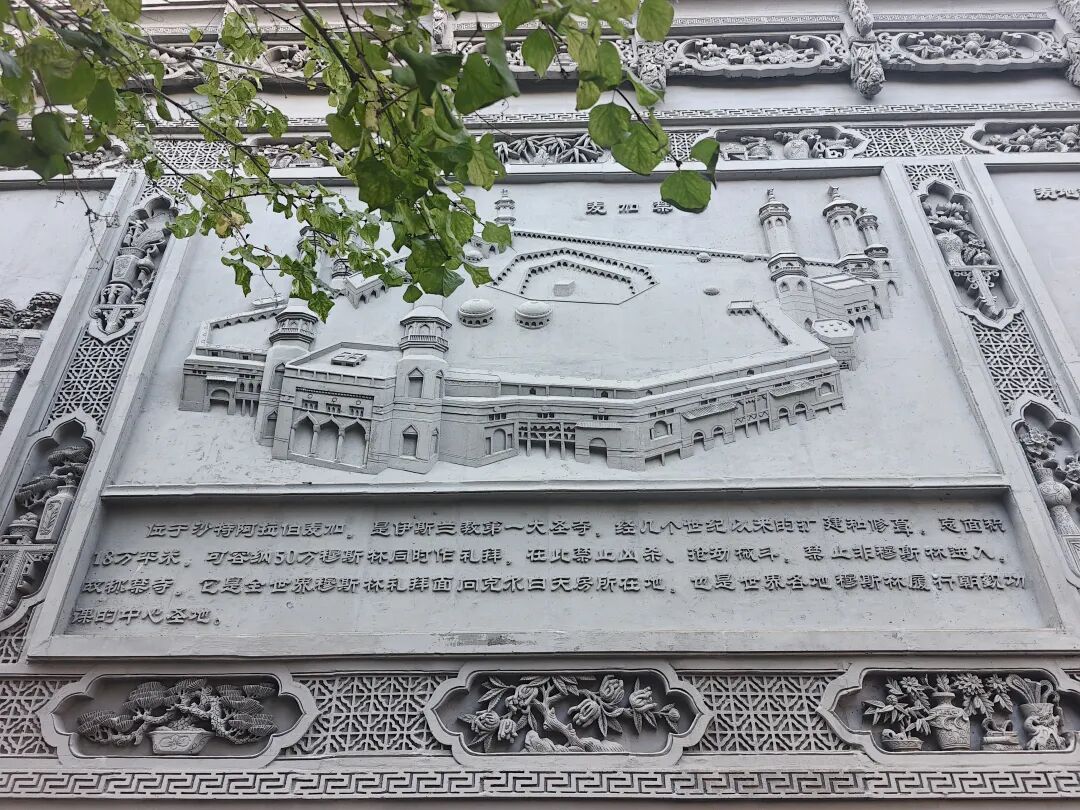
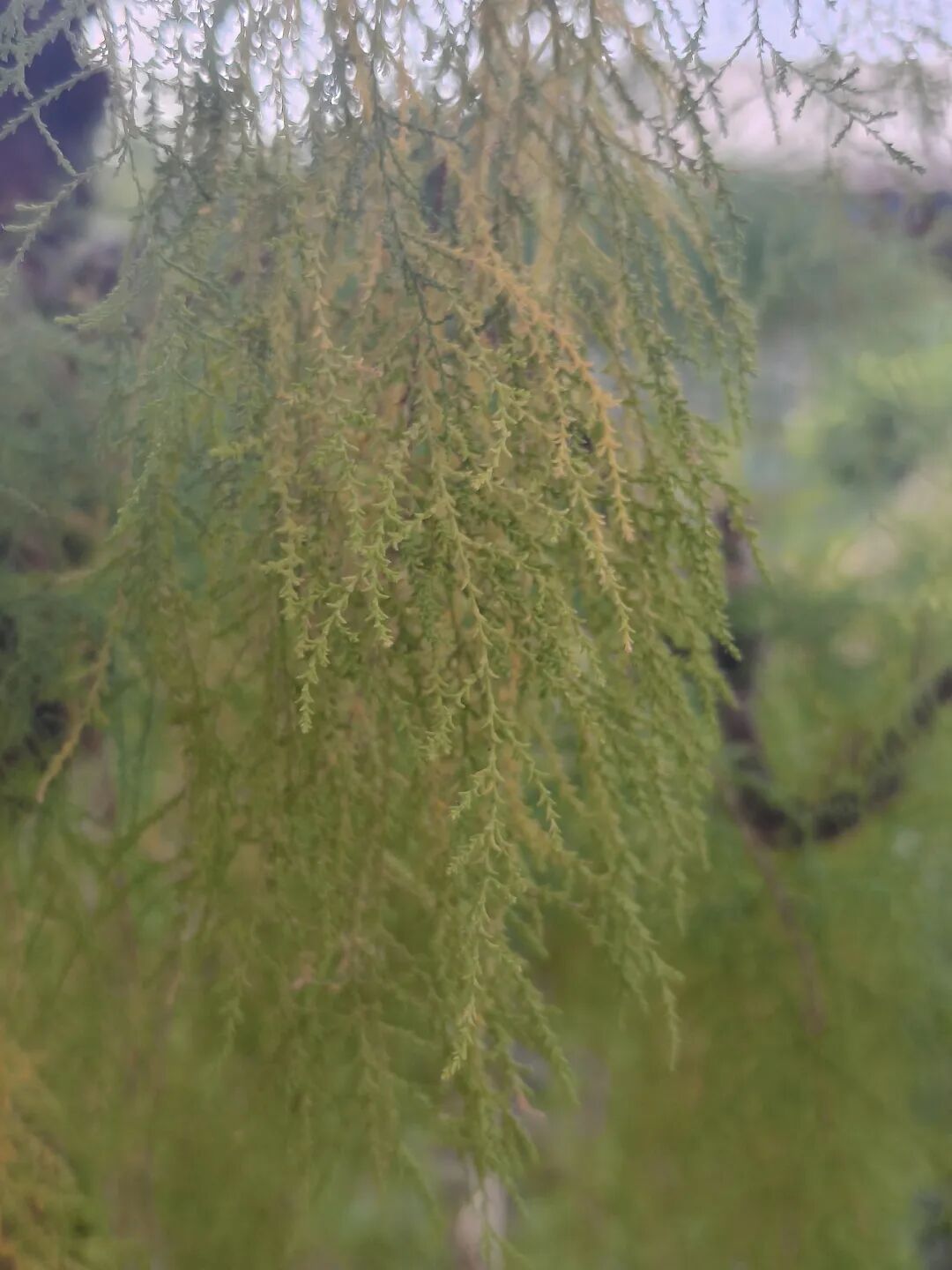
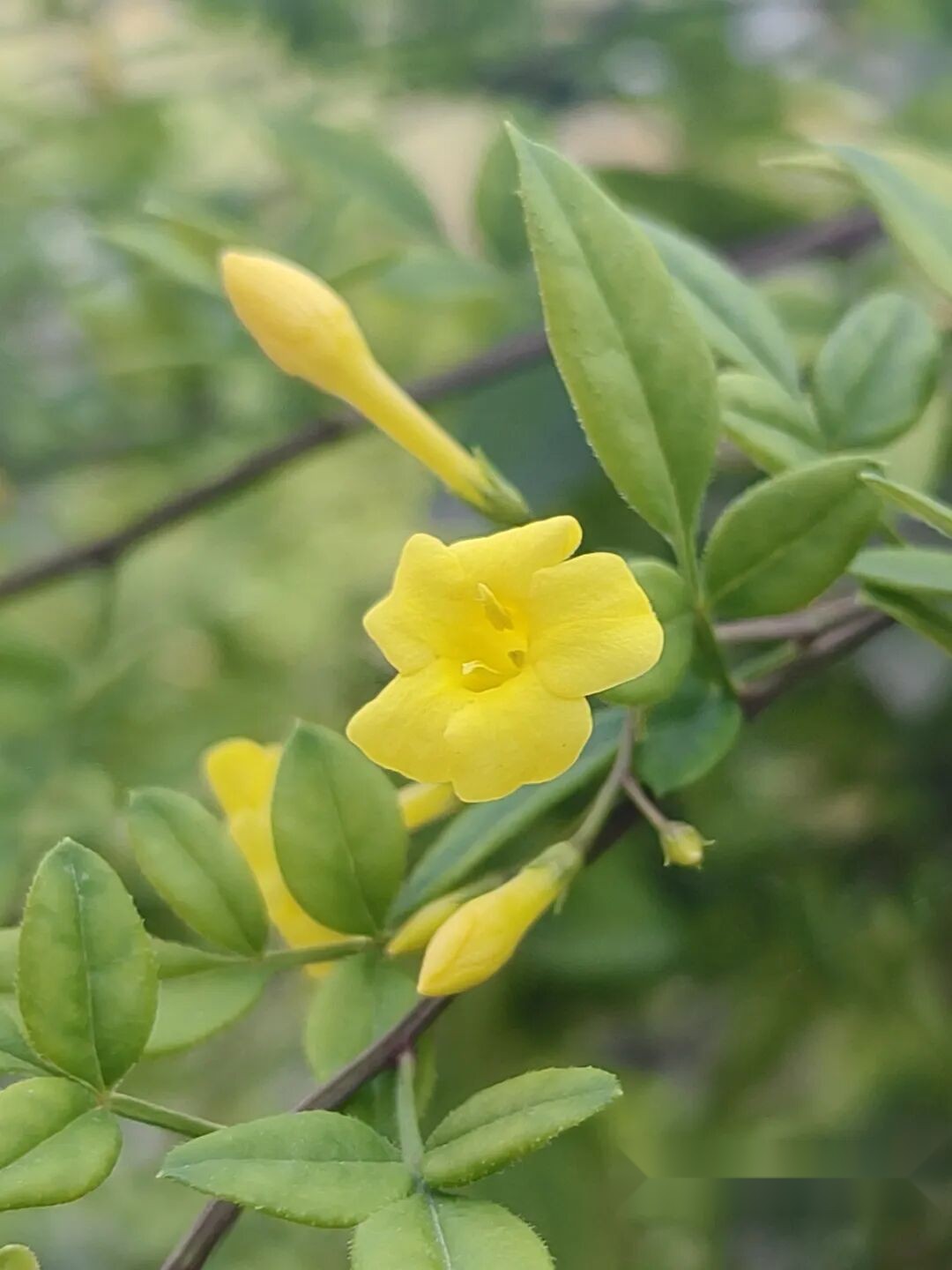
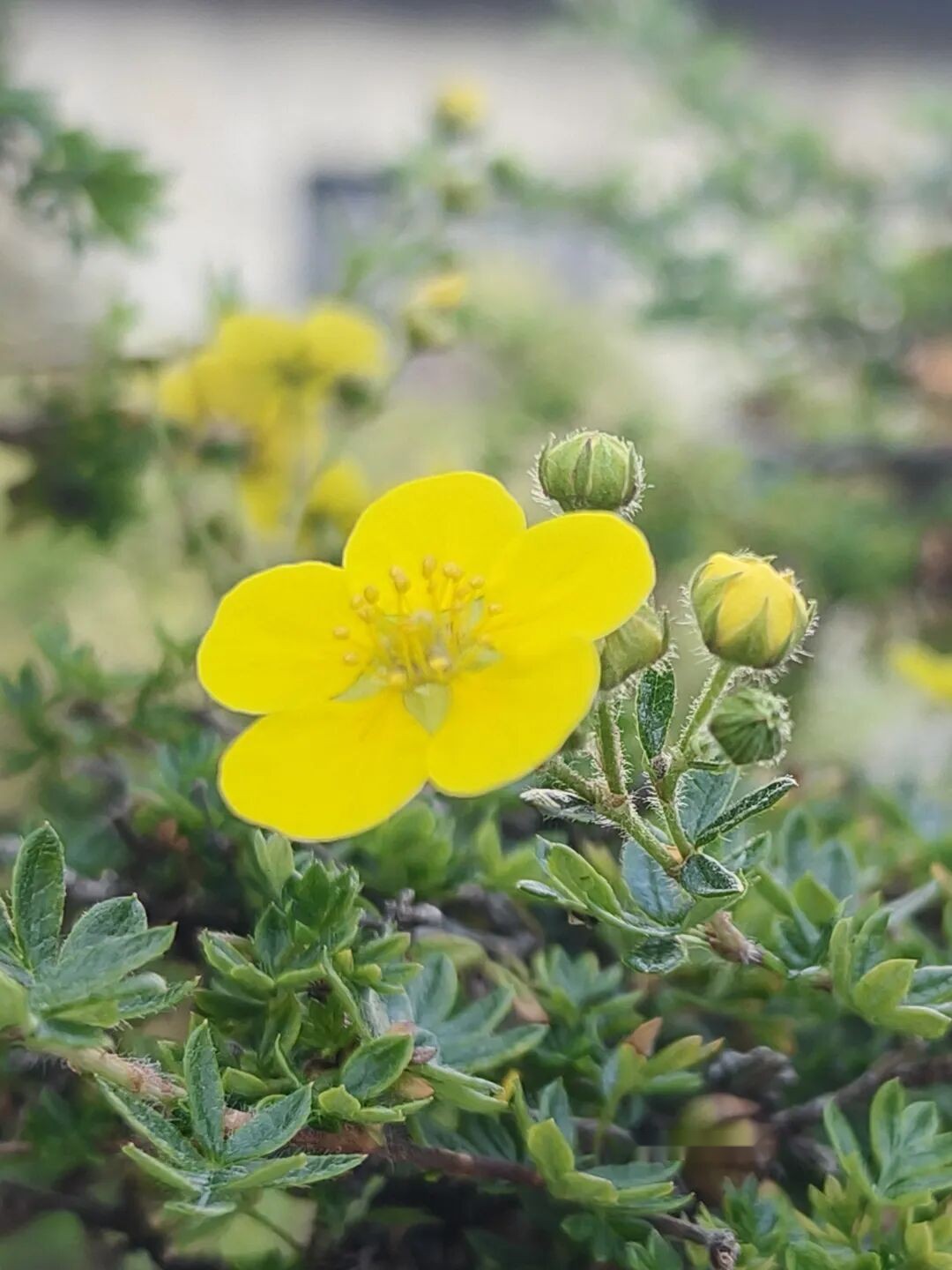
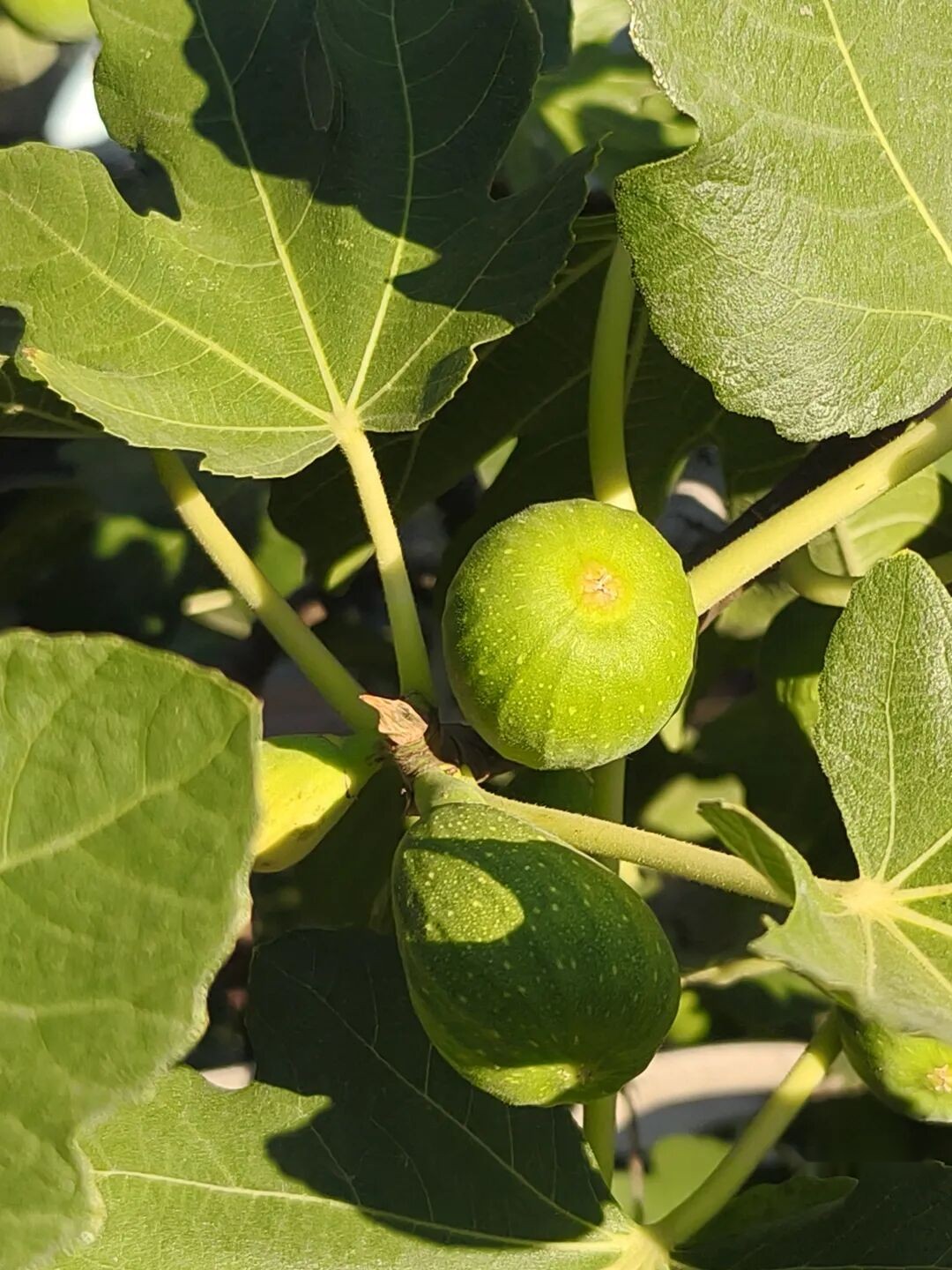
What also blew me away was the amazing variety of garden greenery and plants.
3. Visit Tips
The Dongguan Mosque in Xining is an active religious site, not a standard tourist attraction.
Visitors are not allowed to enter the main prayer hall, so try to avoid the five daily prayer times when exploring.
Fun Fact: Prayer Times
Prayer times follow the sun: before sunrise, just after noon, in the mid-afternoon, after sunset, and after nightfall. If you see crowds gathering in the courtyard and people taking off their shoes to line up, it means the next prayer is about to begin. Just step aside for a bit and resume exploring after prayers are over.
4. Xi'nanguan Street
Don't rush to leave after exploring the Xining Dongguan Mosque. Xi'nanguan Street is right outside the back gate of the mosque.
The commercial history of this street dates back to the Guangxu reign of the Qing Dynasty, making it one of the earliest commercial hubs in the eastern part of the city. Today, it is an ethnic specialty street where over a hundred types of Northwest Chinese snacks are packed into a stretch of less than 1,000 meters:
Goujiaoniao bing (traditional local pancake), sanzi (crispy fried dough twists), niangpi (thick steamed wheat noodles), sheep intestines, tianpei (fermented highland barley),laozao (fermented glutinous rice)...
Nobody ever walks out of Xi'nanguan Street on an empty stomach.
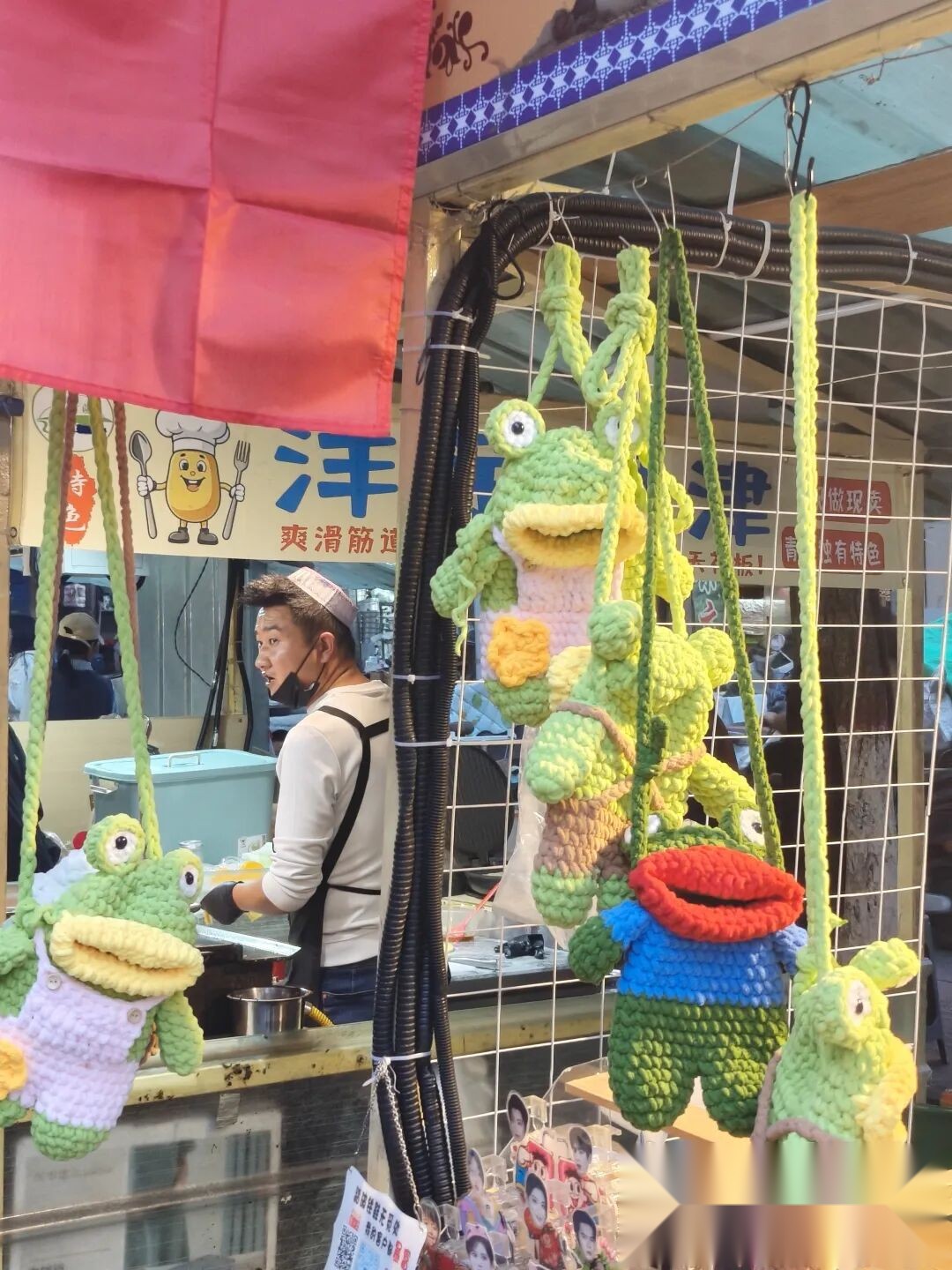
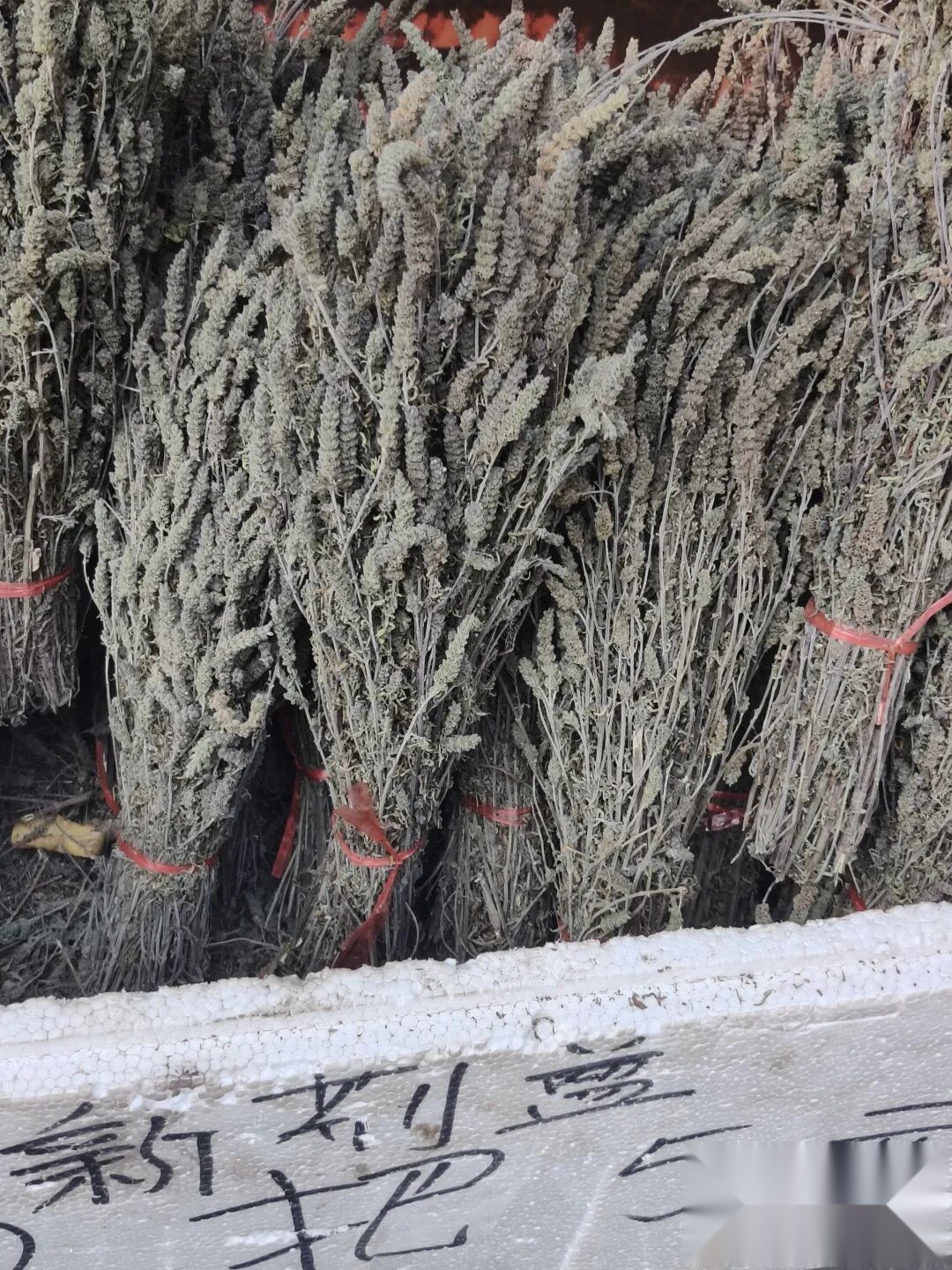
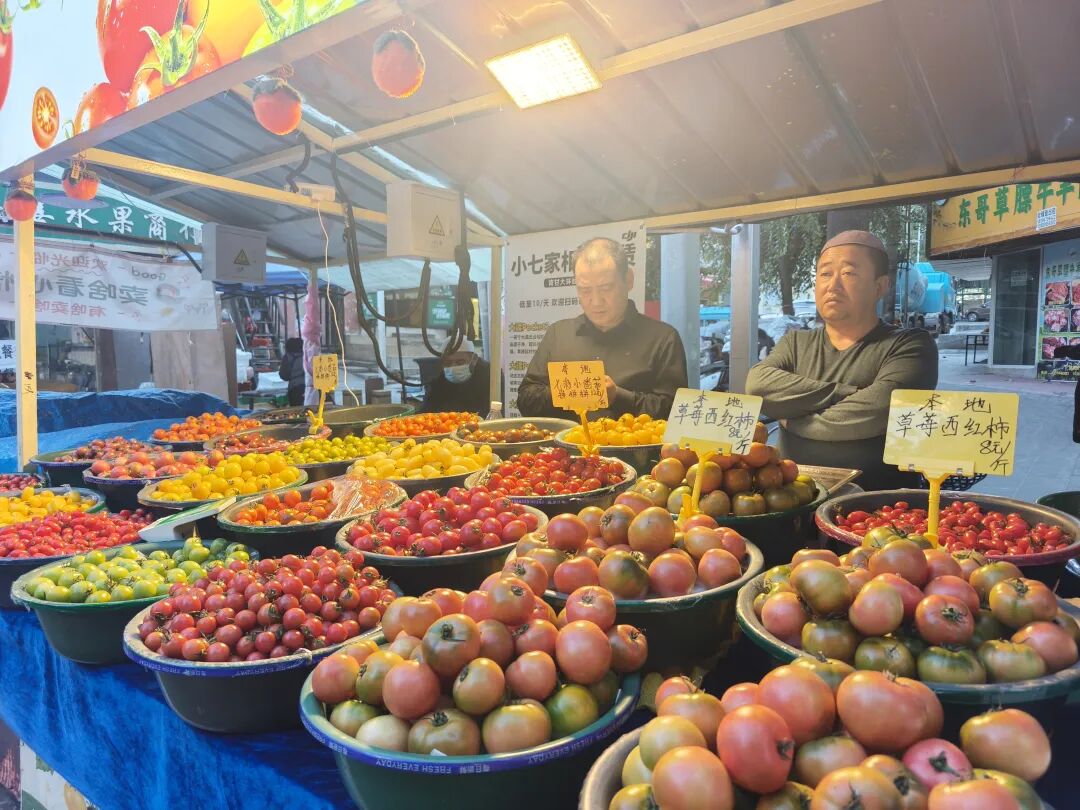
We ordered goujiaoniao bing, sheep intestines, niangpi, highland barley, lamb skewers, and fruits like tomatoes. The prices are super budget-friendly compared to the rest of the country, though fruit prices are slightly higher here than at the shops just across the street.


Northwestern Niangpi is Not Shaanxi Liangpi
Both Northwestern niangpi and Shaanxi liangpi (cold skin noodles) are made by washing wheat dough to extract gluten and then steaming the batter, but the differences lie in the steaming method and seasoning:
Liangpi: Thin with a tangy and spicy flavor profile;
Niangpi: Thicker and softer, seasoned with vinegar, garlic water, chili oil, and a kick of mustard.





Take a deep dive into the Dongguan Mosque in Xining, one of the top four mosques in Northwest China and the largest in Qinghai Province. Starting with its founding in 1380 during the 12th year of the Hongwu reign in the Ming Dynasty, this guide breaks down its unique architectural art, which blends Han-style Xieshan (traditional resting mountain) roofs, Tibetan-style gilded vases, and Islamic symmetrical axes through detailed photos and descriptions.
Doing the Northwest Loop road trip brought us to Xining, where we checked out the Xining Dongguan Mosque.
What makes it so special is its combination of Han-style roofs, Tibetan-style vases, and an Islamic axis layout.
The Xining Dongguan Mosque is the largest mosque in Qinghai Province. Alongside the Huajue Lane Mosque in Xi'an, the Qiaomen Mosque in Lanzhou, and the Id Kah Mosque in Kashgar, it is known as one of the four major mosques in Northwest China.
Word has it that there are free guided tours inside, but I missed out and just ended up wandering around on my own. There's an exhibition hall in the tall building right by the entrance, but it was closed when I visited, and I'm super curious about what's on display inside. If any of you have been there, please share!
1. 600 Years of History
It was first built in 1380, the 12th year of the Hongwu reign of the Ming Dynasty. Legend has it that Mu Ying, the Marquis of Xiping who guarded the Gansu and Qinghai regions, teamed up with Xining local chieftain Ye Zhengguo, and after petitioning the imperial court at the request of Hui Muslim community leaders, they got the green light to build it.
During the Tongzhi reign (1862–1874), the mosque was destroyed.
It was rebuilt in 1913. Later on, it was renovated and expanded in 1919, expanded again in 1946, and restored in 1979. The main framework of the complex we see today dates back to this past century.
In March 2013, it was designated as a major historical and cultural site protected at the national level (the seventh batch).
2. Architectural Layout
The Dongguan Mosque faces east and sits to the west. Walking westward along the central axis, you will pass through these areas in order:
Front Three Gates -> Middle Five Gates -> Minarets -> Courtyard -> North and South Side Towers -> Main Prayer Hall.
Architecture
Description
Front Three Gates
The Western-style street-facing main gate, featuring an eight-character plaque above it that reads "Xining Dongguan Qingzhen Dasi" (Xining Dongguan Great Mosque)
Middle Five Gates
Five flat-topped arched doorways
Minarets
Located on both sides of the main entrance tower, featuring rounded dome tops. In the past, these were high vantage points used to call the faithful to prayer (adhan)
Courtyard
Located between the main hall and the side buildings, paved with bluestone slabs
North and South Side Towers
Two-story Xieshan-style side towers featuring facing covered corridors
Main Prayer Hall
The core of the entire mosque features a single-eave Xieshan-style roof covered with green glazed tiles. The ridge of the roof is decorated with a Tibetan-style gilded vase, which is said to have been donated by the monks of Labrang Monastery in Gansu after the main hall was completed. Visitors are not allowed inside the hall, so just taking a quick look from the doorway is enough.
The main hall, the south auxiliary building, and the north auxiliary building form the backbone of the entire mosque.
The Chinese-style palace architecture with feiyan dougong (traditional flying eaves and brackets) blends Islamic, Tibetan, and Han cultural elements in its details, looking breathtaking in the sunset light and shadows.
What also blew me away was the amazing variety of garden greenery and plants.
3. Visit Tips
The Dongguan Mosque in Xining is an active religious site, not a standard tourist attraction.
Visitors are not allowed to enter the main prayer hall, so try to avoid the five daily prayer times when exploring.
Fun Fact: Prayer Times
Prayer times follow the sun: before sunrise, just after noon, in the mid-afternoon, after sunset, and after nightfall. If you see crowds gathering in the courtyard and people taking off their shoes to line up, it means the next prayer is about to begin. Just step aside for a bit and resume exploring after prayers are over.
4. Xi'nanguan Street
Don't rush to leave after exploring the Xining Dongguan Mosque. Xi'nanguan Street is right outside the back gate of the mosque.
The commercial history of this street dates back to the Guangxu reign of the Qing Dynasty, making it one of the earliest commercial hubs in the eastern part of the city. Today, it is an ethnic specialty street where over a hundred types of Northwest Chinese snacks are packed into a stretch of less than 1,000 meters:
Goujiaoniao bing (traditional local pancake), sanzi (crispy fried dough twists), niangpi (thick steamed wheat noodles), sheep intestines, tianpei (fermented highland barley),laozao (fermented glutinous rice)...
Nobody ever walks out of Xi'nanguan Street on an empty stomach.
We ordered goujiaoniao bing, sheep intestines, niangpi, highland barley, lamb skewers, and fruits like tomatoes. The prices are super budget-friendly compared to the rest of the country, though fruit prices are slightly higher here than at the shops just across the street.
Northwestern Niangpi is Not Shaanxi Liangpi
Both Northwestern niangpi and Shaanxi liangpi (cold skin noodles) are made by washing wheat dough to extract gluten and then steaming the batter, but the differences lie in the steaming method and seasoning:
Liangpi: Thin with a tangy and spicy flavor profile;
Niangpi: Thicker and softer, seasoned with vinegar, garlic water, chili oil, and a kick of mustard.
Explore Dongguan Mosque Xining: 600-Year-Old Islamic Architecture and History in Qinghai
Articles • Hasan09 posted the article • 0 comments • 8 views • 9 hours ago
[Internet Repost]
Take a deep dive into the Dongguan Mosque in Xining, one of the top four mosques in Northwest China and the largest in Qinghai Province. Starting with its founding in 1380 during the 12th year of the Hongwu reign in the Ming Dynasty, this guide breaks down its unique architectural art, which blends Han-style Xieshan (traditional resting mountain) roofs, Tibetan-style gilded vases, and Islamic symmetrical axes through detailed photos and descriptions.
Doing the Northwest Loop road trip brought us to Xining, where we checked out the Xining Dongguan Mosque.
What makes it so special is its combination of Han-style roofs, Tibetan-style vases, and an Islamic axis layout.
The Xining Dongguan Mosque is the largest mosque in Qinghai Province. Alongside the Huajue Lane Mosque in Xi'an, the Qiaomen Mosque in Lanzhou, and the Id Kah Mosque in Kashgar, it is known as one of the four major mosques in Northwest China.
Word has it that there are free guided tours inside, but I missed out and just ended up wandering around on my own. There's an exhibition hall in the tall building right by the entrance, but it was closed when I visited, and I'm super curious about what's on display inside. If any of you have been there, please share!
1. 600 Years of History
It was first built in 1380, the 12th year of the Hongwu reign of the Ming Dynasty. Legend has it that Mu Ying, the Marquis of Xiping who guarded the Gansu and Qinghai regions, teamed up with Xining local chieftain Ye Zhengguo, and after petitioning the imperial court at the request of Hui Muslim community leaders, they got the green light to build it.
During the Tongzhi reign (1862–1874), the mosque was destroyed.
It was rebuilt in 1913. Later on, it was renovated and expanded in 1919, expanded again in 1946, and restored in 1979. The main framework of the complex we see today dates back to this past century.
In March 2013, it was designated as a major historical and cultural site protected at the national level (the seventh batch).
2. Architectural Layout
The Dongguan Mosque faces east and sits to the west. Walking westward along the central axis, you will pass through these areas in order:
Front Three Gates -> Middle Five Gates -> Minarets -> Courtyard -> North and South Side Towers -> Main Prayer Hall.
Architecture
Description
Front Three Gates
The Western-style street-facing main gate, featuring an eight-character plaque above it that reads "Xining Dongguan Qingzhen Dasi" (Xining Dongguan Great Mosque)
Middle Five Gates
Five flat-topped arched doorways
Minarets
Located on both sides of the main entrance tower, featuring rounded dome tops. In the past, these were high vantage points used to call the faithful to prayer (adhan)
Courtyard
Located between the main hall and the side buildings, paved with bluestone slabs
North and South Side Towers
Two-story Xieshan-style side towers featuring facing covered corridors
Main Prayer Hall
The core of the entire mosque features a single-eave Xieshan-style roof covered with green glazed tiles. The ridge of the roof is decorated with a Tibetan-style gilded vase, which is said to have been donated by the monks of Labrang Monastery in Gansu after the main hall was completed. Visitors are not allowed inside the hall, so just taking a quick look from the doorway is enough.
The main hall, the south auxiliary building, and the north auxiliary building form the backbone of the entire mosque.
The Chinese-style palace architecture with feiyan dougong (traditional flying eaves and brackets) blends Islamic, Tibetan, and Han cultural elements in its details, looking breathtaking in the sunset light and shadows.
What also blew me away was the amazing variety of garden greenery and plants.
3. Visit Tips
The Dongguan Mosque in Xining is an active religious site, not a standard tourist attraction.
Visitors are not allowed to enter the main prayer hall, so try to avoid the five daily prayer times when exploring.
Fun Fact: Prayer Times
Prayer times follow the sun: before sunrise, just after noon, in the mid-afternoon, after sunset, and after nightfall. If you see crowds gathering in the courtyard and people taking off their shoes to line up, it means the next prayer is about to begin. Just step aside for a bit and resume exploring after prayers are over.
4. Xi'nanguan Street
Don't rush to leave after exploring the Xining Dongguan Mosque. Xi'nanguan Street is right outside the back gate of the mosque.
The commercial history of this street dates back to the Guangxu reign of the Qing Dynasty, making it one of the earliest commercial hubs in the eastern part of the city. Today, it is an ethnic specialty street where over a hundred types of Northwest Chinese snacks are packed into a stretch of less than 1,000 meters:
Goujiaoniao bing (traditional local pancake), sanzi (crispy fried dough twists), niangpi (thick steamed wheat noodles), sheep intestines, tianpei (fermented highland barley),laozao (fermented glutinous rice)...
Nobody ever walks out of Xi'nanguan Street on an empty stomach.
We ordered goujiaoniao bing, sheep intestines, niangpi, highland barley, lamb skewers, and fruits like tomatoes. The prices are super budget-friendly compared to the rest of the country, though fruit prices are slightly higher here than at the shops just across the street.
Northwestern Niangpi is Not Shaanxi Liangpi
Both Northwestern niangpi and Shaanxi liangpi (cold skin noodles) are made by washing wheat dough to extract gluten and then steaming the batter, but the differences lie in the steaming method and seasoning:
Liangpi: Thin with a tangy and spicy flavor profile;
Niangpi: Thicker and softer, seasoned with vinegar, garlic water, chili oil, and a kick of mustard. view all
Take a deep dive into the Dongguan Mosque in Xining, one of the top four mosques in Northwest China and the largest in Qinghai Province. Starting with its founding in 1380 during the 12th year of the Hongwu reign in the Ming Dynasty, this guide breaks down its unique architectural art, which blends Han-style Xieshan (traditional resting mountain) roofs, Tibetan-style gilded vases, and Islamic symmetrical axes through detailed photos and descriptions.
Doing the Northwest Loop road trip brought us to Xining, where we checked out the Xining Dongguan Mosque.
What makes it so special is its combination of Han-style roofs, Tibetan-style vases, and an Islamic axis layout.
The Xining Dongguan Mosque is the largest mosque in Qinghai Province. Alongside the Huajue Lane Mosque in Xi'an, the Qiaomen Mosque in Lanzhou, and the Id Kah Mosque in Kashgar, it is known as one of the four major mosques in Northwest China.
Word has it that there are free guided tours inside, but I missed out and just ended up wandering around on my own. There's an exhibition hall in the tall building right by the entrance, but it was closed when I visited, and I'm super curious about what's on display inside. If any of you have been there, please share!
1. 600 Years of History
It was first built in 1380, the 12th year of the Hongwu reign of the Ming Dynasty. Legend has it that Mu Ying, the Marquis of Xiping who guarded the Gansu and Qinghai regions, teamed up with Xining local chieftain Ye Zhengguo, and after petitioning the imperial court at the request of Hui Muslim community leaders, they got the green light to build it.
During the Tongzhi reign (1862–1874), the mosque was destroyed.
It was rebuilt in 1913. Later on, it was renovated and expanded in 1919, expanded again in 1946, and restored in 1979. The main framework of the complex we see today dates back to this past century.
In March 2013, it was designated as a major historical and cultural site protected at the national level (the seventh batch).
2. Architectural Layout
The Dongguan Mosque faces east and sits to the west. Walking westward along the central axis, you will pass through these areas in order:
Front Three Gates -> Middle Five Gates -> Minarets -> Courtyard -> North and South Side Towers -> Main Prayer Hall.
Architecture
Description
Front Three Gates
The Western-style street-facing main gate, featuring an eight-character plaque above it that reads "Xining Dongguan Qingzhen Dasi" (Xining Dongguan Great Mosque)
Middle Five Gates
Five flat-topped arched doorways
Minarets
Located on both sides of the main entrance tower, featuring rounded dome tops. In the past, these were high vantage points used to call the faithful to prayer (adhan)
Courtyard
Located between the main hall and the side buildings, paved with bluestone slabs
North and South Side Towers
Two-story Xieshan-style side towers featuring facing covered corridors
Main Prayer Hall
The core of the entire mosque features a single-eave Xieshan-style roof covered with green glazed tiles. The ridge of the roof is decorated with a Tibetan-style gilded vase, which is said to have been donated by the monks of Labrang Monastery in Gansu after the main hall was completed. Visitors are not allowed inside the hall, so just taking a quick look from the doorway is enough.
The main hall, the south auxiliary building, and the north auxiliary building form the backbone of the entire mosque.
The Chinese-style palace architecture with feiyan dougong (traditional flying eaves and brackets) blends Islamic, Tibetan, and Han cultural elements in its details, looking breathtaking in the sunset light and shadows.
What also blew me away was the amazing variety of garden greenery and plants.
3. Visit Tips
The Dongguan Mosque in Xining is an active religious site, not a standard tourist attraction.
Visitors are not allowed to enter the main prayer hall, so try to avoid the five daily prayer times when exploring.
Fun Fact: Prayer Times
Prayer times follow the sun: before sunrise, just after noon, in the mid-afternoon, after sunset, and after nightfall. If you see crowds gathering in the courtyard and people taking off their shoes to line up, it means the next prayer is about to begin. Just step aside for a bit and resume exploring after prayers are over.
4. Xi'nanguan Street
Don't rush to leave after exploring the Xining Dongguan Mosque. Xi'nanguan Street is right outside the back gate of the mosque.
The commercial history of this street dates back to the Guangxu reign of the Qing Dynasty, making it one of the earliest commercial hubs in the eastern part of the city. Today, it is an ethnic specialty street where over a hundred types of Northwest Chinese snacks are packed into a stretch of less than 1,000 meters:
Goujiaoniao bing (traditional local pancake), sanzi (crispy fried dough twists), niangpi (thick steamed wheat noodles), sheep intestines, tianpei (fermented highland barley),laozao (fermented glutinous rice)...
Nobody ever walks out of Xi'nanguan Street on an empty stomach.
We ordered goujiaoniao bing, sheep intestines, niangpi, highland barley, lamb skewers, and fruits like tomatoes. The prices are super budget-friendly compared to the rest of the country, though fruit prices are slightly higher here than at the shops just across the street.
Northwestern Niangpi is Not Shaanxi Liangpi
Both Northwestern niangpi and Shaanxi liangpi (cold skin noodles) are made by washing wheat dough to extract gluten and then steaming the batter, but the differences lie in the steaming method and seasoning:
Liangpi: Thin with a tangy and spicy flavor profile;
Niangpi: Thicker and softer, seasoned with vinegar, garlic water, chili oil, and a kick of mustard. view all
[Internet Repost]
Take a deep dive into the Dongguan Mosque in Xining, one of the top four mosques in Northwest China and the largest in Qinghai Province. Starting with its founding in 1380 during the 12th year of the Hongwu reign in the Ming Dynasty, this guide breaks down its unique architectural art, which blends Han-style Xieshan (traditional resting mountain) roofs, Tibetan-style gilded vases, and Islamic symmetrical axes through detailed photos and descriptions.
Doing the Northwest Loop road trip brought us to Xining, where we checked out the Xining Dongguan Mosque.
What makes it so special is its combination of Han-style roofs, Tibetan-style vases, and an Islamic axis layout.
The Xining Dongguan Mosque is the largest mosque in Qinghai Province. Alongside the Huajue Lane Mosque in Xi'an, the Qiaomen Mosque in Lanzhou, and the Id Kah Mosque in Kashgar, it is known as one of the four major mosques in Northwest China.
Word has it that there are free guided tours inside, but I missed out and just ended up wandering around on my own. There's an exhibition hall in the tall building right by the entrance, but it was closed when I visited, and I'm super curious about what's on display inside. If any of you have been there, please share!
1. 600 Years of History
It was first built in 1380, the 12th year of the Hongwu reign of the Ming Dynasty. Legend has it that Mu Ying, the Marquis of Xiping who guarded the Gansu and Qinghai regions, teamed up with Xining local chieftain Ye Zhengguo, and after petitioning the imperial court at the request of Hui Muslim community leaders, they got the green light to build it.
During the Tongzhi reign (1862–1874), the mosque was destroyed.
It was rebuilt in 1913. Later on, it was renovated and expanded in 1919, expanded again in 1946, and restored in 1979. The main framework of the complex we see today dates back to this past century.
In March 2013, it was designated as a major historical and cultural site protected at the national level (the seventh batch).
2. Architectural Layout
The Dongguan Mosque faces east and sits to the west. Walking westward along the central axis, you will pass through these areas in order:
Front Three Gates -> Middle Five Gates -> Minarets -> Courtyard -> North and South Side Towers -> Main Prayer Hall.
Architecture
Description
Front Three Gates
The Western-style street-facing main gate, featuring an eight-character plaque above it that reads "Xining Dongguan Qingzhen Dasi" (Xining Dongguan Great Mosque)
Middle Five Gates
Five flat-topped arched doorways
Minarets
Located on both sides of the main entrance tower, featuring rounded dome tops. In the past, these were high vantage points used to call the faithful to prayer (adhan)
Courtyard
Located between the main hall and the side buildings, paved with bluestone slabs
North and South Side Towers
Two-story Xieshan-style side towers featuring facing covered corridors
Main Prayer Hall
The core of the entire mosque features a single-eave Xieshan-style roof covered with green glazed tiles. The ridge of the roof is decorated with a Tibetan-style gilded vase, which is said to have been donated by the monks of Labrang Monastery in Gansu after the main hall was completed. Visitors are not allowed inside the hall, so just taking a quick look from the doorway is enough.
The main hall, the south auxiliary building, and the north auxiliary building form the backbone of the entire mosque.
The Chinese-style palace architecture with feiyan dougong (traditional flying eaves and brackets) blends Islamic, Tibetan, and Han cultural elements in its details, looking breathtaking in the sunset light and shadows.
What also blew me away was the amazing variety of garden greenery and plants.
3. Visit Tips
The Dongguan Mosque in Xining is an active religious site, not a standard tourist attraction.
Visitors are not allowed to enter the main prayer hall, so try to avoid the five daily prayer times when exploring.
Fun Fact: Prayer Times
Prayer times follow the sun: before sunrise, just after noon, in the mid-afternoon, after sunset, and after nightfall. If you see crowds gathering in the courtyard and people taking off their shoes to line up, it means the next prayer is about to begin. Just step aside for a bit and resume exploring after prayers are over.
4. Xi'nanguan Street
Don't rush to leave after exploring the Xining Dongguan Mosque. Xi'nanguan Street is right outside the back gate of the mosque.
The commercial history of this street dates back to the Guangxu reign of the Qing Dynasty, making it one of the earliest commercial hubs in the eastern part of the city. Today, it is an ethnic specialty street where over a hundred types of Northwest Chinese snacks are packed into a stretch of less than 1,000 meters:
Goujiaoniao bing (traditional local pancake), sanzi (crispy fried dough twists), niangpi (thick steamed wheat noodles), sheep intestines, tianpei (fermented highland barley),laozao (fermented glutinous rice)...
Nobody ever walks out of Xi'nanguan Street on an empty stomach.
We ordered goujiaoniao bing, sheep intestines, niangpi, highland barley, lamb skewers, and fruits like tomatoes. The prices are super budget-friendly compared to the rest of the country, though fruit prices are slightly higher here than at the shops just across the street.
Northwestern Niangpi is Not Shaanxi Liangpi
Both Northwestern niangpi and Shaanxi liangpi (cold skin noodles) are made by washing wheat dough to extract gluten and then steaming the batter, but the differences lie in the steaming method and seasoning:
Liangpi: Thin with a tangy and spicy flavor profile;
Niangpi: Thicker and softer, seasoned with vinegar, garlic water, chili oil, and a kick of mustard.