

Xining Travel
Xining Weekend Halal Travel Guide: Mosques, Muslim Food and Qinghai Culture
Articles • ali2007fr posted the article • 0 comments • 157 views • 2026-05-17 06:46
Reposted from the web
Summary: This travel note introduces Xining Weekend Halal Travel Guide: Mosques, Muslim Food and Qinghai Culture. In early July 2020, Beijing lifted travel restrictions, and we began our first trip of the summer—Xining. It is useful for readers interested in Xining Travel, Halal Food, Qinghai Muslims.
In early July 2020, Beijing lifted travel restrictions, and we began our first trip of the summer—Xining.
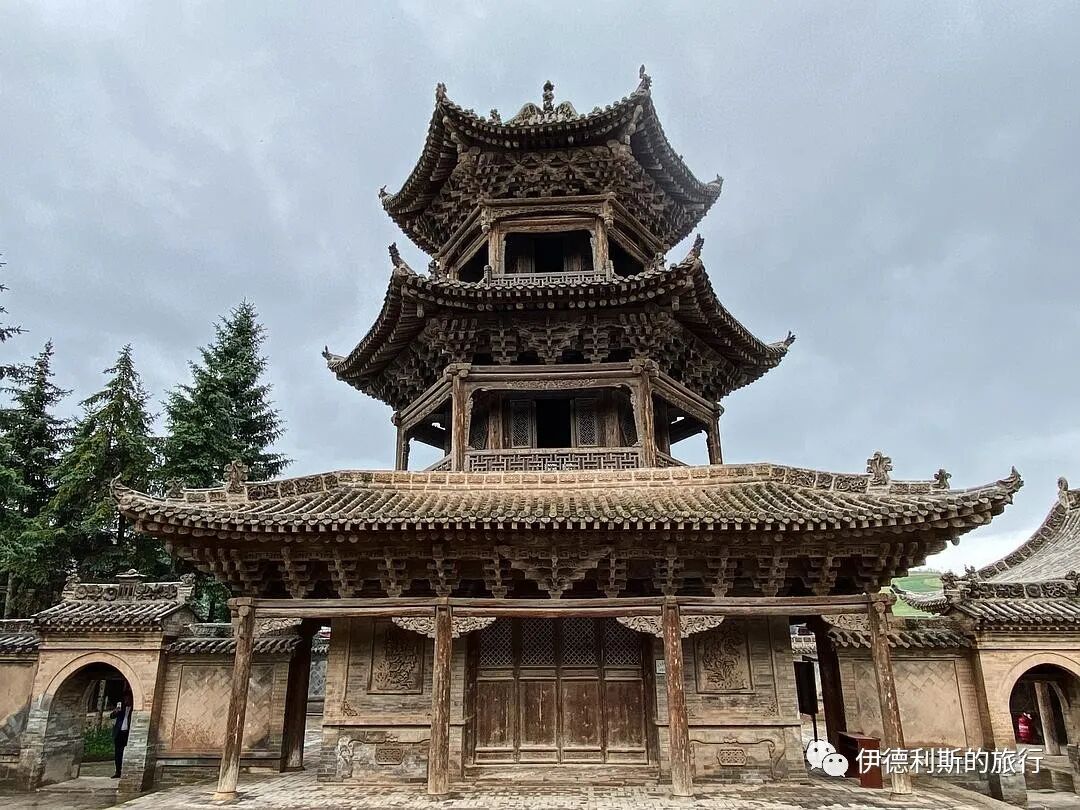
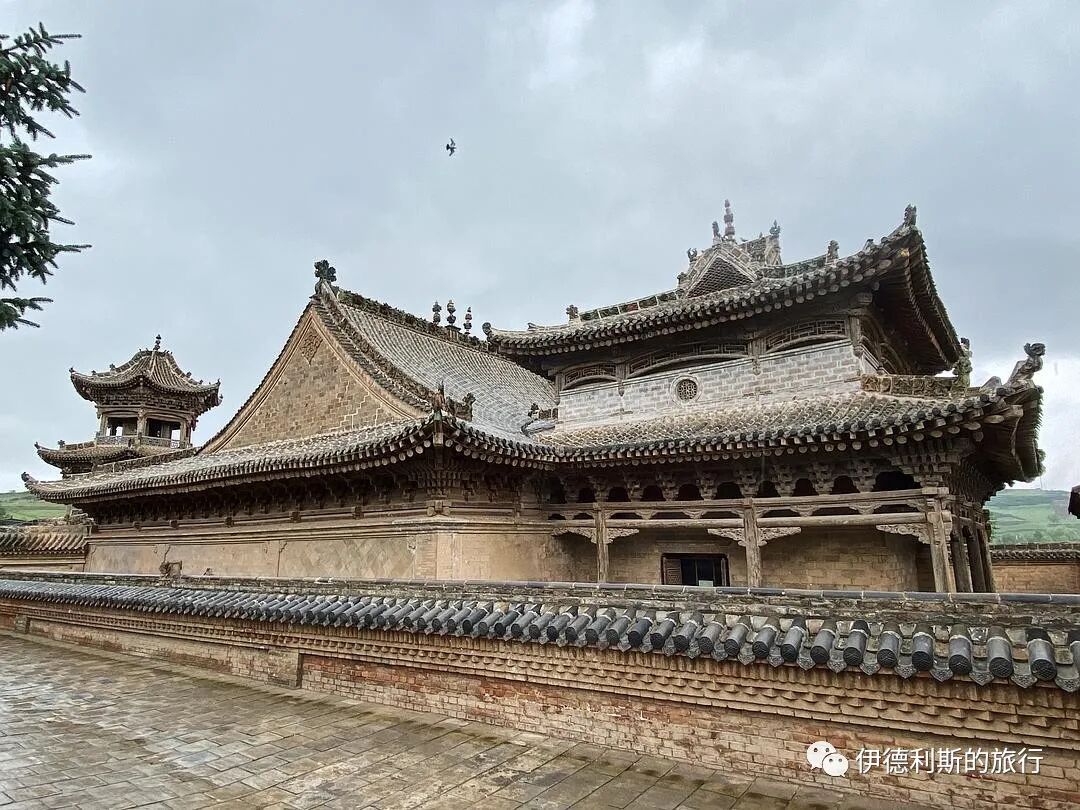
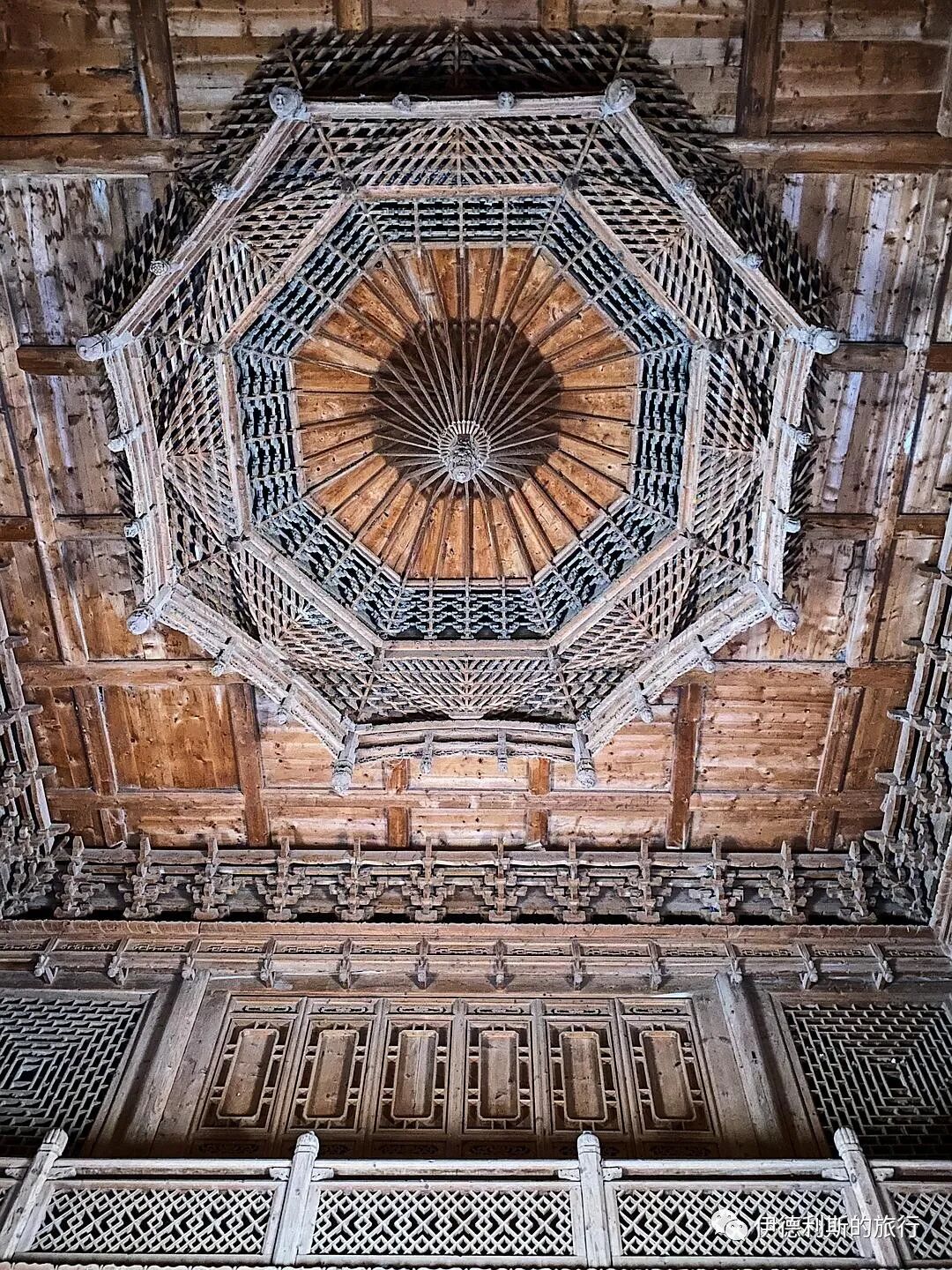
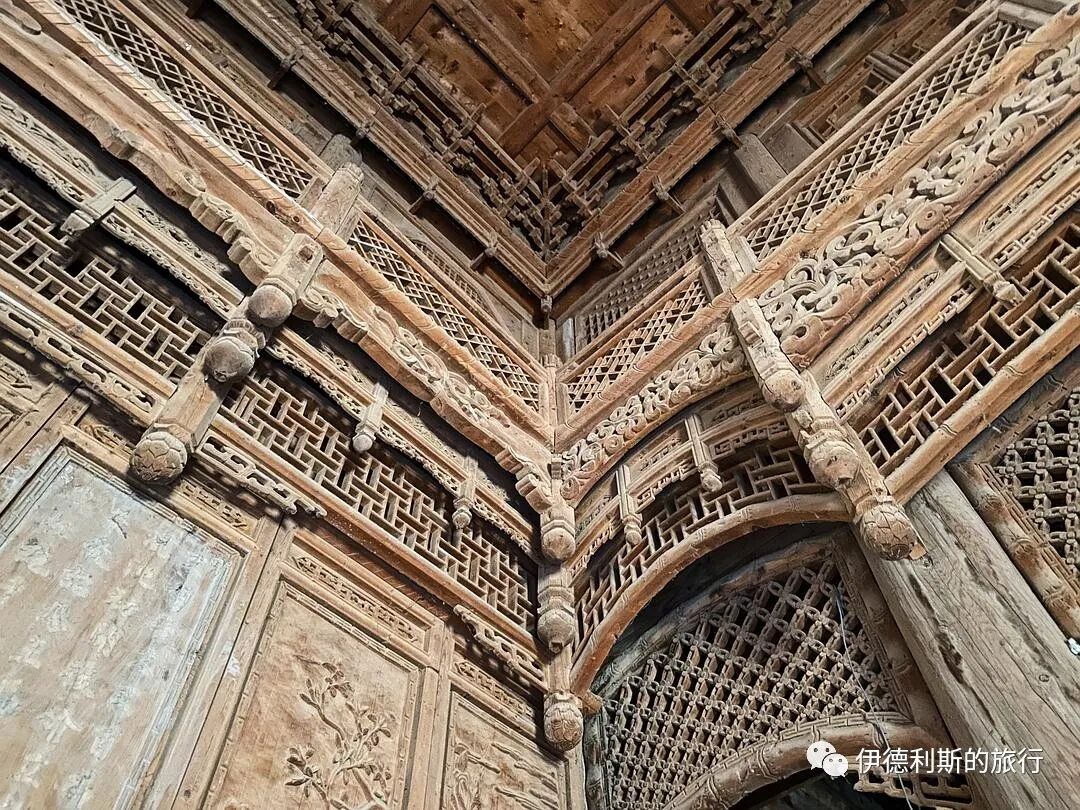
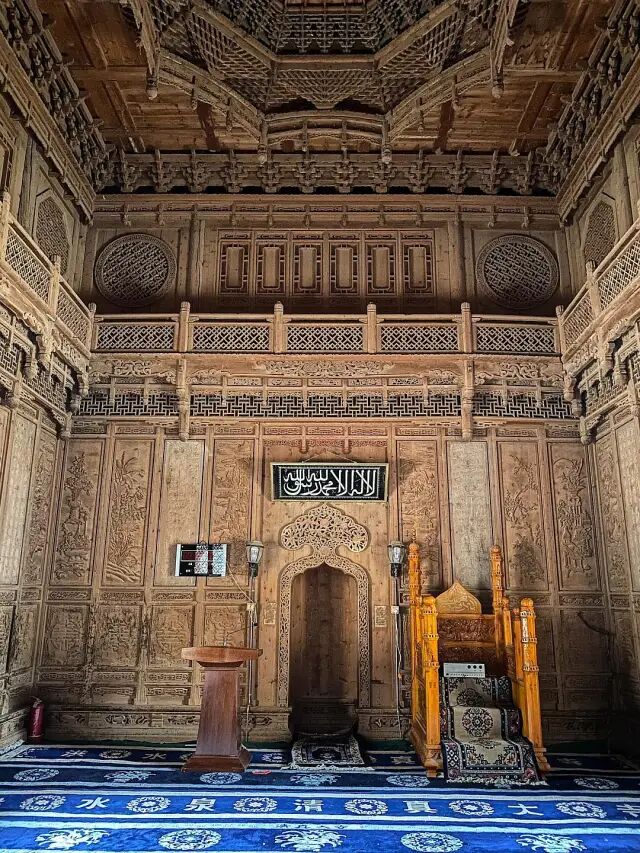
We took an early morning flight on Saturday from Beijing to Xining Airport, and upon exiting, we immediately called a Didi (ride-hailing service) to head to the Hongshuiquan Grand Mosque. The architecture of the Hongshuiquan Mosque as it stands today is basically in the style of the Qianlong era, and I personally consider it the most beautiful ancient mosque around Xining.
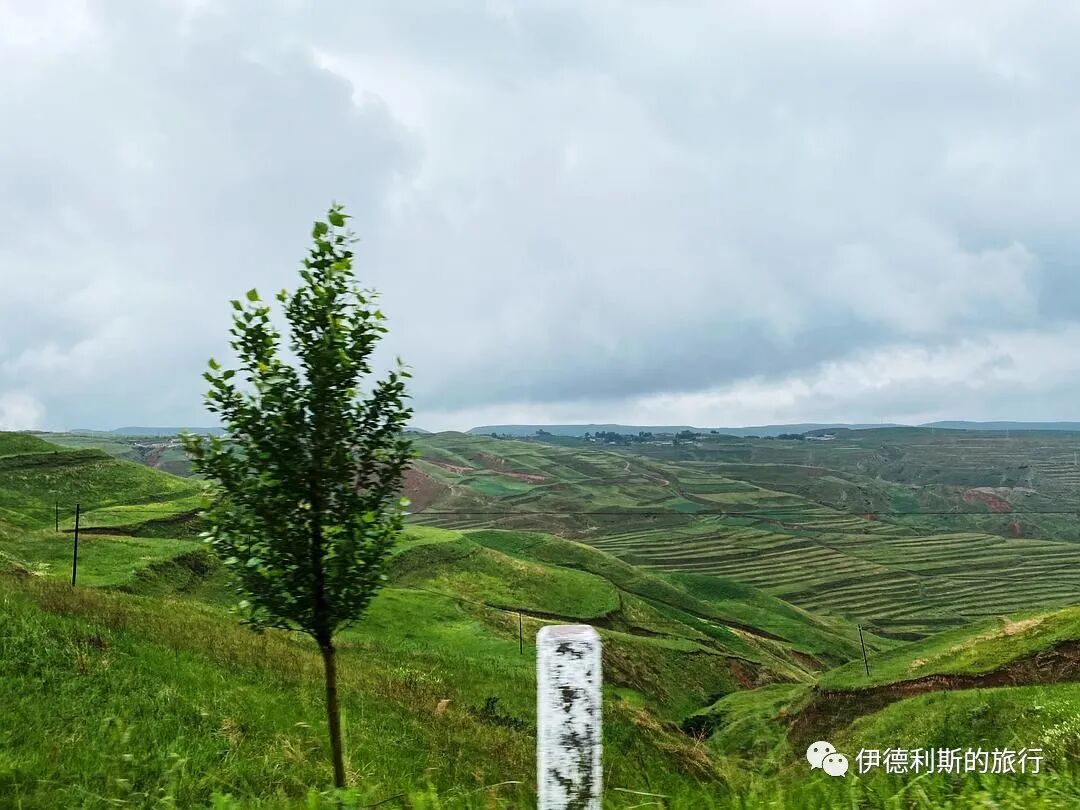
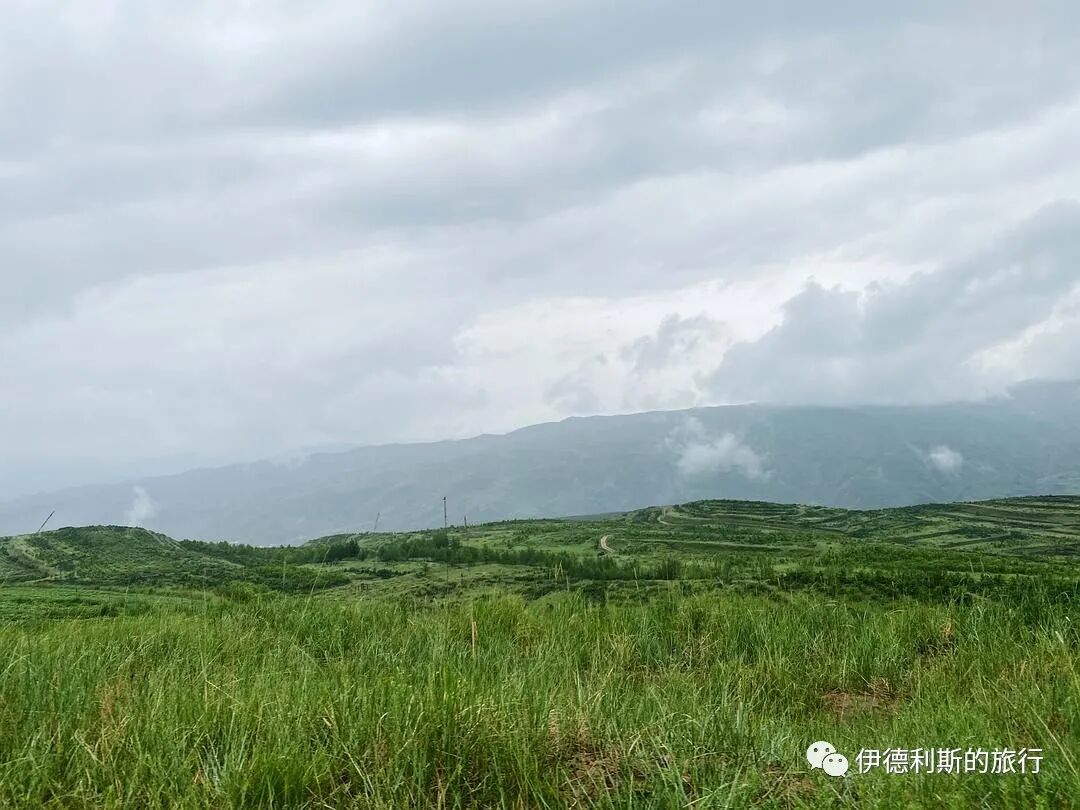
Although the mosque is less than 20 kilometers from Xining Airport, the road is full of winding mountain paths, and with the rain, the drive was slightly thrilling.
For detailed photos of the Hongshuiquan Mosque, you can see my diary entry, 'Nine Traditional Mosques and Three Gongbei (domed tombs) in Qinghai'.
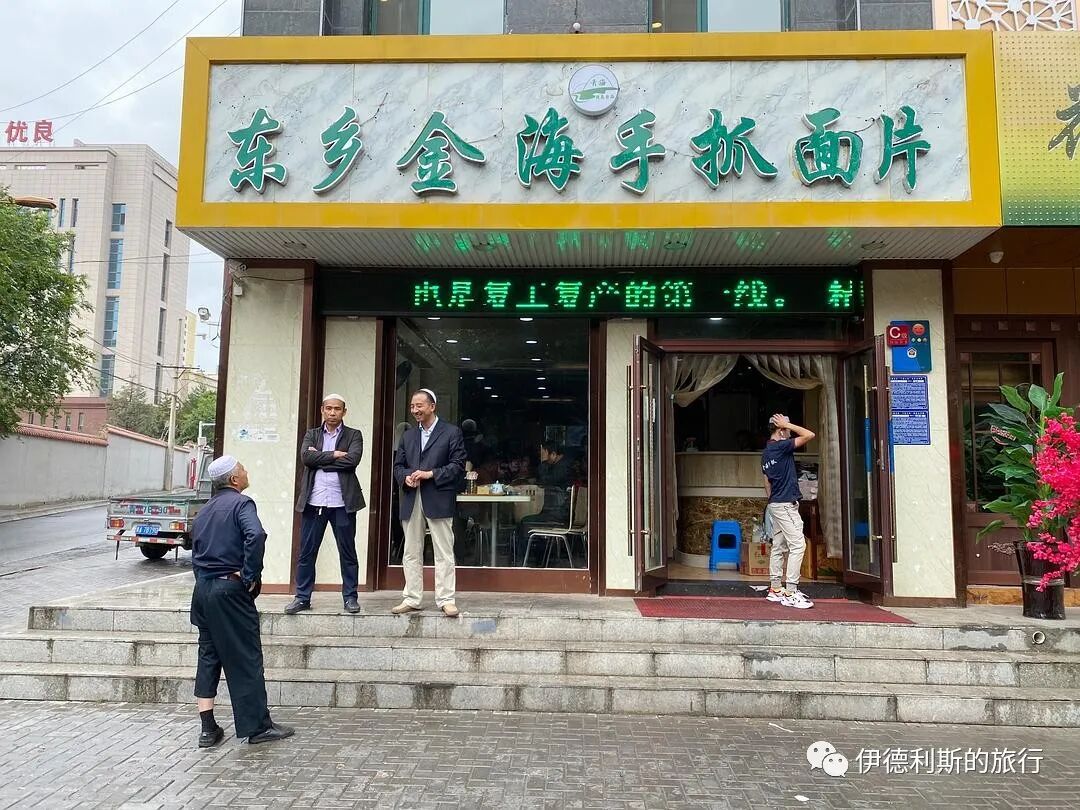
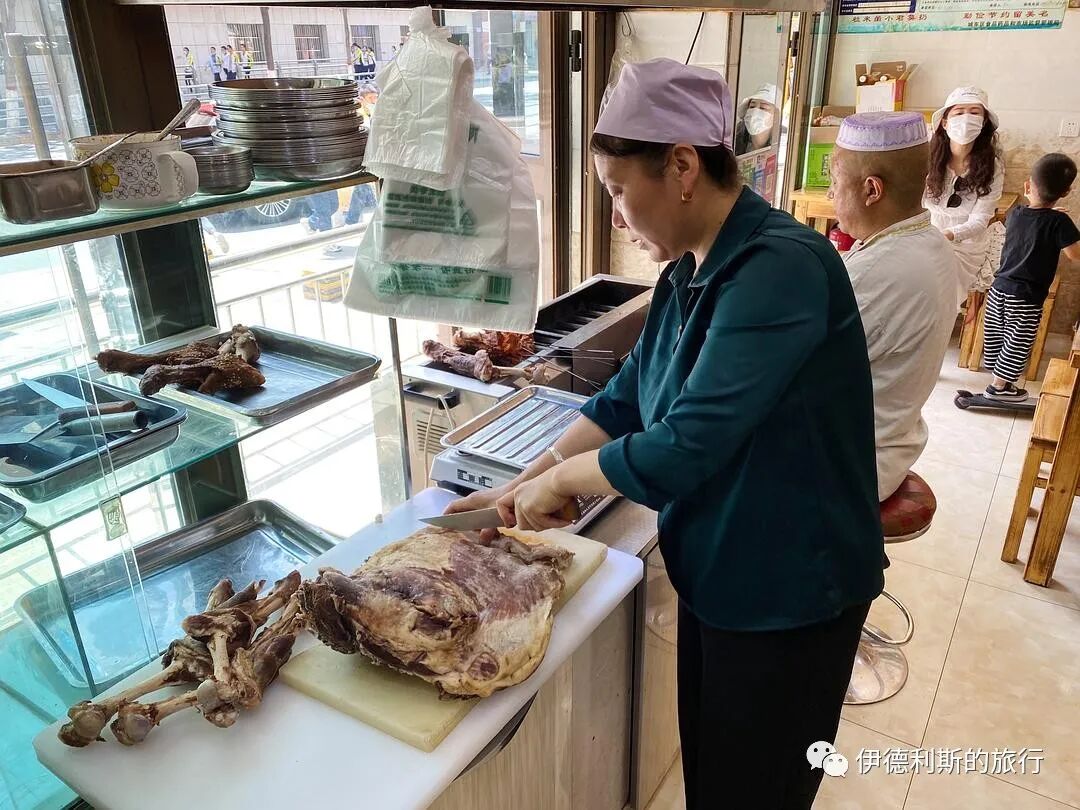
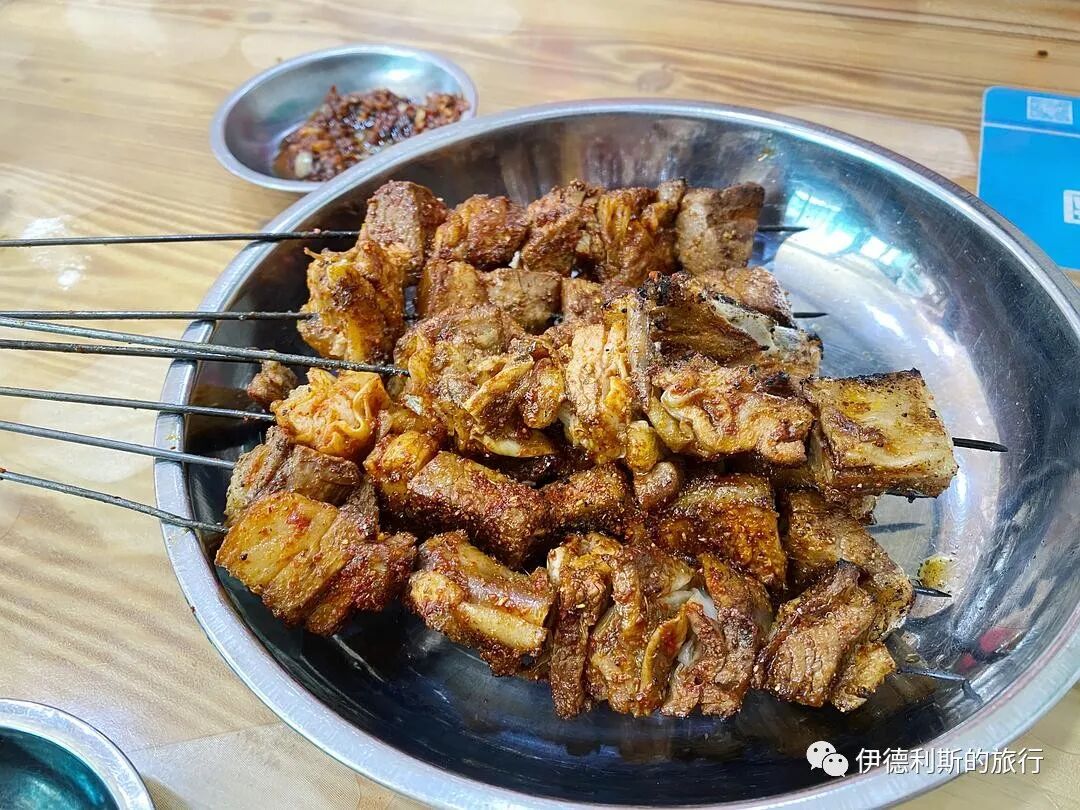
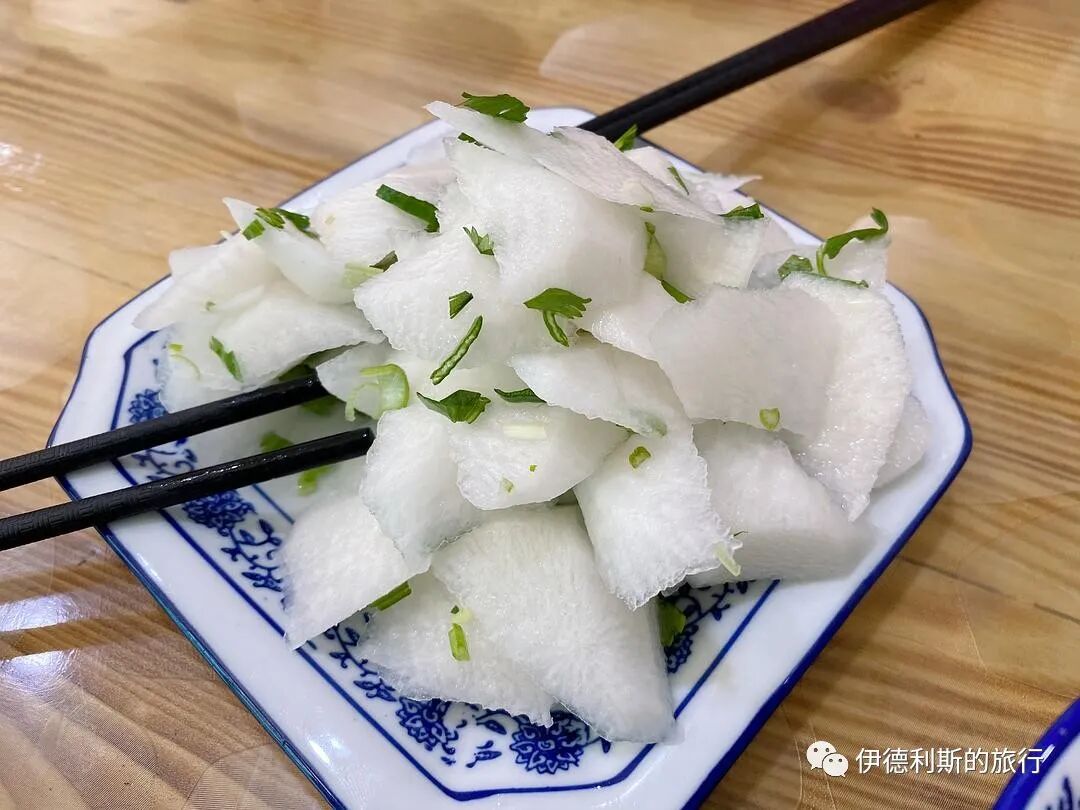
After visiting the Hongshuiquan Mosque, we headed to downtown Xining. The driver took us to the area near Yangjia Lane, east of Dongguan, and recommended we eat at Dongxiang Jinhai Shouzhua (hand-grabbed mutton). At their place, we ate half a jin (500 grams) of hand-grabbed lamb ribs and a bowl of jiangshui mianpian (fermented vegetable noodle soup), and the pickled radishes and babao cha (eight-treasure tea) were complimentary.
It turned out that their place was indeed the most delicious one we ate at during this trip! It was cheap and delicious, and the service was especially good; every two minutes, a staff member would come by with a kettle to ask if you needed a tea refill.
Their radishes were pickled to be very flavorful, with only a sweet taste and no spiciness. Zainab really loved drinking the jiangshui (fermented vegetable juice) and basically finished it in one go. Shouzhua baitiao (plain hand-grabbed mutton) is my favorite, and I really regretted not eating it more times on this trip.
After eating, we went diagonally across the street to drink yogurt; the yellow one is sweet and the white one is original flavor. You can't find such authentic yogurt in Beijing!
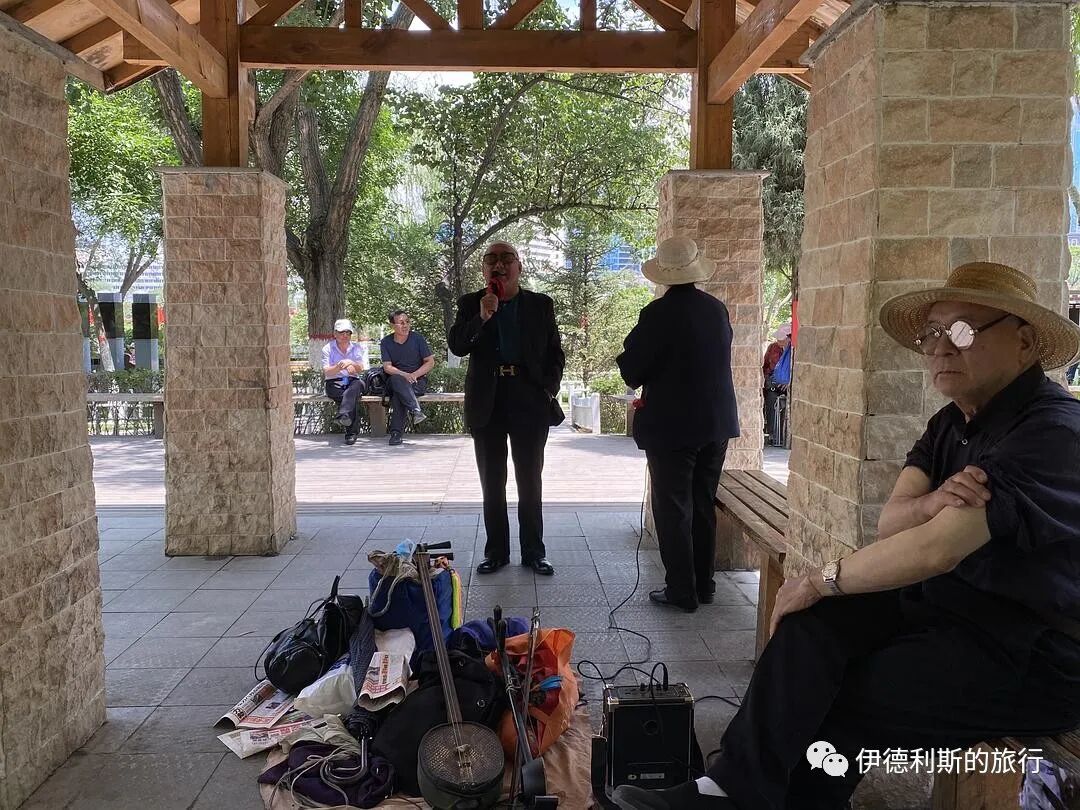
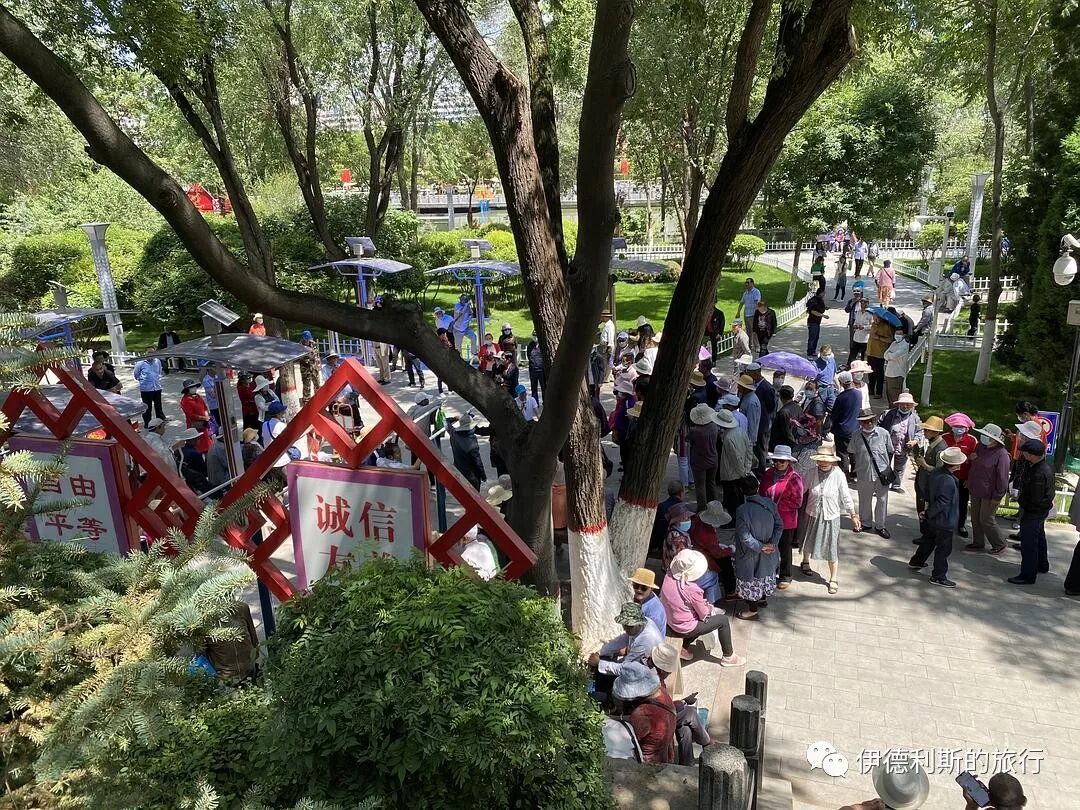
In the afternoon, we watched 'Hua'er' (a traditional folk song style) at the never-ending Hua'er festival at Xining Ga Park (Huanghe Road Small Park). Next to Ga Park, there is a Delu Yogurt shop, so we bought yogurt and qingke tianpei (highland barley fermented snack) to enjoy while listening to the Hua'er. After the rain, the weather was super cool, which was just wonderful. However, because of the rain, there weren't many singers, and they only formed one circle.
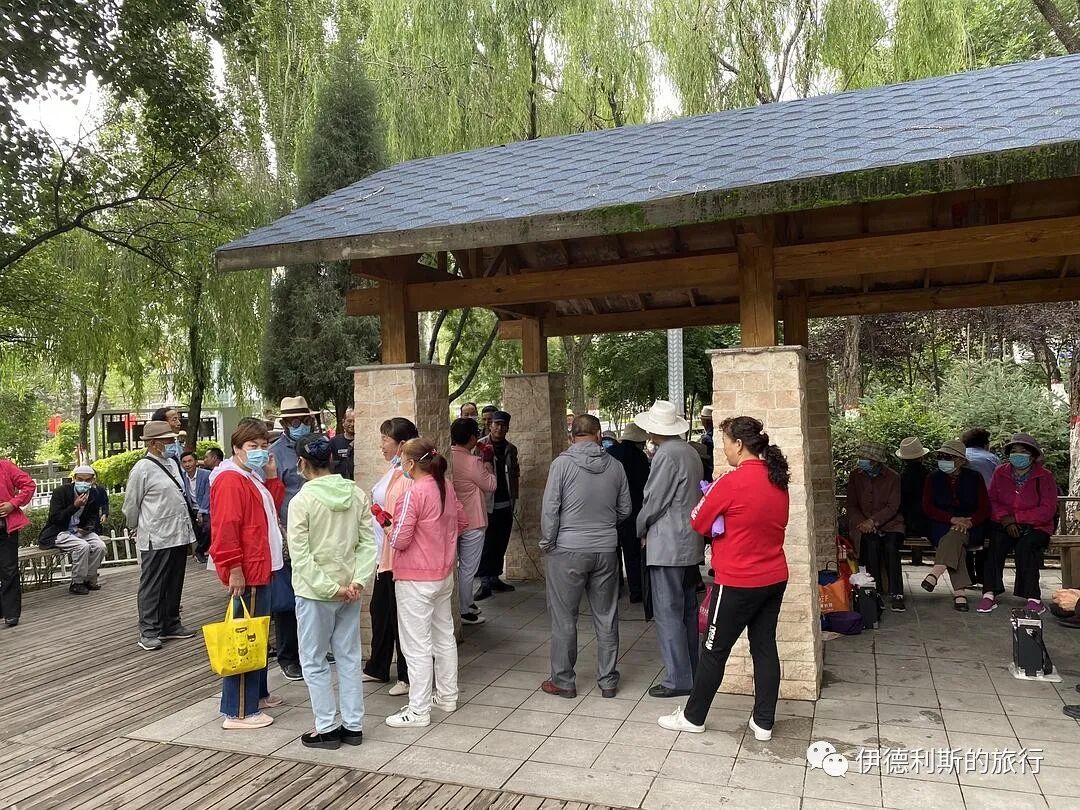
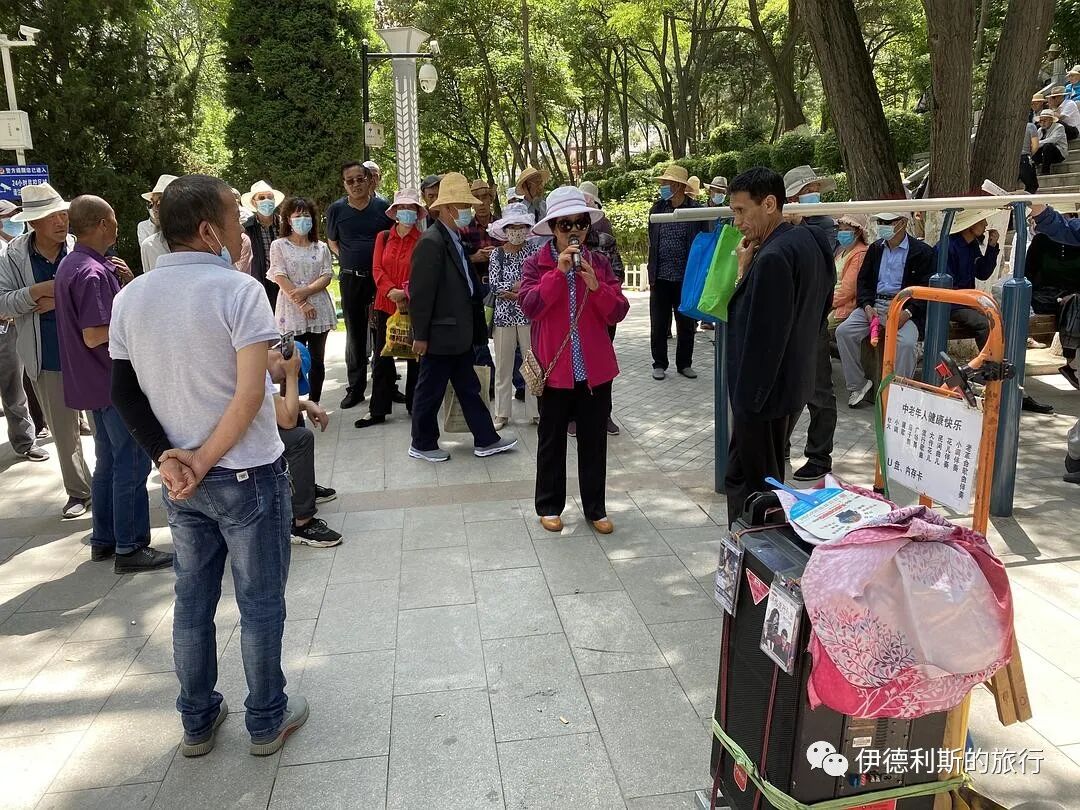
A major feature of the Hua'er festival at Ga Park is that you can hear various styles and characteristics of Hua'er; not only high-pitched and resonant ones but also low and melodious ones. There are high-level singers as well as ordinary people who love to sing 'man hua'er' (a style of folk singing), which is how a Hua'er festival should be.
In the afternoon, we ate liangpizi (cold starch noodles) on Xia Nanguan Street behind the Dongguan Grand Mosque.
There is a supermarket for ethnic goods on the second floor of the Dongguan Grand Mosque; I bought my first knit cap there over a decade ago.
In the evening, we ate at a Salar ethnic tea restaurant in Dongguan. There are quite a few tea restaurants here, all with booth seating suitable for chatting. We ordered stir-fried chicken, Xunhua-style spicy stir-fried meat, and qingke bing (highland barley flatbread).
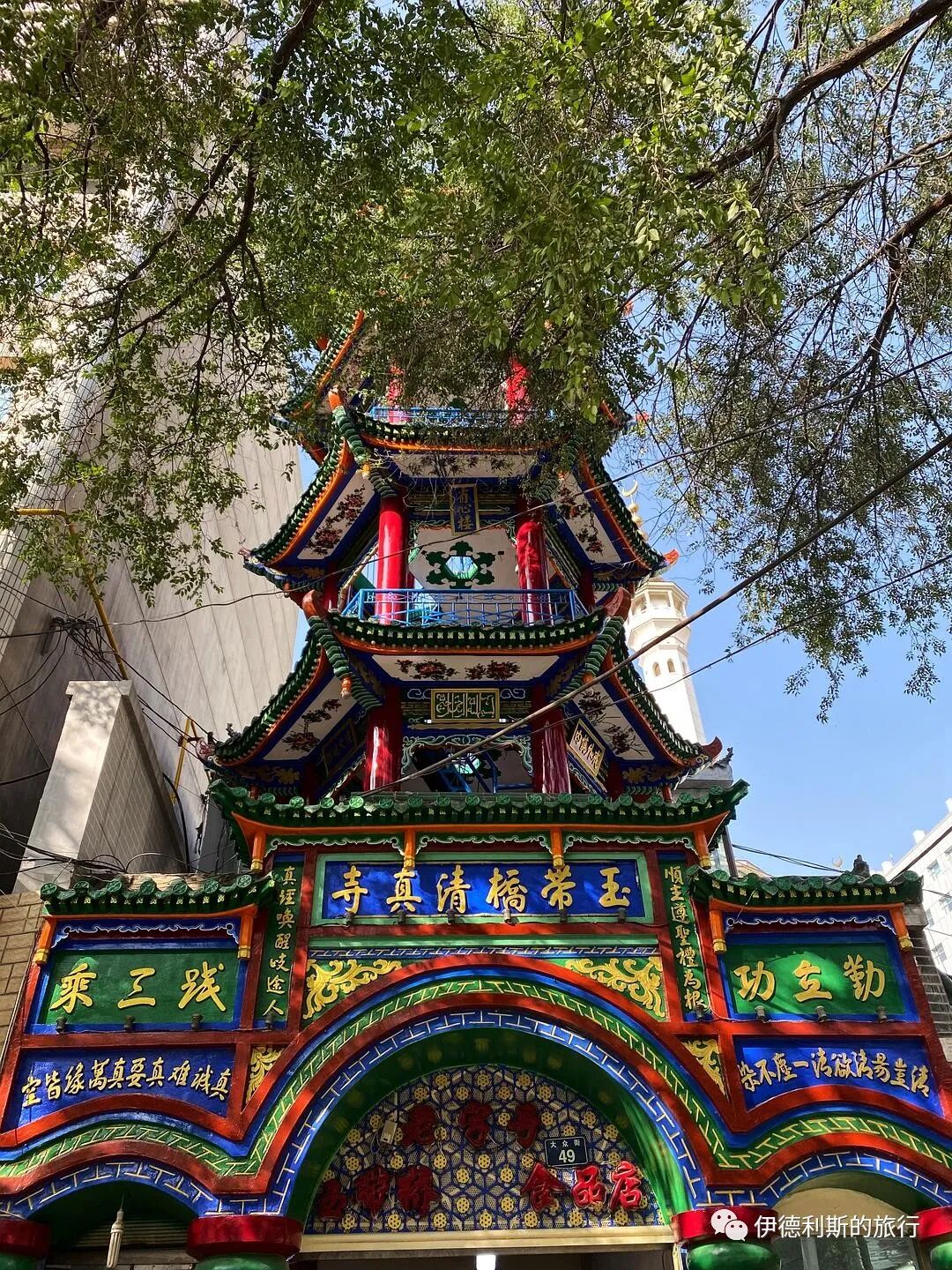
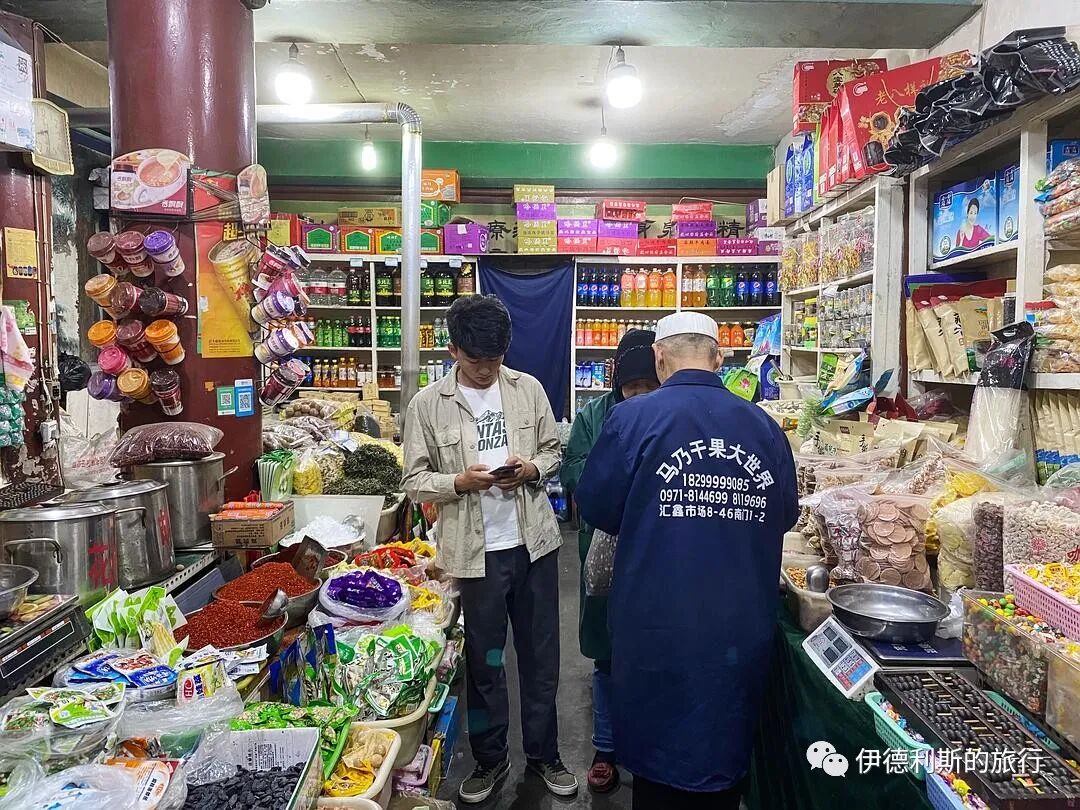
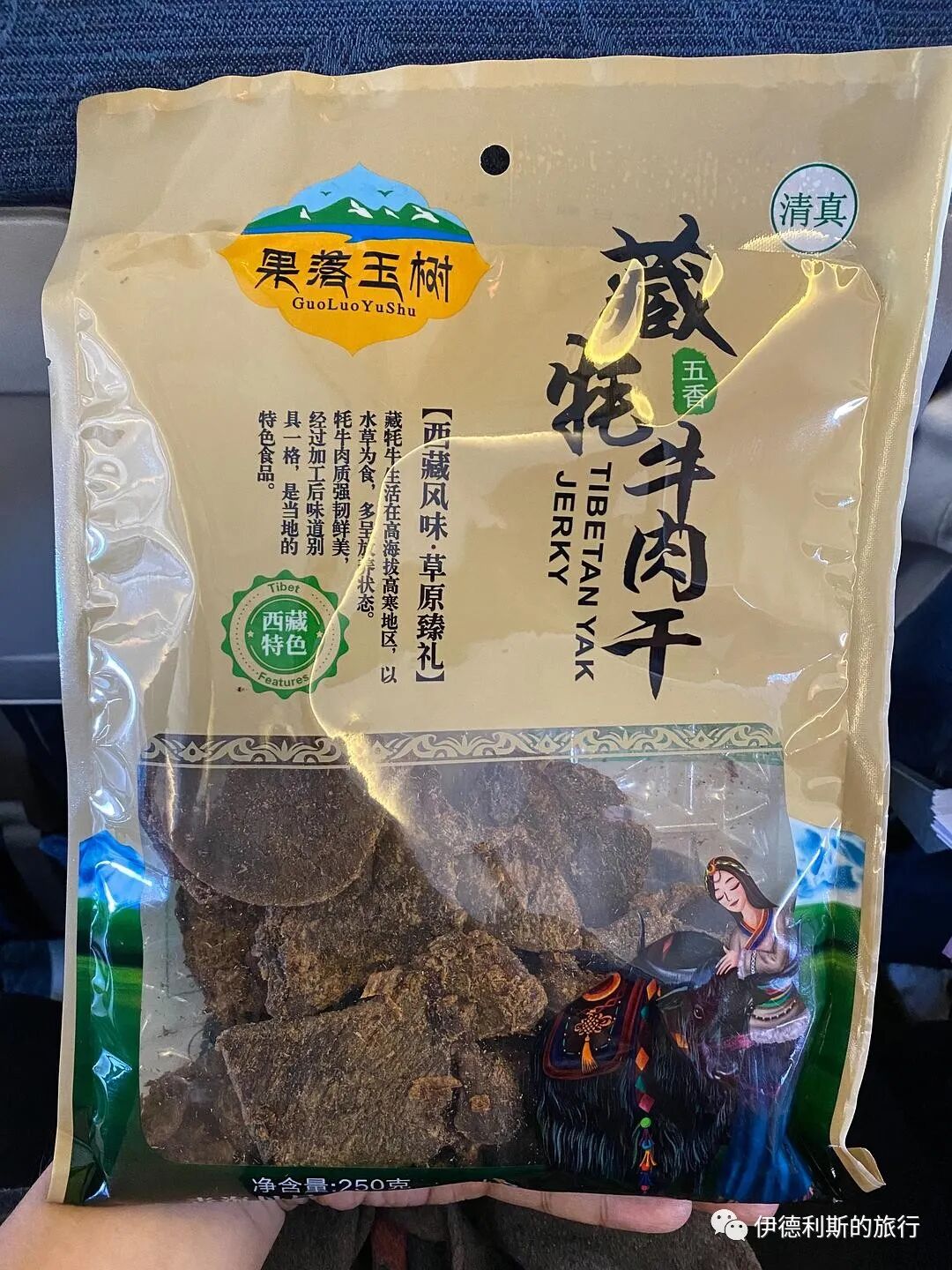
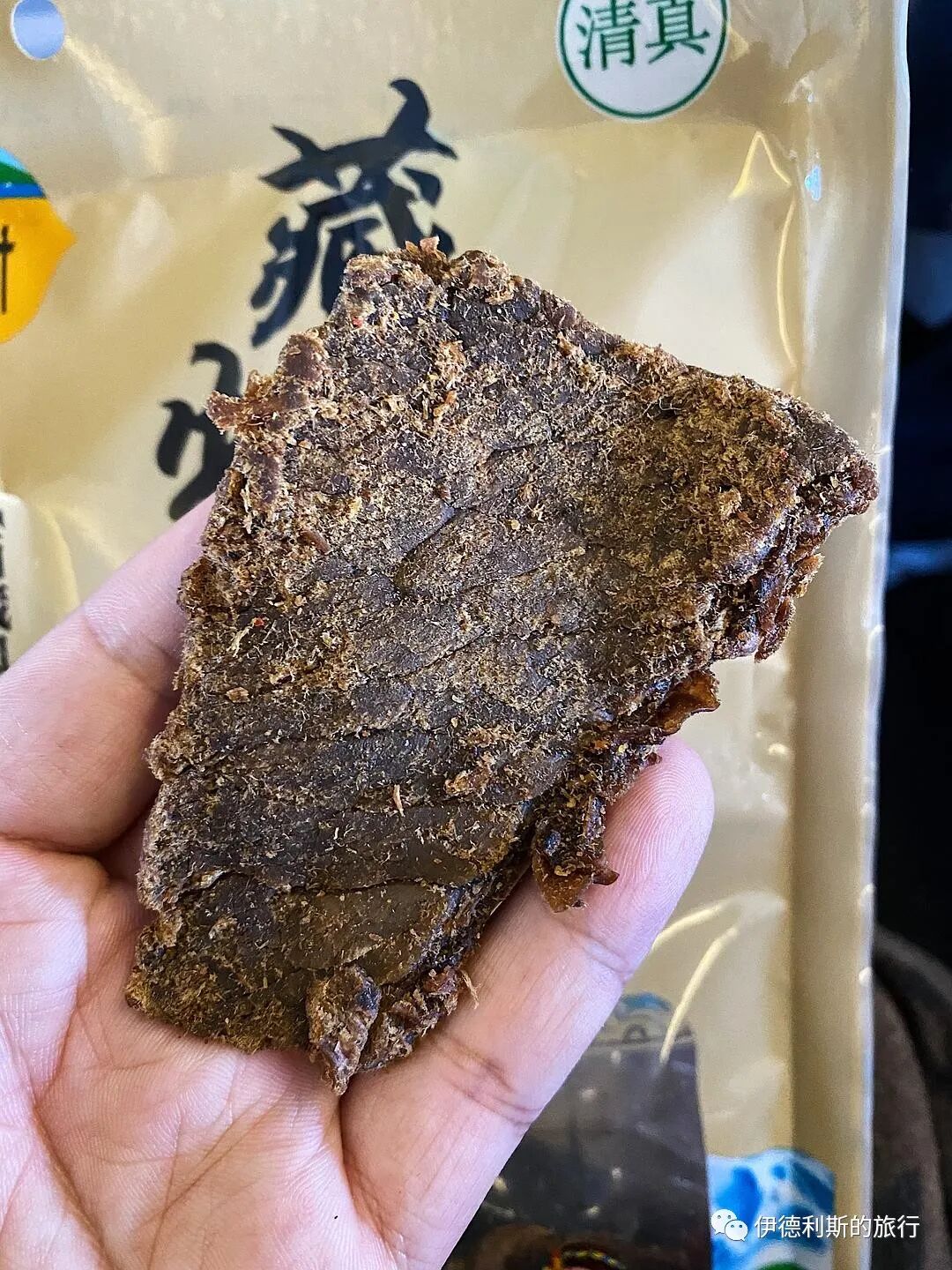
While taking a walk at night, we bought yak beef jerky at a food shop in front of the Yudai Bridge Mosque. Over the past ten years, their shop really hasn't changed at all, as if time has stood still.
At the Laowang shop in Xining Dongguan Cuolong, we ate gengpi (thick starch noodles) and freshly made yak yogurt. Zainab said this was the best yogurt we had on this Xining trip.
On Sunday morning, we had baozi (steamed buns) and fentang (vermicelli soup) at the Galou restaurant in Dongguan.
Then we also ate zashui (offal soup), and the beef tongue was very tender.
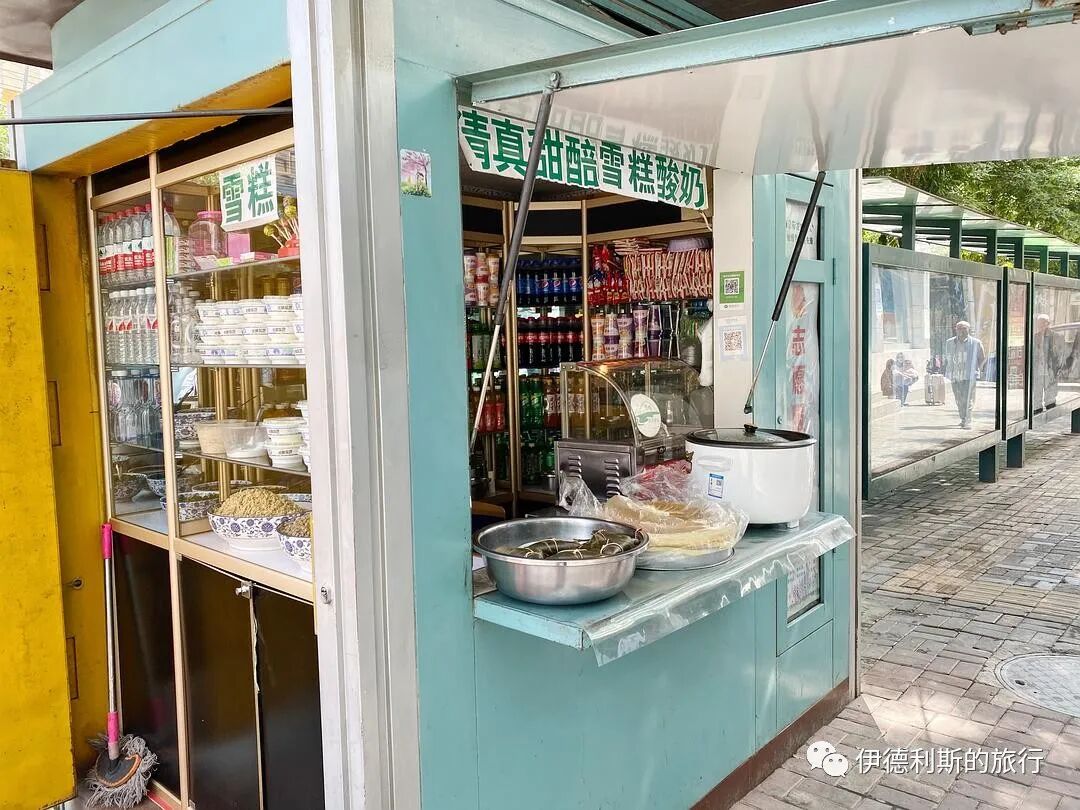
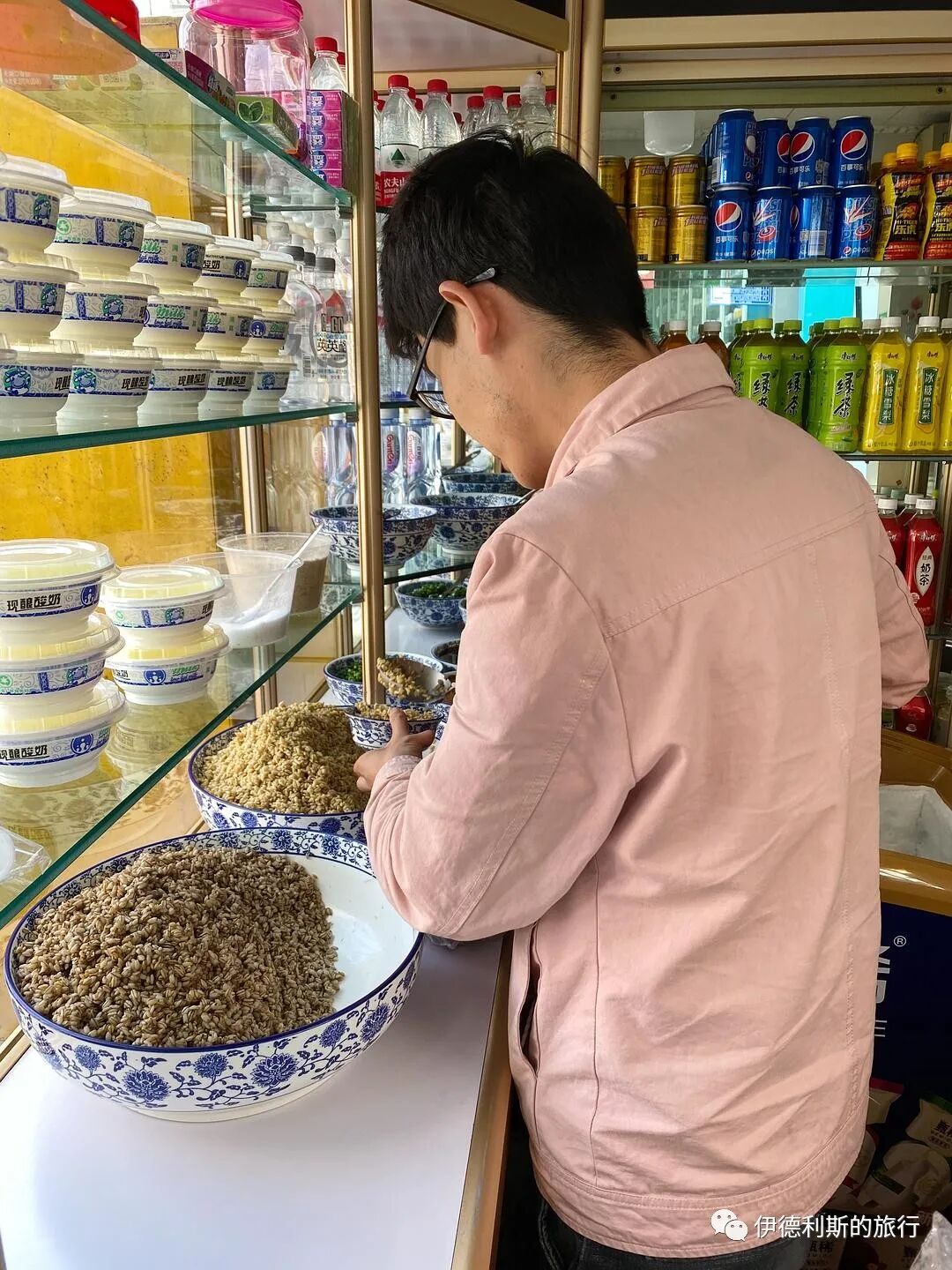
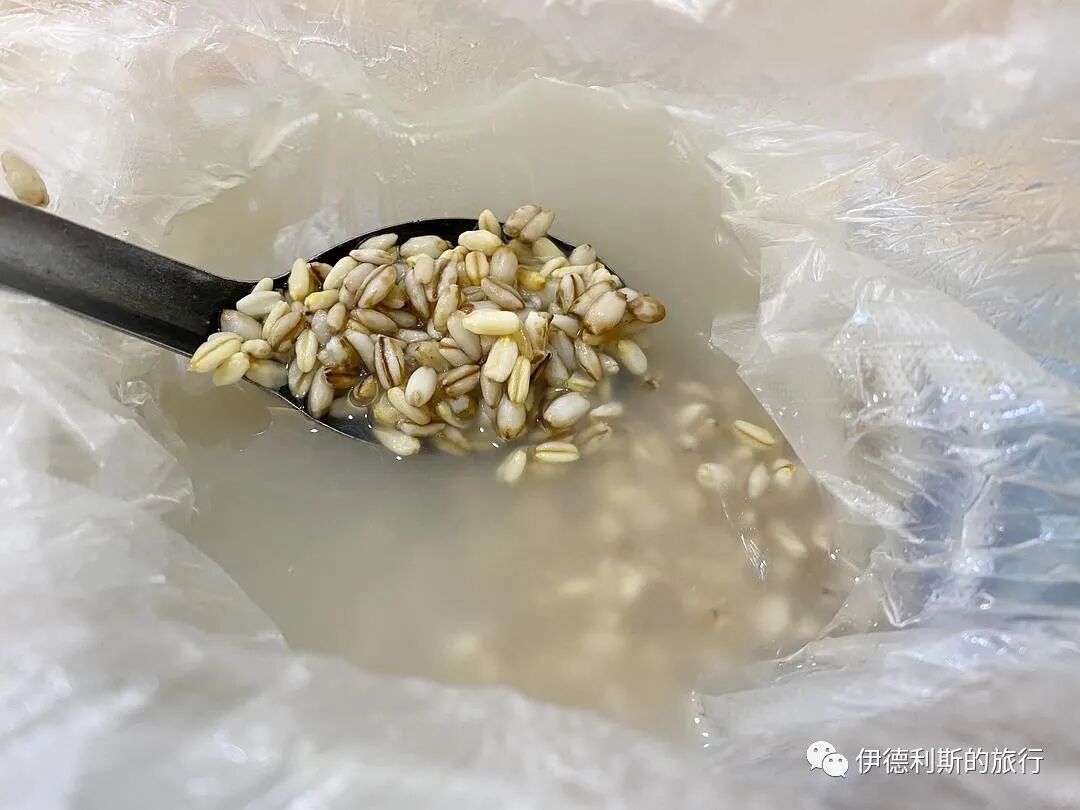
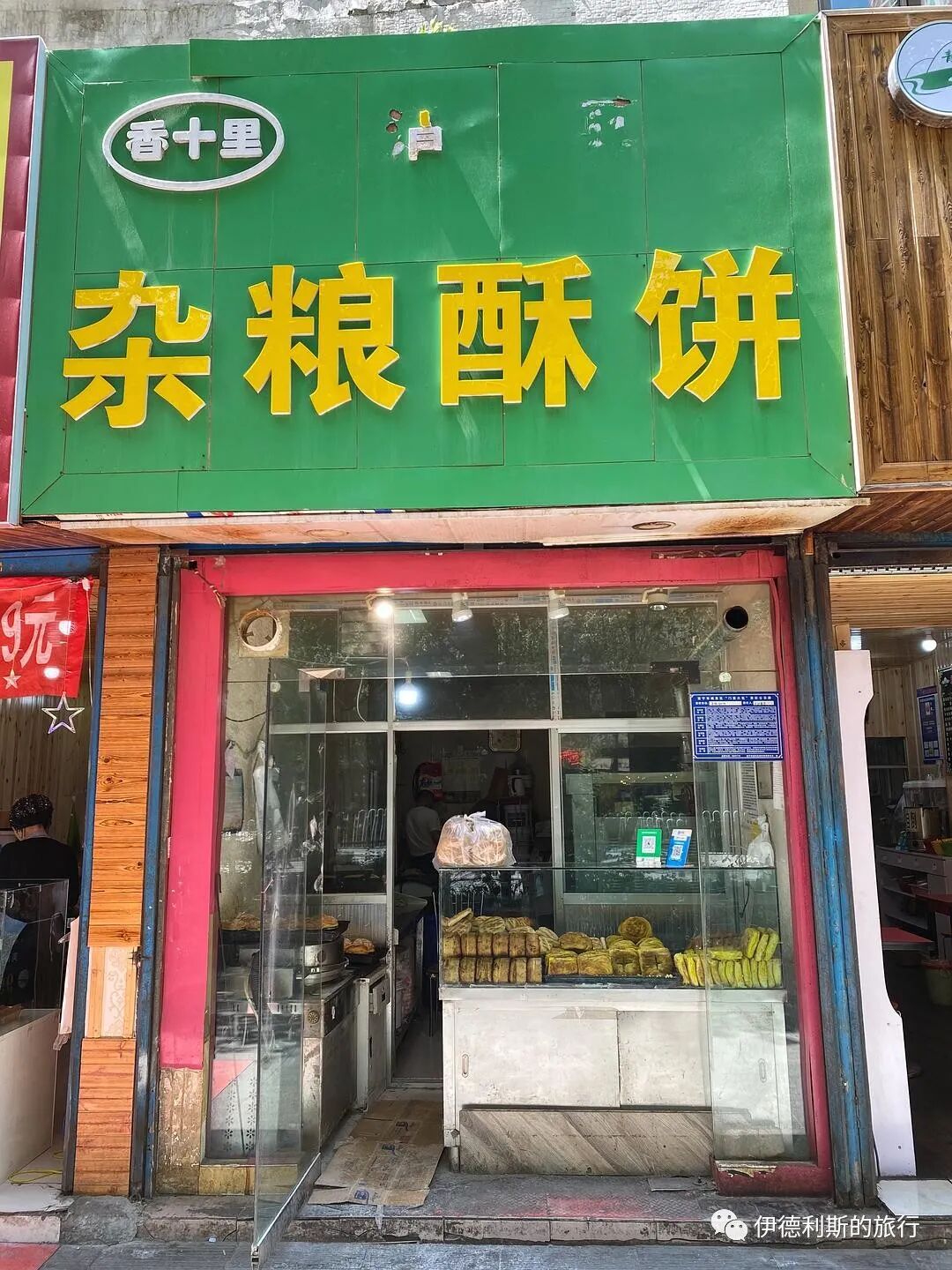
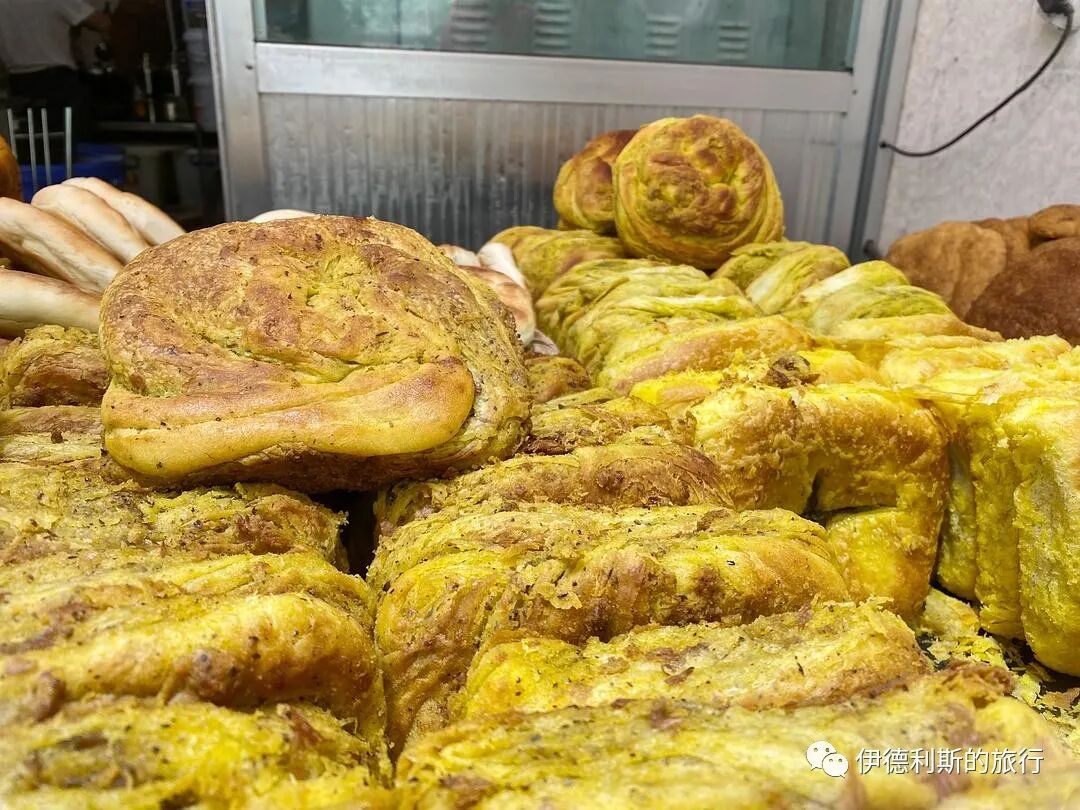
There are many small street shops selling yogurt and tianpei around Yangjia Lane in Dongguan. The tianpei can be a mix of highland barley and wheat kernels, and it tastes very good. Then we also bought subing (flaky pastries) in Dongguan and Xia Nanguan. The subing, guokui (hard flatbread), and momo (steamed buns) in the Hehuang region are all very delicious, and using xiangdou (fenugreek) is a local specialty.
For lunch, we had roasted lamb chops in Dongguan.
At the Ga Park Hua'er festival venue, it cleared up on Sunday. From noon, more and more singers arrived, and two circles were formed at the same time. You sing a song, I sing a song; there were Han, Hui, and Tu ethnic people, which was very satisfying.
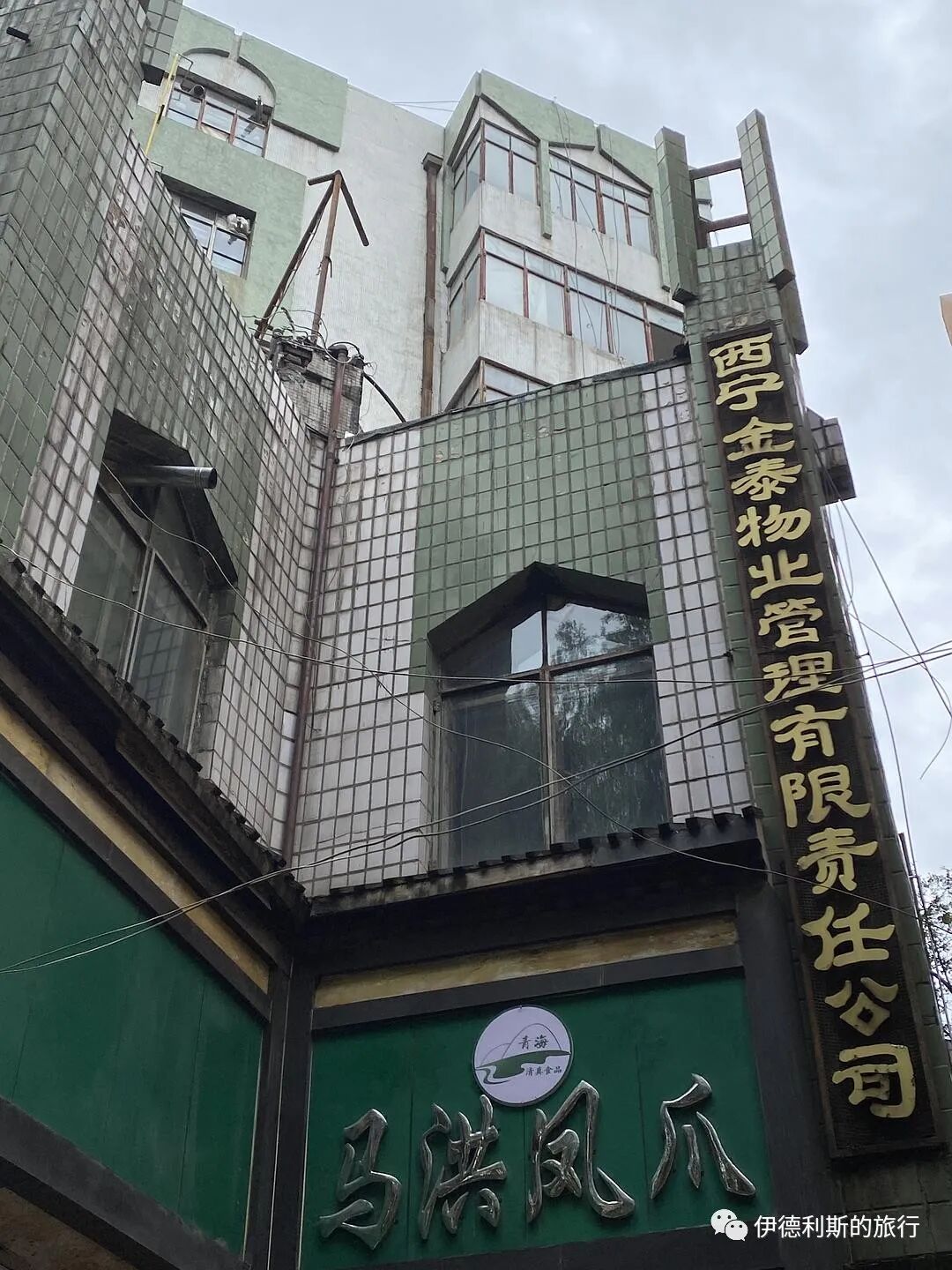
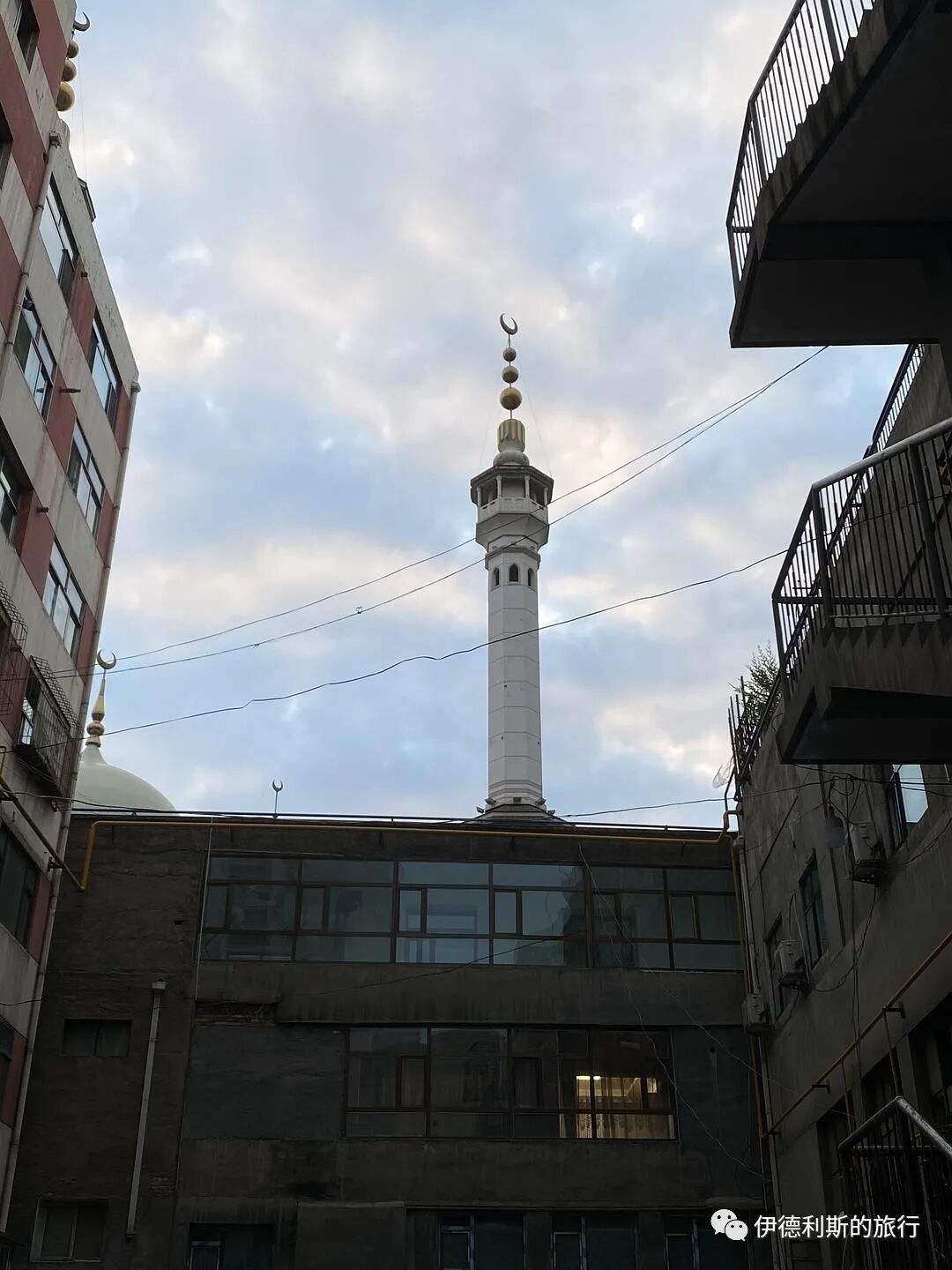
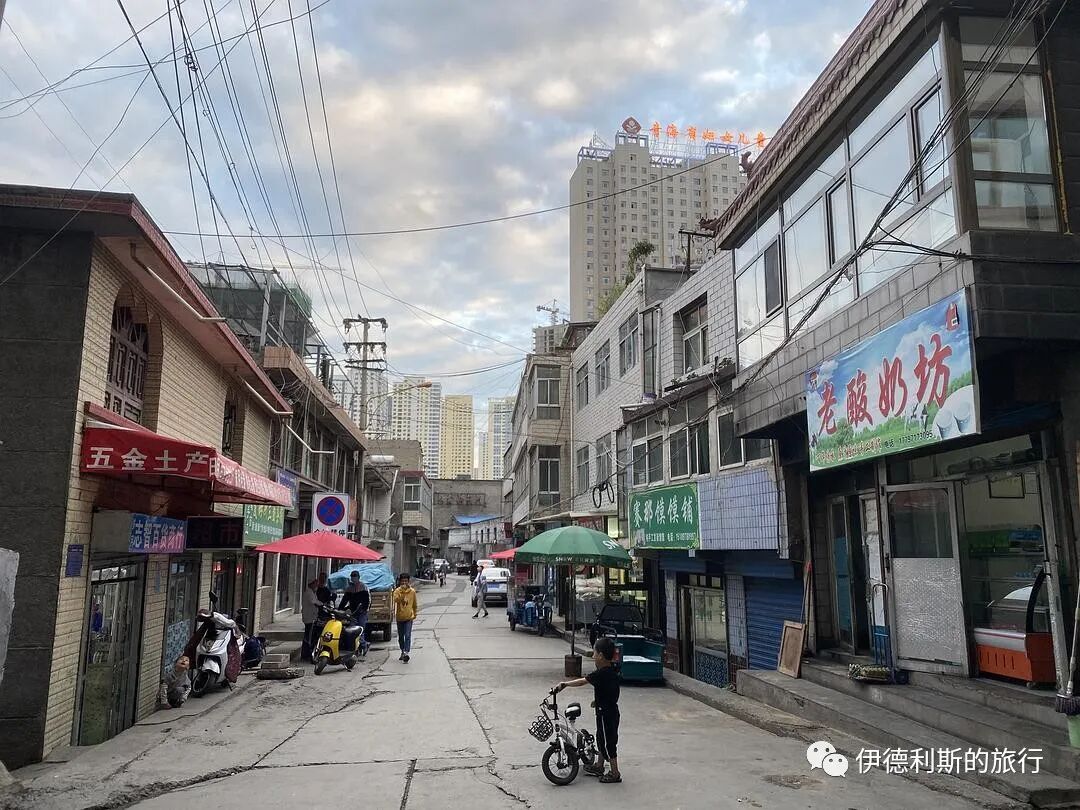
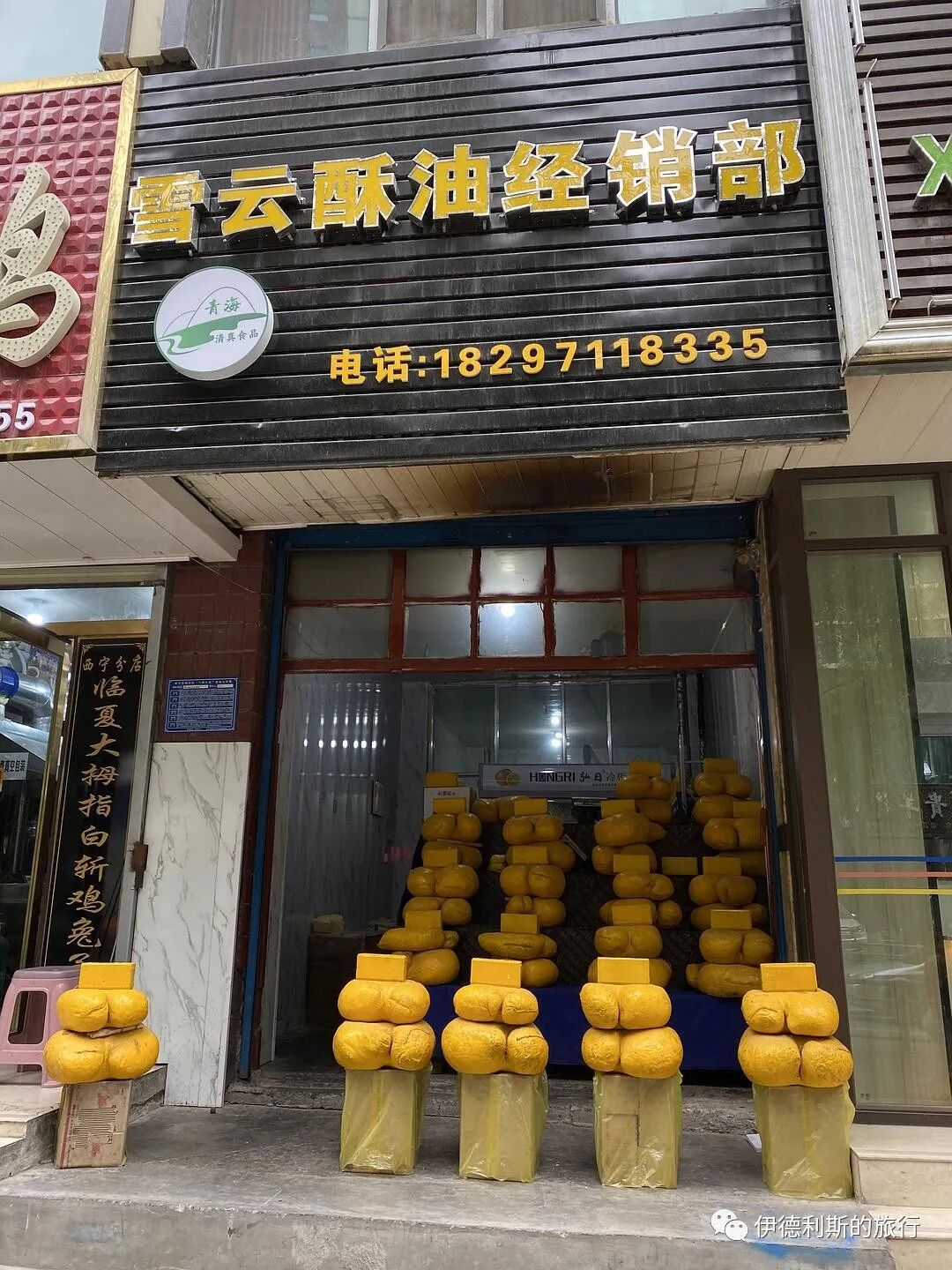
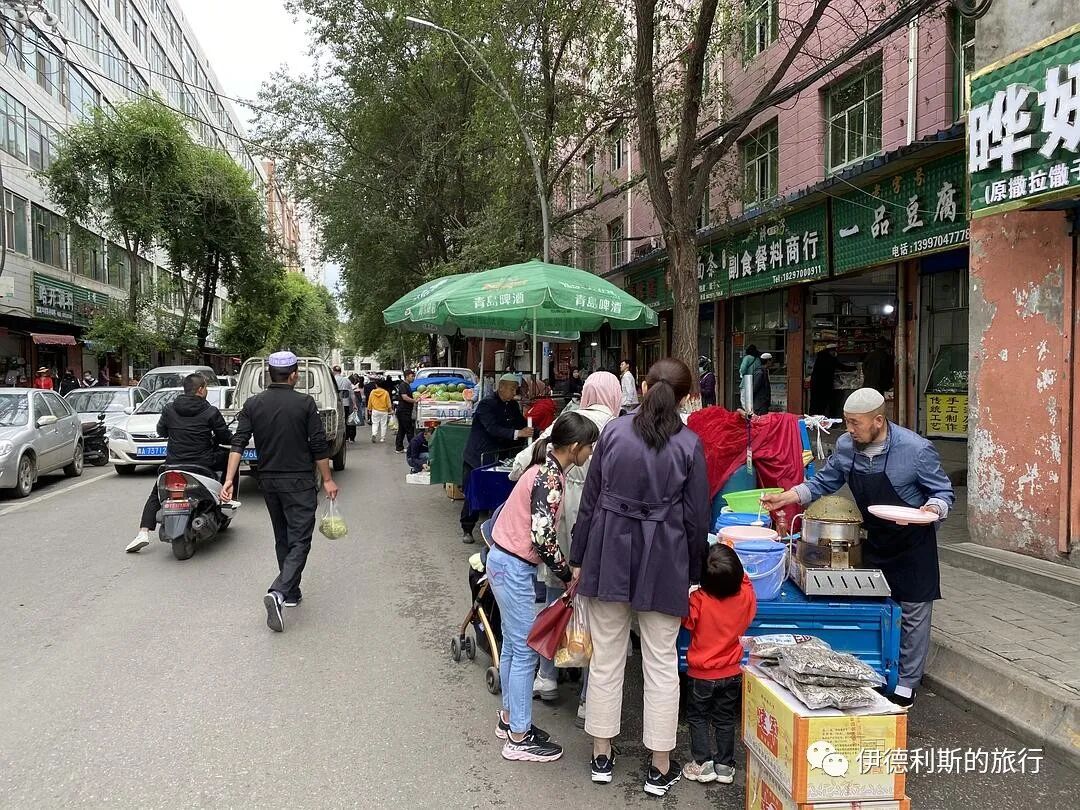
Finally, I have attached a set of snapshots of Xining street scenes. view all
Summary: This travel note introduces Xining Weekend Halal Travel Guide: Mosques, Muslim Food and Qinghai Culture. In early July 2020, Beijing lifted travel restrictions, and we began our first trip of the summer—Xining. It is useful for readers interested in Xining Travel, Halal Food, Qinghai Muslims.
In early July 2020, Beijing lifted travel restrictions, and we began our first trip of the summer—Xining.
We took an early morning flight on Saturday from Beijing to Xining Airport, and upon exiting, we immediately called a Didi (ride-hailing service) to head to the Hongshuiquan Grand Mosque. The architecture of the Hongshuiquan Mosque as it stands today is basically in the style of the Qianlong era, and I personally consider it the most beautiful ancient mosque around Xining.
Although the mosque is less than 20 kilometers from Xining Airport, the road is full of winding mountain paths, and with the rain, the drive was slightly thrilling.
For detailed photos of the Hongshuiquan Mosque, you can see my diary entry, 'Nine Traditional Mosques and Three Gongbei (domed tombs) in Qinghai'.
After visiting the Hongshuiquan Mosque, we headed to downtown Xining. The driver took us to the area near Yangjia Lane, east of Dongguan, and recommended we eat at Dongxiang Jinhai Shouzhua (hand-grabbed mutton). At their place, we ate half a jin (500 grams) of hand-grabbed lamb ribs and a bowl of jiangshui mianpian (fermented vegetable noodle soup), and the pickled radishes and babao cha (eight-treasure tea) were complimentary.
It turned out that their place was indeed the most delicious one we ate at during this trip! It was cheap and delicious, and the service was especially good; every two minutes, a staff member would come by with a kettle to ask if you needed a tea refill.
Their radishes were pickled to be very flavorful, with only a sweet taste and no spiciness. Zainab really loved drinking the jiangshui (fermented vegetable juice) and basically finished it in one go. Shouzhua baitiao (plain hand-grabbed mutton) is my favorite, and I really regretted not eating it more times on this trip.
After eating, we went diagonally across the street to drink yogurt; the yellow one is sweet and the white one is original flavor. You can't find such authentic yogurt in Beijing!
In the afternoon, we watched 'Hua'er' (a traditional folk song style) at the never-ending Hua'er festival at Xining Ga Park (Huanghe Road Small Park). Next to Ga Park, there is a Delu Yogurt shop, so we bought yogurt and qingke tianpei (highland barley fermented snack) to enjoy while listening to the Hua'er. After the rain, the weather was super cool, which was just wonderful. However, because of the rain, there weren't many singers, and they only formed one circle.
A major feature of the Hua'er festival at Ga Park is that you can hear various styles and characteristics of Hua'er; not only high-pitched and resonant ones but also low and melodious ones. There are high-level singers as well as ordinary people who love to sing 'man hua'er' (a style of folk singing), which is how a Hua'er festival should be.
In the afternoon, we ate liangpizi (cold starch noodles) on Xia Nanguan Street behind the Dongguan Grand Mosque.
There is a supermarket for ethnic goods on the second floor of the Dongguan Grand Mosque; I bought my first knit cap there over a decade ago.
In the evening, we ate at a Salar ethnic tea restaurant in Dongguan. There are quite a few tea restaurants here, all with booth seating suitable for chatting. We ordered stir-fried chicken, Xunhua-style spicy stir-fried meat, and qingke bing (highland barley flatbread).
While taking a walk at night, we bought yak beef jerky at a food shop in front of the Yudai Bridge Mosque. Over the past ten years, their shop really hasn't changed at all, as if time has stood still.
At the Laowang shop in Xining Dongguan Cuolong, we ate gengpi (thick starch noodles) and freshly made yak yogurt. Zainab said this was the best yogurt we had on this Xining trip.
On Sunday morning, we had baozi (steamed buns) and fentang (vermicelli soup) at the Galou restaurant in Dongguan.
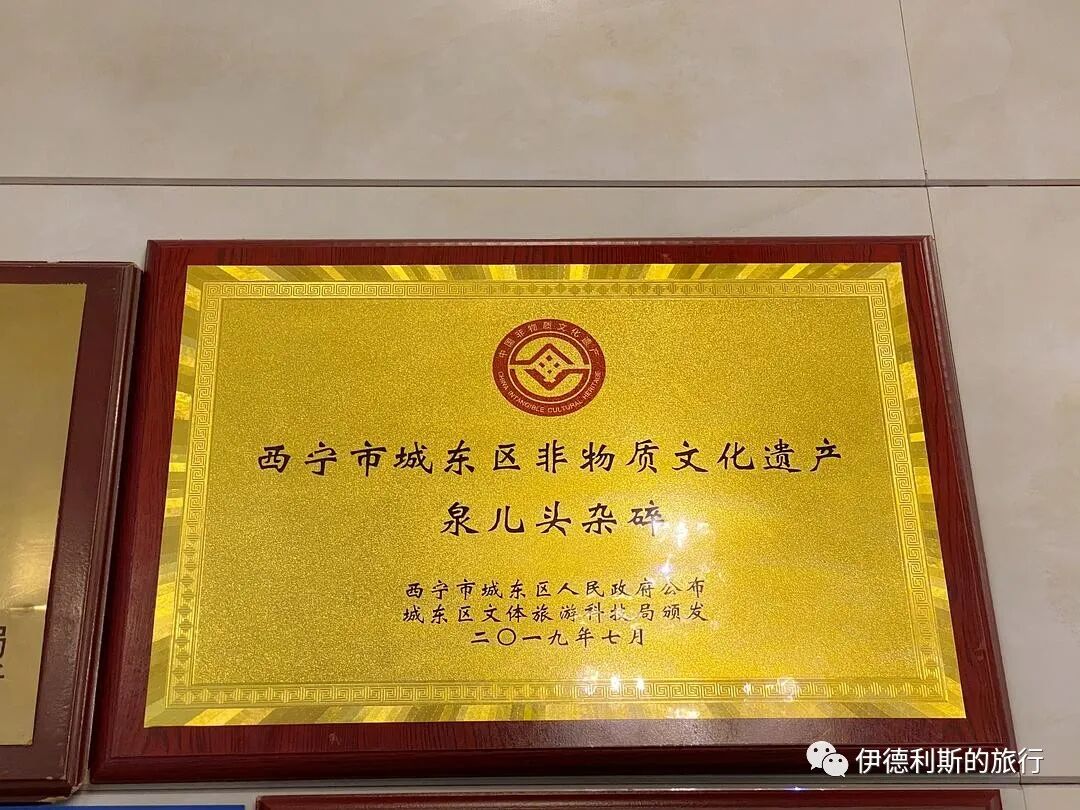
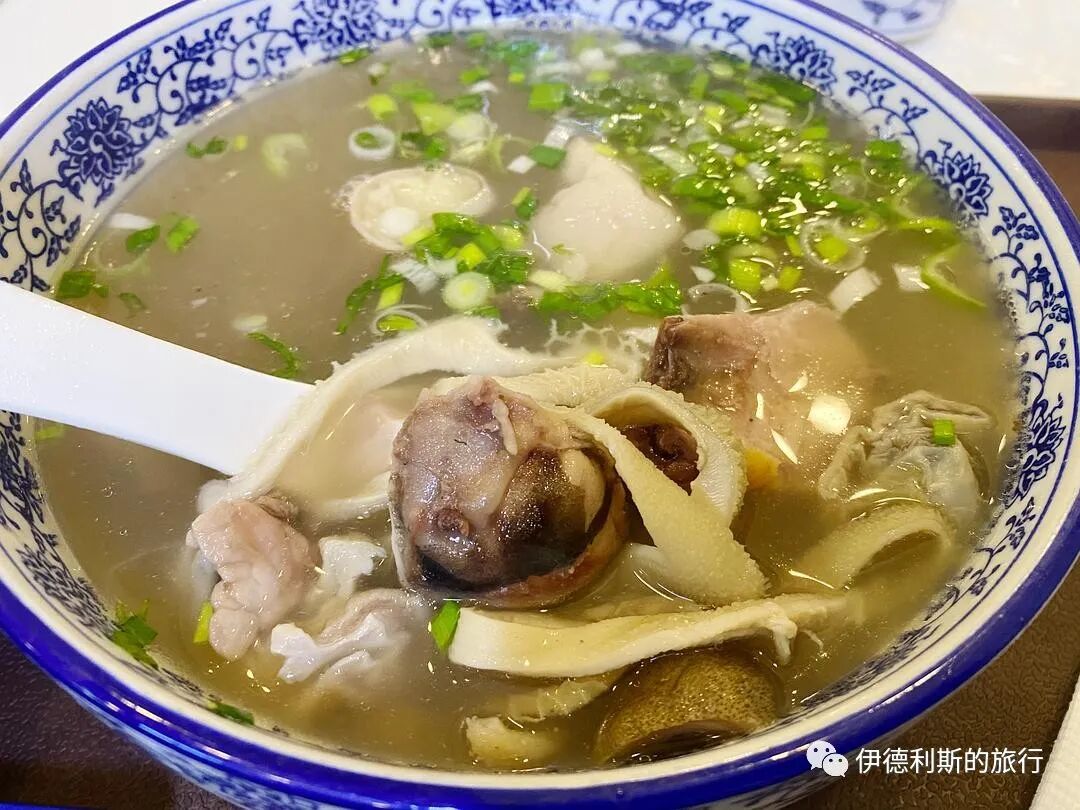
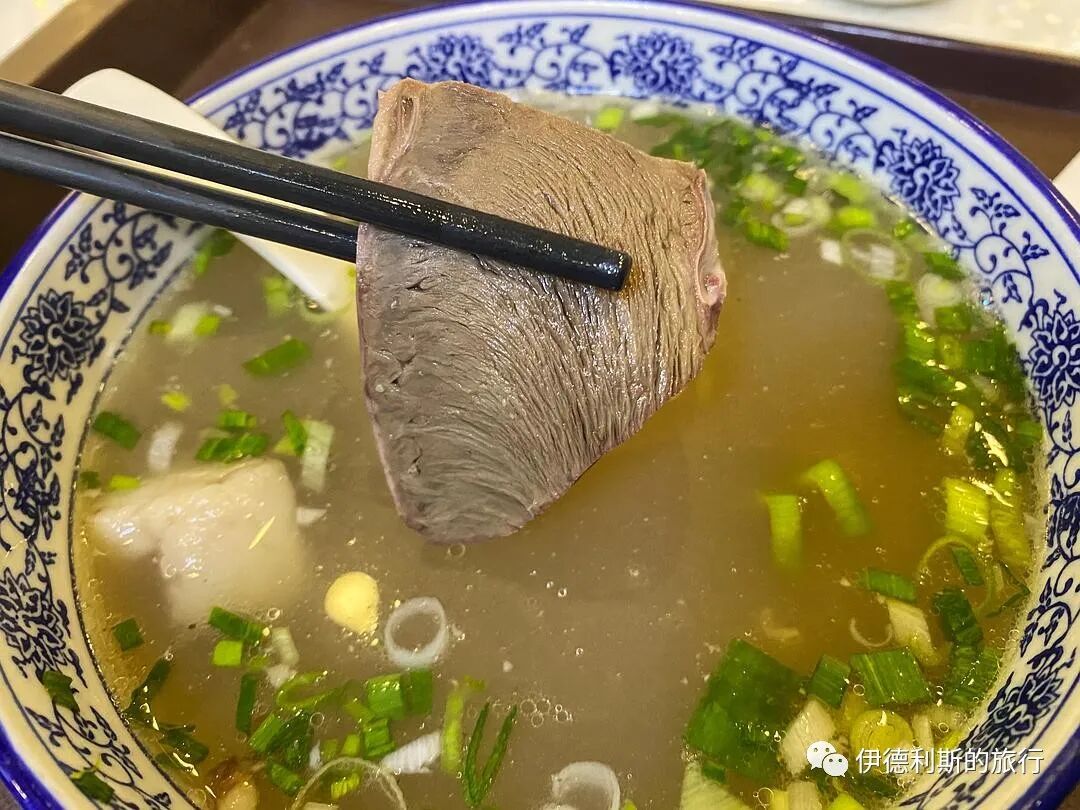
Then we also ate zashui (offal soup), and the beef tongue was very tender.
There are many small street shops selling yogurt and tianpei around Yangjia Lane in Dongguan. The tianpei can be a mix of highland barley and wheat kernels, and it tastes very good. Then we also bought subing (flaky pastries) in Dongguan and Xia Nanguan. The subing, guokui (hard flatbread), and momo (steamed buns) in the Hehuang region are all very delicious, and using xiangdou (fenugreek) is a local specialty.
For lunch, we had roasted lamb chops in Dongguan.
At the Ga Park Hua'er festival venue, it cleared up on Sunday. From noon, more and more singers arrived, and two circles were formed at the same time. You sing a song, I sing a song; there were Han, Hui, and Tu ethnic people, which was very satisfying.
Finally, I have attached a set of snapshots of Xining street scenes. view all
Reposted from the web
Summary: This travel note introduces Xining Weekend Halal Travel Guide: Mosques, Muslim Food and Qinghai Culture. In early July 2020, Beijing lifted travel restrictions, and we began our first trip of the summer—Xining. It is useful for readers interested in Xining Travel, Halal Food, Qinghai Muslims.
In early July 2020, Beijing lifted travel restrictions, and we began our first trip of the summer—Xining.
We took an early morning flight on Saturday from Beijing to Xining Airport, and upon exiting, we immediately called a Didi (ride-hailing service) to head to the Hongshuiquan Grand Mosque. The architecture of the Hongshuiquan Mosque as it stands today is basically in the style of the Qianlong era, and I personally consider it the most beautiful ancient mosque around Xining.
Although the mosque is less than 20 kilometers from Xining Airport, the road is full of winding mountain paths, and with the rain, the drive was slightly thrilling.
For detailed photos of the Hongshuiquan Mosque, you can see my diary entry, 'Nine Traditional Mosques and Three Gongbei (domed tombs) in Qinghai'.
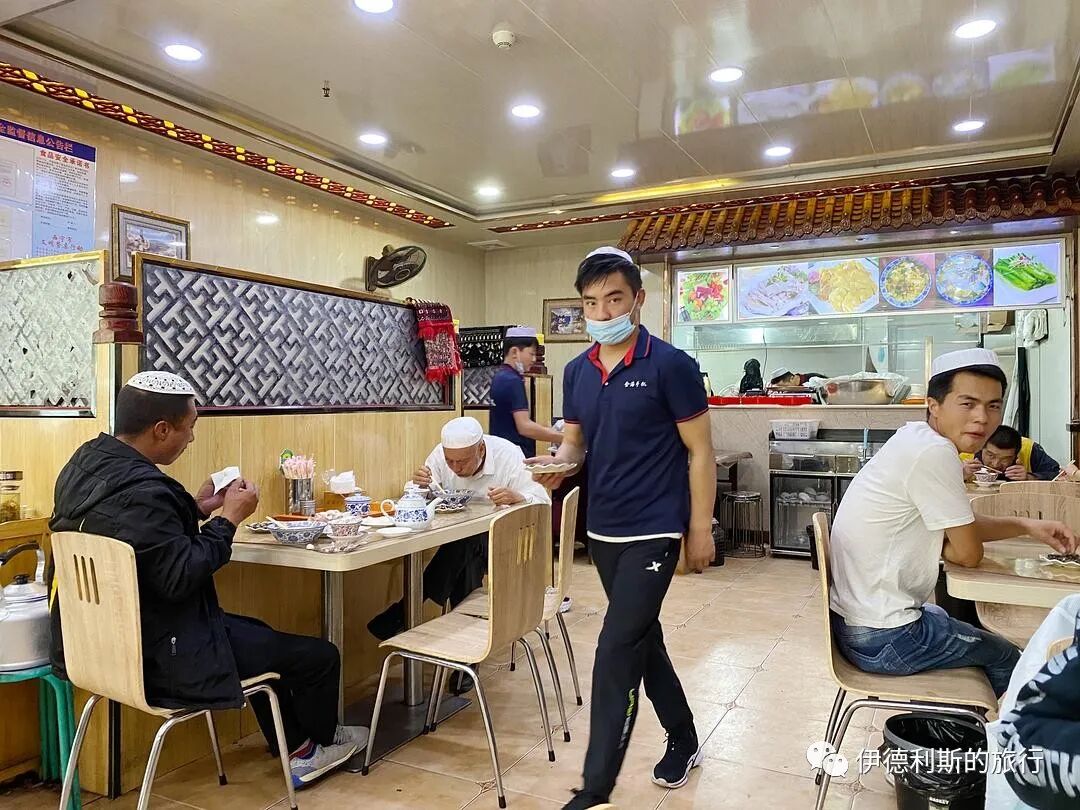
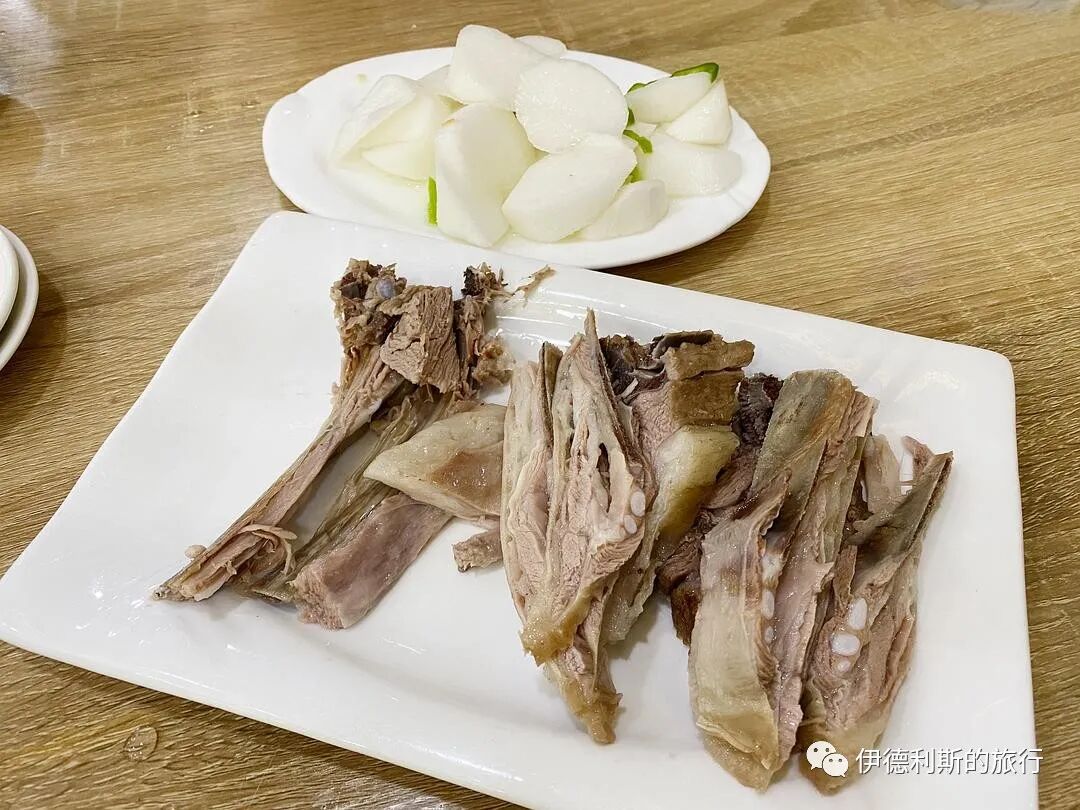
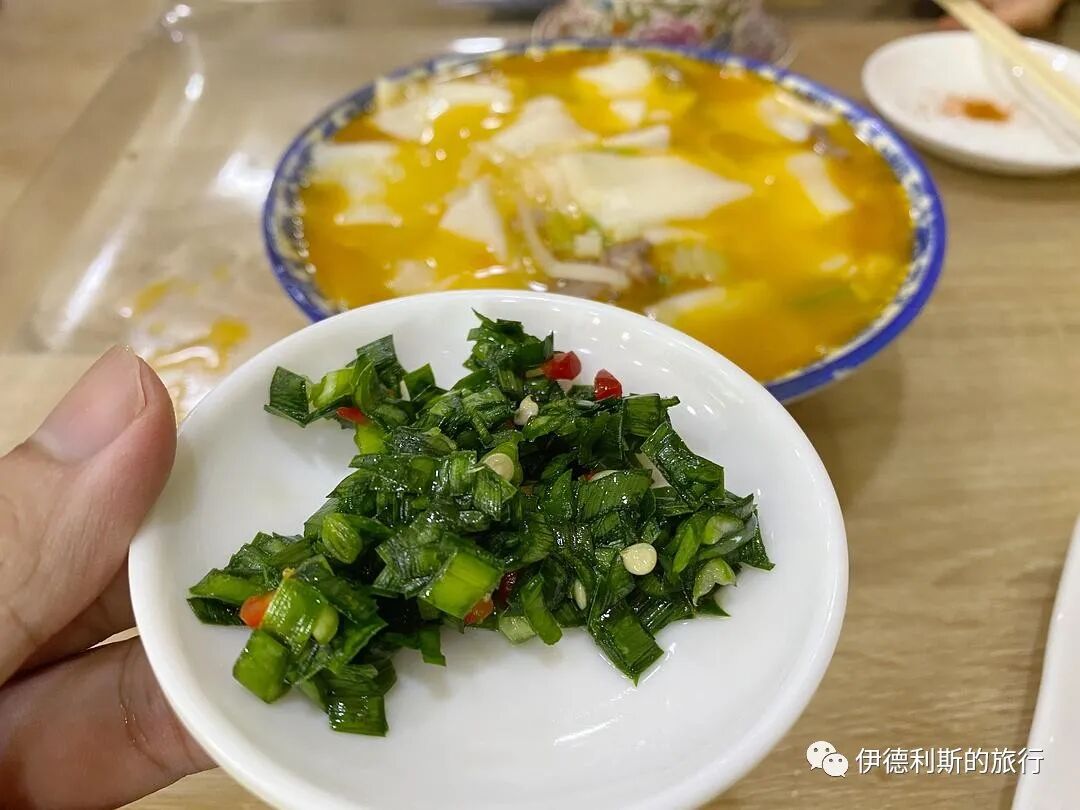
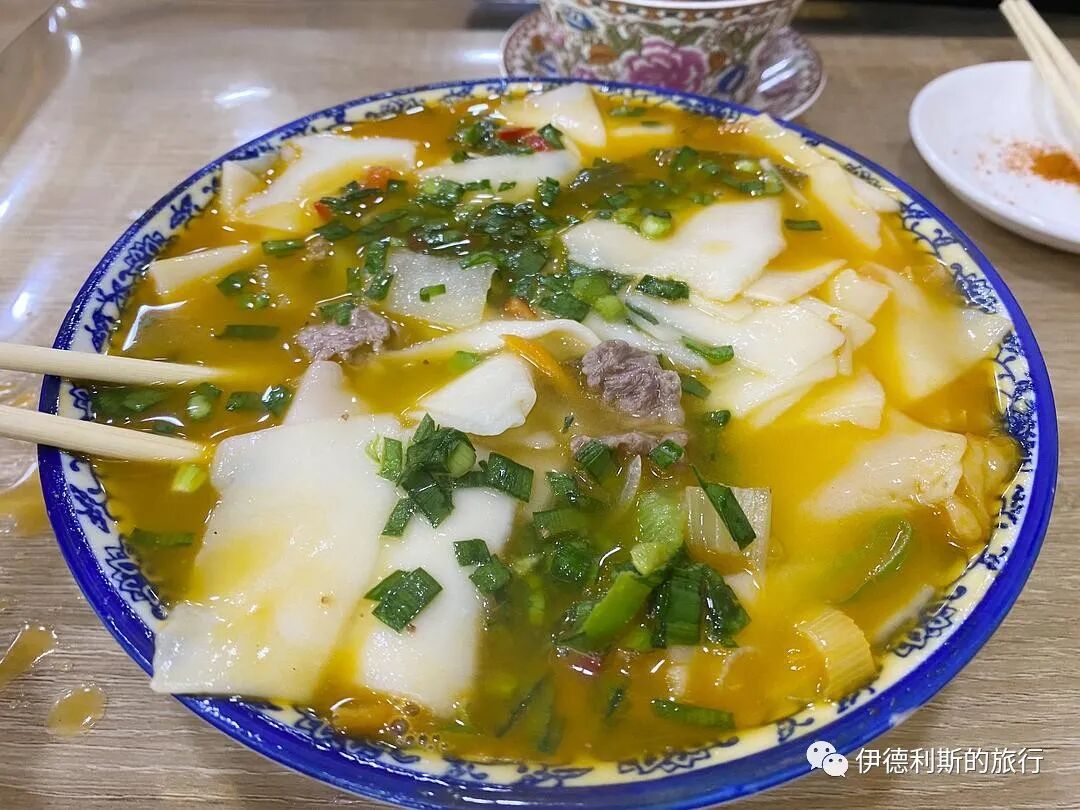
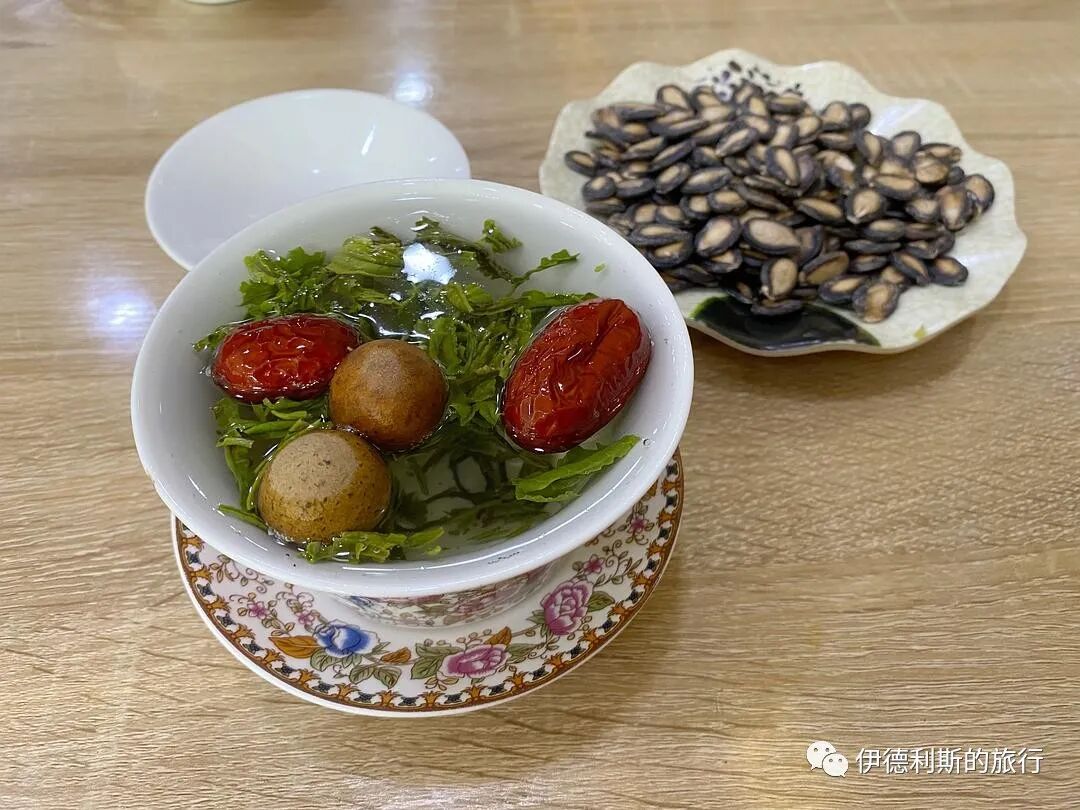
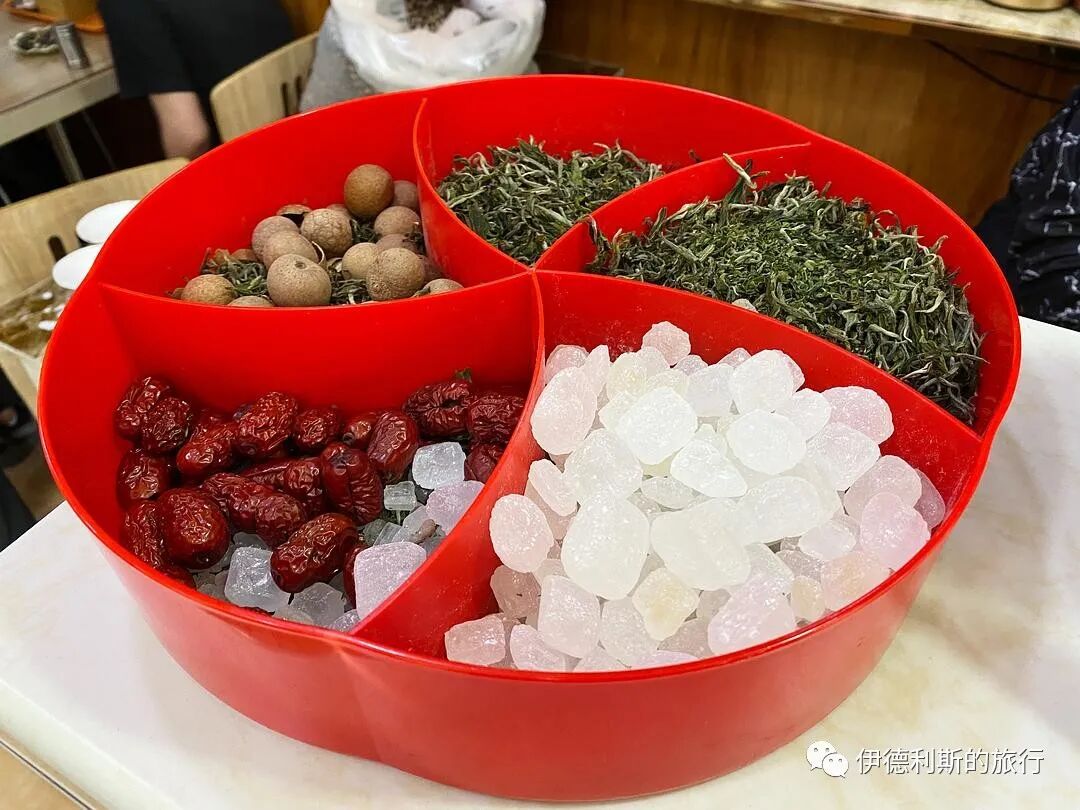
After visiting the Hongshuiquan Mosque, we headed to downtown Xining. The driver took us to the area near Yangjia Lane, east of Dongguan, and recommended we eat at Dongxiang Jinhai Shouzhua (hand-grabbed mutton). At their place, we ate half a jin (500 grams) of hand-grabbed lamb ribs and a bowl of jiangshui mianpian (fermented vegetable noodle soup), and the pickled radishes and babao cha (eight-treasure tea) were complimentary.
It turned out that their place was indeed the most delicious one we ate at during this trip! It was cheap and delicious, and the service was especially good; every two minutes, a staff member would come by with a kettle to ask if you needed a tea refill.
Their radishes were pickled to be very flavorful, with only a sweet taste and no spiciness. Zainab really loved drinking the jiangshui (fermented vegetable juice) and basically finished it in one go. Shouzhua baitiao (plain hand-grabbed mutton) is my favorite, and I really regretted not eating it more times on this trip.
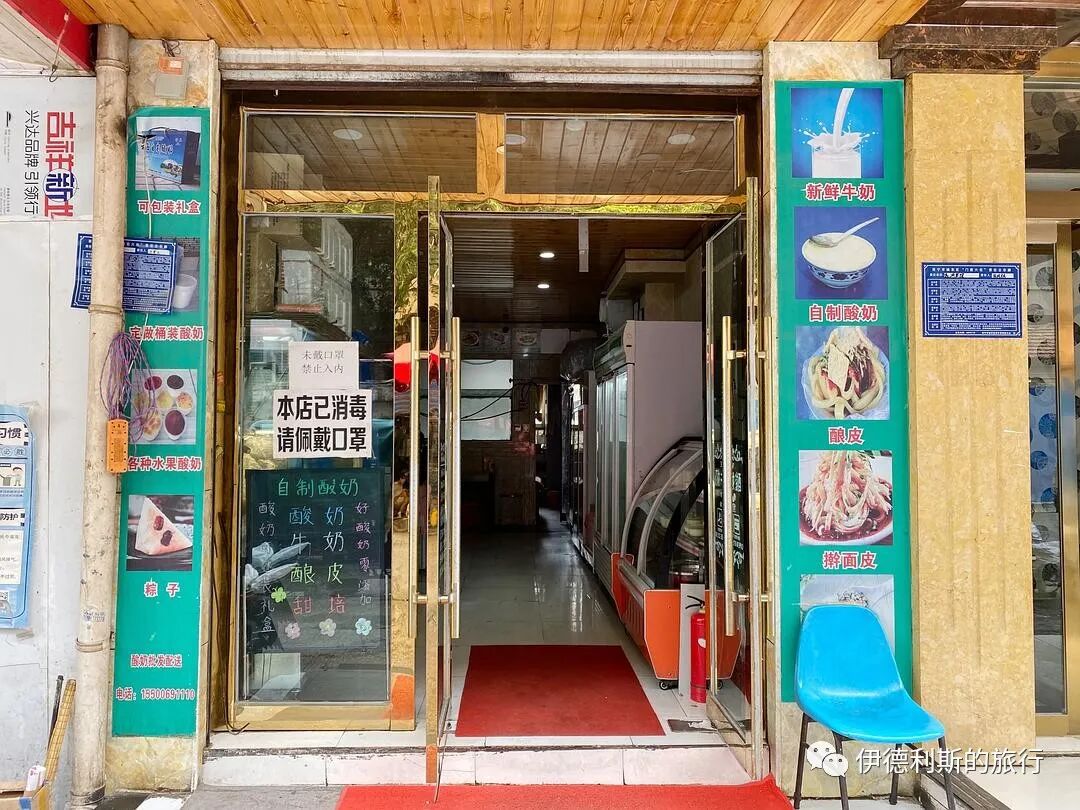
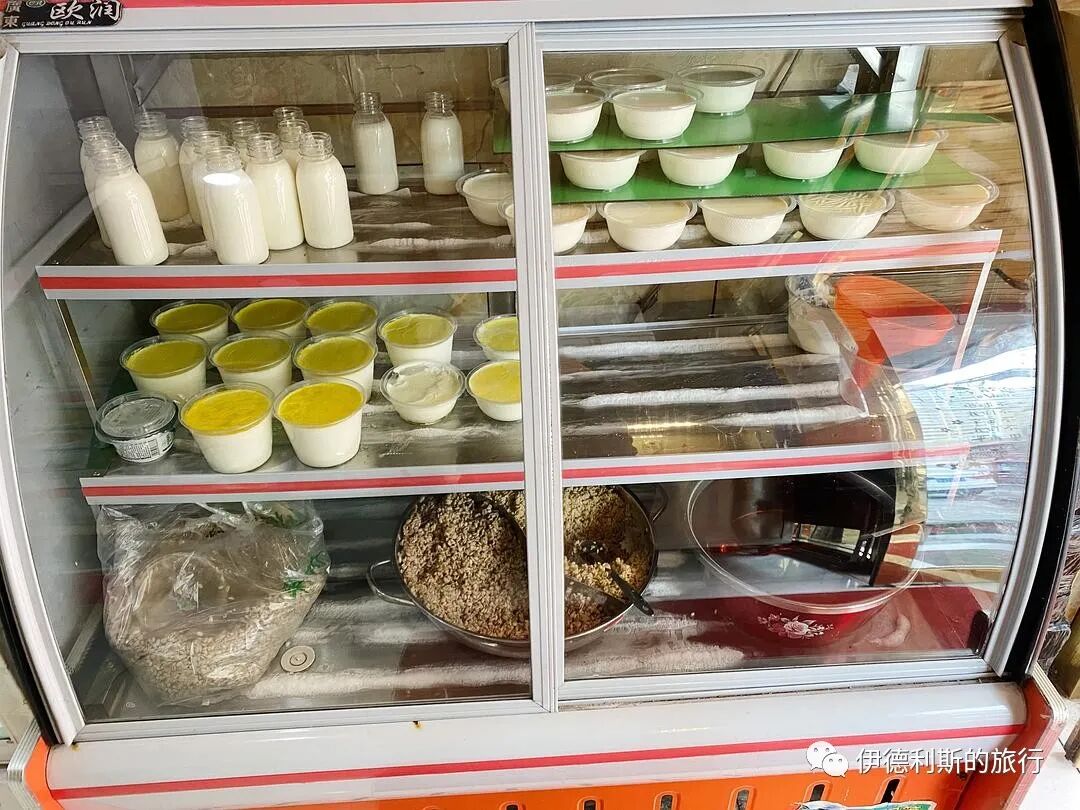
After eating, we went diagonally across the street to drink yogurt; the yellow one is sweet and the white one is original flavor. You can't find such authentic yogurt in Beijing!
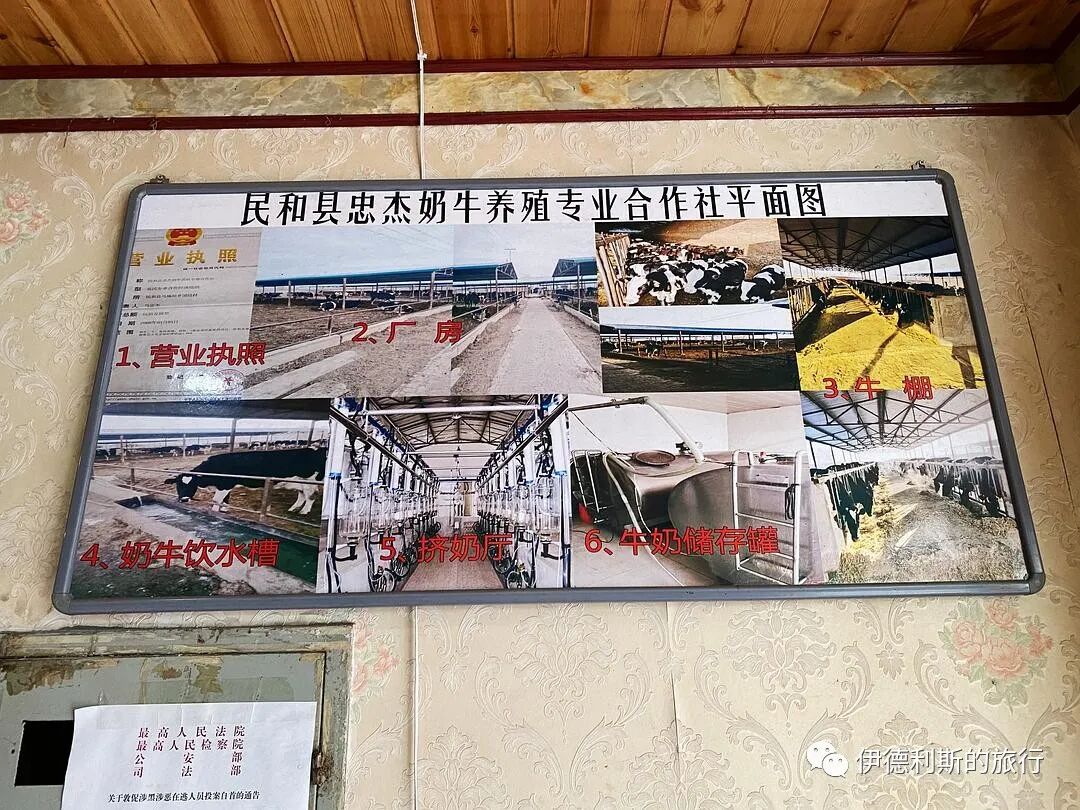
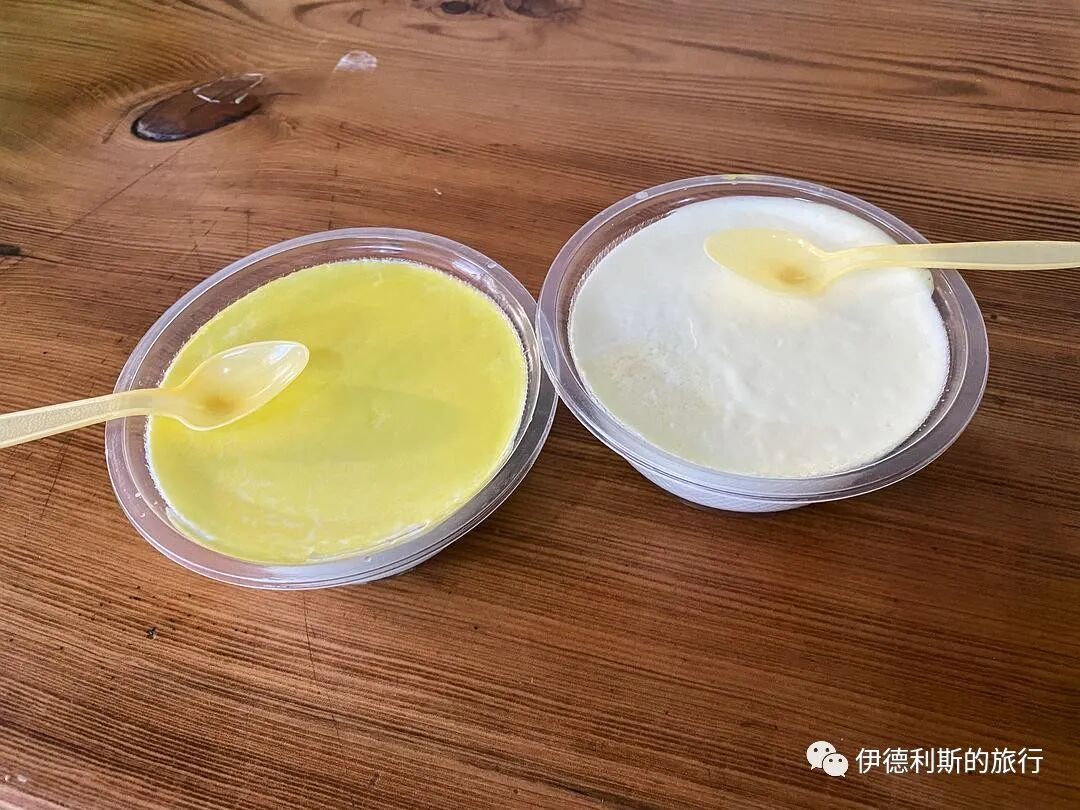
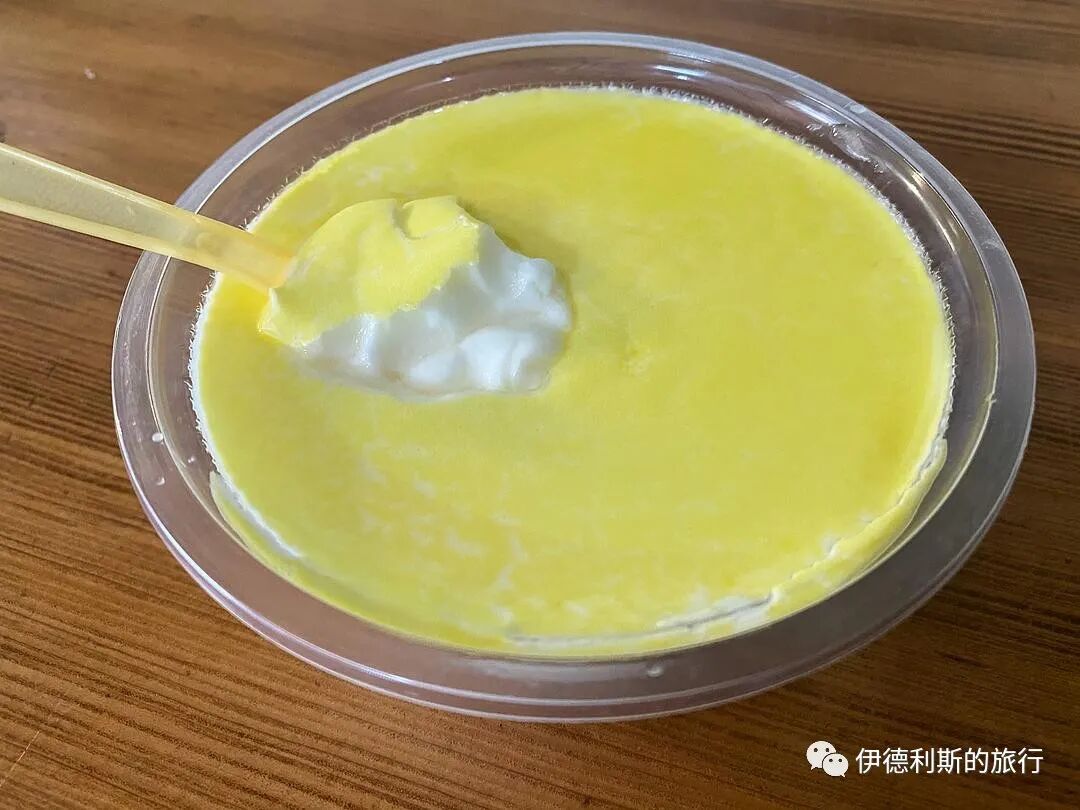
In the afternoon, we watched 'Hua'er' (a traditional folk song style) at the never-ending Hua'er festival at Xining Ga Park (Huanghe Road Small Park). Next to Ga Park, there is a Delu Yogurt shop, so we bought yogurt and qingke tianpei (highland barley fermented snack) to enjoy while listening to the Hua'er. After the rain, the weather was super cool, which was just wonderful. However, because of the rain, there weren't many singers, and they only formed one circle.
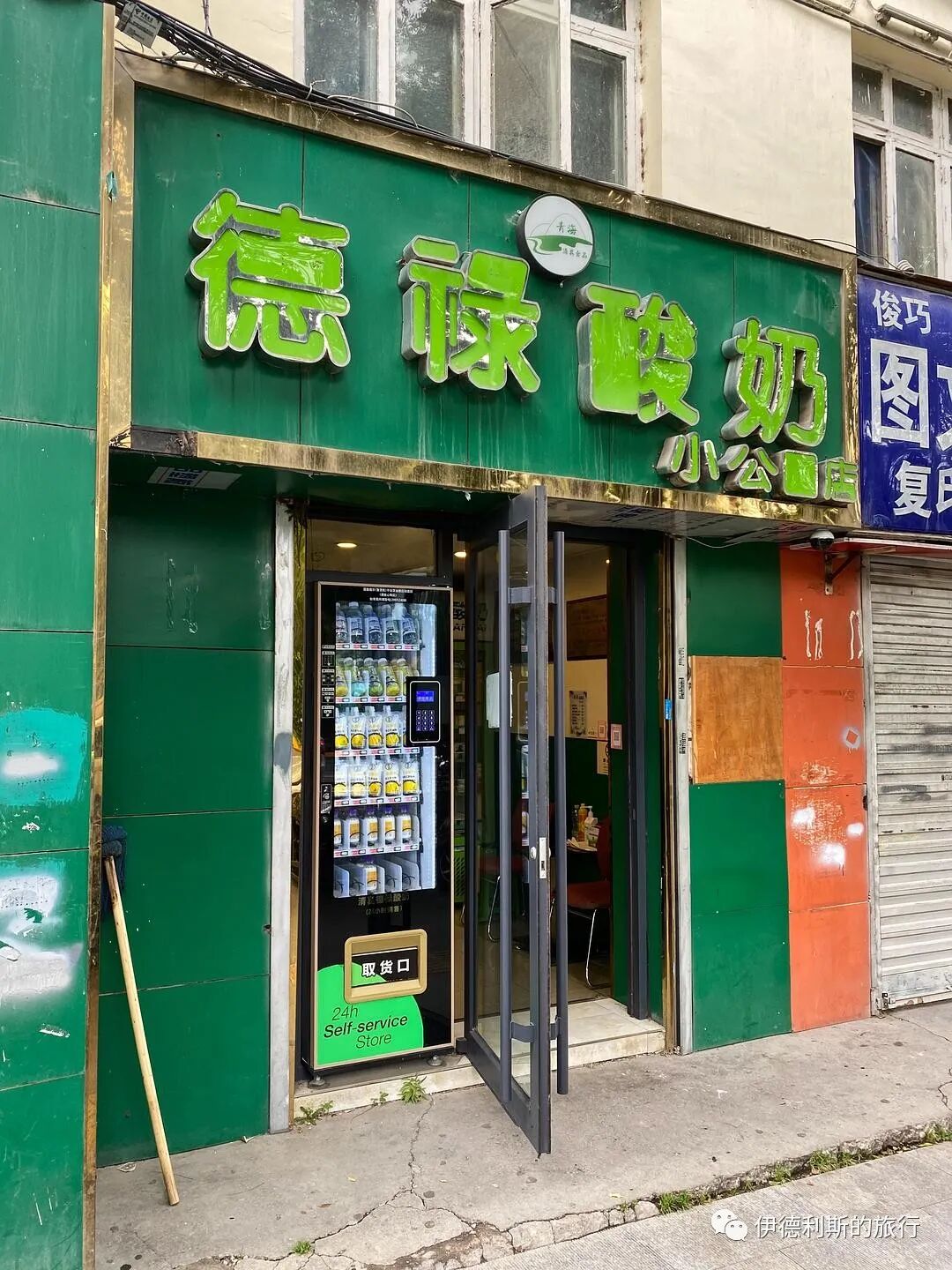
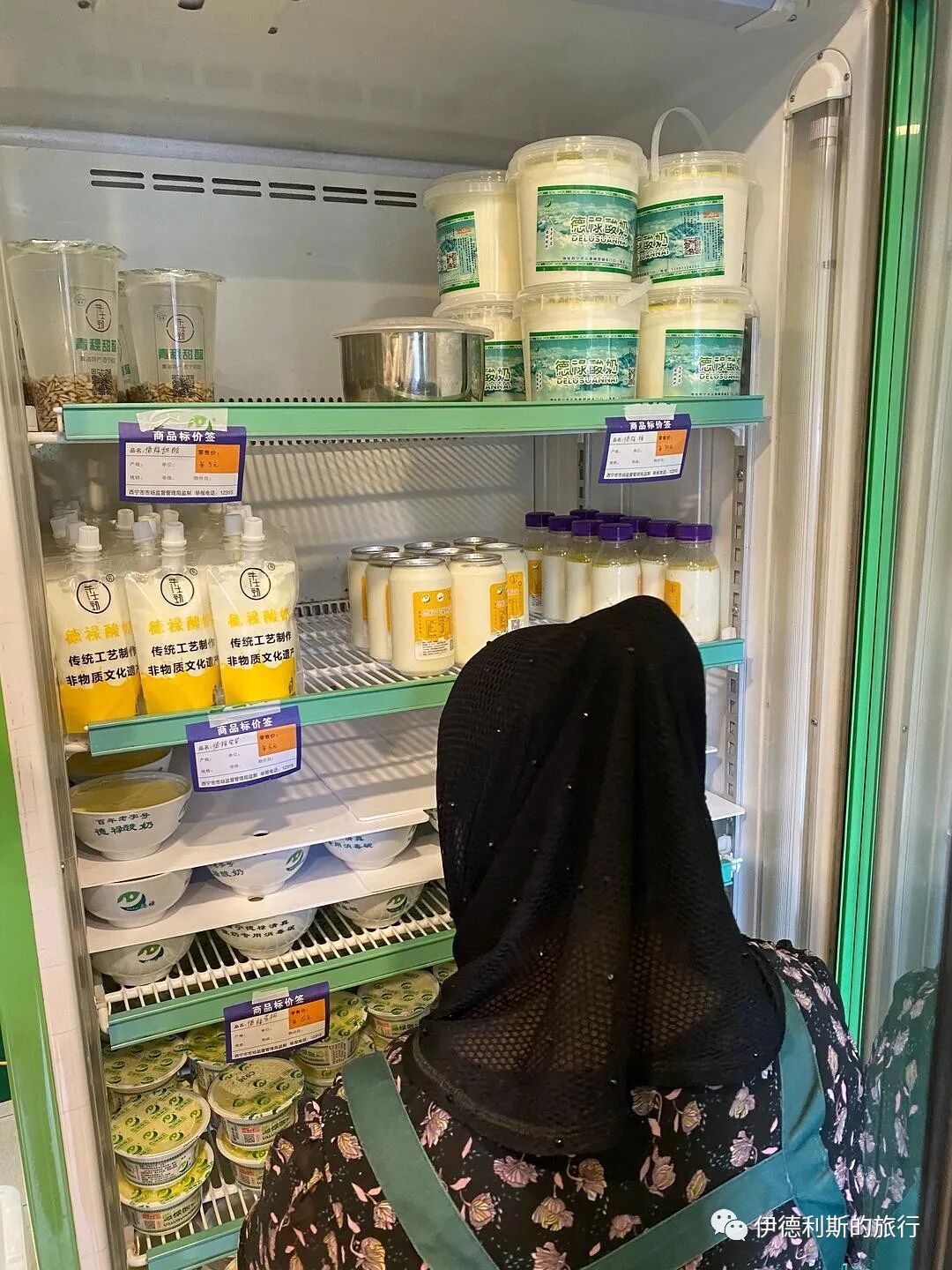
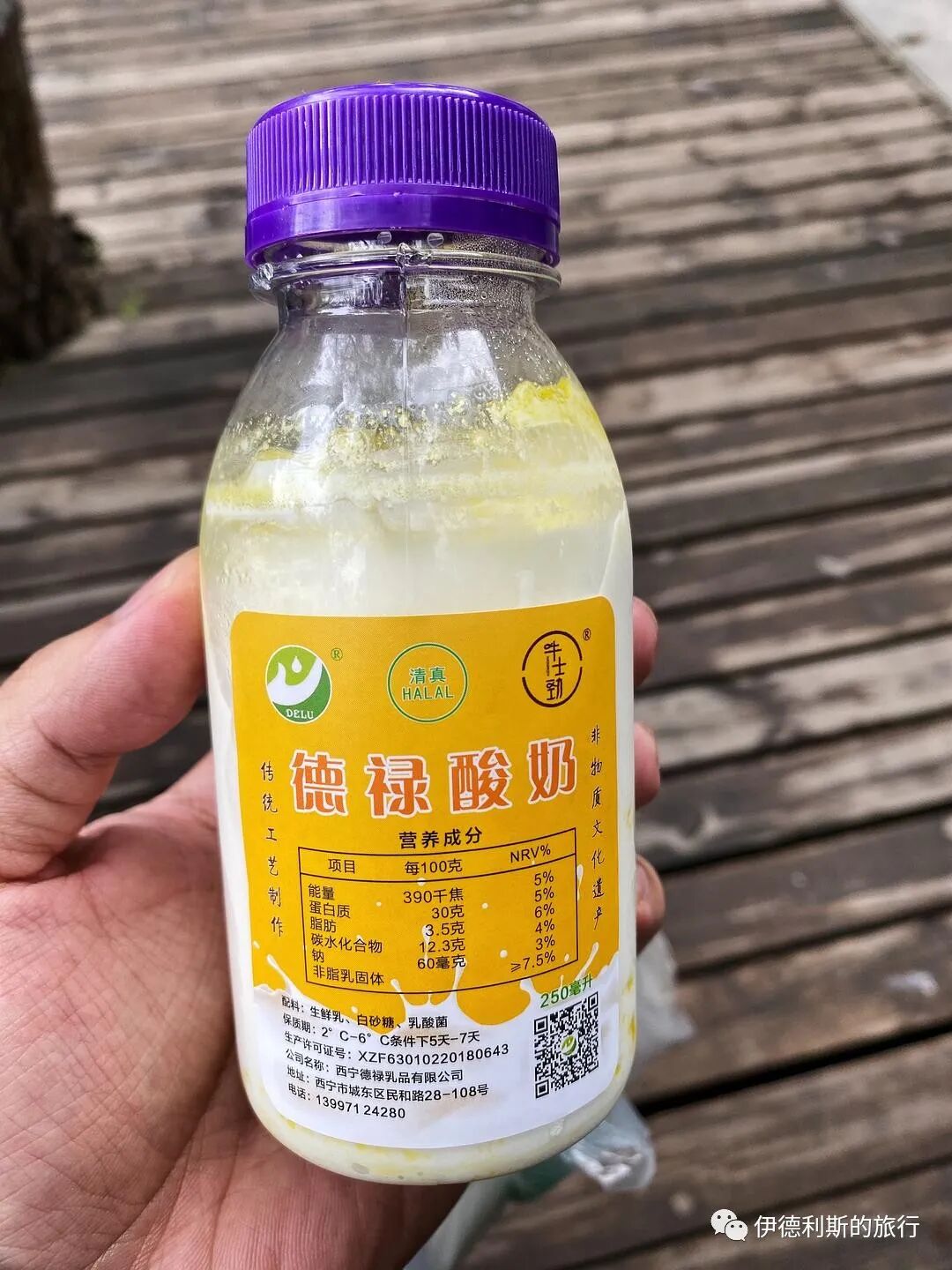
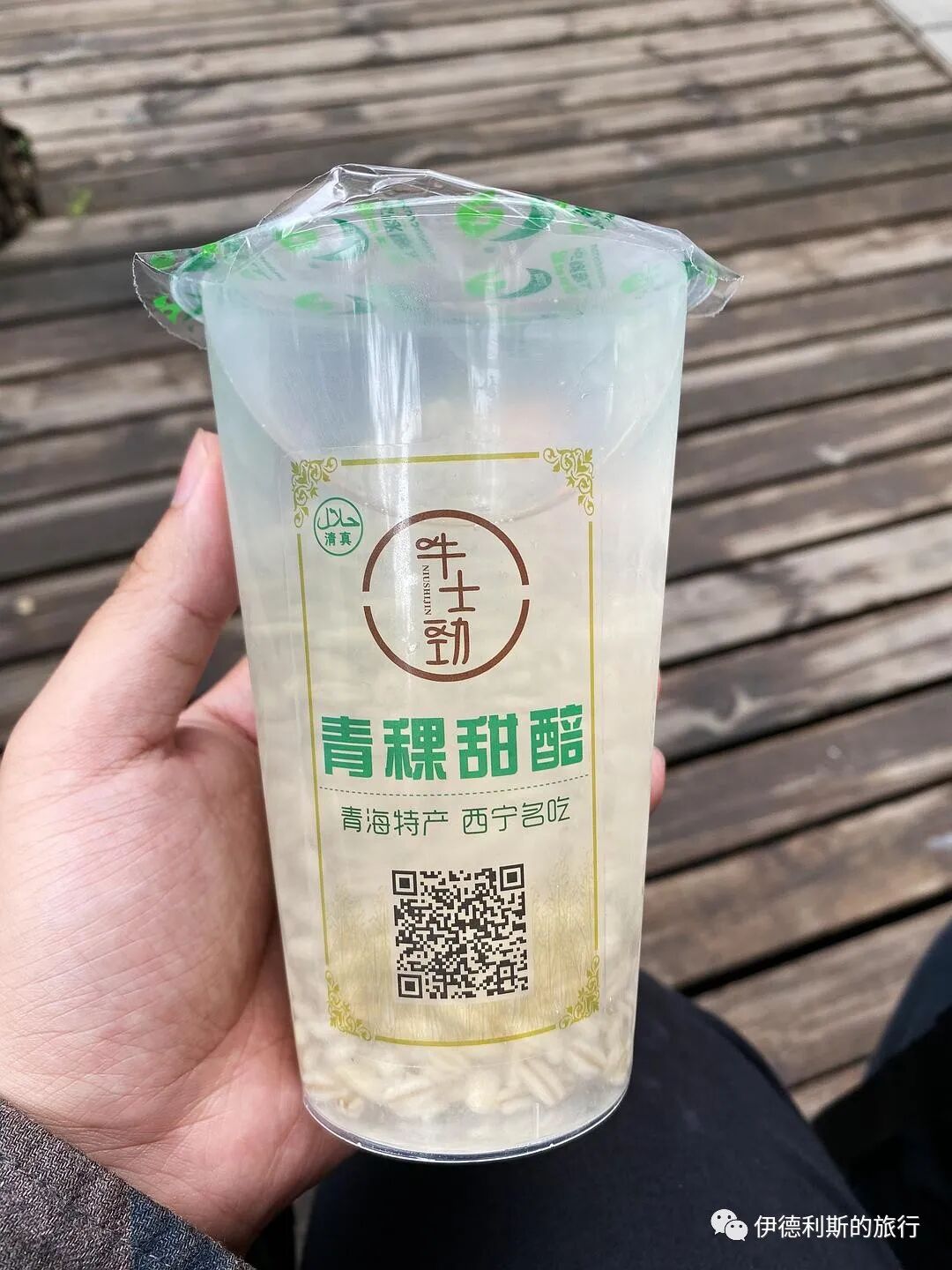
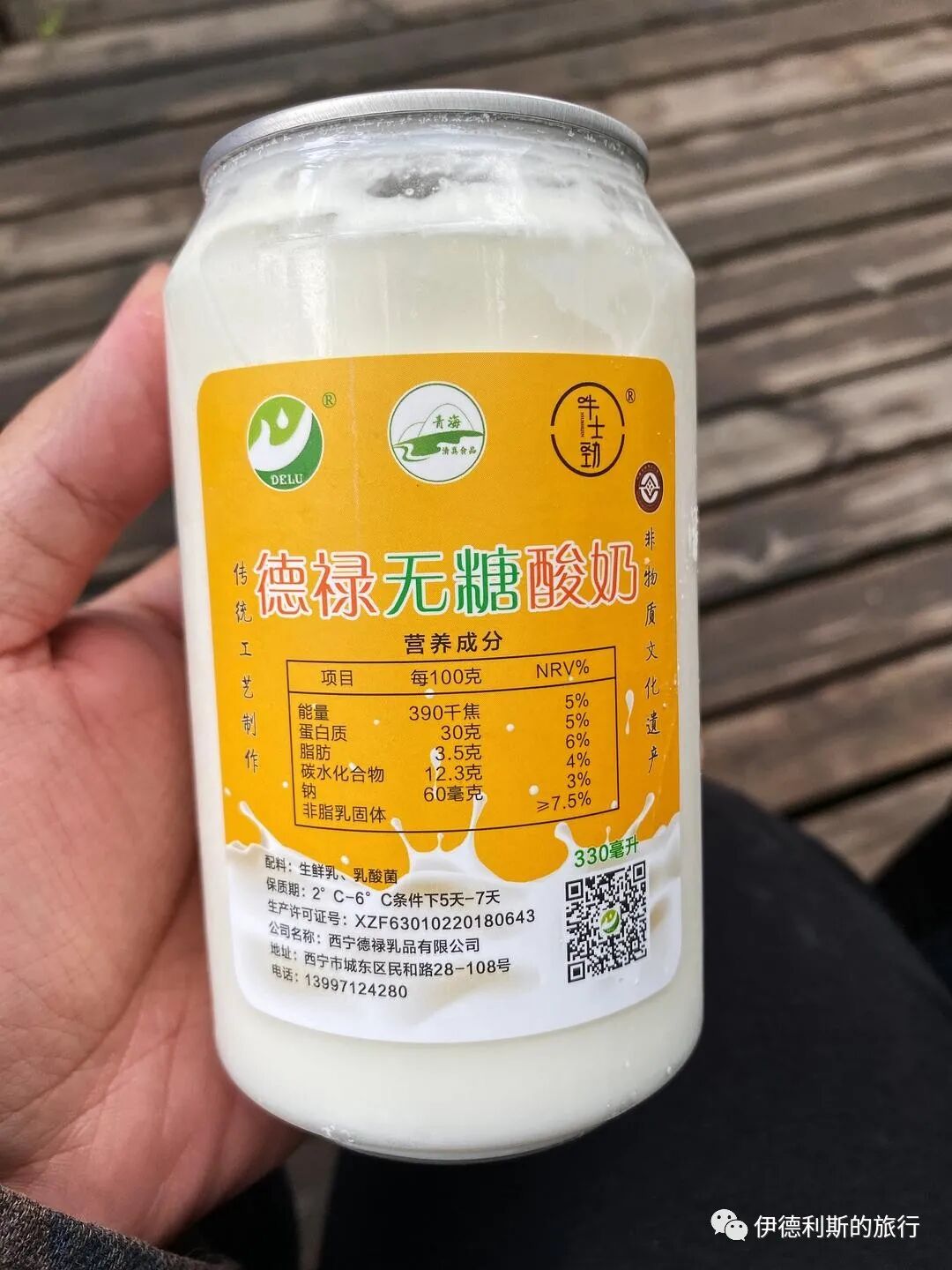
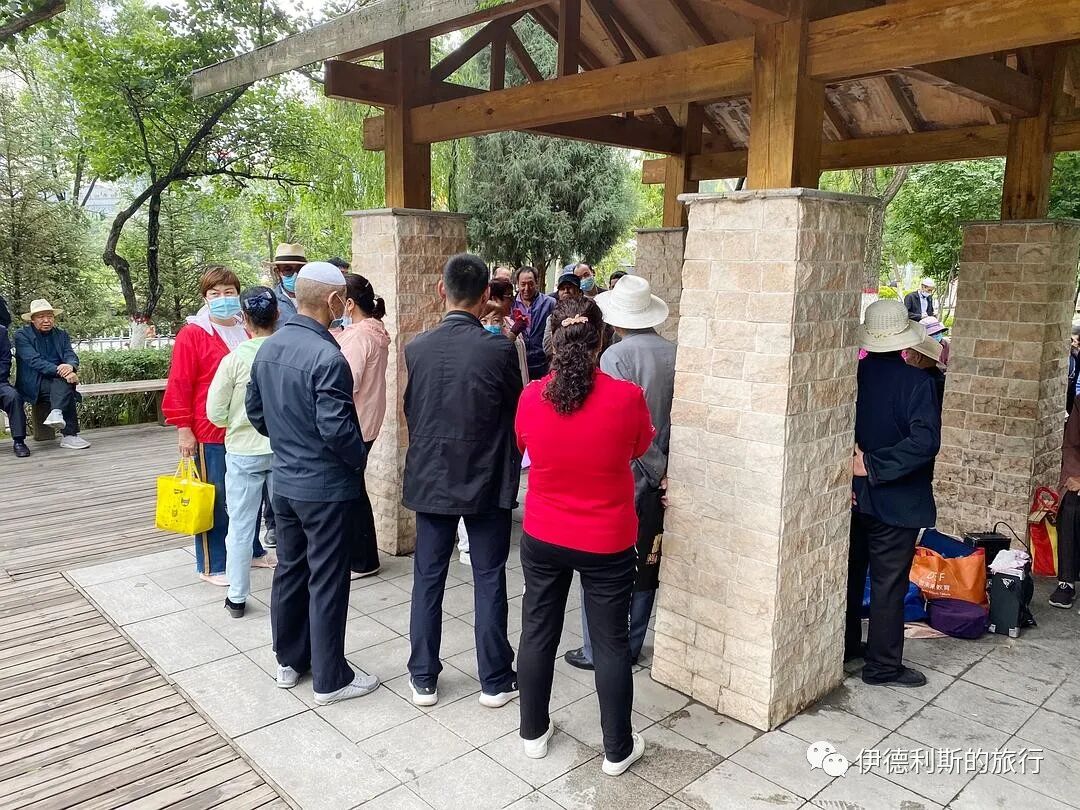
A major feature of the Hua'er festival at Ga Park is that you can hear various styles and characteristics of Hua'er; not only high-pitched and resonant ones but also low and melodious ones. There are high-level singers as well as ordinary people who love to sing 'man hua'er' (a style of folk singing), which is how a Hua'er festival should be.
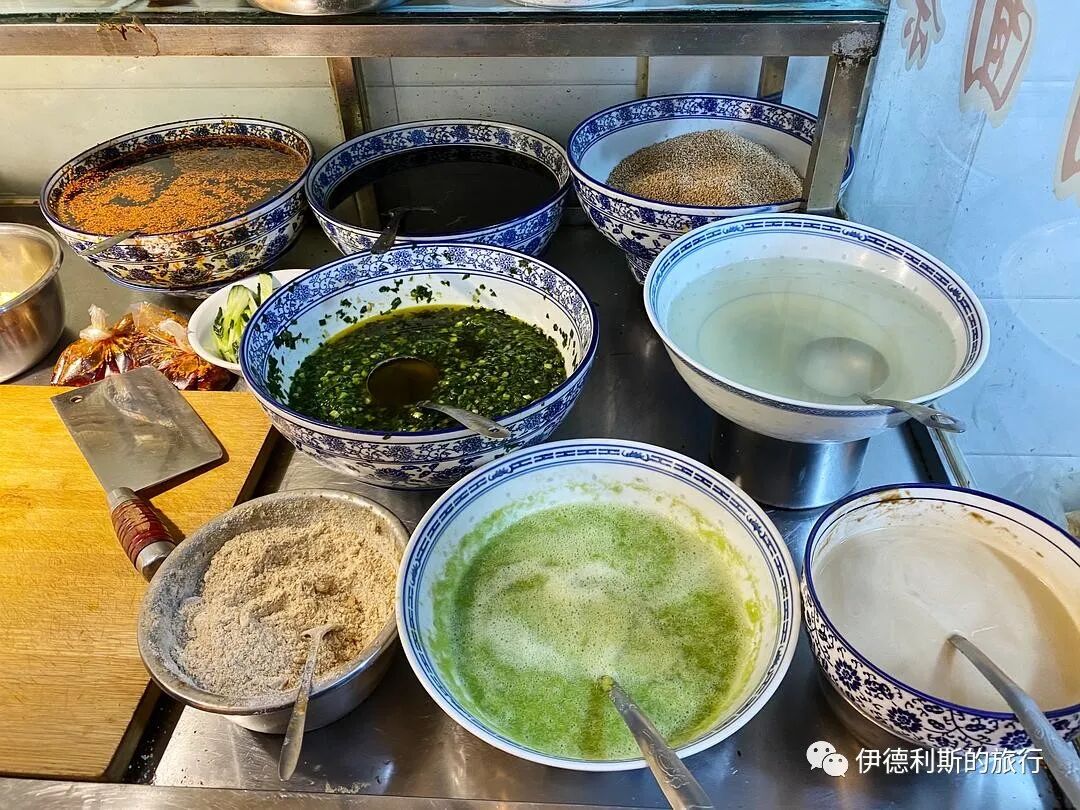
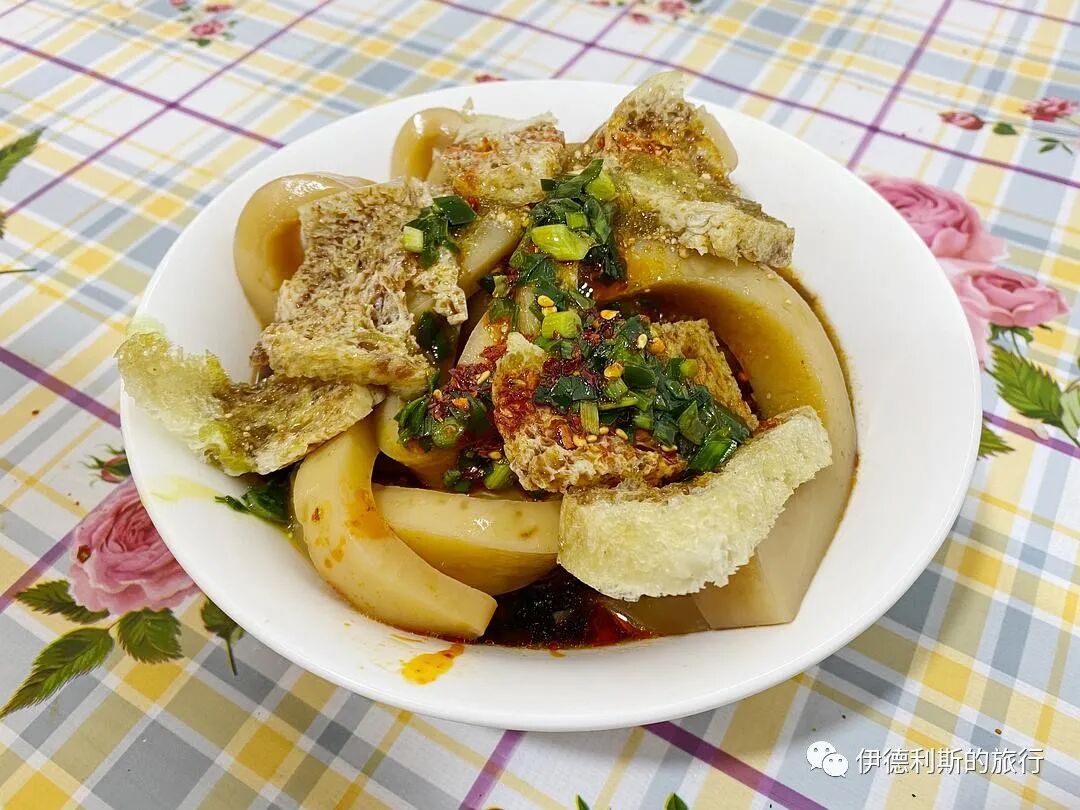
In the afternoon, we ate liangpizi (cold starch noodles) on Xia Nanguan Street behind the Dongguan Grand Mosque.
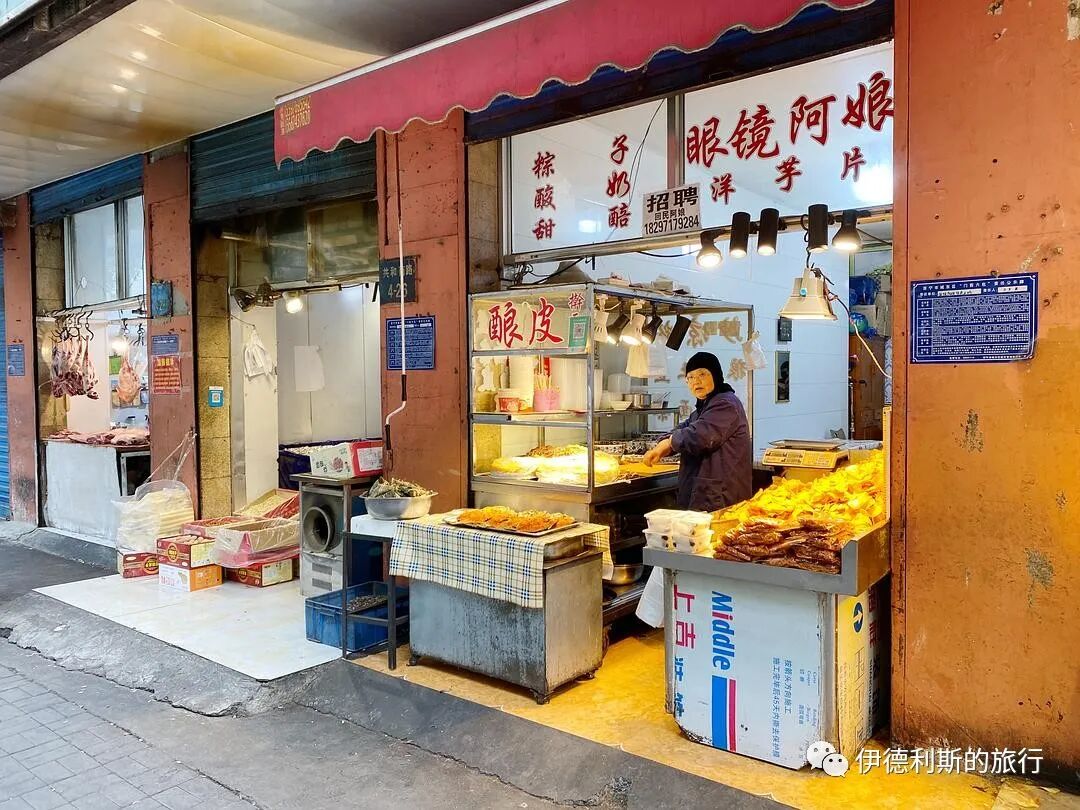
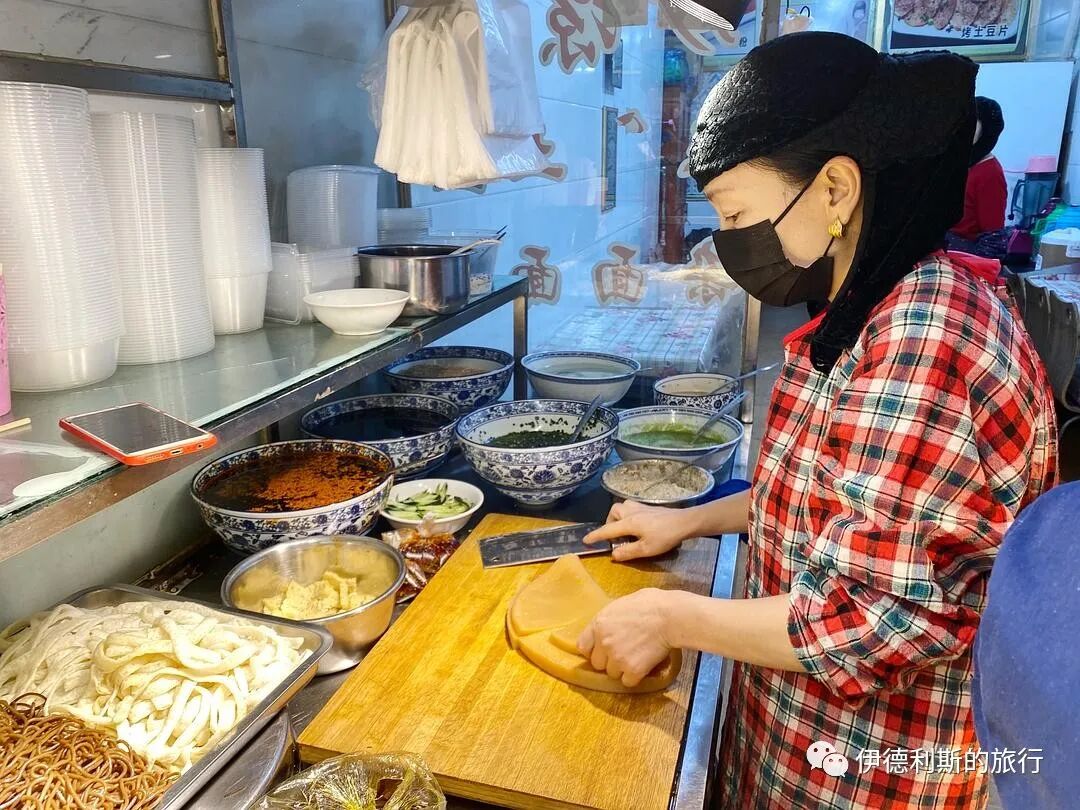
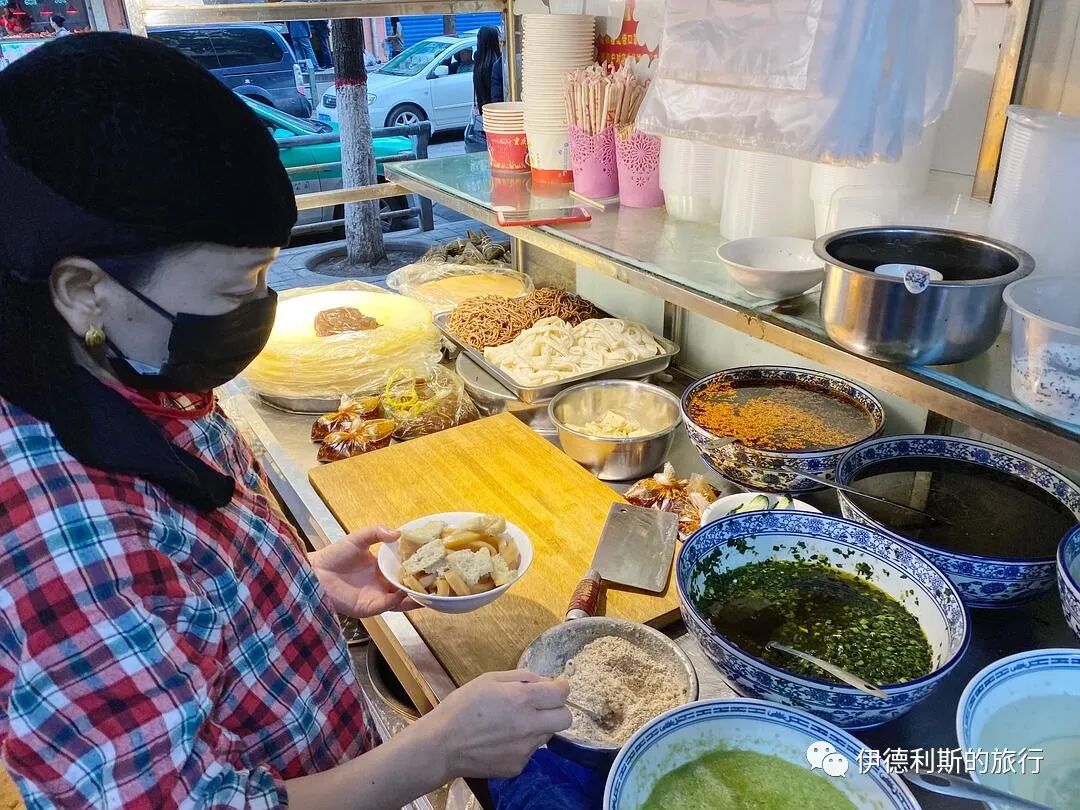
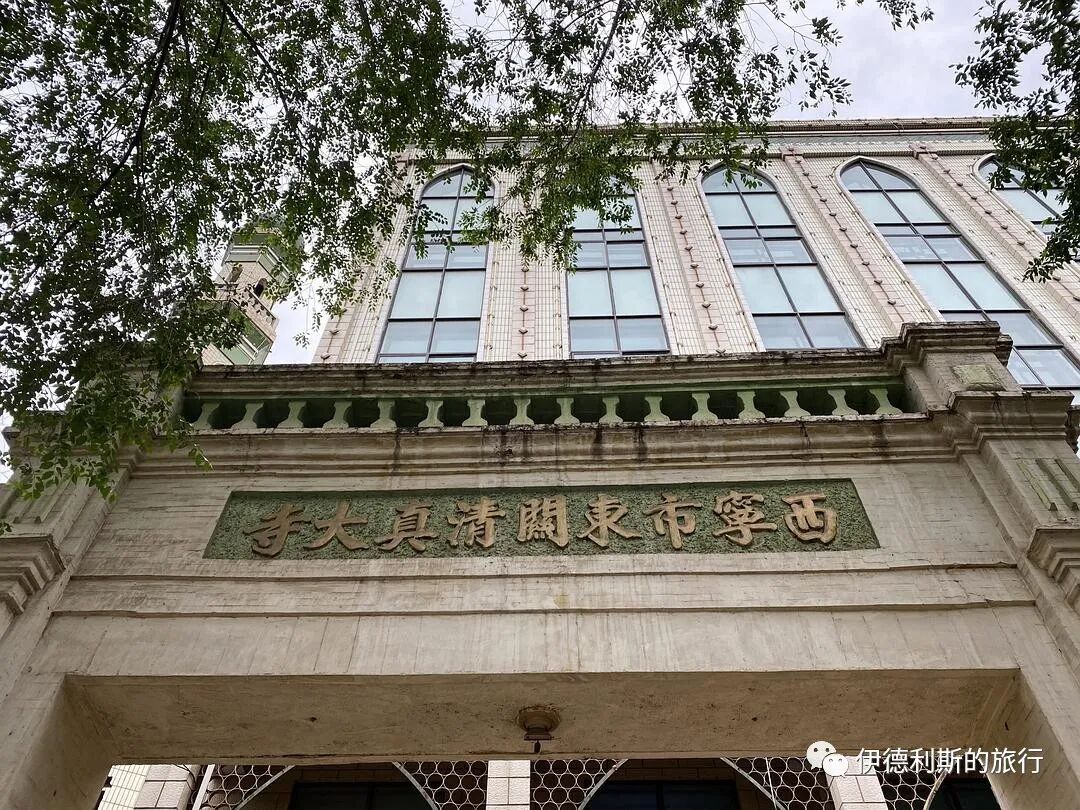
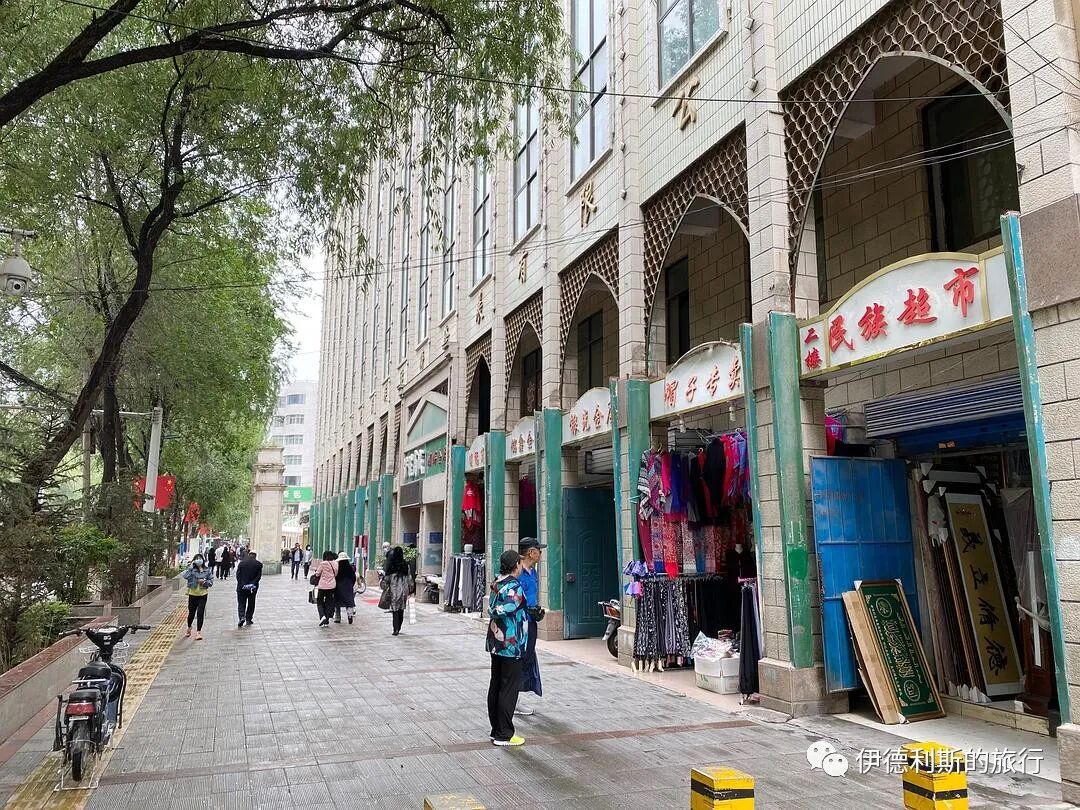
There is a supermarket for ethnic goods on the second floor of the Dongguan Grand Mosque; I bought my first knit cap there over a decade ago.
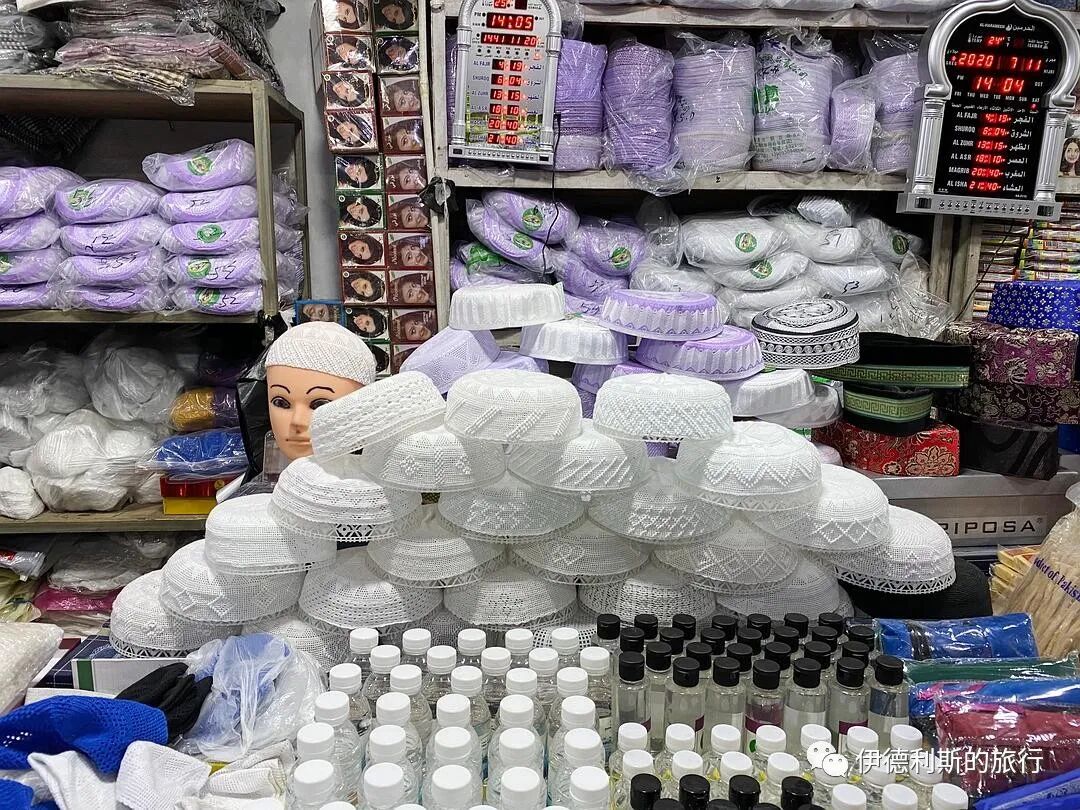
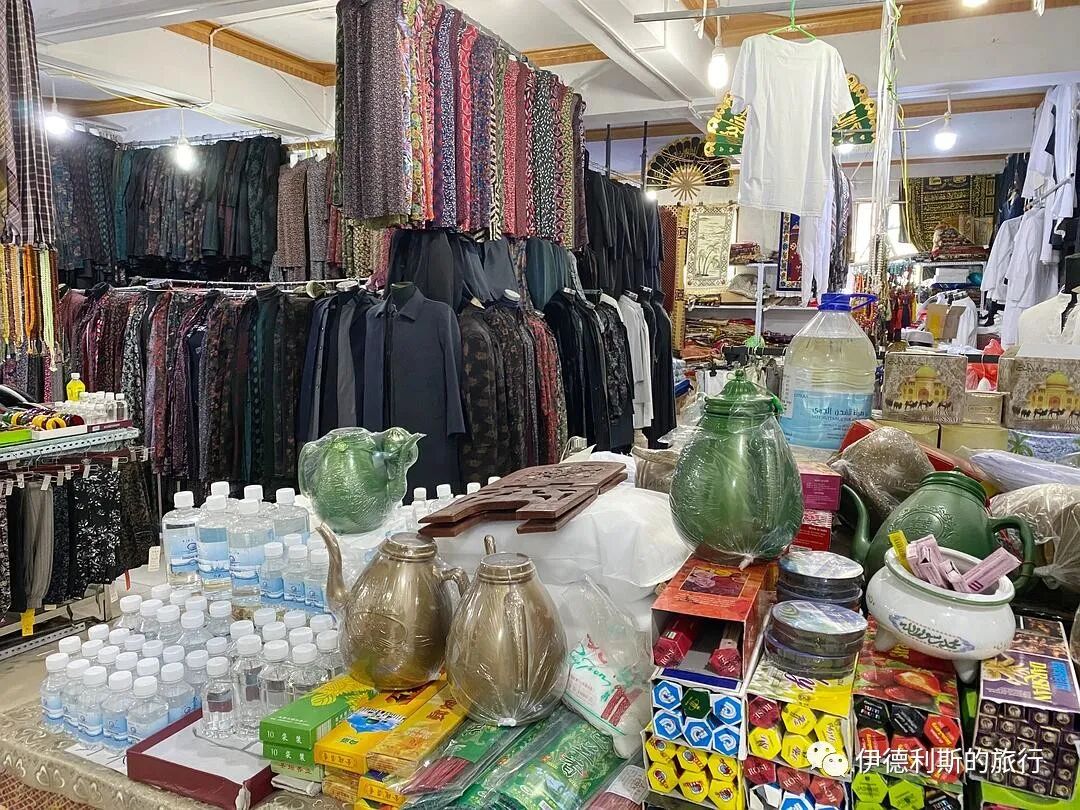
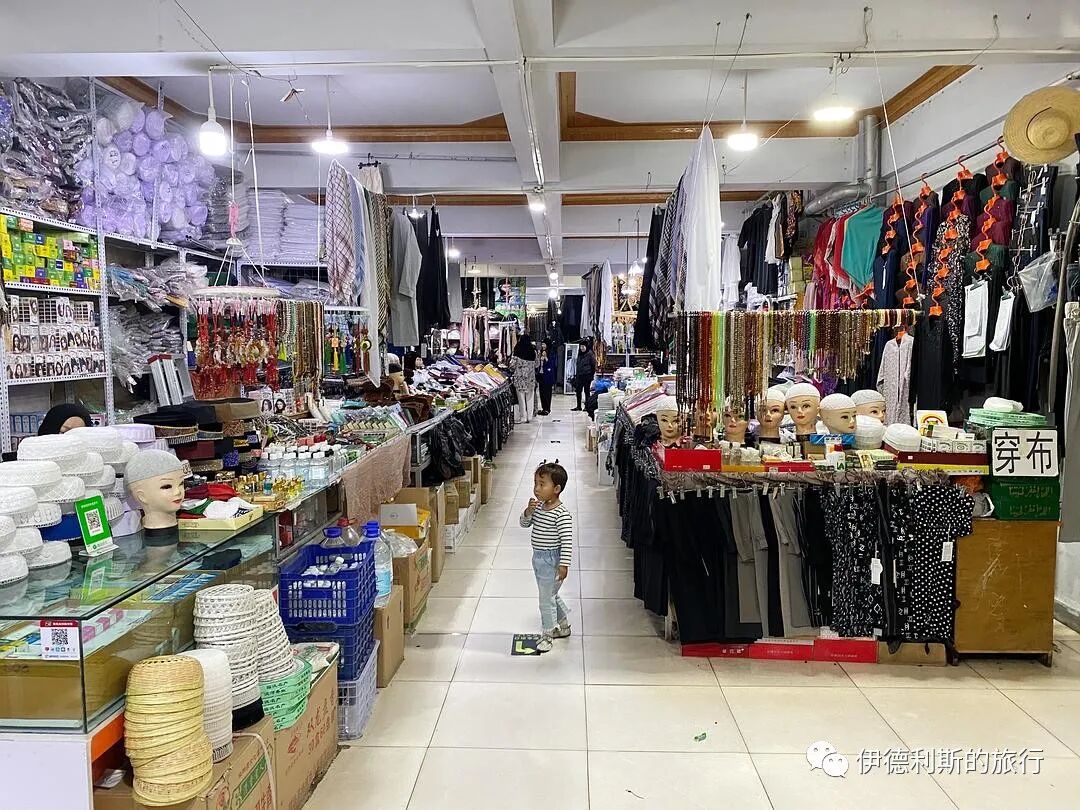
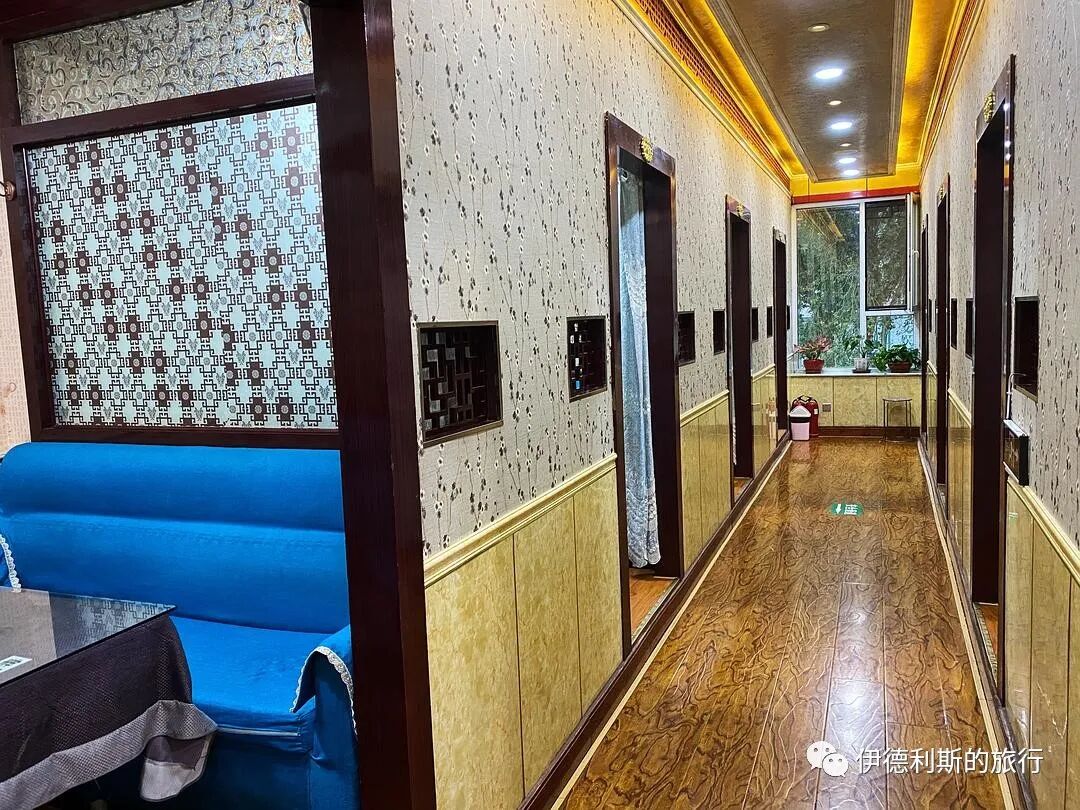
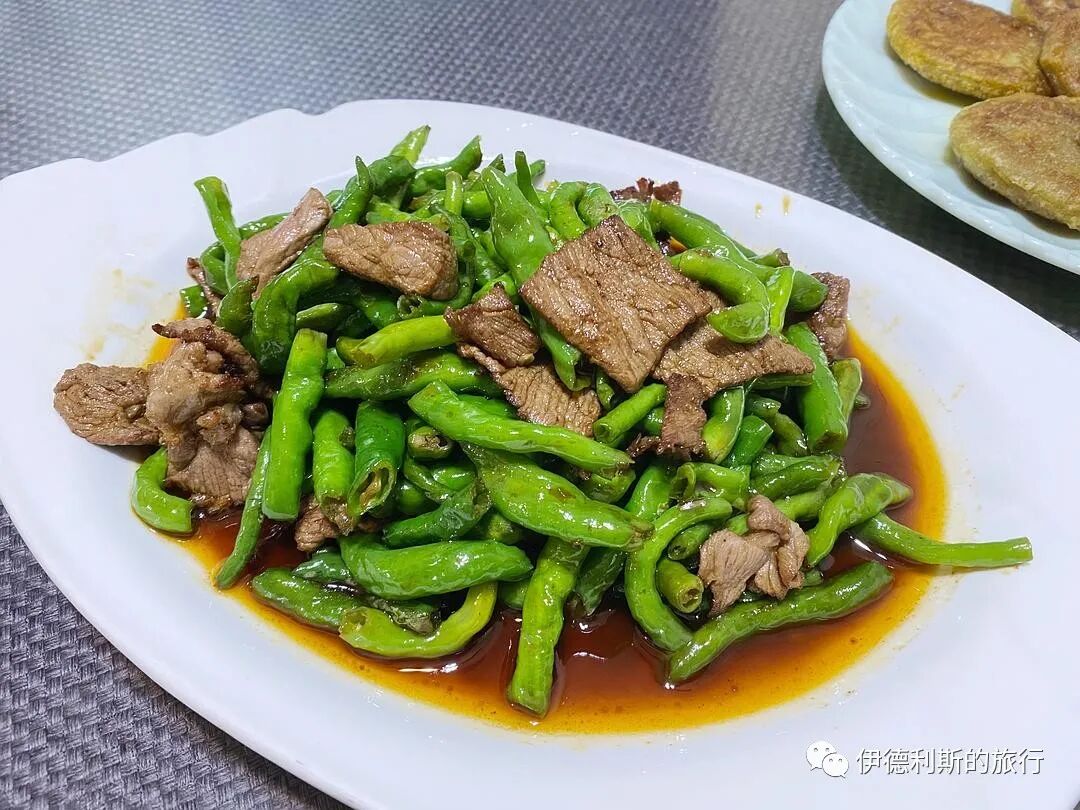
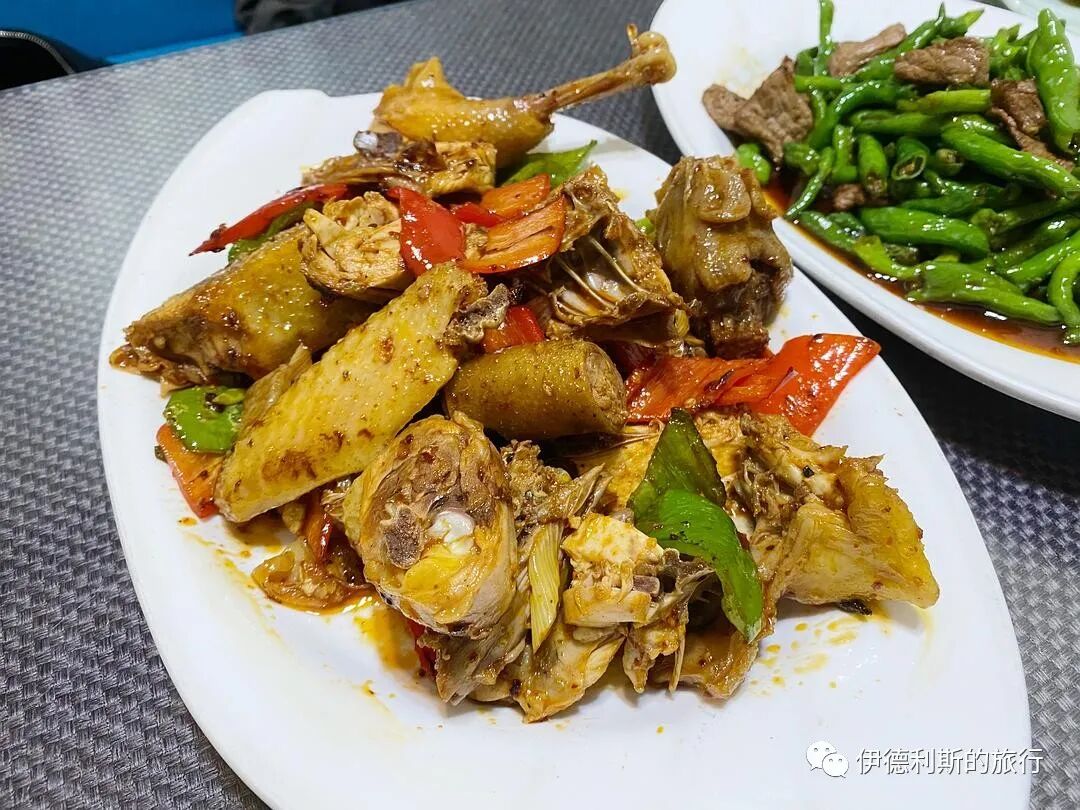
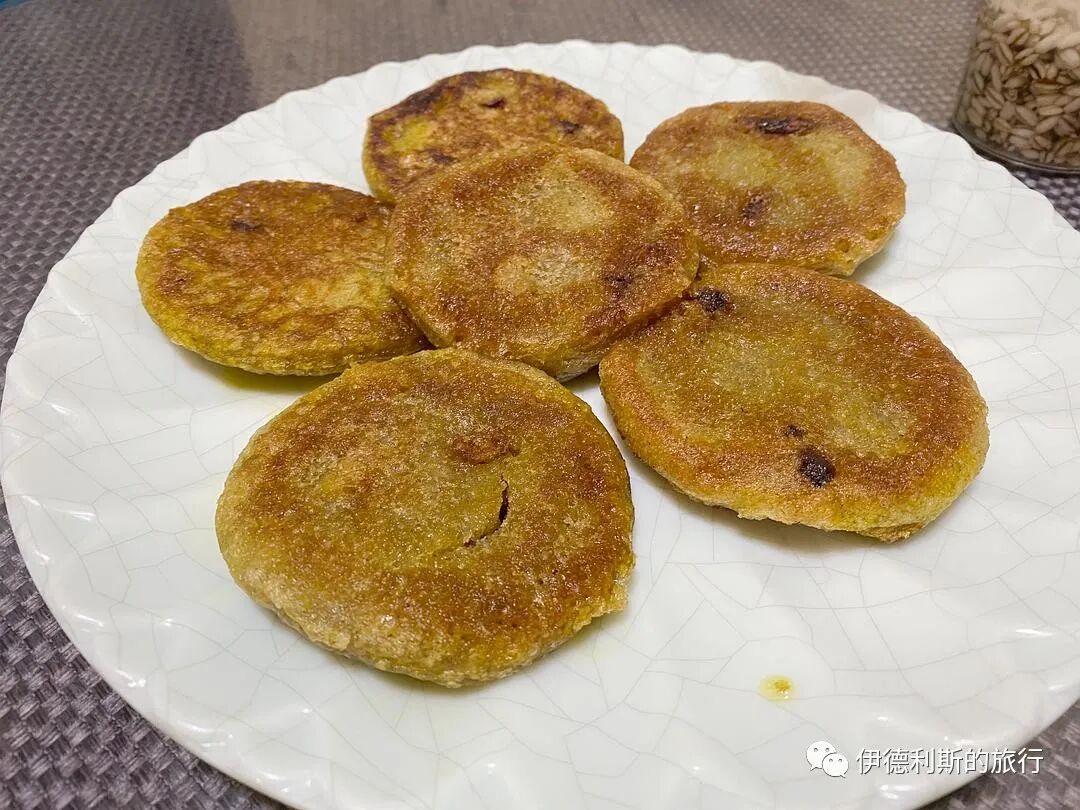
In the evening, we ate at a Salar ethnic tea restaurant in Dongguan. There are quite a few tea restaurants here, all with booth seating suitable for chatting. We ordered stir-fried chicken, Xunhua-style spicy stir-fried meat, and qingke bing (highland barley flatbread).
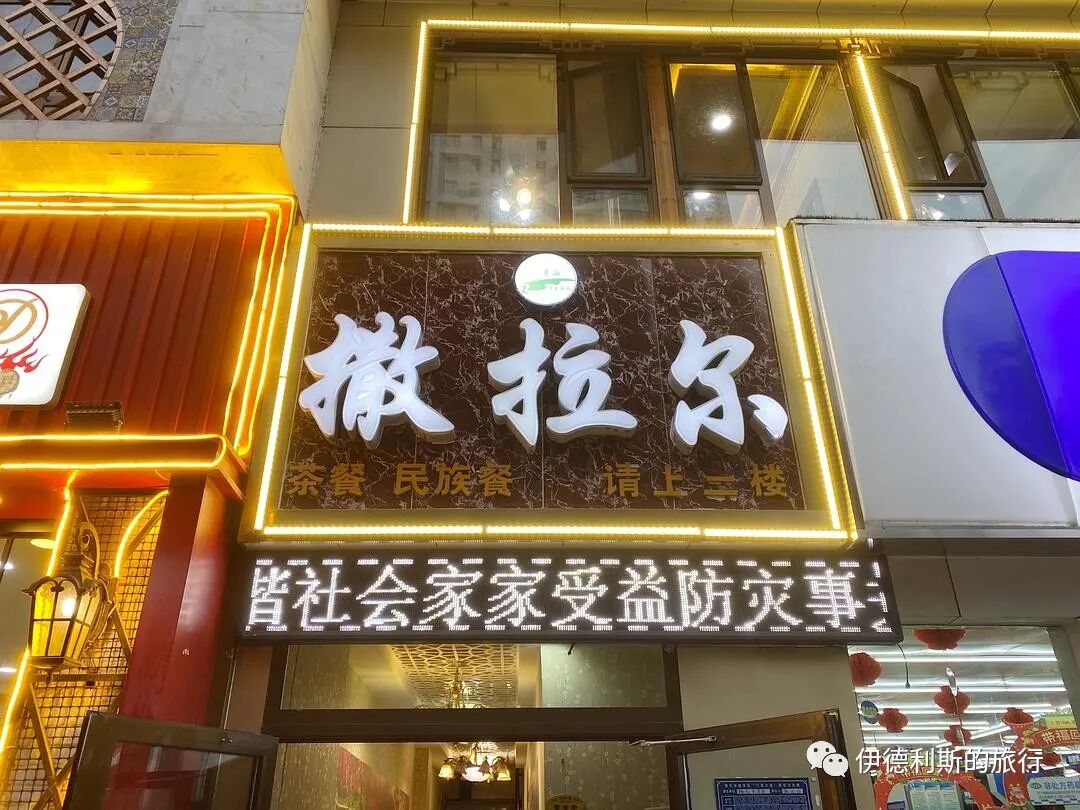
While taking a walk at night, we bought yak beef jerky at a food shop in front of the Yudai Bridge Mosque. Over the past ten years, their shop really hasn't changed at all, as if time has stood still.
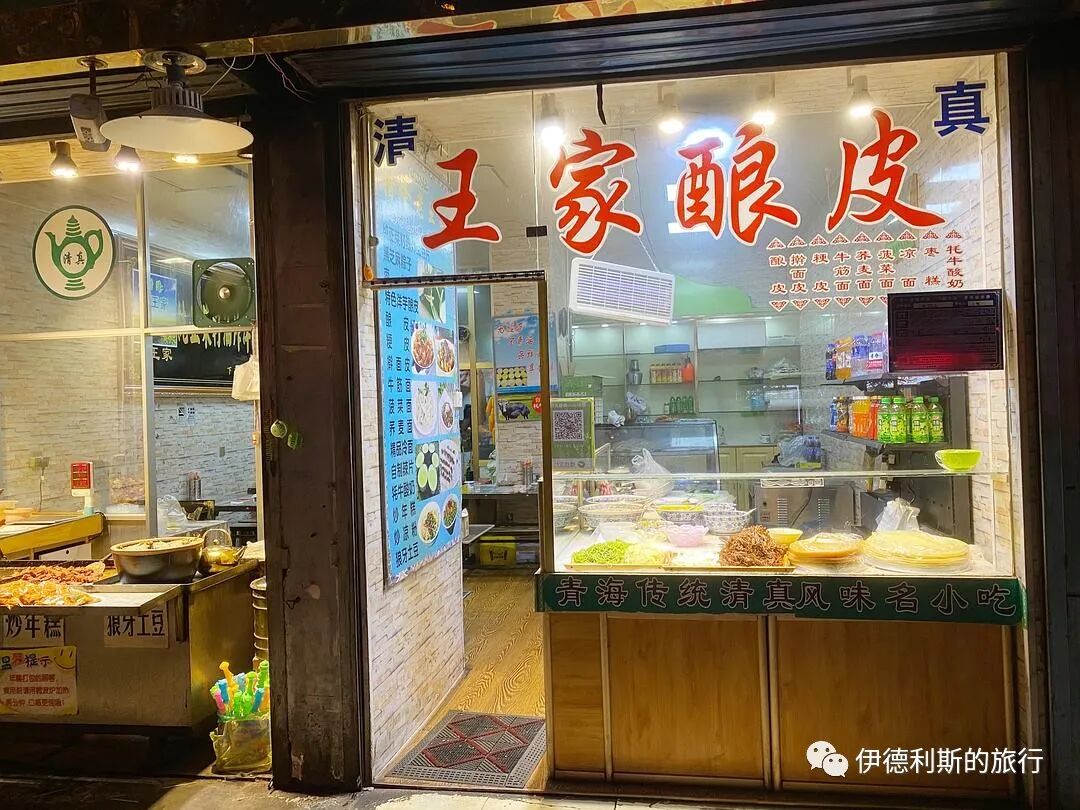
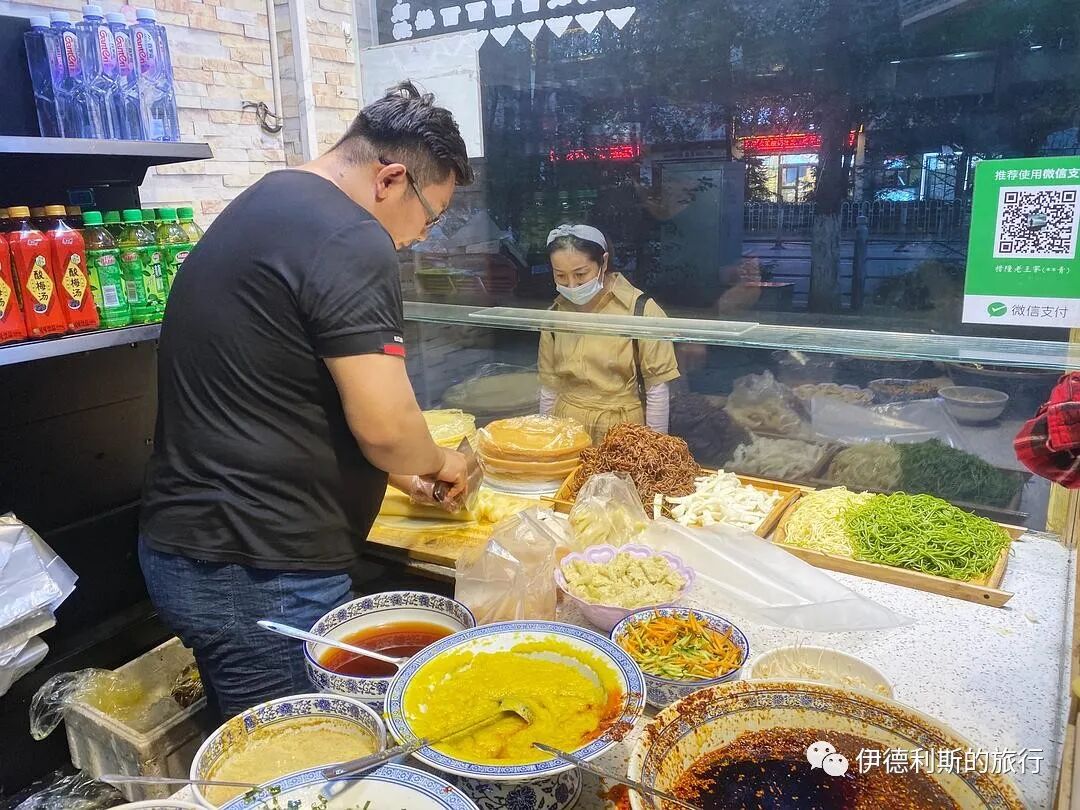
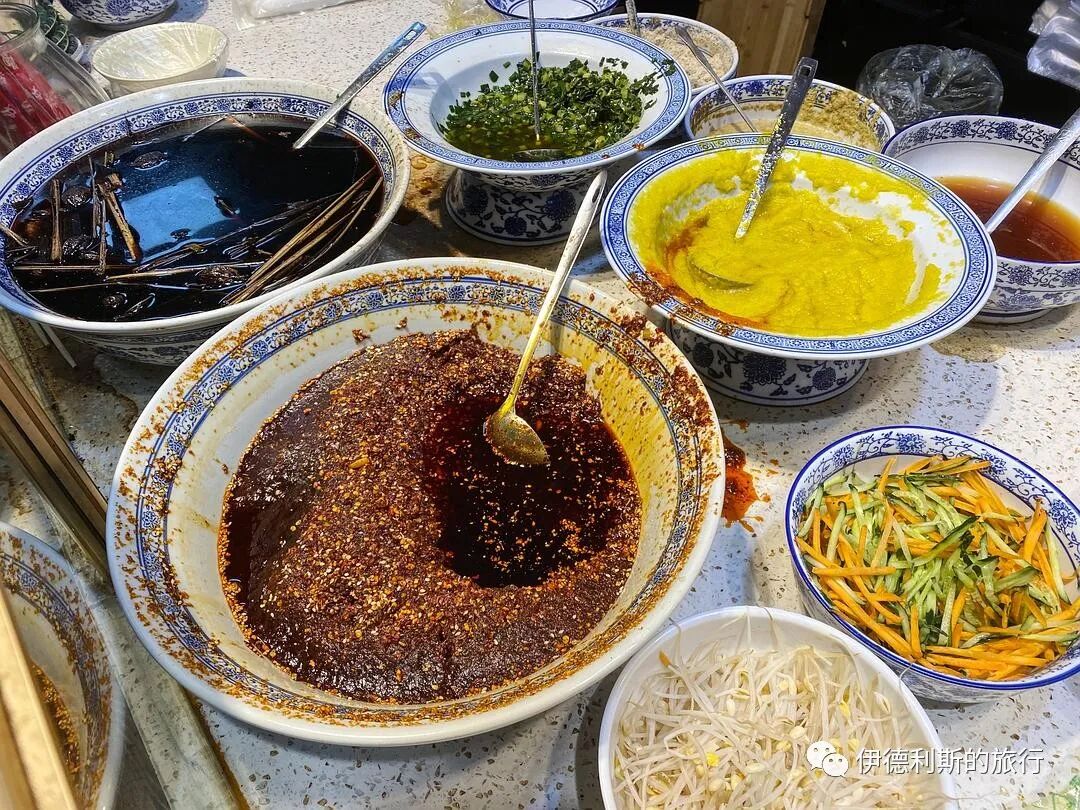
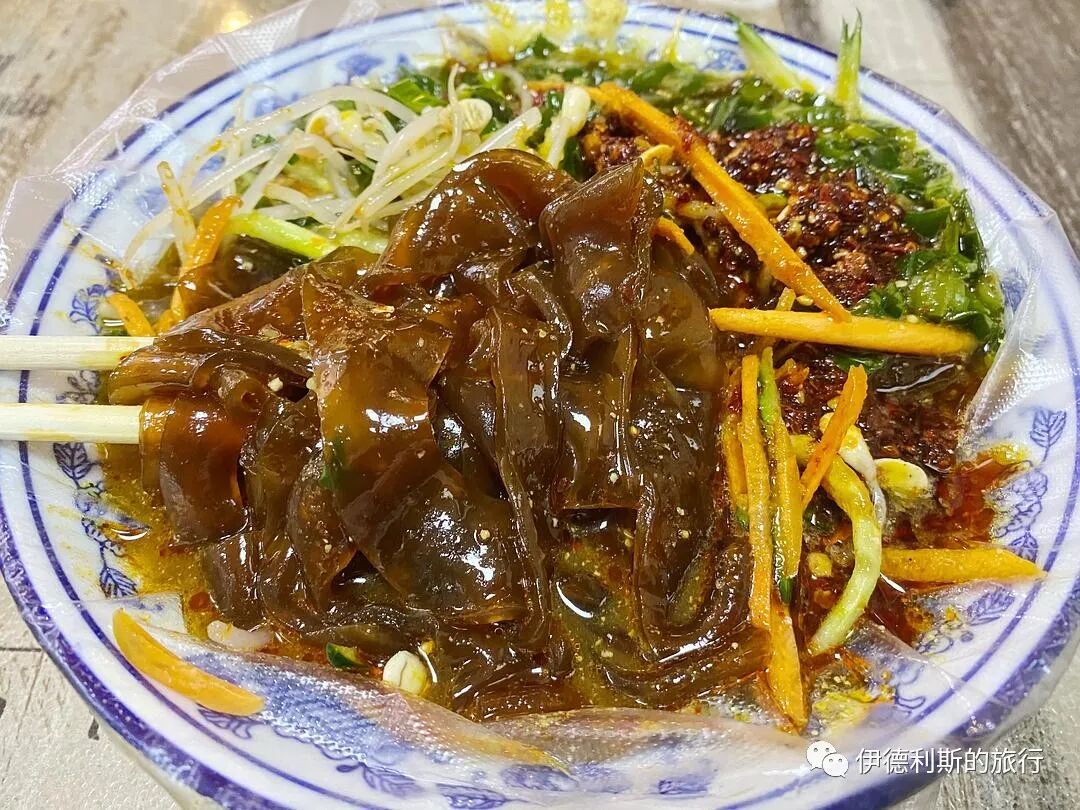
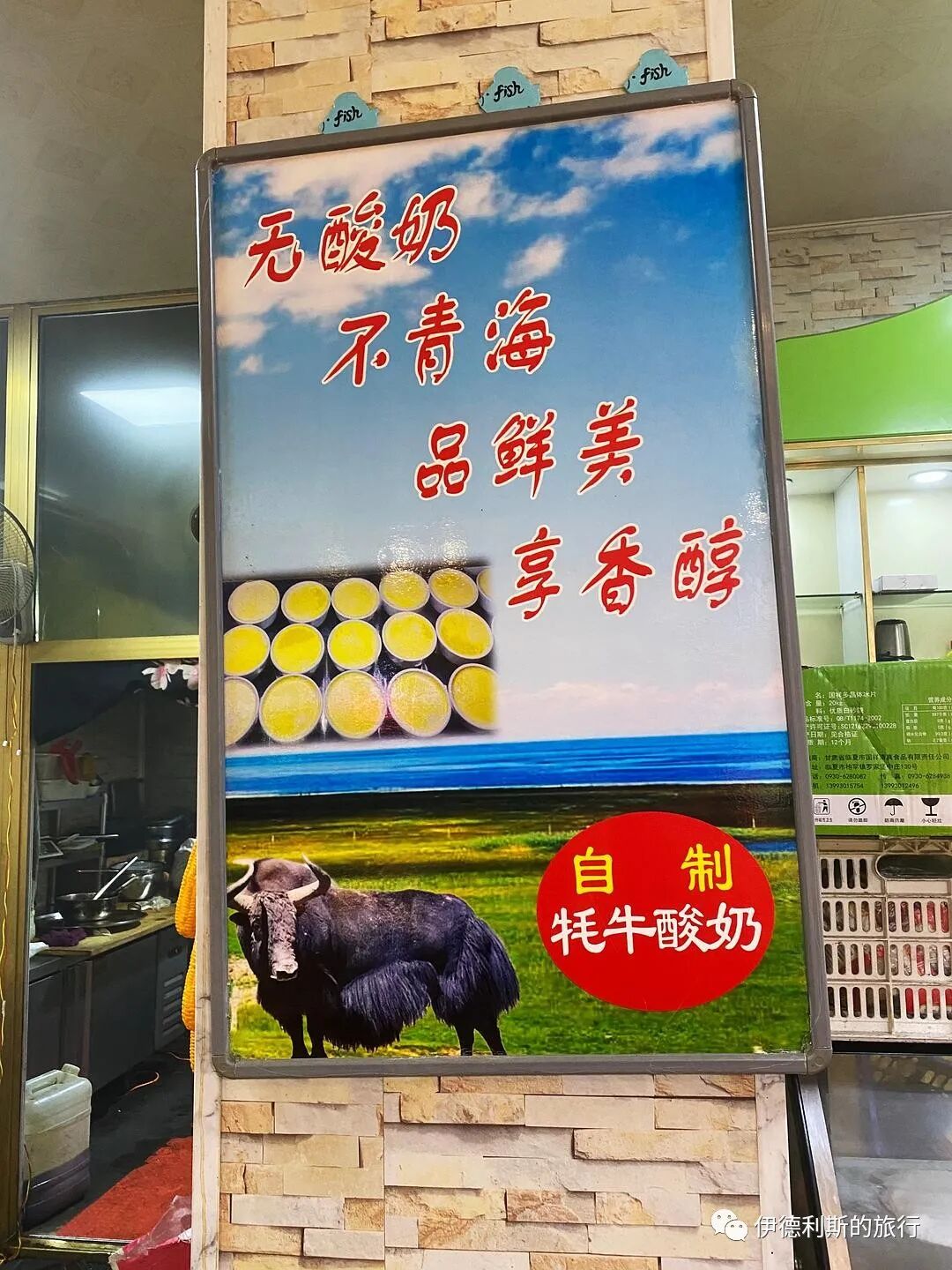
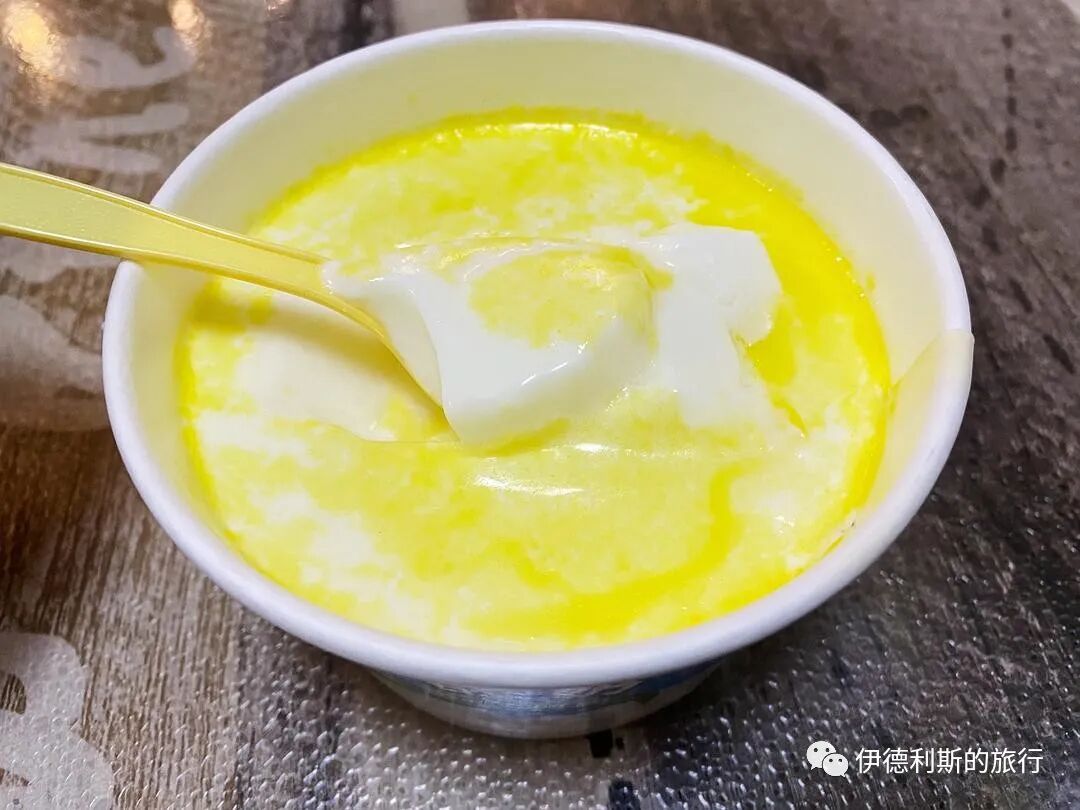
At the Laowang shop in Xining Dongguan Cuolong, we ate gengpi (thick starch noodles) and freshly made yak yogurt. Zainab said this was the best yogurt we had on this Xining trip.
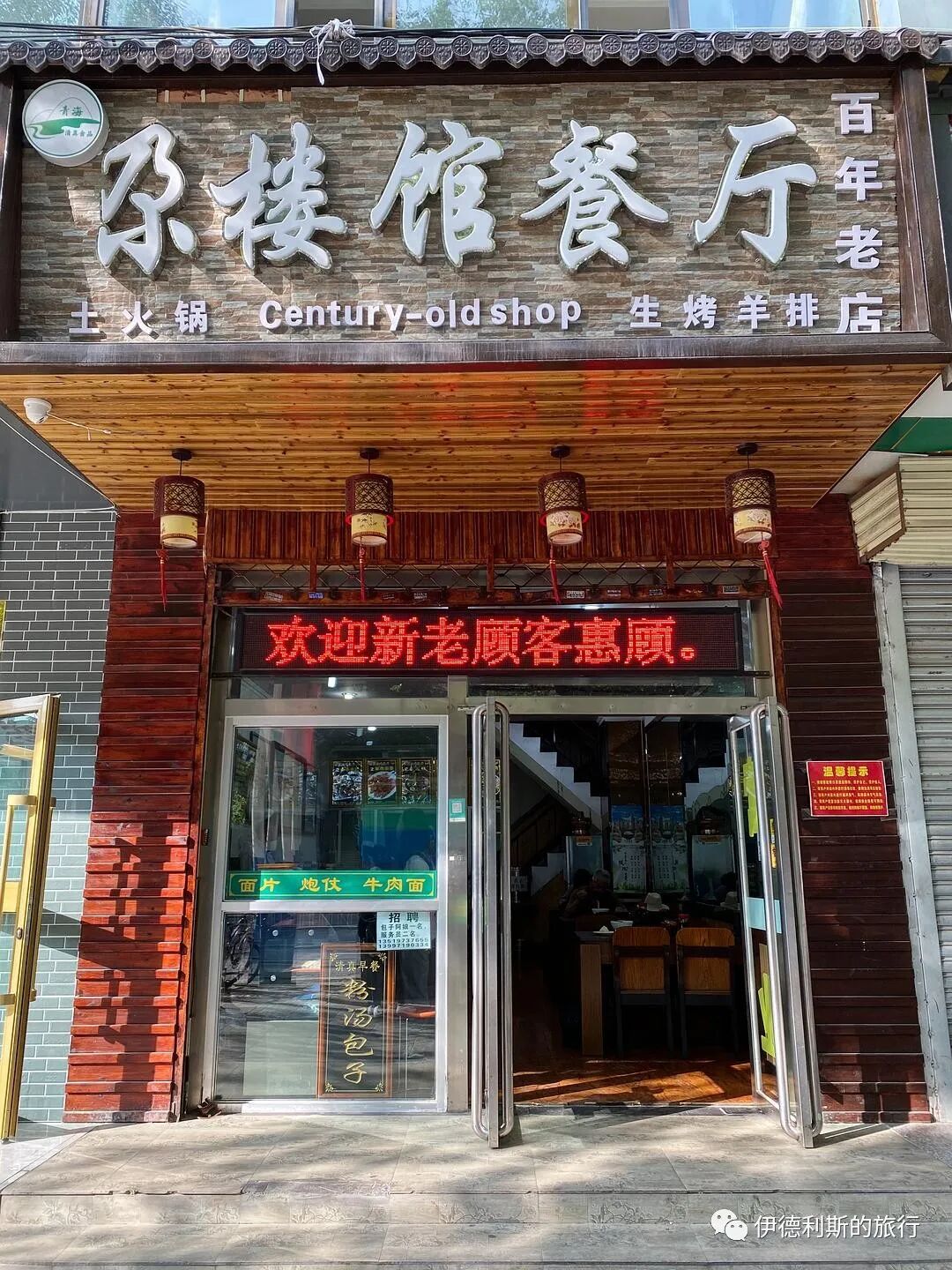
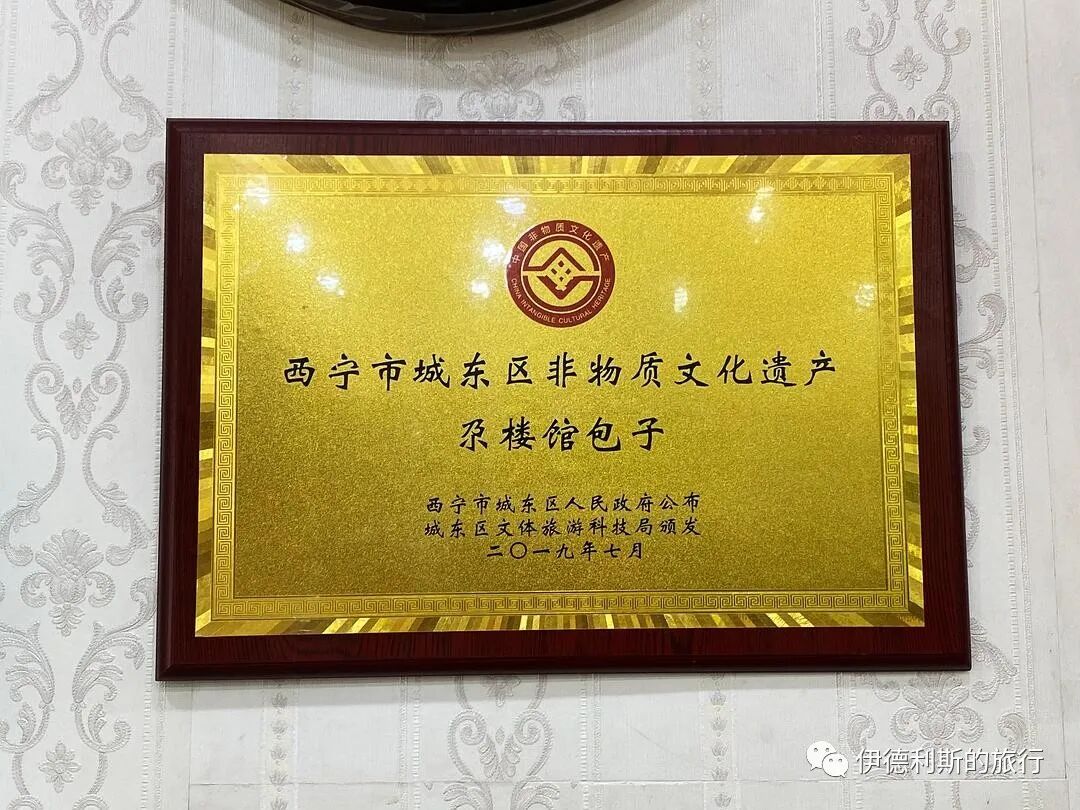
On Sunday morning, we had baozi (steamed buns) and fentang (vermicelli soup) at the Galou restaurant in Dongguan.
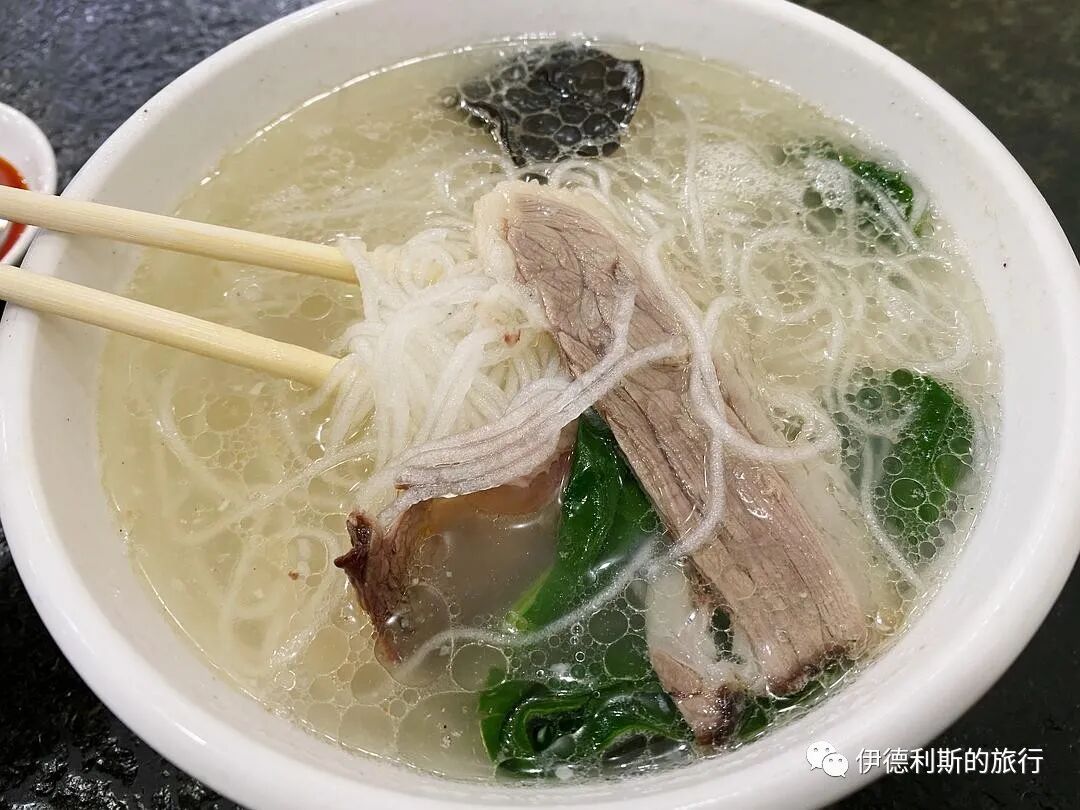
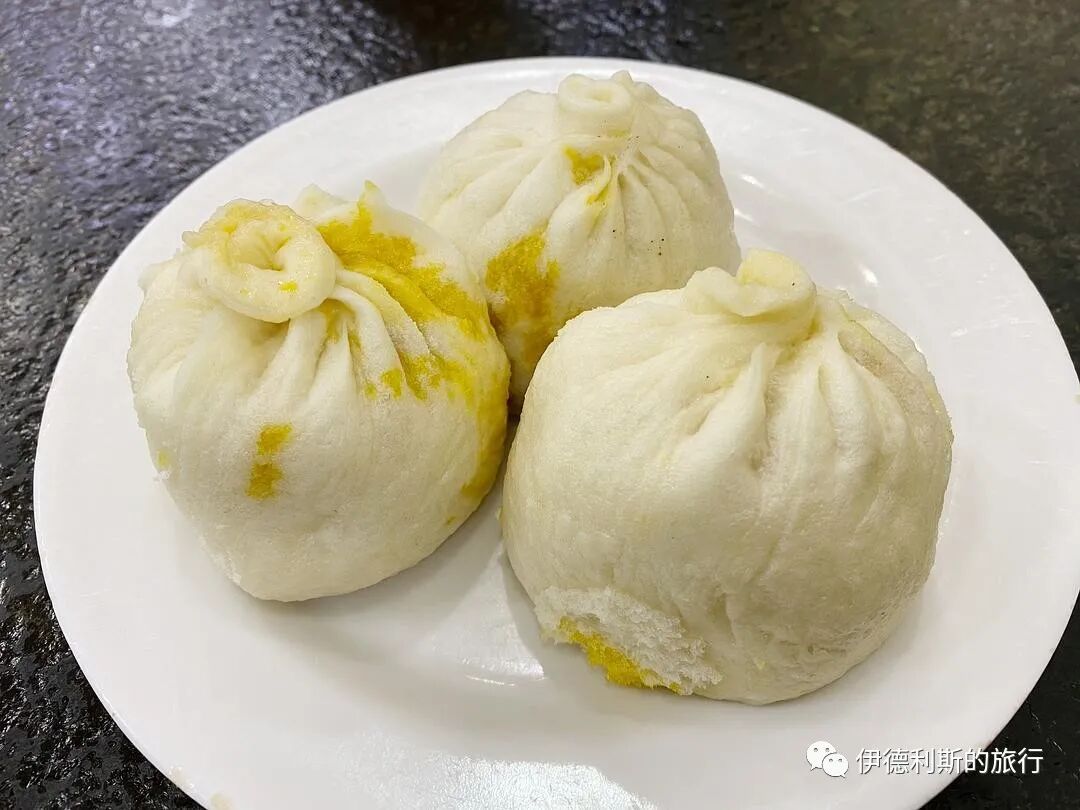
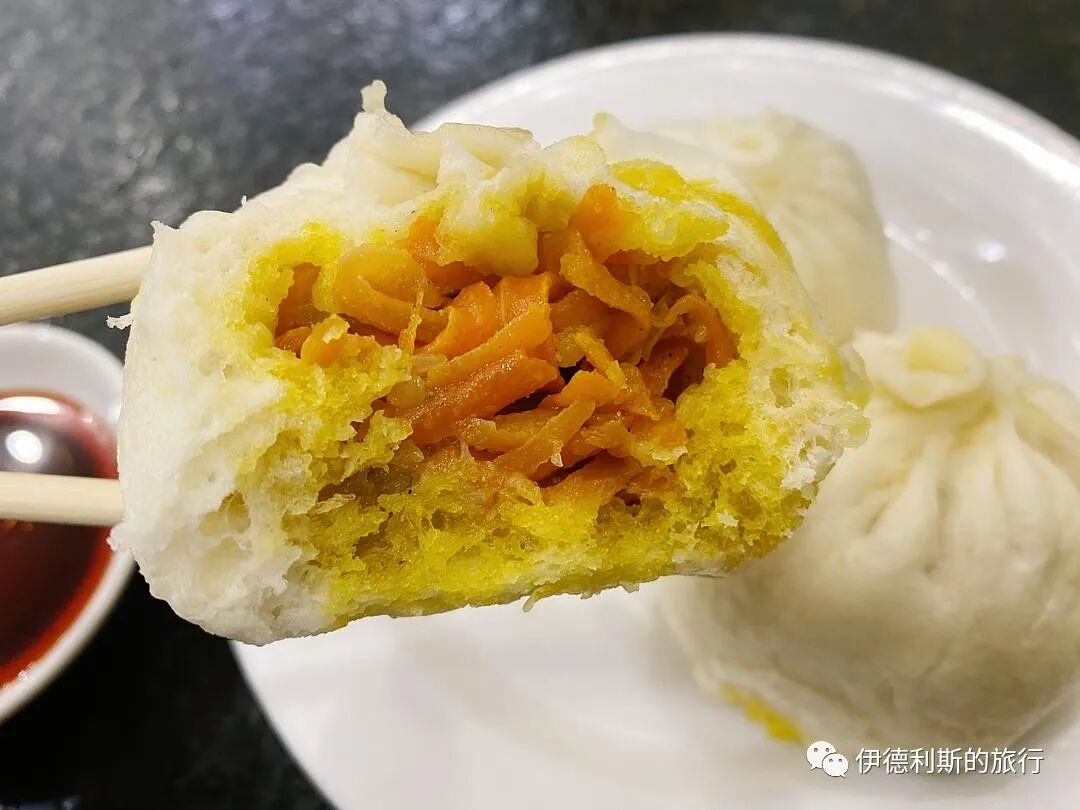
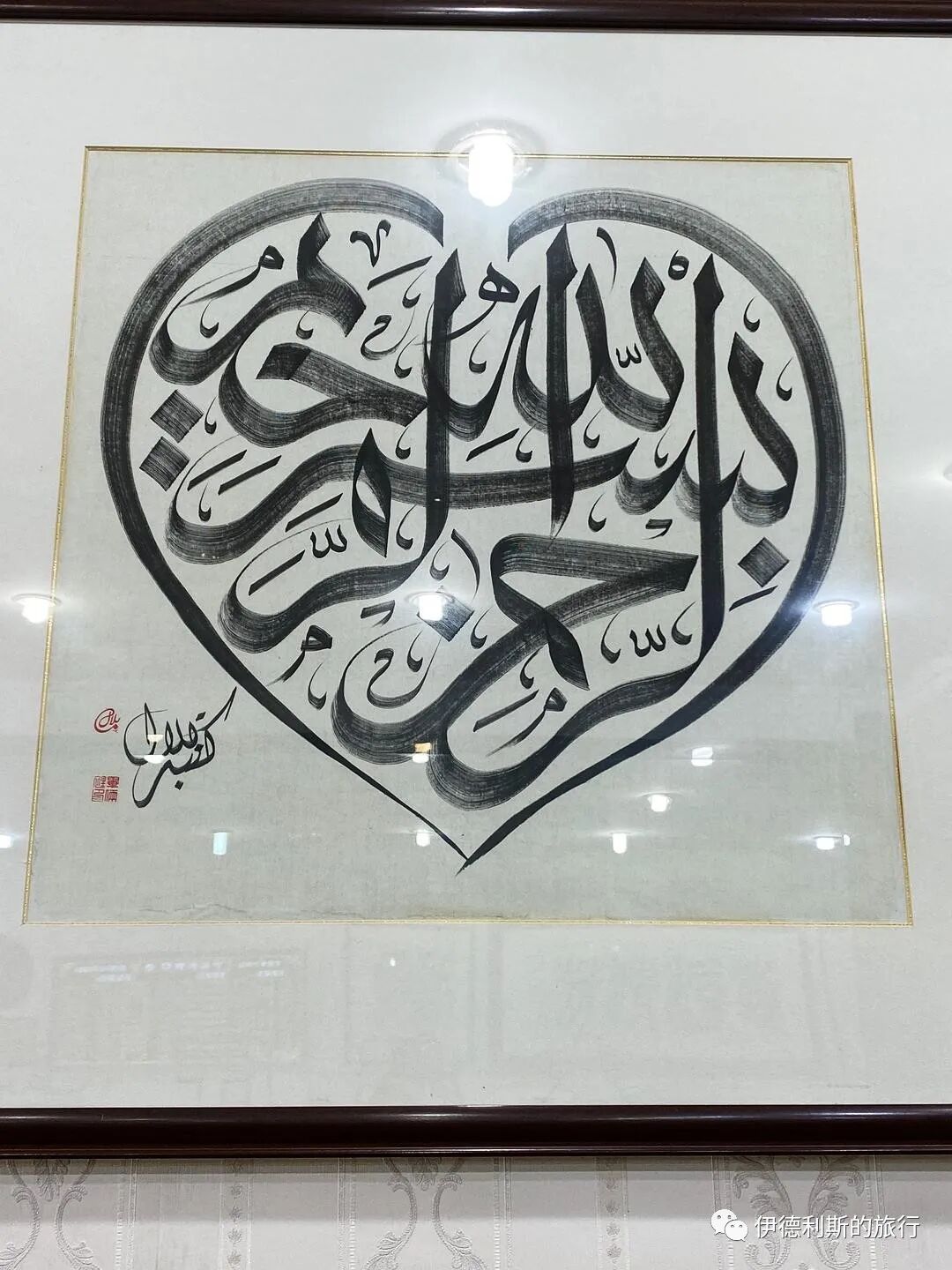
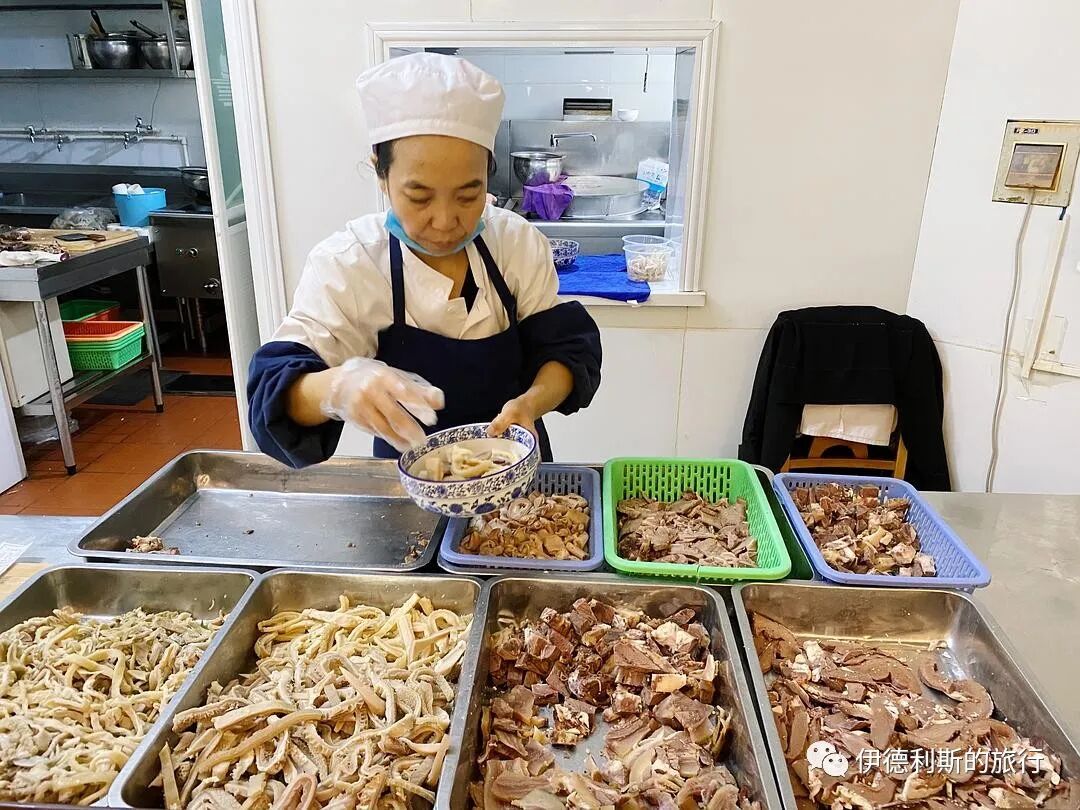
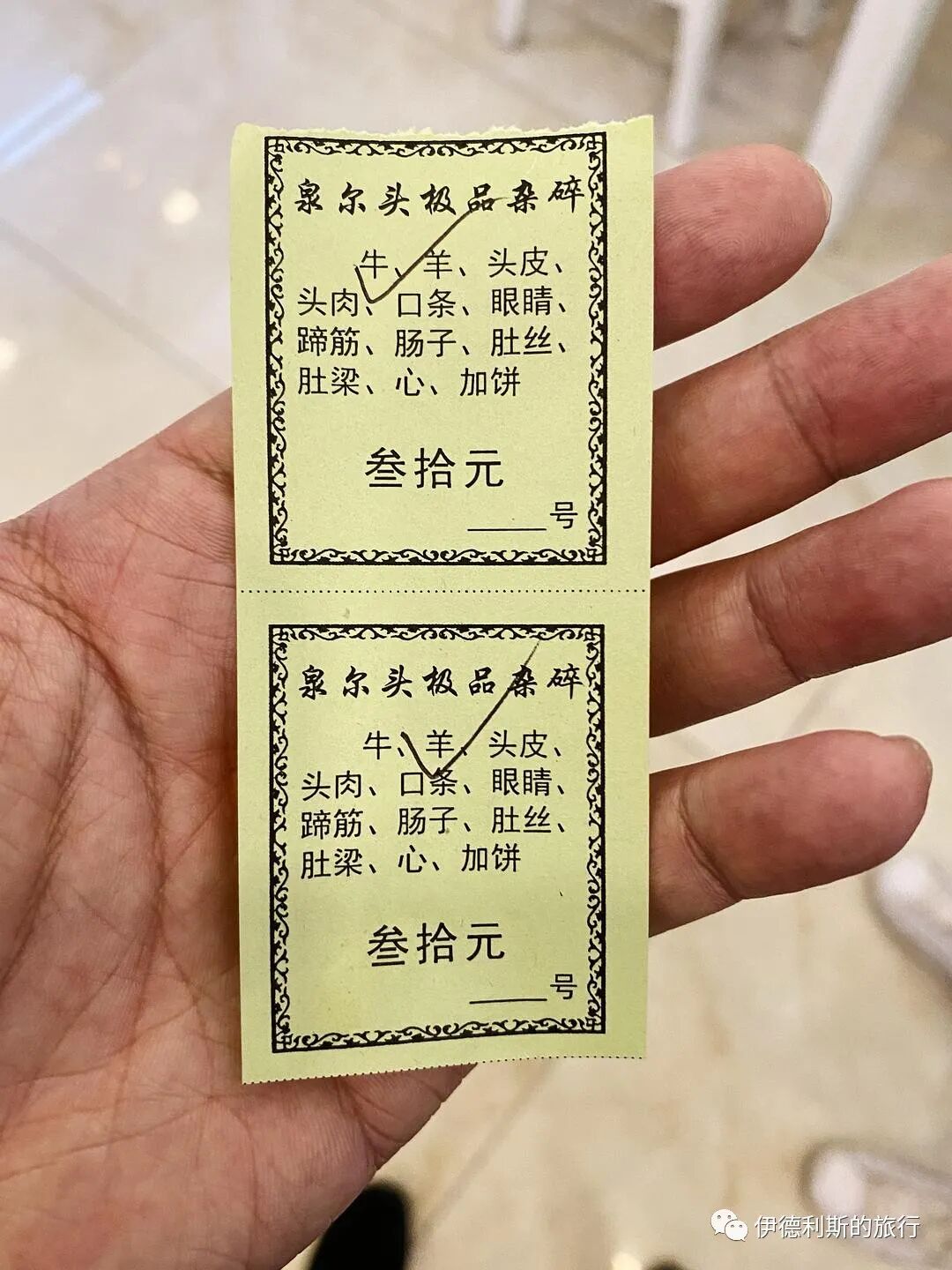
Then we also ate zashui (offal soup), and the beef tongue was very tender.
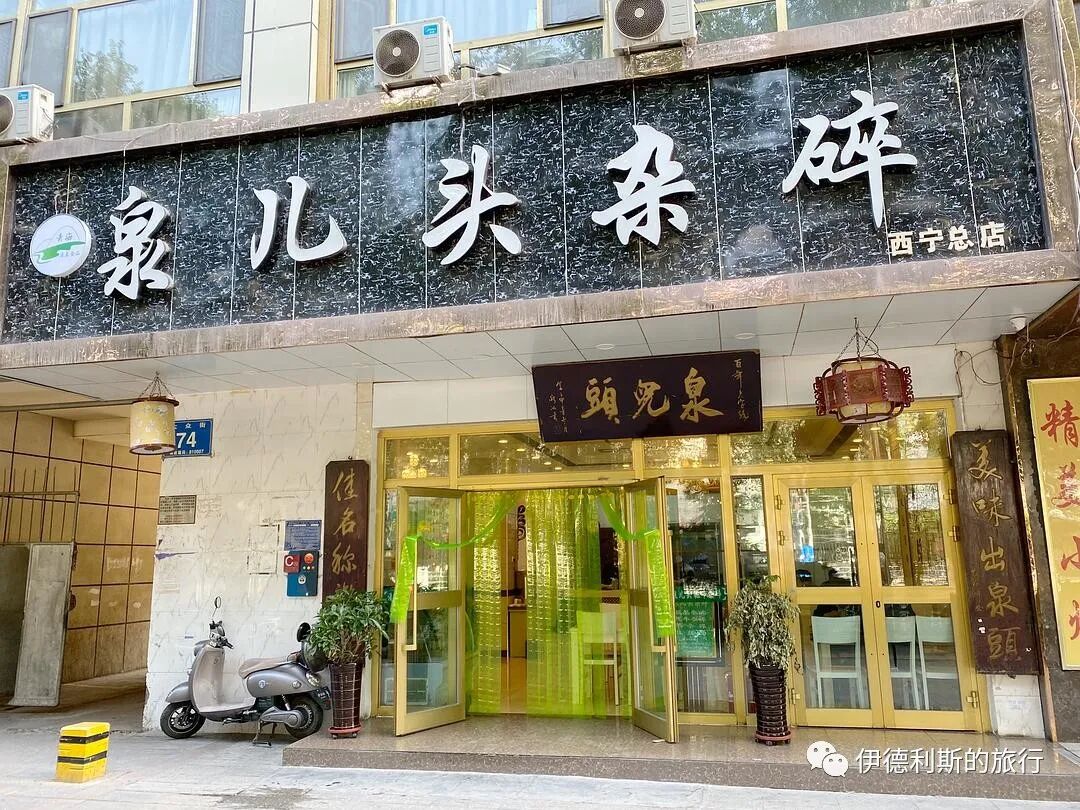
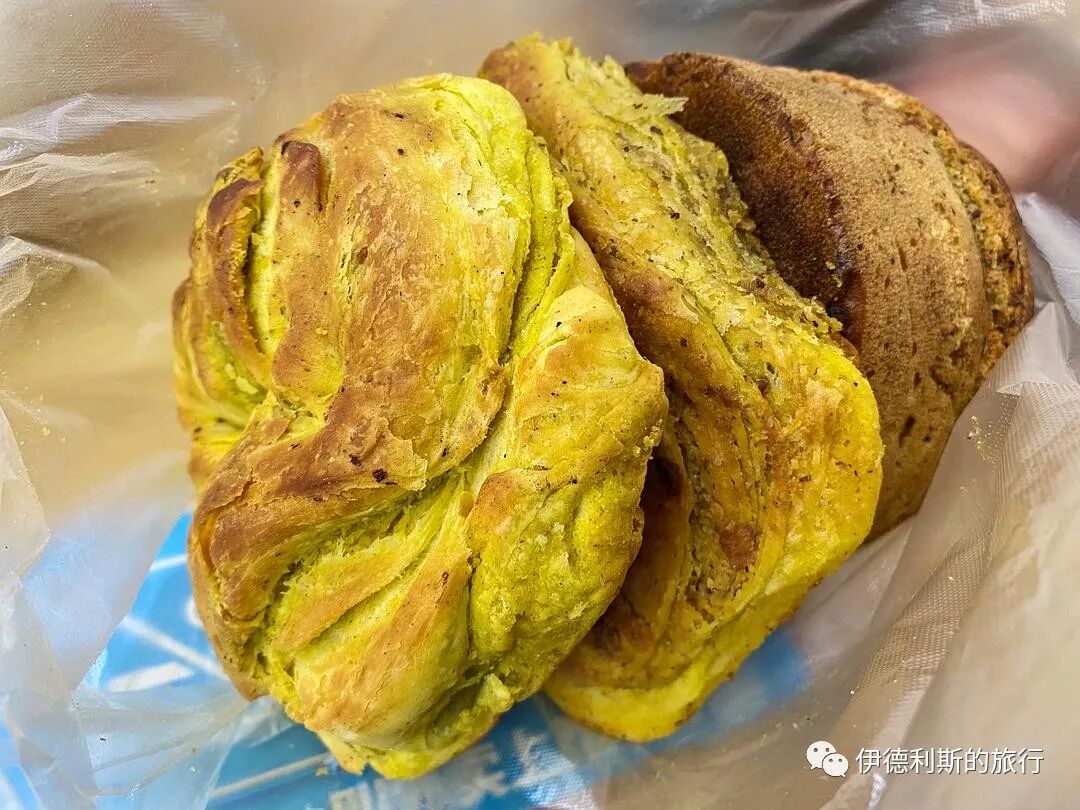
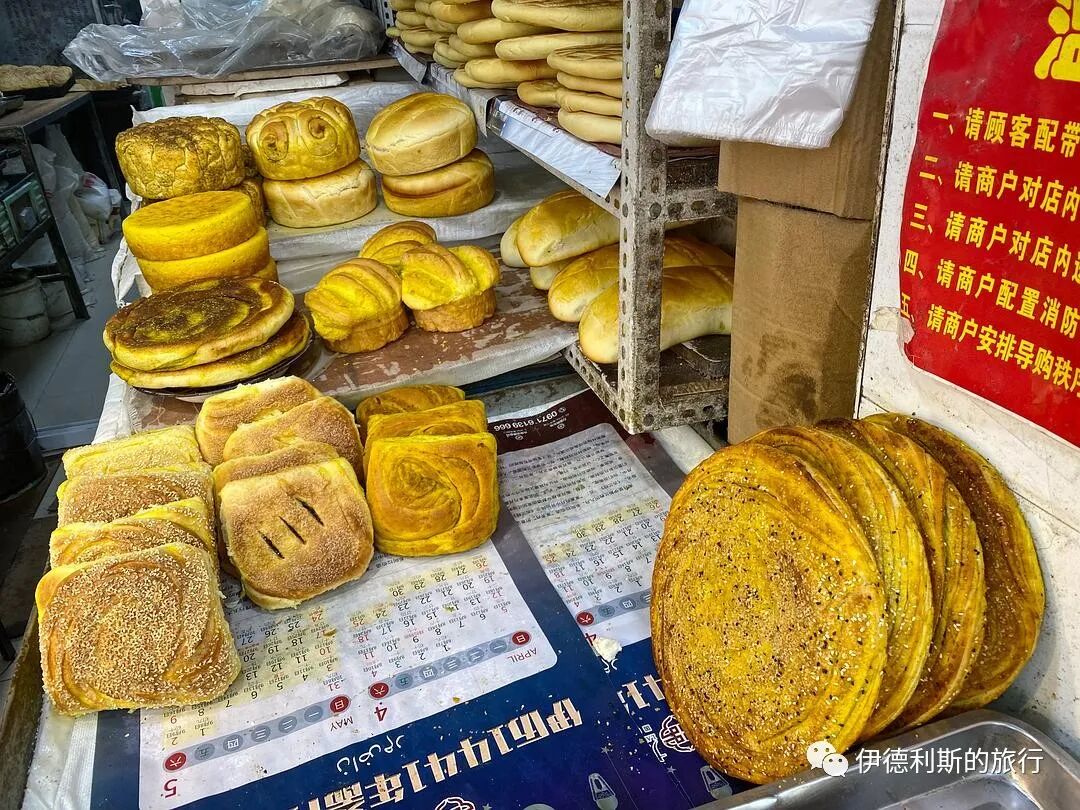
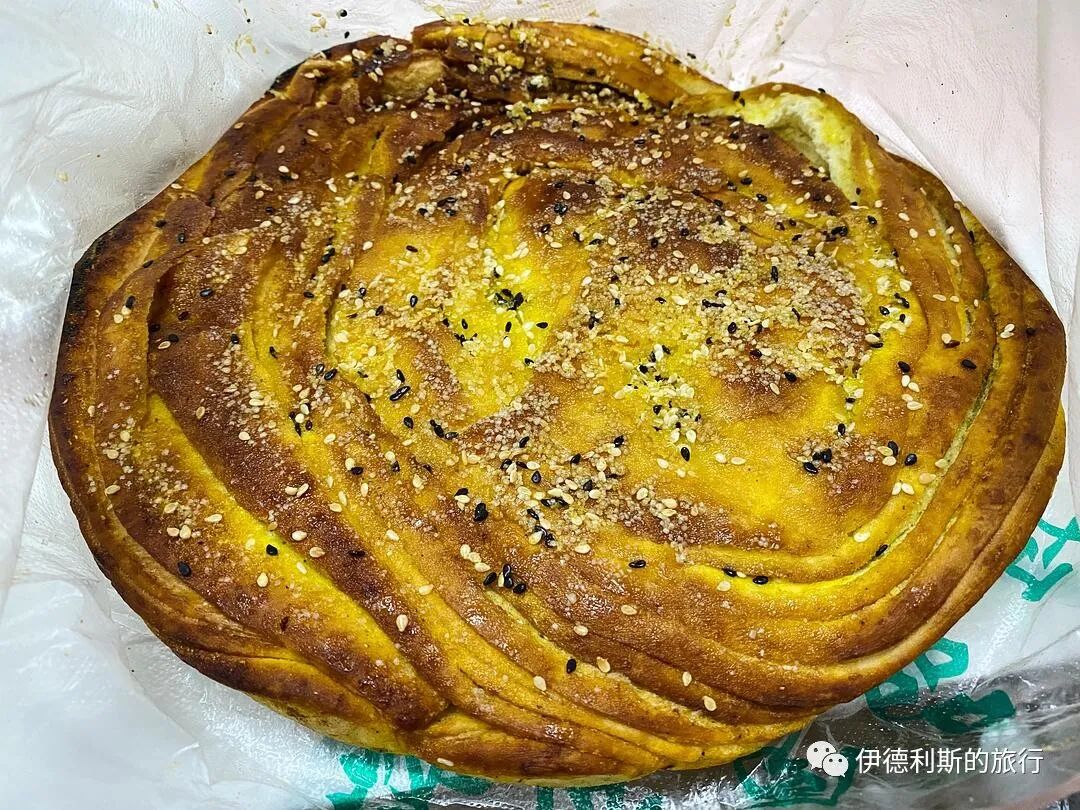
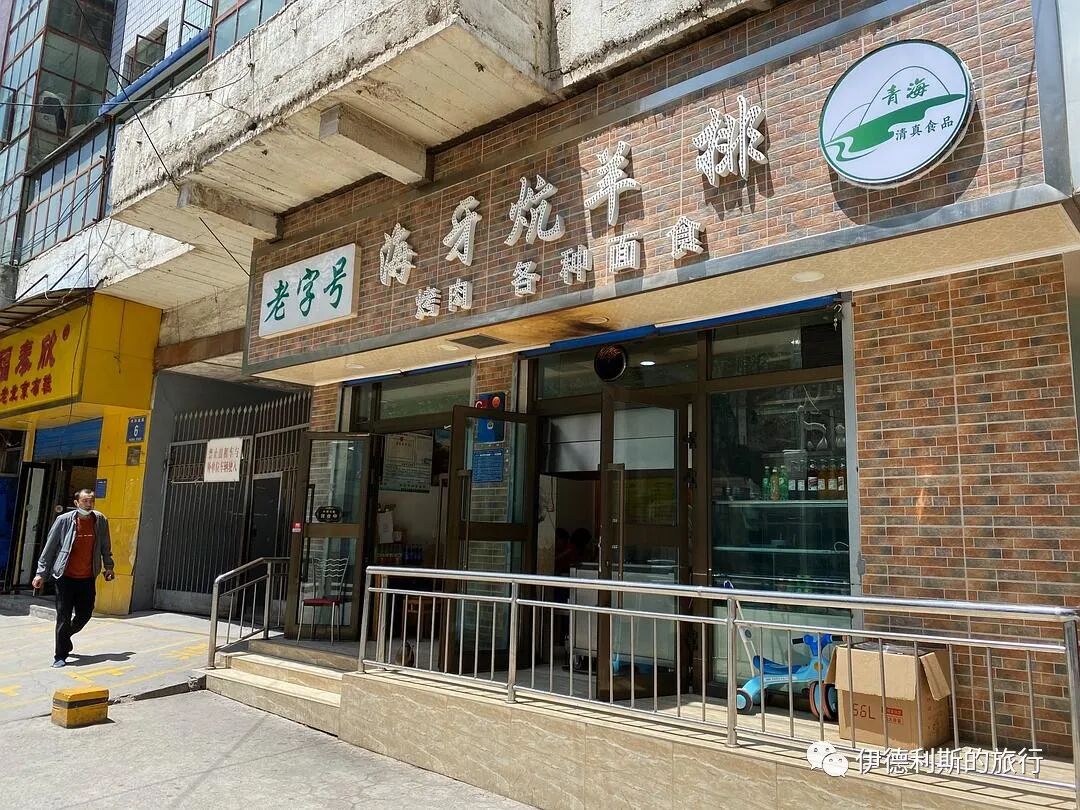
There are many small street shops selling yogurt and tianpei around Yangjia Lane in Dongguan. The tianpei can be a mix of highland barley and wheat kernels, and it tastes very good. Then we also bought subing (flaky pastries) in Dongguan and Xia Nanguan. The subing, guokui (hard flatbread), and momo (steamed buns) in the Hehuang region are all very delicious, and using xiangdou (fenugreek) is a local specialty.
For lunch, we had roasted lamb chops in Dongguan.
At the Ga Park Hua'er festival venue, it cleared up on Sunday. From noon, more and more singers arrived, and two circles were formed at the same time. You sing a song, I sing a song; there were Han, Hui, and Tu ethnic people, which was very satisfying.
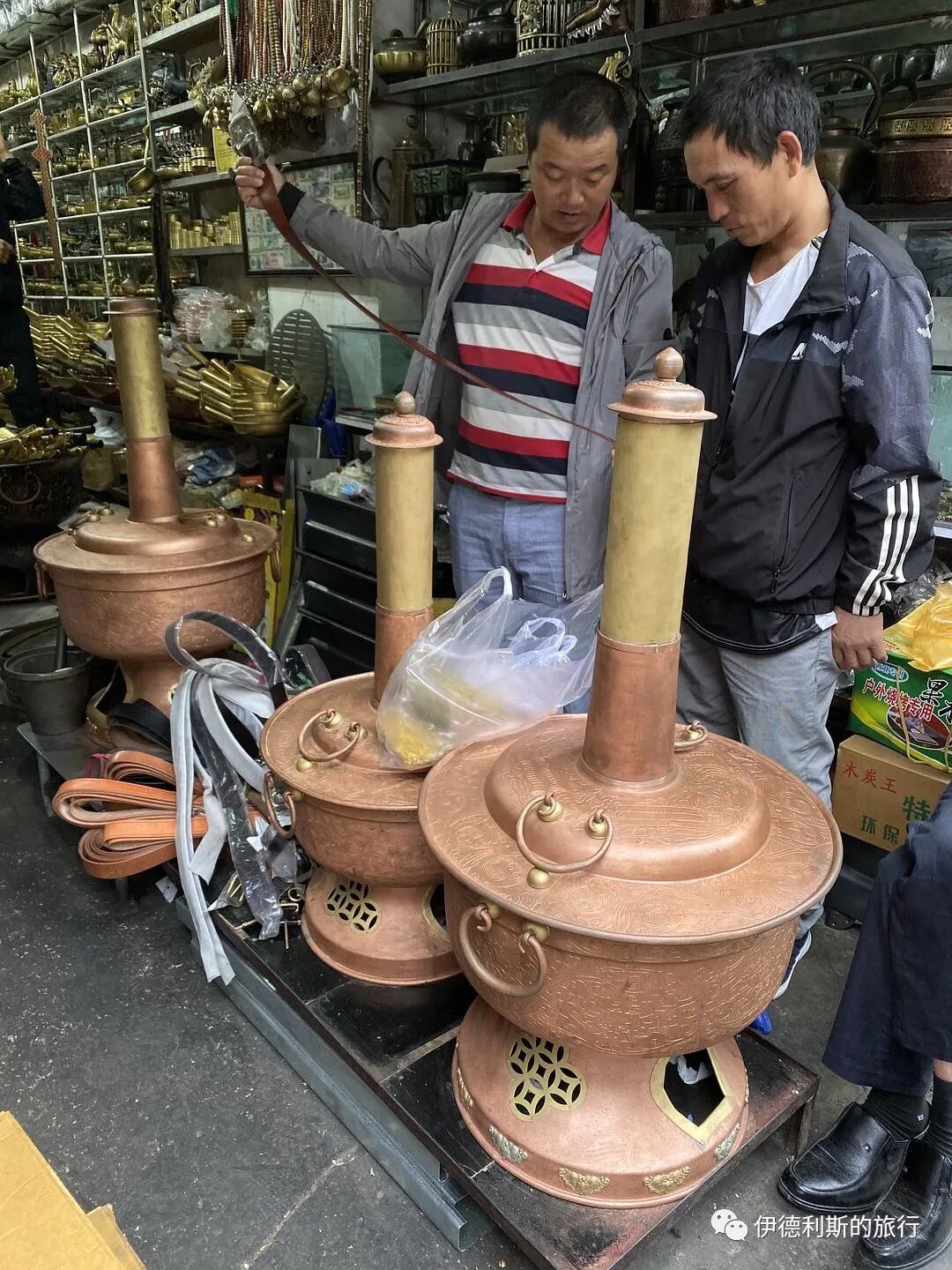
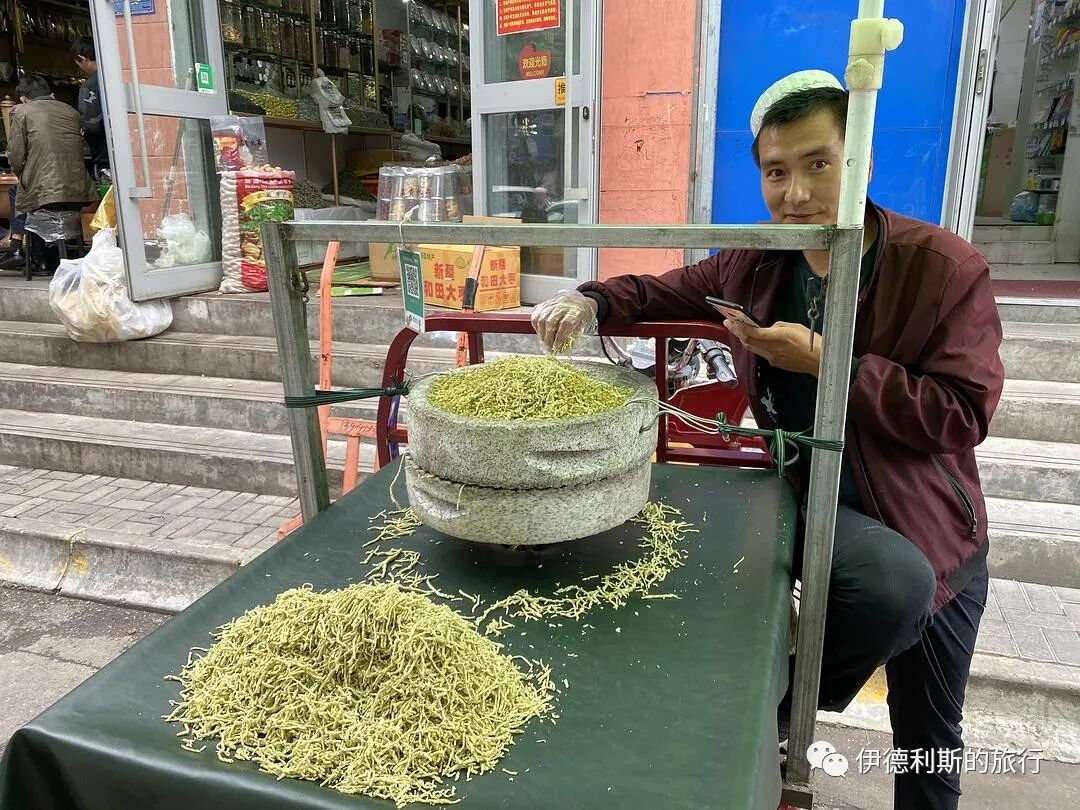
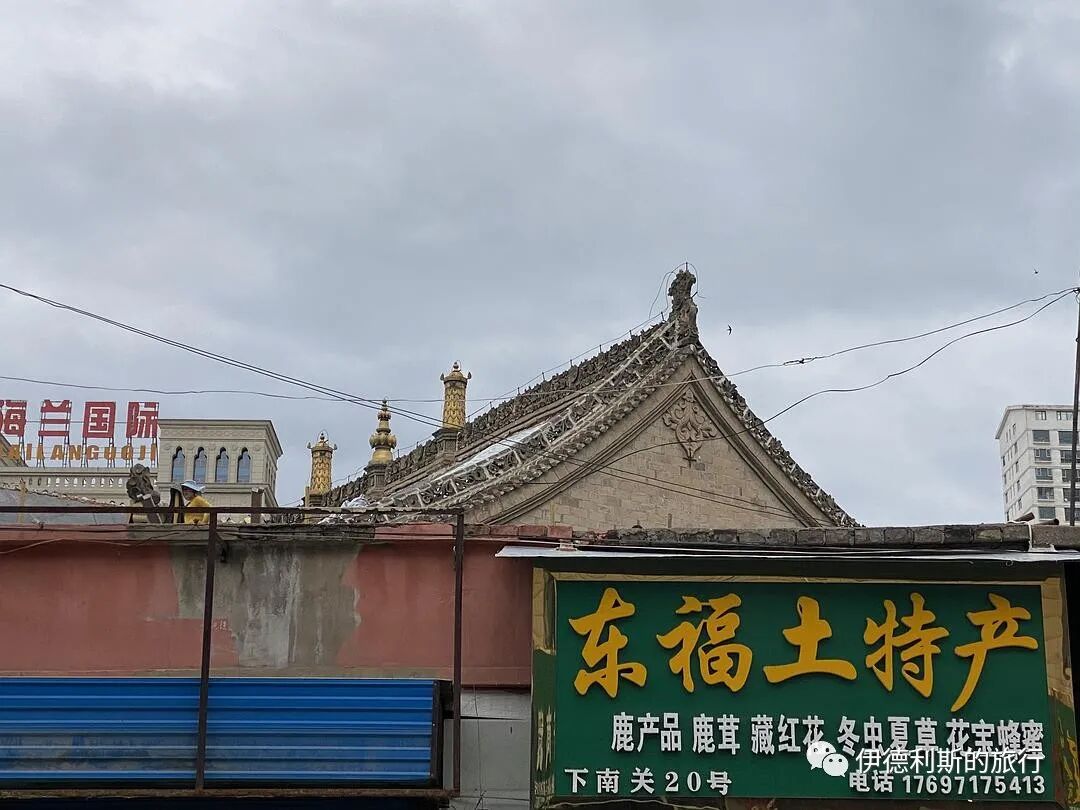
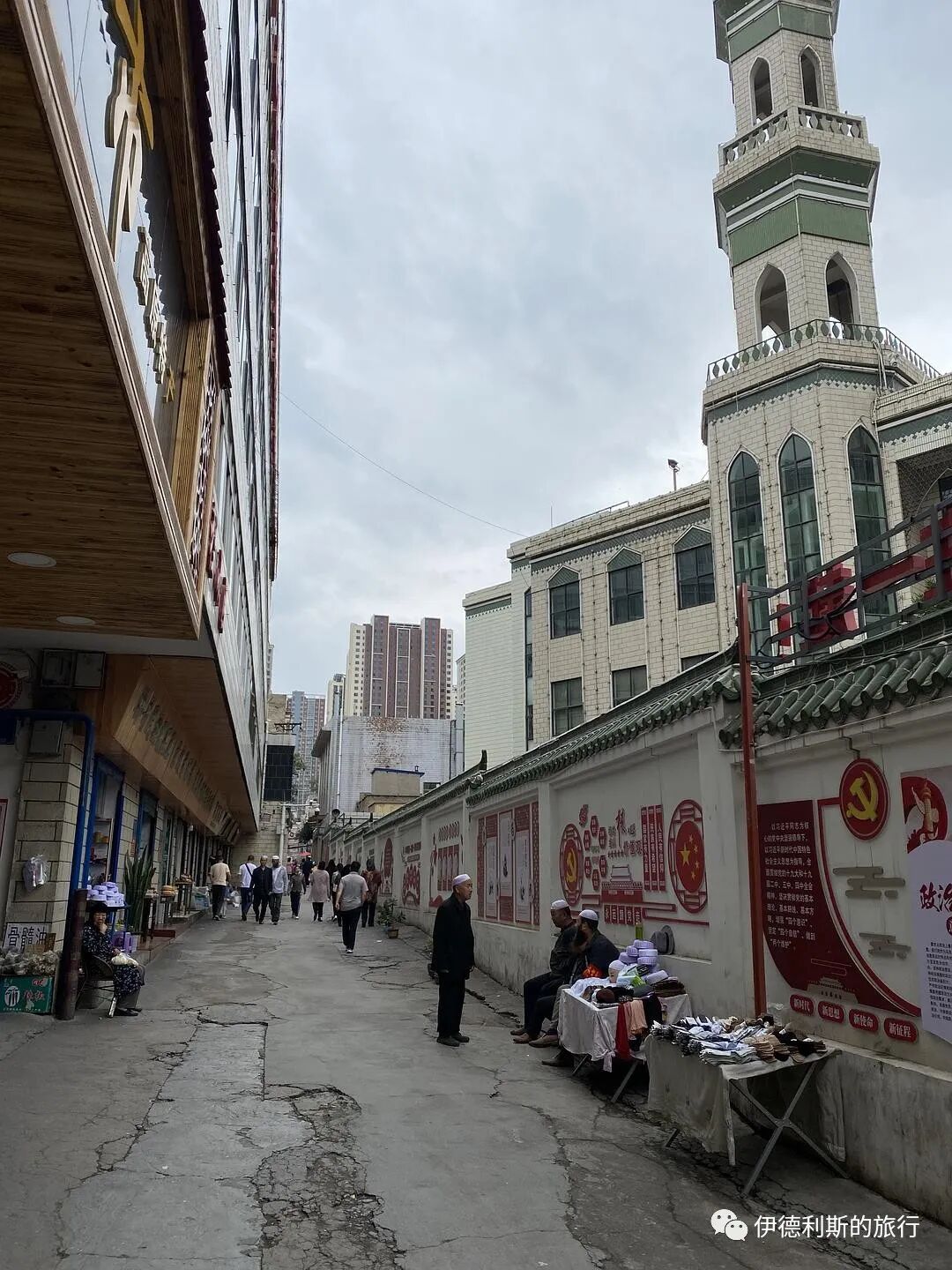
Finally, I have attached a set of snapshots of Xining street scenes.
Summary: This travel note introduces Xining Weekend Halal Travel Guide: Mosques, Muslim Food and Qinghai Culture. In early July 2020, Beijing lifted travel restrictions, and we began our first trip of the summer—Xining. It is useful for readers interested in Xining Travel, Halal Food, Qinghai Muslims.
In early July 2020, Beijing lifted travel restrictions, and we began our first trip of the summer—Xining.
We took an early morning flight on Saturday from Beijing to Xining Airport, and upon exiting, we immediately called a Didi (ride-hailing service) to head to the Hongshuiquan Grand Mosque. The architecture of the Hongshuiquan Mosque as it stands today is basically in the style of the Qianlong era, and I personally consider it the most beautiful ancient mosque around Xining.
Although the mosque is less than 20 kilometers from Xining Airport, the road is full of winding mountain paths, and with the rain, the drive was slightly thrilling.
For detailed photos of the Hongshuiquan Mosque, you can see my diary entry, 'Nine Traditional Mosques and Three Gongbei (domed tombs) in Qinghai'.
After visiting the Hongshuiquan Mosque, we headed to downtown Xining. The driver took us to the area near Yangjia Lane, east of Dongguan, and recommended we eat at Dongxiang Jinhai Shouzhua (hand-grabbed mutton). At their place, we ate half a jin (500 grams) of hand-grabbed lamb ribs and a bowl of jiangshui mianpian (fermented vegetable noodle soup), and the pickled radishes and babao cha (eight-treasure tea) were complimentary.
It turned out that their place was indeed the most delicious one we ate at during this trip! It was cheap and delicious, and the service was especially good; every two minutes, a staff member would come by with a kettle to ask if you needed a tea refill.
Their radishes were pickled to be very flavorful, with only a sweet taste and no spiciness. Zainab really loved drinking the jiangshui (fermented vegetable juice) and basically finished it in one go. Shouzhua baitiao (plain hand-grabbed mutton) is my favorite, and I really regretted not eating it more times on this trip.
After eating, we went diagonally across the street to drink yogurt; the yellow one is sweet and the white one is original flavor. You can't find such authentic yogurt in Beijing!
In the afternoon, we watched 'Hua'er' (a traditional folk song style) at the never-ending Hua'er festival at Xining Ga Park (Huanghe Road Small Park). Next to Ga Park, there is a Delu Yogurt shop, so we bought yogurt and qingke tianpei (highland barley fermented snack) to enjoy while listening to the Hua'er. After the rain, the weather was super cool, which was just wonderful. However, because of the rain, there weren't many singers, and they only formed one circle.
A major feature of the Hua'er festival at Ga Park is that you can hear various styles and characteristics of Hua'er; not only high-pitched and resonant ones but also low and melodious ones. There are high-level singers as well as ordinary people who love to sing 'man hua'er' (a style of folk singing), which is how a Hua'er festival should be.
In the afternoon, we ate liangpizi (cold starch noodles) on Xia Nanguan Street behind the Dongguan Grand Mosque.
There is a supermarket for ethnic goods on the second floor of the Dongguan Grand Mosque; I bought my first knit cap there over a decade ago.
In the evening, we ate at a Salar ethnic tea restaurant in Dongguan. There are quite a few tea restaurants here, all with booth seating suitable for chatting. We ordered stir-fried chicken, Xunhua-style spicy stir-fried meat, and qingke bing (highland barley flatbread).
While taking a walk at night, we bought yak beef jerky at a food shop in front of the Yudai Bridge Mosque. Over the past ten years, their shop really hasn't changed at all, as if time has stood still.
At the Laowang shop in Xining Dongguan Cuolong, we ate gengpi (thick starch noodles) and freshly made yak yogurt. Zainab said this was the best yogurt we had on this Xining trip.
On Sunday morning, we had baozi (steamed buns) and fentang (vermicelli soup) at the Galou restaurant in Dongguan.
Then we also ate zashui (offal soup), and the beef tongue was very tender.
There are many small street shops selling yogurt and tianpei around Yangjia Lane in Dongguan. The tianpei can be a mix of highland barley and wheat kernels, and it tastes very good. Then we also bought subing (flaky pastries) in Dongguan and Xia Nanguan. The subing, guokui (hard flatbread), and momo (steamed buns) in the Hehuang region are all very delicious, and using xiangdou (fenugreek) is a local specialty.
For lunch, we had roasted lamb chops in Dongguan.
At the Ga Park Hua'er festival venue, it cleared up on Sunday. From noon, more and more singers arrived, and two circles were formed at the same time. You sing a song, I sing a song; there were Han, Hui, and Tu ethnic people, which was very satisfying.
Finally, I have attached a set of snapshots of Xining street scenes.
Xining Weekend Halal Travel Guide: Mosques, Muslim Food and Qinghai Culture
Articles • ali2007fr posted the article • 0 comments • 157 views • 2026-05-17 06:46
Reposted from the web
Summary: This travel note introduces Xining Weekend Halal Travel Guide: Mosques, Muslim Food and Qinghai Culture. In early July 2020, Beijing lifted travel restrictions, and we began our first trip of the summer—Xining. It is useful for readers interested in Xining Travel, Halal Food, Qinghai Muslims.
In early July 2020, Beijing lifted travel restrictions, and we began our first trip of the summer—Xining.
We took an early morning flight on Saturday from Beijing to Xining Airport, and upon exiting, we immediately called a Didi (ride-hailing service) to head to the Hongshuiquan Grand Mosque. The architecture of the Hongshuiquan Mosque as it stands today is basically in the style of the Qianlong era, and I personally consider it the most beautiful ancient mosque around Xining.
Although the mosque is less than 20 kilometers from Xining Airport, the road is full of winding mountain paths, and with the rain, the drive was slightly thrilling.
For detailed photos of the Hongshuiquan Mosque, you can see my diary entry, 'Nine Traditional Mosques and Three Gongbei (domed tombs) in Qinghai'.
After visiting the Hongshuiquan Mosque, we headed to downtown Xining. The driver took us to the area near Yangjia Lane, east of Dongguan, and recommended we eat at Dongxiang Jinhai Shouzhua (hand-grabbed mutton). At their place, we ate half a jin (500 grams) of hand-grabbed lamb ribs and a bowl of jiangshui mianpian (fermented vegetable noodle soup), and the pickled radishes and babao cha (eight-treasure tea) were complimentary.
It turned out that their place was indeed the most delicious one we ate at during this trip! It was cheap and delicious, and the service was especially good; every two minutes, a staff member would come by with a kettle to ask if you needed a tea refill.
Their radishes were pickled to be very flavorful, with only a sweet taste and no spiciness. Zainab really loved drinking the jiangshui (fermented vegetable juice) and basically finished it in one go. Shouzhua baitiao (plain hand-grabbed mutton) is my favorite, and I really regretted not eating it more times on this trip.
After eating, we went diagonally across the street to drink yogurt; the yellow one is sweet and the white one is original flavor. You can't find such authentic yogurt in Beijing!
In the afternoon, we watched 'Hua'er' (a traditional folk song style) at the never-ending Hua'er festival at Xining Ga Park (Huanghe Road Small Park). Next to Ga Park, there is a Delu Yogurt shop, so we bought yogurt and qingke tianpei (highland barley fermented snack) to enjoy while listening to the Hua'er. After the rain, the weather was super cool, which was just wonderful. However, because of the rain, there weren't many singers, and they only formed one circle.
A major feature of the Hua'er festival at Ga Park is that you can hear various styles and characteristics of Hua'er; not only high-pitched and resonant ones but also low and melodious ones. There are high-level singers as well as ordinary people who love to sing 'man hua'er' (a style of folk singing), which is how a Hua'er festival should be.
In the afternoon, we ate liangpizi (cold starch noodles) on Xia Nanguan Street behind the Dongguan Grand Mosque.
There is a supermarket for ethnic goods on the second floor of the Dongguan Grand Mosque; I bought my first knit cap there over a decade ago.
In the evening, we ate at a Salar ethnic tea restaurant in Dongguan. There are quite a few tea restaurants here, all with booth seating suitable for chatting. We ordered stir-fried chicken, Xunhua-style spicy stir-fried meat, and qingke bing (highland barley flatbread).
While taking a walk at night, we bought yak beef jerky at a food shop in front of the Yudai Bridge Mosque. Over the past ten years, their shop really hasn't changed at all, as if time has stood still.
At the Laowang shop in Xining Dongguan Cuolong, we ate gengpi (thick starch noodles) and freshly made yak yogurt. Zainab said this was the best yogurt we had on this Xining trip.
On Sunday morning, we had baozi (steamed buns) and fentang (vermicelli soup) at the Galou restaurant in Dongguan.
Then we also ate zashui (offal soup), and the beef tongue was very tender.
There are many small street shops selling yogurt and tianpei around Yangjia Lane in Dongguan. The tianpei can be a mix of highland barley and wheat kernels, and it tastes very good. Then we also bought subing (flaky pastries) in Dongguan and Xia Nanguan. The subing, guokui (hard flatbread), and momo (steamed buns) in the Hehuang region are all very delicious, and using xiangdou (fenugreek) is a local specialty.
For lunch, we had roasted lamb chops in Dongguan.
At the Ga Park Hua'er festival venue, it cleared up on Sunday. From noon, more and more singers arrived, and two circles were formed at the same time. You sing a song, I sing a song; there were Han, Hui, and Tu ethnic people, which was very satisfying.
Finally, I have attached a set of snapshots of Xining street scenes. view all
Summary: This travel note introduces Xining Weekend Halal Travel Guide: Mosques, Muslim Food and Qinghai Culture. In early July 2020, Beijing lifted travel restrictions, and we began our first trip of the summer—Xining. It is useful for readers interested in Xining Travel, Halal Food, Qinghai Muslims.
In early July 2020, Beijing lifted travel restrictions, and we began our first trip of the summer—Xining.
We took an early morning flight on Saturday from Beijing to Xining Airport, and upon exiting, we immediately called a Didi (ride-hailing service) to head to the Hongshuiquan Grand Mosque. The architecture of the Hongshuiquan Mosque as it stands today is basically in the style of the Qianlong era, and I personally consider it the most beautiful ancient mosque around Xining.
Although the mosque is less than 20 kilometers from Xining Airport, the road is full of winding mountain paths, and with the rain, the drive was slightly thrilling.
For detailed photos of the Hongshuiquan Mosque, you can see my diary entry, 'Nine Traditional Mosques and Three Gongbei (domed tombs) in Qinghai'.
After visiting the Hongshuiquan Mosque, we headed to downtown Xining. The driver took us to the area near Yangjia Lane, east of Dongguan, and recommended we eat at Dongxiang Jinhai Shouzhua (hand-grabbed mutton). At their place, we ate half a jin (500 grams) of hand-grabbed lamb ribs and a bowl of jiangshui mianpian (fermented vegetable noodle soup), and the pickled radishes and babao cha (eight-treasure tea) were complimentary.
It turned out that their place was indeed the most delicious one we ate at during this trip! It was cheap and delicious, and the service was especially good; every two minutes, a staff member would come by with a kettle to ask if you needed a tea refill.
Their radishes were pickled to be very flavorful, with only a sweet taste and no spiciness. Zainab really loved drinking the jiangshui (fermented vegetable juice) and basically finished it in one go. Shouzhua baitiao (plain hand-grabbed mutton) is my favorite, and I really regretted not eating it more times on this trip.
After eating, we went diagonally across the street to drink yogurt; the yellow one is sweet and the white one is original flavor. You can't find such authentic yogurt in Beijing!
In the afternoon, we watched 'Hua'er' (a traditional folk song style) at the never-ending Hua'er festival at Xining Ga Park (Huanghe Road Small Park). Next to Ga Park, there is a Delu Yogurt shop, so we bought yogurt and qingke tianpei (highland barley fermented snack) to enjoy while listening to the Hua'er. After the rain, the weather was super cool, which was just wonderful. However, because of the rain, there weren't many singers, and they only formed one circle.
A major feature of the Hua'er festival at Ga Park is that you can hear various styles and characteristics of Hua'er; not only high-pitched and resonant ones but also low and melodious ones. There are high-level singers as well as ordinary people who love to sing 'man hua'er' (a style of folk singing), which is how a Hua'er festival should be.
In the afternoon, we ate liangpizi (cold starch noodles) on Xia Nanguan Street behind the Dongguan Grand Mosque.
There is a supermarket for ethnic goods on the second floor of the Dongguan Grand Mosque; I bought my first knit cap there over a decade ago.
In the evening, we ate at a Salar ethnic tea restaurant in Dongguan. There are quite a few tea restaurants here, all with booth seating suitable for chatting. We ordered stir-fried chicken, Xunhua-style spicy stir-fried meat, and qingke bing (highland barley flatbread).
While taking a walk at night, we bought yak beef jerky at a food shop in front of the Yudai Bridge Mosque. Over the past ten years, their shop really hasn't changed at all, as if time has stood still.
At the Laowang shop in Xining Dongguan Cuolong, we ate gengpi (thick starch noodles) and freshly made yak yogurt. Zainab said this was the best yogurt we had on this Xining trip.
On Sunday morning, we had baozi (steamed buns) and fentang (vermicelli soup) at the Galou restaurant in Dongguan.
Then we also ate zashui (offal soup), and the beef tongue was very tender.
There are many small street shops selling yogurt and tianpei around Yangjia Lane in Dongguan. The tianpei can be a mix of highland barley and wheat kernels, and it tastes very good. Then we also bought subing (flaky pastries) in Dongguan and Xia Nanguan. The subing, guokui (hard flatbread), and momo (steamed buns) in the Hehuang region are all very delicious, and using xiangdou (fenugreek) is a local specialty.
For lunch, we had roasted lamb chops in Dongguan.
At the Ga Park Hua'er festival venue, it cleared up on Sunday. From noon, more and more singers arrived, and two circles were formed at the same time. You sing a song, I sing a song; there were Han, Hui, and Tu ethnic people, which was very satisfying.
Finally, I have attached a set of snapshots of Xining street scenes. view all
Reposted from the web
Summary: This travel note introduces Xining Weekend Halal Travel Guide: Mosques, Muslim Food and Qinghai Culture. In early July 2020, Beijing lifted travel restrictions, and we began our first trip of the summer—Xining. It is useful for readers interested in Xining Travel, Halal Food, Qinghai Muslims.
In early July 2020, Beijing lifted travel restrictions, and we began our first trip of the summer—Xining.
We took an early morning flight on Saturday from Beijing to Xining Airport, and upon exiting, we immediately called a Didi (ride-hailing service) to head to the Hongshuiquan Grand Mosque. The architecture of the Hongshuiquan Mosque as it stands today is basically in the style of the Qianlong era, and I personally consider it the most beautiful ancient mosque around Xining.
Although the mosque is less than 20 kilometers from Xining Airport, the road is full of winding mountain paths, and with the rain, the drive was slightly thrilling.
For detailed photos of the Hongshuiquan Mosque, you can see my diary entry, 'Nine Traditional Mosques and Three Gongbei (domed tombs) in Qinghai'.
After visiting the Hongshuiquan Mosque, we headed to downtown Xining. The driver took us to the area near Yangjia Lane, east of Dongguan, and recommended we eat at Dongxiang Jinhai Shouzhua (hand-grabbed mutton). At their place, we ate half a jin (500 grams) of hand-grabbed lamb ribs and a bowl of jiangshui mianpian (fermented vegetable noodle soup), and the pickled radishes and babao cha (eight-treasure tea) were complimentary.
It turned out that their place was indeed the most delicious one we ate at during this trip! It was cheap and delicious, and the service was especially good; every two minutes, a staff member would come by with a kettle to ask if you needed a tea refill.
Their radishes were pickled to be very flavorful, with only a sweet taste and no spiciness. Zainab really loved drinking the jiangshui (fermented vegetable juice) and basically finished it in one go. Shouzhua baitiao (plain hand-grabbed mutton) is my favorite, and I really regretted not eating it more times on this trip.
After eating, we went diagonally across the street to drink yogurt; the yellow one is sweet and the white one is original flavor. You can't find such authentic yogurt in Beijing!
In the afternoon, we watched 'Hua'er' (a traditional folk song style) at the never-ending Hua'er festival at Xining Ga Park (Huanghe Road Small Park). Next to Ga Park, there is a Delu Yogurt shop, so we bought yogurt and qingke tianpei (highland barley fermented snack) to enjoy while listening to the Hua'er. After the rain, the weather was super cool, which was just wonderful. However, because of the rain, there weren't many singers, and they only formed one circle.
A major feature of the Hua'er festival at Ga Park is that you can hear various styles and characteristics of Hua'er; not only high-pitched and resonant ones but also low and melodious ones. There are high-level singers as well as ordinary people who love to sing 'man hua'er' (a style of folk singing), which is how a Hua'er festival should be.
In the afternoon, we ate liangpizi (cold starch noodles) on Xia Nanguan Street behind the Dongguan Grand Mosque.
There is a supermarket for ethnic goods on the second floor of the Dongguan Grand Mosque; I bought my first knit cap there over a decade ago.
In the evening, we ate at a Salar ethnic tea restaurant in Dongguan. There are quite a few tea restaurants here, all with booth seating suitable for chatting. We ordered stir-fried chicken, Xunhua-style spicy stir-fried meat, and qingke bing (highland barley flatbread).
While taking a walk at night, we bought yak beef jerky at a food shop in front of the Yudai Bridge Mosque. Over the past ten years, their shop really hasn't changed at all, as if time has stood still.
At the Laowang shop in Xining Dongguan Cuolong, we ate gengpi (thick starch noodles) and freshly made yak yogurt. Zainab said this was the best yogurt we had on this Xining trip.
On Sunday morning, we had baozi (steamed buns) and fentang (vermicelli soup) at the Galou restaurant in Dongguan.
Then we also ate zashui (offal soup), and the beef tongue was very tender.
There are many small street shops selling yogurt and tianpei around Yangjia Lane in Dongguan. The tianpei can be a mix of highland barley and wheat kernels, and it tastes very good. Then we also bought subing (flaky pastries) in Dongguan and Xia Nanguan. The subing, guokui (hard flatbread), and momo (steamed buns) in the Hehuang region are all very delicious, and using xiangdou (fenugreek) is a local specialty.
For lunch, we had roasted lamb chops in Dongguan.
At the Ga Park Hua'er festival venue, it cleared up on Sunday. From noon, more and more singers arrived, and two circles were formed at the same time. You sing a song, I sing a song; there were Han, Hui, and Tu ethnic people, which was very satisfying.
Finally, I have attached a set of snapshots of Xining street scenes.
Summary: This travel note introduces Xining Weekend Halal Travel Guide: Mosques, Muslim Food and Qinghai Culture. In early July 2020, Beijing lifted travel restrictions, and we began our first trip of the summer—Xining. It is useful for readers interested in Xining Travel, Halal Food, Qinghai Muslims.
In early July 2020, Beijing lifted travel restrictions, and we began our first trip of the summer—Xining.
We took an early morning flight on Saturday from Beijing to Xining Airport, and upon exiting, we immediately called a Didi (ride-hailing service) to head to the Hongshuiquan Grand Mosque. The architecture of the Hongshuiquan Mosque as it stands today is basically in the style of the Qianlong era, and I personally consider it the most beautiful ancient mosque around Xining.
Although the mosque is less than 20 kilometers from Xining Airport, the road is full of winding mountain paths, and with the rain, the drive was slightly thrilling.
For detailed photos of the Hongshuiquan Mosque, you can see my diary entry, 'Nine Traditional Mosques and Three Gongbei (domed tombs) in Qinghai'.
After visiting the Hongshuiquan Mosque, we headed to downtown Xining. The driver took us to the area near Yangjia Lane, east of Dongguan, and recommended we eat at Dongxiang Jinhai Shouzhua (hand-grabbed mutton). At their place, we ate half a jin (500 grams) of hand-grabbed lamb ribs and a bowl of jiangshui mianpian (fermented vegetable noodle soup), and the pickled radishes and babao cha (eight-treasure tea) were complimentary.
It turned out that their place was indeed the most delicious one we ate at during this trip! It was cheap and delicious, and the service was especially good; every two minutes, a staff member would come by with a kettle to ask if you needed a tea refill.
Their radishes were pickled to be very flavorful, with only a sweet taste and no spiciness. Zainab really loved drinking the jiangshui (fermented vegetable juice) and basically finished it in one go. Shouzhua baitiao (plain hand-grabbed mutton) is my favorite, and I really regretted not eating it more times on this trip.
After eating, we went diagonally across the street to drink yogurt; the yellow one is sweet and the white one is original flavor. You can't find such authentic yogurt in Beijing!
In the afternoon, we watched 'Hua'er' (a traditional folk song style) at the never-ending Hua'er festival at Xining Ga Park (Huanghe Road Small Park). Next to Ga Park, there is a Delu Yogurt shop, so we bought yogurt and qingke tianpei (highland barley fermented snack) to enjoy while listening to the Hua'er. After the rain, the weather was super cool, which was just wonderful. However, because of the rain, there weren't many singers, and they only formed one circle.
A major feature of the Hua'er festival at Ga Park is that you can hear various styles and characteristics of Hua'er; not only high-pitched and resonant ones but also low and melodious ones. There are high-level singers as well as ordinary people who love to sing 'man hua'er' (a style of folk singing), which is how a Hua'er festival should be.
In the afternoon, we ate liangpizi (cold starch noodles) on Xia Nanguan Street behind the Dongguan Grand Mosque.
There is a supermarket for ethnic goods on the second floor of the Dongguan Grand Mosque; I bought my first knit cap there over a decade ago.
In the evening, we ate at a Salar ethnic tea restaurant in Dongguan. There are quite a few tea restaurants here, all with booth seating suitable for chatting. We ordered stir-fried chicken, Xunhua-style spicy stir-fried meat, and qingke bing (highland barley flatbread).
While taking a walk at night, we bought yak beef jerky at a food shop in front of the Yudai Bridge Mosque. Over the past ten years, their shop really hasn't changed at all, as if time has stood still.
At the Laowang shop in Xining Dongguan Cuolong, we ate gengpi (thick starch noodles) and freshly made yak yogurt. Zainab said this was the best yogurt we had on this Xining trip.
On Sunday morning, we had baozi (steamed buns) and fentang (vermicelli soup) at the Galou restaurant in Dongguan.
Then we also ate zashui (offal soup), and the beef tongue was very tender.
There are many small street shops selling yogurt and tianpei around Yangjia Lane in Dongguan. The tianpei can be a mix of highland barley and wheat kernels, and it tastes very good. Then we also bought subing (flaky pastries) in Dongguan and Xia Nanguan. The subing, guokui (hard flatbread), and momo (steamed buns) in the Hehuang region are all very delicious, and using xiangdou (fenugreek) is a local specialty.
For lunch, we had roasted lamb chops in Dongguan.
At the Ga Park Hua'er festival venue, it cleared up on Sunday. From noon, more and more singers arrived, and two circles were formed at the same time. You sing a song, I sing a song; there were Han, Hui, and Tu ethnic people, which was very satisfying.
Finally, I have attached a set of snapshots of Xining street scenes.