

Xinjiang Muslim Travel
Muslim Travel Guide China: Southern Xinjiang Tajik Muslims, Pamir Plateau and Shia Heritage
Articles • yusuf908 posted the article • 0 comments • 177 views • 2026-05-24 00:17
Summary: This Muslim travel guide to southern Xinjiang follows a 12,000-kilometer Northwest road trip, focusing on Taxkorgan, the Pamir Plateau, Tajik Muslims, Shia heritage, border permits, mountain scenery, and local Muslim culture.
A Southern Xinjiang Mosque Tour: The Shia Tajik People is presented here as a firsthand travel account in clear English, beginning with this scene: On June 20, 2023, I left Beijing and drove a loop through the great Northwest. I traveled through Hebei, Inner Mongolia, Shanxi, Shaanxi, Gansu, Ningxia, Qinghai, and Xinjiang. The account keeps its focus on Urumqi Halal Food, Hui Muslims, Xinjiang Travel while preserving the names, places, food, and historical details from the Chinese source.
On June 20, 2023, I left Beijing and drove a loop through the great Northwest. I traveled through Hebei, Inner Mongolia, Shanxi, Shaanxi, Gansu, Ningxia, Qinghai, and Xinjiang. The total distance was over 12,000 kilometers, taking 27 days, and I returned to Beijing on July 16.
The first purpose of this trip was to meet my clients far in the west. Many of them bought insurance online and we had never met. To thank them for their trust, I felt it was necessary to visit them in person. The second purpose was to visit Islamic historical sites in the west. Unlike traditional tourist routes, a halal-focused trip naturally follows a halal route and focuses on halal elements. The last purpose was to enjoy the magnificent landscapes of the Northwest. I enjoyed the scenery along the way, but did not go out of my way for it. I had already visited every provincial-level administrative unit in the People's Republic of China before I turned 30, so this Northwest trip was just a revisit. During this time, I also celebrated my 36th birthday, which is my zodiac birth year.
Because the trip lasted nearly a month, I experienced so many stories on the road. It was like playing a role-playing game; every region felt like a new chapter. Much of the content is worth recording separately, so I plan to publish it in several articles with photos. This first article introduces the Tajik people who live on the Pamir Plateau in the far west of our country and follow Shia Islam.
Chinese tourists need to apply for a border permit in advance to go to Taxkorgan. It is free and only requires an ID card. Many police stations in southern Xinjiang can issue them. We got ours at the police station next to the Id Kah Mosque square in Kashgar. It took one minute to issue and is valid for one week. You must have this permit to enter the border town. If you do not have one, you cannot apply on-site and will be turned back at the checkpoint.
Starting from the old city of Kashgar, it takes about 400 kilometers and 5-6 hours of driving to reach the Pamir Plateau in the Kashgar region of southern Xinjiang, the westernmost part of China. This is Taxkorgan Tajik Autonomous County, where about 50,000 Tajik people who follow Shia Islam live.
Taxkorgan has the Khunjerab Pass, our country's westernmost border crossing, which borders Tajikistan, Afghanistan, and Pakistan.
Many travelogues say that northern Xinjiang is for scenery and southern Xinjiang is for culture. This actually ignores the magnificence of the Pamir Plateau in southern Xinjiang. Southern Xinjiang has all the snow-capped mountains, grasslands, lakes, and even deserts that northern Xinjiang has. In fact, northern Xinjiang lacks the vast plateau landscapes found in the south. If you have limited time and want to experience the beauty of Xinjiang as much as possible, I suggest coming to southern Xinjiang first, and the Pamir Plateau is a must-visit.
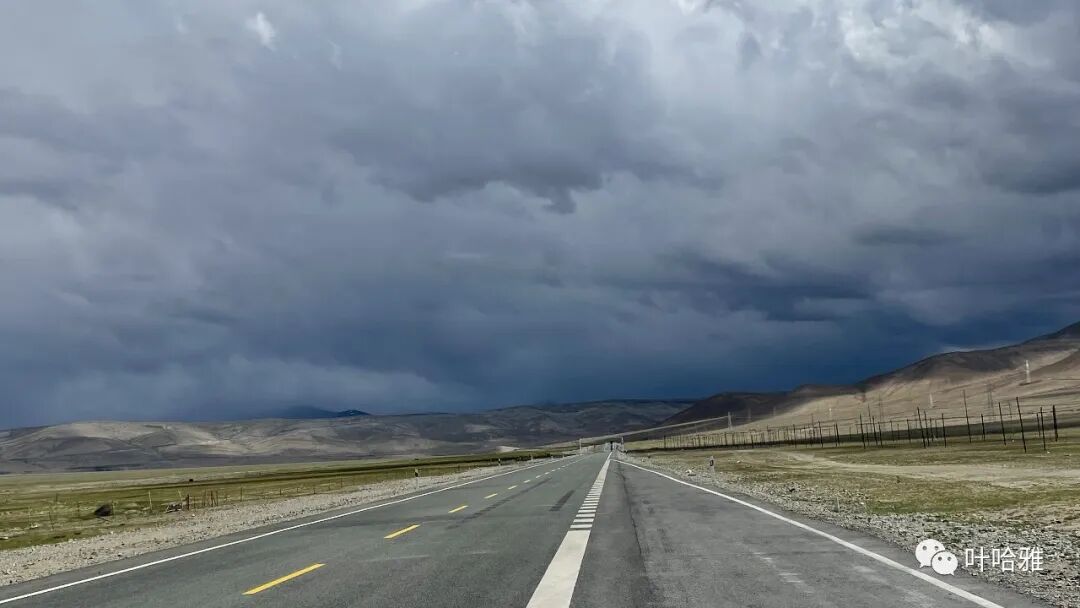
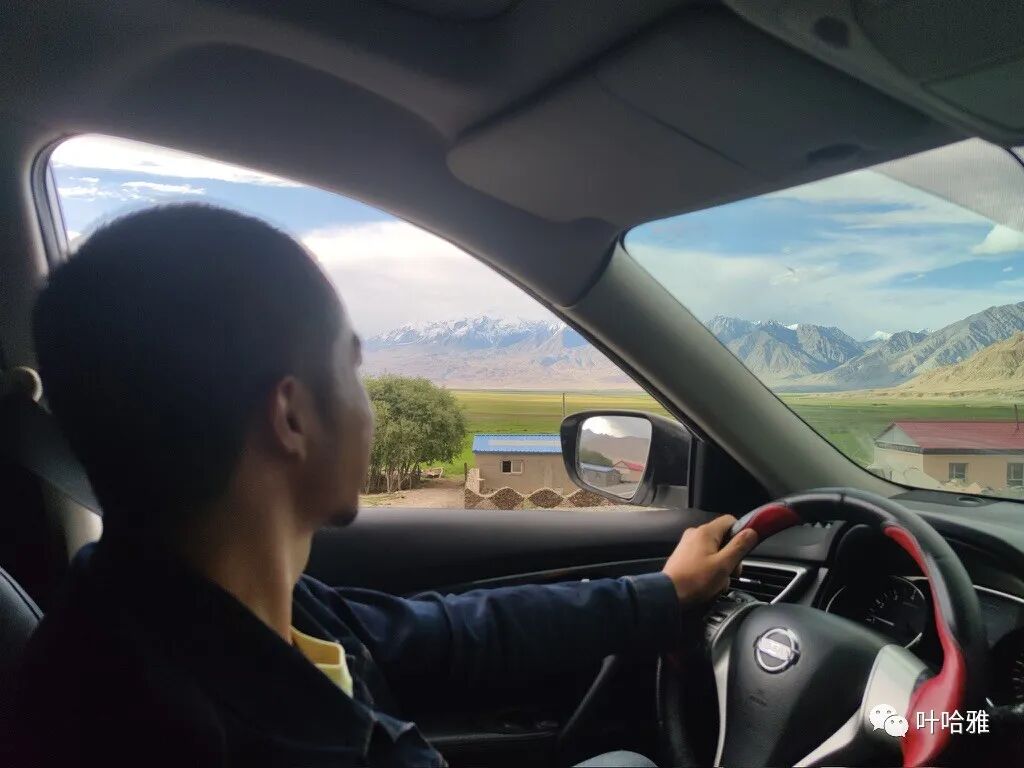
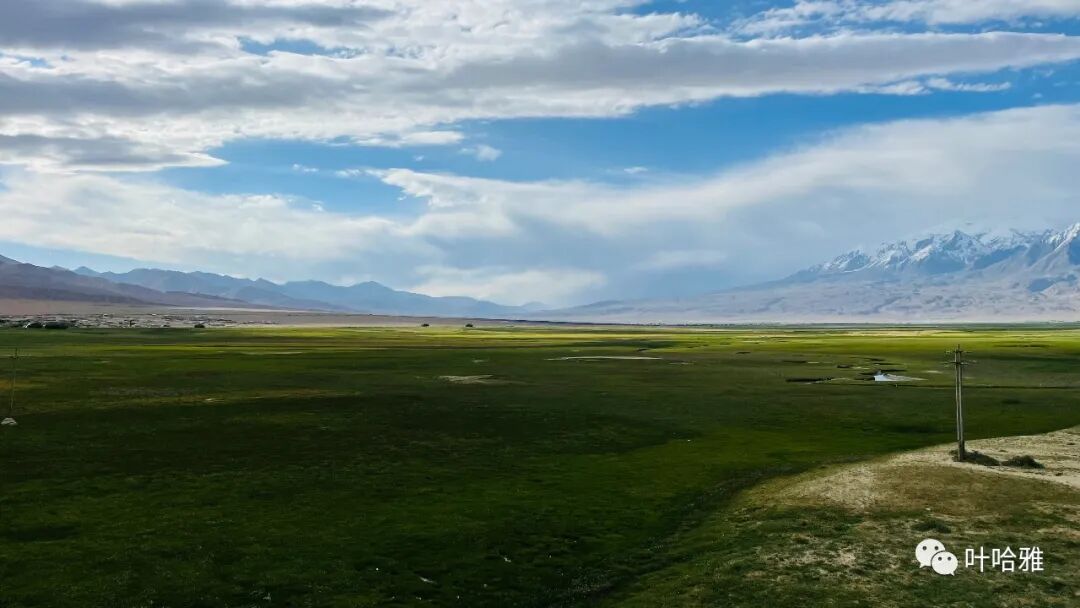
Although the drive to Taxkorgan is long, the journey is not monotonous. Less than two hours after starting, you can see Baisha Lake and the snow-capped mountains in the distance. If you want to get close to the lake at the Baisha Lake scenic area, you have to pay. Following the principle of appreciating the world created by Allah without spending money, we just stood in the rest area to look at Baisha Lake from afar. This scene felt like being in Tibet. I have seen this color tone of plateau lakes, blue skies, and white clouds in Tibet before.
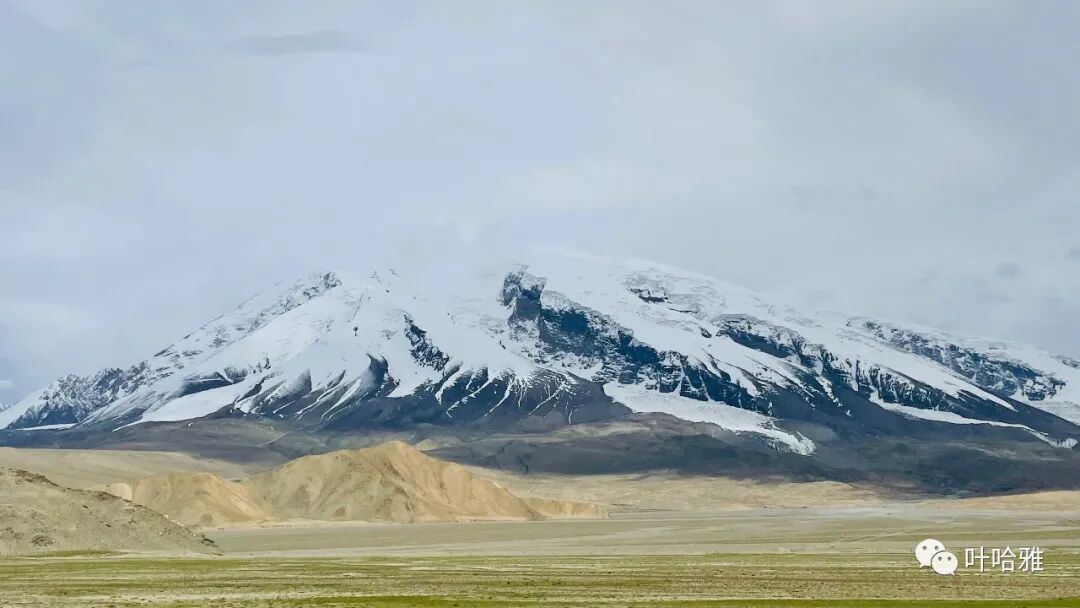
The average altitude of the Pamir Plateau is over 4,000 meters, and the distant Muztagh Ata peak is over 7,000 meters high, so it is inevitable that some people will have altitude sickness. The two of us men did not have obvious altitude sickness, just a little shortness of breath when walking. The county seat is at an altitude of about 3,500 meters, similar to Lhasa. It is best to choose a hotel with oxygen-supplied rooms in case you feel unwell and need to use oxygen.
Taxkorgan County borders Tajikistan, Afghanistan, and Pakistan, so you can see the scenery of four countries here.
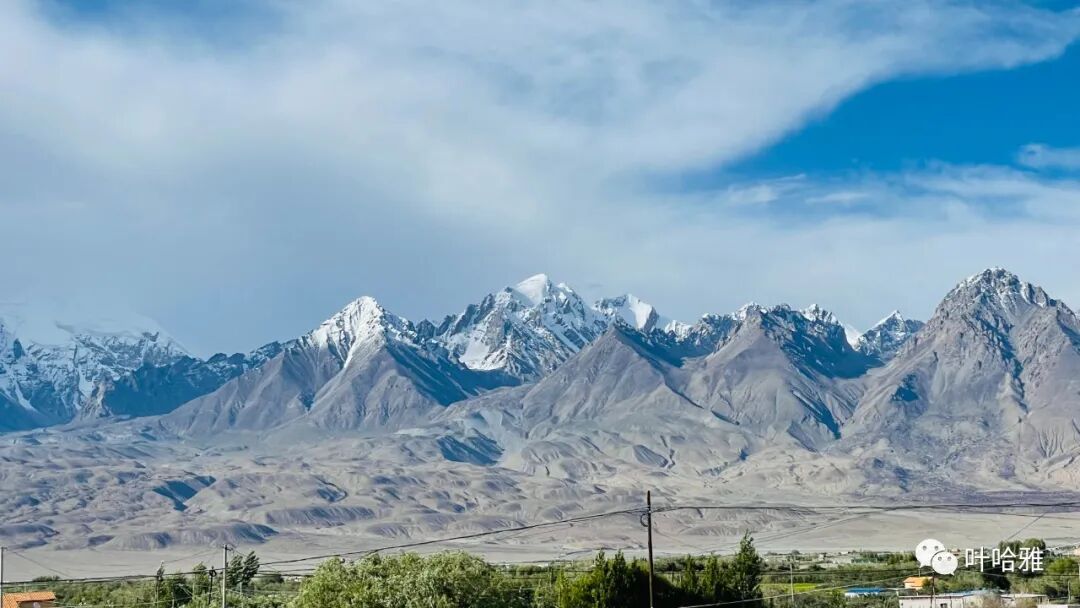
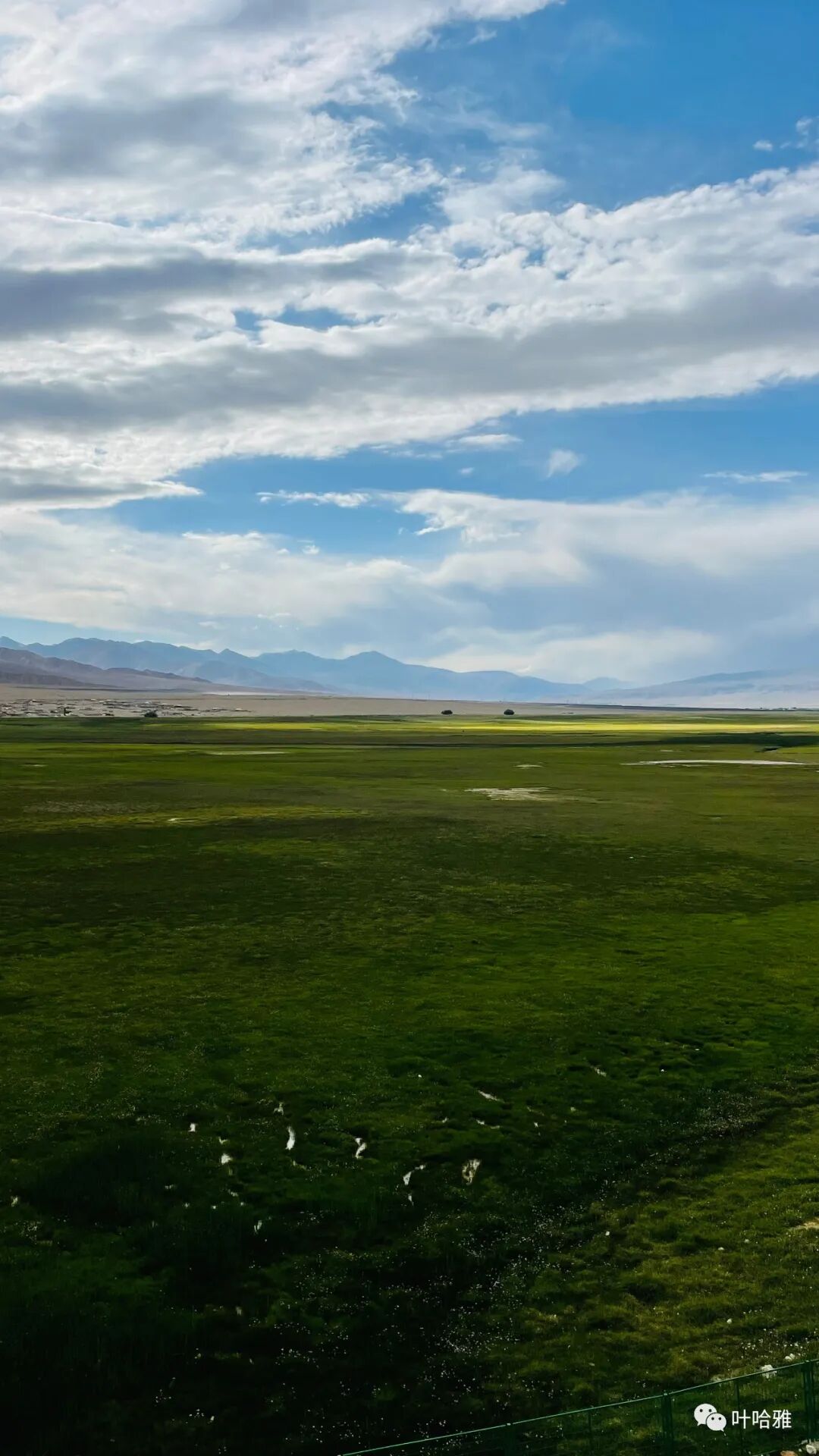
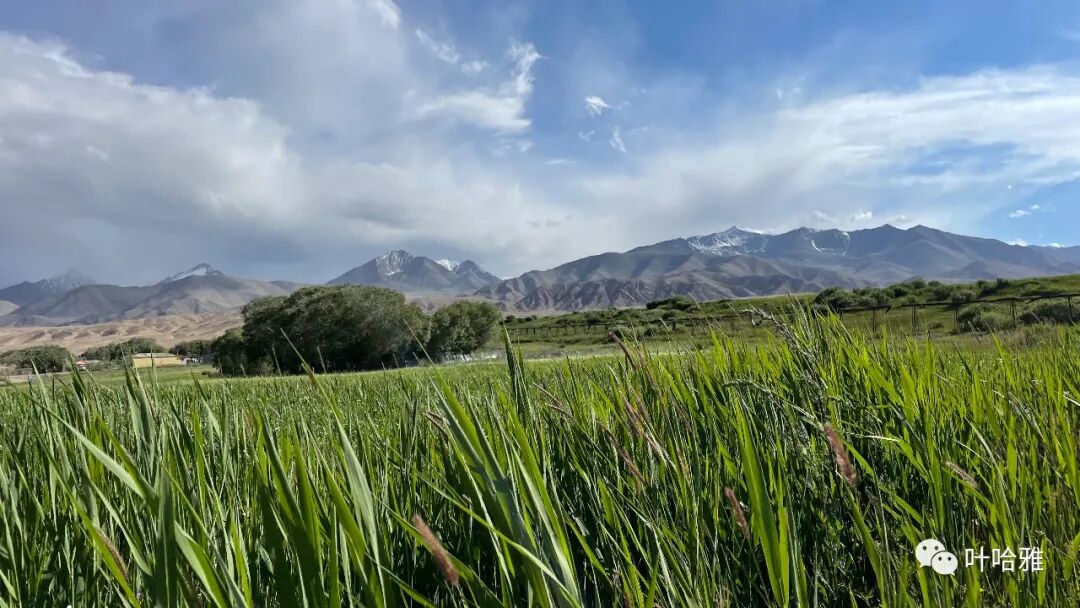
You can enjoy these views for free at the rest areas. When you drive through high-altitude snow-capped mountains and suddenly see a vast green grassland, all the fatigue from your journey disappears.
Tajik people are divided into lowland Tajiks and highland Tajiks. Both are descendants of Persian Aryans. Lowland Tajiks mostly live in the Transoxiana region and speak Tajik dialects of the Western Iranian branch of Persian, which includes many Turkic words but remains mutually intelligible with Persian. The Tajik people in Taxkorgan are highland Tajiks. They belong to the Mediterranean type of the Caucasian race and speak Pamir dialects of the Eastern Iranian branch. They speak Wakhi in Pakistan and Sarikoli in China. During the Soviet era, Pamiris and Wakhis were considered independent ethnic groups before being required to register as Tajiks. They cannot communicate with people from Tajikistan because their languages are different. In Taxkorgan, Uyghur is the common language.
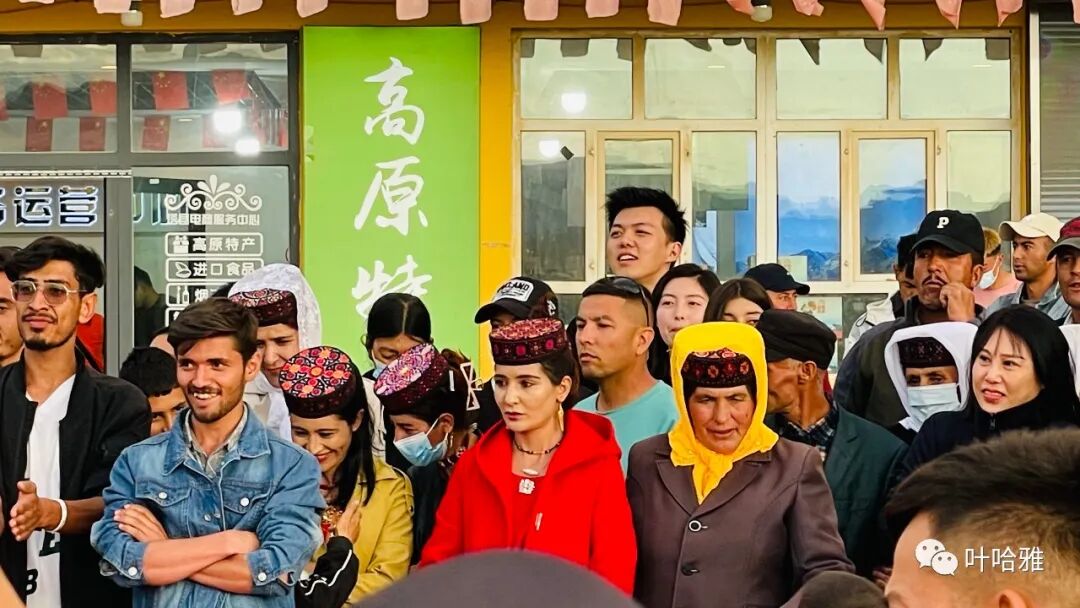
Highland Tajiks are easy to identify by their appearance, as they have high-bridged noses. If not for the redness caused by high-altitude UV rays, their skin is actually snow-white. For example, the waitress at the restaurant where we ate looked so European that I would have mistaken her for one if she hadn't spoken fluent Mandarin.
The 1963 black-and-white film Visitors on the Icy Mountain tells the story of how the Tajik people on the Pamir Plateau helped the People's Liberation Army fight bandits. The sincere and difficult love story between the two young Tajiks, Amir and Gulandam, is very moving. The song Why Are the Flowers So Red, adapted from the Tajik folk song Gulibita, is still popular today.
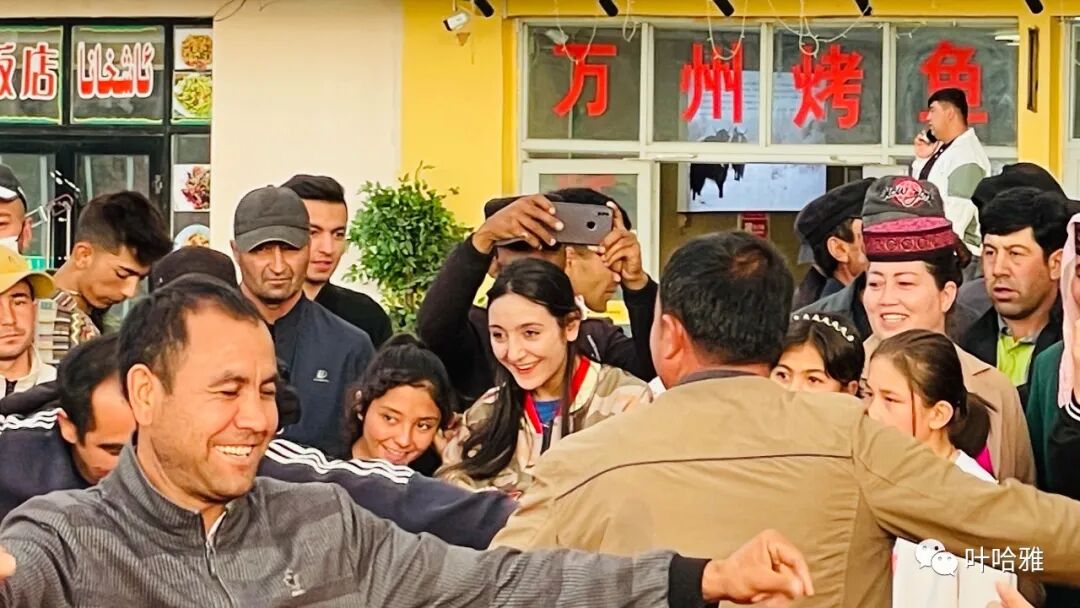
Every evening in the county square, people dance, and it is a square dance with a local ethnic flair.
The country with the largest Tajik population in the world is Afghanistan, with 8.8 million people, which is more than the 6.4 million in Tajikistan, the country with the second-largest population.
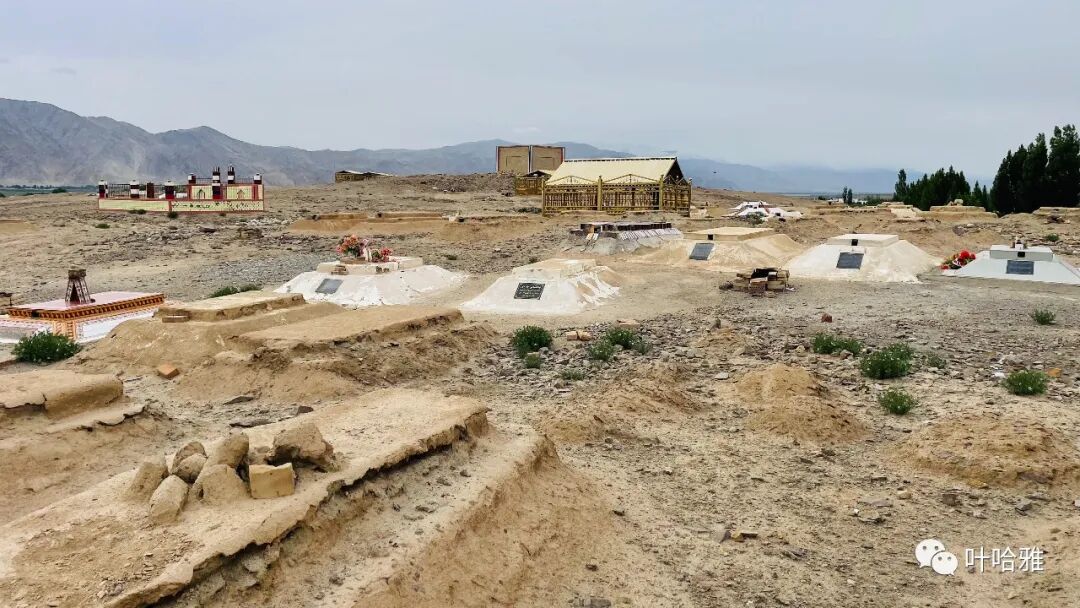
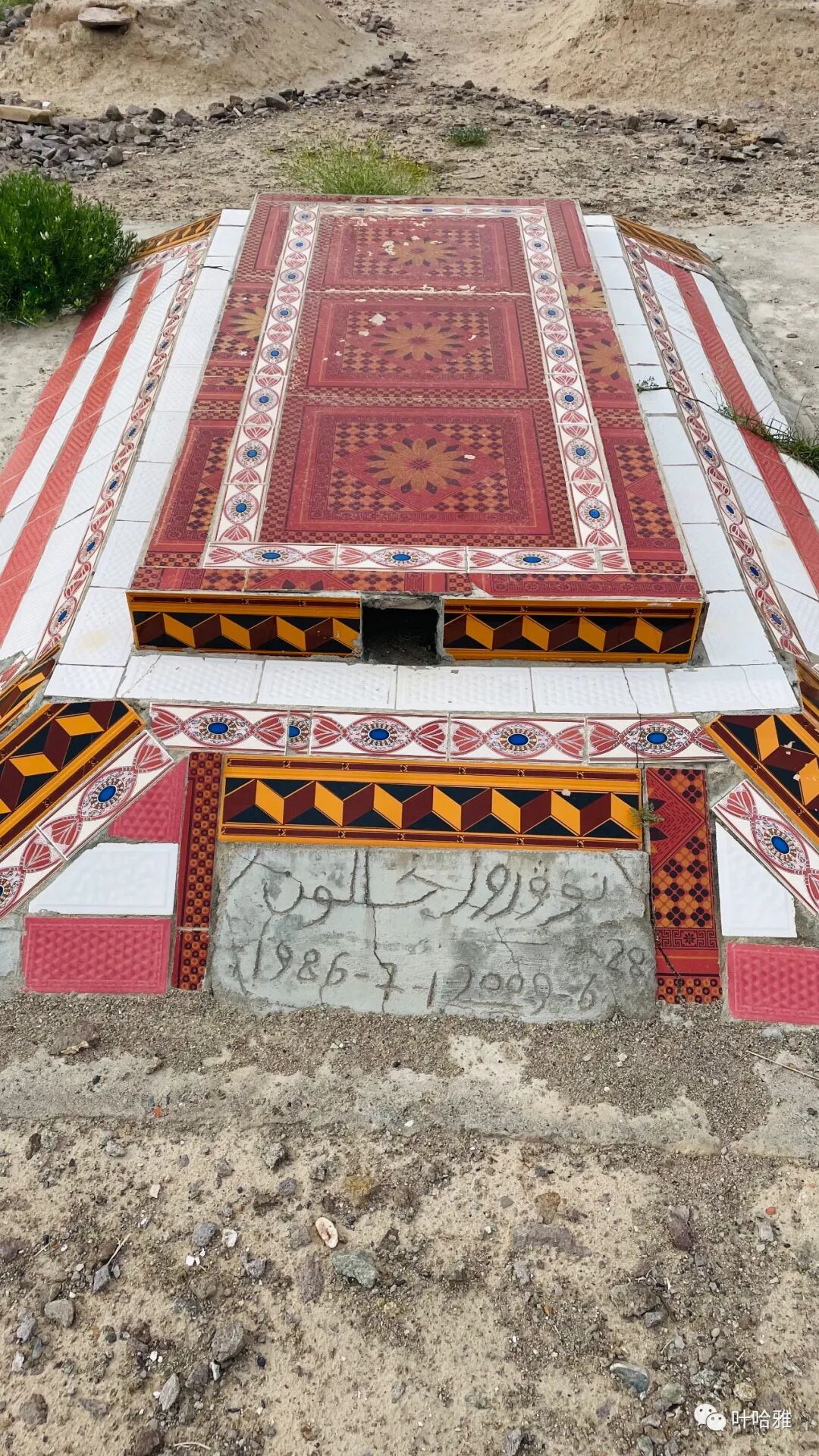
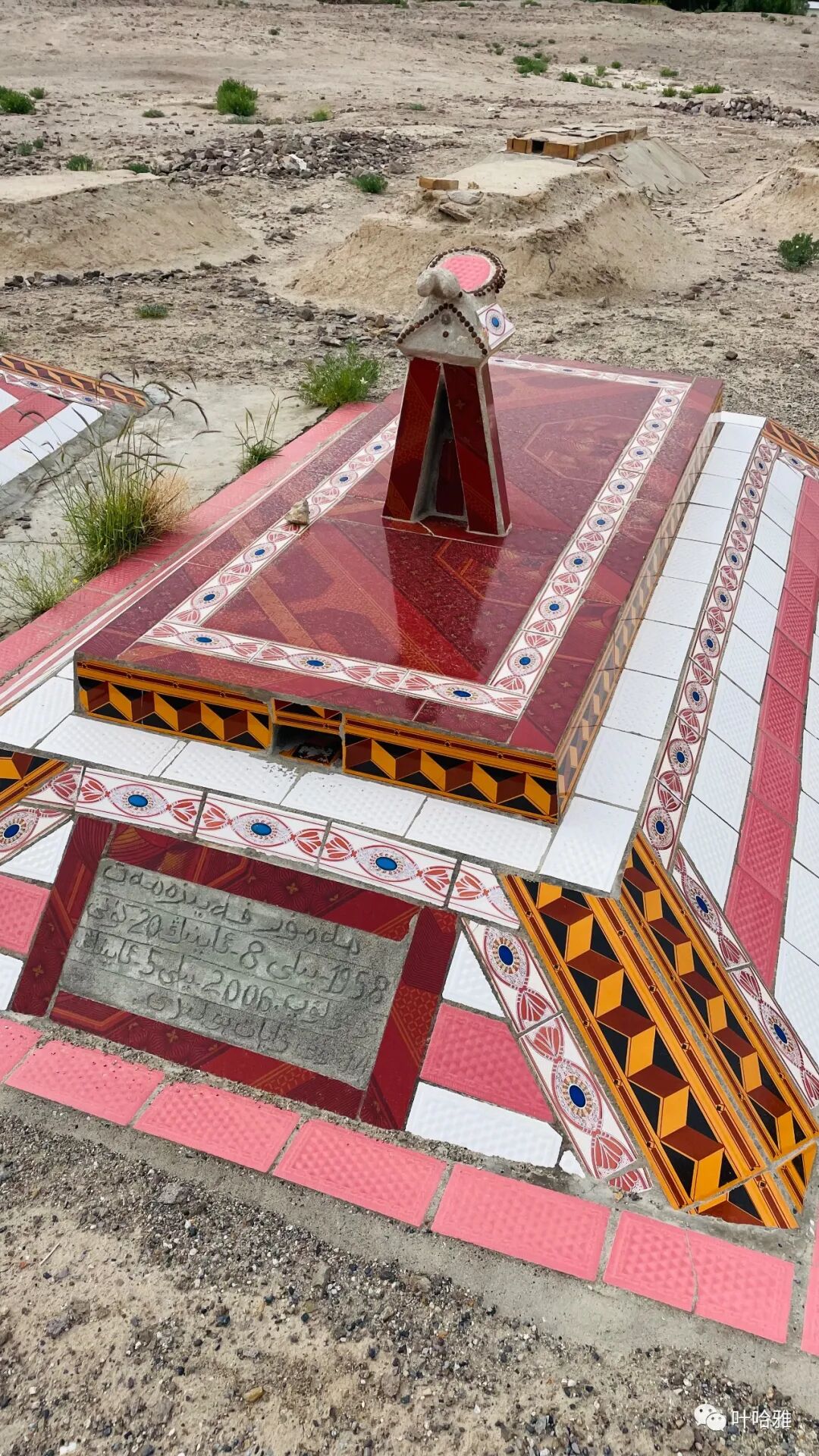
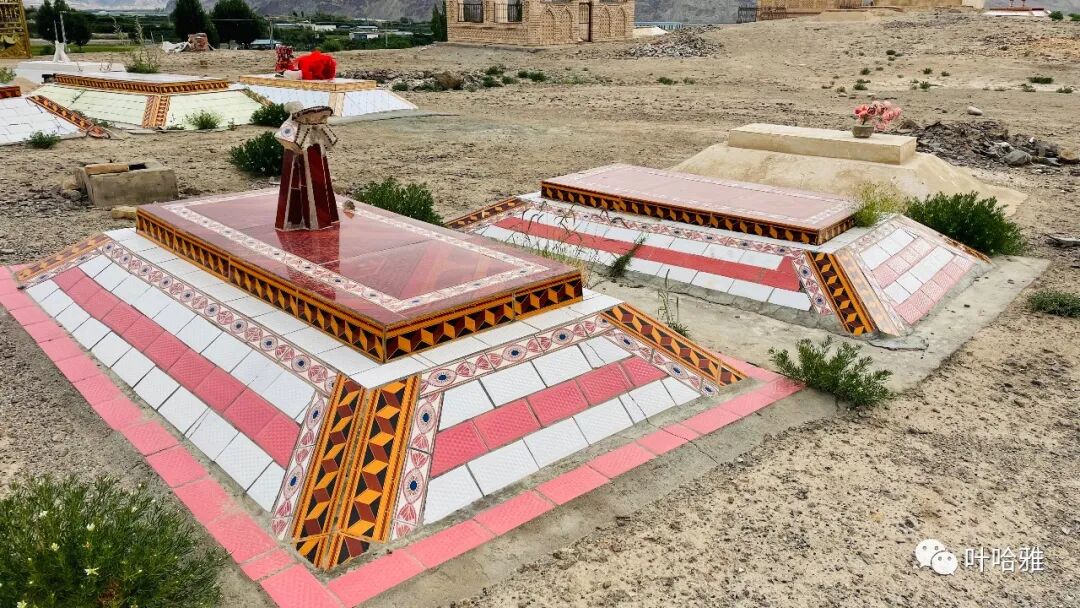
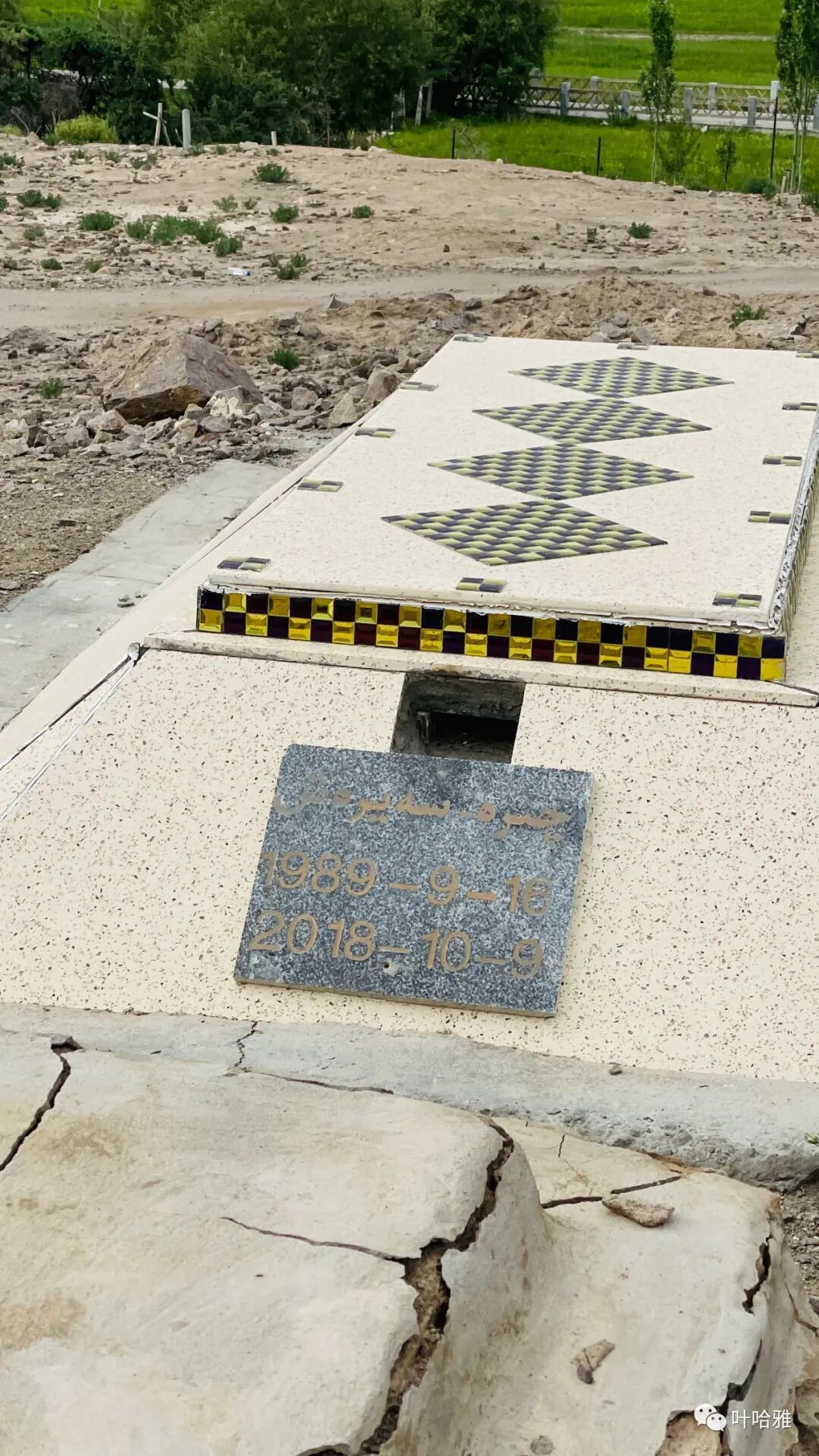
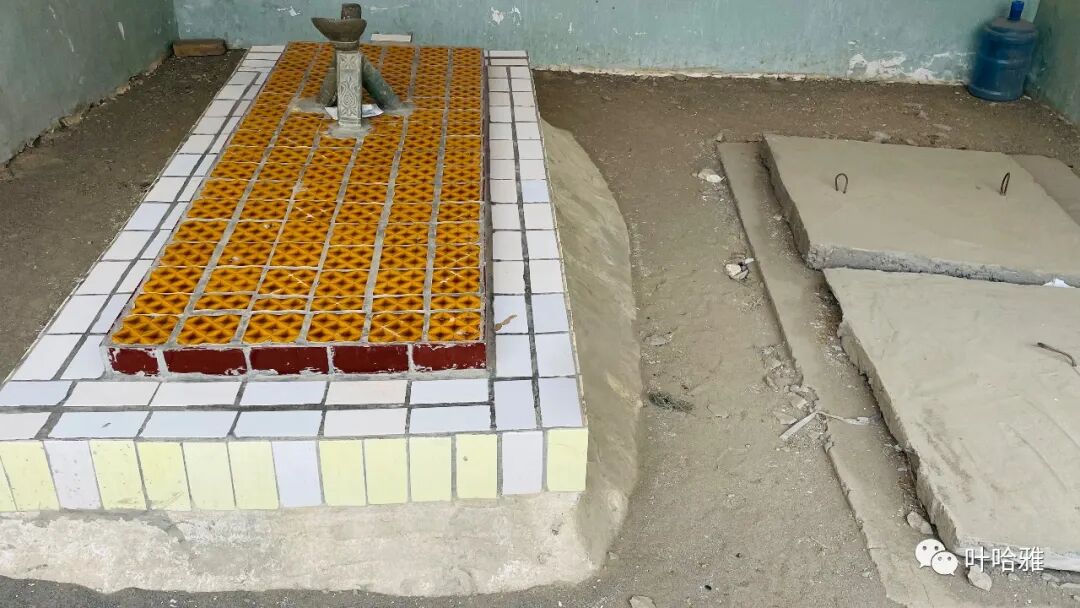
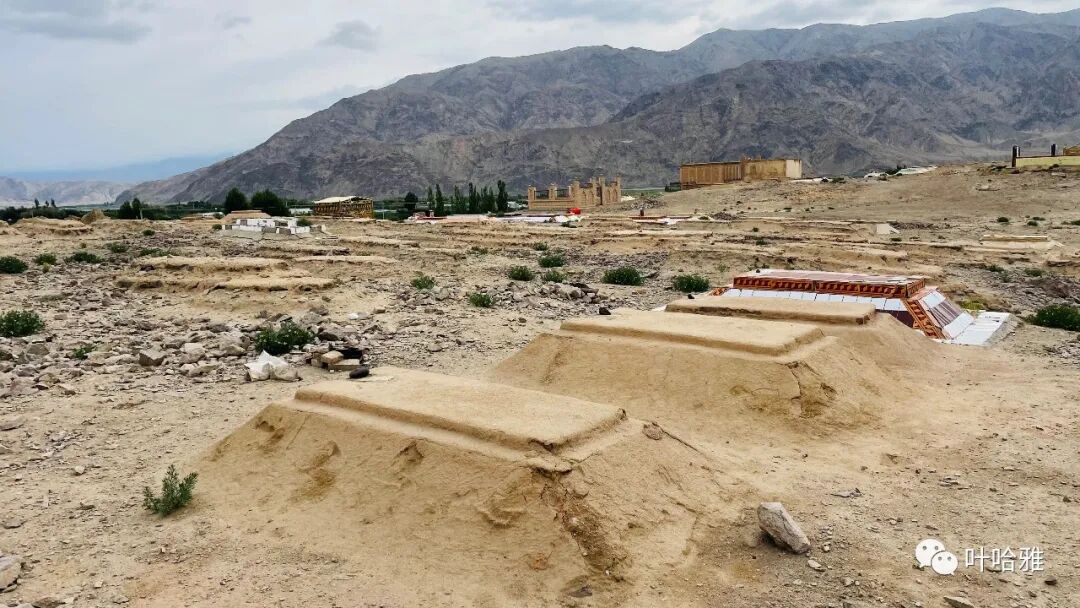
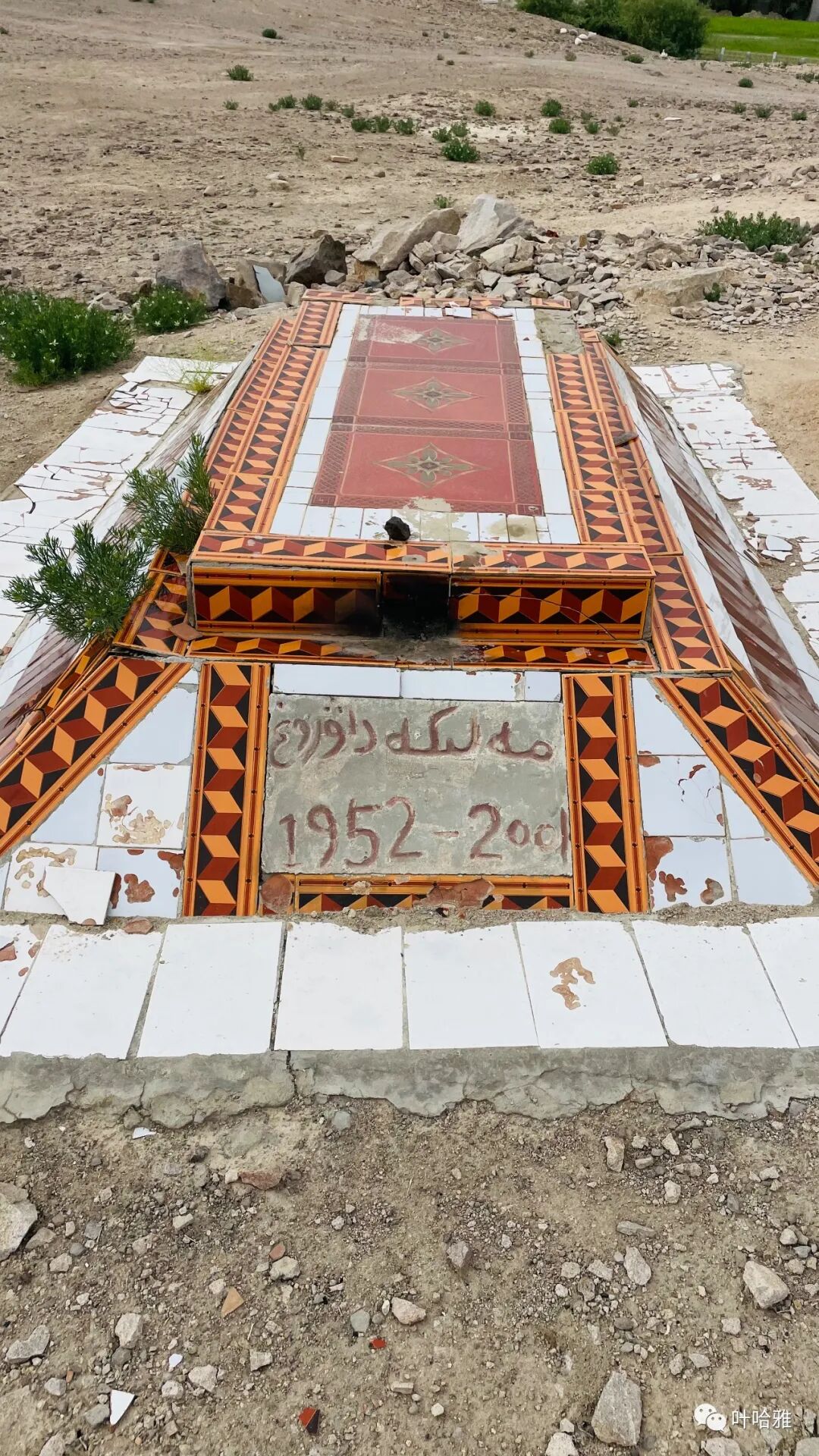
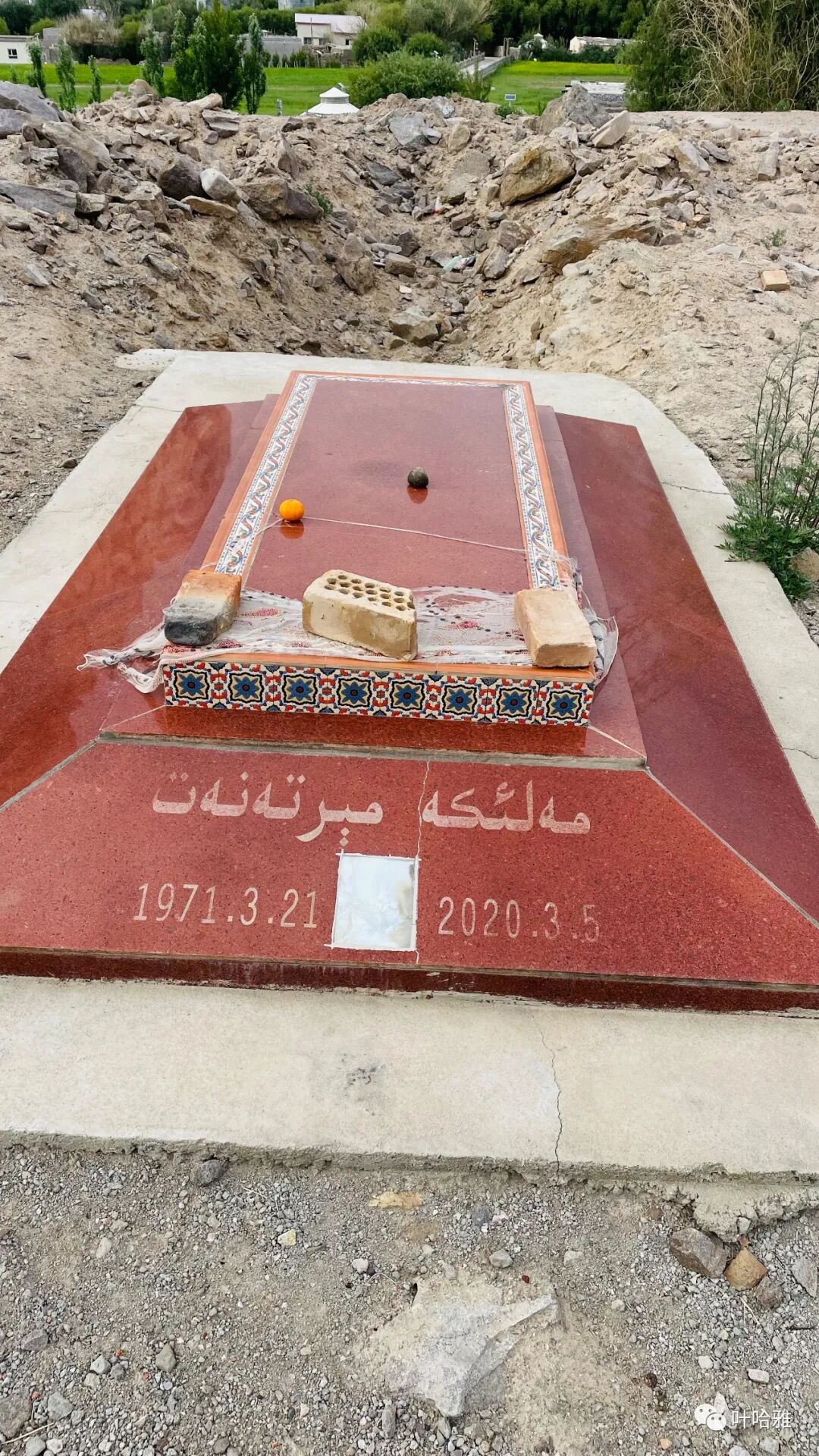
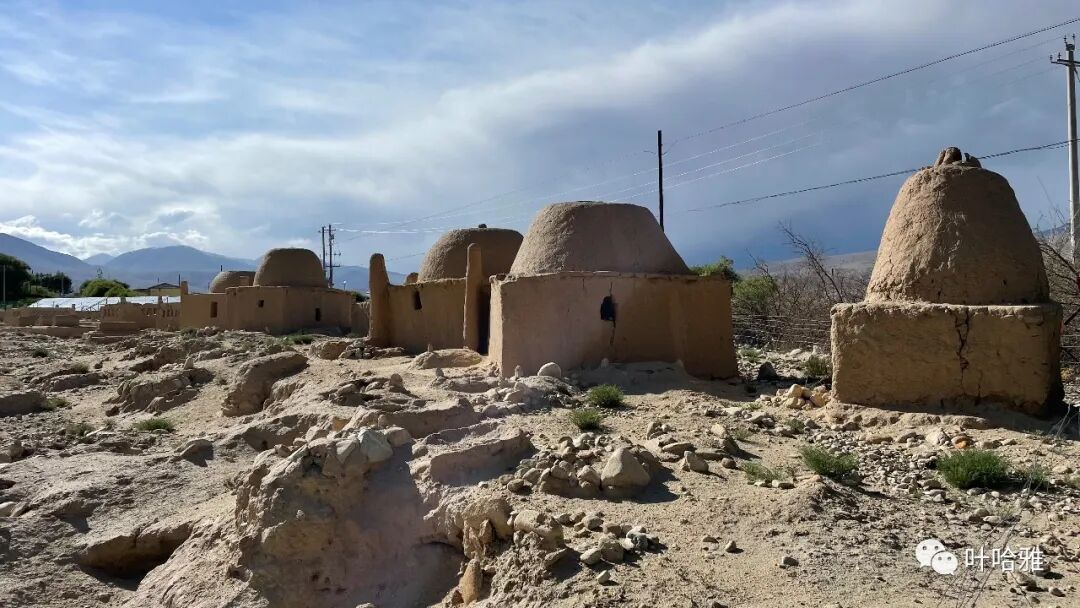
You can see many graveyards in the villages along the way. The decorations on the Tajik tombs still show traces of ancient Persian culture.
Shia Islam spread to Taxkorgan in the 17th century. It was first introduced by the Persian Sayyid Shah-i-Khan, who brought the Bohora branch of the Ismaili sect of Shia Islam here. In the mid-20th century, the Taxkorgan region converted to the Aga Khan branch. Aga Khan IV visited China twice, in 1981 and 2012.
These are Tajik tombs. Almost every grave has a fire pit in front of it. The Ismailis light fires before the annual Barat festival and offer dua in front of them, which seems to be a remnant of the Persian Zoroastrian fire-worship ritual.
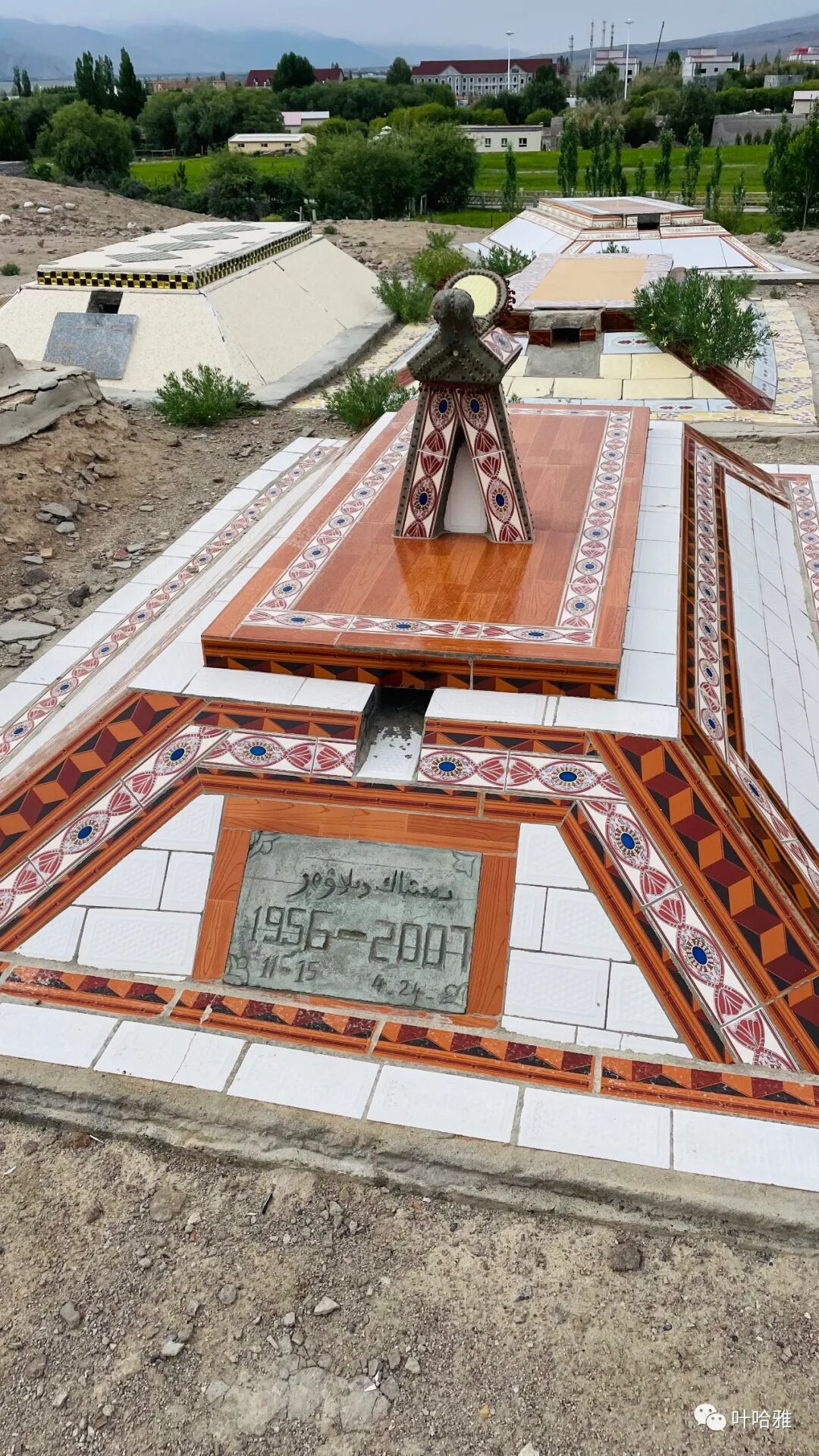
Tajik people place the headwear worn by the deceased during their lifetime on their graves. This custom is the same as that of the Turks during the Ottoman Empire, and you can still see this decoration in Turkey today.
The shape of the headwear looks like an eagle, which is the totem of the Tajik people.
Besides headwear, you will also see fresh flowers, and some are artificial flowers. This is also a reflection of Persian culture.
I took a rough look at the ages of the deceased, and most were not over 50 years old.
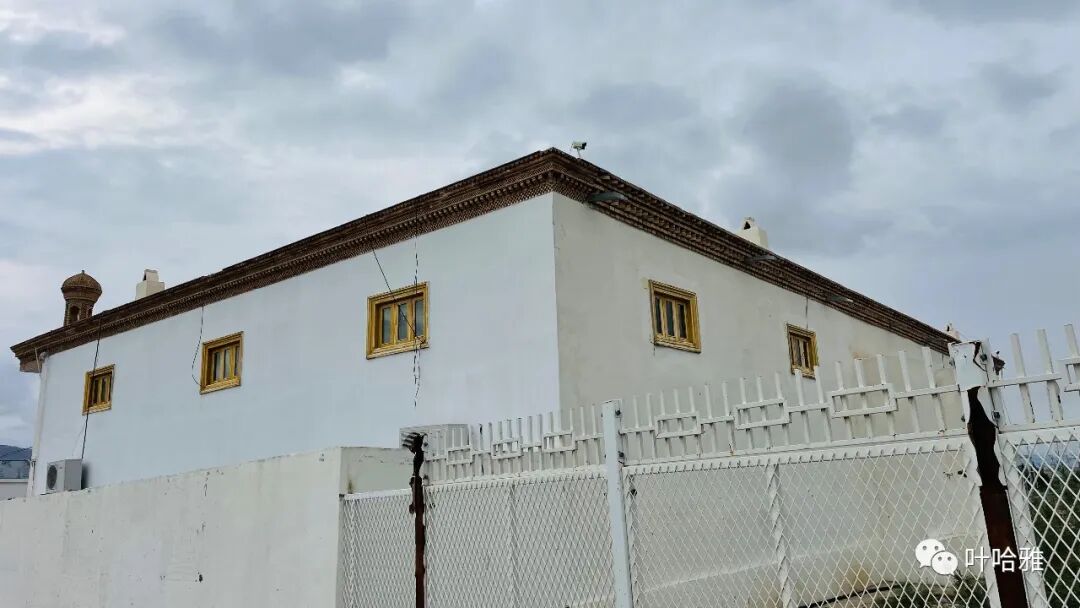
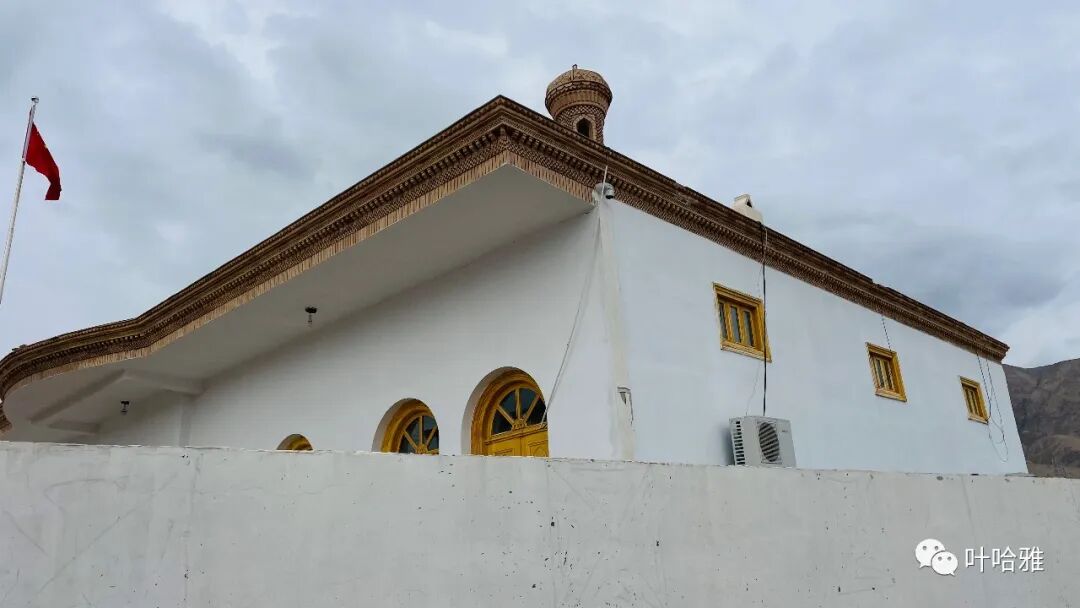
Lower Bazaar Mosque in Taxkorgan
I learned from the herdsmen that there are two mosques in Taxkorgan County, but neither can be found on the map. I only found this one near the Taxkorgan County Hospital, and it was not open. You can see Central Asian features in its square roof. Asking about mosques in southern Xinjiang is very difficult, and it is hard to get a useful response.
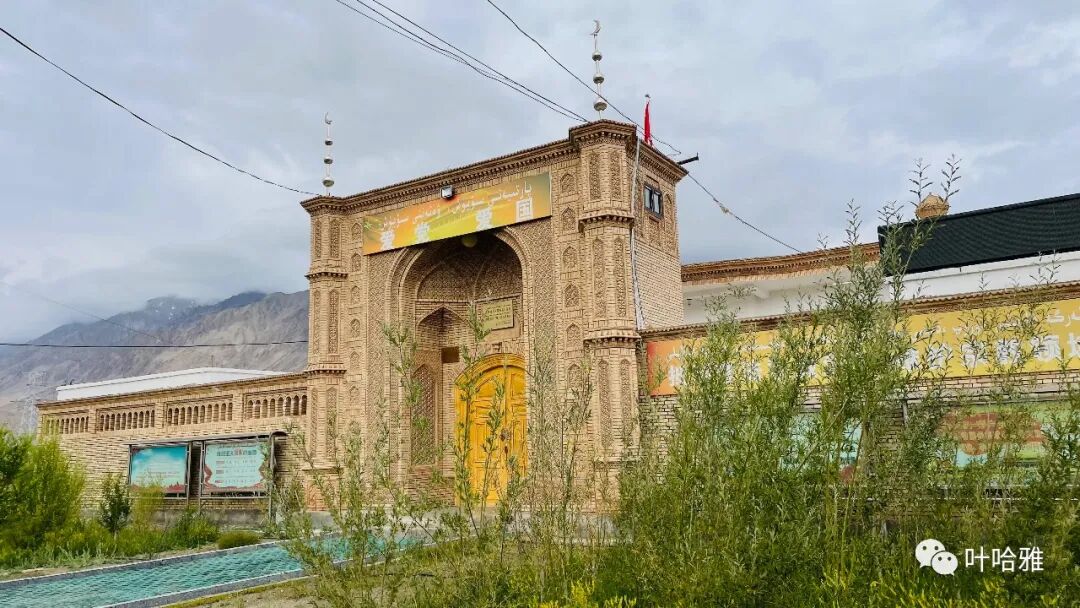
When the environment is unfavorable to their faith, Shia Muslims tend to hide their beliefs, so we did not see many religious traces in Taxkorgan. Also, because the Shia tradition encourages combined prayers—meaning most Shia Muslims only pray three times a day, combining Dhuhr and Asr, and Maghrib and Isha—and they do not emphasize congregational prayer or Friday Jumu'ah, the importance of the mosque is much lower, and it is only busy during holidays.
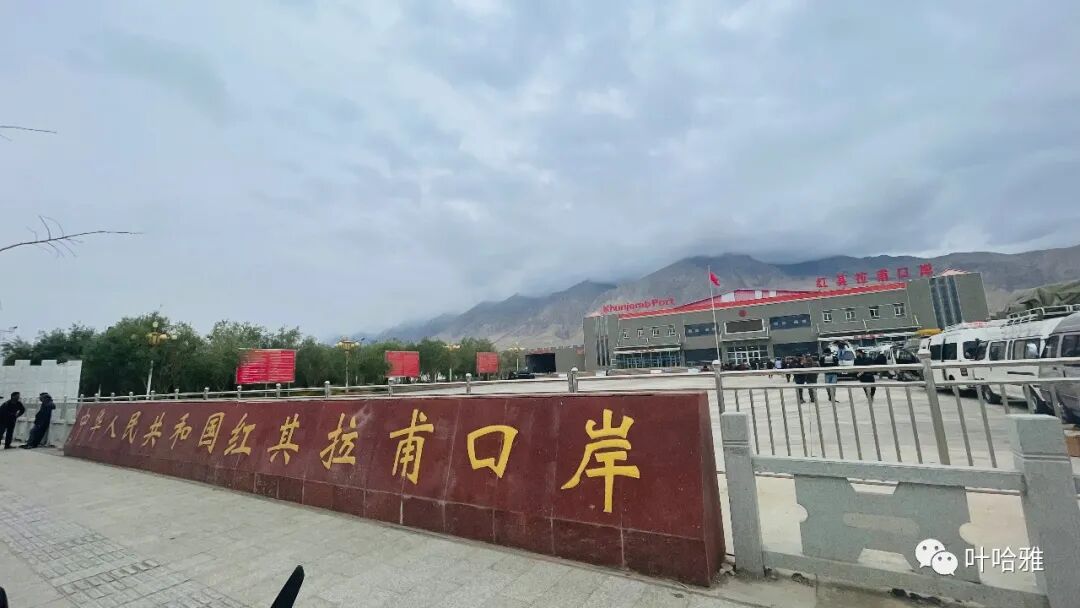
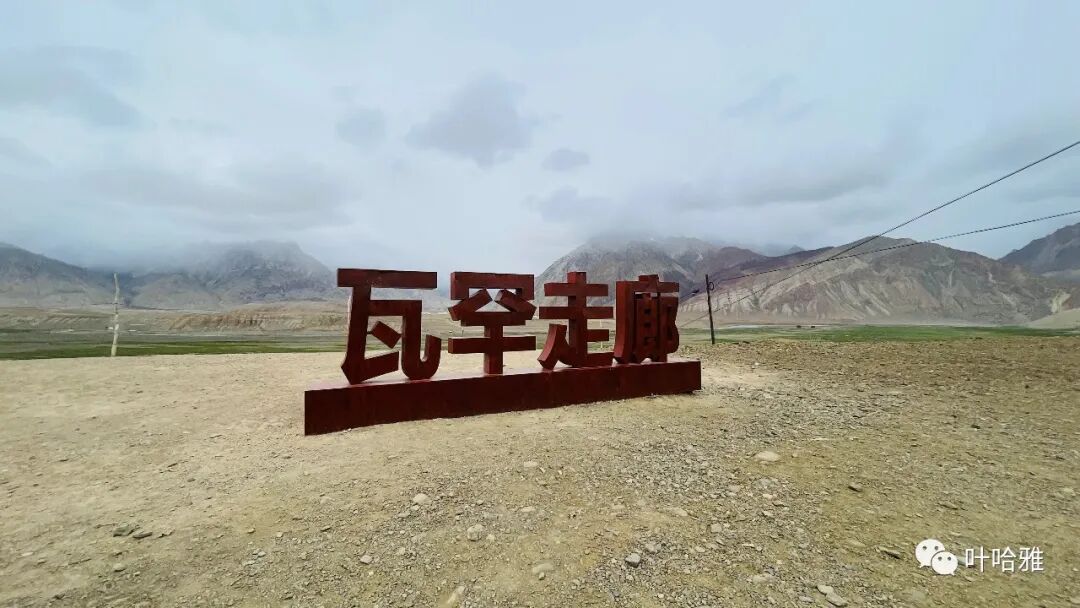
Other places worth visiting in Taxkorgan County include the Khunjerab Pass border gate and the Wakhan Corridor, passing through the Panlong Ancient Road with its more than 600 bends.
You can take an international bus from the border gate to Afghanistan, and it is recommended to carry your passport with you.
The Wakhan Corridor is located between the Pamir Mountains and the Hindu Kush range, connecting China and Afghanistan. Tang Seng also passed through here on his journey to the West to seek Buddhist scriptures. The altitude here is over 4,000 meters. It is windy and the summer temperature is cool, so remember to bring a jacket.
On the way back to Kashgar from the Wakhan Corridor, you can pass through the Waqia Highway, which is the famous Panlong Ancient Road. Although it is only 36 kilometers long, it has more than 600 bends and takes three to four hours to drive. You could say there is a bend every 20 meters. The highest point of the mountain road is 4,200 meters above sea level. Fortunately, it is a one-way street, so it is not dangerous to drive.
The plateau scenery and wildlife along the way are beautiful. That cute animal in the distance is a marmot (hanta), which you can see everywhere on the highland grasslands.
The signature food in Taxkorgan is highland yak hot pot. However, I did not see any restaurants displaying a halal sign throughout southern Xinjiang, so I had to go inside and ask the staff. We walked into another shop where the server claimed it was halal, but I left immediately when I saw duck blood on the menu.
The staff at this shop told us very firmly that they were halal and that they did not sell any of those forbidden items.
It was a coincidence that I met an online friend in Taxkorgan who was here on a business trip, so we had a happy meal together. A great joy of traveling is meeting new friends and hearing different stories. Meeting someone thousands of miles away like this is all part of Allah's decree (qianting).
The Taxkorgan yak hot pot has two layers: you drink the soup from the top and cook vegetables in the bottom. The yak meat is chewy and comes pre-cooked, and it tastes great. My halal trip through southern Xinjiang ends here for now, so please stay tuned for more in the next episode. view all
Summary: This Muslim travel guide to southern Xinjiang follows a 12,000-kilometer Northwest road trip, focusing on Taxkorgan, the Pamir Plateau, Tajik Muslims, Shia heritage, border permits, mountain scenery, and local Muslim culture.
A Southern Xinjiang Mosque Tour: The Shia Tajik People is presented here as a firsthand travel account in clear English, beginning with this scene: On June 20, 2023, I left Beijing and drove a loop through the great Northwest. I traveled through Hebei, Inner Mongolia, Shanxi, Shaanxi, Gansu, Ningxia, Qinghai, and Xinjiang. The account keeps its focus on Urumqi Halal Food, Hui Muslims, Xinjiang Travel while preserving the names, places, food, and historical details from the Chinese source.
On June 20, 2023, I left Beijing and drove a loop through the great Northwest. I traveled through Hebei, Inner Mongolia, Shanxi, Shaanxi, Gansu, Ningxia, Qinghai, and Xinjiang. The total distance was over 12,000 kilometers, taking 27 days, and I returned to Beijing on July 16.
The first purpose of this trip was to meet my clients far in the west. Many of them bought insurance online and we had never met. To thank them for their trust, I felt it was necessary to visit them in person. The second purpose was to visit Islamic historical sites in the west. Unlike traditional tourist routes, a halal-focused trip naturally follows a halal route and focuses on halal elements. The last purpose was to enjoy the magnificent landscapes of the Northwest. I enjoyed the scenery along the way, but did not go out of my way for it. I had already visited every provincial-level administrative unit in the People's Republic of China before I turned 30, so this Northwest trip was just a revisit. During this time, I also celebrated my 36th birthday, which is my zodiac birth year.
Because the trip lasted nearly a month, I experienced so many stories on the road. It was like playing a role-playing game; every region felt like a new chapter. Much of the content is worth recording separately, so I plan to publish it in several articles with photos. This first article introduces the Tajik people who live on the Pamir Plateau in the far west of our country and follow Shia Islam.
Chinese tourists need to apply for a border permit in advance to go to Taxkorgan. It is free and only requires an ID card. Many police stations in southern Xinjiang can issue them. We got ours at the police station next to the Id Kah Mosque square in Kashgar. It took one minute to issue and is valid for one week. You must have this permit to enter the border town. If you do not have one, you cannot apply on-site and will be turned back at the checkpoint.
Starting from the old city of Kashgar, it takes about 400 kilometers and 5-6 hours of driving to reach the Pamir Plateau in the Kashgar region of southern Xinjiang, the westernmost part of China. This is Taxkorgan Tajik Autonomous County, where about 50,000 Tajik people who follow Shia Islam live.
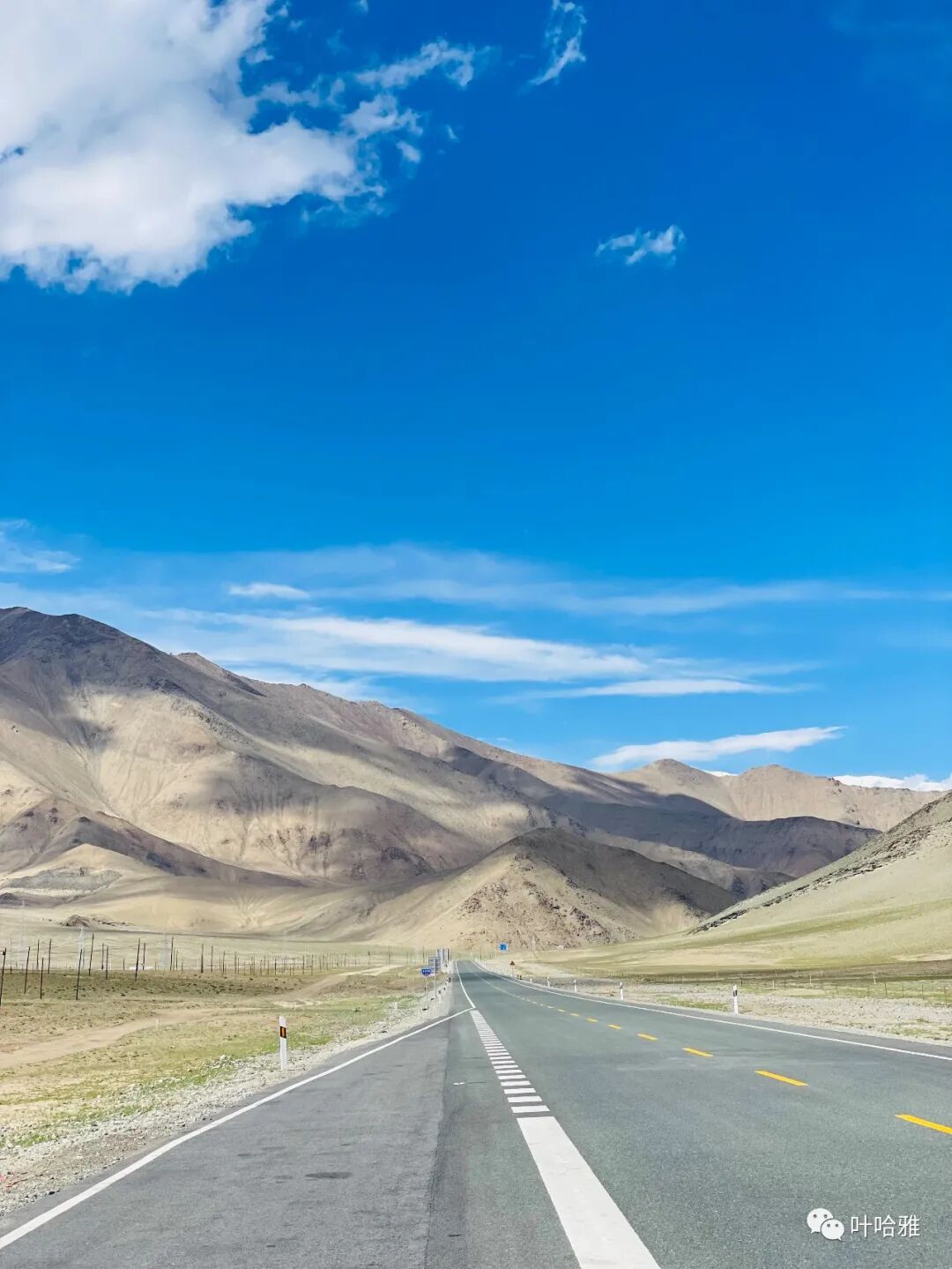
Taxkorgan has the Khunjerab Pass, our country's westernmost border crossing, which borders Tajikistan, Afghanistan, and Pakistan.
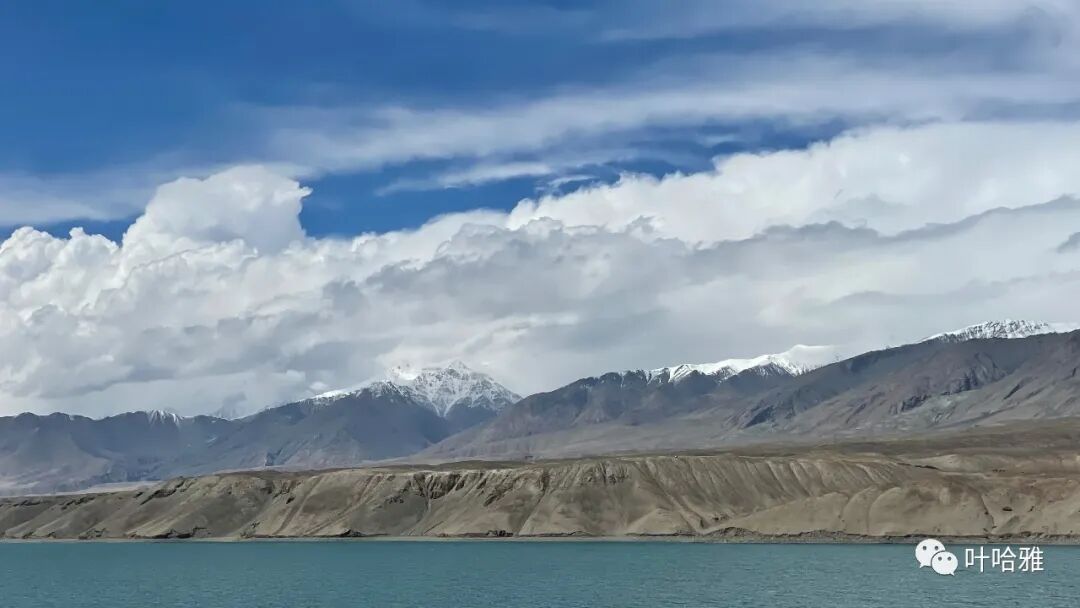
Many travelogues say that northern Xinjiang is for scenery and southern Xinjiang is for culture. This actually ignores the magnificence of the Pamir Plateau in southern Xinjiang. Southern Xinjiang has all the snow-capped mountains, grasslands, lakes, and even deserts that northern Xinjiang has. In fact, northern Xinjiang lacks the vast plateau landscapes found in the south. If you have limited time and want to experience the beauty of Xinjiang as much as possible, I suggest coming to southern Xinjiang first, and the Pamir Plateau is a must-visit.
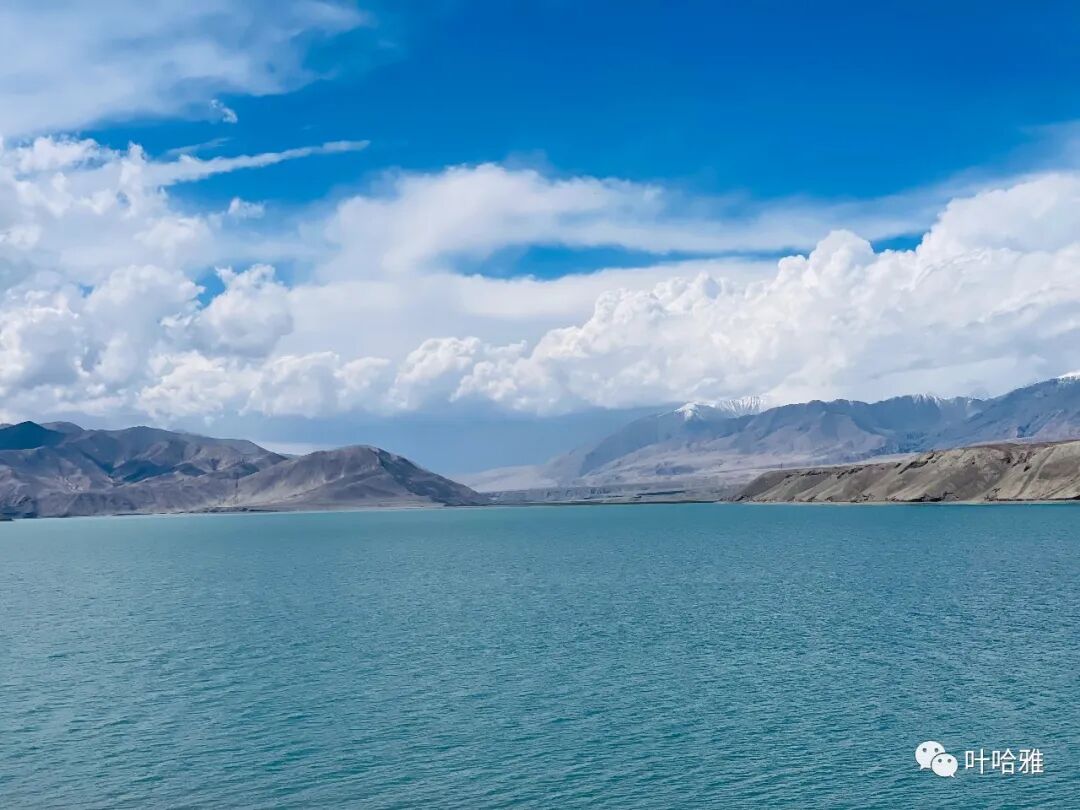
Although the drive to Taxkorgan is long, the journey is not monotonous. Less than two hours after starting, you can see Baisha Lake and the snow-capped mountains in the distance. If you want to get close to the lake at the Baisha Lake scenic area, you have to pay. Following the principle of appreciating the world created by Allah without spending money, we just stood in the rest area to look at Baisha Lake from afar. This scene felt like being in Tibet. I have seen this color tone of plateau lakes, blue skies, and white clouds in Tibet before.
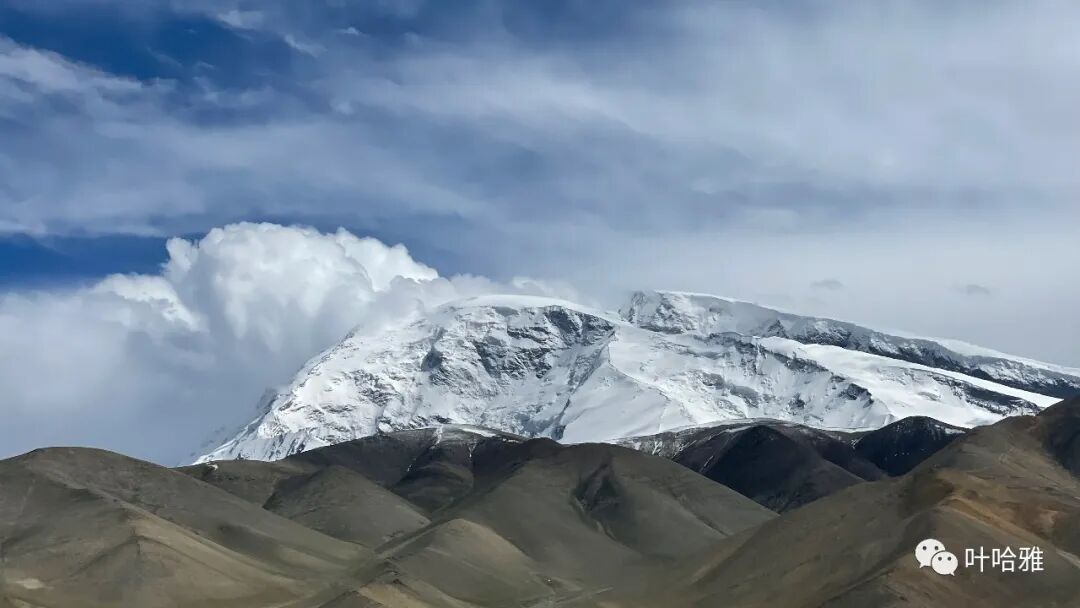
The average altitude of the Pamir Plateau is over 4,000 meters, and the distant Muztagh Ata peak is over 7,000 meters high, so it is inevitable that some people will have altitude sickness. The two of us men did not have obvious altitude sickness, just a little shortness of breath when walking. The county seat is at an altitude of about 3,500 meters, similar to Lhasa. It is best to choose a hotel with oxygen-supplied rooms in case you feel unwell and need to use oxygen.
Taxkorgan County borders Tajikistan, Afghanistan, and Pakistan, so you can see the scenery of four countries here.
You can enjoy these views for free at the rest areas. When you drive through high-altitude snow-capped mountains and suddenly see a vast green grassland, all the fatigue from your journey disappears.
Tajik people are divided into lowland Tajiks and highland Tajiks. Both are descendants of Persian Aryans. Lowland Tajiks mostly live in the Transoxiana region and speak Tajik dialects of the Western Iranian branch of Persian, which includes many Turkic words but remains mutually intelligible with Persian. The Tajik people in Taxkorgan are highland Tajiks. They belong to the Mediterranean type of the Caucasian race and speak Pamir dialects of the Eastern Iranian branch. They speak Wakhi in Pakistan and Sarikoli in China. During the Soviet era, Pamiris and Wakhis were considered independent ethnic groups before being required to register as Tajiks. They cannot communicate with people from Tajikistan because their languages are different. In Taxkorgan, Uyghur is the common language.
Highland Tajiks are easy to identify by their appearance, as they have high-bridged noses. If not for the redness caused by high-altitude UV rays, their skin is actually snow-white. For example, the waitress at the restaurant where we ate looked so European that I would have mistaken her for one if she hadn't spoken fluent Mandarin.
The 1963 black-and-white film Visitors on the Icy Mountain tells the story of how the Tajik people on the Pamir Plateau helped the People's Liberation Army fight bandits. The sincere and difficult love story between the two young Tajiks, Amir and Gulandam, is very moving. The song Why Are the Flowers So Red, adapted from the Tajik folk song Gulibita, is still popular today.
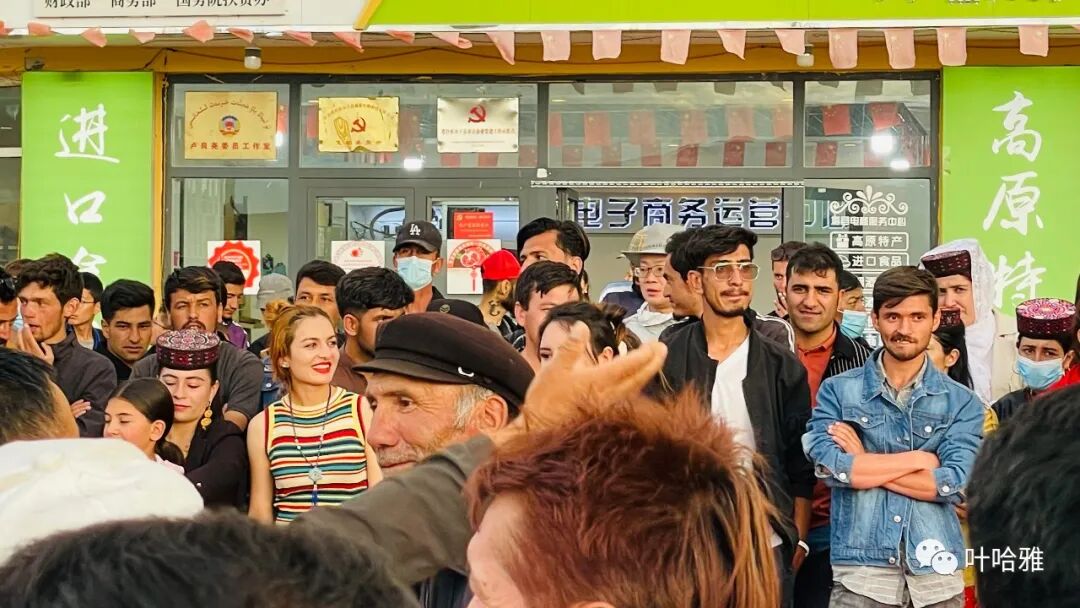
Every evening in the county square, people dance, and it is a square dance with a local ethnic flair.
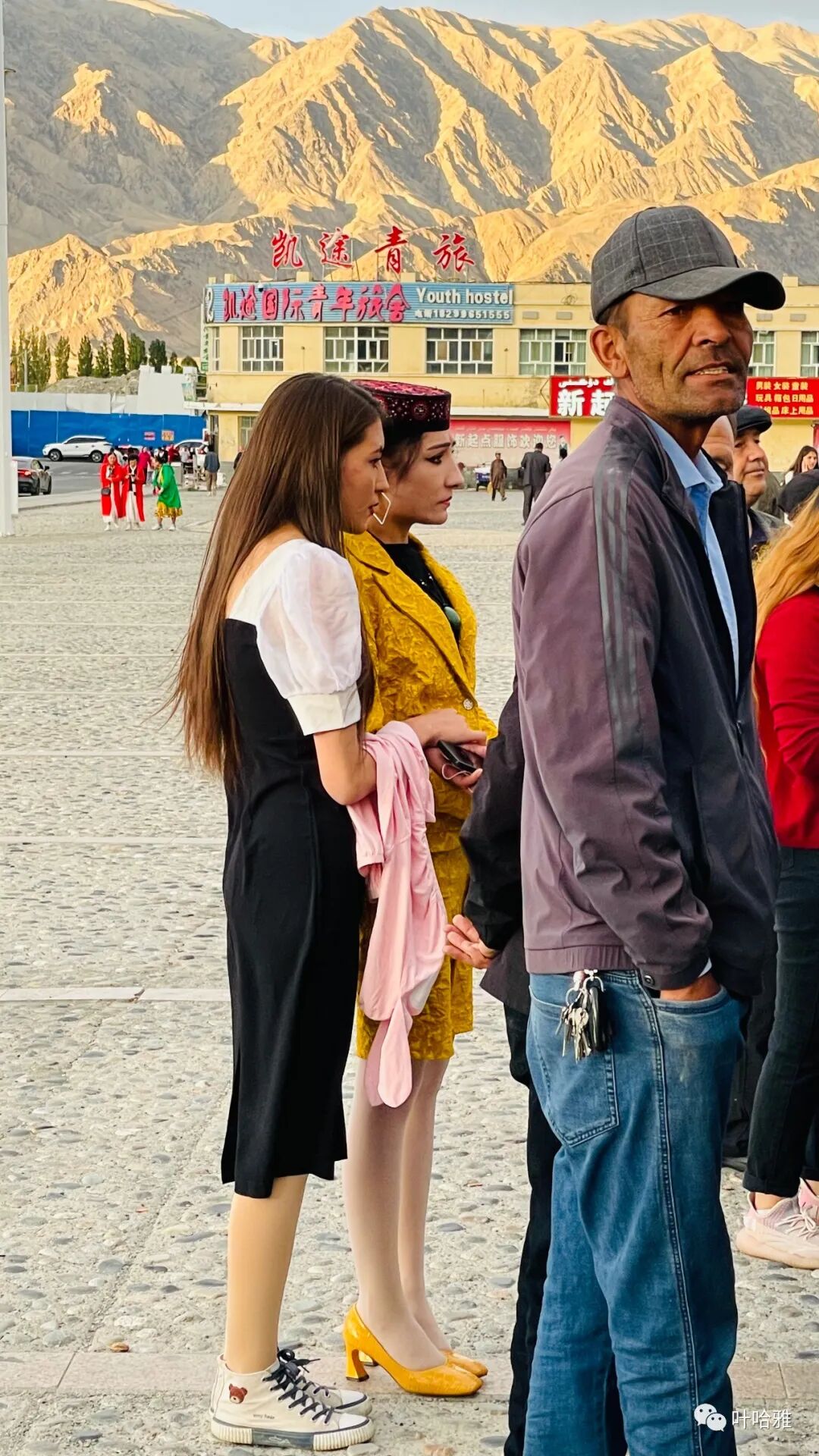
The country with the largest Tajik population in the world is Afghanistan, with 8.8 million people, which is more than the 6.4 million in Tajikistan, the country with the second-largest population.
You can see many graveyards in the villages along the way. The decorations on the Tajik tombs still show traces of ancient Persian culture.
Shia Islam spread to Taxkorgan in the 17th century. It was first introduced by the Persian Sayyid Shah-i-Khan, who brought the Bohora branch of the Ismaili sect of Shia Islam here. In the mid-20th century, the Taxkorgan region converted to the Aga Khan branch. Aga Khan IV visited China twice, in 1981 and 2012.
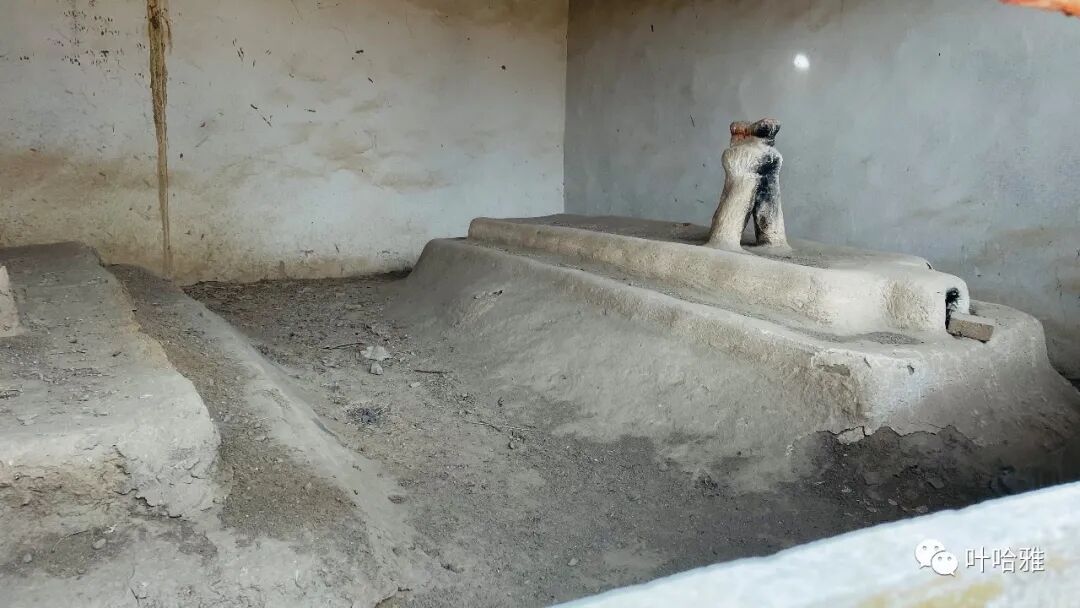
These are Tajik tombs. Almost every grave has a fire pit in front of it. The Ismailis light fires before the annual Barat festival and offer dua in front of them, which seems to be a remnant of the Persian Zoroastrian fire-worship ritual.
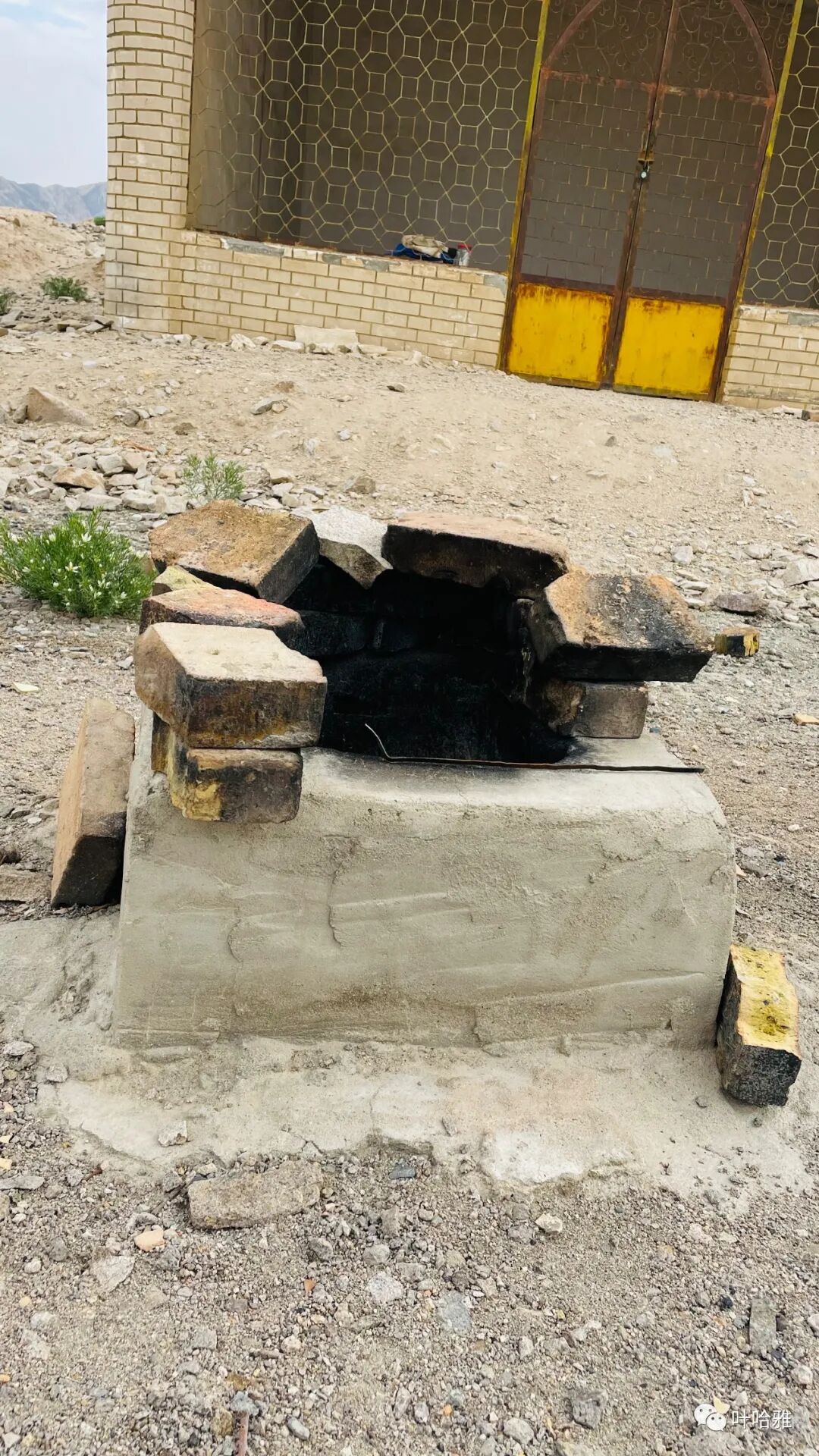
Tajik people place the headwear worn by the deceased during their lifetime on their graves. This custom is the same as that of the Turks during the Ottoman Empire, and you can still see this decoration in Turkey today.
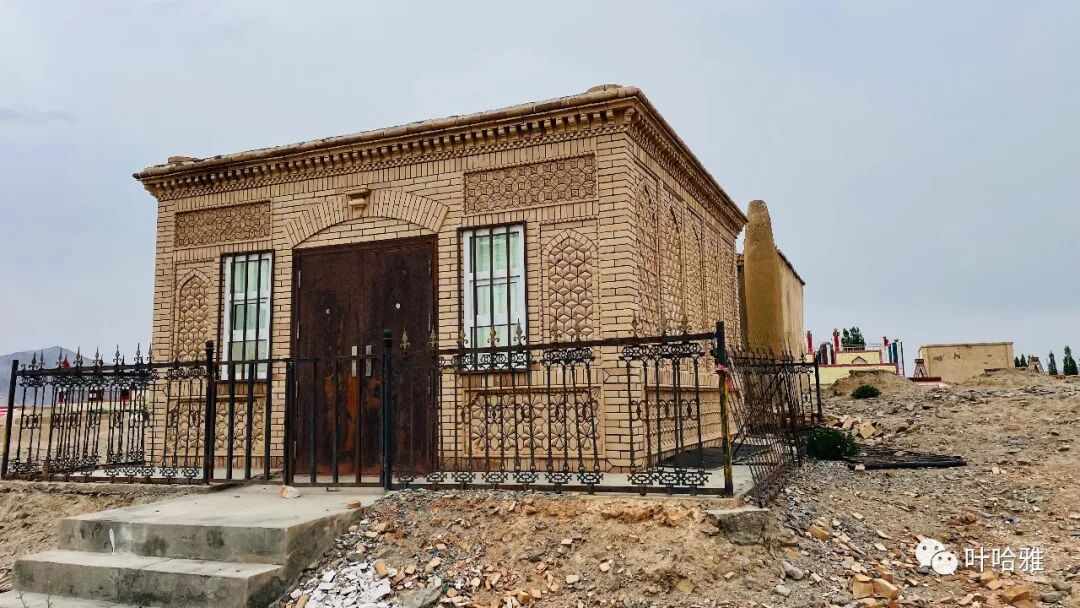
The shape of the headwear looks like an eagle, which is the totem of the Tajik people.
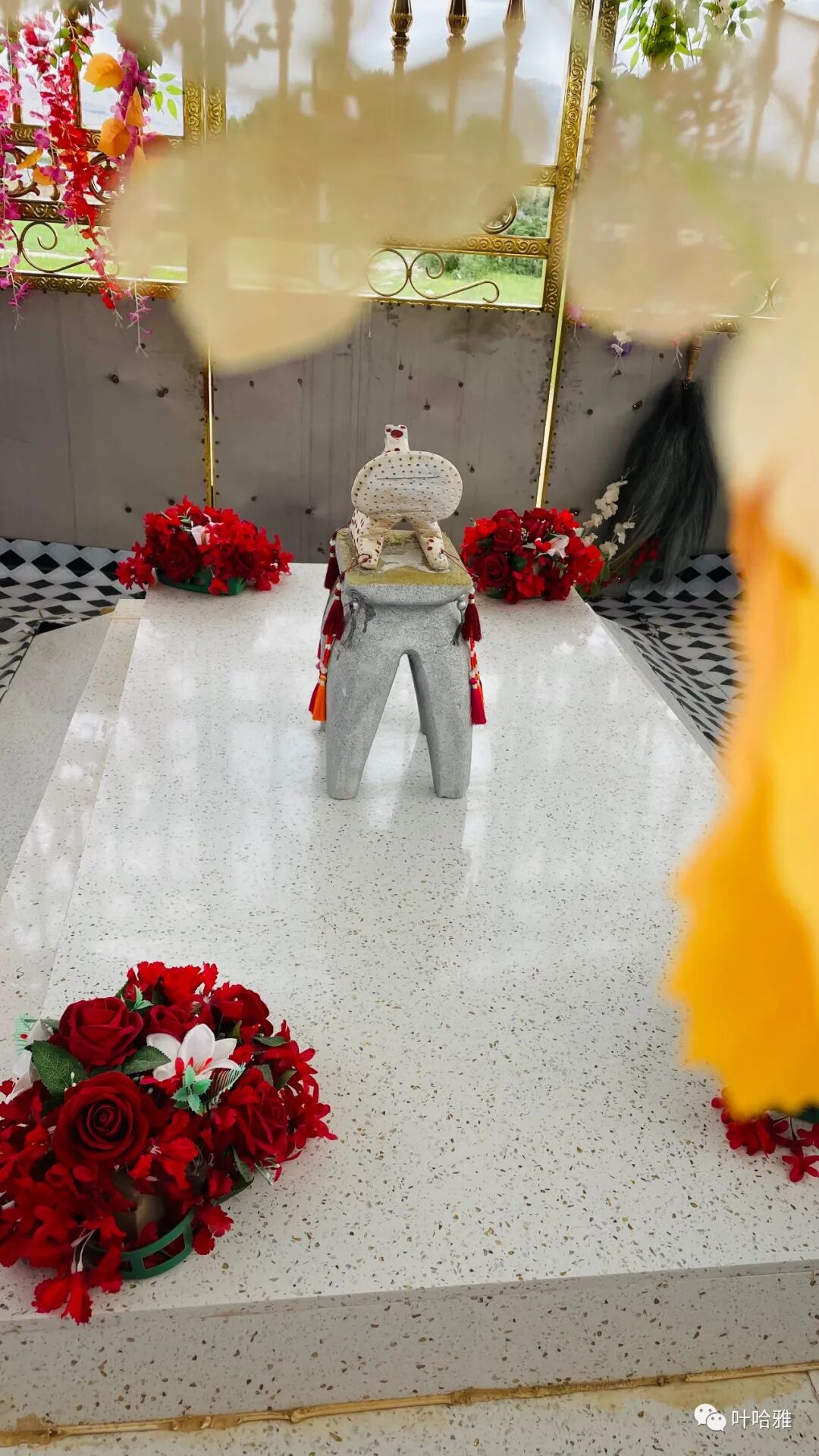
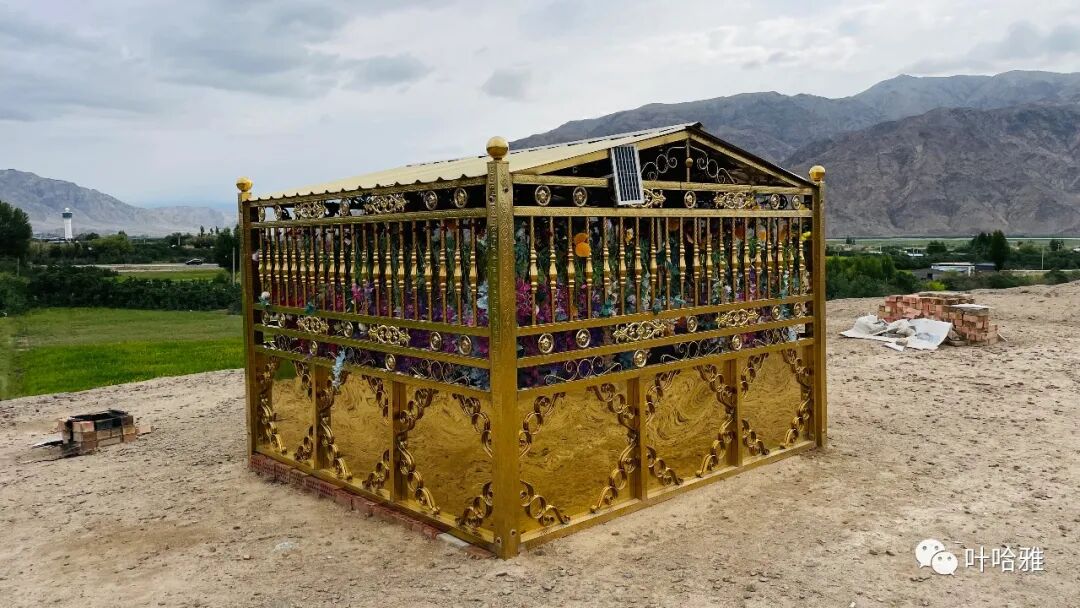
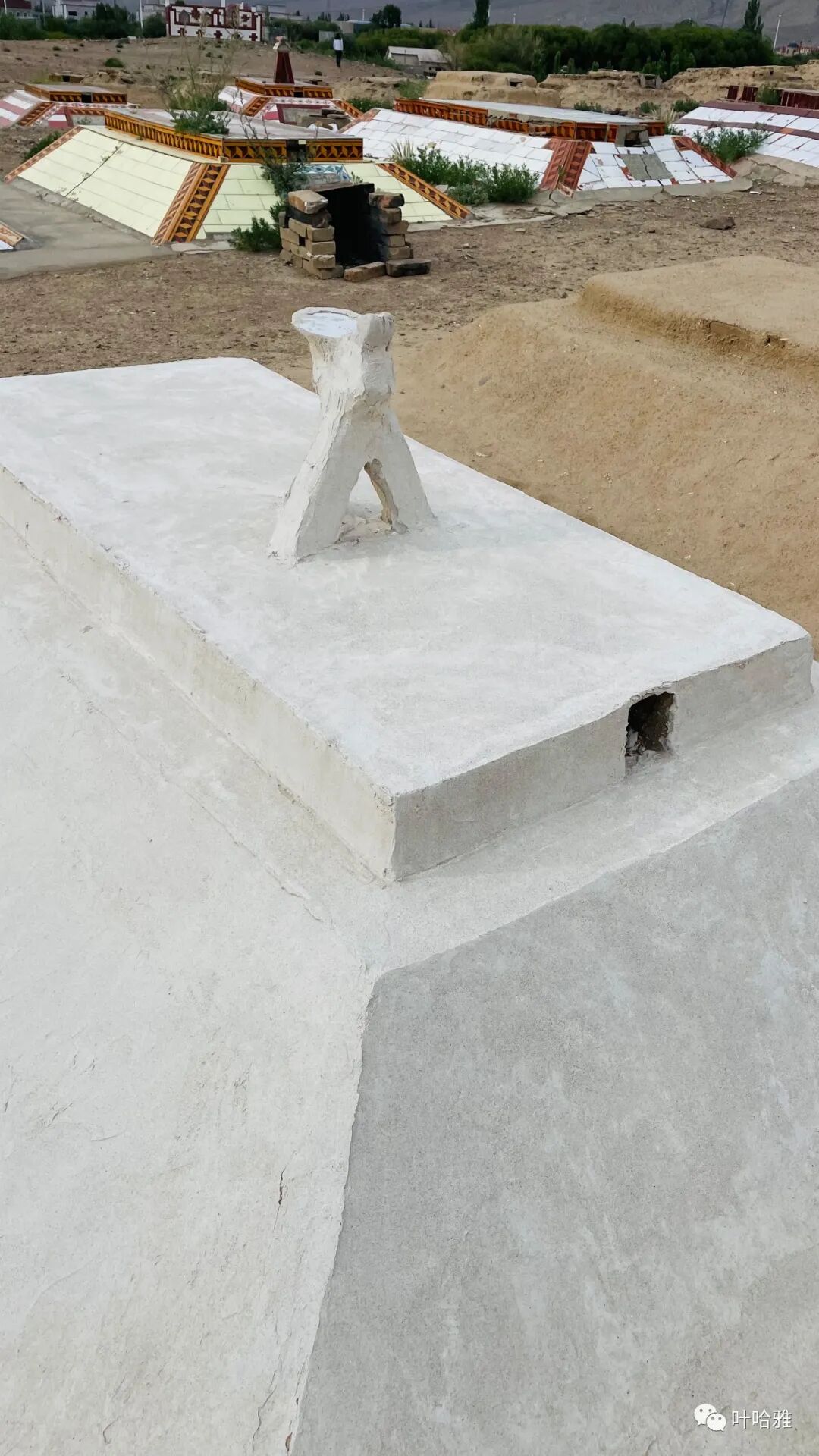
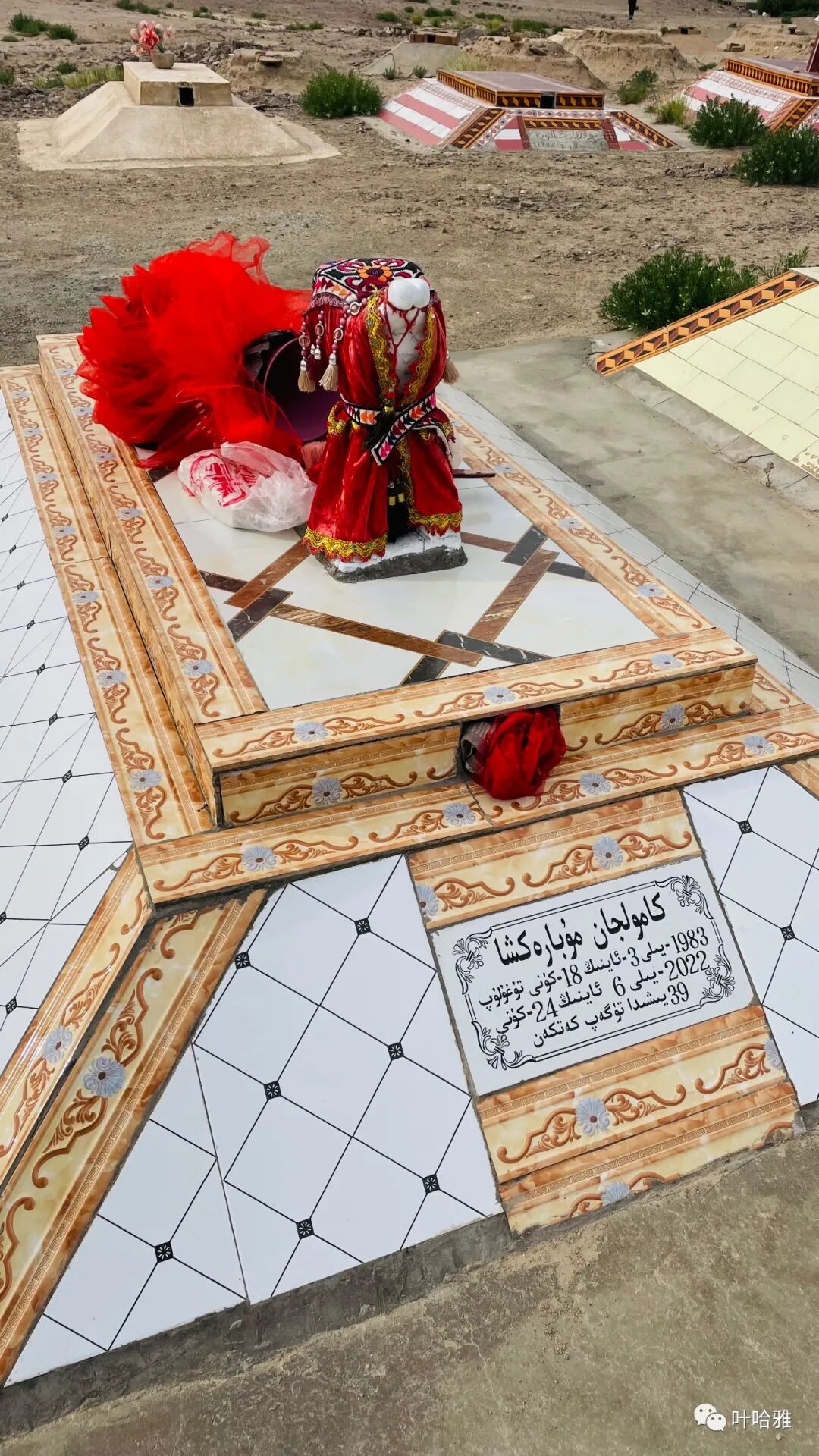
Besides headwear, you will also see fresh flowers, and some are artificial flowers. This is also a reflection of Persian culture.
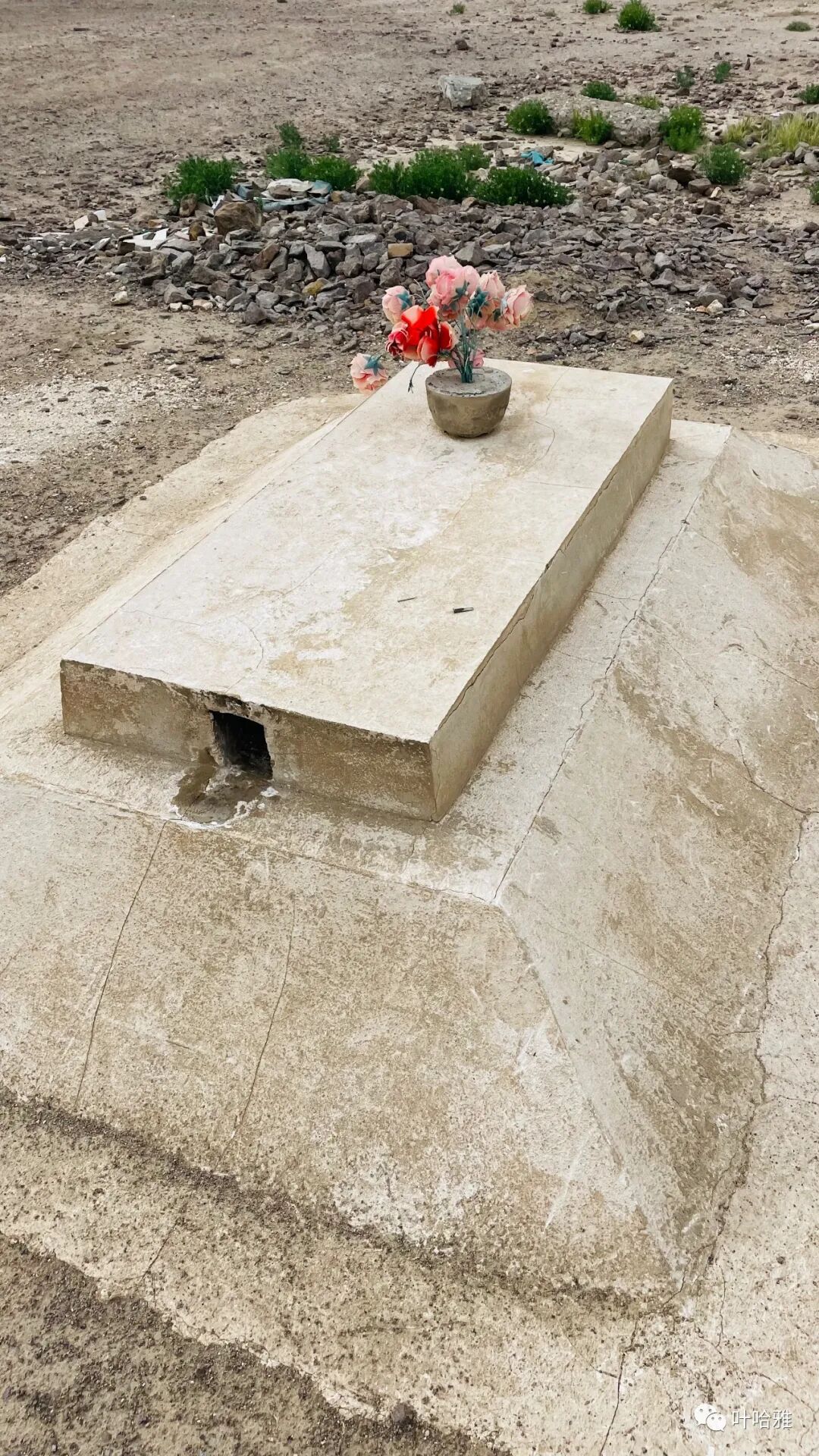
I took a rough look at the ages of the deceased, and most were not over 50 years old.
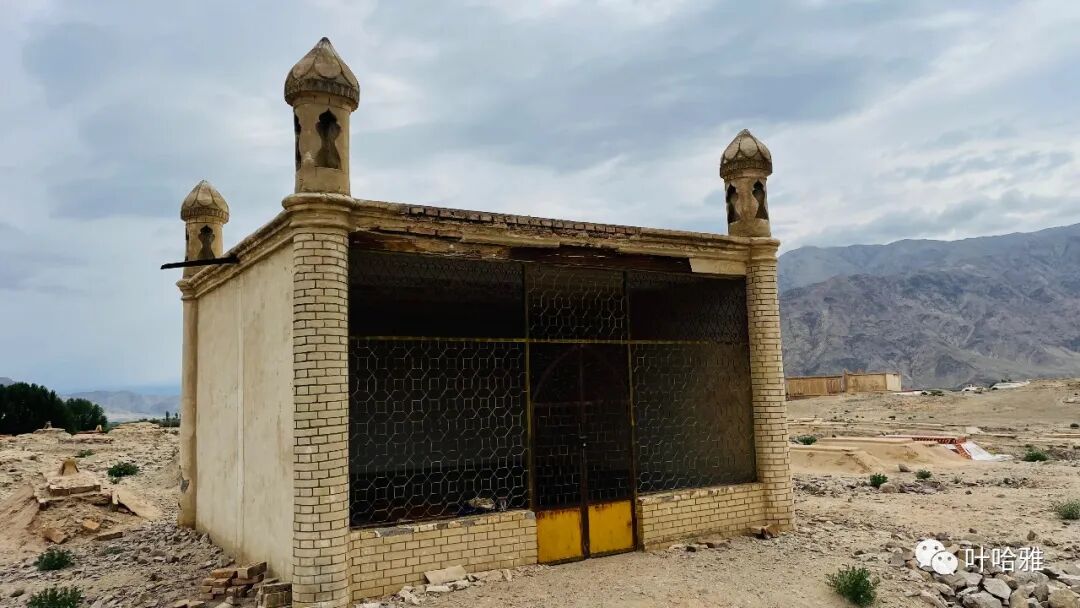
Lower Bazaar Mosque in Taxkorgan
I learned from the herdsmen that there are two mosques in Taxkorgan County, but neither can be found on the map. I only found this one near the Taxkorgan County Hospital, and it was not open. You can see Central Asian features in its square roof. Asking about mosques in southern Xinjiang is very difficult, and it is hard to get a useful response.
When the environment is unfavorable to their faith, Shia Muslims tend to hide their beliefs, so we did not see many religious traces in Taxkorgan. Also, because the Shia tradition encourages combined prayers—meaning most Shia Muslims only pray three times a day, combining Dhuhr and Asr, and Maghrib and Isha—and they do not emphasize congregational prayer or Friday Jumu'ah, the importance of the mosque is much lower, and it is only busy during holidays.
Other places worth visiting in Taxkorgan County include the Khunjerab Pass border gate and the Wakhan Corridor, passing through the Panlong Ancient Road with its more than 600 bends.
You can take an international bus from the border gate to Afghanistan, and it is recommended to carry your passport with you.
The Wakhan Corridor is located between the Pamir Mountains and the Hindu Kush range, connecting China and Afghanistan. Tang Seng also passed through here on his journey to the West to seek Buddhist scriptures. The altitude here is over 4,000 meters. It is windy and the summer temperature is cool, so remember to bring a jacket.
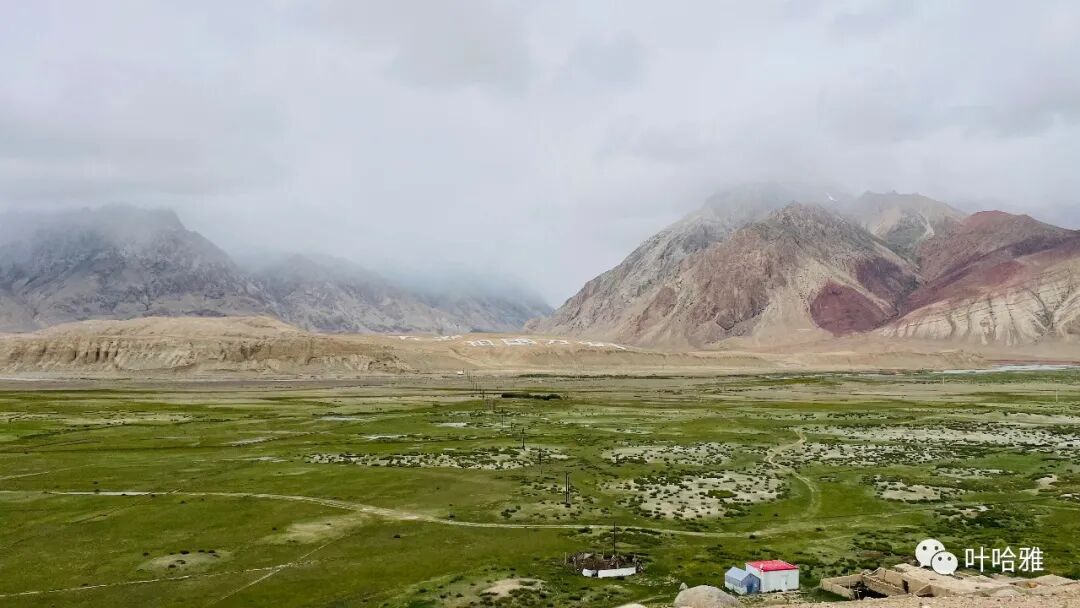
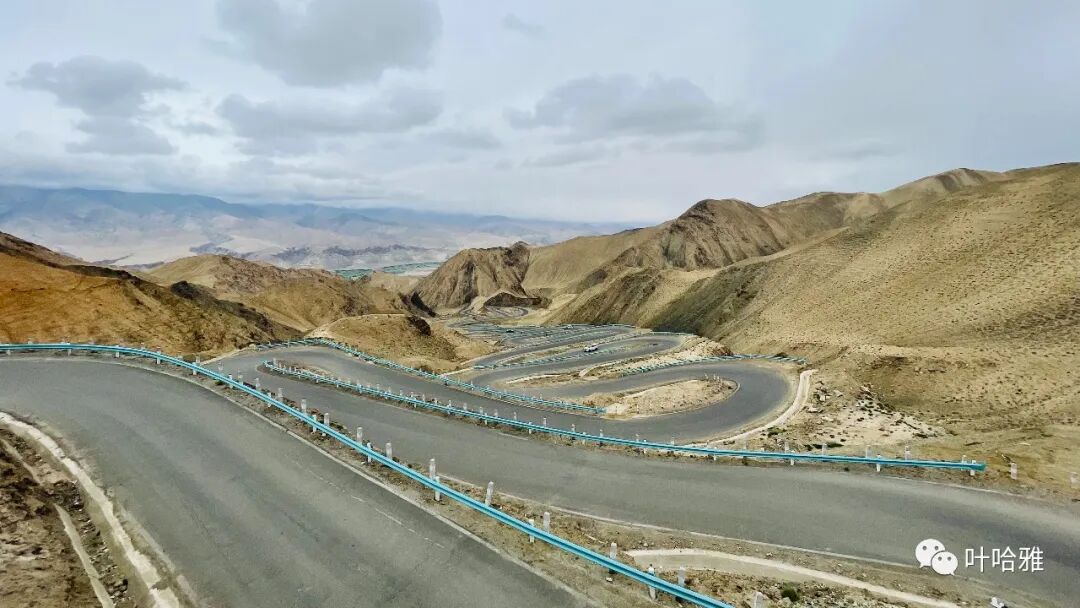
On the way back to Kashgar from the Wakhan Corridor, you can pass through the Waqia Highway, which is the famous Panlong Ancient Road. Although it is only 36 kilometers long, it has more than 600 bends and takes three to four hours to drive. You could say there is a bend every 20 meters. The highest point of the mountain road is 4,200 meters above sea level. Fortunately, it is a one-way street, so it is not dangerous to drive.
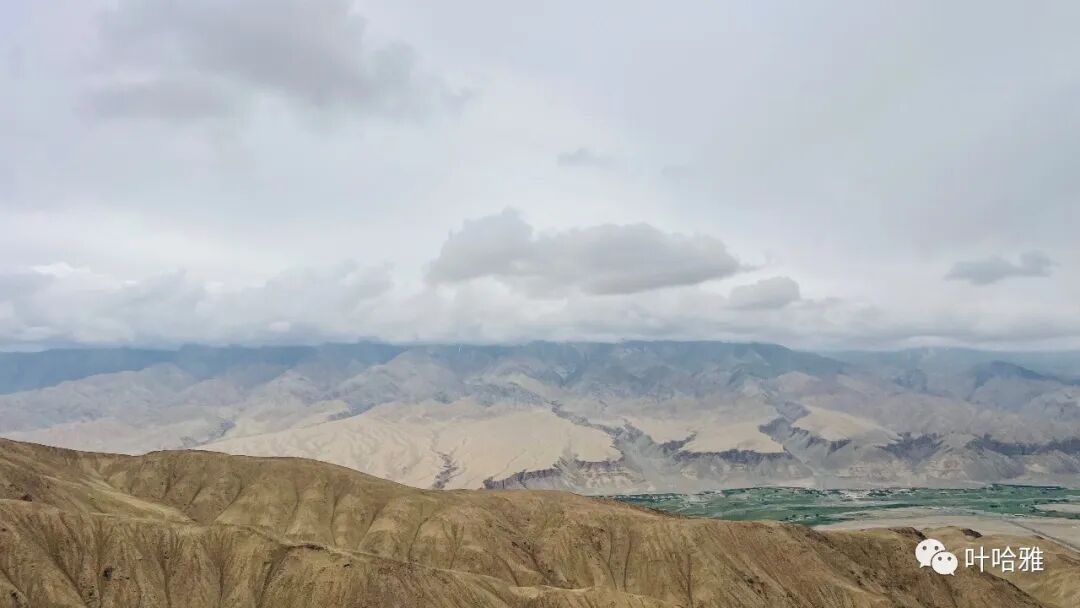
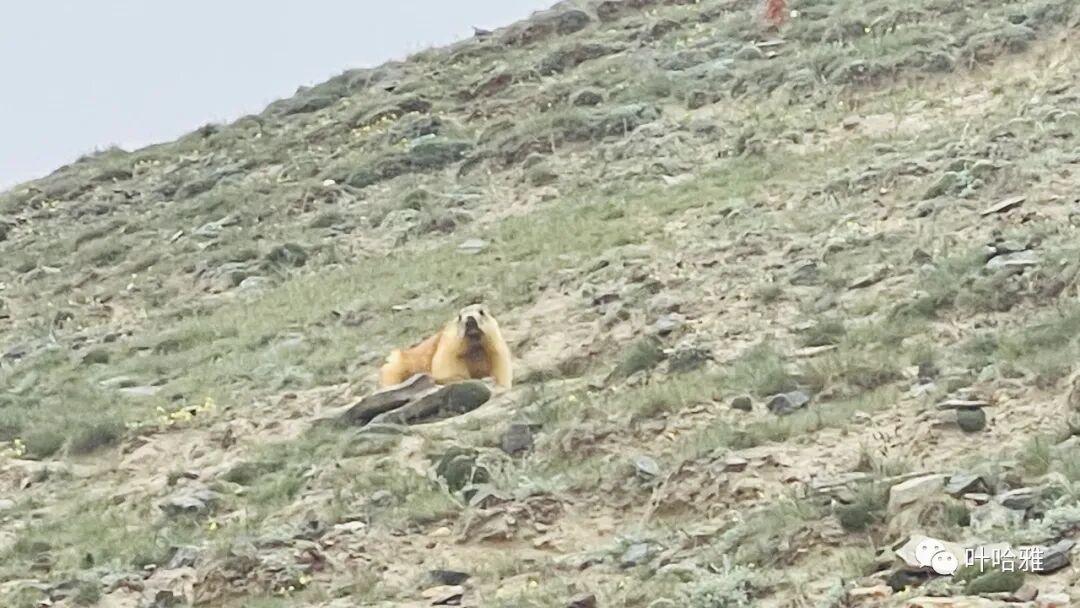
The plateau scenery and wildlife along the way are beautiful. That cute animal in the distance is a marmot (hanta), which you can see everywhere on the highland grasslands.
The signature food in Taxkorgan is highland yak hot pot. However, I did not see any restaurants displaying a halal sign throughout southern Xinjiang, so I had to go inside and ask the staff. We walked into another shop where the server claimed it was halal, but I left immediately when I saw duck blood on the menu.
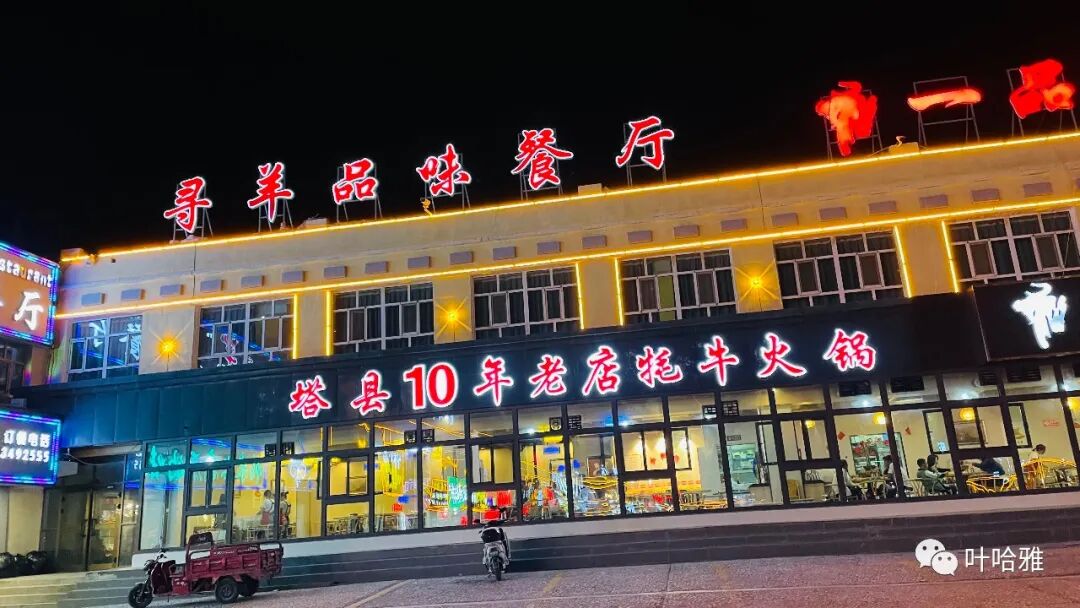
The staff at this shop told us very firmly that they were halal and that they did not sell any of those forbidden items.
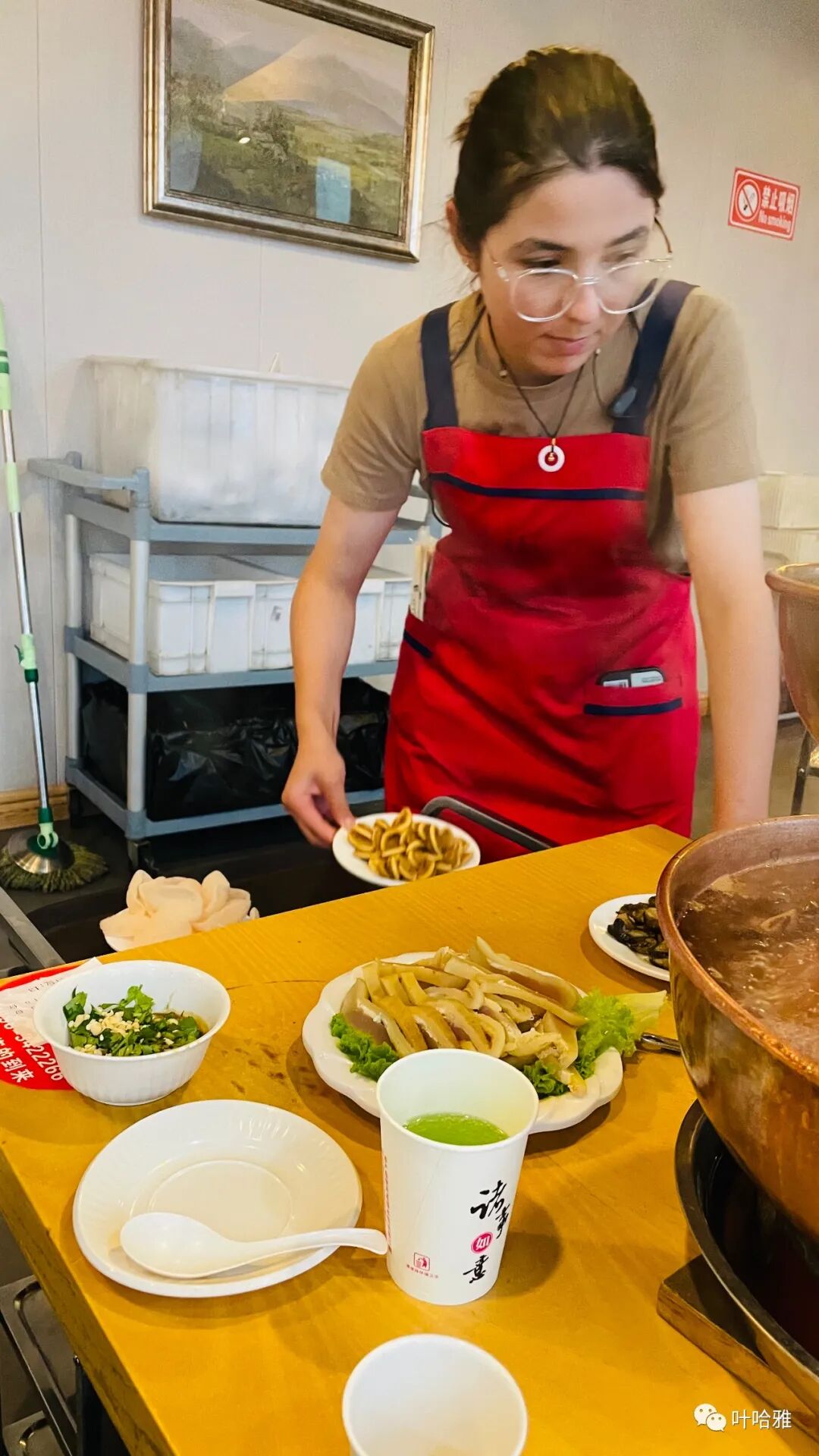
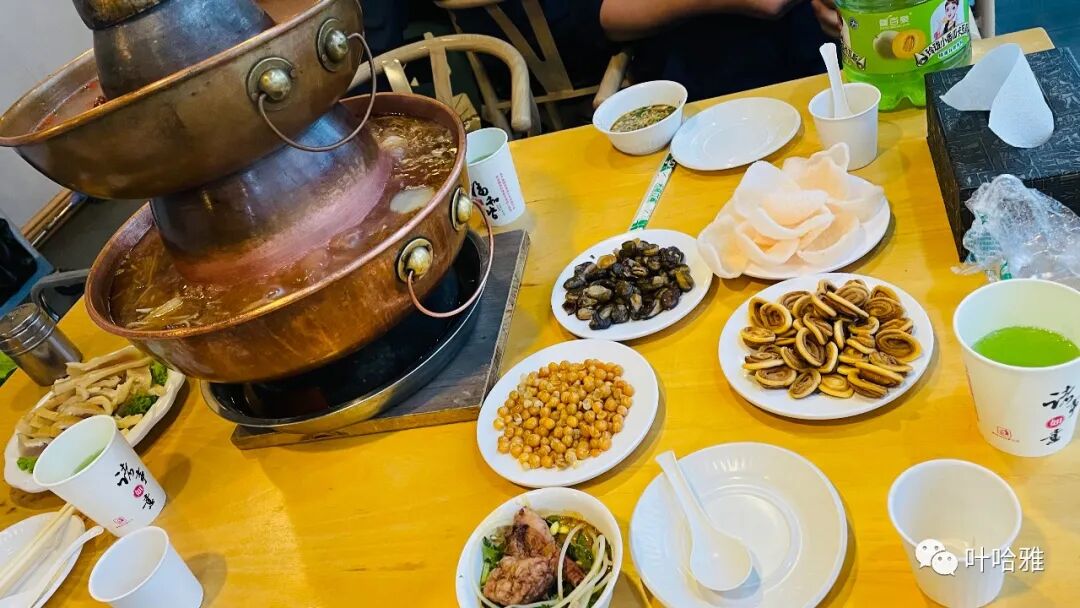
It was a coincidence that I met an online friend in Taxkorgan who was here on a business trip, so we had a happy meal together. A great joy of traveling is meeting new friends and hearing different stories. Meeting someone thousands of miles away like this is all part of Allah's decree (qianting).
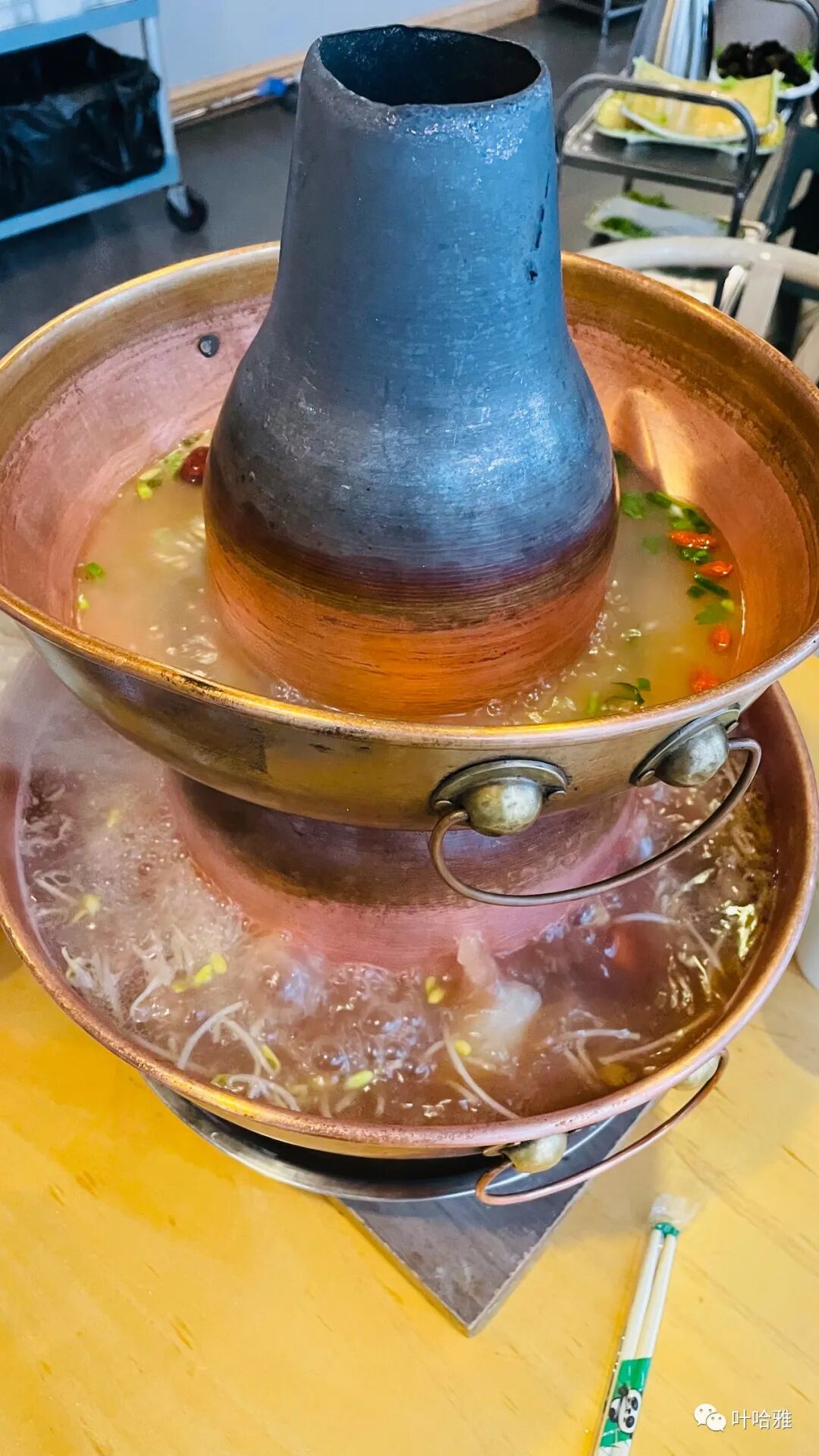
The Taxkorgan yak hot pot has two layers: you drink the soup from the top and cook vegetables in the bottom. The yak meat is chewy and comes pre-cooked, and it tastes great. My halal trip through southern Xinjiang ends here for now, so please stay tuned for more in the next episode.
Muslim Travel Guide China: Southern Xinjiang Tajik Muslims, Pamir Plateau and Shia Heritage
Articles • yusuf908 posted the article • 0 comments • 153 views • 2026-05-22 21:15
Summary: This Muslim travel guide to southern Xinjiang follows a 12,000-kilometer Northwest road trip, focusing on Taxkorgan, the Pamir Plateau, Tajik Muslims, Shia heritage, border permits, mountain scenery, and local Muslim culture.
A Southern Xinjiang Mosque Tour: The Shia Tajik People is presented here as a firsthand travel account in clear English, beginning with this scene: On June 20, 2023, I left Beijing and drove a loop through the great Northwest. I traveled through Hebei, Inner Mongolia, Shanxi, Shaanxi, Gansu, Ningxia, Qinghai, and Xinjiang. The account keeps its focus on Urumqi Halal Food, Hui Muslims, Xinjiang Travel while preserving the names, places, food, and historical details from the Chinese source.
On June 20, 2023, I left Beijing and drove a loop through the great Northwest. I traveled through Hebei, Inner Mongolia, Shanxi, Shaanxi, Gansu, Ningxia, Qinghai, and Xinjiang. The total distance was over 12,000 kilometers, taking 27 days, and I returned to Beijing on July 16.
The first purpose of this trip was to meet my clients far in the west. Many of them bought insurance online and we had never met. To thank them for their trust, I felt it was necessary to visit them in person. The second purpose was to visit Islamic historical sites in the west. Unlike traditional tourist routes, a halal-focused trip naturally follows a halal route and focuses on halal elements. The last purpose was to enjoy the magnificent landscapes of the Northwest. I enjoyed the scenery along the way, but did not go out of my way for it. I had already visited every provincial-level administrative unit in the People's Republic of China before I turned 30, so this Northwest trip was just a revisit. During this time, I also celebrated my 36th birthday, which is my zodiac birth year.
Because the trip lasted nearly a month, I experienced so many stories on the road. It was like playing a role-playing game; every region felt like a new chapter. Much of the content is worth recording separately, so I plan to publish it in several articles with photos. This first article introduces the Tajik people who live on the Pamir Plateau in the far west of our country and follow Shia Islam.
Chinese tourists need to apply for a border permit in advance to go to Taxkorgan. It is free and only requires an ID card. Many police stations in southern Xinjiang can issue them. We got ours at the police station next to the Id Kah Mosque square in Kashgar. It took one minute to issue and is valid for one week. You must have this permit to enter the border town. If you do not have one, you cannot apply on-site and will be turned back at the checkpoint.
Starting from the old city of Kashgar, it takes about 400 kilometers and 5-6 hours of driving to reach the Pamir Plateau in the Kashgar region of southern Xinjiang, the westernmost part of China. This is Taxkorgan Tajik Autonomous County, where about 50,000 Tajik people who follow Shia Islam live.
Taxkorgan has the Khunjerab Pass, our country's westernmost border crossing, which borders Tajikistan, Afghanistan, and Pakistan.
Many travelogues say that northern Xinjiang is for scenery and southern Xinjiang is for culture. This actually ignores the magnificence of the Pamir Plateau in southern Xinjiang. Southern Xinjiang has all the snow-capped mountains, grasslands, lakes, and even deserts that northern Xinjiang has. In fact, northern Xinjiang lacks the vast plateau landscapes found in the south. If you have limited time and want to experience the beauty of Xinjiang as much as possible, I suggest coming to southern Xinjiang first, and the Pamir Plateau is a must-visit.
Although the drive to Taxkorgan is long, the journey is not monotonous. Less than two hours after starting, you can see Baisha Lake and the snow-capped mountains in the distance. If you want to get close to the lake at the Baisha Lake scenic area, you have to pay. Following the principle of appreciating the world created by Allah without spending money, we just stood in the rest area to look at Baisha Lake from afar. This scene felt like being in Tibet. I have seen this color tone of plateau lakes, blue skies, and white clouds in Tibet before.
The average altitude of the Pamir Plateau is over 4,000 meters, and the distant Muztagh Ata peak is over 7,000 meters high, so it is inevitable that some people will have altitude sickness. The two of us men did not have obvious altitude sickness, just a little shortness of breath when walking. The county seat is at an altitude of about 3,500 meters, similar to Lhasa. It is best to choose a hotel with oxygen-supplied rooms in case you feel unwell and need to use oxygen.
Taxkorgan County borders Tajikistan, Afghanistan, and Pakistan, so you can see the scenery of four countries here.
You can enjoy these views for free at the rest areas. When you drive through high-altitude snow-capped mountains and suddenly see a vast green grassland, all the fatigue from your journey disappears.
Tajik people are divided into lowland Tajiks and highland Tajiks. Both are descendants of Persian Aryans. Lowland Tajiks mostly live in the Transoxiana region and speak Tajik dialects of the Western Iranian branch of Persian, which includes many Turkic words but remains mutually intelligible with Persian. The Tajik people in Taxkorgan are highland Tajiks. They belong to the Mediterranean type of the Caucasian race and speak Pamir dialects of the Eastern Iranian branch. They speak Wakhi in Pakistan and Sarikoli in China. During the Soviet era, Pamiris and Wakhis were considered independent ethnic groups before being required to register as Tajiks. They cannot communicate with people from Tajikistan because their languages are different. In Taxkorgan, Uyghur is the common language.
Highland Tajiks are easy to identify by their appearance, as they have high-bridged noses. If not for the redness caused by high-altitude UV rays, their skin is actually snow-white. For example, the waitress at the restaurant where we ate looked so European that I would have mistaken her for one if she hadn't spoken fluent Mandarin.
The 1963 black-and-white film Visitors on the Icy Mountain tells the story of how the Tajik people on the Pamir Plateau helped the People's Liberation Army fight bandits. The sincere and difficult love story between the two young Tajiks, Amir and Gulandam, is very moving. The song Why Are the Flowers So Red, adapted from the Tajik folk song Gulibita, is still popular today.
Every evening in the county square, people dance, and it is a square dance with a local ethnic flair.
The country with the largest Tajik population in the world is Afghanistan, with 8.8 million people, which is more than the 6.4 million in Tajikistan, the country with the second-largest population.
You can see many graveyards in the villages along the way. The decorations on the Tajik tombs still show traces of ancient Persian culture.
Shia Islam spread to Taxkorgan in the 17th century. It was first introduced by the Persian Sayyid Shah-i-Khan, who brought the Bohora branch of the Ismaili sect of Shia Islam here. In the mid-20th century, the Taxkorgan region converted to the Aga Khan branch. Aga Khan IV visited China twice, in 1981 and 2012.
These are Tajik tombs. Almost every grave has a fire pit in front of it. The Ismailis light fires before the annual Barat festival and offer dua in front of them, which seems to be a remnant of the Persian Zoroastrian fire-worship ritual.
Tajik people place the headwear worn by the deceased during their lifetime on their graves. This custom is the same as that of the Turks during the Ottoman Empire, and you can still see this decoration in Turkey today.
The shape of the headwear looks like an eagle, which is the totem of the Tajik people.
Besides headwear, you will also see fresh flowers, and some are artificial flowers. This is also a reflection of Persian culture.
I took a rough look at the ages of the deceased, and most were not over 50 years old.
Lower Bazaar Mosque in Taxkorgan
I learned from the herdsmen that there are two mosques in Taxkorgan County, but neither can be found on the map. I only found this one near the Taxkorgan County Hospital, and it was not open. You can see Central Asian features in its square roof. Asking about mosques in southern Xinjiang is very difficult, and it is hard to get a useful response.
When the environment is unfavorable to their faith, Shia Muslims tend to hide their beliefs, so we did not see many religious traces in Taxkorgan. Also, because the Shia tradition encourages combined prayers—meaning most Shia Muslims only pray three times a day, combining Dhuhr and Asr, and Maghrib and Isha—and they do not emphasize congregational prayer or Friday Jumu'ah, the importance of the mosque is much lower, and it is only busy during holidays.
Other places worth visiting in Taxkorgan County include the Khunjerab Pass border gate and the Wakhan Corridor, passing through the Panlong Ancient Road with its more than 600 bends.
You can take an international bus from the border gate to Afghanistan, and it is recommended to carry your passport with you.
The Wakhan Corridor is located between the Pamir Mountains and the Hindu Kush range, connecting China and Afghanistan. Tang Seng also passed through here on his journey to the West to seek Buddhist scriptures. The altitude here is over 4,000 meters. It is windy and the summer temperature is cool, so remember to bring a jacket.
On the way back to Kashgar from the Wakhan Corridor, you can pass through the Waqia Highway, which is the famous Panlong Ancient Road. Although it is only 36 kilometers long, it has more than 600 bends and takes three to four hours to drive. You could say there is a bend every 20 meters. The highest point of the mountain road is 4,200 meters above sea level. Fortunately, it is a one-way street, so it is not dangerous to drive.
The plateau scenery and wildlife along the way are beautiful. That cute animal in the distance is a marmot (hanta), which you can see everywhere on the highland grasslands.
The signature food in Taxkorgan is highland yak hot pot. However, I did not see any restaurants displaying a halal sign throughout southern Xinjiang, so I had to go inside and ask the staff. We walked into another shop where the server claimed it was halal, but I left immediately when I saw duck blood on the menu.
The staff at this shop told us very firmly that they were halal and that they did not sell any of those forbidden items.
It was a coincidence that I met an online friend in Taxkorgan who was here on a business trip, so we had a happy meal together. A great joy of traveling is meeting new friends and hearing different stories. Meeting someone thousands of miles away like this is all part of Allah's decree (qianting).
The Taxkorgan yak hot pot has two layers: you drink the soup from the top and cook vegetables in the bottom. The yak meat is chewy and comes pre-cooked, and it tastes great. My halal trip through southern Xinjiang ends here for now, so please stay tuned for more in the next episode. view all
Summary: This Muslim travel guide to southern Xinjiang follows a 12,000-kilometer Northwest road trip, focusing on Taxkorgan, the Pamir Plateau, Tajik Muslims, Shia heritage, border permits, mountain scenery, and local Muslim culture.
A Southern Xinjiang Mosque Tour: The Shia Tajik People is presented here as a firsthand travel account in clear English, beginning with this scene: On June 20, 2023, I left Beijing and drove a loop through the great Northwest. I traveled through Hebei, Inner Mongolia, Shanxi, Shaanxi, Gansu, Ningxia, Qinghai, and Xinjiang. The account keeps its focus on Urumqi Halal Food, Hui Muslims, Xinjiang Travel while preserving the names, places, food, and historical details from the Chinese source.
On June 20, 2023, I left Beijing and drove a loop through the great Northwest. I traveled through Hebei, Inner Mongolia, Shanxi, Shaanxi, Gansu, Ningxia, Qinghai, and Xinjiang. The total distance was over 12,000 kilometers, taking 27 days, and I returned to Beijing on July 16.
The first purpose of this trip was to meet my clients far in the west. Many of them bought insurance online and we had never met. To thank them for their trust, I felt it was necessary to visit them in person. The second purpose was to visit Islamic historical sites in the west. Unlike traditional tourist routes, a halal-focused trip naturally follows a halal route and focuses on halal elements. The last purpose was to enjoy the magnificent landscapes of the Northwest. I enjoyed the scenery along the way, but did not go out of my way for it. I had already visited every provincial-level administrative unit in the People's Republic of China before I turned 30, so this Northwest trip was just a revisit. During this time, I also celebrated my 36th birthday, which is my zodiac birth year.
Because the trip lasted nearly a month, I experienced so many stories on the road. It was like playing a role-playing game; every region felt like a new chapter. Much of the content is worth recording separately, so I plan to publish it in several articles with photos. This first article introduces the Tajik people who live on the Pamir Plateau in the far west of our country and follow Shia Islam.
Chinese tourists need to apply for a border permit in advance to go to Taxkorgan. It is free and only requires an ID card. Many police stations in southern Xinjiang can issue them. We got ours at the police station next to the Id Kah Mosque square in Kashgar. It took one minute to issue and is valid for one week. You must have this permit to enter the border town. If you do not have one, you cannot apply on-site and will be turned back at the checkpoint.
Starting from the old city of Kashgar, it takes about 400 kilometers and 5-6 hours of driving to reach the Pamir Plateau in the Kashgar region of southern Xinjiang, the westernmost part of China. This is Taxkorgan Tajik Autonomous County, where about 50,000 Tajik people who follow Shia Islam live.
Taxkorgan has the Khunjerab Pass, our country's westernmost border crossing, which borders Tajikistan, Afghanistan, and Pakistan.
Many travelogues say that northern Xinjiang is for scenery and southern Xinjiang is for culture. This actually ignores the magnificence of the Pamir Plateau in southern Xinjiang. Southern Xinjiang has all the snow-capped mountains, grasslands, lakes, and even deserts that northern Xinjiang has. In fact, northern Xinjiang lacks the vast plateau landscapes found in the south. If you have limited time and want to experience the beauty of Xinjiang as much as possible, I suggest coming to southern Xinjiang first, and the Pamir Plateau is a must-visit.
Although the drive to Taxkorgan is long, the journey is not monotonous. Less than two hours after starting, you can see Baisha Lake and the snow-capped mountains in the distance. If you want to get close to the lake at the Baisha Lake scenic area, you have to pay. Following the principle of appreciating the world created by Allah without spending money, we just stood in the rest area to look at Baisha Lake from afar. This scene felt like being in Tibet. I have seen this color tone of plateau lakes, blue skies, and white clouds in Tibet before.
The average altitude of the Pamir Plateau is over 4,000 meters, and the distant Muztagh Ata peak is over 7,000 meters high, so it is inevitable that some people will have altitude sickness. The two of us men did not have obvious altitude sickness, just a little shortness of breath when walking. The county seat is at an altitude of about 3,500 meters, similar to Lhasa. It is best to choose a hotel with oxygen-supplied rooms in case you feel unwell and need to use oxygen.
Taxkorgan County borders Tajikistan, Afghanistan, and Pakistan, so you can see the scenery of four countries here.
You can enjoy these views for free at the rest areas. When you drive through high-altitude snow-capped mountains and suddenly see a vast green grassland, all the fatigue from your journey disappears.
Tajik people are divided into lowland Tajiks and highland Tajiks. Both are descendants of Persian Aryans. Lowland Tajiks mostly live in the Transoxiana region and speak Tajik dialects of the Western Iranian branch of Persian, which includes many Turkic words but remains mutually intelligible with Persian. The Tajik people in Taxkorgan are highland Tajiks. They belong to the Mediterranean type of the Caucasian race and speak Pamir dialects of the Eastern Iranian branch. They speak Wakhi in Pakistan and Sarikoli in China. During the Soviet era, Pamiris and Wakhis were considered independent ethnic groups before being required to register as Tajiks. They cannot communicate with people from Tajikistan because their languages are different. In Taxkorgan, Uyghur is the common language.
Highland Tajiks are easy to identify by their appearance, as they have high-bridged noses. If not for the redness caused by high-altitude UV rays, their skin is actually snow-white. For example, the waitress at the restaurant where we ate looked so European that I would have mistaken her for one if she hadn't spoken fluent Mandarin.
The 1963 black-and-white film Visitors on the Icy Mountain tells the story of how the Tajik people on the Pamir Plateau helped the People's Liberation Army fight bandits. The sincere and difficult love story between the two young Tajiks, Amir and Gulandam, is very moving. The song Why Are the Flowers So Red, adapted from the Tajik folk song Gulibita, is still popular today.
Every evening in the county square, people dance, and it is a square dance with a local ethnic flair.
The country with the largest Tajik population in the world is Afghanistan, with 8.8 million people, which is more than the 6.4 million in Tajikistan, the country with the second-largest population.
You can see many graveyards in the villages along the way. The decorations on the Tajik tombs still show traces of ancient Persian culture.
Shia Islam spread to Taxkorgan in the 17th century. It was first introduced by the Persian Sayyid Shah-i-Khan, who brought the Bohora branch of the Ismaili sect of Shia Islam here. In the mid-20th century, the Taxkorgan region converted to the Aga Khan branch. Aga Khan IV visited China twice, in 1981 and 2012.
These are Tajik tombs. Almost every grave has a fire pit in front of it. The Ismailis light fires before the annual Barat festival and offer dua in front of them, which seems to be a remnant of the Persian Zoroastrian fire-worship ritual.
Tajik people place the headwear worn by the deceased during their lifetime on their graves. This custom is the same as that of the Turks during the Ottoman Empire, and you can still see this decoration in Turkey today.
The shape of the headwear looks like an eagle, which is the totem of the Tajik people.
Besides headwear, you will also see fresh flowers, and some are artificial flowers. This is also a reflection of Persian culture.
I took a rough look at the ages of the deceased, and most were not over 50 years old.
Lower Bazaar Mosque in Taxkorgan
I learned from the herdsmen that there are two mosques in Taxkorgan County, but neither can be found on the map. I only found this one near the Taxkorgan County Hospital, and it was not open. You can see Central Asian features in its square roof. Asking about mosques in southern Xinjiang is very difficult, and it is hard to get a useful response.
When the environment is unfavorable to their faith, Shia Muslims tend to hide their beliefs, so we did not see many religious traces in Taxkorgan. Also, because the Shia tradition encourages combined prayers—meaning most Shia Muslims only pray three times a day, combining Dhuhr and Asr, and Maghrib and Isha—and they do not emphasize congregational prayer or Friday Jumu'ah, the importance of the mosque is much lower, and it is only busy during holidays.
Other places worth visiting in Taxkorgan County include the Khunjerab Pass border gate and the Wakhan Corridor, passing through the Panlong Ancient Road with its more than 600 bends.
You can take an international bus from the border gate to Afghanistan, and it is recommended to carry your passport with you.
The Wakhan Corridor is located between the Pamir Mountains and the Hindu Kush range, connecting China and Afghanistan. Tang Seng also passed through here on his journey to the West to seek Buddhist scriptures. The altitude here is over 4,000 meters. It is windy and the summer temperature is cool, so remember to bring a jacket.
On the way back to Kashgar from the Wakhan Corridor, you can pass through the Waqia Highway, which is the famous Panlong Ancient Road. Although it is only 36 kilometers long, it has more than 600 bends and takes three to four hours to drive. You could say there is a bend every 20 meters. The highest point of the mountain road is 4,200 meters above sea level. Fortunately, it is a one-way street, so it is not dangerous to drive.
The plateau scenery and wildlife along the way are beautiful. That cute animal in the distance is a marmot (hanta), which you can see everywhere on the highland grasslands.
The signature food in Taxkorgan is highland yak hot pot. However, I did not see any restaurants displaying a halal sign throughout southern Xinjiang, so I had to go inside and ask the staff. We walked into another shop where the server claimed it was halal, but I left immediately when I saw duck blood on the menu.
The staff at this shop told us very firmly that they were halal and that they did not sell any of those forbidden items.
It was a coincidence that I met an online friend in Taxkorgan who was here on a business trip, so we had a happy meal together. A great joy of traveling is meeting new friends and hearing different stories. Meeting someone thousands of miles away like this is all part of Allah's decree (qianting).
The Taxkorgan yak hot pot has two layers: you drink the soup from the top and cook vegetables in the bottom. The yak meat is chewy and comes pre-cooked, and it tastes great. My halal trip through southern Xinjiang ends here for now, so please stay tuned for more in the next episode.
Muslim Travel Guide China: Kashgar Id Kah Mosque, Abakh Khoja Mazar and Uyghur Heritage
Articles • yusuf908 posted the article • 0 comments • 145 views • 2026-05-22 21:11
Summary: This Muslim travel guide to Kashgar covers Id Kah Mosque, Kashgar Old City, Abakh Khoja Mazar in Fragrant Concubine Garden, Sufi heritage, prayer experiences, Uyghur daily life, and local halal food.
A Kashgar Mosque Tour: The Abakh Khoja Tomb (Mazar) Inside the Fragrant Concubine Garden (Xiangfei Yuan) is presented here as a firsthand travel account in clear English, beginning with this scene: The charm of Kashgar lies in the fact that it has both the tourist-friendly Kashgar Old City and Fragrant Concubine Garden (Xiangfeiyuan), as well as shrines (mazar) and mosques where various Sufi orders (menhuan) visit. The account keeps its focus on Halal Travel, Yiwu Food, Mosque Travel while preserving the names, places, food, and historical details from the Chinese source.
The charm of Kashgar lies in the fact that it has both the tourist-friendly Kashgar Old City and Fragrant Concubine Garden (Xiangfeiyuan), as well as shrines (mazar) and mosques where various Sufi orders (menhuan) visit to honor their ancestors. Everyone experiences Kashgar in their own way.
We spent three days and two nights in Kashgar. We drove all the way from Beijing, covering about 5,000 kilometers. I had the car serviced before leaving Beijing, and it was just time for another service when we arrived in Kashgar.
We found a repair shop near the Old City. The owner is a local Han Chinese born and raised in Kashgar, and he employs a group of Uyghur youths. The owner is very talkative and speaks Uyghur. He had a Uyghur girlfriend when he was young, but they broke up because her family opposed the relationship. Now, he leads a group of Uyghur guys in his business. According to him, there are about 100,000 old Kashgar Han Chinese like him who are fluent in Uyghur, but his son cannot speak the language.
We greeted the Uyghur mechanic with a salaam. He touched his chest, and then he worked even harder.
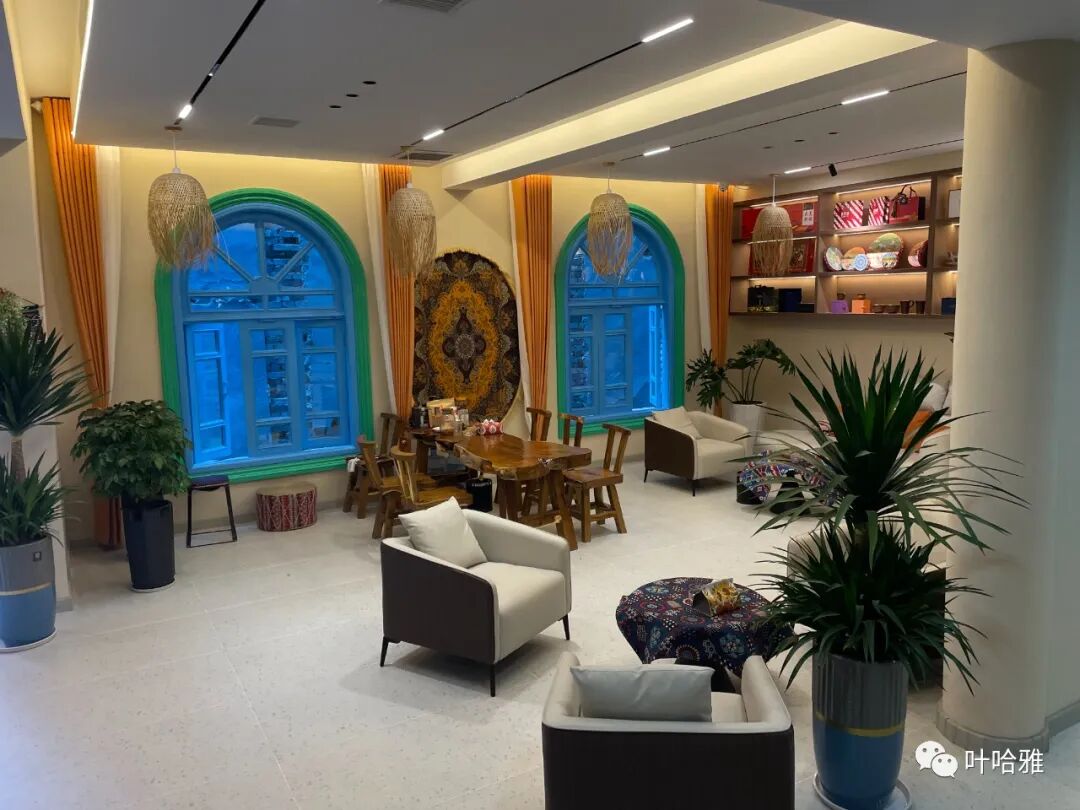
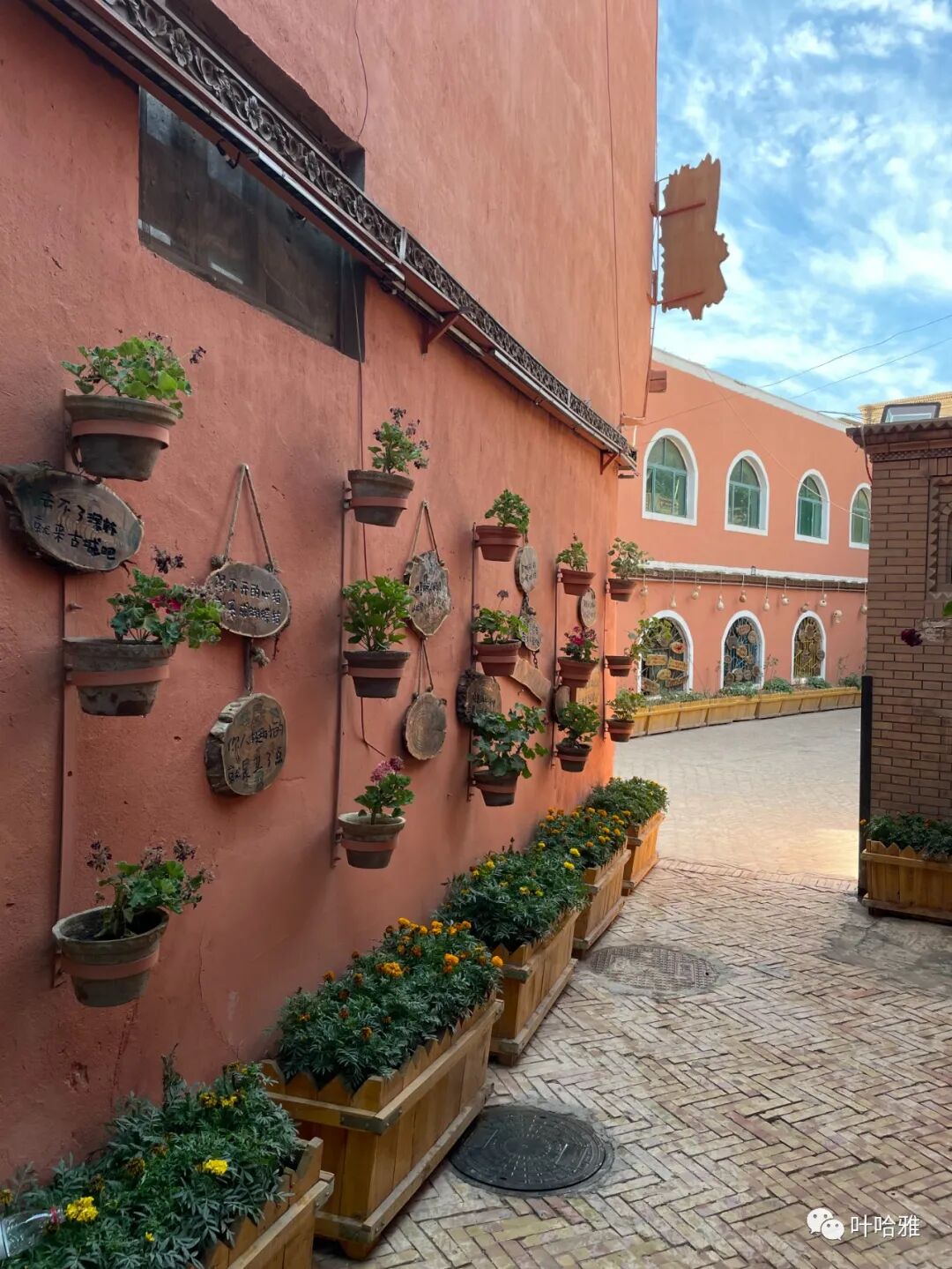
We found a nice homestay in the Kashgar Old City. Because it is located at the entrance of the Old City and is very close to the underground parking lot, the price is high. It is called Wasting Half a Lifetime (Langfei Bansheng). The homestay is in a Moroccan style, which fits perfectly in the Kashgar Old City and feels very appropriate.
The famous Id Kah Mosque (Aitigaer) is right on the Old City square. I had looked forward to visiting it for many years, but after actually walking inside, I felt a bit disappointed.
There are many mosques in Xinjiang called Id Kah, which means a place for festival prayers. The one in Kashgar is the largest Id Kah Mosque in Xinjiang, covering 16,800 square meters, and it was first built in 1442.
It is comforting that people can still pray here, but only during prayer times. At other times, it is open for tourists to visit for a 30-yuan ticket. Many tourists pay to come in, walk around, and then say it is not worth the visit.
The Id Kah Mosque is not as big as I imagined. Perhaps it is because the main hall building is relatively small, and most of the area is the open space in front of the hall. Also, the entire mosque has been renovated, so you cannot see any ancient traces.
In the middle of the main hall, a tour guide was explaining things to a group of tourists. I walked to the side and performed two rak'ahs of prayer. My heart was not calm during these two rak'ahs because this was the first time on our trip through Southern Xinjiang that we were able to perform a normal prayer.
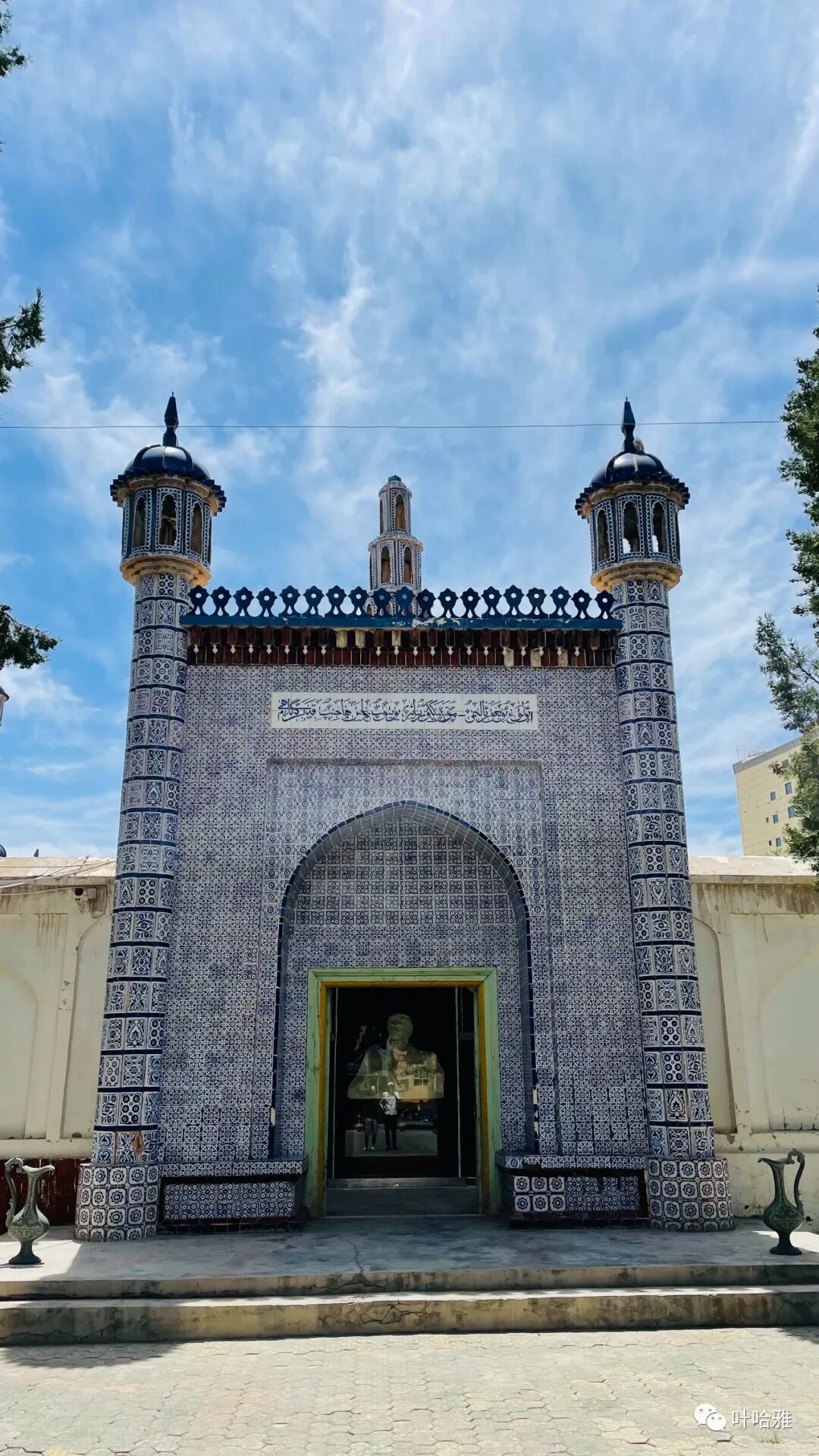
The streets and alleys of Kashgar are full of advertisements for the Fragrant Concubine Tomb scenic area. However, after the Fragrant Concubine married the Qianlong Emperor, she was buried in Beijing. This tomb in Kashgar is only a cenotaph for her, and her family members are buried inside. In this cemetery, the most worth mentioning is the shrine (mazar) of Afaq Khoja, as the Fragrant Concubine was his great-granddaughter.
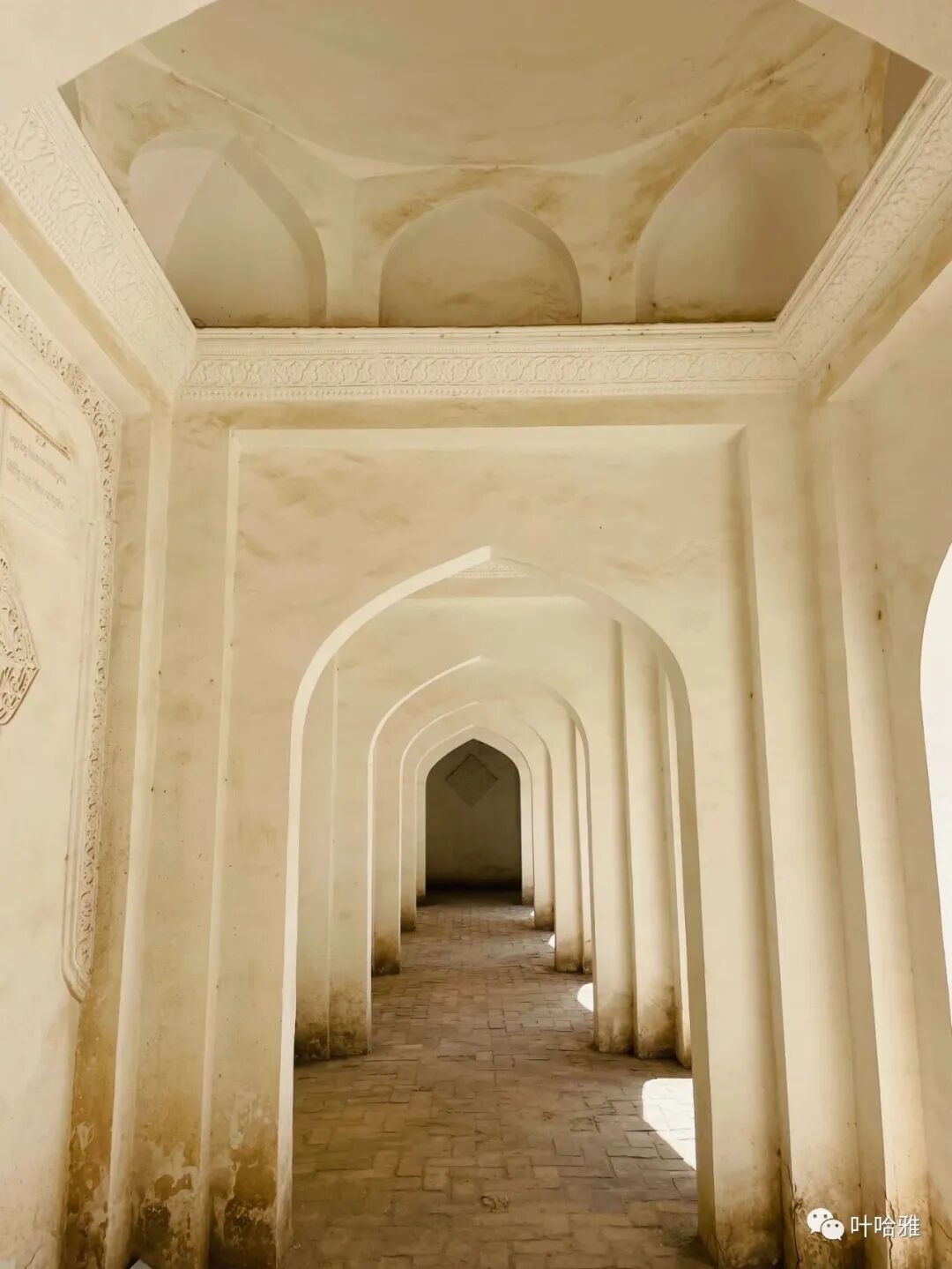
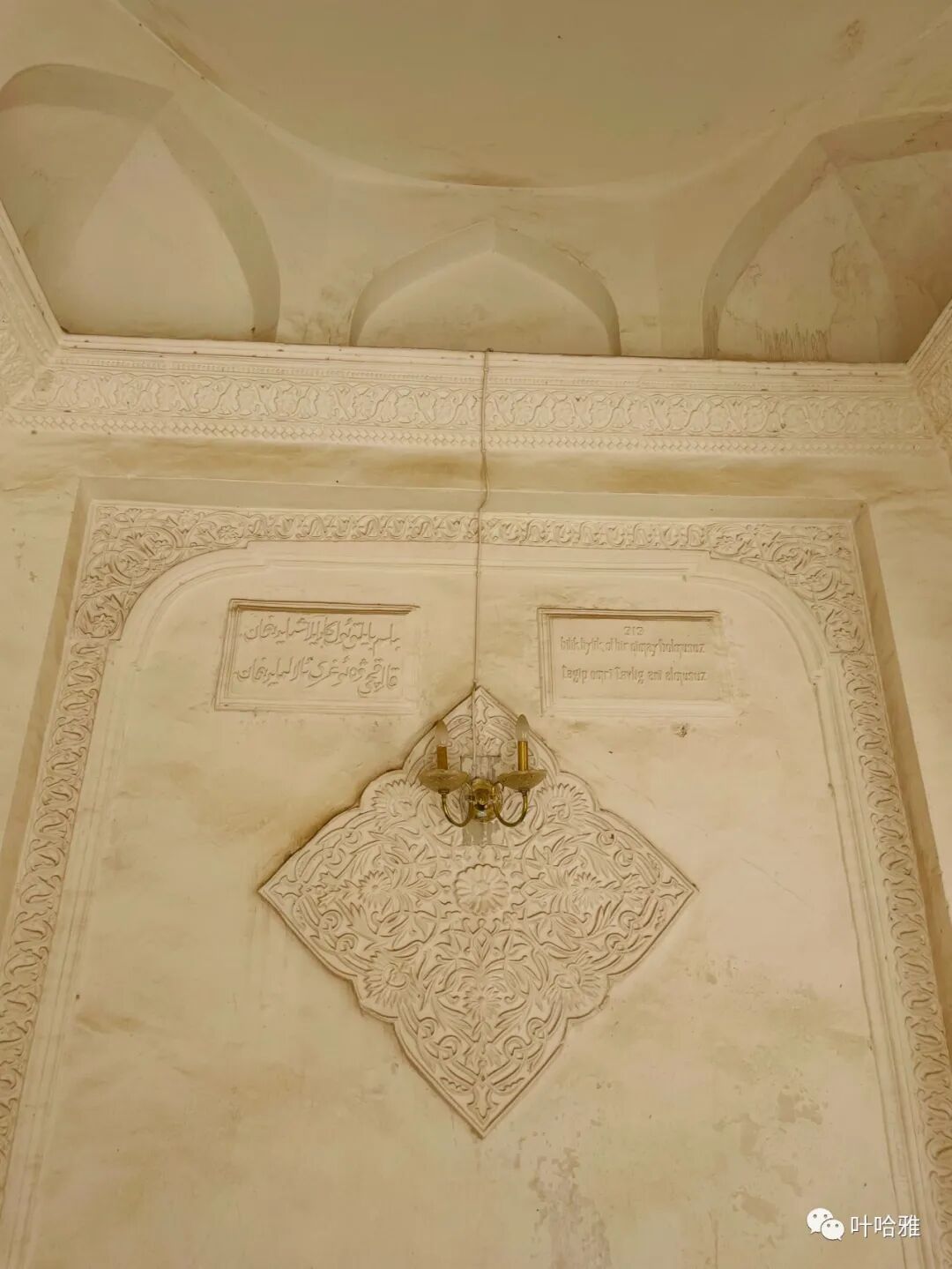
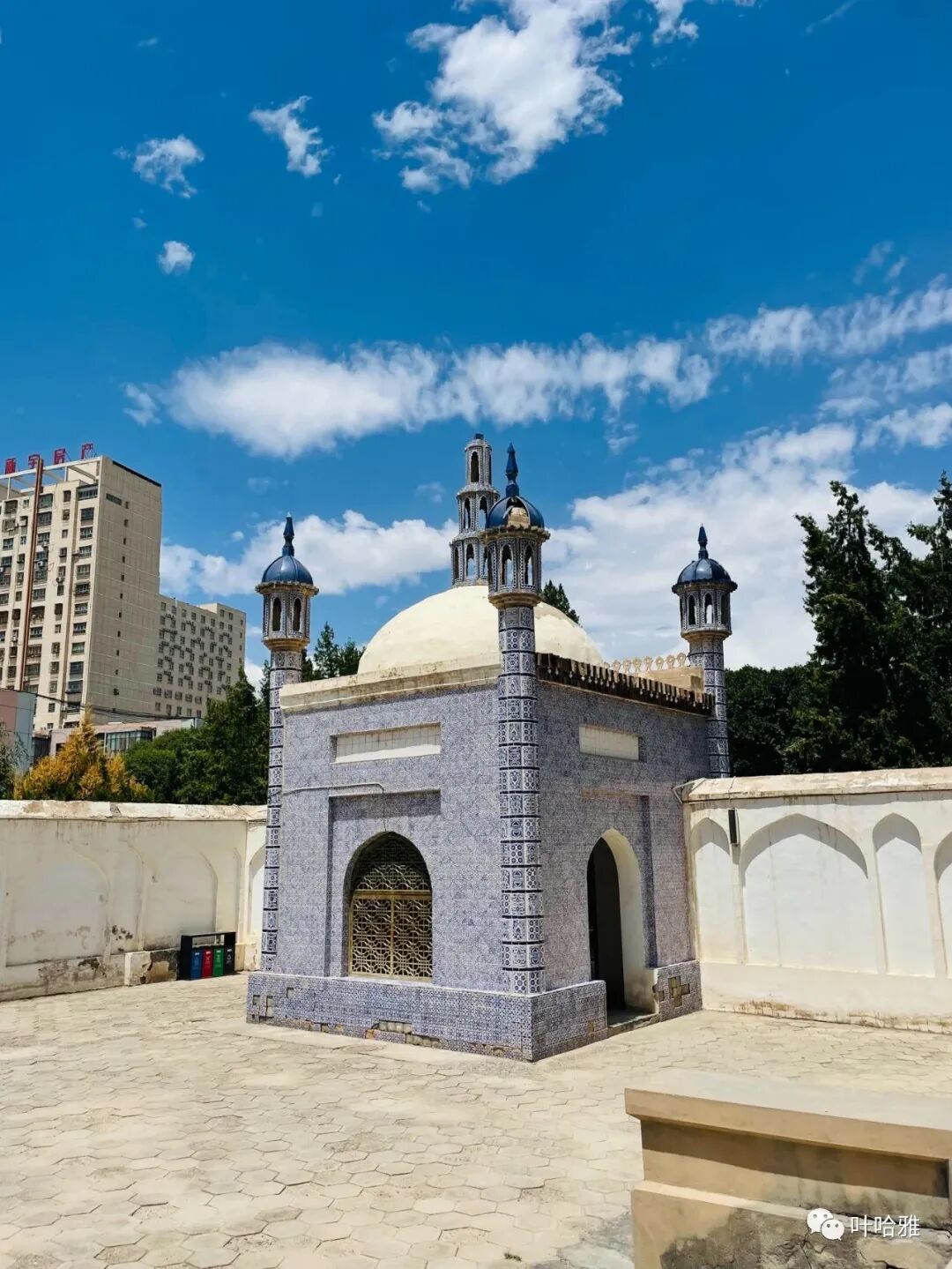
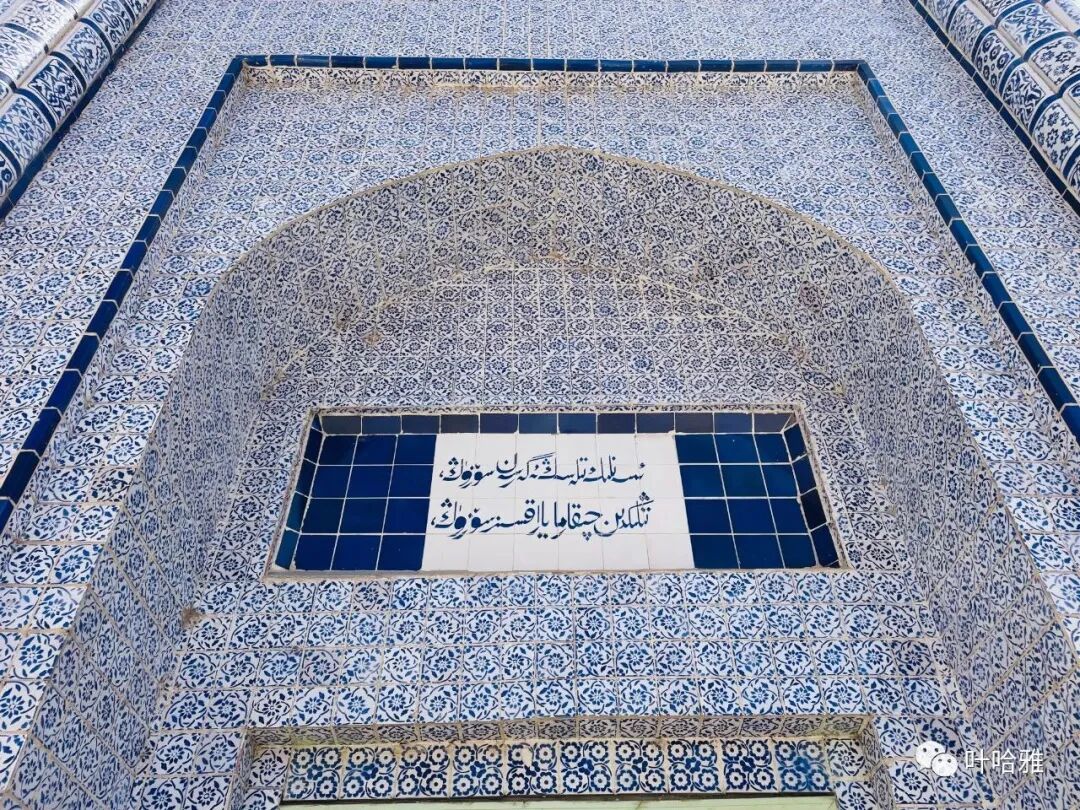
The Fragrant Concubine Tomb (Xiangfei Muyuan) is very large and has complete facilities. It is a spot worth visiting for photos. The tomb (mazar) of Afaq Khoja is inside, but you might miss it if you do not look carefully because there are no clear signs around it.
The mazar of Afaq Khoja is right next to the Jiaman Mosque. Since there are no signs, most tourists do not walk this way, making it look especially quiet in the busy Fragrant Concubine Garden.
Afaq Khoja is very important to the various Sufi orders (menhuan) in China, and his influence is closely linked to their history. His disciples include leaders of the Jahriyya, Xianmen, Bi Jichang, Mufti, Ma Diangong, Liu Boyang, Tong Tai Baba, Li Tai Baba, and Anxi Taiye. Ma Laichi of the Huasi menhuan was also born after receiving a blessing from Afaq Khoja, so the records of these menhuan all trace back to Afaq Khoja in Xinjiang.
Because of his struggle with the Black Mountain sect, Afaq Khoja was forced to move to inland areas like Gansu, Ningxia, and Qinghai. Later, he sought help from the Fifth Dalai Lama, who instructed Galdan to support Afaq Khoja's return to Yarkand. Afaq Khoja returned to Yarkand and later died during the struggle against the Black Mountain sect.
Both the Black Mountain sect and the White Mountain sect come from the same Khoja family. Ishaq, the youngest son of Makhdum-i-Azam, was the founder of the Black Mountain sect. Mamut Yusuph, the grandson of Makhdum-i-Azam, was the founder of the White Mountain sect, and Afaq Khoja was the son of Mamut Yusuph.
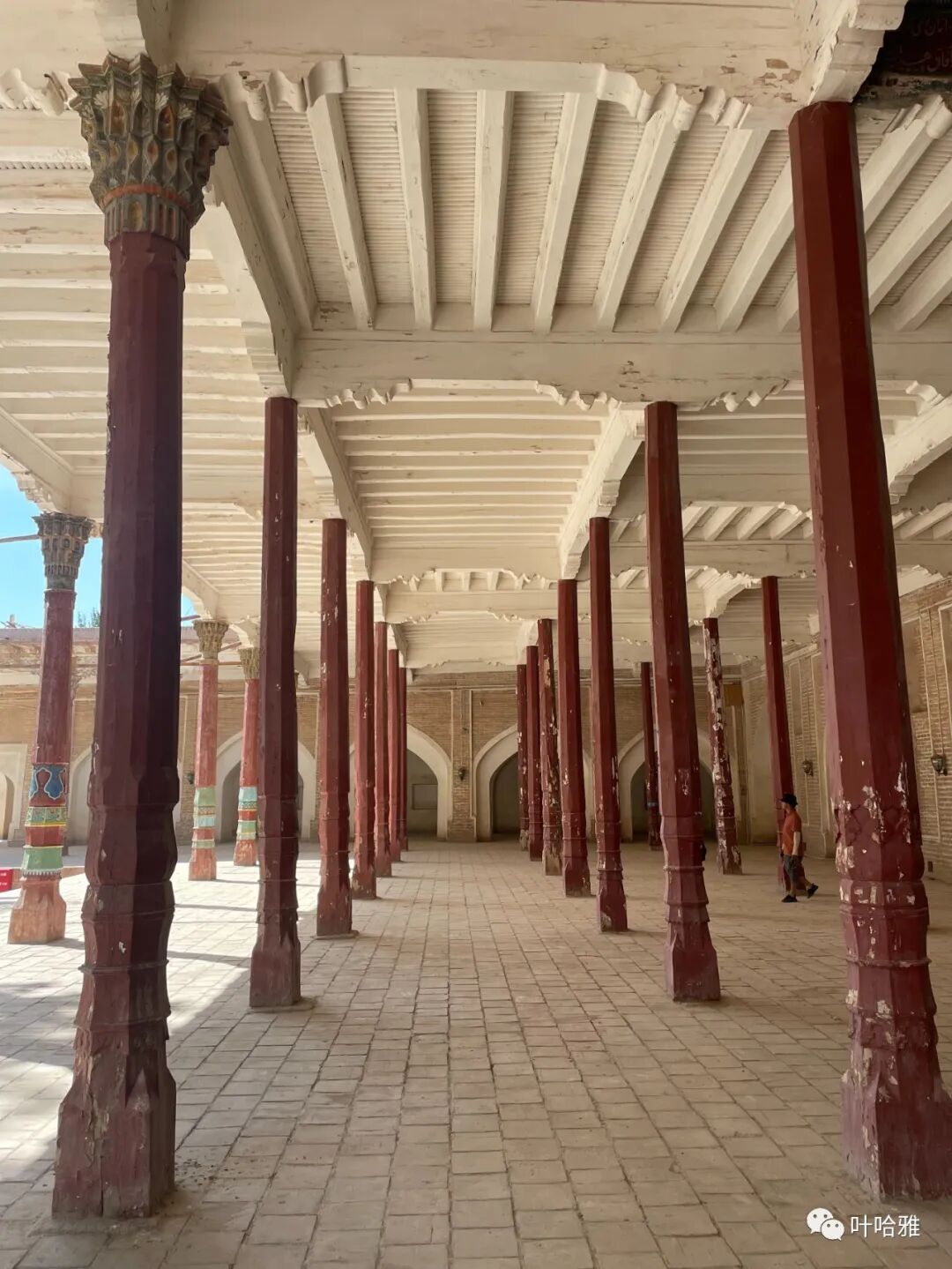
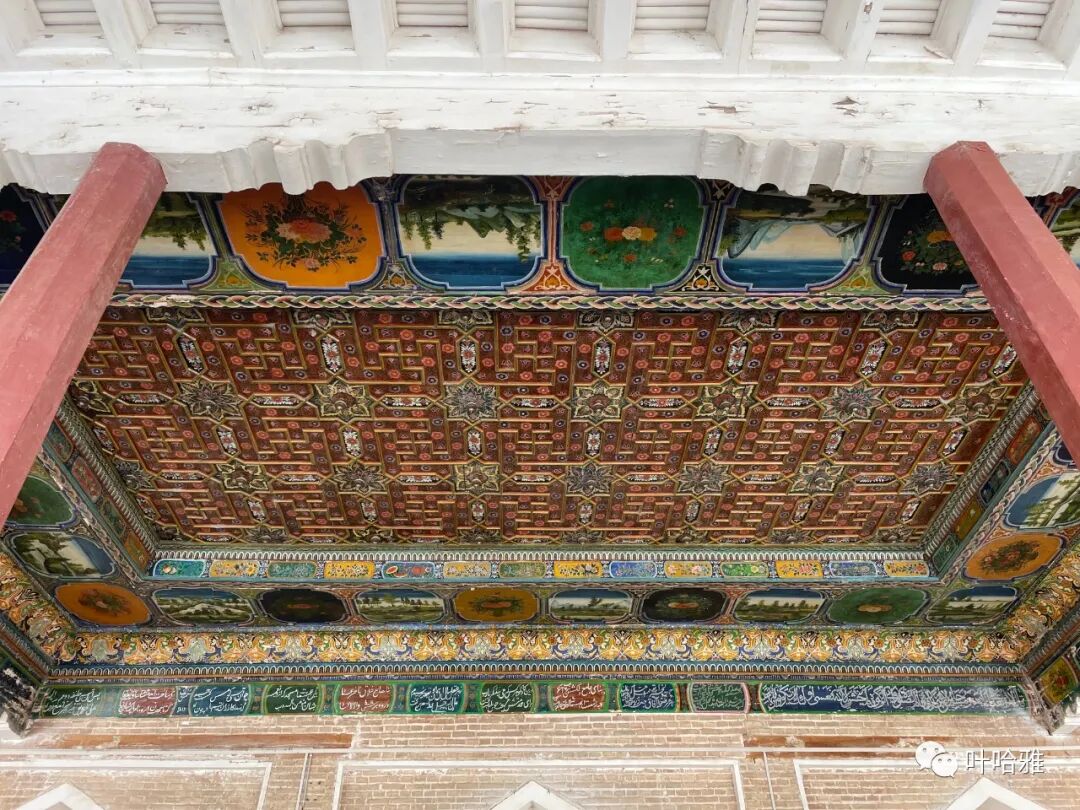
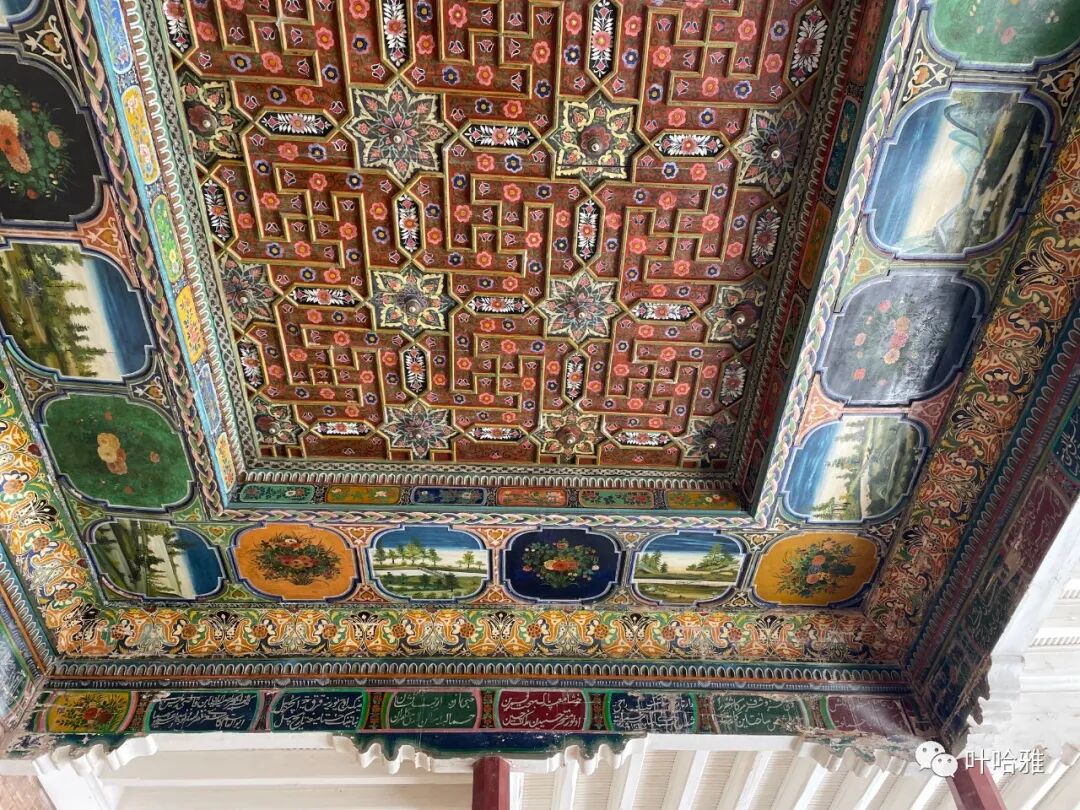
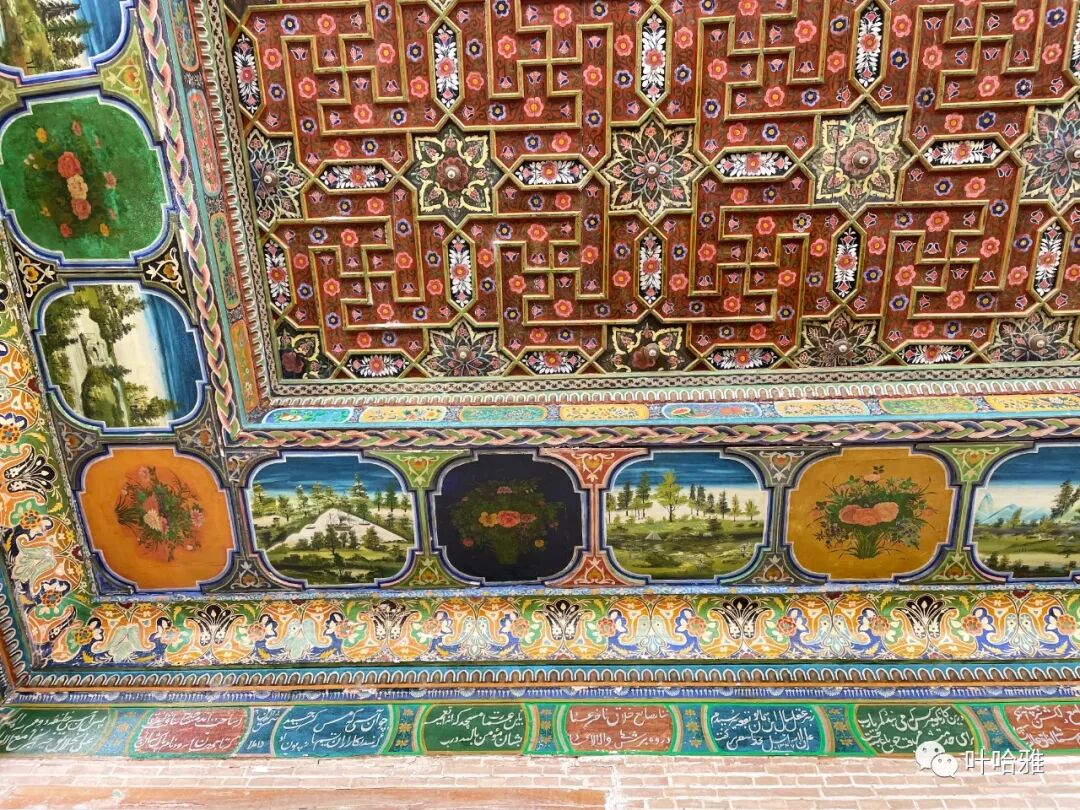
Across from the Jiaman Mosque, there is another prayer hall, but it is no longer in use.
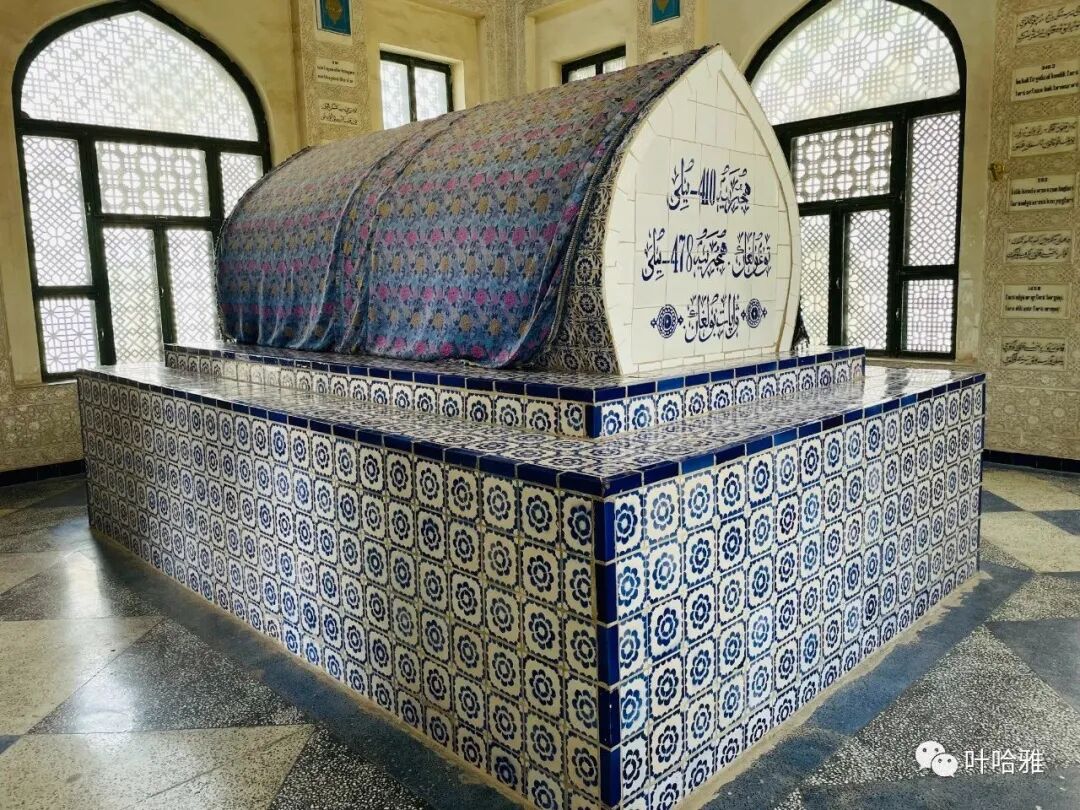
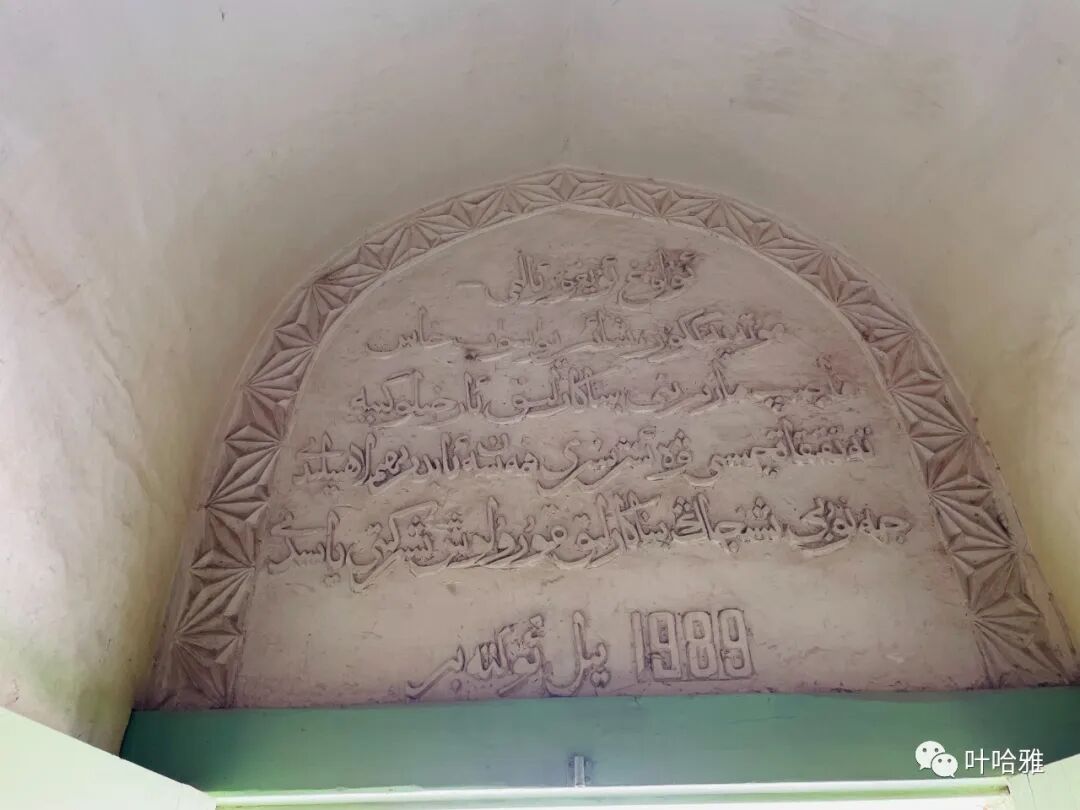
About two or three kilometers from the Kashgar Old City, there is another tomb complex similar in style to the Fragrant Concubine Garden that is also worth mentioning: the Tomb of Yusuf Khass Hajib (1019-1085).
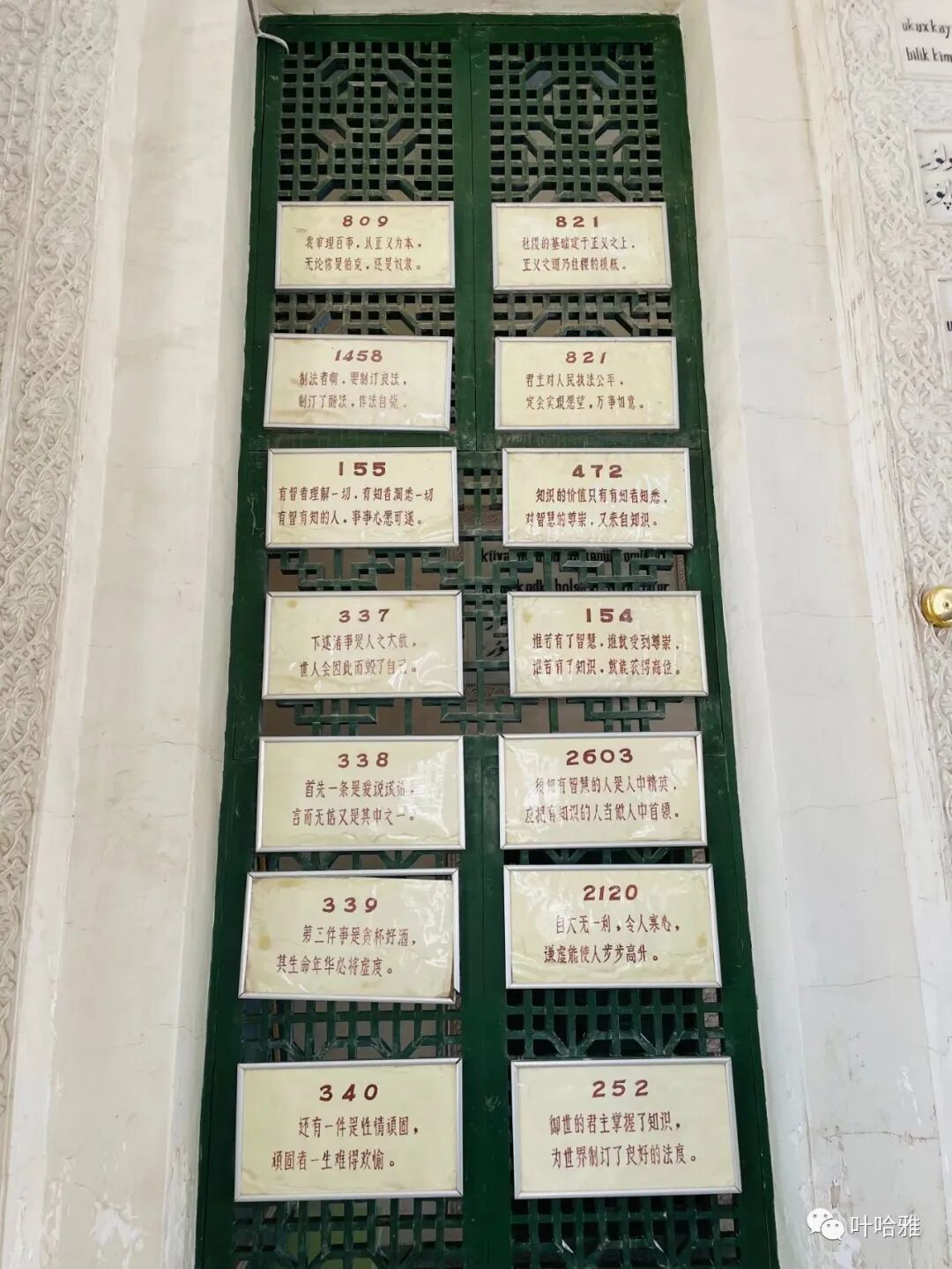
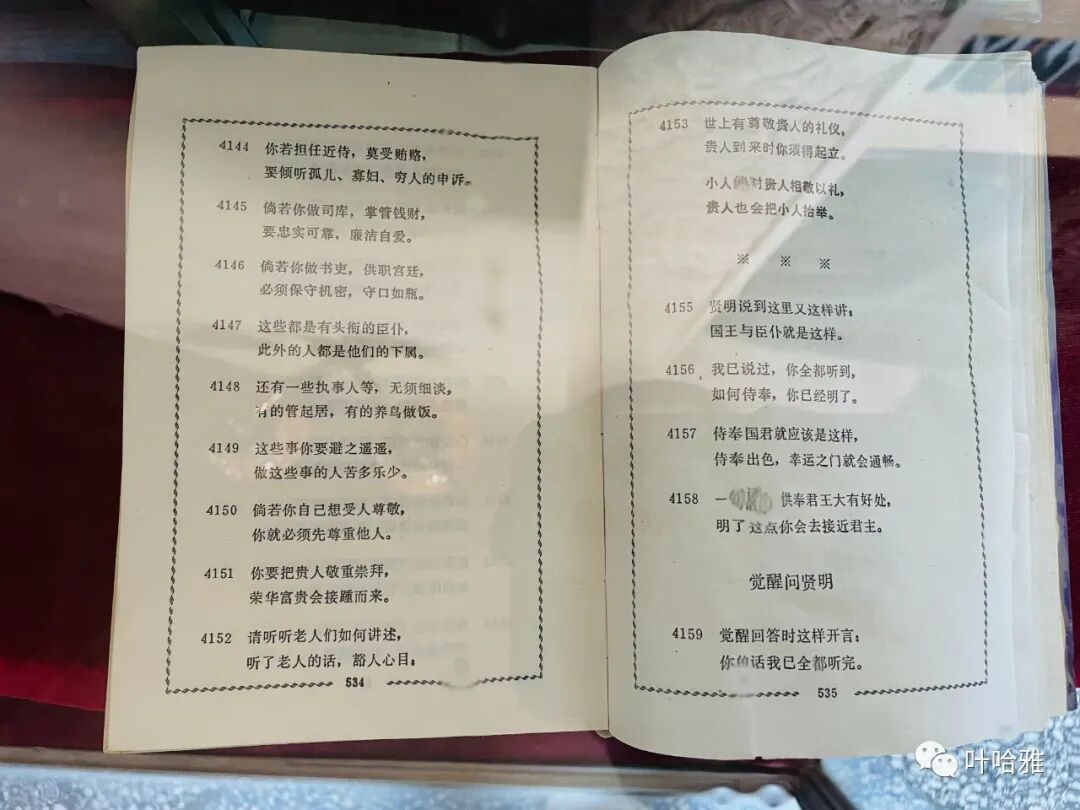
Yusuf Khass Hajib, the famous poet and author of Wisdom of Royal Glory (Kutadgu Bilig), was a Kyrgyz person and a court official for the Karakhanid dynasty. Kashgar was the capital of the dynasty at the time, and Khass Hajib means court official. His portrait is still printed on Kyrgyz banknotes today.
Yusuf Khass Hajib had a huge influence on Uyghur language and literature, much like Confucius for the Chinese people. However, because Han people do not know much about him, very few tourists visit his tomb.
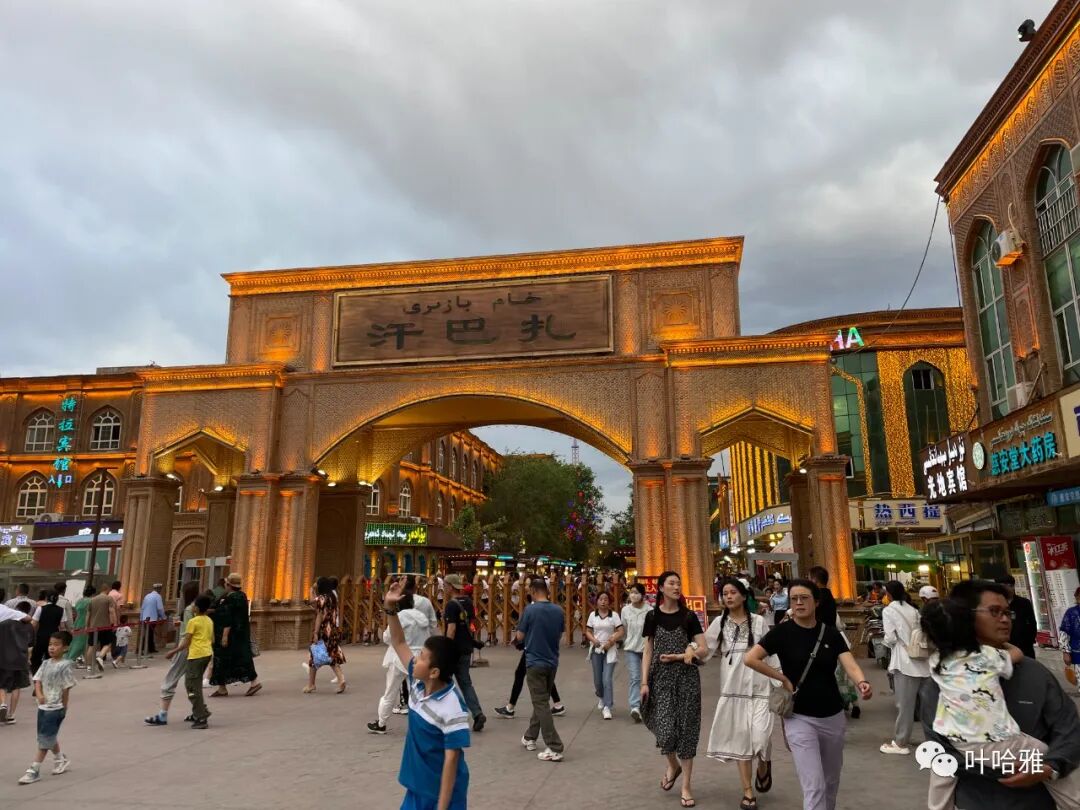
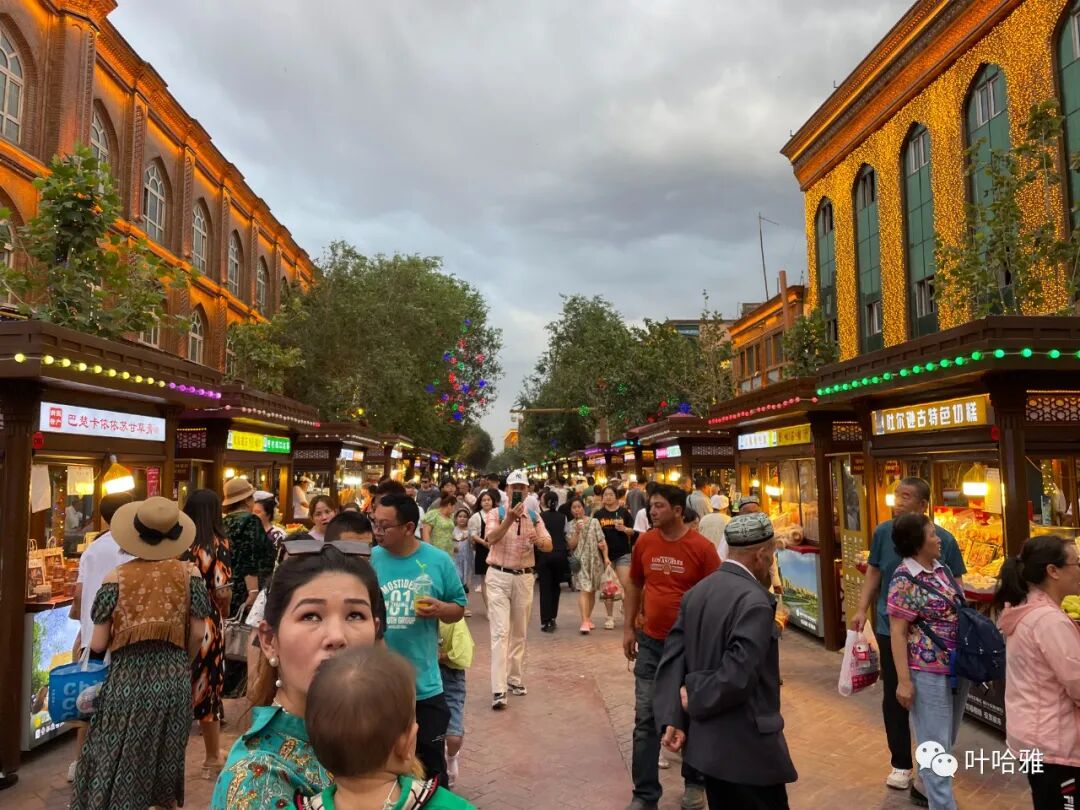
In Kashgar, you have to wait until almost 11:00 PM for it to get dark, which is a time difference of nearly three hours from Beijing. It is very sunny during the day, so you can visit the Night Market (Han Bazar) in the Old City at night. There are many tourists there, and it is still busy until 1:00 AM.
The old man's melon at the Han Bazar costs 3 yuan a slice; it is delicious and cheap.
Figs (wuhuaguo).
Braised meat (gangzirou)
Rose pigeon soup (meiguihua gezi tang)
Rice sausage and lung (michang mianfei)
Roasted goose egg (kao edan)
Thin-skinned steamed bun (baopi baozi)
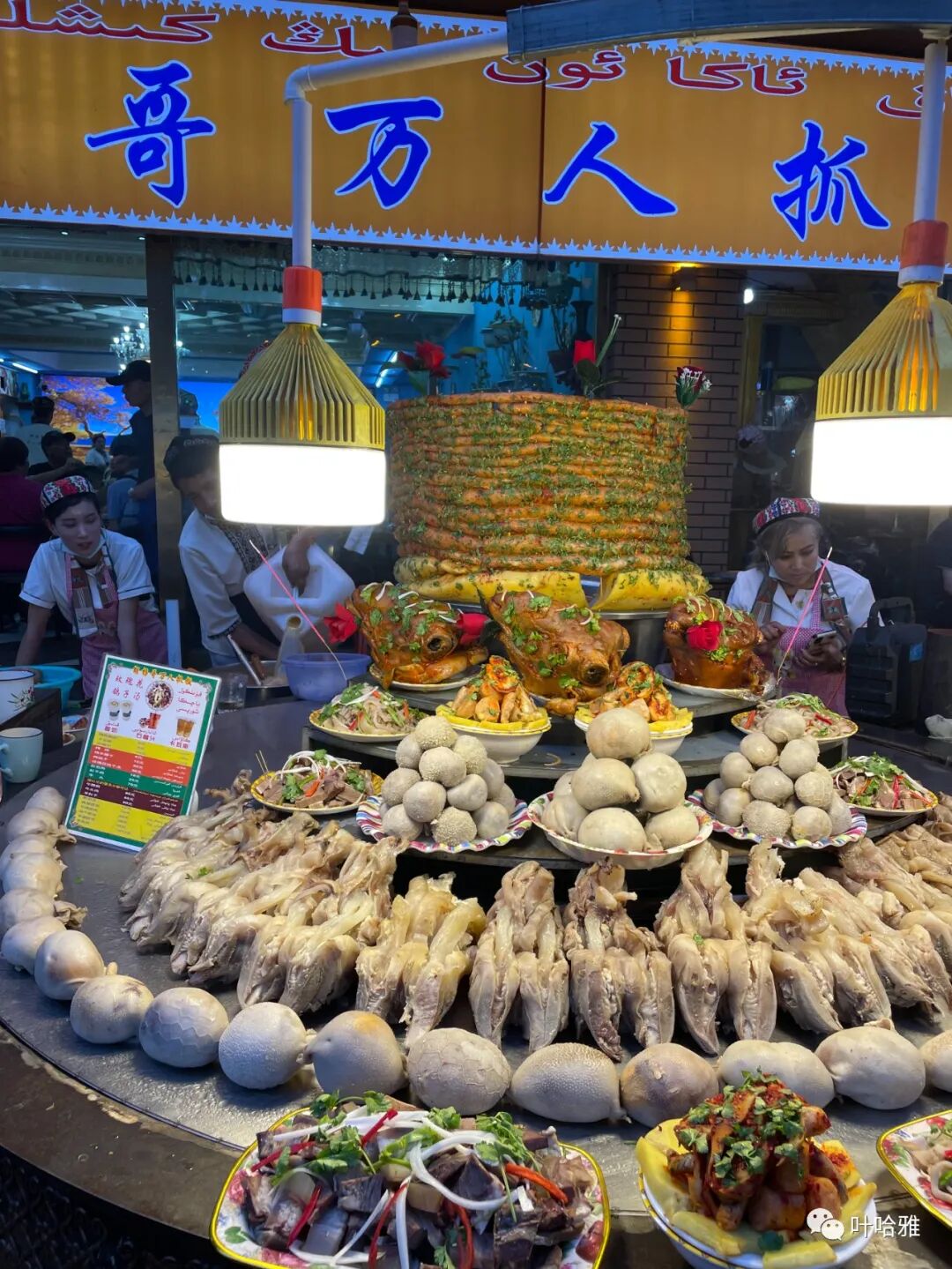
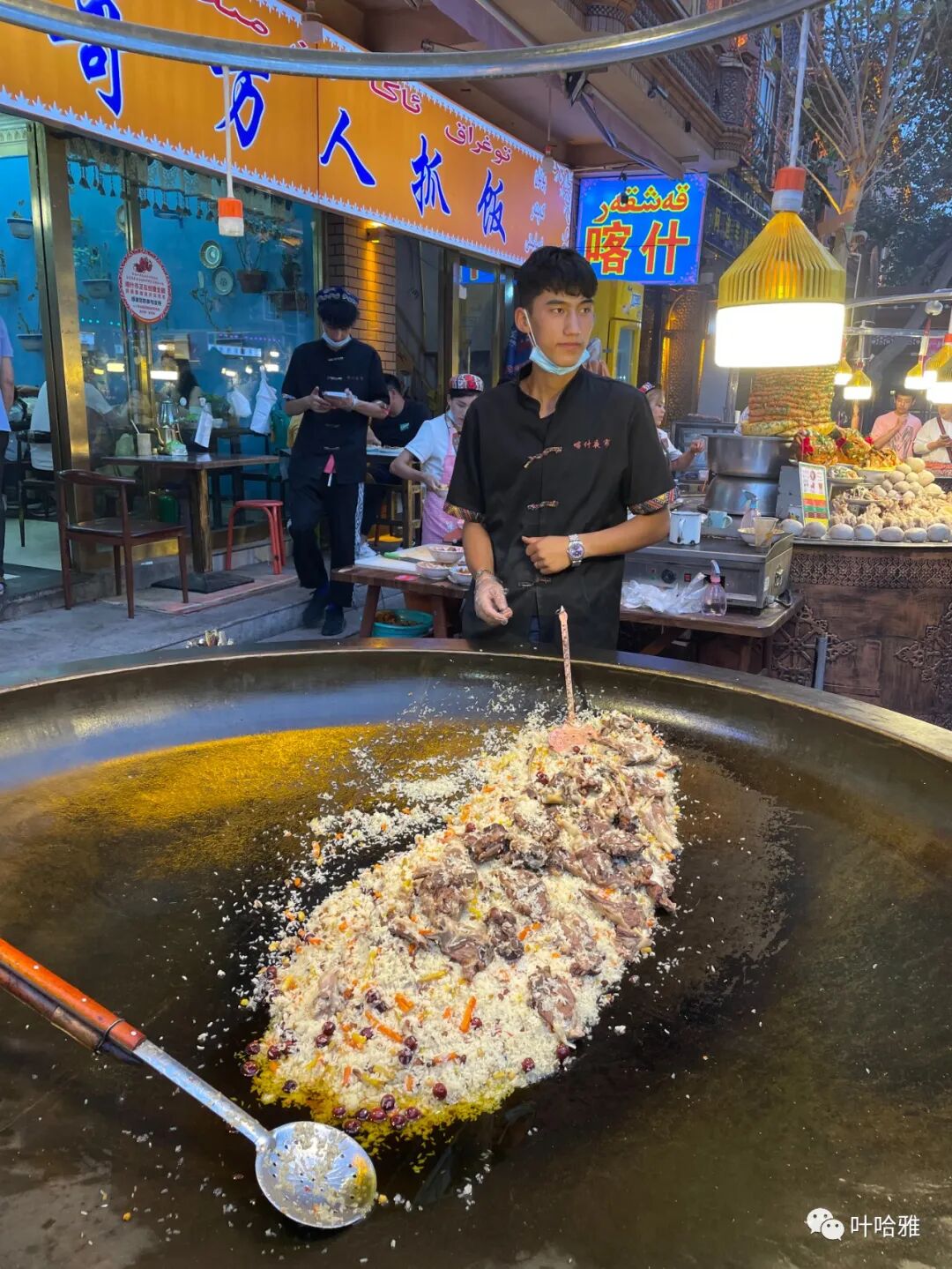
The snacks at the night market (hanbazha) taste great. They have almost all the unique snacks from Xinjiang here, which is very friendly for tourists. Since the old town was renovated, it has attracted many couples who come here to take portraits.
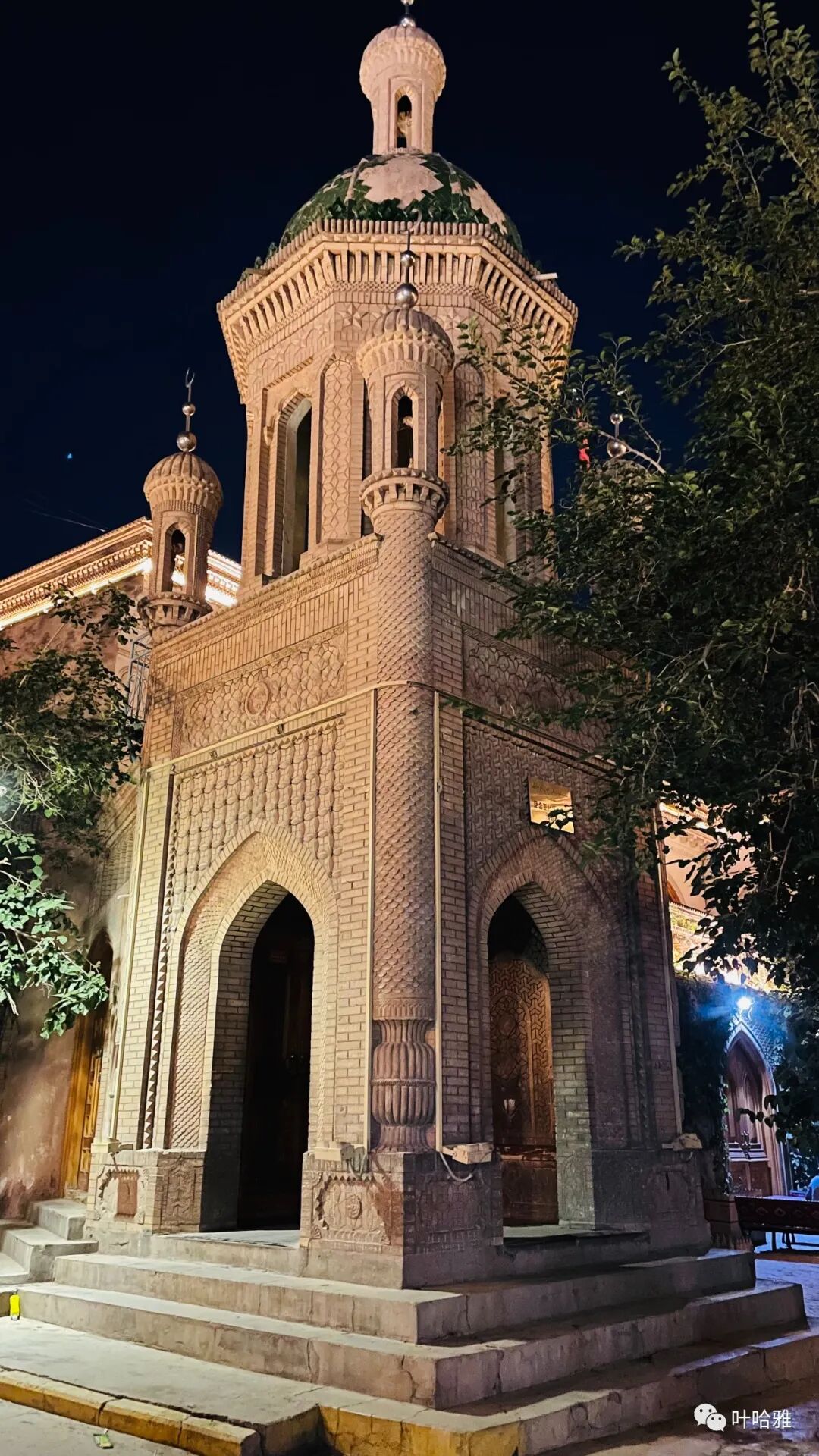
While wandering around the old town, we accidentally found a few mosques that were not open to the public. Even though some did not have signs, we could easily recognize them by their distinct minarets.
Sahaya Community Oil Market Mosque (Sahaya shequ youbazha qingzhensi)
Wuerdashike Mosque (Wuerdashike qingzhensi)
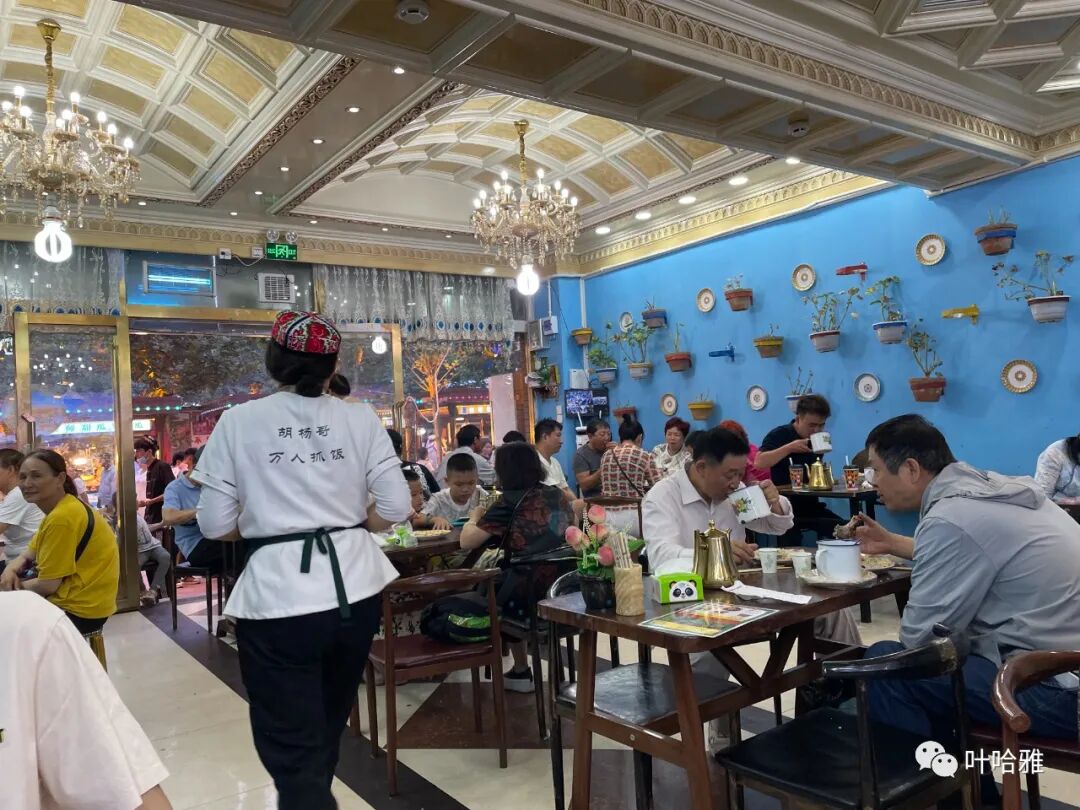
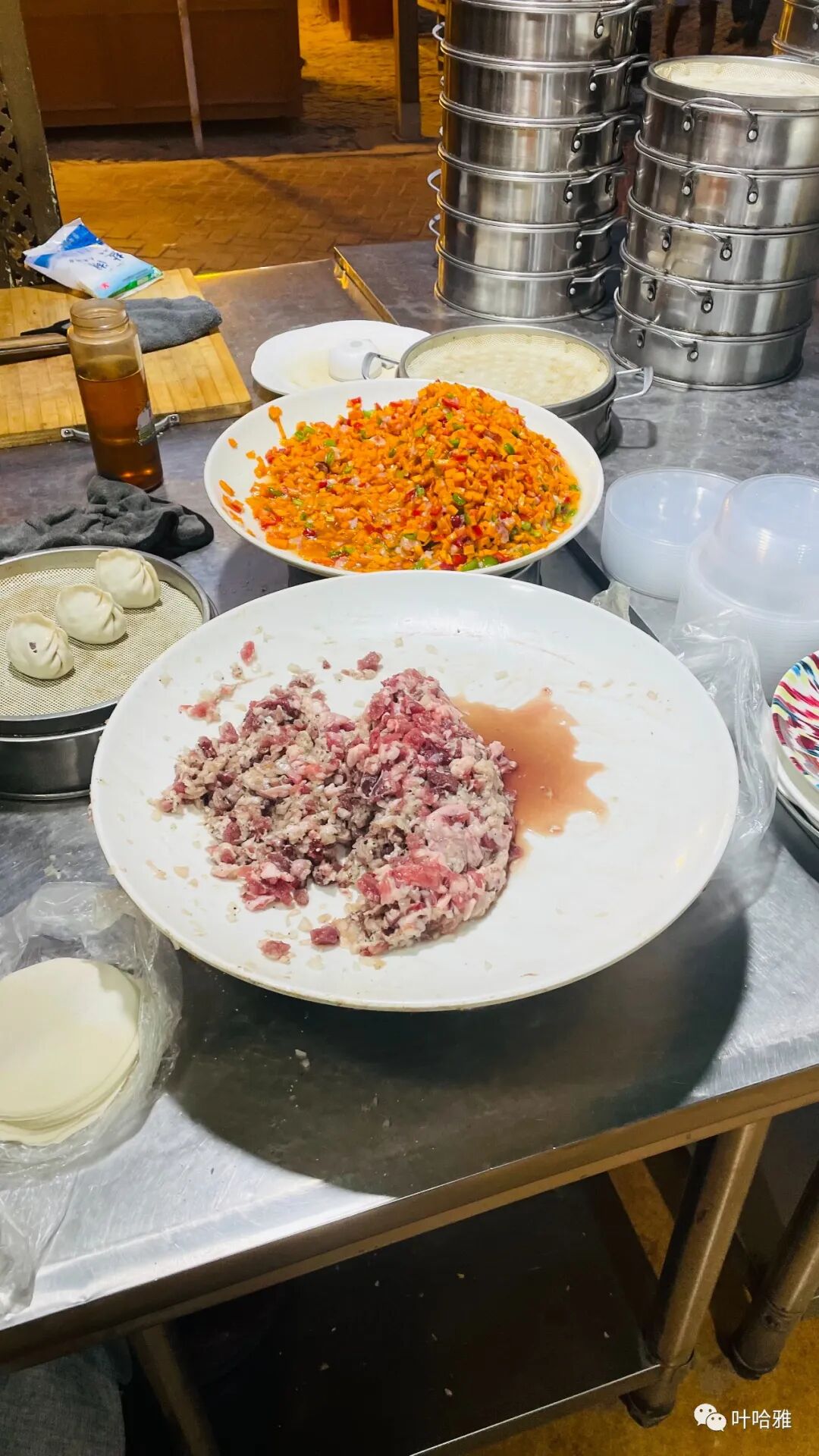
Finding a good restaurant in southern Xinjiang is actually simple. Just look at the name. Some names sound a bit strange because they are direct translations from the Uyghur language. For example, a restaurant called 'Seven Generations of Food' means that seven generations of their family have worked in the food business. Han Chinese people usually do not choose names like that.
Uyghur people have a great tradition of being very quiet when eating in public. If you are observant, you can notice this.
Before leaving Kashgar, I visited a friend. She just had her second child and was on maternity leave. Her parents moved from Sichuan to settle in Kashgar. She has completely adapted to the climate in Kashgar and would actually find it uncomfortable to live in the south now.
We had our last meal in Kashgar at this meatball soup (wanzi tang) shop called Miquan Wonton. The name tells you the owner is from Miquan, a district in Urumqi. After leaving Kashgar, we drove north toward our destination, Urumqi.
The taxi trunk had a bilingual sticker that said, Please do not slam the door. Experience tells me that in Xinjiang, the trunk is the part of the car that breaks the easiest. Can you guess why? view all
Summary: This Muslim travel guide to Kashgar covers Id Kah Mosque, Kashgar Old City, Abakh Khoja Mazar in Fragrant Concubine Garden, Sufi heritage, prayer experiences, Uyghur daily life, and local halal food.
A Kashgar Mosque Tour: The Abakh Khoja Tomb (Mazar) Inside the Fragrant Concubine Garden (Xiangfei Yuan) is presented here as a firsthand travel account in clear English, beginning with this scene: The charm of Kashgar lies in the fact that it has both the tourist-friendly Kashgar Old City and Fragrant Concubine Garden (Xiangfeiyuan), as well as shrines (mazar) and mosques where various Sufi orders (menhuan) visit. The account keeps its focus on Halal Travel, Yiwu Food, Mosque Travel while preserving the names, places, food, and historical details from the Chinese source.
The charm of Kashgar lies in the fact that it has both the tourist-friendly Kashgar Old City and Fragrant Concubine Garden (Xiangfeiyuan), as well as shrines (mazar) and mosques where various Sufi orders (menhuan) visit to honor their ancestors. Everyone experiences Kashgar in their own way.
We spent three days and two nights in Kashgar. We drove all the way from Beijing, covering about 5,000 kilometers. I had the car serviced before leaving Beijing, and it was just time for another service when we arrived in Kashgar.
We found a repair shop near the Old City. The owner is a local Han Chinese born and raised in Kashgar, and he employs a group of Uyghur youths. The owner is very talkative and speaks Uyghur. He had a Uyghur girlfriend when he was young, but they broke up because her family opposed the relationship. Now, he leads a group of Uyghur guys in his business. According to him, there are about 100,000 old Kashgar Han Chinese like him who are fluent in Uyghur, but his son cannot speak the language.
We greeted the Uyghur mechanic with a salaam. He touched his chest, and then he worked even harder.
We found a nice homestay in the Kashgar Old City. Because it is located at the entrance of the Old City and is very close to the underground parking lot, the price is high. It is called Wasting Half a Lifetime (Langfei Bansheng). The homestay is in a Moroccan style, which fits perfectly in the Kashgar Old City and feels very appropriate.
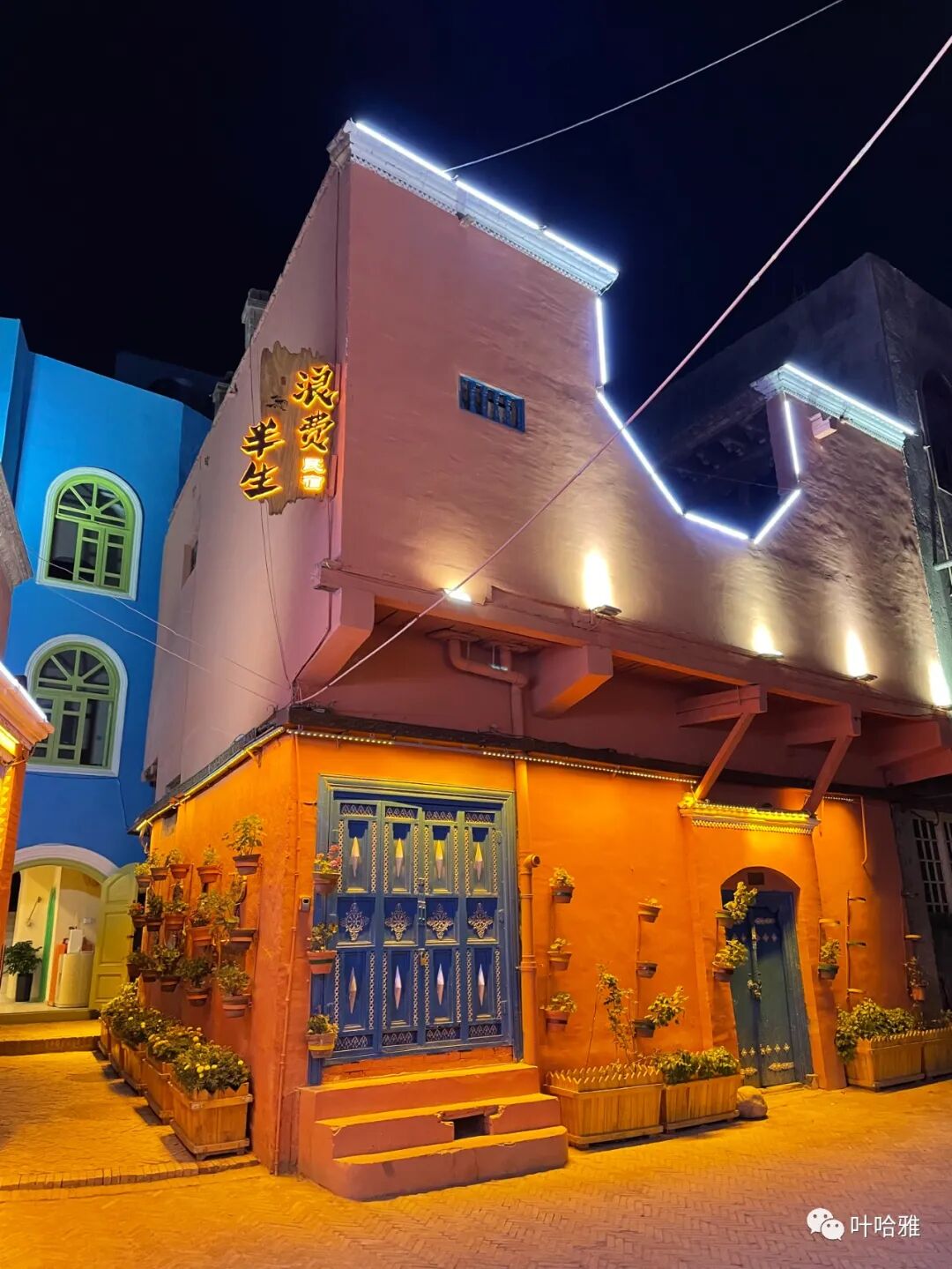
The famous Id Kah Mosque (Aitigaer) is right on the Old City square. I had looked forward to visiting it for many years, but after actually walking inside, I felt a bit disappointed.
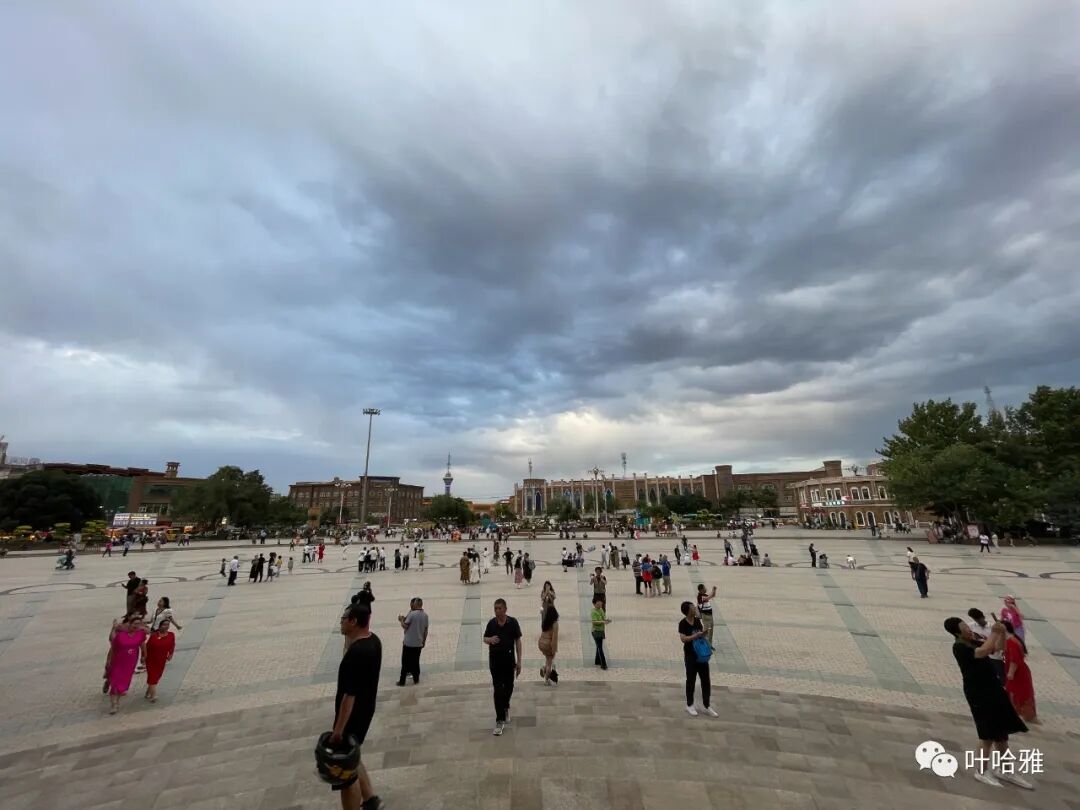
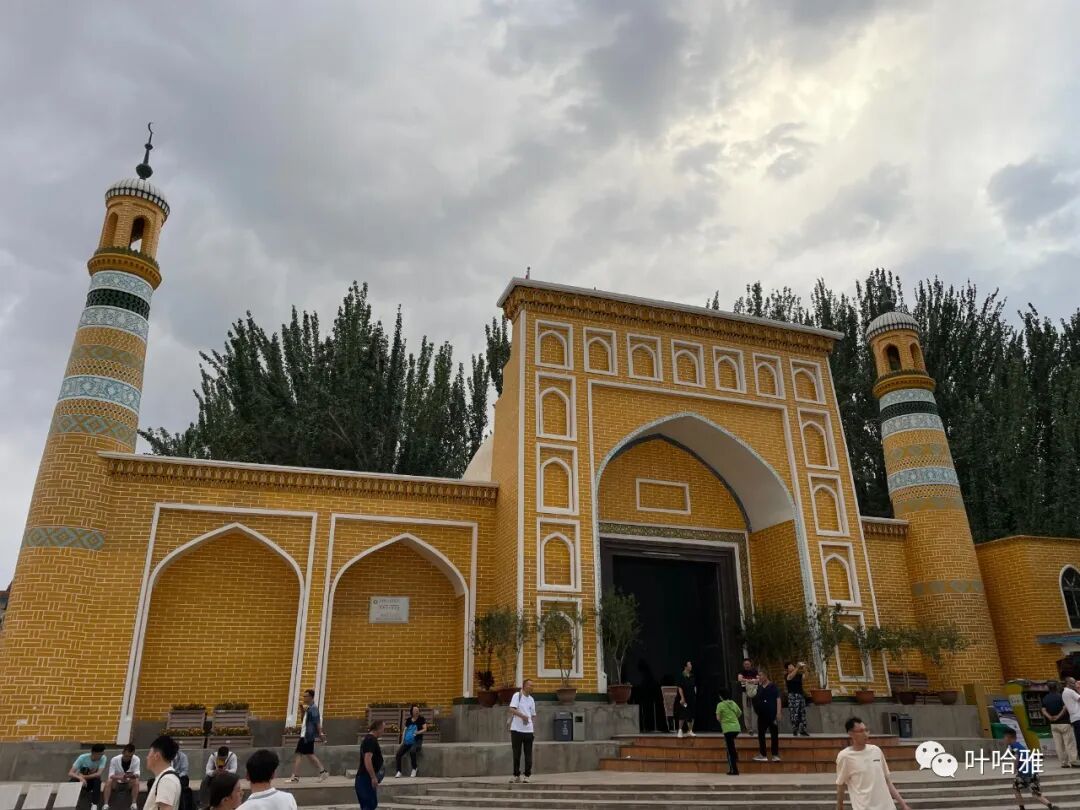
There are many mosques in Xinjiang called Id Kah, which means a place for festival prayers. The one in Kashgar is the largest Id Kah Mosque in Xinjiang, covering 16,800 square meters, and it was first built in 1442.
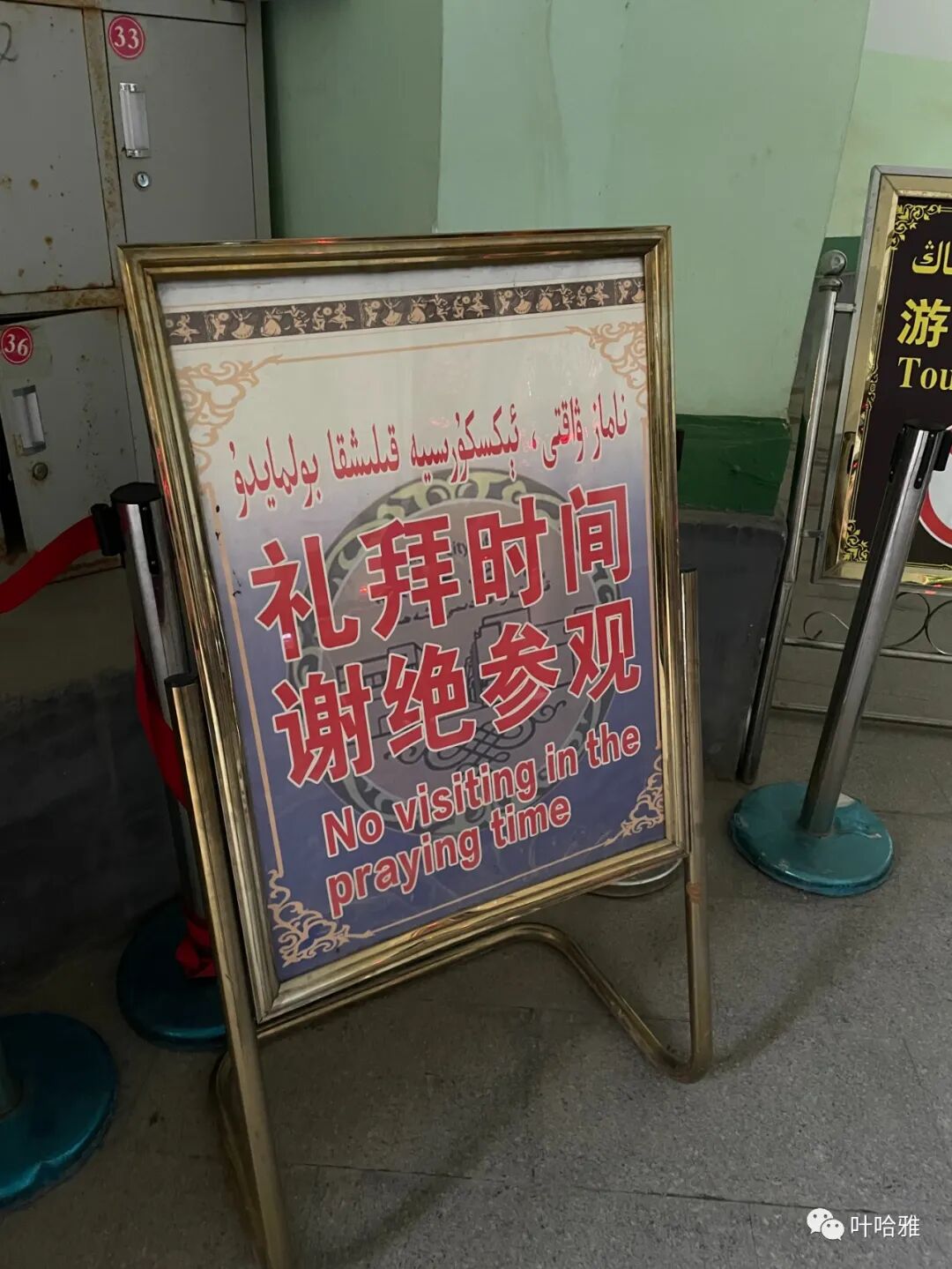
It is comforting that people can still pray here, but only during prayer times. At other times, it is open for tourists to visit for a 30-yuan ticket. Many tourists pay to come in, walk around, and then say it is not worth the visit.
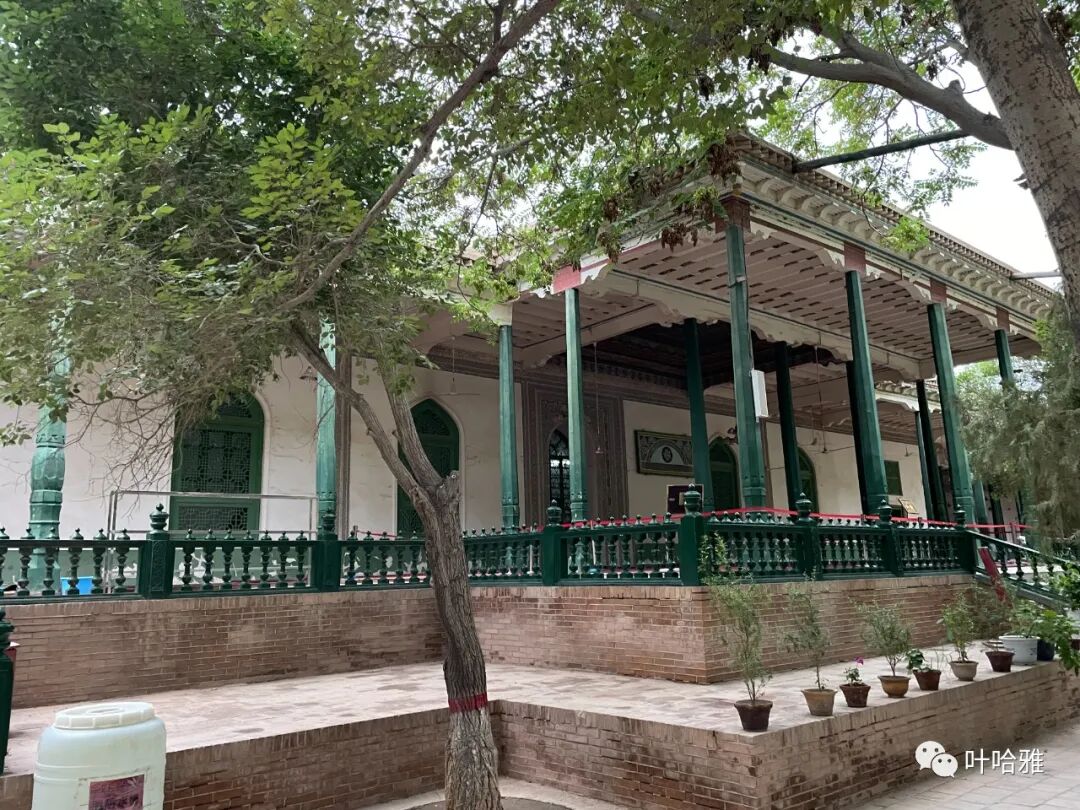
The Id Kah Mosque is not as big as I imagined. Perhaps it is because the main hall building is relatively small, and most of the area is the open space in front of the hall. Also, the entire mosque has been renovated, so you cannot see any ancient traces.
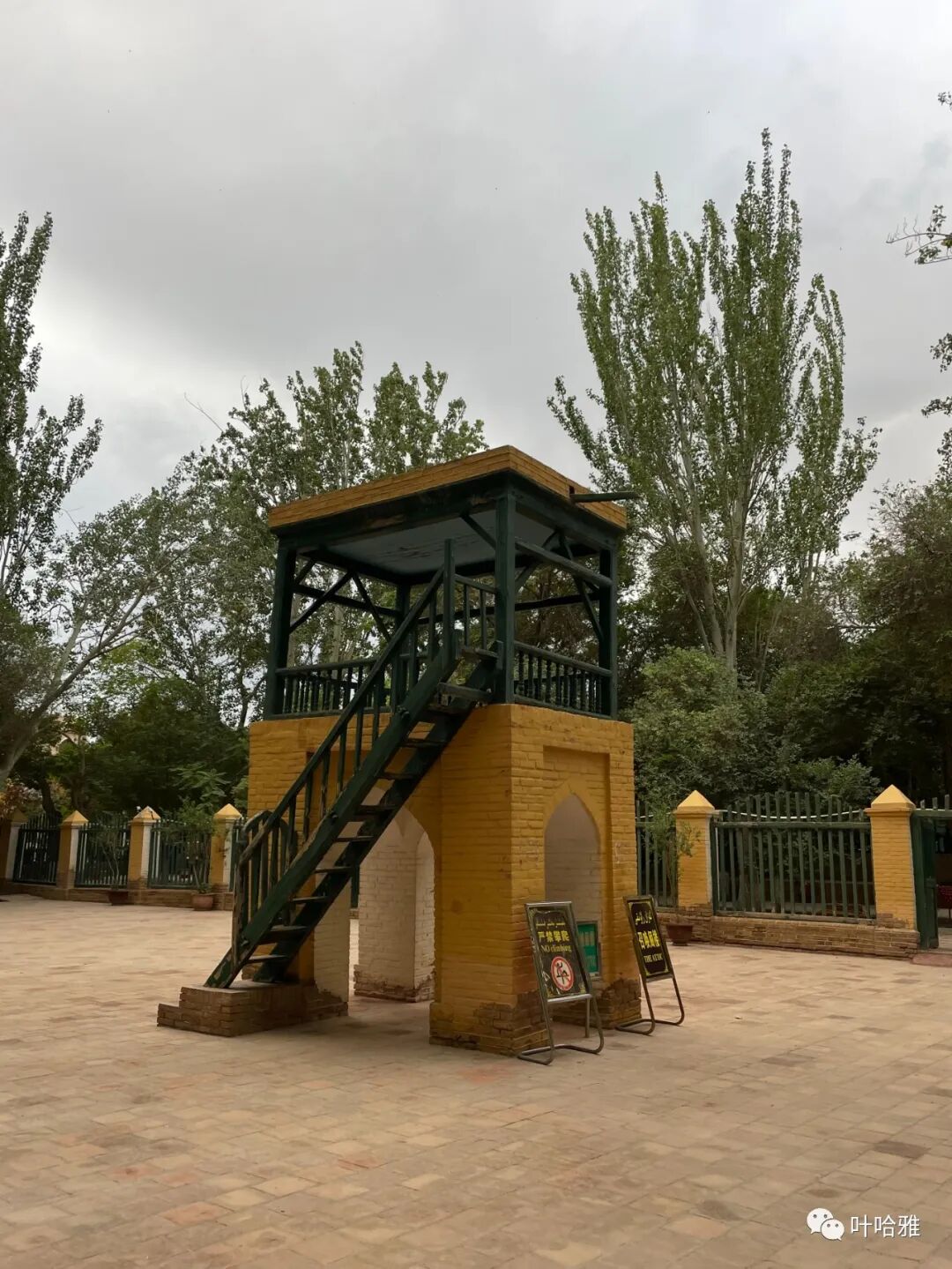
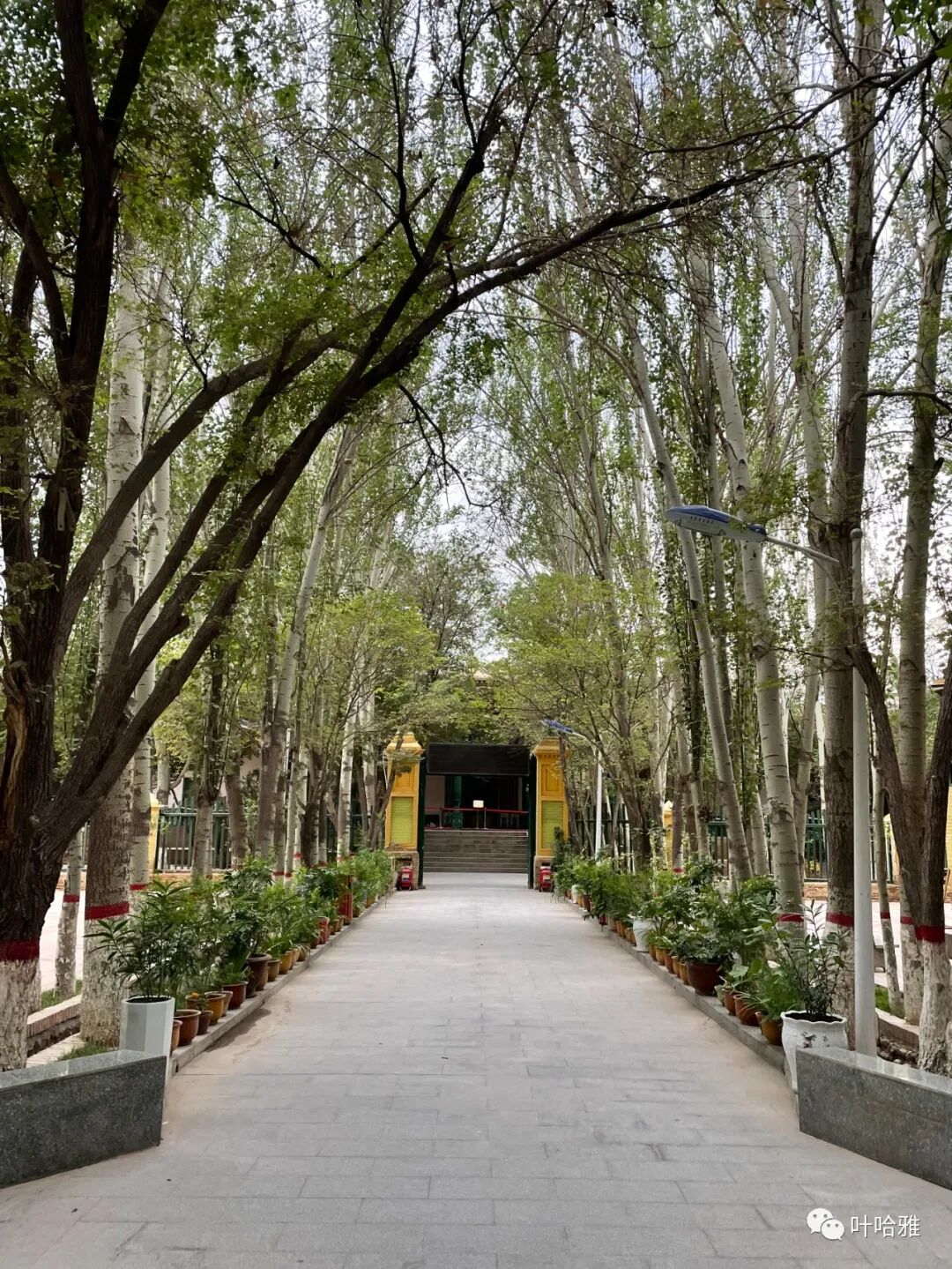
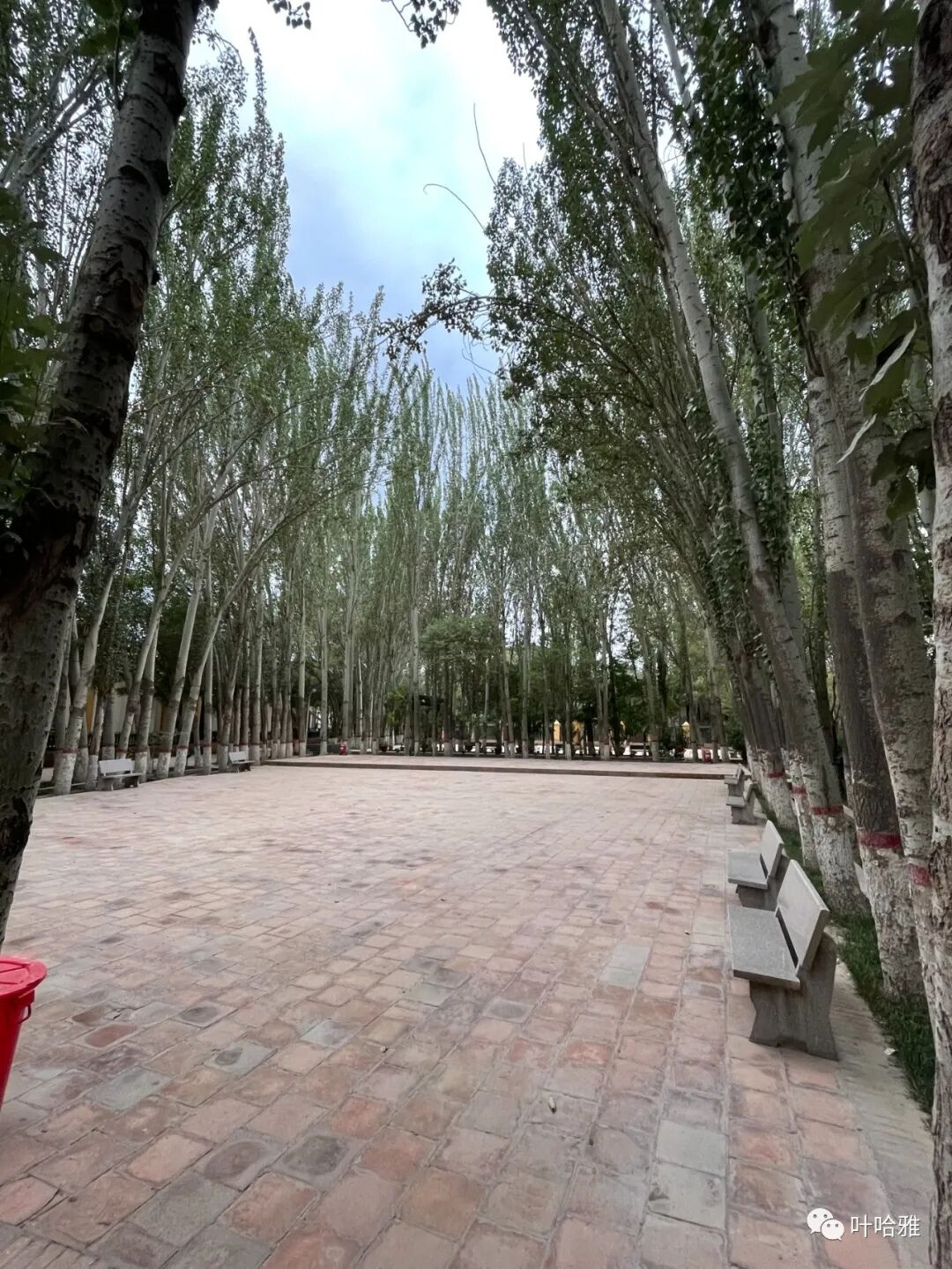
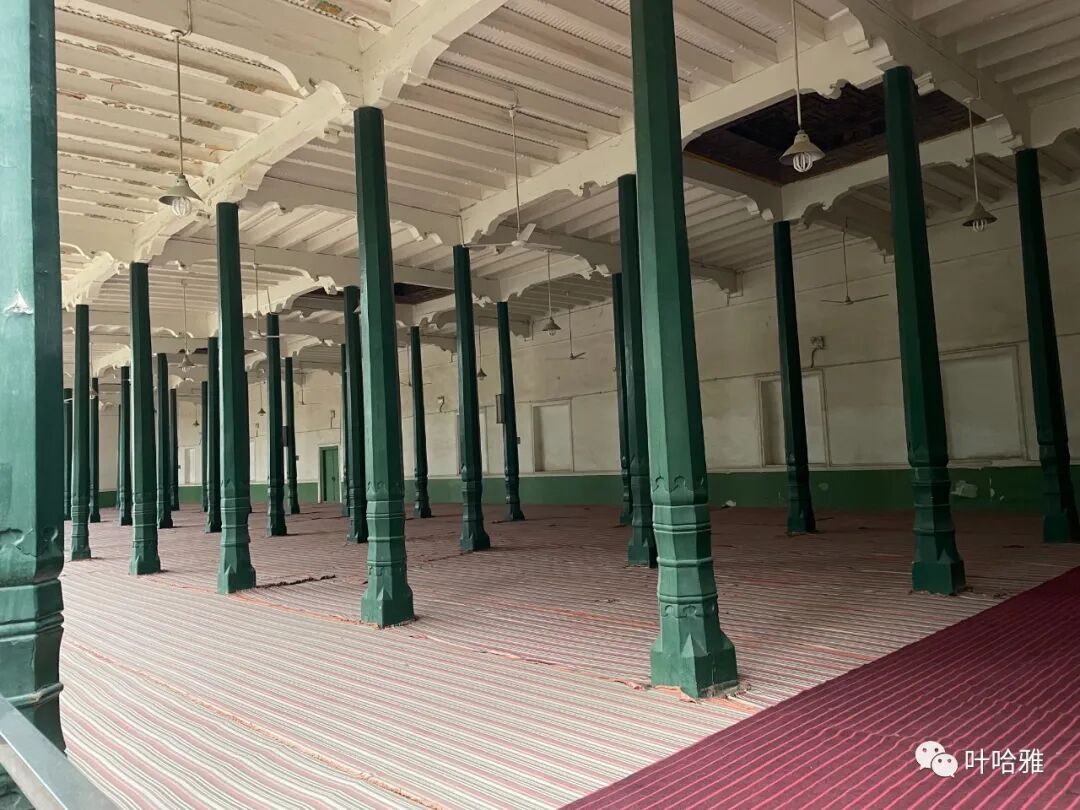
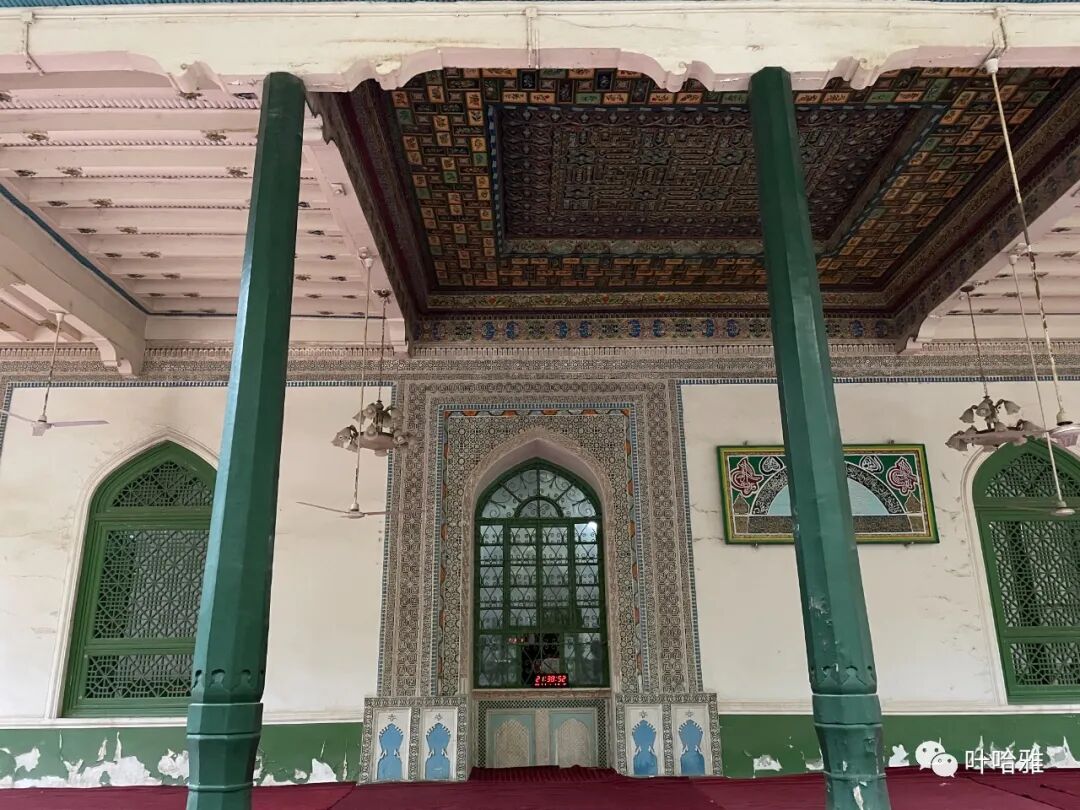
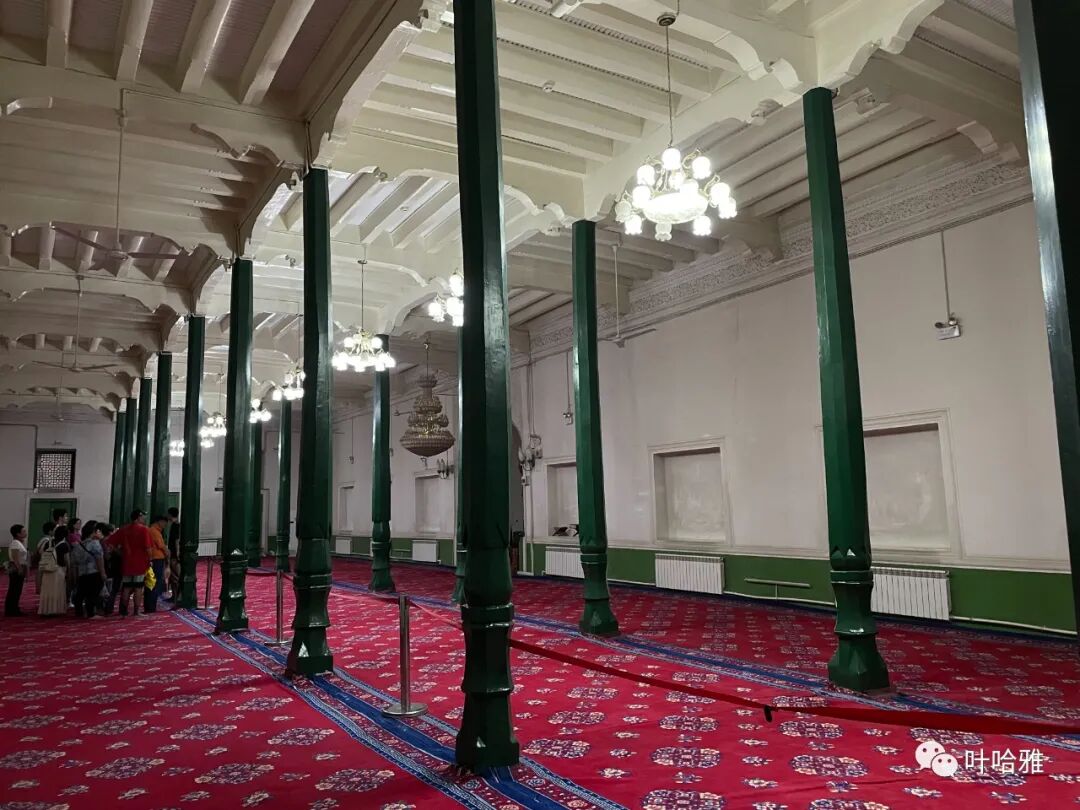
In the middle of the main hall, a tour guide was explaining things to a group of tourists. I walked to the side and performed two rak'ahs of prayer. My heart was not calm during these two rak'ahs because this was the first time on our trip through Southern Xinjiang that we were able to perform a normal prayer.
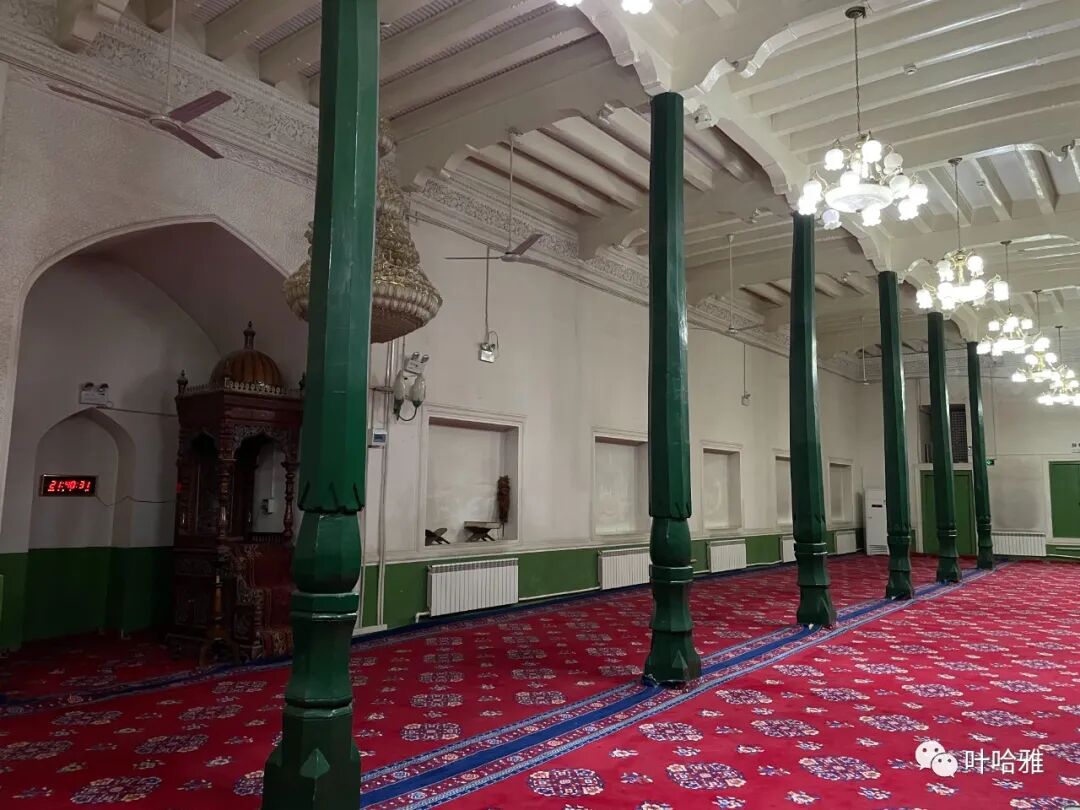
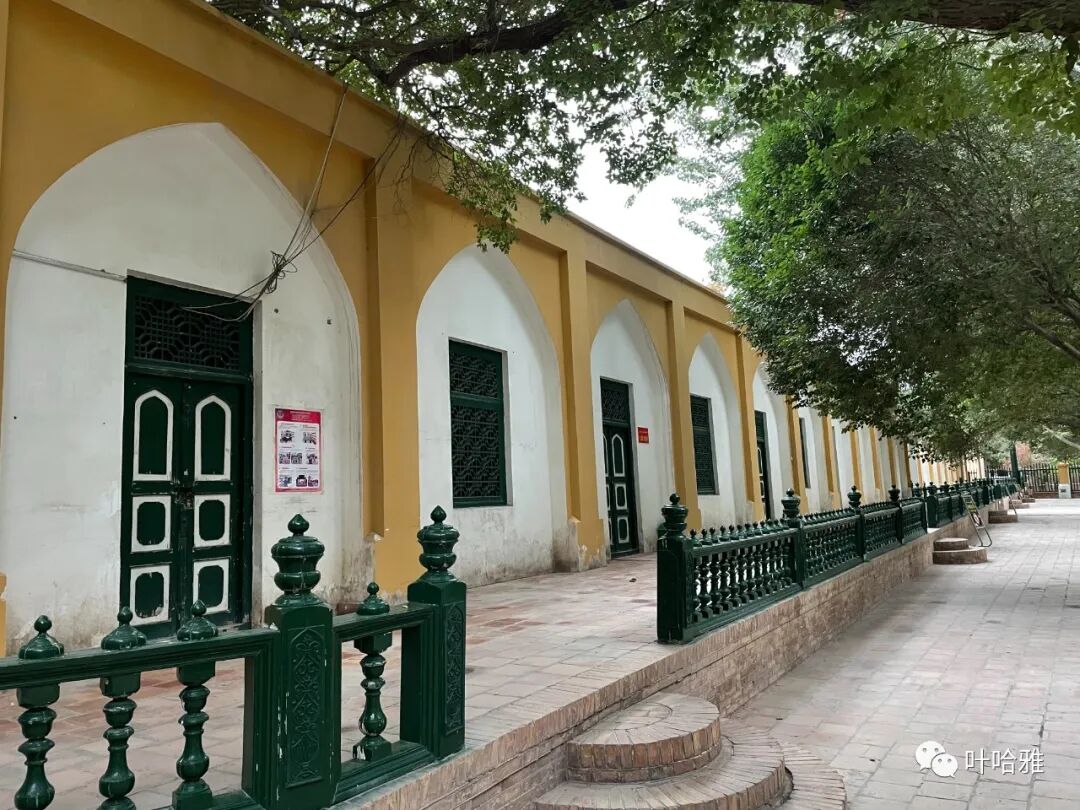
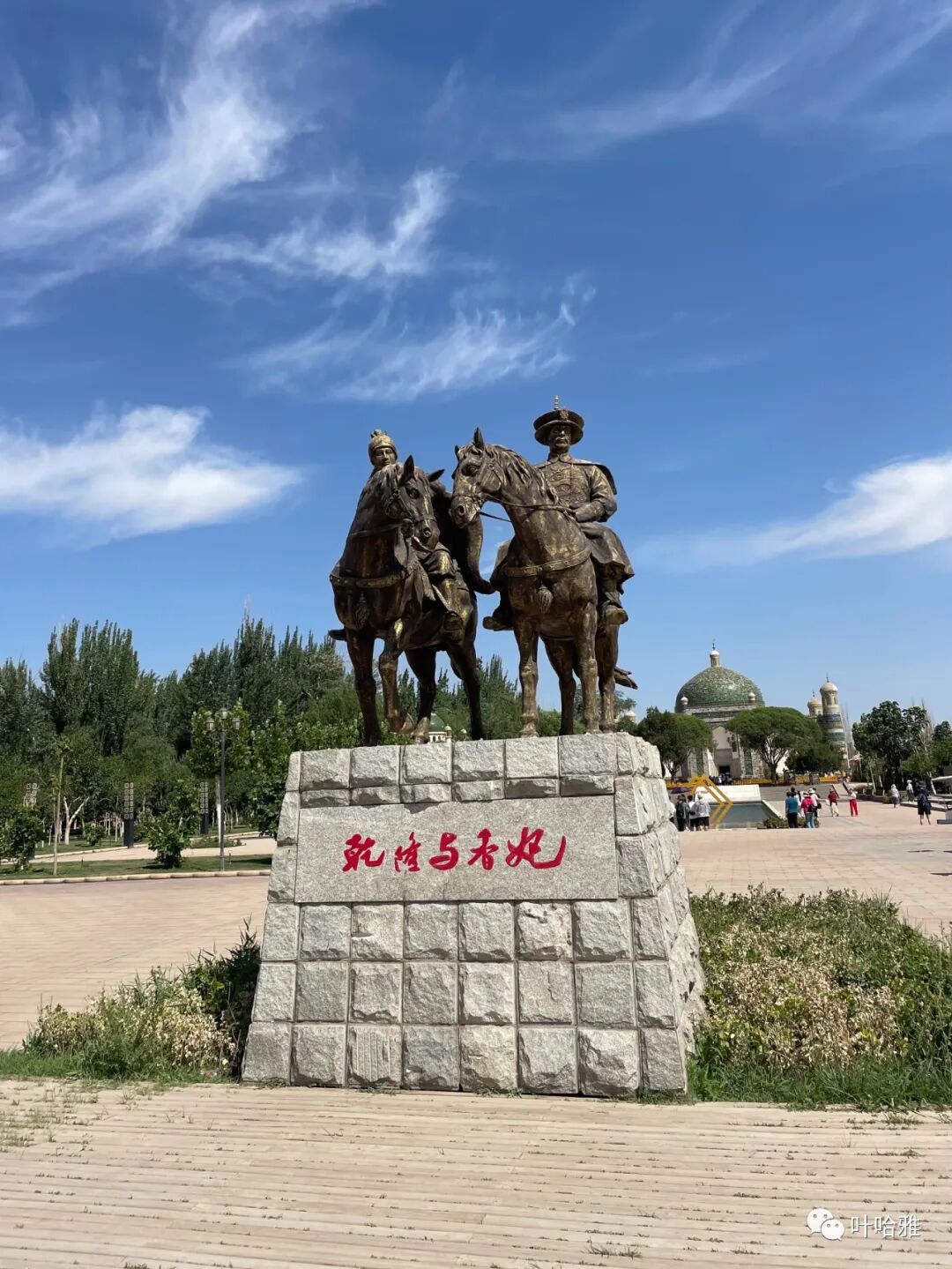
The streets and alleys of Kashgar are full of advertisements for the Fragrant Concubine Tomb scenic area. However, after the Fragrant Concubine married the Qianlong Emperor, she was buried in Beijing. This tomb in Kashgar is only a cenotaph for her, and her family members are buried inside. In this cemetery, the most worth mentioning is the shrine (mazar) of Afaq Khoja, as the Fragrant Concubine was his great-granddaughter.
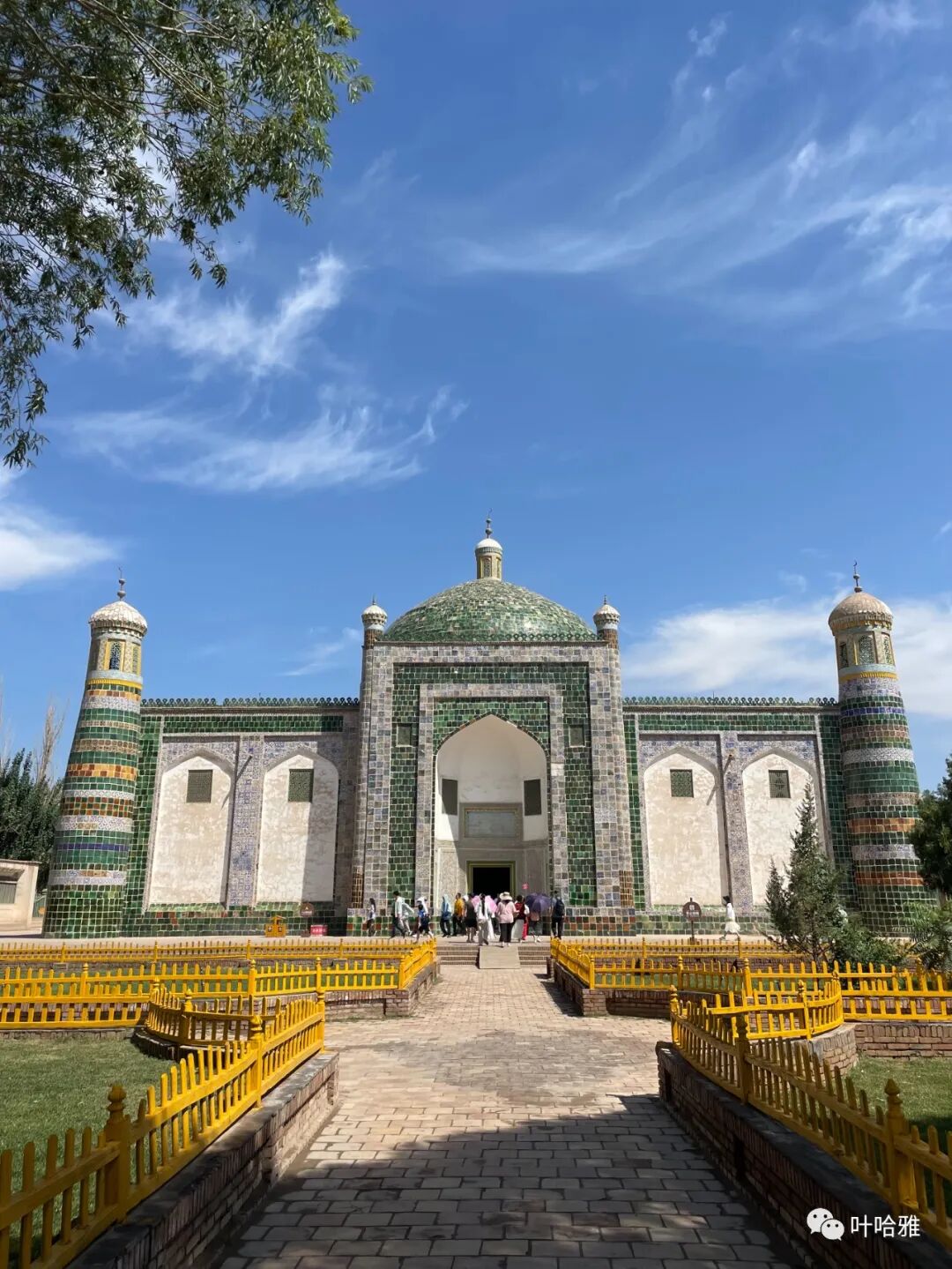
The Fragrant Concubine Tomb (Xiangfei Muyuan) is very large and has complete facilities. It is a spot worth visiting for photos. The tomb (mazar) of Afaq Khoja is inside, but you might miss it if you do not look carefully because there are no clear signs around it.
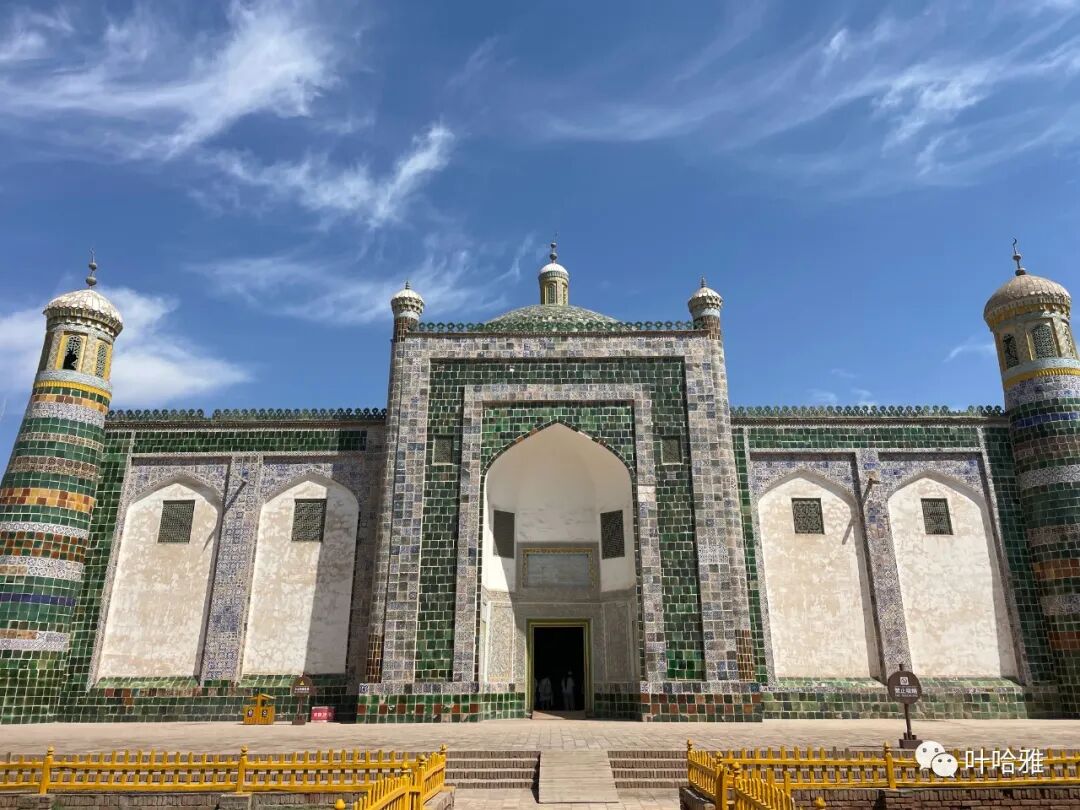
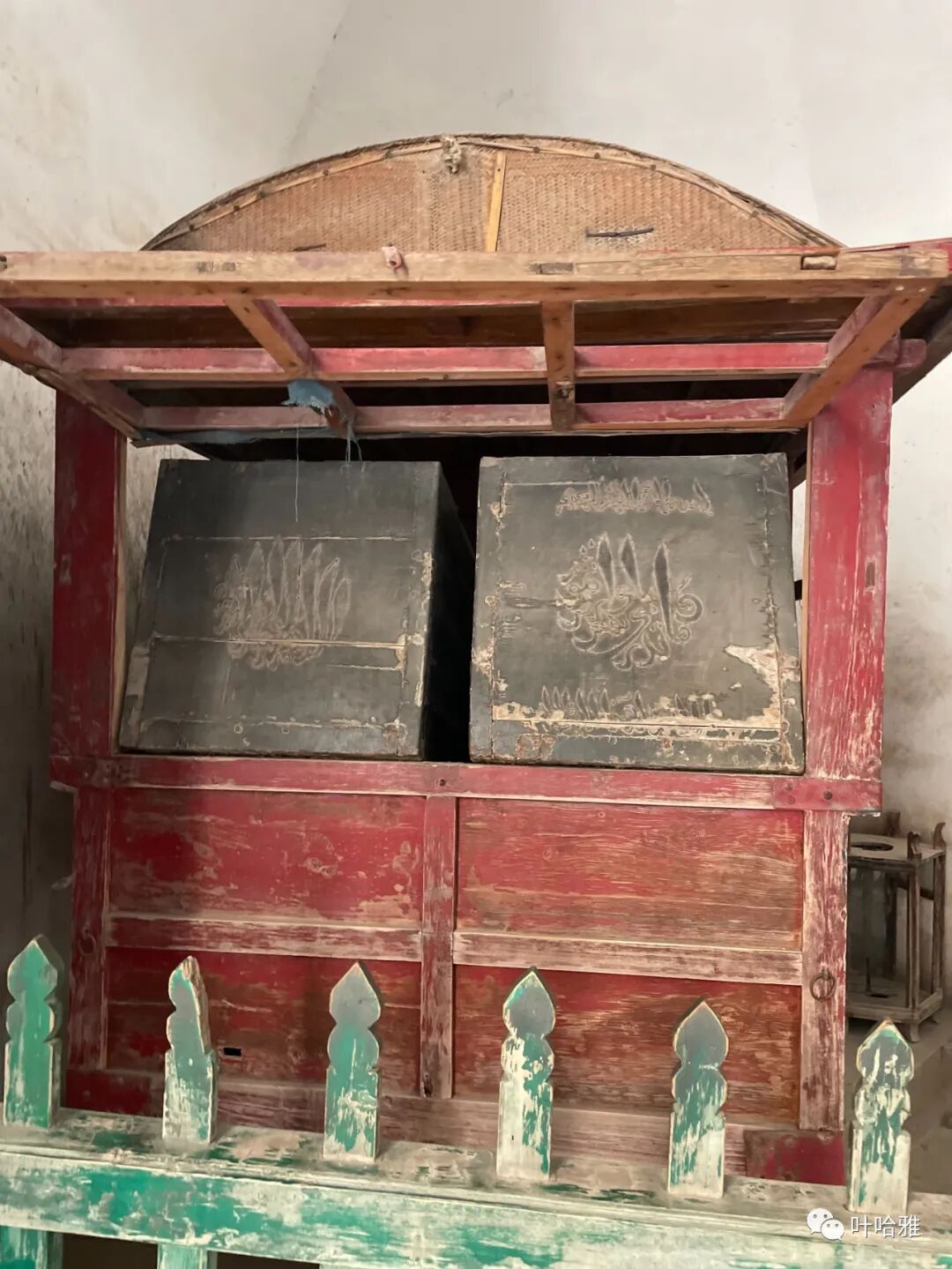
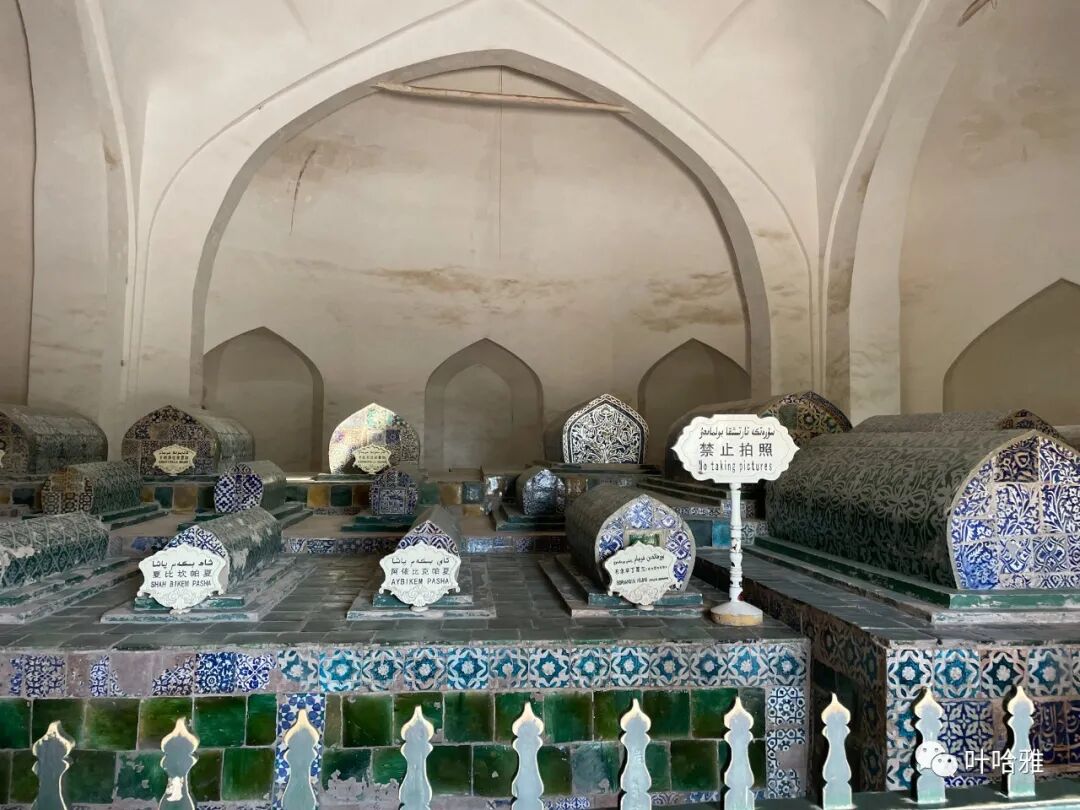
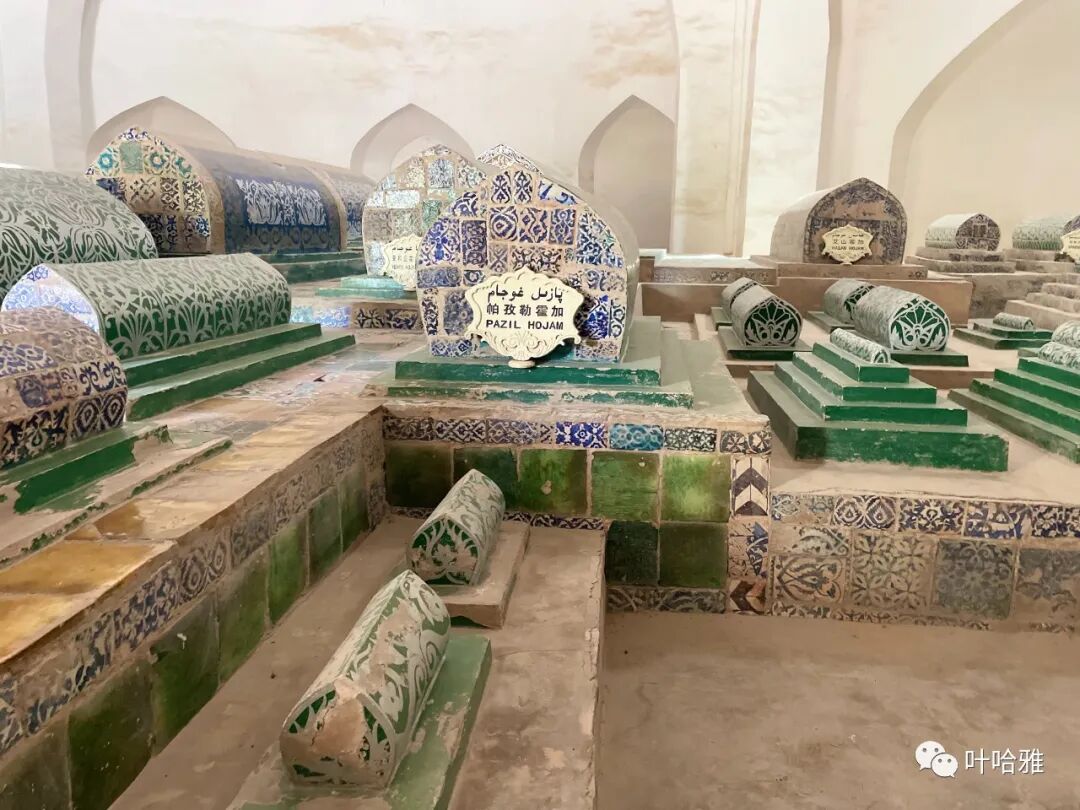
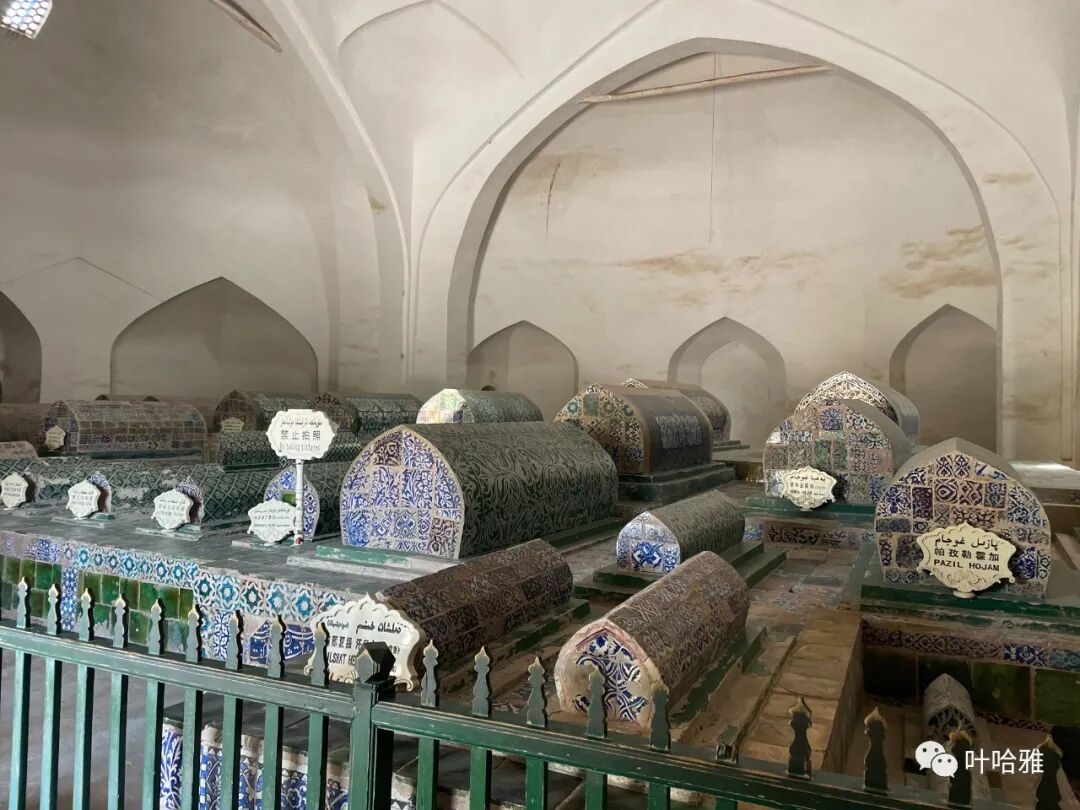
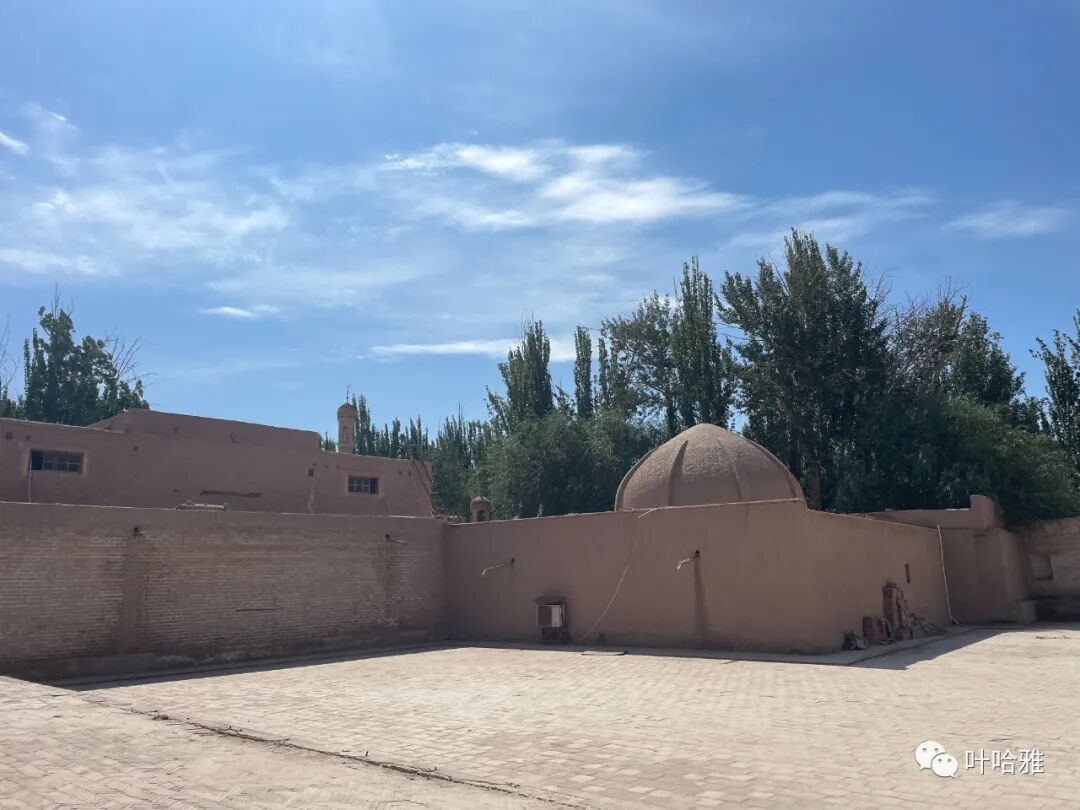
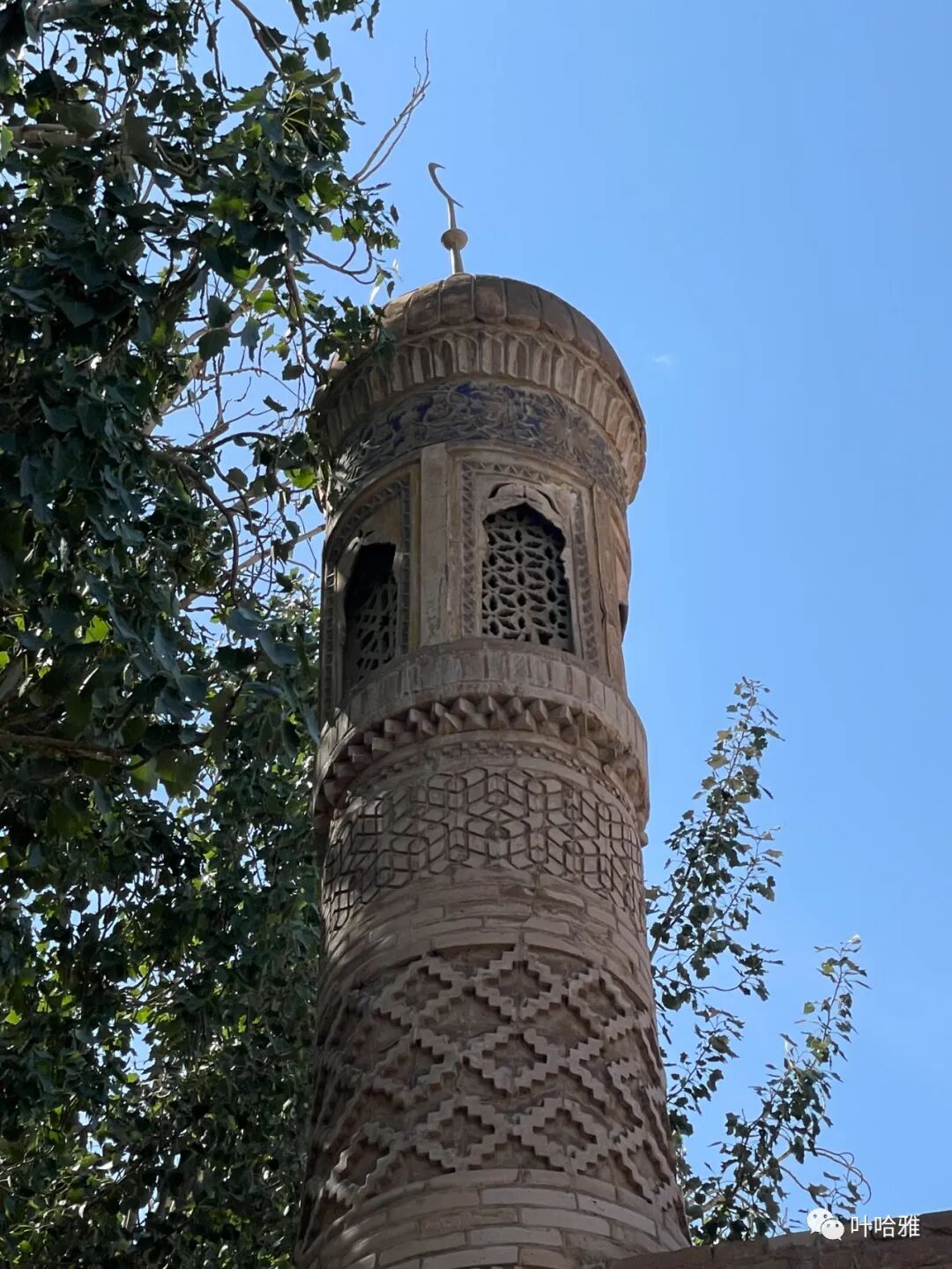
The mazar of Afaq Khoja is right next to the Jiaman Mosque. Since there are no signs, most tourists do not walk this way, making it look especially quiet in the busy Fragrant Concubine Garden.
Afaq Khoja is very important to the various Sufi orders (menhuan) in China, and his influence is closely linked to their history. His disciples include leaders of the Jahriyya, Xianmen, Bi Jichang, Mufti, Ma Diangong, Liu Boyang, Tong Tai Baba, Li Tai Baba, and Anxi Taiye. Ma Laichi of the Huasi menhuan was also born after receiving a blessing from Afaq Khoja, so the records of these menhuan all trace back to Afaq Khoja in Xinjiang.
Because of his struggle with the Black Mountain sect, Afaq Khoja was forced to move to inland areas like Gansu, Ningxia, and Qinghai. Later, he sought help from the Fifth Dalai Lama, who instructed Galdan to support Afaq Khoja's return to Yarkand. Afaq Khoja returned to Yarkand and later died during the struggle against the Black Mountain sect.
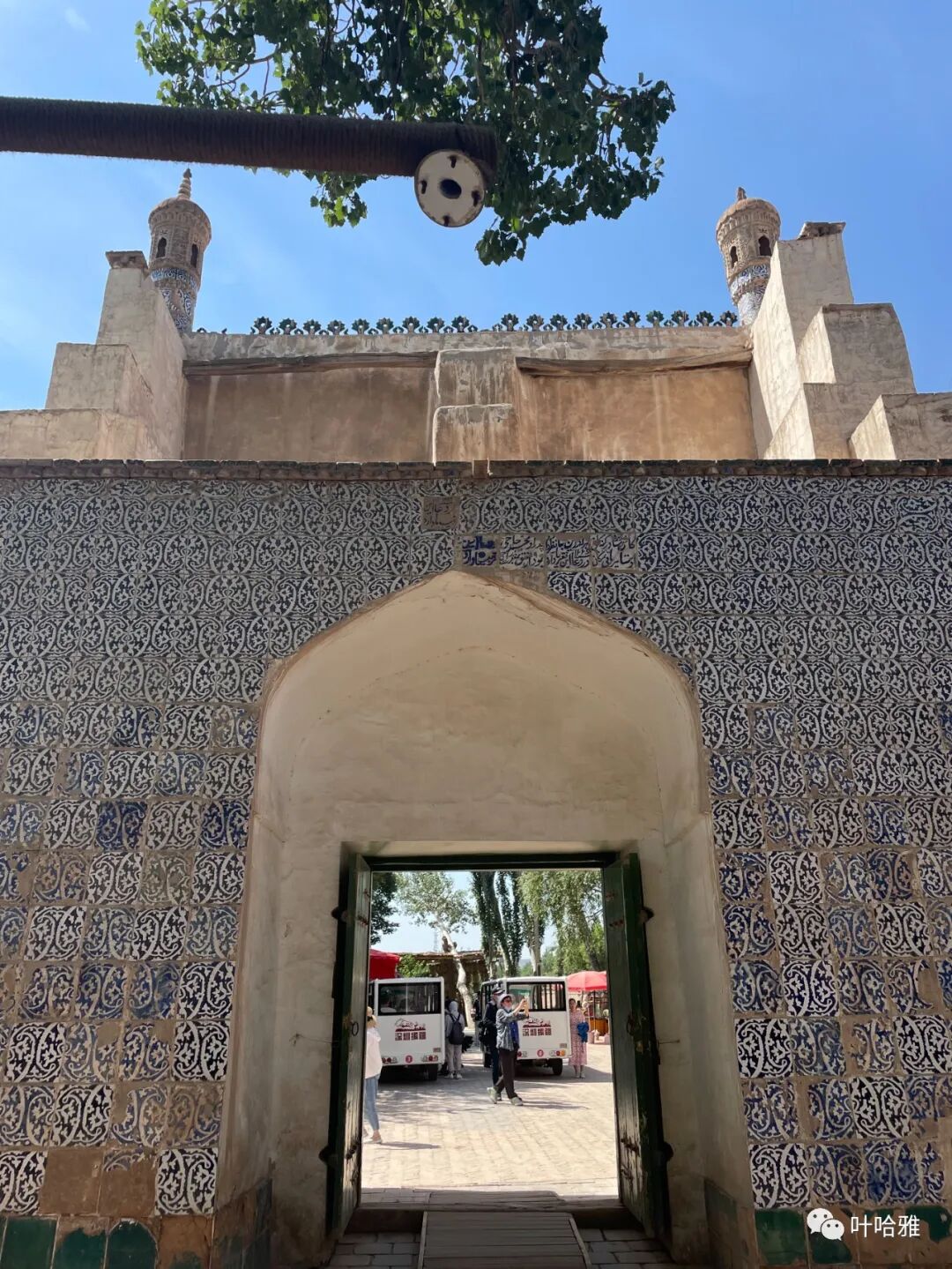
Both the Black Mountain sect and the White Mountain sect come from the same Khoja family. Ishaq, the youngest son of Makhdum-i-Azam, was the founder of the Black Mountain sect. Mamut Yusuph, the grandson of Makhdum-i-Azam, was the founder of the White Mountain sect, and Afaq Khoja was the son of Mamut Yusuph.
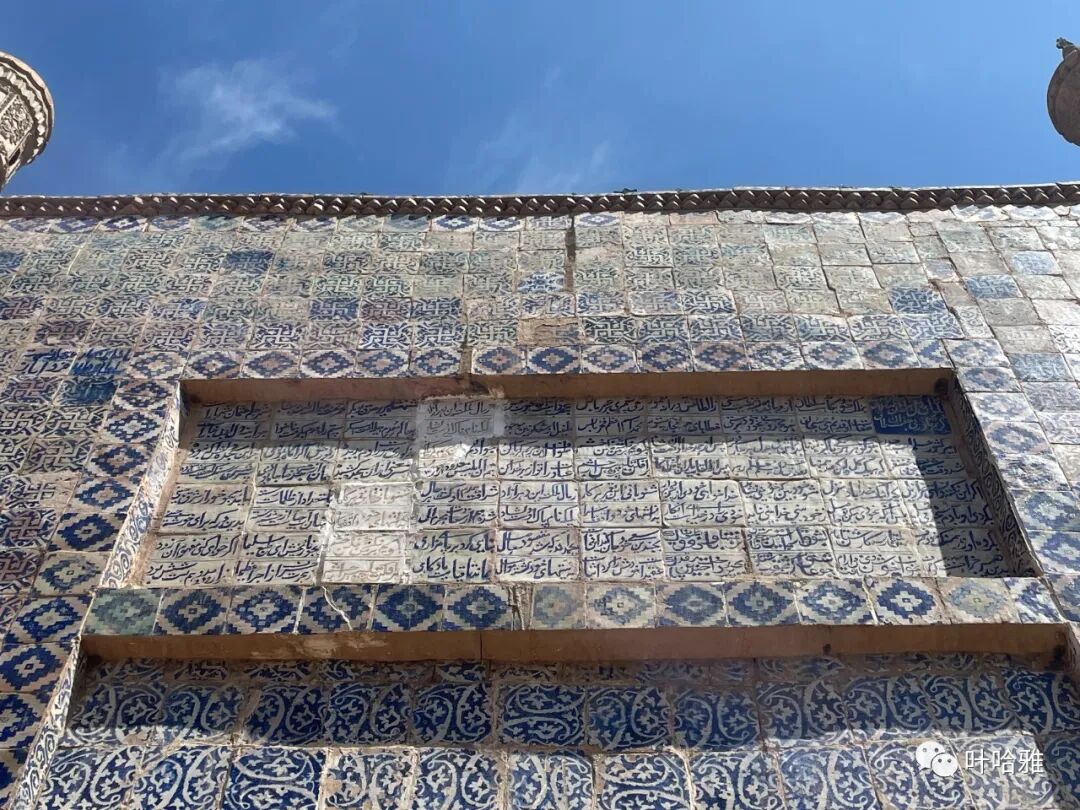
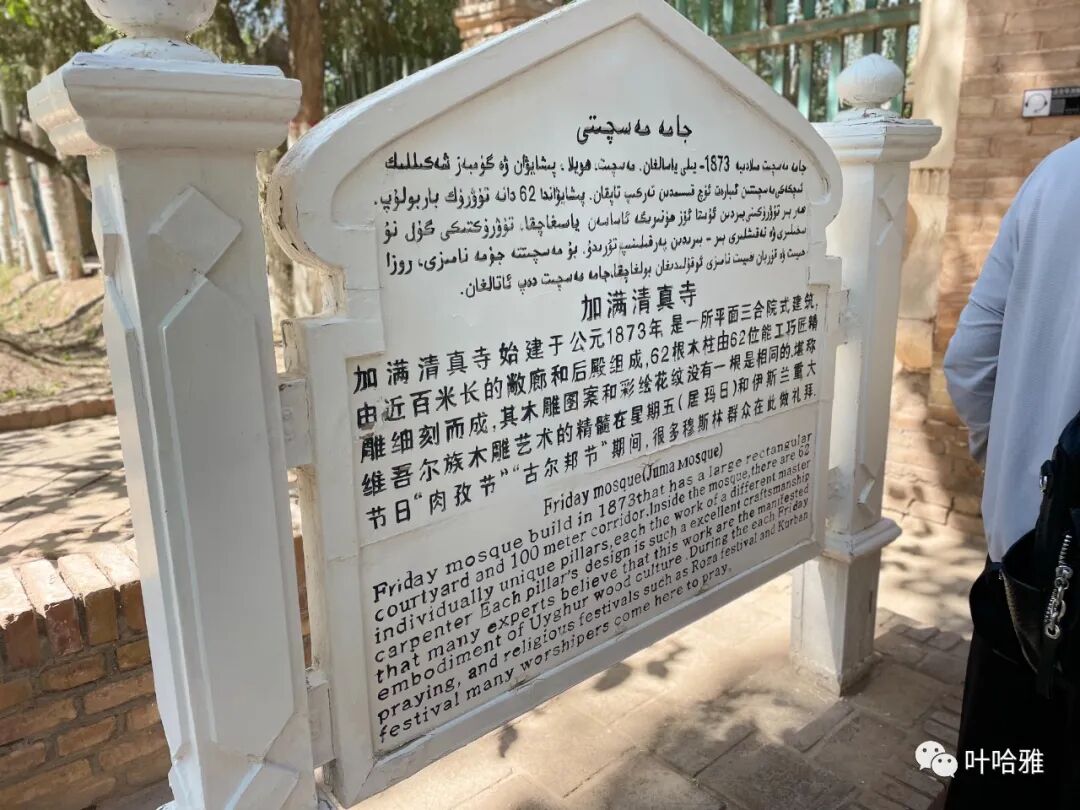
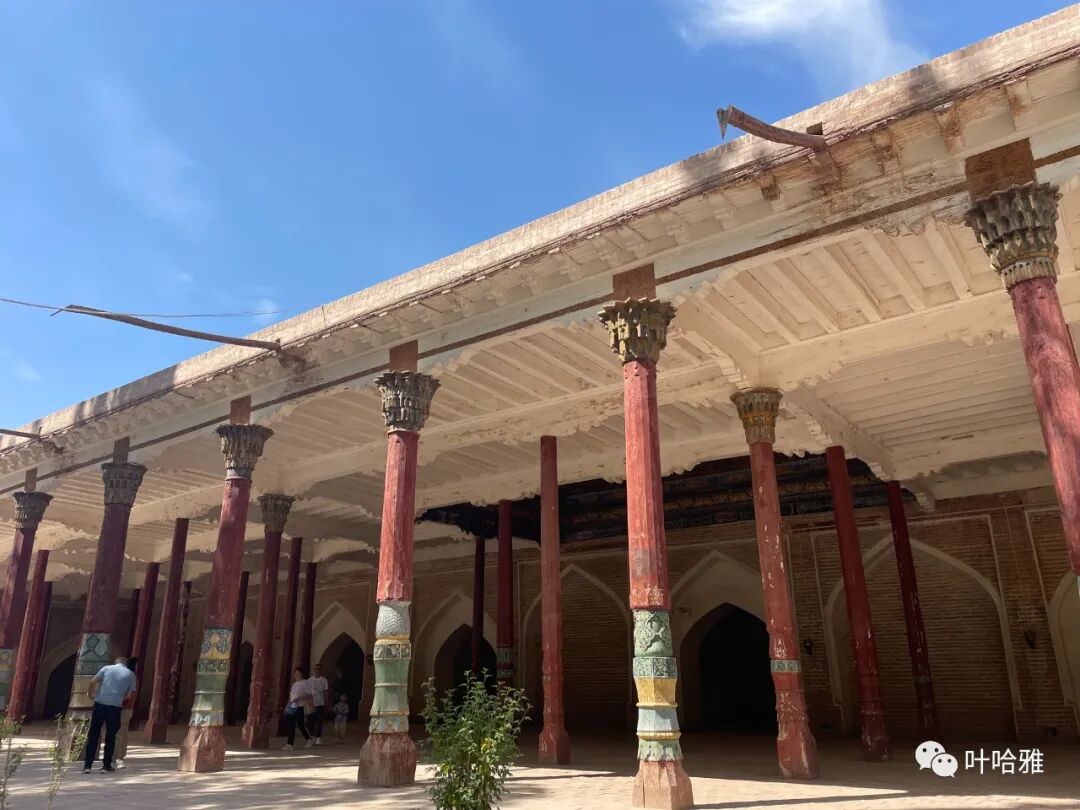
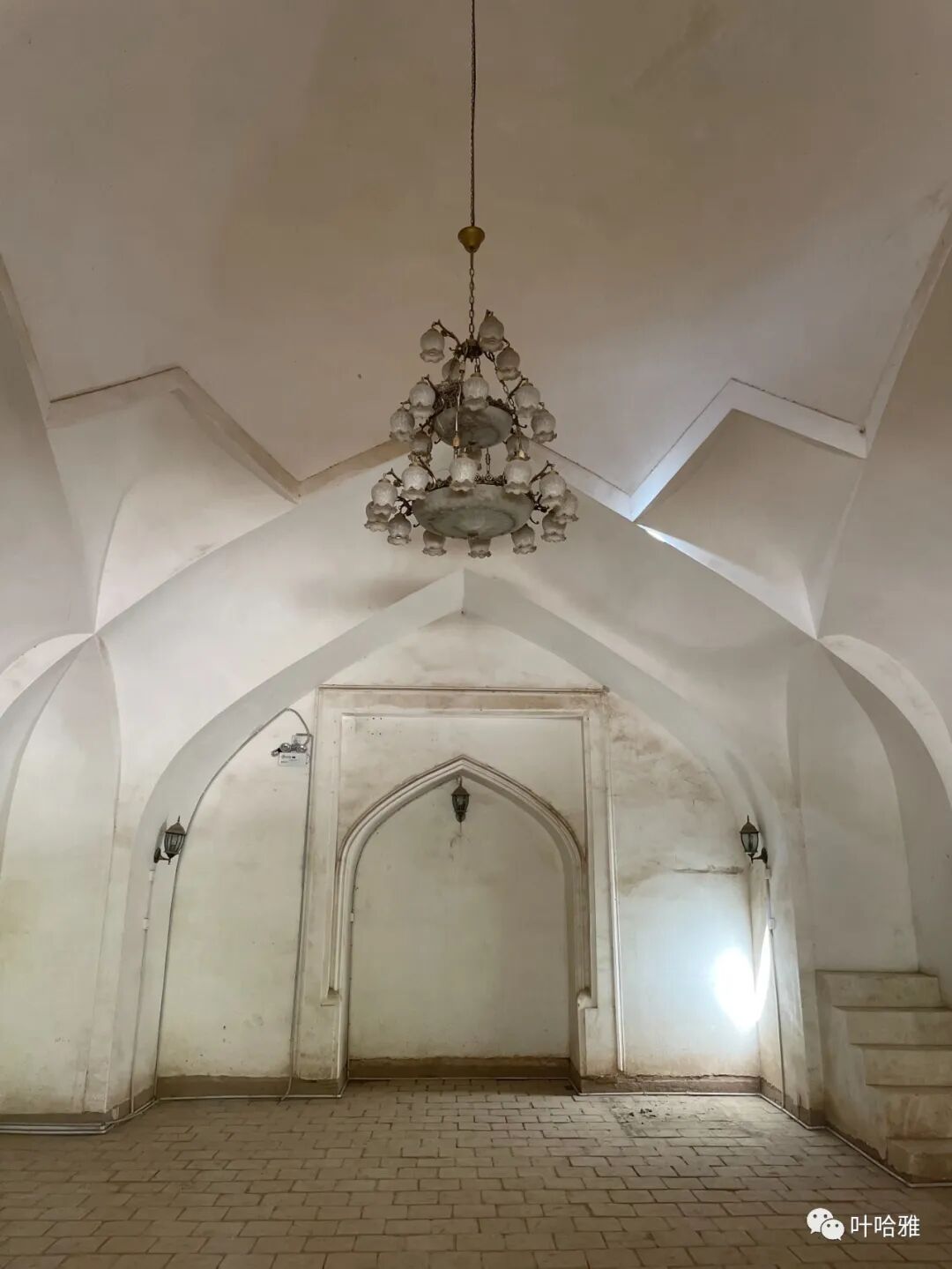
Across from the Jiaman Mosque, there is another prayer hall, but it is no longer in use.
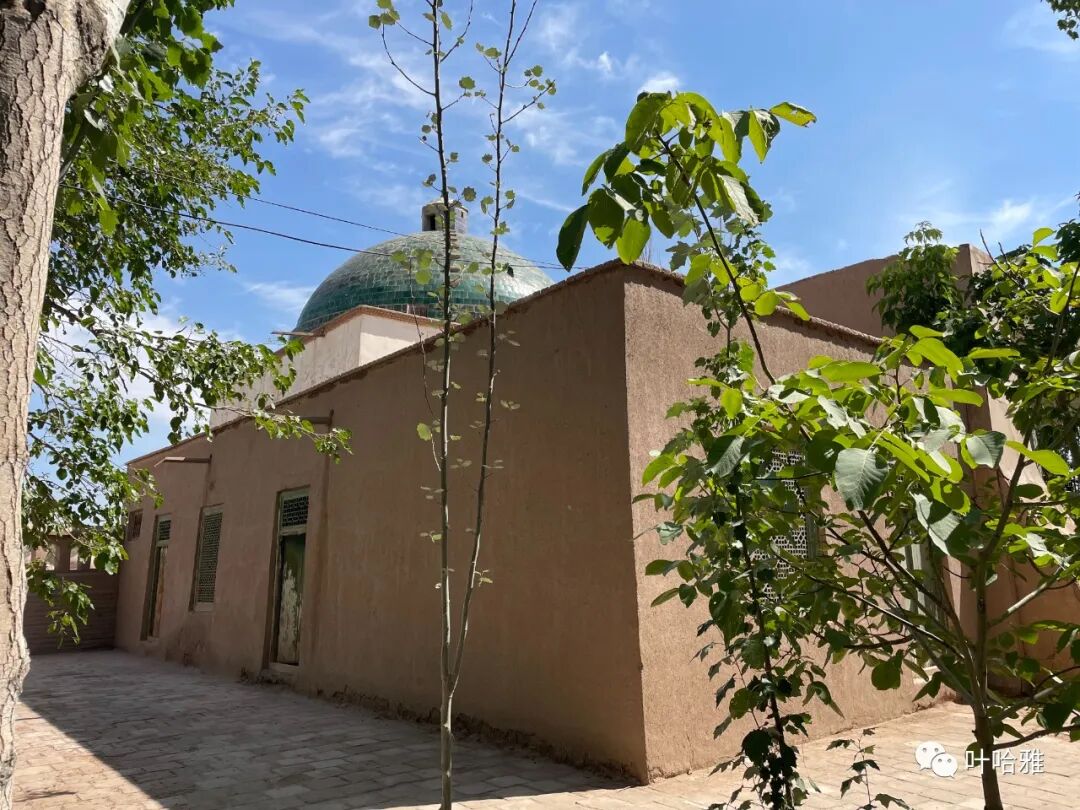
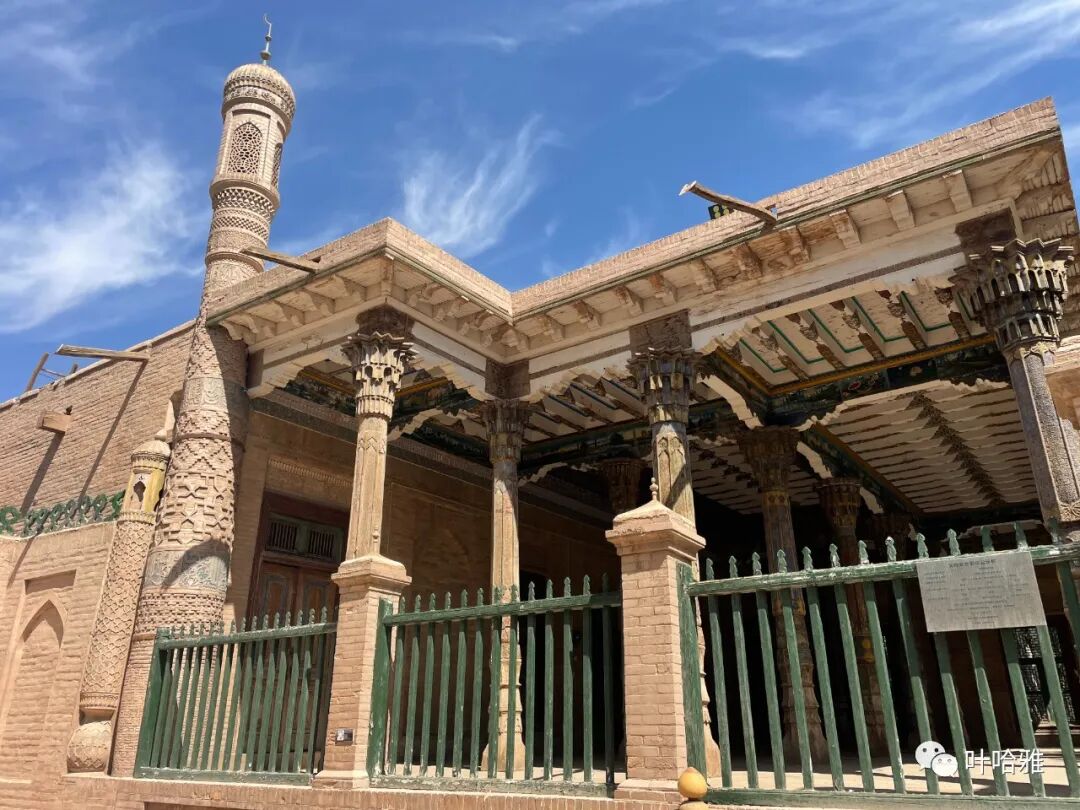
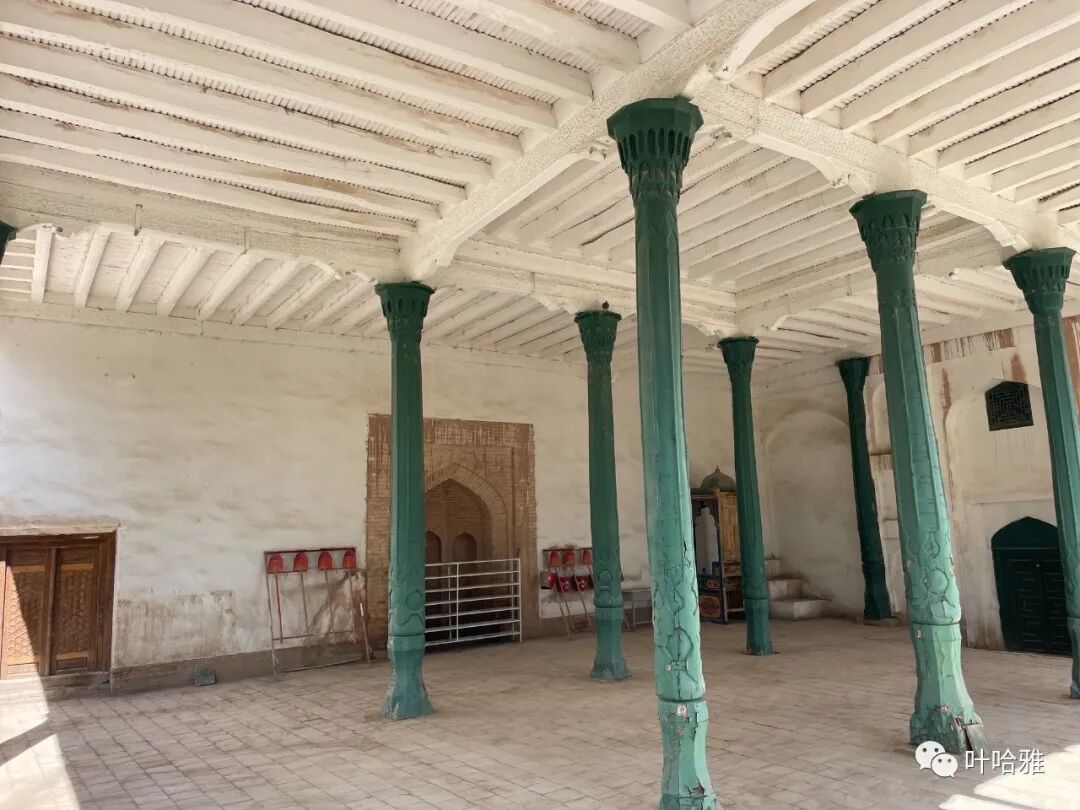
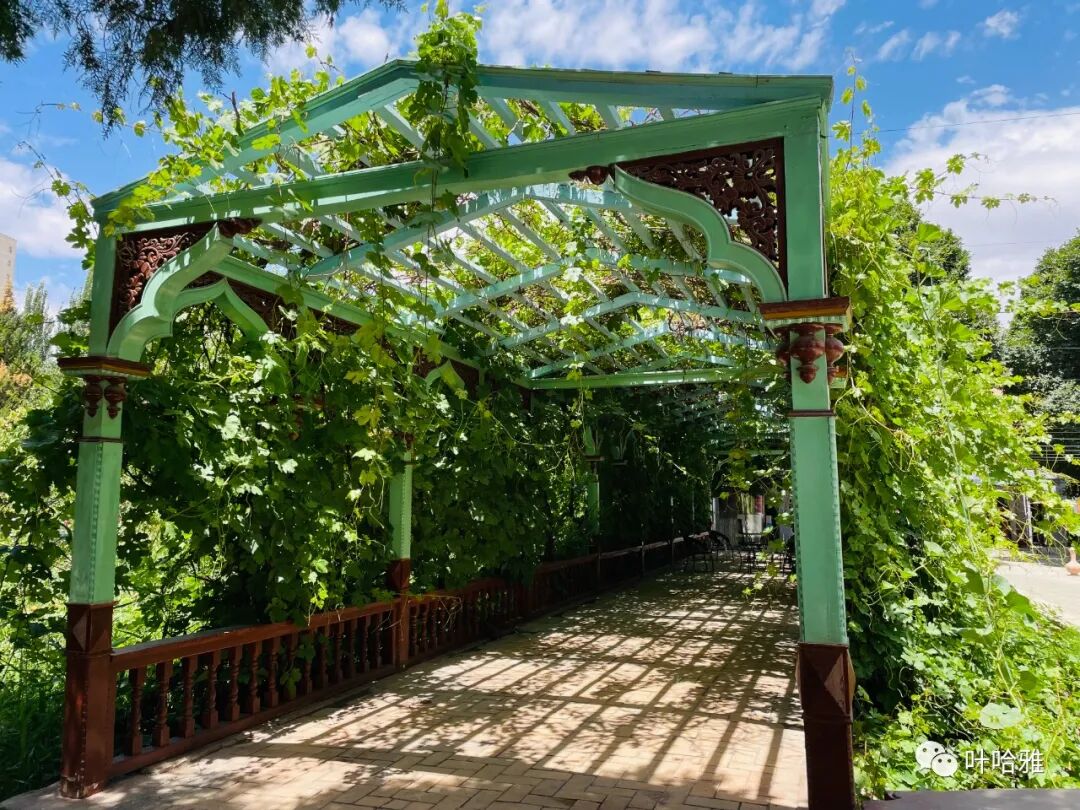
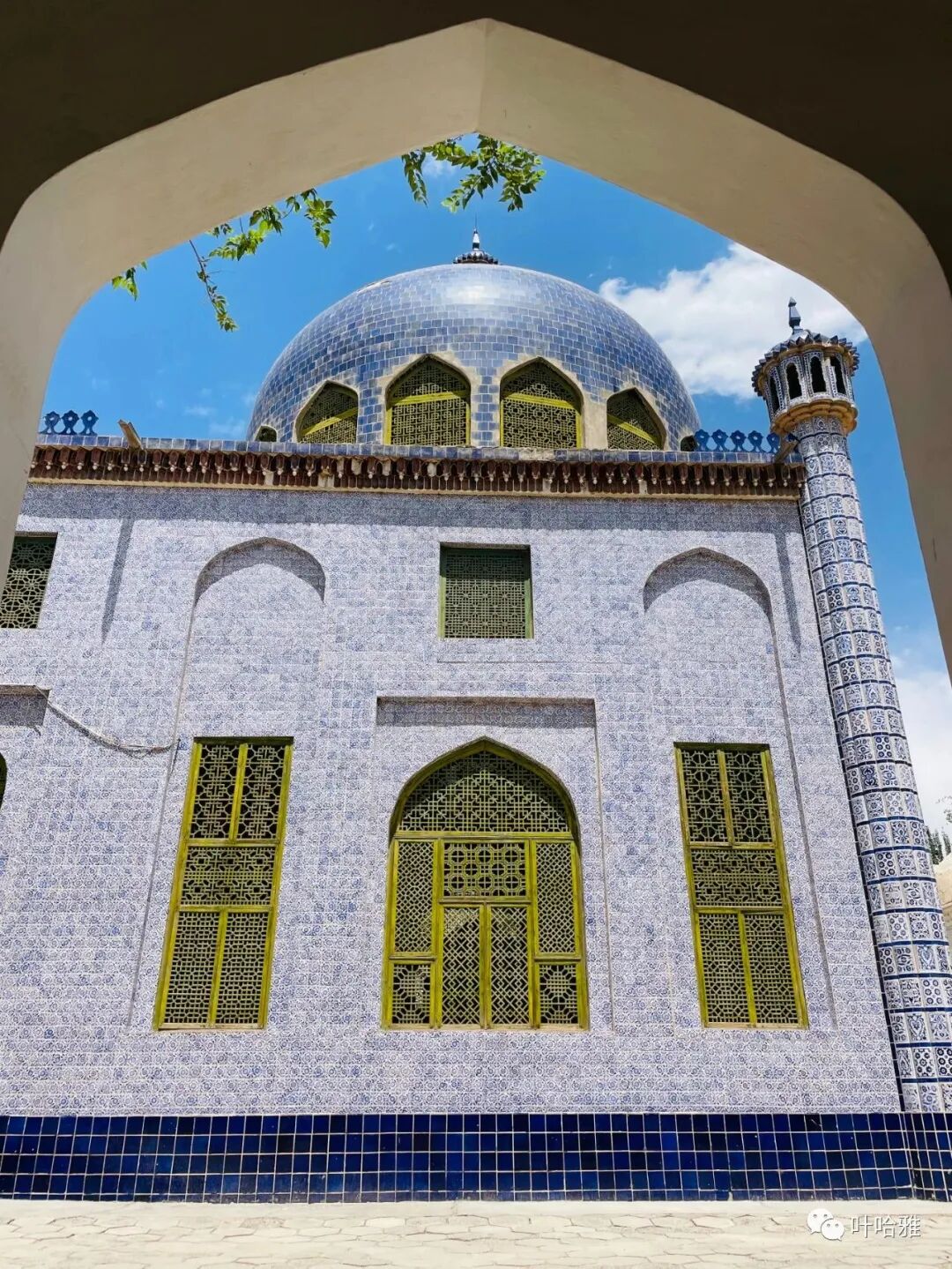
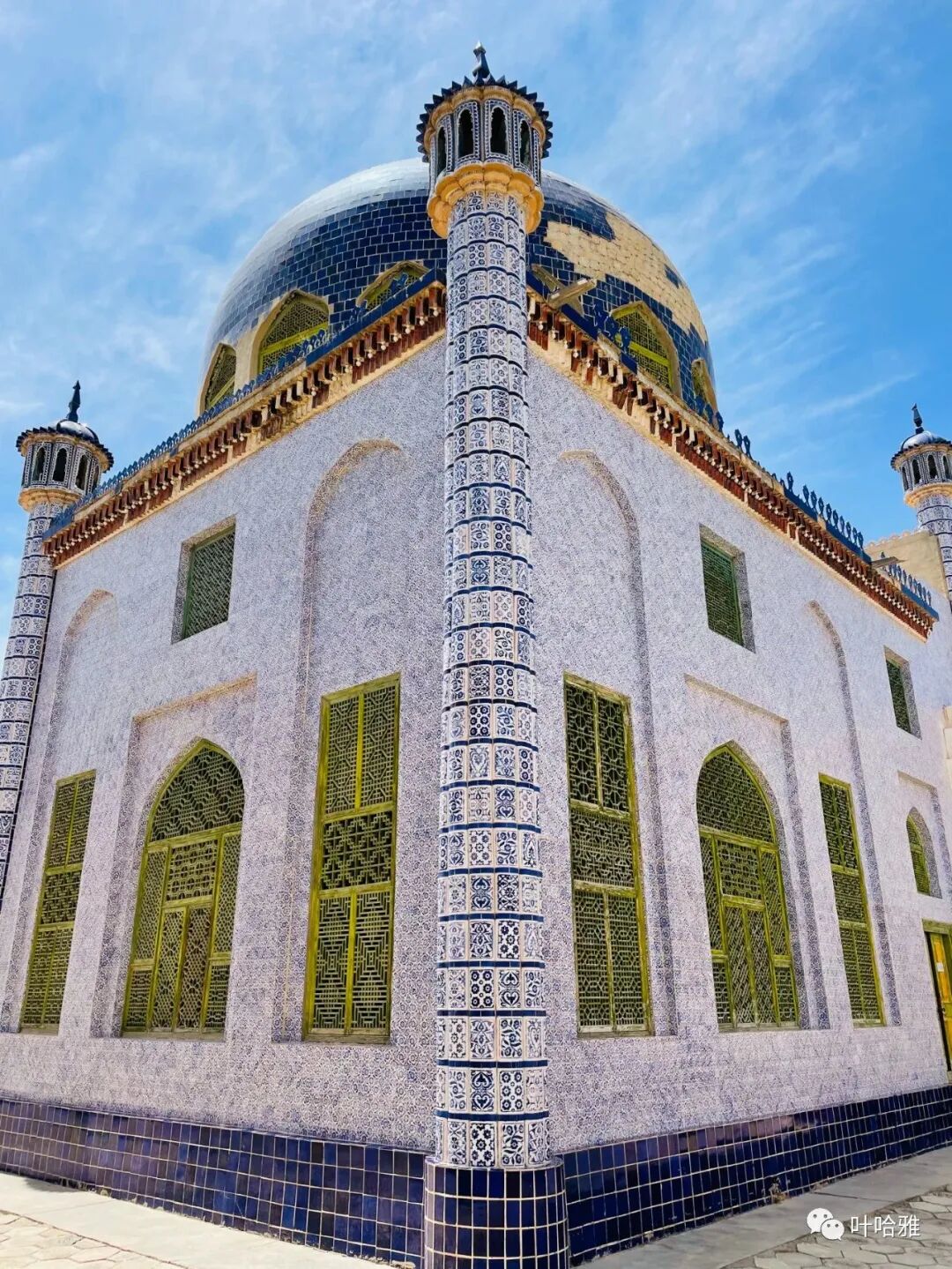
About two or three kilometers from the Kashgar Old City, there is another tomb complex similar in style to the Fragrant Concubine Garden that is also worth mentioning: the Tomb of Yusuf Khass Hajib (1019-1085).
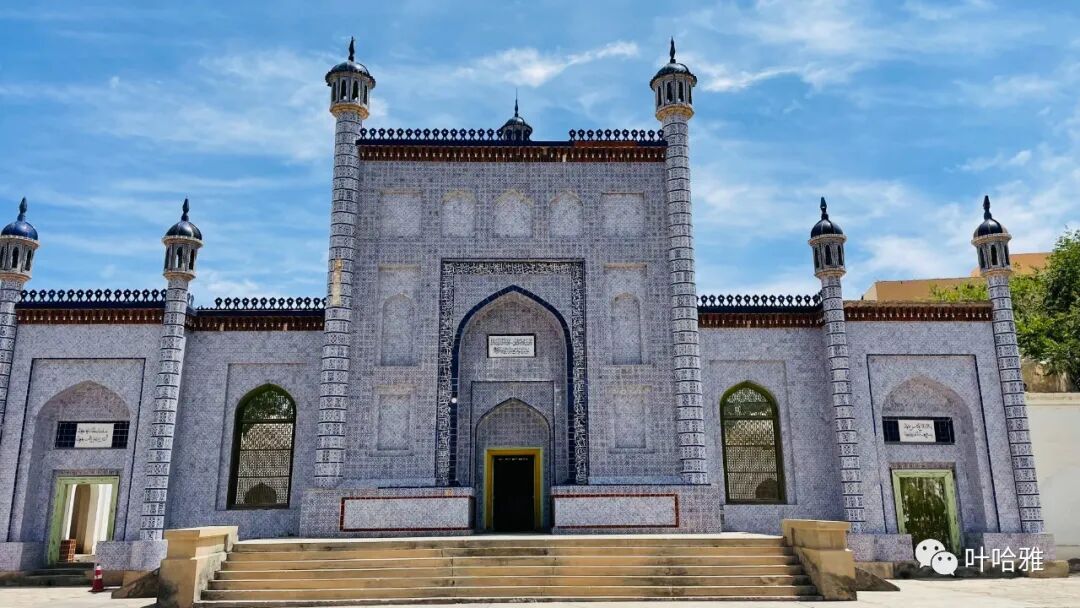
Yusuf Khass Hajib, the famous poet and author of Wisdom of Royal Glory (Kutadgu Bilig), was a Kyrgyz person and a court official for the Karakhanid dynasty. Kashgar was the capital of the dynasty at the time, and Khass Hajib means court official. His portrait is still printed on Kyrgyz banknotes today.

Yusuf Khass Hajib had a huge influence on Uyghur language and literature, much like Confucius for the Chinese people. However, because Han people do not know much about him, very few tourists visit his tomb.
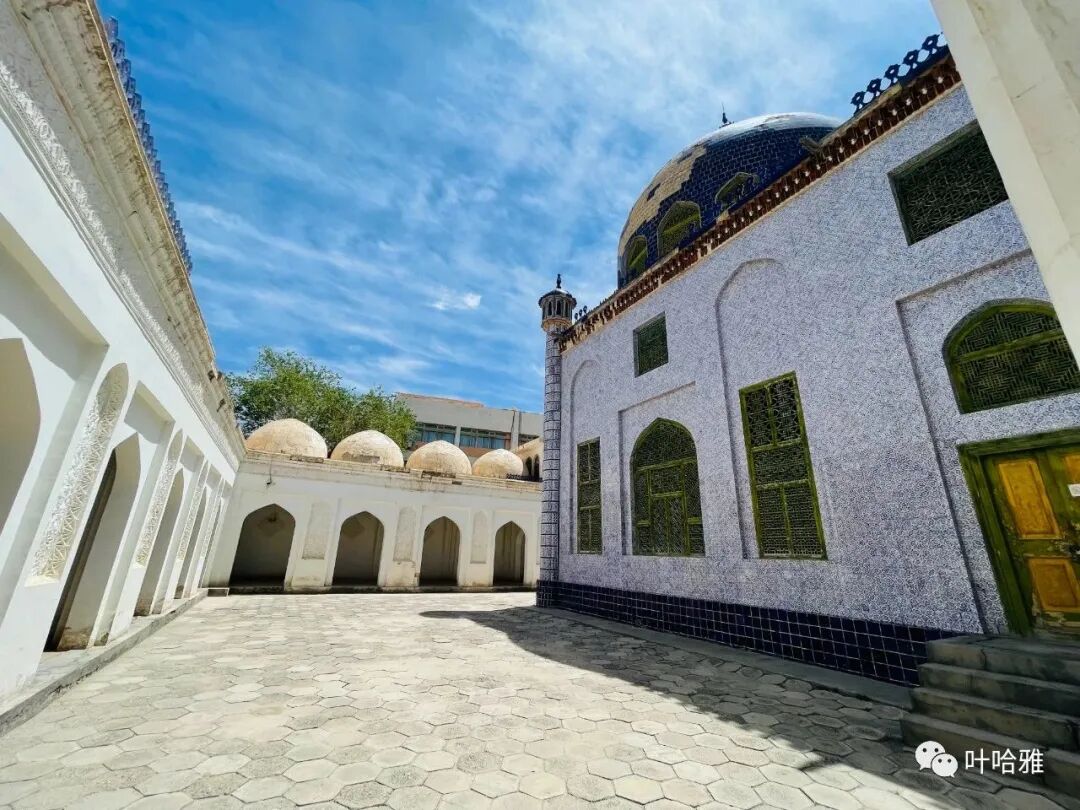
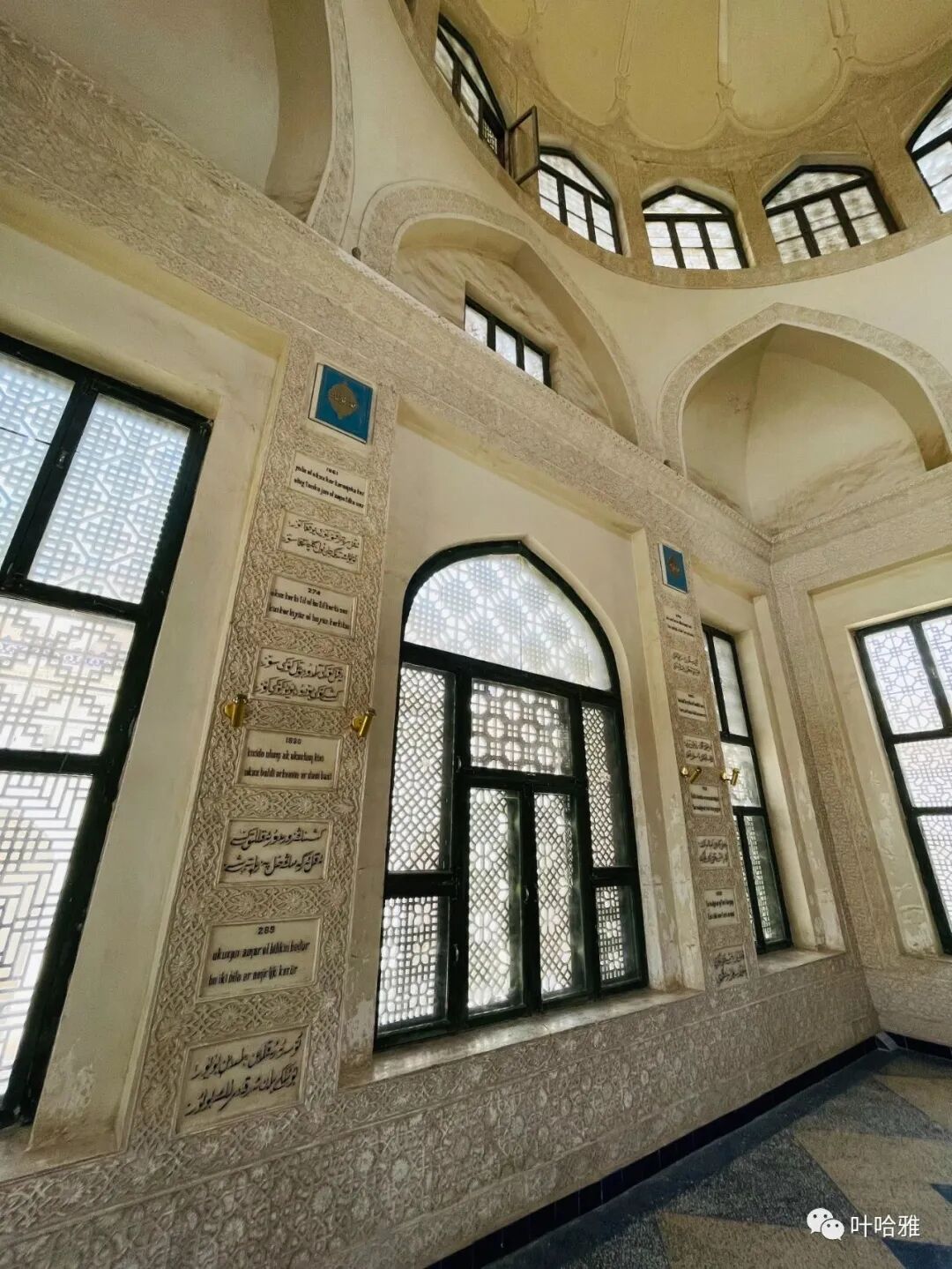
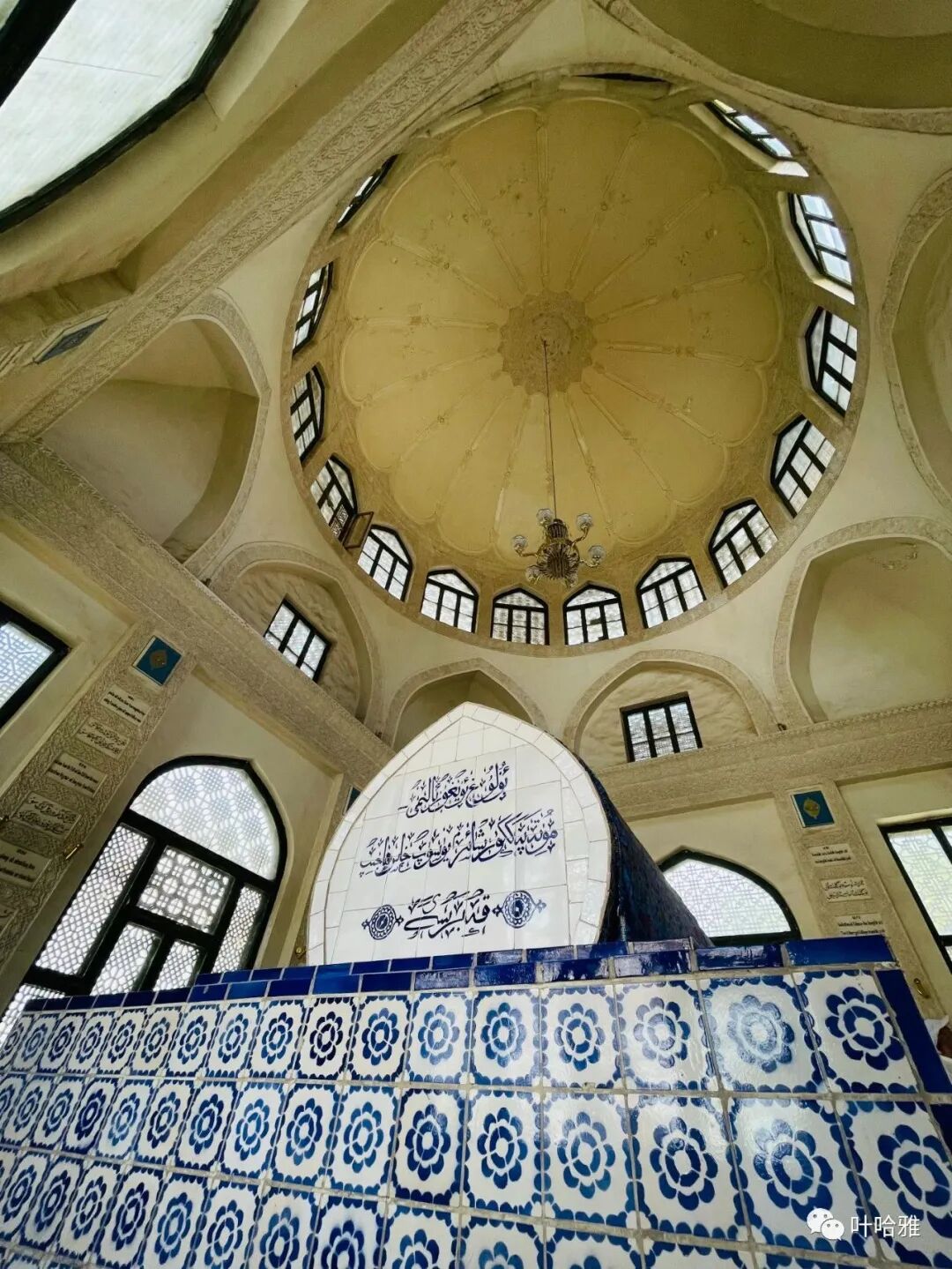
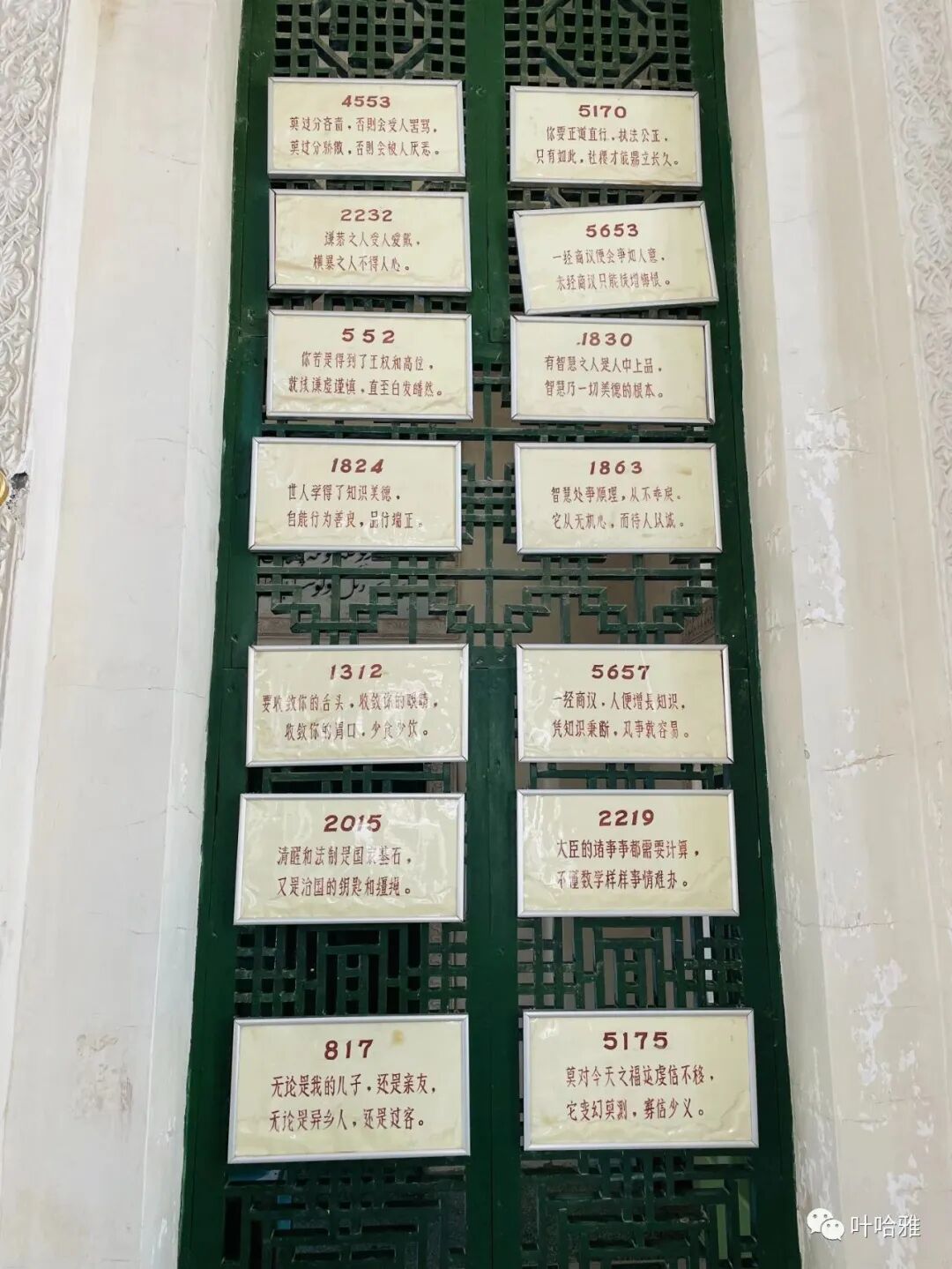
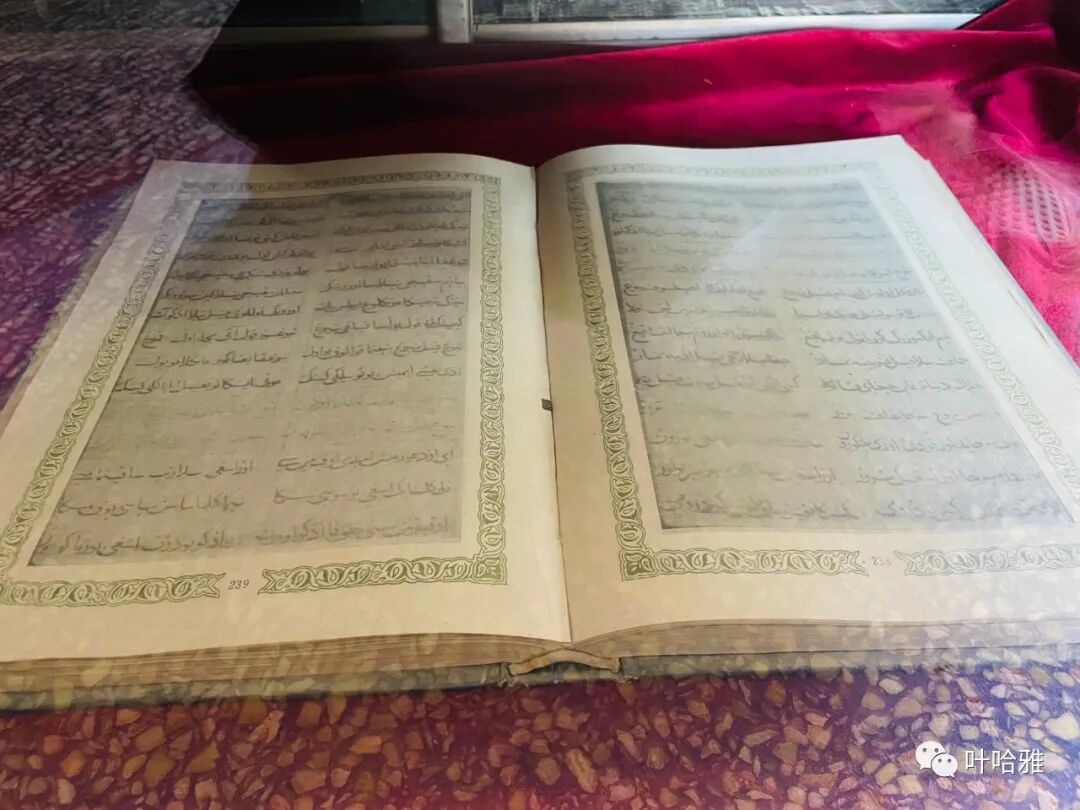
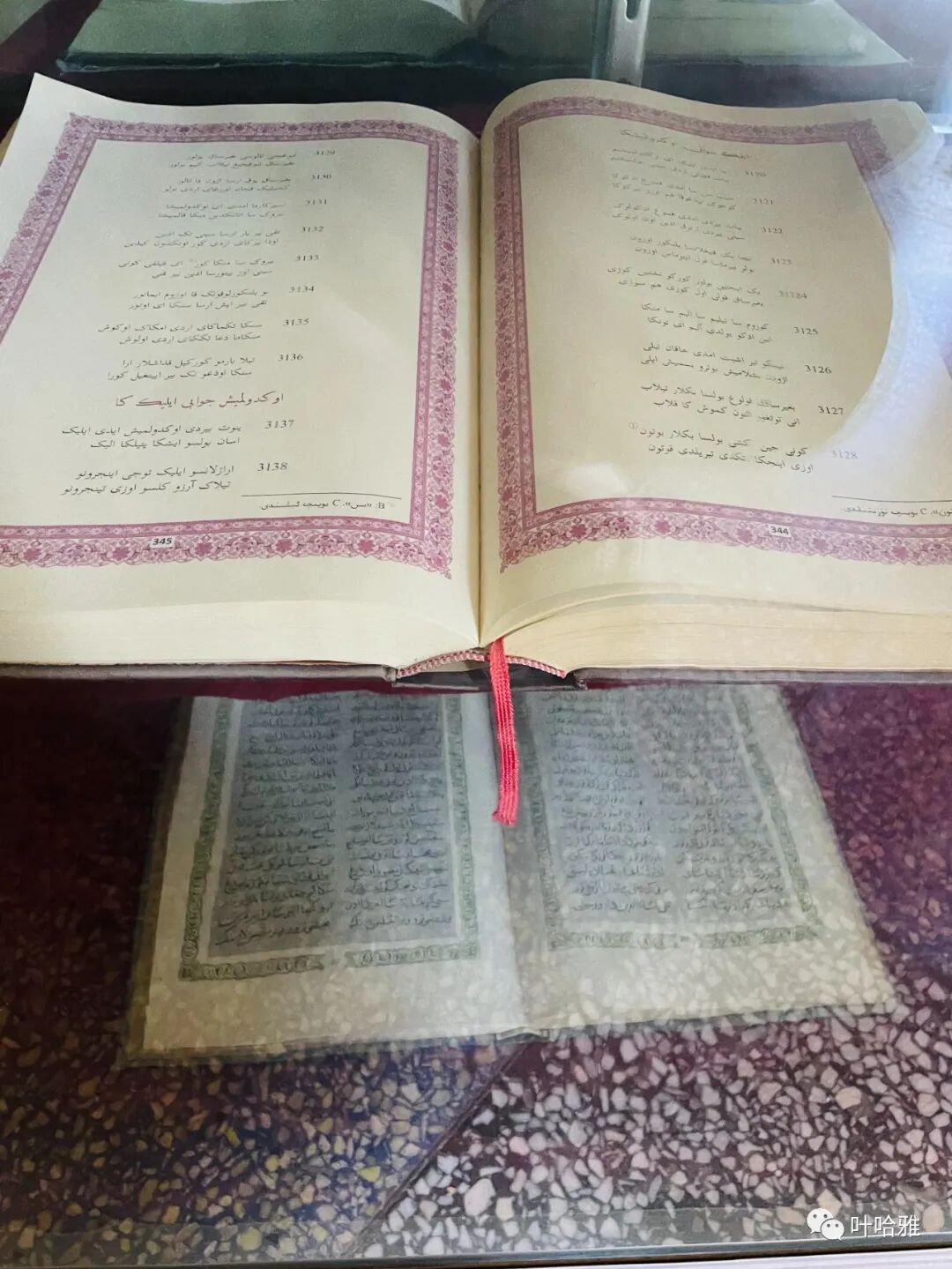
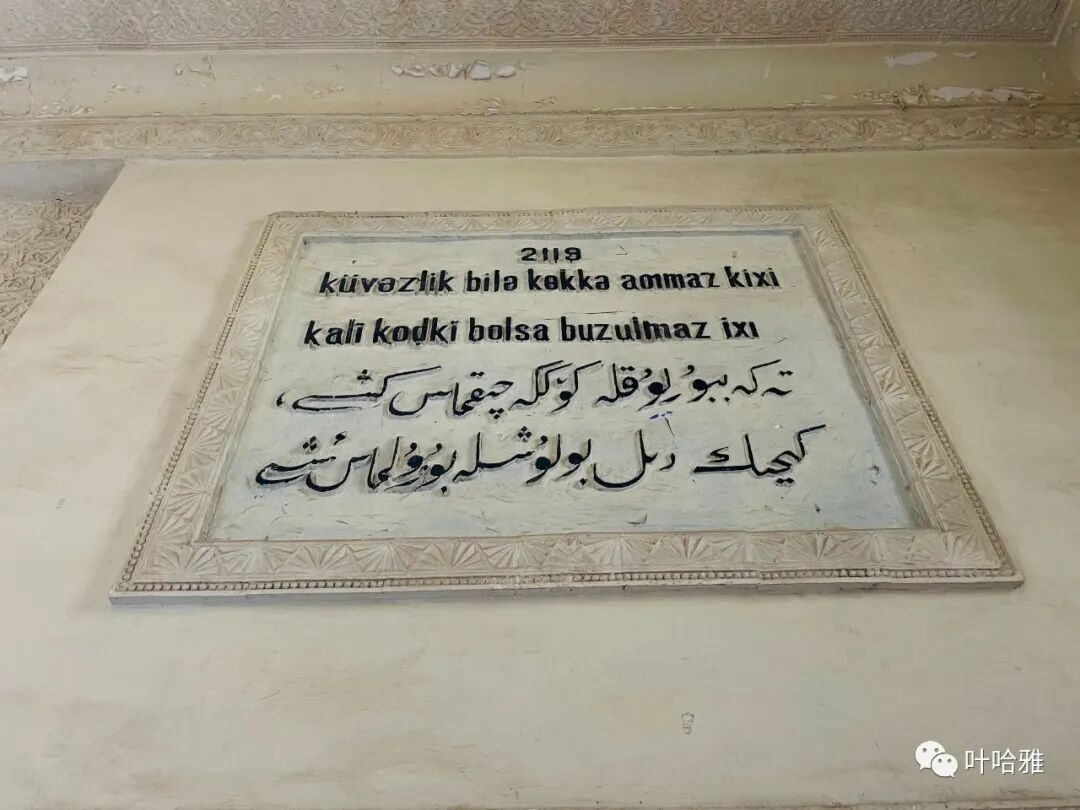
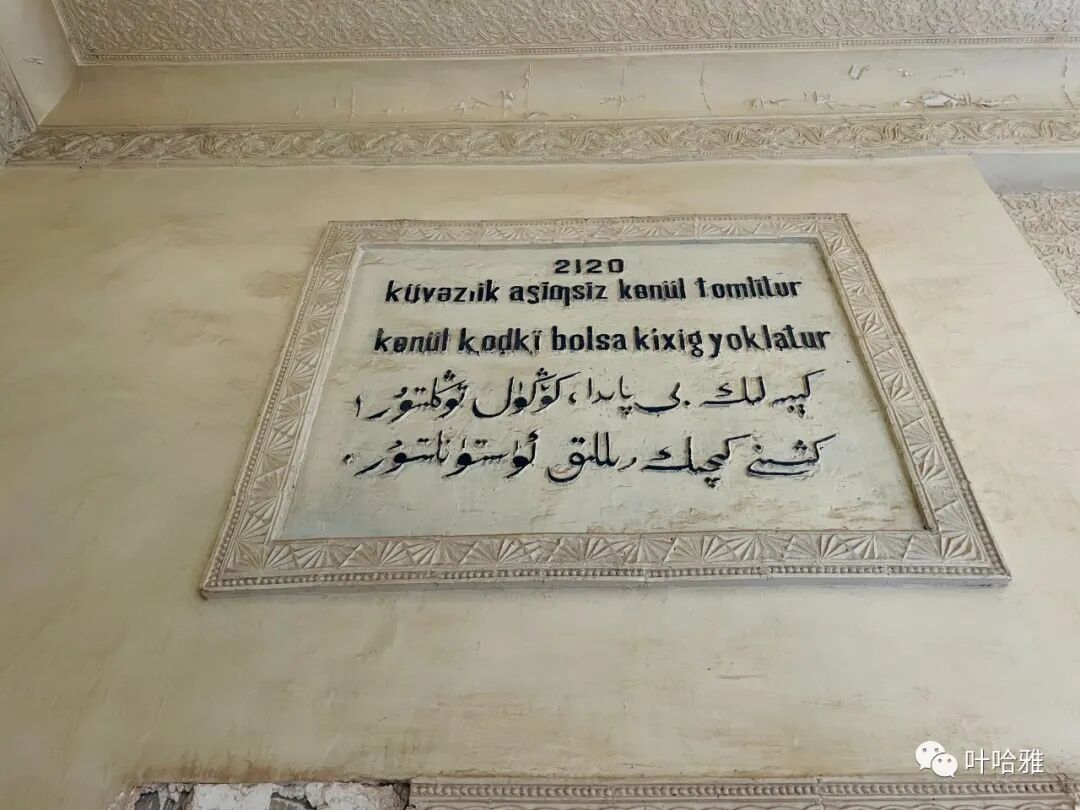
In Kashgar, you have to wait until almost 11:00 PM for it to get dark, which is a time difference of nearly three hours from Beijing. It is very sunny during the day, so you can visit the Night Market (Han Bazar) in the Old City at night. There are many tourists there, and it is still busy until 1:00 AM.
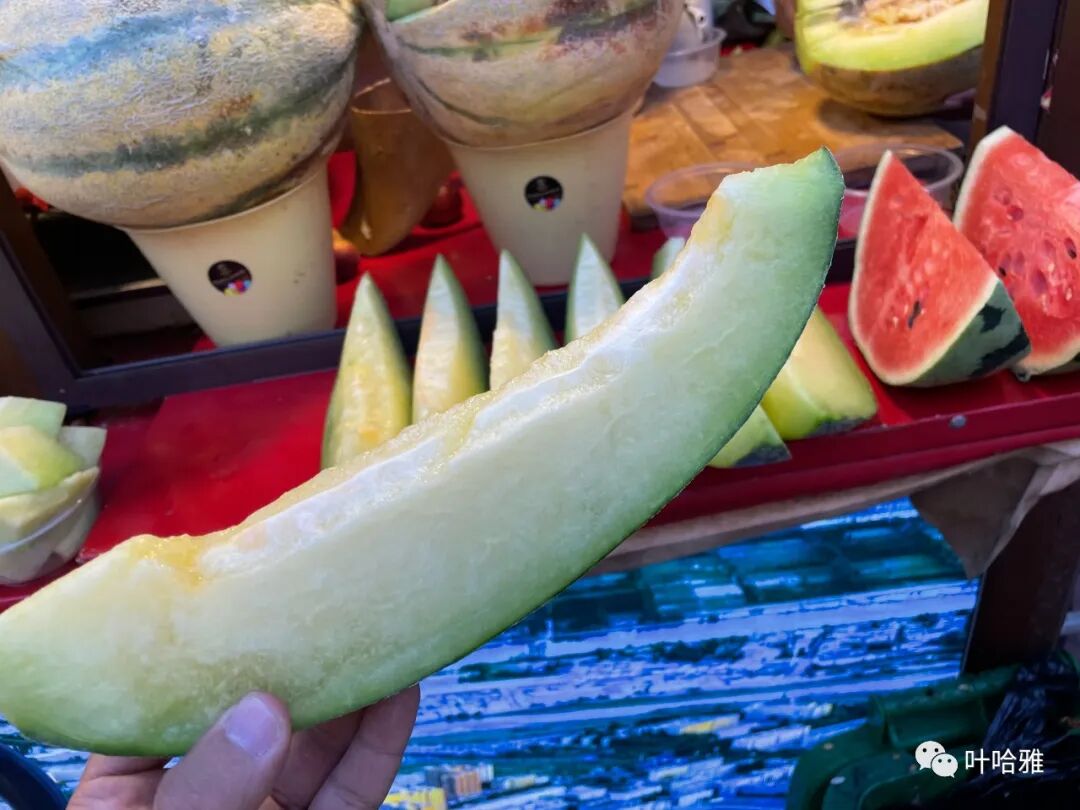
The old man's melon at the Han Bazar costs 3 yuan a slice; it is delicious and cheap.
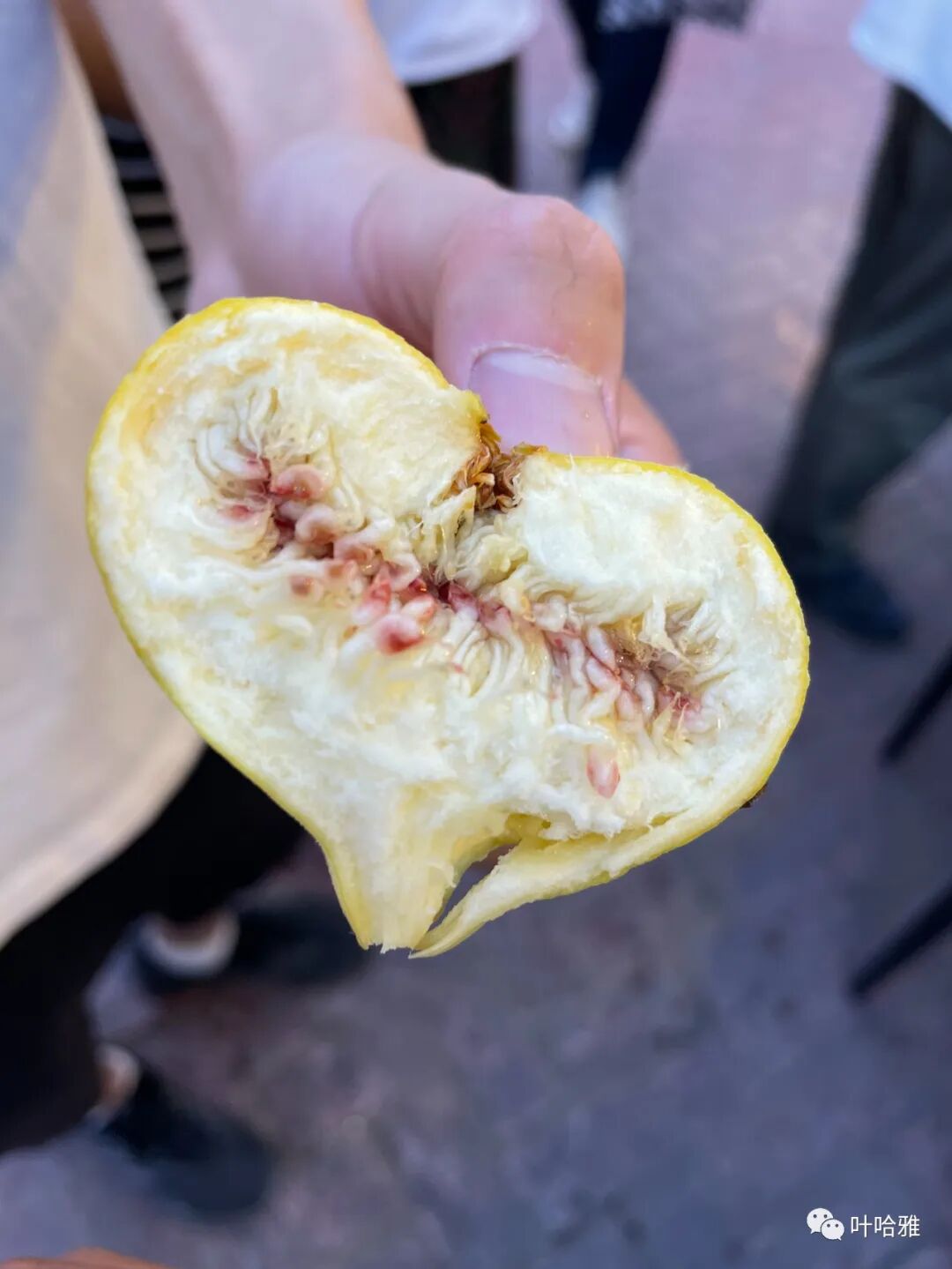
Figs (wuhuaguo).
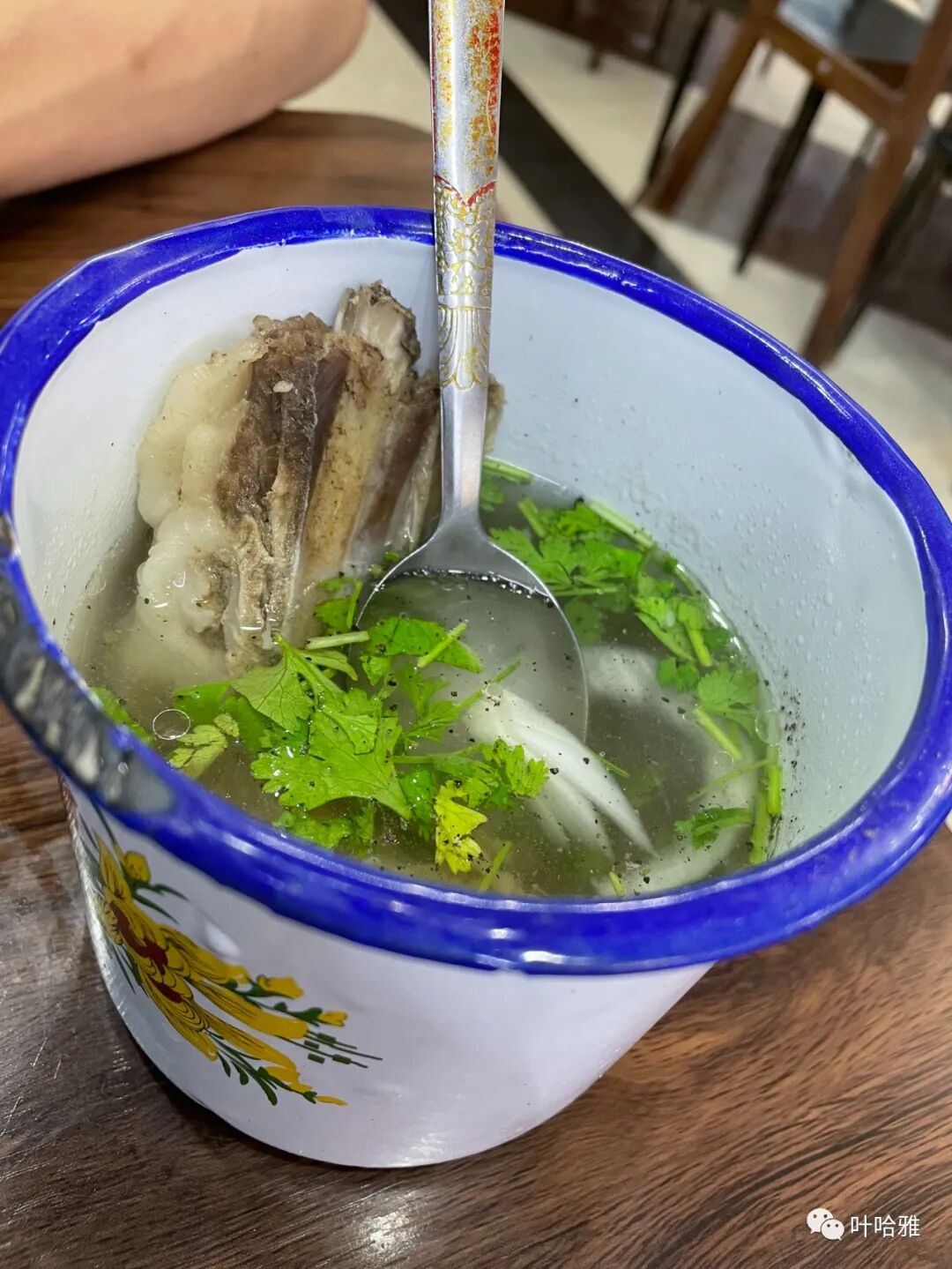
Braised meat (gangzirou)
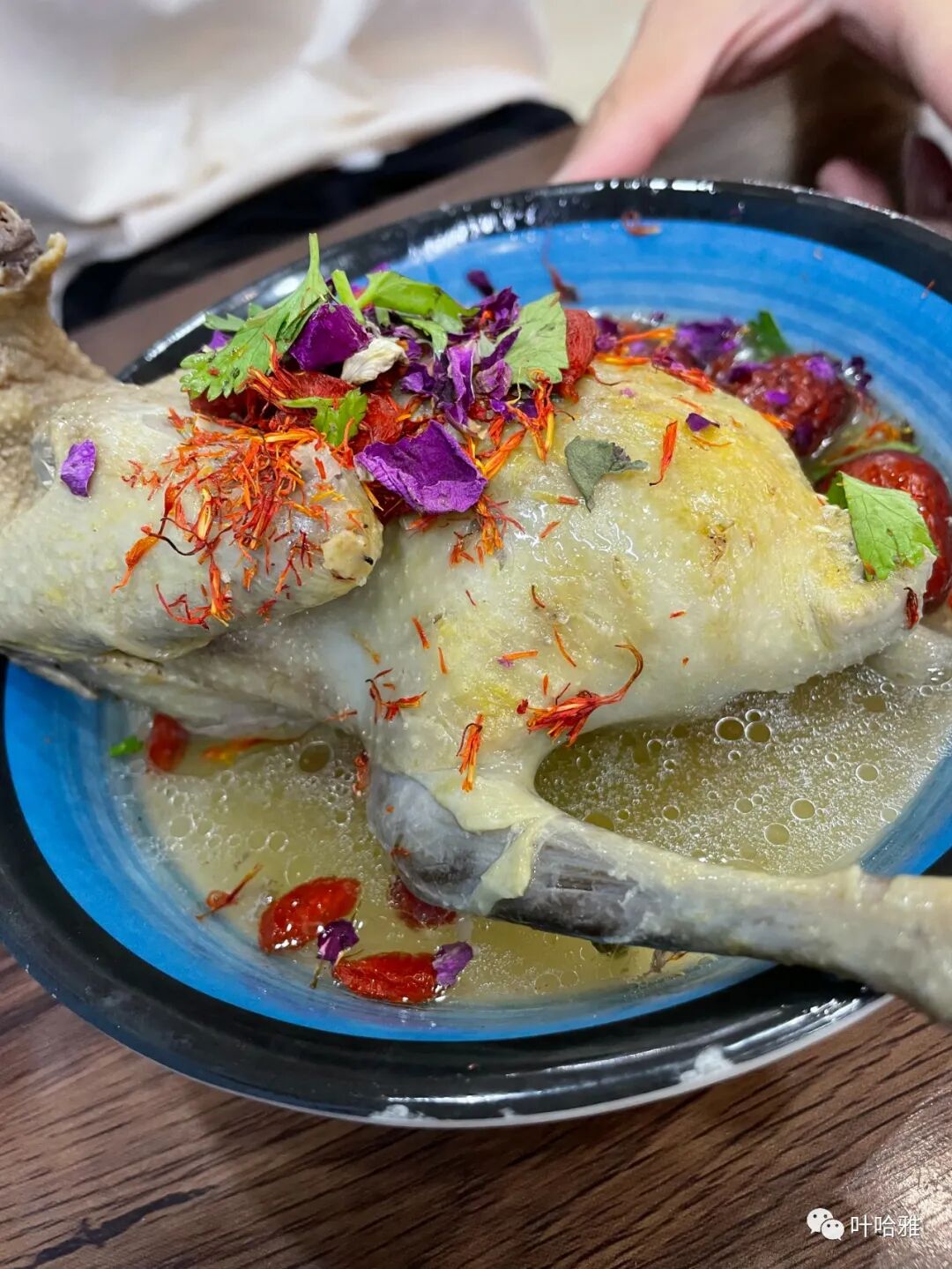
Rose pigeon soup (meiguihua gezi tang)
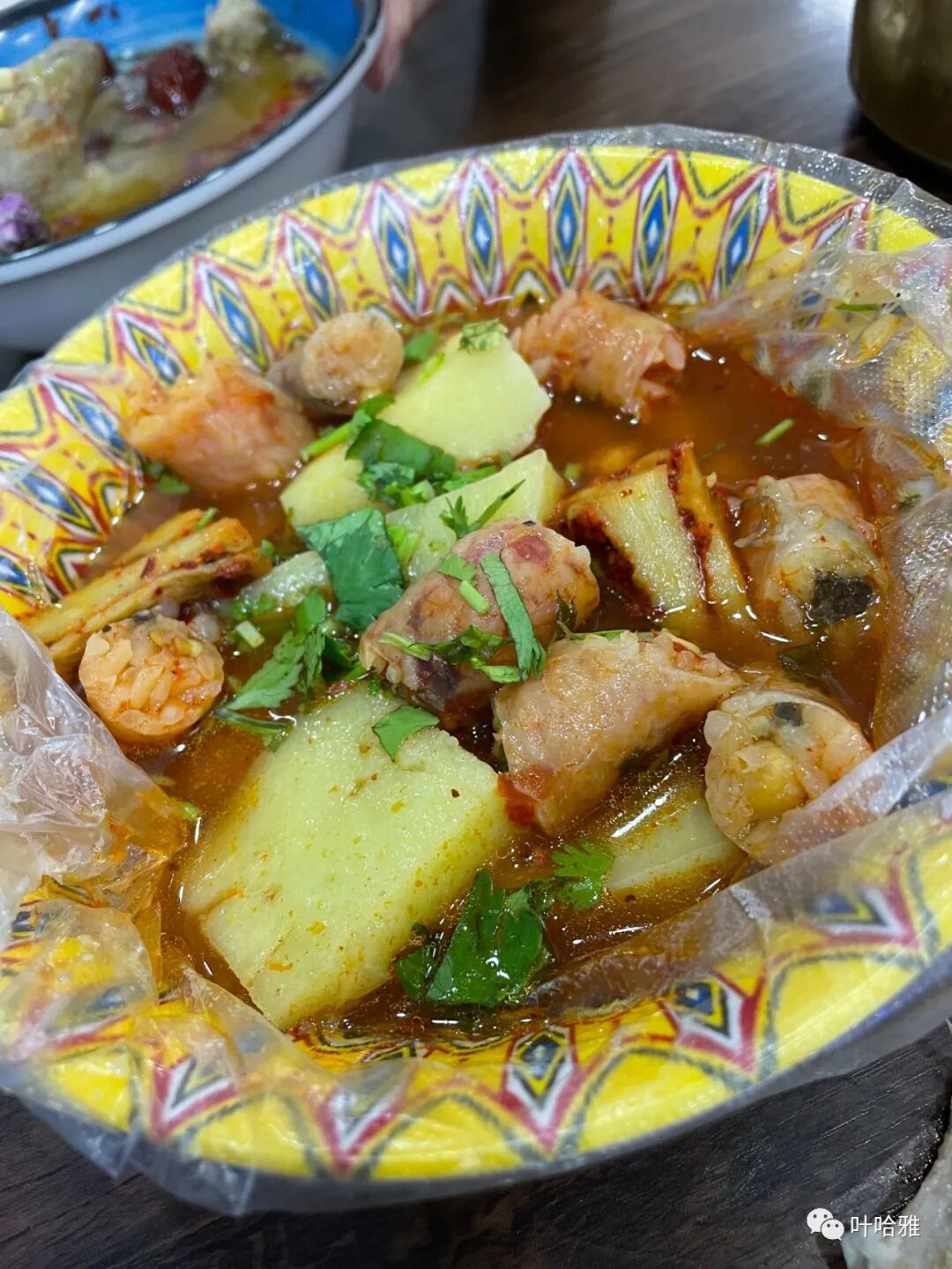
Rice sausage and lung (michang mianfei)
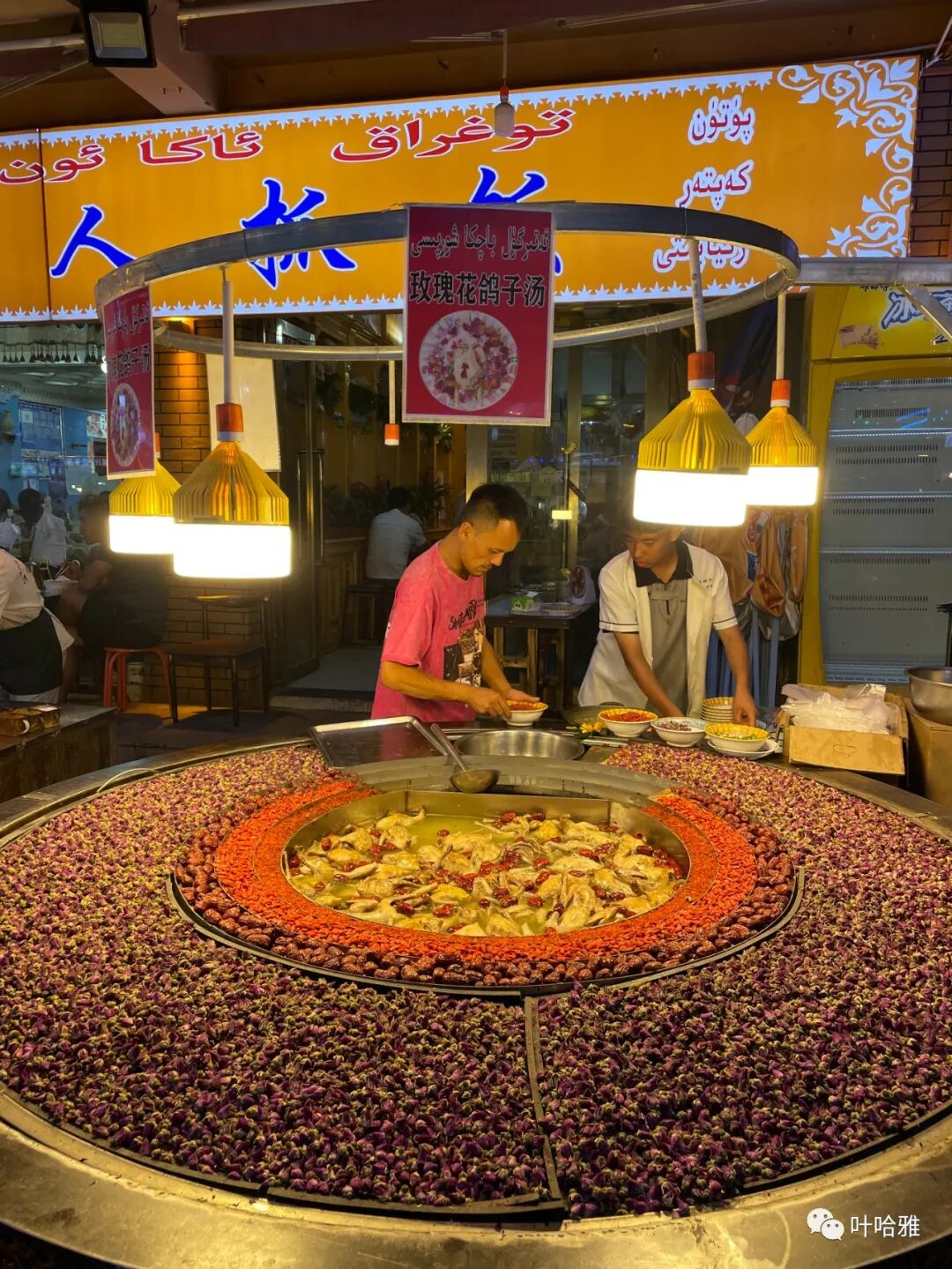
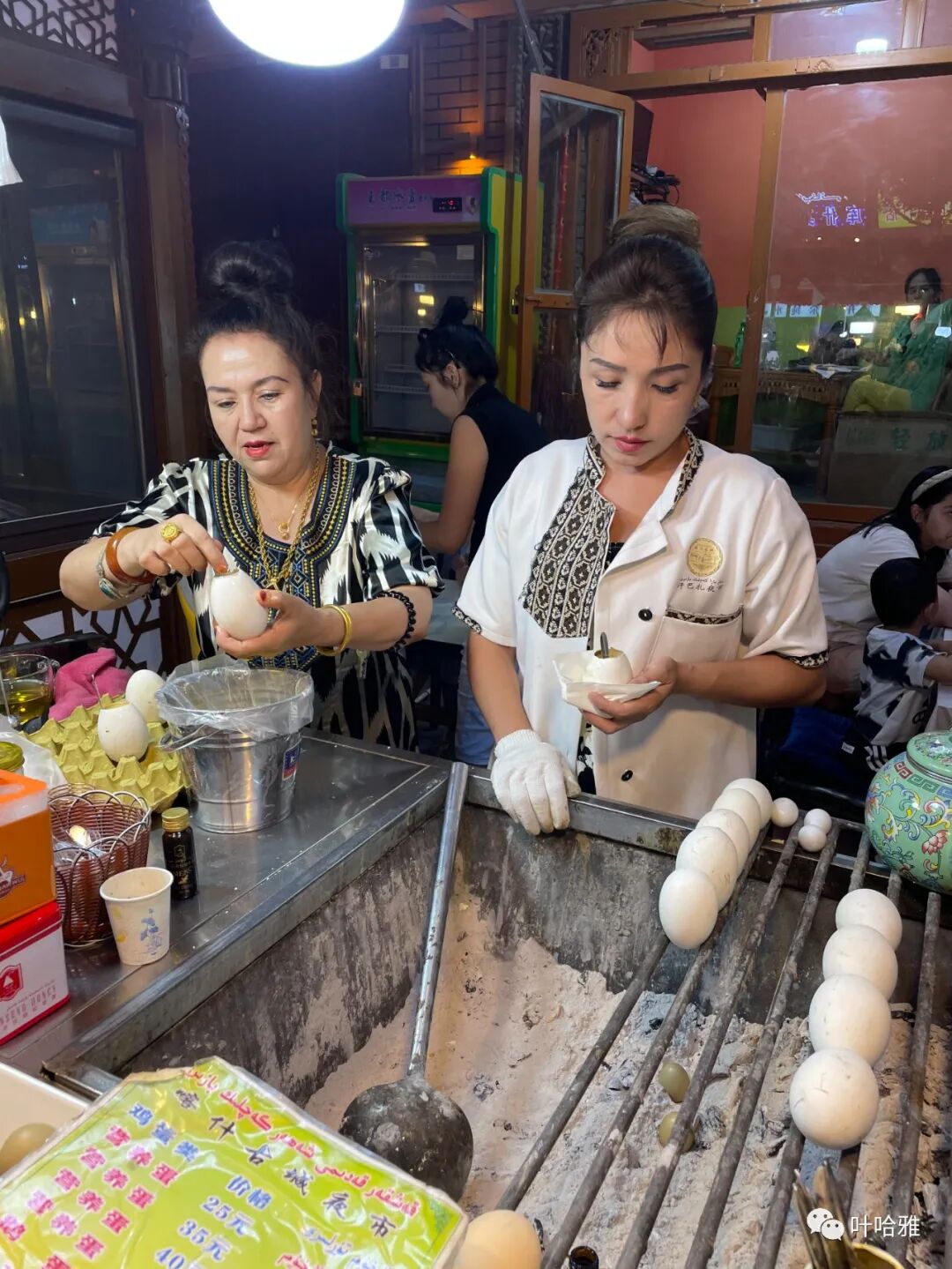
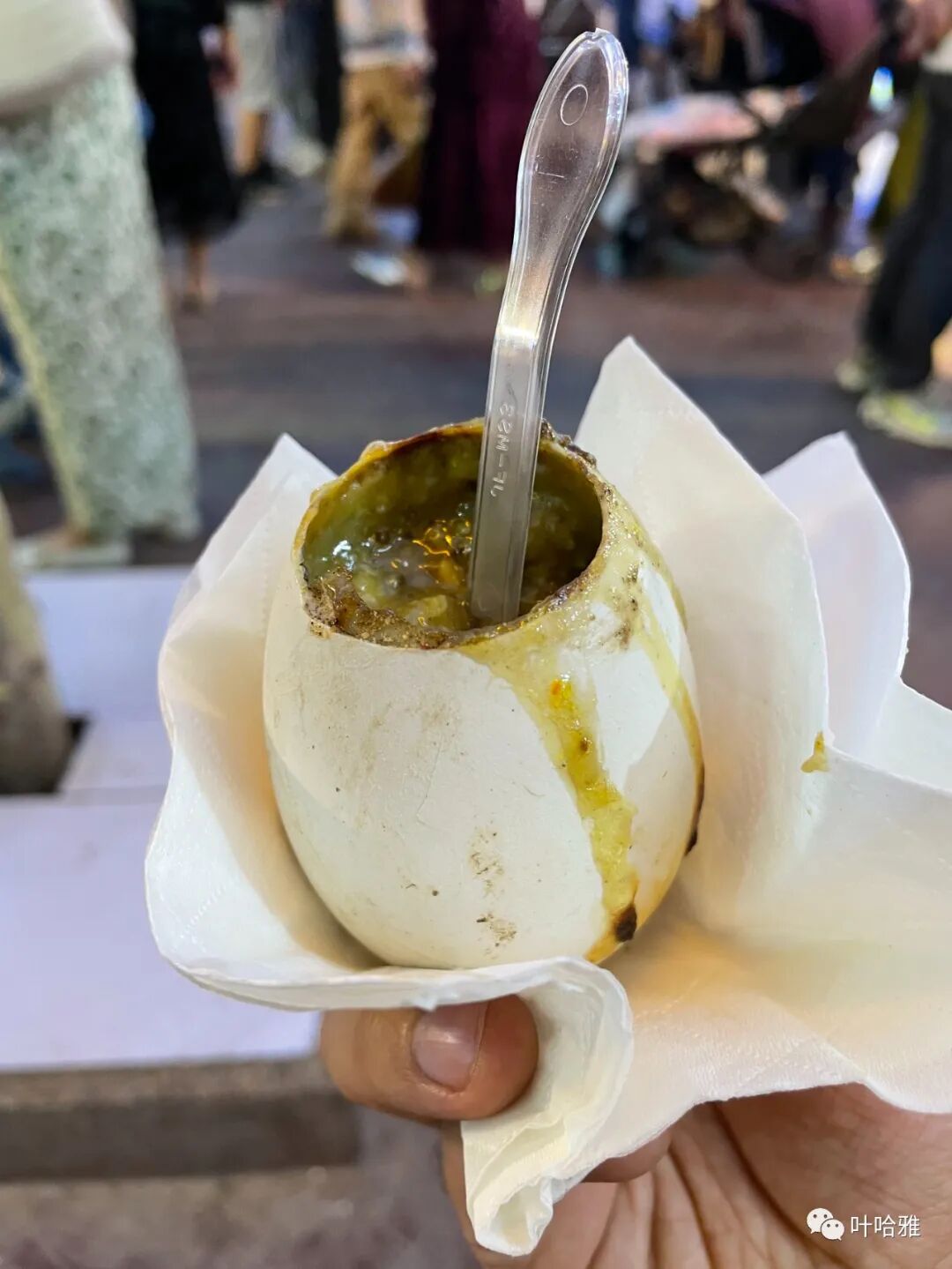
Roasted goose egg (kao edan)
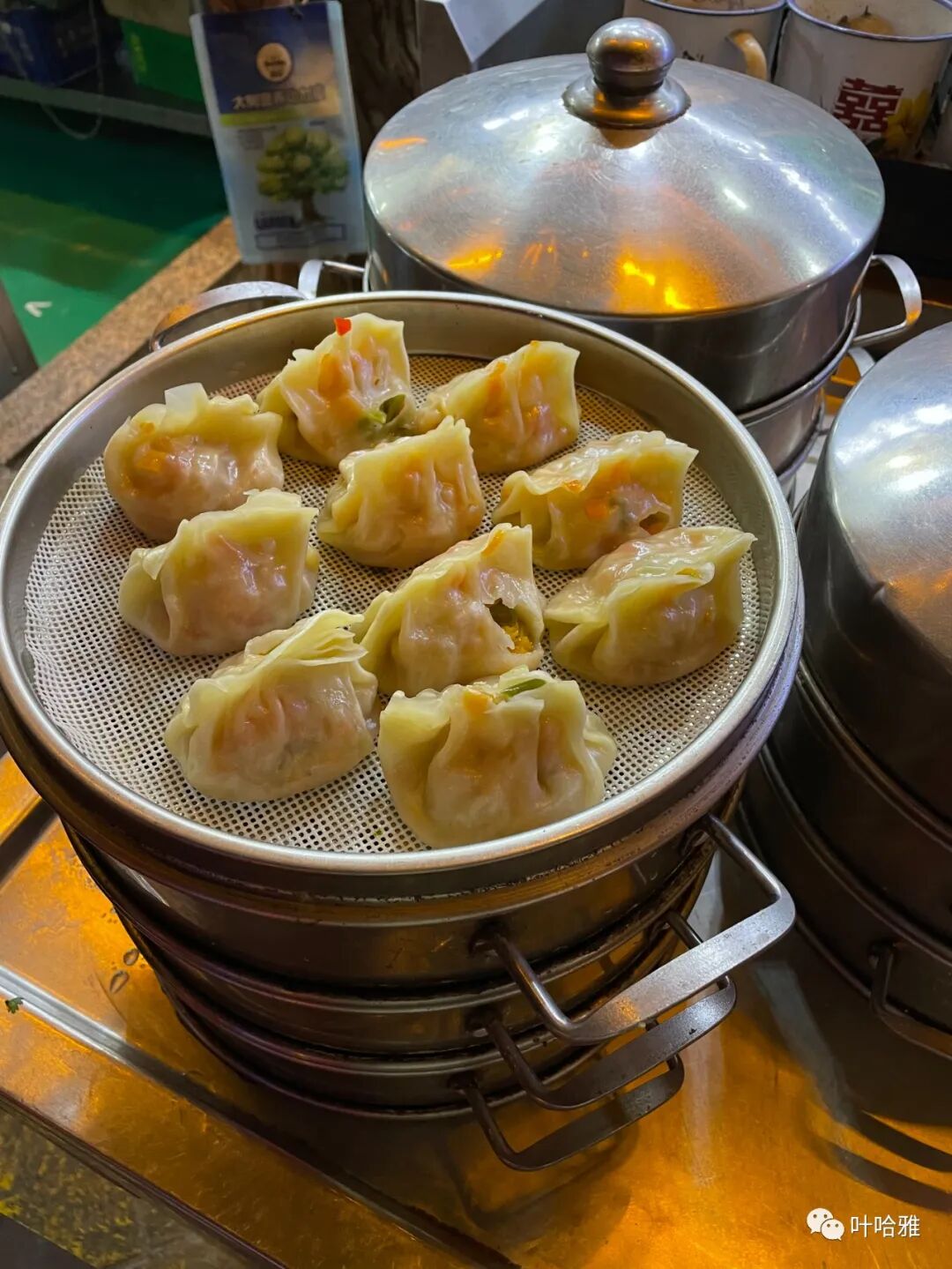
Thin-skinned steamed bun (baopi baozi)
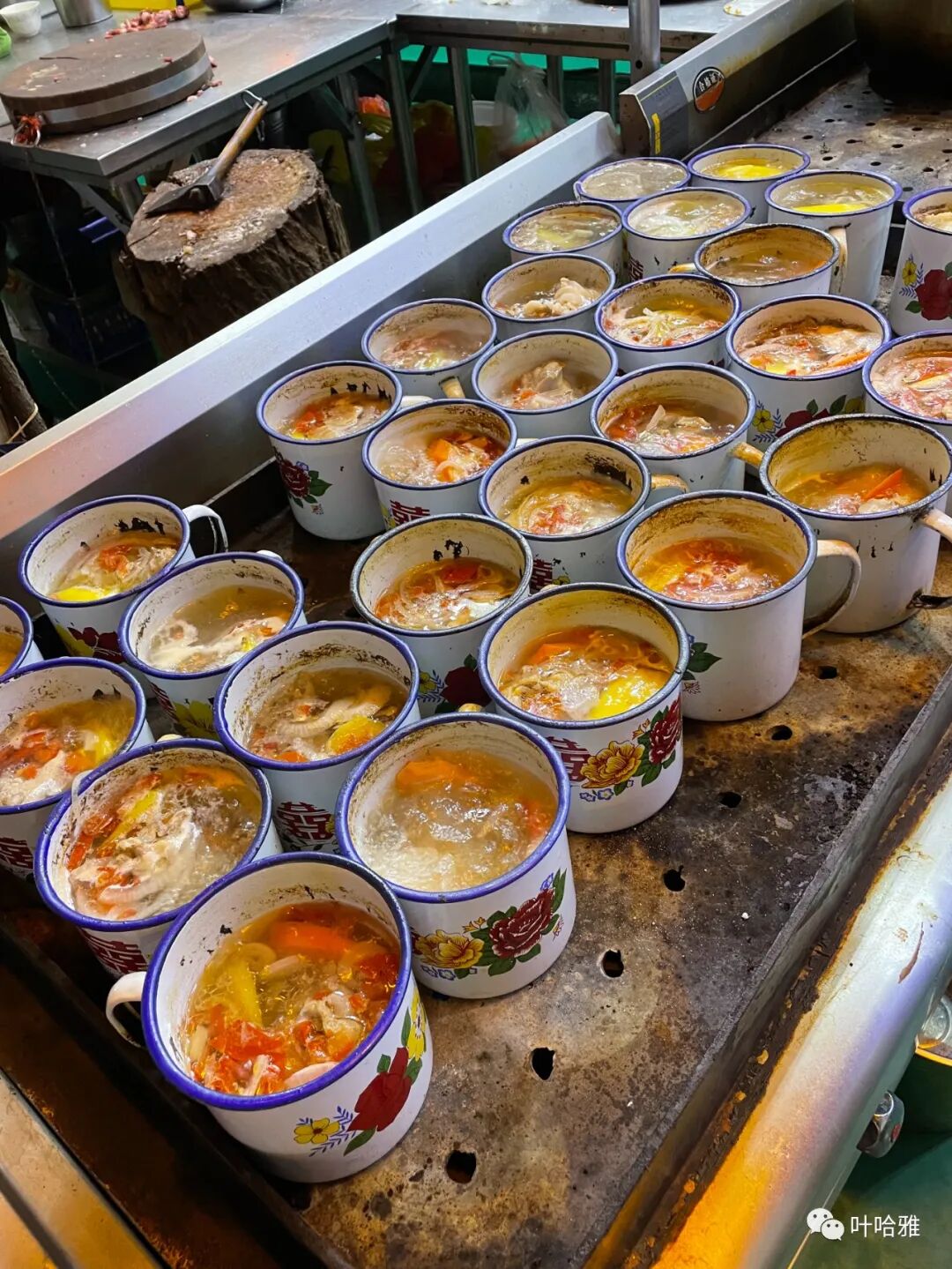
The snacks at the night market (hanbazha) taste great. They have almost all the unique snacks from Xinjiang here, which is very friendly for tourists. Since the old town was renovated, it has attracted many couples who come here to take portraits.
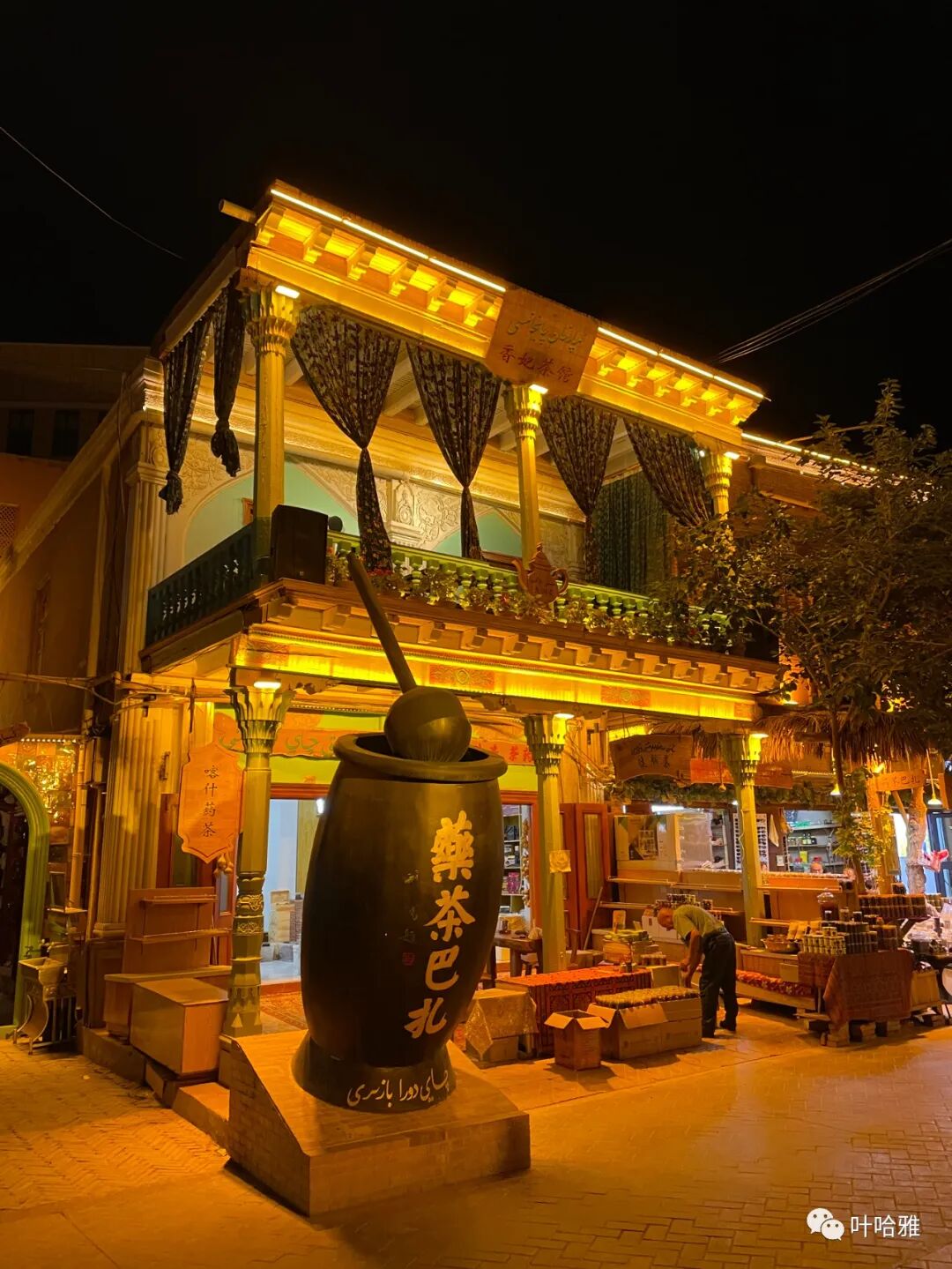
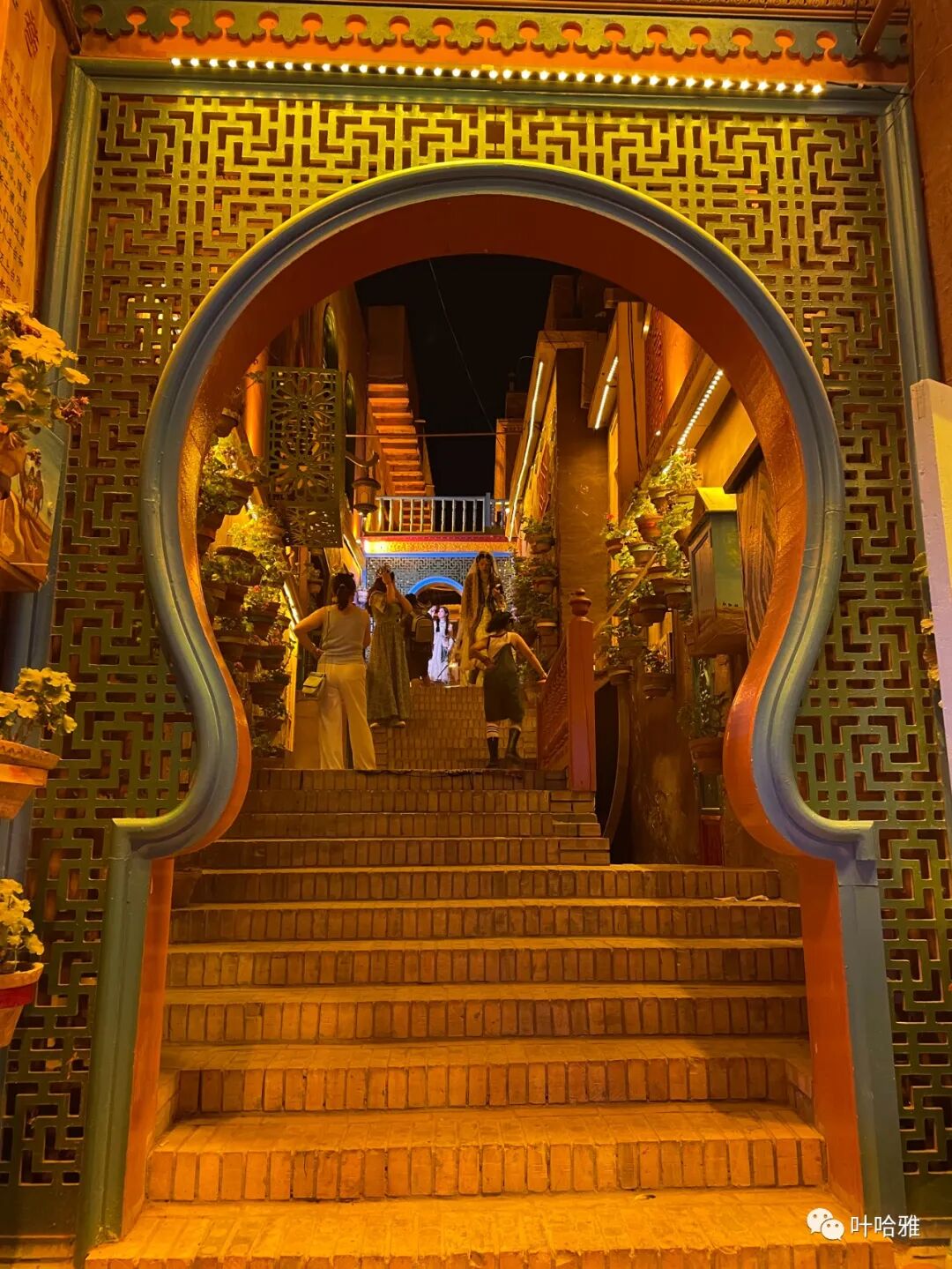
While wandering around the old town, we accidentally found a few mosques that were not open to the public. Even though some did not have signs, we could easily recognize them by their distinct minarets.
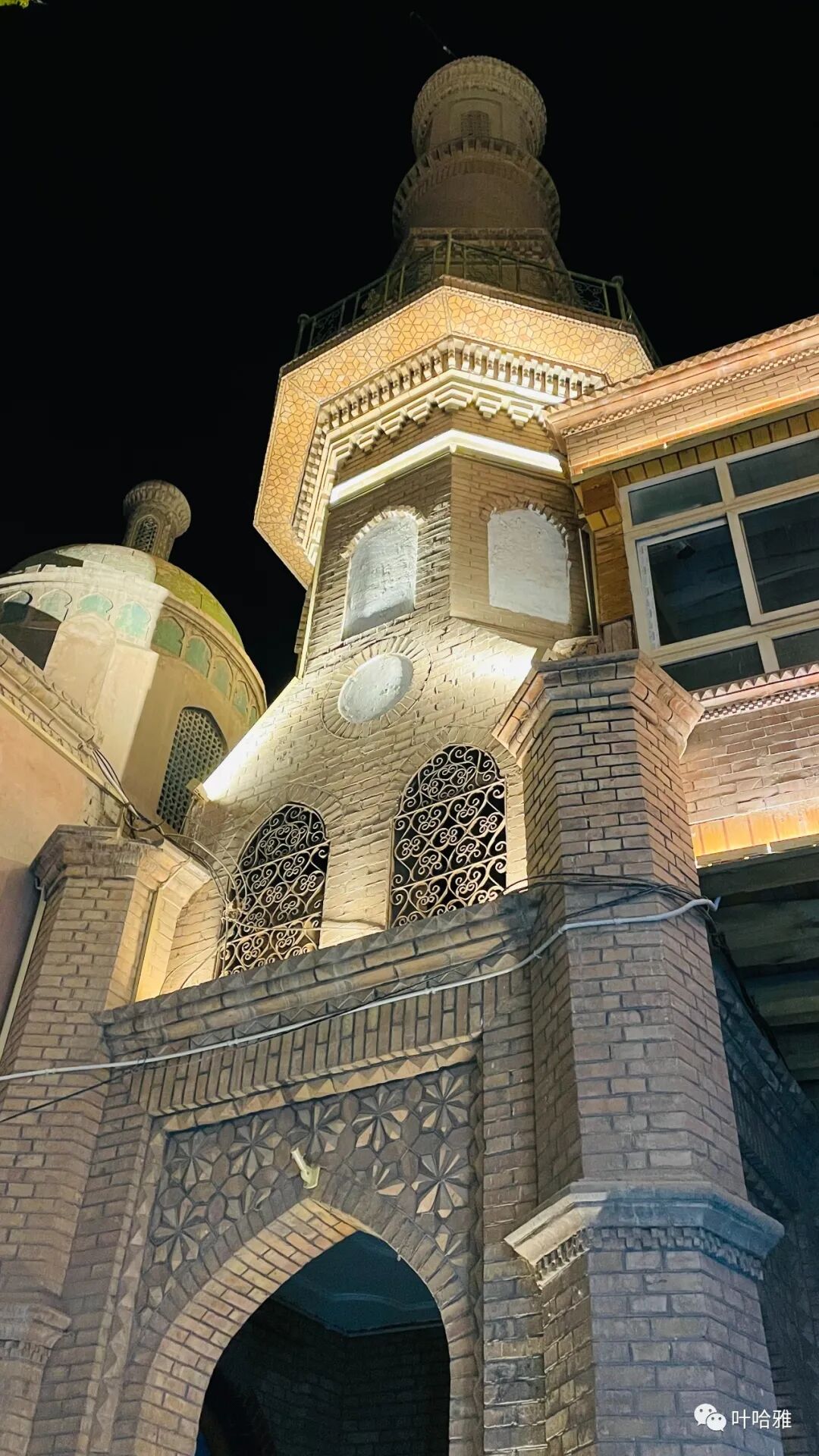
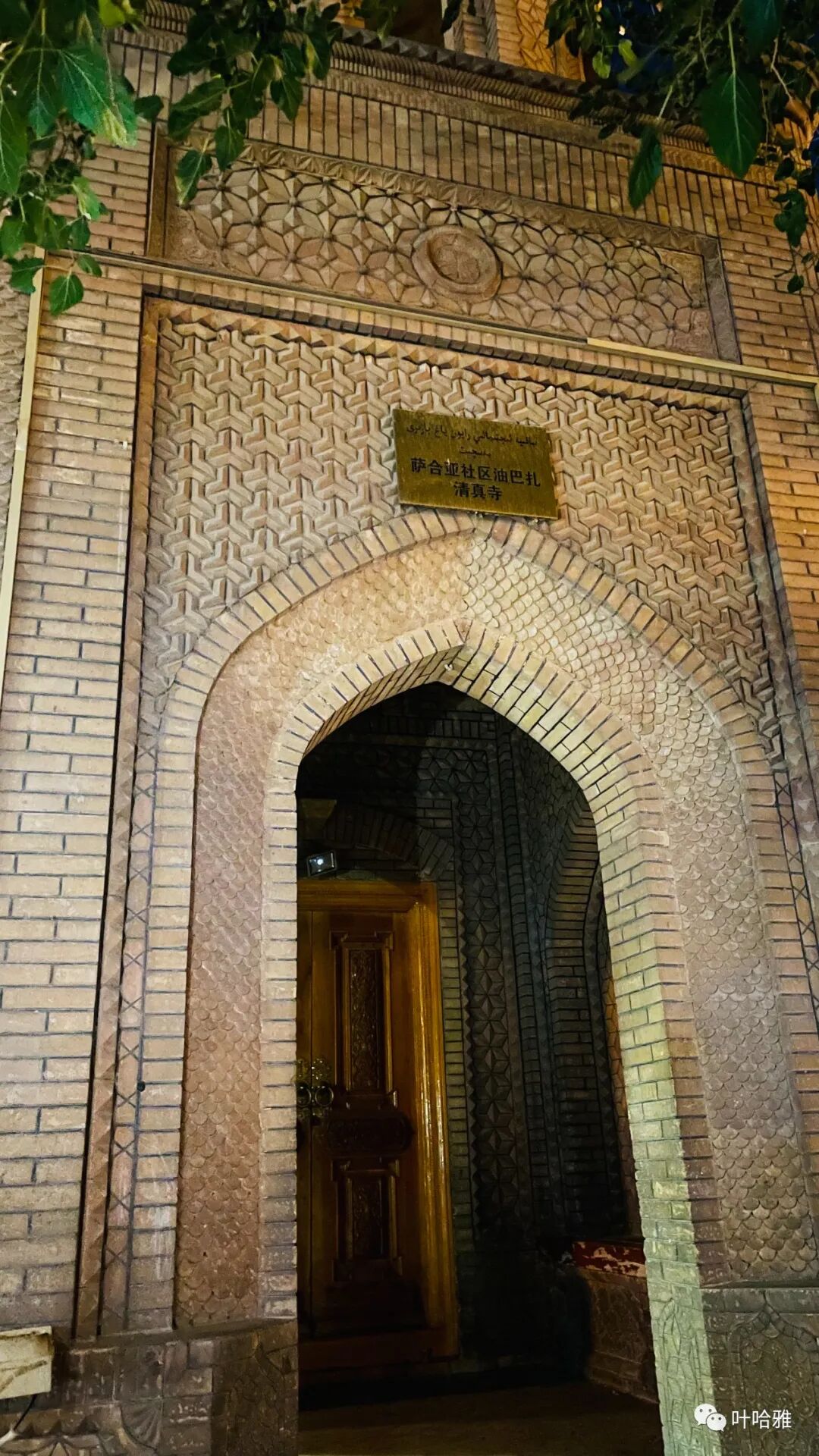
Sahaya Community Oil Market Mosque (Sahaya shequ youbazha qingzhensi)
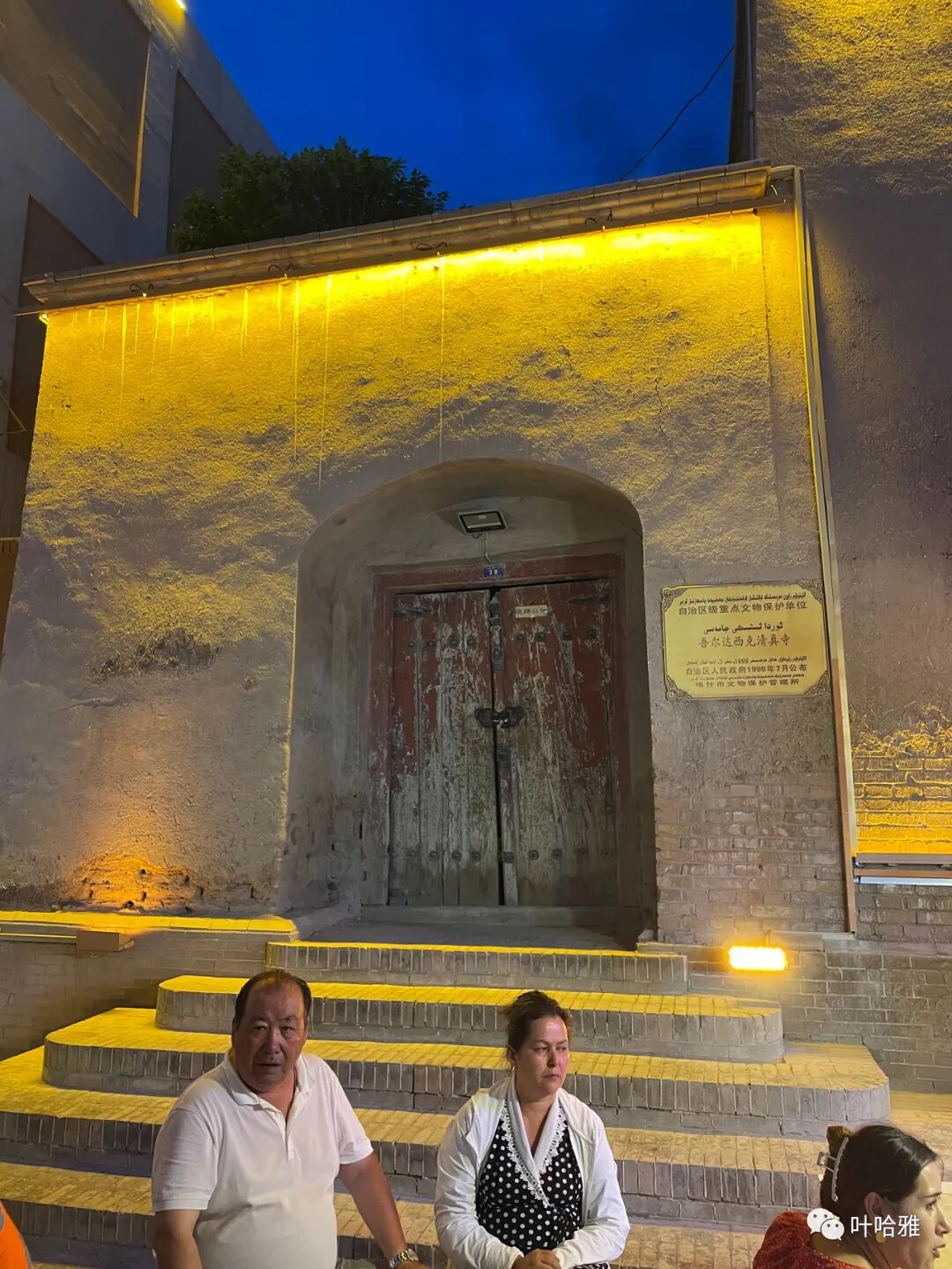
Wuerdashike Mosque (Wuerdashike qingzhensi)
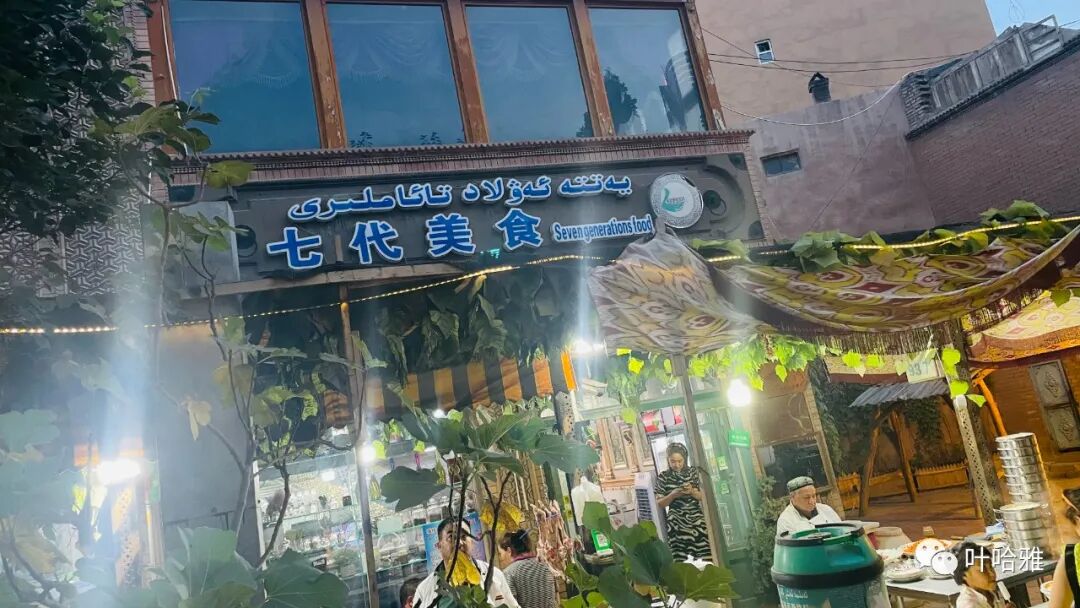
Finding a good restaurant in southern Xinjiang is actually simple. Just look at the name. Some names sound a bit strange because they are direct translations from the Uyghur language. For example, a restaurant called 'Seven Generations of Food' means that seven generations of their family have worked in the food business. Han Chinese people usually do not choose names like that.
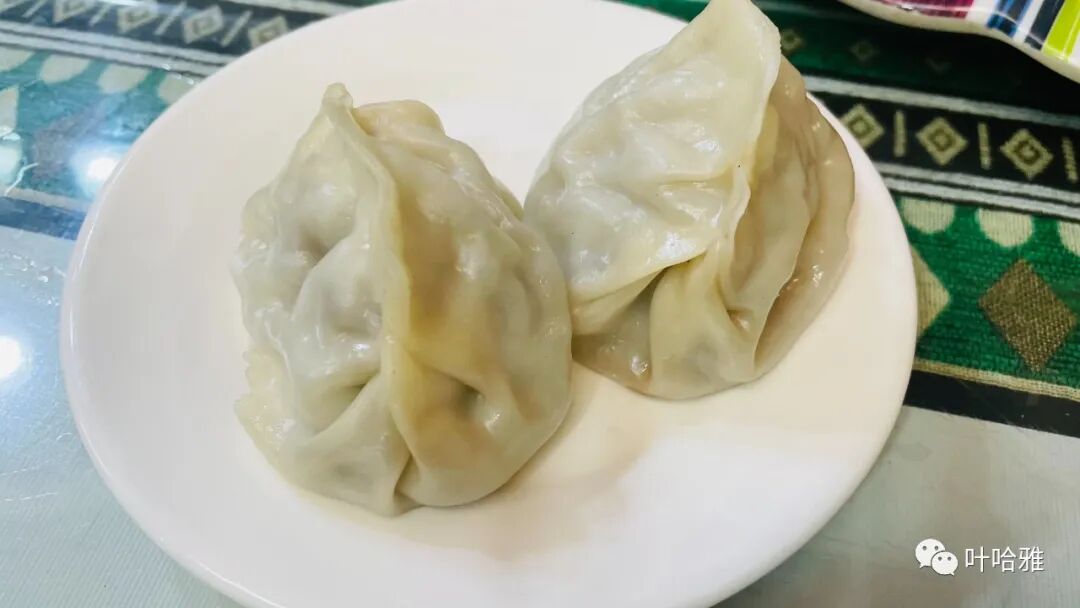
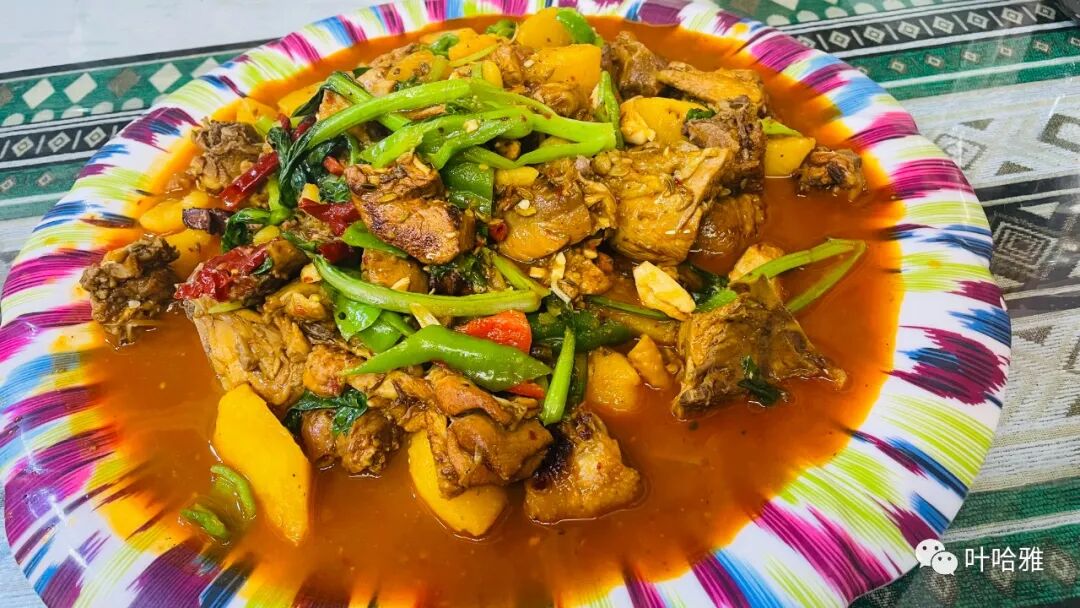
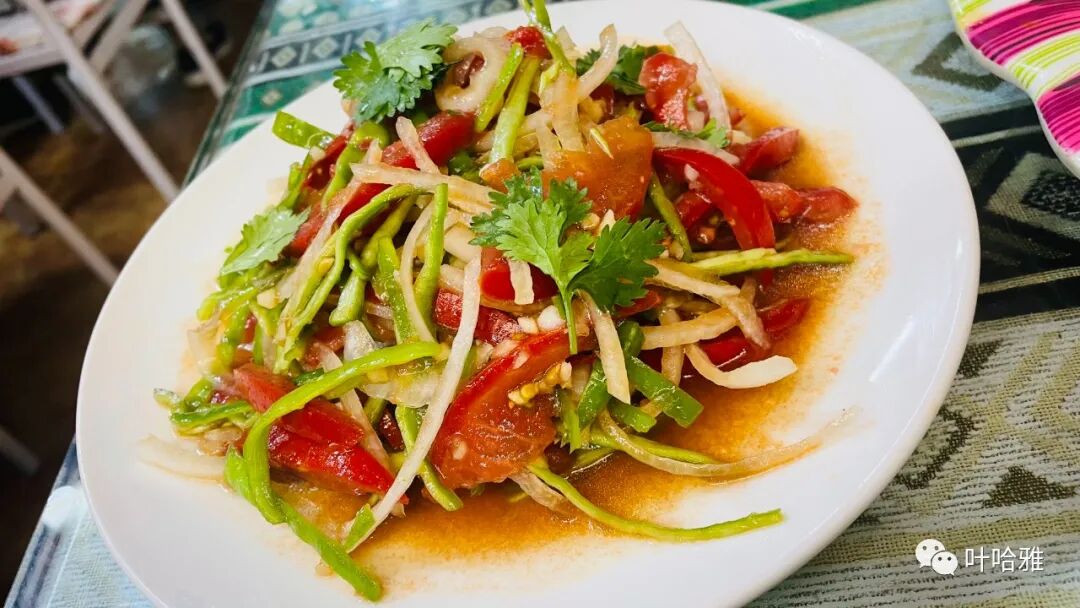
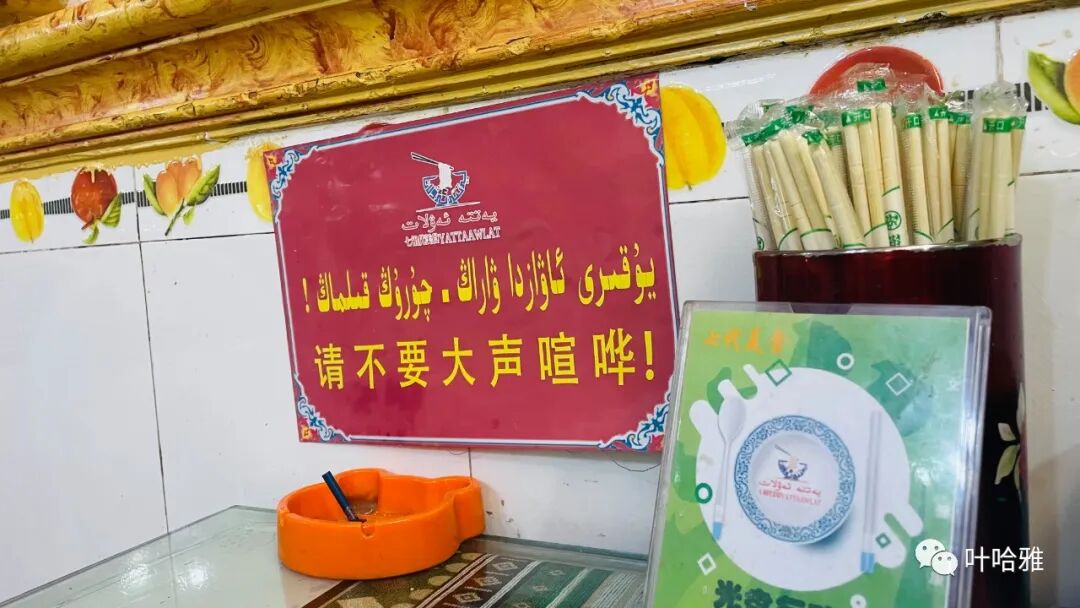
Uyghur people have a great tradition of being very quiet when eating in public. If you are observant, you can notice this.
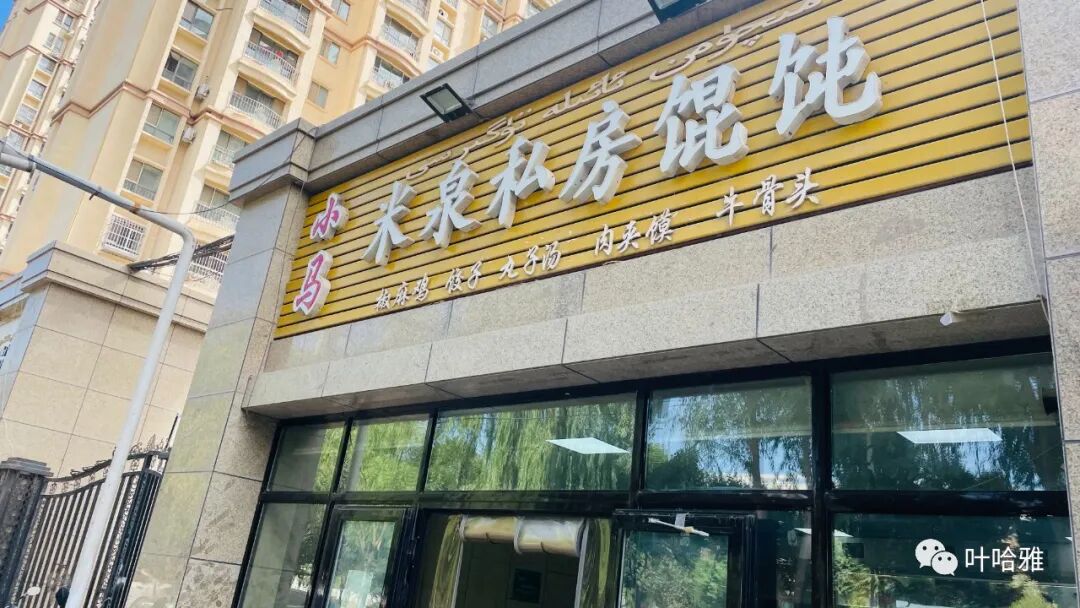
Before leaving Kashgar, I visited a friend. She just had her second child and was on maternity leave. Her parents moved from Sichuan to settle in Kashgar. She has completely adapted to the climate in Kashgar and would actually find it uncomfortable to live in the south now.
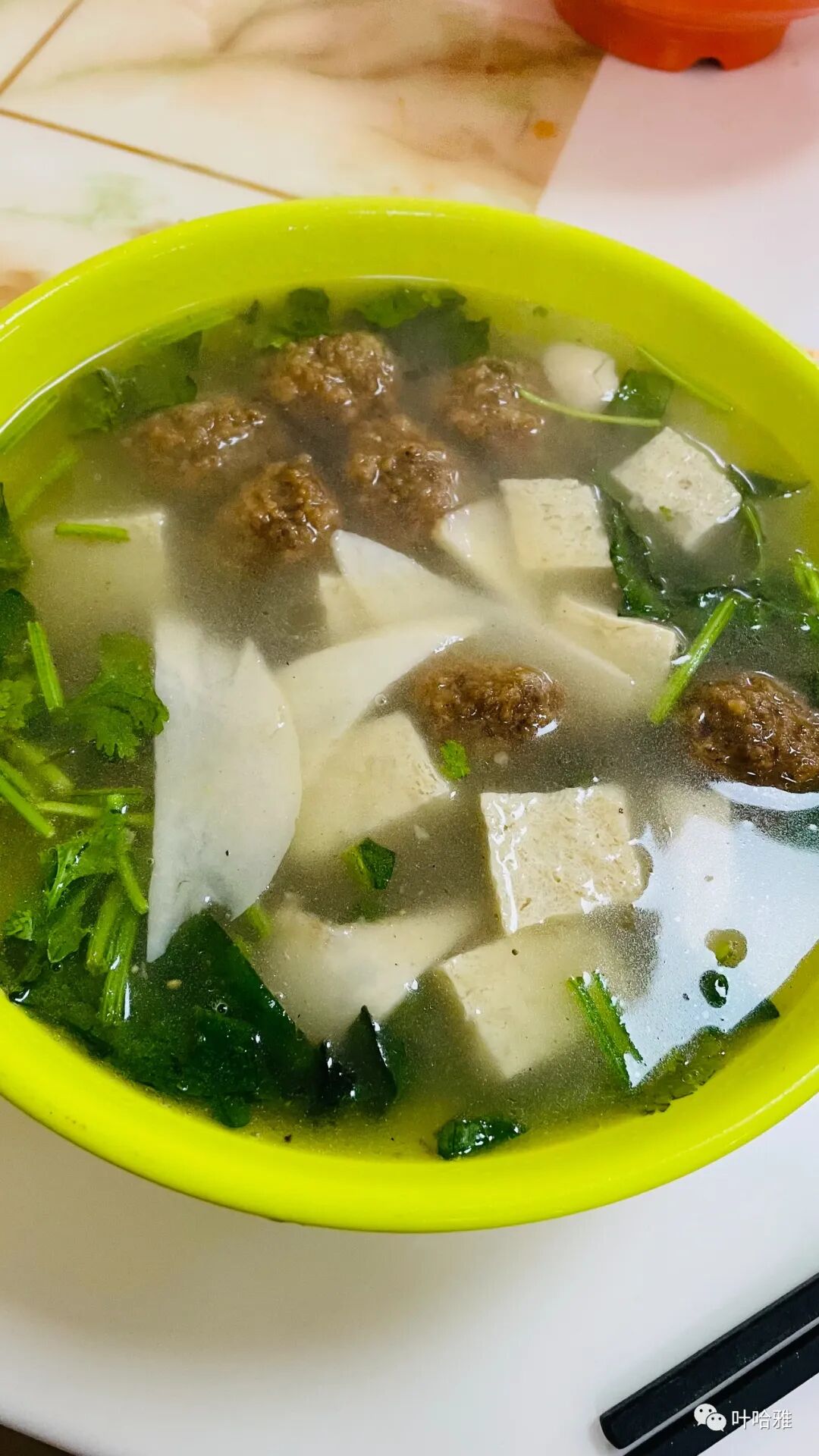
We had our last meal in Kashgar at this meatball soup (wanzi tang) shop called Miquan Wonton. The name tells you the owner is from Miquan, a district in Urumqi. After leaving Kashgar, we drove north toward our destination, Urumqi.
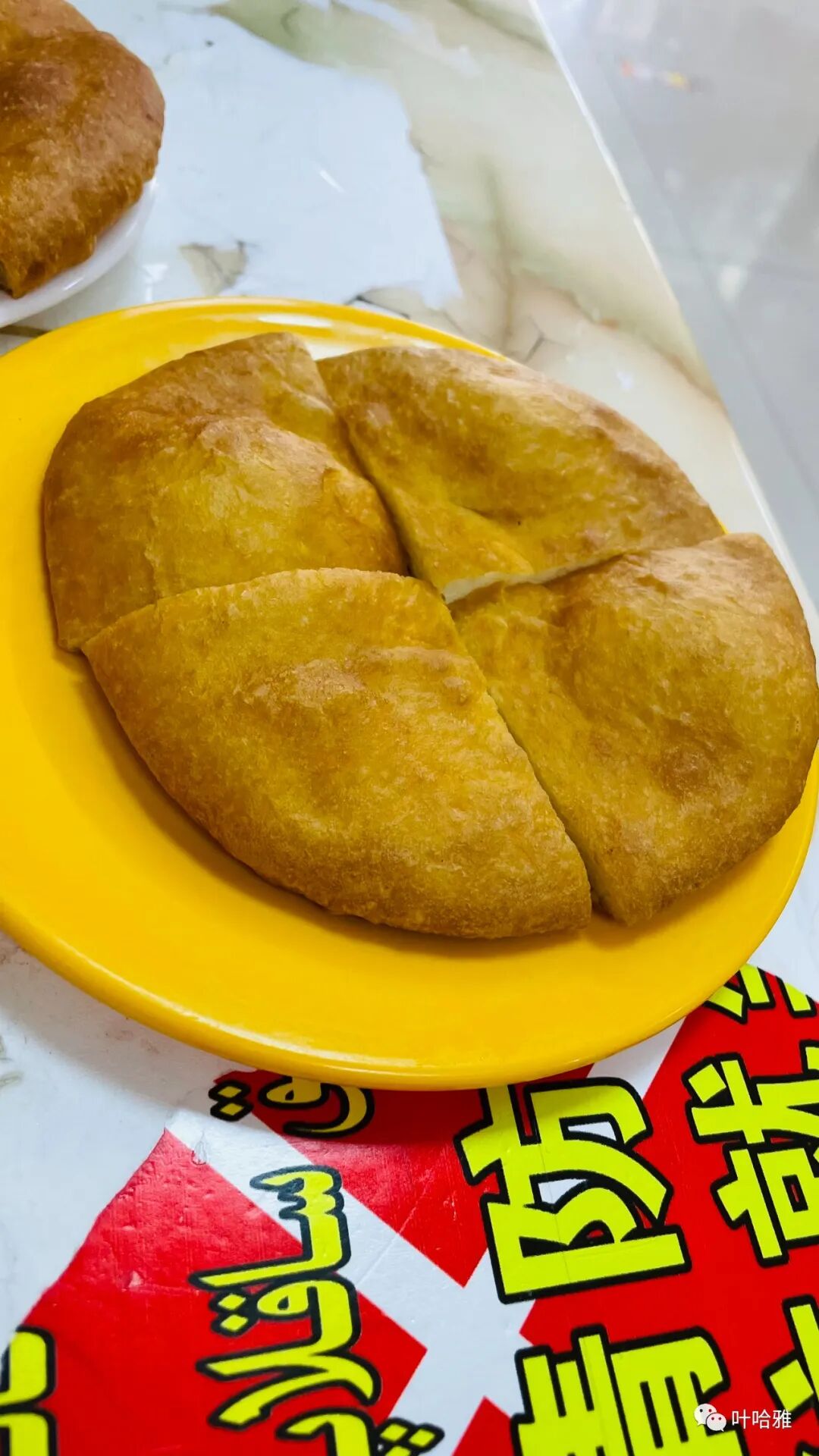

The taxi trunk had a bilingual sticker that said, Please do not slam the door. Experience tells me that in Xinjiang, the trunk is the part of the car that breaks the easiest. Can you guess why?
China Mosque Travel Guide: Kuqa Grand Mosque, Melana Eshidin Mazar and Kucha Islamic History
Articles • yusuf908 posted the article • 0 comments • 164 views • 2026-05-22 21:11
Summary: This China mosque travel guide visits Kuqa and Artux in southern Xinjiang, covering Kuqa Grand Mosque, Melana Eshidin Mazar, old mosque sites, Uyghur food, Kucha history, and the region’s shift from Buddhism to Islam.
A Muslim Journey in Kuqa: Mazar of Melana Eshidin and the Buddhist Kingdom of Kucha is presented here as a firsthand travel account in clear English, beginning with this scene: Kuqa is in the Aksu region of southern Xinjiang. I was drawn here by the Kuqa Grand Mosque and the Mazar of Melana. The account keeps its focus on Halal Travel, Yiwu Food, Mosque Travel while preserving the names, places, food, and historical details from the Chinese source.
Kuqa is in the Aksu region of southern Xinjiang. I was drawn here by the Kuqa Grand Mosque and the Mazar of Melana. Because of Melana's huge influence, Kuqa converted from Buddhism to Islam, so it is definitely worth a visit. We drove from Kashgar to Kuqa. On the way, we passed through Artux City in the Kizilsu Kyrgyz Autonomous Prefecture and stopped to check out a few mosques that were locked up tight. I will write about Kashgar separately later.
When you drive into a gas station in Xinjiang, you need to scan your ID card to enter, and you have to scan it again to start the gas pump. Both times it must be the same person. Passengers do not need to get out of the car. I heard that in the past, only the driver was allowed into the gas station, but things have relaxed a little bit now.
Wustang West Road Mosque
The Wustang West Road Mosque in Artux City has a dome you can see from a distance. This style is very common in Xinjiang, so it is not surprising that some of these mosques have been preserved.
Looking from afar at another mosque on the street in front of the Artux train station.
Artux Station Mosque
I bought an ice cream at a small shop across from the mosque. People in Xinjiang love ice cream, and you can see shaved ice shops everywhere on the street. We ate while looking at the locked mosque across the street, reluctant to leave. A few older men nearby were sitting around eating baked buns (kaobaozi). They asked if I wanted one, so I said I would take two.
After the baked buns arrived, I saw the owner making cold starch noodles (liangfen), so I ordered two bowls to go with the buns. I remember the baked buns were 3 yuan each, which is the standard price in small towns in southern Xinjiang.
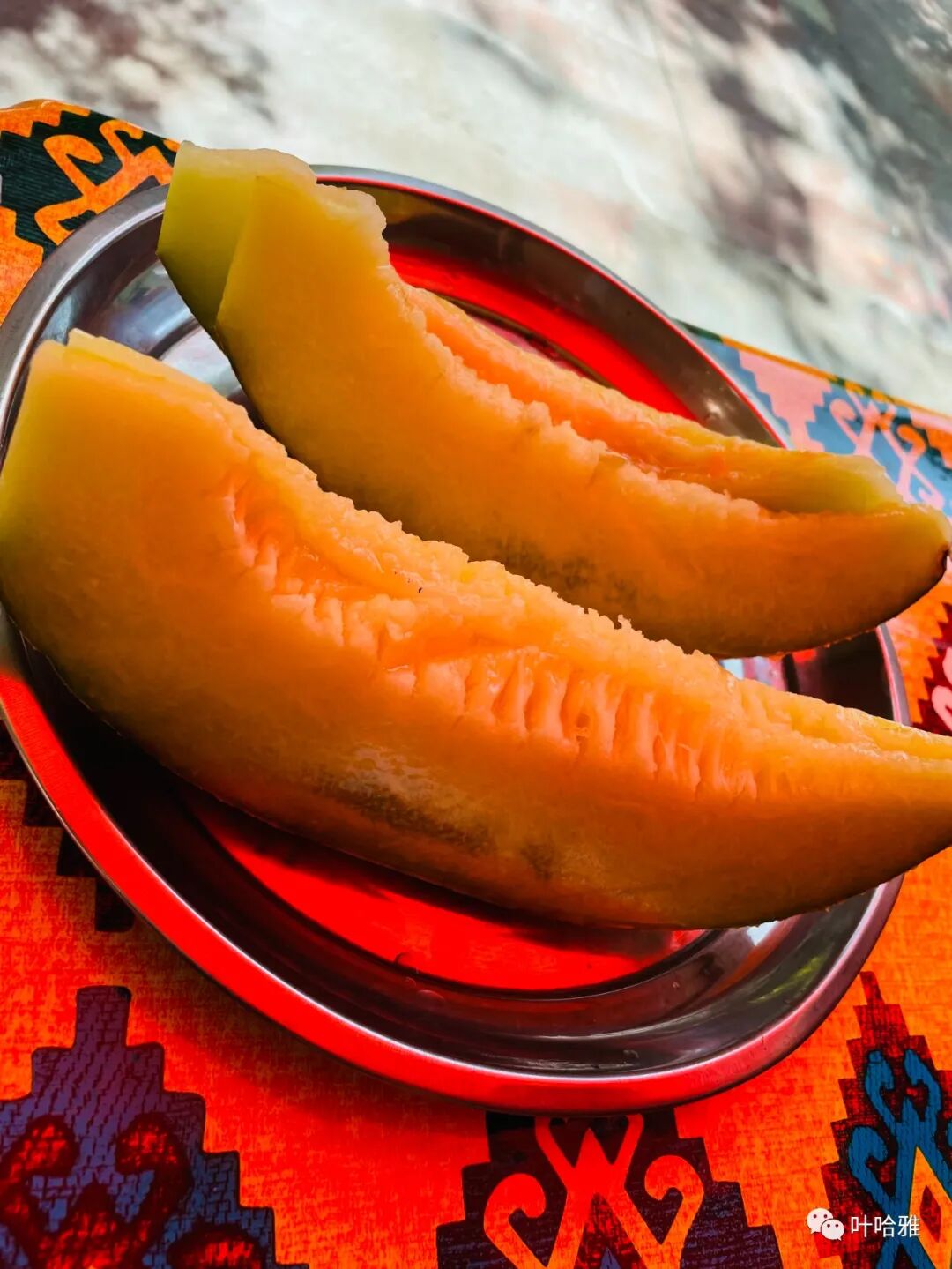
After finishing the noodles, we paid the bill and got ready to leave. Before leaving, I said salaam to the owner. He did not reply, but hesitated and told us to sit for a while longer because he had more good food coming out of the pot. He then gave us a plate of old man melon (laohangua), which is called bixikxin in the Uyghur language. It was ice-cold. This old man melon is not your average Hami melon. It is common in southern Xinjiang, soft, juicy, fragrant, and sweet. Because it is hard to store, it is rarely seen elsewhere.
The owner introduced me to his son, who was cooking. He said their family has been in the restaurant business for several generations. They are Uyghur. Artux City is still mostly Uyghur, while the Kyrgyz people are spread out in the surrounding counties. This might be how the locals show friendship now; they don't say much, but all the blessings are in the food.
Houses in Kizilsu Prefecture.
We saw a mosque on Google Maps, but when we got there, it was just an empty lot. We only took photos of the nearby houses, which looked quite nice.
We arrived in downtown Aksu in the evening and had a fantastic Xinjiang meal at the popular Wangjianglou restaurant.
Crayfish baked buns (kaobaozi).
The viral crayfish baked buns (kaobaozi)—if you haven't tried them, I suggest you don't.
Luhua chicken.
Pigeon noodles (gelao mian).
Luhua chicken and pigeon noodles (gelao mian) are both signature dishes and very tasty. The pigeon noodles contain pigeon meat, and the texture is a bit like spicy chicken.
Every county in southern Xinjiang has a night market. The Aksu Old Street Night Market starts getting busy around 8 p.m. It doesn't get dark until after 10 p.m., and the market stays open until about 1 a.m.
Gulebage Mosque.
We visited Gulebage Mosque in Aksu. It happened to be Jumu'ah that day. We asked the local authorities and learned that Jumu'ah prayer was at 3 p.m. We couldn't pray there, so we drove to Kuqa immediately to make it to the next mosque before 3 p.m.
We passed by the cluster of tombs (mazar) in Aksu, which is said to be the location of Gao Lao Zhuang mentioned in the Journey to the West.
The cemetery is on a hilltop in Wensu County, and many of the Uyghur graves do not have names.
When we arrived at the Kuqa Grand Mosque at 3:00 PM, it was very quiet. There was no Friday prayer (Jumu'ah) here, as it has become a tourist site where visitors buy tickets for 30 yuan. This is the second time I have had to buy a ticket to enter a mosque; the first time was at the Id Kah Mosque in Kashgar.
The Kuqa Grand Mosque was first built in the 16th century. It was initiated by Ishak, the leader of the Black Mountain sect, when he came to Kuqa from Kashgar to preach. It was destroyed by fire in the 19th year of the Republic of China, and rebuilt that same year with funding from a wealthy Kuqa man named Halim Haji. The site still preserves a religious court.
The old town of Kuqa is well-preserved, and interested friends can walk around and take a look.
After leaving the Kuqa Grand Mosque, we headed straight to the Mazar of Maulana Arshiddin with mixed feelings.
The most important Islamic site in Kuqa is the Mazar of Maulana Arshiddin. Maulana means a great scholar. It was thanks to Arshiddin that Tughluq Timur, the Chagatai Khan of the Yuan Dynasty, converted to Islam. Tughluq Timur was the seventh-generation grandson of Genghis Khan. According to the Tarikh-i-Rashidi, Tughluq Timur made an agreement with Arshiddin's father, Jamal al-Din, that his son Arshiddin would later preside over Tughluq Timur's conversion ceremony, where he was given the Islamic name Abu Bakr Muhammad.
This place used to be a religious hall (daotang), but now it is just a locked national key cultural relic protection unit. The inside is overgrown with weeds, and there are even a few wild pheasants nesting there.
The family of Mullah Arshiddin was the first Khoja family to enter southern Xinjiang to preach. Their ancestors came from Bukhara and entered Xinjiang with Genghis Khan. Arshiddin assisted Tughluq Timur in converting his ministers and hundreds of thousands of Mongols to Islam, and he established the Waliye Islamic Institute in Kuqa.
Arshiddin helped spread Islam widely throughout southern Xinjiang. Tughluq Timur honored him as the state teacher and granted his family the hereditary privilege of being Islamic elders. After Arshiddin passed away (returned to Allah), he was buried in this religious hall. During the period when Yaqub Beg ruled Kuqa, he expanded the Arshiddin Gongbei (shrine) on a large scale, covering an area of over 20,000 square meters.
The Arshiddin family is historically known as the Khoja sect, which is the order founded by Ghujduvani, belonging to the Naqshbandi tradition. In the Naqshbandi tradition, Ghujduvani is also highly respected, so it makes sense that when the Naqshbandi order entered Xinjiang in the 16th century, the Kuqa order voluntarily joined them.
Eshidin married the granddaughter of Naishamiding Dahaliwoli, and the tomb (mazar) of Naishamiding is still in Kuqa today.
Eshidin guided the people of Kuqa to convert from Buddhism to Islam through peaceful change. Kuqa was once the Kingdom of Qiuci, a Buddhist land. Many promotional materials claim that Buddhism in the Western Regions declined due to Islamic persecution. This idea first came from the archaeologist Marshall, but the Japanese scholar Kuwayama discovered that Marshall had fabricated it. The main reason for the decline of Buddhism was the change in Silk Road trade routes, which caused it to lose economic support. You can find more details in the book 'History of Nomadic Peoples'.
Before the rise of Islam, Buddhism, Christianity, and Manichaeism were already spreading in the Western Regions. When Sufis preached there, they, like the other three religions, focused on sin and the suffering of hell rather than the pleasures of heaven, so the public accepted it naturally.
Eshidin's status in the Khanate was second only to the Mongol princes. Formally, the accession of a new Khan and the appointment of officials required religious approval from Eshidin.
After Eshidin, his successors were Obu Baitaheding, Ahemaiti, Faheding, and Shadierding. The family used Kuqa and Aksu as their base to expand outward, playing a major role in the Islamization of the eastern Xinjiang region.
The successor of the Eastern Chagatai Khanate, Wais Khan (1418-1428), did not like the descendants of the Eshidin family. He turned to support the Naqshbandi disciple and great Bukhara mullah Mahaimai Kasanni as his teacher. The influence of the Eshidin family began to weaken, and they retreated to areas east of Aksu and Kuqa.
In 1514, Saide Khan established his own Khanate in Yarkant and invited the Naqshbandi order from Central Asia to be his teachers. The influence of the Eshidin family continued to shrink, eventually confined to the single city of Kuqa, and their influence gradually faded.
Just a few hundred meters from the Eshidin mazar are the ruins of the Kingdom of Qiuci. Locals call them 'tubaozi' (dirt mounds) because to passersby, they just look like two piles of dirt, yet they have been designated as a Major Historical and Cultural Site Protected at the National Level.
Qiuci, Yutian, and Gaochang were the three major Buddhist centers in the Western Regions. Buddhism spread from India to Xinjiang during the Han Dynasty and reached its peak in the Tang Dynasty. By the Song Dynasty, due to changes in trade routes, Buddhism in the Western Regions had already declined.
The Kuqa religious group led by Eshidin only began to exert influence after the mid-14th century. Between 1359 and 1361, a Buddhist group in Kuqa launched a mutiny against Tughluq Timur. The Kuqa religious group was impacted, but Tughluq Timur later suppressed the rebellion and moved a large number of Buddhists to northern Afghanistan and eastern Dunhuang, both of which still retain many Buddhist relics today.
Tughluq Timur's son was named Heierhuozhe. He and Eshidin's second son, Obu Nasaerding, once guarded Turpan together. In 1420, when Shah Rukh's envoy passed through Turpan, he noted that most of the local residents practiced Buddhism and there were many large, spacious temples, which shows that Heierhuozhe did not force the local residents to convert to Islam.
Kuqa has a 'Big Naan City,' but locals suggested that if we want to buy naan bread (naan), we don't need to go to that tourist spot. We can go to the 'Big Naan Alley' near the Eshidin mazar. This is where locals go to buy naan, and a big Kuqa naan only costs 4 yuan.
In the evening, you can visit the Nanhu Night Market in Kuqa. The market stretches for about two kilometers along the street, and there are ethnic song and dance performances in the square.
I had a meal at the Yaxim Xinjiang Restaurant in Kuqa. It is a large place, and the food tastes excellent.
After traveling this far, I feel that in Southern Xinjiang, any Xinjiang restaurant you walk into will taste about the same and will be good. I did not have to be picky about where to eat; I just ate whenever I was hungry. In Northern Xinjiang, you still need to be a bit more selective.
This dish is called Ili smoked horse meat (xun marou). Some people think according to tradition that horse meat is forbidden, but there is no basis for this in the Quran or Sunnah. Horse meat, like camel meat, is halal to eat. For details, see the list of non-halal foods mentioned in the Quran and Sunnah. view all
Summary: This China mosque travel guide visits Kuqa and Artux in southern Xinjiang, covering Kuqa Grand Mosque, Melana Eshidin Mazar, old mosque sites, Uyghur food, Kucha history, and the region’s shift from Buddhism to Islam.
A Muslim Journey in Kuqa: Mazar of Melana Eshidin and the Buddhist Kingdom of Kucha is presented here as a firsthand travel account in clear English, beginning with this scene: Kuqa is in the Aksu region of southern Xinjiang. I was drawn here by the Kuqa Grand Mosque and the Mazar of Melana. The account keeps its focus on Halal Travel, Yiwu Food, Mosque Travel while preserving the names, places, food, and historical details from the Chinese source.
Kuqa is in the Aksu region of southern Xinjiang. I was drawn here by the Kuqa Grand Mosque and the Mazar of Melana. Because of Melana's huge influence, Kuqa converted from Buddhism to Islam, so it is definitely worth a visit. We drove from Kashgar to Kuqa. On the way, we passed through Artux City in the Kizilsu Kyrgyz Autonomous Prefecture and stopped to check out a few mosques that were locked up tight. I will write about Kashgar separately later.
When you drive into a gas station in Xinjiang, you need to scan your ID card to enter, and you have to scan it again to start the gas pump. Both times it must be the same person. Passengers do not need to get out of the car. I heard that in the past, only the driver was allowed into the gas station, but things have relaxed a little bit now.
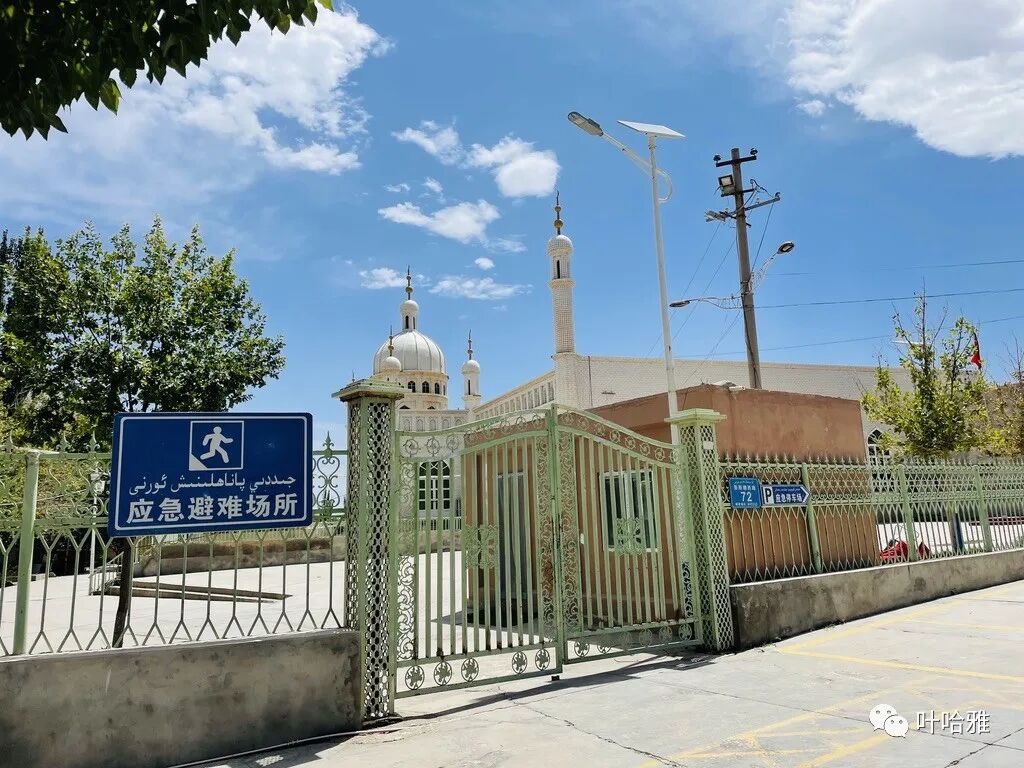
Wustang West Road Mosque
The Wustang West Road Mosque in Artux City has a dome you can see from a distance. This style is very common in Xinjiang, so it is not surprising that some of these mosques have been preserved.
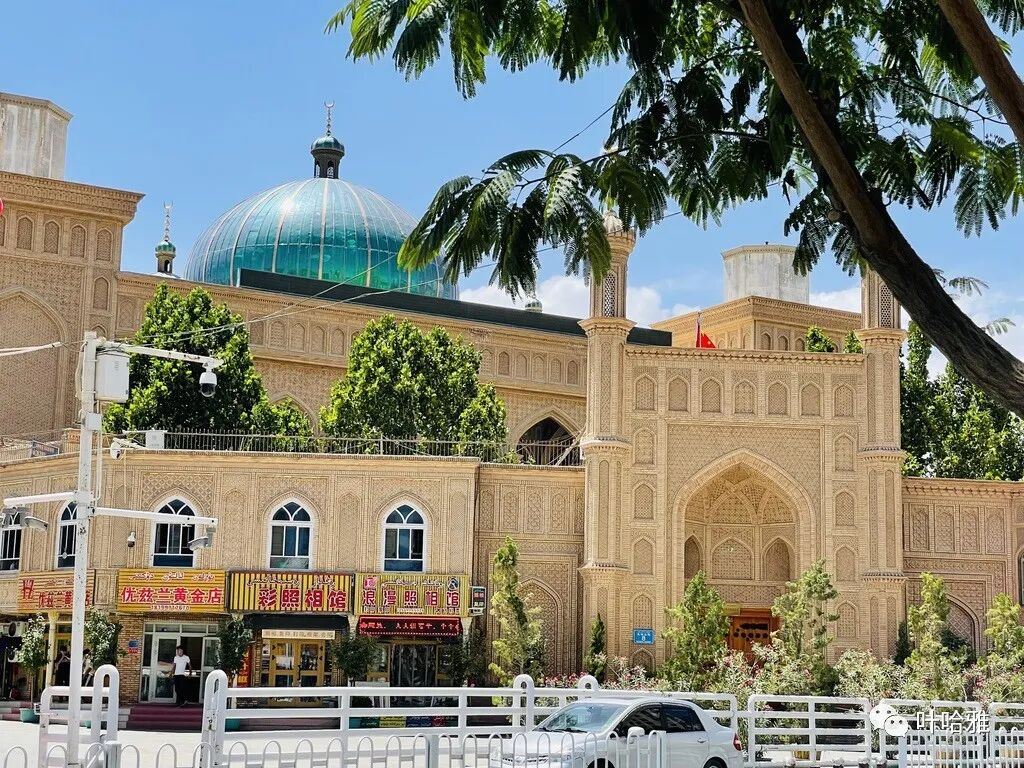
Looking from afar at another mosque on the street in front of the Artux train station.
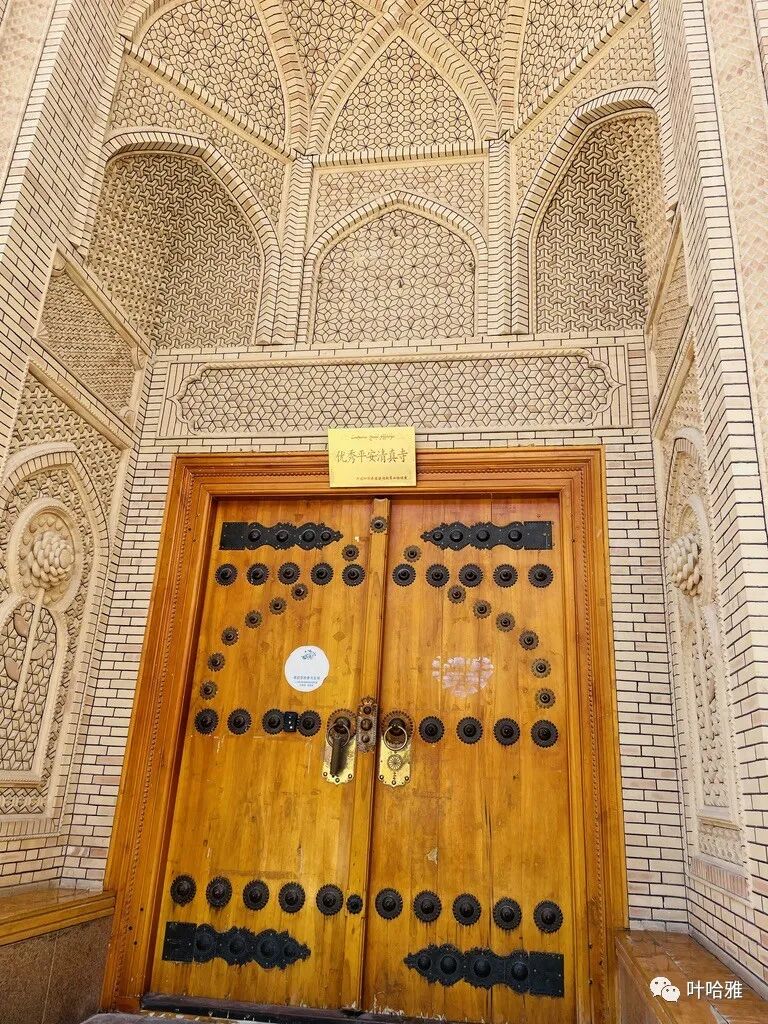
Artux Station Mosque
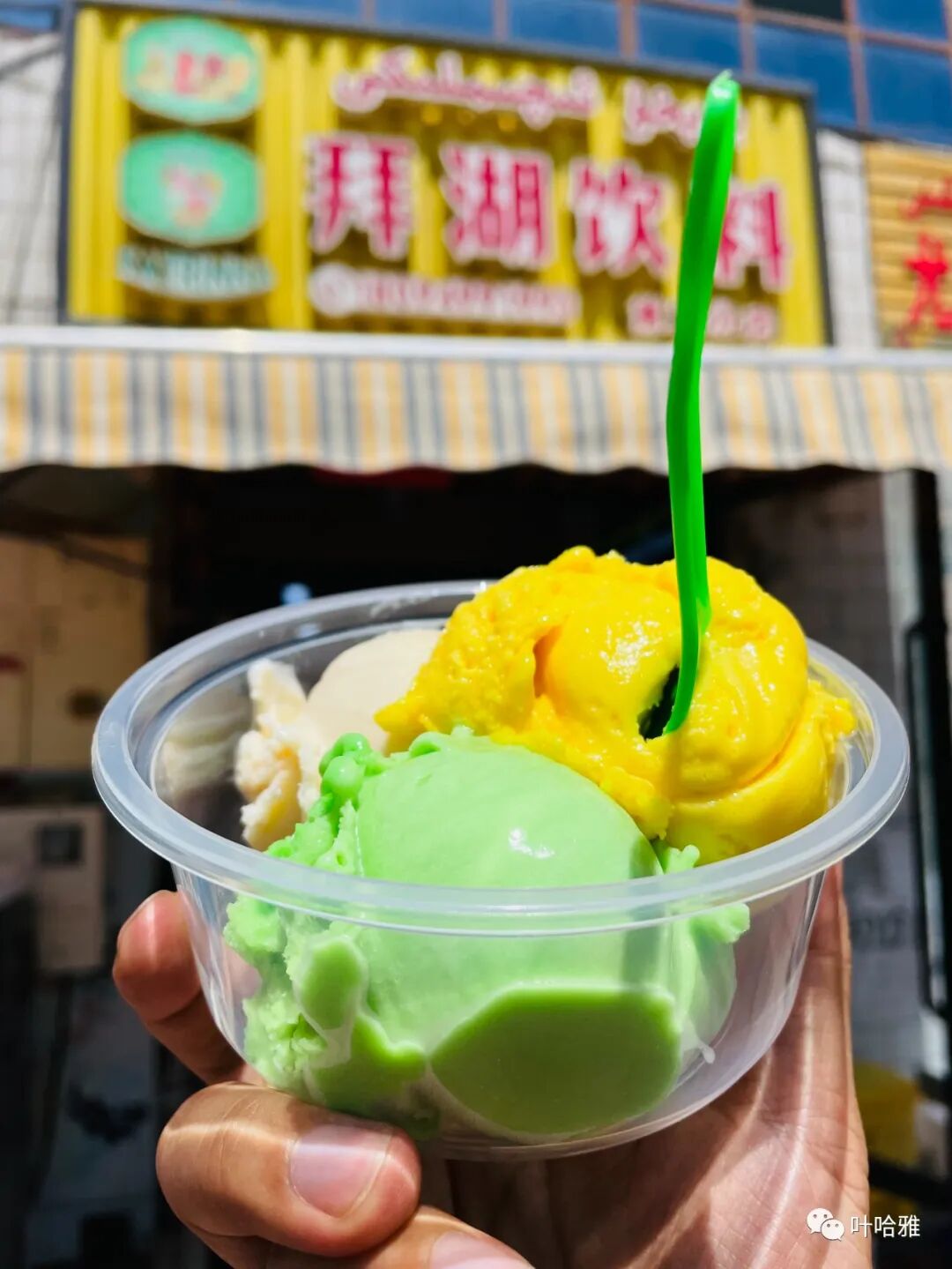
I bought an ice cream at a small shop across from the mosque. People in Xinjiang love ice cream, and you can see shaved ice shops everywhere on the street. We ate while looking at the locked mosque across the street, reluctant to leave. A few older men nearby were sitting around eating baked buns (kaobaozi). They asked if I wanted one, so I said I would take two.
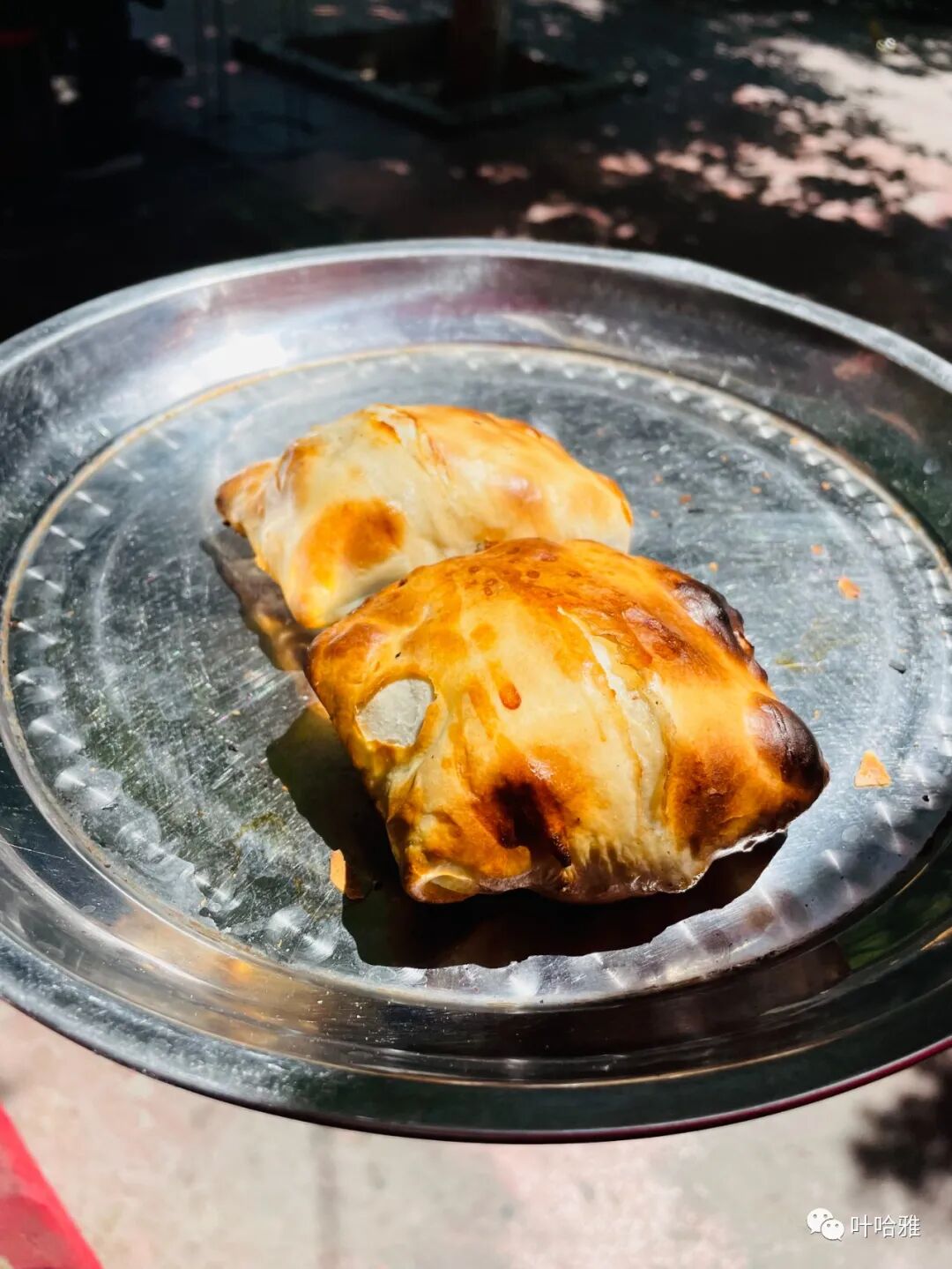
After the baked buns arrived, I saw the owner making cold starch noodles (liangfen), so I ordered two bowls to go with the buns. I remember the baked buns were 3 yuan each, which is the standard price in small towns in southern Xinjiang.
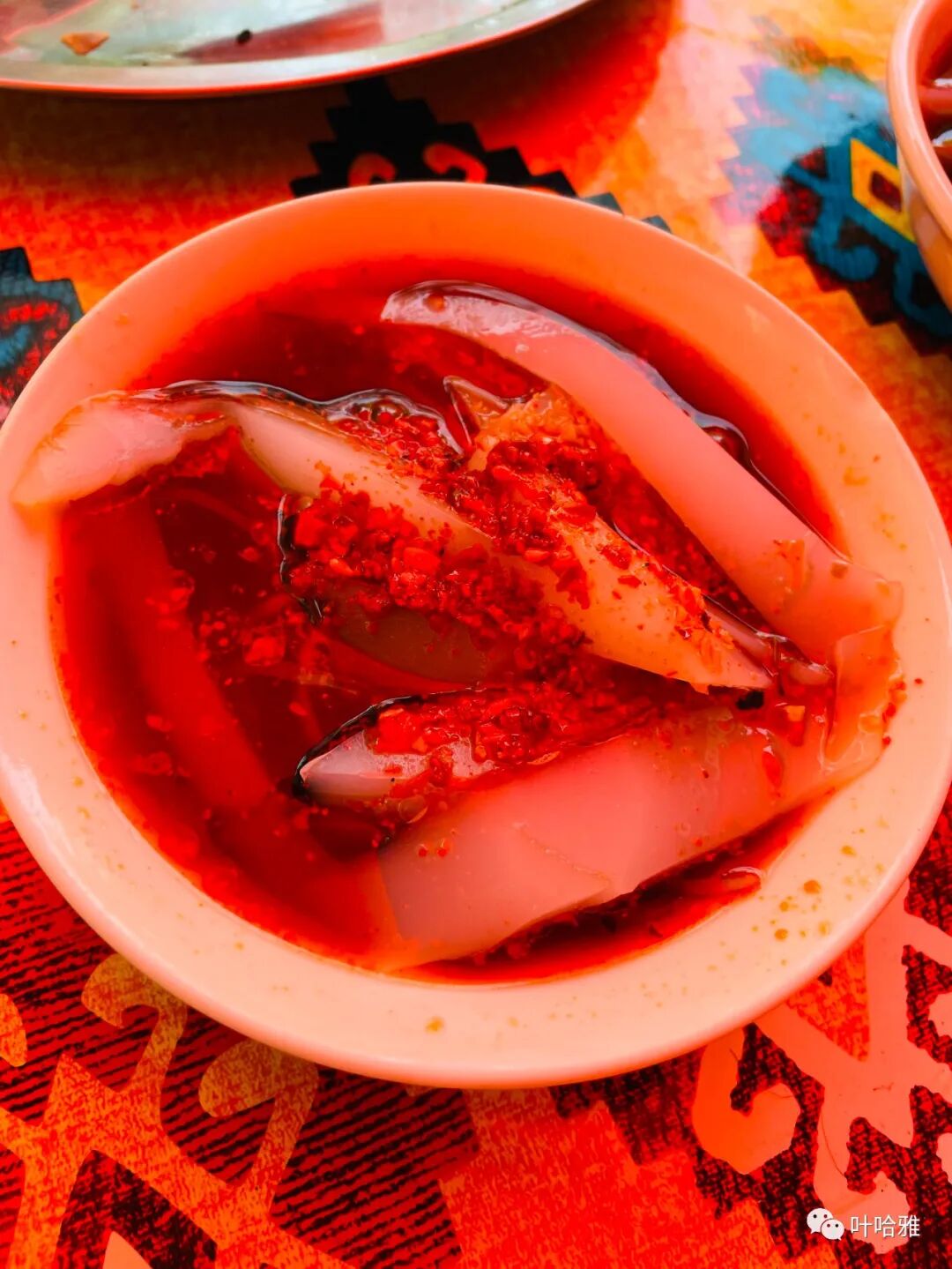
After finishing the noodles, we paid the bill and got ready to leave. Before leaving, I said salaam to the owner. He did not reply, but hesitated and told us to sit for a while longer because he had more good food coming out of the pot. He then gave us a plate of old man melon (laohangua), which is called bixikxin in the Uyghur language. It was ice-cold. This old man melon is not your average Hami melon. It is common in southern Xinjiang, soft, juicy, fragrant, and sweet. Because it is hard to store, it is rarely seen elsewhere.
The owner introduced me to his son, who was cooking. He said their family has been in the restaurant business for several generations. They are Uyghur. Artux City is still mostly Uyghur, while the Kyrgyz people are spread out in the surrounding counties. This might be how the locals show friendship now; they don't say much, but all the blessings are in the food.
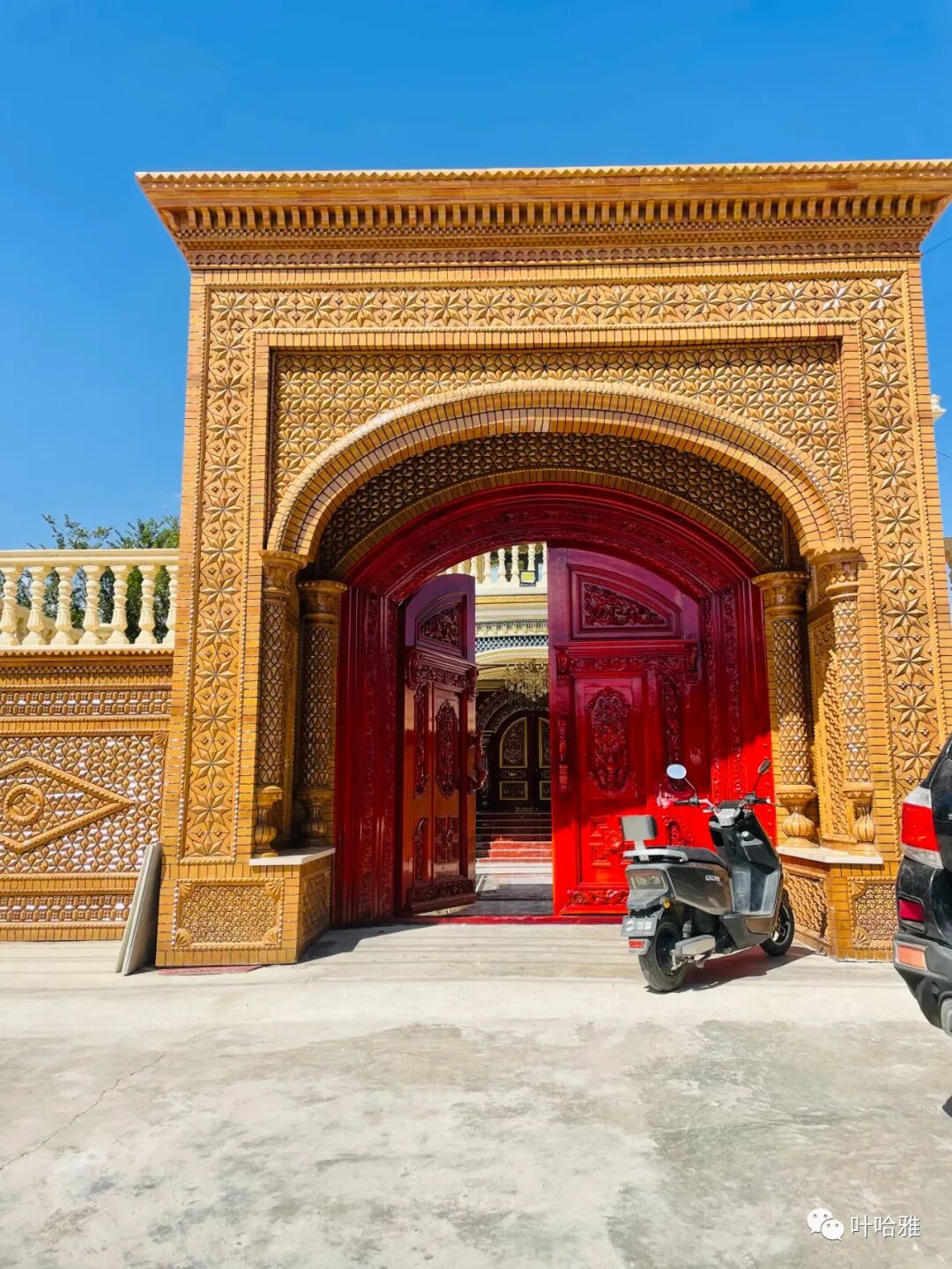
Houses in Kizilsu Prefecture.
We saw a mosque on Google Maps, but when we got there, it was just an empty lot. We only took photos of the nearby houses, which looked quite nice.
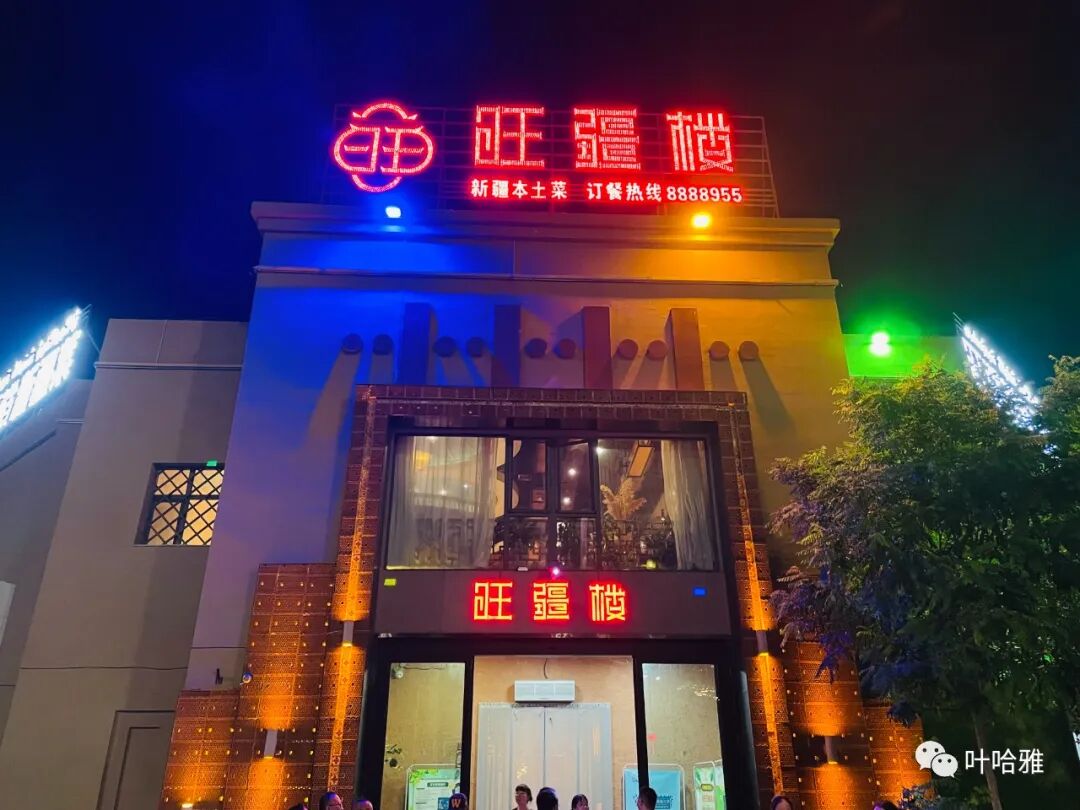
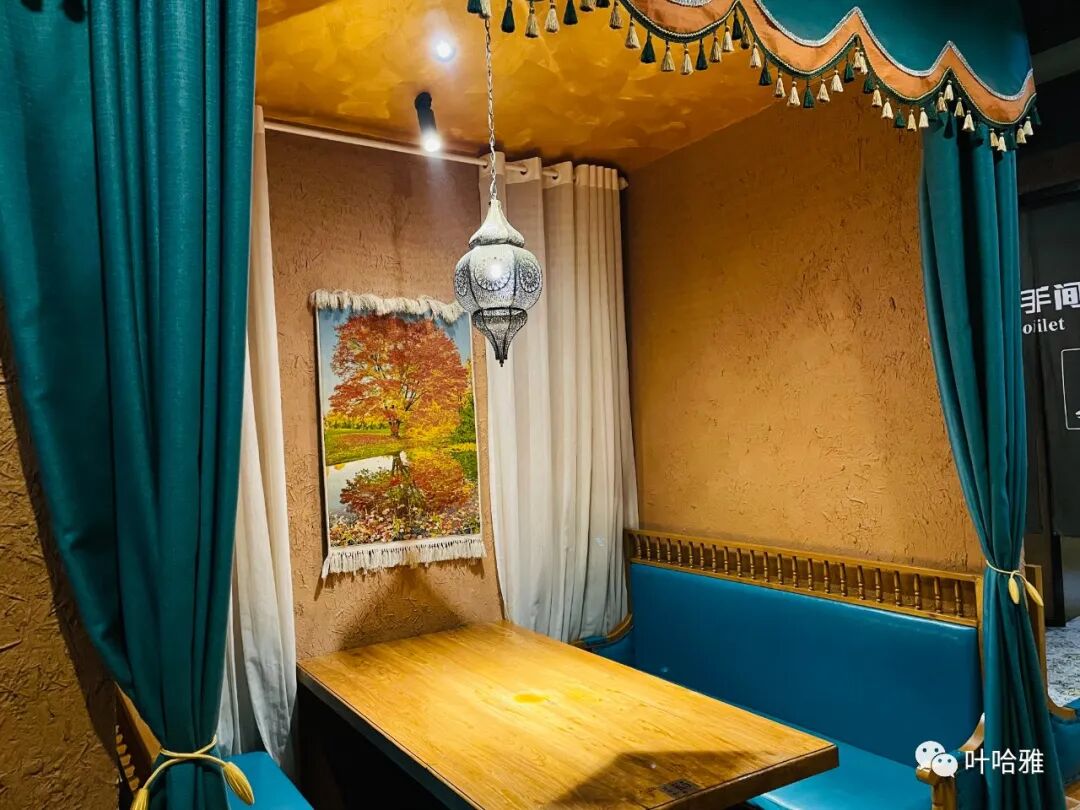
We arrived in downtown Aksu in the evening and had a fantastic Xinjiang meal at the popular Wangjianglou restaurant.
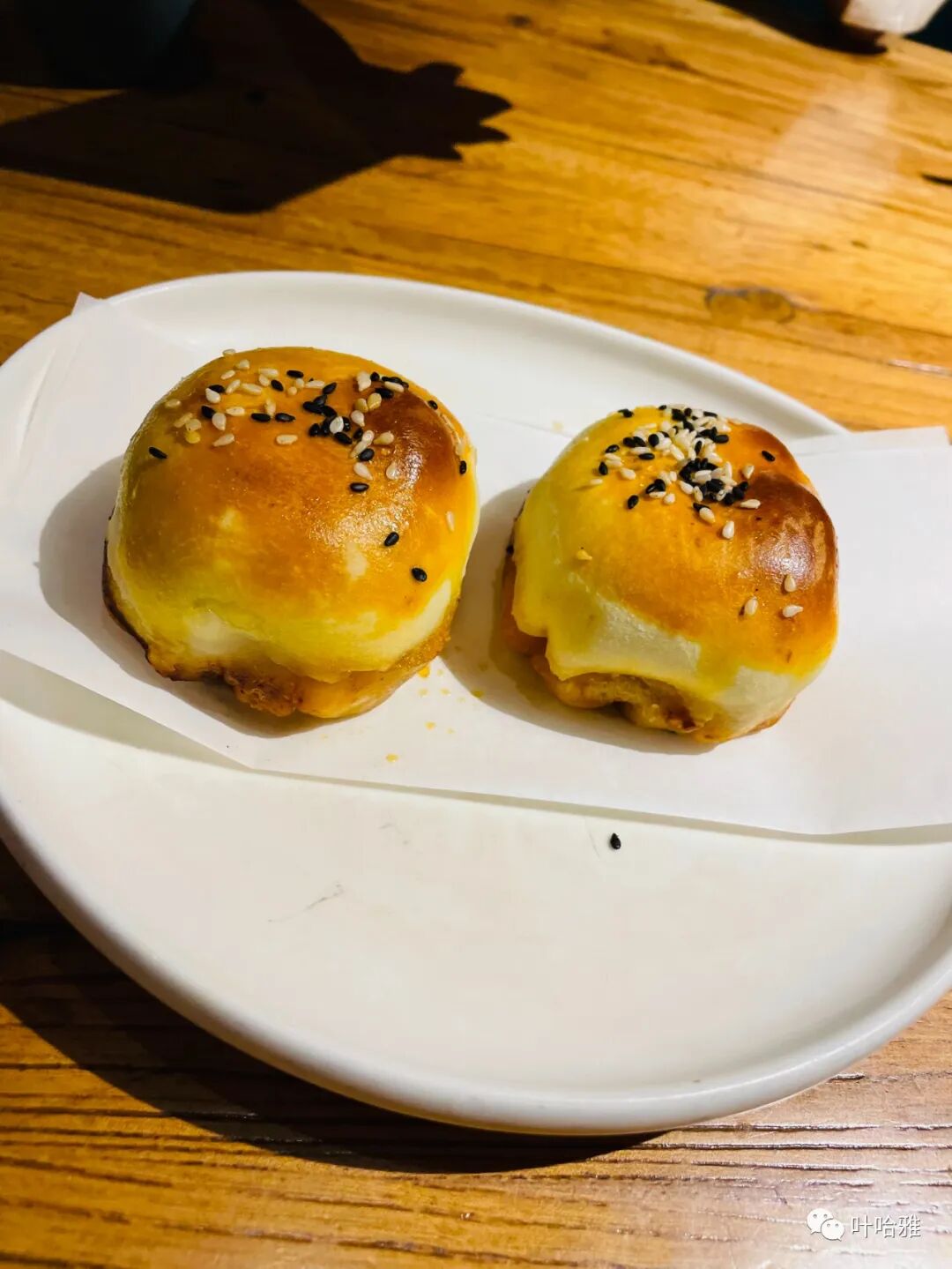
Crayfish baked buns (kaobaozi).
The viral crayfish baked buns (kaobaozi)—if you haven't tried them, I suggest you don't.
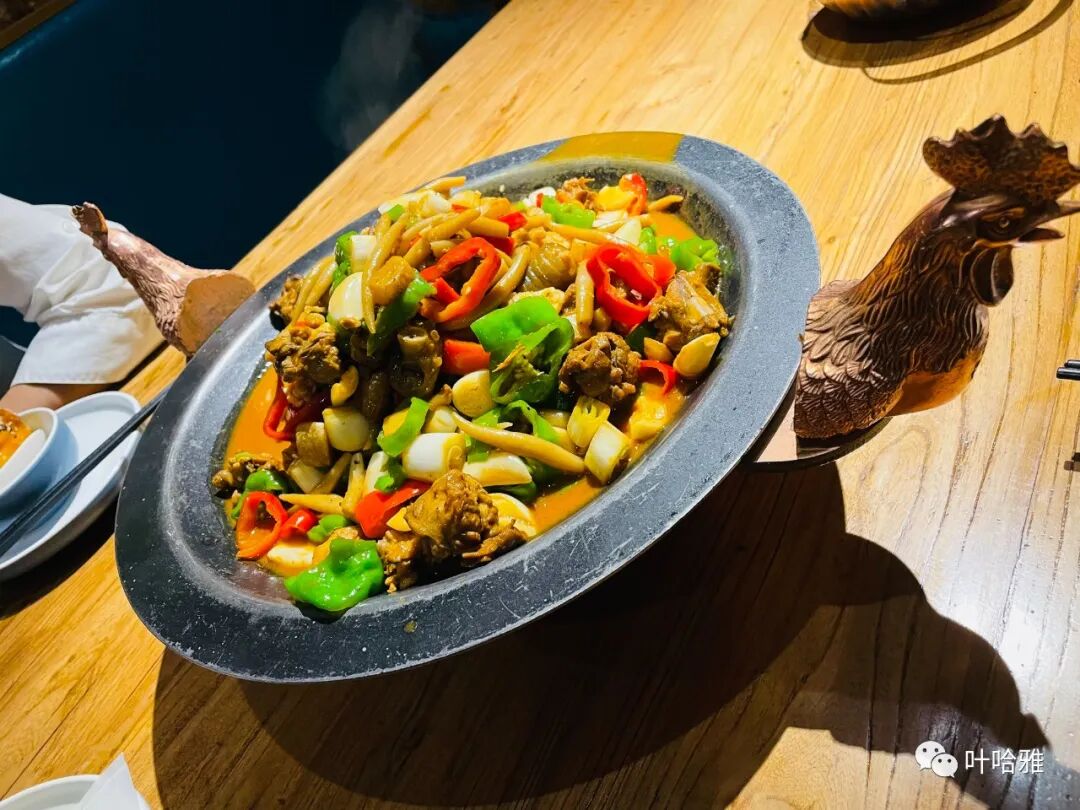
Luhua chicken.
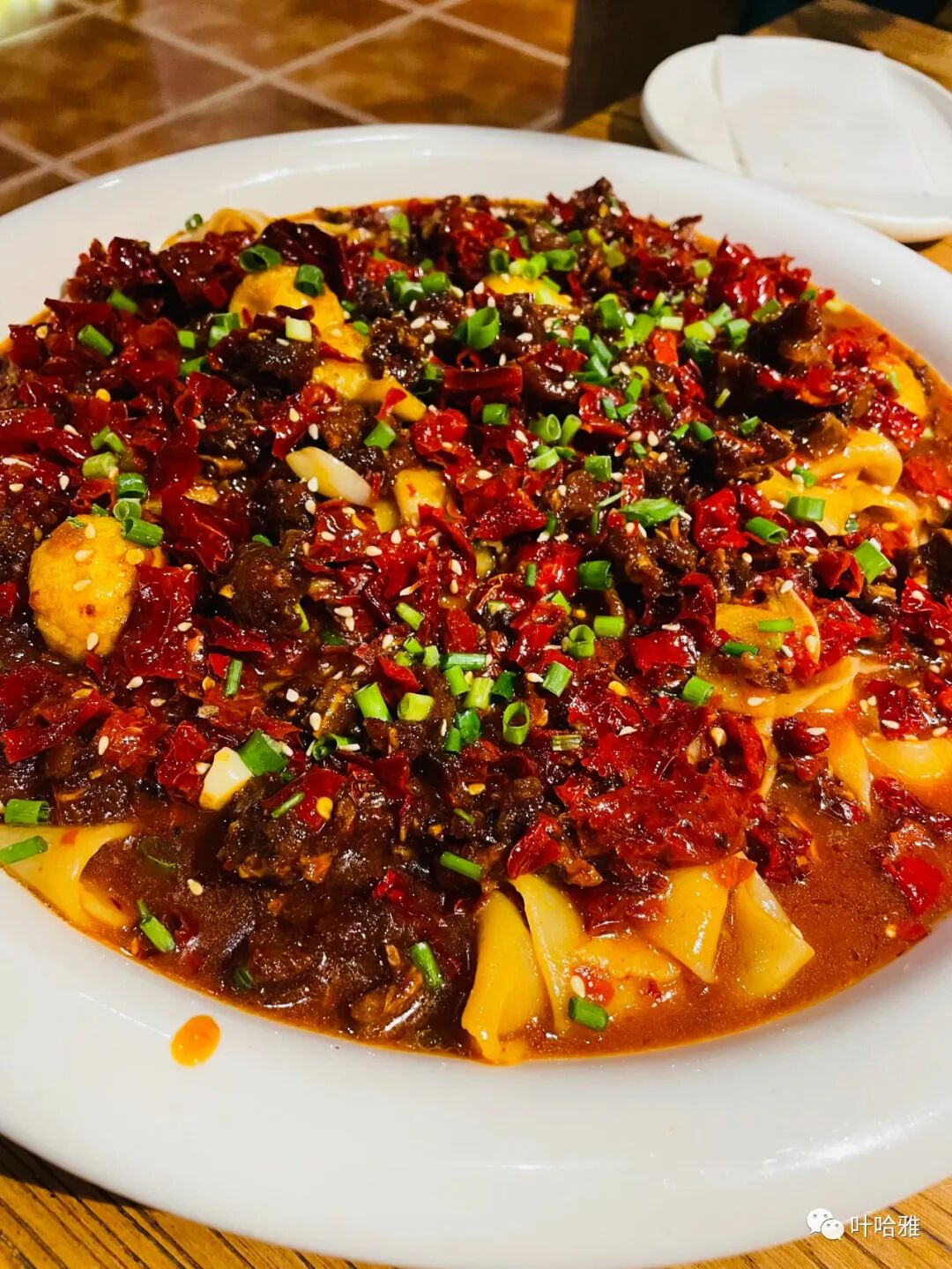
Pigeon noodles (gelao mian).
Luhua chicken and pigeon noodles (gelao mian) are both signature dishes and very tasty. The pigeon noodles contain pigeon meat, and the texture is a bit like spicy chicken.
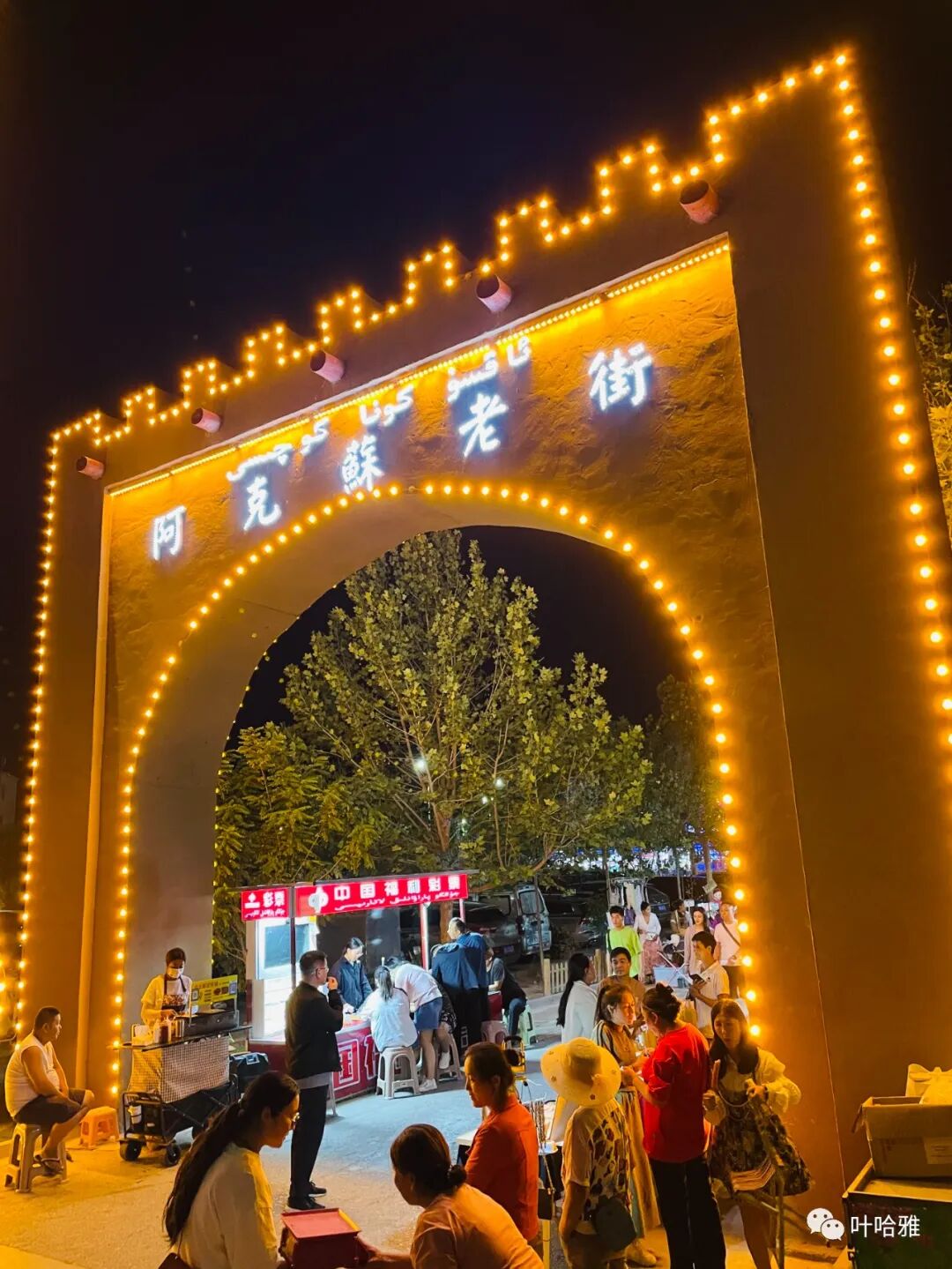
Every county in southern Xinjiang has a night market. The Aksu Old Street Night Market starts getting busy around 8 p.m. It doesn't get dark until after 10 p.m., and the market stays open until about 1 a.m.
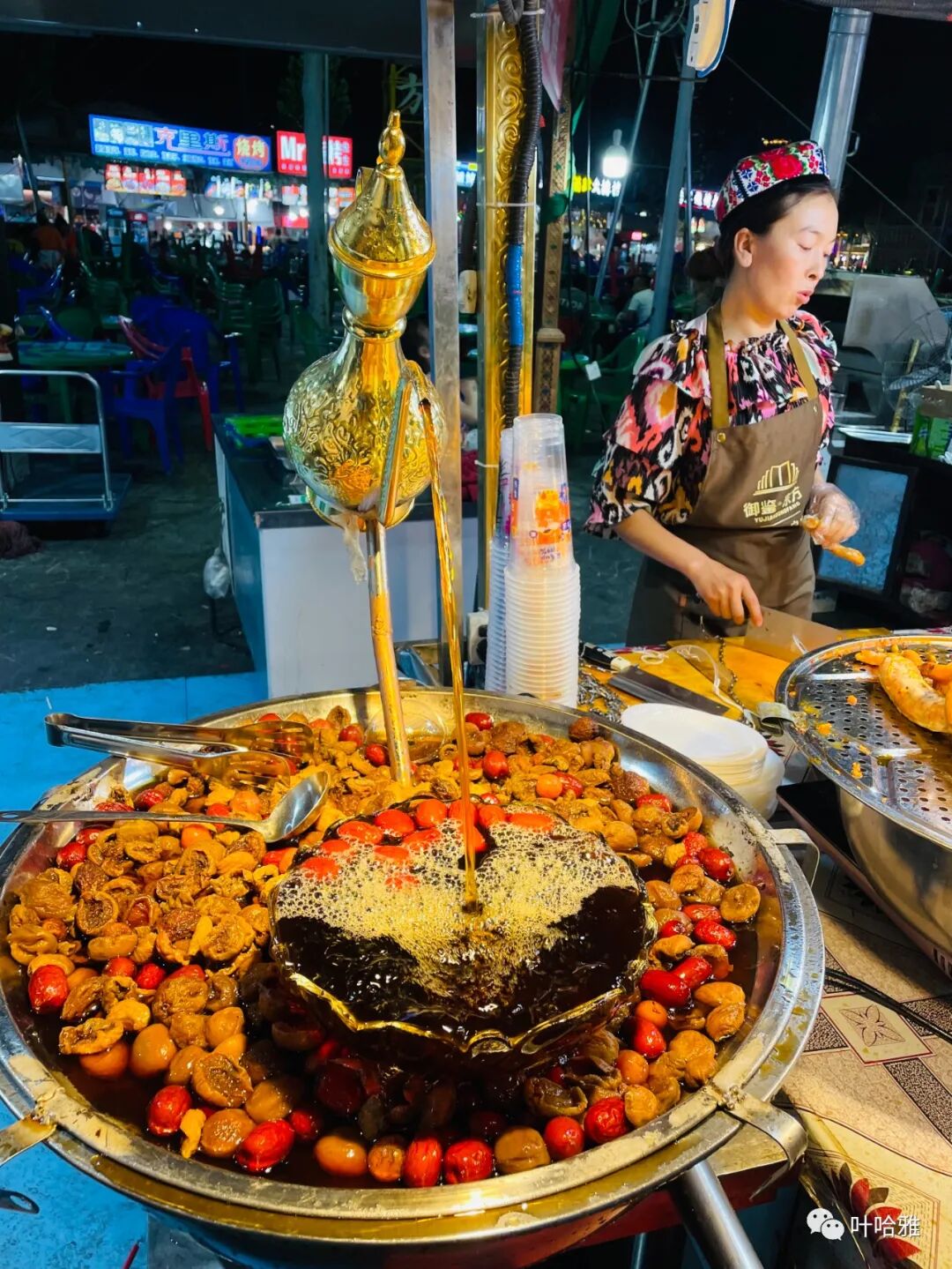
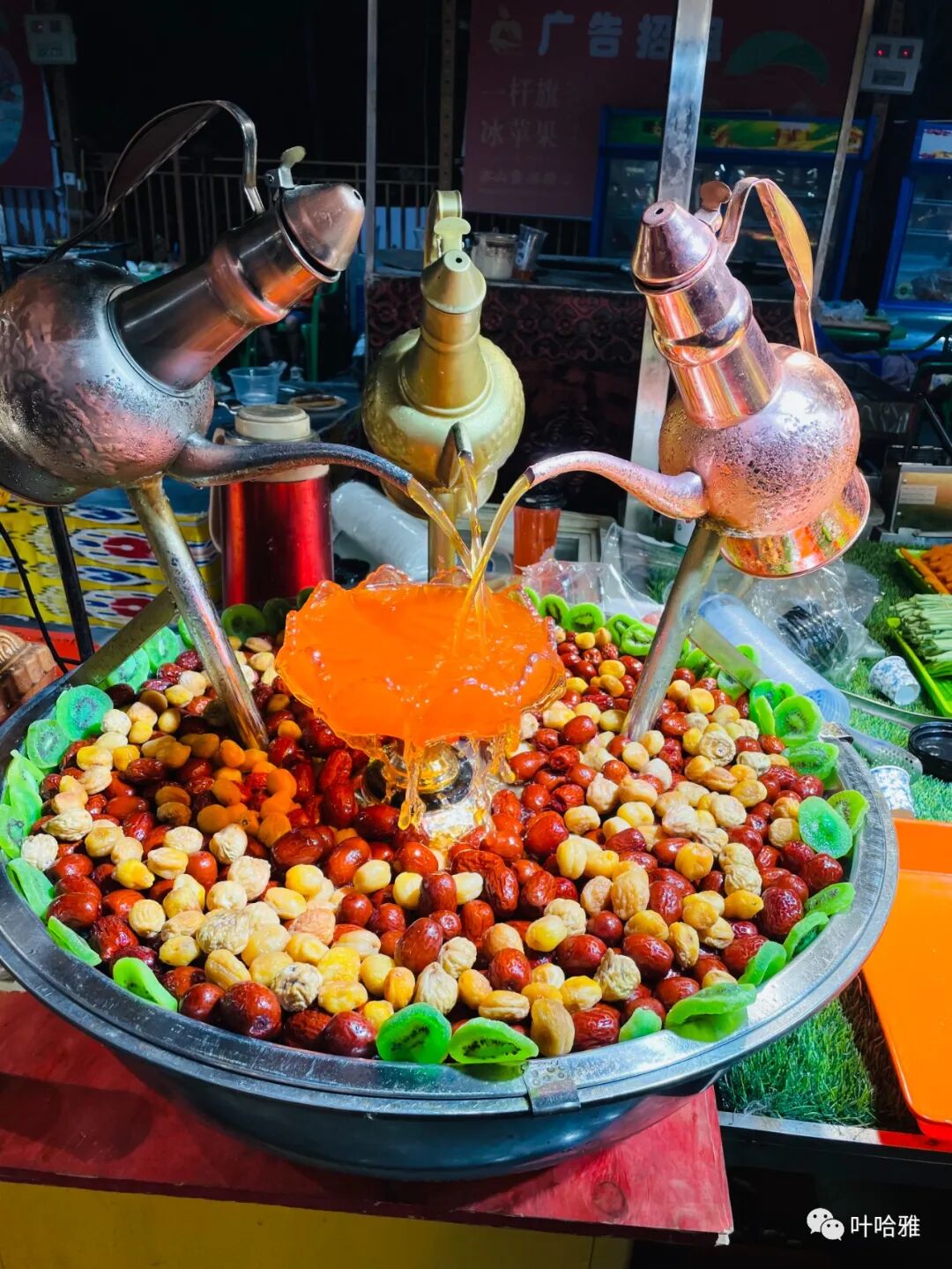
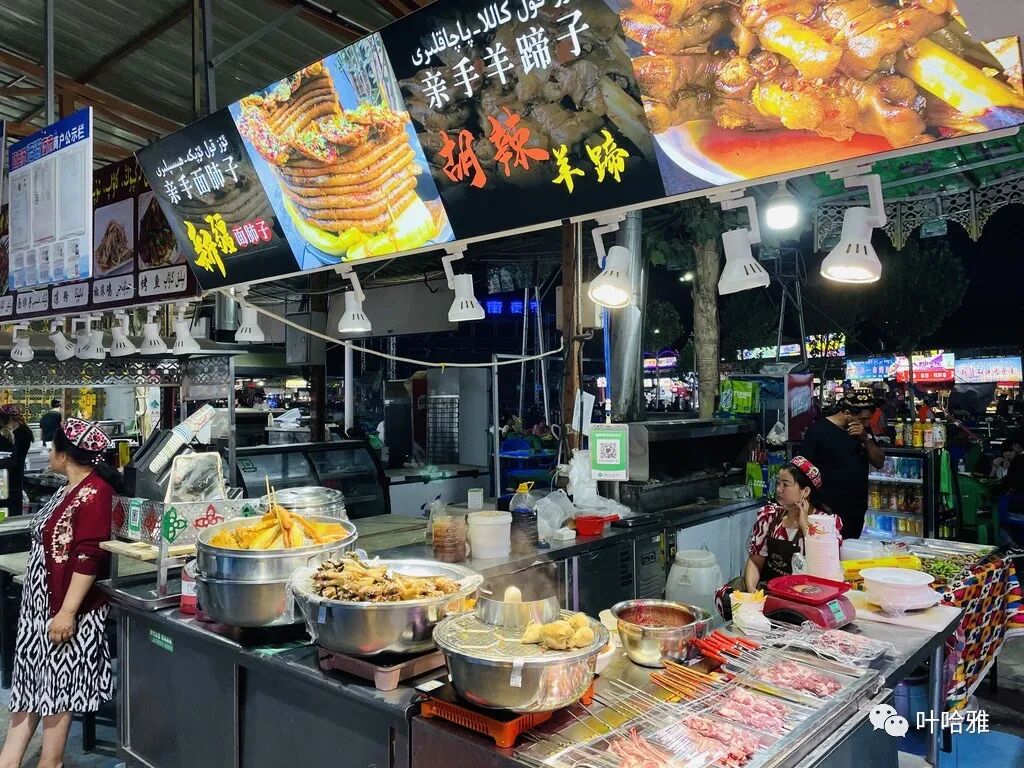
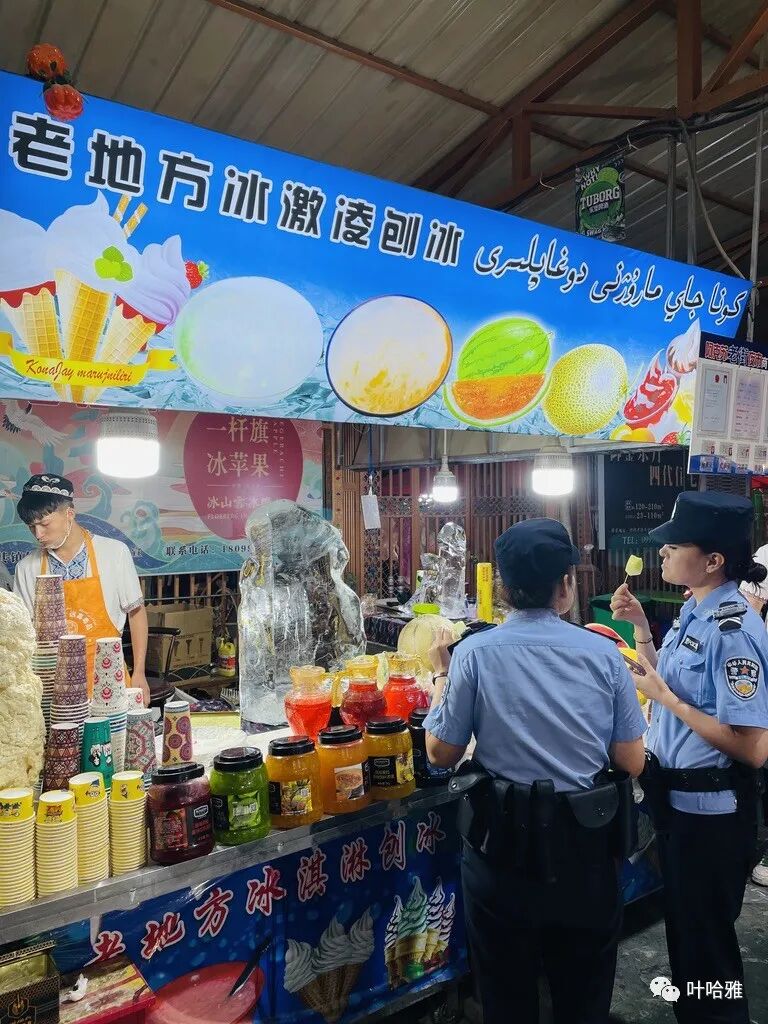
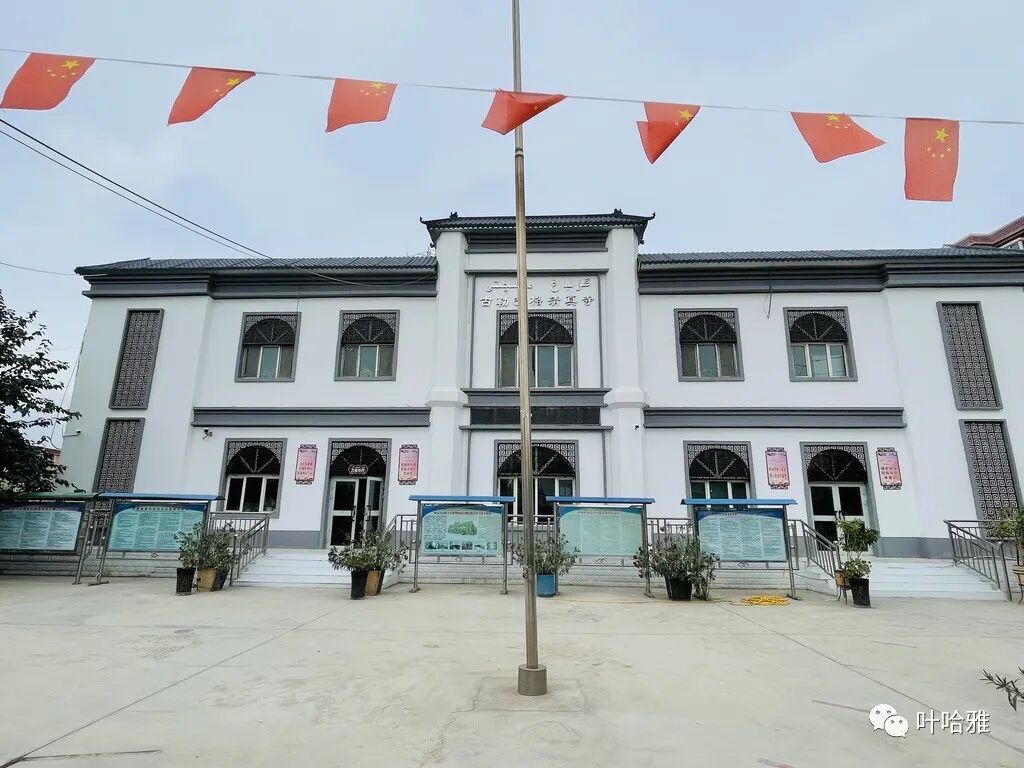
Gulebage Mosque.
We visited Gulebage Mosque in Aksu. It happened to be Jumu'ah that day. We asked the local authorities and learned that Jumu'ah prayer was at 3 p.m. We couldn't pray there, so we drove to Kuqa immediately to make it to the next mosque before 3 p.m.
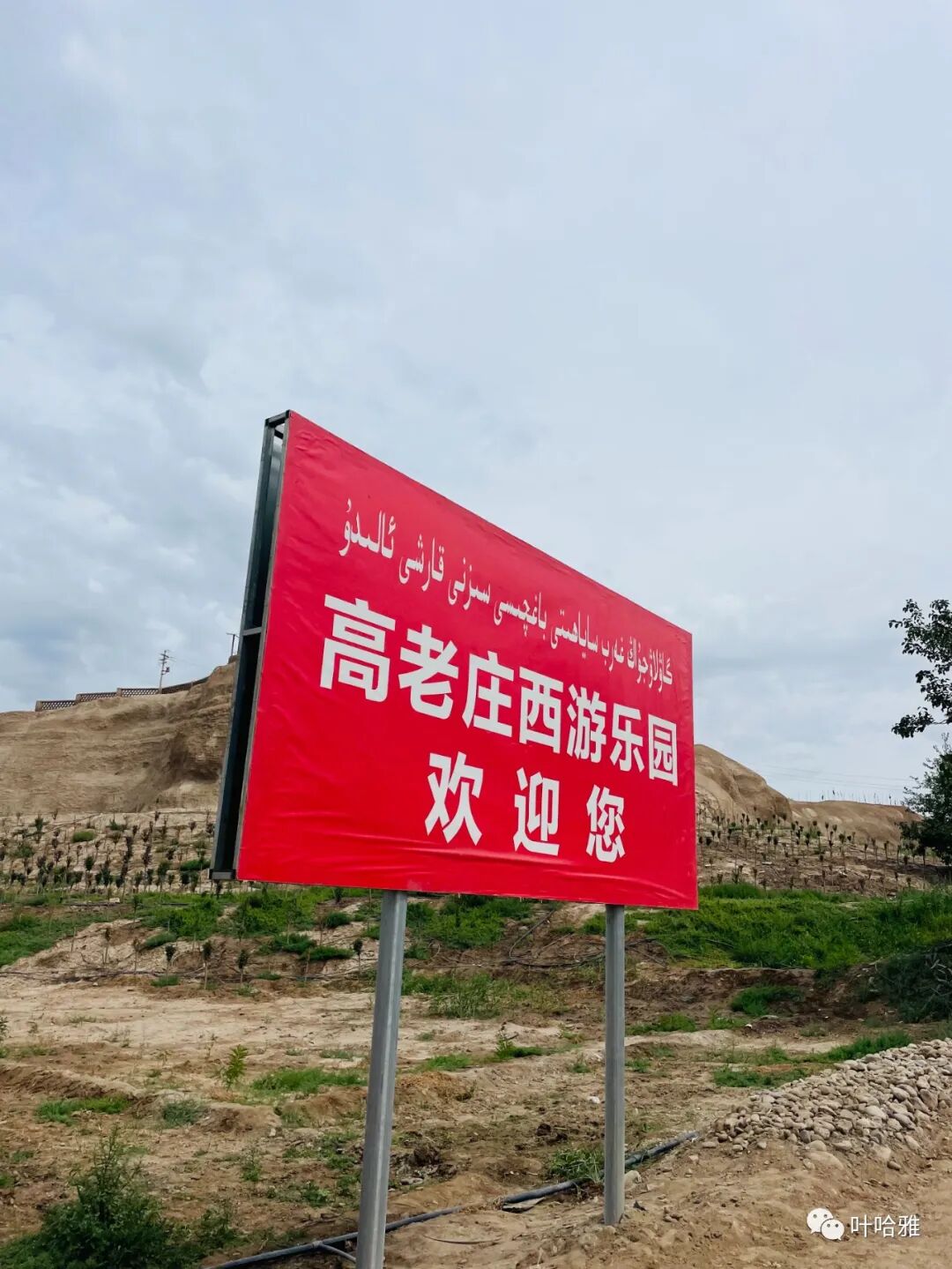
We passed by the cluster of tombs (mazar) in Aksu, which is said to be the location of Gao Lao Zhuang mentioned in the Journey to the West.
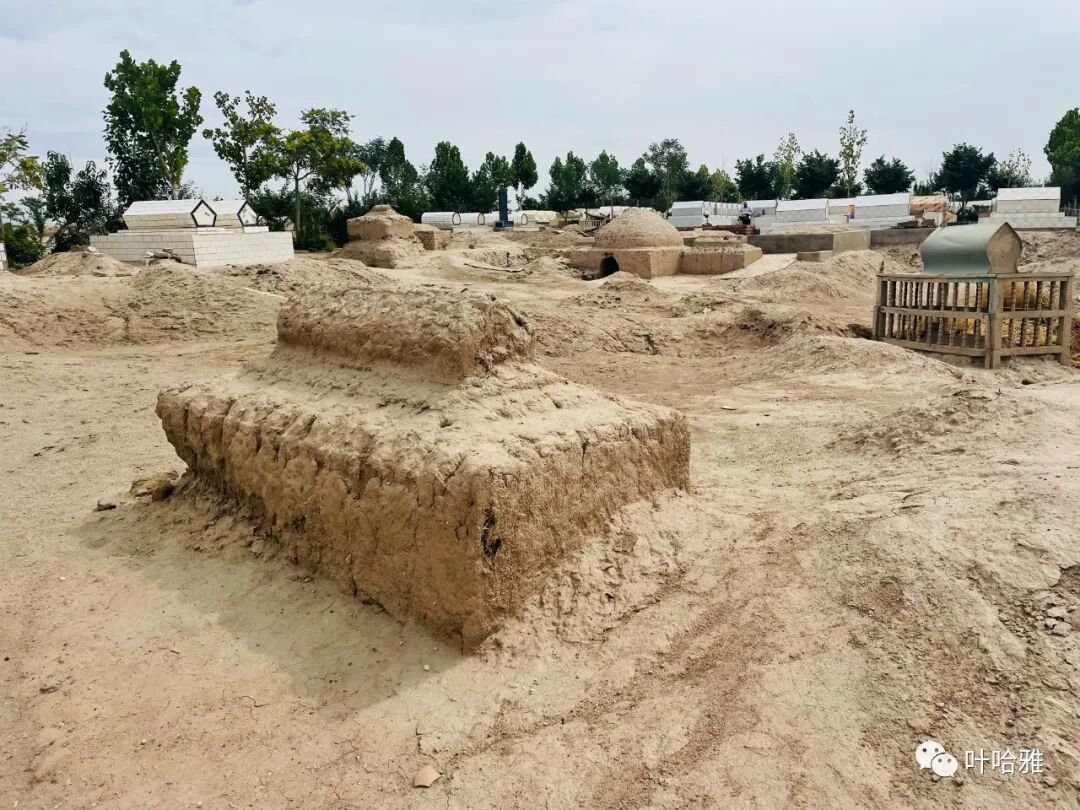
The cemetery is on a hilltop in Wensu County, and many of the Uyghur graves do not have names.
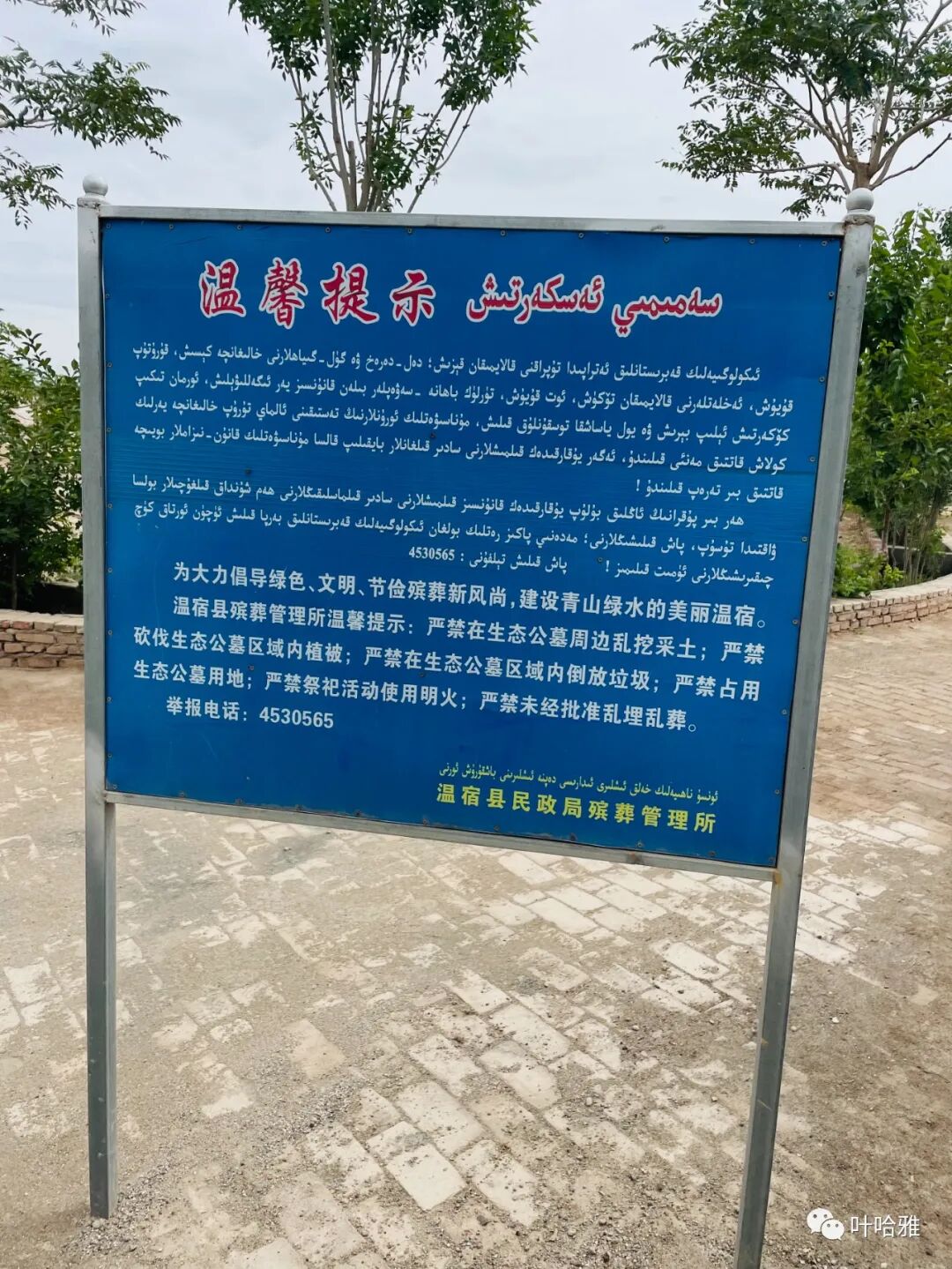
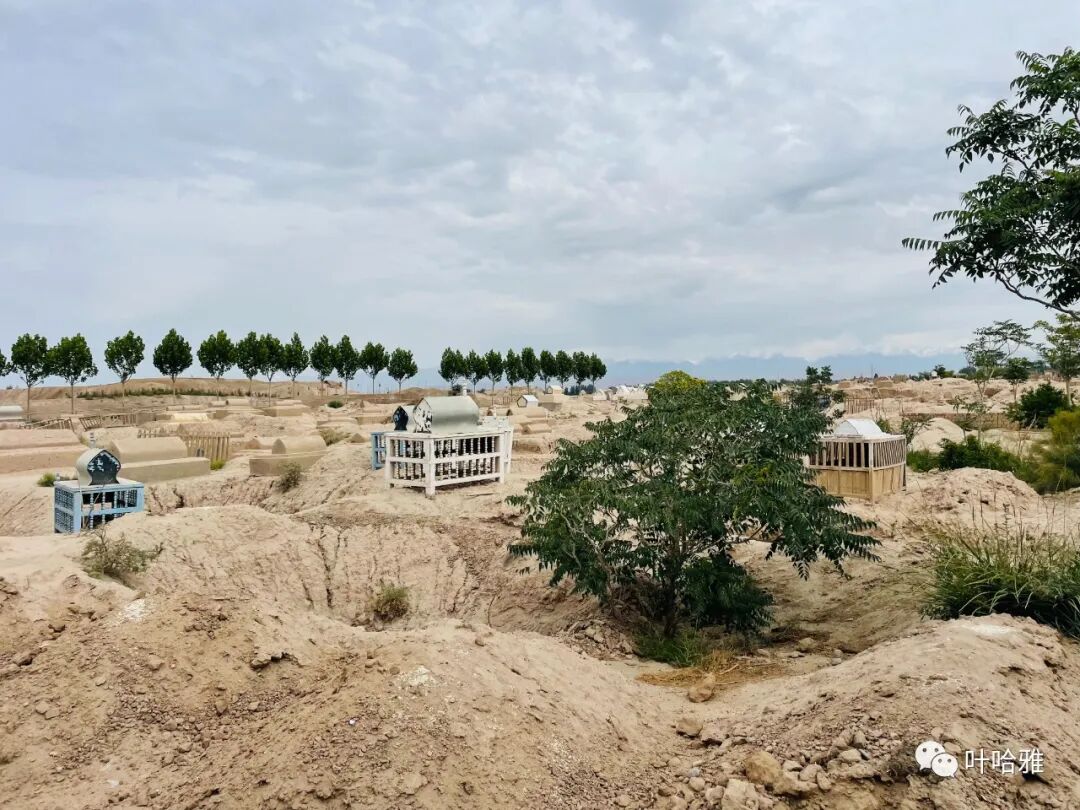
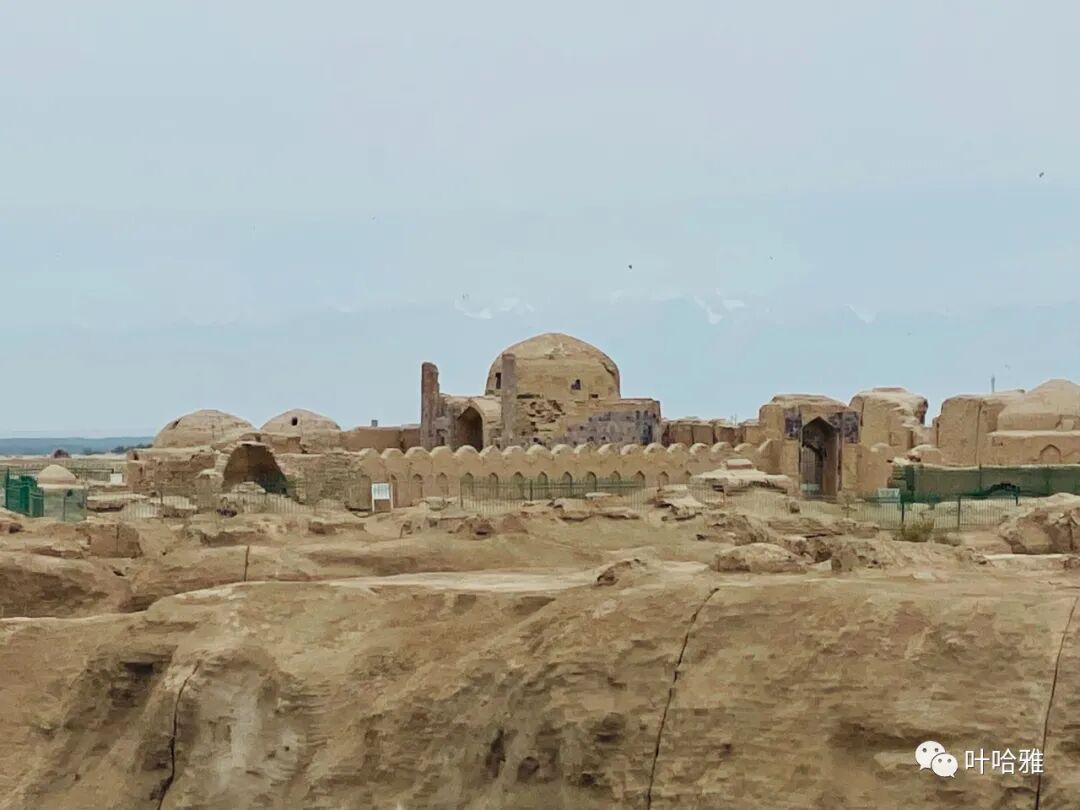
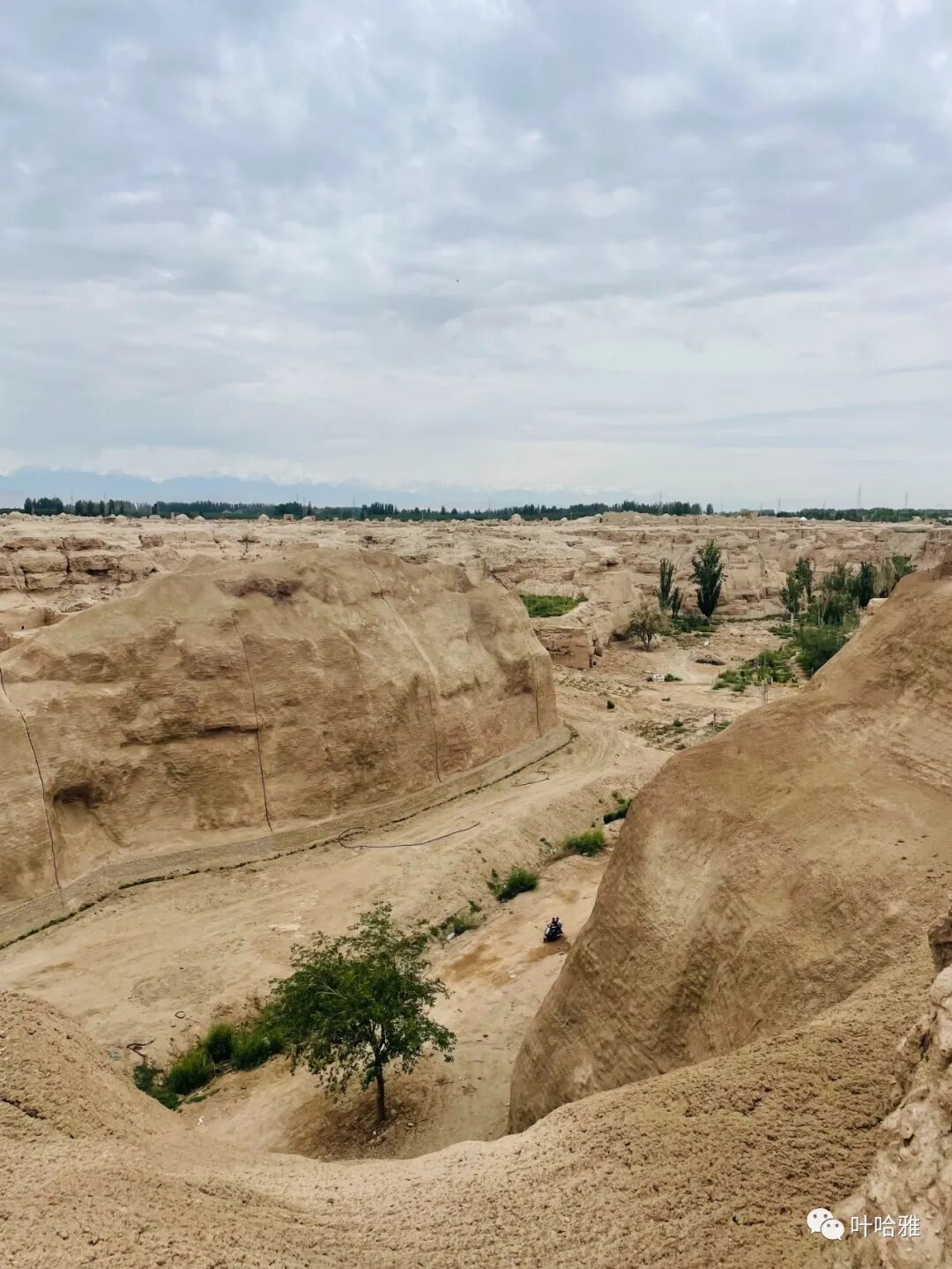
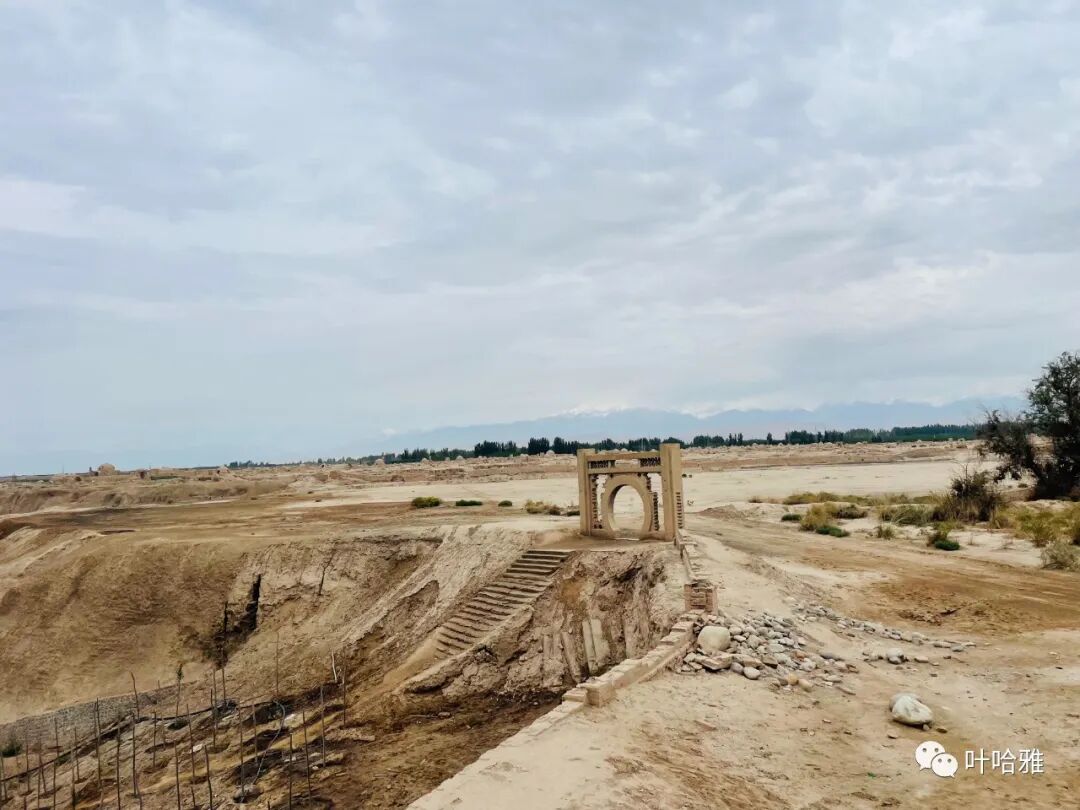
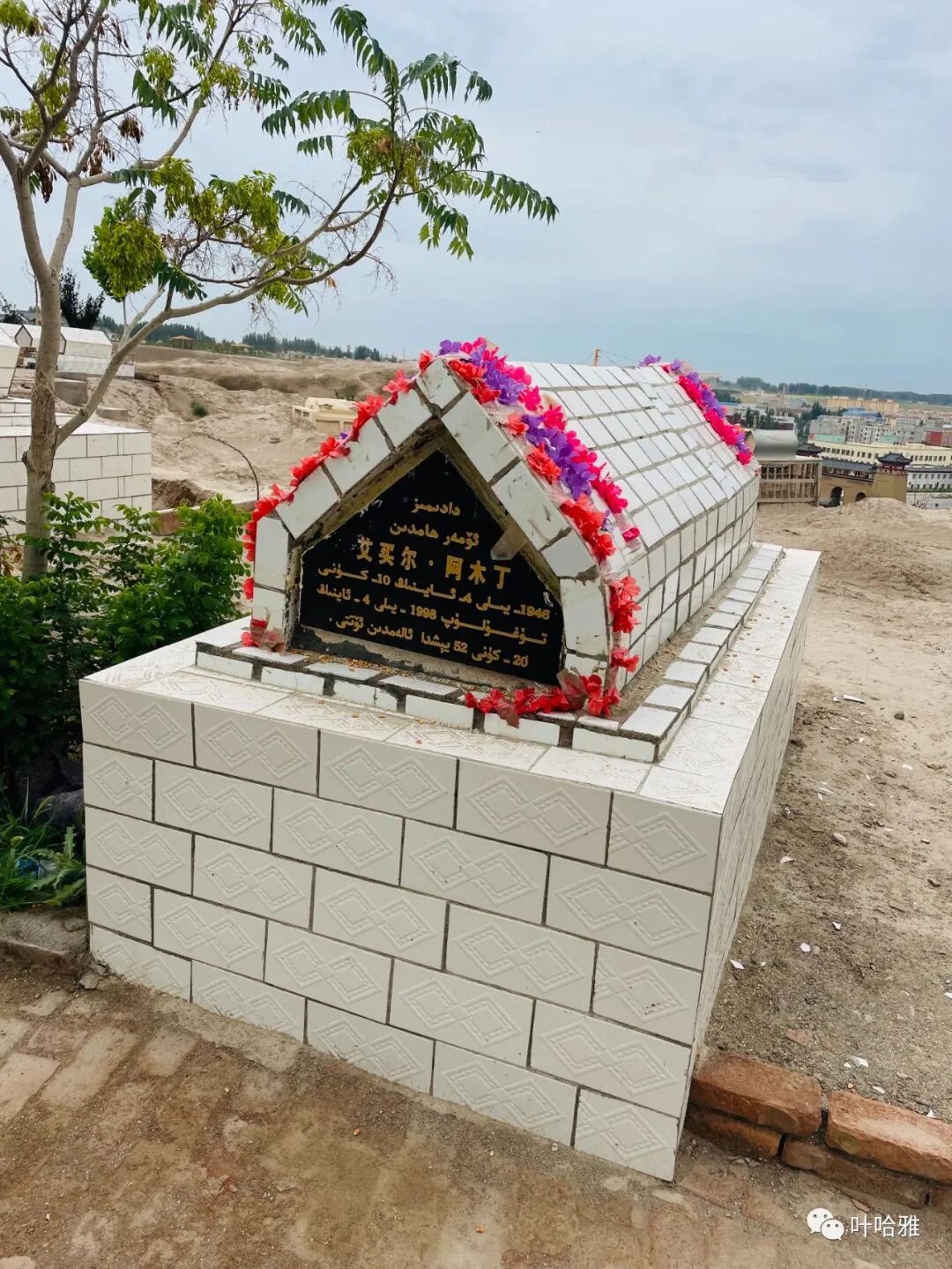
When we arrived at the Kuqa Grand Mosque at 3:00 PM, it was very quiet. There was no Friday prayer (Jumu'ah) here, as it has become a tourist site where visitors buy tickets for 30 yuan. This is the second time I have had to buy a ticket to enter a mosque; the first time was at the Id Kah Mosque in Kashgar.
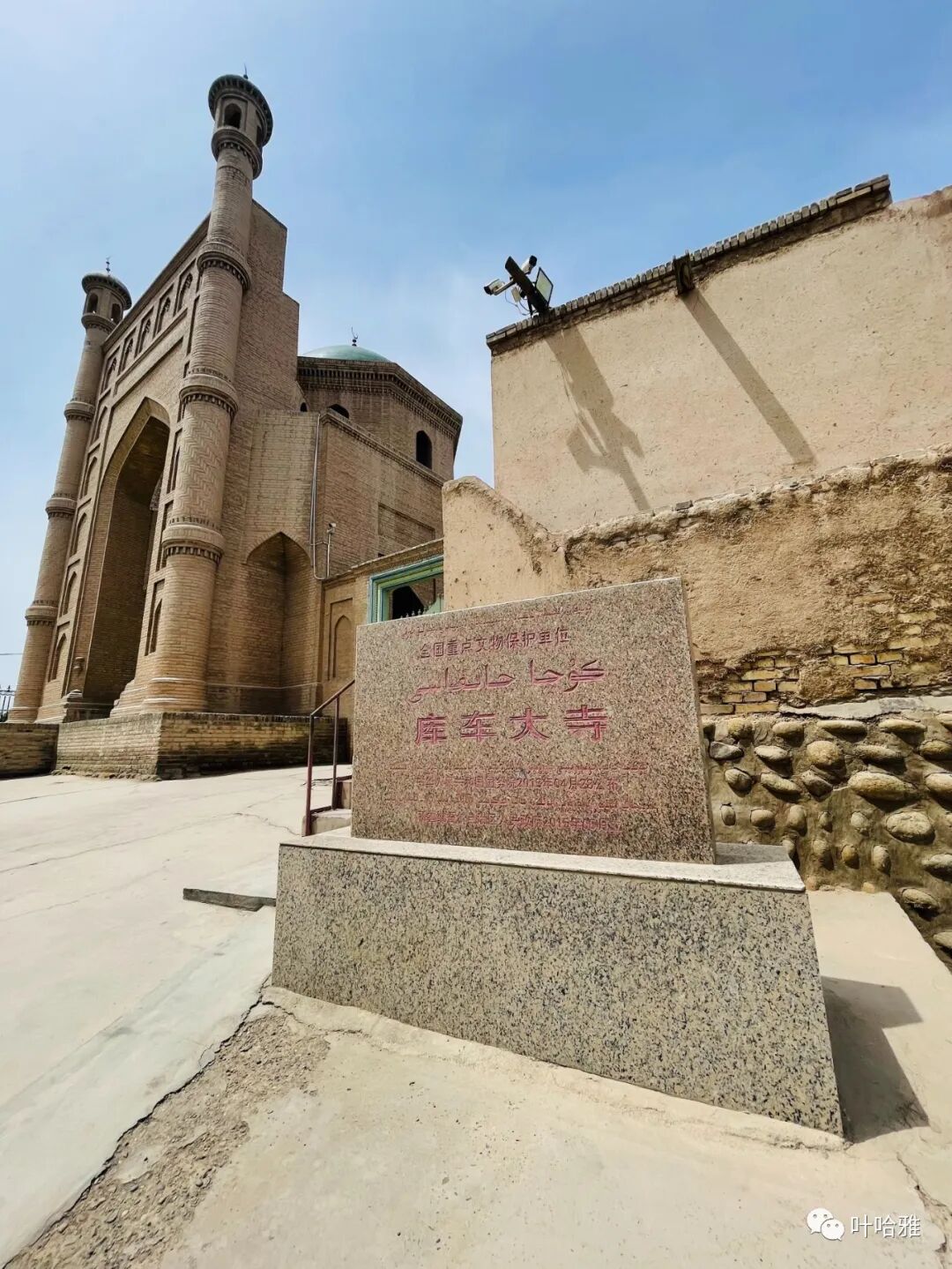
The Kuqa Grand Mosque was first built in the 16th century. It was initiated by Ishak, the leader of the Black Mountain sect, when he came to Kuqa from Kashgar to preach. It was destroyed by fire in the 19th year of the Republic of China, and rebuilt that same year with funding from a wealthy Kuqa man named Halim Haji. The site still preserves a religious court.
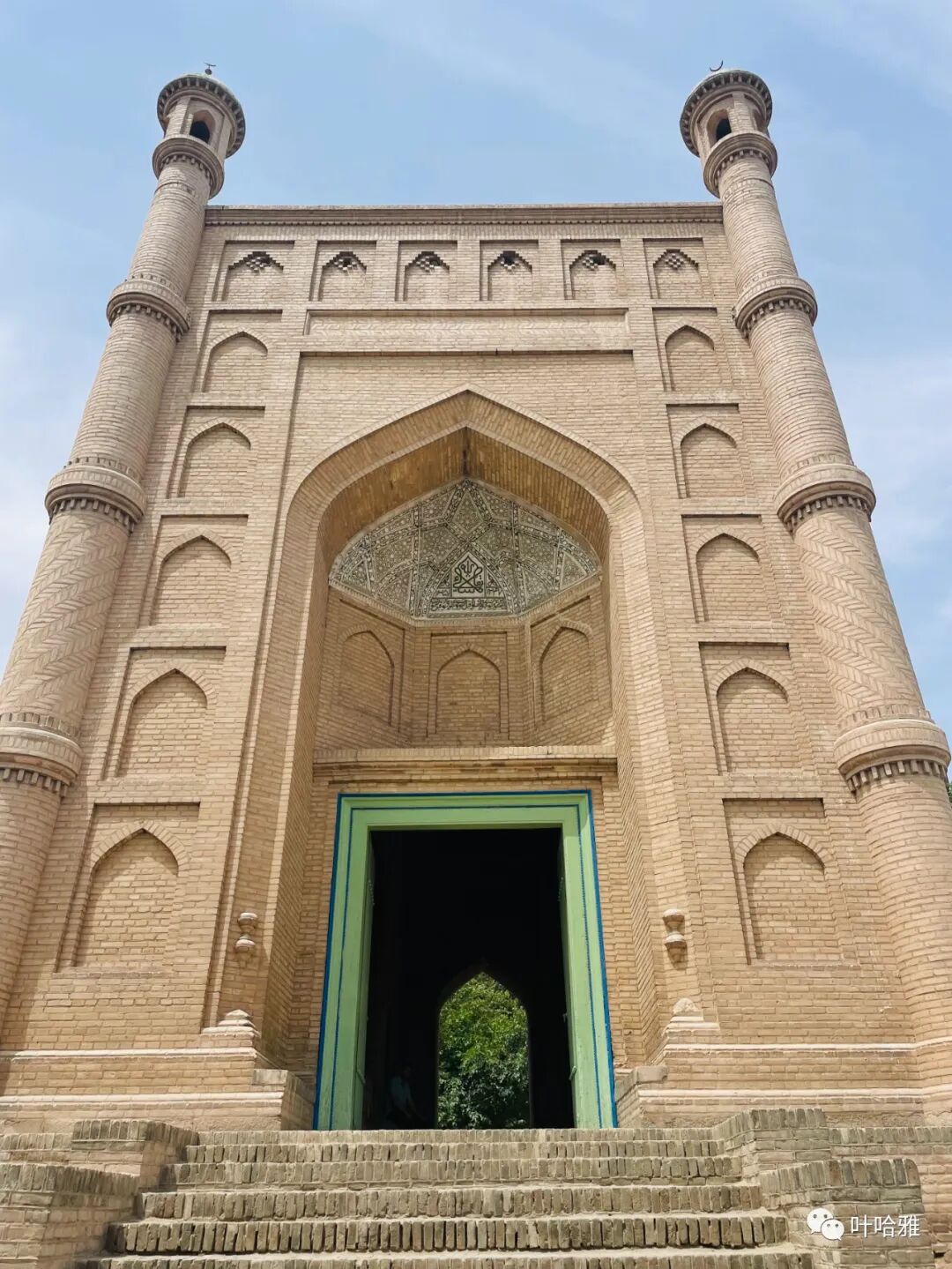
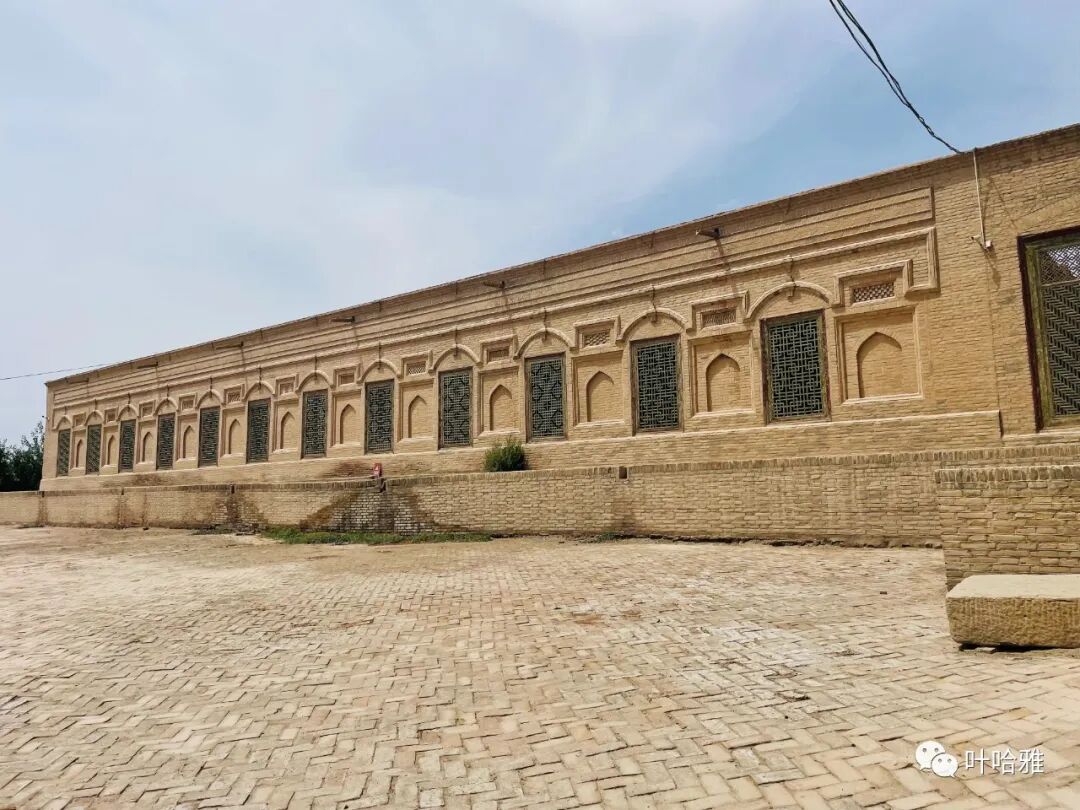
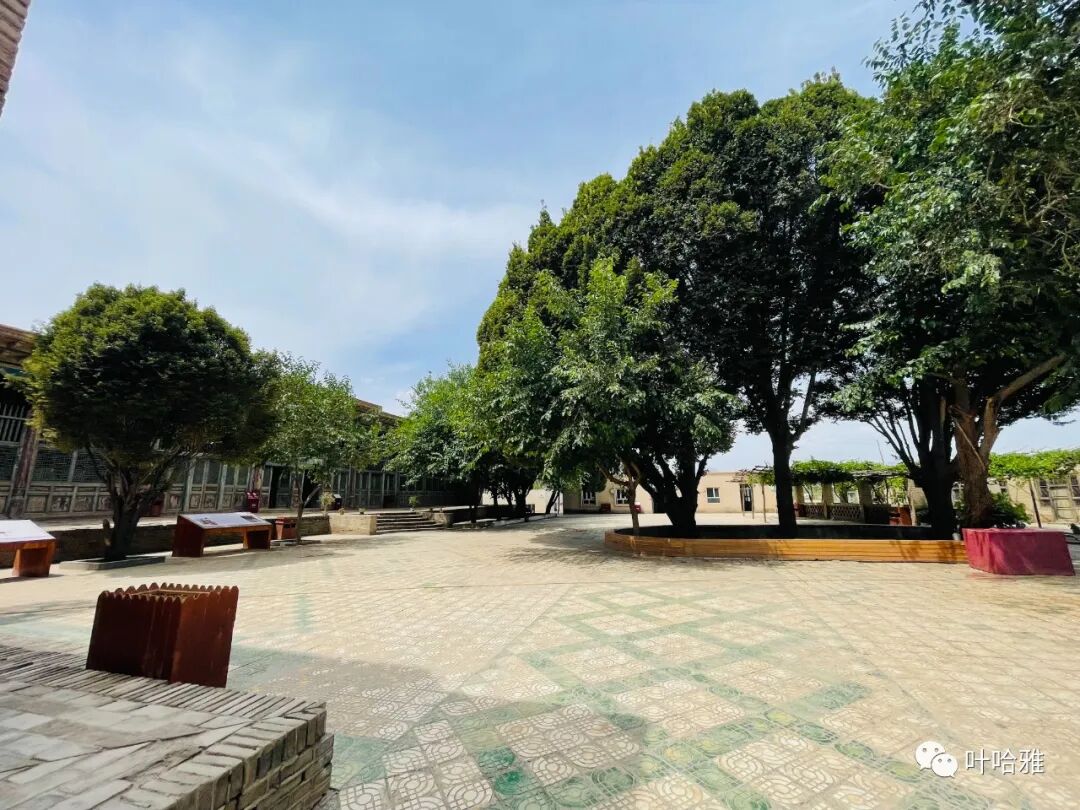
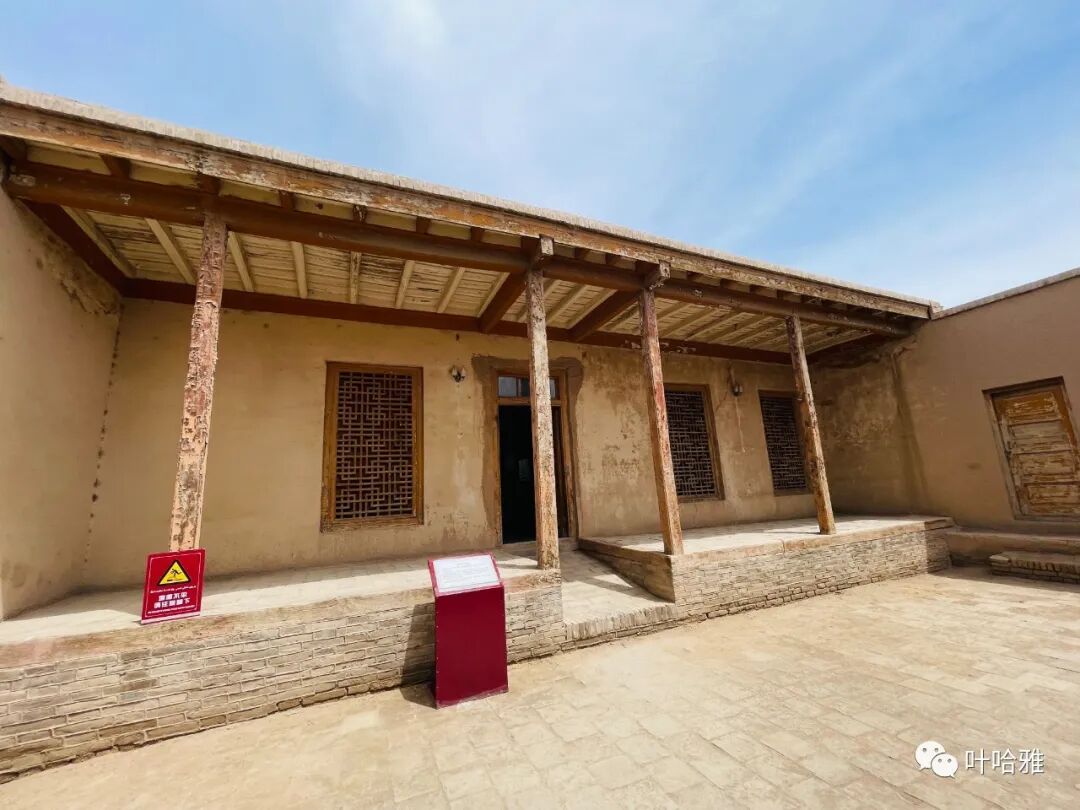
The old town of Kuqa is well-preserved, and interested friends can walk around and take a look.
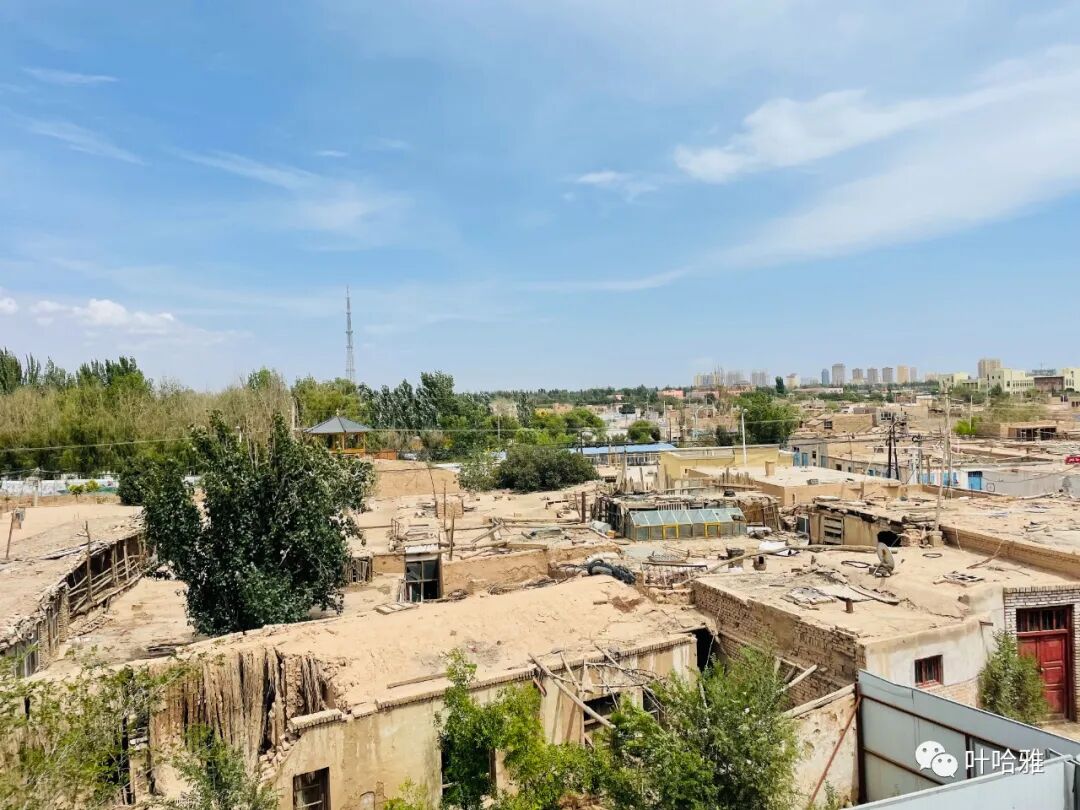
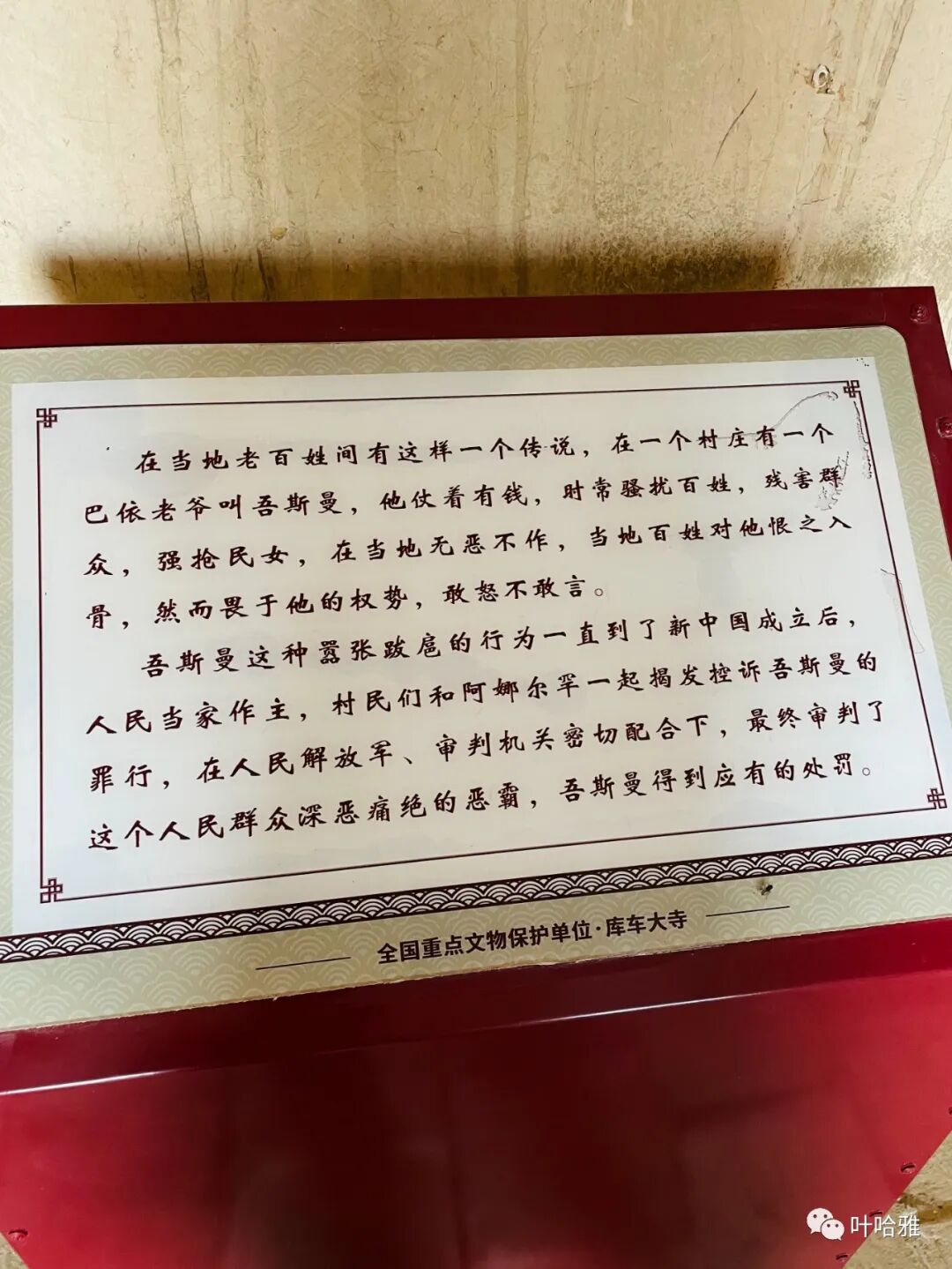
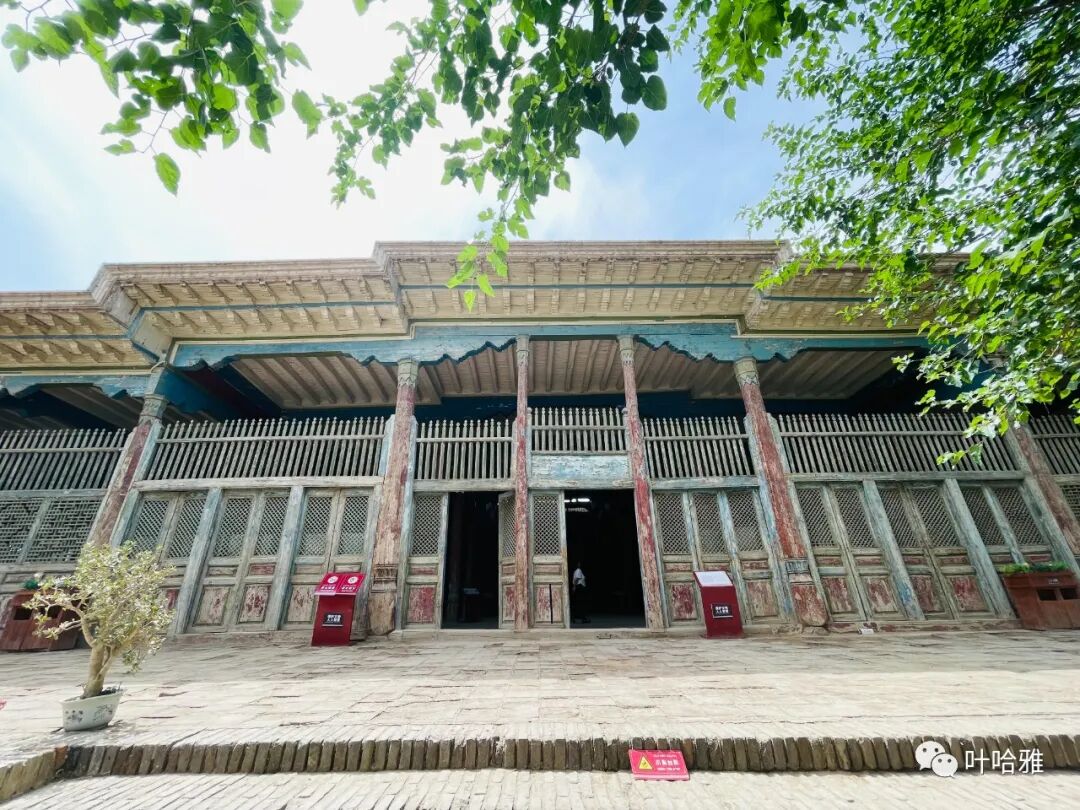
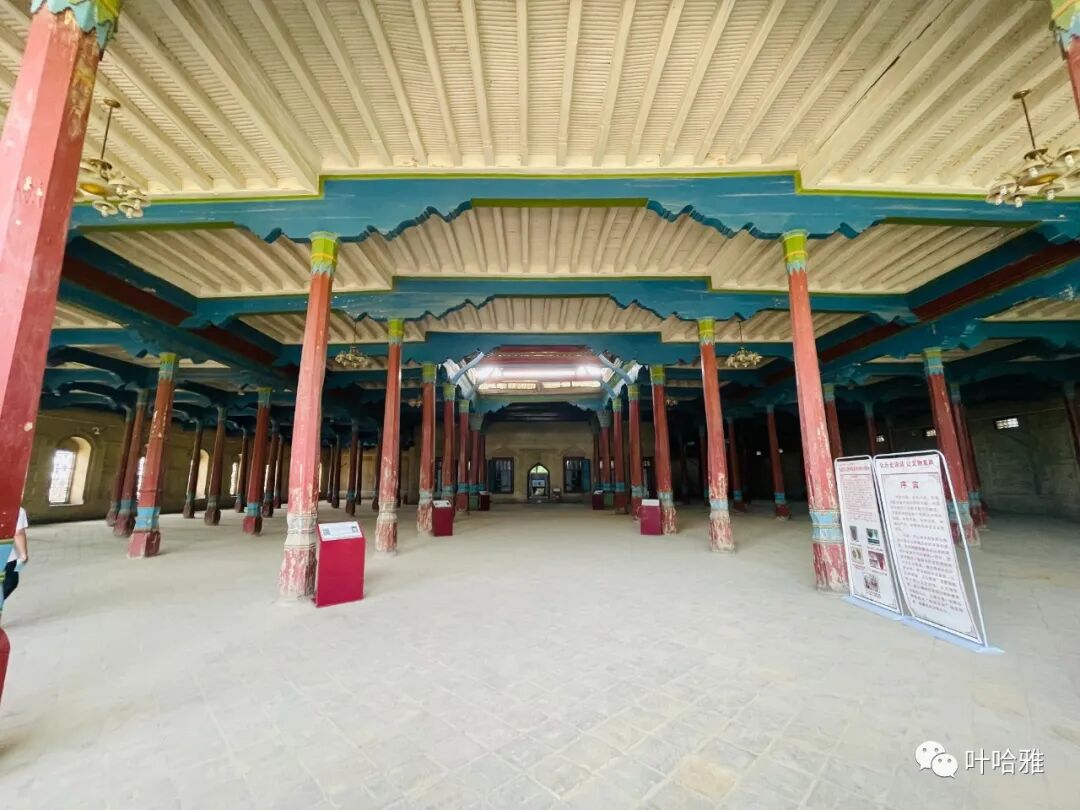
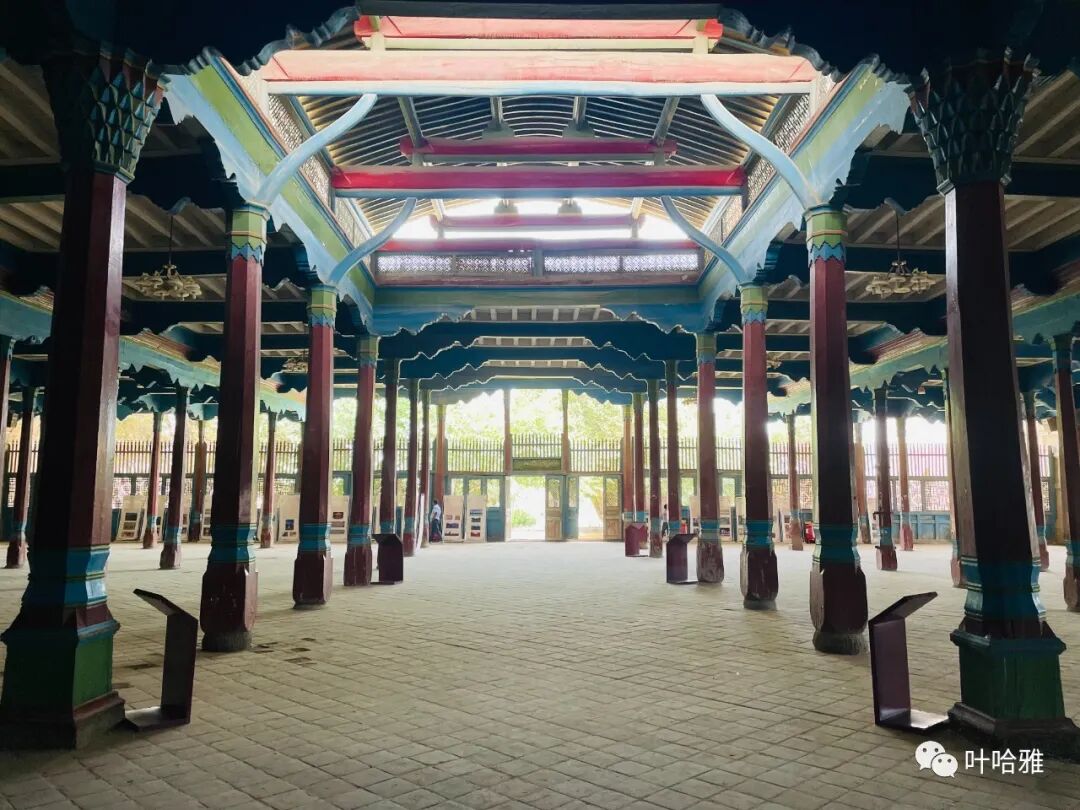
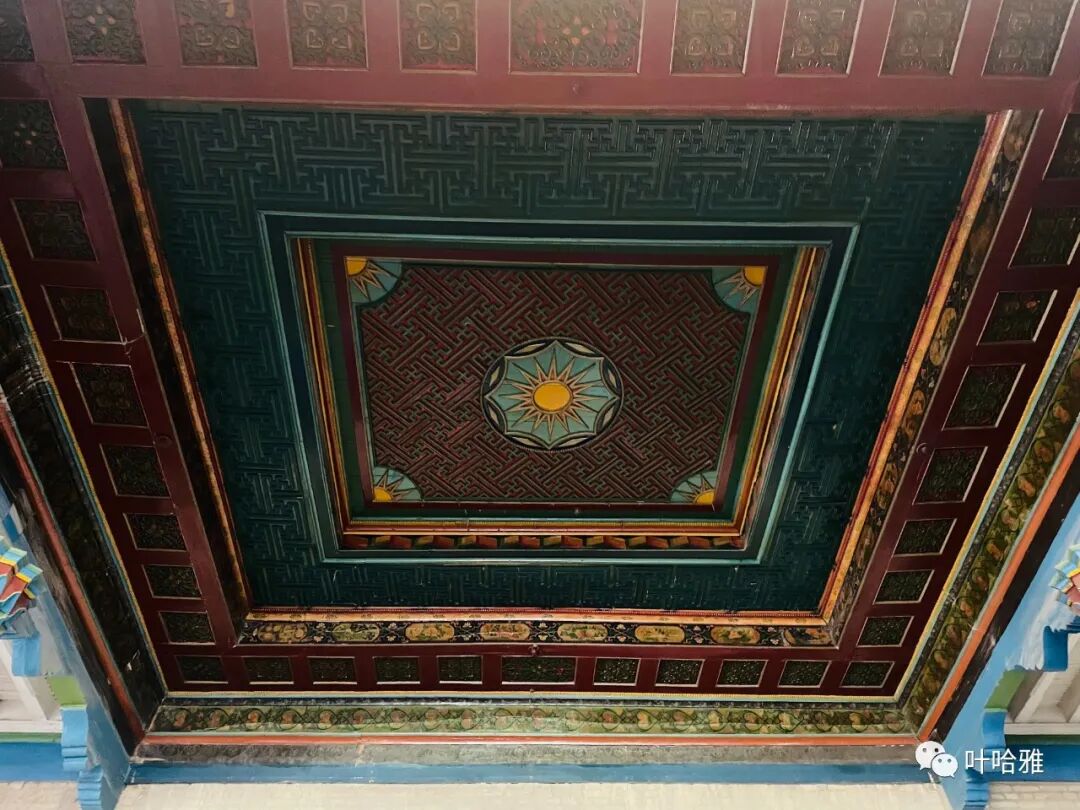
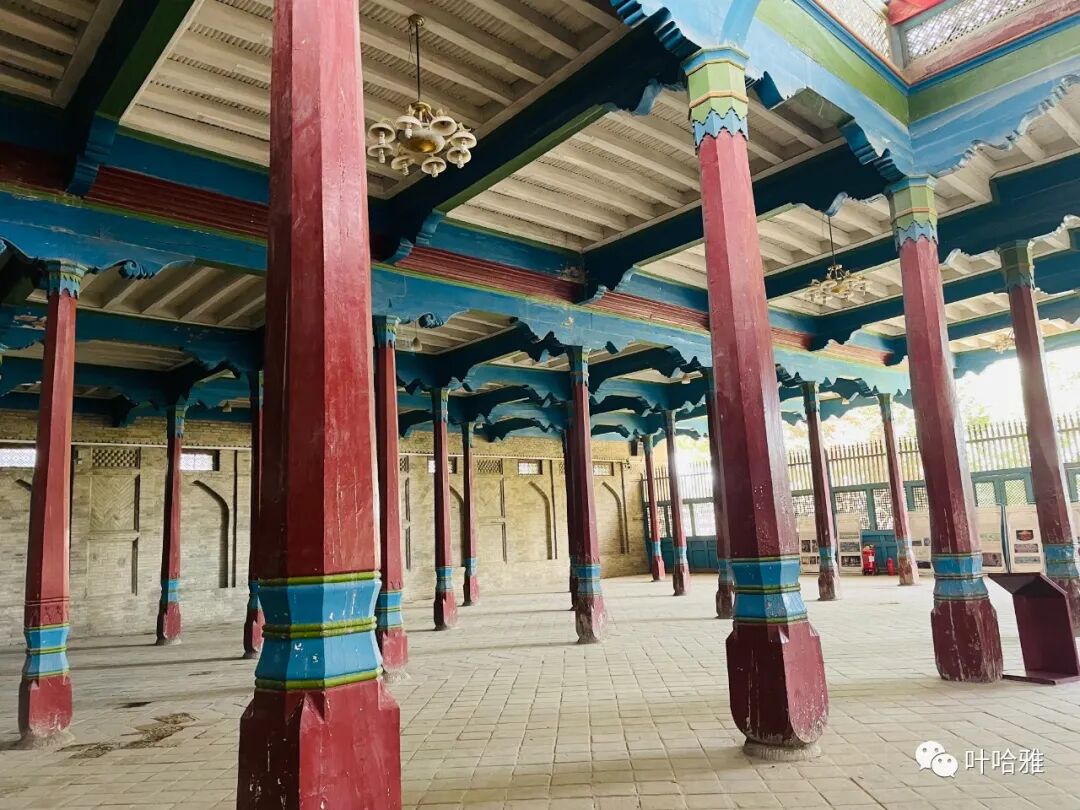
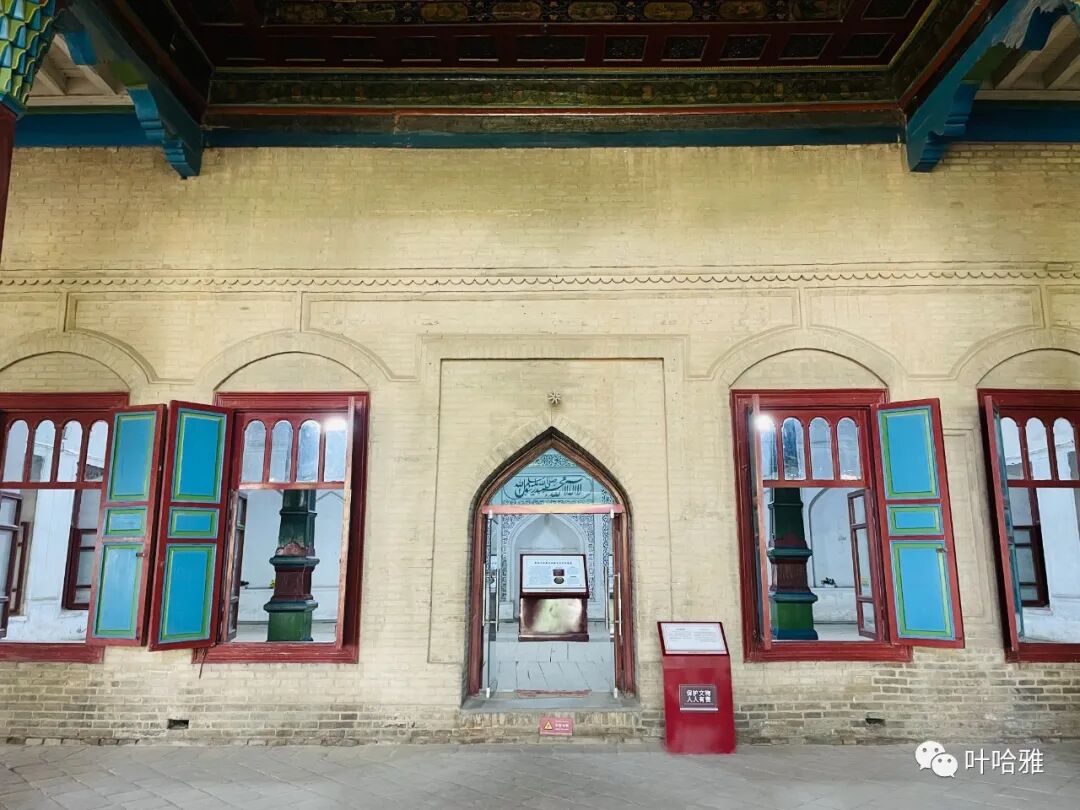
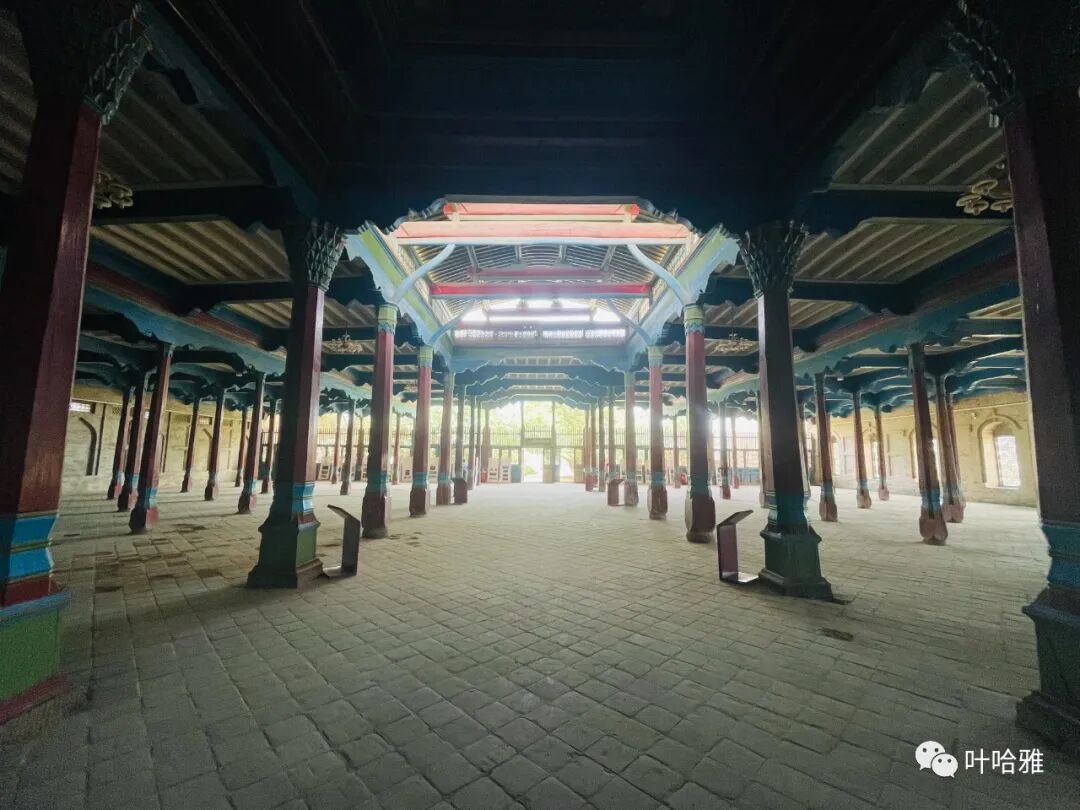
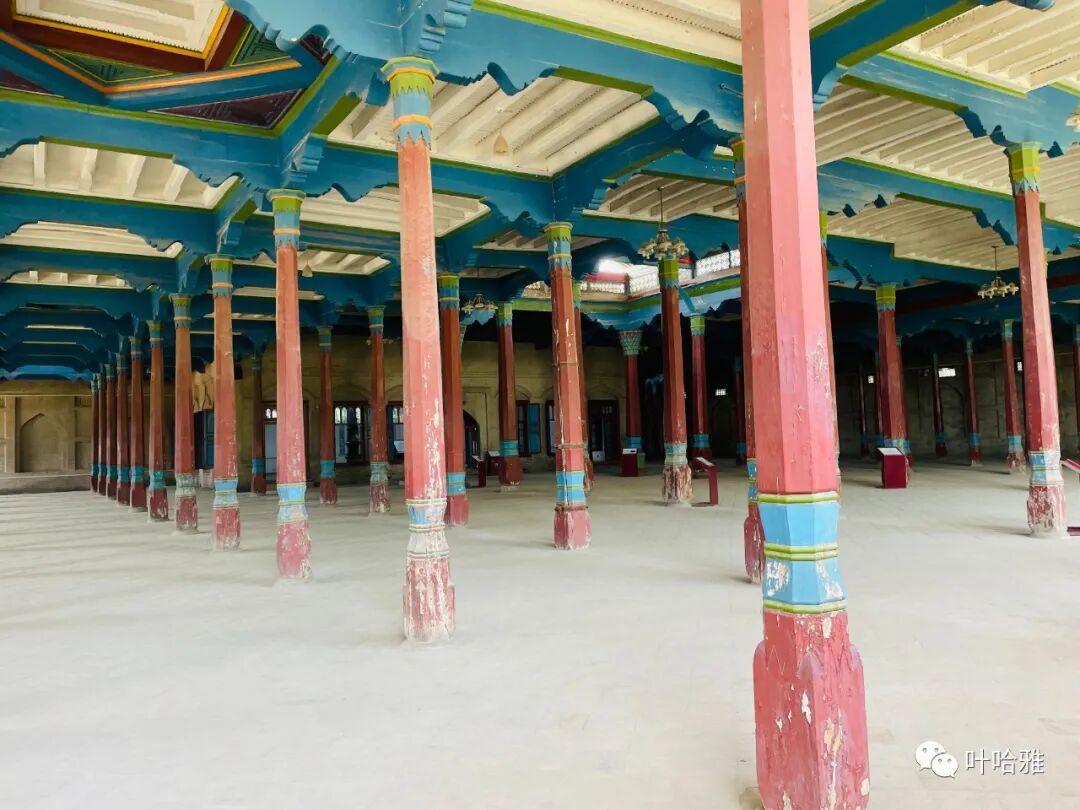
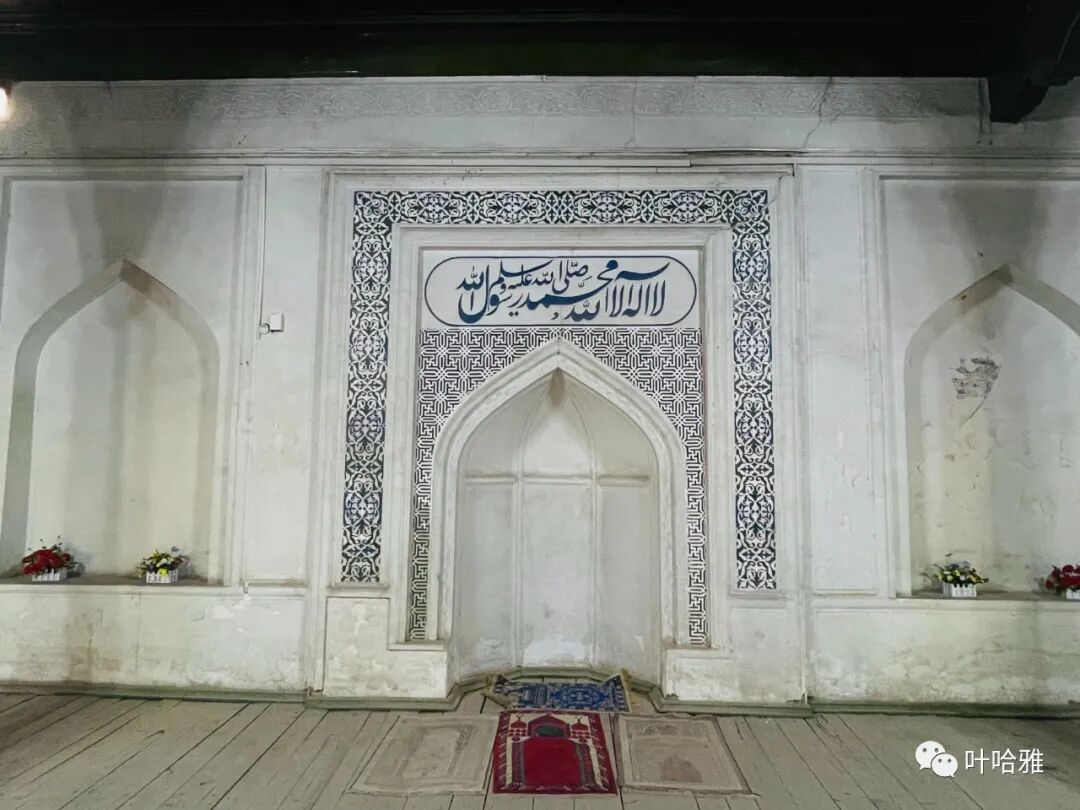
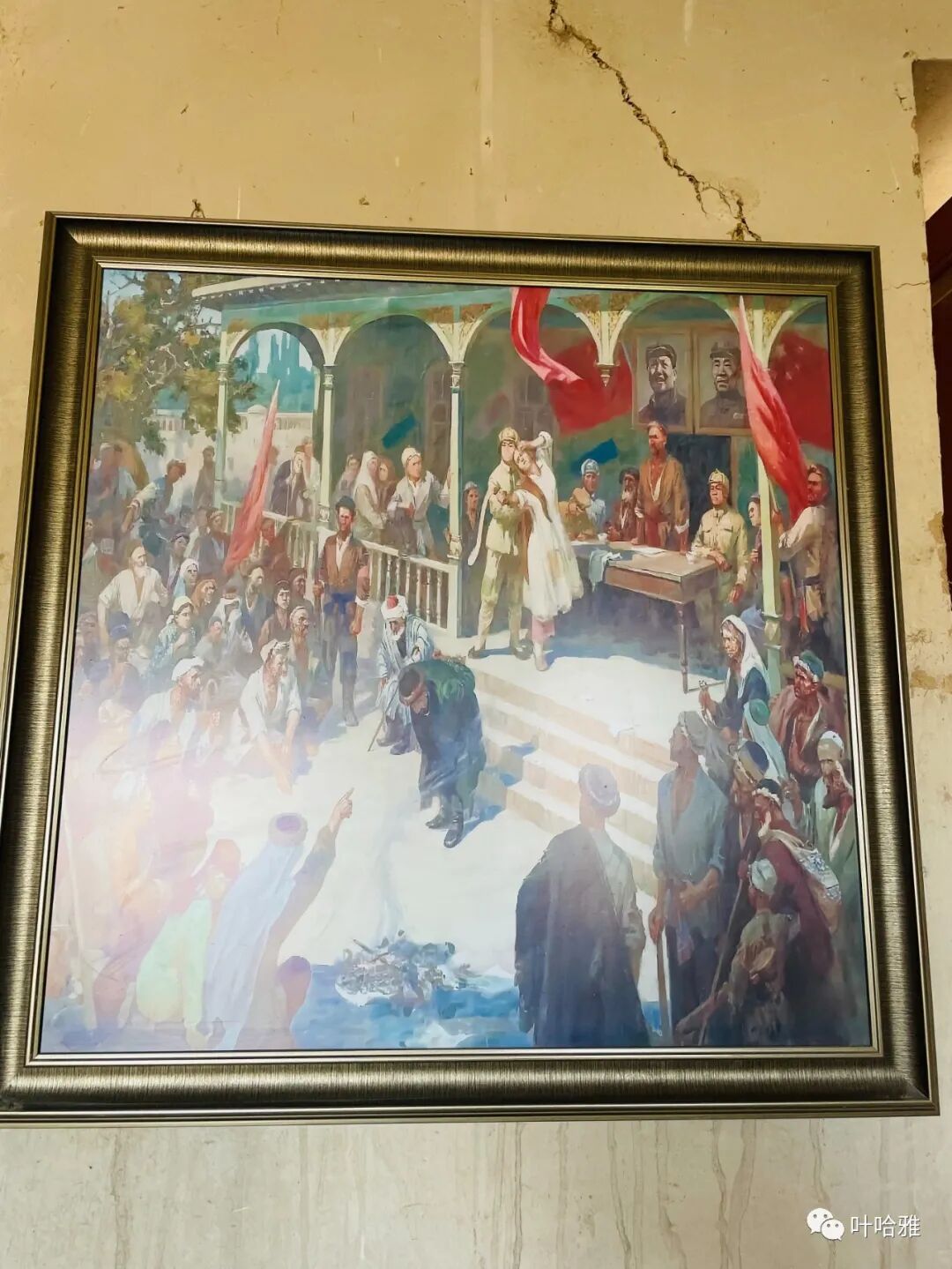
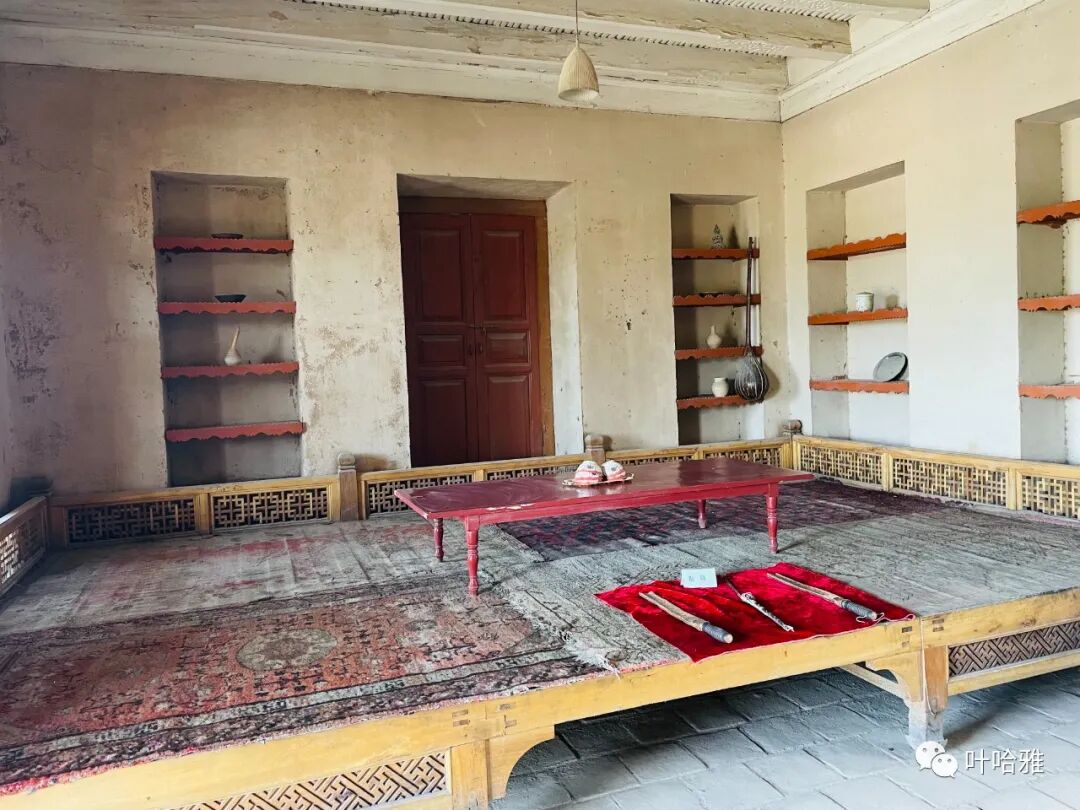
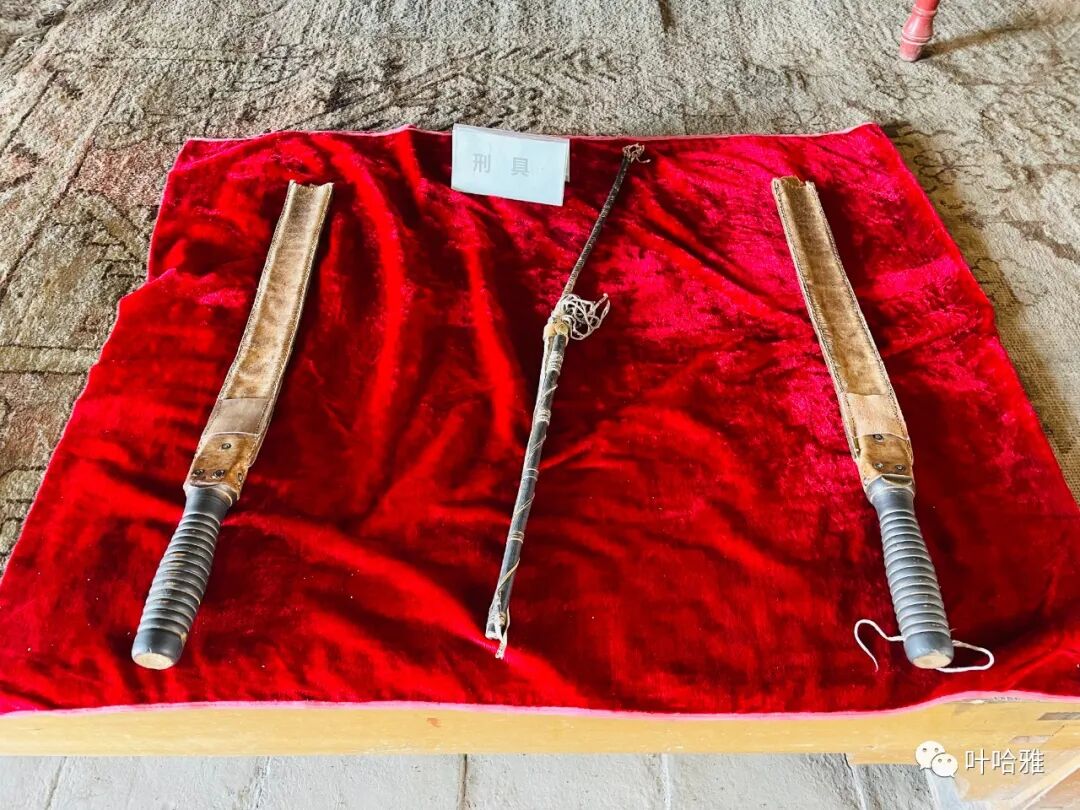
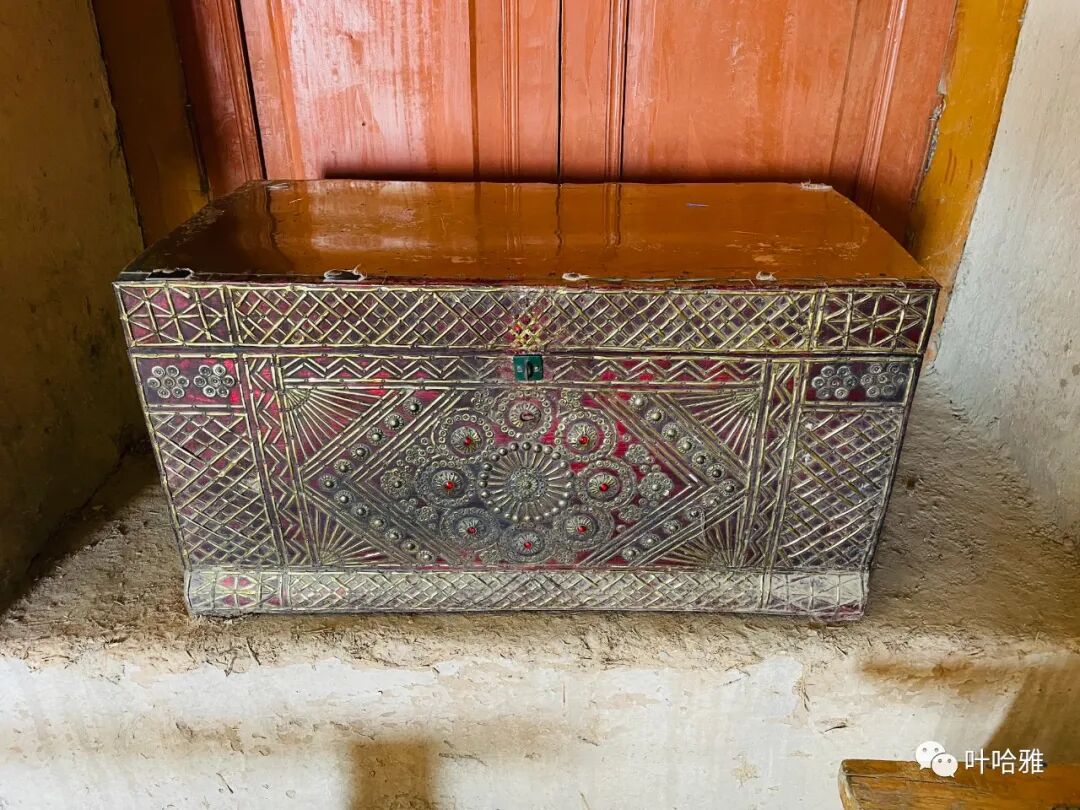
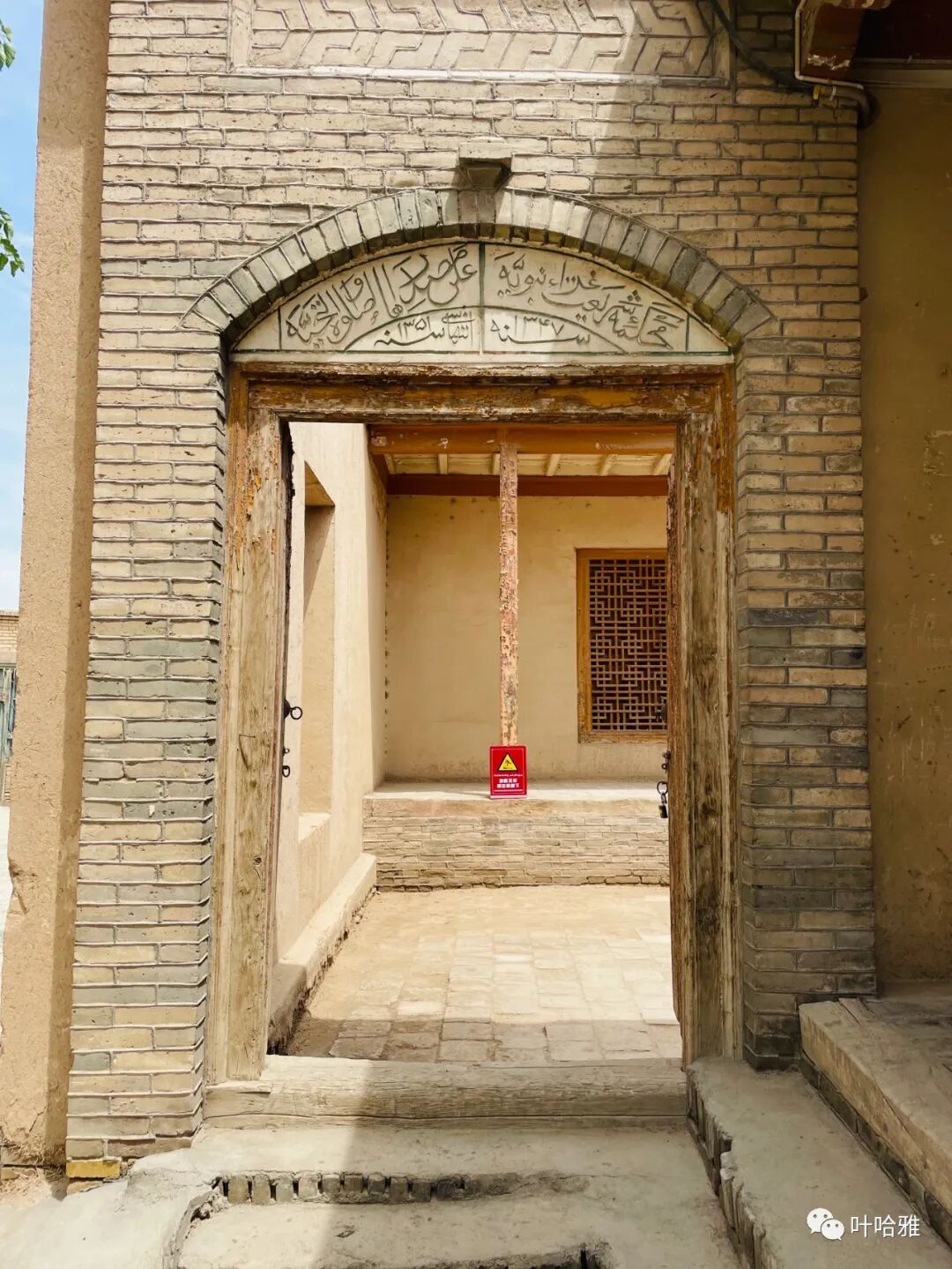
After leaving the Kuqa Grand Mosque, we headed straight to the Mazar of Maulana Arshiddin with mixed feelings.
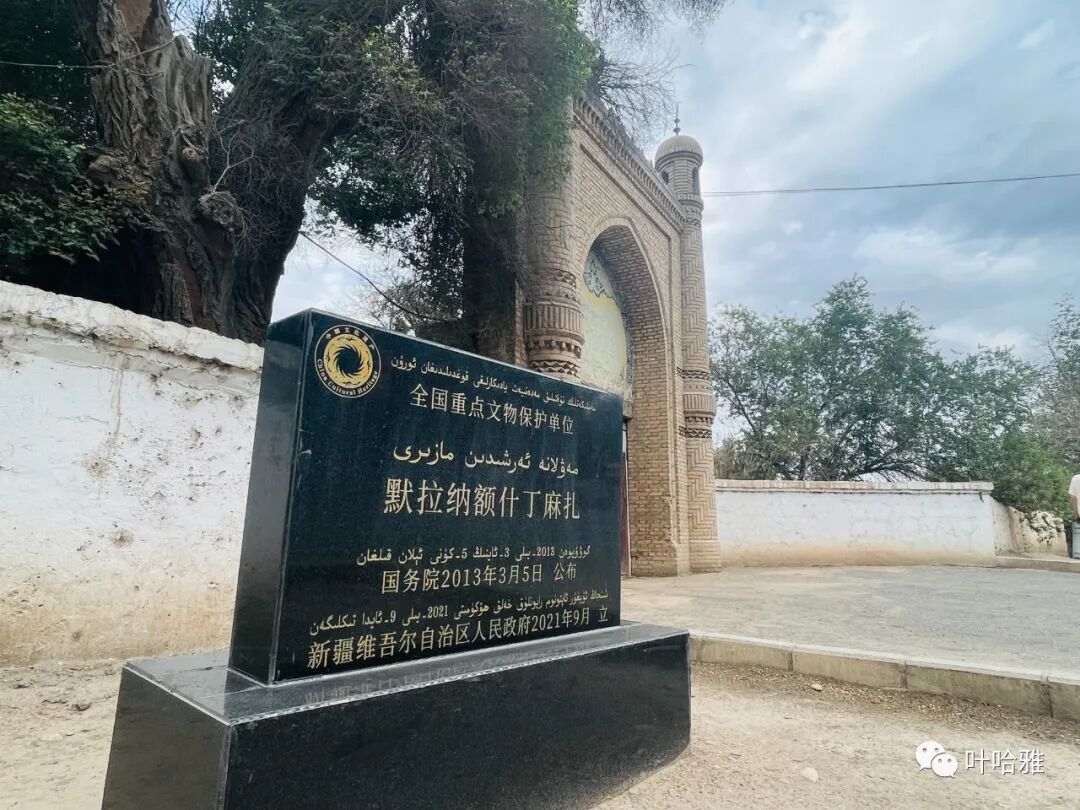
The most important Islamic site in Kuqa is the Mazar of Maulana Arshiddin. Maulana means a great scholar. It was thanks to Arshiddin that Tughluq Timur, the Chagatai Khan of the Yuan Dynasty, converted to Islam. Tughluq Timur was the seventh-generation grandson of Genghis Khan. According to the Tarikh-i-Rashidi, Tughluq Timur made an agreement with Arshiddin's father, Jamal al-Din, that his son Arshiddin would later preside over Tughluq Timur's conversion ceremony, where he was given the Islamic name Abu Bakr Muhammad.
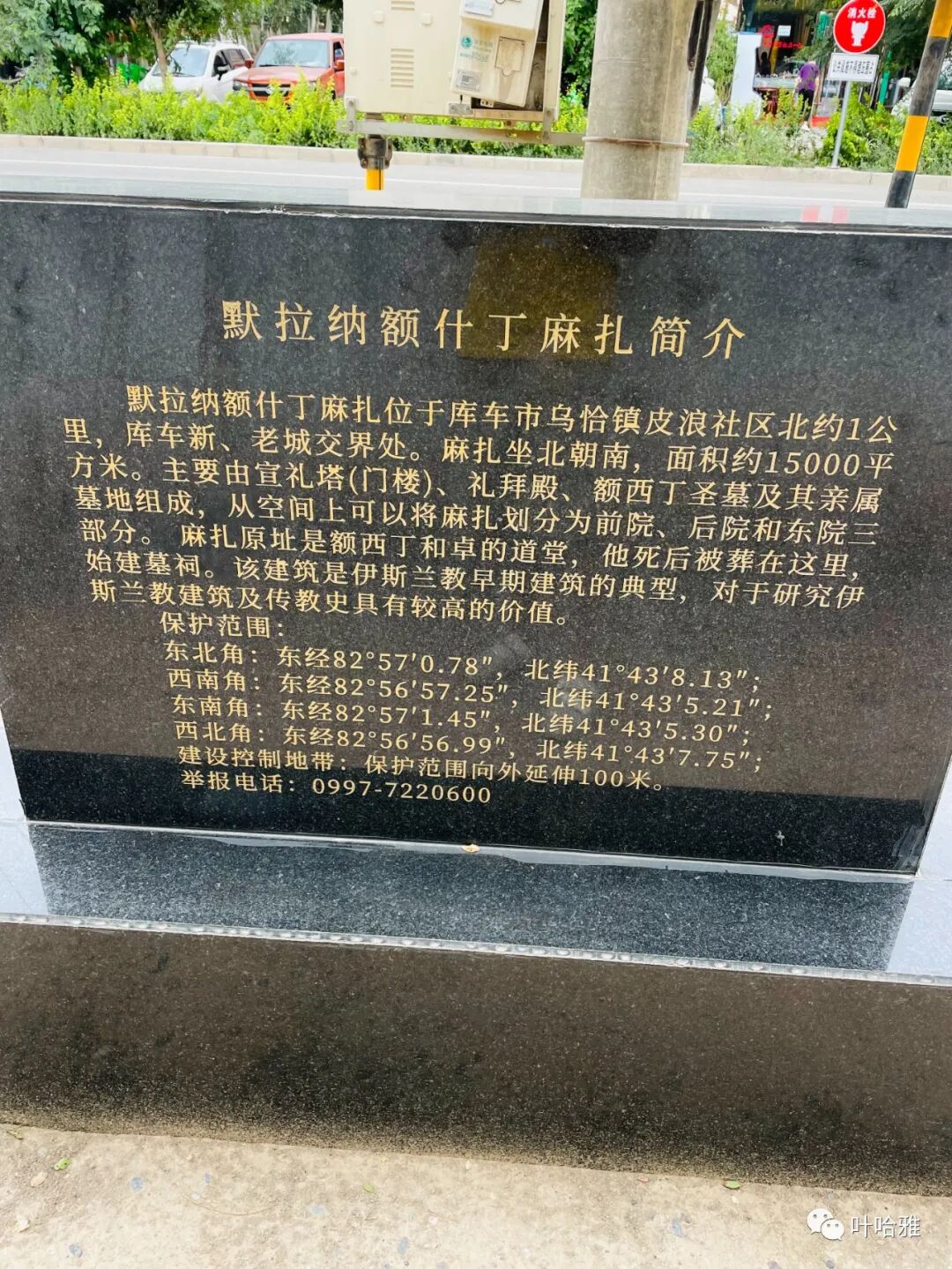
This place used to be a religious hall (daotang), but now it is just a locked national key cultural relic protection unit. The inside is overgrown with weeds, and there are even a few wild pheasants nesting there.
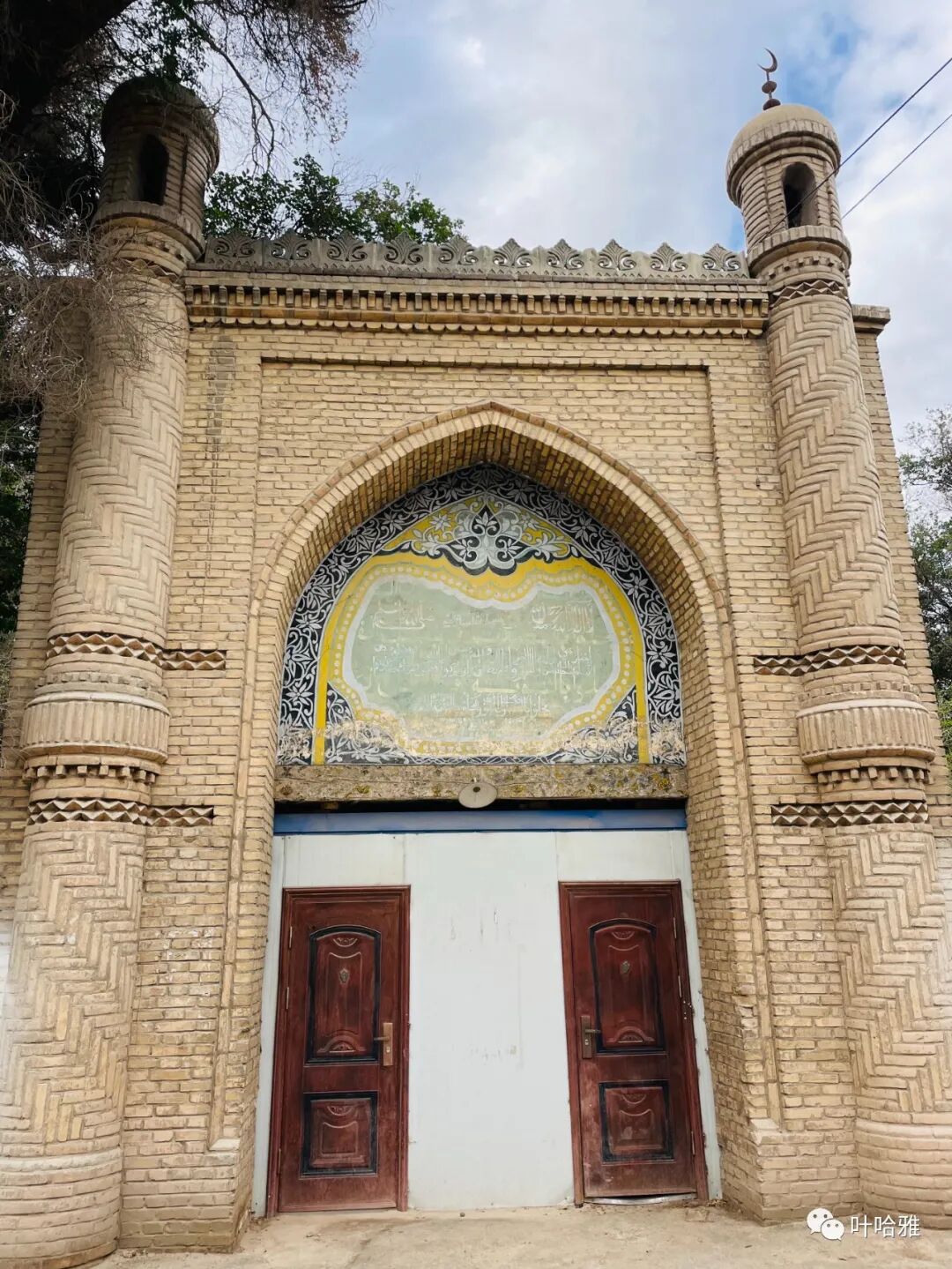
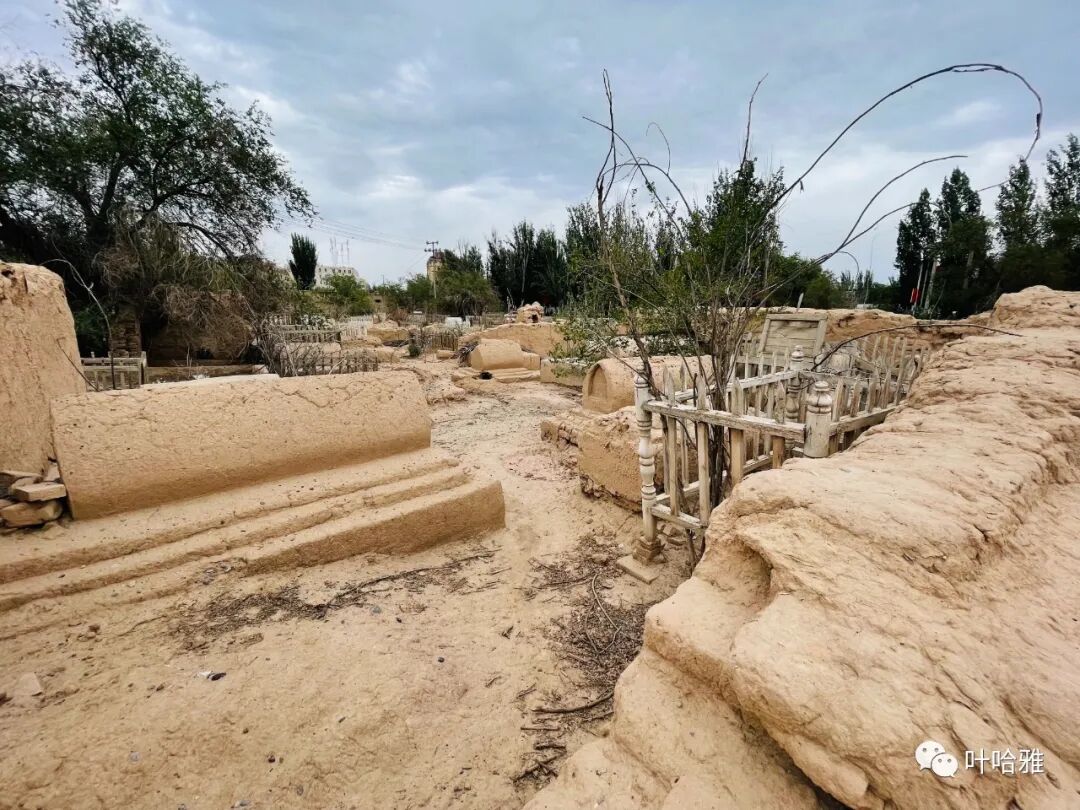
The family of Mullah Arshiddin was the first Khoja family to enter southern Xinjiang to preach. Their ancestors came from Bukhara and entered Xinjiang with Genghis Khan. Arshiddin assisted Tughluq Timur in converting his ministers and hundreds of thousands of Mongols to Islam, and he established the Waliye Islamic Institute in Kuqa.
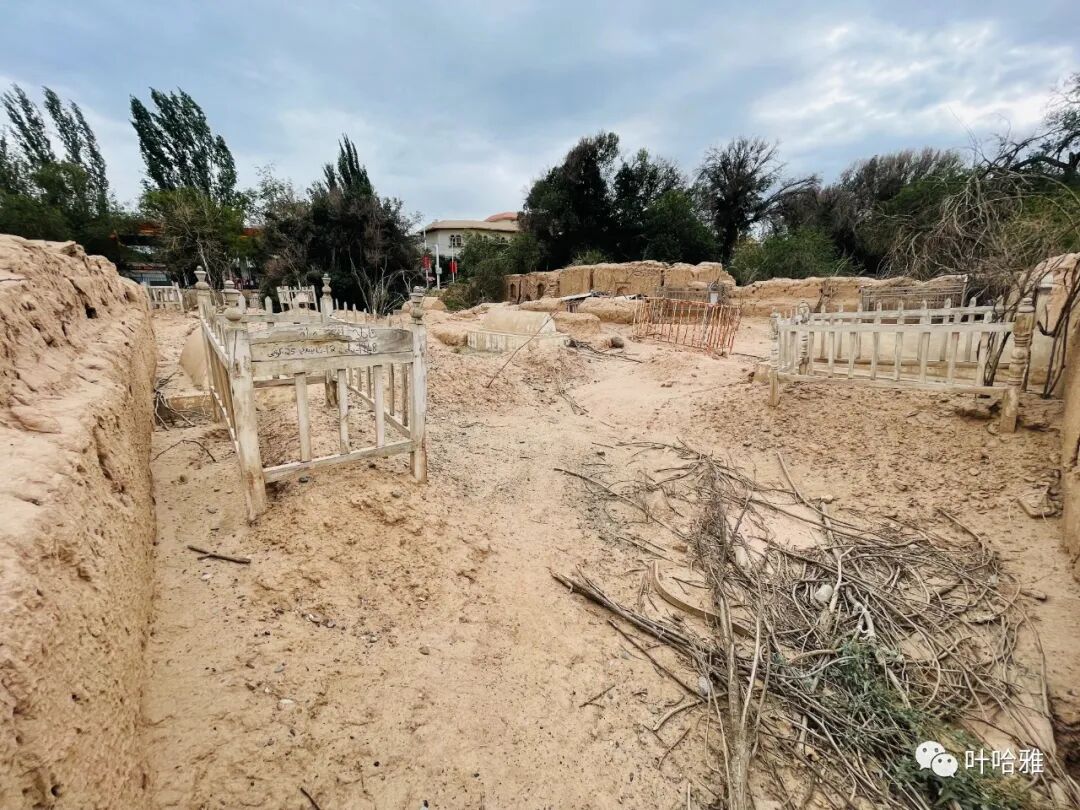
Arshiddin helped spread Islam widely throughout southern Xinjiang. Tughluq Timur honored him as the state teacher and granted his family the hereditary privilege of being Islamic elders. After Arshiddin passed away (returned to Allah), he was buried in this religious hall. During the period when Yaqub Beg ruled Kuqa, he expanded the Arshiddin Gongbei (shrine) on a large scale, covering an area of over 20,000 square meters.
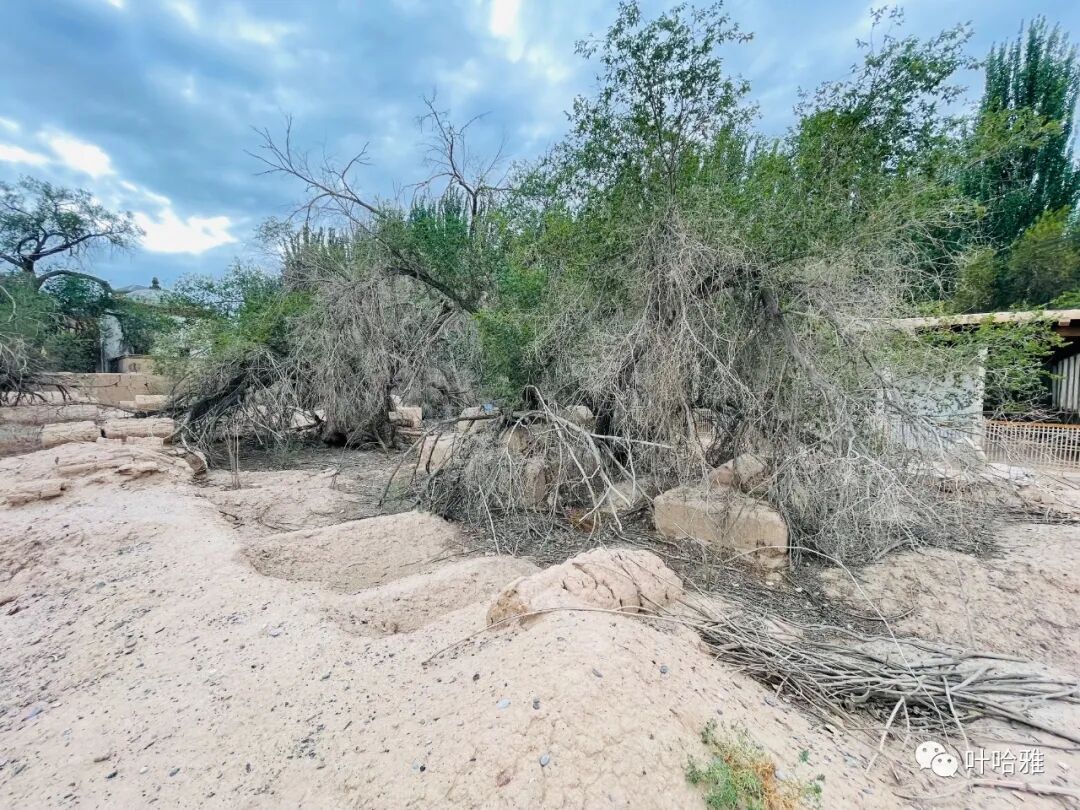
The Arshiddin family is historically known as the Khoja sect, which is the order founded by Ghujduvani, belonging to the Naqshbandi tradition. In the Naqshbandi tradition, Ghujduvani is also highly respected, so it makes sense that when the Naqshbandi order entered Xinjiang in the 16th century, the Kuqa order voluntarily joined them.
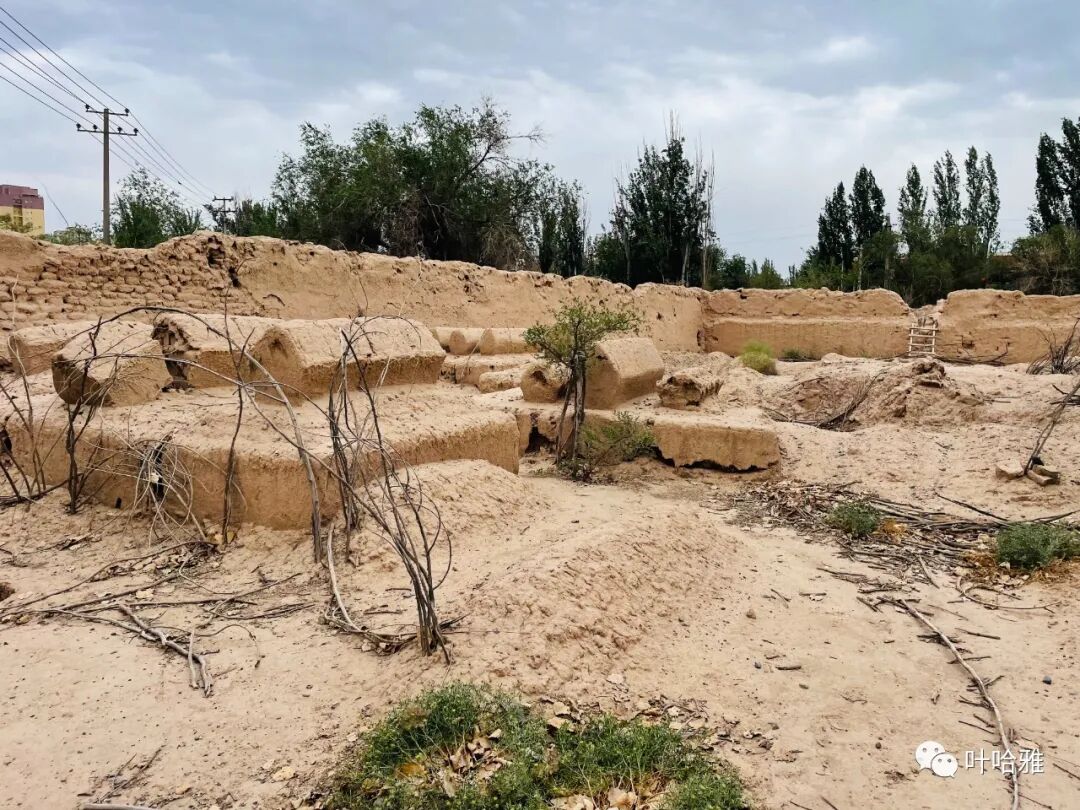
Eshidin married the granddaughter of Naishamiding Dahaliwoli, and the tomb (mazar) of Naishamiding is still in Kuqa today.
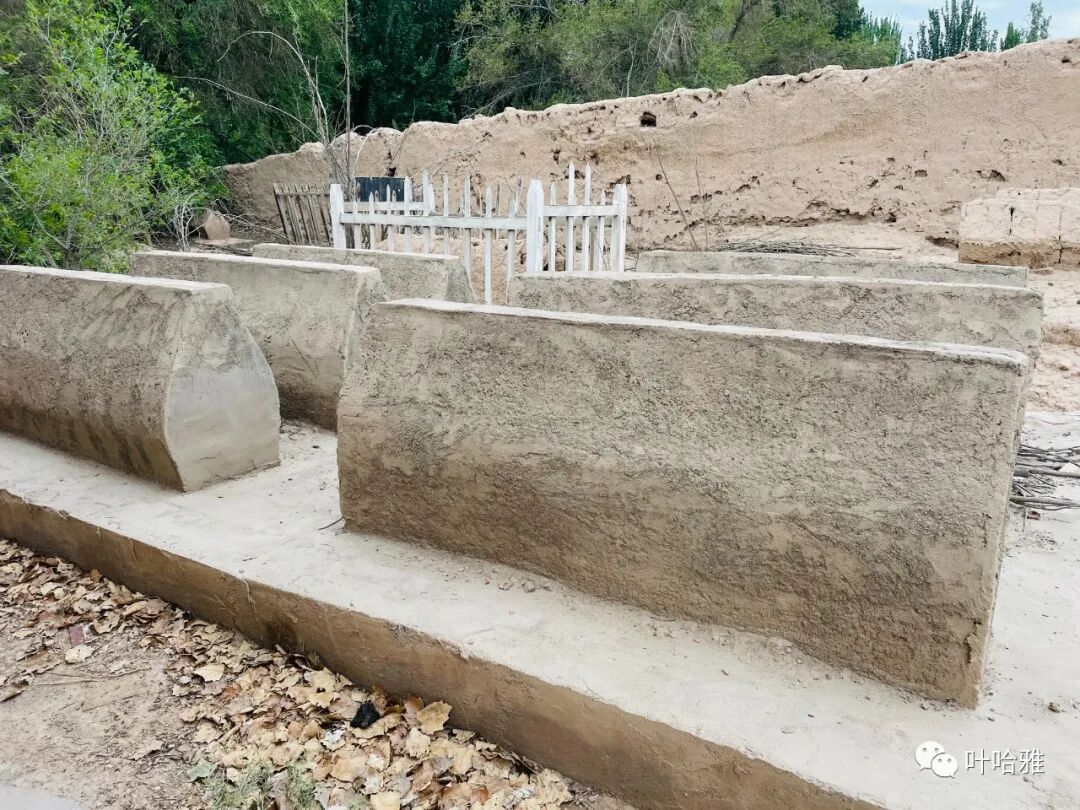
Eshidin guided the people of Kuqa to convert from Buddhism to Islam through peaceful change. Kuqa was once the Kingdom of Qiuci, a Buddhist land. Many promotional materials claim that Buddhism in the Western Regions declined due to Islamic persecution. This idea first came from the archaeologist Marshall, but the Japanese scholar Kuwayama discovered that Marshall had fabricated it. The main reason for the decline of Buddhism was the change in Silk Road trade routes, which caused it to lose economic support. You can find more details in the book 'History of Nomadic Peoples'.
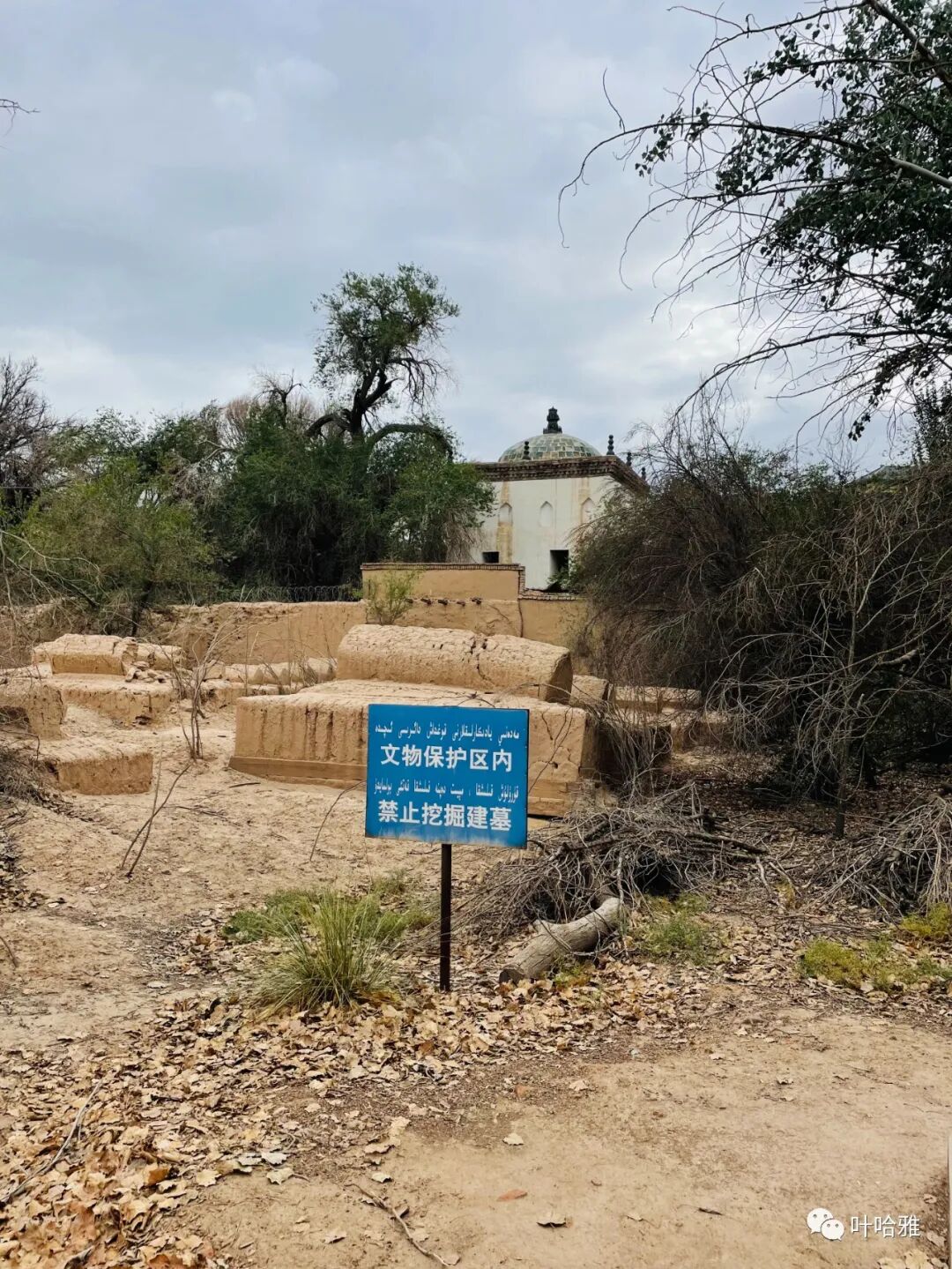
Before the rise of Islam, Buddhism, Christianity, and Manichaeism were already spreading in the Western Regions. When Sufis preached there, they, like the other three religions, focused on sin and the suffering of hell rather than the pleasures of heaven, so the public accepted it naturally.
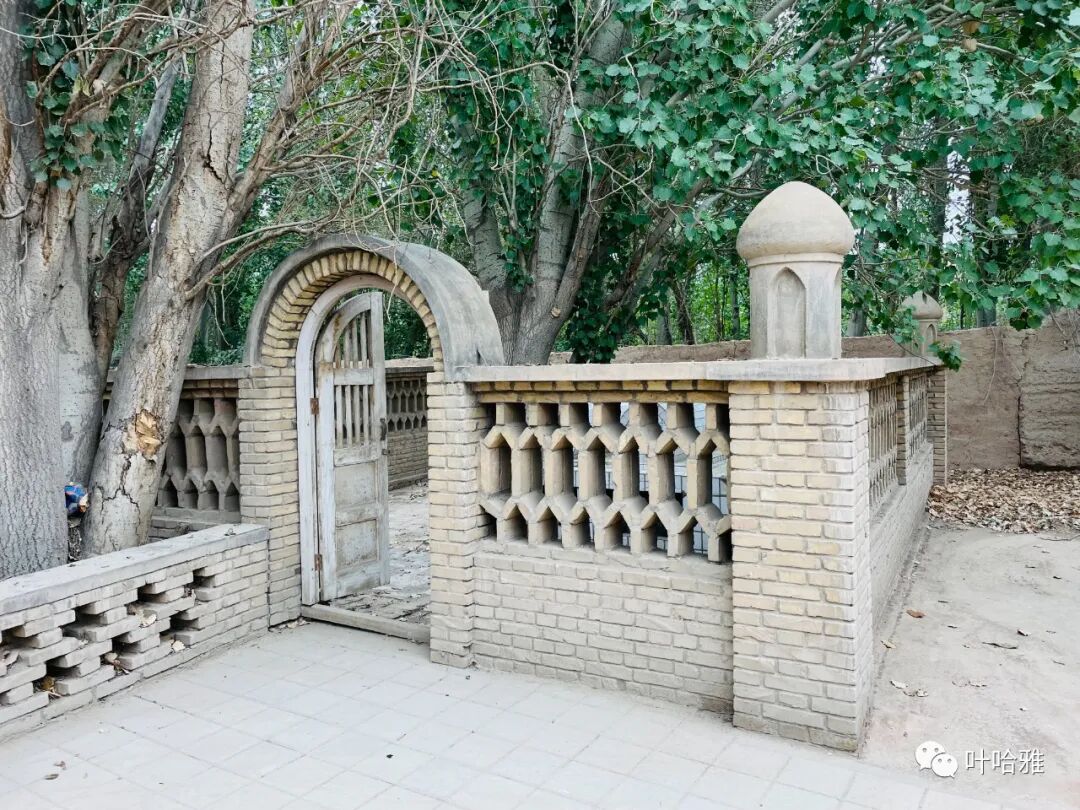
Eshidin's status in the Khanate was second only to the Mongol princes. Formally, the accession of a new Khan and the appointment of officials required religious approval from Eshidin.
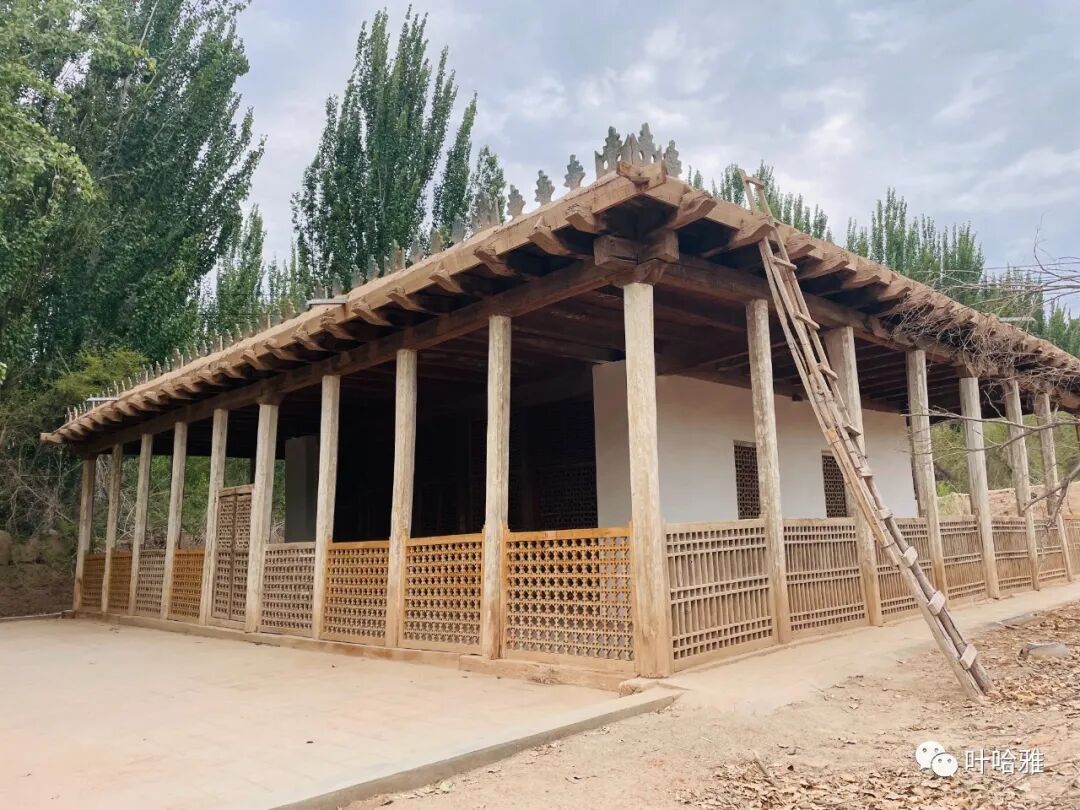
After Eshidin, his successors were Obu Baitaheding, Ahemaiti, Faheding, and Shadierding. The family used Kuqa and Aksu as their base to expand outward, playing a major role in the Islamization of the eastern Xinjiang region.
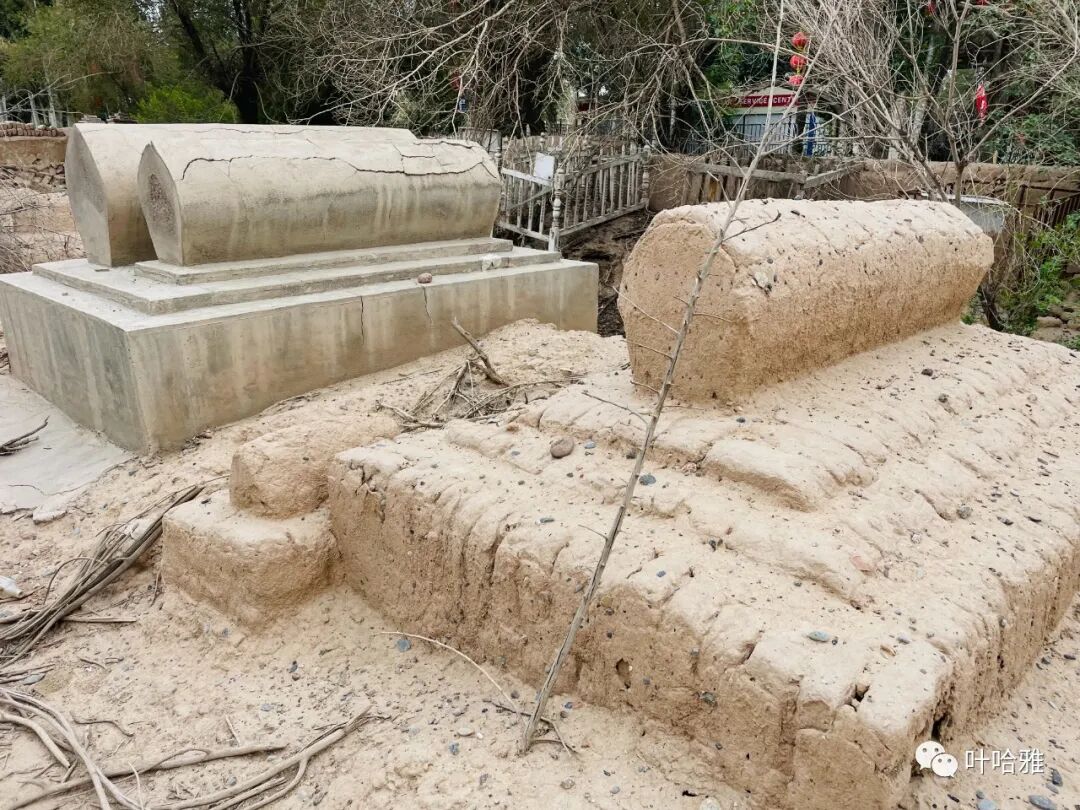
The successor of the Eastern Chagatai Khanate, Wais Khan (1418-1428), did not like the descendants of the Eshidin family. He turned to support the Naqshbandi disciple and great Bukhara mullah Mahaimai Kasanni as his teacher. The influence of the Eshidin family began to weaken, and they retreated to areas east of Aksu and Kuqa.
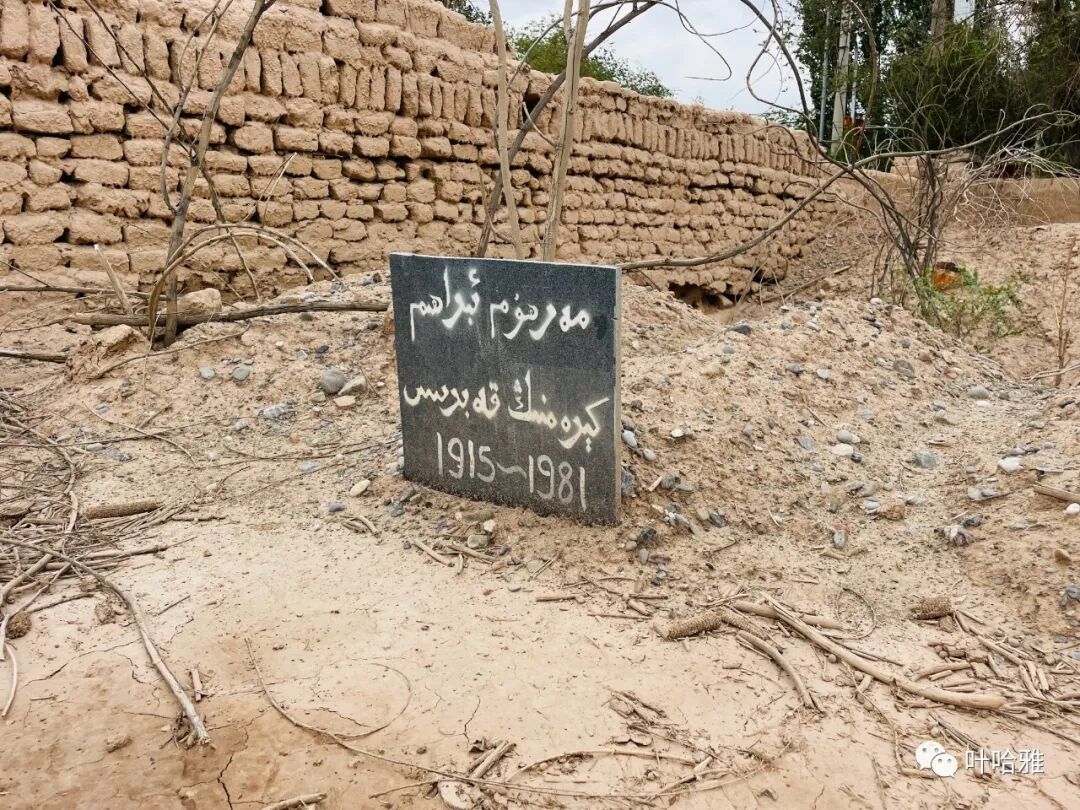
In 1514, Saide Khan established his own Khanate in Yarkant and invited the Naqshbandi order from Central Asia to be his teachers. The influence of the Eshidin family continued to shrink, eventually confined to the single city of Kuqa, and their influence gradually faded.
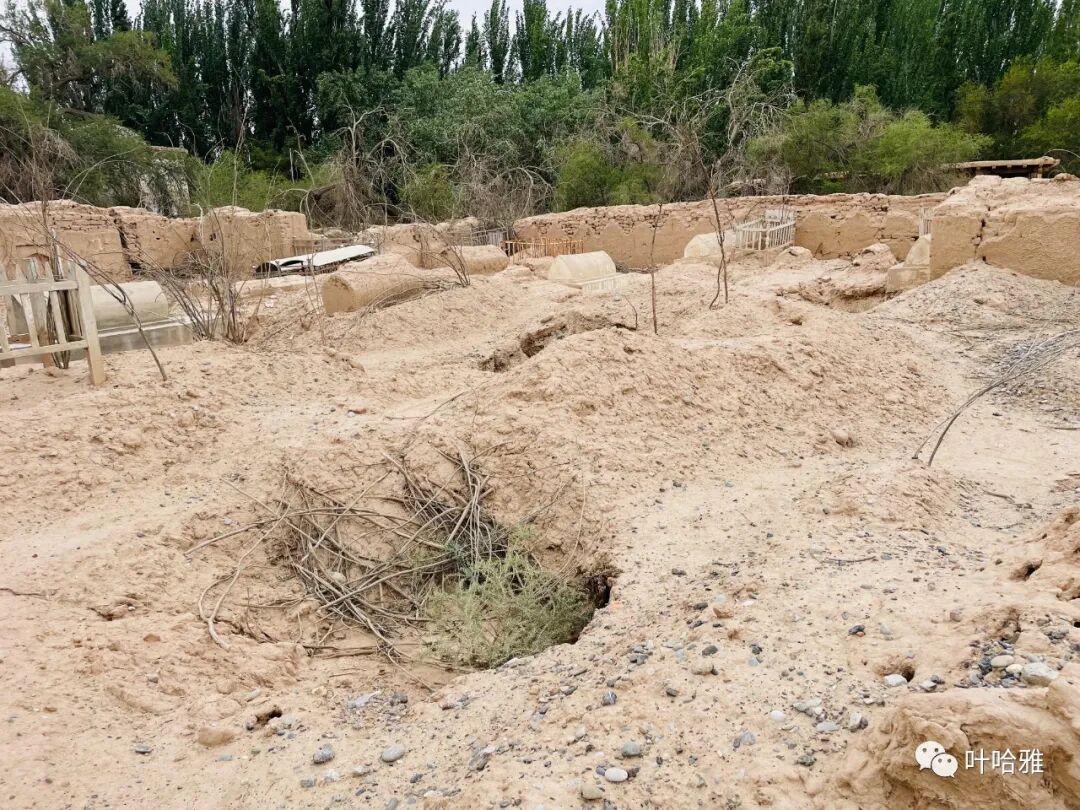
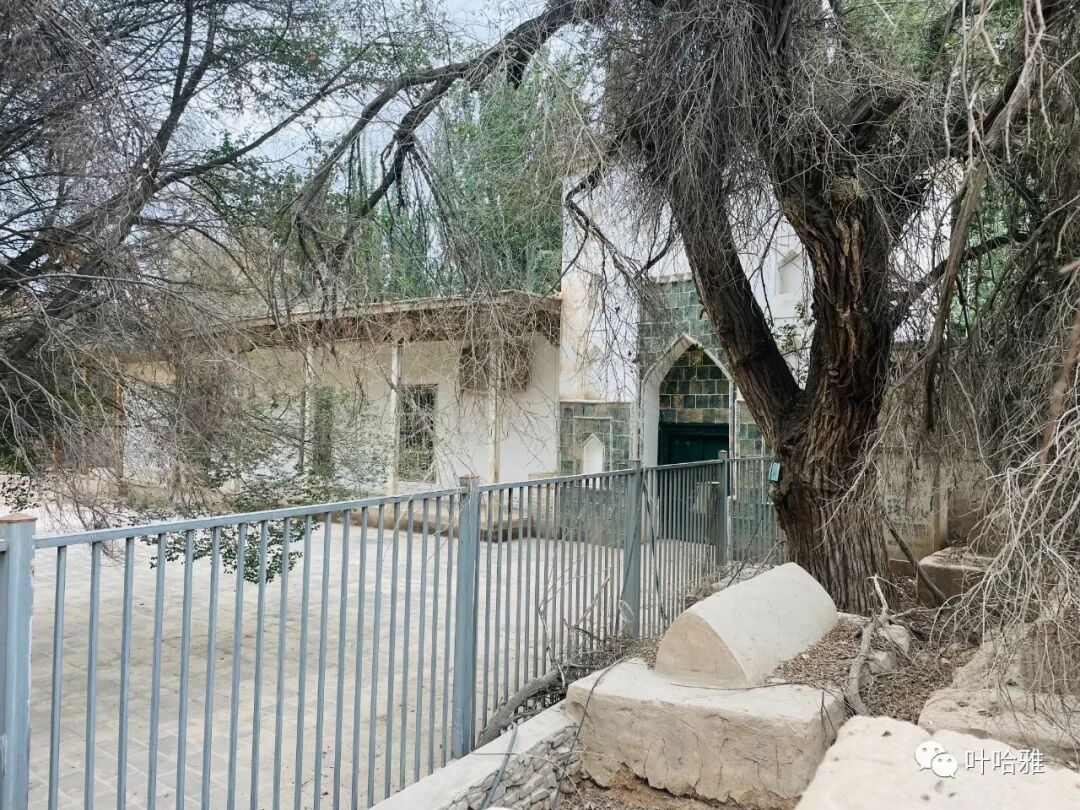
Just a few hundred meters from the Eshidin mazar are the ruins of the Kingdom of Qiuci. Locals call them 'tubaozi' (dirt mounds) because to passersby, they just look like two piles of dirt, yet they have been designated as a Major Historical and Cultural Site Protected at the National Level.
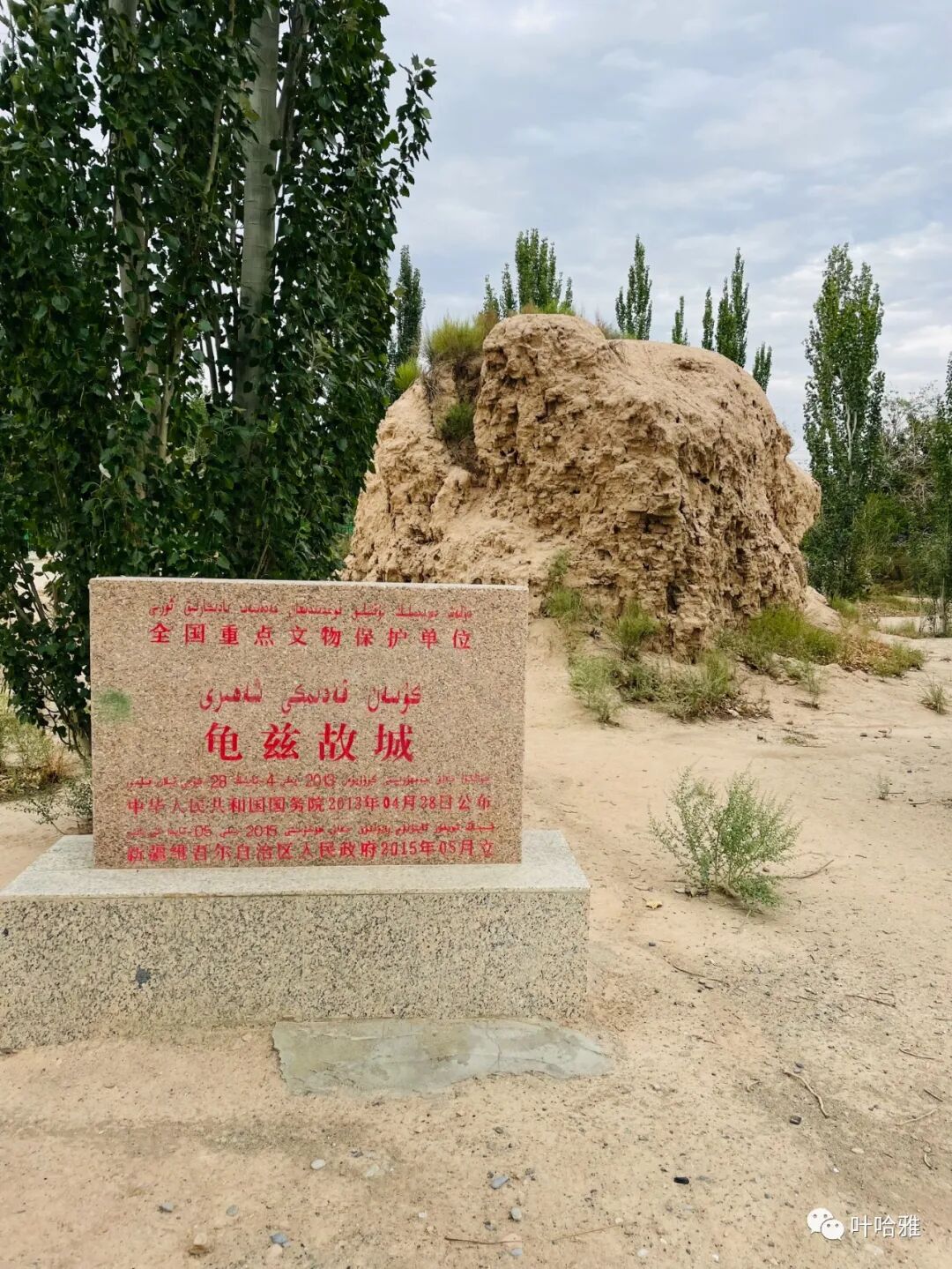
Qiuci, Yutian, and Gaochang were the three major Buddhist centers in the Western Regions. Buddhism spread from India to Xinjiang during the Han Dynasty and reached its peak in the Tang Dynasty. By the Song Dynasty, due to changes in trade routes, Buddhism in the Western Regions had already declined.
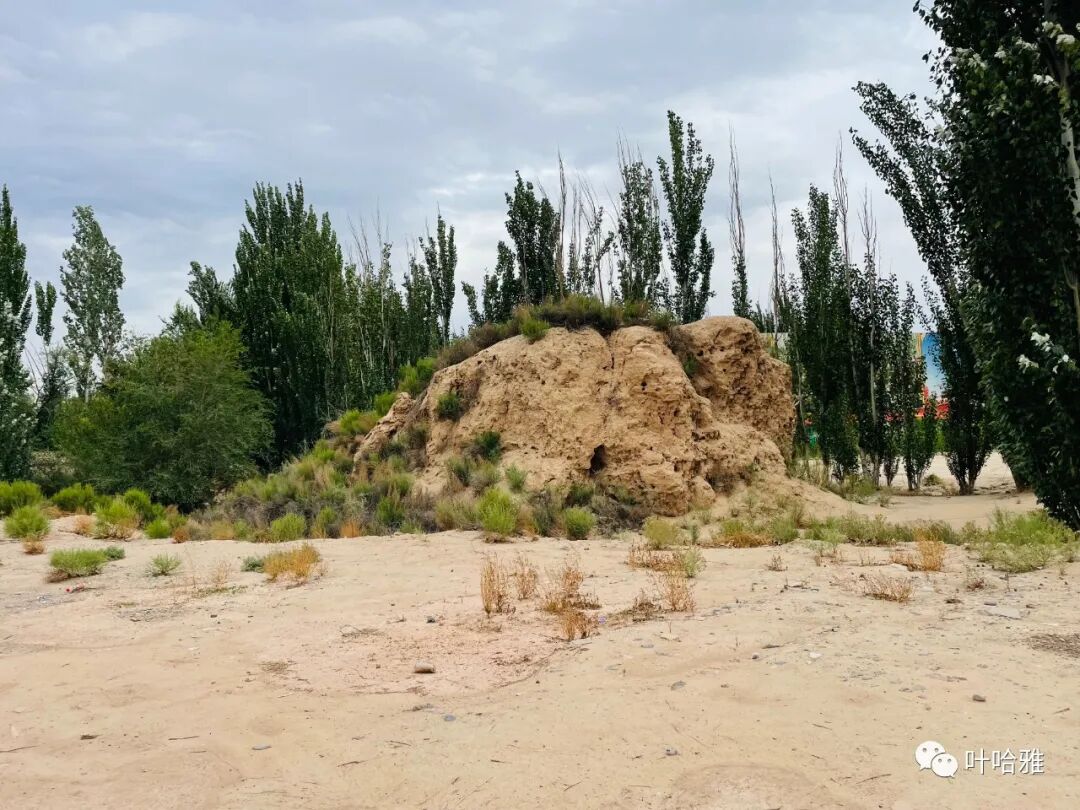
The Kuqa religious group led by Eshidin only began to exert influence after the mid-14th century. Between 1359 and 1361, a Buddhist group in Kuqa launched a mutiny against Tughluq Timur. The Kuqa religious group was impacted, but Tughluq Timur later suppressed the rebellion and moved a large number of Buddhists to northern Afghanistan and eastern Dunhuang, both of which still retain many Buddhist relics today.
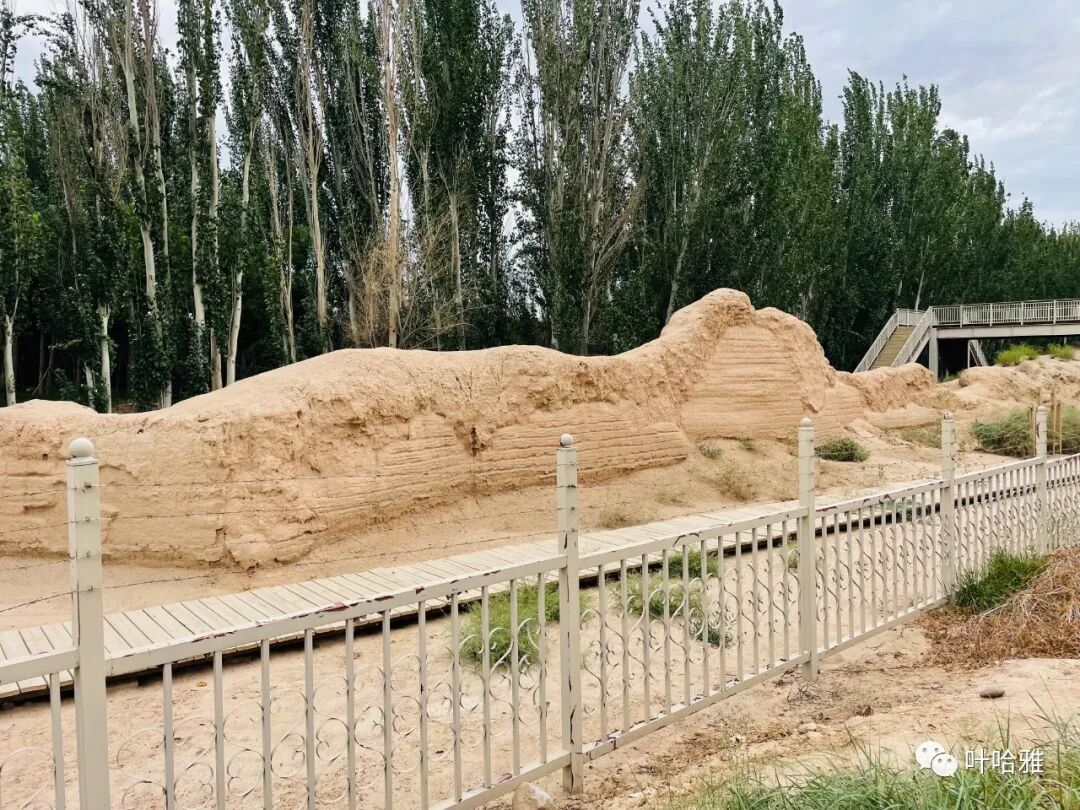
Tughluq Timur's son was named Heierhuozhe. He and Eshidin's second son, Obu Nasaerding, once guarded Turpan together. In 1420, when Shah Rukh's envoy passed through Turpan, he noted that most of the local residents practiced Buddhism and there were many large, spacious temples, which shows that Heierhuozhe did not force the local residents to convert to Islam.
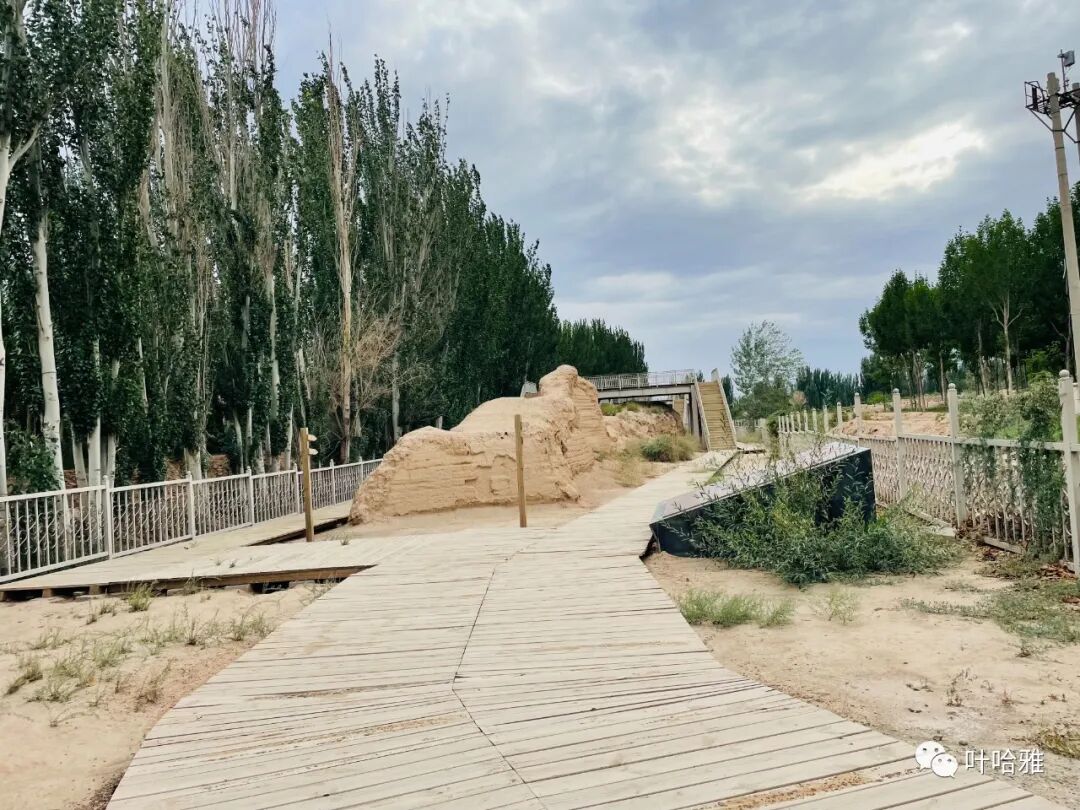
Kuqa has a 'Big Naan City,' but locals suggested that if we want to buy naan bread (naan), we don't need to go to that tourist spot. We can go to the 'Big Naan Alley' near the Eshidin mazar. This is where locals go to buy naan, and a big Kuqa naan only costs 4 yuan.
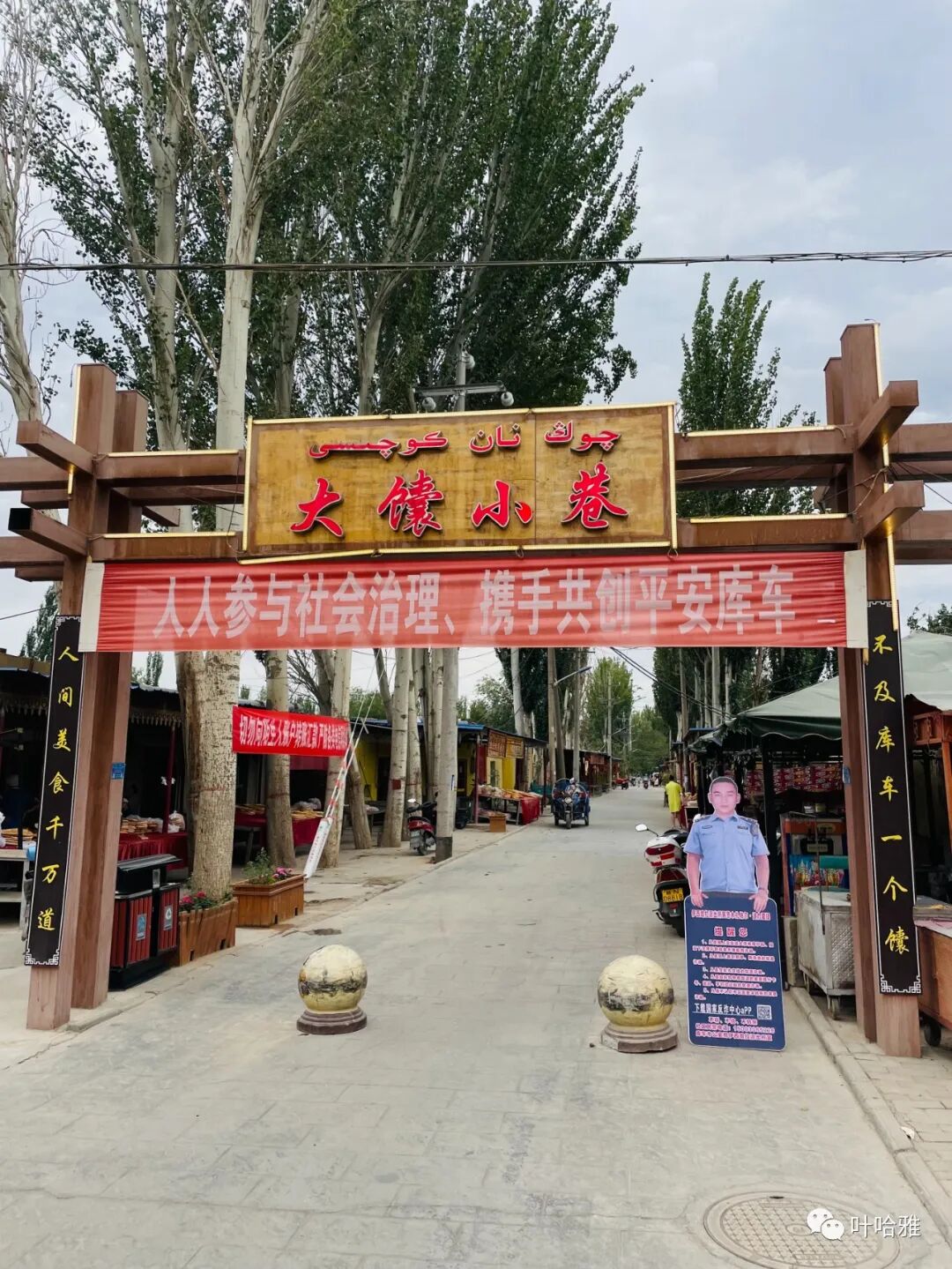
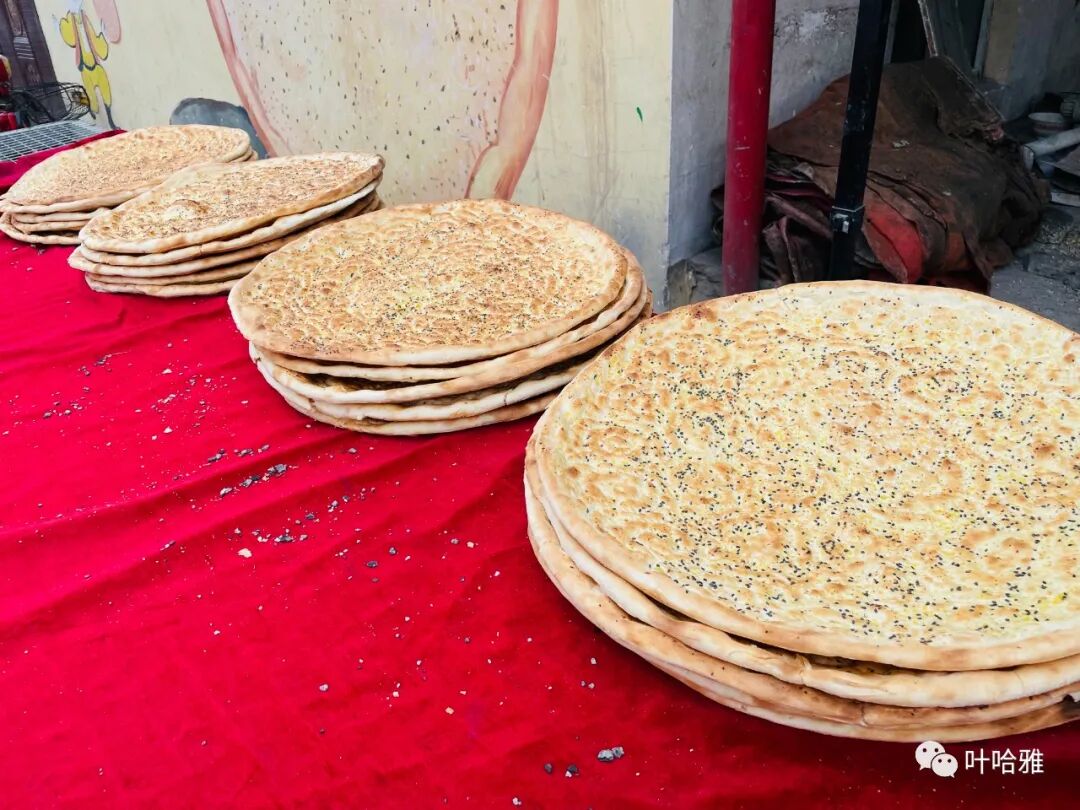
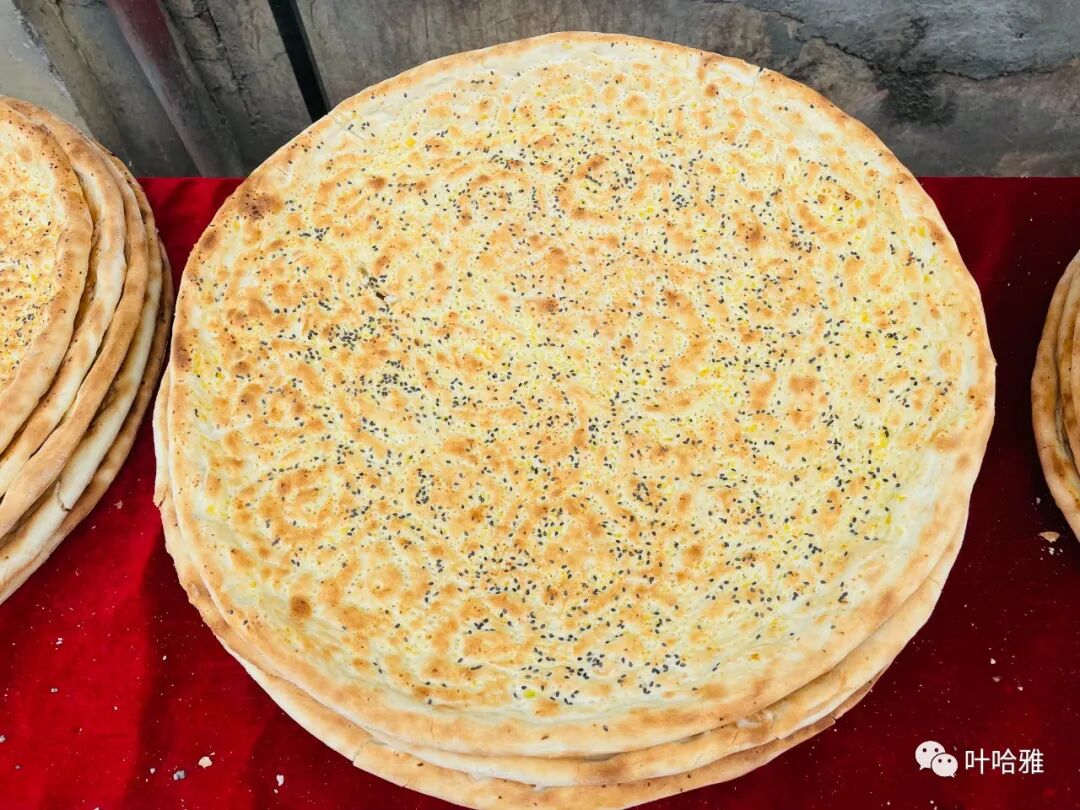
In the evening, you can visit the Nanhu Night Market in Kuqa. The market stretches for about two kilometers along the street, and there are ethnic song and dance performances in the square.
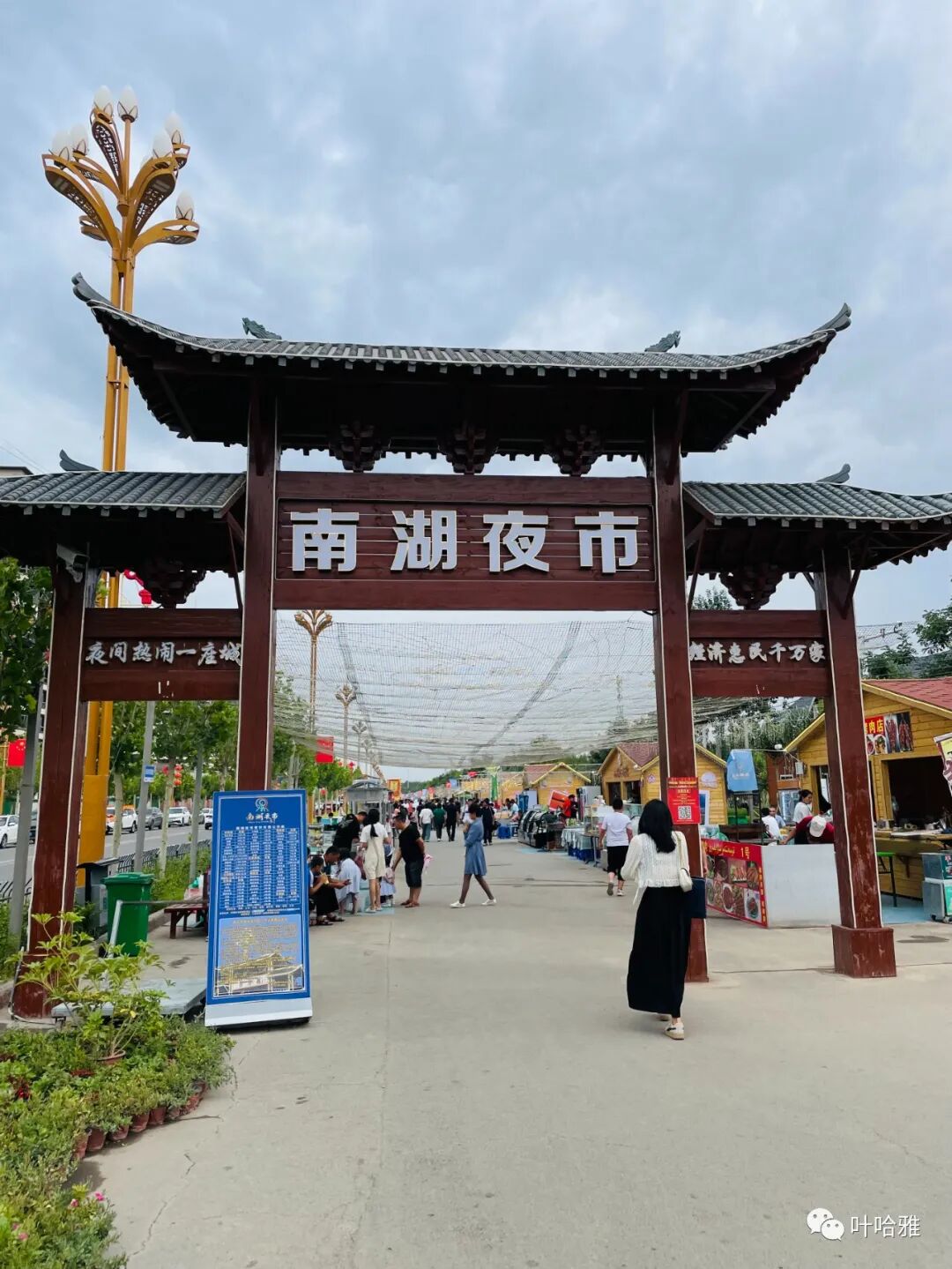
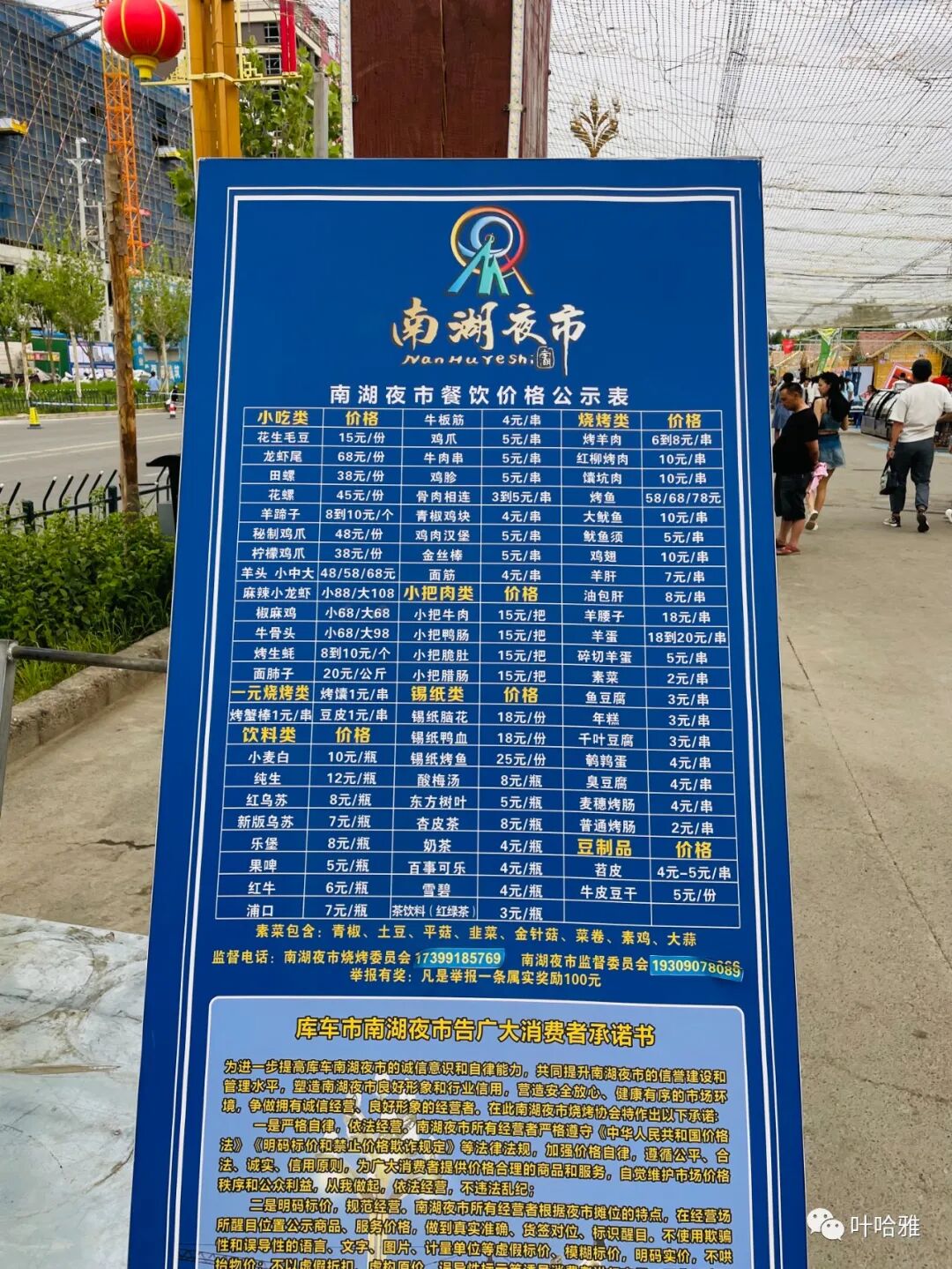
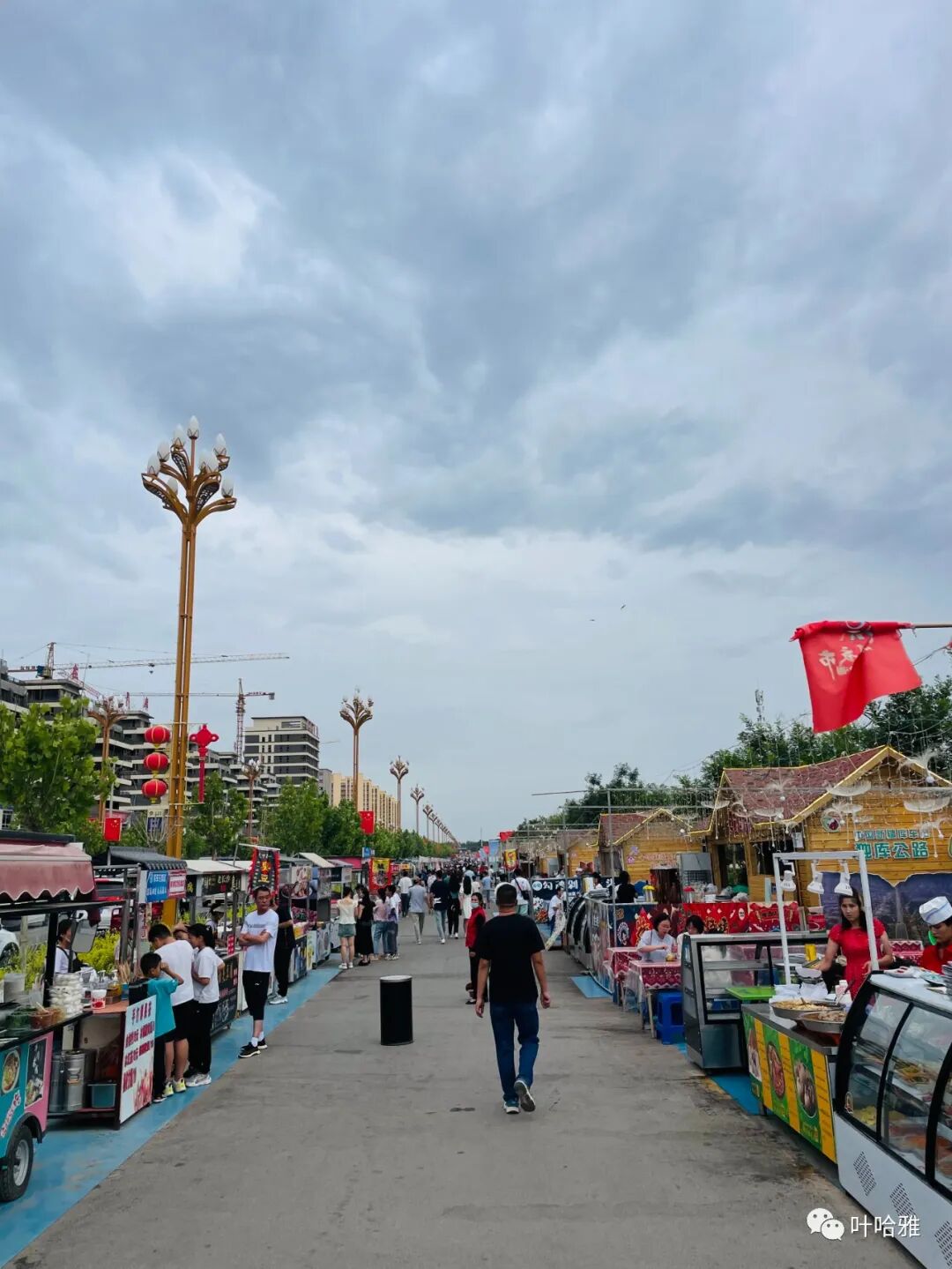
I had a meal at the Yaxim Xinjiang Restaurant in Kuqa. It is a large place, and the food tastes excellent.
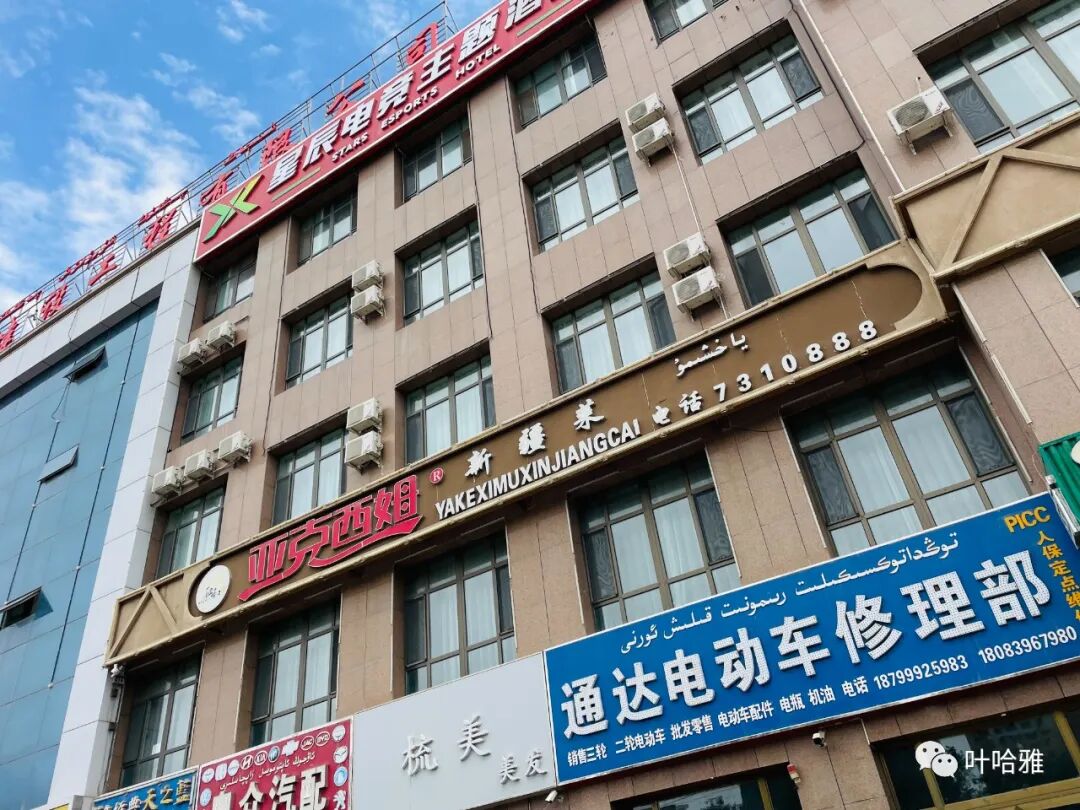
After traveling this far, I feel that in Southern Xinjiang, any Xinjiang restaurant you walk into will taste about the same and will be good. I did not have to be picky about where to eat; I just ate whenever I was hungry. In Northern Xinjiang, you still need to be a bit more selective.
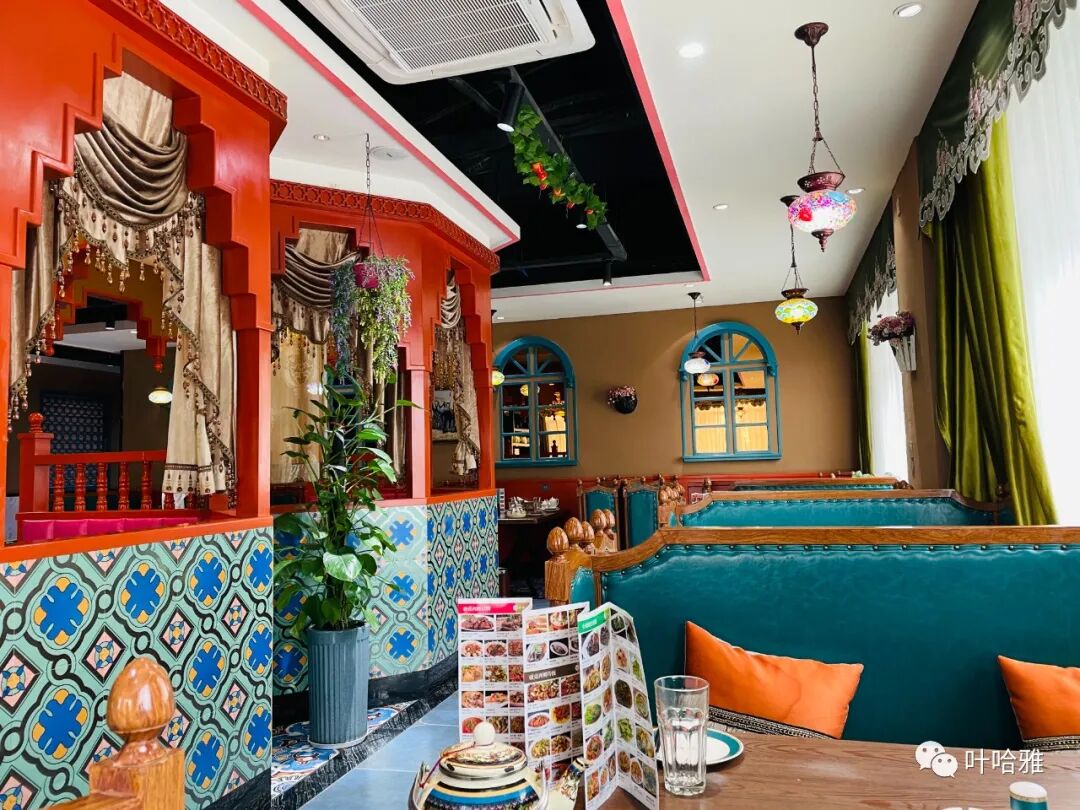
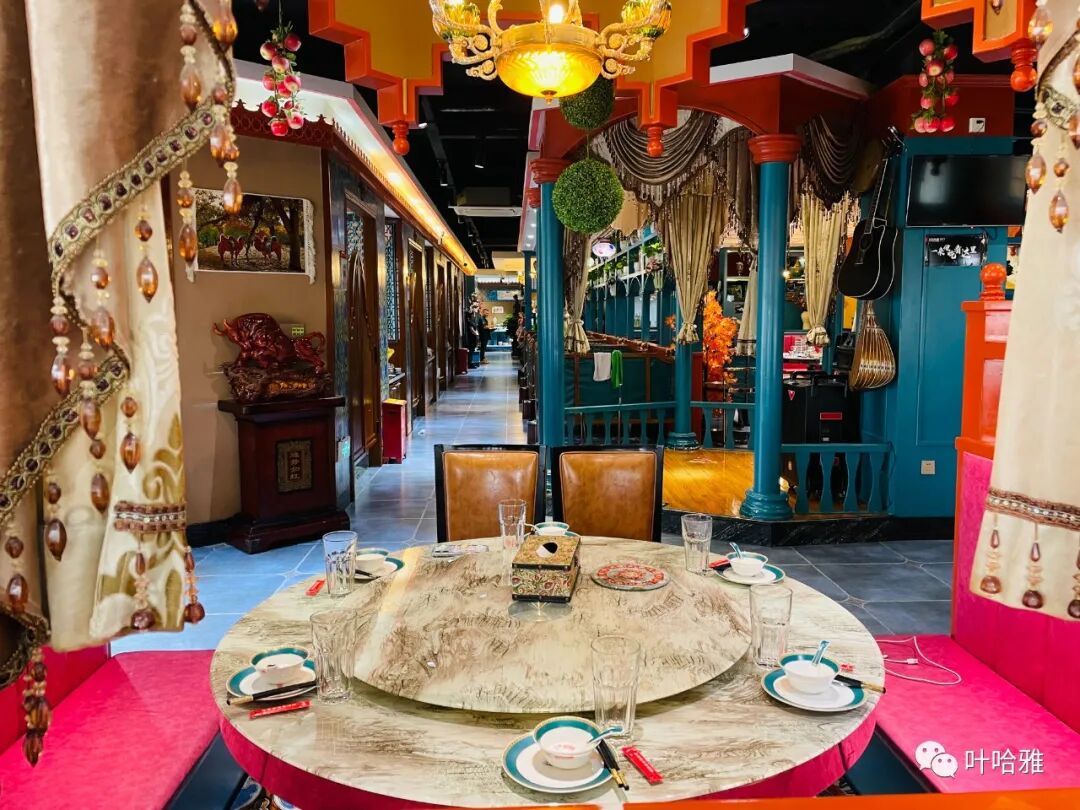
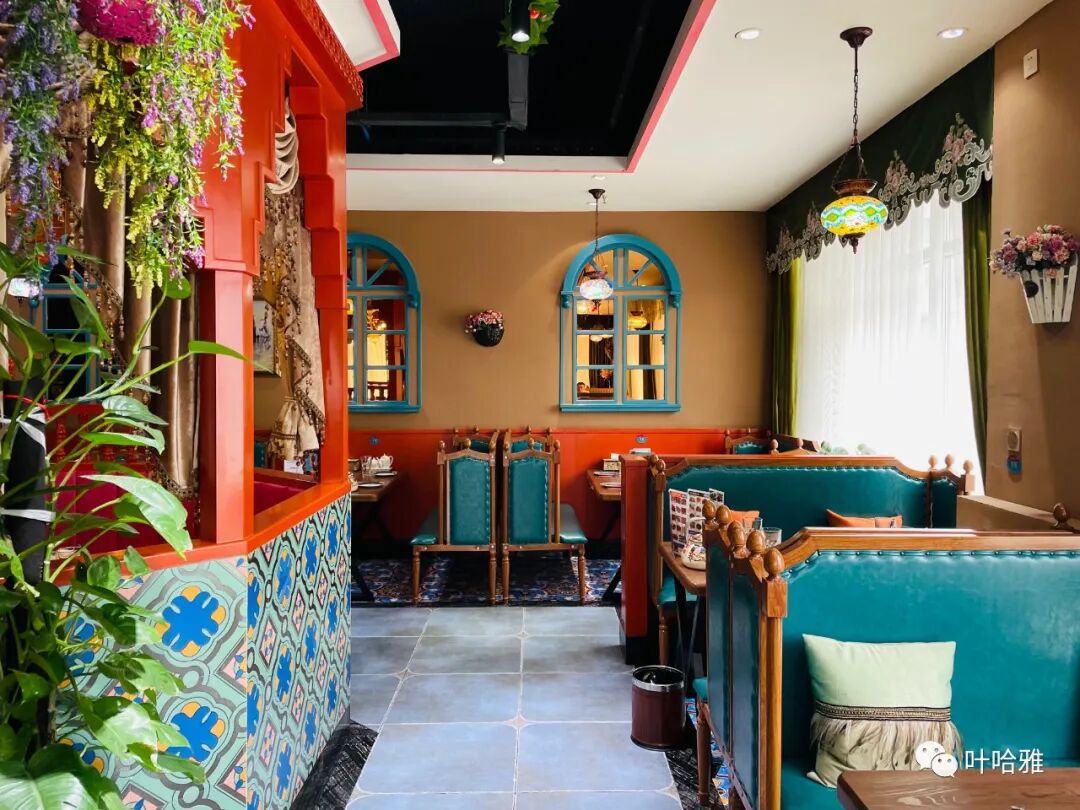
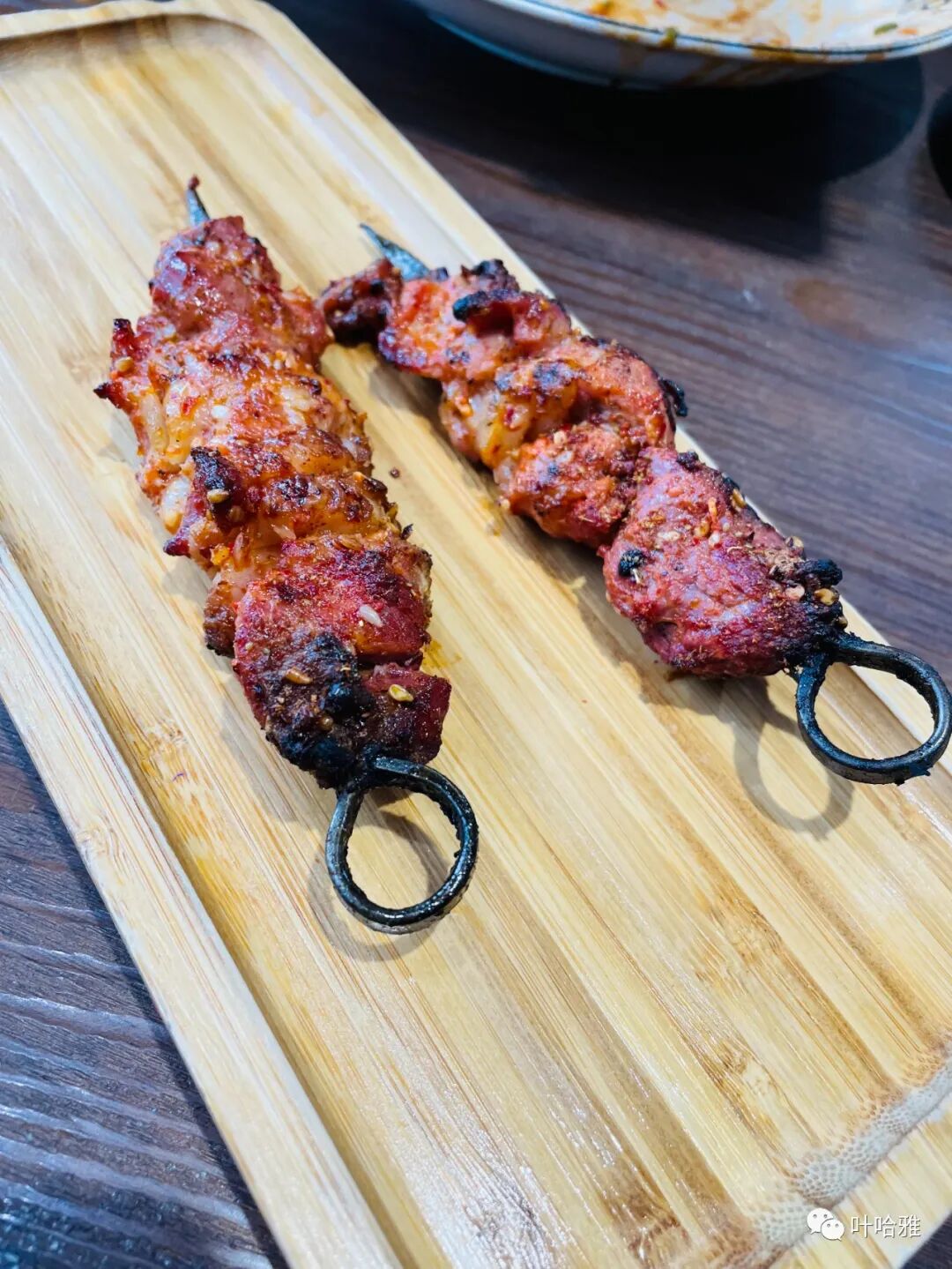
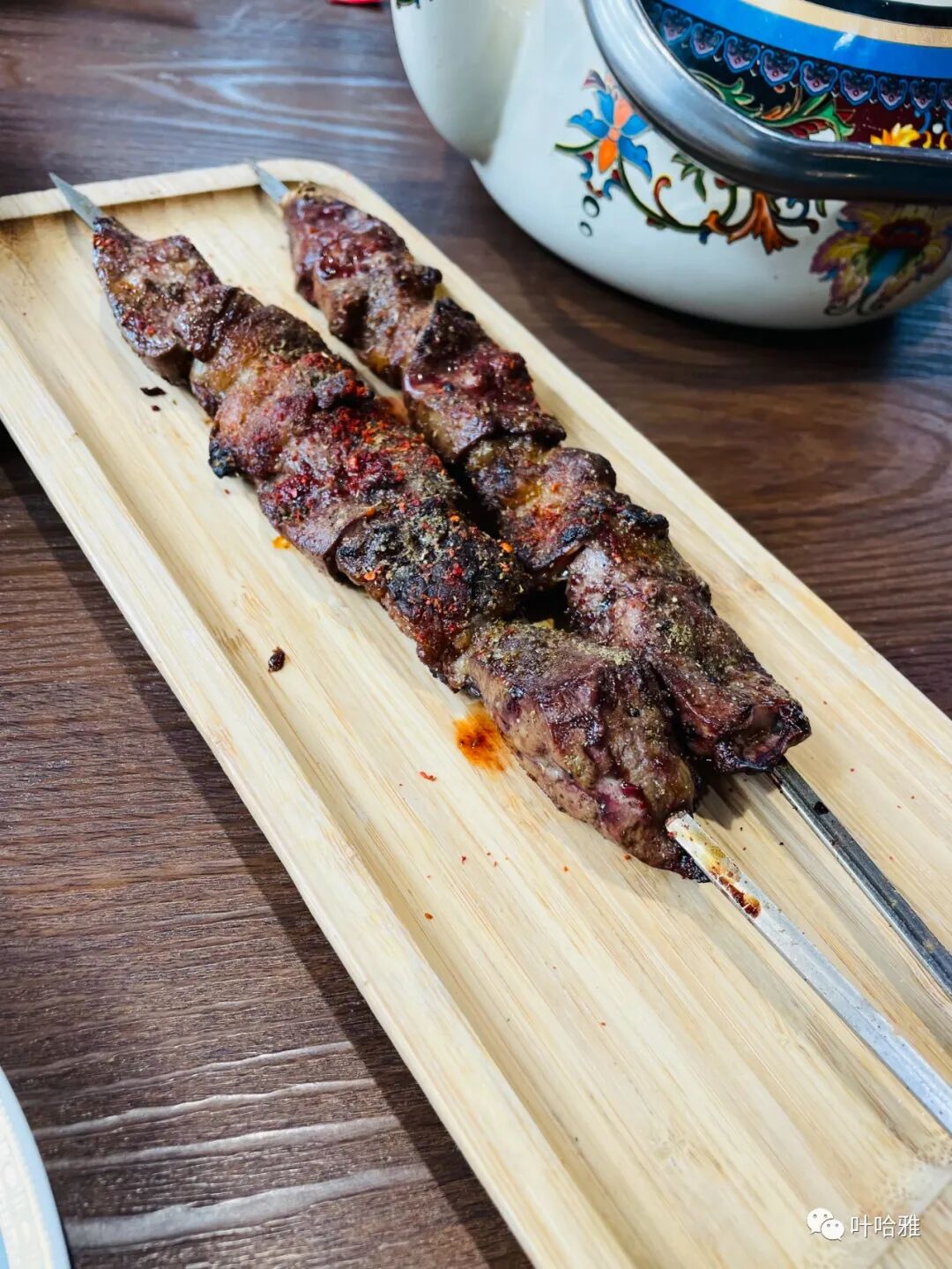
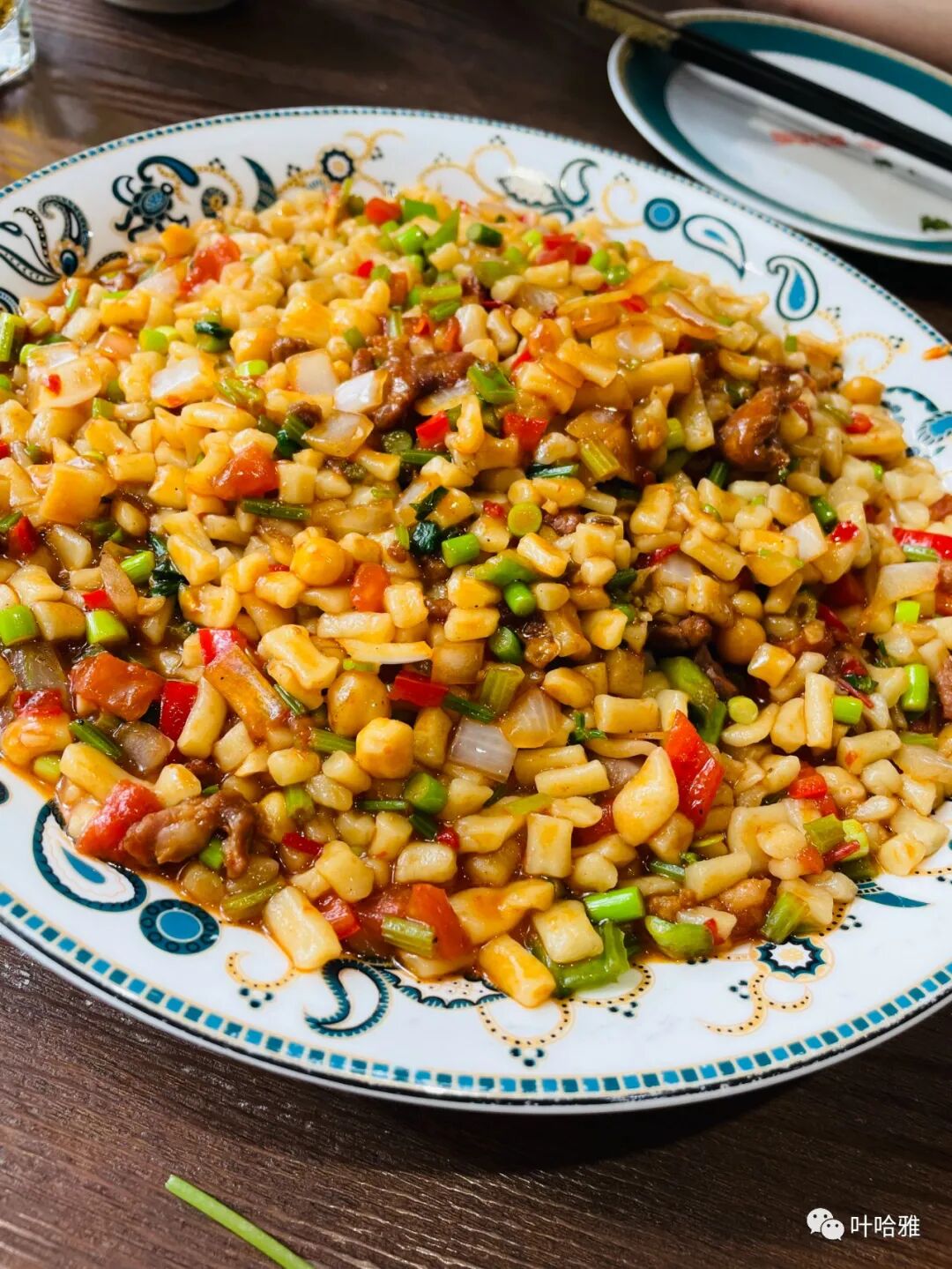
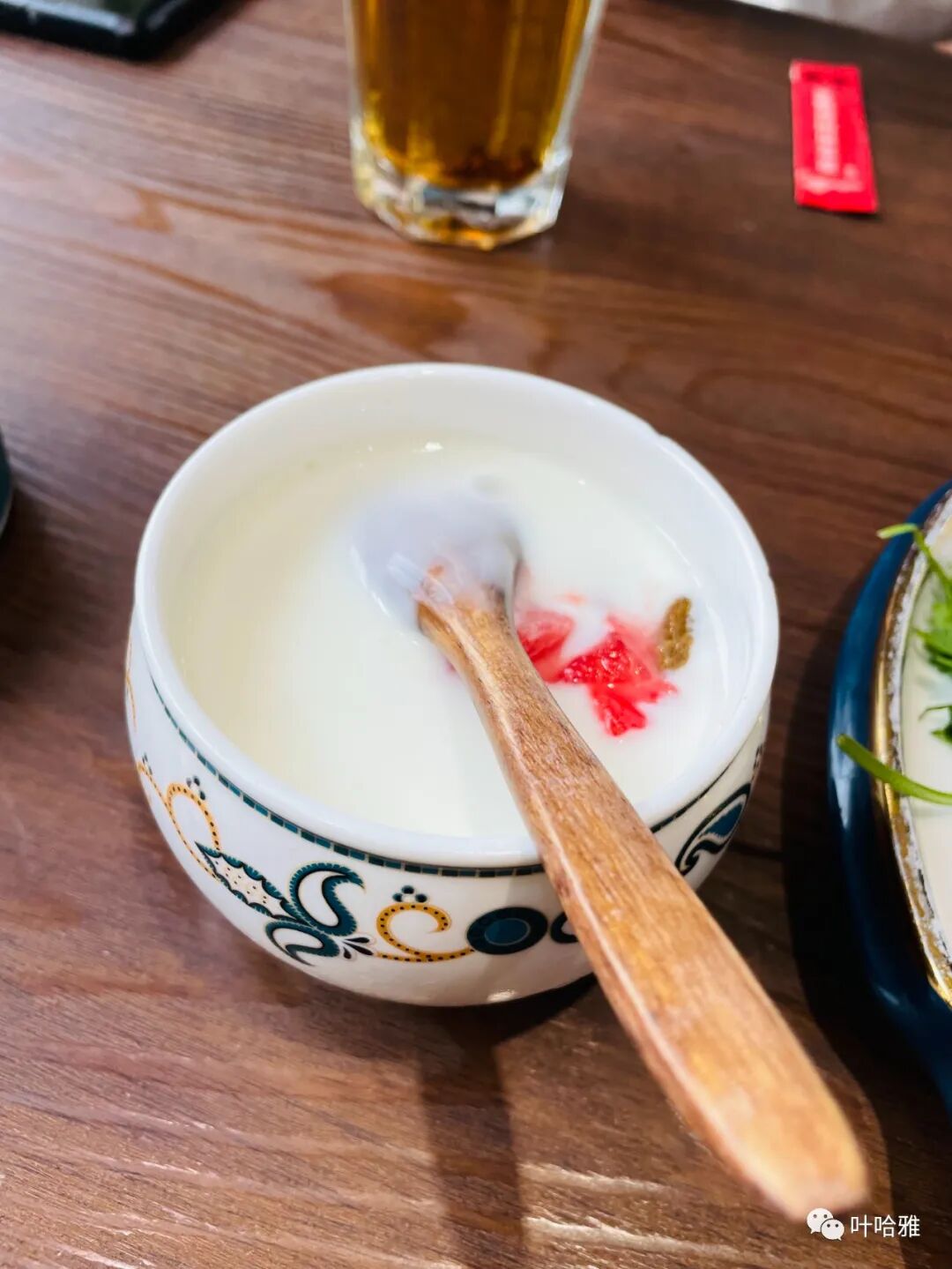
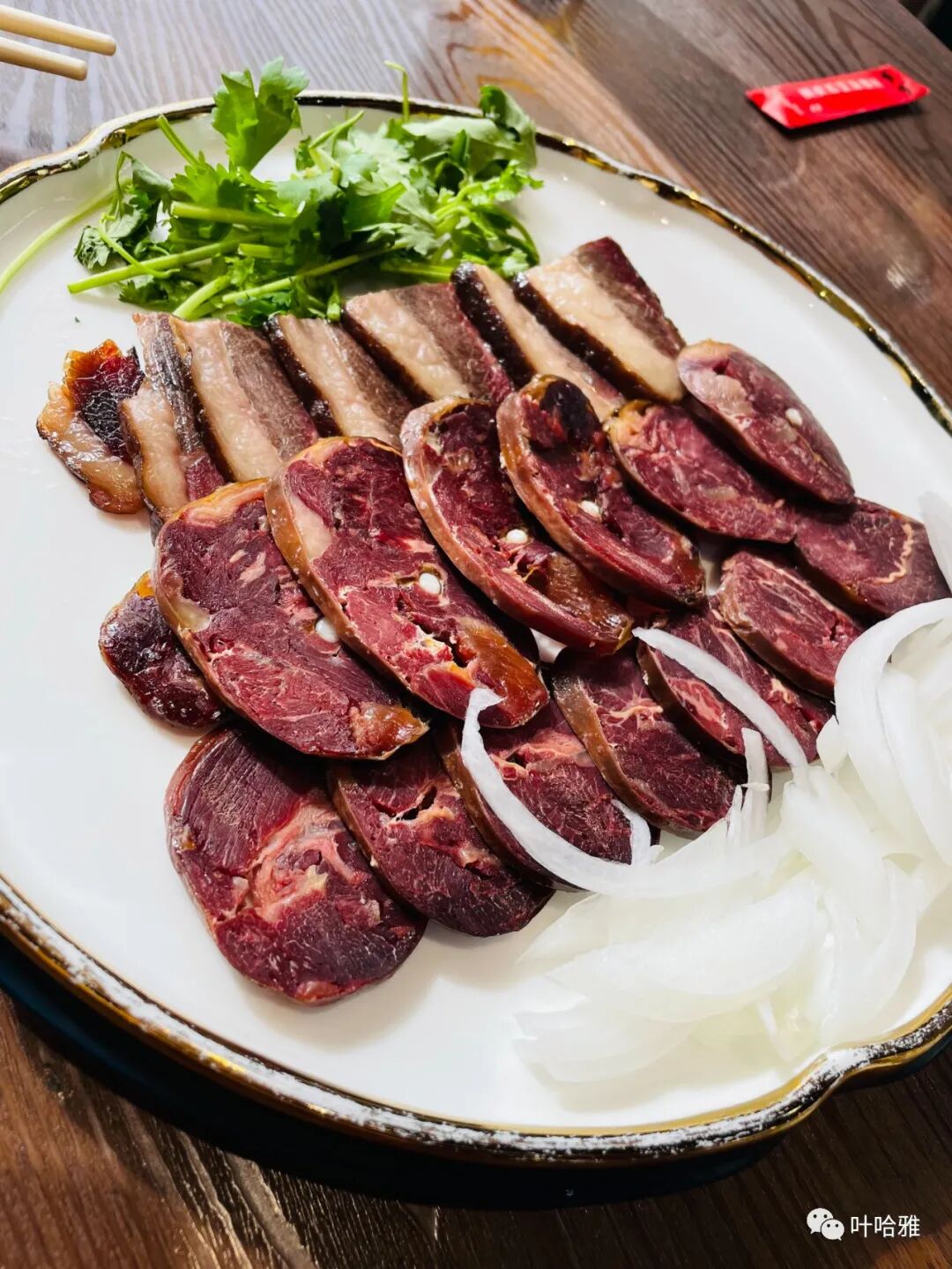
This dish is called Ili smoked horse meat (xun marou). Some people think according to tradition that horse meat is forbidden, but there is no basis for this in the Quran or Sunnah. Horse meat, like camel meat, is halal to eat. For details, see the list of non-halal foods mentioned in the Quran and Sunnah.
Muslim Travel Guide China: Southern Xinjiang Tajik Muslims, Pamir Plateau and Shia Heritage
Articles • yusuf908 posted the article • 0 comments • 177 views • 2026-05-24 00:17
Summary: This Muslim travel guide to southern Xinjiang follows a 12,000-kilometer Northwest road trip, focusing on Taxkorgan, the Pamir Plateau, Tajik Muslims, Shia heritage, border permits, mountain scenery, and local Muslim culture.
A Southern Xinjiang Mosque Tour: The Shia Tajik People is presented here as a firsthand travel account in clear English, beginning with this scene: On June 20, 2023, I left Beijing and drove a loop through the great Northwest. I traveled through Hebei, Inner Mongolia, Shanxi, Shaanxi, Gansu, Ningxia, Qinghai, and Xinjiang. The account keeps its focus on Urumqi Halal Food, Hui Muslims, Xinjiang Travel while preserving the names, places, food, and historical details from the Chinese source.
On June 20, 2023, I left Beijing and drove a loop through the great Northwest. I traveled through Hebei, Inner Mongolia, Shanxi, Shaanxi, Gansu, Ningxia, Qinghai, and Xinjiang. The total distance was over 12,000 kilometers, taking 27 days, and I returned to Beijing on July 16.
The first purpose of this trip was to meet my clients far in the west. Many of them bought insurance online and we had never met. To thank them for their trust, I felt it was necessary to visit them in person. The second purpose was to visit Islamic historical sites in the west. Unlike traditional tourist routes, a halal-focused trip naturally follows a halal route and focuses on halal elements. The last purpose was to enjoy the magnificent landscapes of the Northwest. I enjoyed the scenery along the way, but did not go out of my way for it. I had already visited every provincial-level administrative unit in the People's Republic of China before I turned 30, so this Northwest trip was just a revisit. During this time, I also celebrated my 36th birthday, which is my zodiac birth year.
Because the trip lasted nearly a month, I experienced so many stories on the road. It was like playing a role-playing game; every region felt like a new chapter. Much of the content is worth recording separately, so I plan to publish it in several articles with photos. This first article introduces the Tajik people who live on the Pamir Plateau in the far west of our country and follow Shia Islam.
Chinese tourists need to apply for a border permit in advance to go to Taxkorgan. It is free and only requires an ID card. Many police stations in southern Xinjiang can issue them. We got ours at the police station next to the Id Kah Mosque square in Kashgar. It took one minute to issue and is valid for one week. You must have this permit to enter the border town. If you do not have one, you cannot apply on-site and will be turned back at the checkpoint.
Starting from the old city of Kashgar, it takes about 400 kilometers and 5-6 hours of driving to reach the Pamir Plateau in the Kashgar region of southern Xinjiang, the westernmost part of China. This is Taxkorgan Tajik Autonomous County, where about 50,000 Tajik people who follow Shia Islam live.
Taxkorgan has the Khunjerab Pass, our country's westernmost border crossing, which borders Tajikistan, Afghanistan, and Pakistan.
Many travelogues say that northern Xinjiang is for scenery and southern Xinjiang is for culture. This actually ignores the magnificence of the Pamir Plateau in southern Xinjiang. Southern Xinjiang has all the snow-capped mountains, grasslands, lakes, and even deserts that northern Xinjiang has. In fact, northern Xinjiang lacks the vast plateau landscapes found in the south. If you have limited time and want to experience the beauty of Xinjiang as much as possible, I suggest coming to southern Xinjiang first, and the Pamir Plateau is a must-visit.
Although the drive to Taxkorgan is long, the journey is not monotonous. Less than two hours after starting, you can see Baisha Lake and the snow-capped mountains in the distance. If you want to get close to the lake at the Baisha Lake scenic area, you have to pay. Following the principle of appreciating the world created by Allah without spending money, we just stood in the rest area to look at Baisha Lake from afar. This scene felt like being in Tibet. I have seen this color tone of plateau lakes, blue skies, and white clouds in Tibet before.
The average altitude of the Pamir Plateau is over 4,000 meters, and the distant Muztagh Ata peak is over 7,000 meters high, so it is inevitable that some people will have altitude sickness. The two of us men did not have obvious altitude sickness, just a little shortness of breath when walking. The county seat is at an altitude of about 3,500 meters, similar to Lhasa. It is best to choose a hotel with oxygen-supplied rooms in case you feel unwell and need to use oxygen.
Taxkorgan County borders Tajikistan, Afghanistan, and Pakistan, so you can see the scenery of four countries here.
You can enjoy these views for free at the rest areas. When you drive through high-altitude snow-capped mountains and suddenly see a vast green grassland, all the fatigue from your journey disappears.
Tajik people are divided into lowland Tajiks and highland Tajiks. Both are descendants of Persian Aryans. Lowland Tajiks mostly live in the Transoxiana region and speak Tajik dialects of the Western Iranian branch of Persian, which includes many Turkic words but remains mutually intelligible with Persian. The Tajik people in Taxkorgan are highland Tajiks. They belong to the Mediterranean type of the Caucasian race and speak Pamir dialects of the Eastern Iranian branch. They speak Wakhi in Pakistan and Sarikoli in China. During the Soviet era, Pamiris and Wakhis were considered independent ethnic groups before being required to register as Tajiks. They cannot communicate with people from Tajikistan because their languages are different. In Taxkorgan, Uyghur is the common language.
Highland Tajiks are easy to identify by their appearance, as they have high-bridged noses. If not for the redness caused by high-altitude UV rays, their skin is actually snow-white. For example, the waitress at the restaurant where we ate looked so European that I would have mistaken her for one if she hadn't spoken fluent Mandarin.
The 1963 black-and-white film Visitors on the Icy Mountain tells the story of how the Tajik people on the Pamir Plateau helped the People's Liberation Army fight bandits. The sincere and difficult love story between the two young Tajiks, Amir and Gulandam, is very moving. The song Why Are the Flowers So Red, adapted from the Tajik folk song Gulibita, is still popular today.
Every evening in the county square, people dance, and it is a square dance with a local ethnic flair.
The country with the largest Tajik population in the world is Afghanistan, with 8.8 million people, which is more than the 6.4 million in Tajikistan, the country with the second-largest population.
You can see many graveyards in the villages along the way. The decorations on the Tajik tombs still show traces of ancient Persian culture.
Shia Islam spread to Taxkorgan in the 17th century. It was first introduced by the Persian Sayyid Shah-i-Khan, who brought the Bohora branch of the Ismaili sect of Shia Islam here. In the mid-20th century, the Taxkorgan region converted to the Aga Khan branch. Aga Khan IV visited China twice, in 1981 and 2012.
These are Tajik tombs. Almost every grave has a fire pit in front of it. The Ismailis light fires before the annual Barat festival and offer dua in front of them, which seems to be a remnant of the Persian Zoroastrian fire-worship ritual.
Tajik people place the headwear worn by the deceased during their lifetime on their graves. This custom is the same as that of the Turks during the Ottoman Empire, and you can still see this decoration in Turkey today.
The shape of the headwear looks like an eagle, which is the totem of the Tajik people.
Besides headwear, you will also see fresh flowers, and some are artificial flowers. This is also a reflection of Persian culture.
I took a rough look at the ages of the deceased, and most were not over 50 years old.
Lower Bazaar Mosque in Taxkorgan
I learned from the herdsmen that there are two mosques in Taxkorgan County, but neither can be found on the map. I only found this one near the Taxkorgan County Hospital, and it was not open. You can see Central Asian features in its square roof. Asking about mosques in southern Xinjiang is very difficult, and it is hard to get a useful response.
When the environment is unfavorable to their faith, Shia Muslims tend to hide their beliefs, so we did not see many religious traces in Taxkorgan. Also, because the Shia tradition encourages combined prayers—meaning most Shia Muslims only pray three times a day, combining Dhuhr and Asr, and Maghrib and Isha—and they do not emphasize congregational prayer or Friday Jumu'ah, the importance of the mosque is much lower, and it is only busy during holidays.
Other places worth visiting in Taxkorgan County include the Khunjerab Pass border gate and the Wakhan Corridor, passing through the Panlong Ancient Road with its more than 600 bends.
You can take an international bus from the border gate to Afghanistan, and it is recommended to carry your passport with you.
The Wakhan Corridor is located between the Pamir Mountains and the Hindu Kush range, connecting China and Afghanistan. Tang Seng also passed through here on his journey to the West to seek Buddhist scriptures. The altitude here is over 4,000 meters. It is windy and the summer temperature is cool, so remember to bring a jacket.
On the way back to Kashgar from the Wakhan Corridor, you can pass through the Waqia Highway, which is the famous Panlong Ancient Road. Although it is only 36 kilometers long, it has more than 600 bends and takes three to four hours to drive. You could say there is a bend every 20 meters. The highest point of the mountain road is 4,200 meters above sea level. Fortunately, it is a one-way street, so it is not dangerous to drive.
The plateau scenery and wildlife along the way are beautiful. That cute animal in the distance is a marmot (hanta), which you can see everywhere on the highland grasslands.
The signature food in Taxkorgan is highland yak hot pot. However, I did not see any restaurants displaying a halal sign throughout southern Xinjiang, so I had to go inside and ask the staff. We walked into another shop where the server claimed it was halal, but I left immediately when I saw duck blood on the menu.
The staff at this shop told us very firmly that they were halal and that they did not sell any of those forbidden items.
It was a coincidence that I met an online friend in Taxkorgan who was here on a business trip, so we had a happy meal together. A great joy of traveling is meeting new friends and hearing different stories. Meeting someone thousands of miles away like this is all part of Allah's decree (qianting).
The Taxkorgan yak hot pot has two layers: you drink the soup from the top and cook vegetables in the bottom. The yak meat is chewy and comes pre-cooked, and it tastes great. My halal trip through southern Xinjiang ends here for now, so please stay tuned for more in the next episode. view all
Summary: This Muslim travel guide to southern Xinjiang follows a 12,000-kilometer Northwest road trip, focusing on Taxkorgan, the Pamir Plateau, Tajik Muslims, Shia heritage, border permits, mountain scenery, and local Muslim culture.
A Southern Xinjiang Mosque Tour: The Shia Tajik People is presented here as a firsthand travel account in clear English, beginning with this scene: On June 20, 2023, I left Beijing and drove a loop through the great Northwest. I traveled through Hebei, Inner Mongolia, Shanxi, Shaanxi, Gansu, Ningxia, Qinghai, and Xinjiang. The account keeps its focus on Urumqi Halal Food, Hui Muslims, Xinjiang Travel while preserving the names, places, food, and historical details from the Chinese source.
On June 20, 2023, I left Beijing and drove a loop through the great Northwest. I traveled through Hebei, Inner Mongolia, Shanxi, Shaanxi, Gansu, Ningxia, Qinghai, and Xinjiang. The total distance was over 12,000 kilometers, taking 27 days, and I returned to Beijing on July 16.
The first purpose of this trip was to meet my clients far in the west. Many of them bought insurance online and we had never met. To thank them for their trust, I felt it was necessary to visit them in person. The second purpose was to visit Islamic historical sites in the west. Unlike traditional tourist routes, a halal-focused trip naturally follows a halal route and focuses on halal elements. The last purpose was to enjoy the magnificent landscapes of the Northwest. I enjoyed the scenery along the way, but did not go out of my way for it. I had already visited every provincial-level administrative unit in the People's Republic of China before I turned 30, so this Northwest trip was just a revisit. During this time, I also celebrated my 36th birthday, which is my zodiac birth year.
Because the trip lasted nearly a month, I experienced so many stories on the road. It was like playing a role-playing game; every region felt like a new chapter. Much of the content is worth recording separately, so I plan to publish it in several articles with photos. This first article introduces the Tajik people who live on the Pamir Plateau in the far west of our country and follow Shia Islam.
Chinese tourists need to apply for a border permit in advance to go to Taxkorgan. It is free and only requires an ID card. Many police stations in southern Xinjiang can issue them. We got ours at the police station next to the Id Kah Mosque square in Kashgar. It took one minute to issue and is valid for one week. You must have this permit to enter the border town. If you do not have one, you cannot apply on-site and will be turned back at the checkpoint.
Starting from the old city of Kashgar, it takes about 400 kilometers and 5-6 hours of driving to reach the Pamir Plateau in the Kashgar region of southern Xinjiang, the westernmost part of China. This is Taxkorgan Tajik Autonomous County, where about 50,000 Tajik people who follow Shia Islam live.
Taxkorgan has the Khunjerab Pass, our country's westernmost border crossing, which borders Tajikistan, Afghanistan, and Pakistan.
Many travelogues say that northern Xinjiang is for scenery and southern Xinjiang is for culture. This actually ignores the magnificence of the Pamir Plateau in southern Xinjiang. Southern Xinjiang has all the snow-capped mountains, grasslands, lakes, and even deserts that northern Xinjiang has. In fact, northern Xinjiang lacks the vast plateau landscapes found in the south. If you have limited time and want to experience the beauty of Xinjiang as much as possible, I suggest coming to southern Xinjiang first, and the Pamir Plateau is a must-visit.
Although the drive to Taxkorgan is long, the journey is not monotonous. Less than two hours after starting, you can see Baisha Lake and the snow-capped mountains in the distance. If you want to get close to the lake at the Baisha Lake scenic area, you have to pay. Following the principle of appreciating the world created by Allah without spending money, we just stood in the rest area to look at Baisha Lake from afar. This scene felt like being in Tibet. I have seen this color tone of plateau lakes, blue skies, and white clouds in Tibet before.
The average altitude of the Pamir Plateau is over 4,000 meters, and the distant Muztagh Ata peak is over 7,000 meters high, so it is inevitable that some people will have altitude sickness. The two of us men did not have obvious altitude sickness, just a little shortness of breath when walking. The county seat is at an altitude of about 3,500 meters, similar to Lhasa. It is best to choose a hotel with oxygen-supplied rooms in case you feel unwell and need to use oxygen.
Taxkorgan County borders Tajikistan, Afghanistan, and Pakistan, so you can see the scenery of four countries here.
You can enjoy these views for free at the rest areas. When you drive through high-altitude snow-capped mountains and suddenly see a vast green grassland, all the fatigue from your journey disappears.
Tajik people are divided into lowland Tajiks and highland Tajiks. Both are descendants of Persian Aryans. Lowland Tajiks mostly live in the Transoxiana region and speak Tajik dialects of the Western Iranian branch of Persian, which includes many Turkic words but remains mutually intelligible with Persian. The Tajik people in Taxkorgan are highland Tajiks. They belong to the Mediterranean type of the Caucasian race and speak Pamir dialects of the Eastern Iranian branch. They speak Wakhi in Pakistan and Sarikoli in China. During the Soviet era, Pamiris and Wakhis were considered independent ethnic groups before being required to register as Tajiks. They cannot communicate with people from Tajikistan because their languages are different. In Taxkorgan, Uyghur is the common language.
Highland Tajiks are easy to identify by their appearance, as they have high-bridged noses. If not for the redness caused by high-altitude UV rays, their skin is actually snow-white. For example, the waitress at the restaurant where we ate looked so European that I would have mistaken her for one if she hadn't spoken fluent Mandarin.
The 1963 black-and-white film Visitors on the Icy Mountain tells the story of how the Tajik people on the Pamir Plateau helped the People's Liberation Army fight bandits. The sincere and difficult love story between the two young Tajiks, Amir and Gulandam, is very moving. The song Why Are the Flowers So Red, adapted from the Tajik folk song Gulibita, is still popular today.
Every evening in the county square, people dance, and it is a square dance with a local ethnic flair.
The country with the largest Tajik population in the world is Afghanistan, with 8.8 million people, which is more than the 6.4 million in Tajikistan, the country with the second-largest population.
You can see many graveyards in the villages along the way. The decorations on the Tajik tombs still show traces of ancient Persian culture.
Shia Islam spread to Taxkorgan in the 17th century. It was first introduced by the Persian Sayyid Shah-i-Khan, who brought the Bohora branch of the Ismaili sect of Shia Islam here. In the mid-20th century, the Taxkorgan region converted to the Aga Khan branch. Aga Khan IV visited China twice, in 1981 and 2012.
These are Tajik tombs. Almost every grave has a fire pit in front of it. The Ismailis light fires before the annual Barat festival and offer dua in front of them, which seems to be a remnant of the Persian Zoroastrian fire-worship ritual.
Tajik people place the headwear worn by the deceased during their lifetime on their graves. This custom is the same as that of the Turks during the Ottoman Empire, and you can still see this decoration in Turkey today.
The shape of the headwear looks like an eagle, which is the totem of the Tajik people.
Besides headwear, you will also see fresh flowers, and some are artificial flowers. This is also a reflection of Persian culture.
I took a rough look at the ages of the deceased, and most were not over 50 years old.
Lower Bazaar Mosque in Taxkorgan
I learned from the herdsmen that there are two mosques in Taxkorgan County, but neither can be found on the map. I only found this one near the Taxkorgan County Hospital, and it was not open. You can see Central Asian features in its square roof. Asking about mosques in southern Xinjiang is very difficult, and it is hard to get a useful response.
When the environment is unfavorable to their faith, Shia Muslims tend to hide their beliefs, so we did not see many religious traces in Taxkorgan. Also, because the Shia tradition encourages combined prayers—meaning most Shia Muslims only pray three times a day, combining Dhuhr and Asr, and Maghrib and Isha—and they do not emphasize congregational prayer or Friday Jumu'ah, the importance of the mosque is much lower, and it is only busy during holidays.
Other places worth visiting in Taxkorgan County include the Khunjerab Pass border gate and the Wakhan Corridor, passing through the Panlong Ancient Road with its more than 600 bends.
You can take an international bus from the border gate to Afghanistan, and it is recommended to carry your passport with you.
The Wakhan Corridor is located between the Pamir Mountains and the Hindu Kush range, connecting China and Afghanistan. Tang Seng also passed through here on his journey to the West to seek Buddhist scriptures. The altitude here is over 4,000 meters. It is windy and the summer temperature is cool, so remember to bring a jacket.
On the way back to Kashgar from the Wakhan Corridor, you can pass through the Waqia Highway, which is the famous Panlong Ancient Road. Although it is only 36 kilometers long, it has more than 600 bends and takes three to four hours to drive. You could say there is a bend every 20 meters. The highest point of the mountain road is 4,200 meters above sea level. Fortunately, it is a one-way street, so it is not dangerous to drive.
The plateau scenery and wildlife along the way are beautiful. That cute animal in the distance is a marmot (hanta), which you can see everywhere on the highland grasslands.
The signature food in Taxkorgan is highland yak hot pot. However, I did not see any restaurants displaying a halal sign throughout southern Xinjiang, so I had to go inside and ask the staff. We walked into another shop where the server claimed it was halal, but I left immediately when I saw duck blood on the menu.
The staff at this shop told us very firmly that they were halal and that they did not sell any of those forbidden items.
It was a coincidence that I met an online friend in Taxkorgan who was here on a business trip, so we had a happy meal together. A great joy of traveling is meeting new friends and hearing different stories. Meeting someone thousands of miles away like this is all part of Allah's decree (qianting).
The Taxkorgan yak hot pot has two layers: you drink the soup from the top and cook vegetables in the bottom. The yak meat is chewy and comes pre-cooked, and it tastes great. My halal trip through southern Xinjiang ends here for now, so please stay tuned for more in the next episode.
Muslim Travel Guide China: Southern Xinjiang Tajik Muslims, Pamir Plateau and Shia Heritage
Articles • yusuf908 posted the article • 0 comments • 153 views • 2026-05-22 21:15
Summary: This Muslim travel guide to southern Xinjiang follows a 12,000-kilometer Northwest road trip, focusing on Taxkorgan, the Pamir Plateau, Tajik Muslims, Shia heritage, border permits, mountain scenery, and local Muslim culture.
A Southern Xinjiang Mosque Tour: The Shia Tajik People is presented here as a firsthand travel account in clear English, beginning with this scene: On June 20, 2023, I left Beijing and drove a loop through the great Northwest. I traveled through Hebei, Inner Mongolia, Shanxi, Shaanxi, Gansu, Ningxia, Qinghai, and Xinjiang. The account keeps its focus on Urumqi Halal Food, Hui Muslims, Xinjiang Travel while preserving the names, places, food, and historical details from the Chinese source.
On June 20, 2023, I left Beijing and drove a loop through the great Northwest. I traveled through Hebei, Inner Mongolia, Shanxi, Shaanxi, Gansu, Ningxia, Qinghai, and Xinjiang. The total distance was over 12,000 kilometers, taking 27 days, and I returned to Beijing on July 16.
The first purpose of this trip was to meet my clients far in the west. Many of them bought insurance online and we had never met. To thank them for their trust, I felt it was necessary to visit them in person. The second purpose was to visit Islamic historical sites in the west. Unlike traditional tourist routes, a halal-focused trip naturally follows a halal route and focuses on halal elements. The last purpose was to enjoy the magnificent landscapes of the Northwest. I enjoyed the scenery along the way, but did not go out of my way for it. I had already visited every provincial-level administrative unit in the People's Republic of China before I turned 30, so this Northwest trip was just a revisit. During this time, I also celebrated my 36th birthday, which is my zodiac birth year.
Because the trip lasted nearly a month, I experienced so many stories on the road. It was like playing a role-playing game; every region felt like a new chapter. Much of the content is worth recording separately, so I plan to publish it in several articles with photos. This first article introduces the Tajik people who live on the Pamir Plateau in the far west of our country and follow Shia Islam.
Chinese tourists need to apply for a border permit in advance to go to Taxkorgan. It is free and only requires an ID card. Many police stations in southern Xinjiang can issue them. We got ours at the police station next to the Id Kah Mosque square in Kashgar. It took one minute to issue and is valid for one week. You must have this permit to enter the border town. If you do not have one, you cannot apply on-site and will be turned back at the checkpoint.
Starting from the old city of Kashgar, it takes about 400 kilometers and 5-6 hours of driving to reach the Pamir Plateau in the Kashgar region of southern Xinjiang, the westernmost part of China. This is Taxkorgan Tajik Autonomous County, where about 50,000 Tajik people who follow Shia Islam live.
Taxkorgan has the Khunjerab Pass, our country's westernmost border crossing, which borders Tajikistan, Afghanistan, and Pakistan.
Many travelogues say that northern Xinjiang is for scenery and southern Xinjiang is for culture. This actually ignores the magnificence of the Pamir Plateau in southern Xinjiang. Southern Xinjiang has all the snow-capped mountains, grasslands, lakes, and even deserts that northern Xinjiang has. In fact, northern Xinjiang lacks the vast plateau landscapes found in the south. If you have limited time and want to experience the beauty of Xinjiang as much as possible, I suggest coming to southern Xinjiang first, and the Pamir Plateau is a must-visit.
Although the drive to Taxkorgan is long, the journey is not monotonous. Less than two hours after starting, you can see Baisha Lake and the snow-capped mountains in the distance. If you want to get close to the lake at the Baisha Lake scenic area, you have to pay. Following the principle of appreciating the world created by Allah without spending money, we just stood in the rest area to look at Baisha Lake from afar. This scene felt like being in Tibet. I have seen this color tone of plateau lakes, blue skies, and white clouds in Tibet before.
The average altitude of the Pamir Plateau is over 4,000 meters, and the distant Muztagh Ata peak is over 7,000 meters high, so it is inevitable that some people will have altitude sickness. The two of us men did not have obvious altitude sickness, just a little shortness of breath when walking. The county seat is at an altitude of about 3,500 meters, similar to Lhasa. It is best to choose a hotel with oxygen-supplied rooms in case you feel unwell and need to use oxygen.
Taxkorgan County borders Tajikistan, Afghanistan, and Pakistan, so you can see the scenery of four countries here.
You can enjoy these views for free at the rest areas. When you drive through high-altitude snow-capped mountains and suddenly see a vast green grassland, all the fatigue from your journey disappears.
Tajik people are divided into lowland Tajiks and highland Tajiks. Both are descendants of Persian Aryans. Lowland Tajiks mostly live in the Transoxiana region and speak Tajik dialects of the Western Iranian branch of Persian, which includes many Turkic words but remains mutually intelligible with Persian. The Tajik people in Taxkorgan are highland Tajiks. They belong to the Mediterranean type of the Caucasian race and speak Pamir dialects of the Eastern Iranian branch. They speak Wakhi in Pakistan and Sarikoli in China. During the Soviet era, Pamiris and Wakhis were considered independent ethnic groups before being required to register as Tajiks. They cannot communicate with people from Tajikistan because their languages are different. In Taxkorgan, Uyghur is the common language.
Highland Tajiks are easy to identify by their appearance, as they have high-bridged noses. If not for the redness caused by high-altitude UV rays, their skin is actually snow-white. For example, the waitress at the restaurant where we ate looked so European that I would have mistaken her for one if she hadn't spoken fluent Mandarin.
The 1963 black-and-white film Visitors on the Icy Mountain tells the story of how the Tajik people on the Pamir Plateau helped the People's Liberation Army fight bandits. The sincere and difficult love story between the two young Tajiks, Amir and Gulandam, is very moving. The song Why Are the Flowers So Red, adapted from the Tajik folk song Gulibita, is still popular today.
Every evening in the county square, people dance, and it is a square dance with a local ethnic flair.
The country with the largest Tajik population in the world is Afghanistan, with 8.8 million people, which is more than the 6.4 million in Tajikistan, the country with the second-largest population.
You can see many graveyards in the villages along the way. The decorations on the Tajik tombs still show traces of ancient Persian culture.
Shia Islam spread to Taxkorgan in the 17th century. It was first introduced by the Persian Sayyid Shah-i-Khan, who brought the Bohora branch of the Ismaili sect of Shia Islam here. In the mid-20th century, the Taxkorgan region converted to the Aga Khan branch. Aga Khan IV visited China twice, in 1981 and 2012.
These are Tajik tombs. Almost every grave has a fire pit in front of it. The Ismailis light fires before the annual Barat festival and offer dua in front of them, which seems to be a remnant of the Persian Zoroastrian fire-worship ritual.
Tajik people place the headwear worn by the deceased during their lifetime on their graves. This custom is the same as that of the Turks during the Ottoman Empire, and you can still see this decoration in Turkey today.
The shape of the headwear looks like an eagle, which is the totem of the Tajik people.
Besides headwear, you will also see fresh flowers, and some are artificial flowers. This is also a reflection of Persian culture.
I took a rough look at the ages of the deceased, and most were not over 50 years old.
Lower Bazaar Mosque in Taxkorgan
I learned from the herdsmen that there are two mosques in Taxkorgan County, but neither can be found on the map. I only found this one near the Taxkorgan County Hospital, and it was not open. You can see Central Asian features in its square roof. Asking about mosques in southern Xinjiang is very difficult, and it is hard to get a useful response.
When the environment is unfavorable to their faith, Shia Muslims tend to hide their beliefs, so we did not see many religious traces in Taxkorgan. Also, because the Shia tradition encourages combined prayers—meaning most Shia Muslims only pray three times a day, combining Dhuhr and Asr, and Maghrib and Isha—and they do not emphasize congregational prayer or Friday Jumu'ah, the importance of the mosque is much lower, and it is only busy during holidays.
Other places worth visiting in Taxkorgan County include the Khunjerab Pass border gate and the Wakhan Corridor, passing through the Panlong Ancient Road with its more than 600 bends.
You can take an international bus from the border gate to Afghanistan, and it is recommended to carry your passport with you.
The Wakhan Corridor is located between the Pamir Mountains and the Hindu Kush range, connecting China and Afghanistan. Tang Seng also passed through here on his journey to the West to seek Buddhist scriptures. The altitude here is over 4,000 meters. It is windy and the summer temperature is cool, so remember to bring a jacket.
On the way back to Kashgar from the Wakhan Corridor, you can pass through the Waqia Highway, which is the famous Panlong Ancient Road. Although it is only 36 kilometers long, it has more than 600 bends and takes three to four hours to drive. You could say there is a bend every 20 meters. The highest point of the mountain road is 4,200 meters above sea level. Fortunately, it is a one-way street, so it is not dangerous to drive.
The plateau scenery and wildlife along the way are beautiful. That cute animal in the distance is a marmot (hanta), which you can see everywhere on the highland grasslands.
The signature food in Taxkorgan is highland yak hot pot. However, I did not see any restaurants displaying a halal sign throughout southern Xinjiang, so I had to go inside and ask the staff. We walked into another shop where the server claimed it was halal, but I left immediately when I saw duck blood on the menu.
The staff at this shop told us very firmly that they were halal and that they did not sell any of those forbidden items.
It was a coincidence that I met an online friend in Taxkorgan who was here on a business trip, so we had a happy meal together. A great joy of traveling is meeting new friends and hearing different stories. Meeting someone thousands of miles away like this is all part of Allah's decree (qianting).
The Taxkorgan yak hot pot has two layers: you drink the soup from the top and cook vegetables in the bottom. The yak meat is chewy and comes pre-cooked, and it tastes great. My halal trip through southern Xinjiang ends here for now, so please stay tuned for more in the next episode. view all
Summary: This Muslim travel guide to southern Xinjiang follows a 12,000-kilometer Northwest road trip, focusing on Taxkorgan, the Pamir Plateau, Tajik Muslims, Shia heritage, border permits, mountain scenery, and local Muslim culture.
A Southern Xinjiang Mosque Tour: The Shia Tajik People is presented here as a firsthand travel account in clear English, beginning with this scene: On June 20, 2023, I left Beijing and drove a loop through the great Northwest. I traveled through Hebei, Inner Mongolia, Shanxi, Shaanxi, Gansu, Ningxia, Qinghai, and Xinjiang. The account keeps its focus on Urumqi Halal Food, Hui Muslims, Xinjiang Travel while preserving the names, places, food, and historical details from the Chinese source.
On June 20, 2023, I left Beijing and drove a loop through the great Northwest. I traveled through Hebei, Inner Mongolia, Shanxi, Shaanxi, Gansu, Ningxia, Qinghai, and Xinjiang. The total distance was over 12,000 kilometers, taking 27 days, and I returned to Beijing on July 16.
The first purpose of this trip was to meet my clients far in the west. Many of them bought insurance online and we had never met. To thank them for their trust, I felt it was necessary to visit them in person. The second purpose was to visit Islamic historical sites in the west. Unlike traditional tourist routes, a halal-focused trip naturally follows a halal route and focuses on halal elements. The last purpose was to enjoy the magnificent landscapes of the Northwest. I enjoyed the scenery along the way, but did not go out of my way for it. I had already visited every provincial-level administrative unit in the People's Republic of China before I turned 30, so this Northwest trip was just a revisit. During this time, I also celebrated my 36th birthday, which is my zodiac birth year.
Because the trip lasted nearly a month, I experienced so many stories on the road. It was like playing a role-playing game; every region felt like a new chapter. Much of the content is worth recording separately, so I plan to publish it in several articles with photos. This first article introduces the Tajik people who live on the Pamir Plateau in the far west of our country and follow Shia Islam.
Chinese tourists need to apply for a border permit in advance to go to Taxkorgan. It is free and only requires an ID card. Many police stations in southern Xinjiang can issue them. We got ours at the police station next to the Id Kah Mosque square in Kashgar. It took one minute to issue and is valid for one week. You must have this permit to enter the border town. If you do not have one, you cannot apply on-site and will be turned back at the checkpoint.
Starting from the old city of Kashgar, it takes about 400 kilometers and 5-6 hours of driving to reach the Pamir Plateau in the Kashgar region of southern Xinjiang, the westernmost part of China. This is Taxkorgan Tajik Autonomous County, where about 50,000 Tajik people who follow Shia Islam live.
Taxkorgan has the Khunjerab Pass, our country's westernmost border crossing, which borders Tajikistan, Afghanistan, and Pakistan.
Many travelogues say that northern Xinjiang is for scenery and southern Xinjiang is for culture. This actually ignores the magnificence of the Pamir Plateau in southern Xinjiang. Southern Xinjiang has all the snow-capped mountains, grasslands, lakes, and even deserts that northern Xinjiang has. In fact, northern Xinjiang lacks the vast plateau landscapes found in the south. If you have limited time and want to experience the beauty of Xinjiang as much as possible, I suggest coming to southern Xinjiang first, and the Pamir Plateau is a must-visit.
Although the drive to Taxkorgan is long, the journey is not monotonous. Less than two hours after starting, you can see Baisha Lake and the snow-capped mountains in the distance. If you want to get close to the lake at the Baisha Lake scenic area, you have to pay. Following the principle of appreciating the world created by Allah without spending money, we just stood in the rest area to look at Baisha Lake from afar. This scene felt like being in Tibet. I have seen this color tone of plateau lakes, blue skies, and white clouds in Tibet before.
The average altitude of the Pamir Plateau is over 4,000 meters, and the distant Muztagh Ata peak is over 7,000 meters high, so it is inevitable that some people will have altitude sickness. The two of us men did not have obvious altitude sickness, just a little shortness of breath when walking. The county seat is at an altitude of about 3,500 meters, similar to Lhasa. It is best to choose a hotel with oxygen-supplied rooms in case you feel unwell and need to use oxygen.
Taxkorgan County borders Tajikistan, Afghanistan, and Pakistan, so you can see the scenery of four countries here.
You can enjoy these views for free at the rest areas. When you drive through high-altitude snow-capped mountains and suddenly see a vast green grassland, all the fatigue from your journey disappears.
Tajik people are divided into lowland Tajiks and highland Tajiks. Both are descendants of Persian Aryans. Lowland Tajiks mostly live in the Transoxiana region and speak Tajik dialects of the Western Iranian branch of Persian, which includes many Turkic words but remains mutually intelligible with Persian. The Tajik people in Taxkorgan are highland Tajiks. They belong to the Mediterranean type of the Caucasian race and speak Pamir dialects of the Eastern Iranian branch. They speak Wakhi in Pakistan and Sarikoli in China. During the Soviet era, Pamiris and Wakhis were considered independent ethnic groups before being required to register as Tajiks. They cannot communicate with people from Tajikistan because their languages are different. In Taxkorgan, Uyghur is the common language.
Highland Tajiks are easy to identify by their appearance, as they have high-bridged noses. If not for the redness caused by high-altitude UV rays, their skin is actually snow-white. For example, the waitress at the restaurant where we ate looked so European that I would have mistaken her for one if she hadn't spoken fluent Mandarin.
The 1963 black-and-white film Visitors on the Icy Mountain tells the story of how the Tajik people on the Pamir Plateau helped the People's Liberation Army fight bandits. The sincere and difficult love story between the two young Tajiks, Amir and Gulandam, is very moving. The song Why Are the Flowers So Red, adapted from the Tajik folk song Gulibita, is still popular today.
Every evening in the county square, people dance, and it is a square dance with a local ethnic flair.
The country with the largest Tajik population in the world is Afghanistan, with 8.8 million people, which is more than the 6.4 million in Tajikistan, the country with the second-largest population.
You can see many graveyards in the villages along the way. The decorations on the Tajik tombs still show traces of ancient Persian culture.
Shia Islam spread to Taxkorgan in the 17th century. It was first introduced by the Persian Sayyid Shah-i-Khan, who brought the Bohora branch of the Ismaili sect of Shia Islam here. In the mid-20th century, the Taxkorgan region converted to the Aga Khan branch. Aga Khan IV visited China twice, in 1981 and 2012.
These are Tajik tombs. Almost every grave has a fire pit in front of it. The Ismailis light fires before the annual Barat festival and offer dua in front of them, which seems to be a remnant of the Persian Zoroastrian fire-worship ritual.
Tajik people place the headwear worn by the deceased during their lifetime on their graves. This custom is the same as that of the Turks during the Ottoman Empire, and you can still see this decoration in Turkey today.
The shape of the headwear looks like an eagle, which is the totem of the Tajik people.
Besides headwear, you will also see fresh flowers, and some are artificial flowers. This is also a reflection of Persian culture.
I took a rough look at the ages of the deceased, and most were not over 50 years old.
Lower Bazaar Mosque in Taxkorgan
I learned from the herdsmen that there are two mosques in Taxkorgan County, but neither can be found on the map. I only found this one near the Taxkorgan County Hospital, and it was not open. You can see Central Asian features in its square roof. Asking about mosques in southern Xinjiang is very difficult, and it is hard to get a useful response.
When the environment is unfavorable to their faith, Shia Muslims tend to hide their beliefs, so we did not see many religious traces in Taxkorgan. Also, because the Shia tradition encourages combined prayers—meaning most Shia Muslims only pray three times a day, combining Dhuhr and Asr, and Maghrib and Isha—and they do not emphasize congregational prayer or Friday Jumu'ah, the importance of the mosque is much lower, and it is only busy during holidays.
Other places worth visiting in Taxkorgan County include the Khunjerab Pass border gate and the Wakhan Corridor, passing through the Panlong Ancient Road with its more than 600 bends.
You can take an international bus from the border gate to Afghanistan, and it is recommended to carry your passport with you.
The Wakhan Corridor is located between the Pamir Mountains and the Hindu Kush range, connecting China and Afghanistan. Tang Seng also passed through here on his journey to the West to seek Buddhist scriptures. The altitude here is over 4,000 meters. It is windy and the summer temperature is cool, so remember to bring a jacket.
On the way back to Kashgar from the Wakhan Corridor, you can pass through the Waqia Highway, which is the famous Panlong Ancient Road. Although it is only 36 kilometers long, it has more than 600 bends and takes three to four hours to drive. You could say there is a bend every 20 meters. The highest point of the mountain road is 4,200 meters above sea level. Fortunately, it is a one-way street, so it is not dangerous to drive.
The plateau scenery and wildlife along the way are beautiful. That cute animal in the distance is a marmot (hanta), which you can see everywhere on the highland grasslands.
The signature food in Taxkorgan is highland yak hot pot. However, I did not see any restaurants displaying a halal sign throughout southern Xinjiang, so I had to go inside and ask the staff. We walked into another shop where the server claimed it was halal, but I left immediately when I saw duck blood on the menu.
The staff at this shop told us very firmly that they were halal and that they did not sell any of those forbidden items.
It was a coincidence that I met an online friend in Taxkorgan who was here on a business trip, so we had a happy meal together. A great joy of traveling is meeting new friends and hearing different stories. Meeting someone thousands of miles away like this is all part of Allah's decree (qianting).
The Taxkorgan yak hot pot has two layers: you drink the soup from the top and cook vegetables in the bottom. The yak meat is chewy and comes pre-cooked, and it tastes great. My halal trip through southern Xinjiang ends here for now, so please stay tuned for more in the next episode.
Muslim Travel Guide China: Kashgar Id Kah Mosque, Abakh Khoja Mazar and Uyghur Heritage
Articles • yusuf908 posted the article • 0 comments • 145 views • 2026-05-22 21:11
Summary: This Muslim travel guide to Kashgar covers Id Kah Mosque, Kashgar Old City, Abakh Khoja Mazar in Fragrant Concubine Garden, Sufi heritage, prayer experiences, Uyghur daily life, and local halal food.
A Kashgar Mosque Tour: The Abakh Khoja Tomb (Mazar) Inside the Fragrant Concubine Garden (Xiangfei Yuan) is presented here as a firsthand travel account in clear English, beginning with this scene: The charm of Kashgar lies in the fact that it has both the tourist-friendly Kashgar Old City and Fragrant Concubine Garden (Xiangfeiyuan), as well as shrines (mazar) and mosques where various Sufi orders (menhuan) visit. The account keeps its focus on Halal Travel, Yiwu Food, Mosque Travel while preserving the names, places, food, and historical details from the Chinese source.
The charm of Kashgar lies in the fact that it has both the tourist-friendly Kashgar Old City and Fragrant Concubine Garden (Xiangfeiyuan), as well as shrines (mazar) and mosques where various Sufi orders (menhuan) visit to honor their ancestors. Everyone experiences Kashgar in their own way.
We spent three days and two nights in Kashgar. We drove all the way from Beijing, covering about 5,000 kilometers. I had the car serviced before leaving Beijing, and it was just time for another service when we arrived in Kashgar.
We found a repair shop near the Old City. The owner is a local Han Chinese born and raised in Kashgar, and he employs a group of Uyghur youths. The owner is very talkative and speaks Uyghur. He had a Uyghur girlfriend when he was young, but they broke up because her family opposed the relationship. Now, he leads a group of Uyghur guys in his business. According to him, there are about 100,000 old Kashgar Han Chinese like him who are fluent in Uyghur, but his son cannot speak the language.
We greeted the Uyghur mechanic with a salaam. He touched his chest, and then he worked even harder.
We found a nice homestay in the Kashgar Old City. Because it is located at the entrance of the Old City and is very close to the underground parking lot, the price is high. It is called Wasting Half a Lifetime (Langfei Bansheng). The homestay is in a Moroccan style, which fits perfectly in the Kashgar Old City and feels very appropriate.
The famous Id Kah Mosque (Aitigaer) is right on the Old City square. I had looked forward to visiting it for many years, but after actually walking inside, I felt a bit disappointed.
There are many mosques in Xinjiang called Id Kah, which means a place for festival prayers. The one in Kashgar is the largest Id Kah Mosque in Xinjiang, covering 16,800 square meters, and it was first built in 1442.
It is comforting that people can still pray here, but only during prayer times. At other times, it is open for tourists to visit for a 30-yuan ticket. Many tourists pay to come in, walk around, and then say it is not worth the visit.
The Id Kah Mosque is not as big as I imagined. Perhaps it is because the main hall building is relatively small, and most of the area is the open space in front of the hall. Also, the entire mosque has been renovated, so you cannot see any ancient traces.
In the middle of the main hall, a tour guide was explaining things to a group of tourists. I walked to the side and performed two rak'ahs of prayer. My heart was not calm during these two rak'ahs because this was the first time on our trip through Southern Xinjiang that we were able to perform a normal prayer.
The streets and alleys of Kashgar are full of advertisements for the Fragrant Concubine Tomb scenic area. However, after the Fragrant Concubine married the Qianlong Emperor, she was buried in Beijing. This tomb in Kashgar is only a cenotaph for her, and her family members are buried inside. In this cemetery, the most worth mentioning is the shrine (mazar) of Afaq Khoja, as the Fragrant Concubine was his great-granddaughter.
The Fragrant Concubine Tomb (Xiangfei Muyuan) is very large and has complete facilities. It is a spot worth visiting for photos. The tomb (mazar) of Afaq Khoja is inside, but you might miss it if you do not look carefully because there are no clear signs around it.
The mazar of Afaq Khoja is right next to the Jiaman Mosque. Since there are no signs, most tourists do not walk this way, making it look especially quiet in the busy Fragrant Concubine Garden.
Afaq Khoja is very important to the various Sufi orders (menhuan) in China, and his influence is closely linked to their history. His disciples include leaders of the Jahriyya, Xianmen, Bi Jichang, Mufti, Ma Diangong, Liu Boyang, Tong Tai Baba, Li Tai Baba, and Anxi Taiye. Ma Laichi of the Huasi menhuan was also born after receiving a blessing from Afaq Khoja, so the records of these menhuan all trace back to Afaq Khoja in Xinjiang.
Because of his struggle with the Black Mountain sect, Afaq Khoja was forced to move to inland areas like Gansu, Ningxia, and Qinghai. Later, he sought help from the Fifth Dalai Lama, who instructed Galdan to support Afaq Khoja's return to Yarkand. Afaq Khoja returned to Yarkand and later died during the struggle against the Black Mountain sect.
Both the Black Mountain sect and the White Mountain sect come from the same Khoja family. Ishaq, the youngest son of Makhdum-i-Azam, was the founder of the Black Mountain sect. Mamut Yusuph, the grandson of Makhdum-i-Azam, was the founder of the White Mountain sect, and Afaq Khoja was the son of Mamut Yusuph.
Across from the Jiaman Mosque, there is another prayer hall, but it is no longer in use.
About two or three kilometers from the Kashgar Old City, there is another tomb complex similar in style to the Fragrant Concubine Garden that is also worth mentioning: the Tomb of Yusuf Khass Hajib (1019-1085).
Yusuf Khass Hajib, the famous poet and author of Wisdom of Royal Glory (Kutadgu Bilig), was a Kyrgyz person and a court official for the Karakhanid dynasty. Kashgar was the capital of the dynasty at the time, and Khass Hajib means court official. His portrait is still printed on Kyrgyz banknotes today.
Yusuf Khass Hajib had a huge influence on Uyghur language and literature, much like Confucius for the Chinese people. However, because Han people do not know much about him, very few tourists visit his tomb.
In Kashgar, you have to wait until almost 11:00 PM for it to get dark, which is a time difference of nearly three hours from Beijing. It is very sunny during the day, so you can visit the Night Market (Han Bazar) in the Old City at night. There are many tourists there, and it is still busy until 1:00 AM.
The old man's melon at the Han Bazar costs 3 yuan a slice; it is delicious and cheap.
Figs (wuhuaguo).
Braised meat (gangzirou)
Rose pigeon soup (meiguihua gezi tang)
Rice sausage and lung (michang mianfei)
Roasted goose egg (kao edan)
Thin-skinned steamed bun (baopi baozi)
The snacks at the night market (hanbazha) taste great. They have almost all the unique snacks from Xinjiang here, which is very friendly for tourists. Since the old town was renovated, it has attracted many couples who come here to take portraits.
While wandering around the old town, we accidentally found a few mosques that were not open to the public. Even though some did not have signs, we could easily recognize them by their distinct minarets.
Sahaya Community Oil Market Mosque (Sahaya shequ youbazha qingzhensi)
Wuerdashike Mosque (Wuerdashike qingzhensi)
Finding a good restaurant in southern Xinjiang is actually simple. Just look at the name. Some names sound a bit strange because they are direct translations from the Uyghur language. For example, a restaurant called 'Seven Generations of Food' means that seven generations of their family have worked in the food business. Han Chinese people usually do not choose names like that.
Uyghur people have a great tradition of being very quiet when eating in public. If you are observant, you can notice this.
Before leaving Kashgar, I visited a friend. She just had her second child and was on maternity leave. Her parents moved from Sichuan to settle in Kashgar. She has completely adapted to the climate in Kashgar and would actually find it uncomfortable to live in the south now.
We had our last meal in Kashgar at this meatball soup (wanzi tang) shop called Miquan Wonton. The name tells you the owner is from Miquan, a district in Urumqi. After leaving Kashgar, we drove north toward our destination, Urumqi.
The taxi trunk had a bilingual sticker that said, Please do not slam the door. Experience tells me that in Xinjiang, the trunk is the part of the car that breaks the easiest. Can you guess why? view all
Summary: This Muslim travel guide to Kashgar covers Id Kah Mosque, Kashgar Old City, Abakh Khoja Mazar in Fragrant Concubine Garden, Sufi heritage, prayer experiences, Uyghur daily life, and local halal food.
A Kashgar Mosque Tour: The Abakh Khoja Tomb (Mazar) Inside the Fragrant Concubine Garden (Xiangfei Yuan) is presented here as a firsthand travel account in clear English, beginning with this scene: The charm of Kashgar lies in the fact that it has both the tourist-friendly Kashgar Old City and Fragrant Concubine Garden (Xiangfeiyuan), as well as shrines (mazar) and mosques where various Sufi orders (menhuan) visit. The account keeps its focus on Halal Travel, Yiwu Food, Mosque Travel while preserving the names, places, food, and historical details from the Chinese source.
The charm of Kashgar lies in the fact that it has both the tourist-friendly Kashgar Old City and Fragrant Concubine Garden (Xiangfeiyuan), as well as shrines (mazar) and mosques where various Sufi orders (menhuan) visit to honor their ancestors. Everyone experiences Kashgar in their own way.
We spent three days and two nights in Kashgar. We drove all the way from Beijing, covering about 5,000 kilometers. I had the car serviced before leaving Beijing, and it was just time for another service when we arrived in Kashgar.
We found a repair shop near the Old City. The owner is a local Han Chinese born and raised in Kashgar, and he employs a group of Uyghur youths. The owner is very talkative and speaks Uyghur. He had a Uyghur girlfriend when he was young, but they broke up because her family opposed the relationship. Now, he leads a group of Uyghur guys in his business. According to him, there are about 100,000 old Kashgar Han Chinese like him who are fluent in Uyghur, but his son cannot speak the language.
We greeted the Uyghur mechanic with a salaam. He touched his chest, and then he worked even harder.
We found a nice homestay in the Kashgar Old City. Because it is located at the entrance of the Old City and is very close to the underground parking lot, the price is high. It is called Wasting Half a Lifetime (Langfei Bansheng). The homestay is in a Moroccan style, which fits perfectly in the Kashgar Old City and feels very appropriate.
The famous Id Kah Mosque (Aitigaer) is right on the Old City square. I had looked forward to visiting it for many years, but after actually walking inside, I felt a bit disappointed.
There are many mosques in Xinjiang called Id Kah, which means a place for festival prayers. The one in Kashgar is the largest Id Kah Mosque in Xinjiang, covering 16,800 square meters, and it was first built in 1442.
It is comforting that people can still pray here, but only during prayer times. At other times, it is open for tourists to visit for a 30-yuan ticket. Many tourists pay to come in, walk around, and then say it is not worth the visit.
The Id Kah Mosque is not as big as I imagined. Perhaps it is because the main hall building is relatively small, and most of the area is the open space in front of the hall. Also, the entire mosque has been renovated, so you cannot see any ancient traces.
In the middle of the main hall, a tour guide was explaining things to a group of tourists. I walked to the side and performed two rak'ahs of prayer. My heart was not calm during these two rak'ahs because this was the first time on our trip through Southern Xinjiang that we were able to perform a normal prayer.
The streets and alleys of Kashgar are full of advertisements for the Fragrant Concubine Tomb scenic area. However, after the Fragrant Concubine married the Qianlong Emperor, she was buried in Beijing. This tomb in Kashgar is only a cenotaph for her, and her family members are buried inside. In this cemetery, the most worth mentioning is the shrine (mazar) of Afaq Khoja, as the Fragrant Concubine was his great-granddaughter.
The Fragrant Concubine Tomb (Xiangfei Muyuan) is very large and has complete facilities. It is a spot worth visiting for photos. The tomb (mazar) of Afaq Khoja is inside, but you might miss it if you do not look carefully because there are no clear signs around it.
The mazar of Afaq Khoja is right next to the Jiaman Mosque. Since there are no signs, most tourists do not walk this way, making it look especially quiet in the busy Fragrant Concubine Garden.
Afaq Khoja is very important to the various Sufi orders (menhuan) in China, and his influence is closely linked to their history. His disciples include leaders of the Jahriyya, Xianmen, Bi Jichang, Mufti, Ma Diangong, Liu Boyang, Tong Tai Baba, Li Tai Baba, and Anxi Taiye. Ma Laichi of the Huasi menhuan was also born after receiving a blessing from Afaq Khoja, so the records of these menhuan all trace back to Afaq Khoja in Xinjiang.
Because of his struggle with the Black Mountain sect, Afaq Khoja was forced to move to inland areas like Gansu, Ningxia, and Qinghai. Later, he sought help from the Fifth Dalai Lama, who instructed Galdan to support Afaq Khoja's return to Yarkand. Afaq Khoja returned to Yarkand and later died during the struggle against the Black Mountain sect.
Both the Black Mountain sect and the White Mountain sect come from the same Khoja family. Ishaq, the youngest son of Makhdum-i-Azam, was the founder of the Black Mountain sect. Mamut Yusuph, the grandson of Makhdum-i-Azam, was the founder of the White Mountain sect, and Afaq Khoja was the son of Mamut Yusuph.
Across from the Jiaman Mosque, there is another prayer hall, but it is no longer in use.
About two or three kilometers from the Kashgar Old City, there is another tomb complex similar in style to the Fragrant Concubine Garden that is also worth mentioning: the Tomb of Yusuf Khass Hajib (1019-1085).
Yusuf Khass Hajib, the famous poet and author of Wisdom of Royal Glory (Kutadgu Bilig), was a Kyrgyz person and a court official for the Karakhanid dynasty. Kashgar was the capital of the dynasty at the time, and Khass Hajib means court official. His portrait is still printed on Kyrgyz banknotes today.
Yusuf Khass Hajib had a huge influence on Uyghur language and literature, much like Confucius for the Chinese people. However, because Han people do not know much about him, very few tourists visit his tomb.
In Kashgar, you have to wait until almost 11:00 PM for it to get dark, which is a time difference of nearly three hours from Beijing. It is very sunny during the day, so you can visit the Night Market (Han Bazar) in the Old City at night. There are many tourists there, and it is still busy until 1:00 AM.
The old man's melon at the Han Bazar costs 3 yuan a slice; it is delicious and cheap.
Figs (wuhuaguo).
Braised meat (gangzirou)
Rose pigeon soup (meiguihua gezi tang)
Rice sausage and lung (michang mianfei)
Roasted goose egg (kao edan)
Thin-skinned steamed bun (baopi baozi)
The snacks at the night market (hanbazha) taste great. They have almost all the unique snacks from Xinjiang here, which is very friendly for tourists. Since the old town was renovated, it has attracted many couples who come here to take portraits.
While wandering around the old town, we accidentally found a few mosques that were not open to the public. Even though some did not have signs, we could easily recognize them by their distinct minarets.
Sahaya Community Oil Market Mosque (Sahaya shequ youbazha qingzhensi)
Wuerdashike Mosque (Wuerdashike qingzhensi)
Finding a good restaurant in southern Xinjiang is actually simple. Just look at the name. Some names sound a bit strange because they are direct translations from the Uyghur language. For example, a restaurant called 'Seven Generations of Food' means that seven generations of their family have worked in the food business. Han Chinese people usually do not choose names like that.
Uyghur people have a great tradition of being very quiet when eating in public. If you are observant, you can notice this.
Before leaving Kashgar, I visited a friend. She just had her second child and was on maternity leave. Her parents moved from Sichuan to settle in Kashgar. She has completely adapted to the climate in Kashgar and would actually find it uncomfortable to live in the south now.
We had our last meal in Kashgar at this meatball soup (wanzi tang) shop called Miquan Wonton. The name tells you the owner is from Miquan, a district in Urumqi. After leaving Kashgar, we drove north toward our destination, Urumqi.
The taxi trunk had a bilingual sticker that said, Please do not slam the door. Experience tells me that in Xinjiang, the trunk is the part of the car that breaks the easiest. Can you guess why?
China Mosque Travel Guide: Kuqa Grand Mosque, Melana Eshidin Mazar and Kucha Islamic History
Articles • yusuf908 posted the article • 0 comments • 164 views • 2026-05-22 21:11
Summary: This China mosque travel guide visits Kuqa and Artux in southern Xinjiang, covering Kuqa Grand Mosque, Melana Eshidin Mazar, old mosque sites, Uyghur food, Kucha history, and the region’s shift from Buddhism to Islam.
A Muslim Journey in Kuqa: Mazar of Melana Eshidin and the Buddhist Kingdom of Kucha is presented here as a firsthand travel account in clear English, beginning with this scene: Kuqa is in the Aksu region of southern Xinjiang. I was drawn here by the Kuqa Grand Mosque and the Mazar of Melana. The account keeps its focus on Halal Travel, Yiwu Food, Mosque Travel while preserving the names, places, food, and historical details from the Chinese source.
Kuqa is in the Aksu region of southern Xinjiang. I was drawn here by the Kuqa Grand Mosque and the Mazar of Melana. Because of Melana's huge influence, Kuqa converted from Buddhism to Islam, so it is definitely worth a visit. We drove from Kashgar to Kuqa. On the way, we passed through Artux City in the Kizilsu Kyrgyz Autonomous Prefecture and stopped to check out a few mosques that were locked up tight. I will write about Kashgar separately later.
When you drive into a gas station in Xinjiang, you need to scan your ID card to enter, and you have to scan it again to start the gas pump. Both times it must be the same person. Passengers do not need to get out of the car. I heard that in the past, only the driver was allowed into the gas station, but things have relaxed a little bit now.
Wustang West Road Mosque
The Wustang West Road Mosque in Artux City has a dome you can see from a distance. This style is very common in Xinjiang, so it is not surprising that some of these mosques have been preserved.
Looking from afar at another mosque on the street in front of the Artux train station.
Artux Station Mosque
I bought an ice cream at a small shop across from the mosque. People in Xinjiang love ice cream, and you can see shaved ice shops everywhere on the street. We ate while looking at the locked mosque across the street, reluctant to leave. A few older men nearby were sitting around eating baked buns (kaobaozi). They asked if I wanted one, so I said I would take two.
After the baked buns arrived, I saw the owner making cold starch noodles (liangfen), so I ordered two bowls to go with the buns. I remember the baked buns were 3 yuan each, which is the standard price in small towns in southern Xinjiang.
After finishing the noodles, we paid the bill and got ready to leave. Before leaving, I said salaam to the owner. He did not reply, but hesitated and told us to sit for a while longer because he had more good food coming out of the pot. He then gave us a plate of old man melon (laohangua), which is called bixikxin in the Uyghur language. It was ice-cold. This old man melon is not your average Hami melon. It is common in southern Xinjiang, soft, juicy, fragrant, and sweet. Because it is hard to store, it is rarely seen elsewhere.
The owner introduced me to his son, who was cooking. He said their family has been in the restaurant business for several generations. They are Uyghur. Artux City is still mostly Uyghur, while the Kyrgyz people are spread out in the surrounding counties. This might be how the locals show friendship now; they don't say much, but all the blessings are in the food.
Houses in Kizilsu Prefecture.
We saw a mosque on Google Maps, but when we got there, it was just an empty lot. We only took photos of the nearby houses, which looked quite nice.
We arrived in downtown Aksu in the evening and had a fantastic Xinjiang meal at the popular Wangjianglou restaurant.
Crayfish baked buns (kaobaozi).
The viral crayfish baked buns (kaobaozi)—if you haven't tried them, I suggest you don't.
Luhua chicken.
Pigeon noodles (gelao mian).
Luhua chicken and pigeon noodles (gelao mian) are both signature dishes and very tasty. The pigeon noodles contain pigeon meat, and the texture is a bit like spicy chicken.
Every county in southern Xinjiang has a night market. The Aksu Old Street Night Market starts getting busy around 8 p.m. It doesn't get dark until after 10 p.m., and the market stays open until about 1 a.m.
Gulebage Mosque.
We visited Gulebage Mosque in Aksu. It happened to be Jumu'ah that day. We asked the local authorities and learned that Jumu'ah prayer was at 3 p.m. We couldn't pray there, so we drove to Kuqa immediately to make it to the next mosque before 3 p.m.
We passed by the cluster of tombs (mazar) in Aksu, which is said to be the location of Gao Lao Zhuang mentioned in the Journey to the West.
The cemetery is on a hilltop in Wensu County, and many of the Uyghur graves do not have names.
When we arrived at the Kuqa Grand Mosque at 3:00 PM, it was very quiet. There was no Friday prayer (Jumu'ah) here, as it has become a tourist site where visitors buy tickets for 30 yuan. This is the second time I have had to buy a ticket to enter a mosque; the first time was at the Id Kah Mosque in Kashgar.
The Kuqa Grand Mosque was first built in the 16th century. It was initiated by Ishak, the leader of the Black Mountain sect, when he came to Kuqa from Kashgar to preach. It was destroyed by fire in the 19th year of the Republic of China, and rebuilt that same year with funding from a wealthy Kuqa man named Halim Haji. The site still preserves a religious court.
The old town of Kuqa is well-preserved, and interested friends can walk around and take a look.
After leaving the Kuqa Grand Mosque, we headed straight to the Mazar of Maulana Arshiddin with mixed feelings.
The most important Islamic site in Kuqa is the Mazar of Maulana Arshiddin. Maulana means a great scholar. It was thanks to Arshiddin that Tughluq Timur, the Chagatai Khan of the Yuan Dynasty, converted to Islam. Tughluq Timur was the seventh-generation grandson of Genghis Khan. According to the Tarikh-i-Rashidi, Tughluq Timur made an agreement with Arshiddin's father, Jamal al-Din, that his son Arshiddin would later preside over Tughluq Timur's conversion ceremony, where he was given the Islamic name Abu Bakr Muhammad.
This place used to be a religious hall (daotang), but now it is just a locked national key cultural relic protection unit. The inside is overgrown with weeds, and there are even a few wild pheasants nesting there.
The family of Mullah Arshiddin was the first Khoja family to enter southern Xinjiang to preach. Their ancestors came from Bukhara and entered Xinjiang with Genghis Khan. Arshiddin assisted Tughluq Timur in converting his ministers and hundreds of thousands of Mongols to Islam, and he established the Waliye Islamic Institute in Kuqa.
Arshiddin helped spread Islam widely throughout southern Xinjiang. Tughluq Timur honored him as the state teacher and granted his family the hereditary privilege of being Islamic elders. After Arshiddin passed away (returned to Allah), he was buried in this religious hall. During the period when Yaqub Beg ruled Kuqa, he expanded the Arshiddin Gongbei (shrine) on a large scale, covering an area of over 20,000 square meters.
The Arshiddin family is historically known as the Khoja sect, which is the order founded by Ghujduvani, belonging to the Naqshbandi tradition. In the Naqshbandi tradition, Ghujduvani is also highly respected, so it makes sense that when the Naqshbandi order entered Xinjiang in the 16th century, the Kuqa order voluntarily joined them.
Eshidin married the granddaughter of Naishamiding Dahaliwoli, and the tomb (mazar) of Naishamiding is still in Kuqa today.
Eshidin guided the people of Kuqa to convert from Buddhism to Islam through peaceful change. Kuqa was once the Kingdom of Qiuci, a Buddhist land. Many promotional materials claim that Buddhism in the Western Regions declined due to Islamic persecution. This idea first came from the archaeologist Marshall, but the Japanese scholar Kuwayama discovered that Marshall had fabricated it. The main reason for the decline of Buddhism was the change in Silk Road trade routes, which caused it to lose economic support. You can find more details in the book 'History of Nomadic Peoples'.
Before the rise of Islam, Buddhism, Christianity, and Manichaeism were already spreading in the Western Regions. When Sufis preached there, they, like the other three religions, focused on sin and the suffering of hell rather than the pleasures of heaven, so the public accepted it naturally.
Eshidin's status in the Khanate was second only to the Mongol princes. Formally, the accession of a new Khan and the appointment of officials required religious approval from Eshidin.
After Eshidin, his successors were Obu Baitaheding, Ahemaiti, Faheding, and Shadierding. The family used Kuqa and Aksu as their base to expand outward, playing a major role in the Islamization of the eastern Xinjiang region.
The successor of the Eastern Chagatai Khanate, Wais Khan (1418-1428), did not like the descendants of the Eshidin family. He turned to support the Naqshbandi disciple and great Bukhara mullah Mahaimai Kasanni as his teacher. The influence of the Eshidin family began to weaken, and they retreated to areas east of Aksu and Kuqa.
In 1514, Saide Khan established his own Khanate in Yarkant and invited the Naqshbandi order from Central Asia to be his teachers. The influence of the Eshidin family continued to shrink, eventually confined to the single city of Kuqa, and their influence gradually faded.
Just a few hundred meters from the Eshidin mazar are the ruins of the Kingdom of Qiuci. Locals call them 'tubaozi' (dirt mounds) because to passersby, they just look like two piles of dirt, yet they have been designated as a Major Historical and Cultural Site Protected at the National Level.
Qiuci, Yutian, and Gaochang were the three major Buddhist centers in the Western Regions. Buddhism spread from India to Xinjiang during the Han Dynasty and reached its peak in the Tang Dynasty. By the Song Dynasty, due to changes in trade routes, Buddhism in the Western Regions had already declined.
The Kuqa religious group led by Eshidin only began to exert influence after the mid-14th century. Between 1359 and 1361, a Buddhist group in Kuqa launched a mutiny against Tughluq Timur. The Kuqa religious group was impacted, but Tughluq Timur later suppressed the rebellion and moved a large number of Buddhists to northern Afghanistan and eastern Dunhuang, both of which still retain many Buddhist relics today.
Tughluq Timur's son was named Heierhuozhe. He and Eshidin's second son, Obu Nasaerding, once guarded Turpan together. In 1420, when Shah Rukh's envoy passed through Turpan, he noted that most of the local residents practiced Buddhism and there were many large, spacious temples, which shows that Heierhuozhe did not force the local residents to convert to Islam.
Kuqa has a 'Big Naan City,' but locals suggested that if we want to buy naan bread (naan), we don't need to go to that tourist spot. We can go to the 'Big Naan Alley' near the Eshidin mazar. This is where locals go to buy naan, and a big Kuqa naan only costs 4 yuan.
In the evening, you can visit the Nanhu Night Market in Kuqa. The market stretches for about two kilometers along the street, and there are ethnic song and dance performances in the square.
I had a meal at the Yaxim Xinjiang Restaurant in Kuqa. It is a large place, and the food tastes excellent.
After traveling this far, I feel that in Southern Xinjiang, any Xinjiang restaurant you walk into will taste about the same and will be good. I did not have to be picky about where to eat; I just ate whenever I was hungry. In Northern Xinjiang, you still need to be a bit more selective.
This dish is called Ili smoked horse meat (xun marou). Some people think according to tradition that horse meat is forbidden, but there is no basis for this in the Quran or Sunnah. Horse meat, like camel meat, is halal to eat. For details, see the list of non-halal foods mentioned in the Quran and Sunnah. view all
Summary: This China mosque travel guide visits Kuqa and Artux in southern Xinjiang, covering Kuqa Grand Mosque, Melana Eshidin Mazar, old mosque sites, Uyghur food, Kucha history, and the region’s shift from Buddhism to Islam.
A Muslim Journey in Kuqa: Mazar of Melana Eshidin and the Buddhist Kingdom of Kucha is presented here as a firsthand travel account in clear English, beginning with this scene: Kuqa is in the Aksu region of southern Xinjiang. I was drawn here by the Kuqa Grand Mosque and the Mazar of Melana. The account keeps its focus on Halal Travel, Yiwu Food, Mosque Travel while preserving the names, places, food, and historical details from the Chinese source.
Kuqa is in the Aksu region of southern Xinjiang. I was drawn here by the Kuqa Grand Mosque and the Mazar of Melana. Because of Melana's huge influence, Kuqa converted from Buddhism to Islam, so it is definitely worth a visit. We drove from Kashgar to Kuqa. On the way, we passed through Artux City in the Kizilsu Kyrgyz Autonomous Prefecture and stopped to check out a few mosques that were locked up tight. I will write about Kashgar separately later.
When you drive into a gas station in Xinjiang, you need to scan your ID card to enter, and you have to scan it again to start the gas pump. Both times it must be the same person. Passengers do not need to get out of the car. I heard that in the past, only the driver was allowed into the gas station, but things have relaxed a little bit now.
Wustang West Road Mosque
The Wustang West Road Mosque in Artux City has a dome you can see from a distance. This style is very common in Xinjiang, so it is not surprising that some of these mosques have been preserved.
Looking from afar at another mosque on the street in front of the Artux train station.
Artux Station Mosque
I bought an ice cream at a small shop across from the mosque. People in Xinjiang love ice cream, and you can see shaved ice shops everywhere on the street. We ate while looking at the locked mosque across the street, reluctant to leave. A few older men nearby were sitting around eating baked buns (kaobaozi). They asked if I wanted one, so I said I would take two.
After the baked buns arrived, I saw the owner making cold starch noodles (liangfen), so I ordered two bowls to go with the buns. I remember the baked buns were 3 yuan each, which is the standard price in small towns in southern Xinjiang.
After finishing the noodles, we paid the bill and got ready to leave. Before leaving, I said salaam to the owner. He did not reply, but hesitated and told us to sit for a while longer because he had more good food coming out of the pot. He then gave us a plate of old man melon (laohangua), which is called bixikxin in the Uyghur language. It was ice-cold. This old man melon is not your average Hami melon. It is common in southern Xinjiang, soft, juicy, fragrant, and sweet. Because it is hard to store, it is rarely seen elsewhere.
The owner introduced me to his son, who was cooking. He said their family has been in the restaurant business for several generations. They are Uyghur. Artux City is still mostly Uyghur, while the Kyrgyz people are spread out in the surrounding counties. This might be how the locals show friendship now; they don't say much, but all the blessings are in the food.
Houses in Kizilsu Prefecture.
We saw a mosque on Google Maps, but when we got there, it was just an empty lot. We only took photos of the nearby houses, which looked quite nice.
We arrived in downtown Aksu in the evening and had a fantastic Xinjiang meal at the popular Wangjianglou restaurant.
Crayfish baked buns (kaobaozi).
The viral crayfish baked buns (kaobaozi)—if you haven't tried them, I suggest you don't.
Luhua chicken.
Pigeon noodles (gelao mian).
Luhua chicken and pigeon noodles (gelao mian) are both signature dishes and very tasty. The pigeon noodles contain pigeon meat, and the texture is a bit like spicy chicken.
Every county in southern Xinjiang has a night market. The Aksu Old Street Night Market starts getting busy around 8 p.m. It doesn't get dark until after 10 p.m., and the market stays open until about 1 a.m.
Gulebage Mosque.
We visited Gulebage Mosque in Aksu. It happened to be Jumu'ah that day. We asked the local authorities and learned that Jumu'ah prayer was at 3 p.m. We couldn't pray there, so we drove to Kuqa immediately to make it to the next mosque before 3 p.m.
We passed by the cluster of tombs (mazar) in Aksu, which is said to be the location of Gao Lao Zhuang mentioned in the Journey to the West.
The cemetery is on a hilltop in Wensu County, and many of the Uyghur graves do not have names.
When we arrived at the Kuqa Grand Mosque at 3:00 PM, it was very quiet. There was no Friday prayer (Jumu'ah) here, as it has become a tourist site where visitors buy tickets for 30 yuan. This is the second time I have had to buy a ticket to enter a mosque; the first time was at the Id Kah Mosque in Kashgar.
The Kuqa Grand Mosque was first built in the 16th century. It was initiated by Ishak, the leader of the Black Mountain sect, when he came to Kuqa from Kashgar to preach. It was destroyed by fire in the 19th year of the Republic of China, and rebuilt that same year with funding from a wealthy Kuqa man named Halim Haji. The site still preserves a religious court.
The old town of Kuqa is well-preserved, and interested friends can walk around and take a look.
After leaving the Kuqa Grand Mosque, we headed straight to the Mazar of Maulana Arshiddin with mixed feelings.
The most important Islamic site in Kuqa is the Mazar of Maulana Arshiddin. Maulana means a great scholar. It was thanks to Arshiddin that Tughluq Timur, the Chagatai Khan of the Yuan Dynasty, converted to Islam. Tughluq Timur was the seventh-generation grandson of Genghis Khan. According to the Tarikh-i-Rashidi, Tughluq Timur made an agreement with Arshiddin's father, Jamal al-Din, that his son Arshiddin would later preside over Tughluq Timur's conversion ceremony, where he was given the Islamic name Abu Bakr Muhammad.
This place used to be a religious hall (daotang), but now it is just a locked national key cultural relic protection unit. The inside is overgrown with weeds, and there are even a few wild pheasants nesting there.
The family of Mullah Arshiddin was the first Khoja family to enter southern Xinjiang to preach. Their ancestors came from Bukhara and entered Xinjiang with Genghis Khan. Arshiddin assisted Tughluq Timur in converting his ministers and hundreds of thousands of Mongols to Islam, and he established the Waliye Islamic Institute in Kuqa.
Arshiddin helped spread Islam widely throughout southern Xinjiang. Tughluq Timur honored him as the state teacher and granted his family the hereditary privilege of being Islamic elders. After Arshiddin passed away (returned to Allah), he was buried in this religious hall. During the period when Yaqub Beg ruled Kuqa, he expanded the Arshiddin Gongbei (shrine) on a large scale, covering an area of over 20,000 square meters.
The Arshiddin family is historically known as the Khoja sect, which is the order founded by Ghujduvani, belonging to the Naqshbandi tradition. In the Naqshbandi tradition, Ghujduvani is also highly respected, so it makes sense that when the Naqshbandi order entered Xinjiang in the 16th century, the Kuqa order voluntarily joined them.
Eshidin married the granddaughter of Naishamiding Dahaliwoli, and the tomb (mazar) of Naishamiding is still in Kuqa today.
Eshidin guided the people of Kuqa to convert from Buddhism to Islam through peaceful change. Kuqa was once the Kingdom of Qiuci, a Buddhist land. Many promotional materials claim that Buddhism in the Western Regions declined due to Islamic persecution. This idea first came from the archaeologist Marshall, but the Japanese scholar Kuwayama discovered that Marshall had fabricated it. The main reason for the decline of Buddhism was the change in Silk Road trade routes, which caused it to lose economic support. You can find more details in the book 'History of Nomadic Peoples'.
Before the rise of Islam, Buddhism, Christianity, and Manichaeism were already spreading in the Western Regions. When Sufis preached there, they, like the other three religions, focused on sin and the suffering of hell rather than the pleasures of heaven, so the public accepted it naturally.
Eshidin's status in the Khanate was second only to the Mongol princes. Formally, the accession of a new Khan and the appointment of officials required religious approval from Eshidin.
After Eshidin, his successors were Obu Baitaheding, Ahemaiti, Faheding, and Shadierding. The family used Kuqa and Aksu as their base to expand outward, playing a major role in the Islamization of the eastern Xinjiang region.
The successor of the Eastern Chagatai Khanate, Wais Khan (1418-1428), did not like the descendants of the Eshidin family. He turned to support the Naqshbandi disciple and great Bukhara mullah Mahaimai Kasanni as his teacher. The influence of the Eshidin family began to weaken, and they retreated to areas east of Aksu and Kuqa.
In 1514, Saide Khan established his own Khanate in Yarkant and invited the Naqshbandi order from Central Asia to be his teachers. The influence of the Eshidin family continued to shrink, eventually confined to the single city of Kuqa, and their influence gradually faded.
Just a few hundred meters from the Eshidin mazar are the ruins of the Kingdom of Qiuci. Locals call them 'tubaozi' (dirt mounds) because to passersby, they just look like two piles of dirt, yet they have been designated as a Major Historical and Cultural Site Protected at the National Level.
Qiuci, Yutian, and Gaochang were the three major Buddhist centers in the Western Regions. Buddhism spread from India to Xinjiang during the Han Dynasty and reached its peak in the Tang Dynasty. By the Song Dynasty, due to changes in trade routes, Buddhism in the Western Regions had already declined.
The Kuqa religious group led by Eshidin only began to exert influence after the mid-14th century. Between 1359 and 1361, a Buddhist group in Kuqa launched a mutiny against Tughluq Timur. The Kuqa religious group was impacted, but Tughluq Timur later suppressed the rebellion and moved a large number of Buddhists to northern Afghanistan and eastern Dunhuang, both of which still retain many Buddhist relics today.
Tughluq Timur's son was named Heierhuozhe. He and Eshidin's second son, Obu Nasaerding, once guarded Turpan together. In 1420, when Shah Rukh's envoy passed through Turpan, he noted that most of the local residents practiced Buddhism and there were many large, spacious temples, which shows that Heierhuozhe did not force the local residents to convert to Islam.
Kuqa has a 'Big Naan City,' but locals suggested that if we want to buy naan bread (naan), we don't need to go to that tourist spot. We can go to the 'Big Naan Alley' near the Eshidin mazar. This is where locals go to buy naan, and a big Kuqa naan only costs 4 yuan.
In the evening, you can visit the Nanhu Night Market in Kuqa. The market stretches for about two kilometers along the street, and there are ethnic song and dance performances in the square.
I had a meal at the Yaxim Xinjiang Restaurant in Kuqa. It is a large place, and the food tastes excellent.
After traveling this far, I feel that in Southern Xinjiang, any Xinjiang restaurant you walk into will taste about the same and will be good. I did not have to be picky about where to eat; I just ate whenever I was hungry. In Northern Xinjiang, you still need to be a bit more selective.
This dish is called Ili smoked horse meat (xun marou). Some people think according to tradition that horse meat is forbidden, but there is no basis for this in the Quran or Sunnah. Horse meat, like camel meat, is halal to eat. For details, see the list of non-halal foods mentioned in the Quran and Sunnah.