

Xinmin
Halal Travel Guide: Shenyang and Xinmin - Morning Market, Mosque and Liaoning Food
Articles • ali2007fr posted the article • 0 comments • 212 views • 2026-05-19 09:31
Reposted from the web
Summary: Halal Travel Guide: Shenyang and Xinmin - Morning Market, Mosque and Liaoning Food is presented here as a firsthand travel account in clear, natural English. The account focuses on Shenyang, Xinmin, Liaoning Travel while preserving the names, places, food, photos, and historical details from the Chinese source.
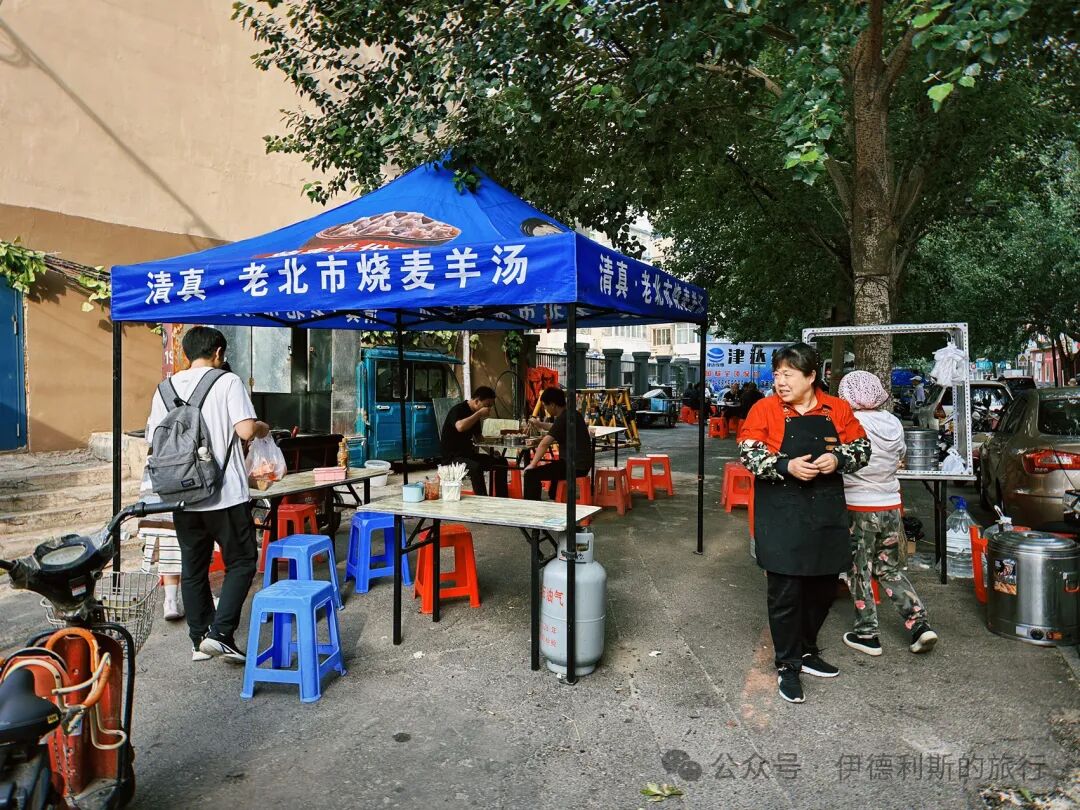
I went to Liaoning for the Dragon Boat Festival holiday. I took a high-speed train from Beijing Chaoyang Station to Shenyang in the evening. The next morning, I went to the Lijiang Morning Market in Shenyang and had lamb soup (yangtang), steamed dumplings (shaomai), and pan-fried meat pockets (huitou) at Heige Lamb Soup. The breakfast stalls at the morning market are all about great value! Steamed dumplings are 7 yuan a basket, and pan-fried meat pockets are 2 yuan each. It is hard to find prices like this in a restaurant. They wrap and cook everything fresh. The lamb in the soup is fresh meat the owner cuts himself. He slices it thin, and it cooks quickly when swished in the hot soup, keeping it very tender.
Looking at the street scene, many people are also eating breakfast at the meat pie and steamed bun shops in the nearby residential area. You cannot tell from the outside, but they are all full inside.
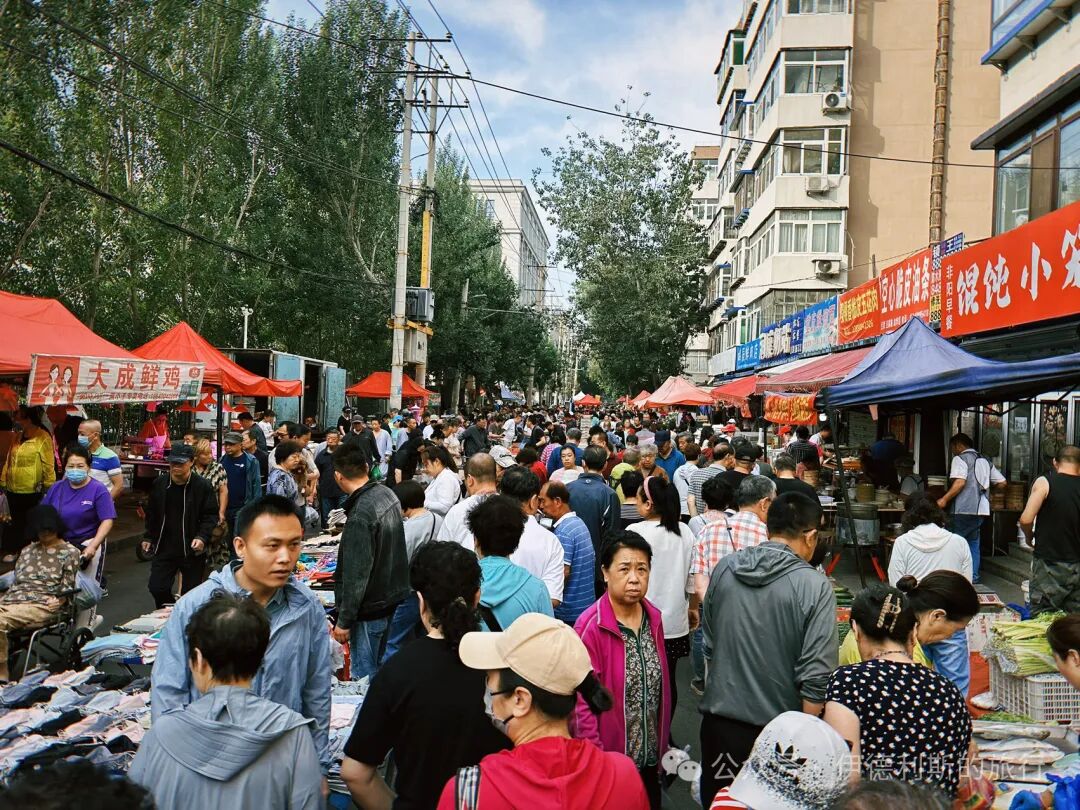
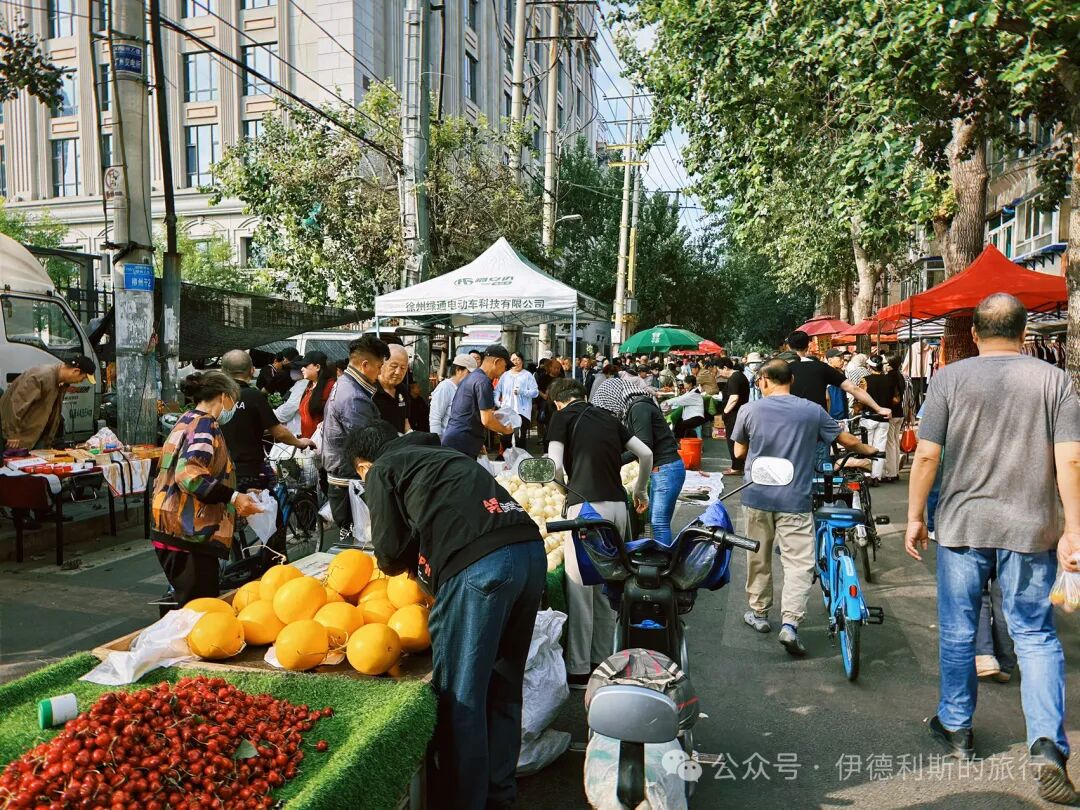
On the third morning, I visited the Bayi Morning Market in Shenyang. Shenyang really has a lot of morning markets, and every one of them is full of delicious food. We started by eating meat pies (xianbing) and lamb offal soup (yangza) at Yinji Meat Pie and Lamb Offal Shop. The small meat pies were a great deal at 2 yuan each. Walking further, there were all kinds of fresh fruits, vegetables, and seafood, plus stalls selling Tieling beef fire-baked cakes (huoshao) and steamed dumplings (shaomai). Eating breakfast at the morning market really has a great atmosphere.
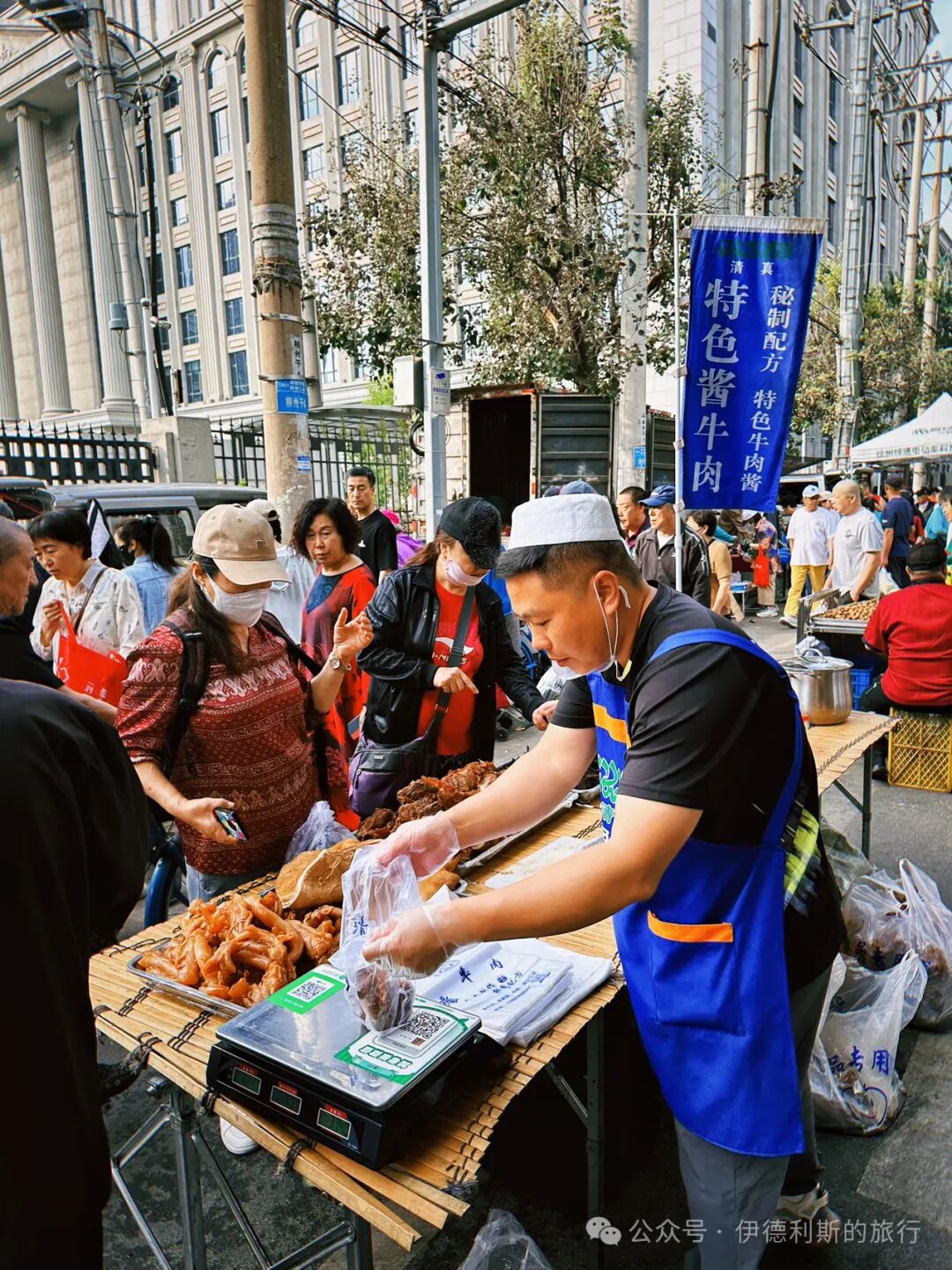
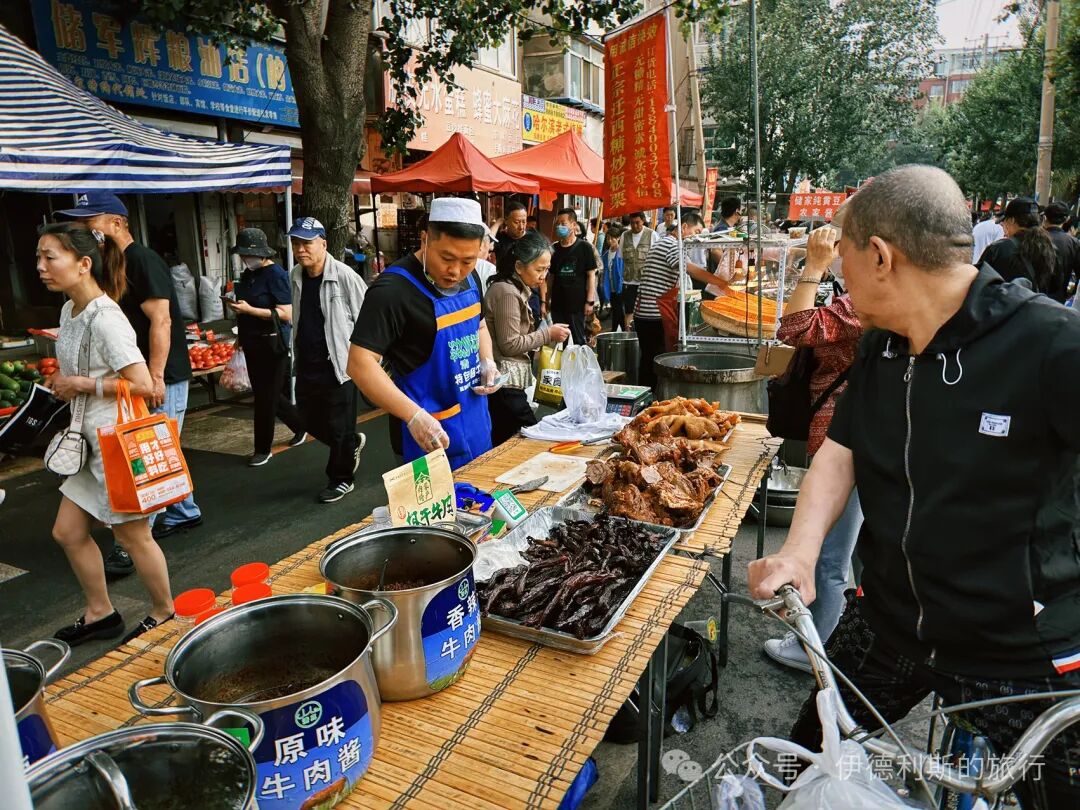
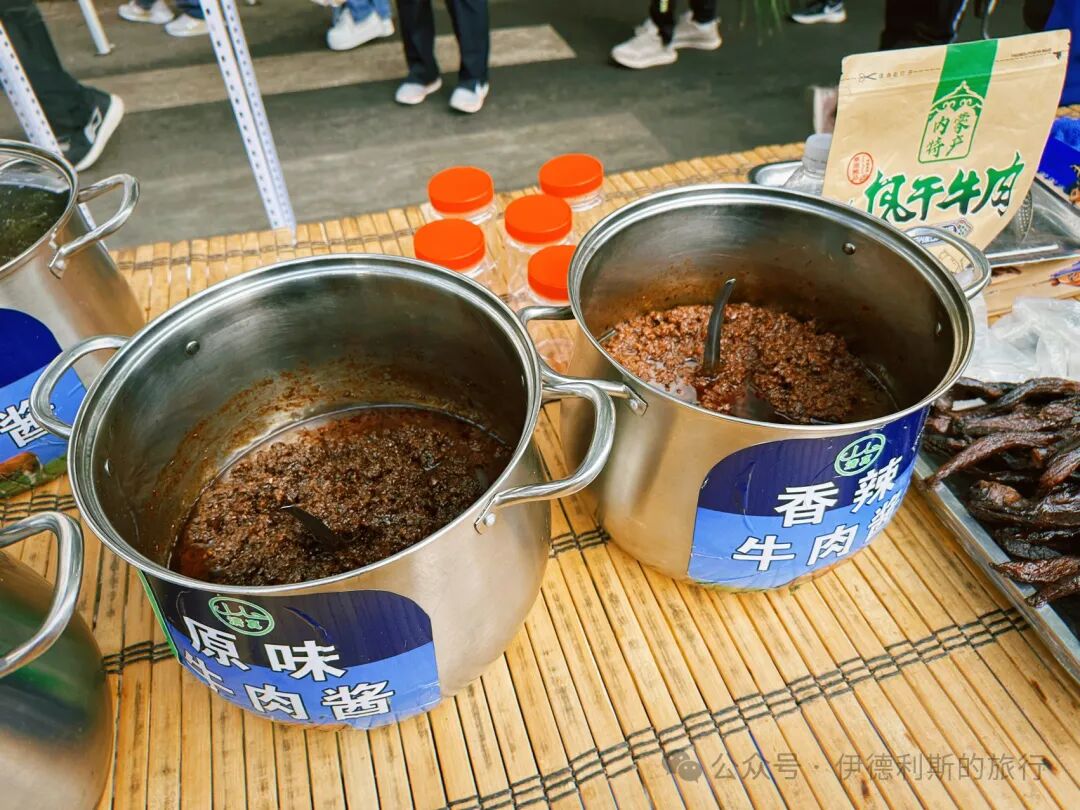
At the Bayi Morning Market, there were stalls selling spiced beef and beef sauce. The beef sauce looked incredibly delicious! It would definitely taste amazing with steamed buns (mantou) or white rice porridge.
After finishing at the morning market, we took a train from Shenyang Station to Xinmin. Xinmin is located in the northwest of Shenyang. In the early years of the Qianlong reign of the Qing Dynasty, many new immigrants came here to farm during the 'Rush to the Northeast' (Chuang Guandong), which is how the name 'Xinmin' came to be. During the Qianlong reign, many Hui Muslims came to Xinmin, and later in 1765 (the 30th year of Qianlong), they built the Xinmin Mosque in Nanyingzi. The Xinmin Mosque was burned down in 1866 (the 5th year of Tongzhi) and rebuilt in 1883 (the 9th year of Guangxu), which is the structure we see today.
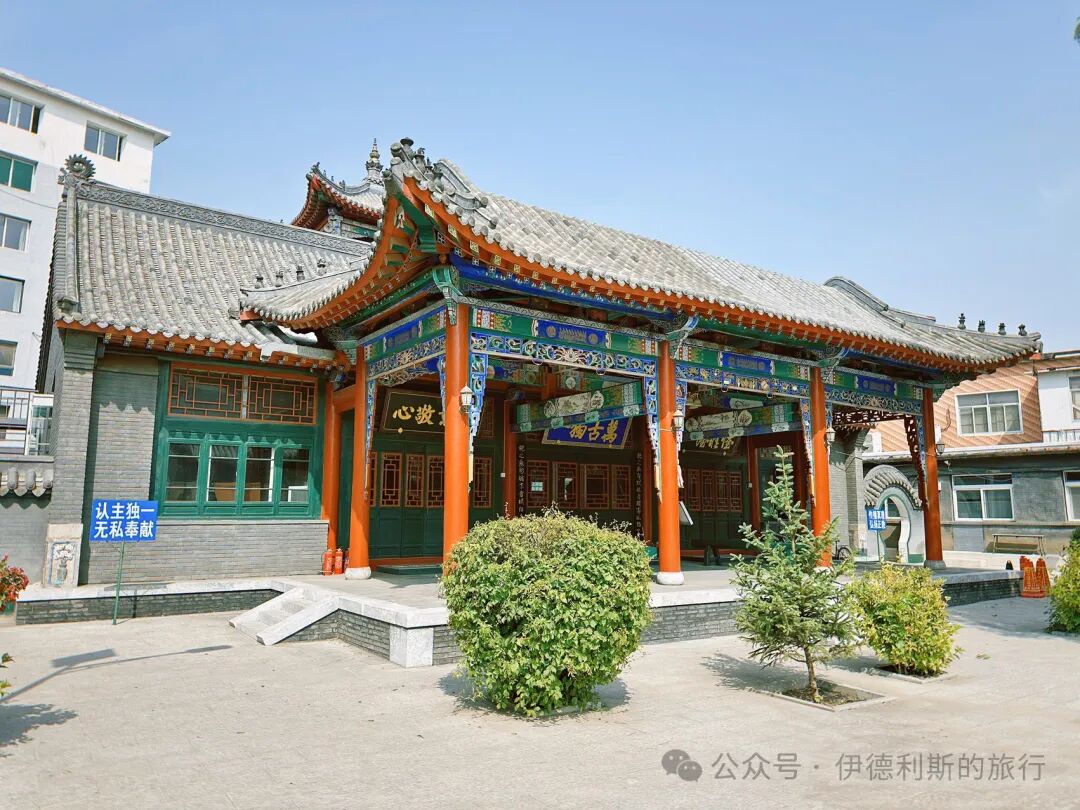
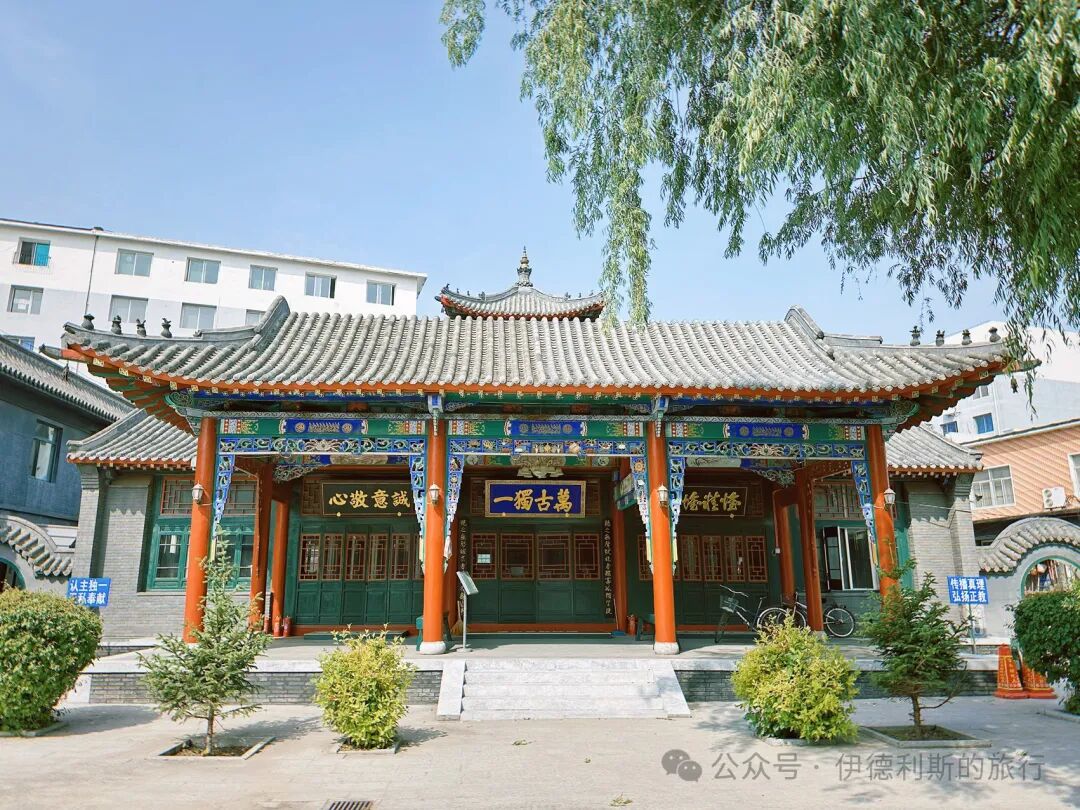
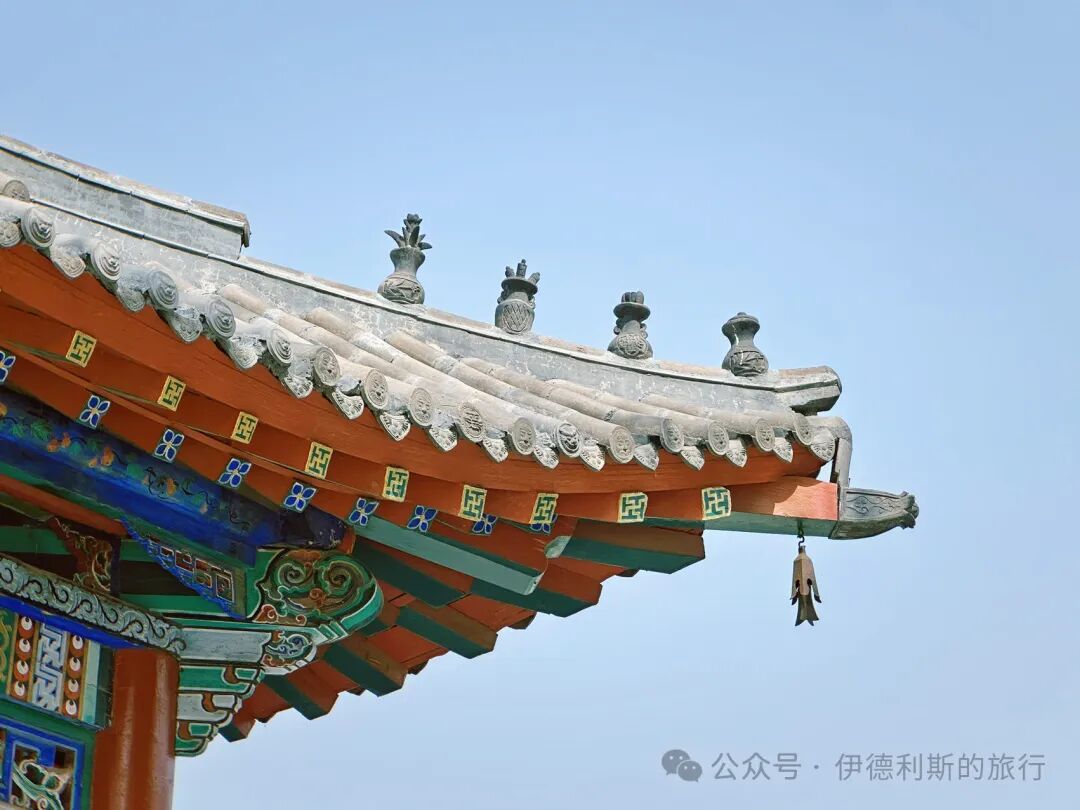
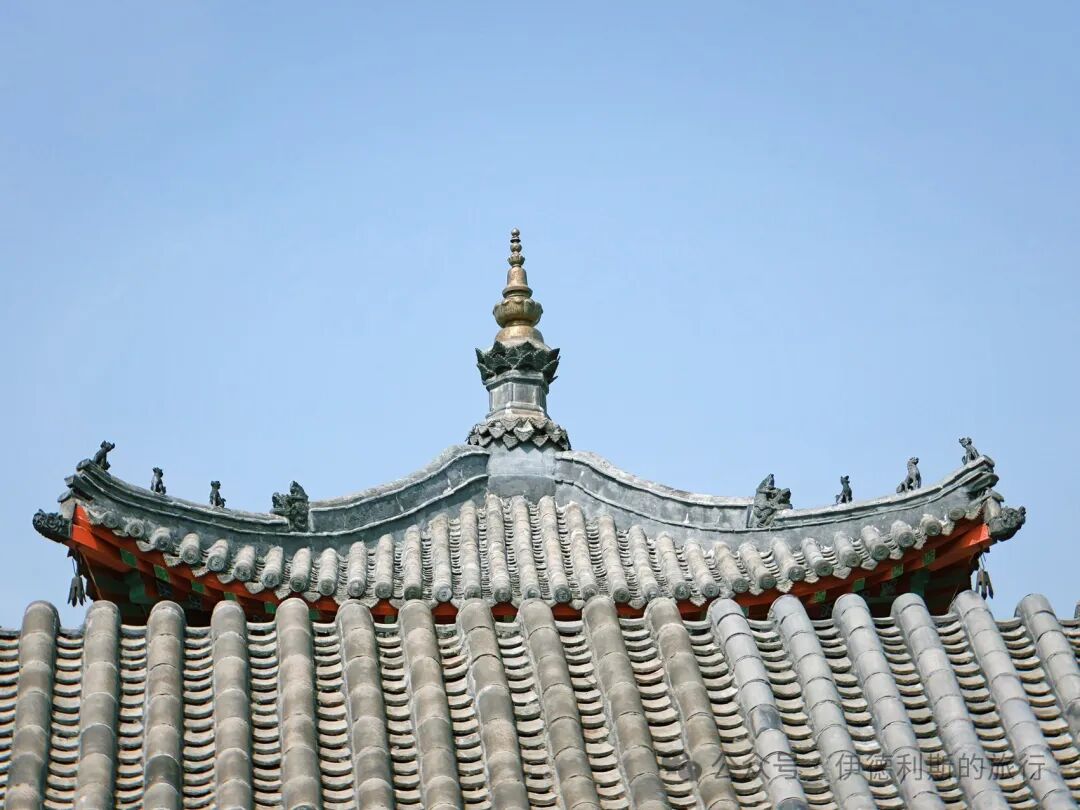
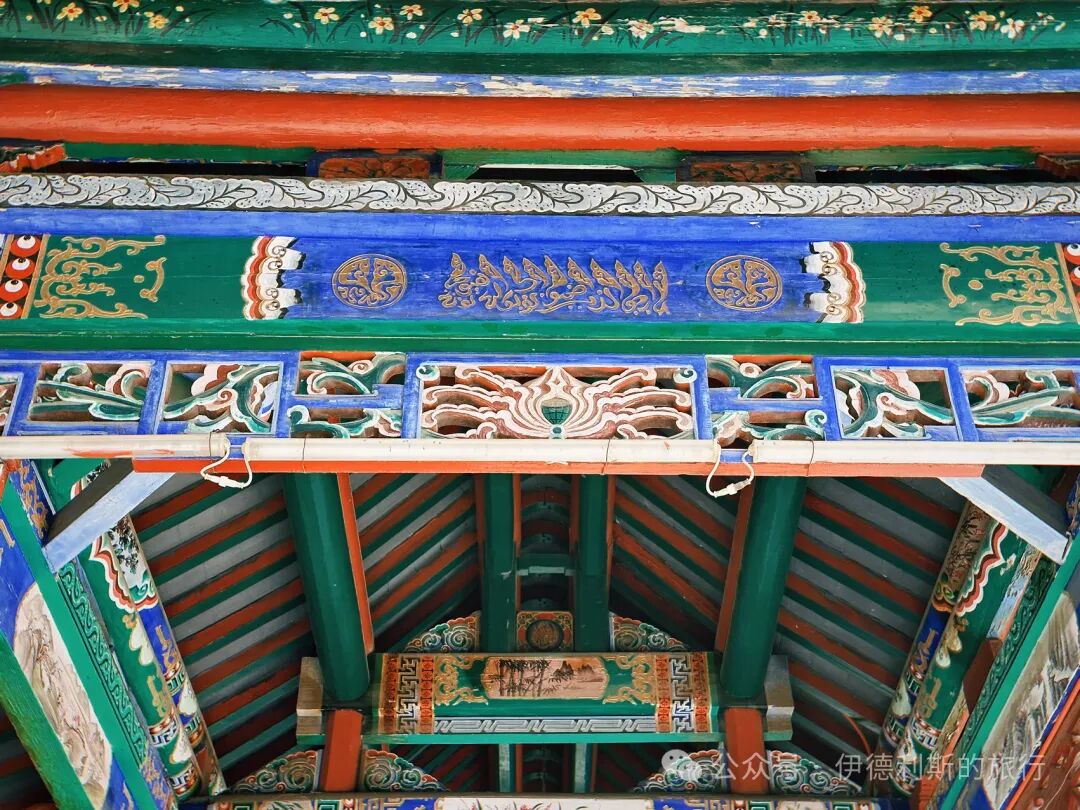
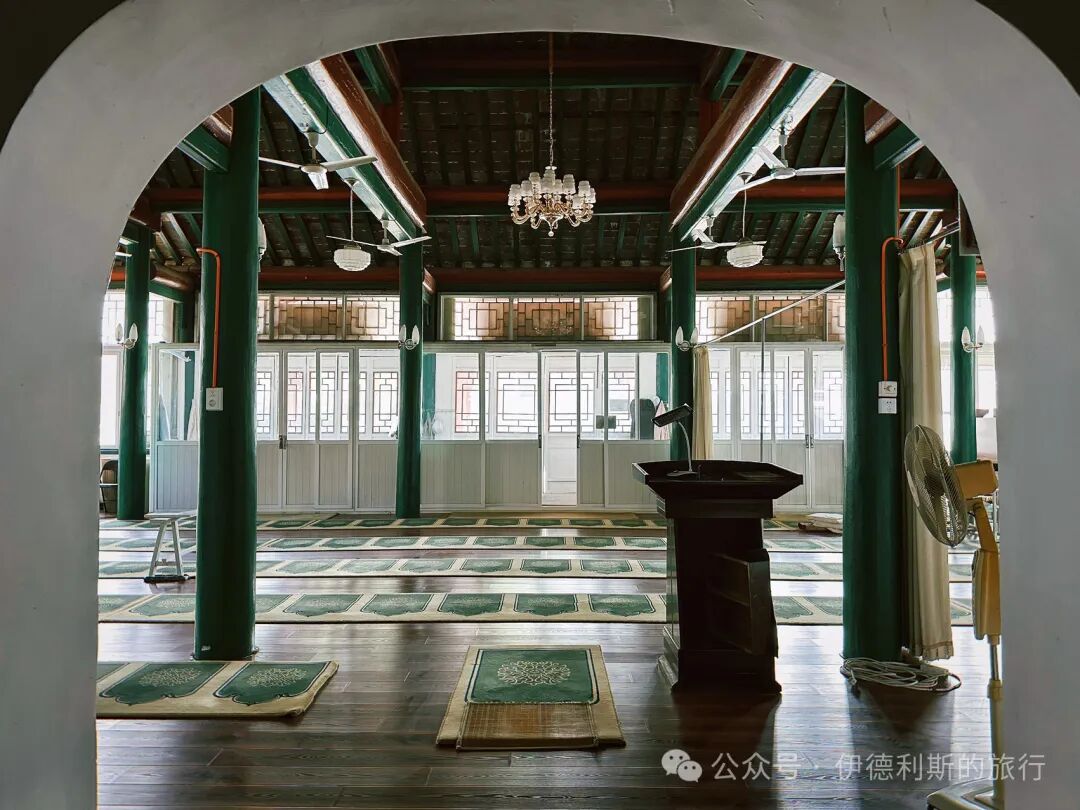
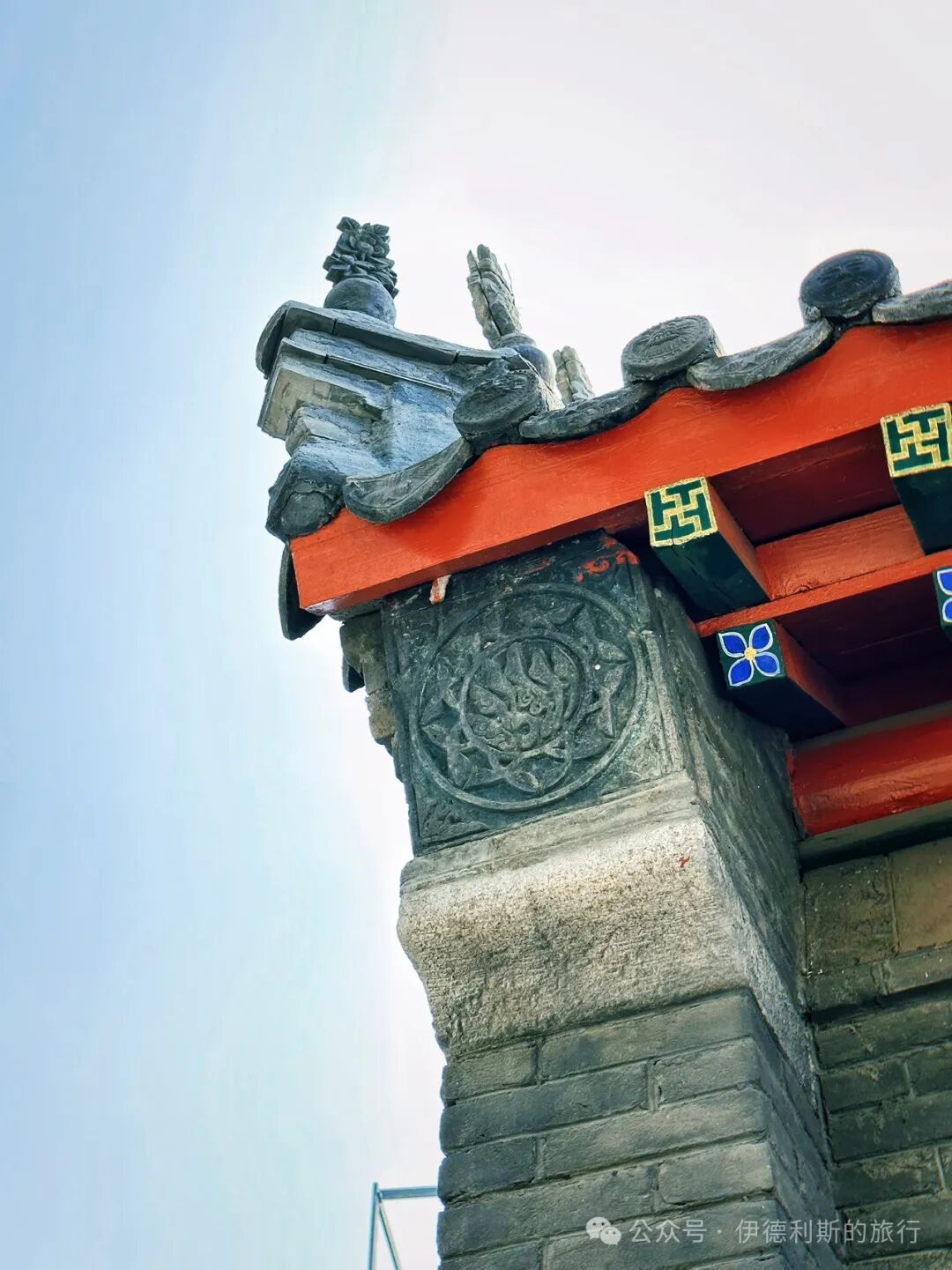
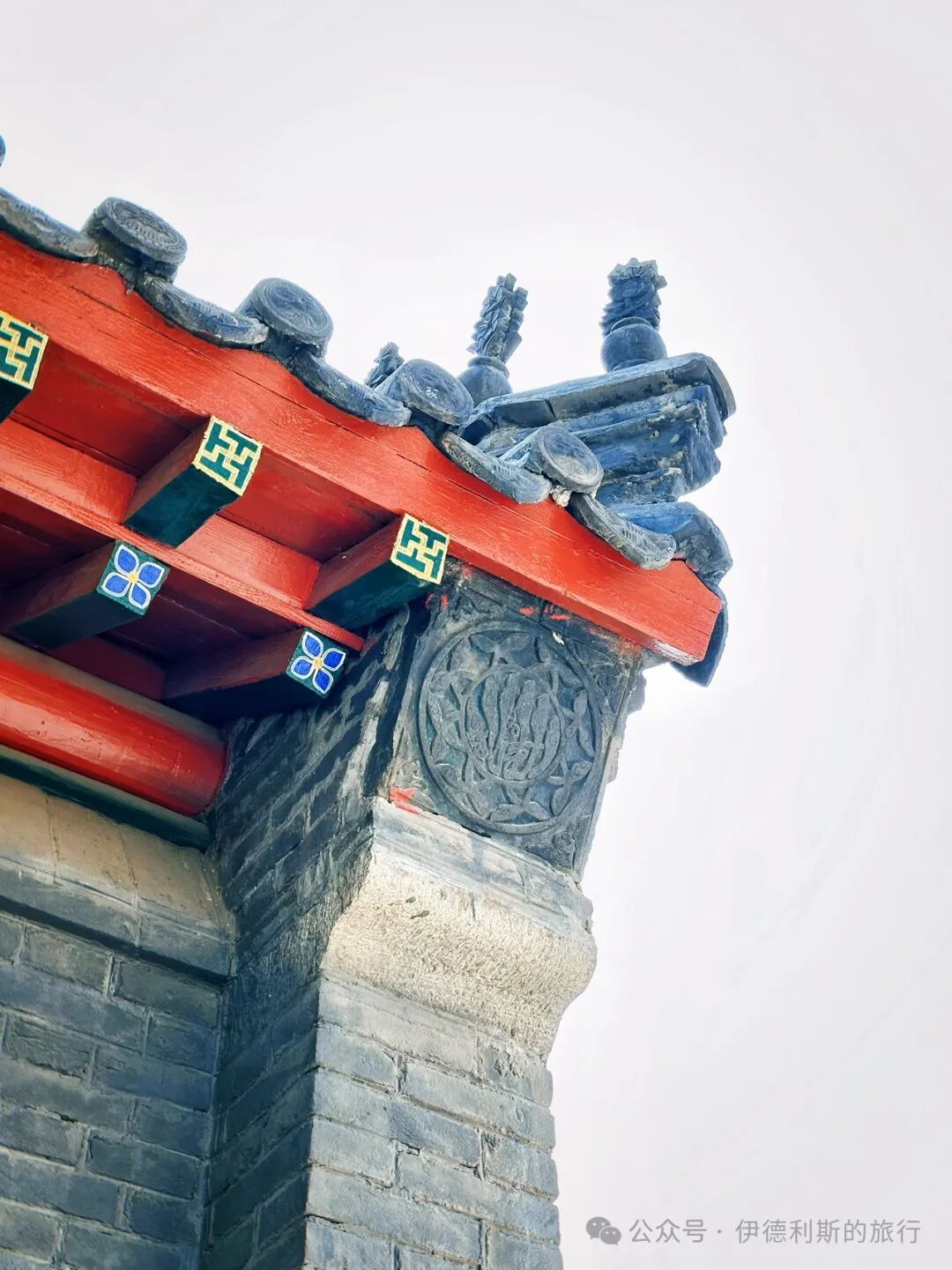
The main structure of Xinmin Mosque consists of a porch (juanpeng), the main prayer hall, a rear vaulted hall (yaodian), and the Moon-Sighting Tower (wangyuelou) on top of the vaulted hall. The Moon-Sighting Tower has a double-eaved, four-cornered pointed roof, topped with a 1.5-meter-tall copper wind-mill finial. The beams of the porch are decorated with Suzhou-style paintings, and the carved wooden screens feature various delicate patterns.
The main gate and side rooms of Xinmin Mosque. Above the main gate hangs a plaque reading "Correct Yourself to Correct Others," erected in the ninth year of the Guangxu reign by Liu Dianyuan, a garrison commander with the rank of blue-feathered guard.
There are three plaques in front of the main prayer hall. The first is the "Unique for All Eternity" plaque, erected in the twelfth year of the Tongzhi reign by Zhang Delu, a military general; Ha Zhongguang, a hereditary cavalry captain; and Ma Shaochun, a magistrate candidate.
The second is the "Focus and Unify" plaque, erected in the ninth year of the Guangxu reign by Ding Chunxi, a military officer and decorated warrior.
The third plaque is inscribed with 'Sincere Heart and Respectful Mind' (Chengyi Jingxin), presented in the ninth year of the Guangxu reign by Zuo Baogui, a decorated commander and provincial military leader in charge of the Fengtian garrison. Zuo Baogui was a famous general and anti-Japanese hero during the late Qing Dynasty. He led his troops to garrison Fengtian in 1875 (the first year of the Guangxu reign) and began commanding the Fengtian Army in 1880 (the fifth year of the Guangxu reign). Zuo Baogui was stationed in Fengtian for twenty years. During this time, he was devoted to his faith, supported public welfare and education, donated to build many mosques, set up charity schools and porridge kitchens, and wrote plaques for many mosques.
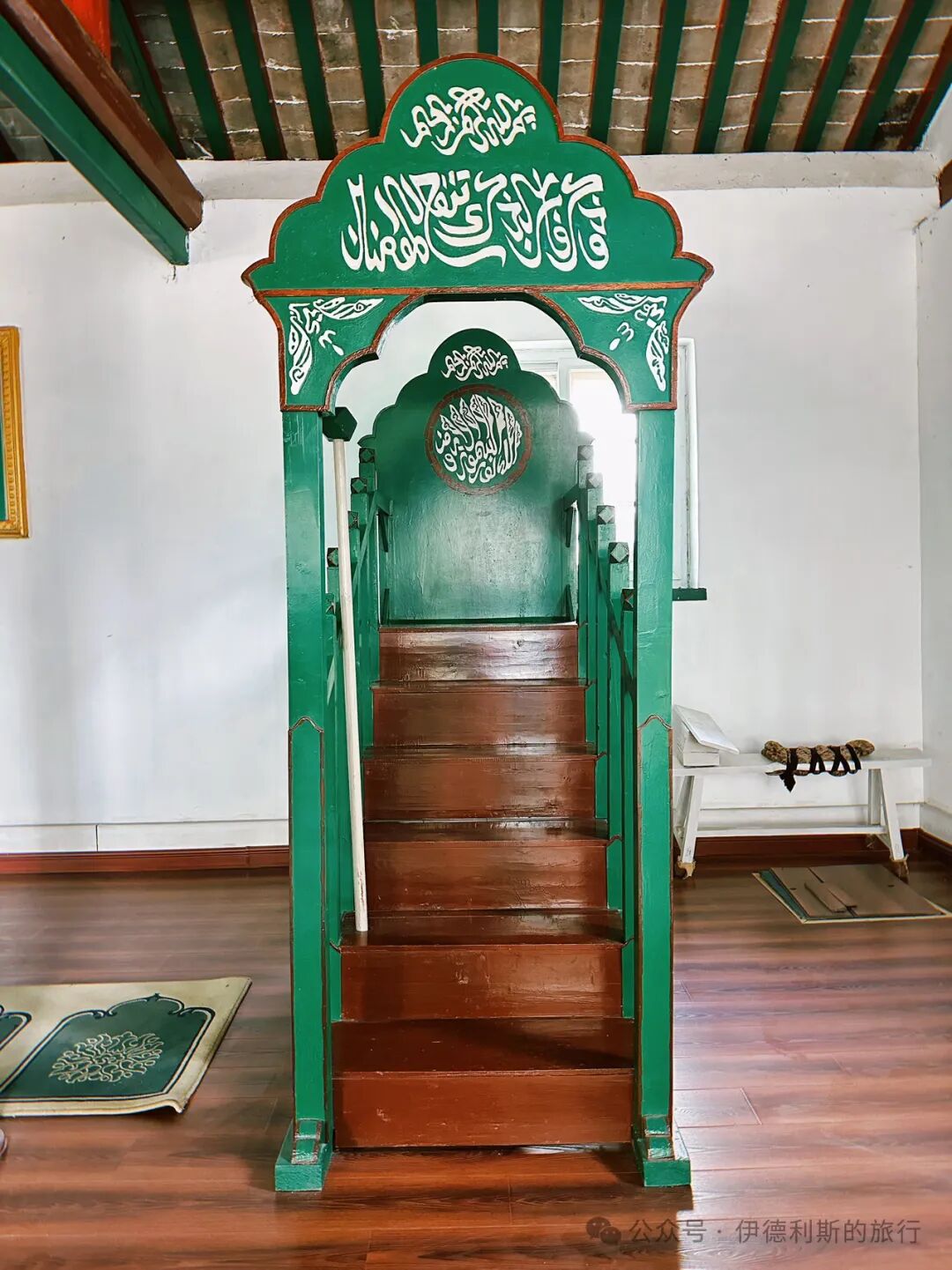
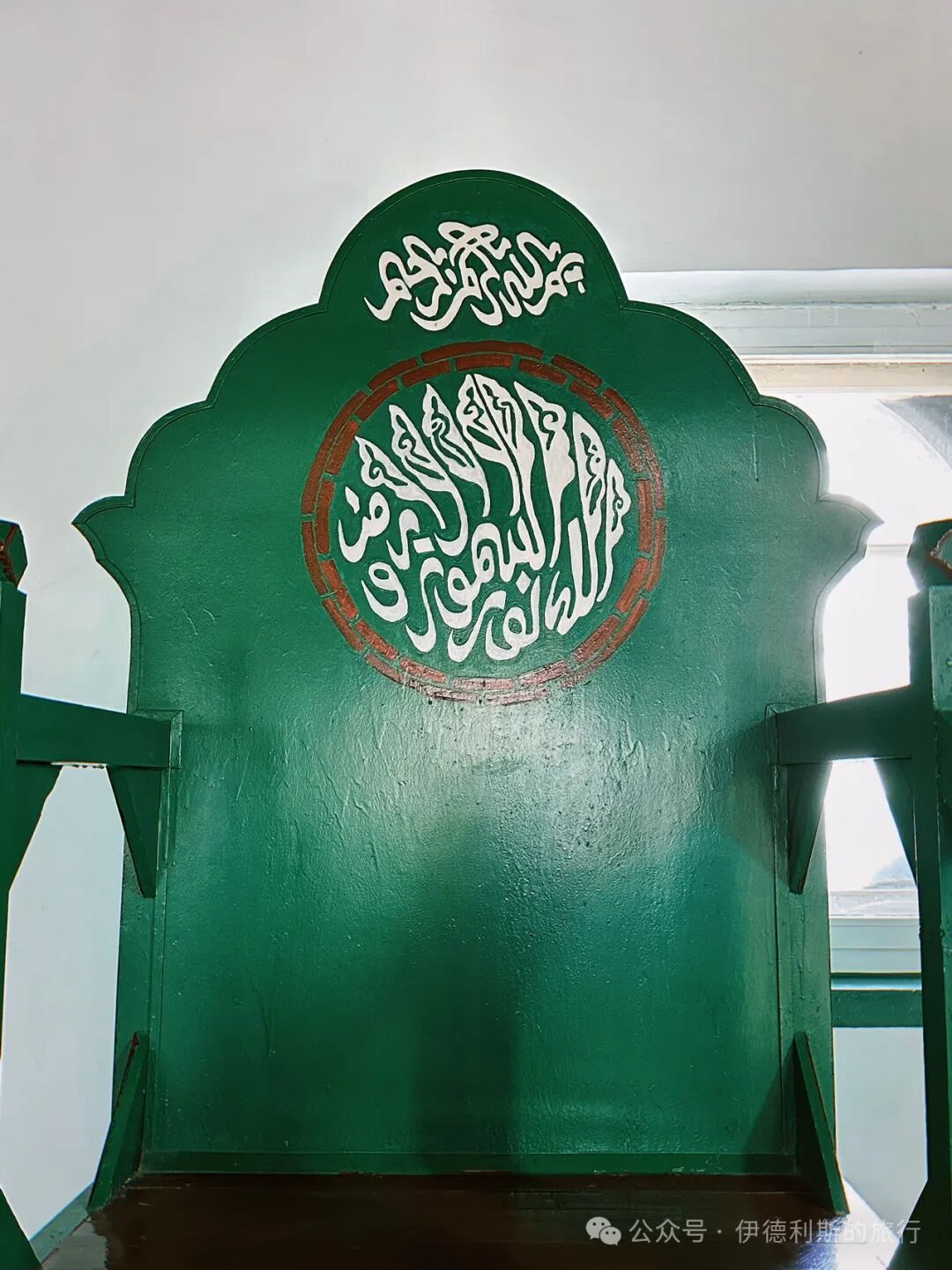
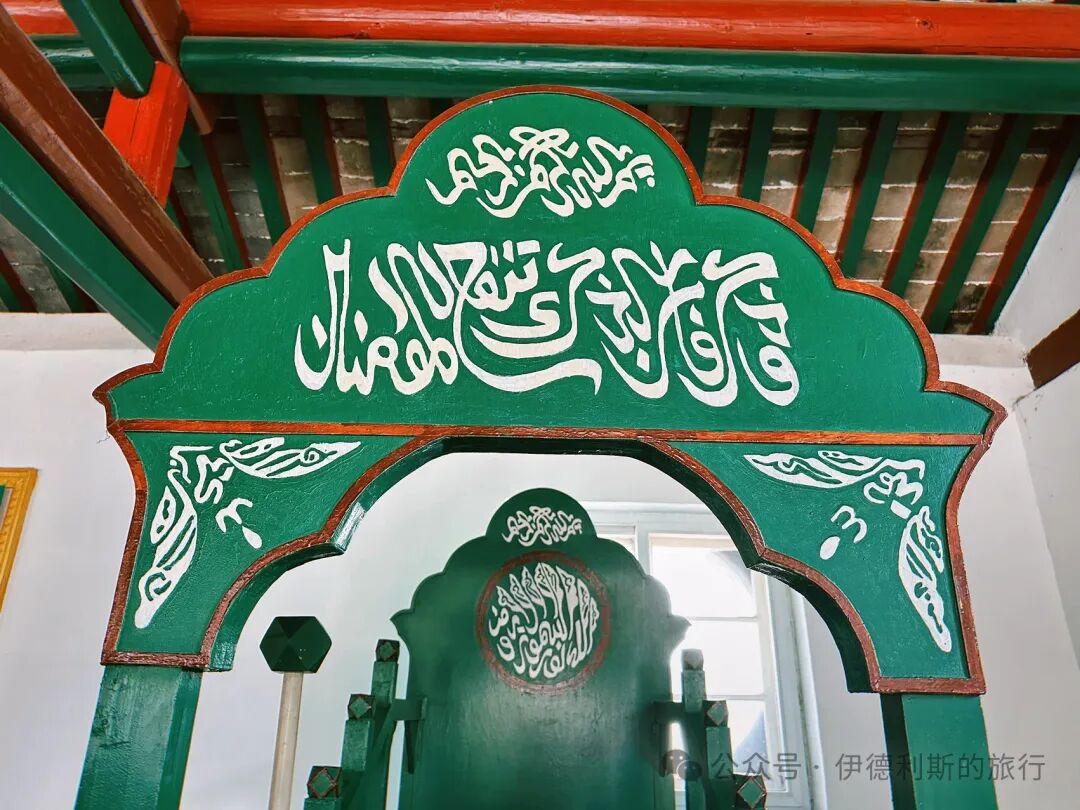
The main hall of Xinmin Mosque features beautiful calligraphy in the flowing script style on its mihrab, minbar, and roof ends. This is a traditional Chinese calligraphy style that originated in Shandong during the Ming and Qing dynasties and flourished in Northeast China along with the Shandong school.
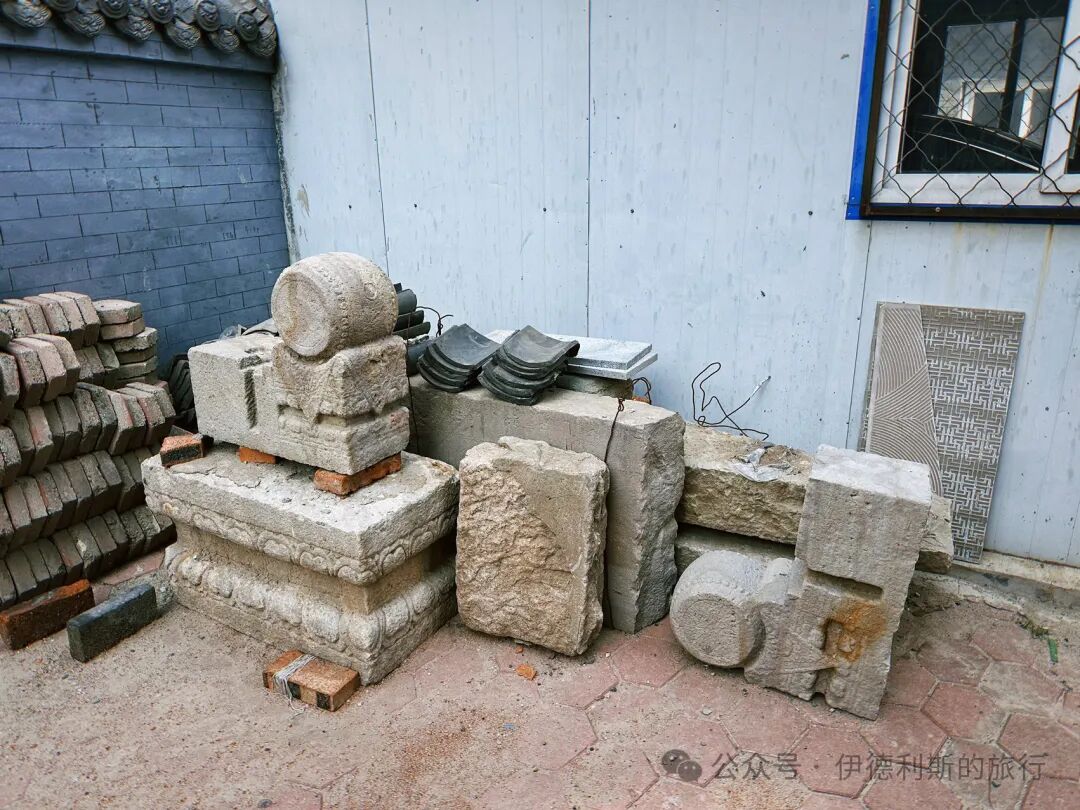
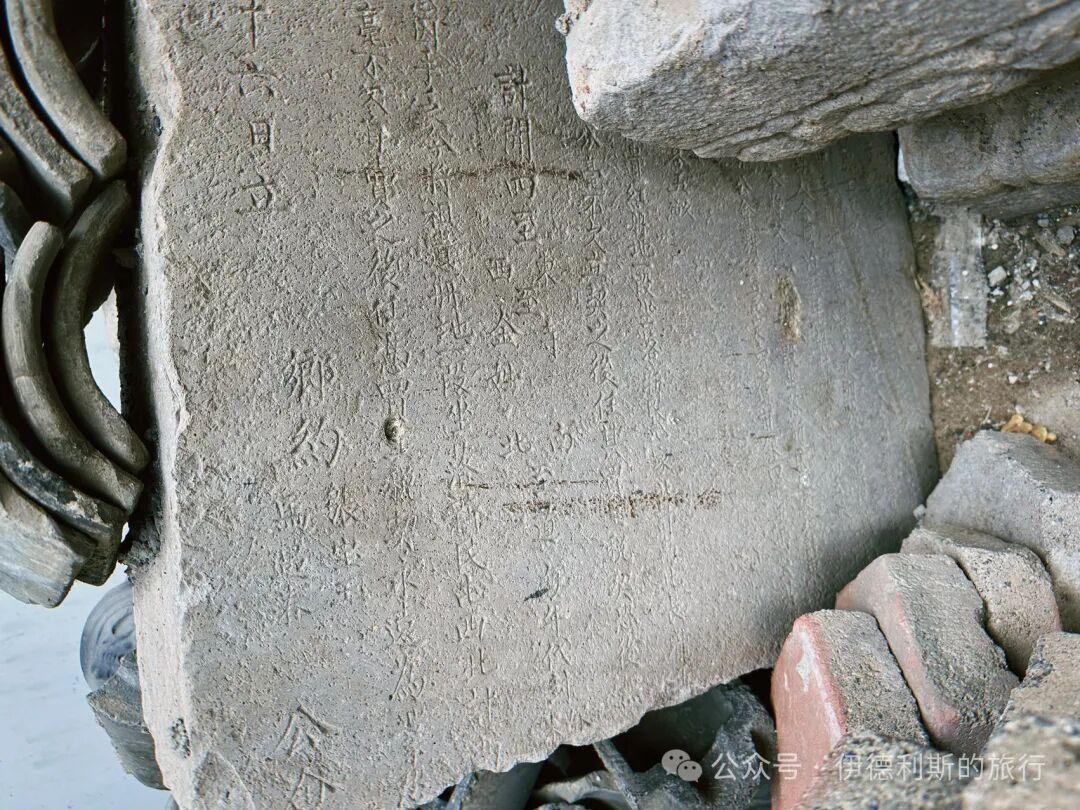
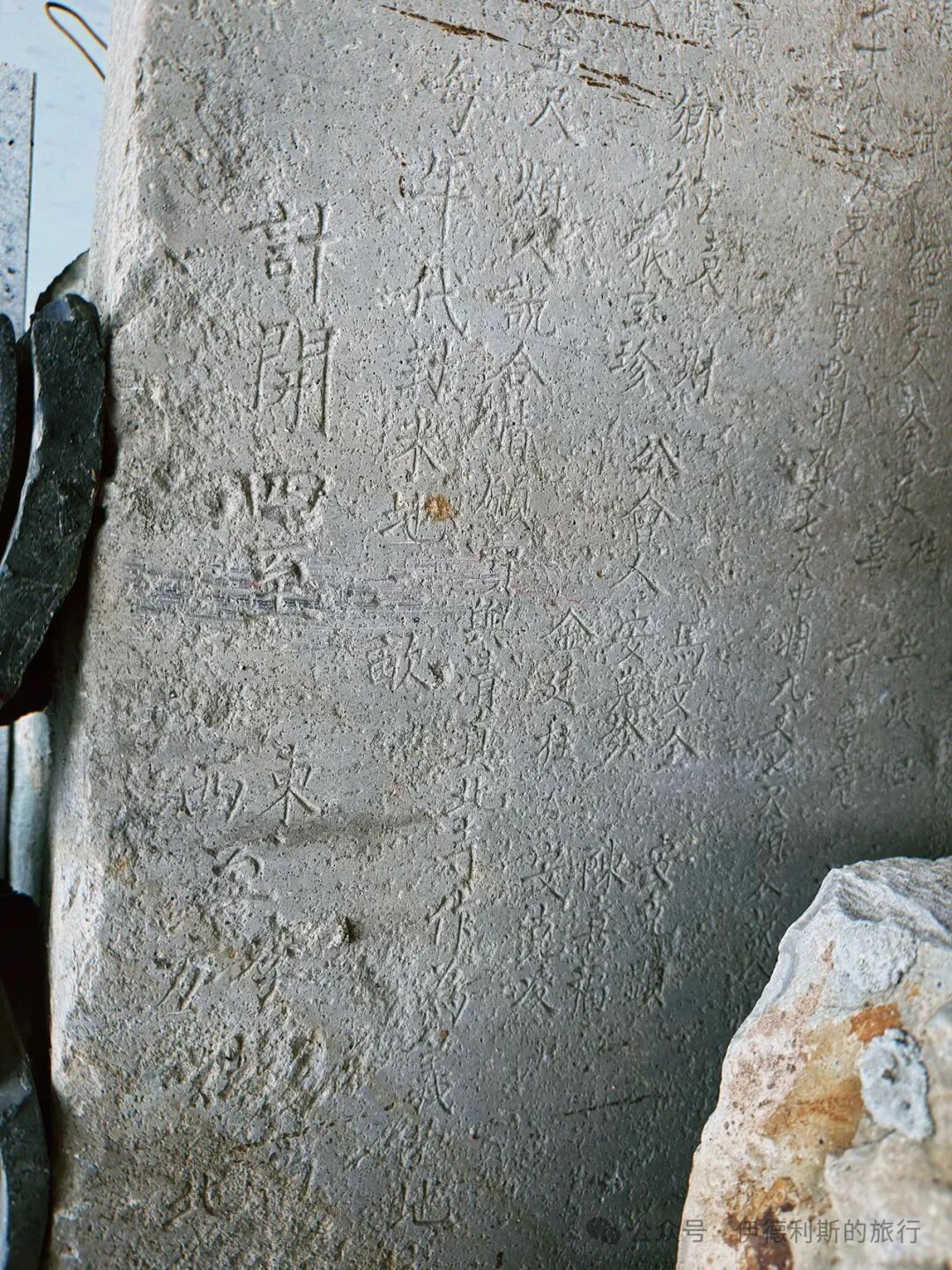
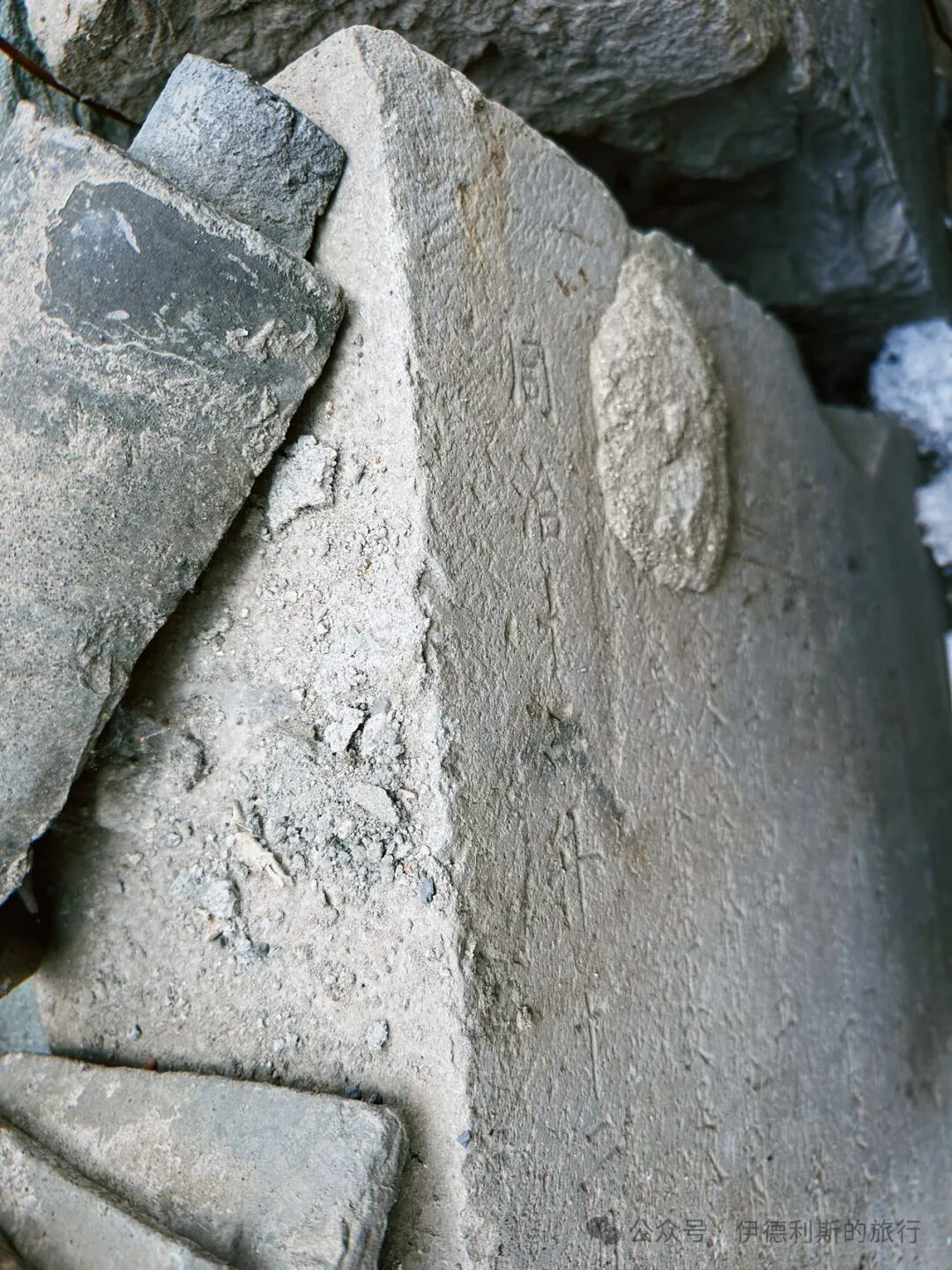
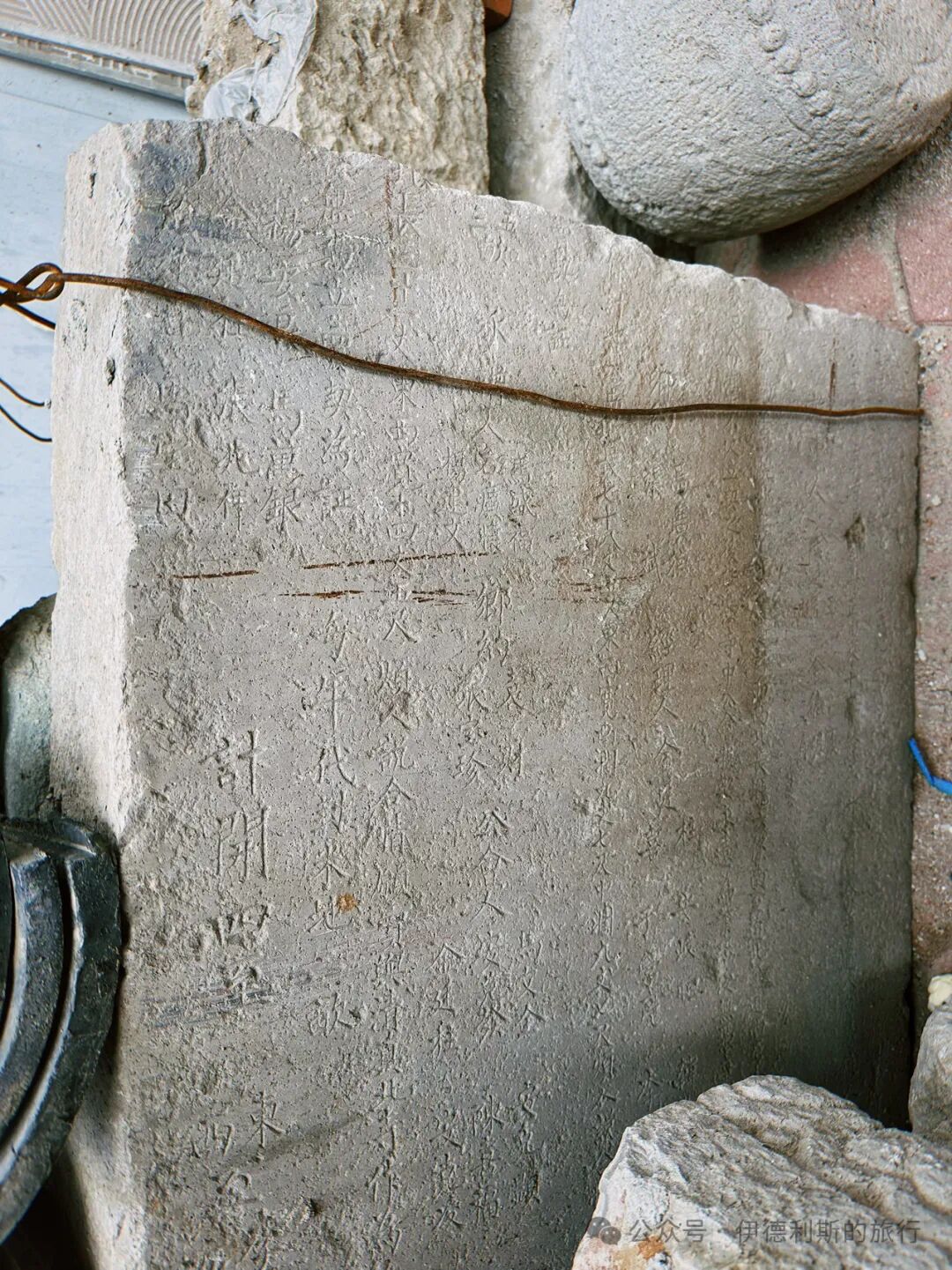
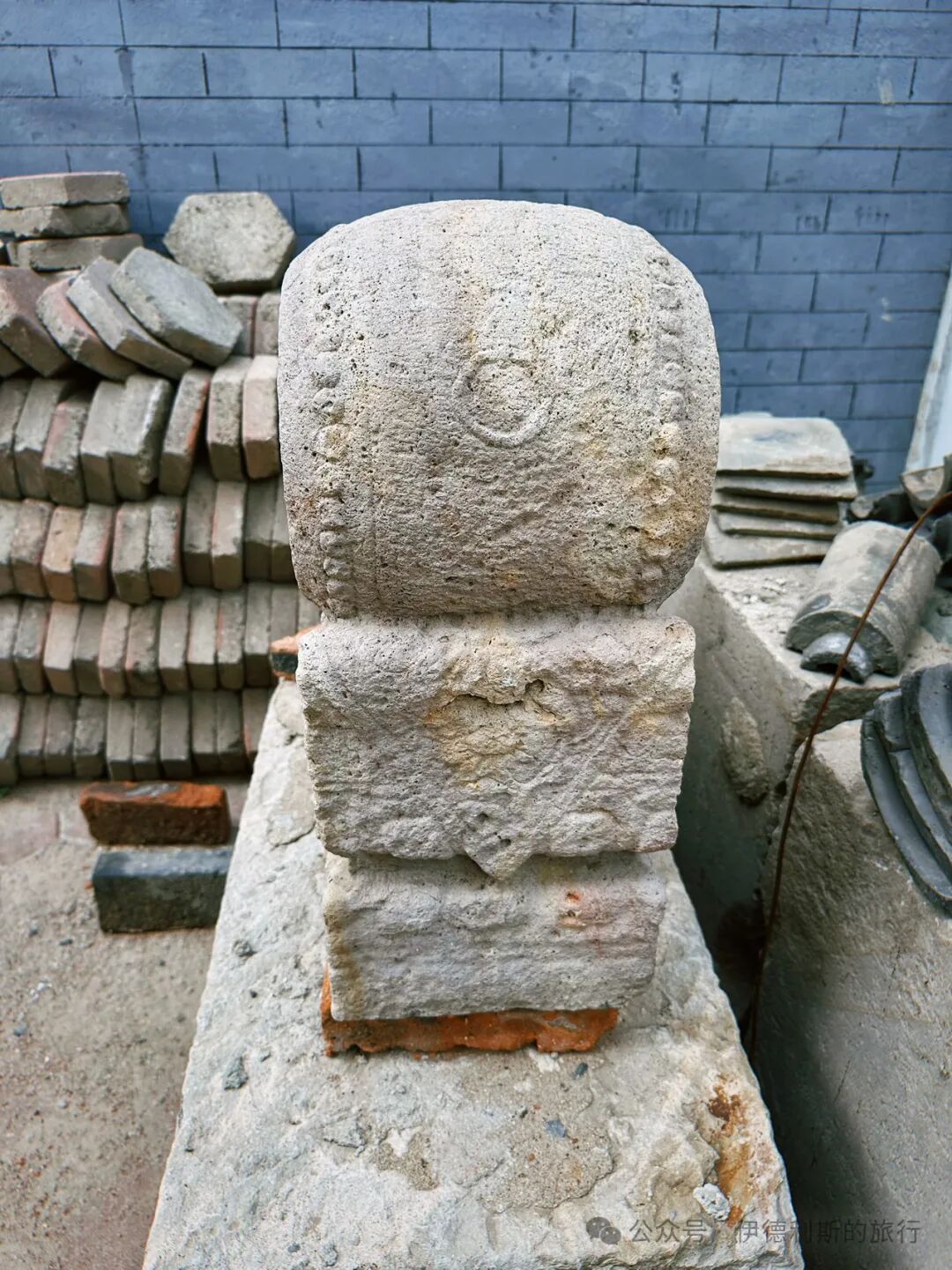
Qing Dynasty stone door bases and stone tablets are piled up in the backyard of Xinmin Mosque. Among them, a stone tablet from the Tongzhi reign period records a contract for a cemetery, including the names of donors and the boundaries of the land. The inscription on the tablet also makes a precious mention of the now-vanished North Xinmin Mosque. Xinmin North Mosque was built in 1853 (the 15th year of the Daoguang reign). Its kiln-style hall featured a double-eaved moon-viewing tower, but it was destroyed between the 1960s and 1970s.
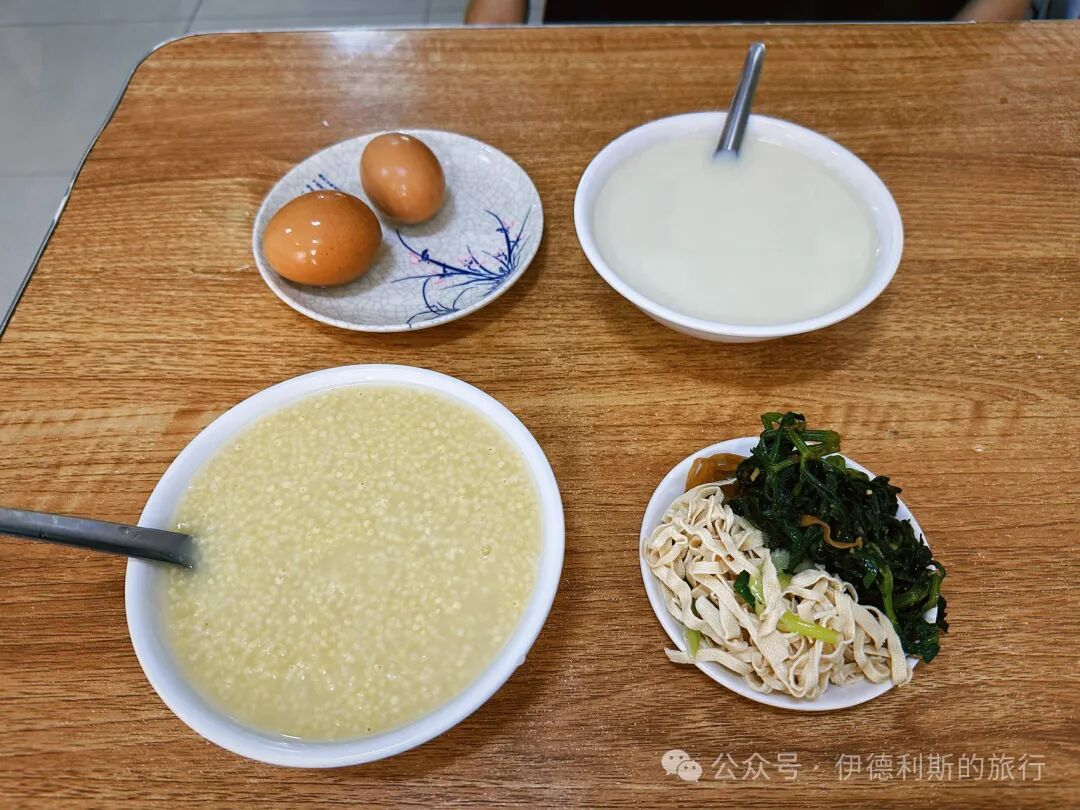
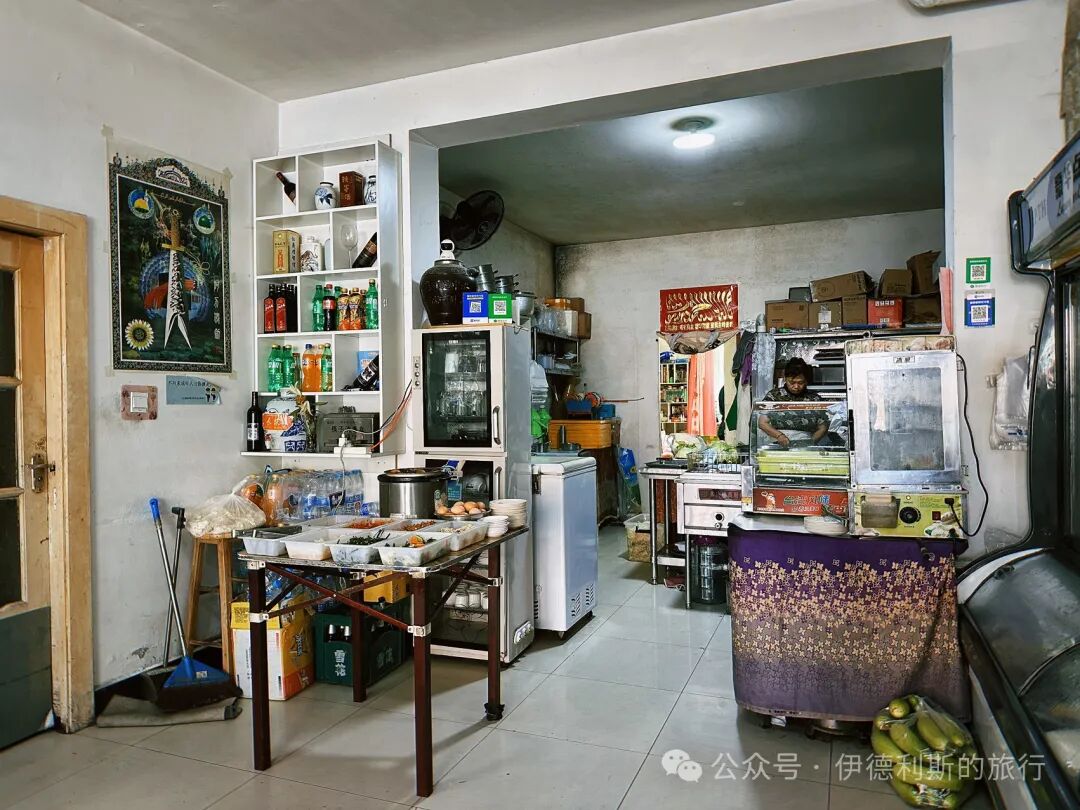
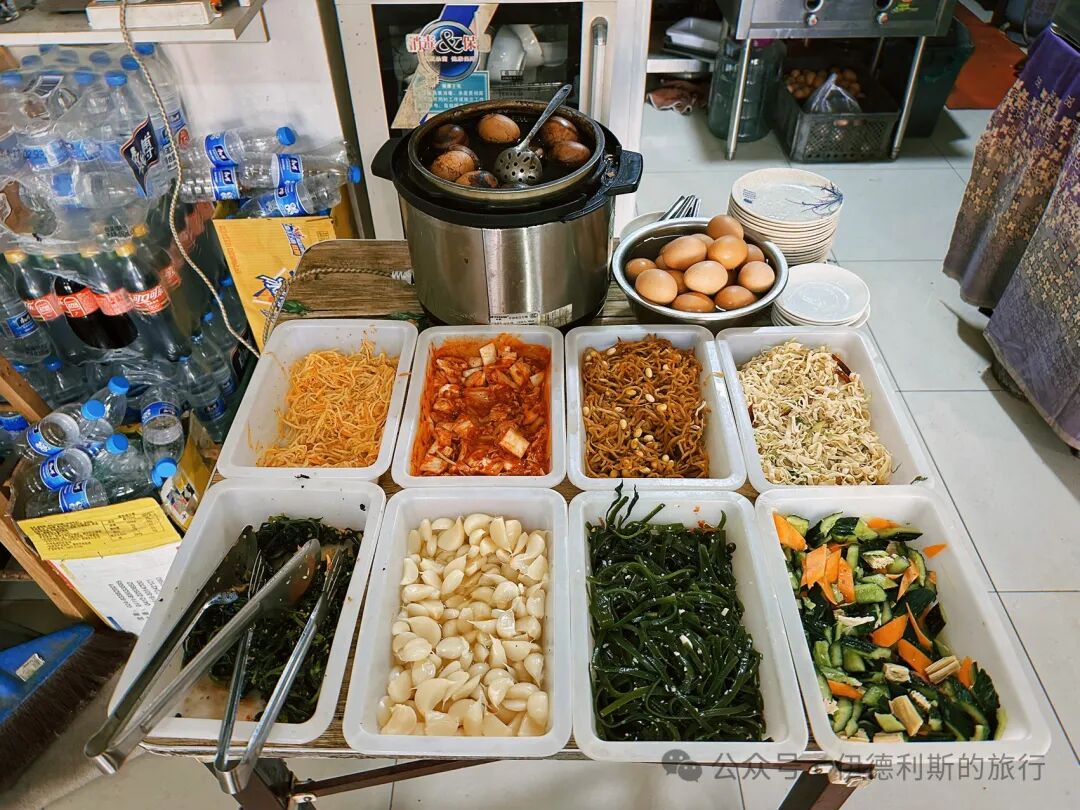
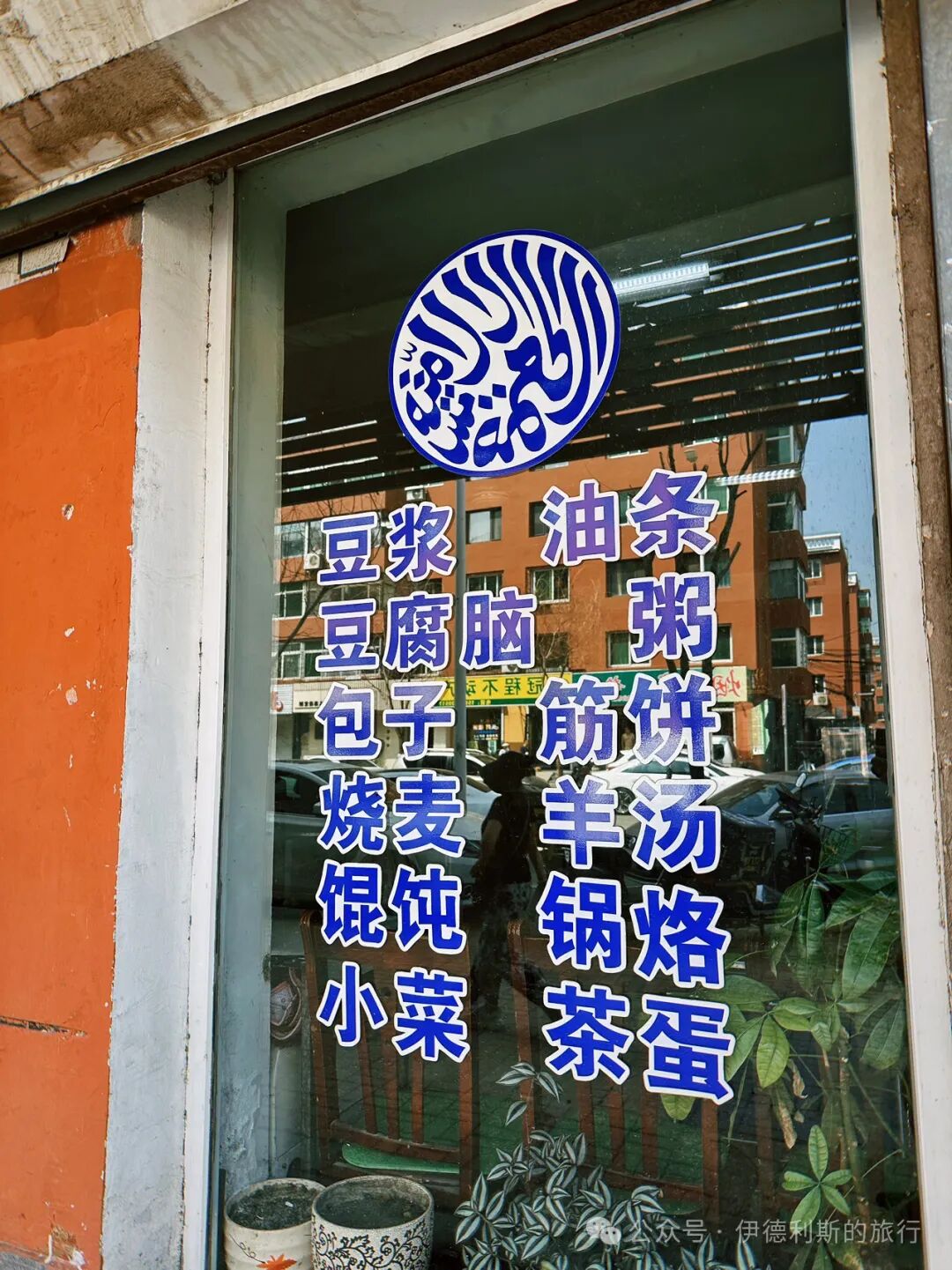
Around Xinmin Mosque, you can see halal restaurants with signs for the Jin, Bai, and Yang families. These are common surnames among Hui Muslims in the eastern region. We took a break at one of the breakfast shops and had some millet porridge and soy milk. The dried tofu (gan doufu) in Liaoning is really delicious. view all
Summary: Halal Travel Guide: Shenyang and Xinmin - Morning Market, Mosque and Liaoning Food is presented here as a firsthand travel account in clear, natural English. The account focuses on Shenyang, Xinmin, Liaoning Travel while preserving the names, places, food, photos, and historical details from the Chinese source.
I went to Liaoning for the Dragon Boat Festival holiday. I took a high-speed train from Beijing Chaoyang Station to Shenyang in the evening. The next morning, I went to the Lijiang Morning Market in Shenyang and had lamb soup (yangtang), steamed dumplings (shaomai), and pan-fried meat pockets (huitou) at Heige Lamb Soup. The breakfast stalls at the morning market are all about great value! Steamed dumplings are 7 yuan a basket, and pan-fried meat pockets are 2 yuan each. It is hard to find prices like this in a restaurant. They wrap and cook everything fresh. The lamb in the soup is fresh meat the owner cuts himself. He slices it thin, and it cooks quickly when swished in the hot soup, keeping it very tender.
Looking at the street scene, many people are also eating breakfast at the meat pie and steamed bun shops in the nearby residential area. You cannot tell from the outside, but they are all full inside.
On the third morning, I visited the Bayi Morning Market in Shenyang. Shenyang really has a lot of morning markets, and every one of them is full of delicious food. We started by eating meat pies (xianbing) and lamb offal soup (yangza) at Yinji Meat Pie and Lamb Offal Shop. The small meat pies were a great deal at 2 yuan each. Walking further, there were all kinds of fresh fruits, vegetables, and seafood, plus stalls selling Tieling beef fire-baked cakes (huoshao) and steamed dumplings (shaomai). Eating breakfast at the morning market really has a great atmosphere.
At the Bayi Morning Market, there were stalls selling spiced beef and beef sauce. The beef sauce looked incredibly delicious! It would definitely taste amazing with steamed buns (mantou) or white rice porridge.
After finishing at the morning market, we took a train from Shenyang Station to Xinmin. Xinmin is located in the northwest of Shenyang. In the early years of the Qianlong reign of the Qing Dynasty, many new immigrants came here to farm during the 'Rush to the Northeast' (Chuang Guandong), which is how the name 'Xinmin' came to be. During the Qianlong reign, many Hui Muslims came to Xinmin, and later in 1765 (the 30th year of Qianlong), they built the Xinmin Mosque in Nanyingzi. The Xinmin Mosque was burned down in 1866 (the 5th year of Tongzhi) and rebuilt in 1883 (the 9th year of Guangxu), which is the structure we see today.
The main structure of Xinmin Mosque consists of a porch (juanpeng), the main prayer hall, a rear vaulted hall (yaodian), and the Moon-Sighting Tower (wangyuelou) on top of the vaulted hall. The Moon-Sighting Tower has a double-eaved, four-cornered pointed roof, topped with a 1.5-meter-tall copper wind-mill finial. The beams of the porch are decorated with Suzhou-style paintings, and the carved wooden screens feature various delicate patterns.
The main gate and side rooms of Xinmin Mosque. Above the main gate hangs a plaque reading "Correct Yourself to Correct Others," erected in the ninth year of the Guangxu reign by Liu Dianyuan, a garrison commander with the rank of blue-feathered guard.
There are three plaques in front of the main prayer hall. The first is the "Unique for All Eternity" plaque, erected in the twelfth year of the Tongzhi reign by Zhang Delu, a military general; Ha Zhongguang, a hereditary cavalry captain; and Ma Shaochun, a magistrate candidate.
The second is the "Focus and Unify" plaque, erected in the ninth year of the Guangxu reign by Ding Chunxi, a military officer and decorated warrior.
The third plaque is inscribed with 'Sincere Heart and Respectful Mind' (Chengyi Jingxin), presented in the ninth year of the Guangxu reign by Zuo Baogui, a decorated commander and provincial military leader in charge of the Fengtian garrison. Zuo Baogui was a famous general and anti-Japanese hero during the late Qing Dynasty. He led his troops to garrison Fengtian in 1875 (the first year of the Guangxu reign) and began commanding the Fengtian Army in 1880 (the fifth year of the Guangxu reign). Zuo Baogui was stationed in Fengtian for twenty years. During this time, he was devoted to his faith, supported public welfare and education, donated to build many mosques, set up charity schools and porridge kitchens, and wrote plaques for many mosques.
The main hall of Xinmin Mosque features beautiful calligraphy in the flowing script style on its mihrab, minbar, and roof ends. This is a traditional Chinese calligraphy style that originated in Shandong during the Ming and Qing dynasties and flourished in Northeast China along with the Shandong school.
Qing Dynasty stone door bases and stone tablets are piled up in the backyard of Xinmin Mosque. Among them, a stone tablet from the Tongzhi reign period records a contract for a cemetery, including the names of donors and the boundaries of the land. The inscription on the tablet also makes a precious mention of the now-vanished North Xinmin Mosque. Xinmin North Mosque was built in 1853 (the 15th year of the Daoguang reign). Its kiln-style hall featured a double-eaved moon-viewing tower, but it was destroyed between the 1960s and 1970s.
Around Xinmin Mosque, you can see halal restaurants with signs for the Jin, Bai, and Yang families. These are common surnames among Hui Muslims in the eastern region. We took a break at one of the breakfast shops and had some millet porridge and soy milk. The dried tofu (gan doufu) in Liaoning is really delicious. view all
Reposted from the web
Summary: Halal Travel Guide: Shenyang and Xinmin - Morning Market, Mosque and Liaoning Food is presented here as a firsthand travel account in clear, natural English. The account focuses on Shenyang, Xinmin, Liaoning Travel while preserving the names, places, food, photos, and historical details from the Chinese source.
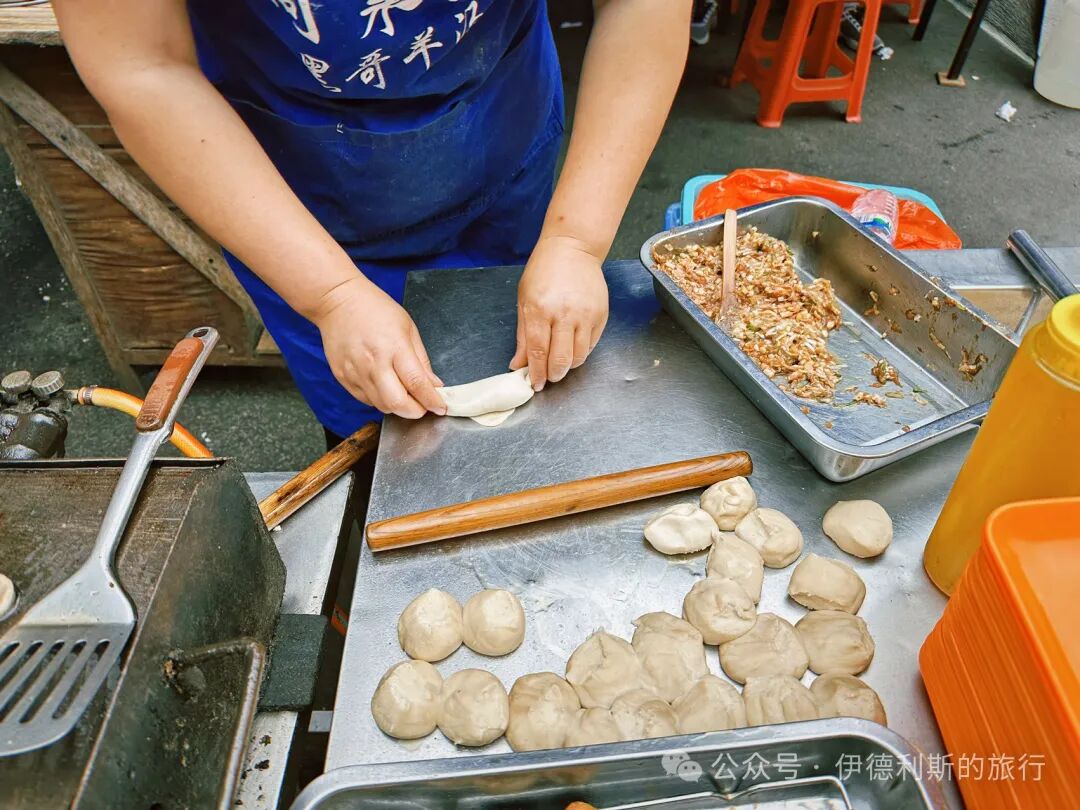
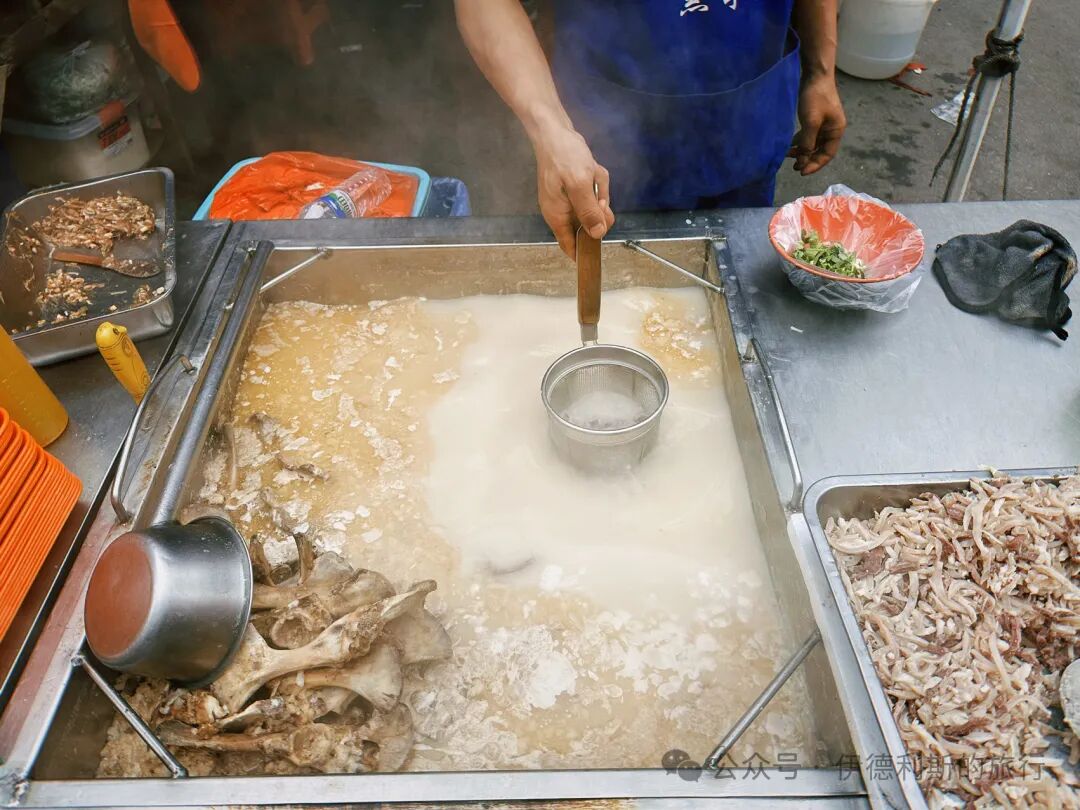
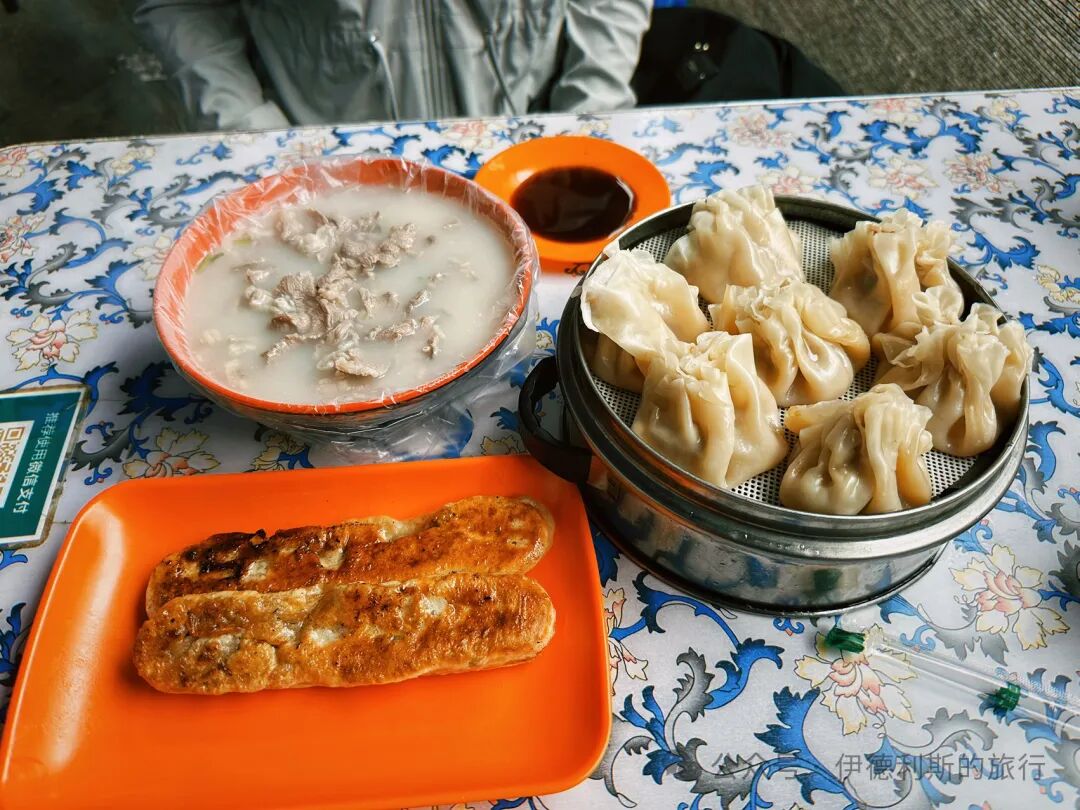
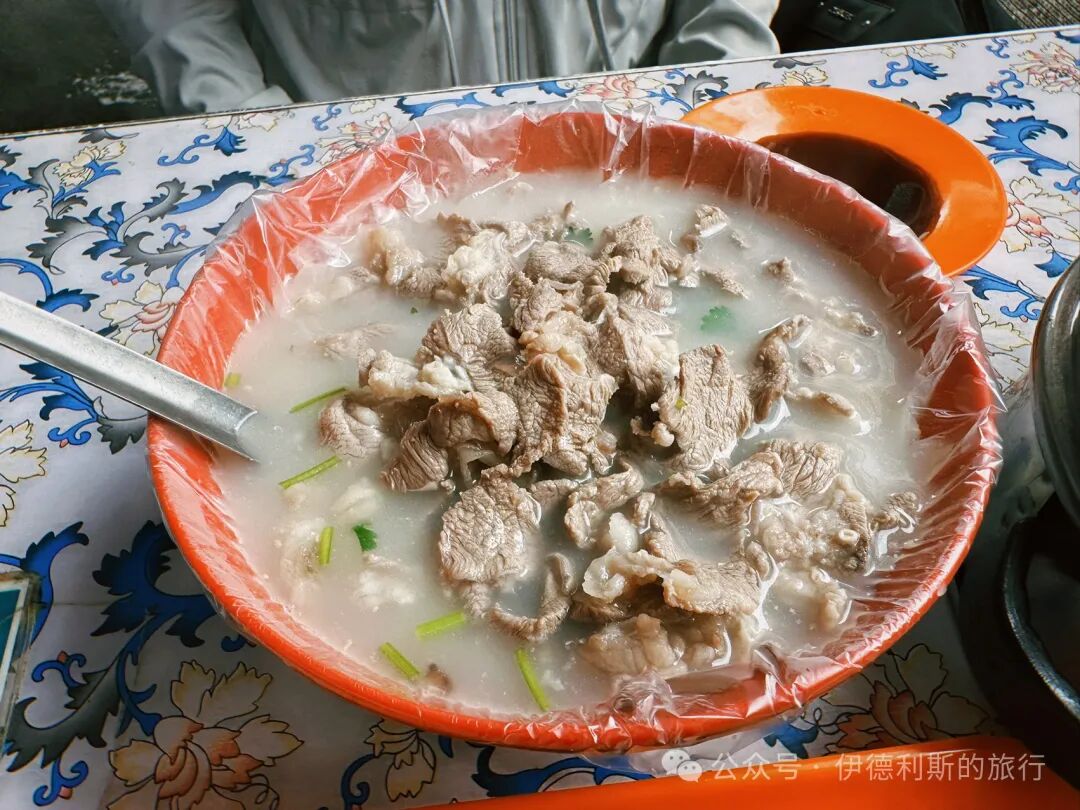
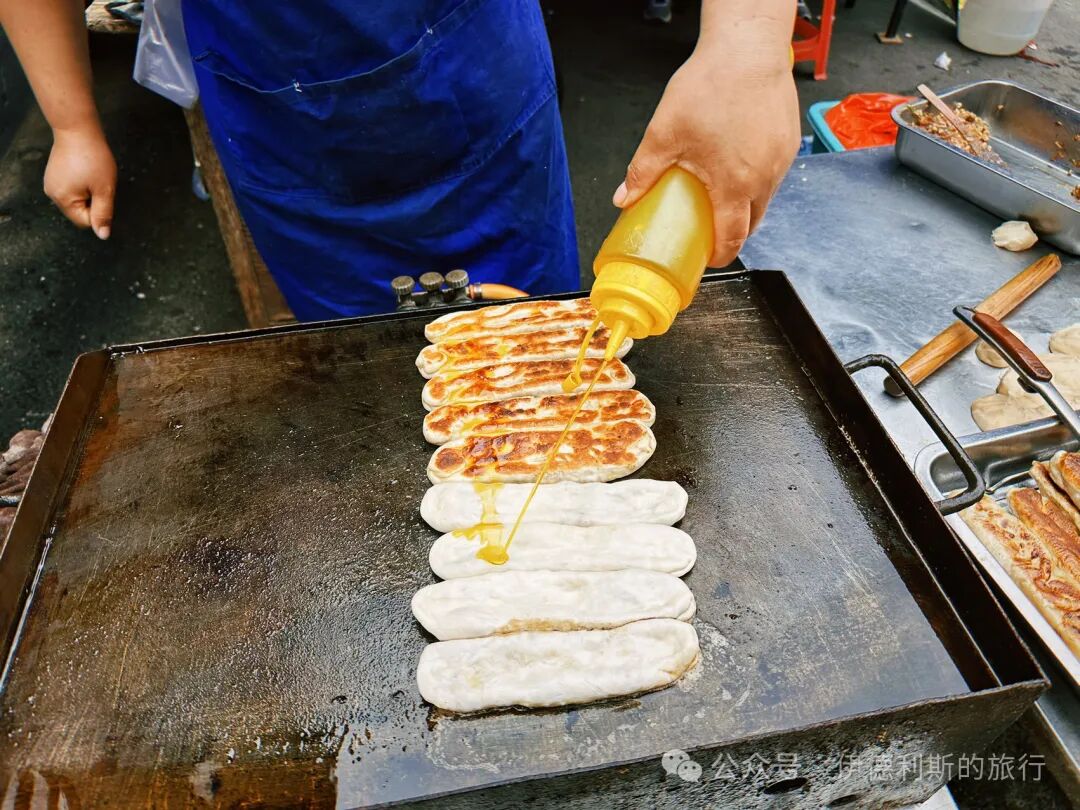
I went to Liaoning for the Dragon Boat Festival holiday. I took a high-speed train from Beijing Chaoyang Station to Shenyang in the evening. The next morning, I went to the Lijiang Morning Market in Shenyang and had lamb soup (yangtang), steamed dumplings (shaomai), and pan-fried meat pockets (huitou) at Heige Lamb Soup. The breakfast stalls at the morning market are all about great value! Steamed dumplings are 7 yuan a basket, and pan-fried meat pockets are 2 yuan each. It is hard to find prices like this in a restaurant. They wrap and cook everything fresh. The lamb in the soup is fresh meat the owner cuts himself. He slices it thin, and it cooks quickly when swished in the hot soup, keeping it very tender.
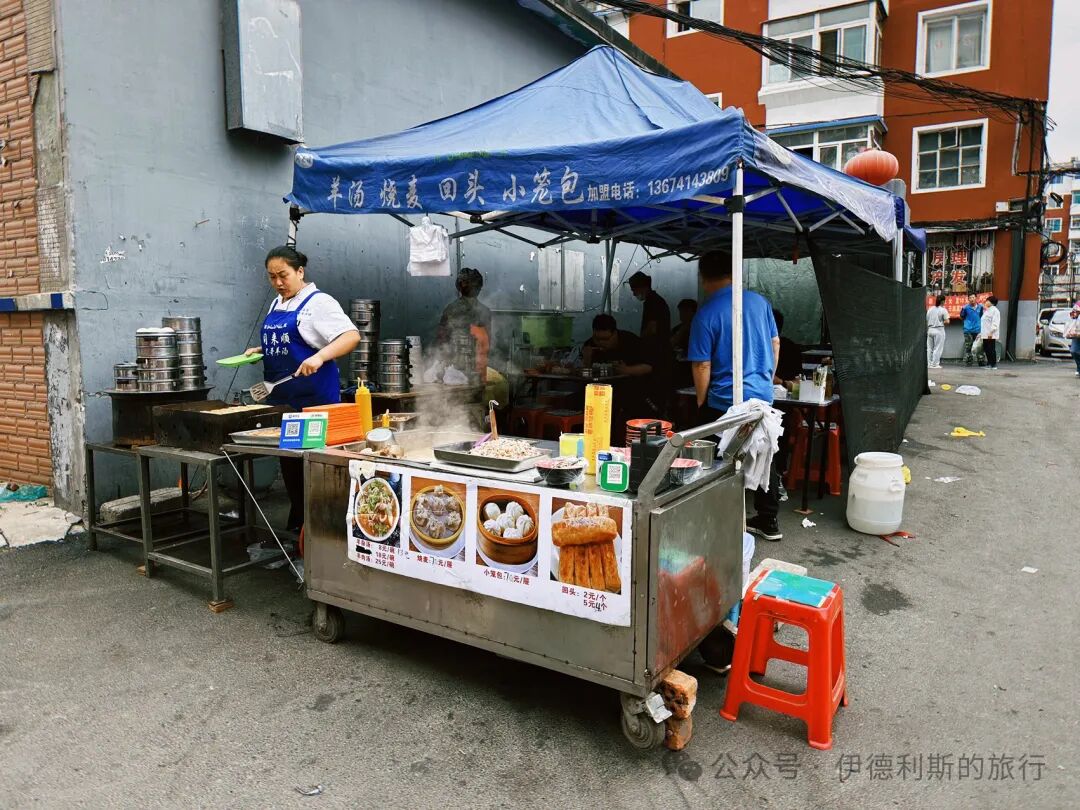
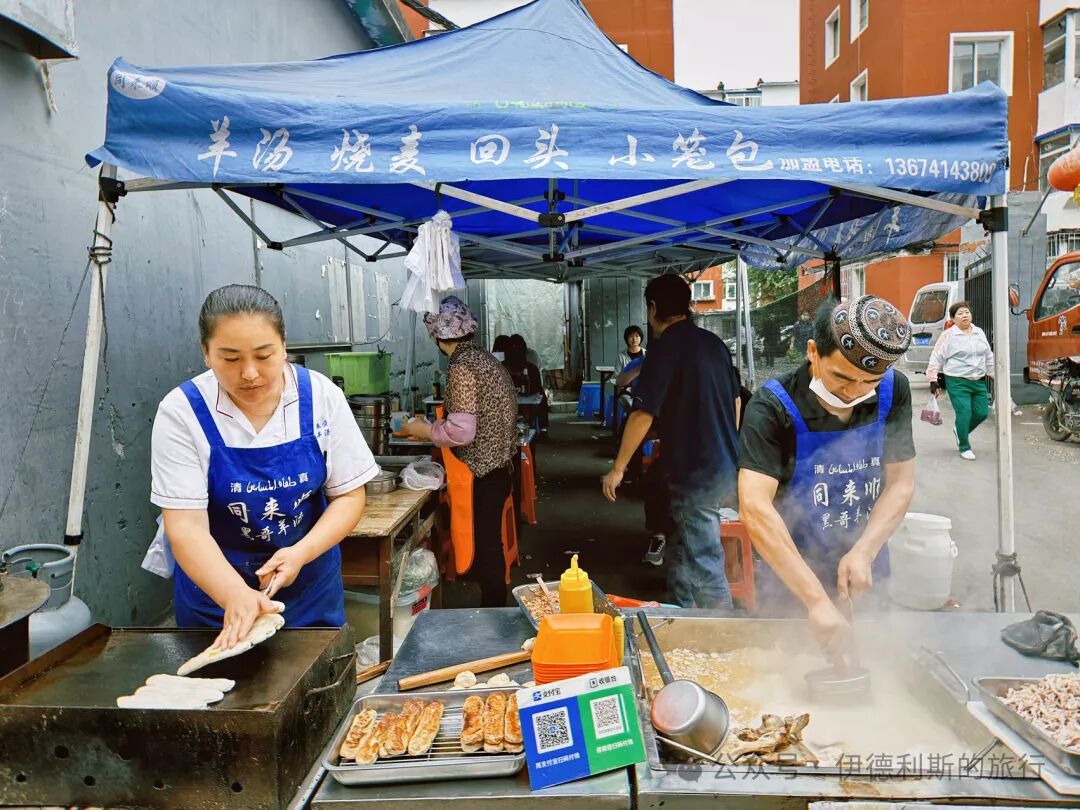
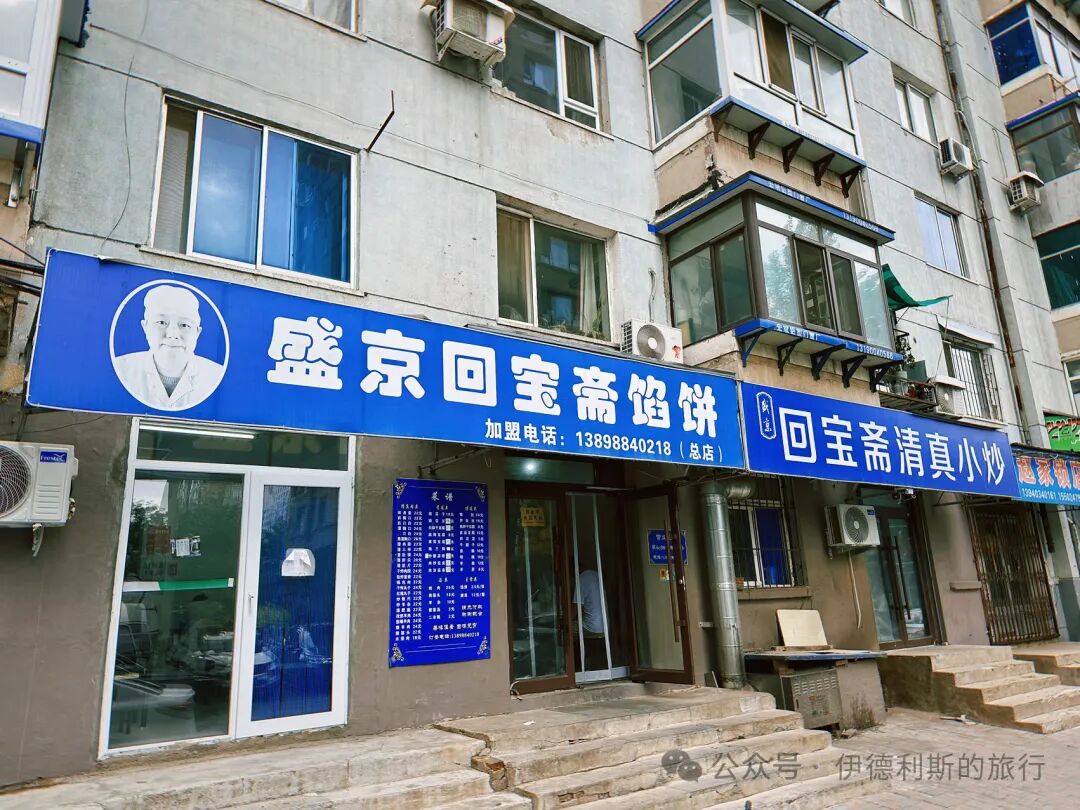
Looking at the street scene, many people are also eating breakfast at the meat pie and steamed bun shops in the nearby residential area. You cannot tell from the outside, but they are all full inside.
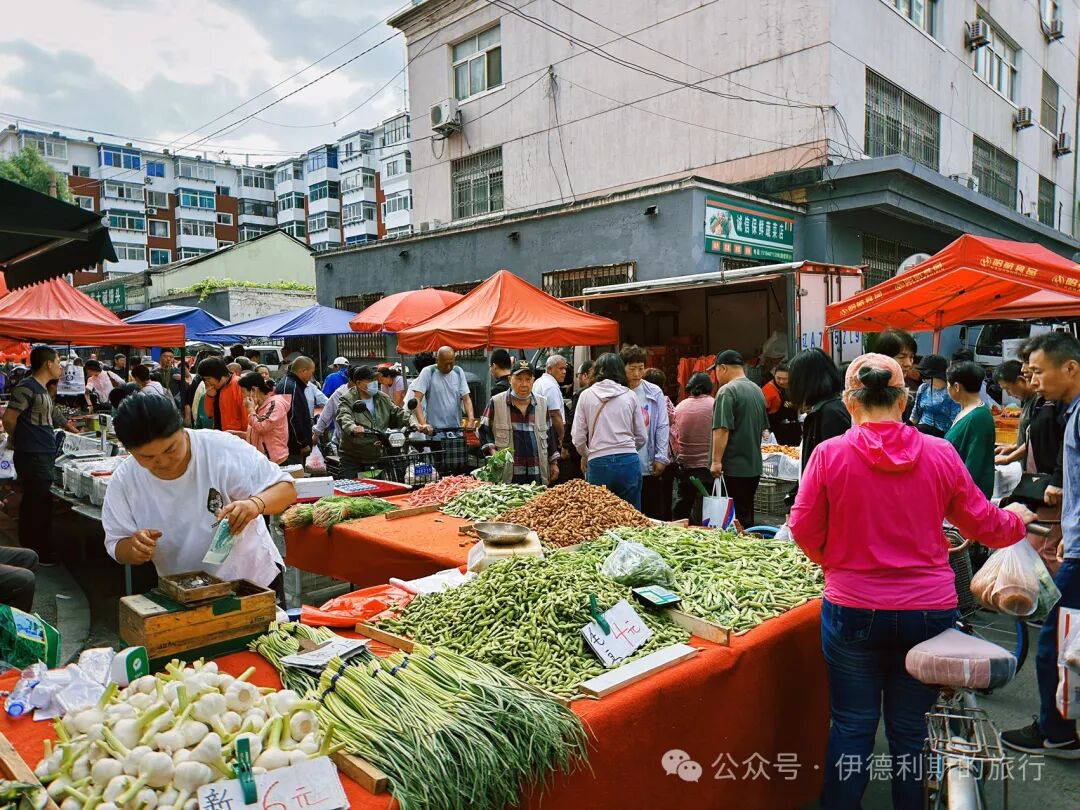
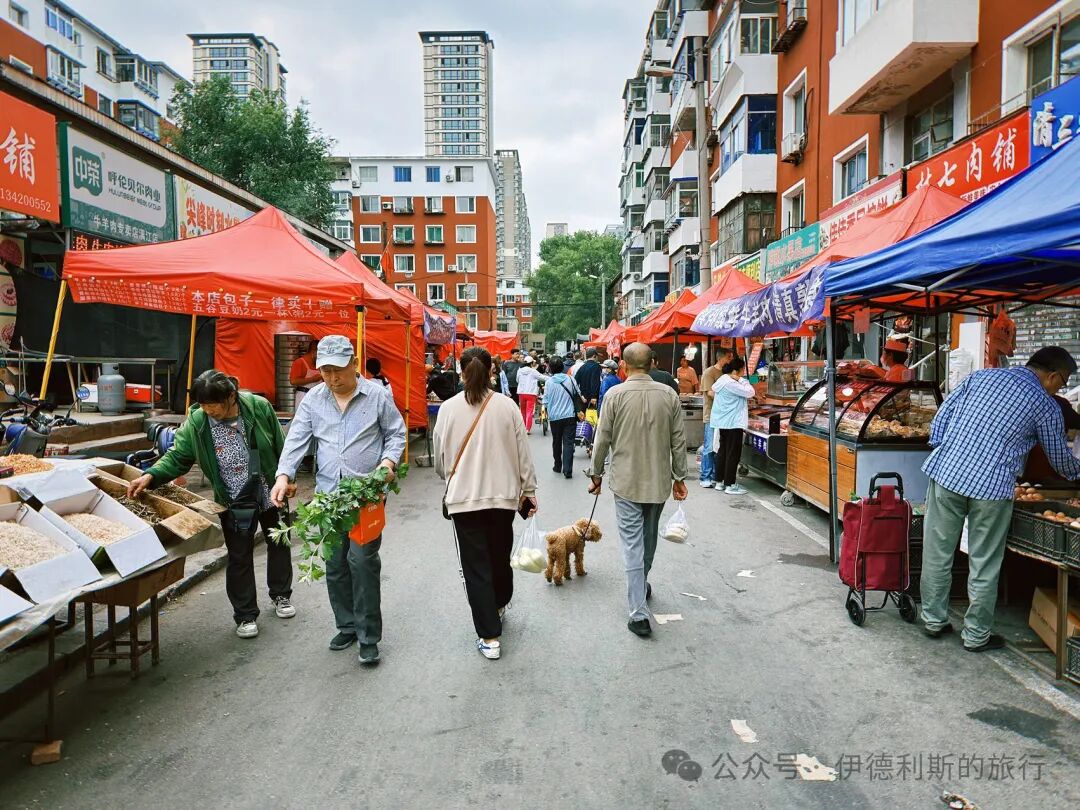
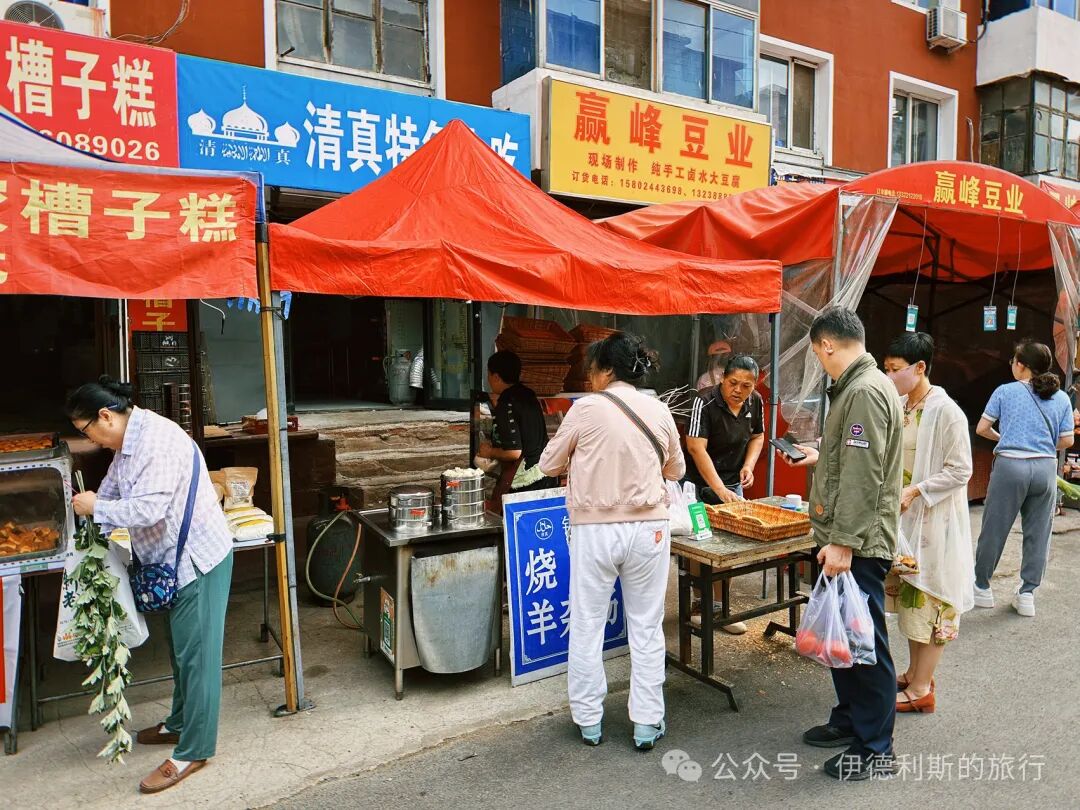
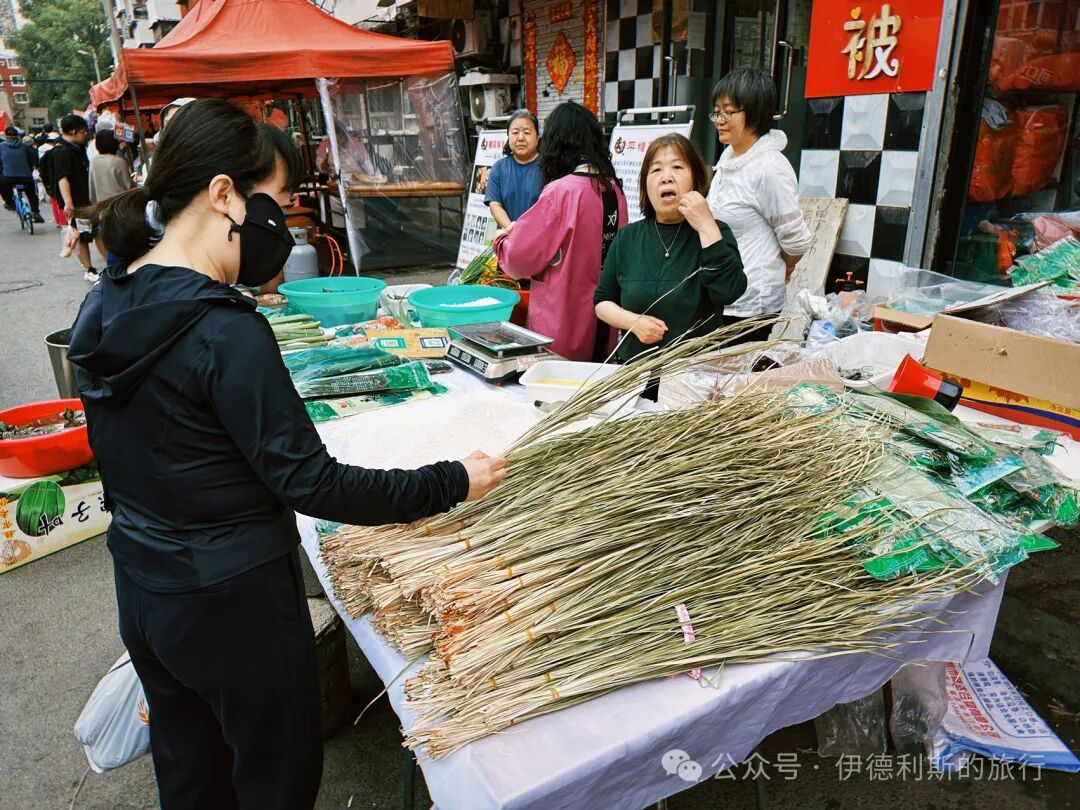
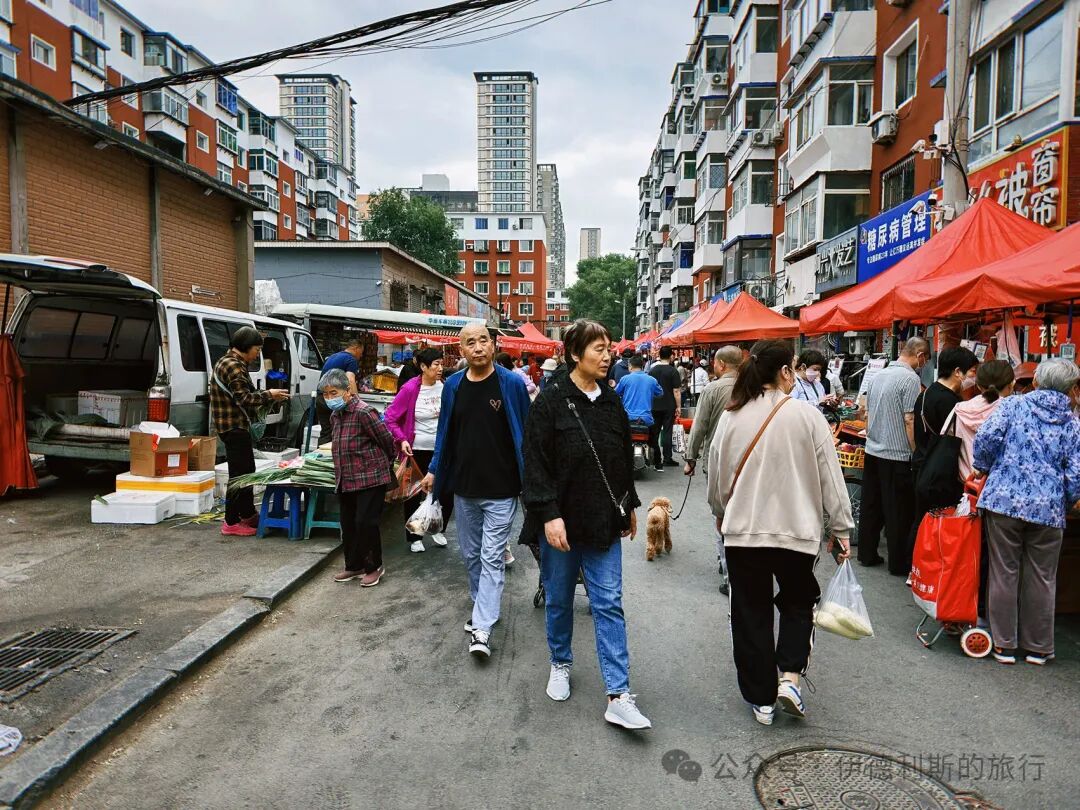
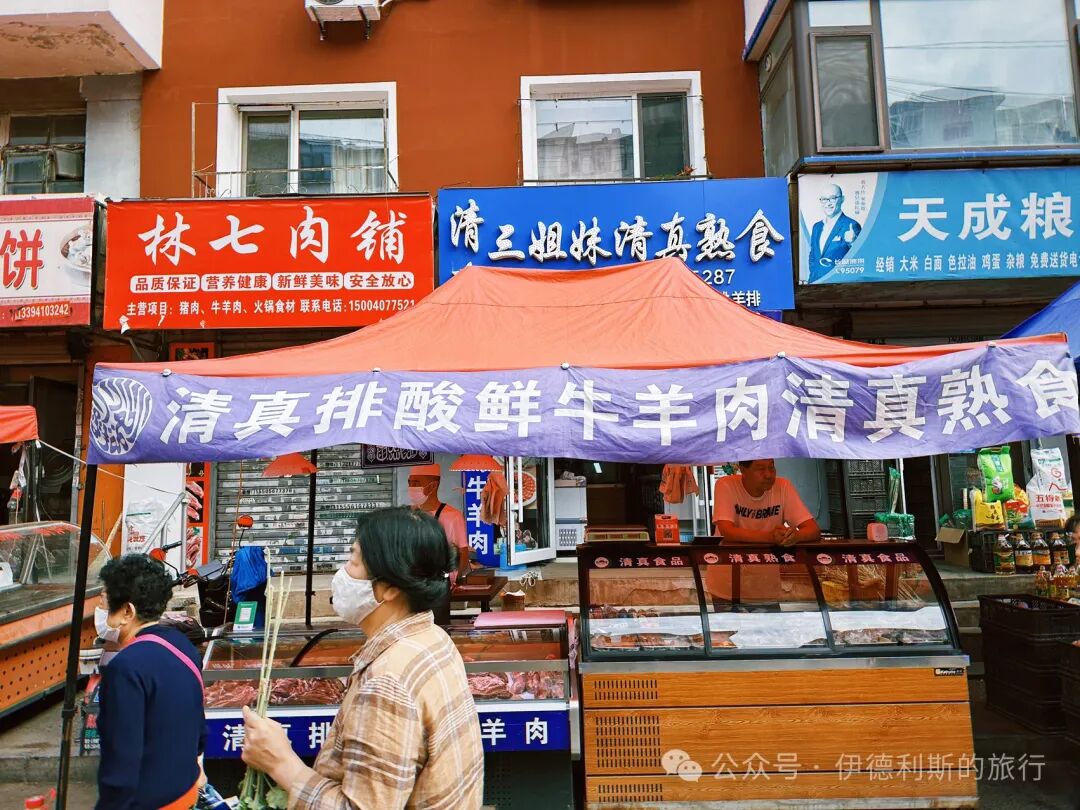
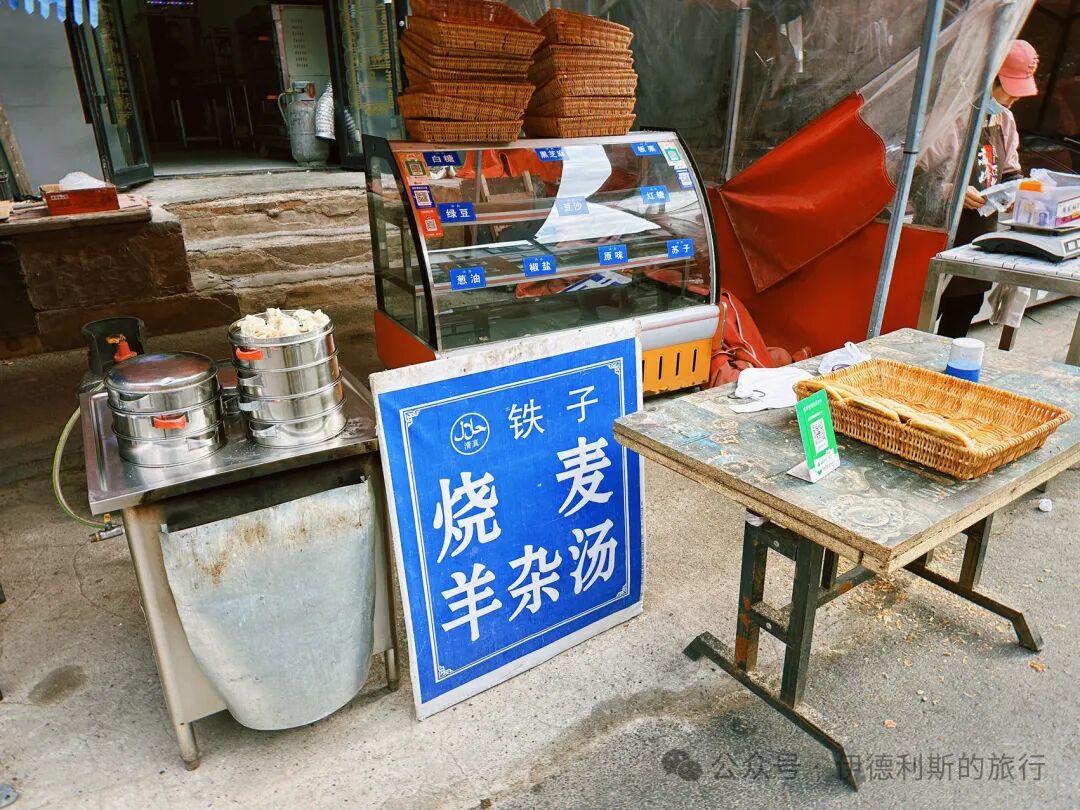
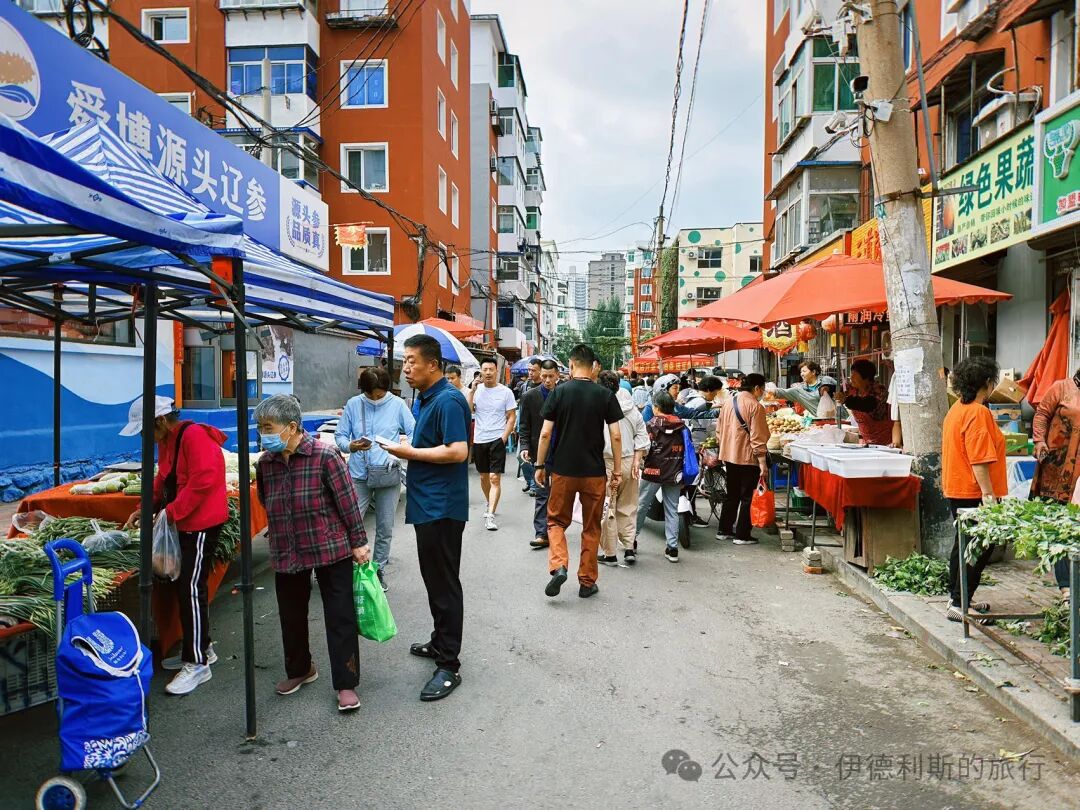
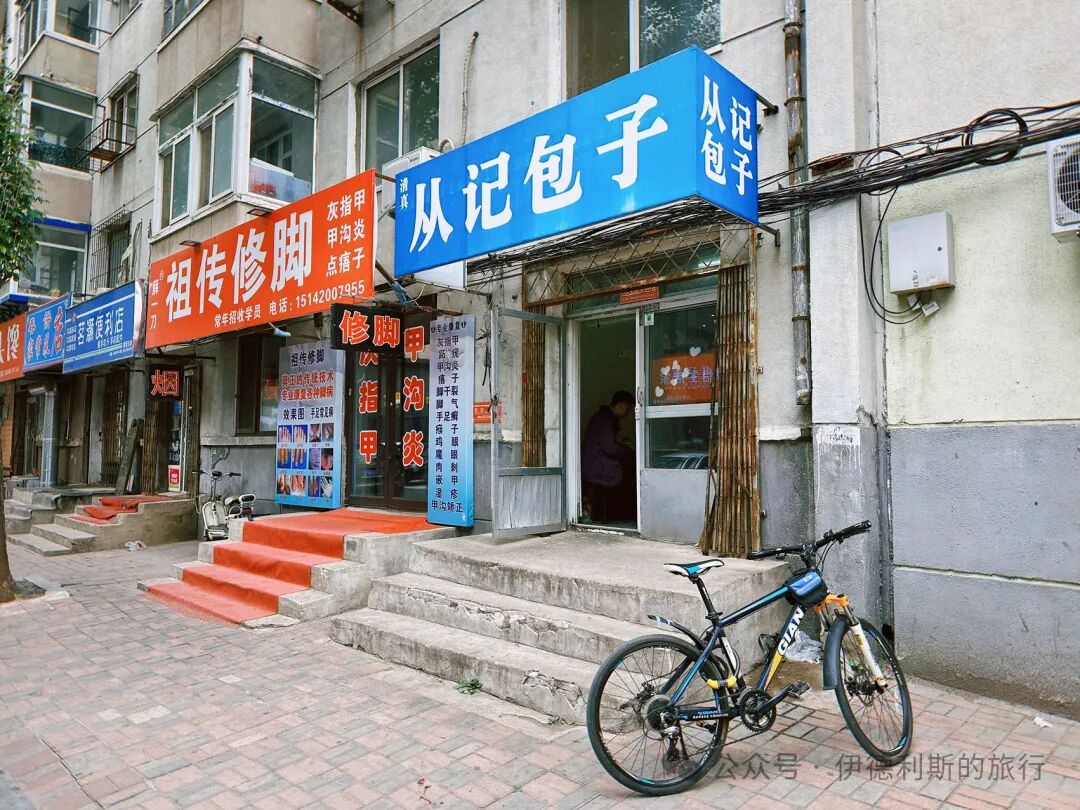
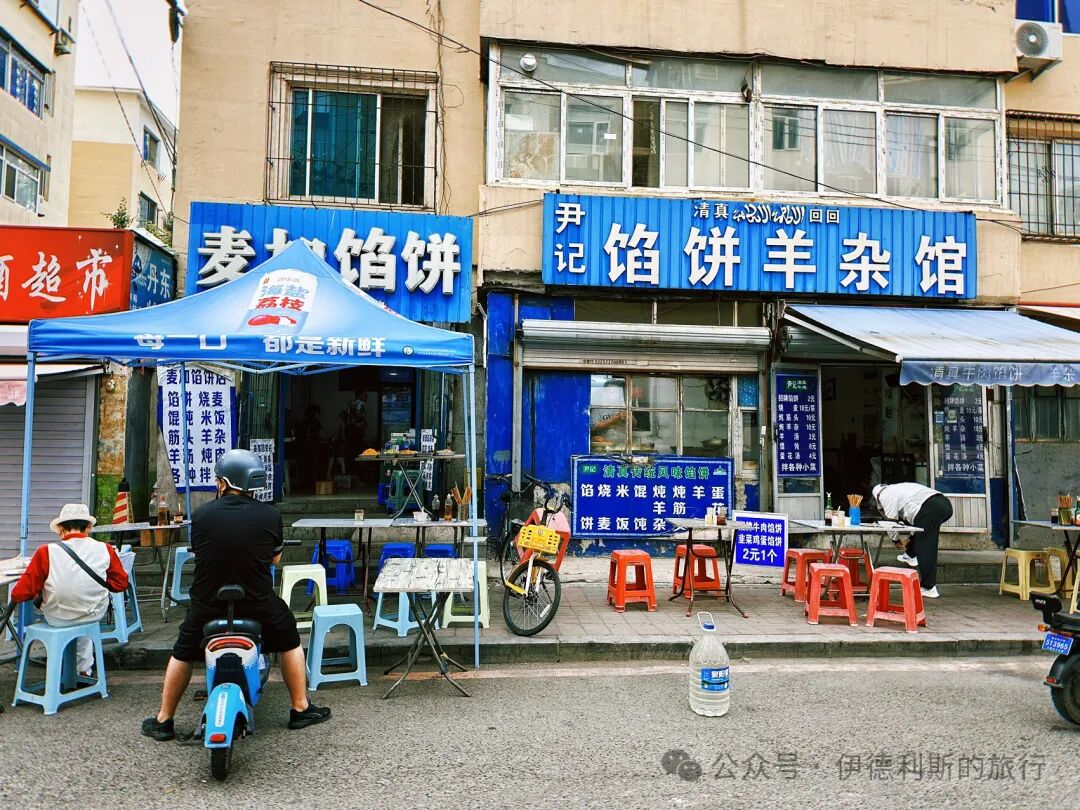
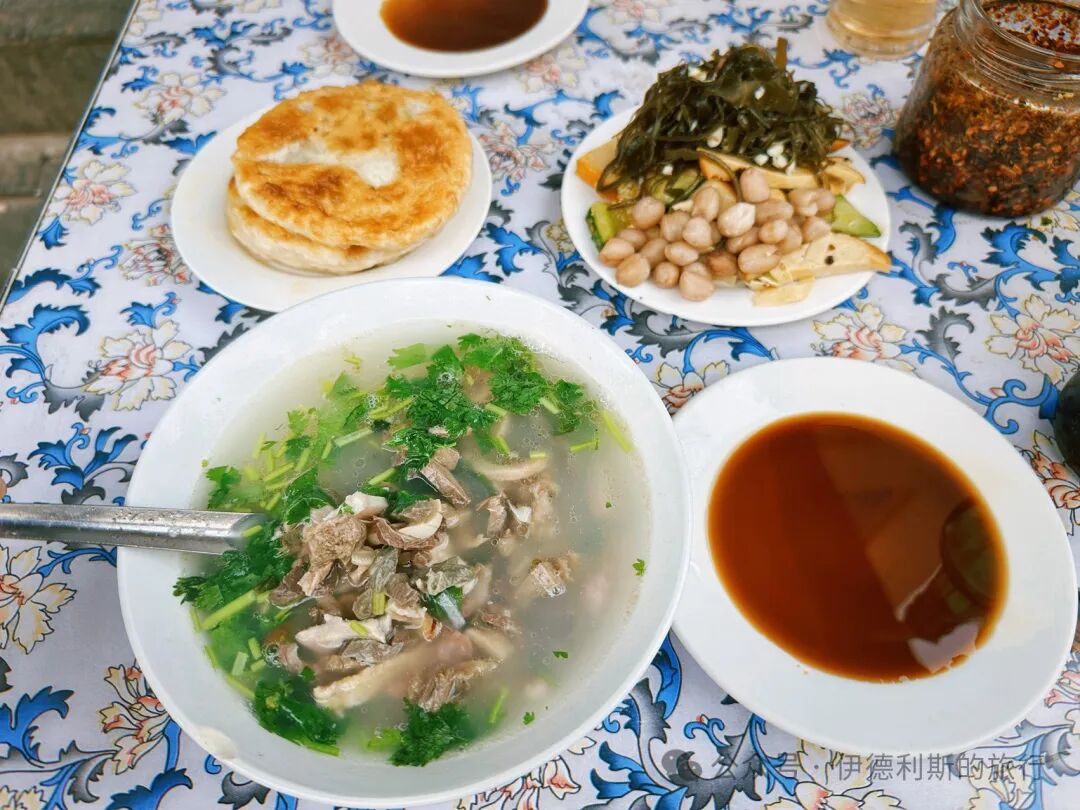
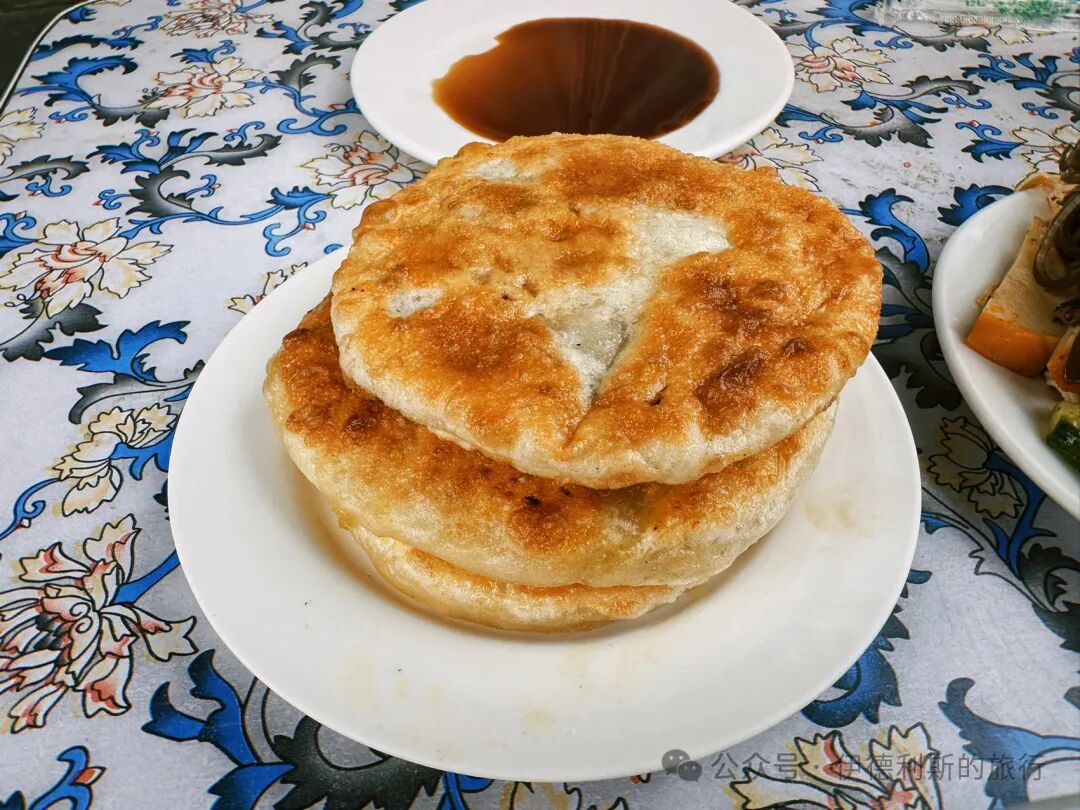
On the third morning, I visited the Bayi Morning Market in Shenyang. Shenyang really has a lot of morning markets, and every one of them is full of delicious food. We started by eating meat pies (xianbing) and lamb offal soup (yangza) at Yinji Meat Pie and Lamb Offal Shop. The small meat pies were a great deal at 2 yuan each. Walking further, there were all kinds of fresh fruits, vegetables, and seafood, plus stalls selling Tieling beef fire-baked cakes (huoshao) and steamed dumplings (shaomai). Eating breakfast at the morning market really has a great atmosphere.
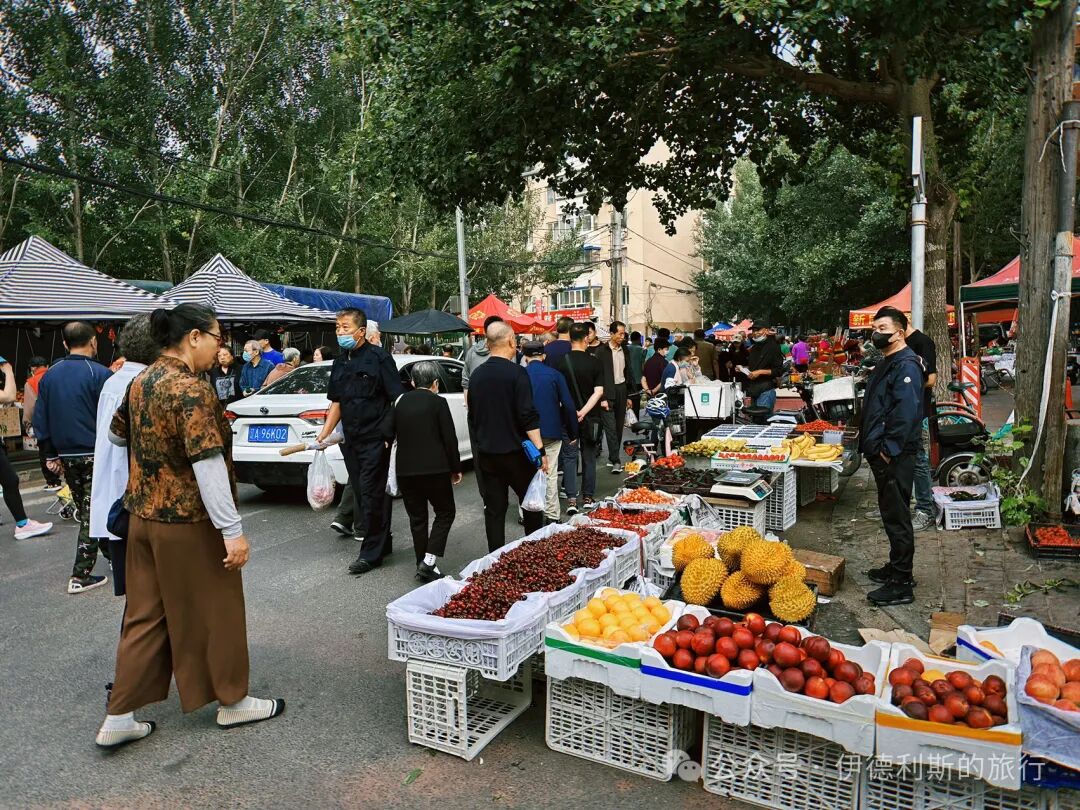
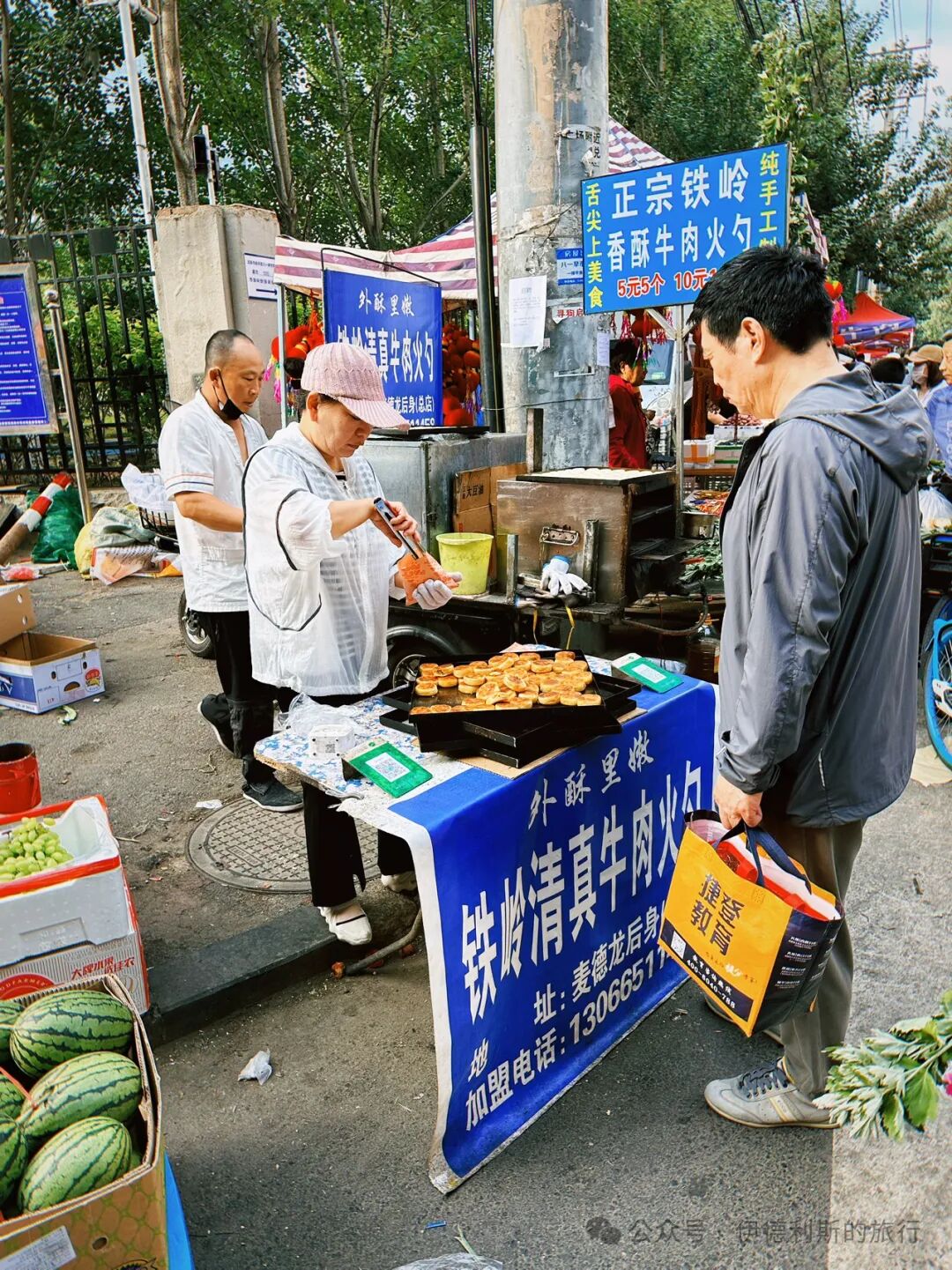
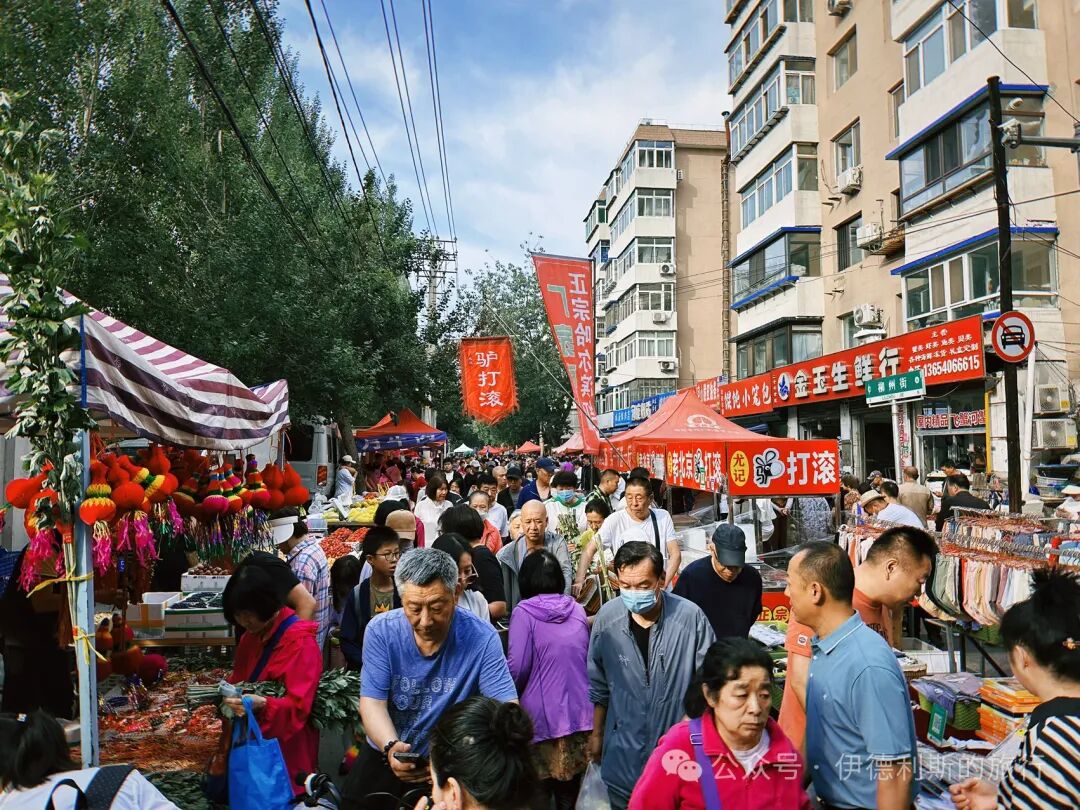
At the Bayi Morning Market, there were stalls selling spiced beef and beef sauce. The beef sauce looked incredibly delicious! It would definitely taste amazing with steamed buns (mantou) or white rice porridge.
After finishing at the morning market, we took a train from Shenyang Station to Xinmin. Xinmin is located in the northwest of Shenyang. In the early years of the Qianlong reign of the Qing Dynasty, many new immigrants came here to farm during the 'Rush to the Northeast' (Chuang Guandong), which is how the name 'Xinmin' came to be. During the Qianlong reign, many Hui Muslims came to Xinmin, and later in 1765 (the 30th year of Qianlong), they built the Xinmin Mosque in Nanyingzi. The Xinmin Mosque was burned down in 1866 (the 5th year of Tongzhi) and rebuilt in 1883 (the 9th year of Guangxu), which is the structure we see today.
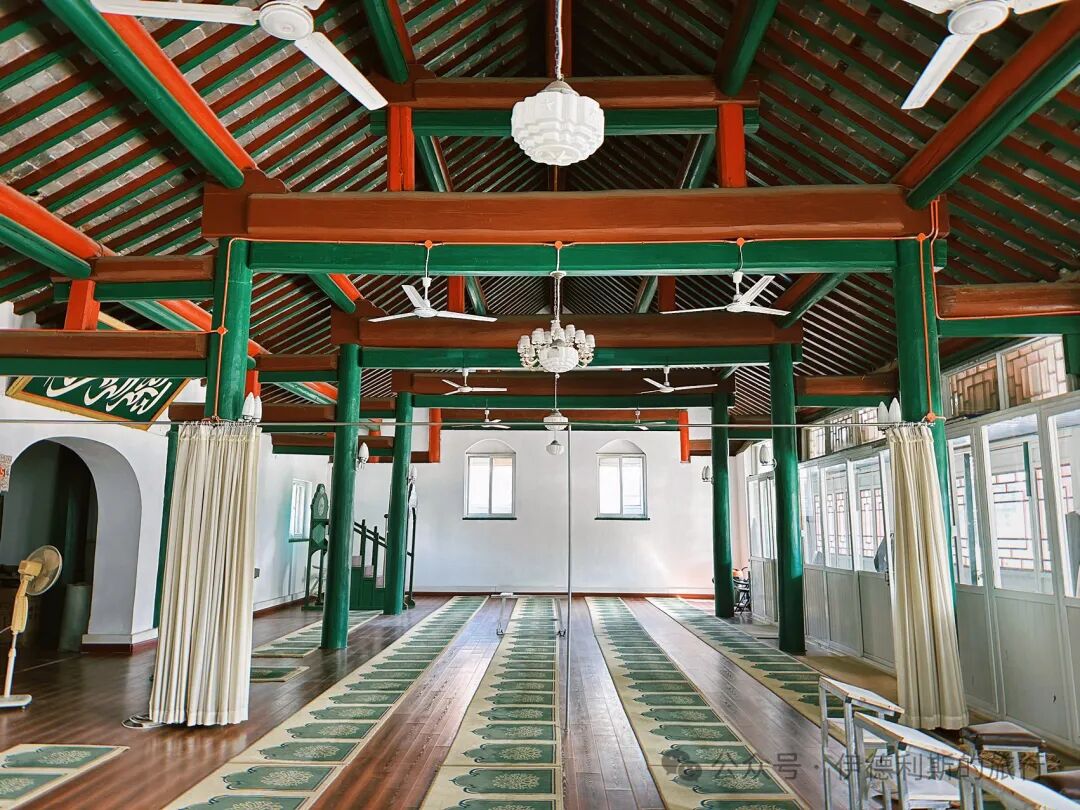
The main structure of Xinmin Mosque consists of a porch (juanpeng), the main prayer hall, a rear vaulted hall (yaodian), and the Moon-Sighting Tower (wangyuelou) on top of the vaulted hall. The Moon-Sighting Tower has a double-eaved, four-cornered pointed roof, topped with a 1.5-meter-tall copper wind-mill finial. The beams of the porch are decorated with Suzhou-style paintings, and the carved wooden screens feature various delicate patterns.
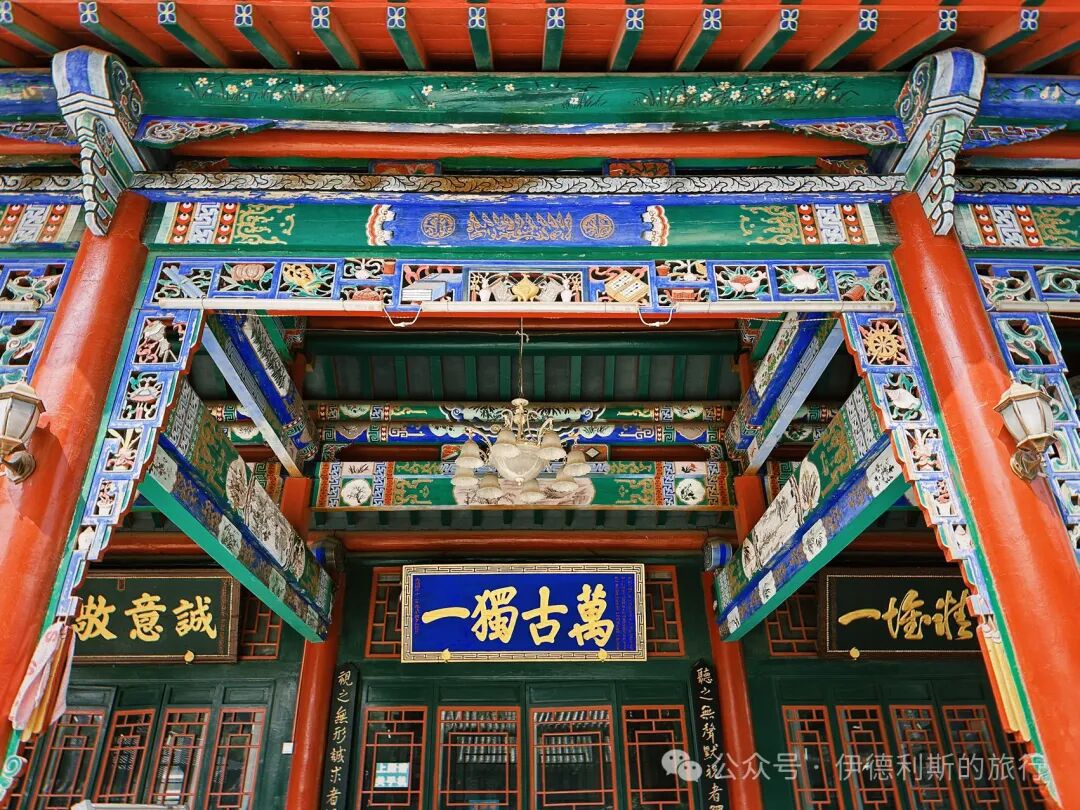
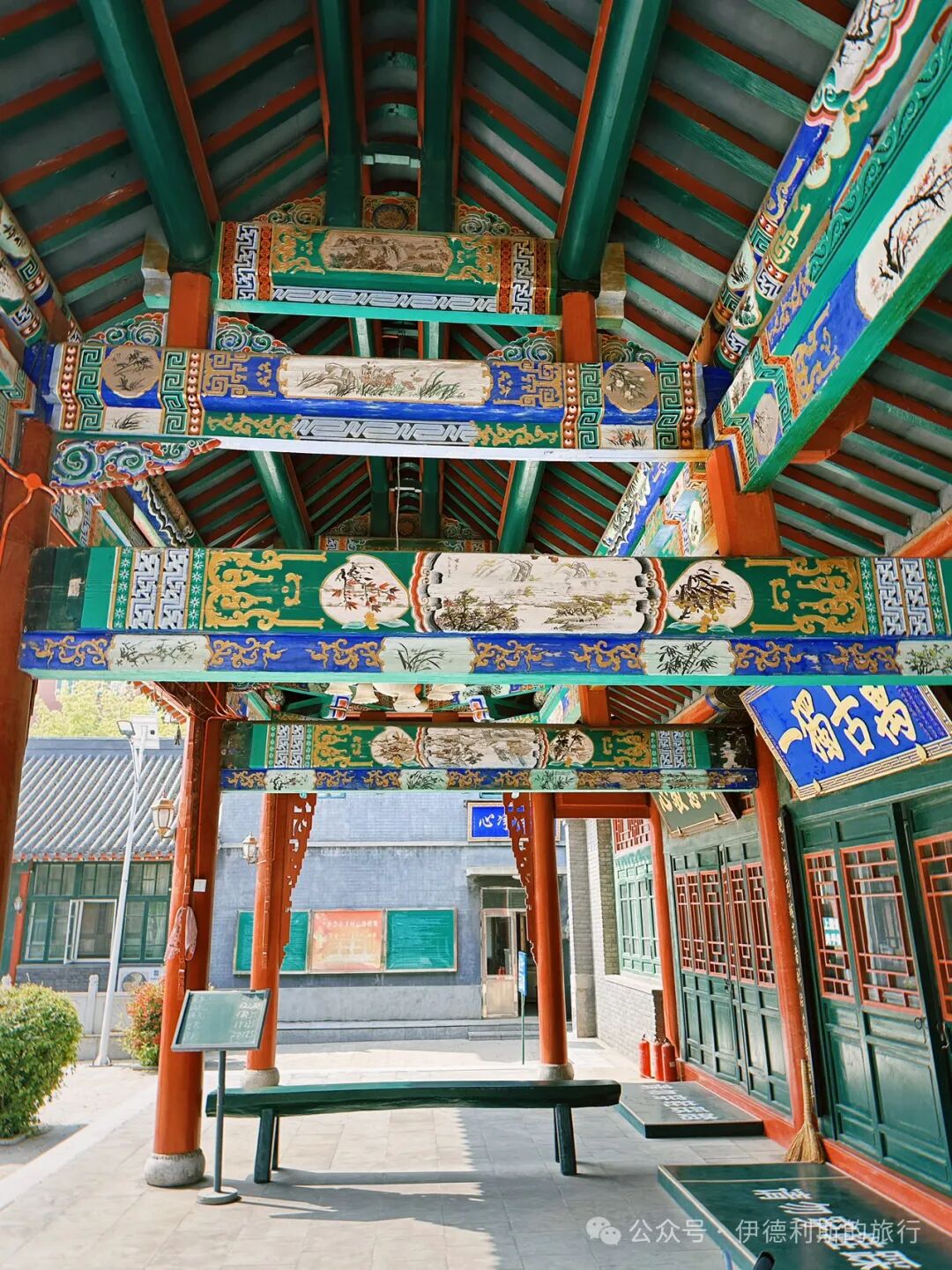
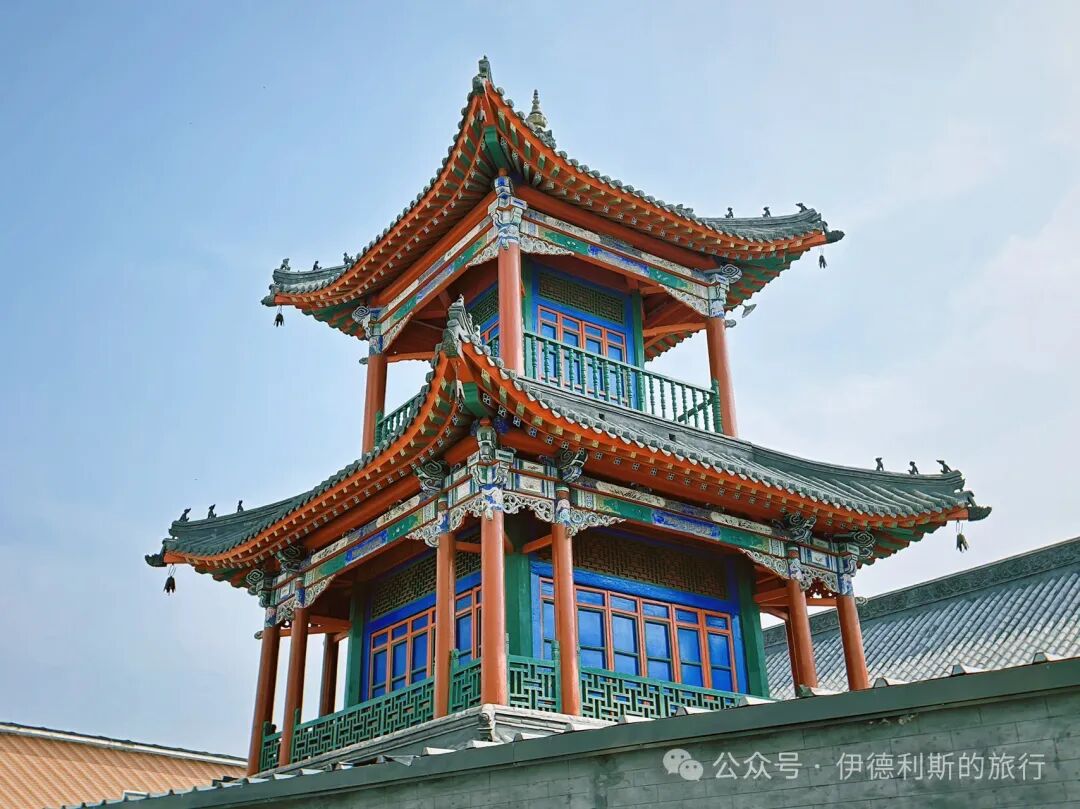
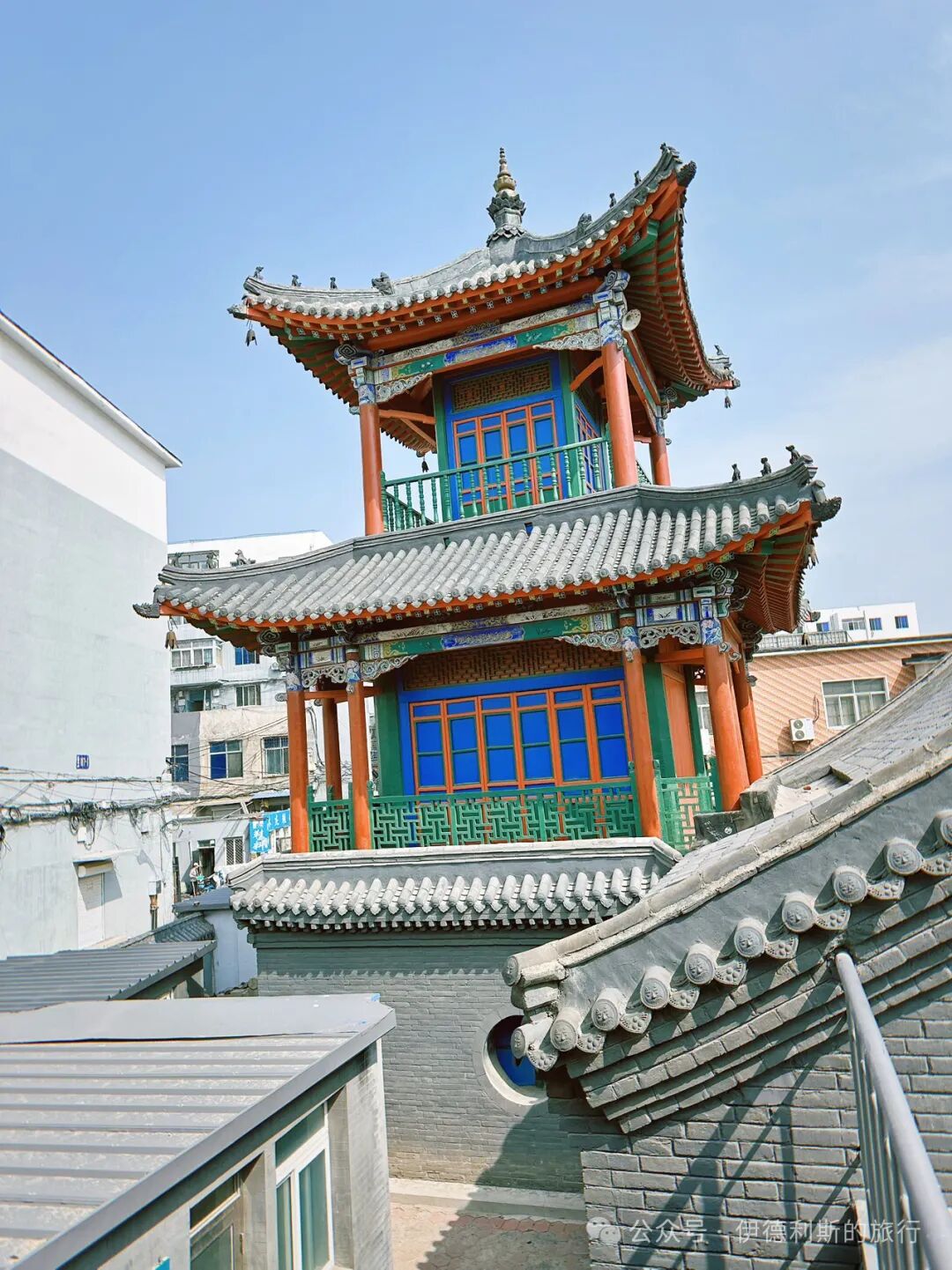
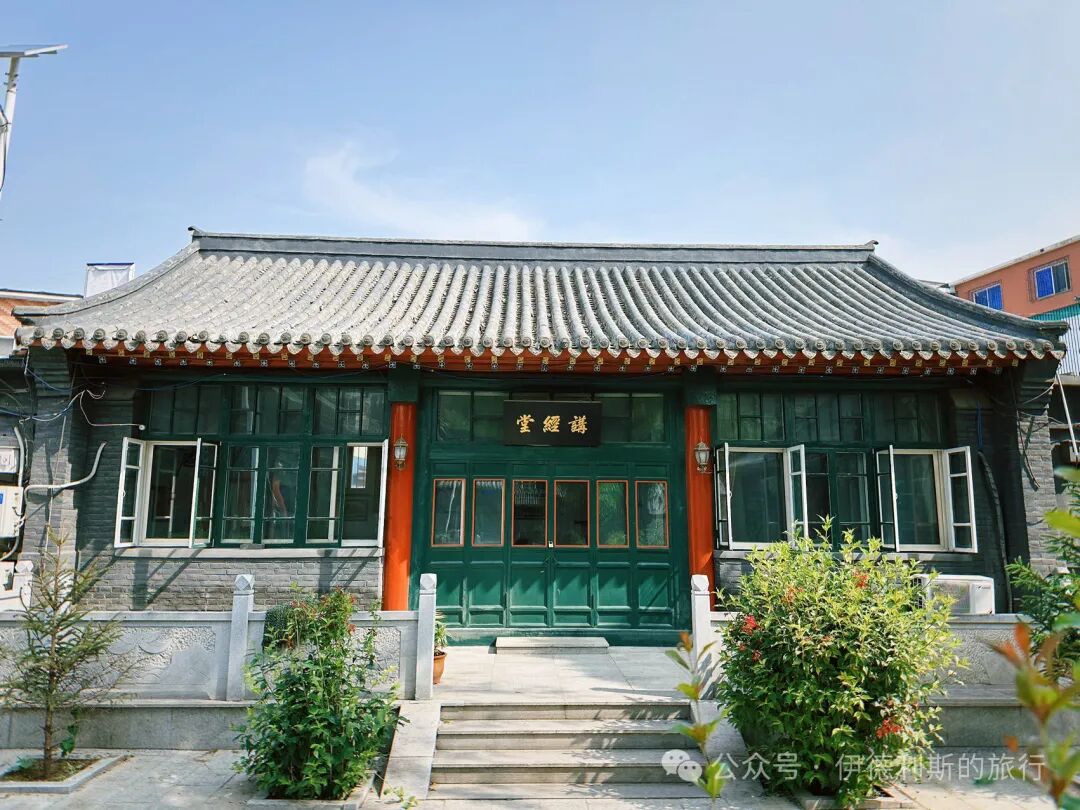
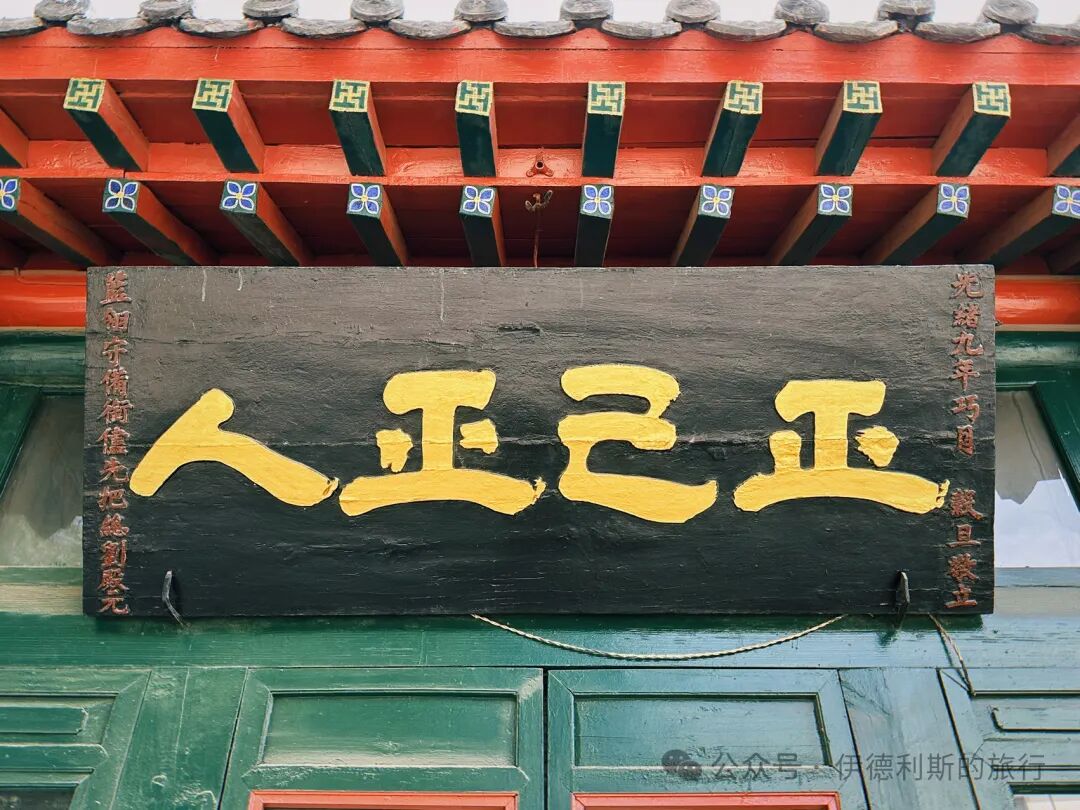
The main gate and side rooms of Xinmin Mosque. Above the main gate hangs a plaque reading "Correct Yourself to Correct Others," erected in the ninth year of the Guangxu reign by Liu Dianyuan, a garrison commander with the rank of blue-feathered guard.
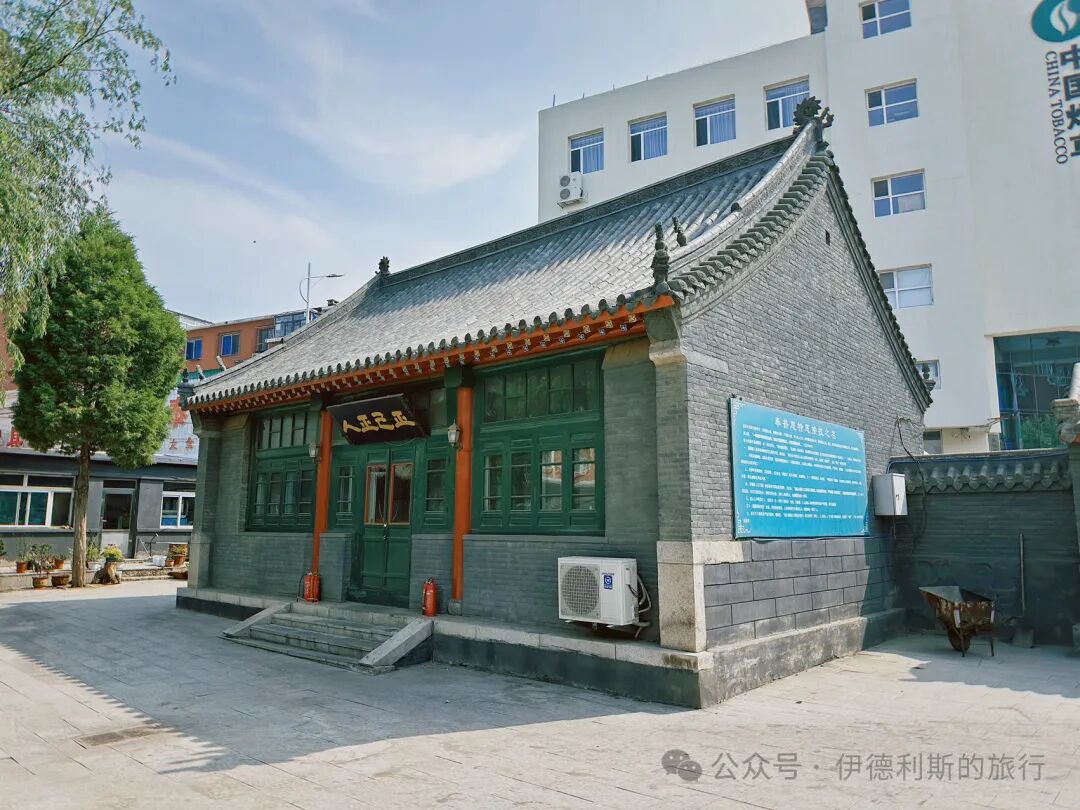
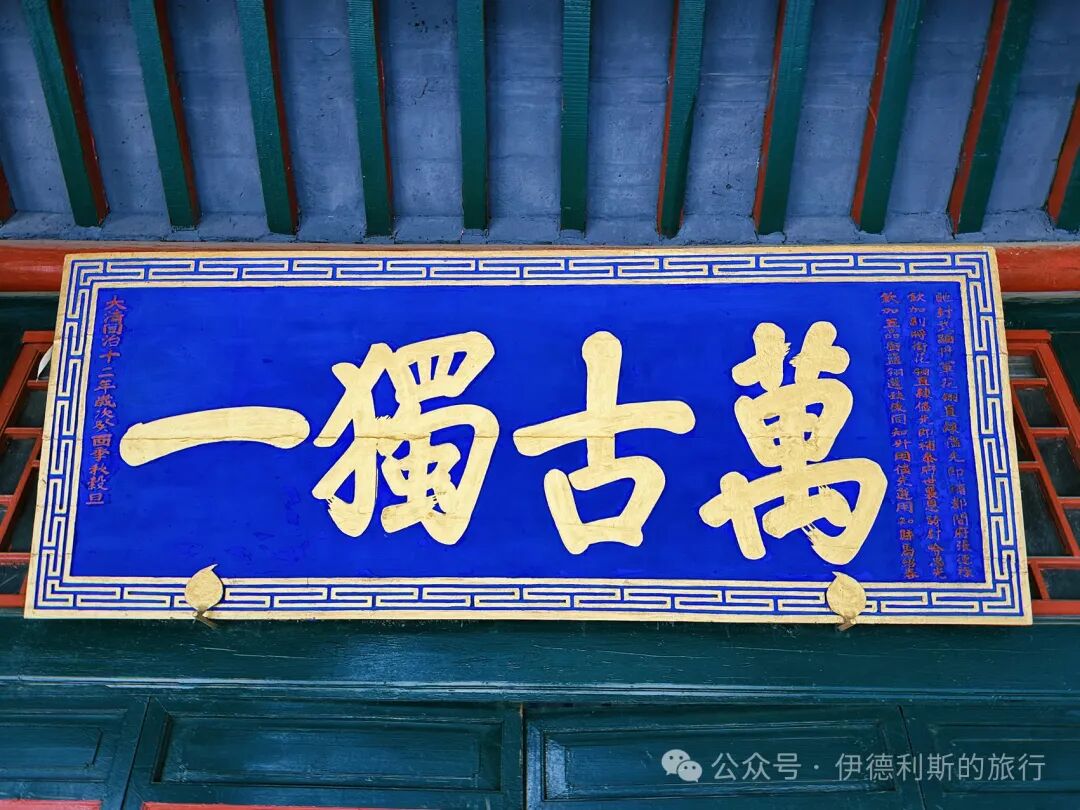
There are three plaques in front of the main prayer hall. The first is the "Unique for All Eternity" plaque, erected in the twelfth year of the Tongzhi reign by Zhang Delu, a military general; Ha Zhongguang, a hereditary cavalry captain; and Ma Shaochun, a magistrate candidate.
The second is the "Focus and Unify" plaque, erected in the ninth year of the Guangxu reign by Ding Chunxi, a military officer and decorated warrior.
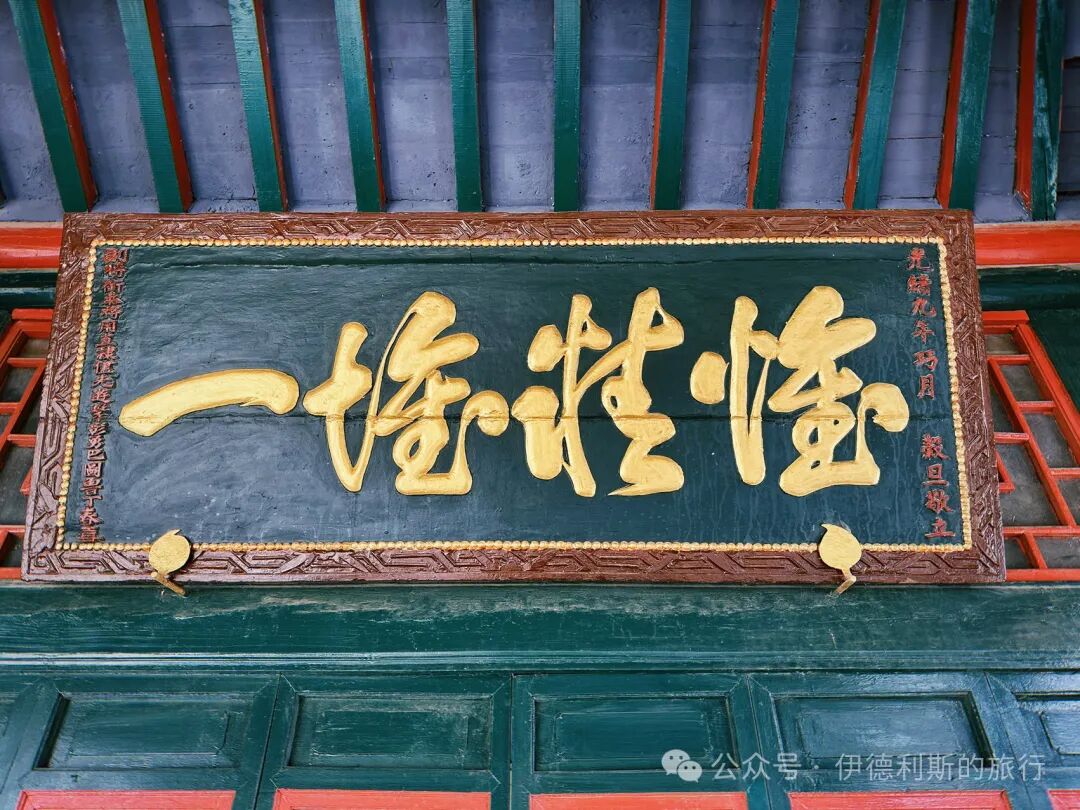
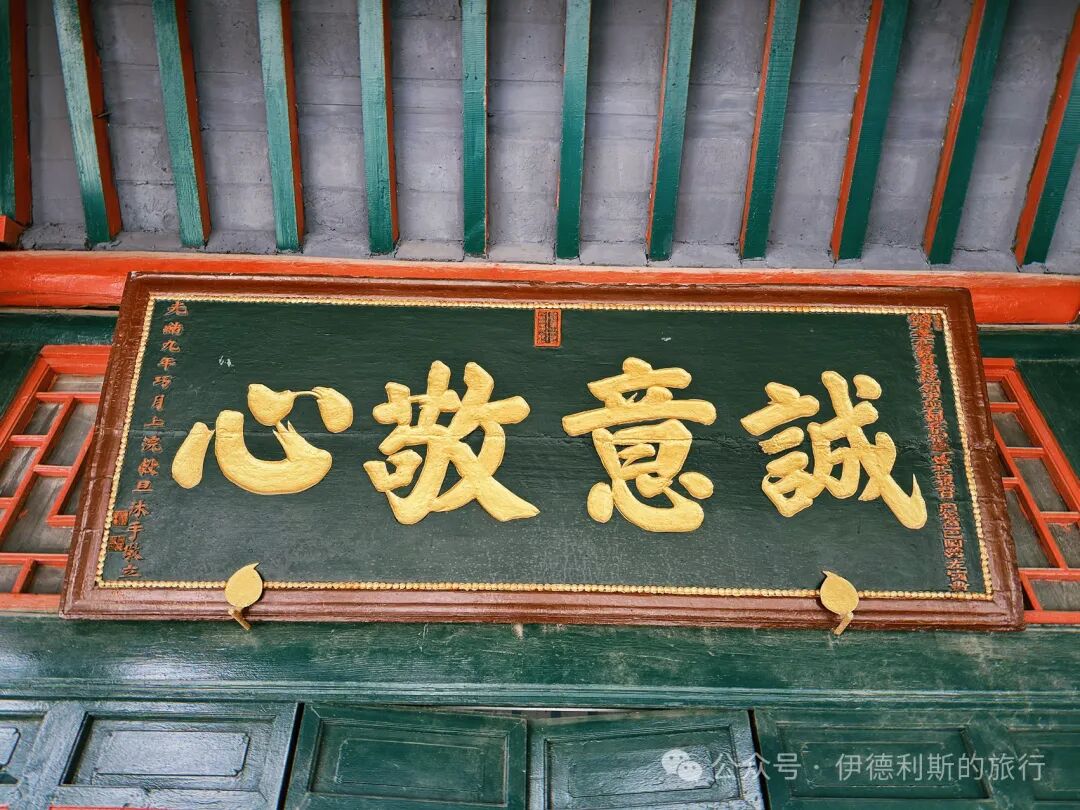
The third plaque is inscribed with 'Sincere Heart and Respectful Mind' (Chengyi Jingxin), presented in the ninth year of the Guangxu reign by Zuo Baogui, a decorated commander and provincial military leader in charge of the Fengtian garrison. Zuo Baogui was a famous general and anti-Japanese hero during the late Qing Dynasty. He led his troops to garrison Fengtian in 1875 (the first year of the Guangxu reign) and began commanding the Fengtian Army in 1880 (the fifth year of the Guangxu reign). Zuo Baogui was stationed in Fengtian for twenty years. During this time, he was devoted to his faith, supported public welfare and education, donated to build many mosques, set up charity schools and porridge kitchens, and wrote plaques for many mosques.
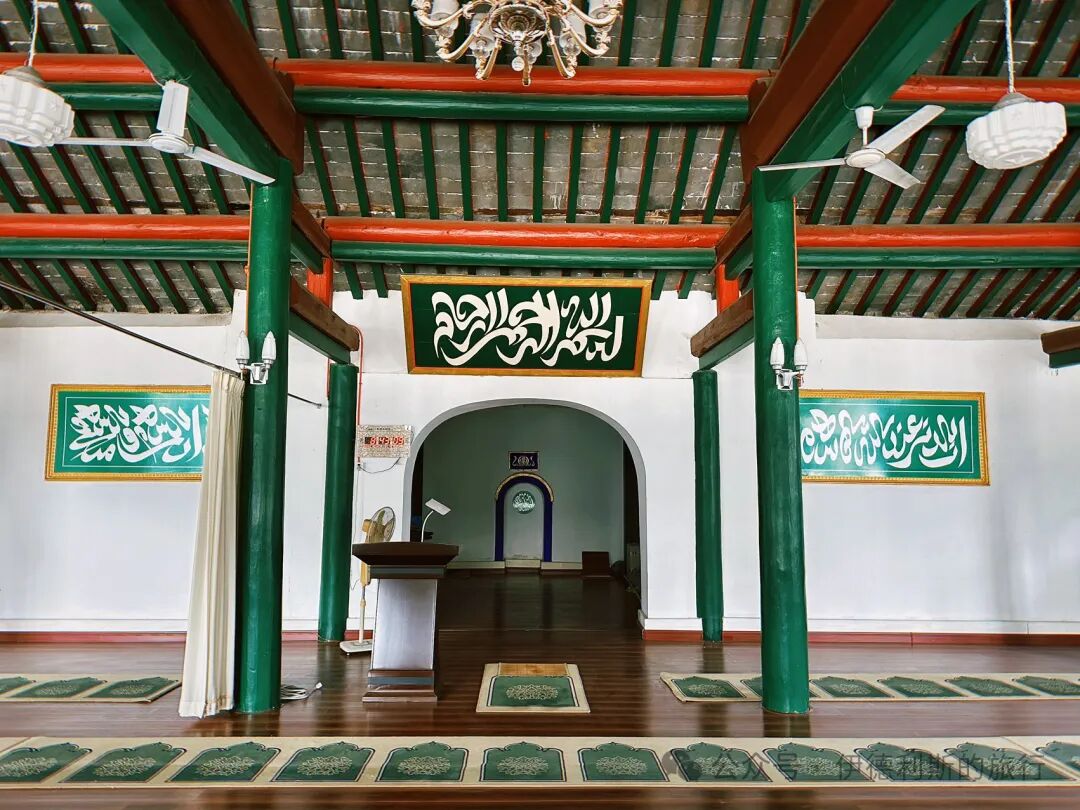
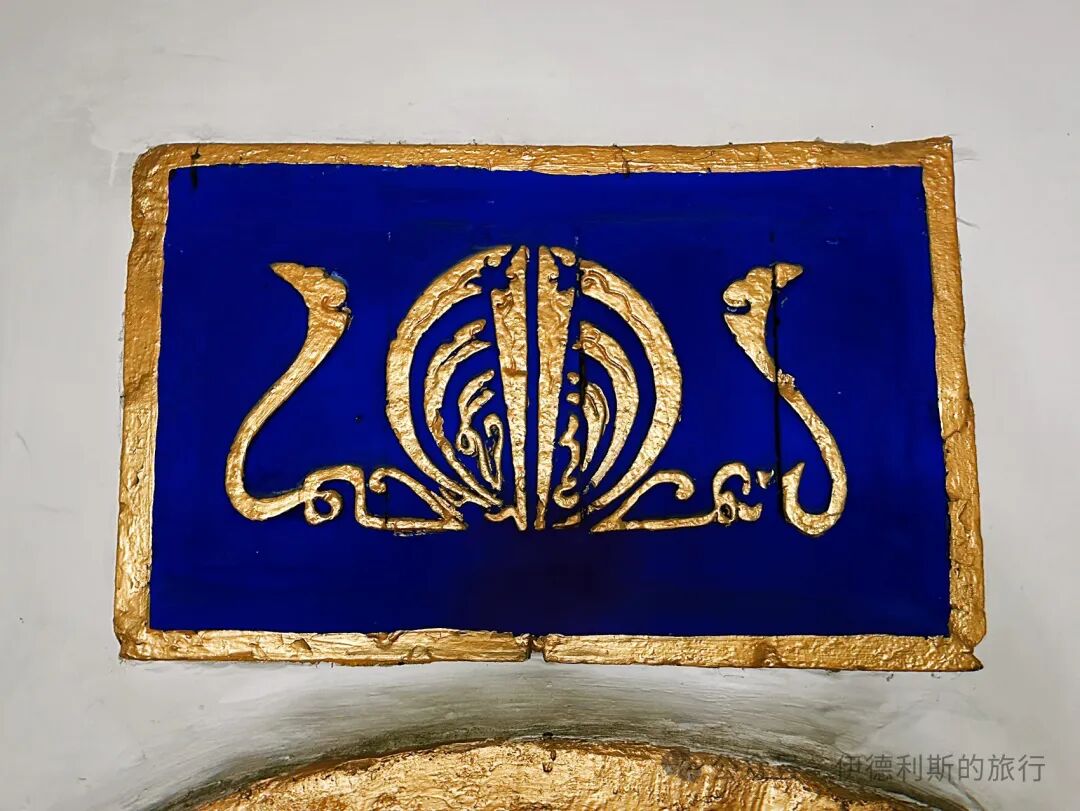
The main hall of Xinmin Mosque features beautiful calligraphy in the flowing script style on its mihrab, minbar, and roof ends. This is a traditional Chinese calligraphy style that originated in Shandong during the Ming and Qing dynasties and flourished in Northeast China along with the Shandong school.
Qing Dynasty stone door bases and stone tablets are piled up in the backyard of Xinmin Mosque. Among them, a stone tablet from the Tongzhi reign period records a contract for a cemetery, including the names of donors and the boundaries of the land. The inscription on the tablet also makes a precious mention of the now-vanished North Xinmin Mosque. Xinmin North Mosque was built in 1853 (the 15th year of the Daoguang reign). Its kiln-style hall featured a double-eaved moon-viewing tower, but it was destroyed between the 1960s and 1970s.
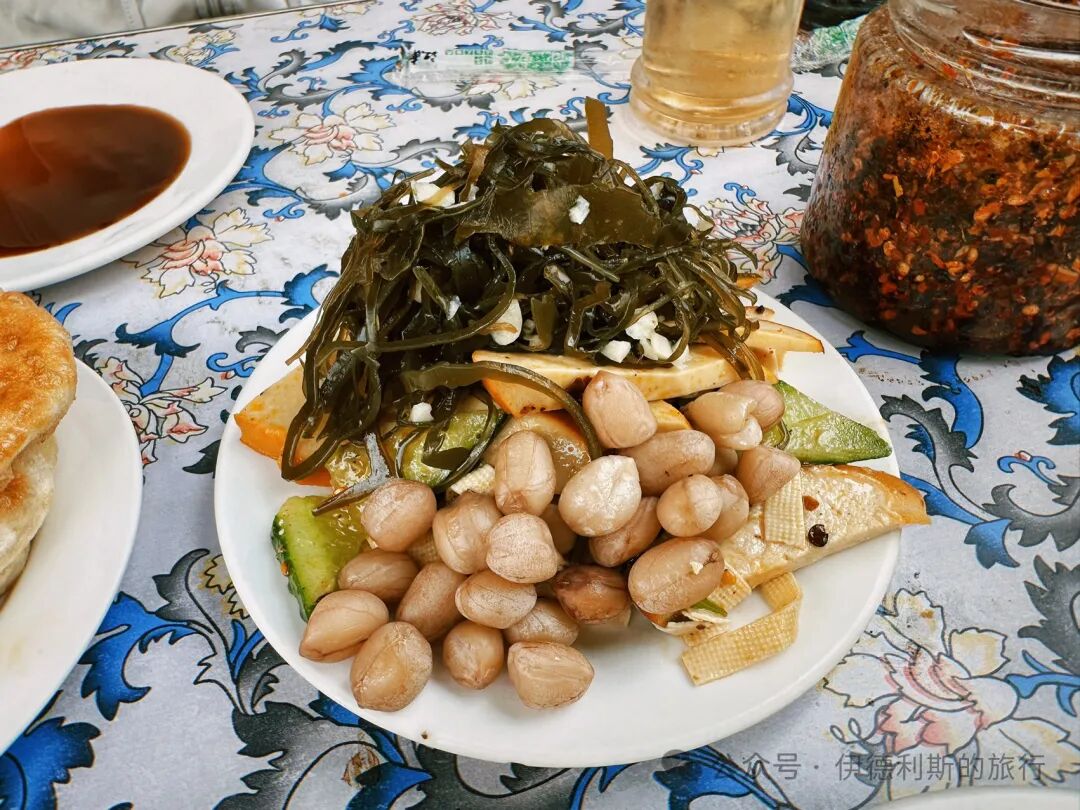
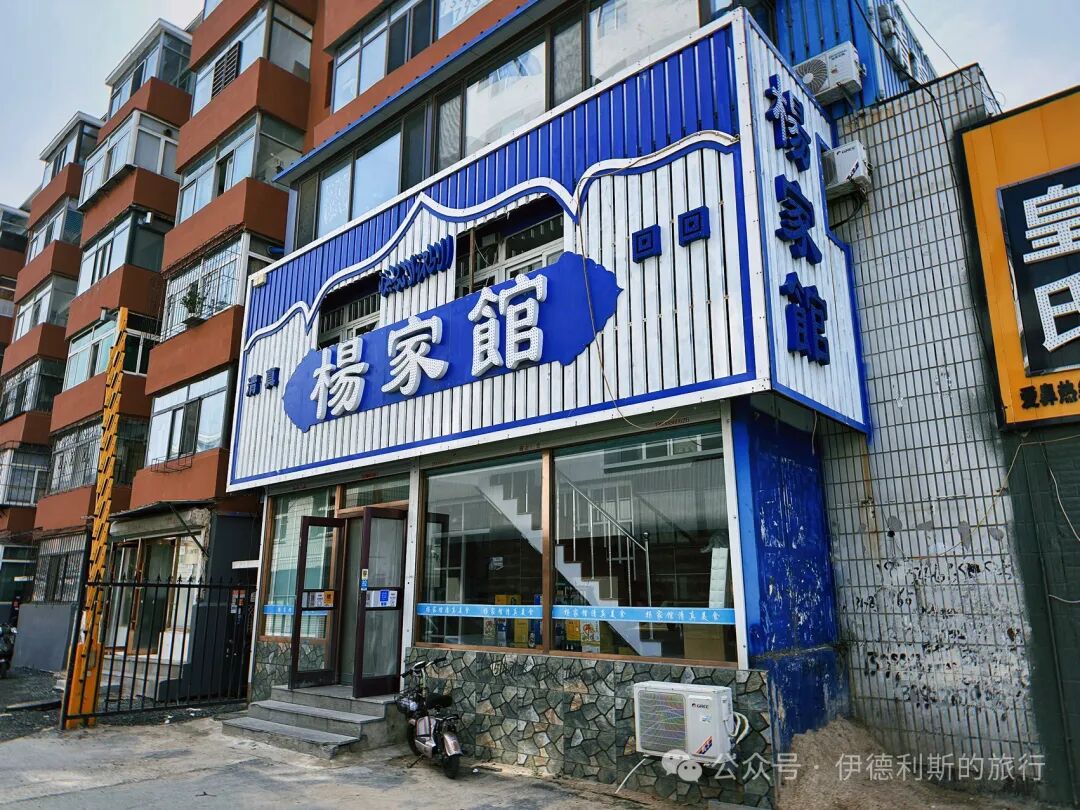
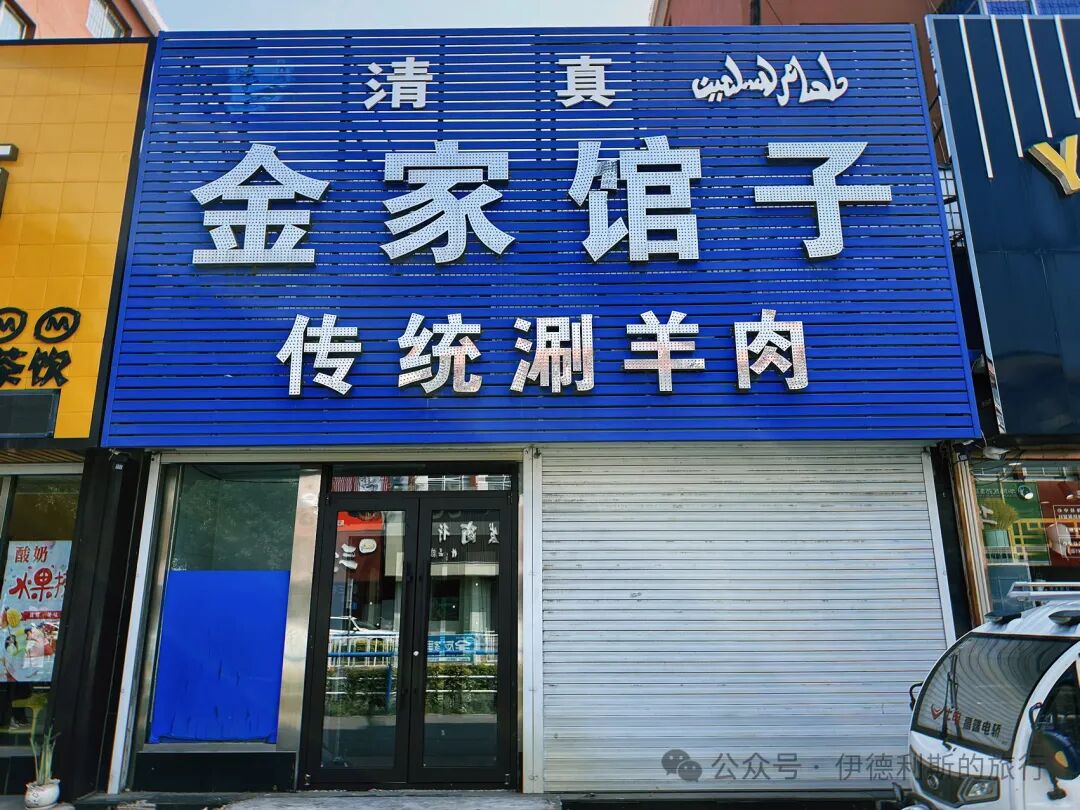
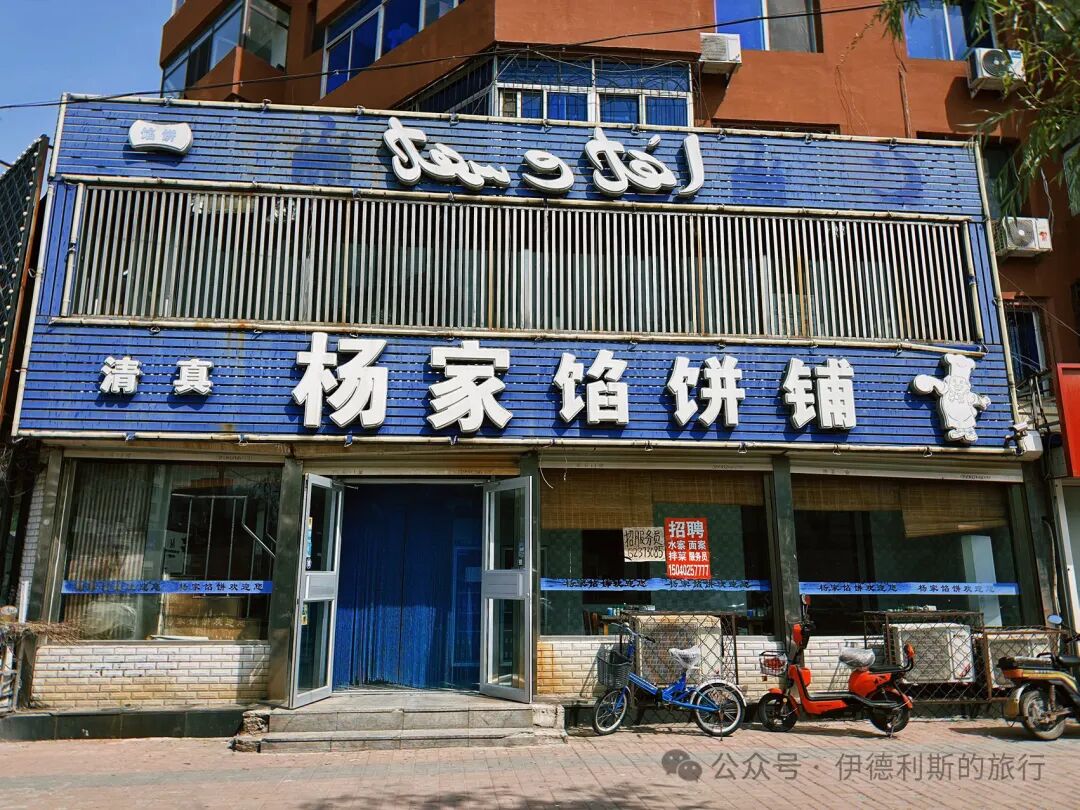
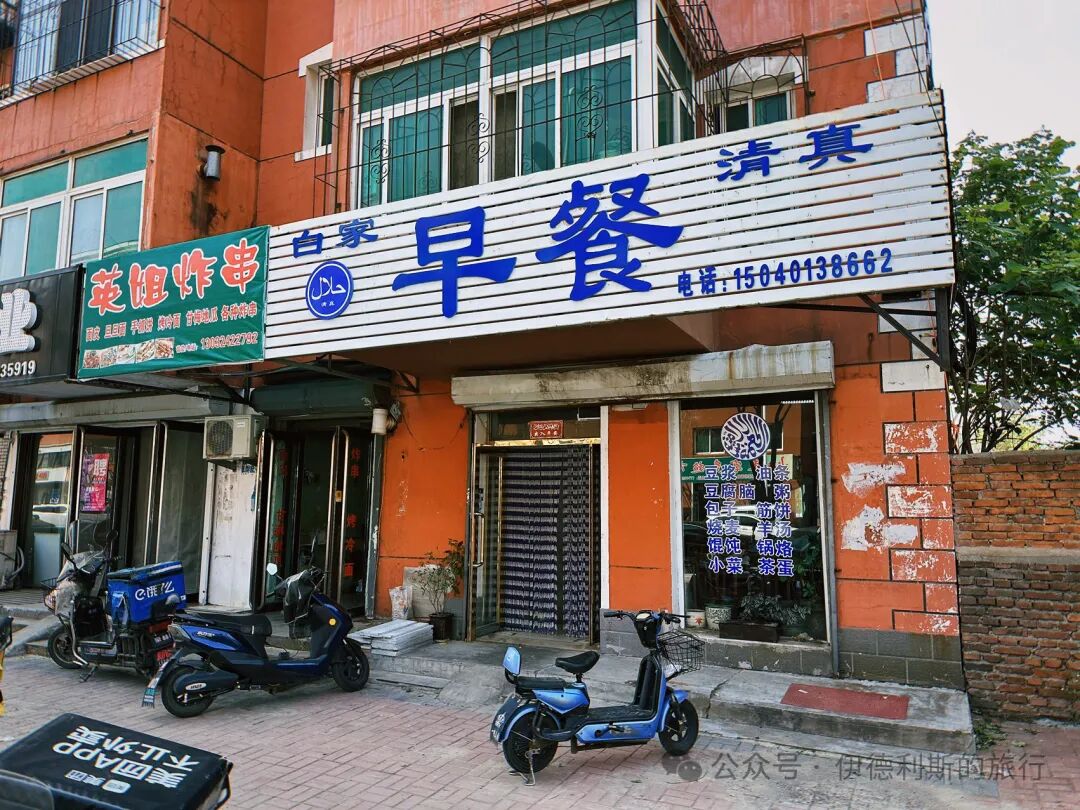
Around Xinmin Mosque, you can see halal restaurants with signs for the Jin, Bai, and Yang families. These are common surnames among Hui Muslims in the eastern region. We took a break at one of the breakfast shops and had some millet porridge and soy milk. The dried tofu (gan doufu) in Liaoning is really delicious.
Summary: Halal Travel Guide: Shenyang and Xinmin - Morning Market, Mosque and Liaoning Food is presented here as a firsthand travel account in clear, natural English. The account focuses on Shenyang, Xinmin, Liaoning Travel while preserving the names, places, food, photos, and historical details from the Chinese source.
I went to Liaoning for the Dragon Boat Festival holiday. I took a high-speed train from Beijing Chaoyang Station to Shenyang in the evening. The next morning, I went to the Lijiang Morning Market in Shenyang and had lamb soup (yangtang), steamed dumplings (shaomai), and pan-fried meat pockets (huitou) at Heige Lamb Soup. The breakfast stalls at the morning market are all about great value! Steamed dumplings are 7 yuan a basket, and pan-fried meat pockets are 2 yuan each. It is hard to find prices like this in a restaurant. They wrap and cook everything fresh. The lamb in the soup is fresh meat the owner cuts himself. He slices it thin, and it cooks quickly when swished in the hot soup, keeping it very tender.
Looking at the street scene, many people are also eating breakfast at the meat pie and steamed bun shops in the nearby residential area. You cannot tell from the outside, but they are all full inside.
On the third morning, I visited the Bayi Morning Market in Shenyang. Shenyang really has a lot of morning markets, and every one of them is full of delicious food. We started by eating meat pies (xianbing) and lamb offal soup (yangza) at Yinji Meat Pie and Lamb Offal Shop. The small meat pies were a great deal at 2 yuan each. Walking further, there were all kinds of fresh fruits, vegetables, and seafood, plus stalls selling Tieling beef fire-baked cakes (huoshao) and steamed dumplings (shaomai). Eating breakfast at the morning market really has a great atmosphere.
At the Bayi Morning Market, there were stalls selling spiced beef and beef sauce. The beef sauce looked incredibly delicious! It would definitely taste amazing with steamed buns (mantou) or white rice porridge.
After finishing at the morning market, we took a train from Shenyang Station to Xinmin. Xinmin is located in the northwest of Shenyang. In the early years of the Qianlong reign of the Qing Dynasty, many new immigrants came here to farm during the 'Rush to the Northeast' (Chuang Guandong), which is how the name 'Xinmin' came to be. During the Qianlong reign, many Hui Muslims came to Xinmin, and later in 1765 (the 30th year of Qianlong), they built the Xinmin Mosque in Nanyingzi. The Xinmin Mosque was burned down in 1866 (the 5th year of Tongzhi) and rebuilt in 1883 (the 9th year of Guangxu), which is the structure we see today.
The main structure of Xinmin Mosque consists of a porch (juanpeng), the main prayer hall, a rear vaulted hall (yaodian), and the Moon-Sighting Tower (wangyuelou) on top of the vaulted hall. The Moon-Sighting Tower has a double-eaved, four-cornered pointed roof, topped with a 1.5-meter-tall copper wind-mill finial. The beams of the porch are decorated with Suzhou-style paintings, and the carved wooden screens feature various delicate patterns.
The main gate and side rooms of Xinmin Mosque. Above the main gate hangs a plaque reading "Correct Yourself to Correct Others," erected in the ninth year of the Guangxu reign by Liu Dianyuan, a garrison commander with the rank of blue-feathered guard.
There are three plaques in front of the main prayer hall. The first is the "Unique for All Eternity" plaque, erected in the twelfth year of the Tongzhi reign by Zhang Delu, a military general; Ha Zhongguang, a hereditary cavalry captain; and Ma Shaochun, a magistrate candidate.
The second is the "Focus and Unify" plaque, erected in the ninth year of the Guangxu reign by Ding Chunxi, a military officer and decorated warrior.
The third plaque is inscribed with 'Sincere Heart and Respectful Mind' (Chengyi Jingxin), presented in the ninth year of the Guangxu reign by Zuo Baogui, a decorated commander and provincial military leader in charge of the Fengtian garrison. Zuo Baogui was a famous general and anti-Japanese hero during the late Qing Dynasty. He led his troops to garrison Fengtian in 1875 (the first year of the Guangxu reign) and began commanding the Fengtian Army in 1880 (the fifth year of the Guangxu reign). Zuo Baogui was stationed in Fengtian for twenty years. During this time, he was devoted to his faith, supported public welfare and education, donated to build many mosques, set up charity schools and porridge kitchens, and wrote plaques for many mosques.
The main hall of Xinmin Mosque features beautiful calligraphy in the flowing script style on its mihrab, minbar, and roof ends. This is a traditional Chinese calligraphy style that originated in Shandong during the Ming and Qing dynasties and flourished in Northeast China along with the Shandong school.
Qing Dynasty stone door bases and stone tablets are piled up in the backyard of Xinmin Mosque. Among them, a stone tablet from the Tongzhi reign period records a contract for a cemetery, including the names of donors and the boundaries of the land. The inscription on the tablet also makes a precious mention of the now-vanished North Xinmin Mosque. Xinmin North Mosque was built in 1853 (the 15th year of the Daoguang reign). Its kiln-style hall featured a double-eaved moon-viewing tower, but it was destroyed between the 1960s and 1970s.
Around Xinmin Mosque, you can see halal restaurants with signs for the Jin, Bai, and Yang families. These are common surnames among Hui Muslims in the eastern region. We took a break at one of the breakfast shops and had some millet porridge and soy milk. The dried tofu (gan doufu) in Liaoning is really delicious.
Halal Travel Guide: Shenyang and Xinmin - Morning Market, Mosque and Liaoning Food
Articles • ali2007fr posted the article • 0 comments • 212 views • 2026-05-19 09:31
Reposted from the web
Summary: Halal Travel Guide: Shenyang and Xinmin - Morning Market, Mosque and Liaoning Food is presented here as a firsthand travel account in clear, natural English. The account focuses on Shenyang, Xinmin, Liaoning Travel while preserving the names, places, food, photos, and historical details from the Chinese source.
I went to Liaoning for the Dragon Boat Festival holiday. I took a high-speed train from Beijing Chaoyang Station to Shenyang in the evening. The next morning, I went to the Lijiang Morning Market in Shenyang and had lamb soup (yangtang), steamed dumplings (shaomai), and pan-fried meat pockets (huitou) at Heige Lamb Soup. The breakfast stalls at the morning market are all about great value! Steamed dumplings are 7 yuan a basket, and pan-fried meat pockets are 2 yuan each. It is hard to find prices like this in a restaurant. They wrap and cook everything fresh. The lamb in the soup is fresh meat the owner cuts himself. He slices it thin, and it cooks quickly when swished in the hot soup, keeping it very tender.
Looking at the street scene, many people are also eating breakfast at the meat pie and steamed bun shops in the nearby residential area. You cannot tell from the outside, but they are all full inside.
On the third morning, I visited the Bayi Morning Market in Shenyang. Shenyang really has a lot of morning markets, and every one of them is full of delicious food. We started by eating meat pies (xianbing) and lamb offal soup (yangza) at Yinji Meat Pie and Lamb Offal Shop. The small meat pies were a great deal at 2 yuan each. Walking further, there were all kinds of fresh fruits, vegetables, and seafood, plus stalls selling Tieling beef fire-baked cakes (huoshao) and steamed dumplings (shaomai). Eating breakfast at the morning market really has a great atmosphere.
At the Bayi Morning Market, there were stalls selling spiced beef and beef sauce. The beef sauce looked incredibly delicious! It would definitely taste amazing with steamed buns (mantou) or white rice porridge.
After finishing at the morning market, we took a train from Shenyang Station to Xinmin. Xinmin is located in the northwest of Shenyang. In the early years of the Qianlong reign of the Qing Dynasty, many new immigrants came here to farm during the 'Rush to the Northeast' (Chuang Guandong), which is how the name 'Xinmin' came to be. During the Qianlong reign, many Hui Muslims came to Xinmin, and later in 1765 (the 30th year of Qianlong), they built the Xinmin Mosque in Nanyingzi. The Xinmin Mosque was burned down in 1866 (the 5th year of Tongzhi) and rebuilt in 1883 (the 9th year of Guangxu), which is the structure we see today.
The main structure of Xinmin Mosque consists of a porch (juanpeng), the main prayer hall, a rear vaulted hall (yaodian), and the Moon-Sighting Tower (wangyuelou) on top of the vaulted hall. The Moon-Sighting Tower has a double-eaved, four-cornered pointed roof, topped with a 1.5-meter-tall copper wind-mill finial. The beams of the porch are decorated with Suzhou-style paintings, and the carved wooden screens feature various delicate patterns.
The main gate and side rooms of Xinmin Mosque. Above the main gate hangs a plaque reading "Correct Yourself to Correct Others," erected in the ninth year of the Guangxu reign by Liu Dianyuan, a garrison commander with the rank of blue-feathered guard.
There are three plaques in front of the main prayer hall. The first is the "Unique for All Eternity" plaque, erected in the twelfth year of the Tongzhi reign by Zhang Delu, a military general; Ha Zhongguang, a hereditary cavalry captain; and Ma Shaochun, a magistrate candidate.
The second is the "Focus and Unify" plaque, erected in the ninth year of the Guangxu reign by Ding Chunxi, a military officer and decorated warrior.
The third plaque is inscribed with 'Sincere Heart and Respectful Mind' (Chengyi Jingxin), presented in the ninth year of the Guangxu reign by Zuo Baogui, a decorated commander and provincial military leader in charge of the Fengtian garrison. Zuo Baogui was a famous general and anti-Japanese hero during the late Qing Dynasty. He led his troops to garrison Fengtian in 1875 (the first year of the Guangxu reign) and began commanding the Fengtian Army in 1880 (the fifth year of the Guangxu reign). Zuo Baogui was stationed in Fengtian for twenty years. During this time, he was devoted to his faith, supported public welfare and education, donated to build many mosques, set up charity schools and porridge kitchens, and wrote plaques for many mosques.
The main hall of Xinmin Mosque features beautiful calligraphy in the flowing script style on its mihrab, minbar, and roof ends. This is a traditional Chinese calligraphy style that originated in Shandong during the Ming and Qing dynasties and flourished in Northeast China along with the Shandong school.
Qing Dynasty stone door bases and stone tablets are piled up in the backyard of Xinmin Mosque. Among them, a stone tablet from the Tongzhi reign period records a contract for a cemetery, including the names of donors and the boundaries of the land. The inscription on the tablet also makes a precious mention of the now-vanished North Xinmin Mosque. Xinmin North Mosque was built in 1853 (the 15th year of the Daoguang reign). Its kiln-style hall featured a double-eaved moon-viewing tower, but it was destroyed between the 1960s and 1970s.
Around Xinmin Mosque, you can see halal restaurants with signs for the Jin, Bai, and Yang families. These are common surnames among Hui Muslims in the eastern region. We took a break at one of the breakfast shops and had some millet porridge and soy milk. The dried tofu (gan doufu) in Liaoning is really delicious. view all
Summary: Halal Travel Guide: Shenyang and Xinmin - Morning Market, Mosque and Liaoning Food is presented here as a firsthand travel account in clear, natural English. The account focuses on Shenyang, Xinmin, Liaoning Travel while preserving the names, places, food, photos, and historical details from the Chinese source.
I went to Liaoning for the Dragon Boat Festival holiday. I took a high-speed train from Beijing Chaoyang Station to Shenyang in the evening. The next morning, I went to the Lijiang Morning Market in Shenyang and had lamb soup (yangtang), steamed dumplings (shaomai), and pan-fried meat pockets (huitou) at Heige Lamb Soup. The breakfast stalls at the morning market are all about great value! Steamed dumplings are 7 yuan a basket, and pan-fried meat pockets are 2 yuan each. It is hard to find prices like this in a restaurant. They wrap and cook everything fresh. The lamb in the soup is fresh meat the owner cuts himself. He slices it thin, and it cooks quickly when swished in the hot soup, keeping it very tender.
Looking at the street scene, many people are also eating breakfast at the meat pie and steamed bun shops in the nearby residential area. You cannot tell from the outside, but they are all full inside.
On the third morning, I visited the Bayi Morning Market in Shenyang. Shenyang really has a lot of morning markets, and every one of them is full of delicious food. We started by eating meat pies (xianbing) and lamb offal soup (yangza) at Yinji Meat Pie and Lamb Offal Shop. The small meat pies were a great deal at 2 yuan each. Walking further, there were all kinds of fresh fruits, vegetables, and seafood, plus stalls selling Tieling beef fire-baked cakes (huoshao) and steamed dumplings (shaomai). Eating breakfast at the morning market really has a great atmosphere.
At the Bayi Morning Market, there were stalls selling spiced beef and beef sauce. The beef sauce looked incredibly delicious! It would definitely taste amazing with steamed buns (mantou) or white rice porridge.
After finishing at the morning market, we took a train from Shenyang Station to Xinmin. Xinmin is located in the northwest of Shenyang. In the early years of the Qianlong reign of the Qing Dynasty, many new immigrants came here to farm during the 'Rush to the Northeast' (Chuang Guandong), which is how the name 'Xinmin' came to be. During the Qianlong reign, many Hui Muslims came to Xinmin, and later in 1765 (the 30th year of Qianlong), they built the Xinmin Mosque in Nanyingzi. The Xinmin Mosque was burned down in 1866 (the 5th year of Tongzhi) and rebuilt in 1883 (the 9th year of Guangxu), which is the structure we see today.
The main structure of Xinmin Mosque consists of a porch (juanpeng), the main prayer hall, a rear vaulted hall (yaodian), and the Moon-Sighting Tower (wangyuelou) on top of the vaulted hall. The Moon-Sighting Tower has a double-eaved, four-cornered pointed roof, topped with a 1.5-meter-tall copper wind-mill finial. The beams of the porch are decorated with Suzhou-style paintings, and the carved wooden screens feature various delicate patterns.
The main gate and side rooms of Xinmin Mosque. Above the main gate hangs a plaque reading "Correct Yourself to Correct Others," erected in the ninth year of the Guangxu reign by Liu Dianyuan, a garrison commander with the rank of blue-feathered guard.
There are three plaques in front of the main prayer hall. The first is the "Unique for All Eternity" plaque, erected in the twelfth year of the Tongzhi reign by Zhang Delu, a military general; Ha Zhongguang, a hereditary cavalry captain; and Ma Shaochun, a magistrate candidate.
The second is the "Focus and Unify" plaque, erected in the ninth year of the Guangxu reign by Ding Chunxi, a military officer and decorated warrior.
The third plaque is inscribed with 'Sincere Heart and Respectful Mind' (Chengyi Jingxin), presented in the ninth year of the Guangxu reign by Zuo Baogui, a decorated commander and provincial military leader in charge of the Fengtian garrison. Zuo Baogui was a famous general and anti-Japanese hero during the late Qing Dynasty. He led his troops to garrison Fengtian in 1875 (the first year of the Guangxu reign) and began commanding the Fengtian Army in 1880 (the fifth year of the Guangxu reign). Zuo Baogui was stationed in Fengtian for twenty years. During this time, he was devoted to his faith, supported public welfare and education, donated to build many mosques, set up charity schools and porridge kitchens, and wrote plaques for many mosques.
The main hall of Xinmin Mosque features beautiful calligraphy in the flowing script style on its mihrab, minbar, and roof ends. This is a traditional Chinese calligraphy style that originated in Shandong during the Ming and Qing dynasties and flourished in Northeast China along with the Shandong school.
Qing Dynasty stone door bases and stone tablets are piled up in the backyard of Xinmin Mosque. Among them, a stone tablet from the Tongzhi reign period records a contract for a cemetery, including the names of donors and the boundaries of the land. The inscription on the tablet also makes a precious mention of the now-vanished North Xinmin Mosque. Xinmin North Mosque was built in 1853 (the 15th year of the Daoguang reign). Its kiln-style hall featured a double-eaved moon-viewing tower, but it was destroyed between the 1960s and 1970s.
Around Xinmin Mosque, you can see halal restaurants with signs for the Jin, Bai, and Yang families. These are common surnames among Hui Muslims in the eastern region. We took a break at one of the breakfast shops and had some millet porridge and soy milk. The dried tofu (gan doufu) in Liaoning is really delicious. view all
Reposted from the web
Summary: Halal Travel Guide: Shenyang and Xinmin - Morning Market, Mosque and Liaoning Food is presented here as a firsthand travel account in clear, natural English. The account focuses on Shenyang, Xinmin, Liaoning Travel while preserving the names, places, food, photos, and historical details from the Chinese source.
I went to Liaoning for the Dragon Boat Festival holiday. I took a high-speed train from Beijing Chaoyang Station to Shenyang in the evening. The next morning, I went to the Lijiang Morning Market in Shenyang and had lamb soup (yangtang), steamed dumplings (shaomai), and pan-fried meat pockets (huitou) at Heige Lamb Soup. The breakfast stalls at the morning market are all about great value! Steamed dumplings are 7 yuan a basket, and pan-fried meat pockets are 2 yuan each. It is hard to find prices like this in a restaurant. They wrap and cook everything fresh. The lamb in the soup is fresh meat the owner cuts himself. He slices it thin, and it cooks quickly when swished in the hot soup, keeping it very tender.
Looking at the street scene, many people are also eating breakfast at the meat pie and steamed bun shops in the nearby residential area. You cannot tell from the outside, but they are all full inside.
On the third morning, I visited the Bayi Morning Market in Shenyang. Shenyang really has a lot of morning markets, and every one of them is full of delicious food. We started by eating meat pies (xianbing) and lamb offal soup (yangza) at Yinji Meat Pie and Lamb Offal Shop. The small meat pies were a great deal at 2 yuan each. Walking further, there were all kinds of fresh fruits, vegetables, and seafood, plus stalls selling Tieling beef fire-baked cakes (huoshao) and steamed dumplings (shaomai). Eating breakfast at the morning market really has a great atmosphere.
At the Bayi Morning Market, there were stalls selling spiced beef and beef sauce. The beef sauce looked incredibly delicious! It would definitely taste amazing with steamed buns (mantou) or white rice porridge.
After finishing at the morning market, we took a train from Shenyang Station to Xinmin. Xinmin is located in the northwest of Shenyang. In the early years of the Qianlong reign of the Qing Dynasty, many new immigrants came here to farm during the 'Rush to the Northeast' (Chuang Guandong), which is how the name 'Xinmin' came to be. During the Qianlong reign, many Hui Muslims came to Xinmin, and later in 1765 (the 30th year of Qianlong), they built the Xinmin Mosque in Nanyingzi. The Xinmin Mosque was burned down in 1866 (the 5th year of Tongzhi) and rebuilt in 1883 (the 9th year of Guangxu), which is the structure we see today.
The main structure of Xinmin Mosque consists of a porch (juanpeng), the main prayer hall, a rear vaulted hall (yaodian), and the Moon-Sighting Tower (wangyuelou) on top of the vaulted hall. The Moon-Sighting Tower has a double-eaved, four-cornered pointed roof, topped with a 1.5-meter-tall copper wind-mill finial. The beams of the porch are decorated with Suzhou-style paintings, and the carved wooden screens feature various delicate patterns.
The main gate and side rooms of Xinmin Mosque. Above the main gate hangs a plaque reading "Correct Yourself to Correct Others," erected in the ninth year of the Guangxu reign by Liu Dianyuan, a garrison commander with the rank of blue-feathered guard.
There are three plaques in front of the main prayer hall. The first is the "Unique for All Eternity" plaque, erected in the twelfth year of the Tongzhi reign by Zhang Delu, a military general; Ha Zhongguang, a hereditary cavalry captain; and Ma Shaochun, a magistrate candidate.
The second is the "Focus and Unify" plaque, erected in the ninth year of the Guangxu reign by Ding Chunxi, a military officer and decorated warrior.
The third plaque is inscribed with 'Sincere Heart and Respectful Mind' (Chengyi Jingxin), presented in the ninth year of the Guangxu reign by Zuo Baogui, a decorated commander and provincial military leader in charge of the Fengtian garrison. Zuo Baogui was a famous general and anti-Japanese hero during the late Qing Dynasty. He led his troops to garrison Fengtian in 1875 (the first year of the Guangxu reign) and began commanding the Fengtian Army in 1880 (the fifth year of the Guangxu reign). Zuo Baogui was stationed in Fengtian for twenty years. During this time, he was devoted to his faith, supported public welfare and education, donated to build many mosques, set up charity schools and porridge kitchens, and wrote plaques for many mosques.
The main hall of Xinmin Mosque features beautiful calligraphy in the flowing script style on its mihrab, minbar, and roof ends. This is a traditional Chinese calligraphy style that originated in Shandong during the Ming and Qing dynasties and flourished in Northeast China along with the Shandong school.
Qing Dynasty stone door bases and stone tablets are piled up in the backyard of Xinmin Mosque. Among them, a stone tablet from the Tongzhi reign period records a contract for a cemetery, including the names of donors and the boundaries of the land. The inscription on the tablet also makes a precious mention of the now-vanished North Xinmin Mosque. Xinmin North Mosque was built in 1853 (the 15th year of the Daoguang reign). Its kiln-style hall featured a double-eaved moon-viewing tower, but it was destroyed between the 1960s and 1970s.
Around Xinmin Mosque, you can see halal restaurants with signs for the Jin, Bai, and Yang families. These are common surnames among Hui Muslims in the eastern region. We took a break at one of the breakfast shops and had some millet porridge and soy milk. The dried tofu (gan doufu) in Liaoning is really delicious.
Summary: Halal Travel Guide: Shenyang and Xinmin - Morning Market, Mosque and Liaoning Food is presented here as a firsthand travel account in clear, natural English. The account focuses on Shenyang, Xinmin, Liaoning Travel while preserving the names, places, food, photos, and historical details from the Chinese source.
I went to Liaoning for the Dragon Boat Festival holiday. I took a high-speed train from Beijing Chaoyang Station to Shenyang in the evening. The next morning, I went to the Lijiang Morning Market in Shenyang and had lamb soup (yangtang), steamed dumplings (shaomai), and pan-fried meat pockets (huitou) at Heige Lamb Soup. The breakfast stalls at the morning market are all about great value! Steamed dumplings are 7 yuan a basket, and pan-fried meat pockets are 2 yuan each. It is hard to find prices like this in a restaurant. They wrap and cook everything fresh. The lamb in the soup is fresh meat the owner cuts himself. He slices it thin, and it cooks quickly when swished in the hot soup, keeping it very tender.
Looking at the street scene, many people are also eating breakfast at the meat pie and steamed bun shops in the nearby residential area. You cannot tell from the outside, but they are all full inside.
On the third morning, I visited the Bayi Morning Market in Shenyang. Shenyang really has a lot of morning markets, and every one of them is full of delicious food. We started by eating meat pies (xianbing) and lamb offal soup (yangza) at Yinji Meat Pie and Lamb Offal Shop. The small meat pies were a great deal at 2 yuan each. Walking further, there were all kinds of fresh fruits, vegetables, and seafood, plus stalls selling Tieling beef fire-baked cakes (huoshao) and steamed dumplings (shaomai). Eating breakfast at the morning market really has a great atmosphere.
At the Bayi Morning Market, there were stalls selling spiced beef and beef sauce. The beef sauce looked incredibly delicious! It would definitely taste amazing with steamed buns (mantou) or white rice porridge.
After finishing at the morning market, we took a train from Shenyang Station to Xinmin. Xinmin is located in the northwest of Shenyang. In the early years of the Qianlong reign of the Qing Dynasty, many new immigrants came here to farm during the 'Rush to the Northeast' (Chuang Guandong), which is how the name 'Xinmin' came to be. During the Qianlong reign, many Hui Muslims came to Xinmin, and later in 1765 (the 30th year of Qianlong), they built the Xinmin Mosque in Nanyingzi. The Xinmin Mosque was burned down in 1866 (the 5th year of Tongzhi) and rebuilt in 1883 (the 9th year of Guangxu), which is the structure we see today.
The main structure of Xinmin Mosque consists of a porch (juanpeng), the main prayer hall, a rear vaulted hall (yaodian), and the Moon-Sighting Tower (wangyuelou) on top of the vaulted hall. The Moon-Sighting Tower has a double-eaved, four-cornered pointed roof, topped with a 1.5-meter-tall copper wind-mill finial. The beams of the porch are decorated with Suzhou-style paintings, and the carved wooden screens feature various delicate patterns.
The main gate and side rooms of Xinmin Mosque. Above the main gate hangs a plaque reading "Correct Yourself to Correct Others," erected in the ninth year of the Guangxu reign by Liu Dianyuan, a garrison commander with the rank of blue-feathered guard.
There are three plaques in front of the main prayer hall. The first is the "Unique for All Eternity" plaque, erected in the twelfth year of the Tongzhi reign by Zhang Delu, a military general; Ha Zhongguang, a hereditary cavalry captain; and Ma Shaochun, a magistrate candidate.
The second is the "Focus and Unify" plaque, erected in the ninth year of the Guangxu reign by Ding Chunxi, a military officer and decorated warrior.
The third plaque is inscribed with 'Sincere Heart and Respectful Mind' (Chengyi Jingxin), presented in the ninth year of the Guangxu reign by Zuo Baogui, a decorated commander and provincial military leader in charge of the Fengtian garrison. Zuo Baogui was a famous general and anti-Japanese hero during the late Qing Dynasty. He led his troops to garrison Fengtian in 1875 (the first year of the Guangxu reign) and began commanding the Fengtian Army in 1880 (the fifth year of the Guangxu reign). Zuo Baogui was stationed in Fengtian for twenty years. During this time, he was devoted to his faith, supported public welfare and education, donated to build many mosques, set up charity schools and porridge kitchens, and wrote plaques for many mosques.
The main hall of Xinmin Mosque features beautiful calligraphy in the flowing script style on its mihrab, minbar, and roof ends. This is a traditional Chinese calligraphy style that originated in Shandong during the Ming and Qing dynasties and flourished in Northeast China along with the Shandong school.
Qing Dynasty stone door bases and stone tablets are piled up in the backyard of Xinmin Mosque. Among them, a stone tablet from the Tongzhi reign period records a contract for a cemetery, including the names of donors and the boundaries of the land. The inscription on the tablet also makes a precious mention of the now-vanished North Xinmin Mosque. Xinmin North Mosque was built in 1853 (the 15th year of the Daoguang reign). Its kiln-style hall featured a double-eaved moon-viewing tower, but it was destroyed between the 1960s and 1970s.
Around Xinmin Mosque, you can see halal restaurants with signs for the Jin, Bai, and Yang families. These are common surnames among Hui Muslims in the eastern region. We took a break at one of the breakfast shops and had some millet porridge and soy milk. The dried tofu (gan doufu) in Liaoning is really delicious.