

Xishuangbanna
Xishuangbanna Paxi Dai: Hui Muslims Who Speak Dai and Their Muslim Heritage
Articles • ali2007fr posted the article • 0 comments • 198 views • 2026-05-17 07:35
Reposted from the web
Summary: This travel note introduces Xishuangbanna Paxi Dai: Hui Muslims Who Speak Dai and Their Muslim Heritage. Author: Zainab. It is useful for readers interested in Xishuangbanna, Hui Muslims, Dai Culture.
Author: Zainab
During the October holiday, I went to Xishuangbanna with my parents to visit the Tai-speaking Muslim community known as the Paxi Dai.
The Paxi Dai live in two villages in Menghai County, Xishuangbanna Prefecture: Manluanhui and Mansaihui. In the Tai language, 'man' means 'village'. The Paxi Dai call themselves 'Paxi', follow Islam, observe the faith, but speak the Tai language, use the Tai script, and cook halal Tai-style food. It can be said that they have integrated into Tai culture while maintaining their identity as Hui Muslims.
During the Jiaqing and Daoguang periods of the Qing Dynasty, with the opening of a trade route from the interior through Pu'er and Menghai into Kengtung and Yangon in Myanmar, and then by sea to India and Arabia, Menghai became an important transit point for Yunnan horse caravans traveling to Myanmar and Thailand for business. The famous Yunnan Islamic scholar Ma Dexin recorded in his 'Travels to the Hajj' that in 1841, he followed a horse caravan from Dali through Menghai to Yangon, Myanmar, to board a ship for the Hajj. During this period, a Hui Muslim caravan leader from Dali named Ma Wulong came to Menghai and gifted the local leader, Zhaomeng Zhaoyakun, three loads of salt, which led the Zhaomeng to agree to set aside a small mountain hollow for Ma Wulong to live in. Ma Wulong later married a Tai woman, had a son named Yanhan, and then returned to his hometown. After reaching adulthood, Yanhan also married a Tai woman and had four sons and two daughters, gradually forming the current Paxi Dai village of 'Manluanhui'.
After the late Qing Dynasty and the Republican era, as Menghai's status as a Pu'er tea production center rose, some Hui Muslims from Dali and Tonghai came to Menghai to make a living and married girls from the Tai village of 'Mansailong' to settle down. Around the 1930s, they officially separated from 'Mansailong', forming the current Paxi Dai village of 'Mansaihui'.
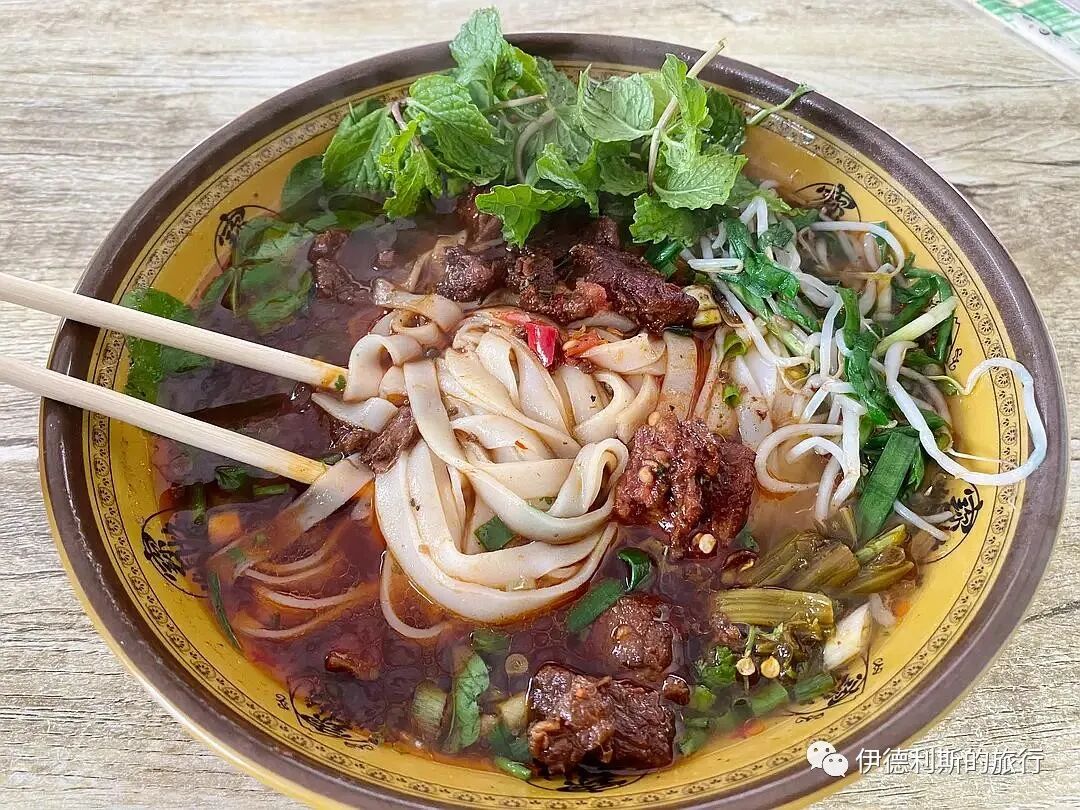
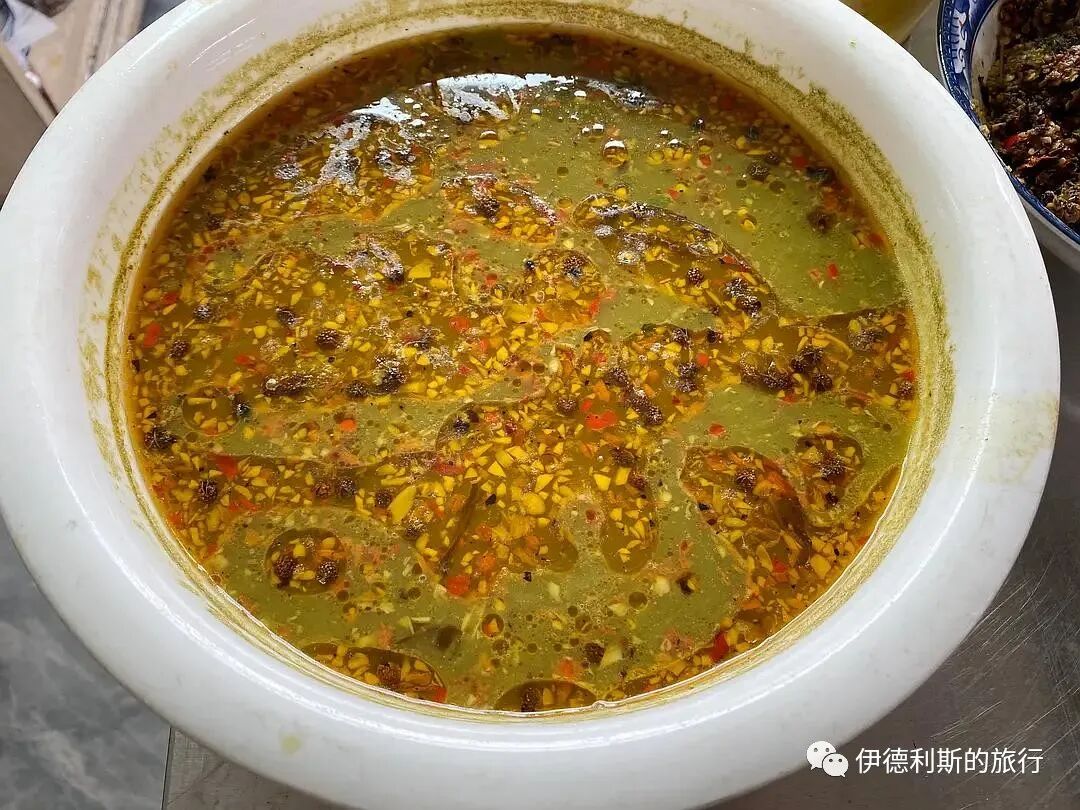
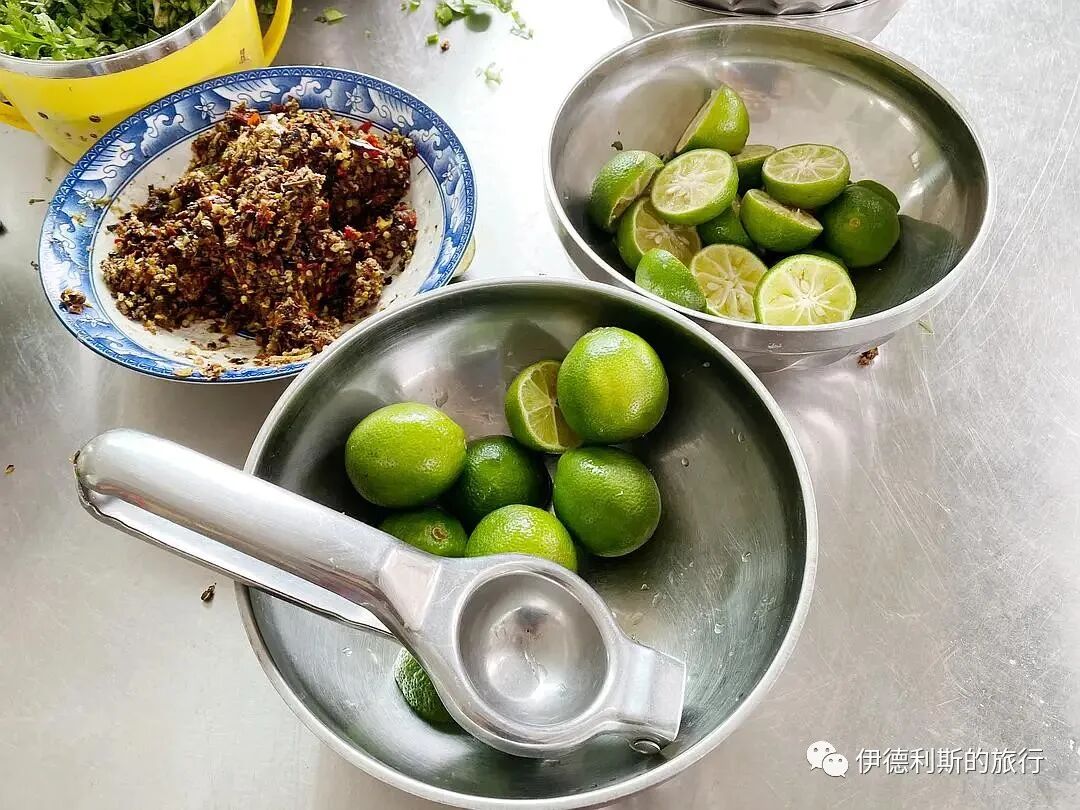
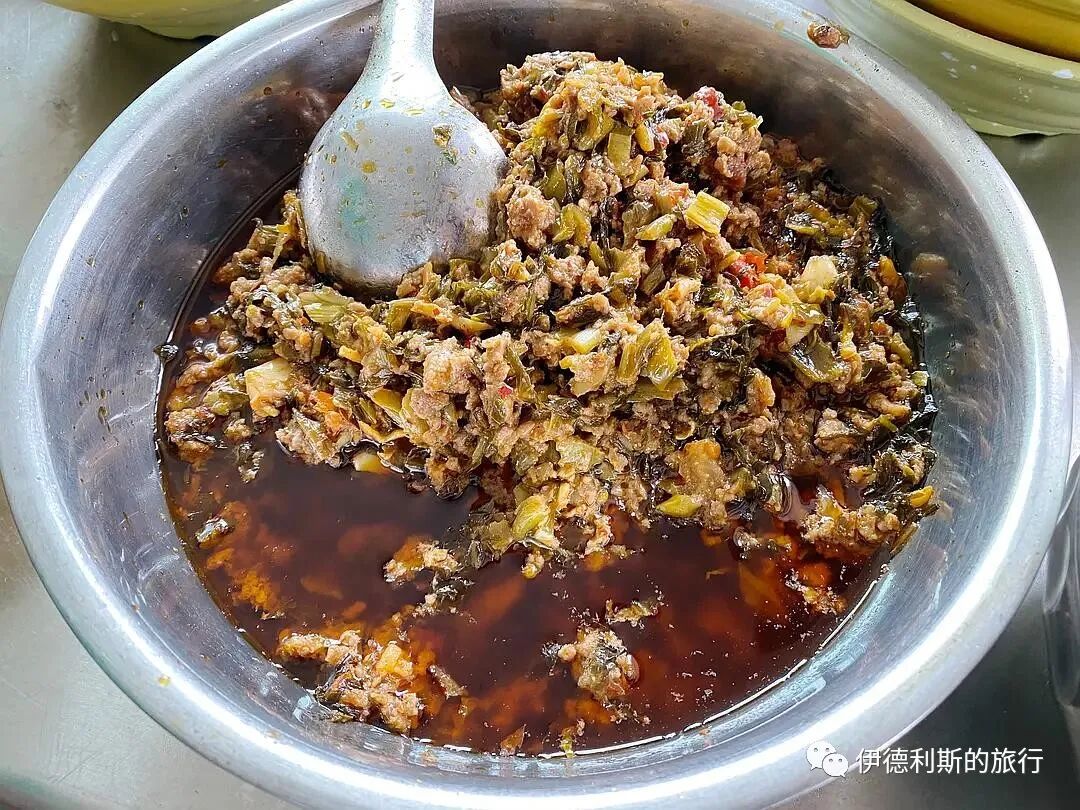
On the morning of October 1st, I rented a car in Jinghong and arrived at Manluanhui in about 50 minutes for a halal Tai-style breakfast. The restaurant I chose was called Paxi Dai. The Paxi Dai mainly eat beef rice noodles and migan (rice noodles) in the morning; we ordered the migan. The variety of small side dishes here is really rich, including pea tips, chives, bean sprouts, and various dipping sauces. The key is that their beef is too delicious! It is slightly sweet and especially fragrant.
After breakfast, we went to the Dayi Manor in Menghai County to visit the Pu'er tea production, and at noon we returned to Manluanhui to eat authentic Paxi Dai home-cooked food at a restaurant called Huixiangyuan. Like many small home-style restaurants in Yunnan, there is no paper menu here. All the ingredients are displayed in a cabinet. You point to an ingredient and ask the owner how it can be cooked, and the owner tells you directly. This feeling is quite good.
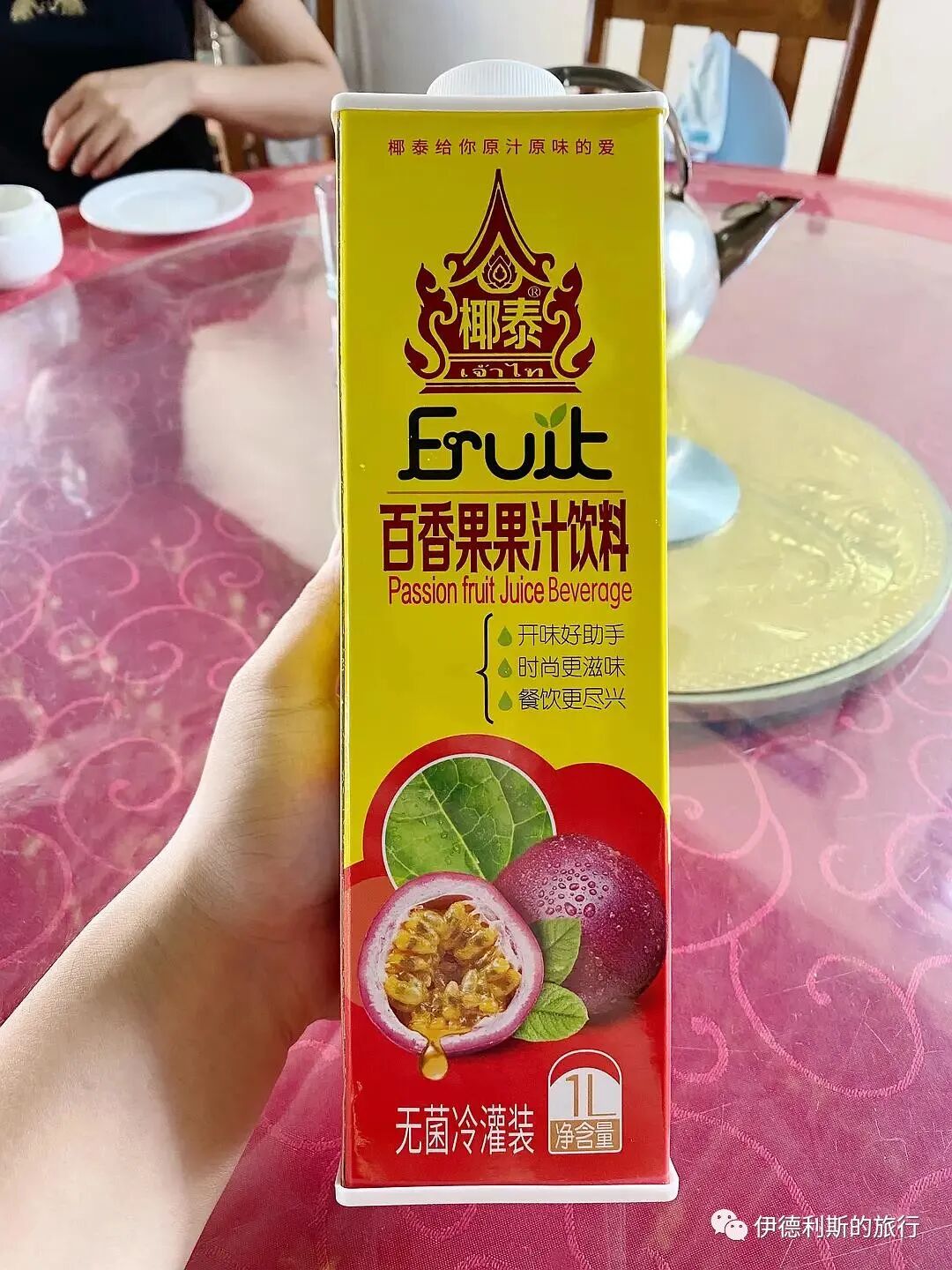
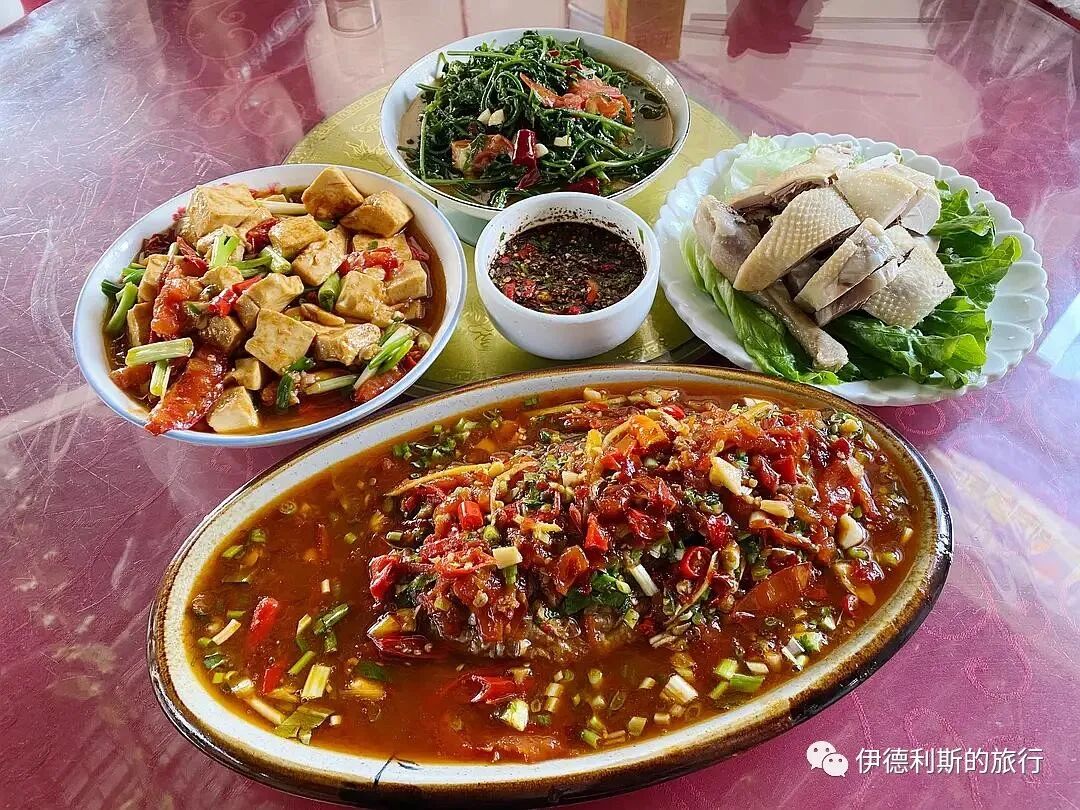
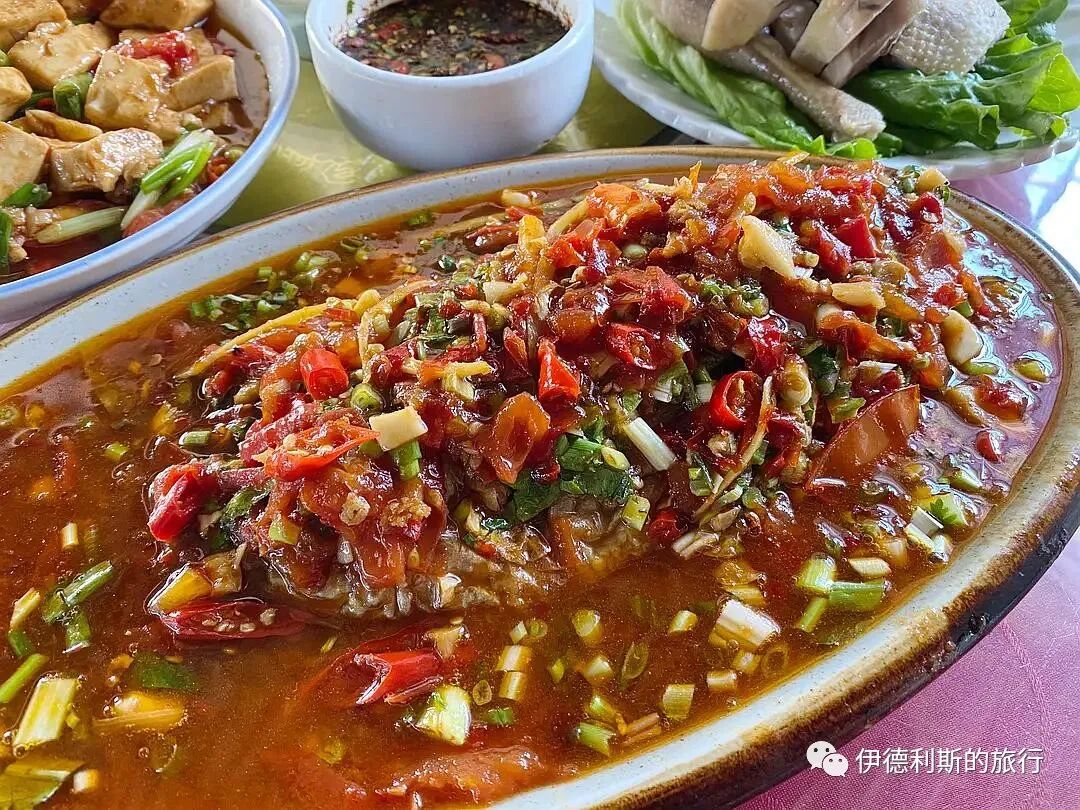
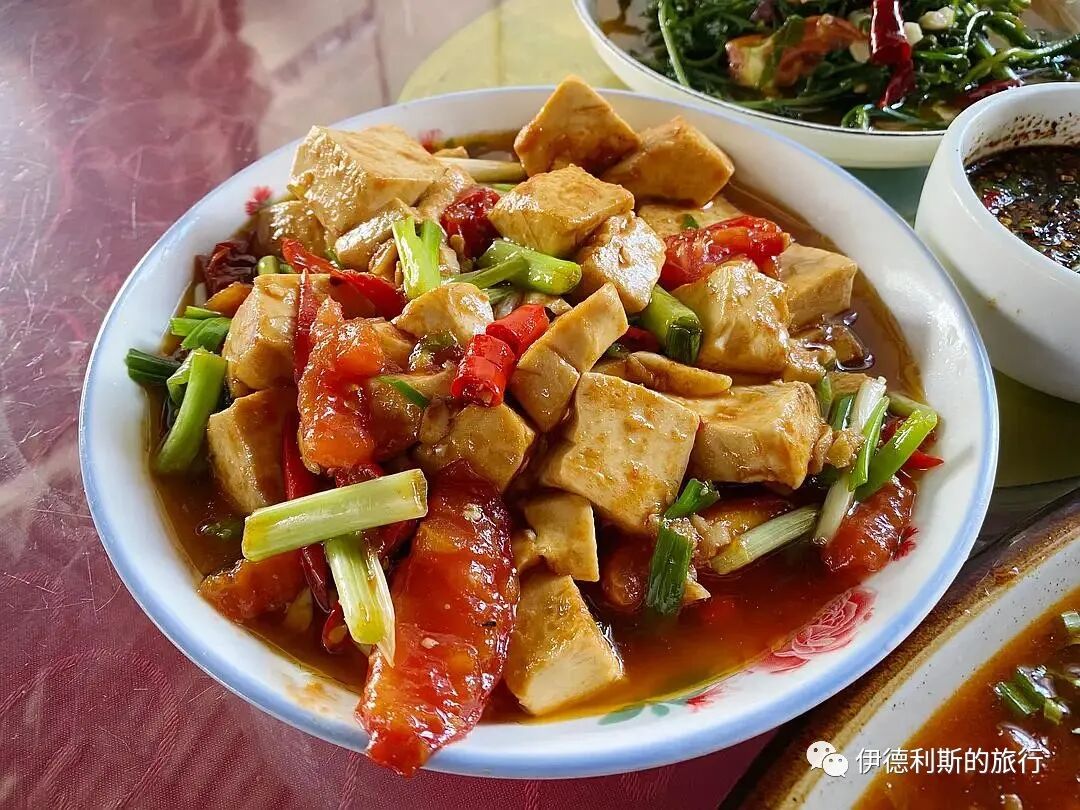
We ordered sour and spicy tilapia, grilled tofu, grilled bracken, and white-palm chicken (cold chicken) with Tai-style dipping sauce, and also drank passion fruit juice. Everything was very much to our taste. Among these dishes, our whole family agreed that the sour and spicy fish was the best. The sauce poured over it was fantastic and went very well with rice. In addition, the Tai-style sour and spicy flavor is very strong. If you cannot eat spicy food, you should tell the owner in advance to make it mild.
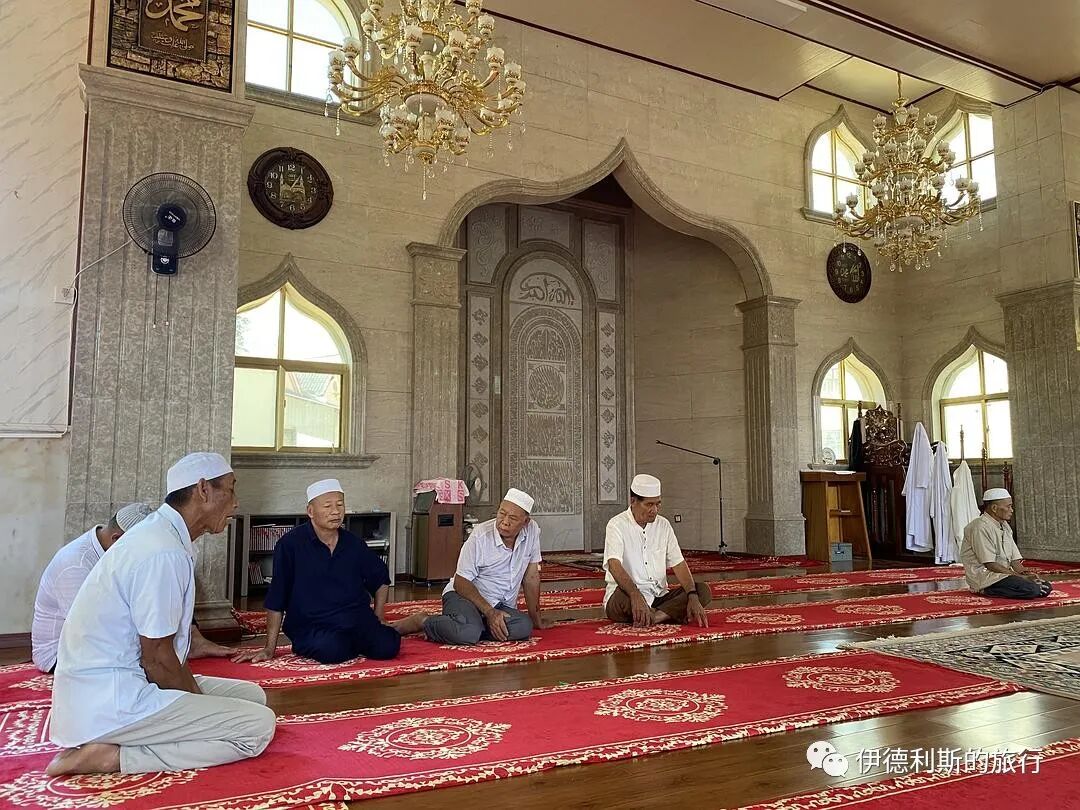
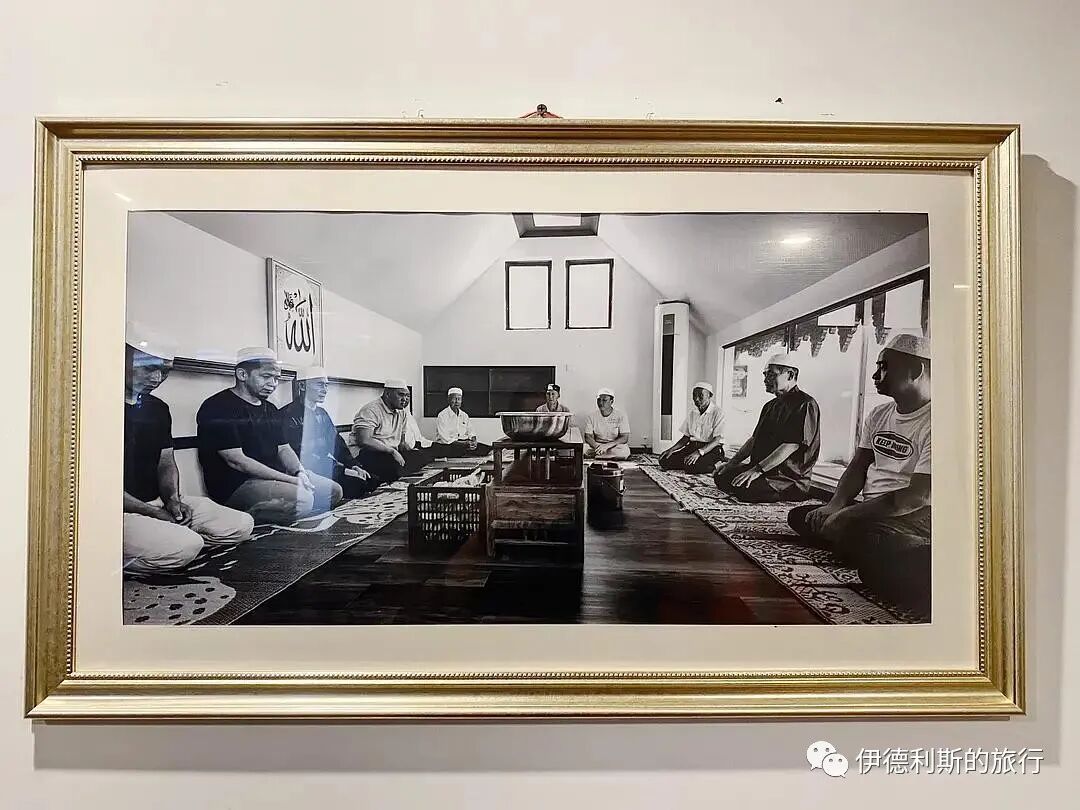
At noon, I accompanied my parents to the Manluanhui mosque for Jumu'ah prayer. After the Paxi Dai settled in Manluanhui, they built the first mosque with thatched roofs and bamboo walls. It was later rebuilt into a mosque with tiled roofs and bamboo walls, but it was destroyed in 1909 during the war between the Jinghong Xuanweisi and the Menghai Tusi. The mosque was rebuilt again, destroyed again in 1958, rebuilt as a brick and tile mosque in 1982, and rebuilt again between 2016 and 2018 into the current concrete mosque. The current Manluanhui mosque is the only mosque building in the country with a Tai-style architectural design.
The current Imam is from Weishan, Dali. There were many people at Jumu'ah, and at first, everyone took turns reciting the Quran.
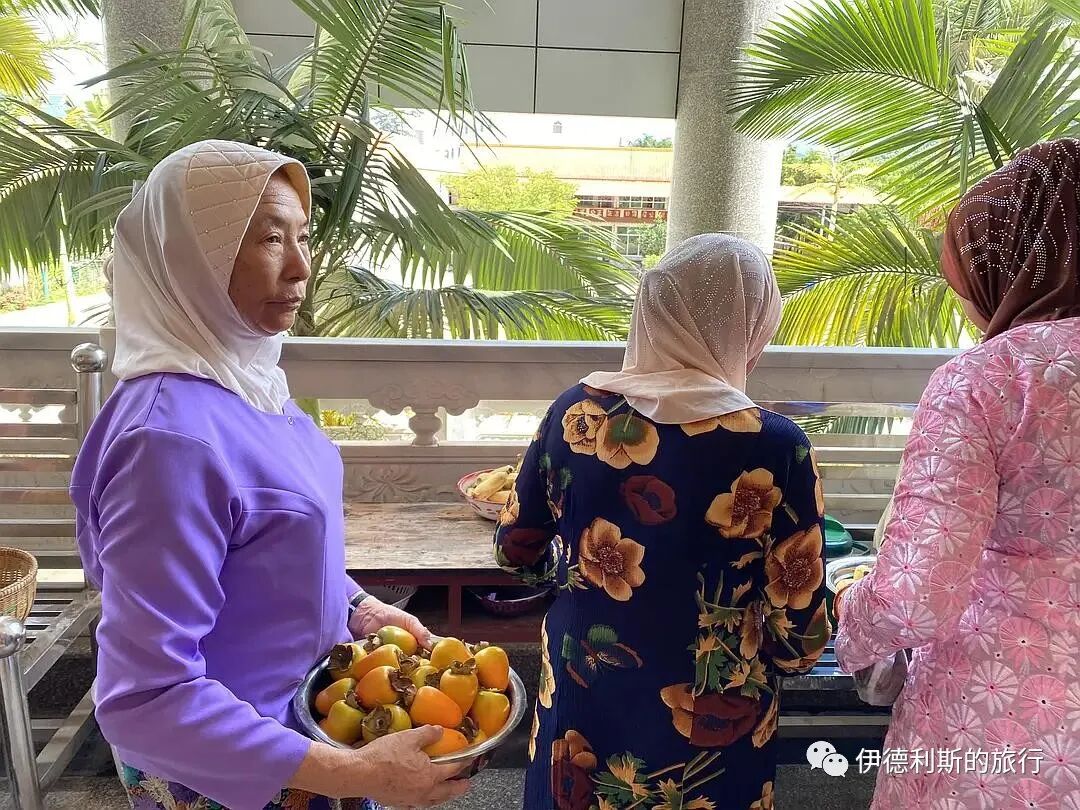
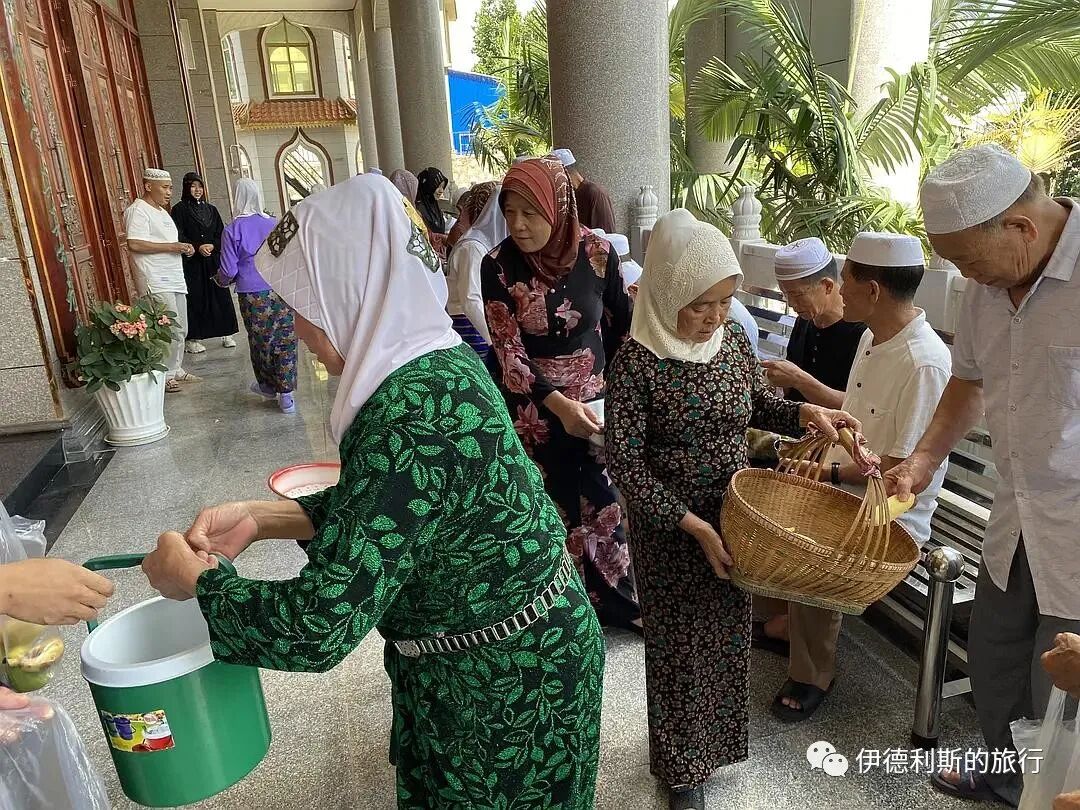
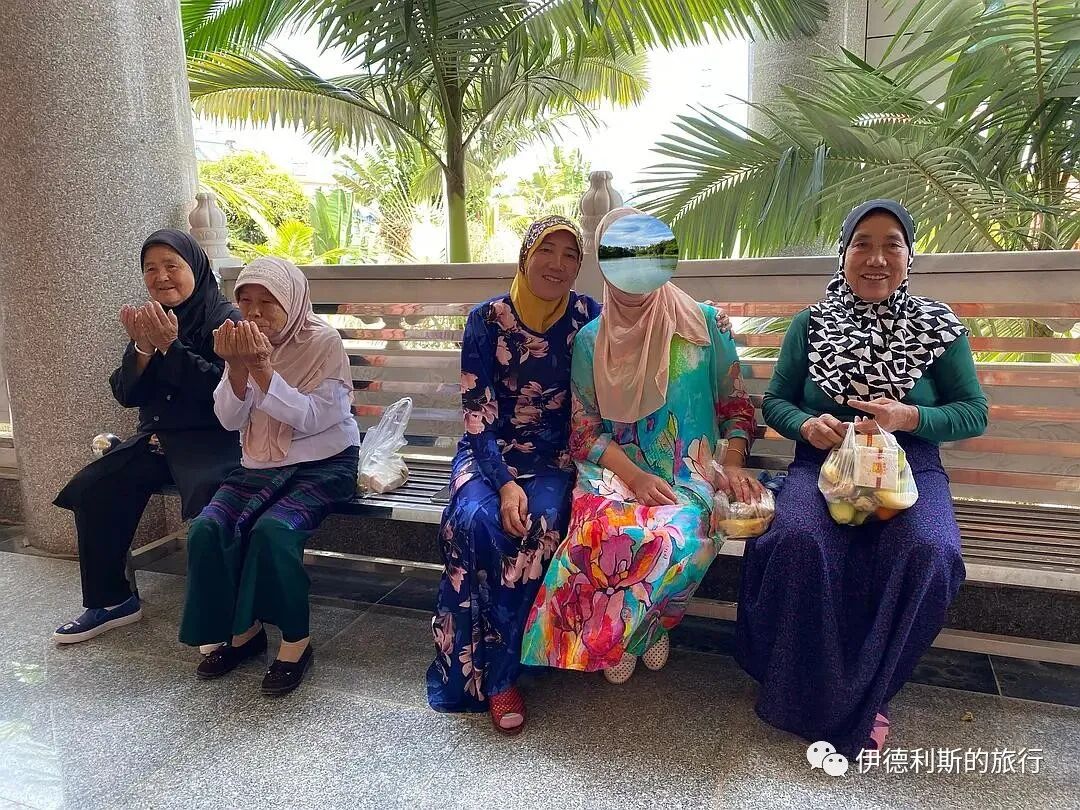
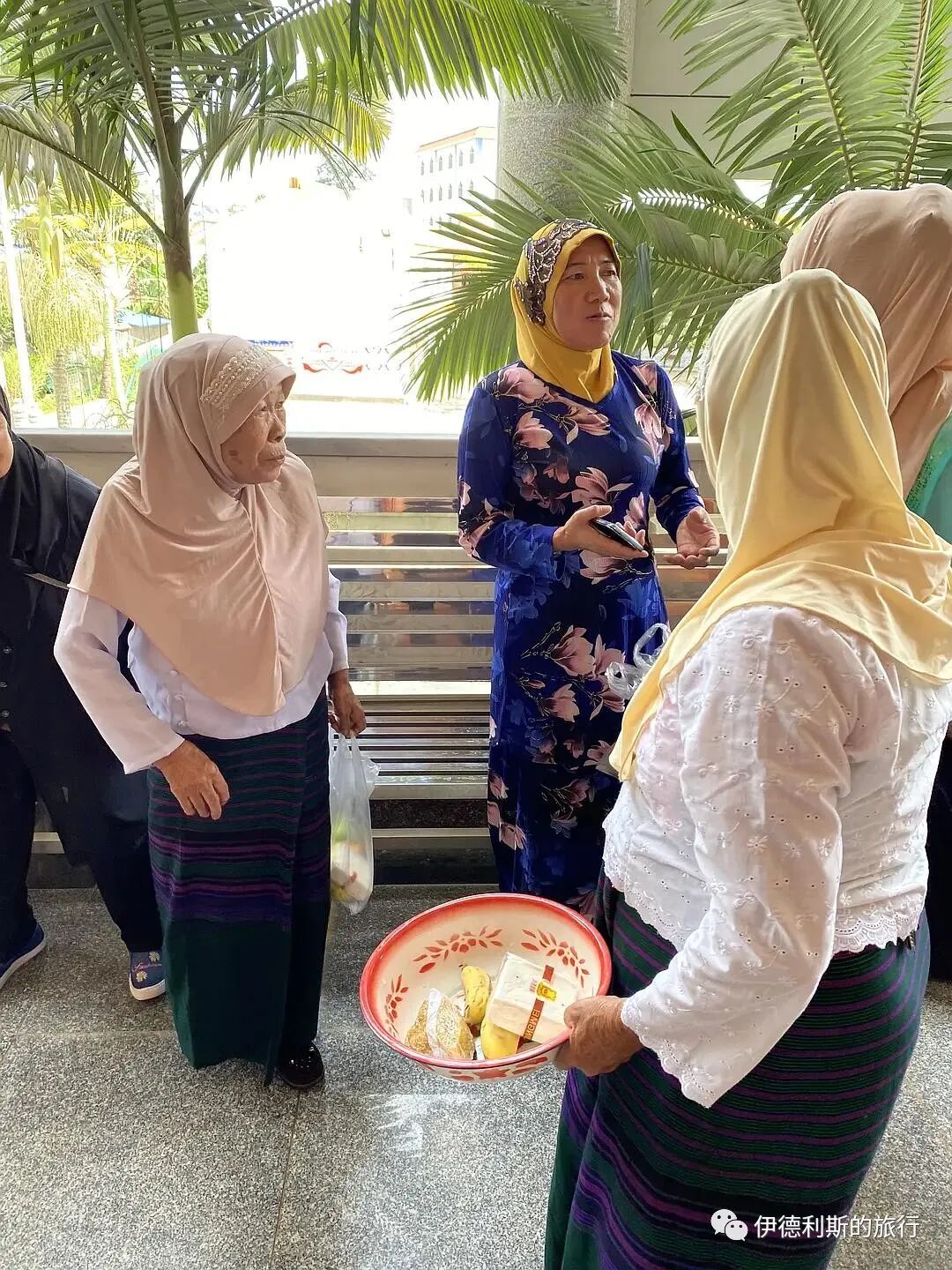
After leaving the prayer hall, various Paxi Dai aunties, men, women, and children—our brothers and sisters in faith—wearing Tai clothing, carried baskets and basins to distribute fruits grown at home and snacks they had made to everyone. It was very lively!
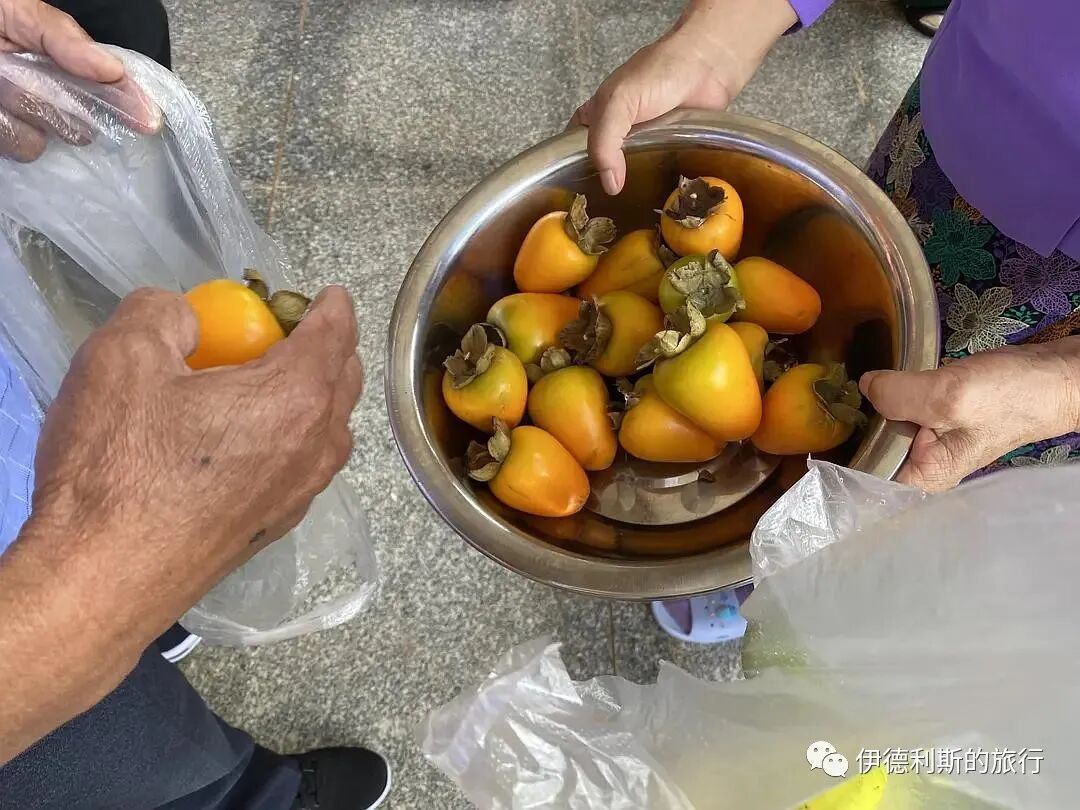
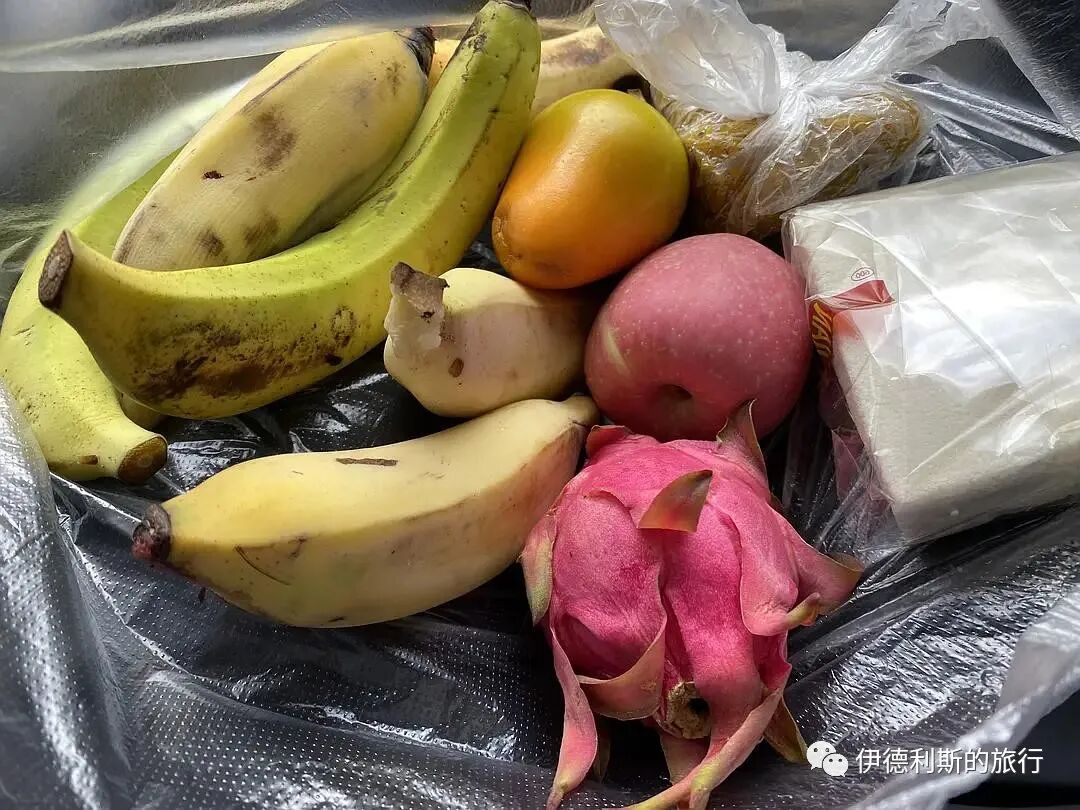
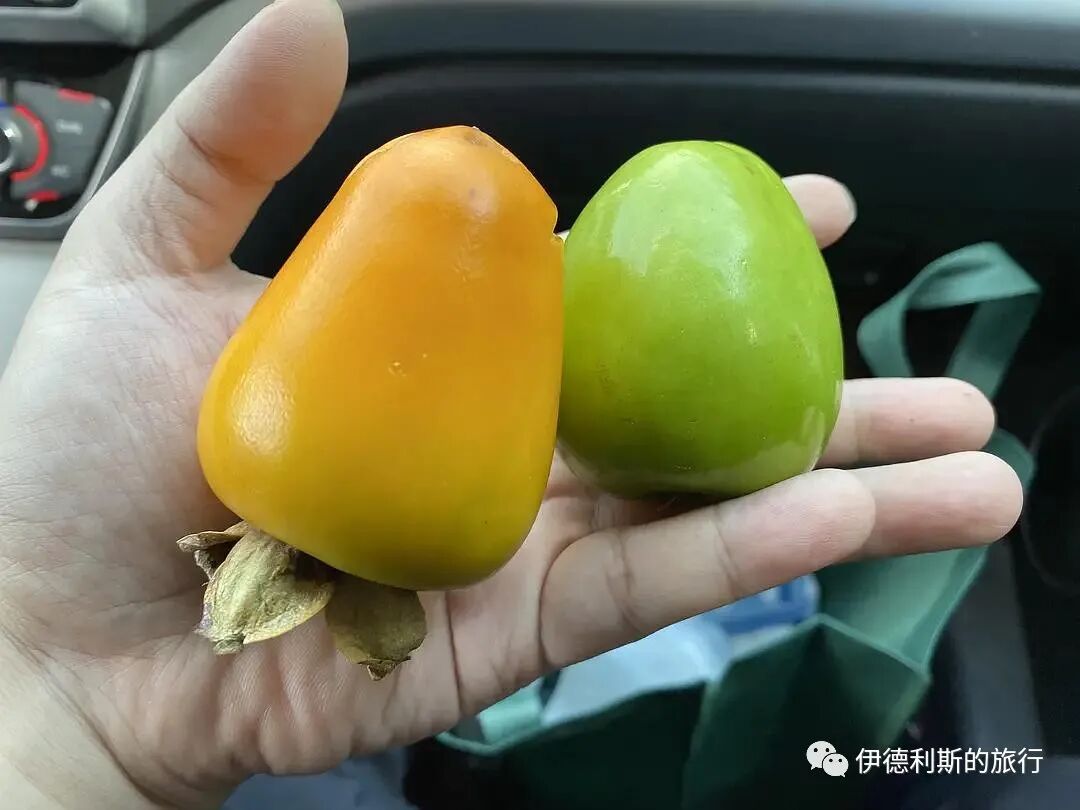
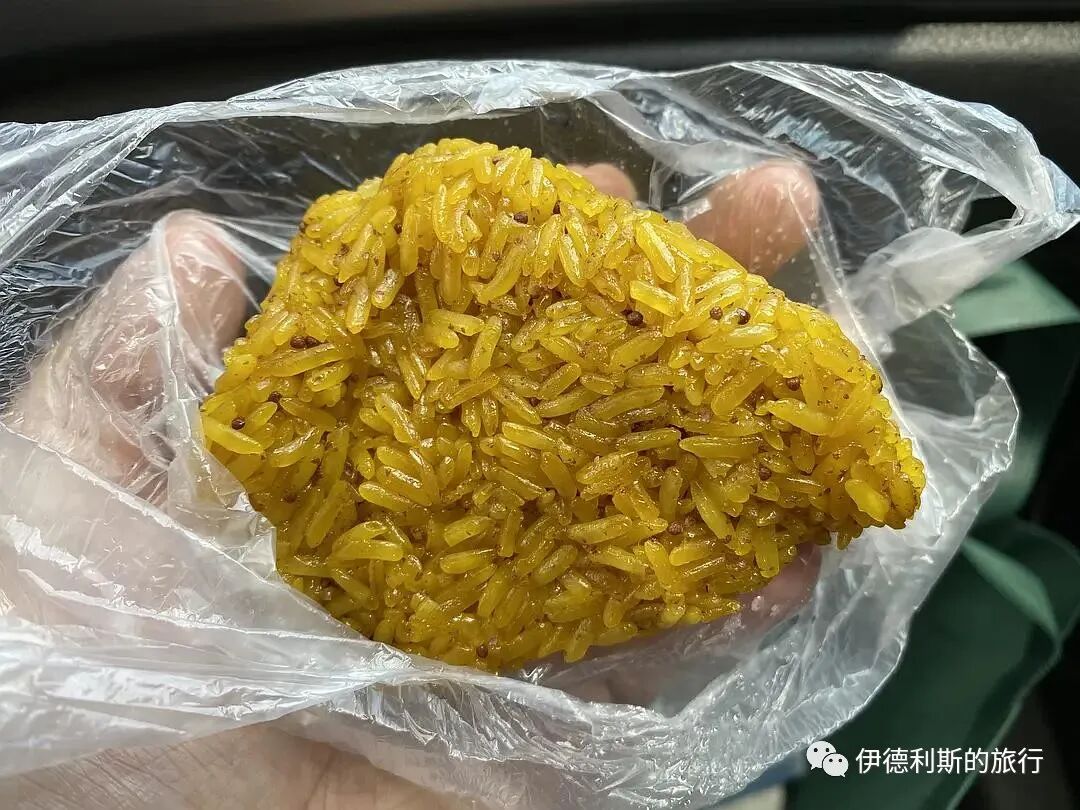
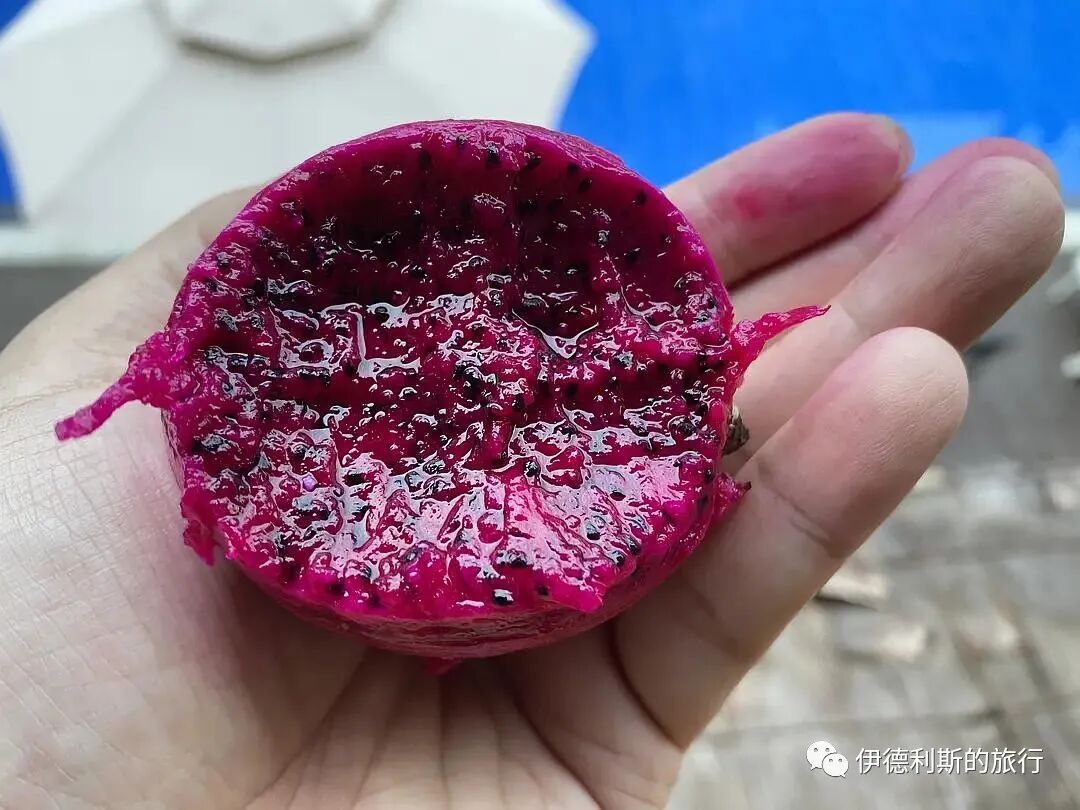
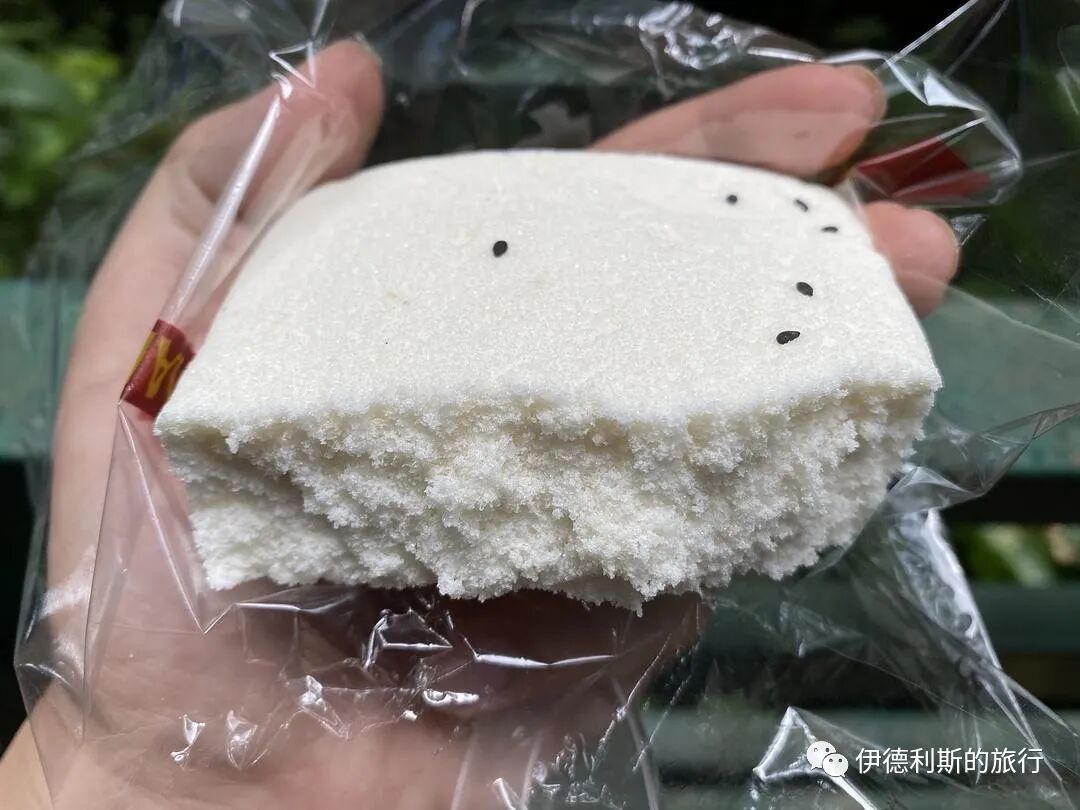
We received bananas, dragon fruit, persimmons, milk dates, etc., distributed by everyone, as well as rice cakes and hot, freshly made sticky rice. The ripe bananas were especially sweet, much better than those bought at the market. The milk dates were also super sweet. After eating them, I felt that the ones bought in Beijing could only be described as bland and tasteless!
The Paxi Dai like to eat this kind of sticky rice in the morning.
Homemade rice cakes.
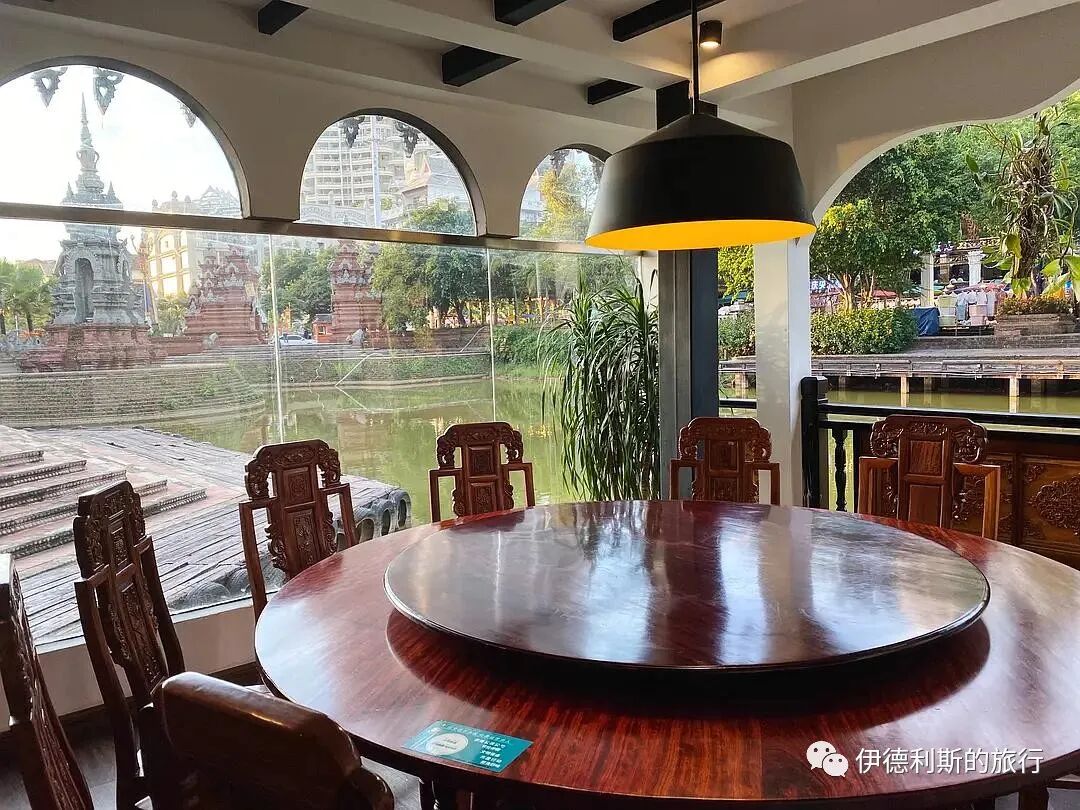
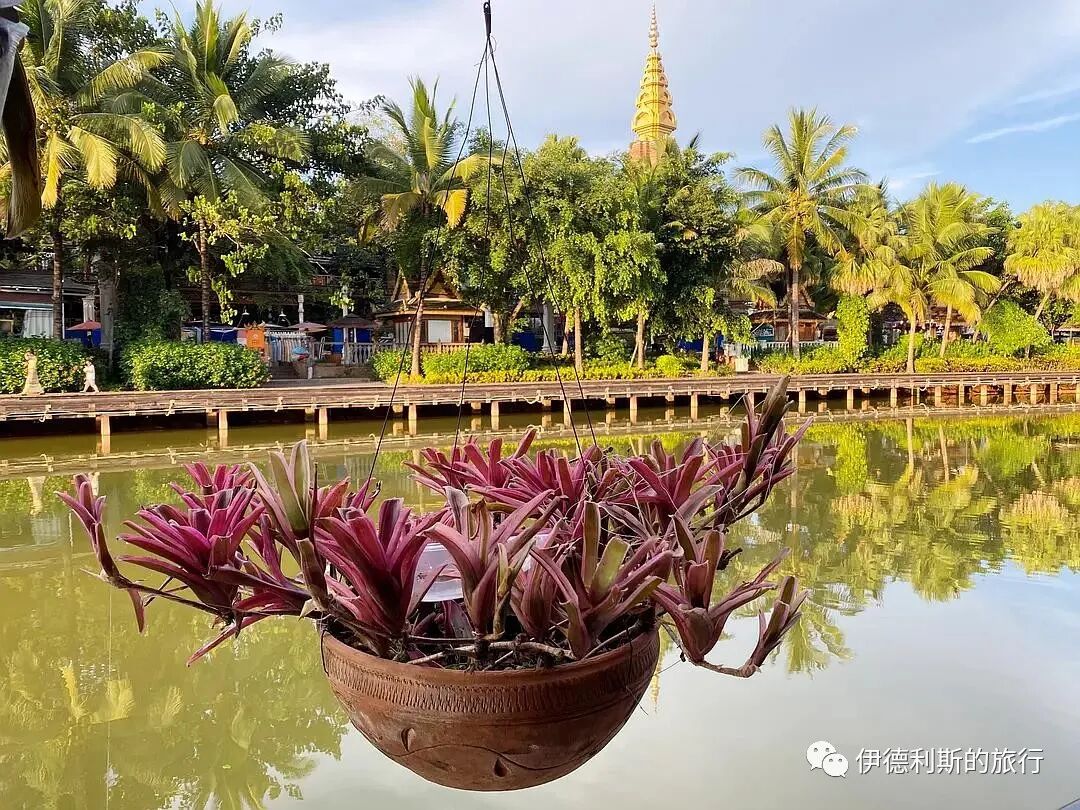
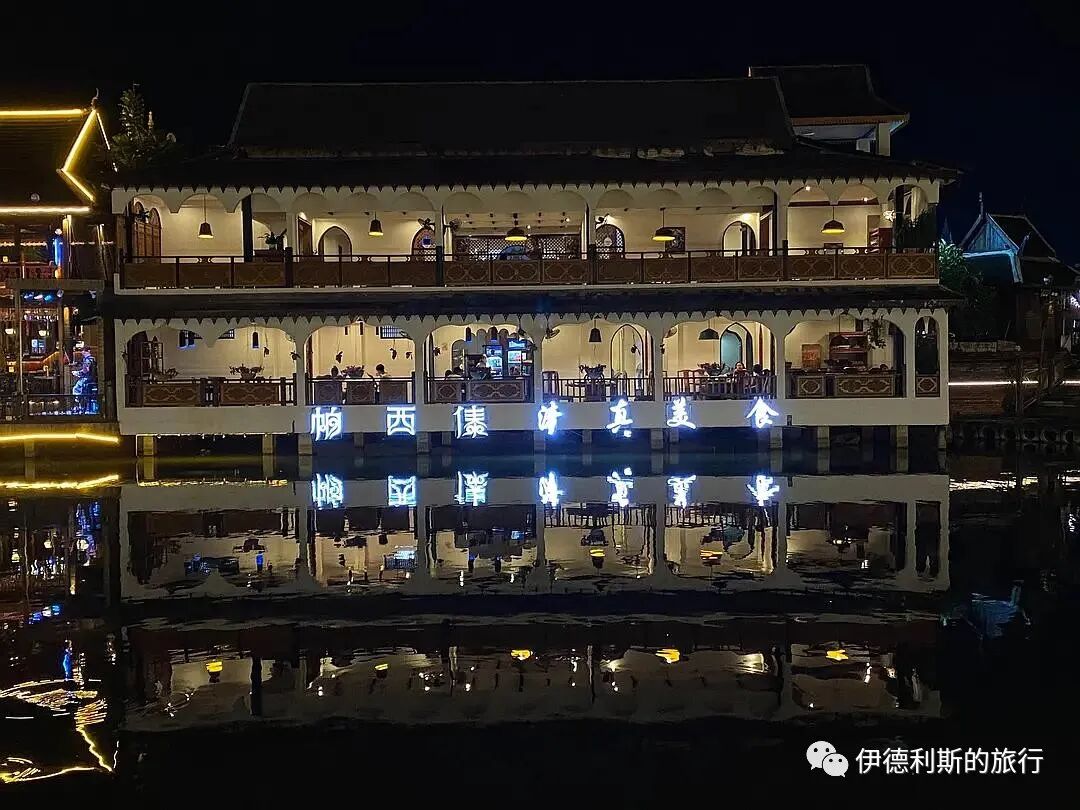
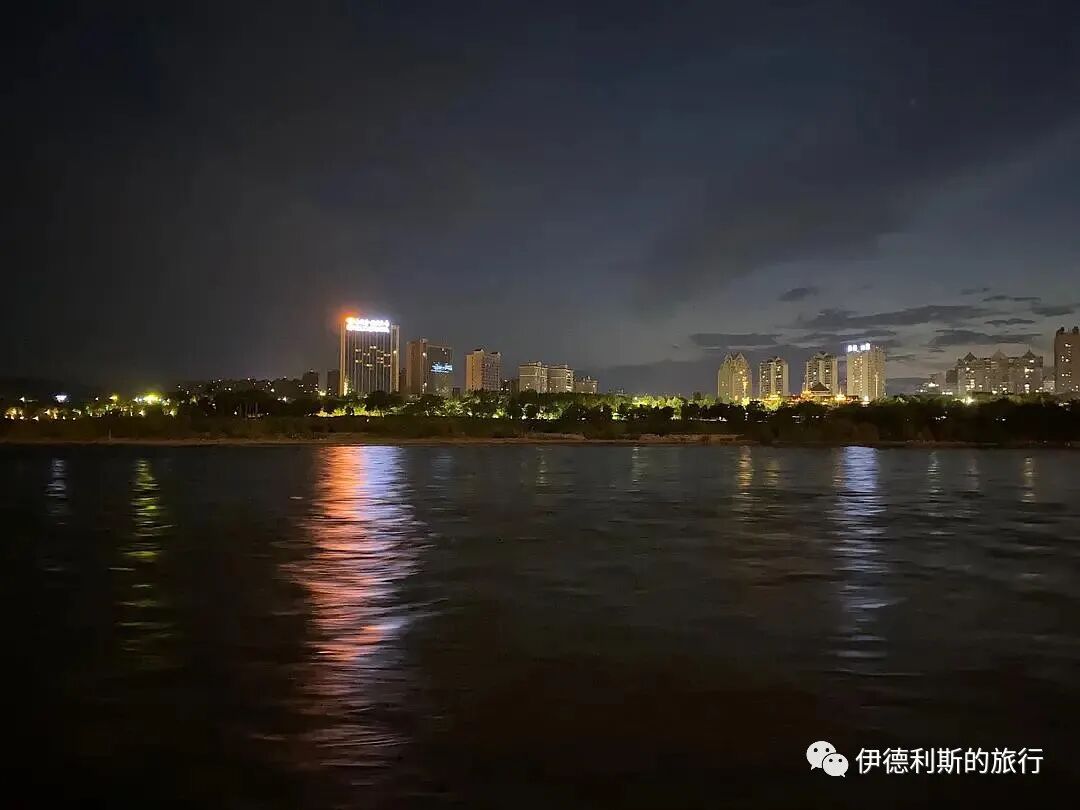
In the evening, we went to the Paxi Dai restaurant at the Ganbai Street night market in Jinghong. The landlady is a Paxi Dai from Manluanhui. The restaurant is by the lake, opposite the famous Starlight Night Market, so you can eat while watching the night view.
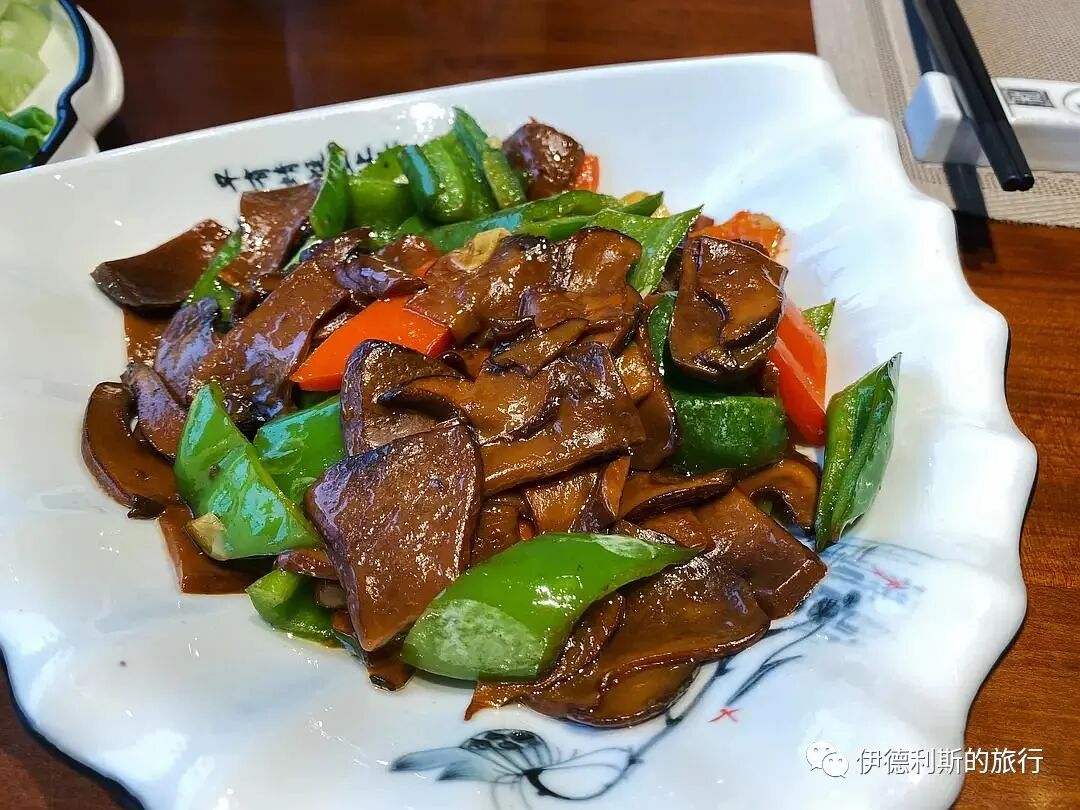
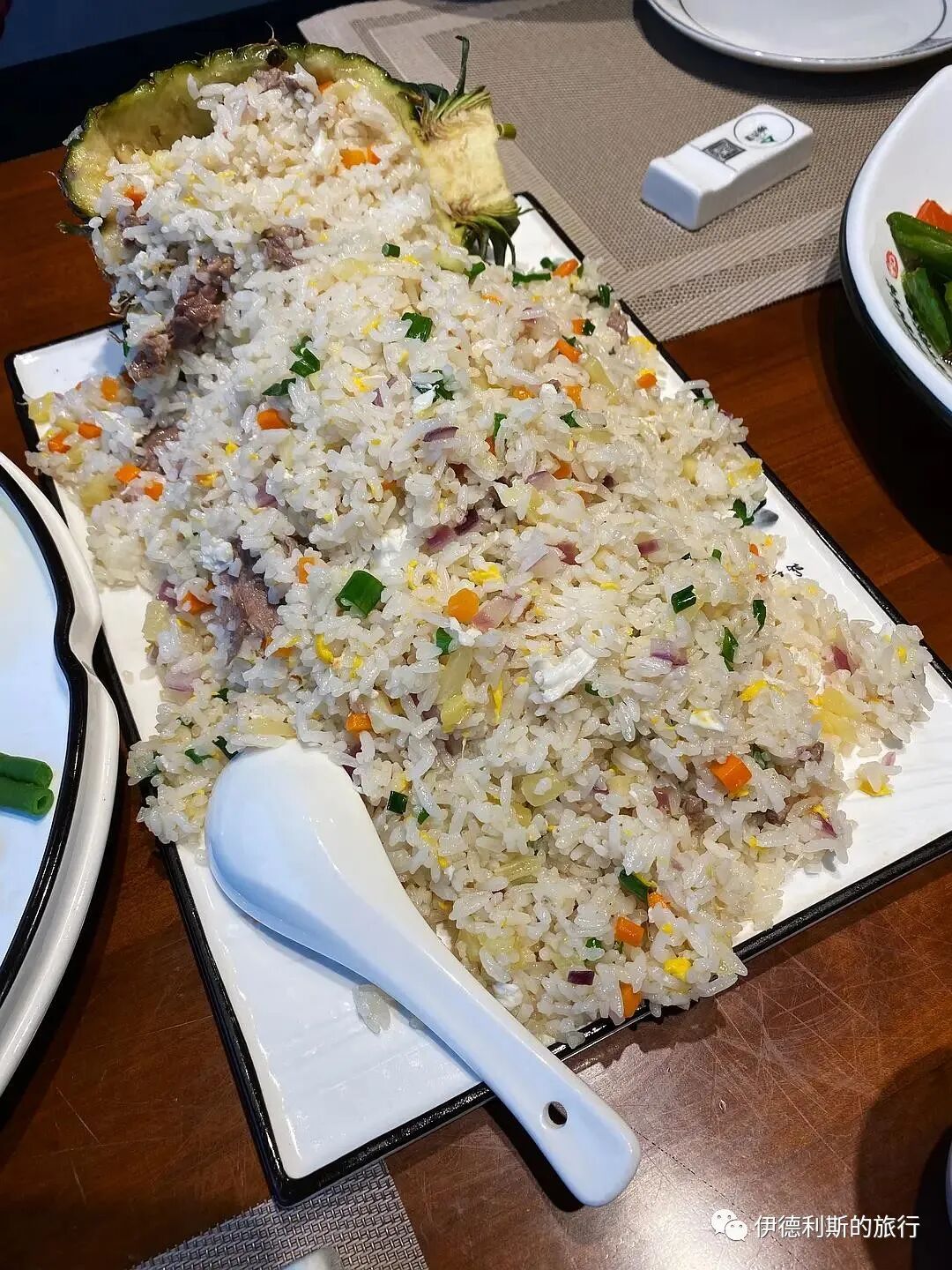
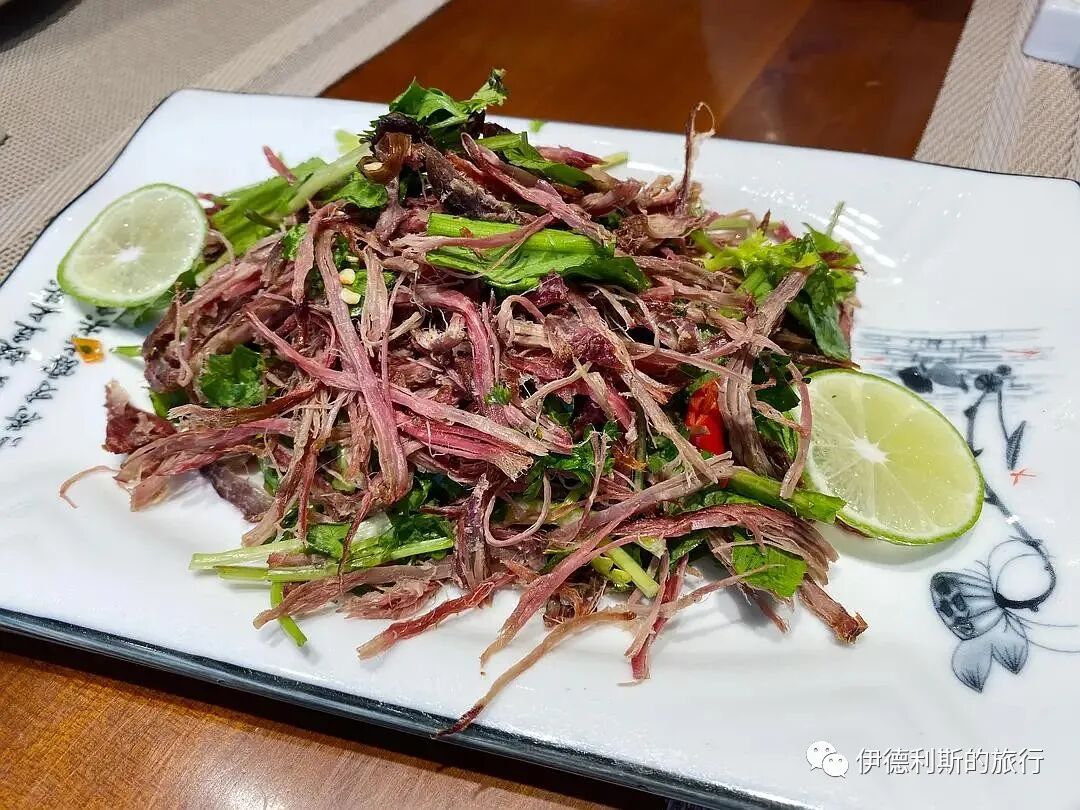
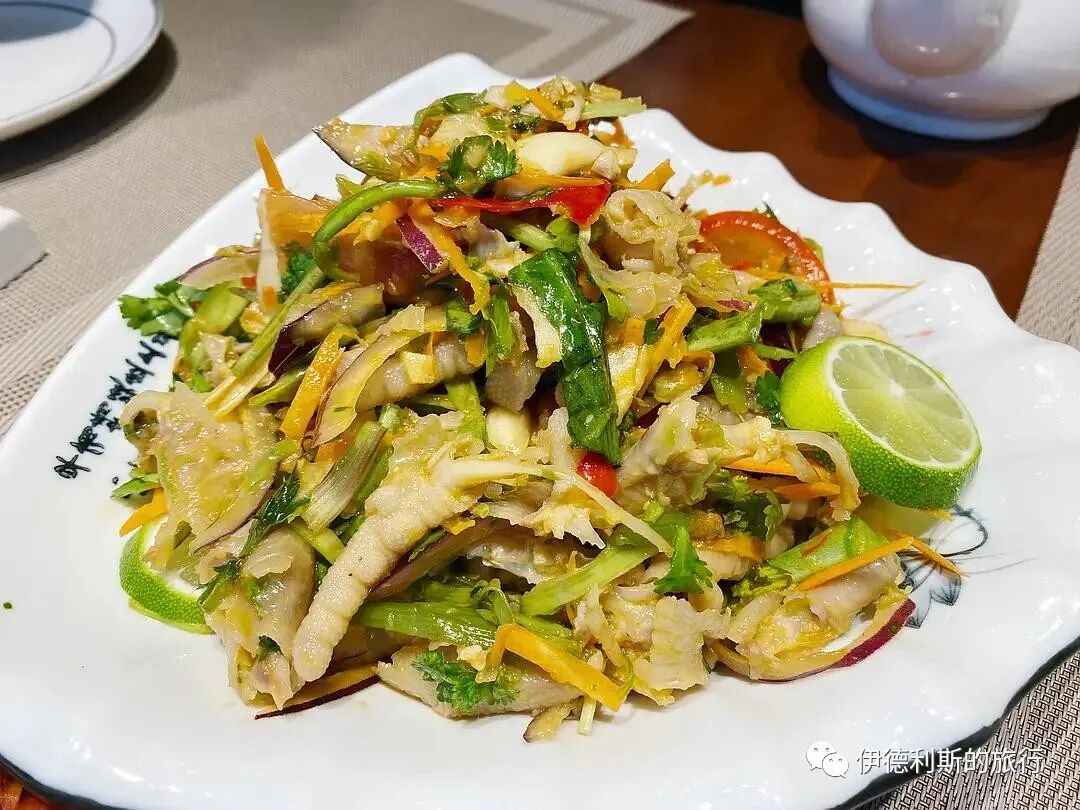
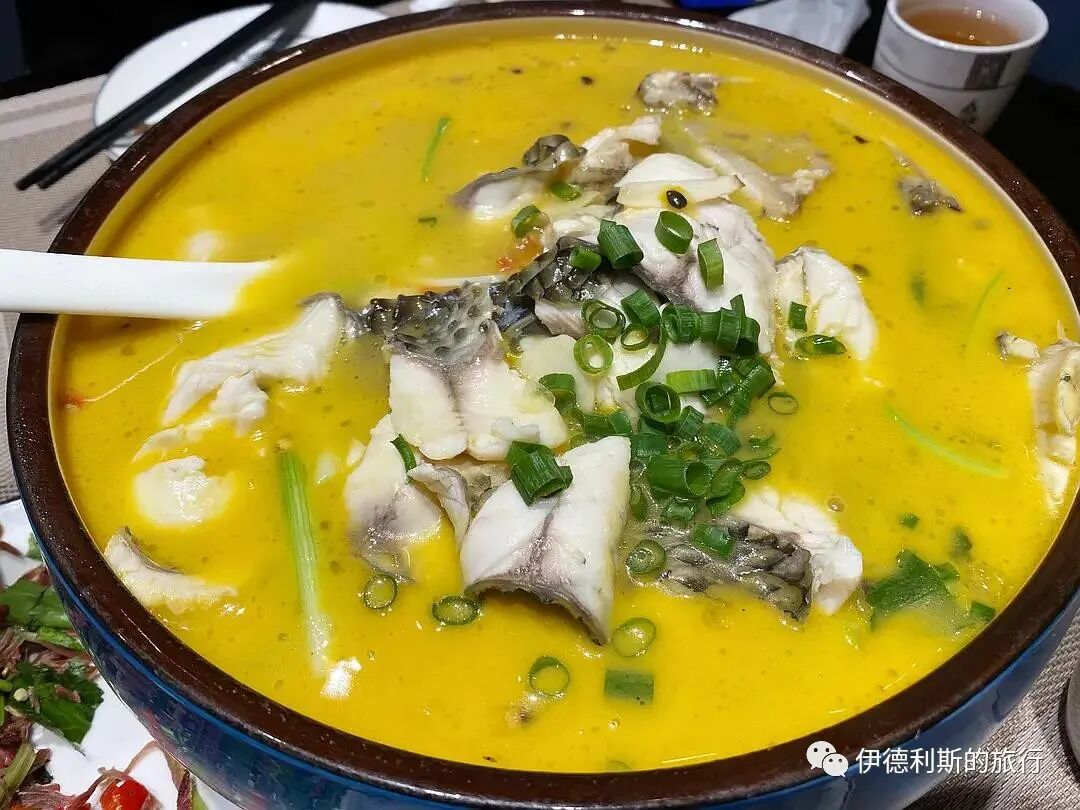
We ordered a nanmi (Tai-style dipping sauce) platter, stir-fried beef liver mushrooms, Tai-style pounded chicken feet, tilapia boiled with passion fruit, lemon-shredded beef jerky, and beef pineapple rice. Nanmi is a Tai-style specialty dipping sauce with a sour and spicy flavor, used for dipping fried beef skin, cucumber, and cowpeas. This was my first time eating fried beef skin; the texture is a bit like fried shrimp crackers, but harder. The pounded chicken feet were very sour and spicy, and my mouth felt like it was burning. The Tai-style passion fruit stewed fish was very flavorful, comparable to the starfruit sour soup fish of the Hui people in Huihui, Sanya, but the sourness was stronger. I could only drink a little bit of this soup. Our whole family liked the beef pineapple rice the best. It is rarely fried like this locally, and we thought it was better than any fried rice we had eaten before.
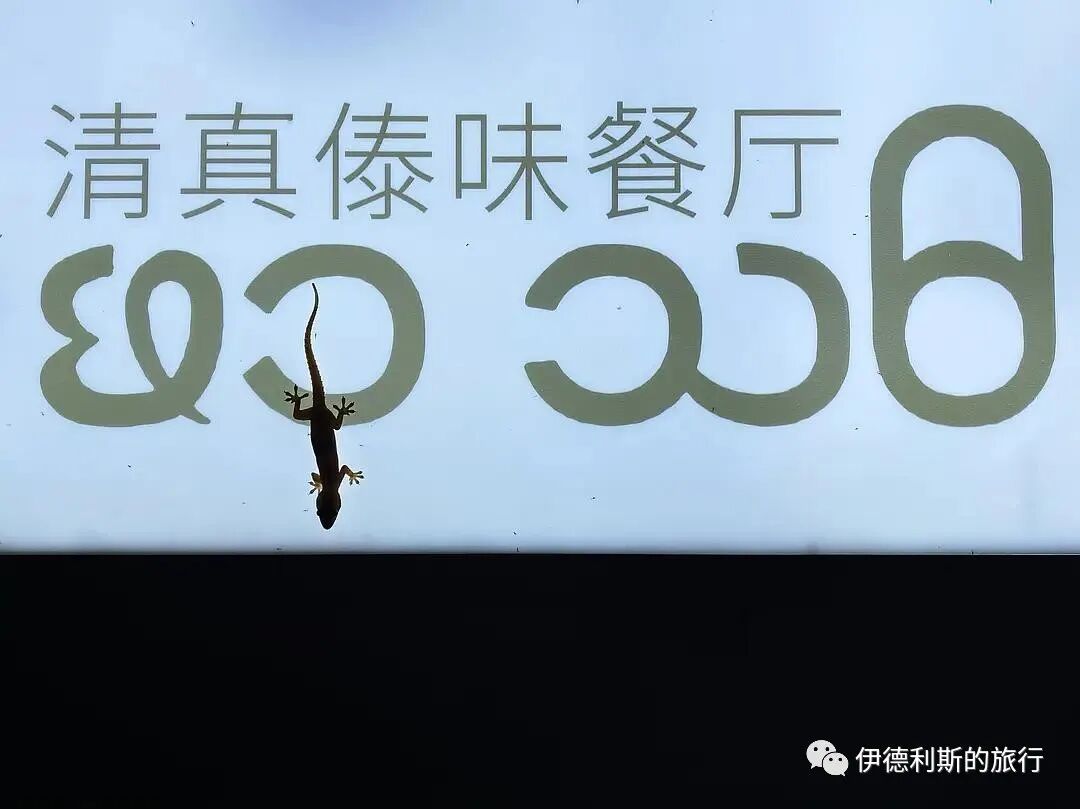
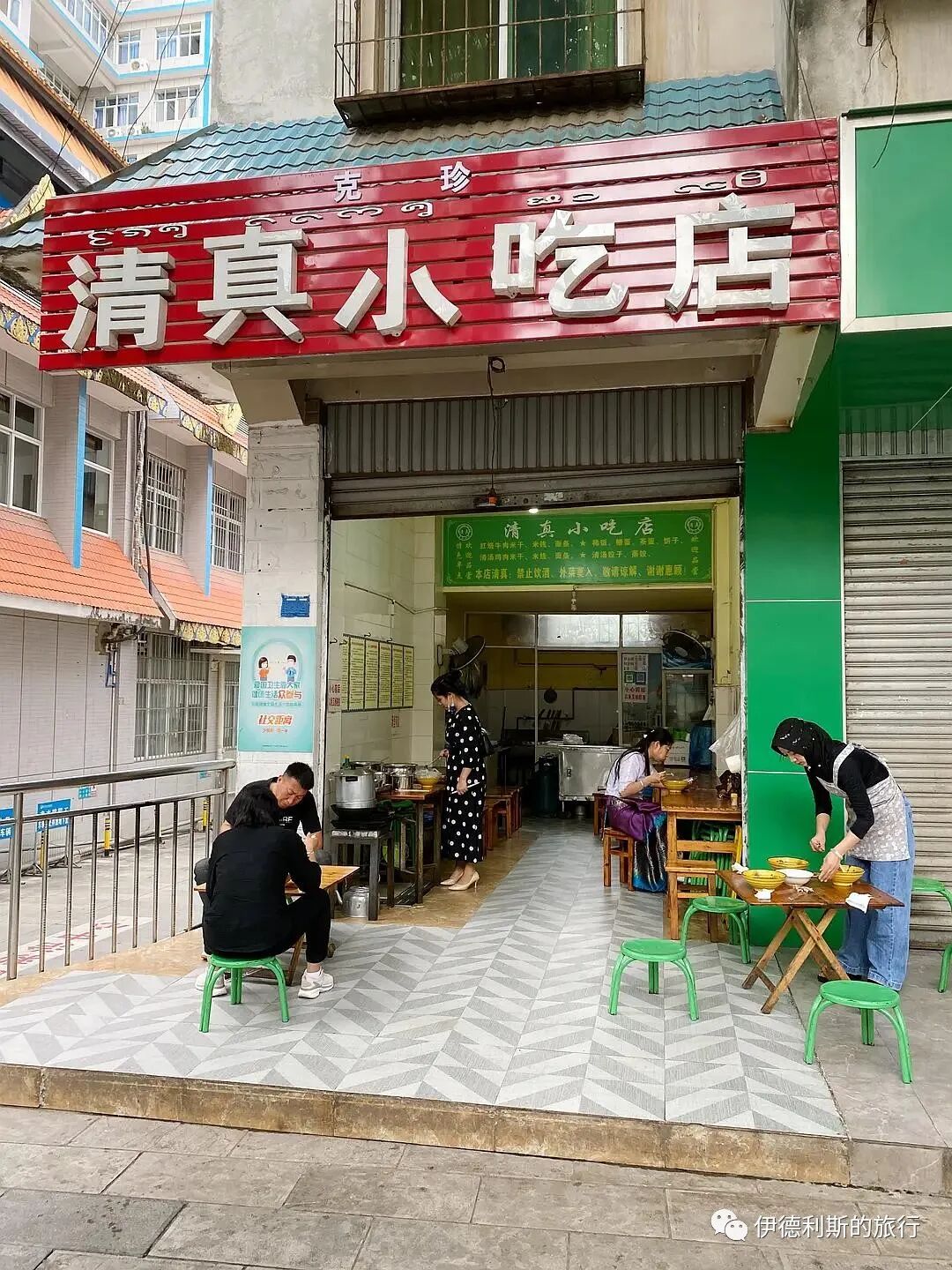
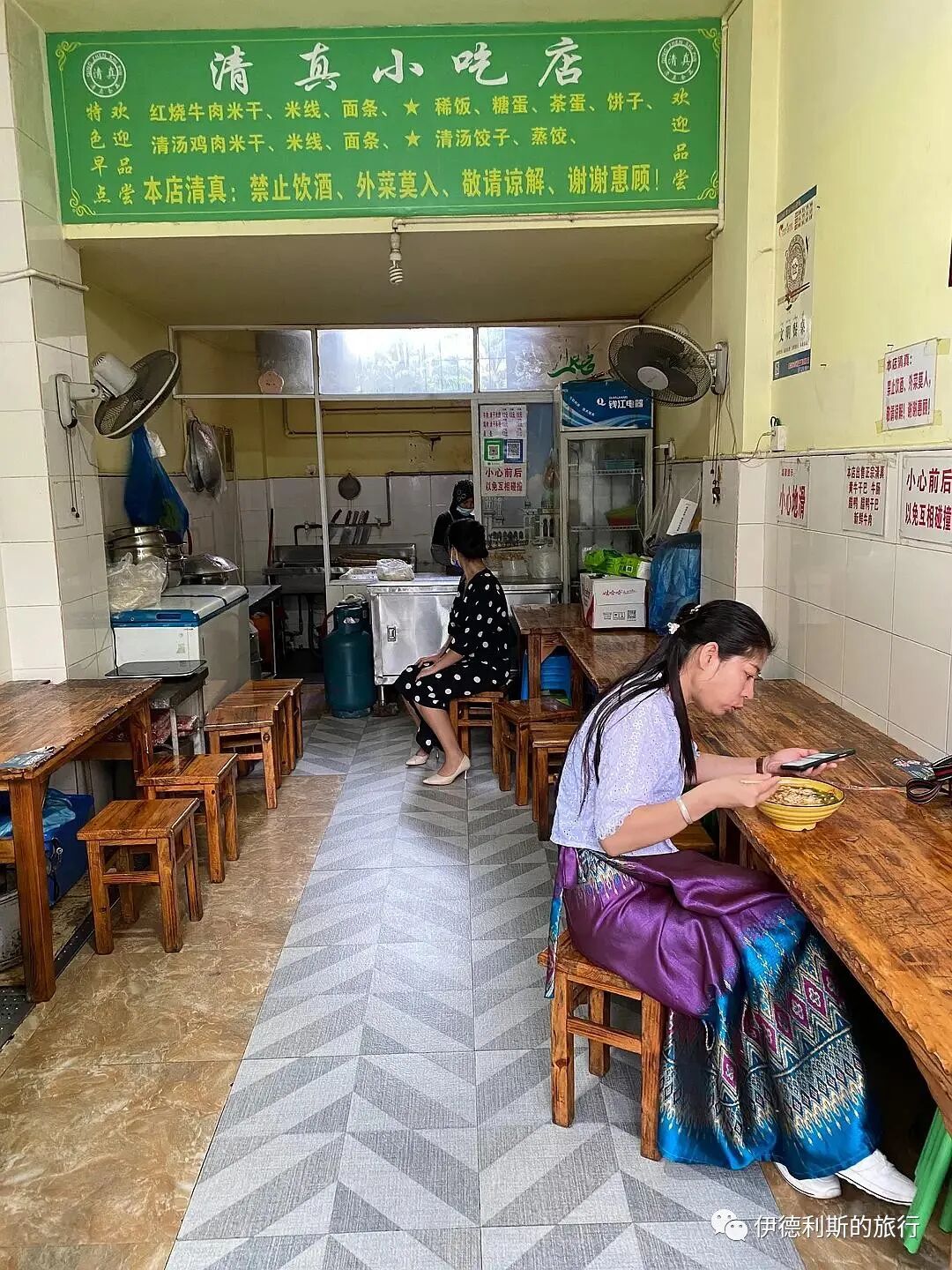
On the morning of October 2nd, we ate rice noodles at the Kezhen Halal Snack Bar opened by Paxi Dai near the Jinghong City Hospital. The chicken rice noodles were served with sour radish and various seasonings. The free-range chicken meat was relatively firm and chewy. The people in the shop and the locals who came to eat communicated in Tai, but switched to Chinese when talking to us, which was very interesting.
On the morning of the 2nd, we went to the Primitive Forest Park. In the afternoon, we went to the Huidai Tongpiao (copper ladle hotpot) restaurant at the entrance of the bus station of the State Planning Bureau on Menghai Road, Jinghong City. The owner is the cousin of the Paxi Dai landlady from the Ganbai Street night market.
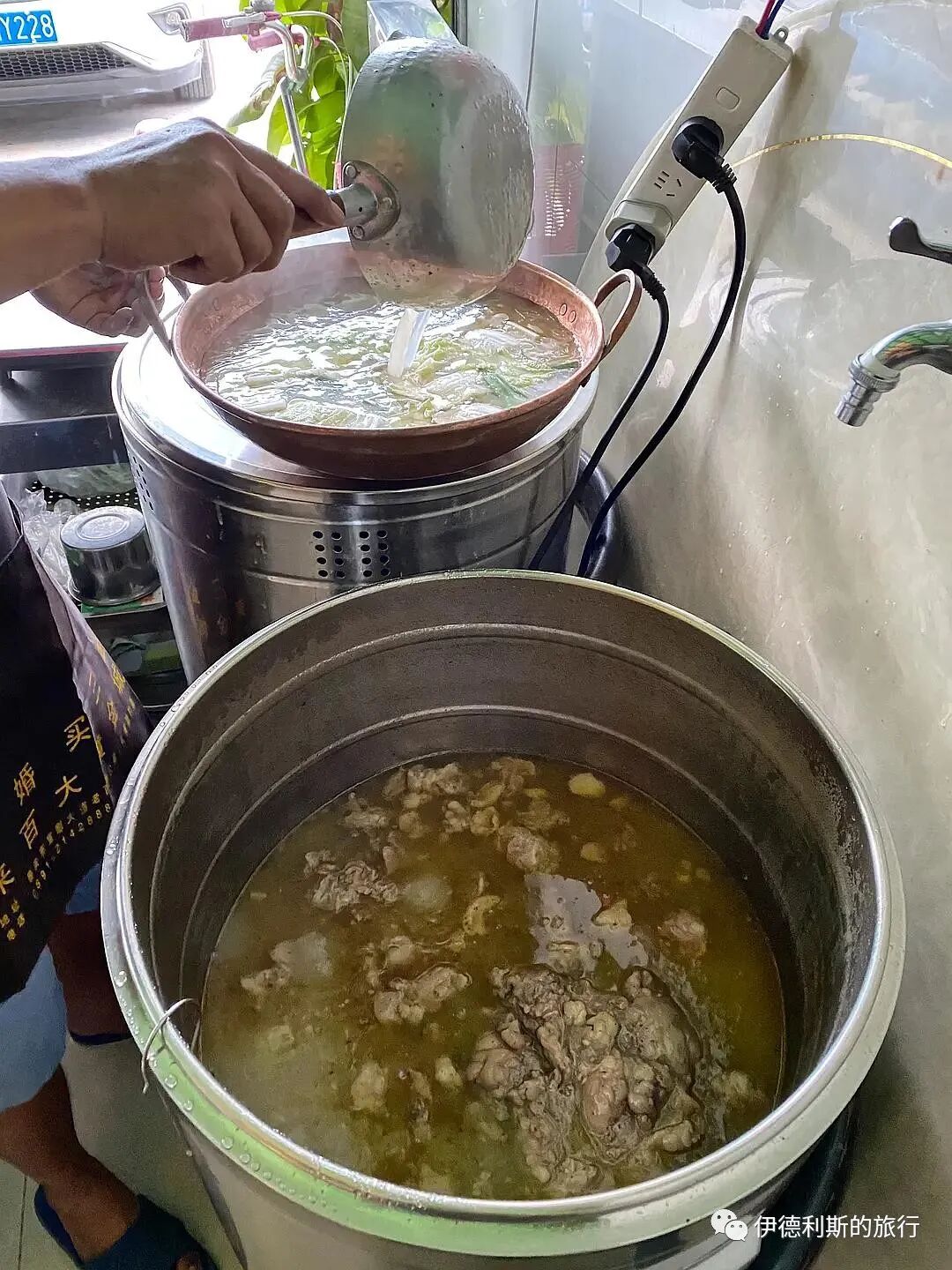
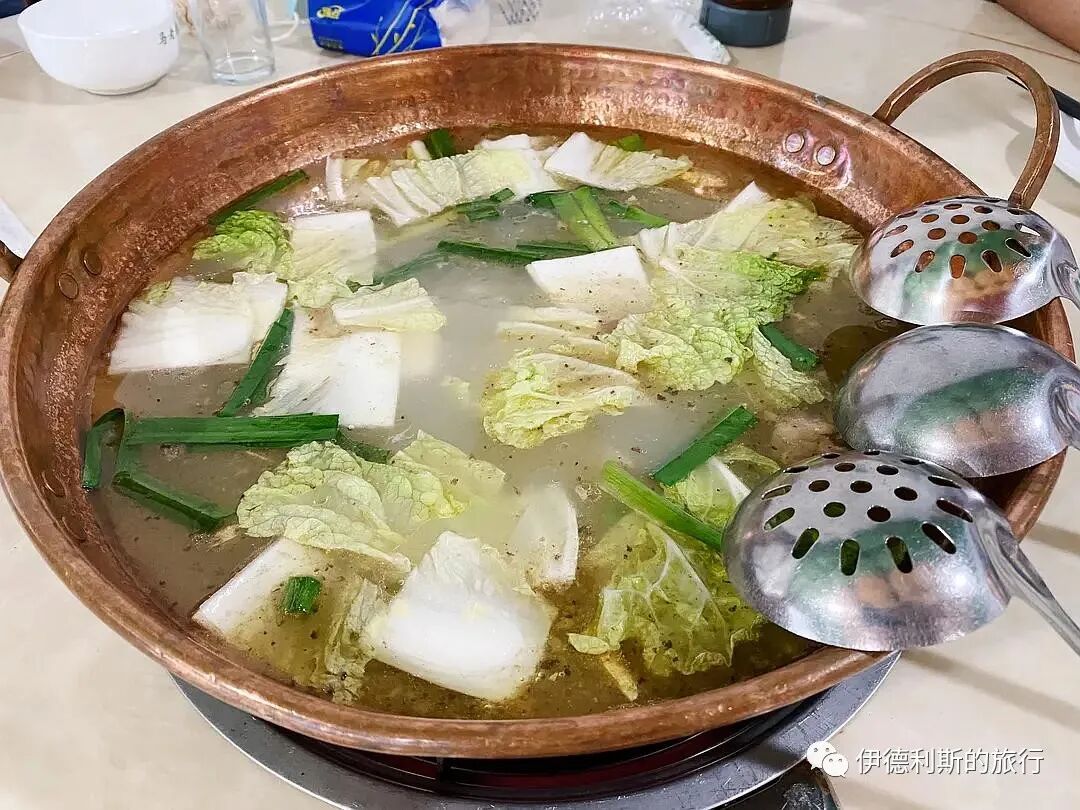
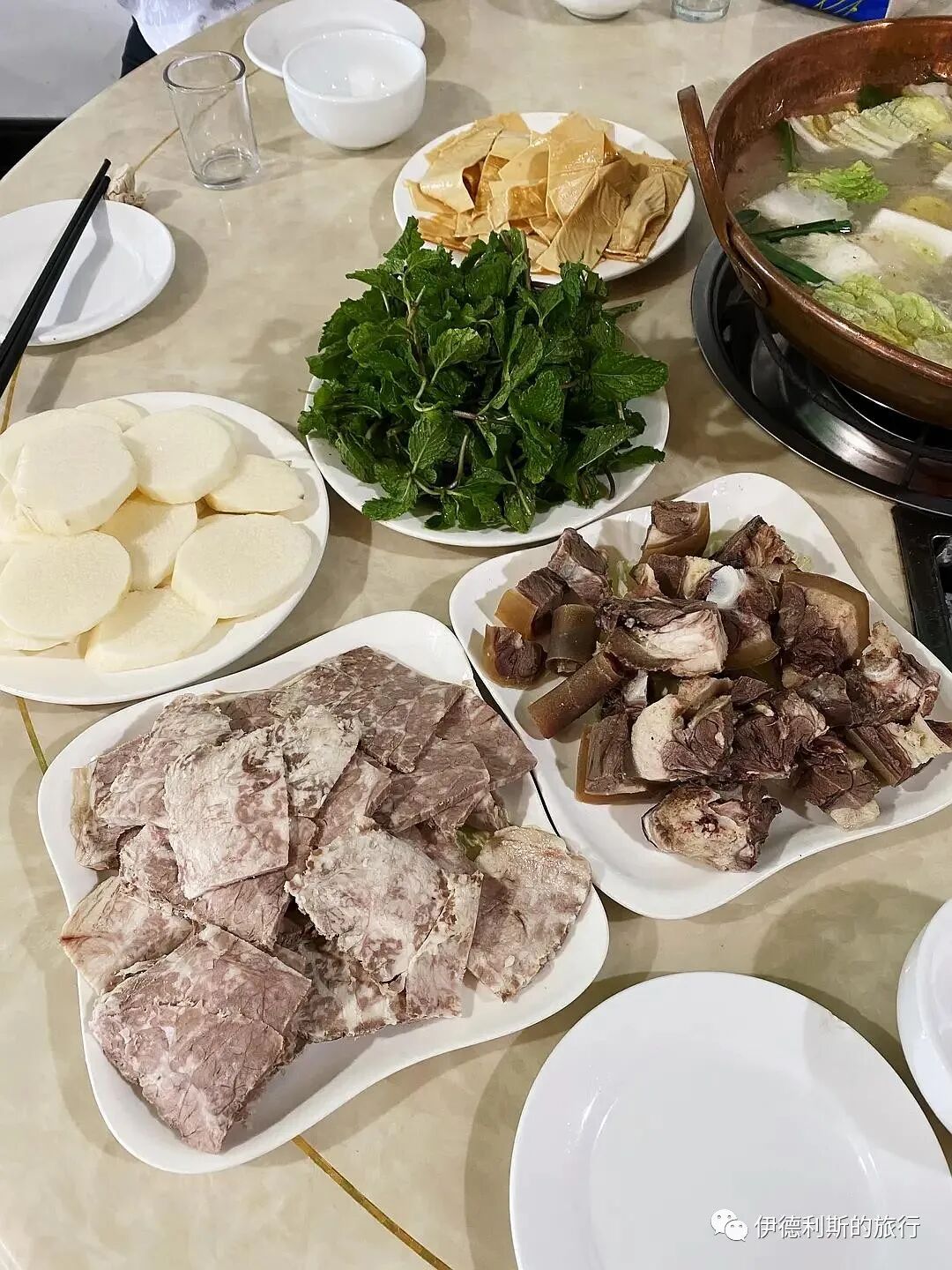
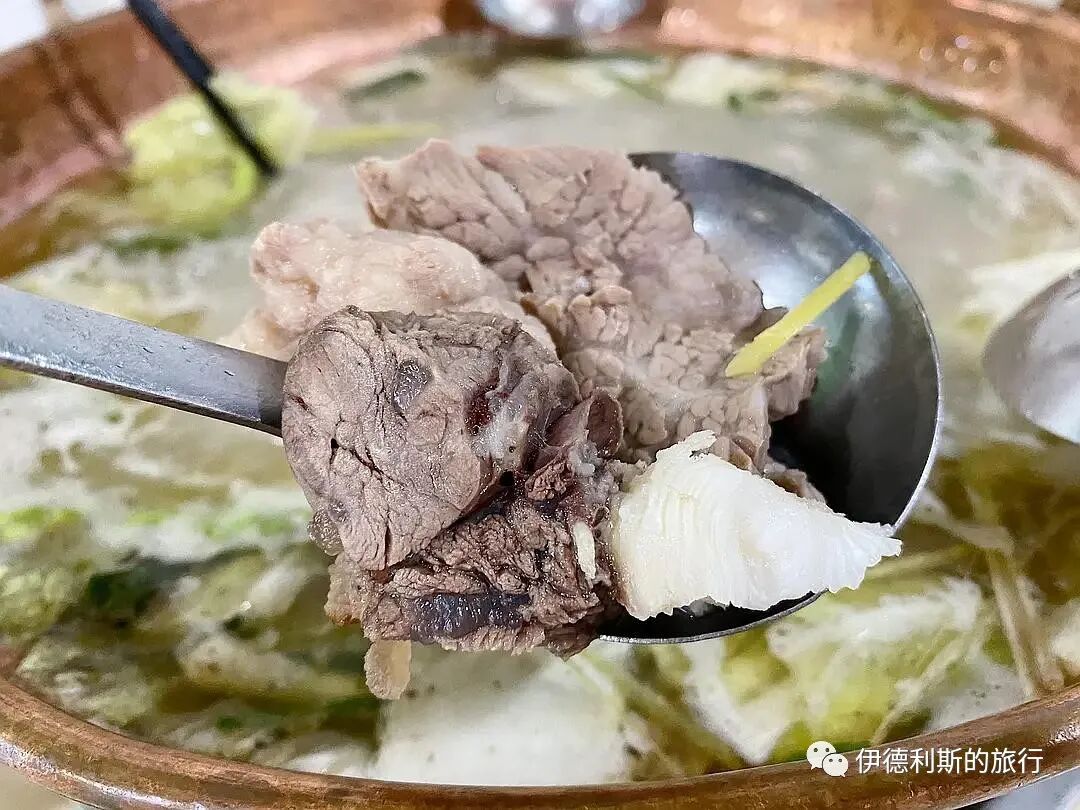
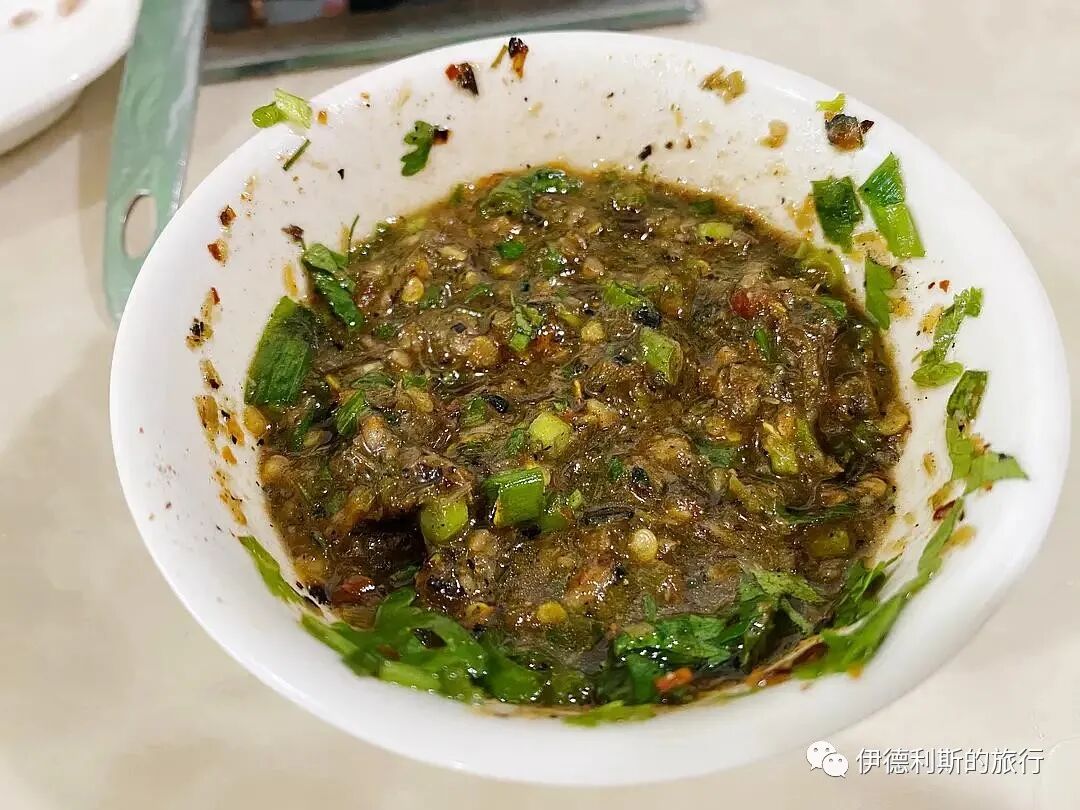
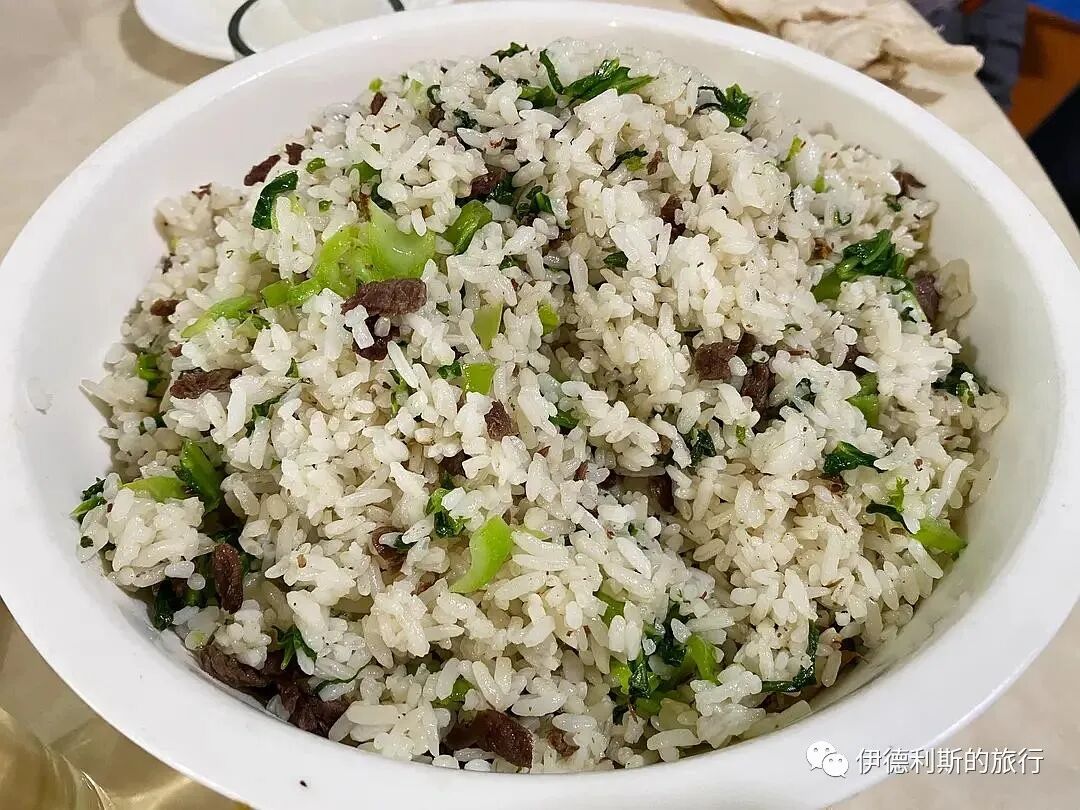
As soon as we entered the restaurant, we smelled the rich aroma of beef soup. The owner said they had been stewing the beef soup since early morning for most of the day. The base of the copper ladle hotpot is the beef soup, and the special dipping sauce is also thinned with beef soup. We ordered snowflake beef, oxtail with skin, mint, bean curd skin, and yam. We also ordered fried beef lung and beef jerky with vegetable fried rice.
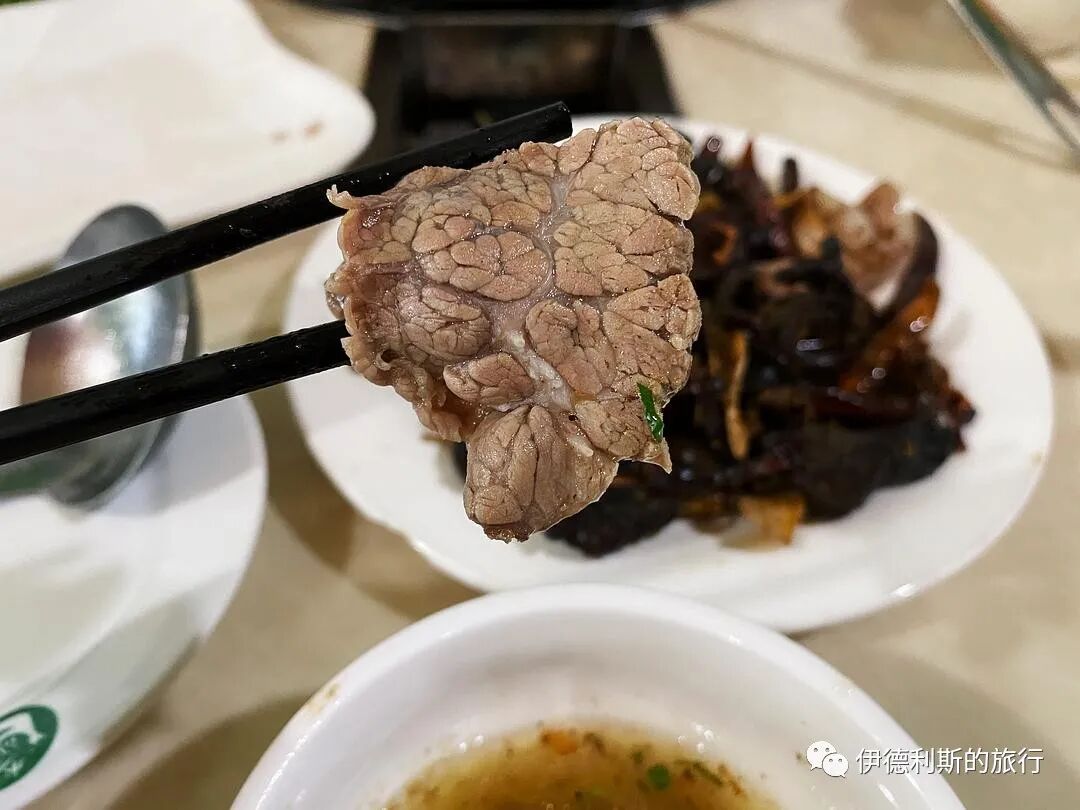
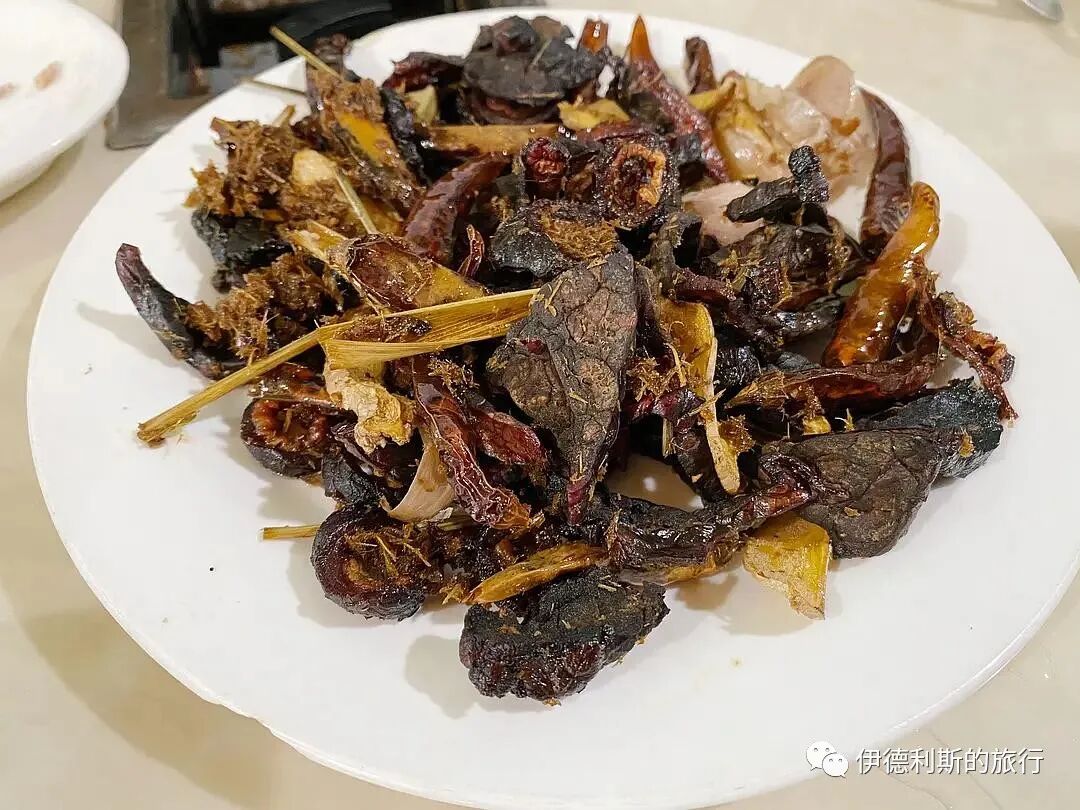
The meat for shabu-shabu is not raw like in Beijing, but pre-stewed until clear. When eating, you put it into the copper ladle and stew it for a while. The texture and taste are both good. This was my first time eating oxtail with skin. It needs to be stewed for a while longer; the skin is very elastic and the meat is very fragrant. Then I also ate fried beef lung for the first time. The owner said that in their Manluanhui village, fried beef lung sells better than beef jerky, and locals especially like to eat it. It felt like the aroma of the beef lung was really fried out; it was crispy when you bit into it, and we finished it in no time.
There are quite a few halal Tai-style barbecue places in Xishuangbanna, but those opened by Paxi Dai are mostly in the Manluanhui village in Menghai County. Those in the Jinghong urban area are mostly opened by Hui Muslims from other parts of Yunnan.
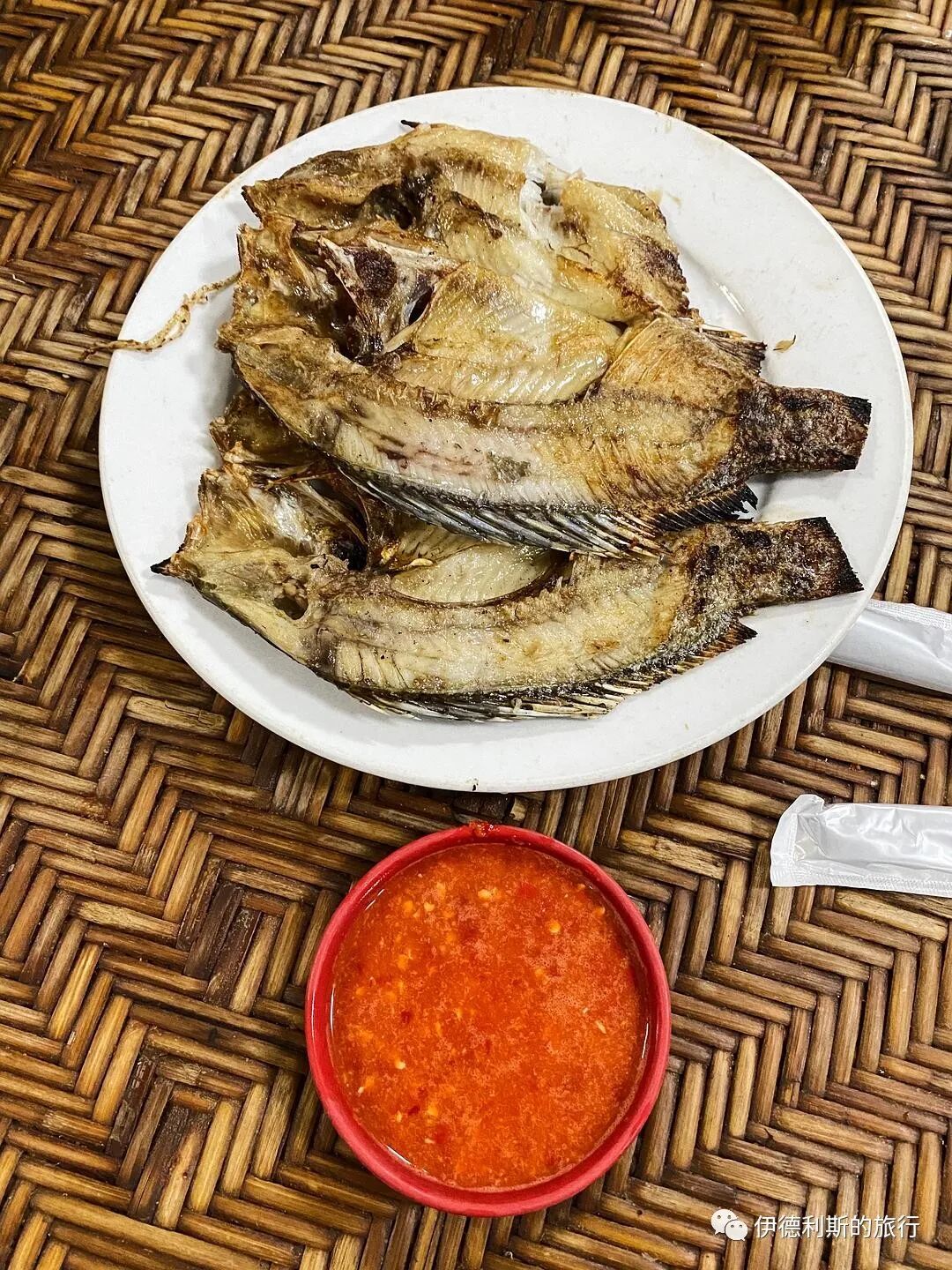
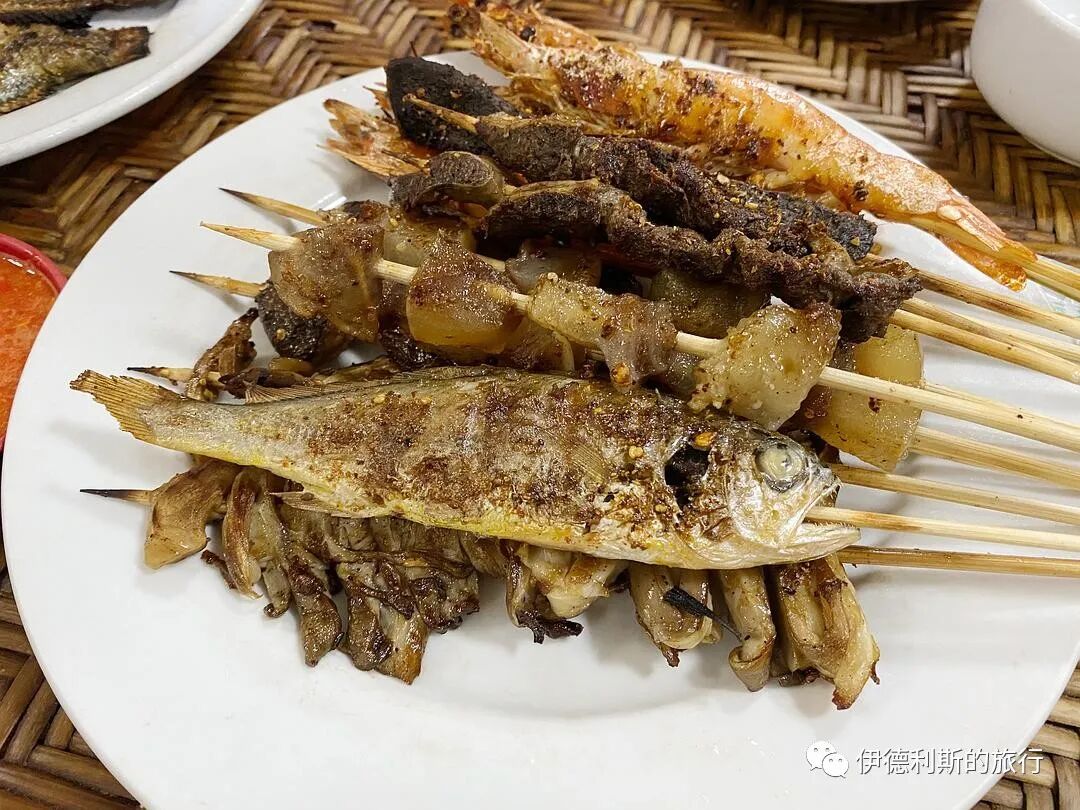
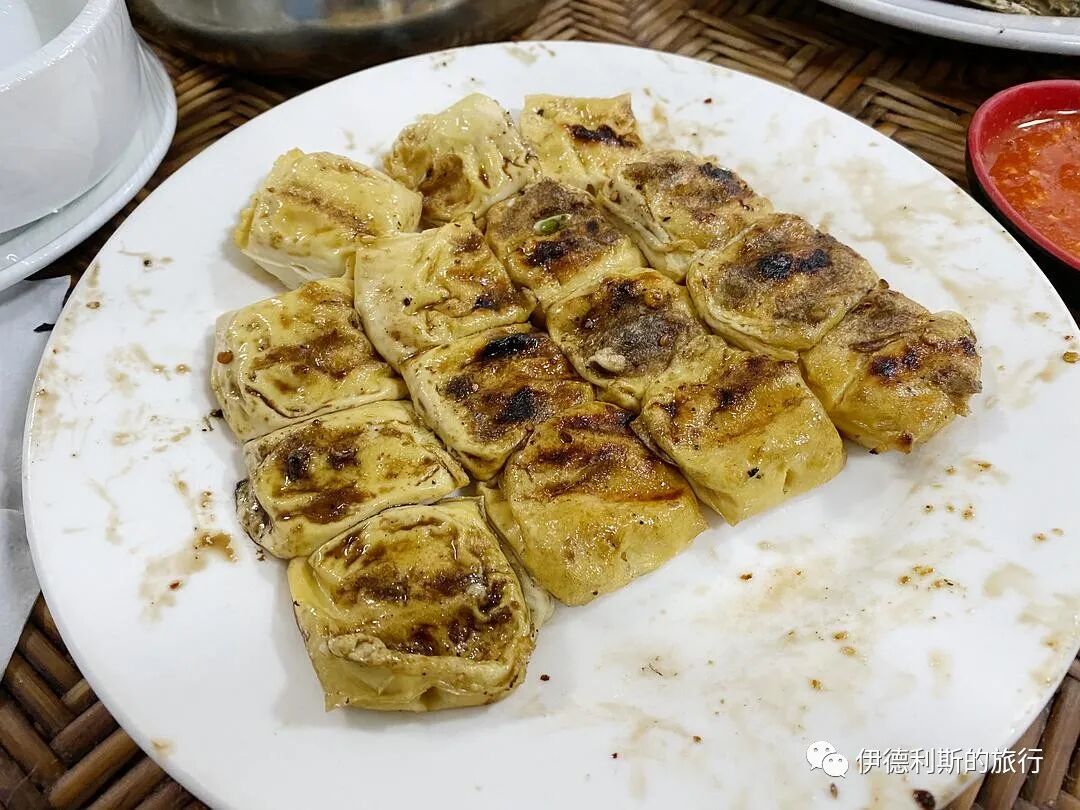
On the evening of the 2nd, we first went to the A-li Barbecue Restaurant, which is opened by Hui Muslims from Pu'er. We ordered grilled fish, grilled shrimp, grilled beef spleen, grilled beef skin, and grilled fermented tofu. Their food was a bit salty, and when we went there, there was a strong smell coming from the sewer at the entrance, which affected the dining experience. If any brothers and sisters in faith want to go there in the future, it is best to smell if the sewer is still smelly before eating...
Then we went to another Tai-style barbecue place called Asan, which is opened by Hui Muslims from Shadian. We ordered some beef skewers and stinky tofu, as well as sweet bamboo shoots with dipping sauce and the local specialty bitter fruit, and drank passion fruit juice again. The bitter fruit burst with juice as soon as you bit into it. It is very popular here as a side for barbecue, but I still think it is a bit bitter.
On the afternoon of the 3rd, we went to the Maxiaoyang Halal Restaurant, a place opened by Paxi Dai next to the Jinghong City People's Hospital. Every Paxi Dai person has three names: a Chinese name, a Tai name, and an Islamic name.
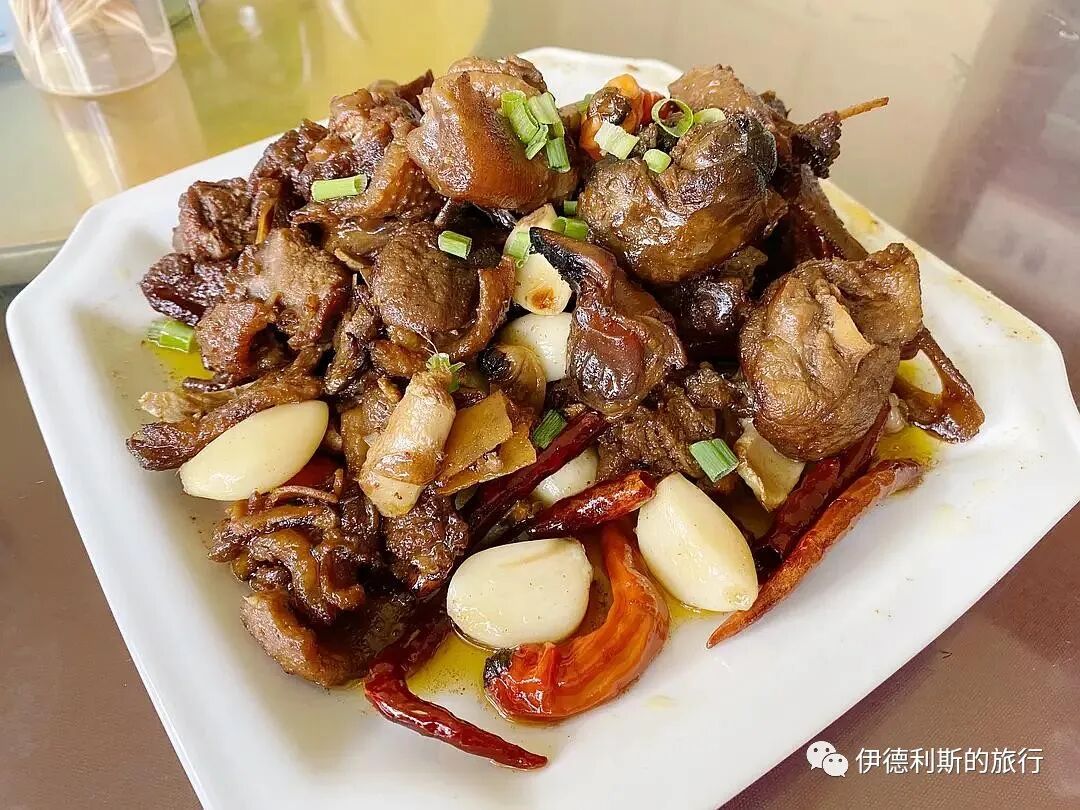
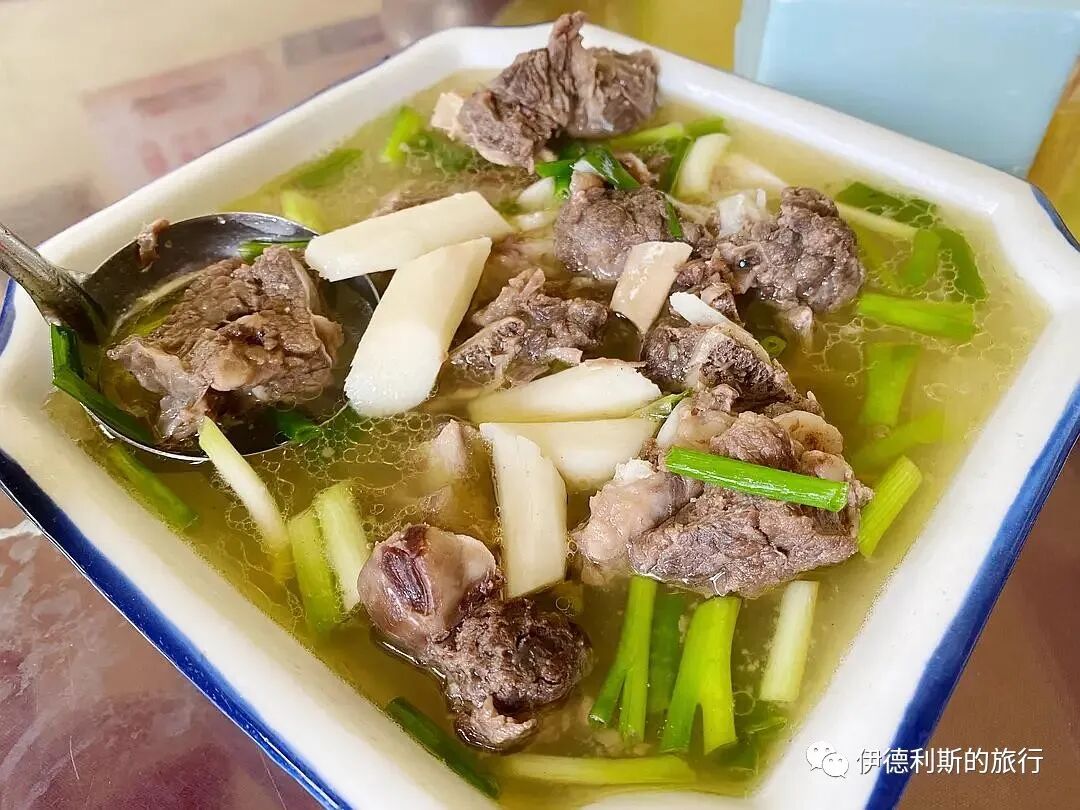
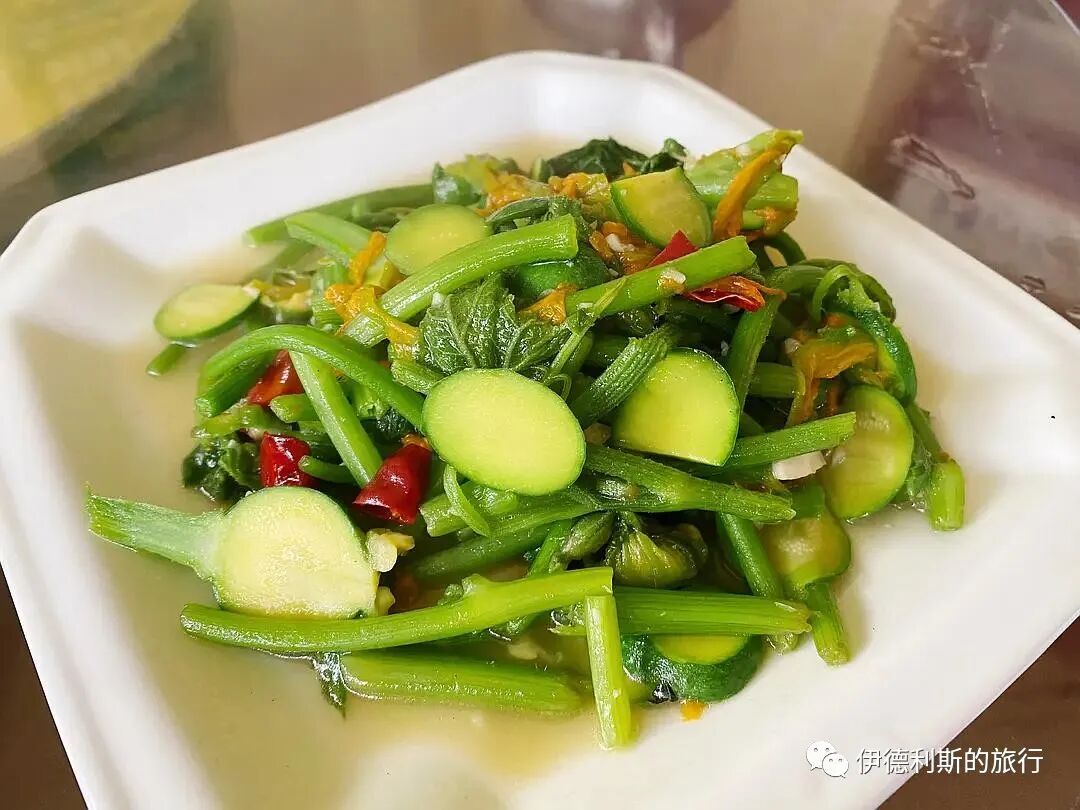
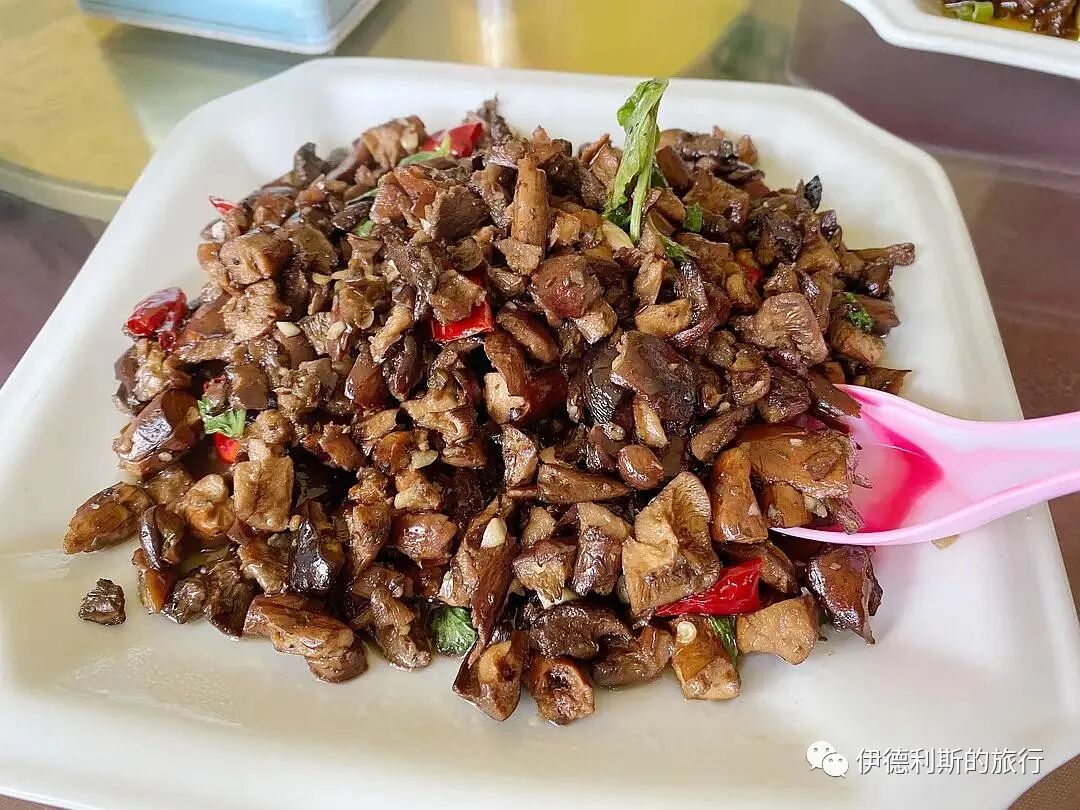
We ordered clear-stewed beef ribs, yellow-braised duck, milk-paste mushrooms, and pumpkin flowers. Everyone's favorite was the clear-stewed beef ribs. It tasted just as fragrant as the beef soup we drank at Huidai Tongpiao the day before. It was beef that had been stewed for a long time, and it fell off the bone as soon as you bit into it. The yellow-braised duck meat was relatively firm. In the past few days at Paxi Dai restaurants, we haven't eaten broiler chickens or ducks; they were all free-range chickens and ducks with a firm texture. This was my first time eating milk-paste mushrooms. The texture is very much like meat and very fragrant. Pumpkin flowers are also a specialty vegetable in Xishuangbanna and are very refreshing. view all
Summary: This travel note introduces Xishuangbanna Paxi Dai: Hui Muslims Who Speak Dai and Their Muslim Heritage. Author: Zainab. It is useful for readers interested in Xishuangbanna, Hui Muslims, Dai Culture.
Author: Zainab
During the October holiday, I went to Xishuangbanna with my parents to visit the Tai-speaking Muslim community known as the Paxi Dai.
The Paxi Dai live in two villages in Menghai County, Xishuangbanna Prefecture: Manluanhui and Mansaihui. In the Tai language, 'man' means 'village'. The Paxi Dai call themselves 'Paxi', follow Islam, observe the faith, but speak the Tai language, use the Tai script, and cook halal Tai-style food. It can be said that they have integrated into Tai culture while maintaining their identity as Hui Muslims.
During the Jiaqing and Daoguang periods of the Qing Dynasty, with the opening of a trade route from the interior through Pu'er and Menghai into Kengtung and Yangon in Myanmar, and then by sea to India and Arabia, Menghai became an important transit point for Yunnan horse caravans traveling to Myanmar and Thailand for business. The famous Yunnan Islamic scholar Ma Dexin recorded in his 'Travels to the Hajj' that in 1841, he followed a horse caravan from Dali through Menghai to Yangon, Myanmar, to board a ship for the Hajj. During this period, a Hui Muslim caravan leader from Dali named Ma Wulong came to Menghai and gifted the local leader, Zhaomeng Zhaoyakun, three loads of salt, which led the Zhaomeng to agree to set aside a small mountain hollow for Ma Wulong to live in. Ma Wulong later married a Tai woman, had a son named Yanhan, and then returned to his hometown. After reaching adulthood, Yanhan also married a Tai woman and had four sons and two daughters, gradually forming the current Paxi Dai village of 'Manluanhui'.
After the late Qing Dynasty and the Republican era, as Menghai's status as a Pu'er tea production center rose, some Hui Muslims from Dali and Tonghai came to Menghai to make a living and married girls from the Tai village of 'Mansailong' to settle down. Around the 1930s, they officially separated from 'Mansailong', forming the current Paxi Dai village of 'Mansaihui'.
On the morning of October 1st, I rented a car in Jinghong and arrived at Manluanhui in about 50 minutes for a halal Tai-style breakfast. The restaurant I chose was called Paxi Dai. The Paxi Dai mainly eat beef rice noodles and migan (rice noodles) in the morning; we ordered the migan. The variety of small side dishes here is really rich, including pea tips, chives, bean sprouts, and various dipping sauces. The key is that their beef is too delicious! It is slightly sweet and especially fragrant.
After breakfast, we went to the Dayi Manor in Menghai County to visit the Pu'er tea production, and at noon we returned to Manluanhui to eat authentic Paxi Dai home-cooked food at a restaurant called Huixiangyuan. Like many small home-style restaurants in Yunnan, there is no paper menu here. All the ingredients are displayed in a cabinet. You point to an ingredient and ask the owner how it can be cooked, and the owner tells you directly. This feeling is quite good.
We ordered sour and spicy tilapia, grilled tofu, grilled bracken, and white-palm chicken (cold chicken) with Tai-style dipping sauce, and also drank passion fruit juice. Everything was very much to our taste. Among these dishes, our whole family agreed that the sour and spicy fish was the best. The sauce poured over it was fantastic and went very well with rice. In addition, the Tai-style sour and spicy flavor is very strong. If you cannot eat spicy food, you should tell the owner in advance to make it mild.
At noon, I accompanied my parents to the Manluanhui mosque for Jumu'ah prayer. After the Paxi Dai settled in Manluanhui, they built the first mosque with thatched roofs and bamboo walls. It was later rebuilt into a mosque with tiled roofs and bamboo walls, but it was destroyed in 1909 during the war between the Jinghong Xuanweisi and the Menghai Tusi. The mosque was rebuilt again, destroyed again in 1958, rebuilt as a brick and tile mosque in 1982, and rebuilt again between 2016 and 2018 into the current concrete mosque. The current Manluanhui mosque is the only mosque building in the country with a Tai-style architectural design.
The current Imam is from Weishan, Dali. There were many people at Jumu'ah, and at first, everyone took turns reciting the Quran.
After leaving the prayer hall, various Paxi Dai aunties, men, women, and children—our brothers and sisters in faith—wearing Tai clothing, carried baskets and basins to distribute fruits grown at home and snacks they had made to everyone. It was very lively!
We received bananas, dragon fruit, persimmons, milk dates, etc., distributed by everyone, as well as rice cakes and hot, freshly made sticky rice. The ripe bananas were especially sweet, much better than those bought at the market. The milk dates were also super sweet. After eating them, I felt that the ones bought in Beijing could only be described as bland and tasteless!
The Paxi Dai like to eat this kind of sticky rice in the morning.
Homemade rice cakes.
In the evening, we went to the Paxi Dai restaurant at the Ganbai Street night market in Jinghong. The landlady is a Paxi Dai from Manluanhui. The restaurant is by the lake, opposite the famous Starlight Night Market, so you can eat while watching the night view.
We ordered a nanmi (Tai-style dipping sauce) platter, stir-fried beef liver mushrooms, Tai-style pounded chicken feet, tilapia boiled with passion fruit, lemon-shredded beef jerky, and beef pineapple rice. Nanmi is a Tai-style specialty dipping sauce with a sour and spicy flavor, used for dipping fried beef skin, cucumber, and cowpeas. This was my first time eating fried beef skin; the texture is a bit like fried shrimp crackers, but harder. The pounded chicken feet were very sour and spicy, and my mouth felt like it was burning. The Tai-style passion fruit stewed fish was very flavorful, comparable to the starfruit sour soup fish of the Hui people in Huihui, Sanya, but the sourness was stronger. I could only drink a little bit of this soup. Our whole family liked the beef pineapple rice the best. It is rarely fried like this locally, and we thought it was better than any fried rice we had eaten before.
On the morning of October 2nd, we ate rice noodles at the Kezhen Halal Snack Bar opened by Paxi Dai near the Jinghong City Hospital. The chicken rice noodles were served with sour radish and various seasonings. The free-range chicken meat was relatively firm and chewy. The people in the shop and the locals who came to eat communicated in Tai, but switched to Chinese when talking to us, which was very interesting.
On the morning of the 2nd, we went to the Primitive Forest Park. In the afternoon, we went to the Huidai Tongpiao (copper ladle hotpot) restaurant at the entrance of the bus station of the State Planning Bureau on Menghai Road, Jinghong City. The owner is the cousin of the Paxi Dai landlady from the Ganbai Street night market.
As soon as we entered the restaurant, we smelled the rich aroma of beef soup. The owner said they had been stewing the beef soup since early morning for most of the day. The base of the copper ladle hotpot is the beef soup, and the special dipping sauce is also thinned with beef soup. We ordered snowflake beef, oxtail with skin, mint, bean curd skin, and yam. We also ordered fried beef lung and beef jerky with vegetable fried rice.
The meat for shabu-shabu is not raw like in Beijing, but pre-stewed until clear. When eating, you put it into the copper ladle and stew it for a while. The texture and taste are both good. This was my first time eating oxtail with skin. It needs to be stewed for a while longer; the skin is very elastic and the meat is very fragrant. Then I also ate fried beef lung for the first time. The owner said that in their Manluanhui village, fried beef lung sells better than beef jerky, and locals especially like to eat it. It felt like the aroma of the beef lung was really fried out; it was crispy when you bit into it, and we finished it in no time.
There are quite a few halal Tai-style barbecue places in Xishuangbanna, but those opened by Paxi Dai are mostly in the Manluanhui village in Menghai County. Those in the Jinghong urban area are mostly opened by Hui Muslims from other parts of Yunnan.
On the evening of the 2nd, we first went to the A-li Barbecue Restaurant, which is opened by Hui Muslims from Pu'er. We ordered grilled fish, grilled shrimp, grilled beef spleen, grilled beef skin, and grilled fermented tofu. Their food was a bit salty, and when we went there, there was a strong smell coming from the sewer at the entrance, which affected the dining experience. If any brothers and sisters in faith want to go there in the future, it is best to smell if the sewer is still smelly before eating...
Then we went to another Tai-style barbecue place called Asan, which is opened by Hui Muslims from Shadian. We ordered some beef skewers and stinky tofu, as well as sweet bamboo shoots with dipping sauce and the local specialty bitter fruit, and drank passion fruit juice again. The bitter fruit burst with juice as soon as you bit into it. It is very popular here as a side for barbecue, but I still think it is a bit bitter.
On the afternoon of the 3rd, we went to the Maxiaoyang Halal Restaurant, a place opened by Paxi Dai next to the Jinghong City People's Hospital. Every Paxi Dai person has three names: a Chinese name, a Tai name, and an Islamic name.
We ordered clear-stewed beef ribs, yellow-braised duck, milk-paste mushrooms, and pumpkin flowers. Everyone's favorite was the clear-stewed beef ribs. It tasted just as fragrant as the beef soup we drank at Huidai Tongpiao the day before. It was beef that had been stewed for a long time, and it fell off the bone as soon as you bit into it. The yellow-braised duck meat was relatively firm. In the past few days at Paxi Dai restaurants, we haven't eaten broiler chickens or ducks; they were all free-range chickens and ducks with a firm texture. This was my first time eating milk-paste mushrooms. The texture is very much like meat and very fragrant. Pumpkin flowers are also a specialty vegetable in Xishuangbanna and are very refreshing. view all
Reposted from the web
Summary: This travel note introduces Xishuangbanna Paxi Dai: Hui Muslims Who Speak Dai and Their Muslim Heritage. Author: Zainab. It is useful for readers interested in Xishuangbanna, Hui Muslims, Dai Culture.
Author: Zainab
During the October holiday, I went to Xishuangbanna with my parents to visit the Tai-speaking Muslim community known as the Paxi Dai.
The Paxi Dai live in two villages in Menghai County, Xishuangbanna Prefecture: Manluanhui and Mansaihui. In the Tai language, 'man' means 'village'. The Paxi Dai call themselves 'Paxi', follow Islam, observe the faith, but speak the Tai language, use the Tai script, and cook halal Tai-style food. It can be said that they have integrated into Tai culture while maintaining their identity as Hui Muslims.
During the Jiaqing and Daoguang periods of the Qing Dynasty, with the opening of a trade route from the interior through Pu'er and Menghai into Kengtung and Yangon in Myanmar, and then by sea to India and Arabia, Menghai became an important transit point for Yunnan horse caravans traveling to Myanmar and Thailand for business. The famous Yunnan Islamic scholar Ma Dexin recorded in his 'Travels to the Hajj' that in 1841, he followed a horse caravan from Dali through Menghai to Yangon, Myanmar, to board a ship for the Hajj. During this period, a Hui Muslim caravan leader from Dali named Ma Wulong came to Menghai and gifted the local leader, Zhaomeng Zhaoyakun, three loads of salt, which led the Zhaomeng to agree to set aside a small mountain hollow for Ma Wulong to live in. Ma Wulong later married a Tai woman, had a son named Yanhan, and then returned to his hometown. After reaching adulthood, Yanhan also married a Tai woman and had four sons and two daughters, gradually forming the current Paxi Dai village of 'Manluanhui'.
After the late Qing Dynasty and the Republican era, as Menghai's status as a Pu'er tea production center rose, some Hui Muslims from Dali and Tonghai came to Menghai to make a living and married girls from the Tai village of 'Mansailong' to settle down. Around the 1930s, they officially separated from 'Mansailong', forming the current Paxi Dai village of 'Mansaihui'.
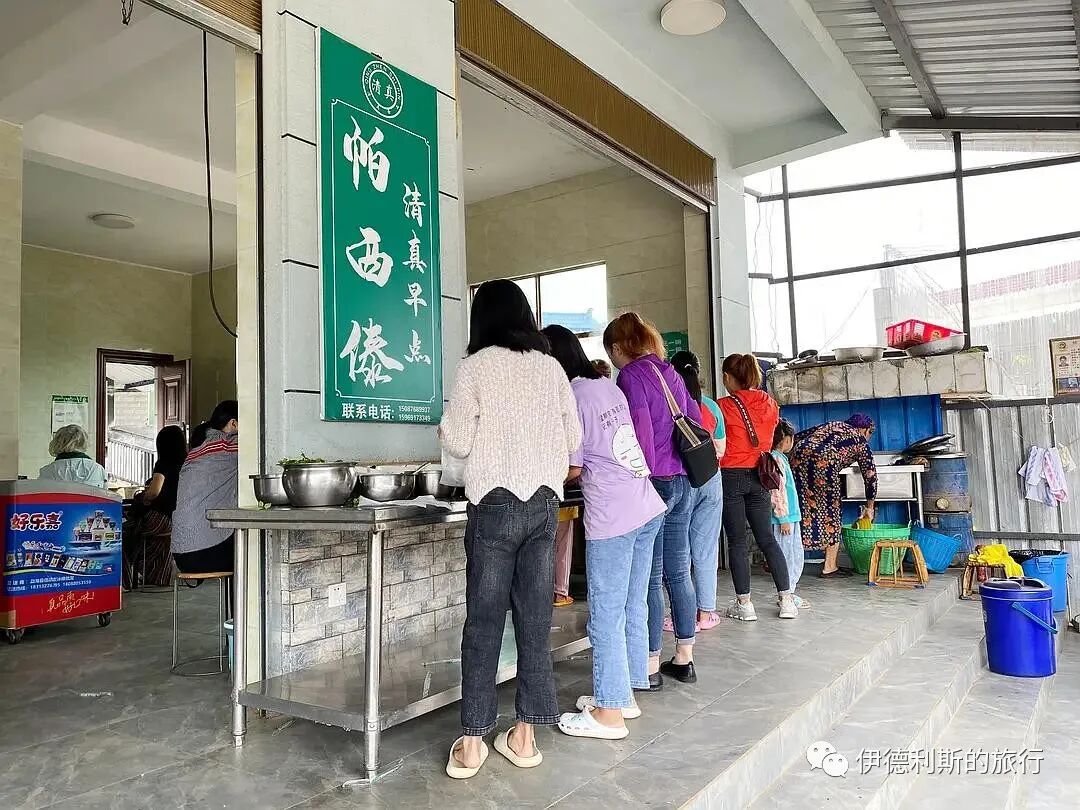
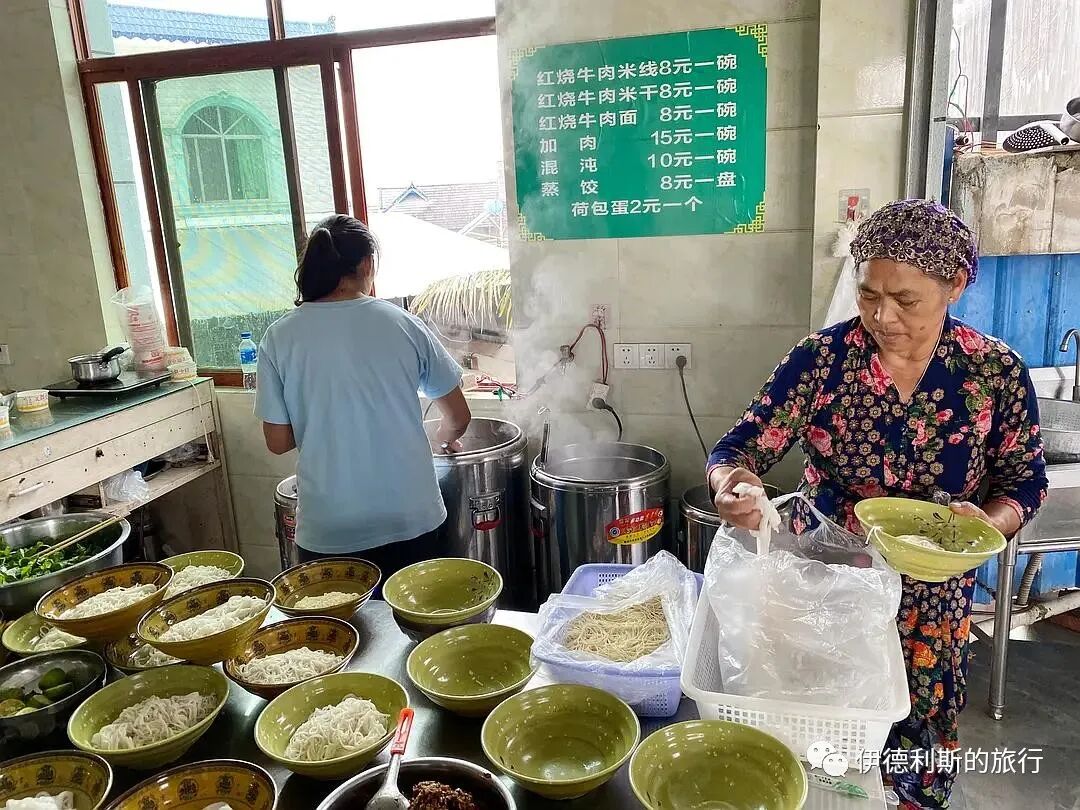
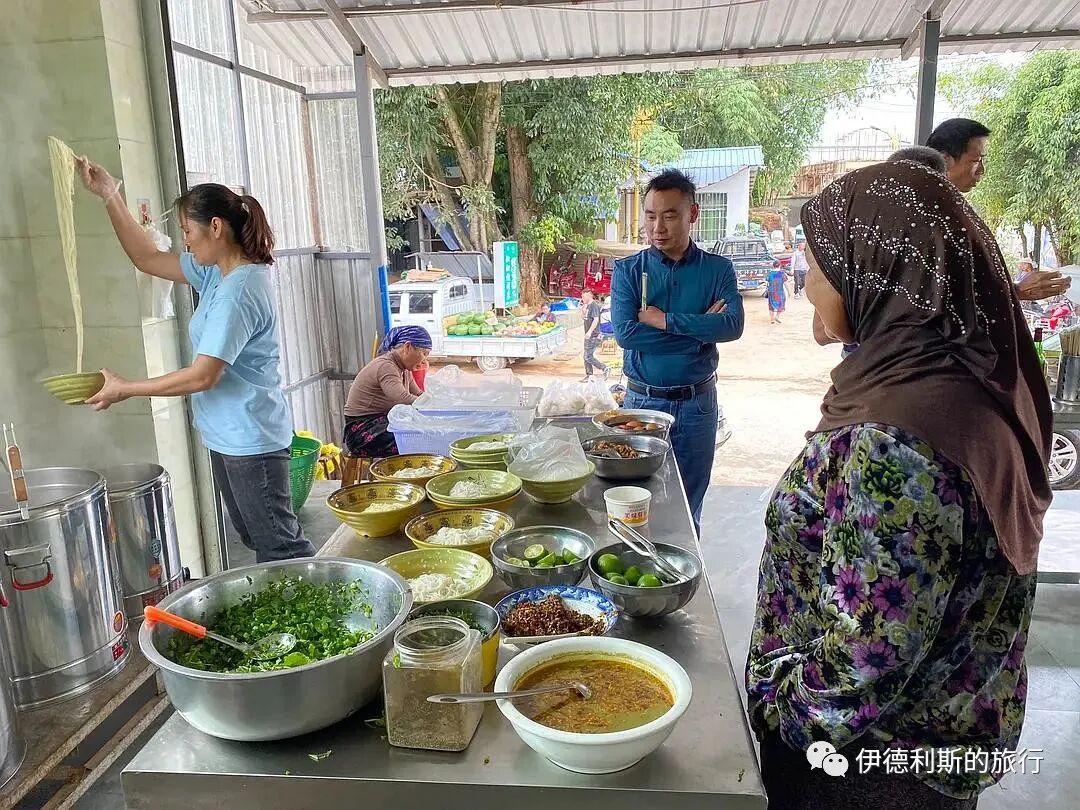
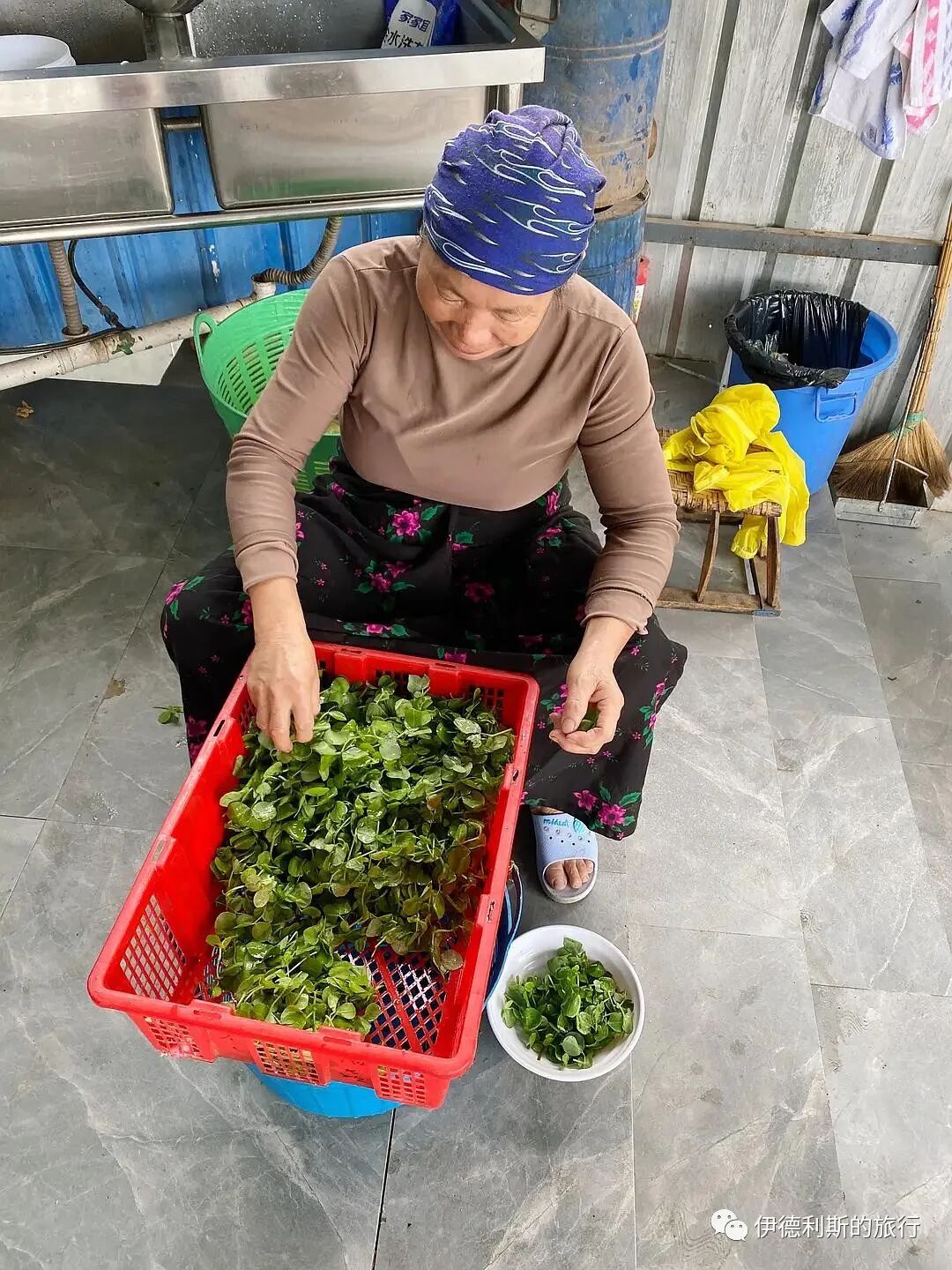
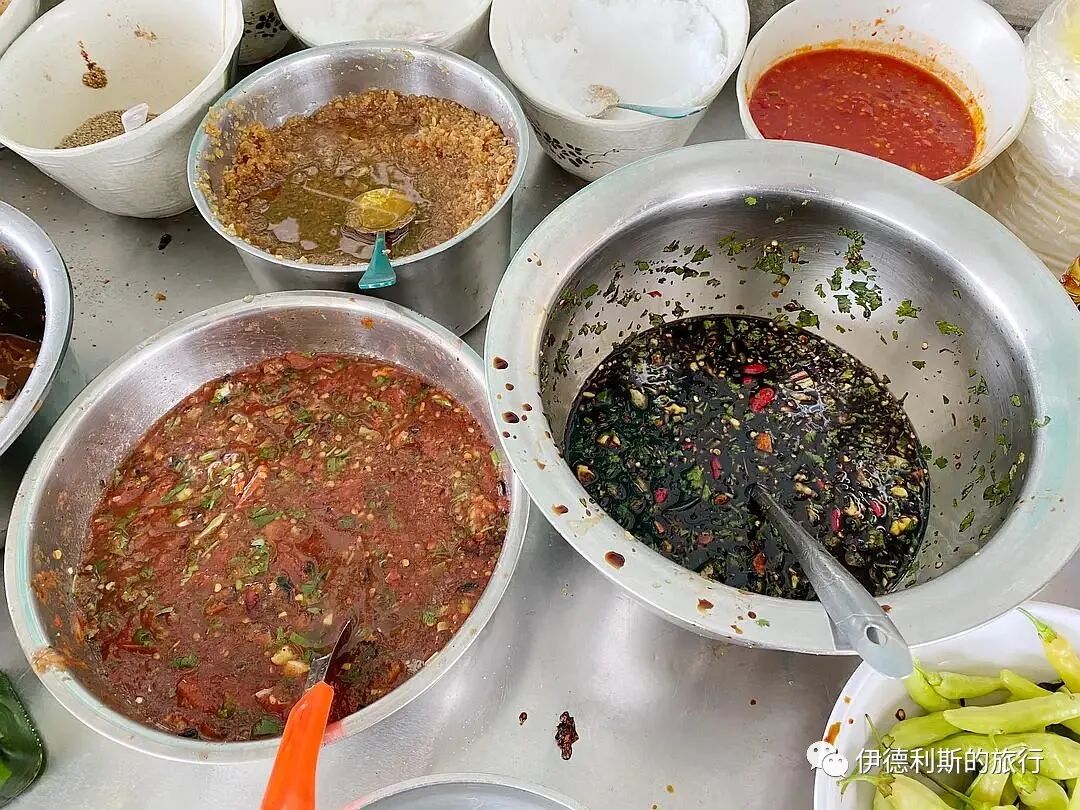
On the morning of October 1st, I rented a car in Jinghong and arrived at Manluanhui in about 50 minutes for a halal Tai-style breakfast. The restaurant I chose was called Paxi Dai. The Paxi Dai mainly eat beef rice noodles and migan (rice noodles) in the morning; we ordered the migan. The variety of small side dishes here is really rich, including pea tips, chives, bean sprouts, and various dipping sauces. The key is that their beef is too delicious! It is slightly sweet and especially fragrant.
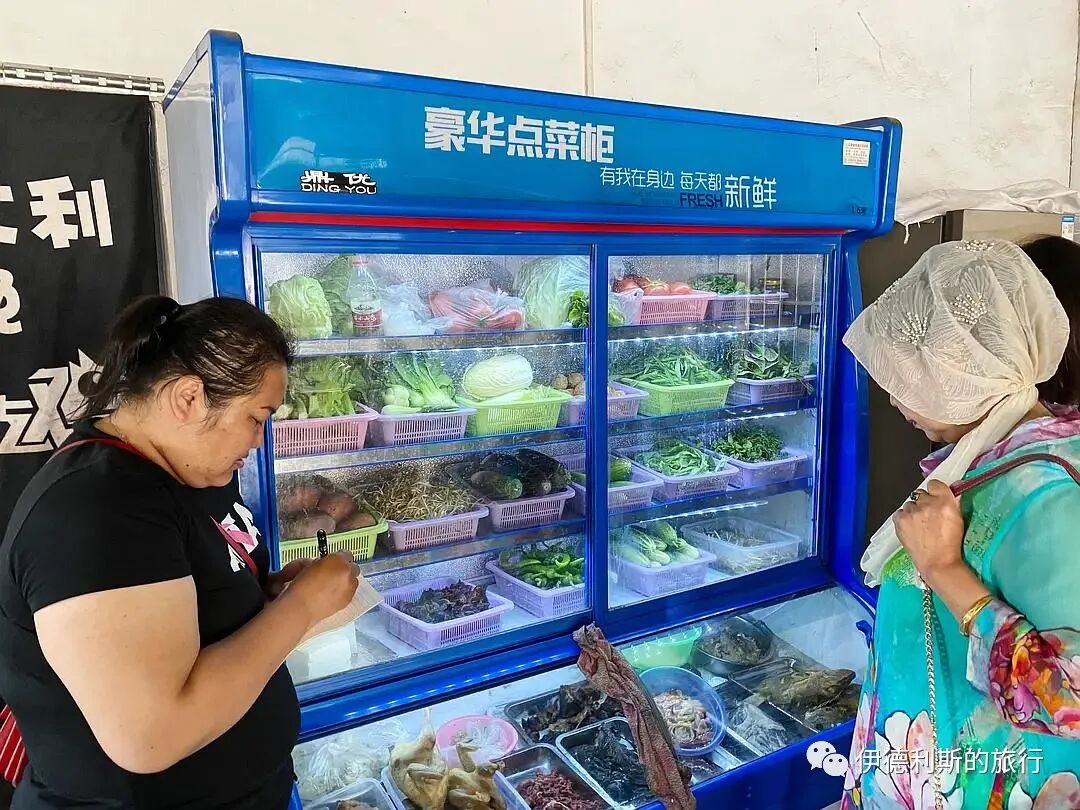
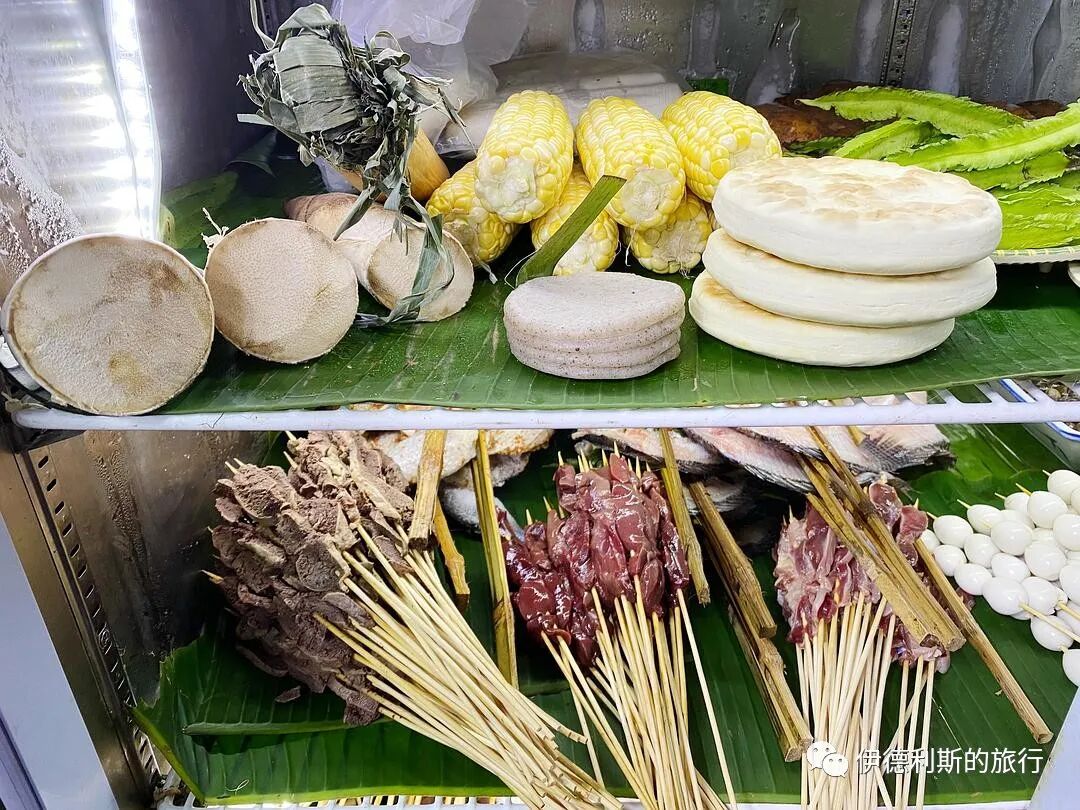
After breakfast, we went to the Dayi Manor in Menghai County to visit the Pu'er tea production, and at noon we returned to Manluanhui to eat authentic Paxi Dai home-cooked food at a restaurant called Huixiangyuan. Like many small home-style restaurants in Yunnan, there is no paper menu here. All the ingredients are displayed in a cabinet. You point to an ingredient and ask the owner how it can be cooked, and the owner tells you directly. This feeling is quite good.
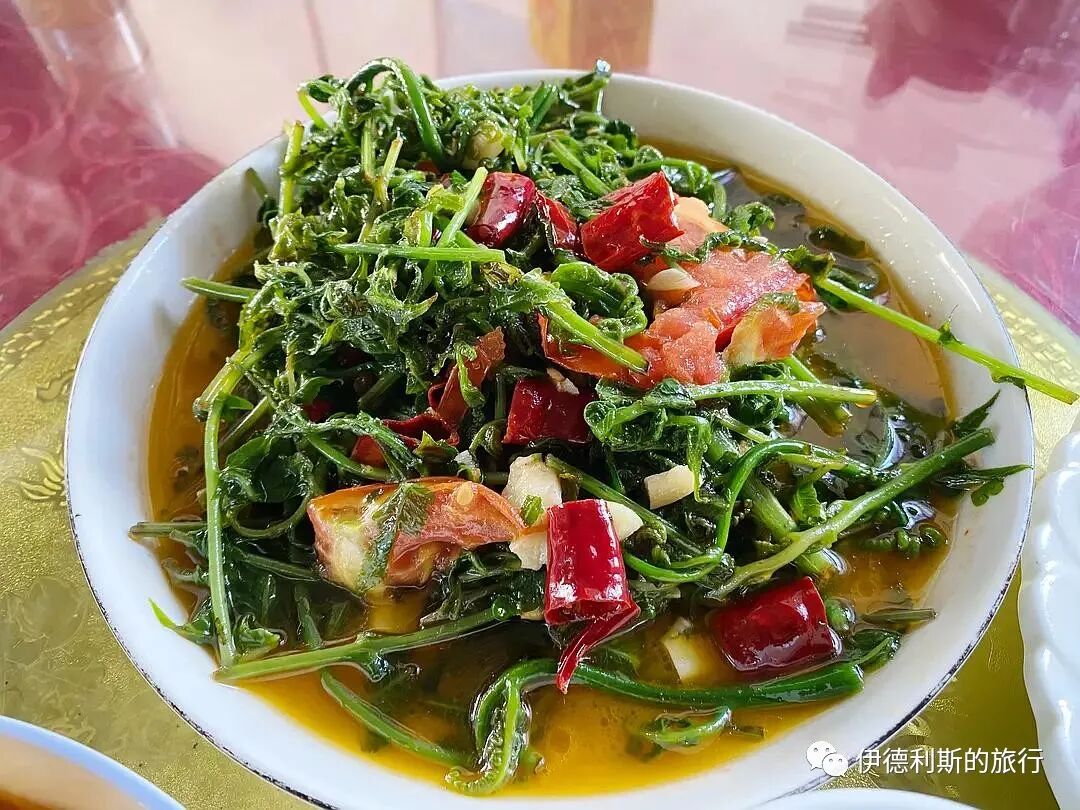
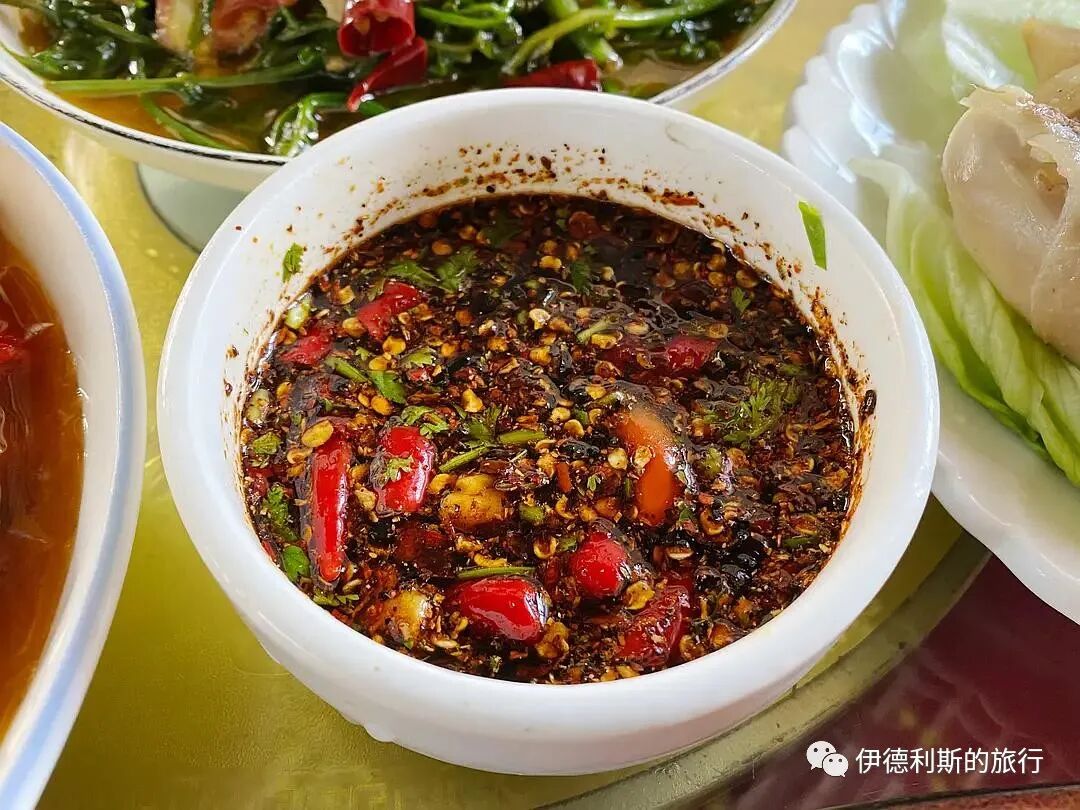
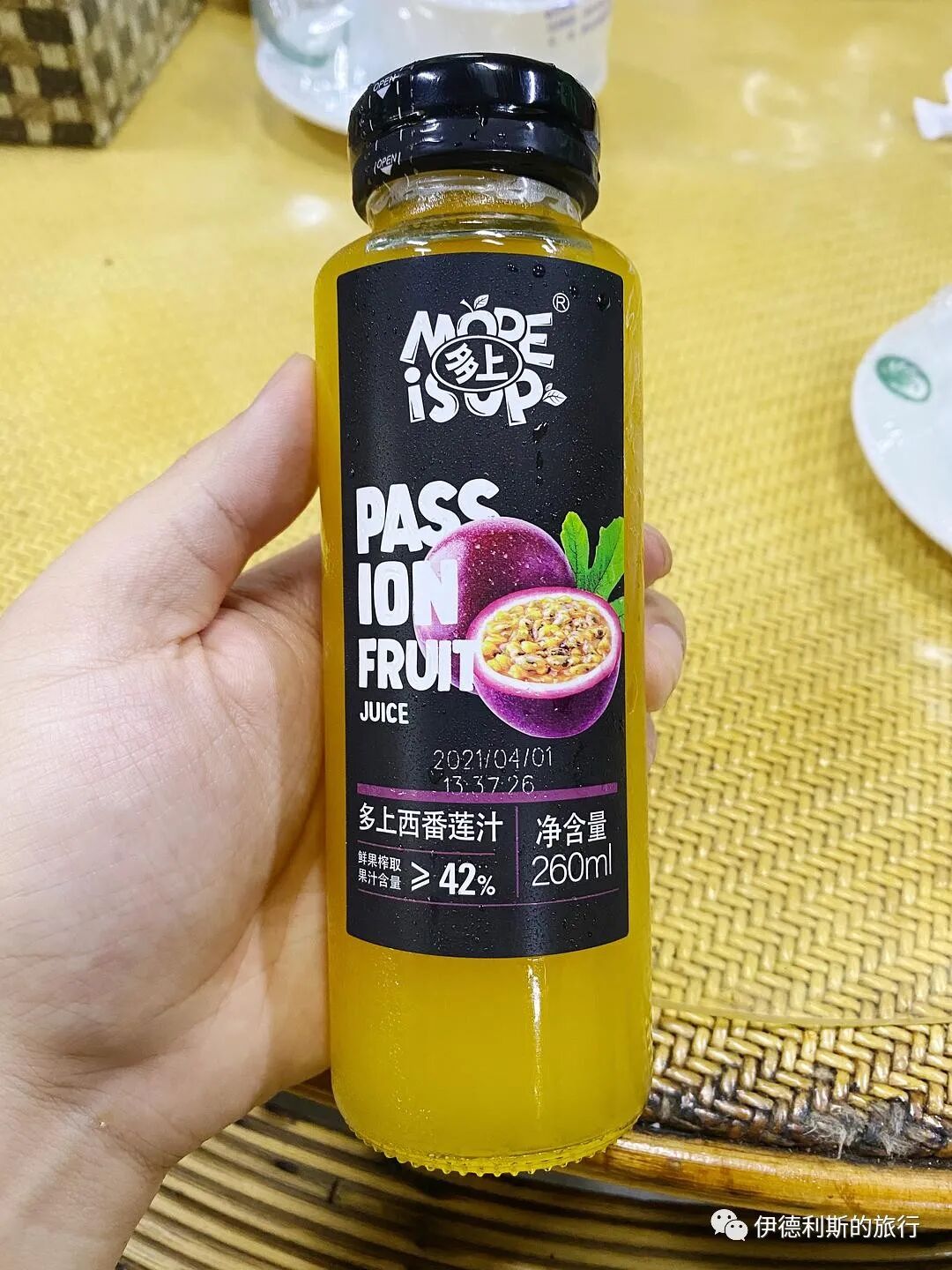
We ordered sour and spicy tilapia, grilled tofu, grilled bracken, and white-palm chicken (cold chicken) with Tai-style dipping sauce, and also drank passion fruit juice. Everything was very much to our taste. Among these dishes, our whole family agreed that the sour and spicy fish was the best. The sauce poured over it was fantastic and went very well with rice. In addition, the Tai-style sour and spicy flavor is very strong. If you cannot eat spicy food, you should tell the owner in advance to make it mild.
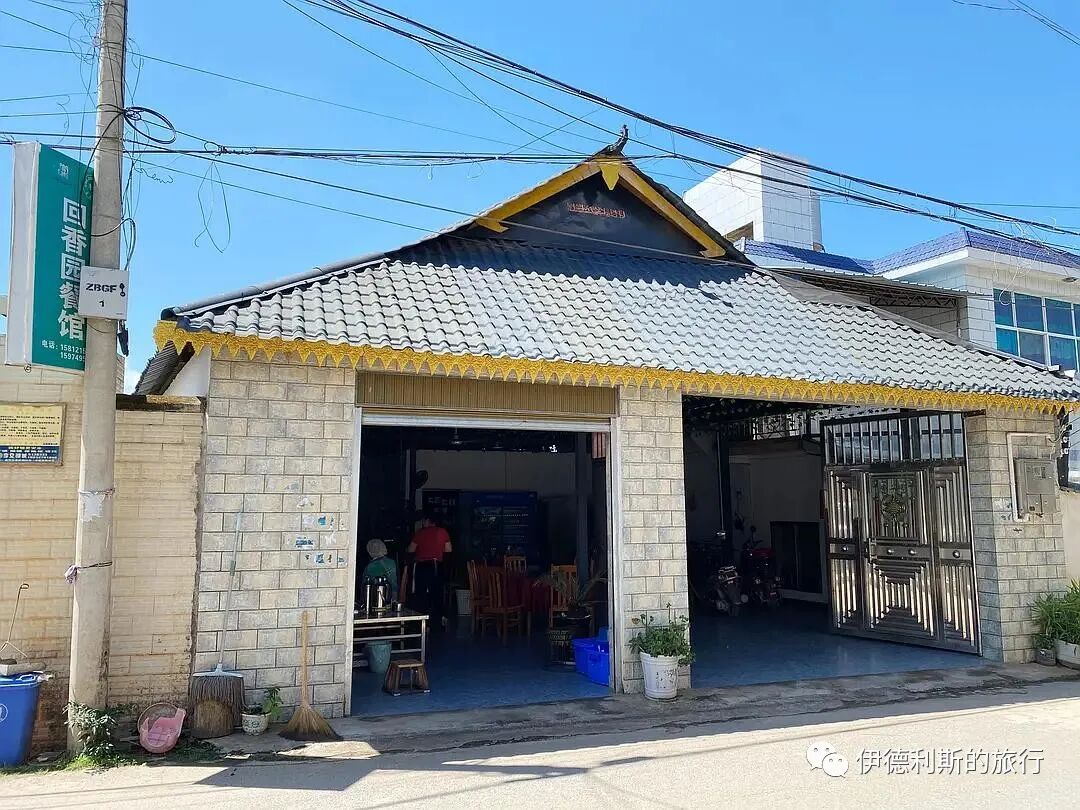
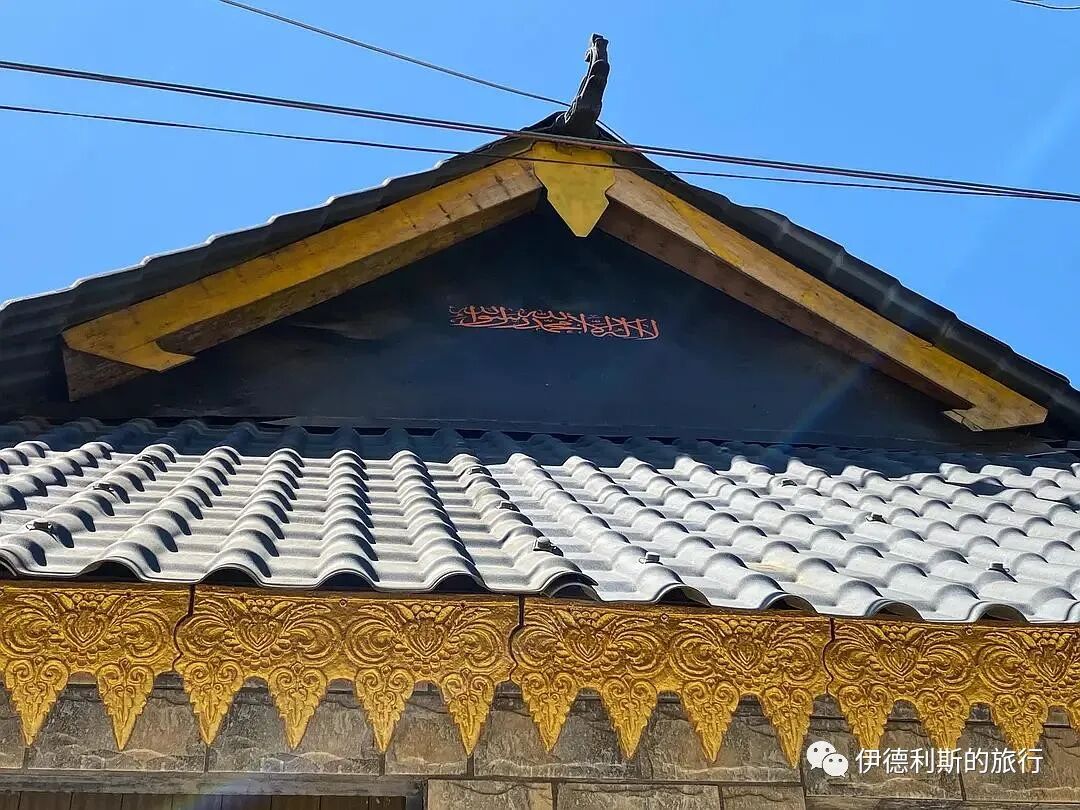
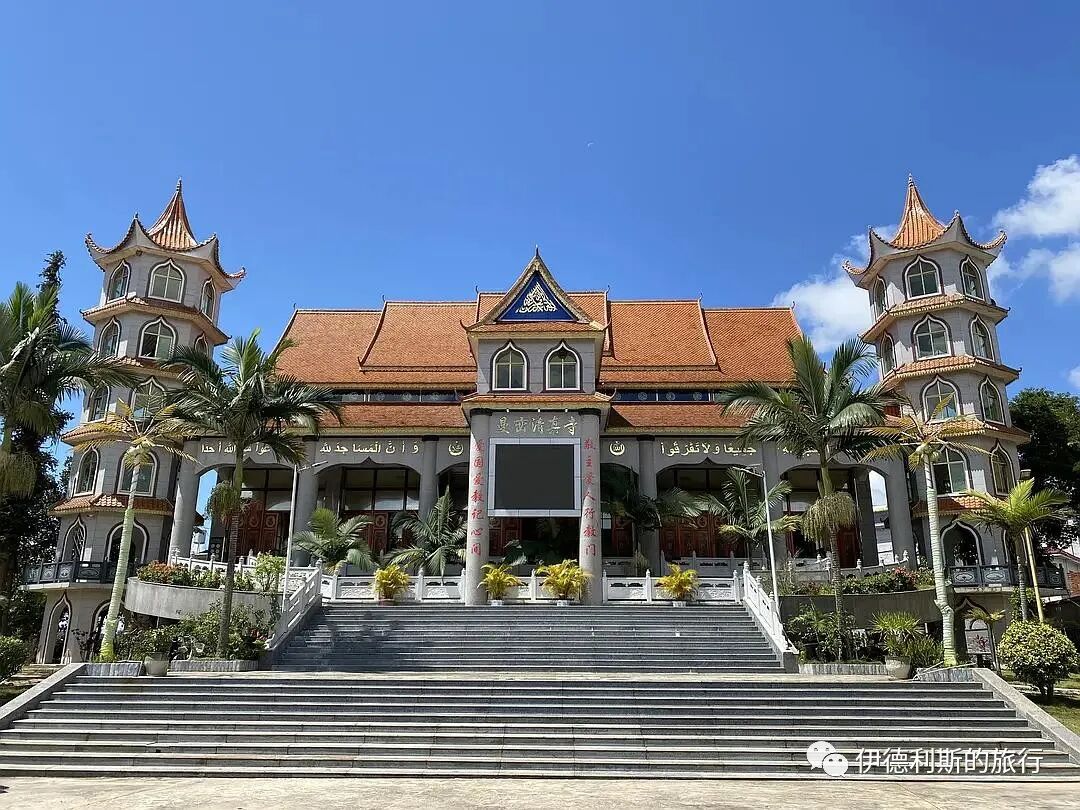
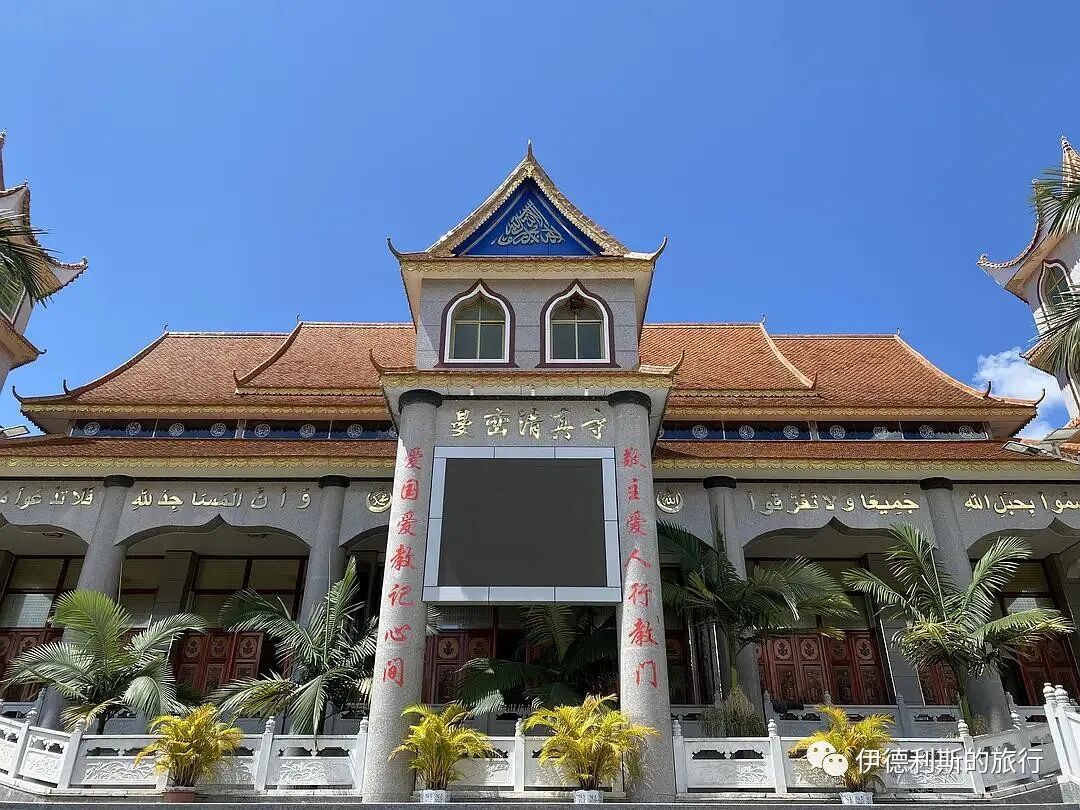
At noon, I accompanied my parents to the Manluanhui mosque for Jumu'ah prayer. After the Paxi Dai settled in Manluanhui, they built the first mosque with thatched roofs and bamboo walls. It was later rebuilt into a mosque with tiled roofs and bamboo walls, but it was destroyed in 1909 during the war between the Jinghong Xuanweisi and the Menghai Tusi. The mosque was rebuilt again, destroyed again in 1958, rebuilt as a brick and tile mosque in 1982, and rebuilt again between 2016 and 2018 into the current concrete mosque. The current Manluanhui mosque is the only mosque building in the country with a Tai-style architectural design.
The current Imam is from Weishan, Dali. There were many people at Jumu'ah, and at first, everyone took turns reciting the Quran.
After leaving the prayer hall, various Paxi Dai aunties, men, women, and children—our brothers and sisters in faith—wearing Tai clothing, carried baskets and basins to distribute fruits grown at home and snacks they had made to everyone. It was very lively!
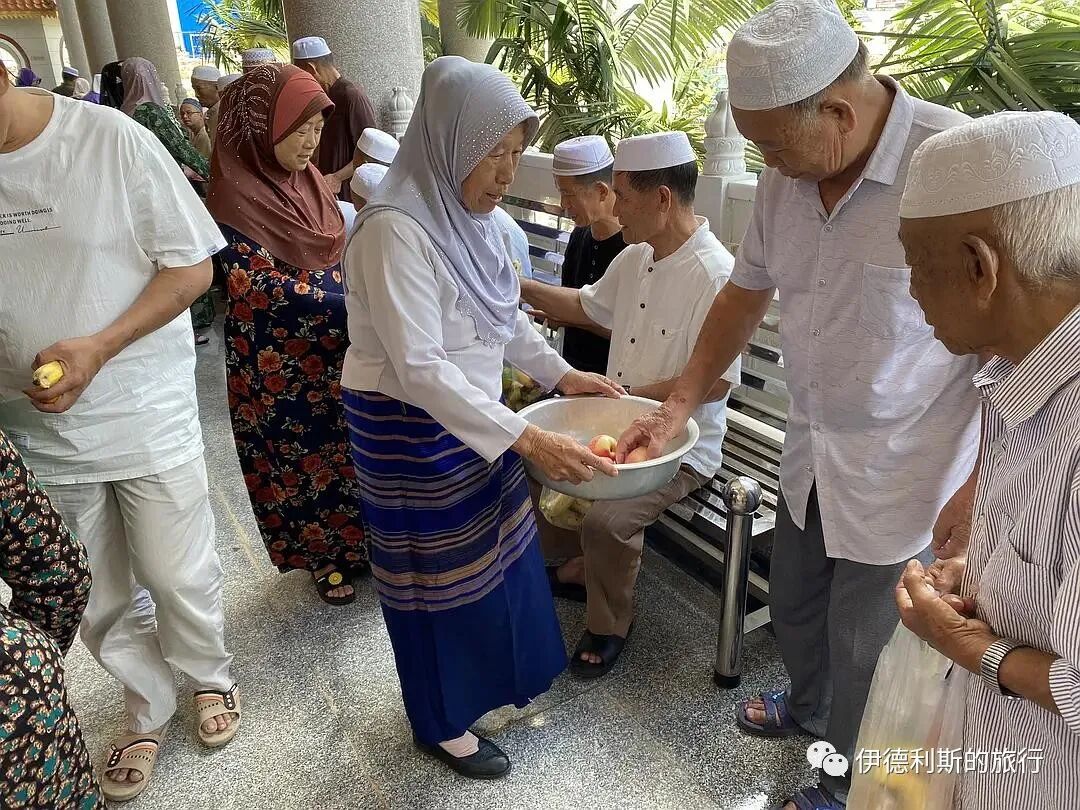
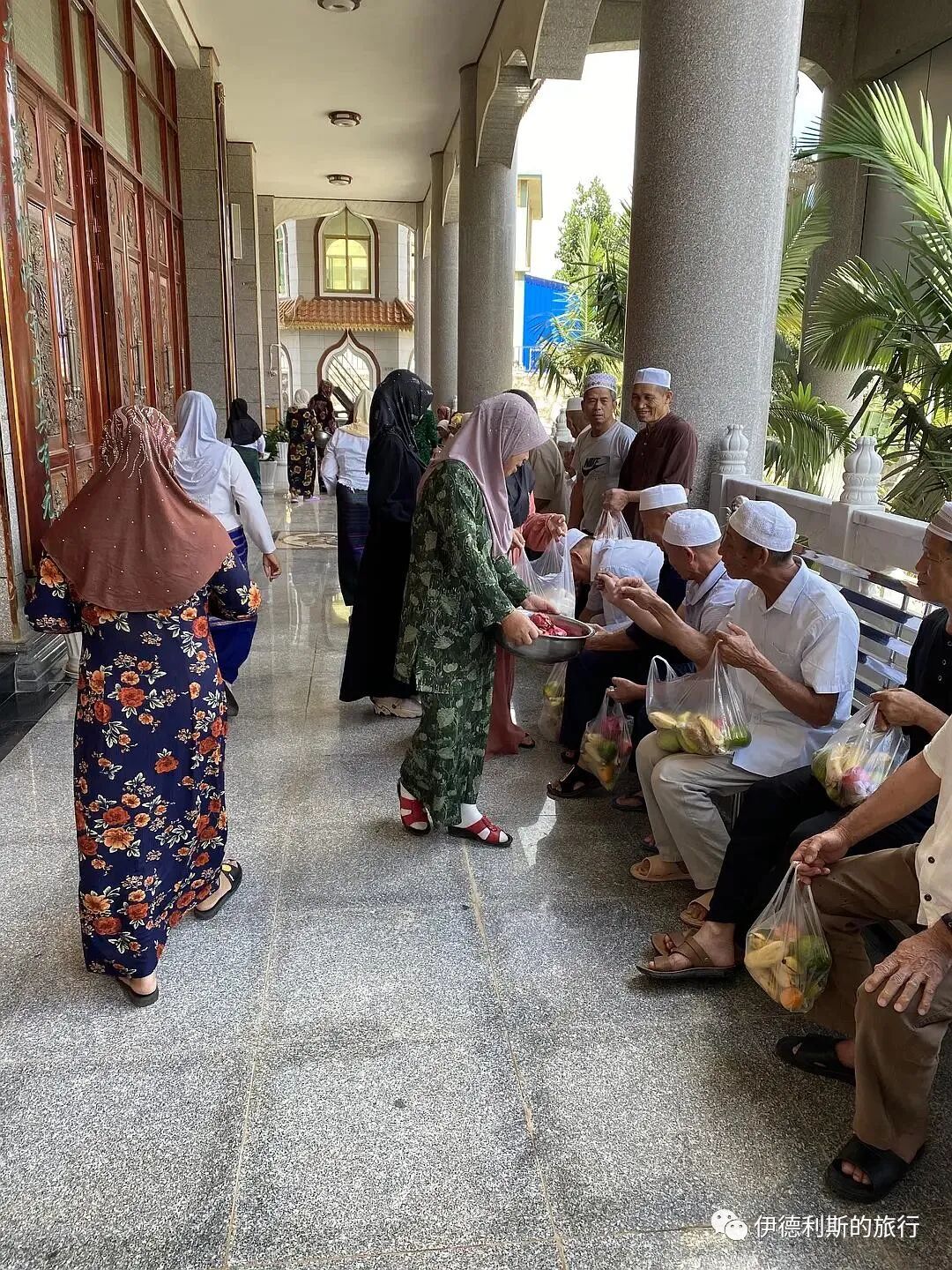
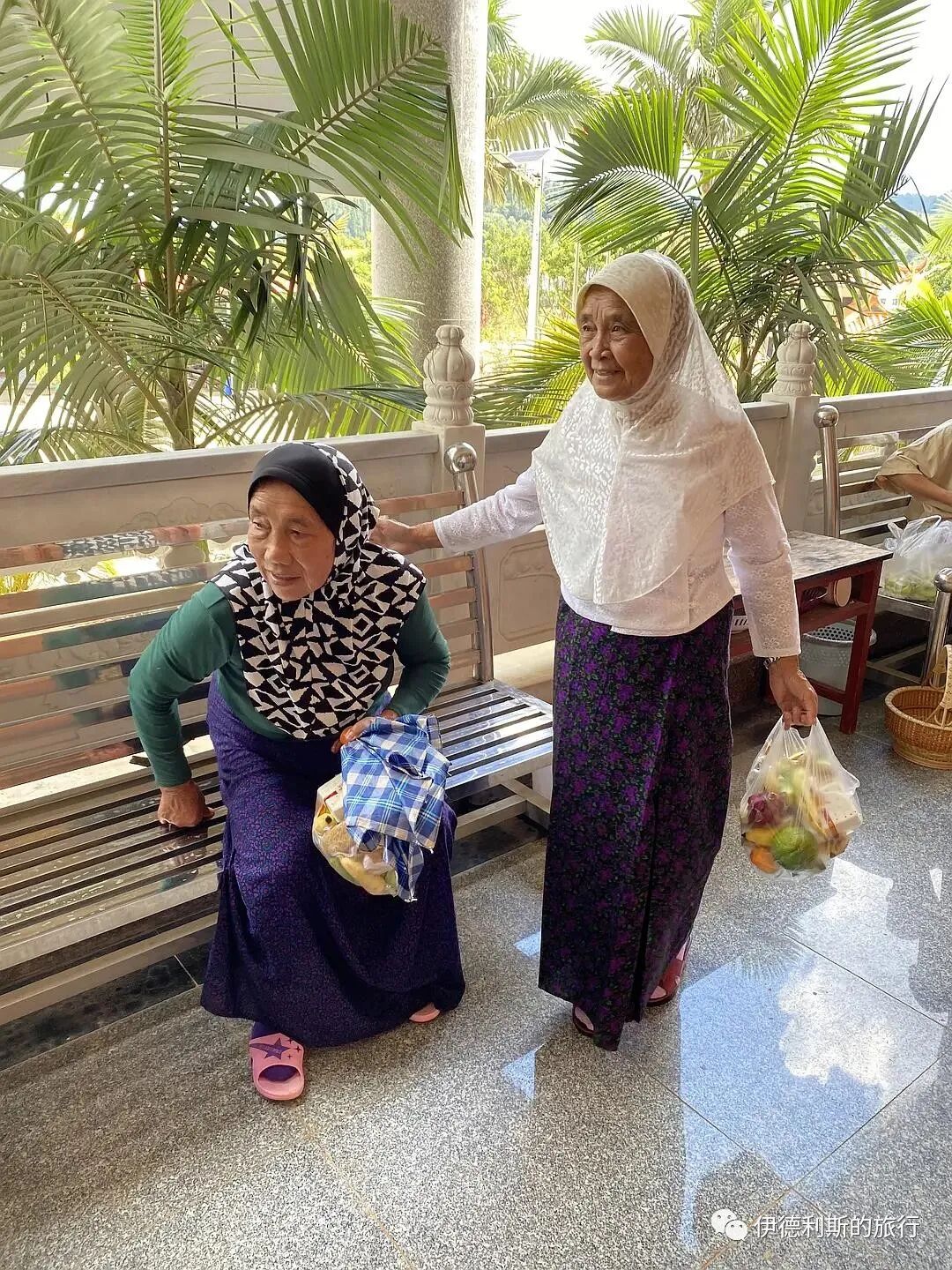
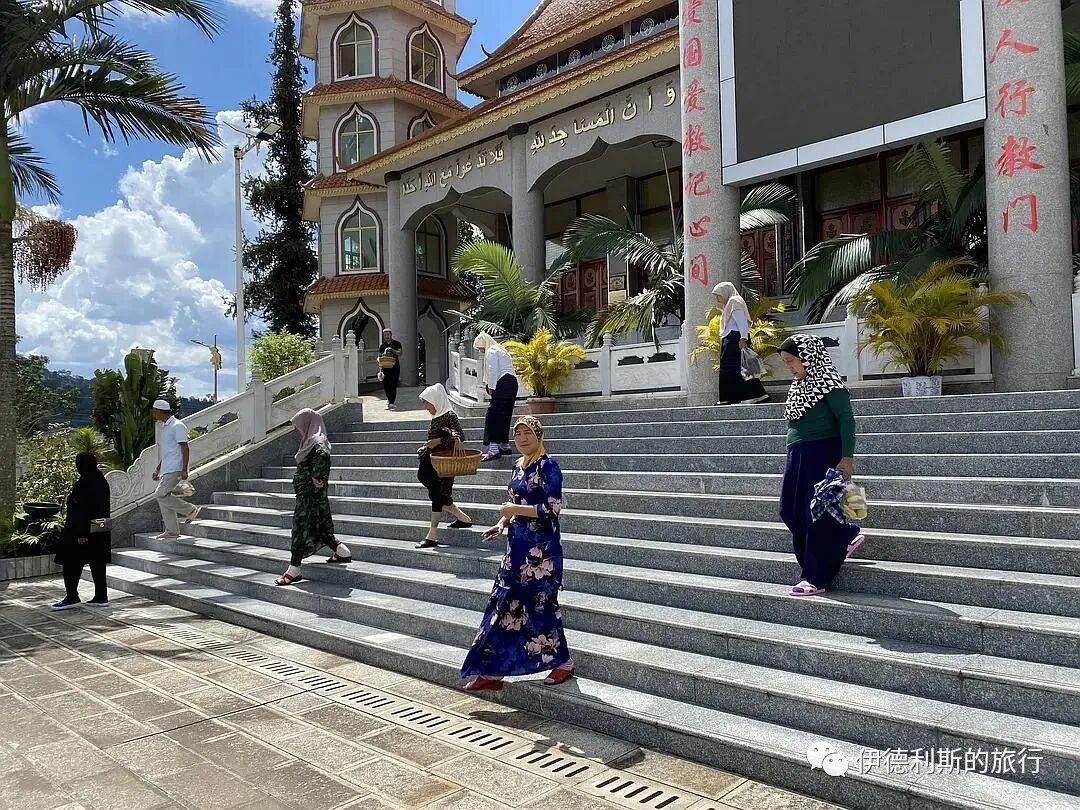
We received bananas, dragon fruit, persimmons, milk dates, etc., distributed by everyone, as well as rice cakes and hot, freshly made sticky rice. The ripe bananas were especially sweet, much better than those bought at the market. The milk dates were also super sweet. After eating them, I felt that the ones bought in Beijing could only be described as bland and tasteless!
The Paxi Dai like to eat this kind of sticky rice in the morning.
Homemade rice cakes.
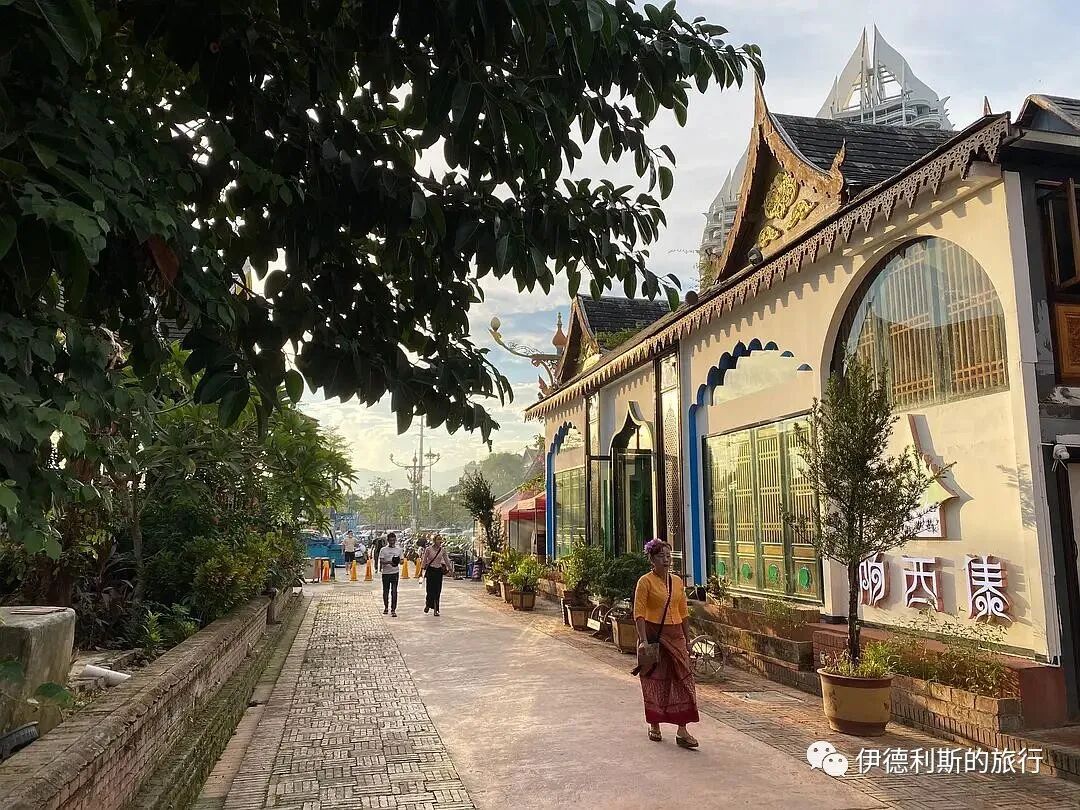
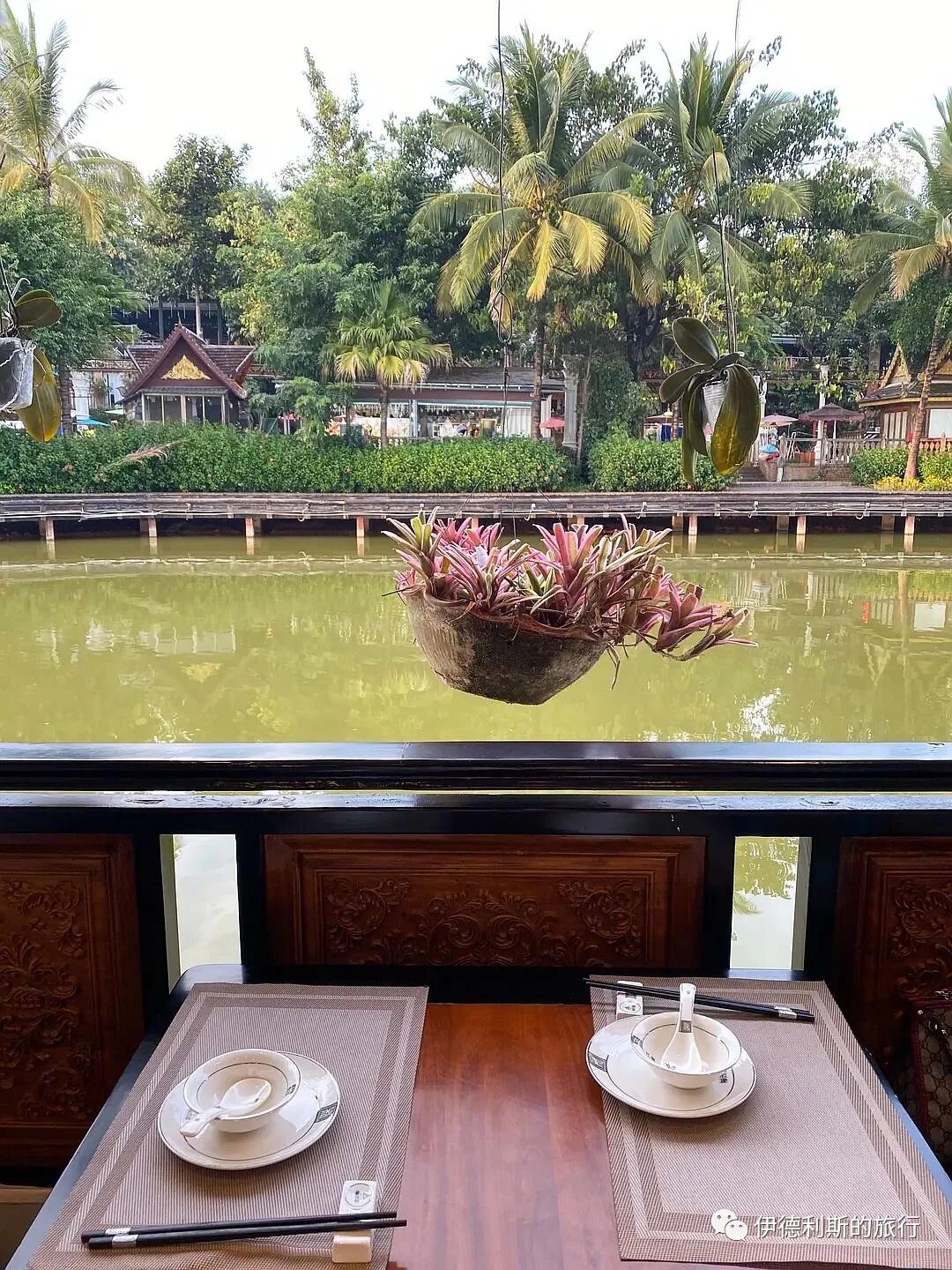
In the evening, we went to the Paxi Dai restaurant at the Ganbai Street night market in Jinghong. The landlady is a Paxi Dai from Manluanhui. The restaurant is by the lake, opposite the famous Starlight Night Market, so you can eat while watching the night view.
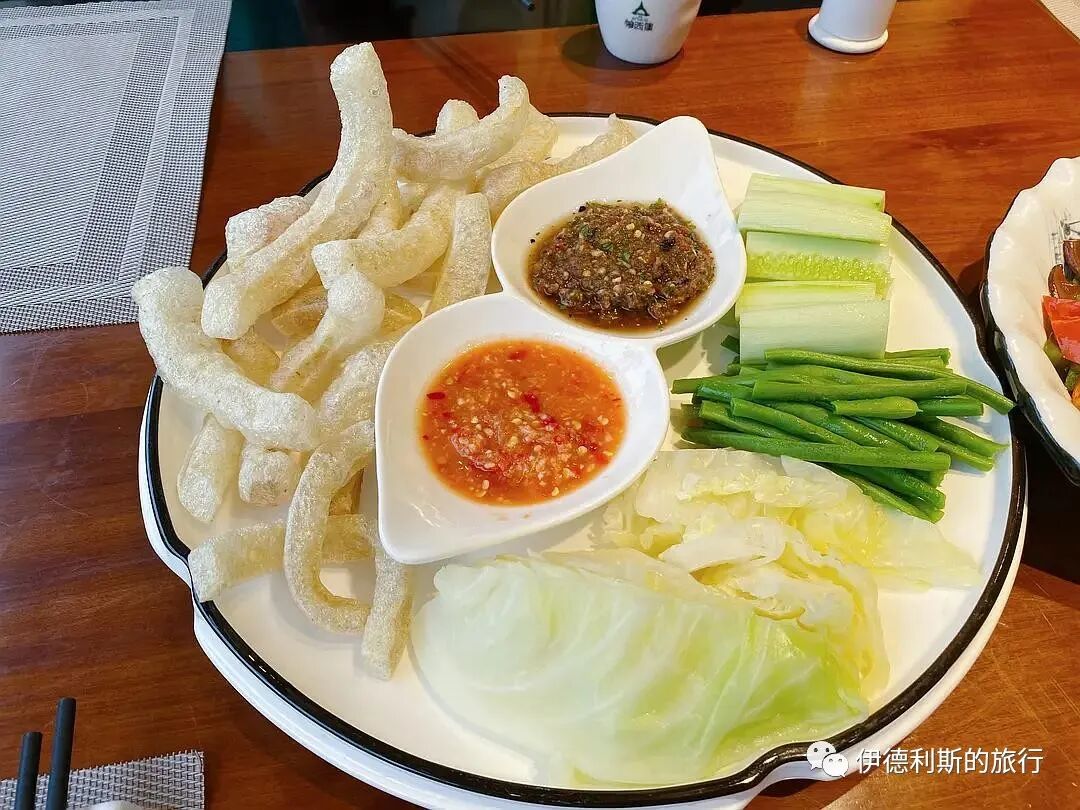
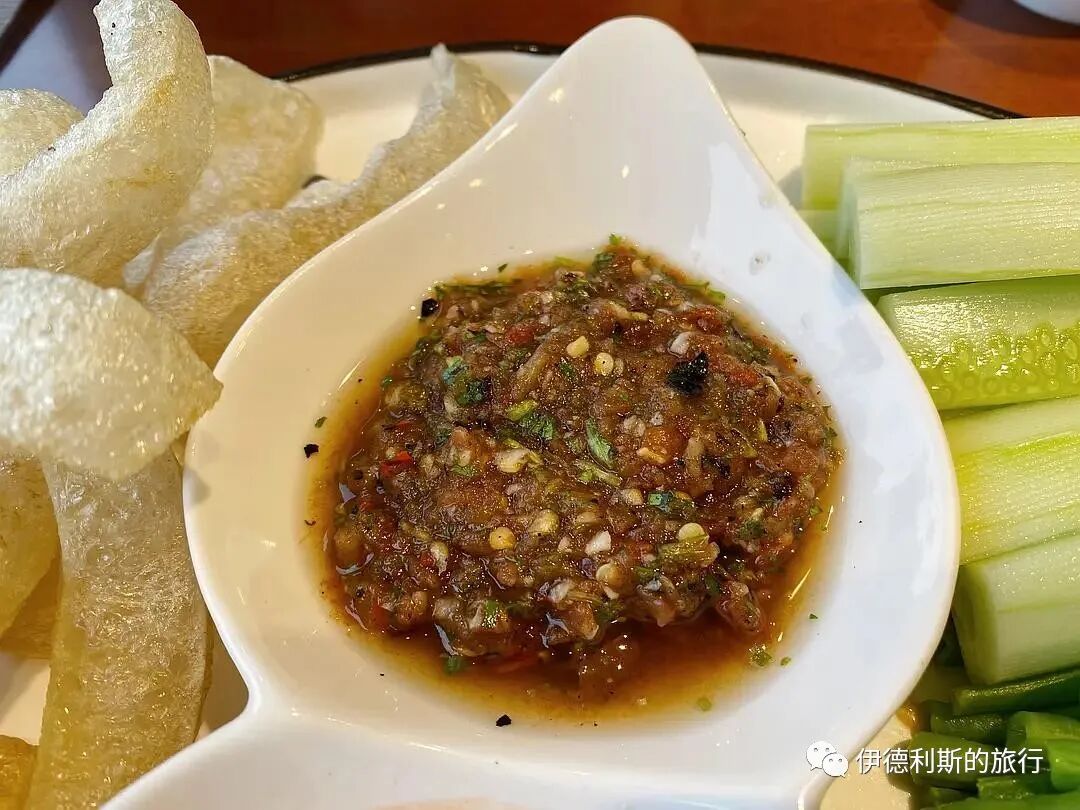
We ordered a nanmi (Tai-style dipping sauce) platter, stir-fried beef liver mushrooms, Tai-style pounded chicken feet, tilapia boiled with passion fruit, lemon-shredded beef jerky, and beef pineapple rice. Nanmi is a Tai-style specialty dipping sauce with a sour and spicy flavor, used for dipping fried beef skin, cucumber, and cowpeas. This was my first time eating fried beef skin; the texture is a bit like fried shrimp crackers, but harder. The pounded chicken feet were very sour and spicy, and my mouth felt like it was burning. The Tai-style passion fruit stewed fish was very flavorful, comparable to the starfruit sour soup fish of the Hui people in Huihui, Sanya, but the sourness was stronger. I could only drink a little bit of this soup. Our whole family liked the beef pineapple rice the best. It is rarely fried like this locally, and we thought it was better than any fried rice we had eaten before.
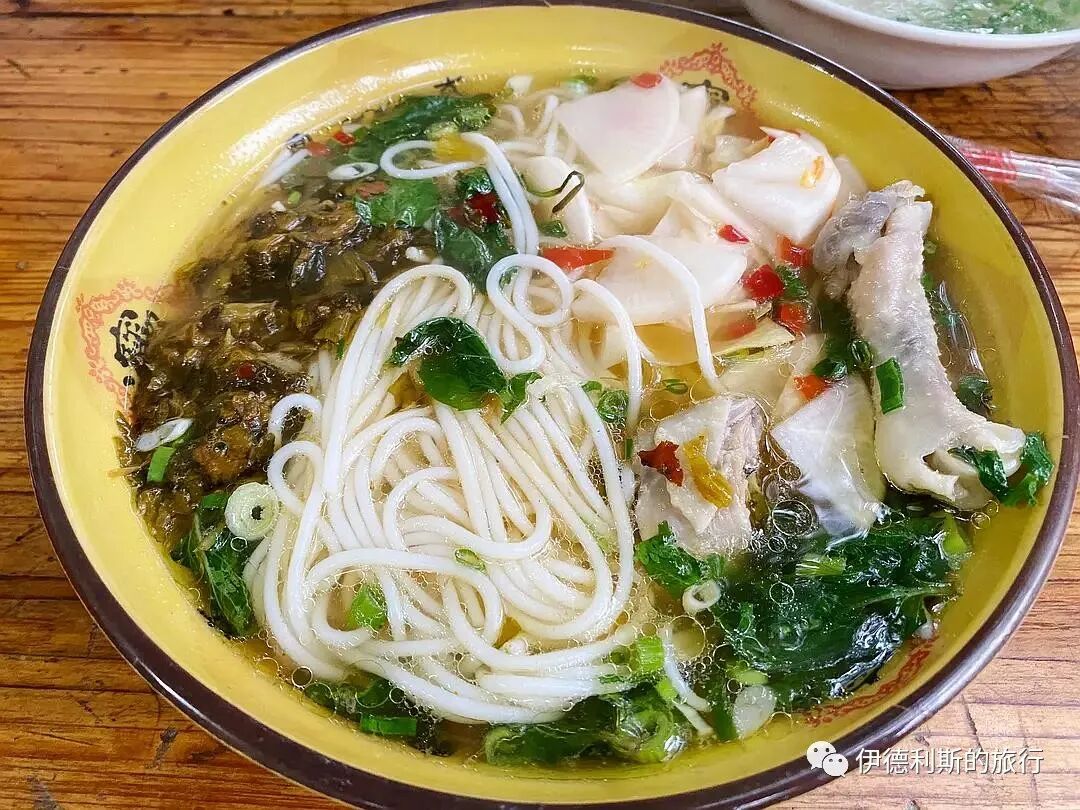
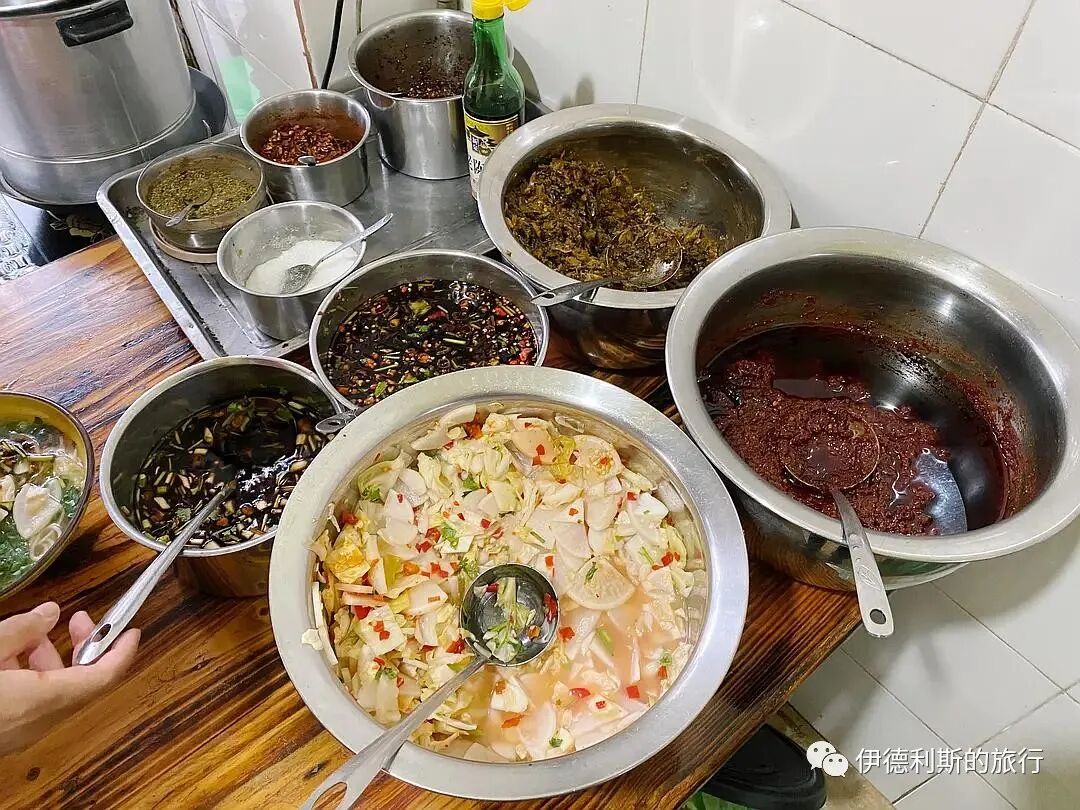
On the morning of October 2nd, we ate rice noodles at the Kezhen Halal Snack Bar opened by Paxi Dai near the Jinghong City Hospital. The chicken rice noodles were served with sour radish and various seasonings. The free-range chicken meat was relatively firm and chewy. The people in the shop and the locals who came to eat communicated in Tai, but switched to Chinese when talking to us, which was very interesting.
On the morning of the 2nd, we went to the Primitive Forest Park. In the afternoon, we went to the Huidai Tongpiao (copper ladle hotpot) restaurant at the entrance of the bus station of the State Planning Bureau on Menghai Road, Jinghong City. The owner is the cousin of the Paxi Dai landlady from the Ganbai Street night market.
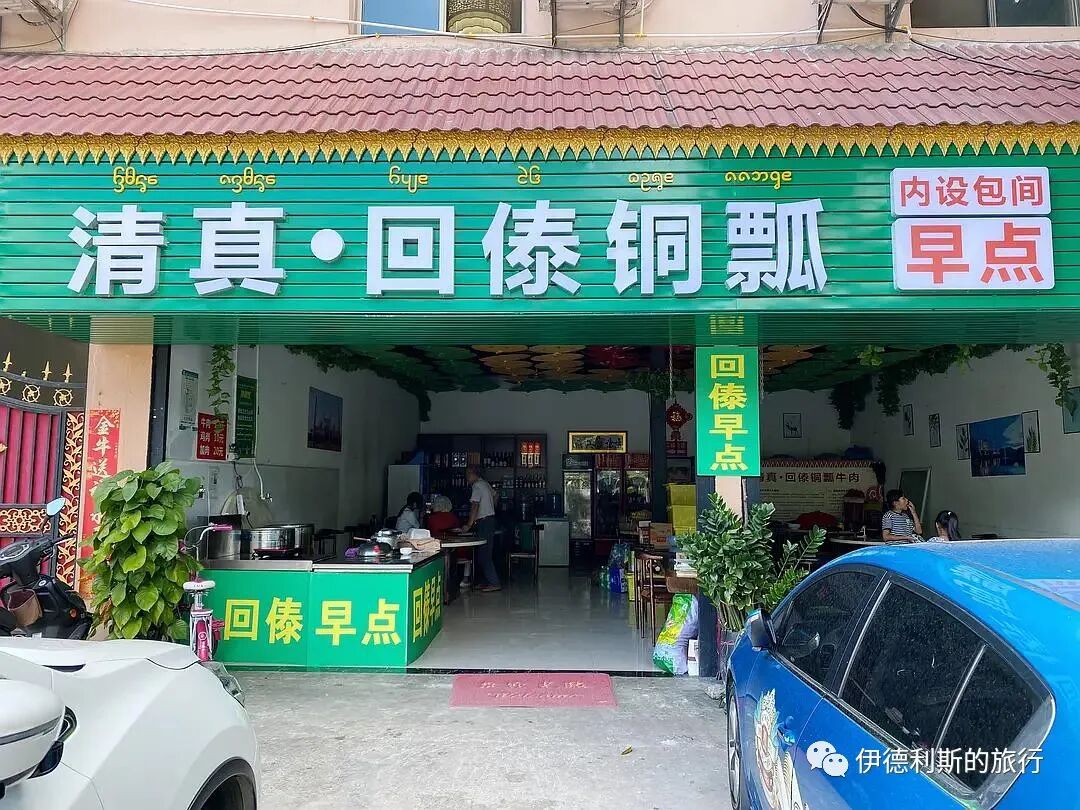
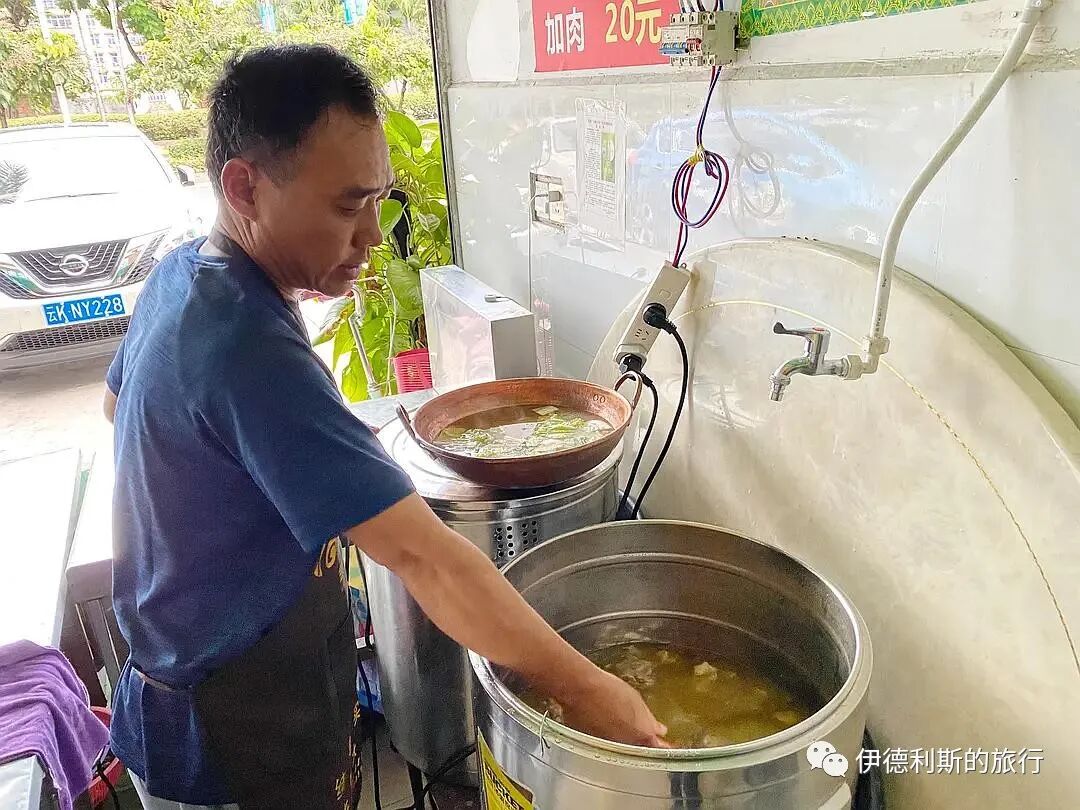
As soon as we entered the restaurant, we smelled the rich aroma of beef soup. The owner said they had been stewing the beef soup since early morning for most of the day. The base of the copper ladle hotpot is the beef soup, and the special dipping sauce is also thinned with beef soup. We ordered snowflake beef, oxtail with skin, mint, bean curd skin, and yam. We also ordered fried beef lung and beef jerky with vegetable fried rice.
The meat for shabu-shabu is not raw like in Beijing, but pre-stewed until clear. When eating, you put it into the copper ladle and stew it for a while. The texture and taste are both good. This was my first time eating oxtail with skin. It needs to be stewed for a while longer; the skin is very elastic and the meat is very fragrant. Then I also ate fried beef lung for the first time. The owner said that in their Manluanhui village, fried beef lung sells better than beef jerky, and locals especially like to eat it. It felt like the aroma of the beef lung was really fried out; it was crispy when you bit into it, and we finished it in no time.
There are quite a few halal Tai-style barbecue places in Xishuangbanna, but those opened by Paxi Dai are mostly in the Manluanhui village in Menghai County. Those in the Jinghong urban area are mostly opened by Hui Muslims from other parts of Yunnan.
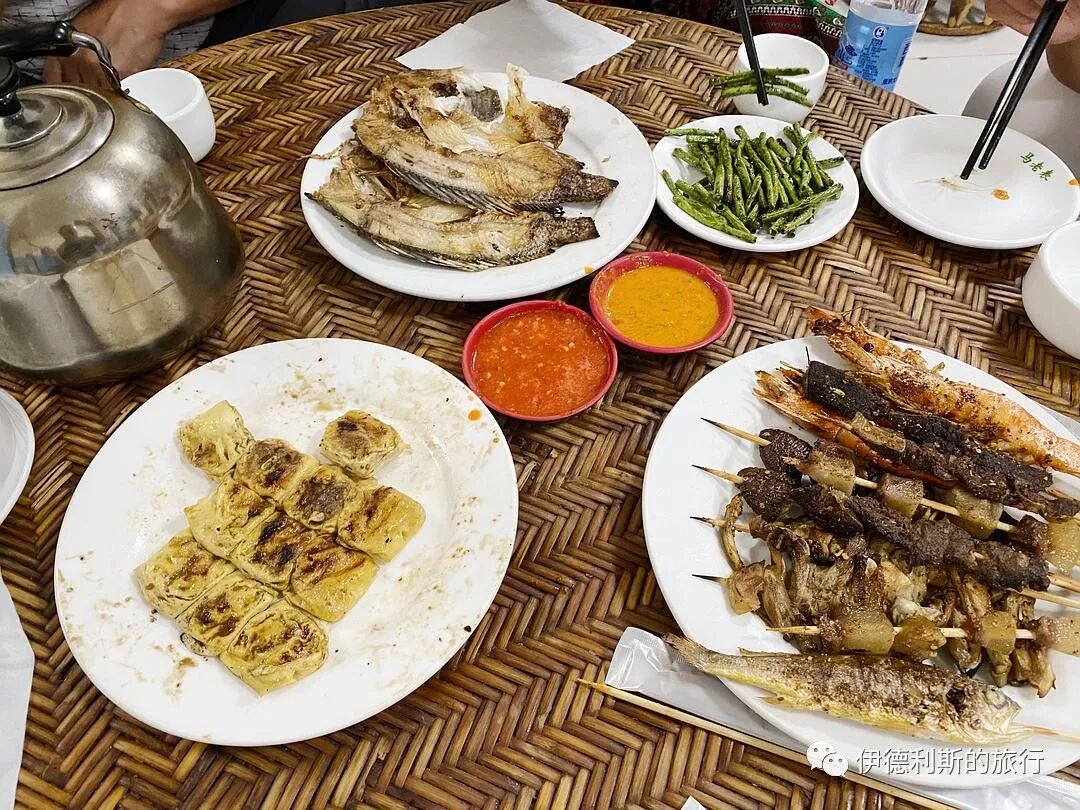
On the evening of the 2nd, we first went to the A-li Barbecue Restaurant, which is opened by Hui Muslims from Pu'er. We ordered grilled fish, grilled shrimp, grilled beef spleen, grilled beef skin, and grilled fermented tofu. Their food was a bit salty, and when we went there, there was a strong smell coming from the sewer at the entrance, which affected the dining experience. If any brothers and sisters in faith want to go there in the future, it is best to smell if the sewer is still smelly before eating...
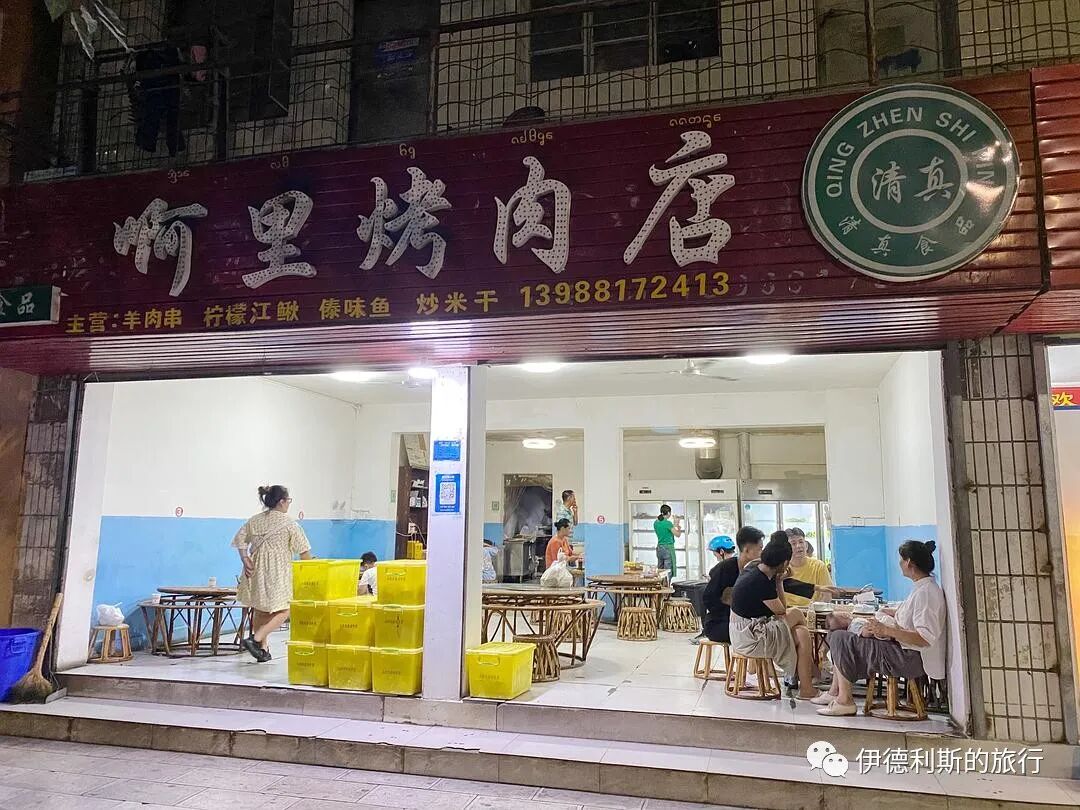
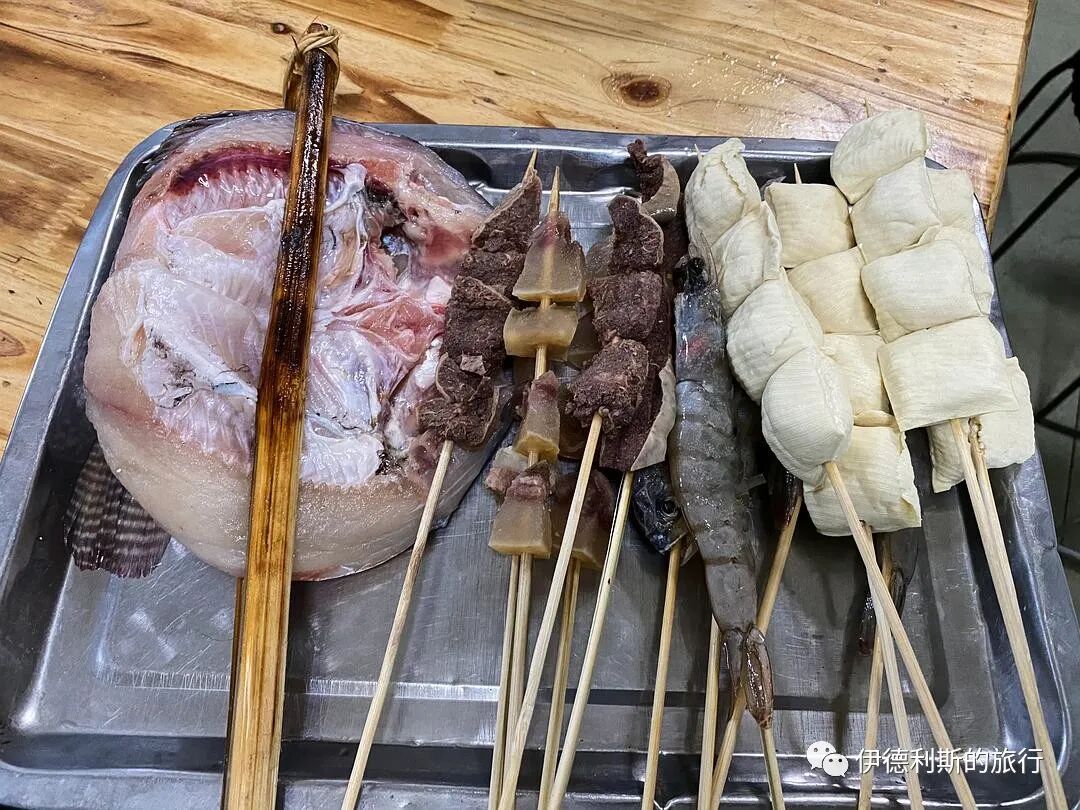
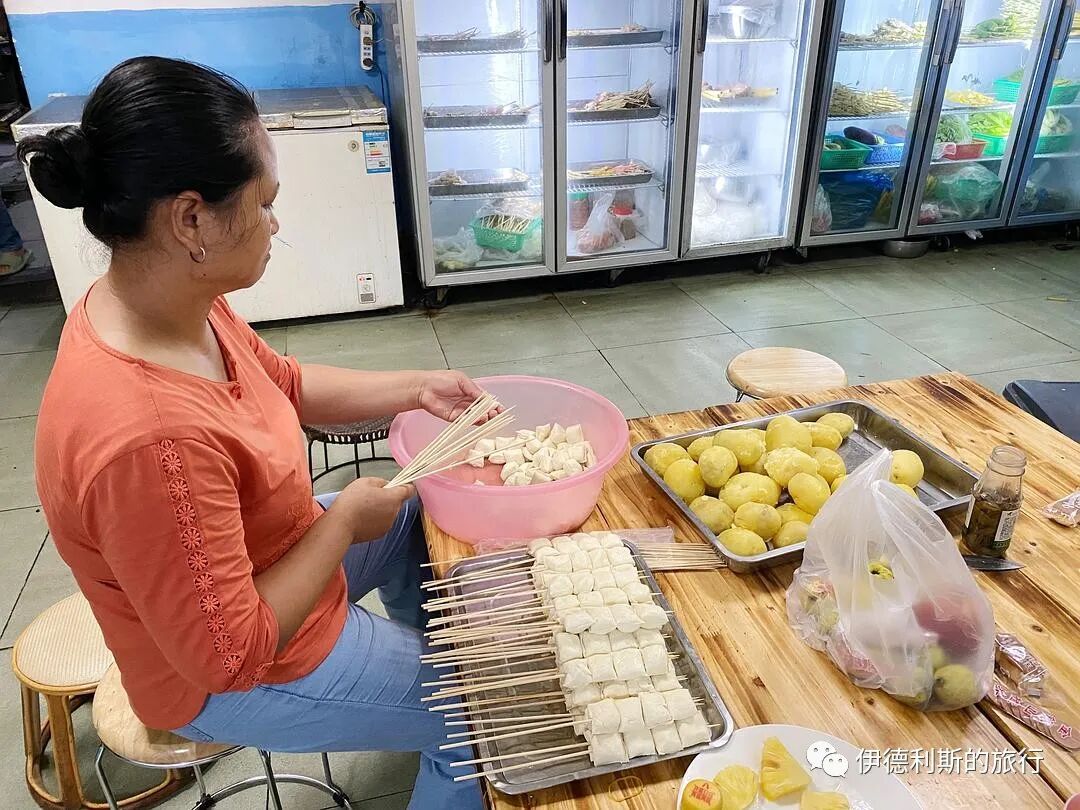
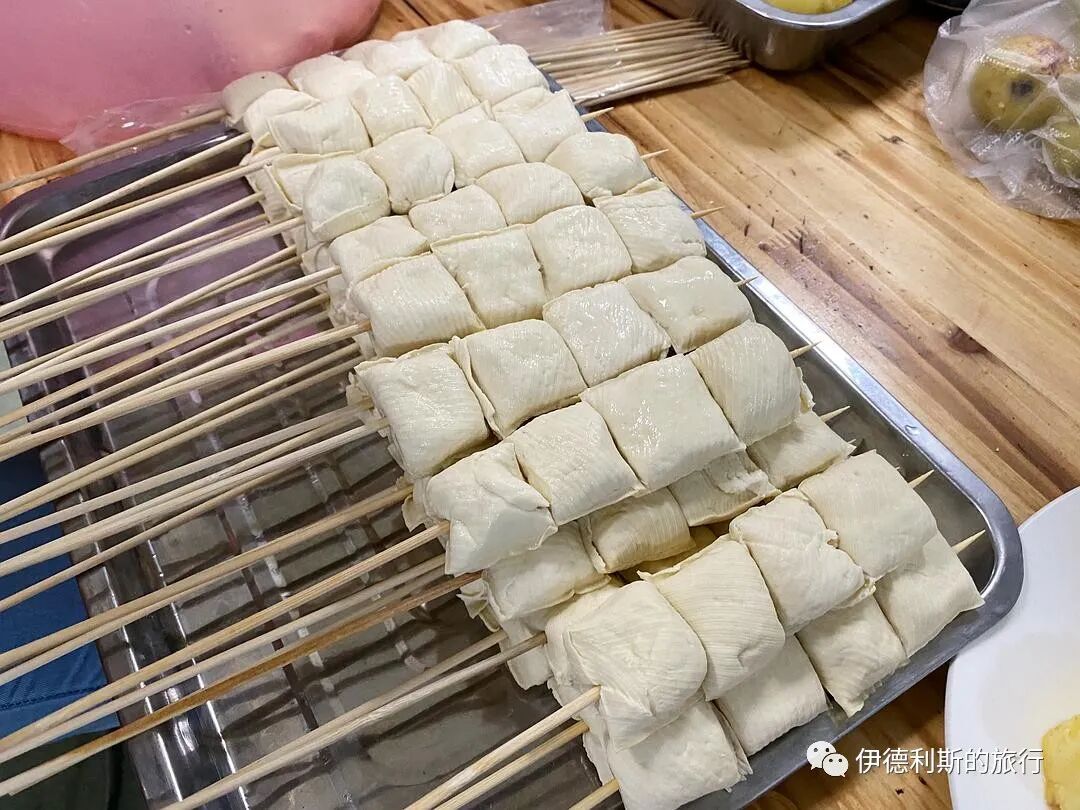
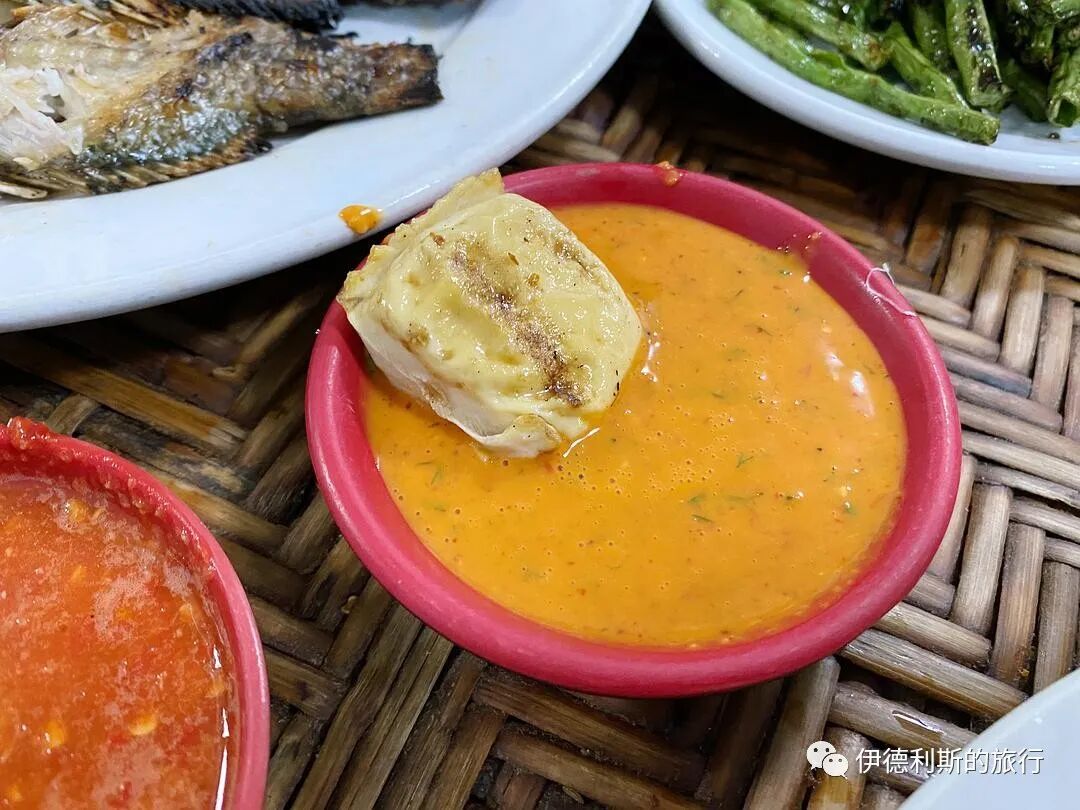
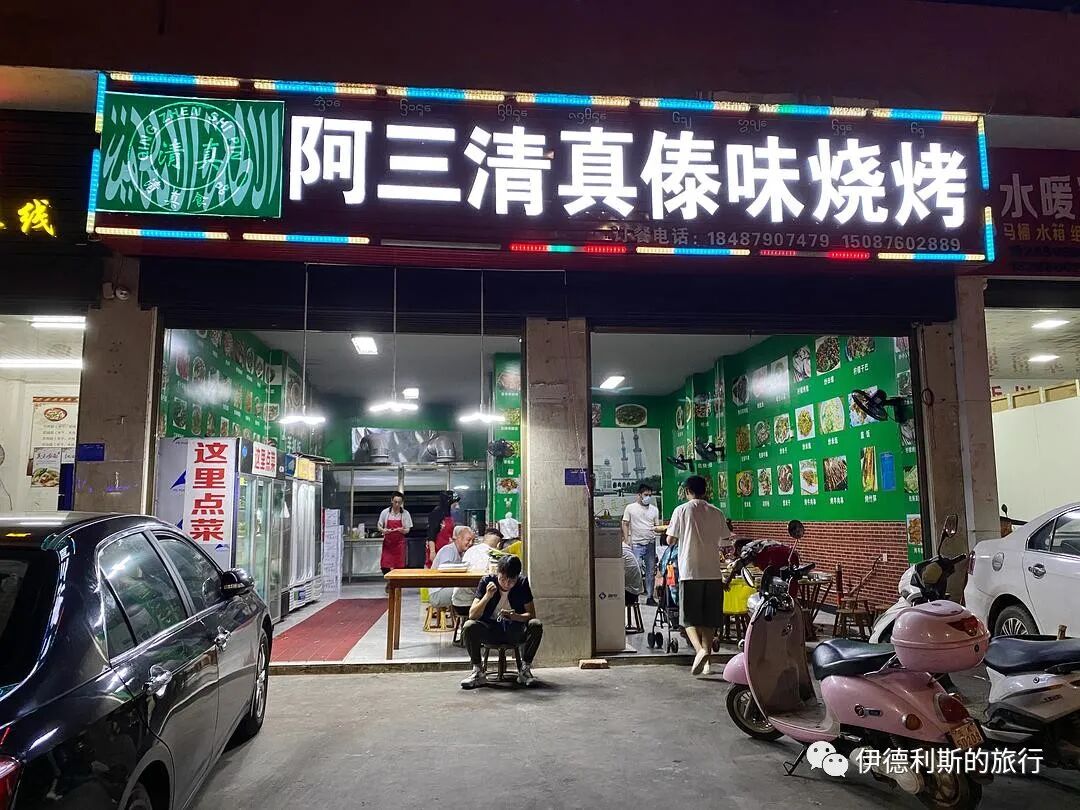
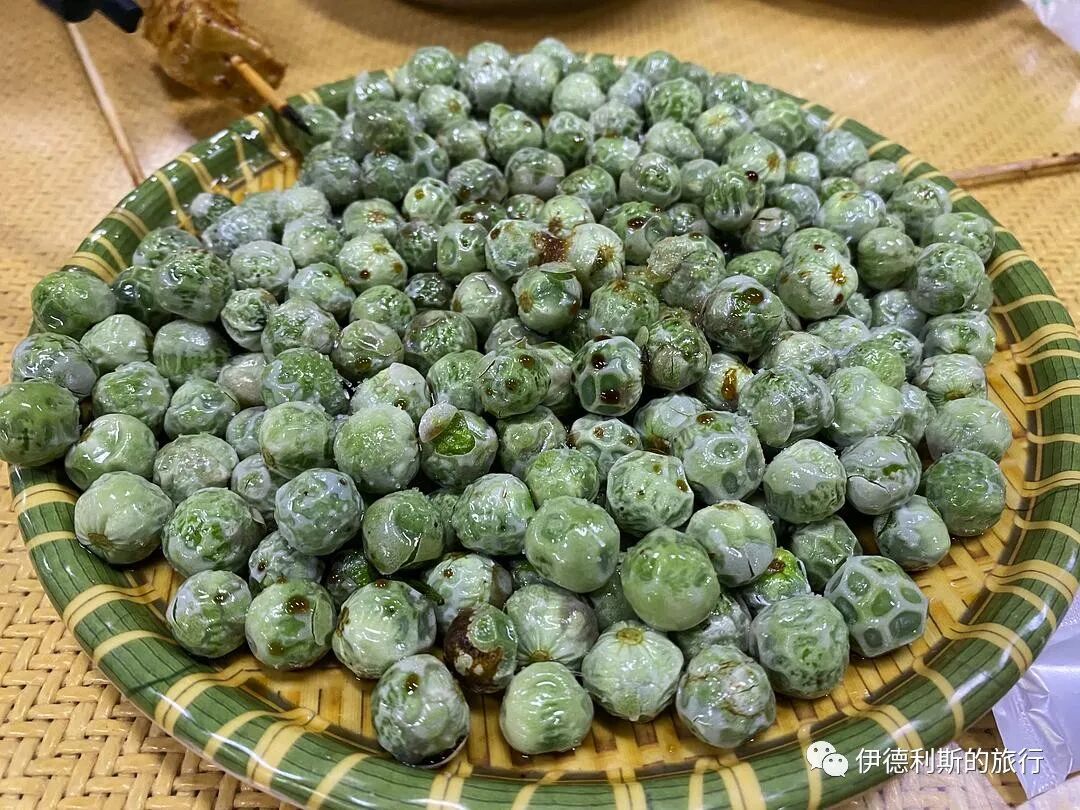
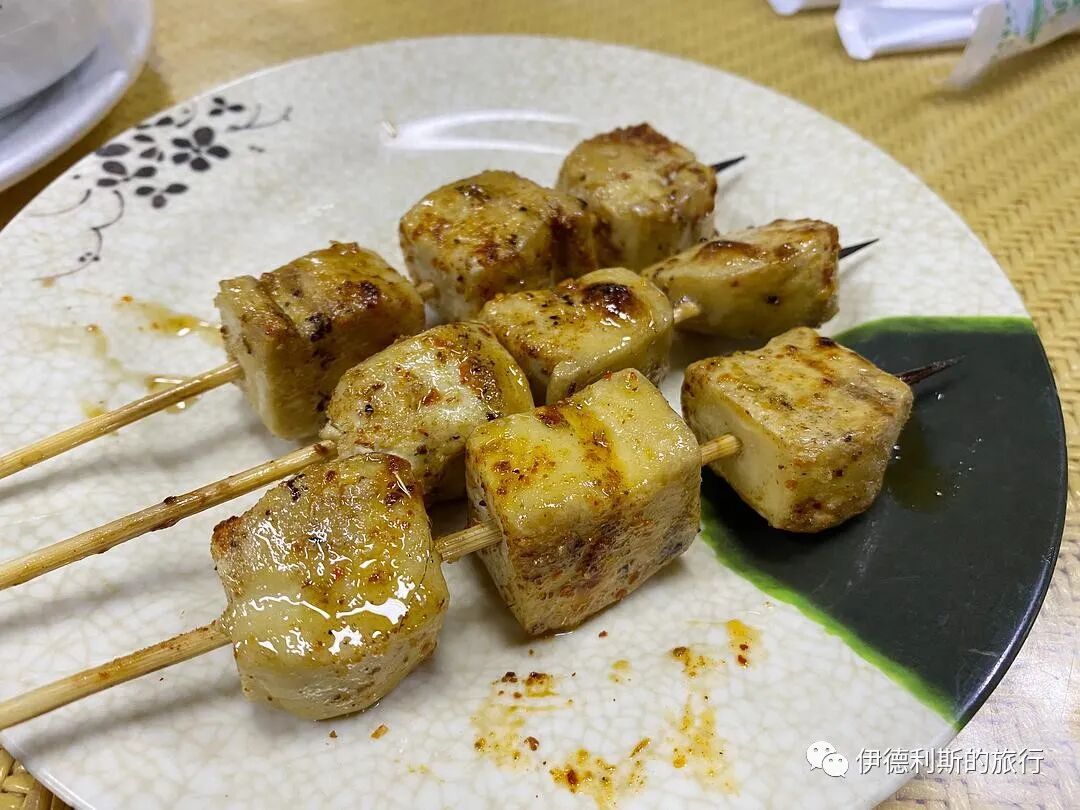
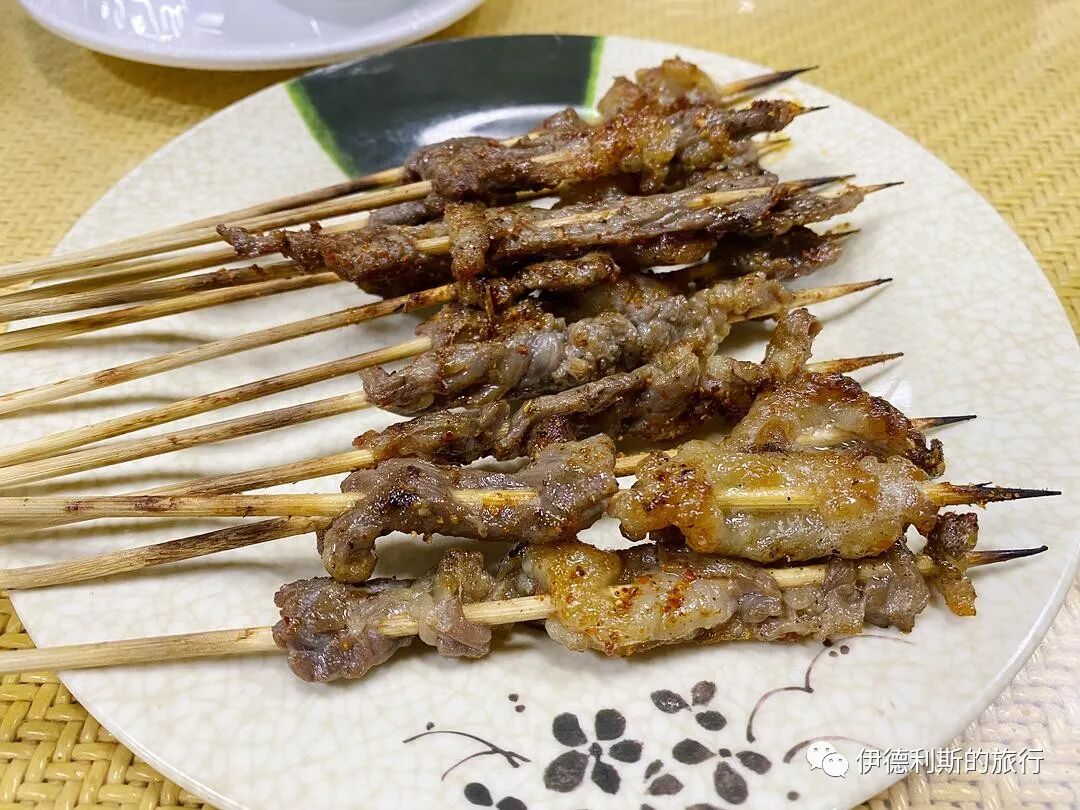
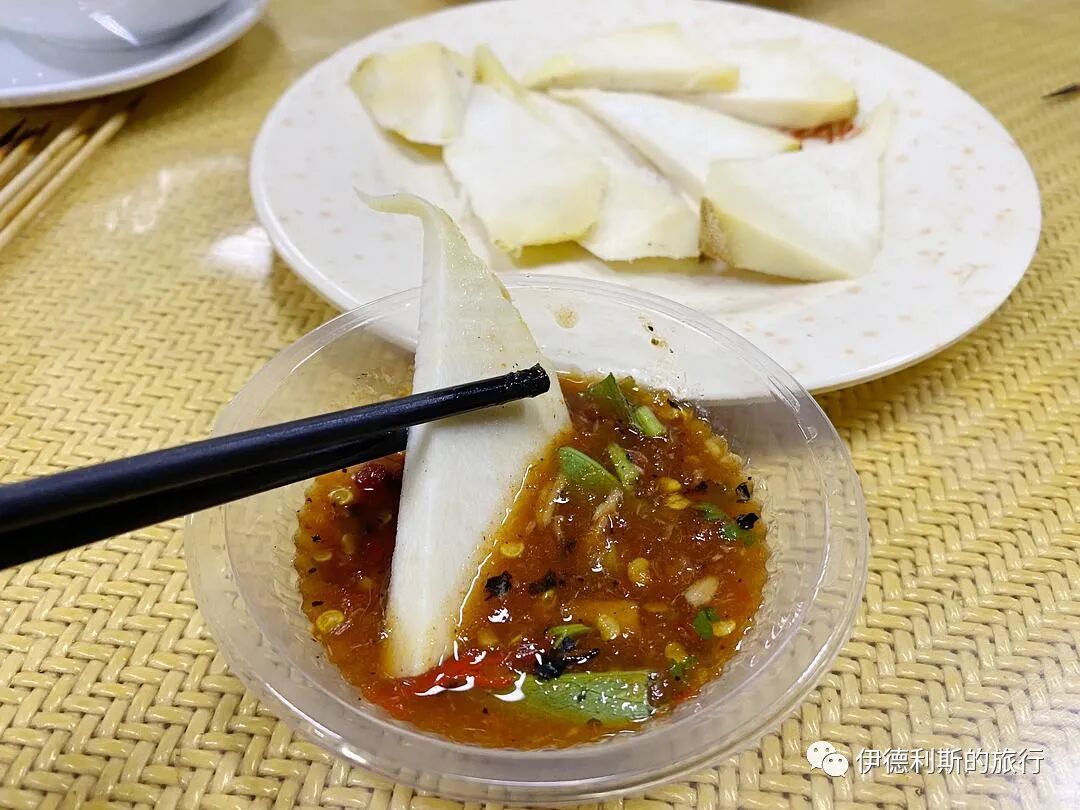
Then we went to another Tai-style barbecue place called Asan, which is opened by Hui Muslims from Shadian. We ordered some beef skewers and stinky tofu, as well as sweet bamboo shoots with dipping sauce and the local specialty bitter fruit, and drank passion fruit juice again. The bitter fruit burst with juice as soon as you bit into it. It is very popular here as a side for barbecue, but I still think it is a bit bitter.
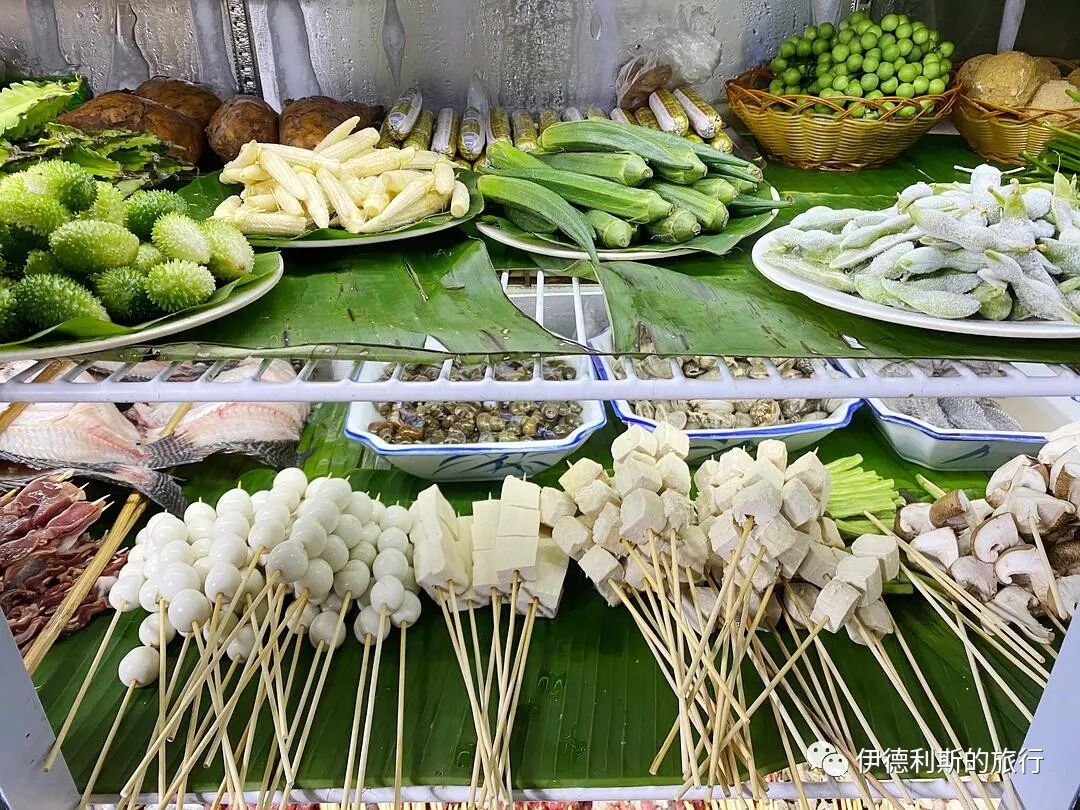
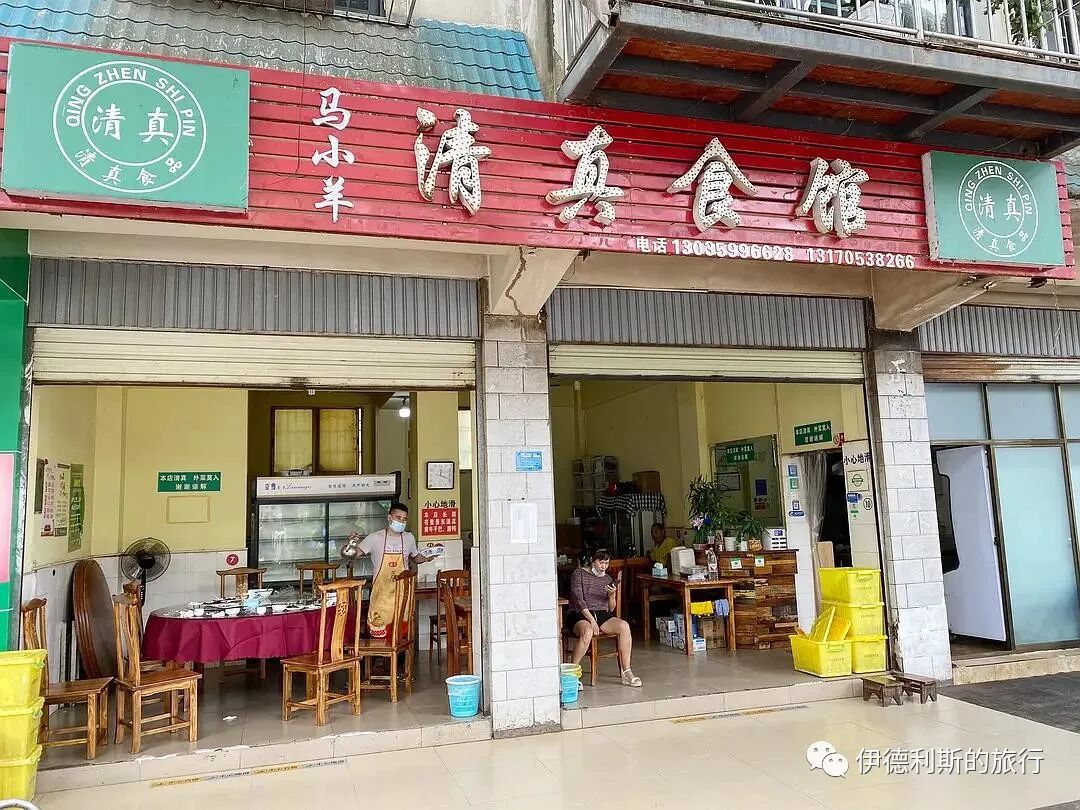
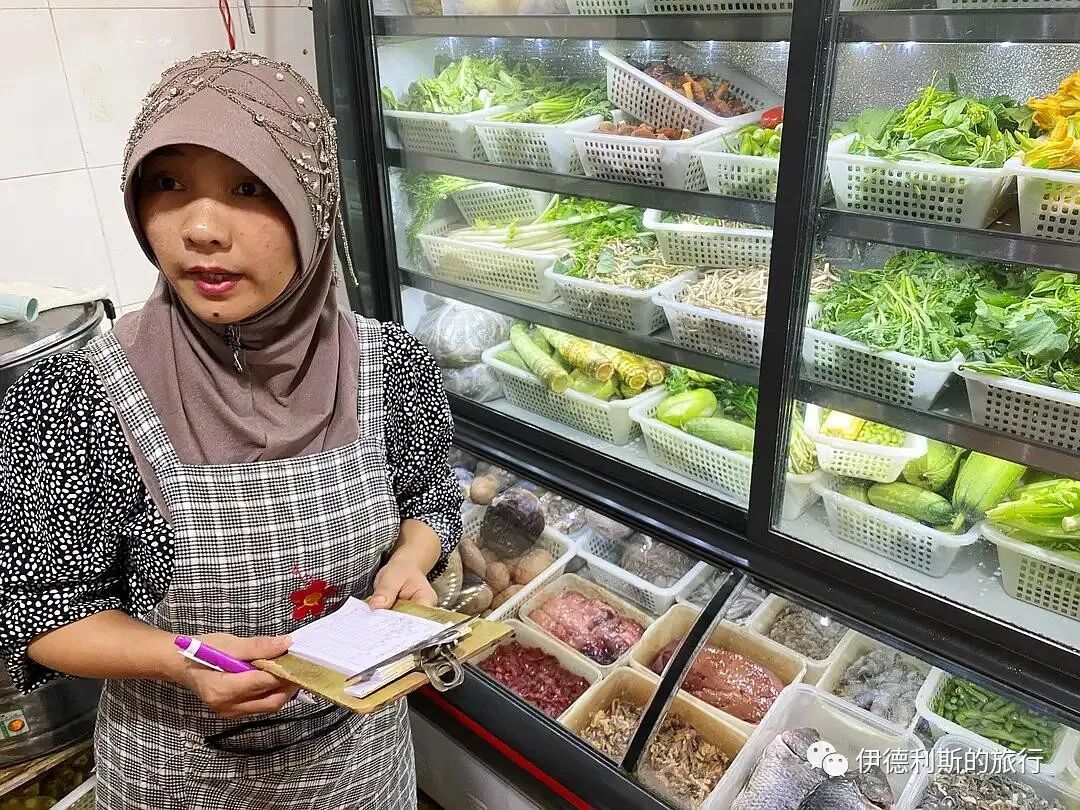
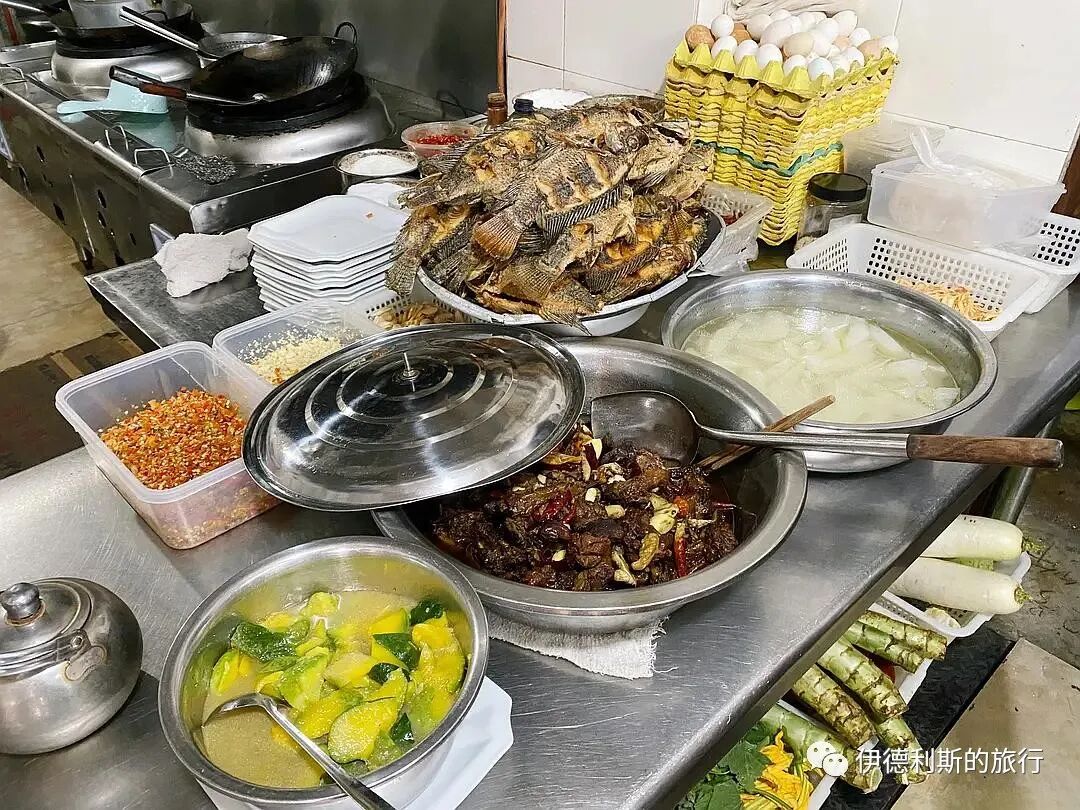
On the afternoon of the 3rd, we went to the Maxiaoyang Halal Restaurant, a place opened by Paxi Dai next to the Jinghong City People's Hospital. Every Paxi Dai person has three names: a Chinese name, a Tai name, and an Islamic name.
We ordered clear-stewed beef ribs, yellow-braised duck, milk-paste mushrooms, and pumpkin flowers. Everyone's favorite was the clear-stewed beef ribs. It tasted just as fragrant as the beef soup we drank at Huidai Tongpiao the day before. It was beef that had been stewed for a long time, and it fell off the bone as soon as you bit into it. The yellow-braised duck meat was relatively firm. In the past few days at Paxi Dai restaurants, we haven't eaten broiler chickens or ducks; they were all free-range chickens and ducks with a firm texture. This was my first time eating milk-paste mushrooms. The texture is very much like meat and very fragrant. Pumpkin flowers are also a specialty vegetable in Xishuangbanna and are very refreshing.
Summary: This travel note introduces Xishuangbanna Paxi Dai: Hui Muslims Who Speak Dai and Their Muslim Heritage. Author: Zainab. It is useful for readers interested in Xishuangbanna, Hui Muslims, Dai Culture.
Author: Zainab
During the October holiday, I went to Xishuangbanna with my parents to visit the Tai-speaking Muslim community known as the Paxi Dai.
The Paxi Dai live in two villages in Menghai County, Xishuangbanna Prefecture: Manluanhui and Mansaihui. In the Tai language, 'man' means 'village'. The Paxi Dai call themselves 'Paxi', follow Islam, observe the faith, but speak the Tai language, use the Tai script, and cook halal Tai-style food. It can be said that they have integrated into Tai culture while maintaining their identity as Hui Muslims.
During the Jiaqing and Daoguang periods of the Qing Dynasty, with the opening of a trade route from the interior through Pu'er and Menghai into Kengtung and Yangon in Myanmar, and then by sea to India and Arabia, Menghai became an important transit point for Yunnan horse caravans traveling to Myanmar and Thailand for business. The famous Yunnan Islamic scholar Ma Dexin recorded in his 'Travels to the Hajj' that in 1841, he followed a horse caravan from Dali through Menghai to Yangon, Myanmar, to board a ship for the Hajj. During this period, a Hui Muslim caravan leader from Dali named Ma Wulong came to Menghai and gifted the local leader, Zhaomeng Zhaoyakun, three loads of salt, which led the Zhaomeng to agree to set aside a small mountain hollow for Ma Wulong to live in. Ma Wulong later married a Tai woman, had a son named Yanhan, and then returned to his hometown. After reaching adulthood, Yanhan also married a Tai woman and had four sons and two daughters, gradually forming the current Paxi Dai village of 'Manluanhui'.
After the late Qing Dynasty and the Republican era, as Menghai's status as a Pu'er tea production center rose, some Hui Muslims from Dali and Tonghai came to Menghai to make a living and married girls from the Tai village of 'Mansailong' to settle down. Around the 1930s, they officially separated from 'Mansailong', forming the current Paxi Dai village of 'Mansaihui'.
On the morning of October 1st, I rented a car in Jinghong and arrived at Manluanhui in about 50 minutes for a halal Tai-style breakfast. The restaurant I chose was called Paxi Dai. The Paxi Dai mainly eat beef rice noodles and migan (rice noodles) in the morning; we ordered the migan. The variety of small side dishes here is really rich, including pea tips, chives, bean sprouts, and various dipping sauces. The key is that their beef is too delicious! It is slightly sweet and especially fragrant.
After breakfast, we went to the Dayi Manor in Menghai County to visit the Pu'er tea production, and at noon we returned to Manluanhui to eat authentic Paxi Dai home-cooked food at a restaurant called Huixiangyuan. Like many small home-style restaurants in Yunnan, there is no paper menu here. All the ingredients are displayed in a cabinet. You point to an ingredient and ask the owner how it can be cooked, and the owner tells you directly. This feeling is quite good.
We ordered sour and spicy tilapia, grilled tofu, grilled bracken, and white-palm chicken (cold chicken) with Tai-style dipping sauce, and also drank passion fruit juice. Everything was very much to our taste. Among these dishes, our whole family agreed that the sour and spicy fish was the best. The sauce poured over it was fantastic and went very well with rice. In addition, the Tai-style sour and spicy flavor is very strong. If you cannot eat spicy food, you should tell the owner in advance to make it mild.
At noon, I accompanied my parents to the Manluanhui mosque for Jumu'ah prayer. After the Paxi Dai settled in Manluanhui, they built the first mosque with thatched roofs and bamboo walls. It was later rebuilt into a mosque with tiled roofs and bamboo walls, but it was destroyed in 1909 during the war between the Jinghong Xuanweisi and the Menghai Tusi. The mosque was rebuilt again, destroyed again in 1958, rebuilt as a brick and tile mosque in 1982, and rebuilt again between 2016 and 2018 into the current concrete mosque. The current Manluanhui mosque is the only mosque building in the country with a Tai-style architectural design.
The current Imam is from Weishan, Dali. There were many people at Jumu'ah, and at first, everyone took turns reciting the Quran.
After leaving the prayer hall, various Paxi Dai aunties, men, women, and children—our brothers and sisters in faith—wearing Tai clothing, carried baskets and basins to distribute fruits grown at home and snacks they had made to everyone. It was very lively!
We received bananas, dragon fruit, persimmons, milk dates, etc., distributed by everyone, as well as rice cakes and hot, freshly made sticky rice. The ripe bananas were especially sweet, much better than those bought at the market. The milk dates were also super sweet. After eating them, I felt that the ones bought in Beijing could only be described as bland and tasteless!
The Paxi Dai like to eat this kind of sticky rice in the morning.
Homemade rice cakes.
In the evening, we went to the Paxi Dai restaurant at the Ganbai Street night market in Jinghong. The landlady is a Paxi Dai from Manluanhui. The restaurant is by the lake, opposite the famous Starlight Night Market, so you can eat while watching the night view.
We ordered a nanmi (Tai-style dipping sauce) platter, stir-fried beef liver mushrooms, Tai-style pounded chicken feet, tilapia boiled with passion fruit, lemon-shredded beef jerky, and beef pineapple rice. Nanmi is a Tai-style specialty dipping sauce with a sour and spicy flavor, used for dipping fried beef skin, cucumber, and cowpeas. This was my first time eating fried beef skin; the texture is a bit like fried shrimp crackers, but harder. The pounded chicken feet were very sour and spicy, and my mouth felt like it was burning. The Tai-style passion fruit stewed fish was very flavorful, comparable to the starfruit sour soup fish of the Hui people in Huihui, Sanya, but the sourness was stronger. I could only drink a little bit of this soup. Our whole family liked the beef pineapple rice the best. It is rarely fried like this locally, and we thought it was better than any fried rice we had eaten before.
On the morning of October 2nd, we ate rice noodles at the Kezhen Halal Snack Bar opened by Paxi Dai near the Jinghong City Hospital. The chicken rice noodles were served with sour radish and various seasonings. The free-range chicken meat was relatively firm and chewy. The people in the shop and the locals who came to eat communicated in Tai, but switched to Chinese when talking to us, which was very interesting.
On the morning of the 2nd, we went to the Primitive Forest Park. In the afternoon, we went to the Huidai Tongpiao (copper ladle hotpot) restaurant at the entrance of the bus station of the State Planning Bureau on Menghai Road, Jinghong City. The owner is the cousin of the Paxi Dai landlady from the Ganbai Street night market.
As soon as we entered the restaurant, we smelled the rich aroma of beef soup. The owner said they had been stewing the beef soup since early morning for most of the day. The base of the copper ladle hotpot is the beef soup, and the special dipping sauce is also thinned with beef soup. We ordered snowflake beef, oxtail with skin, mint, bean curd skin, and yam. We also ordered fried beef lung and beef jerky with vegetable fried rice.
The meat for shabu-shabu is not raw like in Beijing, but pre-stewed until clear. When eating, you put it into the copper ladle and stew it for a while. The texture and taste are both good. This was my first time eating oxtail with skin. It needs to be stewed for a while longer; the skin is very elastic and the meat is very fragrant. Then I also ate fried beef lung for the first time. The owner said that in their Manluanhui village, fried beef lung sells better than beef jerky, and locals especially like to eat it. It felt like the aroma of the beef lung was really fried out; it was crispy when you bit into it, and we finished it in no time.
There are quite a few halal Tai-style barbecue places in Xishuangbanna, but those opened by Paxi Dai are mostly in the Manluanhui village in Menghai County. Those in the Jinghong urban area are mostly opened by Hui Muslims from other parts of Yunnan.
On the evening of the 2nd, we first went to the A-li Barbecue Restaurant, which is opened by Hui Muslims from Pu'er. We ordered grilled fish, grilled shrimp, grilled beef spleen, grilled beef skin, and grilled fermented tofu. Their food was a bit salty, and when we went there, there was a strong smell coming from the sewer at the entrance, which affected the dining experience. If any brothers and sisters in faith want to go there in the future, it is best to smell if the sewer is still smelly before eating...
Then we went to another Tai-style barbecue place called Asan, which is opened by Hui Muslims from Shadian. We ordered some beef skewers and stinky tofu, as well as sweet bamboo shoots with dipping sauce and the local specialty bitter fruit, and drank passion fruit juice again. The bitter fruit burst with juice as soon as you bit into it. It is very popular here as a side for barbecue, but I still think it is a bit bitter.
On the afternoon of the 3rd, we went to the Maxiaoyang Halal Restaurant, a place opened by Paxi Dai next to the Jinghong City People's Hospital. Every Paxi Dai person has three names: a Chinese name, a Tai name, and an Islamic name.
We ordered clear-stewed beef ribs, yellow-braised duck, milk-paste mushrooms, and pumpkin flowers. Everyone's favorite was the clear-stewed beef ribs. It tasted just as fragrant as the beef soup we drank at Huidai Tongpiao the day before. It was beef that had been stewed for a long time, and it fell off the bone as soon as you bit into it. The yellow-braised duck meat was relatively firm. In the past few days at Paxi Dai restaurants, we haven't eaten broiler chickens or ducks; they were all free-range chickens and ducks with a firm texture. This was my first time eating milk-paste mushrooms. The texture is very much like meat and very fragrant. Pumpkin flowers are also a specialty vegetable in Xishuangbanna and are very refreshing.
Xishuangbanna Paxi Dai: Hui Muslims Who Speak Dai and Their Muslim Heritage
Articles • ali2007fr posted the article • 0 comments • 198 views • 2026-05-17 07:35
Reposted from the web
Summary: This travel note introduces Xishuangbanna Paxi Dai: Hui Muslims Who Speak Dai and Their Muslim Heritage. Author: Zainab. It is useful for readers interested in Xishuangbanna, Hui Muslims, Dai Culture.
Author: Zainab
During the October holiday, I went to Xishuangbanna with my parents to visit the Tai-speaking Muslim community known as the Paxi Dai.
The Paxi Dai live in two villages in Menghai County, Xishuangbanna Prefecture: Manluanhui and Mansaihui. In the Tai language, 'man' means 'village'. The Paxi Dai call themselves 'Paxi', follow Islam, observe the faith, but speak the Tai language, use the Tai script, and cook halal Tai-style food. It can be said that they have integrated into Tai culture while maintaining their identity as Hui Muslims.
During the Jiaqing and Daoguang periods of the Qing Dynasty, with the opening of a trade route from the interior through Pu'er and Menghai into Kengtung and Yangon in Myanmar, and then by sea to India and Arabia, Menghai became an important transit point for Yunnan horse caravans traveling to Myanmar and Thailand for business. The famous Yunnan Islamic scholar Ma Dexin recorded in his 'Travels to the Hajj' that in 1841, he followed a horse caravan from Dali through Menghai to Yangon, Myanmar, to board a ship for the Hajj. During this period, a Hui Muslim caravan leader from Dali named Ma Wulong came to Menghai and gifted the local leader, Zhaomeng Zhaoyakun, three loads of salt, which led the Zhaomeng to agree to set aside a small mountain hollow for Ma Wulong to live in. Ma Wulong later married a Tai woman, had a son named Yanhan, and then returned to his hometown. After reaching adulthood, Yanhan also married a Tai woman and had four sons and two daughters, gradually forming the current Paxi Dai village of 'Manluanhui'.
After the late Qing Dynasty and the Republican era, as Menghai's status as a Pu'er tea production center rose, some Hui Muslims from Dali and Tonghai came to Menghai to make a living and married girls from the Tai village of 'Mansailong' to settle down. Around the 1930s, they officially separated from 'Mansailong', forming the current Paxi Dai village of 'Mansaihui'.
On the morning of October 1st, I rented a car in Jinghong and arrived at Manluanhui in about 50 minutes for a halal Tai-style breakfast. The restaurant I chose was called Paxi Dai. The Paxi Dai mainly eat beef rice noodles and migan (rice noodles) in the morning; we ordered the migan. The variety of small side dishes here is really rich, including pea tips, chives, bean sprouts, and various dipping sauces. The key is that their beef is too delicious! It is slightly sweet and especially fragrant.
After breakfast, we went to the Dayi Manor in Menghai County to visit the Pu'er tea production, and at noon we returned to Manluanhui to eat authentic Paxi Dai home-cooked food at a restaurant called Huixiangyuan. Like many small home-style restaurants in Yunnan, there is no paper menu here. All the ingredients are displayed in a cabinet. You point to an ingredient and ask the owner how it can be cooked, and the owner tells you directly. This feeling is quite good.
We ordered sour and spicy tilapia, grilled tofu, grilled bracken, and white-palm chicken (cold chicken) with Tai-style dipping sauce, and also drank passion fruit juice. Everything was very much to our taste. Among these dishes, our whole family agreed that the sour and spicy fish was the best. The sauce poured over it was fantastic and went very well with rice. In addition, the Tai-style sour and spicy flavor is very strong. If you cannot eat spicy food, you should tell the owner in advance to make it mild.
At noon, I accompanied my parents to the Manluanhui mosque for Jumu'ah prayer. After the Paxi Dai settled in Manluanhui, they built the first mosque with thatched roofs and bamboo walls. It was later rebuilt into a mosque with tiled roofs and bamboo walls, but it was destroyed in 1909 during the war between the Jinghong Xuanweisi and the Menghai Tusi. The mosque was rebuilt again, destroyed again in 1958, rebuilt as a brick and tile mosque in 1982, and rebuilt again between 2016 and 2018 into the current concrete mosque. The current Manluanhui mosque is the only mosque building in the country with a Tai-style architectural design.
The current Imam is from Weishan, Dali. There were many people at Jumu'ah, and at first, everyone took turns reciting the Quran.
After leaving the prayer hall, various Paxi Dai aunties, men, women, and children—our brothers and sisters in faith—wearing Tai clothing, carried baskets and basins to distribute fruits grown at home and snacks they had made to everyone. It was very lively!
We received bananas, dragon fruit, persimmons, milk dates, etc., distributed by everyone, as well as rice cakes and hot, freshly made sticky rice. The ripe bananas were especially sweet, much better than those bought at the market. The milk dates were also super sweet. After eating them, I felt that the ones bought in Beijing could only be described as bland and tasteless!
The Paxi Dai like to eat this kind of sticky rice in the morning.
Homemade rice cakes.
In the evening, we went to the Paxi Dai restaurant at the Ganbai Street night market in Jinghong. The landlady is a Paxi Dai from Manluanhui. The restaurant is by the lake, opposite the famous Starlight Night Market, so you can eat while watching the night view.
We ordered a nanmi (Tai-style dipping sauce) platter, stir-fried beef liver mushrooms, Tai-style pounded chicken feet, tilapia boiled with passion fruit, lemon-shredded beef jerky, and beef pineapple rice. Nanmi is a Tai-style specialty dipping sauce with a sour and spicy flavor, used for dipping fried beef skin, cucumber, and cowpeas. This was my first time eating fried beef skin; the texture is a bit like fried shrimp crackers, but harder. The pounded chicken feet were very sour and spicy, and my mouth felt like it was burning. The Tai-style passion fruit stewed fish was very flavorful, comparable to the starfruit sour soup fish of the Hui people in Huihui, Sanya, but the sourness was stronger. I could only drink a little bit of this soup. Our whole family liked the beef pineapple rice the best. It is rarely fried like this locally, and we thought it was better than any fried rice we had eaten before.
On the morning of October 2nd, we ate rice noodles at the Kezhen Halal Snack Bar opened by Paxi Dai near the Jinghong City Hospital. The chicken rice noodles were served with sour radish and various seasonings. The free-range chicken meat was relatively firm and chewy. The people in the shop and the locals who came to eat communicated in Tai, but switched to Chinese when talking to us, which was very interesting.
On the morning of the 2nd, we went to the Primitive Forest Park. In the afternoon, we went to the Huidai Tongpiao (copper ladle hotpot) restaurant at the entrance of the bus station of the State Planning Bureau on Menghai Road, Jinghong City. The owner is the cousin of the Paxi Dai landlady from the Ganbai Street night market.
As soon as we entered the restaurant, we smelled the rich aroma of beef soup. The owner said they had been stewing the beef soup since early morning for most of the day. The base of the copper ladle hotpot is the beef soup, and the special dipping sauce is also thinned with beef soup. We ordered snowflake beef, oxtail with skin, mint, bean curd skin, and yam. We also ordered fried beef lung and beef jerky with vegetable fried rice.
The meat for shabu-shabu is not raw like in Beijing, but pre-stewed until clear. When eating, you put it into the copper ladle and stew it for a while. The texture and taste are both good. This was my first time eating oxtail with skin. It needs to be stewed for a while longer; the skin is very elastic and the meat is very fragrant. Then I also ate fried beef lung for the first time. The owner said that in their Manluanhui village, fried beef lung sells better than beef jerky, and locals especially like to eat it. It felt like the aroma of the beef lung was really fried out; it was crispy when you bit into it, and we finished it in no time.
There are quite a few halal Tai-style barbecue places in Xishuangbanna, but those opened by Paxi Dai are mostly in the Manluanhui village in Menghai County. Those in the Jinghong urban area are mostly opened by Hui Muslims from other parts of Yunnan.
On the evening of the 2nd, we first went to the A-li Barbecue Restaurant, which is opened by Hui Muslims from Pu'er. We ordered grilled fish, grilled shrimp, grilled beef spleen, grilled beef skin, and grilled fermented tofu. Their food was a bit salty, and when we went there, there was a strong smell coming from the sewer at the entrance, which affected the dining experience. If any brothers and sisters in faith want to go there in the future, it is best to smell if the sewer is still smelly before eating...
Then we went to another Tai-style barbecue place called Asan, which is opened by Hui Muslims from Shadian. We ordered some beef skewers and stinky tofu, as well as sweet bamboo shoots with dipping sauce and the local specialty bitter fruit, and drank passion fruit juice again. The bitter fruit burst with juice as soon as you bit into it. It is very popular here as a side for barbecue, but I still think it is a bit bitter.
On the afternoon of the 3rd, we went to the Maxiaoyang Halal Restaurant, a place opened by Paxi Dai next to the Jinghong City People's Hospital. Every Paxi Dai person has three names: a Chinese name, a Tai name, and an Islamic name.
We ordered clear-stewed beef ribs, yellow-braised duck, milk-paste mushrooms, and pumpkin flowers. Everyone's favorite was the clear-stewed beef ribs. It tasted just as fragrant as the beef soup we drank at Huidai Tongpiao the day before. It was beef that had been stewed for a long time, and it fell off the bone as soon as you bit into it. The yellow-braised duck meat was relatively firm. In the past few days at Paxi Dai restaurants, we haven't eaten broiler chickens or ducks; they were all free-range chickens and ducks with a firm texture. This was my first time eating milk-paste mushrooms. The texture is very much like meat and very fragrant. Pumpkin flowers are also a specialty vegetable in Xishuangbanna and are very refreshing. view all
Summary: This travel note introduces Xishuangbanna Paxi Dai: Hui Muslims Who Speak Dai and Their Muslim Heritage. Author: Zainab. It is useful for readers interested in Xishuangbanna, Hui Muslims, Dai Culture.
Author: Zainab
During the October holiday, I went to Xishuangbanna with my parents to visit the Tai-speaking Muslim community known as the Paxi Dai.
The Paxi Dai live in two villages in Menghai County, Xishuangbanna Prefecture: Manluanhui and Mansaihui. In the Tai language, 'man' means 'village'. The Paxi Dai call themselves 'Paxi', follow Islam, observe the faith, but speak the Tai language, use the Tai script, and cook halal Tai-style food. It can be said that they have integrated into Tai culture while maintaining their identity as Hui Muslims.
During the Jiaqing and Daoguang periods of the Qing Dynasty, with the opening of a trade route from the interior through Pu'er and Menghai into Kengtung and Yangon in Myanmar, and then by sea to India and Arabia, Menghai became an important transit point for Yunnan horse caravans traveling to Myanmar and Thailand for business. The famous Yunnan Islamic scholar Ma Dexin recorded in his 'Travels to the Hajj' that in 1841, he followed a horse caravan from Dali through Menghai to Yangon, Myanmar, to board a ship for the Hajj. During this period, a Hui Muslim caravan leader from Dali named Ma Wulong came to Menghai and gifted the local leader, Zhaomeng Zhaoyakun, three loads of salt, which led the Zhaomeng to agree to set aside a small mountain hollow for Ma Wulong to live in. Ma Wulong later married a Tai woman, had a son named Yanhan, and then returned to his hometown. After reaching adulthood, Yanhan also married a Tai woman and had four sons and two daughters, gradually forming the current Paxi Dai village of 'Manluanhui'.
After the late Qing Dynasty and the Republican era, as Menghai's status as a Pu'er tea production center rose, some Hui Muslims from Dali and Tonghai came to Menghai to make a living and married girls from the Tai village of 'Mansailong' to settle down. Around the 1930s, they officially separated from 'Mansailong', forming the current Paxi Dai village of 'Mansaihui'.
On the morning of October 1st, I rented a car in Jinghong and arrived at Manluanhui in about 50 minutes for a halal Tai-style breakfast. The restaurant I chose was called Paxi Dai. The Paxi Dai mainly eat beef rice noodles and migan (rice noodles) in the morning; we ordered the migan. The variety of small side dishes here is really rich, including pea tips, chives, bean sprouts, and various dipping sauces. The key is that their beef is too delicious! It is slightly sweet and especially fragrant.
After breakfast, we went to the Dayi Manor in Menghai County to visit the Pu'er tea production, and at noon we returned to Manluanhui to eat authentic Paxi Dai home-cooked food at a restaurant called Huixiangyuan. Like many small home-style restaurants in Yunnan, there is no paper menu here. All the ingredients are displayed in a cabinet. You point to an ingredient and ask the owner how it can be cooked, and the owner tells you directly. This feeling is quite good.
We ordered sour and spicy tilapia, grilled tofu, grilled bracken, and white-palm chicken (cold chicken) with Tai-style dipping sauce, and also drank passion fruit juice. Everything was very much to our taste. Among these dishes, our whole family agreed that the sour and spicy fish was the best. The sauce poured over it was fantastic and went very well with rice. In addition, the Tai-style sour and spicy flavor is very strong. If you cannot eat spicy food, you should tell the owner in advance to make it mild.
At noon, I accompanied my parents to the Manluanhui mosque for Jumu'ah prayer. After the Paxi Dai settled in Manluanhui, they built the first mosque with thatched roofs and bamboo walls. It was later rebuilt into a mosque with tiled roofs and bamboo walls, but it was destroyed in 1909 during the war between the Jinghong Xuanweisi and the Menghai Tusi. The mosque was rebuilt again, destroyed again in 1958, rebuilt as a brick and tile mosque in 1982, and rebuilt again between 2016 and 2018 into the current concrete mosque. The current Manluanhui mosque is the only mosque building in the country with a Tai-style architectural design.
The current Imam is from Weishan, Dali. There were many people at Jumu'ah, and at first, everyone took turns reciting the Quran.
After leaving the prayer hall, various Paxi Dai aunties, men, women, and children—our brothers and sisters in faith—wearing Tai clothing, carried baskets and basins to distribute fruits grown at home and snacks they had made to everyone. It was very lively!
We received bananas, dragon fruit, persimmons, milk dates, etc., distributed by everyone, as well as rice cakes and hot, freshly made sticky rice. The ripe bananas were especially sweet, much better than those bought at the market. The milk dates were also super sweet. After eating them, I felt that the ones bought in Beijing could only be described as bland and tasteless!
The Paxi Dai like to eat this kind of sticky rice in the morning.
Homemade rice cakes.
In the evening, we went to the Paxi Dai restaurant at the Ganbai Street night market in Jinghong. The landlady is a Paxi Dai from Manluanhui. The restaurant is by the lake, opposite the famous Starlight Night Market, so you can eat while watching the night view.
We ordered a nanmi (Tai-style dipping sauce) platter, stir-fried beef liver mushrooms, Tai-style pounded chicken feet, tilapia boiled with passion fruit, lemon-shredded beef jerky, and beef pineapple rice. Nanmi is a Tai-style specialty dipping sauce with a sour and spicy flavor, used for dipping fried beef skin, cucumber, and cowpeas. This was my first time eating fried beef skin; the texture is a bit like fried shrimp crackers, but harder. The pounded chicken feet were very sour and spicy, and my mouth felt like it was burning. The Tai-style passion fruit stewed fish was very flavorful, comparable to the starfruit sour soup fish of the Hui people in Huihui, Sanya, but the sourness was stronger. I could only drink a little bit of this soup. Our whole family liked the beef pineapple rice the best. It is rarely fried like this locally, and we thought it was better than any fried rice we had eaten before.
On the morning of October 2nd, we ate rice noodles at the Kezhen Halal Snack Bar opened by Paxi Dai near the Jinghong City Hospital. The chicken rice noodles were served with sour radish and various seasonings. The free-range chicken meat was relatively firm and chewy. The people in the shop and the locals who came to eat communicated in Tai, but switched to Chinese when talking to us, which was very interesting.
On the morning of the 2nd, we went to the Primitive Forest Park. In the afternoon, we went to the Huidai Tongpiao (copper ladle hotpot) restaurant at the entrance of the bus station of the State Planning Bureau on Menghai Road, Jinghong City. The owner is the cousin of the Paxi Dai landlady from the Ganbai Street night market.
As soon as we entered the restaurant, we smelled the rich aroma of beef soup. The owner said they had been stewing the beef soup since early morning for most of the day. The base of the copper ladle hotpot is the beef soup, and the special dipping sauce is also thinned with beef soup. We ordered snowflake beef, oxtail with skin, mint, bean curd skin, and yam. We also ordered fried beef lung and beef jerky with vegetable fried rice.
The meat for shabu-shabu is not raw like in Beijing, but pre-stewed until clear. When eating, you put it into the copper ladle and stew it for a while. The texture and taste are both good. This was my first time eating oxtail with skin. It needs to be stewed for a while longer; the skin is very elastic and the meat is very fragrant. Then I also ate fried beef lung for the first time. The owner said that in their Manluanhui village, fried beef lung sells better than beef jerky, and locals especially like to eat it. It felt like the aroma of the beef lung was really fried out; it was crispy when you bit into it, and we finished it in no time.
There are quite a few halal Tai-style barbecue places in Xishuangbanna, but those opened by Paxi Dai are mostly in the Manluanhui village in Menghai County. Those in the Jinghong urban area are mostly opened by Hui Muslims from other parts of Yunnan.
On the evening of the 2nd, we first went to the A-li Barbecue Restaurant, which is opened by Hui Muslims from Pu'er. We ordered grilled fish, grilled shrimp, grilled beef spleen, grilled beef skin, and grilled fermented tofu. Their food was a bit salty, and when we went there, there was a strong smell coming from the sewer at the entrance, which affected the dining experience. If any brothers and sisters in faith want to go there in the future, it is best to smell if the sewer is still smelly before eating...
Then we went to another Tai-style barbecue place called Asan, which is opened by Hui Muslims from Shadian. We ordered some beef skewers and stinky tofu, as well as sweet bamboo shoots with dipping sauce and the local specialty bitter fruit, and drank passion fruit juice again. The bitter fruit burst with juice as soon as you bit into it. It is very popular here as a side for barbecue, but I still think it is a bit bitter.
On the afternoon of the 3rd, we went to the Maxiaoyang Halal Restaurant, a place opened by Paxi Dai next to the Jinghong City People's Hospital. Every Paxi Dai person has three names: a Chinese name, a Tai name, and an Islamic name.
We ordered clear-stewed beef ribs, yellow-braised duck, milk-paste mushrooms, and pumpkin flowers. Everyone's favorite was the clear-stewed beef ribs. It tasted just as fragrant as the beef soup we drank at Huidai Tongpiao the day before. It was beef that had been stewed for a long time, and it fell off the bone as soon as you bit into it. The yellow-braised duck meat was relatively firm. In the past few days at Paxi Dai restaurants, we haven't eaten broiler chickens or ducks; they were all free-range chickens and ducks with a firm texture. This was my first time eating milk-paste mushrooms. The texture is very much like meat and very fragrant. Pumpkin flowers are also a specialty vegetable in Xishuangbanna and are very refreshing. view all
Reposted from the web
Summary: This travel note introduces Xishuangbanna Paxi Dai: Hui Muslims Who Speak Dai and Their Muslim Heritage. Author: Zainab. It is useful for readers interested in Xishuangbanna, Hui Muslims, Dai Culture.
Author: Zainab
During the October holiday, I went to Xishuangbanna with my parents to visit the Tai-speaking Muslim community known as the Paxi Dai.
The Paxi Dai live in two villages in Menghai County, Xishuangbanna Prefecture: Manluanhui and Mansaihui. In the Tai language, 'man' means 'village'. The Paxi Dai call themselves 'Paxi', follow Islam, observe the faith, but speak the Tai language, use the Tai script, and cook halal Tai-style food. It can be said that they have integrated into Tai culture while maintaining their identity as Hui Muslims.
During the Jiaqing and Daoguang periods of the Qing Dynasty, with the opening of a trade route from the interior through Pu'er and Menghai into Kengtung and Yangon in Myanmar, and then by sea to India and Arabia, Menghai became an important transit point for Yunnan horse caravans traveling to Myanmar and Thailand for business. The famous Yunnan Islamic scholar Ma Dexin recorded in his 'Travels to the Hajj' that in 1841, he followed a horse caravan from Dali through Menghai to Yangon, Myanmar, to board a ship for the Hajj. During this period, a Hui Muslim caravan leader from Dali named Ma Wulong came to Menghai and gifted the local leader, Zhaomeng Zhaoyakun, three loads of salt, which led the Zhaomeng to agree to set aside a small mountain hollow for Ma Wulong to live in. Ma Wulong later married a Tai woman, had a son named Yanhan, and then returned to his hometown. After reaching adulthood, Yanhan also married a Tai woman and had four sons and two daughters, gradually forming the current Paxi Dai village of 'Manluanhui'.
After the late Qing Dynasty and the Republican era, as Menghai's status as a Pu'er tea production center rose, some Hui Muslims from Dali and Tonghai came to Menghai to make a living and married girls from the Tai village of 'Mansailong' to settle down. Around the 1930s, they officially separated from 'Mansailong', forming the current Paxi Dai village of 'Mansaihui'.
On the morning of October 1st, I rented a car in Jinghong and arrived at Manluanhui in about 50 minutes for a halal Tai-style breakfast. The restaurant I chose was called Paxi Dai. The Paxi Dai mainly eat beef rice noodles and migan (rice noodles) in the morning; we ordered the migan. The variety of small side dishes here is really rich, including pea tips, chives, bean sprouts, and various dipping sauces. The key is that their beef is too delicious! It is slightly sweet and especially fragrant.
After breakfast, we went to the Dayi Manor in Menghai County to visit the Pu'er tea production, and at noon we returned to Manluanhui to eat authentic Paxi Dai home-cooked food at a restaurant called Huixiangyuan. Like many small home-style restaurants in Yunnan, there is no paper menu here. All the ingredients are displayed in a cabinet. You point to an ingredient and ask the owner how it can be cooked, and the owner tells you directly. This feeling is quite good.
We ordered sour and spicy tilapia, grilled tofu, grilled bracken, and white-palm chicken (cold chicken) with Tai-style dipping sauce, and also drank passion fruit juice. Everything was very much to our taste. Among these dishes, our whole family agreed that the sour and spicy fish was the best. The sauce poured over it was fantastic and went very well with rice. In addition, the Tai-style sour and spicy flavor is very strong. If you cannot eat spicy food, you should tell the owner in advance to make it mild.
At noon, I accompanied my parents to the Manluanhui mosque for Jumu'ah prayer. After the Paxi Dai settled in Manluanhui, they built the first mosque with thatched roofs and bamboo walls. It was later rebuilt into a mosque with tiled roofs and bamboo walls, but it was destroyed in 1909 during the war between the Jinghong Xuanweisi and the Menghai Tusi. The mosque was rebuilt again, destroyed again in 1958, rebuilt as a brick and tile mosque in 1982, and rebuilt again between 2016 and 2018 into the current concrete mosque. The current Manluanhui mosque is the only mosque building in the country with a Tai-style architectural design.
The current Imam is from Weishan, Dali. There were many people at Jumu'ah, and at first, everyone took turns reciting the Quran.
After leaving the prayer hall, various Paxi Dai aunties, men, women, and children—our brothers and sisters in faith—wearing Tai clothing, carried baskets and basins to distribute fruits grown at home and snacks they had made to everyone. It was very lively!
We received bananas, dragon fruit, persimmons, milk dates, etc., distributed by everyone, as well as rice cakes and hot, freshly made sticky rice. The ripe bananas were especially sweet, much better than those bought at the market. The milk dates were also super sweet. After eating them, I felt that the ones bought in Beijing could only be described as bland and tasteless!
The Paxi Dai like to eat this kind of sticky rice in the morning.
Homemade rice cakes.
In the evening, we went to the Paxi Dai restaurant at the Ganbai Street night market in Jinghong. The landlady is a Paxi Dai from Manluanhui. The restaurant is by the lake, opposite the famous Starlight Night Market, so you can eat while watching the night view.
We ordered a nanmi (Tai-style dipping sauce) platter, stir-fried beef liver mushrooms, Tai-style pounded chicken feet, tilapia boiled with passion fruit, lemon-shredded beef jerky, and beef pineapple rice. Nanmi is a Tai-style specialty dipping sauce with a sour and spicy flavor, used for dipping fried beef skin, cucumber, and cowpeas. This was my first time eating fried beef skin; the texture is a bit like fried shrimp crackers, but harder. The pounded chicken feet were very sour and spicy, and my mouth felt like it was burning. The Tai-style passion fruit stewed fish was very flavorful, comparable to the starfruit sour soup fish of the Hui people in Huihui, Sanya, but the sourness was stronger. I could only drink a little bit of this soup. Our whole family liked the beef pineapple rice the best. It is rarely fried like this locally, and we thought it was better than any fried rice we had eaten before.
On the morning of October 2nd, we ate rice noodles at the Kezhen Halal Snack Bar opened by Paxi Dai near the Jinghong City Hospital. The chicken rice noodles were served with sour radish and various seasonings. The free-range chicken meat was relatively firm and chewy. The people in the shop and the locals who came to eat communicated in Tai, but switched to Chinese when talking to us, which was very interesting.
On the morning of the 2nd, we went to the Primitive Forest Park. In the afternoon, we went to the Huidai Tongpiao (copper ladle hotpot) restaurant at the entrance of the bus station of the State Planning Bureau on Menghai Road, Jinghong City. The owner is the cousin of the Paxi Dai landlady from the Ganbai Street night market.
As soon as we entered the restaurant, we smelled the rich aroma of beef soup. The owner said they had been stewing the beef soup since early morning for most of the day. The base of the copper ladle hotpot is the beef soup, and the special dipping sauce is also thinned with beef soup. We ordered snowflake beef, oxtail with skin, mint, bean curd skin, and yam. We also ordered fried beef lung and beef jerky with vegetable fried rice.
The meat for shabu-shabu is not raw like in Beijing, but pre-stewed until clear. When eating, you put it into the copper ladle and stew it for a while. The texture and taste are both good. This was my first time eating oxtail with skin. It needs to be stewed for a while longer; the skin is very elastic and the meat is very fragrant. Then I also ate fried beef lung for the first time. The owner said that in their Manluanhui village, fried beef lung sells better than beef jerky, and locals especially like to eat it. It felt like the aroma of the beef lung was really fried out; it was crispy when you bit into it, and we finished it in no time.
There are quite a few halal Tai-style barbecue places in Xishuangbanna, but those opened by Paxi Dai are mostly in the Manluanhui village in Menghai County. Those in the Jinghong urban area are mostly opened by Hui Muslims from other parts of Yunnan.
On the evening of the 2nd, we first went to the A-li Barbecue Restaurant, which is opened by Hui Muslims from Pu'er. We ordered grilled fish, grilled shrimp, grilled beef spleen, grilled beef skin, and grilled fermented tofu. Their food was a bit salty, and when we went there, there was a strong smell coming from the sewer at the entrance, which affected the dining experience. If any brothers and sisters in faith want to go there in the future, it is best to smell if the sewer is still smelly before eating...
Then we went to another Tai-style barbecue place called Asan, which is opened by Hui Muslims from Shadian. We ordered some beef skewers and stinky tofu, as well as sweet bamboo shoots with dipping sauce and the local specialty bitter fruit, and drank passion fruit juice again. The bitter fruit burst with juice as soon as you bit into it. It is very popular here as a side for barbecue, but I still think it is a bit bitter.
On the afternoon of the 3rd, we went to the Maxiaoyang Halal Restaurant, a place opened by Paxi Dai next to the Jinghong City People's Hospital. Every Paxi Dai person has three names: a Chinese name, a Tai name, and an Islamic name.
We ordered clear-stewed beef ribs, yellow-braised duck, milk-paste mushrooms, and pumpkin flowers. Everyone's favorite was the clear-stewed beef ribs. It tasted just as fragrant as the beef soup we drank at Huidai Tongpiao the day before. It was beef that had been stewed for a long time, and it fell off the bone as soon as you bit into it. The yellow-braised duck meat was relatively firm. In the past few days at Paxi Dai restaurants, we haven't eaten broiler chickens or ducks; they were all free-range chickens and ducks with a firm texture. This was my first time eating milk-paste mushrooms. The texture is very much like meat and very fragrant. Pumpkin flowers are also a specialty vegetable in Xishuangbanna and are very refreshing.
Summary: This travel note introduces Xishuangbanna Paxi Dai: Hui Muslims Who Speak Dai and Their Muslim Heritage. Author: Zainab. It is useful for readers interested in Xishuangbanna, Hui Muslims, Dai Culture.
Author: Zainab
During the October holiday, I went to Xishuangbanna with my parents to visit the Tai-speaking Muslim community known as the Paxi Dai.
The Paxi Dai live in two villages in Menghai County, Xishuangbanna Prefecture: Manluanhui and Mansaihui. In the Tai language, 'man' means 'village'. The Paxi Dai call themselves 'Paxi', follow Islam, observe the faith, but speak the Tai language, use the Tai script, and cook halal Tai-style food. It can be said that they have integrated into Tai culture while maintaining their identity as Hui Muslims.
During the Jiaqing and Daoguang periods of the Qing Dynasty, with the opening of a trade route from the interior through Pu'er and Menghai into Kengtung and Yangon in Myanmar, and then by sea to India and Arabia, Menghai became an important transit point for Yunnan horse caravans traveling to Myanmar and Thailand for business. The famous Yunnan Islamic scholar Ma Dexin recorded in his 'Travels to the Hajj' that in 1841, he followed a horse caravan from Dali through Menghai to Yangon, Myanmar, to board a ship for the Hajj. During this period, a Hui Muslim caravan leader from Dali named Ma Wulong came to Menghai and gifted the local leader, Zhaomeng Zhaoyakun, three loads of salt, which led the Zhaomeng to agree to set aside a small mountain hollow for Ma Wulong to live in. Ma Wulong later married a Tai woman, had a son named Yanhan, and then returned to his hometown. After reaching adulthood, Yanhan also married a Tai woman and had four sons and two daughters, gradually forming the current Paxi Dai village of 'Manluanhui'.
After the late Qing Dynasty and the Republican era, as Menghai's status as a Pu'er tea production center rose, some Hui Muslims from Dali and Tonghai came to Menghai to make a living and married girls from the Tai village of 'Mansailong' to settle down. Around the 1930s, they officially separated from 'Mansailong', forming the current Paxi Dai village of 'Mansaihui'.
On the morning of October 1st, I rented a car in Jinghong and arrived at Manluanhui in about 50 minutes for a halal Tai-style breakfast. The restaurant I chose was called Paxi Dai. The Paxi Dai mainly eat beef rice noodles and migan (rice noodles) in the morning; we ordered the migan. The variety of small side dishes here is really rich, including pea tips, chives, bean sprouts, and various dipping sauces. The key is that their beef is too delicious! It is slightly sweet and especially fragrant.
After breakfast, we went to the Dayi Manor in Menghai County to visit the Pu'er tea production, and at noon we returned to Manluanhui to eat authentic Paxi Dai home-cooked food at a restaurant called Huixiangyuan. Like many small home-style restaurants in Yunnan, there is no paper menu here. All the ingredients are displayed in a cabinet. You point to an ingredient and ask the owner how it can be cooked, and the owner tells you directly. This feeling is quite good.
We ordered sour and spicy tilapia, grilled tofu, grilled bracken, and white-palm chicken (cold chicken) with Tai-style dipping sauce, and also drank passion fruit juice. Everything was very much to our taste. Among these dishes, our whole family agreed that the sour and spicy fish was the best. The sauce poured over it was fantastic and went very well with rice. In addition, the Tai-style sour and spicy flavor is very strong. If you cannot eat spicy food, you should tell the owner in advance to make it mild.
At noon, I accompanied my parents to the Manluanhui mosque for Jumu'ah prayer. After the Paxi Dai settled in Manluanhui, they built the first mosque with thatched roofs and bamboo walls. It was later rebuilt into a mosque with tiled roofs and bamboo walls, but it was destroyed in 1909 during the war between the Jinghong Xuanweisi and the Menghai Tusi. The mosque was rebuilt again, destroyed again in 1958, rebuilt as a brick and tile mosque in 1982, and rebuilt again between 2016 and 2018 into the current concrete mosque. The current Manluanhui mosque is the only mosque building in the country with a Tai-style architectural design.
The current Imam is from Weishan, Dali. There were many people at Jumu'ah, and at first, everyone took turns reciting the Quran.
After leaving the prayer hall, various Paxi Dai aunties, men, women, and children—our brothers and sisters in faith—wearing Tai clothing, carried baskets and basins to distribute fruits grown at home and snacks they had made to everyone. It was very lively!
We received bananas, dragon fruit, persimmons, milk dates, etc., distributed by everyone, as well as rice cakes and hot, freshly made sticky rice. The ripe bananas were especially sweet, much better than those bought at the market. The milk dates were also super sweet. After eating them, I felt that the ones bought in Beijing could only be described as bland and tasteless!
The Paxi Dai like to eat this kind of sticky rice in the morning.
Homemade rice cakes.
In the evening, we went to the Paxi Dai restaurant at the Ganbai Street night market in Jinghong. The landlady is a Paxi Dai from Manluanhui. The restaurant is by the lake, opposite the famous Starlight Night Market, so you can eat while watching the night view.
We ordered a nanmi (Tai-style dipping sauce) platter, stir-fried beef liver mushrooms, Tai-style pounded chicken feet, tilapia boiled with passion fruit, lemon-shredded beef jerky, and beef pineapple rice. Nanmi is a Tai-style specialty dipping sauce with a sour and spicy flavor, used for dipping fried beef skin, cucumber, and cowpeas. This was my first time eating fried beef skin; the texture is a bit like fried shrimp crackers, but harder. The pounded chicken feet were very sour and spicy, and my mouth felt like it was burning. The Tai-style passion fruit stewed fish was very flavorful, comparable to the starfruit sour soup fish of the Hui people in Huihui, Sanya, but the sourness was stronger. I could only drink a little bit of this soup. Our whole family liked the beef pineapple rice the best. It is rarely fried like this locally, and we thought it was better than any fried rice we had eaten before.
On the morning of October 2nd, we ate rice noodles at the Kezhen Halal Snack Bar opened by Paxi Dai near the Jinghong City Hospital. The chicken rice noodles were served with sour radish and various seasonings. The free-range chicken meat was relatively firm and chewy. The people in the shop and the locals who came to eat communicated in Tai, but switched to Chinese when talking to us, which was very interesting.
On the morning of the 2nd, we went to the Primitive Forest Park. In the afternoon, we went to the Huidai Tongpiao (copper ladle hotpot) restaurant at the entrance of the bus station of the State Planning Bureau on Menghai Road, Jinghong City. The owner is the cousin of the Paxi Dai landlady from the Ganbai Street night market.
As soon as we entered the restaurant, we smelled the rich aroma of beef soup. The owner said they had been stewing the beef soup since early morning for most of the day. The base of the copper ladle hotpot is the beef soup, and the special dipping sauce is also thinned with beef soup. We ordered snowflake beef, oxtail with skin, mint, bean curd skin, and yam. We also ordered fried beef lung and beef jerky with vegetable fried rice.
The meat for shabu-shabu is not raw like in Beijing, but pre-stewed until clear. When eating, you put it into the copper ladle and stew it for a while. The texture and taste are both good. This was my first time eating oxtail with skin. It needs to be stewed for a while longer; the skin is very elastic and the meat is very fragrant. Then I also ate fried beef lung for the first time. The owner said that in their Manluanhui village, fried beef lung sells better than beef jerky, and locals especially like to eat it. It felt like the aroma of the beef lung was really fried out; it was crispy when you bit into it, and we finished it in no time.
There are quite a few halal Tai-style barbecue places in Xishuangbanna, but those opened by Paxi Dai are mostly in the Manluanhui village in Menghai County. Those in the Jinghong urban area are mostly opened by Hui Muslims from other parts of Yunnan.
On the evening of the 2nd, we first went to the A-li Barbecue Restaurant, which is opened by Hui Muslims from Pu'er. We ordered grilled fish, grilled shrimp, grilled beef spleen, grilled beef skin, and grilled fermented tofu. Their food was a bit salty, and when we went there, there was a strong smell coming from the sewer at the entrance, which affected the dining experience. If any brothers and sisters in faith want to go there in the future, it is best to smell if the sewer is still smelly before eating...
Then we went to another Tai-style barbecue place called Asan, which is opened by Hui Muslims from Shadian. We ordered some beef skewers and stinky tofu, as well as sweet bamboo shoots with dipping sauce and the local specialty bitter fruit, and drank passion fruit juice again. The bitter fruit burst with juice as soon as you bit into it. It is very popular here as a side for barbecue, but I still think it is a bit bitter.
On the afternoon of the 3rd, we went to the Maxiaoyang Halal Restaurant, a place opened by Paxi Dai next to the Jinghong City People's Hospital. Every Paxi Dai person has three names: a Chinese name, a Tai name, and an Islamic name.
We ordered clear-stewed beef ribs, yellow-braised duck, milk-paste mushrooms, and pumpkin flowers. Everyone's favorite was the clear-stewed beef ribs. It tasted just as fragrant as the beef soup we drank at Huidai Tongpiao the day before. It was beef that had been stewed for a long time, and it fell off the bone as soon as you bit into it. The yellow-braised duck meat was relatively firm. In the past few days at Paxi Dai restaurants, we haven't eaten broiler chickens or ducks; they were all free-range chickens and ducks with a firm texture. This was my first time eating milk-paste mushrooms. The texture is very much like meat and very fragrant. Pumpkin flowers are also a specialty vegetable in Xishuangbanna and are very refreshing.