

Xundian Hui Muslims
China Mosque Travel Guide Yunnan: Xundian Ancient Mosques, Hui Muslim Villages and Long March Route
Articles • yusuf908 posted the article • 0 comments • 229 views • 2026-05-22 22:52
Reposted from the web
Summary: This China mosque travel guide follows the Yunnan Long March route through Xundian and Kedu, covering Yuping Mosque, Dangui and Huihui villages, halal Xundian food, Tuogu, Zhaotong Baxian Mosque, and Hui Muslim history along the road.
A Road Trip Through Yunnan: Three Ancient Mosques on the Long March Route is presented here as a firsthand travel account in clear English, beginning with this scene: In Kedu Town, located in the Xundian Hui and Yi Autonomous County under Kunming, Yunnan, there are two Hui Muslim villages called Dangui Village and Huihui Village. The account keeps its focus on Halal Travel, Yiwu Food, Mosque Travel while preserving the names, places, food, and historical details from the Chinese source.
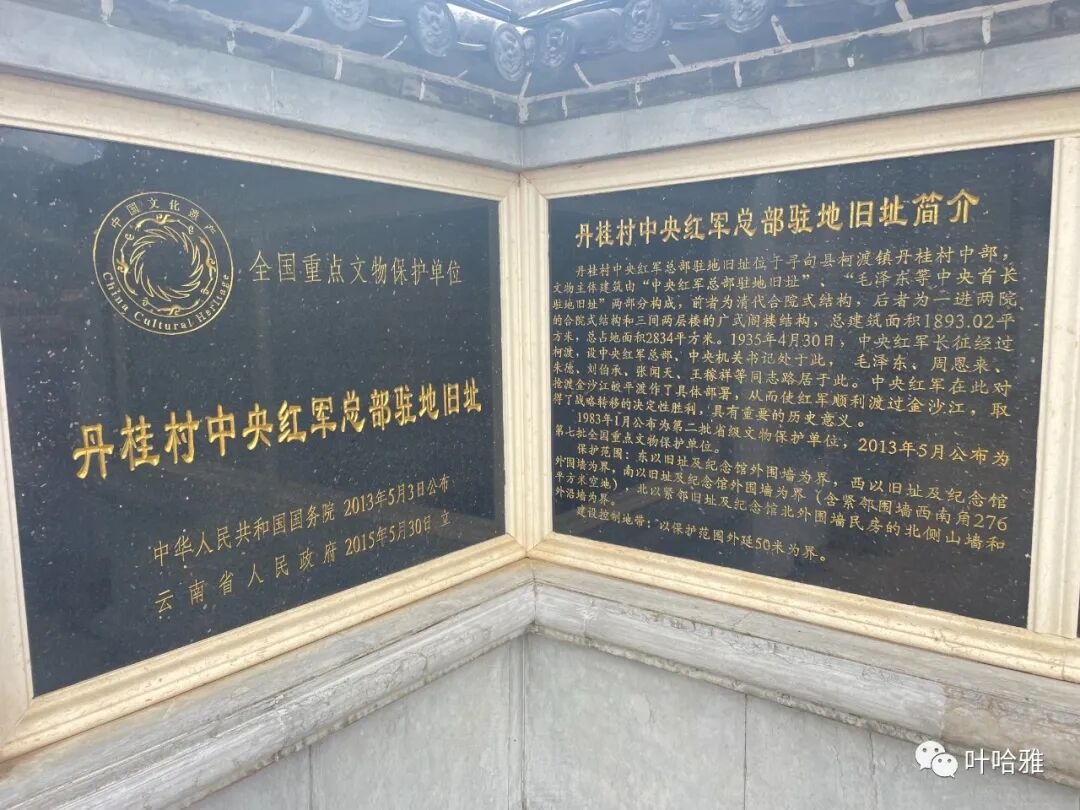
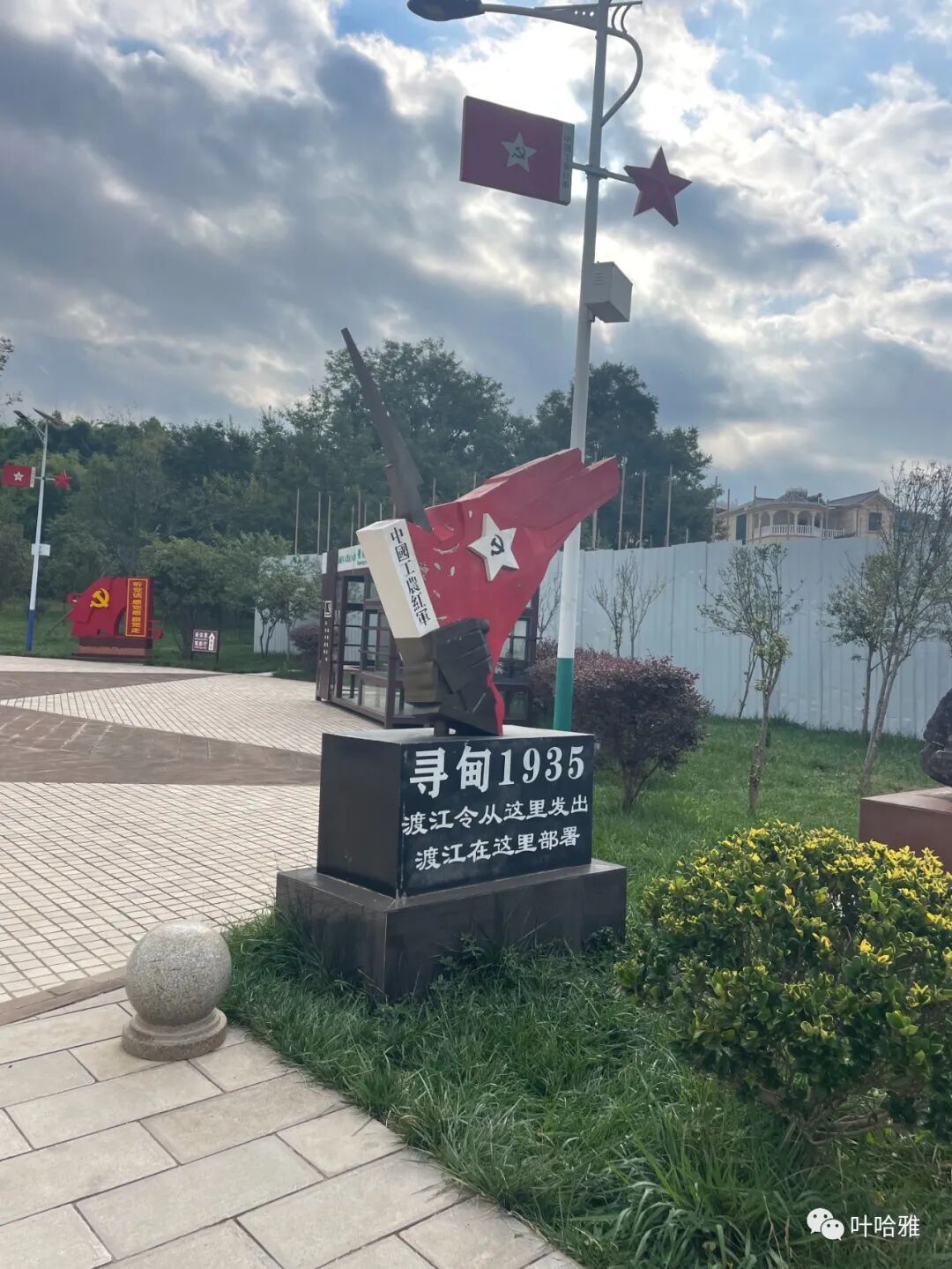
In Kedu Town, located in the Xundian Hui and Yi Autonomous County under Kunming, Yunnan, there are two Hui Muslim villages called Dangui Village and Huihui Village. These villages once served as the headquarters for the Central Red Army. Leaders including Mao Zedong, Zhou Enlai, Zhu De, Liu Bocheng, Zhang Wentian, and Wang Jiaxiang all stayed here. The Central Red Army made specific plans here to cross the Jinsha River at Jiaoping Ferry, which allowed the Red Army to cross the river successfully.
Yuping Mosque in Xundian
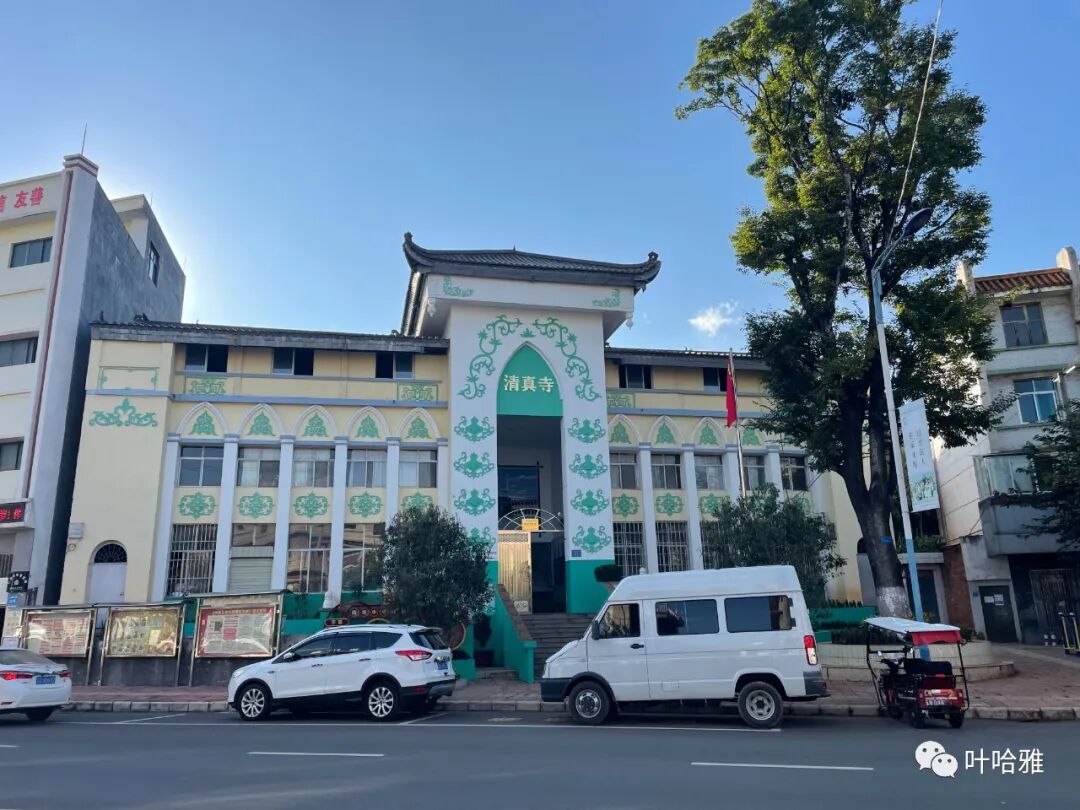
Kedu Town is an 80-kilometer drive from the Xundian county seat. We rested in the county seat for a day to prepare for our trip to Kedu Town the next morning. While drinking coffee in the county seat, we happened to see the Yuping Mosque across the street and went there to perform a prayer.
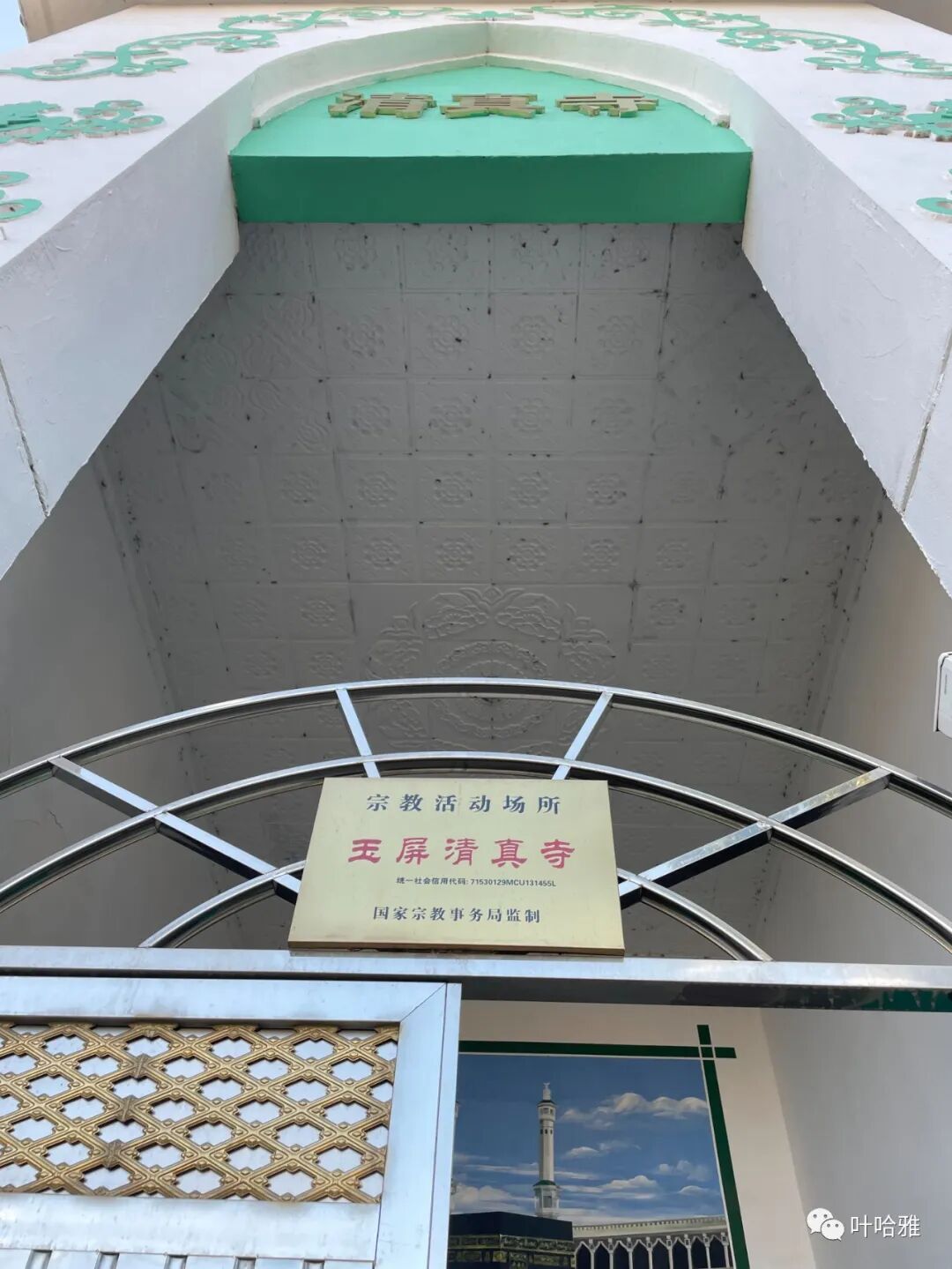
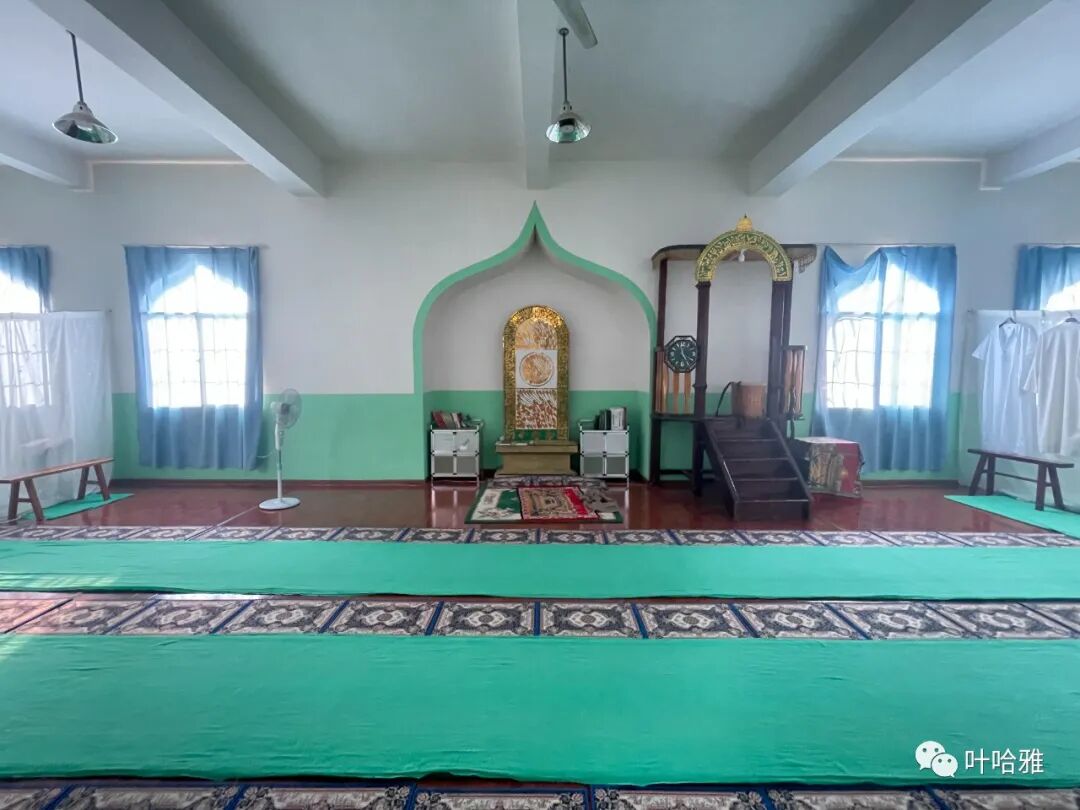
Yuping Mosque was first built between the late Ming and early Qing dynasties, and the current main hall was built in 2010.
Jinxingyue Restaurant
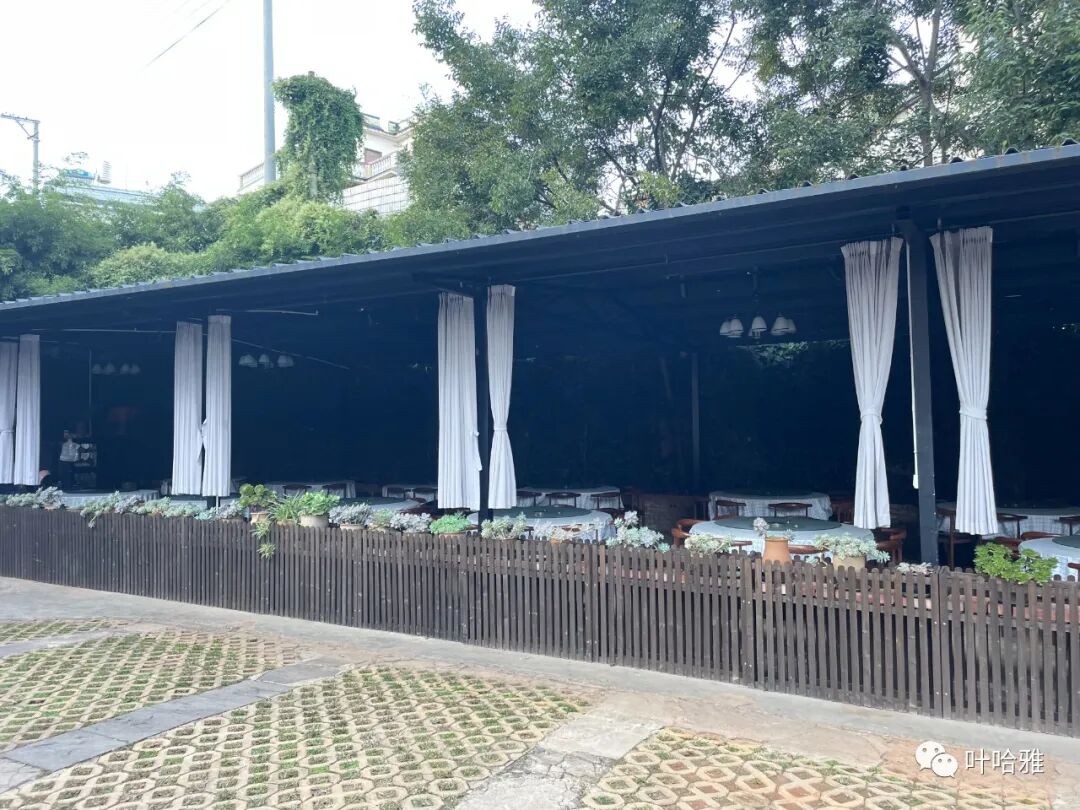
A local young lady in Xundian invited our family of three to eat authentic Xundian food at Jinxingyue. This restaurant has been open for at least 10 years and is one of the top choices for engagement banquets among Xundian locals. The food and the environment are both excellent, and most restaurants on the streets of Xundian are halal.
Fahim was playing in the courtyard when another young lady took a liking to him and chased after him to play together.
Local specialty pan-fried tea (jiancha). This stove can be used for heating, boiling tea, and grilling.
Xundian's oil-drizzled dried beef (youlin niuganba). The locals have high standards for food. They think Kunming doesn't have as much good food as Xundian. Xundian is where people from Kunming go for weekend getaways and farm-style meals.
Roasted chicken and potato pancakes (yangyu bing) are specialties. The roasted chicken is tender and flavorful, and the potato pancakes are salty, fresh, and crispy.
Thick pea porridge (xi doufen) and wheat flatbread (mai baba). Yunnan people call things like steamed buns baba. The wheat flatbread is very soft and fluffy, and it tastes great when dipped in the thick pea porridge to soak up the soup.
Jibao Beef Restaurant
This is another hidden gem that locals love. People say you even have to wait in line at night because it is so popular.
At this Yunnan-style restaurant, you pick your own vegetables. You choose from a variety of wild greens in the freezer, and the kitchen cooks them for you.
The cold sliced beef (liangpian) from Xundian is boiled in plain water and served with a spicy and sour dipping sauce.
This sweet and sour pork tenderloin (tangcu liji) is made with pineapple and is mainly served to help children eat their rice.
Yunnan bitter melon is delicious, and I enjoy the bitter taste.
Kedu Town
The road to Kedu Town is a winding mountain path. Because it is a red tourism town, the government pays close attention to it, so the road nearby is well-maintained and not too difficult to drive. Just watch your speed, and expect the drive to take at least an hour and a half.
The town is deep in the mountains with nice scenery. Most of the paths the Red Army took during the Long March were these kinds of remote mountain roads.
Dangui Red Army Village
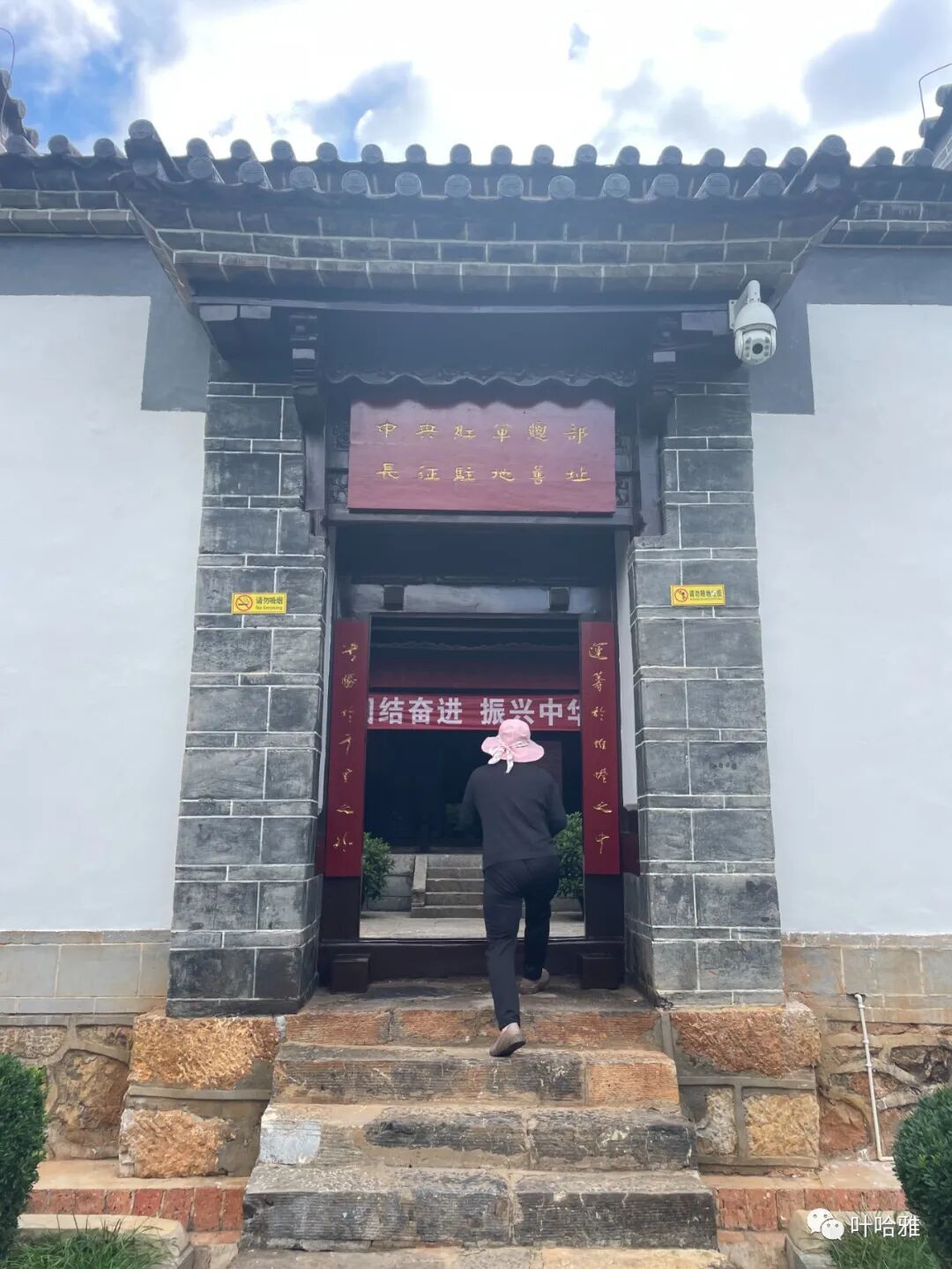
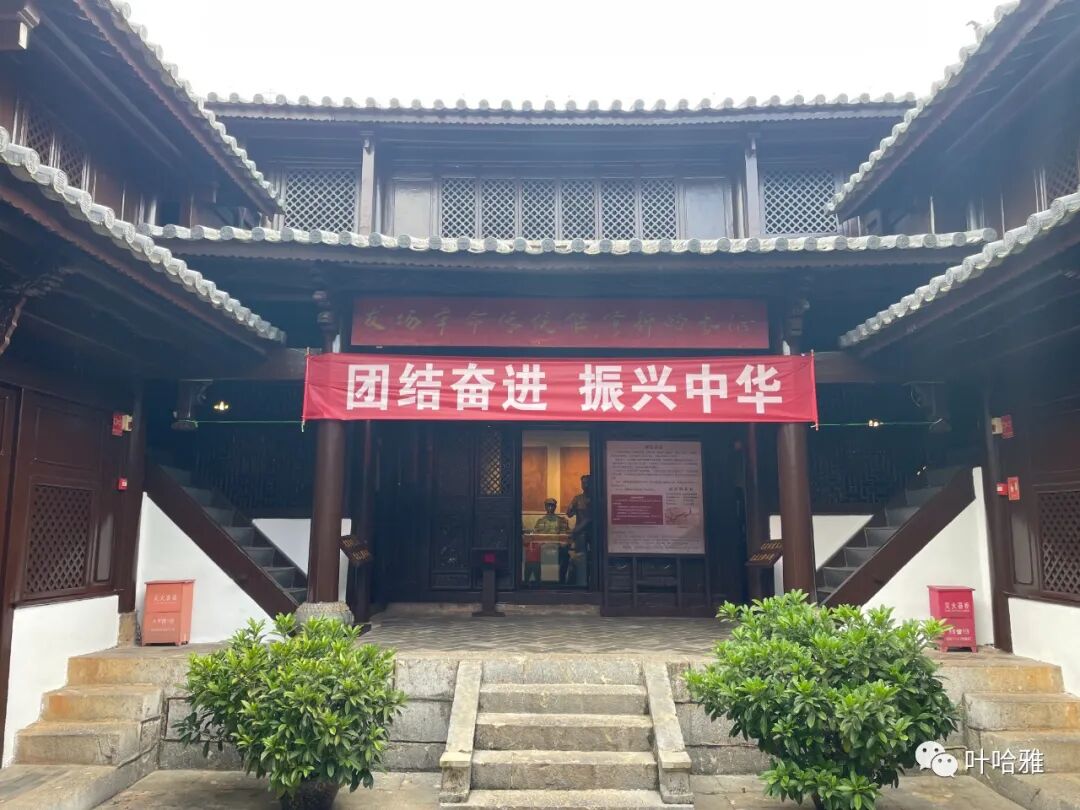
The Red Army Long March Memorial Hall in Dangui Village is open to the public for free.
The Party could not have gained national power without the support of ethnic minorities. The relationship between Chinese Muslims and various Chinese regimes throughout history is the same. Whenever they stayed in line with the central government, they developed; otherwise, they suffered major setbacks. You can refer to the book 'Chinese Regimes and Islam Throughout History' for details.
Because the Party's founding members were treated well by ethnic minorities during difficult times, they had a positive view of them, which led to the ethnic minority policies established after the founding of the country.
The red halal restaurant in the village is called Huadamen Restaurant.
The village walls are decorated with folk songs from Hui Muslims and other ethnic minorities, all praising the Red Army.
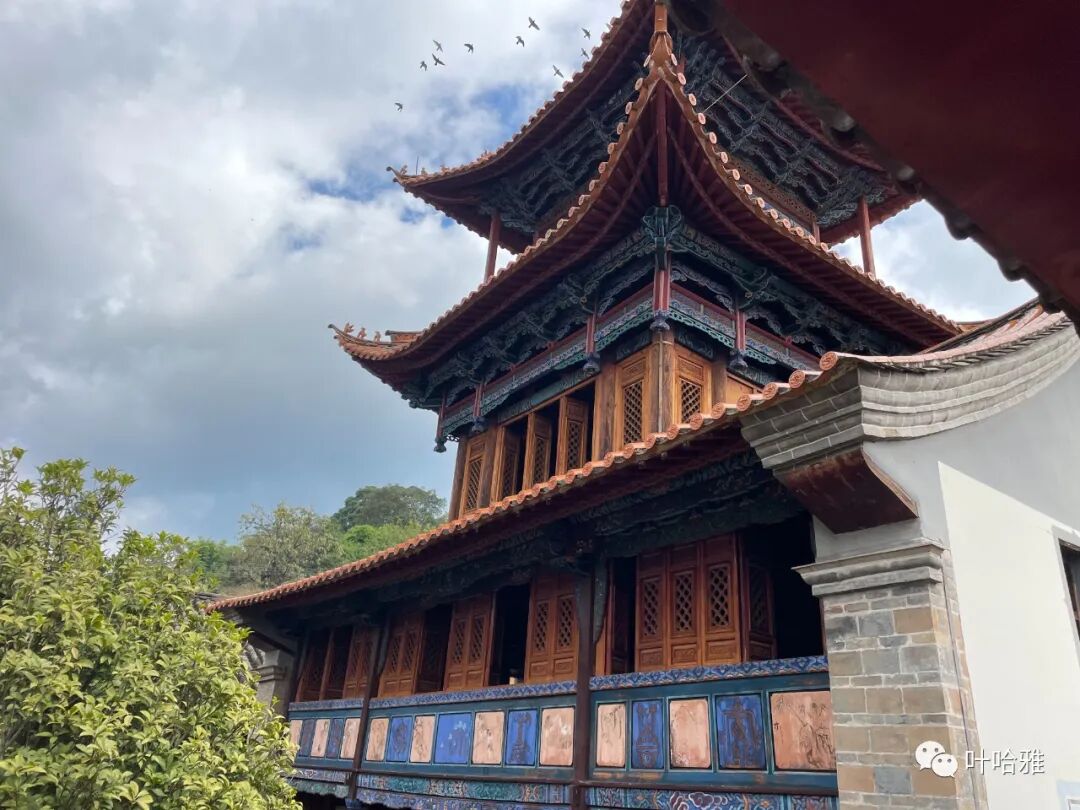
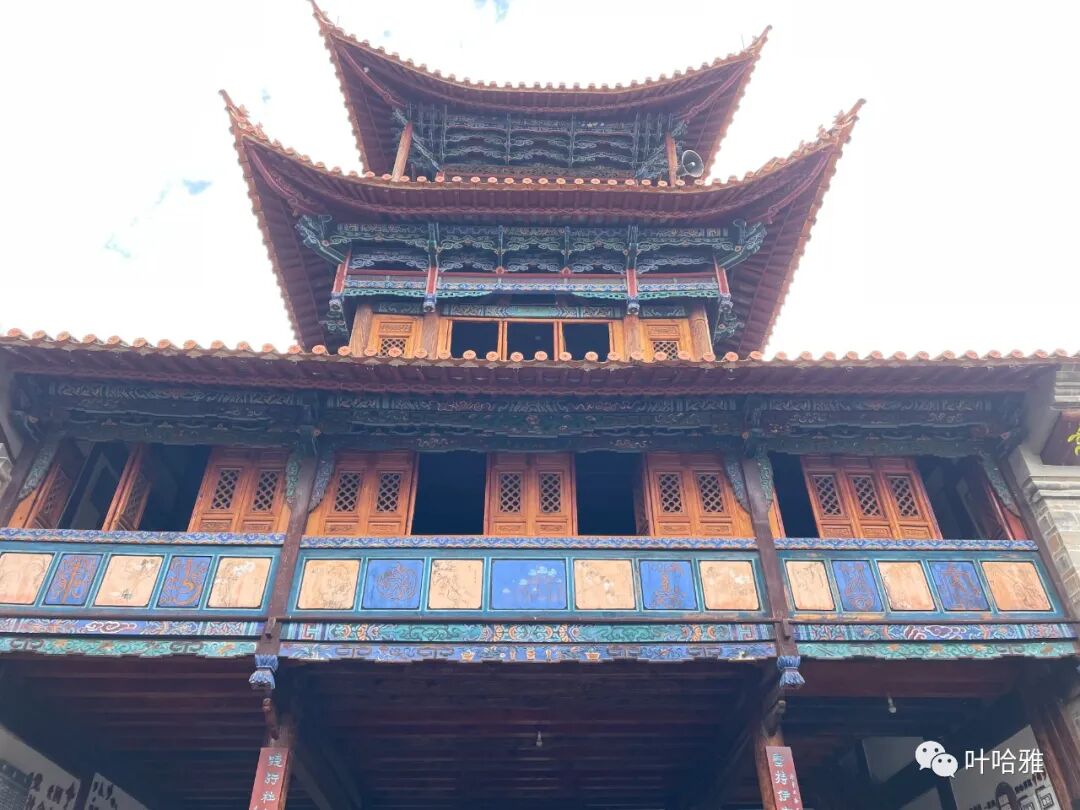
Dangui Mosque.
The founding date of Dangui Mosque is unknown, but it was renovated in the 22nd year of the Guangxu reign of the Qing Dynasty and is now a provincial-level cultural heritage site.
On the mosque's crossbeams, there is a slogan left by the Red Army that says, "The Red Army absolutely does not press-gang." This means they did not force men into military service.
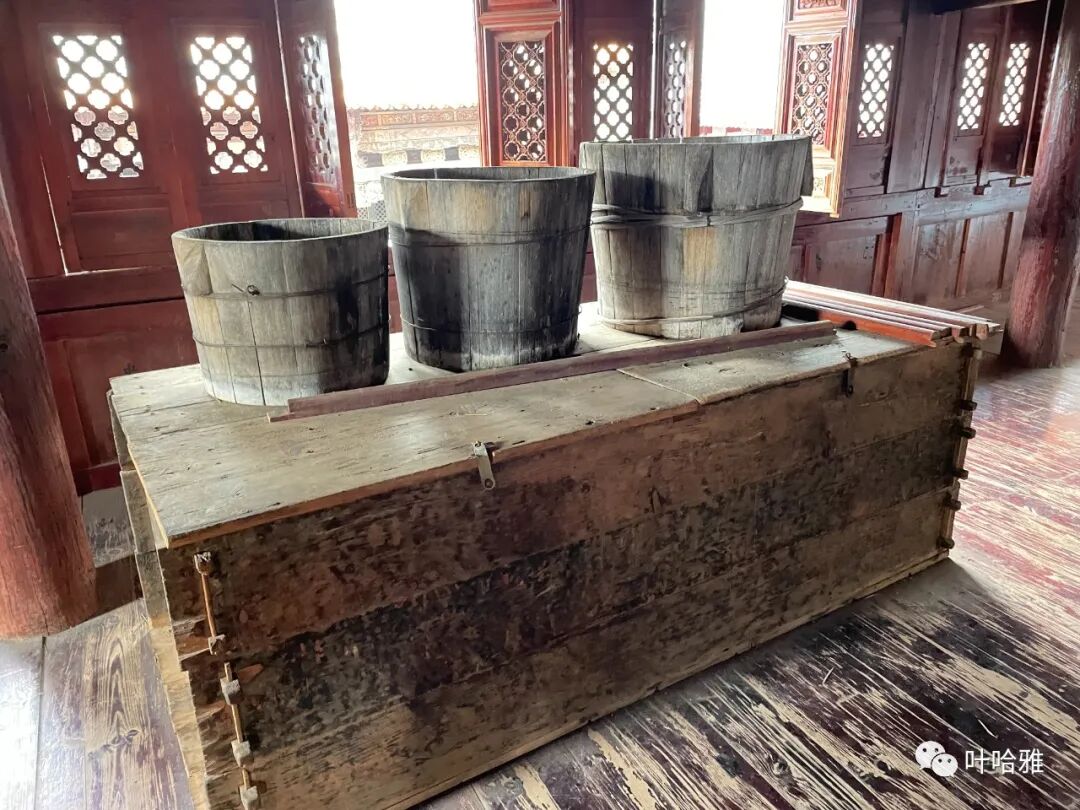
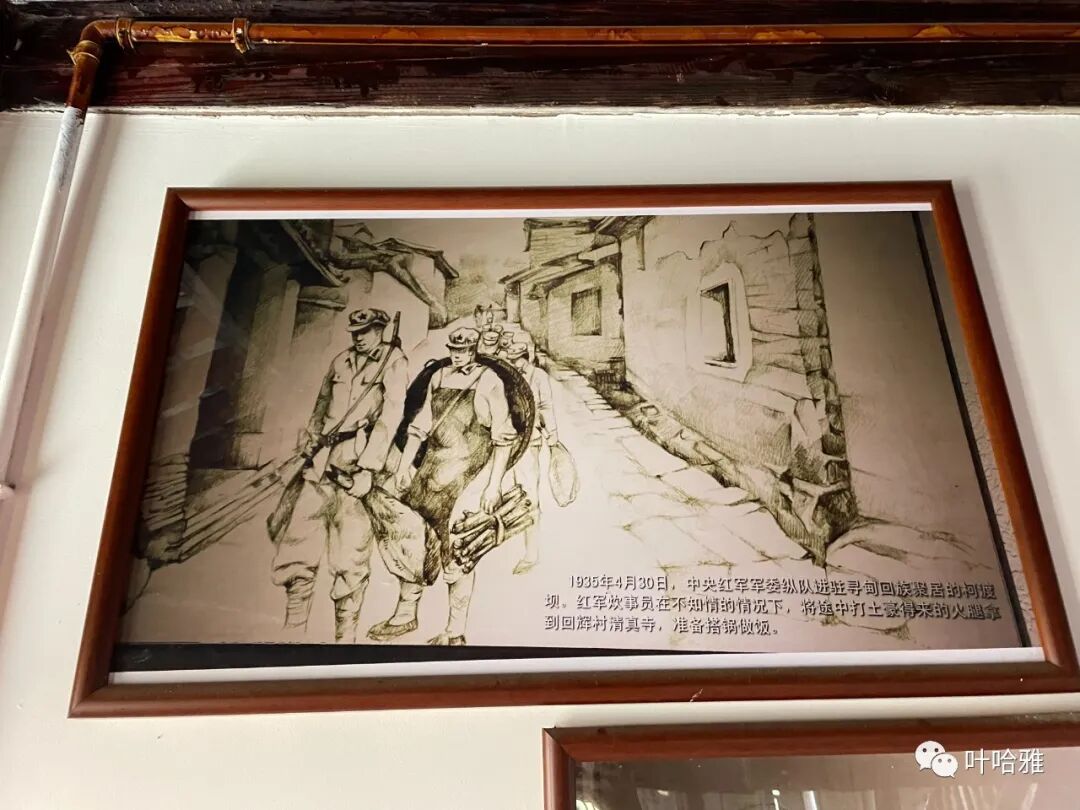
On the third floor of the minaret, there is a poster showing a story from the past. After the Red Army defeated local tyrants, they took ham to cook at Huihui Mosque. When Commander-in-Chief Zhu De found out, he walked to the mosque to apologize to Imam Jin.
Looking down at Dangui Village from the top of the minaret.
The Huihui Village mentioned above shares the same name as the Huihui Village in Sanya and is two kilometers away from Dangui Village.
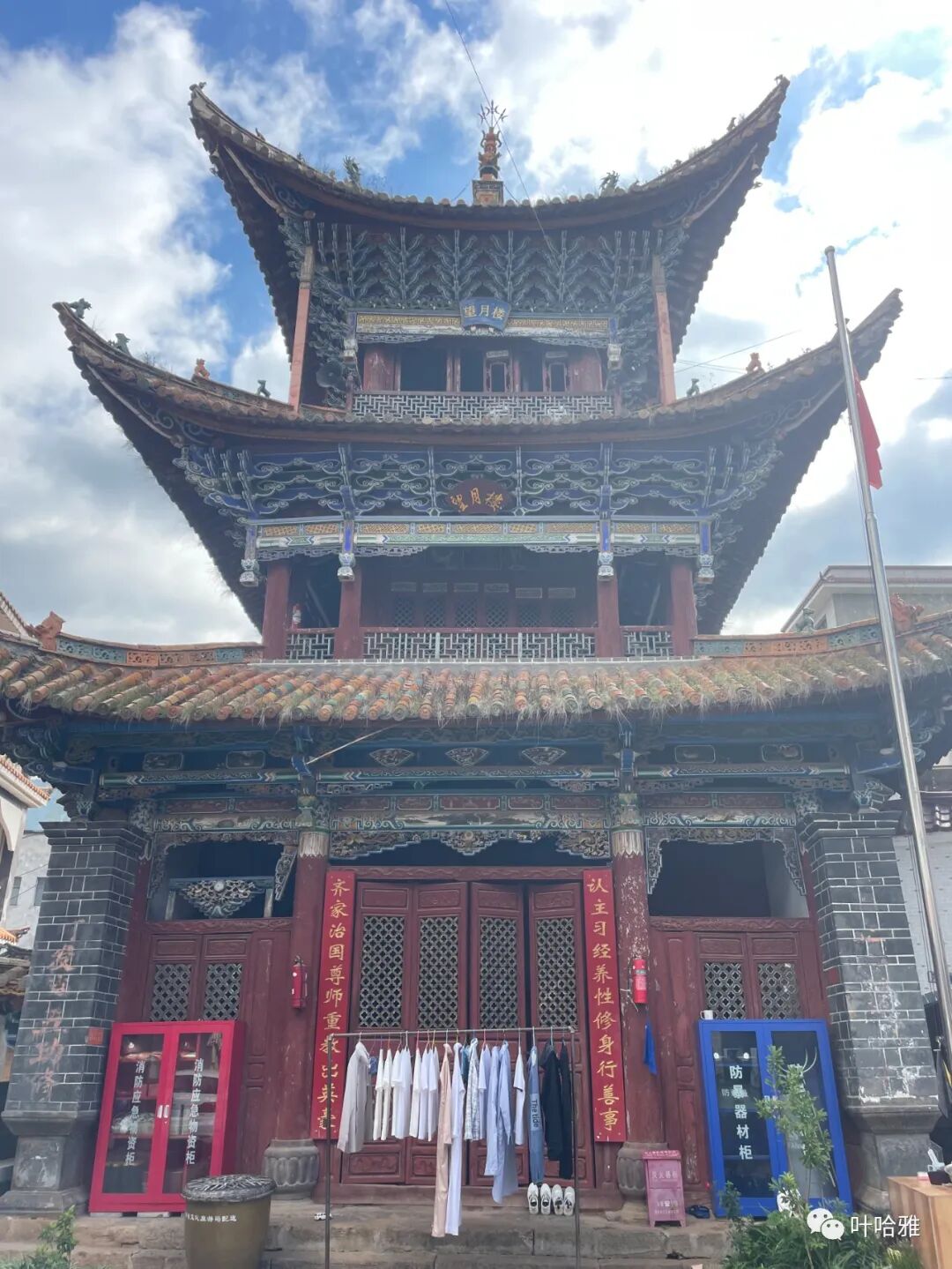
Huihui Village Mosque.
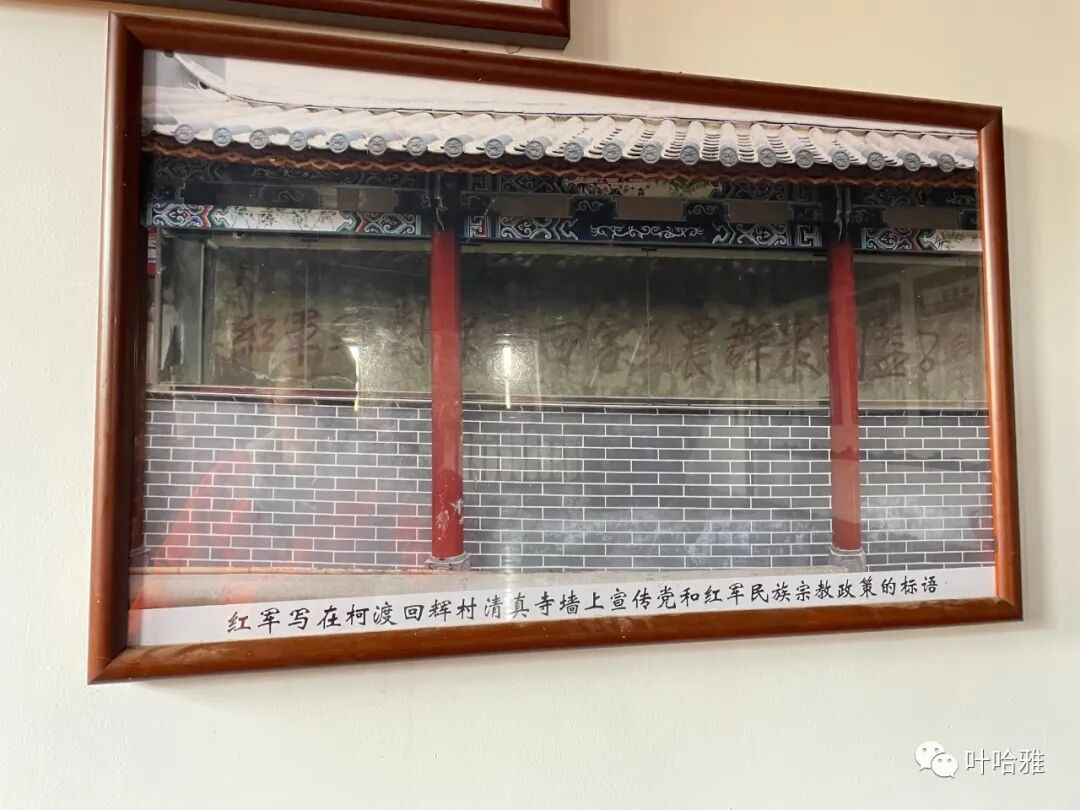
Huihui Mosque is built in the center of the village, and it also has a slogan left by the Red Army.
The slogan is on the side of the minaret and reads, "The Red Army absolutely protects the interests of the Hui worker and peasant masses." "Hui home" refers to the homes of Hui Muslims, as the term Hui Muslims was not yet used as an official name before liberation.
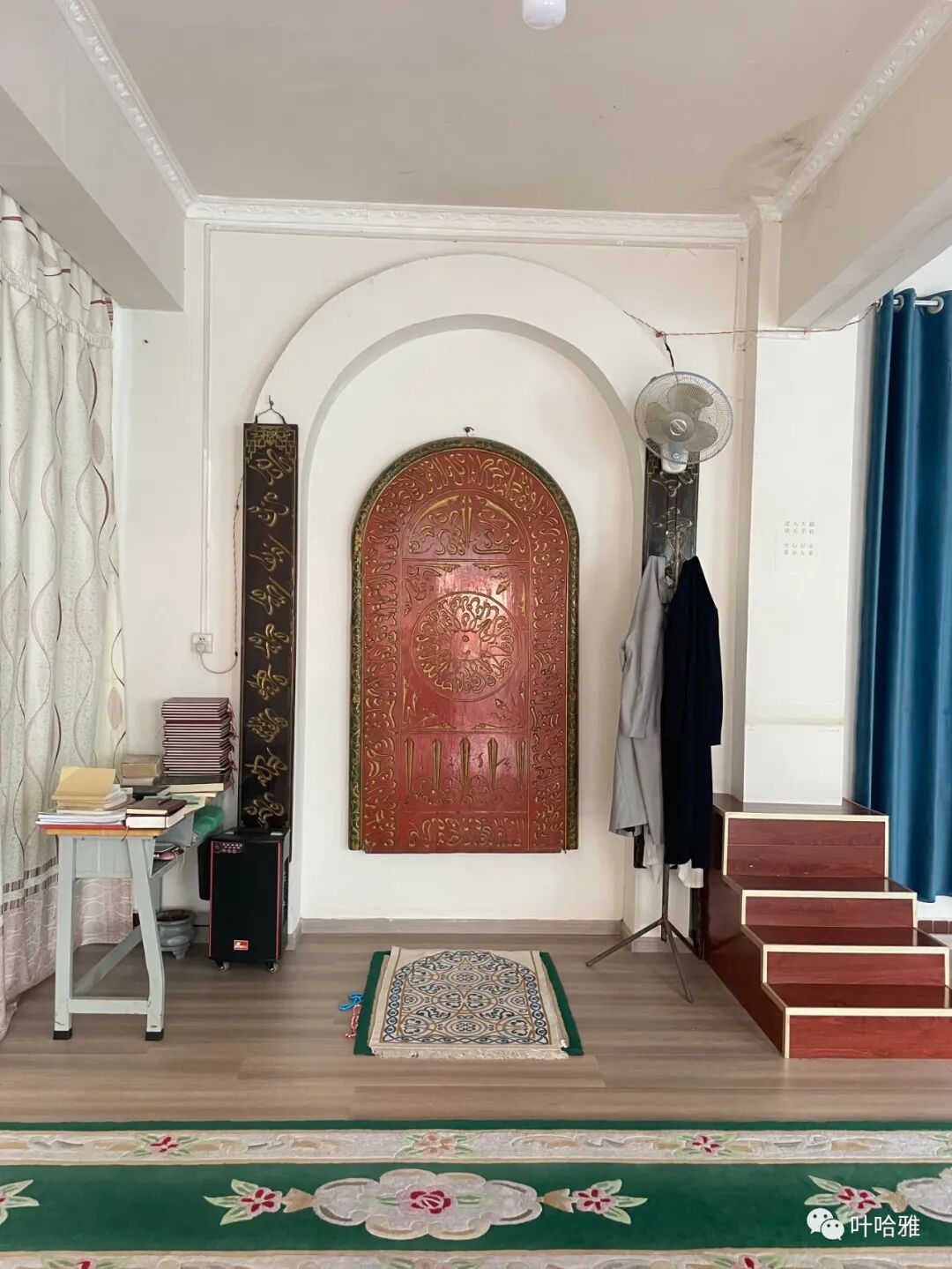
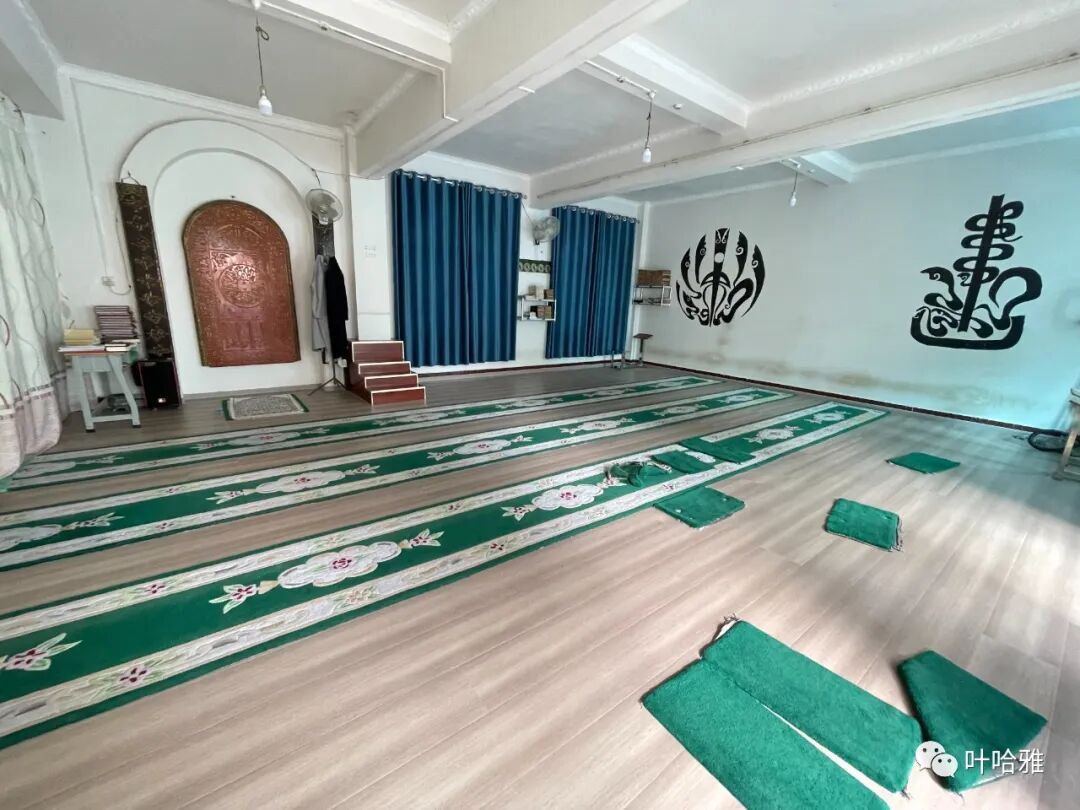
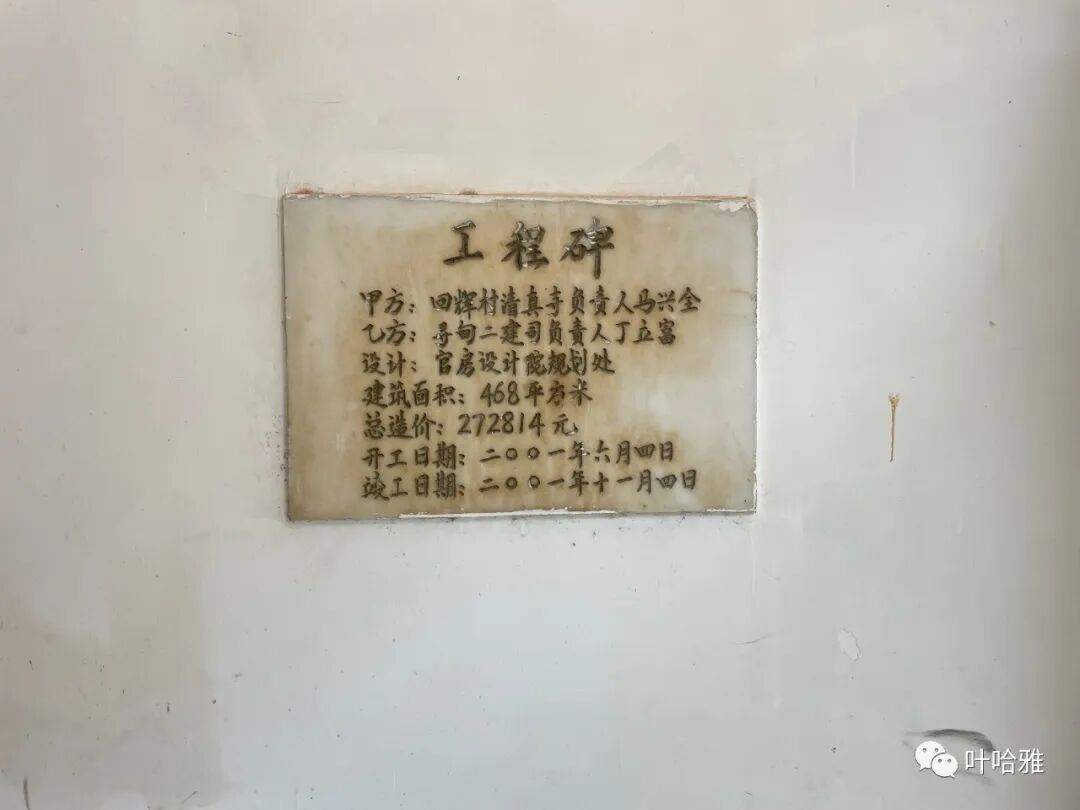
The founding record of the Chinese-Arabic school inside the Huihui Village mosque.
Patterns on the gate of a house across from the Huihui mosque.
Tuogu Village in Ludian.
On the way back to Beijing from Xundian, I passed a small halal shop at the entrance of Tuogu Village. They had Ma Laobiao rice noodles (mixian), and I bought plenty of instant food for the trip.
Tuogu grilled tofu (shaodoufu) for one yuan a piece.
Tuogu mosque.
Tuogu mosque was first built in the eighth year of the Yongzheng reign. It covers 7,000 square meters, is the largest mosque in northeastern Yunnan, and is now a provincial-level cultural heritage site.
Zhaotong Baxian grand mosque.
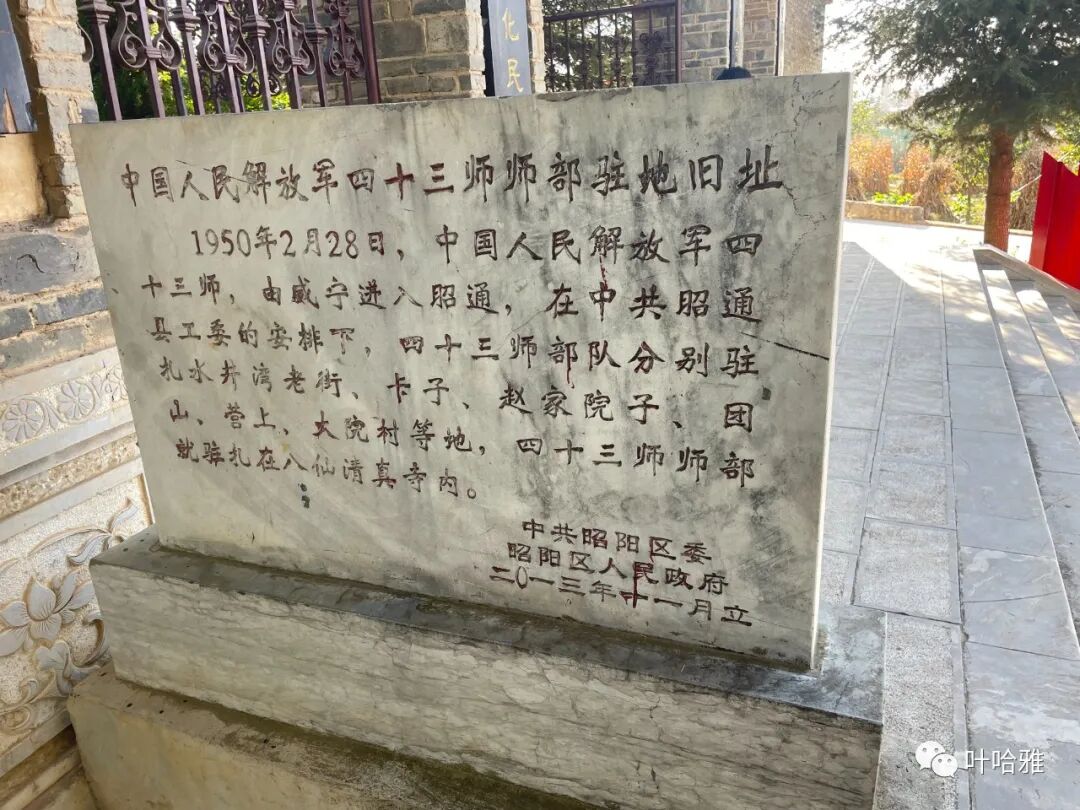
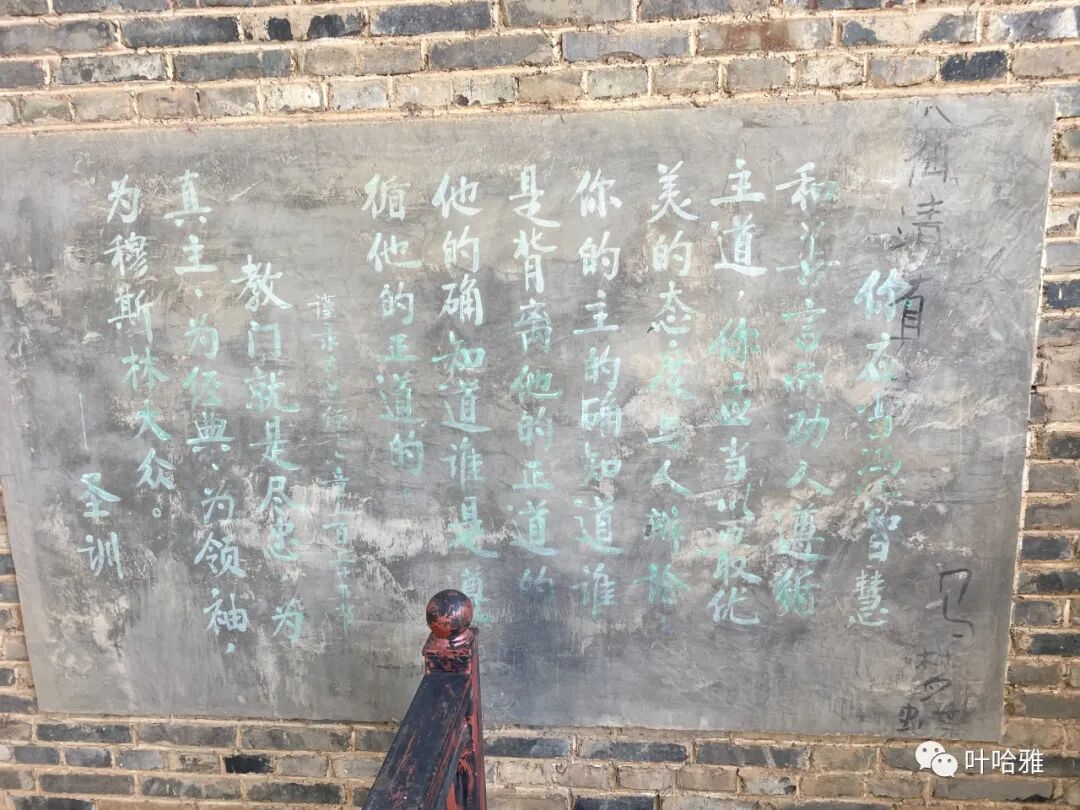
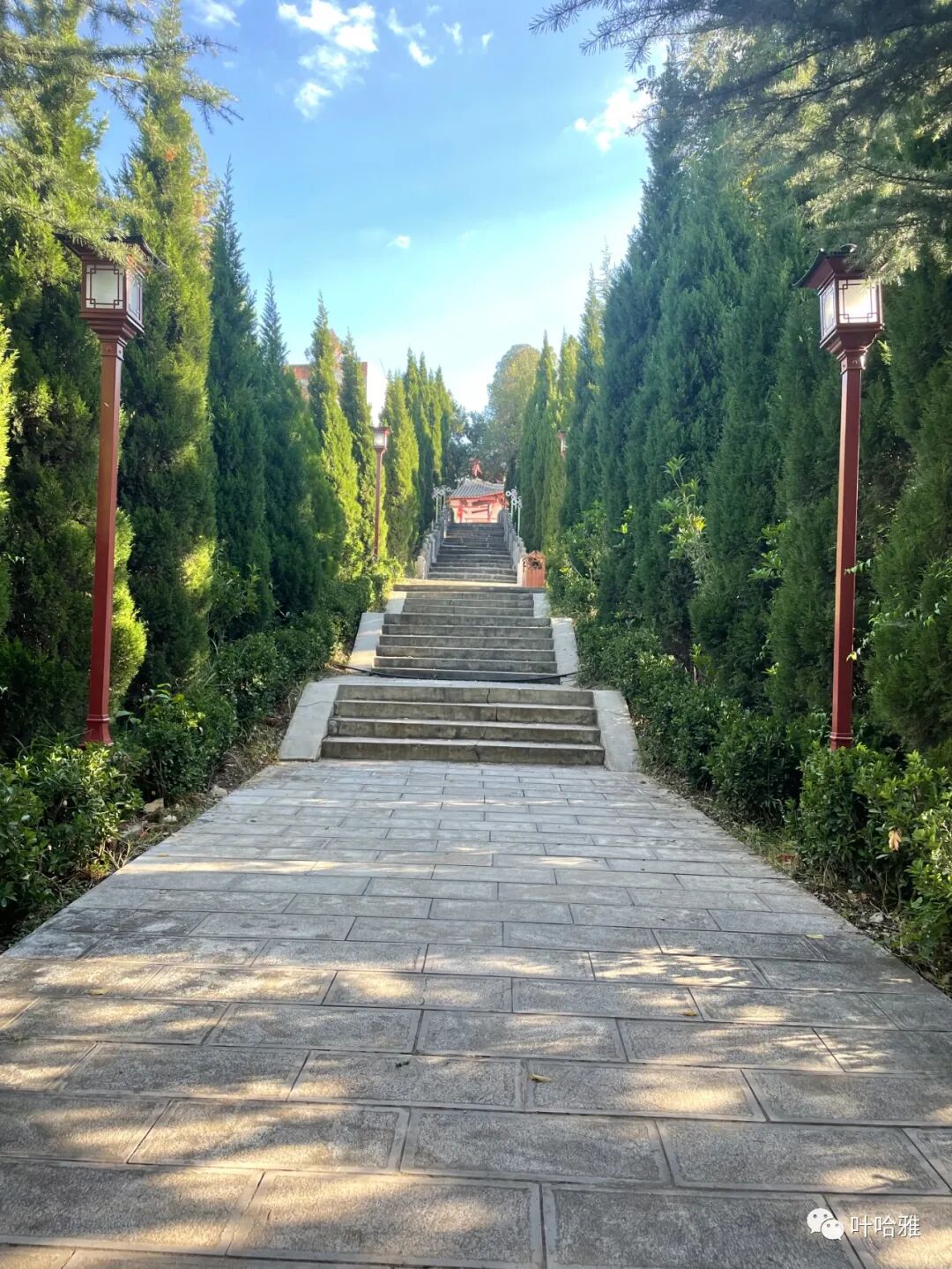
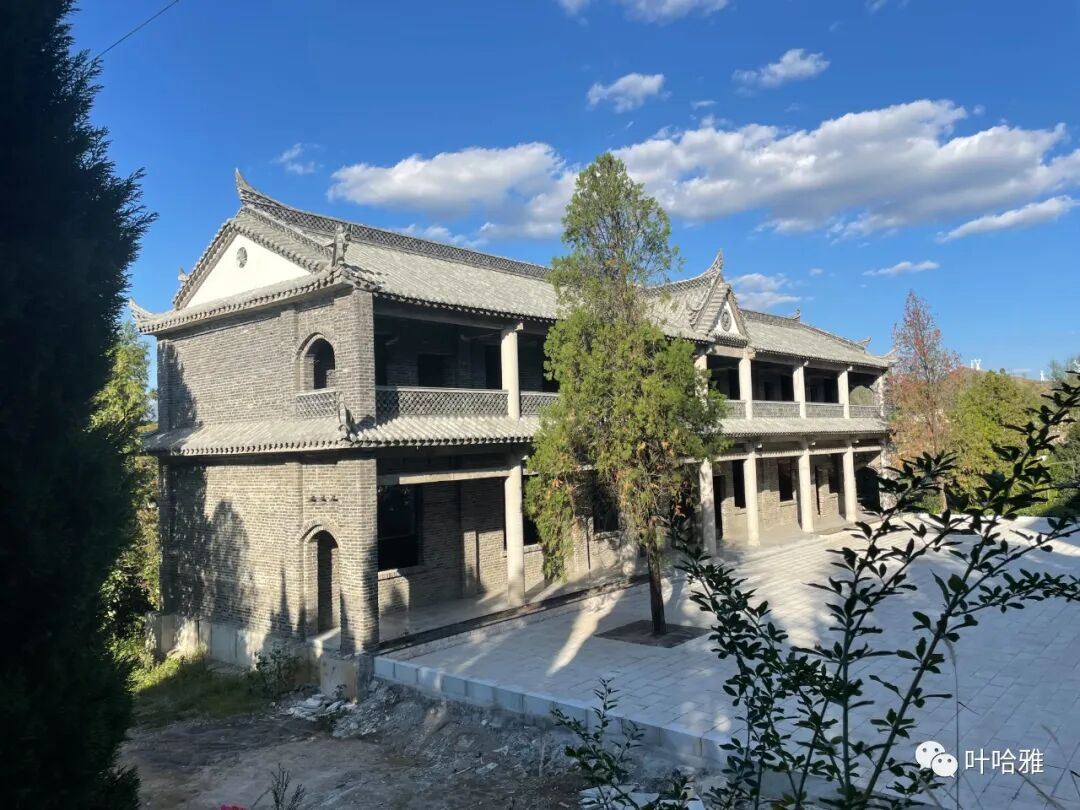
Zhaotong Baxian mosque is one of the eight scenic spots in Zhaoyang. It was first built during the Yongzheng period. It was once the site of the 43rd Division headquarters of the People's Liberation Army and includes a party school inside. view all
Summary: This China mosque travel guide follows the Yunnan Long March route through Xundian and Kedu, covering Yuping Mosque, Dangui and Huihui villages, halal Xundian food, Tuogu, Zhaotong Baxian Mosque, and Hui Muslim history along the road.
A Road Trip Through Yunnan: Three Ancient Mosques on the Long March Route is presented here as a firsthand travel account in clear English, beginning with this scene: In Kedu Town, located in the Xundian Hui and Yi Autonomous County under Kunming, Yunnan, there are two Hui Muslim villages called Dangui Village and Huihui Village. The account keeps its focus on Halal Travel, Yiwu Food, Mosque Travel while preserving the names, places, food, and historical details from the Chinese source.
In Kedu Town, located in the Xundian Hui and Yi Autonomous County under Kunming, Yunnan, there are two Hui Muslim villages called Dangui Village and Huihui Village. These villages once served as the headquarters for the Central Red Army. Leaders including Mao Zedong, Zhou Enlai, Zhu De, Liu Bocheng, Zhang Wentian, and Wang Jiaxiang all stayed here. The Central Red Army made specific plans here to cross the Jinsha River at Jiaoping Ferry, which allowed the Red Army to cross the river successfully.
Yuping Mosque in Xundian
Kedu Town is an 80-kilometer drive from the Xundian county seat. We rested in the county seat for a day to prepare for our trip to Kedu Town the next morning. While drinking coffee in the county seat, we happened to see the Yuping Mosque across the street and went there to perform a prayer.
Yuping Mosque was first built between the late Ming and early Qing dynasties, and the current main hall was built in 2010.
Jinxingyue Restaurant
A local young lady in Xundian invited our family of three to eat authentic Xundian food at Jinxingyue. This restaurant has been open for at least 10 years and is one of the top choices for engagement banquets among Xundian locals. The food and the environment are both excellent, and most restaurants on the streets of Xundian are halal.
Fahim was playing in the courtyard when another young lady took a liking to him and chased after him to play together.
Local specialty pan-fried tea (jiancha). This stove can be used for heating, boiling tea, and grilling.
Xundian's oil-drizzled dried beef (youlin niuganba). The locals have high standards for food. They think Kunming doesn't have as much good food as Xundian. Xundian is where people from Kunming go for weekend getaways and farm-style meals.
Roasted chicken and potato pancakes (yangyu bing) are specialties. The roasted chicken is tender and flavorful, and the potato pancakes are salty, fresh, and crispy.
Thick pea porridge (xi doufen) and wheat flatbread (mai baba). Yunnan people call things like steamed buns baba. The wheat flatbread is very soft and fluffy, and it tastes great when dipped in the thick pea porridge to soak up the soup.
Jibao Beef Restaurant
This is another hidden gem that locals love. People say you even have to wait in line at night because it is so popular.
At this Yunnan-style restaurant, you pick your own vegetables. You choose from a variety of wild greens in the freezer, and the kitchen cooks them for you.
The cold sliced beef (liangpian) from Xundian is boiled in plain water and served with a spicy and sour dipping sauce.
This sweet and sour pork tenderloin (tangcu liji) is made with pineapple and is mainly served to help children eat their rice.
Yunnan bitter melon is delicious, and I enjoy the bitter taste.
Kedu Town
The road to Kedu Town is a winding mountain path. Because it is a red tourism town, the government pays close attention to it, so the road nearby is well-maintained and not too difficult to drive. Just watch your speed, and expect the drive to take at least an hour and a half.
The town is deep in the mountains with nice scenery. Most of the paths the Red Army took during the Long March were these kinds of remote mountain roads.
Dangui Red Army Village
The Red Army Long March Memorial Hall in Dangui Village is open to the public for free.
The Party could not have gained national power without the support of ethnic minorities. The relationship between Chinese Muslims and various Chinese regimes throughout history is the same. Whenever they stayed in line with the central government, they developed; otherwise, they suffered major setbacks. You can refer to the book 'Chinese Regimes and Islam Throughout History' for details.
Because the Party's founding members were treated well by ethnic minorities during difficult times, they had a positive view of them, which led to the ethnic minority policies established after the founding of the country.
The red halal restaurant in the village is called Huadamen Restaurant.
The village walls are decorated with folk songs from Hui Muslims and other ethnic minorities, all praising the Red Army.
Dangui Mosque.
The founding date of Dangui Mosque is unknown, but it was renovated in the 22nd year of the Guangxu reign of the Qing Dynasty and is now a provincial-level cultural heritage site.
On the mosque's crossbeams, there is a slogan left by the Red Army that says, "The Red Army absolutely does not press-gang." This means they did not force men into military service.
On the third floor of the minaret, there is a poster showing a story from the past. After the Red Army defeated local tyrants, they took ham to cook at Huihui Mosque. When Commander-in-Chief Zhu De found out, he walked to the mosque to apologize to Imam Jin.
Looking down at Dangui Village from the top of the minaret.
The Huihui Village mentioned above shares the same name as the Huihui Village in Sanya and is two kilometers away from Dangui Village.
Huihui Village Mosque.
Huihui Mosque is built in the center of the village, and it also has a slogan left by the Red Army.
The slogan is on the side of the minaret and reads, "The Red Army absolutely protects the interests of the Hui worker and peasant masses." "Hui home" refers to the homes of Hui Muslims, as the term Hui Muslims was not yet used as an official name before liberation.
The founding record of the Chinese-Arabic school inside the Huihui Village mosque.
Patterns on the gate of a house across from the Huihui mosque.
Tuogu Village in Ludian.
On the way back to Beijing from Xundian, I passed a small halal shop at the entrance of Tuogu Village. They had Ma Laobiao rice noodles (mixian), and I bought plenty of instant food for the trip.
Tuogu grilled tofu (shaodoufu) for one yuan a piece.
Tuogu mosque.
Tuogu mosque was first built in the eighth year of the Yongzheng reign. It covers 7,000 square meters, is the largest mosque in northeastern Yunnan, and is now a provincial-level cultural heritage site.
Zhaotong Baxian grand mosque.
Zhaotong Baxian mosque is one of the eight scenic spots in Zhaoyang. It was first built during the Yongzheng period. It was once the site of the 43rd Division headquarters of the People's Liberation Army and includes a party school inside. view all
Reposted from the web
Summary: This China mosque travel guide follows the Yunnan Long March route through Xundian and Kedu, covering Yuping Mosque, Dangui and Huihui villages, halal Xundian food, Tuogu, Zhaotong Baxian Mosque, and Hui Muslim history along the road.
A Road Trip Through Yunnan: Three Ancient Mosques on the Long March Route is presented here as a firsthand travel account in clear English, beginning with this scene: In Kedu Town, located in the Xundian Hui and Yi Autonomous County under Kunming, Yunnan, there are two Hui Muslim villages called Dangui Village and Huihui Village. The account keeps its focus on Halal Travel, Yiwu Food, Mosque Travel while preserving the names, places, food, and historical details from the Chinese source.
In Kedu Town, located in the Xundian Hui and Yi Autonomous County under Kunming, Yunnan, there are two Hui Muslim villages called Dangui Village and Huihui Village. These villages once served as the headquarters for the Central Red Army. Leaders including Mao Zedong, Zhou Enlai, Zhu De, Liu Bocheng, Zhang Wentian, and Wang Jiaxiang all stayed here. The Central Red Army made specific plans here to cross the Jinsha River at Jiaoping Ferry, which allowed the Red Army to cross the river successfully.
Yuping Mosque in Xundian
Kedu Town is an 80-kilometer drive from the Xundian county seat. We rested in the county seat for a day to prepare for our trip to Kedu Town the next morning. While drinking coffee in the county seat, we happened to see the Yuping Mosque across the street and went there to perform a prayer.
Yuping Mosque was first built between the late Ming and early Qing dynasties, and the current main hall was built in 2010.
Jinxingyue Restaurant
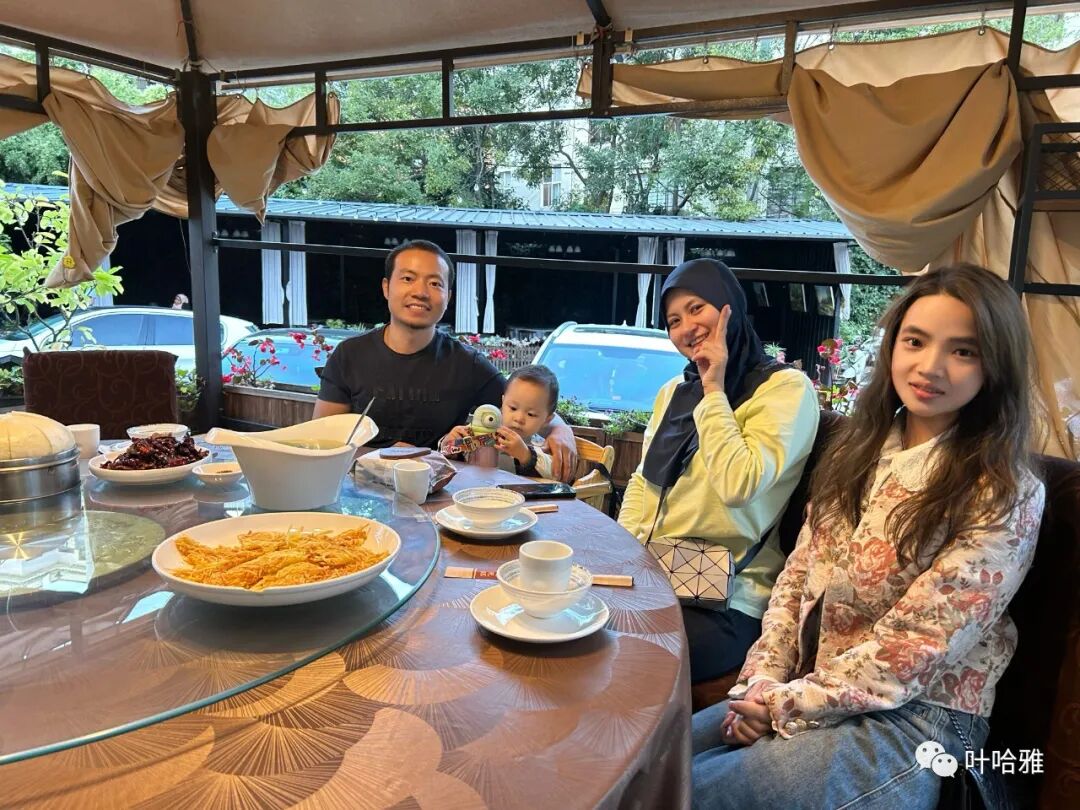
A local young lady in Xundian invited our family of three to eat authentic Xundian food at Jinxingyue. This restaurant has been open for at least 10 years and is one of the top choices for engagement banquets among Xundian locals. The food and the environment are both excellent, and most restaurants on the streets of Xundian are halal.
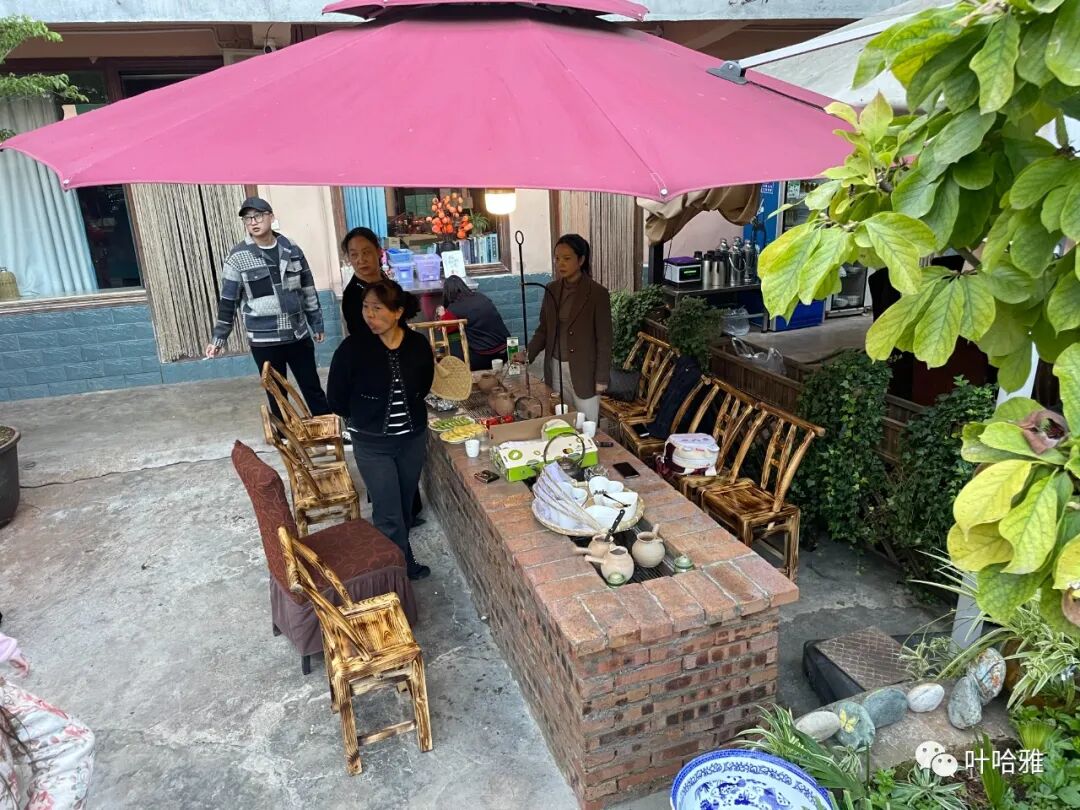
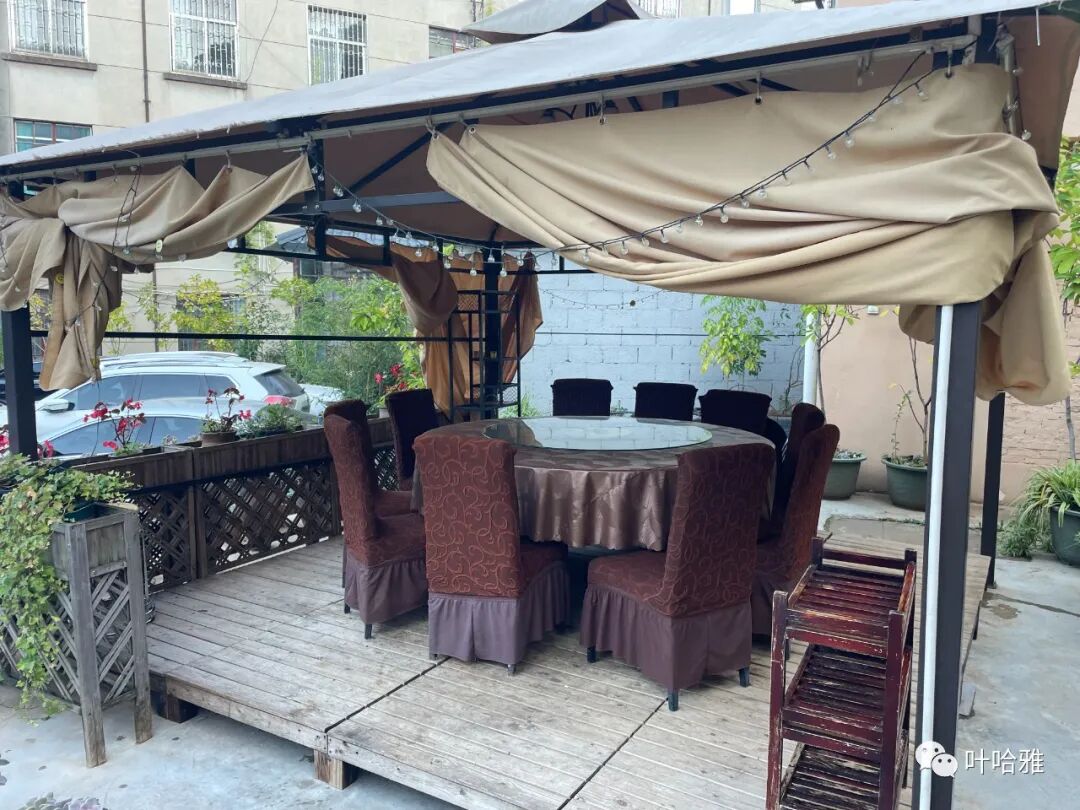
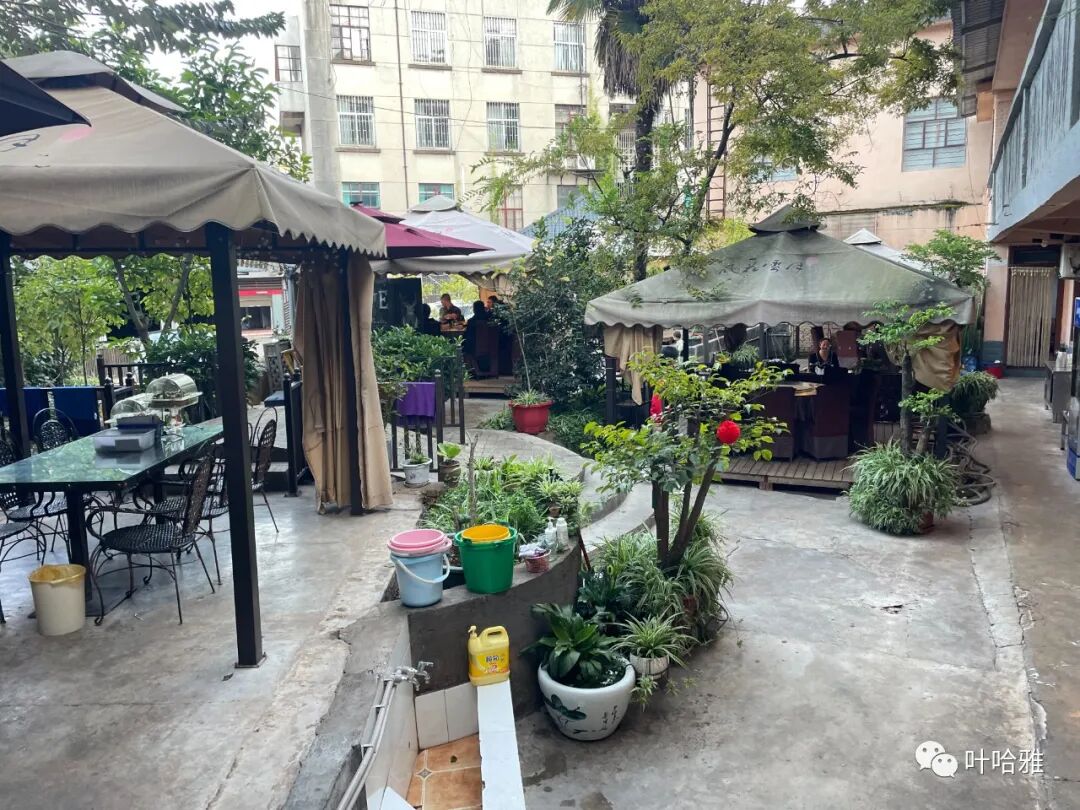
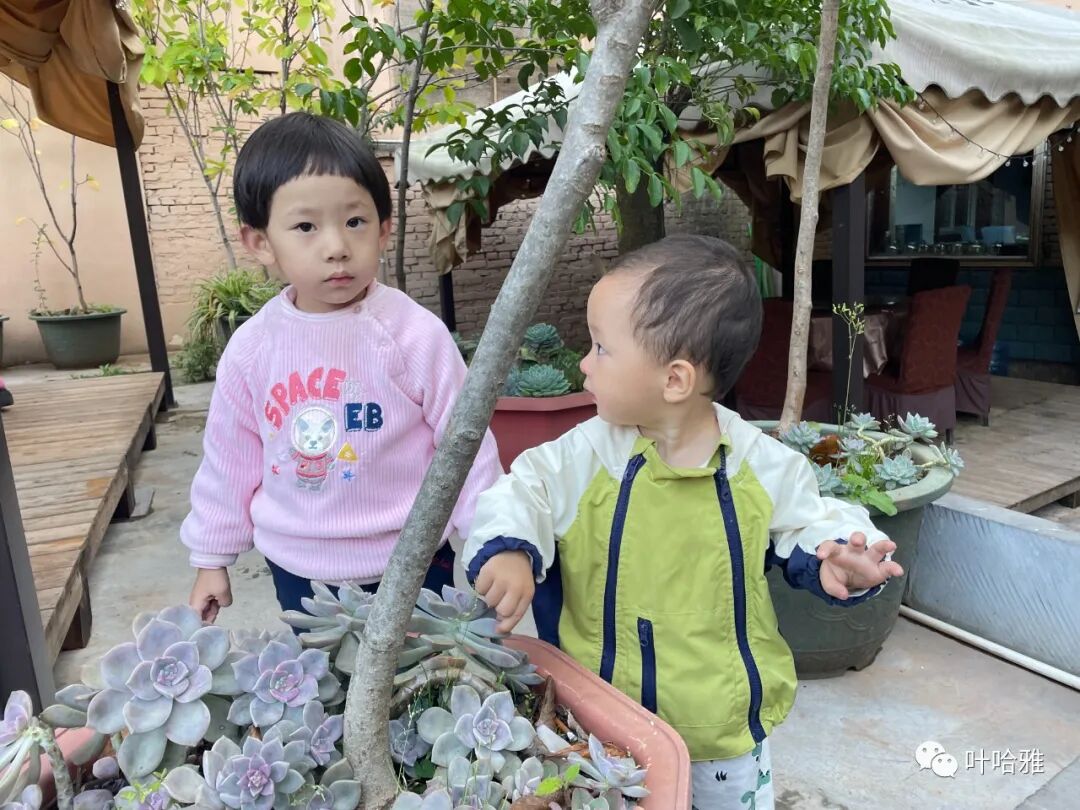
Fahim was playing in the courtyard when another young lady took a liking to him and chased after him to play together.
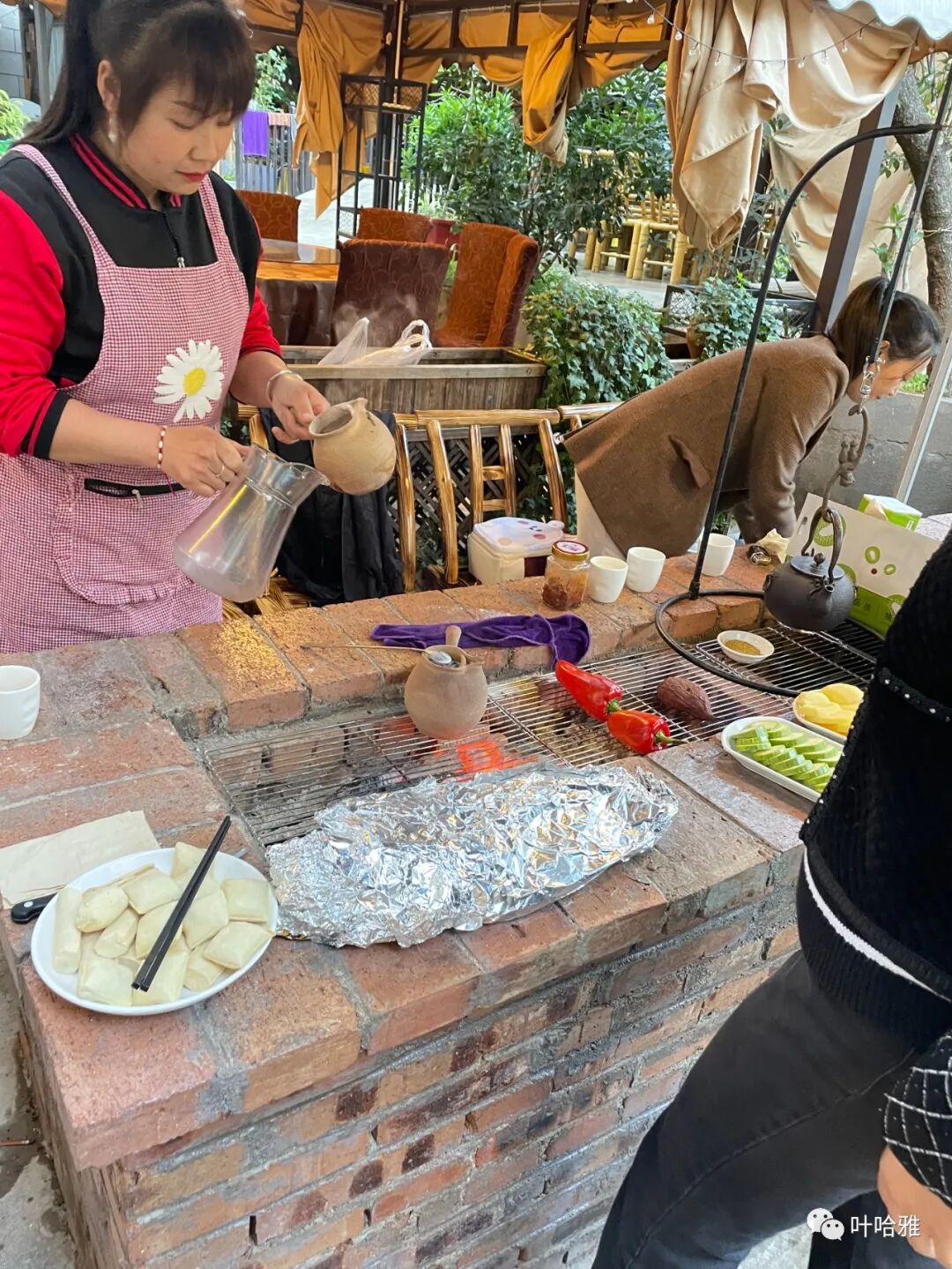
Local specialty pan-fried tea (jiancha). This stove can be used for heating, boiling tea, and grilling.
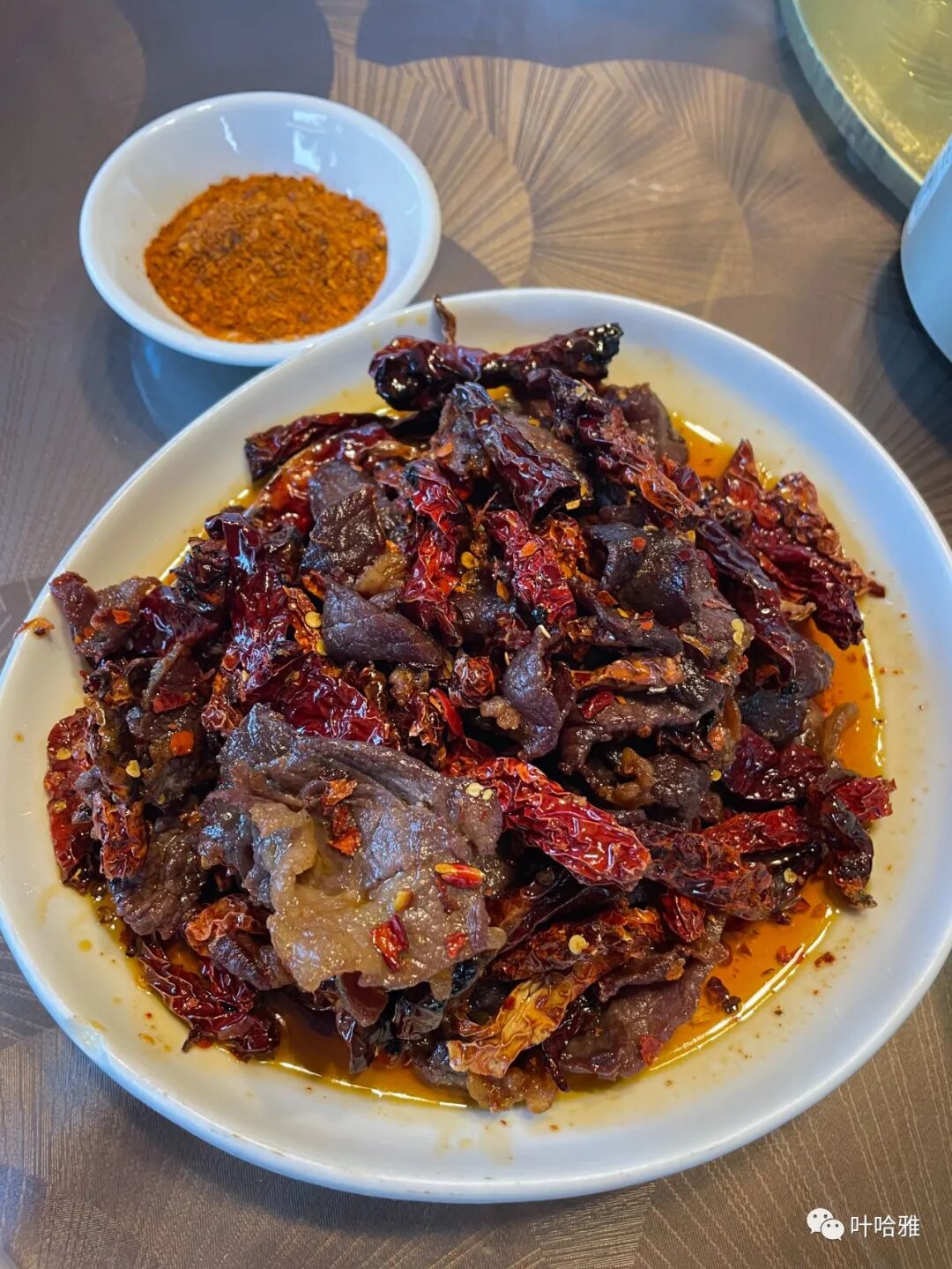
Xundian's oil-drizzled dried beef (youlin niuganba). The locals have high standards for food. They think Kunming doesn't have as much good food as Xundian. Xundian is where people from Kunming go for weekend getaways and farm-style meals.
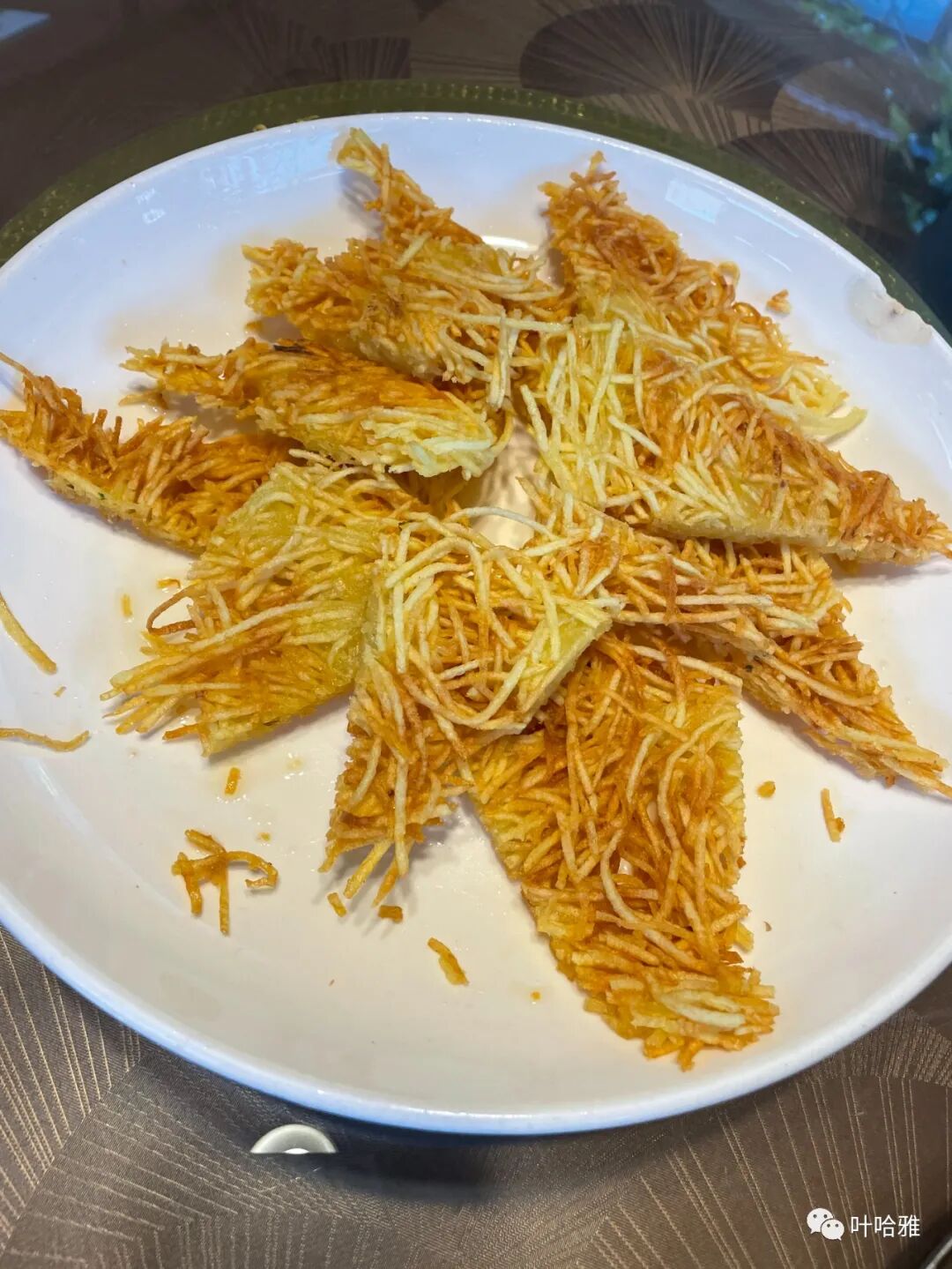
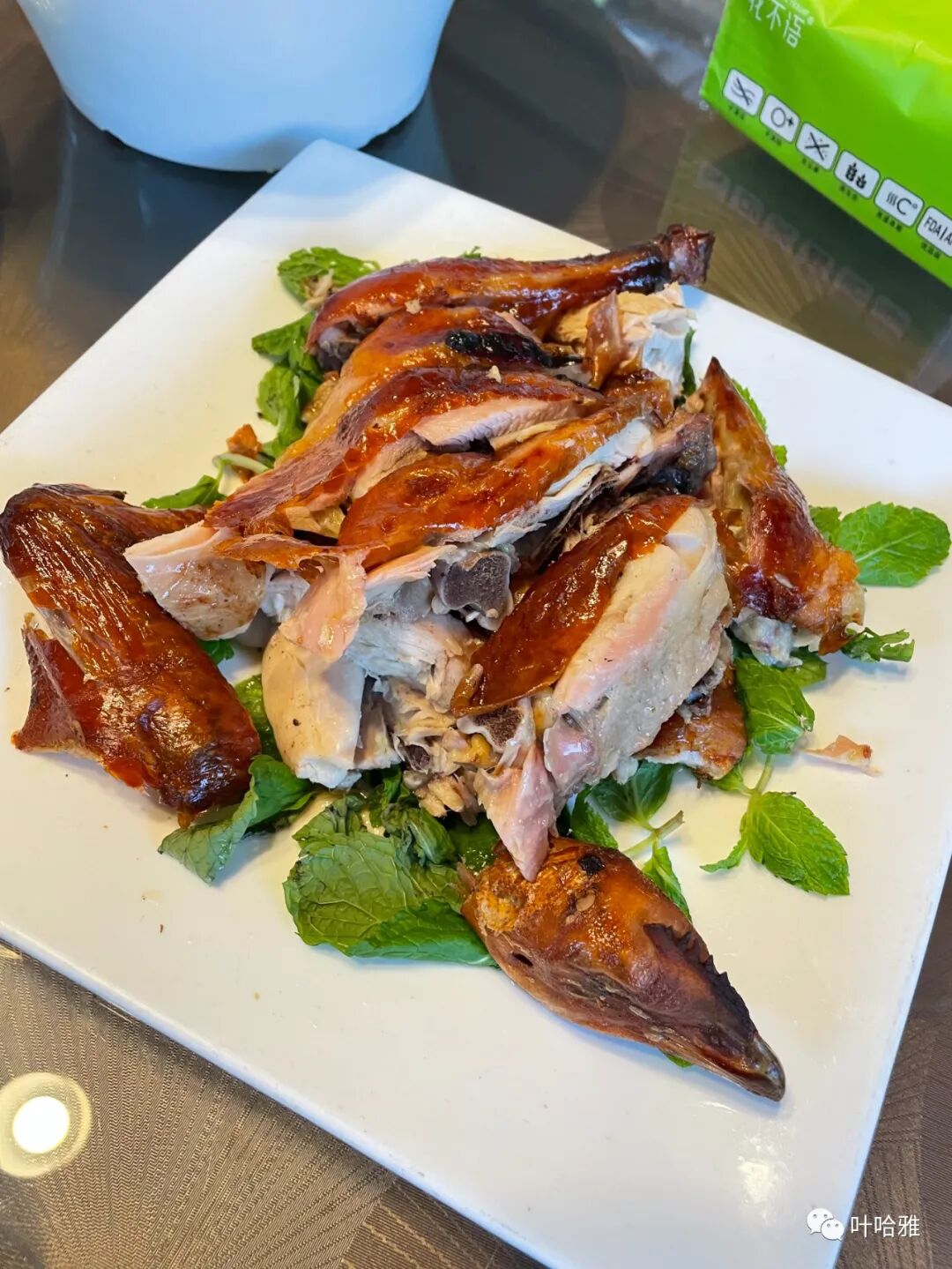
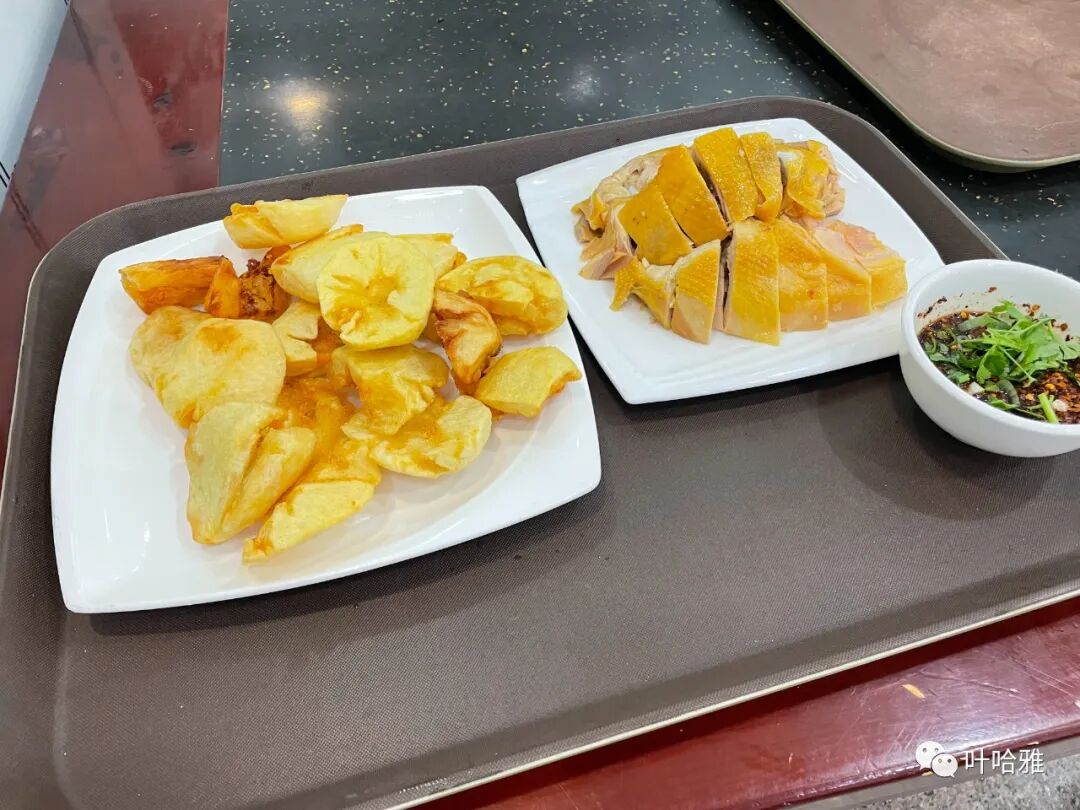
Roasted chicken and potato pancakes (yangyu bing) are specialties. The roasted chicken is tender and flavorful, and the potato pancakes are salty, fresh, and crispy.
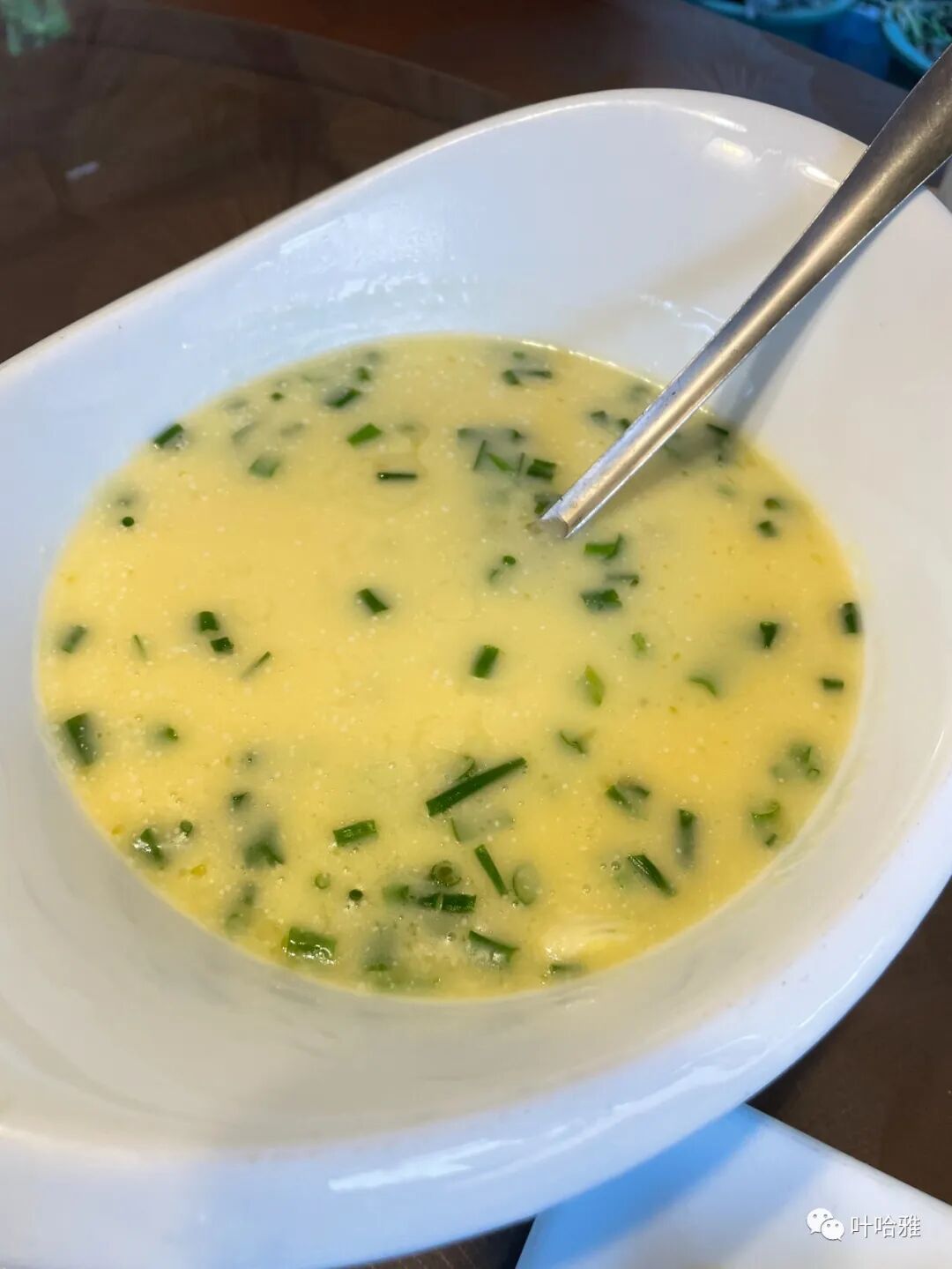
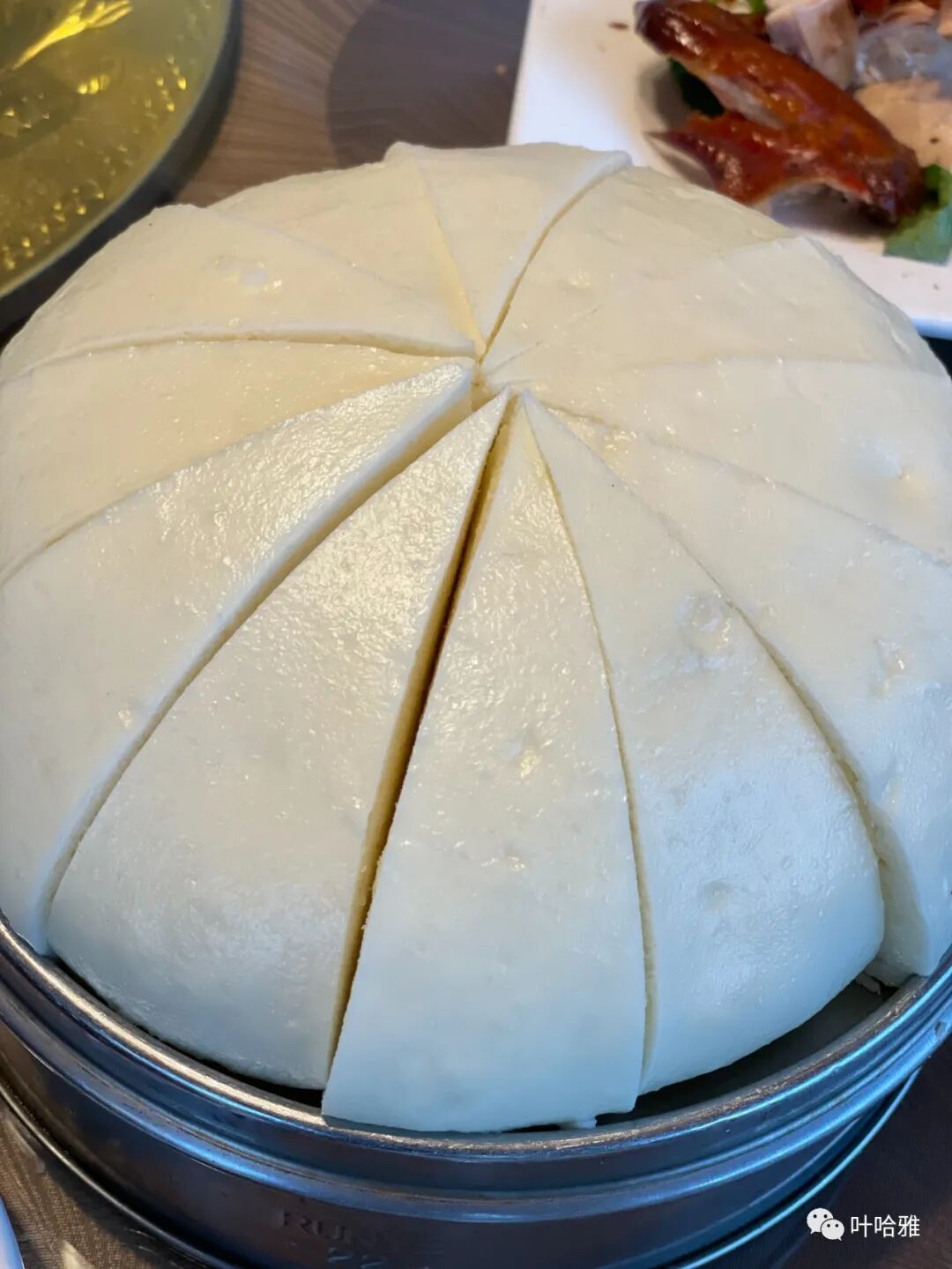
Thick pea porridge (xi doufen) and wheat flatbread (mai baba). Yunnan people call things like steamed buns baba. The wheat flatbread is very soft and fluffy, and it tastes great when dipped in the thick pea porridge to soak up the soup.
Jibao Beef Restaurant
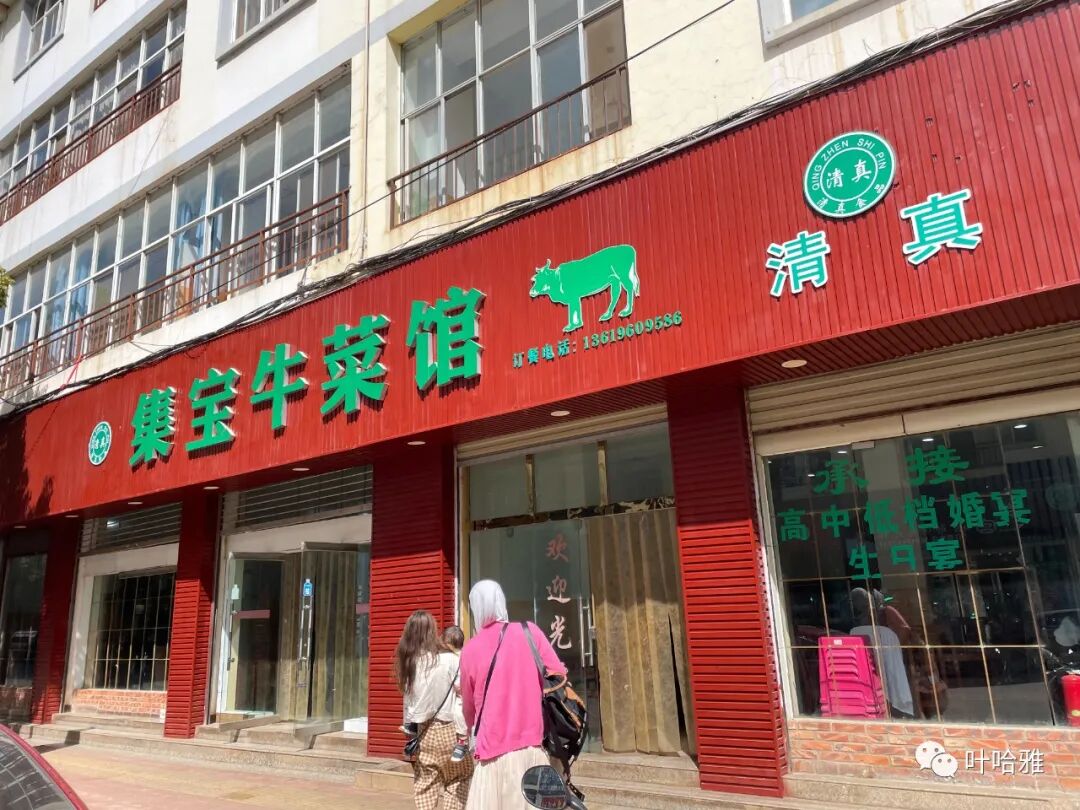
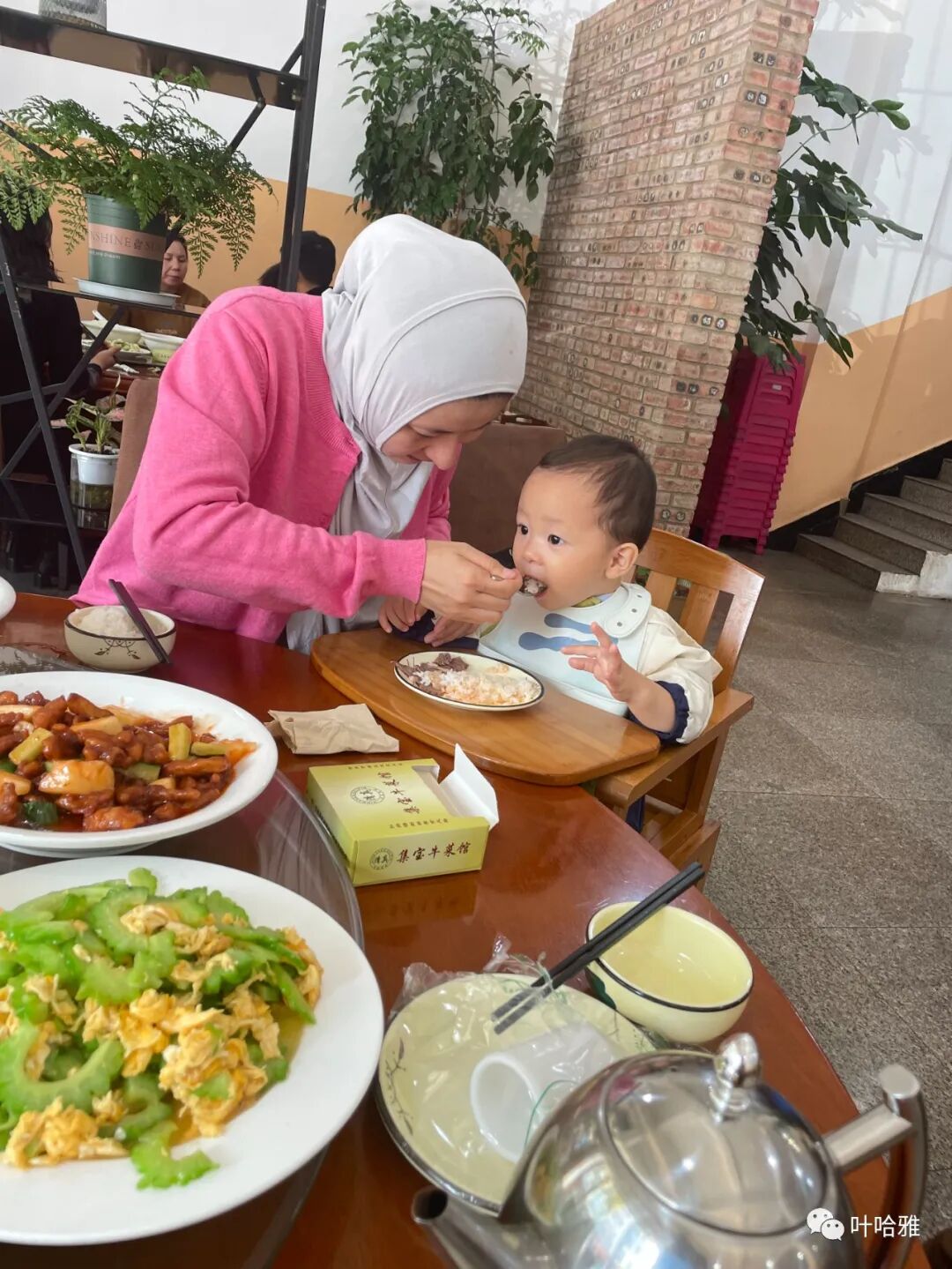
This is another hidden gem that locals love. People say you even have to wait in line at night because it is so popular.
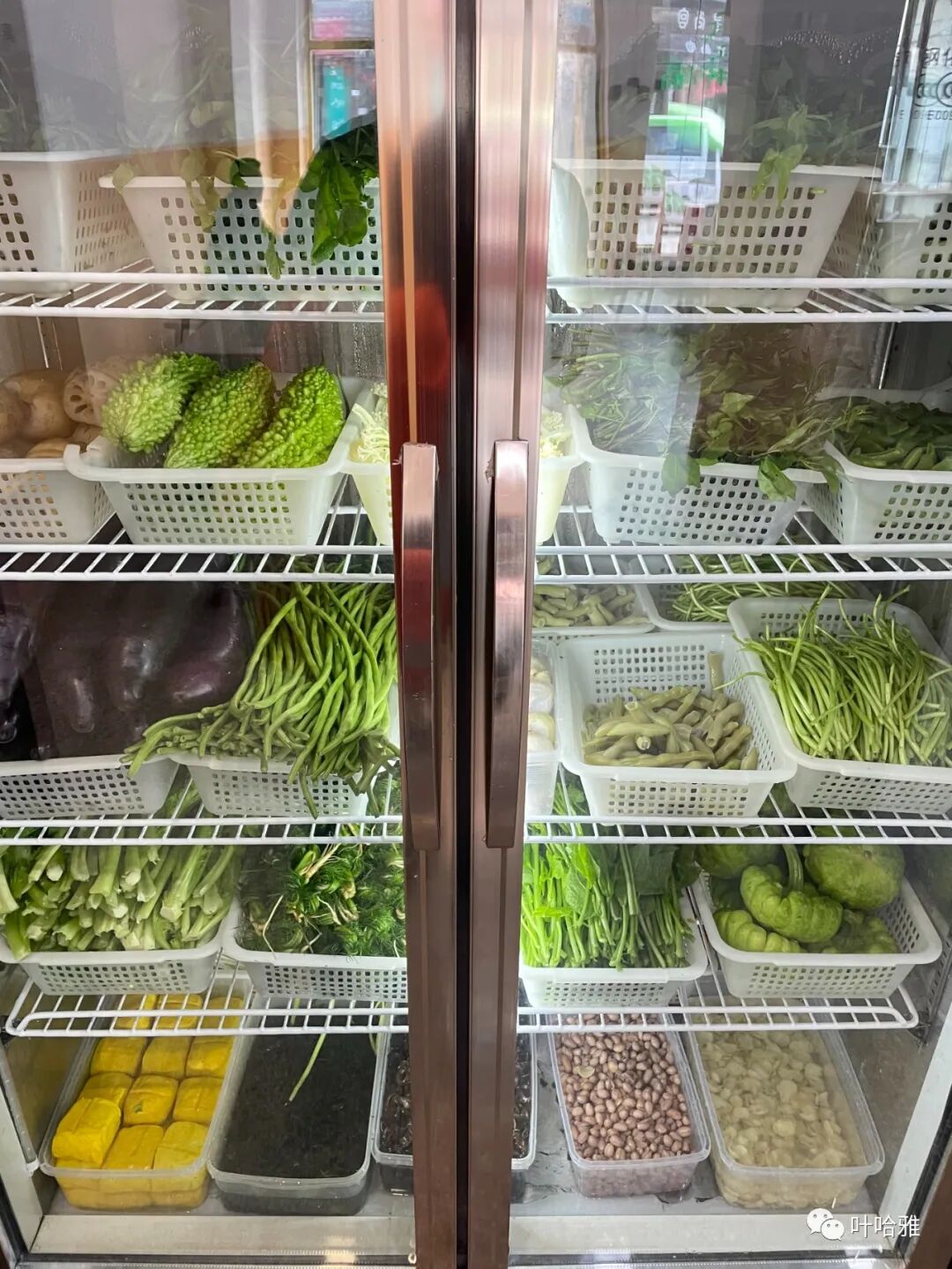
At this Yunnan-style restaurant, you pick your own vegetables. You choose from a variety of wild greens in the freezer, and the kitchen cooks them for you.
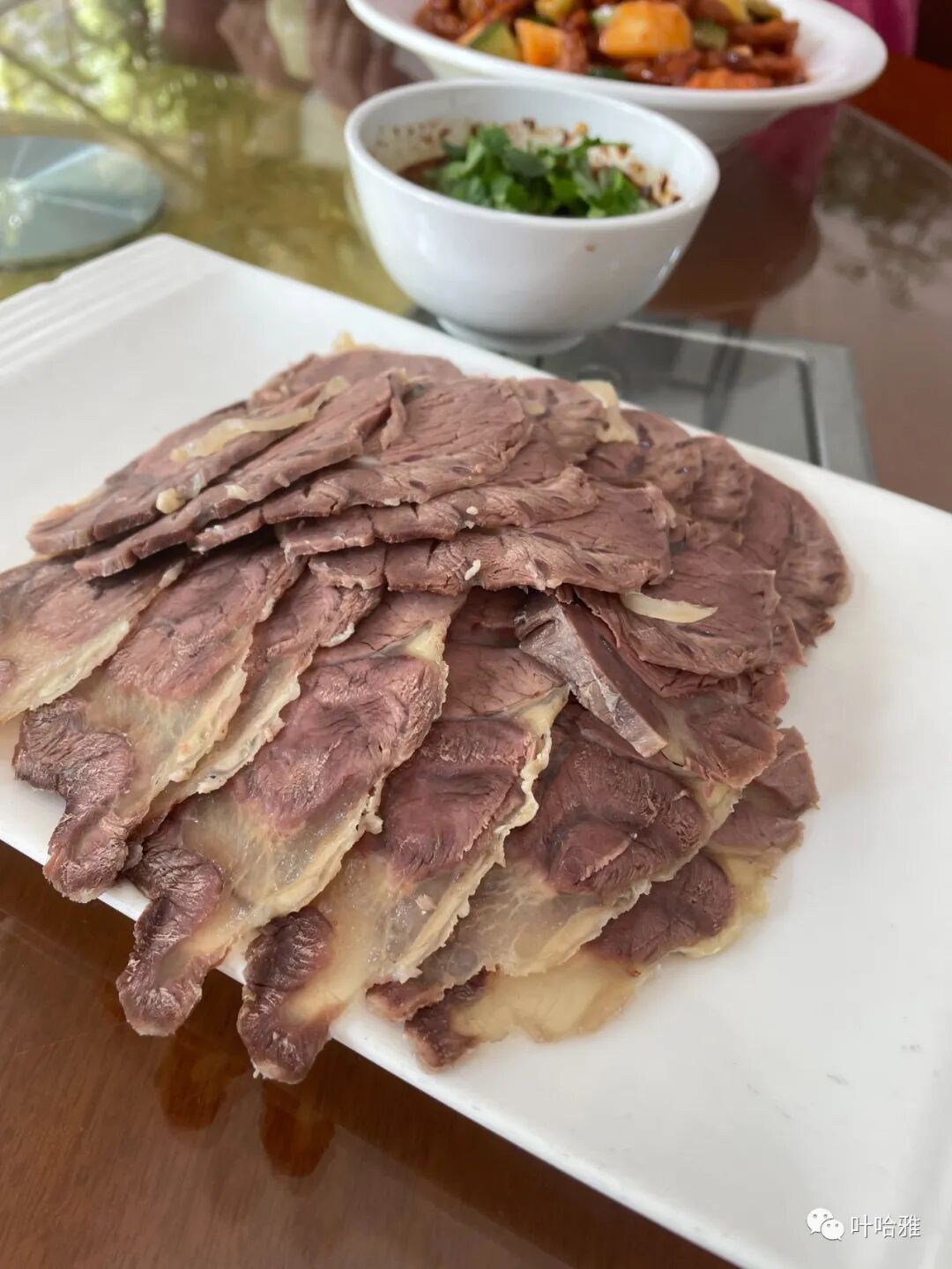
The cold sliced beef (liangpian) from Xundian is boiled in plain water and served with a spicy and sour dipping sauce.
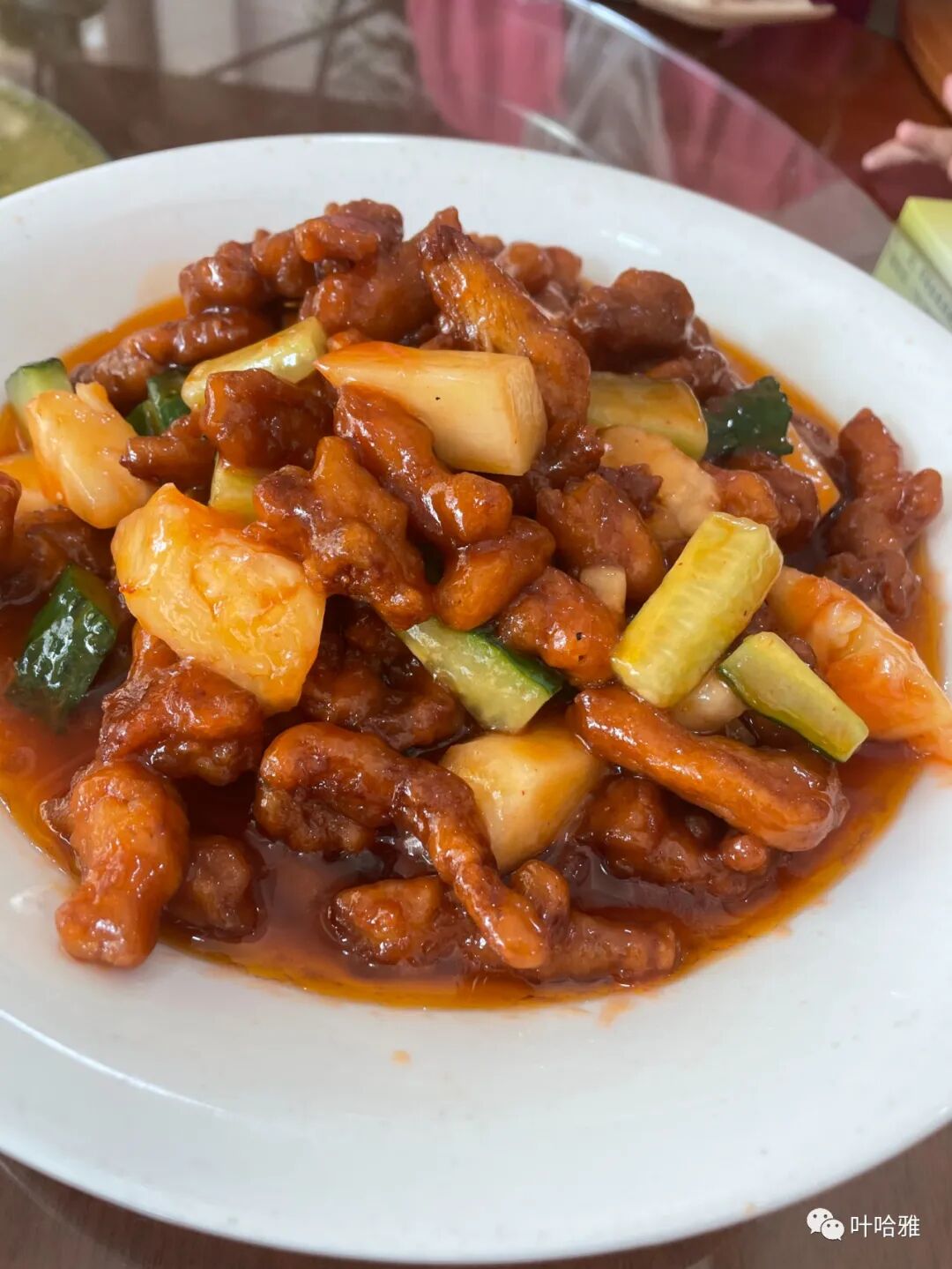
This sweet and sour pork tenderloin (tangcu liji) is made with pineapple and is mainly served to help children eat their rice.
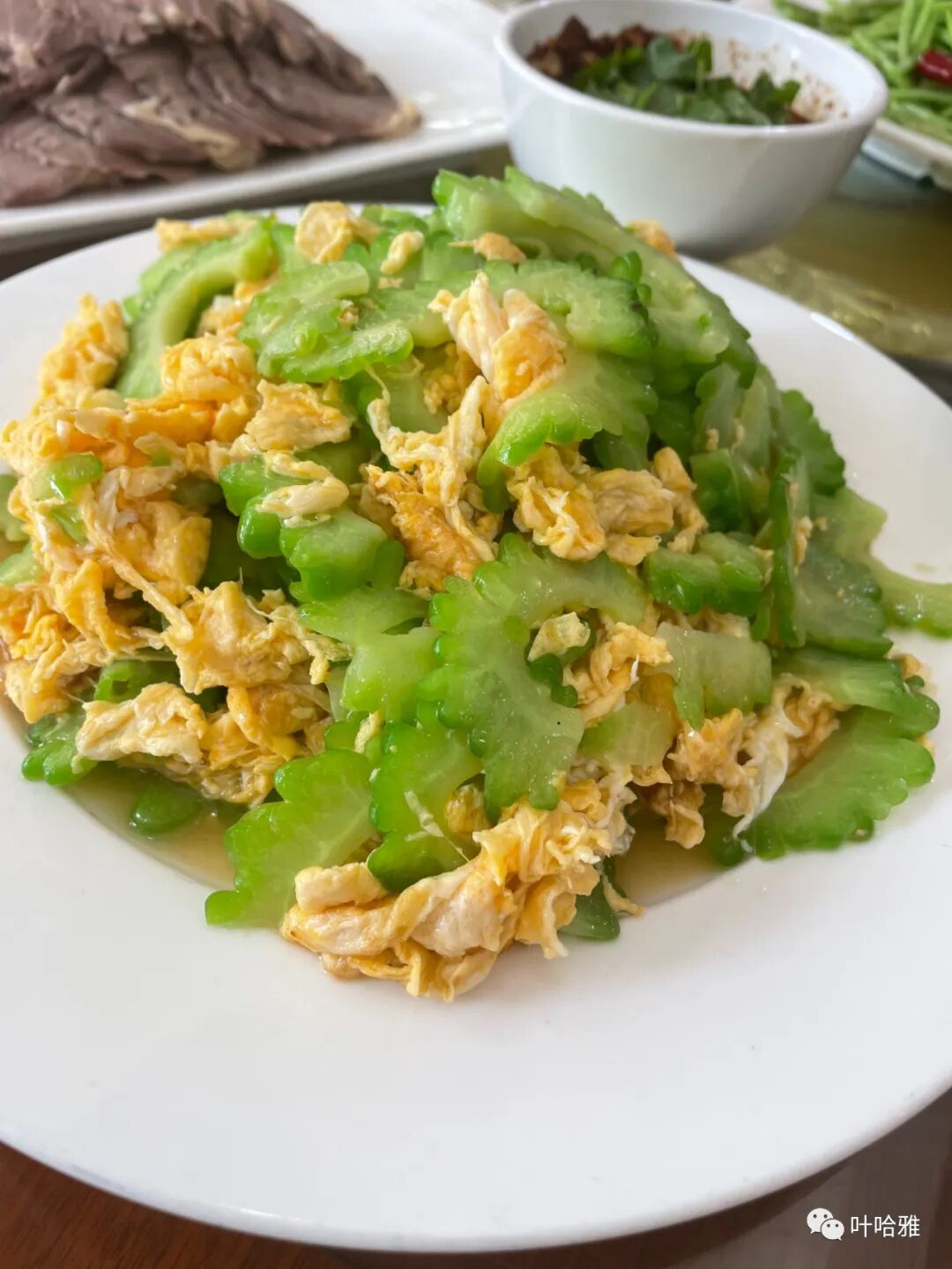
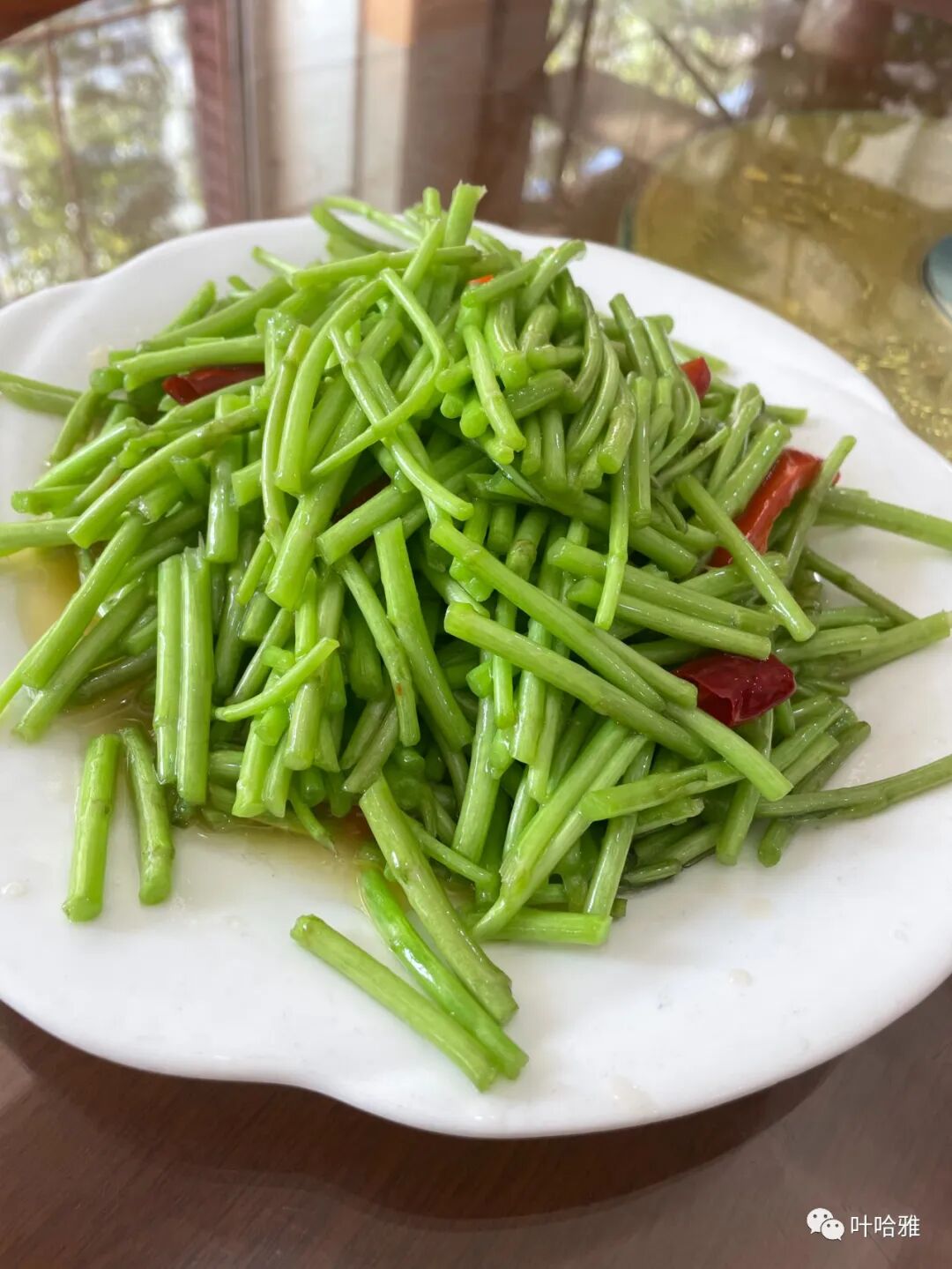
Yunnan bitter melon is delicious, and I enjoy the bitter taste.
Kedu Town
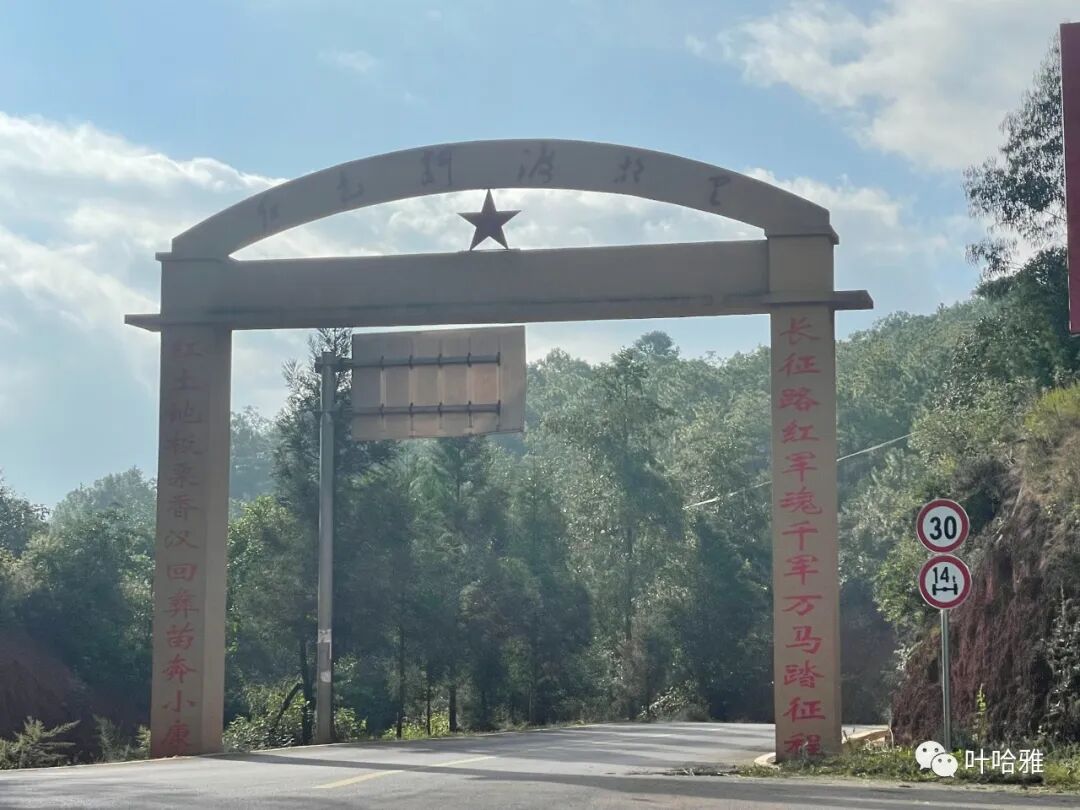
The road to Kedu Town is a winding mountain path. Because it is a red tourism town, the government pays close attention to it, so the road nearby is well-maintained and not too difficult to drive. Just watch your speed, and expect the drive to take at least an hour and a half.
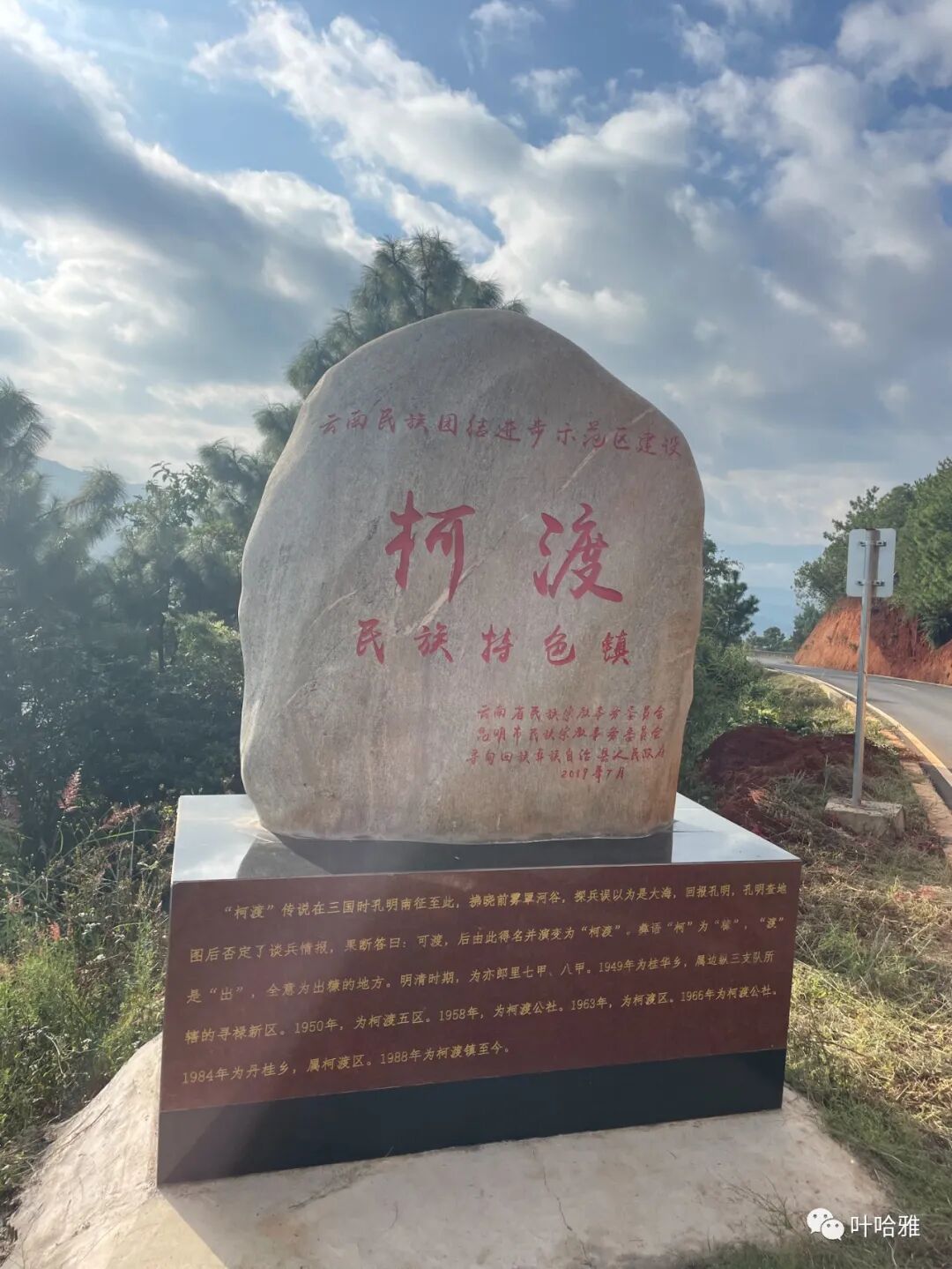
The town is deep in the mountains with nice scenery. Most of the paths the Red Army took during the Long March were these kinds of remote mountain roads.
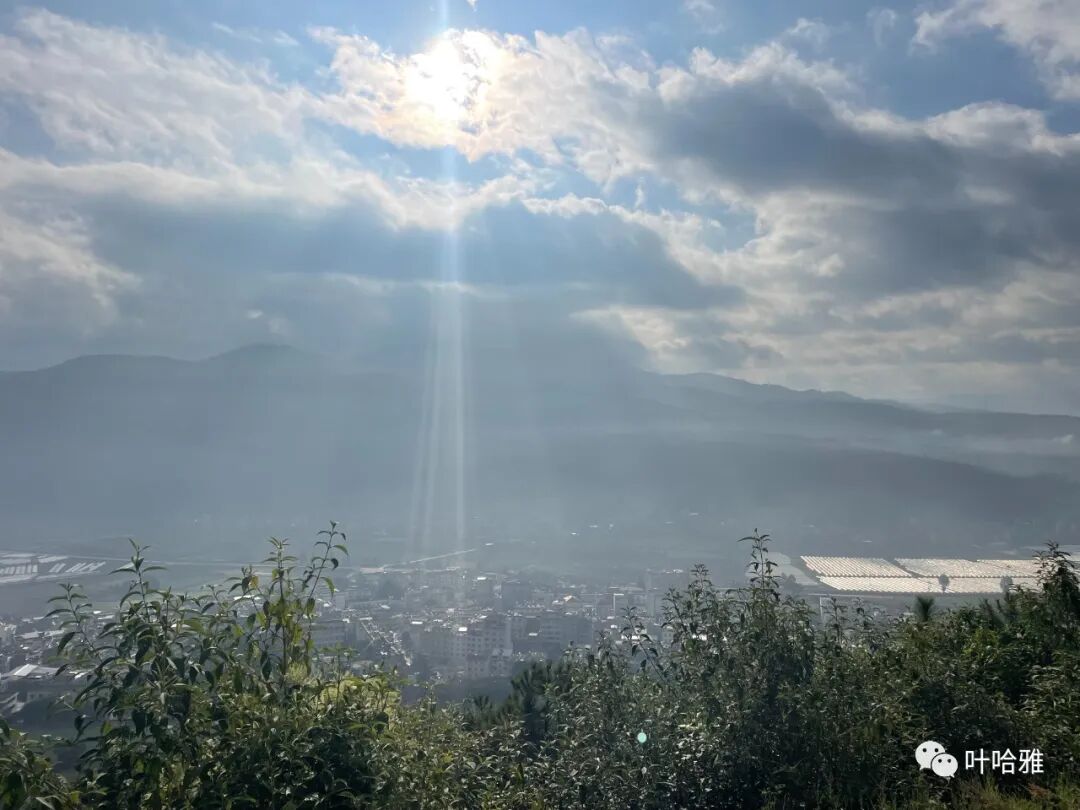
Dangui Red Army Village
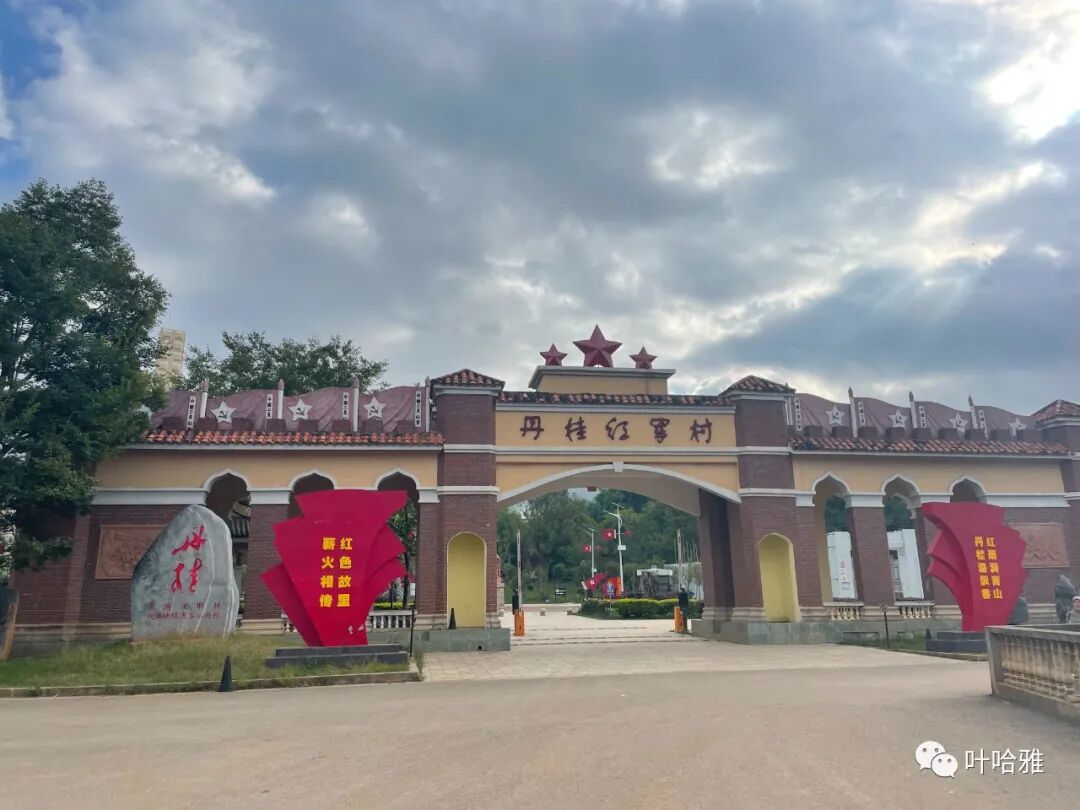
The Red Army Long March Memorial Hall in Dangui Village is open to the public for free.
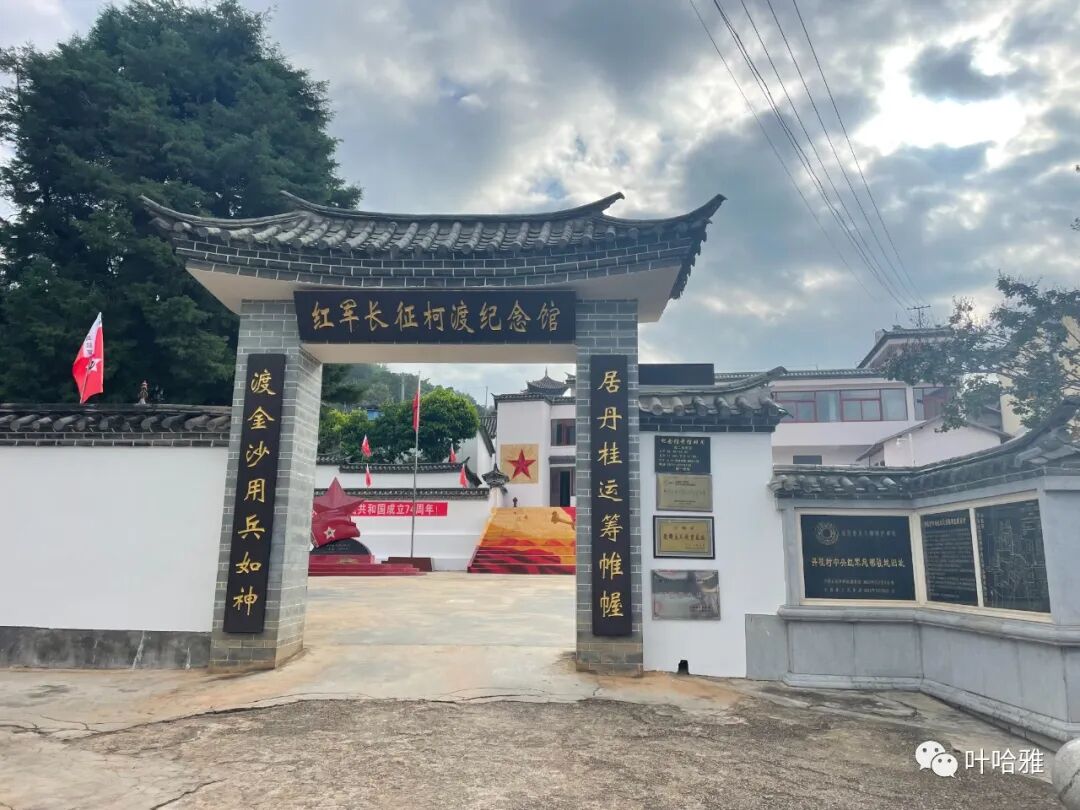
The Party could not have gained national power without the support of ethnic minorities. The relationship between Chinese Muslims and various Chinese regimes throughout history is the same. Whenever they stayed in line with the central government, they developed; otherwise, they suffered major setbacks. You can refer to the book 'Chinese Regimes and Islam Throughout History' for details.
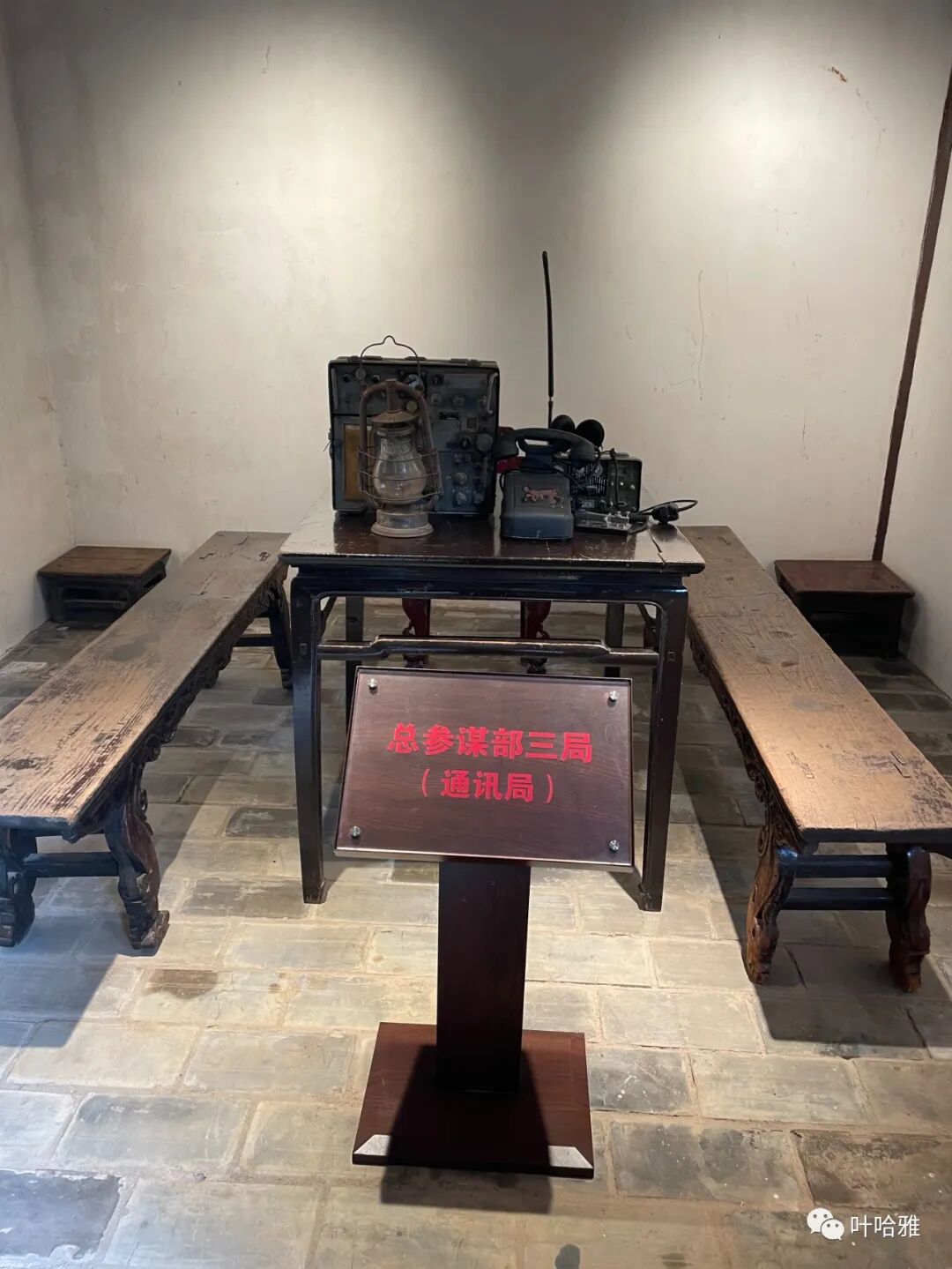
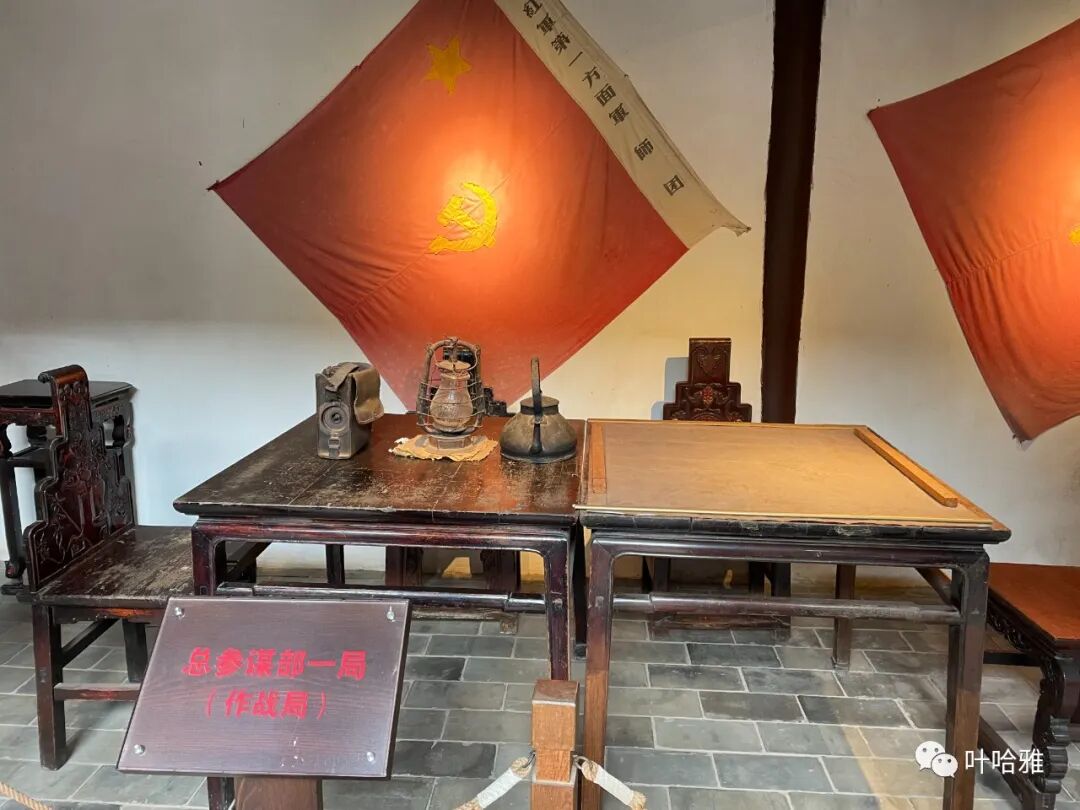
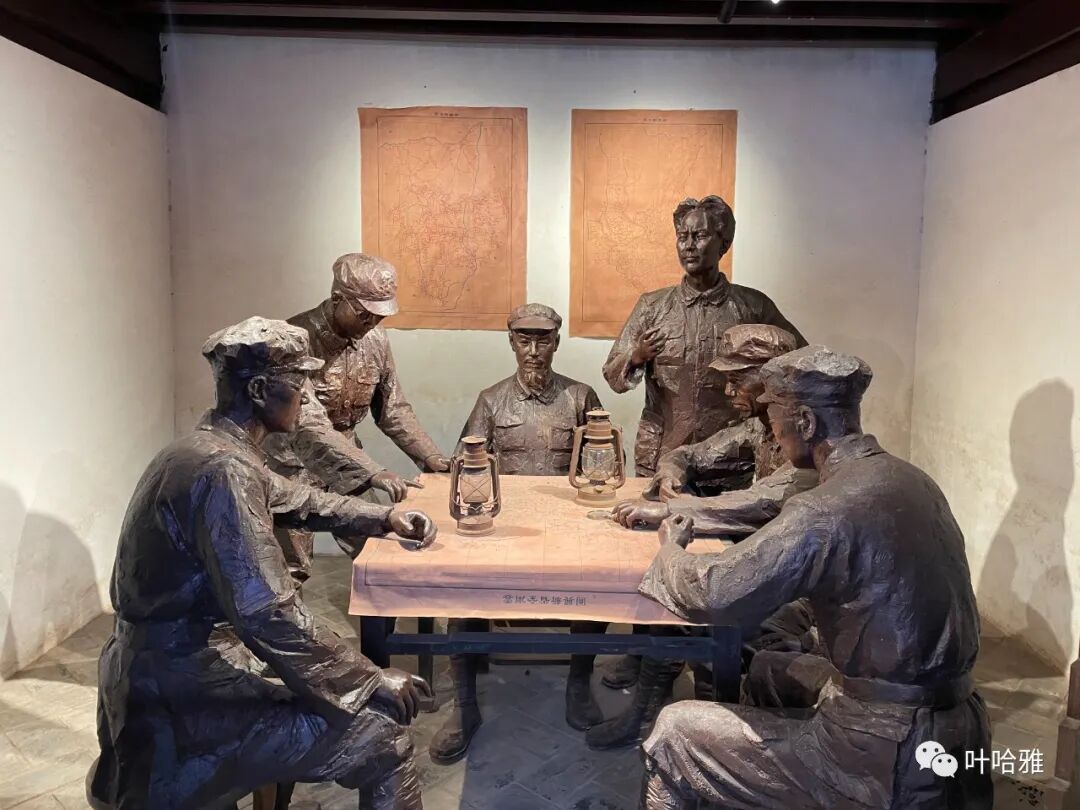
Because the Party's founding members were treated well by ethnic minorities during difficult times, they had a positive view of them, which led to the ethnic minority policies established after the founding of the country.
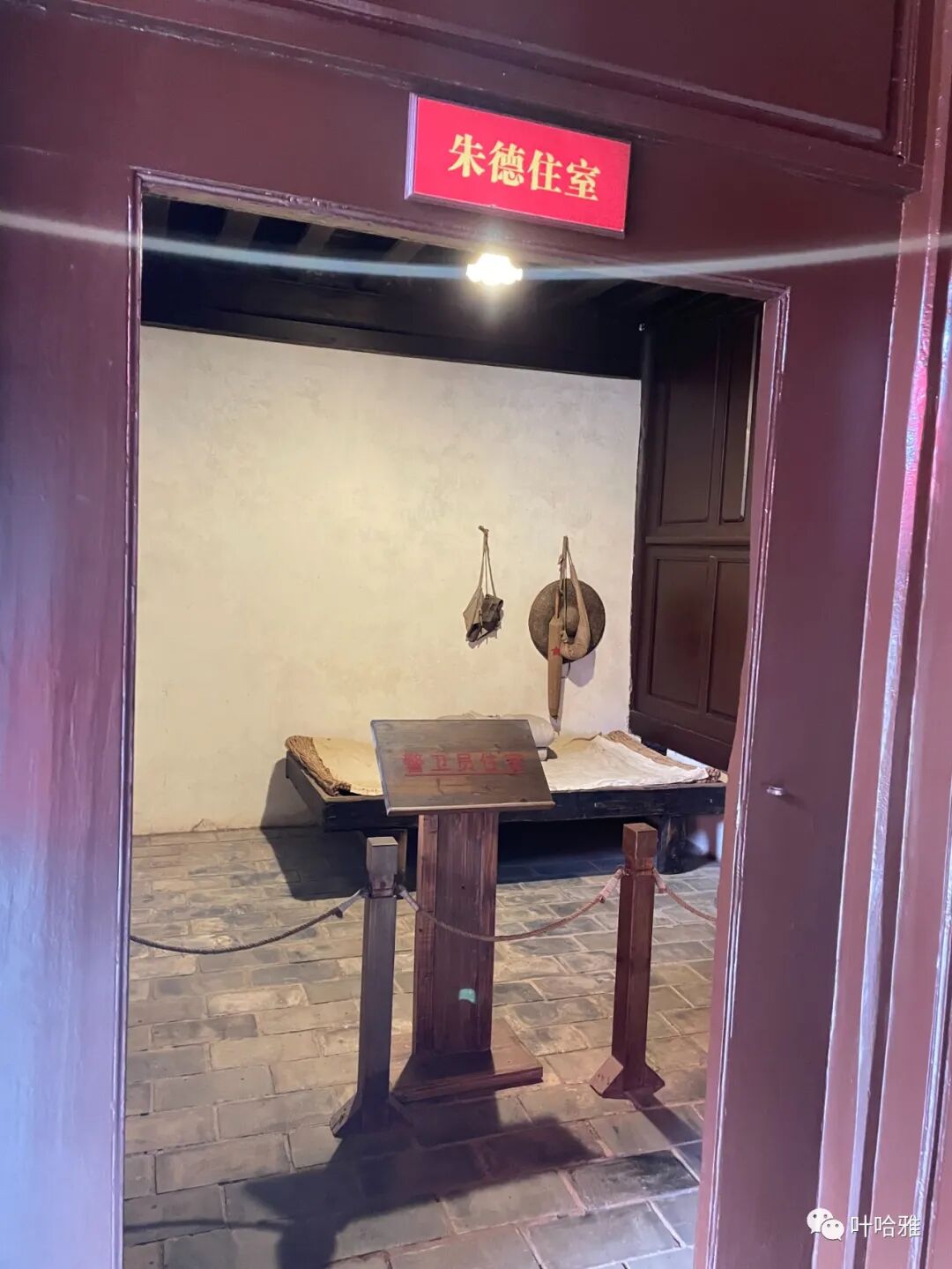
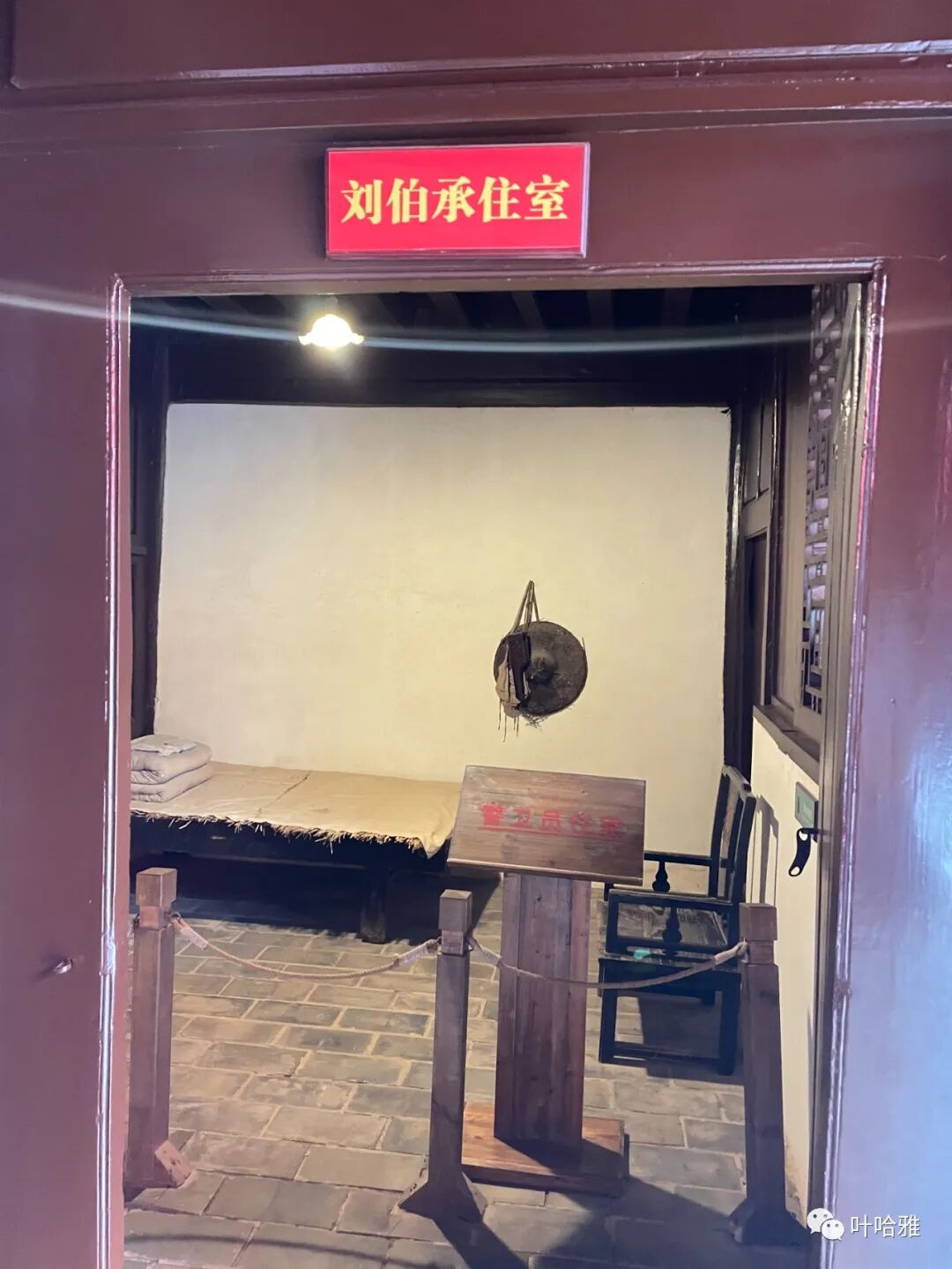
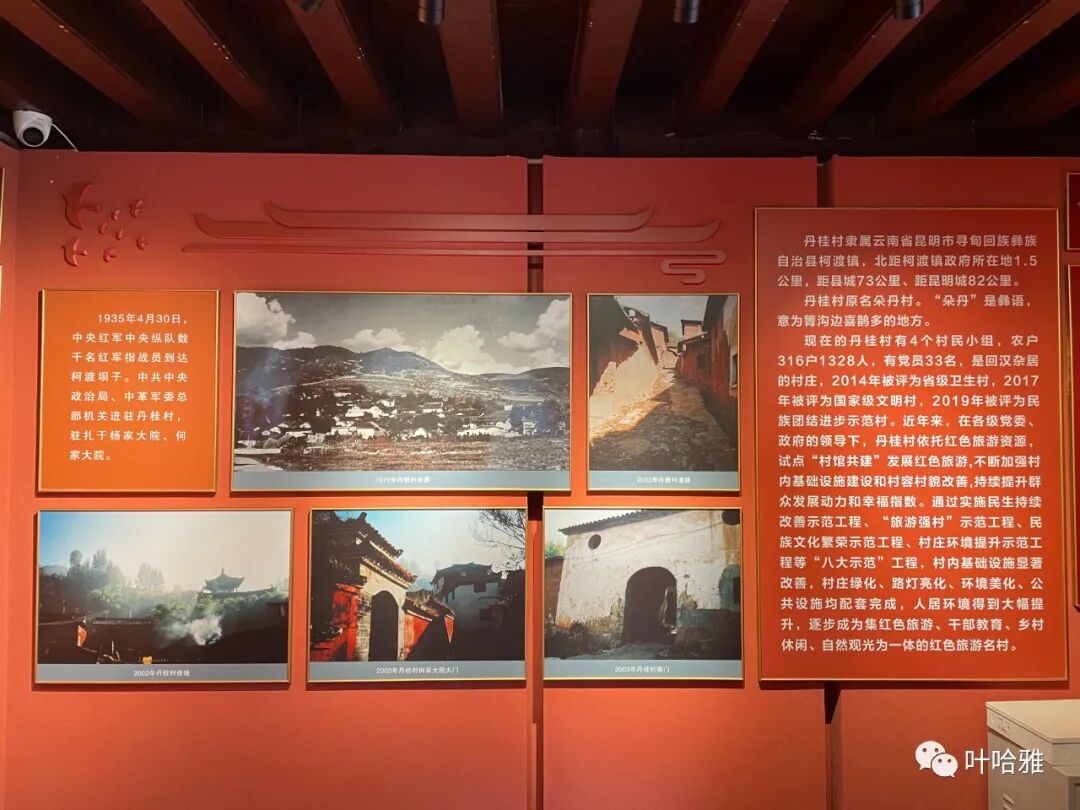
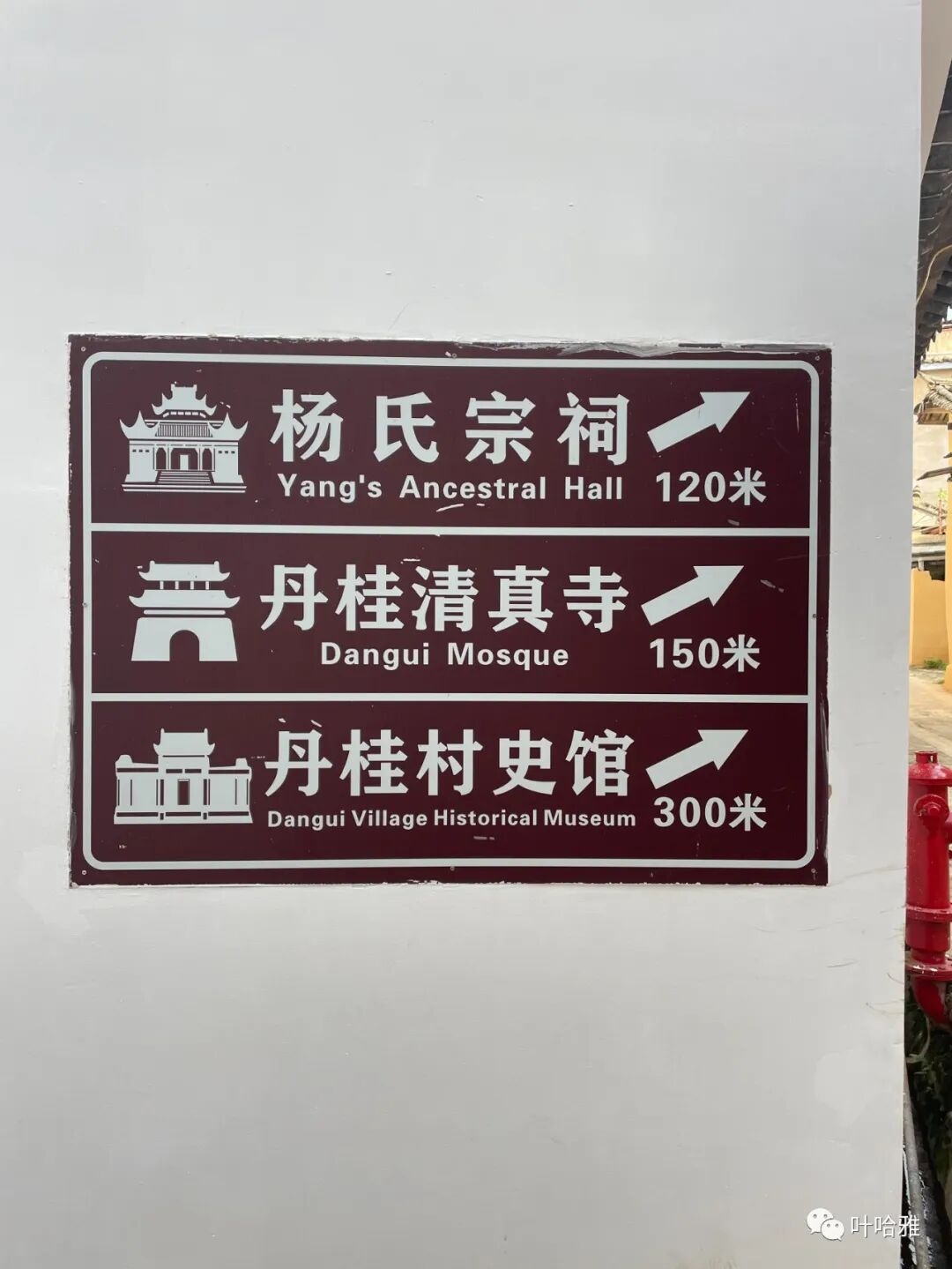
The red halal restaurant in the village is called Huadamen Restaurant.
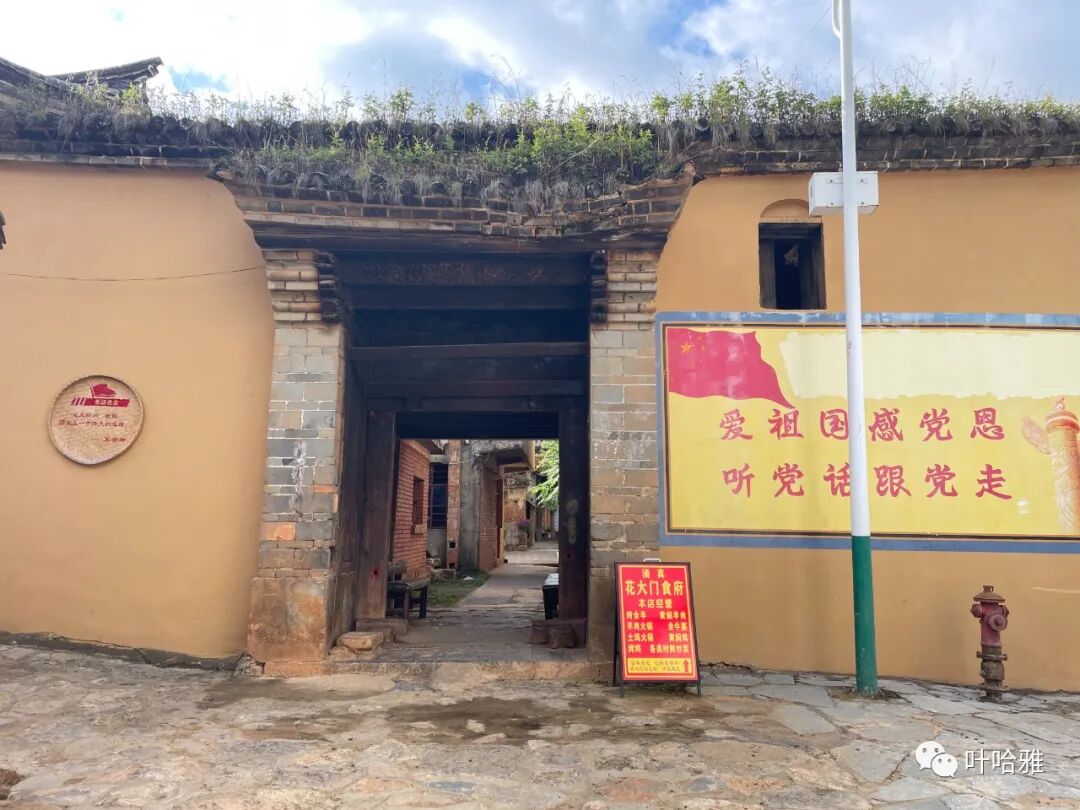
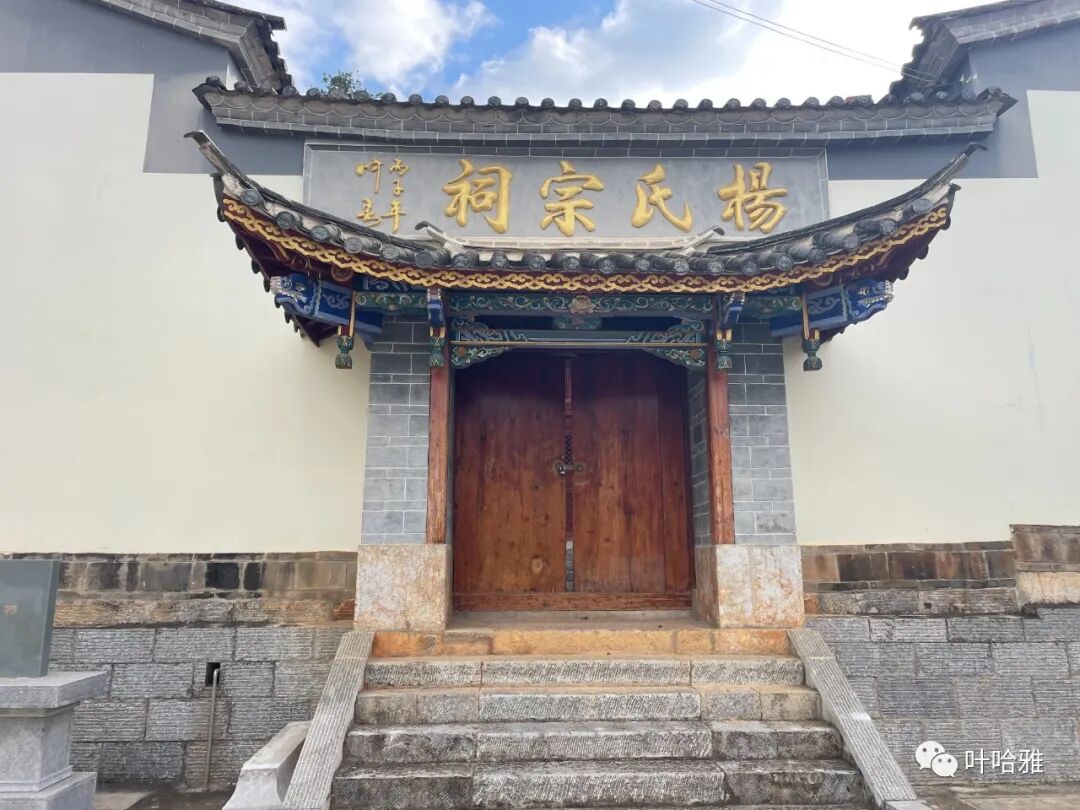
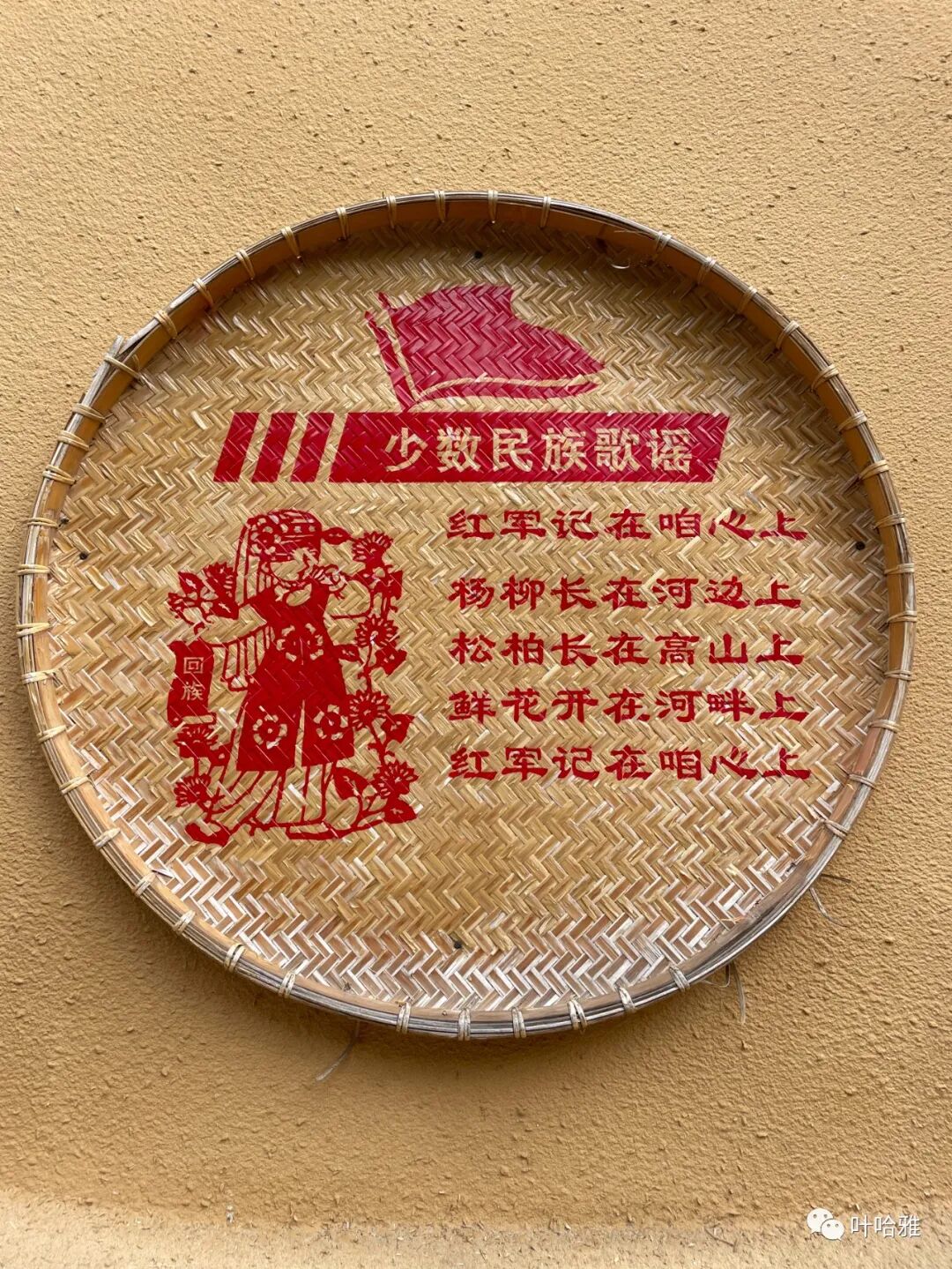
The village walls are decorated with folk songs from Hui Muslims and other ethnic minorities, all praising the Red Army.
Dangui Mosque.
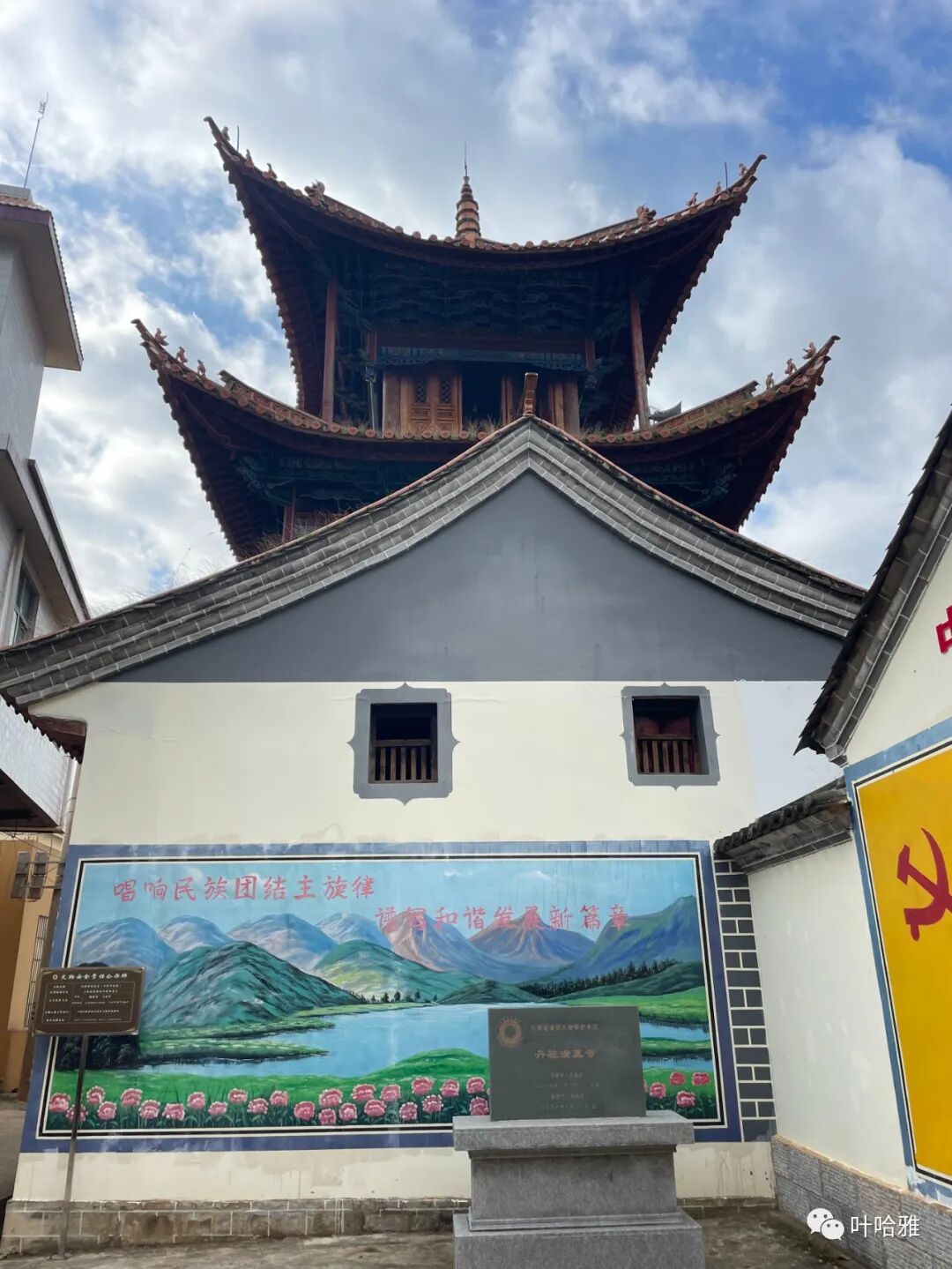
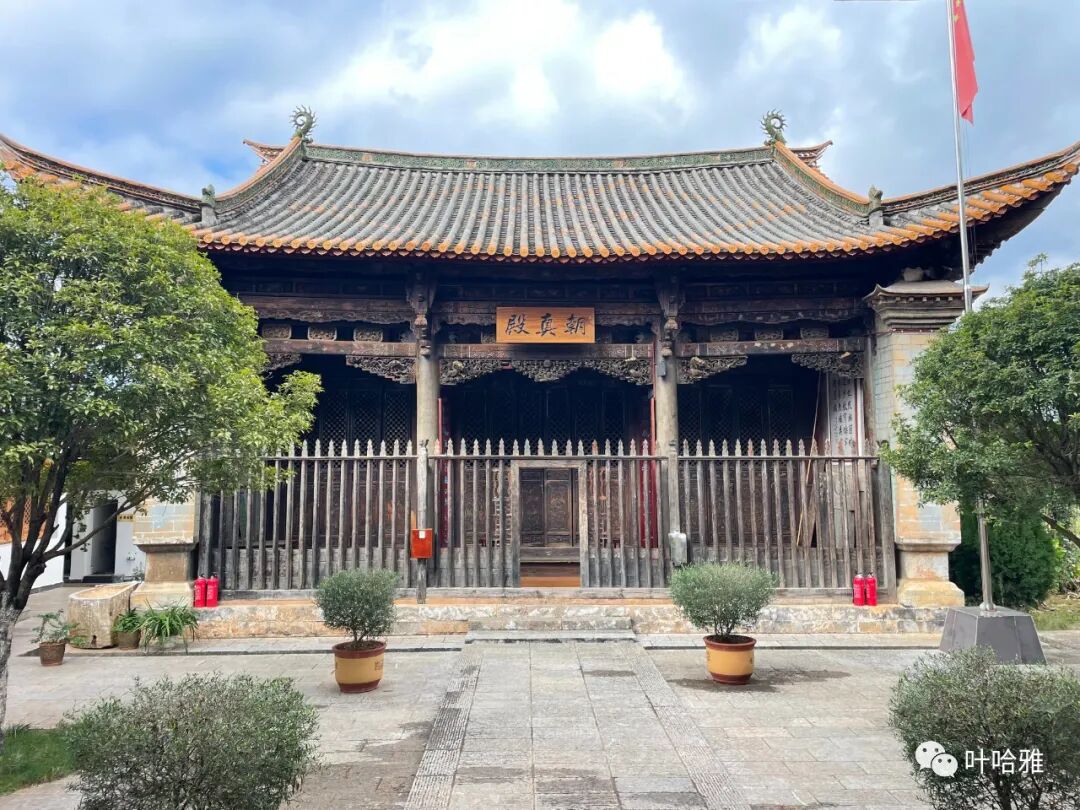
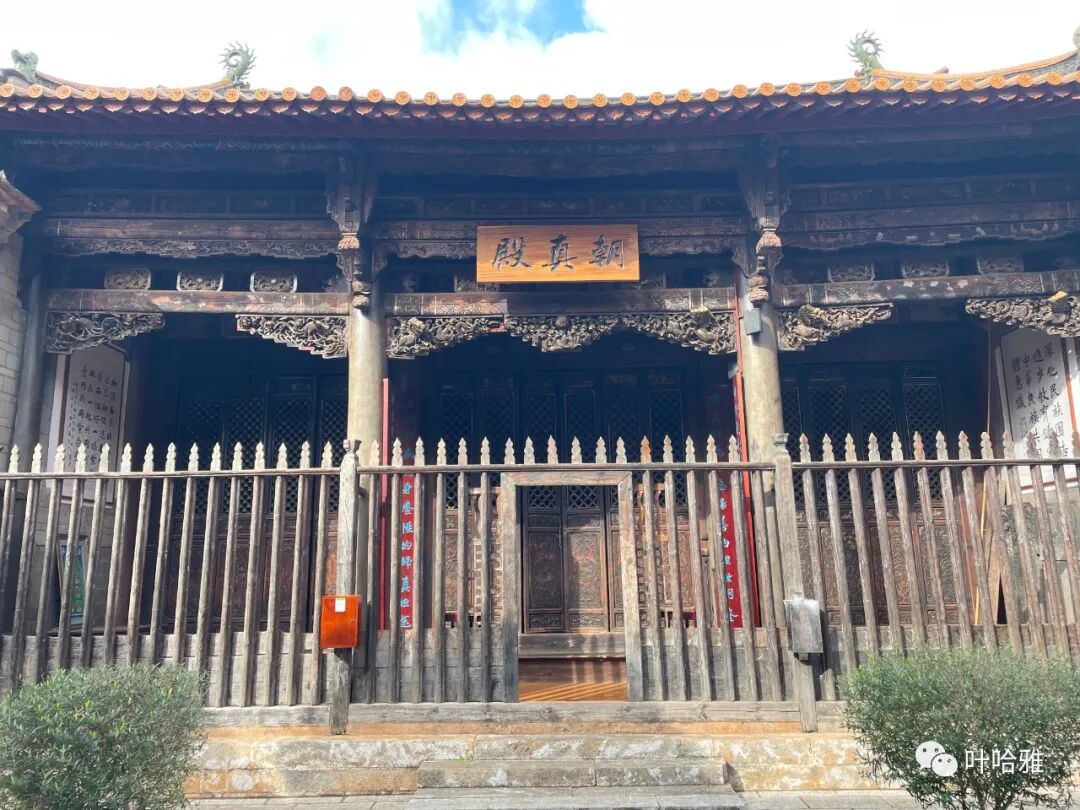
The founding date of Dangui Mosque is unknown, but it was renovated in the 22nd year of the Guangxu reign of the Qing Dynasty and is now a provincial-level cultural heritage site.
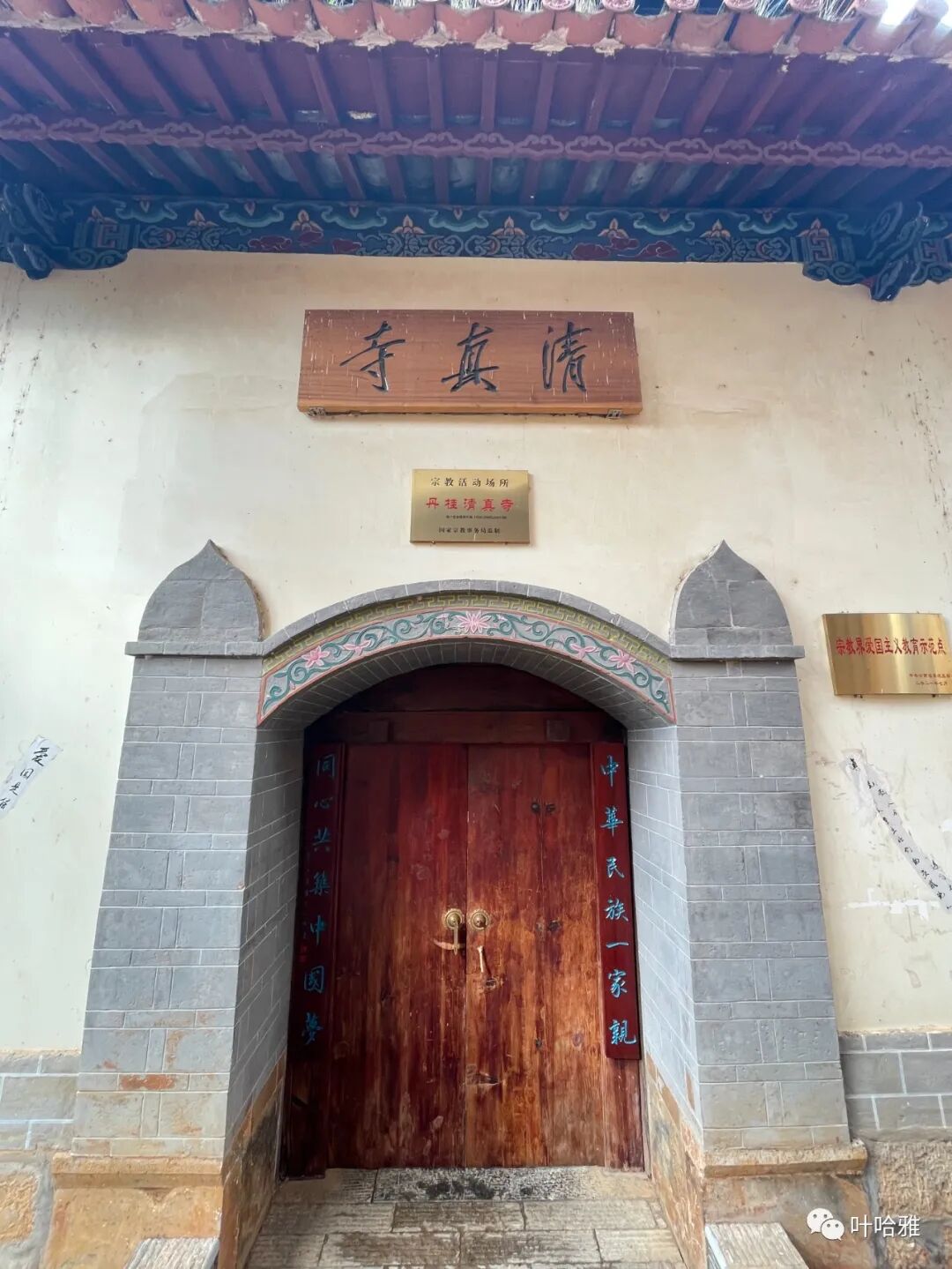
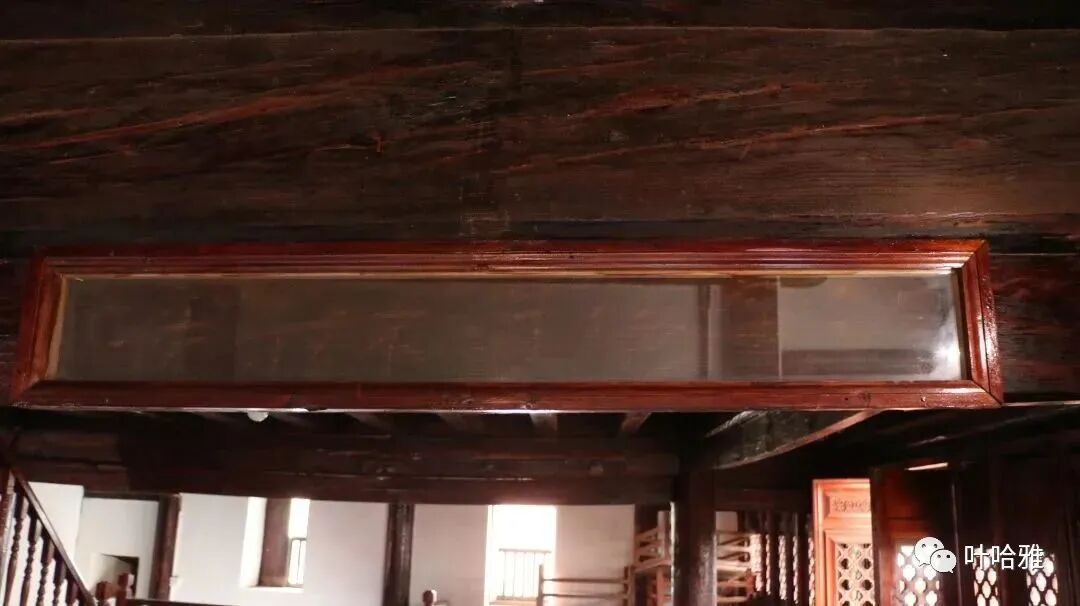
On the mosque's crossbeams, there is a slogan left by the Red Army that says, "The Red Army absolutely does not press-gang." This means they did not force men into military service.
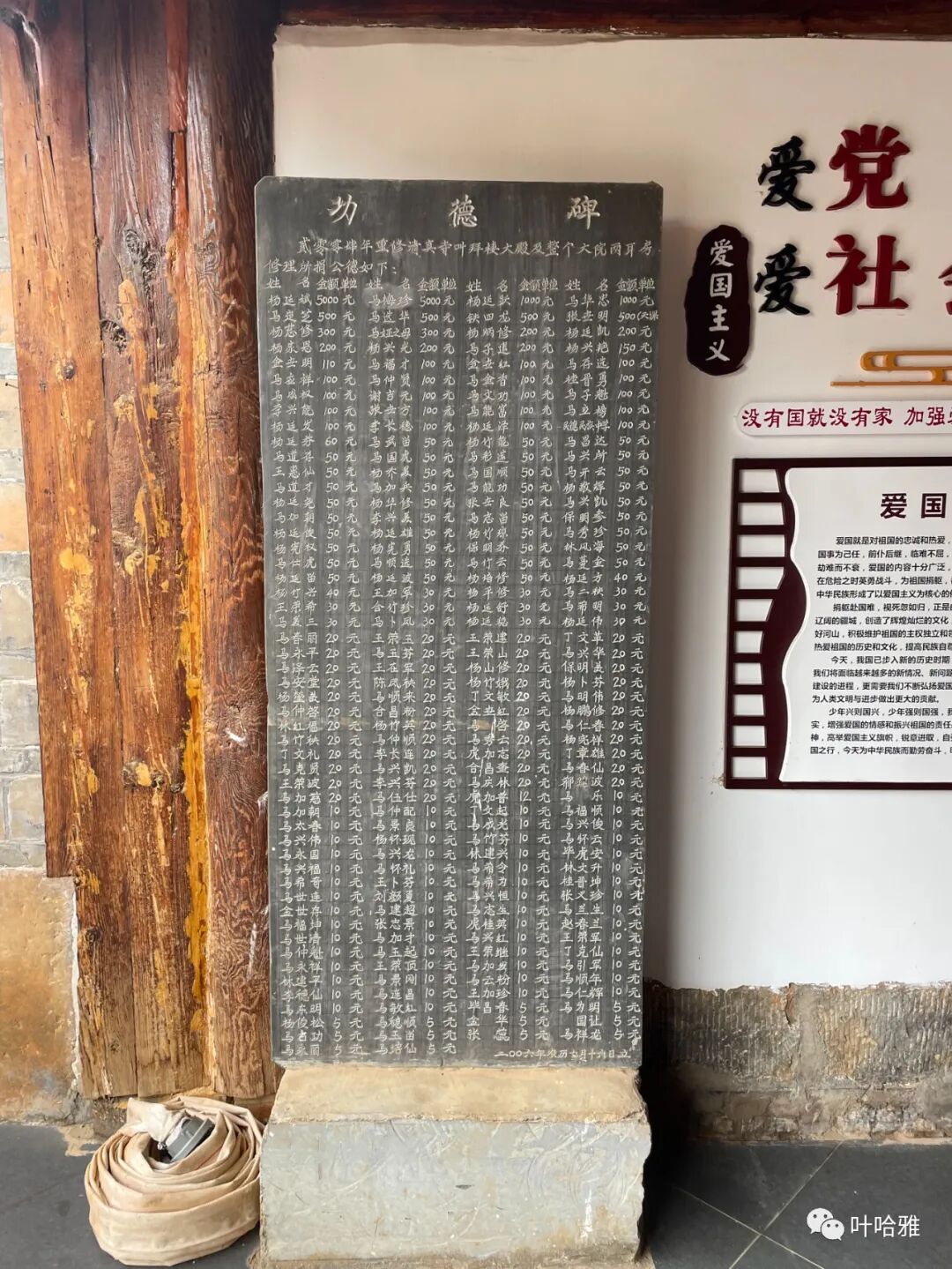
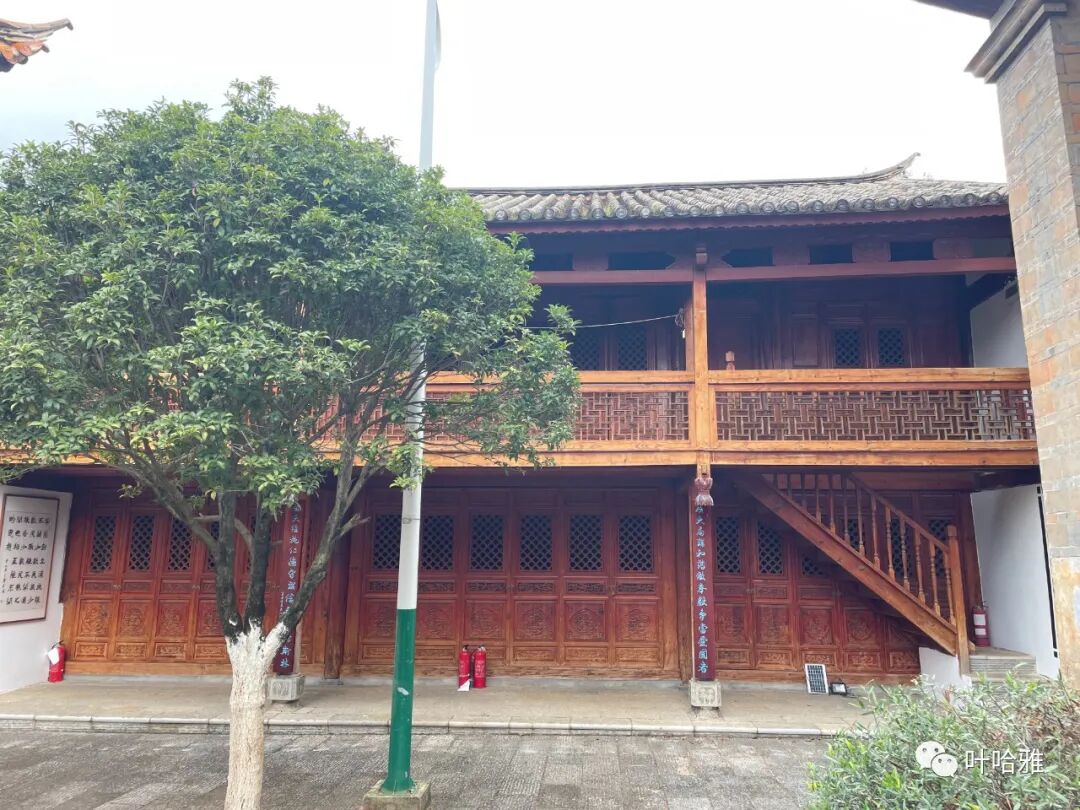
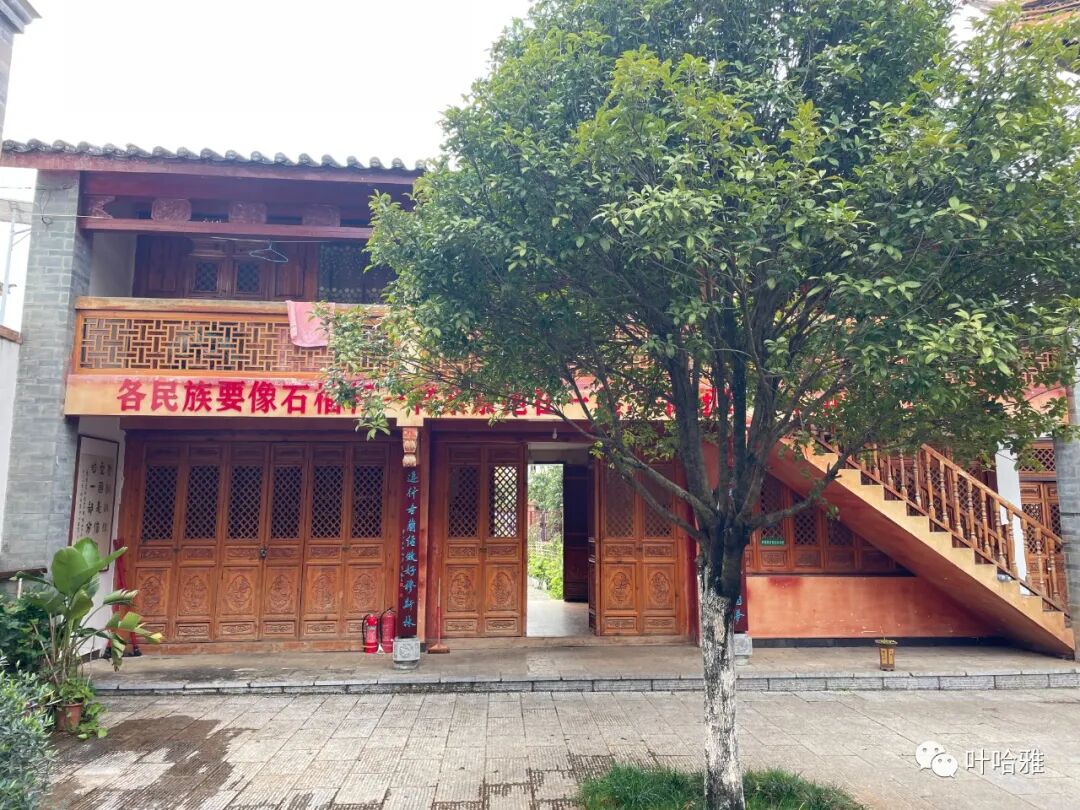
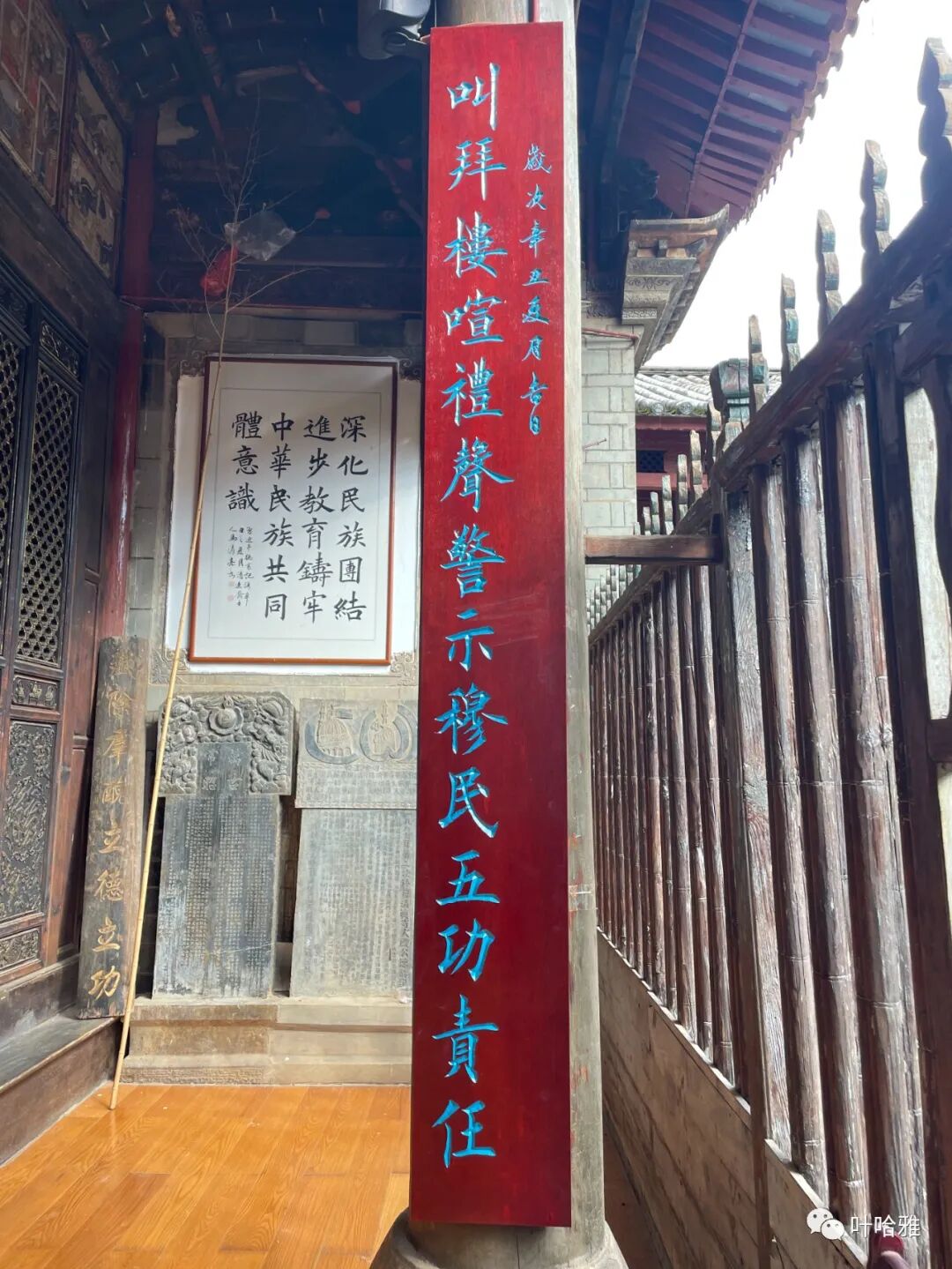
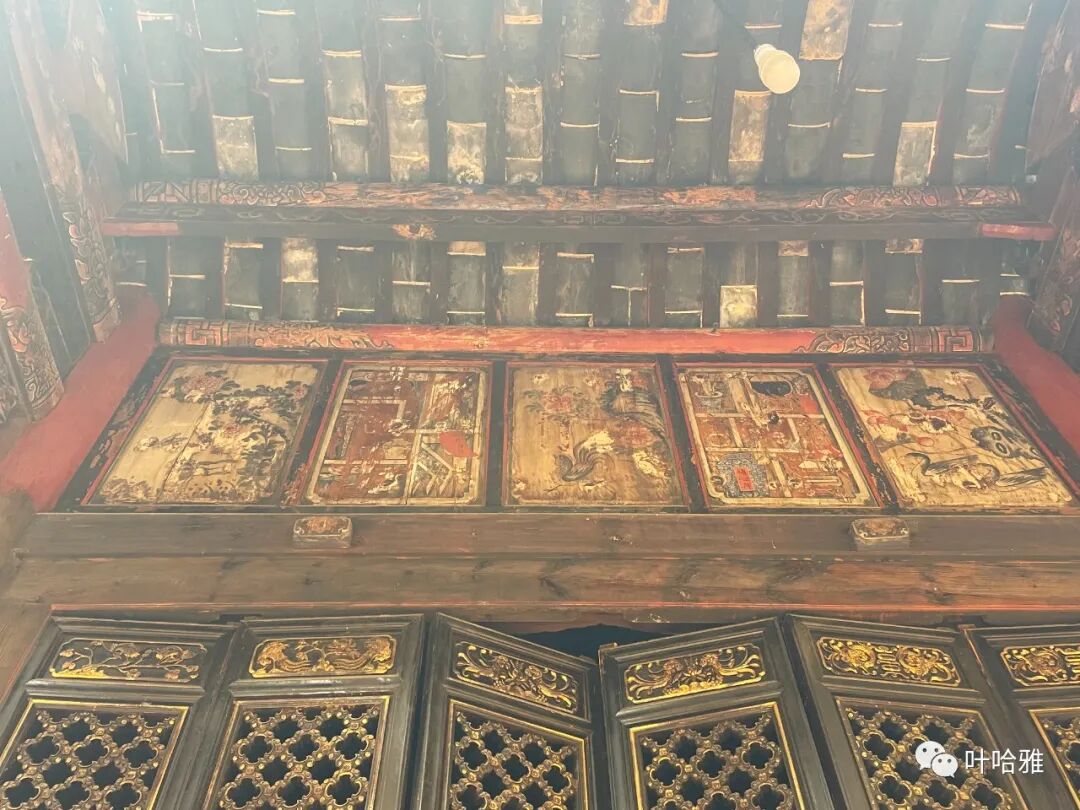
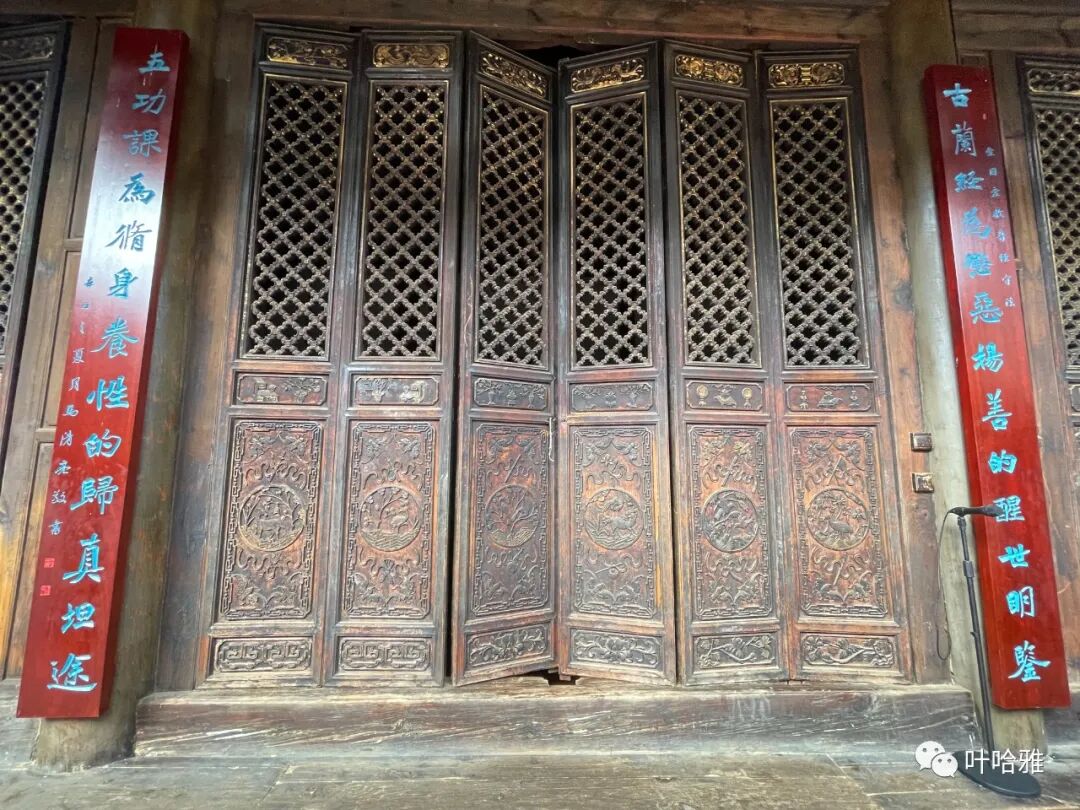
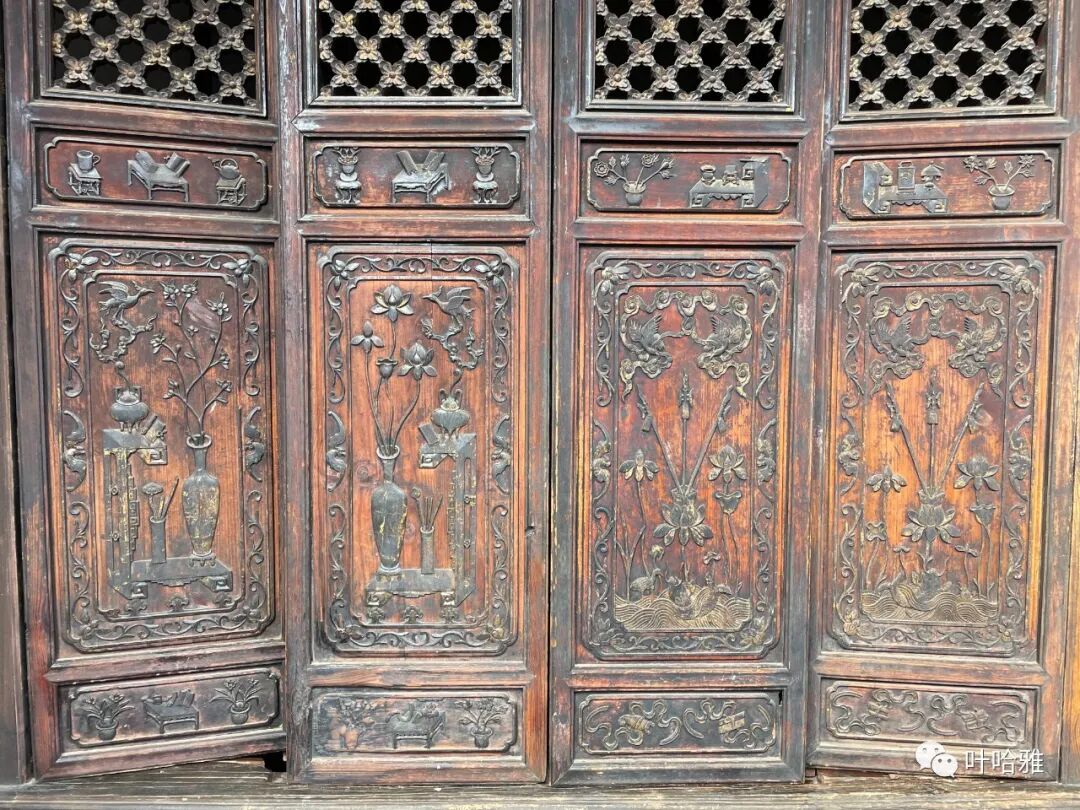
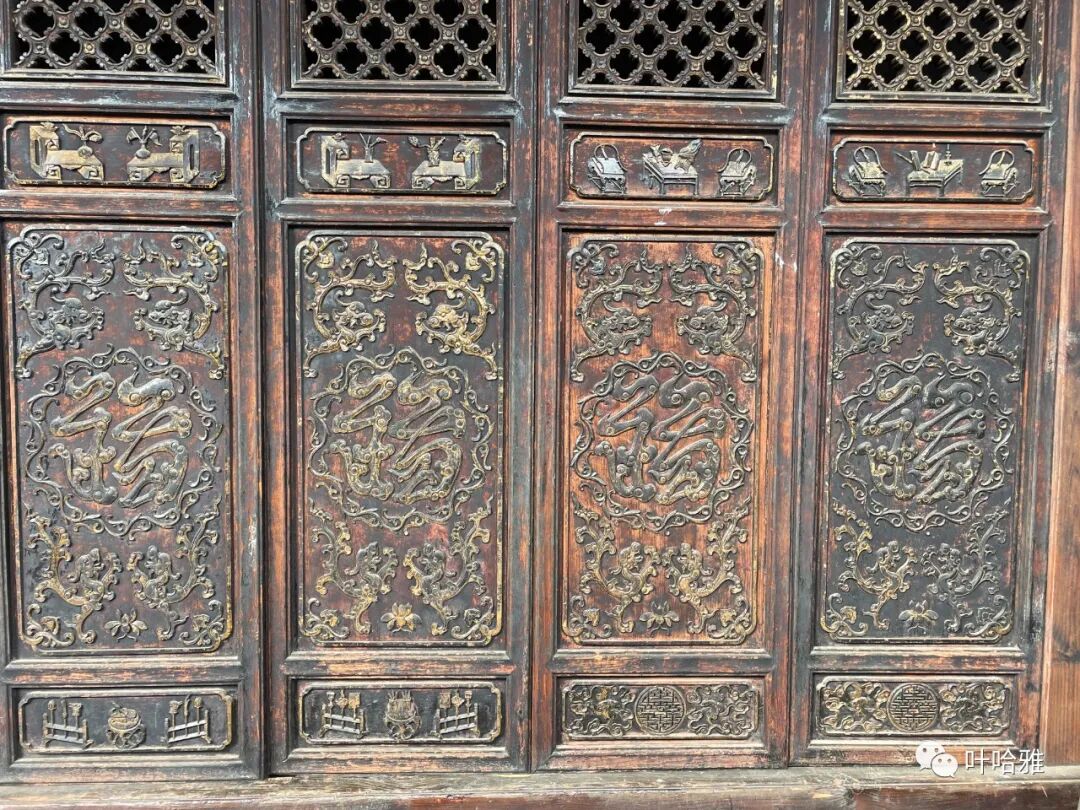
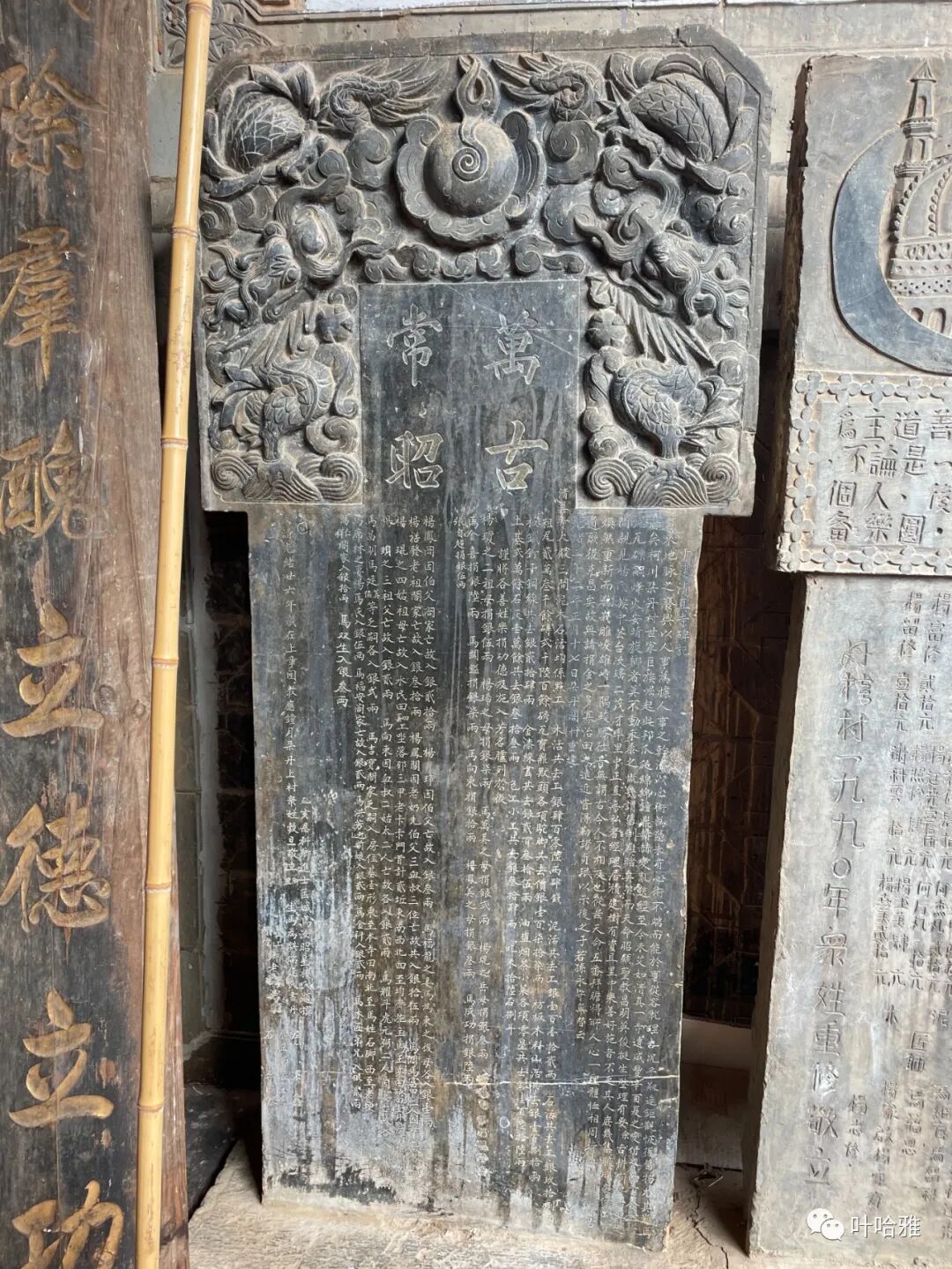
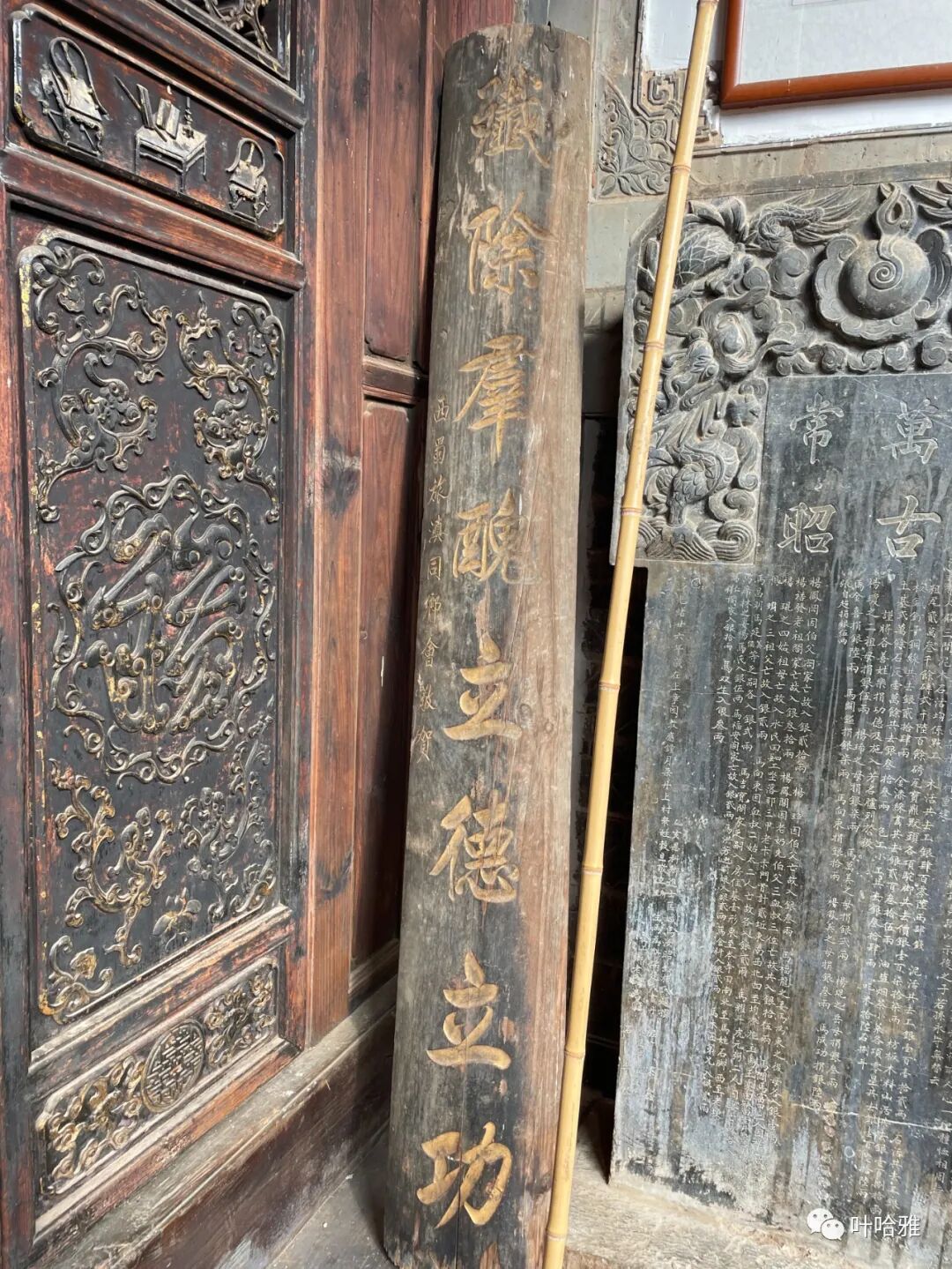
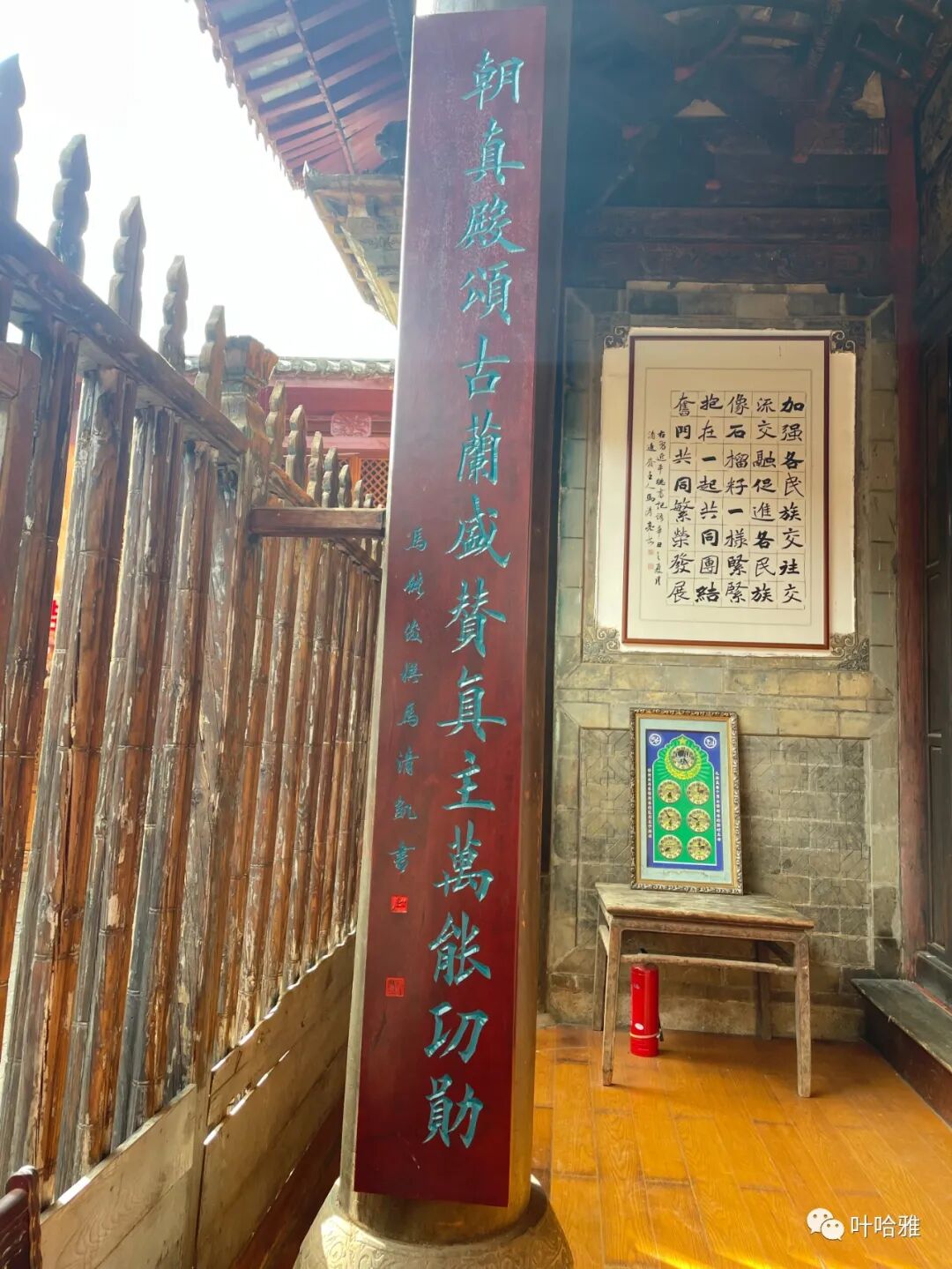
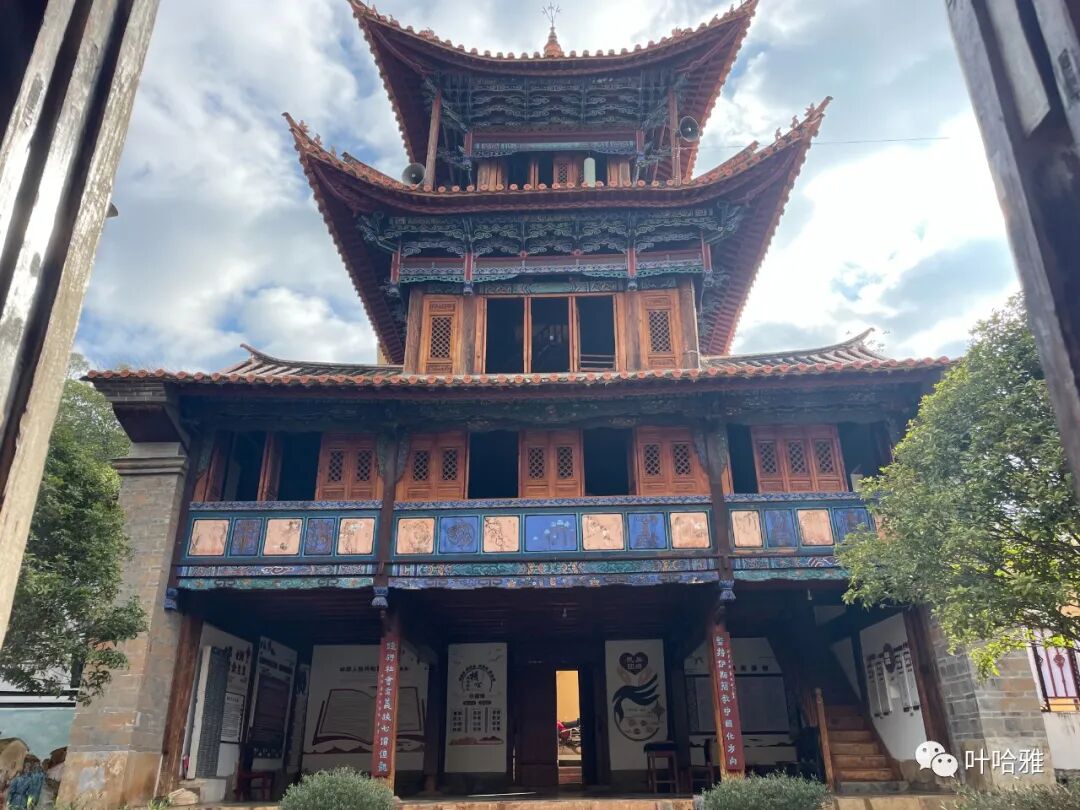
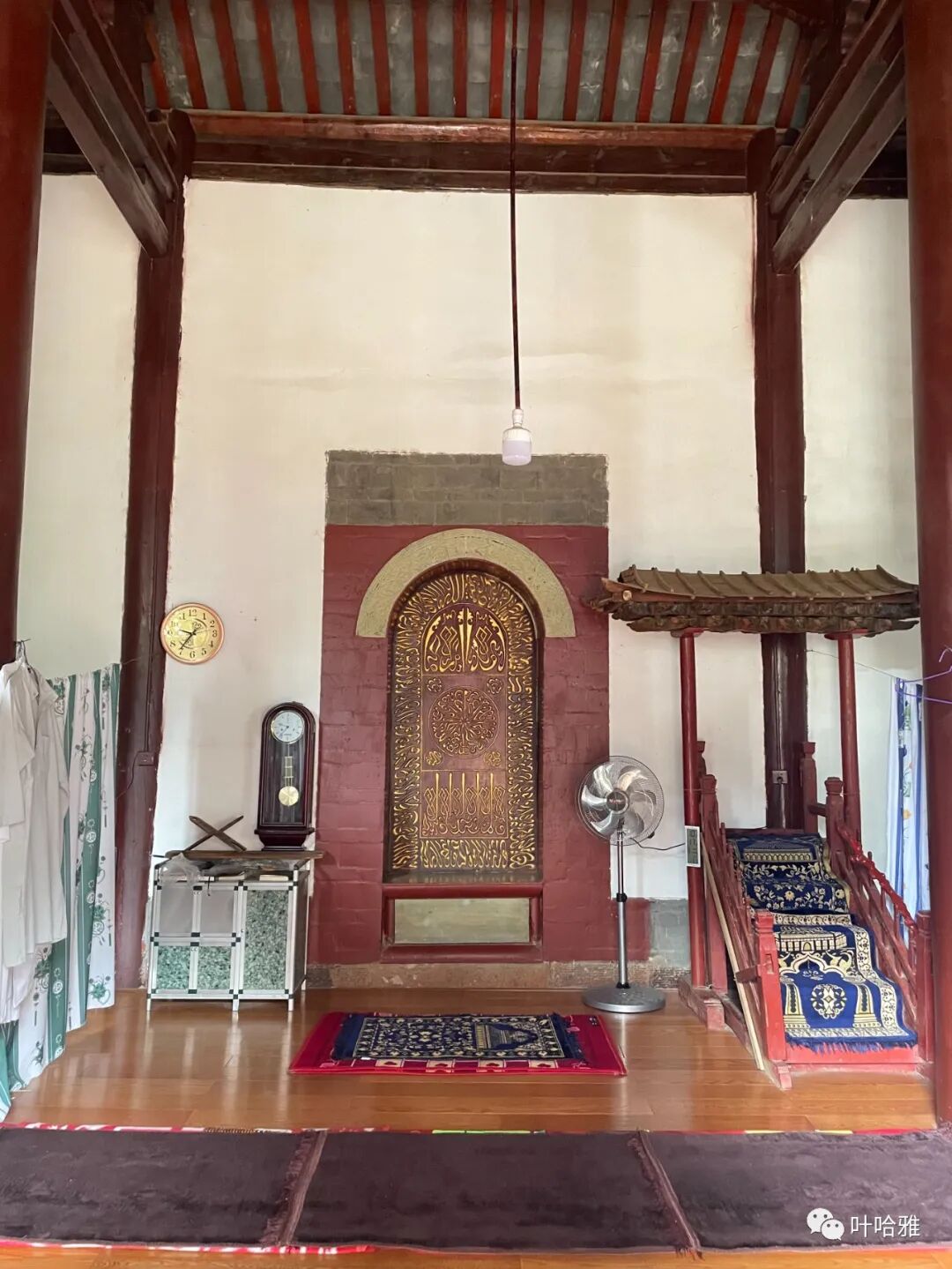
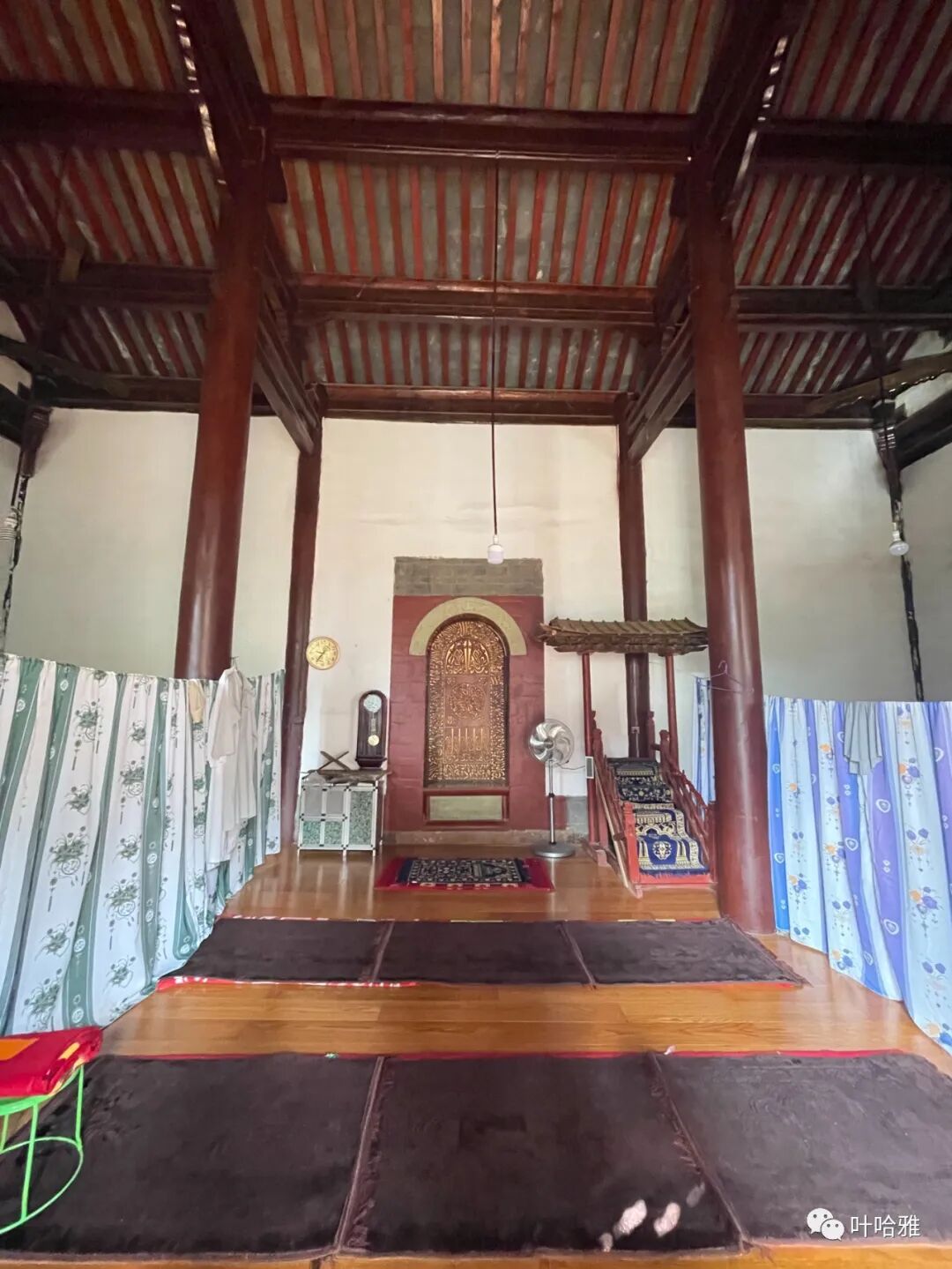
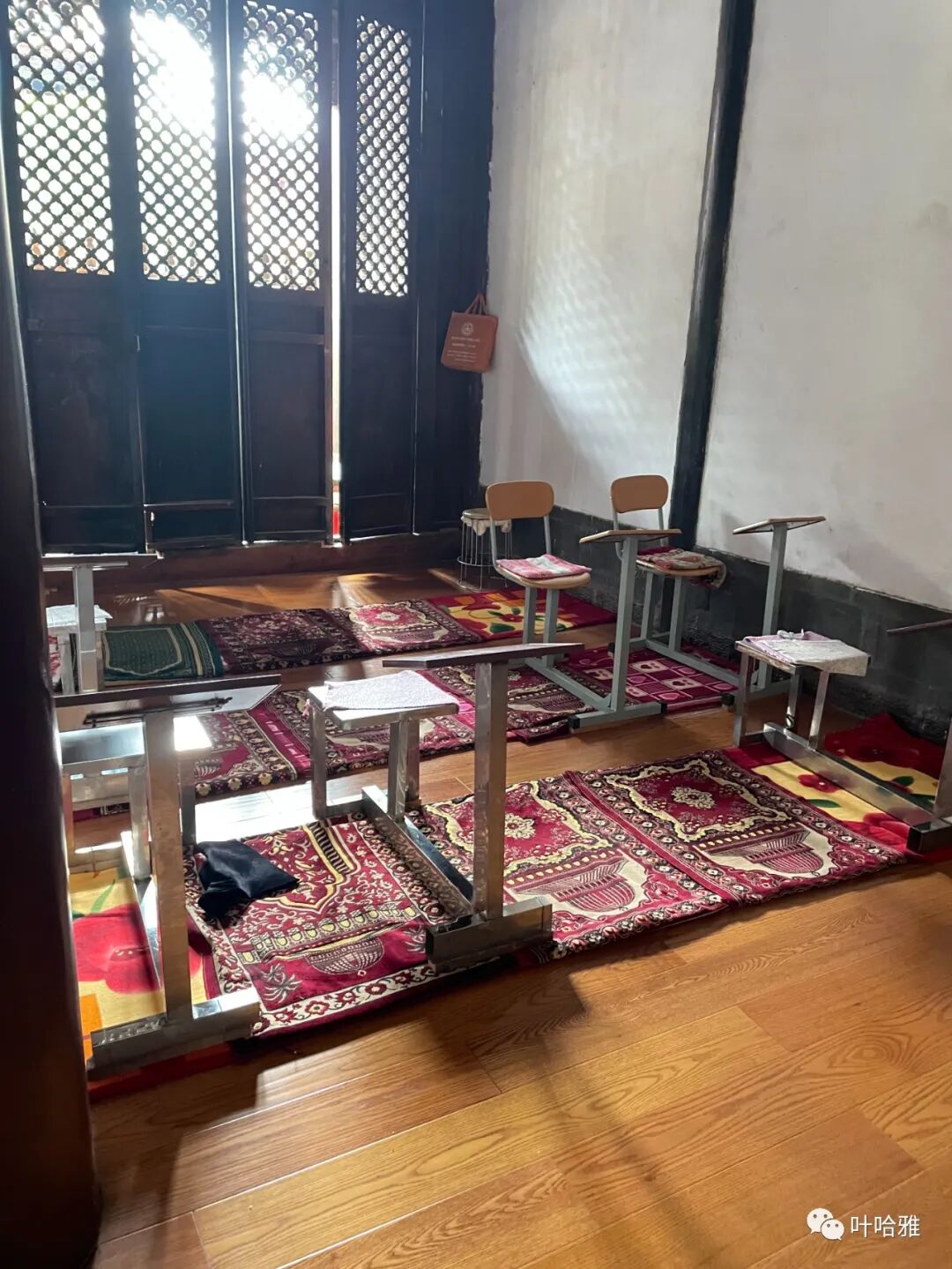
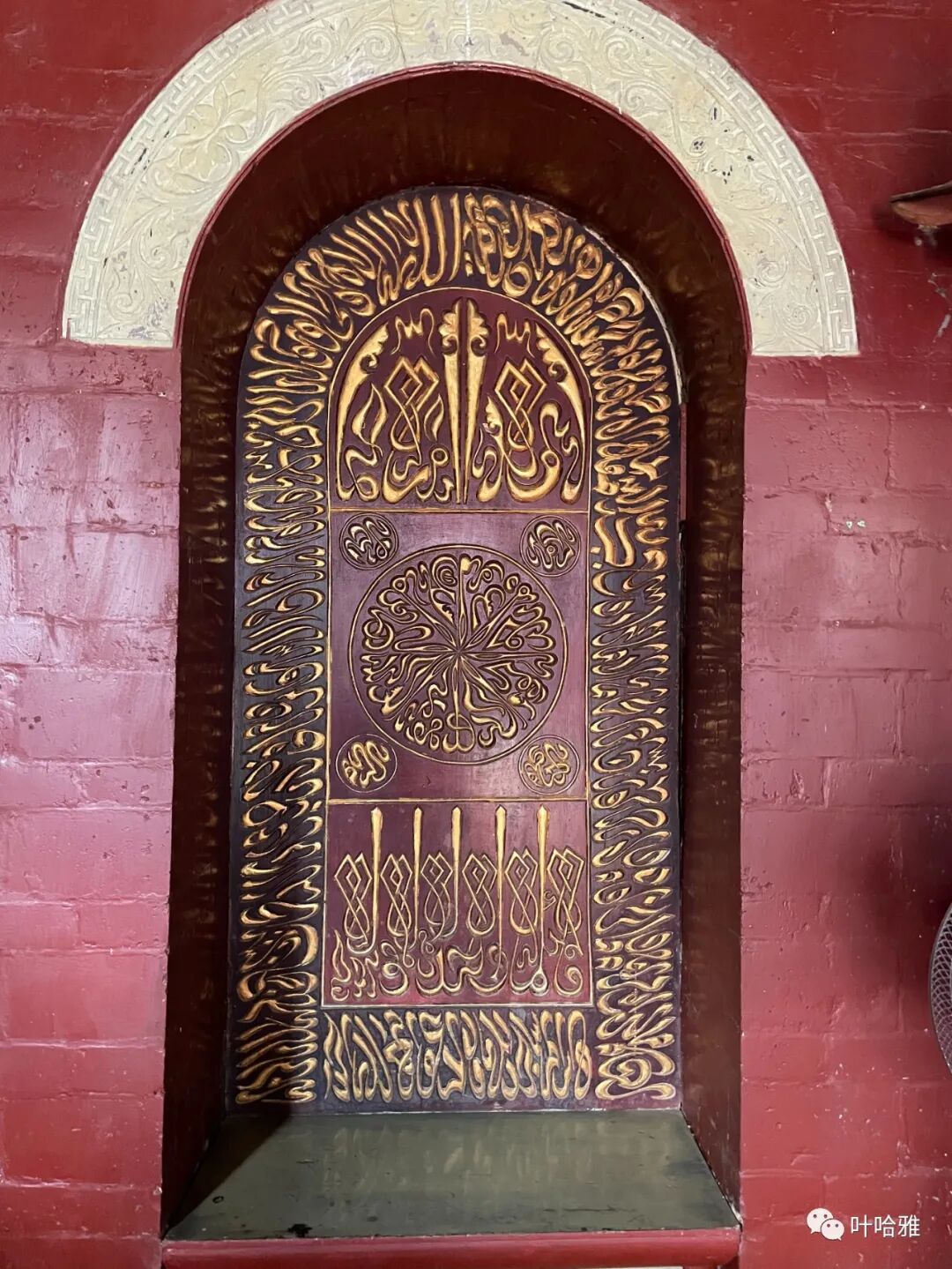
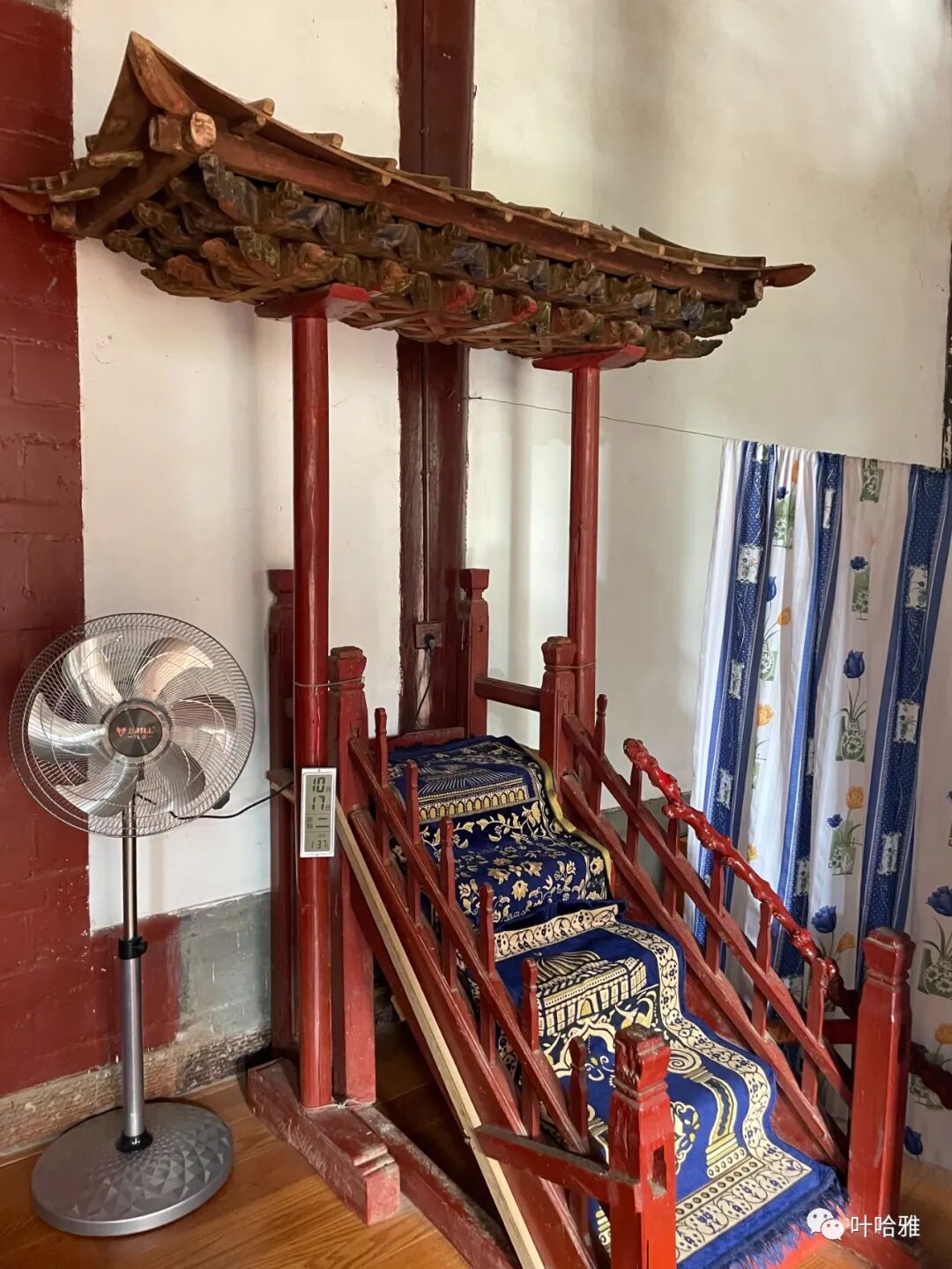
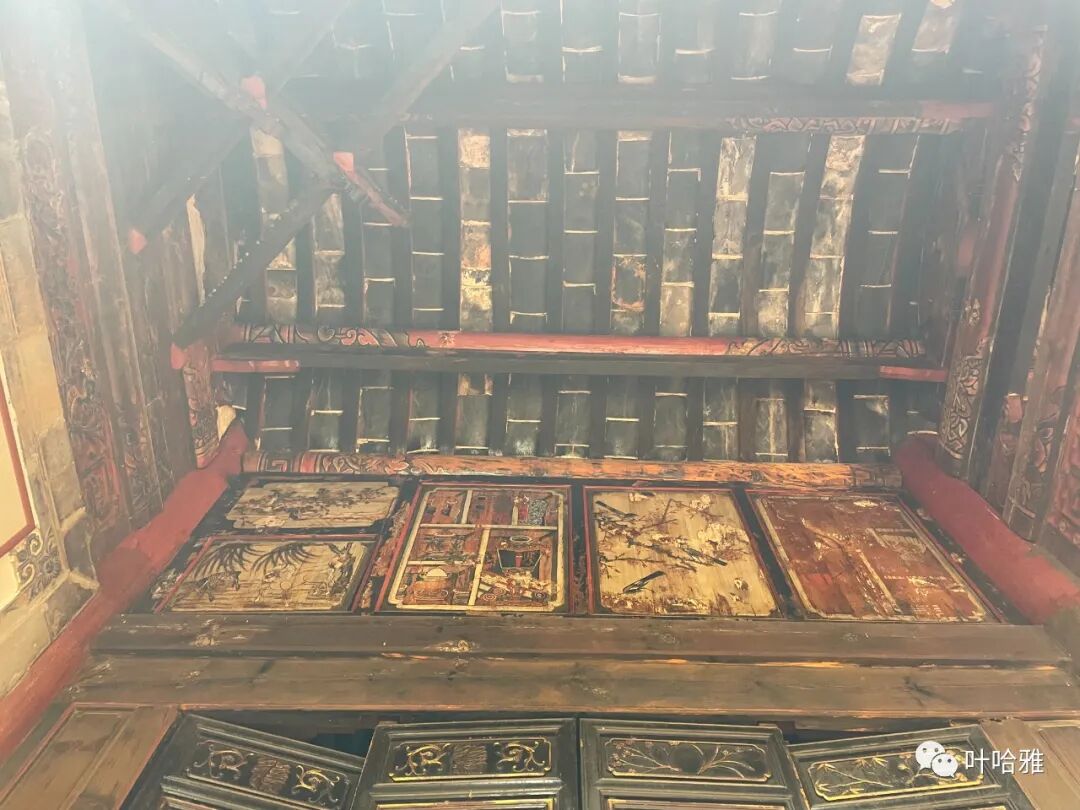
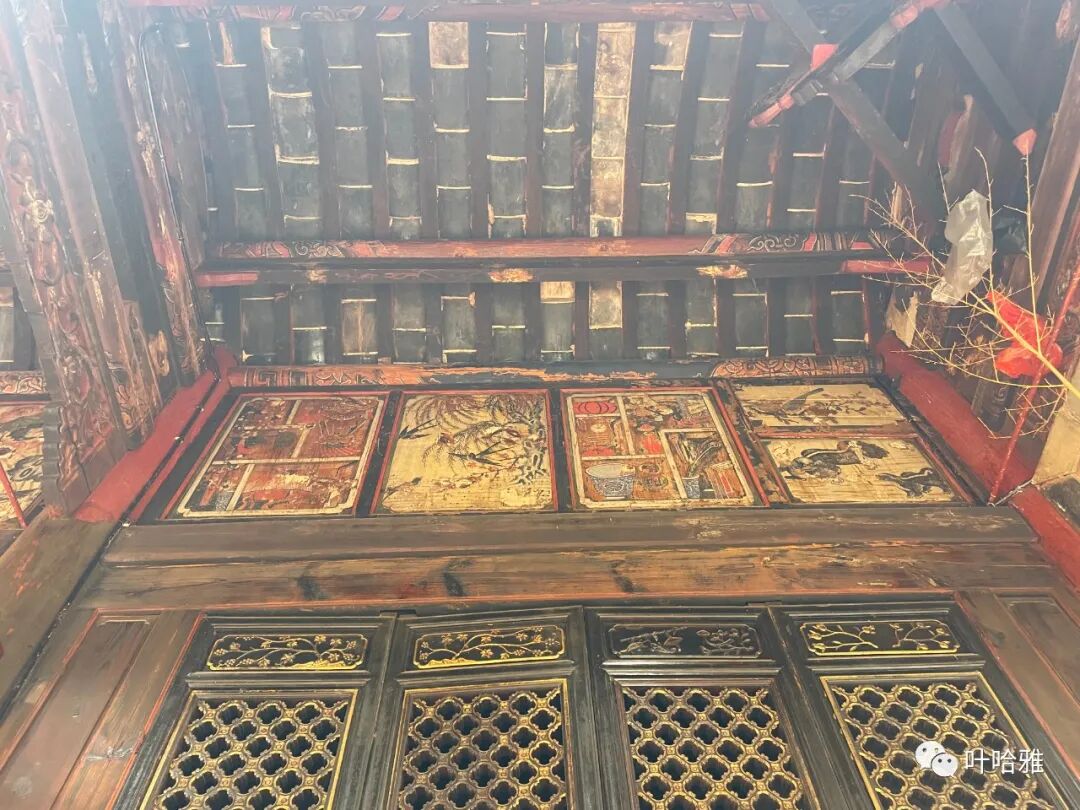
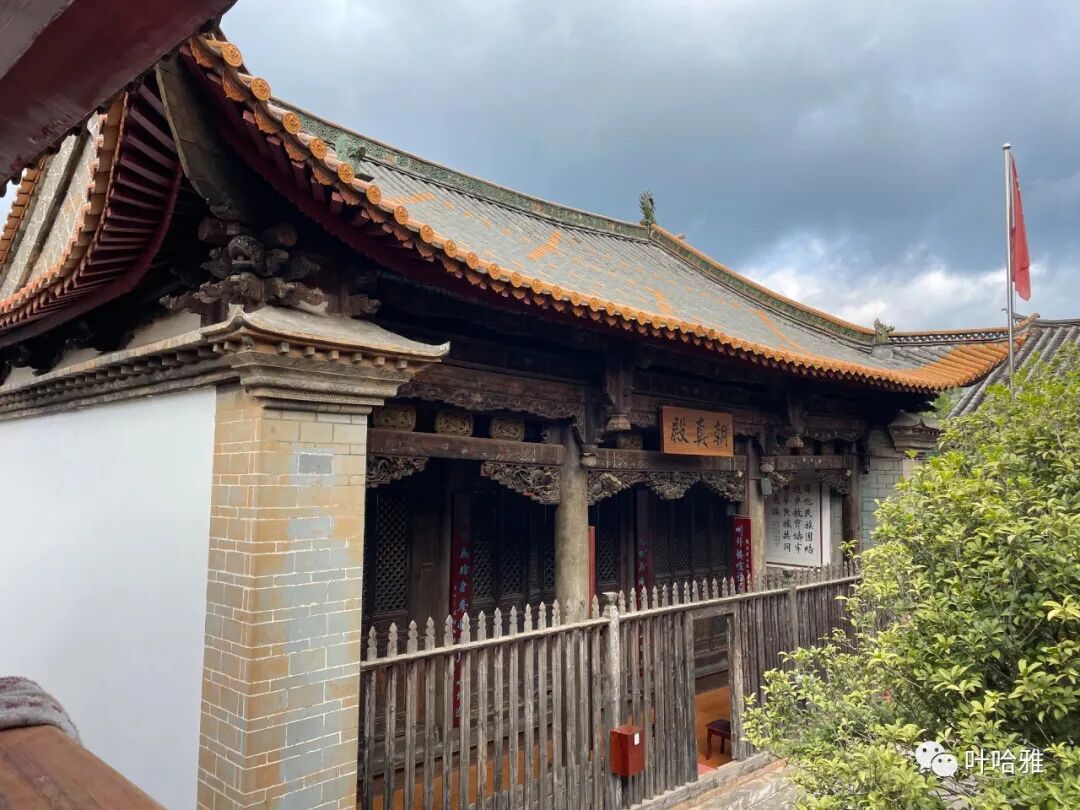
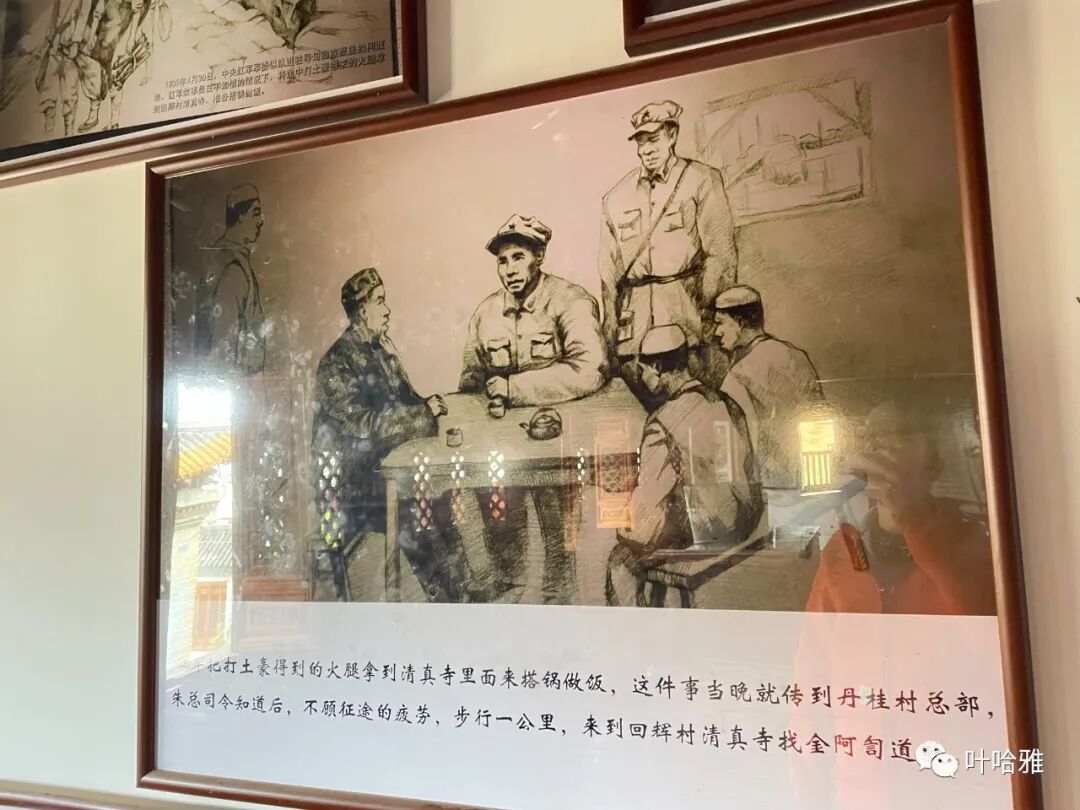
On the third floor of the minaret, there is a poster showing a story from the past. After the Red Army defeated local tyrants, they took ham to cook at Huihui Mosque. When Commander-in-Chief Zhu De found out, he walked to the mosque to apologize to Imam Jin.
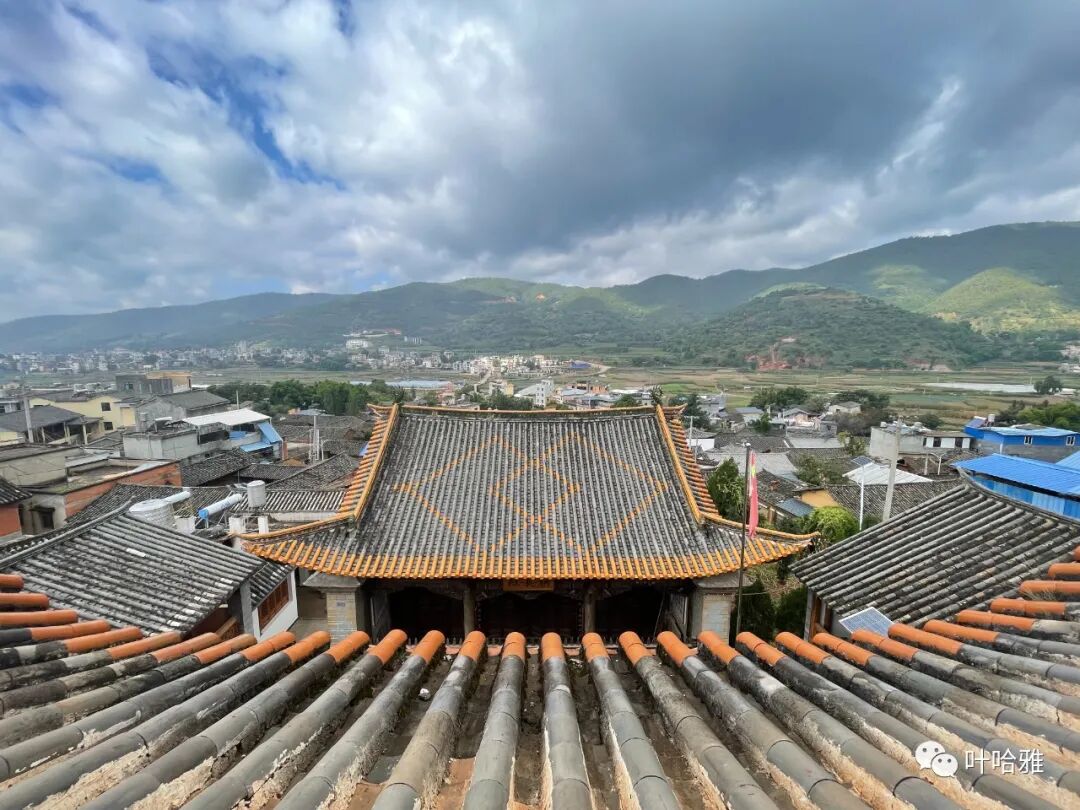
Looking down at Dangui Village from the top of the minaret.
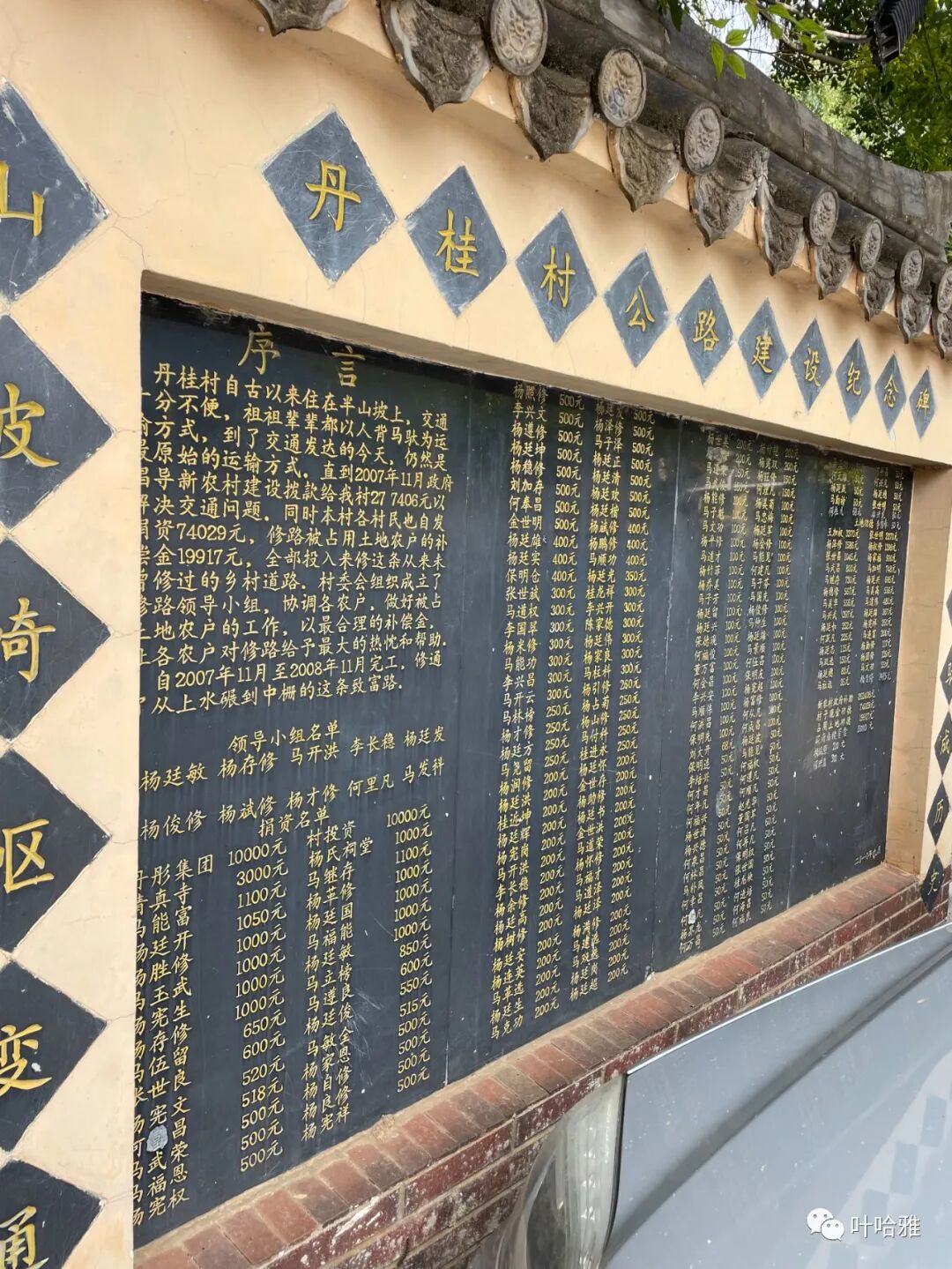
The Huihui Village mentioned above shares the same name as the Huihui Village in Sanya and is two kilometers away from Dangui Village.
Huihui Village Mosque.
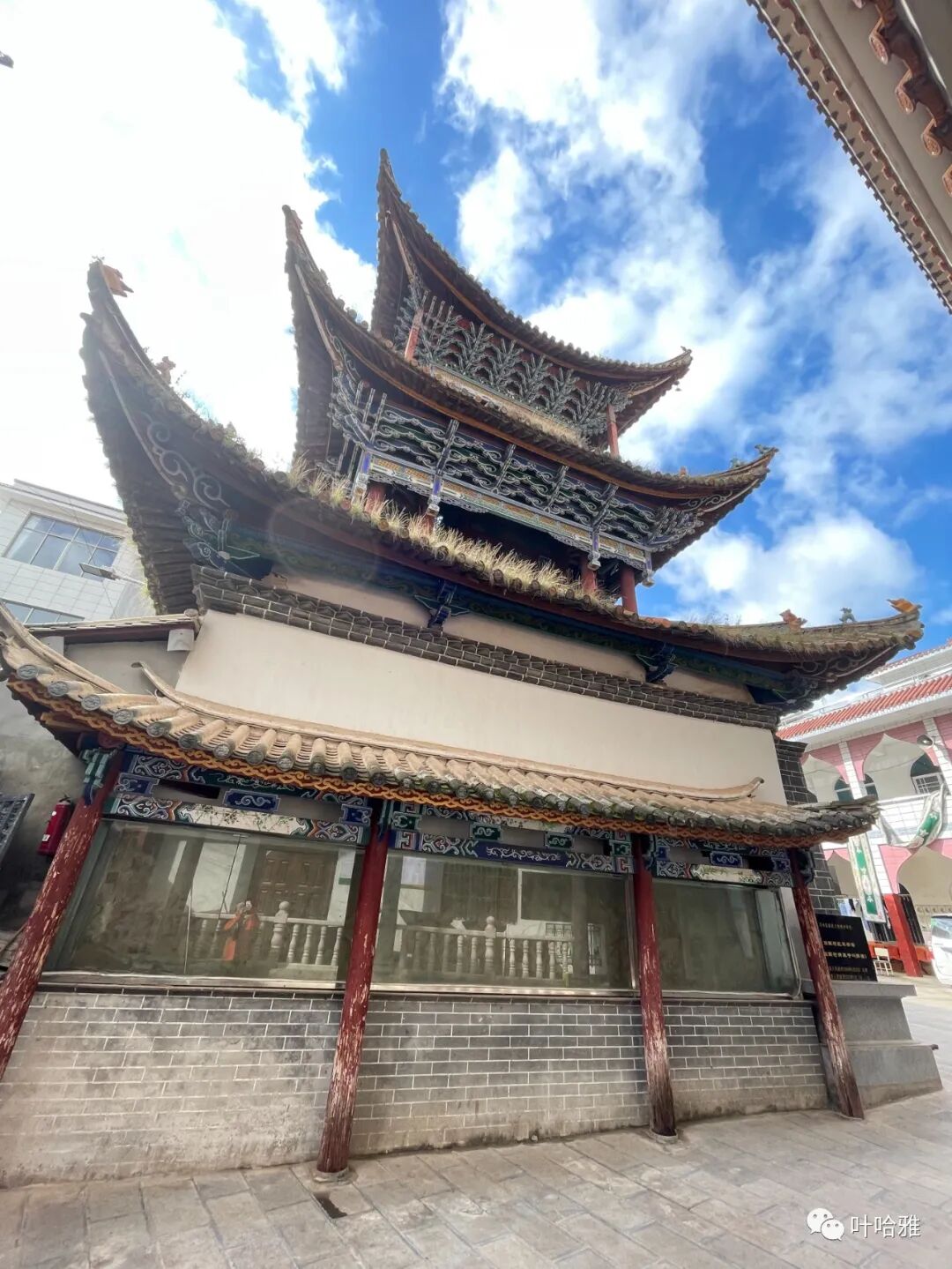
Huihui Mosque is built in the center of the village, and it also has a slogan left by the Red Army.
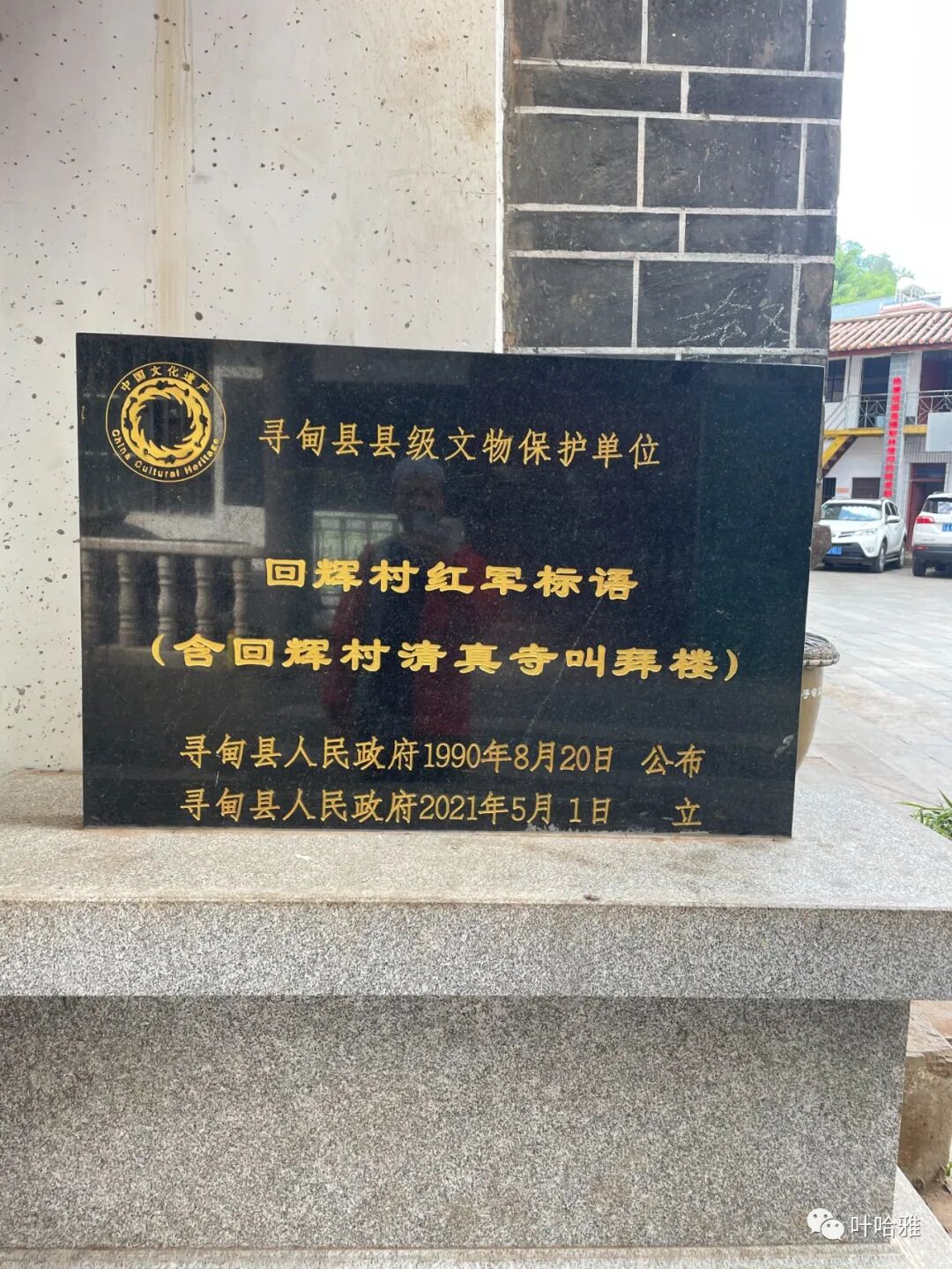
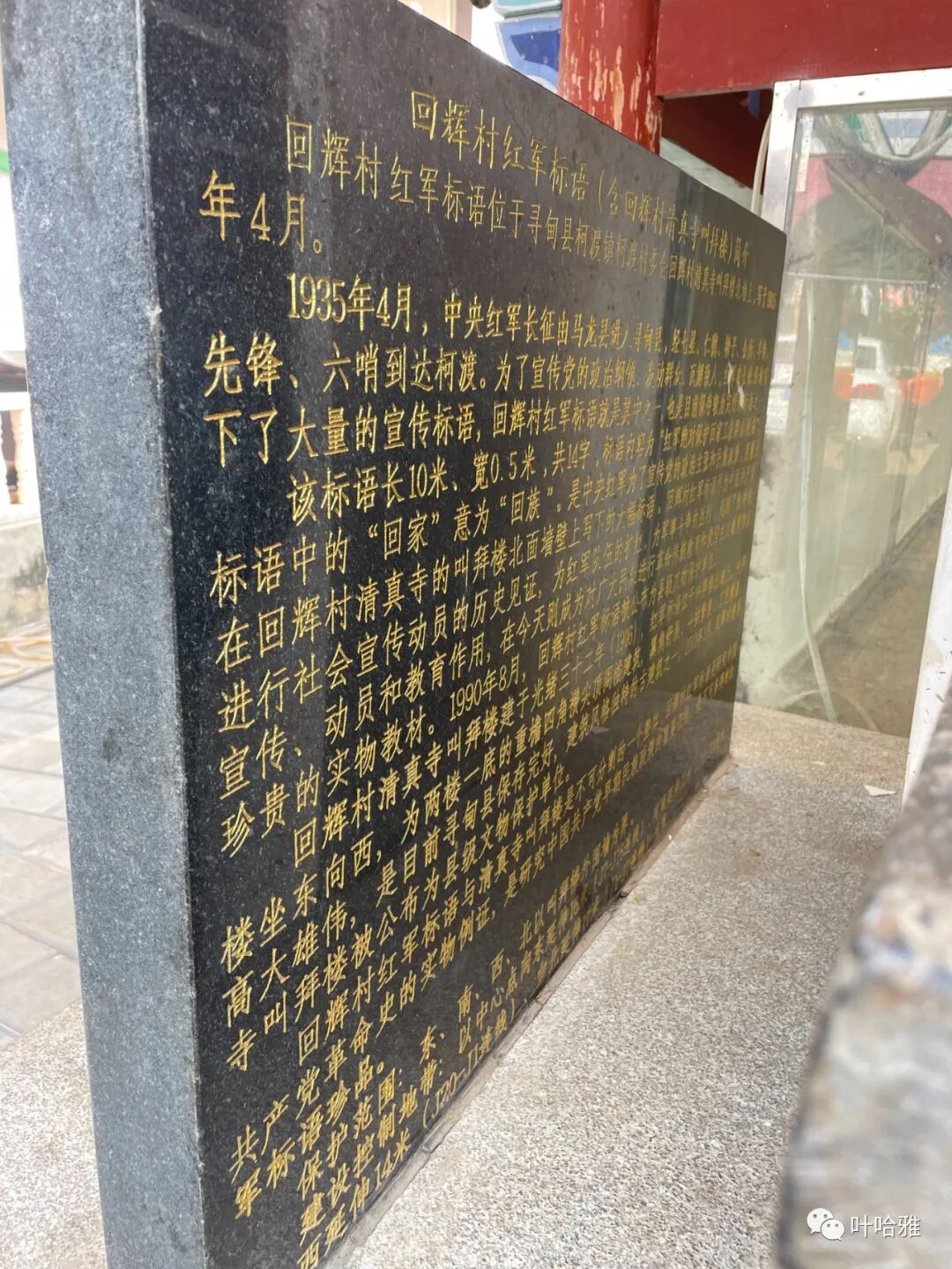
The slogan is on the side of the minaret and reads, "The Red Army absolutely protects the interests of the Hui worker and peasant masses." "Hui home" refers to the homes of Hui Muslims, as the term Hui Muslims was not yet used as an official name before liberation.
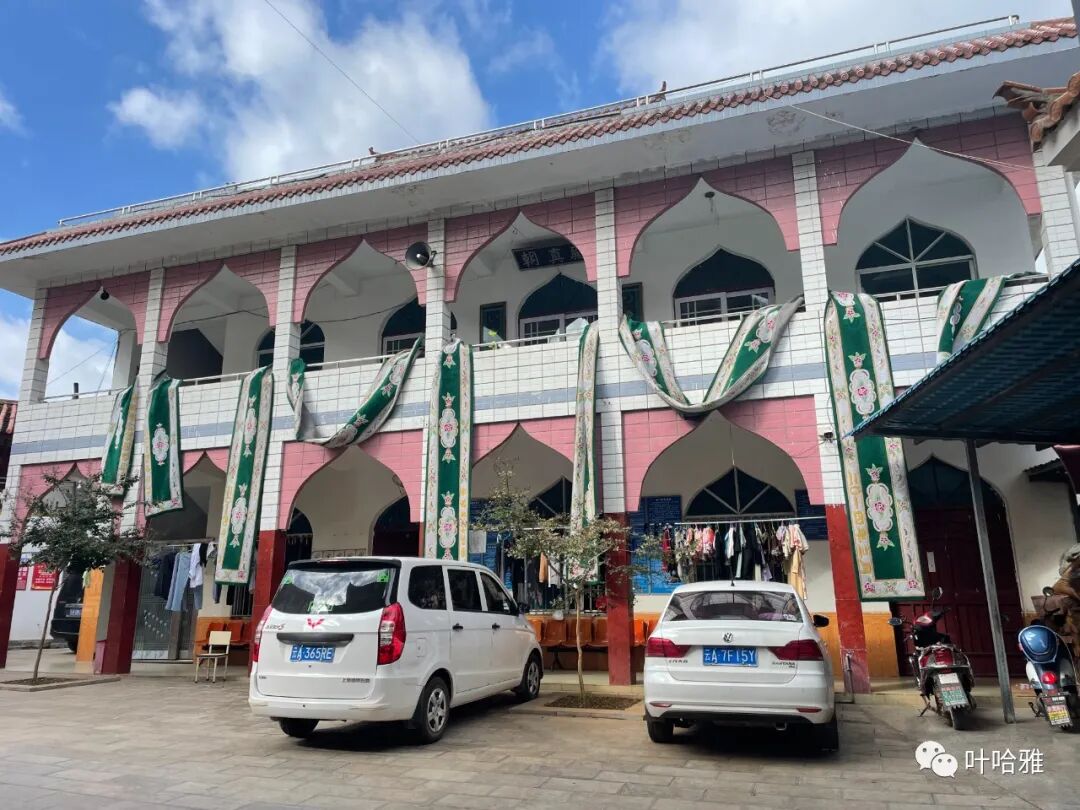
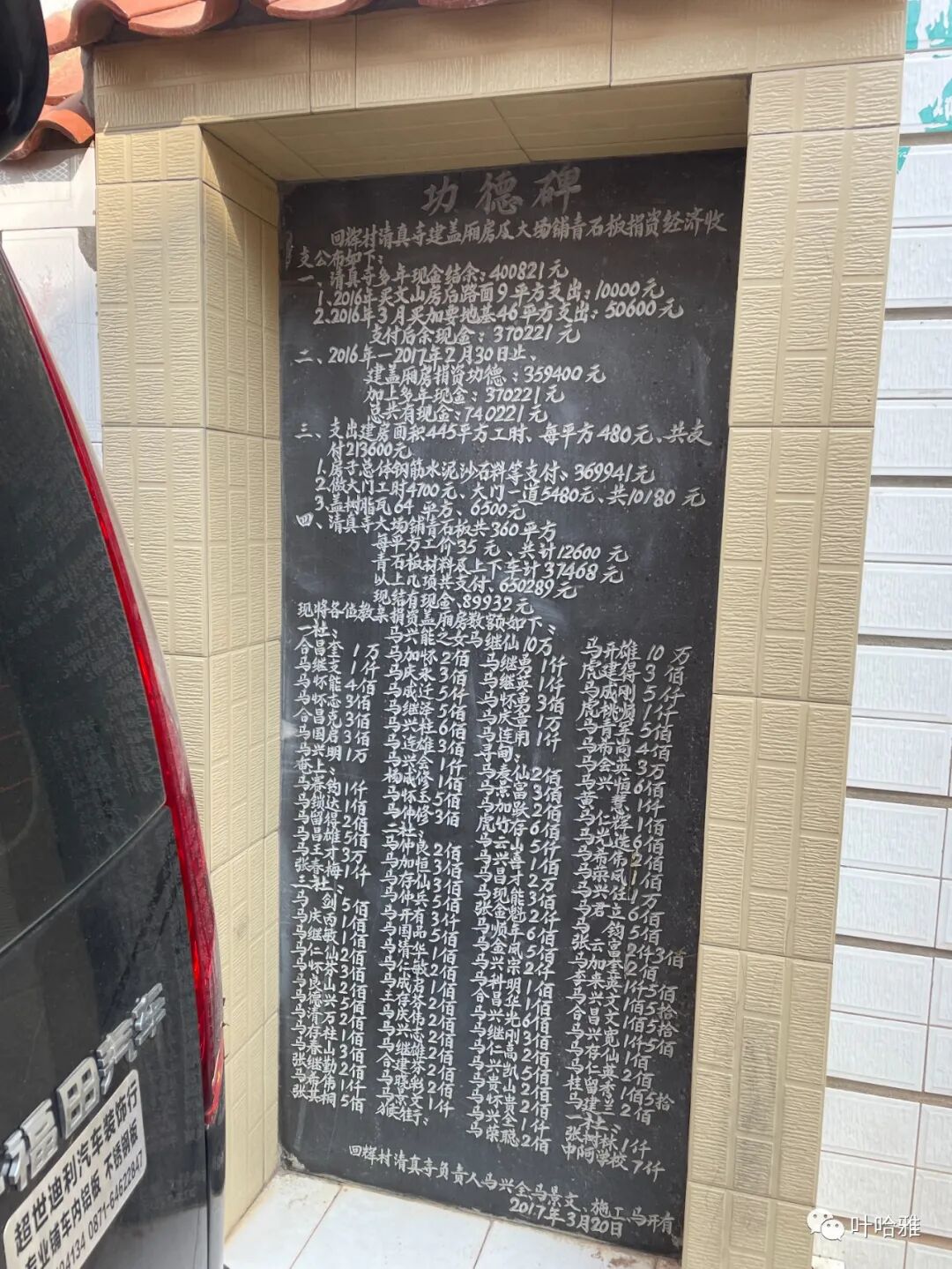
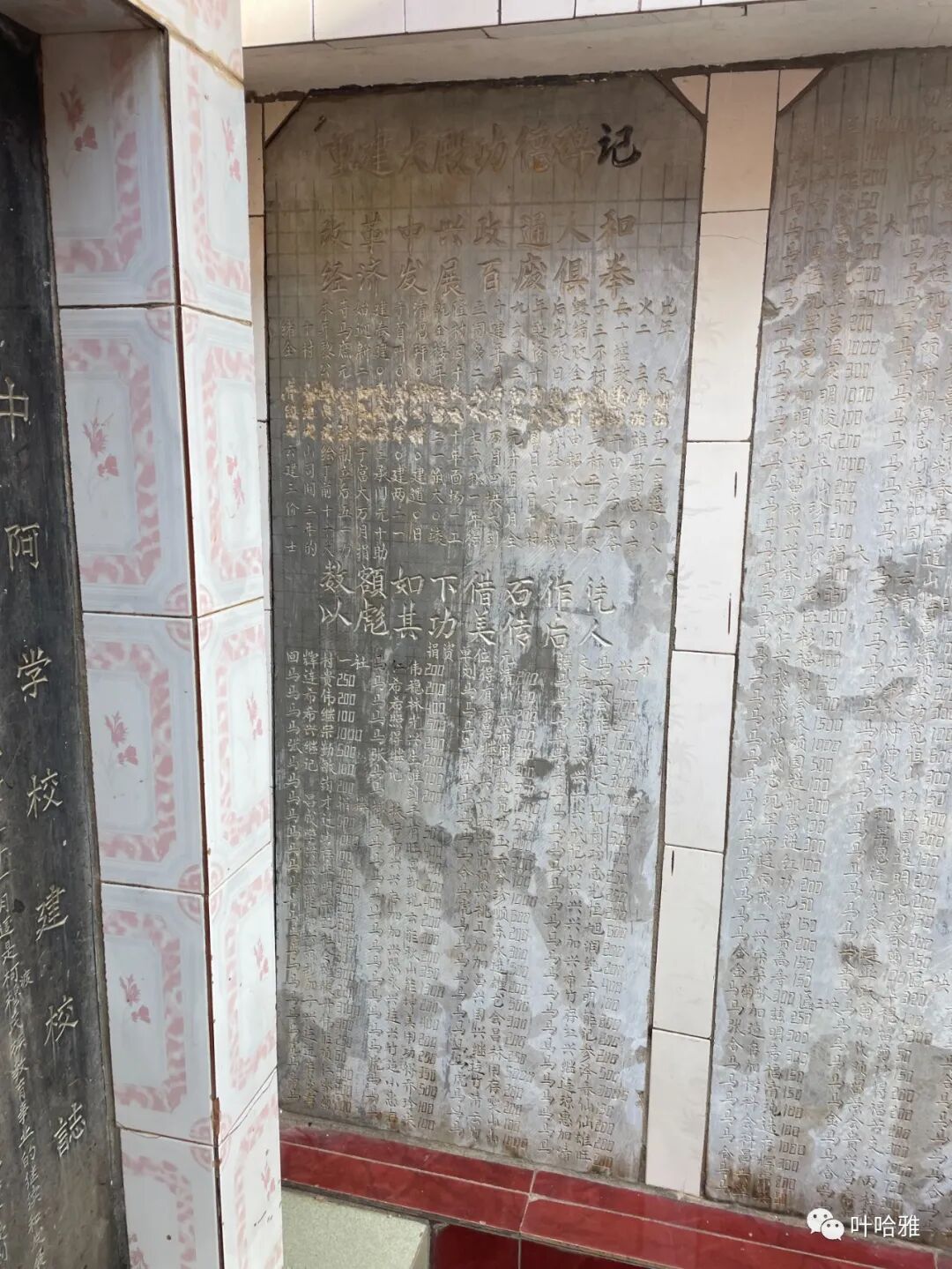
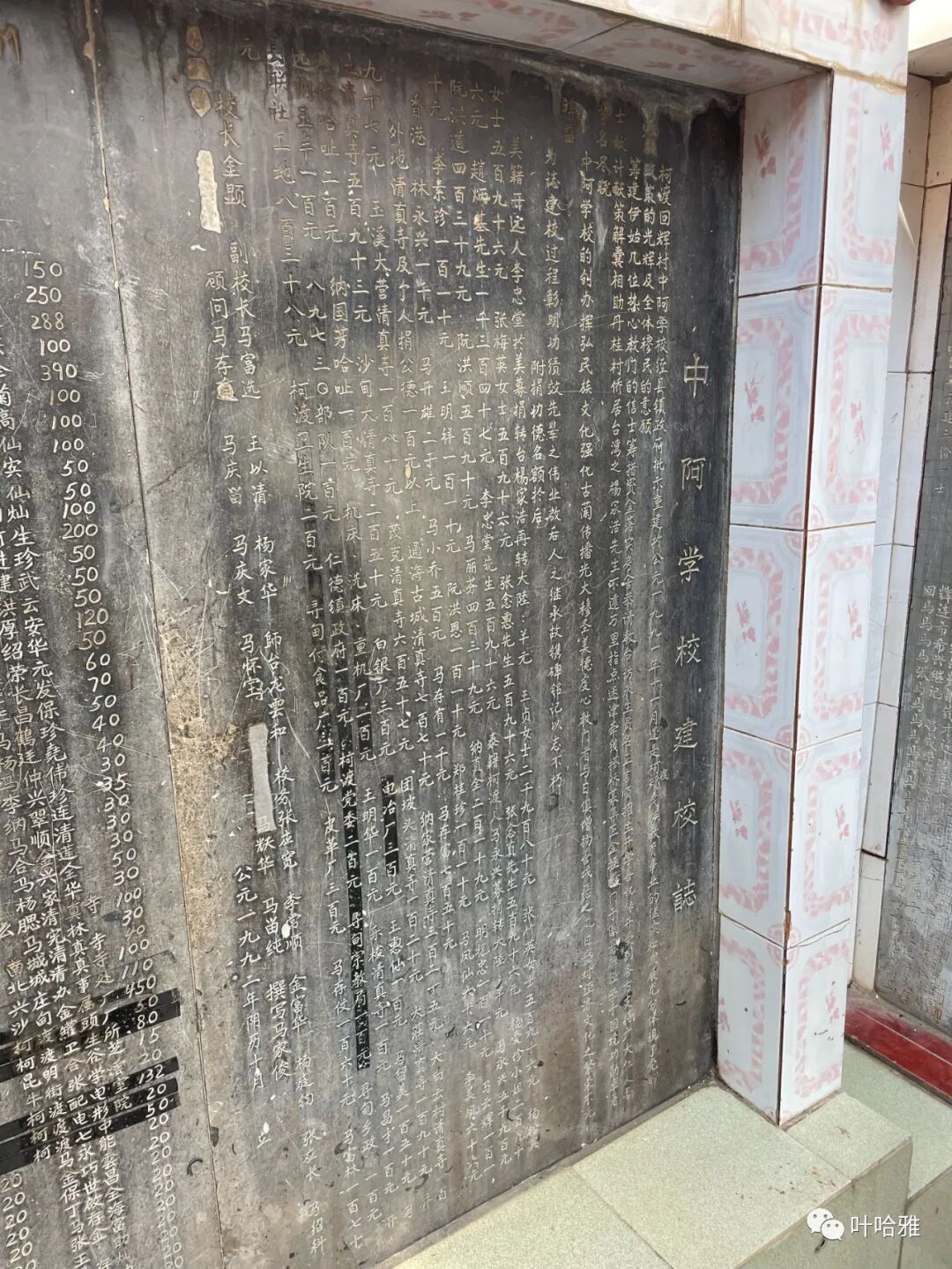
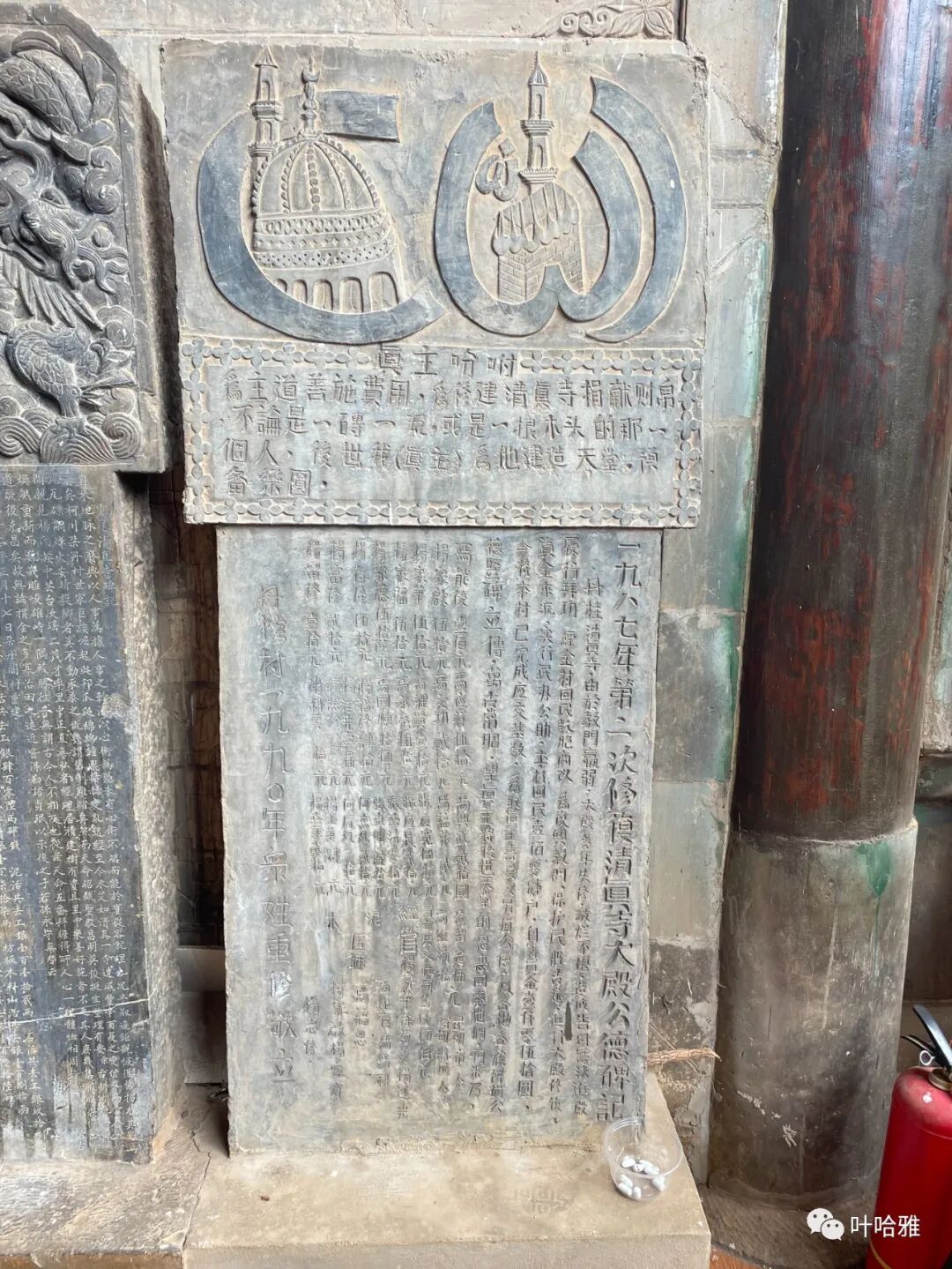
The founding record of the Chinese-Arabic school inside the Huihui Village mosque.
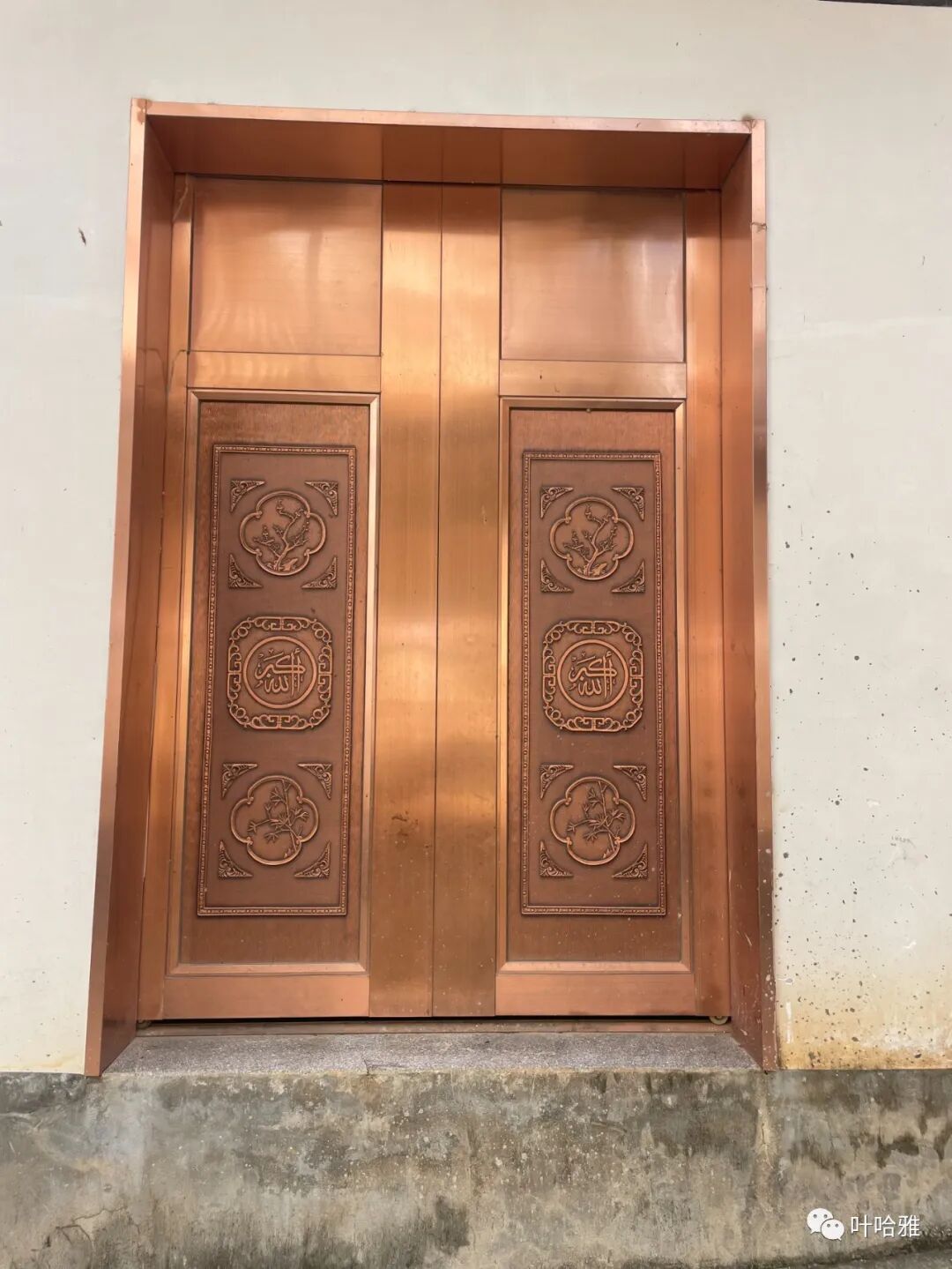
Patterns on the gate of a house across from the Huihui mosque.
Tuogu Village in Ludian.
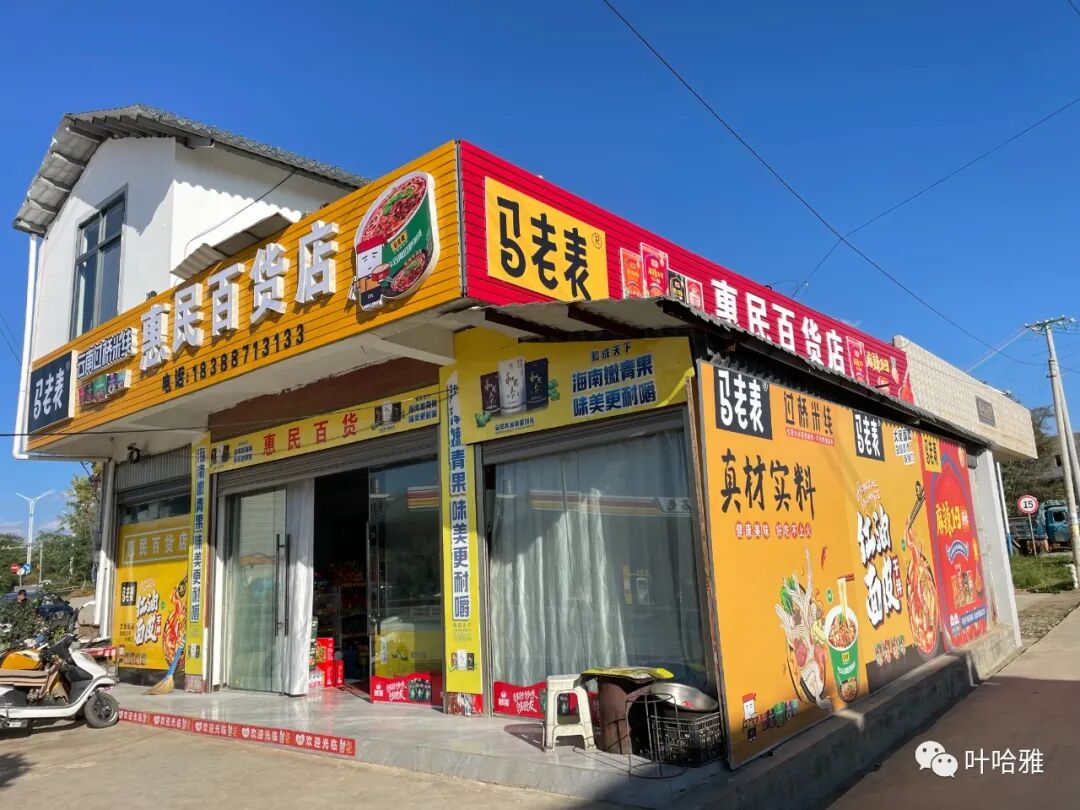
On the way back to Beijing from Xundian, I passed a small halal shop at the entrance of Tuogu Village. They had Ma Laobiao rice noodles (mixian), and I bought plenty of instant food for the trip.
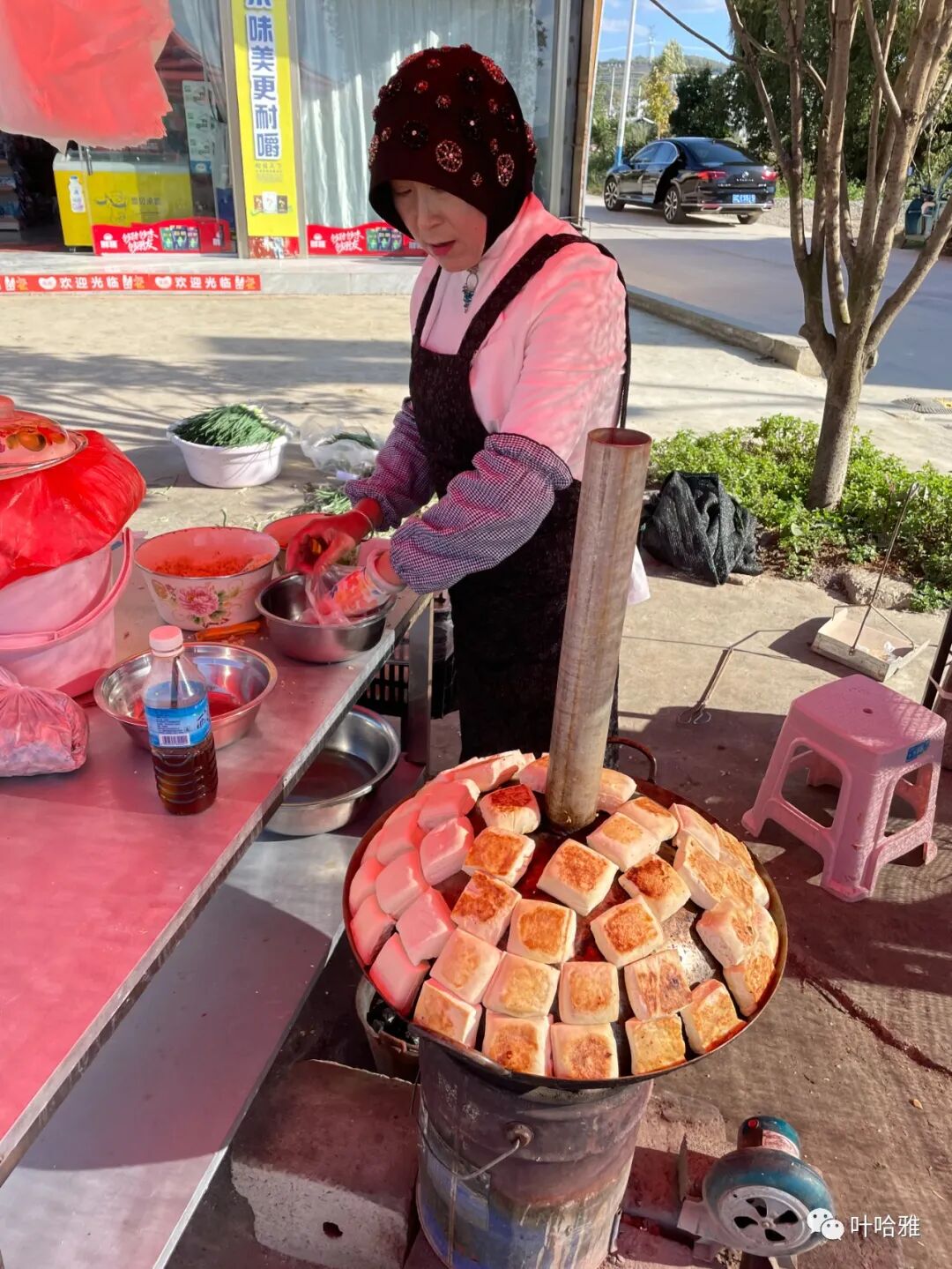
Tuogu grilled tofu (shaodoufu) for one yuan a piece.
Tuogu mosque.
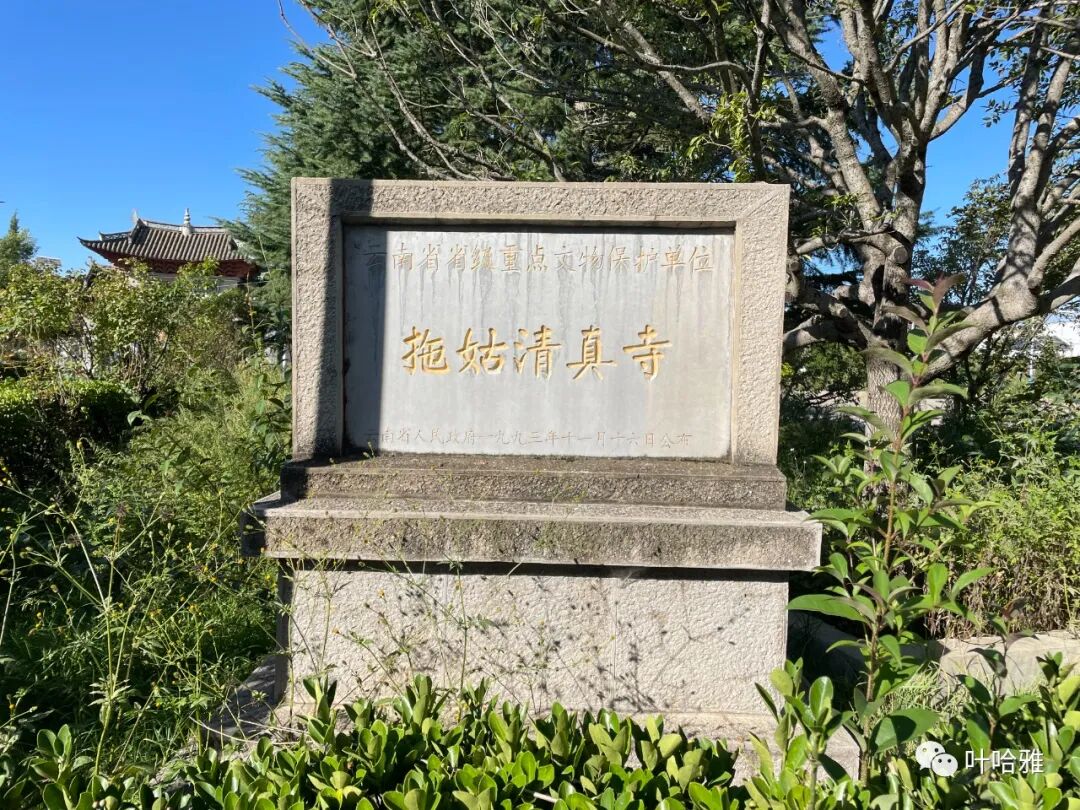
Tuogu mosque was first built in the eighth year of the Yongzheng reign. It covers 7,000 square meters, is the largest mosque in northeastern Yunnan, and is now a provincial-level cultural heritage site.
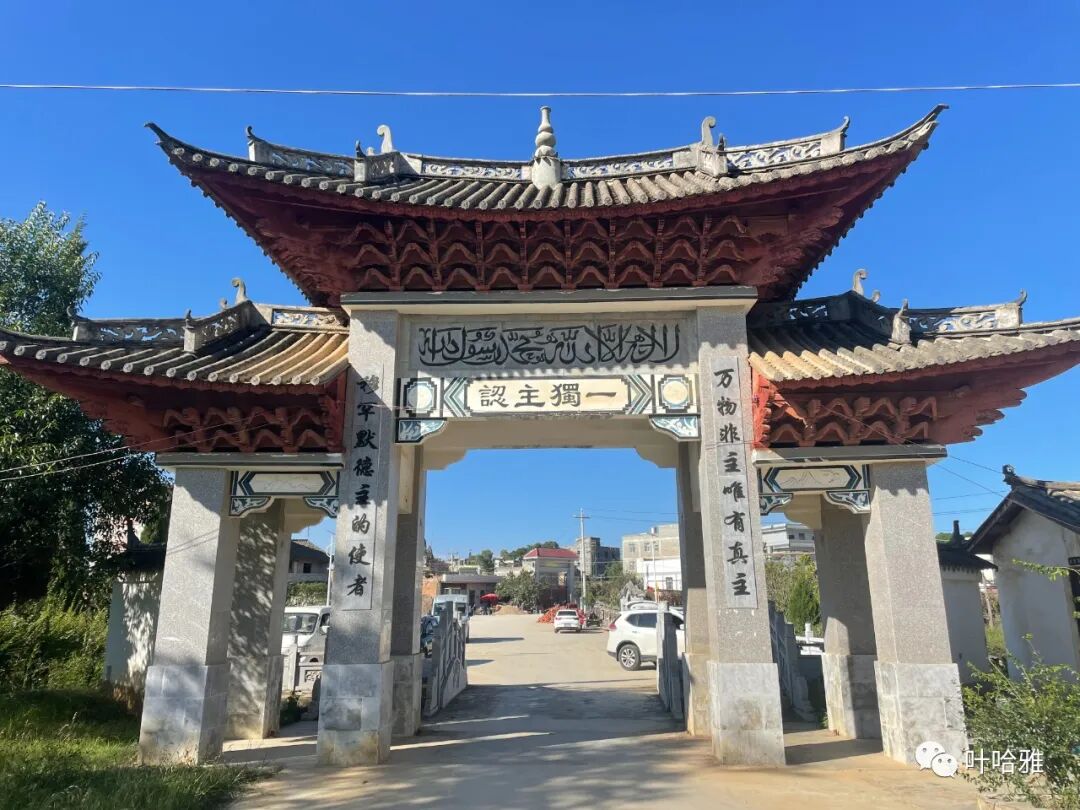
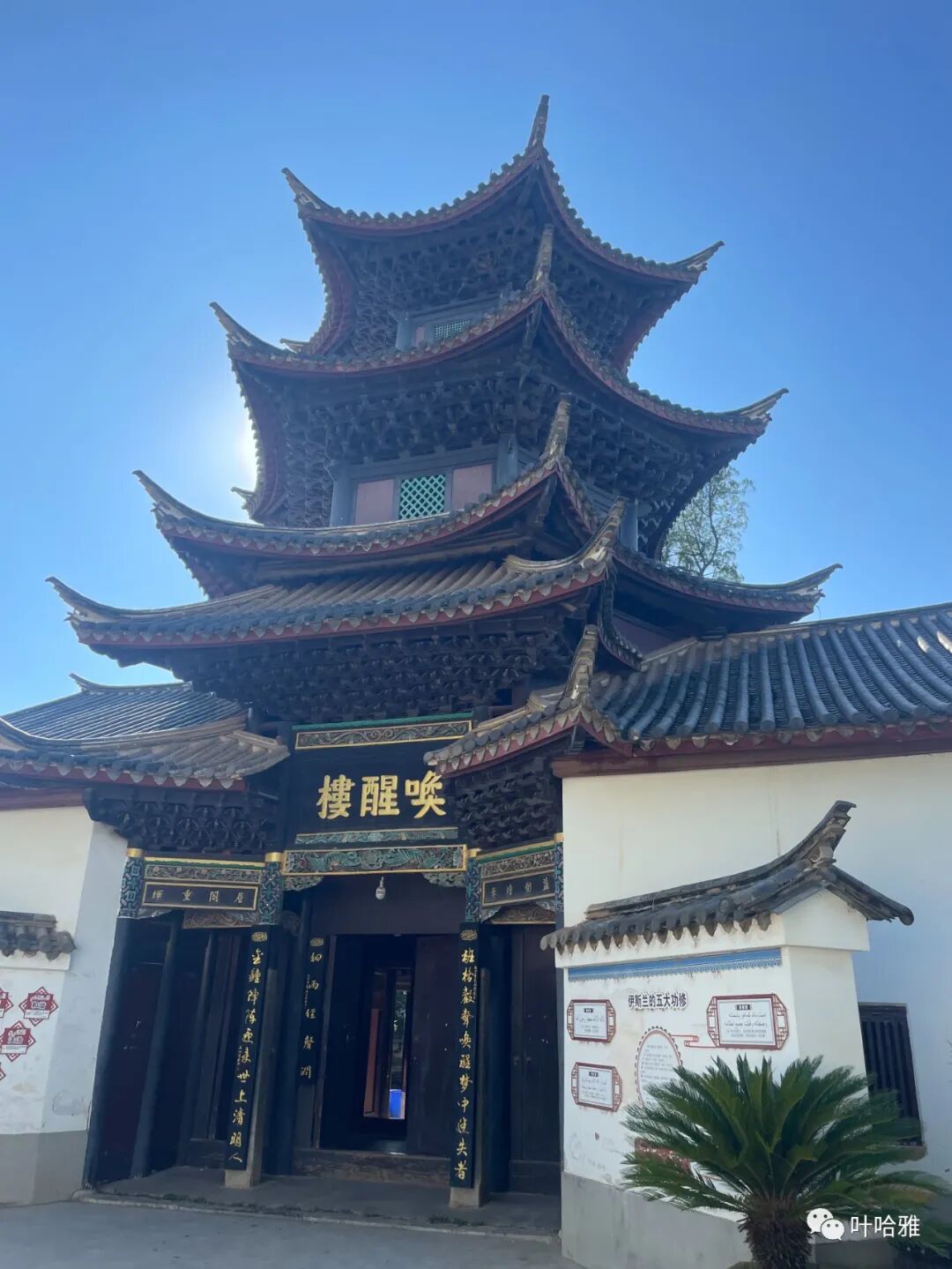
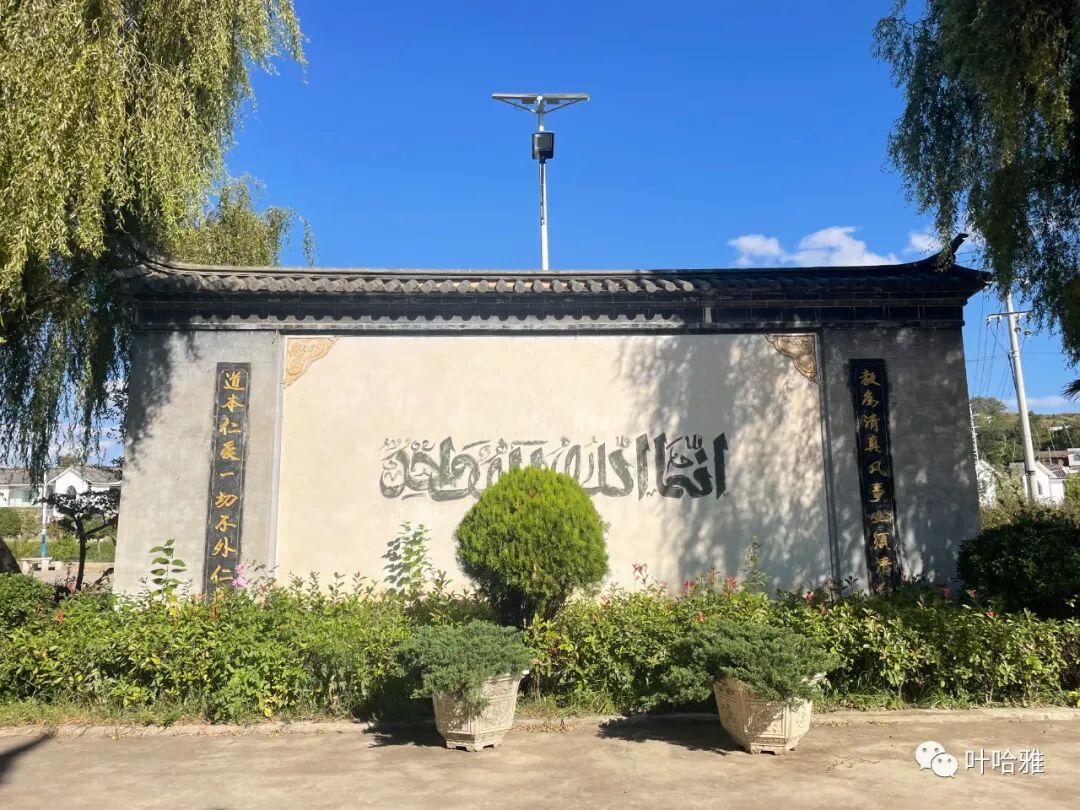
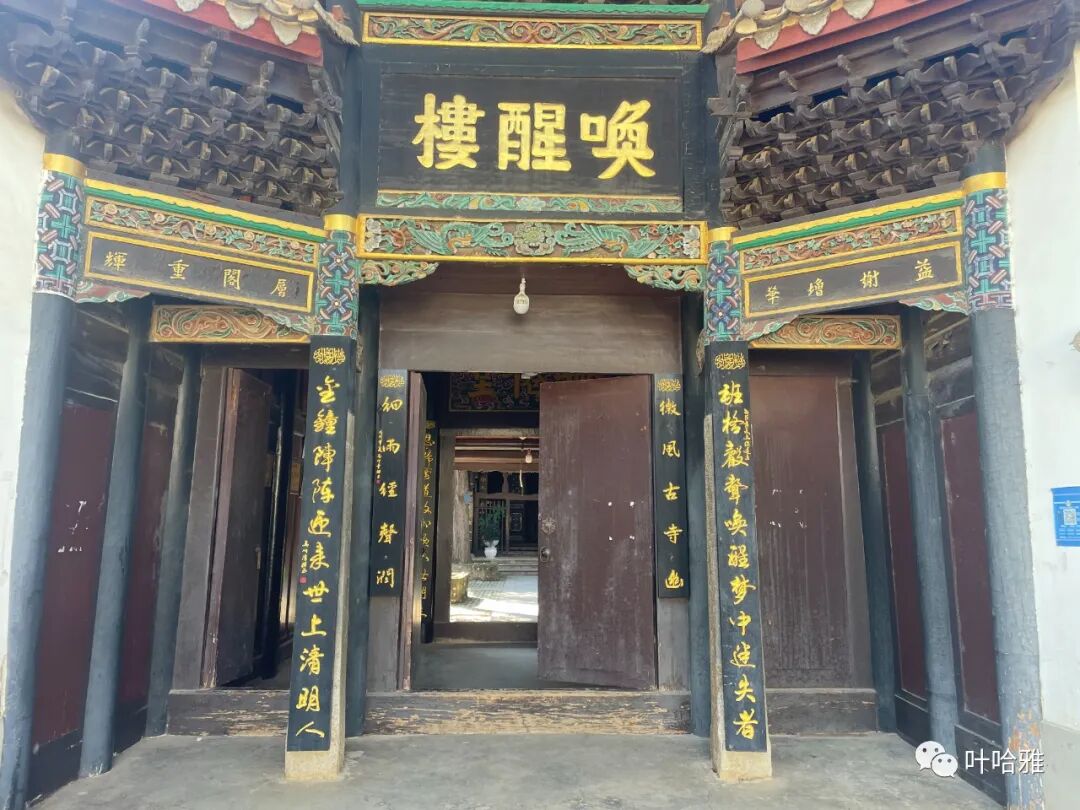
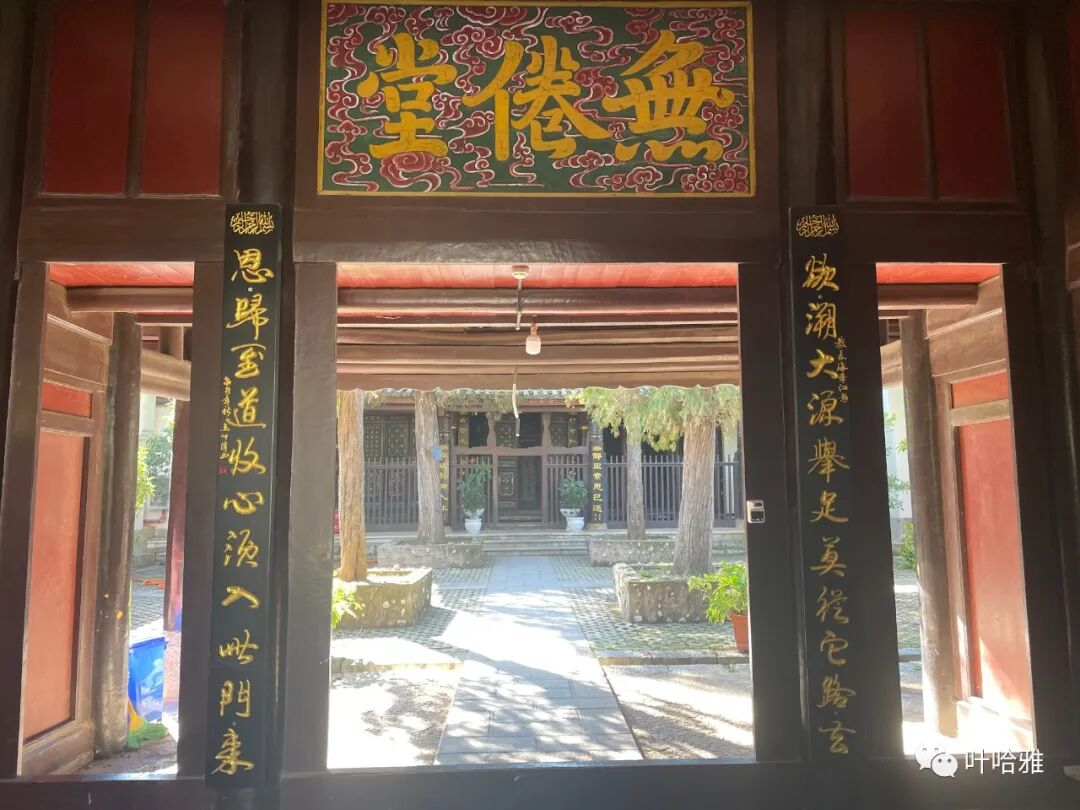
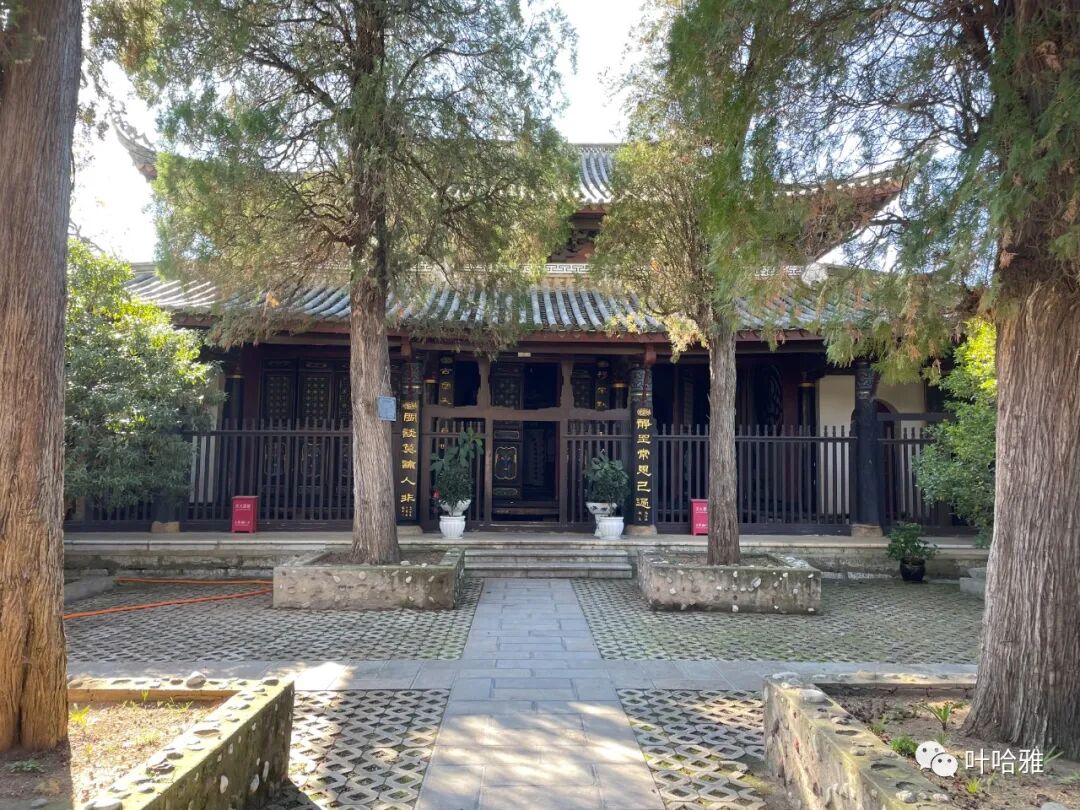
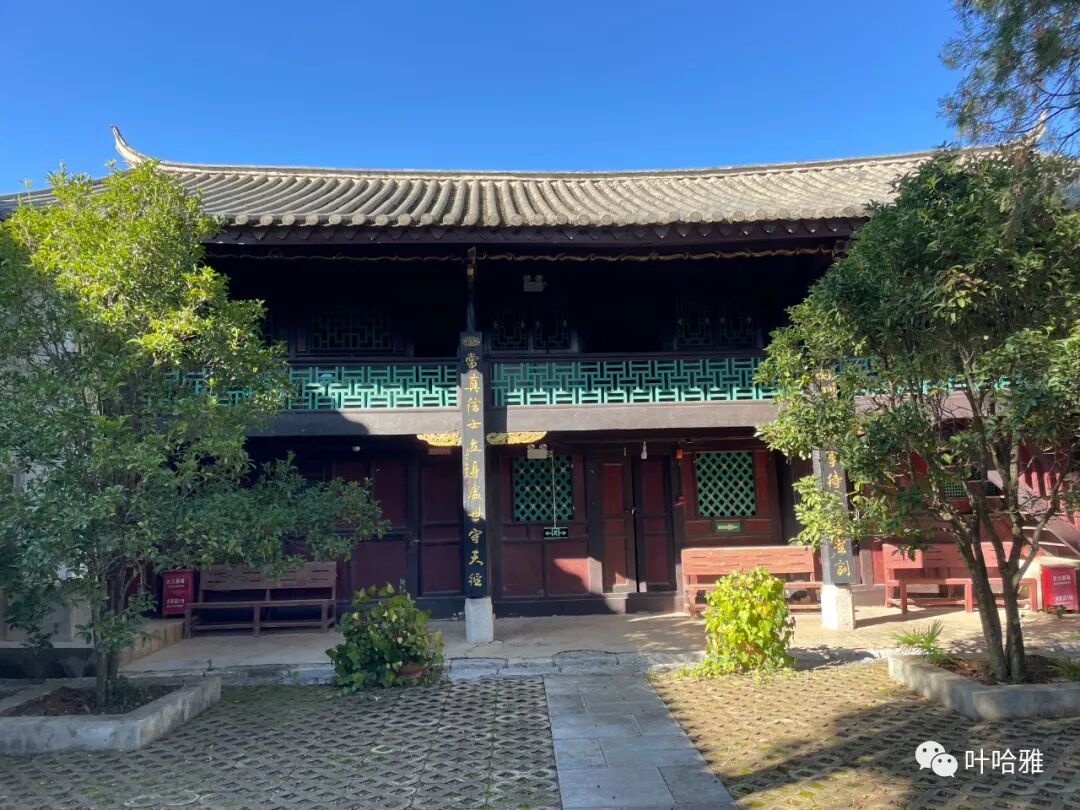
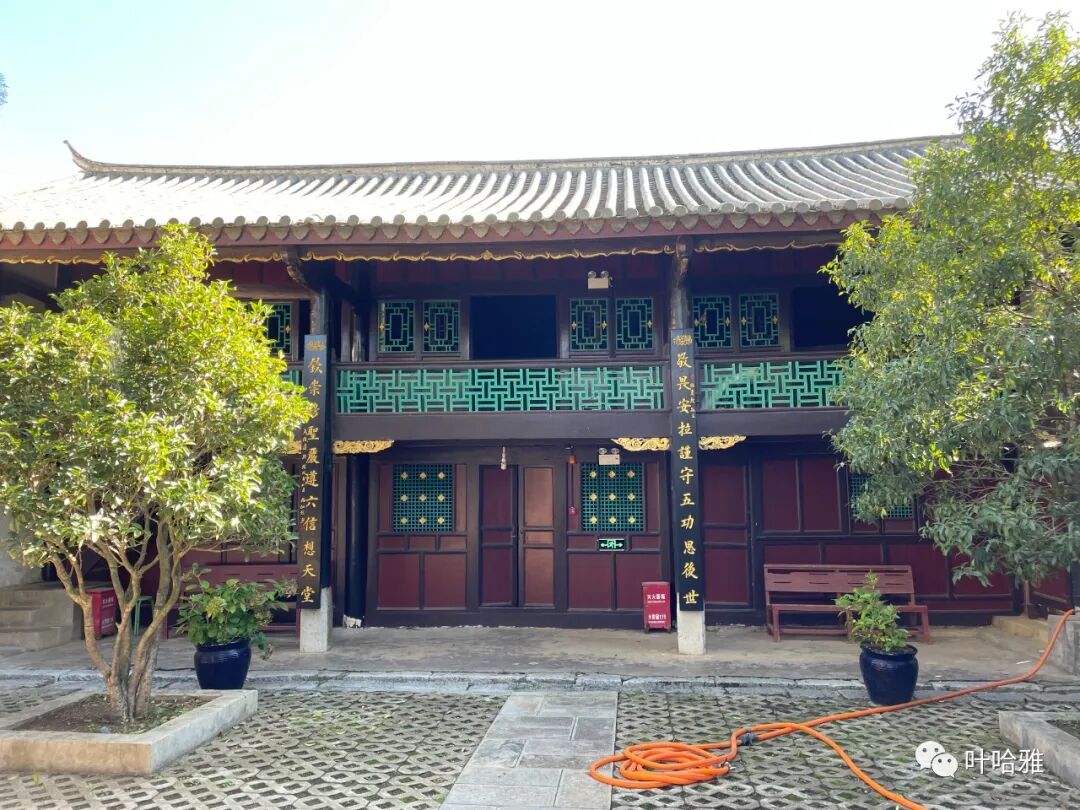
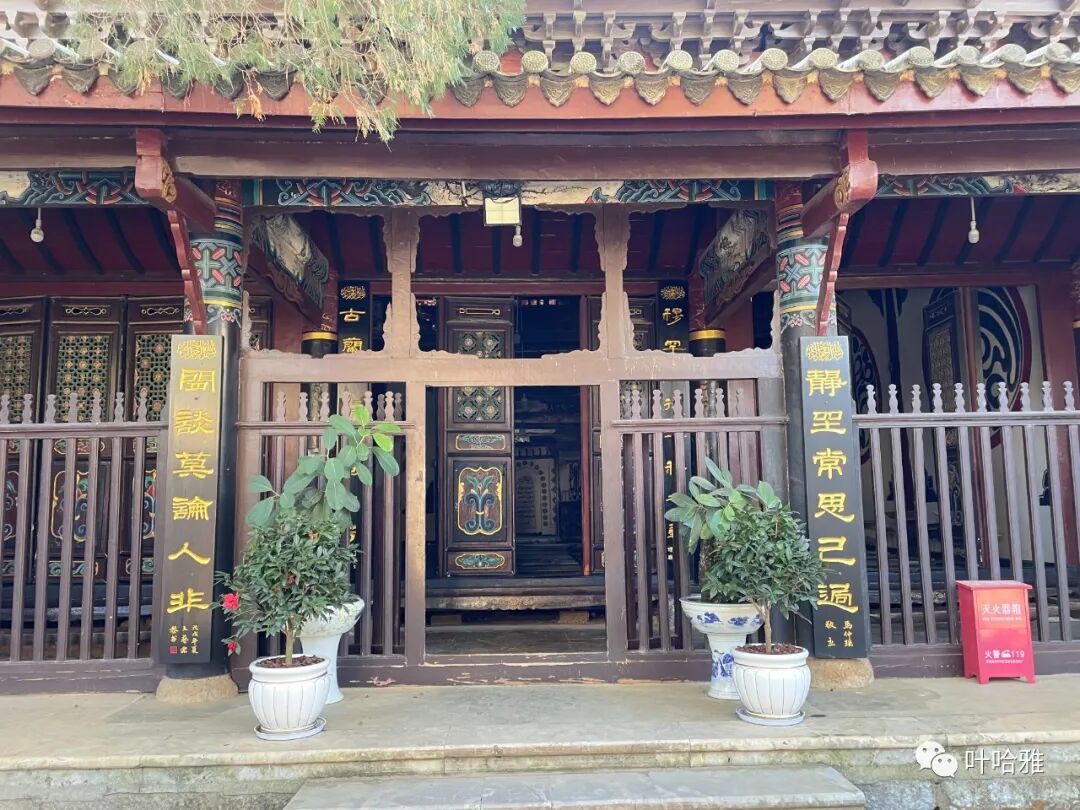
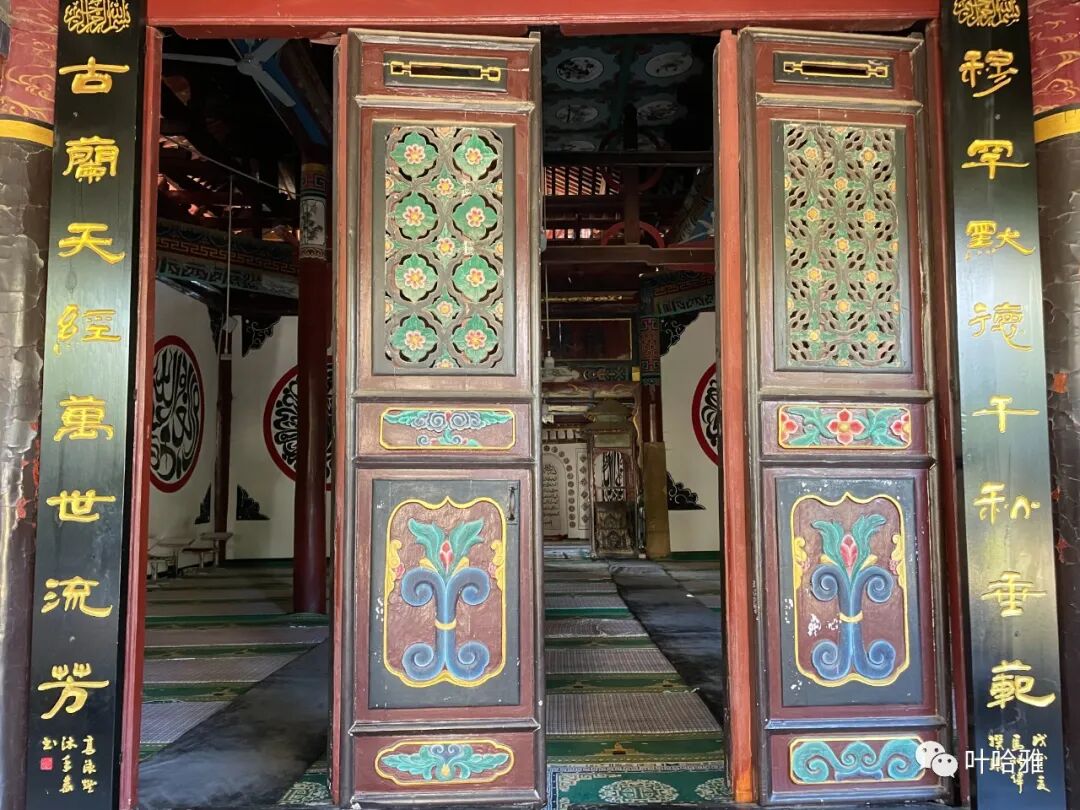
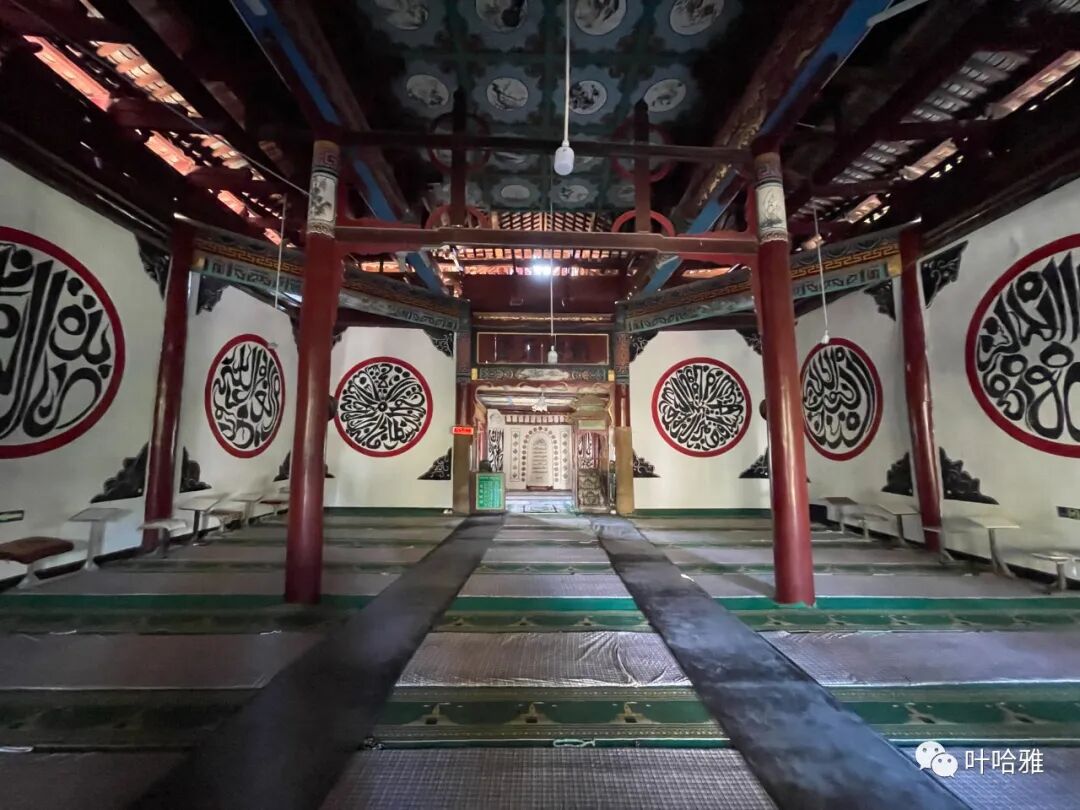
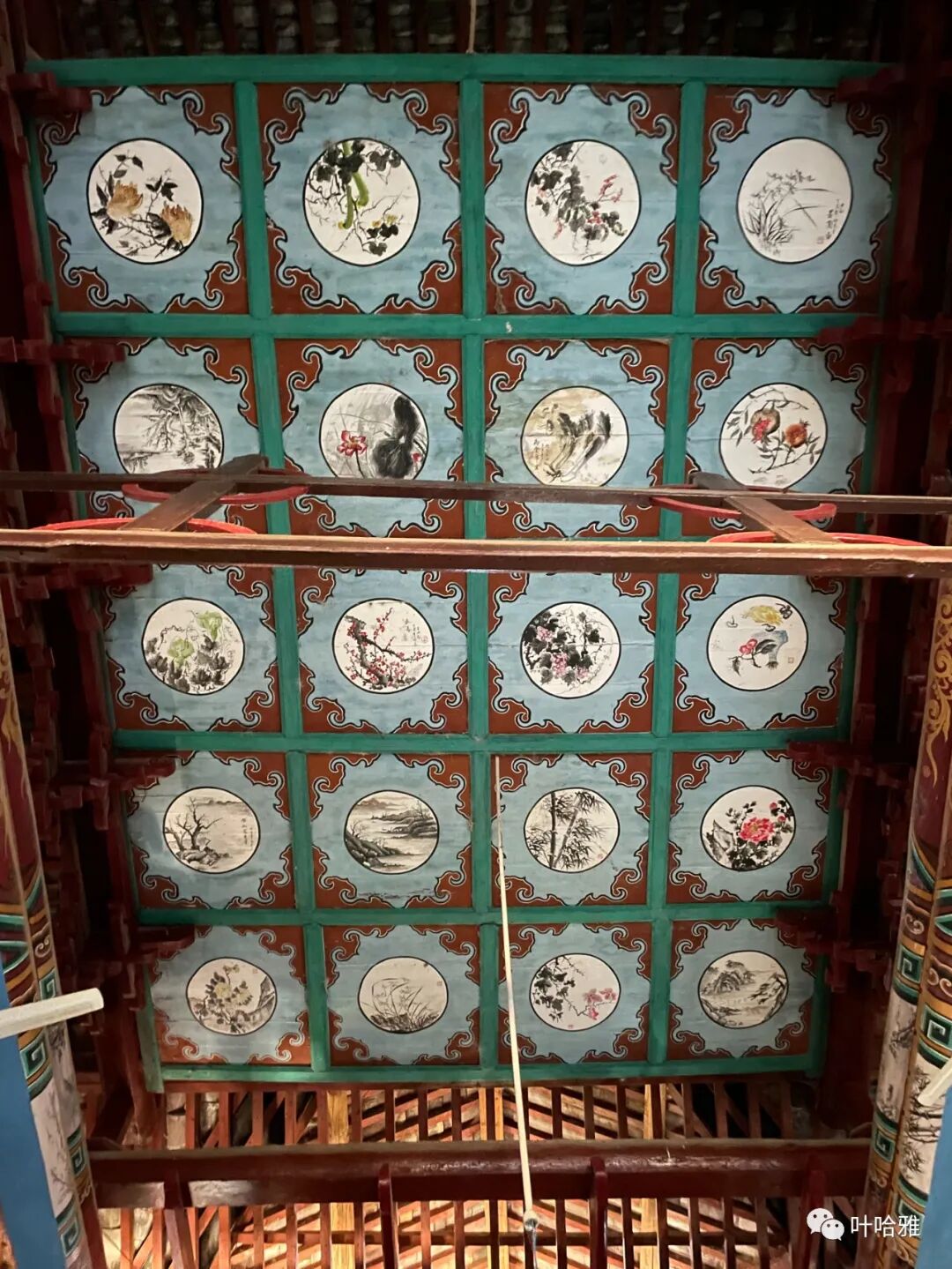
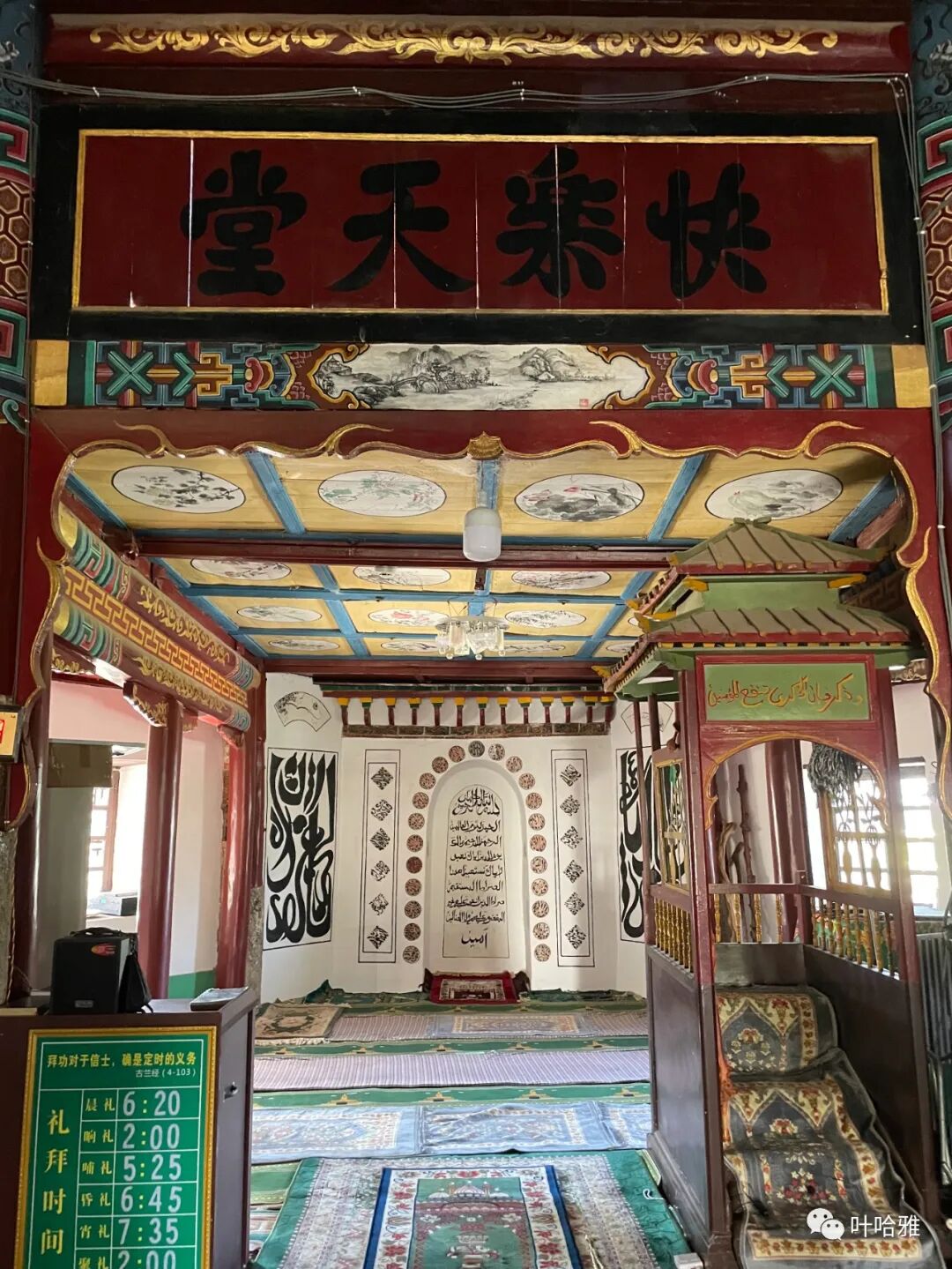
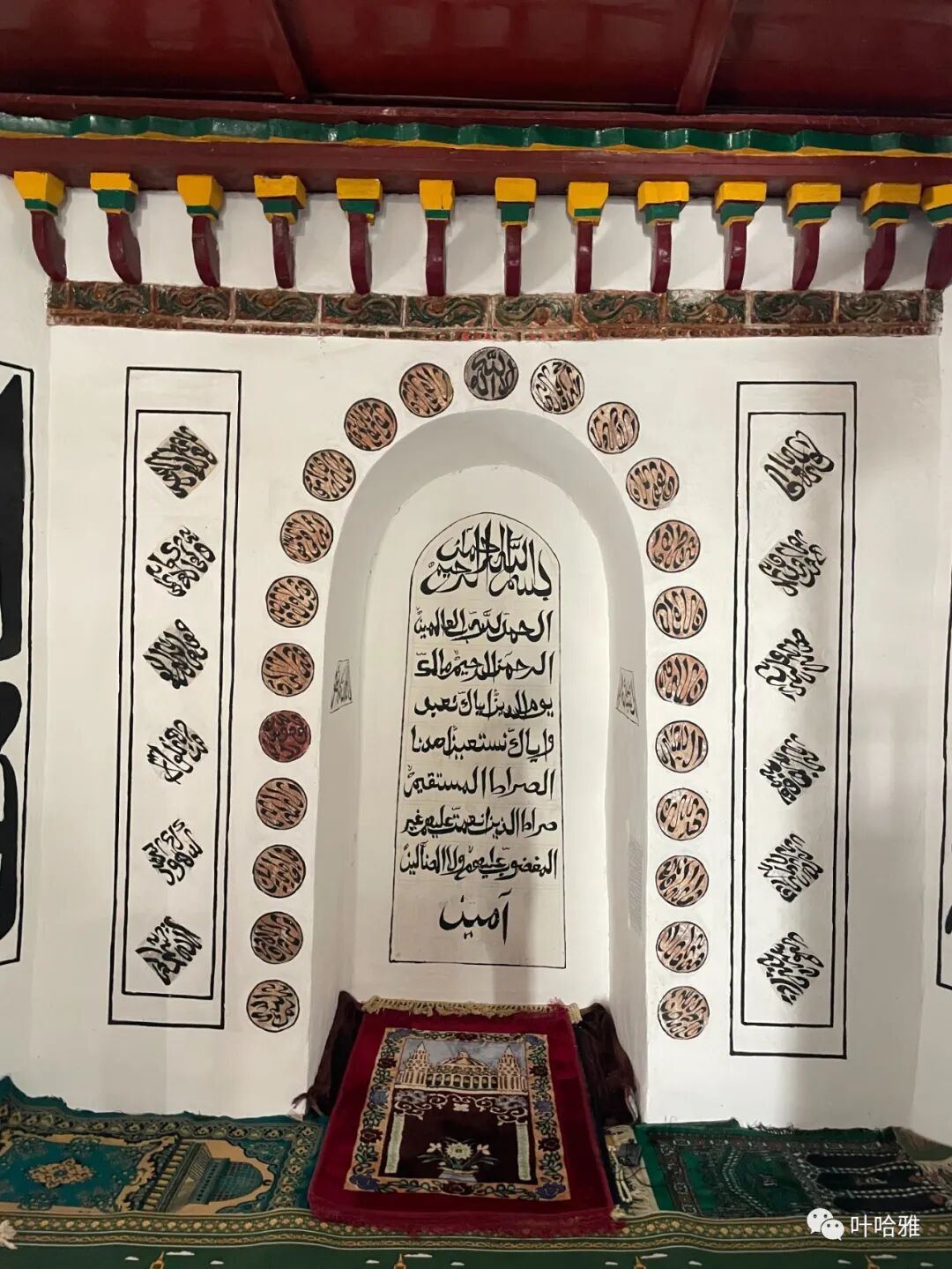
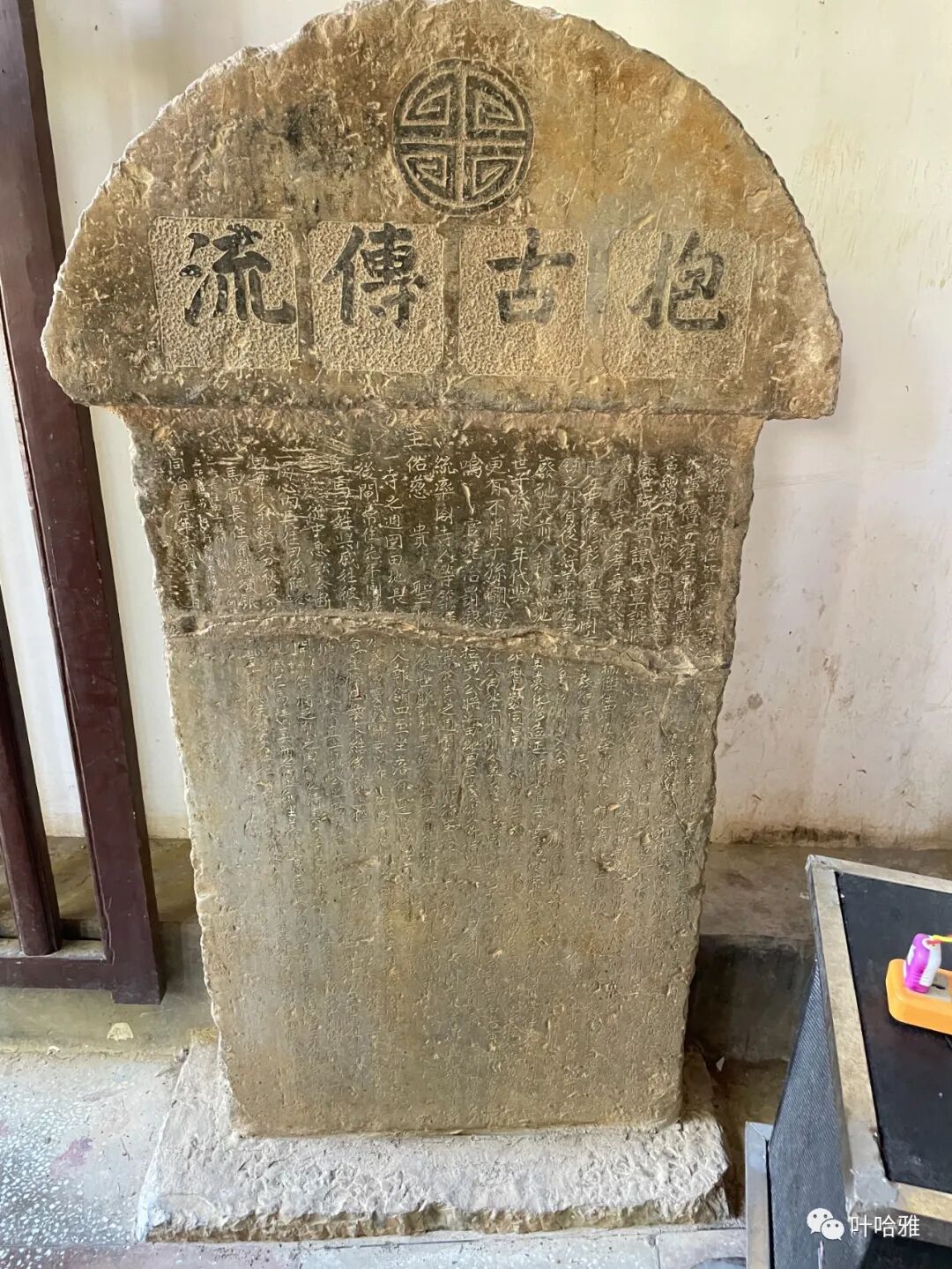
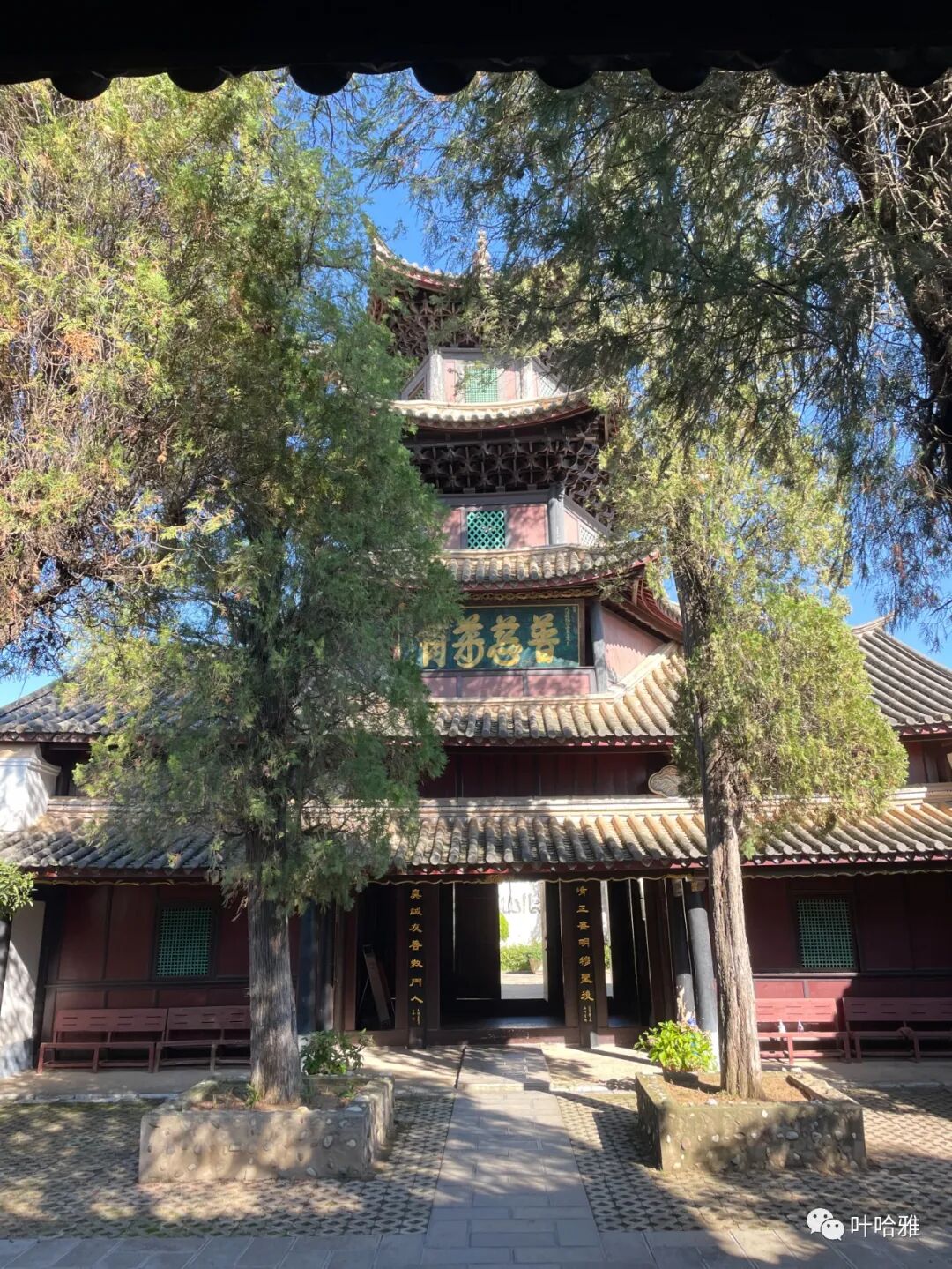
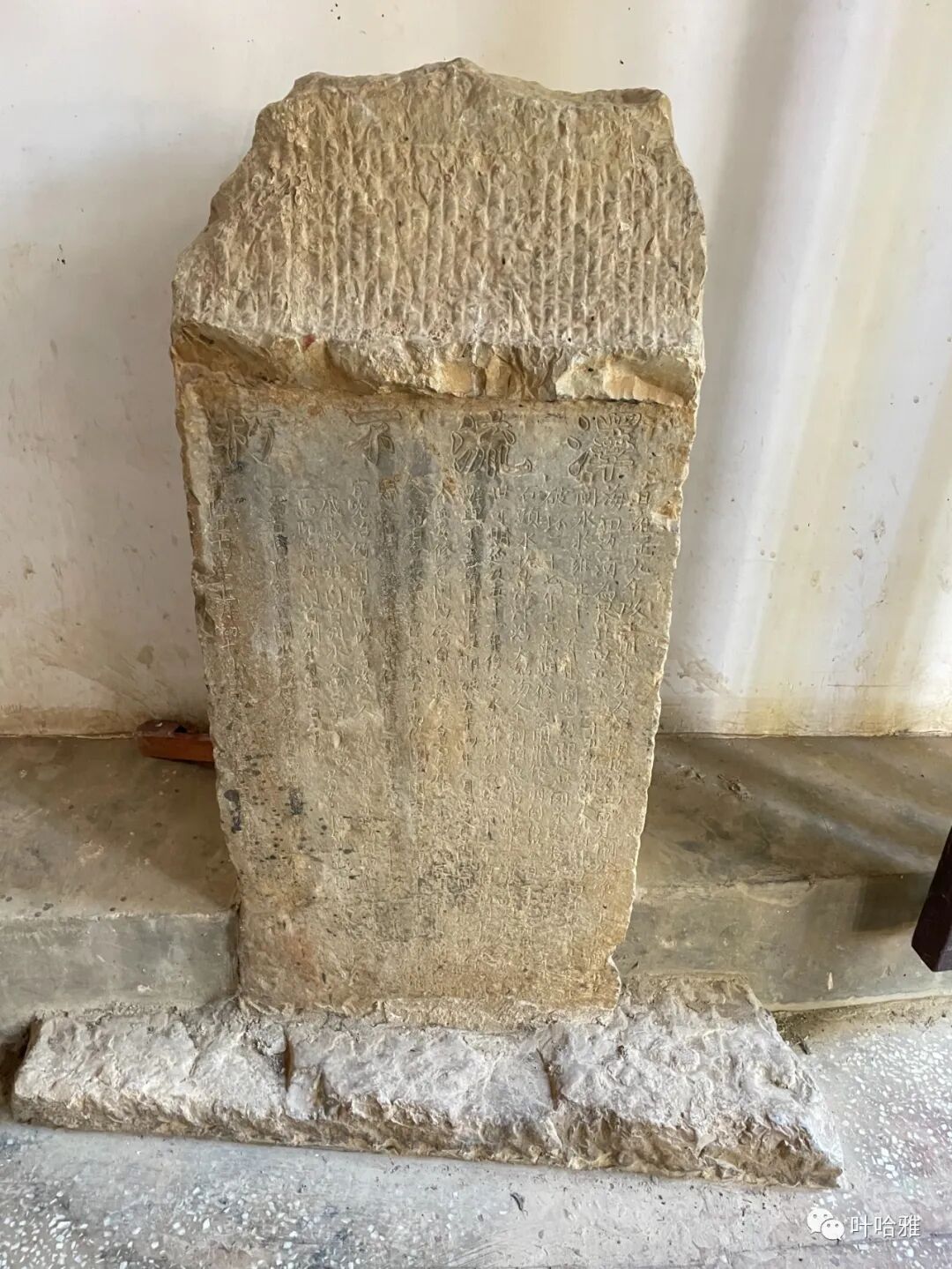
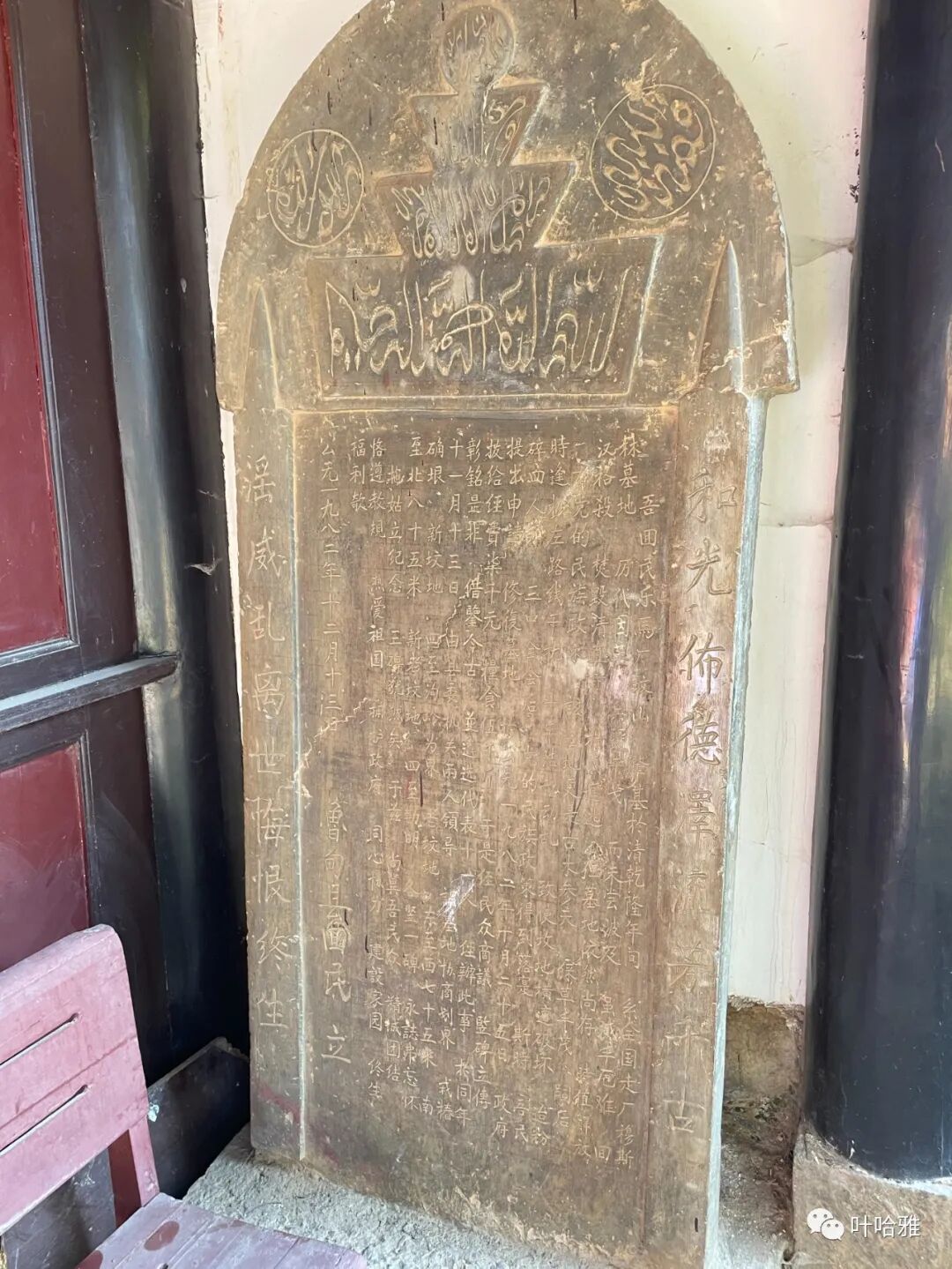
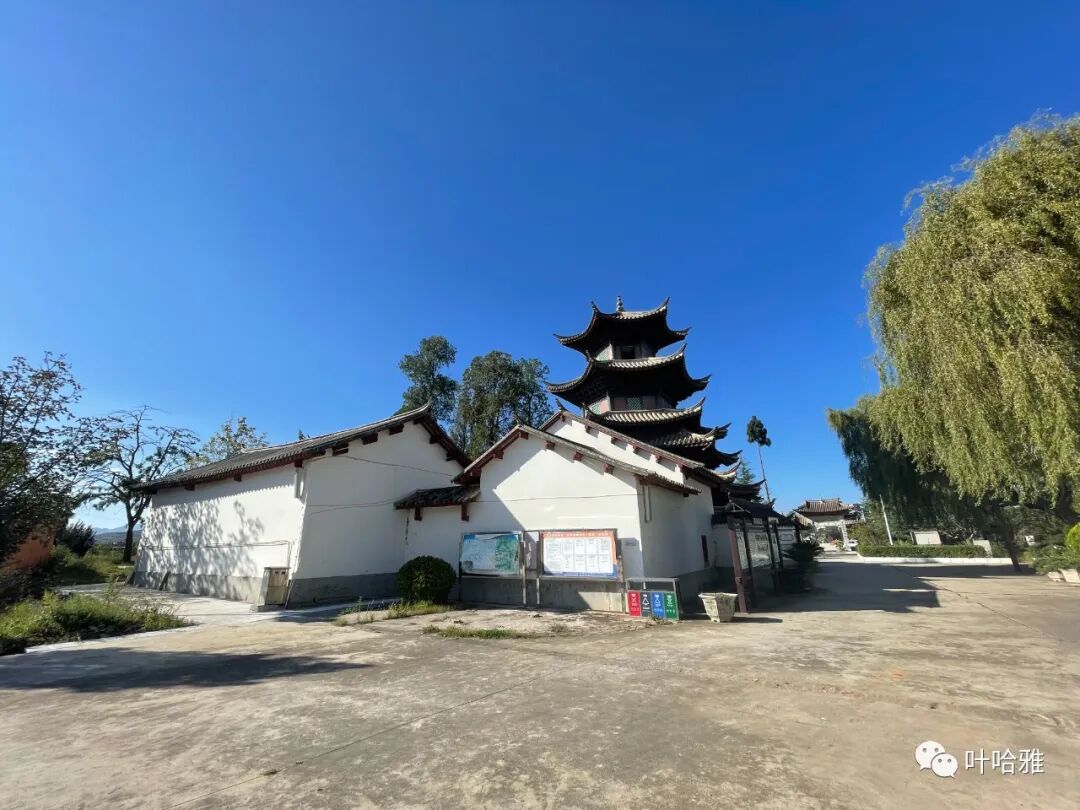
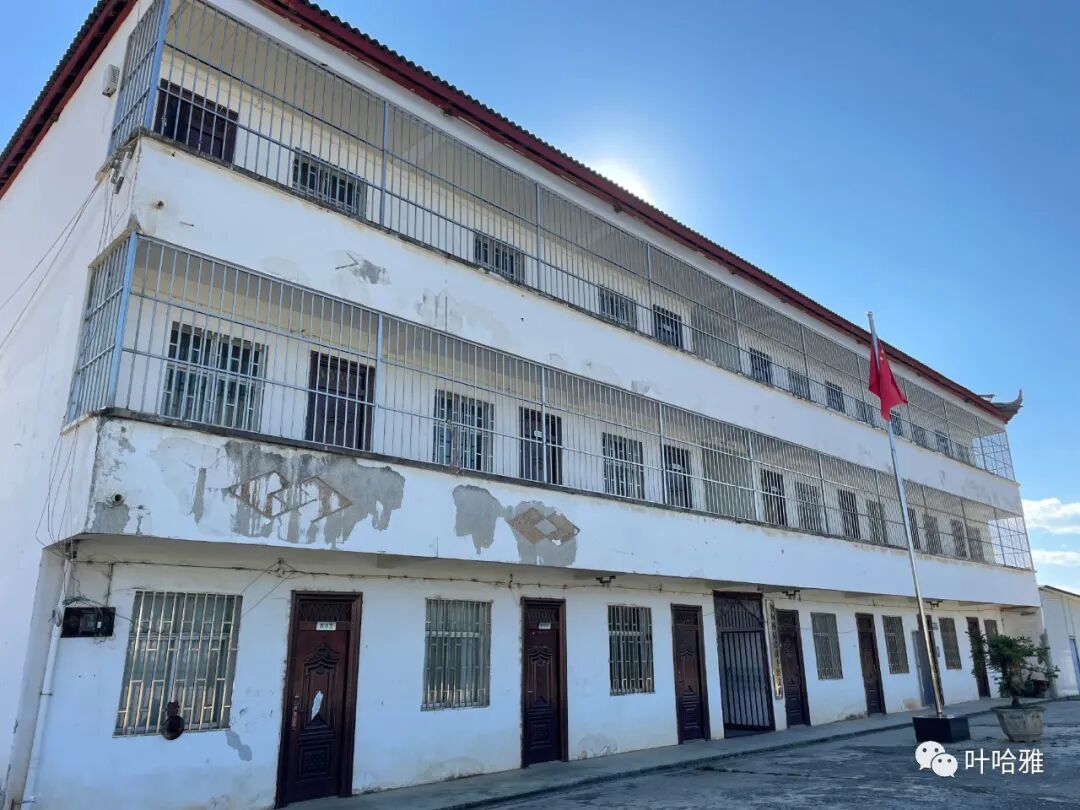
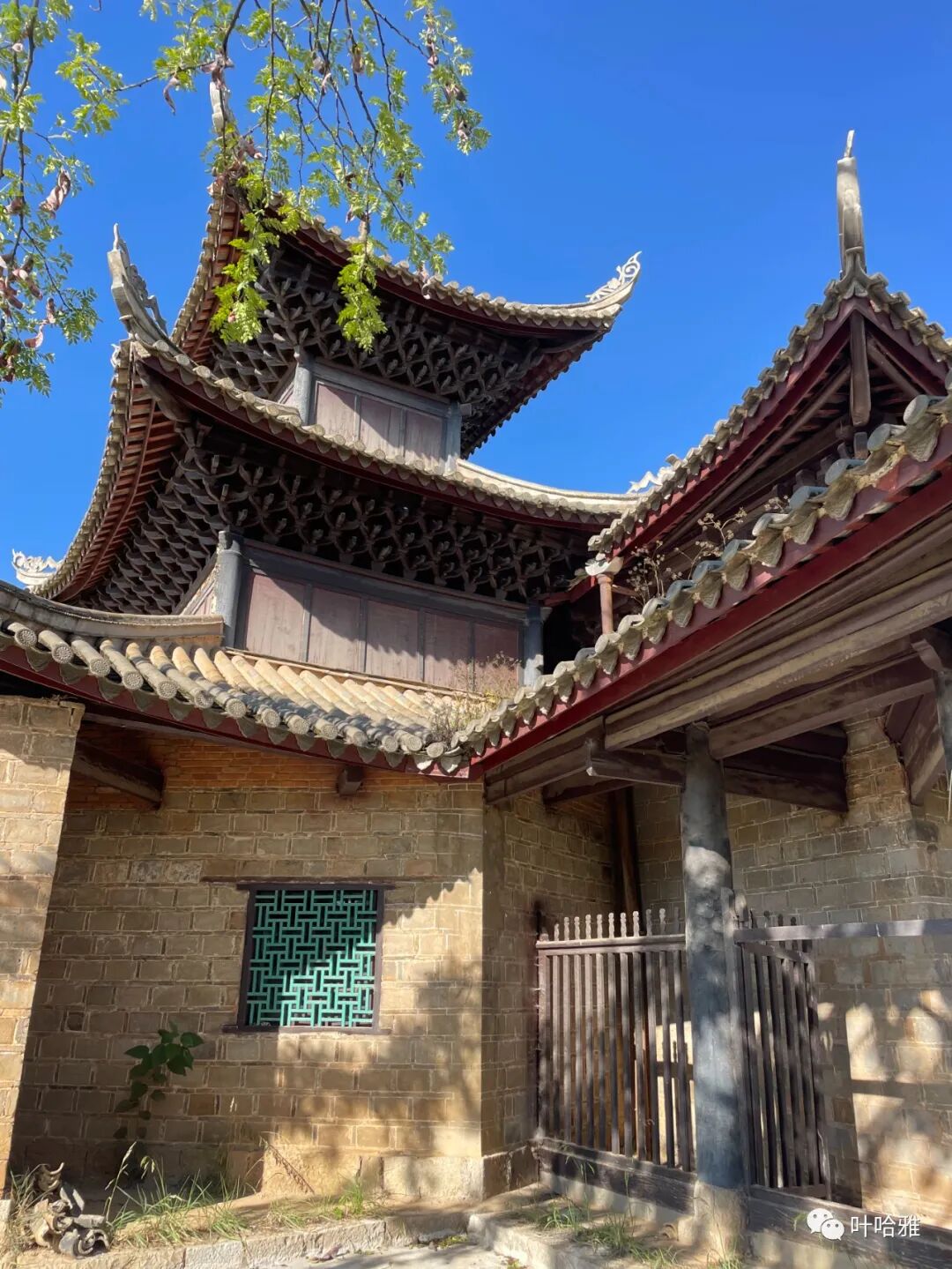
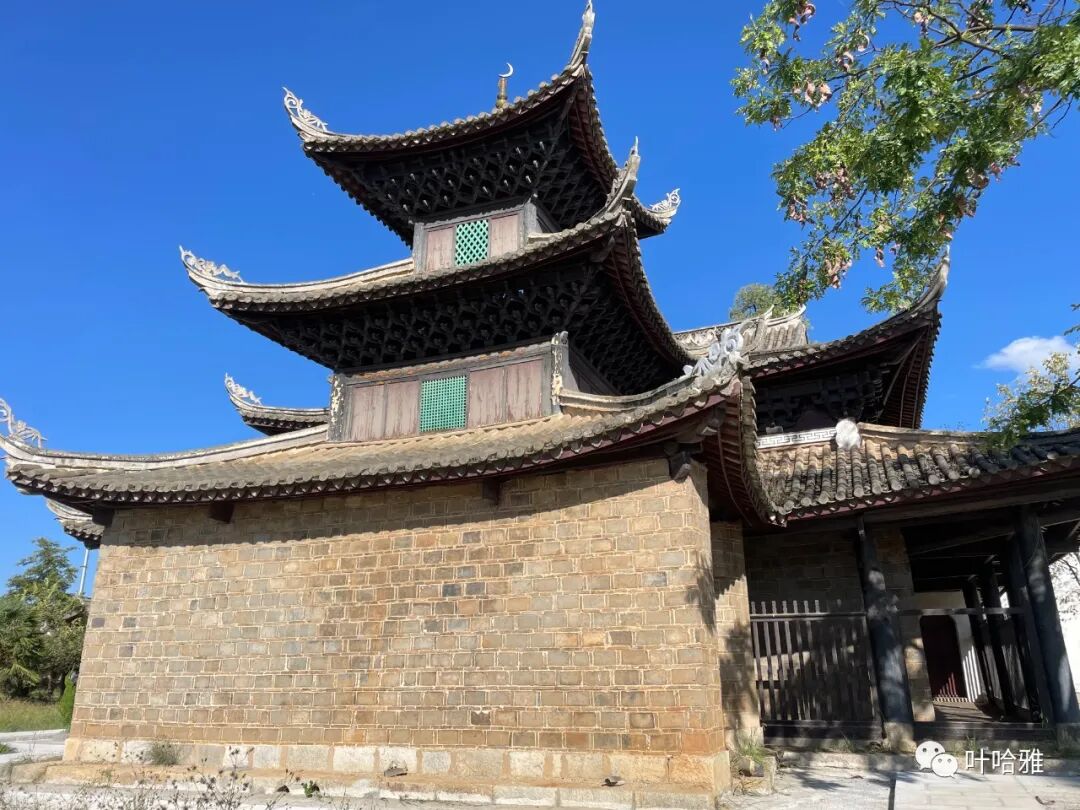
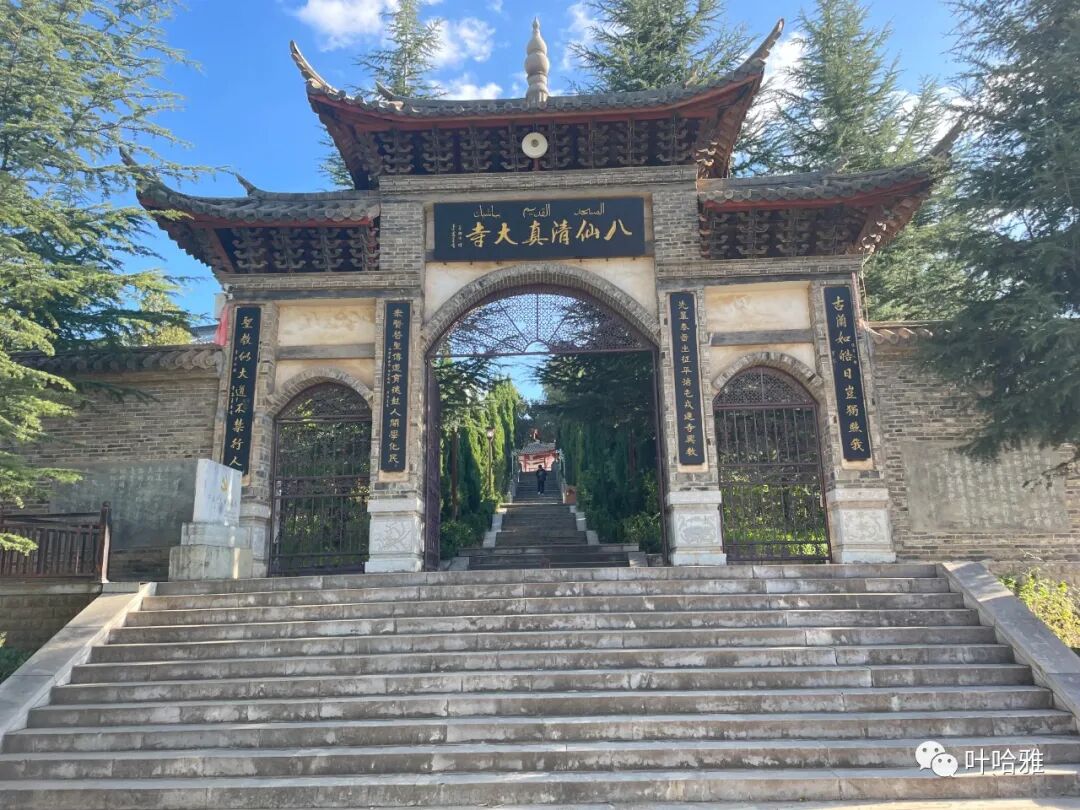
Zhaotong Baxian grand mosque.
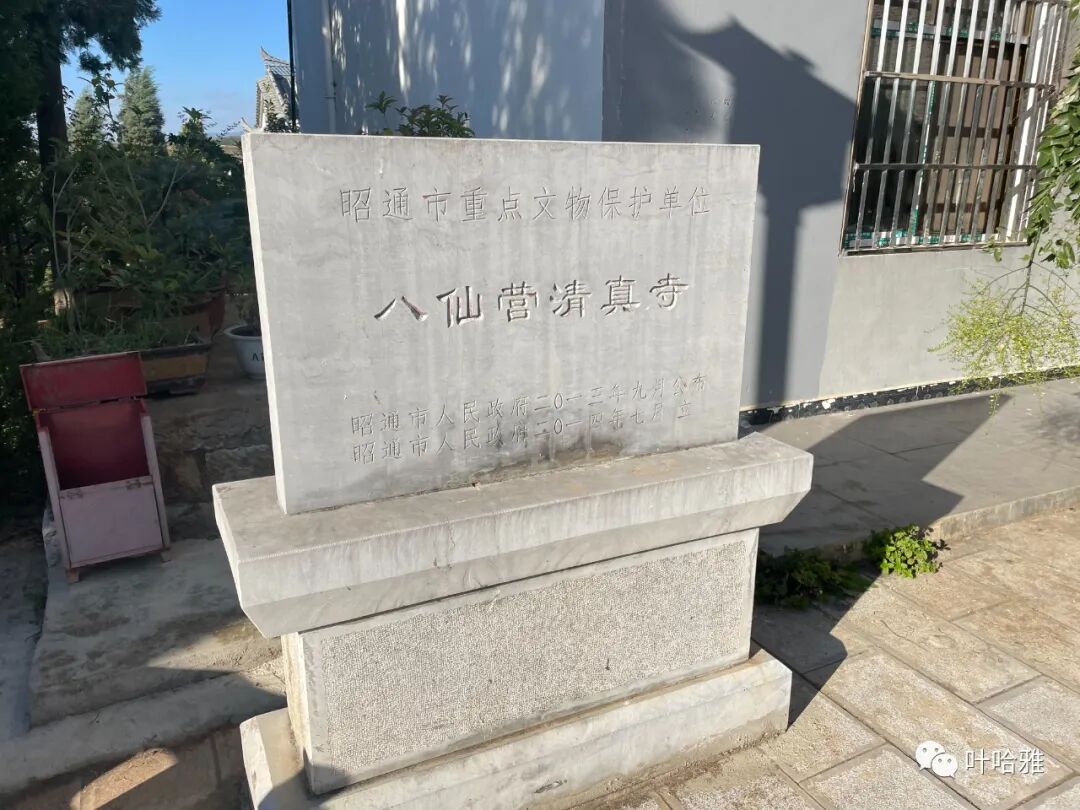
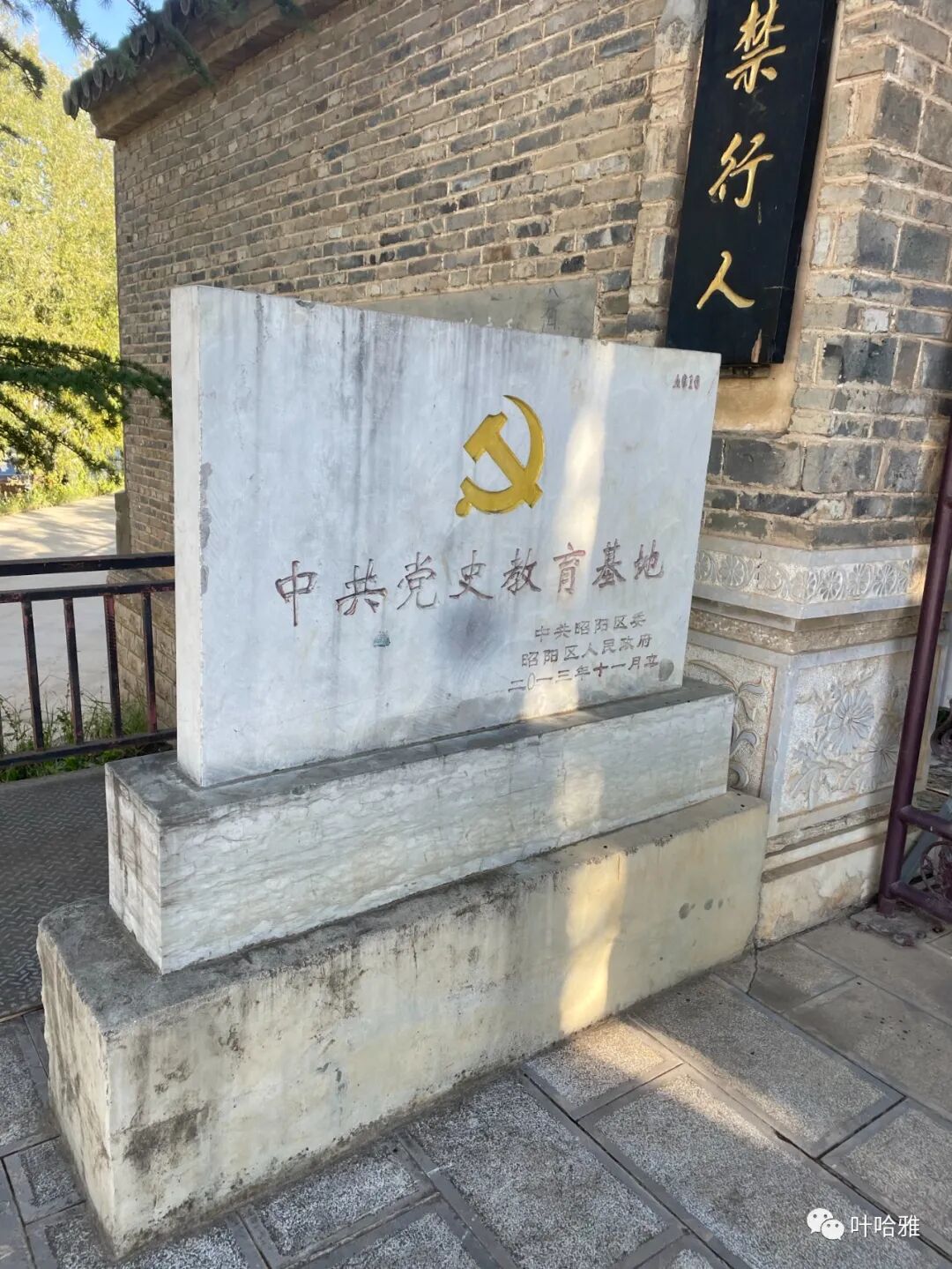
Zhaotong Baxian mosque is one of the eight scenic spots in Zhaoyang. It was first built during the Yongzheng period. It was once the site of the 43rd Division headquarters of the People's Liberation Army and includes a party school inside.
Summary: This China mosque travel guide follows the Yunnan Long March route through Xundian and Kedu, covering Yuping Mosque, Dangui and Huihui villages, halal Xundian food, Tuogu, Zhaotong Baxian Mosque, and Hui Muslim history along the road.
A Road Trip Through Yunnan: Three Ancient Mosques on the Long March Route is presented here as a firsthand travel account in clear English, beginning with this scene: In Kedu Town, located in the Xundian Hui and Yi Autonomous County under Kunming, Yunnan, there are two Hui Muslim villages called Dangui Village and Huihui Village. The account keeps its focus on Halal Travel, Yiwu Food, Mosque Travel while preserving the names, places, food, and historical details from the Chinese source.
In Kedu Town, located in the Xundian Hui and Yi Autonomous County under Kunming, Yunnan, there are two Hui Muslim villages called Dangui Village and Huihui Village. These villages once served as the headquarters for the Central Red Army. Leaders including Mao Zedong, Zhou Enlai, Zhu De, Liu Bocheng, Zhang Wentian, and Wang Jiaxiang all stayed here. The Central Red Army made specific plans here to cross the Jinsha River at Jiaoping Ferry, which allowed the Red Army to cross the river successfully.
Yuping Mosque in Xundian
Kedu Town is an 80-kilometer drive from the Xundian county seat. We rested in the county seat for a day to prepare for our trip to Kedu Town the next morning. While drinking coffee in the county seat, we happened to see the Yuping Mosque across the street and went there to perform a prayer.
Yuping Mosque was first built between the late Ming and early Qing dynasties, and the current main hall was built in 2010.
Jinxingyue Restaurant
A local young lady in Xundian invited our family of three to eat authentic Xundian food at Jinxingyue. This restaurant has been open for at least 10 years and is one of the top choices for engagement banquets among Xundian locals. The food and the environment are both excellent, and most restaurants on the streets of Xundian are halal.
Fahim was playing in the courtyard when another young lady took a liking to him and chased after him to play together.
Local specialty pan-fried tea (jiancha). This stove can be used for heating, boiling tea, and grilling.
Xundian's oil-drizzled dried beef (youlin niuganba). The locals have high standards for food. They think Kunming doesn't have as much good food as Xundian. Xundian is where people from Kunming go for weekend getaways and farm-style meals.
Roasted chicken and potato pancakes (yangyu bing) are specialties. The roasted chicken is tender and flavorful, and the potato pancakes are salty, fresh, and crispy.
Thick pea porridge (xi doufen) and wheat flatbread (mai baba). Yunnan people call things like steamed buns baba. The wheat flatbread is very soft and fluffy, and it tastes great when dipped in the thick pea porridge to soak up the soup.
Jibao Beef Restaurant
This is another hidden gem that locals love. People say you even have to wait in line at night because it is so popular.
At this Yunnan-style restaurant, you pick your own vegetables. You choose from a variety of wild greens in the freezer, and the kitchen cooks them for you.
The cold sliced beef (liangpian) from Xundian is boiled in plain water and served with a spicy and sour dipping sauce.
This sweet and sour pork tenderloin (tangcu liji) is made with pineapple and is mainly served to help children eat their rice.
Yunnan bitter melon is delicious, and I enjoy the bitter taste.
Kedu Town
The road to Kedu Town is a winding mountain path. Because it is a red tourism town, the government pays close attention to it, so the road nearby is well-maintained and not too difficult to drive. Just watch your speed, and expect the drive to take at least an hour and a half.
The town is deep in the mountains with nice scenery. Most of the paths the Red Army took during the Long March were these kinds of remote mountain roads.
Dangui Red Army Village
The Red Army Long March Memorial Hall in Dangui Village is open to the public for free.
The Party could not have gained national power without the support of ethnic minorities. The relationship between Chinese Muslims and various Chinese regimes throughout history is the same. Whenever they stayed in line with the central government, they developed; otherwise, they suffered major setbacks. You can refer to the book 'Chinese Regimes and Islam Throughout History' for details.
Because the Party's founding members were treated well by ethnic minorities during difficult times, they had a positive view of them, which led to the ethnic minority policies established after the founding of the country.
The red halal restaurant in the village is called Huadamen Restaurant.
The village walls are decorated with folk songs from Hui Muslims and other ethnic minorities, all praising the Red Army.
Dangui Mosque.
The founding date of Dangui Mosque is unknown, but it was renovated in the 22nd year of the Guangxu reign of the Qing Dynasty and is now a provincial-level cultural heritage site.
On the mosque's crossbeams, there is a slogan left by the Red Army that says, "The Red Army absolutely does not press-gang." This means they did not force men into military service.
On the third floor of the minaret, there is a poster showing a story from the past. After the Red Army defeated local tyrants, they took ham to cook at Huihui Mosque. When Commander-in-Chief Zhu De found out, he walked to the mosque to apologize to Imam Jin.
Looking down at Dangui Village from the top of the minaret.
The Huihui Village mentioned above shares the same name as the Huihui Village in Sanya and is two kilometers away from Dangui Village.
Huihui Village Mosque.
Huihui Mosque is built in the center of the village, and it also has a slogan left by the Red Army.
The slogan is on the side of the minaret and reads, "The Red Army absolutely protects the interests of the Hui worker and peasant masses." "Hui home" refers to the homes of Hui Muslims, as the term Hui Muslims was not yet used as an official name before liberation.
The founding record of the Chinese-Arabic school inside the Huihui Village mosque.
Patterns on the gate of a house across from the Huihui mosque.
Tuogu Village in Ludian.
On the way back to Beijing from Xundian, I passed a small halal shop at the entrance of Tuogu Village. They had Ma Laobiao rice noodles (mixian), and I bought plenty of instant food for the trip.
Tuogu grilled tofu (shaodoufu) for one yuan a piece.
Tuogu mosque.
Tuogu mosque was first built in the eighth year of the Yongzheng reign. It covers 7,000 square meters, is the largest mosque in northeastern Yunnan, and is now a provincial-level cultural heritage site.
Zhaotong Baxian grand mosque.
Zhaotong Baxian mosque is one of the eight scenic spots in Zhaoyang. It was first built during the Yongzheng period. It was once the site of the 43rd Division headquarters of the People's Liberation Army and includes a party school inside.
China Mosque Travel Guide Yunnan: Xundian Ancient Mosques, Hui Muslim Villages and Long March Route
Articles • yusuf908 posted the article • 0 comments • 229 views • 2026-05-22 22:52
Reposted from the web
Summary: This China mosque travel guide follows the Yunnan Long March route through Xundian and Kedu, covering Yuping Mosque, Dangui and Huihui villages, halal Xundian food, Tuogu, Zhaotong Baxian Mosque, and Hui Muslim history along the road.
A Road Trip Through Yunnan: Three Ancient Mosques on the Long March Route is presented here as a firsthand travel account in clear English, beginning with this scene: In Kedu Town, located in the Xundian Hui and Yi Autonomous County under Kunming, Yunnan, there are two Hui Muslim villages called Dangui Village and Huihui Village. The account keeps its focus on Halal Travel, Yiwu Food, Mosque Travel while preserving the names, places, food, and historical details from the Chinese source.
In Kedu Town, located in the Xundian Hui and Yi Autonomous County under Kunming, Yunnan, there are two Hui Muslim villages called Dangui Village and Huihui Village. These villages once served as the headquarters for the Central Red Army. Leaders including Mao Zedong, Zhou Enlai, Zhu De, Liu Bocheng, Zhang Wentian, and Wang Jiaxiang all stayed here. The Central Red Army made specific plans here to cross the Jinsha River at Jiaoping Ferry, which allowed the Red Army to cross the river successfully.
Yuping Mosque in Xundian
Kedu Town is an 80-kilometer drive from the Xundian county seat. We rested in the county seat for a day to prepare for our trip to Kedu Town the next morning. While drinking coffee in the county seat, we happened to see the Yuping Mosque across the street and went there to perform a prayer.
Yuping Mosque was first built between the late Ming and early Qing dynasties, and the current main hall was built in 2010.
Jinxingyue Restaurant
A local young lady in Xundian invited our family of three to eat authentic Xundian food at Jinxingyue. This restaurant has been open for at least 10 years and is one of the top choices for engagement banquets among Xundian locals. The food and the environment are both excellent, and most restaurants on the streets of Xundian are halal.
Fahim was playing in the courtyard when another young lady took a liking to him and chased after him to play together.
Local specialty pan-fried tea (jiancha). This stove can be used for heating, boiling tea, and grilling.
Xundian's oil-drizzled dried beef (youlin niuganba). The locals have high standards for food. They think Kunming doesn't have as much good food as Xundian. Xundian is where people from Kunming go for weekend getaways and farm-style meals.
Roasted chicken and potato pancakes (yangyu bing) are specialties. The roasted chicken is tender and flavorful, and the potato pancakes are salty, fresh, and crispy.
Thick pea porridge (xi doufen) and wheat flatbread (mai baba). Yunnan people call things like steamed buns baba. The wheat flatbread is very soft and fluffy, and it tastes great when dipped in the thick pea porridge to soak up the soup.
Jibao Beef Restaurant
This is another hidden gem that locals love. People say you even have to wait in line at night because it is so popular.
At this Yunnan-style restaurant, you pick your own vegetables. You choose from a variety of wild greens in the freezer, and the kitchen cooks them for you.
The cold sliced beef (liangpian) from Xundian is boiled in plain water and served with a spicy and sour dipping sauce.
This sweet and sour pork tenderloin (tangcu liji) is made with pineapple and is mainly served to help children eat their rice.
Yunnan bitter melon is delicious, and I enjoy the bitter taste.
Kedu Town
The road to Kedu Town is a winding mountain path. Because it is a red tourism town, the government pays close attention to it, so the road nearby is well-maintained and not too difficult to drive. Just watch your speed, and expect the drive to take at least an hour and a half.
The town is deep in the mountains with nice scenery. Most of the paths the Red Army took during the Long March were these kinds of remote mountain roads.
Dangui Red Army Village
The Red Army Long March Memorial Hall in Dangui Village is open to the public for free.
The Party could not have gained national power without the support of ethnic minorities. The relationship between Chinese Muslims and various Chinese regimes throughout history is the same. Whenever they stayed in line with the central government, they developed; otherwise, they suffered major setbacks. You can refer to the book 'Chinese Regimes and Islam Throughout History' for details.
Because the Party's founding members were treated well by ethnic minorities during difficult times, they had a positive view of them, which led to the ethnic minority policies established after the founding of the country.
The red halal restaurant in the village is called Huadamen Restaurant.
The village walls are decorated with folk songs from Hui Muslims and other ethnic minorities, all praising the Red Army.
Dangui Mosque.
The founding date of Dangui Mosque is unknown, but it was renovated in the 22nd year of the Guangxu reign of the Qing Dynasty and is now a provincial-level cultural heritage site.
On the mosque's crossbeams, there is a slogan left by the Red Army that says, "The Red Army absolutely does not press-gang." This means they did not force men into military service.
On the third floor of the minaret, there is a poster showing a story from the past. After the Red Army defeated local tyrants, they took ham to cook at Huihui Mosque. When Commander-in-Chief Zhu De found out, he walked to the mosque to apologize to Imam Jin.
Looking down at Dangui Village from the top of the minaret.
The Huihui Village mentioned above shares the same name as the Huihui Village in Sanya and is two kilometers away from Dangui Village.
Huihui Village Mosque.
Huihui Mosque is built in the center of the village, and it also has a slogan left by the Red Army.
The slogan is on the side of the minaret and reads, "The Red Army absolutely protects the interests of the Hui worker and peasant masses." "Hui home" refers to the homes of Hui Muslims, as the term Hui Muslims was not yet used as an official name before liberation.
The founding record of the Chinese-Arabic school inside the Huihui Village mosque.
Patterns on the gate of a house across from the Huihui mosque.
Tuogu Village in Ludian.
On the way back to Beijing from Xundian, I passed a small halal shop at the entrance of Tuogu Village. They had Ma Laobiao rice noodles (mixian), and I bought plenty of instant food for the trip.
Tuogu grilled tofu (shaodoufu) for one yuan a piece.
Tuogu mosque.
Tuogu mosque was first built in the eighth year of the Yongzheng reign. It covers 7,000 square meters, is the largest mosque in northeastern Yunnan, and is now a provincial-level cultural heritage site.
Zhaotong Baxian grand mosque.
Zhaotong Baxian mosque is one of the eight scenic spots in Zhaoyang. It was first built during the Yongzheng period. It was once the site of the 43rd Division headquarters of the People's Liberation Army and includes a party school inside. view all
Summary: This China mosque travel guide follows the Yunnan Long March route through Xundian and Kedu, covering Yuping Mosque, Dangui and Huihui villages, halal Xundian food, Tuogu, Zhaotong Baxian Mosque, and Hui Muslim history along the road.
A Road Trip Through Yunnan: Three Ancient Mosques on the Long March Route is presented here as a firsthand travel account in clear English, beginning with this scene: In Kedu Town, located in the Xundian Hui and Yi Autonomous County under Kunming, Yunnan, there are two Hui Muslim villages called Dangui Village and Huihui Village. The account keeps its focus on Halal Travel, Yiwu Food, Mosque Travel while preserving the names, places, food, and historical details from the Chinese source.
In Kedu Town, located in the Xundian Hui and Yi Autonomous County under Kunming, Yunnan, there are two Hui Muslim villages called Dangui Village and Huihui Village. These villages once served as the headquarters for the Central Red Army. Leaders including Mao Zedong, Zhou Enlai, Zhu De, Liu Bocheng, Zhang Wentian, and Wang Jiaxiang all stayed here. The Central Red Army made specific plans here to cross the Jinsha River at Jiaoping Ferry, which allowed the Red Army to cross the river successfully.
Yuping Mosque in Xundian
Kedu Town is an 80-kilometer drive from the Xundian county seat. We rested in the county seat for a day to prepare for our trip to Kedu Town the next morning. While drinking coffee in the county seat, we happened to see the Yuping Mosque across the street and went there to perform a prayer.
Yuping Mosque was first built between the late Ming and early Qing dynasties, and the current main hall was built in 2010.
Jinxingyue Restaurant
A local young lady in Xundian invited our family of three to eat authentic Xundian food at Jinxingyue. This restaurant has been open for at least 10 years and is one of the top choices for engagement banquets among Xundian locals. The food and the environment are both excellent, and most restaurants on the streets of Xundian are halal.
Fahim was playing in the courtyard when another young lady took a liking to him and chased after him to play together.
Local specialty pan-fried tea (jiancha). This stove can be used for heating, boiling tea, and grilling.
Xundian's oil-drizzled dried beef (youlin niuganba). The locals have high standards for food. They think Kunming doesn't have as much good food as Xundian. Xundian is where people from Kunming go for weekend getaways and farm-style meals.
Roasted chicken and potato pancakes (yangyu bing) are specialties. The roasted chicken is tender and flavorful, and the potato pancakes are salty, fresh, and crispy.
Thick pea porridge (xi doufen) and wheat flatbread (mai baba). Yunnan people call things like steamed buns baba. The wheat flatbread is very soft and fluffy, and it tastes great when dipped in the thick pea porridge to soak up the soup.
Jibao Beef Restaurant
This is another hidden gem that locals love. People say you even have to wait in line at night because it is so popular.
At this Yunnan-style restaurant, you pick your own vegetables. You choose from a variety of wild greens in the freezer, and the kitchen cooks them for you.
The cold sliced beef (liangpian) from Xundian is boiled in plain water and served with a spicy and sour dipping sauce.
This sweet and sour pork tenderloin (tangcu liji) is made with pineapple and is mainly served to help children eat their rice.
Yunnan bitter melon is delicious, and I enjoy the bitter taste.
Kedu Town
The road to Kedu Town is a winding mountain path. Because it is a red tourism town, the government pays close attention to it, so the road nearby is well-maintained and not too difficult to drive. Just watch your speed, and expect the drive to take at least an hour and a half.
The town is deep in the mountains with nice scenery. Most of the paths the Red Army took during the Long March were these kinds of remote mountain roads.
Dangui Red Army Village
The Red Army Long March Memorial Hall in Dangui Village is open to the public for free.
The Party could not have gained national power without the support of ethnic minorities. The relationship between Chinese Muslims and various Chinese regimes throughout history is the same. Whenever they stayed in line with the central government, they developed; otherwise, they suffered major setbacks. You can refer to the book 'Chinese Regimes and Islam Throughout History' for details.
Because the Party's founding members were treated well by ethnic minorities during difficult times, they had a positive view of them, which led to the ethnic minority policies established after the founding of the country.
The red halal restaurant in the village is called Huadamen Restaurant.
The village walls are decorated with folk songs from Hui Muslims and other ethnic minorities, all praising the Red Army.
Dangui Mosque.
The founding date of Dangui Mosque is unknown, but it was renovated in the 22nd year of the Guangxu reign of the Qing Dynasty and is now a provincial-level cultural heritage site.
On the mosque's crossbeams, there is a slogan left by the Red Army that says, "The Red Army absolutely does not press-gang." This means they did not force men into military service.
On the third floor of the minaret, there is a poster showing a story from the past. After the Red Army defeated local tyrants, they took ham to cook at Huihui Mosque. When Commander-in-Chief Zhu De found out, he walked to the mosque to apologize to Imam Jin.
Looking down at Dangui Village from the top of the minaret.
The Huihui Village mentioned above shares the same name as the Huihui Village in Sanya and is two kilometers away from Dangui Village.
Huihui Village Mosque.
Huihui Mosque is built in the center of the village, and it also has a slogan left by the Red Army.
The slogan is on the side of the minaret and reads, "The Red Army absolutely protects the interests of the Hui worker and peasant masses." "Hui home" refers to the homes of Hui Muslims, as the term Hui Muslims was not yet used as an official name before liberation.
The founding record of the Chinese-Arabic school inside the Huihui Village mosque.
Patterns on the gate of a house across from the Huihui mosque.
Tuogu Village in Ludian.
On the way back to Beijing from Xundian, I passed a small halal shop at the entrance of Tuogu Village. They had Ma Laobiao rice noodles (mixian), and I bought plenty of instant food for the trip.
Tuogu grilled tofu (shaodoufu) for one yuan a piece.
Tuogu mosque.
Tuogu mosque was first built in the eighth year of the Yongzheng reign. It covers 7,000 square meters, is the largest mosque in northeastern Yunnan, and is now a provincial-level cultural heritage site.
Zhaotong Baxian grand mosque.
Zhaotong Baxian mosque is one of the eight scenic spots in Zhaoyang. It was first built during the Yongzheng period. It was once the site of the 43rd Division headquarters of the People's Liberation Army and includes a party school inside. view all
Reposted from the web
Summary: This China mosque travel guide follows the Yunnan Long March route through Xundian and Kedu, covering Yuping Mosque, Dangui and Huihui villages, halal Xundian food, Tuogu, Zhaotong Baxian Mosque, and Hui Muslim history along the road.
A Road Trip Through Yunnan: Three Ancient Mosques on the Long March Route is presented here as a firsthand travel account in clear English, beginning with this scene: In Kedu Town, located in the Xundian Hui and Yi Autonomous County under Kunming, Yunnan, there are two Hui Muslim villages called Dangui Village and Huihui Village. The account keeps its focus on Halal Travel, Yiwu Food, Mosque Travel while preserving the names, places, food, and historical details from the Chinese source.
In Kedu Town, located in the Xundian Hui and Yi Autonomous County under Kunming, Yunnan, there are two Hui Muslim villages called Dangui Village and Huihui Village. These villages once served as the headquarters for the Central Red Army. Leaders including Mao Zedong, Zhou Enlai, Zhu De, Liu Bocheng, Zhang Wentian, and Wang Jiaxiang all stayed here. The Central Red Army made specific plans here to cross the Jinsha River at Jiaoping Ferry, which allowed the Red Army to cross the river successfully.
Yuping Mosque in Xundian
Kedu Town is an 80-kilometer drive from the Xundian county seat. We rested in the county seat for a day to prepare for our trip to Kedu Town the next morning. While drinking coffee in the county seat, we happened to see the Yuping Mosque across the street and went there to perform a prayer.
Yuping Mosque was first built between the late Ming and early Qing dynasties, and the current main hall was built in 2010.
Jinxingyue Restaurant
A local young lady in Xundian invited our family of three to eat authentic Xundian food at Jinxingyue. This restaurant has been open for at least 10 years and is one of the top choices for engagement banquets among Xundian locals. The food and the environment are both excellent, and most restaurants on the streets of Xundian are halal.
Fahim was playing in the courtyard when another young lady took a liking to him and chased after him to play together.
Local specialty pan-fried tea (jiancha). This stove can be used for heating, boiling tea, and grilling.
Xundian's oil-drizzled dried beef (youlin niuganba). The locals have high standards for food. They think Kunming doesn't have as much good food as Xundian. Xundian is where people from Kunming go for weekend getaways and farm-style meals.
Roasted chicken and potato pancakes (yangyu bing) are specialties. The roasted chicken is tender and flavorful, and the potato pancakes are salty, fresh, and crispy.
Thick pea porridge (xi doufen) and wheat flatbread (mai baba). Yunnan people call things like steamed buns baba. The wheat flatbread is very soft and fluffy, and it tastes great when dipped in the thick pea porridge to soak up the soup.
Jibao Beef Restaurant
This is another hidden gem that locals love. People say you even have to wait in line at night because it is so popular.
At this Yunnan-style restaurant, you pick your own vegetables. You choose from a variety of wild greens in the freezer, and the kitchen cooks them for you.
The cold sliced beef (liangpian) from Xundian is boiled in plain water and served with a spicy and sour dipping sauce.
This sweet and sour pork tenderloin (tangcu liji) is made with pineapple and is mainly served to help children eat their rice.
Yunnan bitter melon is delicious, and I enjoy the bitter taste.
Kedu Town
The road to Kedu Town is a winding mountain path. Because it is a red tourism town, the government pays close attention to it, so the road nearby is well-maintained and not too difficult to drive. Just watch your speed, and expect the drive to take at least an hour and a half.
The town is deep in the mountains with nice scenery. Most of the paths the Red Army took during the Long March were these kinds of remote mountain roads.
Dangui Red Army Village
The Red Army Long March Memorial Hall in Dangui Village is open to the public for free.
The Party could not have gained national power without the support of ethnic minorities. The relationship between Chinese Muslims and various Chinese regimes throughout history is the same. Whenever they stayed in line with the central government, they developed; otherwise, they suffered major setbacks. You can refer to the book 'Chinese Regimes and Islam Throughout History' for details.
Because the Party's founding members were treated well by ethnic minorities during difficult times, they had a positive view of them, which led to the ethnic minority policies established after the founding of the country.
The red halal restaurant in the village is called Huadamen Restaurant.
The village walls are decorated with folk songs from Hui Muslims and other ethnic minorities, all praising the Red Army.
Dangui Mosque.
The founding date of Dangui Mosque is unknown, but it was renovated in the 22nd year of the Guangxu reign of the Qing Dynasty and is now a provincial-level cultural heritage site.
On the mosque's crossbeams, there is a slogan left by the Red Army that says, "The Red Army absolutely does not press-gang." This means they did not force men into military service.
On the third floor of the minaret, there is a poster showing a story from the past. After the Red Army defeated local tyrants, they took ham to cook at Huihui Mosque. When Commander-in-Chief Zhu De found out, he walked to the mosque to apologize to Imam Jin.
Looking down at Dangui Village from the top of the minaret.
The Huihui Village mentioned above shares the same name as the Huihui Village in Sanya and is two kilometers away from Dangui Village.
Huihui Village Mosque.
Huihui Mosque is built in the center of the village, and it also has a slogan left by the Red Army.
The slogan is on the side of the minaret and reads, "The Red Army absolutely protects the interests of the Hui worker and peasant masses." "Hui home" refers to the homes of Hui Muslims, as the term Hui Muslims was not yet used as an official name before liberation.
The founding record of the Chinese-Arabic school inside the Huihui Village mosque.
Patterns on the gate of a house across from the Huihui mosque.
Tuogu Village in Ludian.
On the way back to Beijing from Xundian, I passed a small halal shop at the entrance of Tuogu Village. They had Ma Laobiao rice noodles (mixian), and I bought plenty of instant food for the trip.
Tuogu grilled tofu (shaodoufu) for one yuan a piece.
Tuogu mosque.
Tuogu mosque was first built in the eighth year of the Yongzheng reign. It covers 7,000 square meters, is the largest mosque in northeastern Yunnan, and is now a provincial-level cultural heritage site.
Zhaotong Baxian grand mosque.
Zhaotong Baxian mosque is one of the eight scenic spots in Zhaoyang. It was first built during the Yongzheng period. It was once the site of the 43rd Division headquarters of the People's Liberation Army and includes a party school inside.
Summary: This China mosque travel guide follows the Yunnan Long March route through Xundian and Kedu, covering Yuping Mosque, Dangui and Huihui villages, halal Xundian food, Tuogu, Zhaotong Baxian Mosque, and Hui Muslim history along the road.
A Road Trip Through Yunnan: Three Ancient Mosques on the Long March Route is presented here as a firsthand travel account in clear English, beginning with this scene: In Kedu Town, located in the Xundian Hui and Yi Autonomous County under Kunming, Yunnan, there are two Hui Muslim villages called Dangui Village and Huihui Village. The account keeps its focus on Halal Travel, Yiwu Food, Mosque Travel while preserving the names, places, food, and historical details from the Chinese source.
In Kedu Town, located in the Xundian Hui and Yi Autonomous County under Kunming, Yunnan, there are two Hui Muslim villages called Dangui Village and Huihui Village. These villages once served as the headquarters for the Central Red Army. Leaders including Mao Zedong, Zhou Enlai, Zhu De, Liu Bocheng, Zhang Wentian, and Wang Jiaxiang all stayed here. The Central Red Army made specific plans here to cross the Jinsha River at Jiaoping Ferry, which allowed the Red Army to cross the river successfully.
Yuping Mosque in Xundian
Kedu Town is an 80-kilometer drive from the Xundian county seat. We rested in the county seat for a day to prepare for our trip to Kedu Town the next morning. While drinking coffee in the county seat, we happened to see the Yuping Mosque across the street and went there to perform a prayer.
Yuping Mosque was first built between the late Ming and early Qing dynasties, and the current main hall was built in 2010.
Jinxingyue Restaurant
A local young lady in Xundian invited our family of three to eat authentic Xundian food at Jinxingyue. This restaurant has been open for at least 10 years and is one of the top choices for engagement banquets among Xundian locals. The food and the environment are both excellent, and most restaurants on the streets of Xundian are halal.
Fahim was playing in the courtyard when another young lady took a liking to him and chased after him to play together.
Local specialty pan-fried tea (jiancha). This stove can be used for heating, boiling tea, and grilling.
Xundian's oil-drizzled dried beef (youlin niuganba). The locals have high standards for food. They think Kunming doesn't have as much good food as Xundian. Xundian is where people from Kunming go for weekend getaways and farm-style meals.
Roasted chicken and potato pancakes (yangyu bing) are specialties. The roasted chicken is tender and flavorful, and the potato pancakes are salty, fresh, and crispy.
Thick pea porridge (xi doufen) and wheat flatbread (mai baba). Yunnan people call things like steamed buns baba. The wheat flatbread is very soft and fluffy, and it tastes great when dipped in the thick pea porridge to soak up the soup.
Jibao Beef Restaurant
This is another hidden gem that locals love. People say you even have to wait in line at night because it is so popular.
At this Yunnan-style restaurant, you pick your own vegetables. You choose from a variety of wild greens in the freezer, and the kitchen cooks them for you.
The cold sliced beef (liangpian) from Xundian is boiled in plain water and served with a spicy and sour dipping sauce.
This sweet and sour pork tenderloin (tangcu liji) is made with pineapple and is mainly served to help children eat their rice.
Yunnan bitter melon is delicious, and I enjoy the bitter taste.
Kedu Town
The road to Kedu Town is a winding mountain path. Because it is a red tourism town, the government pays close attention to it, so the road nearby is well-maintained and not too difficult to drive. Just watch your speed, and expect the drive to take at least an hour and a half.
The town is deep in the mountains with nice scenery. Most of the paths the Red Army took during the Long March were these kinds of remote mountain roads.
Dangui Red Army Village
The Red Army Long March Memorial Hall in Dangui Village is open to the public for free.
The Party could not have gained national power without the support of ethnic minorities. The relationship between Chinese Muslims and various Chinese regimes throughout history is the same. Whenever they stayed in line with the central government, they developed; otherwise, they suffered major setbacks. You can refer to the book 'Chinese Regimes and Islam Throughout History' for details.
Because the Party's founding members were treated well by ethnic minorities during difficult times, they had a positive view of them, which led to the ethnic minority policies established after the founding of the country.
The red halal restaurant in the village is called Huadamen Restaurant.
The village walls are decorated with folk songs from Hui Muslims and other ethnic minorities, all praising the Red Army.
Dangui Mosque.
The founding date of Dangui Mosque is unknown, but it was renovated in the 22nd year of the Guangxu reign of the Qing Dynasty and is now a provincial-level cultural heritage site.
On the mosque's crossbeams, there is a slogan left by the Red Army that says, "The Red Army absolutely does not press-gang." This means they did not force men into military service.
On the third floor of the minaret, there is a poster showing a story from the past. After the Red Army defeated local tyrants, they took ham to cook at Huihui Mosque. When Commander-in-Chief Zhu De found out, he walked to the mosque to apologize to Imam Jin.
Looking down at Dangui Village from the top of the minaret.
The Huihui Village mentioned above shares the same name as the Huihui Village in Sanya and is two kilometers away from Dangui Village.
Huihui Village Mosque.
Huihui Mosque is built in the center of the village, and it also has a slogan left by the Red Army.
The slogan is on the side of the minaret and reads, "The Red Army absolutely protects the interests of the Hui worker and peasant masses." "Hui home" refers to the homes of Hui Muslims, as the term Hui Muslims was not yet used as an official name before liberation.
The founding record of the Chinese-Arabic school inside the Huihui Village mosque.
Patterns on the gate of a house across from the Huihui mosque.
Tuogu Village in Ludian.
On the way back to Beijing from Xundian, I passed a small halal shop at the entrance of Tuogu Village. They had Ma Laobiao rice noodles (mixian), and I bought plenty of instant food for the trip.
Tuogu grilled tofu (shaodoufu) for one yuan a piece.
Tuogu mosque.
Tuogu mosque was first built in the eighth year of the Yongzheng reign. It covers 7,000 square meters, is the largest mosque in northeastern Yunnan, and is now a provincial-level cultural heritage site.
Zhaotong Baxian grand mosque.
Zhaotong Baxian mosque is one of the eight scenic spots in Zhaoyang. It was first built during the Yongzheng period. It was once the site of the 43rd Division headquarters of the People's Liberation Army and includes a party school inside.