

Yalda Night
Culture Guide: Beijing - Persian Yalda Night and Winter Solstice Food
Articles • ali2007fr posted the article • 0 comments • 244 views • 2026-05-21 02:25
Reposted from the web
Summary: This Beijing culture note records a Persian Yalda Night winter-solstice gathering at Parkview Green outside Chaoyangmen on December 21, 2025. It keeps the source's food, event, music, people, and cultural details while presenting the scene in natural English.
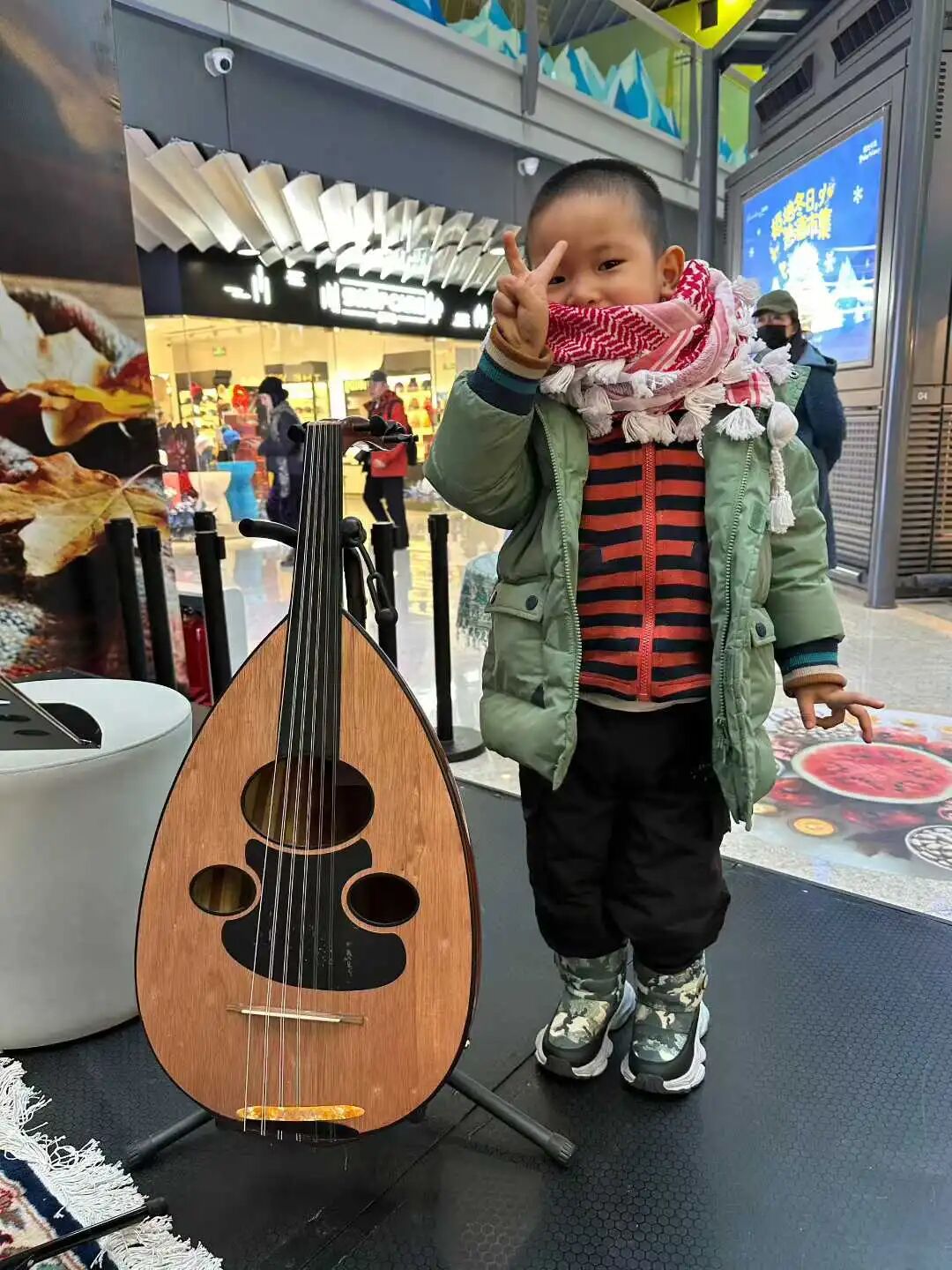
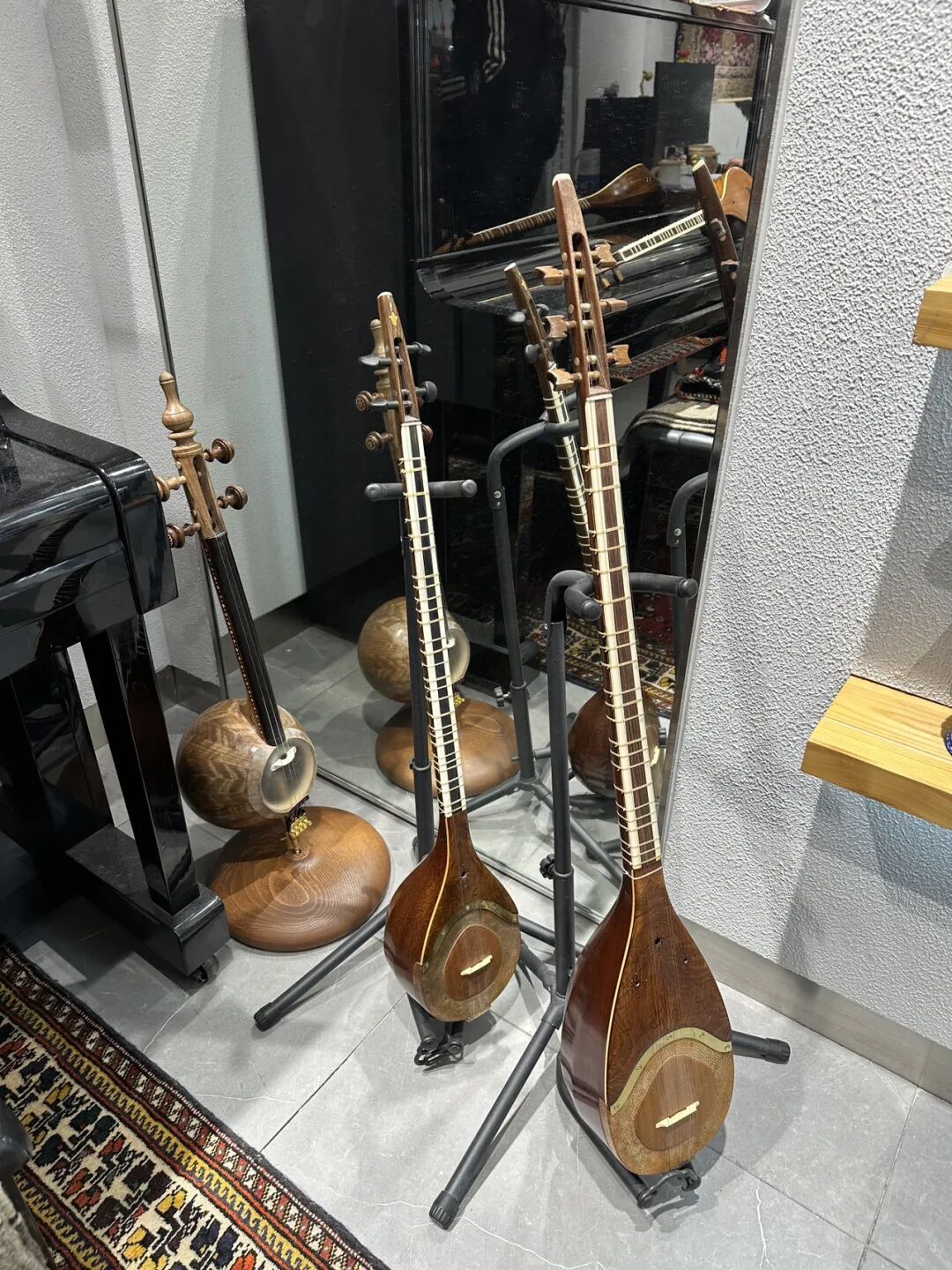
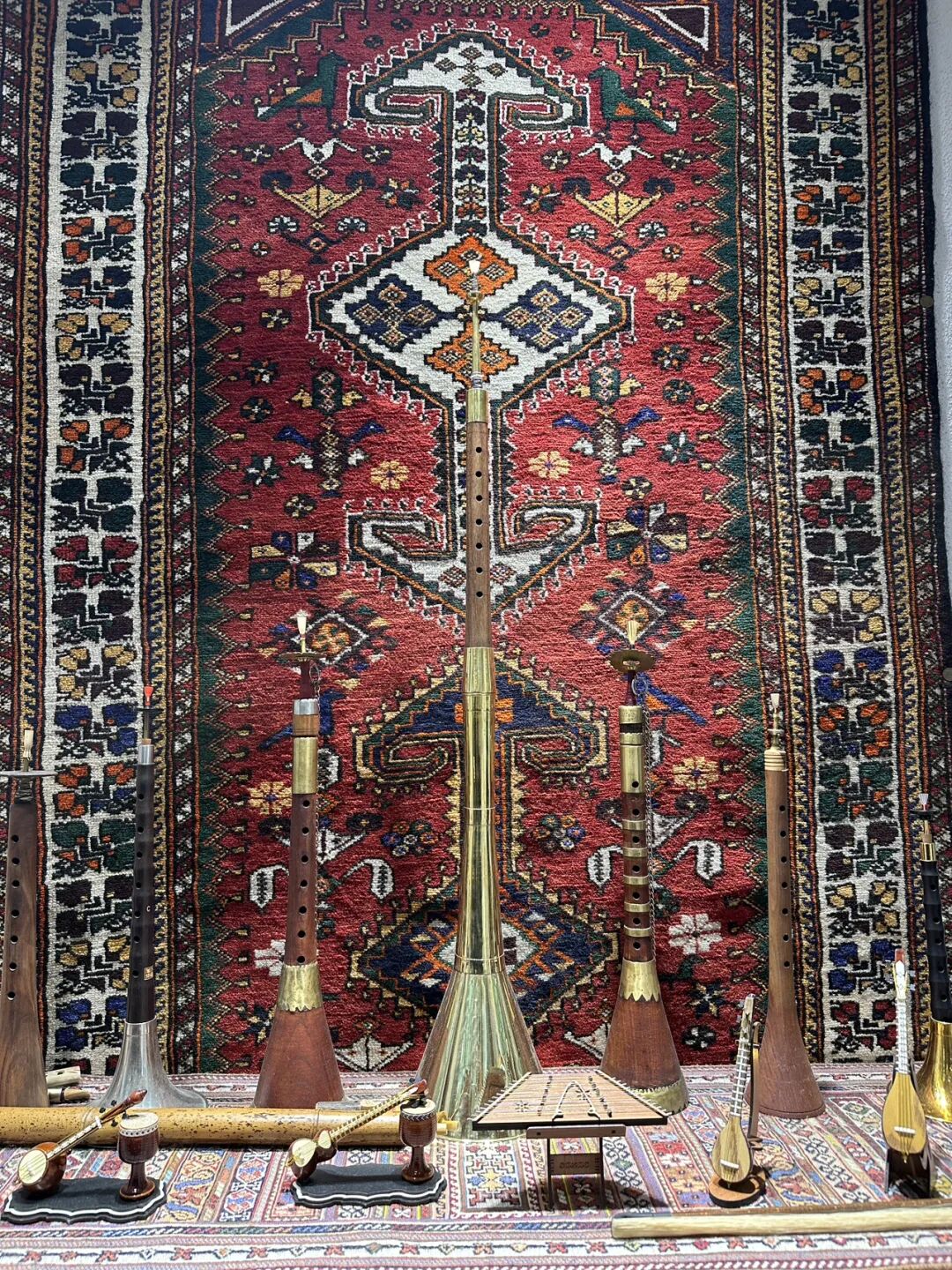
On December 21, 2025, we attended the Persian winter solstice festival, Yalda Night, at Parkview Green outside Chaoyangmen. Famous Iranian musicians performed traditional Persian songs: Arman on the oud, Armin on the kamancheh, Shahriyar on the tombak, Nabil on the daf, and two Beijing-based Iranian musicians, Majili and Maxingfu.
This night is the last night of the ninth month in the Persian calendar and the longest night of the year. According to Persian tradition, people gather on this night to recite poetry and eat pomegranates and watermelons, which symbolize the dawn. Yalda Night became an official Persian holiday in 500 BC during the reign of Darius I, and it remains a traditional festival for many groups, including Persians, Azerbaijanis, Kurds, Tajiks, and Pashtuns.
Everyone sang and danced. The music played featured traditional melodies from the Lurs, an ethnic minority in western Iran.
Tajik musicians collaborated with Persian musicians to perform Why Are the Flowers So Red.
Persian, Kurdish, Tajik, Uyghur, and Han people performed Persian songs together. I am truly grateful to have the chance to attend this kind of cultural event in Beijing.
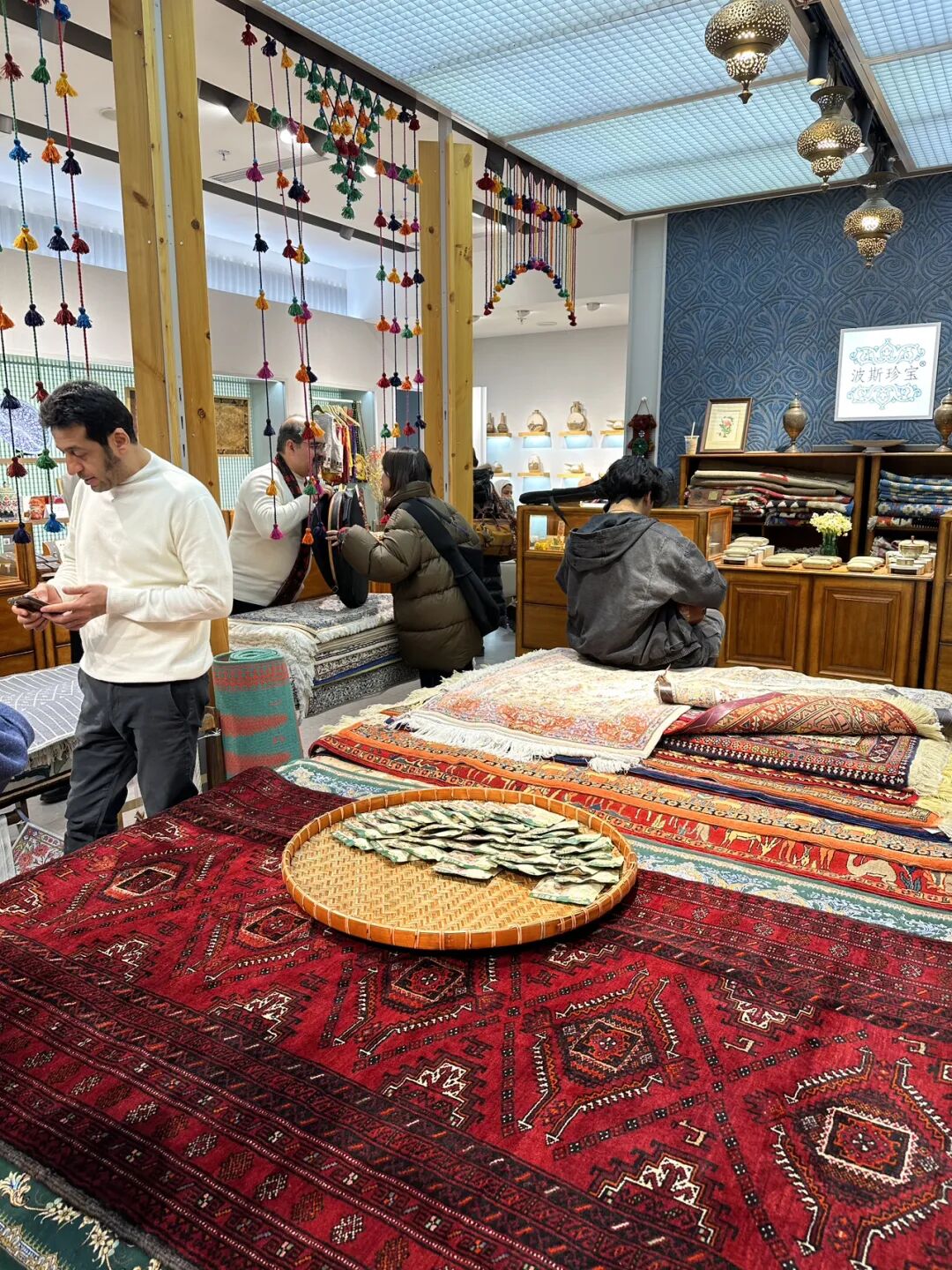
Brothers Majili and Maxingfu are at their Persian treasure shop in Parkview Green. view all
Summary: This Beijing culture note records a Persian Yalda Night winter-solstice gathering at Parkview Green outside Chaoyangmen on December 21, 2025. It keeps the source's food, event, music, people, and cultural details while presenting the scene in natural English.
On December 21, 2025, we attended the Persian winter solstice festival, Yalda Night, at Parkview Green outside Chaoyangmen. Famous Iranian musicians performed traditional Persian songs: Arman on the oud, Armin on the kamancheh, Shahriyar on the tombak, Nabil on the daf, and two Beijing-based Iranian musicians, Majili and Maxingfu.
This night is the last night of the ninth month in the Persian calendar and the longest night of the year. According to Persian tradition, people gather on this night to recite poetry and eat pomegranates and watermelons, which symbolize the dawn. Yalda Night became an official Persian holiday in 500 BC during the reign of Darius I, and it remains a traditional festival for many groups, including Persians, Azerbaijanis, Kurds, Tajiks, and Pashtuns.
Everyone sang and danced. The music played featured traditional melodies from the Lurs, an ethnic minority in western Iran.
Tajik musicians collaborated with Persian musicians to perform Why Are the Flowers So Red.
Persian, Kurdish, Tajik, Uyghur, and Han people performed Persian songs together. I am truly grateful to have the chance to attend this kind of cultural event in Beijing.
Brothers Majili and Maxingfu are at their Persian treasure shop in Parkview Green. view all
Reposted from the web
Summary: This Beijing culture note records a Persian Yalda Night winter-solstice gathering at Parkview Green outside Chaoyangmen on December 21, 2025. It keeps the source's food, event, music, people, and cultural details while presenting the scene in natural English.
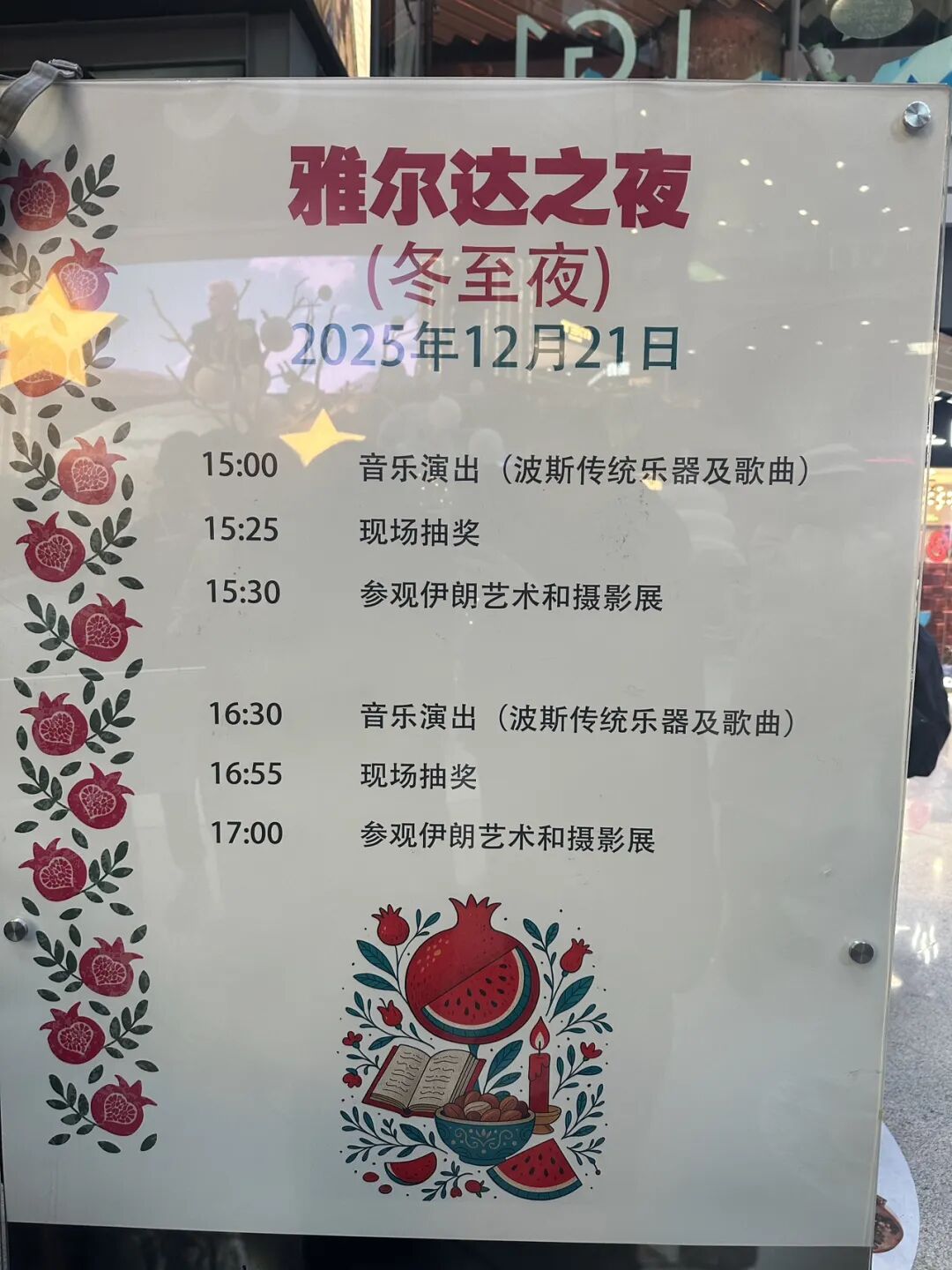
On December 21, 2025, we attended the Persian winter solstice festival, Yalda Night, at Parkview Green outside Chaoyangmen. Famous Iranian musicians performed traditional Persian songs: Arman on the oud, Armin on the kamancheh, Shahriyar on the tombak, Nabil on the daf, and two Beijing-based Iranian musicians, Majili and Maxingfu.
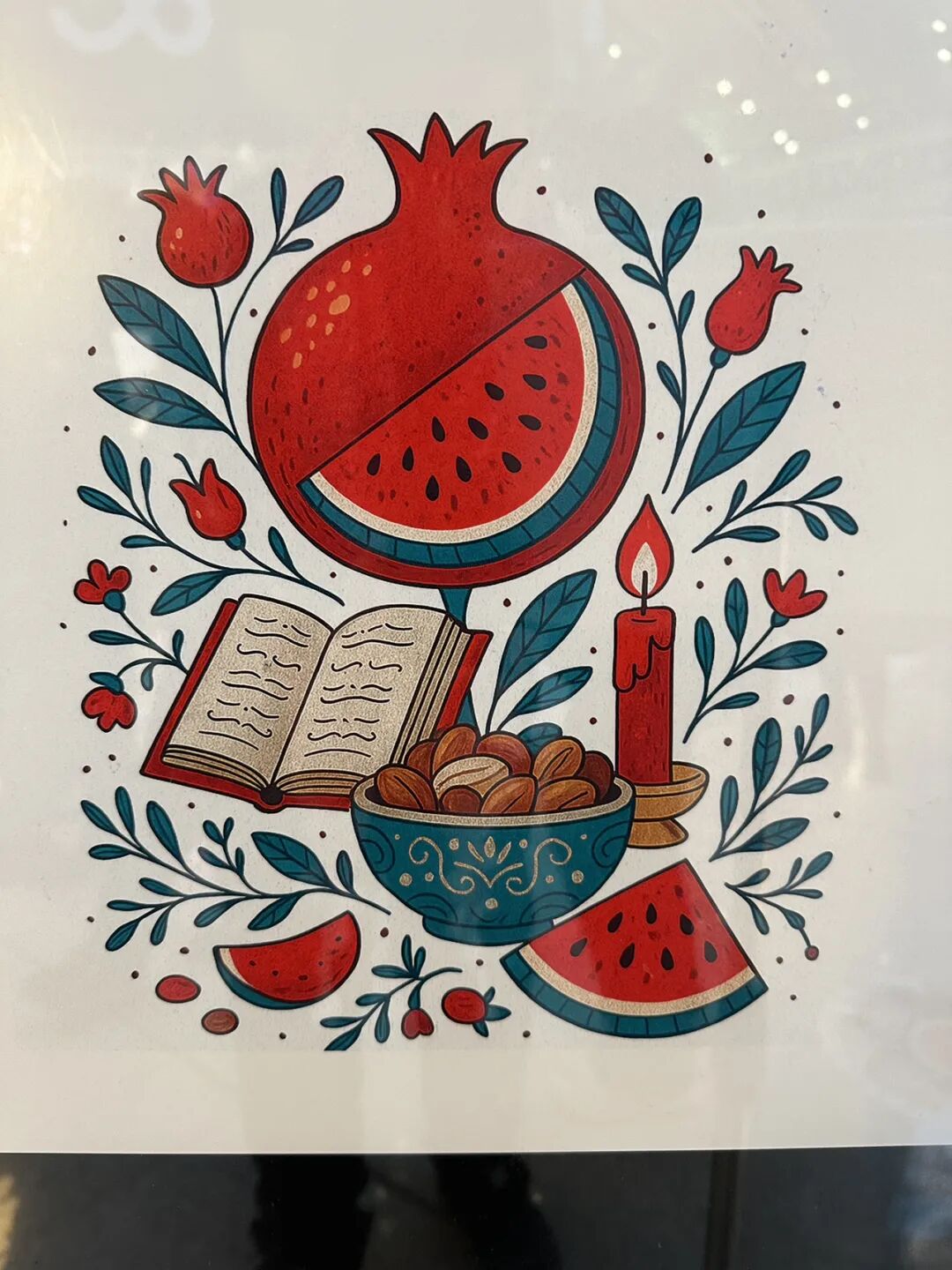
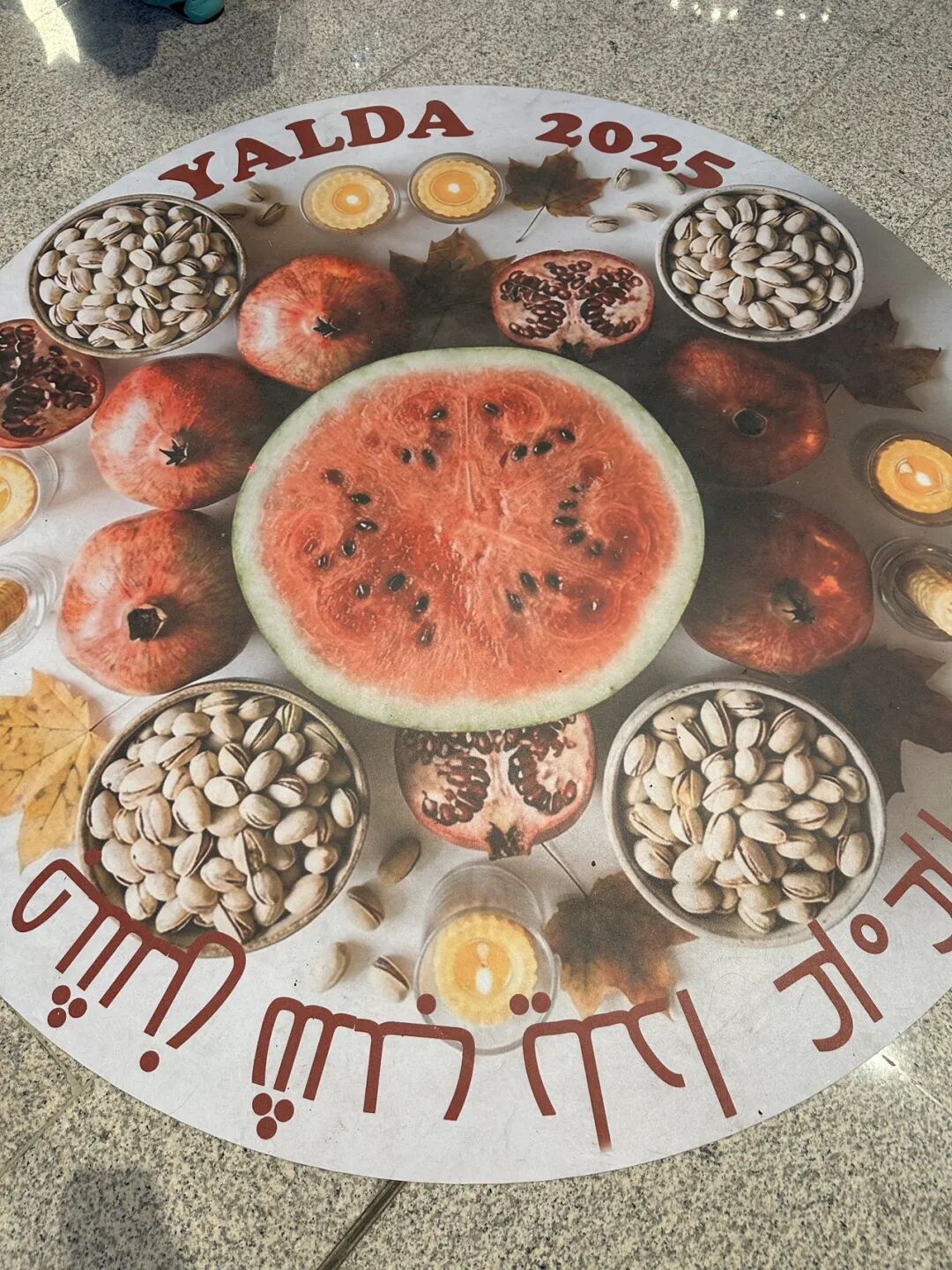
This night is the last night of the ninth month in the Persian calendar and the longest night of the year. According to Persian tradition, people gather on this night to recite poetry and eat pomegranates and watermelons, which symbolize the dawn. Yalda Night became an official Persian holiday in 500 BC during the reign of Darius I, and it remains a traditional festival for many groups, including Persians, Azerbaijanis, Kurds, Tajiks, and Pashtuns.
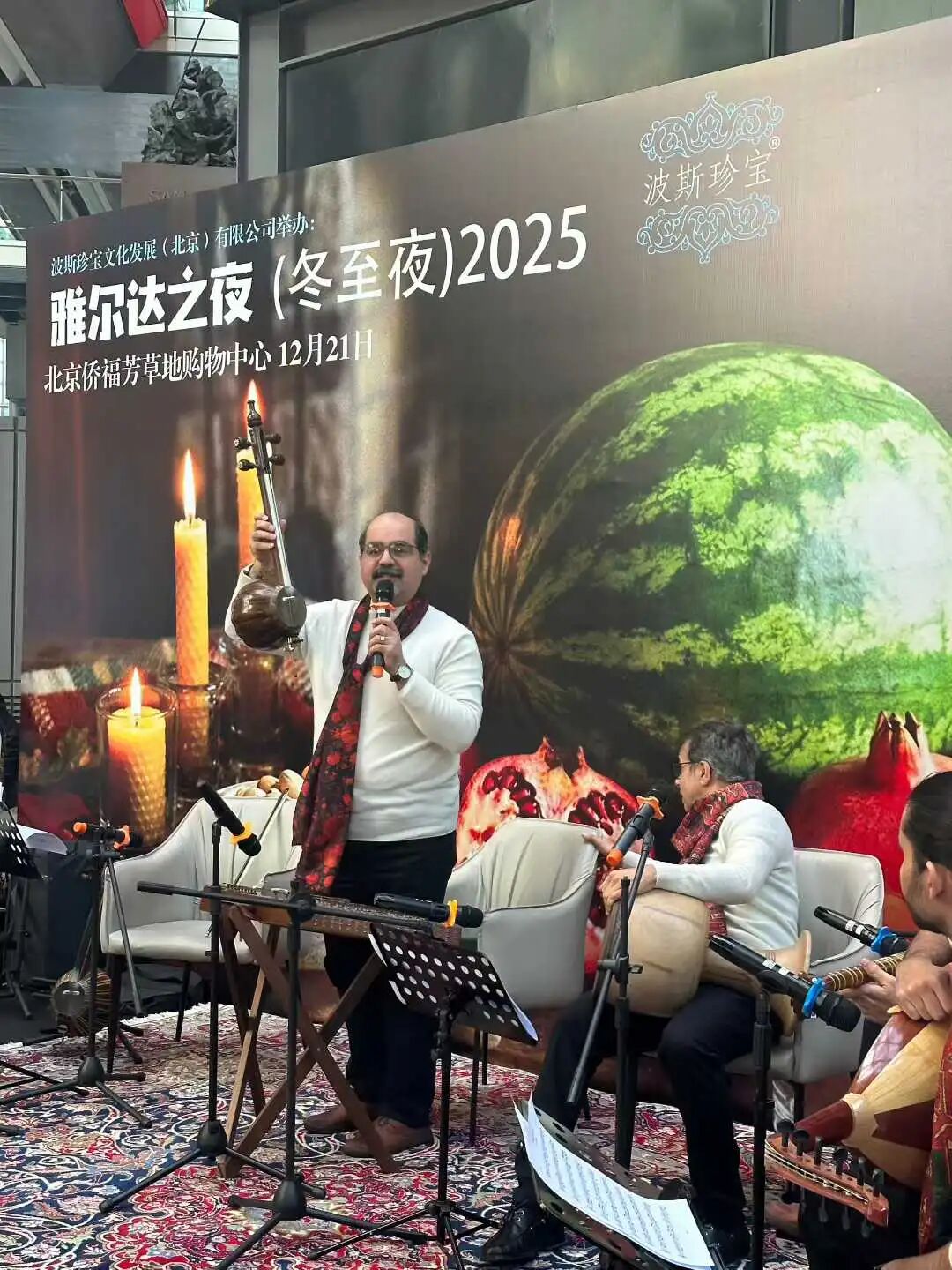
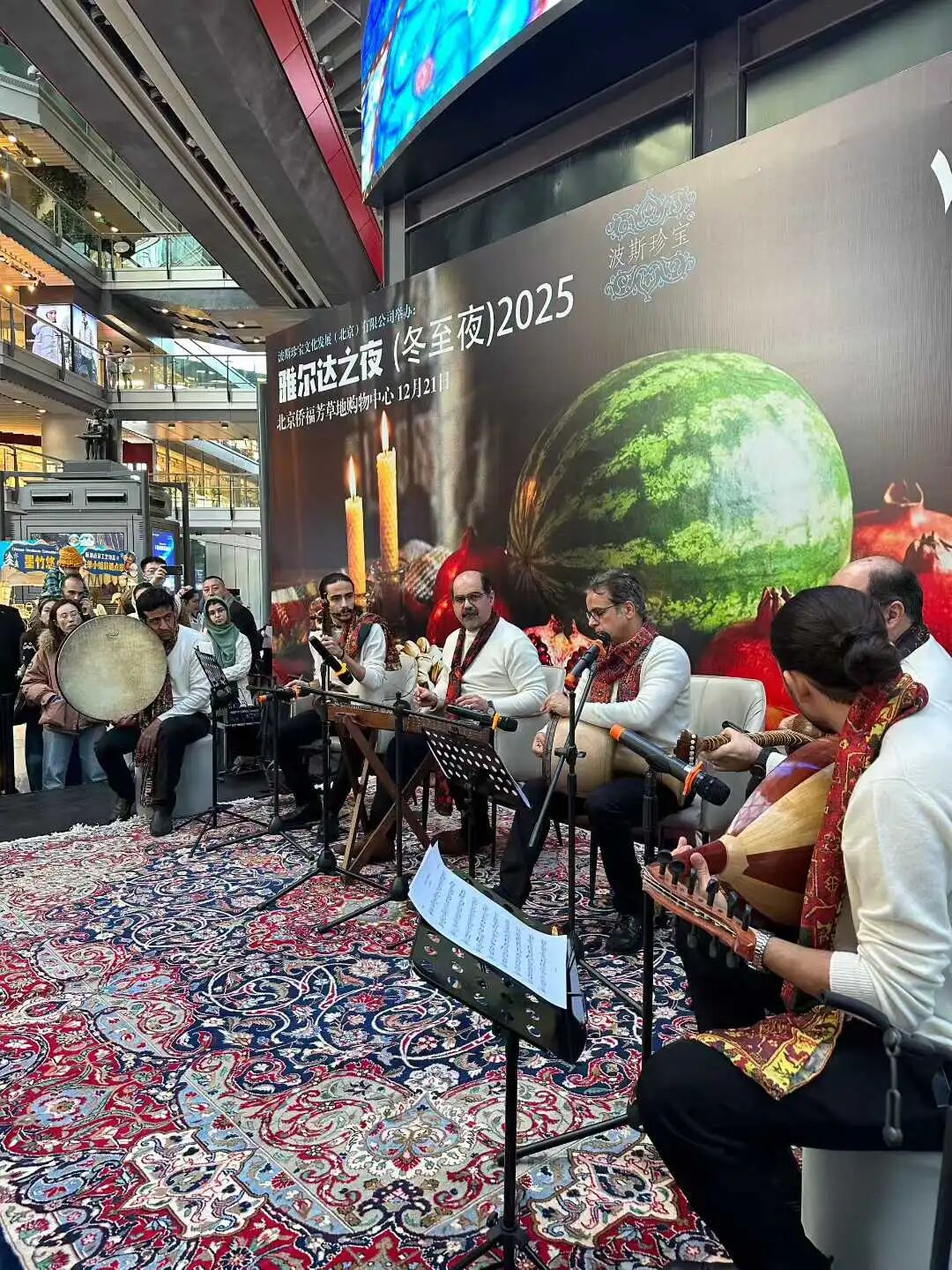
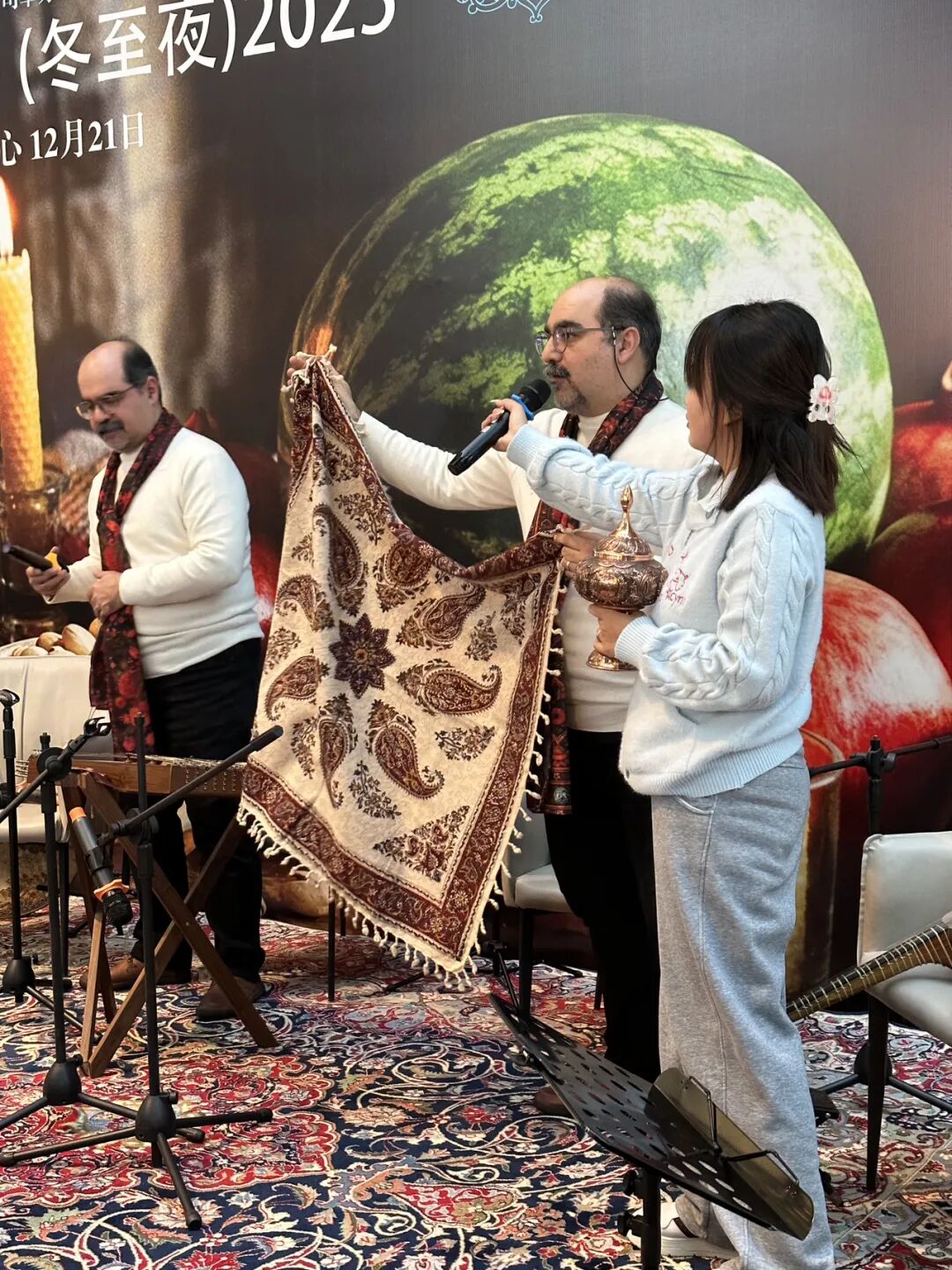
Everyone sang and danced. The music played featured traditional melodies from the Lurs, an ethnic minority in western Iran.
Tajik musicians collaborated with Persian musicians to perform Why Are the Flowers So Red.
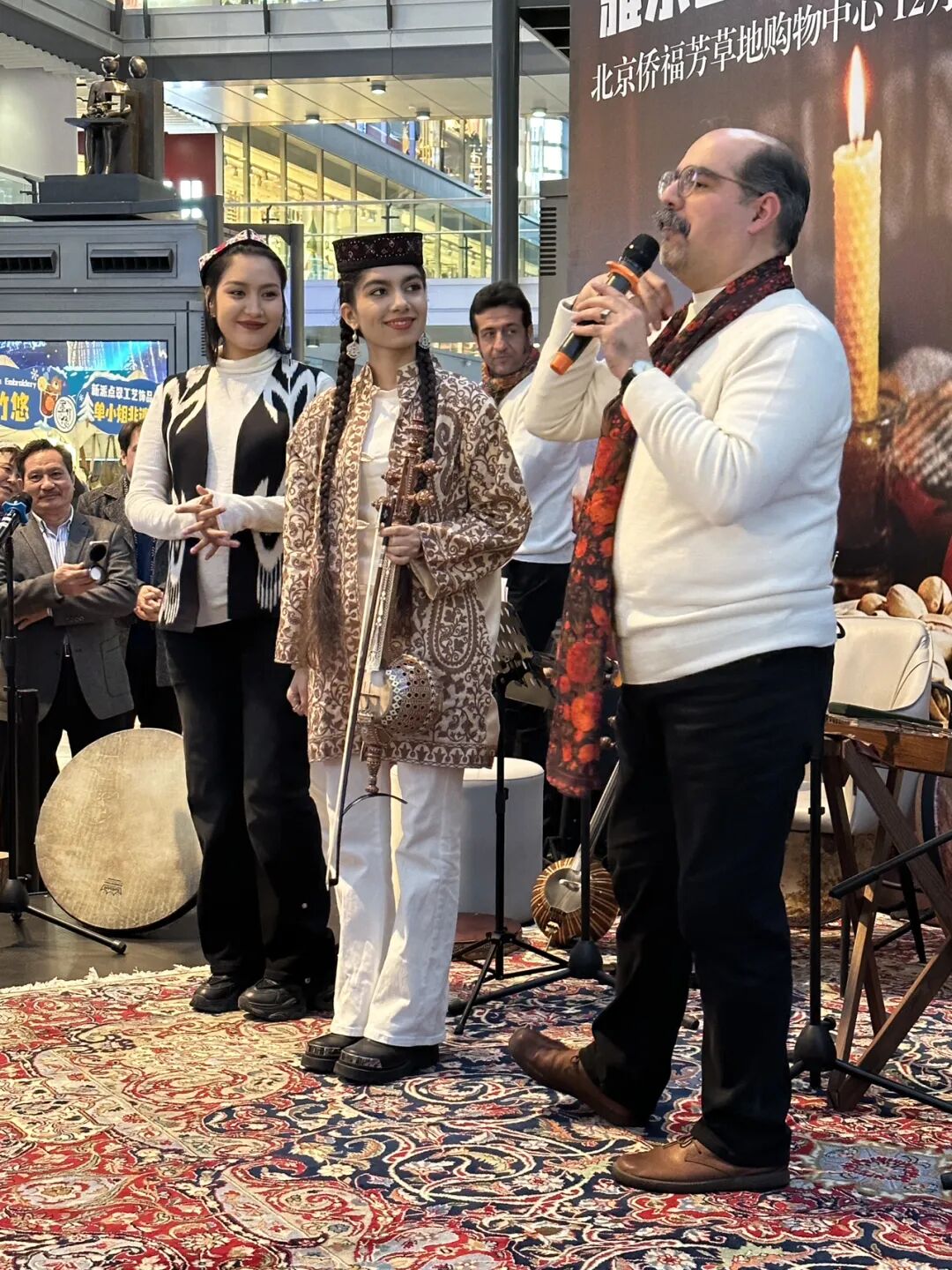
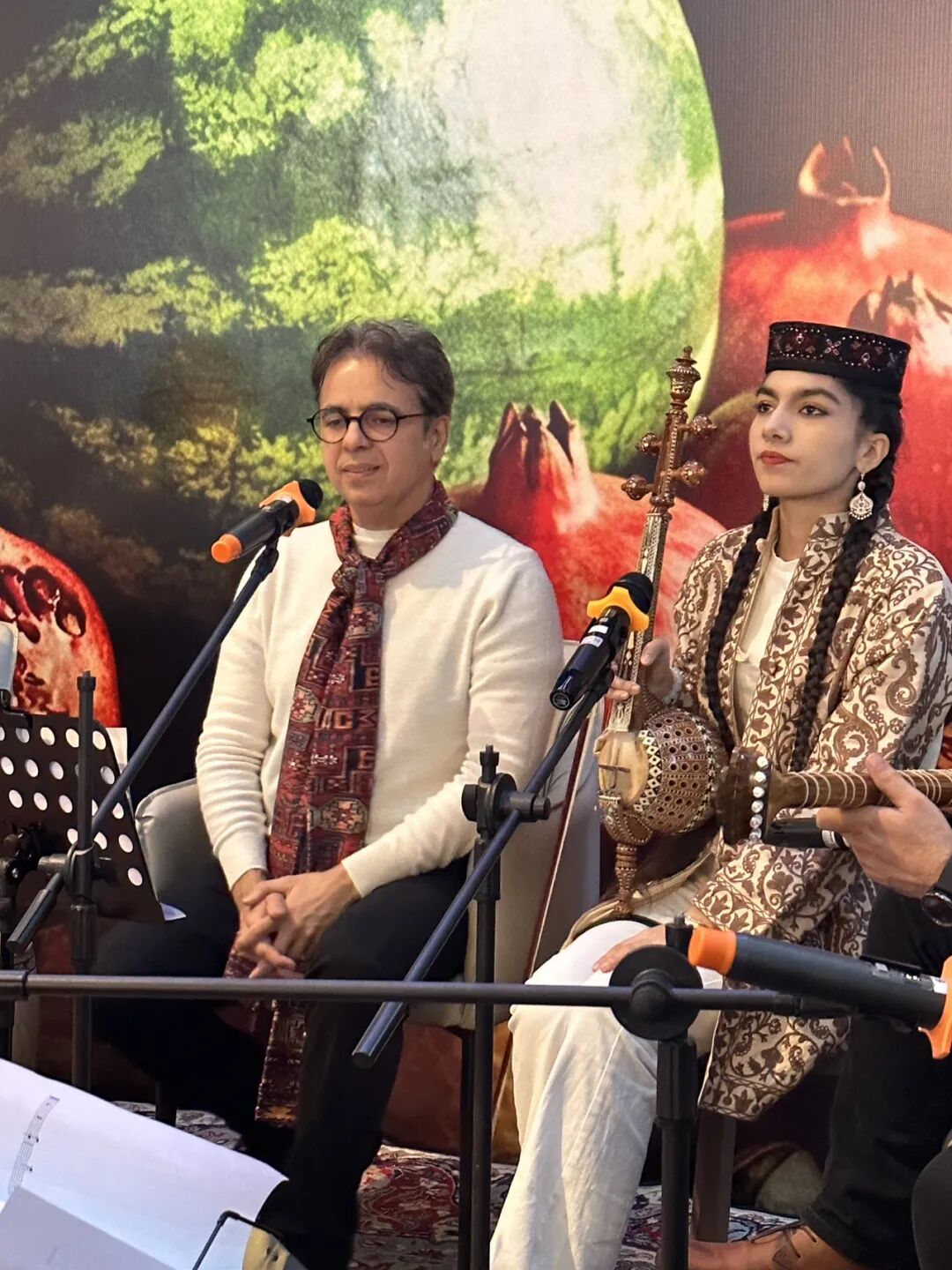
Persian, Kurdish, Tajik, Uyghur, and Han people performed Persian songs together. I am truly grateful to have the chance to attend this kind of cultural event in Beijing.
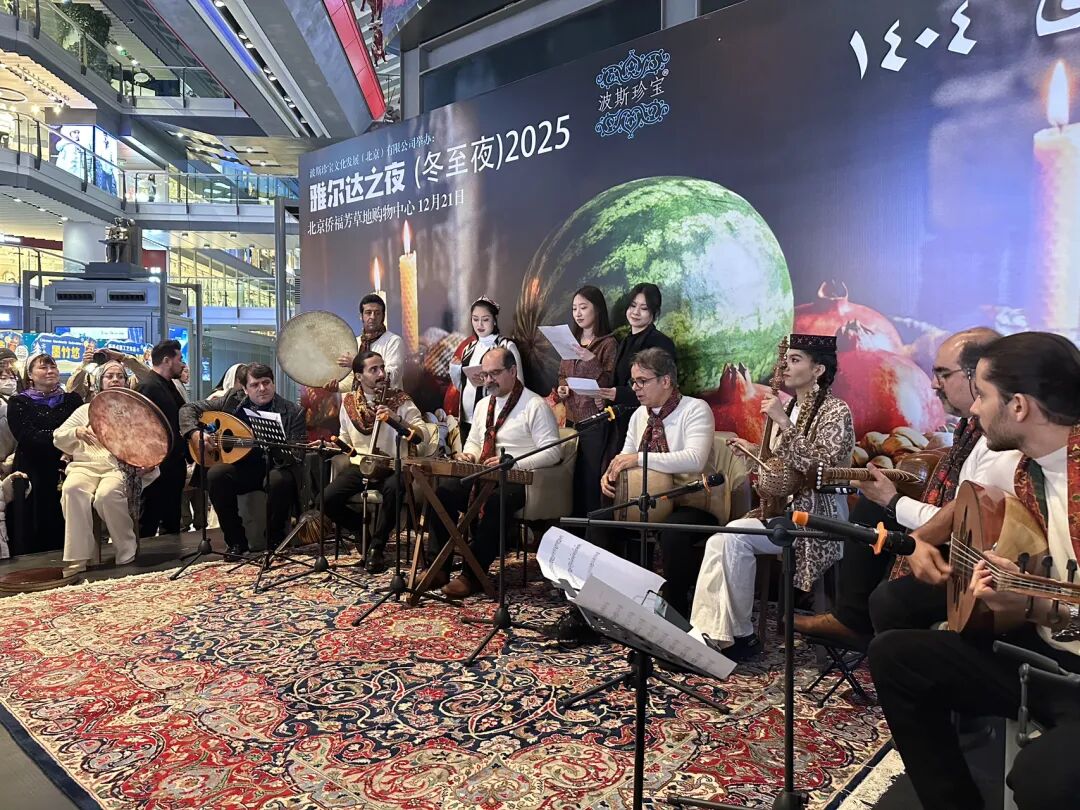
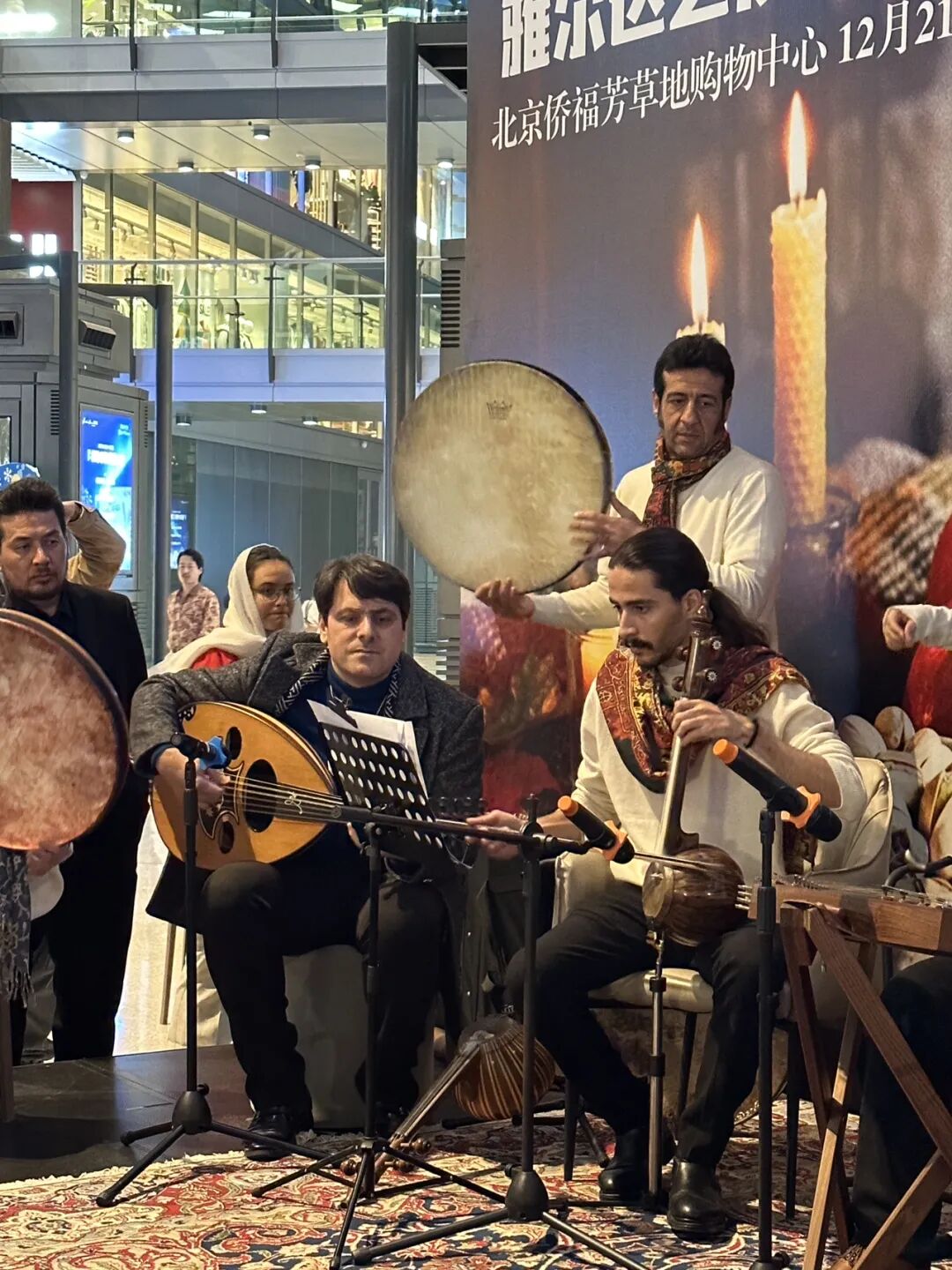
Brothers Majili and Maxingfu are at their Persian treasure shop in Parkview Green.
Summary: This Beijing culture note records a Persian Yalda Night winter-solstice gathering at Parkview Green outside Chaoyangmen on December 21, 2025. It keeps the source's food, event, music, people, and cultural details while presenting the scene in natural English.
On December 21, 2025, we attended the Persian winter solstice festival, Yalda Night, at Parkview Green outside Chaoyangmen. Famous Iranian musicians performed traditional Persian songs: Arman on the oud, Armin on the kamancheh, Shahriyar on the tombak, Nabil on the daf, and two Beijing-based Iranian musicians, Majili and Maxingfu.
This night is the last night of the ninth month in the Persian calendar and the longest night of the year. According to Persian tradition, people gather on this night to recite poetry and eat pomegranates and watermelons, which symbolize the dawn. Yalda Night became an official Persian holiday in 500 BC during the reign of Darius I, and it remains a traditional festival for many groups, including Persians, Azerbaijanis, Kurds, Tajiks, and Pashtuns.
Everyone sang and danced. The music played featured traditional melodies from the Lurs, an ethnic minority in western Iran.
Tajik musicians collaborated with Persian musicians to perform Why Are the Flowers So Red.
Persian, Kurdish, Tajik, Uyghur, and Han people performed Persian songs together. I am truly grateful to have the chance to attend this kind of cultural event in Beijing.
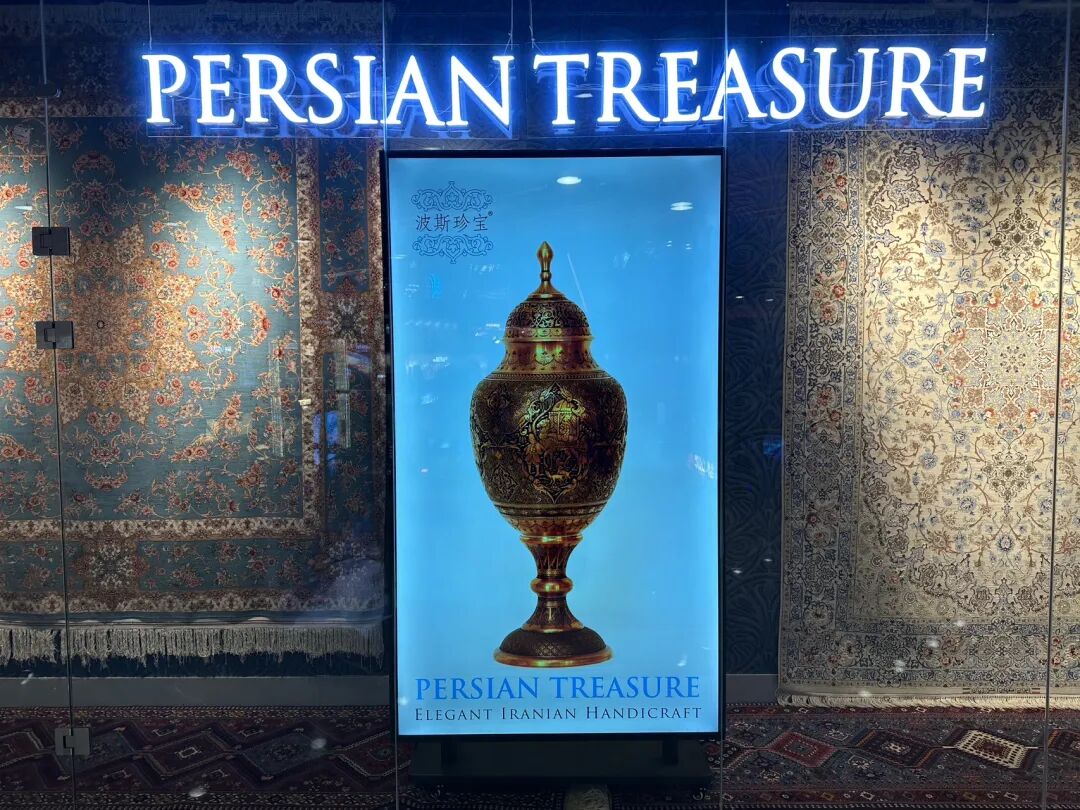
Brothers Majili and Maxingfu are at their Persian treasure shop in Parkview Green.
Culture Guide: Beijing - Persian Yalda Night and Winter Solstice Food
Articles • ali2007fr posted the article • 0 comments • 244 views • 2026-05-21 02:25
Reposted from the web
Summary: This Beijing culture note records a Persian Yalda Night winter-solstice gathering at Parkview Green outside Chaoyangmen on December 21, 2025. It keeps the source's food, event, music, people, and cultural details while presenting the scene in natural English.
On December 21, 2025, we attended the Persian winter solstice festival, Yalda Night, at Parkview Green outside Chaoyangmen. Famous Iranian musicians performed traditional Persian songs: Arman on the oud, Armin on the kamancheh, Shahriyar on the tombak, Nabil on the daf, and two Beijing-based Iranian musicians, Majili and Maxingfu.
This night is the last night of the ninth month in the Persian calendar and the longest night of the year. According to Persian tradition, people gather on this night to recite poetry and eat pomegranates and watermelons, which symbolize the dawn. Yalda Night became an official Persian holiday in 500 BC during the reign of Darius I, and it remains a traditional festival for many groups, including Persians, Azerbaijanis, Kurds, Tajiks, and Pashtuns.
Everyone sang and danced. The music played featured traditional melodies from the Lurs, an ethnic minority in western Iran.
Tajik musicians collaborated with Persian musicians to perform Why Are the Flowers So Red.
Persian, Kurdish, Tajik, Uyghur, and Han people performed Persian songs together. I am truly grateful to have the chance to attend this kind of cultural event in Beijing.
Brothers Majili and Maxingfu are at their Persian treasure shop in Parkview Green. view all
Summary: This Beijing culture note records a Persian Yalda Night winter-solstice gathering at Parkview Green outside Chaoyangmen on December 21, 2025. It keeps the source's food, event, music, people, and cultural details while presenting the scene in natural English.
On December 21, 2025, we attended the Persian winter solstice festival, Yalda Night, at Parkview Green outside Chaoyangmen. Famous Iranian musicians performed traditional Persian songs: Arman on the oud, Armin on the kamancheh, Shahriyar on the tombak, Nabil on the daf, and two Beijing-based Iranian musicians, Majili and Maxingfu.
This night is the last night of the ninth month in the Persian calendar and the longest night of the year. According to Persian tradition, people gather on this night to recite poetry and eat pomegranates and watermelons, which symbolize the dawn. Yalda Night became an official Persian holiday in 500 BC during the reign of Darius I, and it remains a traditional festival for many groups, including Persians, Azerbaijanis, Kurds, Tajiks, and Pashtuns.
Everyone sang and danced. The music played featured traditional melodies from the Lurs, an ethnic minority in western Iran.
Tajik musicians collaborated with Persian musicians to perform Why Are the Flowers So Red.
Persian, Kurdish, Tajik, Uyghur, and Han people performed Persian songs together. I am truly grateful to have the chance to attend this kind of cultural event in Beijing.
Brothers Majili and Maxingfu are at their Persian treasure shop in Parkview Green. view all
Reposted from the web
Summary: This Beijing culture note records a Persian Yalda Night winter-solstice gathering at Parkview Green outside Chaoyangmen on December 21, 2025. It keeps the source's food, event, music, people, and cultural details while presenting the scene in natural English.
On December 21, 2025, we attended the Persian winter solstice festival, Yalda Night, at Parkview Green outside Chaoyangmen. Famous Iranian musicians performed traditional Persian songs: Arman on the oud, Armin on the kamancheh, Shahriyar on the tombak, Nabil on the daf, and two Beijing-based Iranian musicians, Majili and Maxingfu.
This night is the last night of the ninth month in the Persian calendar and the longest night of the year. According to Persian tradition, people gather on this night to recite poetry and eat pomegranates and watermelons, which symbolize the dawn. Yalda Night became an official Persian holiday in 500 BC during the reign of Darius I, and it remains a traditional festival for many groups, including Persians, Azerbaijanis, Kurds, Tajiks, and Pashtuns.
Everyone sang and danced. The music played featured traditional melodies from the Lurs, an ethnic minority in western Iran.
Tajik musicians collaborated with Persian musicians to perform Why Are the Flowers So Red.
Persian, Kurdish, Tajik, Uyghur, and Han people performed Persian songs together. I am truly grateful to have the chance to attend this kind of cultural event in Beijing.
Brothers Majili and Maxingfu are at their Persian treasure shop in Parkview Green.
Summary: This Beijing culture note records a Persian Yalda Night winter-solstice gathering at Parkview Green outside Chaoyangmen on December 21, 2025. It keeps the source's food, event, music, people, and cultural details while presenting the scene in natural English.
On December 21, 2025, we attended the Persian winter solstice festival, Yalda Night, at Parkview Green outside Chaoyangmen. Famous Iranian musicians performed traditional Persian songs: Arman on the oud, Armin on the kamancheh, Shahriyar on the tombak, Nabil on the daf, and two Beijing-based Iranian musicians, Majili and Maxingfu.
This night is the last night of the ninth month in the Persian calendar and the longest night of the year. According to Persian tradition, people gather on this night to recite poetry and eat pomegranates and watermelons, which symbolize the dawn. Yalda Night became an official Persian holiday in 500 BC during the reign of Darius I, and it remains a traditional festival for many groups, including Persians, Azerbaijanis, Kurds, Tajiks, and Pashtuns.
Everyone sang and danced. The music played featured traditional melodies from the Lurs, an ethnic minority in western Iran.
Tajik musicians collaborated with Persian musicians to perform Why Are the Flowers So Red.
Persian, Kurdish, Tajik, Uyghur, and Han people performed Persian songs together. I am truly grateful to have the chance to attend this kind of cultural event in Beijing.
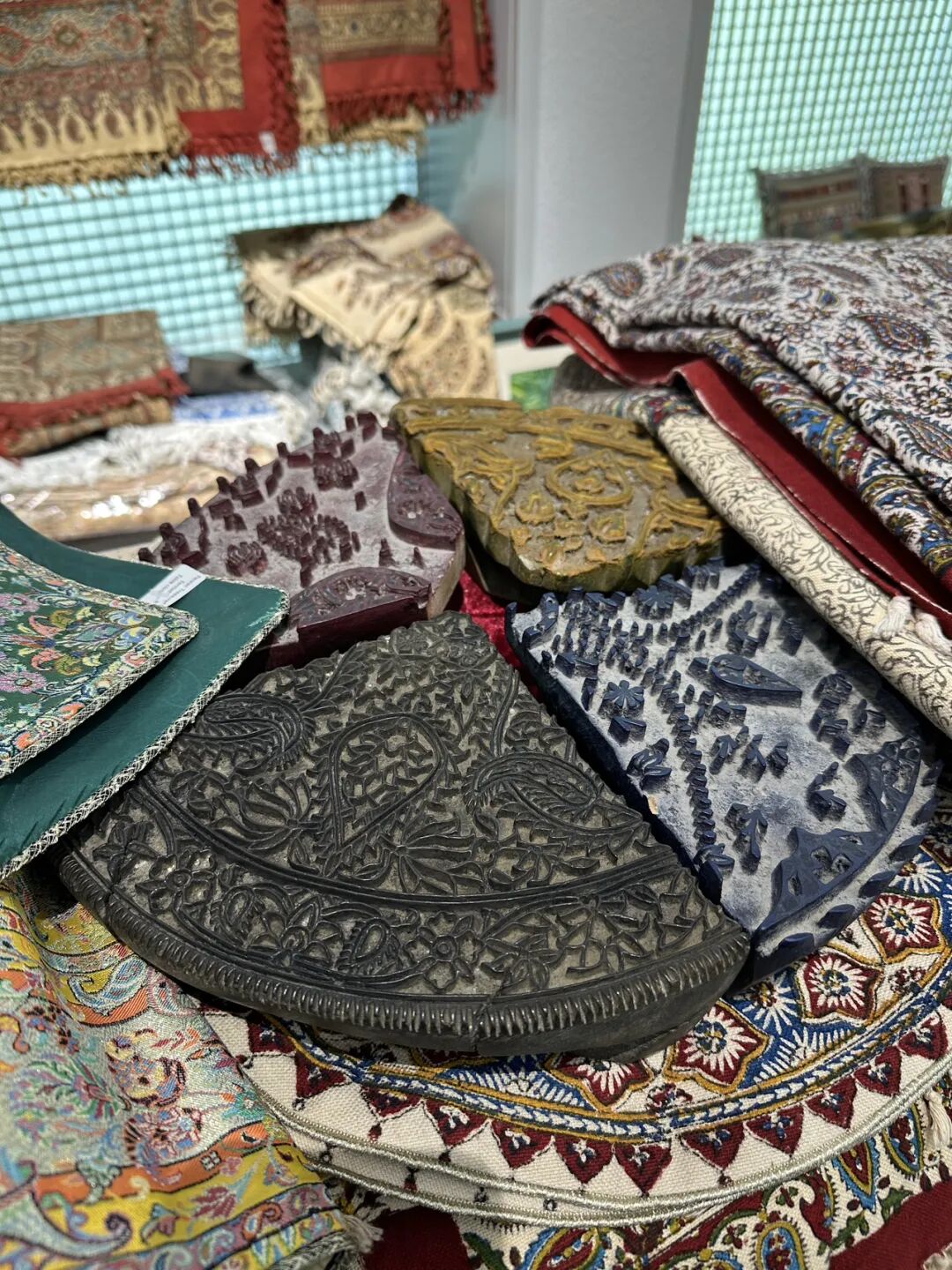
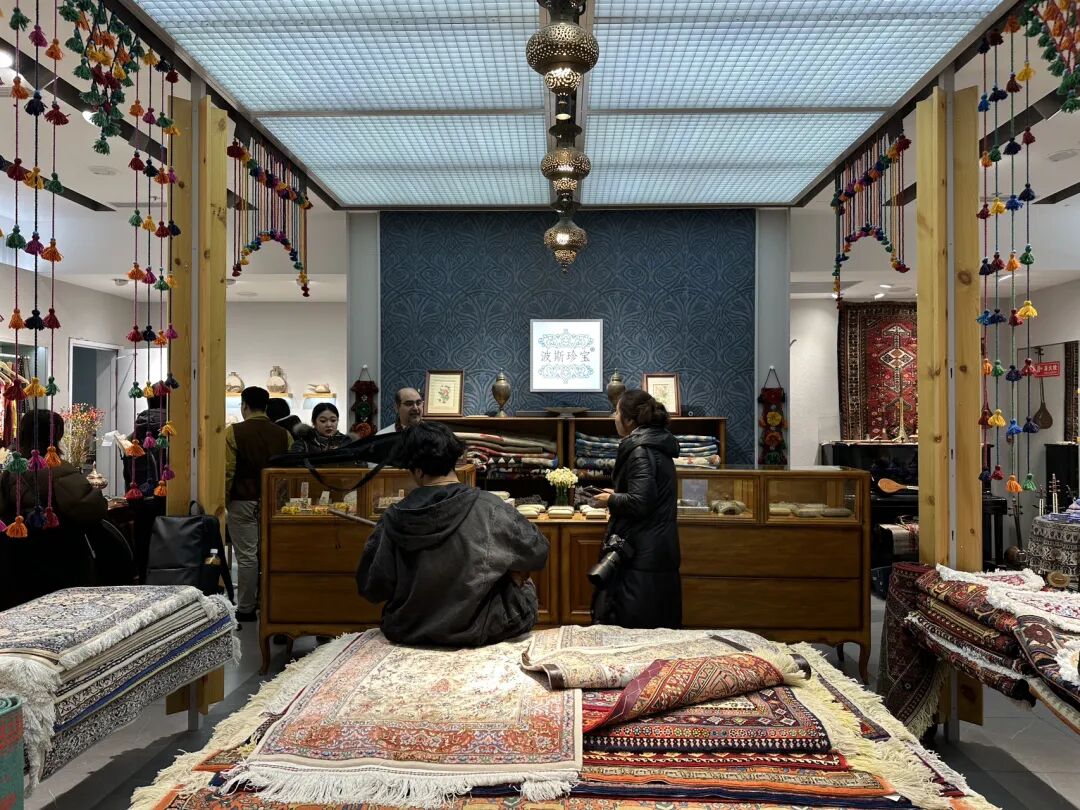
Brothers Majili and Maxingfu are at their Persian treasure shop in Parkview Green.