

Yancheng Mosque
Halal Travel Guide: Yancheng, Jiangsu - Mosque and Hui Muslim Food
Articles • ali2007fr posted the article • 0 comments • 198 views • 2026-05-20 08:13
Reposted from the web
Summary: Yancheng Mosque stands on Xicang Lane in central Yancheng, Jiangsu, and this account follows a visit to the mosque and nearby Hui Muslim food spots. It keeps the original notes on local dishes, shop names, street details, and photographs in the same order.
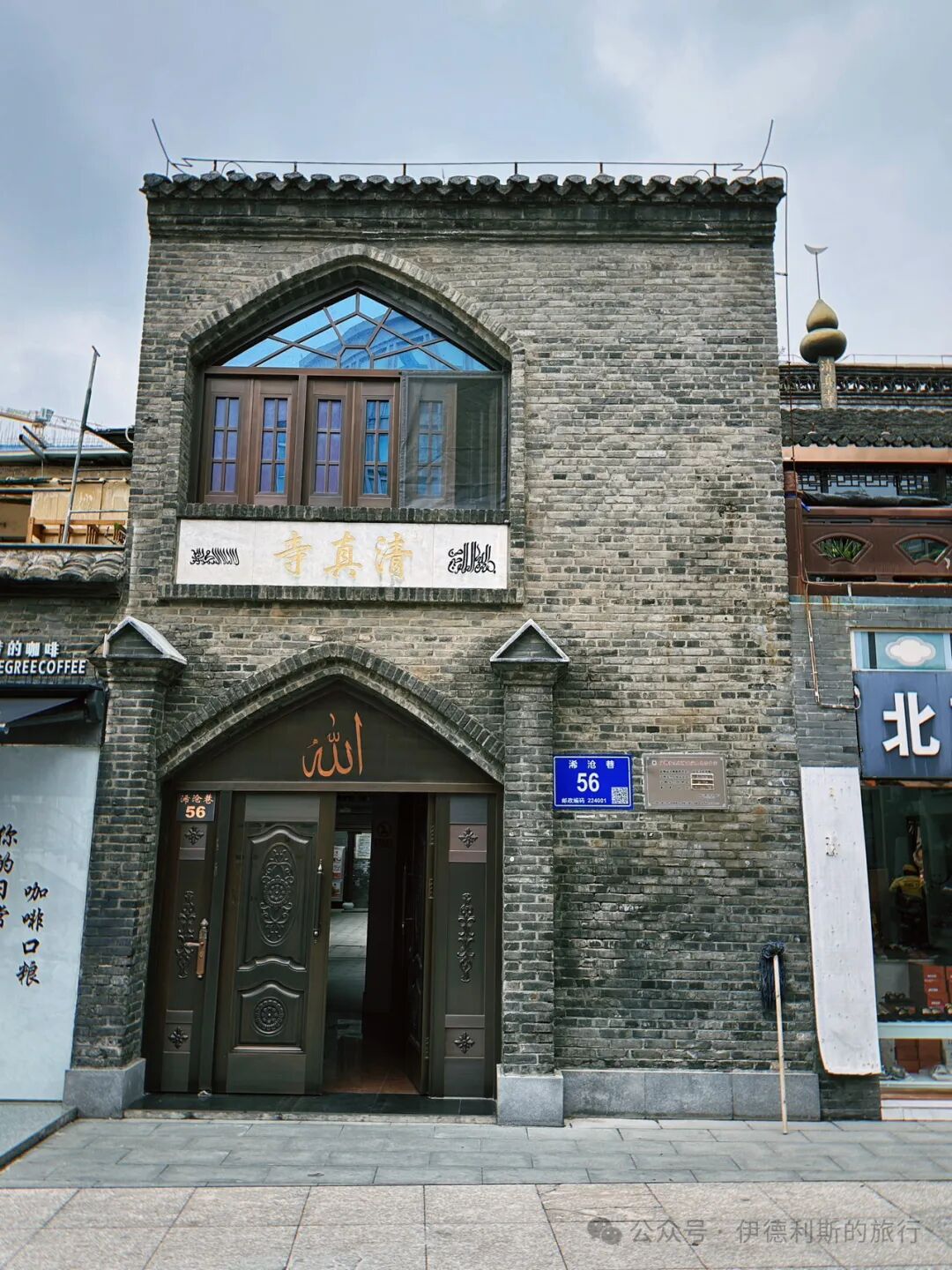
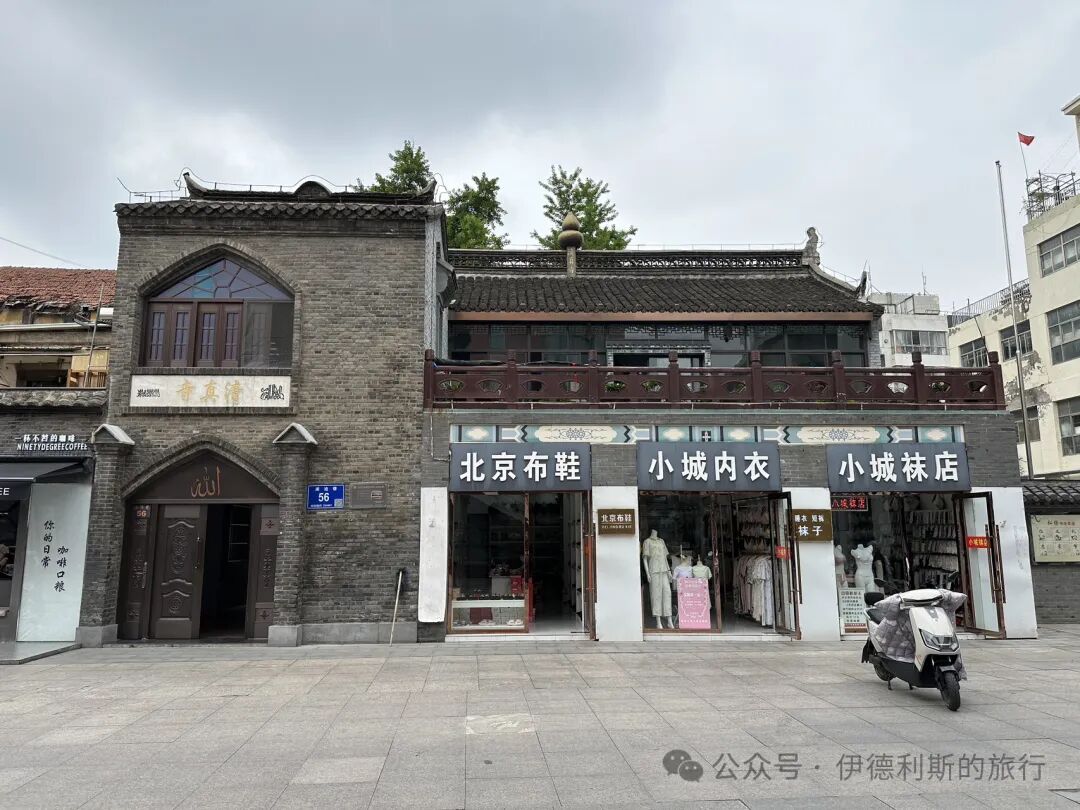
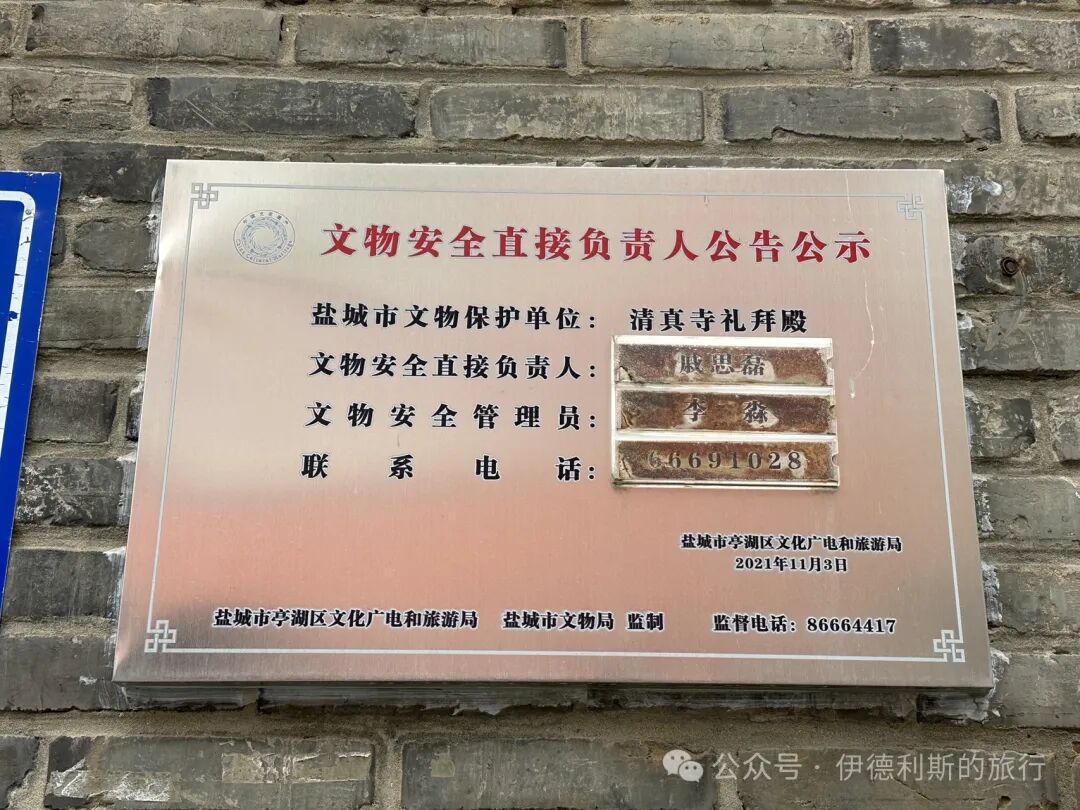
Yancheng Mosque in Jiangsu is located on Xicang Lane (historically called Xicang) in the Yancheng city center. It was first built during the Yongle period of the Ming Dynasty as three thatched rooms, funded by five Hui Muslim families: the Ha, Huo, Ding, Liu, and Xue families. It was expanded in 1720 (the 59th year of the Kangxi reign) and rebuilt again in the early Republic of China era into the current brick-and-wood main hall.
The Republic of China era 'Continued Yancheng County Annals' records: 'The mosque is on Xicang Street in the city. It was founded during the Ming Yongle period. In the 59th year of the Kangxi reign of the Qing Dynasty, land was purchased to expand it, and it was renamed the Qingzhen Mosque. Recently, it was renamed the Hui Mosque, and the leader is called an imam.' In the second year of the Republic of China, the Yancheng branch of the Jiangsu Islamic Association was established, and in the 18th year, it was renamed the Yancheng branch of the Chinese Islamic Association.
During the War of Resistance Against Japan, the Yancheng Mosque suffered two disasters. On March 30, 1938, it was bombed by the Japanese army. On April 26 of the same year, the Japanese army invaded Yancheng and set fire to the city. Except for the main hall, which survived, all other buildings were destroyed.
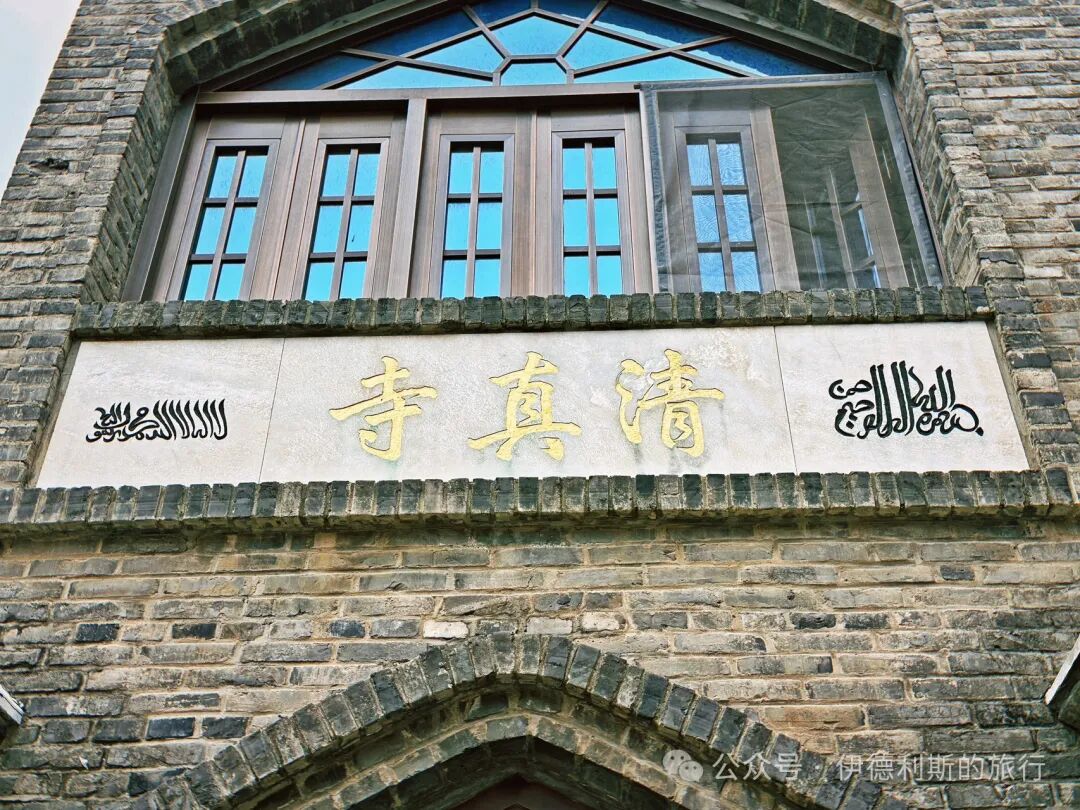
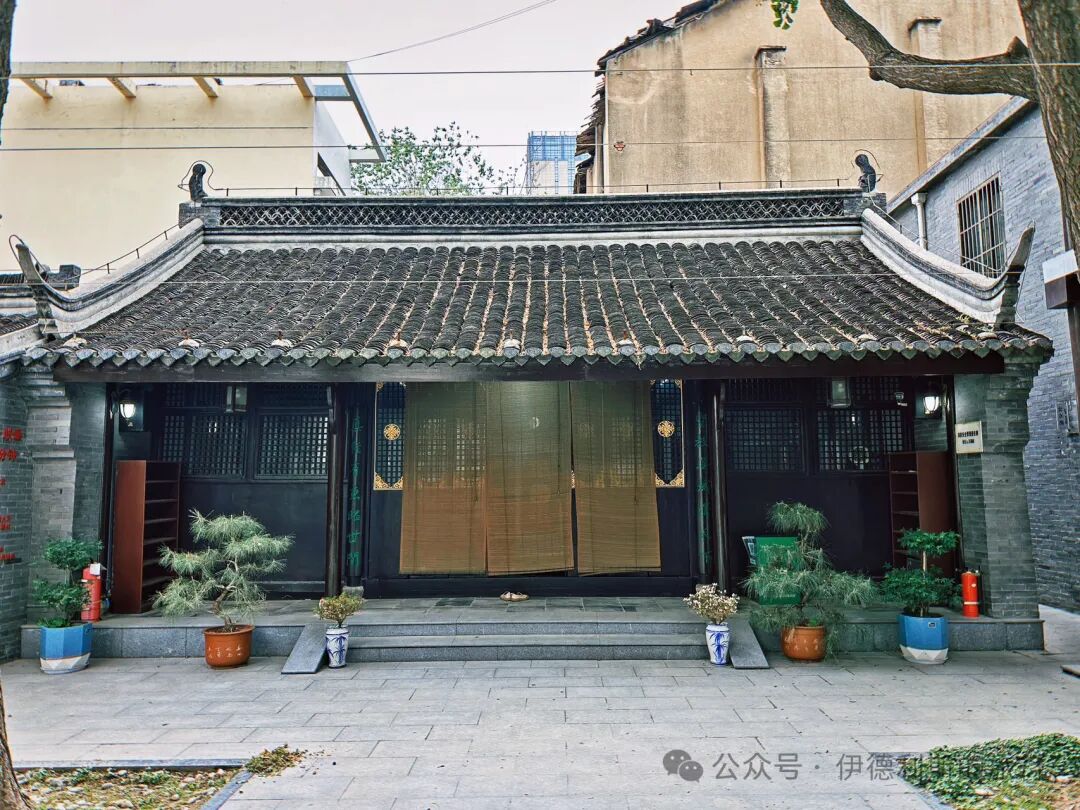
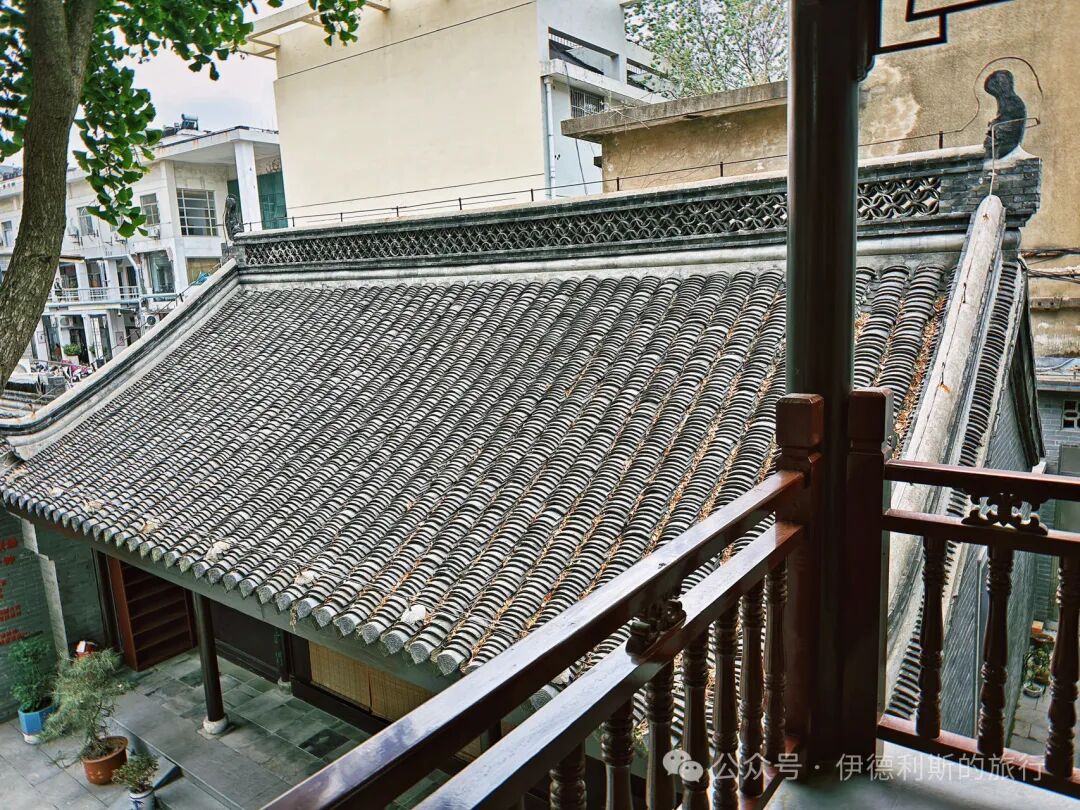
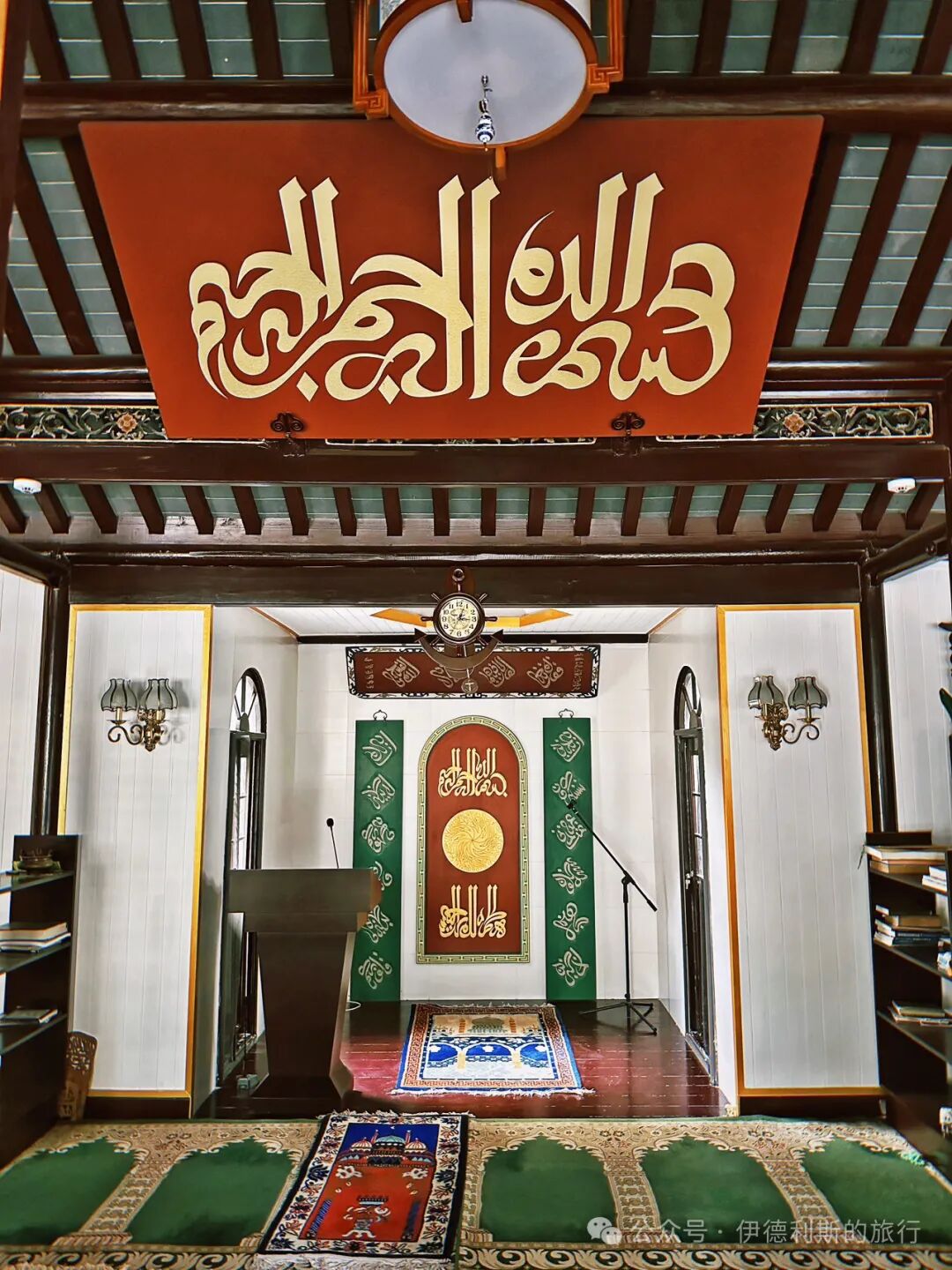
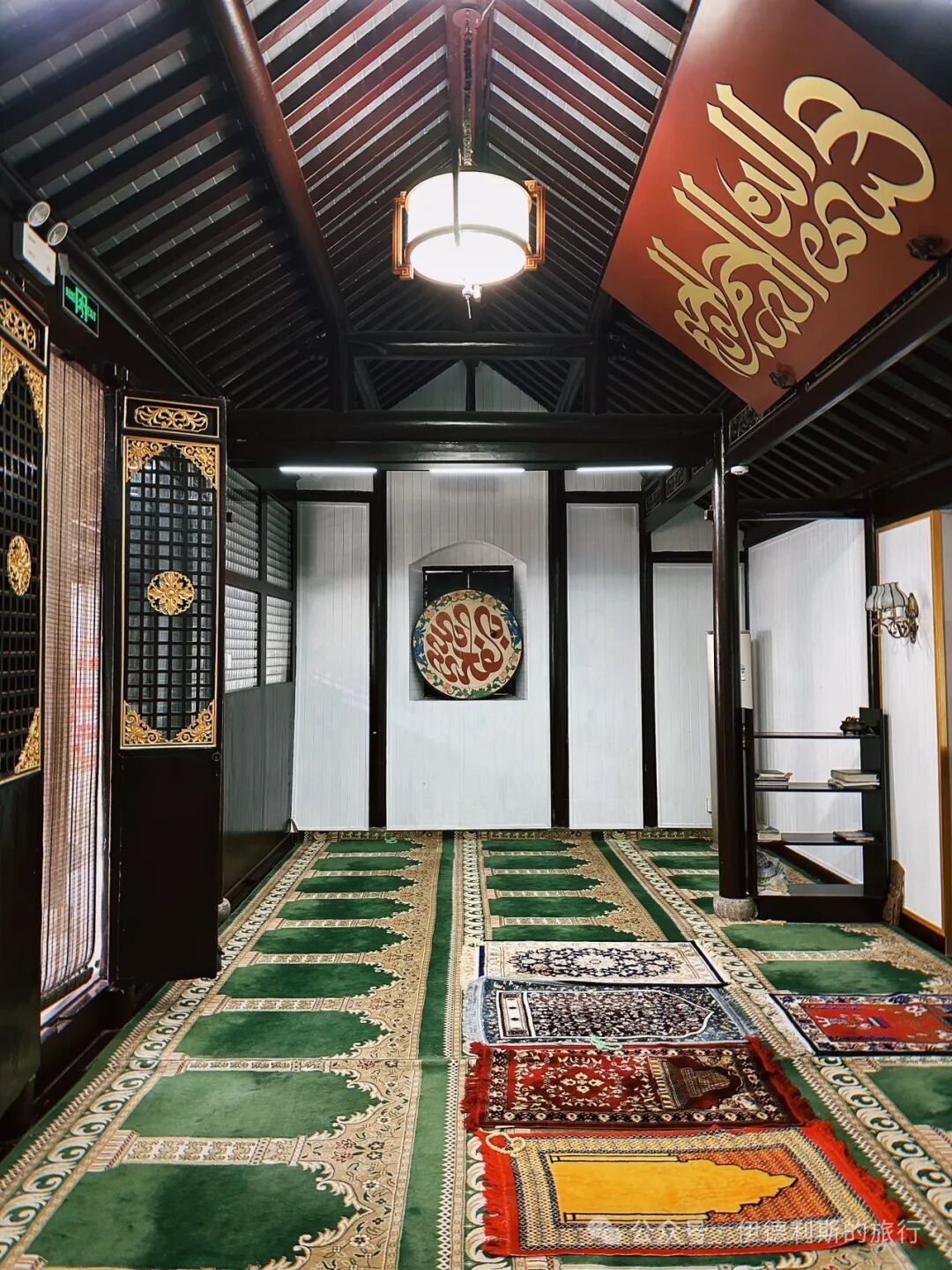
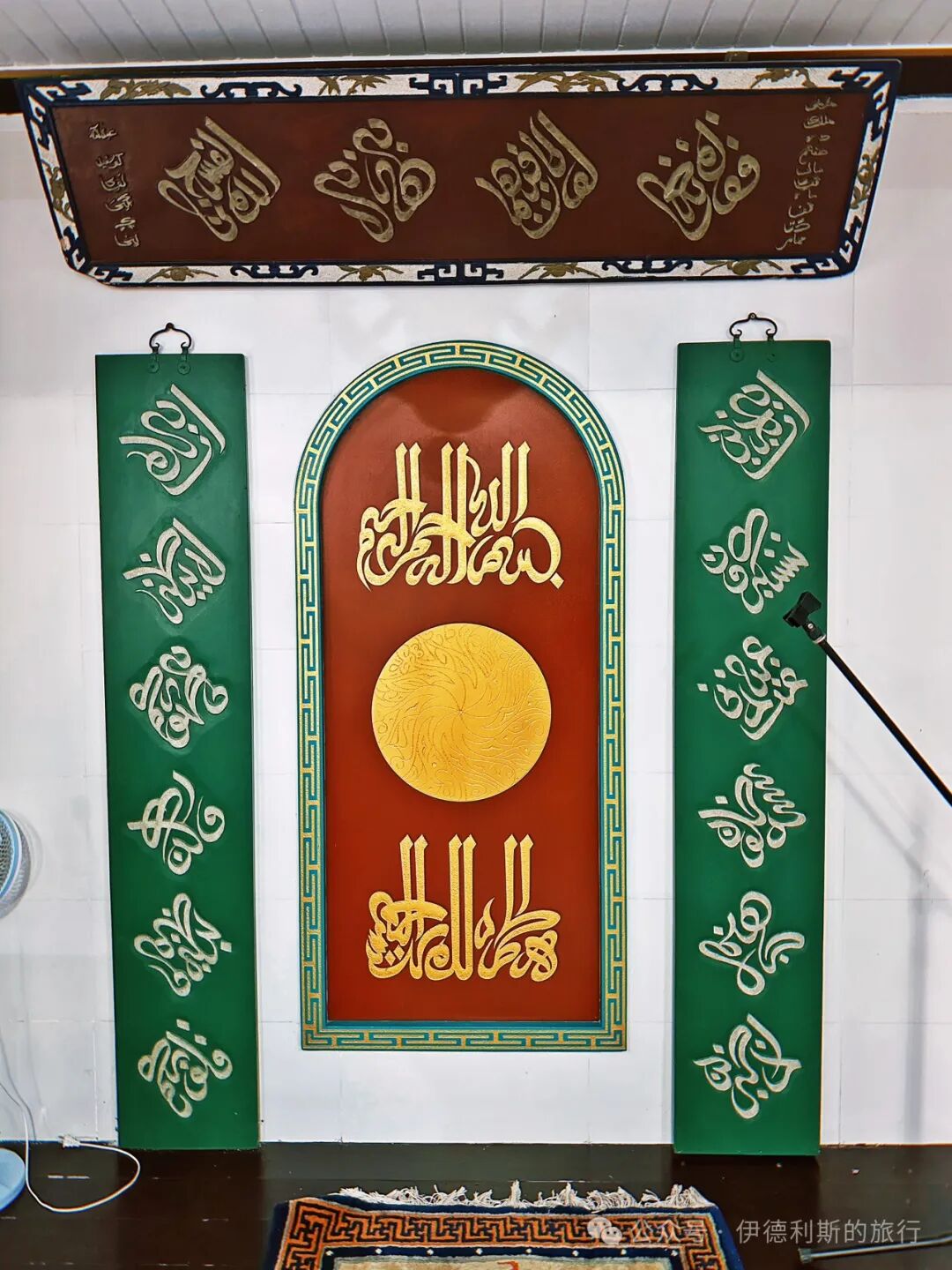
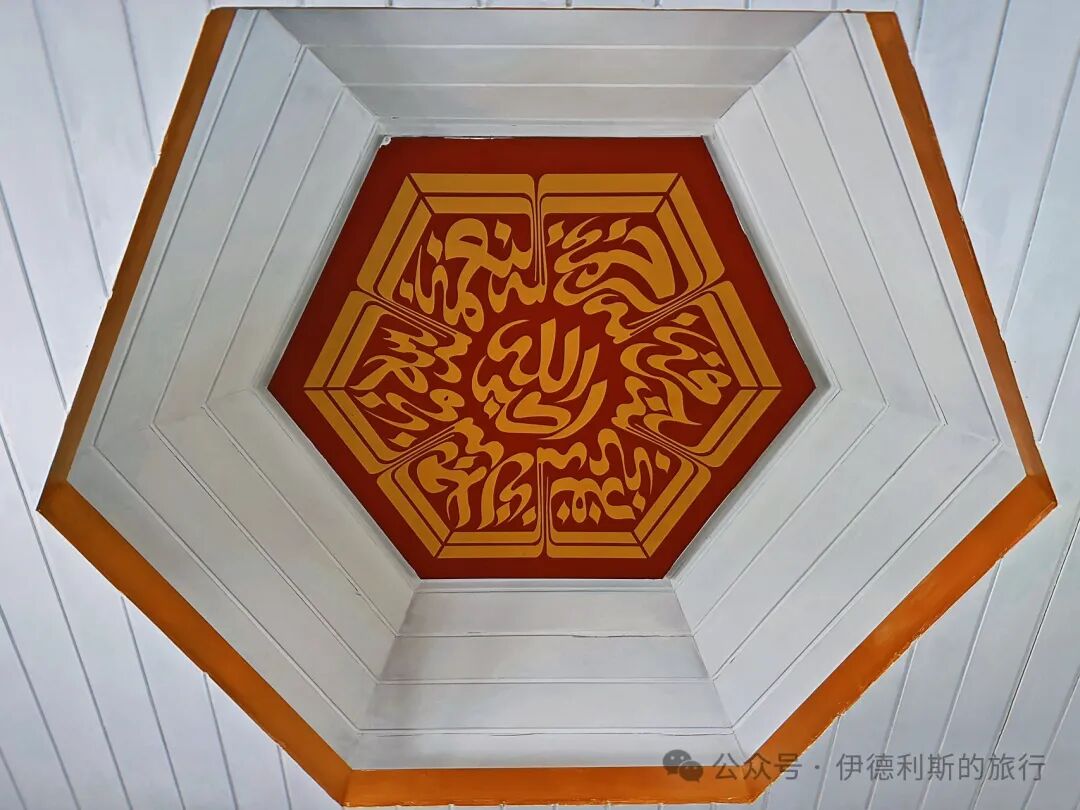
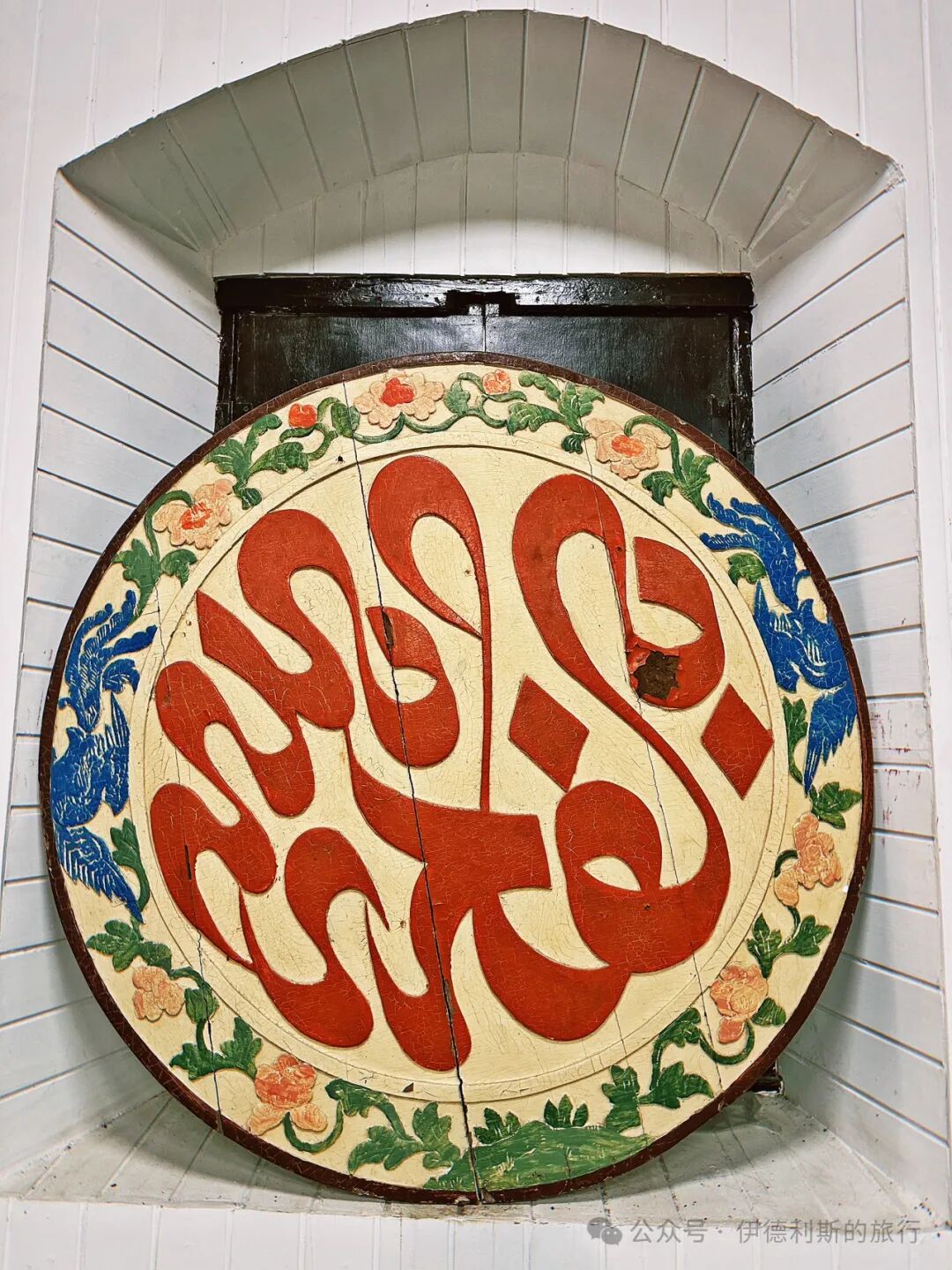
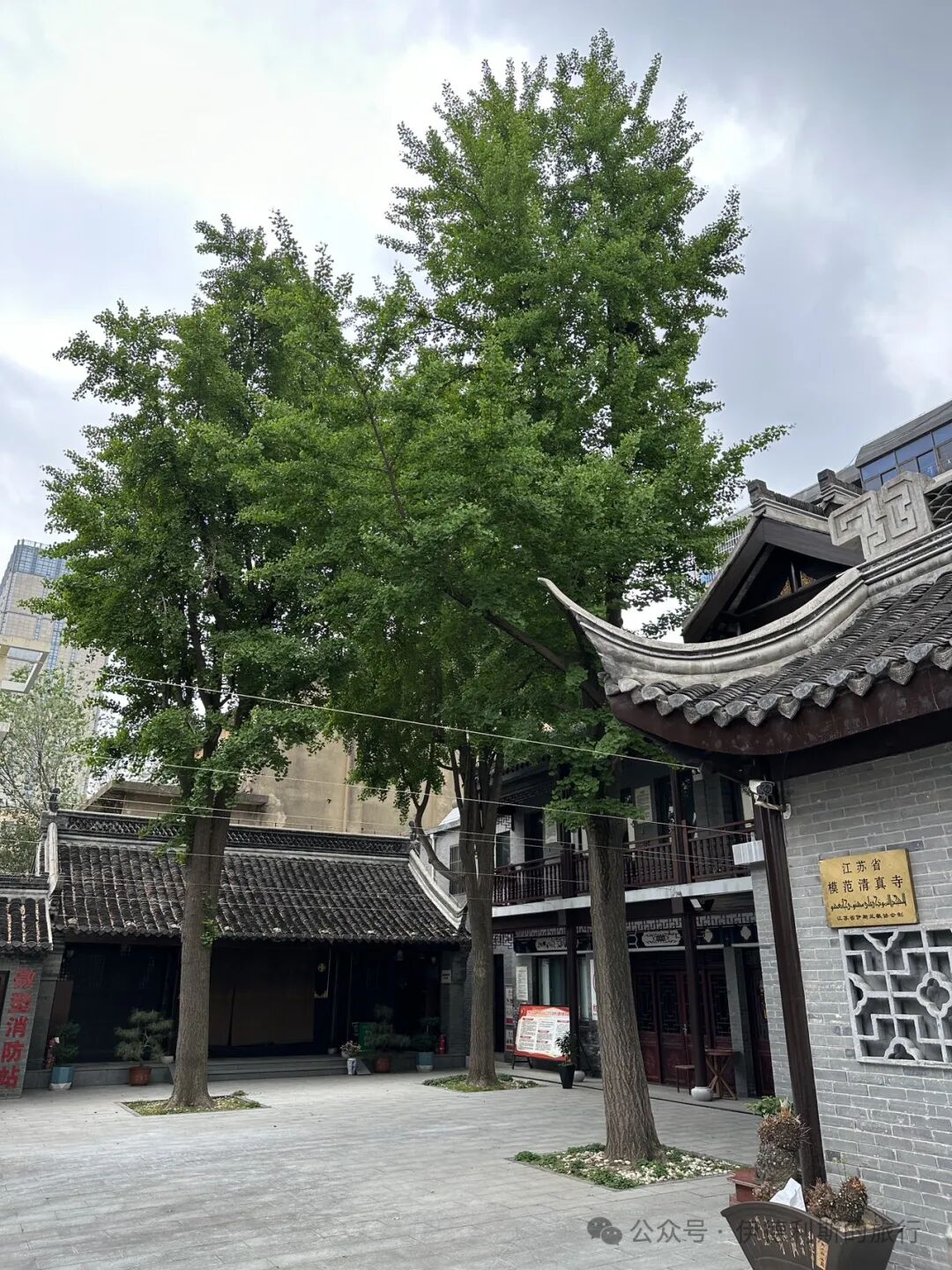
The main hall of Yancheng Mosque features traditional Jiangsu architectural style, with flying eaves in the front and a kiln-style roof (yaowo) in the back. Inside the main hall, the original wood-carved circular frame containing a dua is still preserved and is very exquisite. According to Imam Xue Longhe from Zhenjiang, the plaque in the main hall uses Arabic, Persian, and Xiao'erjing scripts. It translates to: 'Completed on an auspicious day in the eighth lunar month of the 17th year of the Republic of China, respectfully erected by Abudula Yang Luji.' It is very precious.
The imam of Yancheng Mosque from 1936 to 1979 was Bai Hanzhang. Imam Bai was from Minquan, Henan. He graduated from the Beijing Niujie Islamic Institute in 1922. Later, he served as an imam at mosques in Jurong, Zhenjiang, and Nantong, Jiangsu. He served as the imam of Yancheng Mosque from 1936 until he returned to Allah in 1979.
There are two local Hui Muslim restaurants in Yancheng, both opened by people with the surname Huo. One specializes in beef, and the other specializes in lamb. Huo is a major surname among Yancheng Hui Muslims. It comes from 'Khwaja,' which is a Persian honorific for a master. Hui Muslims with the surname Huo lived in the Jiangsu region during the Yuan and Ming dynasties. They were distributed in places like Nanjing and Yangzhou, and later a branch moved from Zhenjiang to Yancheng.
The Republic of China era 'Continued Yancheng County Annals' records: 'Hui Muslims living in Yancheng city include the Huo, Ha, Yang, Zhao, Jin, Suo, Di, Wang, Cheng, Li, Mu, and Tong families.' Those living in Wuyou include the Shi and Yang families. Those living in Tainancang include the Jin and Ha families. There are also Huo families living at Hejia Station and Ha families living at Shanyu Chen Village, totaling more than 60 households. Notable figures include Huo Juenian from the Ming Dynasty, who lived to be 100 years old, as seen in previous annals. From the Qing Dynasty, there was the student Ha Fenglou, the government-supported student Huo Zhilin, and Di Yun, also known as Qifeng, who was skilled in calligraphy and seal carving, as seen in the 'Biographies of Famous Seal Carvers'.
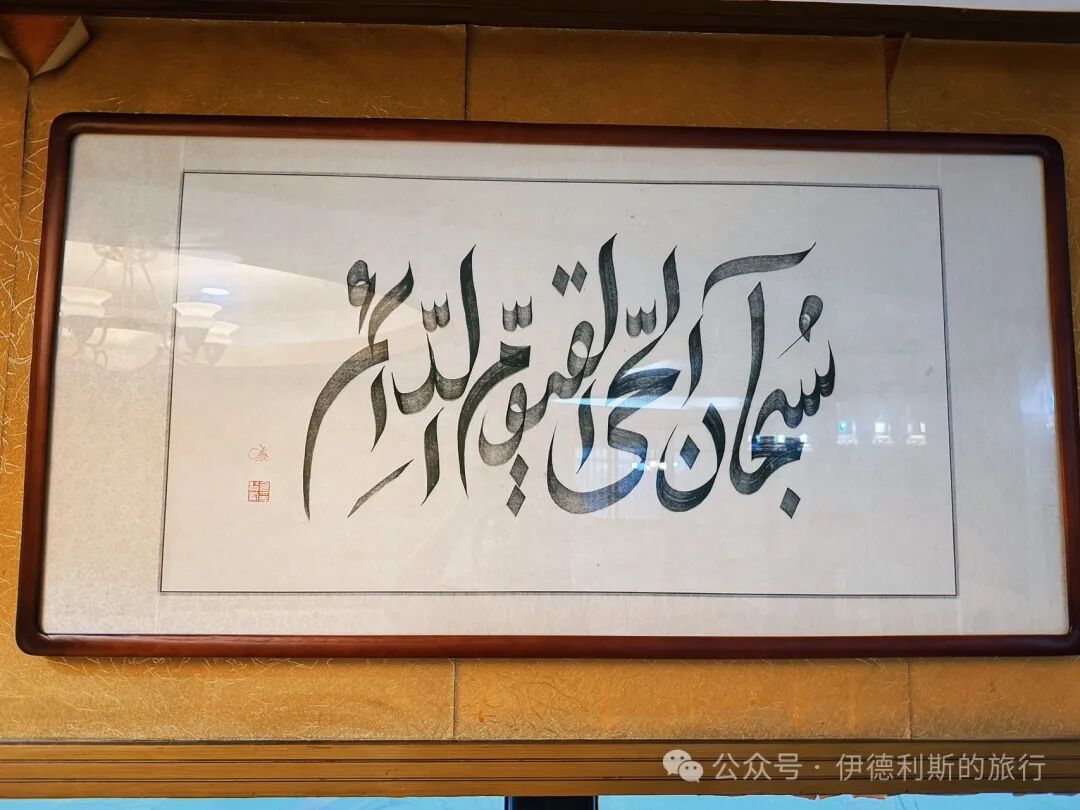
At noon, we went to the Huo Er Beef Restaurant and ate stir-fried shredded beef, beef meatballs, beef spring rolls, yellow catfish soup, poached eggs, and sugar-oil dumplings (tangyou jiaozi). Yellow catfish (huangsangyu) is called ang yu in the Jianghuai region, and it is very delicious when stewed in soup. The beef spring rolls are filled with chives and are also very tasty. The sugar-oil dumplings are made with scalded dough and have a flowing sweet filling inside, which the children really liked. I was surprised to see calligraphy works by Mr. Wang Qifei in the shop.
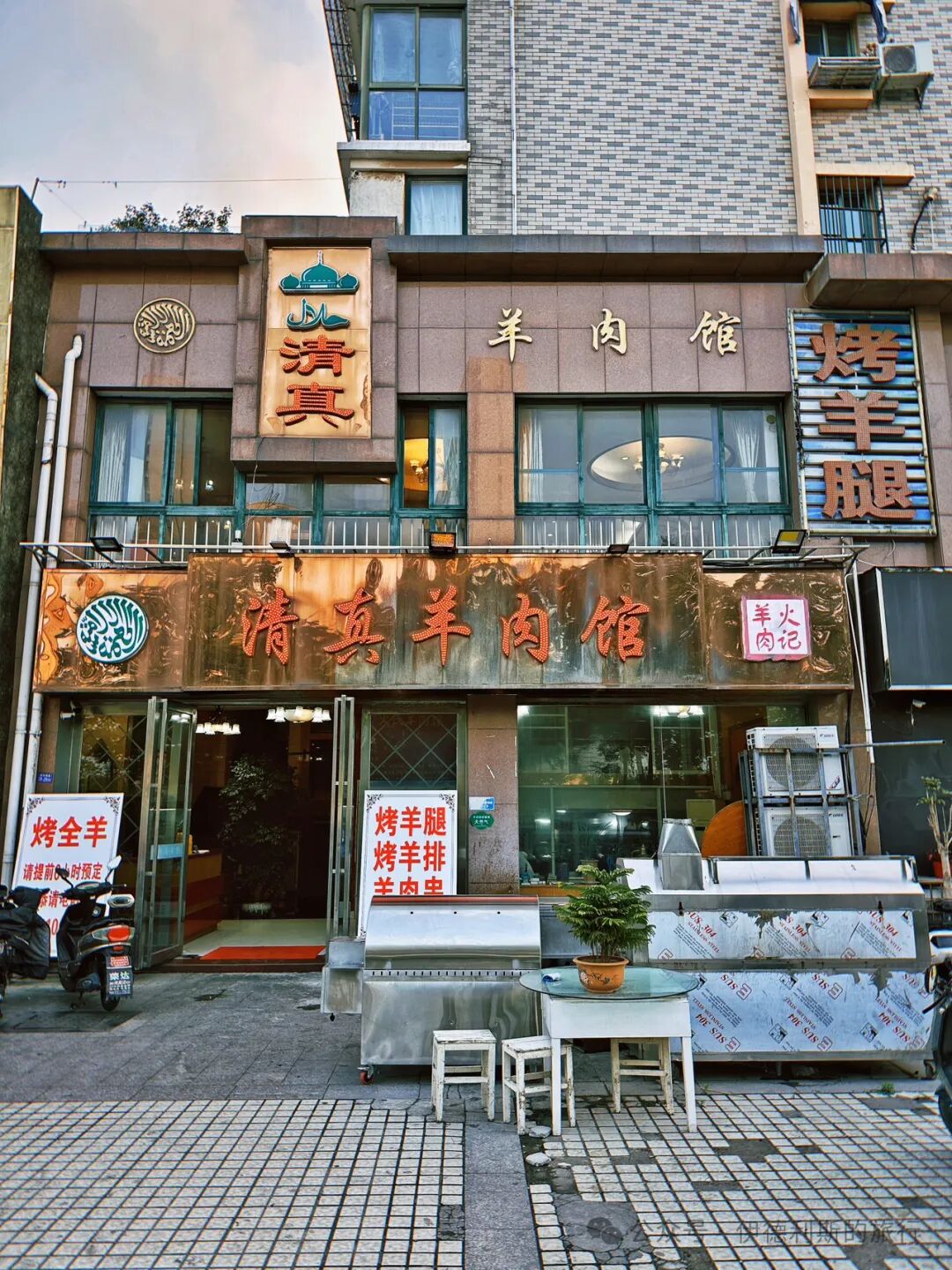
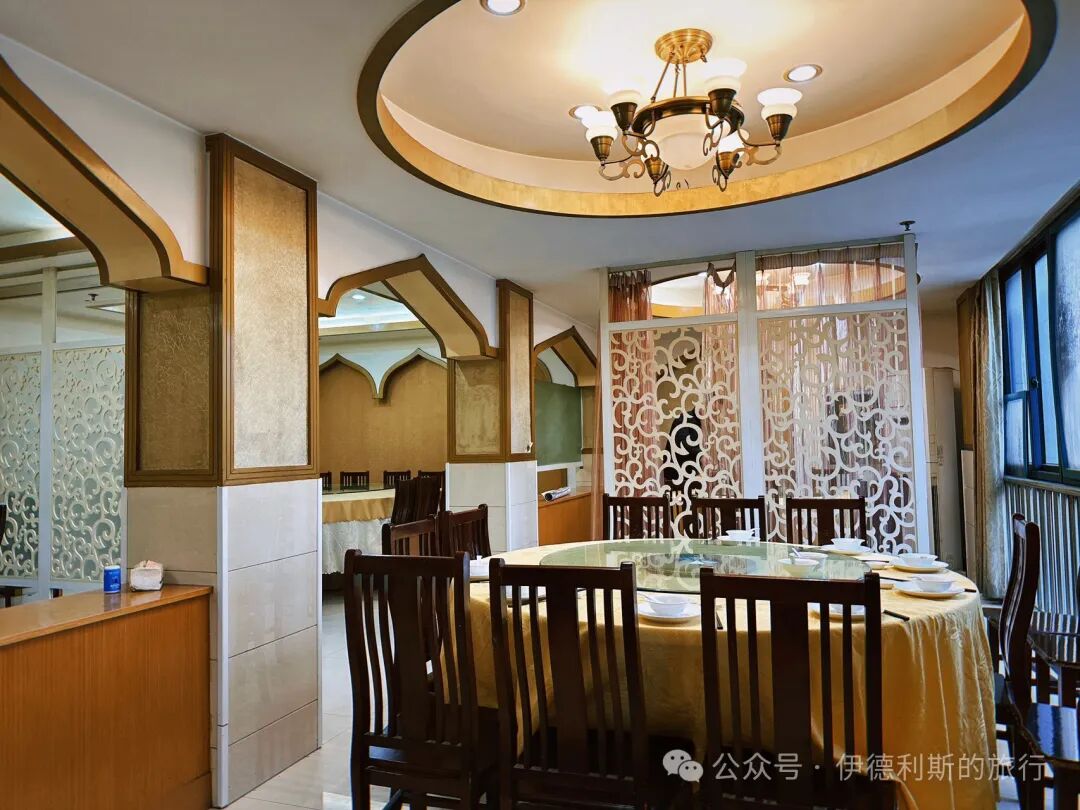
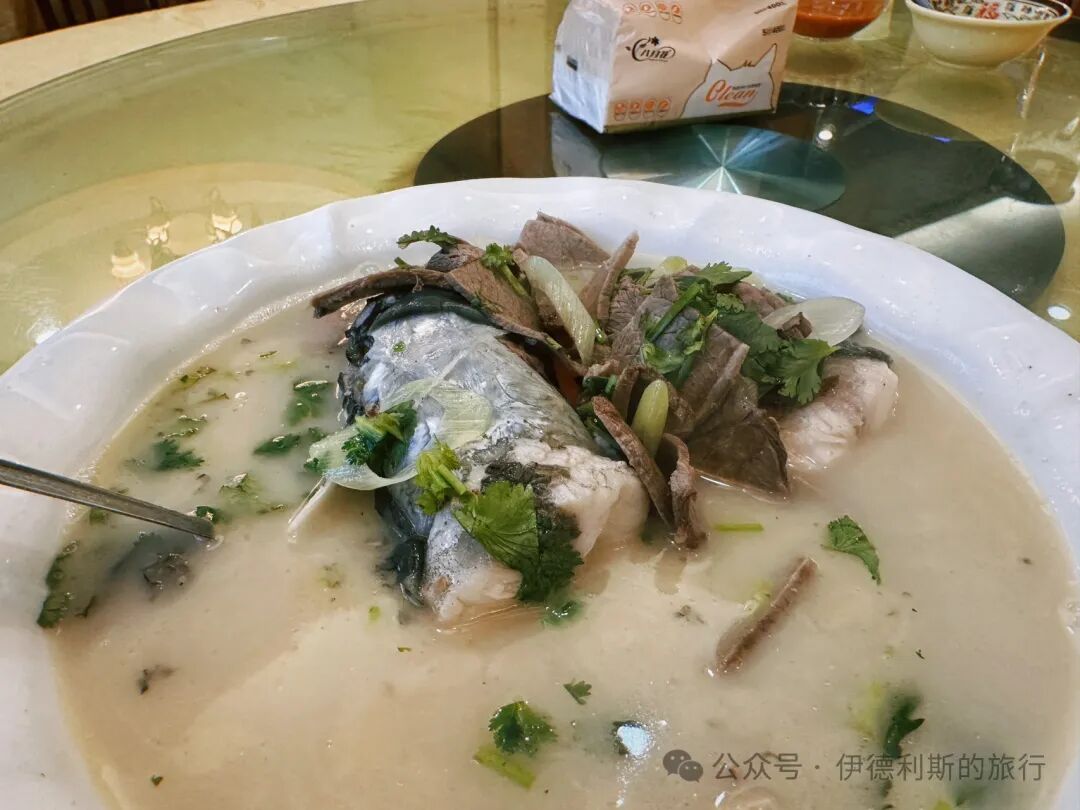
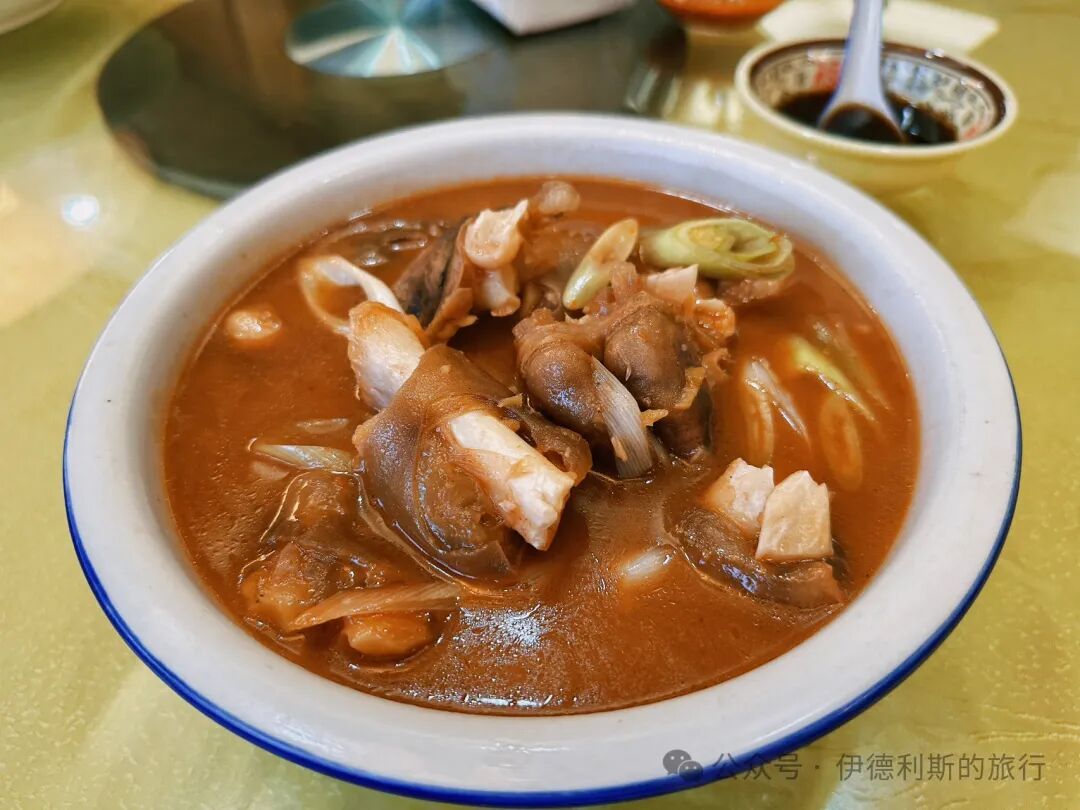
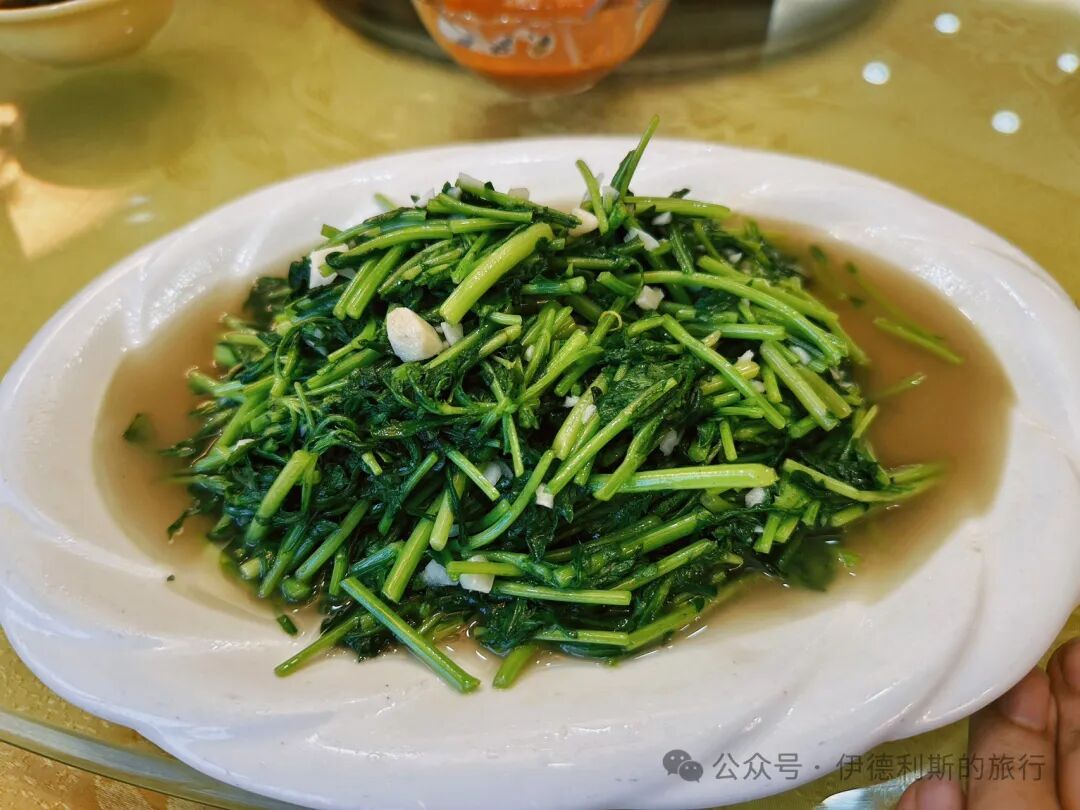
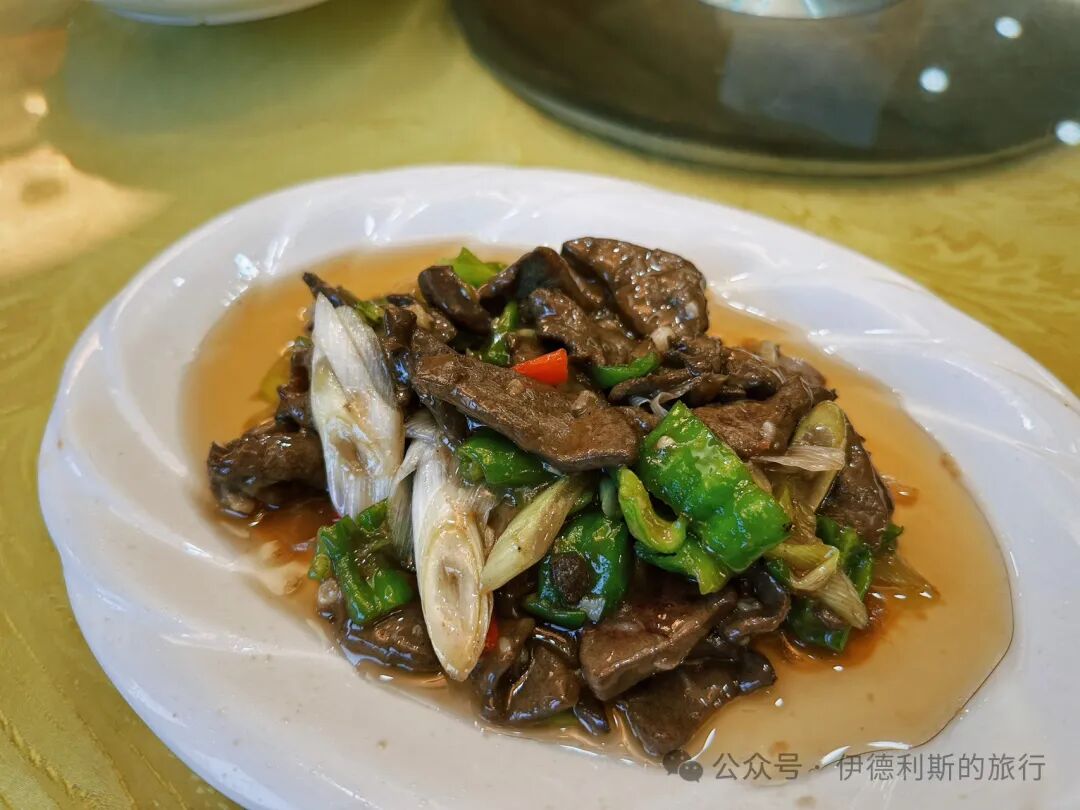
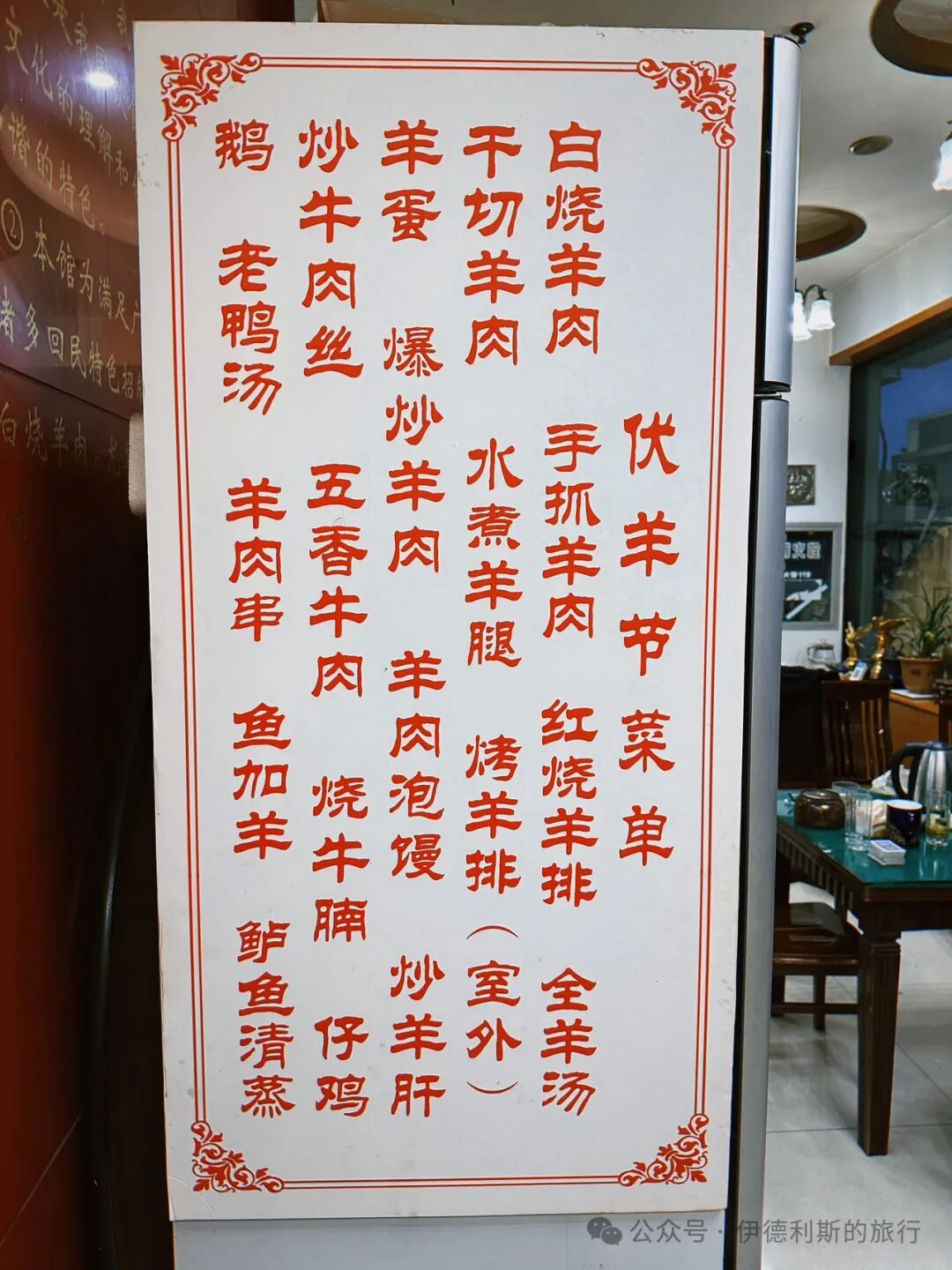
Another place is called Huoji Lamb Restaurant, which specializes in all kinds of lamb dishes. We ordered fish with lamb, stewed lamb trotters, stir-fried lamb liver, and stir-fried crown daisy greens. The fish with lamb is a mix of black carp head soup and lamb soup. The savory flavors of the fish and lamb blend together for a very unique taste. The stewed lamb trotters and stir-fried lamb liver are both sweet, which is very typical of Huaiyang cuisine. People from the Northwest might not be used to it, but those who like light flavors will probably love it. The stir-fried crown daisy greens were surprisingly delicious with a very delicate texture. You cannot find crown daisy greens with such thin stems in the North. The restaurant has a nice environment with large windows and good service. We rarely found restaurants in Jiangsu that served tea, but this place did. view all
Summary: Yancheng Mosque stands on Xicang Lane in central Yancheng, Jiangsu, and this account follows a visit to the mosque and nearby Hui Muslim food spots. It keeps the original notes on local dishes, shop names, street details, and photographs in the same order.
Yancheng Mosque in Jiangsu is located on Xicang Lane (historically called Xicang) in the Yancheng city center. It was first built during the Yongle period of the Ming Dynasty as three thatched rooms, funded by five Hui Muslim families: the Ha, Huo, Ding, Liu, and Xue families. It was expanded in 1720 (the 59th year of the Kangxi reign) and rebuilt again in the early Republic of China era into the current brick-and-wood main hall.
The Republic of China era 'Continued Yancheng County Annals' records: 'The mosque is on Xicang Street in the city. It was founded during the Ming Yongle period. In the 59th year of the Kangxi reign of the Qing Dynasty, land was purchased to expand it, and it was renamed the Qingzhen Mosque. Recently, it was renamed the Hui Mosque, and the leader is called an imam.' In the second year of the Republic of China, the Yancheng branch of the Jiangsu Islamic Association was established, and in the 18th year, it was renamed the Yancheng branch of the Chinese Islamic Association.
During the War of Resistance Against Japan, the Yancheng Mosque suffered two disasters. On March 30, 1938, it was bombed by the Japanese army. On April 26 of the same year, the Japanese army invaded Yancheng and set fire to the city. Except for the main hall, which survived, all other buildings were destroyed.
The main hall of Yancheng Mosque features traditional Jiangsu architectural style, with flying eaves in the front and a kiln-style roof (yaowo) in the back. Inside the main hall, the original wood-carved circular frame containing a dua is still preserved and is very exquisite. According to Imam Xue Longhe from Zhenjiang, the plaque in the main hall uses Arabic, Persian, and Xiao'erjing scripts. It translates to: 'Completed on an auspicious day in the eighth lunar month of the 17th year of the Republic of China, respectfully erected by Abudula Yang Luji.' It is very precious.
The imam of Yancheng Mosque from 1936 to 1979 was Bai Hanzhang. Imam Bai was from Minquan, Henan. He graduated from the Beijing Niujie Islamic Institute in 1922. Later, he served as an imam at mosques in Jurong, Zhenjiang, and Nantong, Jiangsu. He served as the imam of Yancheng Mosque from 1936 until he returned to Allah in 1979.
There are two local Hui Muslim restaurants in Yancheng, both opened by people with the surname Huo. One specializes in beef, and the other specializes in lamb. Huo is a major surname among Yancheng Hui Muslims. It comes from 'Khwaja,' which is a Persian honorific for a master. Hui Muslims with the surname Huo lived in the Jiangsu region during the Yuan and Ming dynasties. They were distributed in places like Nanjing and Yangzhou, and later a branch moved from Zhenjiang to Yancheng.
The Republic of China era 'Continued Yancheng County Annals' records: 'Hui Muslims living in Yancheng city include the Huo, Ha, Yang, Zhao, Jin, Suo, Di, Wang, Cheng, Li, Mu, and Tong families.' Those living in Wuyou include the Shi and Yang families. Those living in Tainancang include the Jin and Ha families. There are also Huo families living at Hejia Station and Ha families living at Shanyu Chen Village, totaling more than 60 households. Notable figures include Huo Juenian from the Ming Dynasty, who lived to be 100 years old, as seen in previous annals. From the Qing Dynasty, there was the student Ha Fenglou, the government-supported student Huo Zhilin, and Di Yun, also known as Qifeng, who was skilled in calligraphy and seal carving, as seen in the 'Biographies of Famous Seal Carvers'.
At noon, we went to the Huo Er Beef Restaurant and ate stir-fried shredded beef, beef meatballs, beef spring rolls, yellow catfish soup, poached eggs, and sugar-oil dumplings (tangyou jiaozi). Yellow catfish (huangsangyu) is called ang yu in the Jianghuai region, and it is very delicious when stewed in soup. The beef spring rolls are filled with chives and are also very tasty. The sugar-oil dumplings are made with scalded dough and have a flowing sweet filling inside, which the children really liked. I was surprised to see calligraphy works by Mr. Wang Qifei in the shop.
Another place is called Huoji Lamb Restaurant, which specializes in all kinds of lamb dishes. We ordered fish with lamb, stewed lamb trotters, stir-fried lamb liver, and stir-fried crown daisy greens. The fish with lamb is a mix of black carp head soup and lamb soup. The savory flavors of the fish and lamb blend together for a very unique taste. The stewed lamb trotters and stir-fried lamb liver are both sweet, which is very typical of Huaiyang cuisine. People from the Northwest might not be used to it, but those who like light flavors will probably love it. The stir-fried crown daisy greens were surprisingly delicious with a very delicate texture. You cannot find crown daisy greens with such thin stems in the North. The restaurant has a nice environment with large windows and good service. We rarely found restaurants in Jiangsu that served tea, but this place did. view all
Reposted from the web
Summary: Yancheng Mosque stands on Xicang Lane in central Yancheng, Jiangsu, and this account follows a visit to the mosque and nearby Hui Muslim food spots. It keeps the original notes on local dishes, shop names, street details, and photographs in the same order.
Yancheng Mosque in Jiangsu is located on Xicang Lane (historically called Xicang) in the Yancheng city center. It was first built during the Yongle period of the Ming Dynasty as three thatched rooms, funded by five Hui Muslim families: the Ha, Huo, Ding, Liu, and Xue families. It was expanded in 1720 (the 59th year of the Kangxi reign) and rebuilt again in the early Republic of China era into the current brick-and-wood main hall.
The Republic of China era 'Continued Yancheng County Annals' records: 'The mosque is on Xicang Street in the city. It was founded during the Ming Yongle period. In the 59th year of the Kangxi reign of the Qing Dynasty, land was purchased to expand it, and it was renamed the Qingzhen Mosque. Recently, it was renamed the Hui Mosque, and the leader is called an imam.' In the second year of the Republic of China, the Yancheng branch of the Jiangsu Islamic Association was established, and in the 18th year, it was renamed the Yancheng branch of the Chinese Islamic Association.
During the War of Resistance Against Japan, the Yancheng Mosque suffered two disasters. On March 30, 1938, it was bombed by the Japanese army. On April 26 of the same year, the Japanese army invaded Yancheng and set fire to the city. Except for the main hall, which survived, all other buildings were destroyed.
The main hall of Yancheng Mosque features traditional Jiangsu architectural style, with flying eaves in the front and a kiln-style roof (yaowo) in the back. Inside the main hall, the original wood-carved circular frame containing a dua is still preserved and is very exquisite. According to Imam Xue Longhe from Zhenjiang, the plaque in the main hall uses Arabic, Persian, and Xiao'erjing scripts. It translates to: 'Completed on an auspicious day in the eighth lunar month of the 17th year of the Republic of China, respectfully erected by Abudula Yang Luji.' It is very precious.
The imam of Yancheng Mosque from 1936 to 1979 was Bai Hanzhang. Imam Bai was from Minquan, Henan. He graduated from the Beijing Niujie Islamic Institute in 1922. Later, he served as an imam at mosques in Jurong, Zhenjiang, and Nantong, Jiangsu. He served as the imam of Yancheng Mosque from 1936 until he returned to Allah in 1979.
There are two local Hui Muslim restaurants in Yancheng, both opened by people with the surname Huo. One specializes in beef, and the other specializes in lamb. Huo is a major surname among Yancheng Hui Muslims. It comes from 'Khwaja,' which is a Persian honorific for a master. Hui Muslims with the surname Huo lived in the Jiangsu region during the Yuan and Ming dynasties. They were distributed in places like Nanjing and Yangzhou, and later a branch moved from Zhenjiang to Yancheng.
The Republic of China era 'Continued Yancheng County Annals' records: 'Hui Muslims living in Yancheng city include the Huo, Ha, Yang, Zhao, Jin, Suo, Di, Wang, Cheng, Li, Mu, and Tong families.' Those living in Wuyou include the Shi and Yang families. Those living in Tainancang include the Jin and Ha families. There are also Huo families living at Hejia Station and Ha families living at Shanyu Chen Village, totaling more than 60 households. Notable figures include Huo Juenian from the Ming Dynasty, who lived to be 100 years old, as seen in previous annals. From the Qing Dynasty, there was the student Ha Fenglou, the government-supported student Huo Zhilin, and Di Yun, also known as Qifeng, who was skilled in calligraphy and seal carving, as seen in the 'Biographies of Famous Seal Carvers'.
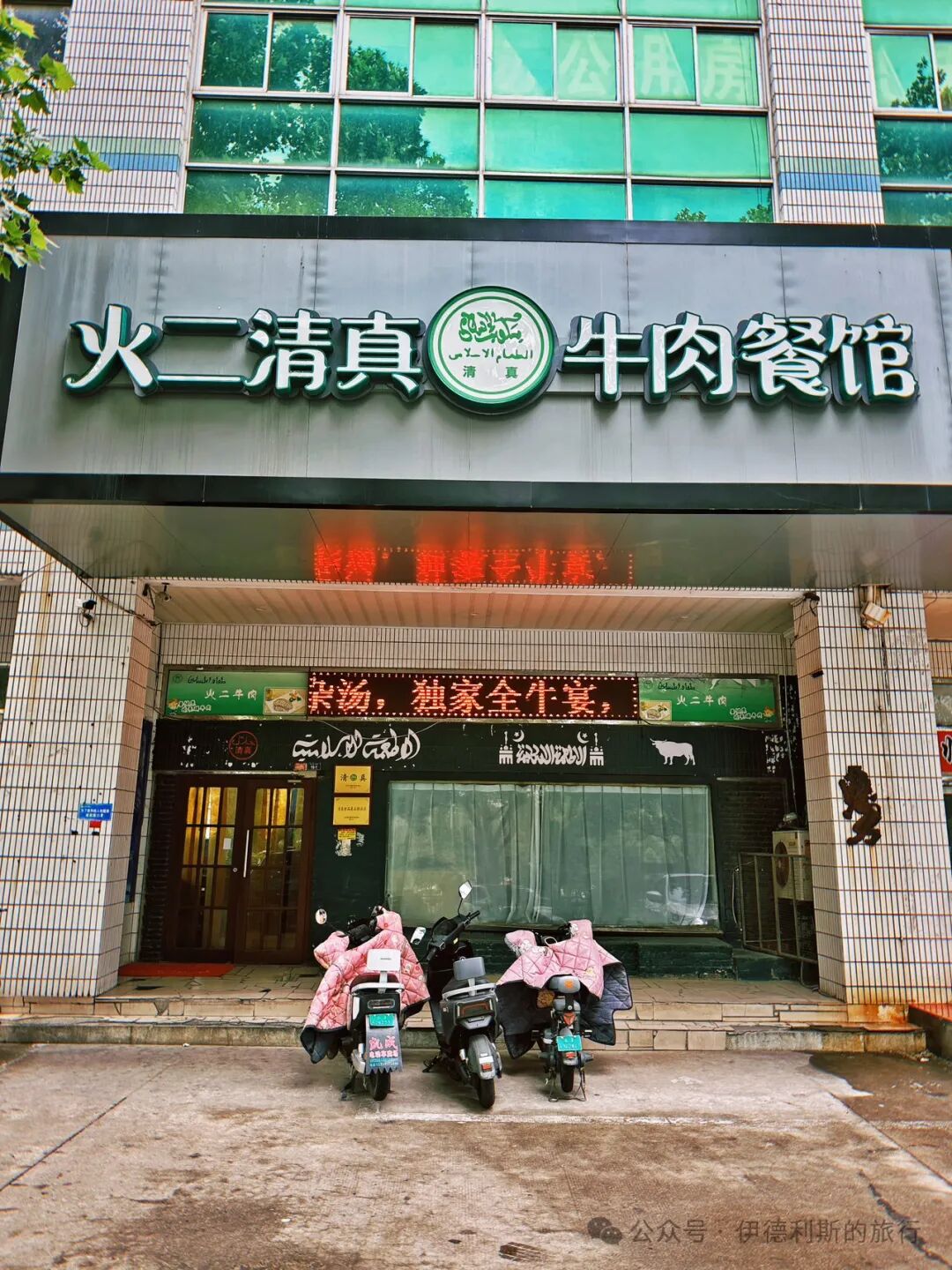
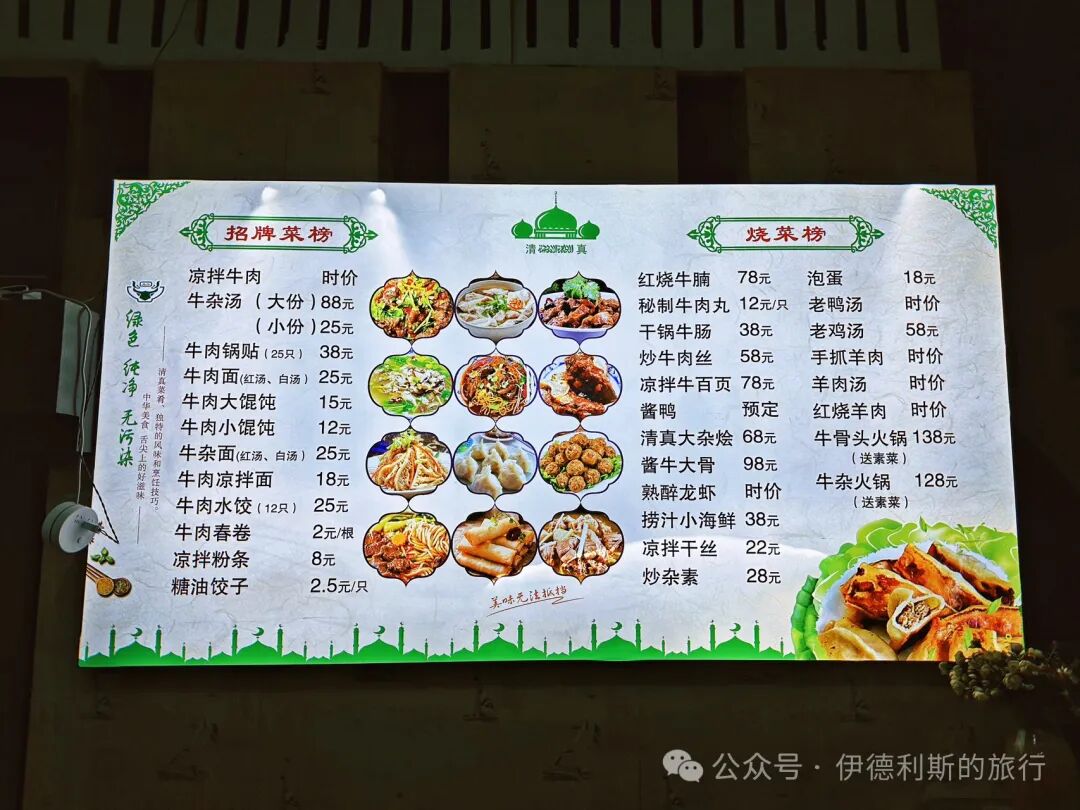
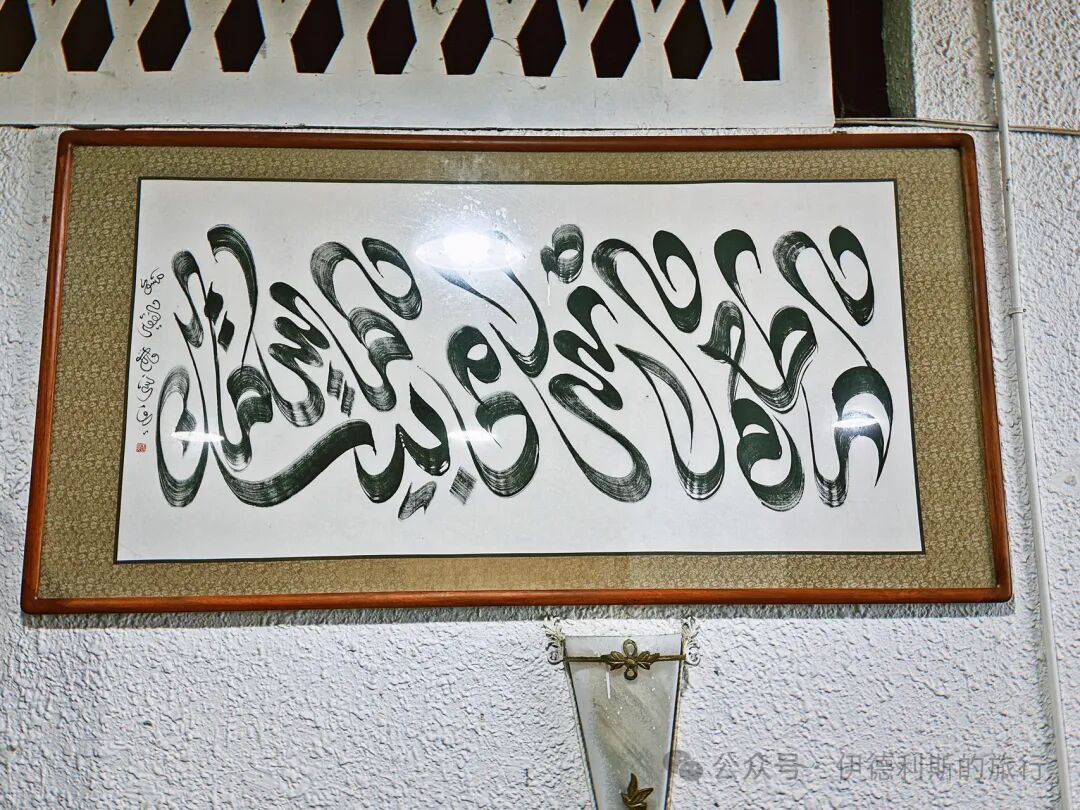
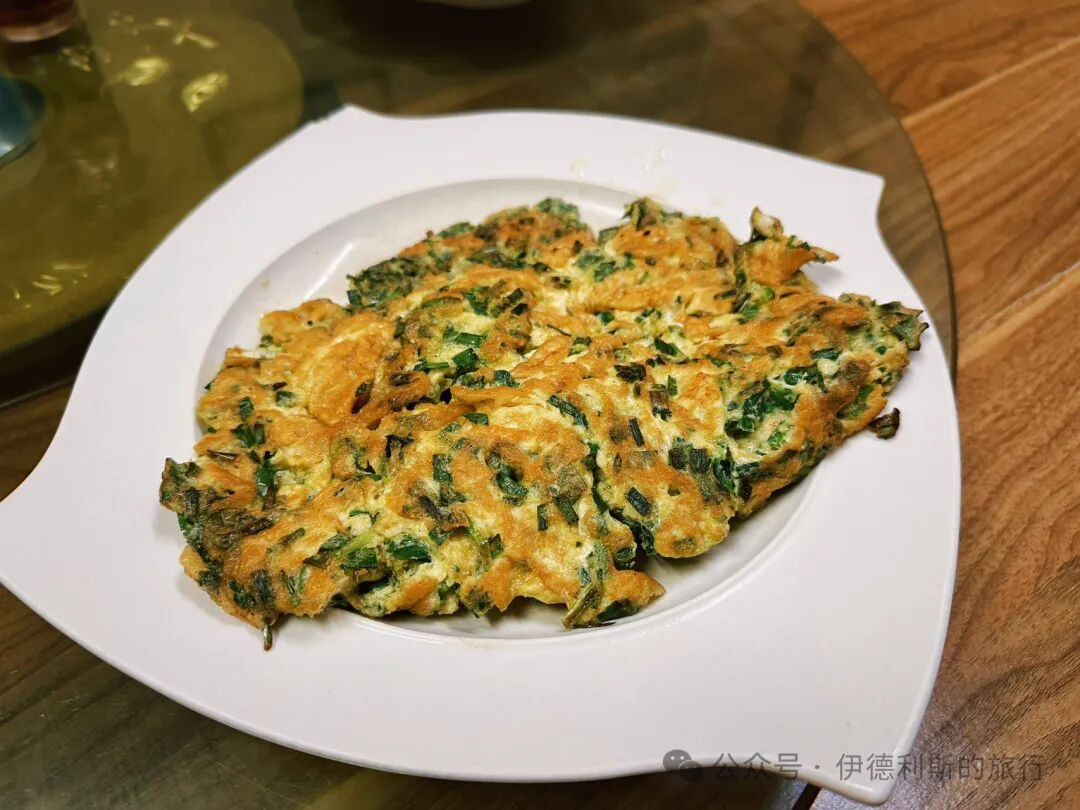
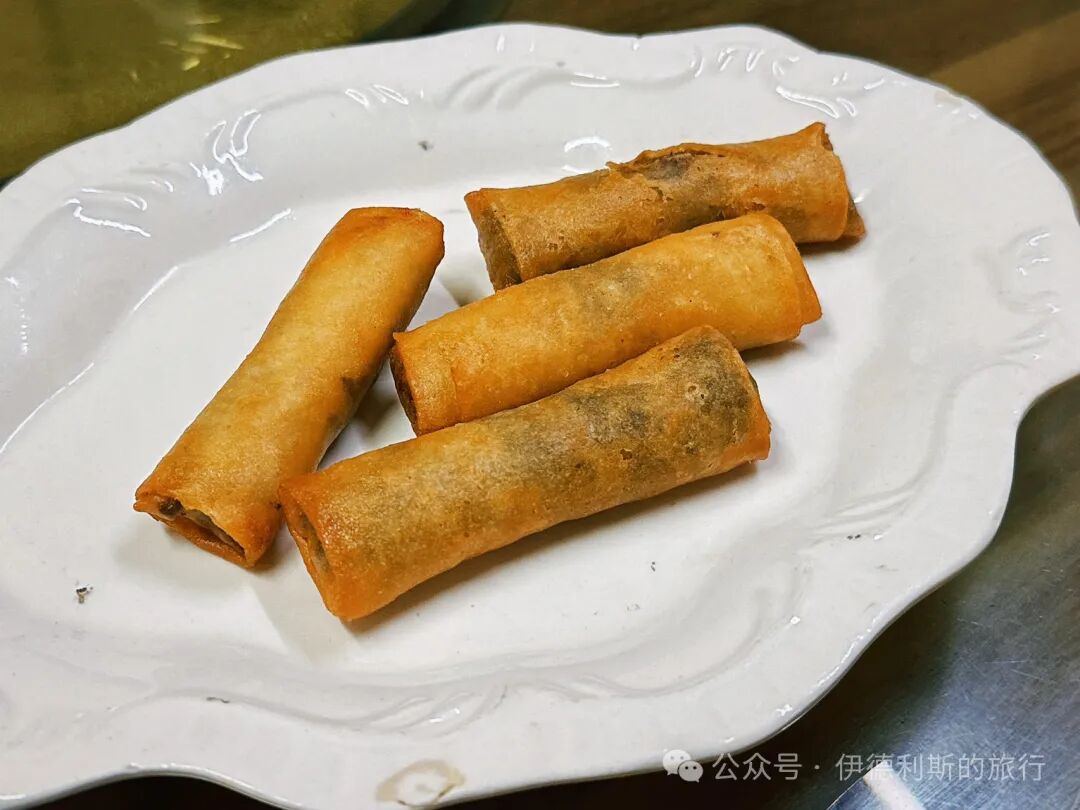
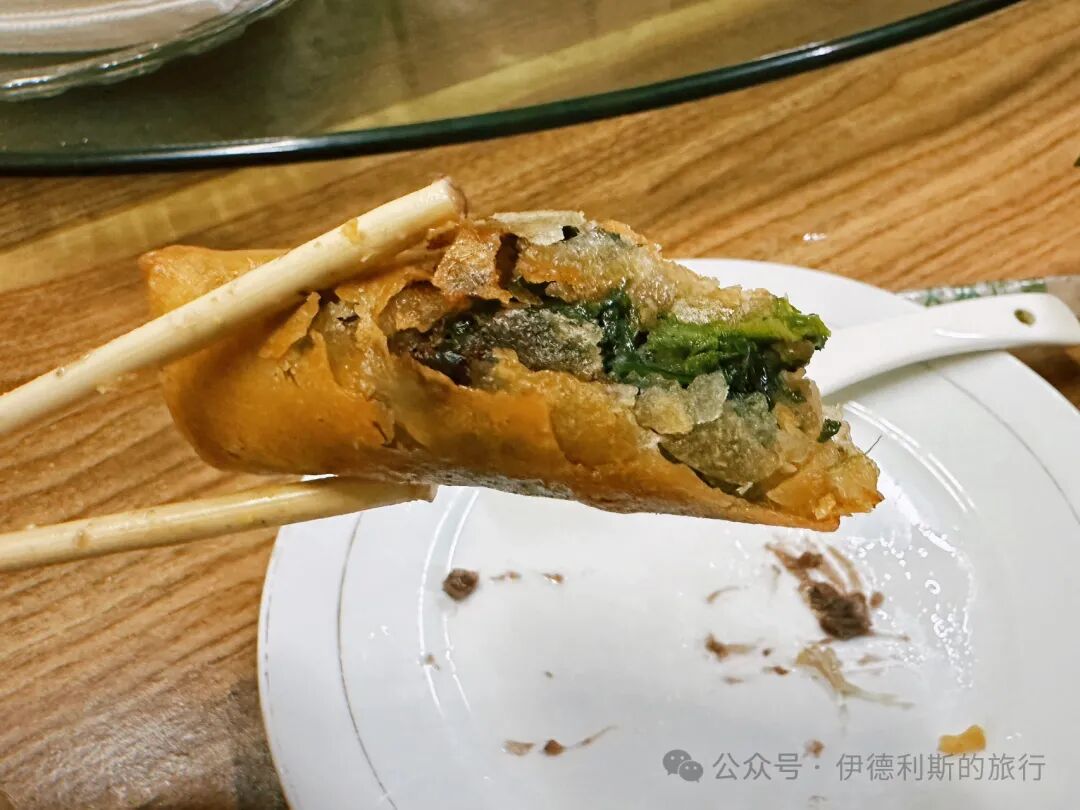
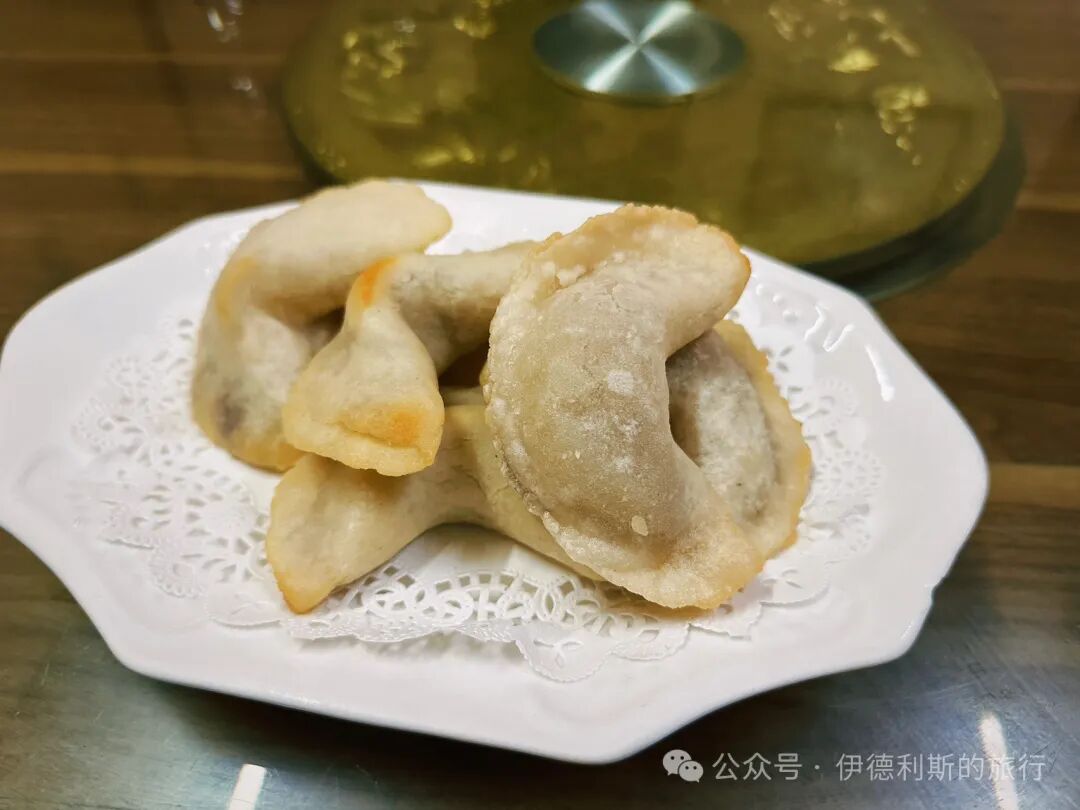
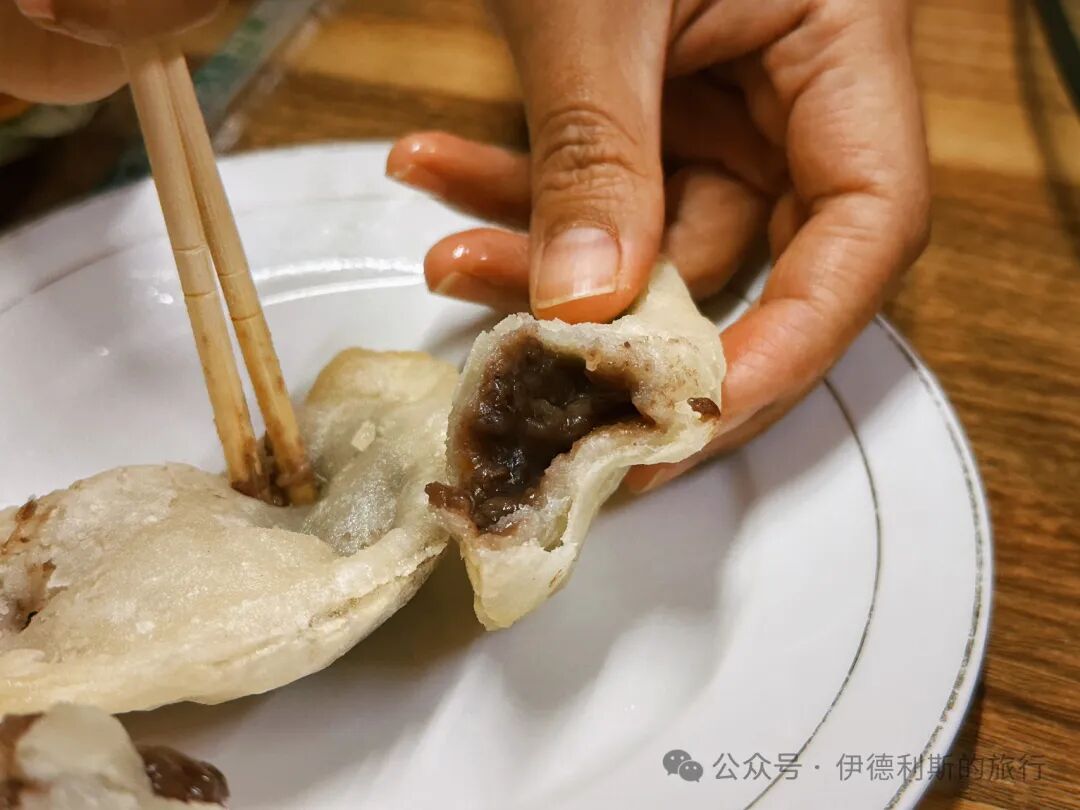
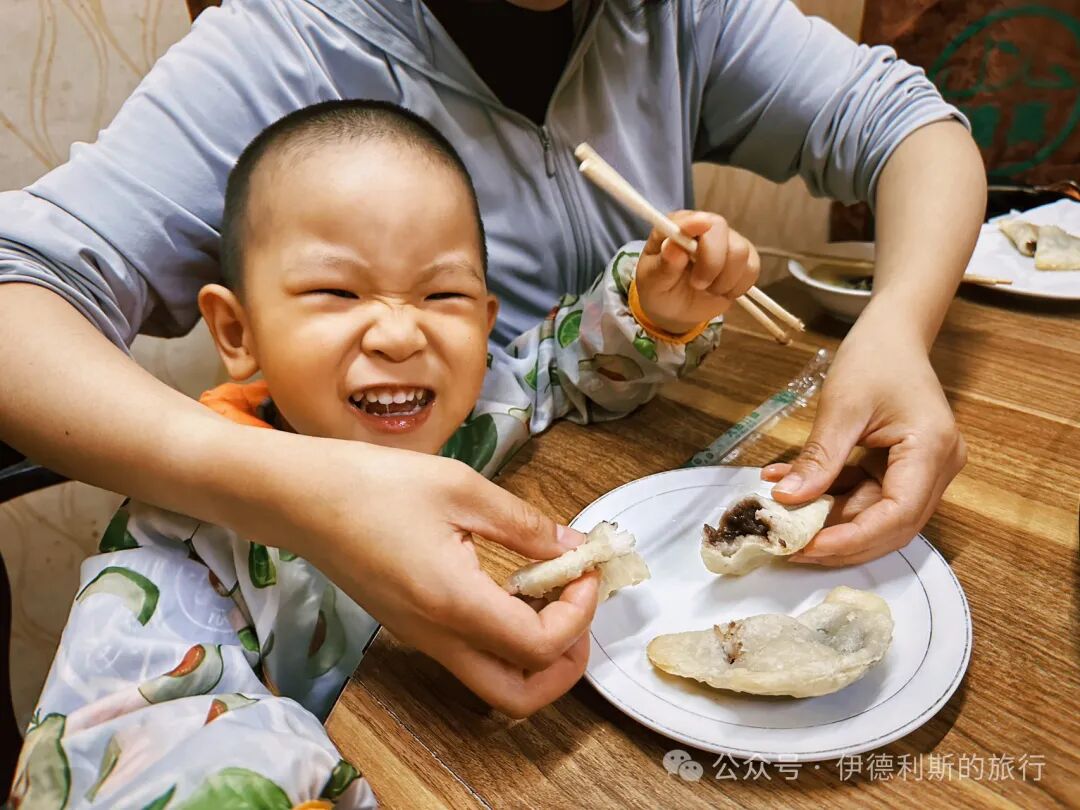
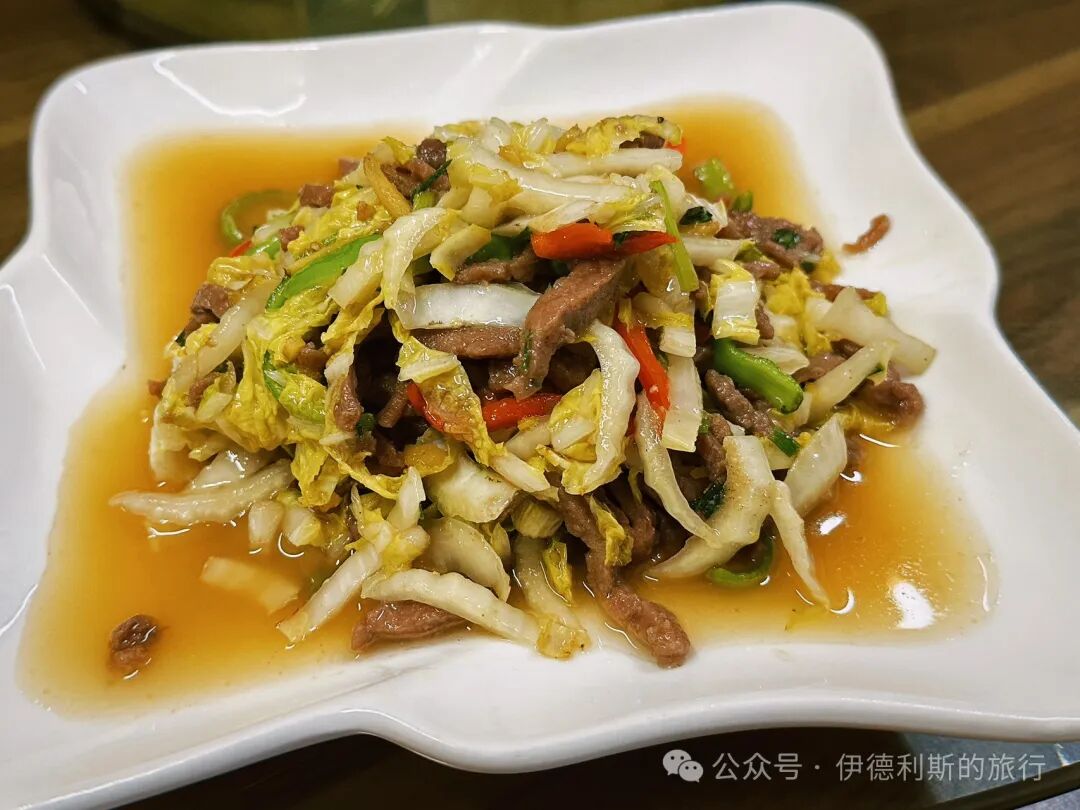
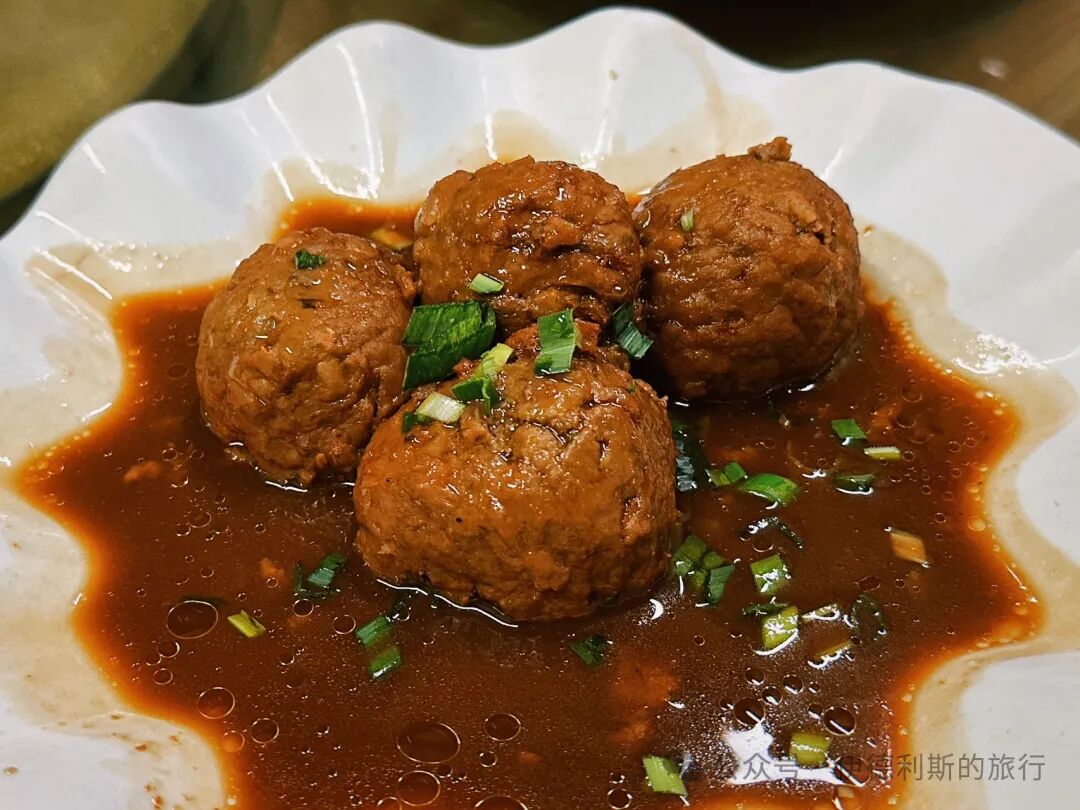
At noon, we went to the Huo Er Beef Restaurant and ate stir-fried shredded beef, beef meatballs, beef spring rolls, yellow catfish soup, poached eggs, and sugar-oil dumplings (tangyou jiaozi). Yellow catfish (huangsangyu) is called ang yu in the Jianghuai region, and it is very delicious when stewed in soup. The beef spring rolls are filled with chives and are also very tasty. The sugar-oil dumplings are made with scalded dough and have a flowing sweet filling inside, which the children really liked. I was surprised to see calligraphy works by Mr. Wang Qifei in the shop.
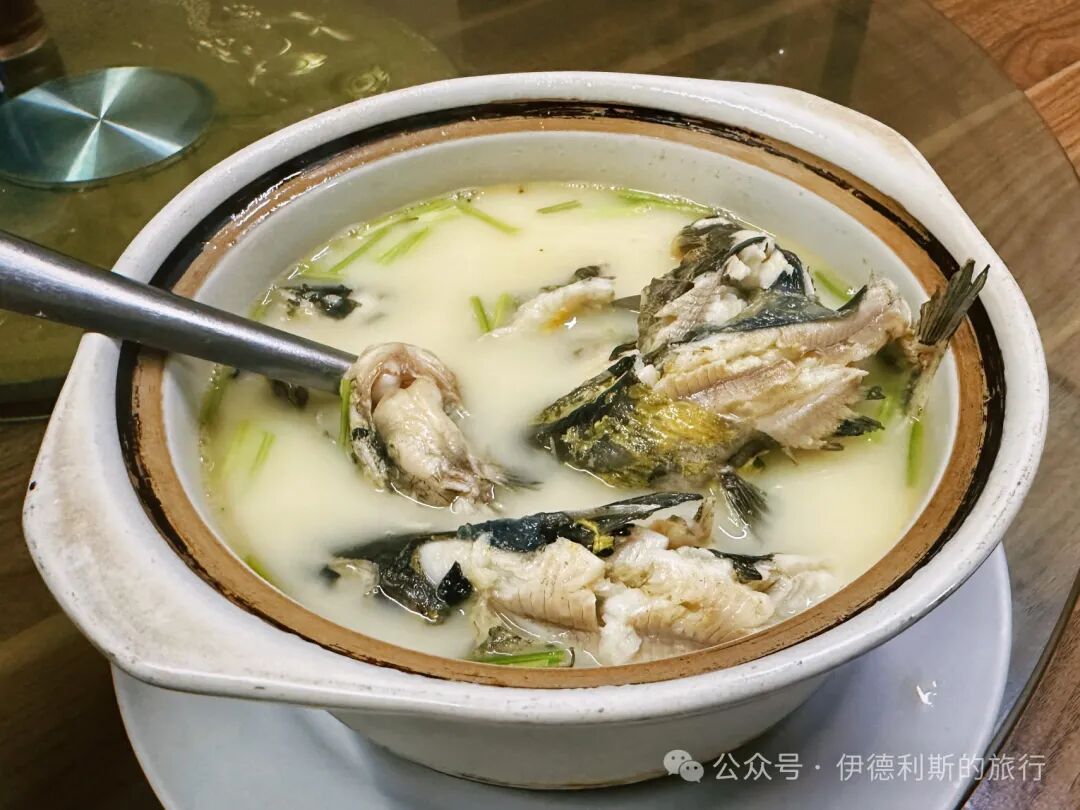
Another place is called Huoji Lamb Restaurant, which specializes in all kinds of lamb dishes. We ordered fish with lamb, stewed lamb trotters, stir-fried lamb liver, and stir-fried crown daisy greens. The fish with lamb is a mix of black carp head soup and lamb soup. The savory flavors of the fish and lamb blend together for a very unique taste. The stewed lamb trotters and stir-fried lamb liver are both sweet, which is very typical of Huaiyang cuisine. People from the Northwest might not be used to it, but those who like light flavors will probably love it. The stir-fried crown daisy greens were surprisingly delicious with a very delicate texture. You cannot find crown daisy greens with such thin stems in the North. The restaurant has a nice environment with large windows and good service. We rarely found restaurants in Jiangsu that served tea, but this place did.
Summary: Yancheng Mosque stands on Xicang Lane in central Yancheng, Jiangsu, and this account follows a visit to the mosque and nearby Hui Muslim food spots. It keeps the original notes on local dishes, shop names, street details, and photographs in the same order.
Yancheng Mosque in Jiangsu is located on Xicang Lane (historically called Xicang) in the Yancheng city center. It was first built during the Yongle period of the Ming Dynasty as three thatched rooms, funded by five Hui Muslim families: the Ha, Huo, Ding, Liu, and Xue families. It was expanded in 1720 (the 59th year of the Kangxi reign) and rebuilt again in the early Republic of China era into the current brick-and-wood main hall.
The Republic of China era 'Continued Yancheng County Annals' records: 'The mosque is on Xicang Street in the city. It was founded during the Ming Yongle period. In the 59th year of the Kangxi reign of the Qing Dynasty, land was purchased to expand it, and it was renamed the Qingzhen Mosque. Recently, it was renamed the Hui Mosque, and the leader is called an imam.' In the second year of the Republic of China, the Yancheng branch of the Jiangsu Islamic Association was established, and in the 18th year, it was renamed the Yancheng branch of the Chinese Islamic Association.
During the War of Resistance Against Japan, the Yancheng Mosque suffered two disasters. On March 30, 1938, it was bombed by the Japanese army. On April 26 of the same year, the Japanese army invaded Yancheng and set fire to the city. Except for the main hall, which survived, all other buildings were destroyed.
The main hall of Yancheng Mosque features traditional Jiangsu architectural style, with flying eaves in the front and a kiln-style roof (yaowo) in the back. Inside the main hall, the original wood-carved circular frame containing a dua is still preserved and is very exquisite. According to Imam Xue Longhe from Zhenjiang, the plaque in the main hall uses Arabic, Persian, and Xiao'erjing scripts. It translates to: 'Completed on an auspicious day in the eighth lunar month of the 17th year of the Republic of China, respectfully erected by Abudula Yang Luji.' It is very precious.
The imam of Yancheng Mosque from 1936 to 1979 was Bai Hanzhang. Imam Bai was from Minquan, Henan. He graduated from the Beijing Niujie Islamic Institute in 1922. Later, he served as an imam at mosques in Jurong, Zhenjiang, and Nantong, Jiangsu. He served as the imam of Yancheng Mosque from 1936 until he returned to Allah in 1979.
There are two local Hui Muslim restaurants in Yancheng, both opened by people with the surname Huo. One specializes in beef, and the other specializes in lamb. Huo is a major surname among Yancheng Hui Muslims. It comes from 'Khwaja,' which is a Persian honorific for a master. Hui Muslims with the surname Huo lived in the Jiangsu region during the Yuan and Ming dynasties. They were distributed in places like Nanjing and Yangzhou, and later a branch moved from Zhenjiang to Yancheng.
The Republic of China era 'Continued Yancheng County Annals' records: 'Hui Muslims living in Yancheng city include the Huo, Ha, Yang, Zhao, Jin, Suo, Di, Wang, Cheng, Li, Mu, and Tong families.' Those living in Wuyou include the Shi and Yang families. Those living in Tainancang include the Jin and Ha families. There are also Huo families living at Hejia Station and Ha families living at Shanyu Chen Village, totaling more than 60 households. Notable figures include Huo Juenian from the Ming Dynasty, who lived to be 100 years old, as seen in previous annals. From the Qing Dynasty, there was the student Ha Fenglou, the government-supported student Huo Zhilin, and Di Yun, also known as Qifeng, who was skilled in calligraphy and seal carving, as seen in the 'Biographies of Famous Seal Carvers'.
At noon, we went to the Huo Er Beef Restaurant and ate stir-fried shredded beef, beef meatballs, beef spring rolls, yellow catfish soup, poached eggs, and sugar-oil dumplings (tangyou jiaozi). Yellow catfish (huangsangyu) is called ang yu in the Jianghuai region, and it is very delicious when stewed in soup. The beef spring rolls are filled with chives and are also very tasty. The sugar-oil dumplings are made with scalded dough and have a flowing sweet filling inside, which the children really liked. I was surprised to see calligraphy works by Mr. Wang Qifei in the shop.
Another place is called Huoji Lamb Restaurant, which specializes in all kinds of lamb dishes. We ordered fish with lamb, stewed lamb trotters, stir-fried lamb liver, and stir-fried crown daisy greens. The fish with lamb is a mix of black carp head soup and lamb soup. The savory flavors of the fish and lamb blend together for a very unique taste. The stewed lamb trotters and stir-fried lamb liver are both sweet, which is very typical of Huaiyang cuisine. People from the Northwest might not be used to it, but those who like light flavors will probably love it. The stir-fried crown daisy greens were surprisingly delicious with a very delicate texture. You cannot find crown daisy greens with such thin stems in the North. The restaurant has a nice environment with large windows and good service. We rarely found restaurants in Jiangsu that served tea, but this place did.
Halal Travel Guide: Yancheng, Jiangsu - Mosque and Hui Muslim Food
Articles • ali2007fr posted the article • 0 comments • 198 views • 2026-05-20 08:13
Reposted from the web
Summary: Yancheng Mosque stands on Xicang Lane in central Yancheng, Jiangsu, and this account follows a visit to the mosque and nearby Hui Muslim food spots. It keeps the original notes on local dishes, shop names, street details, and photographs in the same order.
Yancheng Mosque in Jiangsu is located on Xicang Lane (historically called Xicang) in the Yancheng city center. It was first built during the Yongle period of the Ming Dynasty as three thatched rooms, funded by five Hui Muslim families: the Ha, Huo, Ding, Liu, and Xue families. It was expanded in 1720 (the 59th year of the Kangxi reign) and rebuilt again in the early Republic of China era into the current brick-and-wood main hall.
The Republic of China era 'Continued Yancheng County Annals' records: 'The mosque is on Xicang Street in the city. It was founded during the Ming Yongle period. In the 59th year of the Kangxi reign of the Qing Dynasty, land was purchased to expand it, and it was renamed the Qingzhen Mosque. Recently, it was renamed the Hui Mosque, and the leader is called an imam.' In the second year of the Republic of China, the Yancheng branch of the Jiangsu Islamic Association was established, and in the 18th year, it was renamed the Yancheng branch of the Chinese Islamic Association.
During the War of Resistance Against Japan, the Yancheng Mosque suffered two disasters. On March 30, 1938, it was bombed by the Japanese army. On April 26 of the same year, the Japanese army invaded Yancheng and set fire to the city. Except for the main hall, which survived, all other buildings were destroyed.
The main hall of Yancheng Mosque features traditional Jiangsu architectural style, with flying eaves in the front and a kiln-style roof (yaowo) in the back. Inside the main hall, the original wood-carved circular frame containing a dua is still preserved and is very exquisite. According to Imam Xue Longhe from Zhenjiang, the plaque in the main hall uses Arabic, Persian, and Xiao'erjing scripts. It translates to: 'Completed on an auspicious day in the eighth lunar month of the 17th year of the Republic of China, respectfully erected by Abudula Yang Luji.' It is very precious.
The imam of Yancheng Mosque from 1936 to 1979 was Bai Hanzhang. Imam Bai was from Minquan, Henan. He graduated from the Beijing Niujie Islamic Institute in 1922. Later, he served as an imam at mosques in Jurong, Zhenjiang, and Nantong, Jiangsu. He served as the imam of Yancheng Mosque from 1936 until he returned to Allah in 1979.
There are two local Hui Muslim restaurants in Yancheng, both opened by people with the surname Huo. One specializes in beef, and the other specializes in lamb. Huo is a major surname among Yancheng Hui Muslims. It comes from 'Khwaja,' which is a Persian honorific for a master. Hui Muslims with the surname Huo lived in the Jiangsu region during the Yuan and Ming dynasties. They were distributed in places like Nanjing and Yangzhou, and later a branch moved from Zhenjiang to Yancheng.
The Republic of China era 'Continued Yancheng County Annals' records: 'Hui Muslims living in Yancheng city include the Huo, Ha, Yang, Zhao, Jin, Suo, Di, Wang, Cheng, Li, Mu, and Tong families.' Those living in Wuyou include the Shi and Yang families. Those living in Tainancang include the Jin and Ha families. There are also Huo families living at Hejia Station and Ha families living at Shanyu Chen Village, totaling more than 60 households. Notable figures include Huo Juenian from the Ming Dynasty, who lived to be 100 years old, as seen in previous annals. From the Qing Dynasty, there was the student Ha Fenglou, the government-supported student Huo Zhilin, and Di Yun, also known as Qifeng, who was skilled in calligraphy and seal carving, as seen in the 'Biographies of Famous Seal Carvers'.
At noon, we went to the Huo Er Beef Restaurant and ate stir-fried shredded beef, beef meatballs, beef spring rolls, yellow catfish soup, poached eggs, and sugar-oil dumplings (tangyou jiaozi). Yellow catfish (huangsangyu) is called ang yu in the Jianghuai region, and it is very delicious when stewed in soup. The beef spring rolls are filled with chives and are also very tasty. The sugar-oil dumplings are made with scalded dough and have a flowing sweet filling inside, which the children really liked. I was surprised to see calligraphy works by Mr. Wang Qifei in the shop.
Another place is called Huoji Lamb Restaurant, which specializes in all kinds of lamb dishes. We ordered fish with lamb, stewed lamb trotters, stir-fried lamb liver, and stir-fried crown daisy greens. The fish with lamb is a mix of black carp head soup and lamb soup. The savory flavors of the fish and lamb blend together for a very unique taste. The stewed lamb trotters and stir-fried lamb liver are both sweet, which is very typical of Huaiyang cuisine. People from the Northwest might not be used to it, but those who like light flavors will probably love it. The stir-fried crown daisy greens were surprisingly delicious with a very delicate texture. You cannot find crown daisy greens with such thin stems in the North. The restaurant has a nice environment with large windows and good service. We rarely found restaurants in Jiangsu that served tea, but this place did. view all
Summary: Yancheng Mosque stands on Xicang Lane in central Yancheng, Jiangsu, and this account follows a visit to the mosque and nearby Hui Muslim food spots. It keeps the original notes on local dishes, shop names, street details, and photographs in the same order.
Yancheng Mosque in Jiangsu is located on Xicang Lane (historically called Xicang) in the Yancheng city center. It was first built during the Yongle period of the Ming Dynasty as three thatched rooms, funded by five Hui Muslim families: the Ha, Huo, Ding, Liu, and Xue families. It was expanded in 1720 (the 59th year of the Kangxi reign) and rebuilt again in the early Republic of China era into the current brick-and-wood main hall.
The Republic of China era 'Continued Yancheng County Annals' records: 'The mosque is on Xicang Street in the city. It was founded during the Ming Yongle period. In the 59th year of the Kangxi reign of the Qing Dynasty, land was purchased to expand it, and it was renamed the Qingzhen Mosque. Recently, it was renamed the Hui Mosque, and the leader is called an imam.' In the second year of the Republic of China, the Yancheng branch of the Jiangsu Islamic Association was established, and in the 18th year, it was renamed the Yancheng branch of the Chinese Islamic Association.
During the War of Resistance Against Japan, the Yancheng Mosque suffered two disasters. On March 30, 1938, it was bombed by the Japanese army. On April 26 of the same year, the Japanese army invaded Yancheng and set fire to the city. Except for the main hall, which survived, all other buildings were destroyed.
The main hall of Yancheng Mosque features traditional Jiangsu architectural style, with flying eaves in the front and a kiln-style roof (yaowo) in the back. Inside the main hall, the original wood-carved circular frame containing a dua is still preserved and is very exquisite. According to Imam Xue Longhe from Zhenjiang, the plaque in the main hall uses Arabic, Persian, and Xiao'erjing scripts. It translates to: 'Completed on an auspicious day in the eighth lunar month of the 17th year of the Republic of China, respectfully erected by Abudula Yang Luji.' It is very precious.
The imam of Yancheng Mosque from 1936 to 1979 was Bai Hanzhang. Imam Bai was from Minquan, Henan. He graduated from the Beijing Niujie Islamic Institute in 1922. Later, he served as an imam at mosques in Jurong, Zhenjiang, and Nantong, Jiangsu. He served as the imam of Yancheng Mosque from 1936 until he returned to Allah in 1979.
There are two local Hui Muslim restaurants in Yancheng, both opened by people with the surname Huo. One specializes in beef, and the other specializes in lamb. Huo is a major surname among Yancheng Hui Muslims. It comes from 'Khwaja,' which is a Persian honorific for a master. Hui Muslims with the surname Huo lived in the Jiangsu region during the Yuan and Ming dynasties. They were distributed in places like Nanjing and Yangzhou, and later a branch moved from Zhenjiang to Yancheng.
The Republic of China era 'Continued Yancheng County Annals' records: 'Hui Muslims living in Yancheng city include the Huo, Ha, Yang, Zhao, Jin, Suo, Di, Wang, Cheng, Li, Mu, and Tong families.' Those living in Wuyou include the Shi and Yang families. Those living in Tainancang include the Jin and Ha families. There are also Huo families living at Hejia Station and Ha families living at Shanyu Chen Village, totaling more than 60 households. Notable figures include Huo Juenian from the Ming Dynasty, who lived to be 100 years old, as seen in previous annals. From the Qing Dynasty, there was the student Ha Fenglou, the government-supported student Huo Zhilin, and Di Yun, also known as Qifeng, who was skilled in calligraphy and seal carving, as seen in the 'Biographies of Famous Seal Carvers'.
At noon, we went to the Huo Er Beef Restaurant and ate stir-fried shredded beef, beef meatballs, beef spring rolls, yellow catfish soup, poached eggs, and sugar-oil dumplings (tangyou jiaozi). Yellow catfish (huangsangyu) is called ang yu in the Jianghuai region, and it is very delicious when stewed in soup. The beef spring rolls are filled with chives and are also very tasty. The sugar-oil dumplings are made with scalded dough and have a flowing sweet filling inside, which the children really liked. I was surprised to see calligraphy works by Mr. Wang Qifei in the shop.
Another place is called Huoji Lamb Restaurant, which specializes in all kinds of lamb dishes. We ordered fish with lamb, stewed lamb trotters, stir-fried lamb liver, and stir-fried crown daisy greens. The fish with lamb is a mix of black carp head soup and lamb soup. The savory flavors of the fish and lamb blend together for a very unique taste. The stewed lamb trotters and stir-fried lamb liver are both sweet, which is very typical of Huaiyang cuisine. People from the Northwest might not be used to it, but those who like light flavors will probably love it. The stir-fried crown daisy greens were surprisingly delicious with a very delicate texture. You cannot find crown daisy greens with such thin stems in the North. The restaurant has a nice environment with large windows and good service. We rarely found restaurants in Jiangsu that served tea, but this place did. view all
Reposted from the web
Summary: Yancheng Mosque stands on Xicang Lane in central Yancheng, Jiangsu, and this account follows a visit to the mosque and nearby Hui Muslim food spots. It keeps the original notes on local dishes, shop names, street details, and photographs in the same order.
Yancheng Mosque in Jiangsu is located on Xicang Lane (historically called Xicang) in the Yancheng city center. It was first built during the Yongle period of the Ming Dynasty as three thatched rooms, funded by five Hui Muslim families: the Ha, Huo, Ding, Liu, and Xue families. It was expanded in 1720 (the 59th year of the Kangxi reign) and rebuilt again in the early Republic of China era into the current brick-and-wood main hall.
The Republic of China era 'Continued Yancheng County Annals' records: 'The mosque is on Xicang Street in the city. It was founded during the Ming Yongle period. In the 59th year of the Kangxi reign of the Qing Dynasty, land was purchased to expand it, and it was renamed the Qingzhen Mosque. Recently, it was renamed the Hui Mosque, and the leader is called an imam.' In the second year of the Republic of China, the Yancheng branch of the Jiangsu Islamic Association was established, and in the 18th year, it was renamed the Yancheng branch of the Chinese Islamic Association.
During the War of Resistance Against Japan, the Yancheng Mosque suffered two disasters. On March 30, 1938, it was bombed by the Japanese army. On April 26 of the same year, the Japanese army invaded Yancheng and set fire to the city. Except for the main hall, which survived, all other buildings were destroyed.
The main hall of Yancheng Mosque features traditional Jiangsu architectural style, with flying eaves in the front and a kiln-style roof (yaowo) in the back. Inside the main hall, the original wood-carved circular frame containing a dua is still preserved and is very exquisite. According to Imam Xue Longhe from Zhenjiang, the plaque in the main hall uses Arabic, Persian, and Xiao'erjing scripts. It translates to: 'Completed on an auspicious day in the eighth lunar month of the 17th year of the Republic of China, respectfully erected by Abudula Yang Luji.' It is very precious.
The imam of Yancheng Mosque from 1936 to 1979 was Bai Hanzhang. Imam Bai was from Minquan, Henan. He graduated from the Beijing Niujie Islamic Institute in 1922. Later, he served as an imam at mosques in Jurong, Zhenjiang, and Nantong, Jiangsu. He served as the imam of Yancheng Mosque from 1936 until he returned to Allah in 1979.
There are two local Hui Muslim restaurants in Yancheng, both opened by people with the surname Huo. One specializes in beef, and the other specializes in lamb. Huo is a major surname among Yancheng Hui Muslims. It comes from 'Khwaja,' which is a Persian honorific for a master. Hui Muslims with the surname Huo lived in the Jiangsu region during the Yuan and Ming dynasties. They were distributed in places like Nanjing and Yangzhou, and later a branch moved from Zhenjiang to Yancheng.
The Republic of China era 'Continued Yancheng County Annals' records: 'Hui Muslims living in Yancheng city include the Huo, Ha, Yang, Zhao, Jin, Suo, Di, Wang, Cheng, Li, Mu, and Tong families.' Those living in Wuyou include the Shi and Yang families. Those living in Tainancang include the Jin and Ha families. There are also Huo families living at Hejia Station and Ha families living at Shanyu Chen Village, totaling more than 60 households. Notable figures include Huo Juenian from the Ming Dynasty, who lived to be 100 years old, as seen in previous annals. From the Qing Dynasty, there was the student Ha Fenglou, the government-supported student Huo Zhilin, and Di Yun, also known as Qifeng, who was skilled in calligraphy and seal carving, as seen in the 'Biographies of Famous Seal Carvers'.
At noon, we went to the Huo Er Beef Restaurant and ate stir-fried shredded beef, beef meatballs, beef spring rolls, yellow catfish soup, poached eggs, and sugar-oil dumplings (tangyou jiaozi). Yellow catfish (huangsangyu) is called ang yu in the Jianghuai region, and it is very delicious when stewed in soup. The beef spring rolls are filled with chives and are also very tasty. The sugar-oil dumplings are made with scalded dough and have a flowing sweet filling inside, which the children really liked. I was surprised to see calligraphy works by Mr. Wang Qifei in the shop.
Another place is called Huoji Lamb Restaurant, which specializes in all kinds of lamb dishes. We ordered fish with lamb, stewed lamb trotters, stir-fried lamb liver, and stir-fried crown daisy greens. The fish with lamb is a mix of black carp head soup and lamb soup. The savory flavors of the fish and lamb blend together for a very unique taste. The stewed lamb trotters and stir-fried lamb liver are both sweet, which is very typical of Huaiyang cuisine. People from the Northwest might not be used to it, but those who like light flavors will probably love it. The stir-fried crown daisy greens were surprisingly delicious with a very delicate texture. You cannot find crown daisy greens with such thin stems in the North. The restaurant has a nice environment with large windows and good service. We rarely found restaurants in Jiangsu that served tea, but this place did.
Summary: Yancheng Mosque stands on Xicang Lane in central Yancheng, Jiangsu, and this account follows a visit to the mosque and nearby Hui Muslim food spots. It keeps the original notes on local dishes, shop names, street details, and photographs in the same order.
Yancheng Mosque in Jiangsu is located on Xicang Lane (historically called Xicang) in the Yancheng city center. It was first built during the Yongle period of the Ming Dynasty as three thatched rooms, funded by five Hui Muslim families: the Ha, Huo, Ding, Liu, and Xue families. It was expanded in 1720 (the 59th year of the Kangxi reign) and rebuilt again in the early Republic of China era into the current brick-and-wood main hall.
The Republic of China era 'Continued Yancheng County Annals' records: 'The mosque is on Xicang Street in the city. It was founded during the Ming Yongle period. In the 59th year of the Kangxi reign of the Qing Dynasty, land was purchased to expand it, and it was renamed the Qingzhen Mosque. Recently, it was renamed the Hui Mosque, and the leader is called an imam.' In the second year of the Republic of China, the Yancheng branch of the Jiangsu Islamic Association was established, and in the 18th year, it was renamed the Yancheng branch of the Chinese Islamic Association.
During the War of Resistance Against Japan, the Yancheng Mosque suffered two disasters. On March 30, 1938, it was bombed by the Japanese army. On April 26 of the same year, the Japanese army invaded Yancheng and set fire to the city. Except for the main hall, which survived, all other buildings were destroyed.
The main hall of Yancheng Mosque features traditional Jiangsu architectural style, with flying eaves in the front and a kiln-style roof (yaowo) in the back. Inside the main hall, the original wood-carved circular frame containing a dua is still preserved and is very exquisite. According to Imam Xue Longhe from Zhenjiang, the plaque in the main hall uses Arabic, Persian, and Xiao'erjing scripts. It translates to: 'Completed on an auspicious day in the eighth lunar month of the 17th year of the Republic of China, respectfully erected by Abudula Yang Luji.' It is very precious.
The imam of Yancheng Mosque from 1936 to 1979 was Bai Hanzhang. Imam Bai was from Minquan, Henan. He graduated from the Beijing Niujie Islamic Institute in 1922. Later, he served as an imam at mosques in Jurong, Zhenjiang, and Nantong, Jiangsu. He served as the imam of Yancheng Mosque from 1936 until he returned to Allah in 1979.
There are two local Hui Muslim restaurants in Yancheng, both opened by people with the surname Huo. One specializes in beef, and the other specializes in lamb. Huo is a major surname among Yancheng Hui Muslims. It comes from 'Khwaja,' which is a Persian honorific for a master. Hui Muslims with the surname Huo lived in the Jiangsu region during the Yuan and Ming dynasties. They were distributed in places like Nanjing and Yangzhou, and later a branch moved from Zhenjiang to Yancheng.
The Republic of China era 'Continued Yancheng County Annals' records: 'Hui Muslims living in Yancheng city include the Huo, Ha, Yang, Zhao, Jin, Suo, Di, Wang, Cheng, Li, Mu, and Tong families.' Those living in Wuyou include the Shi and Yang families. Those living in Tainancang include the Jin and Ha families. There are also Huo families living at Hejia Station and Ha families living at Shanyu Chen Village, totaling more than 60 households. Notable figures include Huo Juenian from the Ming Dynasty, who lived to be 100 years old, as seen in previous annals. From the Qing Dynasty, there was the student Ha Fenglou, the government-supported student Huo Zhilin, and Di Yun, also known as Qifeng, who was skilled in calligraphy and seal carving, as seen in the 'Biographies of Famous Seal Carvers'.
At noon, we went to the Huo Er Beef Restaurant and ate stir-fried shredded beef, beef meatballs, beef spring rolls, yellow catfish soup, poached eggs, and sugar-oil dumplings (tangyou jiaozi). Yellow catfish (huangsangyu) is called ang yu in the Jianghuai region, and it is very delicious when stewed in soup. The beef spring rolls are filled with chives and are also very tasty. The sugar-oil dumplings are made with scalded dough and have a flowing sweet filling inside, which the children really liked. I was surprised to see calligraphy works by Mr. Wang Qifei in the shop.
Another place is called Huoji Lamb Restaurant, which specializes in all kinds of lamb dishes. We ordered fish with lamb, stewed lamb trotters, stir-fried lamb liver, and stir-fried crown daisy greens. The fish with lamb is a mix of black carp head soup and lamb soup. The savory flavors of the fish and lamb blend together for a very unique taste. The stewed lamb trotters and stir-fried lamb liver are both sweet, which is very typical of Huaiyang cuisine. People from the Northwest might not be used to it, but those who like light flavors will probably love it. The stir-fried crown daisy greens were surprisingly delicious with a very delicate texture. You cannot find crown daisy greens with such thin stems in the North. The restaurant has a nice environment with large windows and good service. We rarely found restaurants in Jiangsu that served tea, but this place did.