

Yiwu
Halal Food Guide: Yiwu - New Middle Eastern Restaurants (Part 1)
Articles • ali2007fr posted the article • 0 comments • 229 views • 2026-05-19 09:31
Reposted from the web
Summary: Halal Food Guide: Yiwu - New Middle Eastern Restaurants (Part 1) is presented here as a firsthand travel account in clear, natural English. The account focuses on Yiwu, Middle Eastern Food, Halal Food while preserving the names, places, food, photos, and historical details from the Chinese source.
Since we could not travel abroad in 2020, we made a special trip to Yiwu to eat food from all over the world. See "Tasting Foreign Food in Yiwu" for more. On that trip, we ate at two Syrian restaurants, two Afghan restaurants, one Egyptian juice shop, one Malaysian Nyonya bird's nest shop, one Turkish restaurant, and one Indian restaurant. Because of travel restrictions at the time, many foreign restaurants in Yiwu were forced to close, and the ones still open were struggling.
Four years later, we visited Yiwu again. Now that travel is back to normal, Yiwu is busy again. People from countries across the Middle East and Africa have come to Yiwu to buy goods, and many new Middle Eastern restaurants have opened, especially around the Binwang Trade Area. We picked a few of these new restaurants to try, and we will share them with you below.
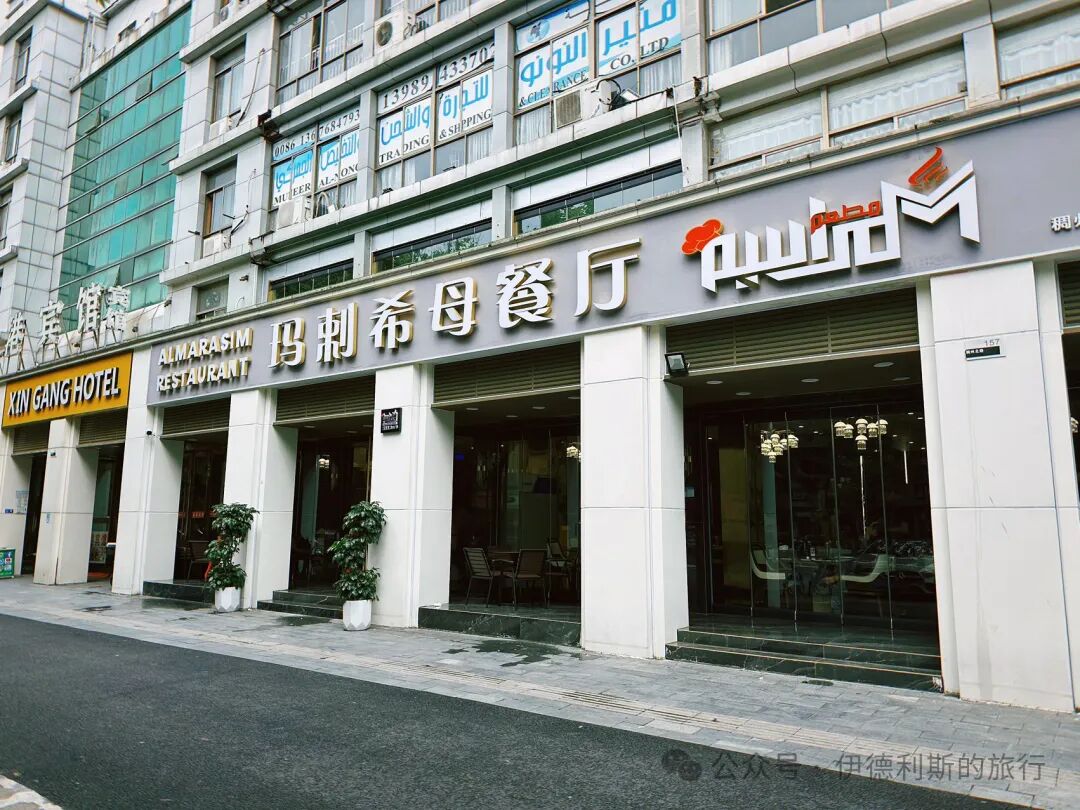
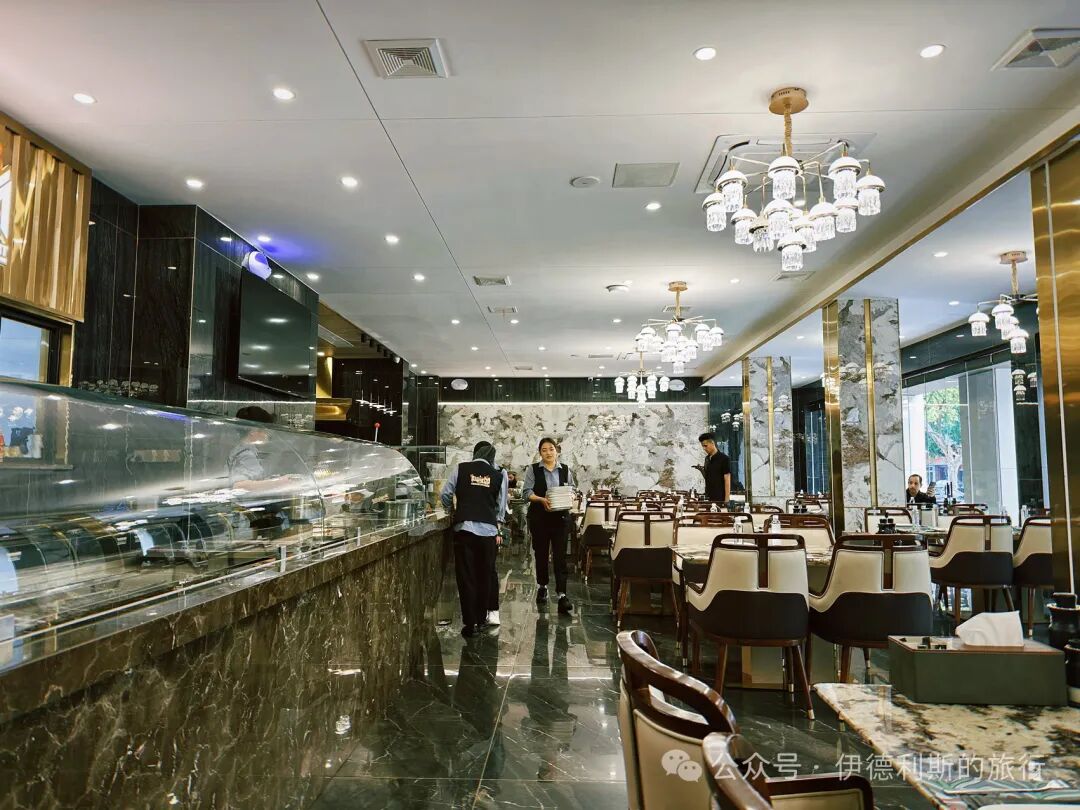
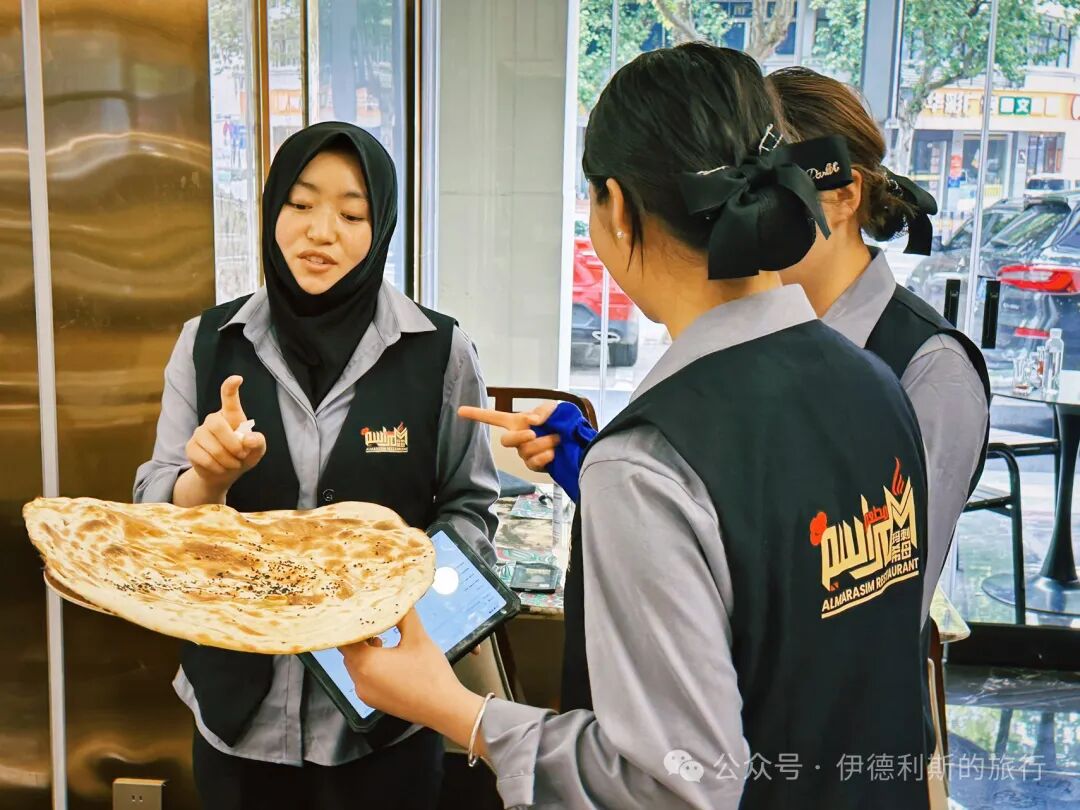
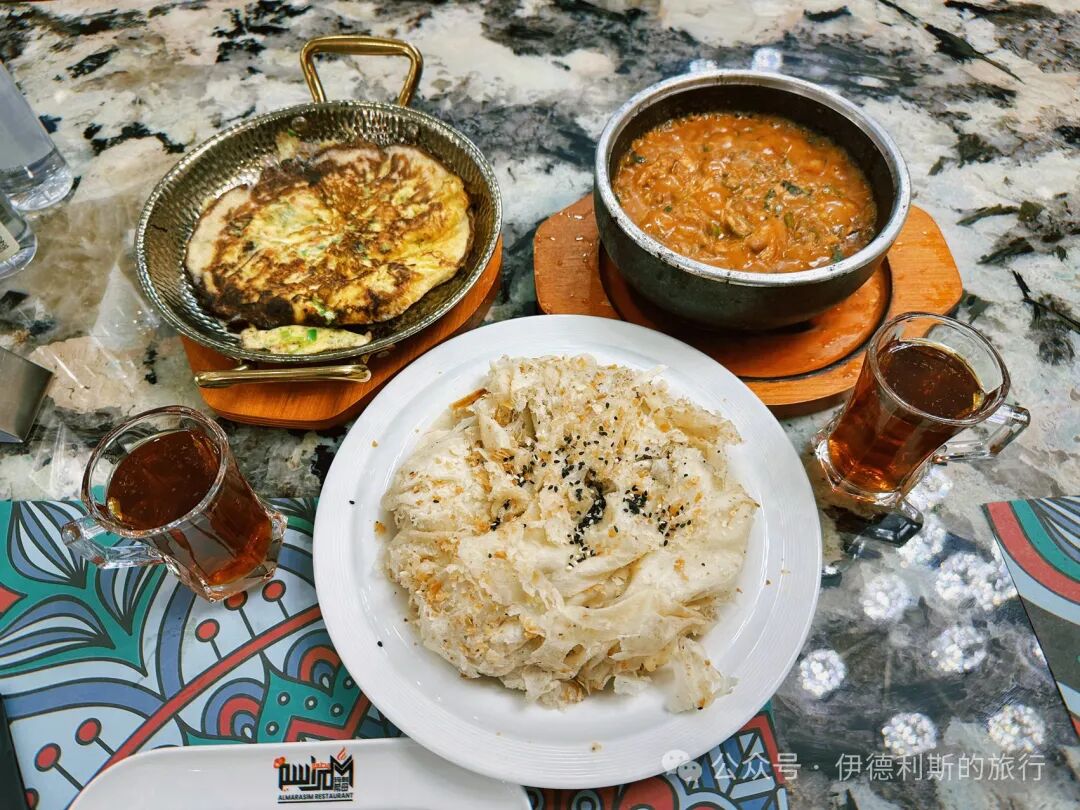
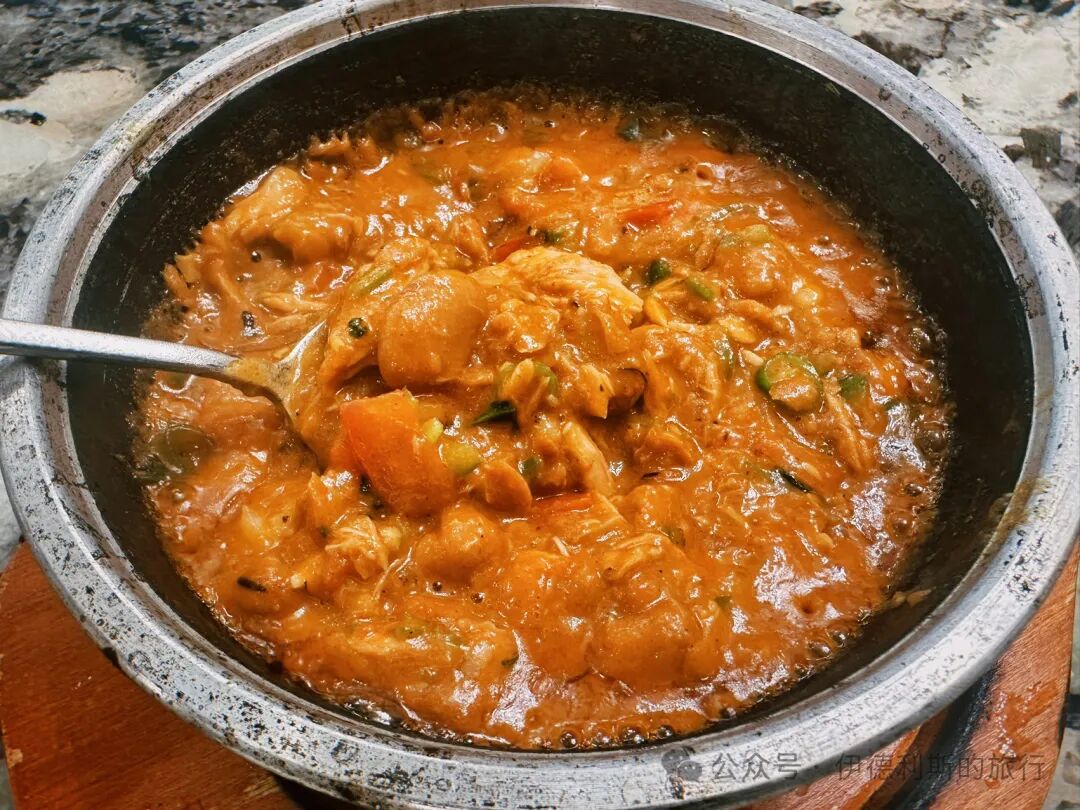
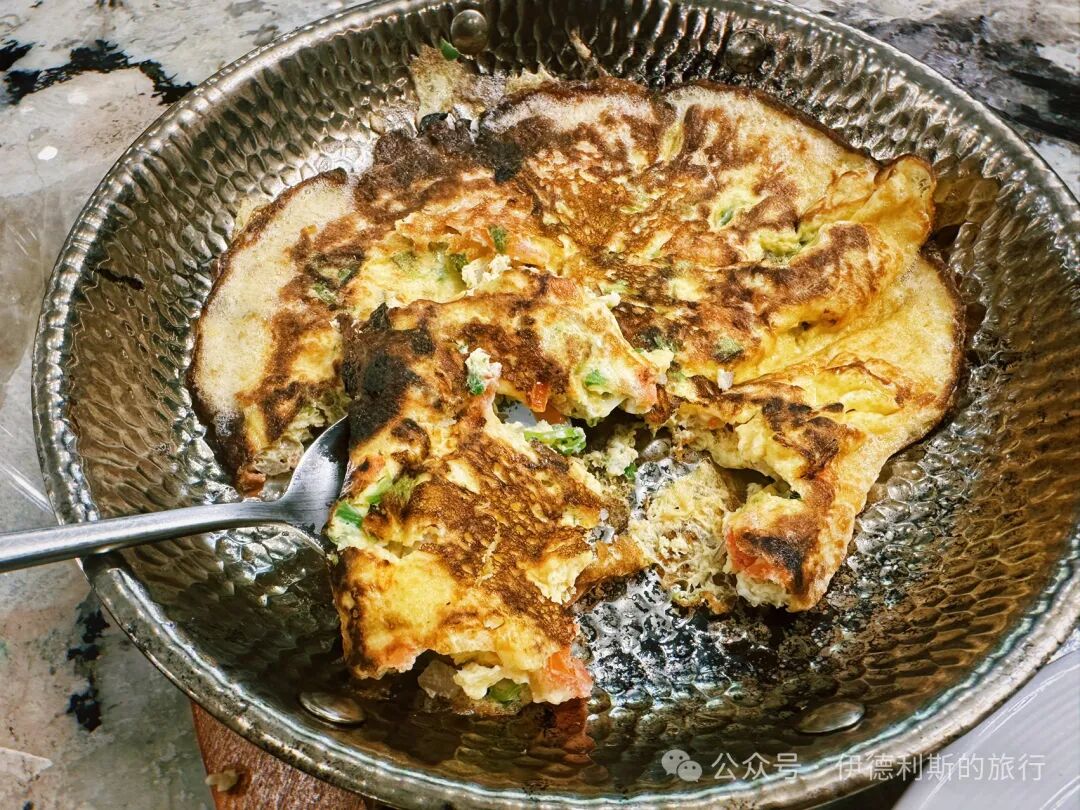
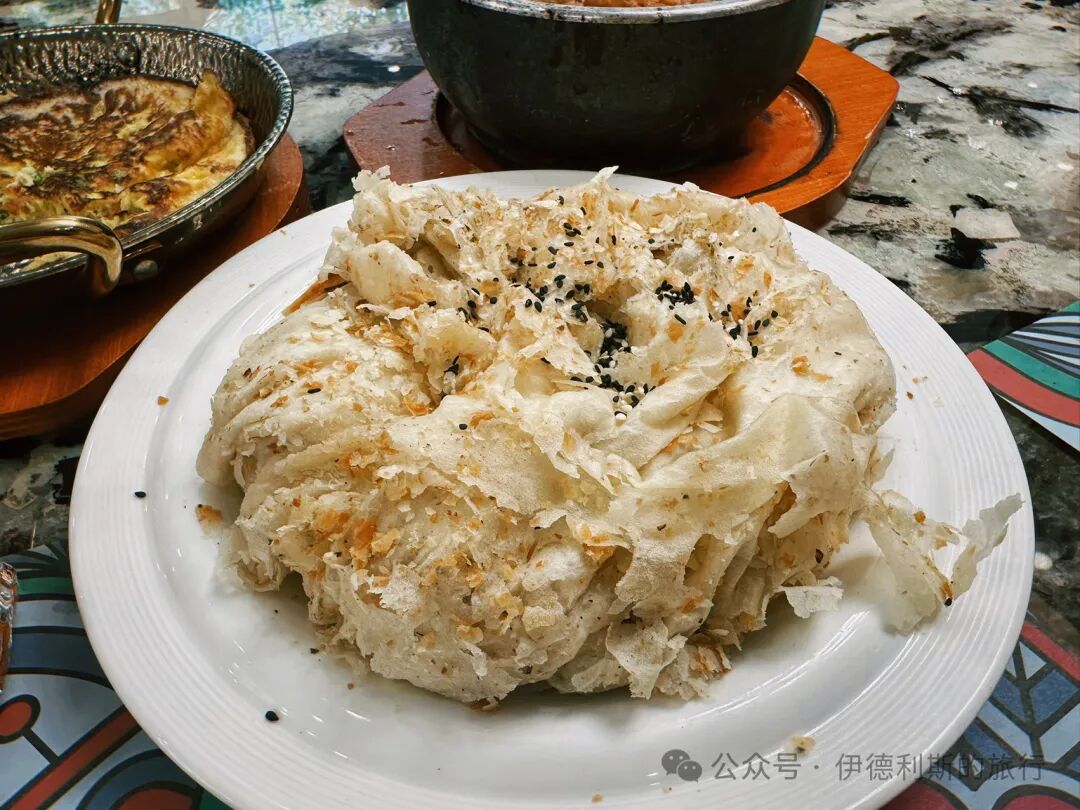
On May 1st, we had a Yemeni breakfast at the Marashim restaurant in the Binwang Trade Area. We had fried eggs with vegetables and tuna stewed with fava beans, served with Yemeni soft bread (malawah). I had eaten Yemeni flatbread (khubz) at a Yemeni restaurant in Guangzhou before, and it was very crispy and delicious. This is my first time having Yemeni soft bread (yemen ruanbing). It looks a bit like bread and tastes like the inside of a flatbread (laobing). It is perfect for breakfast. The tuna and fava bean dish is full of spices, and it is delicious when you dip the bread into it.
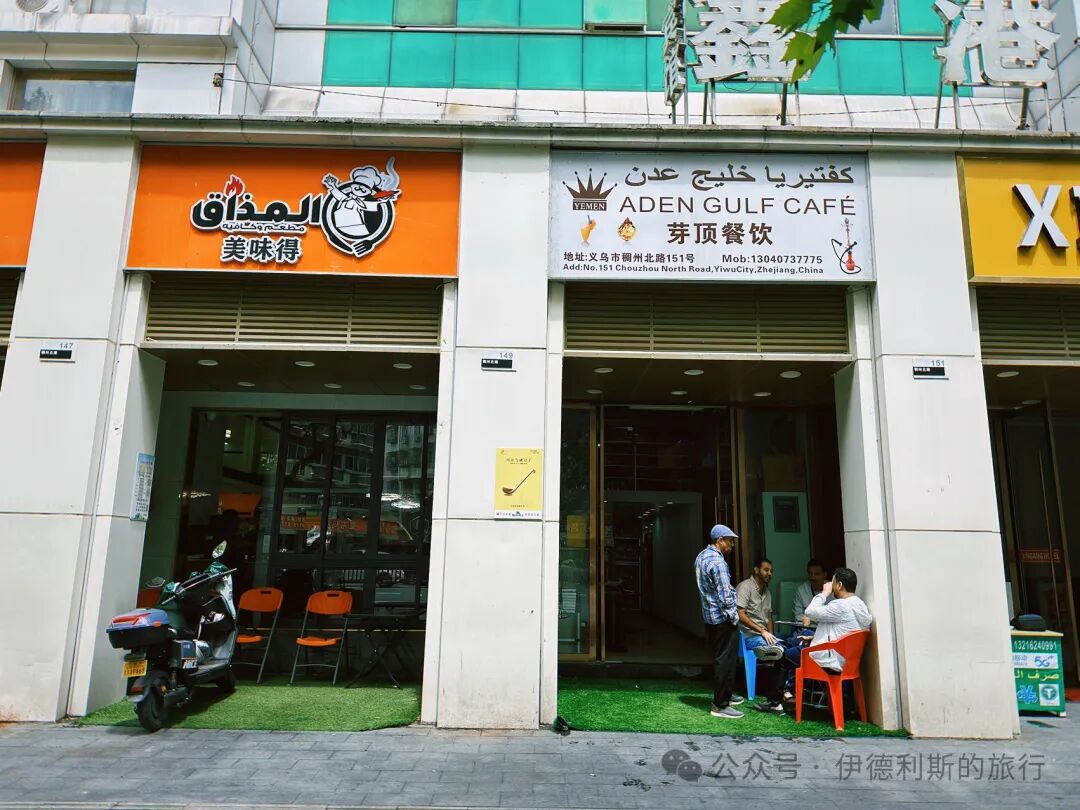
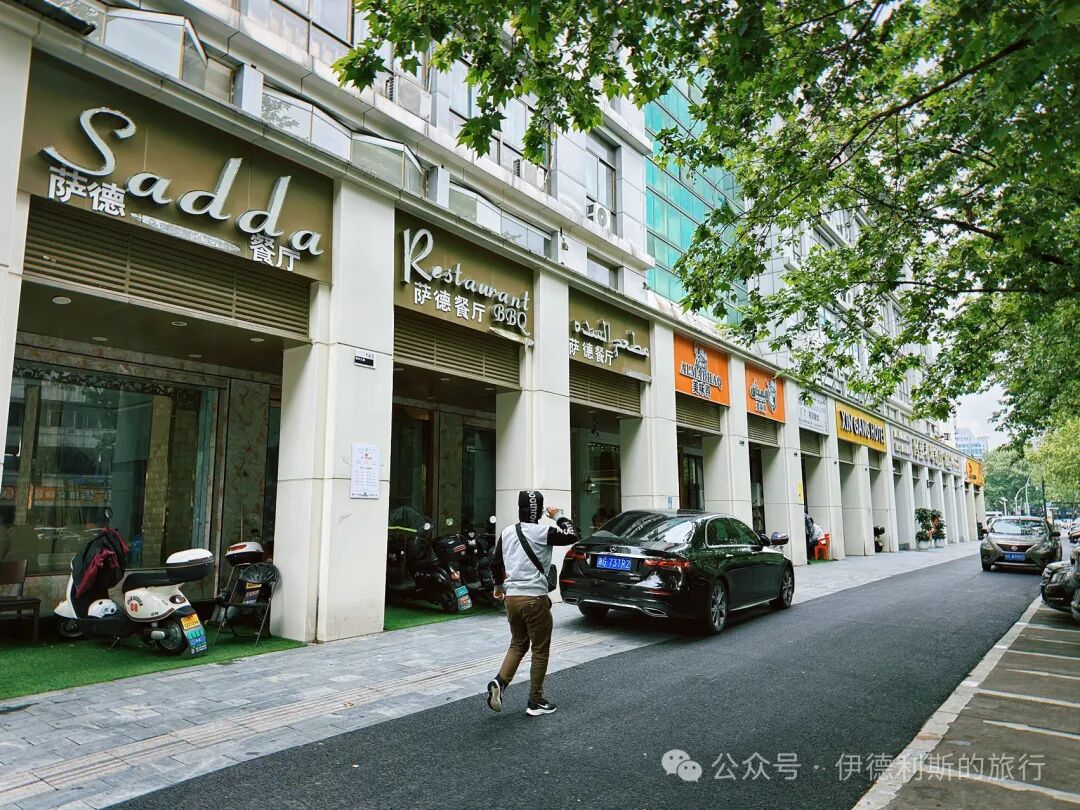
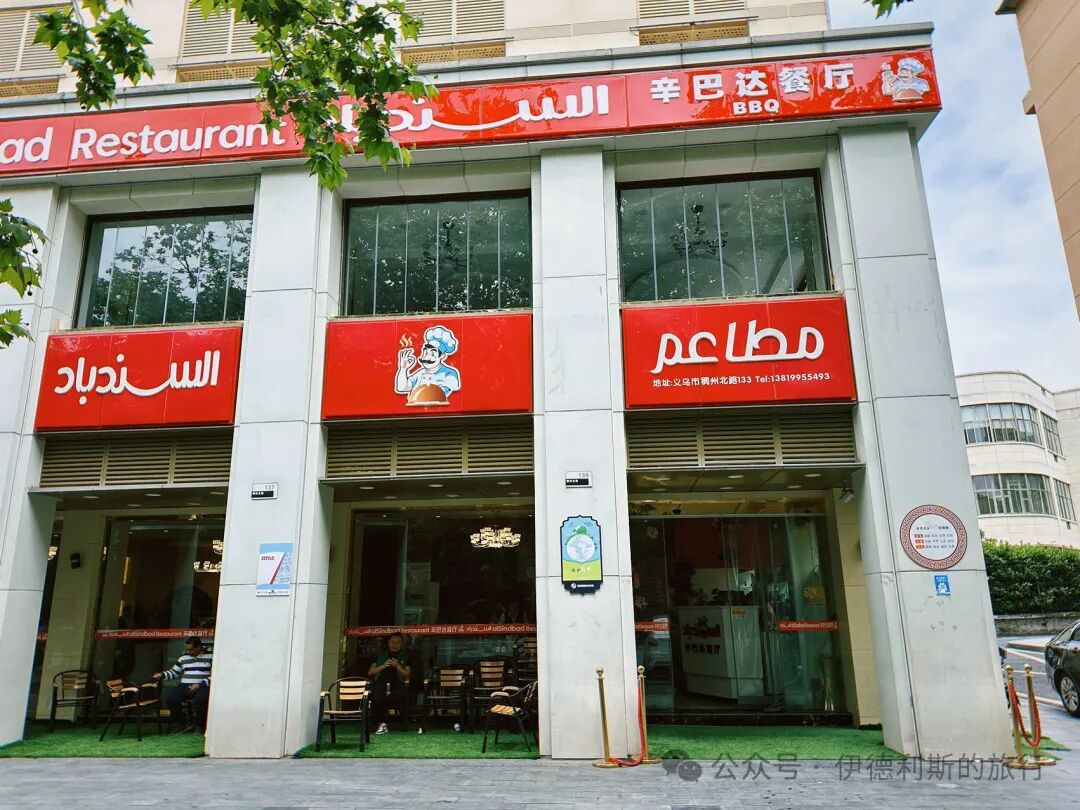
This is a newly opened restaurant, so there is no information about it on Dazhong Dianping yet. There are three other Yemeni restaurants right next door. Sinbad is the most famous one, and they specialize in large Yemeni flatbread served with various braised meats.
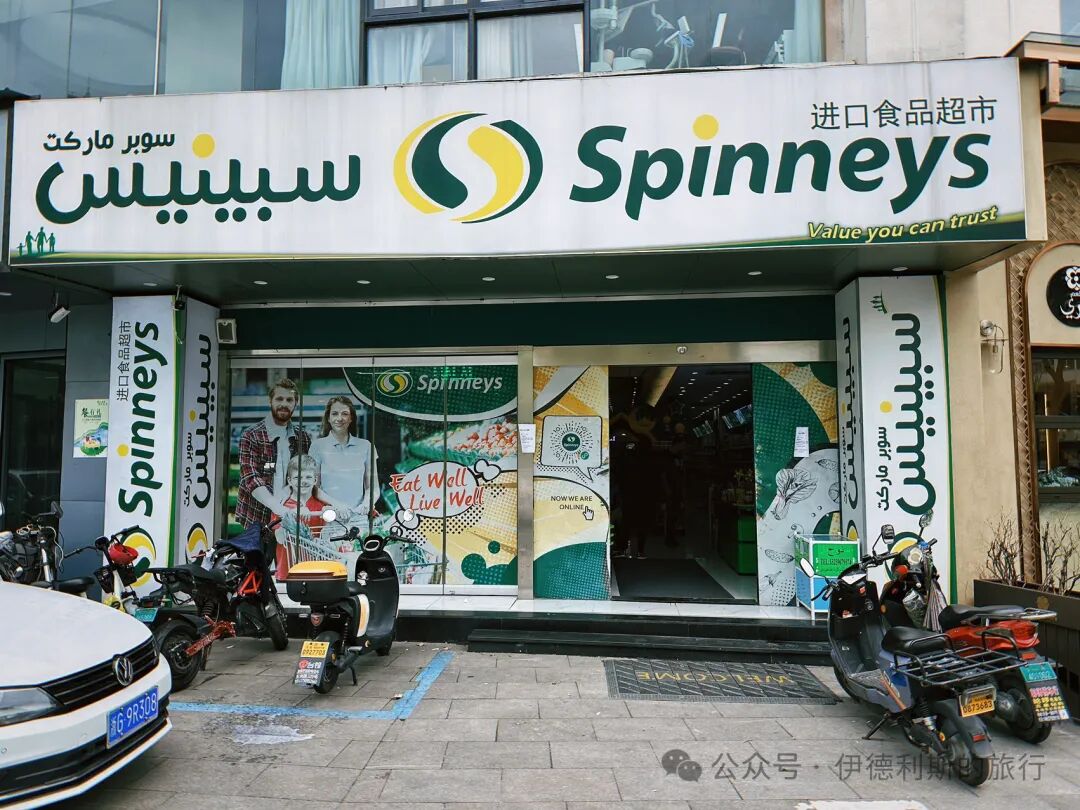
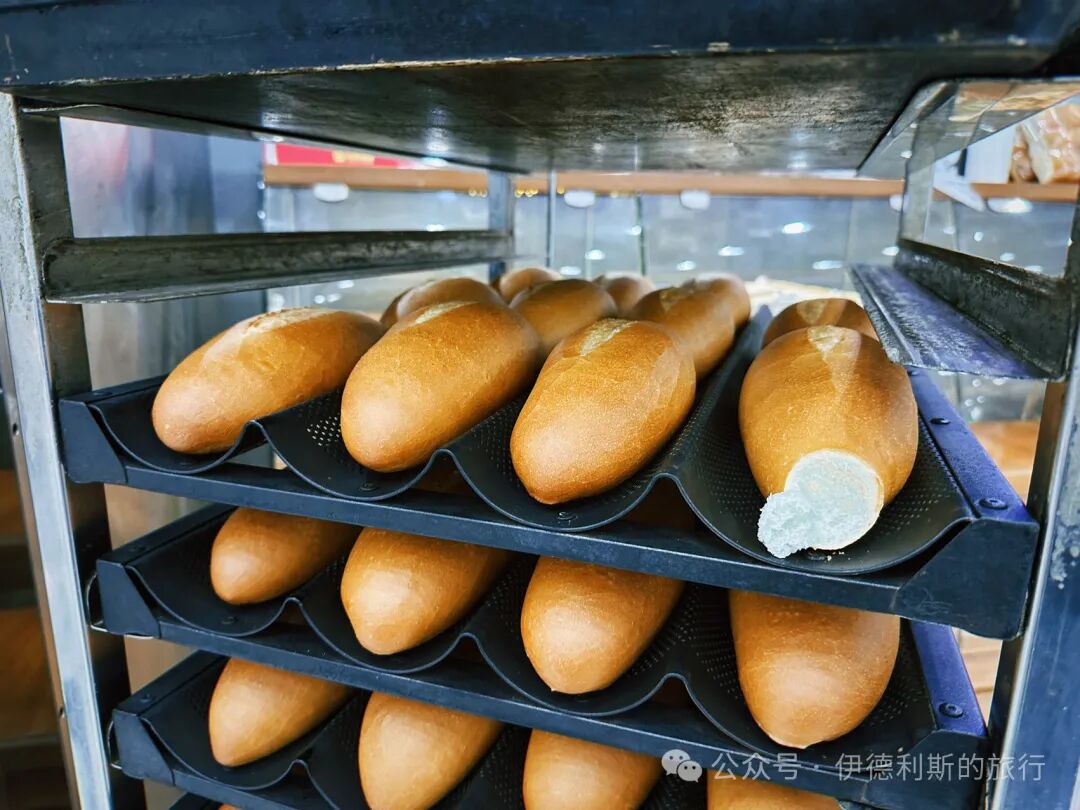
After breakfast, we went to the imported food supermarket Spinneys. We also shopped there when we last visited Yiwu. You can buy Lebanese hummus, Syrian pistachio candy, and all kinds of Middle Eastern specialty foods here. The bread baked fresh in the store smells amazing, and they have a huge variety of pastries too.
A neighbor reminded me that Spinneys is actually a century-old Middle Eastern supermarket chain based in Dubai.
The name Spinneys comes from its founder, British officer Arthur Rawdon Spinney. He became a supplier for the Palestine Railways in 1924 and later started importing British goods into Syria and Palestine. At the time, it was the only company in Palestine to offer British products.
In the 1920s, Spinneys was headquartered in Haifa. Its stores were mainly located in cities easily reached by the British via railway, such as Alexandria, Cairo, Acre, and Damascus. After the Arab Revolt broke out in Palestine in the 1930s, the railway lines were cut, and Spinneys moved its headquarters to Baghdad. Spinneys began to expand after the 1940s, with both the Dubai and Beirut stores opening during this period. The Kingdom of Iraq was overthrown in 1958, and the new Republic of Iraq formed an alliance with the Soviet Union. Spinneys moved its headquarters to Dubai in 1961, where it has operated ever since.
Today, most Spinneys stores are concentrated in the UAE, Egypt, and Lebanon, making it a famous supermarket chain in the Middle East.
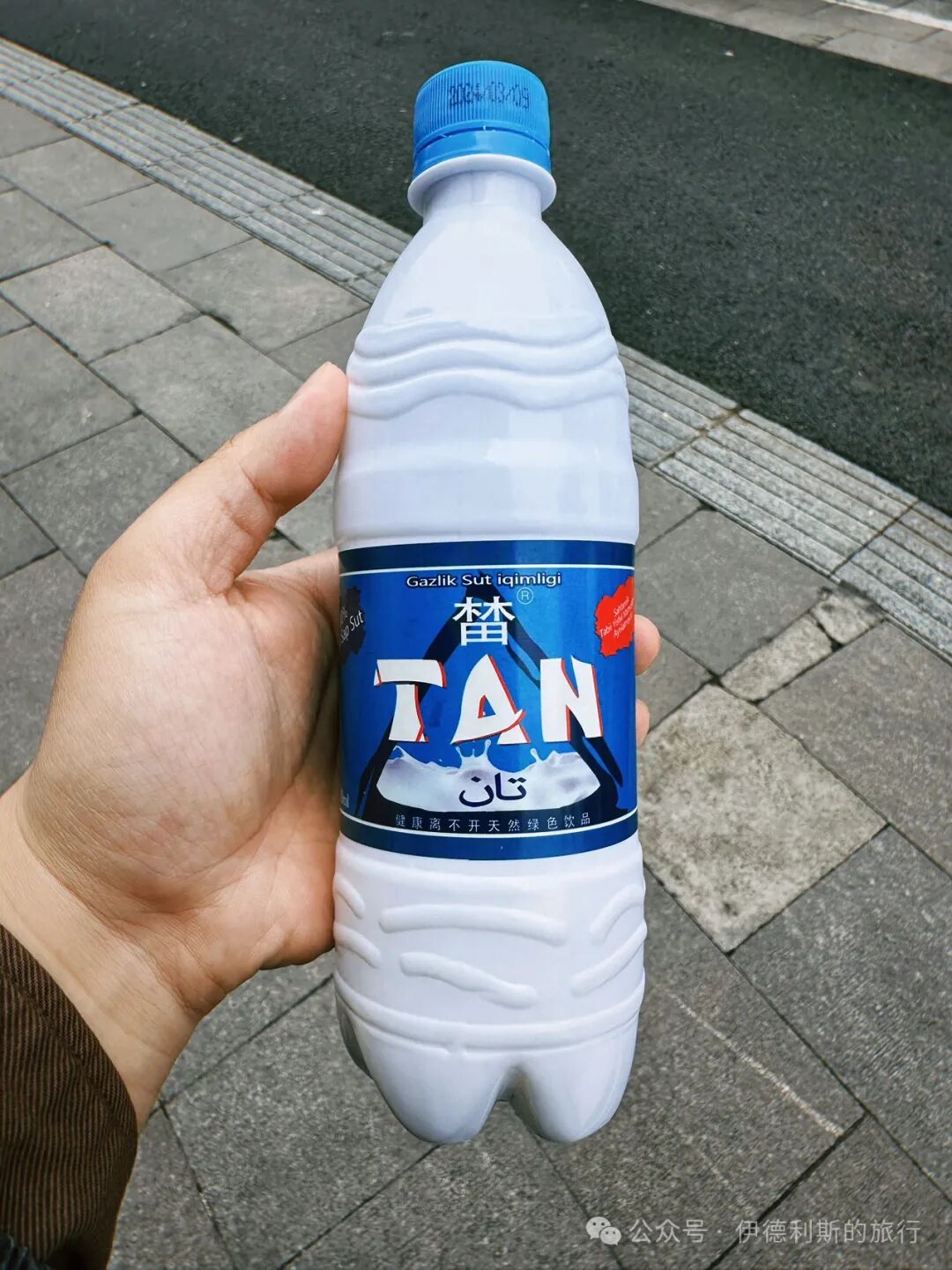
I bought some Yili yogurt drink (TAN) at the Spinneys supermarket. It is basically a fizzy version of yogurt curd (suannai gede), and the taste is very authentic! One sip takes me right back to the pasture.
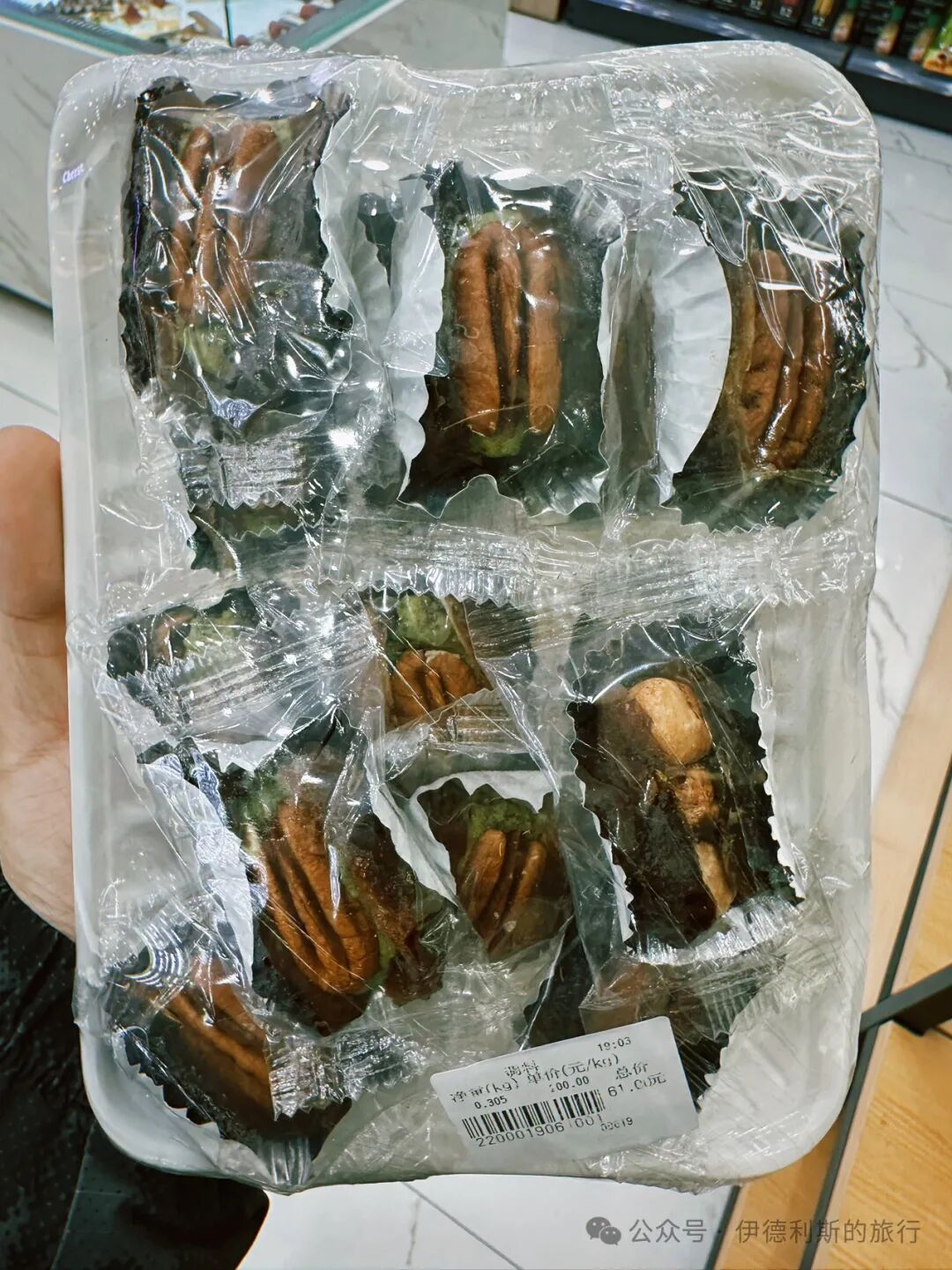
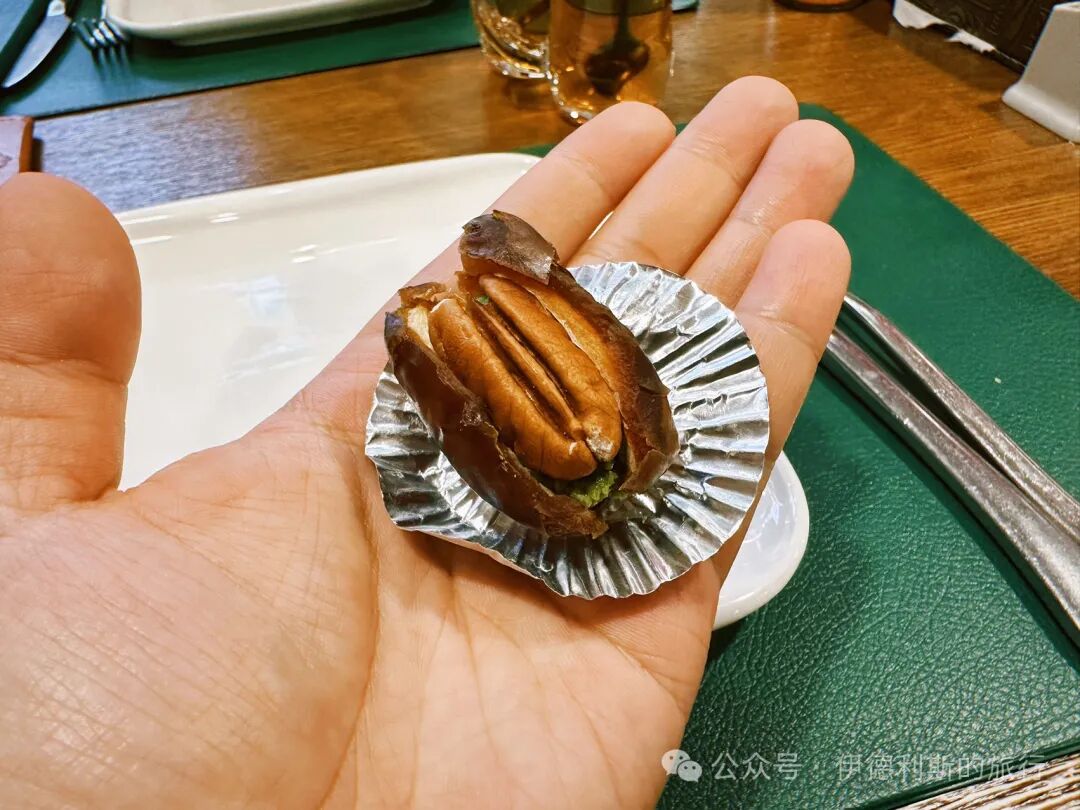
I also bought dates stuffed with walnuts and crushed pistachios. It was my first time eating them this way, and they are a great energy booster! They are perfect to carry along when hiking.
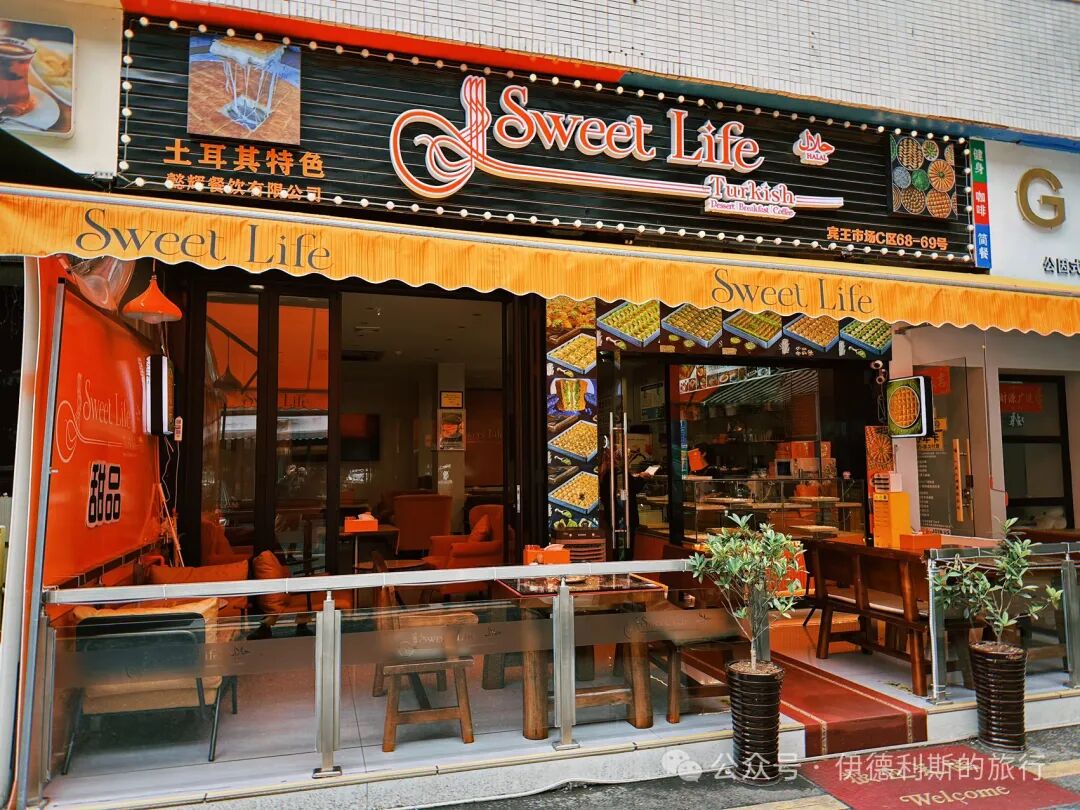
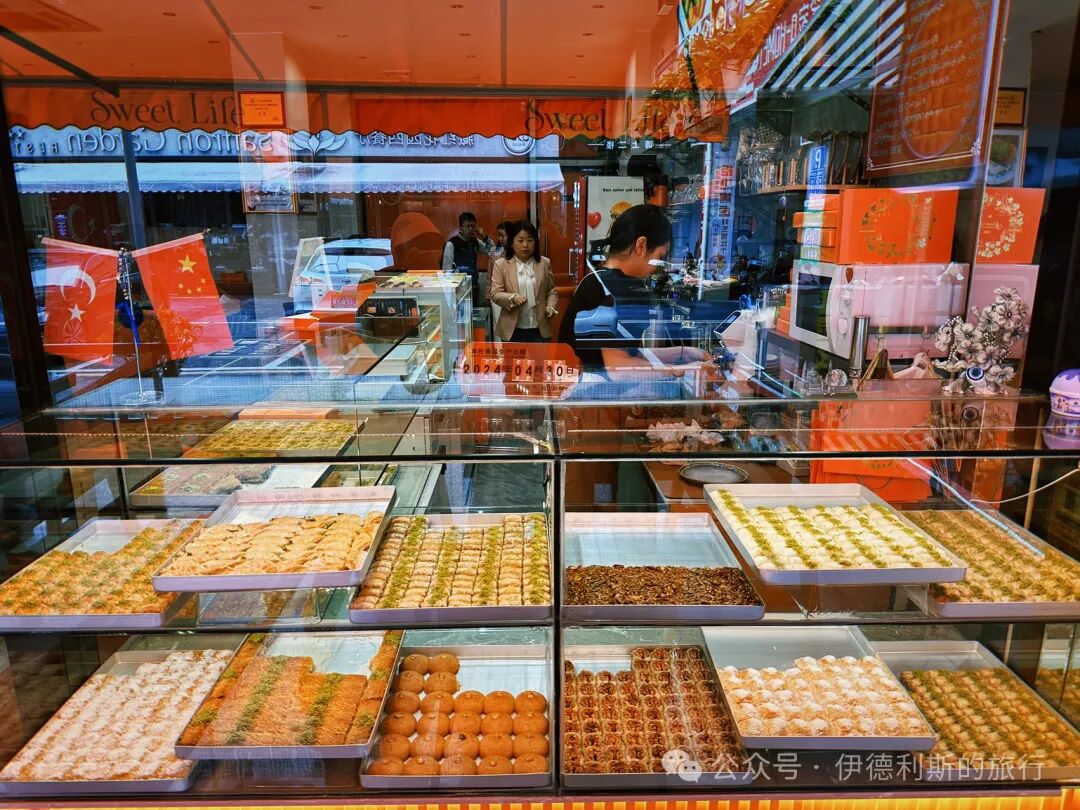
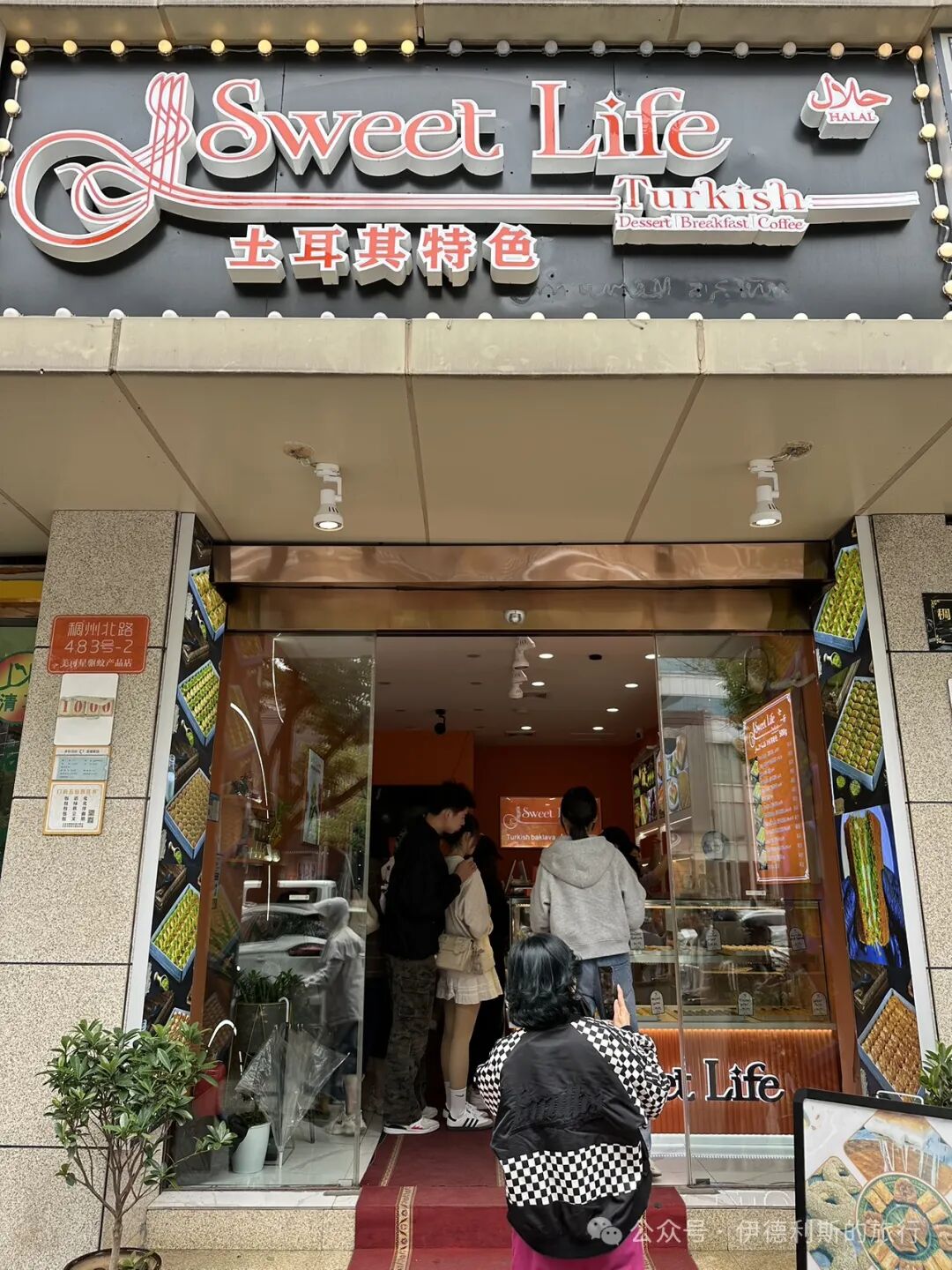
At noon, I had Turkish afternoon tea at a Turkish dessert shop called Sweet Life in the Binwang Trade Area. The 'Foreigner Street' in Area C of the Binwang Market is basically all foreign restaurants. Many Middle Easterners come here in the evening to drink tea and smoke shisha.
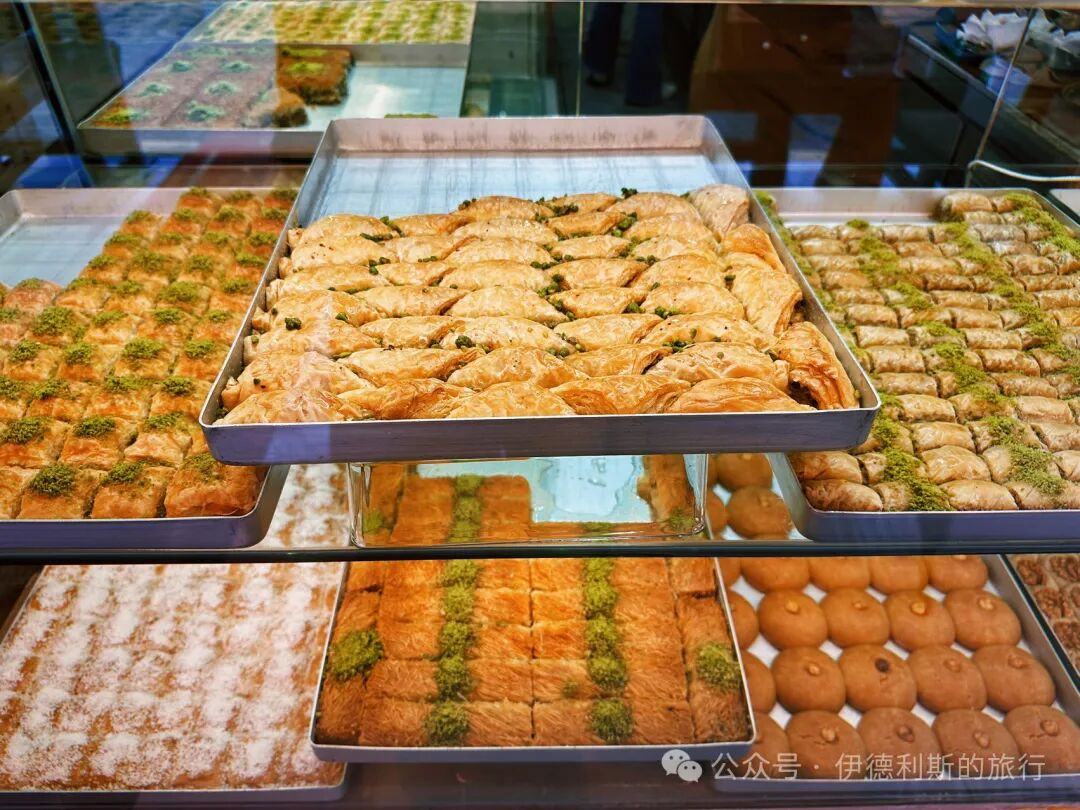
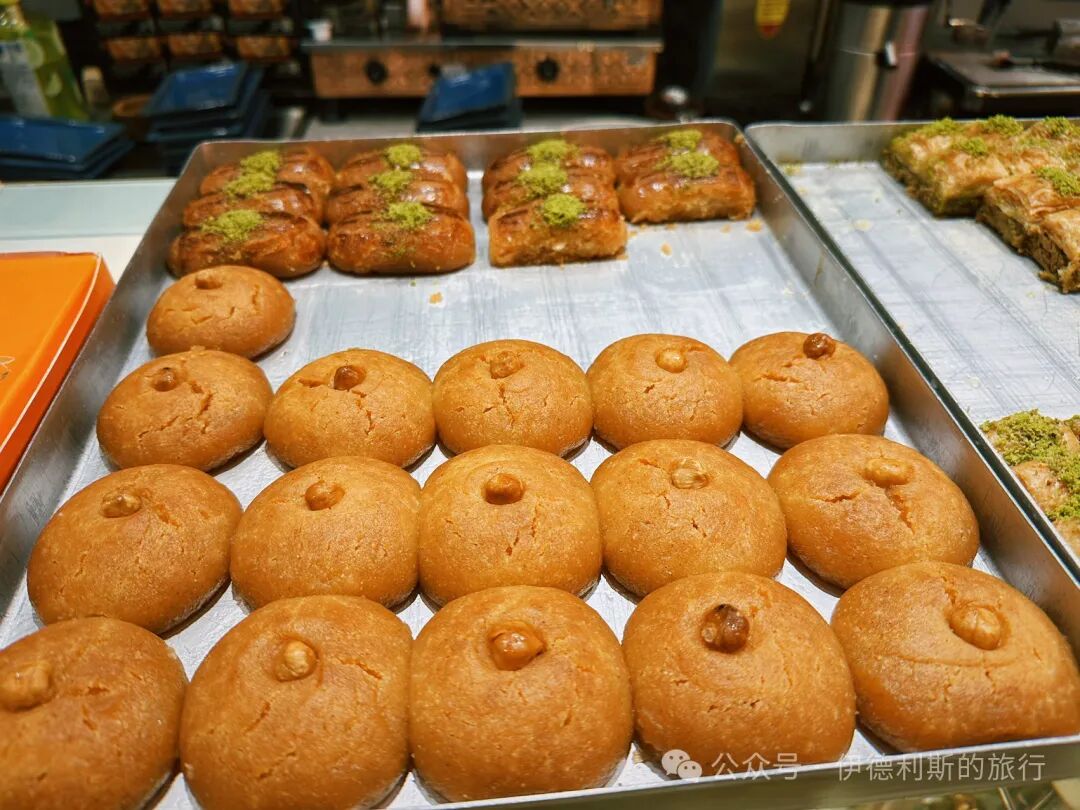
Sweet Life is a rare authentic Turkish dessert shop in China. The sweetness is very high, and syrup oozes out with every bite. It is exactly the same as the desserts sold in the local shops we visited in Istanbul. So, if any dost (friends) cannot handle too much sugar, you should be careful when trying them.
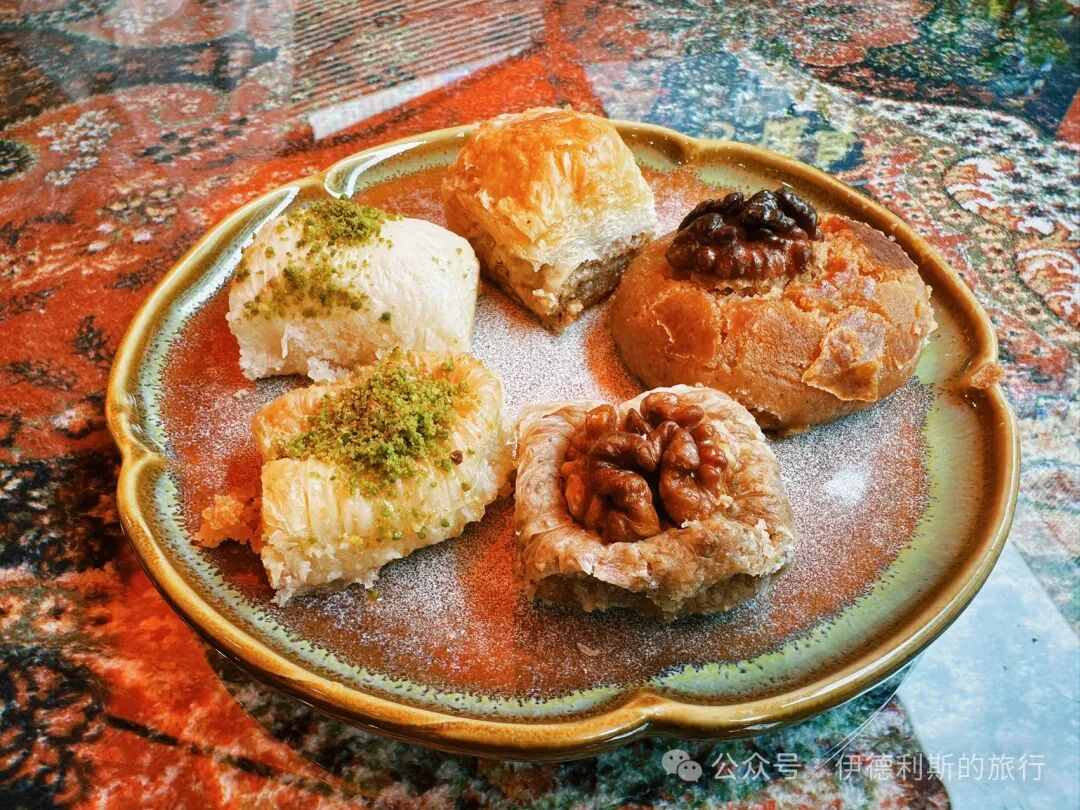
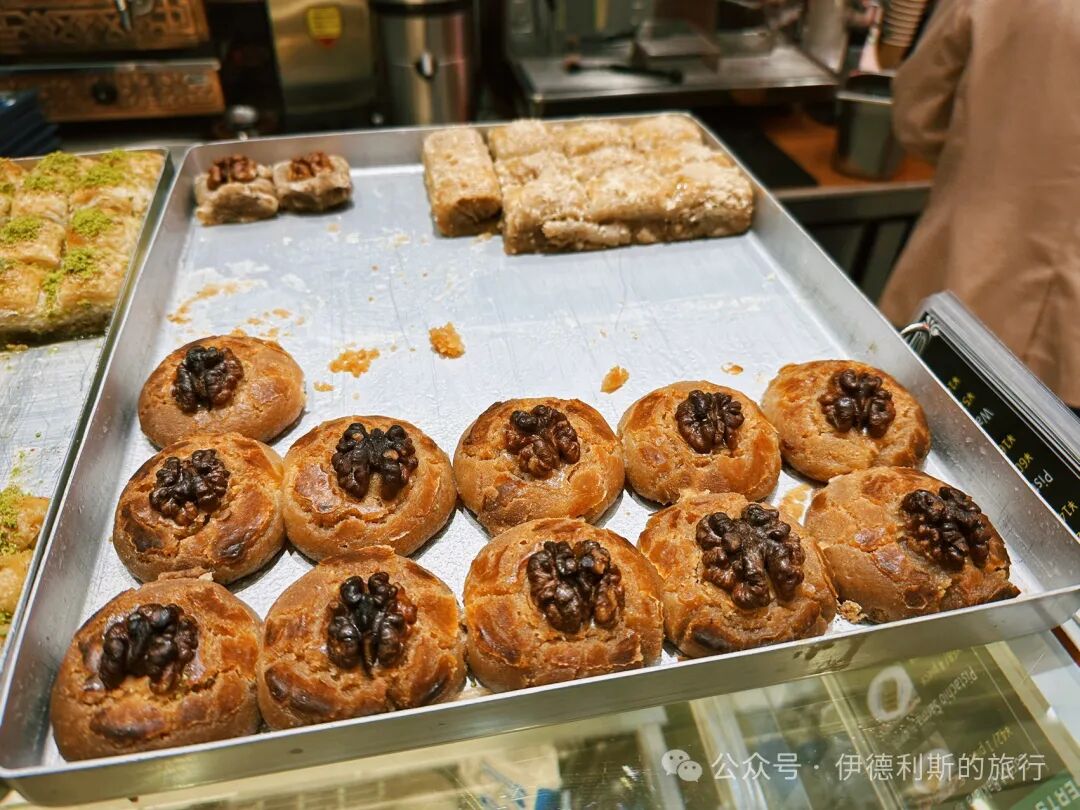
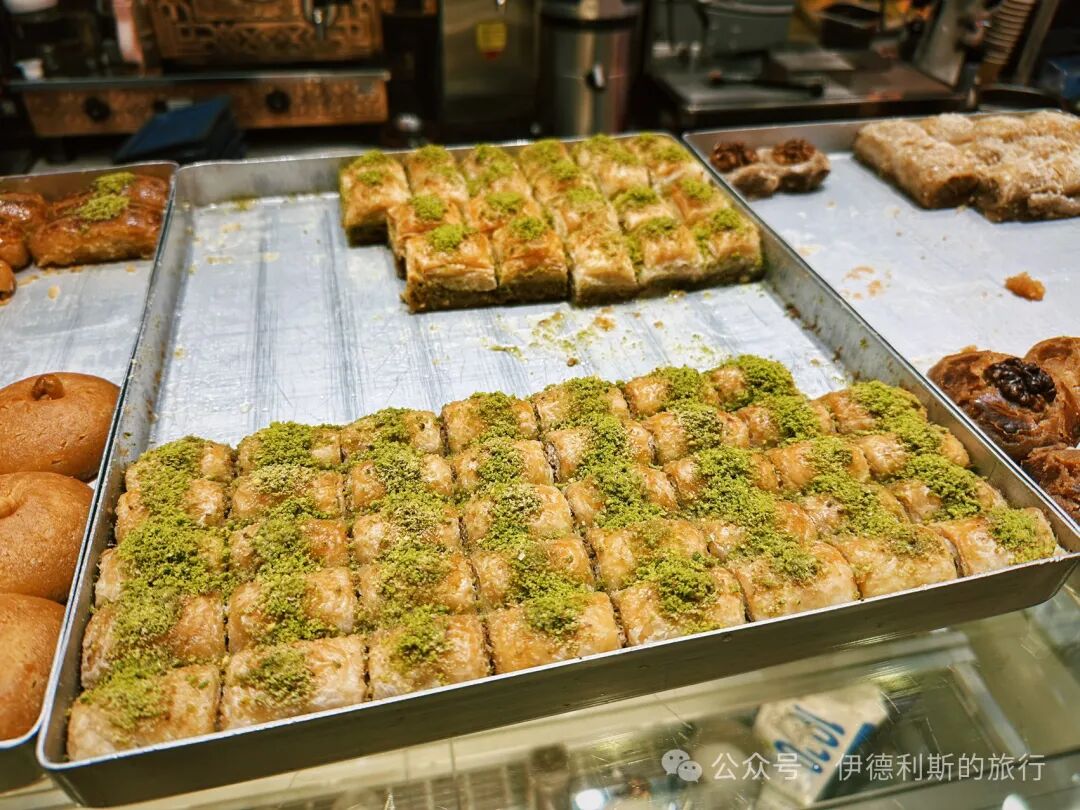
Their specialty is various flavors of baklava, including classic original, walnut, chocolate, hazelnut, and more. They also have cheese-filled sobiyet, lemon syrup-soaked almond pastries called sekerpare, and shredded dough pastries called burma kadayif, among many other options.
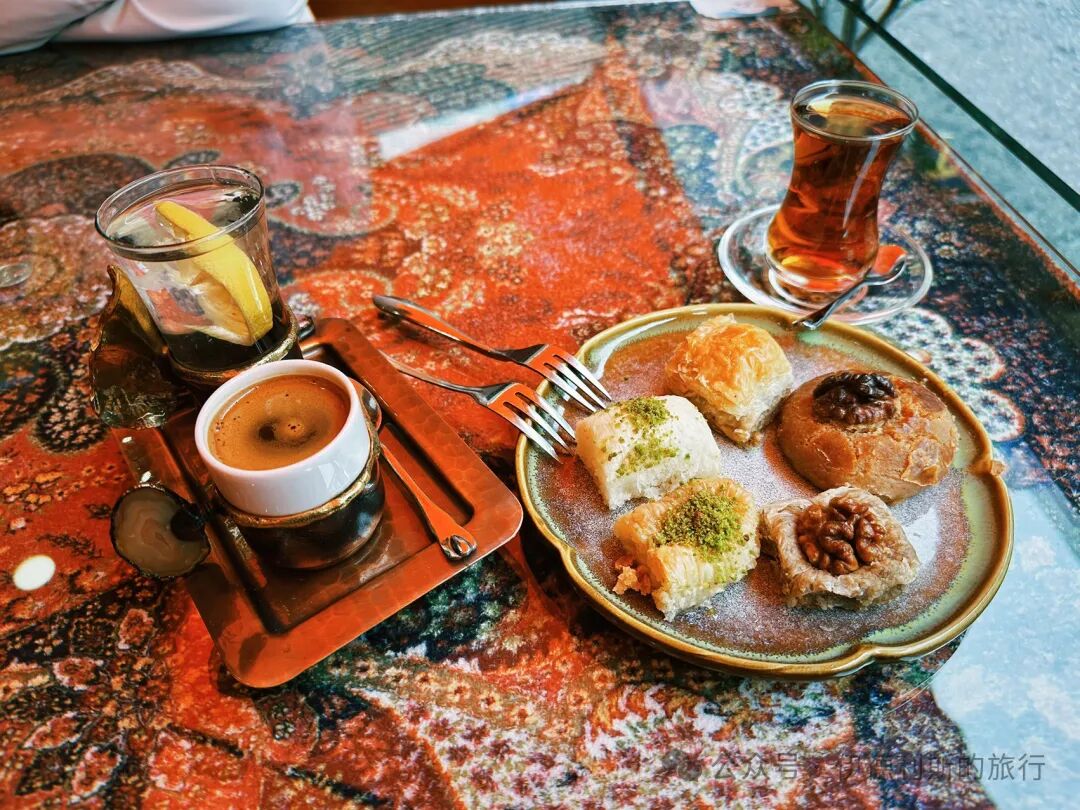
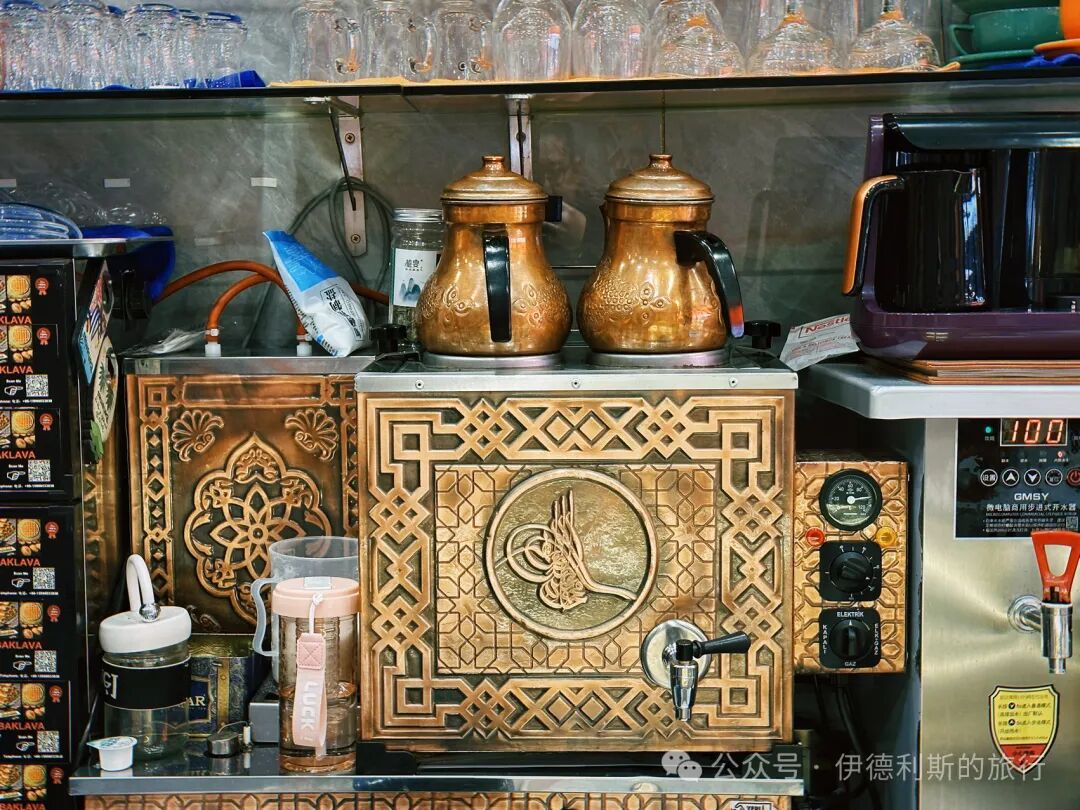
The desserts are served with Turkish black tea and coffee. We ordered one of each. Personally, I think Turkish coffee pairs better with baklava—a sip of strong coffee followed by a bite of honey-sweet pastry.
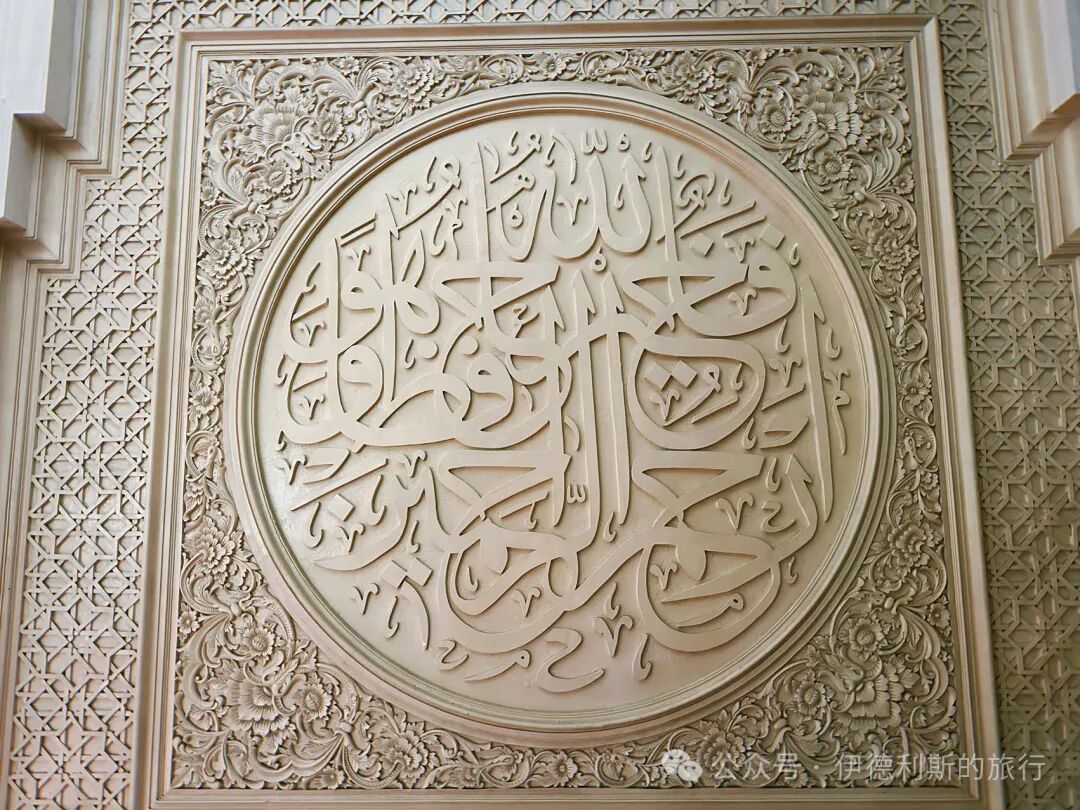
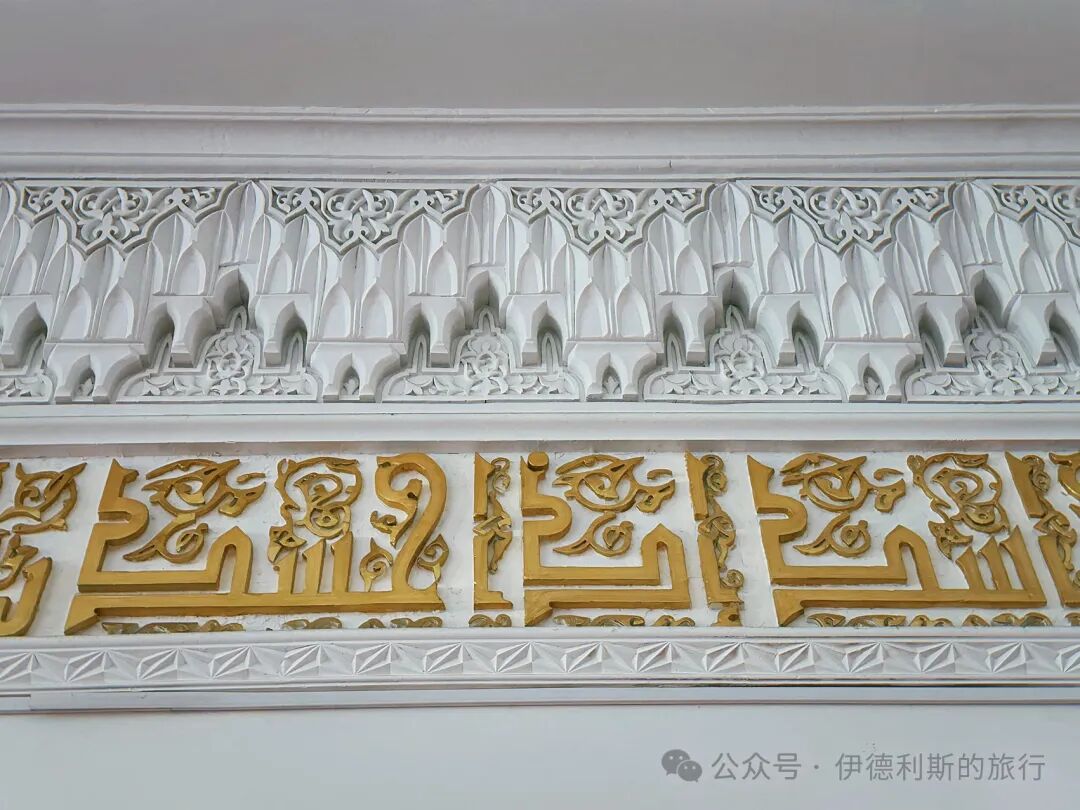
I rode my bike to the Yiwu Grand Mosque for noon namaz. Since this area is far from the trade city, people usually pray at local prayer spots and only come to the Grand Mosque for Friday prayers.
Yiwu set up two prayer spots in 2000 at the Xinjiang Ethnic Hotel and the Honglou Hotel, then in 2004 converted a Yiwu silk factory warehouse into a prayer spot, which was the predecessor to the Yiwu Grand Mosque. As Yiwu's small commodity economy boomed, more friends (dosti) came to do business, so the old silk factory warehouse was renovated in 2010 and officially completed in 2012 as the current Yiwu Grand Mosque.
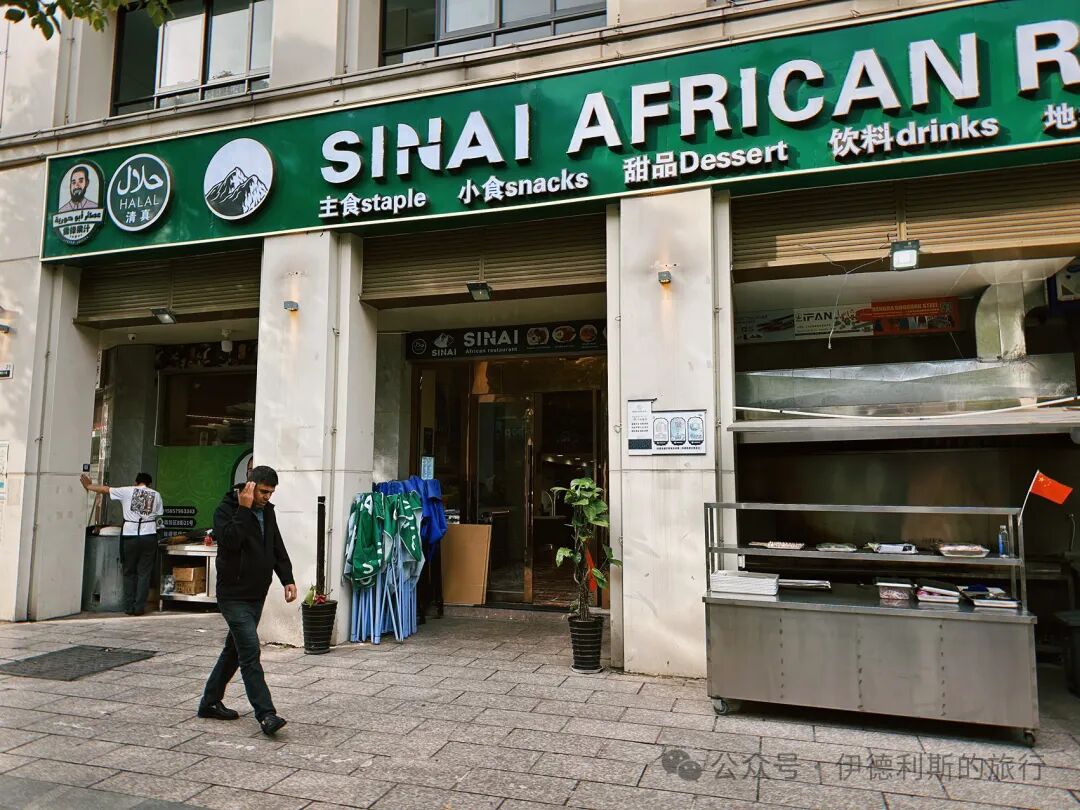
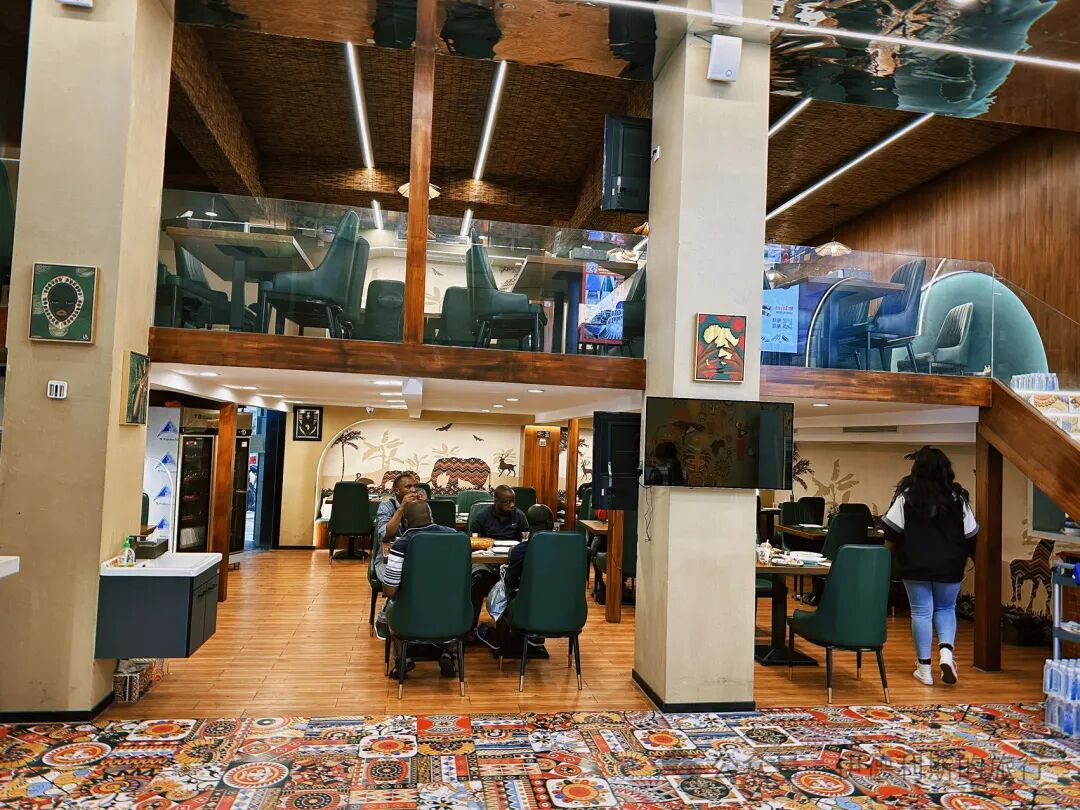
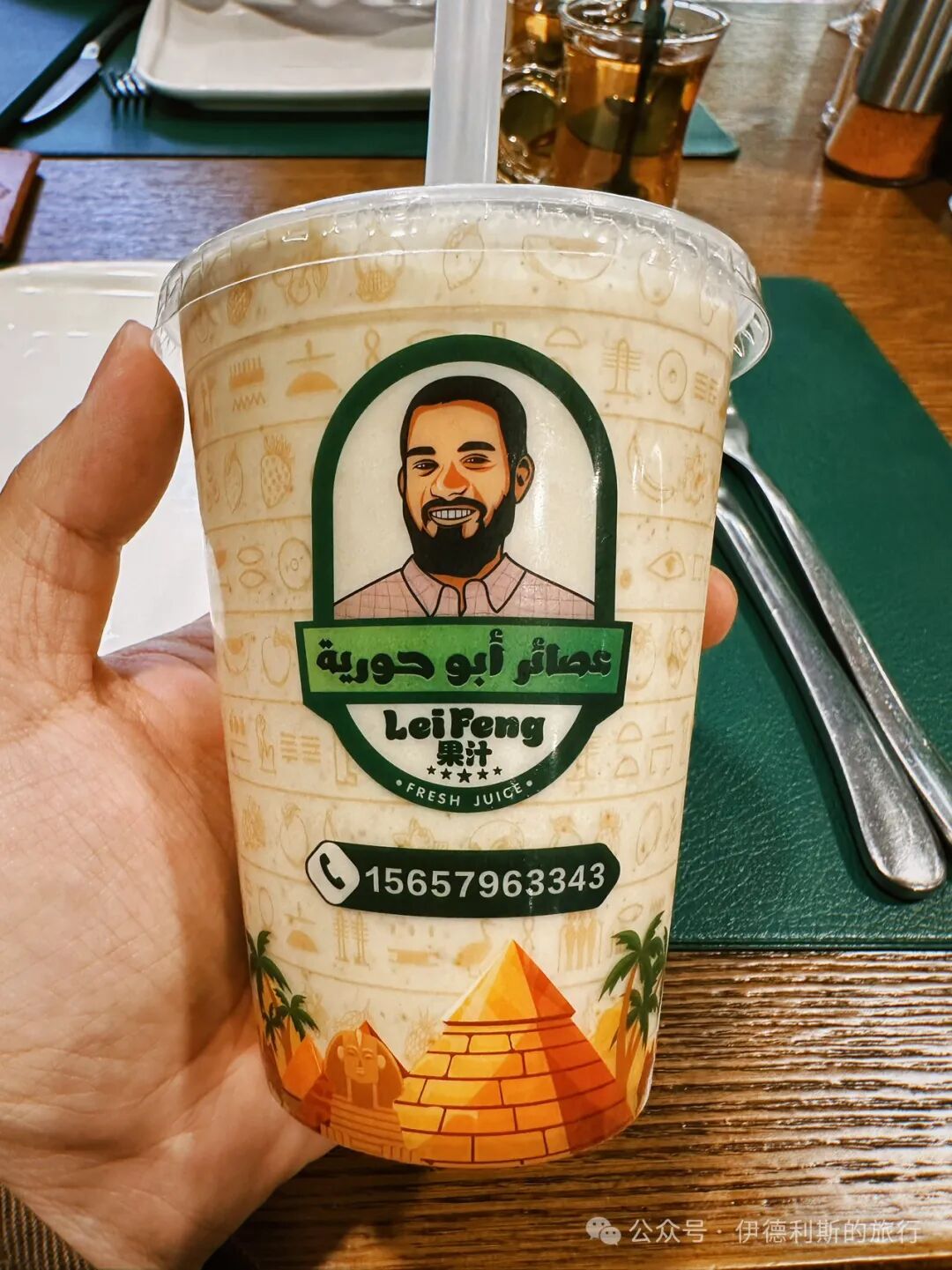
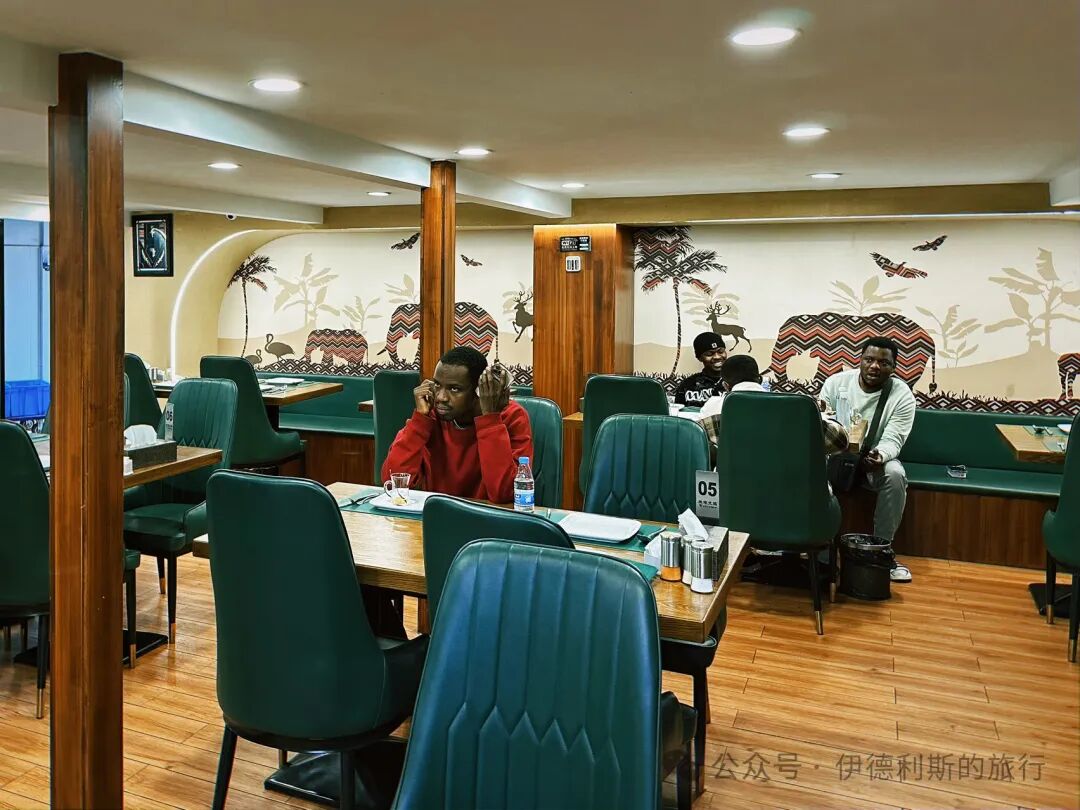
In the evening, I ate authentic African food at Sina African Restaurant, located at the intersection of Street 8 in the Binwang Trade Area. The restaurant is owned by Mohammad Rifat, the Egyptian guy who runs Leifeng Juice; he has opened six Leifeng Juice shops in Yiwu over the past two years and also started this African restaurant. During this trip to Yiwu, I noticed there are clearly more Black faces than Arab faces in the Binwang Trade City, but the restaurants are still mostly Arab or Turkish, so Sina African Restaurant, which specializes in sub-Saharan African flavors, is very popular with Black friends (dosti).
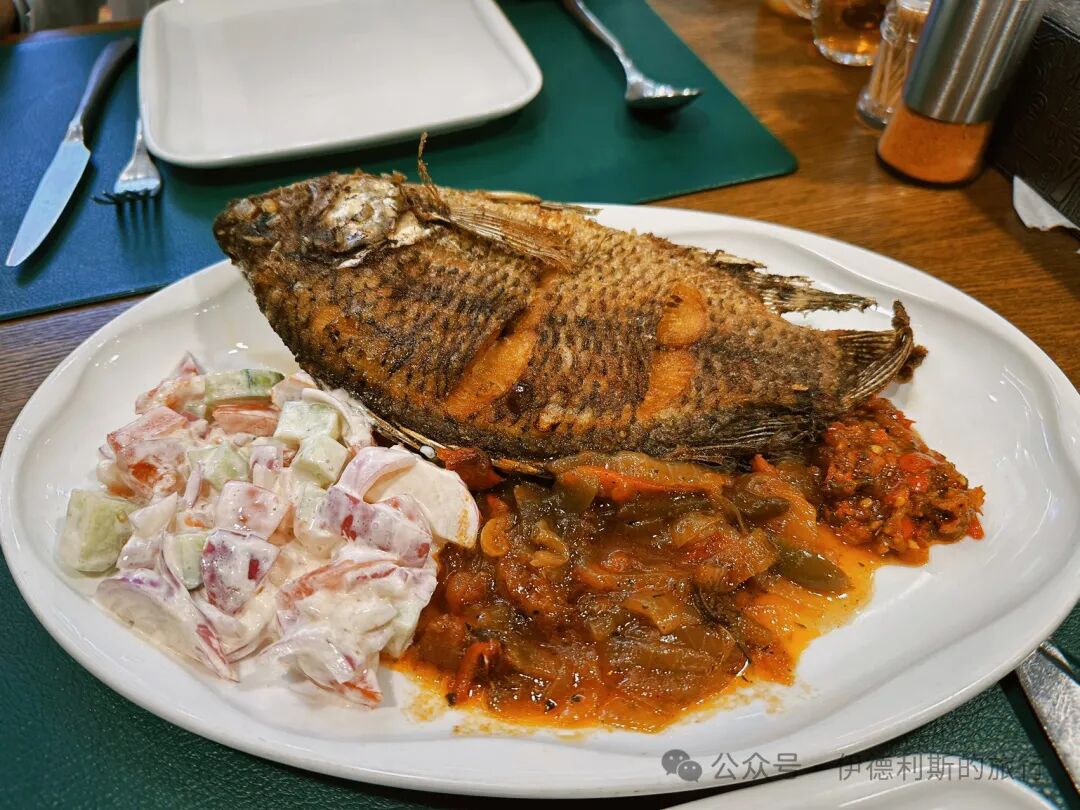
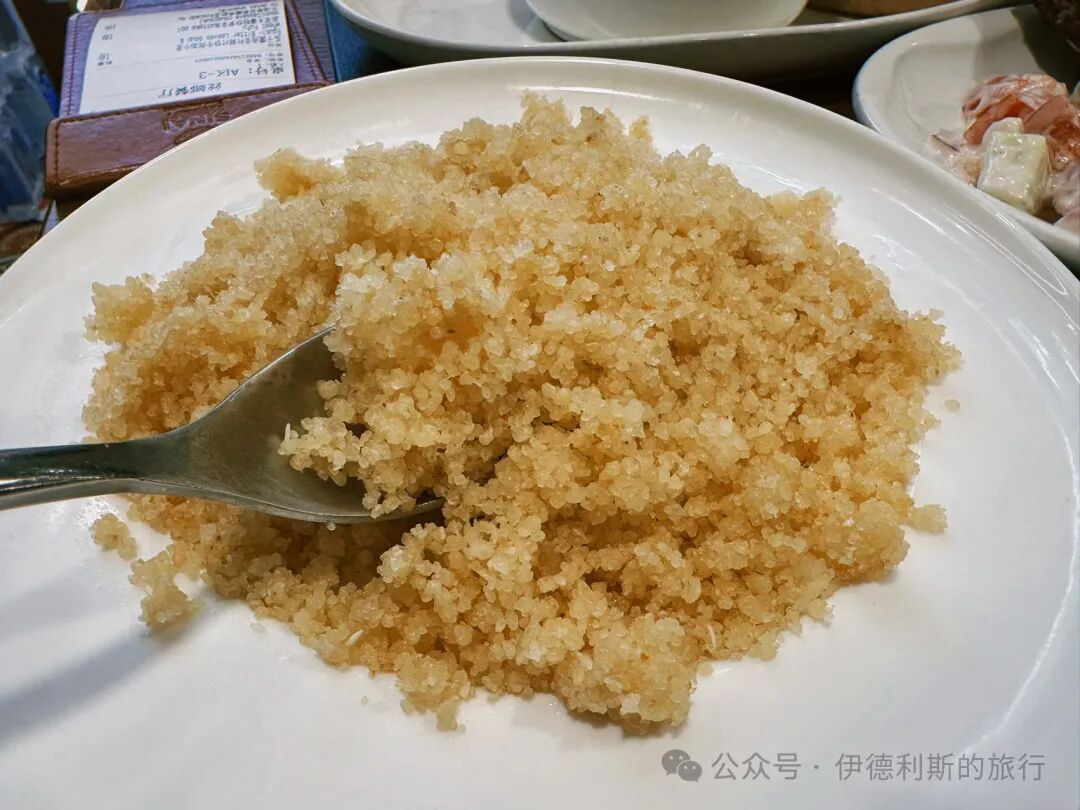
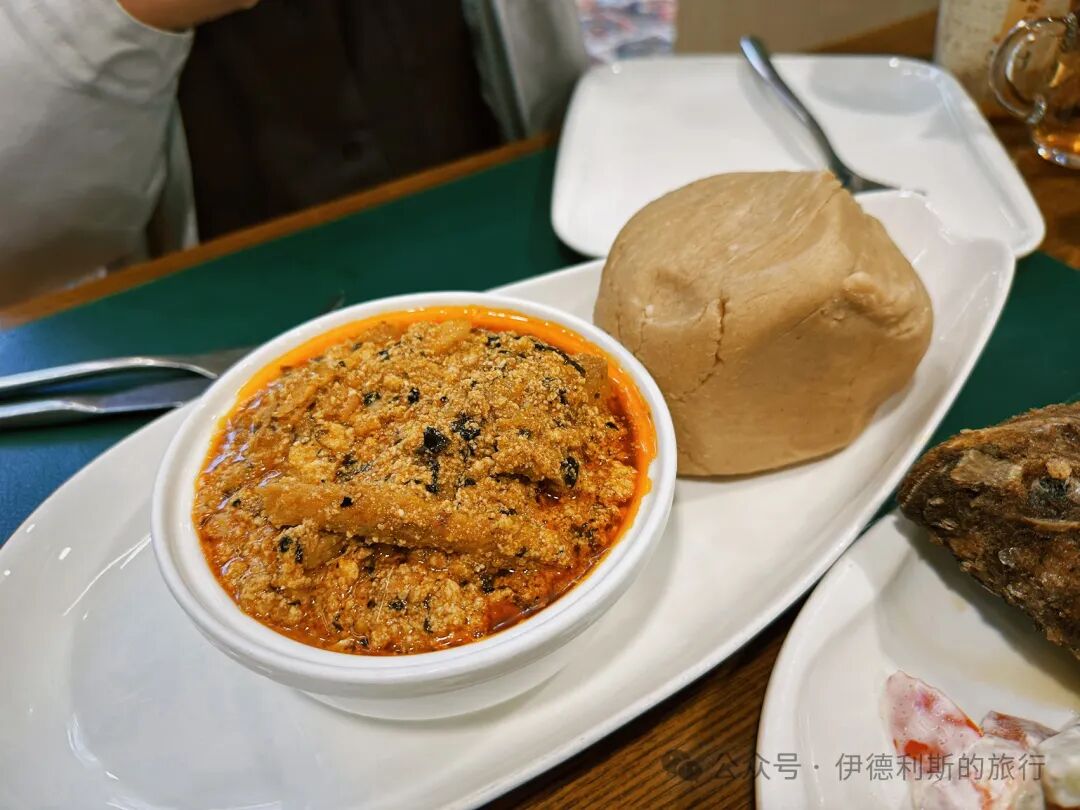
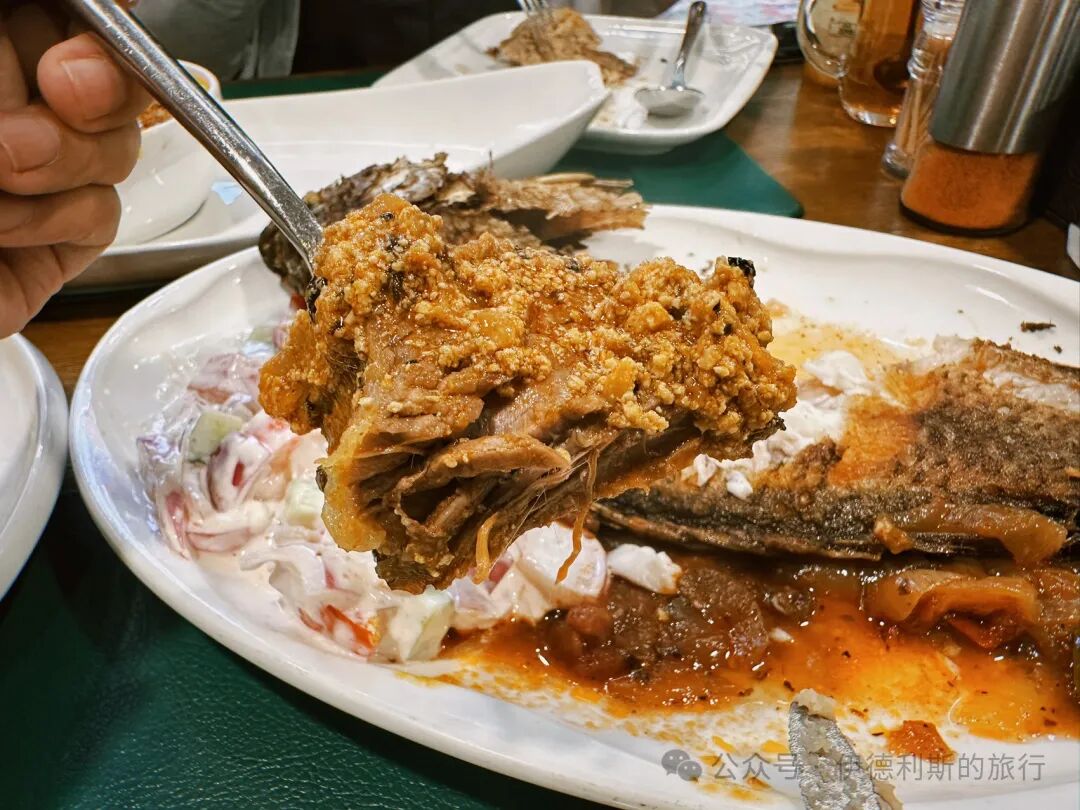
We ordered South African stir-fried beef with melon seed soup and fufu, fried tilapia with cassava flour (atteke), and the classic avocado, nut, and date milkshake from Leifeng Juice. To be honest, even though I have visited 20 countries, this is the only meal I really struggled to get used to. Even though it was hard to get used to, I think it is worth trying if you want to understand the local food culture.
Fufu is a classic staple food in West and Central Africa, and the name Fufu actually means to pound. The main ingredients for fufu vary by region, but it is usually made from cassava, yam, or plantain. Nowadays, people can also use flour or rice, but it is still typically made by pounding the ingredients with a wooden spoon in a bowl. In West and Central Africa, fufu is usually served with okra, fish, and tomato soup. To eat it, wash your hands first, then take a piece of fufu and roll it into a ball with your right hand, press a small dent into it, and scoop up the soup to eat. The fufu I chose came with a soup made from ground egusi seeds, a West African specialty, stewed with bitter leaf. Bitter leaf, scientifically known as Vernonia amygdalina, is a shrub that grows in tropical Africa and has a very bitter taste. Bitter leaf (kuye) is the main vegetable used in various stews and braised dishes across equatorial Africa, and it is also the most traditional stewed vegetable dish in Nigeria.
Atteke is a classic West African side dish for fried fish, originally from southern Ivory Coast. Atteke is made similarly to North African couscous, but it uses fermented cassava pulp instead of semolina.
Although Chinese people might not be used to the African food at Sina's place, everyone is sure to love the Leifeng juice. Zainab especially likes their avocado and date milkshake; the dates really add a great flavor to the shake. But you only need a small cup of this high-calorie drink.
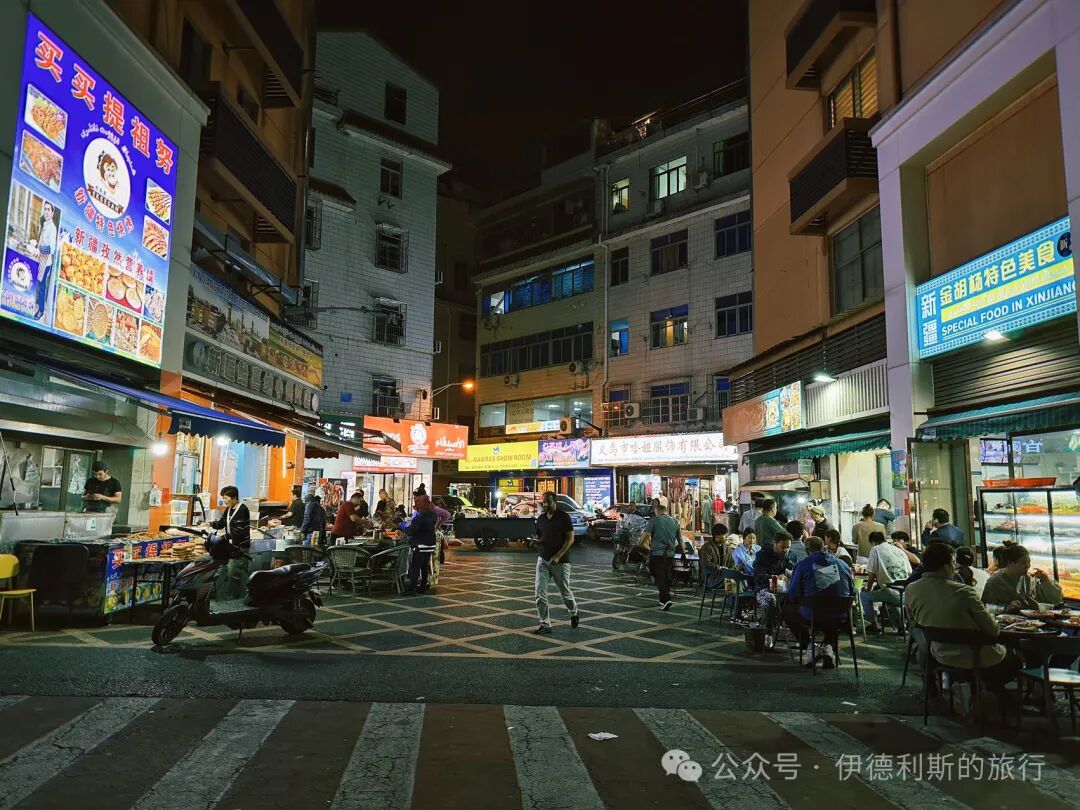
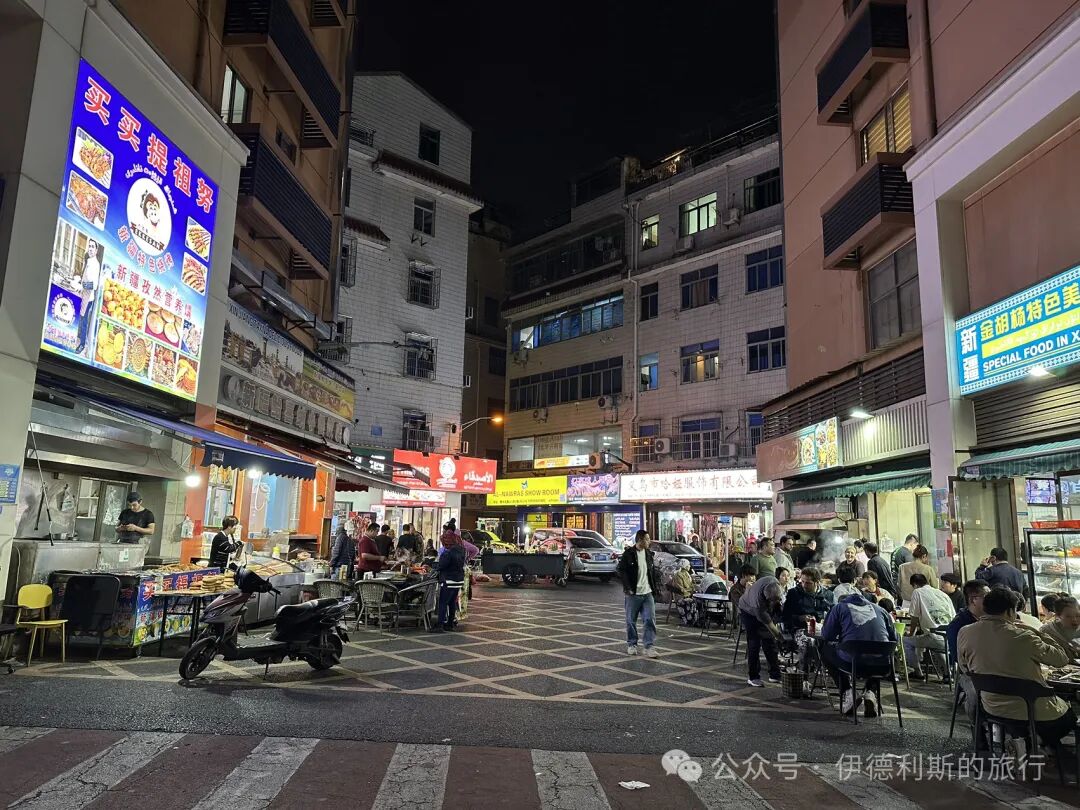
I went for a walk in the Binwang business district in the evening. The Xinjiang Golden Poplar (Jinhuyang) specialty restaurant at the intersection of Chouzhou North Road is really popular, and there are a lot of people eating barbecue there at night. Their fresh juice stand at the street corner is also very popular. We ordered a mix of orange and pomegranate juice. They used three oranges and two pomegranates to fill one cup without adding a single drop of water, so the flavor was really rich.
There are many Hui Muslims from Yunnan in the Binwang area. You can see Hui Muslim sisters from Yunnan working as servers in all the Middle Eastern restaurants. There are many Yunnan restaurants in the small alleys of Yijiashan, across from Binwang. The Yunnan-style barbecue place at the intersection of Chouzhou North Road is especially popular. The restaurant has a stall out front selling Zhaotong spicy chicken legs and grilled tofu (shaodoufu). We ordered a few pieces of grilled tofu. They sliced them open and added fish mint (zhe'ergen), pickled vegetables (suancai), and chili powder. I asked for it to be less spicy, but my mouth was still on fire. It was so satisfying, haha.
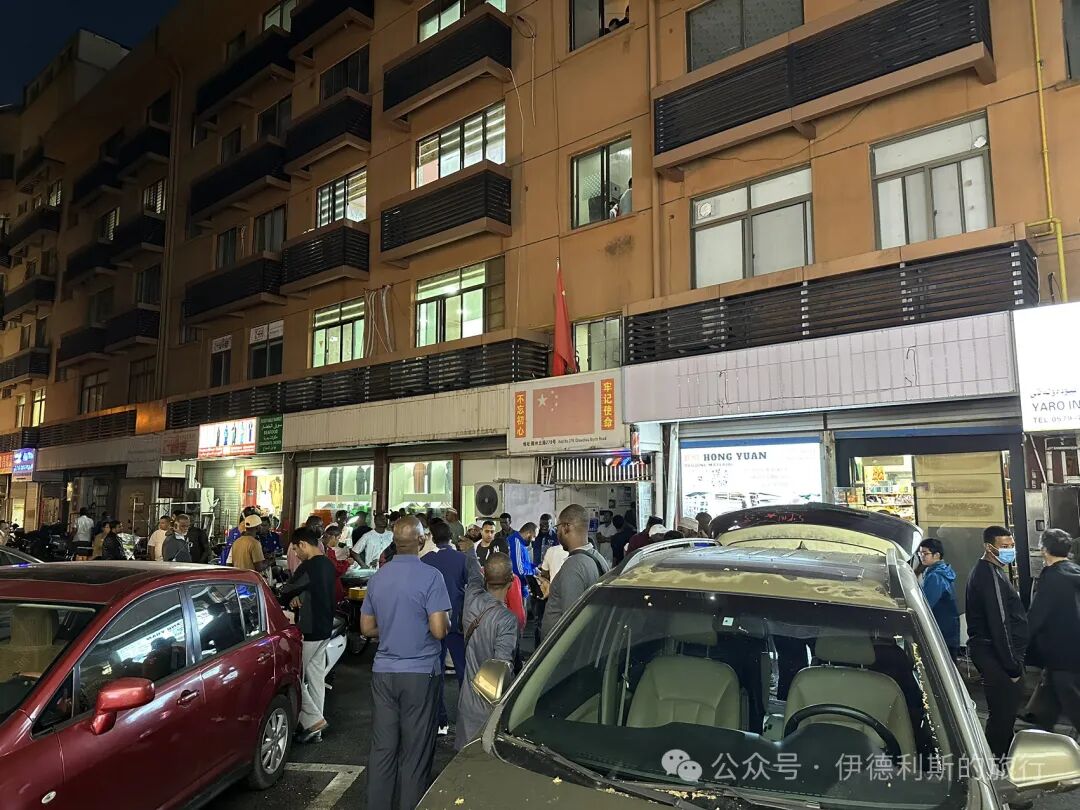
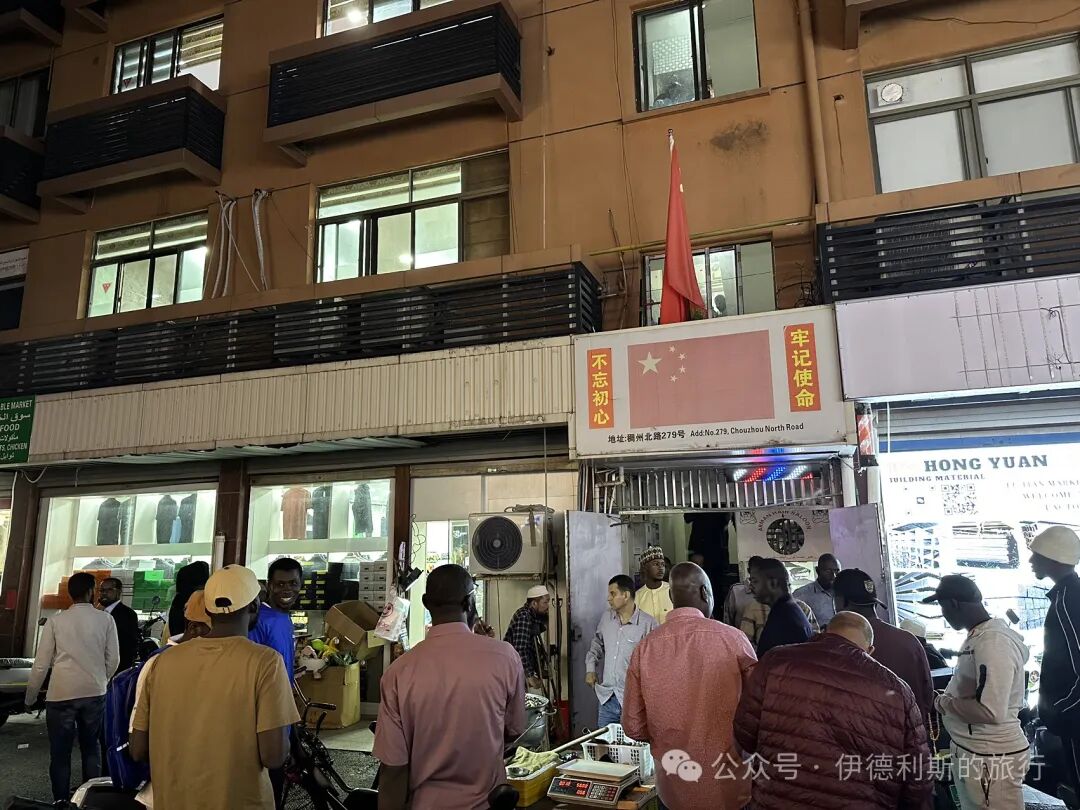
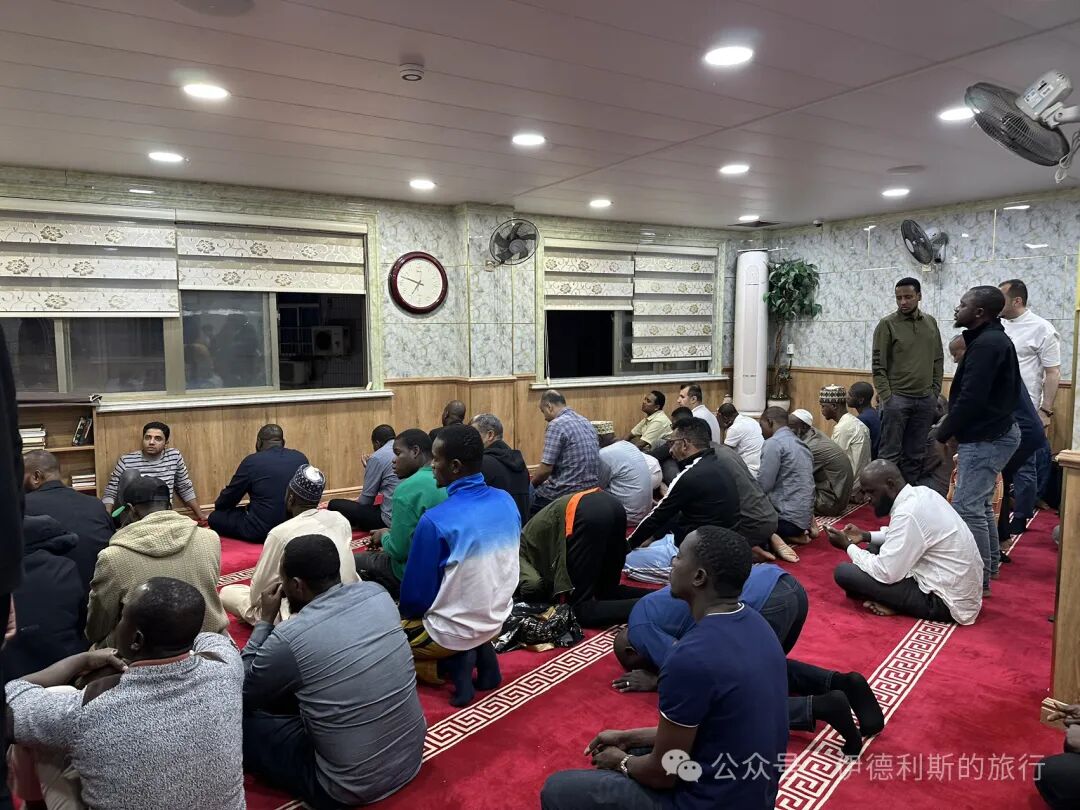
The prayer spot in the Binwang business district was packed with people at the lishamu and hufu stalls. Most of them were African friends (dost) who came here for business. After the second floor filled up, the imam guided everyone to the third and fourth floors, and eventually, we went all the way up to the fifth floor.
The Haya clothing store at the entrance of the Binwang business district prayer spot has many Middle Eastern outfits, and we bought several pieces.
Many new Middle Eastern restaurants have opened in the Binwang Trade Area. It is much busier than when I visited two years ago. I even saw Iraqi barbecue, which I want to try next time.
I drank a Dubai malt beverage.
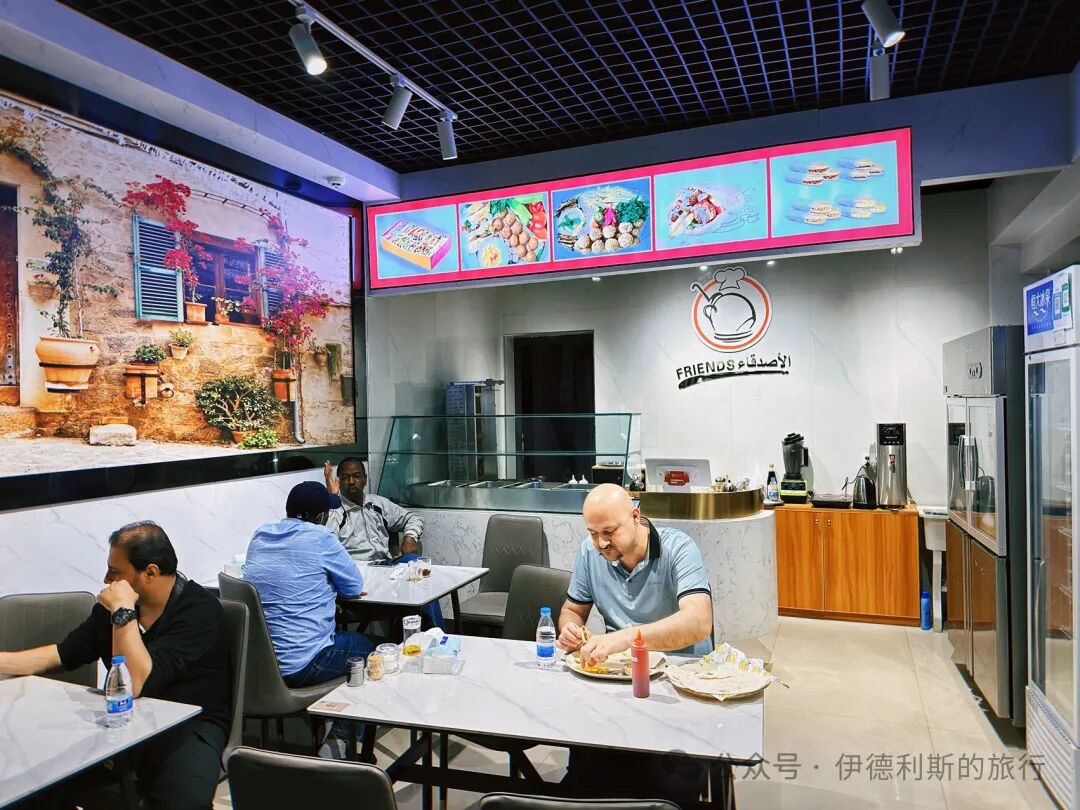
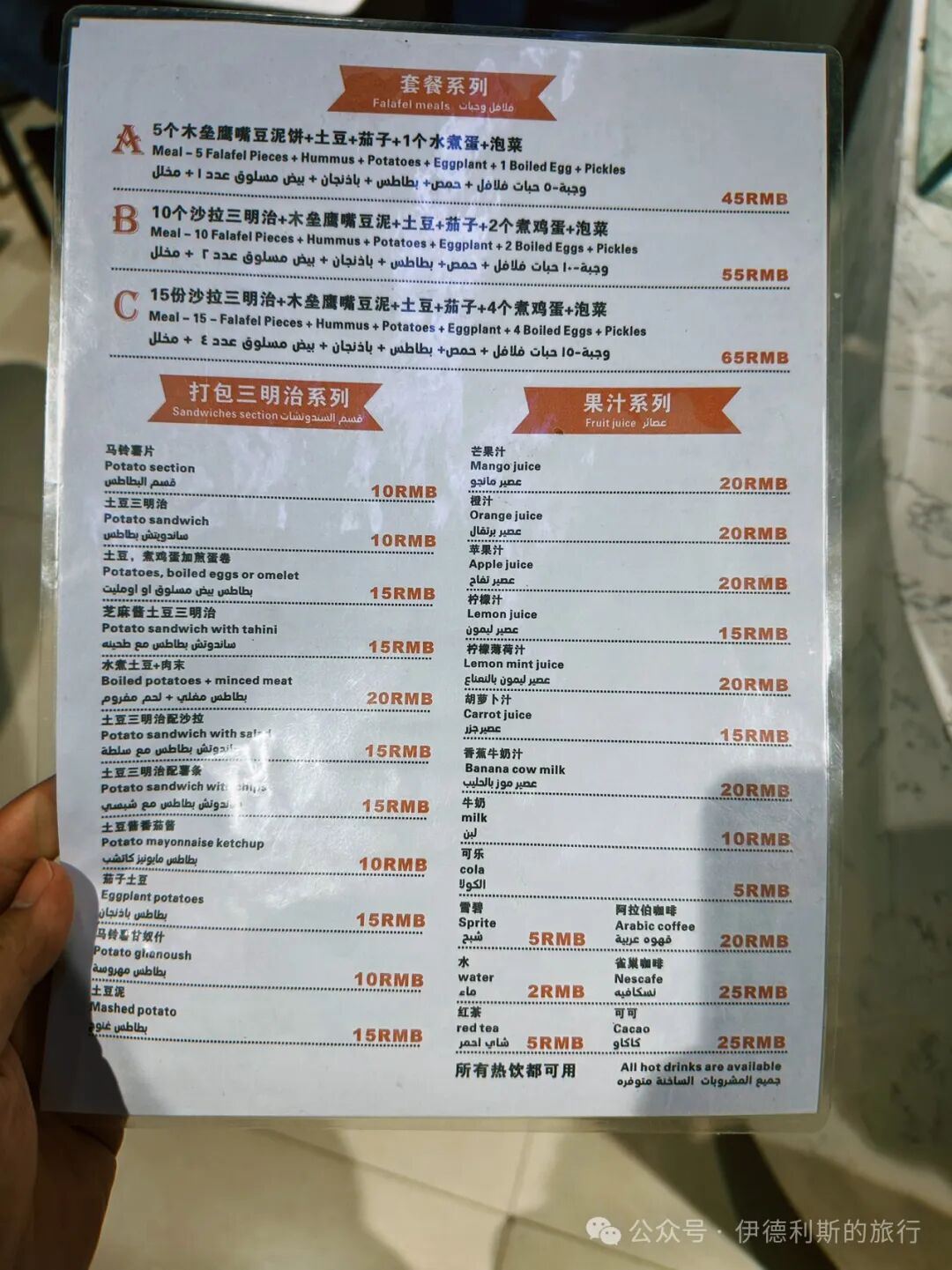
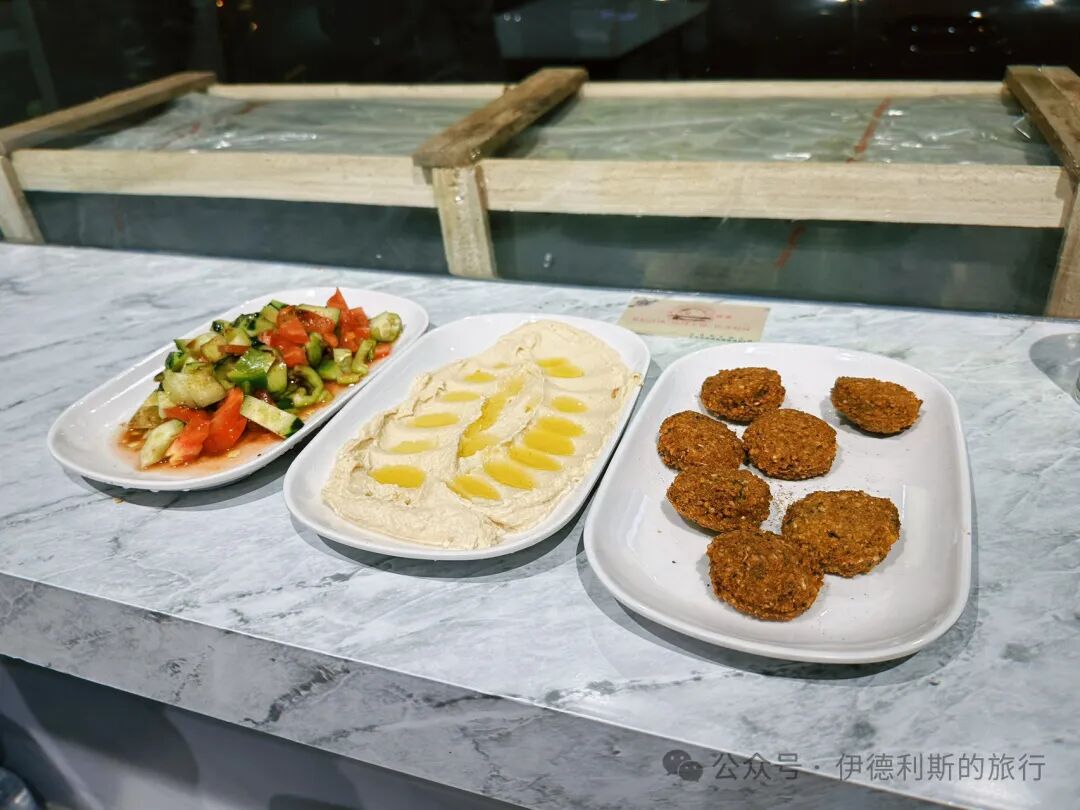
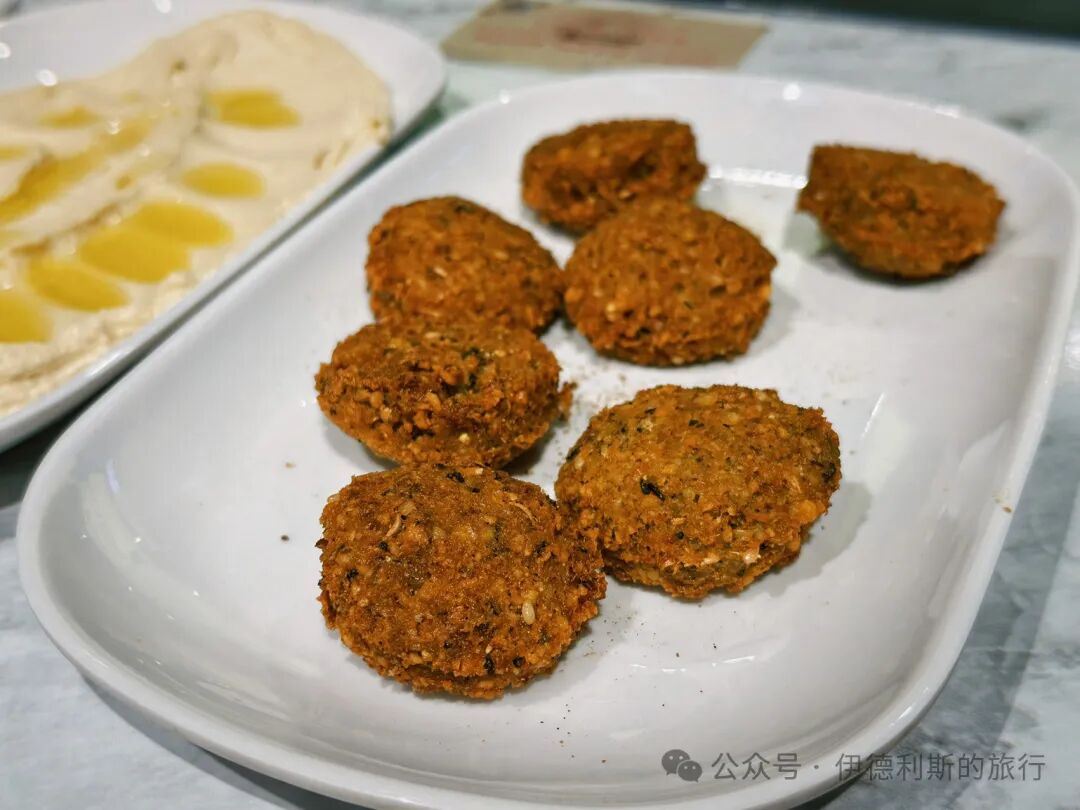
A new Egyptian snack shop called Friends opened across from the prayer spot in the Yiwu Binwang Trade Area. It is a great place for a late-night snack after visiting Hufu Beach. The shop is very affordable. We ordered a 45-yuan set meal that came with a plate of fried chickpea balls (falafel), a plate of chickpea dip (hummus), a plate of cold mixed vegetables, a plate of french fries, a plate of boiled eggs, and a plate of Arabic flatbread. Rolling everything into the flatbread makes you feel like you are on a street in the Middle East.
They also use the same vinegar bottles found in local Chinese snack shops, but they filled them with olive oil. That is very Yiwu!
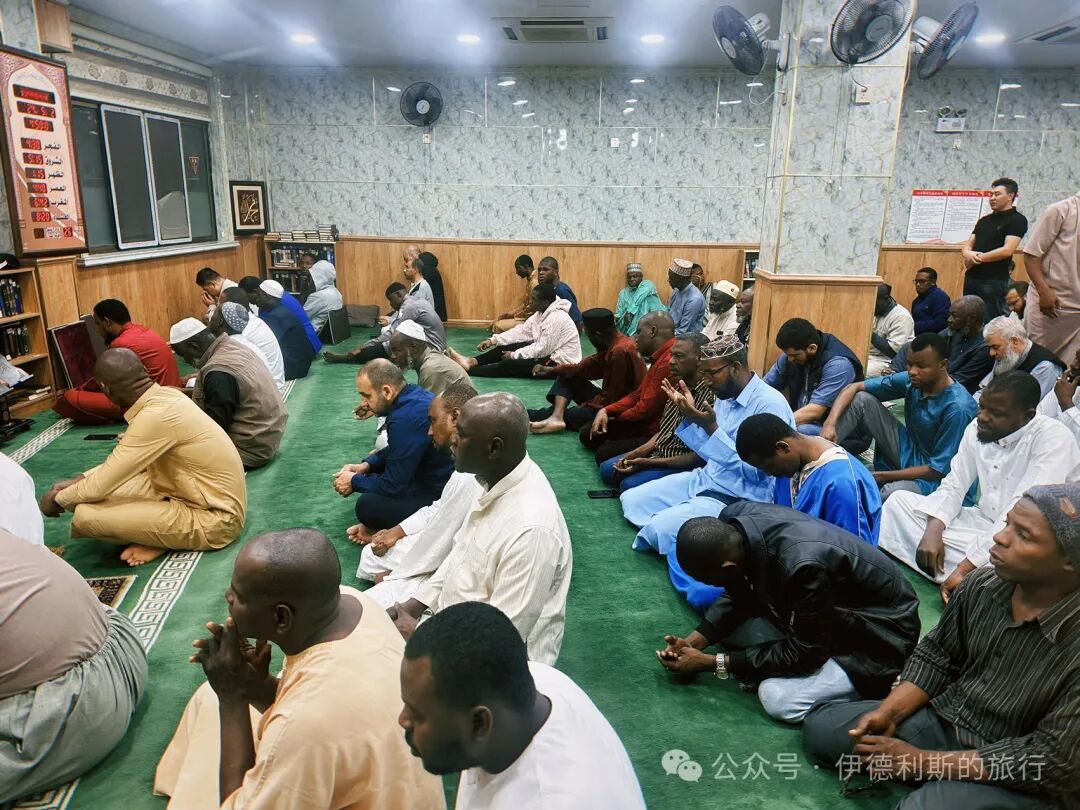
On May 2, I performed the morning prayer (fajr) at the prayer spot in the Yiwu Binwang Trade Area. There were many African friends (dosti) there.
I had a Middle Eastern breakfast at the Senator seafood restaurant in the Yiwu Binwang Trade Area. We had flatbread with jam and chocolate spread, served with cheese, olives, eggs, and black tea. We also ordered a seafood soup with fish and shrimp. The cheese breakfast I had at Mado during my last trip to Yiwu was truly the best Middle Eastern breakfast I have ever eaten in China. Although the selection at Sainata is not as extensive, the shop is quiet, the atmosphere is nice, and their seafood soup is very fresh and delicious.
Ride north from the Binwang Trade District to the International Trade City and have a Turkish coffee at the Turkish cafe, Cafe Turka. It is a small, unassuming shop, and one Turkish guy manages to keep up with everything. Besides coffee, they also serve Turkish snacks, featuring mozzarella cheese toast and sujuk sausage toast, which you can also order as a brunch set. You can come here to sit down, have a coffee, and enjoy some snacks while you are shopping at the International Trade City; it is very relaxing.
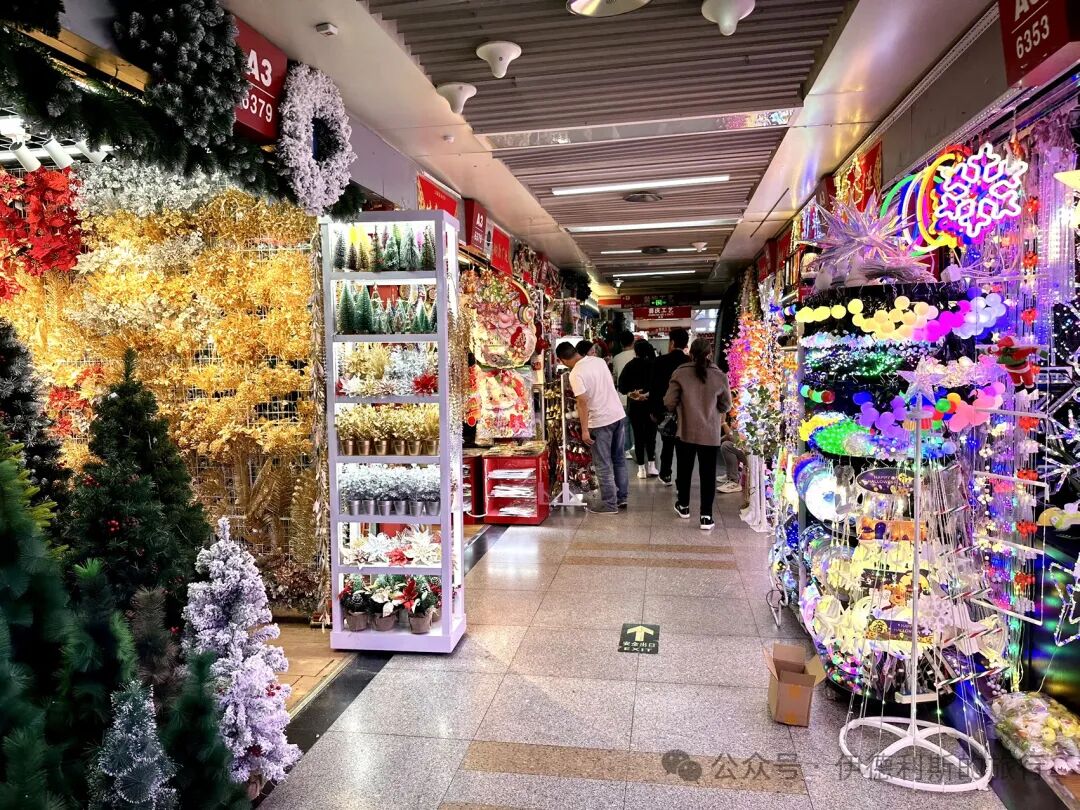
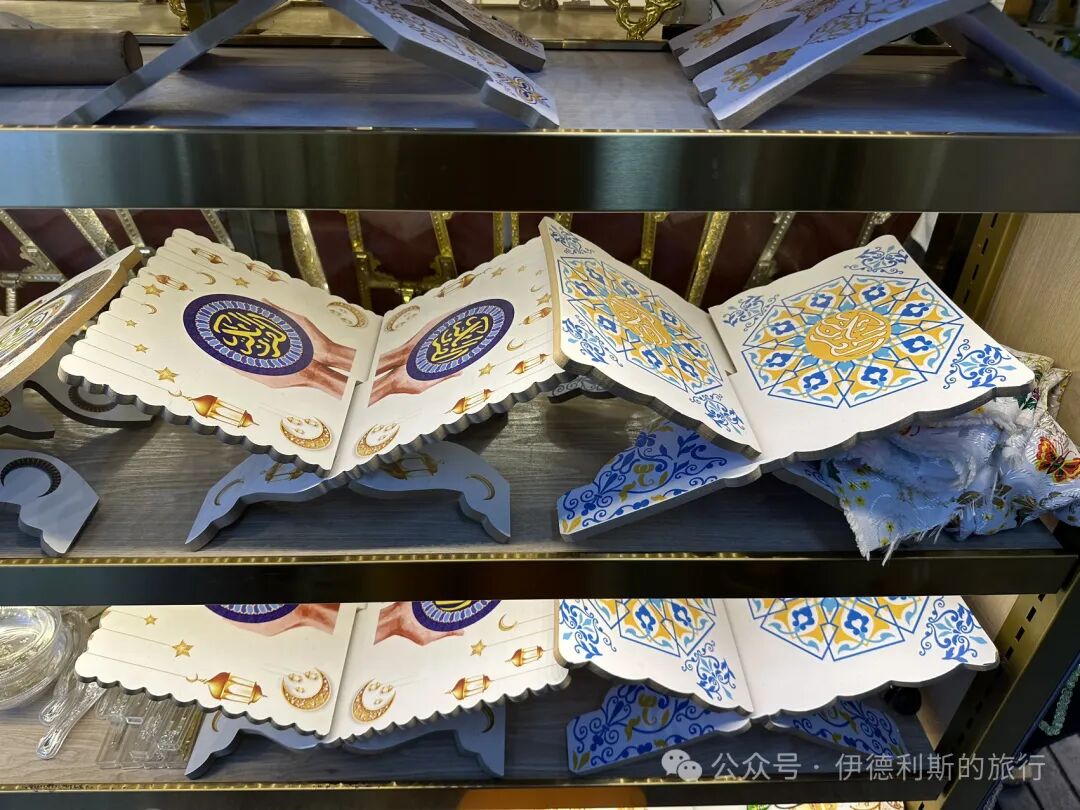
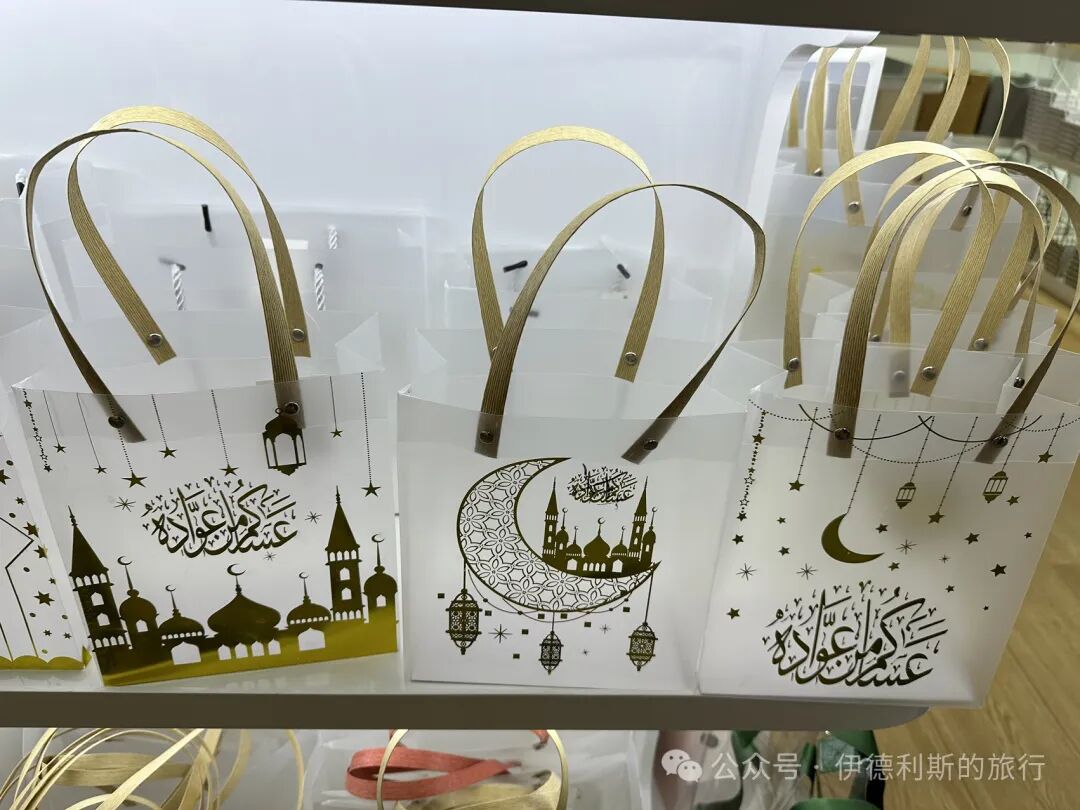
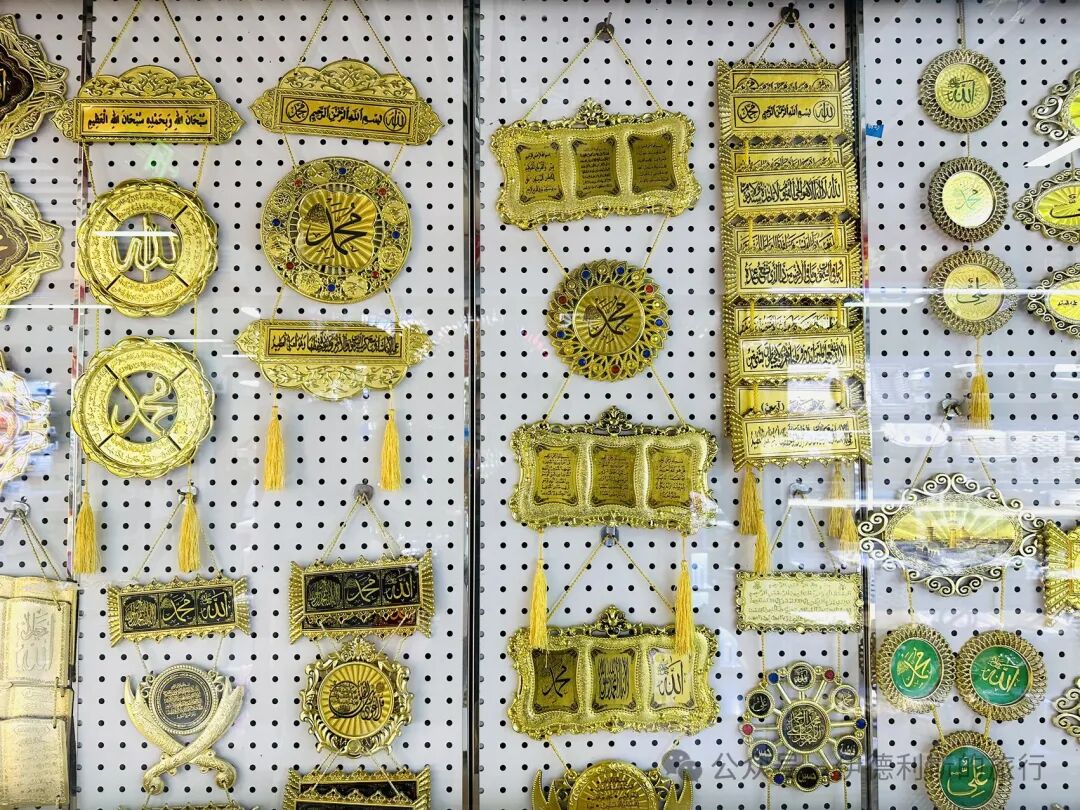
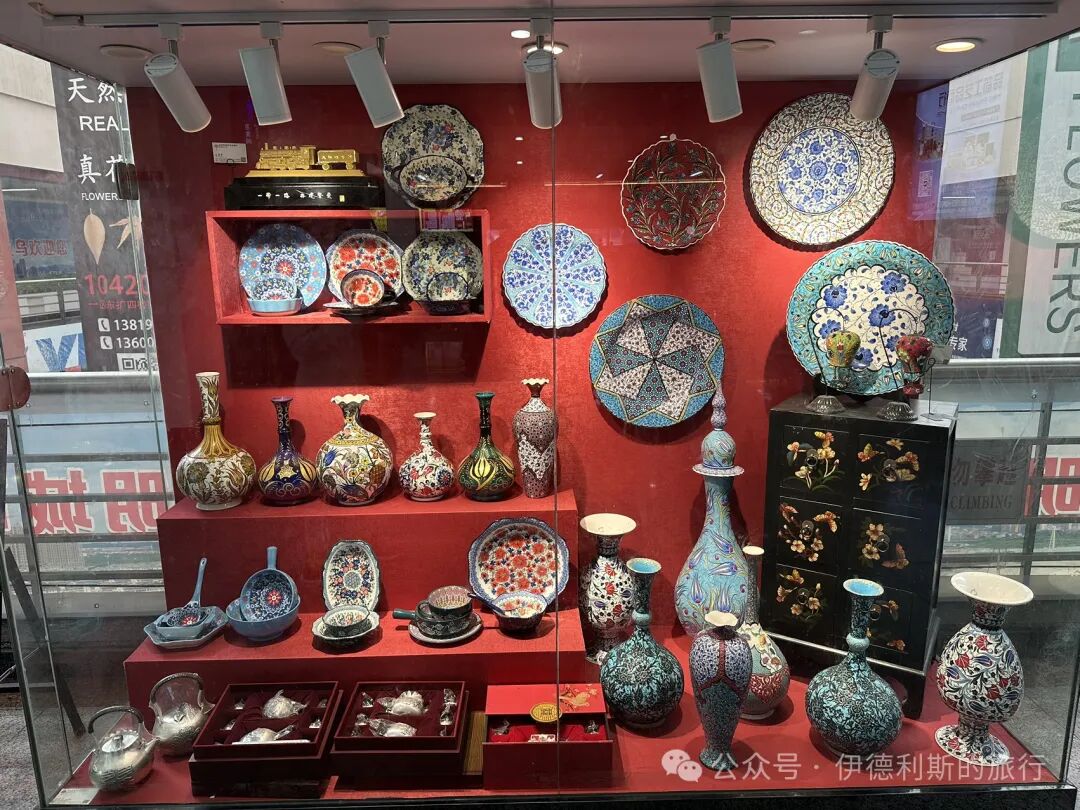
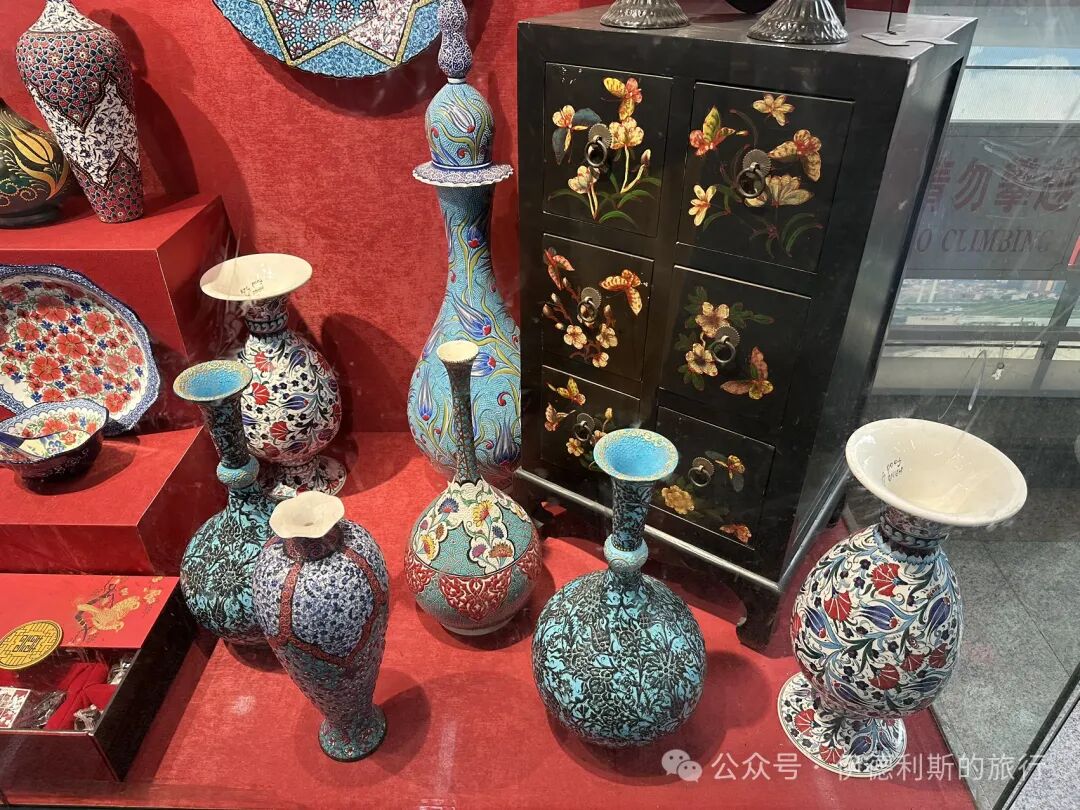
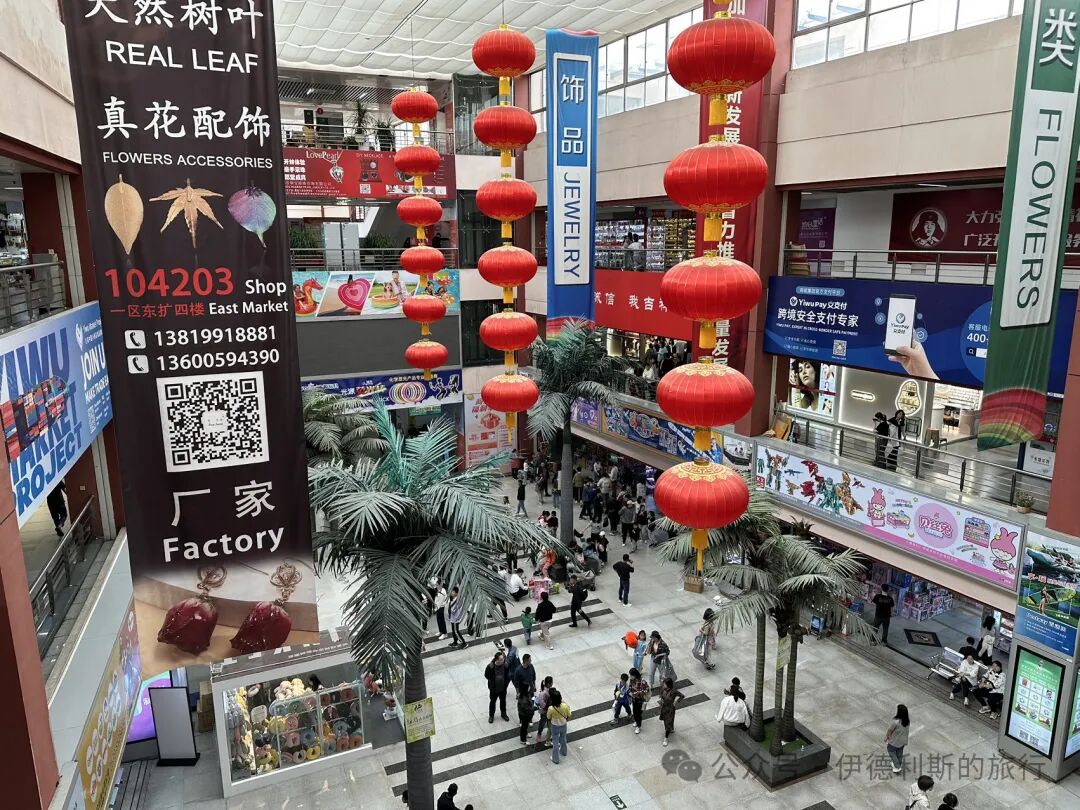
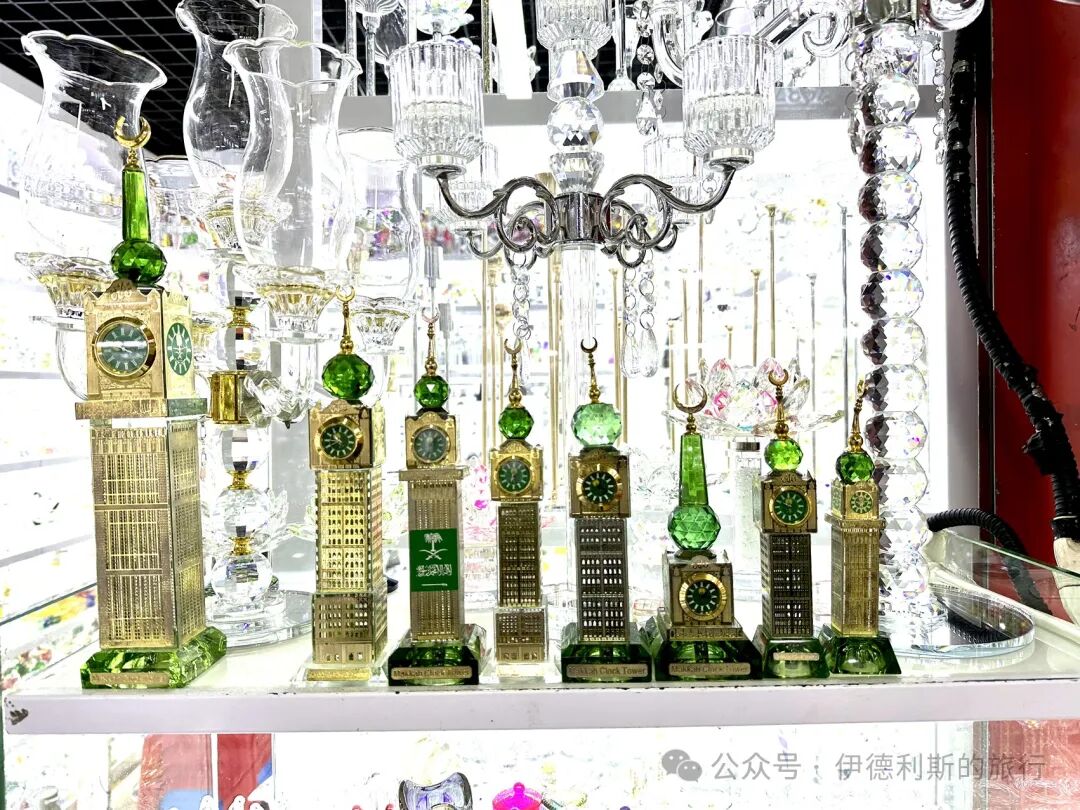
District 1 of the International Trade City has all kinds of wholesale Islamic souvenirs, and I suspect many of the souvenirs sold in the Two Holy Cities are actually sourced from here, haha.
Leifeng Juice Shop is so popular right now! The old shop on Chouzhou North Road has a huge line, just as busy as the Wuyutai tea shop at the Lama Temple in Beijing. A bit further ahead, the Turkish dessert shop Sweet Life is also quite crowded. Actually, both of these businesses have more than one location in Yiwu, and the other shops I visited earlier were not that busy. view all
Summary: Halal Food Guide: Yiwu - New Middle Eastern Restaurants (Part 1) is presented here as a firsthand travel account in clear, natural English. The account focuses on Yiwu, Middle Eastern Food, Halal Food while preserving the names, places, food, photos, and historical details from the Chinese source.
Since we could not travel abroad in 2020, we made a special trip to Yiwu to eat food from all over the world. See "Tasting Foreign Food in Yiwu" for more. On that trip, we ate at two Syrian restaurants, two Afghan restaurants, one Egyptian juice shop, one Malaysian Nyonya bird's nest shop, one Turkish restaurant, and one Indian restaurant. Because of travel restrictions at the time, many foreign restaurants in Yiwu were forced to close, and the ones still open were struggling.
Four years later, we visited Yiwu again. Now that travel is back to normal, Yiwu is busy again. People from countries across the Middle East and Africa have come to Yiwu to buy goods, and many new Middle Eastern restaurants have opened, especially around the Binwang Trade Area. We picked a few of these new restaurants to try, and we will share them with you below.
On May 1st, we had a Yemeni breakfast at the Marashim restaurant in the Binwang Trade Area. We had fried eggs with vegetables and tuna stewed with fava beans, served with Yemeni soft bread (malawah). I had eaten Yemeni flatbread (khubz) at a Yemeni restaurant in Guangzhou before, and it was very crispy and delicious. This is my first time having Yemeni soft bread (yemen ruanbing). It looks a bit like bread and tastes like the inside of a flatbread (laobing). It is perfect for breakfast. The tuna and fava bean dish is full of spices, and it is delicious when you dip the bread into it.
This is a newly opened restaurant, so there is no information about it on Dazhong Dianping yet. There are three other Yemeni restaurants right next door. Sinbad is the most famous one, and they specialize in large Yemeni flatbread served with various braised meats.
After breakfast, we went to the imported food supermarket Spinneys. We also shopped there when we last visited Yiwu. You can buy Lebanese hummus, Syrian pistachio candy, and all kinds of Middle Eastern specialty foods here. The bread baked fresh in the store smells amazing, and they have a huge variety of pastries too.
A neighbor reminded me that Spinneys is actually a century-old Middle Eastern supermarket chain based in Dubai.
The name Spinneys comes from its founder, British officer Arthur Rawdon Spinney. He became a supplier for the Palestine Railways in 1924 and later started importing British goods into Syria and Palestine. At the time, it was the only company in Palestine to offer British products.
In the 1920s, Spinneys was headquartered in Haifa. Its stores were mainly located in cities easily reached by the British via railway, such as Alexandria, Cairo, Acre, and Damascus. After the Arab Revolt broke out in Palestine in the 1930s, the railway lines were cut, and Spinneys moved its headquarters to Baghdad. Spinneys began to expand after the 1940s, with both the Dubai and Beirut stores opening during this period. The Kingdom of Iraq was overthrown in 1958, and the new Republic of Iraq formed an alliance with the Soviet Union. Spinneys moved its headquarters to Dubai in 1961, where it has operated ever since.
Today, most Spinneys stores are concentrated in the UAE, Egypt, and Lebanon, making it a famous supermarket chain in the Middle East.
I bought some Yili yogurt drink (TAN) at the Spinneys supermarket. It is basically a fizzy version of yogurt curd (suannai gede), and the taste is very authentic! One sip takes me right back to the pasture.
I also bought dates stuffed with walnuts and crushed pistachios. It was my first time eating them this way, and they are a great energy booster! They are perfect to carry along when hiking.
At noon, I had Turkish afternoon tea at a Turkish dessert shop called Sweet Life in the Binwang Trade Area. The 'Foreigner Street' in Area C of the Binwang Market is basically all foreign restaurants. Many Middle Easterners come here in the evening to drink tea and smoke shisha.
Sweet Life is a rare authentic Turkish dessert shop in China. The sweetness is very high, and syrup oozes out with every bite. It is exactly the same as the desserts sold in the local shops we visited in Istanbul. So, if any dost (friends) cannot handle too much sugar, you should be careful when trying them.
Their specialty is various flavors of baklava, including classic original, walnut, chocolate, hazelnut, and more. They also have cheese-filled sobiyet, lemon syrup-soaked almond pastries called sekerpare, and shredded dough pastries called burma kadayif, among many other options.
The desserts are served with Turkish black tea and coffee. We ordered one of each. Personally, I think Turkish coffee pairs better with baklava—a sip of strong coffee followed by a bite of honey-sweet pastry.
I rode my bike to the Yiwu Grand Mosque for noon namaz. Since this area is far from the trade city, people usually pray at local prayer spots and only come to the Grand Mosque for Friday prayers.
Yiwu set up two prayer spots in 2000 at the Xinjiang Ethnic Hotel and the Honglou Hotel, then in 2004 converted a Yiwu silk factory warehouse into a prayer spot, which was the predecessor to the Yiwu Grand Mosque. As Yiwu's small commodity economy boomed, more friends (dosti) came to do business, so the old silk factory warehouse was renovated in 2010 and officially completed in 2012 as the current Yiwu Grand Mosque.
In the evening, I ate authentic African food at Sina African Restaurant, located at the intersection of Street 8 in the Binwang Trade Area. The restaurant is owned by Mohammad Rifat, the Egyptian guy who runs Leifeng Juice; he has opened six Leifeng Juice shops in Yiwu over the past two years and also started this African restaurant. During this trip to Yiwu, I noticed there are clearly more Black faces than Arab faces in the Binwang Trade City, but the restaurants are still mostly Arab or Turkish, so Sina African Restaurant, which specializes in sub-Saharan African flavors, is very popular with Black friends (dosti).
We ordered South African stir-fried beef with melon seed soup and fufu, fried tilapia with cassava flour (atteke), and the classic avocado, nut, and date milkshake from Leifeng Juice. To be honest, even though I have visited 20 countries, this is the only meal I really struggled to get used to. Even though it was hard to get used to, I think it is worth trying if you want to understand the local food culture.
Fufu is a classic staple food in West and Central Africa, and the name Fufu actually means to pound. The main ingredients for fufu vary by region, but it is usually made from cassava, yam, or plantain. Nowadays, people can also use flour or rice, but it is still typically made by pounding the ingredients with a wooden spoon in a bowl. In West and Central Africa, fufu is usually served with okra, fish, and tomato soup. To eat it, wash your hands first, then take a piece of fufu and roll it into a ball with your right hand, press a small dent into it, and scoop up the soup to eat. The fufu I chose came with a soup made from ground egusi seeds, a West African specialty, stewed with bitter leaf. Bitter leaf, scientifically known as Vernonia amygdalina, is a shrub that grows in tropical Africa and has a very bitter taste. Bitter leaf (kuye) is the main vegetable used in various stews and braised dishes across equatorial Africa, and it is also the most traditional stewed vegetable dish in Nigeria.
Atteke is a classic West African side dish for fried fish, originally from southern Ivory Coast. Atteke is made similarly to North African couscous, but it uses fermented cassava pulp instead of semolina.
Although Chinese people might not be used to the African food at Sina's place, everyone is sure to love the Leifeng juice. Zainab especially likes their avocado and date milkshake; the dates really add a great flavor to the shake. But you only need a small cup of this high-calorie drink.
I went for a walk in the Binwang business district in the evening. The Xinjiang Golden Poplar (Jinhuyang) specialty restaurant at the intersection of Chouzhou North Road is really popular, and there are a lot of people eating barbecue there at night. Their fresh juice stand at the street corner is also very popular. We ordered a mix of orange and pomegranate juice. They used three oranges and two pomegranates to fill one cup without adding a single drop of water, so the flavor was really rich.
There are many Hui Muslims from Yunnan in the Binwang area. You can see Hui Muslim sisters from Yunnan working as servers in all the Middle Eastern restaurants. There are many Yunnan restaurants in the small alleys of Yijiashan, across from Binwang. The Yunnan-style barbecue place at the intersection of Chouzhou North Road is especially popular. The restaurant has a stall out front selling Zhaotong spicy chicken legs and grilled tofu (shaodoufu). We ordered a few pieces of grilled tofu. They sliced them open and added fish mint (zhe'ergen), pickled vegetables (suancai), and chili powder. I asked for it to be less spicy, but my mouth was still on fire. It was so satisfying, haha.
The prayer spot in the Binwang business district was packed with people at the lishamu and hufu stalls. Most of them were African friends (dost) who came here for business. After the second floor filled up, the imam guided everyone to the third and fourth floors, and eventually, we went all the way up to the fifth floor.
The Haya clothing store at the entrance of the Binwang business district prayer spot has many Middle Eastern outfits, and we bought several pieces.
Many new Middle Eastern restaurants have opened in the Binwang Trade Area. It is much busier than when I visited two years ago. I even saw Iraqi barbecue, which I want to try next time.
I drank a Dubai malt beverage.
A new Egyptian snack shop called Friends opened across from the prayer spot in the Yiwu Binwang Trade Area. It is a great place for a late-night snack after visiting Hufu Beach. The shop is very affordable. We ordered a 45-yuan set meal that came with a plate of fried chickpea balls (falafel), a plate of chickpea dip (hummus), a plate of cold mixed vegetables, a plate of french fries, a plate of boiled eggs, and a plate of Arabic flatbread. Rolling everything into the flatbread makes you feel like you are on a street in the Middle East.
They also use the same vinegar bottles found in local Chinese snack shops, but they filled them with olive oil. That is very Yiwu!
On May 2, I performed the morning prayer (fajr) at the prayer spot in the Yiwu Binwang Trade Area. There were many African friends (dosti) there.
I had a Middle Eastern breakfast at the Senator seafood restaurant in the Yiwu Binwang Trade Area. We had flatbread with jam and chocolate spread, served with cheese, olives, eggs, and black tea. We also ordered a seafood soup with fish and shrimp. The cheese breakfast I had at Mado during my last trip to Yiwu was truly the best Middle Eastern breakfast I have ever eaten in China. Although the selection at Sainata is not as extensive, the shop is quiet, the atmosphere is nice, and their seafood soup is very fresh and delicious.
Ride north from the Binwang Trade District to the International Trade City and have a Turkish coffee at the Turkish cafe, Cafe Turka. It is a small, unassuming shop, and one Turkish guy manages to keep up with everything. Besides coffee, they also serve Turkish snacks, featuring mozzarella cheese toast and sujuk sausage toast, which you can also order as a brunch set. You can come here to sit down, have a coffee, and enjoy some snacks while you are shopping at the International Trade City; it is very relaxing.
District 1 of the International Trade City has all kinds of wholesale Islamic souvenirs, and I suspect many of the souvenirs sold in the Two Holy Cities are actually sourced from here, haha.
Leifeng Juice Shop is so popular right now! The old shop on Chouzhou North Road has a huge line, just as busy as the Wuyutai tea shop at the Lama Temple in Beijing. A bit further ahead, the Turkish dessert shop Sweet Life is also quite crowded. Actually, both of these businesses have more than one location in Yiwu, and the other shops I visited earlier were not that busy. view all
Reposted from the web
Summary: Halal Food Guide: Yiwu - New Middle Eastern Restaurants (Part 1) is presented here as a firsthand travel account in clear, natural English. The account focuses on Yiwu, Middle Eastern Food, Halal Food while preserving the names, places, food, photos, and historical details from the Chinese source.
Since we could not travel abroad in 2020, we made a special trip to Yiwu to eat food from all over the world. See "Tasting Foreign Food in Yiwu" for more. On that trip, we ate at two Syrian restaurants, two Afghan restaurants, one Egyptian juice shop, one Malaysian Nyonya bird's nest shop, one Turkish restaurant, and one Indian restaurant. Because of travel restrictions at the time, many foreign restaurants in Yiwu were forced to close, and the ones still open were struggling.
Four years later, we visited Yiwu again. Now that travel is back to normal, Yiwu is busy again. People from countries across the Middle East and Africa have come to Yiwu to buy goods, and many new Middle Eastern restaurants have opened, especially around the Binwang Trade Area. We picked a few of these new restaurants to try, and we will share them with you below.
On May 1st, we had a Yemeni breakfast at the Marashim restaurant in the Binwang Trade Area. We had fried eggs with vegetables and tuna stewed with fava beans, served with Yemeni soft bread (malawah). I had eaten Yemeni flatbread (khubz) at a Yemeni restaurant in Guangzhou before, and it was very crispy and delicious. This is my first time having Yemeni soft bread (yemen ruanbing). It looks a bit like bread and tastes like the inside of a flatbread (laobing). It is perfect for breakfast. The tuna and fava bean dish is full of spices, and it is delicious when you dip the bread into it.
This is a newly opened restaurant, so there is no information about it on Dazhong Dianping yet. There are three other Yemeni restaurants right next door. Sinbad is the most famous one, and they specialize in large Yemeni flatbread served with various braised meats.
After breakfast, we went to the imported food supermarket Spinneys. We also shopped there when we last visited Yiwu. You can buy Lebanese hummus, Syrian pistachio candy, and all kinds of Middle Eastern specialty foods here. The bread baked fresh in the store smells amazing, and they have a huge variety of pastries too.
A neighbor reminded me that Spinneys is actually a century-old Middle Eastern supermarket chain based in Dubai.
The name Spinneys comes from its founder, British officer Arthur Rawdon Spinney. He became a supplier for the Palestine Railways in 1924 and later started importing British goods into Syria and Palestine. At the time, it was the only company in Palestine to offer British products.
In the 1920s, Spinneys was headquartered in Haifa. Its stores were mainly located in cities easily reached by the British via railway, such as Alexandria, Cairo, Acre, and Damascus. After the Arab Revolt broke out in Palestine in the 1930s, the railway lines were cut, and Spinneys moved its headquarters to Baghdad. Spinneys began to expand after the 1940s, with both the Dubai and Beirut stores opening during this period. The Kingdom of Iraq was overthrown in 1958, and the new Republic of Iraq formed an alliance with the Soviet Union. Spinneys moved its headquarters to Dubai in 1961, where it has operated ever since.
Today, most Spinneys stores are concentrated in the UAE, Egypt, and Lebanon, making it a famous supermarket chain in the Middle East.
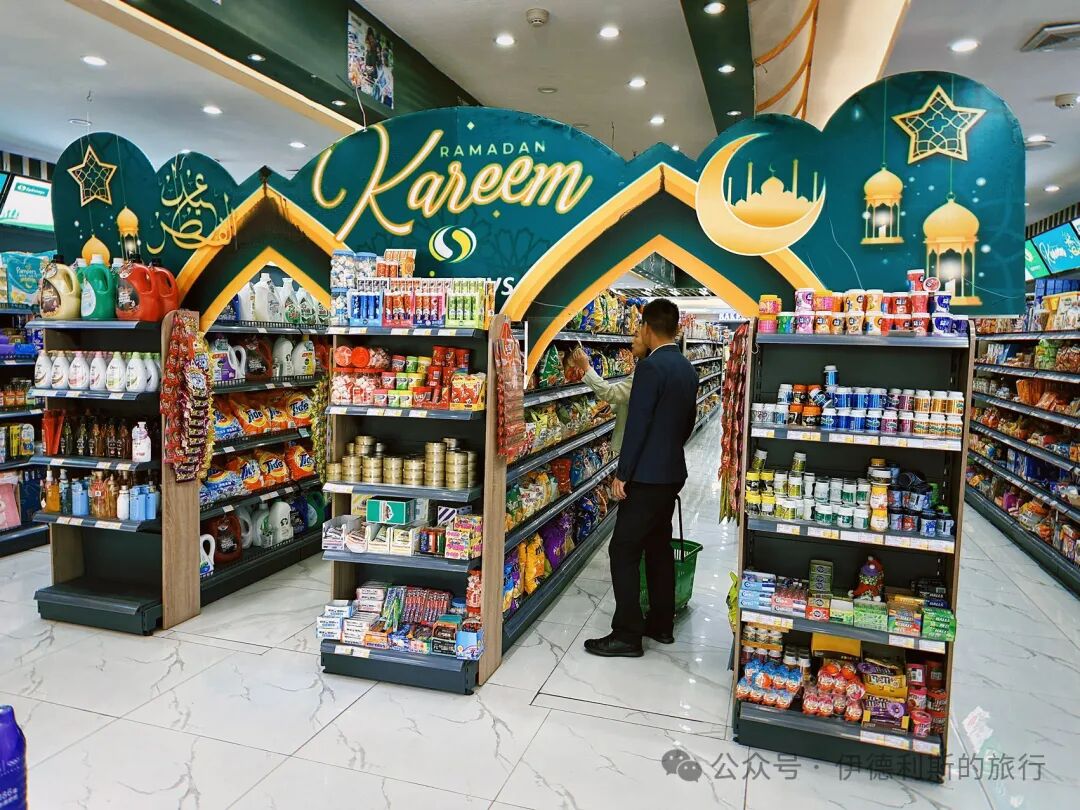
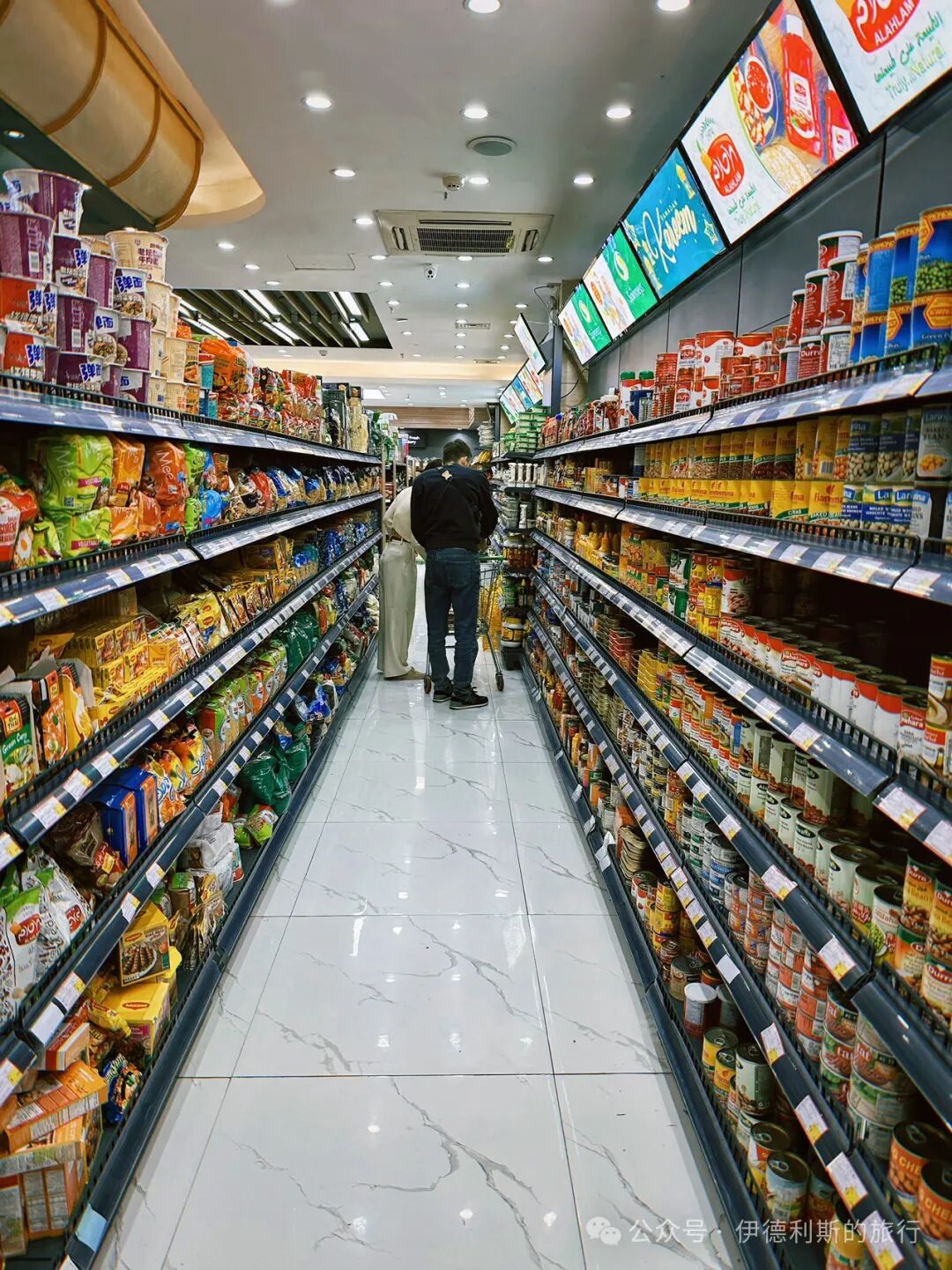
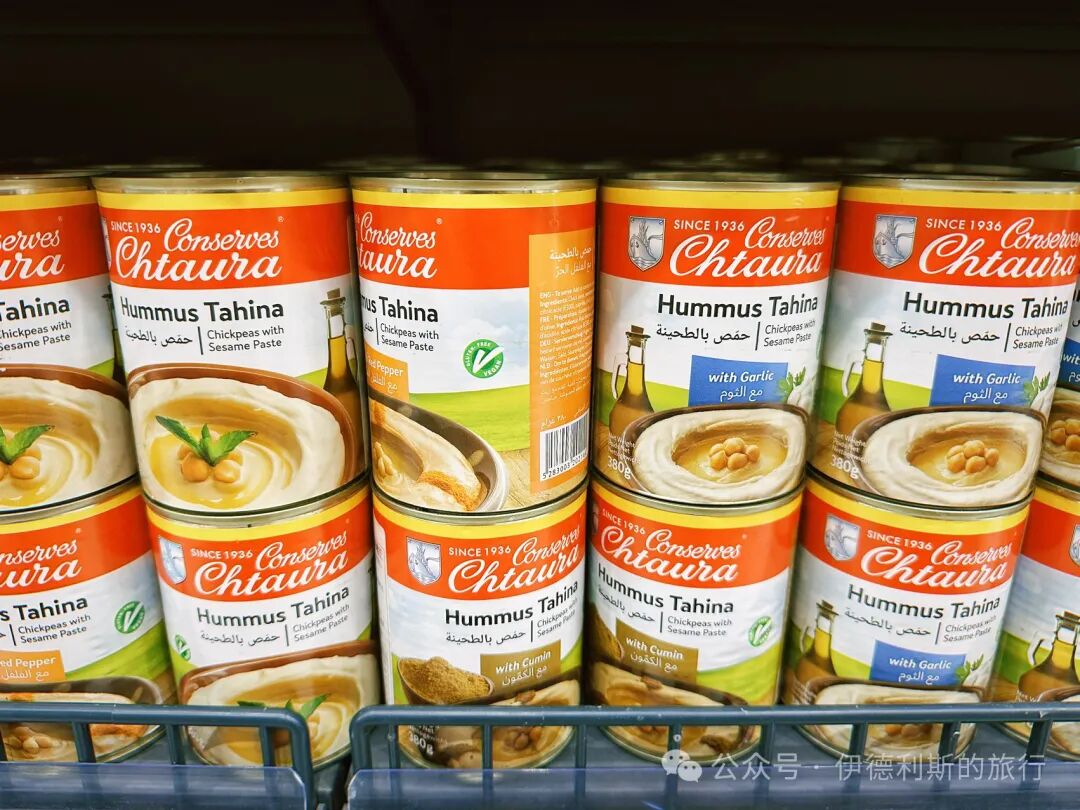
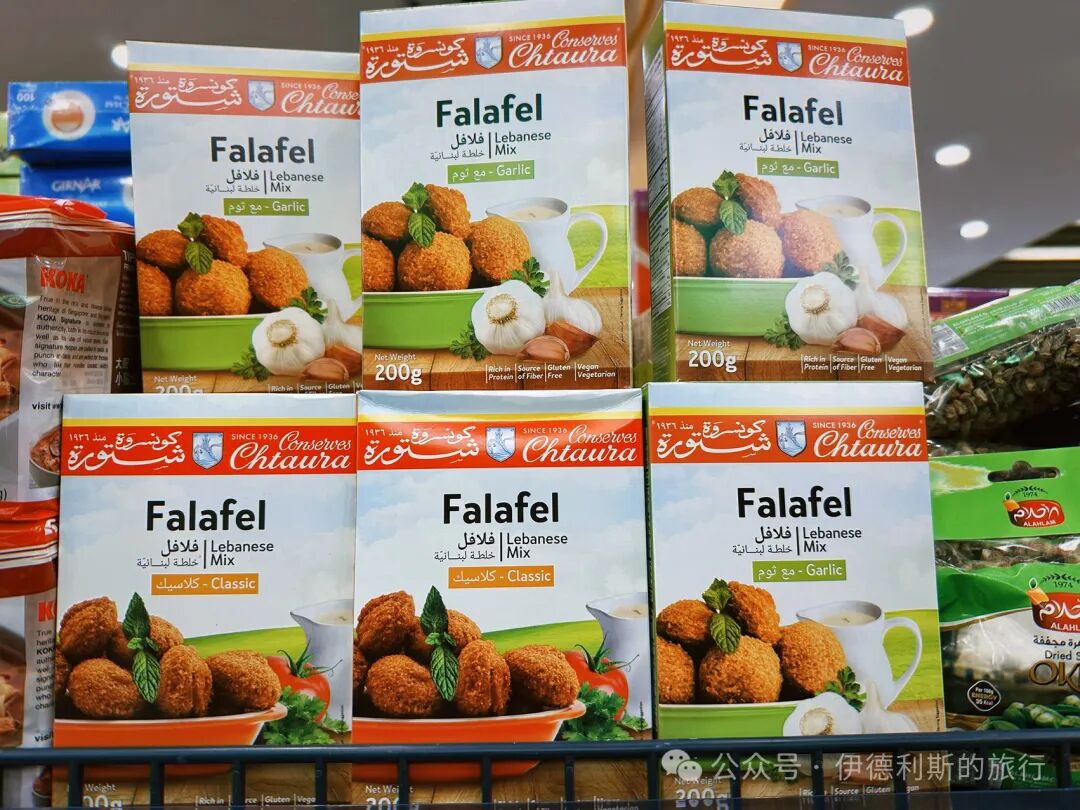
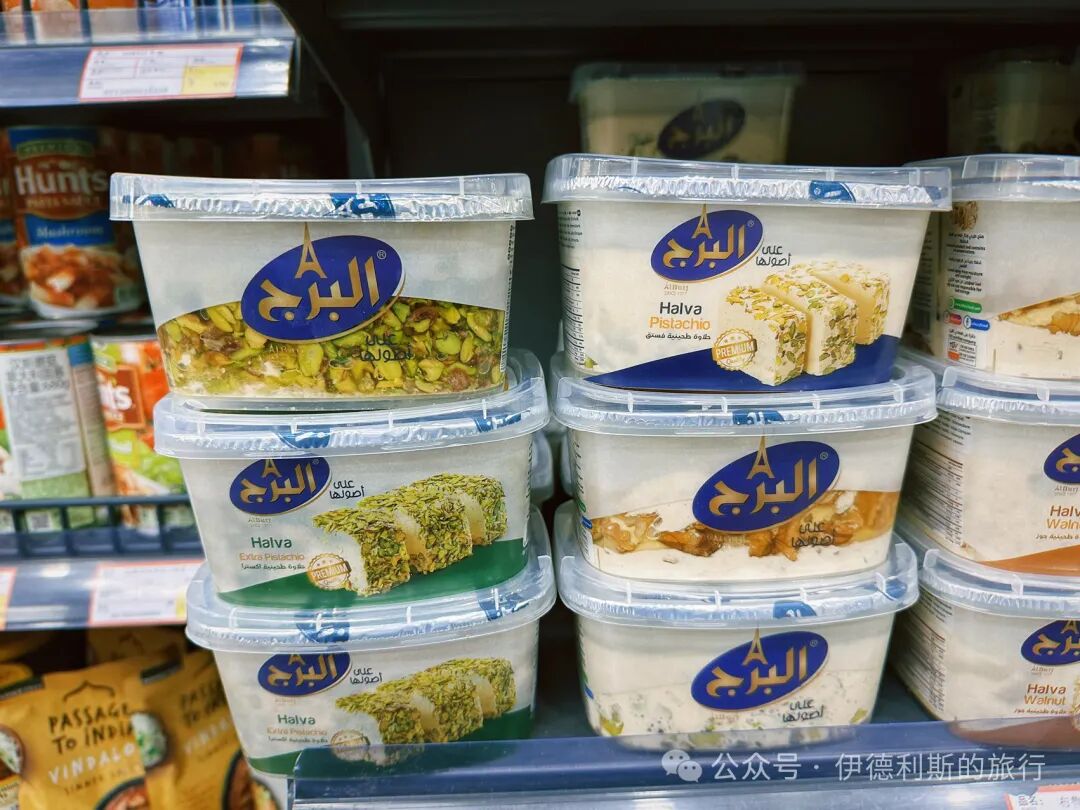
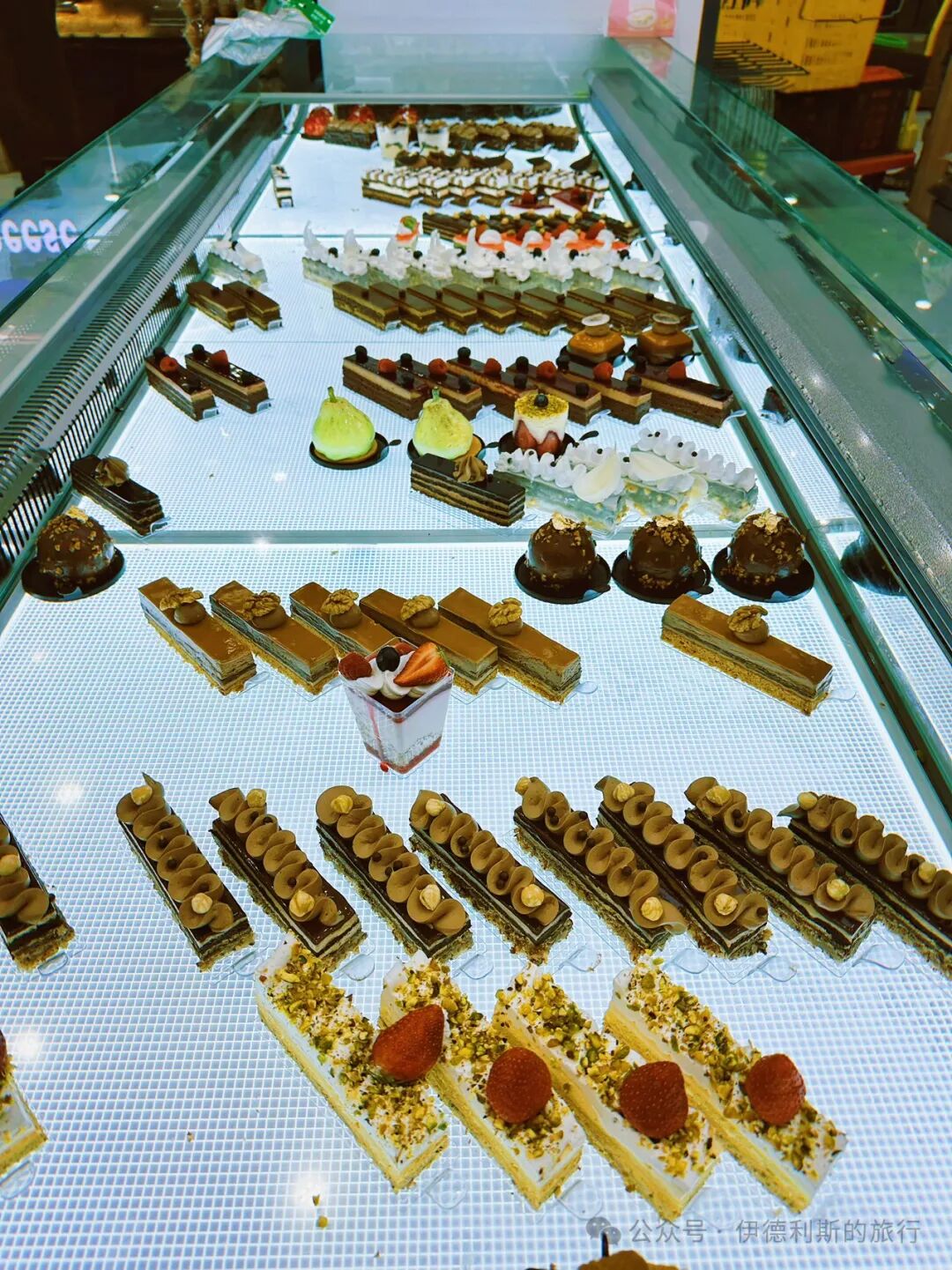
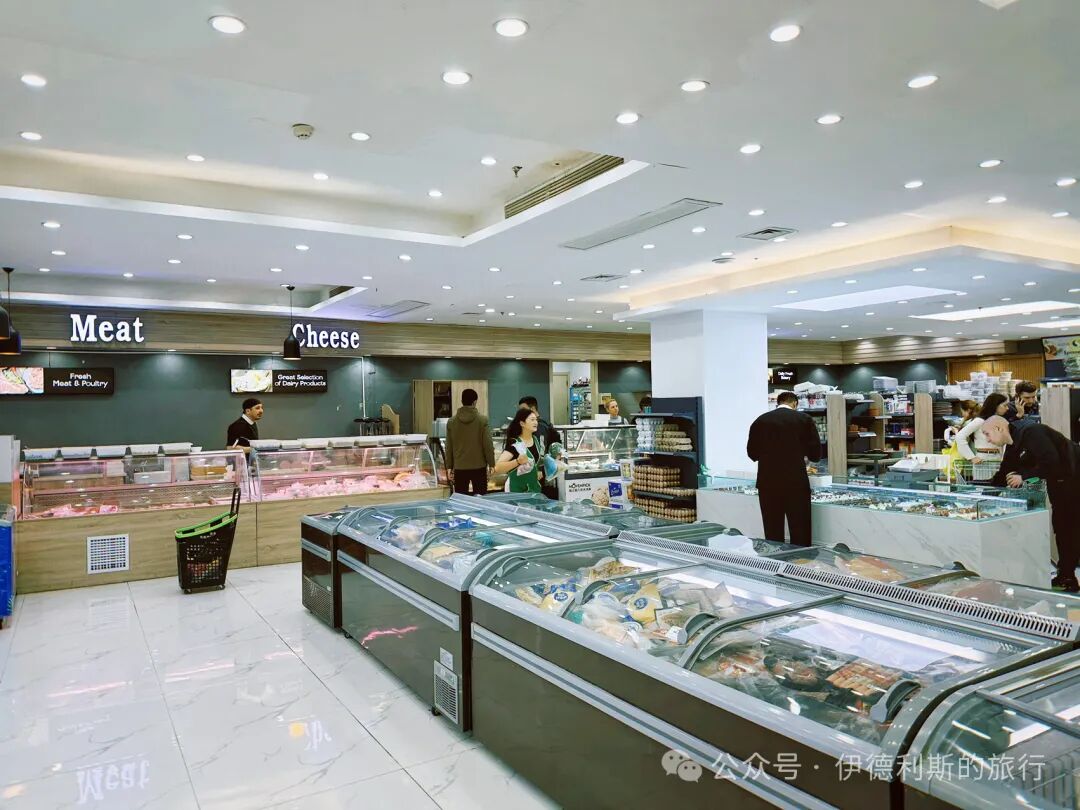
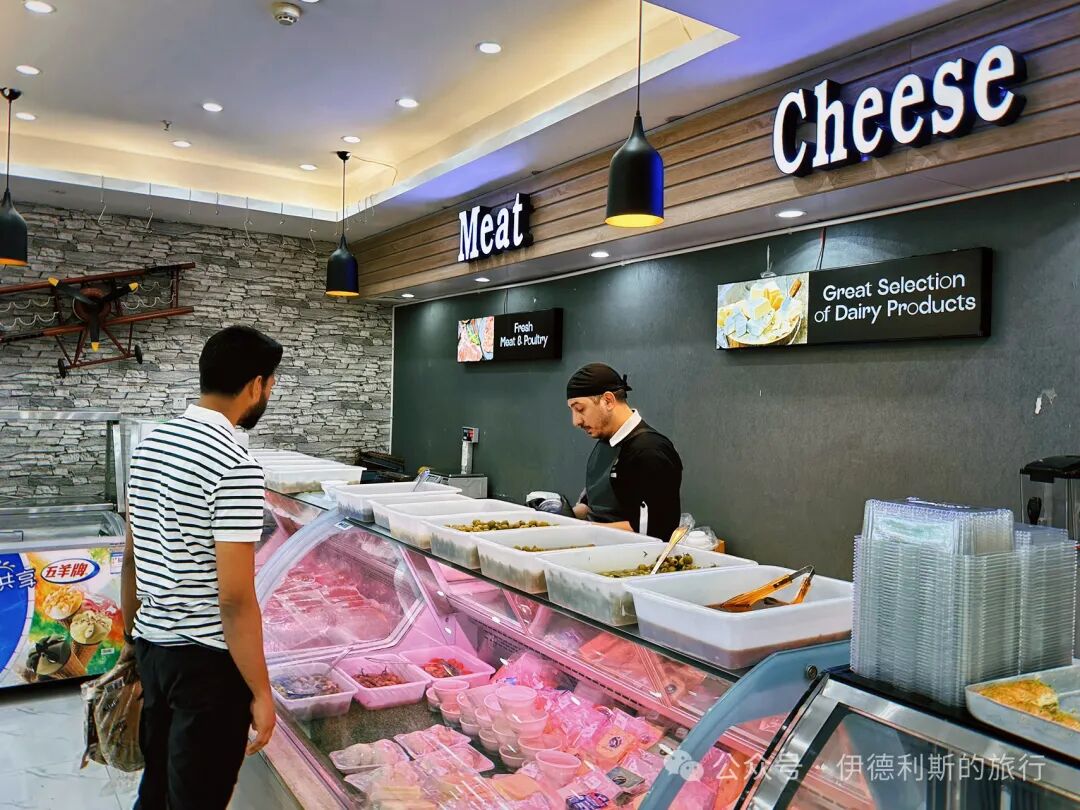
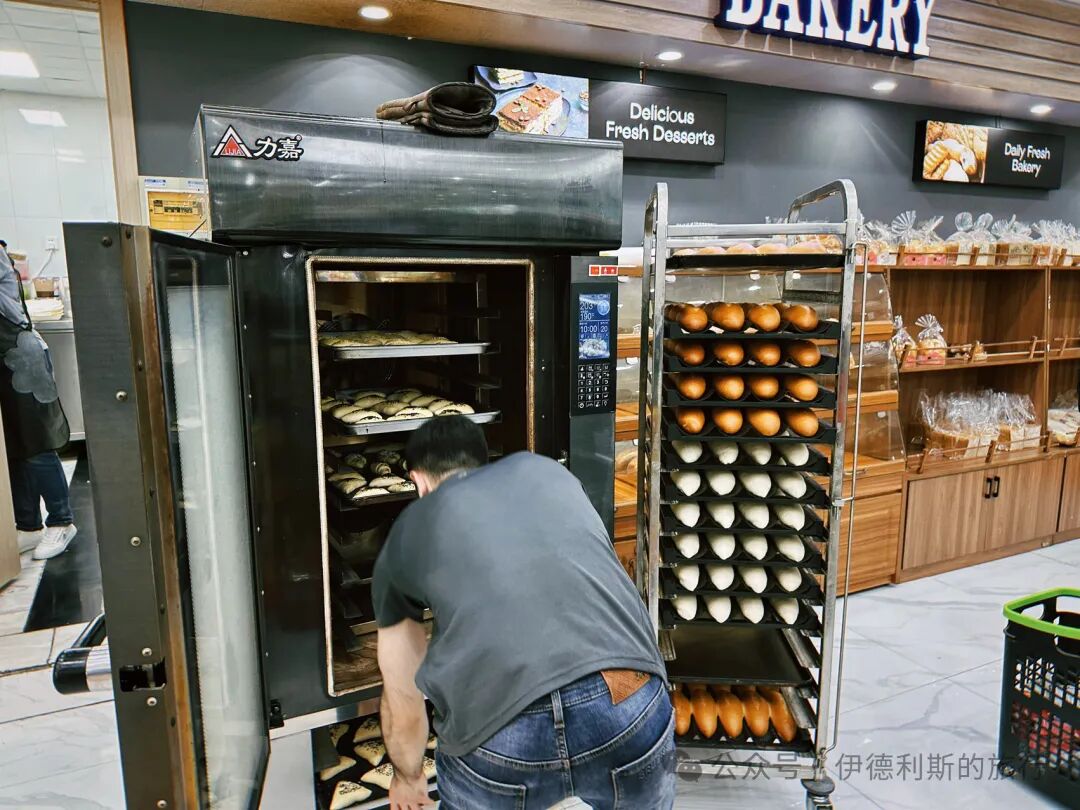
I bought some Yili yogurt drink (TAN) at the Spinneys supermarket. It is basically a fizzy version of yogurt curd (suannai gede), and the taste is very authentic! One sip takes me right back to the pasture.
I also bought dates stuffed with walnuts and crushed pistachios. It was my first time eating them this way, and they are a great energy booster! They are perfect to carry along when hiking.
At noon, I had Turkish afternoon tea at a Turkish dessert shop called Sweet Life in the Binwang Trade Area. The 'Foreigner Street' in Area C of the Binwang Market is basically all foreign restaurants. Many Middle Easterners come here in the evening to drink tea and smoke shisha.
Sweet Life is a rare authentic Turkish dessert shop in China. The sweetness is very high, and syrup oozes out with every bite. It is exactly the same as the desserts sold in the local shops we visited in Istanbul. So, if any dost (friends) cannot handle too much sugar, you should be careful when trying them.
Their specialty is various flavors of baklava, including classic original, walnut, chocolate, hazelnut, and more. They also have cheese-filled sobiyet, lemon syrup-soaked almond pastries called sekerpare, and shredded dough pastries called burma kadayif, among many other options.
The desserts are served with Turkish black tea and coffee. We ordered one of each. Personally, I think Turkish coffee pairs better with baklava—a sip of strong coffee followed by a bite of honey-sweet pastry.
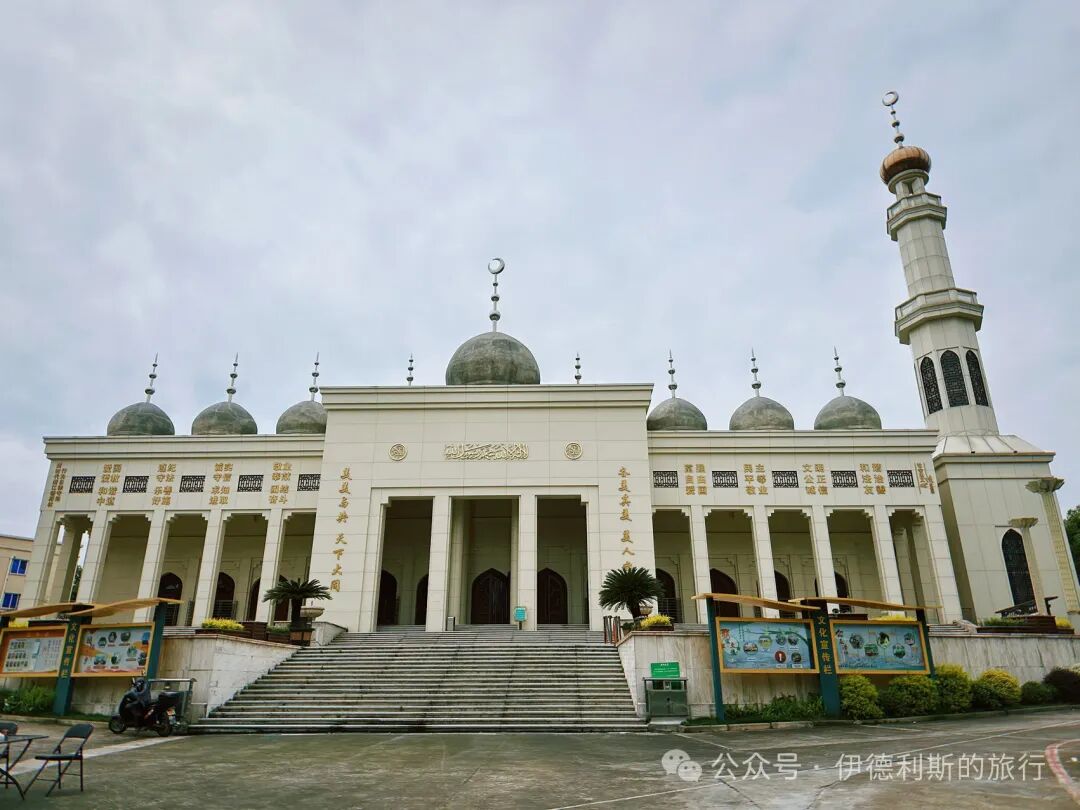
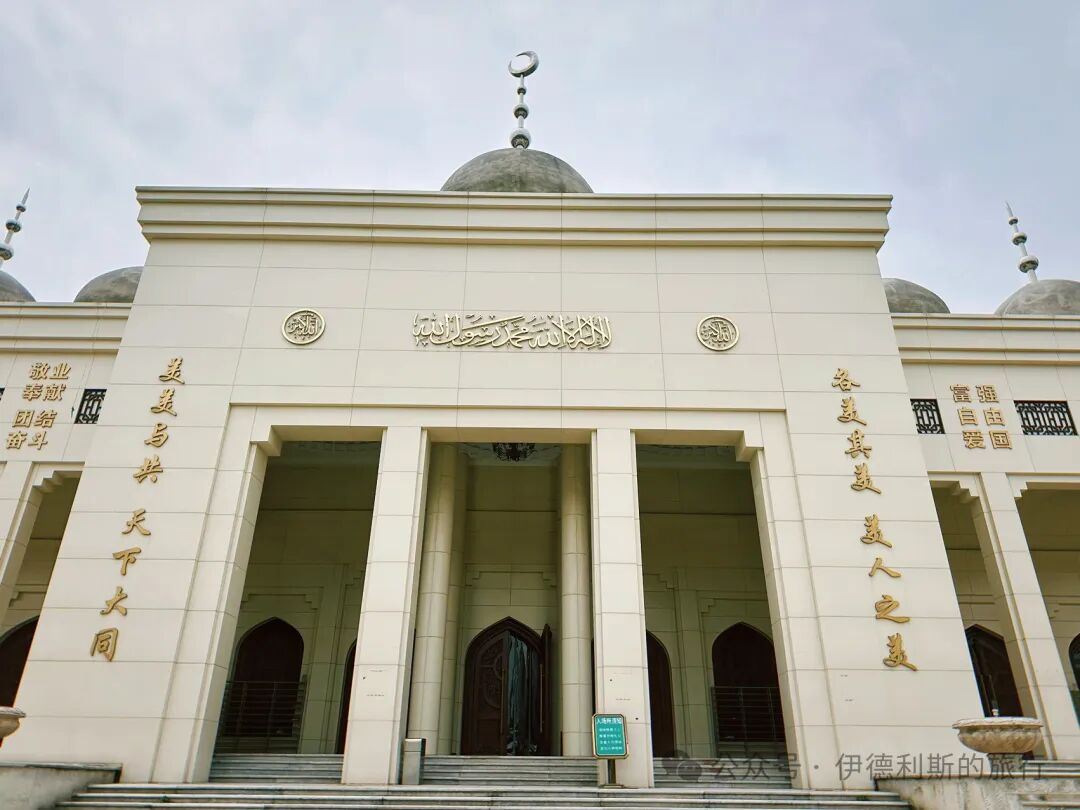
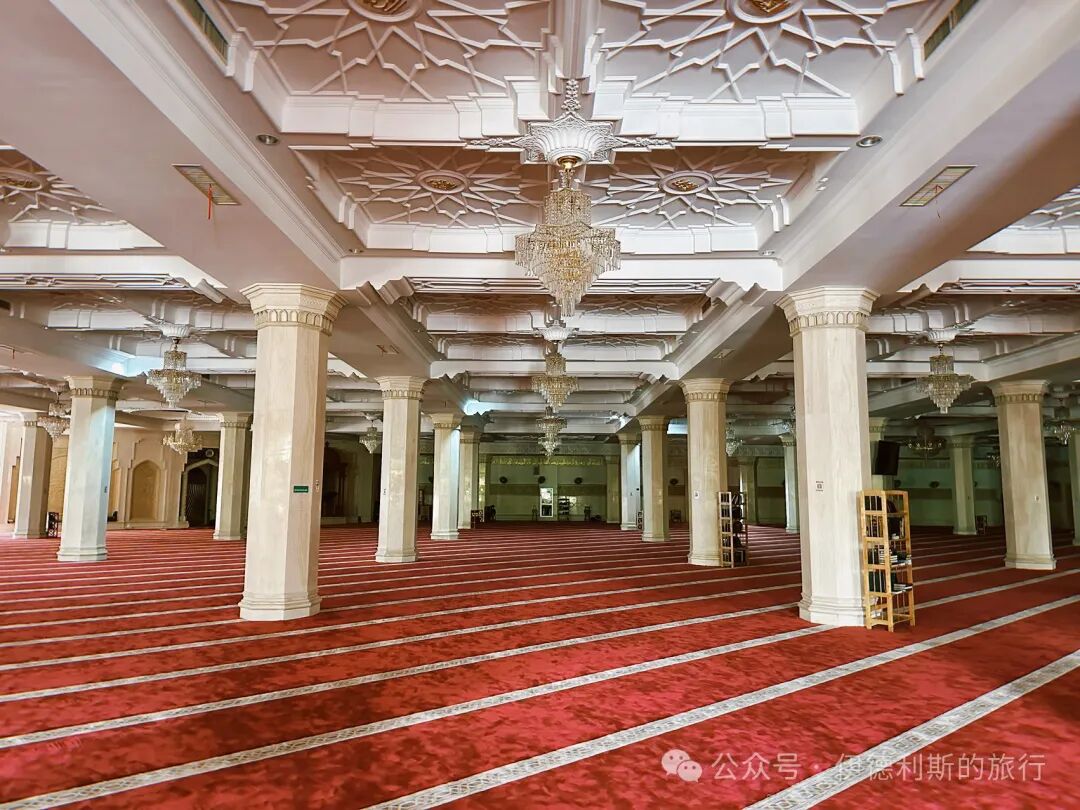
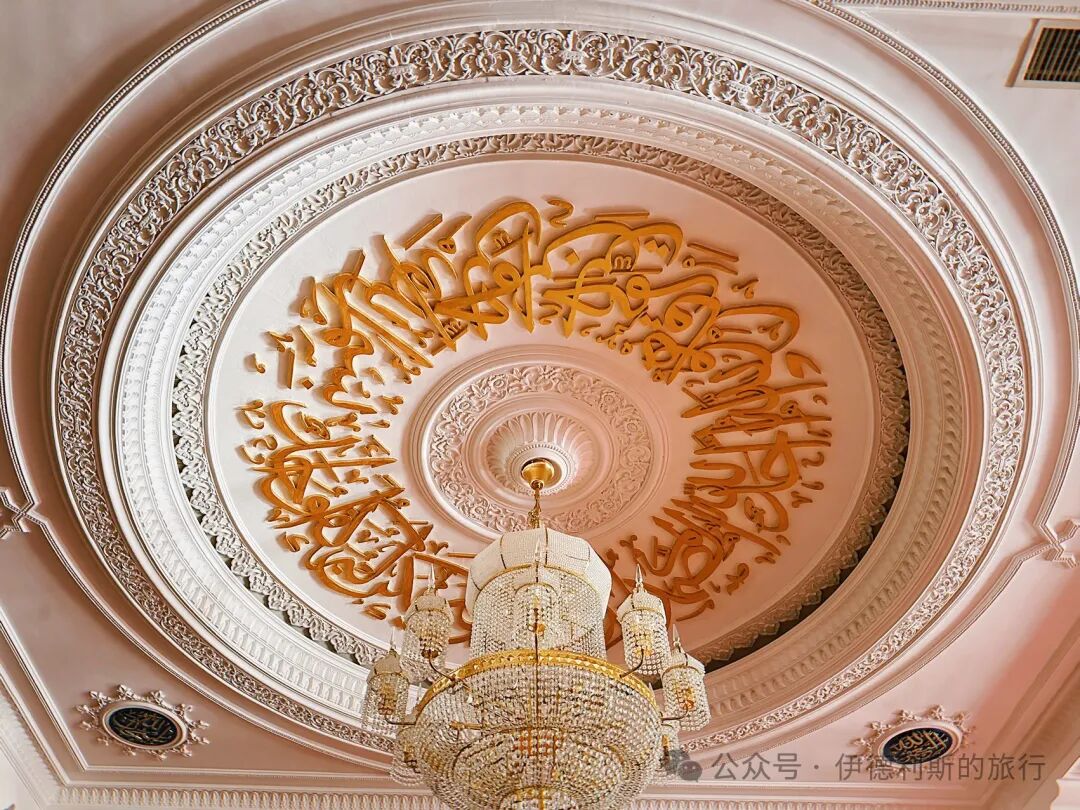
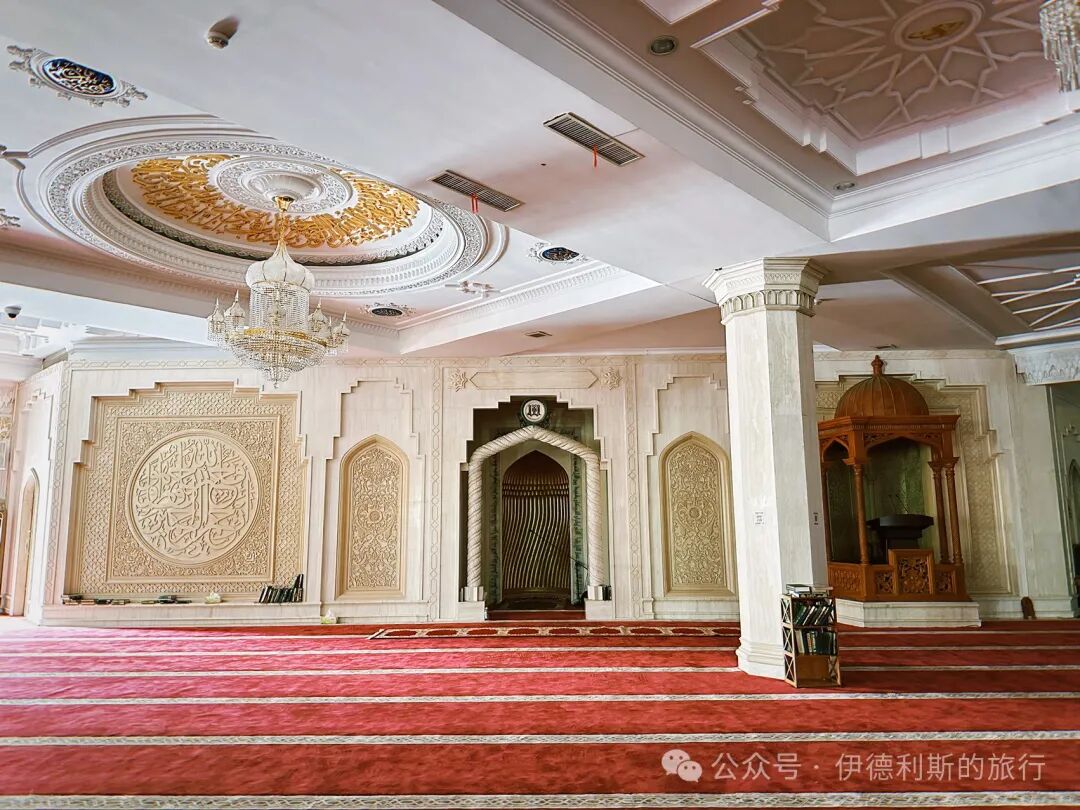
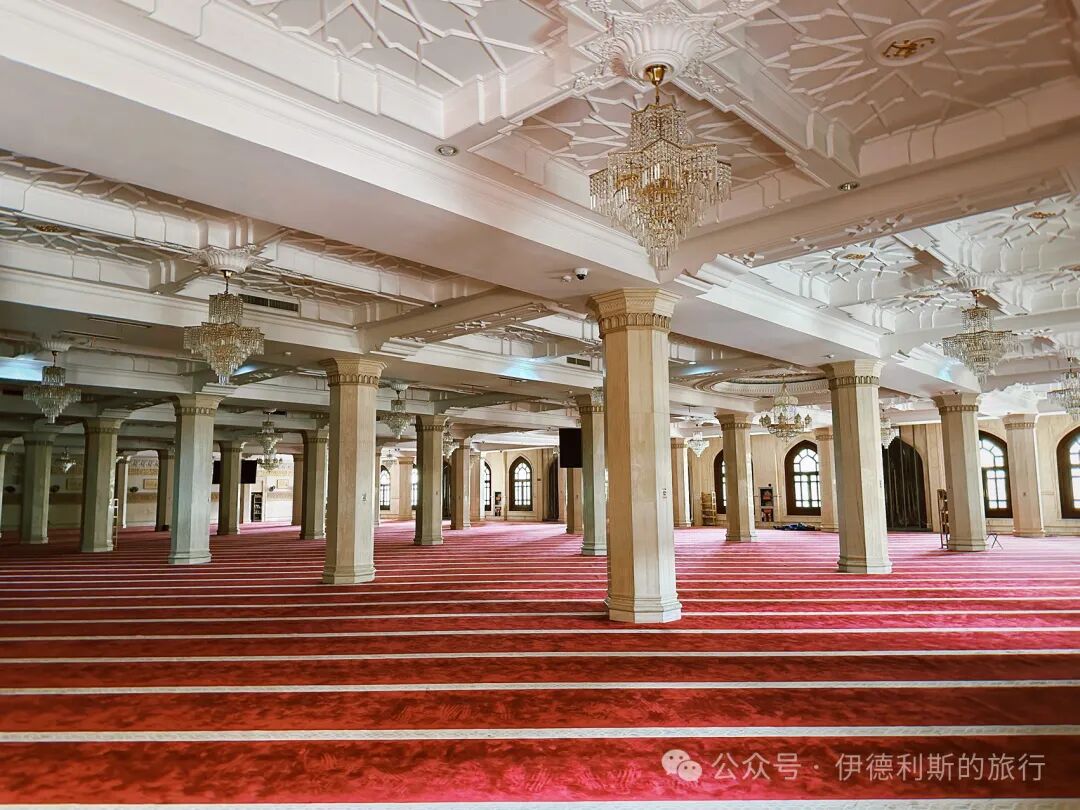
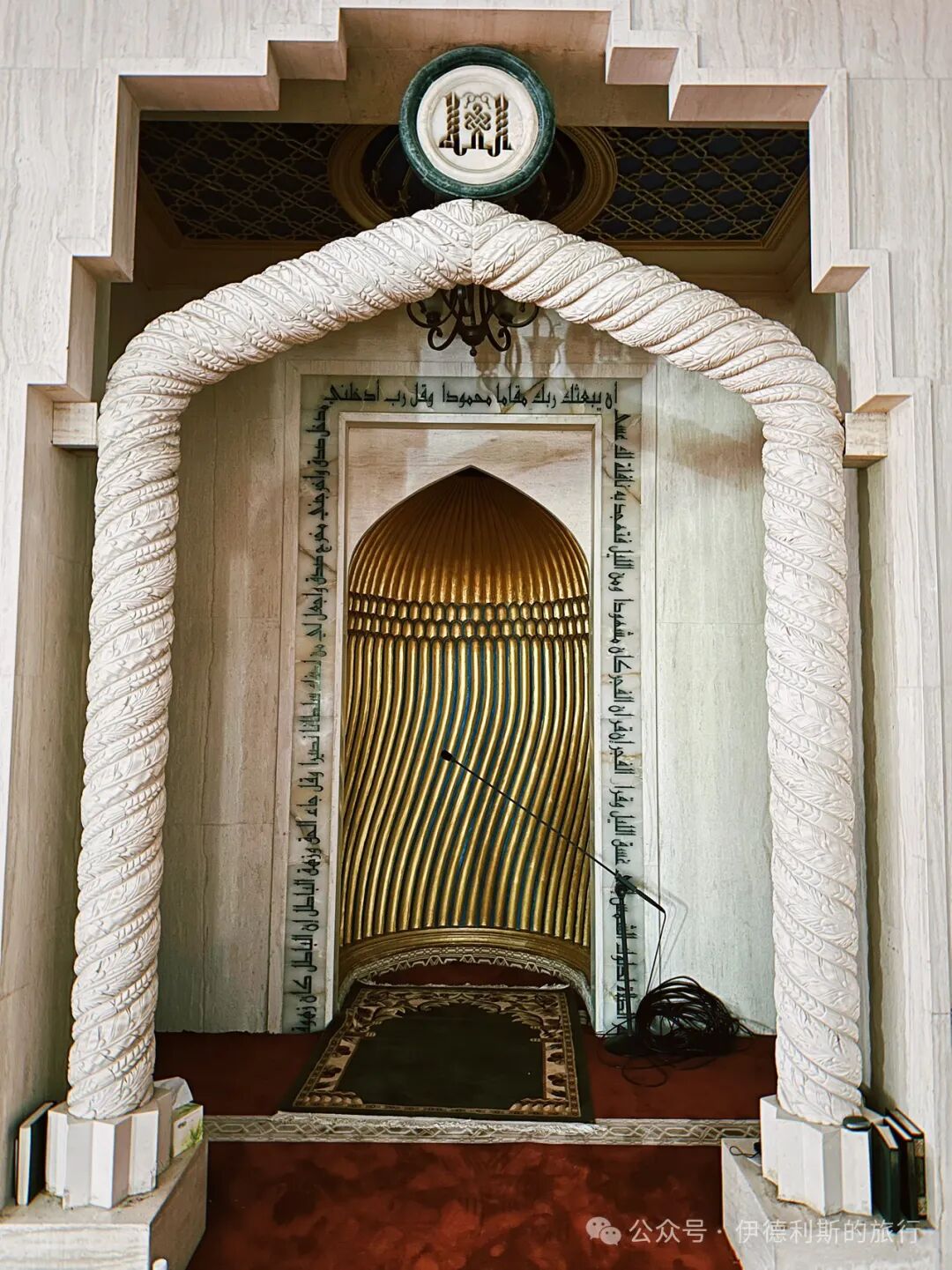
I rode my bike to the Yiwu Grand Mosque for noon namaz. Since this area is far from the trade city, people usually pray at local prayer spots and only come to the Grand Mosque for Friday prayers.
Yiwu set up two prayer spots in 2000 at the Xinjiang Ethnic Hotel and the Honglou Hotel, then in 2004 converted a Yiwu silk factory warehouse into a prayer spot, which was the predecessor to the Yiwu Grand Mosque. As Yiwu's small commodity economy boomed, more friends (dosti) came to do business, so the old silk factory warehouse was renovated in 2010 and officially completed in 2012 as the current Yiwu Grand Mosque.
In the evening, I ate authentic African food at Sina African Restaurant, located at the intersection of Street 8 in the Binwang Trade Area. The restaurant is owned by Mohammad Rifat, the Egyptian guy who runs Leifeng Juice; he has opened six Leifeng Juice shops in Yiwu over the past two years and also started this African restaurant. During this trip to Yiwu, I noticed there are clearly more Black faces than Arab faces in the Binwang Trade City, but the restaurants are still mostly Arab or Turkish, so Sina African Restaurant, which specializes in sub-Saharan African flavors, is very popular with Black friends (dosti).
We ordered South African stir-fried beef with melon seed soup and fufu, fried tilapia with cassava flour (atteke), and the classic avocado, nut, and date milkshake from Leifeng Juice. To be honest, even though I have visited 20 countries, this is the only meal I really struggled to get used to. Even though it was hard to get used to, I think it is worth trying if you want to understand the local food culture.
Fufu is a classic staple food in West and Central Africa, and the name Fufu actually means to pound. The main ingredients for fufu vary by region, but it is usually made from cassava, yam, or plantain. Nowadays, people can also use flour or rice, but it is still typically made by pounding the ingredients with a wooden spoon in a bowl. In West and Central Africa, fufu is usually served with okra, fish, and tomato soup. To eat it, wash your hands first, then take a piece of fufu and roll it into a ball with your right hand, press a small dent into it, and scoop up the soup to eat. The fufu I chose came with a soup made from ground egusi seeds, a West African specialty, stewed with bitter leaf. Bitter leaf, scientifically known as Vernonia amygdalina, is a shrub that grows in tropical Africa and has a very bitter taste. Bitter leaf (kuye) is the main vegetable used in various stews and braised dishes across equatorial Africa, and it is also the most traditional stewed vegetable dish in Nigeria.
Atteke is a classic West African side dish for fried fish, originally from southern Ivory Coast. Atteke is made similarly to North African couscous, but it uses fermented cassava pulp instead of semolina.
Although Chinese people might not be used to the African food at Sina's place, everyone is sure to love the Leifeng juice. Zainab especially likes their avocado and date milkshake; the dates really add a great flavor to the shake. But you only need a small cup of this high-calorie drink.
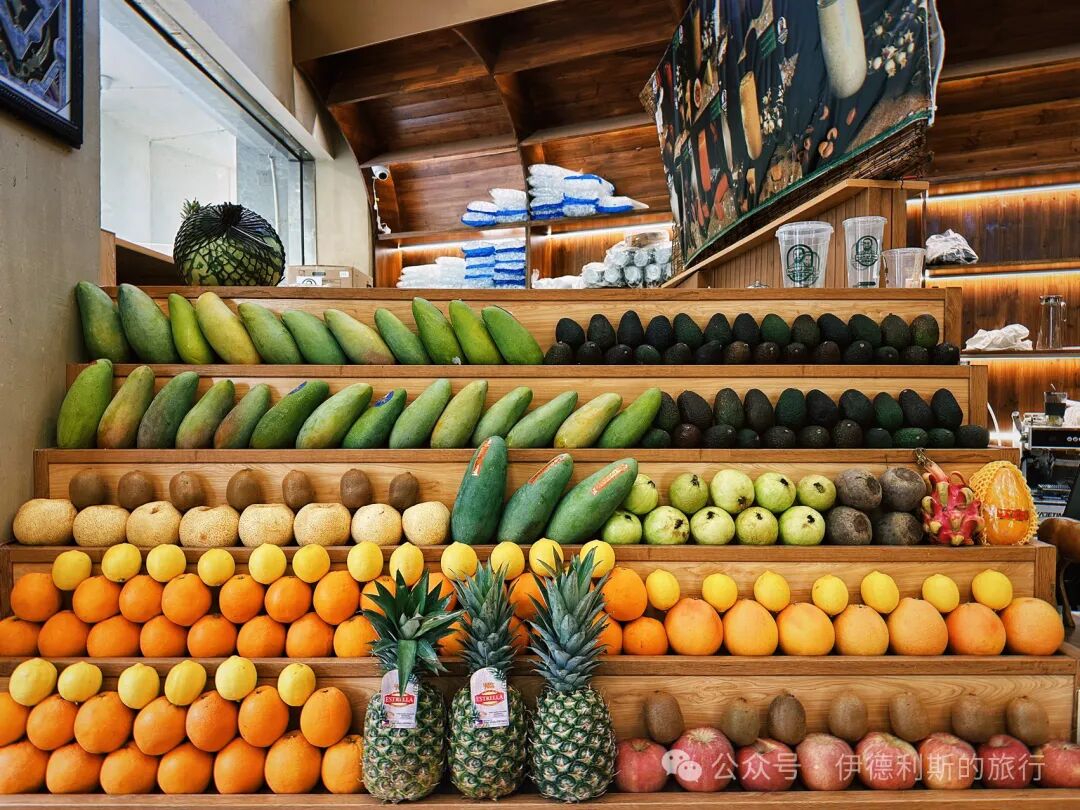
I went for a walk in the Binwang business district in the evening. The Xinjiang Golden Poplar (Jinhuyang) specialty restaurant at the intersection of Chouzhou North Road is really popular, and there are a lot of people eating barbecue there at night. Their fresh juice stand at the street corner is also very popular. We ordered a mix of orange and pomegranate juice. They used three oranges and two pomegranates to fill one cup without adding a single drop of water, so the flavor was really rich.
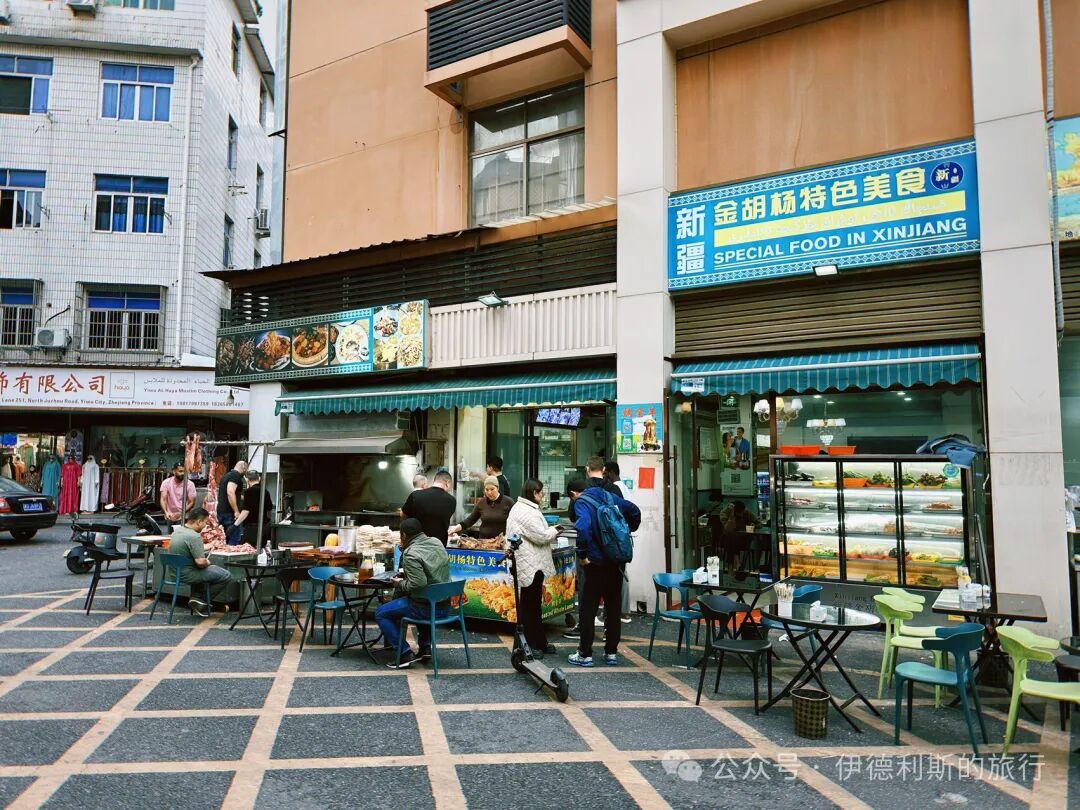
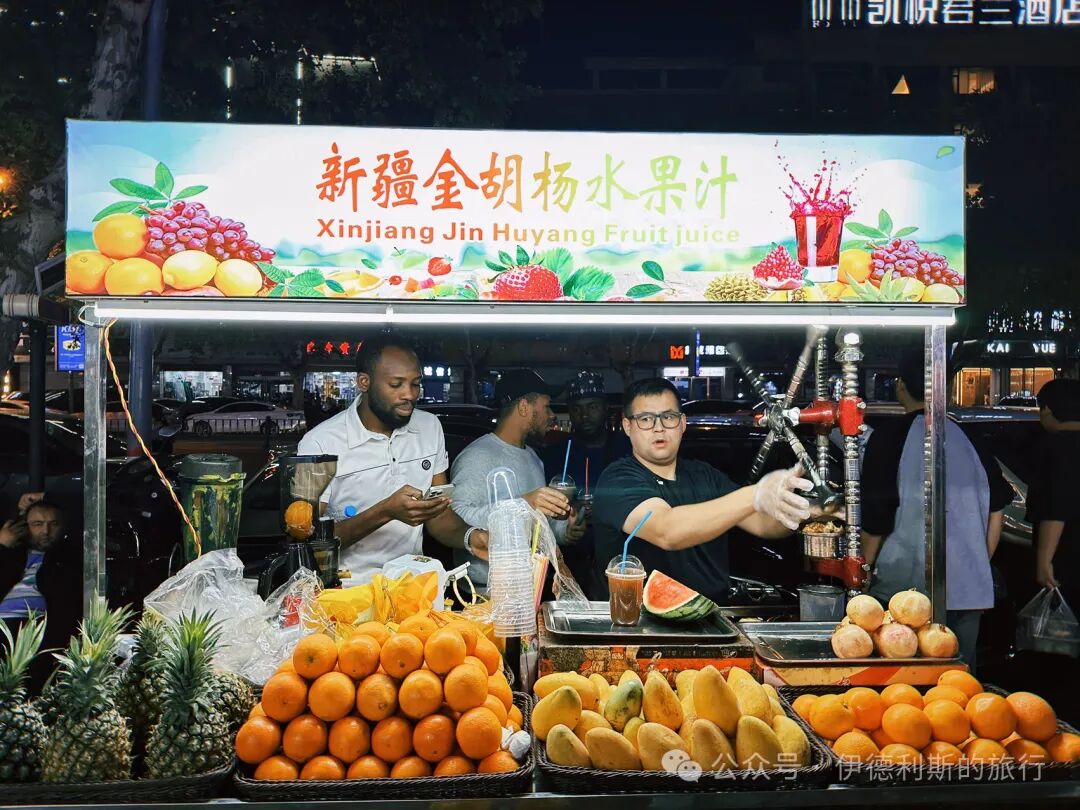
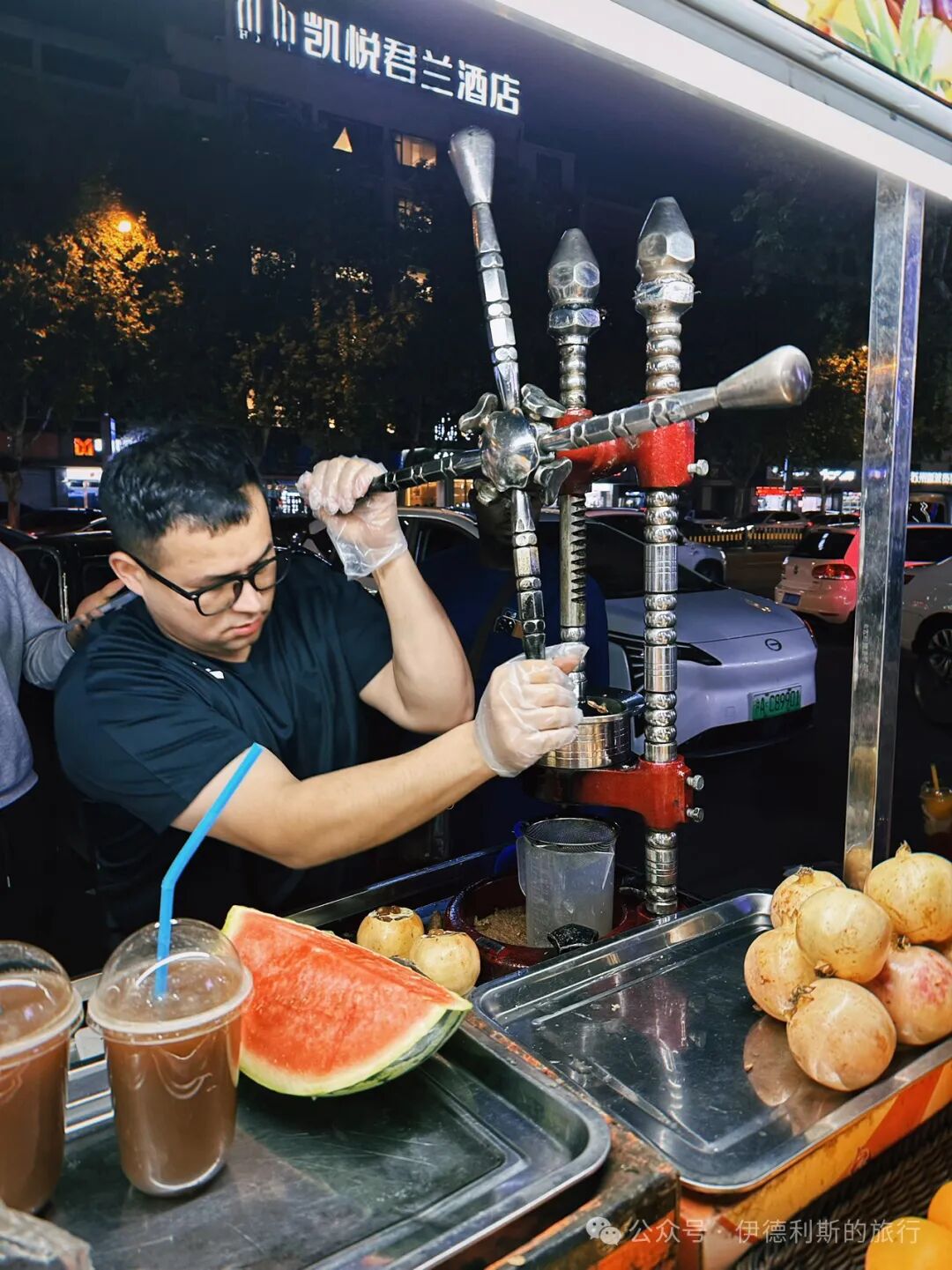
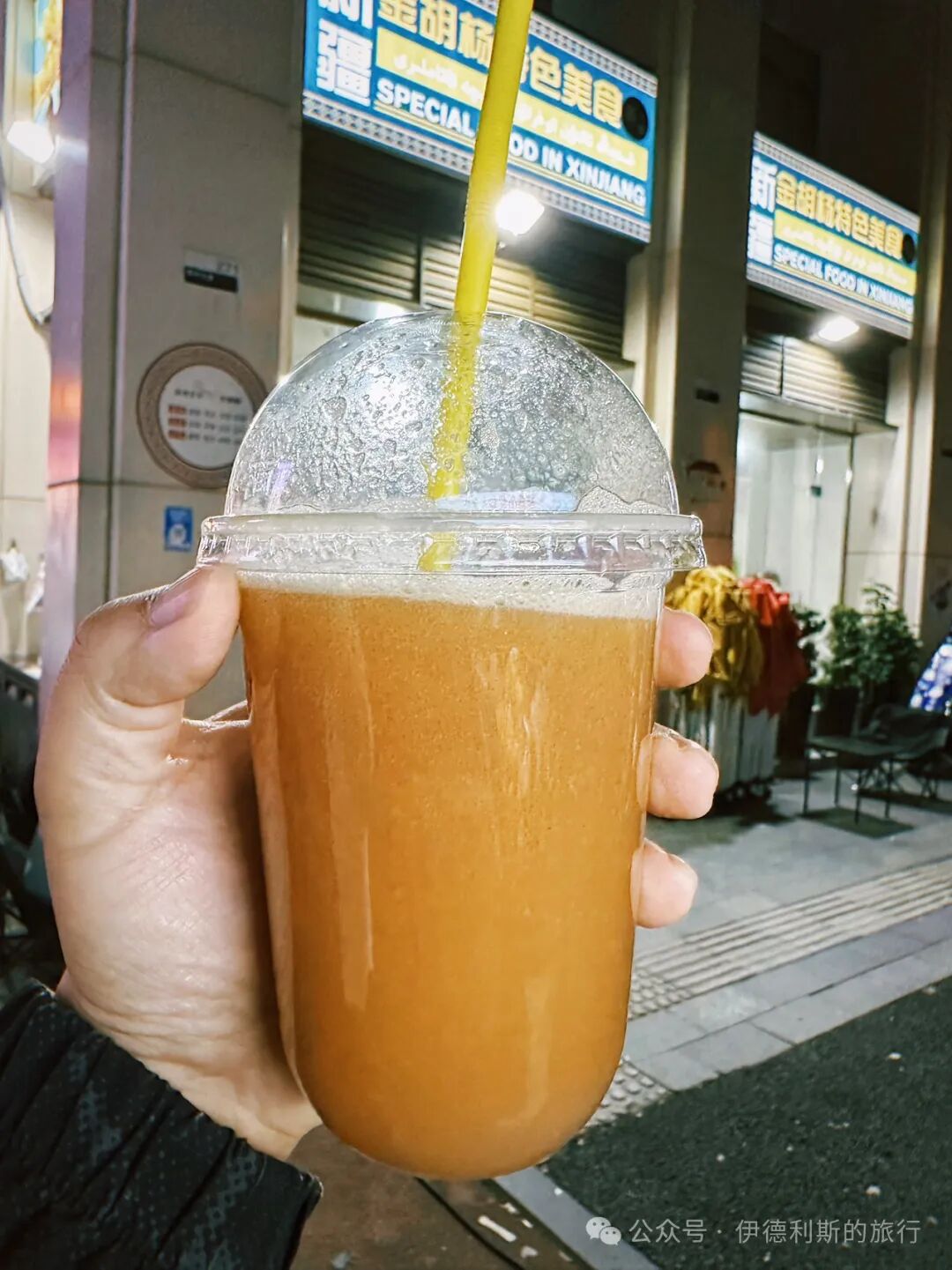
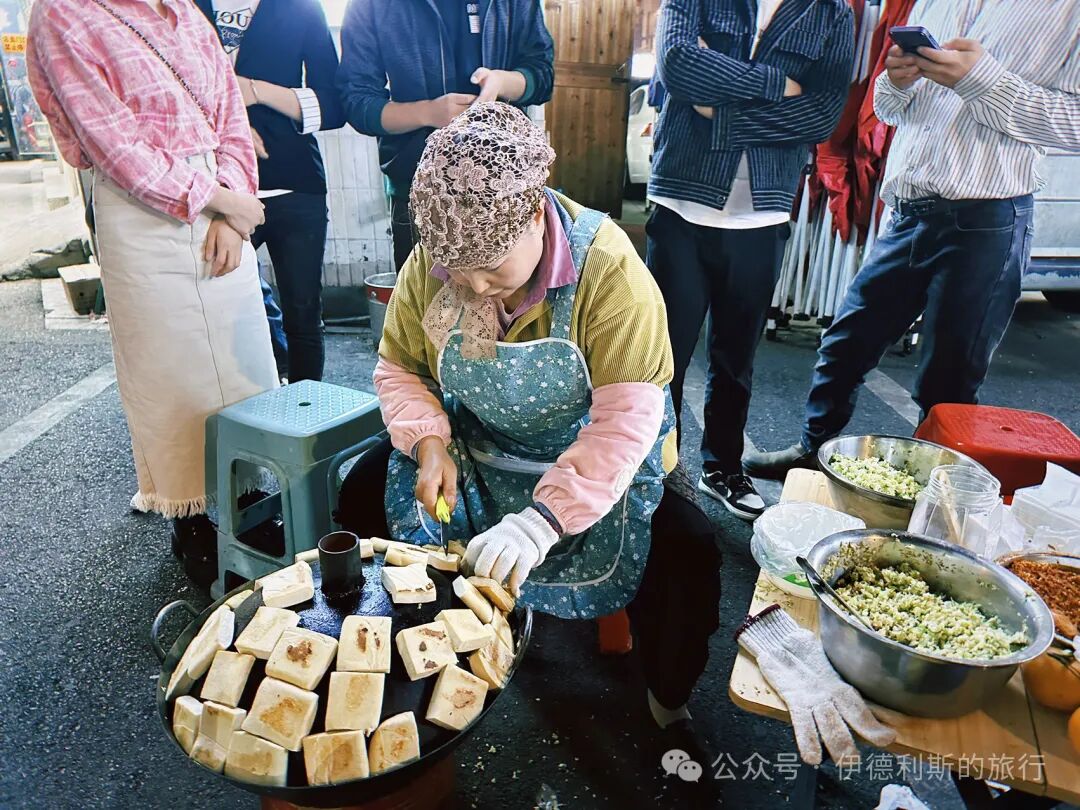
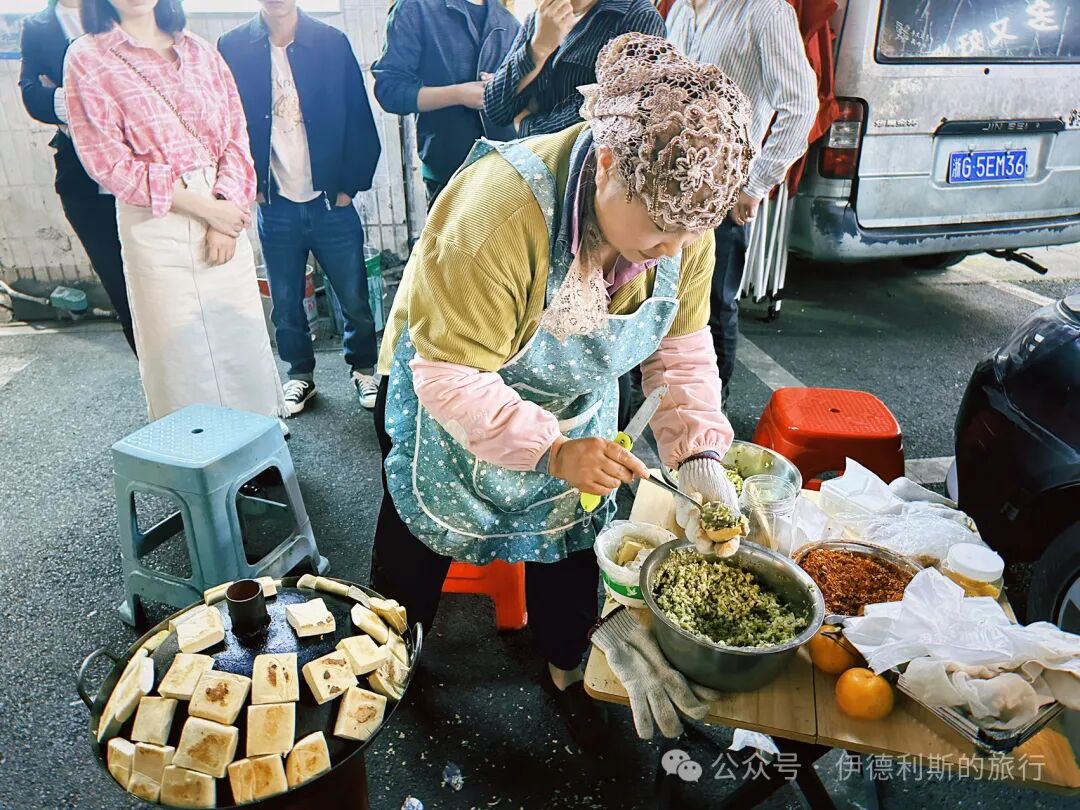
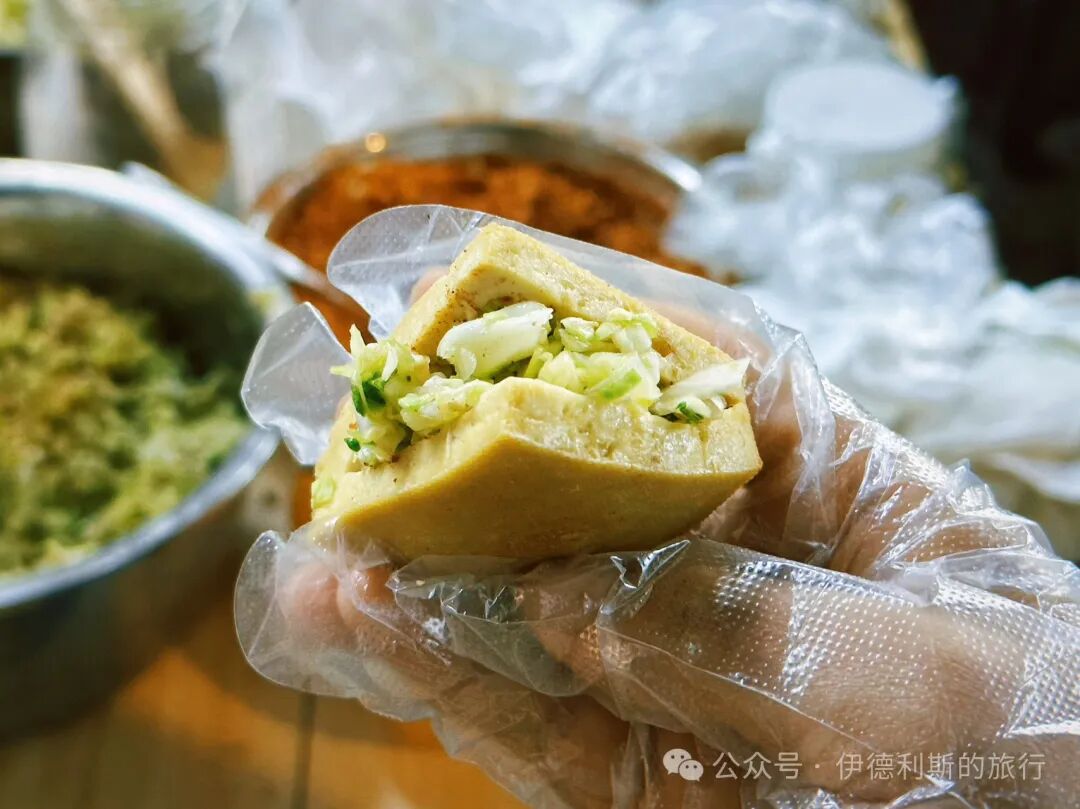
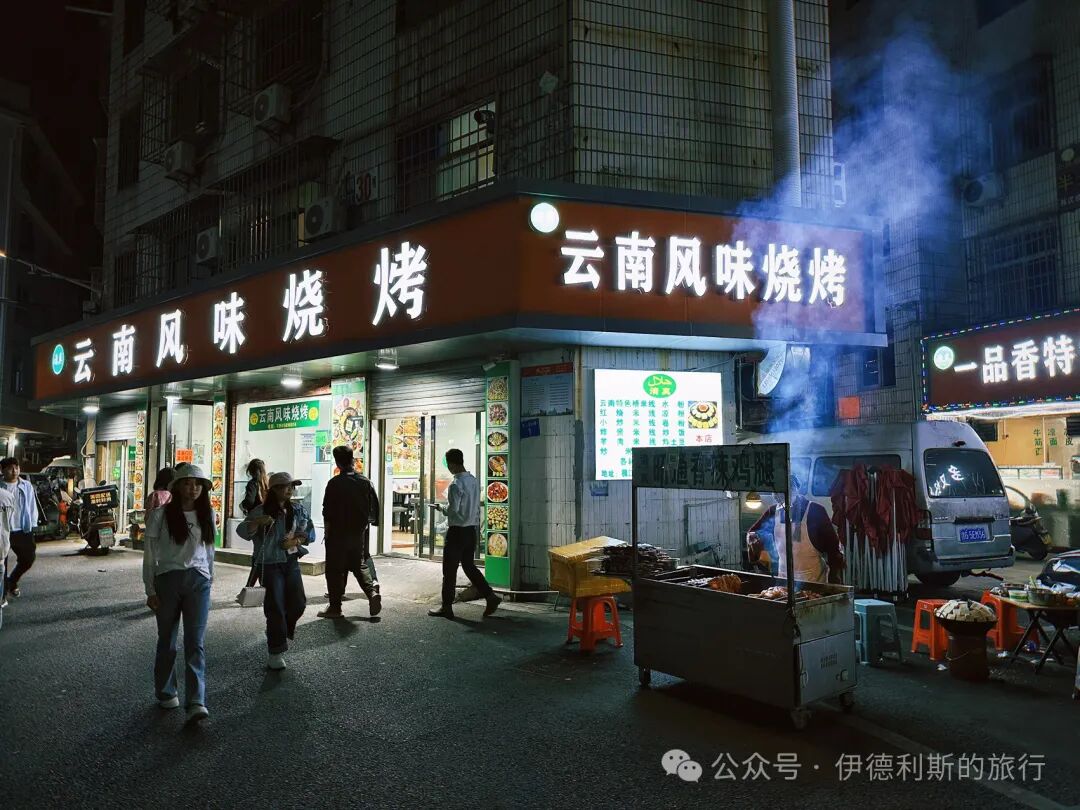
There are many Hui Muslims from Yunnan in the Binwang area. You can see Hui Muslim sisters from Yunnan working as servers in all the Middle Eastern restaurants. There are many Yunnan restaurants in the small alleys of Yijiashan, across from Binwang. The Yunnan-style barbecue place at the intersection of Chouzhou North Road is especially popular. The restaurant has a stall out front selling Zhaotong spicy chicken legs and grilled tofu (shaodoufu). We ordered a few pieces of grilled tofu. They sliced them open and added fish mint (zhe'ergen), pickled vegetables (suancai), and chili powder. I asked for it to be less spicy, but my mouth was still on fire. It was so satisfying, haha.
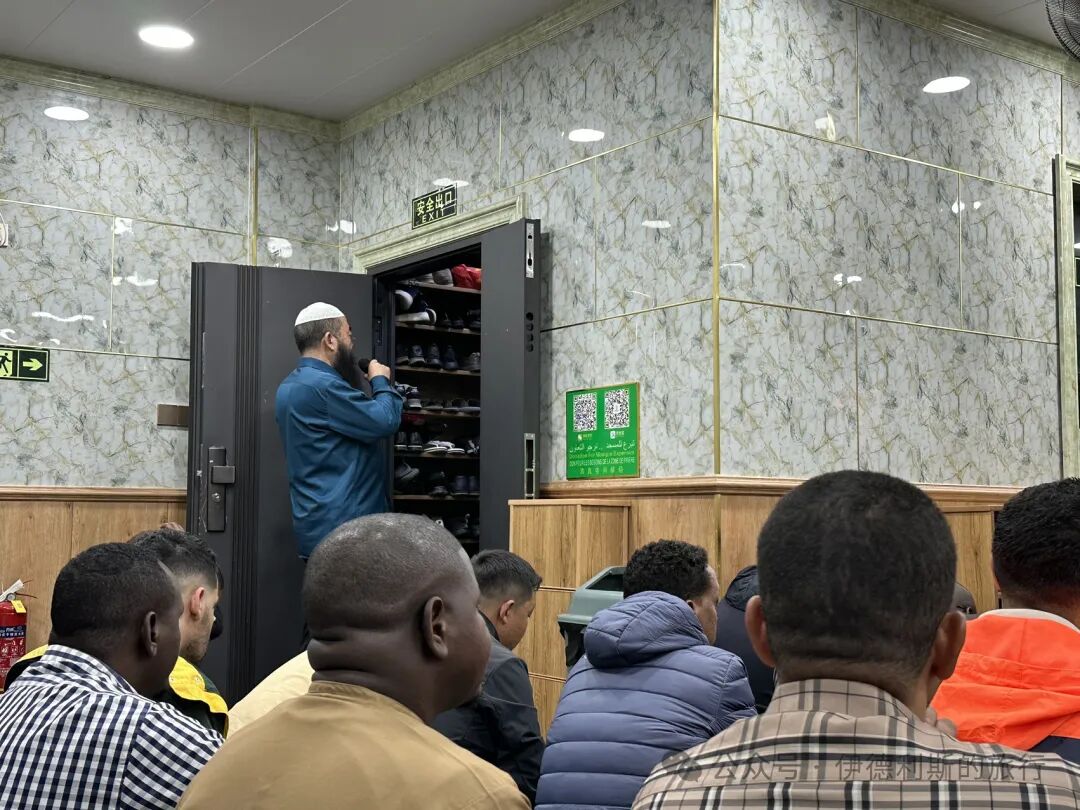
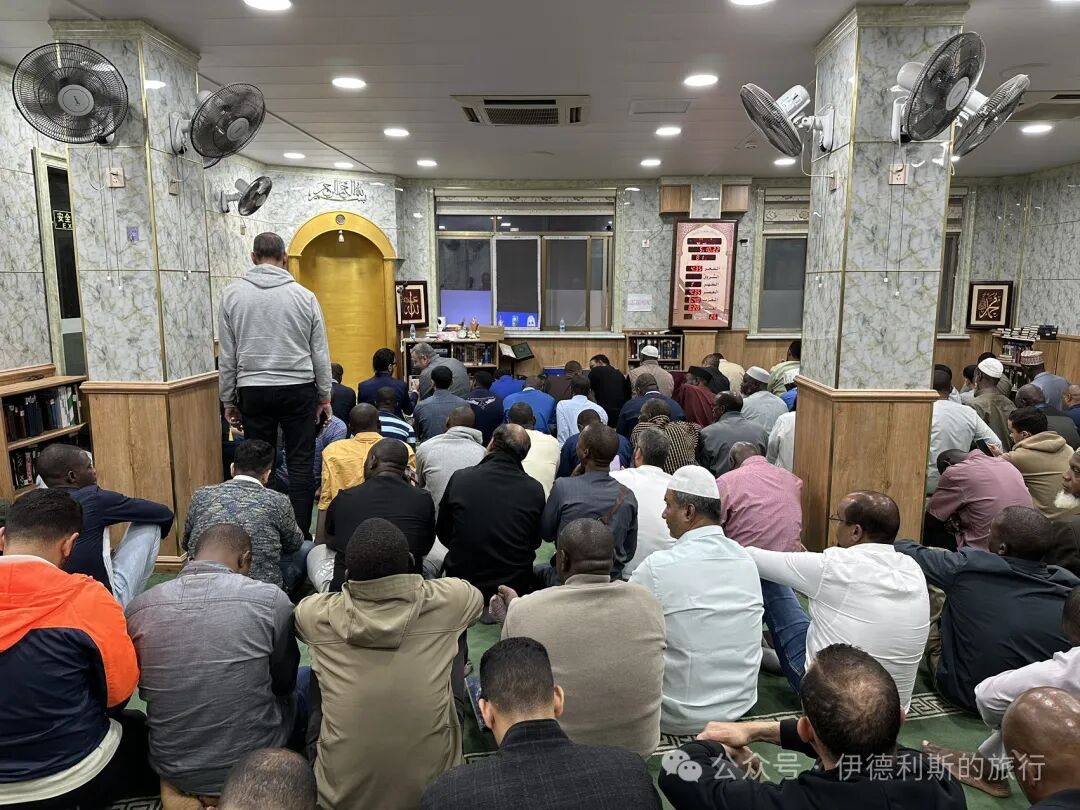
The prayer spot in the Binwang business district was packed with people at the lishamu and hufu stalls. Most of them were African friends (dost) who came here for business. After the second floor filled up, the imam guided everyone to the third and fourth floors, and eventually, we went all the way up to the fifth floor.

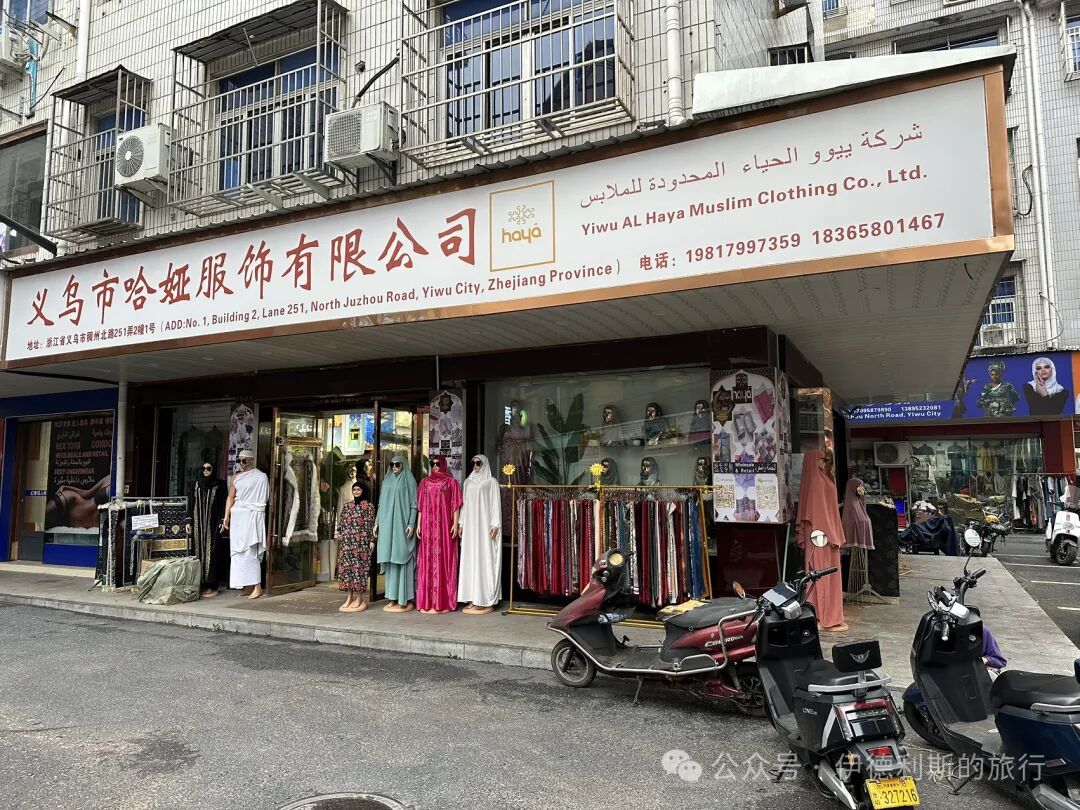
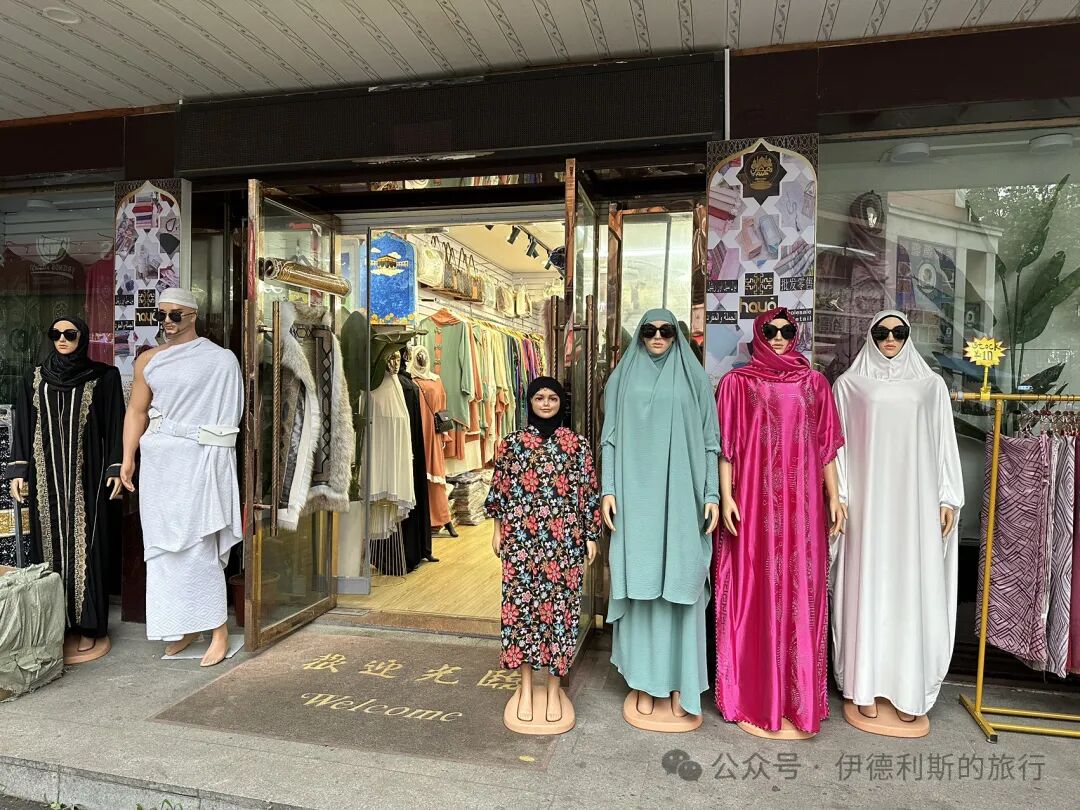
The Haya clothing store at the entrance of the Binwang business district prayer spot has many Middle Eastern outfits, and we bought several pieces.
Many new Middle Eastern restaurants have opened in the Binwang Trade Area. It is much busier than when I visited two years ago. I even saw Iraqi barbecue, which I want to try next time.
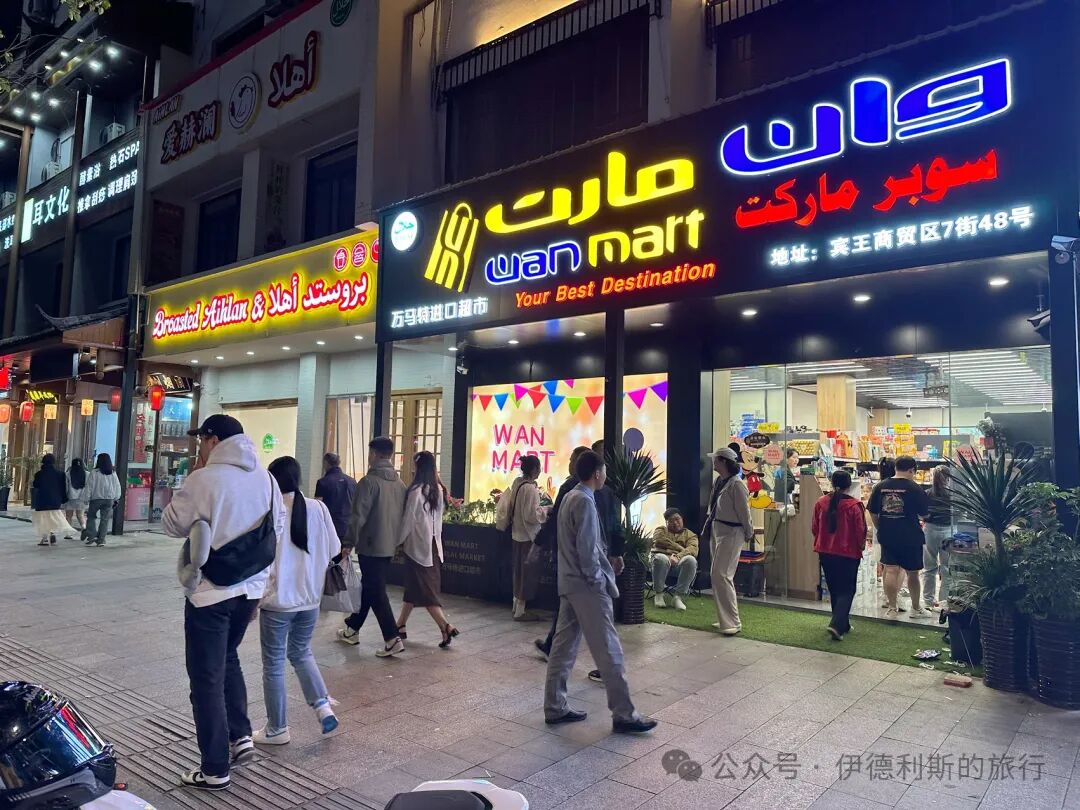
I drank a Dubai malt beverage.
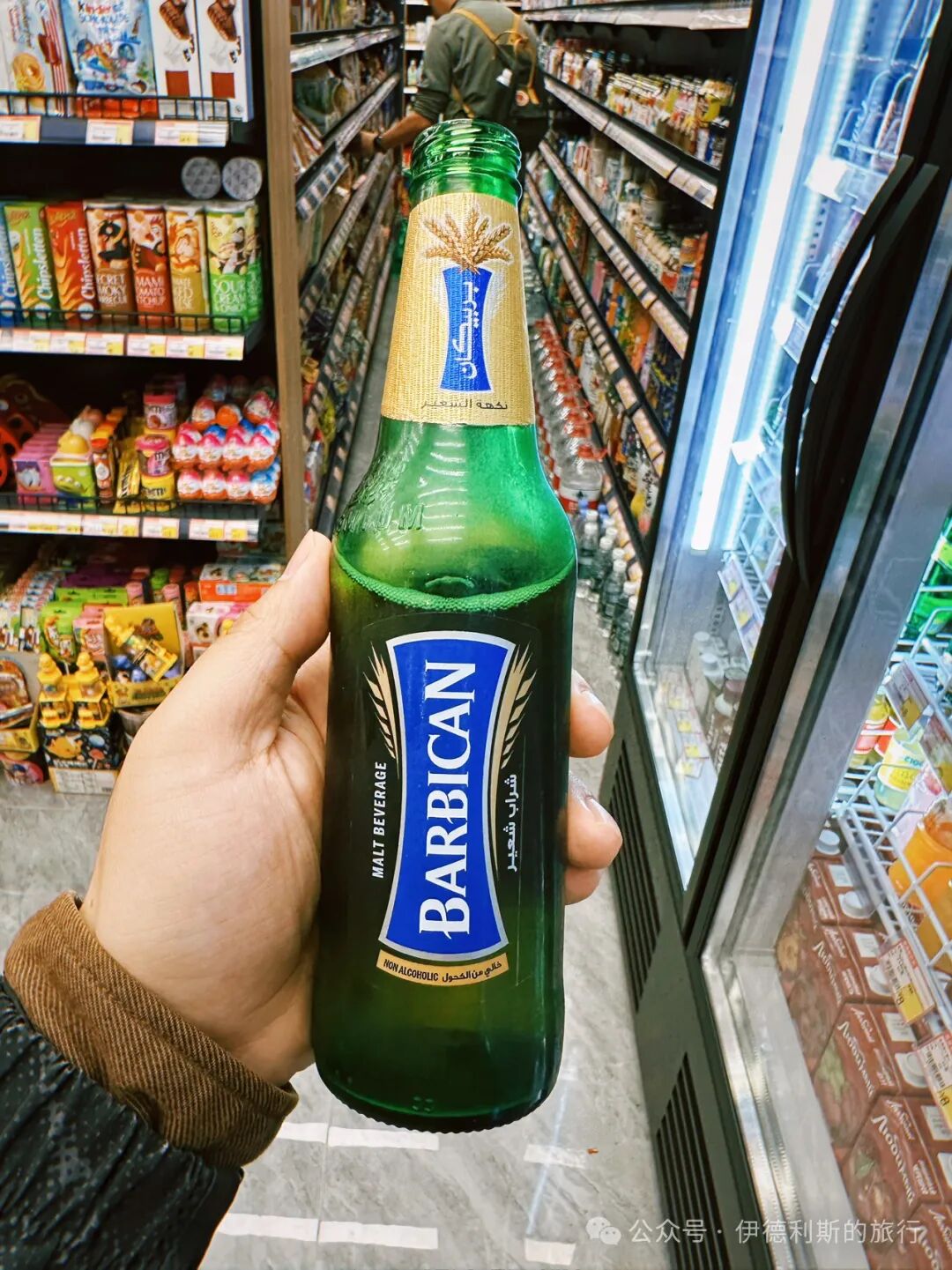
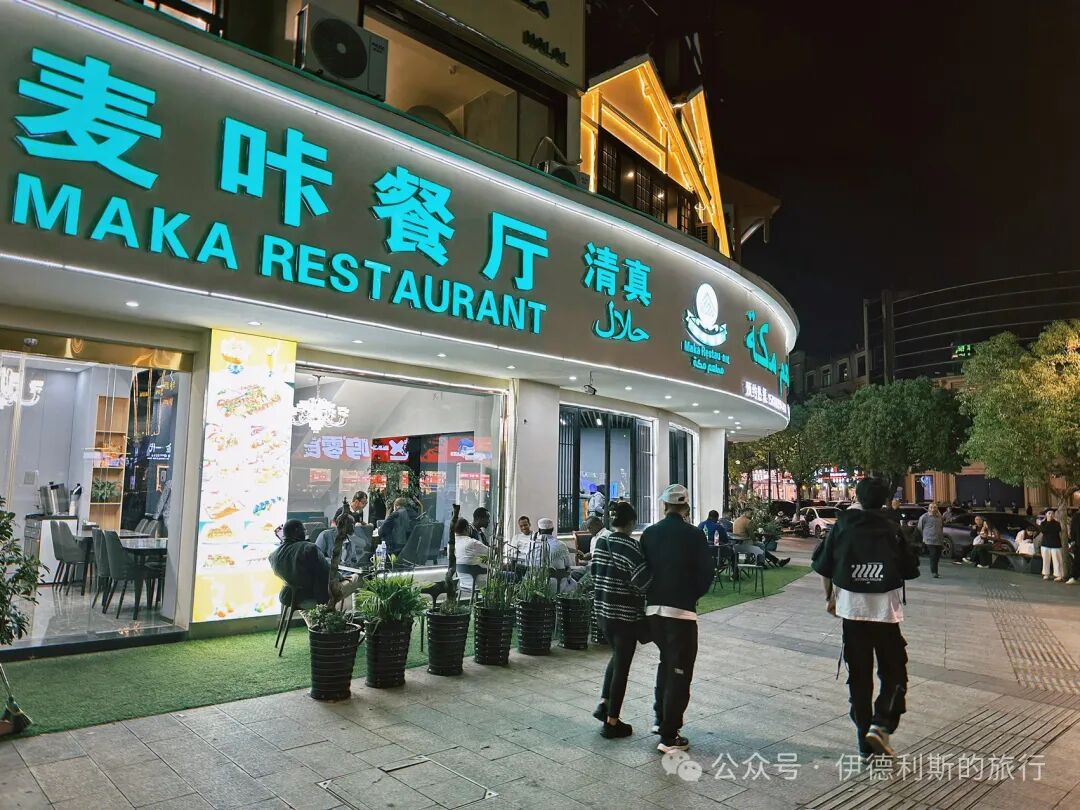
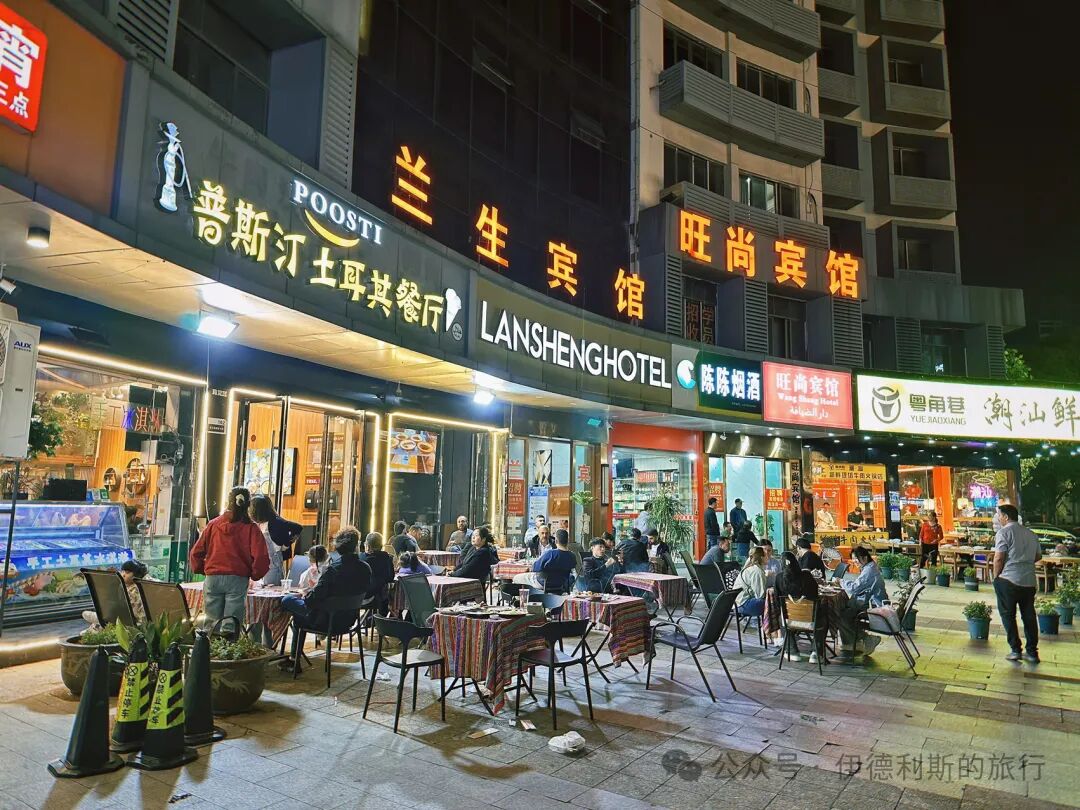
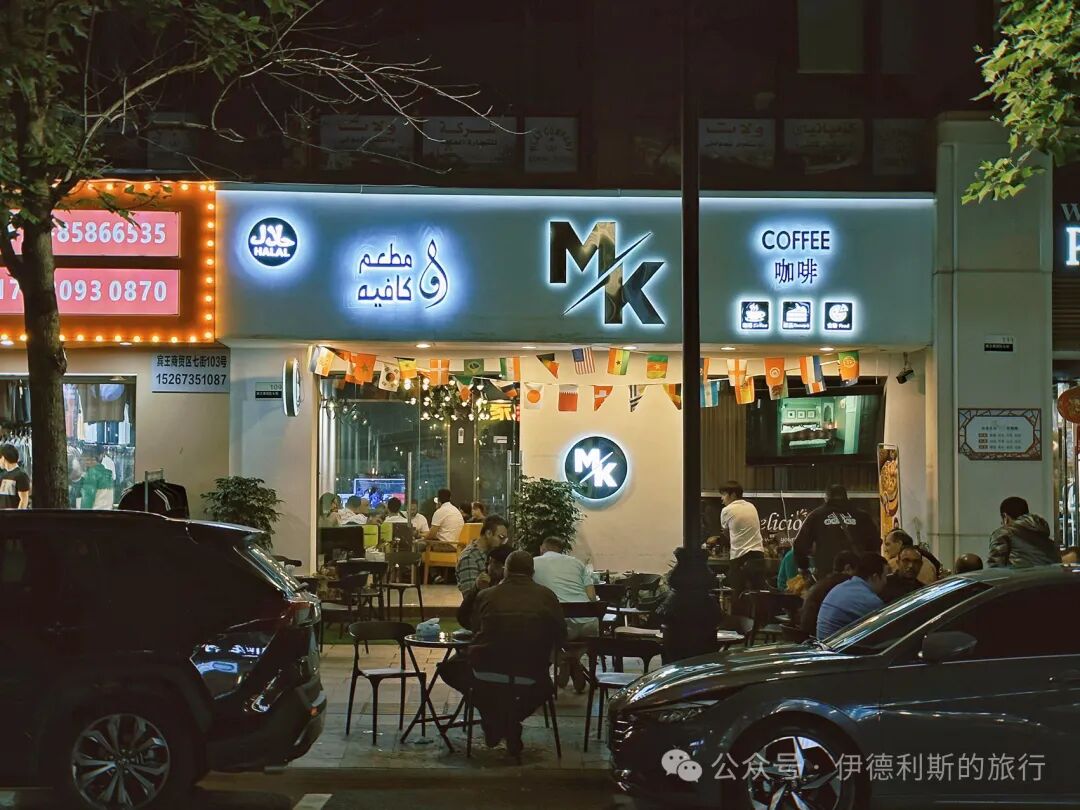
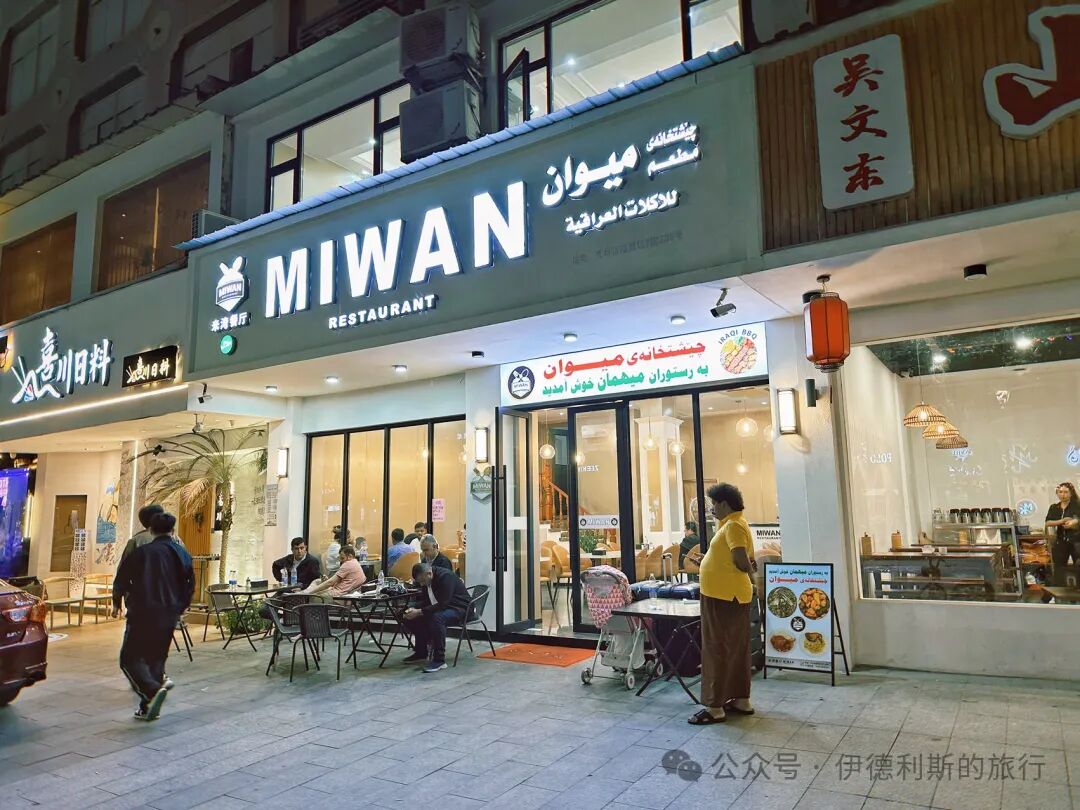
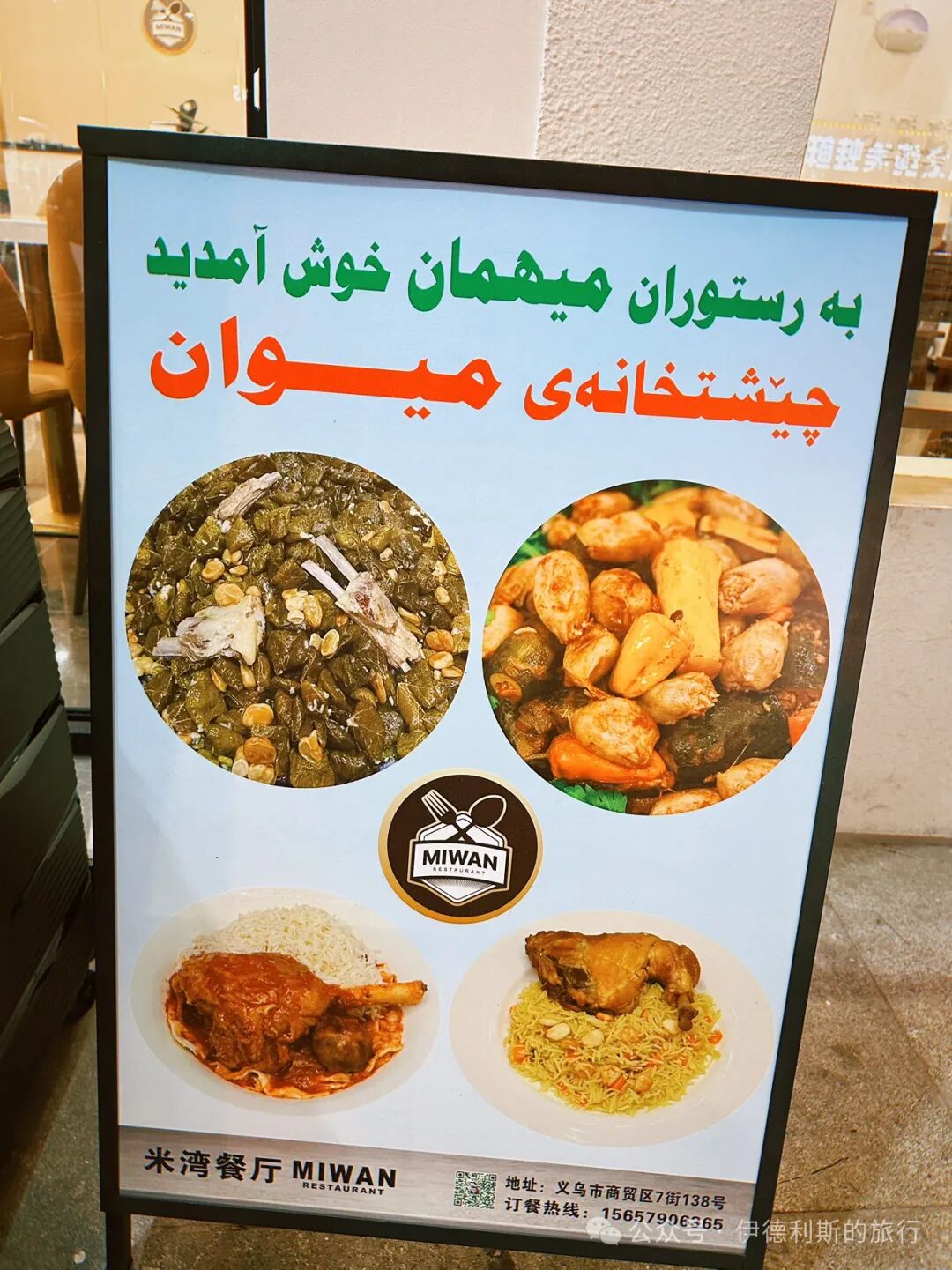
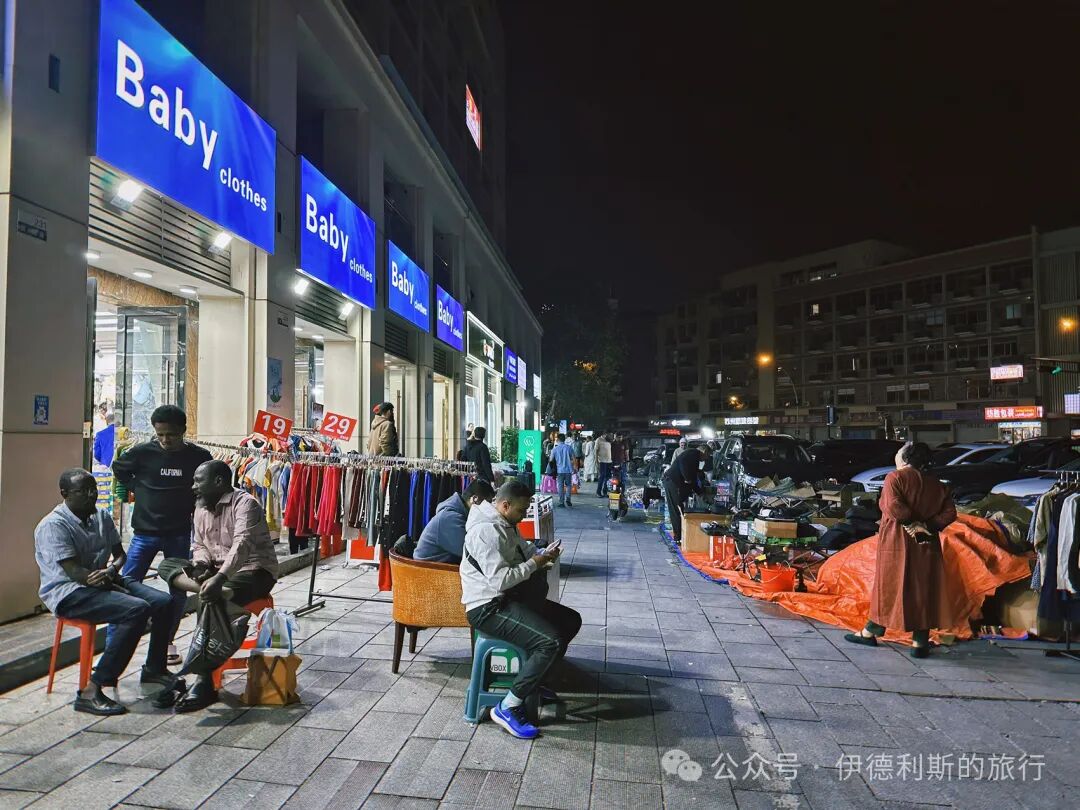
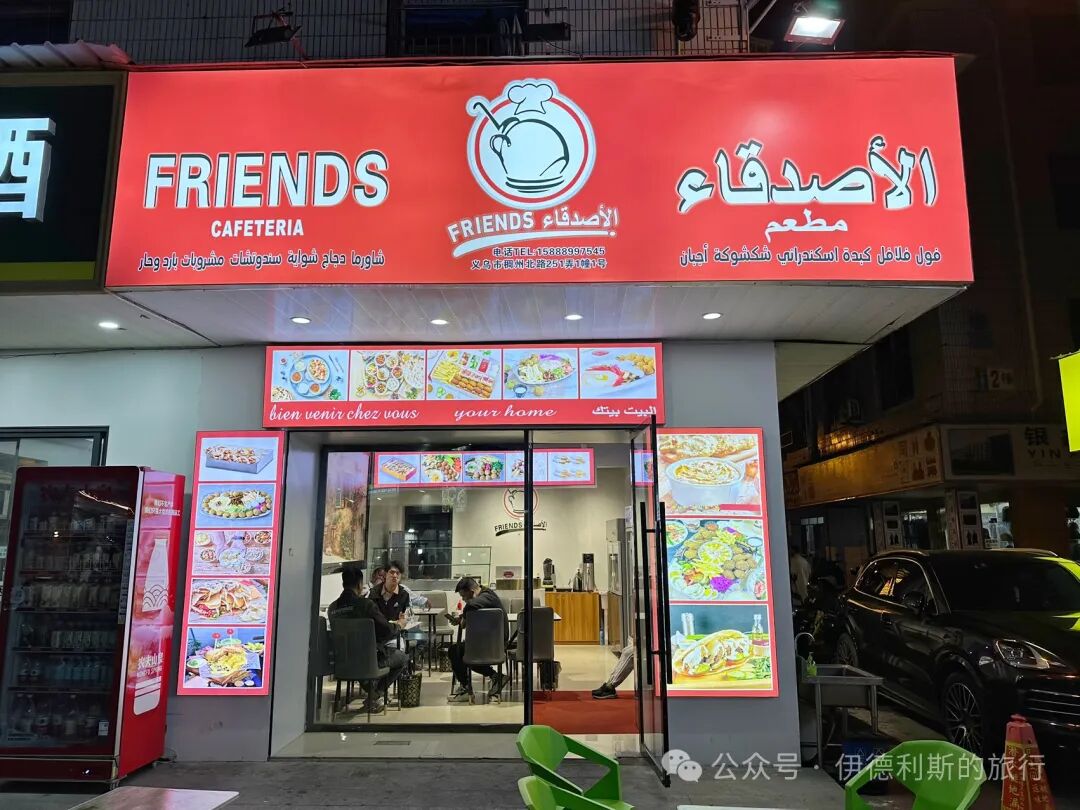
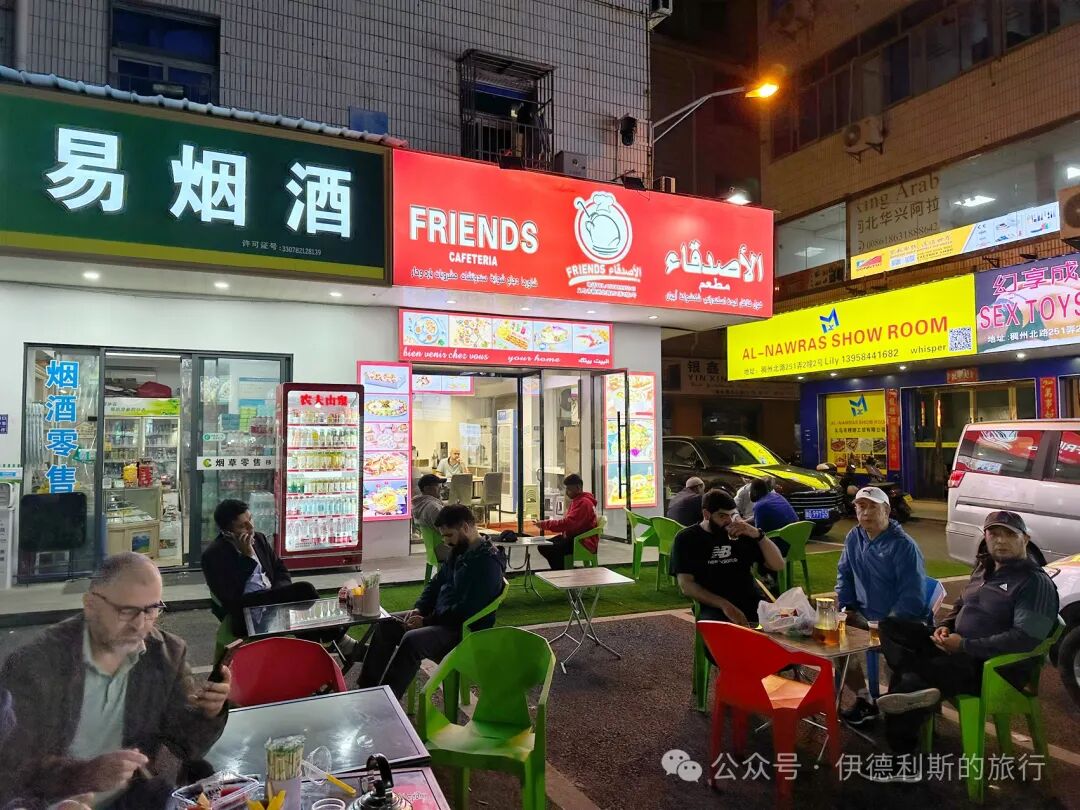
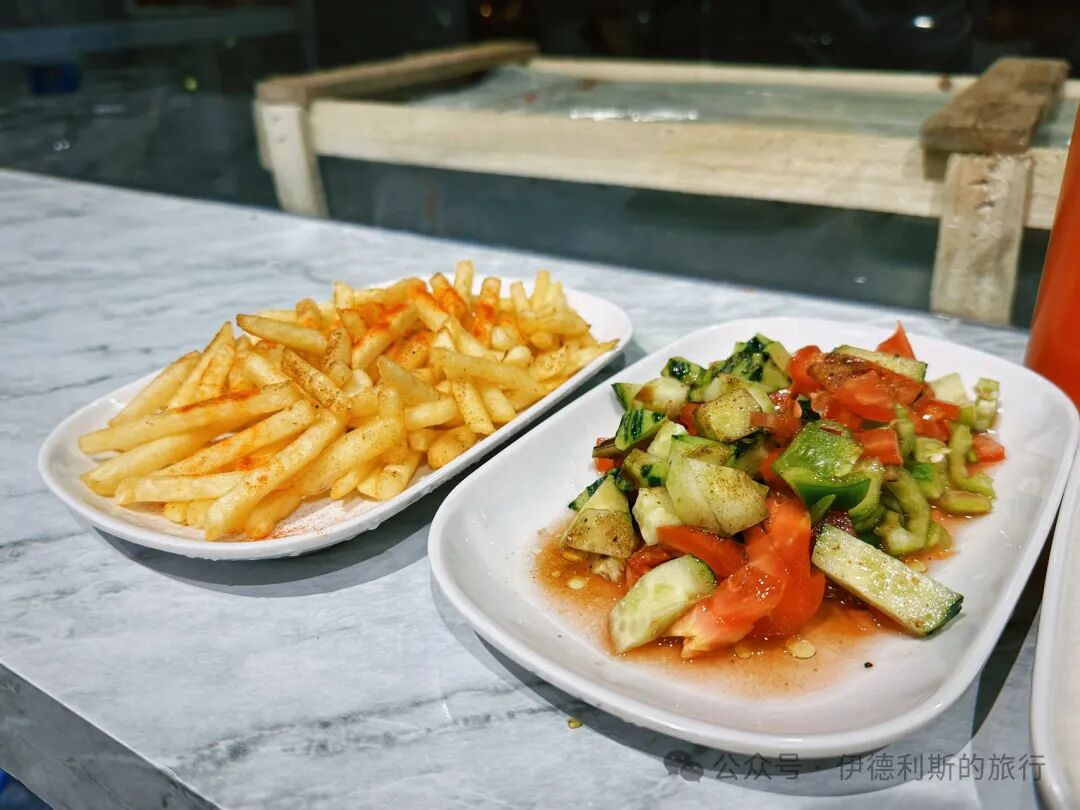
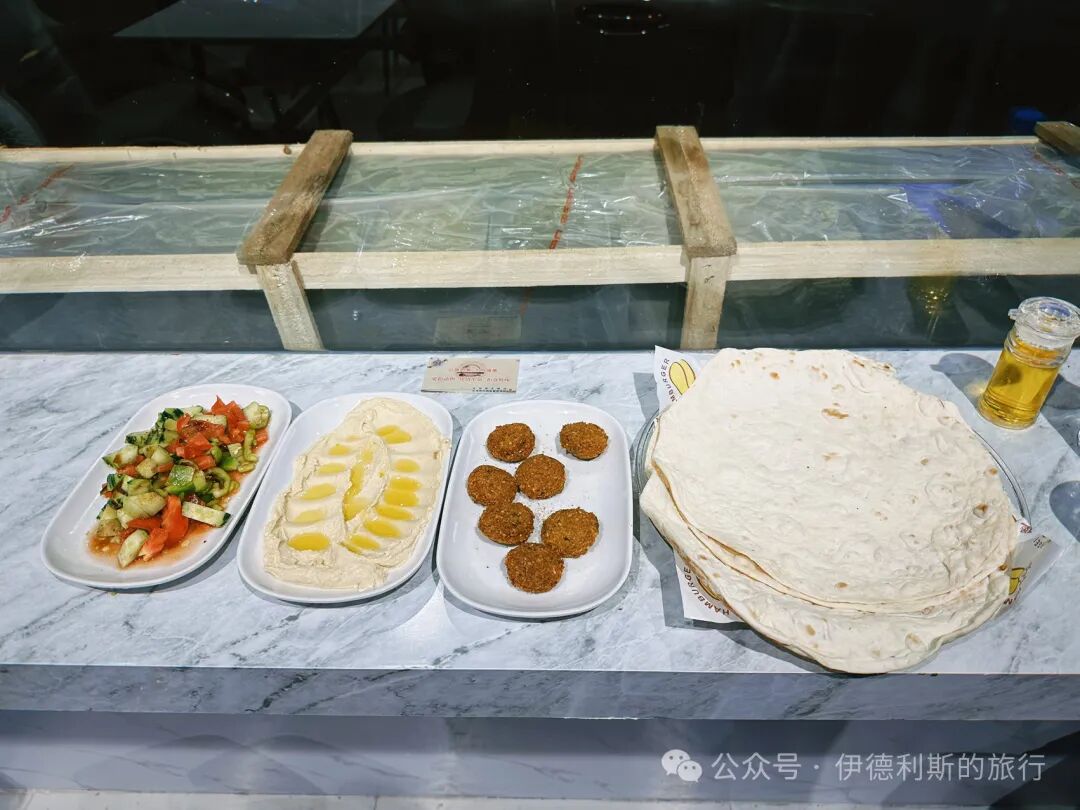
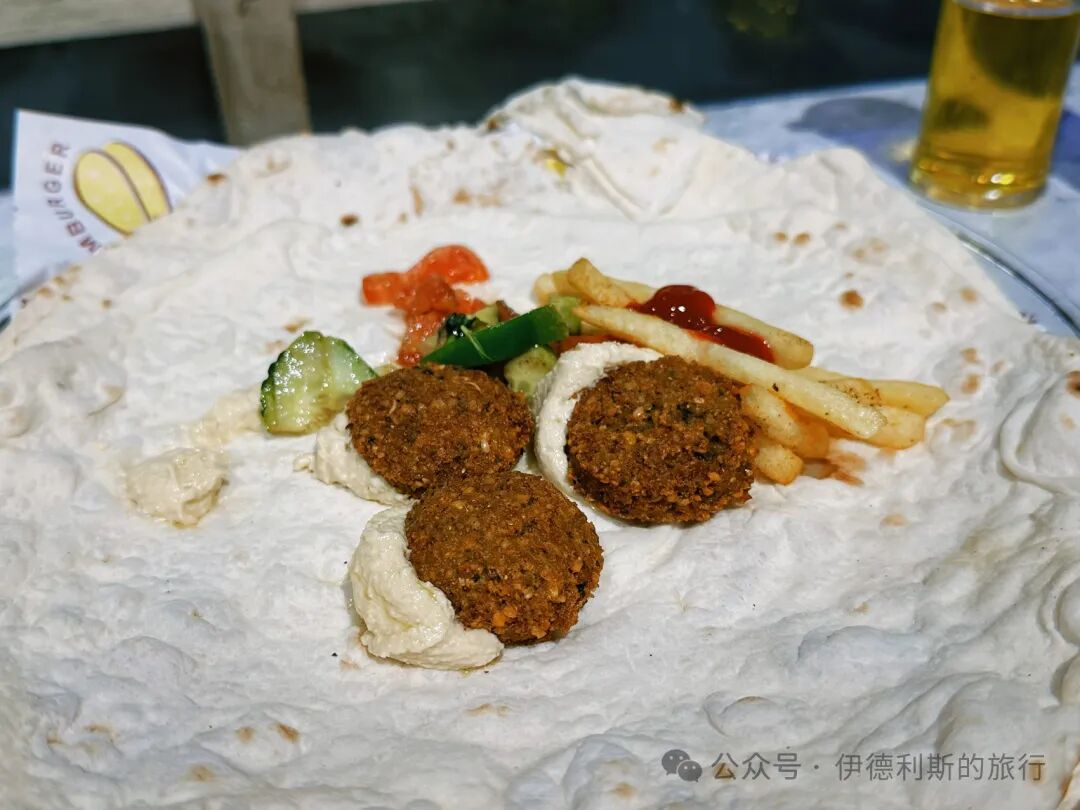
A new Egyptian snack shop called Friends opened across from the prayer spot in the Yiwu Binwang Trade Area. It is a great place for a late-night snack after visiting Hufu Beach. The shop is very affordable. We ordered a 45-yuan set meal that came with a plate of fried chickpea balls (falafel), a plate of chickpea dip (hummus), a plate of cold mixed vegetables, a plate of french fries, a plate of boiled eggs, and a plate of Arabic flatbread. Rolling everything into the flatbread makes you feel like you are on a street in the Middle East.
They also use the same vinegar bottles found in local Chinese snack shops, but they filled them with olive oil. That is very Yiwu!
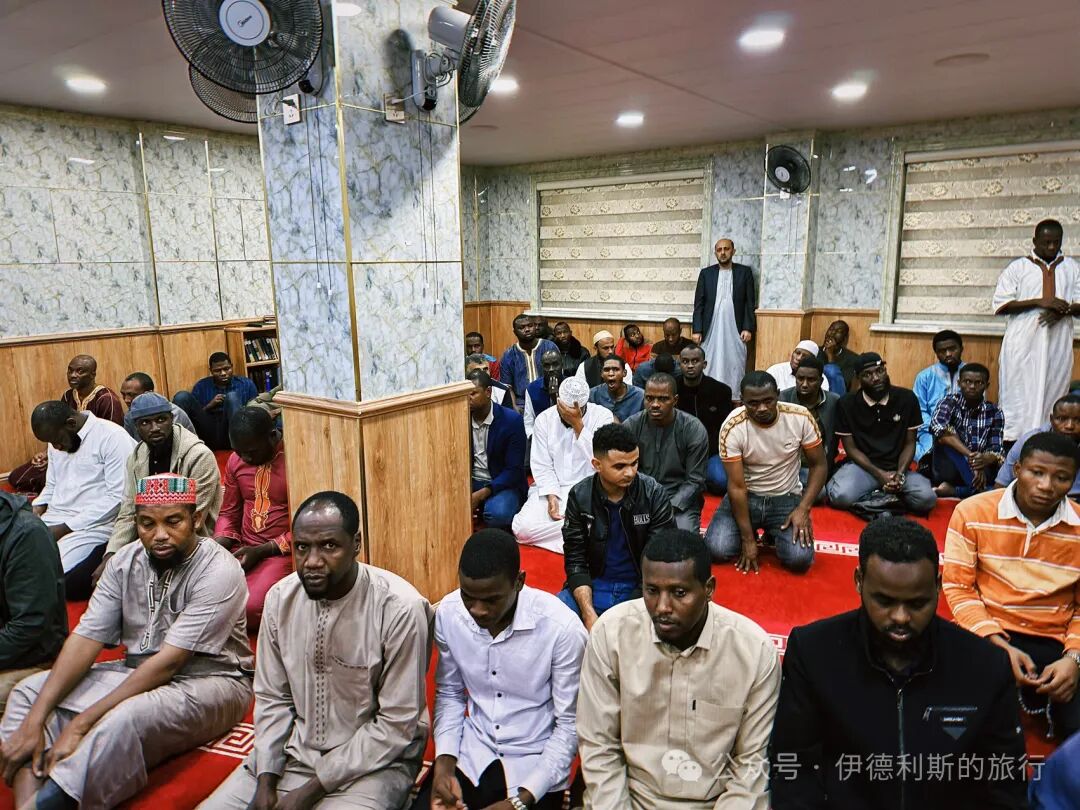
On May 2, I performed the morning prayer (fajr) at the prayer spot in the Yiwu Binwang Trade Area. There were many African friends (dosti) there.
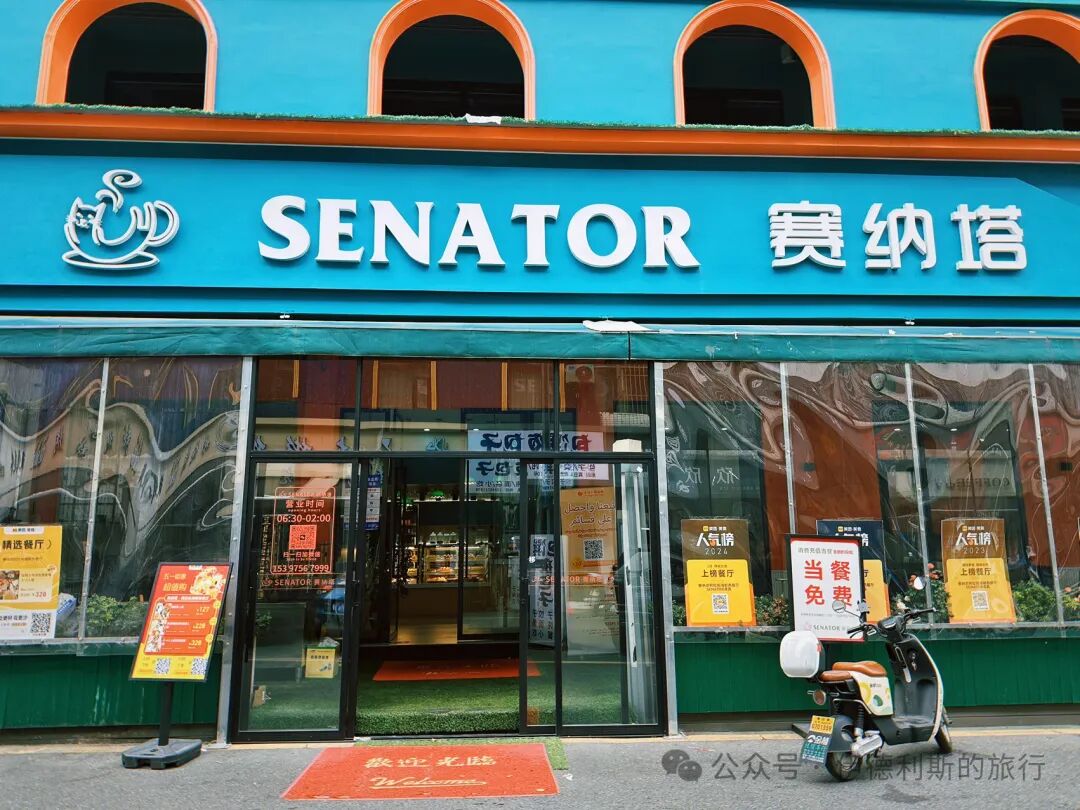
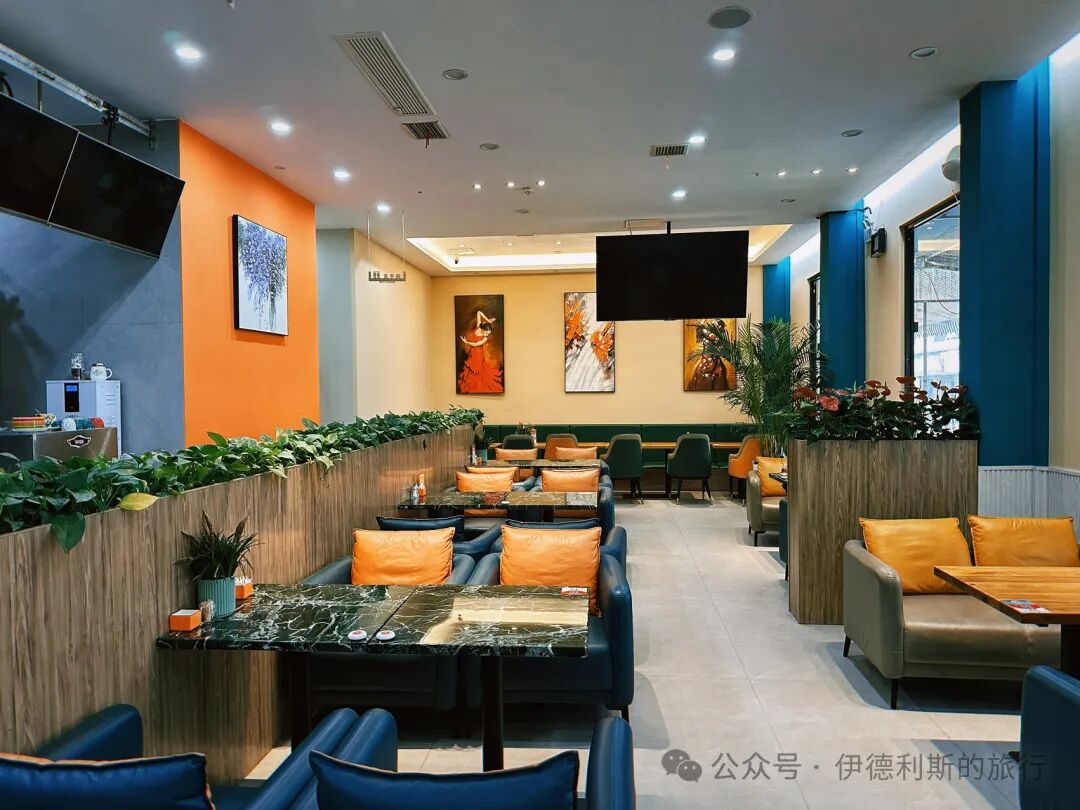
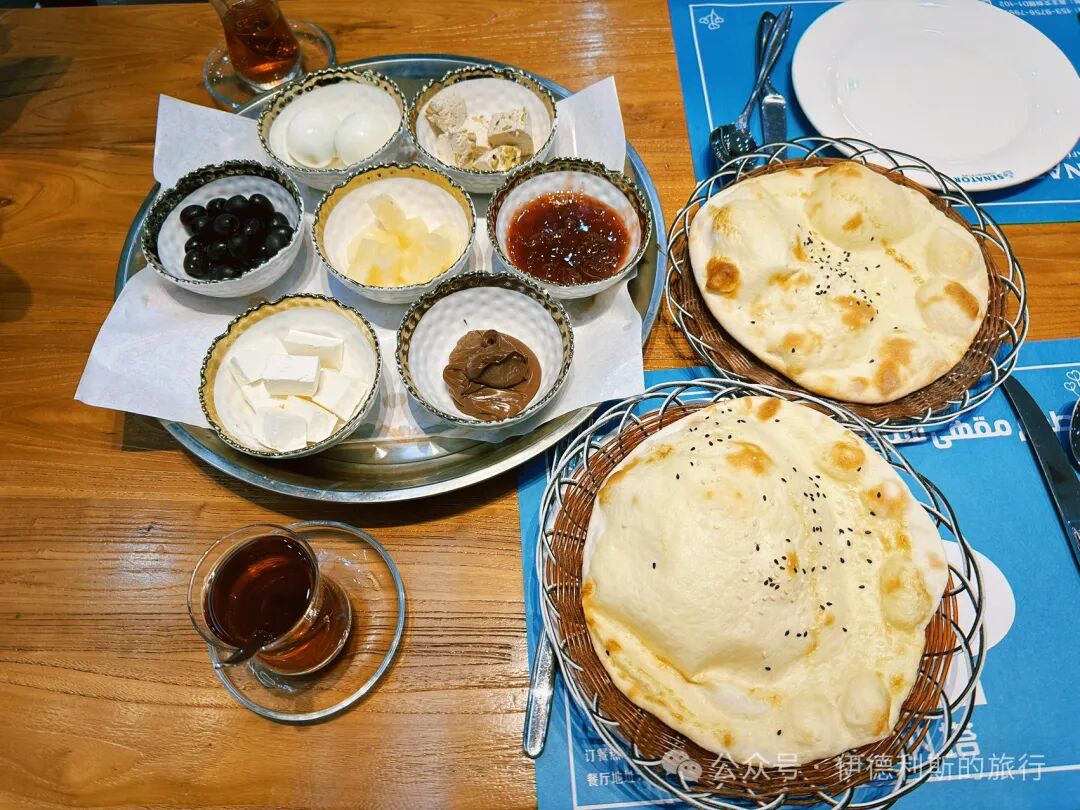
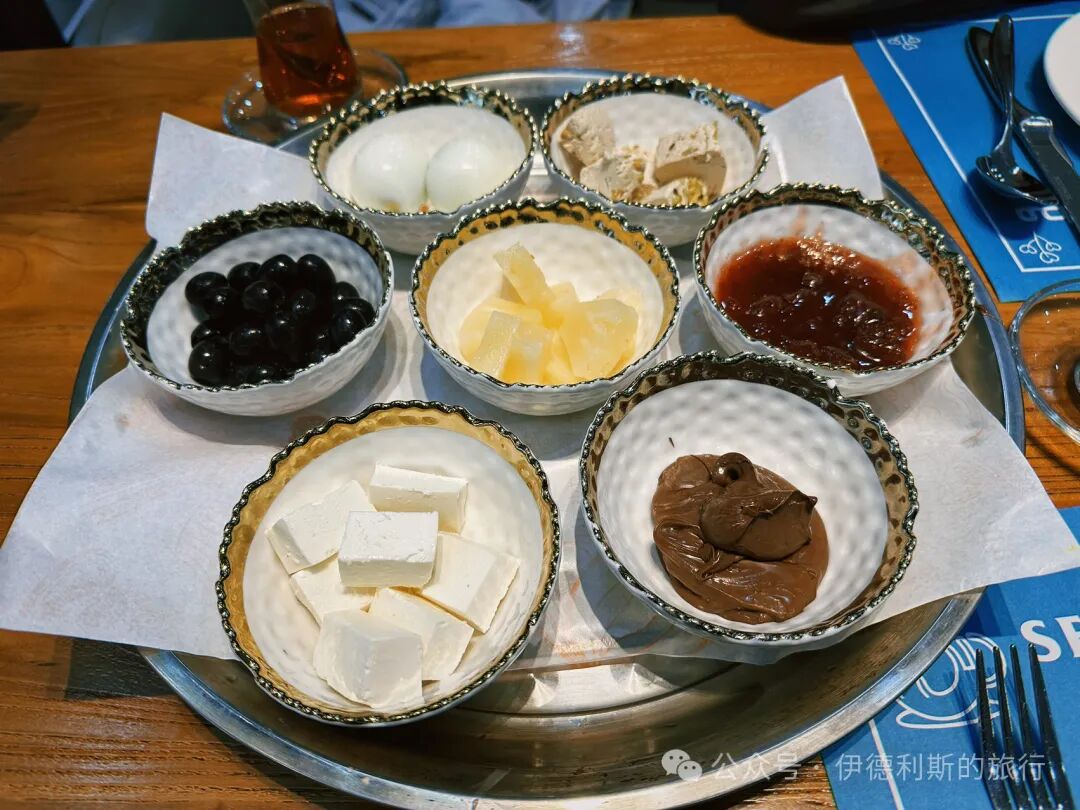
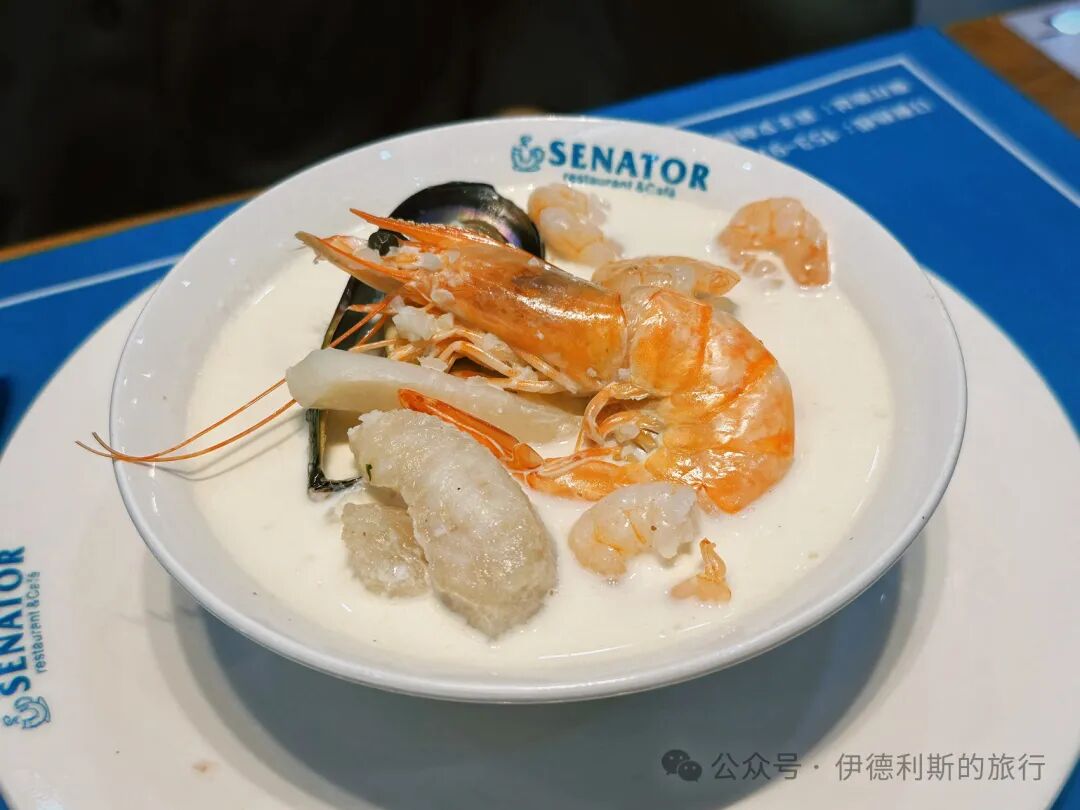
I had a Middle Eastern breakfast at the Senator seafood restaurant in the Yiwu Binwang Trade Area. We had flatbread with jam and chocolate spread, served with cheese, olives, eggs, and black tea. We also ordered a seafood soup with fish and shrimp. The cheese breakfast I had at Mado during my last trip to Yiwu was truly the best Middle Eastern breakfast I have ever eaten in China. Although the selection at Sainata is not as extensive, the shop is quiet, the atmosphere is nice, and their seafood soup is very fresh and delicious.
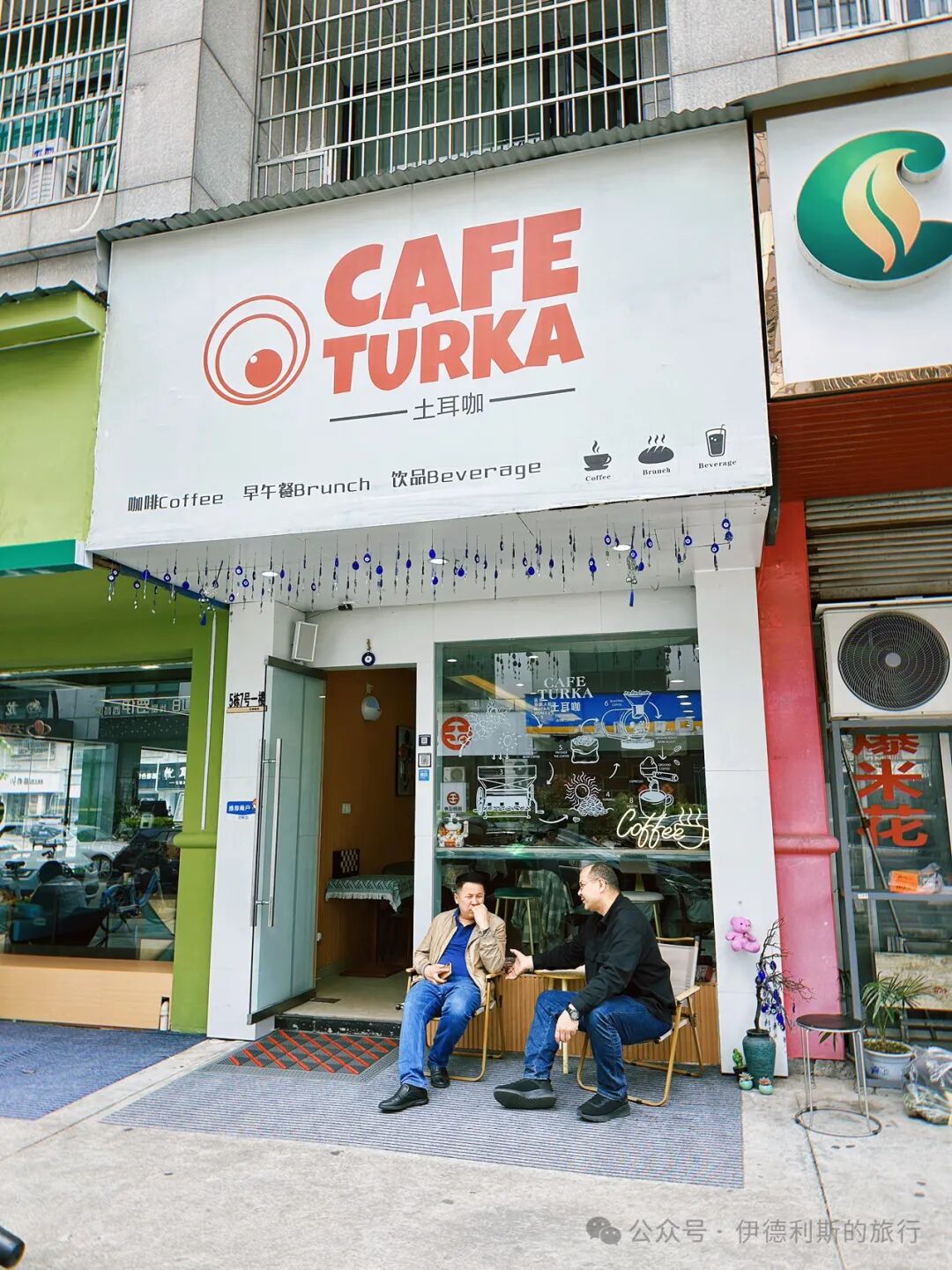
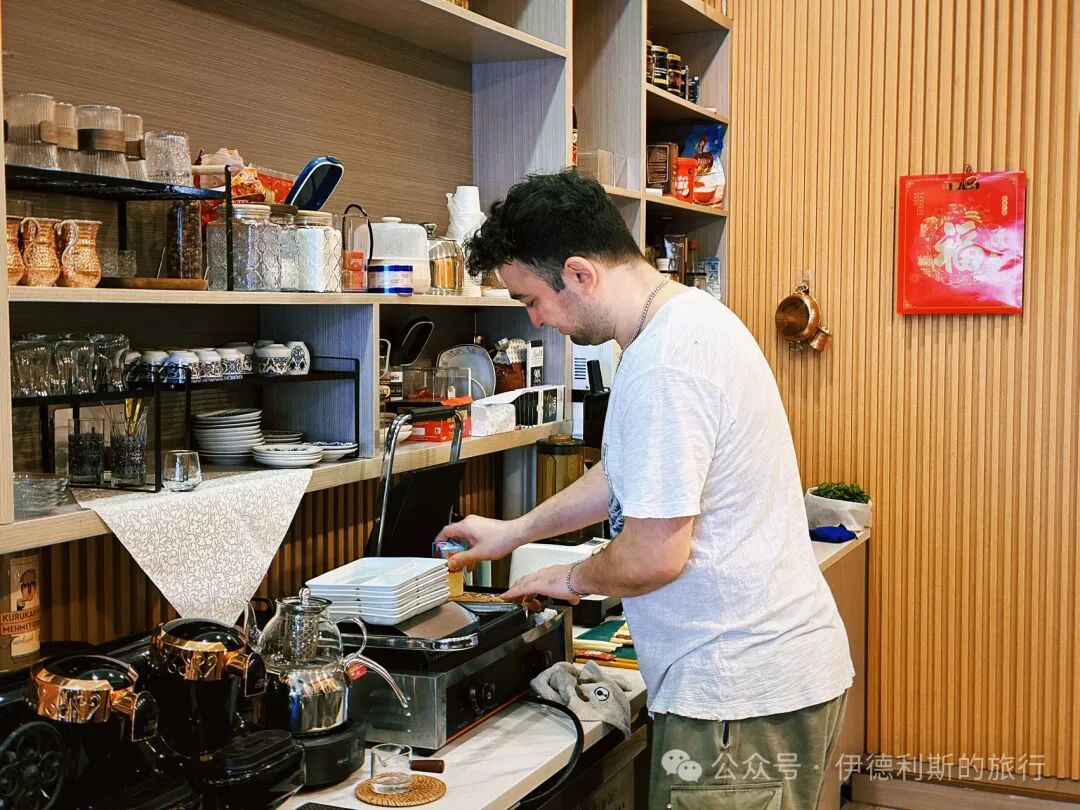
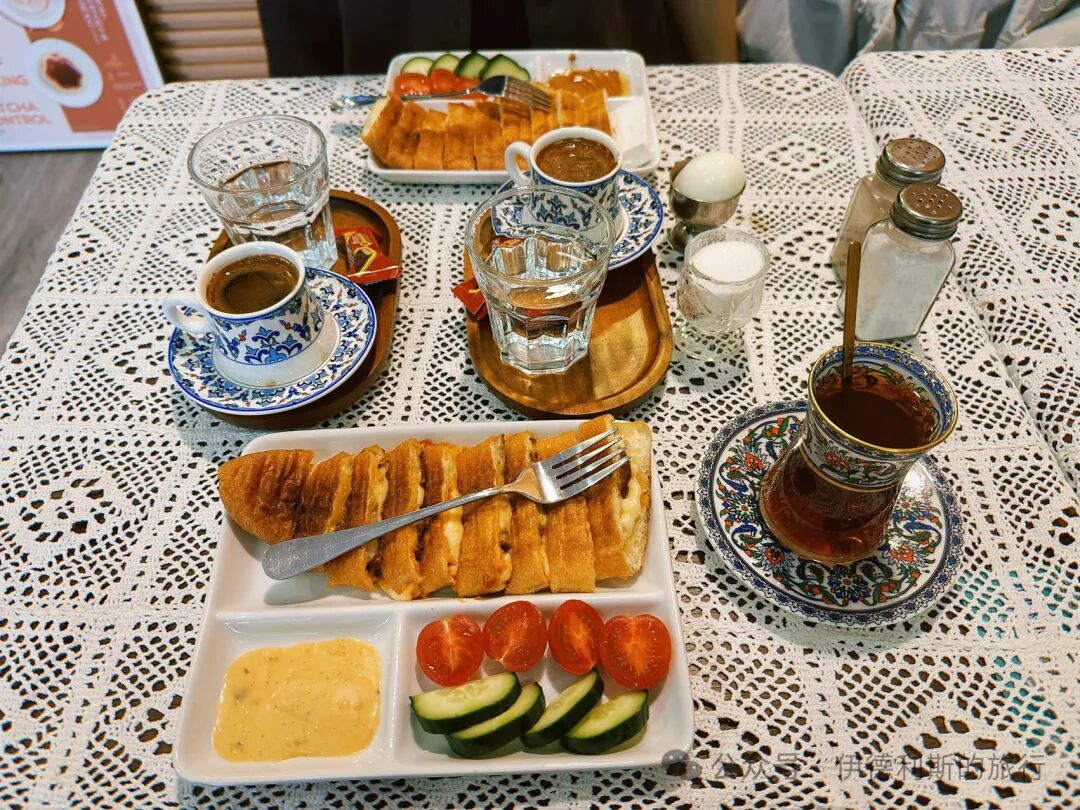
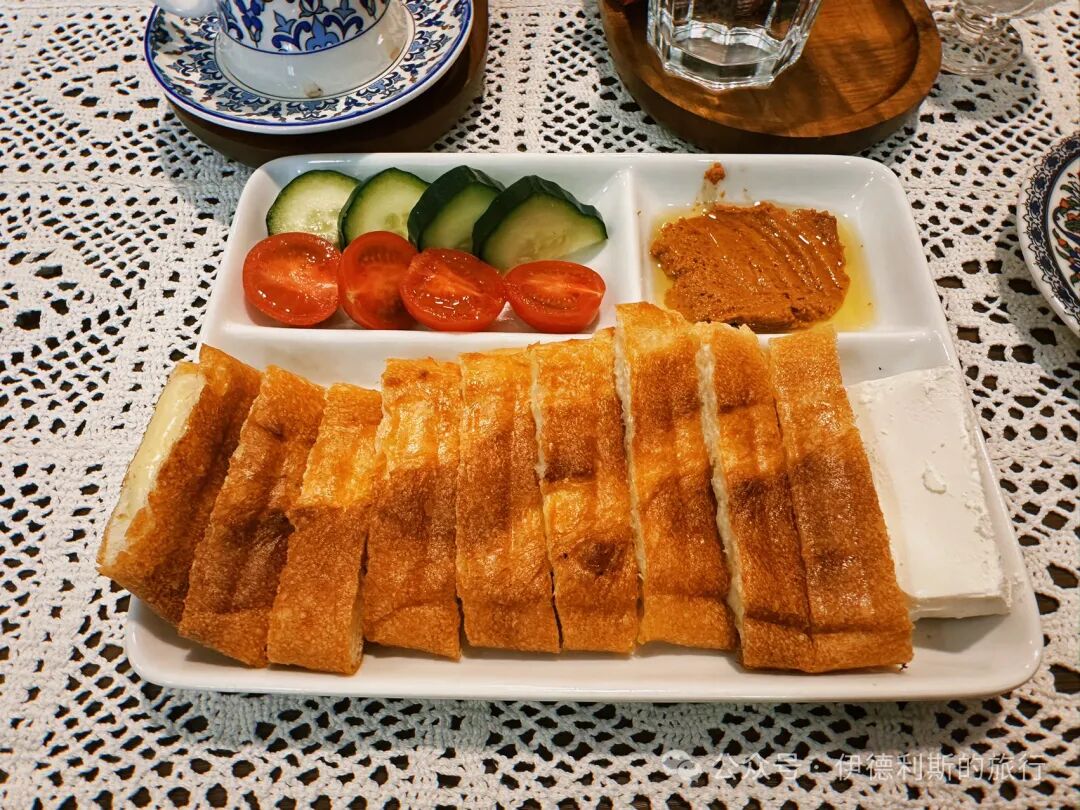
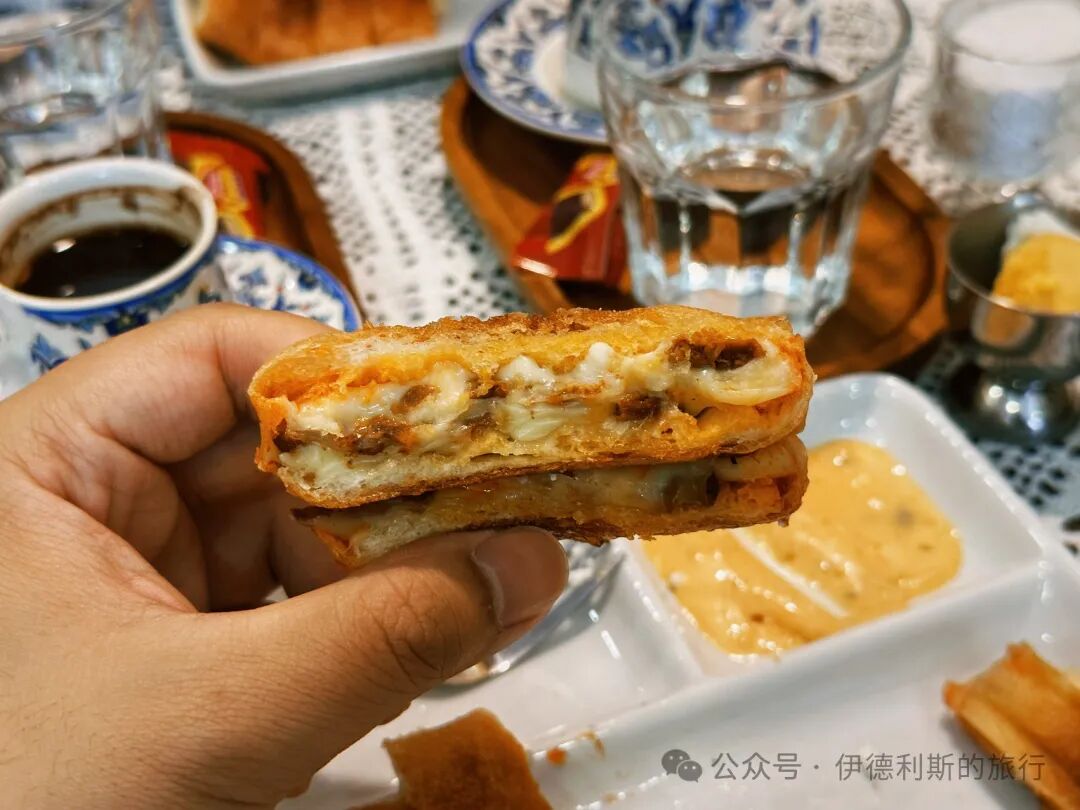
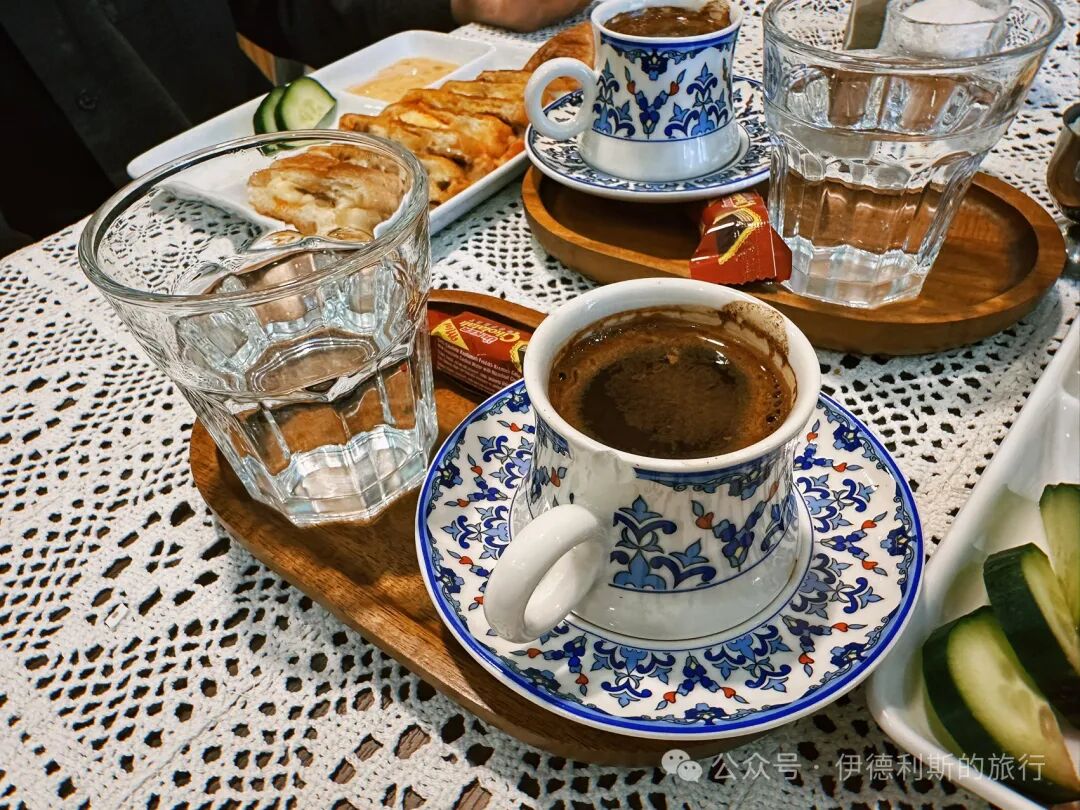
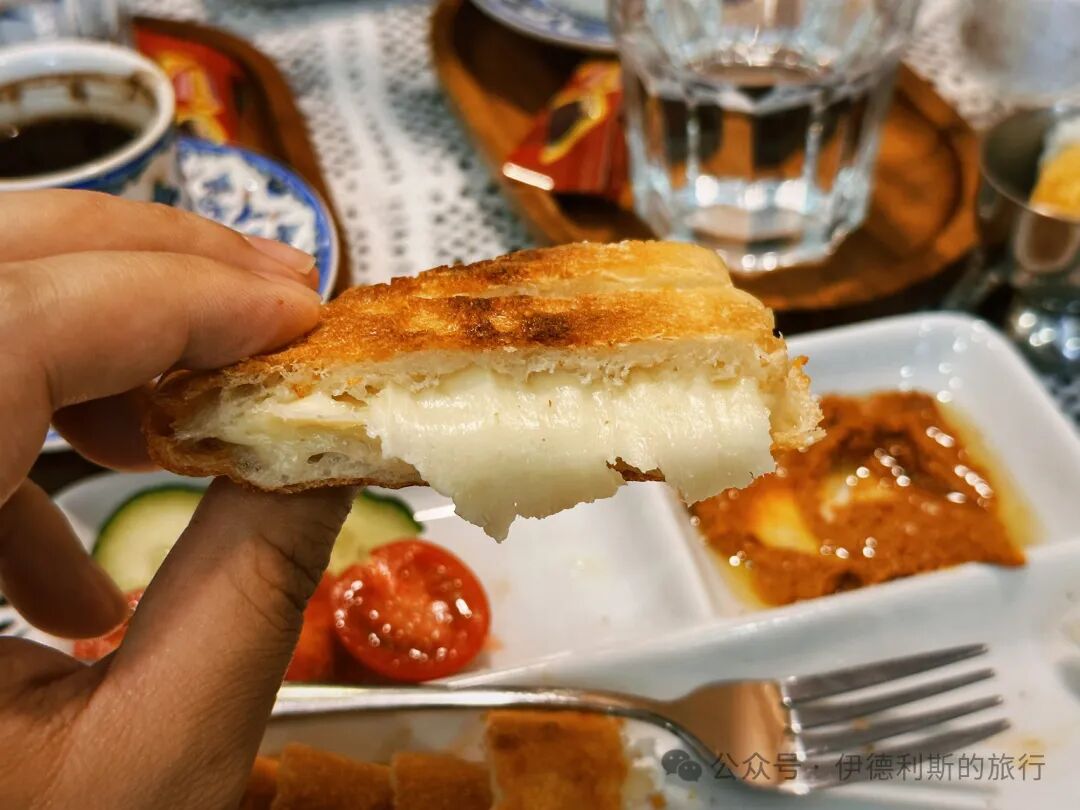
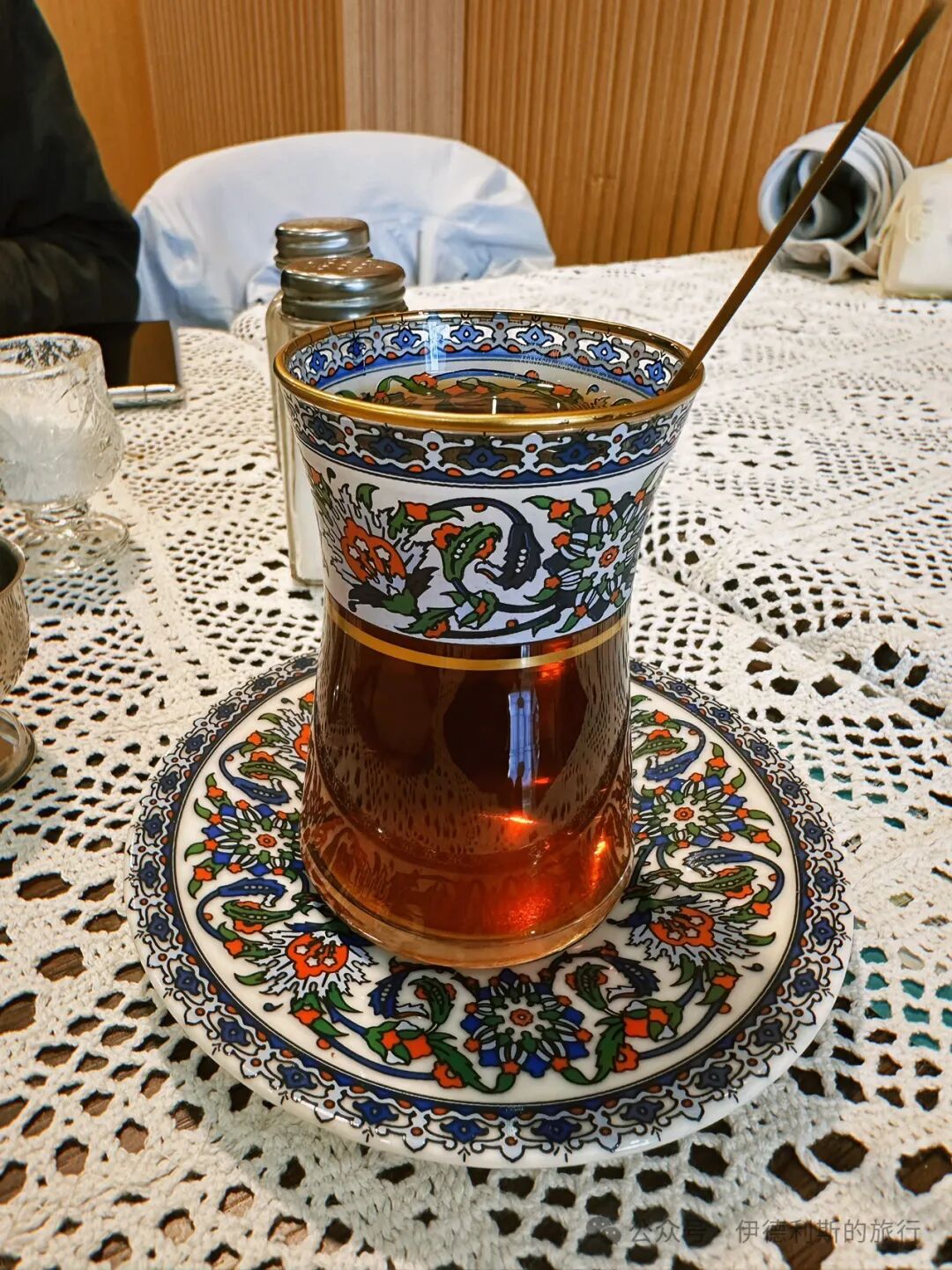
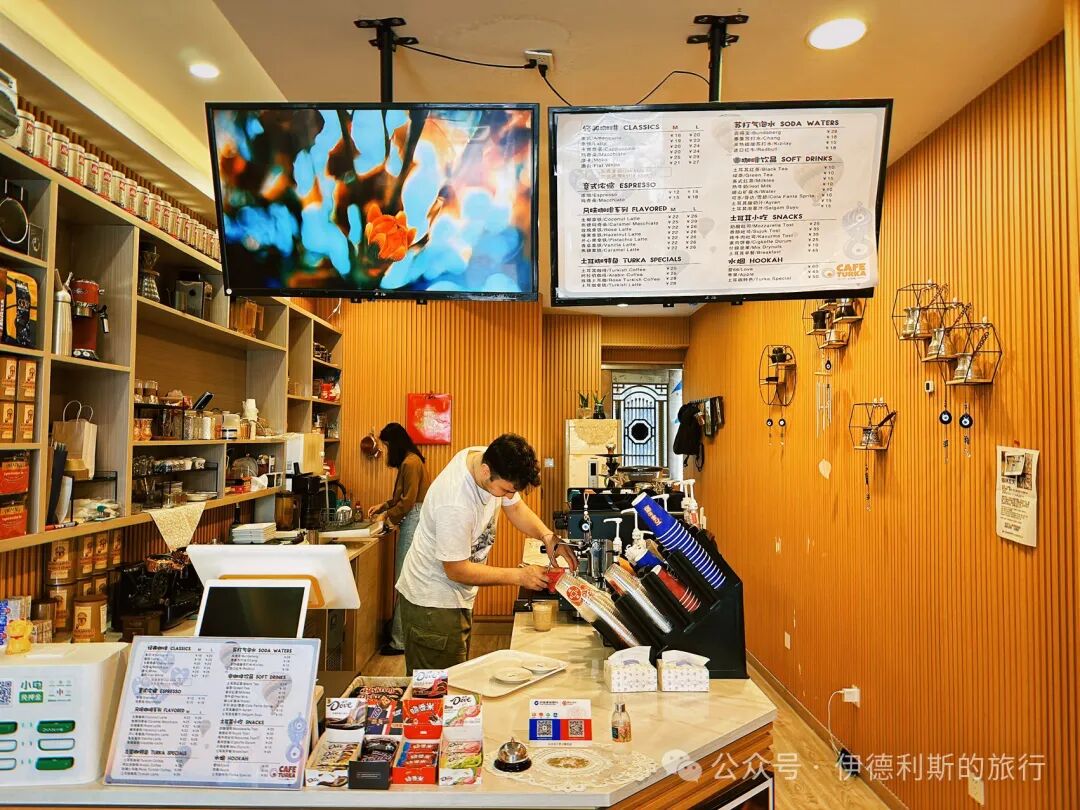
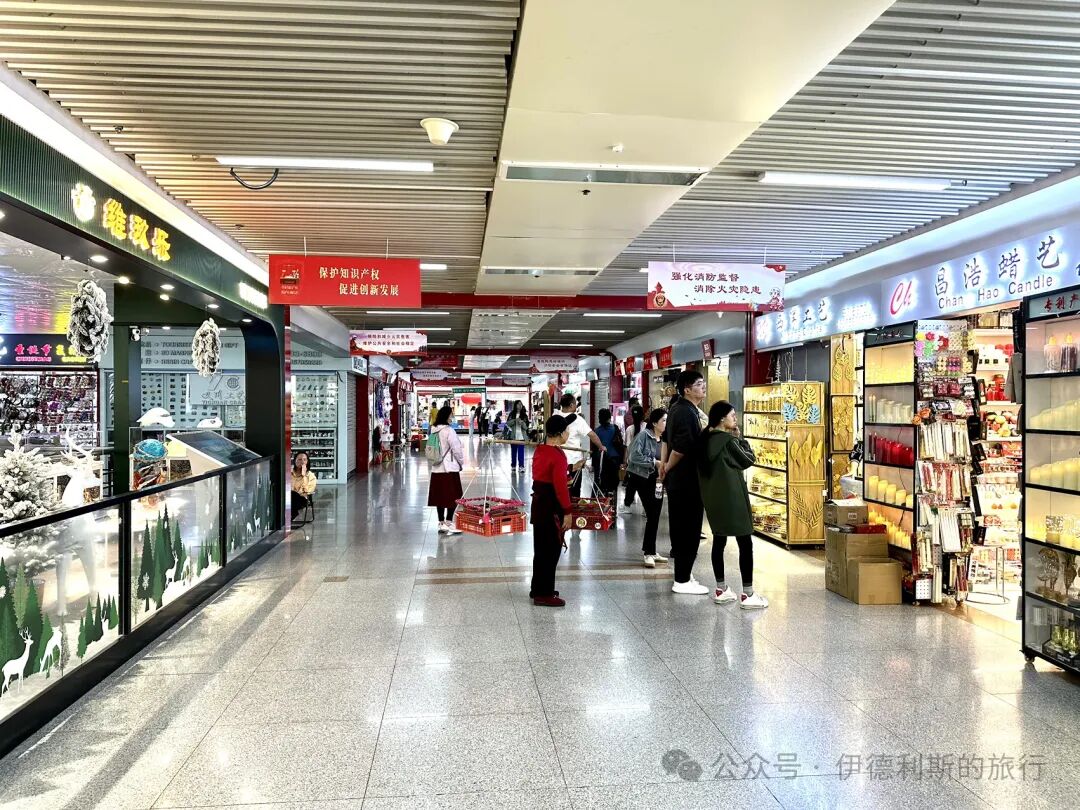
Ride north from the Binwang Trade District to the International Trade City and have a Turkish coffee at the Turkish cafe, Cafe Turka. It is a small, unassuming shop, and one Turkish guy manages to keep up with everything. Besides coffee, they also serve Turkish snacks, featuring mozzarella cheese toast and sujuk sausage toast, which you can also order as a brunch set. You can come here to sit down, have a coffee, and enjoy some snacks while you are shopping at the International Trade City; it is very relaxing.
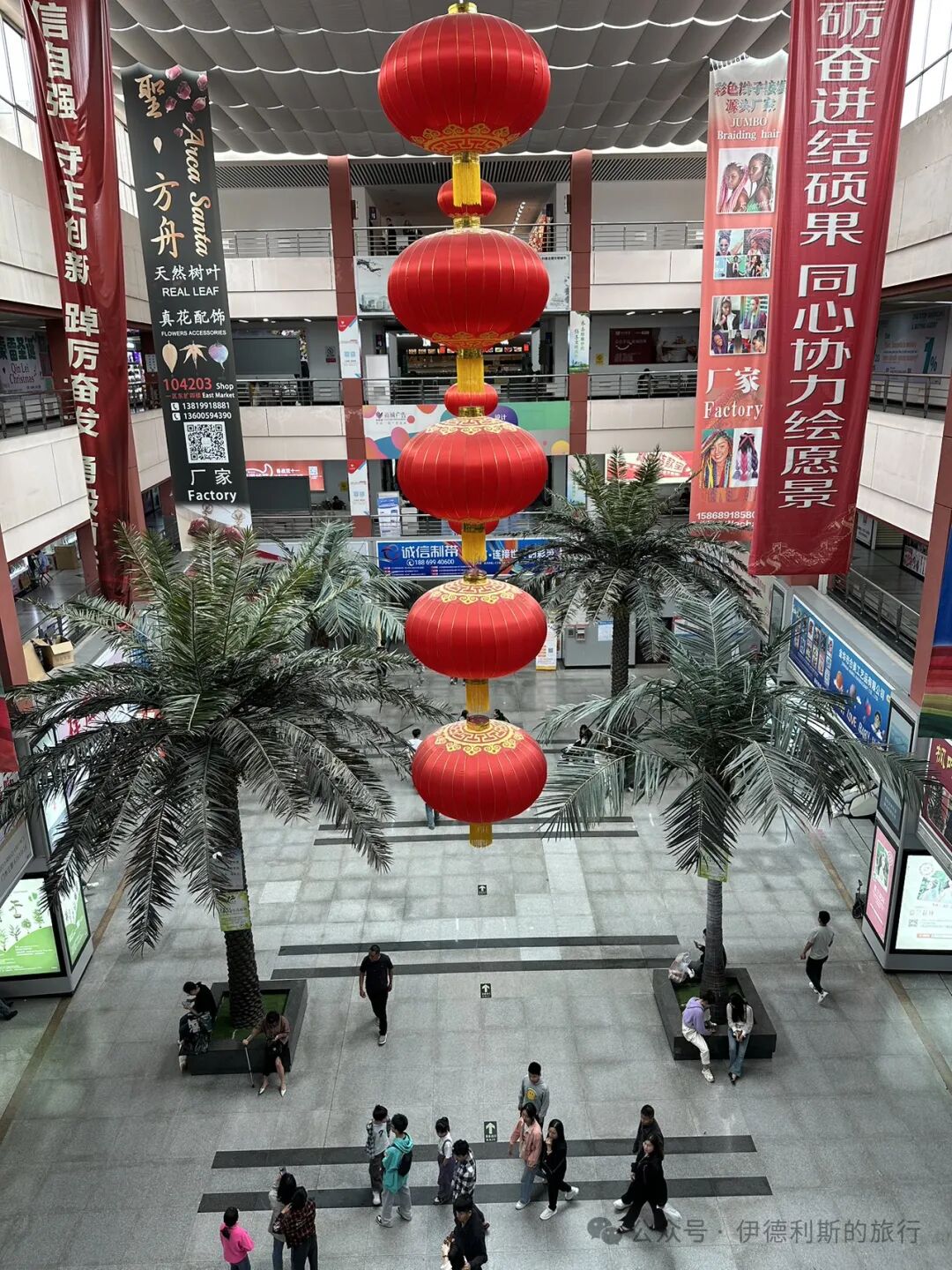
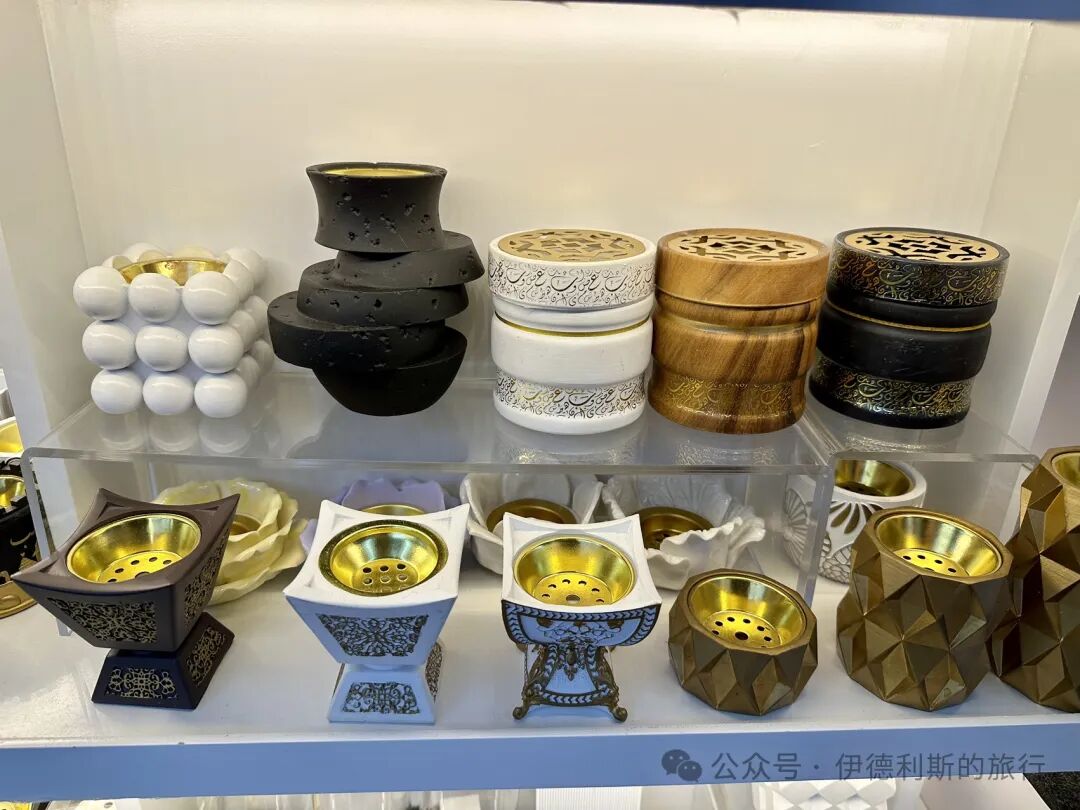
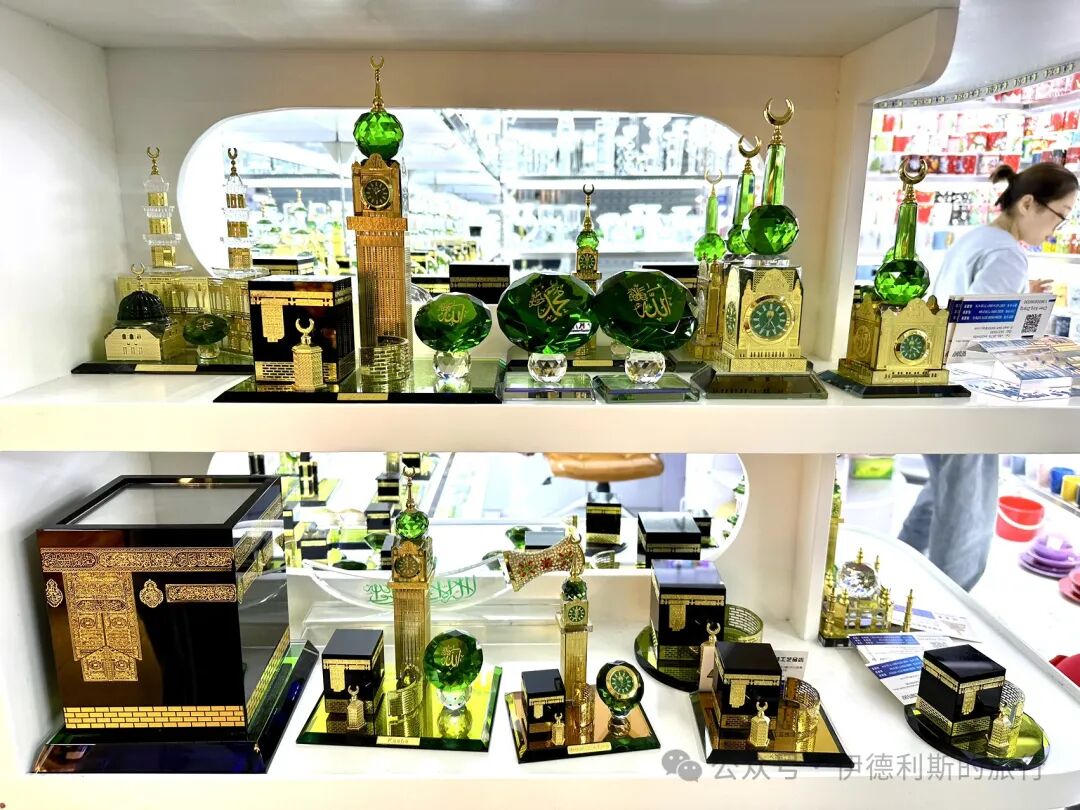
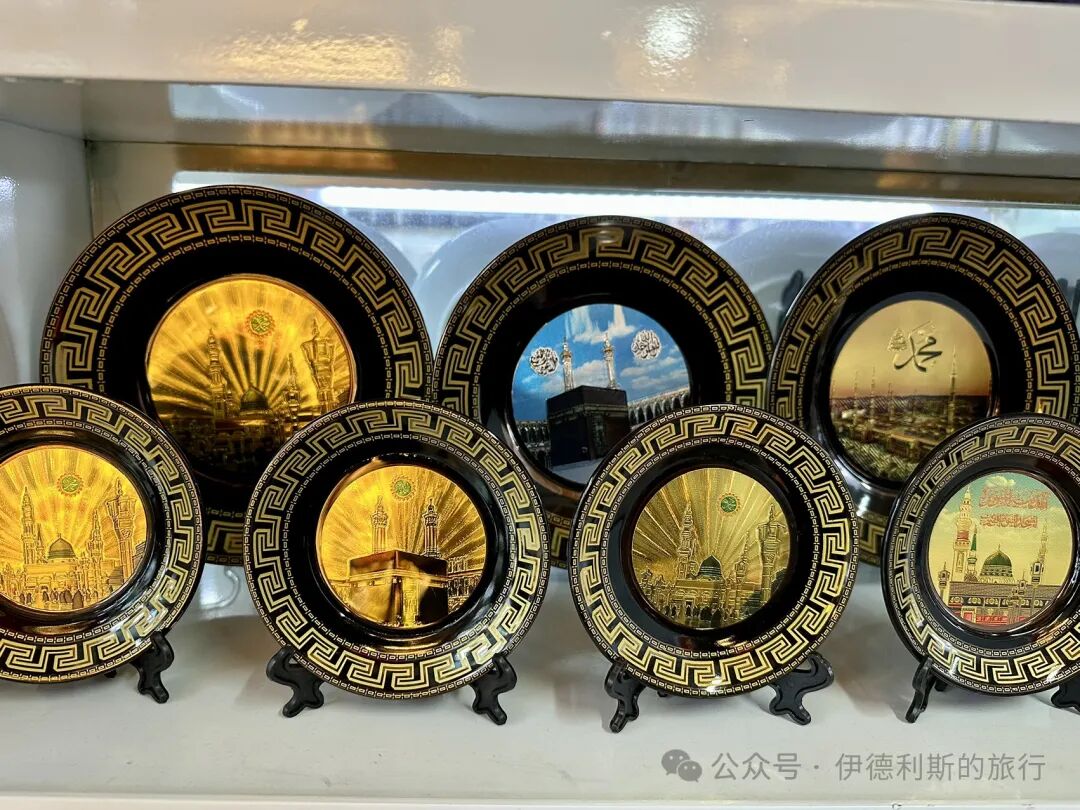
District 1 of the International Trade City has all kinds of wholesale Islamic souvenirs, and I suspect many of the souvenirs sold in the Two Holy Cities are actually sourced from here, haha.
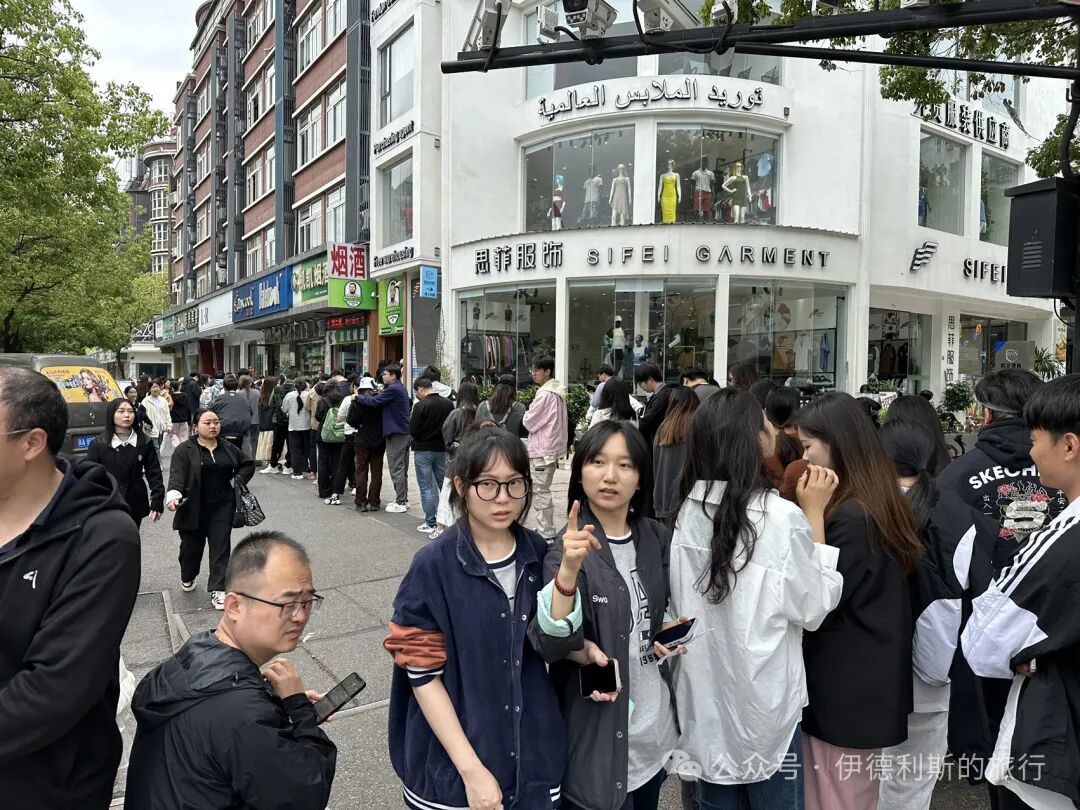
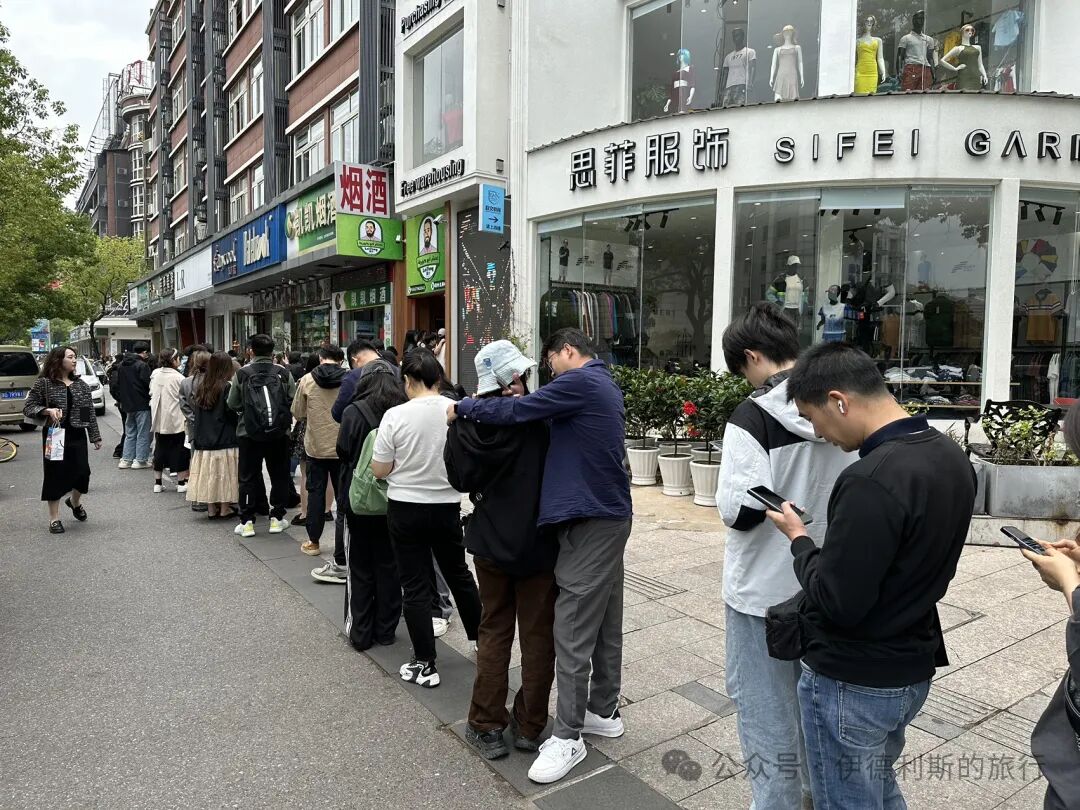
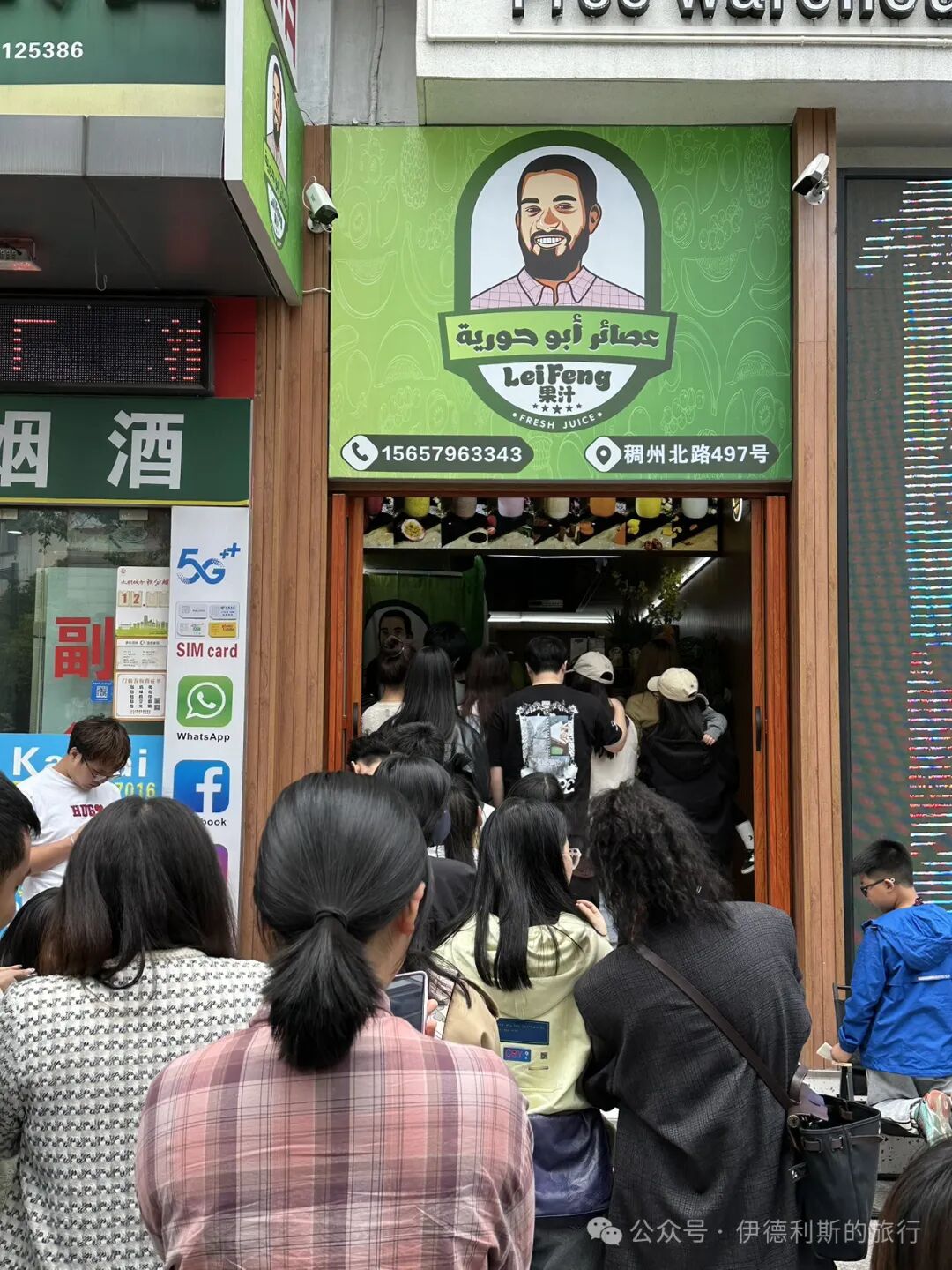
Leifeng Juice Shop is so popular right now! The old shop on Chouzhou North Road has a huge line, just as busy as the Wuyutai tea shop at the Lama Temple in Beijing. A bit further ahead, the Turkish dessert shop Sweet Life is also quite crowded. Actually, both of these businesses have more than one location in Yiwu, and the other shops I visited earlier were not that busy.
Summary: Halal Food Guide: Yiwu - New Middle Eastern Restaurants (Part 1) is presented here as a firsthand travel account in clear, natural English. The account focuses on Yiwu, Middle Eastern Food, Halal Food while preserving the names, places, food, photos, and historical details from the Chinese source.
Since we could not travel abroad in 2020, we made a special trip to Yiwu to eat food from all over the world. See "Tasting Foreign Food in Yiwu" for more. On that trip, we ate at two Syrian restaurants, two Afghan restaurants, one Egyptian juice shop, one Malaysian Nyonya bird's nest shop, one Turkish restaurant, and one Indian restaurant. Because of travel restrictions at the time, many foreign restaurants in Yiwu were forced to close, and the ones still open were struggling.
Four years later, we visited Yiwu again. Now that travel is back to normal, Yiwu is busy again. People from countries across the Middle East and Africa have come to Yiwu to buy goods, and many new Middle Eastern restaurants have opened, especially around the Binwang Trade Area. We picked a few of these new restaurants to try, and we will share them with you below.
On May 1st, we had a Yemeni breakfast at the Marashim restaurant in the Binwang Trade Area. We had fried eggs with vegetables and tuna stewed with fava beans, served with Yemeni soft bread (malawah). I had eaten Yemeni flatbread (khubz) at a Yemeni restaurant in Guangzhou before, and it was very crispy and delicious. This is my first time having Yemeni soft bread (yemen ruanbing). It looks a bit like bread and tastes like the inside of a flatbread (laobing). It is perfect for breakfast. The tuna and fava bean dish is full of spices, and it is delicious when you dip the bread into it.
This is a newly opened restaurant, so there is no information about it on Dazhong Dianping yet. There are three other Yemeni restaurants right next door. Sinbad is the most famous one, and they specialize in large Yemeni flatbread served with various braised meats.
After breakfast, we went to the imported food supermarket Spinneys. We also shopped there when we last visited Yiwu. You can buy Lebanese hummus, Syrian pistachio candy, and all kinds of Middle Eastern specialty foods here. The bread baked fresh in the store smells amazing, and they have a huge variety of pastries too.
A neighbor reminded me that Spinneys is actually a century-old Middle Eastern supermarket chain based in Dubai.
The name Spinneys comes from its founder, British officer Arthur Rawdon Spinney. He became a supplier for the Palestine Railways in 1924 and later started importing British goods into Syria and Palestine. At the time, it was the only company in Palestine to offer British products.
In the 1920s, Spinneys was headquartered in Haifa. Its stores were mainly located in cities easily reached by the British via railway, such as Alexandria, Cairo, Acre, and Damascus. After the Arab Revolt broke out in Palestine in the 1930s, the railway lines were cut, and Spinneys moved its headquarters to Baghdad. Spinneys began to expand after the 1940s, with both the Dubai and Beirut stores opening during this period. The Kingdom of Iraq was overthrown in 1958, and the new Republic of Iraq formed an alliance with the Soviet Union. Spinneys moved its headquarters to Dubai in 1961, where it has operated ever since.
Today, most Spinneys stores are concentrated in the UAE, Egypt, and Lebanon, making it a famous supermarket chain in the Middle East.
I bought some Yili yogurt drink (TAN) at the Spinneys supermarket. It is basically a fizzy version of yogurt curd (suannai gede), and the taste is very authentic! One sip takes me right back to the pasture.
I also bought dates stuffed with walnuts and crushed pistachios. It was my first time eating them this way, and they are a great energy booster! They are perfect to carry along when hiking.
At noon, I had Turkish afternoon tea at a Turkish dessert shop called Sweet Life in the Binwang Trade Area. The 'Foreigner Street' in Area C of the Binwang Market is basically all foreign restaurants. Many Middle Easterners come here in the evening to drink tea and smoke shisha.
Sweet Life is a rare authentic Turkish dessert shop in China. The sweetness is very high, and syrup oozes out with every bite. It is exactly the same as the desserts sold in the local shops we visited in Istanbul. So, if any dost (friends) cannot handle too much sugar, you should be careful when trying them.
Their specialty is various flavors of baklava, including classic original, walnut, chocolate, hazelnut, and more. They also have cheese-filled sobiyet, lemon syrup-soaked almond pastries called sekerpare, and shredded dough pastries called burma kadayif, among many other options.
The desserts are served with Turkish black tea and coffee. We ordered one of each. Personally, I think Turkish coffee pairs better with baklava—a sip of strong coffee followed by a bite of honey-sweet pastry.
I rode my bike to the Yiwu Grand Mosque for noon namaz. Since this area is far from the trade city, people usually pray at local prayer spots and only come to the Grand Mosque for Friday prayers.
Yiwu set up two prayer spots in 2000 at the Xinjiang Ethnic Hotel and the Honglou Hotel, then in 2004 converted a Yiwu silk factory warehouse into a prayer spot, which was the predecessor to the Yiwu Grand Mosque. As Yiwu's small commodity economy boomed, more friends (dosti) came to do business, so the old silk factory warehouse was renovated in 2010 and officially completed in 2012 as the current Yiwu Grand Mosque.
In the evening, I ate authentic African food at Sina African Restaurant, located at the intersection of Street 8 in the Binwang Trade Area. The restaurant is owned by Mohammad Rifat, the Egyptian guy who runs Leifeng Juice; he has opened six Leifeng Juice shops in Yiwu over the past two years and also started this African restaurant. During this trip to Yiwu, I noticed there are clearly more Black faces than Arab faces in the Binwang Trade City, but the restaurants are still mostly Arab or Turkish, so Sina African Restaurant, which specializes in sub-Saharan African flavors, is very popular with Black friends (dosti).
We ordered South African stir-fried beef with melon seed soup and fufu, fried tilapia with cassava flour (atteke), and the classic avocado, nut, and date milkshake from Leifeng Juice. To be honest, even though I have visited 20 countries, this is the only meal I really struggled to get used to. Even though it was hard to get used to, I think it is worth trying if you want to understand the local food culture.
Fufu is a classic staple food in West and Central Africa, and the name Fufu actually means to pound. The main ingredients for fufu vary by region, but it is usually made from cassava, yam, or plantain. Nowadays, people can also use flour or rice, but it is still typically made by pounding the ingredients with a wooden spoon in a bowl. In West and Central Africa, fufu is usually served with okra, fish, and tomato soup. To eat it, wash your hands first, then take a piece of fufu and roll it into a ball with your right hand, press a small dent into it, and scoop up the soup to eat. The fufu I chose came with a soup made from ground egusi seeds, a West African specialty, stewed with bitter leaf. Bitter leaf, scientifically known as Vernonia amygdalina, is a shrub that grows in tropical Africa and has a very bitter taste. Bitter leaf (kuye) is the main vegetable used in various stews and braised dishes across equatorial Africa, and it is also the most traditional stewed vegetable dish in Nigeria.
Atteke is a classic West African side dish for fried fish, originally from southern Ivory Coast. Atteke is made similarly to North African couscous, but it uses fermented cassava pulp instead of semolina.
Although Chinese people might not be used to the African food at Sina's place, everyone is sure to love the Leifeng juice. Zainab especially likes their avocado and date milkshake; the dates really add a great flavor to the shake. But you only need a small cup of this high-calorie drink.
I went for a walk in the Binwang business district in the evening. The Xinjiang Golden Poplar (Jinhuyang) specialty restaurant at the intersection of Chouzhou North Road is really popular, and there are a lot of people eating barbecue there at night. Their fresh juice stand at the street corner is also very popular. We ordered a mix of orange and pomegranate juice. They used three oranges and two pomegranates to fill one cup without adding a single drop of water, so the flavor was really rich.
There are many Hui Muslims from Yunnan in the Binwang area. You can see Hui Muslim sisters from Yunnan working as servers in all the Middle Eastern restaurants. There are many Yunnan restaurants in the small alleys of Yijiashan, across from Binwang. The Yunnan-style barbecue place at the intersection of Chouzhou North Road is especially popular. The restaurant has a stall out front selling Zhaotong spicy chicken legs and grilled tofu (shaodoufu). We ordered a few pieces of grilled tofu. They sliced them open and added fish mint (zhe'ergen), pickled vegetables (suancai), and chili powder. I asked for it to be less spicy, but my mouth was still on fire. It was so satisfying, haha.
The prayer spot in the Binwang business district was packed with people at the lishamu and hufu stalls. Most of them were African friends (dost) who came here for business. After the second floor filled up, the imam guided everyone to the third and fourth floors, and eventually, we went all the way up to the fifth floor.
The Haya clothing store at the entrance of the Binwang business district prayer spot has many Middle Eastern outfits, and we bought several pieces.
Many new Middle Eastern restaurants have opened in the Binwang Trade Area. It is much busier than when I visited two years ago. I even saw Iraqi barbecue, which I want to try next time.
I drank a Dubai malt beverage.
A new Egyptian snack shop called Friends opened across from the prayer spot in the Yiwu Binwang Trade Area. It is a great place for a late-night snack after visiting Hufu Beach. The shop is very affordable. We ordered a 45-yuan set meal that came with a plate of fried chickpea balls (falafel), a plate of chickpea dip (hummus), a plate of cold mixed vegetables, a plate of french fries, a plate of boiled eggs, and a plate of Arabic flatbread. Rolling everything into the flatbread makes you feel like you are on a street in the Middle East.
They also use the same vinegar bottles found in local Chinese snack shops, but they filled them with olive oil. That is very Yiwu!
On May 2, I performed the morning prayer (fajr) at the prayer spot in the Yiwu Binwang Trade Area. There were many African friends (dosti) there.
I had a Middle Eastern breakfast at the Senator seafood restaurant in the Yiwu Binwang Trade Area. We had flatbread with jam and chocolate spread, served with cheese, olives, eggs, and black tea. We also ordered a seafood soup with fish and shrimp. The cheese breakfast I had at Mado during my last trip to Yiwu was truly the best Middle Eastern breakfast I have ever eaten in China. Although the selection at Sainata is not as extensive, the shop is quiet, the atmosphere is nice, and their seafood soup is very fresh and delicious.
Ride north from the Binwang Trade District to the International Trade City and have a Turkish coffee at the Turkish cafe, Cafe Turka. It is a small, unassuming shop, and one Turkish guy manages to keep up with everything. Besides coffee, they also serve Turkish snacks, featuring mozzarella cheese toast and sujuk sausage toast, which you can also order as a brunch set. You can come here to sit down, have a coffee, and enjoy some snacks while you are shopping at the International Trade City; it is very relaxing.
District 1 of the International Trade City has all kinds of wholesale Islamic souvenirs, and I suspect many of the souvenirs sold in the Two Holy Cities are actually sourced from here, haha.
Leifeng Juice Shop is so popular right now! The old shop on Chouzhou North Road has a huge line, just as busy as the Wuyutai tea shop at the Lama Temple in Beijing. A bit further ahead, the Turkish dessert shop Sweet Life is also quite crowded. Actually, both of these businesses have more than one location in Yiwu, and the other shops I visited earlier were not that busy.
Halal Food Guide: Yiwu - New Middle Eastern Restaurants (Part 2)
Articles • ali2007fr posted the article • 0 comments • 265 views • 2026-05-19 09:30
Reposted from the web
Summary: Halal Food Guide: Yiwu - New Middle Eastern Restaurants (Part 2) is presented here as a firsthand travel account in clear, natural English. The account focuses on Yiwu, Middle Eastern Food, Halal Food while preserving the names, places, food, photos, and historical details from the Chinese source. view all
Summary: Halal Food Guide: Yiwu - New Middle Eastern Restaurants (Part 2) is presented here as a firsthand travel account in clear, natural English. The account focuses on Yiwu, Middle Eastern Food, Halal Food while preserving the names, places, food, photos, and historical details from the Chinese source. view all
Reposted from the web
Summary: Halal Food Guide: Yiwu - New Middle Eastern Restaurants (Part 2) is presented here as a firsthand travel account in clear, natural English. The account focuses on Yiwu, Middle Eastern Food, Halal Food while preserving the names, places, food, photos, and historical details from the Chinese source.
Summary: Halal Food Guide: Yiwu - New Middle Eastern Restaurants (Part 2) is presented here as a firsthand travel account in clear, natural English. The account focuses on Yiwu, Middle Eastern Food, Halal Food while preserving the names, places, food, photos, and historical details from the Chinese source.
Halal Food Guide: Yiwu - New Middle Eastern Restaurants (Part 1)
Articles • ali2007fr posted the article • 0 comments • 229 views • 2026-05-19 09:31
Reposted from the web
Summary: Halal Food Guide: Yiwu - New Middle Eastern Restaurants (Part 1) is presented here as a firsthand travel account in clear, natural English. The account focuses on Yiwu, Middle Eastern Food, Halal Food while preserving the names, places, food, photos, and historical details from the Chinese source.
Since we could not travel abroad in 2020, we made a special trip to Yiwu to eat food from all over the world. See "Tasting Foreign Food in Yiwu" for more. On that trip, we ate at two Syrian restaurants, two Afghan restaurants, one Egyptian juice shop, one Malaysian Nyonya bird's nest shop, one Turkish restaurant, and one Indian restaurant. Because of travel restrictions at the time, many foreign restaurants in Yiwu were forced to close, and the ones still open were struggling.
Four years later, we visited Yiwu again. Now that travel is back to normal, Yiwu is busy again. People from countries across the Middle East and Africa have come to Yiwu to buy goods, and many new Middle Eastern restaurants have opened, especially around the Binwang Trade Area. We picked a few of these new restaurants to try, and we will share them with you below.
On May 1st, we had a Yemeni breakfast at the Marashim restaurant in the Binwang Trade Area. We had fried eggs with vegetables and tuna stewed with fava beans, served with Yemeni soft bread (malawah). I had eaten Yemeni flatbread (khubz) at a Yemeni restaurant in Guangzhou before, and it was very crispy and delicious. This is my first time having Yemeni soft bread (yemen ruanbing). It looks a bit like bread and tastes like the inside of a flatbread (laobing). It is perfect for breakfast. The tuna and fava bean dish is full of spices, and it is delicious when you dip the bread into it.
This is a newly opened restaurant, so there is no information about it on Dazhong Dianping yet. There are three other Yemeni restaurants right next door. Sinbad is the most famous one, and they specialize in large Yemeni flatbread served with various braised meats.
After breakfast, we went to the imported food supermarket Spinneys. We also shopped there when we last visited Yiwu. You can buy Lebanese hummus, Syrian pistachio candy, and all kinds of Middle Eastern specialty foods here. The bread baked fresh in the store smells amazing, and they have a huge variety of pastries too.
A neighbor reminded me that Spinneys is actually a century-old Middle Eastern supermarket chain based in Dubai.
The name Spinneys comes from its founder, British officer Arthur Rawdon Spinney. He became a supplier for the Palestine Railways in 1924 and later started importing British goods into Syria and Palestine. At the time, it was the only company in Palestine to offer British products.
In the 1920s, Spinneys was headquartered in Haifa. Its stores were mainly located in cities easily reached by the British via railway, such as Alexandria, Cairo, Acre, and Damascus. After the Arab Revolt broke out in Palestine in the 1930s, the railway lines were cut, and Spinneys moved its headquarters to Baghdad. Spinneys began to expand after the 1940s, with both the Dubai and Beirut stores opening during this period. The Kingdom of Iraq was overthrown in 1958, and the new Republic of Iraq formed an alliance with the Soviet Union. Spinneys moved its headquarters to Dubai in 1961, where it has operated ever since.
Today, most Spinneys stores are concentrated in the UAE, Egypt, and Lebanon, making it a famous supermarket chain in the Middle East.
I bought some Yili yogurt drink (TAN) at the Spinneys supermarket. It is basically a fizzy version of yogurt curd (suannai gede), and the taste is very authentic! One sip takes me right back to the pasture.
I also bought dates stuffed with walnuts and crushed pistachios. It was my first time eating them this way, and they are a great energy booster! They are perfect to carry along when hiking.
At noon, I had Turkish afternoon tea at a Turkish dessert shop called Sweet Life in the Binwang Trade Area. The 'Foreigner Street' in Area C of the Binwang Market is basically all foreign restaurants. Many Middle Easterners come here in the evening to drink tea and smoke shisha.
Sweet Life is a rare authentic Turkish dessert shop in China. The sweetness is very high, and syrup oozes out with every bite. It is exactly the same as the desserts sold in the local shops we visited in Istanbul. So, if any dost (friends) cannot handle too much sugar, you should be careful when trying them.
Their specialty is various flavors of baklava, including classic original, walnut, chocolate, hazelnut, and more. They also have cheese-filled sobiyet, lemon syrup-soaked almond pastries called sekerpare, and shredded dough pastries called burma kadayif, among many other options.
The desserts are served with Turkish black tea and coffee. We ordered one of each. Personally, I think Turkish coffee pairs better with baklava—a sip of strong coffee followed by a bite of honey-sweet pastry.
I rode my bike to the Yiwu Grand Mosque for noon namaz. Since this area is far from the trade city, people usually pray at local prayer spots and only come to the Grand Mosque for Friday prayers.
Yiwu set up two prayer spots in 2000 at the Xinjiang Ethnic Hotel and the Honglou Hotel, then in 2004 converted a Yiwu silk factory warehouse into a prayer spot, which was the predecessor to the Yiwu Grand Mosque. As Yiwu's small commodity economy boomed, more friends (dosti) came to do business, so the old silk factory warehouse was renovated in 2010 and officially completed in 2012 as the current Yiwu Grand Mosque.
In the evening, I ate authentic African food at Sina African Restaurant, located at the intersection of Street 8 in the Binwang Trade Area. The restaurant is owned by Mohammad Rifat, the Egyptian guy who runs Leifeng Juice; he has opened six Leifeng Juice shops in Yiwu over the past two years and also started this African restaurant. During this trip to Yiwu, I noticed there are clearly more Black faces than Arab faces in the Binwang Trade City, but the restaurants are still mostly Arab or Turkish, so Sina African Restaurant, which specializes in sub-Saharan African flavors, is very popular with Black friends (dosti).
We ordered South African stir-fried beef with melon seed soup and fufu, fried tilapia with cassava flour (atteke), and the classic avocado, nut, and date milkshake from Leifeng Juice. To be honest, even though I have visited 20 countries, this is the only meal I really struggled to get used to. Even though it was hard to get used to, I think it is worth trying if you want to understand the local food culture.
Fufu is a classic staple food in West and Central Africa, and the name Fufu actually means to pound. The main ingredients for fufu vary by region, but it is usually made from cassava, yam, or plantain. Nowadays, people can also use flour or rice, but it is still typically made by pounding the ingredients with a wooden spoon in a bowl. In West and Central Africa, fufu is usually served with okra, fish, and tomato soup. To eat it, wash your hands first, then take a piece of fufu and roll it into a ball with your right hand, press a small dent into it, and scoop up the soup to eat. The fufu I chose came with a soup made from ground egusi seeds, a West African specialty, stewed with bitter leaf. Bitter leaf, scientifically known as Vernonia amygdalina, is a shrub that grows in tropical Africa and has a very bitter taste. Bitter leaf (kuye) is the main vegetable used in various stews and braised dishes across equatorial Africa, and it is also the most traditional stewed vegetable dish in Nigeria.
Atteke is a classic West African side dish for fried fish, originally from southern Ivory Coast. Atteke is made similarly to North African couscous, but it uses fermented cassava pulp instead of semolina.
Although Chinese people might not be used to the African food at Sina's place, everyone is sure to love the Leifeng juice. Zainab especially likes their avocado and date milkshake; the dates really add a great flavor to the shake. But you only need a small cup of this high-calorie drink.
I went for a walk in the Binwang business district in the evening. The Xinjiang Golden Poplar (Jinhuyang) specialty restaurant at the intersection of Chouzhou North Road is really popular, and there are a lot of people eating barbecue there at night. Their fresh juice stand at the street corner is also very popular. We ordered a mix of orange and pomegranate juice. They used three oranges and two pomegranates to fill one cup without adding a single drop of water, so the flavor was really rich.
There are many Hui Muslims from Yunnan in the Binwang area. You can see Hui Muslim sisters from Yunnan working as servers in all the Middle Eastern restaurants. There are many Yunnan restaurants in the small alleys of Yijiashan, across from Binwang. The Yunnan-style barbecue place at the intersection of Chouzhou North Road is especially popular. The restaurant has a stall out front selling Zhaotong spicy chicken legs and grilled tofu (shaodoufu). We ordered a few pieces of grilled tofu. They sliced them open and added fish mint (zhe'ergen), pickled vegetables (suancai), and chili powder. I asked for it to be less spicy, but my mouth was still on fire. It was so satisfying, haha.
The prayer spot in the Binwang business district was packed with people at the lishamu and hufu stalls. Most of them were African friends (dost) who came here for business. After the second floor filled up, the imam guided everyone to the third and fourth floors, and eventually, we went all the way up to the fifth floor.
The Haya clothing store at the entrance of the Binwang business district prayer spot has many Middle Eastern outfits, and we bought several pieces.
Many new Middle Eastern restaurants have opened in the Binwang Trade Area. It is much busier than when I visited two years ago. I even saw Iraqi barbecue, which I want to try next time.
I drank a Dubai malt beverage.
A new Egyptian snack shop called Friends opened across from the prayer spot in the Yiwu Binwang Trade Area. It is a great place for a late-night snack after visiting Hufu Beach. The shop is very affordable. We ordered a 45-yuan set meal that came with a plate of fried chickpea balls (falafel), a plate of chickpea dip (hummus), a plate of cold mixed vegetables, a plate of french fries, a plate of boiled eggs, and a plate of Arabic flatbread. Rolling everything into the flatbread makes you feel like you are on a street in the Middle East.
They also use the same vinegar bottles found in local Chinese snack shops, but they filled them with olive oil. That is very Yiwu!
On May 2, I performed the morning prayer (fajr) at the prayer spot in the Yiwu Binwang Trade Area. There were many African friends (dosti) there.
I had a Middle Eastern breakfast at the Senator seafood restaurant in the Yiwu Binwang Trade Area. We had flatbread with jam and chocolate spread, served with cheese, olives, eggs, and black tea. We also ordered a seafood soup with fish and shrimp. The cheese breakfast I had at Mado during my last trip to Yiwu was truly the best Middle Eastern breakfast I have ever eaten in China. Although the selection at Sainata is not as extensive, the shop is quiet, the atmosphere is nice, and their seafood soup is very fresh and delicious.
Ride north from the Binwang Trade District to the International Trade City and have a Turkish coffee at the Turkish cafe, Cafe Turka. It is a small, unassuming shop, and one Turkish guy manages to keep up with everything. Besides coffee, they also serve Turkish snacks, featuring mozzarella cheese toast and sujuk sausage toast, which you can also order as a brunch set. You can come here to sit down, have a coffee, and enjoy some snacks while you are shopping at the International Trade City; it is very relaxing.
District 1 of the International Trade City has all kinds of wholesale Islamic souvenirs, and I suspect many of the souvenirs sold in the Two Holy Cities are actually sourced from here, haha.
Leifeng Juice Shop is so popular right now! The old shop on Chouzhou North Road has a huge line, just as busy as the Wuyutai tea shop at the Lama Temple in Beijing. A bit further ahead, the Turkish dessert shop Sweet Life is also quite crowded. Actually, both of these businesses have more than one location in Yiwu, and the other shops I visited earlier were not that busy. view all
Summary: Halal Food Guide: Yiwu - New Middle Eastern Restaurants (Part 1) is presented here as a firsthand travel account in clear, natural English. The account focuses on Yiwu, Middle Eastern Food, Halal Food while preserving the names, places, food, photos, and historical details from the Chinese source.
Since we could not travel abroad in 2020, we made a special trip to Yiwu to eat food from all over the world. See "Tasting Foreign Food in Yiwu" for more. On that trip, we ate at two Syrian restaurants, two Afghan restaurants, one Egyptian juice shop, one Malaysian Nyonya bird's nest shop, one Turkish restaurant, and one Indian restaurant. Because of travel restrictions at the time, many foreign restaurants in Yiwu were forced to close, and the ones still open were struggling.
Four years later, we visited Yiwu again. Now that travel is back to normal, Yiwu is busy again. People from countries across the Middle East and Africa have come to Yiwu to buy goods, and many new Middle Eastern restaurants have opened, especially around the Binwang Trade Area. We picked a few of these new restaurants to try, and we will share them with you below.
On May 1st, we had a Yemeni breakfast at the Marashim restaurant in the Binwang Trade Area. We had fried eggs with vegetables and tuna stewed with fava beans, served with Yemeni soft bread (malawah). I had eaten Yemeni flatbread (khubz) at a Yemeni restaurant in Guangzhou before, and it was very crispy and delicious. This is my first time having Yemeni soft bread (yemen ruanbing). It looks a bit like bread and tastes like the inside of a flatbread (laobing). It is perfect for breakfast. The tuna and fava bean dish is full of spices, and it is delicious when you dip the bread into it.
This is a newly opened restaurant, so there is no information about it on Dazhong Dianping yet. There are three other Yemeni restaurants right next door. Sinbad is the most famous one, and they specialize in large Yemeni flatbread served with various braised meats.
After breakfast, we went to the imported food supermarket Spinneys. We also shopped there when we last visited Yiwu. You can buy Lebanese hummus, Syrian pistachio candy, and all kinds of Middle Eastern specialty foods here. The bread baked fresh in the store smells amazing, and they have a huge variety of pastries too.
A neighbor reminded me that Spinneys is actually a century-old Middle Eastern supermarket chain based in Dubai.
The name Spinneys comes from its founder, British officer Arthur Rawdon Spinney. He became a supplier for the Palestine Railways in 1924 and later started importing British goods into Syria and Palestine. At the time, it was the only company in Palestine to offer British products.
In the 1920s, Spinneys was headquartered in Haifa. Its stores were mainly located in cities easily reached by the British via railway, such as Alexandria, Cairo, Acre, and Damascus. After the Arab Revolt broke out in Palestine in the 1930s, the railway lines were cut, and Spinneys moved its headquarters to Baghdad. Spinneys began to expand after the 1940s, with both the Dubai and Beirut stores opening during this period. The Kingdom of Iraq was overthrown in 1958, and the new Republic of Iraq formed an alliance with the Soviet Union. Spinneys moved its headquarters to Dubai in 1961, where it has operated ever since.
Today, most Spinneys stores are concentrated in the UAE, Egypt, and Lebanon, making it a famous supermarket chain in the Middle East.
I bought some Yili yogurt drink (TAN) at the Spinneys supermarket. It is basically a fizzy version of yogurt curd (suannai gede), and the taste is very authentic! One sip takes me right back to the pasture.
I also bought dates stuffed with walnuts and crushed pistachios. It was my first time eating them this way, and they are a great energy booster! They are perfect to carry along when hiking.
At noon, I had Turkish afternoon tea at a Turkish dessert shop called Sweet Life in the Binwang Trade Area. The 'Foreigner Street' in Area C of the Binwang Market is basically all foreign restaurants. Many Middle Easterners come here in the evening to drink tea and smoke shisha.
Sweet Life is a rare authentic Turkish dessert shop in China. The sweetness is very high, and syrup oozes out with every bite. It is exactly the same as the desserts sold in the local shops we visited in Istanbul. So, if any dost (friends) cannot handle too much sugar, you should be careful when trying them.
Their specialty is various flavors of baklava, including classic original, walnut, chocolate, hazelnut, and more. They also have cheese-filled sobiyet, lemon syrup-soaked almond pastries called sekerpare, and shredded dough pastries called burma kadayif, among many other options.
The desserts are served with Turkish black tea and coffee. We ordered one of each. Personally, I think Turkish coffee pairs better with baklava—a sip of strong coffee followed by a bite of honey-sweet pastry.
I rode my bike to the Yiwu Grand Mosque for noon namaz. Since this area is far from the trade city, people usually pray at local prayer spots and only come to the Grand Mosque for Friday prayers.
Yiwu set up two prayer spots in 2000 at the Xinjiang Ethnic Hotel and the Honglou Hotel, then in 2004 converted a Yiwu silk factory warehouse into a prayer spot, which was the predecessor to the Yiwu Grand Mosque. As Yiwu's small commodity economy boomed, more friends (dosti) came to do business, so the old silk factory warehouse was renovated in 2010 and officially completed in 2012 as the current Yiwu Grand Mosque.
In the evening, I ate authentic African food at Sina African Restaurant, located at the intersection of Street 8 in the Binwang Trade Area. The restaurant is owned by Mohammad Rifat, the Egyptian guy who runs Leifeng Juice; he has opened six Leifeng Juice shops in Yiwu over the past two years and also started this African restaurant. During this trip to Yiwu, I noticed there are clearly more Black faces than Arab faces in the Binwang Trade City, but the restaurants are still mostly Arab or Turkish, so Sina African Restaurant, which specializes in sub-Saharan African flavors, is very popular with Black friends (dosti).
We ordered South African stir-fried beef with melon seed soup and fufu, fried tilapia with cassava flour (atteke), and the classic avocado, nut, and date milkshake from Leifeng Juice. To be honest, even though I have visited 20 countries, this is the only meal I really struggled to get used to. Even though it was hard to get used to, I think it is worth trying if you want to understand the local food culture.
Fufu is a classic staple food in West and Central Africa, and the name Fufu actually means to pound. The main ingredients for fufu vary by region, but it is usually made from cassava, yam, or plantain. Nowadays, people can also use flour or rice, but it is still typically made by pounding the ingredients with a wooden spoon in a bowl. In West and Central Africa, fufu is usually served with okra, fish, and tomato soup. To eat it, wash your hands first, then take a piece of fufu and roll it into a ball with your right hand, press a small dent into it, and scoop up the soup to eat. The fufu I chose came with a soup made from ground egusi seeds, a West African specialty, stewed with bitter leaf. Bitter leaf, scientifically known as Vernonia amygdalina, is a shrub that grows in tropical Africa and has a very bitter taste. Bitter leaf (kuye) is the main vegetable used in various stews and braised dishes across equatorial Africa, and it is also the most traditional stewed vegetable dish in Nigeria.
Atteke is a classic West African side dish for fried fish, originally from southern Ivory Coast. Atteke is made similarly to North African couscous, but it uses fermented cassava pulp instead of semolina.
Although Chinese people might not be used to the African food at Sina's place, everyone is sure to love the Leifeng juice. Zainab especially likes their avocado and date milkshake; the dates really add a great flavor to the shake. But you only need a small cup of this high-calorie drink.
I went for a walk in the Binwang business district in the evening. The Xinjiang Golden Poplar (Jinhuyang) specialty restaurant at the intersection of Chouzhou North Road is really popular, and there are a lot of people eating barbecue there at night. Their fresh juice stand at the street corner is also very popular. We ordered a mix of orange and pomegranate juice. They used three oranges and two pomegranates to fill one cup without adding a single drop of water, so the flavor was really rich.
There are many Hui Muslims from Yunnan in the Binwang area. You can see Hui Muslim sisters from Yunnan working as servers in all the Middle Eastern restaurants. There are many Yunnan restaurants in the small alleys of Yijiashan, across from Binwang. The Yunnan-style barbecue place at the intersection of Chouzhou North Road is especially popular. The restaurant has a stall out front selling Zhaotong spicy chicken legs and grilled tofu (shaodoufu). We ordered a few pieces of grilled tofu. They sliced them open and added fish mint (zhe'ergen), pickled vegetables (suancai), and chili powder. I asked for it to be less spicy, but my mouth was still on fire. It was so satisfying, haha.
The prayer spot in the Binwang business district was packed with people at the lishamu and hufu stalls. Most of them were African friends (dost) who came here for business. After the second floor filled up, the imam guided everyone to the third and fourth floors, and eventually, we went all the way up to the fifth floor.
The Haya clothing store at the entrance of the Binwang business district prayer spot has many Middle Eastern outfits, and we bought several pieces.
Many new Middle Eastern restaurants have opened in the Binwang Trade Area. It is much busier than when I visited two years ago. I even saw Iraqi barbecue, which I want to try next time.
I drank a Dubai malt beverage.
A new Egyptian snack shop called Friends opened across from the prayer spot in the Yiwu Binwang Trade Area. It is a great place for a late-night snack after visiting Hufu Beach. The shop is very affordable. We ordered a 45-yuan set meal that came with a plate of fried chickpea balls (falafel), a plate of chickpea dip (hummus), a plate of cold mixed vegetables, a plate of french fries, a plate of boiled eggs, and a plate of Arabic flatbread. Rolling everything into the flatbread makes you feel like you are on a street in the Middle East.
They also use the same vinegar bottles found in local Chinese snack shops, but they filled them with olive oil. That is very Yiwu!
On May 2, I performed the morning prayer (fajr) at the prayer spot in the Yiwu Binwang Trade Area. There were many African friends (dosti) there.
I had a Middle Eastern breakfast at the Senator seafood restaurant in the Yiwu Binwang Trade Area. We had flatbread with jam and chocolate spread, served with cheese, olives, eggs, and black tea. We also ordered a seafood soup with fish and shrimp. The cheese breakfast I had at Mado during my last trip to Yiwu was truly the best Middle Eastern breakfast I have ever eaten in China. Although the selection at Sainata is not as extensive, the shop is quiet, the atmosphere is nice, and their seafood soup is very fresh and delicious.
Ride north from the Binwang Trade District to the International Trade City and have a Turkish coffee at the Turkish cafe, Cafe Turka. It is a small, unassuming shop, and one Turkish guy manages to keep up with everything. Besides coffee, they also serve Turkish snacks, featuring mozzarella cheese toast and sujuk sausage toast, which you can also order as a brunch set. You can come here to sit down, have a coffee, and enjoy some snacks while you are shopping at the International Trade City; it is very relaxing.
District 1 of the International Trade City has all kinds of wholesale Islamic souvenirs, and I suspect many of the souvenirs sold in the Two Holy Cities are actually sourced from here, haha.
Leifeng Juice Shop is so popular right now! The old shop on Chouzhou North Road has a huge line, just as busy as the Wuyutai tea shop at the Lama Temple in Beijing. A bit further ahead, the Turkish dessert shop Sweet Life is also quite crowded. Actually, both of these businesses have more than one location in Yiwu, and the other shops I visited earlier were not that busy. view all
Reposted from the web
Summary: Halal Food Guide: Yiwu - New Middle Eastern Restaurants (Part 1) is presented here as a firsthand travel account in clear, natural English. The account focuses on Yiwu, Middle Eastern Food, Halal Food while preserving the names, places, food, photos, and historical details from the Chinese source.
Since we could not travel abroad in 2020, we made a special trip to Yiwu to eat food from all over the world. See "Tasting Foreign Food in Yiwu" for more. On that trip, we ate at two Syrian restaurants, two Afghan restaurants, one Egyptian juice shop, one Malaysian Nyonya bird's nest shop, one Turkish restaurant, and one Indian restaurant. Because of travel restrictions at the time, many foreign restaurants in Yiwu were forced to close, and the ones still open were struggling.
Four years later, we visited Yiwu again. Now that travel is back to normal, Yiwu is busy again. People from countries across the Middle East and Africa have come to Yiwu to buy goods, and many new Middle Eastern restaurants have opened, especially around the Binwang Trade Area. We picked a few of these new restaurants to try, and we will share them with you below.
On May 1st, we had a Yemeni breakfast at the Marashim restaurant in the Binwang Trade Area. We had fried eggs with vegetables and tuna stewed with fava beans, served with Yemeni soft bread (malawah). I had eaten Yemeni flatbread (khubz) at a Yemeni restaurant in Guangzhou before, and it was very crispy and delicious. This is my first time having Yemeni soft bread (yemen ruanbing). It looks a bit like bread and tastes like the inside of a flatbread (laobing). It is perfect for breakfast. The tuna and fava bean dish is full of spices, and it is delicious when you dip the bread into it.
This is a newly opened restaurant, so there is no information about it on Dazhong Dianping yet. There are three other Yemeni restaurants right next door. Sinbad is the most famous one, and they specialize in large Yemeni flatbread served with various braised meats.
After breakfast, we went to the imported food supermarket Spinneys. We also shopped there when we last visited Yiwu. You can buy Lebanese hummus, Syrian pistachio candy, and all kinds of Middle Eastern specialty foods here. The bread baked fresh in the store smells amazing, and they have a huge variety of pastries too.
A neighbor reminded me that Spinneys is actually a century-old Middle Eastern supermarket chain based in Dubai.
The name Spinneys comes from its founder, British officer Arthur Rawdon Spinney. He became a supplier for the Palestine Railways in 1924 and later started importing British goods into Syria and Palestine. At the time, it was the only company in Palestine to offer British products.
In the 1920s, Spinneys was headquartered in Haifa. Its stores were mainly located in cities easily reached by the British via railway, such as Alexandria, Cairo, Acre, and Damascus. After the Arab Revolt broke out in Palestine in the 1930s, the railway lines were cut, and Spinneys moved its headquarters to Baghdad. Spinneys began to expand after the 1940s, with both the Dubai and Beirut stores opening during this period. The Kingdom of Iraq was overthrown in 1958, and the new Republic of Iraq formed an alliance with the Soviet Union. Spinneys moved its headquarters to Dubai in 1961, where it has operated ever since.
Today, most Spinneys stores are concentrated in the UAE, Egypt, and Lebanon, making it a famous supermarket chain in the Middle East.
I bought some Yili yogurt drink (TAN) at the Spinneys supermarket. It is basically a fizzy version of yogurt curd (suannai gede), and the taste is very authentic! One sip takes me right back to the pasture.
I also bought dates stuffed with walnuts and crushed pistachios. It was my first time eating them this way, and they are a great energy booster! They are perfect to carry along when hiking.
At noon, I had Turkish afternoon tea at a Turkish dessert shop called Sweet Life in the Binwang Trade Area. The 'Foreigner Street' in Area C of the Binwang Market is basically all foreign restaurants. Many Middle Easterners come here in the evening to drink tea and smoke shisha.
Sweet Life is a rare authentic Turkish dessert shop in China. The sweetness is very high, and syrup oozes out with every bite. It is exactly the same as the desserts sold in the local shops we visited in Istanbul. So, if any dost (friends) cannot handle too much sugar, you should be careful when trying them.
Their specialty is various flavors of baklava, including classic original, walnut, chocolate, hazelnut, and more. They also have cheese-filled sobiyet, lemon syrup-soaked almond pastries called sekerpare, and shredded dough pastries called burma kadayif, among many other options.
The desserts are served with Turkish black tea and coffee. We ordered one of each. Personally, I think Turkish coffee pairs better with baklava—a sip of strong coffee followed by a bite of honey-sweet pastry.
I rode my bike to the Yiwu Grand Mosque for noon namaz. Since this area is far from the trade city, people usually pray at local prayer spots and only come to the Grand Mosque for Friday prayers.
Yiwu set up two prayer spots in 2000 at the Xinjiang Ethnic Hotel and the Honglou Hotel, then in 2004 converted a Yiwu silk factory warehouse into a prayer spot, which was the predecessor to the Yiwu Grand Mosque. As Yiwu's small commodity economy boomed, more friends (dosti) came to do business, so the old silk factory warehouse was renovated in 2010 and officially completed in 2012 as the current Yiwu Grand Mosque.
In the evening, I ate authentic African food at Sina African Restaurant, located at the intersection of Street 8 in the Binwang Trade Area. The restaurant is owned by Mohammad Rifat, the Egyptian guy who runs Leifeng Juice; he has opened six Leifeng Juice shops in Yiwu over the past two years and also started this African restaurant. During this trip to Yiwu, I noticed there are clearly more Black faces than Arab faces in the Binwang Trade City, but the restaurants are still mostly Arab or Turkish, so Sina African Restaurant, which specializes in sub-Saharan African flavors, is very popular with Black friends (dosti).
We ordered South African stir-fried beef with melon seed soup and fufu, fried tilapia with cassava flour (atteke), and the classic avocado, nut, and date milkshake from Leifeng Juice. To be honest, even though I have visited 20 countries, this is the only meal I really struggled to get used to. Even though it was hard to get used to, I think it is worth trying if you want to understand the local food culture.
Fufu is a classic staple food in West and Central Africa, and the name Fufu actually means to pound. The main ingredients for fufu vary by region, but it is usually made from cassava, yam, or plantain. Nowadays, people can also use flour or rice, but it is still typically made by pounding the ingredients with a wooden spoon in a bowl. In West and Central Africa, fufu is usually served with okra, fish, and tomato soup. To eat it, wash your hands first, then take a piece of fufu and roll it into a ball with your right hand, press a small dent into it, and scoop up the soup to eat. The fufu I chose came with a soup made from ground egusi seeds, a West African specialty, stewed with bitter leaf. Bitter leaf, scientifically known as Vernonia amygdalina, is a shrub that grows in tropical Africa and has a very bitter taste. Bitter leaf (kuye) is the main vegetable used in various stews and braised dishes across equatorial Africa, and it is also the most traditional stewed vegetable dish in Nigeria.
Atteke is a classic West African side dish for fried fish, originally from southern Ivory Coast. Atteke is made similarly to North African couscous, but it uses fermented cassava pulp instead of semolina.
Although Chinese people might not be used to the African food at Sina's place, everyone is sure to love the Leifeng juice. Zainab especially likes their avocado and date milkshake; the dates really add a great flavor to the shake. But you only need a small cup of this high-calorie drink.
I went for a walk in the Binwang business district in the evening. The Xinjiang Golden Poplar (Jinhuyang) specialty restaurant at the intersection of Chouzhou North Road is really popular, and there are a lot of people eating barbecue there at night. Their fresh juice stand at the street corner is also very popular. We ordered a mix of orange and pomegranate juice. They used three oranges and two pomegranates to fill one cup without adding a single drop of water, so the flavor was really rich.
There are many Hui Muslims from Yunnan in the Binwang area. You can see Hui Muslim sisters from Yunnan working as servers in all the Middle Eastern restaurants. There are many Yunnan restaurants in the small alleys of Yijiashan, across from Binwang. The Yunnan-style barbecue place at the intersection of Chouzhou North Road is especially popular. The restaurant has a stall out front selling Zhaotong spicy chicken legs and grilled tofu (shaodoufu). We ordered a few pieces of grilled tofu. They sliced them open and added fish mint (zhe'ergen), pickled vegetables (suancai), and chili powder. I asked for it to be less spicy, but my mouth was still on fire. It was so satisfying, haha.
The prayer spot in the Binwang business district was packed with people at the lishamu and hufu stalls. Most of them were African friends (dost) who came here for business. After the second floor filled up, the imam guided everyone to the third and fourth floors, and eventually, we went all the way up to the fifth floor.
The Haya clothing store at the entrance of the Binwang business district prayer spot has many Middle Eastern outfits, and we bought several pieces.
Many new Middle Eastern restaurants have opened in the Binwang Trade Area. It is much busier than when I visited two years ago. I even saw Iraqi barbecue, which I want to try next time.
I drank a Dubai malt beverage.
A new Egyptian snack shop called Friends opened across from the prayer spot in the Yiwu Binwang Trade Area. It is a great place for a late-night snack after visiting Hufu Beach. The shop is very affordable. We ordered a 45-yuan set meal that came with a plate of fried chickpea balls (falafel), a plate of chickpea dip (hummus), a plate of cold mixed vegetables, a plate of french fries, a plate of boiled eggs, and a plate of Arabic flatbread. Rolling everything into the flatbread makes you feel like you are on a street in the Middle East.
They also use the same vinegar bottles found in local Chinese snack shops, but they filled them with olive oil. That is very Yiwu!
On May 2, I performed the morning prayer (fajr) at the prayer spot in the Yiwu Binwang Trade Area. There were many African friends (dosti) there.
I had a Middle Eastern breakfast at the Senator seafood restaurant in the Yiwu Binwang Trade Area. We had flatbread with jam and chocolate spread, served with cheese, olives, eggs, and black tea. We also ordered a seafood soup with fish and shrimp. The cheese breakfast I had at Mado during my last trip to Yiwu was truly the best Middle Eastern breakfast I have ever eaten in China. Although the selection at Sainata is not as extensive, the shop is quiet, the atmosphere is nice, and their seafood soup is very fresh and delicious.
Ride north from the Binwang Trade District to the International Trade City and have a Turkish coffee at the Turkish cafe, Cafe Turka. It is a small, unassuming shop, and one Turkish guy manages to keep up with everything. Besides coffee, they also serve Turkish snacks, featuring mozzarella cheese toast and sujuk sausage toast, which you can also order as a brunch set. You can come here to sit down, have a coffee, and enjoy some snacks while you are shopping at the International Trade City; it is very relaxing.
District 1 of the International Trade City has all kinds of wholesale Islamic souvenirs, and I suspect many of the souvenirs sold in the Two Holy Cities are actually sourced from here, haha.
Leifeng Juice Shop is so popular right now! The old shop on Chouzhou North Road has a huge line, just as busy as the Wuyutai tea shop at the Lama Temple in Beijing. A bit further ahead, the Turkish dessert shop Sweet Life is also quite crowded. Actually, both of these businesses have more than one location in Yiwu, and the other shops I visited earlier were not that busy.
Summary: Halal Food Guide: Yiwu - New Middle Eastern Restaurants (Part 1) is presented here as a firsthand travel account in clear, natural English. The account focuses on Yiwu, Middle Eastern Food, Halal Food while preserving the names, places, food, photos, and historical details from the Chinese source.
Since we could not travel abroad in 2020, we made a special trip to Yiwu to eat food from all over the world. See "Tasting Foreign Food in Yiwu" for more. On that trip, we ate at two Syrian restaurants, two Afghan restaurants, one Egyptian juice shop, one Malaysian Nyonya bird's nest shop, one Turkish restaurant, and one Indian restaurant. Because of travel restrictions at the time, many foreign restaurants in Yiwu were forced to close, and the ones still open were struggling.
Four years later, we visited Yiwu again. Now that travel is back to normal, Yiwu is busy again. People from countries across the Middle East and Africa have come to Yiwu to buy goods, and many new Middle Eastern restaurants have opened, especially around the Binwang Trade Area. We picked a few of these new restaurants to try, and we will share them with you below.
On May 1st, we had a Yemeni breakfast at the Marashim restaurant in the Binwang Trade Area. We had fried eggs with vegetables and tuna stewed with fava beans, served with Yemeni soft bread (malawah). I had eaten Yemeni flatbread (khubz) at a Yemeni restaurant in Guangzhou before, and it was very crispy and delicious. This is my first time having Yemeni soft bread (yemen ruanbing). It looks a bit like bread and tastes like the inside of a flatbread (laobing). It is perfect for breakfast. The tuna and fava bean dish is full of spices, and it is delicious when you dip the bread into it.
This is a newly opened restaurant, so there is no information about it on Dazhong Dianping yet. There are three other Yemeni restaurants right next door. Sinbad is the most famous one, and they specialize in large Yemeni flatbread served with various braised meats.
After breakfast, we went to the imported food supermarket Spinneys. We also shopped there when we last visited Yiwu. You can buy Lebanese hummus, Syrian pistachio candy, and all kinds of Middle Eastern specialty foods here. The bread baked fresh in the store smells amazing, and they have a huge variety of pastries too.
A neighbor reminded me that Spinneys is actually a century-old Middle Eastern supermarket chain based in Dubai.
The name Spinneys comes from its founder, British officer Arthur Rawdon Spinney. He became a supplier for the Palestine Railways in 1924 and later started importing British goods into Syria and Palestine. At the time, it was the only company in Palestine to offer British products.
In the 1920s, Spinneys was headquartered in Haifa. Its stores were mainly located in cities easily reached by the British via railway, such as Alexandria, Cairo, Acre, and Damascus. After the Arab Revolt broke out in Palestine in the 1930s, the railway lines were cut, and Spinneys moved its headquarters to Baghdad. Spinneys began to expand after the 1940s, with both the Dubai and Beirut stores opening during this period. The Kingdom of Iraq was overthrown in 1958, and the new Republic of Iraq formed an alliance with the Soviet Union. Spinneys moved its headquarters to Dubai in 1961, where it has operated ever since.
Today, most Spinneys stores are concentrated in the UAE, Egypt, and Lebanon, making it a famous supermarket chain in the Middle East.
I bought some Yili yogurt drink (TAN) at the Spinneys supermarket. It is basically a fizzy version of yogurt curd (suannai gede), and the taste is very authentic! One sip takes me right back to the pasture.
I also bought dates stuffed with walnuts and crushed pistachios. It was my first time eating them this way, and they are a great energy booster! They are perfect to carry along when hiking.
At noon, I had Turkish afternoon tea at a Turkish dessert shop called Sweet Life in the Binwang Trade Area. The 'Foreigner Street' in Area C of the Binwang Market is basically all foreign restaurants. Many Middle Easterners come here in the evening to drink tea and smoke shisha.
Sweet Life is a rare authentic Turkish dessert shop in China. The sweetness is very high, and syrup oozes out with every bite. It is exactly the same as the desserts sold in the local shops we visited in Istanbul. So, if any dost (friends) cannot handle too much sugar, you should be careful when trying them.
Their specialty is various flavors of baklava, including classic original, walnut, chocolate, hazelnut, and more. They also have cheese-filled sobiyet, lemon syrup-soaked almond pastries called sekerpare, and shredded dough pastries called burma kadayif, among many other options.
The desserts are served with Turkish black tea and coffee. We ordered one of each. Personally, I think Turkish coffee pairs better with baklava—a sip of strong coffee followed by a bite of honey-sweet pastry.
I rode my bike to the Yiwu Grand Mosque for noon namaz. Since this area is far from the trade city, people usually pray at local prayer spots and only come to the Grand Mosque for Friday prayers.
Yiwu set up two prayer spots in 2000 at the Xinjiang Ethnic Hotel and the Honglou Hotel, then in 2004 converted a Yiwu silk factory warehouse into a prayer spot, which was the predecessor to the Yiwu Grand Mosque. As Yiwu's small commodity economy boomed, more friends (dosti) came to do business, so the old silk factory warehouse was renovated in 2010 and officially completed in 2012 as the current Yiwu Grand Mosque.
In the evening, I ate authentic African food at Sina African Restaurant, located at the intersection of Street 8 in the Binwang Trade Area. The restaurant is owned by Mohammad Rifat, the Egyptian guy who runs Leifeng Juice; he has opened six Leifeng Juice shops in Yiwu over the past two years and also started this African restaurant. During this trip to Yiwu, I noticed there are clearly more Black faces than Arab faces in the Binwang Trade City, but the restaurants are still mostly Arab or Turkish, so Sina African Restaurant, which specializes in sub-Saharan African flavors, is very popular with Black friends (dosti).
We ordered South African stir-fried beef with melon seed soup and fufu, fried tilapia with cassava flour (atteke), and the classic avocado, nut, and date milkshake from Leifeng Juice. To be honest, even though I have visited 20 countries, this is the only meal I really struggled to get used to. Even though it was hard to get used to, I think it is worth trying if you want to understand the local food culture.
Fufu is a classic staple food in West and Central Africa, and the name Fufu actually means to pound. The main ingredients for fufu vary by region, but it is usually made from cassava, yam, or plantain. Nowadays, people can also use flour or rice, but it is still typically made by pounding the ingredients with a wooden spoon in a bowl. In West and Central Africa, fufu is usually served with okra, fish, and tomato soup. To eat it, wash your hands first, then take a piece of fufu and roll it into a ball with your right hand, press a small dent into it, and scoop up the soup to eat. The fufu I chose came with a soup made from ground egusi seeds, a West African specialty, stewed with bitter leaf. Bitter leaf, scientifically known as Vernonia amygdalina, is a shrub that grows in tropical Africa and has a very bitter taste. Bitter leaf (kuye) is the main vegetable used in various stews and braised dishes across equatorial Africa, and it is also the most traditional stewed vegetable dish in Nigeria.
Atteke is a classic West African side dish for fried fish, originally from southern Ivory Coast. Atteke is made similarly to North African couscous, but it uses fermented cassava pulp instead of semolina.
Although Chinese people might not be used to the African food at Sina's place, everyone is sure to love the Leifeng juice. Zainab especially likes their avocado and date milkshake; the dates really add a great flavor to the shake. But you only need a small cup of this high-calorie drink.
I went for a walk in the Binwang business district in the evening. The Xinjiang Golden Poplar (Jinhuyang) specialty restaurant at the intersection of Chouzhou North Road is really popular, and there are a lot of people eating barbecue there at night. Their fresh juice stand at the street corner is also very popular. We ordered a mix of orange and pomegranate juice. They used three oranges and two pomegranates to fill one cup without adding a single drop of water, so the flavor was really rich.
There are many Hui Muslims from Yunnan in the Binwang area. You can see Hui Muslim sisters from Yunnan working as servers in all the Middle Eastern restaurants. There are many Yunnan restaurants in the small alleys of Yijiashan, across from Binwang. The Yunnan-style barbecue place at the intersection of Chouzhou North Road is especially popular. The restaurant has a stall out front selling Zhaotong spicy chicken legs and grilled tofu (shaodoufu). We ordered a few pieces of grilled tofu. They sliced them open and added fish mint (zhe'ergen), pickled vegetables (suancai), and chili powder. I asked for it to be less spicy, but my mouth was still on fire. It was so satisfying, haha.
The prayer spot in the Binwang business district was packed with people at the lishamu and hufu stalls. Most of them were African friends (dost) who came here for business. After the second floor filled up, the imam guided everyone to the third and fourth floors, and eventually, we went all the way up to the fifth floor.
The Haya clothing store at the entrance of the Binwang business district prayer spot has many Middle Eastern outfits, and we bought several pieces.
Many new Middle Eastern restaurants have opened in the Binwang Trade Area. It is much busier than when I visited two years ago. I even saw Iraqi barbecue, which I want to try next time.
I drank a Dubai malt beverage.
A new Egyptian snack shop called Friends opened across from the prayer spot in the Yiwu Binwang Trade Area. It is a great place for a late-night snack after visiting Hufu Beach. The shop is very affordable. We ordered a 45-yuan set meal that came with a plate of fried chickpea balls (falafel), a plate of chickpea dip (hummus), a plate of cold mixed vegetables, a plate of french fries, a plate of boiled eggs, and a plate of Arabic flatbread. Rolling everything into the flatbread makes you feel like you are on a street in the Middle East.
They also use the same vinegar bottles found in local Chinese snack shops, but they filled them with olive oil. That is very Yiwu!
On May 2, I performed the morning prayer (fajr) at the prayer spot in the Yiwu Binwang Trade Area. There were many African friends (dosti) there.
I had a Middle Eastern breakfast at the Senator seafood restaurant in the Yiwu Binwang Trade Area. We had flatbread with jam and chocolate spread, served with cheese, olives, eggs, and black tea. We also ordered a seafood soup with fish and shrimp. The cheese breakfast I had at Mado during my last trip to Yiwu was truly the best Middle Eastern breakfast I have ever eaten in China. Although the selection at Sainata is not as extensive, the shop is quiet, the atmosphere is nice, and their seafood soup is very fresh and delicious.
Ride north from the Binwang Trade District to the International Trade City and have a Turkish coffee at the Turkish cafe, Cafe Turka. It is a small, unassuming shop, and one Turkish guy manages to keep up with everything. Besides coffee, they also serve Turkish snacks, featuring mozzarella cheese toast and sujuk sausage toast, which you can also order as a brunch set. You can come here to sit down, have a coffee, and enjoy some snacks while you are shopping at the International Trade City; it is very relaxing.
District 1 of the International Trade City has all kinds of wholesale Islamic souvenirs, and I suspect many of the souvenirs sold in the Two Holy Cities are actually sourced from here, haha.
Leifeng Juice Shop is so popular right now! The old shop on Chouzhou North Road has a huge line, just as busy as the Wuyutai tea shop at the Lama Temple in Beijing. A bit further ahead, the Turkish dessert shop Sweet Life is also quite crowded. Actually, both of these businesses have more than one location in Yiwu, and the other shops I visited earlier were not that busy.
Halal Food Guide: Yiwu - New Middle Eastern Restaurants (Part 2)
Articles • ali2007fr posted the article • 0 comments • 265 views • 2026-05-19 09:30
Reposted from the web
Summary: Halal Food Guide: Yiwu - New Middle Eastern Restaurants (Part 2) is presented here as a firsthand travel account in clear, natural English. The account focuses on Yiwu, Middle Eastern Food, Halal Food while preserving the names, places, food, photos, and historical details from the Chinese source. view all
Summary: Halal Food Guide: Yiwu - New Middle Eastern Restaurants (Part 2) is presented here as a firsthand travel account in clear, natural English. The account focuses on Yiwu, Middle Eastern Food, Halal Food while preserving the names, places, food, photos, and historical details from the Chinese source. view all
Reposted from the web
Summary: Halal Food Guide: Yiwu - New Middle Eastern Restaurants (Part 2) is presented here as a firsthand travel account in clear, natural English. The account focuses on Yiwu, Middle Eastern Food, Halal Food while preserving the names, places, food, photos, and historical details from the Chinese source.
Summary: Halal Food Guide: Yiwu - New Middle Eastern Restaurants (Part 2) is presented here as a firsthand travel account in clear, natural English. The account focuses on Yiwu, Middle Eastern Food, Halal Food while preserving the names, places, food, photos, and historical details from the Chinese source.