

Yuan Shangdu
Halal Travel Guide: Yuan Shangdu Mosque and Xilingol Lamb Hotpot
Articles • ali2007fr posted the article • 0 comments • 155 views • 2026-05-20 08:14
Reposted from the web
Summary: Yuan Shangdu, also known as Xanadu, appears here through museum evidence of a Hui mosque and a meal of Xilingol lamb hotpot. This account keeps the museum notes, historical context, food details, and photographs in the original order.
We drove from Duolun County and reached the Xilingol League Cultural Heritage Museum in half an hour. The museum is inside a small hill on the Jinlianchuan Grassland, 5 kilometers south of the Xanadu (Yuan Shangdu) ruins. After parking, you can hike up the hill to the museum or take a sightseeing shuttle from the visitor center for 5 yuan per person. There are sika deer in the visitor center courtyard, which is great for kids to see. The shuttle circles the hill, giving you a great view of the Jinlianchuan Grassland.
Kublai Khan ordered the construction of Xanadu in 1256. It became the capital of the Yuan Dynasty in 1263 and served as the emperor's residence from the fourth to the ninth lunar month every year. During these imperial visits, business in Xanadu boomed. The Epitaph of Chancellor He records that everything from grain and cloth to rare and exotic goods arrived from far away. Many Semu people from Arabia, Persia, and Central Asia came to Xanadu to trade. Additionally, a Muslim observatory (Huihui Sitian Tai) was built at the Xanadu palace, managed by a Muslim named Jamaluddin. There was also a Muslim pharmacy (Huihui Yaowuyuan) managed by a darughachi. The National Library of China holds a four-volume manuscript of the Muslim Prescriptions (Huihui Yaofang), which was used by the Muslim pharmacy.
The founding date of the Xanadu mosque (Huihui Si) is unknown. It was originally located southwest of the palace city but was destroyed in May 1321. The History of Yuan records that the Xanadu mosque was destroyed to build the Imperial Teacher Hall on its site. Archaeological research suggests that the main hall in the middle courtyard of site No. 34 in Xanadu, which still has a 2-meter-high rammed earth foundation on its west side, may be the original site of the mosque. In 1324, the Xanadu mosque was rebuilt at a new location and renamed the Mosque (Libai Si). The History of Yuan records that 40,000 ingots of paper money were granted to build mosques in Xanadu and Datong.
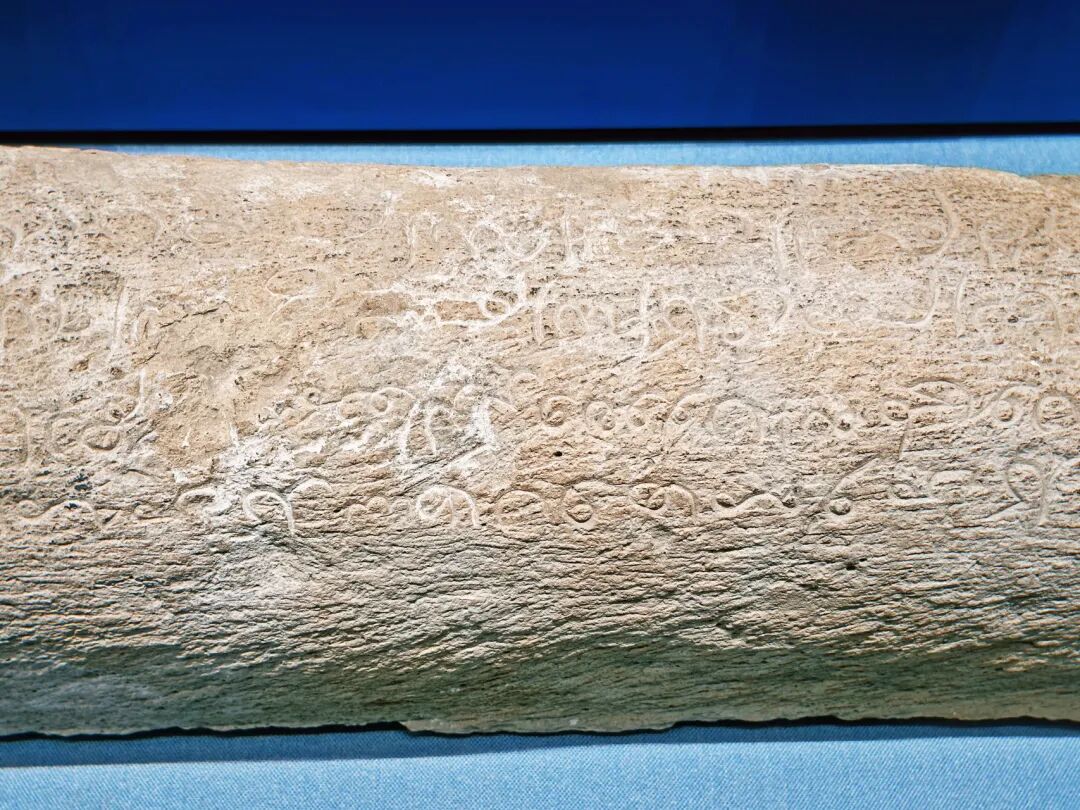
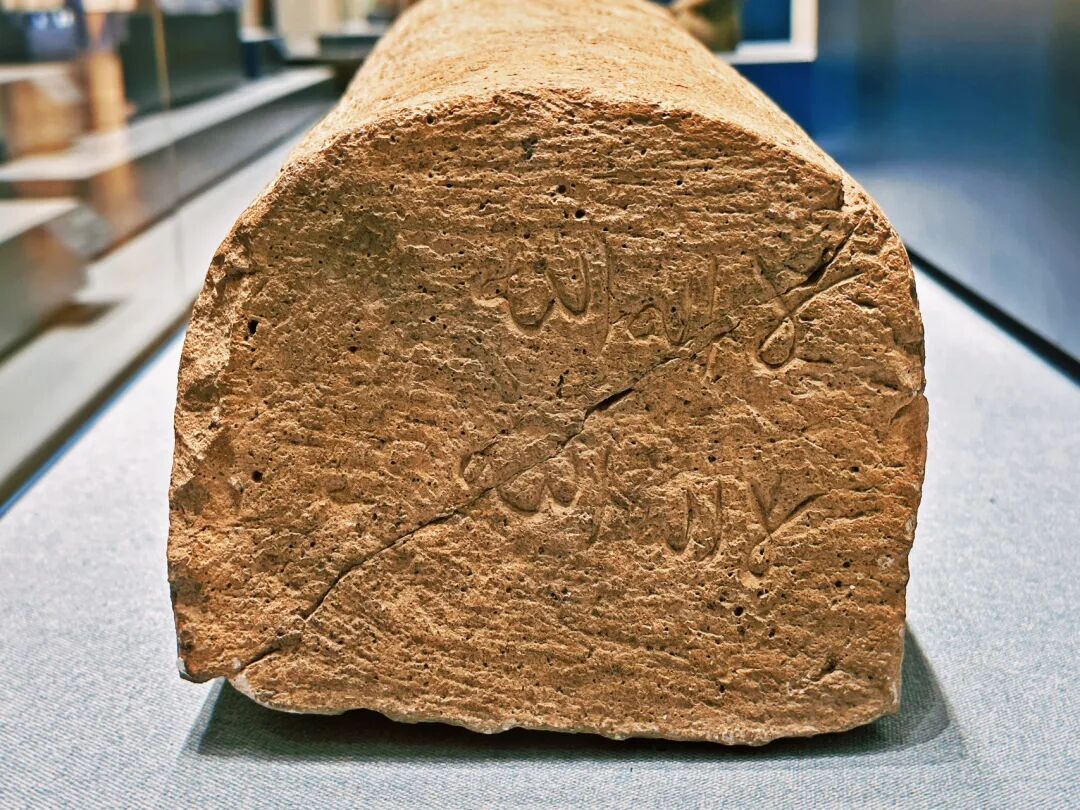
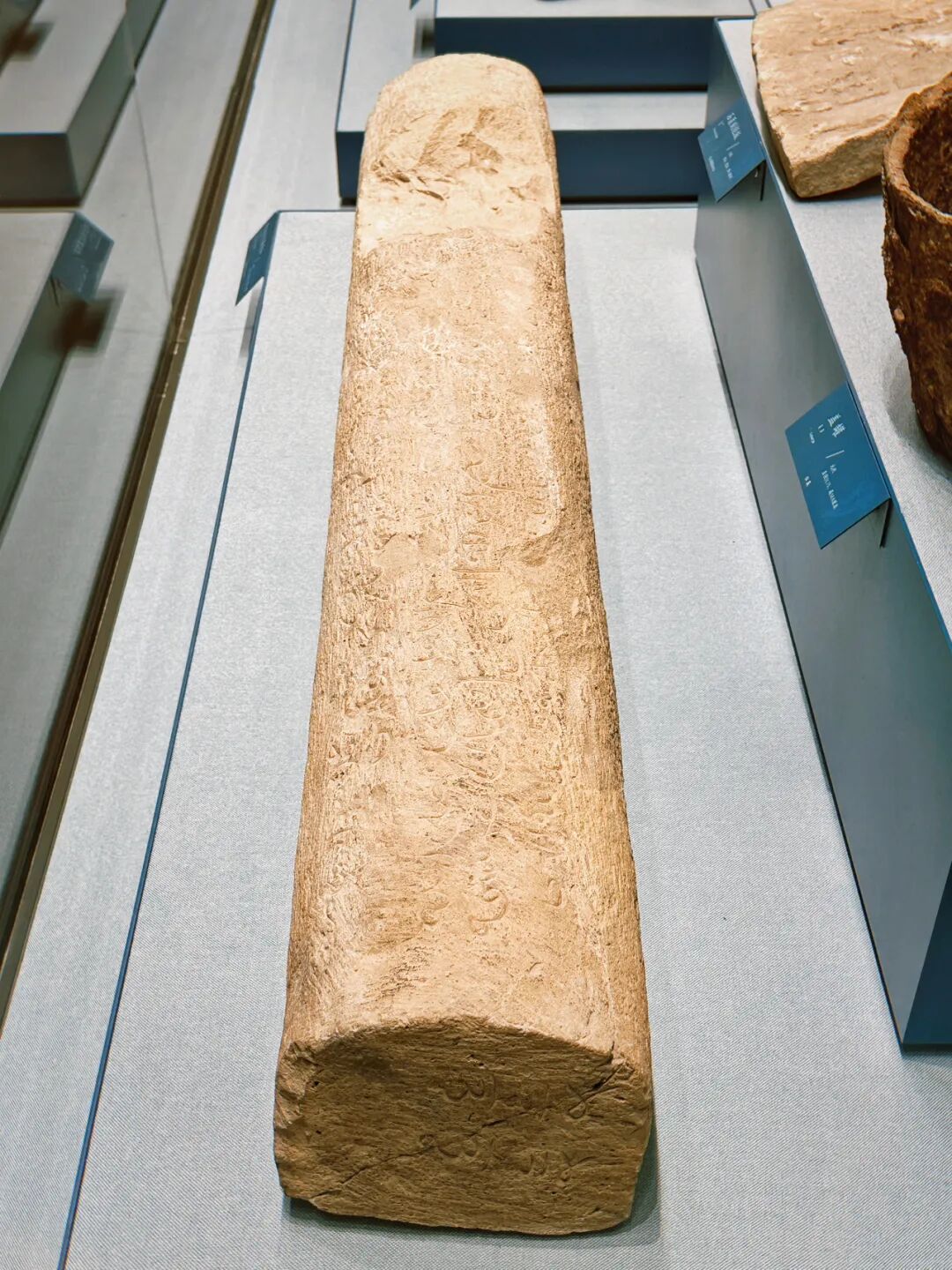
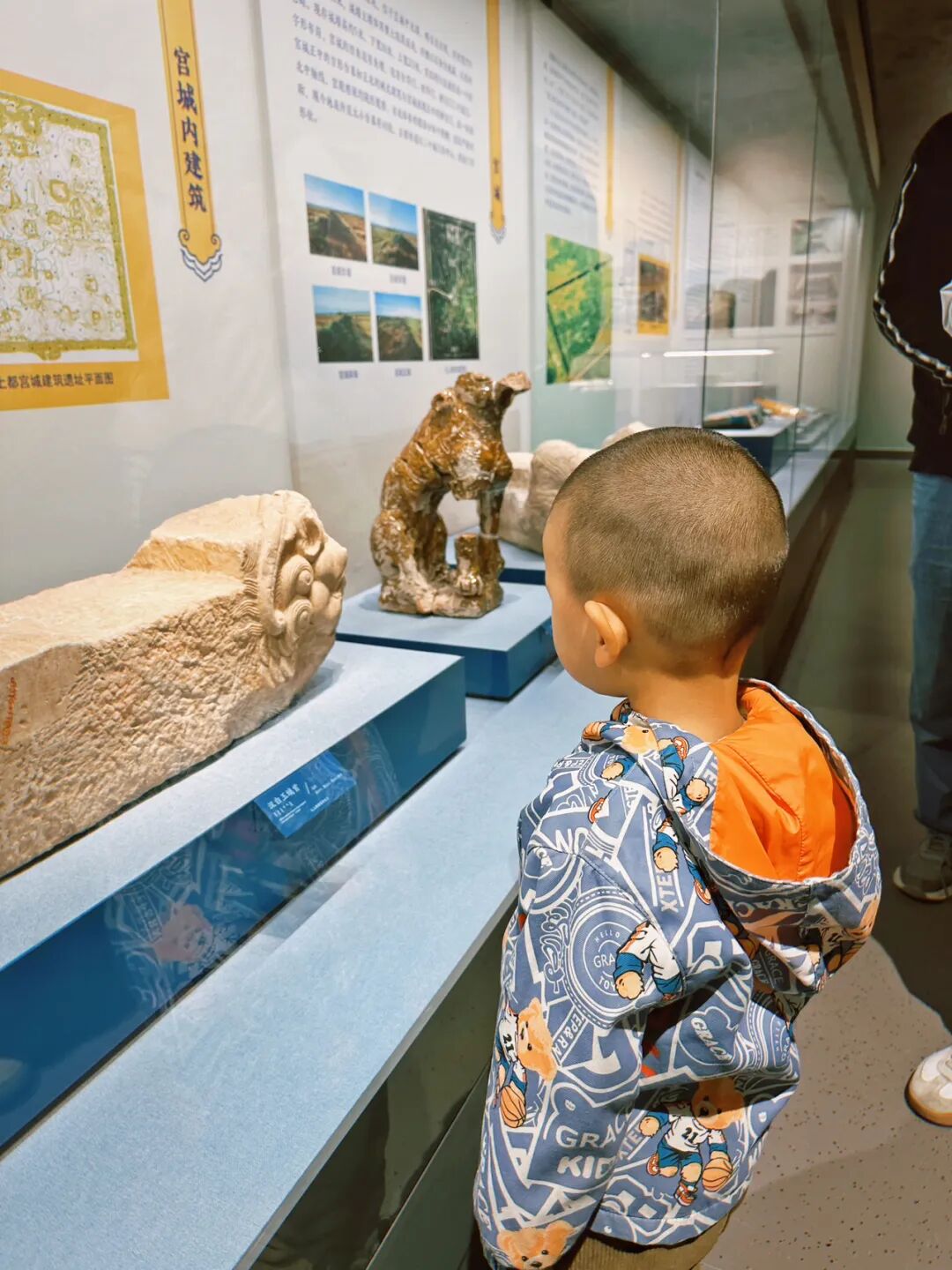
Besides the mosque, there were many graves of Muslim people in Xanadu. When excavating the foundation of the Da'an Pavilion in the palace city, 12 Islamic tombstone tops were found in the stone base of the outer wall. More tombstone tops were also found in the pillars supporting the gate arch at the Mingde Gate, the south gate of the imperial city. These tombstone tops were likely taken from a Hui Muslim cemetery and reused. One of these tombstone tops is now on display at the Xilingol League Cultural Heritage Museum. It features praises to Allah and the Prophet on the top, with the Shahada (the Islamic declaration of faith) on both sides.
Shangdu was burned down twice during the late Yuan Dynasty. In 1358 (the 18th year of the Zhizheng era), the Han-Song army captured Shangdu. The History of Yuan records that the palaces of Shangdu were completely destroyed. In 1368 (the 28th year of the Zhizheng era), the Ming army captured Shangdu again. The Beixun Siji records that all palaces and government offices were burned down. The mosque in Shangdu was likely destroyed at this time, and the local Islamic community disappeared.
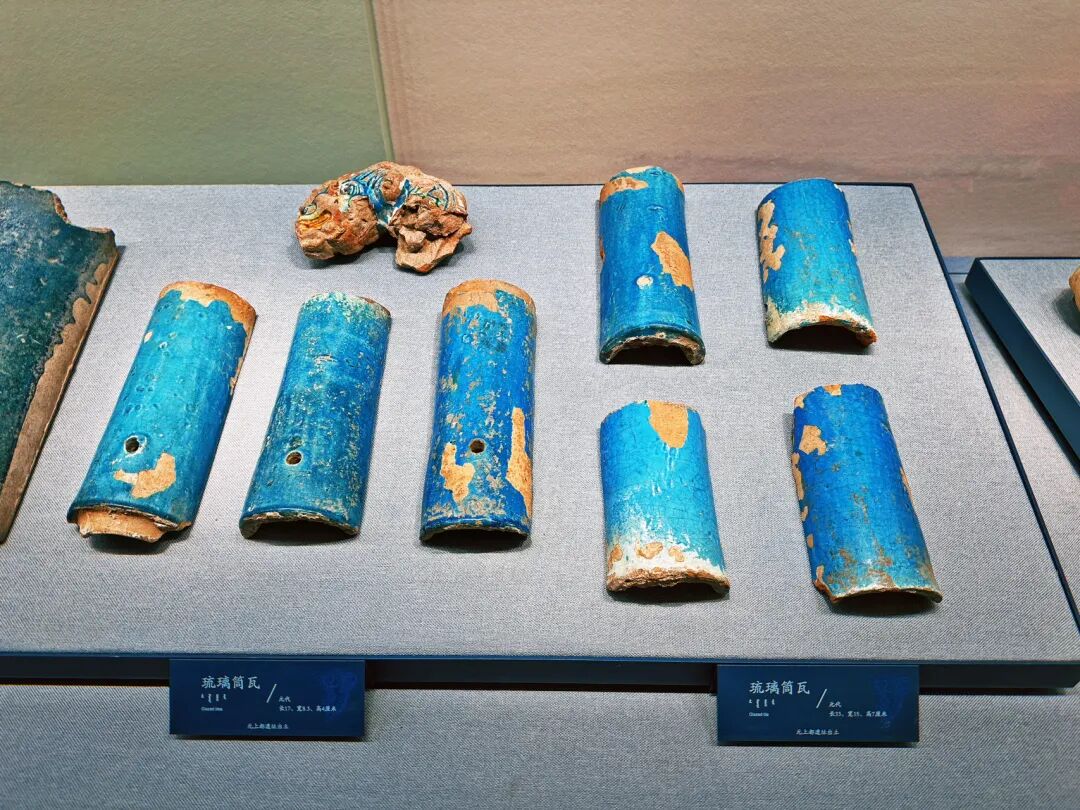
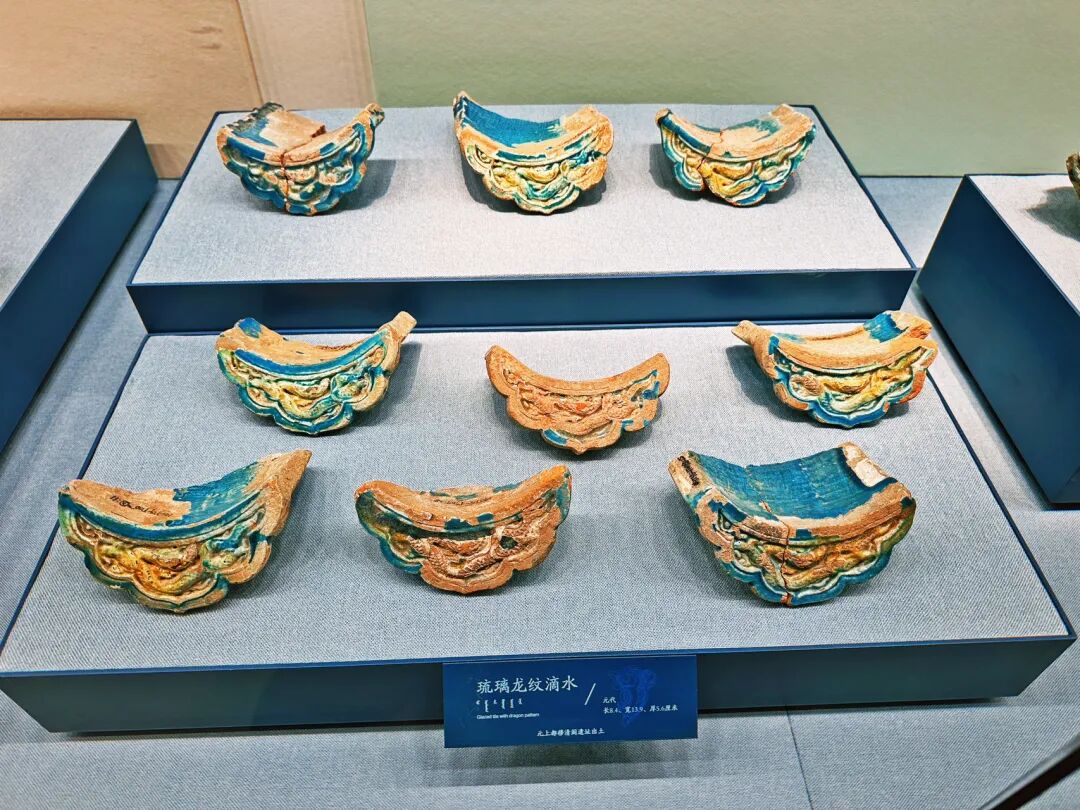
The Xilingol League Cultural Heritage Museum displays many artifacts unearthed from the ruins of Shangdu. The blue glazed tiles from the Muqing Pavilion are the most beautiful. It is believed that the Muqing Pavilion was previously the site of the Shangdu Islamic Observatory.
After leaving the ruins of Shangdu, it takes two hours to drive back to Xilinhot. You will pass groups of volcanic hills on the grassland, which is a stunning sight.
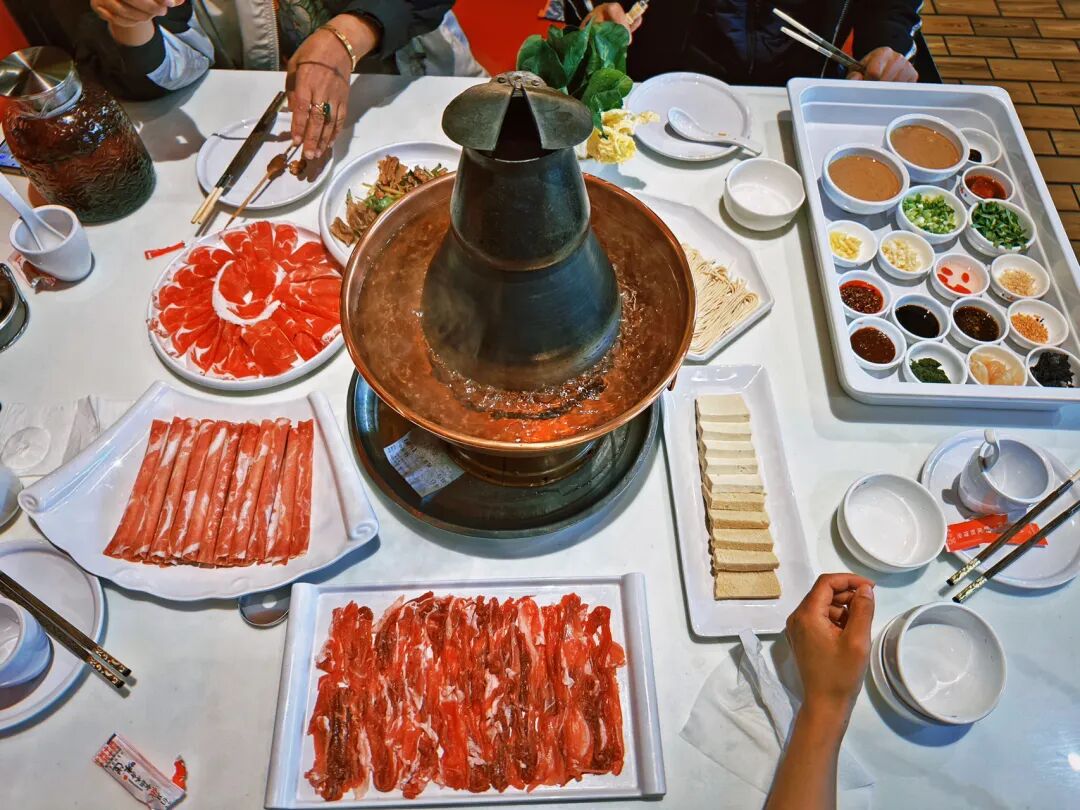
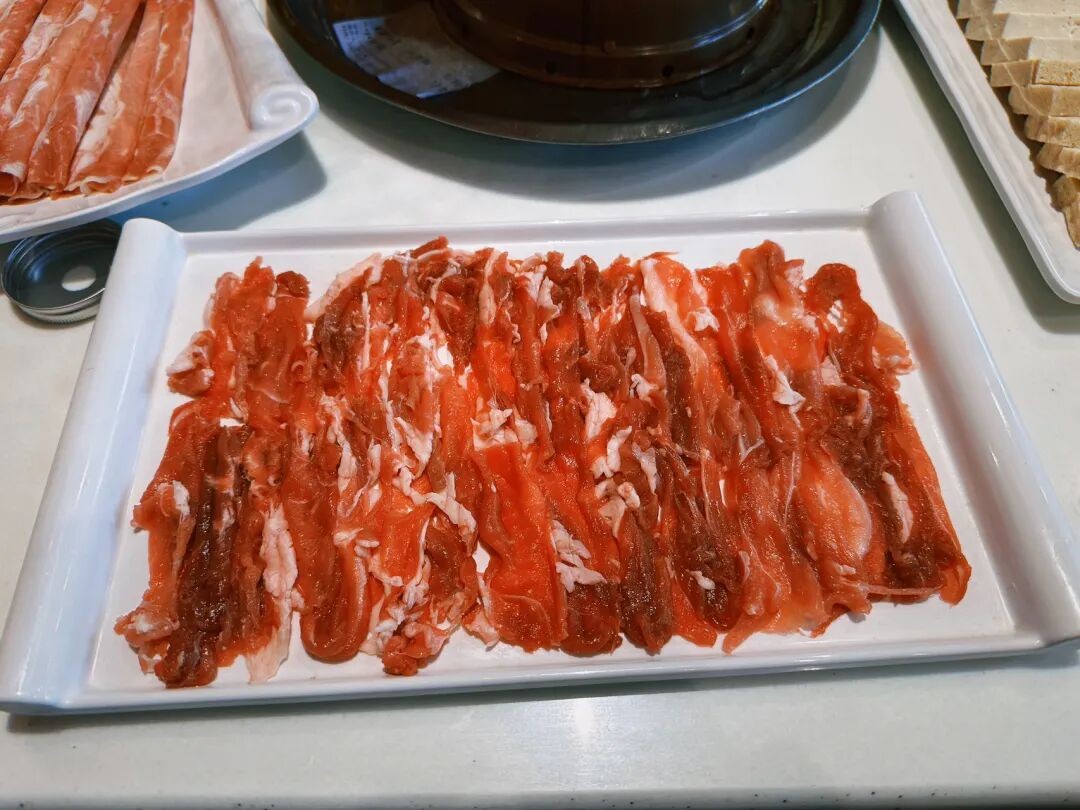
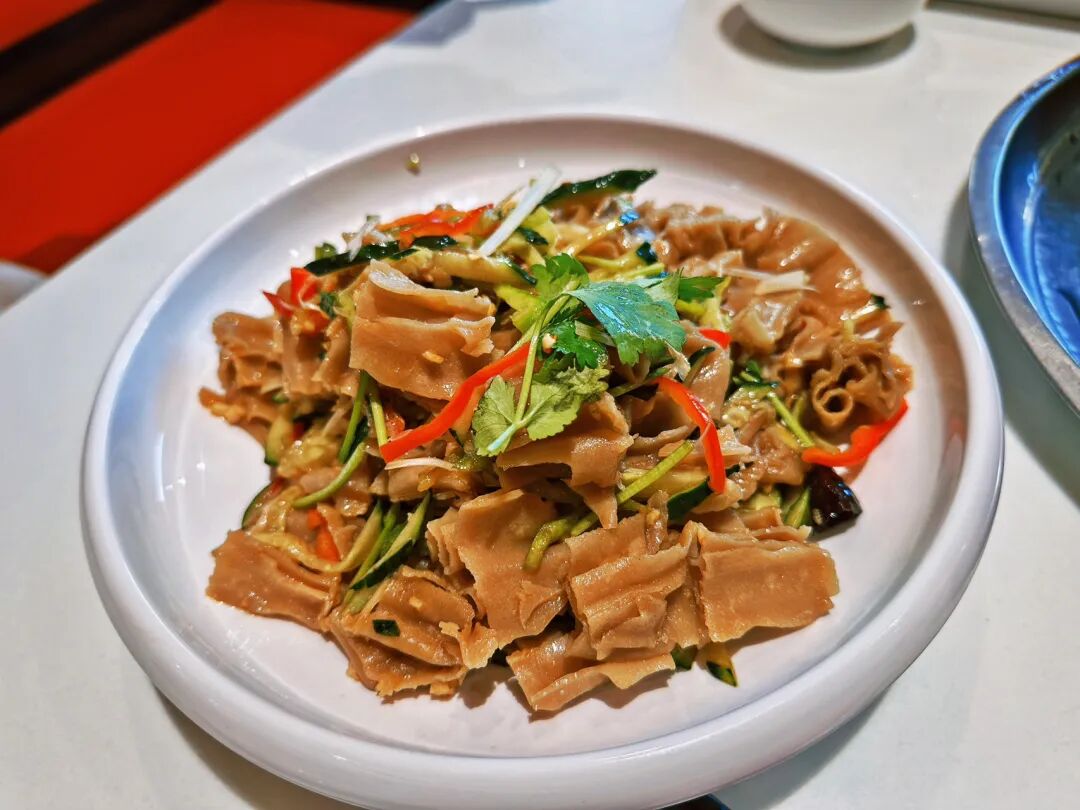
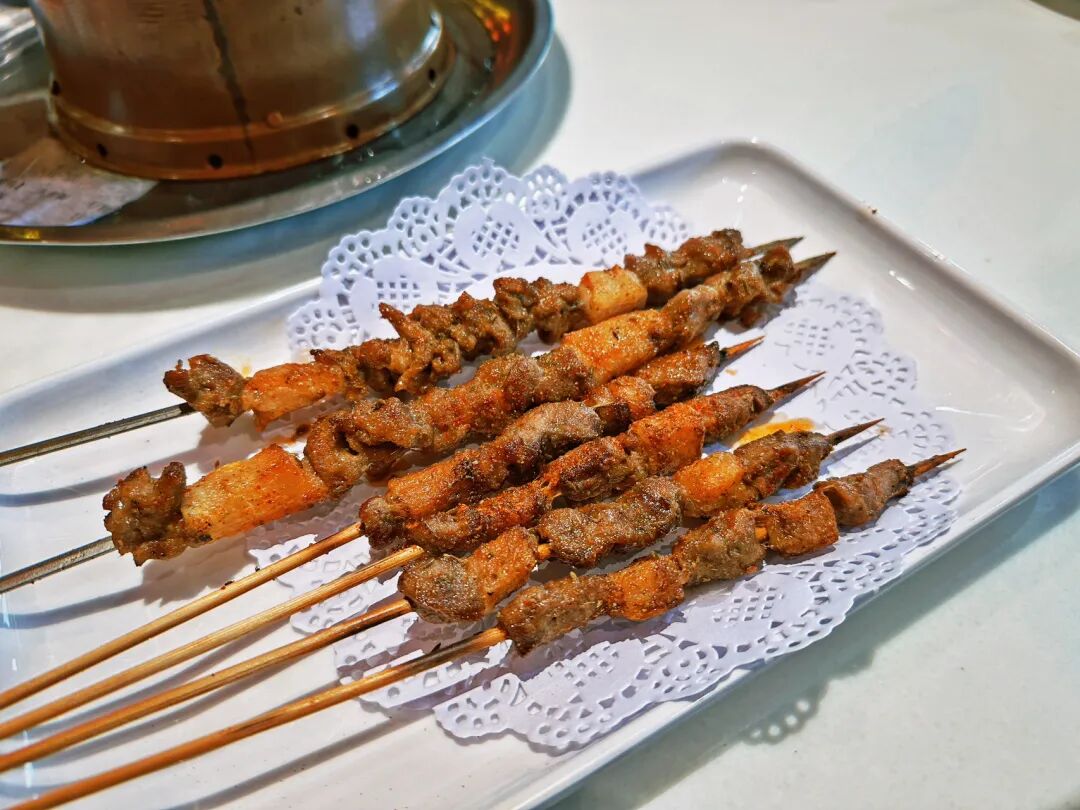
We ate hot pot lamb (shuan yangrou) at Chunhui in Xilinhot. We ordered a set for two, which included lamb, beef, a mix of tofu, a mix of vegetables, two large and four small lamb skewers, a pot of Pu'er tea, and a serving of hand-rolled noodles. We also added a serving of fresh lamb, a serving of cold oat noodles (youmian), and two bottles of yogurt.
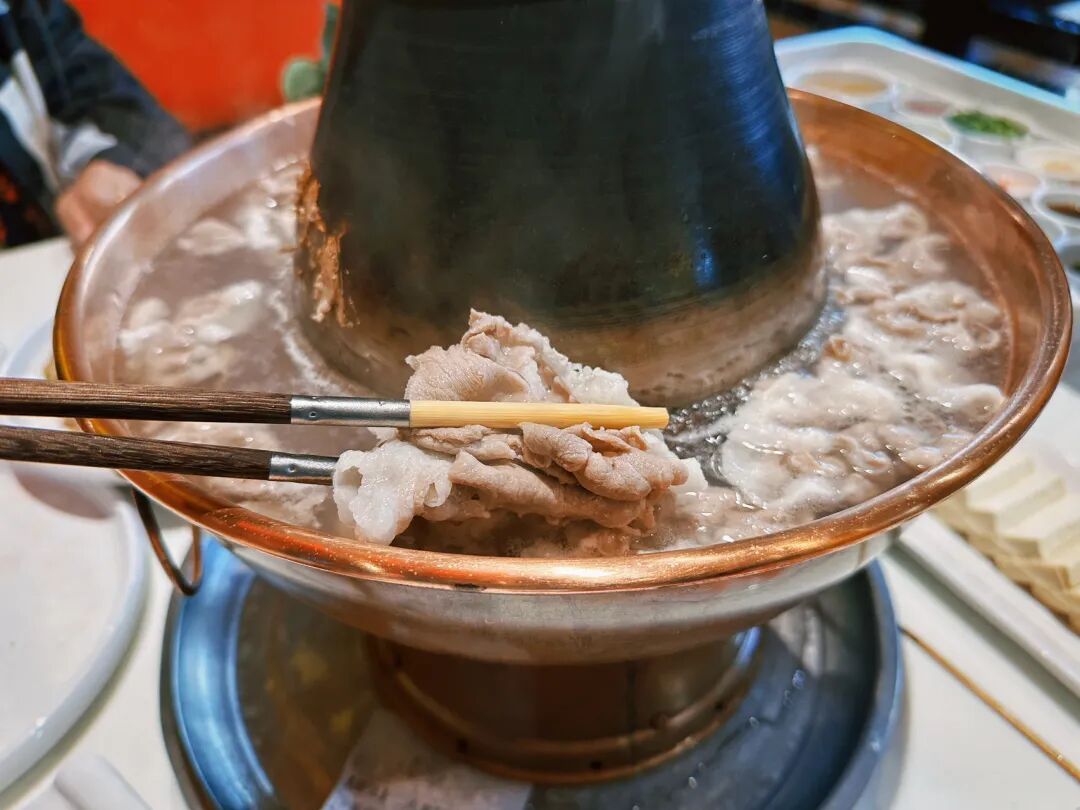
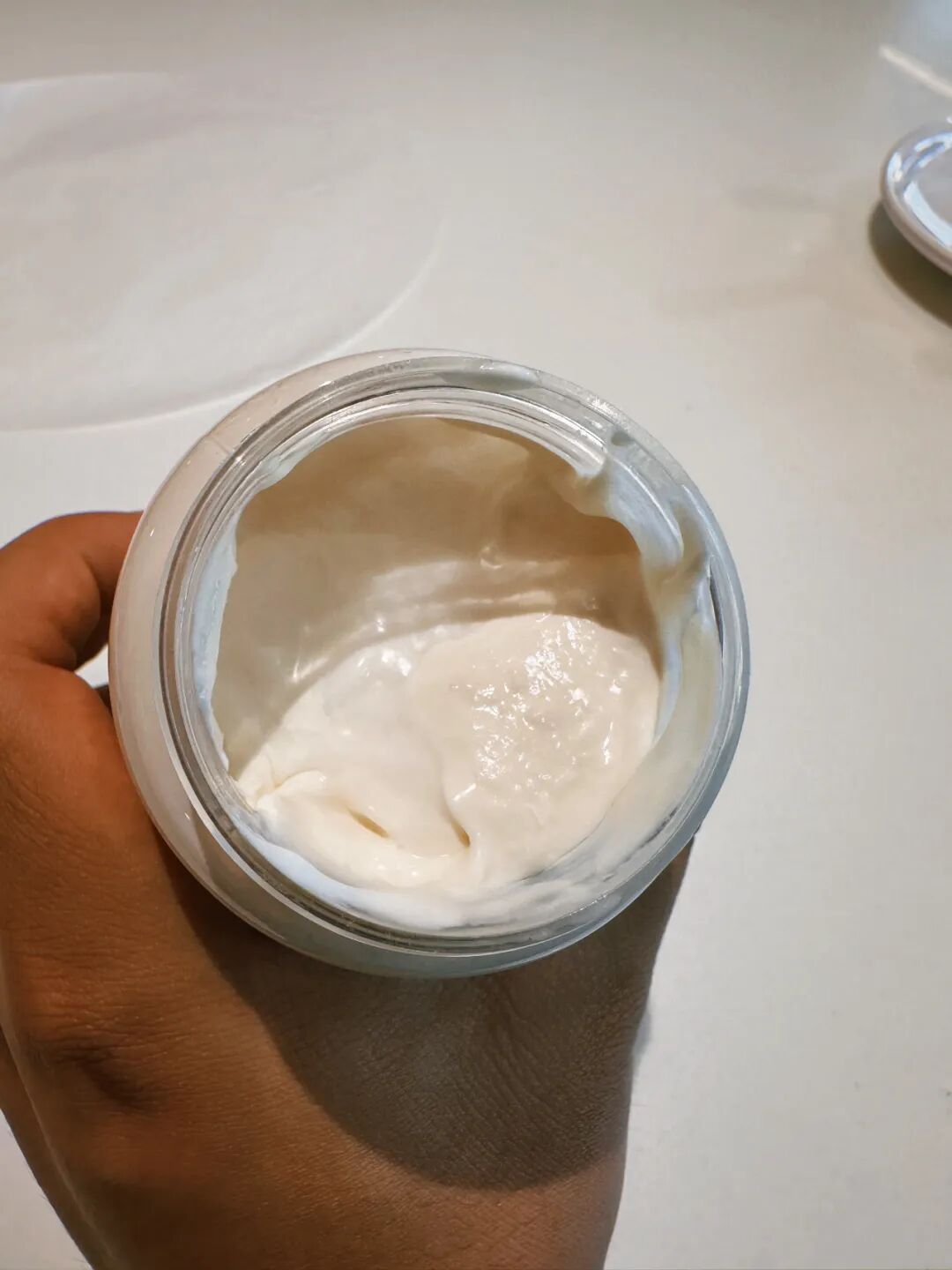
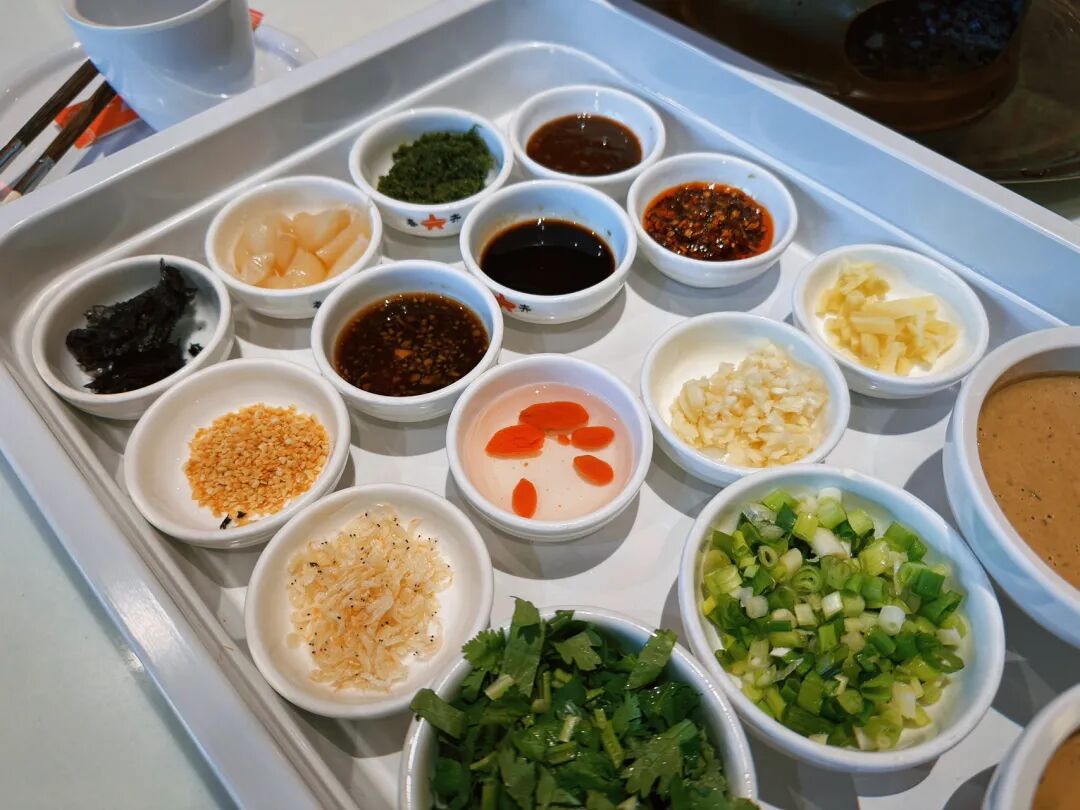
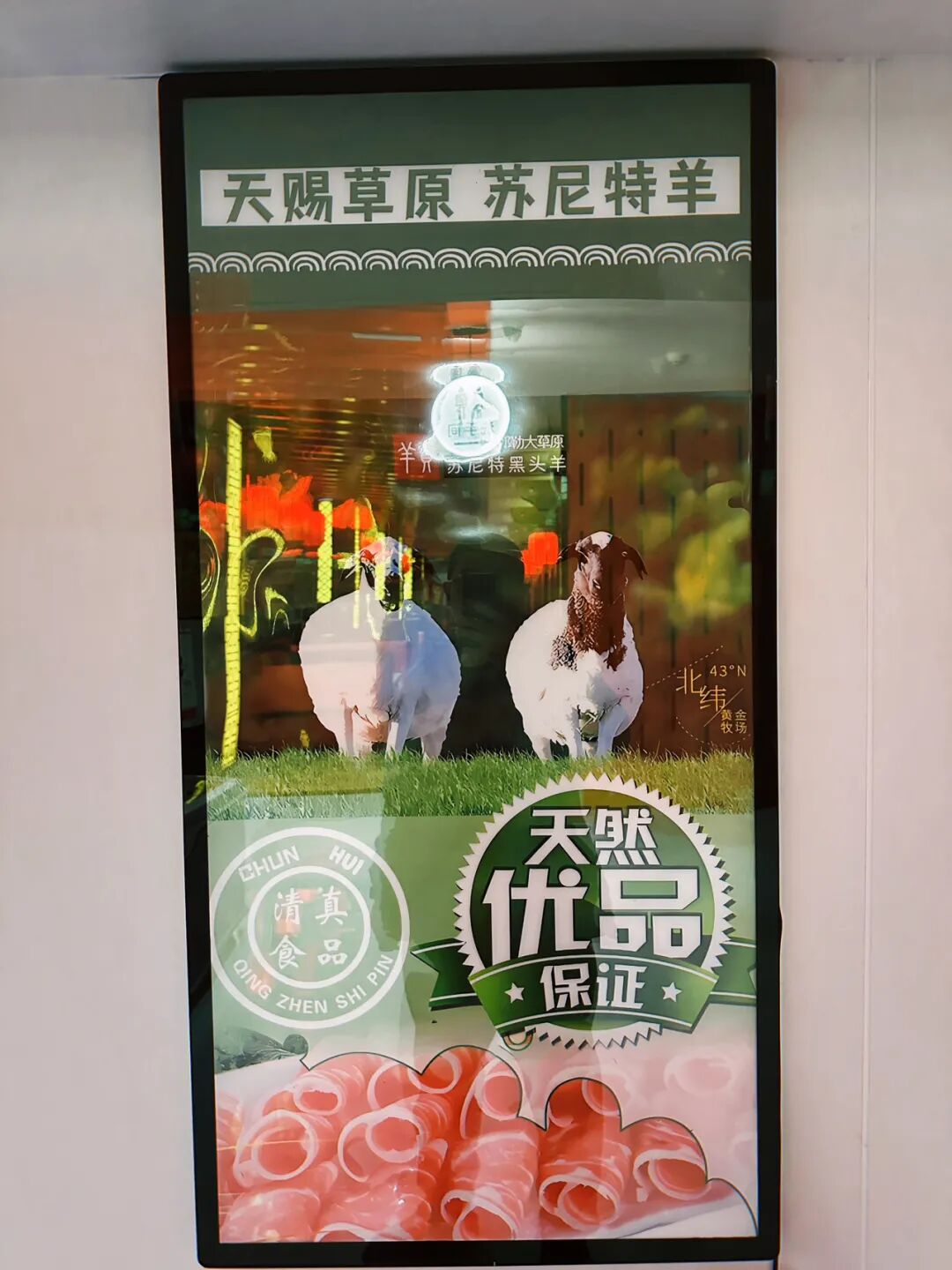
Their meat is truly delicious. The Sunite black-headed lamb and Abaga Banner free-range beef are both specialties of Xilingol League. The cold oat noodles are very appetizing. They are sweet and sour, making them hard to stop eating, much like cold skin noodles (liangpi) in Northwest China. A special feature of this place is the generous amount of dipping sauce ingredients provided. You can add crushed peanuts, dried shrimp, minced garlic, and minced ginger into the pot, or skip them if you prefer the original flavor. Fresh chive flower sauce is also great for adding flavor here. It is delicious to dip the cooked lamb directly into it. Their yogurt is also very good. It is pure, unsweetened, and thick, very similar to Xinjiang yogurt.
If you visit Xilinhot, I recommend the local Hui Muslims breakfast spot Shuangyueyuan. It is inside a residential area on Hanggai Road, and parking is very easy.
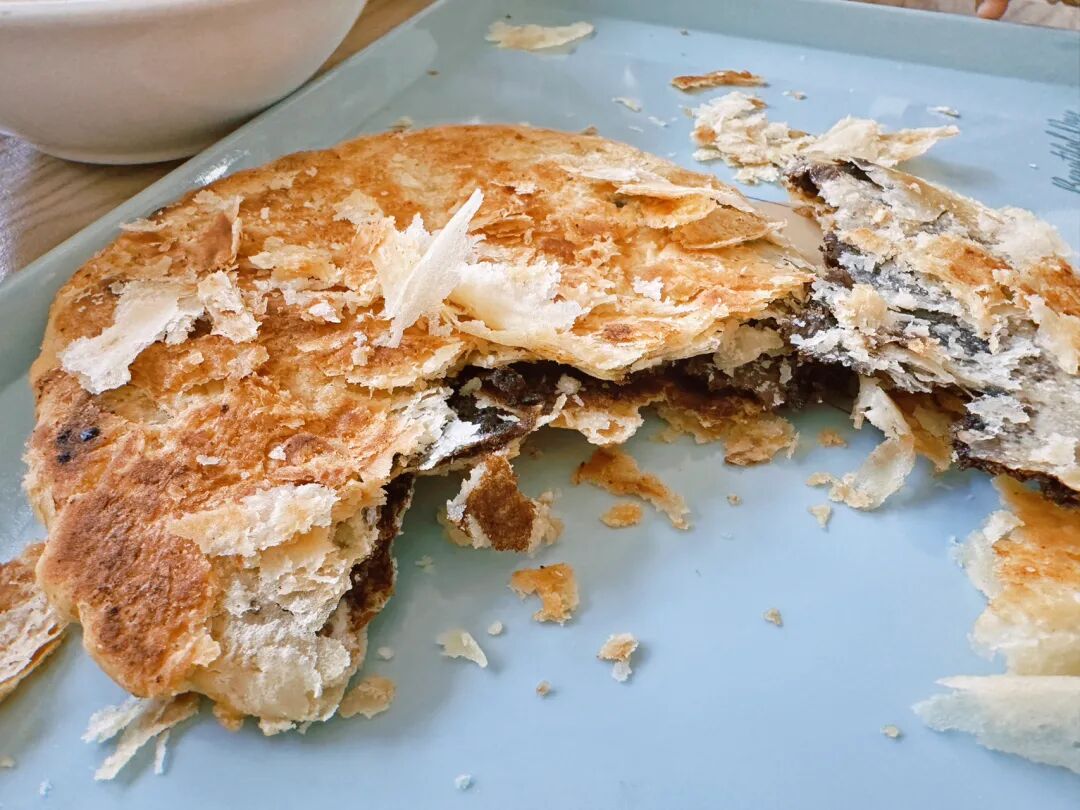
We ordered deep-fried dough sticks (youtiao), tofu pudding (doufunao), brown sugar crispy flatbread (tangsubing), milk tea, lamb and pickled cabbage buns, and lamb and celery buns. Everything was delicious. The deep-fried dough sticks (youtiao) were very fluffy and went perfectly with the milk tea and tofu pudding (doufunao). The milk tea was rich and oily with its own milk skin (naipizi). It was much thicker than what we make in Beijing, and one sip made me feel like I was on the grasslands. For the tofu pudding (doufunao), you can add your own soybeans, fresh chive flowers, and cilantro. It tasted great. The brown sugar crispy flatbread (tangsubing) had a brown sugar filling. It was so flaky that it crumbled at a touch, so you have to eat it over a metal tray. The kids loved it. The buns were large with plenty of filling. Two are enough for one person, and the pickled cabbage filling was the best. view all
Summary: Yuan Shangdu, also known as Xanadu, appears here through museum evidence of a Hui mosque and a meal of Xilingol lamb hotpot. This account keeps the museum notes, historical context, food details, and photographs in the original order.
We drove from Duolun County and reached the Xilingol League Cultural Heritage Museum in half an hour. The museum is inside a small hill on the Jinlianchuan Grassland, 5 kilometers south of the Xanadu (Yuan Shangdu) ruins. After parking, you can hike up the hill to the museum or take a sightseeing shuttle from the visitor center for 5 yuan per person. There are sika deer in the visitor center courtyard, which is great for kids to see. The shuttle circles the hill, giving you a great view of the Jinlianchuan Grassland.
Kublai Khan ordered the construction of Xanadu in 1256. It became the capital of the Yuan Dynasty in 1263 and served as the emperor's residence from the fourth to the ninth lunar month every year. During these imperial visits, business in Xanadu boomed. The Epitaph of Chancellor He records that everything from grain and cloth to rare and exotic goods arrived from far away. Many Semu people from Arabia, Persia, and Central Asia came to Xanadu to trade. Additionally, a Muslim observatory (Huihui Sitian Tai) was built at the Xanadu palace, managed by a Muslim named Jamaluddin. There was also a Muslim pharmacy (Huihui Yaowuyuan) managed by a darughachi. The National Library of China holds a four-volume manuscript of the Muslim Prescriptions (Huihui Yaofang), which was used by the Muslim pharmacy.
The founding date of the Xanadu mosque (Huihui Si) is unknown. It was originally located southwest of the palace city but was destroyed in May 1321. The History of Yuan records that the Xanadu mosque was destroyed to build the Imperial Teacher Hall on its site. Archaeological research suggests that the main hall in the middle courtyard of site No. 34 in Xanadu, which still has a 2-meter-high rammed earth foundation on its west side, may be the original site of the mosque. In 1324, the Xanadu mosque was rebuilt at a new location and renamed the Mosque (Libai Si). The History of Yuan records that 40,000 ingots of paper money were granted to build mosques in Xanadu and Datong.
Besides the mosque, there were many graves of Muslim people in Xanadu. When excavating the foundation of the Da'an Pavilion in the palace city, 12 Islamic tombstone tops were found in the stone base of the outer wall. More tombstone tops were also found in the pillars supporting the gate arch at the Mingde Gate, the south gate of the imperial city. These tombstone tops were likely taken from a Hui Muslim cemetery and reused. One of these tombstone tops is now on display at the Xilingol League Cultural Heritage Museum. It features praises to Allah and the Prophet on the top, with the Shahada (the Islamic declaration of faith) on both sides.
Shangdu was burned down twice during the late Yuan Dynasty. In 1358 (the 18th year of the Zhizheng era), the Han-Song army captured Shangdu. The History of Yuan records that the palaces of Shangdu were completely destroyed. In 1368 (the 28th year of the Zhizheng era), the Ming army captured Shangdu again. The Beixun Siji records that all palaces and government offices were burned down. The mosque in Shangdu was likely destroyed at this time, and the local Islamic community disappeared.
The Xilingol League Cultural Heritage Museum displays many artifacts unearthed from the ruins of Shangdu. The blue glazed tiles from the Muqing Pavilion are the most beautiful. It is believed that the Muqing Pavilion was previously the site of the Shangdu Islamic Observatory.
After leaving the ruins of Shangdu, it takes two hours to drive back to Xilinhot. You will pass groups of volcanic hills on the grassland, which is a stunning sight.
We ate hot pot lamb (shuan yangrou) at Chunhui in Xilinhot. We ordered a set for two, which included lamb, beef, a mix of tofu, a mix of vegetables, two large and four small lamb skewers, a pot of Pu'er tea, and a serving of hand-rolled noodles. We also added a serving of fresh lamb, a serving of cold oat noodles (youmian), and two bottles of yogurt.
Their meat is truly delicious. The Sunite black-headed lamb and Abaga Banner free-range beef are both specialties of Xilingol League. The cold oat noodles are very appetizing. They are sweet and sour, making them hard to stop eating, much like cold skin noodles (liangpi) in Northwest China. A special feature of this place is the generous amount of dipping sauce ingredients provided. You can add crushed peanuts, dried shrimp, minced garlic, and minced ginger into the pot, or skip them if you prefer the original flavor. Fresh chive flower sauce is also great for adding flavor here. It is delicious to dip the cooked lamb directly into it. Their yogurt is also very good. It is pure, unsweetened, and thick, very similar to Xinjiang yogurt.
If you visit Xilinhot, I recommend the local Hui Muslims breakfast spot Shuangyueyuan. It is inside a residential area on Hanggai Road, and parking is very easy.
We ordered deep-fried dough sticks (youtiao), tofu pudding (doufunao), brown sugar crispy flatbread (tangsubing), milk tea, lamb and pickled cabbage buns, and lamb and celery buns. Everything was delicious. The deep-fried dough sticks (youtiao) were very fluffy and went perfectly with the milk tea and tofu pudding (doufunao). The milk tea was rich and oily with its own milk skin (naipizi). It was much thicker than what we make in Beijing, and one sip made me feel like I was on the grasslands. For the tofu pudding (doufunao), you can add your own soybeans, fresh chive flowers, and cilantro. It tasted great. The brown sugar crispy flatbread (tangsubing) had a brown sugar filling. It was so flaky that it crumbled at a touch, so you have to eat it over a metal tray. The kids loved it. The buns were large with plenty of filling. Two are enough for one person, and the pickled cabbage filling was the best. view all
Reposted from the web
Summary: Yuan Shangdu, also known as Xanadu, appears here through museum evidence of a Hui mosque and a meal of Xilingol lamb hotpot. This account keeps the museum notes, historical context, food details, and photographs in the original order.
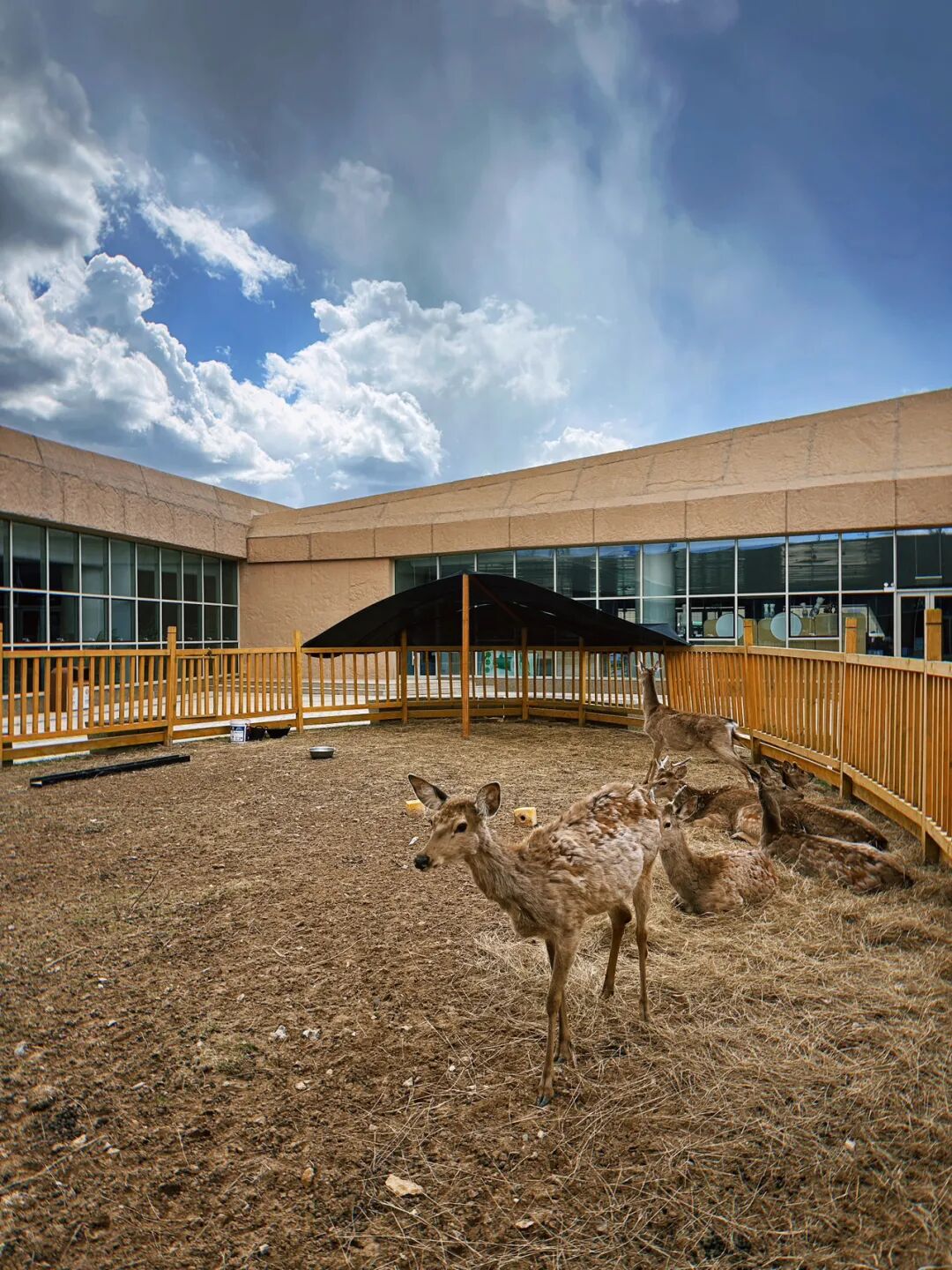
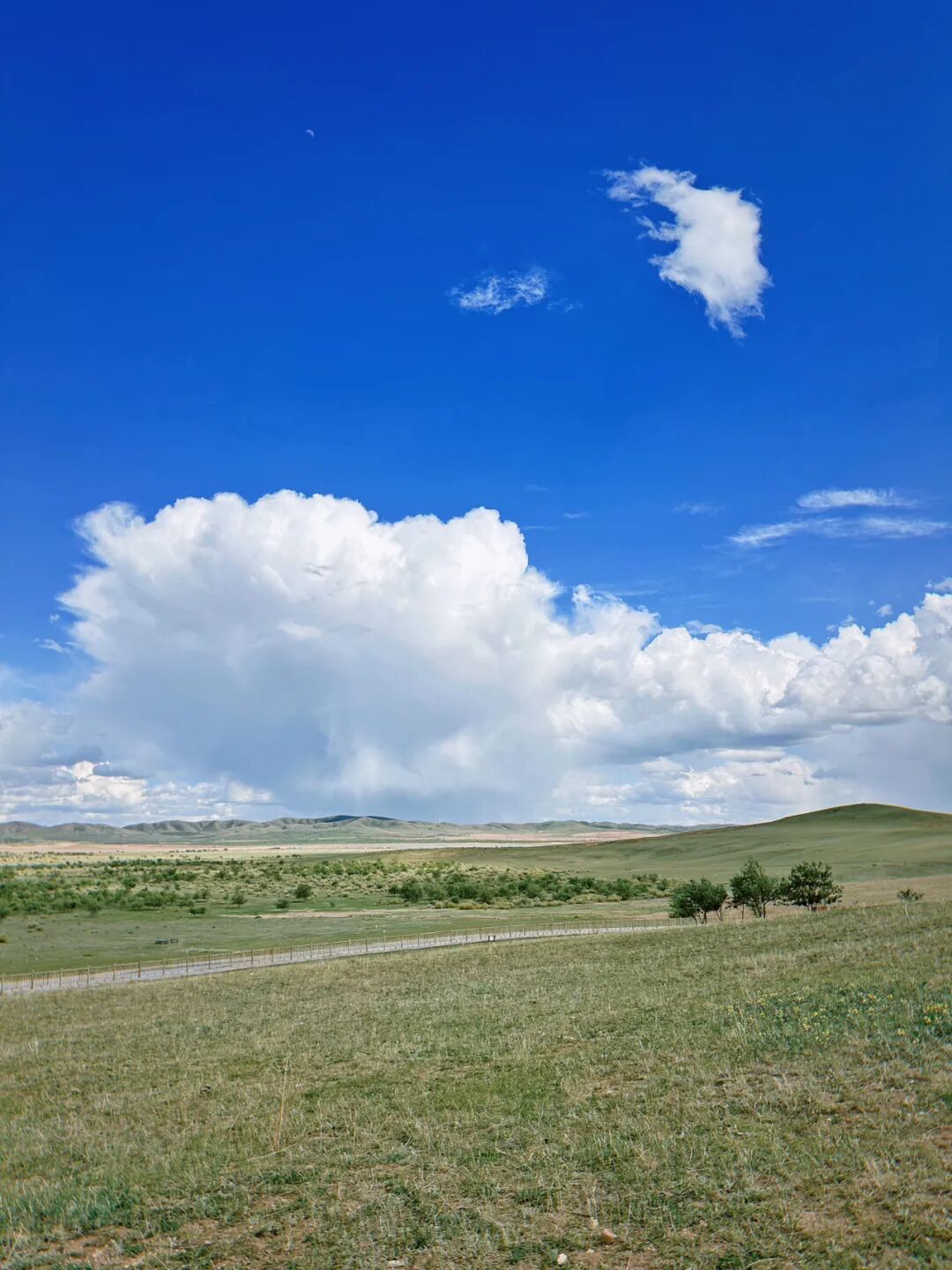
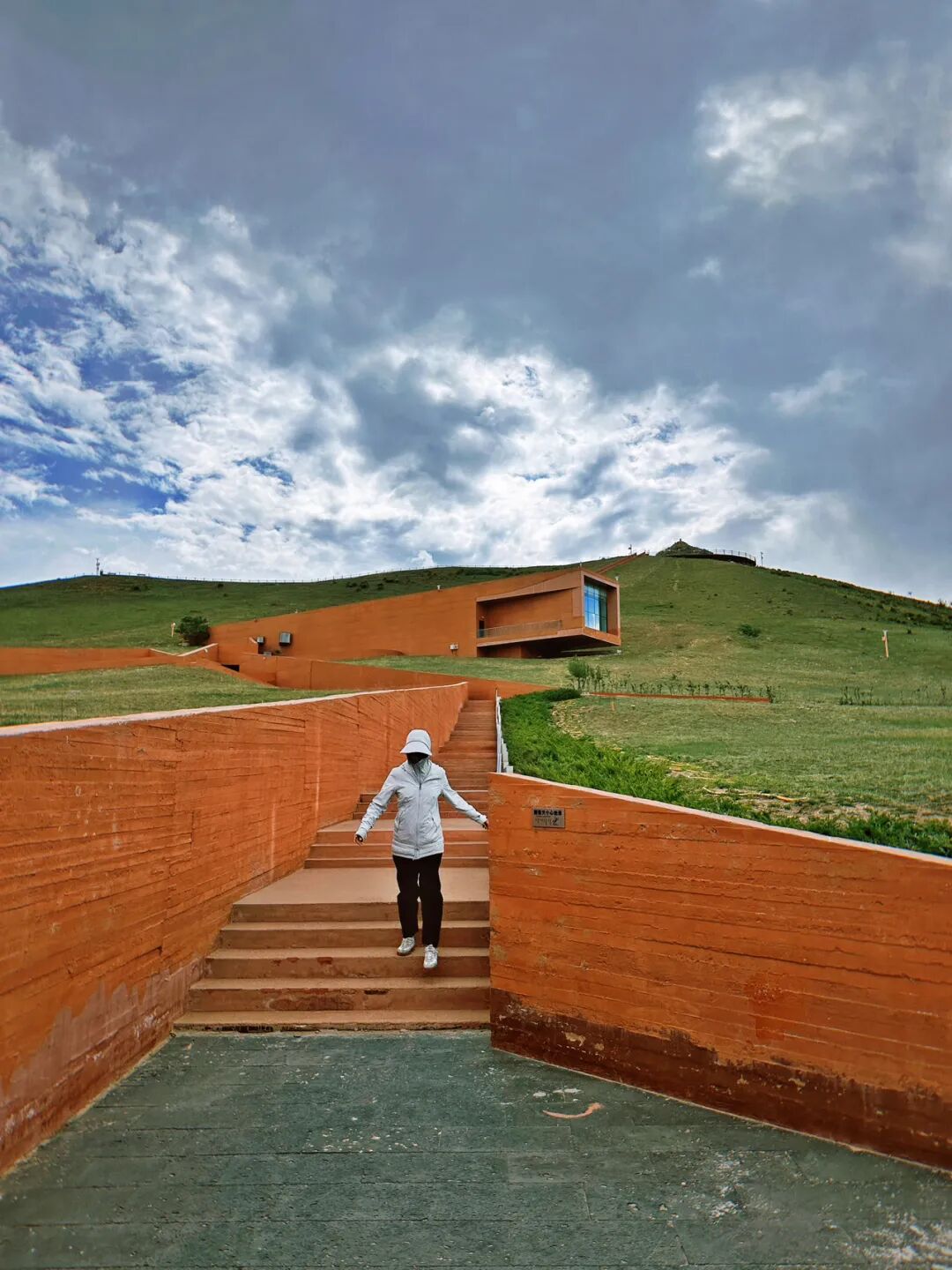
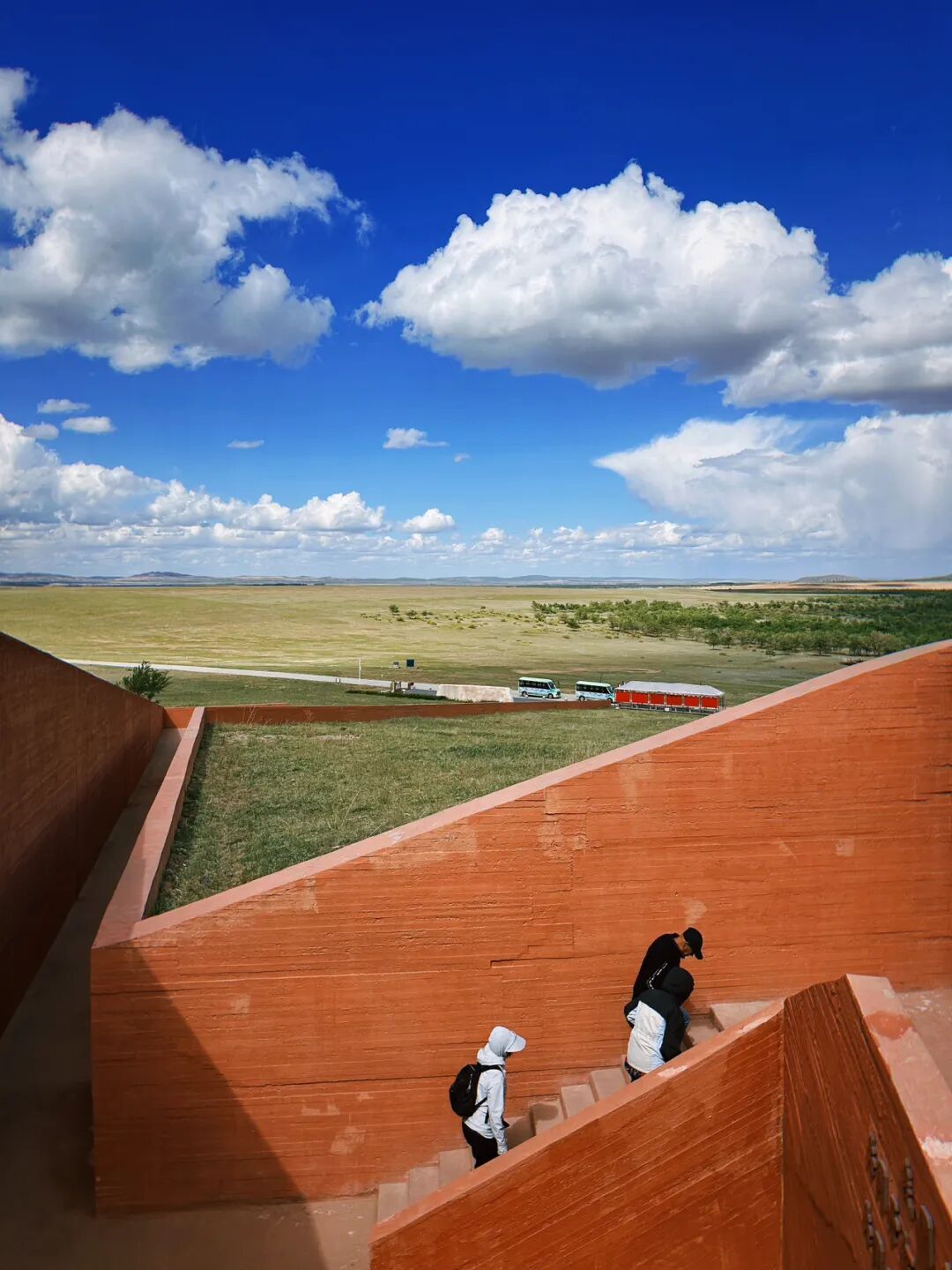
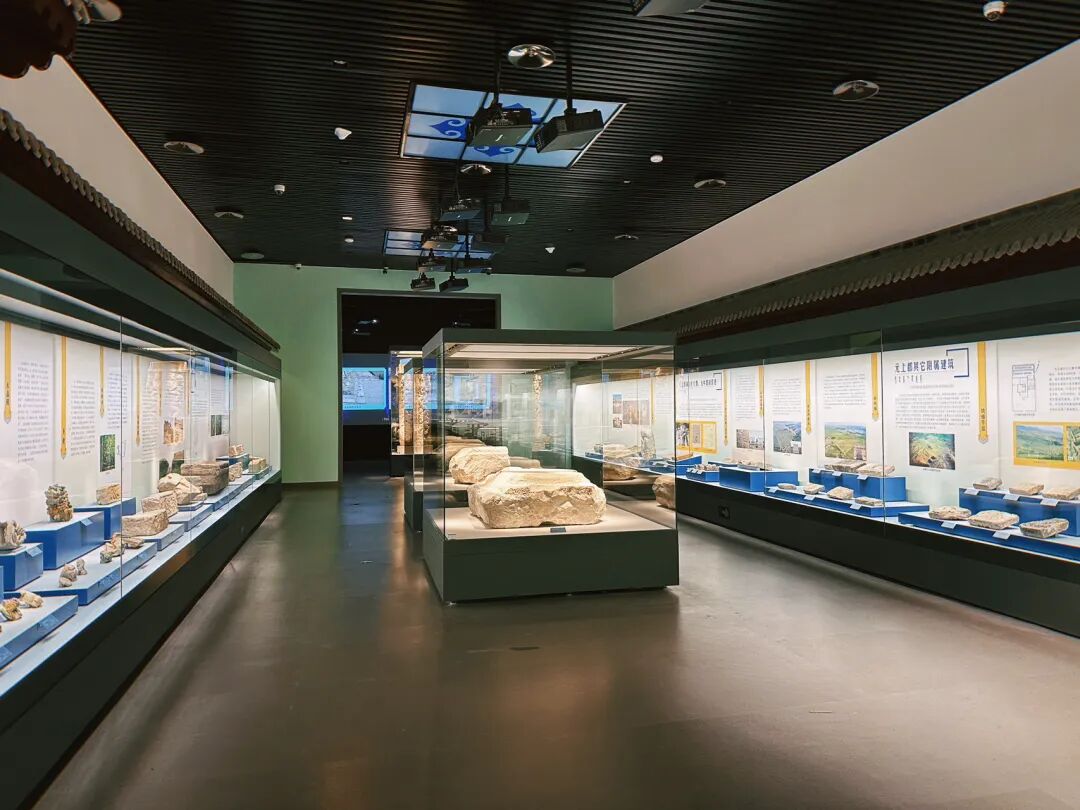
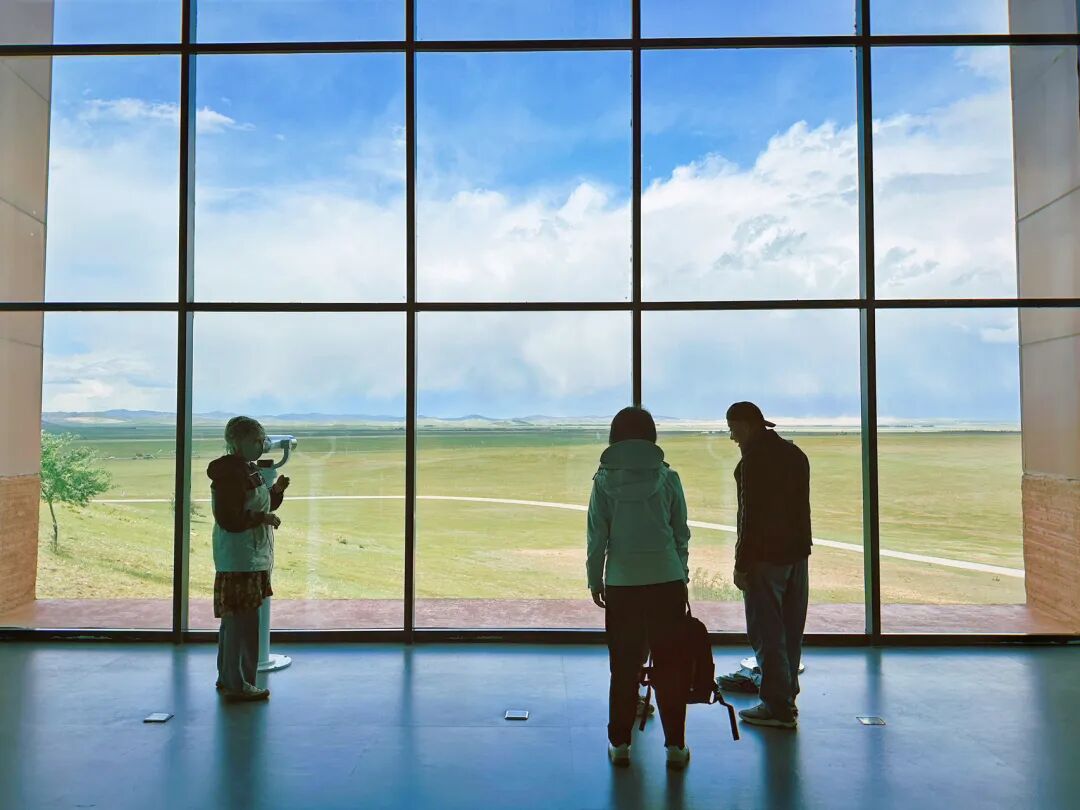
We drove from Duolun County and reached the Xilingol League Cultural Heritage Museum in half an hour. The museum is inside a small hill on the Jinlianchuan Grassland, 5 kilometers south of the Xanadu (Yuan Shangdu) ruins. After parking, you can hike up the hill to the museum or take a sightseeing shuttle from the visitor center for 5 yuan per person. There are sika deer in the visitor center courtyard, which is great for kids to see. The shuttle circles the hill, giving you a great view of the Jinlianchuan Grassland.
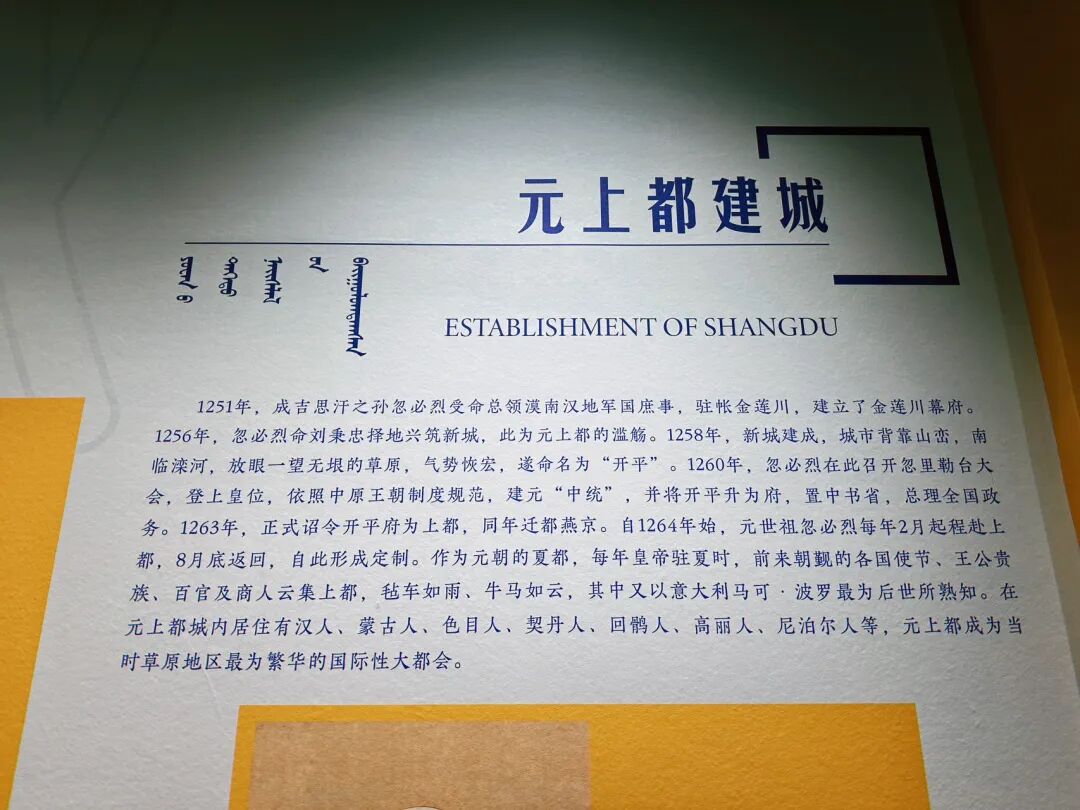
Kublai Khan ordered the construction of Xanadu in 1256. It became the capital of the Yuan Dynasty in 1263 and served as the emperor's residence from the fourth to the ninth lunar month every year. During these imperial visits, business in Xanadu boomed. The Epitaph of Chancellor He records that everything from grain and cloth to rare and exotic goods arrived from far away. Many Semu people from Arabia, Persia, and Central Asia came to Xanadu to trade. Additionally, a Muslim observatory (Huihui Sitian Tai) was built at the Xanadu palace, managed by a Muslim named Jamaluddin. There was also a Muslim pharmacy (Huihui Yaowuyuan) managed by a darughachi. The National Library of China holds a four-volume manuscript of the Muslim Prescriptions (Huihui Yaofang), which was used by the Muslim pharmacy.
The founding date of the Xanadu mosque (Huihui Si) is unknown. It was originally located southwest of the palace city but was destroyed in May 1321. The History of Yuan records that the Xanadu mosque was destroyed to build the Imperial Teacher Hall on its site. Archaeological research suggests that the main hall in the middle courtyard of site No. 34 in Xanadu, which still has a 2-meter-high rammed earth foundation on its west side, may be the original site of the mosque. In 1324, the Xanadu mosque was rebuilt at a new location and renamed the Mosque (Libai Si). The History of Yuan records that 40,000 ingots of paper money were granted to build mosques in Xanadu and Datong.
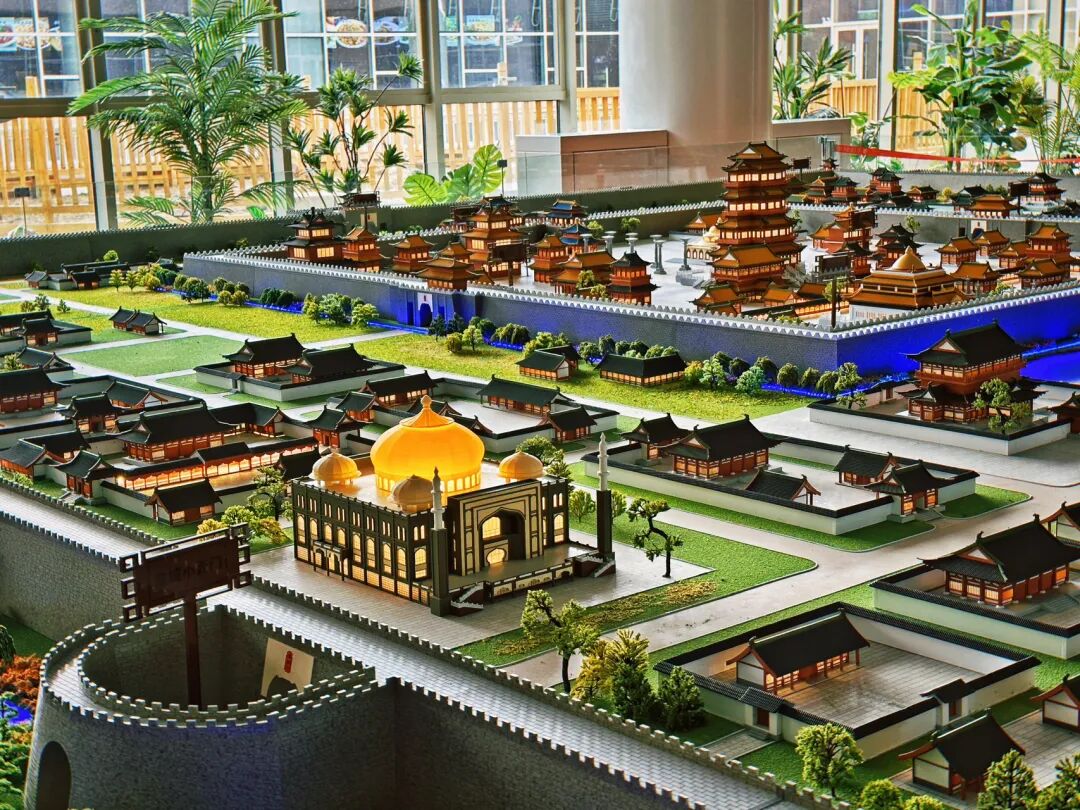
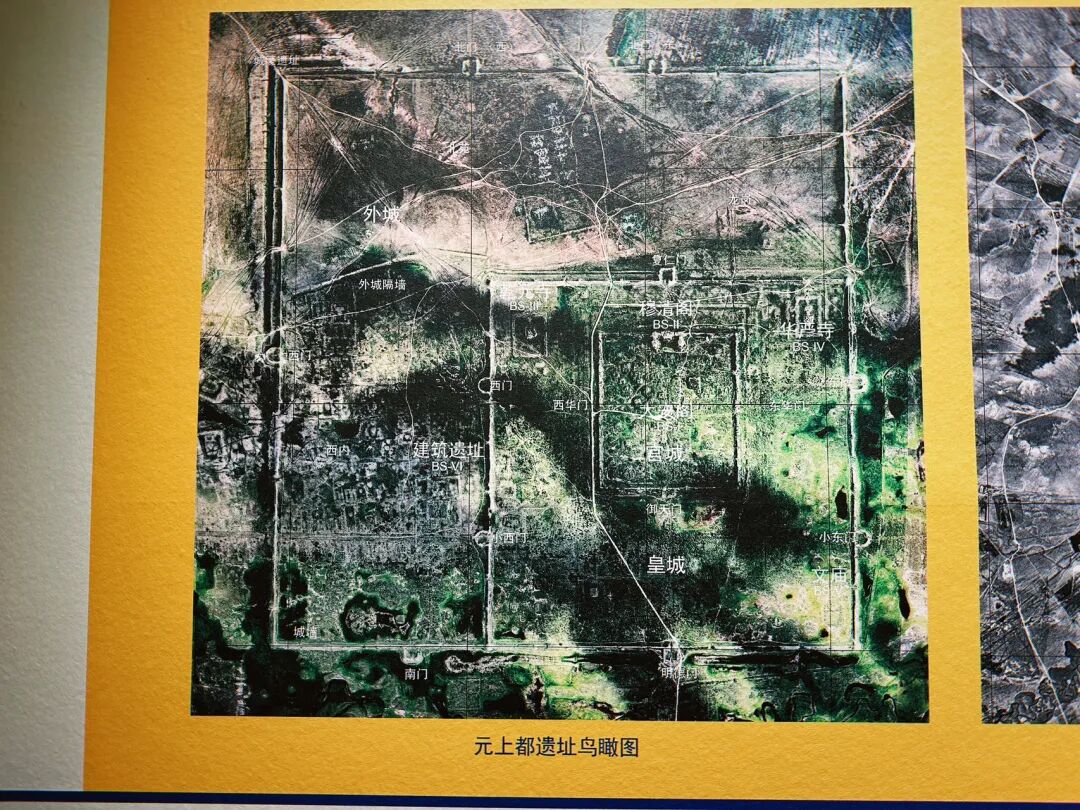
Besides the mosque, there were many graves of Muslim people in Xanadu. When excavating the foundation of the Da'an Pavilion in the palace city, 12 Islamic tombstone tops were found in the stone base of the outer wall. More tombstone tops were also found in the pillars supporting the gate arch at the Mingde Gate, the south gate of the imperial city. These tombstone tops were likely taken from a Hui Muslim cemetery and reused. One of these tombstone tops is now on display at the Xilingol League Cultural Heritage Museum. It features praises to Allah and the Prophet on the top, with the Shahada (the Islamic declaration of faith) on both sides.
Shangdu was burned down twice during the late Yuan Dynasty. In 1358 (the 18th year of the Zhizheng era), the Han-Song army captured Shangdu. The History of Yuan records that the palaces of Shangdu were completely destroyed. In 1368 (the 28th year of the Zhizheng era), the Ming army captured Shangdu again. The Beixun Siji records that all palaces and government offices were burned down. The mosque in Shangdu was likely destroyed at this time, and the local Islamic community disappeared.
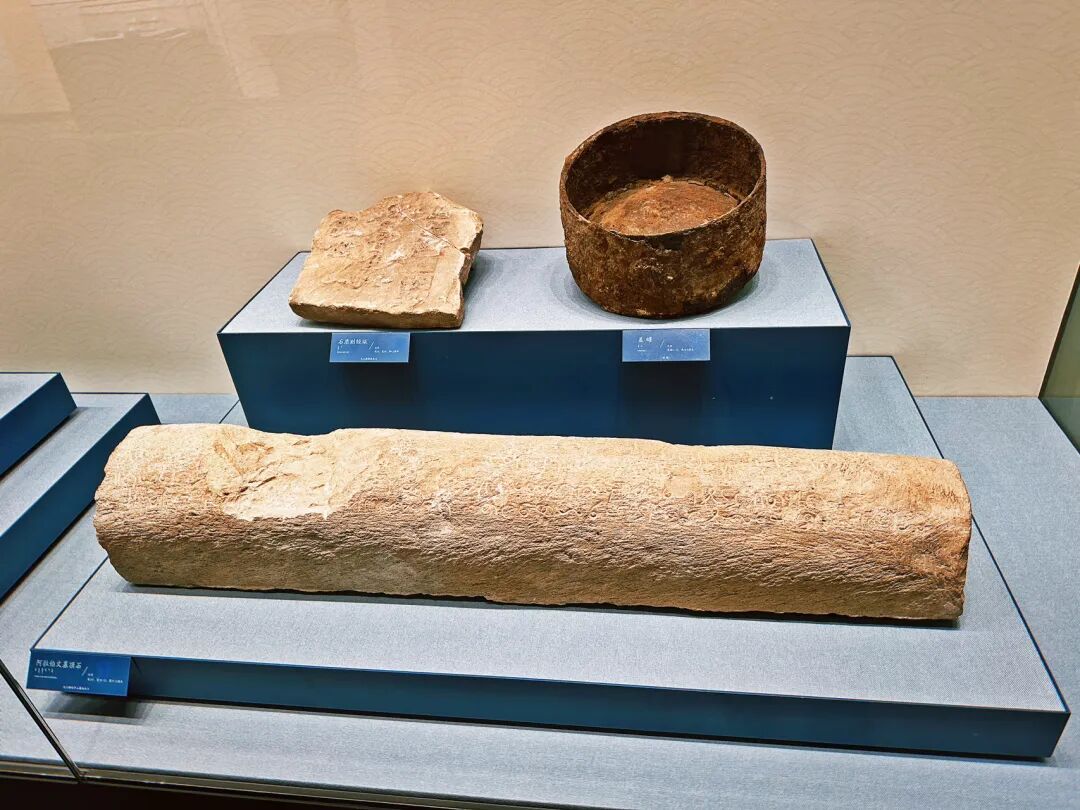
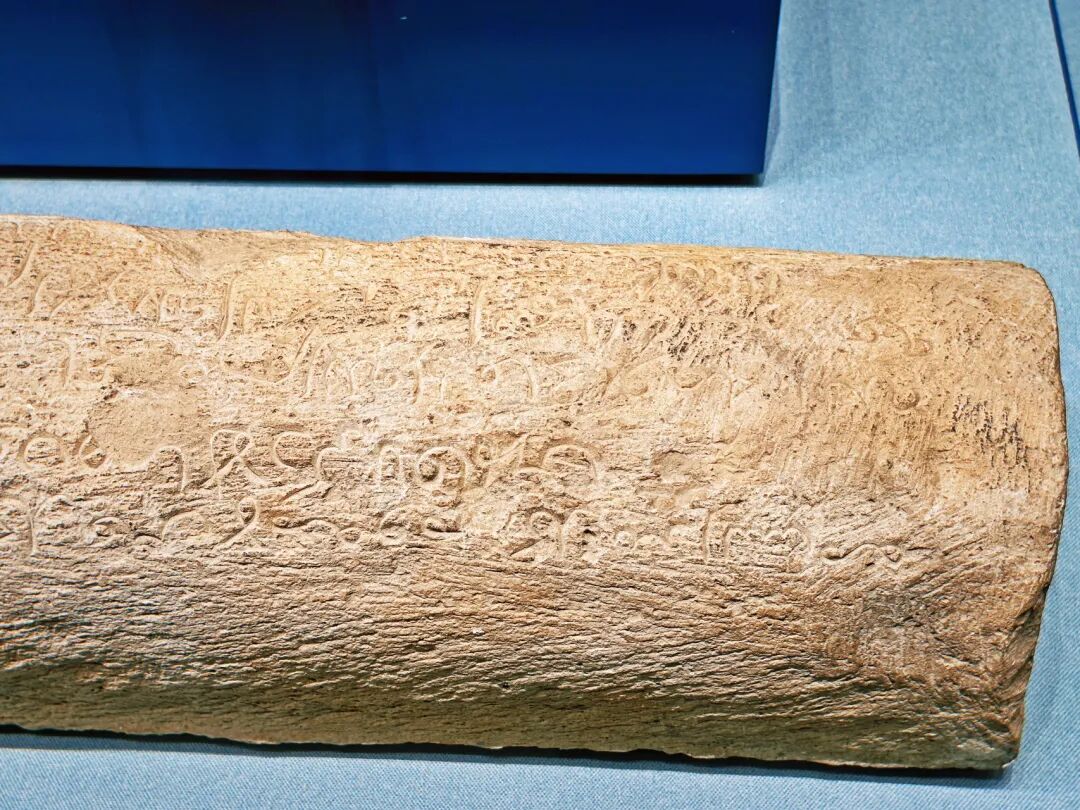
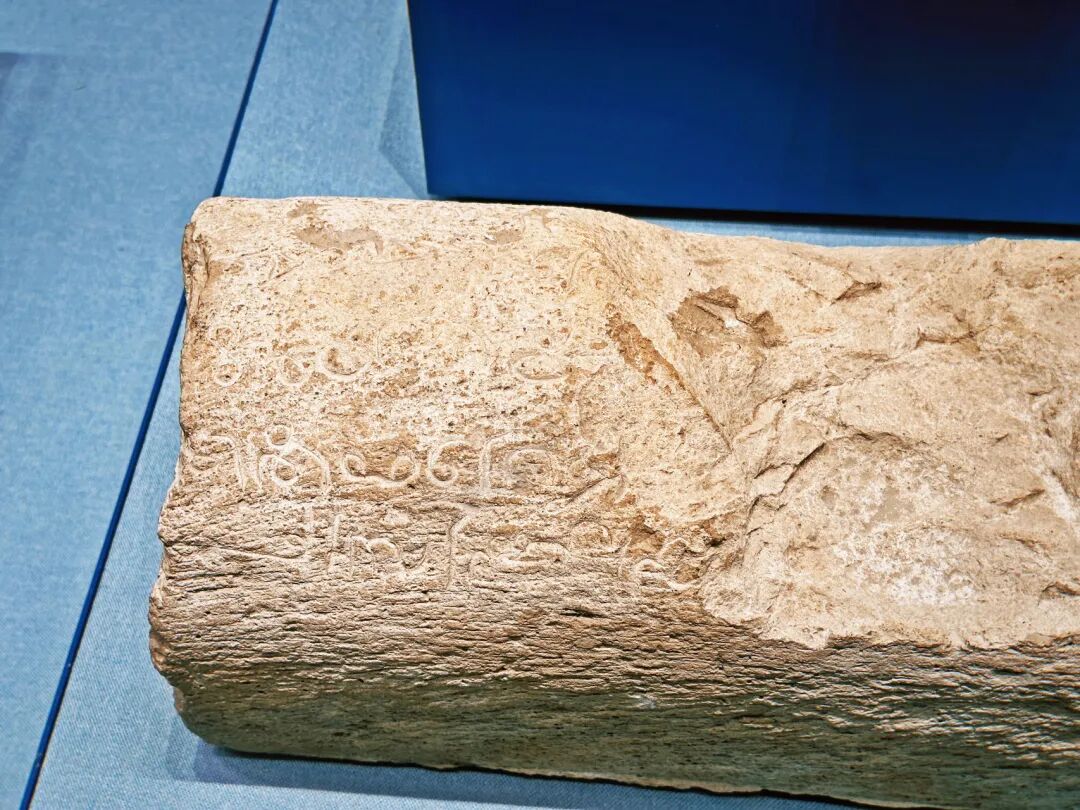
The Xilingol League Cultural Heritage Museum displays many artifacts unearthed from the ruins of Shangdu. The blue glazed tiles from the Muqing Pavilion are the most beautiful. It is believed that the Muqing Pavilion was previously the site of the Shangdu Islamic Observatory.
After leaving the ruins of Shangdu, it takes two hours to drive back to Xilinhot. You will pass groups of volcanic hills on the grassland, which is a stunning sight.
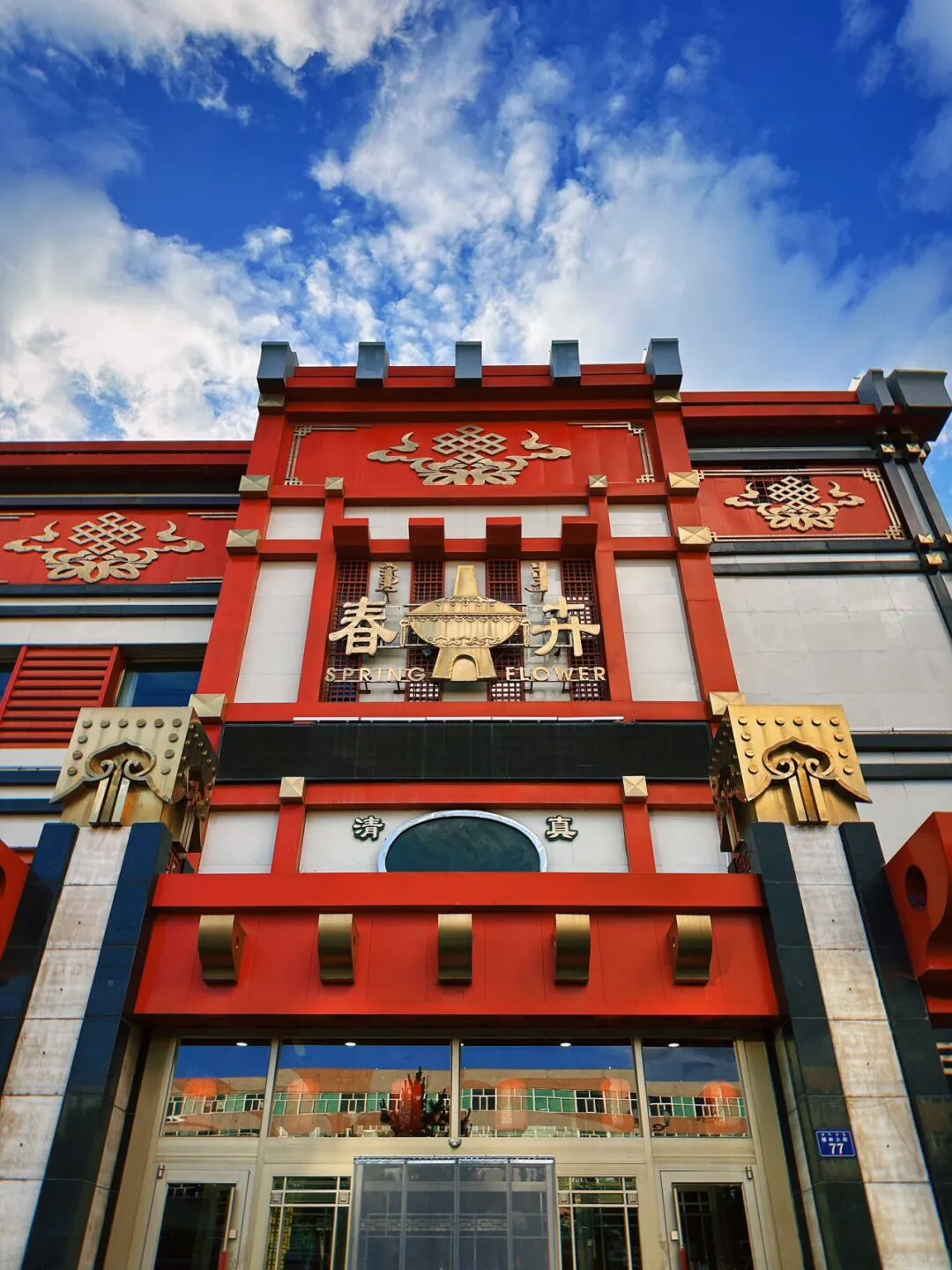
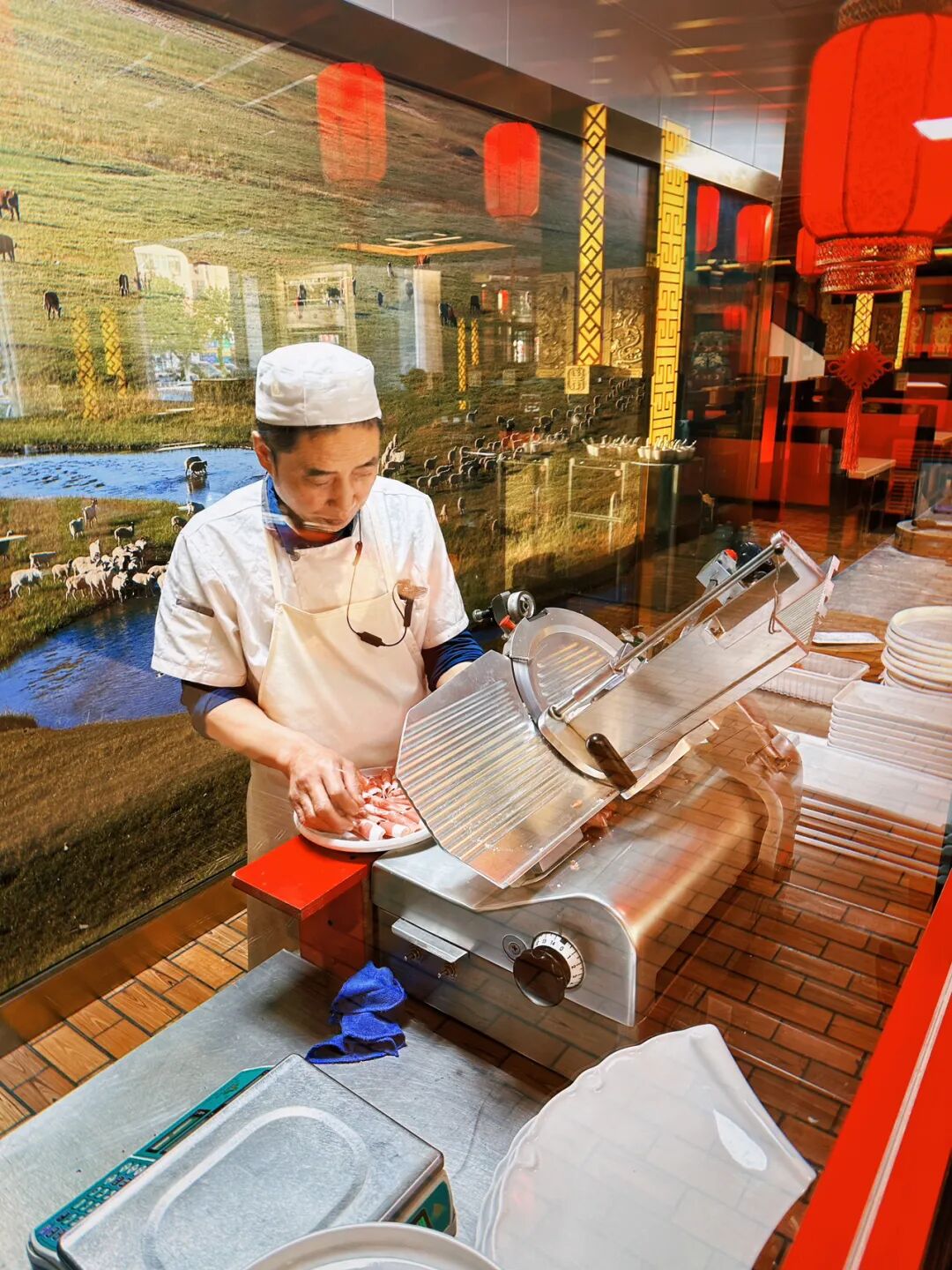
We ate hot pot lamb (shuan yangrou) at Chunhui in Xilinhot. We ordered a set for two, which included lamb, beef, a mix of tofu, a mix of vegetables, two large and four small lamb skewers, a pot of Pu'er tea, and a serving of hand-rolled noodles. We also added a serving of fresh lamb, a serving of cold oat noodles (youmian), and two bottles of yogurt.
Their meat is truly delicious. The Sunite black-headed lamb and Abaga Banner free-range beef are both specialties of Xilingol League. The cold oat noodles are very appetizing. They are sweet and sour, making them hard to stop eating, much like cold skin noodles (liangpi) in Northwest China. A special feature of this place is the generous amount of dipping sauce ingredients provided. You can add crushed peanuts, dried shrimp, minced garlic, and minced ginger into the pot, or skip them if you prefer the original flavor. Fresh chive flower sauce is also great for adding flavor here. It is delicious to dip the cooked lamb directly into it. Their yogurt is also very good. It is pure, unsweetened, and thick, very similar to Xinjiang yogurt.
If you visit Xilinhot, I recommend the local Hui Muslims breakfast spot Shuangyueyuan. It is inside a residential area on Hanggai Road, and parking is very easy.
We ordered deep-fried dough sticks (youtiao), tofu pudding (doufunao), brown sugar crispy flatbread (tangsubing), milk tea, lamb and pickled cabbage buns, and lamb and celery buns. Everything was delicious. The deep-fried dough sticks (youtiao) were very fluffy and went perfectly with the milk tea and tofu pudding (doufunao). The milk tea was rich and oily with its own milk skin (naipizi). It was much thicker than what we make in Beijing, and one sip made me feel like I was on the grasslands. For the tofu pudding (doufunao), you can add your own soybeans, fresh chive flowers, and cilantro. It tasted great. The brown sugar crispy flatbread (tangsubing) had a brown sugar filling. It was so flaky that it crumbled at a touch, so you have to eat it over a metal tray. The kids loved it. The buns were large with plenty of filling. Two are enough for one person, and the pickled cabbage filling was the best.
Summary: Yuan Shangdu, also known as Xanadu, appears here through museum evidence of a Hui mosque and a meal of Xilingol lamb hotpot. This account keeps the museum notes, historical context, food details, and photographs in the original order.
We drove from Duolun County and reached the Xilingol League Cultural Heritage Museum in half an hour. The museum is inside a small hill on the Jinlianchuan Grassland, 5 kilometers south of the Xanadu (Yuan Shangdu) ruins. After parking, you can hike up the hill to the museum or take a sightseeing shuttle from the visitor center for 5 yuan per person. There are sika deer in the visitor center courtyard, which is great for kids to see. The shuttle circles the hill, giving you a great view of the Jinlianchuan Grassland.
Kublai Khan ordered the construction of Xanadu in 1256. It became the capital of the Yuan Dynasty in 1263 and served as the emperor's residence from the fourth to the ninth lunar month every year. During these imperial visits, business in Xanadu boomed. The Epitaph of Chancellor He records that everything from grain and cloth to rare and exotic goods arrived from far away. Many Semu people from Arabia, Persia, and Central Asia came to Xanadu to trade. Additionally, a Muslim observatory (Huihui Sitian Tai) was built at the Xanadu palace, managed by a Muslim named Jamaluddin. There was also a Muslim pharmacy (Huihui Yaowuyuan) managed by a darughachi. The National Library of China holds a four-volume manuscript of the Muslim Prescriptions (Huihui Yaofang), which was used by the Muslim pharmacy.
The founding date of the Xanadu mosque (Huihui Si) is unknown. It was originally located southwest of the palace city but was destroyed in May 1321. The History of Yuan records that the Xanadu mosque was destroyed to build the Imperial Teacher Hall on its site. Archaeological research suggests that the main hall in the middle courtyard of site No. 34 in Xanadu, which still has a 2-meter-high rammed earth foundation on its west side, may be the original site of the mosque. In 1324, the Xanadu mosque was rebuilt at a new location and renamed the Mosque (Libai Si). The History of Yuan records that 40,000 ingots of paper money were granted to build mosques in Xanadu and Datong.
Besides the mosque, there were many graves of Muslim people in Xanadu. When excavating the foundation of the Da'an Pavilion in the palace city, 12 Islamic tombstone tops were found in the stone base of the outer wall. More tombstone tops were also found in the pillars supporting the gate arch at the Mingde Gate, the south gate of the imperial city. These tombstone tops were likely taken from a Hui Muslim cemetery and reused. One of these tombstone tops is now on display at the Xilingol League Cultural Heritage Museum. It features praises to Allah and the Prophet on the top, with the Shahada (the Islamic declaration of faith) on both sides.
Shangdu was burned down twice during the late Yuan Dynasty. In 1358 (the 18th year of the Zhizheng era), the Han-Song army captured Shangdu. The History of Yuan records that the palaces of Shangdu were completely destroyed. In 1368 (the 28th year of the Zhizheng era), the Ming army captured Shangdu again. The Beixun Siji records that all palaces and government offices were burned down. The mosque in Shangdu was likely destroyed at this time, and the local Islamic community disappeared.
The Xilingol League Cultural Heritage Museum displays many artifacts unearthed from the ruins of Shangdu. The blue glazed tiles from the Muqing Pavilion are the most beautiful. It is believed that the Muqing Pavilion was previously the site of the Shangdu Islamic Observatory.
After leaving the ruins of Shangdu, it takes two hours to drive back to Xilinhot. You will pass groups of volcanic hills on the grassland, which is a stunning sight.
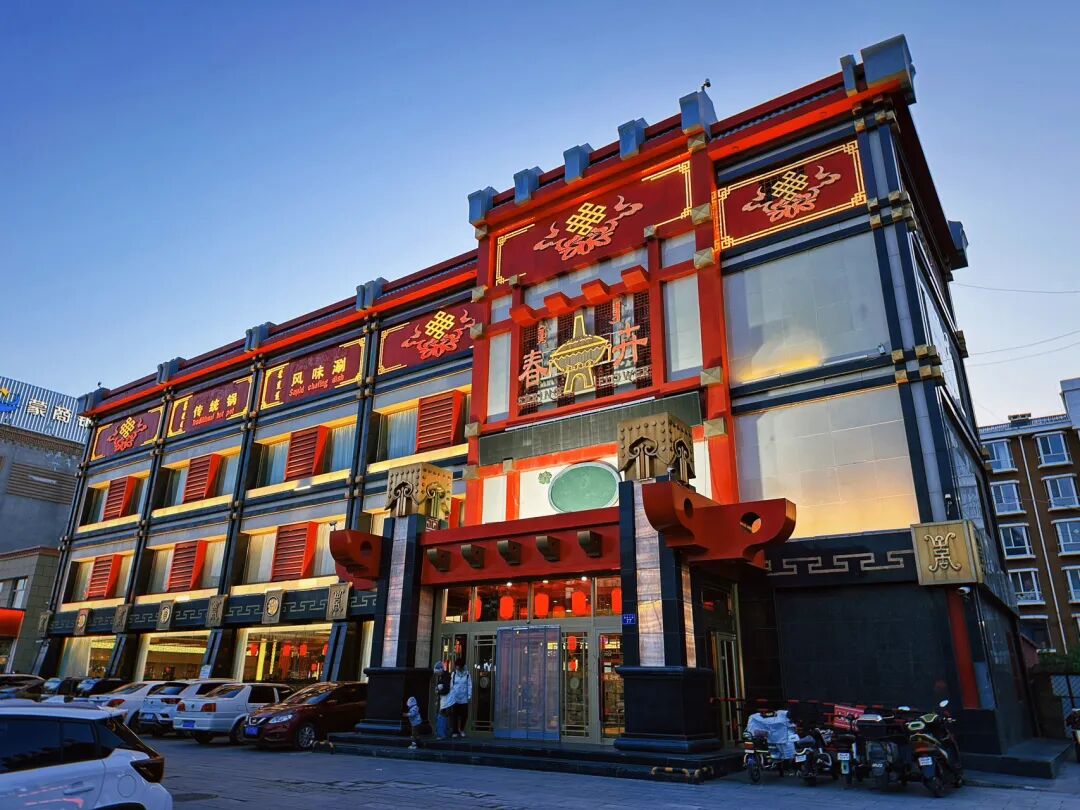
We ate hot pot lamb (shuan yangrou) at Chunhui in Xilinhot. We ordered a set for two, which included lamb, beef, a mix of tofu, a mix of vegetables, two large and four small lamb skewers, a pot of Pu'er tea, and a serving of hand-rolled noodles. We also added a serving of fresh lamb, a serving of cold oat noodles (youmian), and two bottles of yogurt.
Their meat is truly delicious. The Sunite black-headed lamb and Abaga Banner free-range beef are both specialties of Xilingol League. The cold oat noodles are very appetizing. They are sweet and sour, making them hard to stop eating, much like cold skin noodles (liangpi) in Northwest China. A special feature of this place is the generous amount of dipping sauce ingredients provided. You can add crushed peanuts, dried shrimp, minced garlic, and minced ginger into the pot, or skip them if you prefer the original flavor. Fresh chive flower sauce is also great for adding flavor here. It is delicious to dip the cooked lamb directly into it. Their yogurt is also very good. It is pure, unsweetened, and thick, very similar to Xinjiang yogurt.
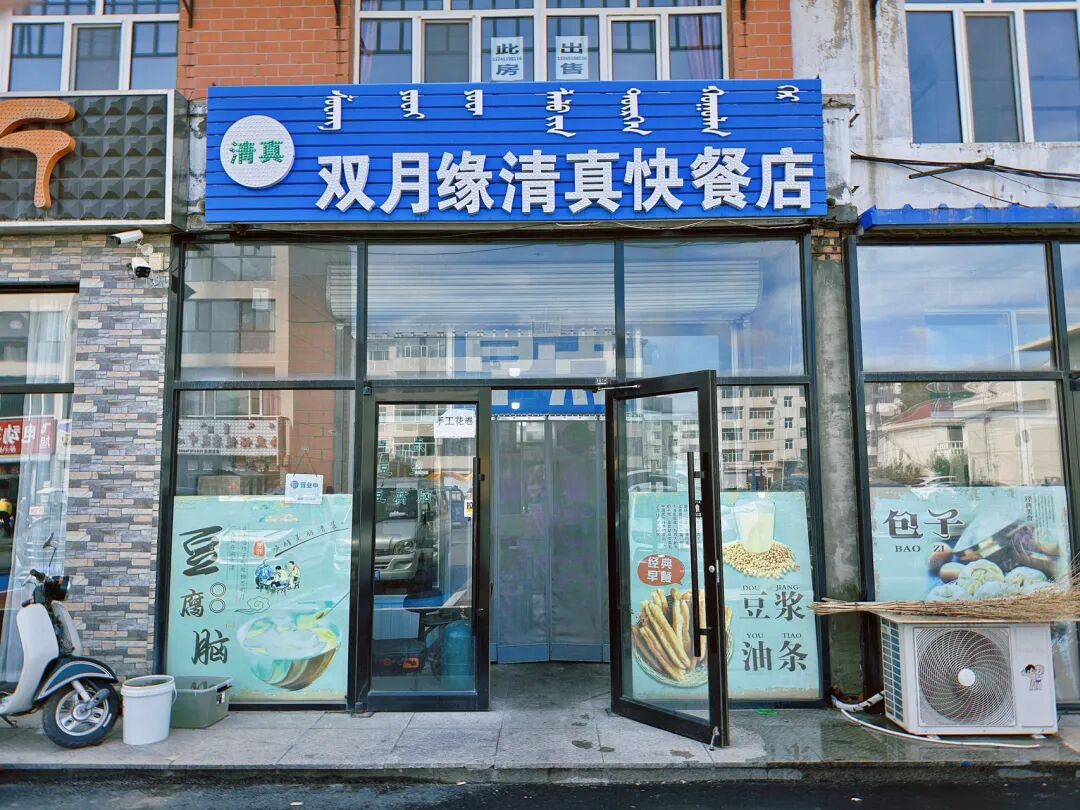
If you visit Xilinhot, I recommend the local Hui Muslims breakfast spot Shuangyueyuan. It is inside a residential area on Hanggai Road, and parking is very easy.
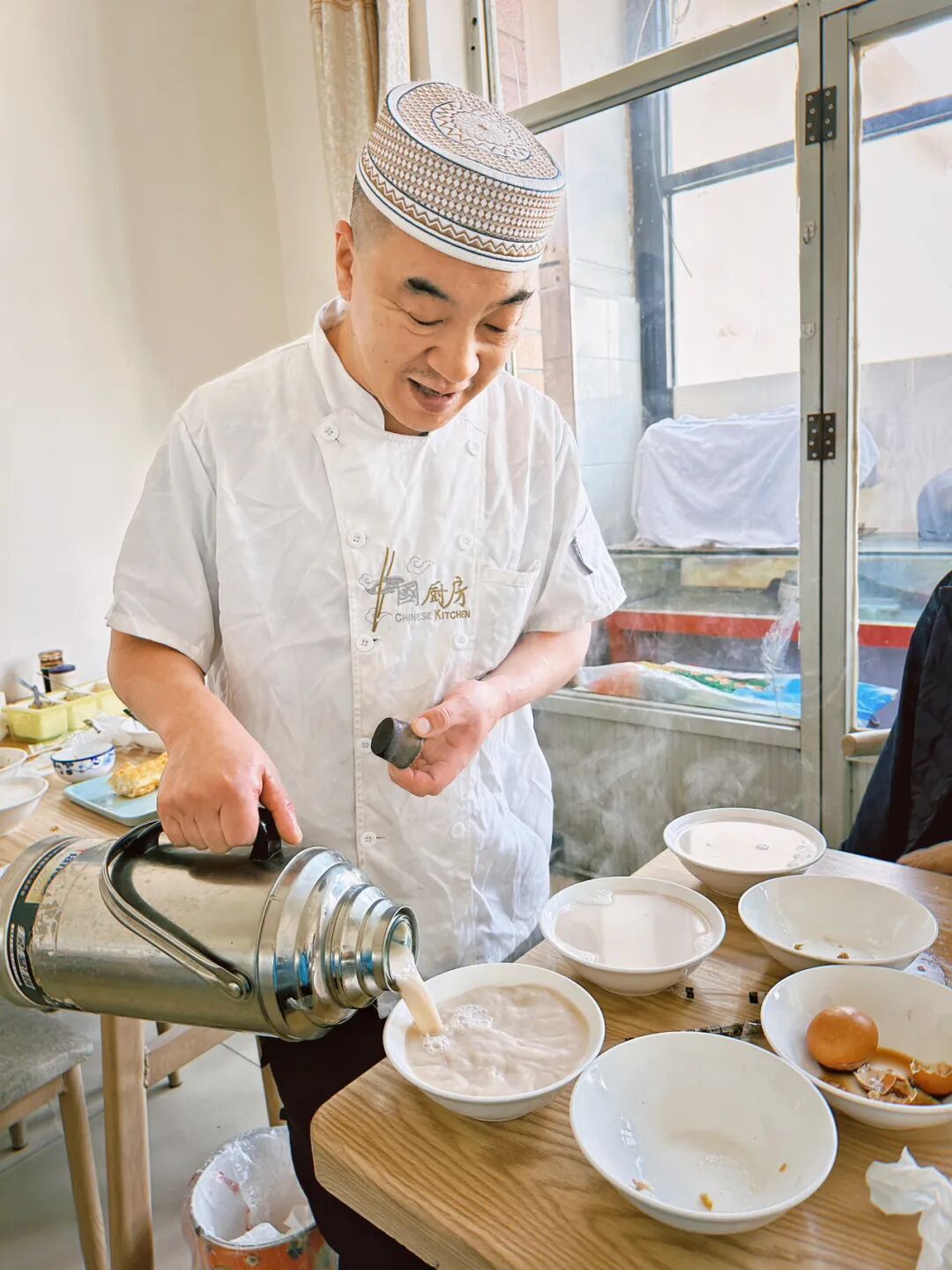
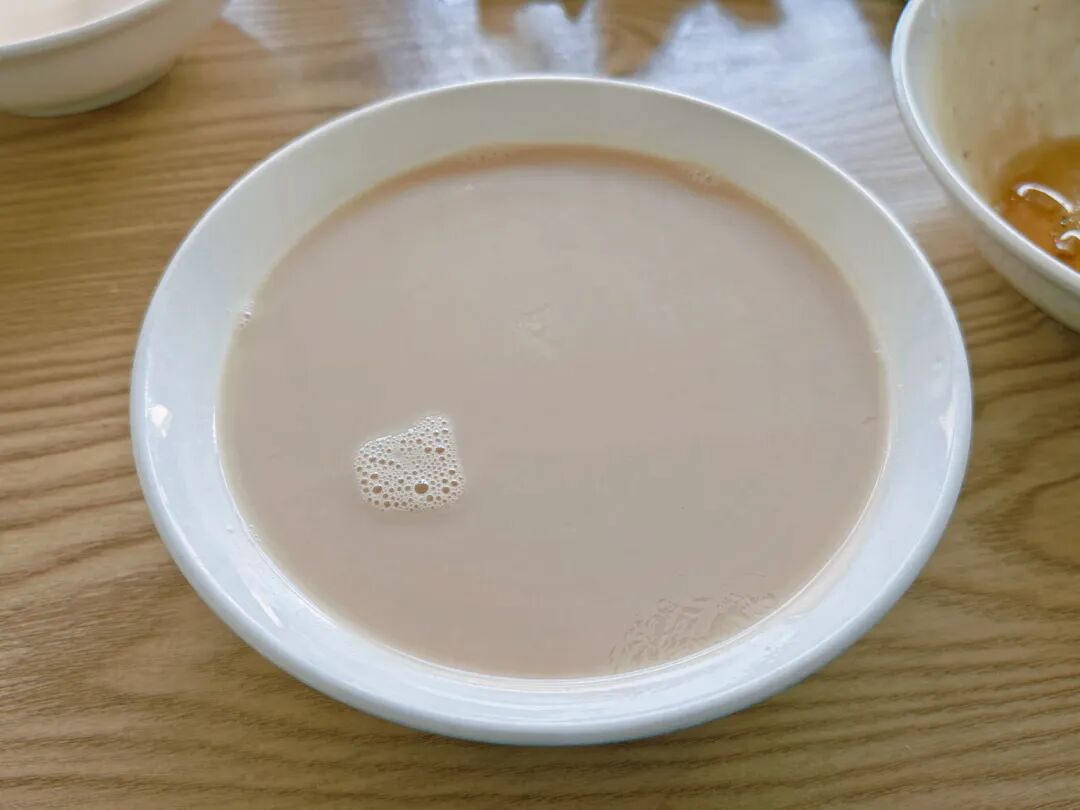
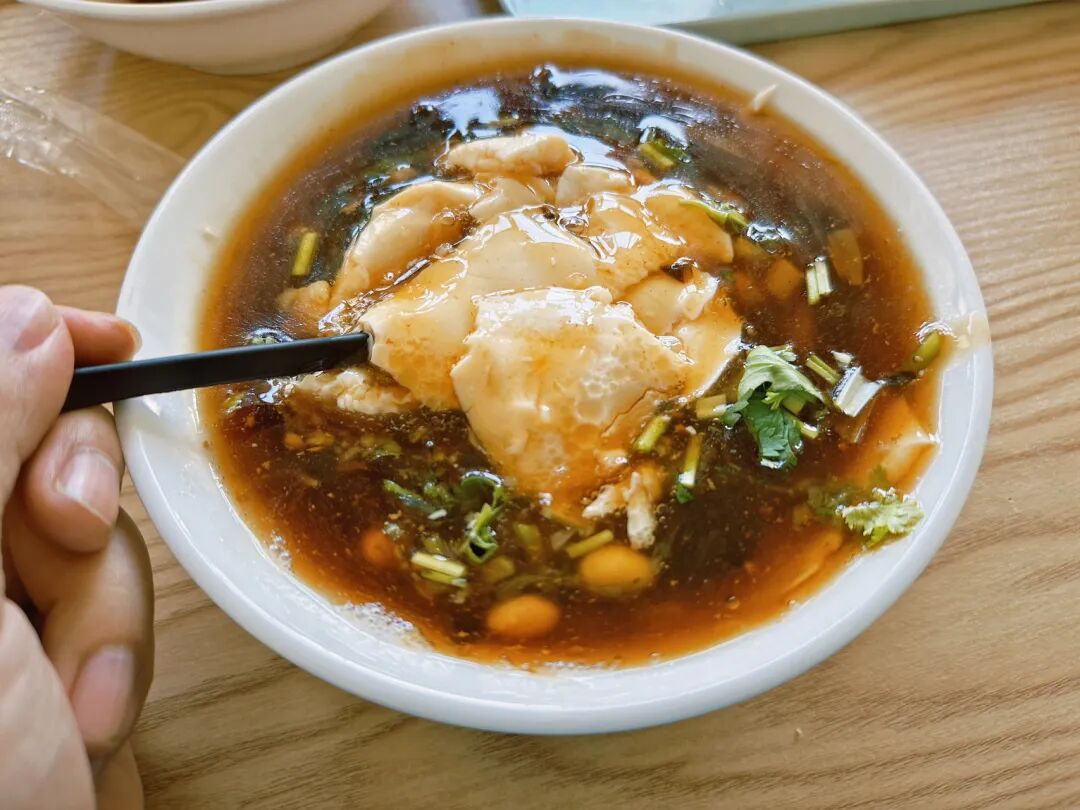
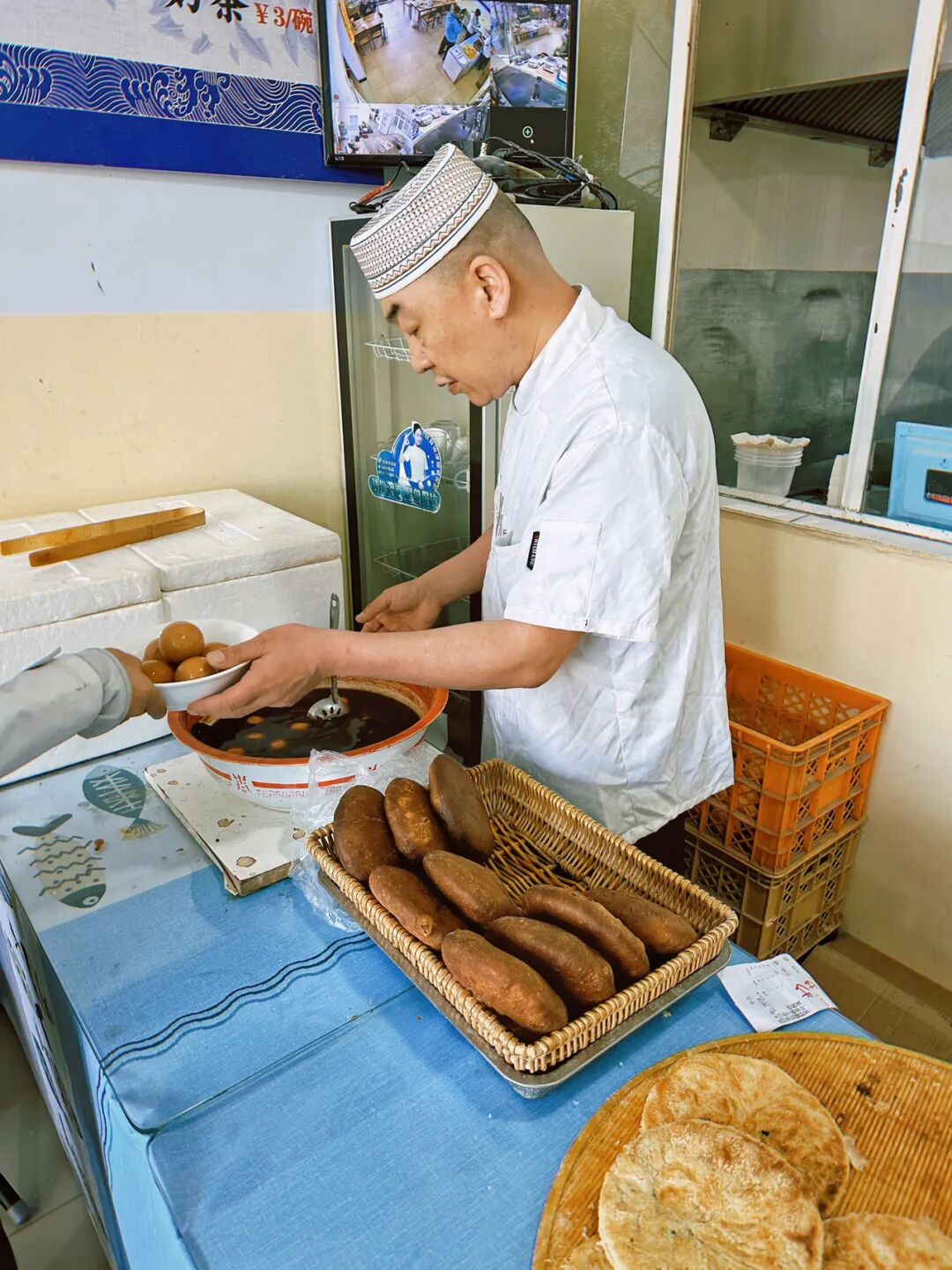
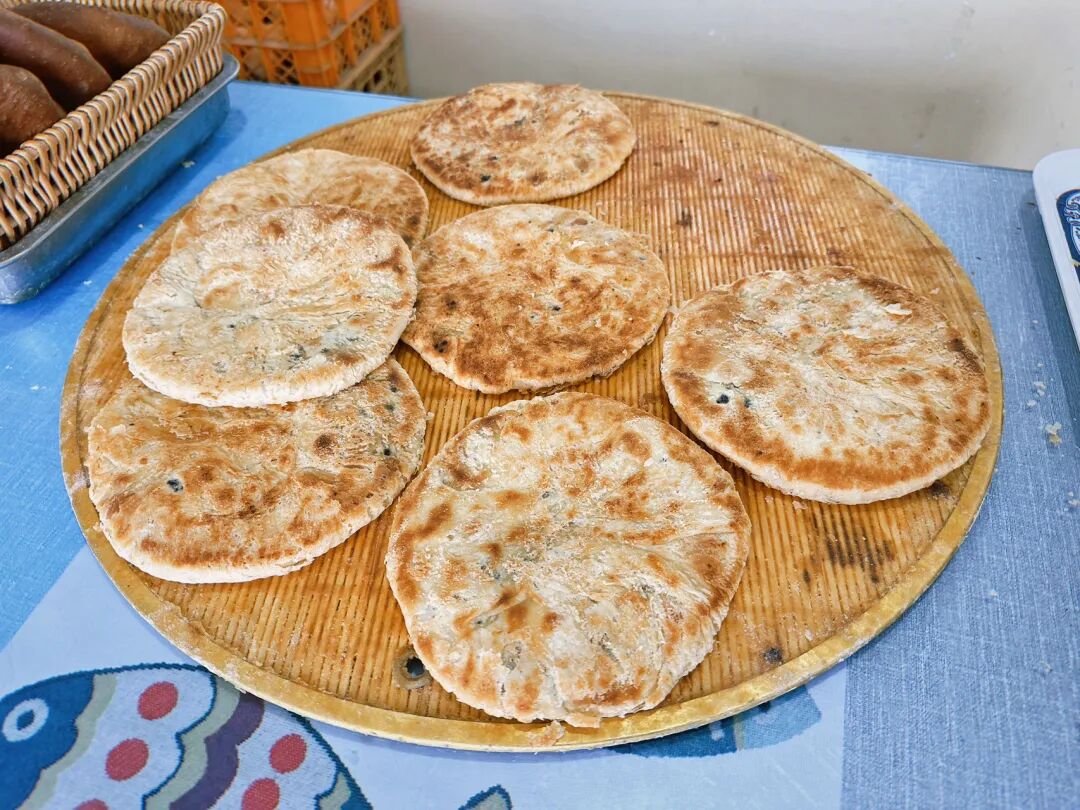
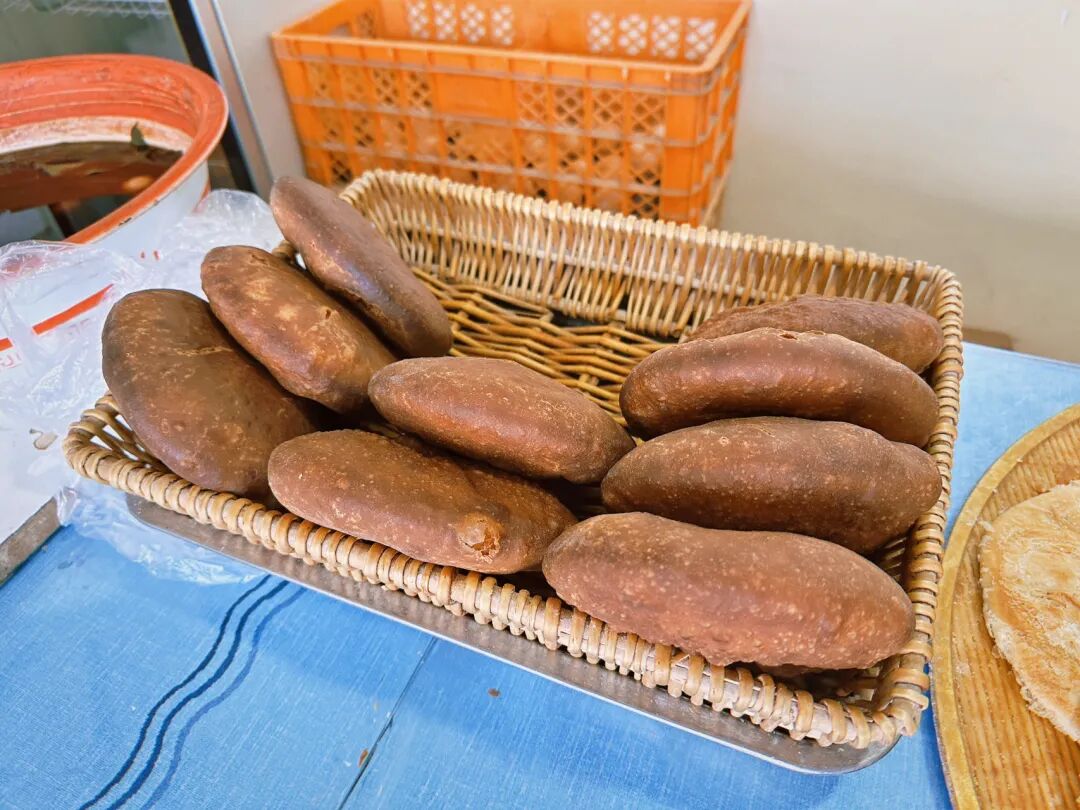
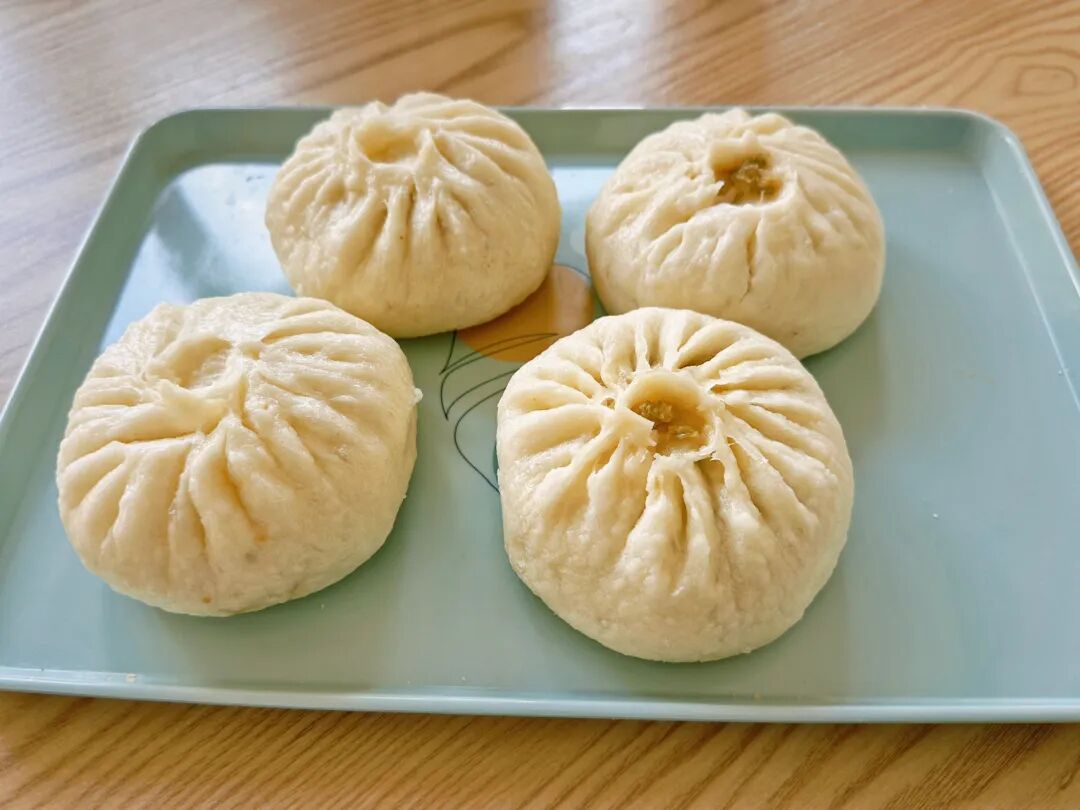
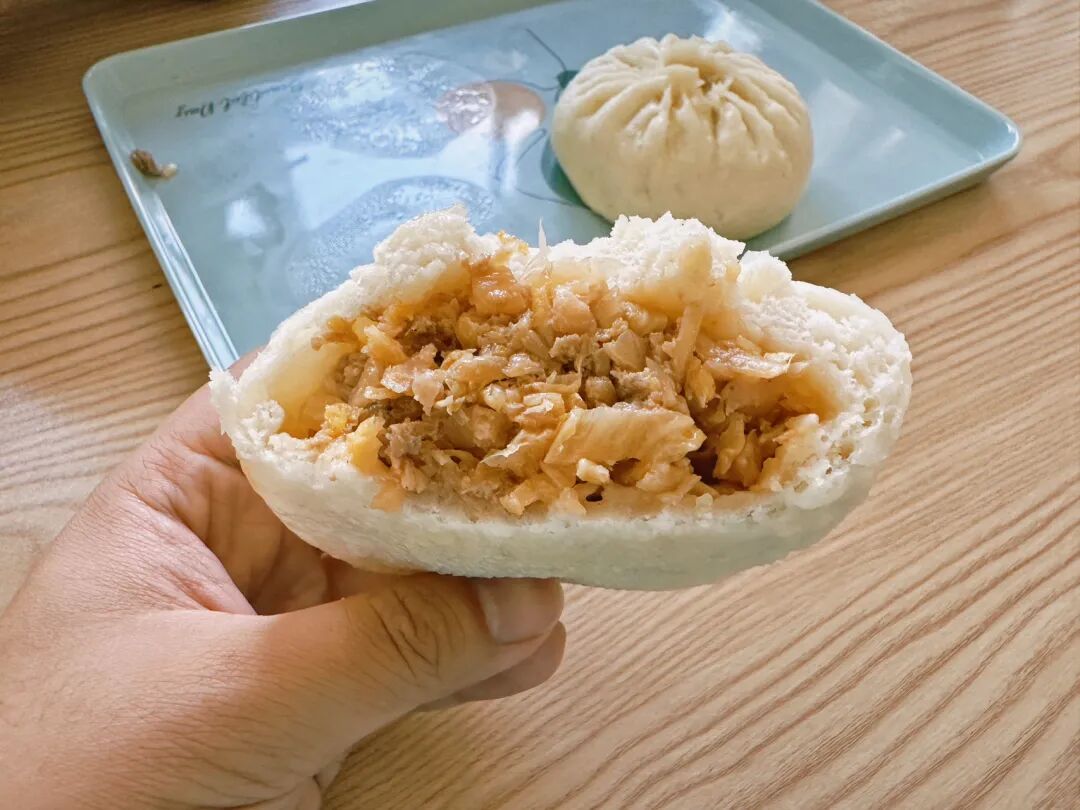
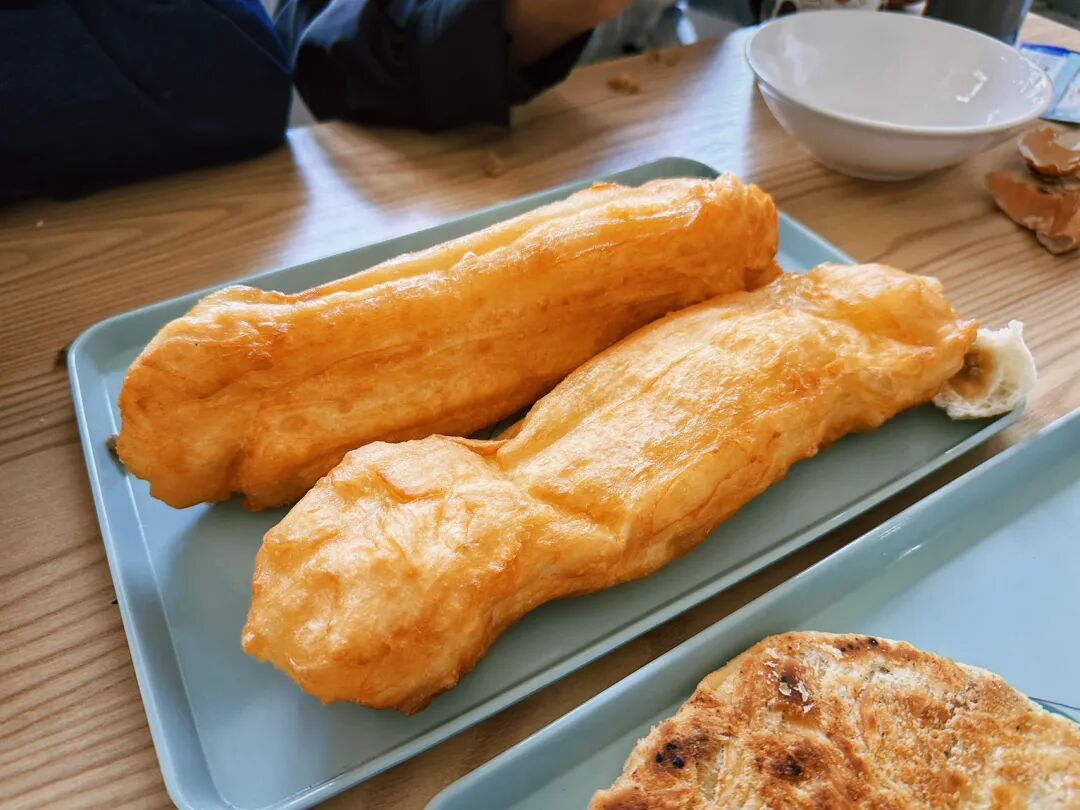
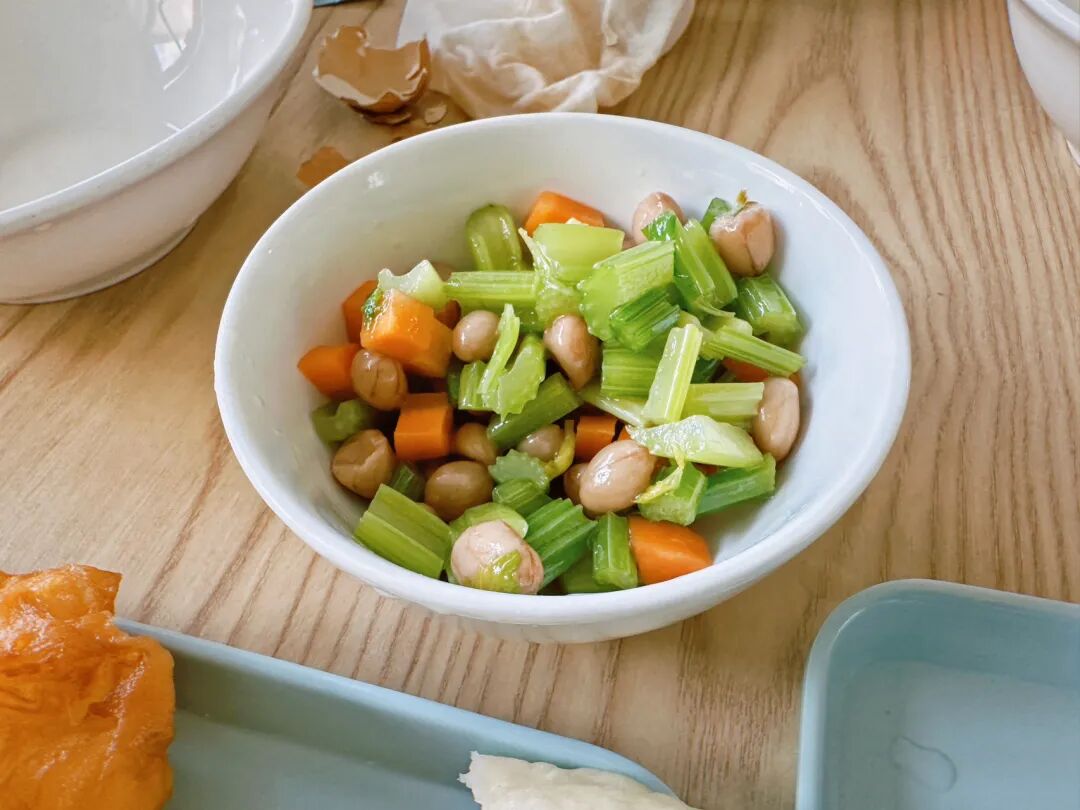
We ordered deep-fried dough sticks (youtiao), tofu pudding (doufunao), brown sugar crispy flatbread (tangsubing), milk tea, lamb and pickled cabbage buns, and lamb and celery buns. Everything was delicious. The deep-fried dough sticks (youtiao) were very fluffy and went perfectly with the milk tea and tofu pudding (doufunao). The milk tea was rich and oily with its own milk skin (naipizi). It was much thicker than what we make in Beijing, and one sip made me feel like I was on the grasslands. For the tofu pudding (doufunao), you can add your own soybeans, fresh chive flowers, and cilantro. It tasted great. The brown sugar crispy flatbread (tangsubing) had a brown sugar filling. It was so flaky that it crumbled at a touch, so you have to eat it over a metal tray. The kids loved it. The buns were large with plenty of filling. Two are enough for one person, and the pickled cabbage filling was the best.
Halal Travel Guide: Yuan Shangdu Mosque and Xilingol Lamb Hotpot
Articles • ali2007fr posted the article • 0 comments • 155 views • 2026-05-20 08:14
Reposted from the web
Summary: Yuan Shangdu, also known as Xanadu, appears here through museum evidence of a Hui mosque and a meal of Xilingol lamb hotpot. This account keeps the museum notes, historical context, food details, and photographs in the original order.
We drove from Duolun County and reached the Xilingol League Cultural Heritage Museum in half an hour. The museum is inside a small hill on the Jinlianchuan Grassland, 5 kilometers south of the Xanadu (Yuan Shangdu) ruins. After parking, you can hike up the hill to the museum or take a sightseeing shuttle from the visitor center for 5 yuan per person. There are sika deer in the visitor center courtyard, which is great for kids to see. The shuttle circles the hill, giving you a great view of the Jinlianchuan Grassland.
Kublai Khan ordered the construction of Xanadu in 1256. It became the capital of the Yuan Dynasty in 1263 and served as the emperor's residence from the fourth to the ninth lunar month every year. During these imperial visits, business in Xanadu boomed. The Epitaph of Chancellor He records that everything from grain and cloth to rare and exotic goods arrived from far away. Many Semu people from Arabia, Persia, and Central Asia came to Xanadu to trade. Additionally, a Muslim observatory (Huihui Sitian Tai) was built at the Xanadu palace, managed by a Muslim named Jamaluddin. There was also a Muslim pharmacy (Huihui Yaowuyuan) managed by a darughachi. The National Library of China holds a four-volume manuscript of the Muslim Prescriptions (Huihui Yaofang), which was used by the Muslim pharmacy.
The founding date of the Xanadu mosque (Huihui Si) is unknown. It was originally located southwest of the palace city but was destroyed in May 1321. The History of Yuan records that the Xanadu mosque was destroyed to build the Imperial Teacher Hall on its site. Archaeological research suggests that the main hall in the middle courtyard of site No. 34 in Xanadu, which still has a 2-meter-high rammed earth foundation on its west side, may be the original site of the mosque. In 1324, the Xanadu mosque was rebuilt at a new location and renamed the Mosque (Libai Si). The History of Yuan records that 40,000 ingots of paper money were granted to build mosques in Xanadu and Datong.
Besides the mosque, there were many graves of Muslim people in Xanadu. When excavating the foundation of the Da'an Pavilion in the palace city, 12 Islamic tombstone tops were found in the stone base of the outer wall. More tombstone tops were also found in the pillars supporting the gate arch at the Mingde Gate, the south gate of the imperial city. These tombstone tops were likely taken from a Hui Muslim cemetery and reused. One of these tombstone tops is now on display at the Xilingol League Cultural Heritage Museum. It features praises to Allah and the Prophet on the top, with the Shahada (the Islamic declaration of faith) on both sides.
Shangdu was burned down twice during the late Yuan Dynasty. In 1358 (the 18th year of the Zhizheng era), the Han-Song army captured Shangdu. The History of Yuan records that the palaces of Shangdu were completely destroyed. In 1368 (the 28th year of the Zhizheng era), the Ming army captured Shangdu again. The Beixun Siji records that all palaces and government offices were burned down. The mosque in Shangdu was likely destroyed at this time, and the local Islamic community disappeared.
The Xilingol League Cultural Heritage Museum displays many artifacts unearthed from the ruins of Shangdu. The blue glazed tiles from the Muqing Pavilion are the most beautiful. It is believed that the Muqing Pavilion was previously the site of the Shangdu Islamic Observatory.
After leaving the ruins of Shangdu, it takes two hours to drive back to Xilinhot. You will pass groups of volcanic hills on the grassland, which is a stunning sight.
We ate hot pot lamb (shuan yangrou) at Chunhui in Xilinhot. We ordered a set for two, which included lamb, beef, a mix of tofu, a mix of vegetables, two large and four small lamb skewers, a pot of Pu'er tea, and a serving of hand-rolled noodles. We also added a serving of fresh lamb, a serving of cold oat noodles (youmian), and two bottles of yogurt.
Their meat is truly delicious. The Sunite black-headed lamb and Abaga Banner free-range beef are both specialties of Xilingol League. The cold oat noodles are very appetizing. They are sweet and sour, making them hard to stop eating, much like cold skin noodles (liangpi) in Northwest China. A special feature of this place is the generous amount of dipping sauce ingredients provided. You can add crushed peanuts, dried shrimp, minced garlic, and minced ginger into the pot, or skip them if you prefer the original flavor. Fresh chive flower sauce is also great for adding flavor here. It is delicious to dip the cooked lamb directly into it. Their yogurt is also very good. It is pure, unsweetened, and thick, very similar to Xinjiang yogurt.
If you visit Xilinhot, I recommend the local Hui Muslims breakfast spot Shuangyueyuan. It is inside a residential area on Hanggai Road, and parking is very easy.
We ordered deep-fried dough sticks (youtiao), tofu pudding (doufunao), brown sugar crispy flatbread (tangsubing), milk tea, lamb and pickled cabbage buns, and lamb and celery buns. Everything was delicious. The deep-fried dough sticks (youtiao) were very fluffy and went perfectly with the milk tea and tofu pudding (doufunao). The milk tea was rich and oily with its own milk skin (naipizi). It was much thicker than what we make in Beijing, and one sip made me feel like I was on the grasslands. For the tofu pudding (doufunao), you can add your own soybeans, fresh chive flowers, and cilantro. It tasted great. The brown sugar crispy flatbread (tangsubing) had a brown sugar filling. It was so flaky that it crumbled at a touch, so you have to eat it over a metal tray. The kids loved it. The buns were large with plenty of filling. Two are enough for one person, and the pickled cabbage filling was the best. view all
Summary: Yuan Shangdu, also known as Xanadu, appears here through museum evidence of a Hui mosque and a meal of Xilingol lamb hotpot. This account keeps the museum notes, historical context, food details, and photographs in the original order.
We drove from Duolun County and reached the Xilingol League Cultural Heritage Museum in half an hour. The museum is inside a small hill on the Jinlianchuan Grassland, 5 kilometers south of the Xanadu (Yuan Shangdu) ruins. After parking, you can hike up the hill to the museum or take a sightseeing shuttle from the visitor center for 5 yuan per person. There are sika deer in the visitor center courtyard, which is great for kids to see. The shuttle circles the hill, giving you a great view of the Jinlianchuan Grassland.
Kublai Khan ordered the construction of Xanadu in 1256. It became the capital of the Yuan Dynasty in 1263 and served as the emperor's residence from the fourth to the ninth lunar month every year. During these imperial visits, business in Xanadu boomed. The Epitaph of Chancellor He records that everything from grain and cloth to rare and exotic goods arrived from far away. Many Semu people from Arabia, Persia, and Central Asia came to Xanadu to trade. Additionally, a Muslim observatory (Huihui Sitian Tai) was built at the Xanadu palace, managed by a Muslim named Jamaluddin. There was also a Muslim pharmacy (Huihui Yaowuyuan) managed by a darughachi. The National Library of China holds a four-volume manuscript of the Muslim Prescriptions (Huihui Yaofang), which was used by the Muslim pharmacy.
The founding date of the Xanadu mosque (Huihui Si) is unknown. It was originally located southwest of the palace city but was destroyed in May 1321. The History of Yuan records that the Xanadu mosque was destroyed to build the Imperial Teacher Hall on its site. Archaeological research suggests that the main hall in the middle courtyard of site No. 34 in Xanadu, which still has a 2-meter-high rammed earth foundation on its west side, may be the original site of the mosque. In 1324, the Xanadu mosque was rebuilt at a new location and renamed the Mosque (Libai Si). The History of Yuan records that 40,000 ingots of paper money were granted to build mosques in Xanadu and Datong.
Besides the mosque, there were many graves of Muslim people in Xanadu. When excavating the foundation of the Da'an Pavilion in the palace city, 12 Islamic tombstone tops were found in the stone base of the outer wall. More tombstone tops were also found in the pillars supporting the gate arch at the Mingde Gate, the south gate of the imperial city. These tombstone tops were likely taken from a Hui Muslim cemetery and reused. One of these tombstone tops is now on display at the Xilingol League Cultural Heritage Museum. It features praises to Allah and the Prophet on the top, with the Shahada (the Islamic declaration of faith) on both sides.
Shangdu was burned down twice during the late Yuan Dynasty. In 1358 (the 18th year of the Zhizheng era), the Han-Song army captured Shangdu. The History of Yuan records that the palaces of Shangdu were completely destroyed. In 1368 (the 28th year of the Zhizheng era), the Ming army captured Shangdu again. The Beixun Siji records that all palaces and government offices were burned down. The mosque in Shangdu was likely destroyed at this time, and the local Islamic community disappeared.
The Xilingol League Cultural Heritage Museum displays many artifacts unearthed from the ruins of Shangdu. The blue glazed tiles from the Muqing Pavilion are the most beautiful. It is believed that the Muqing Pavilion was previously the site of the Shangdu Islamic Observatory.
After leaving the ruins of Shangdu, it takes two hours to drive back to Xilinhot. You will pass groups of volcanic hills on the grassland, which is a stunning sight.
We ate hot pot lamb (shuan yangrou) at Chunhui in Xilinhot. We ordered a set for two, which included lamb, beef, a mix of tofu, a mix of vegetables, two large and four small lamb skewers, a pot of Pu'er tea, and a serving of hand-rolled noodles. We also added a serving of fresh lamb, a serving of cold oat noodles (youmian), and two bottles of yogurt.
Their meat is truly delicious. The Sunite black-headed lamb and Abaga Banner free-range beef are both specialties of Xilingol League. The cold oat noodles are very appetizing. They are sweet and sour, making them hard to stop eating, much like cold skin noodles (liangpi) in Northwest China. A special feature of this place is the generous amount of dipping sauce ingredients provided. You can add crushed peanuts, dried shrimp, minced garlic, and minced ginger into the pot, or skip them if you prefer the original flavor. Fresh chive flower sauce is also great for adding flavor here. It is delicious to dip the cooked lamb directly into it. Their yogurt is also very good. It is pure, unsweetened, and thick, very similar to Xinjiang yogurt.
If you visit Xilinhot, I recommend the local Hui Muslims breakfast spot Shuangyueyuan. It is inside a residential area on Hanggai Road, and parking is very easy.
We ordered deep-fried dough sticks (youtiao), tofu pudding (doufunao), brown sugar crispy flatbread (tangsubing), milk tea, lamb and pickled cabbage buns, and lamb and celery buns. Everything was delicious. The deep-fried dough sticks (youtiao) were very fluffy and went perfectly with the milk tea and tofu pudding (doufunao). The milk tea was rich and oily with its own milk skin (naipizi). It was much thicker than what we make in Beijing, and one sip made me feel like I was on the grasslands. For the tofu pudding (doufunao), you can add your own soybeans, fresh chive flowers, and cilantro. It tasted great. The brown sugar crispy flatbread (tangsubing) had a brown sugar filling. It was so flaky that it crumbled at a touch, so you have to eat it over a metal tray. The kids loved it. The buns were large with plenty of filling. Two are enough for one person, and the pickled cabbage filling was the best. view all
Reposted from the web
Summary: Yuan Shangdu, also known as Xanadu, appears here through museum evidence of a Hui mosque and a meal of Xilingol lamb hotpot. This account keeps the museum notes, historical context, food details, and photographs in the original order.
We drove from Duolun County and reached the Xilingol League Cultural Heritage Museum in half an hour. The museum is inside a small hill on the Jinlianchuan Grassland, 5 kilometers south of the Xanadu (Yuan Shangdu) ruins. After parking, you can hike up the hill to the museum or take a sightseeing shuttle from the visitor center for 5 yuan per person. There are sika deer in the visitor center courtyard, which is great for kids to see. The shuttle circles the hill, giving you a great view of the Jinlianchuan Grassland.
Kublai Khan ordered the construction of Xanadu in 1256. It became the capital of the Yuan Dynasty in 1263 and served as the emperor's residence from the fourth to the ninth lunar month every year. During these imperial visits, business in Xanadu boomed. The Epitaph of Chancellor He records that everything from grain and cloth to rare and exotic goods arrived from far away. Many Semu people from Arabia, Persia, and Central Asia came to Xanadu to trade. Additionally, a Muslim observatory (Huihui Sitian Tai) was built at the Xanadu palace, managed by a Muslim named Jamaluddin. There was also a Muslim pharmacy (Huihui Yaowuyuan) managed by a darughachi. The National Library of China holds a four-volume manuscript of the Muslim Prescriptions (Huihui Yaofang), which was used by the Muslim pharmacy.
The founding date of the Xanadu mosque (Huihui Si) is unknown. It was originally located southwest of the palace city but was destroyed in May 1321. The History of Yuan records that the Xanadu mosque was destroyed to build the Imperial Teacher Hall on its site. Archaeological research suggests that the main hall in the middle courtyard of site No. 34 in Xanadu, which still has a 2-meter-high rammed earth foundation on its west side, may be the original site of the mosque. In 1324, the Xanadu mosque was rebuilt at a new location and renamed the Mosque (Libai Si). The History of Yuan records that 40,000 ingots of paper money were granted to build mosques in Xanadu and Datong.
Besides the mosque, there were many graves of Muslim people in Xanadu. When excavating the foundation of the Da'an Pavilion in the palace city, 12 Islamic tombstone tops were found in the stone base of the outer wall. More tombstone tops were also found in the pillars supporting the gate arch at the Mingde Gate, the south gate of the imperial city. These tombstone tops were likely taken from a Hui Muslim cemetery and reused. One of these tombstone tops is now on display at the Xilingol League Cultural Heritage Museum. It features praises to Allah and the Prophet on the top, with the Shahada (the Islamic declaration of faith) on both sides.
Shangdu was burned down twice during the late Yuan Dynasty. In 1358 (the 18th year of the Zhizheng era), the Han-Song army captured Shangdu. The History of Yuan records that the palaces of Shangdu were completely destroyed. In 1368 (the 28th year of the Zhizheng era), the Ming army captured Shangdu again. The Beixun Siji records that all palaces and government offices were burned down. The mosque in Shangdu was likely destroyed at this time, and the local Islamic community disappeared.
The Xilingol League Cultural Heritage Museum displays many artifacts unearthed from the ruins of Shangdu. The blue glazed tiles from the Muqing Pavilion are the most beautiful. It is believed that the Muqing Pavilion was previously the site of the Shangdu Islamic Observatory.
After leaving the ruins of Shangdu, it takes two hours to drive back to Xilinhot. You will pass groups of volcanic hills on the grassland, which is a stunning sight.
We ate hot pot lamb (shuan yangrou) at Chunhui in Xilinhot. We ordered a set for two, which included lamb, beef, a mix of tofu, a mix of vegetables, two large and four small lamb skewers, a pot of Pu'er tea, and a serving of hand-rolled noodles. We also added a serving of fresh lamb, a serving of cold oat noodles (youmian), and two bottles of yogurt.
Their meat is truly delicious. The Sunite black-headed lamb and Abaga Banner free-range beef are both specialties of Xilingol League. The cold oat noodles are very appetizing. They are sweet and sour, making them hard to stop eating, much like cold skin noodles (liangpi) in Northwest China. A special feature of this place is the generous amount of dipping sauce ingredients provided. You can add crushed peanuts, dried shrimp, minced garlic, and minced ginger into the pot, or skip them if you prefer the original flavor. Fresh chive flower sauce is also great for adding flavor here. It is delicious to dip the cooked lamb directly into it. Their yogurt is also very good. It is pure, unsweetened, and thick, very similar to Xinjiang yogurt.
If you visit Xilinhot, I recommend the local Hui Muslims breakfast spot Shuangyueyuan. It is inside a residential area on Hanggai Road, and parking is very easy.
We ordered deep-fried dough sticks (youtiao), tofu pudding (doufunao), brown sugar crispy flatbread (tangsubing), milk tea, lamb and pickled cabbage buns, and lamb and celery buns. Everything was delicious. The deep-fried dough sticks (youtiao) were very fluffy and went perfectly with the milk tea and tofu pudding (doufunao). The milk tea was rich and oily with its own milk skin (naipizi). It was much thicker than what we make in Beijing, and one sip made me feel like I was on the grasslands. For the tofu pudding (doufunao), you can add your own soybeans, fresh chive flowers, and cilantro. It tasted great. The brown sugar crispy flatbread (tangsubing) had a brown sugar filling. It was so flaky that it crumbled at a touch, so you have to eat it over a metal tray. The kids loved it. The buns were large with plenty of filling. Two are enough for one person, and the pickled cabbage filling was the best.
Summary: Yuan Shangdu, also known as Xanadu, appears here through museum evidence of a Hui mosque and a meal of Xilingol lamb hotpot. This account keeps the museum notes, historical context, food details, and photographs in the original order.
We drove from Duolun County and reached the Xilingol League Cultural Heritage Museum in half an hour. The museum is inside a small hill on the Jinlianchuan Grassland, 5 kilometers south of the Xanadu (Yuan Shangdu) ruins. After parking, you can hike up the hill to the museum or take a sightseeing shuttle from the visitor center for 5 yuan per person. There are sika deer in the visitor center courtyard, which is great for kids to see. The shuttle circles the hill, giving you a great view of the Jinlianchuan Grassland.
Kublai Khan ordered the construction of Xanadu in 1256. It became the capital of the Yuan Dynasty in 1263 and served as the emperor's residence from the fourth to the ninth lunar month every year. During these imperial visits, business in Xanadu boomed. The Epitaph of Chancellor He records that everything from grain and cloth to rare and exotic goods arrived from far away. Many Semu people from Arabia, Persia, and Central Asia came to Xanadu to trade. Additionally, a Muslim observatory (Huihui Sitian Tai) was built at the Xanadu palace, managed by a Muslim named Jamaluddin. There was also a Muslim pharmacy (Huihui Yaowuyuan) managed by a darughachi. The National Library of China holds a four-volume manuscript of the Muslim Prescriptions (Huihui Yaofang), which was used by the Muslim pharmacy.
The founding date of the Xanadu mosque (Huihui Si) is unknown. It was originally located southwest of the palace city but was destroyed in May 1321. The History of Yuan records that the Xanadu mosque was destroyed to build the Imperial Teacher Hall on its site. Archaeological research suggests that the main hall in the middle courtyard of site No. 34 in Xanadu, which still has a 2-meter-high rammed earth foundation on its west side, may be the original site of the mosque. In 1324, the Xanadu mosque was rebuilt at a new location and renamed the Mosque (Libai Si). The History of Yuan records that 40,000 ingots of paper money were granted to build mosques in Xanadu and Datong.
Besides the mosque, there were many graves of Muslim people in Xanadu. When excavating the foundation of the Da'an Pavilion in the palace city, 12 Islamic tombstone tops were found in the stone base of the outer wall. More tombstone tops were also found in the pillars supporting the gate arch at the Mingde Gate, the south gate of the imperial city. These tombstone tops were likely taken from a Hui Muslim cemetery and reused. One of these tombstone tops is now on display at the Xilingol League Cultural Heritage Museum. It features praises to Allah and the Prophet on the top, with the Shahada (the Islamic declaration of faith) on both sides.
Shangdu was burned down twice during the late Yuan Dynasty. In 1358 (the 18th year of the Zhizheng era), the Han-Song army captured Shangdu. The History of Yuan records that the palaces of Shangdu were completely destroyed. In 1368 (the 28th year of the Zhizheng era), the Ming army captured Shangdu again. The Beixun Siji records that all palaces and government offices were burned down. The mosque in Shangdu was likely destroyed at this time, and the local Islamic community disappeared.
The Xilingol League Cultural Heritage Museum displays many artifacts unearthed from the ruins of Shangdu. The blue glazed tiles from the Muqing Pavilion are the most beautiful. It is believed that the Muqing Pavilion was previously the site of the Shangdu Islamic Observatory.
After leaving the ruins of Shangdu, it takes two hours to drive back to Xilinhot. You will pass groups of volcanic hills on the grassland, which is a stunning sight.
We ate hot pot lamb (shuan yangrou) at Chunhui in Xilinhot. We ordered a set for two, which included lamb, beef, a mix of tofu, a mix of vegetables, two large and four small lamb skewers, a pot of Pu'er tea, and a serving of hand-rolled noodles. We also added a serving of fresh lamb, a serving of cold oat noodles (youmian), and two bottles of yogurt.
Their meat is truly delicious. The Sunite black-headed lamb and Abaga Banner free-range beef are both specialties of Xilingol League. The cold oat noodles are very appetizing. They are sweet and sour, making them hard to stop eating, much like cold skin noodles (liangpi) in Northwest China. A special feature of this place is the generous amount of dipping sauce ingredients provided. You can add crushed peanuts, dried shrimp, minced garlic, and minced ginger into the pot, or skip them if you prefer the original flavor. Fresh chive flower sauce is also great for adding flavor here. It is delicious to dip the cooked lamb directly into it. Their yogurt is also very good. It is pure, unsweetened, and thick, very similar to Xinjiang yogurt.
If you visit Xilinhot, I recommend the local Hui Muslims breakfast spot Shuangyueyuan. It is inside a residential area on Hanggai Road, and parking is very easy.
We ordered deep-fried dough sticks (youtiao), tofu pudding (doufunao), brown sugar crispy flatbread (tangsubing), milk tea, lamb and pickled cabbage buns, and lamb and celery buns. Everything was delicious. The deep-fried dough sticks (youtiao) were very fluffy and went perfectly with the milk tea and tofu pudding (doufunao). The milk tea was rich and oily with its own milk skin (naipizi). It was much thicker than what we make in Beijing, and one sip made me feel like I was on the grasslands. For the tofu pudding (doufunao), you can add your own soybeans, fresh chive flowers, and cilantro. It tasted great. The brown sugar crispy flatbread (tangsubing) had a brown sugar filling. It was so flaky that it crumbled at a touch, so you have to eat it over a metal tray. The kids loved it. The buns were large with plenty of filling. Two are enough for one person, and the pickled cabbage filling was the best.