

Yunnan Mosque Travel
China Mosque Travel Guide Yunnan: Xundian Ancient Mosques, Hui Muslim Villages and Long March Route
Articles • yusuf908 posted the article • 0 comments • 229 views • 2026-05-22 22:52
Reposted from the web
Summary: This China mosque travel guide follows the Yunnan Long March route through Xundian and Kedu, covering Yuping Mosque, Dangui and Huihui villages, halal Xundian food, Tuogu, Zhaotong Baxian Mosque, and Hui Muslim history along the road.
A Road Trip Through Yunnan: Three Ancient Mosques on the Long March Route is presented here as a firsthand travel account in clear English, beginning with this scene: In Kedu Town, located in the Xundian Hui and Yi Autonomous County under Kunming, Yunnan, there are two Hui Muslim villages called Dangui Village and Huihui Village. The account keeps its focus on Halal Travel, Yiwu Food, Mosque Travel while preserving the names, places, food, and historical details from the Chinese source.
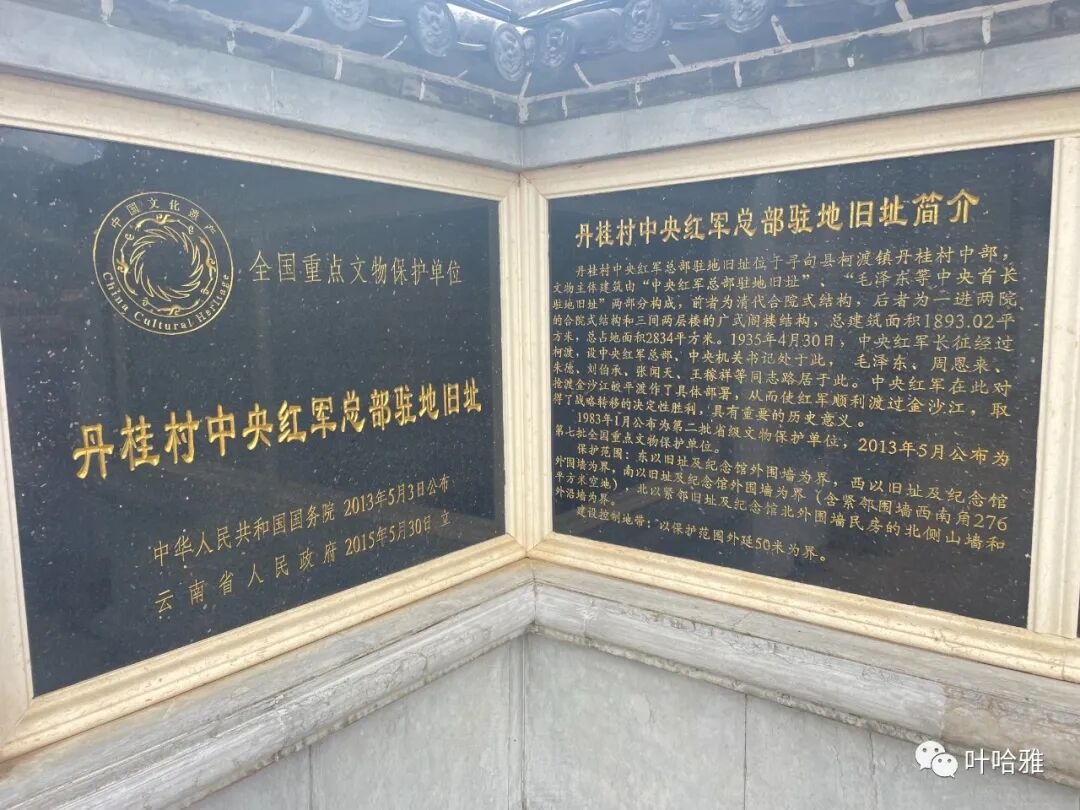
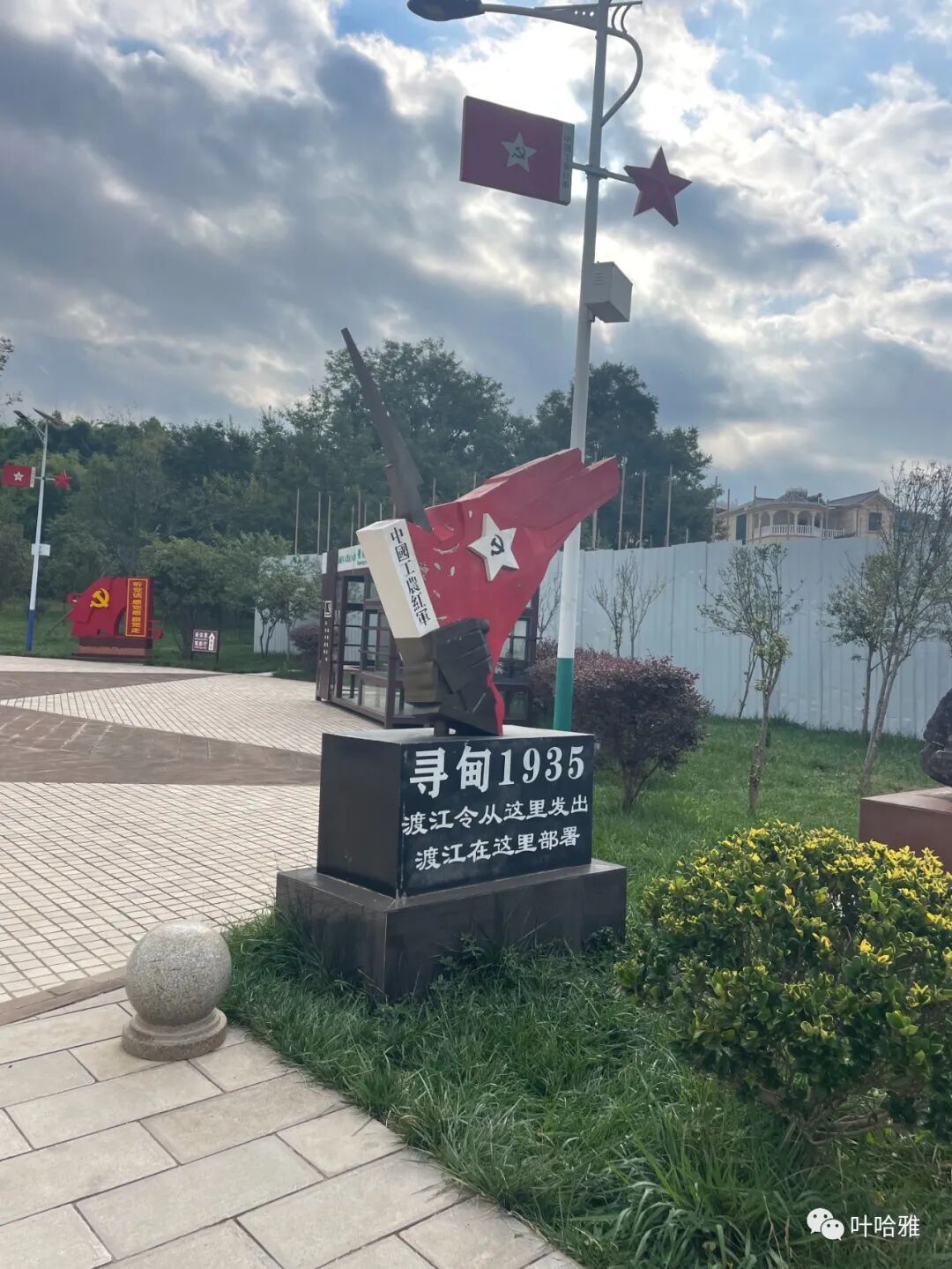
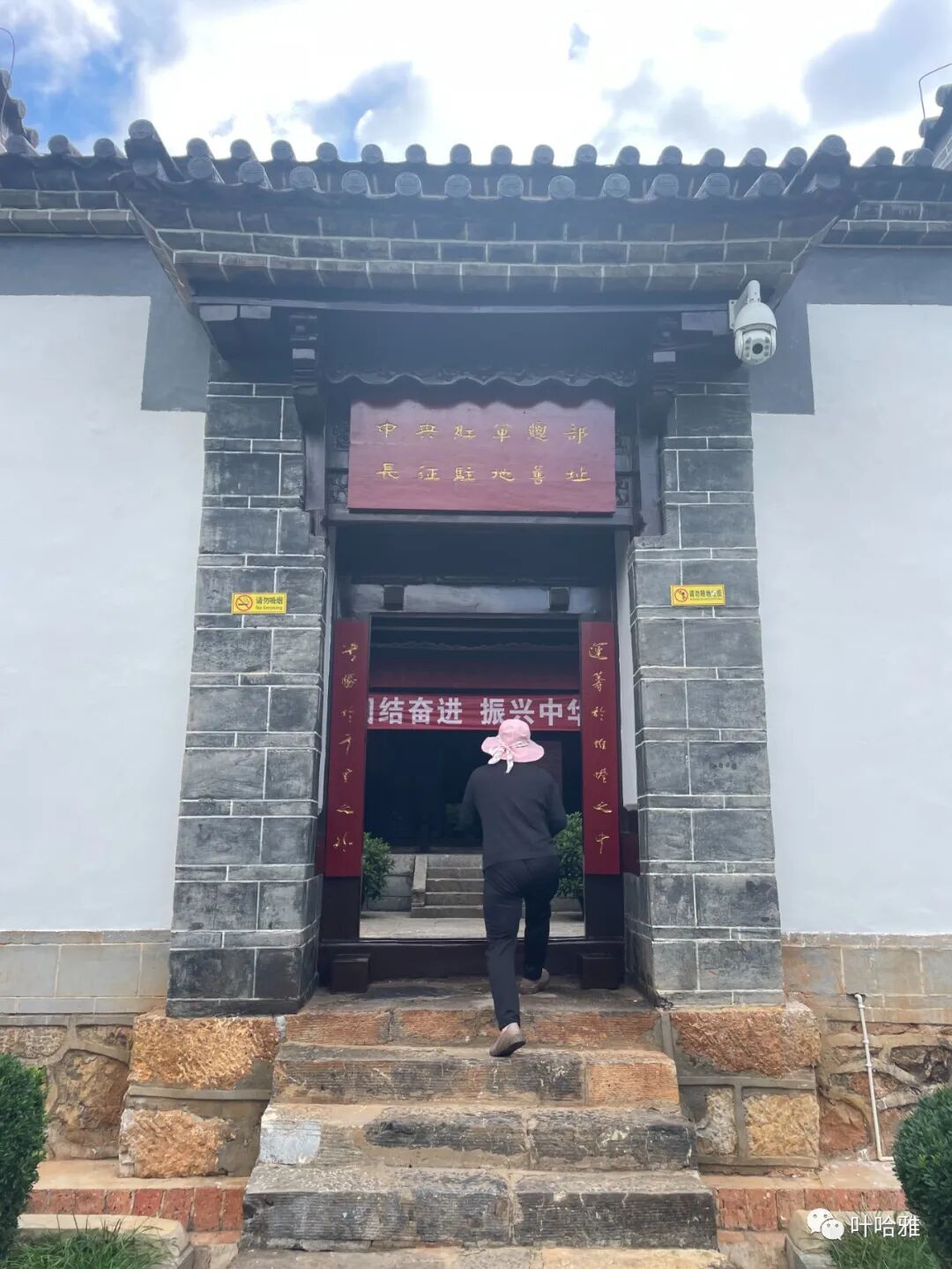
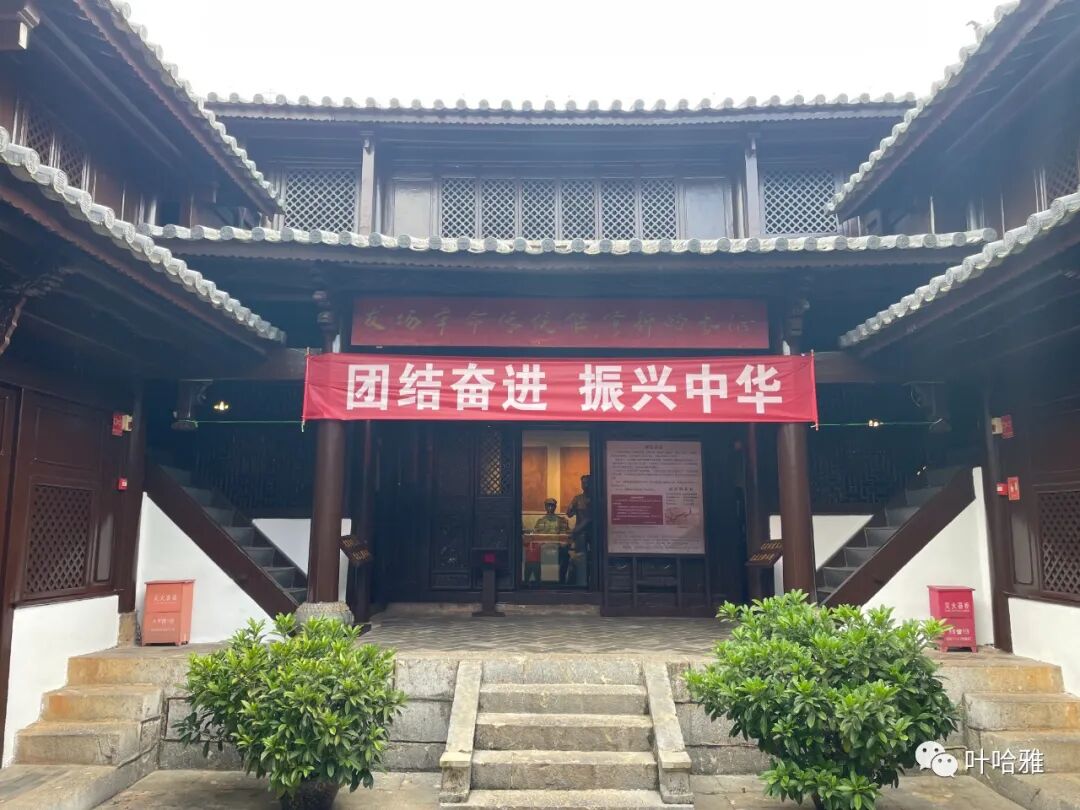
In Kedu Town, located in the Xundian Hui and Yi Autonomous County under Kunming, Yunnan, there are two Hui Muslim villages called Dangui Village and Huihui Village. These villages once served as the headquarters for the Central Red Army. Leaders including Mao Zedong, Zhou Enlai, Zhu De, Liu Bocheng, Zhang Wentian, and Wang Jiaxiang all stayed here. The Central Red Army made specific plans here to cross the Jinsha River at Jiaoping Ferry, which allowed the Red Army to cross the river successfully.
Yuping Mosque in Xundian
Kedu Town is an 80-kilometer drive from the Xundian county seat. We rested in the county seat for a day to prepare for our trip to Kedu Town the next morning. While drinking coffee in the county seat, we happened to see the Yuping Mosque across the street and went there to perform a prayer.
Yuping Mosque was first built between the late Ming and early Qing dynasties, and the current main hall was built in 2010.
Jinxingyue Restaurant
A local young lady in Xundian invited our family of three to eat authentic Xundian food at Jinxingyue. This restaurant has been open for at least 10 years and is one of the top choices for engagement banquets among Xundian locals. The food and the environment are both excellent, and most restaurants on the streets of Xundian are halal.
Fahim was playing in the courtyard when another young lady took a liking to him and chased after him to play together.
Local specialty pan-fried tea (jiancha). This stove can be used for heating, boiling tea, and grilling.
Xundian's oil-drizzled dried beef (youlin niuganba). The locals have high standards for food. They think Kunming doesn't have as much good food as Xundian. Xundian is where people from Kunming go for weekend getaways and farm-style meals.
Roasted chicken and potato pancakes (yangyu bing) are specialties. The roasted chicken is tender and flavorful, and the potato pancakes are salty, fresh, and crispy.
Thick pea porridge (xi doufen) and wheat flatbread (mai baba). Yunnan people call things like steamed buns baba. The wheat flatbread is very soft and fluffy, and it tastes great when dipped in the thick pea porridge to soak up the soup.
Jibao Beef Restaurant
This is another hidden gem that locals love. People say you even have to wait in line at night because it is so popular.
At this Yunnan-style restaurant, you pick your own vegetables. You choose from a variety of wild greens in the freezer, and the kitchen cooks them for you.
The cold sliced beef (liangpian) from Xundian is boiled in plain water and served with a spicy and sour dipping sauce.
This sweet and sour pork tenderloin (tangcu liji) is made with pineapple and is mainly served to help children eat their rice.
Yunnan bitter melon is delicious, and I enjoy the bitter taste.
Kedu Town
The road to Kedu Town is a winding mountain path. Because it is a red tourism town, the government pays close attention to it, so the road nearby is well-maintained and not too difficult to drive. Just watch your speed, and expect the drive to take at least an hour and a half.
The town is deep in the mountains with nice scenery. Most of the paths the Red Army took during the Long March were these kinds of remote mountain roads.
Dangui Red Army Village
The Red Army Long March Memorial Hall in Dangui Village is open to the public for free.
The Party could not have gained national power without the support of ethnic minorities. The relationship between Chinese Muslims and various Chinese regimes throughout history is the same. Whenever they stayed in line with the central government, they developed; otherwise, they suffered major setbacks. You can refer to the book 'Chinese Regimes and Islam Throughout History' for details.
Because the Party's founding members were treated well by ethnic minorities during difficult times, they had a positive view of them, which led to the ethnic minority policies established after the founding of the country.
The red halal restaurant in the village is called Huadamen Restaurant.
The village walls are decorated with folk songs from Hui Muslims and other ethnic minorities, all praising the Red Army.
Dangui Mosque.
The founding date of Dangui Mosque is unknown, but it was renovated in the 22nd year of the Guangxu reign of the Qing Dynasty and is now a provincial-level cultural heritage site.
On the mosque's crossbeams, there is a slogan left by the Red Army that says, "The Red Army absolutely does not press-gang." This means they did not force men into military service.
On the third floor of the minaret, there is a poster showing a story from the past. After the Red Army defeated local tyrants, they took ham to cook at Huihui Mosque. When Commander-in-Chief Zhu De found out, he walked to the mosque to apologize to Imam Jin.
Looking down at Dangui Village from the top of the minaret.
The Huihui Village mentioned above shares the same name as the Huihui Village in Sanya and is two kilometers away from Dangui Village.
Huihui Village Mosque.
Huihui Mosque is built in the center of the village, and it also has a slogan left by the Red Army.
The slogan is on the side of the minaret and reads, "The Red Army absolutely protects the interests of the Hui worker and peasant masses." "Hui home" refers to the homes of Hui Muslims, as the term Hui Muslims was not yet used as an official name before liberation.
The founding record of the Chinese-Arabic school inside the Huihui Village mosque.
Patterns on the gate of a house across from the Huihui mosque.
Tuogu Village in Ludian.
On the way back to Beijing from Xundian, I passed a small halal shop at the entrance of Tuogu Village. They had Ma Laobiao rice noodles (mixian), and I bought plenty of instant food for the trip.
Tuogu grilled tofu (shaodoufu) for one yuan a piece.
Tuogu mosque.
Tuogu mosque was first built in the eighth year of the Yongzheng reign. It covers 7,000 square meters, is the largest mosque in northeastern Yunnan, and is now a provincial-level cultural heritage site.
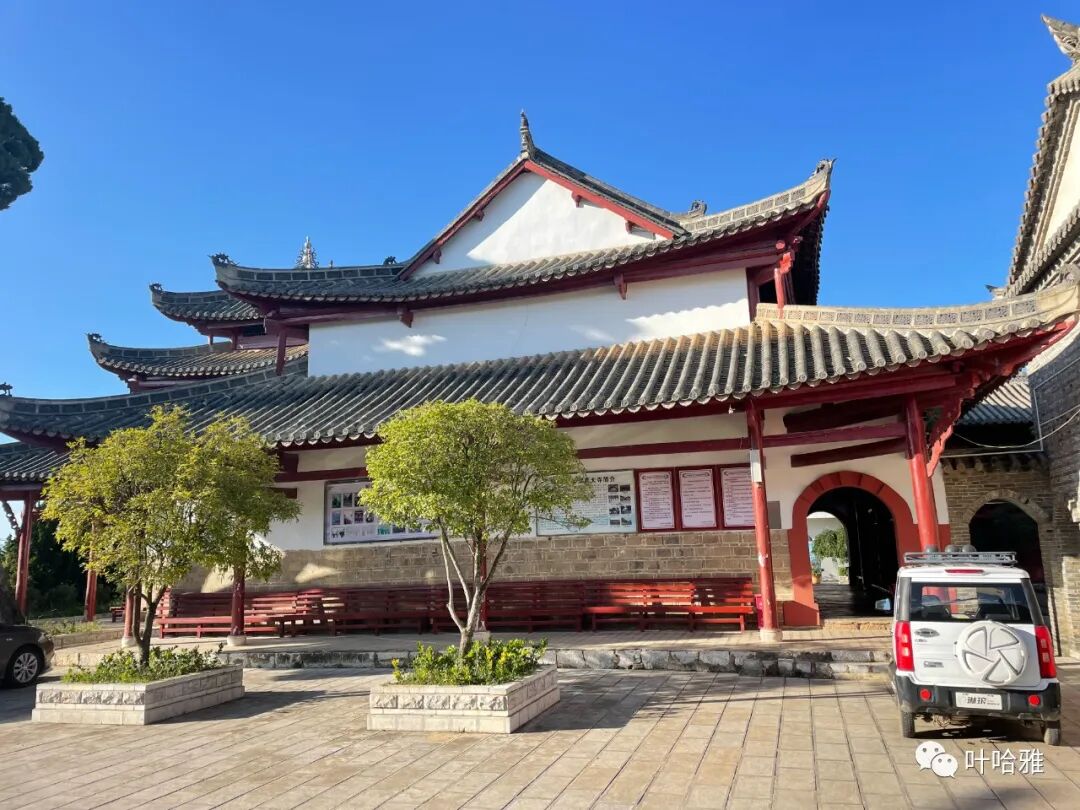
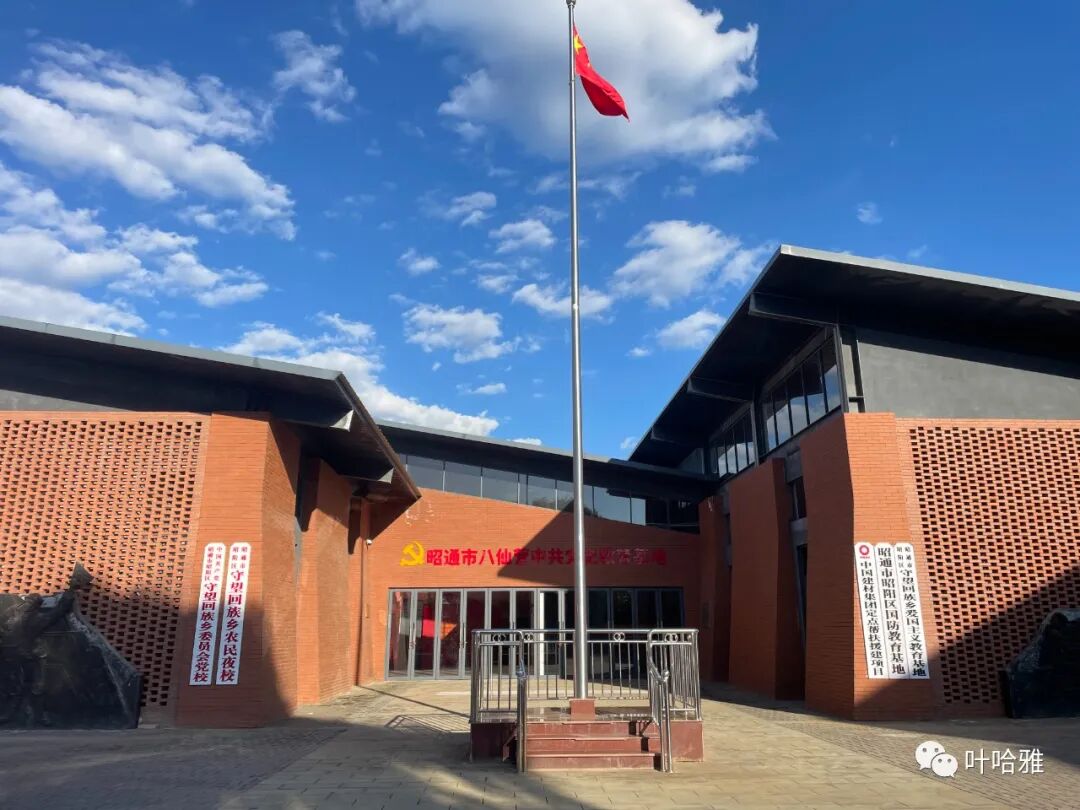
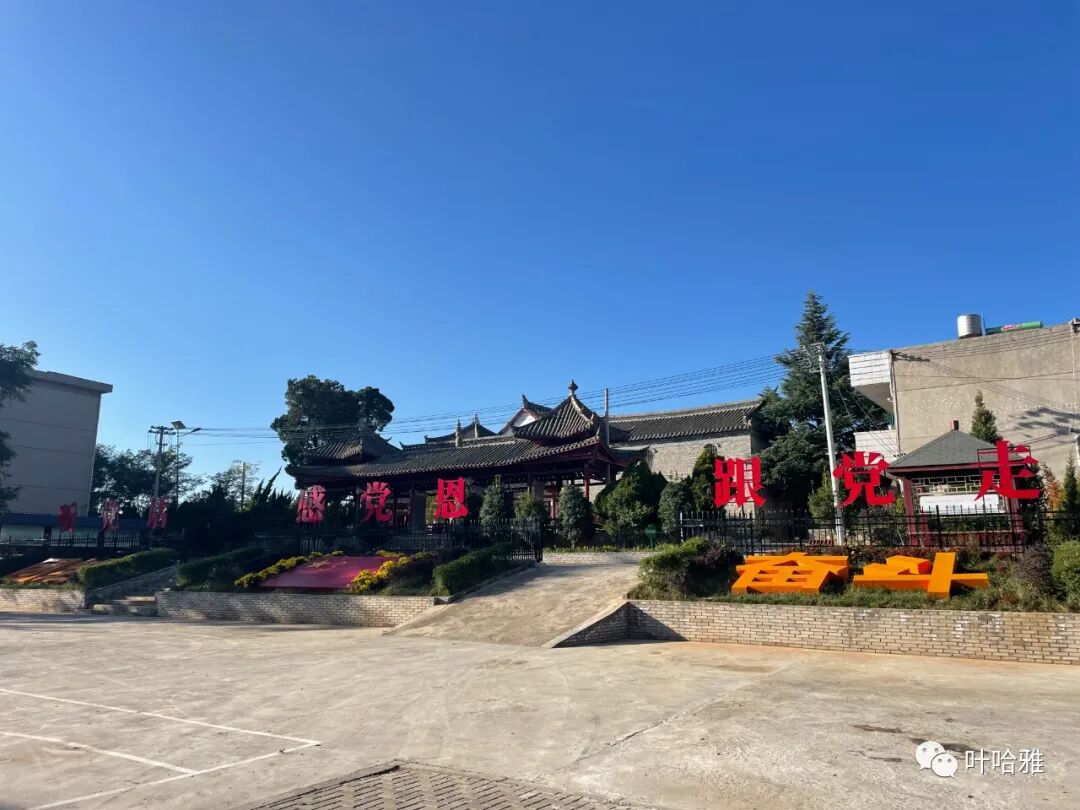
Zhaotong Baxian grand mosque.
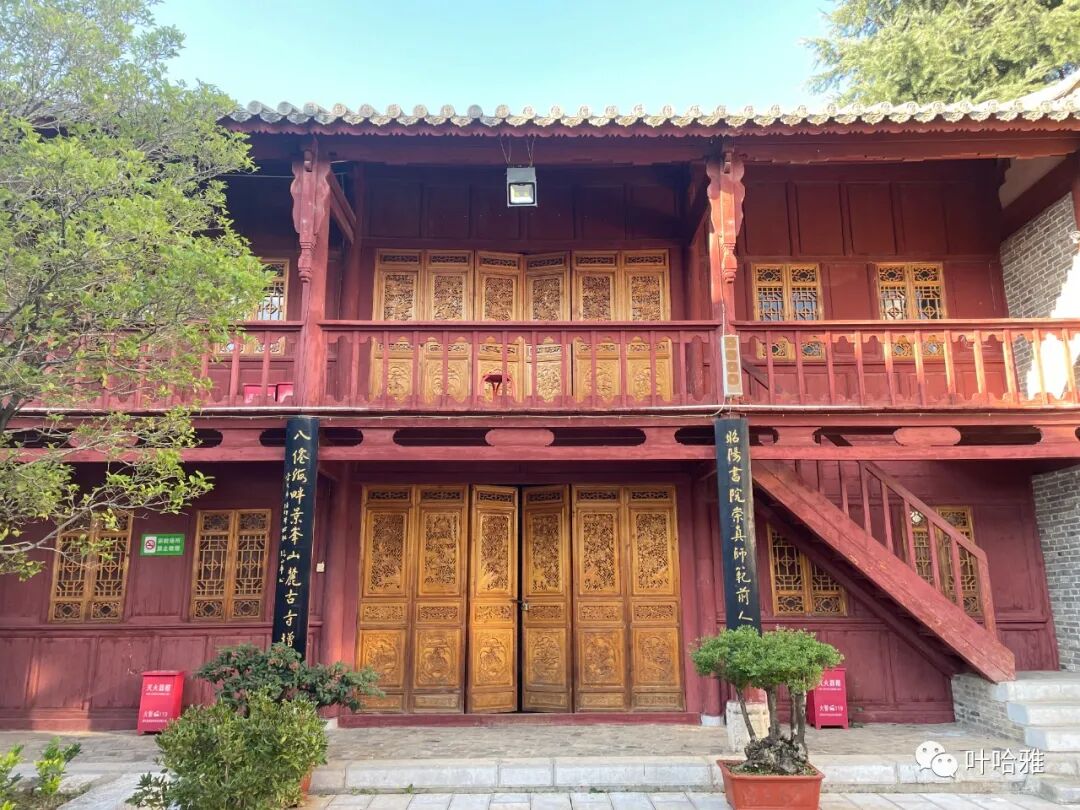
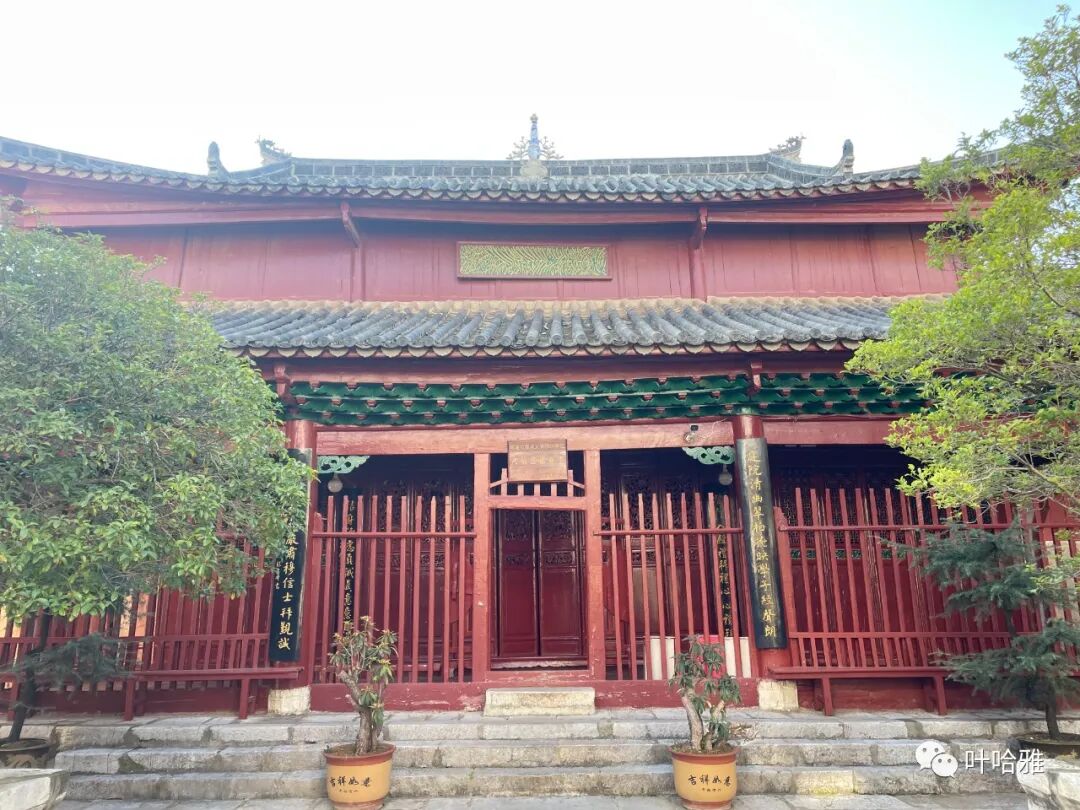
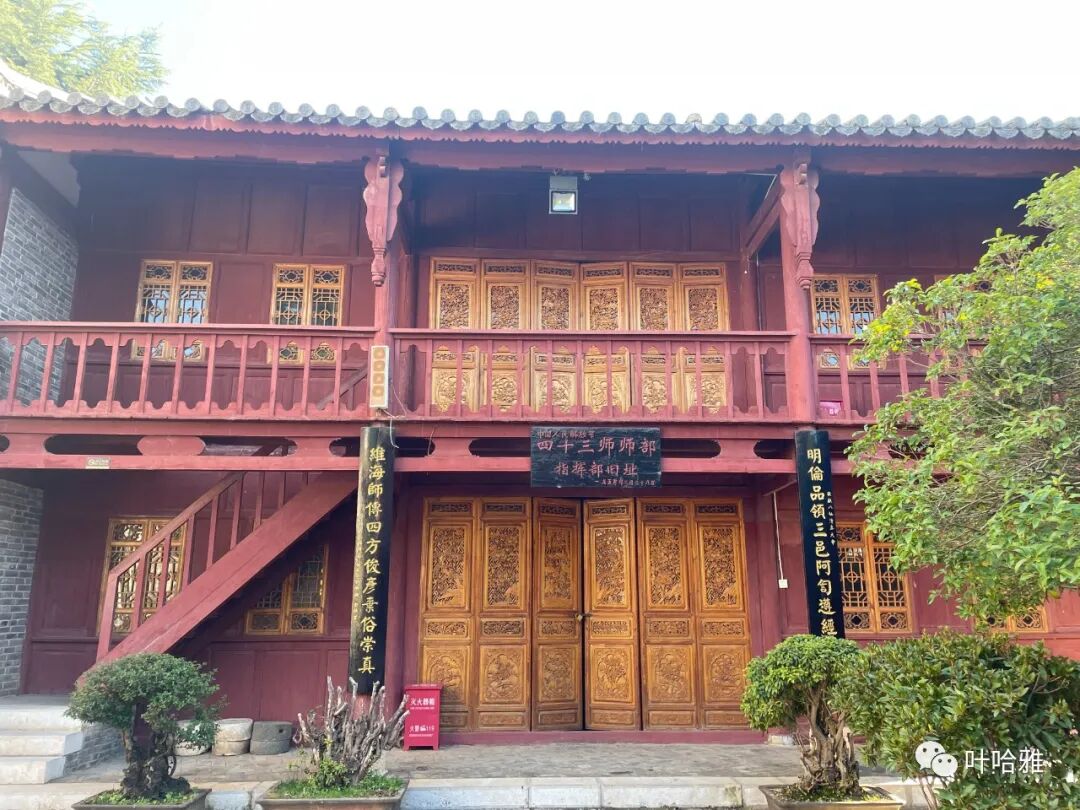
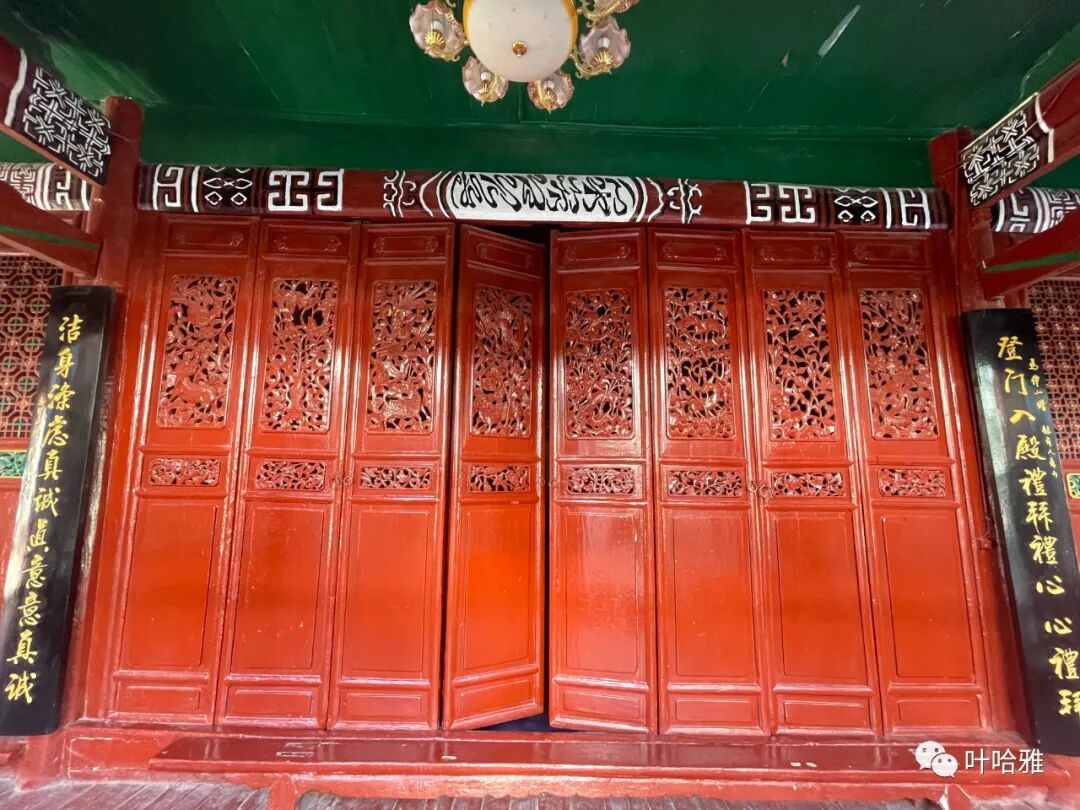
Zhaotong Baxian mosque is one of the eight scenic spots in Zhaoyang. It was first built during the Yongzheng period. It was once the site of the 43rd Division headquarters of the People's Liberation Army and includes a party school inside. view all
Summary: This China mosque travel guide follows the Yunnan Long March route through Xundian and Kedu, covering Yuping Mosque, Dangui and Huihui villages, halal Xundian food, Tuogu, Zhaotong Baxian Mosque, and Hui Muslim history along the road.
A Road Trip Through Yunnan: Three Ancient Mosques on the Long March Route is presented here as a firsthand travel account in clear English, beginning with this scene: In Kedu Town, located in the Xundian Hui and Yi Autonomous County under Kunming, Yunnan, there are two Hui Muslim villages called Dangui Village and Huihui Village. The account keeps its focus on Halal Travel, Yiwu Food, Mosque Travel while preserving the names, places, food, and historical details from the Chinese source.
In Kedu Town, located in the Xundian Hui and Yi Autonomous County under Kunming, Yunnan, there are two Hui Muslim villages called Dangui Village and Huihui Village. These villages once served as the headquarters for the Central Red Army. Leaders including Mao Zedong, Zhou Enlai, Zhu De, Liu Bocheng, Zhang Wentian, and Wang Jiaxiang all stayed here. The Central Red Army made specific plans here to cross the Jinsha River at Jiaoping Ferry, which allowed the Red Army to cross the river successfully.
Yuping Mosque in Xundian
Kedu Town is an 80-kilometer drive from the Xundian county seat. We rested in the county seat for a day to prepare for our trip to Kedu Town the next morning. While drinking coffee in the county seat, we happened to see the Yuping Mosque across the street and went there to perform a prayer.
Yuping Mosque was first built between the late Ming and early Qing dynasties, and the current main hall was built in 2010.
Jinxingyue Restaurant
A local young lady in Xundian invited our family of three to eat authentic Xundian food at Jinxingyue. This restaurant has been open for at least 10 years and is one of the top choices for engagement banquets among Xundian locals. The food and the environment are both excellent, and most restaurants on the streets of Xundian are halal.
Fahim was playing in the courtyard when another young lady took a liking to him and chased after him to play together.
Local specialty pan-fried tea (jiancha). This stove can be used for heating, boiling tea, and grilling.
Xundian's oil-drizzled dried beef (youlin niuganba). The locals have high standards for food. They think Kunming doesn't have as much good food as Xundian. Xundian is where people from Kunming go for weekend getaways and farm-style meals.
Roasted chicken and potato pancakes (yangyu bing) are specialties. The roasted chicken is tender and flavorful, and the potato pancakes are salty, fresh, and crispy.
Thick pea porridge (xi doufen) and wheat flatbread (mai baba). Yunnan people call things like steamed buns baba. The wheat flatbread is very soft and fluffy, and it tastes great when dipped in the thick pea porridge to soak up the soup.
Jibao Beef Restaurant
This is another hidden gem that locals love. People say you even have to wait in line at night because it is so popular.
At this Yunnan-style restaurant, you pick your own vegetables. You choose from a variety of wild greens in the freezer, and the kitchen cooks them for you.
The cold sliced beef (liangpian) from Xundian is boiled in plain water and served with a spicy and sour dipping sauce.
This sweet and sour pork tenderloin (tangcu liji) is made with pineapple and is mainly served to help children eat their rice.
Yunnan bitter melon is delicious, and I enjoy the bitter taste.
Kedu Town
The road to Kedu Town is a winding mountain path. Because it is a red tourism town, the government pays close attention to it, so the road nearby is well-maintained and not too difficult to drive. Just watch your speed, and expect the drive to take at least an hour and a half.
The town is deep in the mountains with nice scenery. Most of the paths the Red Army took during the Long March were these kinds of remote mountain roads.
Dangui Red Army Village
The Red Army Long March Memorial Hall in Dangui Village is open to the public for free.
The Party could not have gained national power without the support of ethnic minorities. The relationship between Chinese Muslims and various Chinese regimes throughout history is the same. Whenever they stayed in line with the central government, they developed; otherwise, they suffered major setbacks. You can refer to the book 'Chinese Regimes and Islam Throughout History' for details.
Because the Party's founding members were treated well by ethnic minorities during difficult times, they had a positive view of them, which led to the ethnic minority policies established after the founding of the country.
The red halal restaurant in the village is called Huadamen Restaurant.
The village walls are decorated with folk songs from Hui Muslims and other ethnic minorities, all praising the Red Army.
Dangui Mosque.
The founding date of Dangui Mosque is unknown, but it was renovated in the 22nd year of the Guangxu reign of the Qing Dynasty and is now a provincial-level cultural heritage site.
On the mosque's crossbeams, there is a slogan left by the Red Army that says, "The Red Army absolutely does not press-gang." This means they did not force men into military service.
On the third floor of the minaret, there is a poster showing a story from the past. After the Red Army defeated local tyrants, they took ham to cook at Huihui Mosque. When Commander-in-Chief Zhu De found out, he walked to the mosque to apologize to Imam Jin.
Looking down at Dangui Village from the top of the minaret.
The Huihui Village mentioned above shares the same name as the Huihui Village in Sanya and is two kilometers away from Dangui Village.
Huihui Village Mosque.
Huihui Mosque is built in the center of the village, and it also has a slogan left by the Red Army.
The slogan is on the side of the minaret and reads, "The Red Army absolutely protects the interests of the Hui worker and peasant masses." "Hui home" refers to the homes of Hui Muslims, as the term Hui Muslims was not yet used as an official name before liberation.
The founding record of the Chinese-Arabic school inside the Huihui Village mosque.
Patterns on the gate of a house across from the Huihui mosque.
Tuogu Village in Ludian.
On the way back to Beijing from Xundian, I passed a small halal shop at the entrance of Tuogu Village. They had Ma Laobiao rice noodles (mixian), and I bought plenty of instant food for the trip.
Tuogu grilled tofu (shaodoufu) for one yuan a piece.
Tuogu mosque.
Tuogu mosque was first built in the eighth year of the Yongzheng reign. It covers 7,000 square meters, is the largest mosque in northeastern Yunnan, and is now a provincial-level cultural heritage site.
Zhaotong Baxian grand mosque.
Zhaotong Baxian mosque is one of the eight scenic spots in Zhaoyang. It was first built during the Yongzheng period. It was once the site of the 43rd Division headquarters of the People's Liberation Army and includes a party school inside. view all
Reposted from the web
Summary: This China mosque travel guide follows the Yunnan Long March route through Xundian and Kedu, covering Yuping Mosque, Dangui and Huihui villages, halal Xundian food, Tuogu, Zhaotong Baxian Mosque, and Hui Muslim history along the road.
A Road Trip Through Yunnan: Three Ancient Mosques on the Long March Route is presented here as a firsthand travel account in clear English, beginning with this scene: In Kedu Town, located in the Xundian Hui and Yi Autonomous County under Kunming, Yunnan, there are two Hui Muslim villages called Dangui Village and Huihui Village. The account keeps its focus on Halal Travel, Yiwu Food, Mosque Travel while preserving the names, places, food, and historical details from the Chinese source.
In Kedu Town, located in the Xundian Hui and Yi Autonomous County under Kunming, Yunnan, there are two Hui Muslim villages called Dangui Village and Huihui Village. These villages once served as the headquarters for the Central Red Army. Leaders including Mao Zedong, Zhou Enlai, Zhu De, Liu Bocheng, Zhang Wentian, and Wang Jiaxiang all stayed here. The Central Red Army made specific plans here to cross the Jinsha River at Jiaoping Ferry, which allowed the Red Army to cross the river successfully.
Yuping Mosque in Xundian
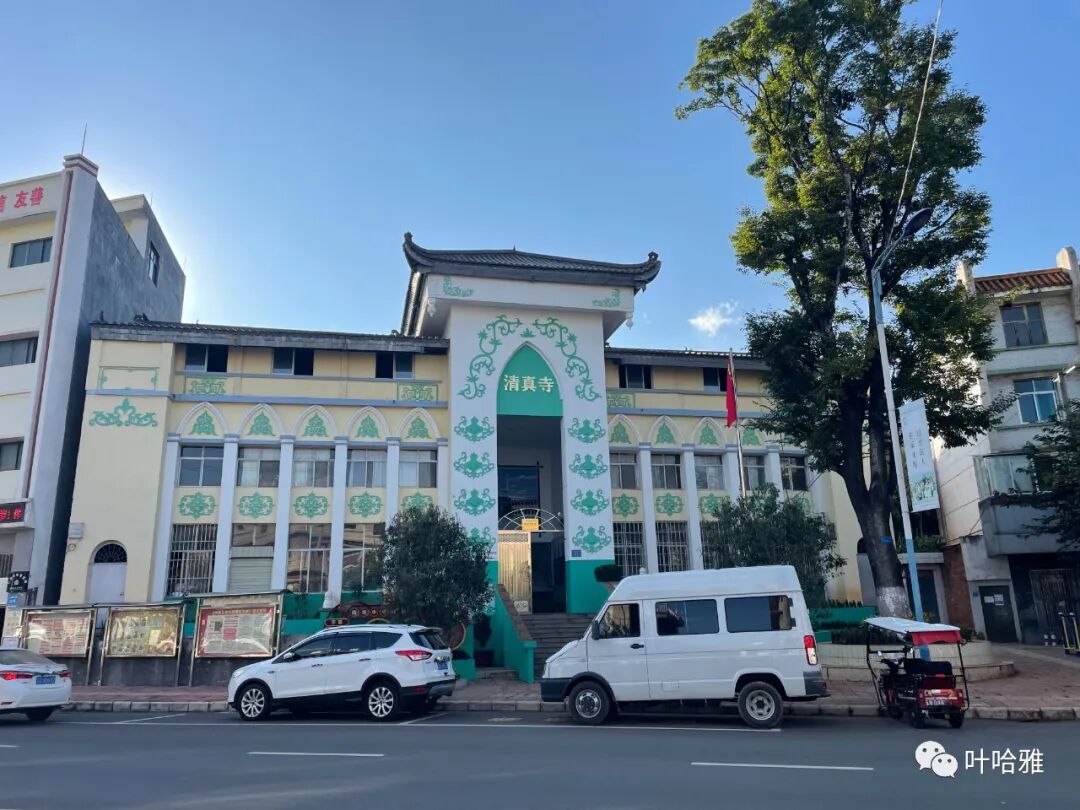
Kedu Town is an 80-kilometer drive from the Xundian county seat. We rested in the county seat for a day to prepare for our trip to Kedu Town the next morning. While drinking coffee in the county seat, we happened to see the Yuping Mosque across the street and went there to perform a prayer.
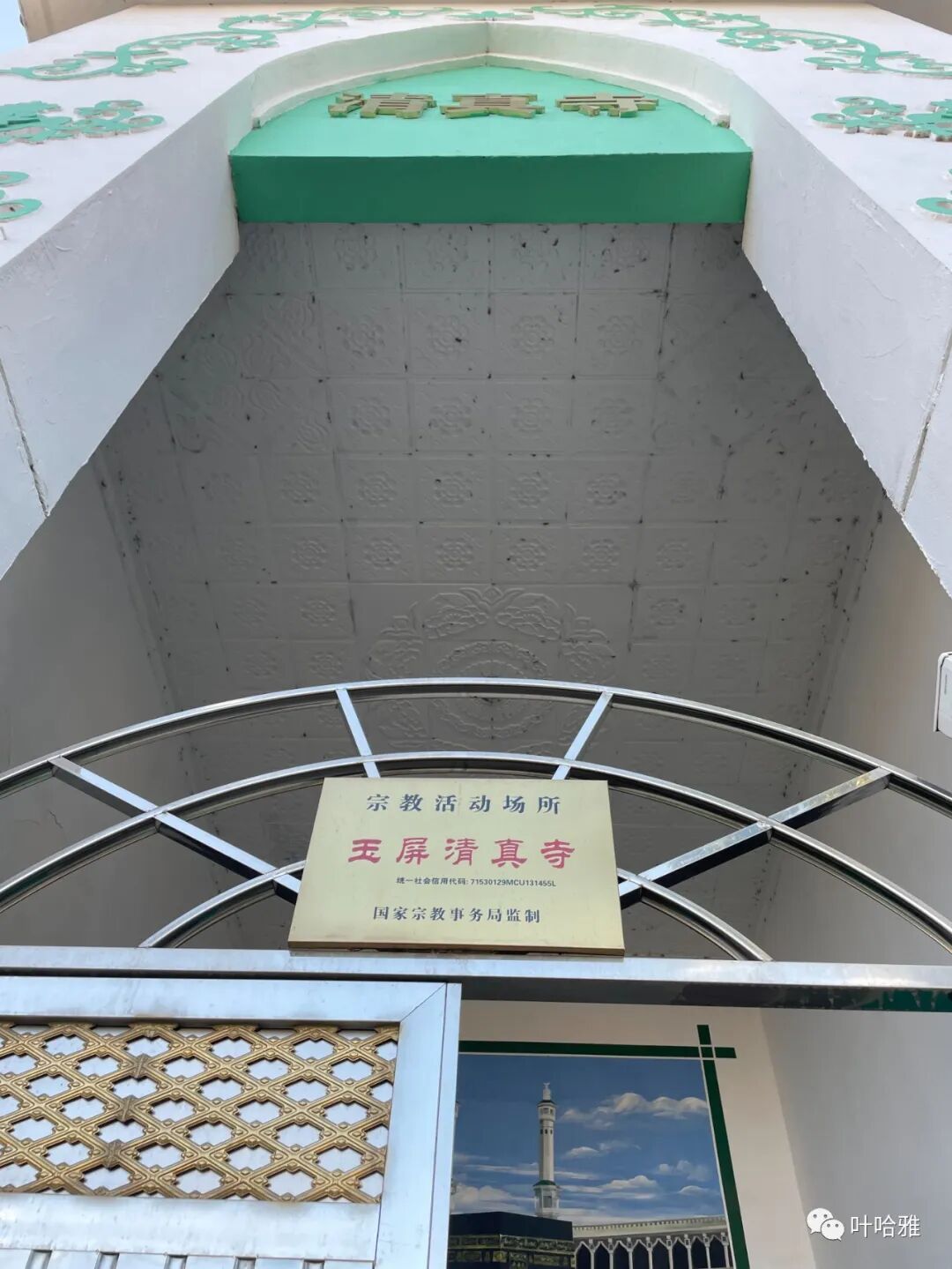
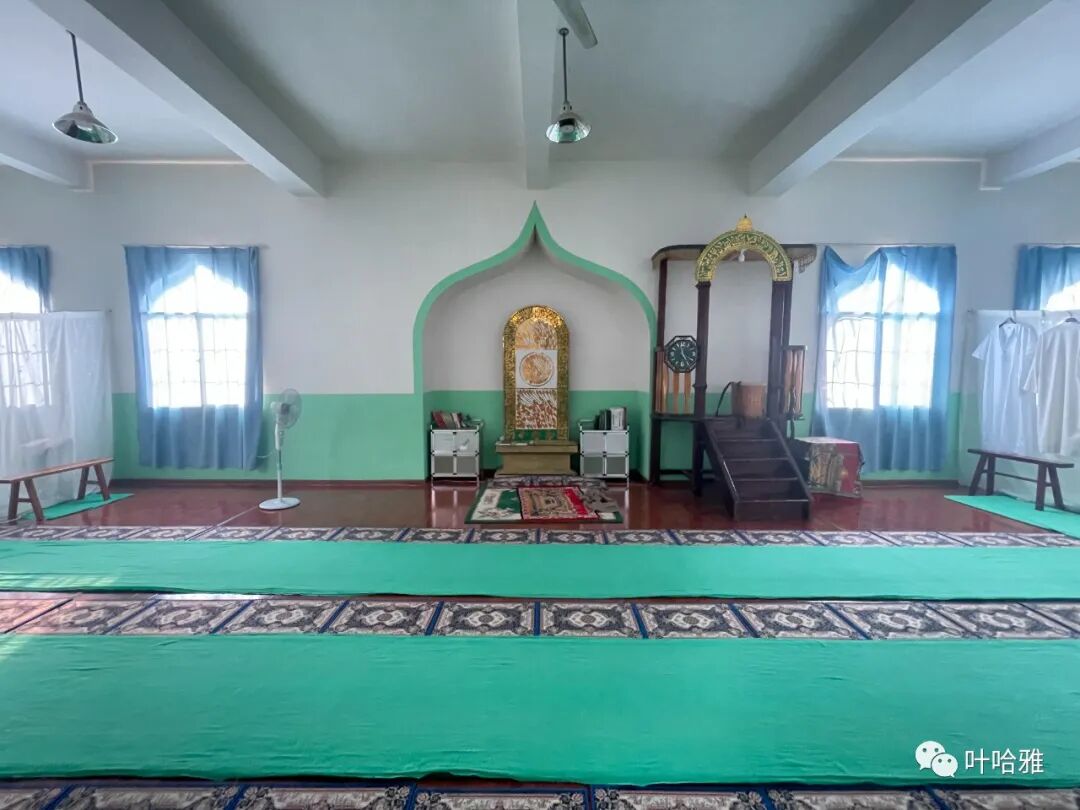
Yuping Mosque was first built between the late Ming and early Qing dynasties, and the current main hall was built in 2010.
Jinxingyue Restaurant
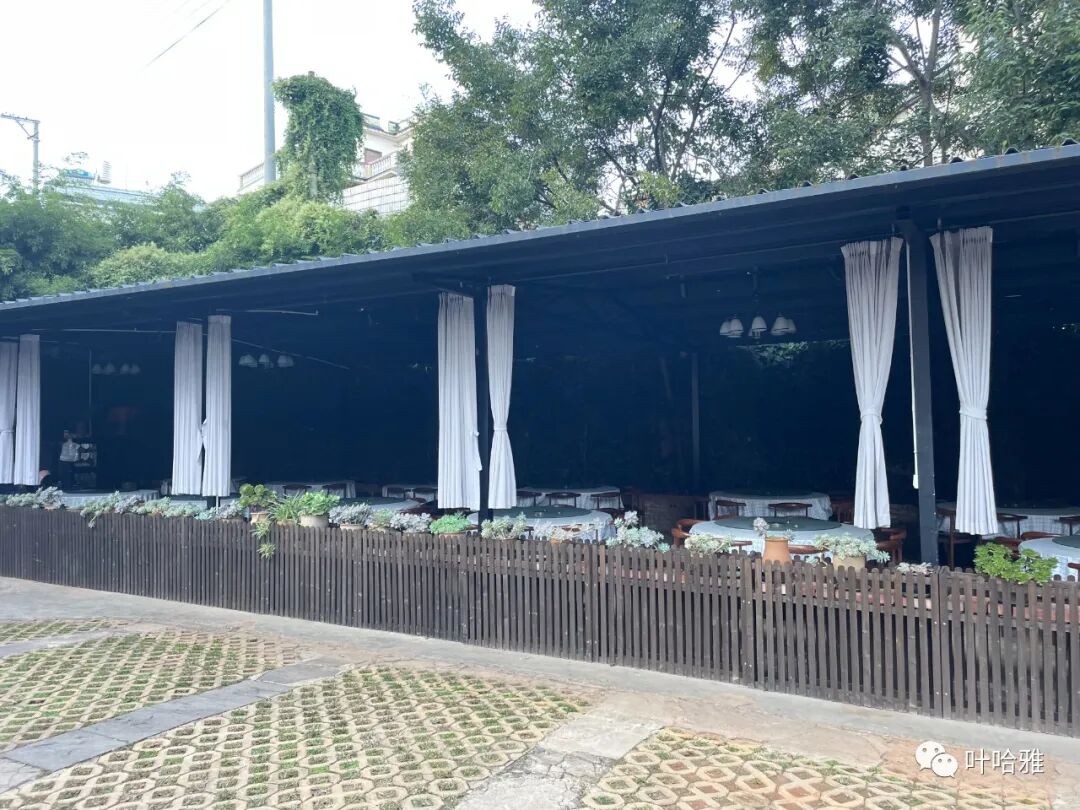
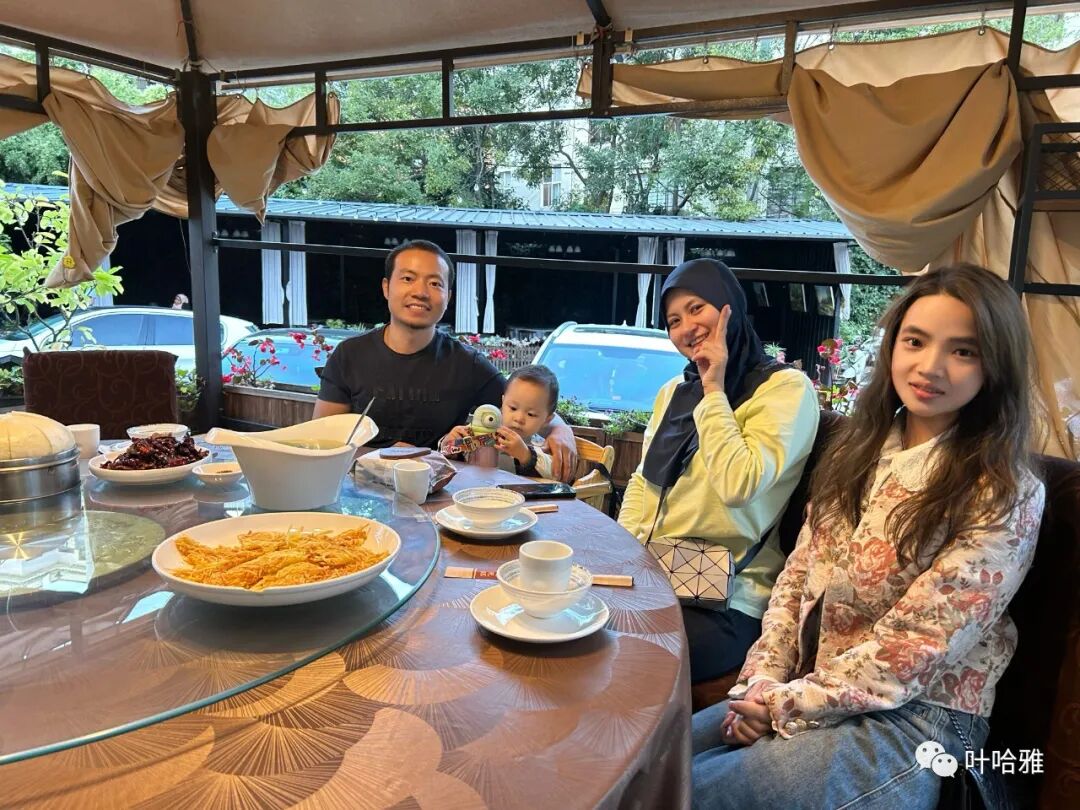
A local young lady in Xundian invited our family of three to eat authentic Xundian food at Jinxingyue. This restaurant has been open for at least 10 years and is one of the top choices for engagement banquets among Xundian locals. The food and the environment are both excellent, and most restaurants on the streets of Xundian are halal.
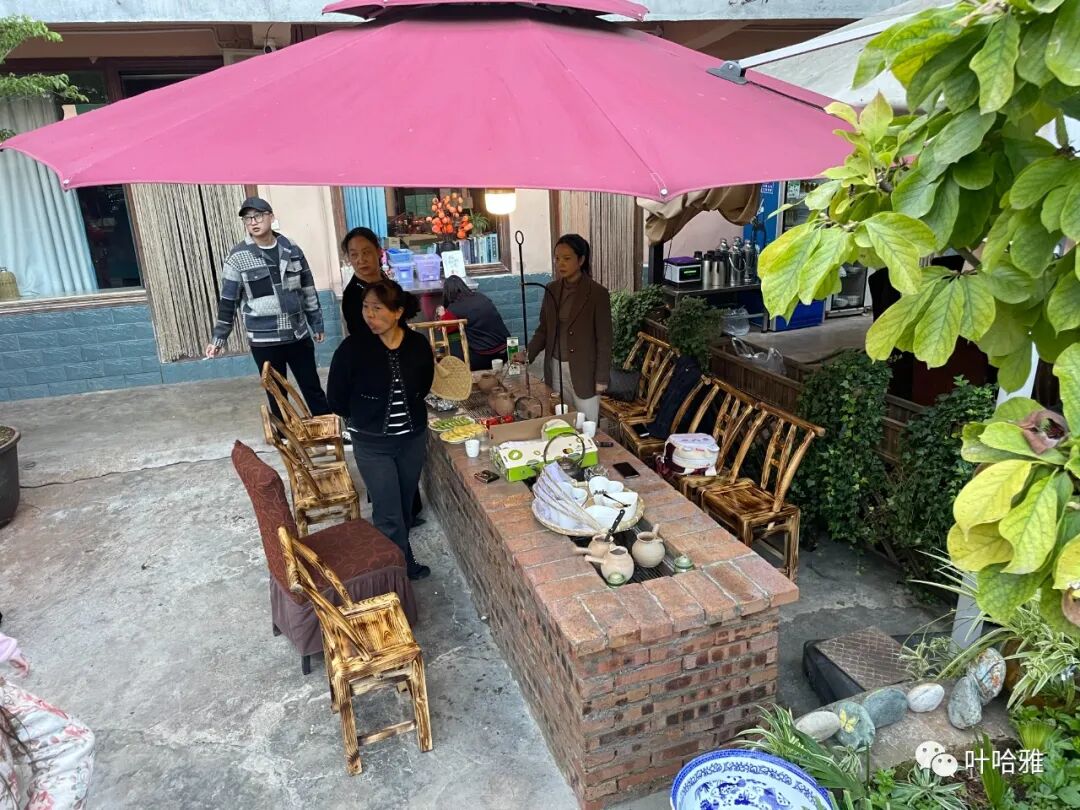
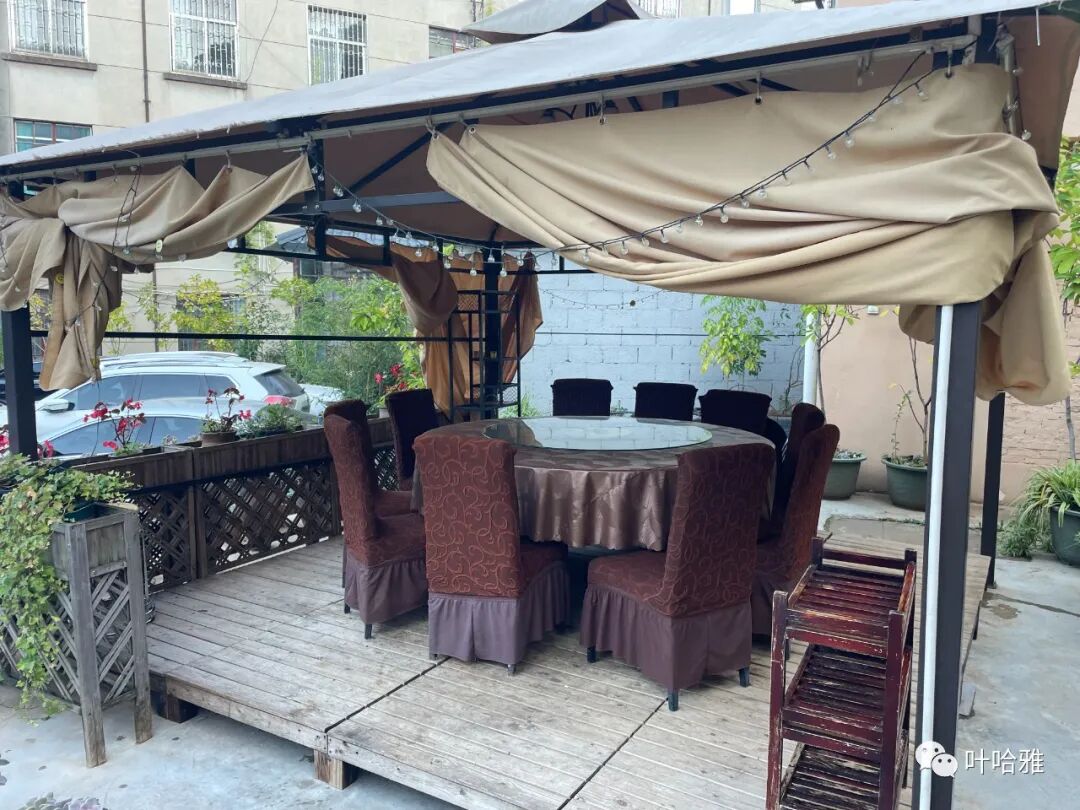
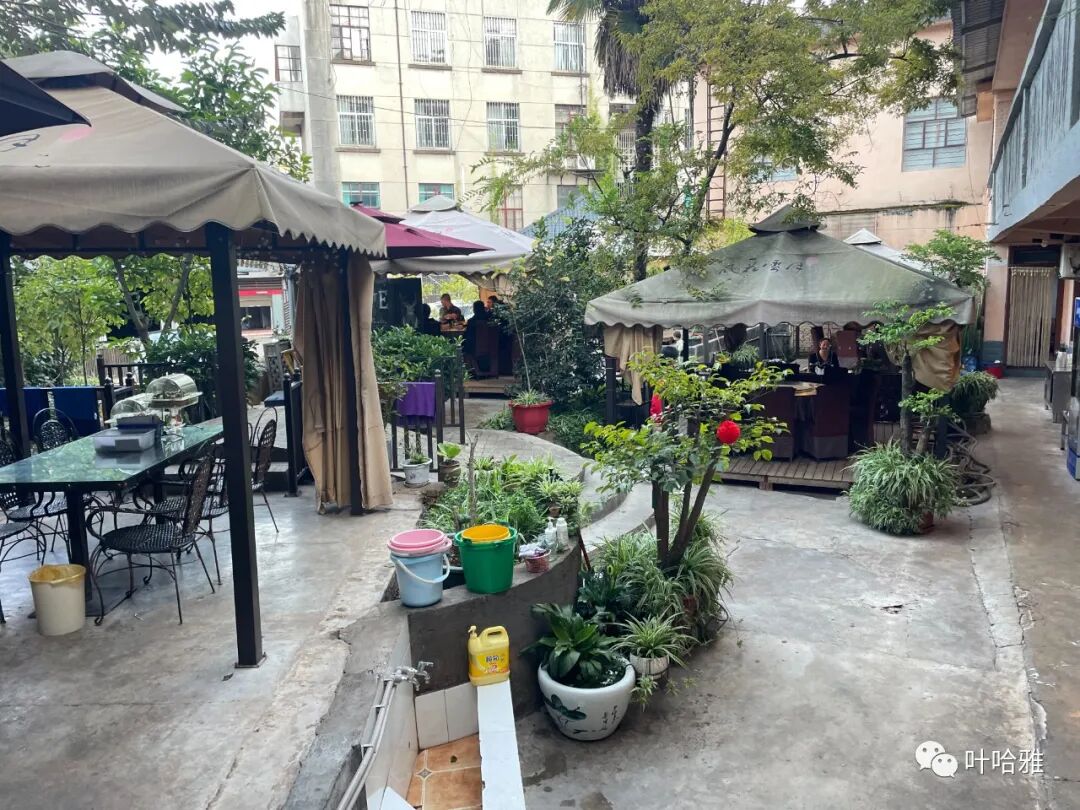
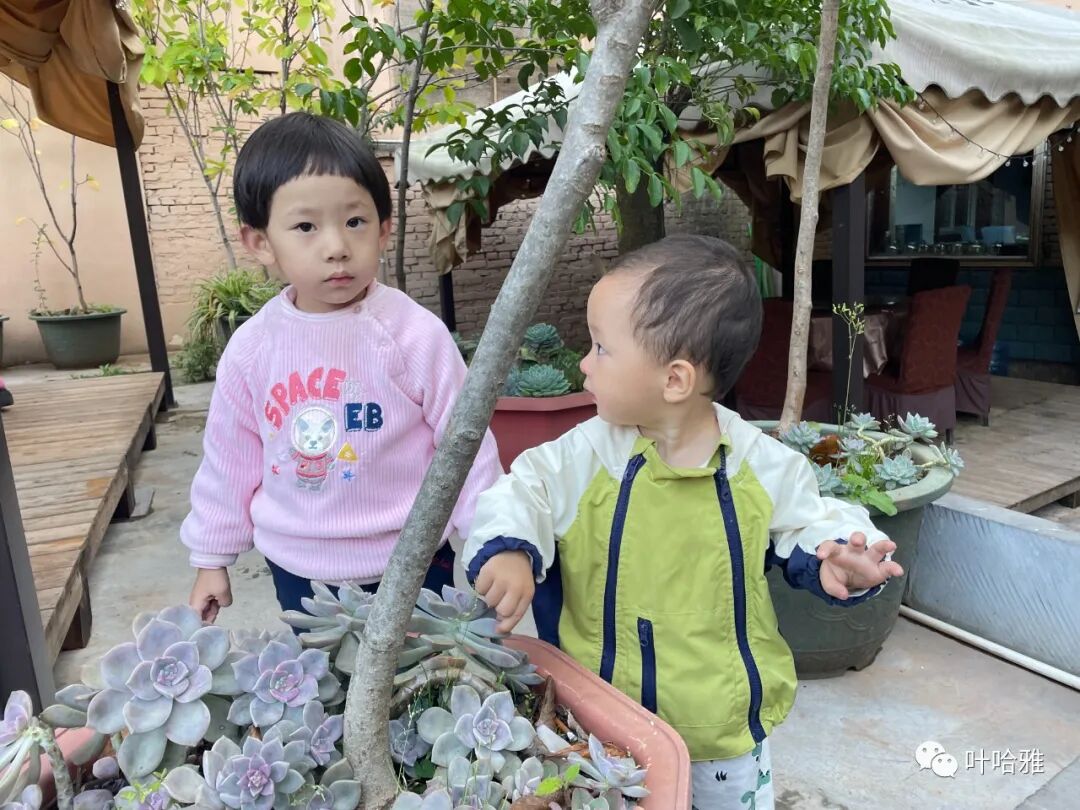
Fahim was playing in the courtyard when another young lady took a liking to him and chased after him to play together.
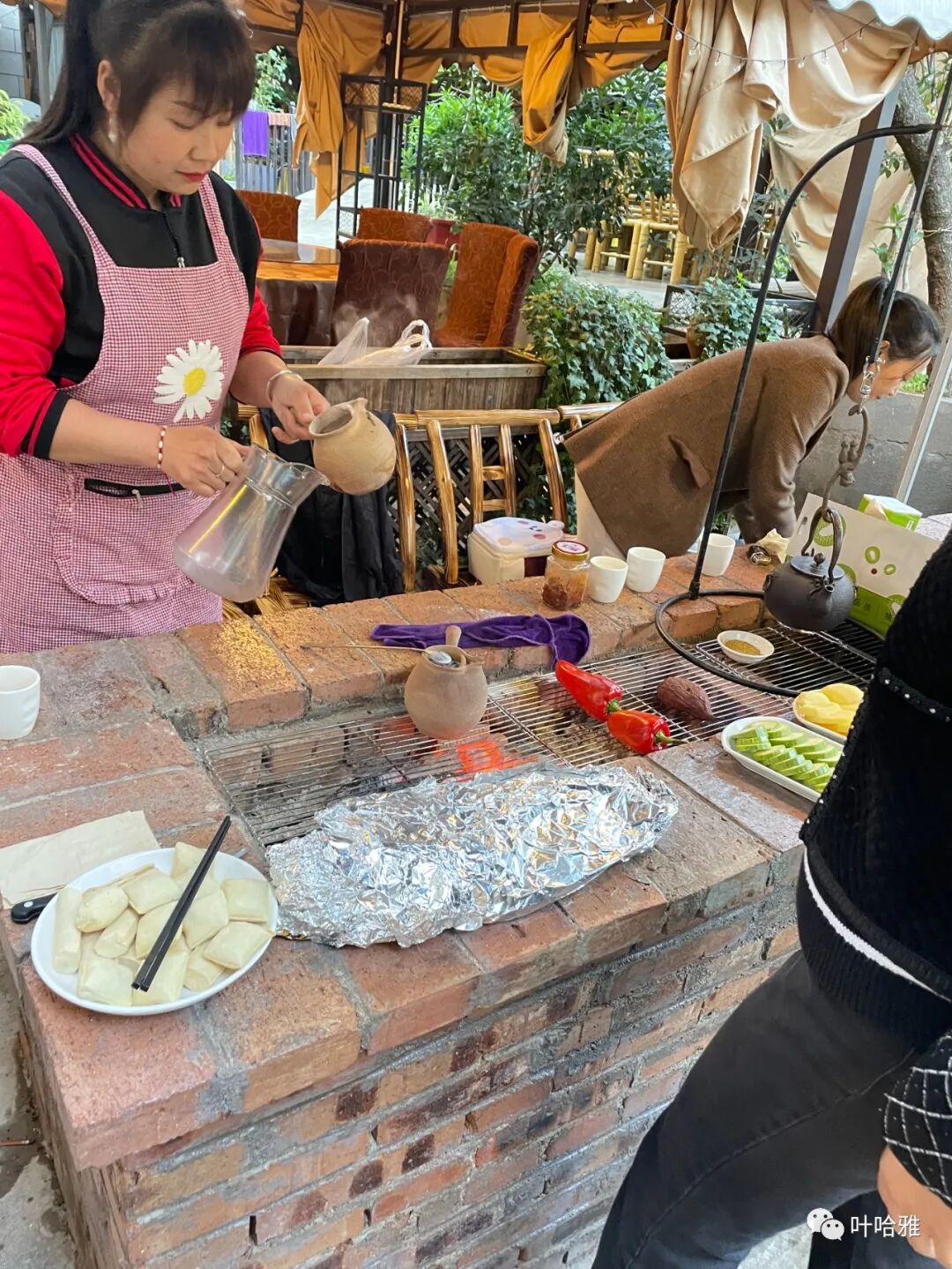
Local specialty pan-fried tea (jiancha). This stove can be used for heating, boiling tea, and grilling.
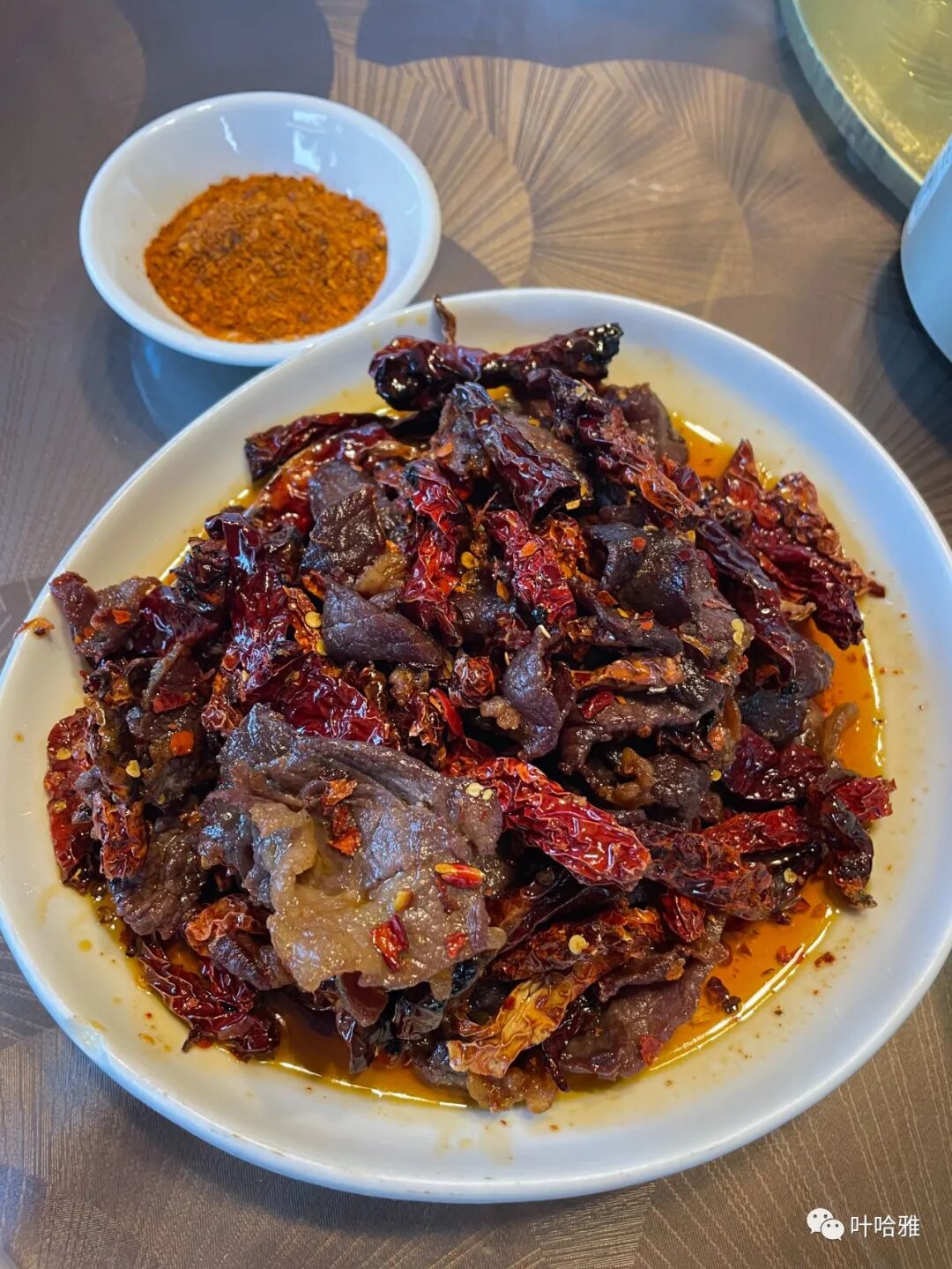
Xundian's oil-drizzled dried beef (youlin niuganba). The locals have high standards for food. They think Kunming doesn't have as much good food as Xundian. Xundian is where people from Kunming go for weekend getaways and farm-style meals.
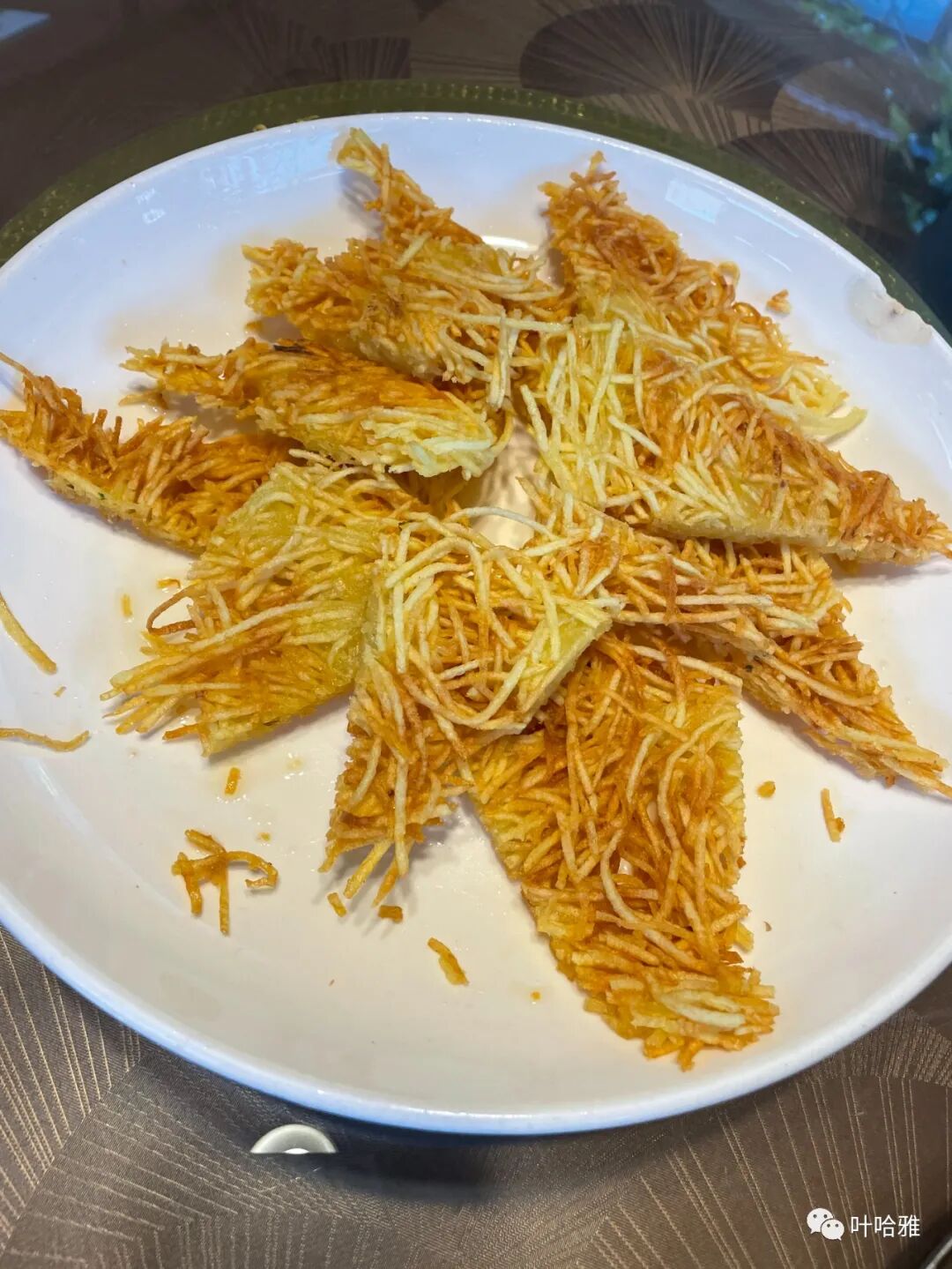
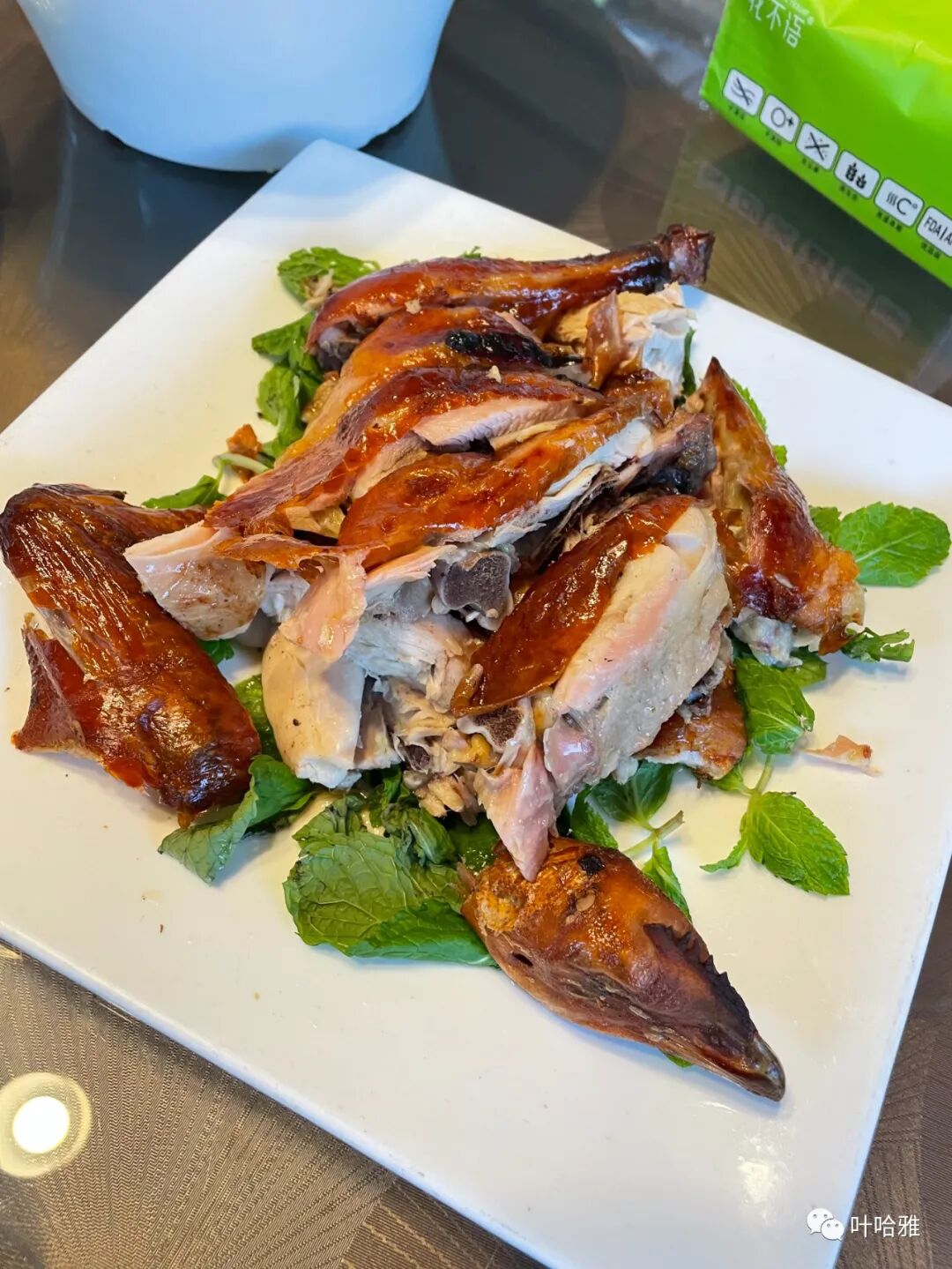
Roasted chicken and potato pancakes (yangyu bing) are specialties. The roasted chicken is tender and flavorful, and the potato pancakes are salty, fresh, and crispy.
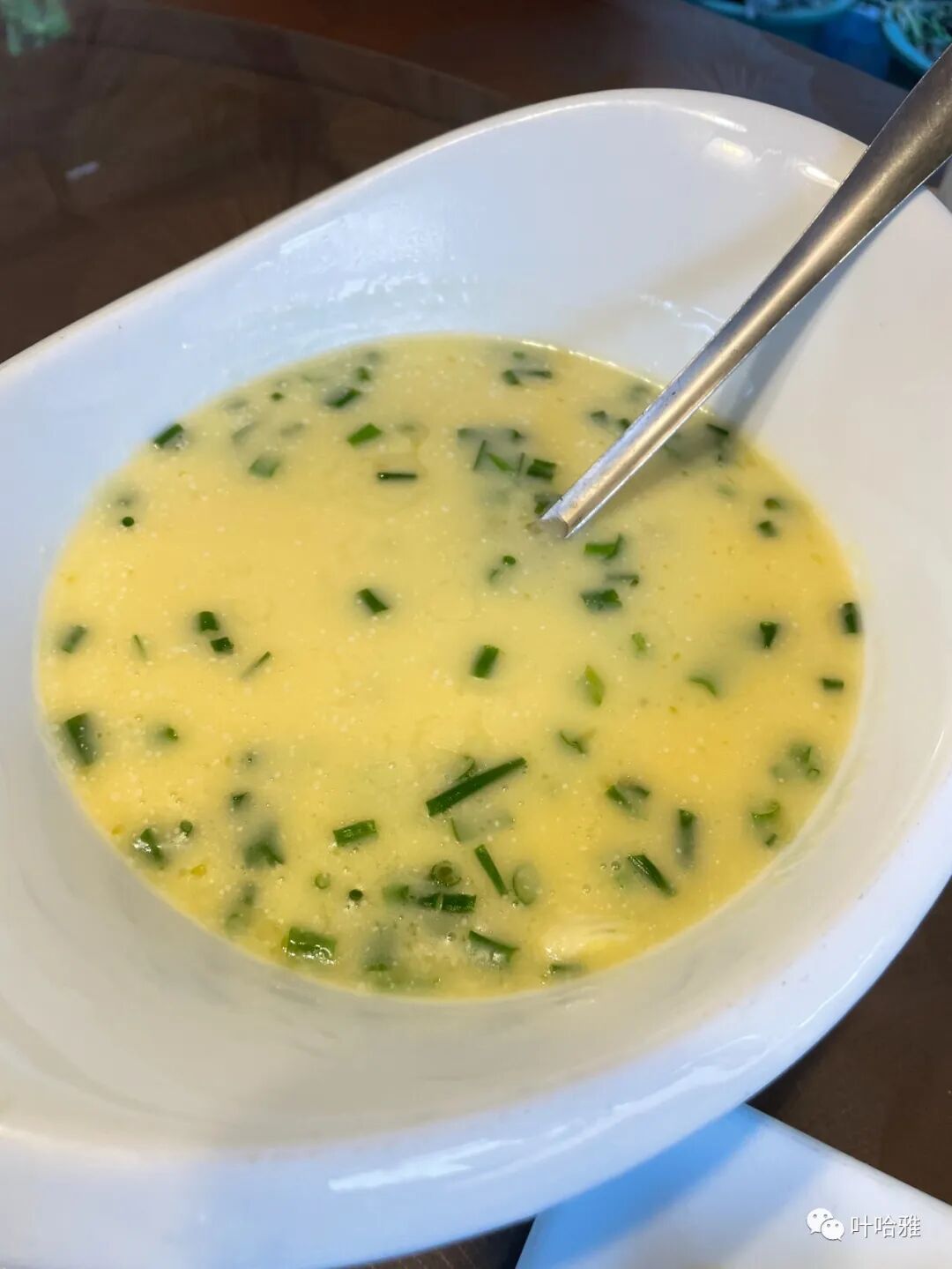
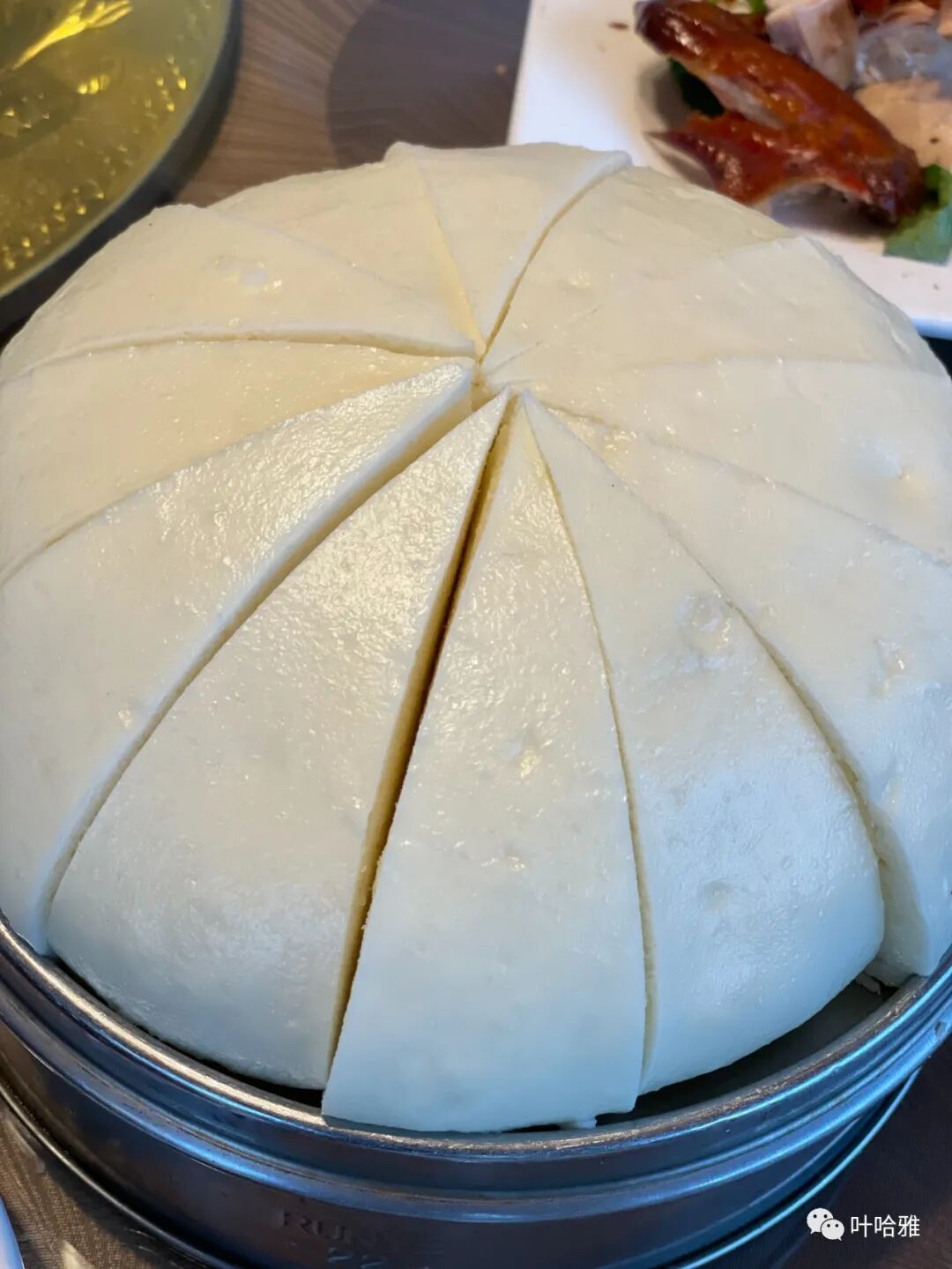
Thick pea porridge (xi doufen) and wheat flatbread (mai baba). Yunnan people call things like steamed buns baba. The wheat flatbread is very soft and fluffy, and it tastes great when dipped in the thick pea porridge to soak up the soup.
Jibao Beef Restaurant
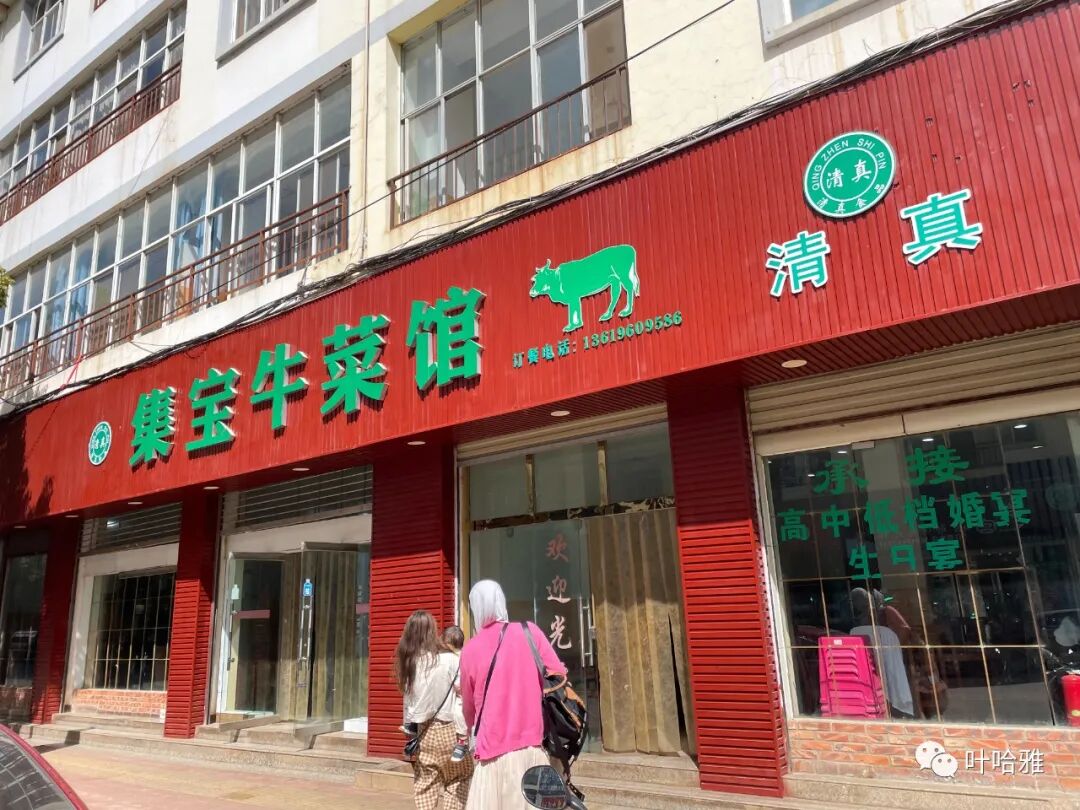
This is another hidden gem that locals love. People say you even have to wait in line at night because it is so popular.
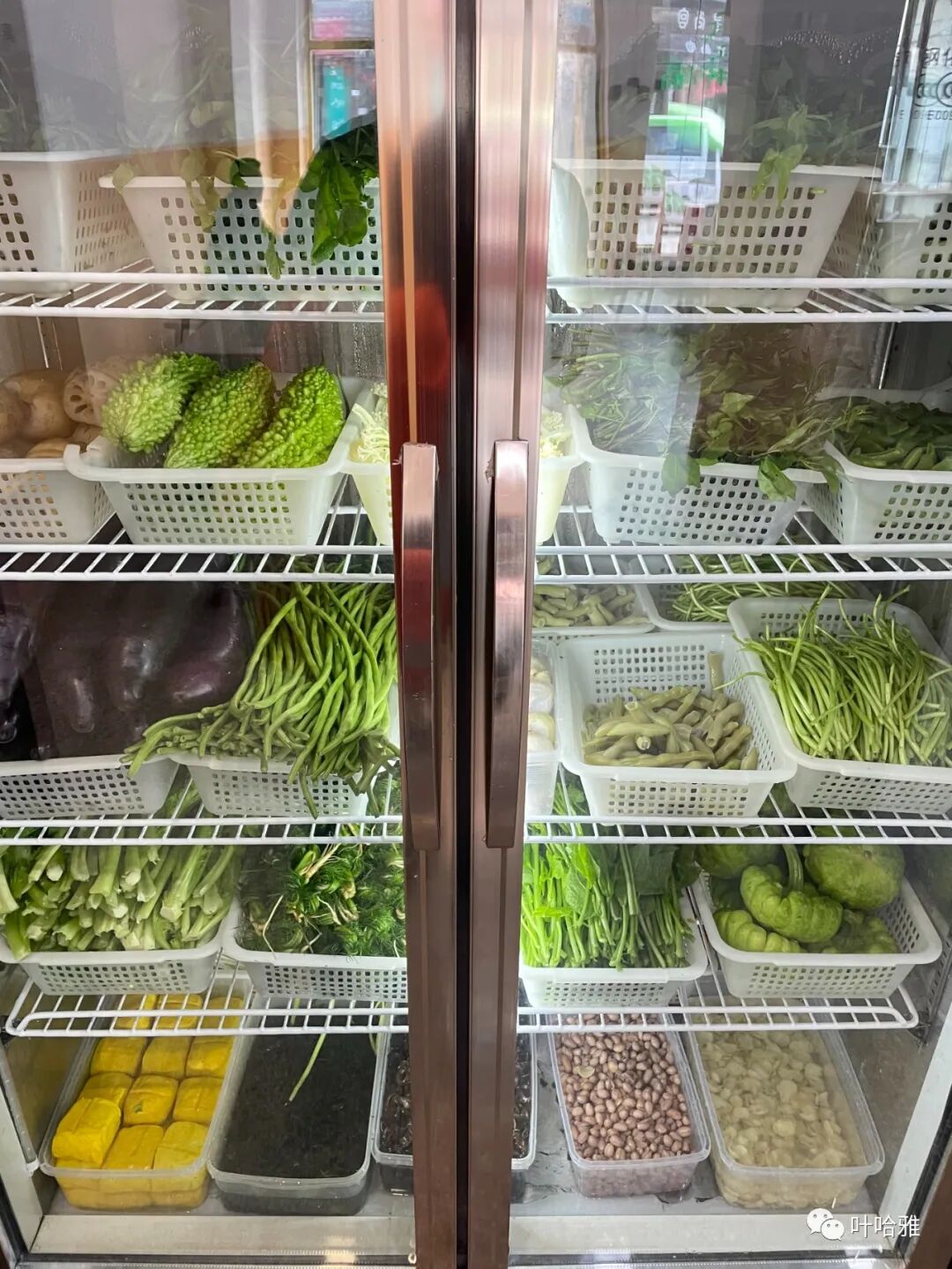
At this Yunnan-style restaurant, you pick your own vegetables. You choose from a variety of wild greens in the freezer, and the kitchen cooks them for you.
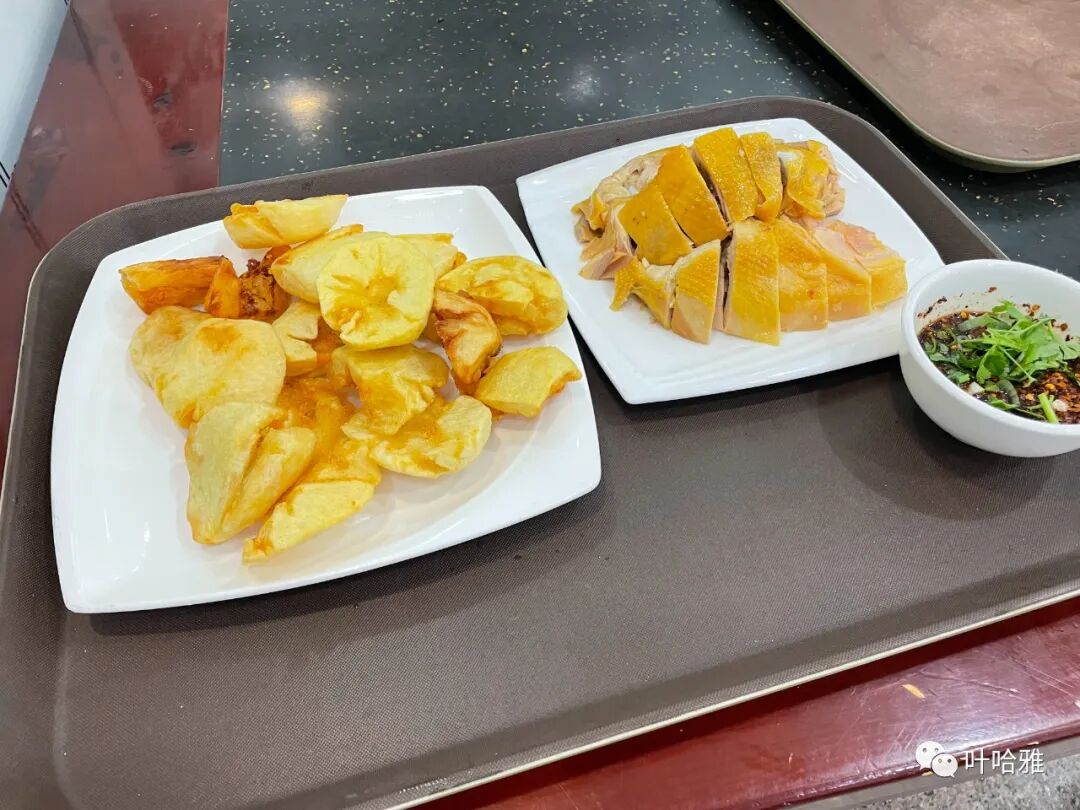
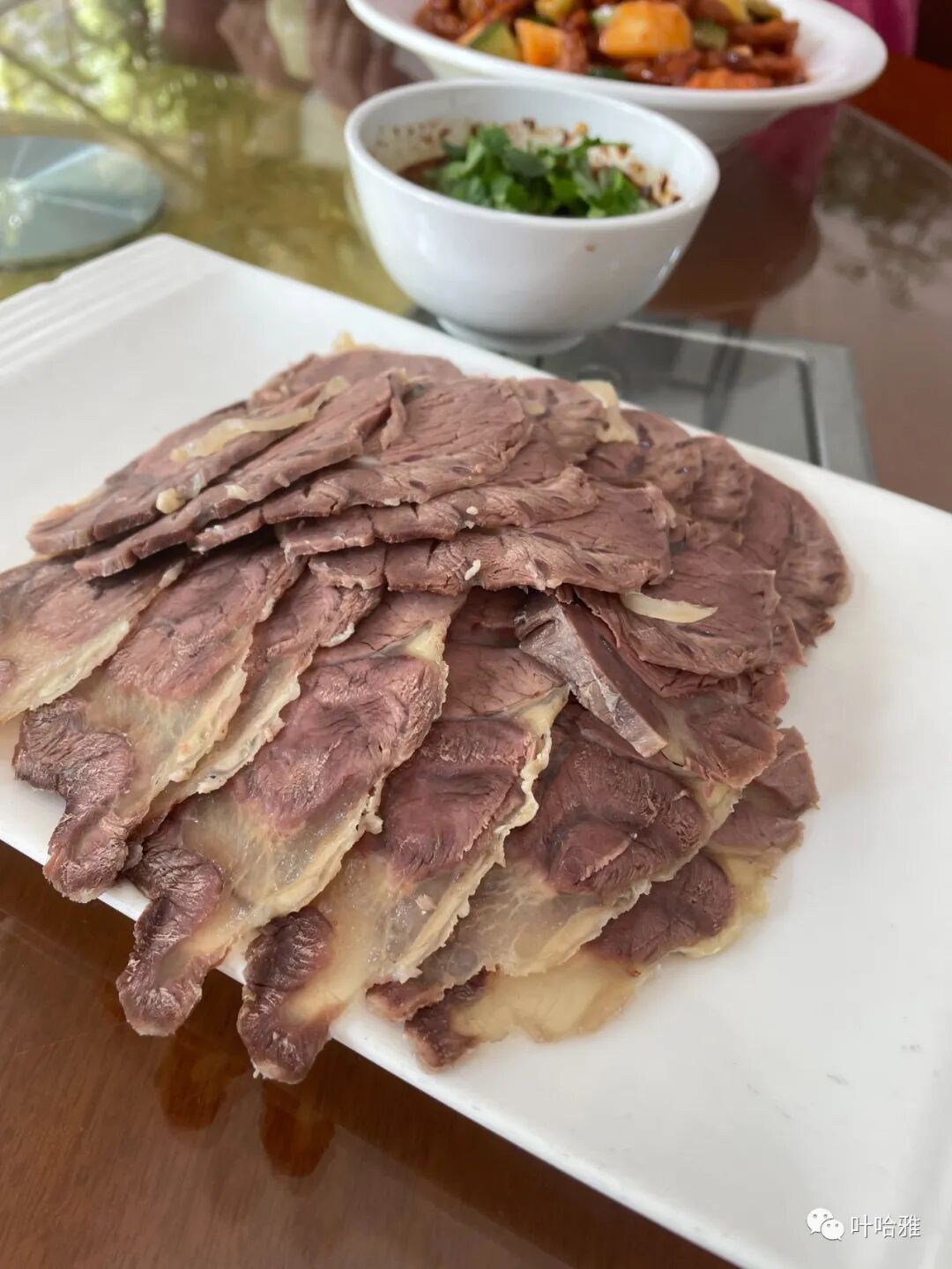
The cold sliced beef (liangpian) from Xundian is boiled in plain water and served with a spicy and sour dipping sauce.
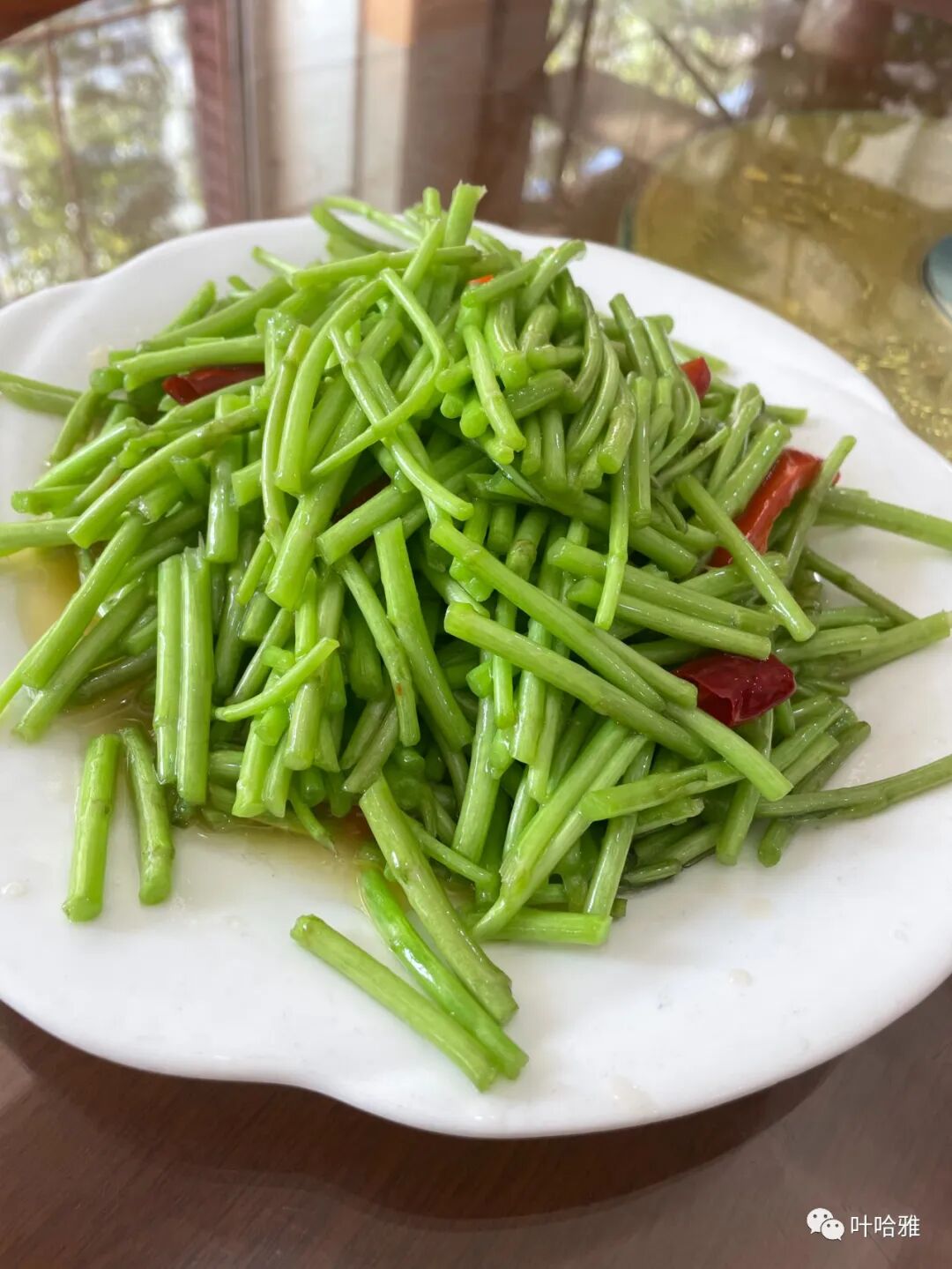
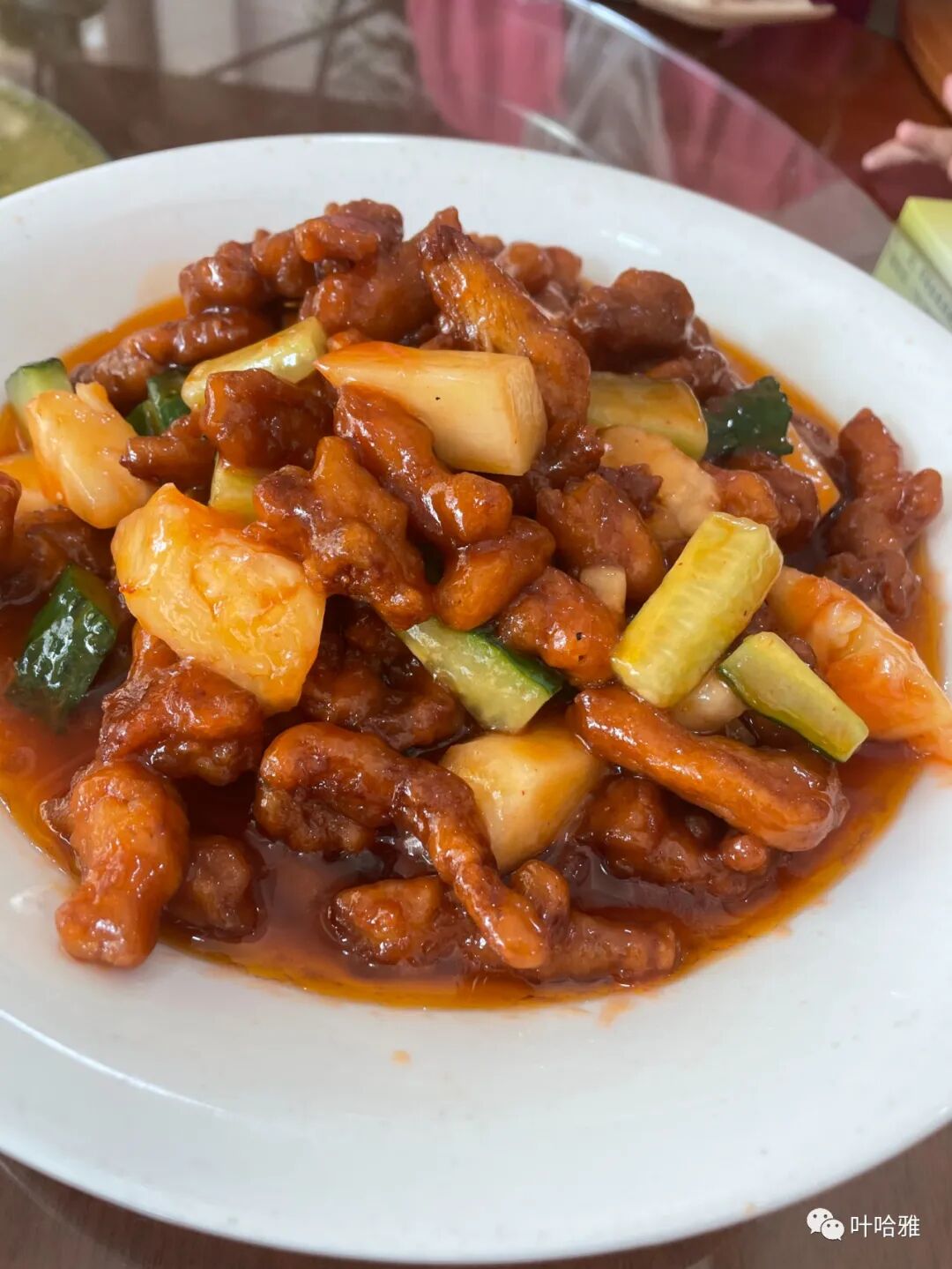
This sweet and sour pork tenderloin (tangcu liji) is made with pineapple and is mainly served to help children eat their rice.
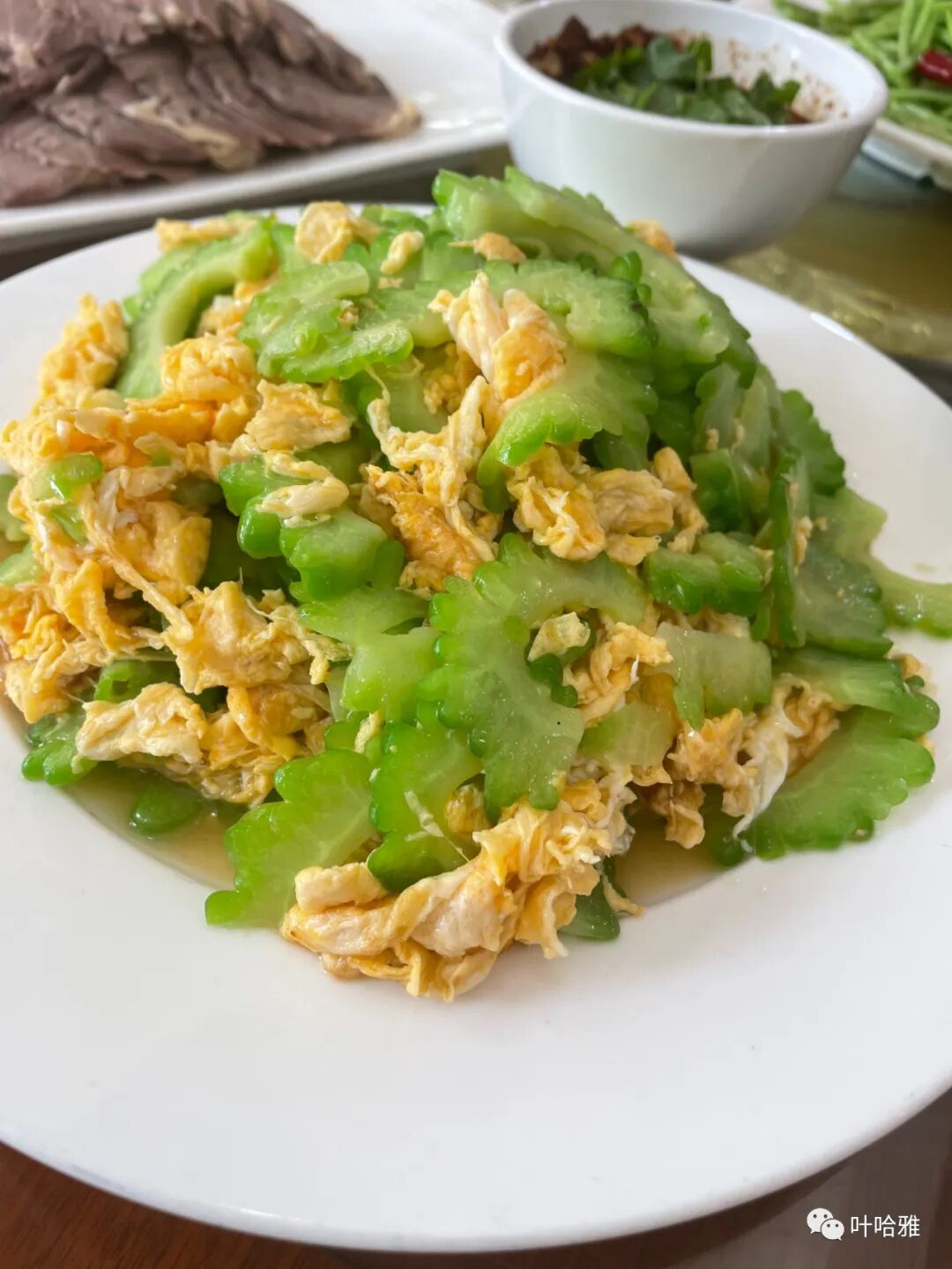
Yunnan bitter melon is delicious, and I enjoy the bitter taste.
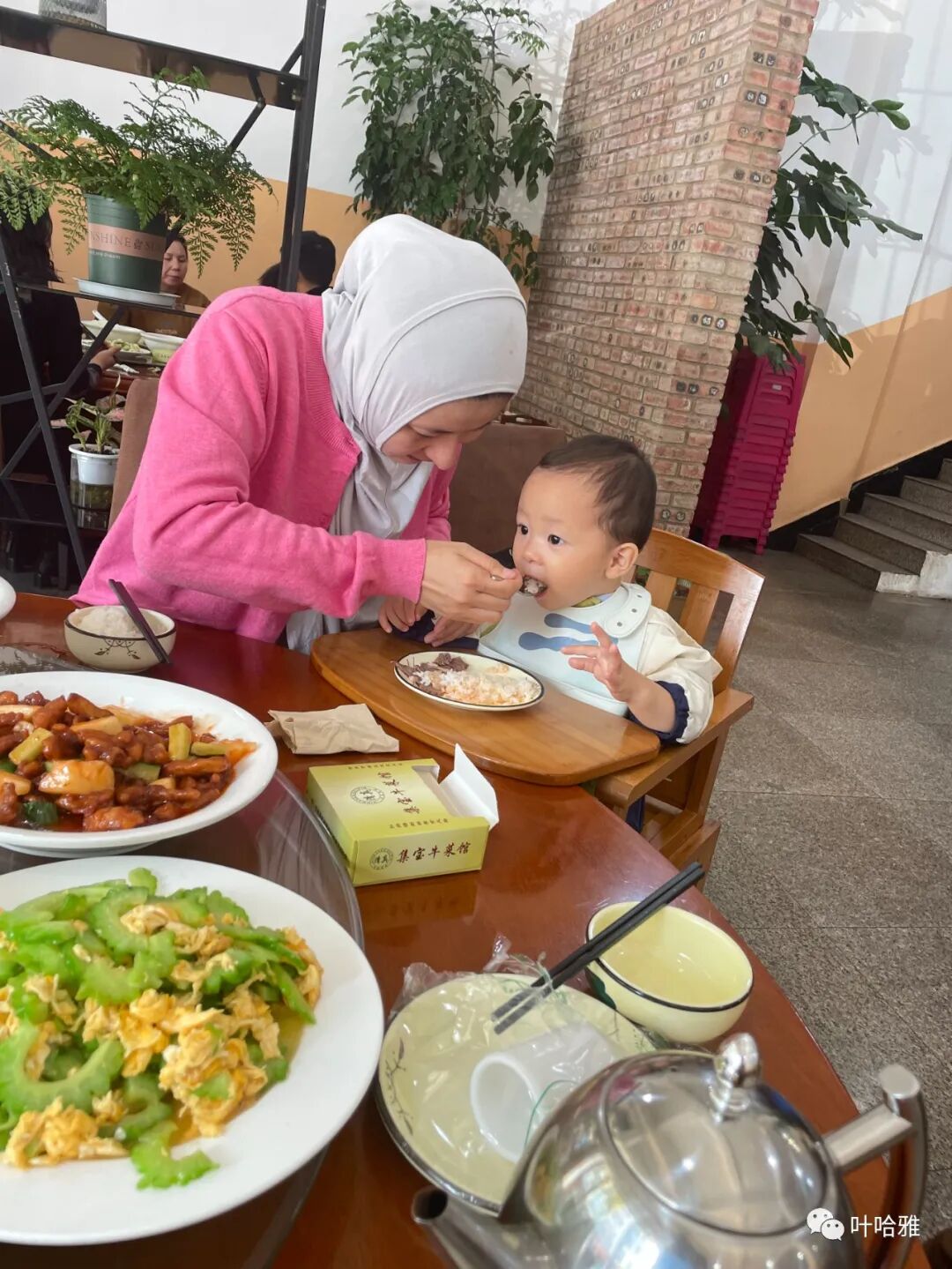
Kedu Town
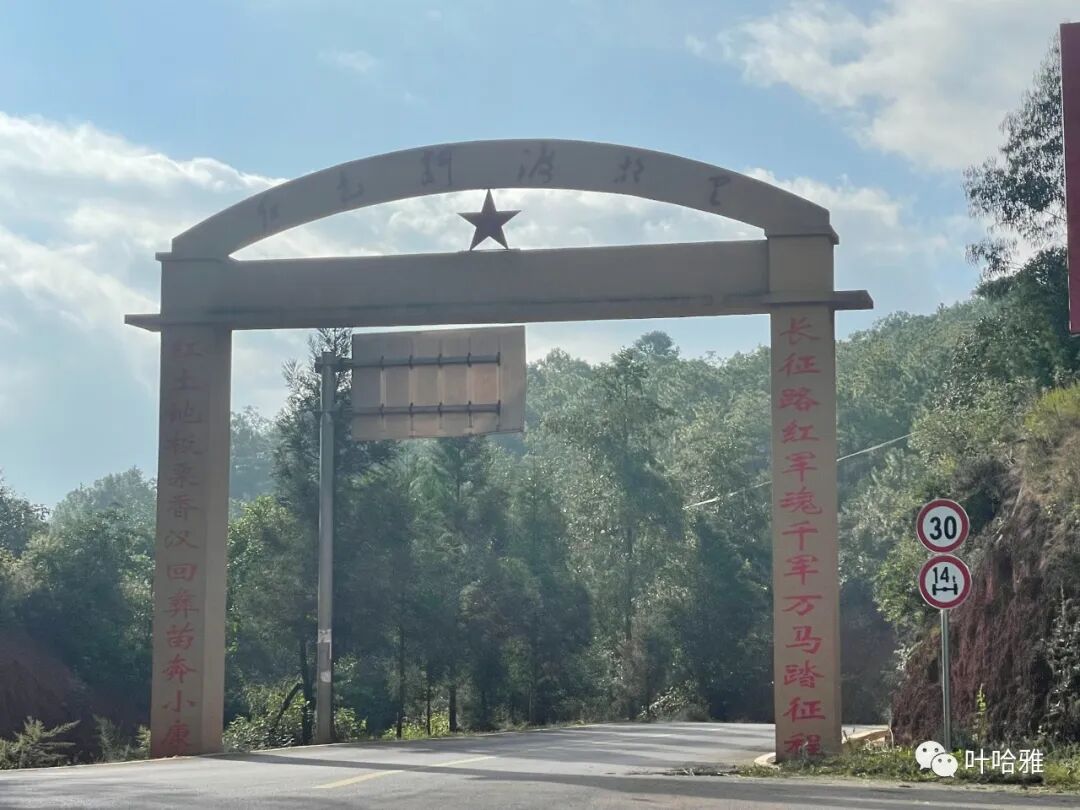
The road to Kedu Town is a winding mountain path. Because it is a red tourism town, the government pays close attention to it, so the road nearby is well-maintained and not too difficult to drive. Just watch your speed, and expect the drive to take at least an hour and a half.
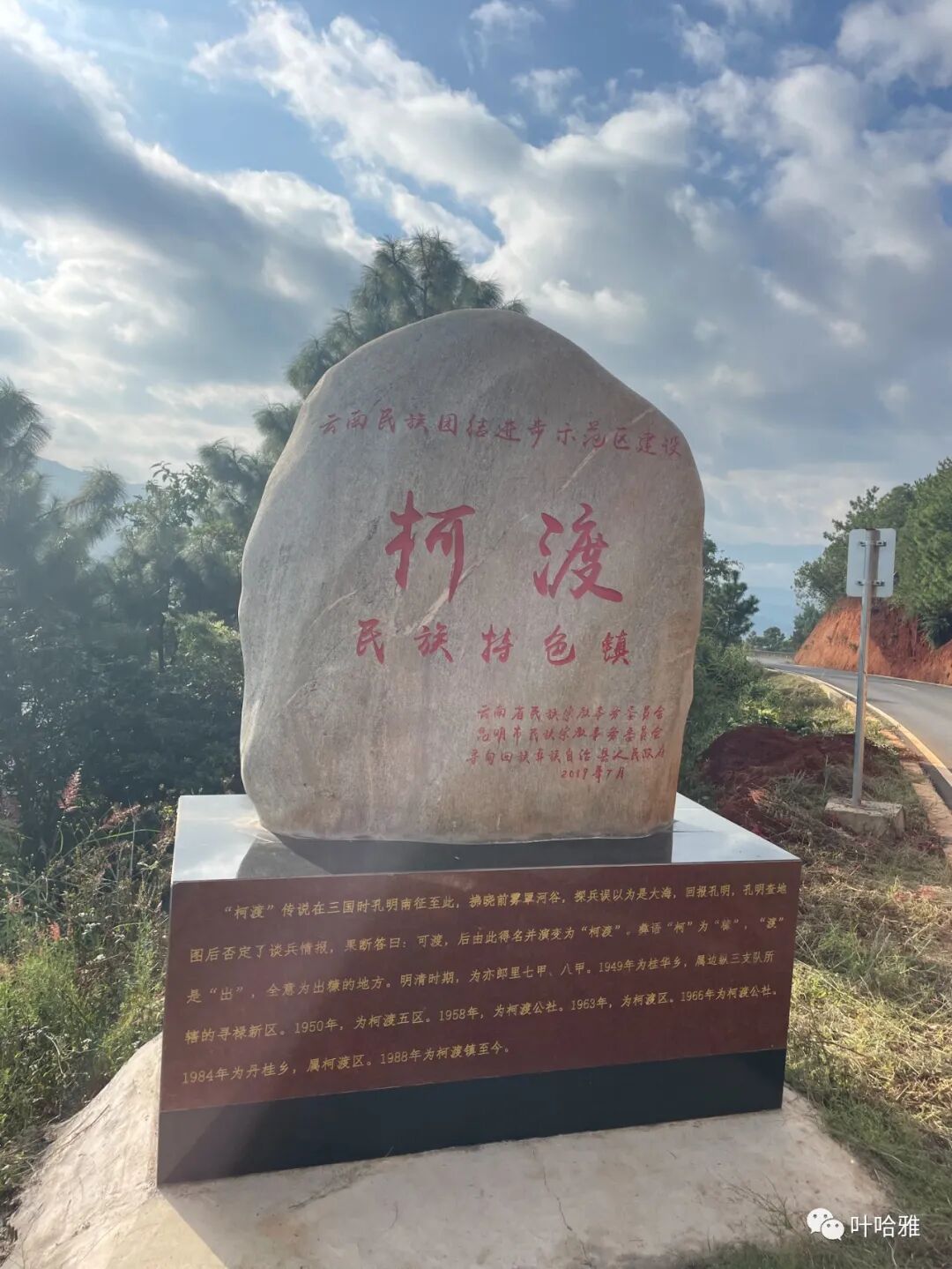
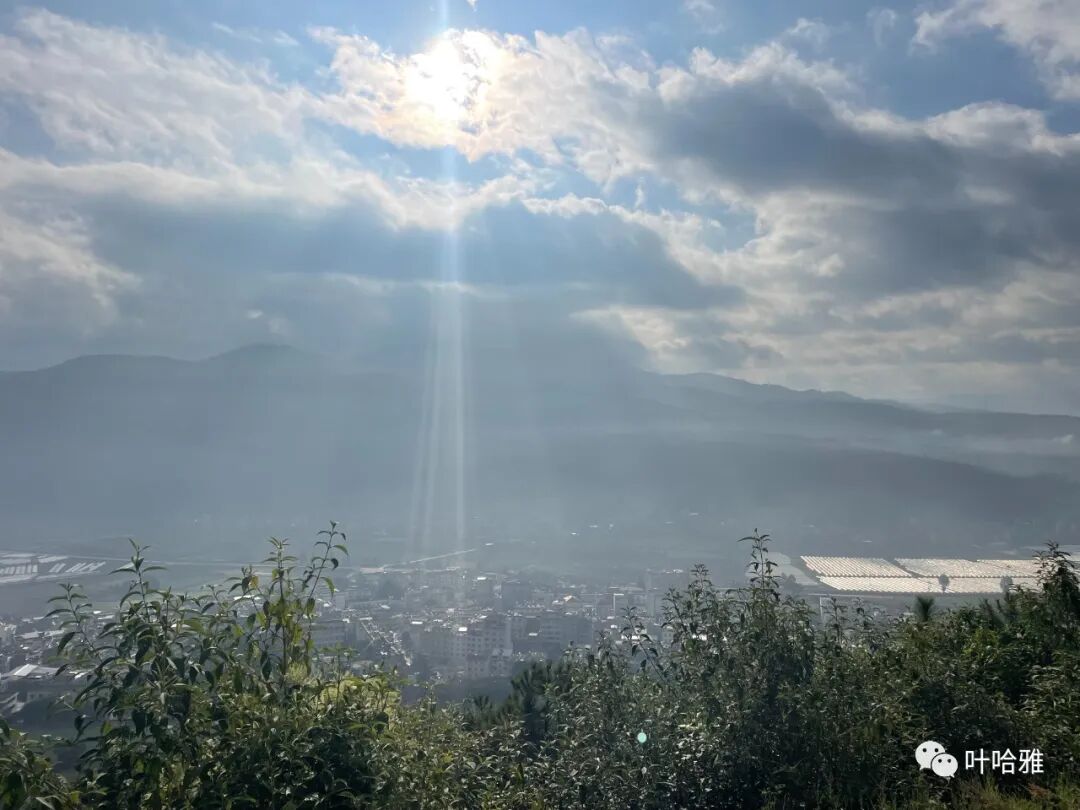
The town is deep in the mountains with nice scenery. Most of the paths the Red Army took during the Long March were these kinds of remote mountain roads.
Dangui Red Army Village
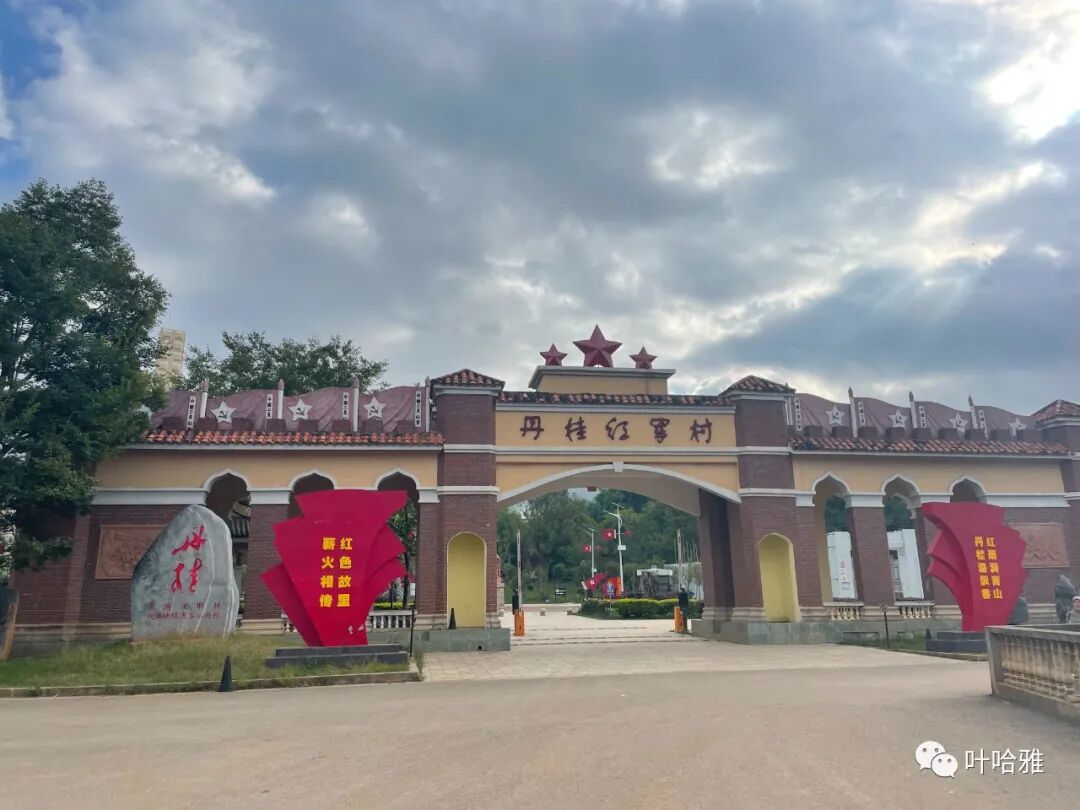
The Red Army Long March Memorial Hall in Dangui Village is open to the public for free.
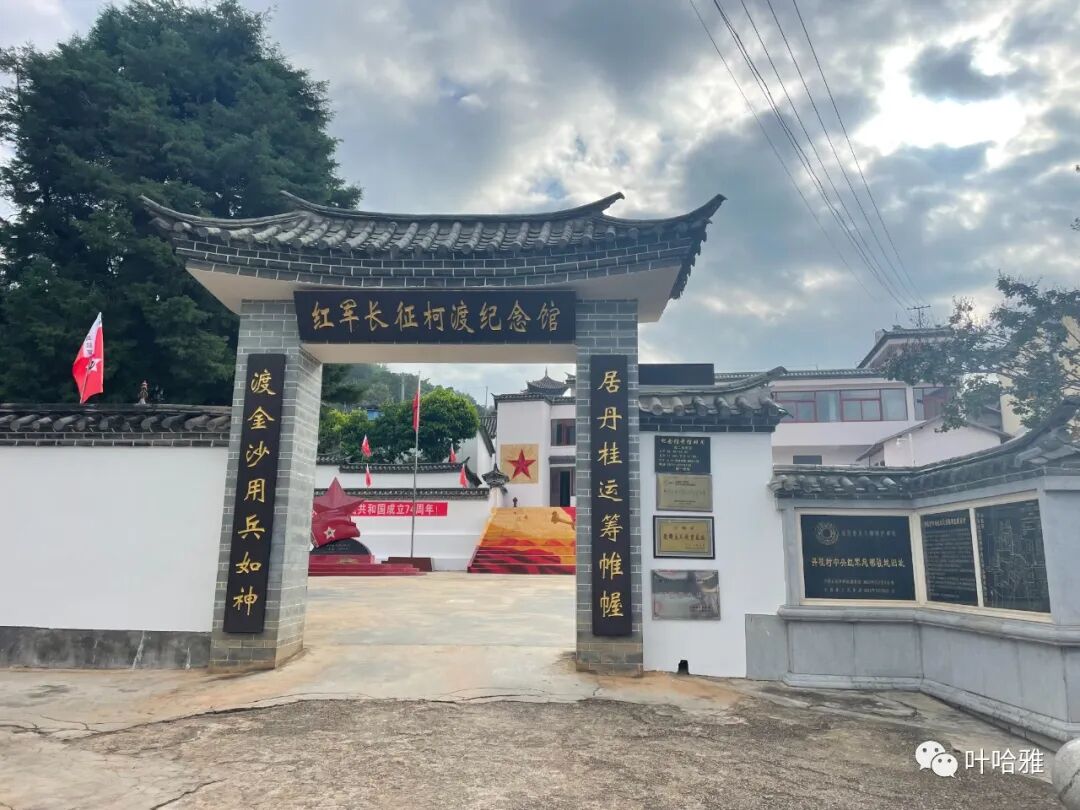
The Party could not have gained national power without the support of ethnic minorities. The relationship between Chinese Muslims and various Chinese regimes throughout history is the same. Whenever they stayed in line with the central government, they developed; otherwise, they suffered major setbacks. You can refer to the book 'Chinese Regimes and Islam Throughout History' for details.
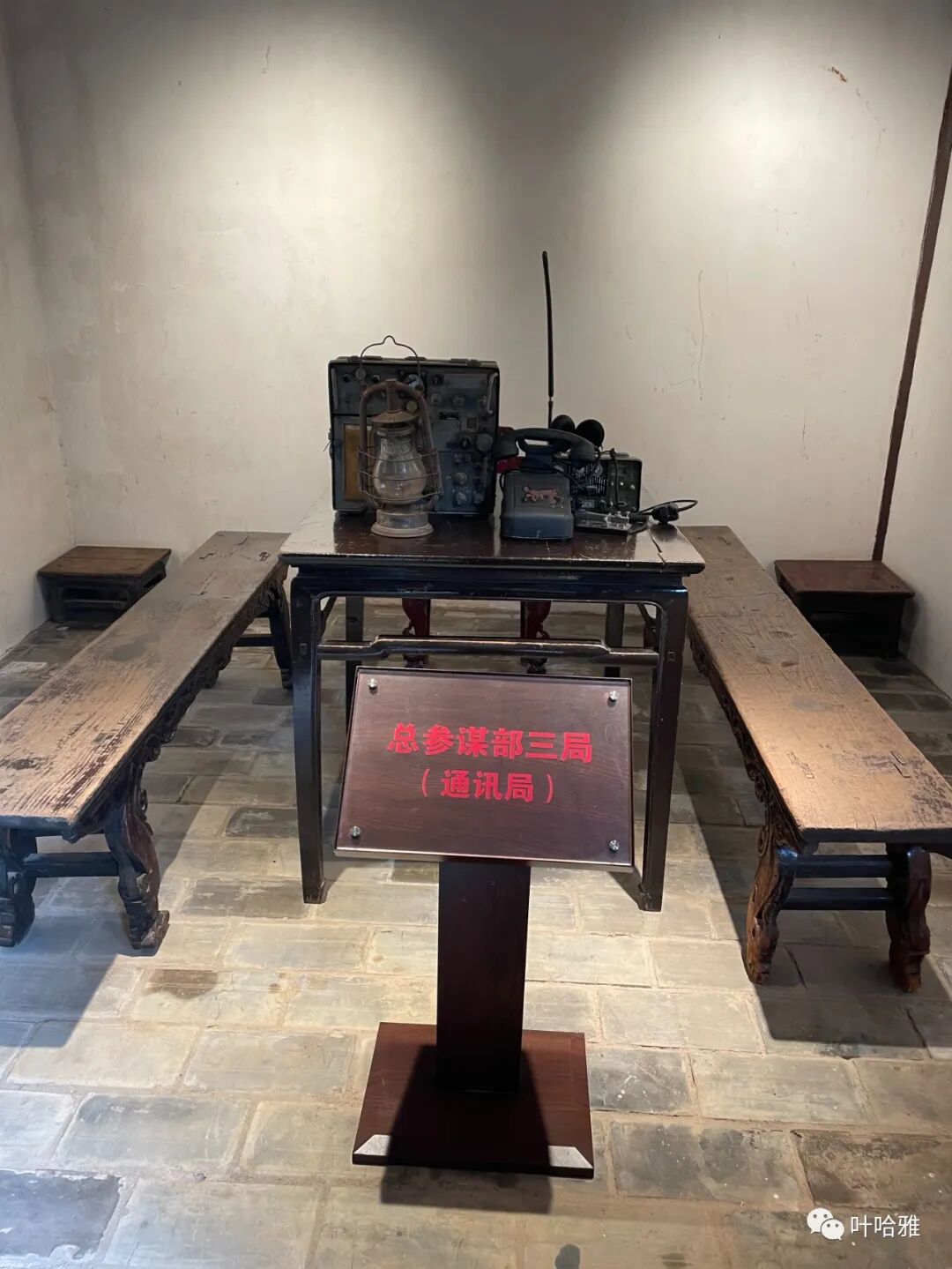
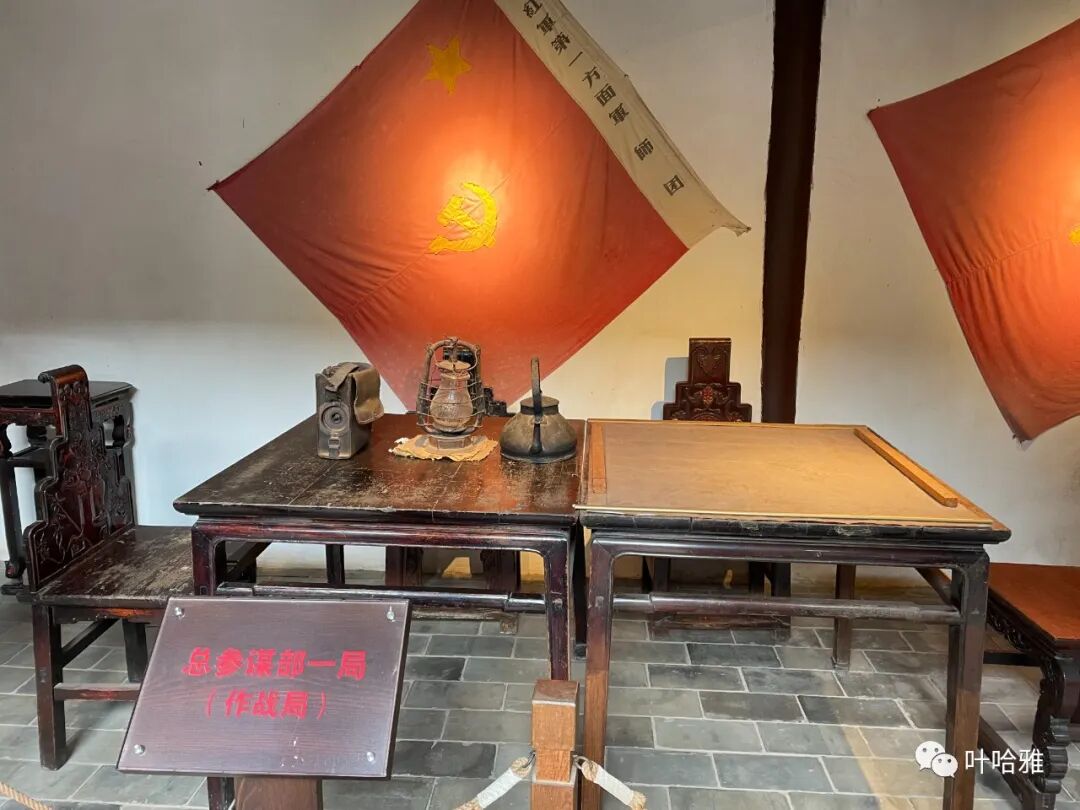
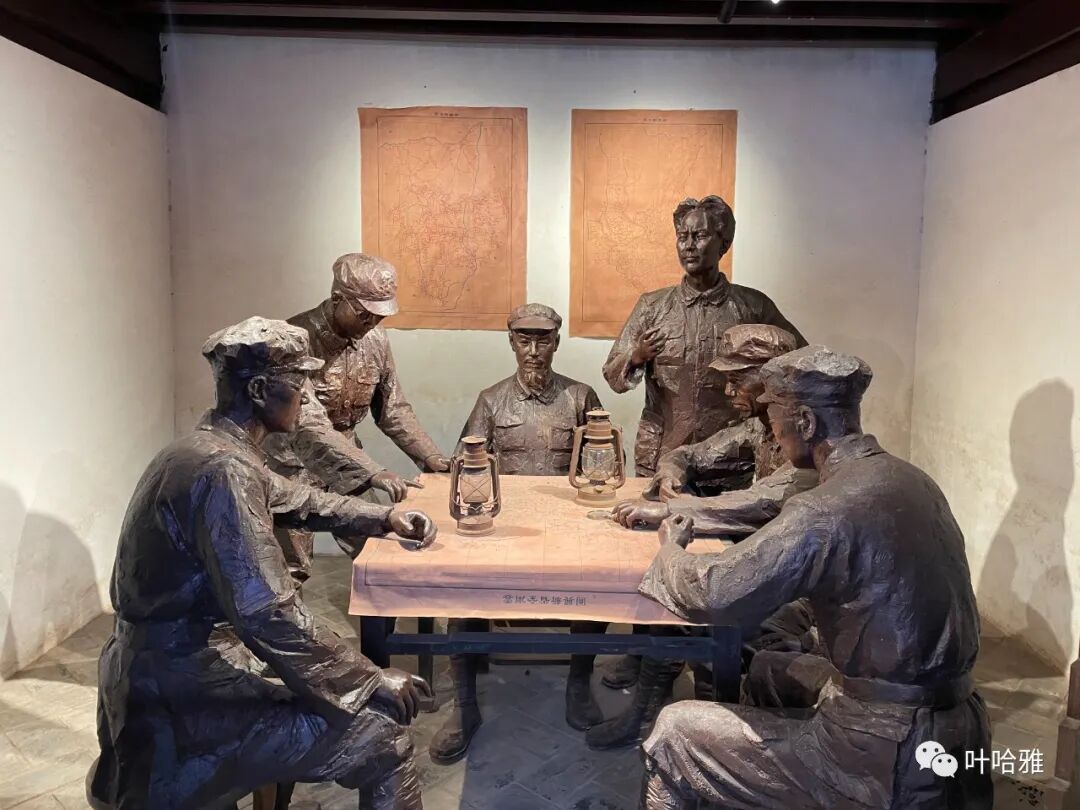
Because the Party's founding members were treated well by ethnic minorities during difficult times, they had a positive view of them, which led to the ethnic minority policies established after the founding of the country.
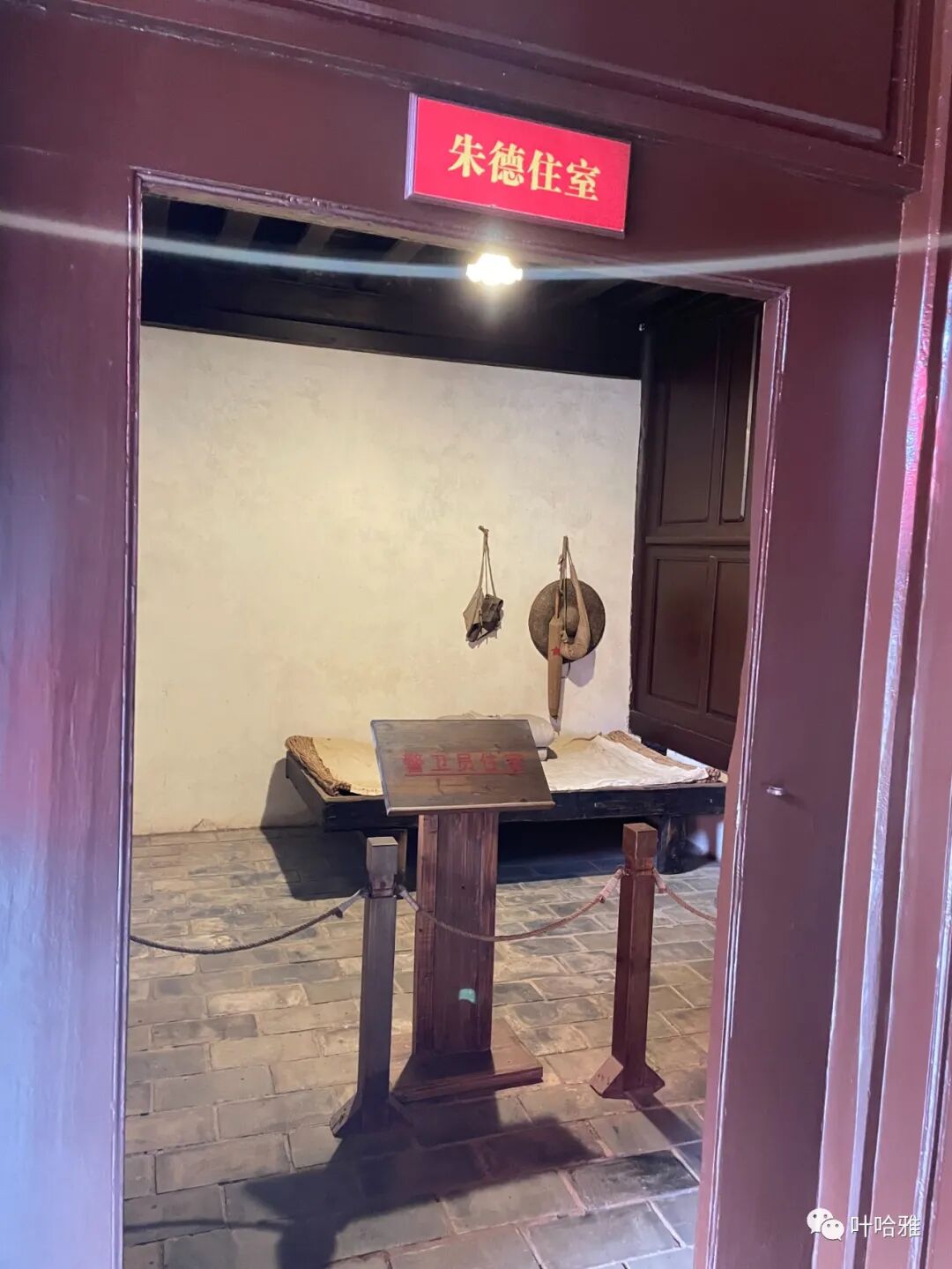
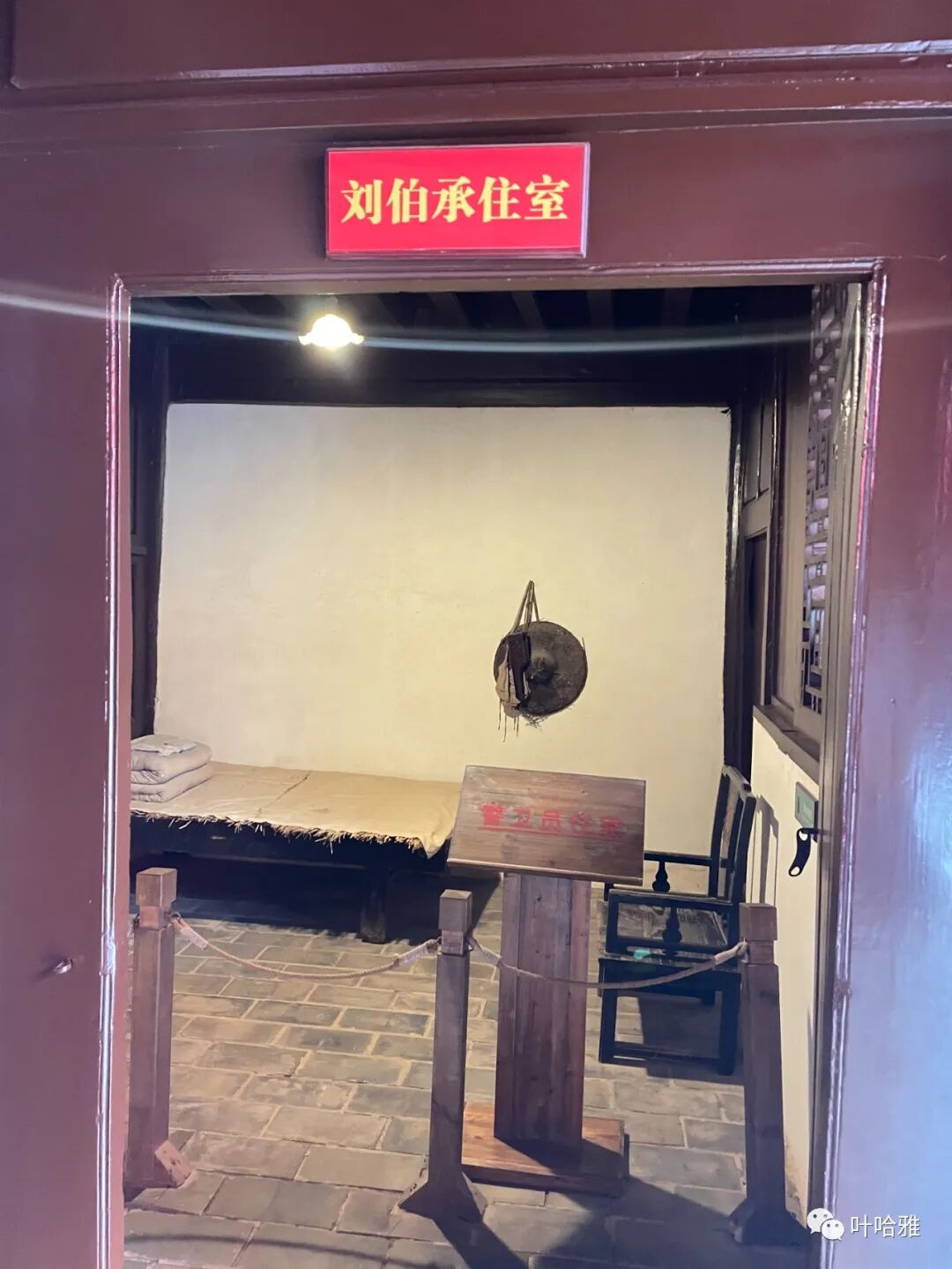
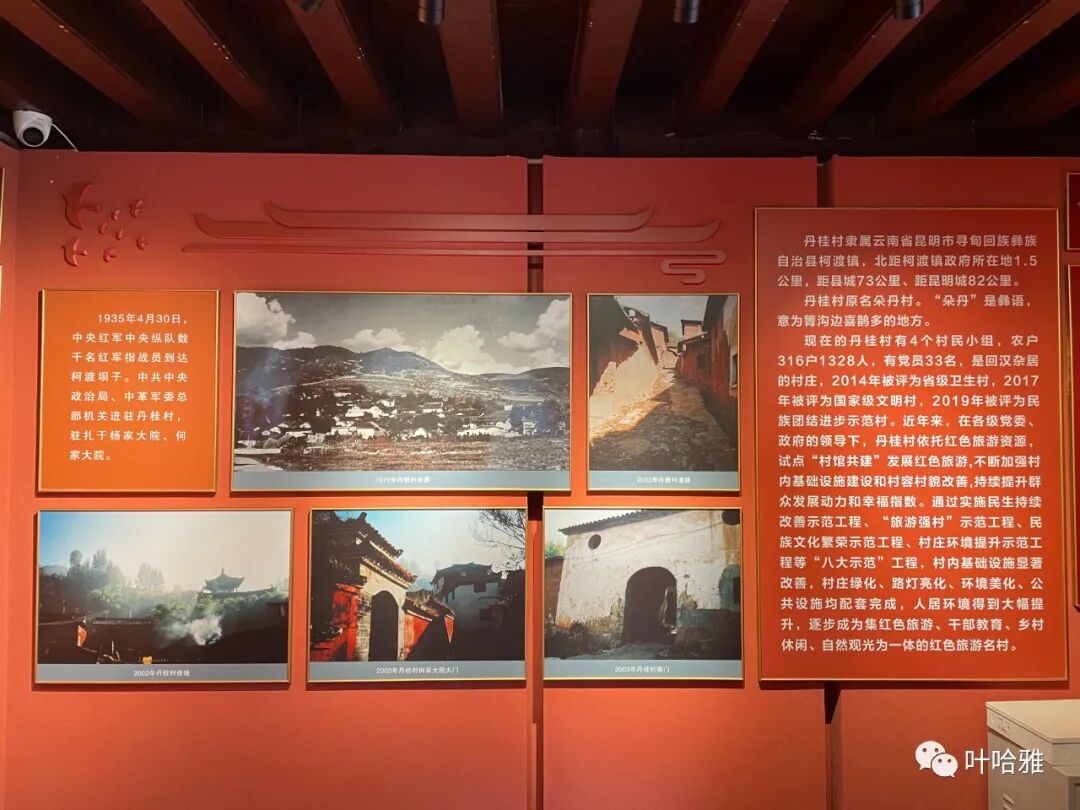
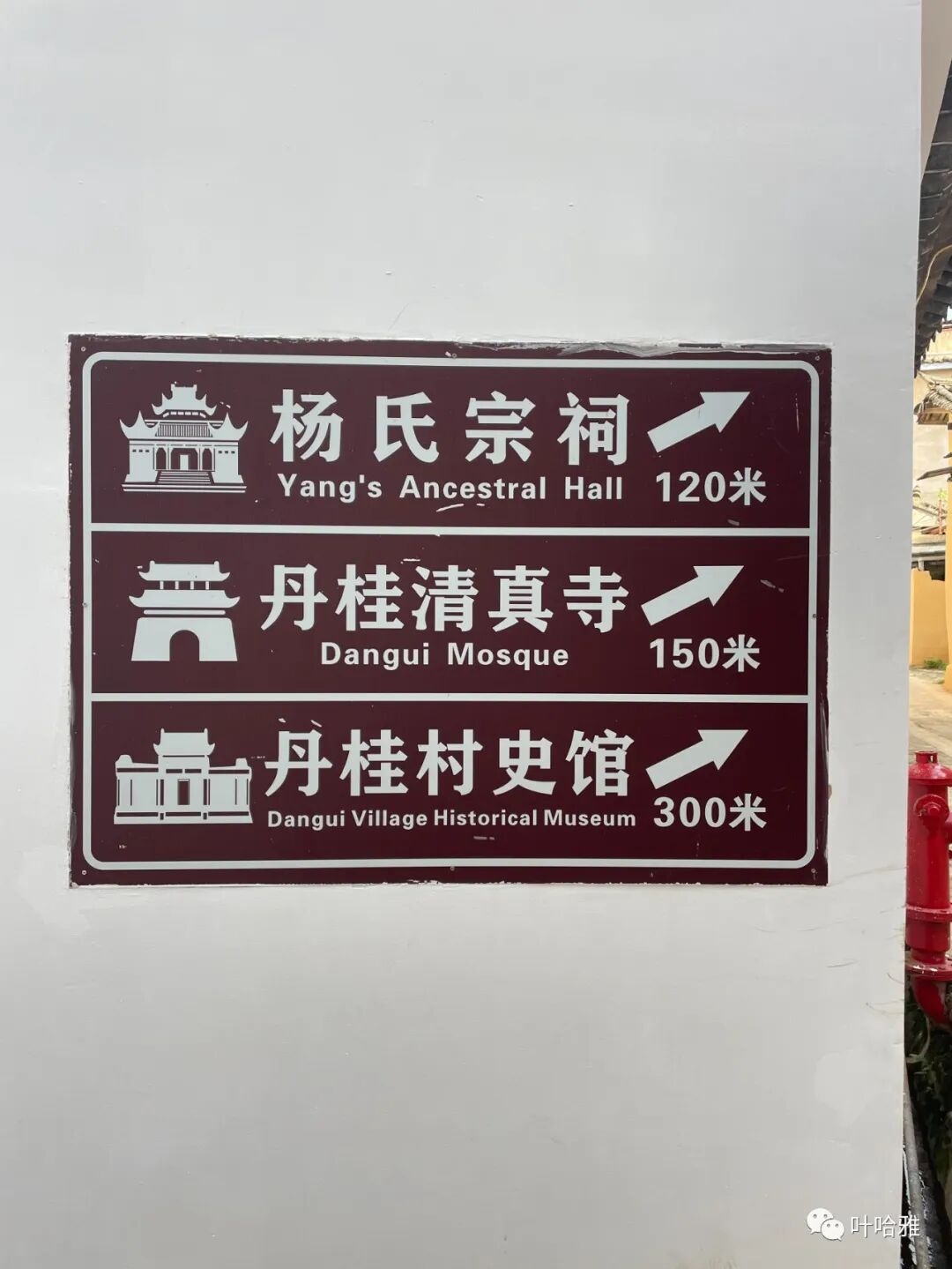
The red halal restaurant in the village is called Huadamen Restaurant.
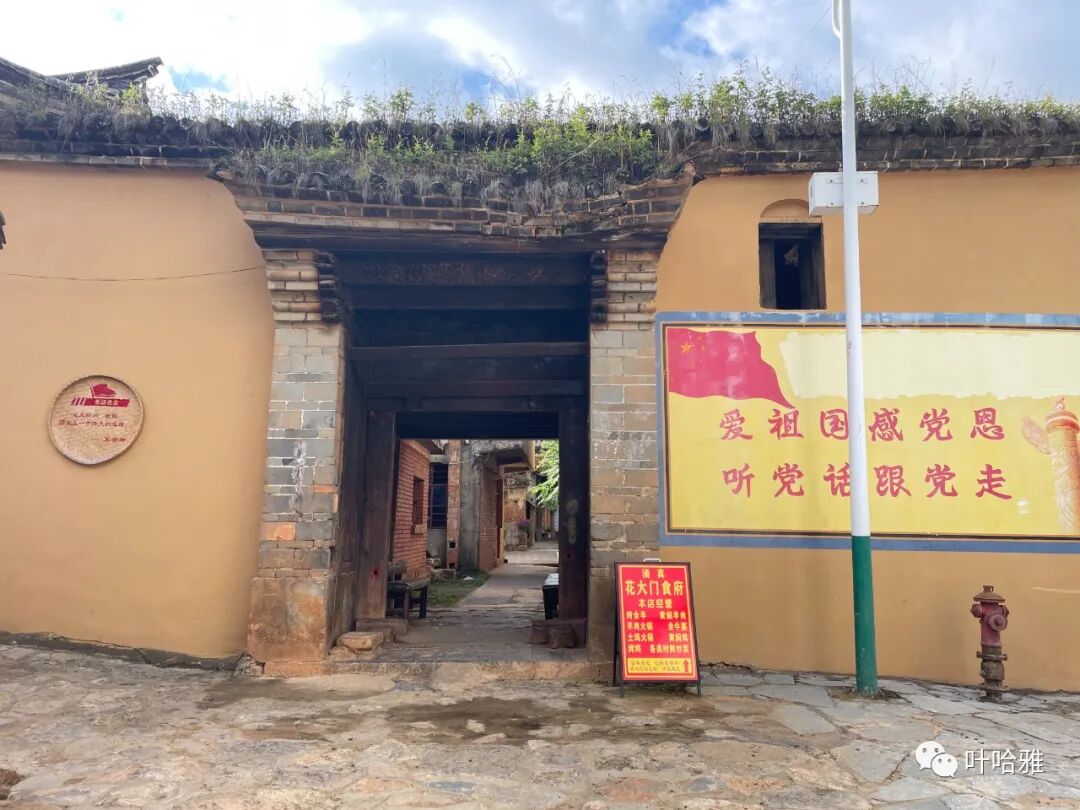
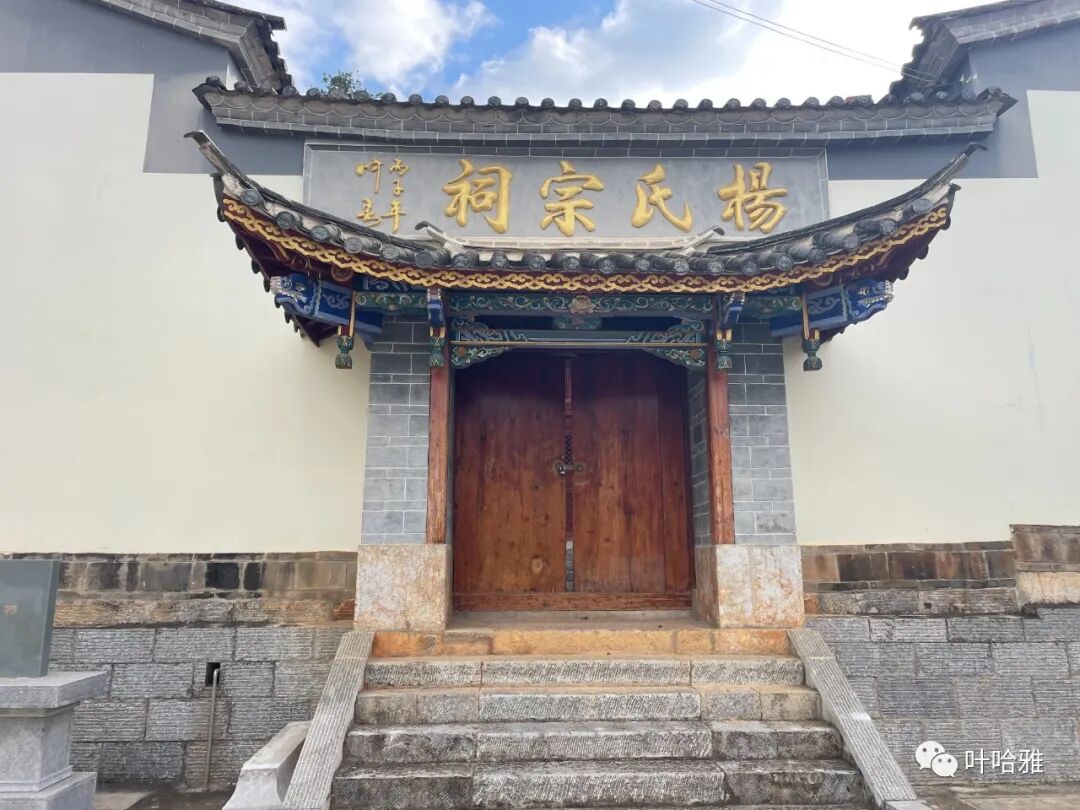
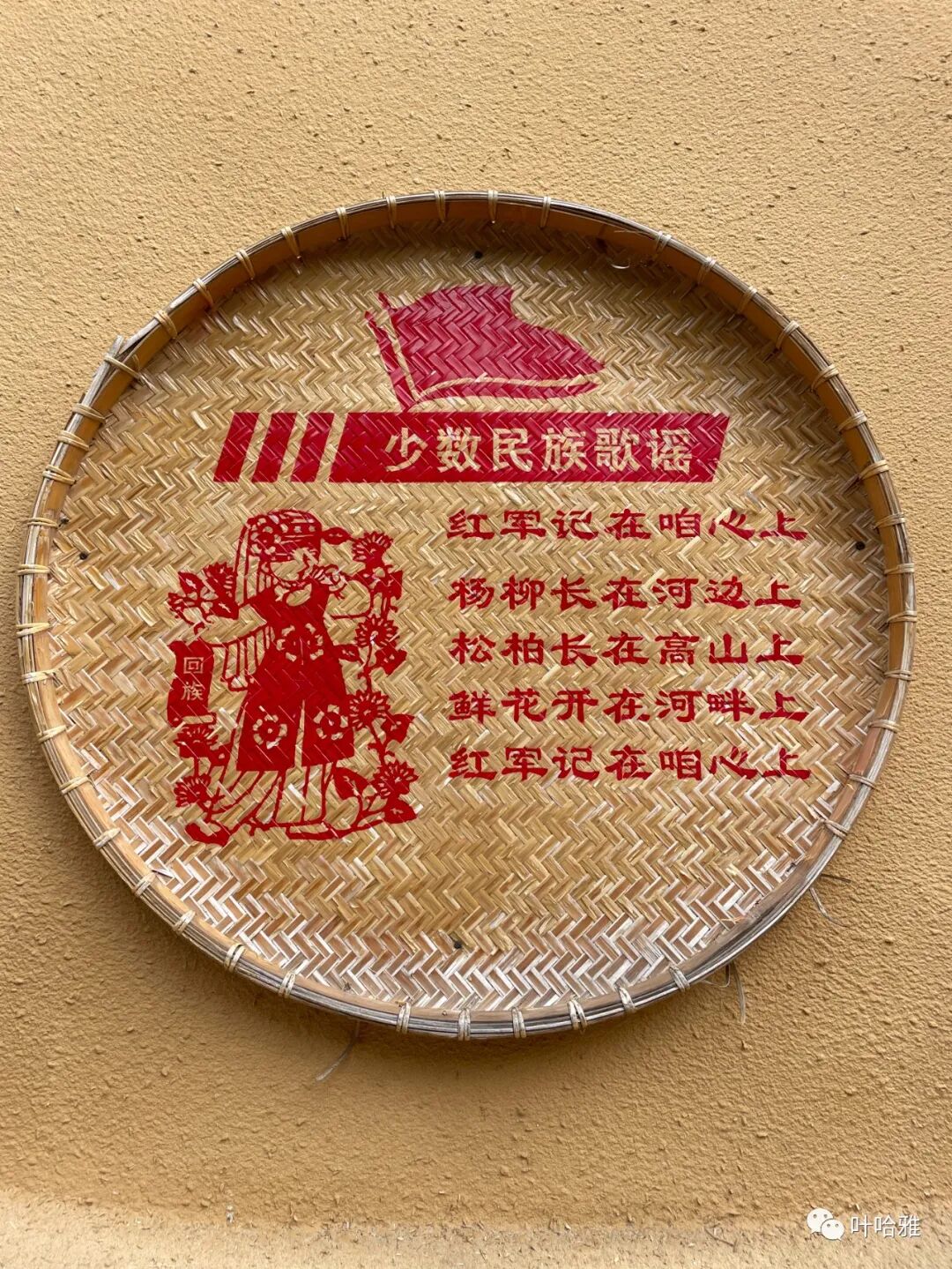
The village walls are decorated with folk songs from Hui Muslims and other ethnic minorities, all praising the Red Army.
Dangui Mosque.
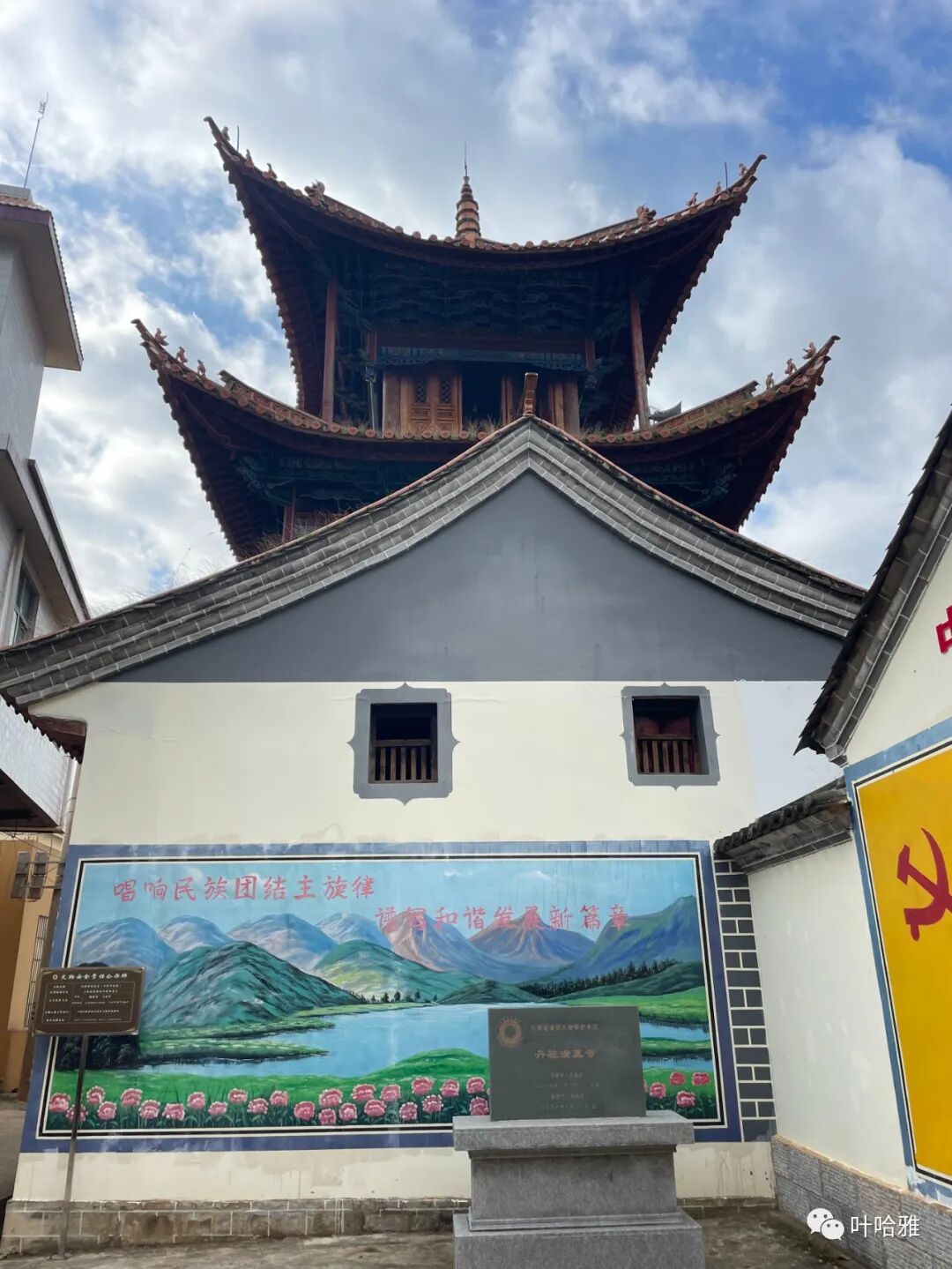
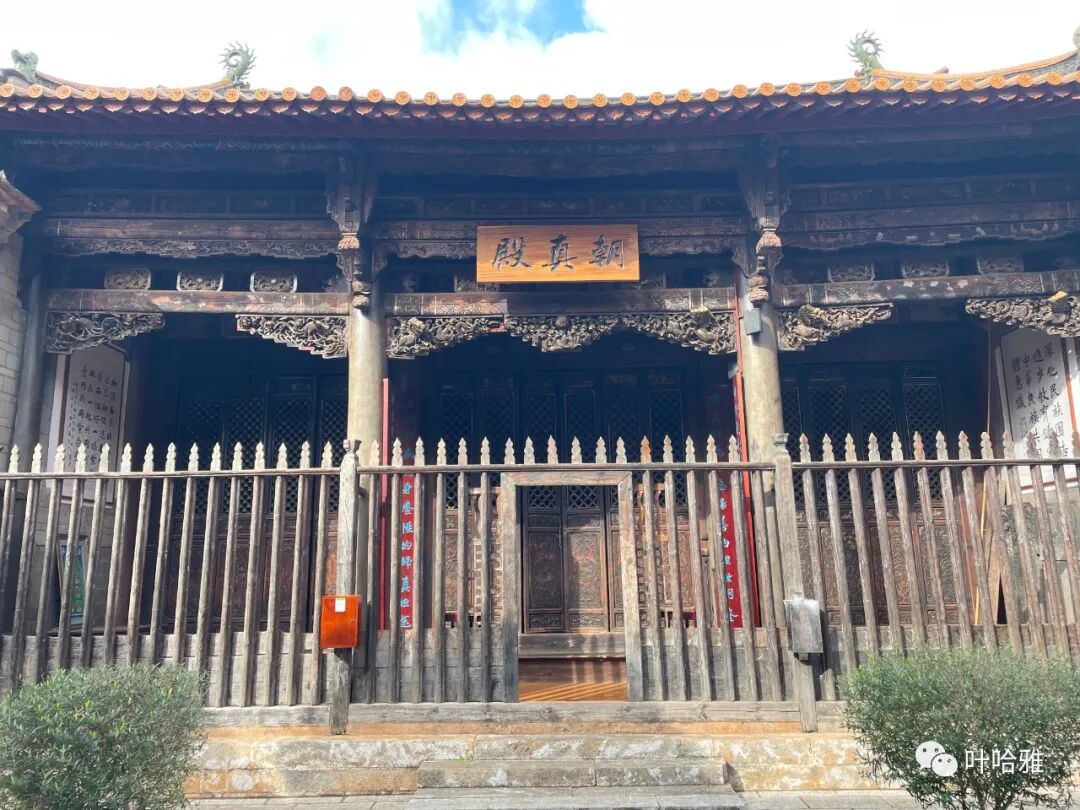
The founding date of Dangui Mosque is unknown, but it was renovated in the 22nd year of the Guangxu reign of the Qing Dynasty and is now a provincial-level cultural heritage site.
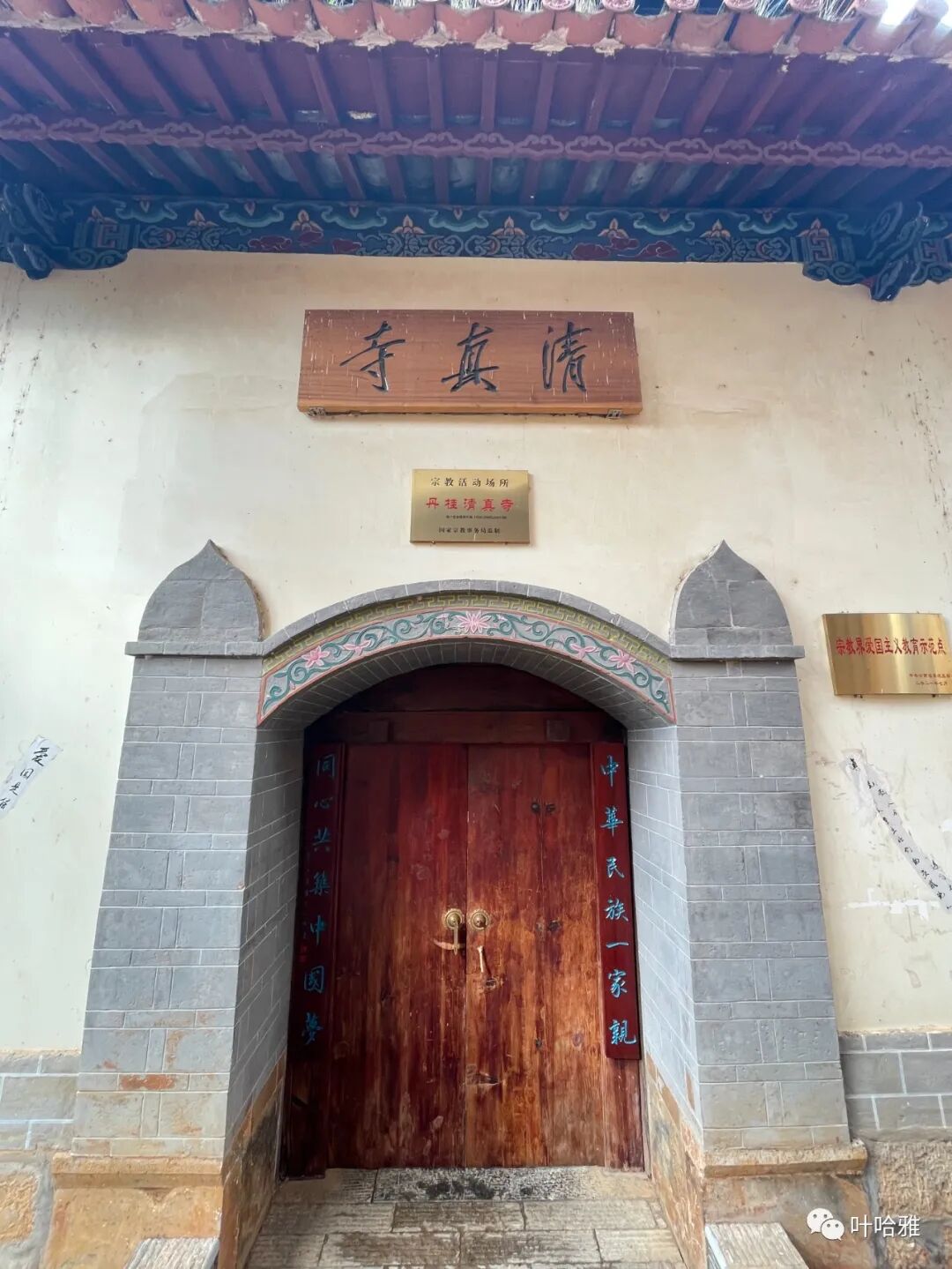
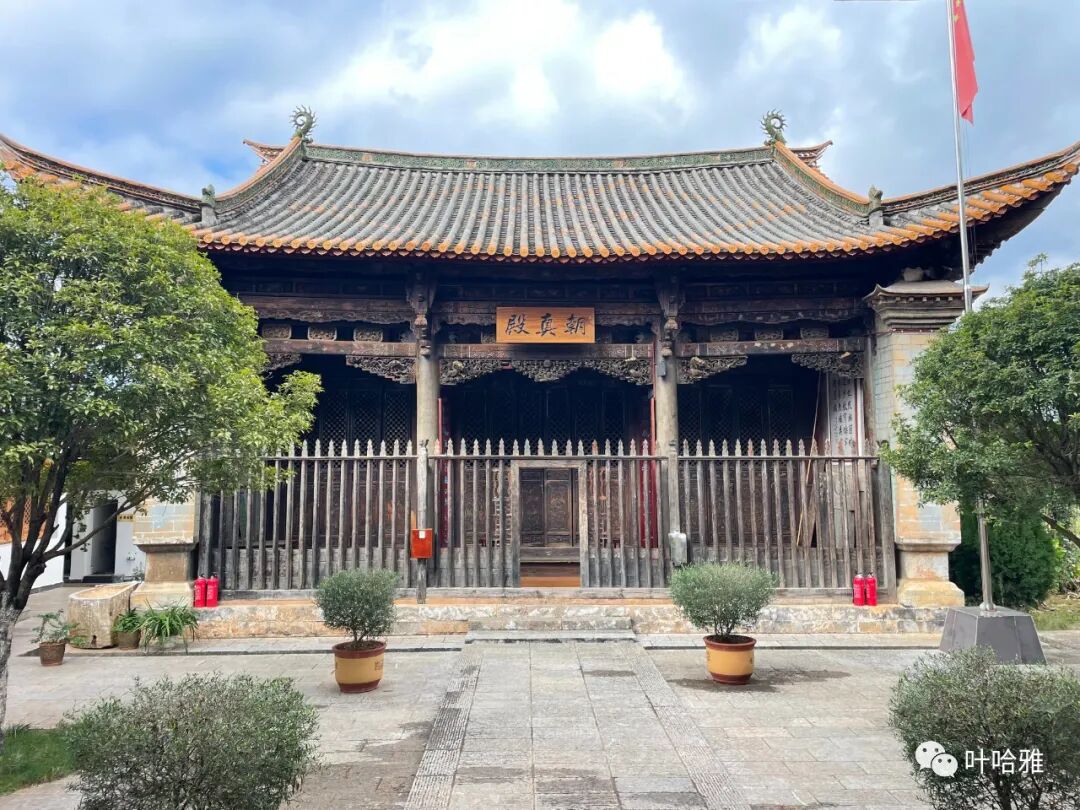
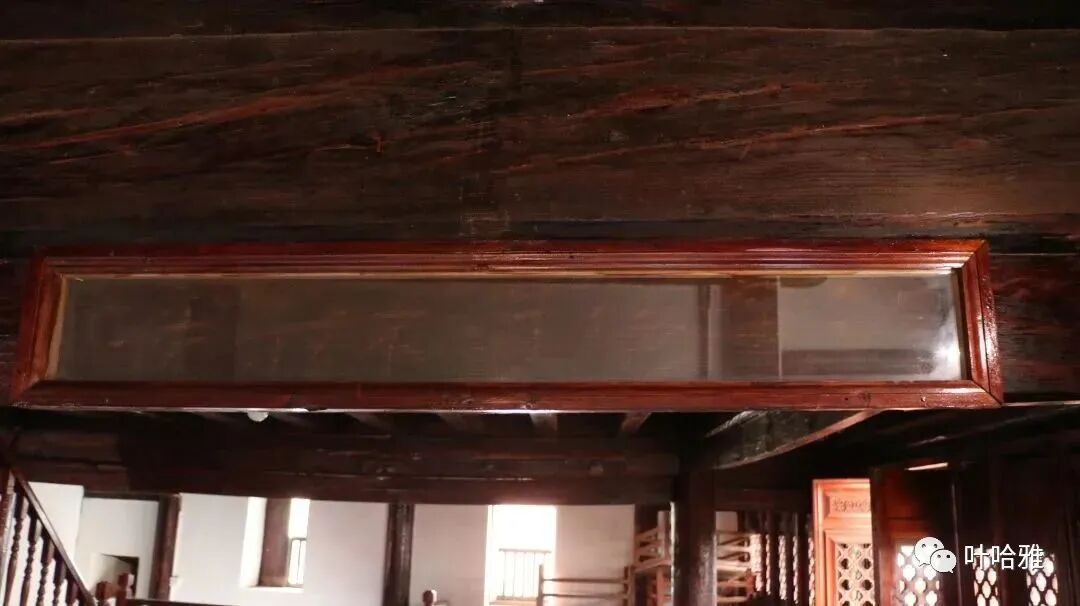
On the mosque's crossbeams, there is a slogan left by the Red Army that says, "The Red Army absolutely does not press-gang." This means they did not force men into military service.
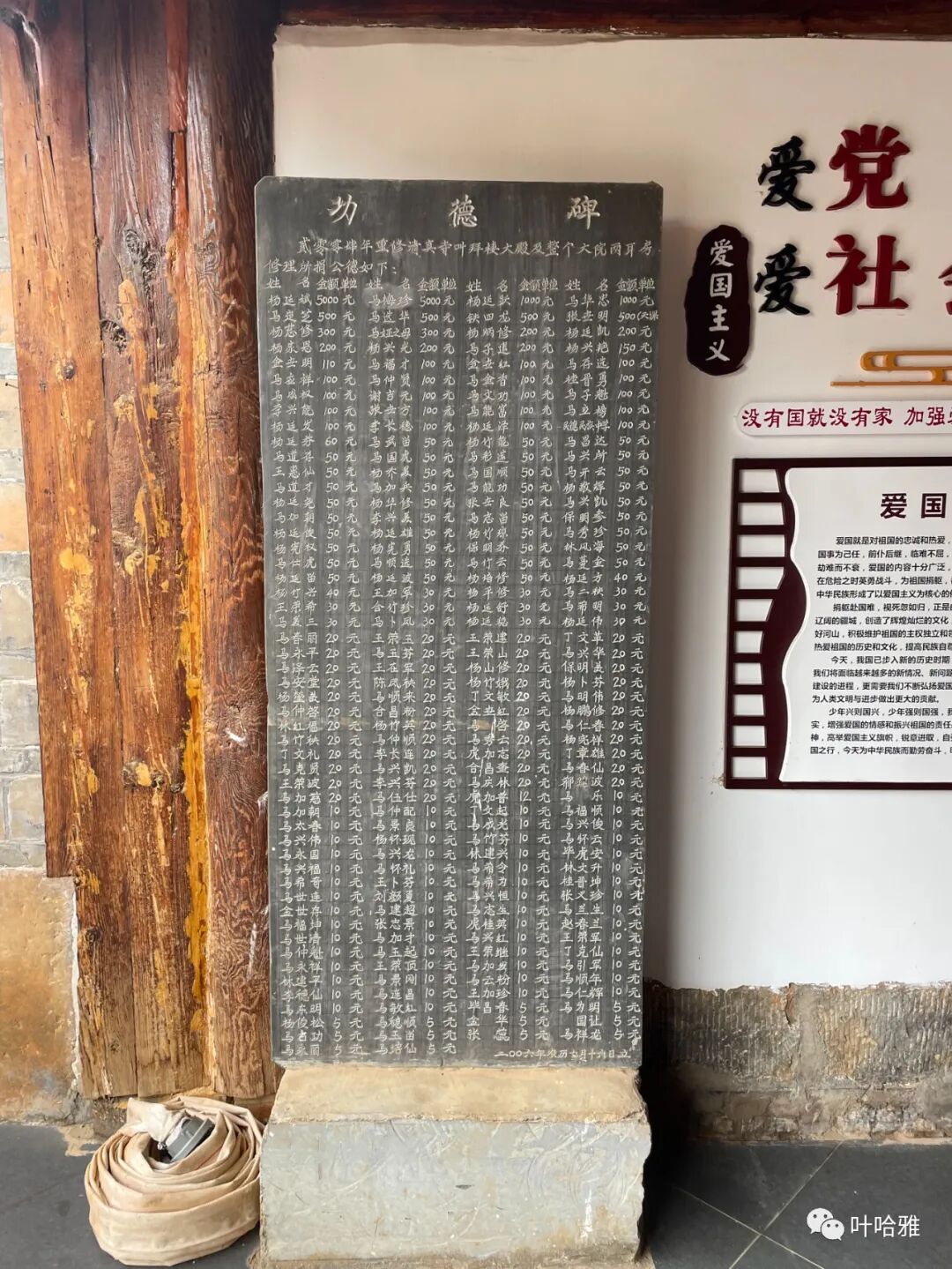
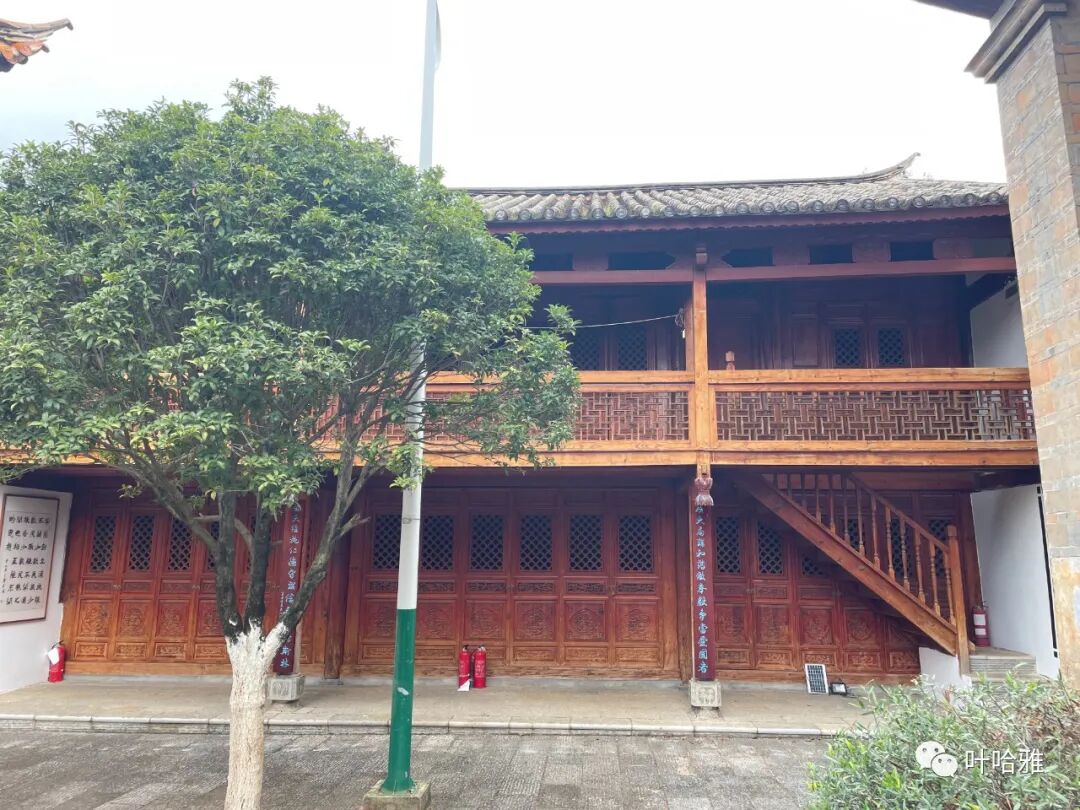
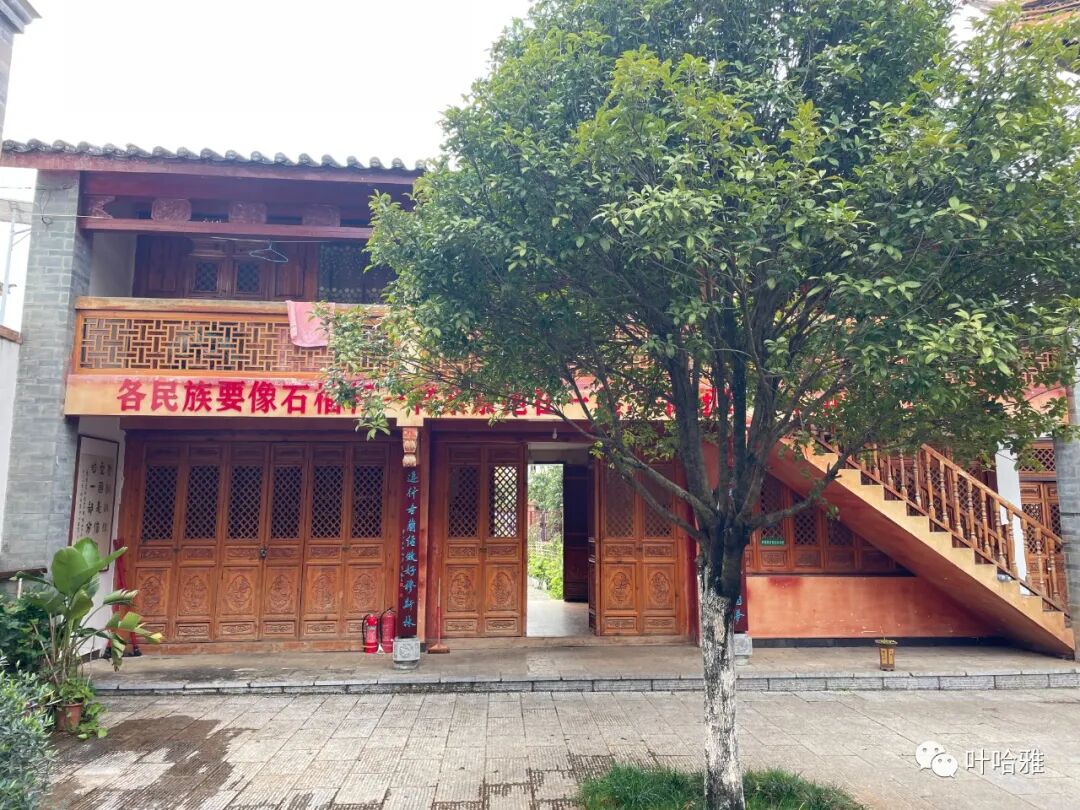
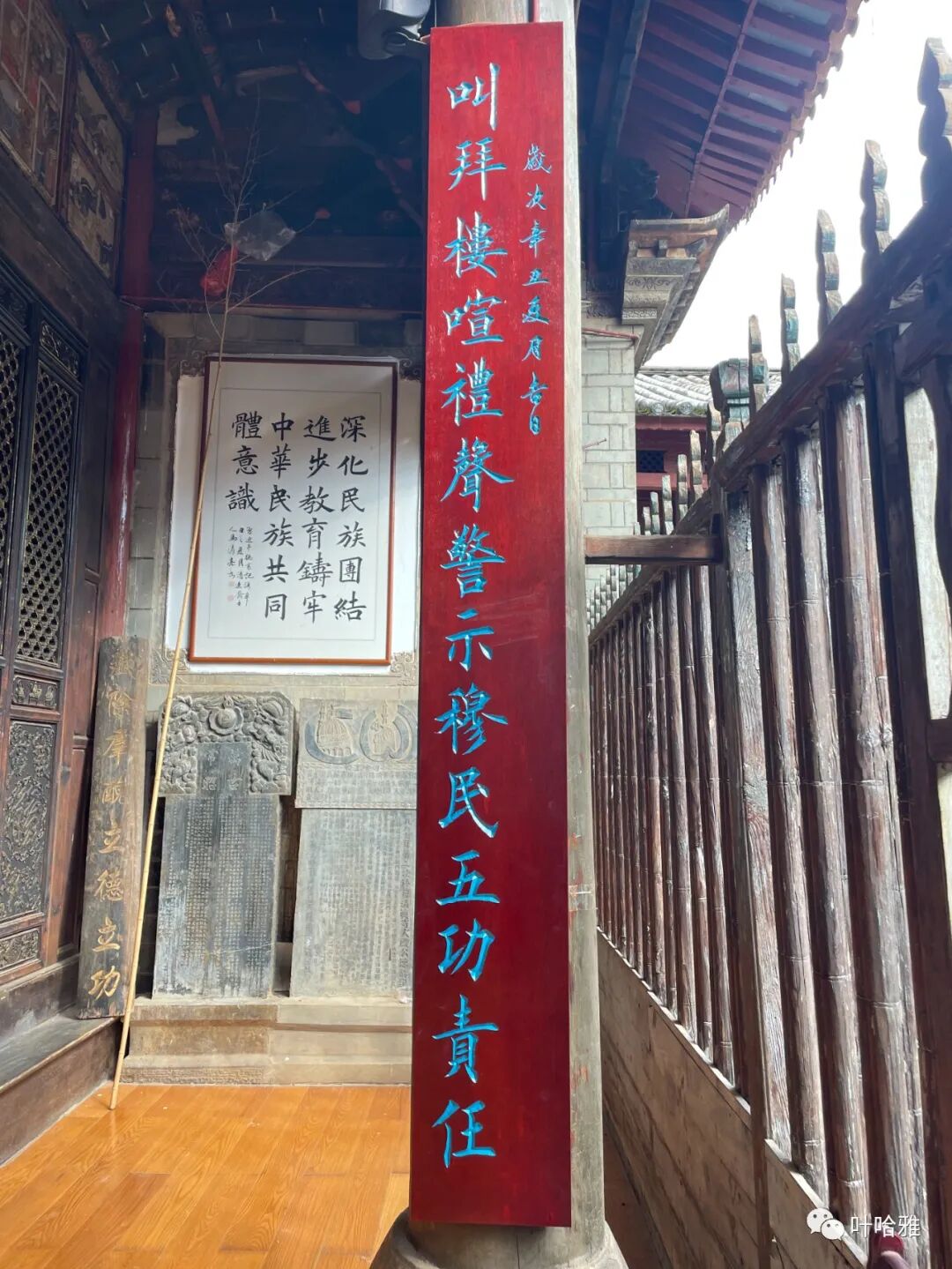
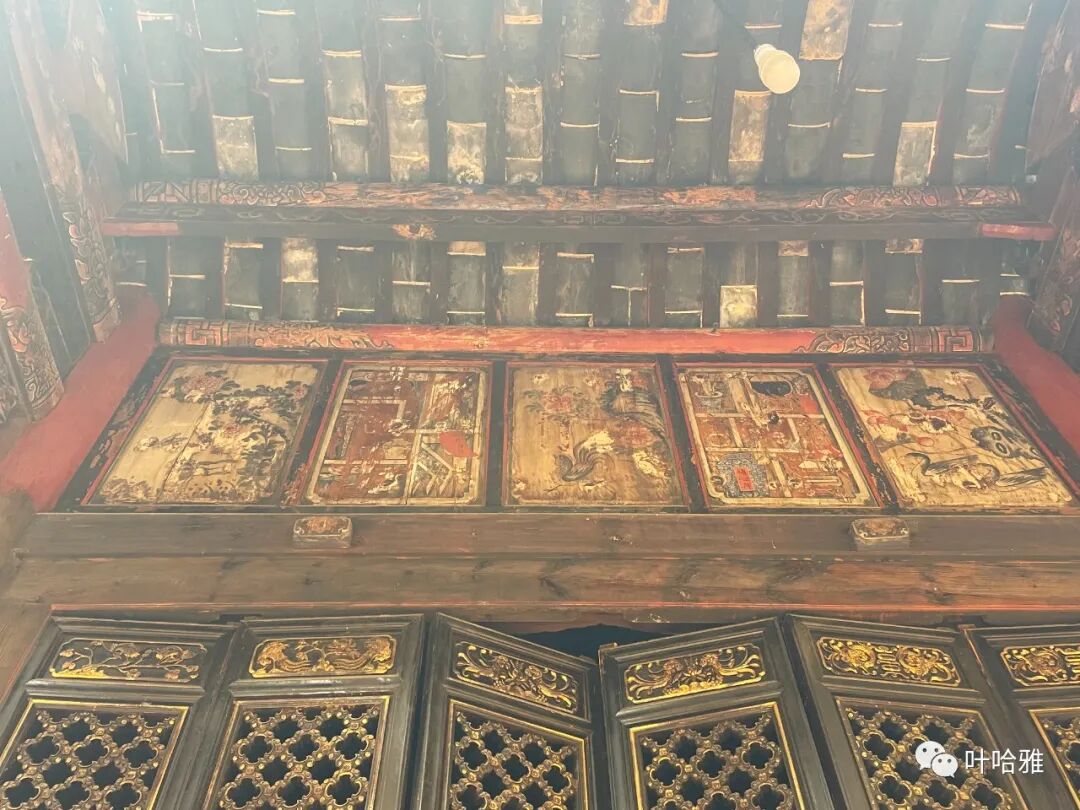
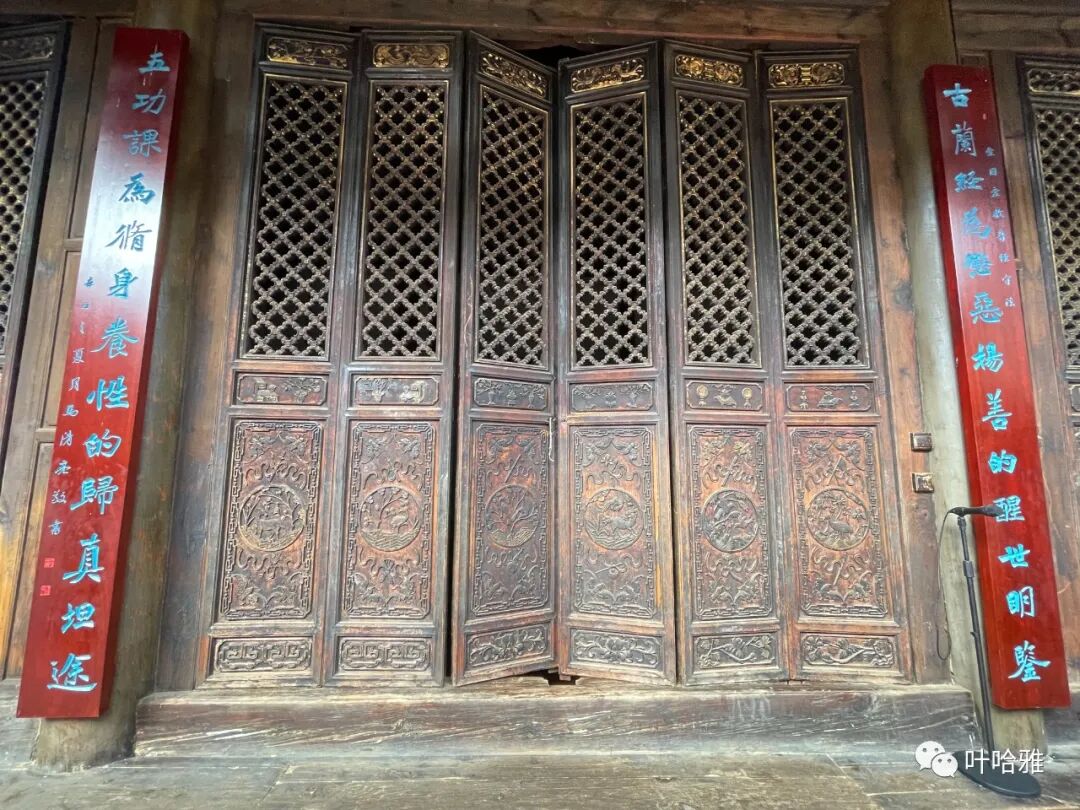
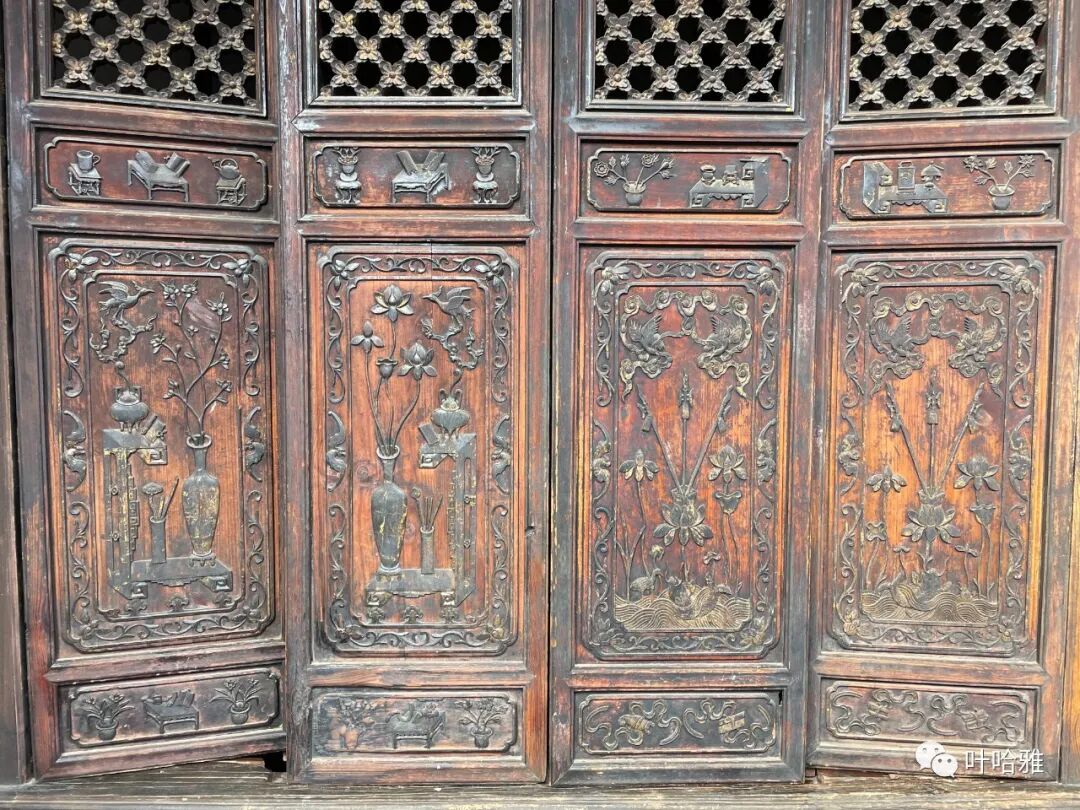
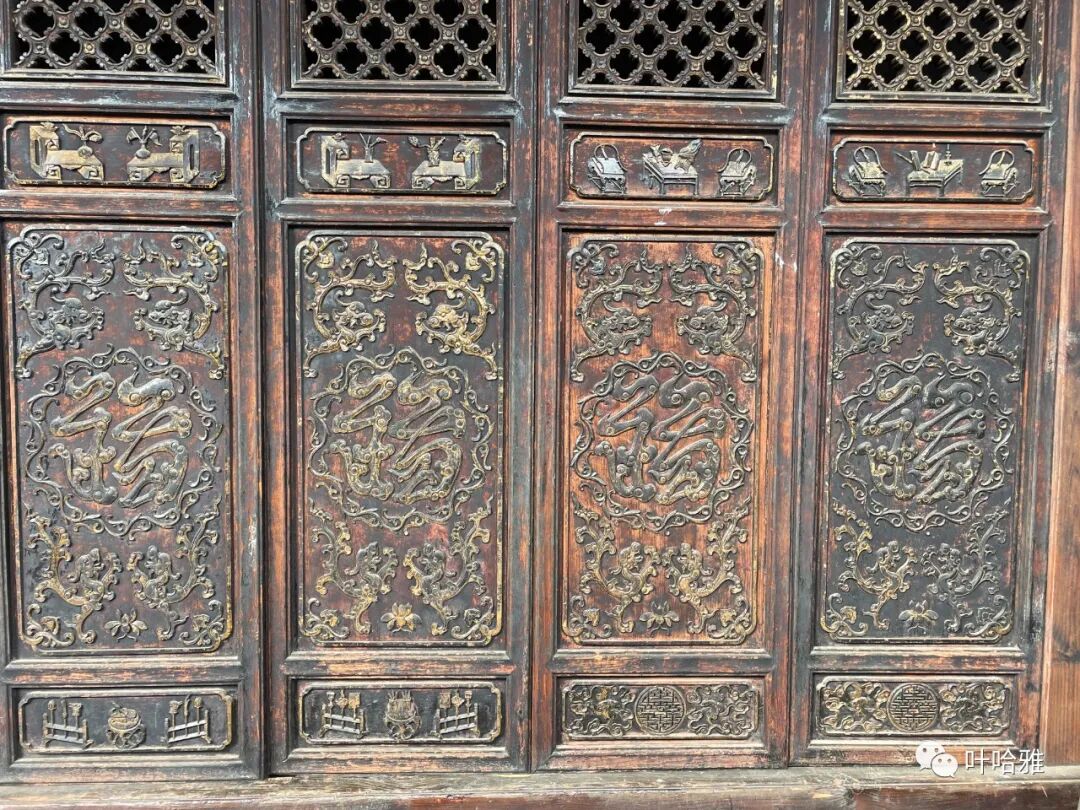
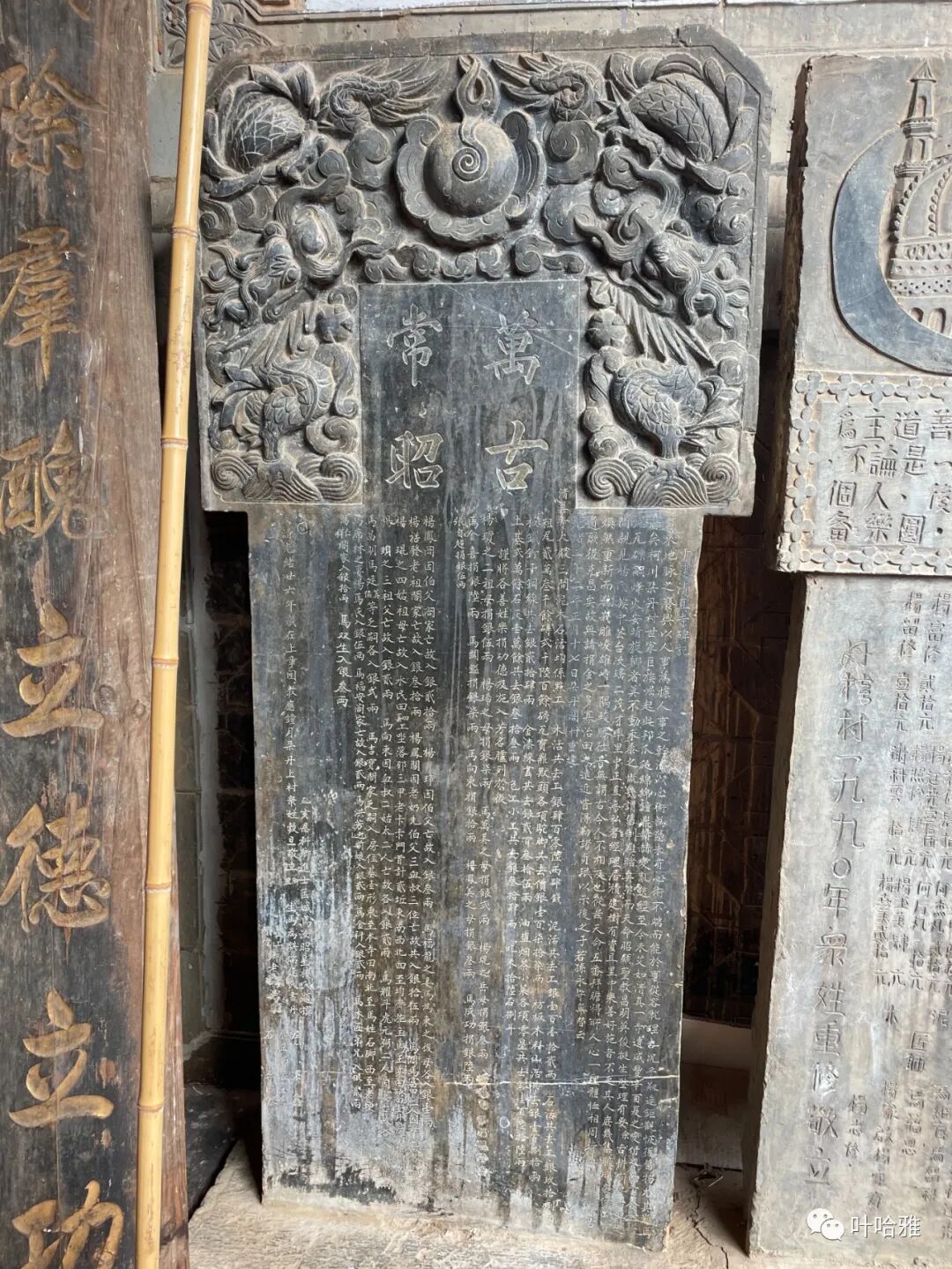
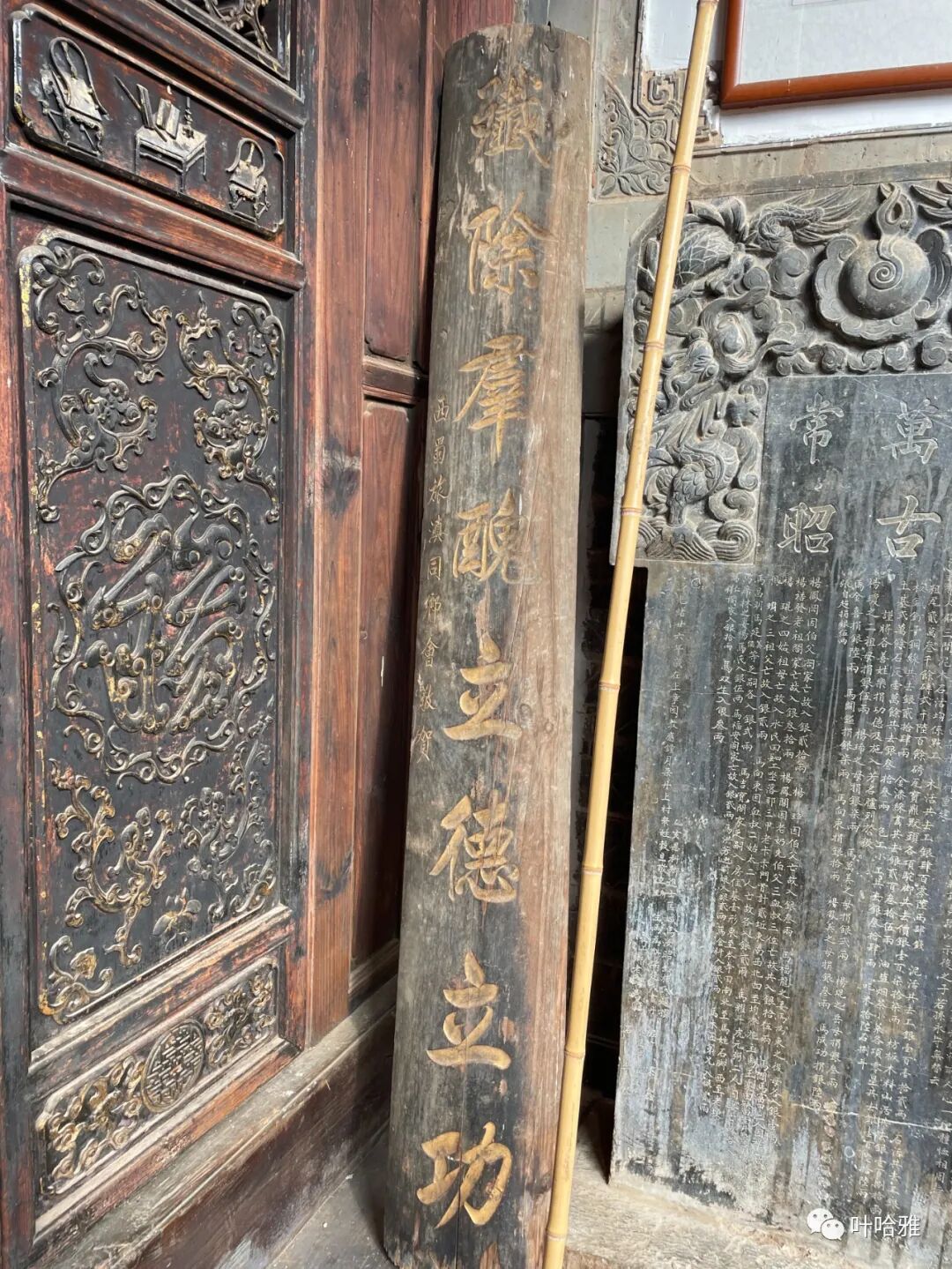
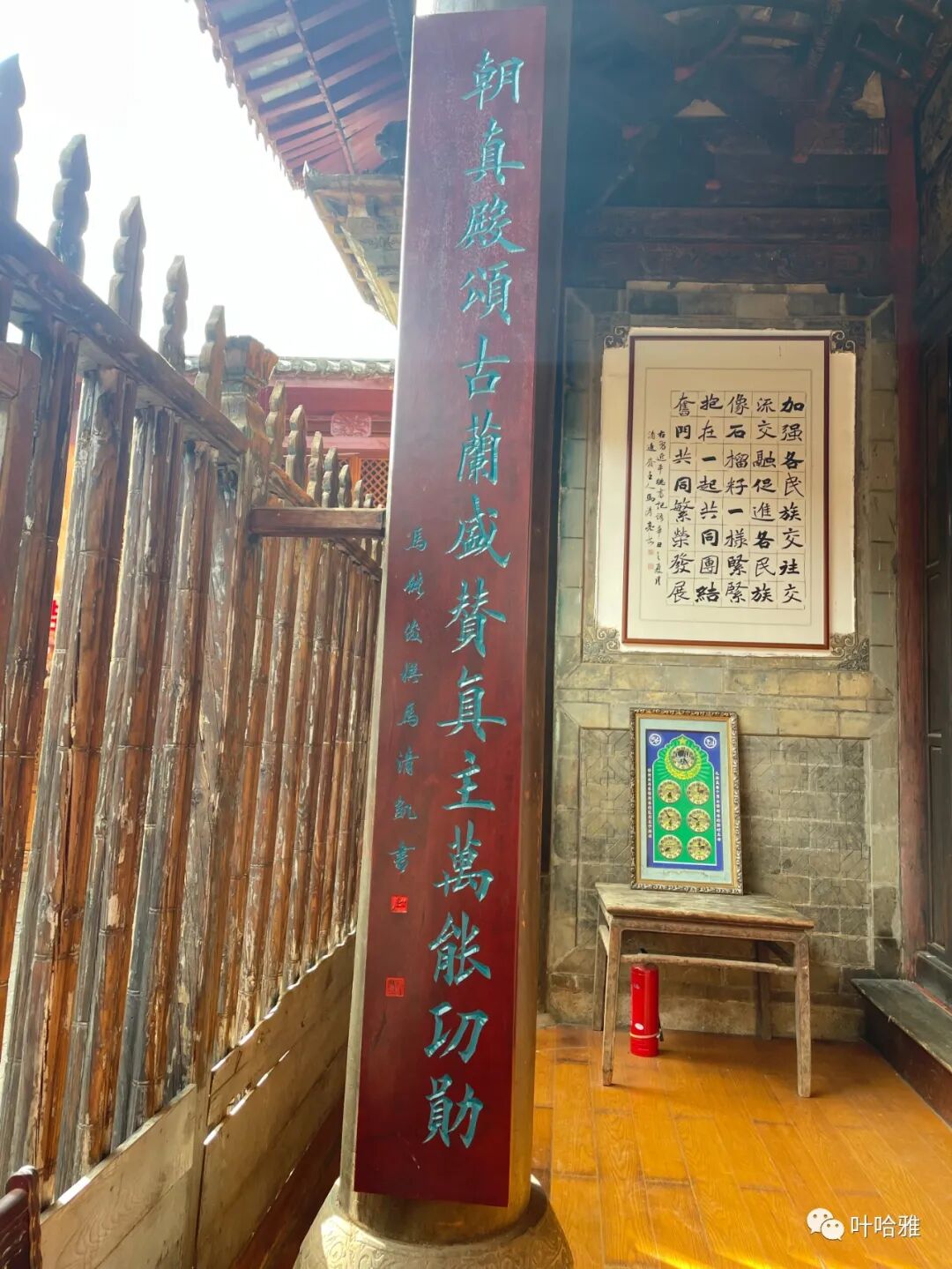
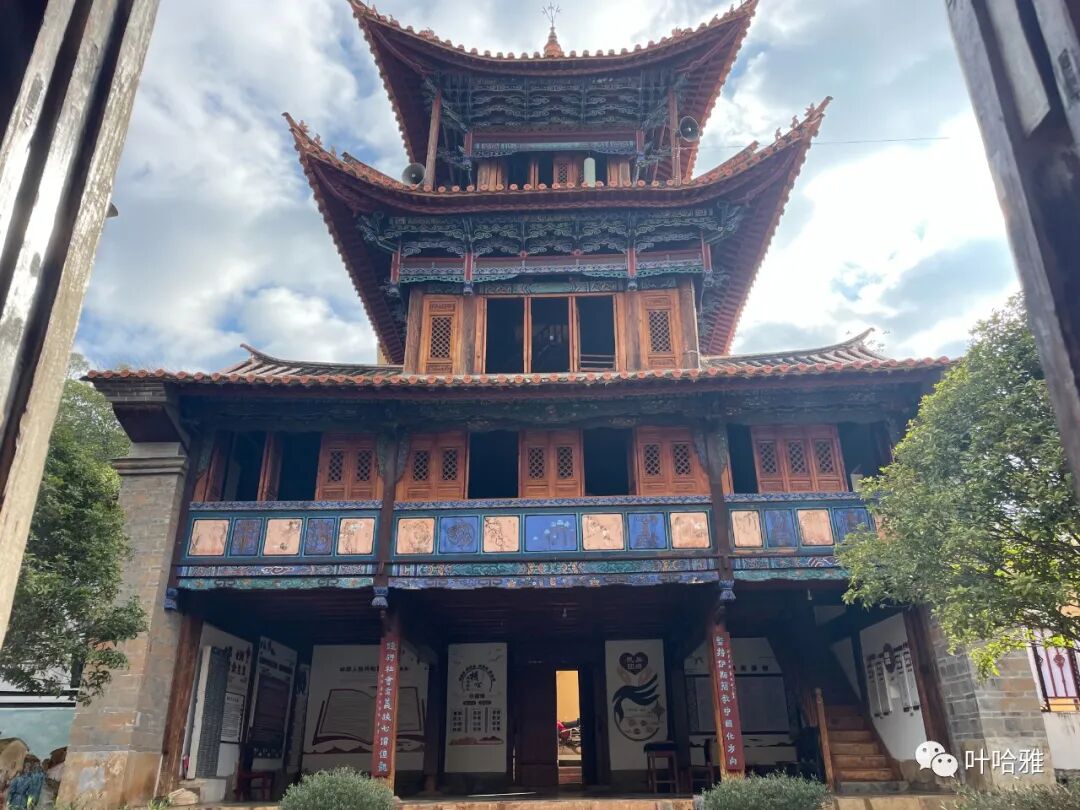
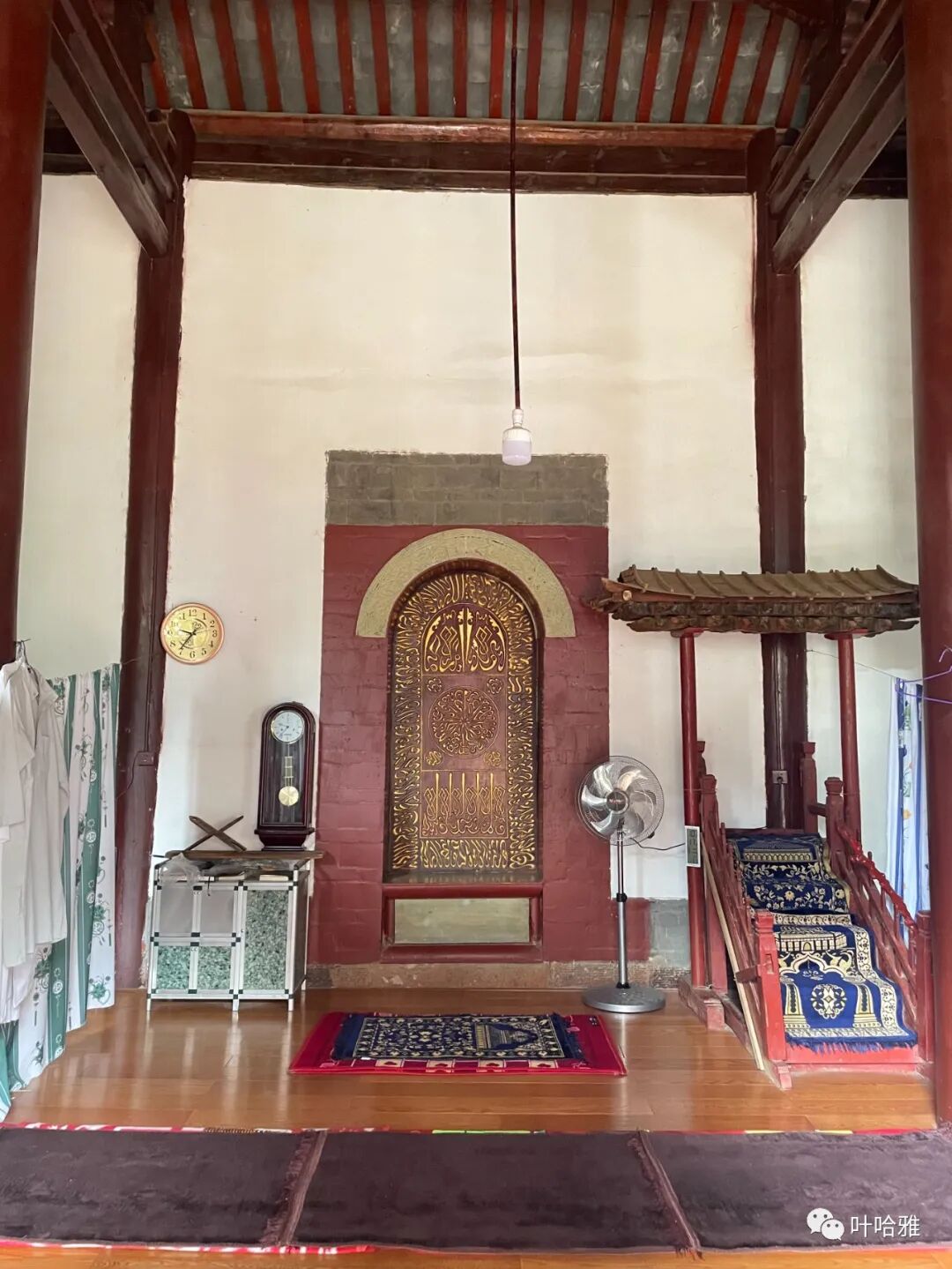
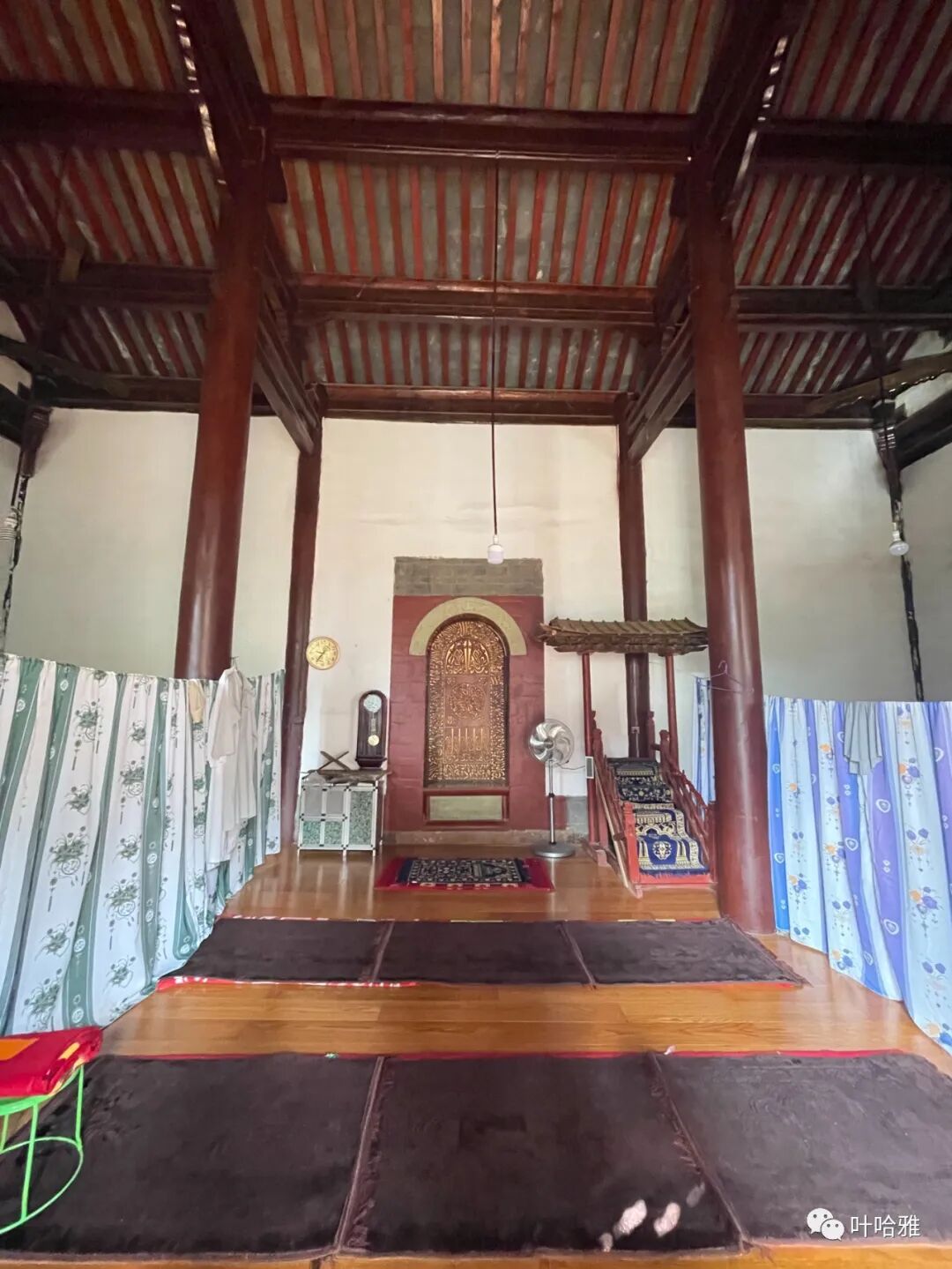
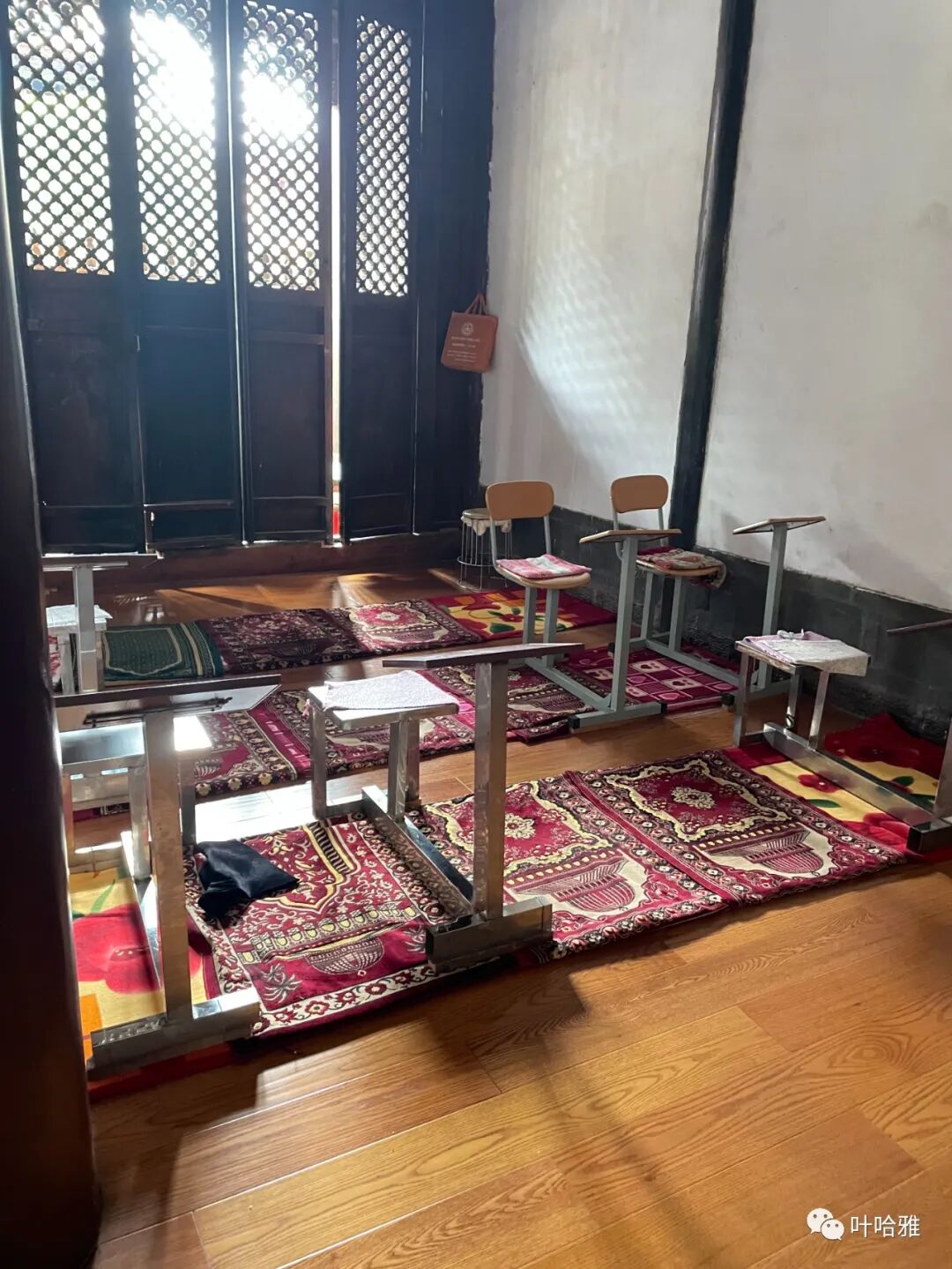
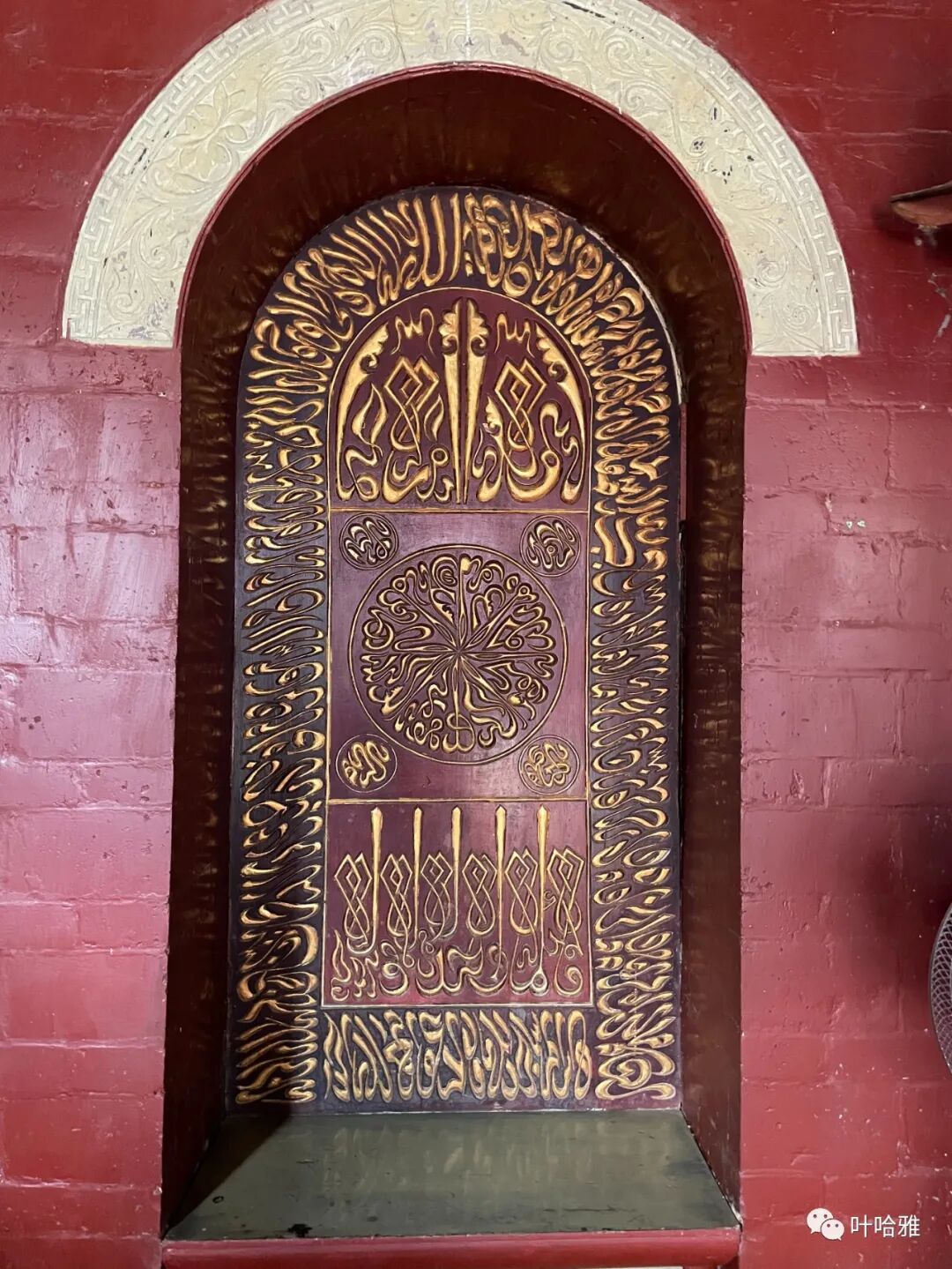
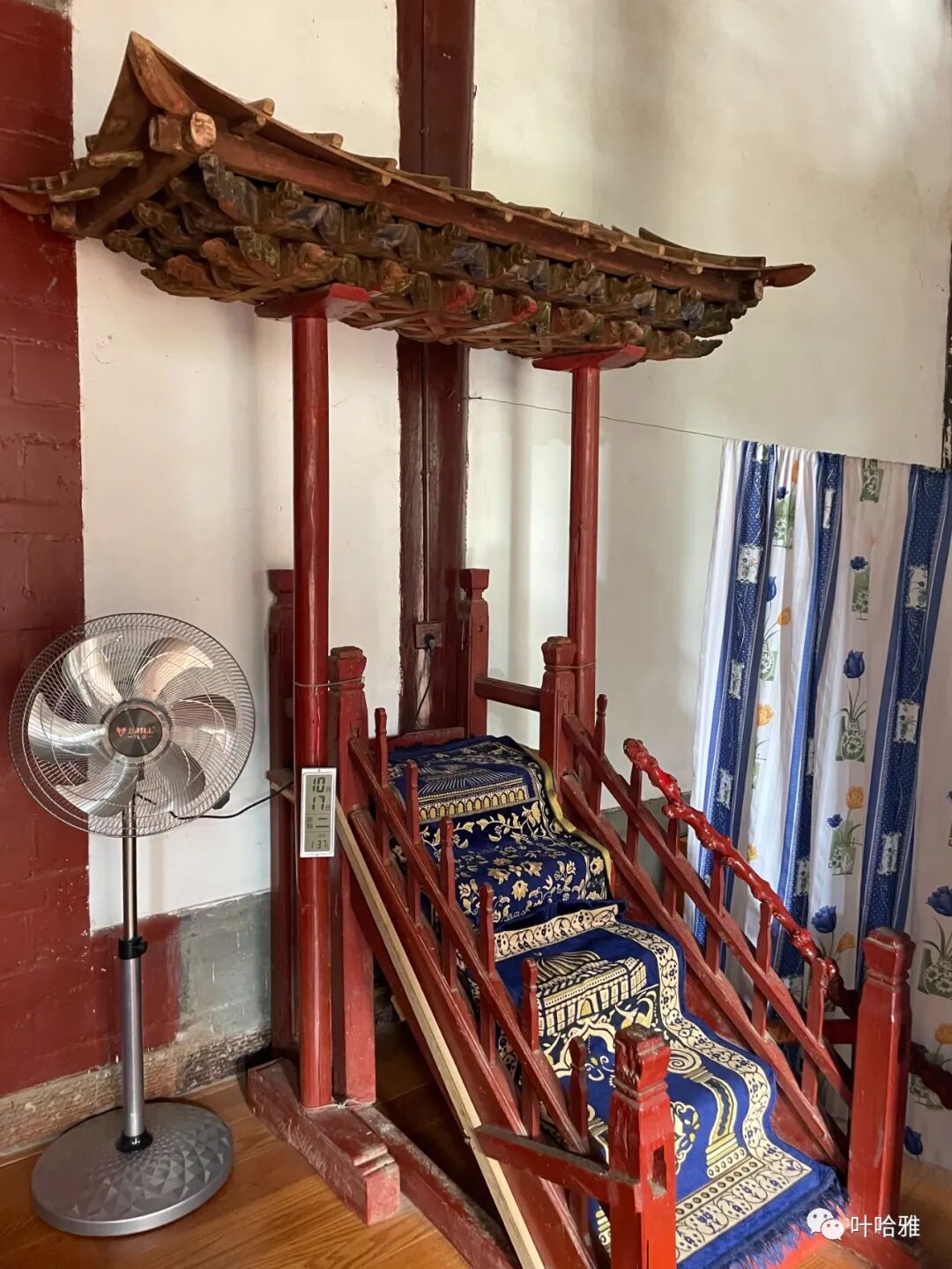
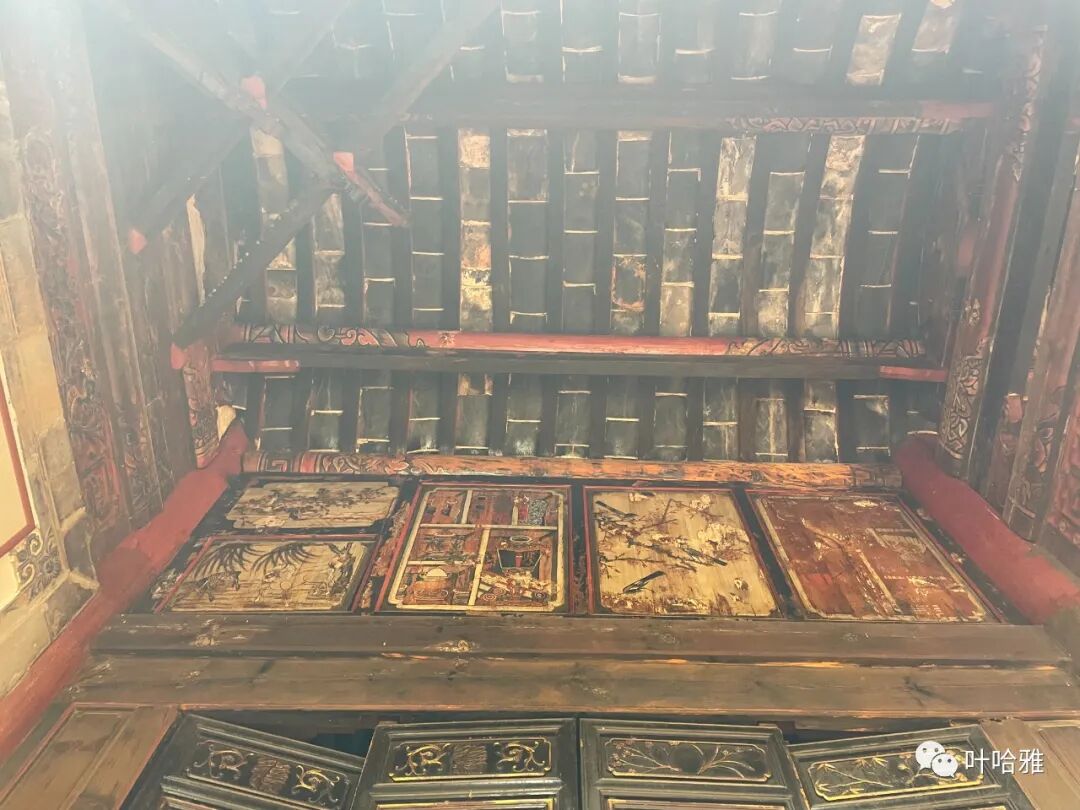
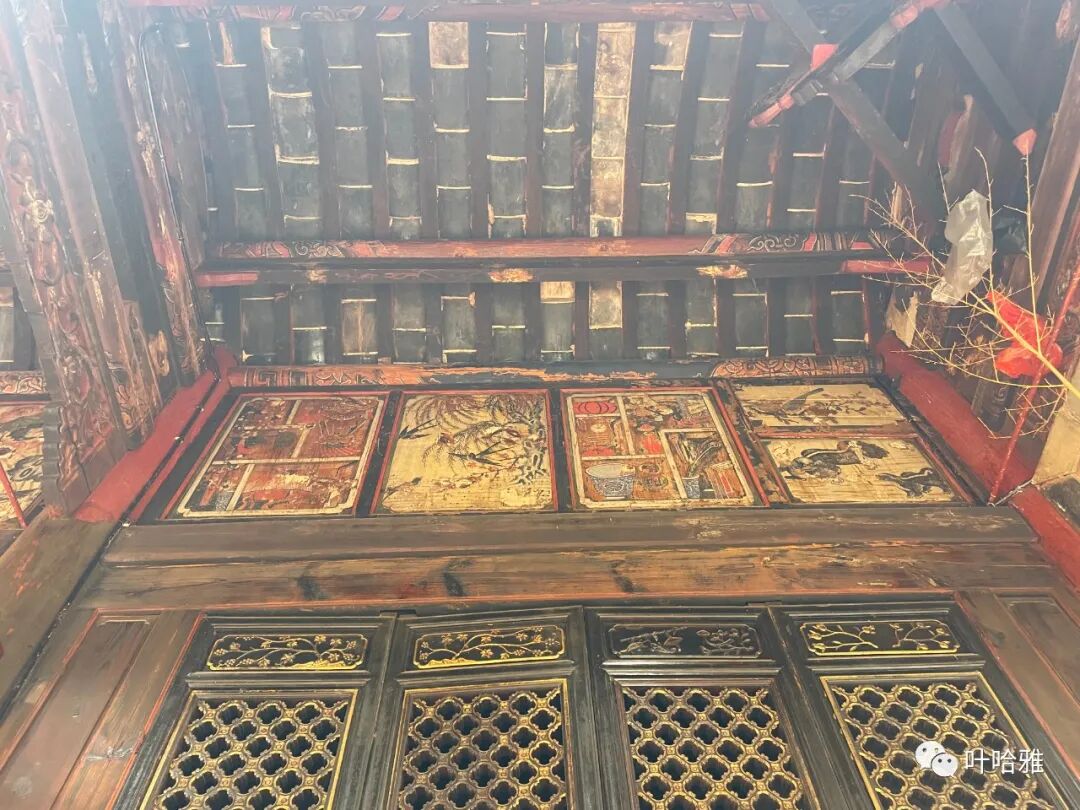
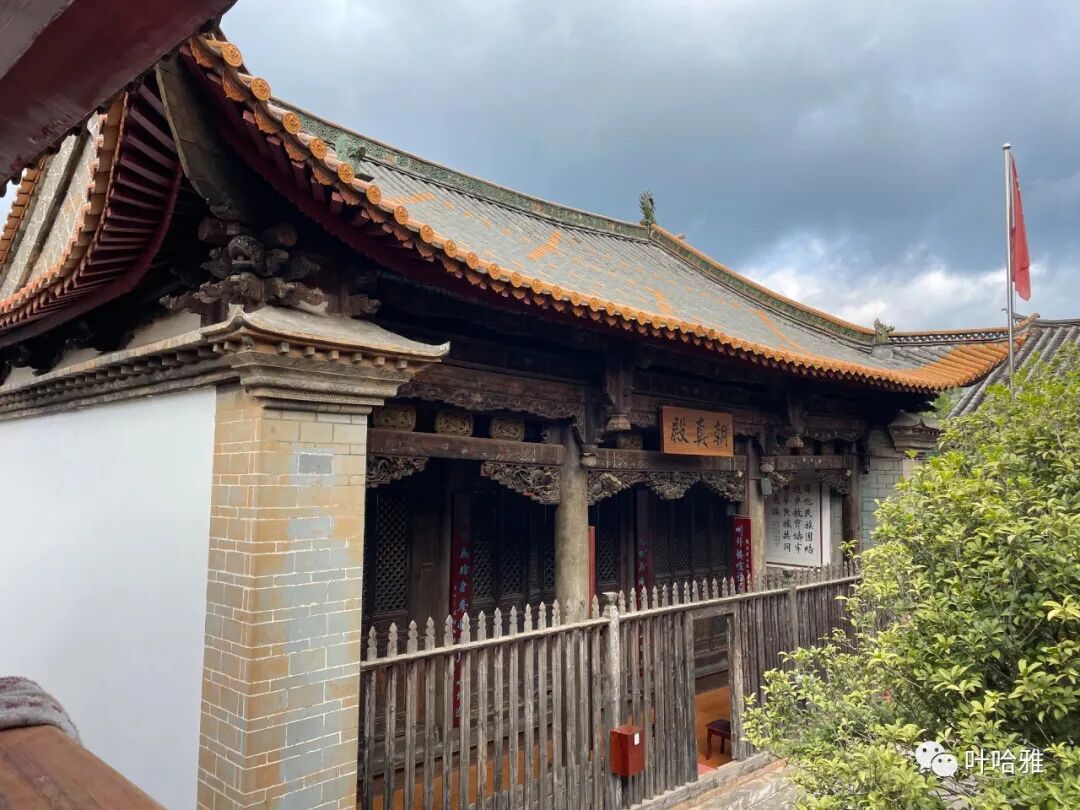
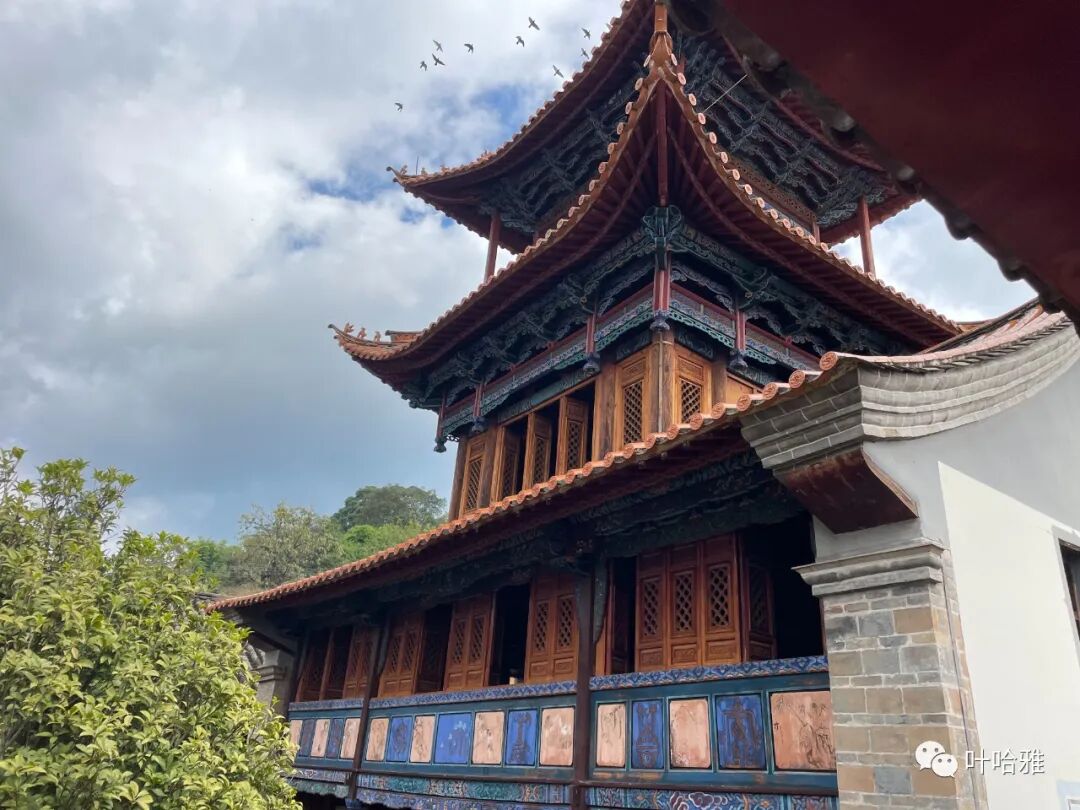
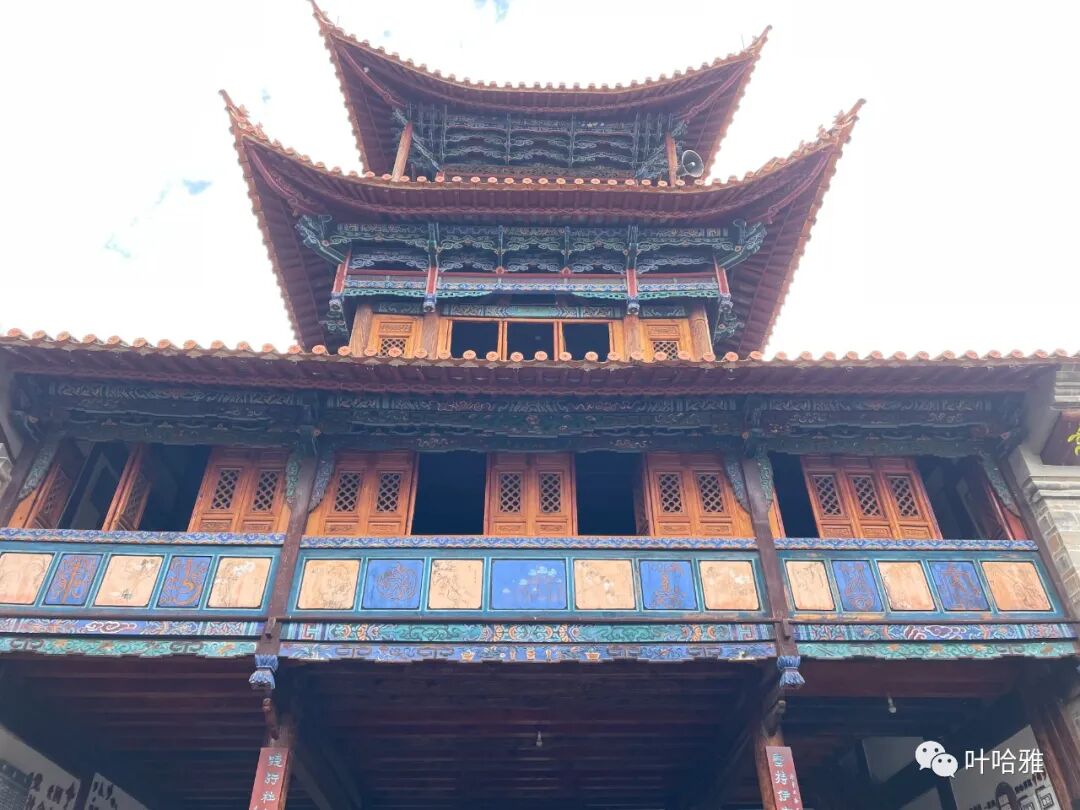
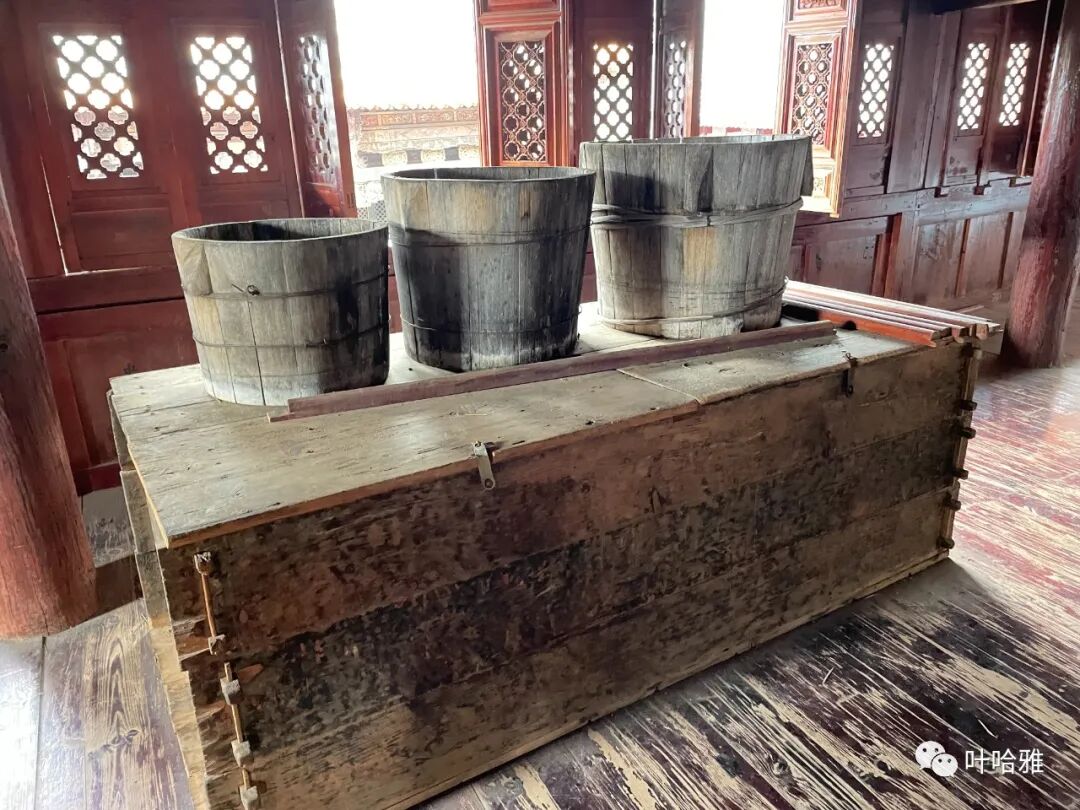
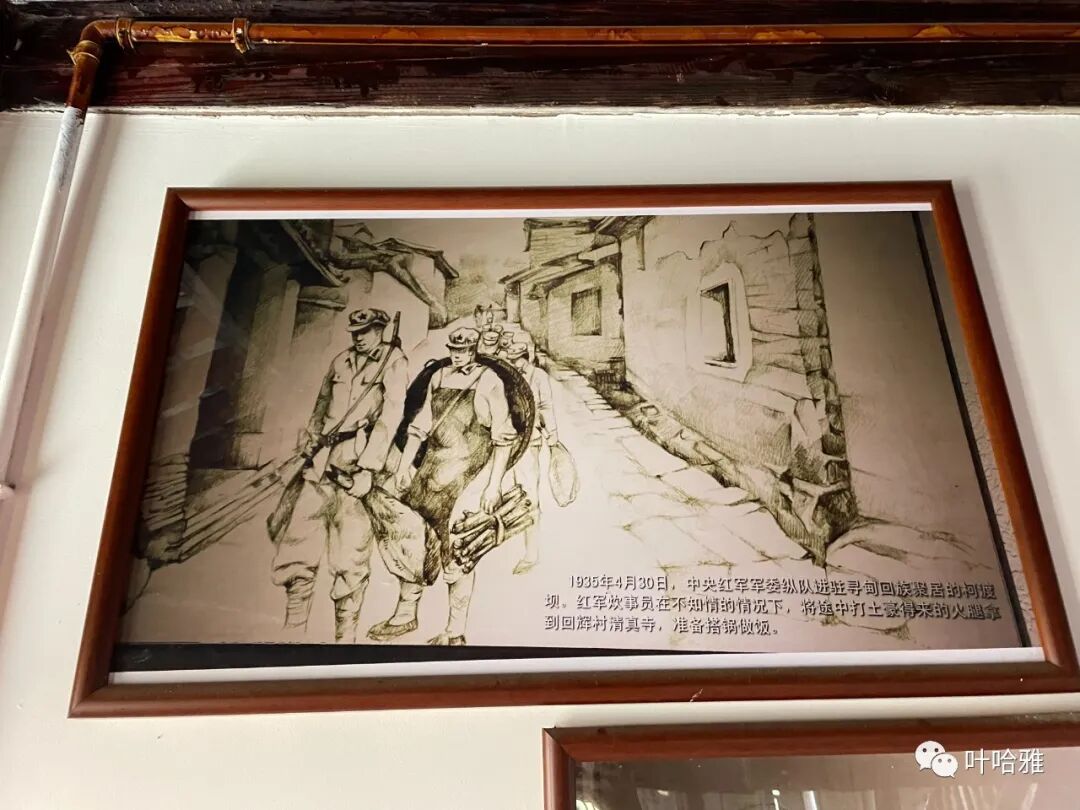
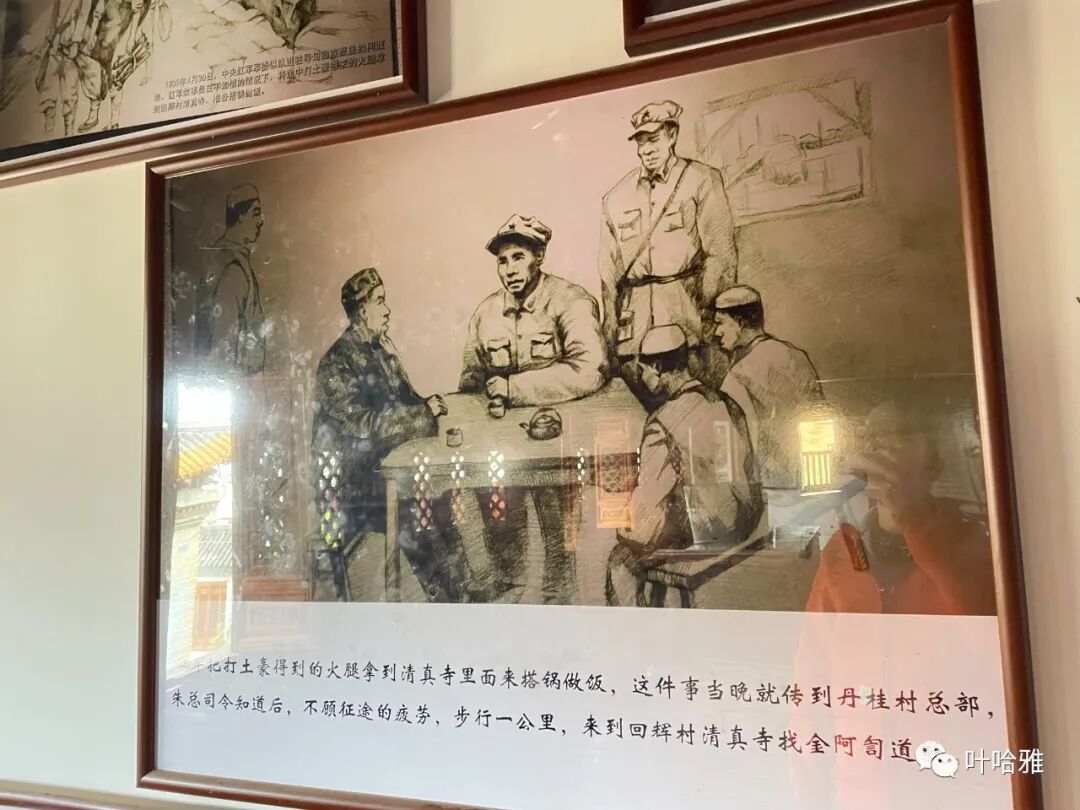
On the third floor of the minaret, there is a poster showing a story from the past. After the Red Army defeated local tyrants, they took ham to cook at Huihui Mosque. When Commander-in-Chief Zhu De found out, he walked to the mosque to apologize to Imam Jin.
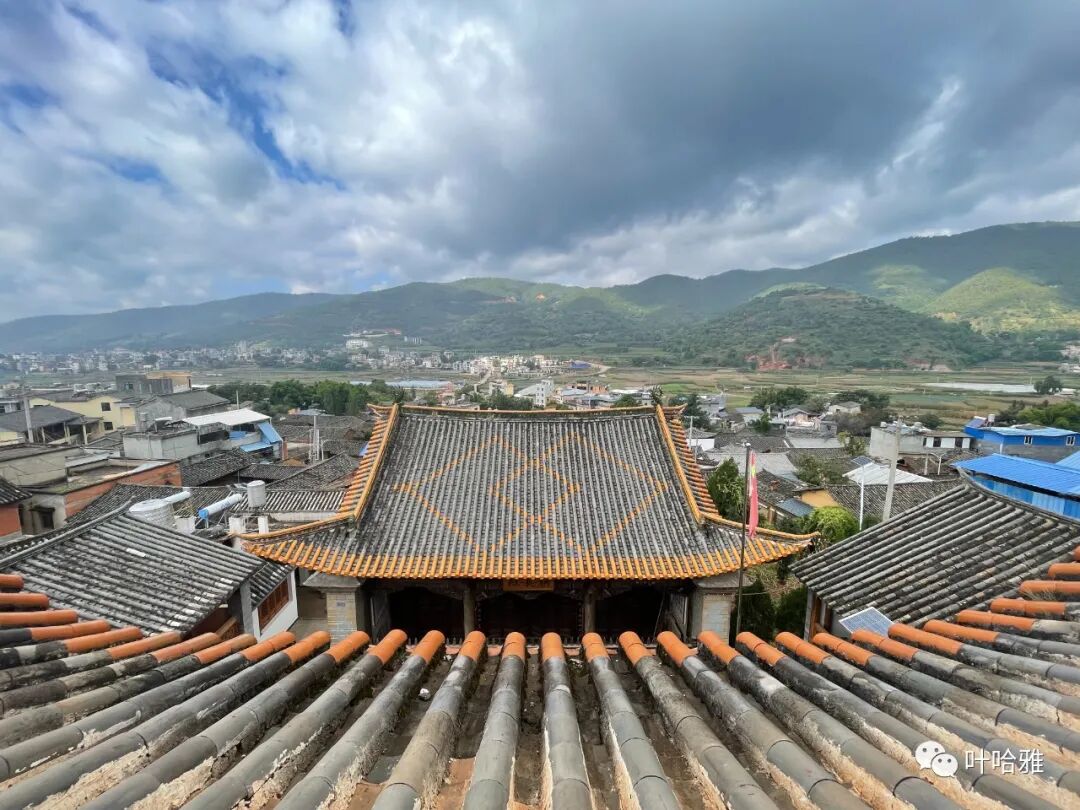
Looking down at Dangui Village from the top of the minaret.
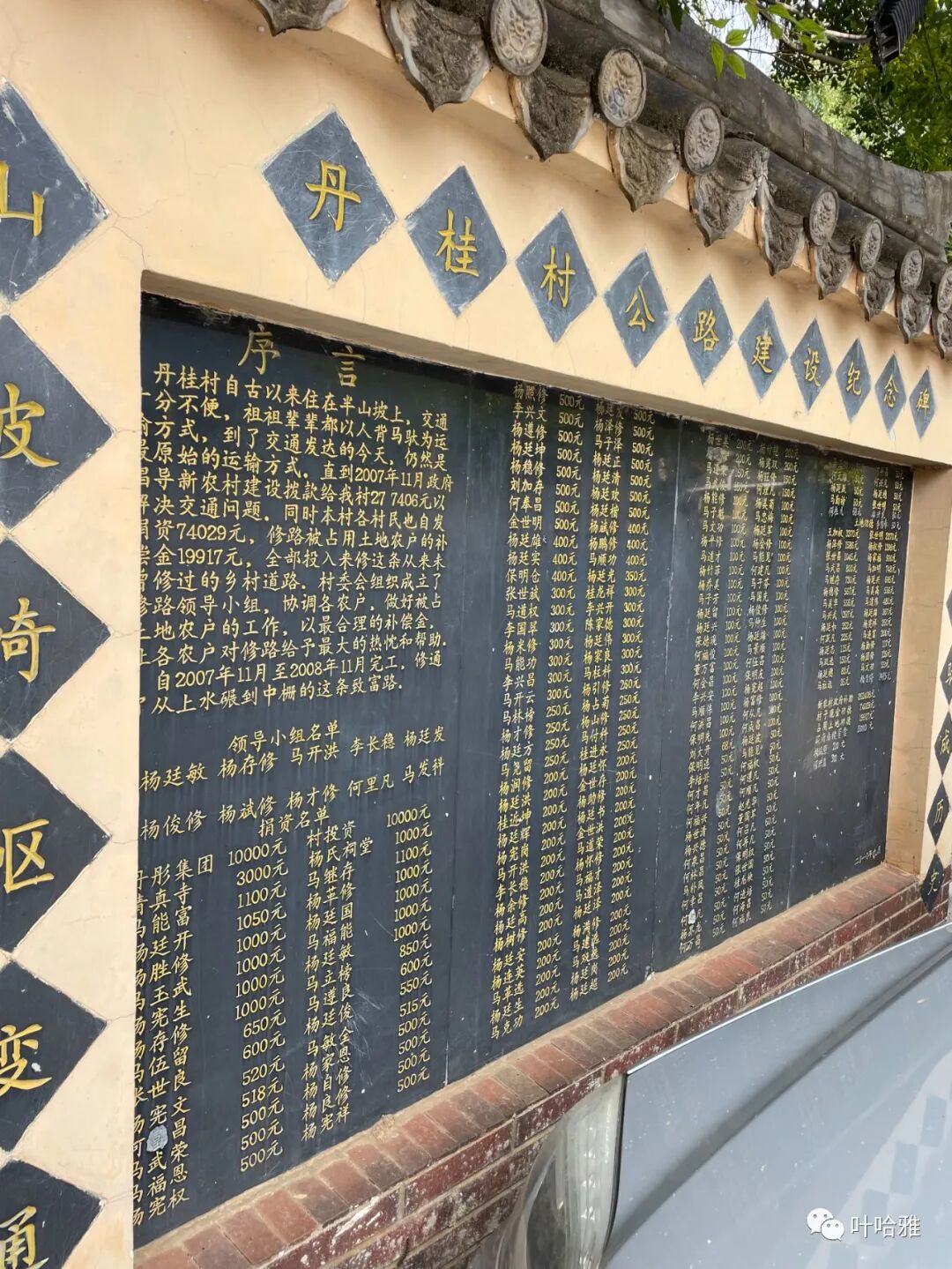
The Huihui Village mentioned above shares the same name as the Huihui Village in Sanya and is two kilometers away from Dangui Village.
Huihui Village Mosque.
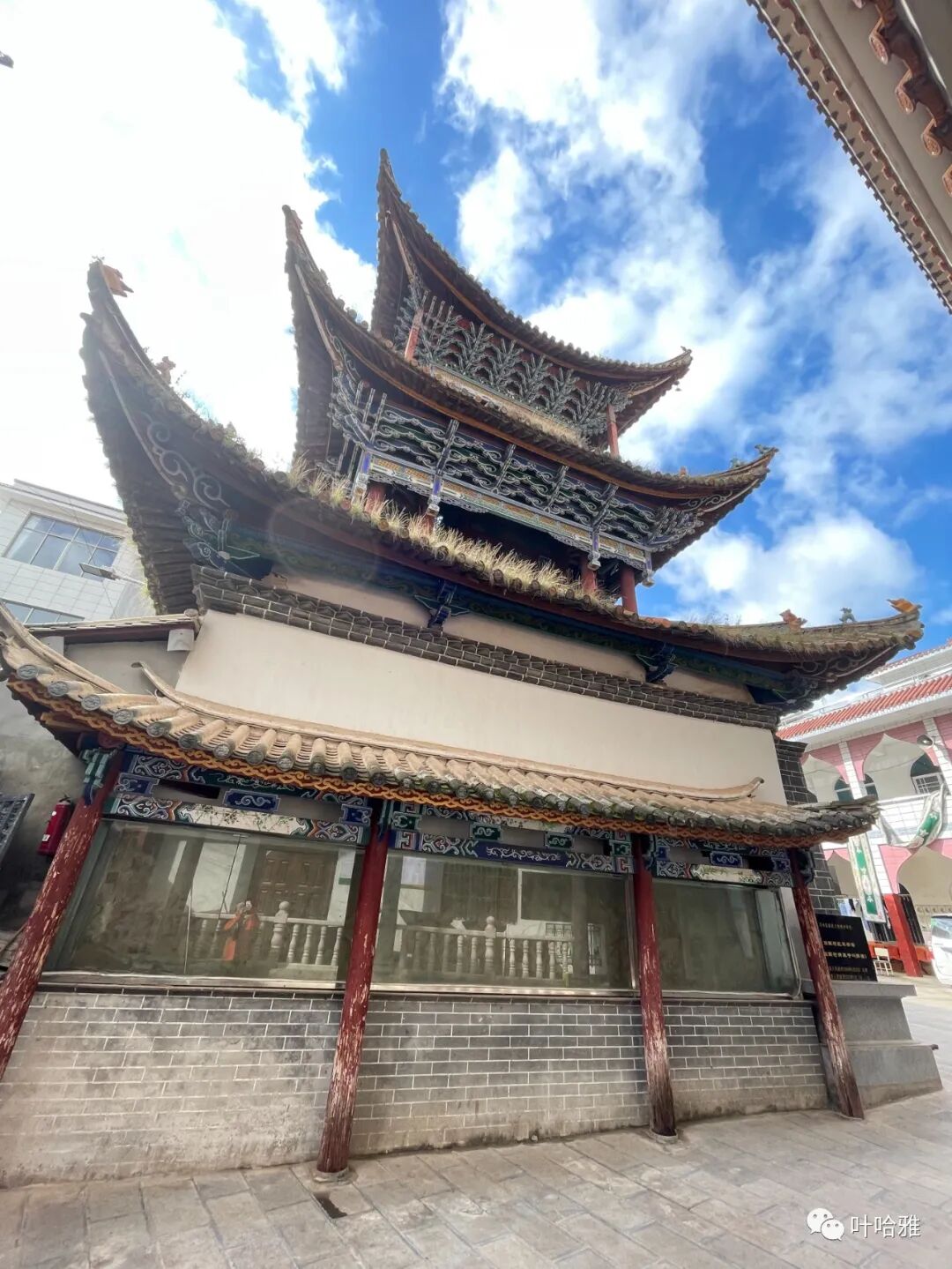
Huihui Mosque is built in the center of the village, and it also has a slogan left by the Red Army.
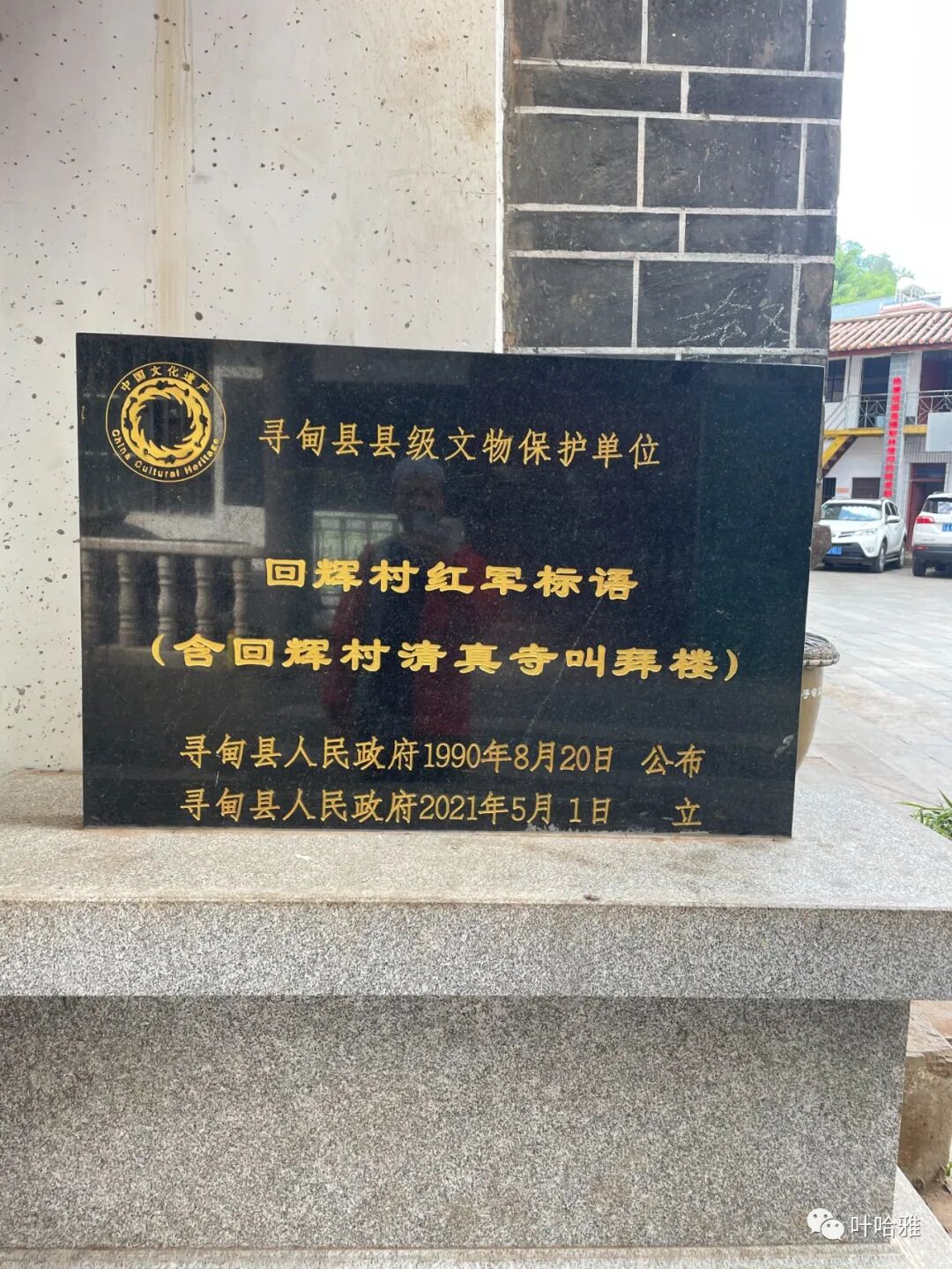
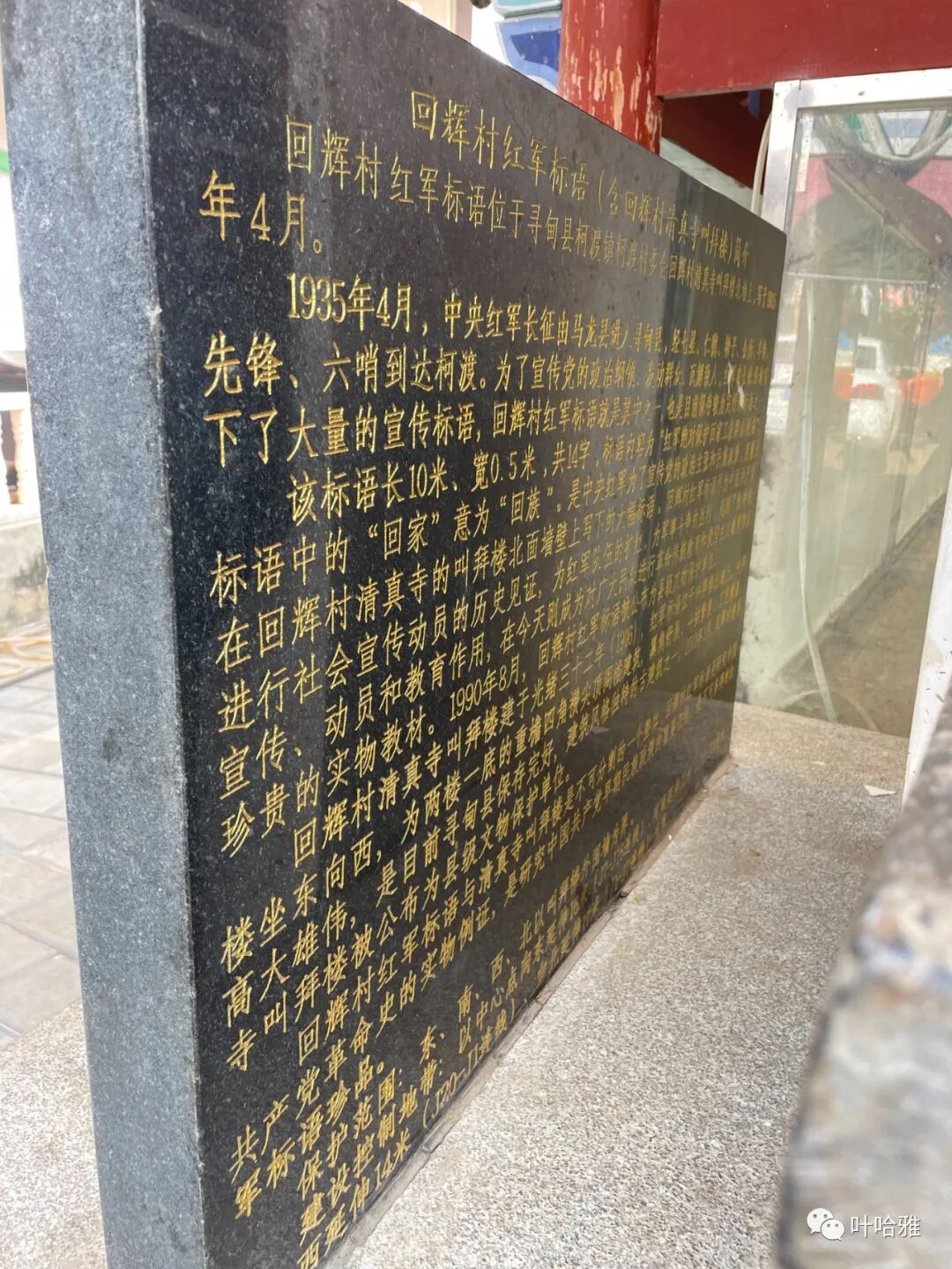
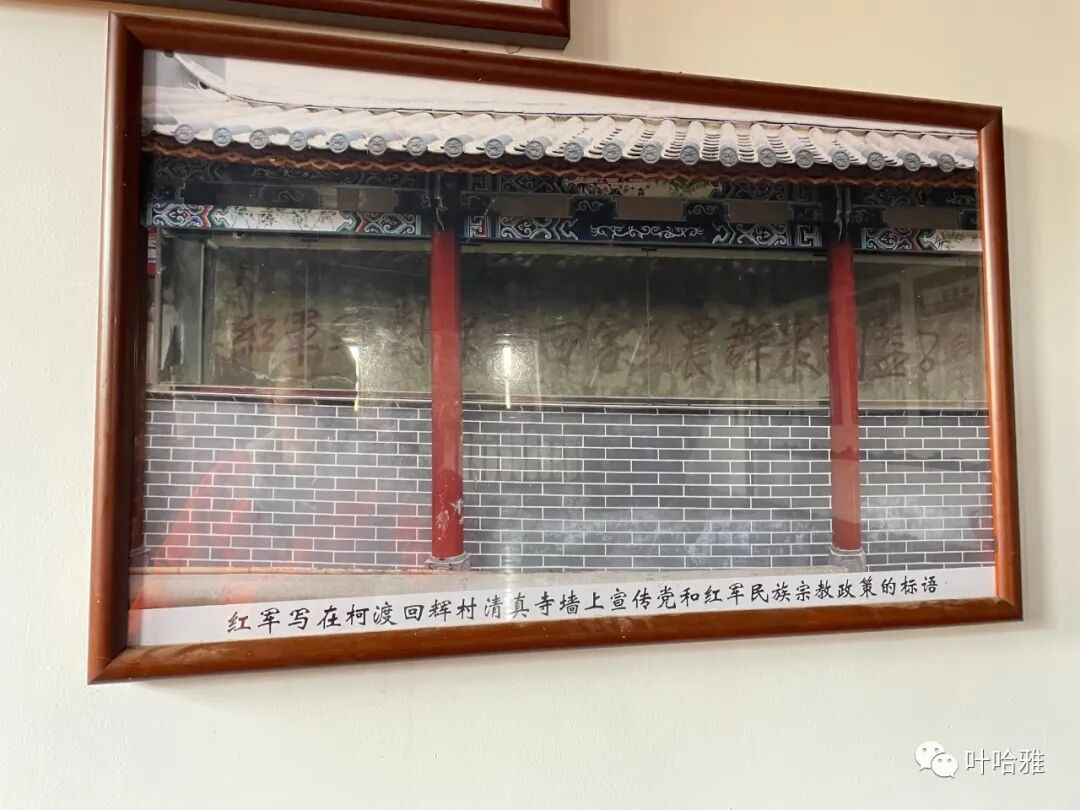
The slogan is on the side of the minaret and reads, "The Red Army absolutely protects the interests of the Hui worker and peasant masses." "Hui home" refers to the homes of Hui Muslims, as the term Hui Muslims was not yet used as an official name before liberation.
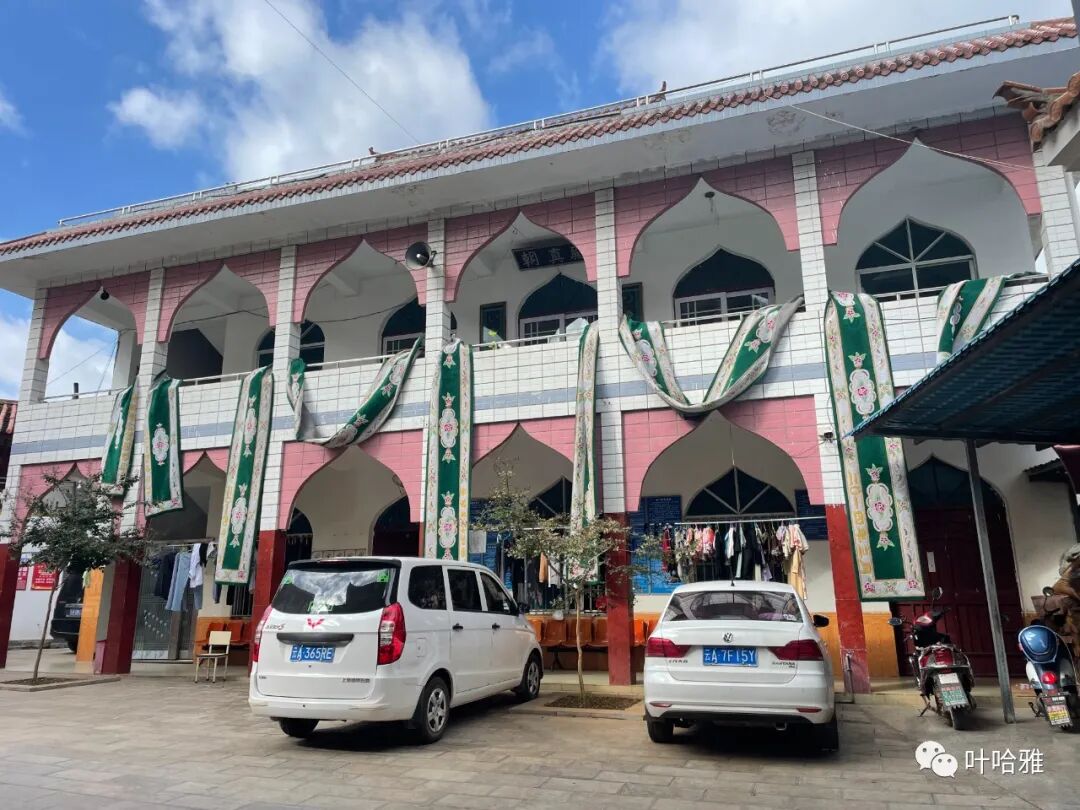
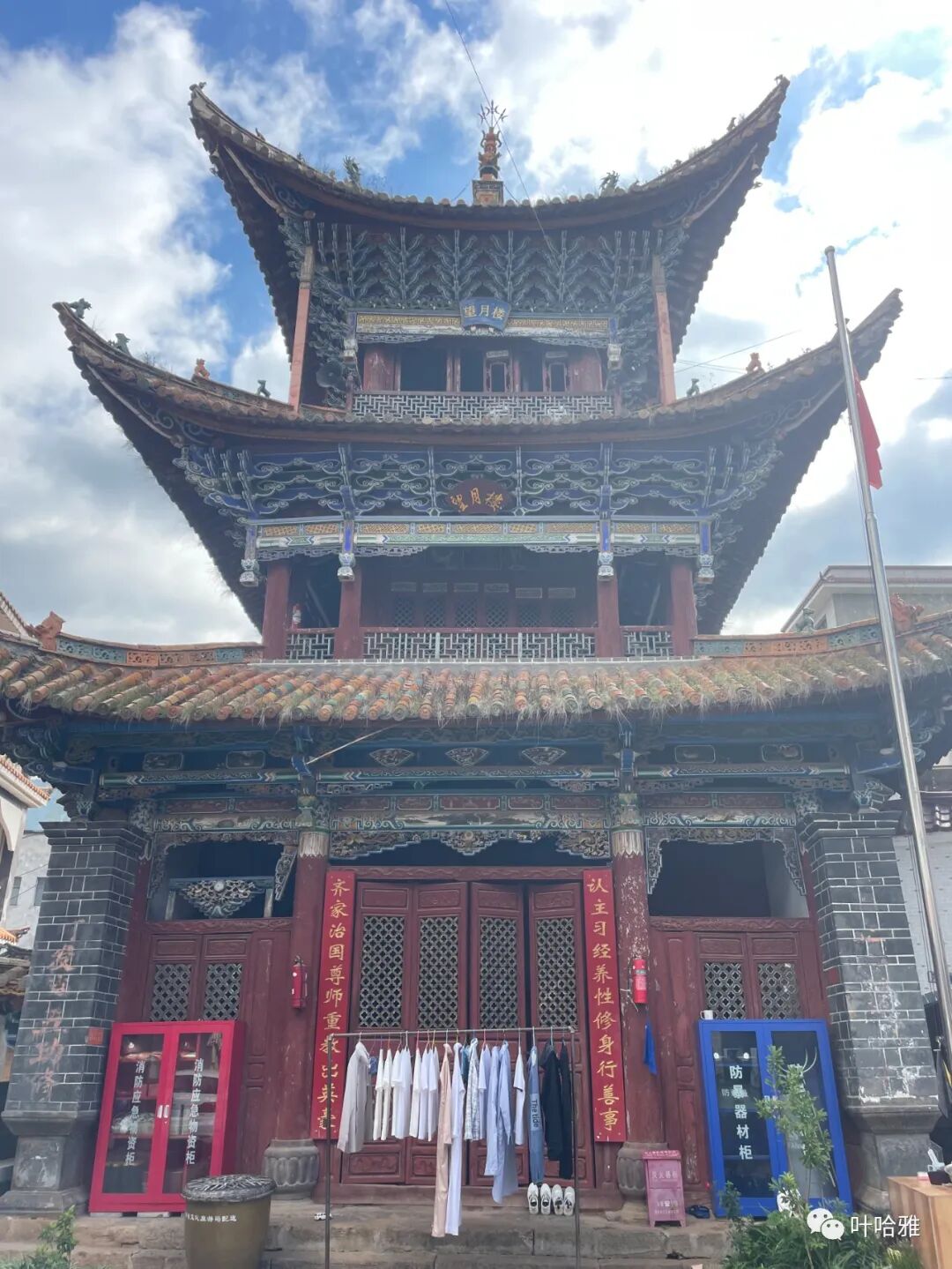
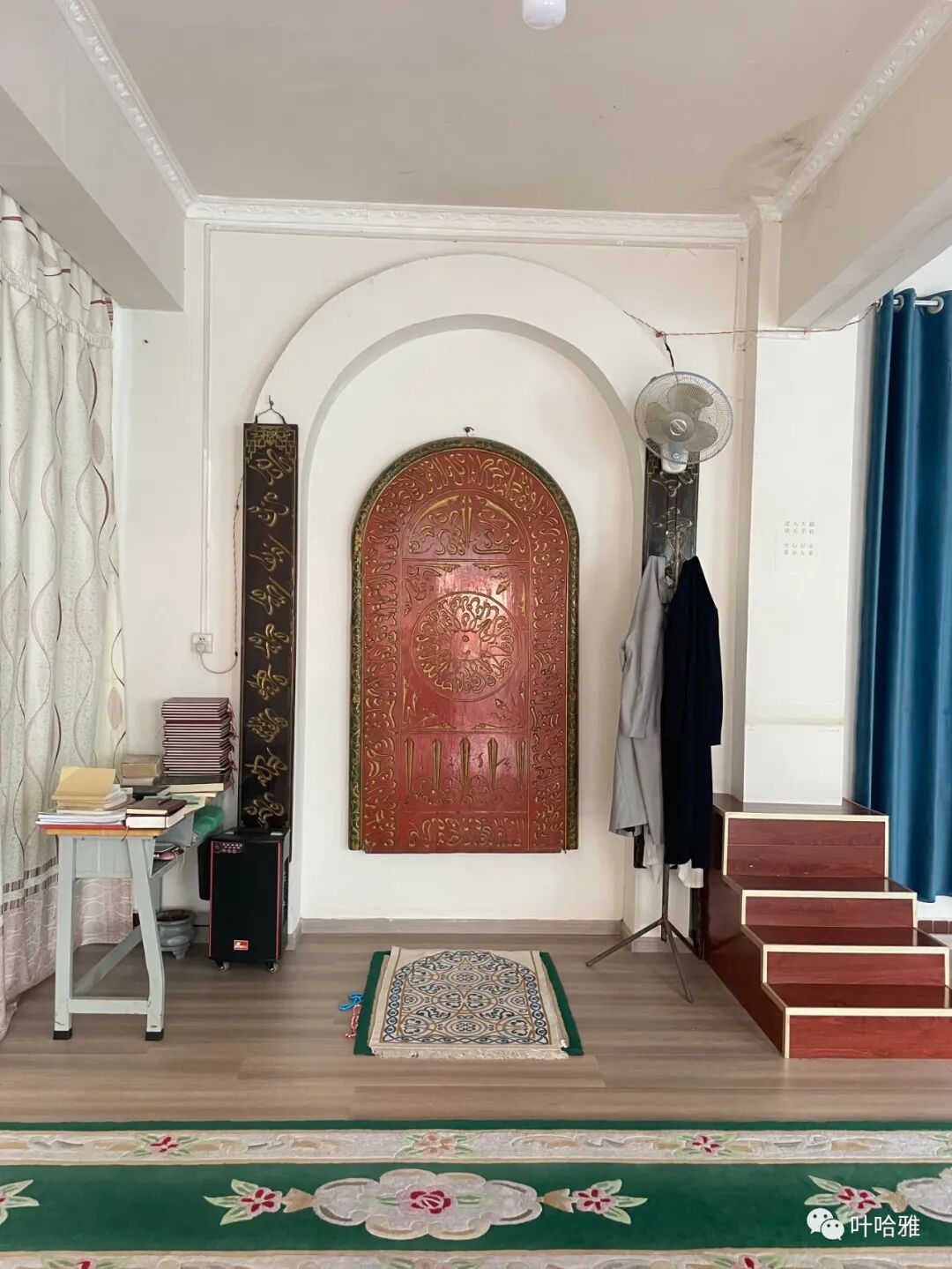
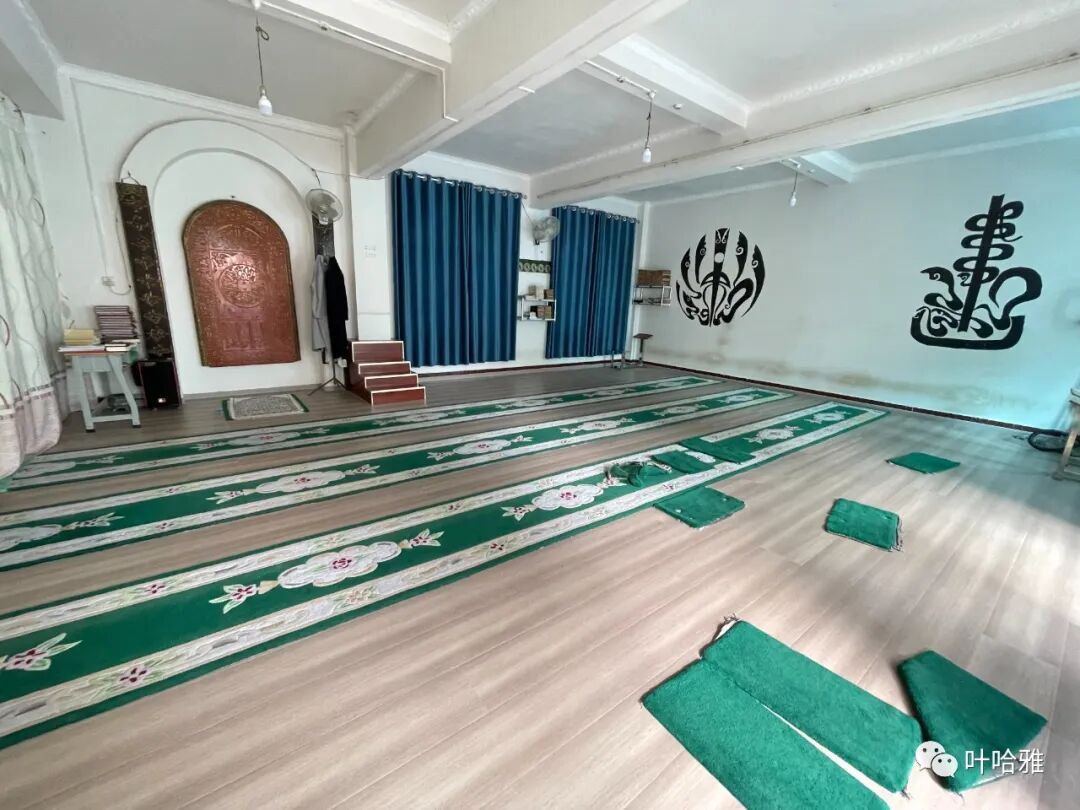
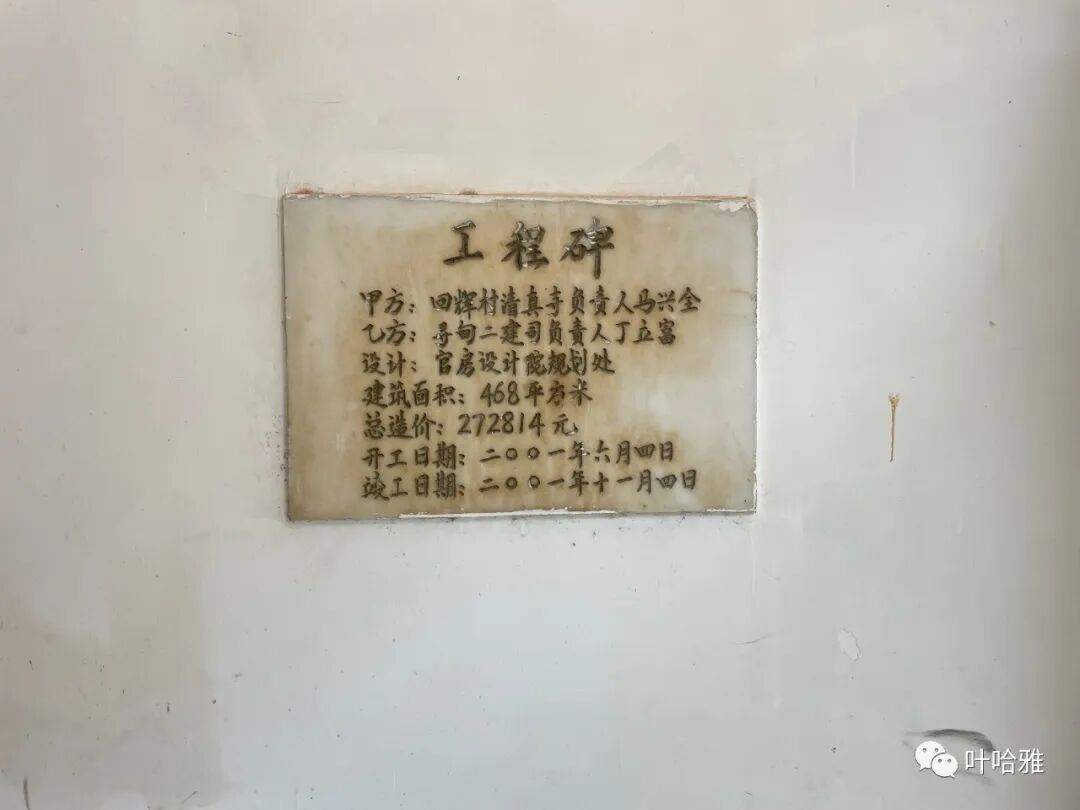
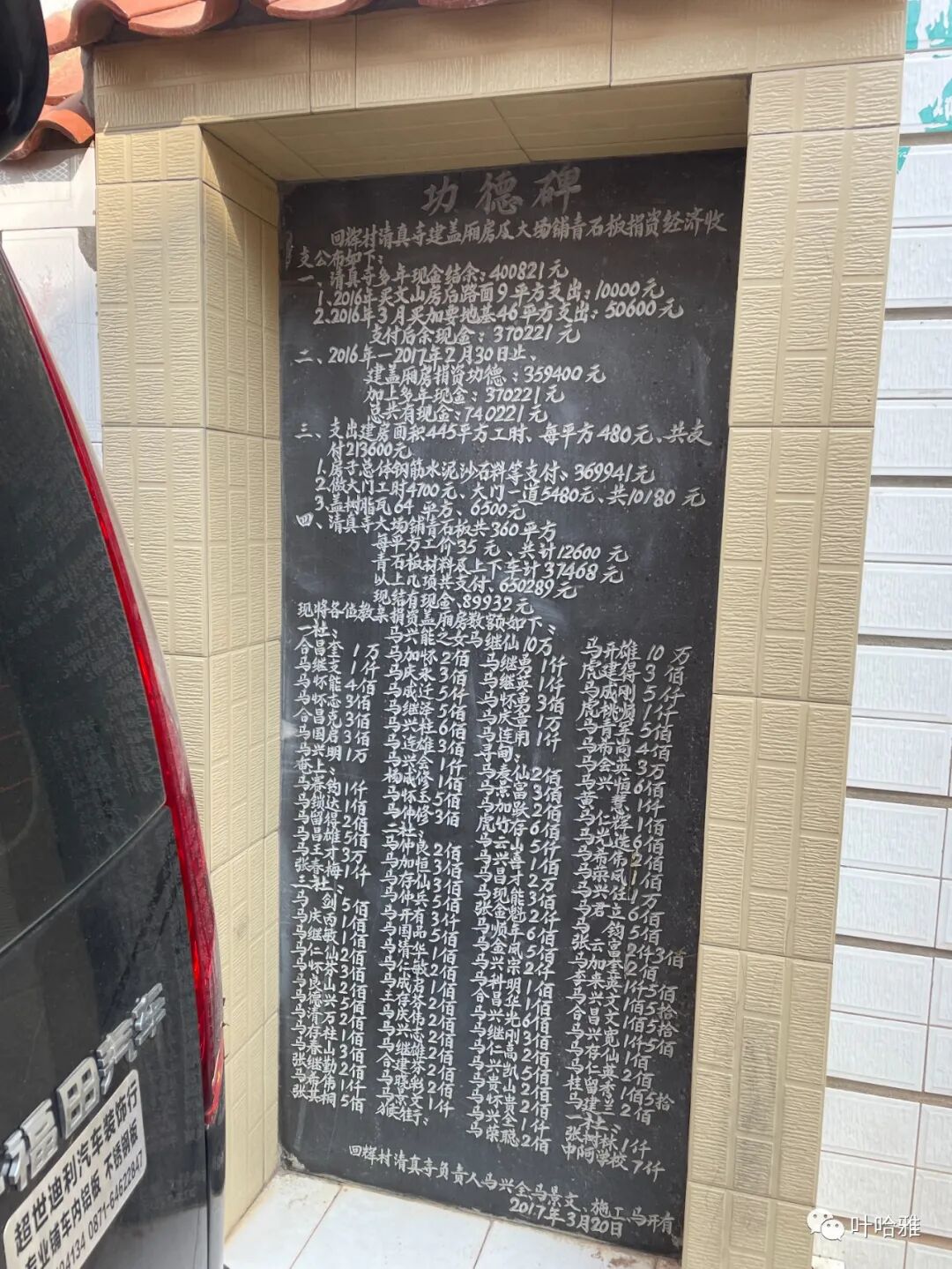
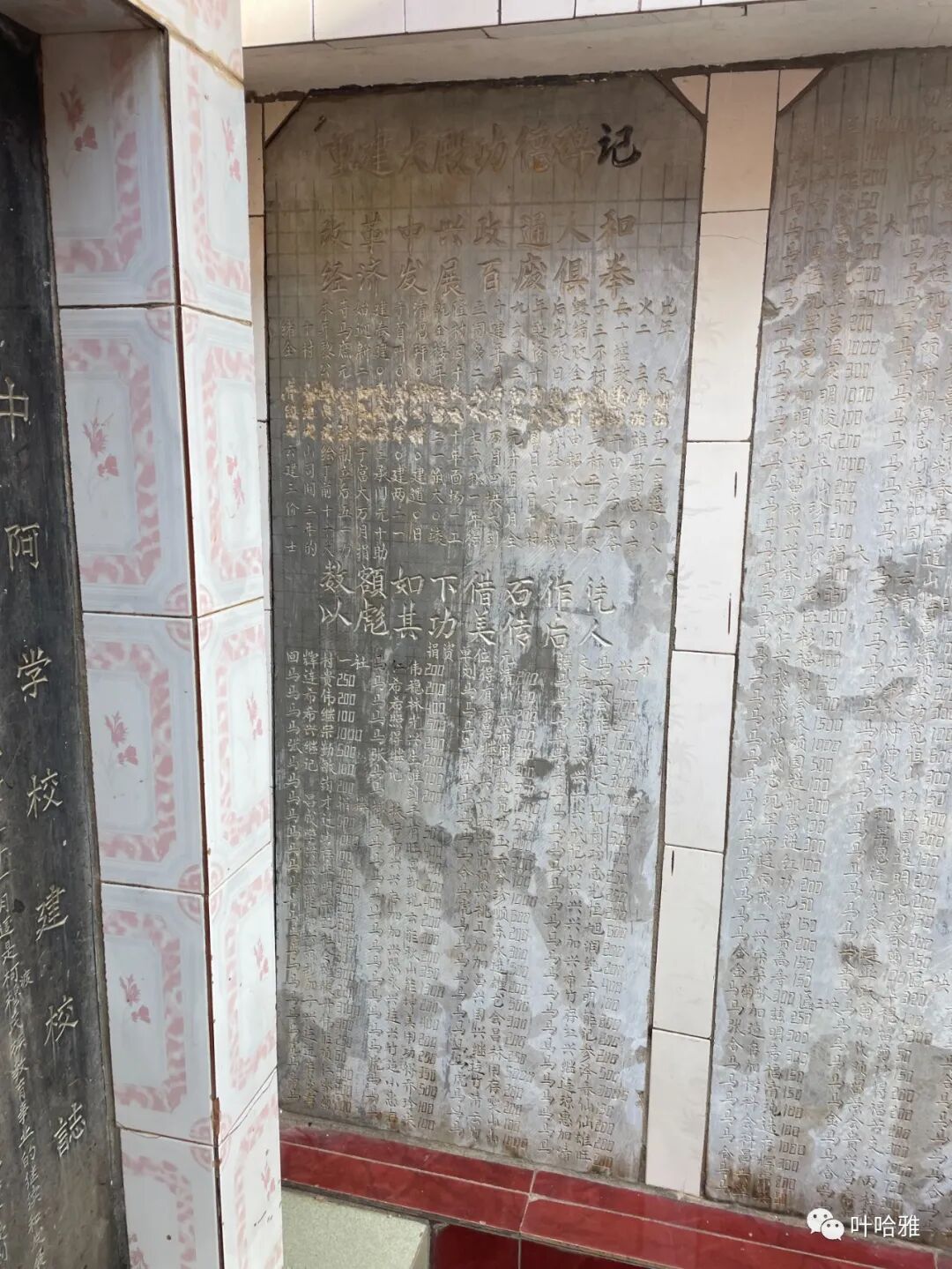
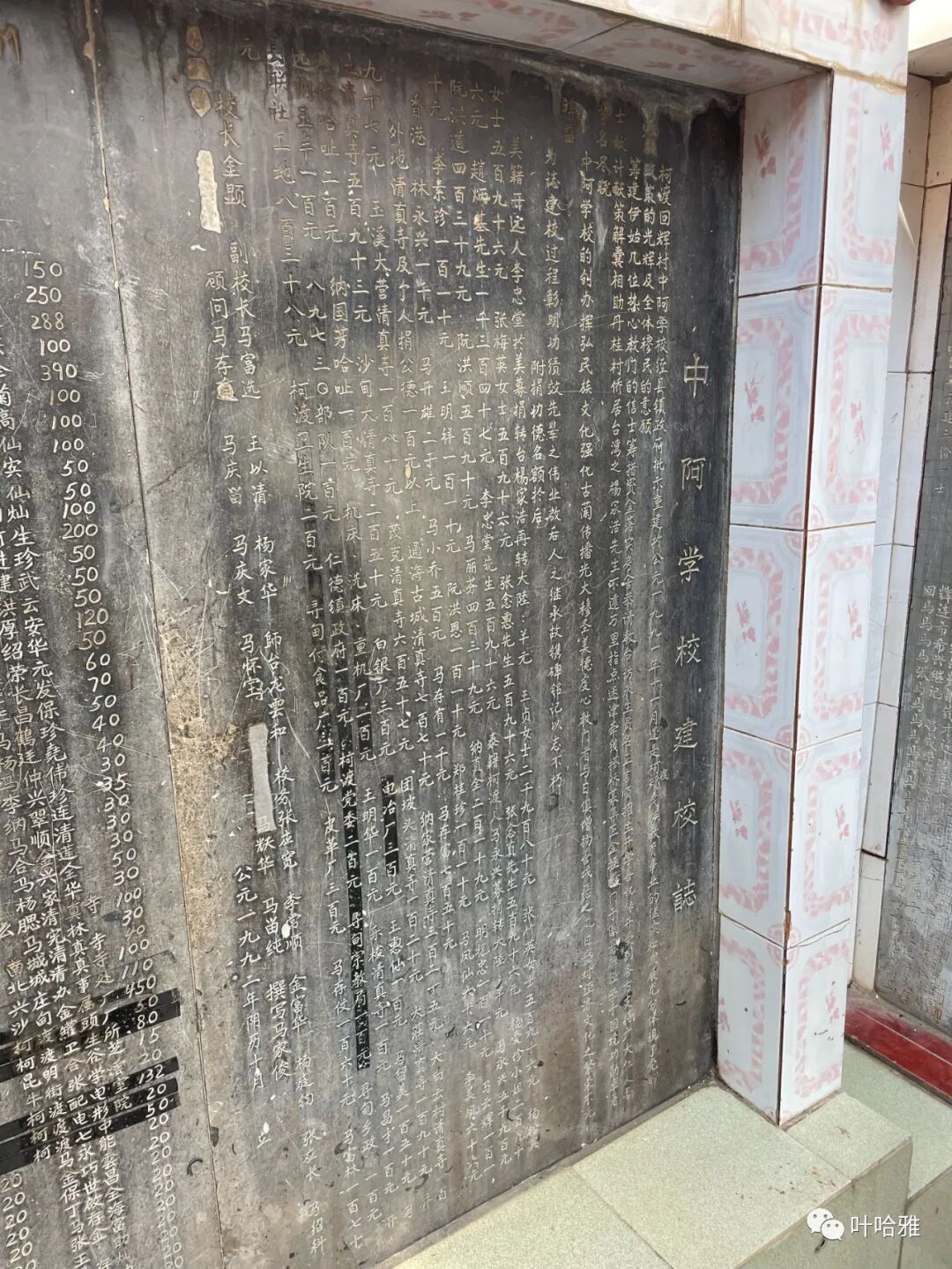
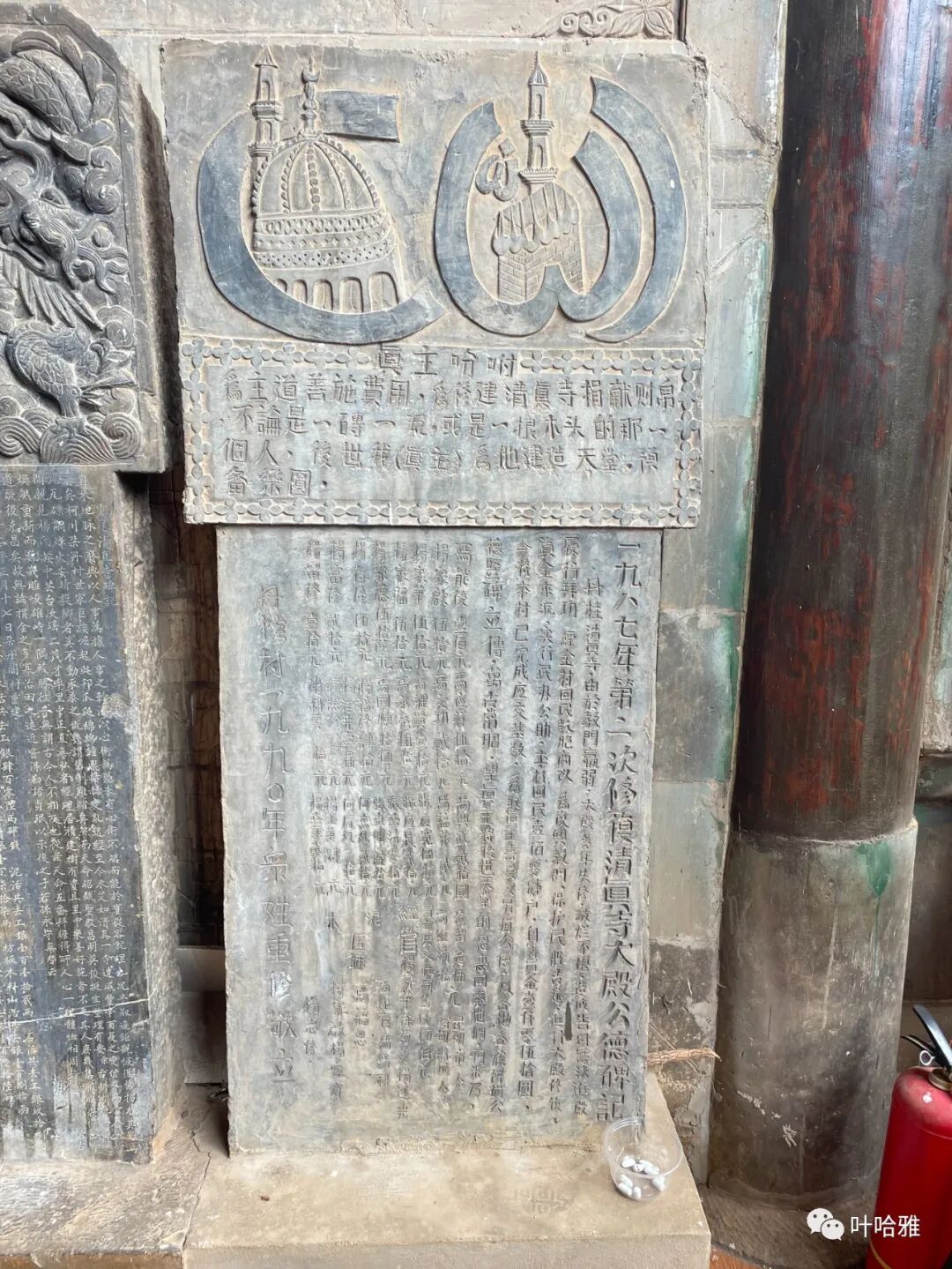
The founding record of the Chinese-Arabic school inside the Huihui Village mosque.
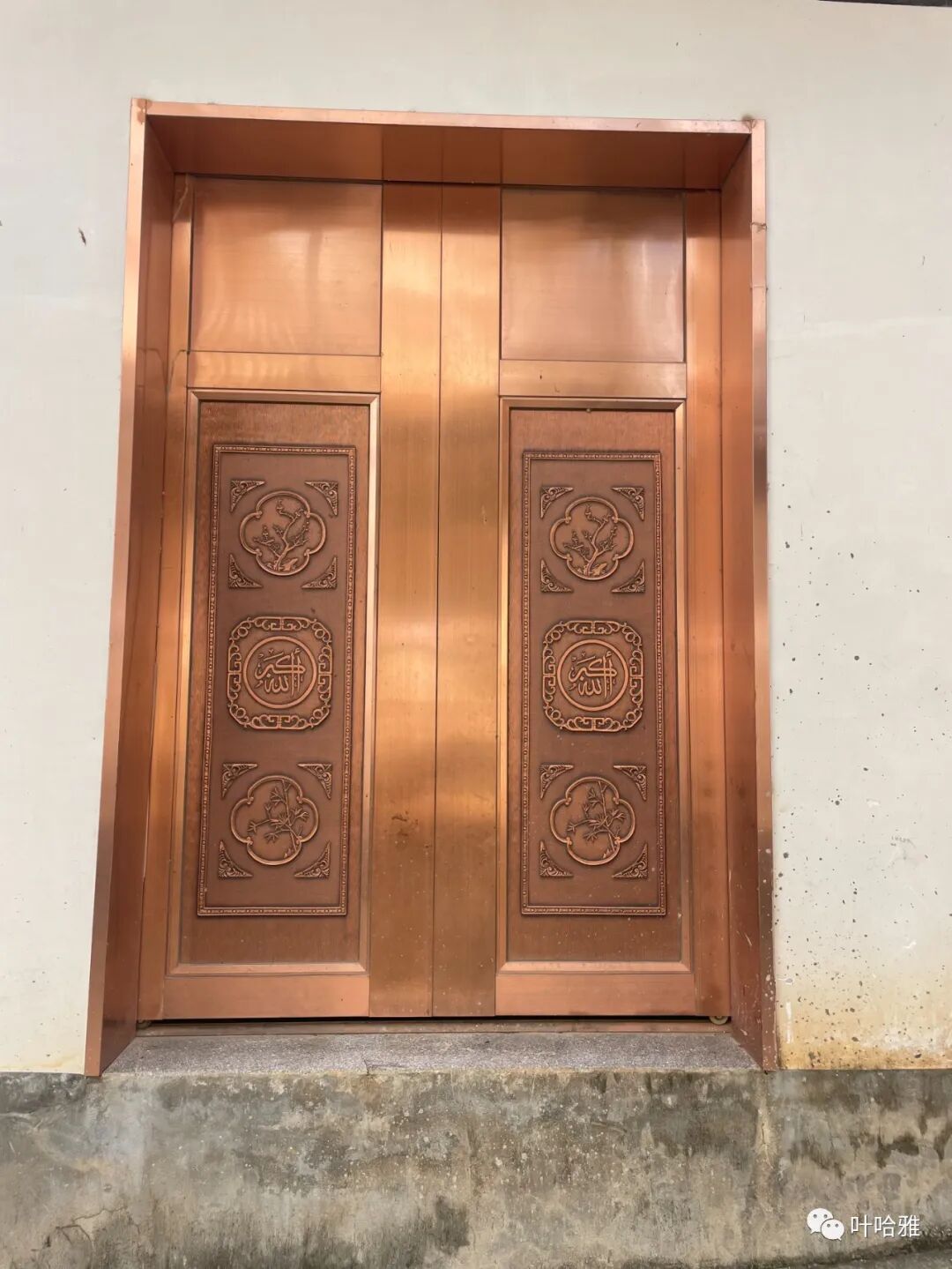
Patterns on the gate of a house across from the Huihui mosque.
Tuogu Village in Ludian.
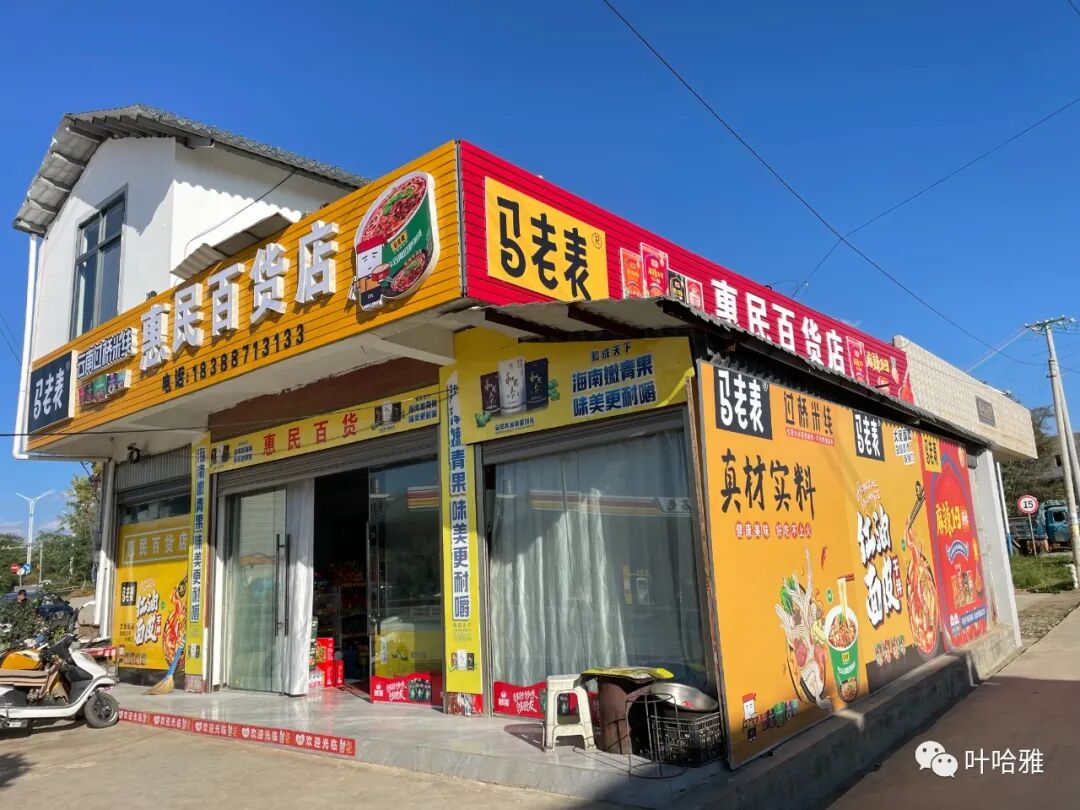
On the way back to Beijing from Xundian, I passed a small halal shop at the entrance of Tuogu Village. They had Ma Laobiao rice noodles (mixian), and I bought plenty of instant food for the trip.
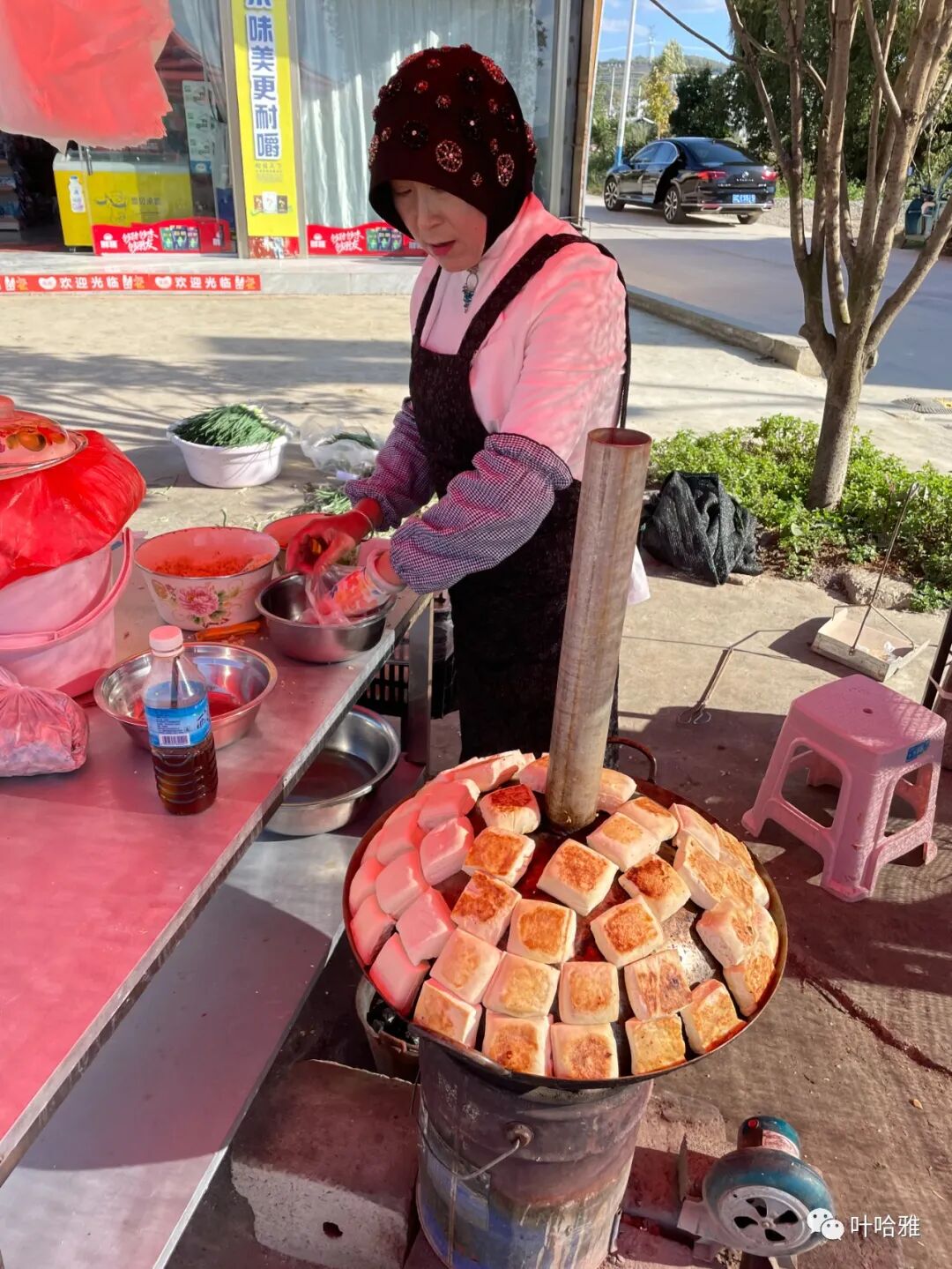
Tuogu grilled tofu (shaodoufu) for one yuan a piece.
Tuogu mosque.
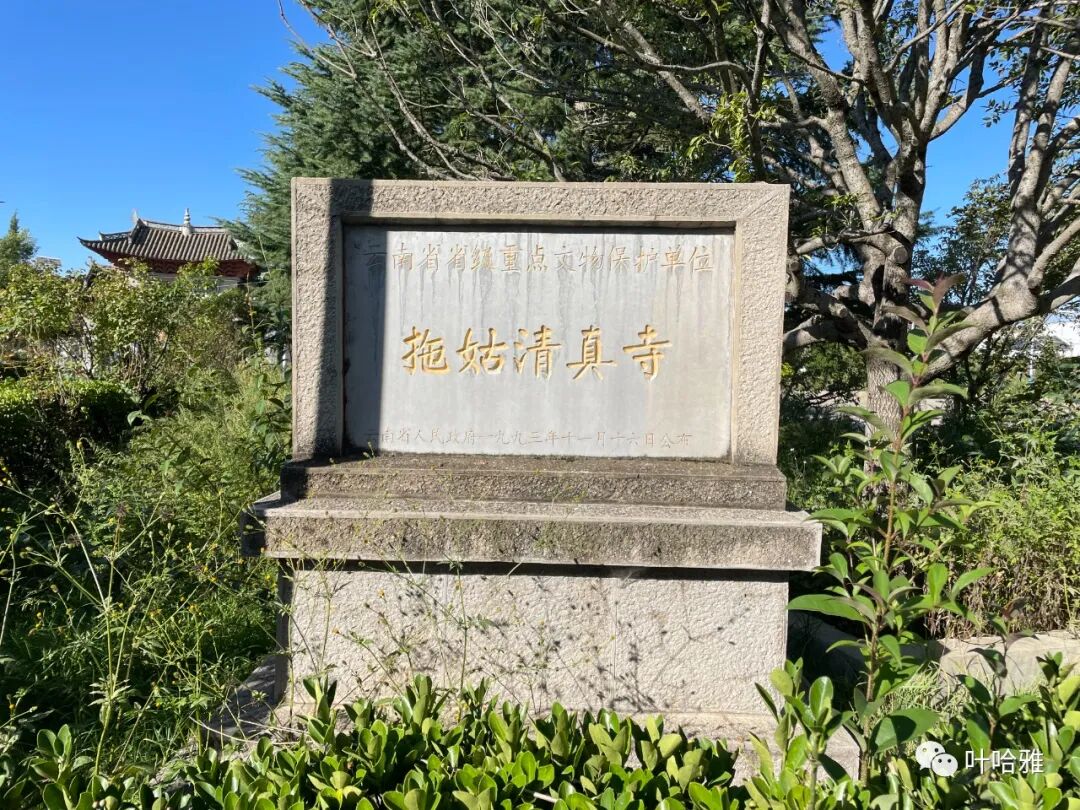
Tuogu mosque was first built in the eighth year of the Yongzheng reign. It covers 7,000 square meters, is the largest mosque in northeastern Yunnan, and is now a provincial-level cultural heritage site.
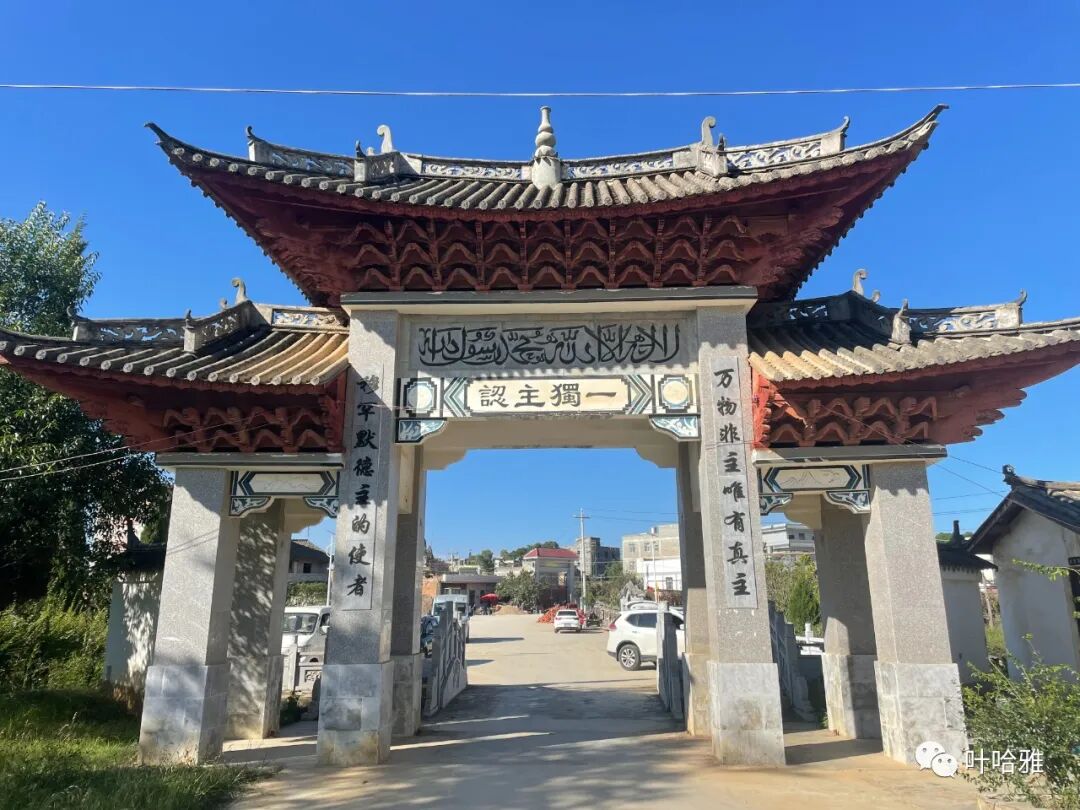
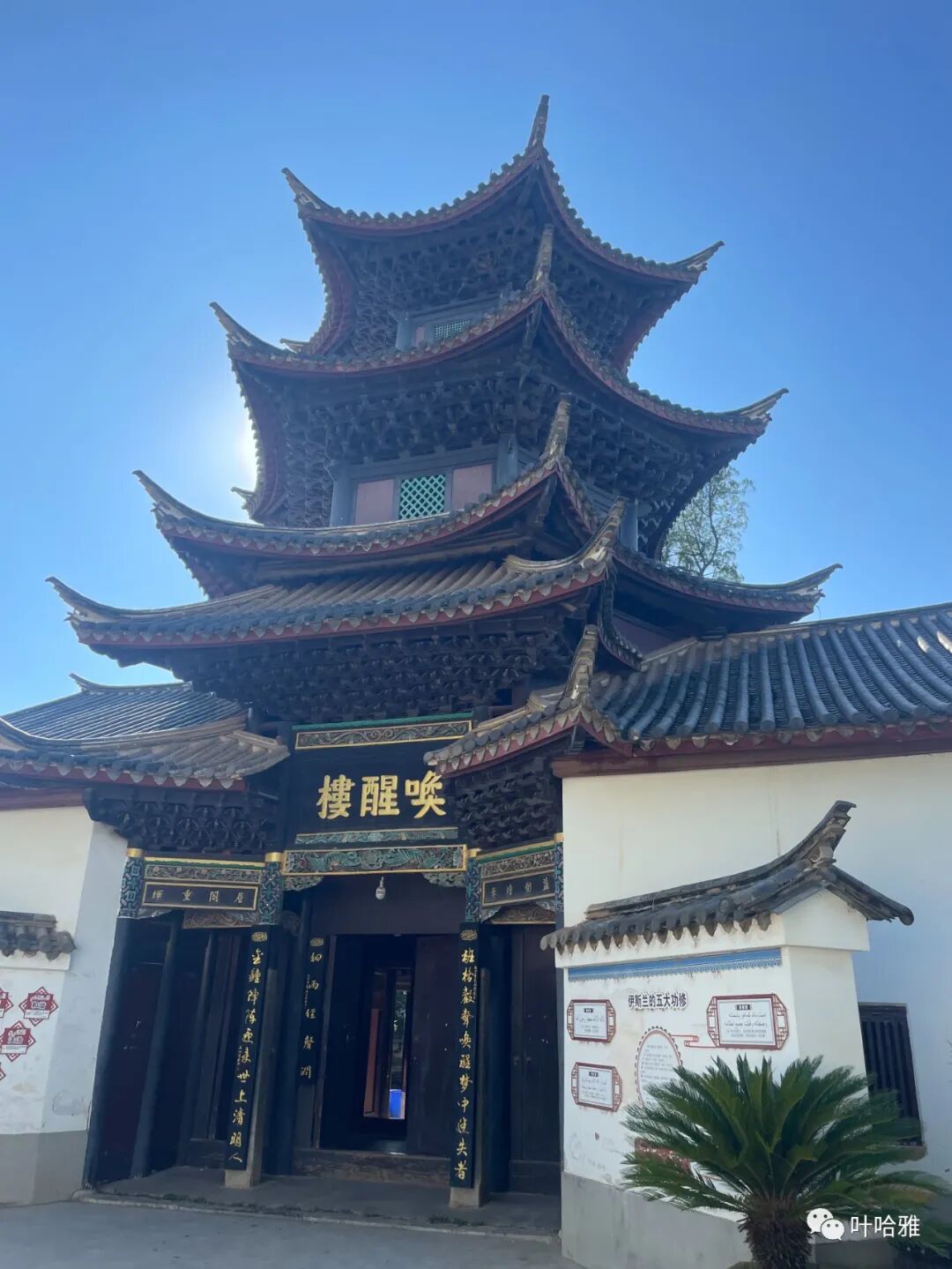
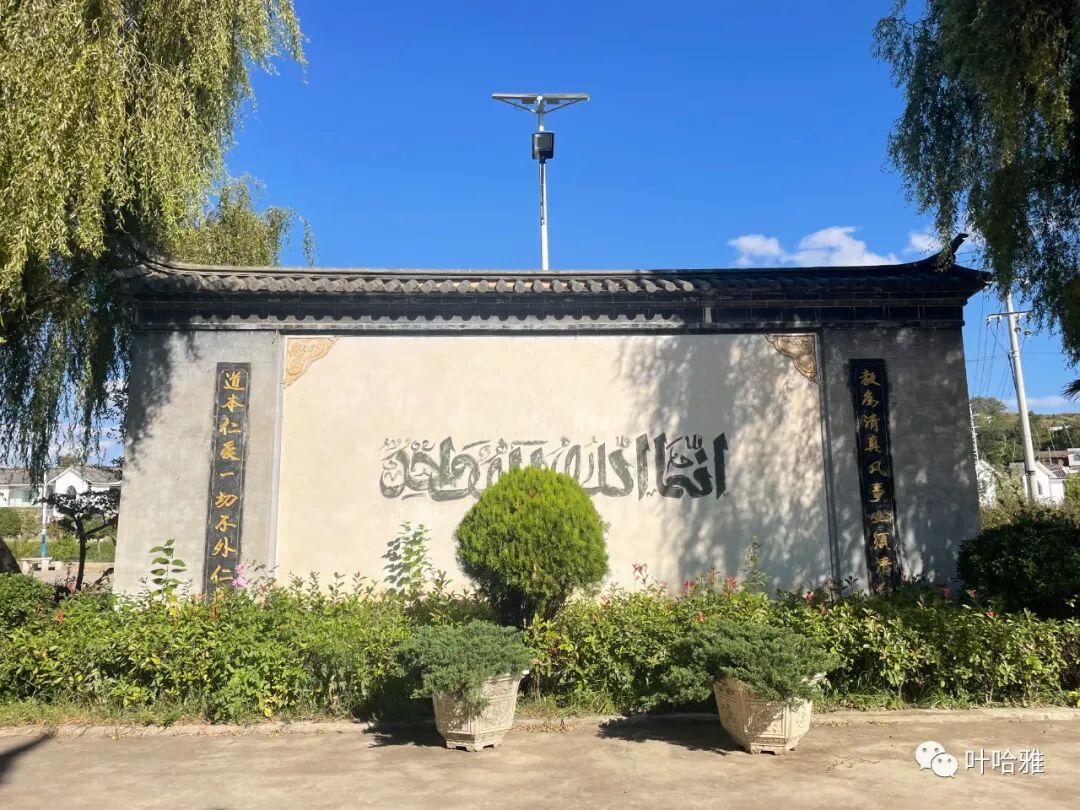
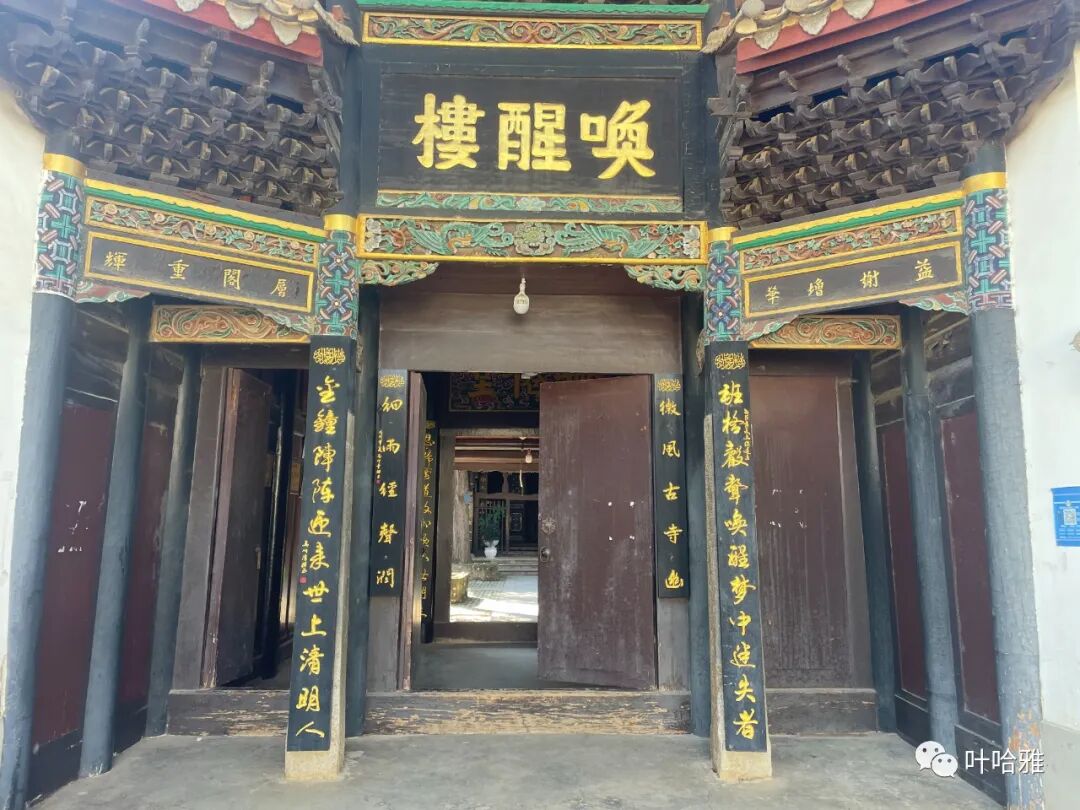
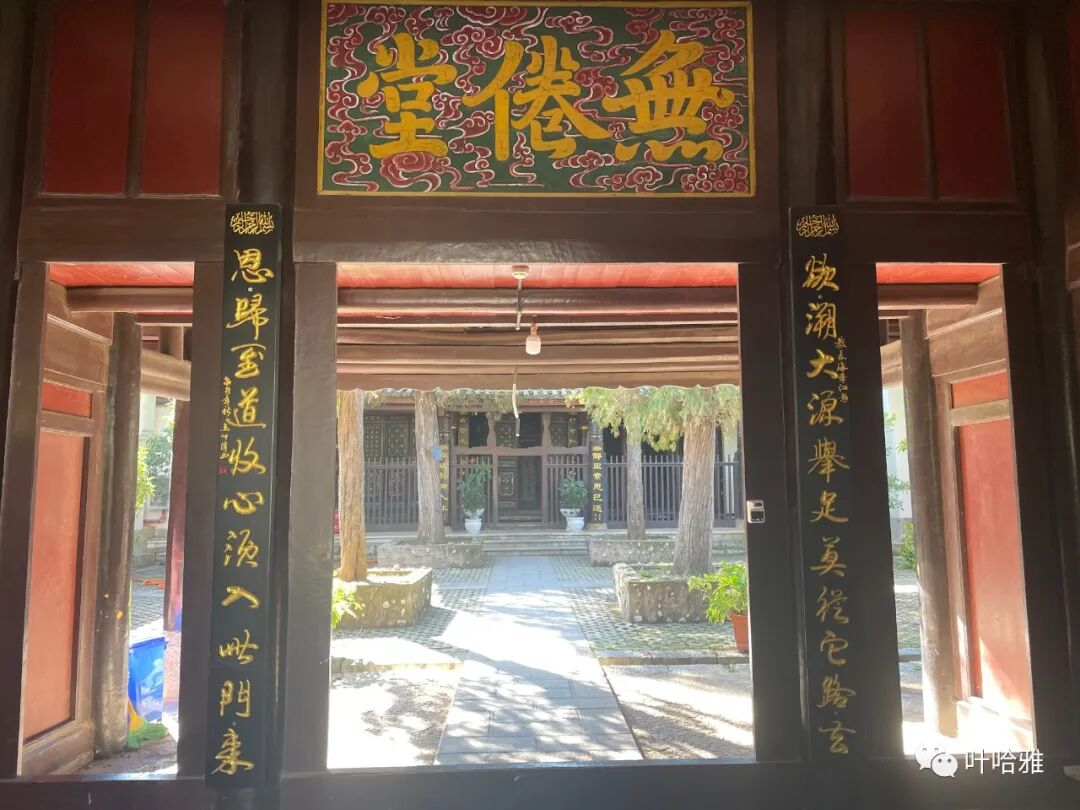
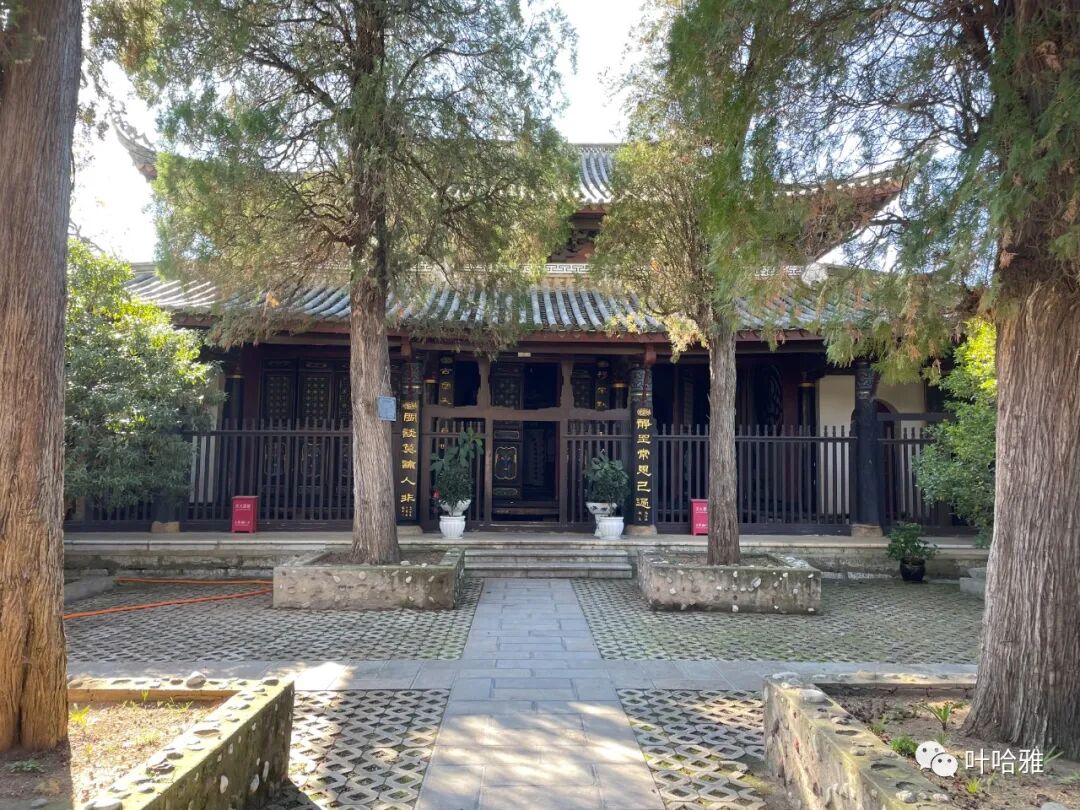
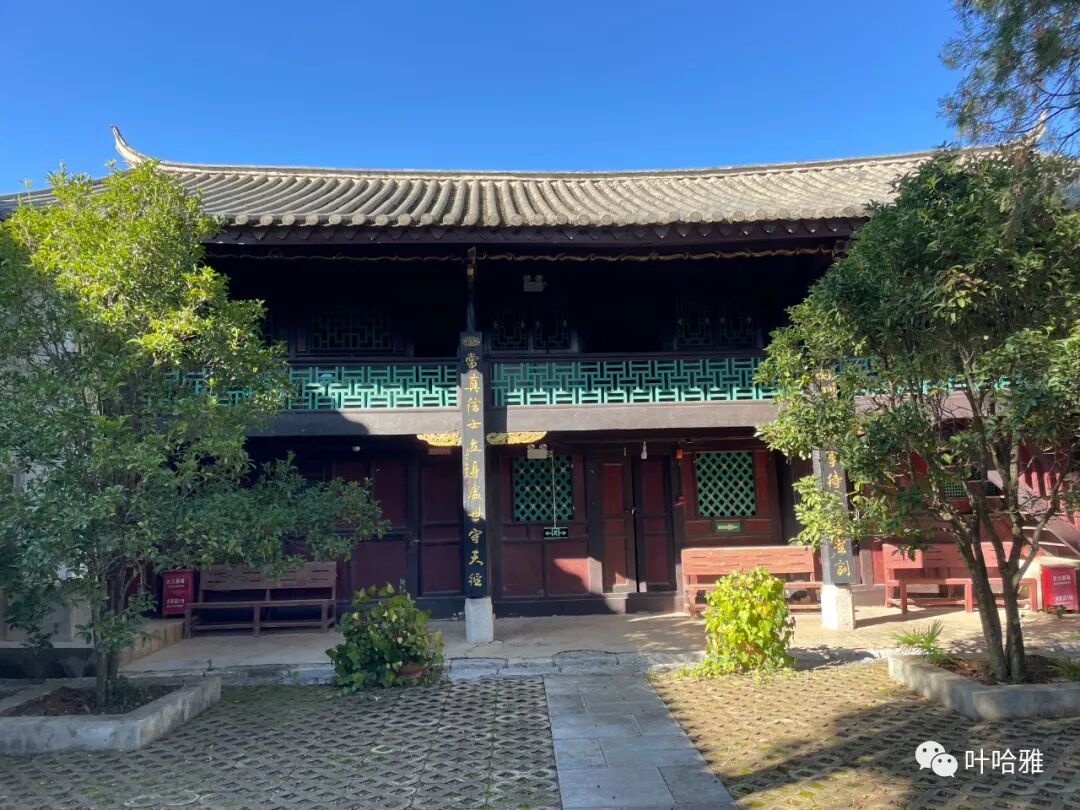
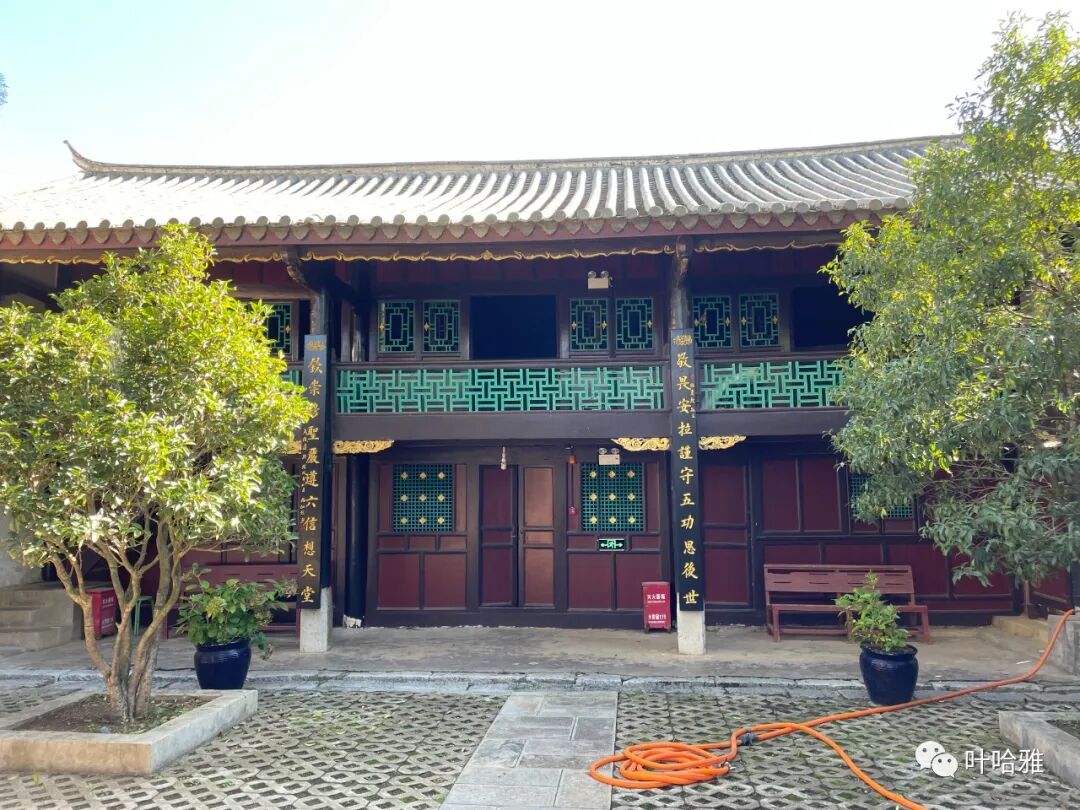
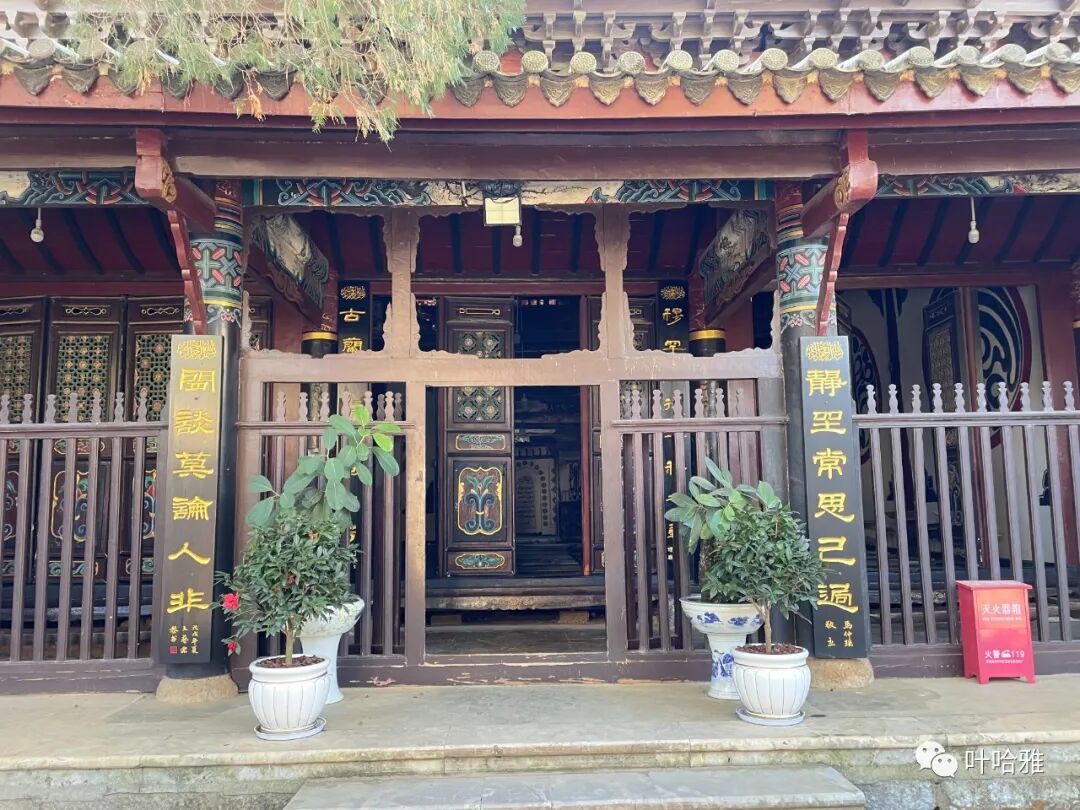
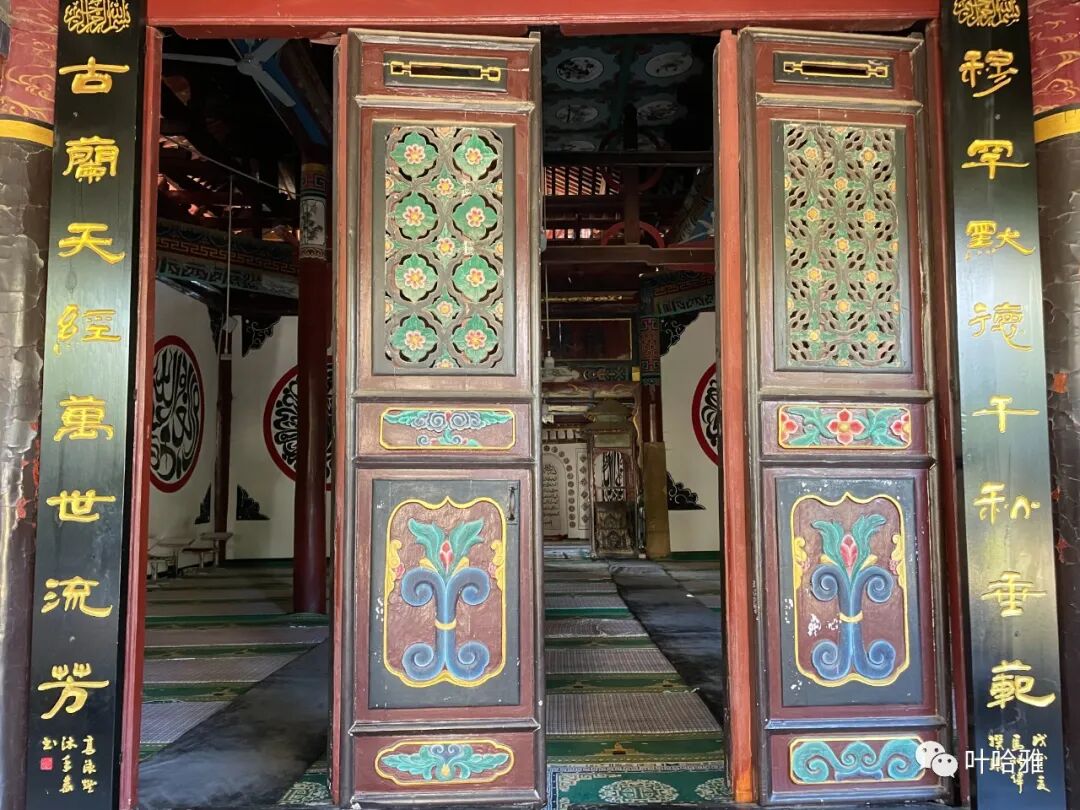
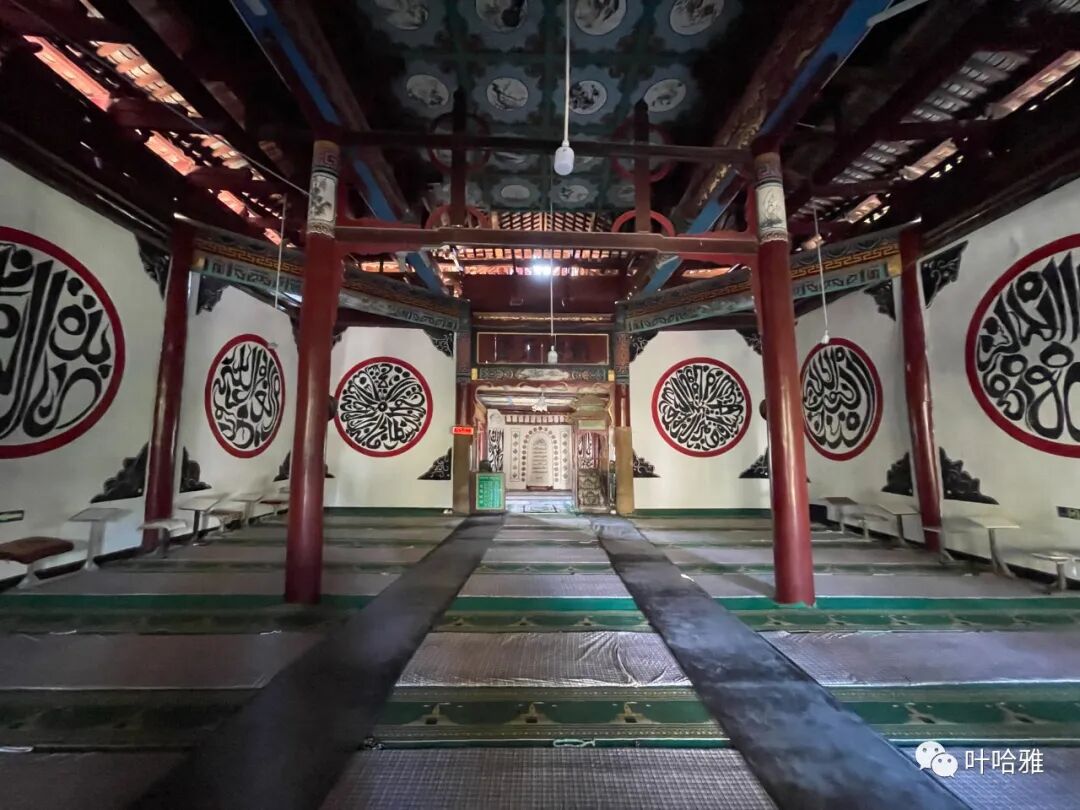
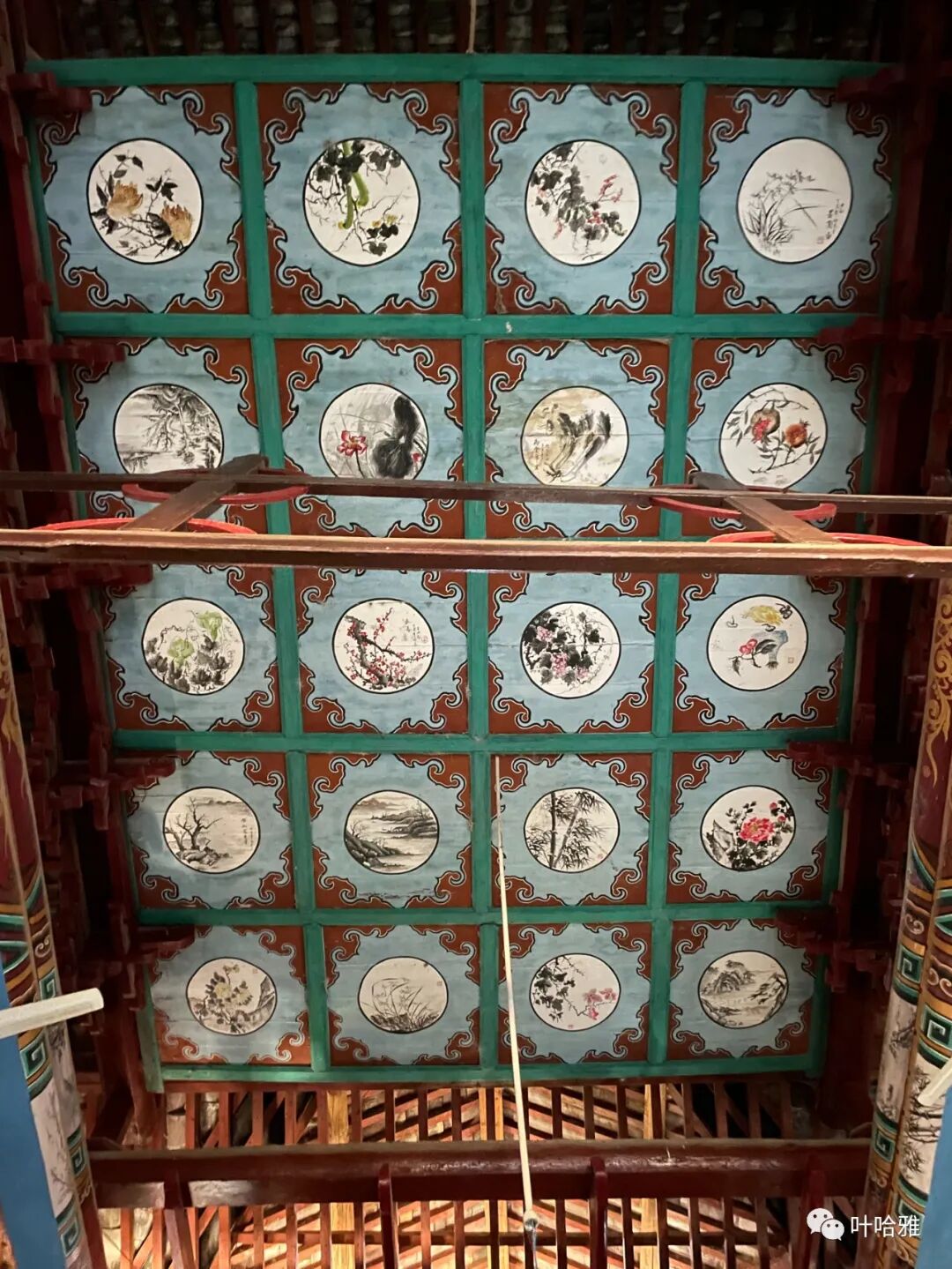
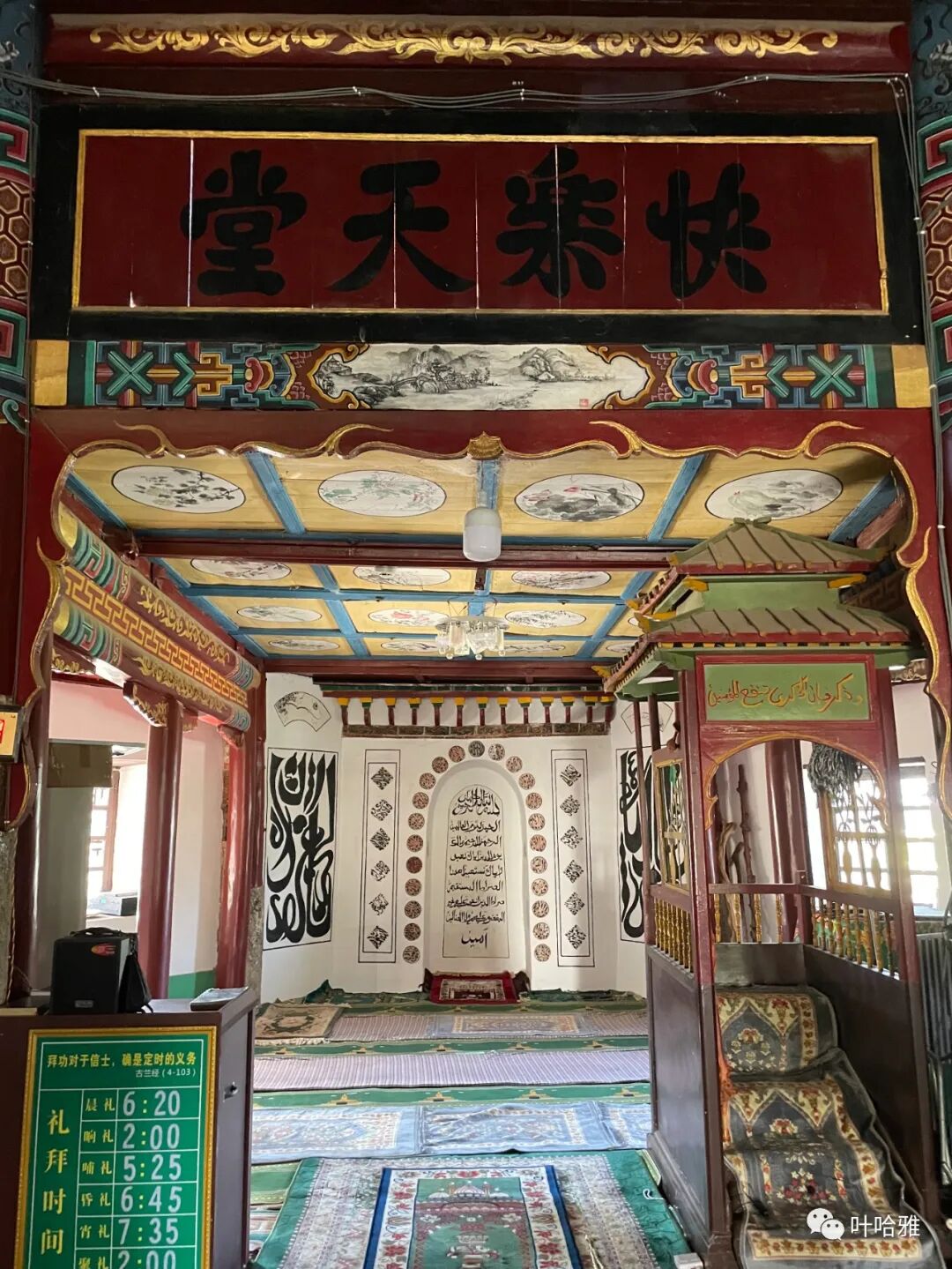
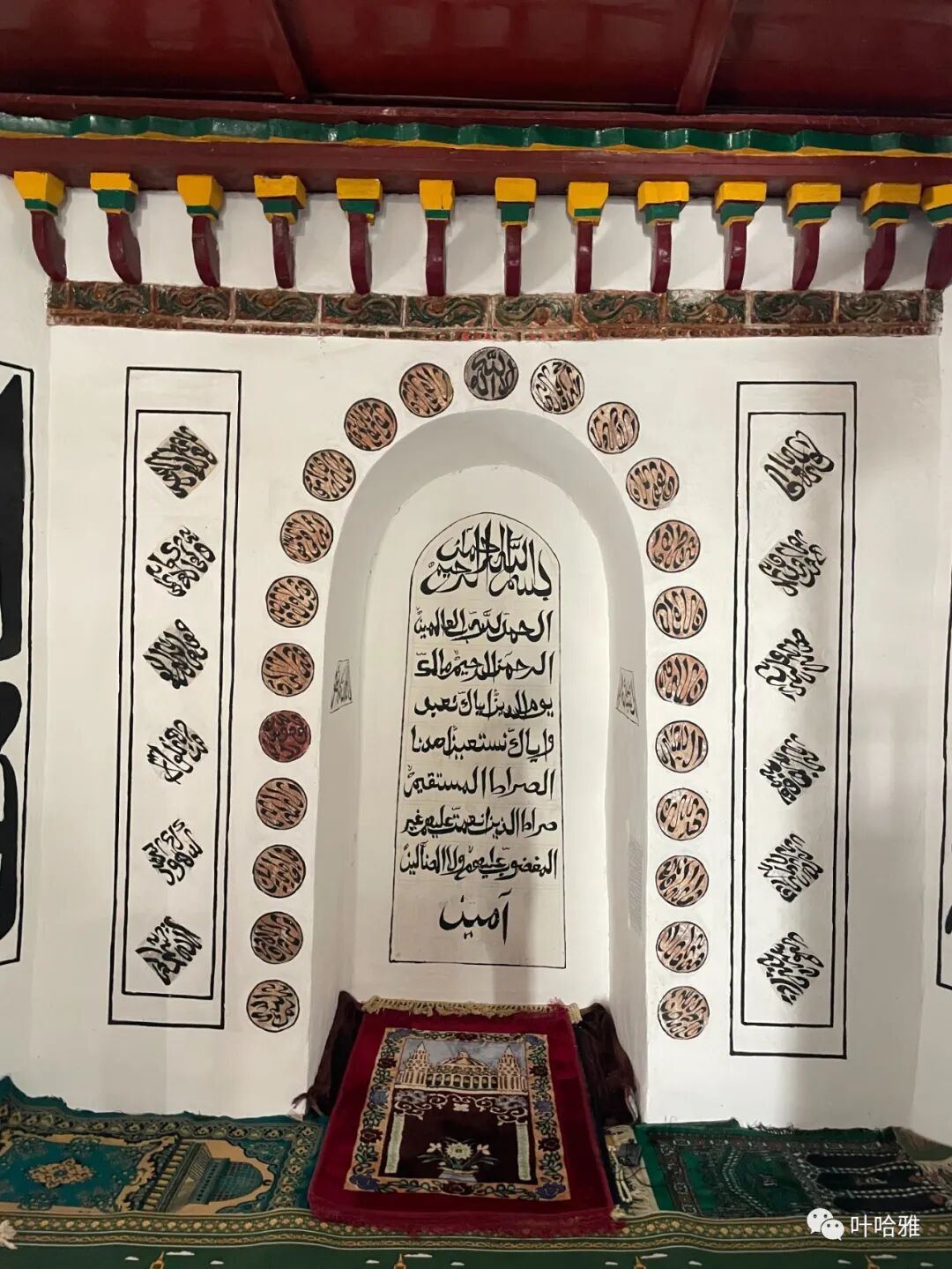
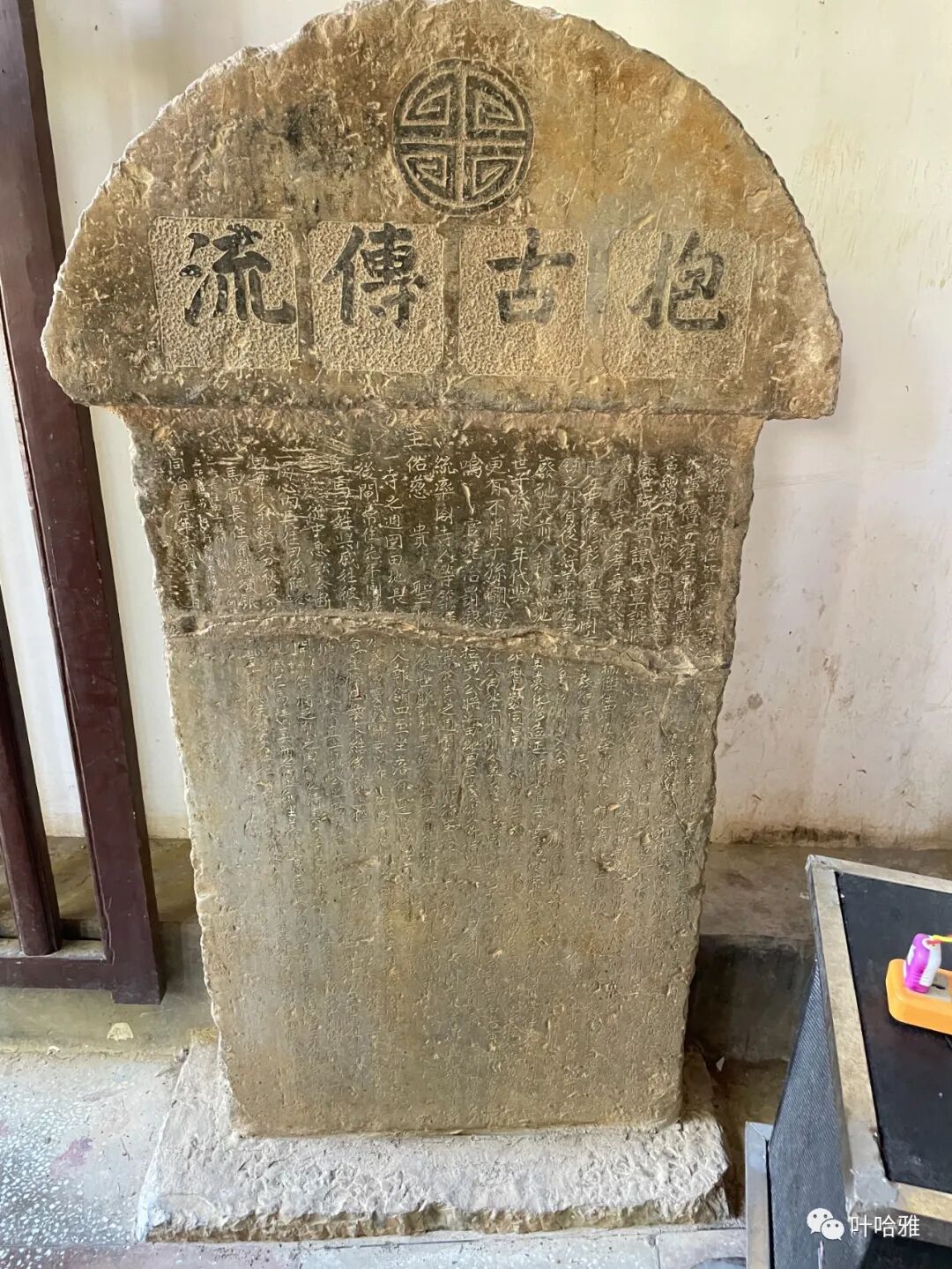
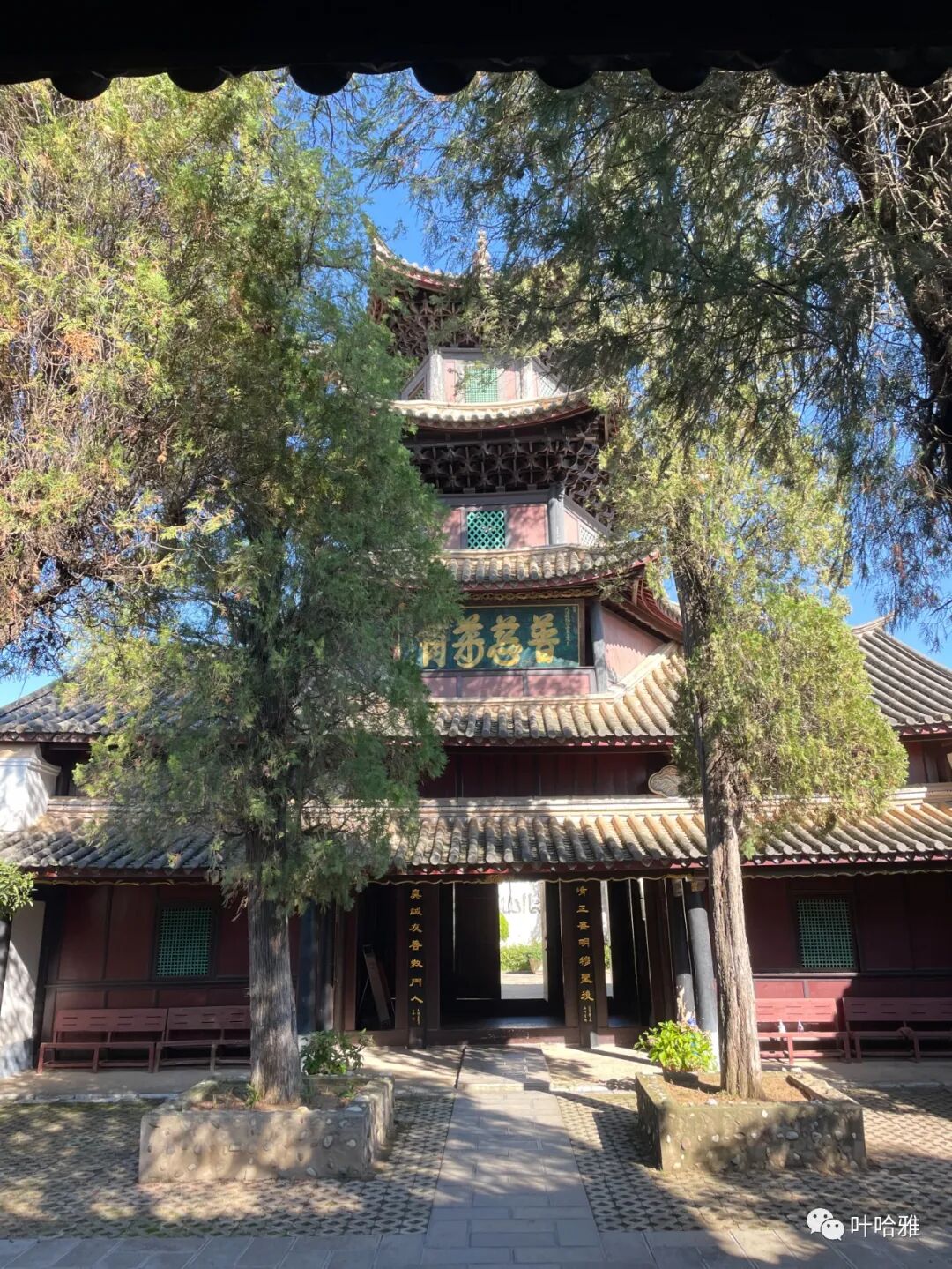
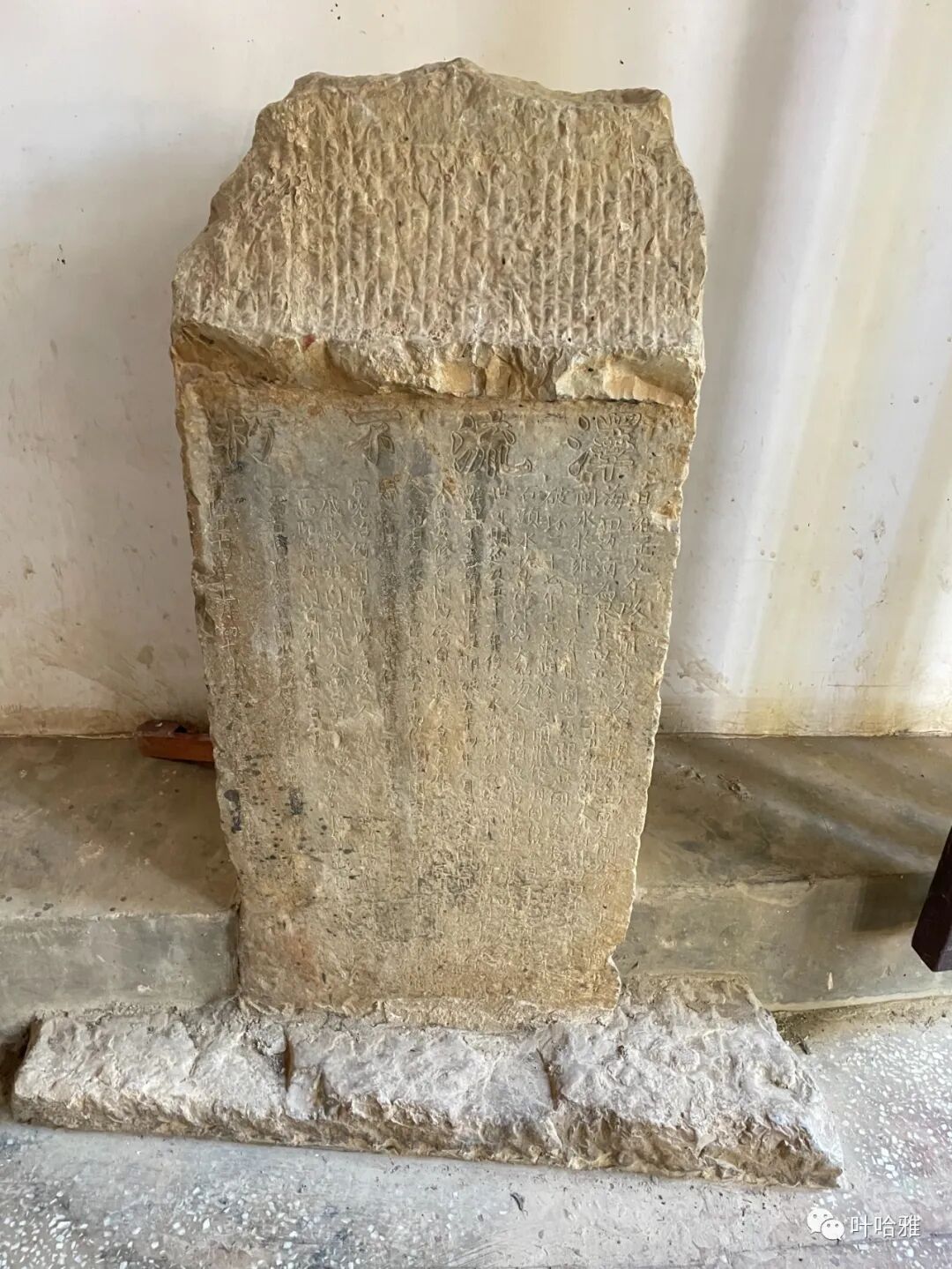
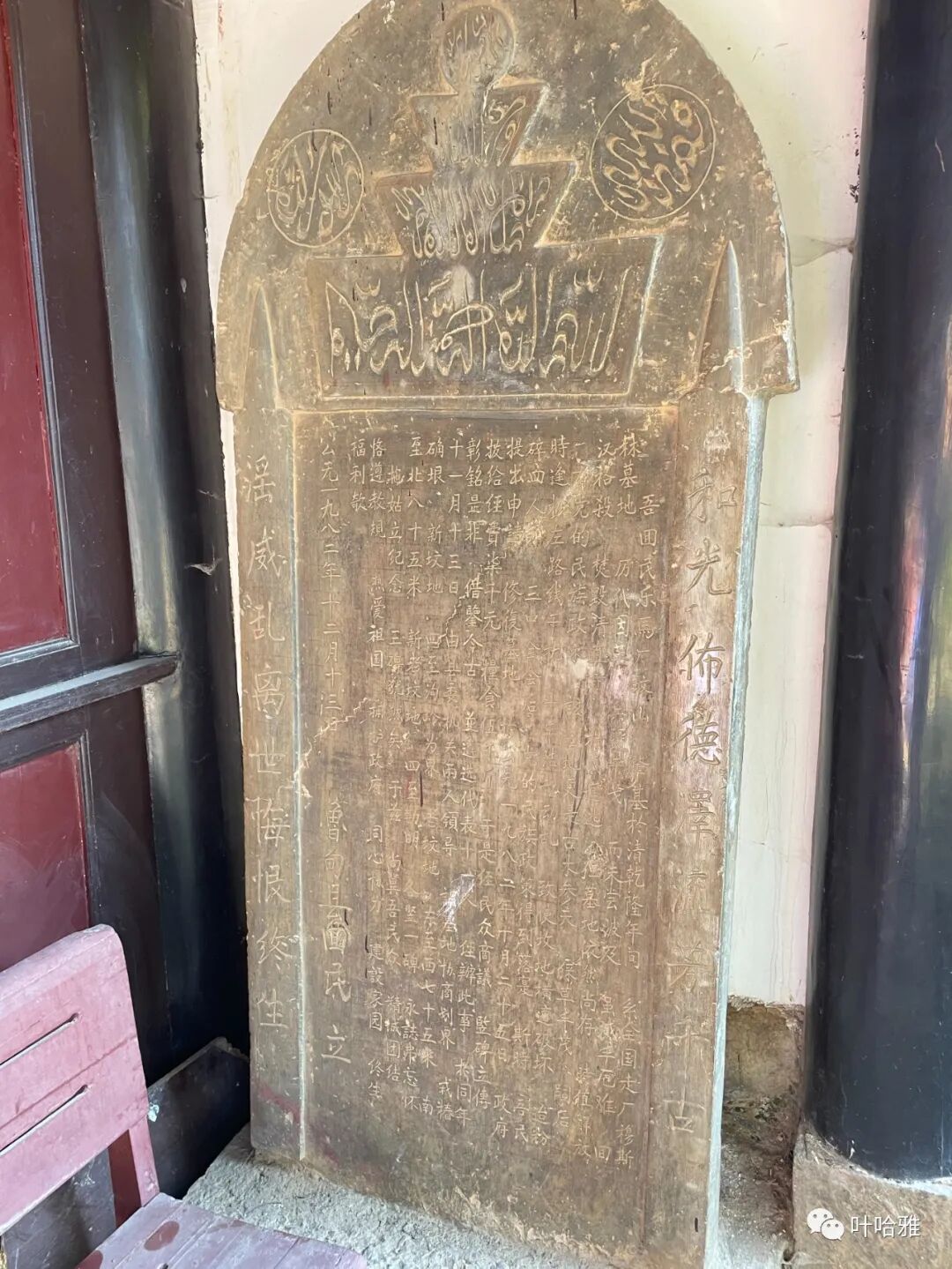
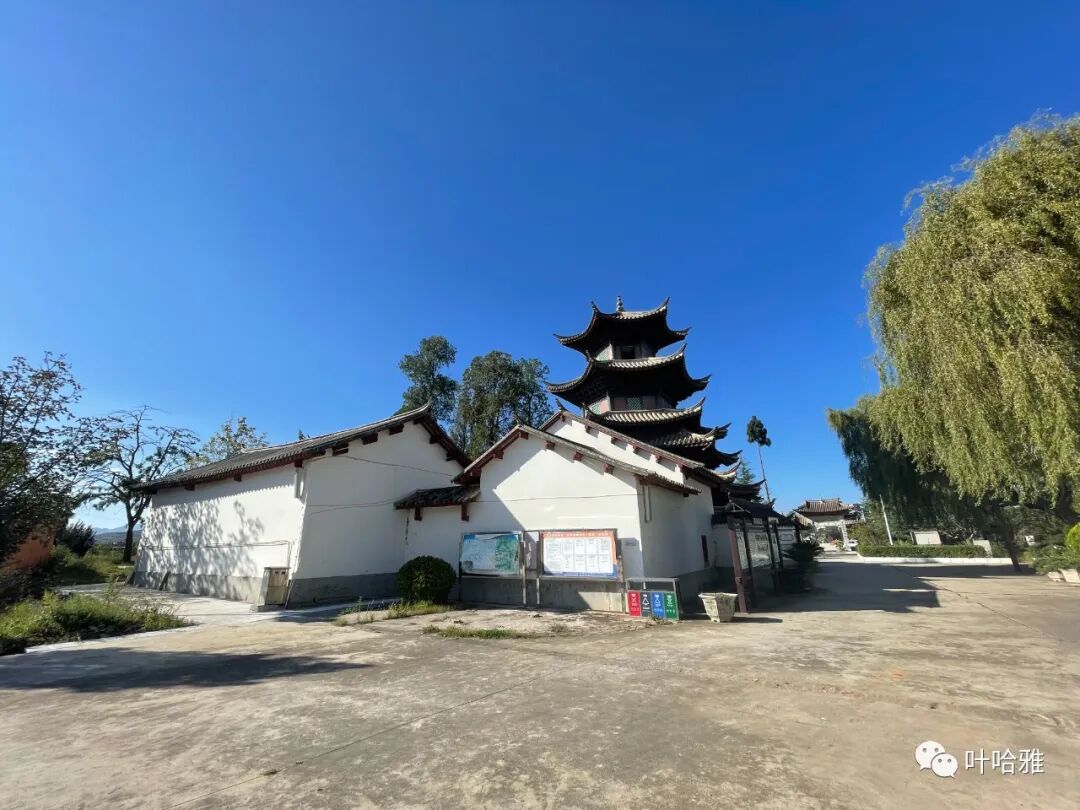
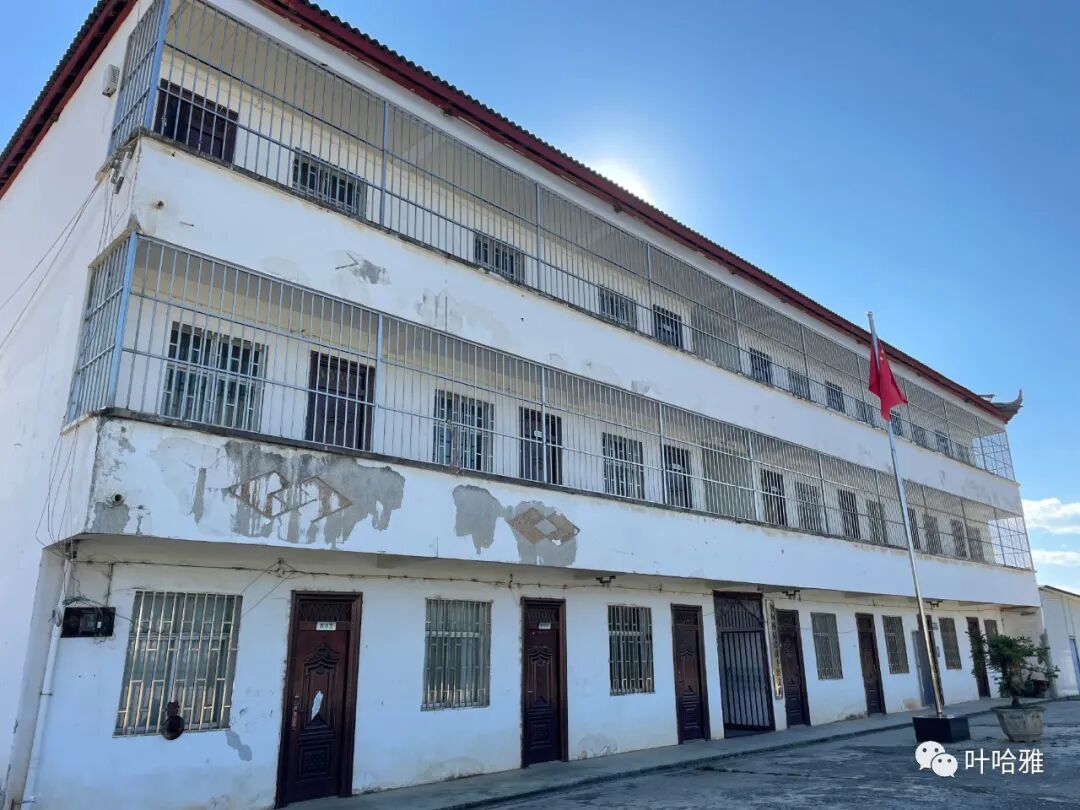
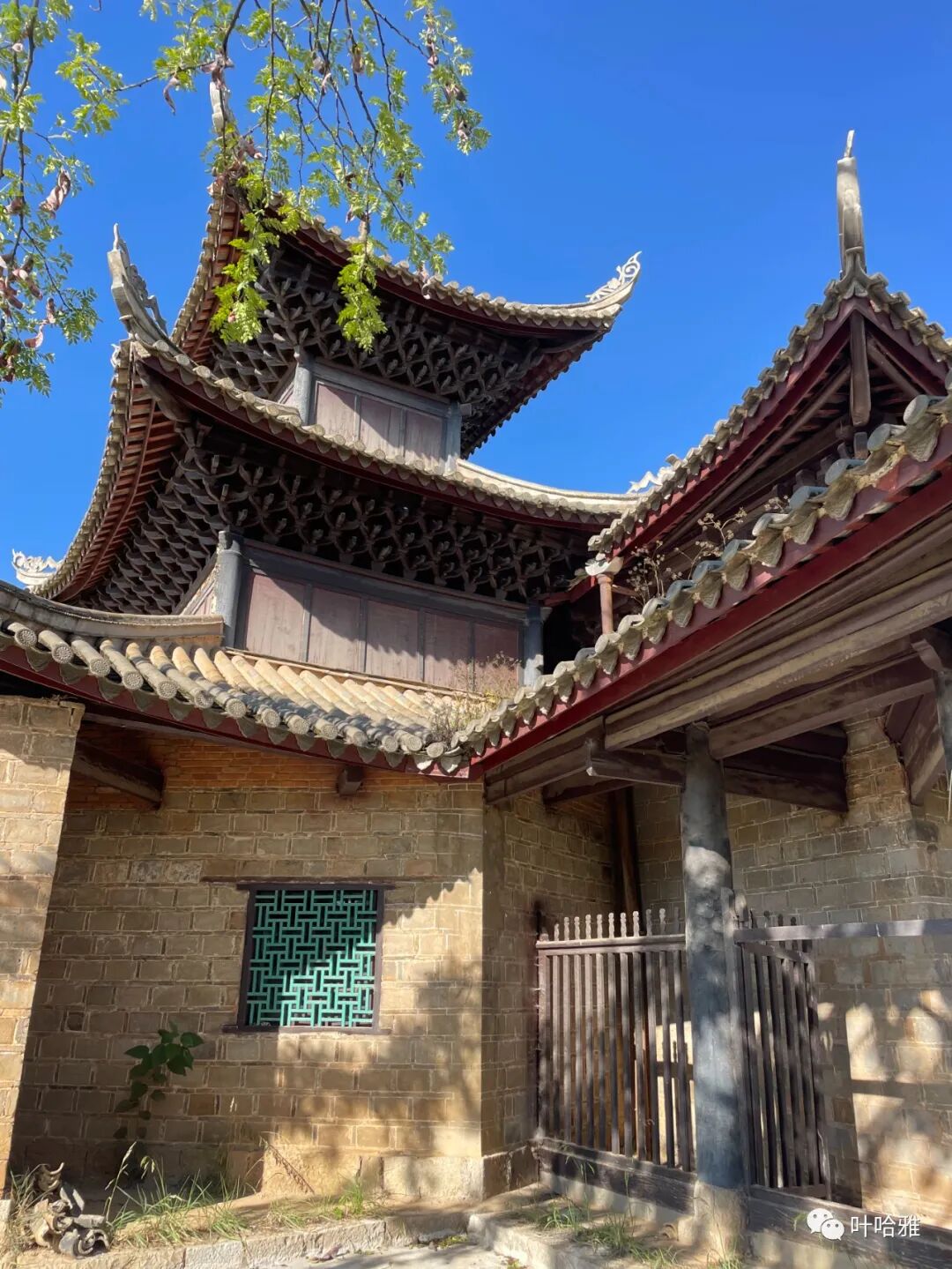
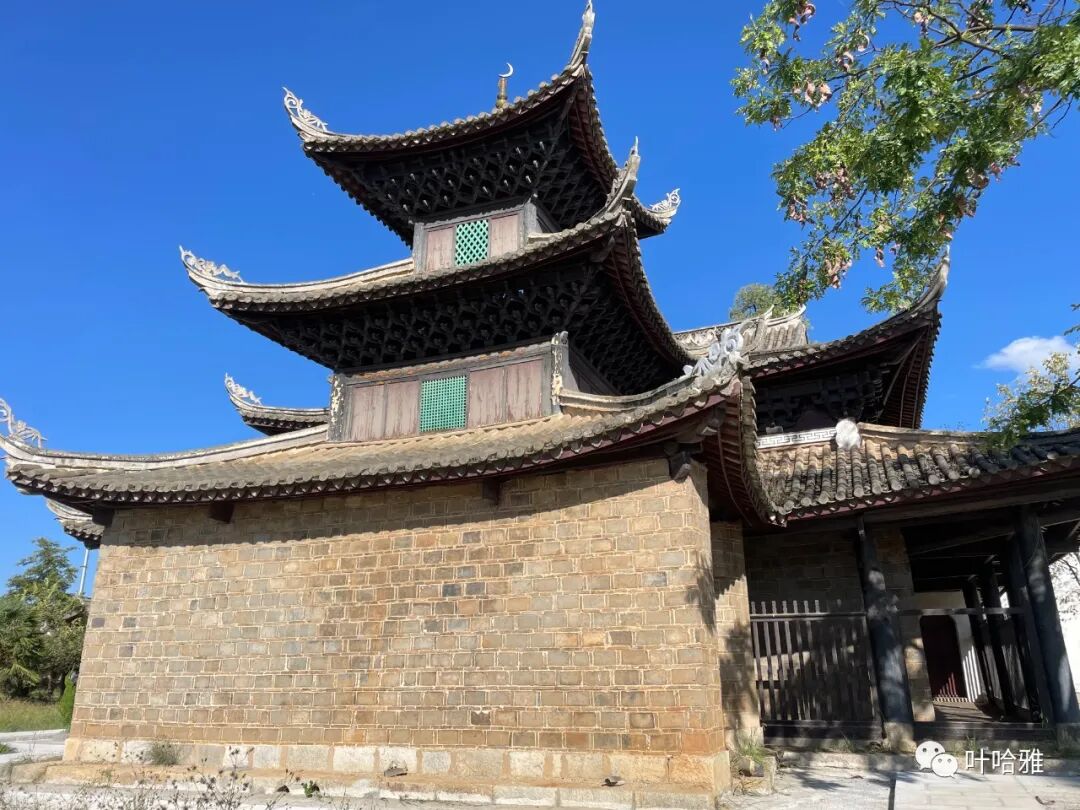
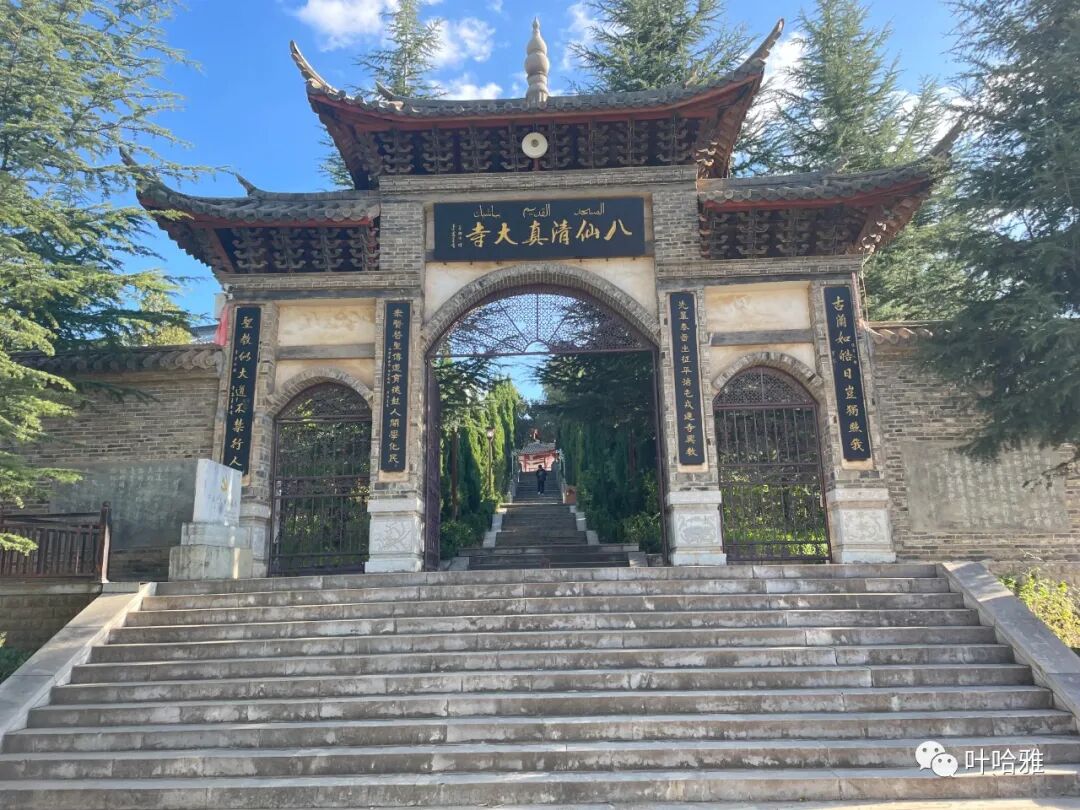
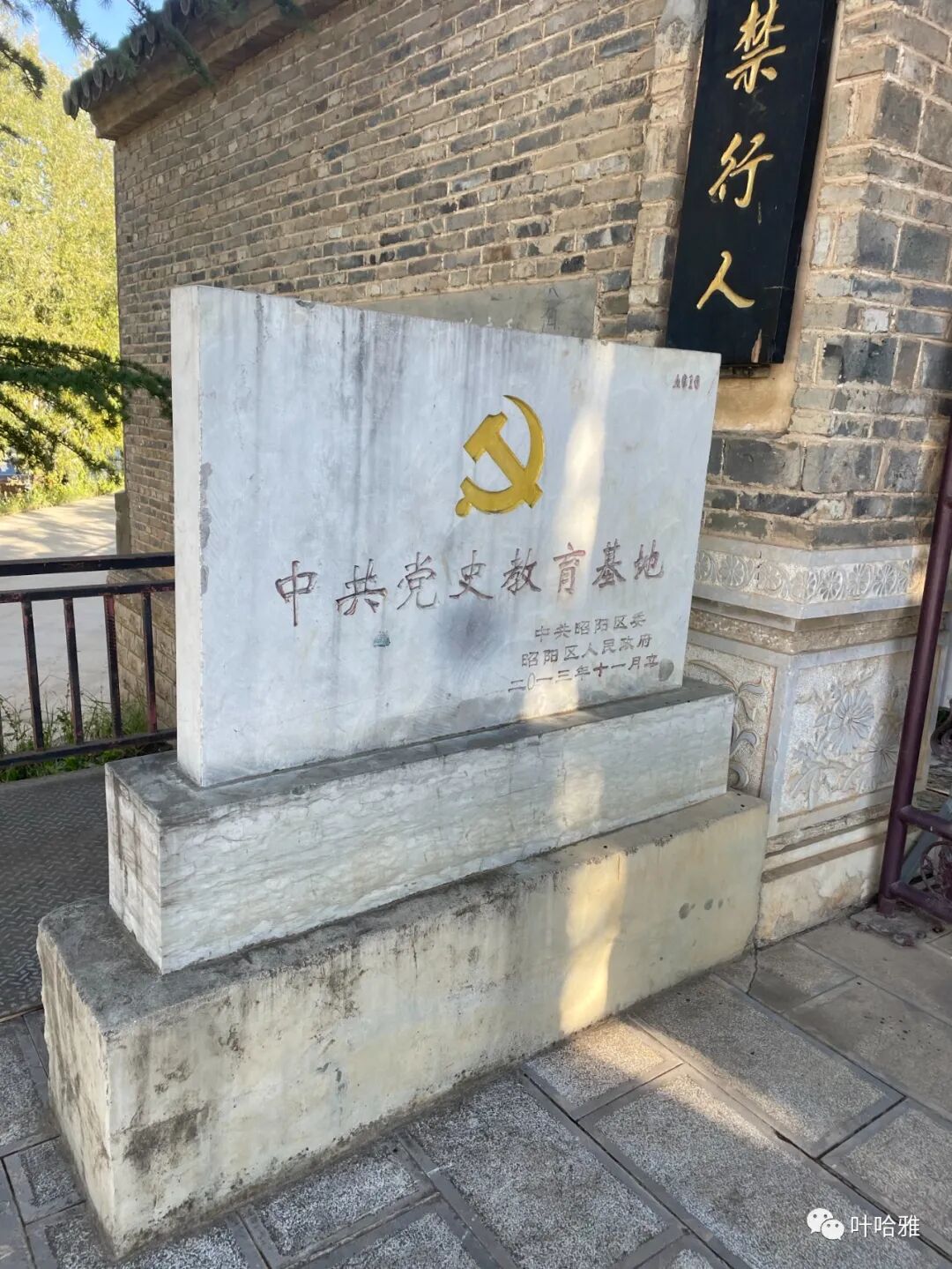
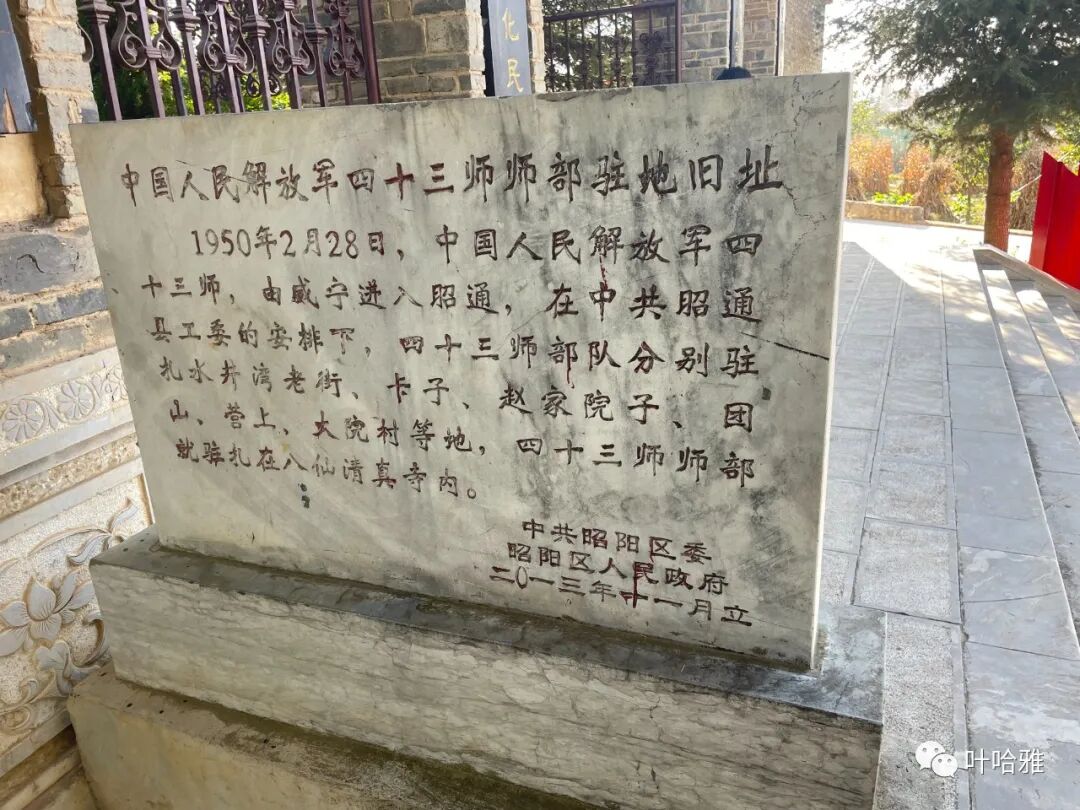
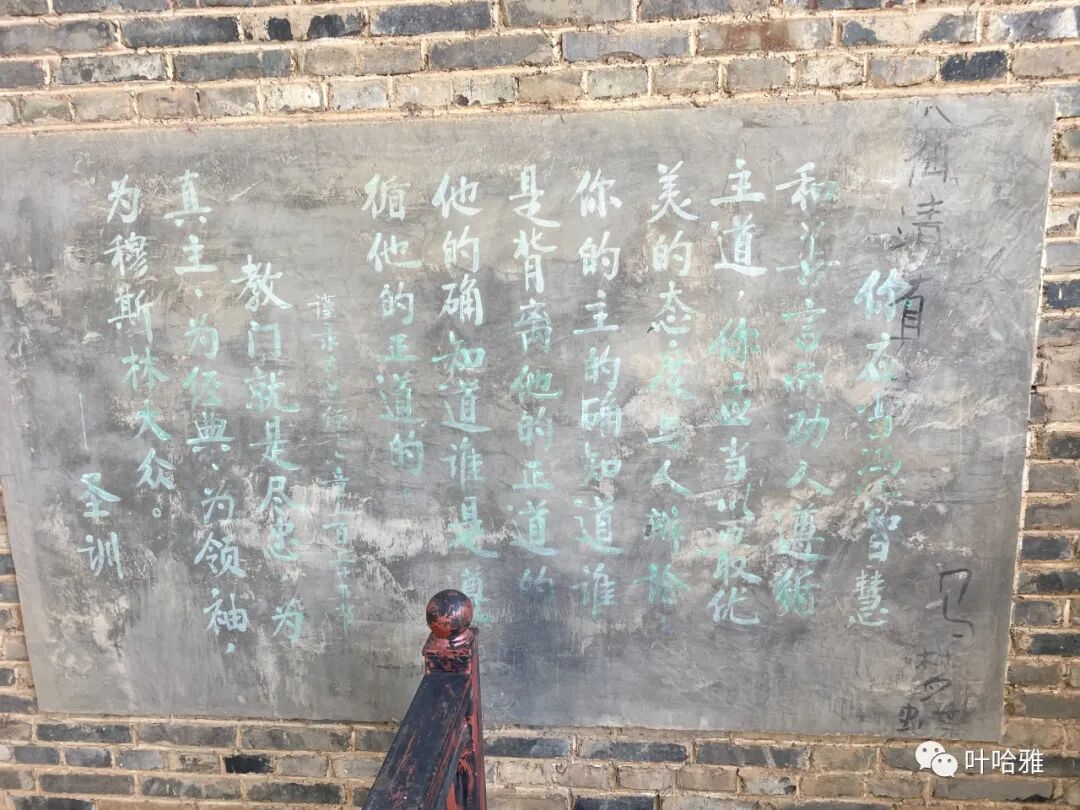
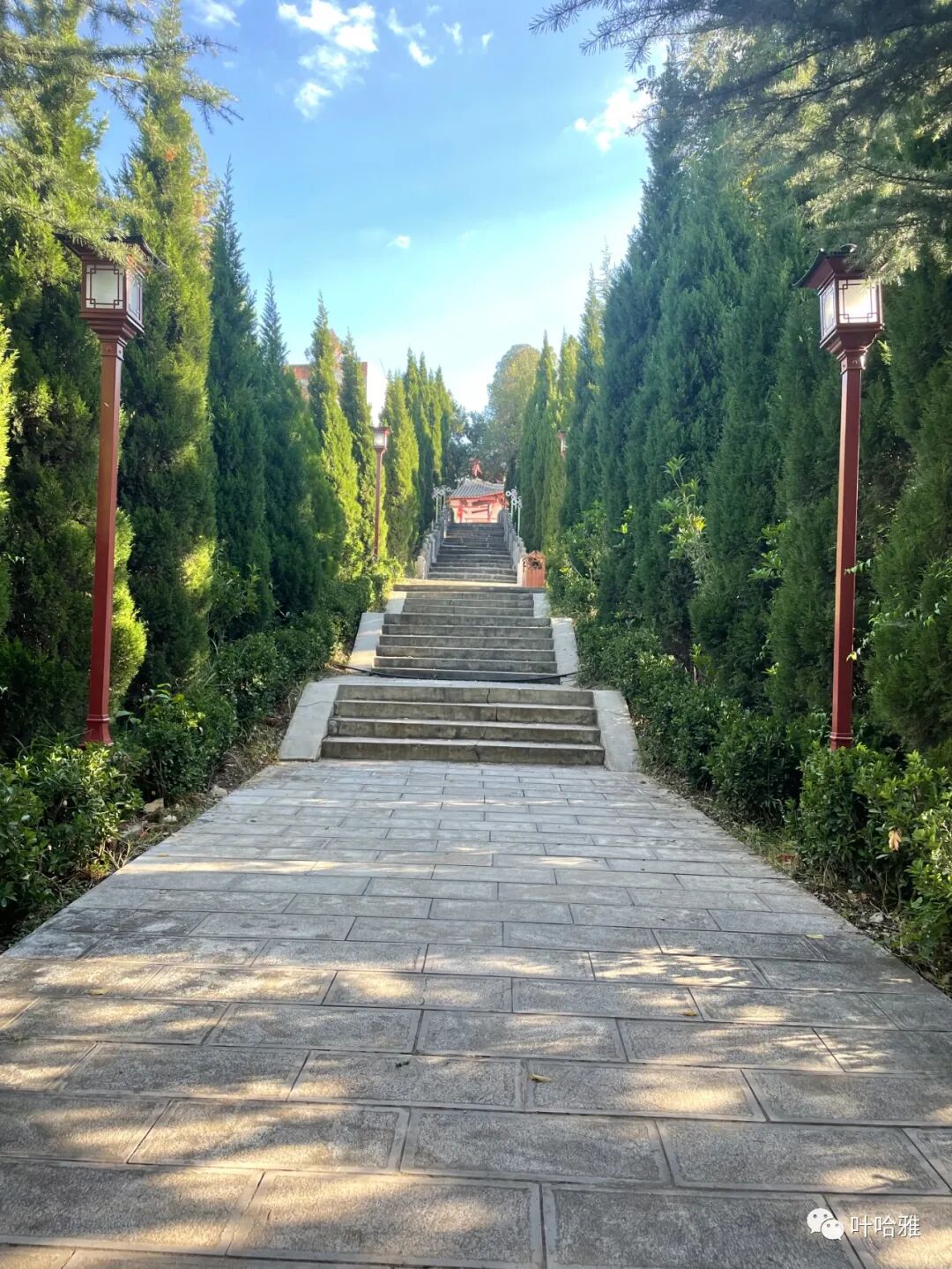
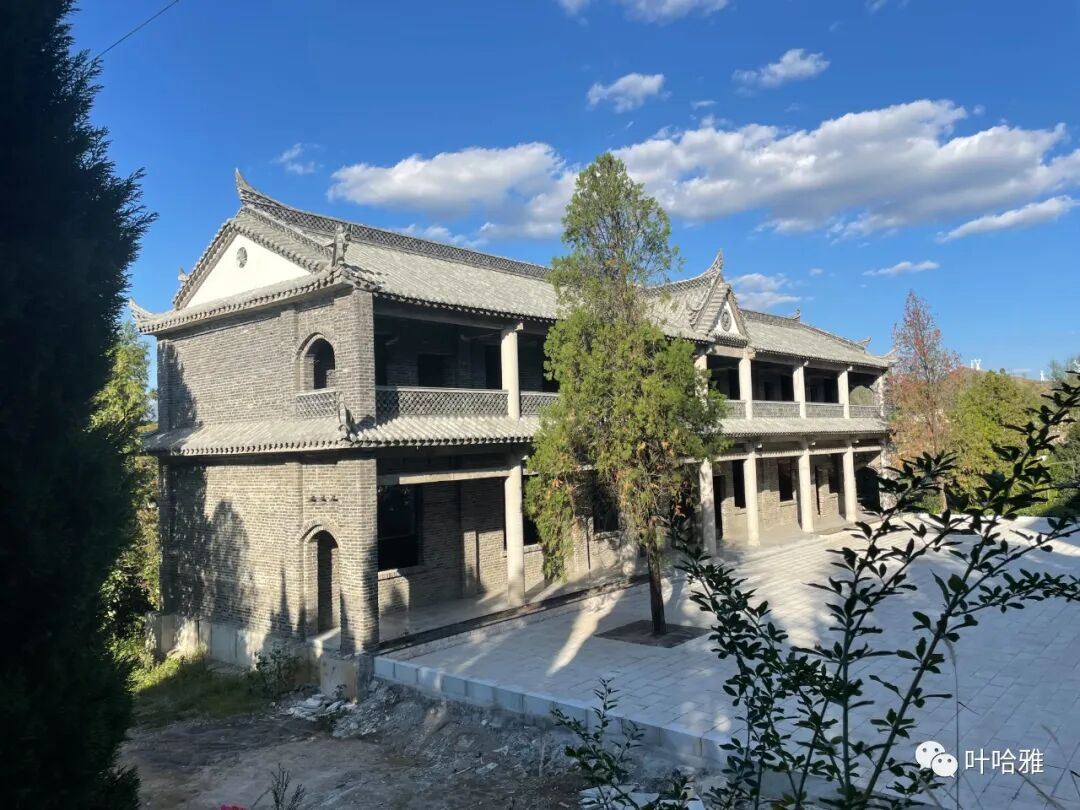
Zhaotong Baxian grand mosque.
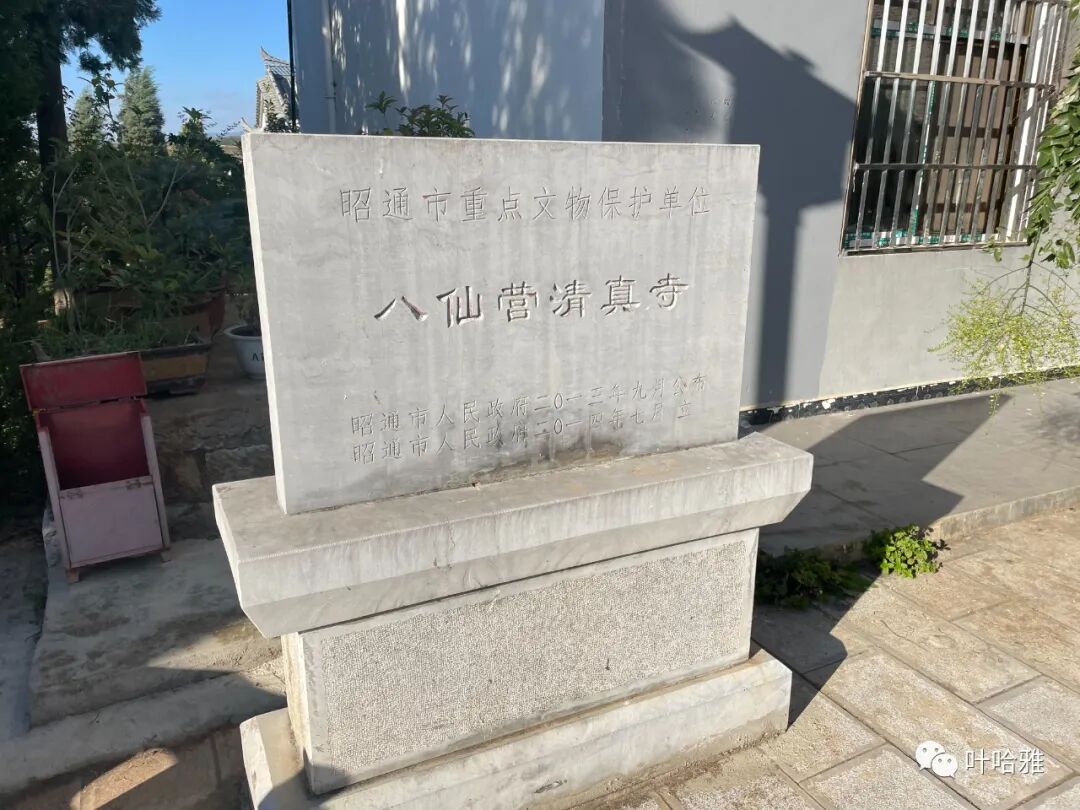
Zhaotong Baxian mosque is one of the eight scenic spots in Zhaoyang. It was first built during the Yongzheng period. It was once the site of the 43rd Division headquarters of the People's Liberation Army and includes a party school inside.
Summary: This China mosque travel guide follows the Yunnan Long March route through Xundian and Kedu, covering Yuping Mosque, Dangui and Huihui villages, halal Xundian food, Tuogu, Zhaotong Baxian Mosque, and Hui Muslim history along the road.
A Road Trip Through Yunnan: Three Ancient Mosques on the Long March Route is presented here as a firsthand travel account in clear English, beginning with this scene: In Kedu Town, located in the Xundian Hui and Yi Autonomous County under Kunming, Yunnan, there are two Hui Muslim villages called Dangui Village and Huihui Village. The account keeps its focus on Halal Travel, Yiwu Food, Mosque Travel while preserving the names, places, food, and historical details from the Chinese source.
In Kedu Town, located in the Xundian Hui and Yi Autonomous County under Kunming, Yunnan, there are two Hui Muslim villages called Dangui Village and Huihui Village. These villages once served as the headquarters for the Central Red Army. Leaders including Mao Zedong, Zhou Enlai, Zhu De, Liu Bocheng, Zhang Wentian, and Wang Jiaxiang all stayed here. The Central Red Army made specific plans here to cross the Jinsha River at Jiaoping Ferry, which allowed the Red Army to cross the river successfully.
Yuping Mosque in Xundian
Kedu Town is an 80-kilometer drive from the Xundian county seat. We rested in the county seat for a day to prepare for our trip to Kedu Town the next morning. While drinking coffee in the county seat, we happened to see the Yuping Mosque across the street and went there to perform a prayer.
Yuping Mosque was first built between the late Ming and early Qing dynasties, and the current main hall was built in 2010.
Jinxingyue Restaurant
A local young lady in Xundian invited our family of three to eat authentic Xundian food at Jinxingyue. This restaurant has been open for at least 10 years and is one of the top choices for engagement banquets among Xundian locals. The food and the environment are both excellent, and most restaurants on the streets of Xundian are halal.
Fahim was playing in the courtyard when another young lady took a liking to him and chased after him to play together.
Local specialty pan-fried tea (jiancha). This stove can be used for heating, boiling tea, and grilling.
Xundian's oil-drizzled dried beef (youlin niuganba). The locals have high standards for food. They think Kunming doesn't have as much good food as Xundian. Xundian is where people from Kunming go for weekend getaways and farm-style meals.
Roasted chicken and potato pancakes (yangyu bing) are specialties. The roasted chicken is tender and flavorful, and the potato pancakes are salty, fresh, and crispy.
Thick pea porridge (xi doufen) and wheat flatbread (mai baba). Yunnan people call things like steamed buns baba. The wheat flatbread is very soft and fluffy, and it tastes great when dipped in the thick pea porridge to soak up the soup.
Jibao Beef Restaurant
This is another hidden gem that locals love. People say you even have to wait in line at night because it is so popular.
At this Yunnan-style restaurant, you pick your own vegetables. You choose from a variety of wild greens in the freezer, and the kitchen cooks them for you.
The cold sliced beef (liangpian) from Xundian is boiled in plain water and served with a spicy and sour dipping sauce.
This sweet and sour pork tenderloin (tangcu liji) is made with pineapple and is mainly served to help children eat their rice.
Yunnan bitter melon is delicious, and I enjoy the bitter taste.
Kedu Town
The road to Kedu Town is a winding mountain path. Because it is a red tourism town, the government pays close attention to it, so the road nearby is well-maintained and not too difficult to drive. Just watch your speed, and expect the drive to take at least an hour and a half.
The town is deep in the mountains with nice scenery. Most of the paths the Red Army took during the Long March were these kinds of remote mountain roads.
Dangui Red Army Village
The Red Army Long March Memorial Hall in Dangui Village is open to the public for free.
The Party could not have gained national power without the support of ethnic minorities. The relationship between Chinese Muslims and various Chinese regimes throughout history is the same. Whenever they stayed in line with the central government, they developed; otherwise, they suffered major setbacks. You can refer to the book 'Chinese Regimes and Islam Throughout History' for details.
Because the Party's founding members were treated well by ethnic minorities during difficult times, they had a positive view of them, which led to the ethnic minority policies established after the founding of the country.
The red halal restaurant in the village is called Huadamen Restaurant.
The village walls are decorated with folk songs from Hui Muslims and other ethnic minorities, all praising the Red Army.
Dangui Mosque.
The founding date of Dangui Mosque is unknown, but it was renovated in the 22nd year of the Guangxu reign of the Qing Dynasty and is now a provincial-level cultural heritage site.
On the mosque's crossbeams, there is a slogan left by the Red Army that says, "The Red Army absolutely does not press-gang." This means they did not force men into military service.
On the third floor of the minaret, there is a poster showing a story from the past. After the Red Army defeated local tyrants, they took ham to cook at Huihui Mosque. When Commander-in-Chief Zhu De found out, he walked to the mosque to apologize to Imam Jin.
Looking down at Dangui Village from the top of the minaret.
The Huihui Village mentioned above shares the same name as the Huihui Village in Sanya and is two kilometers away from Dangui Village.
Huihui Village Mosque.
Huihui Mosque is built in the center of the village, and it also has a slogan left by the Red Army.
The slogan is on the side of the minaret and reads, "The Red Army absolutely protects the interests of the Hui worker and peasant masses." "Hui home" refers to the homes of Hui Muslims, as the term Hui Muslims was not yet used as an official name before liberation.
The founding record of the Chinese-Arabic school inside the Huihui Village mosque.
Patterns on the gate of a house across from the Huihui mosque.
Tuogu Village in Ludian.
On the way back to Beijing from Xundian, I passed a small halal shop at the entrance of Tuogu Village. They had Ma Laobiao rice noodles (mixian), and I bought plenty of instant food for the trip.
Tuogu grilled tofu (shaodoufu) for one yuan a piece.
Tuogu mosque.
Tuogu mosque was first built in the eighth year of the Yongzheng reign. It covers 7,000 square meters, is the largest mosque in northeastern Yunnan, and is now a provincial-level cultural heritage site.
Zhaotong Baxian grand mosque.
Zhaotong Baxian mosque is one of the eight scenic spots in Zhaoyang. It was first built during the Yongzheng period. It was once the site of the 43rd Division headquarters of the People's Liberation Army and includes a party school inside.
China Mosque Travel Guide Yunnan: Fur Goods Street Old Mosque, Hui Muslim History and Long March Route
Articles • yusuf908 posted the article • 0 comments • 216 views • 2026-05-22 22:52
Reposted from the web
Summary: This China mosque travel guide continues the Yunnan road trip on the Long March route, focusing on Fur Goods Street, the Old Mosque, Hui Muslim memories, a temporary prayer space, demolition and renovation, and reflections on history.
A Road Trip Through Yunnan: Three Ancient Mosques on the Long March Route is presented here as a firsthand travel account in clear English, beginning with this scene: Fur Goods Street (Maohuo Jie) was a market for fur products in the past, which is how it got its name. The account keeps its focus on Mosque Travel, Islamic Heritage, Muslim Travel while preserving the names, places, food, and historical details from the Chinese source.
Fur Goods Street (Maohuo Jie)
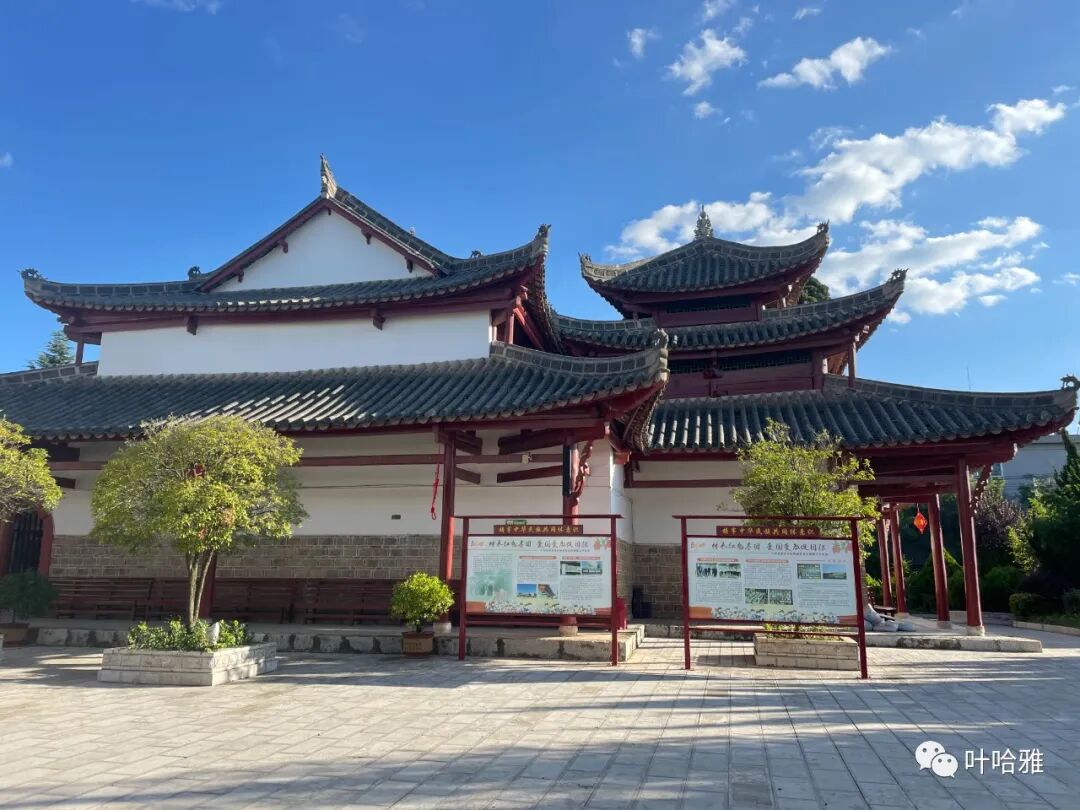
Fur Goods Street (Maohuo Jie) was a market for fur products in the past, which is how it got its name. Many Hui Muslims live nearby. The Old Mosque (Qingzhen Gusi) on Fur Goods Street used to run a school all year round and accepted students from outside, so many people have memories of studying here. Fur Goods Street is currently being demolished and renovated. Very few shops remain inside. When I arrived, I only saw a temporary prayer space for the Old Mosque.
Temporary prayer space for the Old Mosque
Throughout history and across the world, nations have been strong when they were open and inclusive, and backward when they were closed and narrow-minded. We can learn a lot from history. Looking at things from a historical perspective, what we are going through right now is not a big deal. view all
Summary: This China mosque travel guide continues the Yunnan road trip on the Long March route, focusing on Fur Goods Street, the Old Mosque, Hui Muslim memories, a temporary prayer space, demolition and renovation, and reflections on history.
A Road Trip Through Yunnan: Three Ancient Mosques on the Long March Route is presented here as a firsthand travel account in clear English, beginning with this scene: Fur Goods Street (Maohuo Jie) was a market for fur products in the past, which is how it got its name. The account keeps its focus on Mosque Travel, Islamic Heritage, Muslim Travel while preserving the names, places, food, and historical details from the Chinese source.
Fur Goods Street (Maohuo Jie)
Fur Goods Street (Maohuo Jie) was a market for fur products in the past, which is how it got its name. Many Hui Muslims live nearby. The Old Mosque (Qingzhen Gusi) on Fur Goods Street used to run a school all year round and accepted students from outside, so many people have memories of studying here. Fur Goods Street is currently being demolished and renovated. Very few shops remain inside. When I arrived, I only saw a temporary prayer space for the Old Mosque.
Temporary prayer space for the Old Mosque
Throughout history and across the world, nations have been strong when they were open and inclusive, and backward when they were closed and narrow-minded. We can learn a lot from history. Looking at things from a historical perspective, what we are going through right now is not a big deal. view all
Reposted from the web
Summary: This China mosque travel guide continues the Yunnan road trip on the Long March route, focusing on Fur Goods Street, the Old Mosque, Hui Muslim memories, a temporary prayer space, demolition and renovation, and reflections on history.
A Road Trip Through Yunnan: Three Ancient Mosques on the Long March Route is presented here as a firsthand travel account in clear English, beginning with this scene: Fur Goods Street (Maohuo Jie) was a market for fur products in the past, which is how it got its name. The account keeps its focus on Mosque Travel, Islamic Heritage, Muslim Travel while preserving the names, places, food, and historical details from the Chinese source.
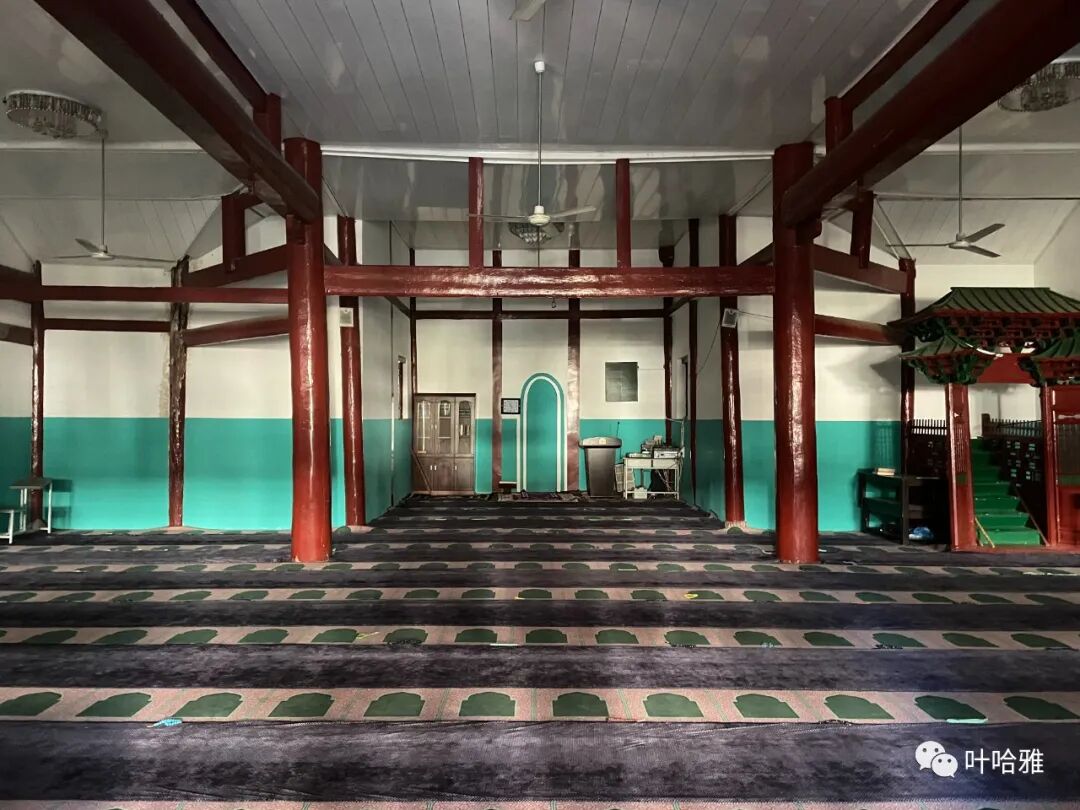
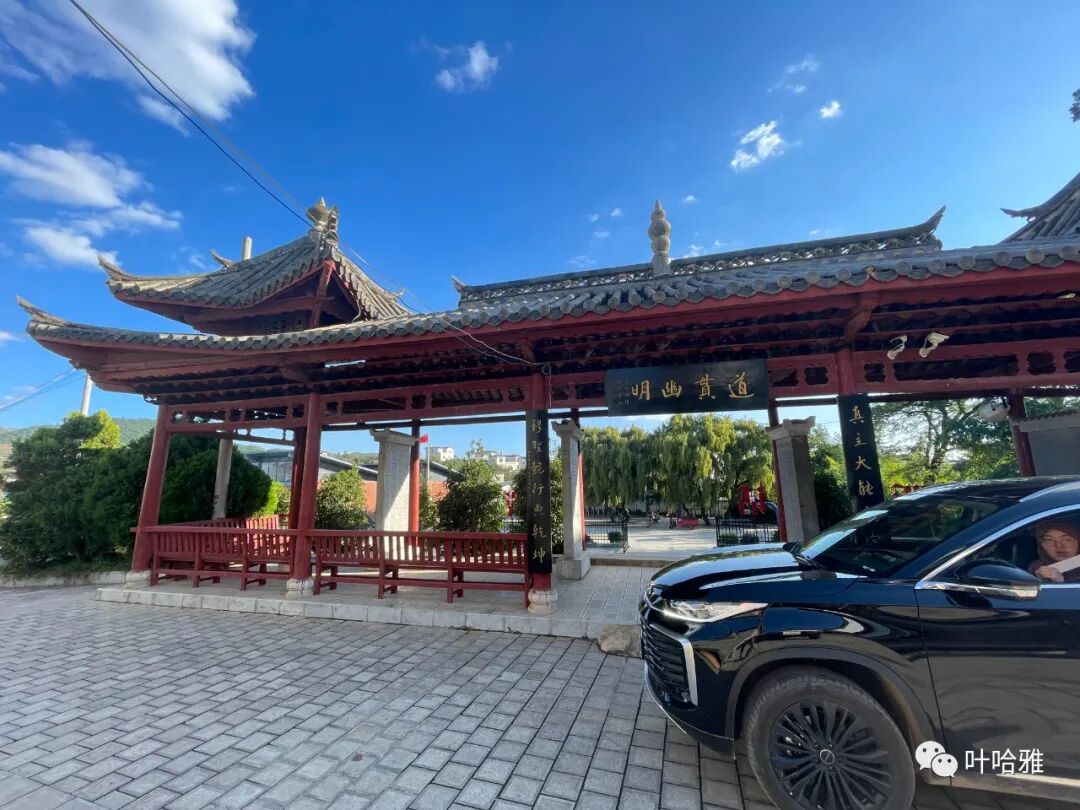
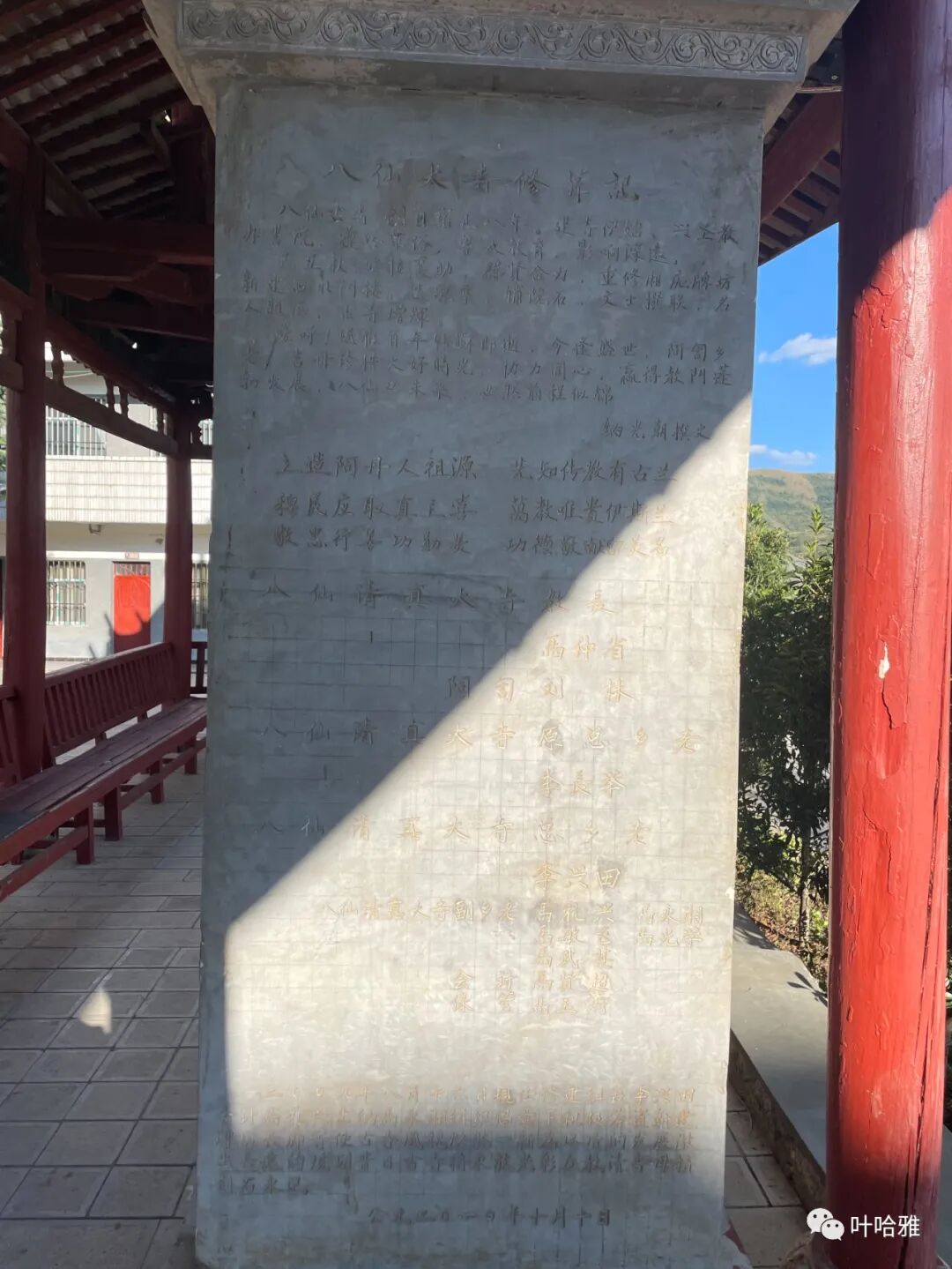
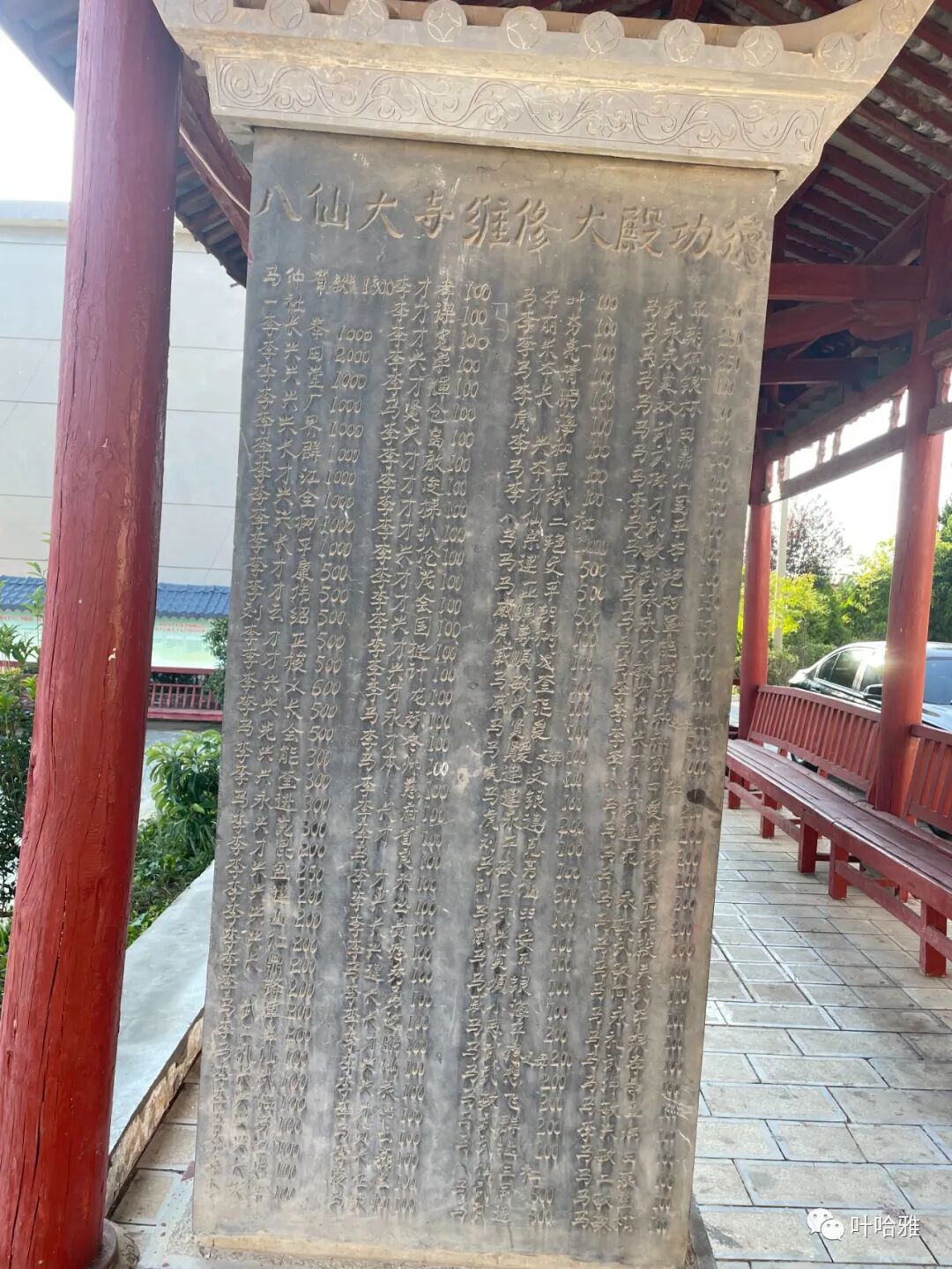
Fur Goods Street (Maohuo Jie)
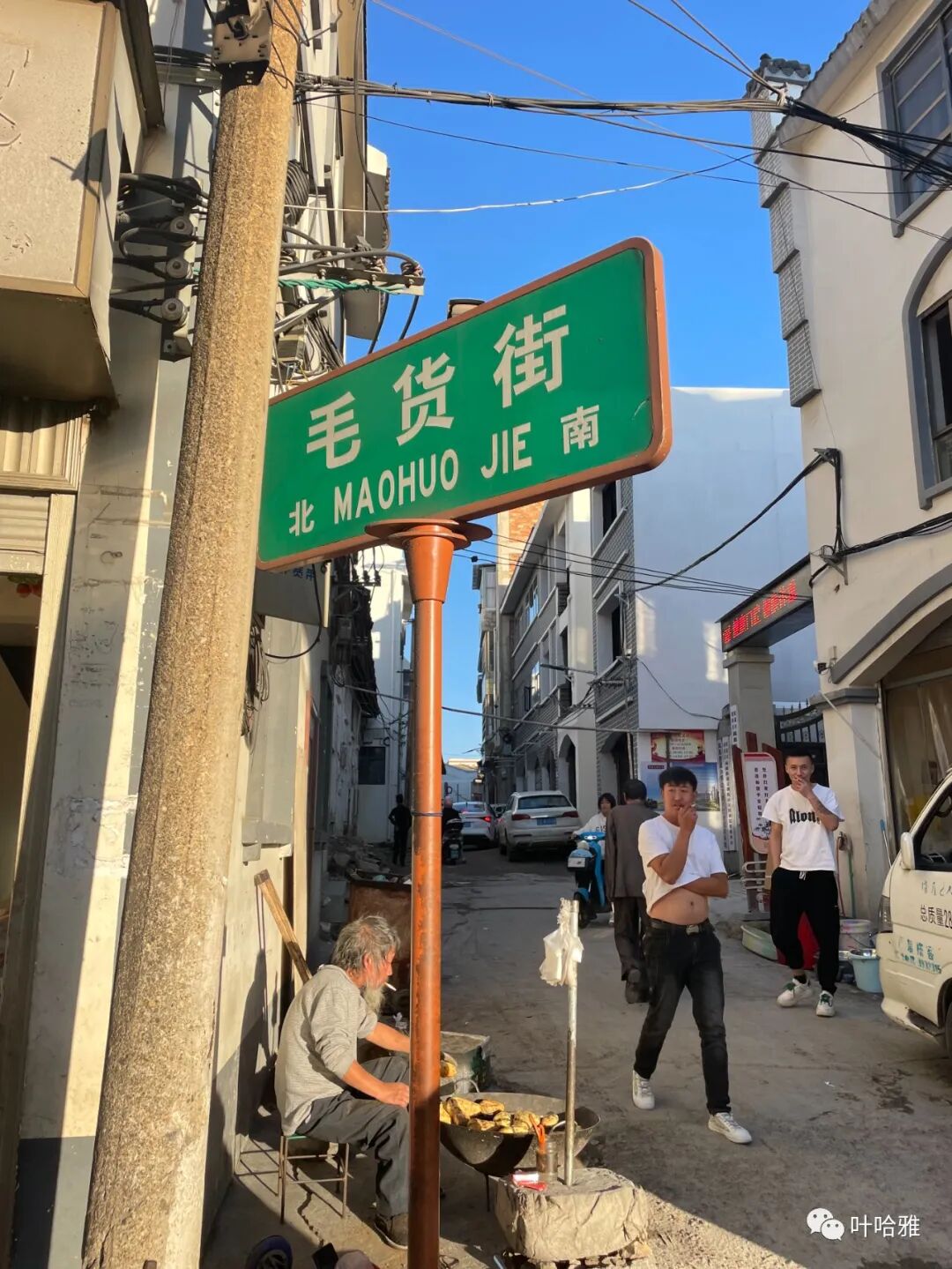
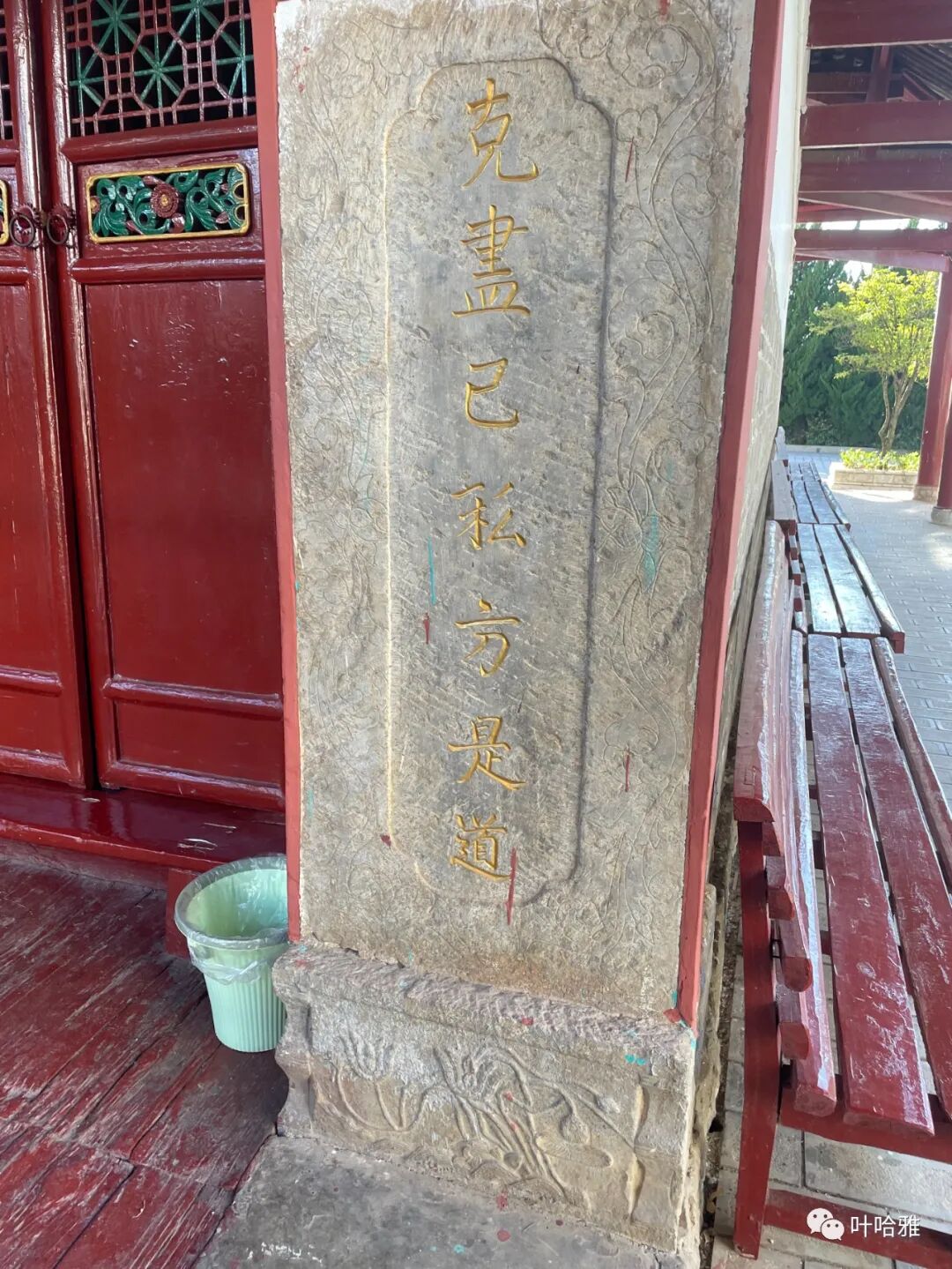
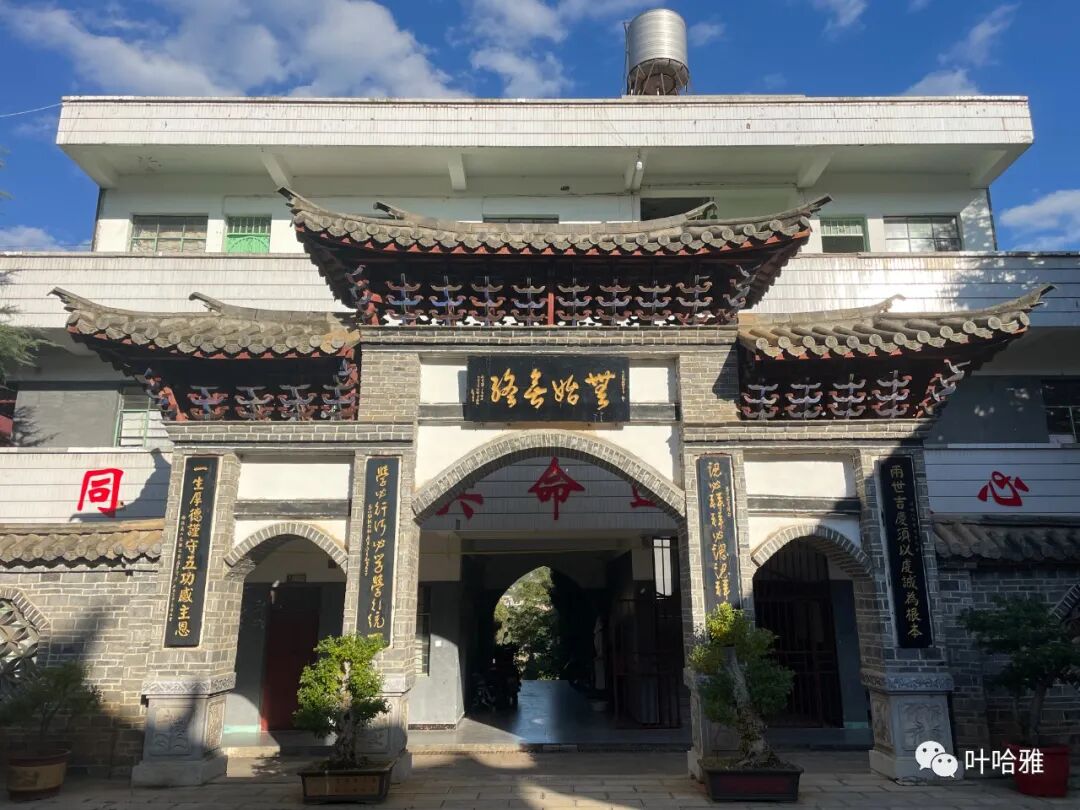
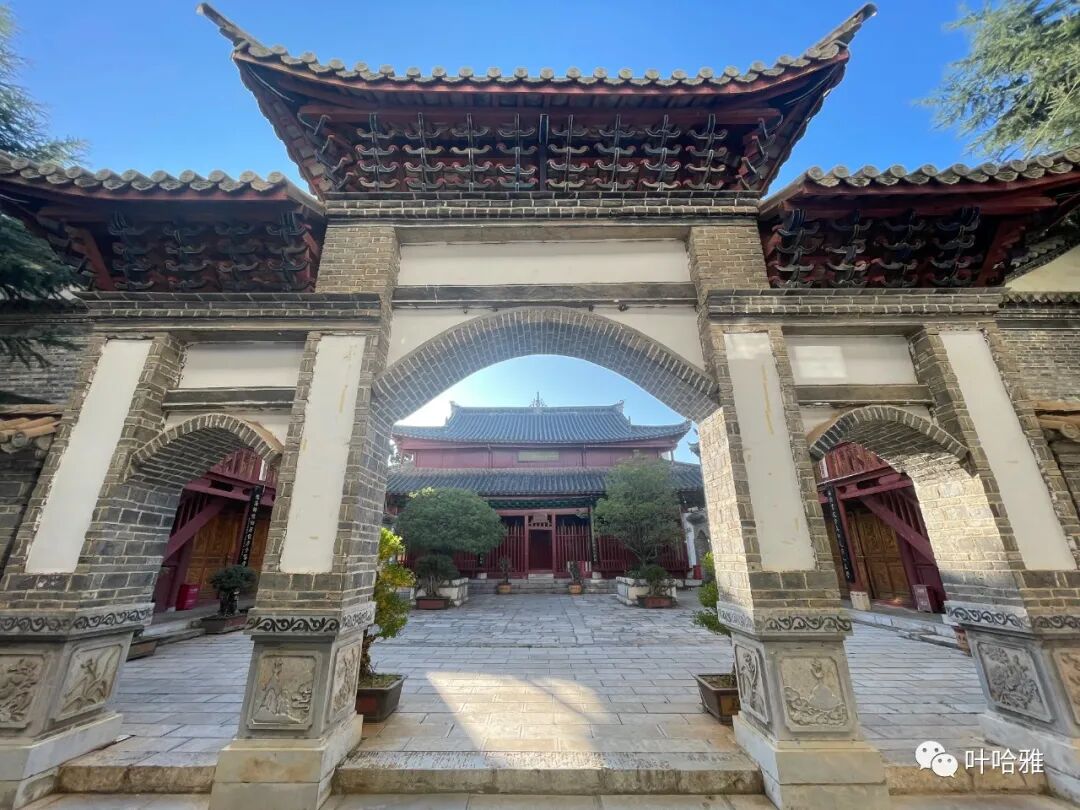
Fur Goods Street (Maohuo Jie) was a market for fur products in the past, which is how it got its name. Many Hui Muslims live nearby. The Old Mosque (Qingzhen Gusi) on Fur Goods Street used to run a school all year round and accepted students from outside, so many people have memories of studying here. Fur Goods Street is currently being demolished and renovated. Very few shops remain inside. When I arrived, I only saw a temporary prayer space for the Old Mosque.
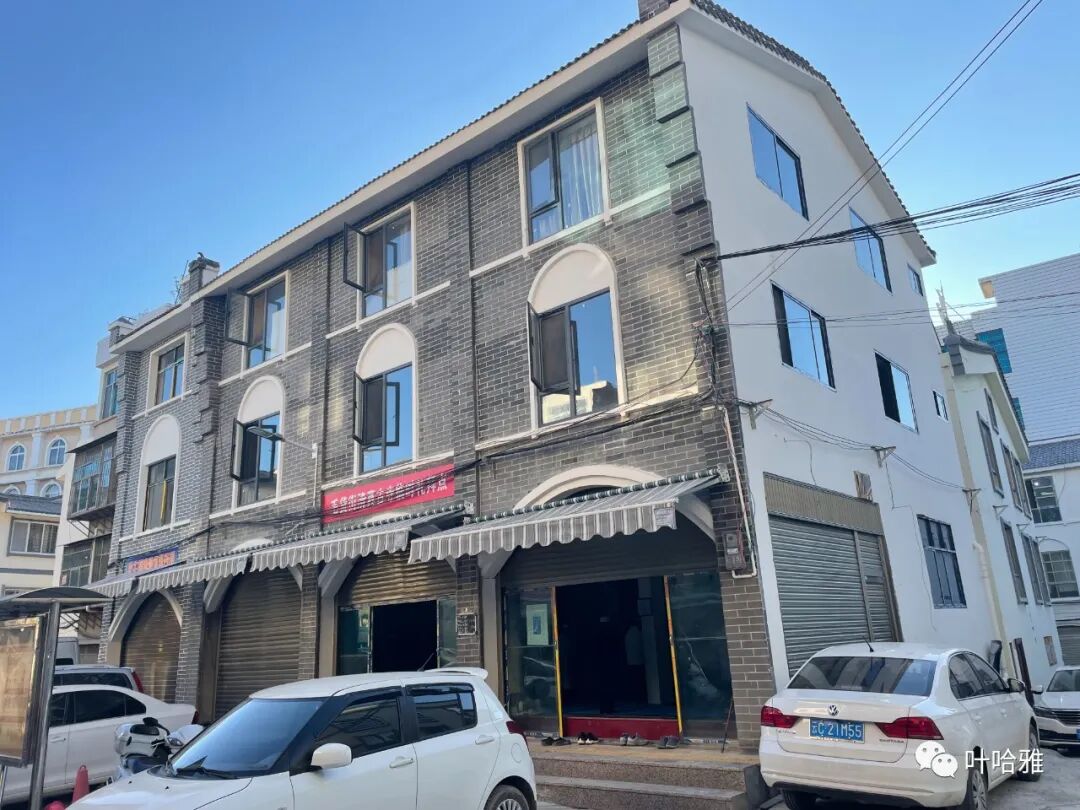
Temporary prayer space for the Old Mosque
Throughout history and across the world, nations have been strong when they were open and inclusive, and backward when they were closed and narrow-minded. We can learn a lot from history. Looking at things from a historical perspective, what we are going through right now is not a big deal.
Summary: This China mosque travel guide continues the Yunnan road trip on the Long March route, focusing on Fur Goods Street, the Old Mosque, Hui Muslim memories, a temporary prayer space, demolition and renovation, and reflections on history.
A Road Trip Through Yunnan: Three Ancient Mosques on the Long March Route is presented here as a firsthand travel account in clear English, beginning with this scene: Fur Goods Street (Maohuo Jie) was a market for fur products in the past, which is how it got its name. The account keeps its focus on Mosque Travel, Islamic Heritage, Muslim Travel while preserving the names, places, food, and historical details from the Chinese source.
Fur Goods Street (Maohuo Jie)
Fur Goods Street (Maohuo Jie) was a market for fur products in the past, which is how it got its name. Many Hui Muslims live nearby. The Old Mosque (Qingzhen Gusi) on Fur Goods Street used to run a school all year round and accepted students from outside, so many people have memories of studying here. Fur Goods Street is currently being demolished and renovated. Very few shops remain inside. When I arrived, I only saw a temporary prayer space for the Old Mosque.
Temporary prayer space for the Old Mosque
Throughout history and across the world, nations have been strong when they were open and inclusive, and backward when they were closed and narrow-minded. We can learn a lot from history. Looking at things from a historical perspective, what we are going through right now is not a big deal.
China Mosque Travel Guide Yunnan: Jianshui Ancient Mosque, Dazhuang Mosques and Shadian Road Trip
Articles • yusuf908 posted the article • 0 comments • 266 views • 2026-05-22 22:10
Reposted from the web
Summary: This China mosque travel guide follows a Yunnan road trip through Jianshui, Dazhuang, and nearby Shadian, covering ancient mosques, halal rice noodles, local restaurants, stone tablets, Hajj door signs, Xinzhai Mosque, and Hui Muslim history.
A Road Trip in Yunnan: Searching for Old Mosques in Jianshui and Dazhuang is presented here as a firsthand travel account in clear English, beginning with this scene: Ten of my travelogues were deleted one after another recently, likely due to title violations, so I am reposting them after making edits. The account keeps its focus on Halal Travel, Yiwu Food, Mosque Travel while preserving the names, places, food, and historical details from the Chinese source.
Ten of my travelogues were deleted one after another recently, likely due to title violations, so I am reposting them after making edits.
I remember my first trip to Shadian. I asked the locals what good food they had, and they told me there wasn't much. They usually go to Jianshui and Dazhuang to find good food because there is more to eat there. That is why I kept those two places in mind. Jianshui, Dazhuang, and Shadian are less than 100 miles apart. It takes an hour to drive between them, and they form a triangle. If you plan to visit Shadian, it is best to visit all three places together.
Jianshui Ancient City Hanlin Garden (Hanlin Yuan)
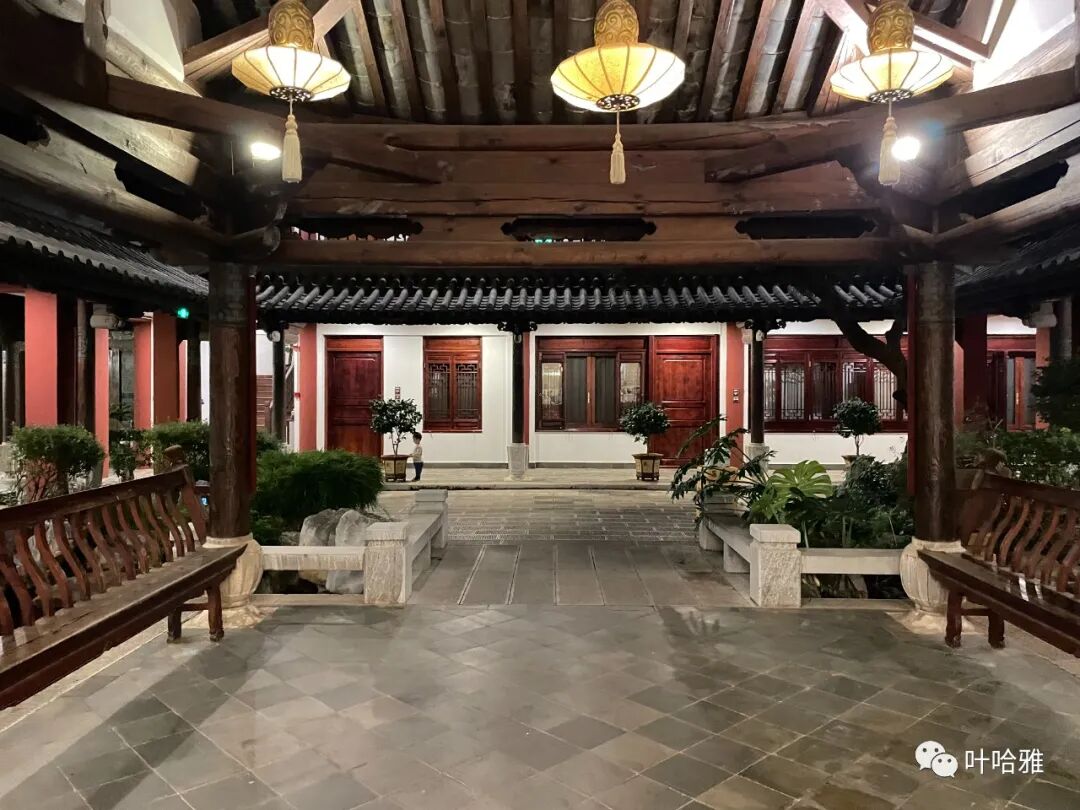
Jianshui is a bit busier than other ancient cities in Yunnan. We chose to stay at Hanlin Garden, which is in the center of the ancient city. It is a state-owned hotel with a classic garden style. The rooms are huge and have complete facilities. The parking lot is right at the hotel entrance. The staff told us to use Gaode Maps to navigate to the hotel instead of Baidu, or we would go the wrong way.
The hotel breakfast offers halal rice noodles (mixian), but you must book them in advance. The staff goes to a halal shop outside to buy them early in the morning.
The little person next to the flower pot in the distance is Fahim. He can play to his heart's content in this garden.
Jianshui Ancient Mosque (Jianshui Qingzhen Gusi)
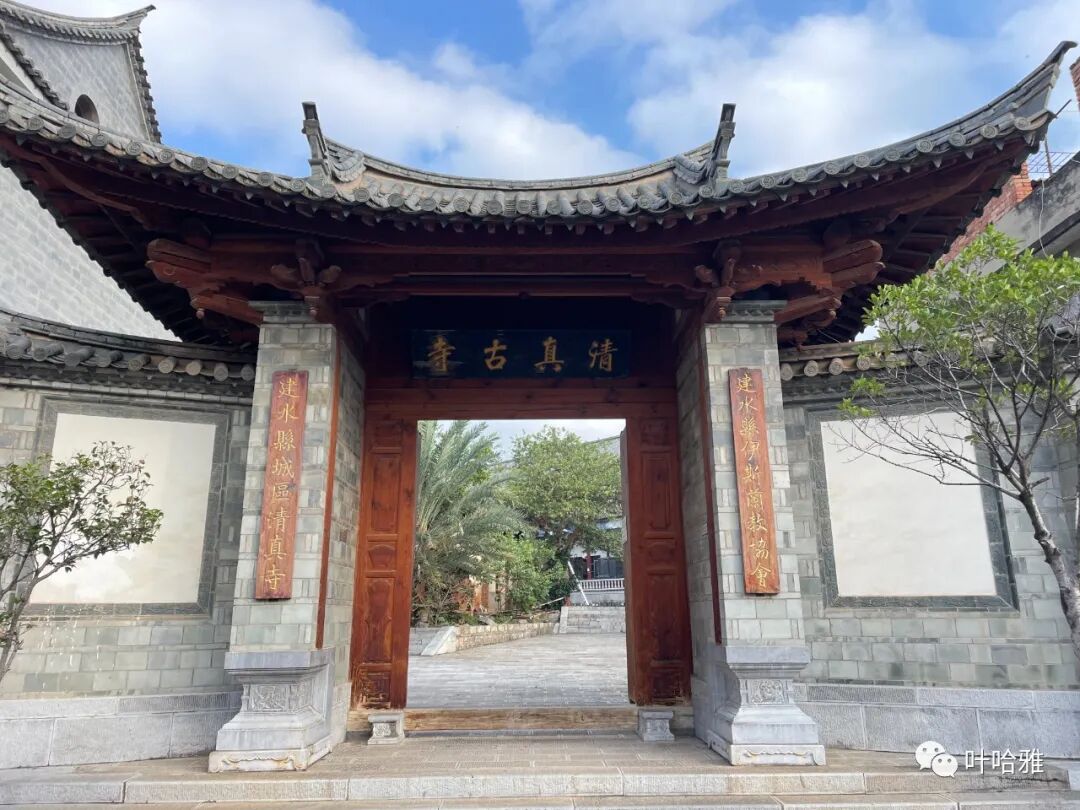
The ancient mosque is on Randengsi Street next to the ancient city. It was first built during the Huangqing era of the Yuan Dynasty. It is the oldest mosque in southern Yunnan, and the hall in front of the main prayer hall dates back to the Yuan Dynasty.
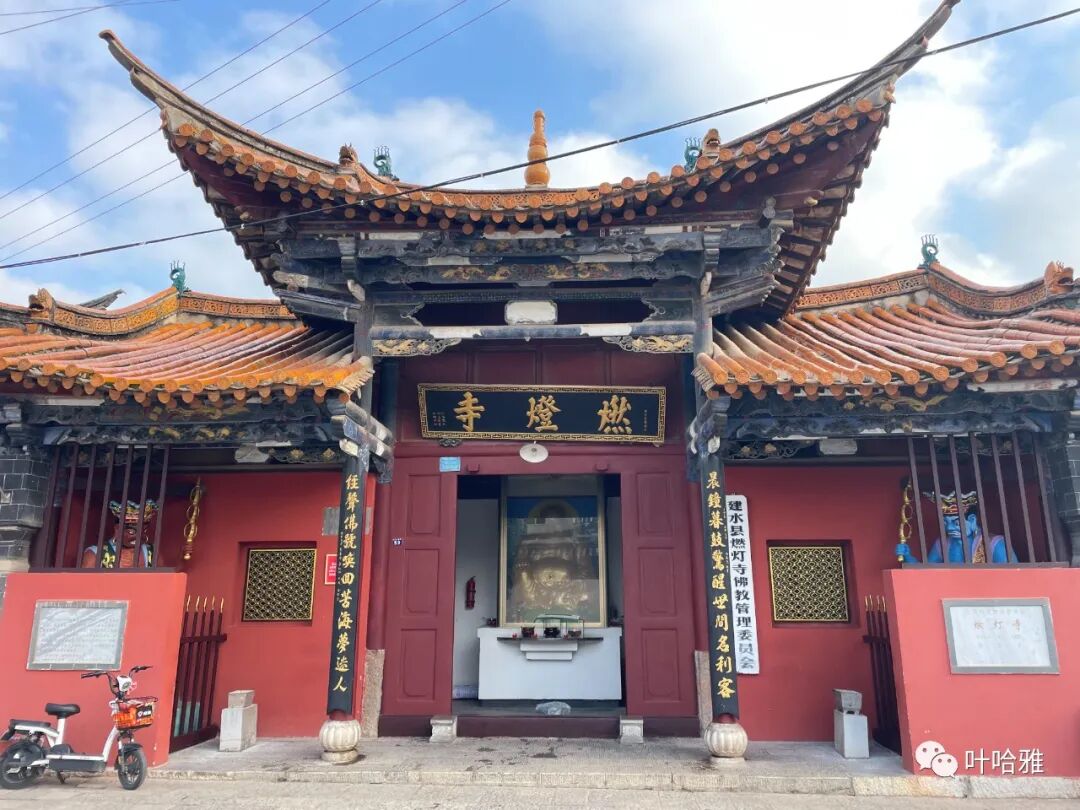
Randeng Mosque is a Buddhist mosque built during the Jiaqing era of the Ming Dynasty, and it is less than 100 meters away from the mosque.
When I arrived, the women's study group at the mosque was having a class.
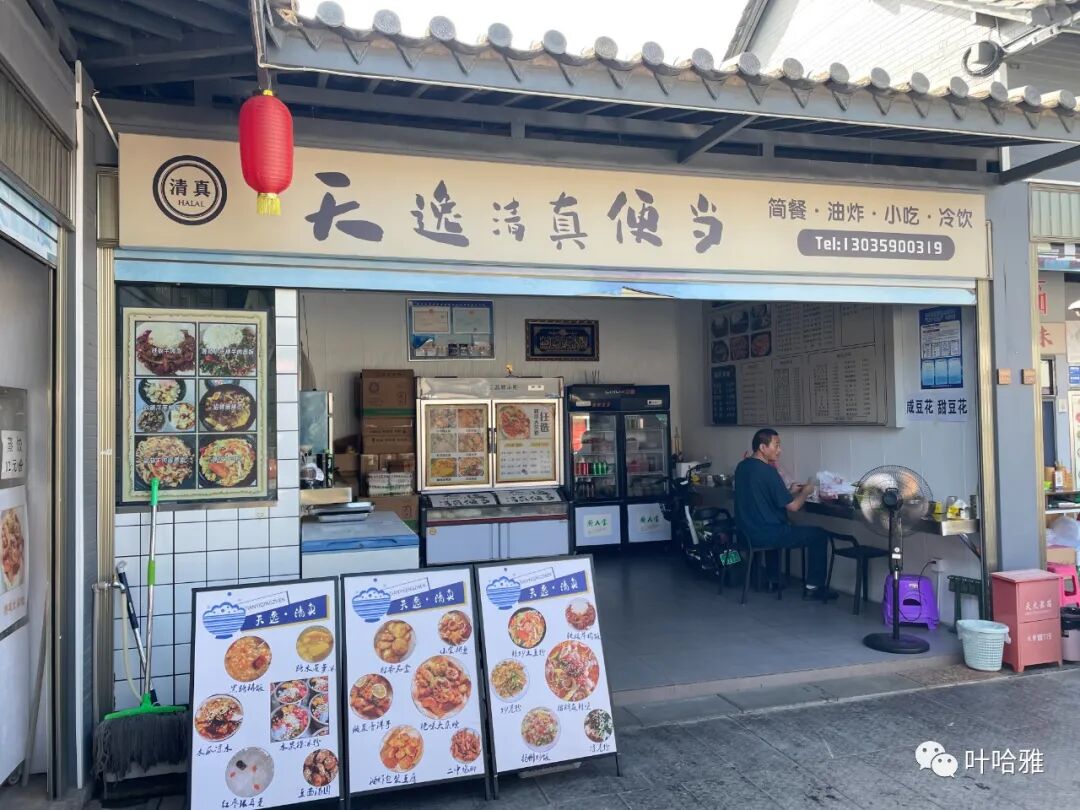
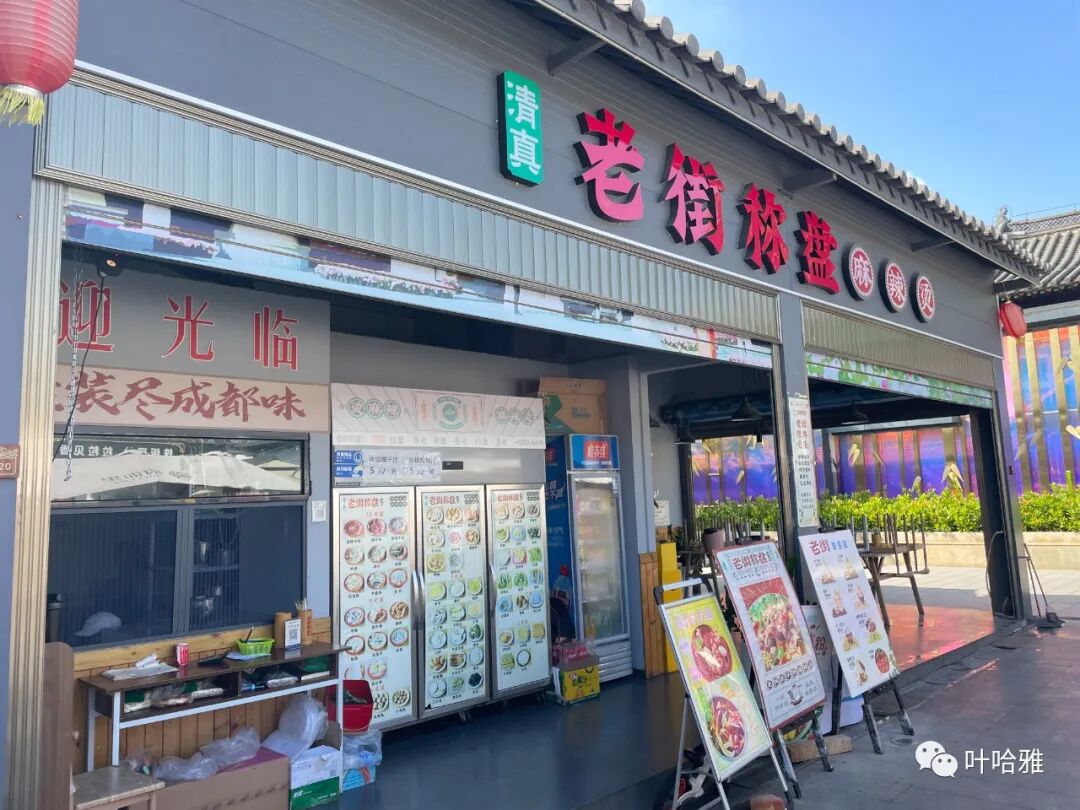
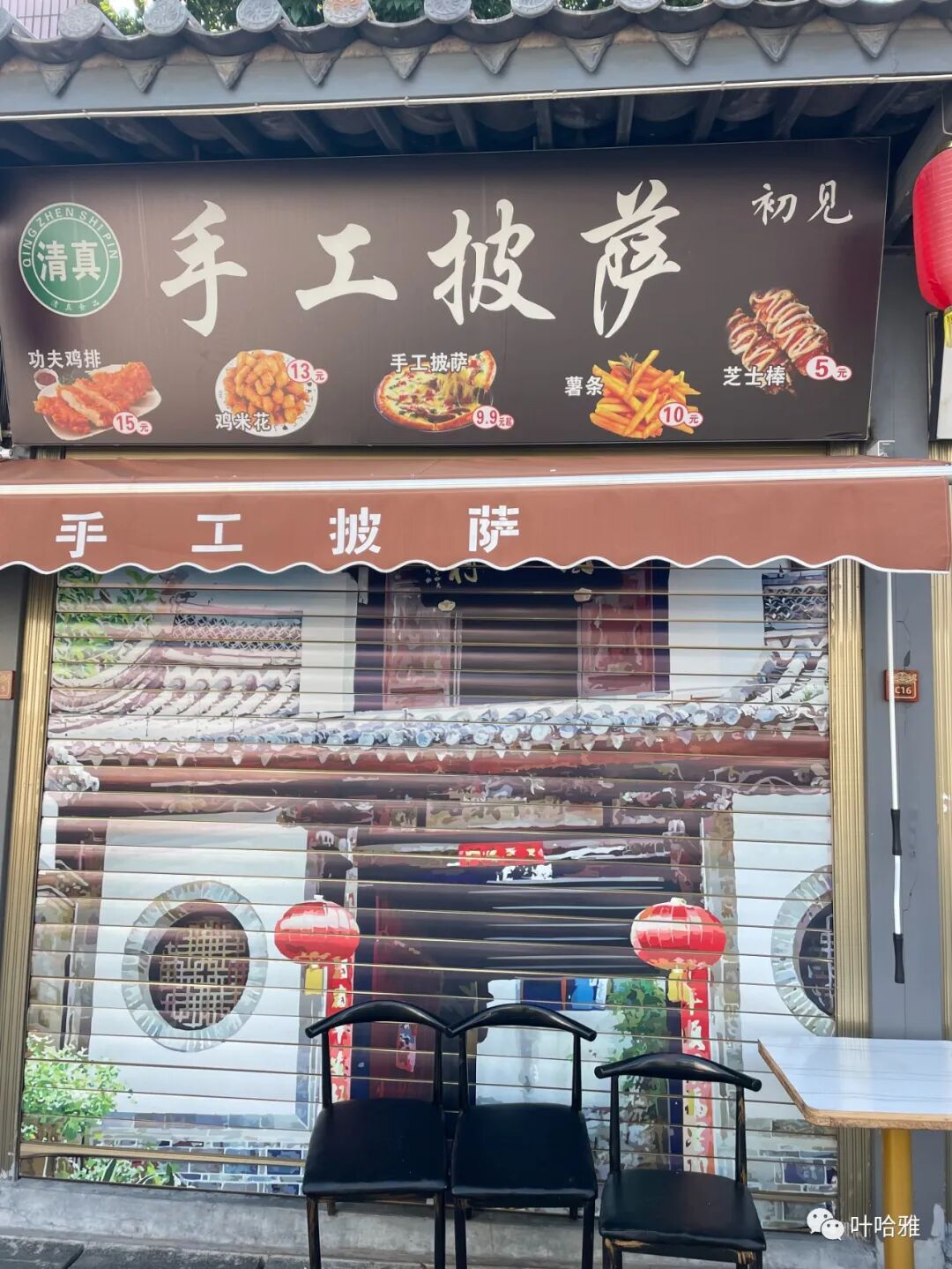
There are a few small halal shops on Mashi Street next to the Jianshui ancient mosque, but they only open at noon. I arrived too early and didn't see anything. Locals prefer to come here, but if you want more food, it is all concentrated on Zitao Street.
There are a few halal shops in the old town that are easy to find. I asked a student of mine named Ma from Shadian if I could use facial recognition payment here, and he said he had never even seen beef pancakes (niuroubing) in Shadian.
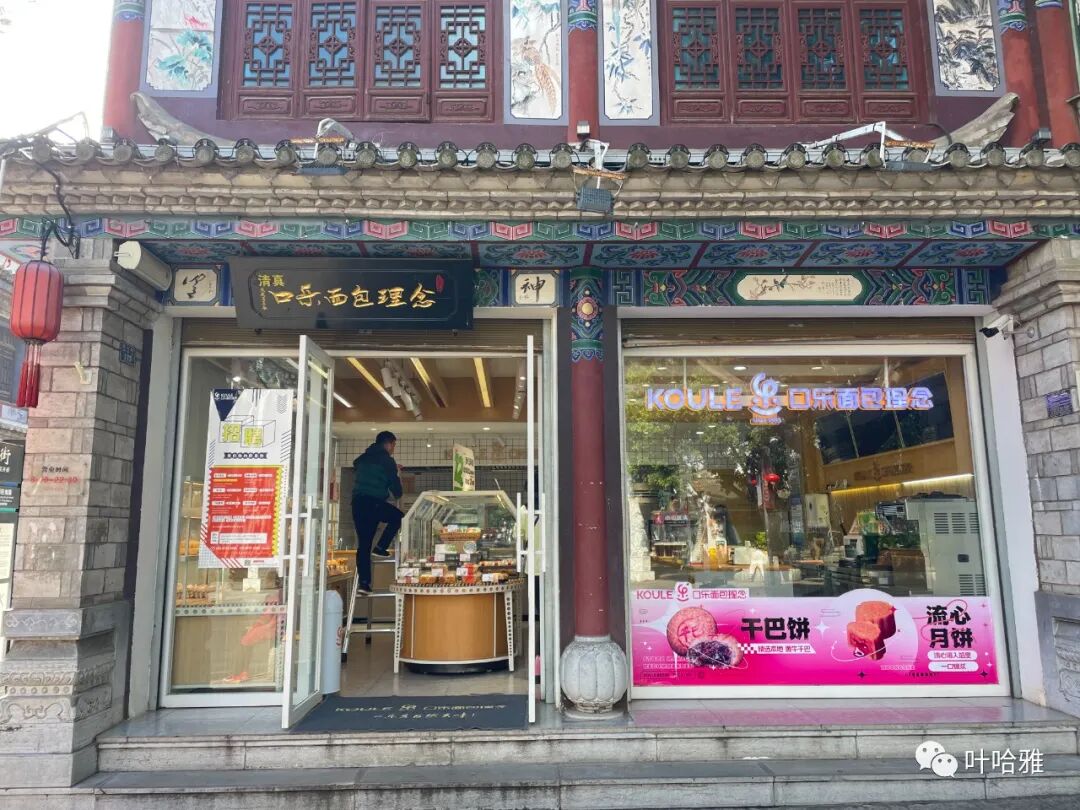
Koule Bakery is a chain store selling Western-style desserts that a local friend recommended. I bought some flower cakes (xianhuabing), but they were a bit too sweet; I still think the ones in Dali are better.
Jiahe Restaurant
Jiahe Restaurant is across from the Walmart supermarket at the entrance of the old town. We came out of the supermarket and didn't want to walk too far, so we went straight into this shop.
The owner's daughter took a liking to Fahim and tried to trade her Ultraman toy for the snacks in his hand, but Fahim wasn't interested.
We chatted and learned the owner is from Wenshan and married into Jianshui, where she has run this shop for many years. We actually have a mutual friend; her classmate is currently studying at the China Islamic Institute.
The owner recommended a few local specialties, including iron-plate tofu (tieban doufu) and steam-pot chicken (qiguo ji).
Everything was delicious. Jianshui tofu has a smooth texture and can be eaten in many different ways.
Zitao Street
Jianshui's Zitao Street is like the Muslim Quarter (Huimin Jie) in Xi'an. Most of the food stalls inside are halal, and they also sell some small goods.
Yingfeng Grilled Rice Cake (shao erkua). There used to be a shop in Beijing, but it closed down.
The grilled tofu (shao doufu) is very popular locally. It costs one yuan per piece and is grilled fresh to order.
They sell big-pot beef rice noodles (niurou mixian) across the street. The seasonings and side dishes are self-serve, and a huge bowl only costs 10 yuan.
My friends in Jianshui do not think much of Purple Pottery Street (Zitao Jie). They find it expensive and say it is just for tourists. We actually liked it after we arrived. Tourists have different needs than locals, and some people just enjoy this kind of lively, bustling market. That is why the Hui Muslim Street in Xi'an is so popular. Locals should support it instead of tearing it down.
Lion cake (shizi gao) is probably the same as Beijing's sachima. It does not taste very good.
We bought grilled beef jerky (niuganba). It is delicious and comes in original and spicy flavors. This stall looks clean and hygienic.
Dazhuang Mosque in Kaiyuan
Dazhuang in Kaiyuan has two mosques, a new one and an old one. The old mosque was built during the Wanli period of the Ming Dynasty, and the new mosque was built during an expansion in the Jiaqing period of the Qing Dynasty. The old mosque was then converted into a women's mosque. The new mosque covers nearly 10,000 square meters and is now a provincial-level cultural relic protection site.
I have seen schools in almost every mosque I visited in Yunnan. Dazhuang Mosque belongs to the Gedimu tradition.
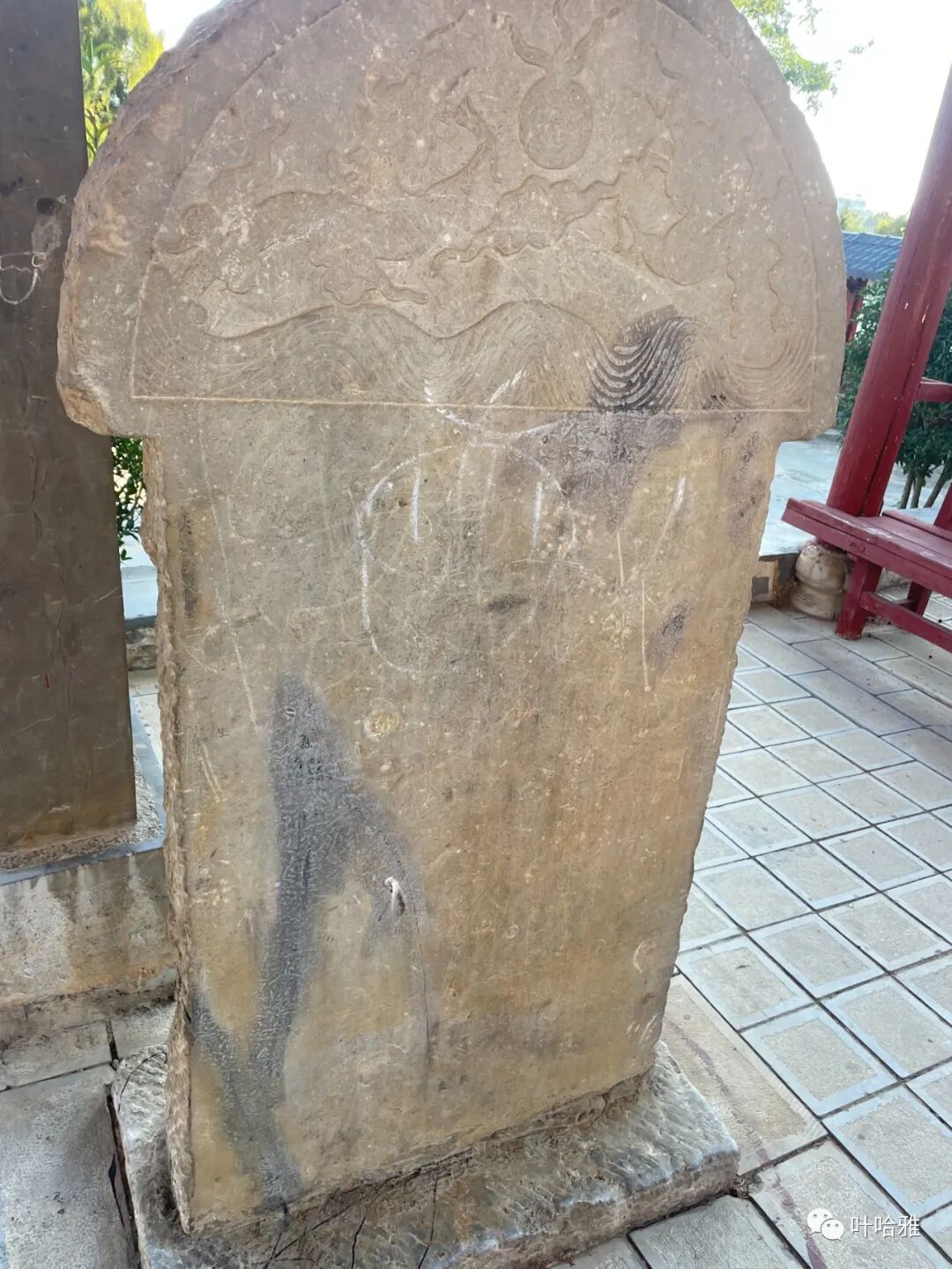
This stone tablet is from the Daoguang period of the Qing Dynasty and records a list of charitable deeds.
This stone tablet is from the Republic of China era. The full text of the above tablets is included in the book "Kaiyuan Stone Tablets."
While walking around the village, I noticed many houses have a red sign on their doors that says "Obey Allah's Command to Perform Hajj." Families who have completed the Hajj (hadji) likely hang these signs to show their honor.
Xinzhai Mosque
Xinzhai Mosque was not originally on my planned route. I was on my way to Dazhuang when I saw a huge mosque by the road. I was so attracted to it that I turned in to visit.
Xinzhai Mosque was built during the Tongzhi reign of the Qing Dynasty and has just been renovated.
I saw a martyr monument (shexide) here just like the one in Shadian.
The Xinzhai martyr monument commemorates the Shadian Incident. Many friends (dosti) in Xinzhai suffered back then, and by percentage, the death toll here was even higher than in Shadian.
Every martyr has a name, with three hundred and fifty people in total.
The back is carved with a Quranic verse: Do not say that those who are killed in the way of Allah are dead; they are alive, but you do not perceive it. (2:154) view all
Summary: This China mosque travel guide follows a Yunnan road trip through Jianshui, Dazhuang, and nearby Shadian, covering ancient mosques, halal rice noodles, local restaurants, stone tablets, Hajj door signs, Xinzhai Mosque, and Hui Muslim history.
A Road Trip in Yunnan: Searching for Old Mosques in Jianshui and Dazhuang is presented here as a firsthand travel account in clear English, beginning with this scene: Ten of my travelogues were deleted one after another recently, likely due to title violations, so I am reposting them after making edits. The account keeps its focus on Halal Travel, Yiwu Food, Mosque Travel while preserving the names, places, food, and historical details from the Chinese source.
Ten of my travelogues were deleted one after another recently, likely due to title violations, so I am reposting them after making edits.
I remember my first trip to Shadian. I asked the locals what good food they had, and they told me there wasn't much. They usually go to Jianshui and Dazhuang to find good food because there is more to eat there. That is why I kept those two places in mind. Jianshui, Dazhuang, and Shadian are less than 100 miles apart. It takes an hour to drive between them, and they form a triangle. If you plan to visit Shadian, it is best to visit all three places together.
Jianshui Ancient City Hanlin Garden (Hanlin Yuan)
Jianshui is a bit busier than other ancient cities in Yunnan. We chose to stay at Hanlin Garden, which is in the center of the ancient city. It is a state-owned hotel with a classic garden style. The rooms are huge and have complete facilities. The parking lot is right at the hotel entrance. The staff told us to use Gaode Maps to navigate to the hotel instead of Baidu, or we would go the wrong way.
The hotel breakfast offers halal rice noodles (mixian), but you must book them in advance. The staff goes to a halal shop outside to buy them early in the morning.
The little person next to the flower pot in the distance is Fahim. He can play to his heart's content in this garden.
Jianshui Ancient Mosque (Jianshui Qingzhen Gusi)
The ancient mosque is on Randengsi Street next to the ancient city. It was first built during the Huangqing era of the Yuan Dynasty. It is the oldest mosque in southern Yunnan, and the hall in front of the main prayer hall dates back to the Yuan Dynasty.
Randeng Mosque is a Buddhist mosque built during the Jiaqing era of the Ming Dynasty, and it is less than 100 meters away from the mosque.
When I arrived, the women's study group at the mosque was having a class.
There are a few small halal shops on Mashi Street next to the Jianshui ancient mosque, but they only open at noon. I arrived too early and didn't see anything. Locals prefer to come here, but if you want more food, it is all concentrated on Zitao Street.
There are a few halal shops in the old town that are easy to find. I asked a student of mine named Ma from Shadian if I could use facial recognition payment here, and he said he had never even seen beef pancakes (niuroubing) in Shadian.
Koule Bakery is a chain store selling Western-style desserts that a local friend recommended. I bought some flower cakes (xianhuabing), but they were a bit too sweet; I still think the ones in Dali are better.
Jiahe Restaurant
Jiahe Restaurant is across from the Walmart supermarket at the entrance of the old town. We came out of the supermarket and didn't want to walk too far, so we went straight into this shop.
The owner's daughter took a liking to Fahim and tried to trade her Ultraman toy for the snacks in his hand, but Fahim wasn't interested.
We chatted and learned the owner is from Wenshan and married into Jianshui, where she has run this shop for many years. We actually have a mutual friend; her classmate is currently studying at the China Islamic Institute.
The owner recommended a few local specialties, including iron-plate tofu (tieban doufu) and steam-pot chicken (qiguo ji).
Everything was delicious. Jianshui tofu has a smooth texture and can be eaten in many different ways.
Zitao Street
Jianshui's Zitao Street is like the Muslim Quarter (Huimin Jie) in Xi'an. Most of the food stalls inside are halal, and they also sell some small goods.
Yingfeng Grilled Rice Cake (shao erkua). There used to be a shop in Beijing, but it closed down.
The grilled tofu (shao doufu) is very popular locally. It costs one yuan per piece and is grilled fresh to order.
They sell big-pot beef rice noodles (niurou mixian) across the street. The seasonings and side dishes are self-serve, and a huge bowl only costs 10 yuan.
My friends in Jianshui do not think much of Purple Pottery Street (Zitao Jie). They find it expensive and say it is just for tourists. We actually liked it after we arrived. Tourists have different needs than locals, and some people just enjoy this kind of lively, bustling market. That is why the Hui Muslim Street in Xi'an is so popular. Locals should support it instead of tearing it down.
Lion cake (shizi gao) is probably the same as Beijing's sachima. It does not taste very good.
We bought grilled beef jerky (niuganba). It is delicious and comes in original and spicy flavors. This stall looks clean and hygienic.
Dazhuang Mosque in Kaiyuan
Dazhuang in Kaiyuan has two mosques, a new one and an old one. The old mosque was built during the Wanli period of the Ming Dynasty, and the new mosque was built during an expansion in the Jiaqing period of the Qing Dynasty. The old mosque was then converted into a women's mosque. The new mosque covers nearly 10,000 square meters and is now a provincial-level cultural relic protection site.
I have seen schools in almost every mosque I visited in Yunnan. Dazhuang Mosque belongs to the Gedimu tradition.
This stone tablet is from the Daoguang period of the Qing Dynasty and records a list of charitable deeds.
This stone tablet is from the Republic of China era. The full text of the above tablets is included in the book "Kaiyuan Stone Tablets."
While walking around the village, I noticed many houses have a red sign on their doors that says "Obey Allah's Command to Perform Hajj." Families who have completed the Hajj (hadji) likely hang these signs to show their honor.
Xinzhai Mosque
Xinzhai Mosque was not originally on my planned route. I was on my way to Dazhuang when I saw a huge mosque by the road. I was so attracted to it that I turned in to visit.
Xinzhai Mosque was built during the Tongzhi reign of the Qing Dynasty and has just been renovated.
I saw a martyr monument (shexide) here just like the one in Shadian.
The Xinzhai martyr monument commemorates the Shadian Incident. Many friends (dosti) in Xinzhai suffered back then, and by percentage, the death toll here was even higher than in Shadian.
Every martyr has a name, with three hundred and fifty people in total.
The back is carved with a Quranic verse: Do not say that those who are killed in the way of Allah are dead; they are alive, but you do not perceive it. (2:154) view all
Reposted from the web
Summary: This China mosque travel guide follows a Yunnan road trip through Jianshui, Dazhuang, and nearby Shadian, covering ancient mosques, halal rice noodles, local restaurants, stone tablets, Hajj door signs, Xinzhai Mosque, and Hui Muslim history.
A Road Trip in Yunnan: Searching for Old Mosques in Jianshui and Dazhuang is presented here as a firsthand travel account in clear English, beginning with this scene: Ten of my travelogues were deleted one after another recently, likely due to title violations, so I am reposting them after making edits. The account keeps its focus on Halal Travel, Yiwu Food, Mosque Travel while preserving the names, places, food, and historical details from the Chinese source.
Ten of my travelogues were deleted one after another recently, likely due to title violations, so I am reposting them after making edits.
I remember my first trip to Shadian. I asked the locals what good food they had, and they told me there wasn't much. They usually go to Jianshui and Dazhuang to find good food because there is more to eat there. That is why I kept those two places in mind. Jianshui, Dazhuang, and Shadian are less than 100 miles apart. It takes an hour to drive between them, and they form a triangle. If you plan to visit Shadian, it is best to visit all three places together.
Jianshui Ancient City Hanlin Garden (Hanlin Yuan)
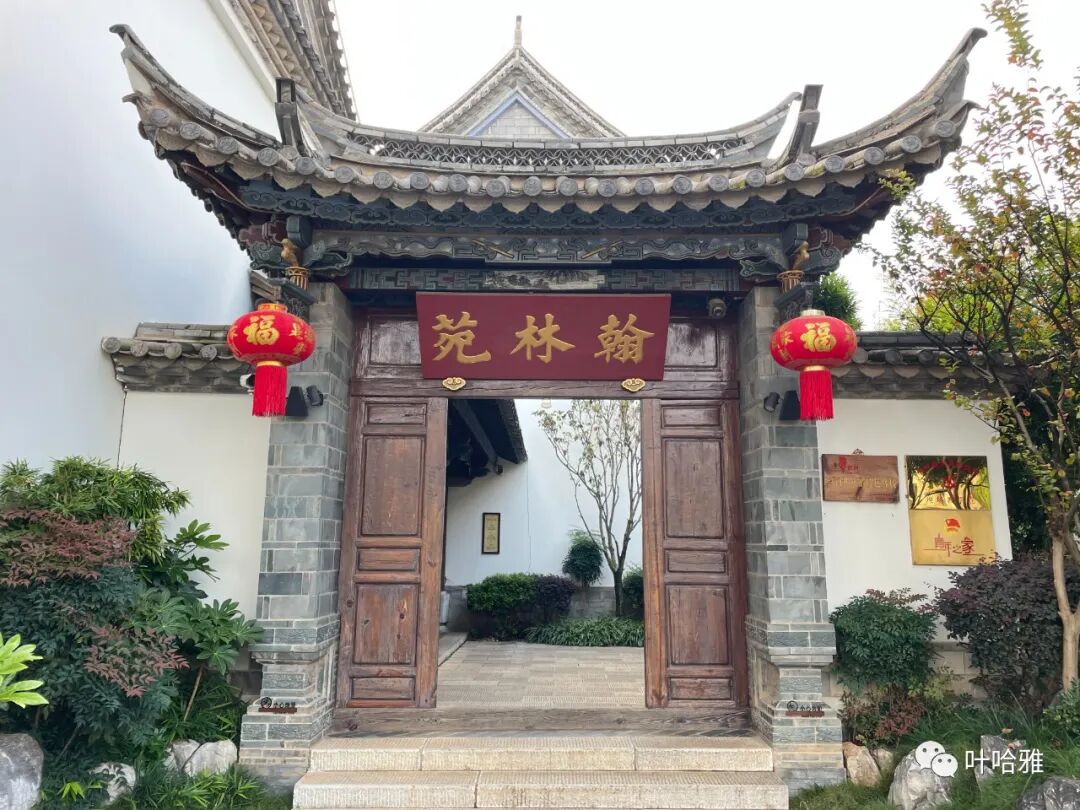
Jianshui is a bit busier than other ancient cities in Yunnan. We chose to stay at Hanlin Garden, which is in the center of the ancient city. It is a state-owned hotel with a classic garden style. The rooms are huge and have complete facilities. The parking lot is right at the hotel entrance. The staff told us to use Gaode Maps to navigate to the hotel instead of Baidu, or we would go the wrong way.
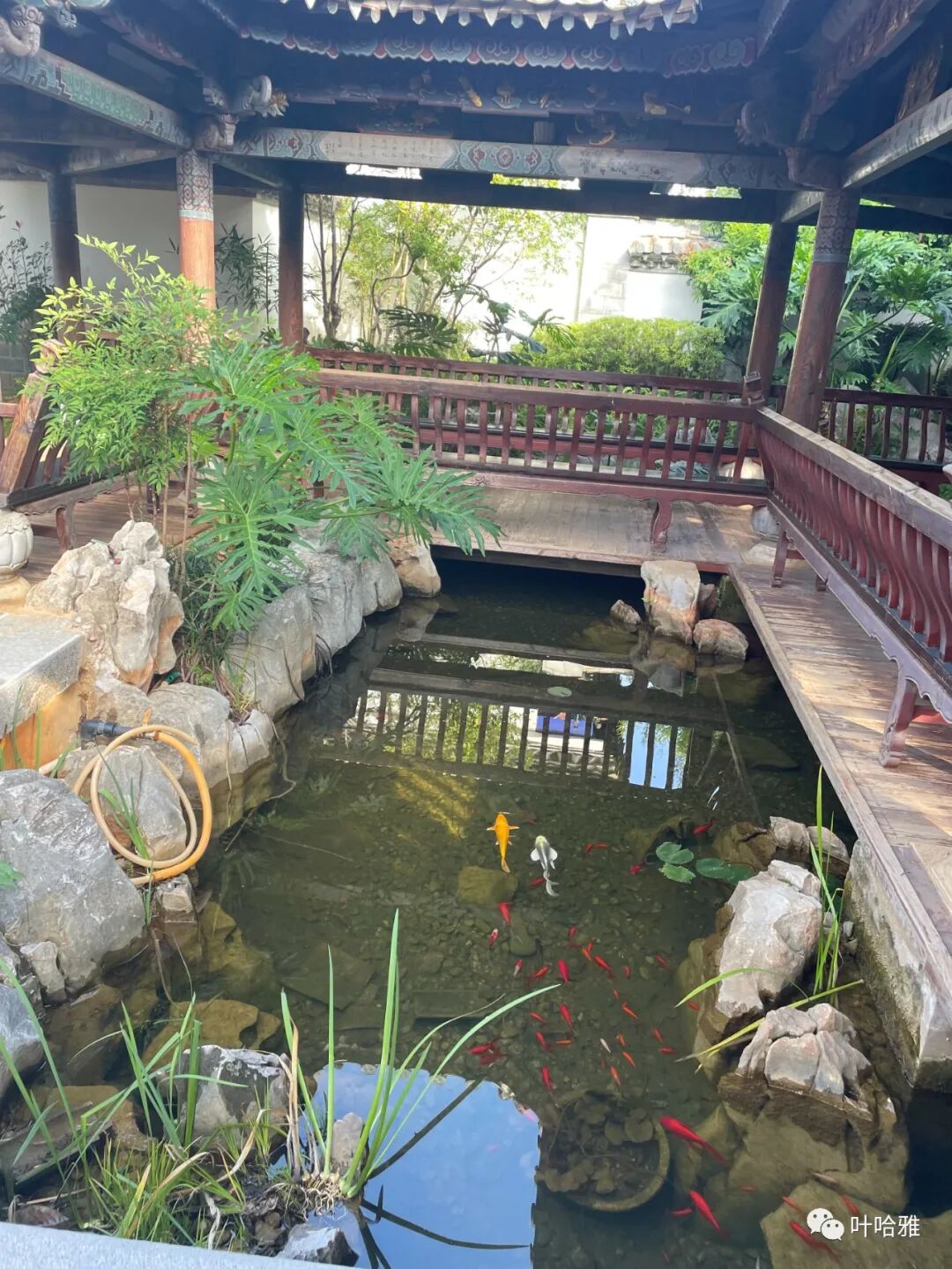
The hotel breakfast offers halal rice noodles (mixian), but you must book them in advance. The staff goes to a halal shop outside to buy them early in the morning.
The little person next to the flower pot in the distance is Fahim. He can play to his heart's content in this garden.
Jianshui Ancient Mosque (Jianshui Qingzhen Gusi)
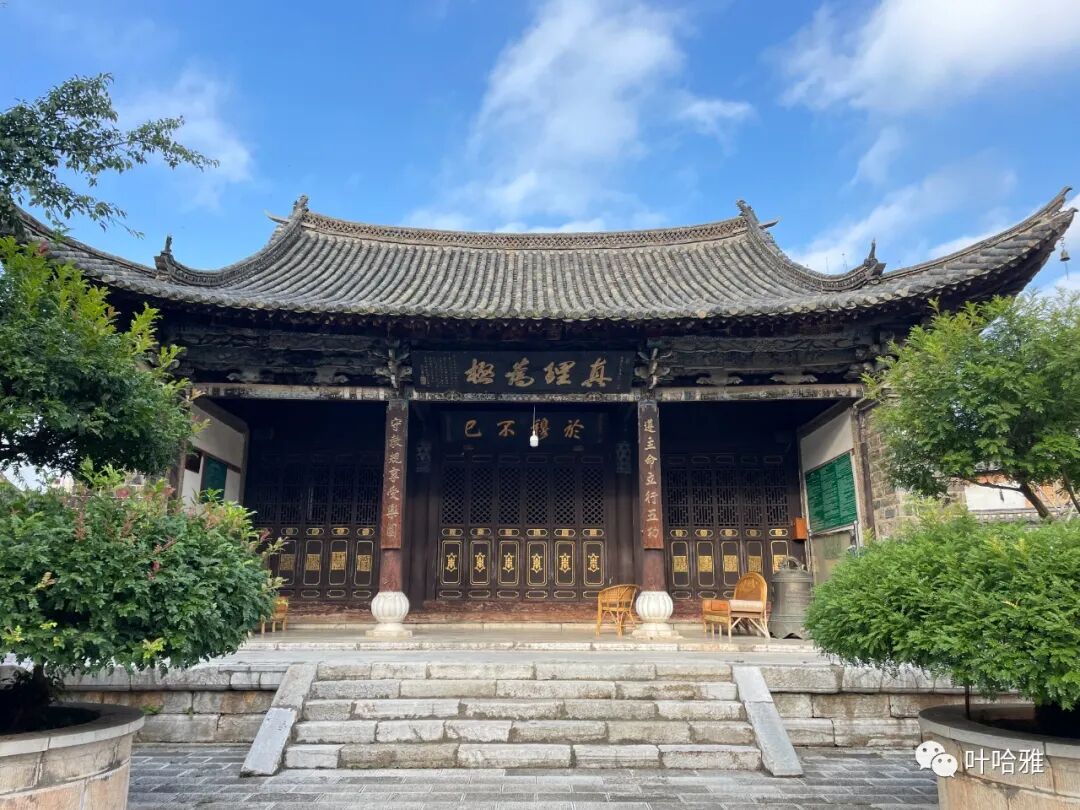
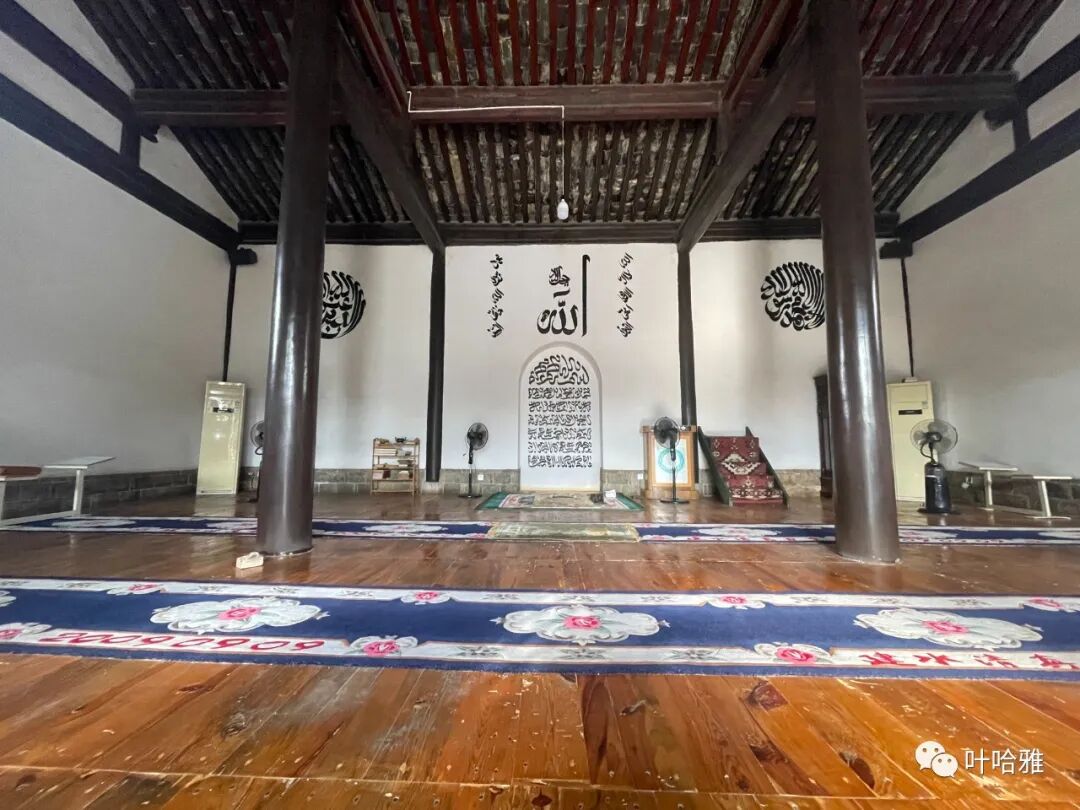
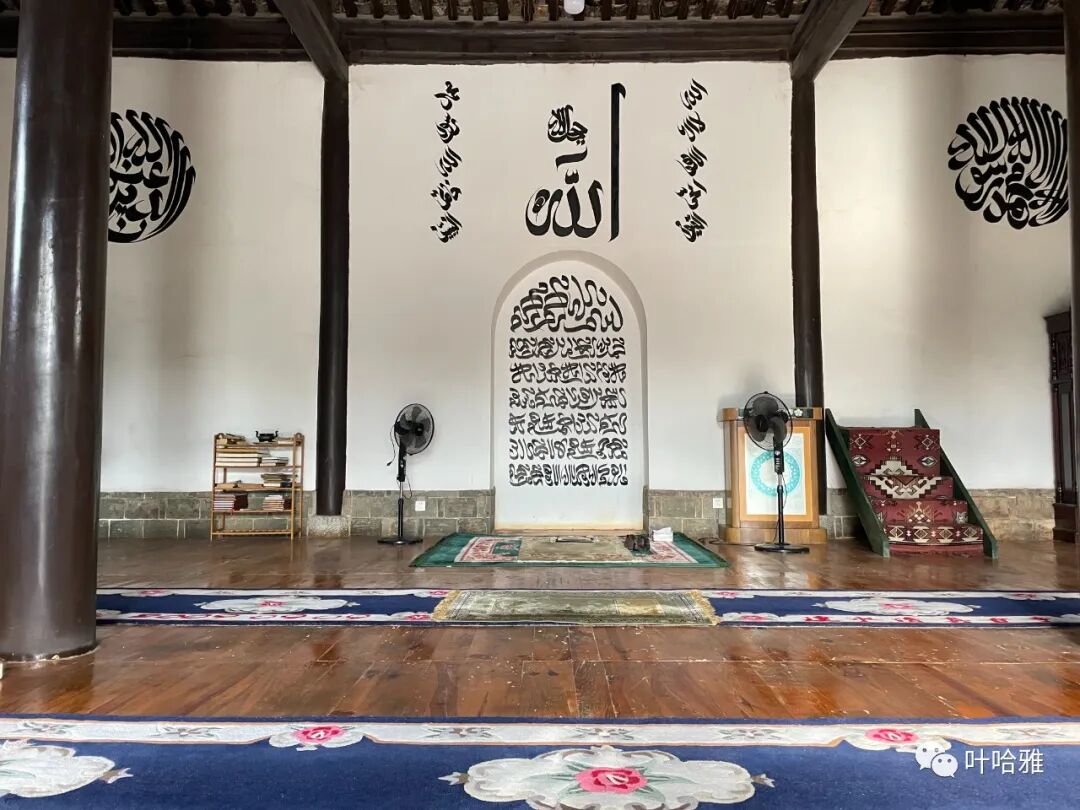
The ancient mosque is on Randengsi Street next to the ancient city. It was first built during the Huangqing era of the Yuan Dynasty. It is the oldest mosque in southern Yunnan, and the hall in front of the main prayer hall dates back to the Yuan Dynasty.
Randeng Mosque is a Buddhist mosque built during the Jiaqing era of the Ming Dynasty, and it is less than 100 meters away from the mosque.
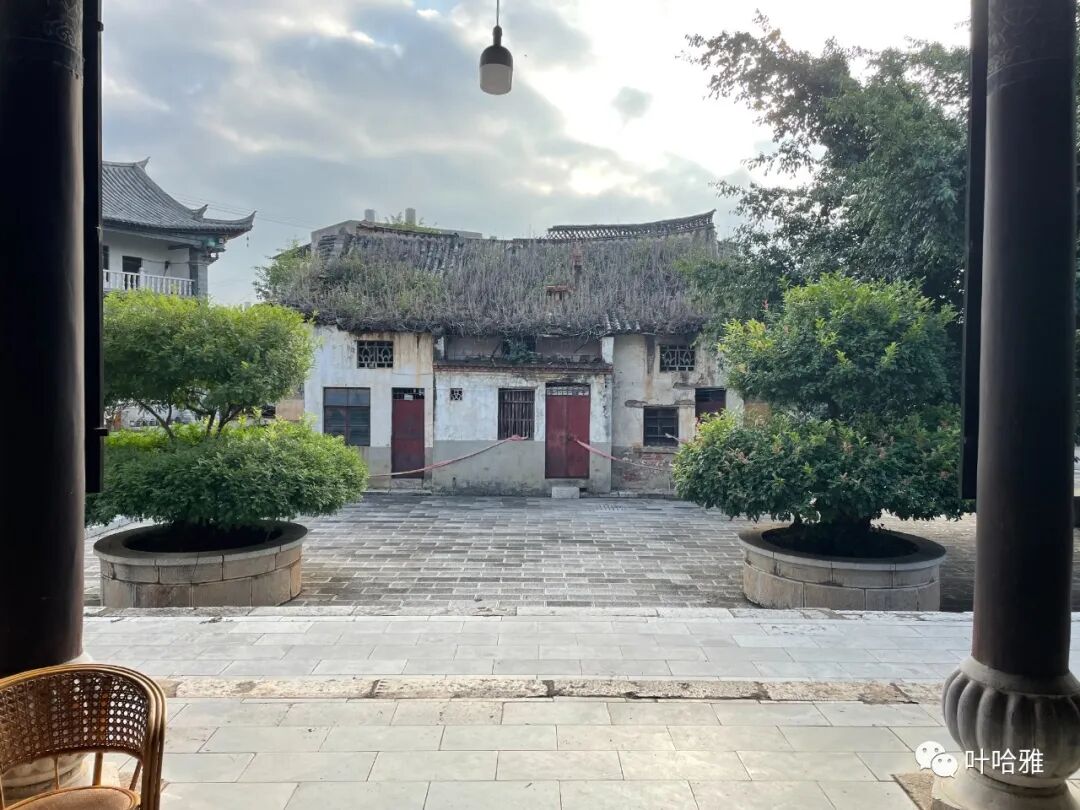
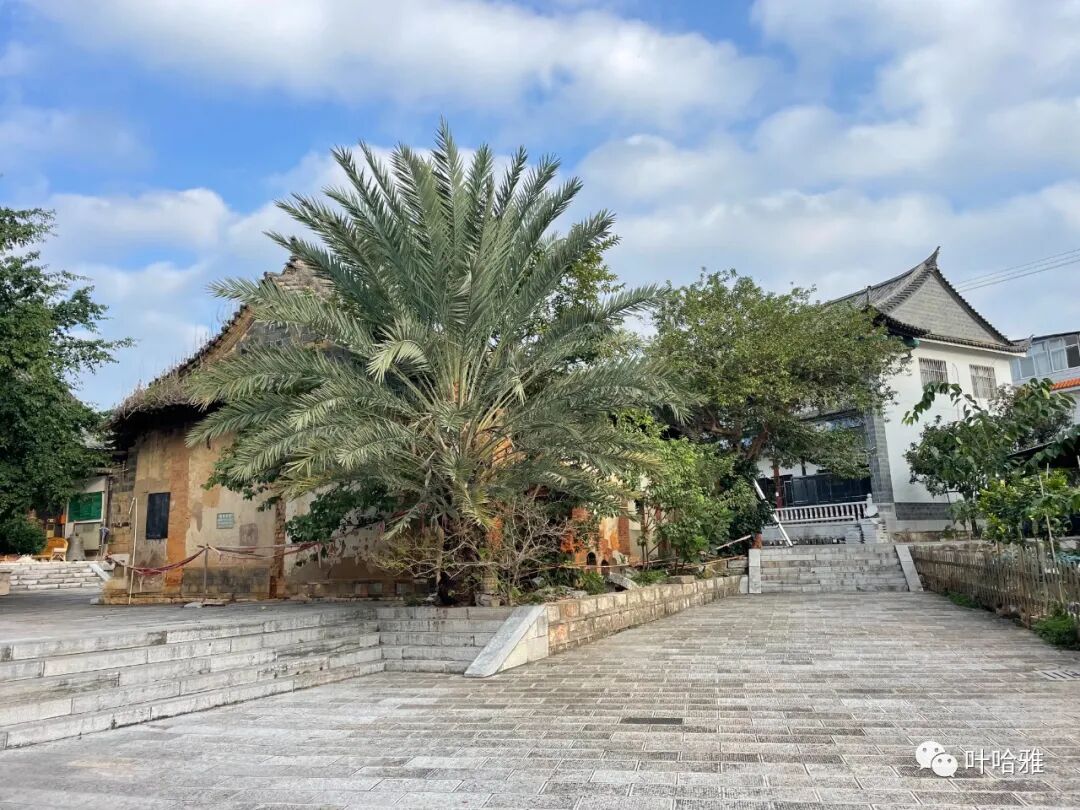
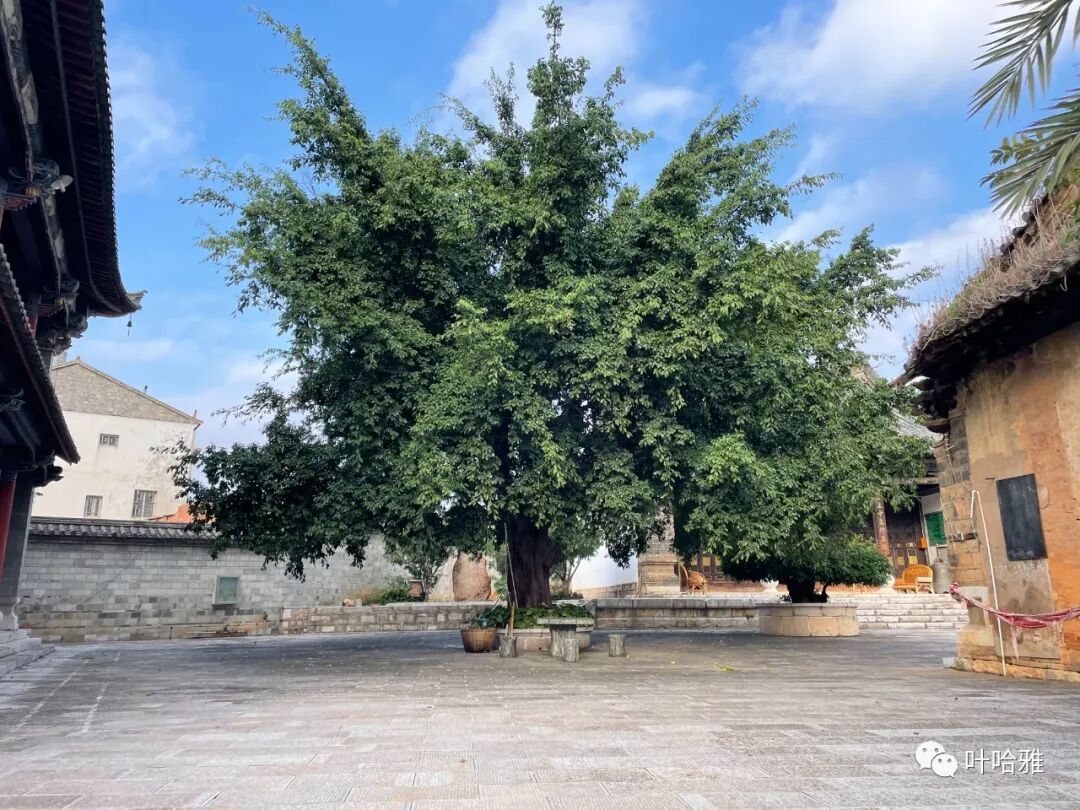
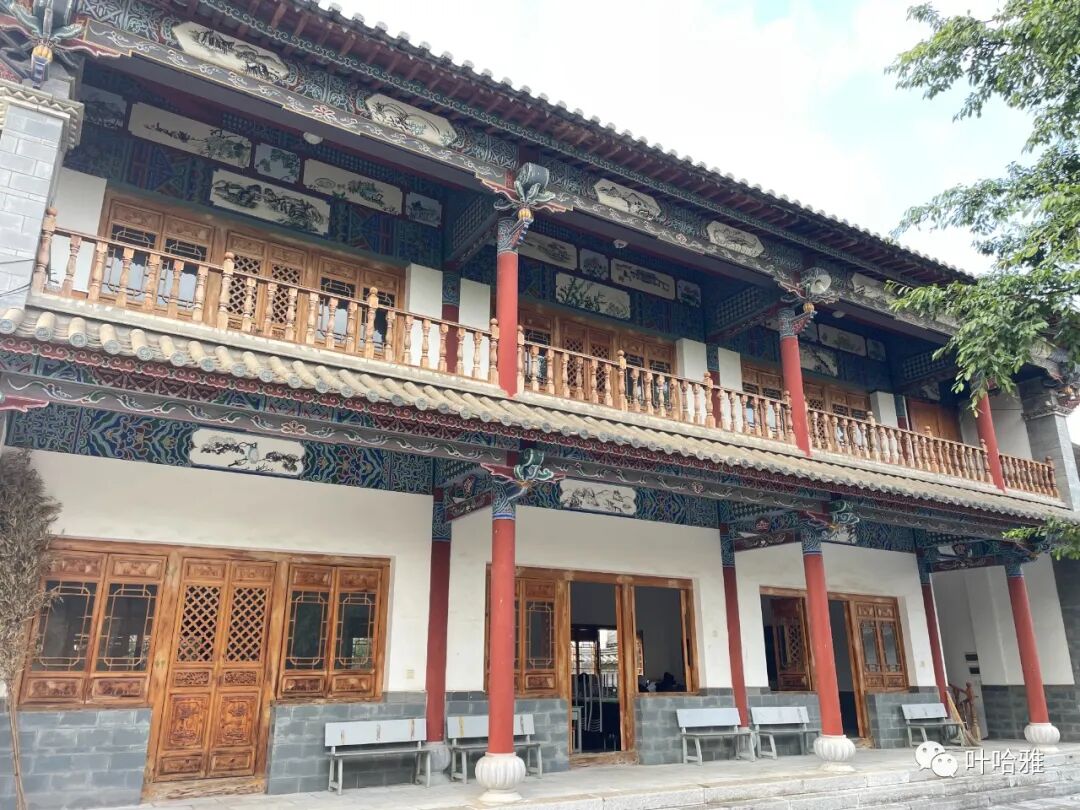
When I arrived, the women's study group at the mosque was having a class.
There are a few small halal shops on Mashi Street next to the Jianshui ancient mosque, but they only open at noon. I arrived too early and didn't see anything. Locals prefer to come here, but if you want more food, it is all concentrated on Zitao Street.
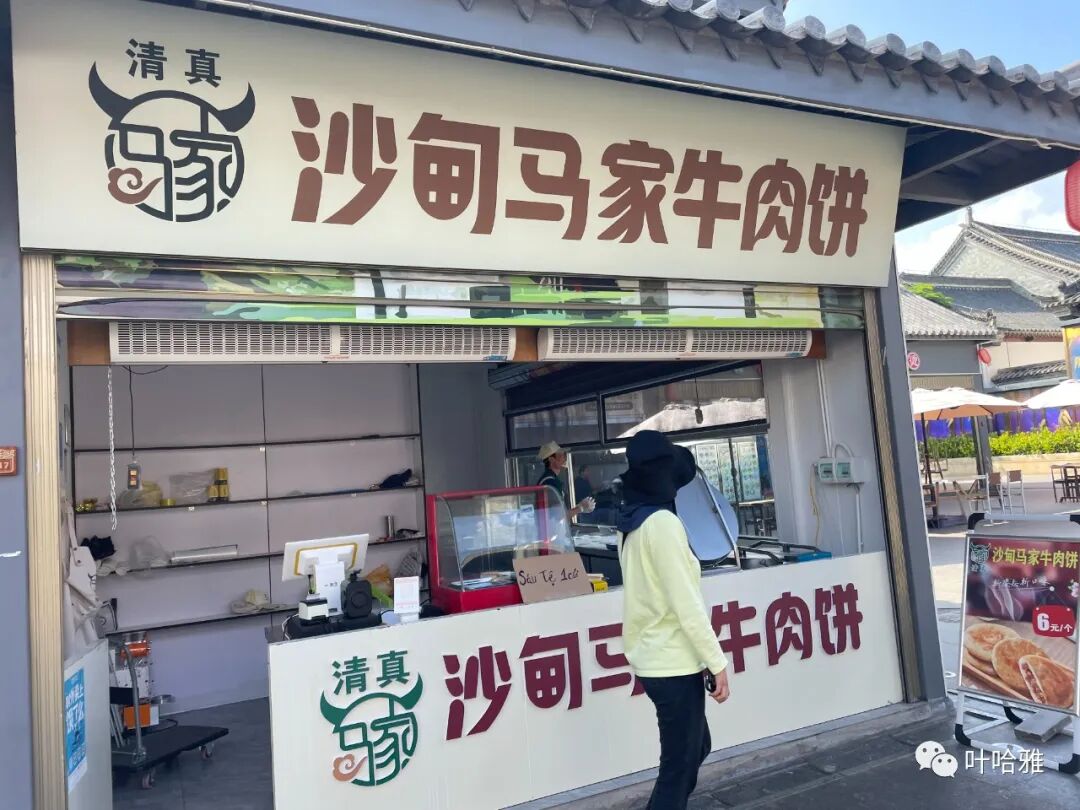
There are a few halal shops in the old town that are easy to find. I asked a student of mine named Ma from Shadian if I could use facial recognition payment here, and he said he had never even seen beef pancakes (niuroubing) in Shadian.
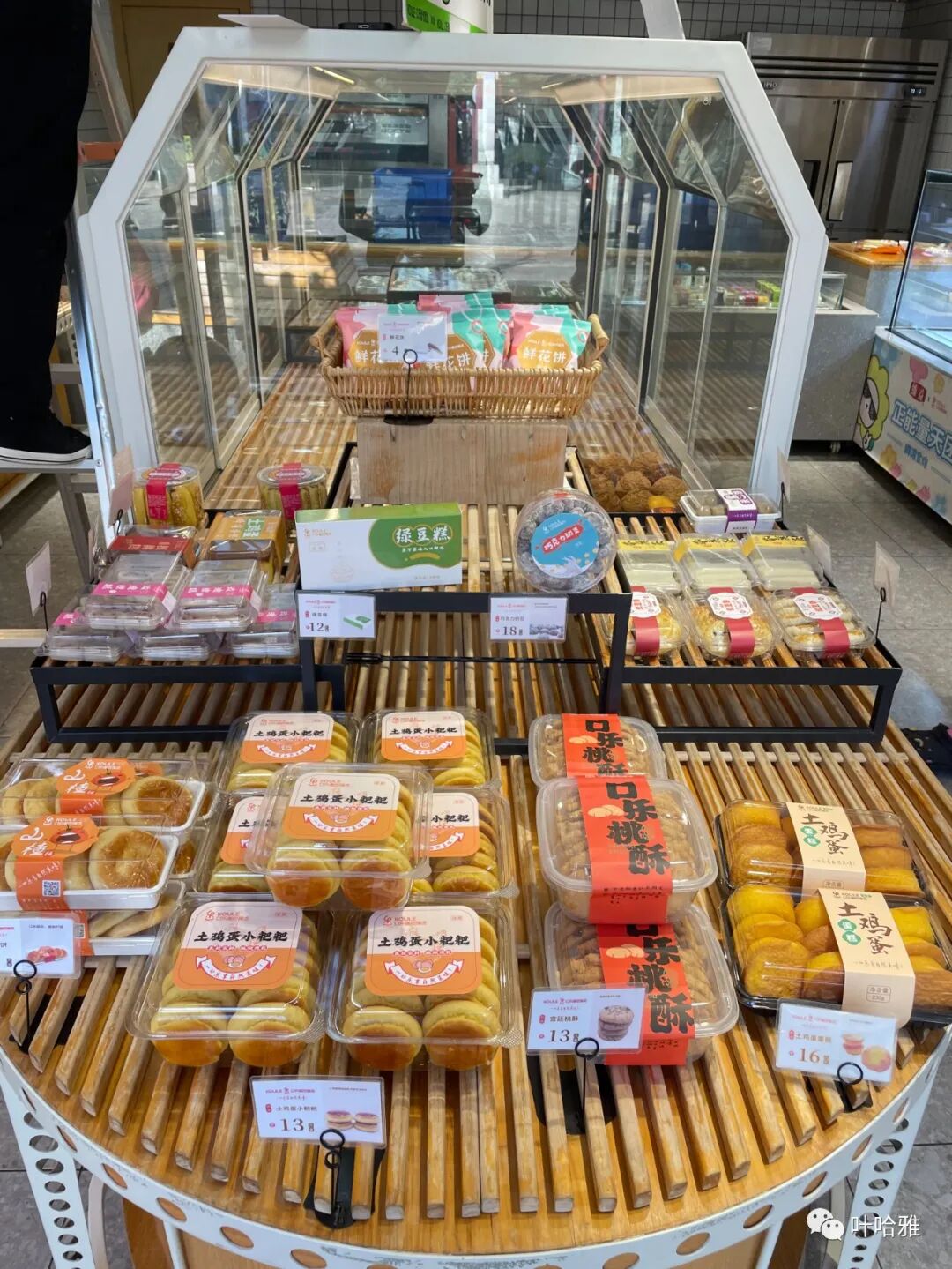
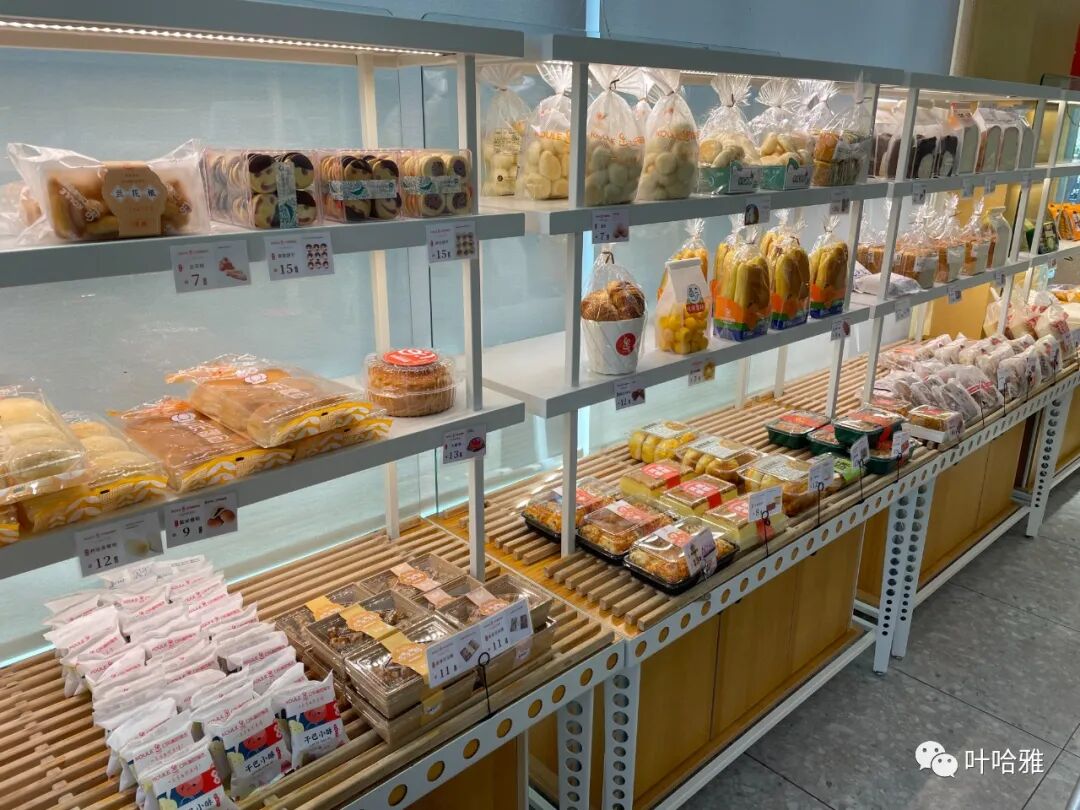
Koule Bakery is a chain store selling Western-style desserts that a local friend recommended. I bought some flower cakes (xianhuabing), but they were a bit too sweet; I still think the ones in Dali are better.
Jiahe Restaurant
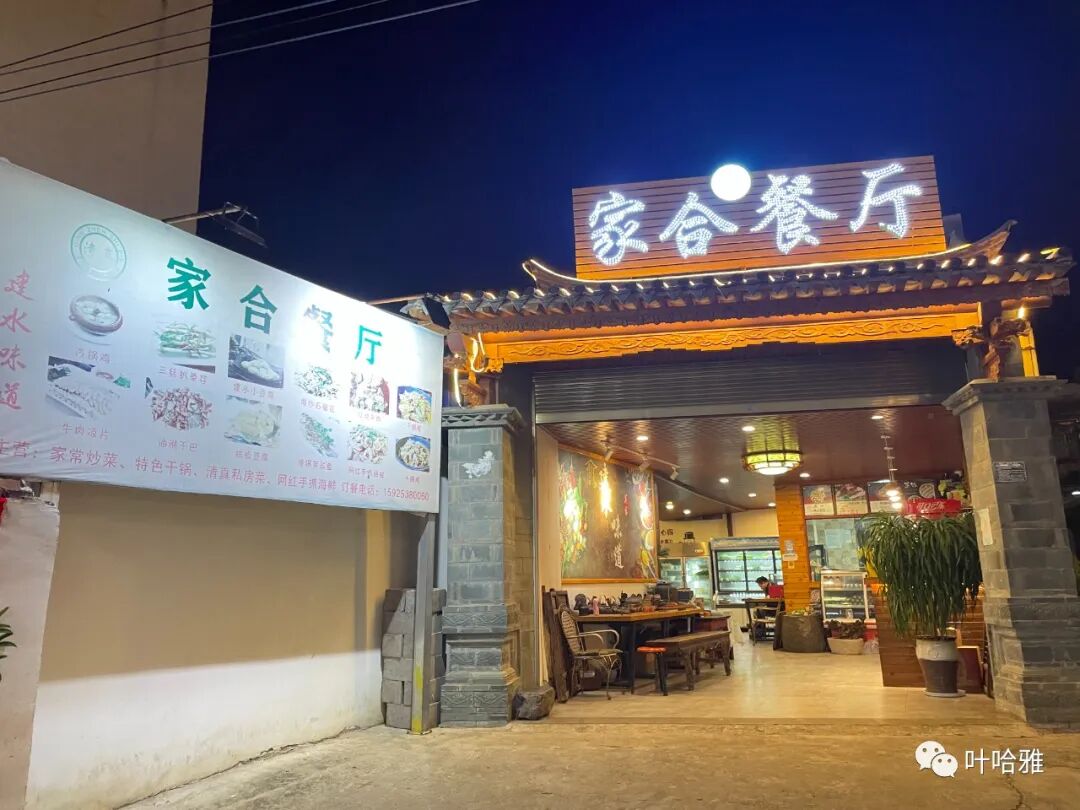
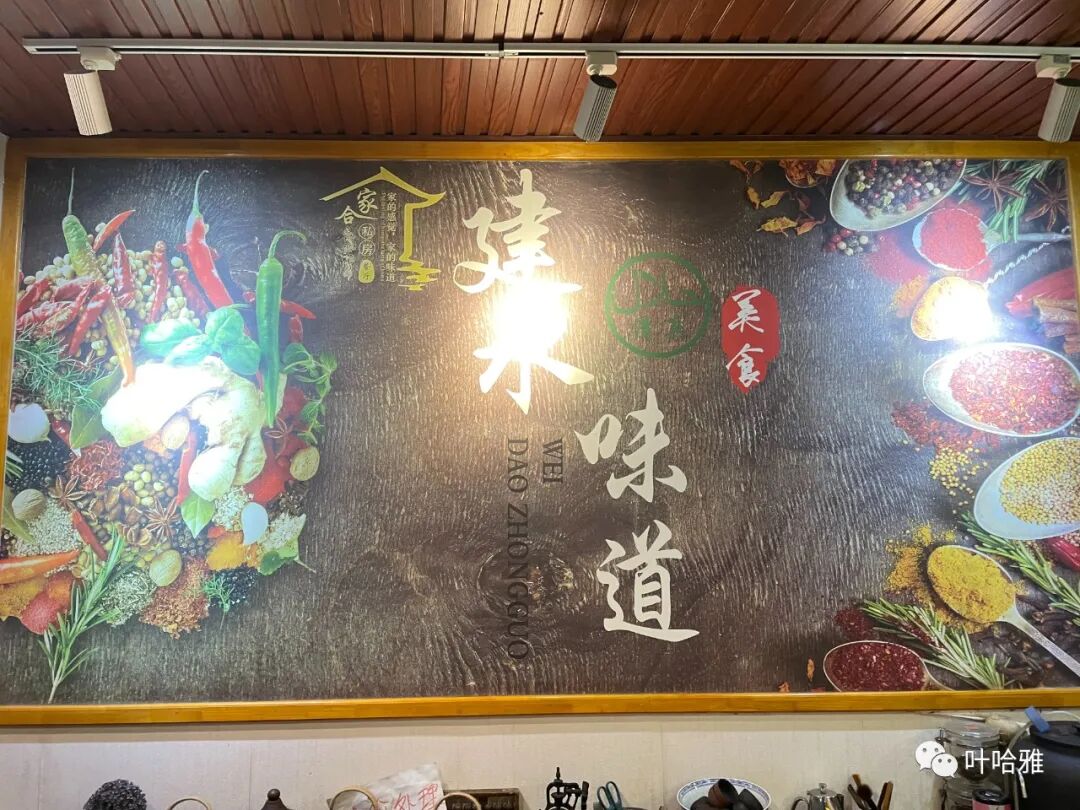
Jiahe Restaurant is across from the Walmart supermarket at the entrance of the old town. We came out of the supermarket and didn't want to walk too far, so we went straight into this shop.
The owner's daughter took a liking to Fahim and tried to trade her Ultraman toy for the snacks in his hand, but Fahim wasn't interested.
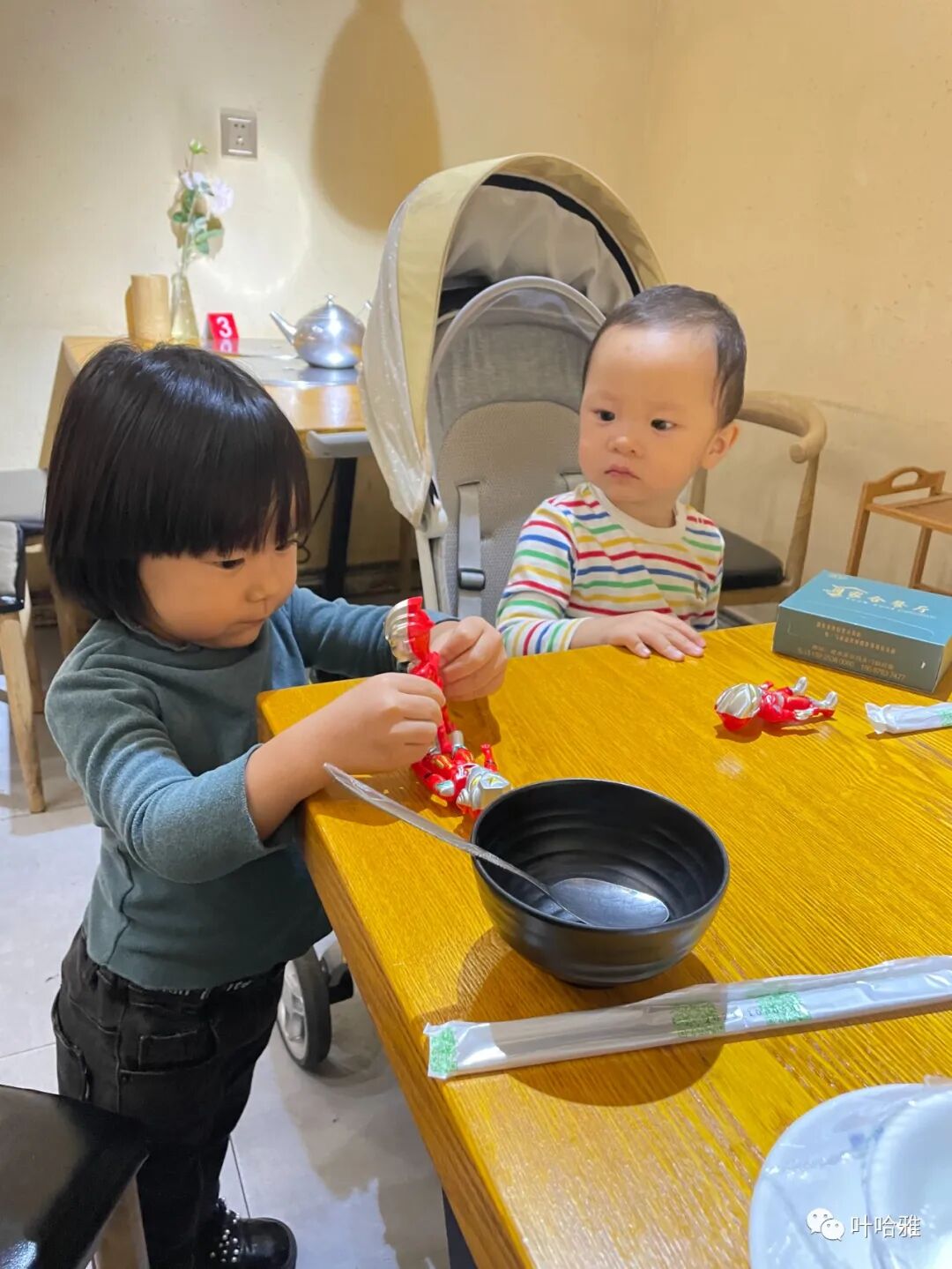
We chatted and learned the owner is from Wenshan and married into Jianshui, where she has run this shop for many years. We actually have a mutual friend; her classmate is currently studying at the China Islamic Institute.
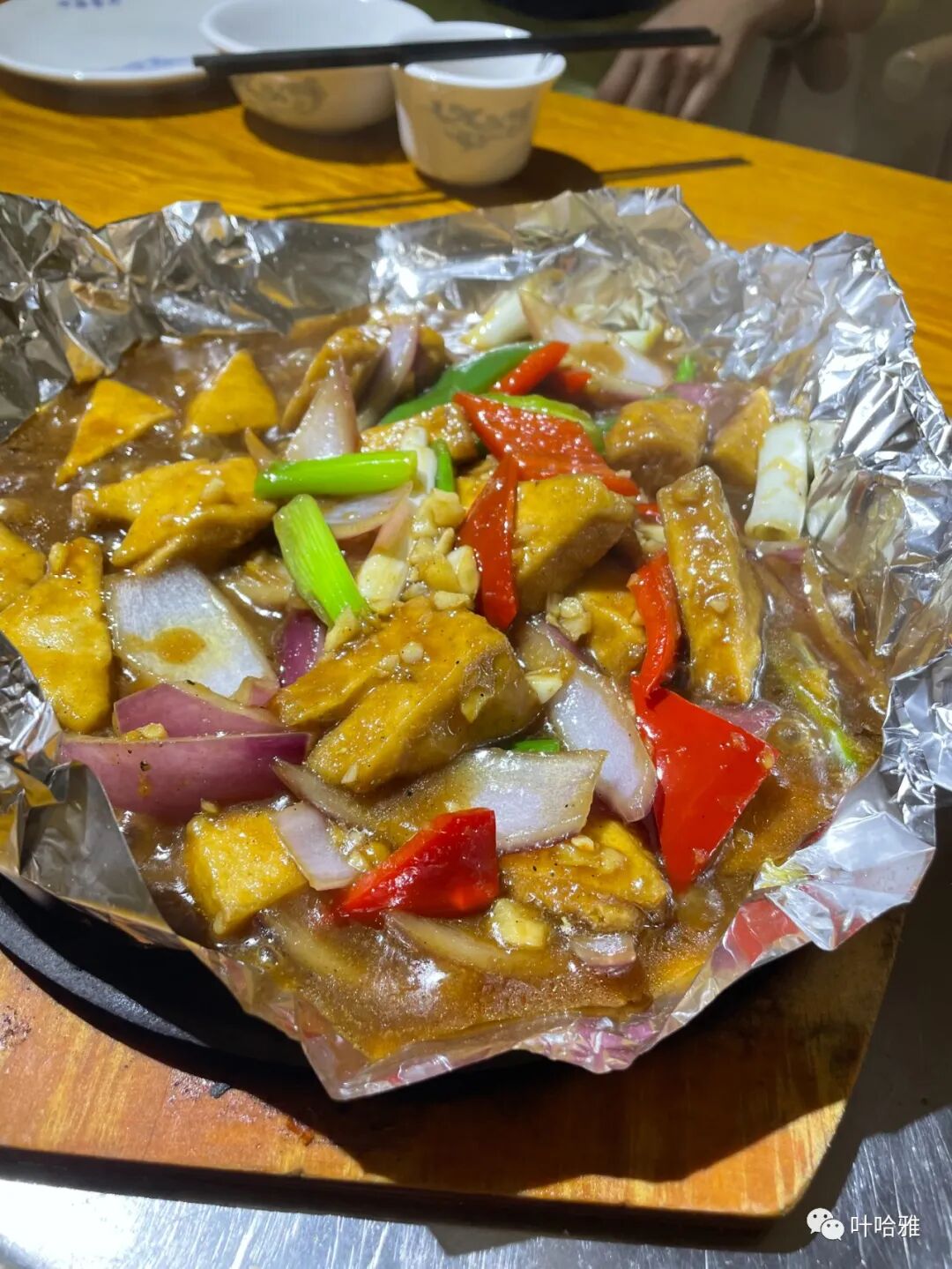
The owner recommended a few local specialties, including iron-plate tofu (tieban doufu) and steam-pot chicken (qiguo ji).
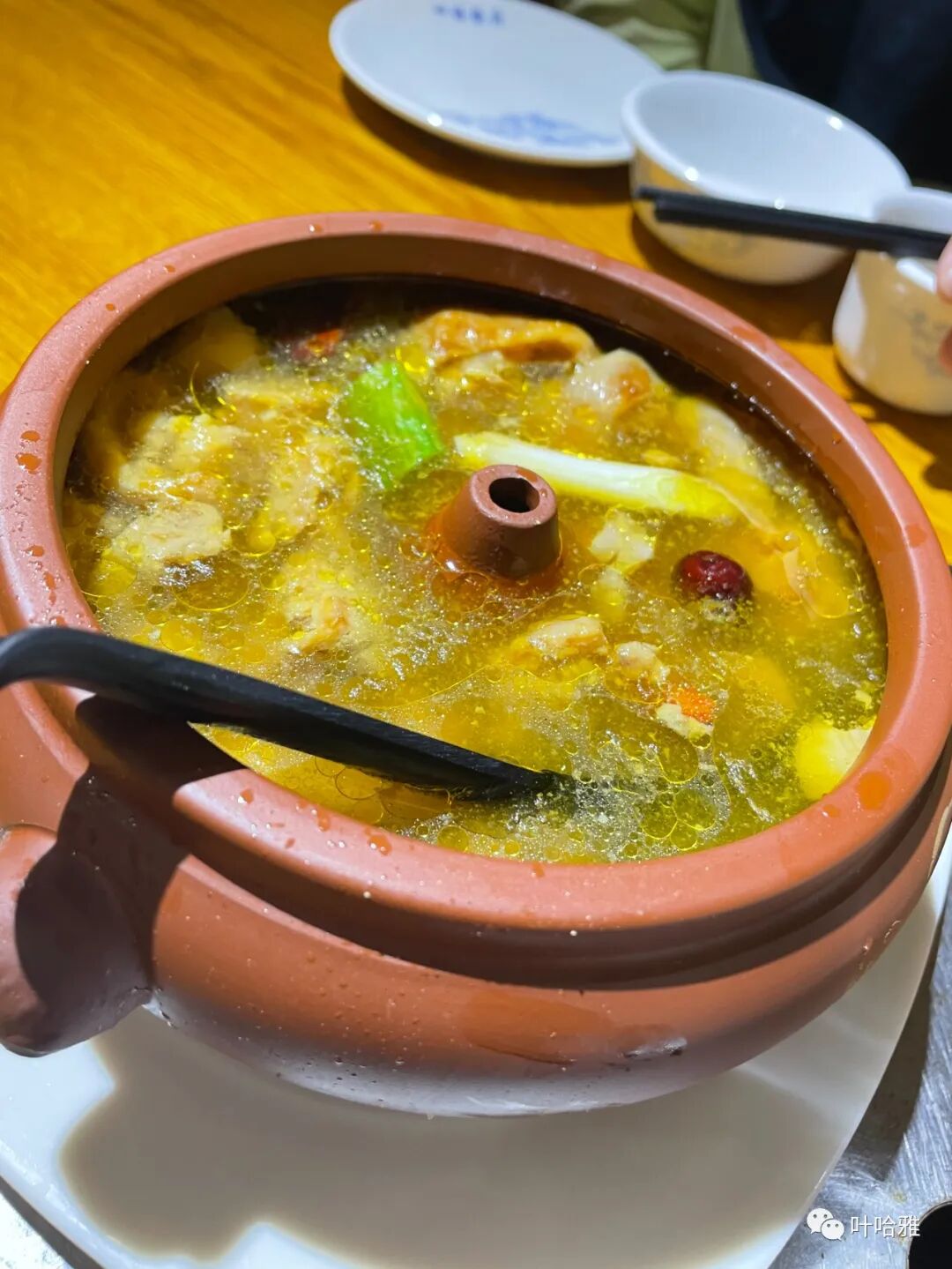
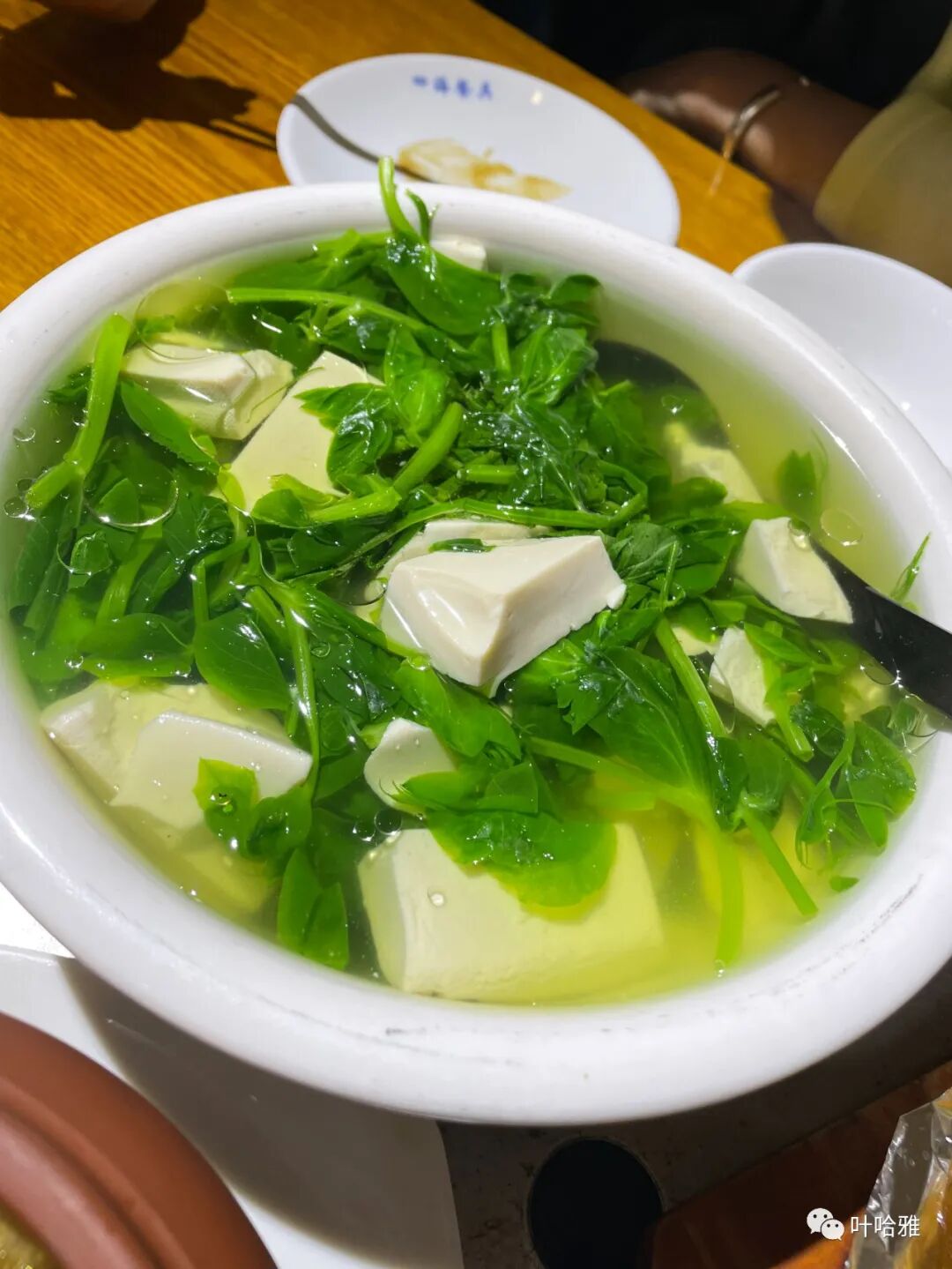
Everything was delicious. Jianshui tofu has a smooth texture and can be eaten in many different ways.
Zitao Street
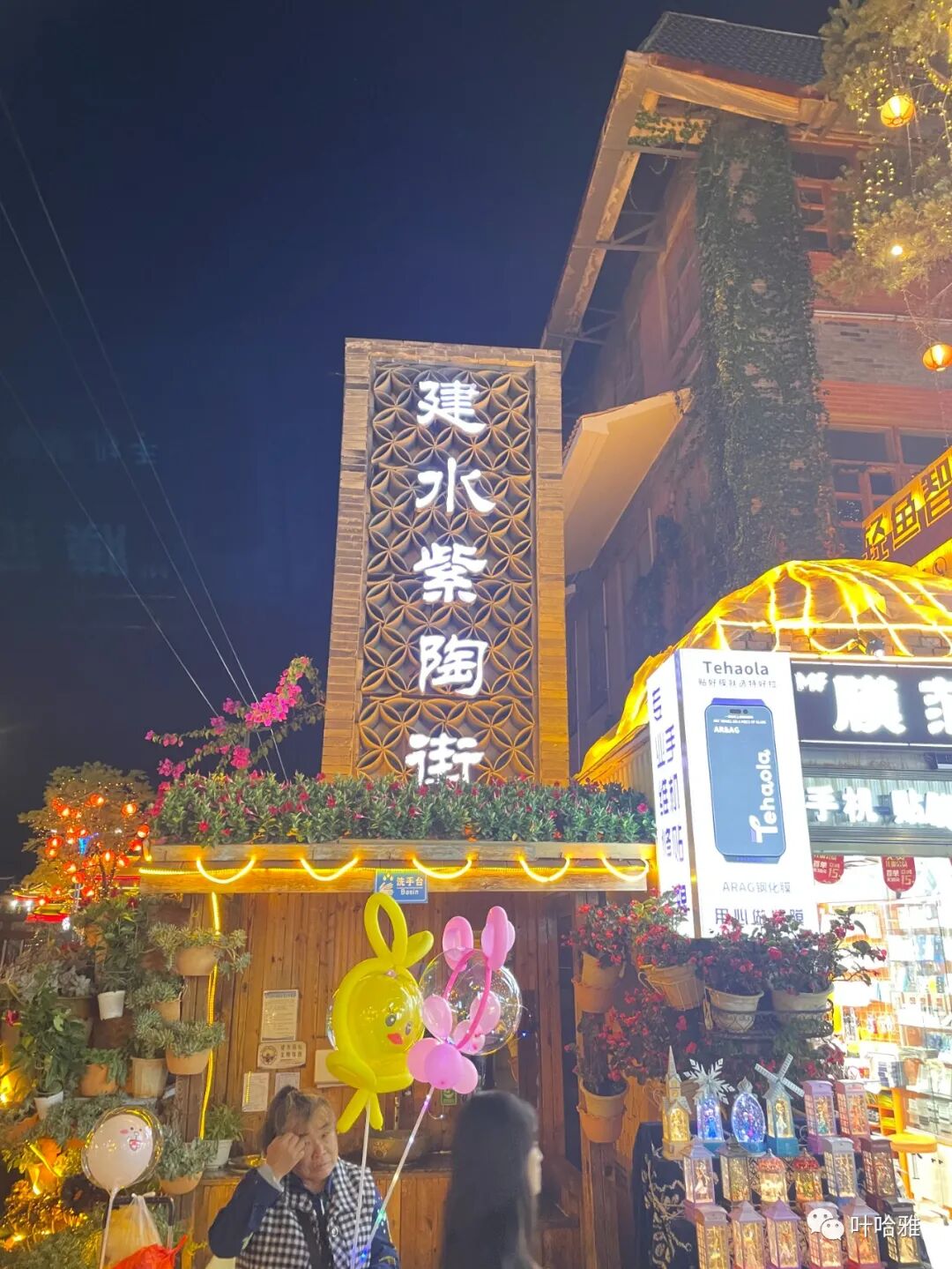
Jianshui's Zitao Street is like the Muslim Quarter (Huimin Jie) in Xi'an. Most of the food stalls inside are halal, and they also sell some small goods.
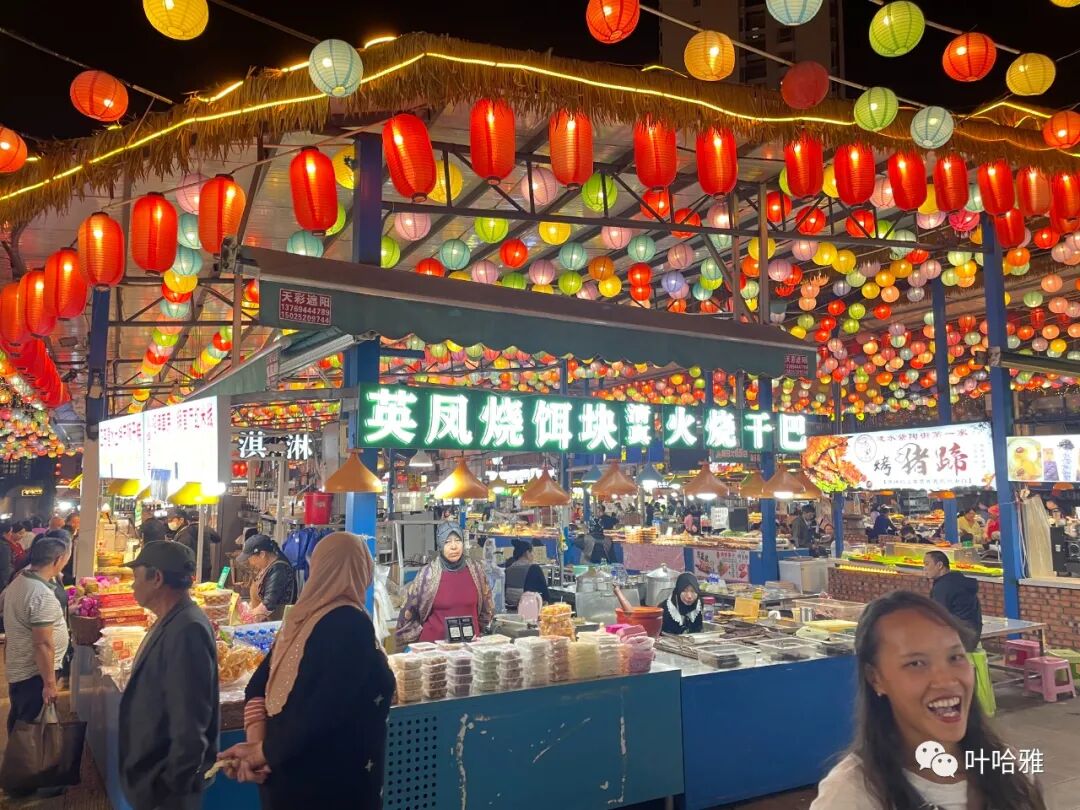
Yingfeng Grilled Rice Cake (shao erkua). There used to be a shop in Beijing, but it closed down.
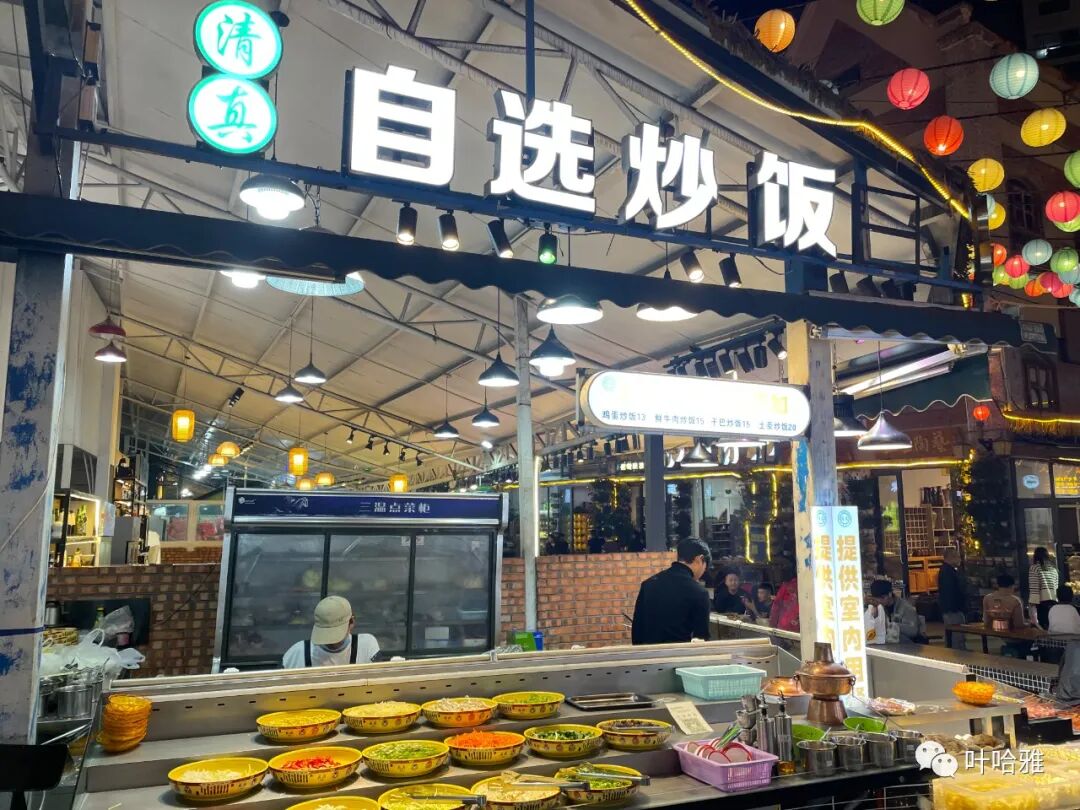
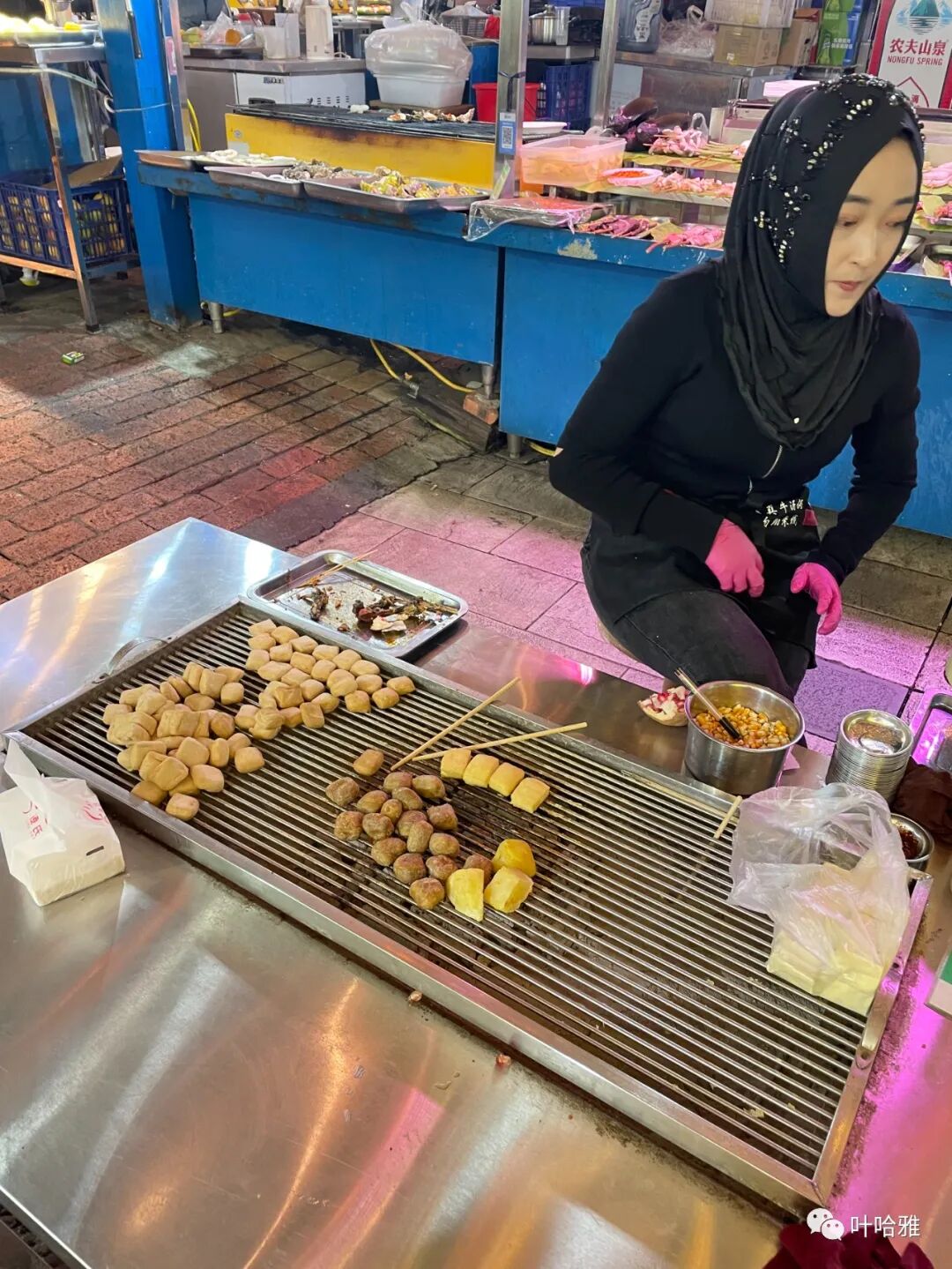
The grilled tofu (shao doufu) is very popular locally. It costs one yuan per piece and is grilled fresh to order.
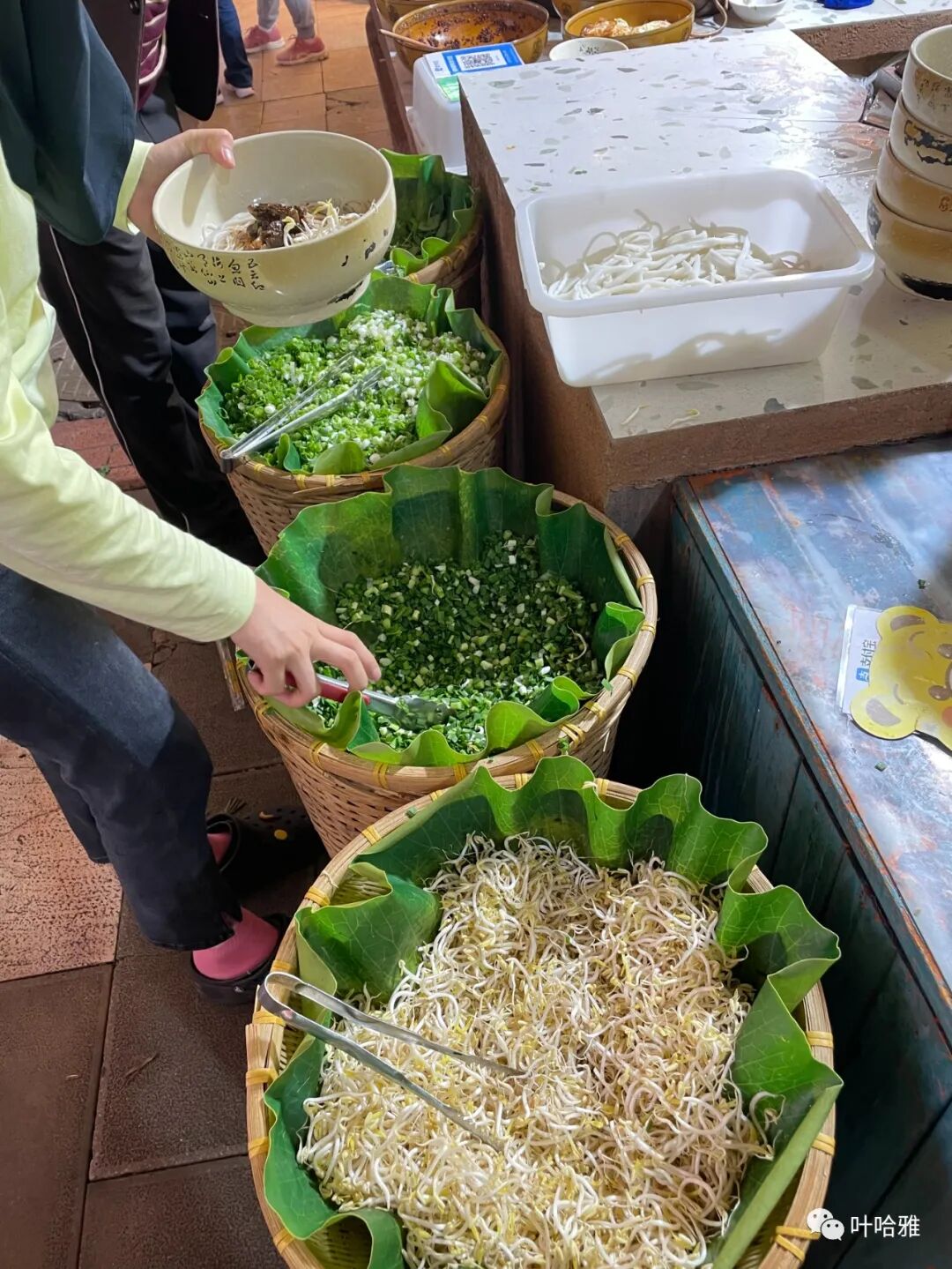
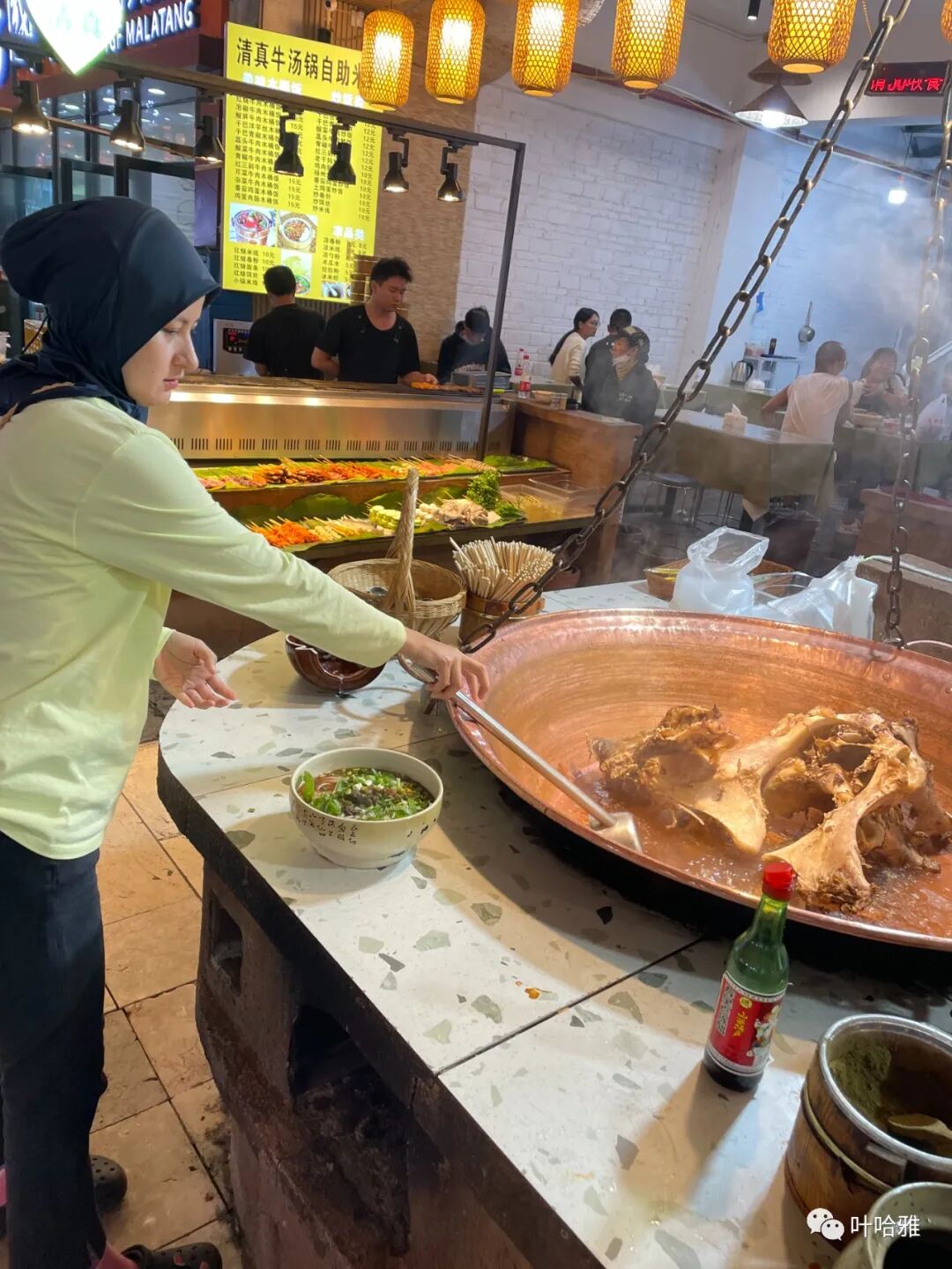
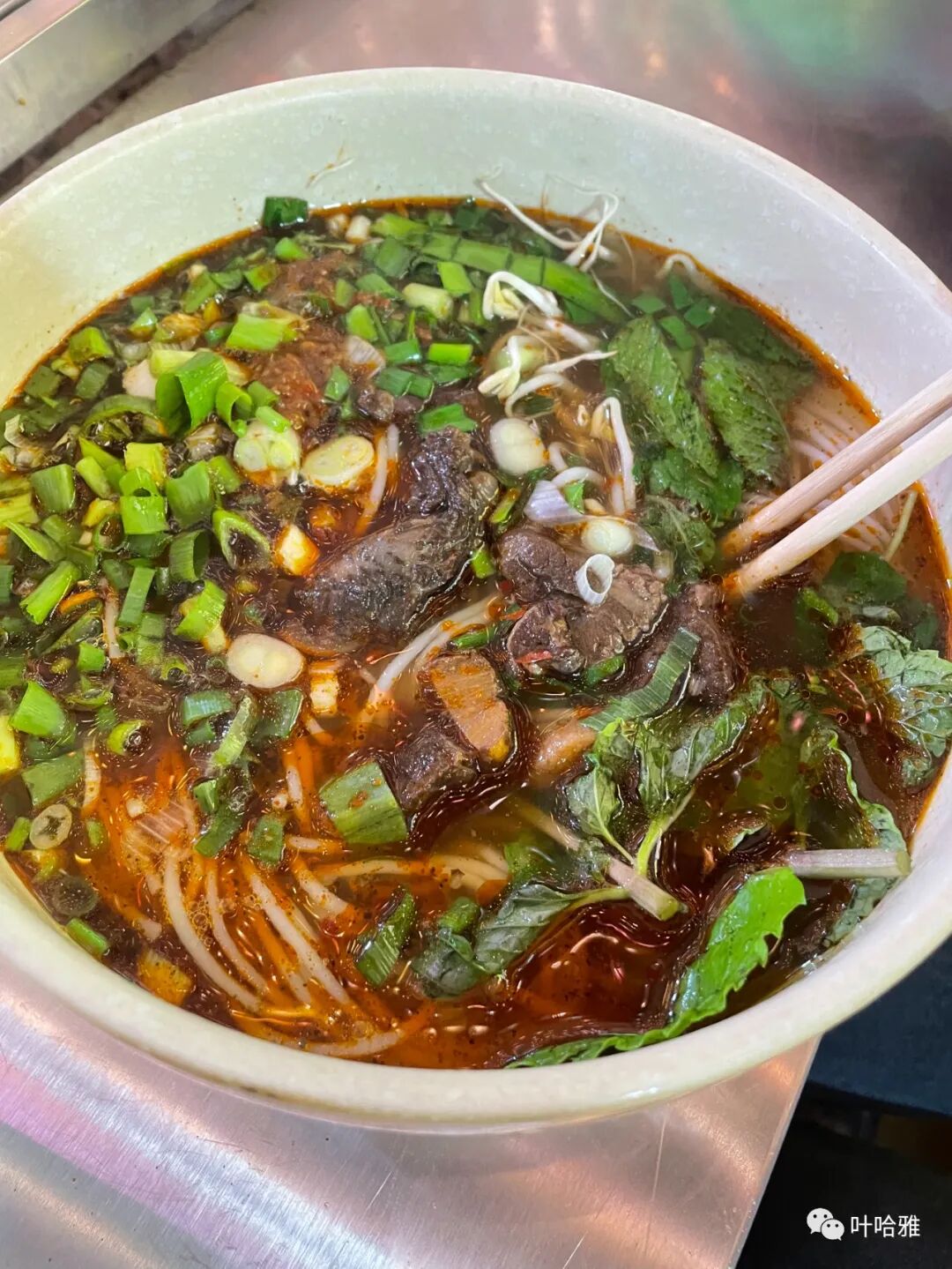
They sell big-pot beef rice noodles (niurou mixian) across the street. The seasonings and side dishes are self-serve, and a huge bowl only costs 10 yuan.
My friends in Jianshui do not think much of Purple Pottery Street (Zitao Jie). They find it expensive and say it is just for tourists. We actually liked it after we arrived. Tourists have different needs than locals, and some people just enjoy this kind of lively, bustling market. That is why the Hui Muslim Street in Xi'an is so popular. Locals should support it instead of tearing it down.
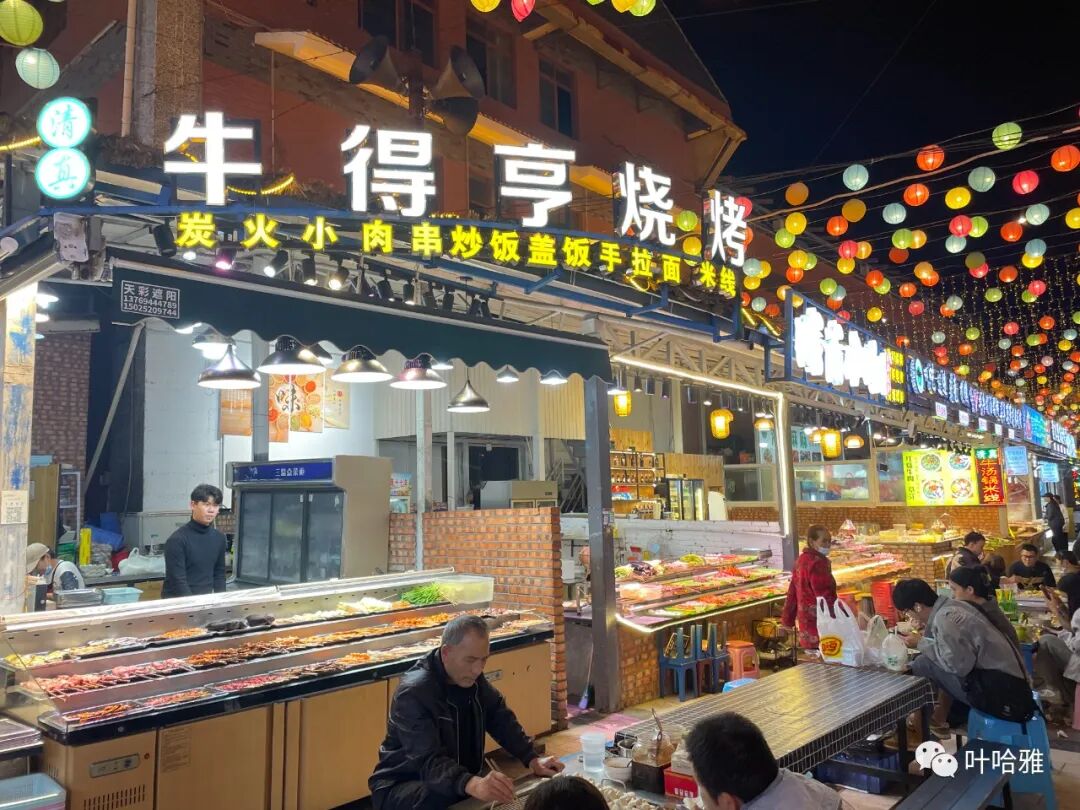
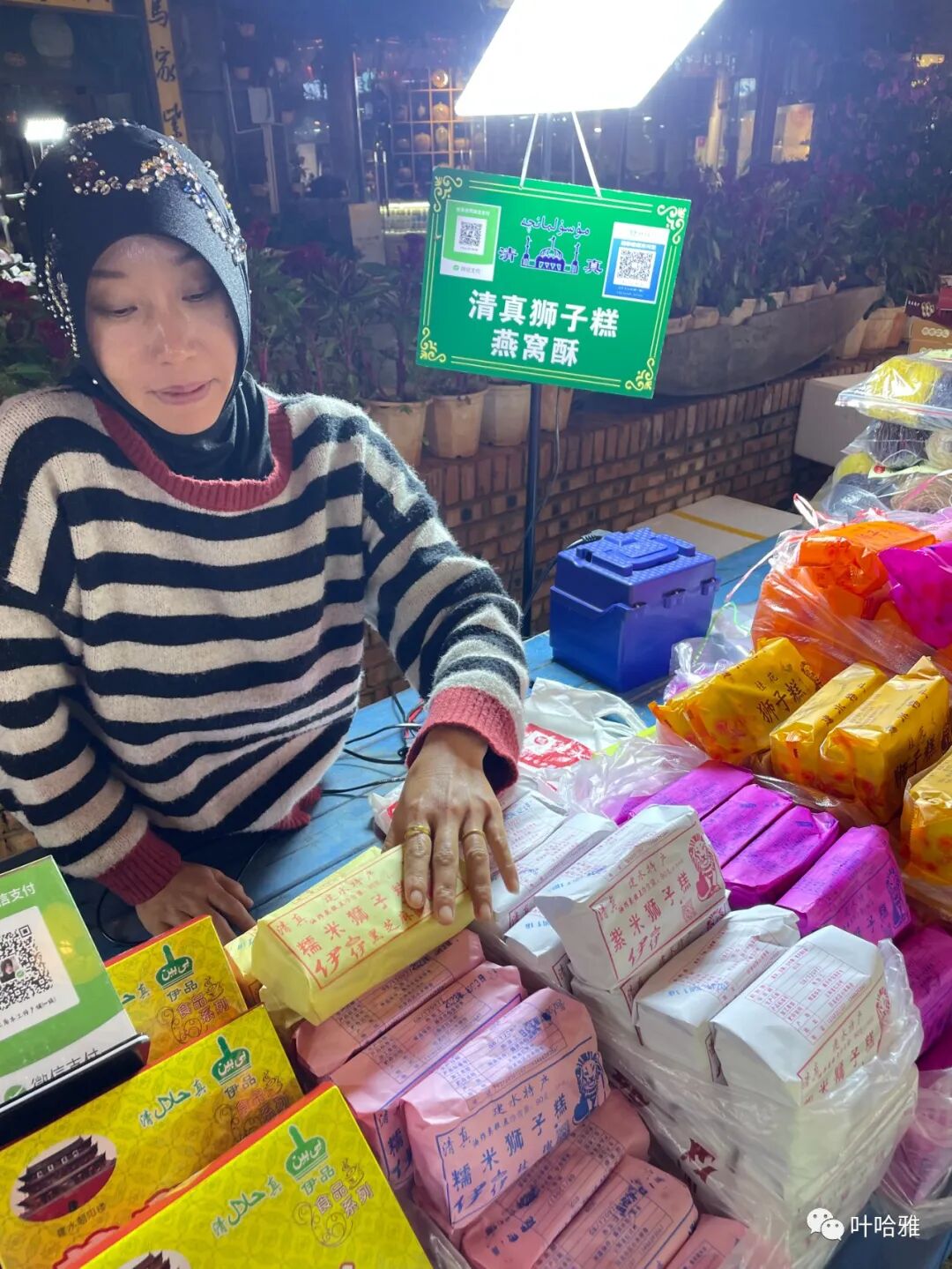
Lion cake (shizi gao) is probably the same as Beijing's sachima. It does not taste very good.
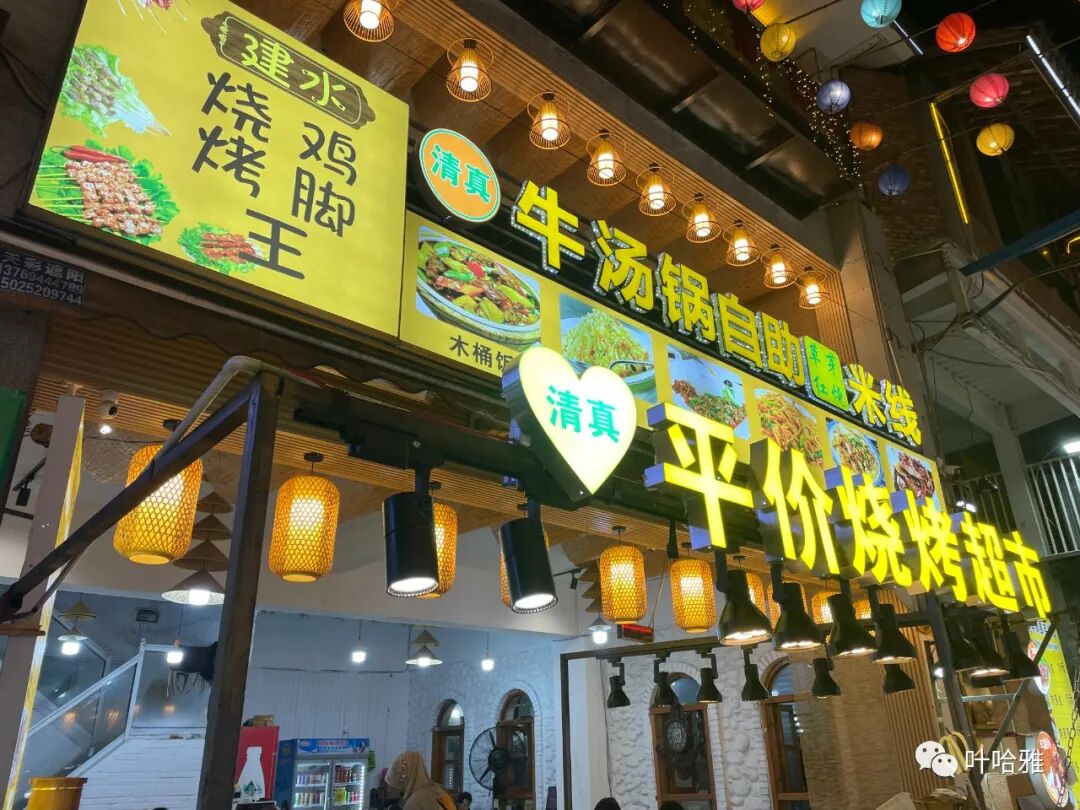
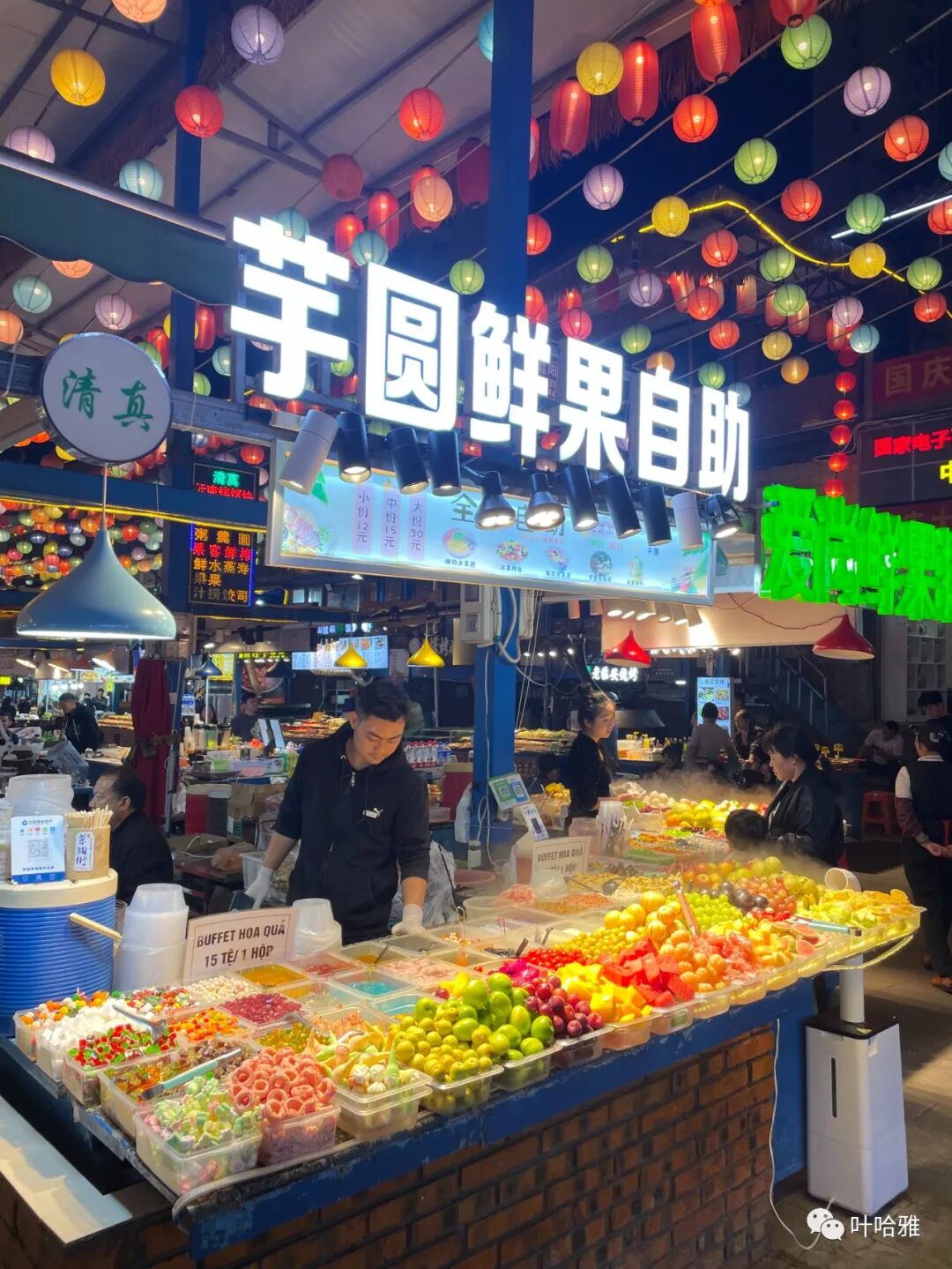
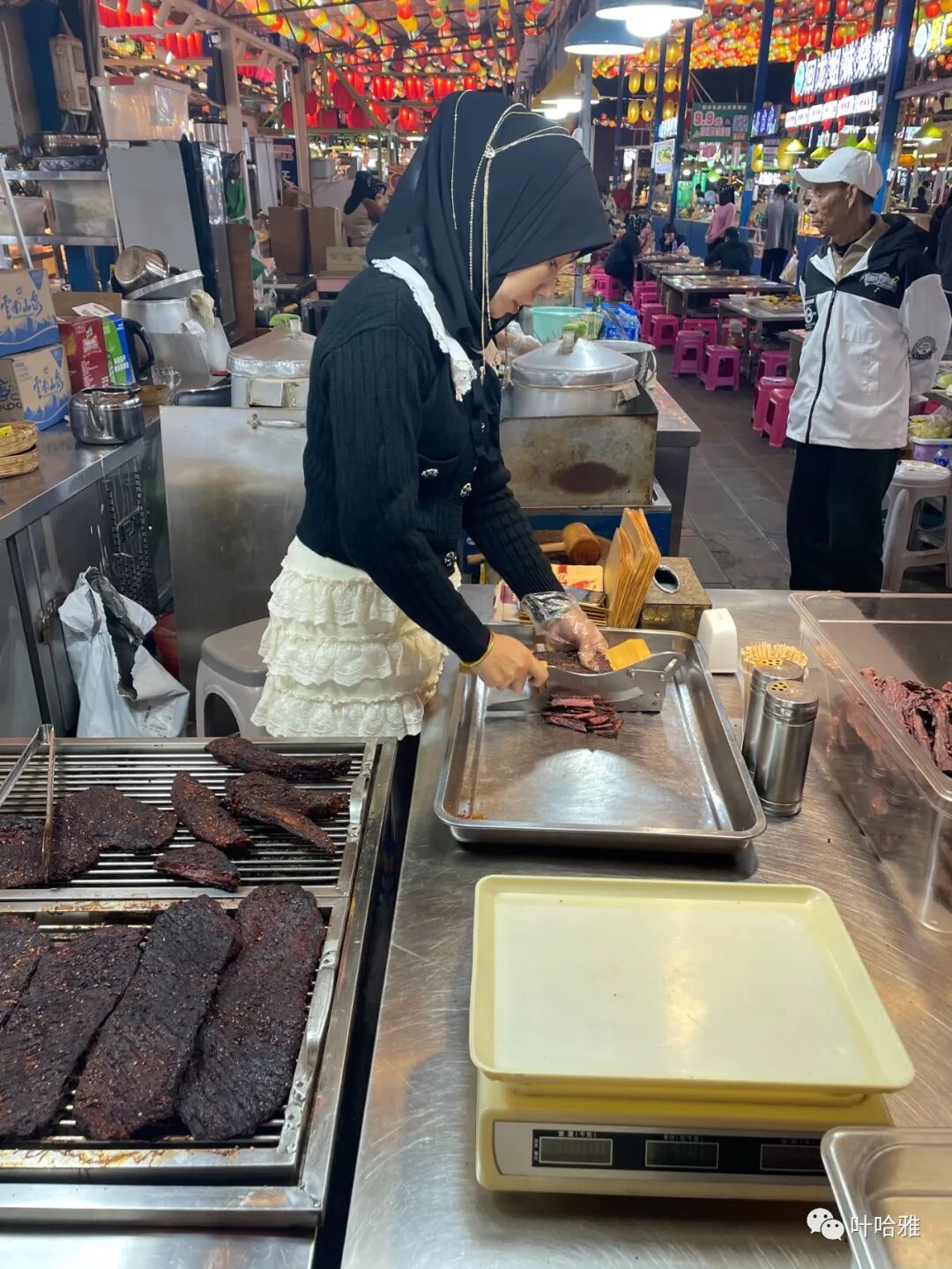
We bought grilled beef jerky (niuganba). It is delicious and comes in original and spicy flavors. This stall looks clean and hygienic.
Dazhuang Mosque in Kaiyuan
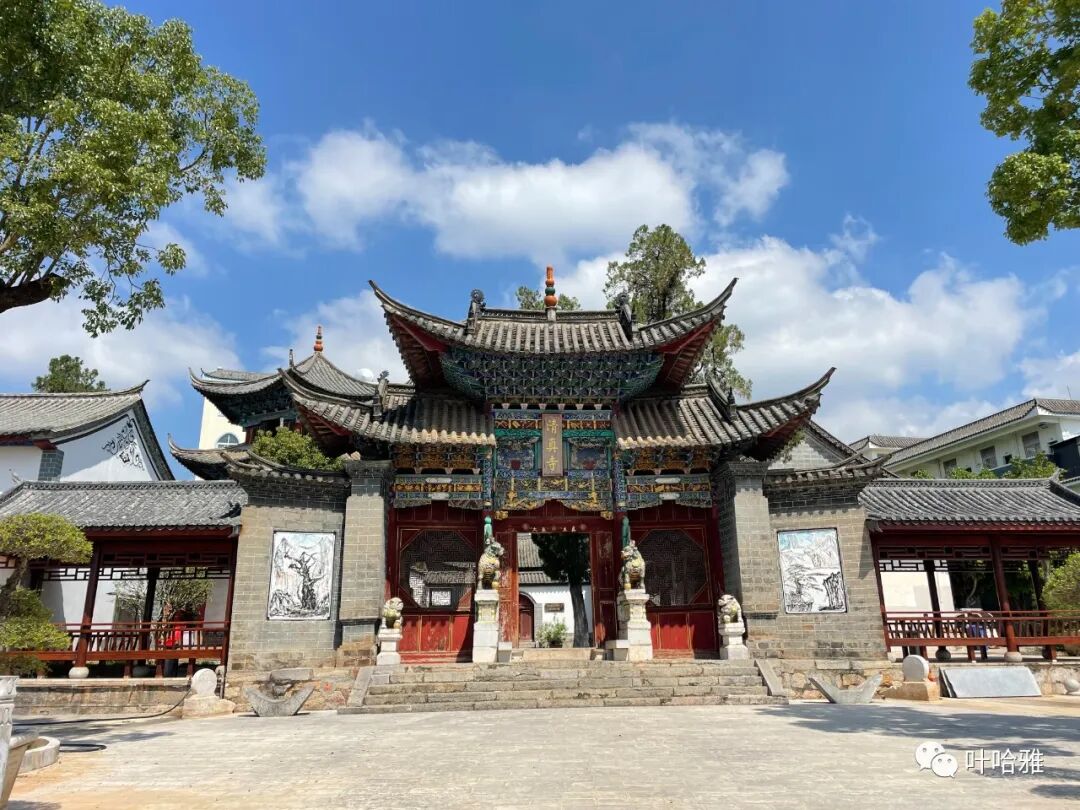
Dazhuang in Kaiyuan has two mosques, a new one and an old one. The old mosque was built during the Wanli period of the Ming Dynasty, and the new mosque was built during an expansion in the Jiaqing period of the Qing Dynasty. The old mosque was then converted into a women's mosque. The new mosque covers nearly 10,000 square meters and is now a provincial-level cultural relic protection site.
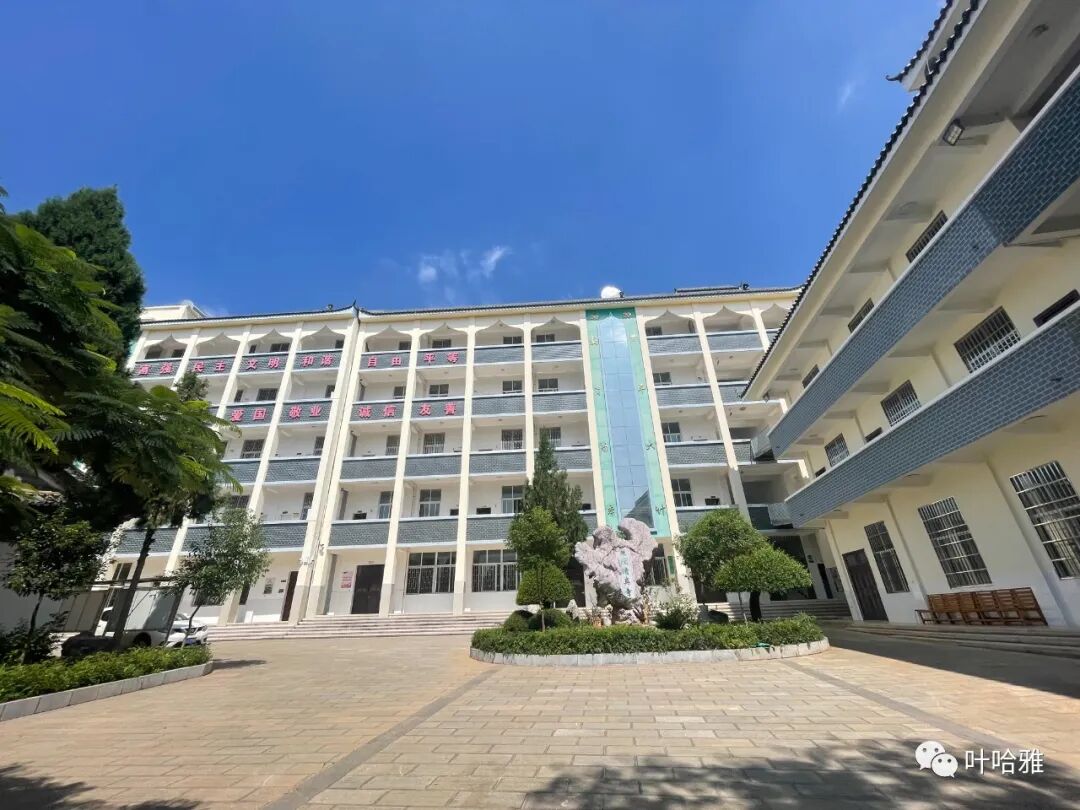
I have seen schools in almost every mosque I visited in Yunnan. Dazhuang Mosque belongs to the Gedimu tradition.
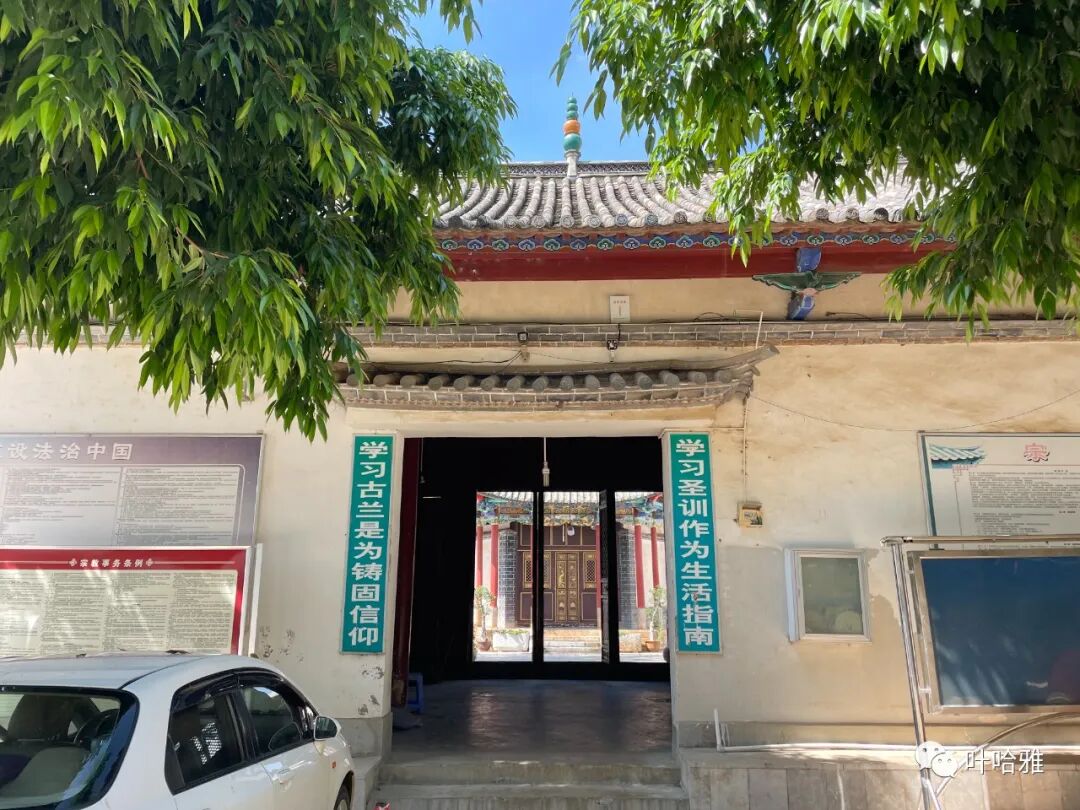
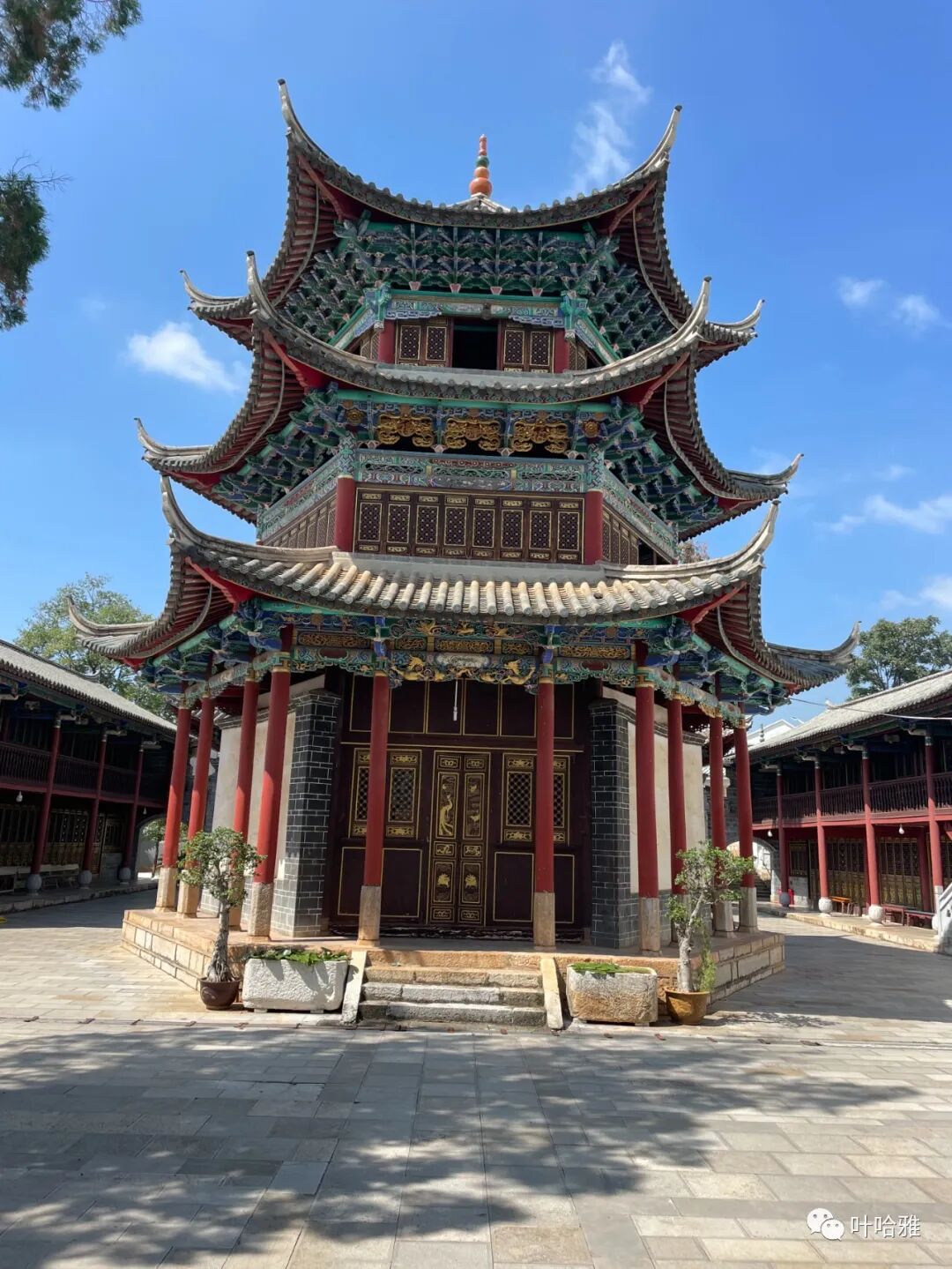
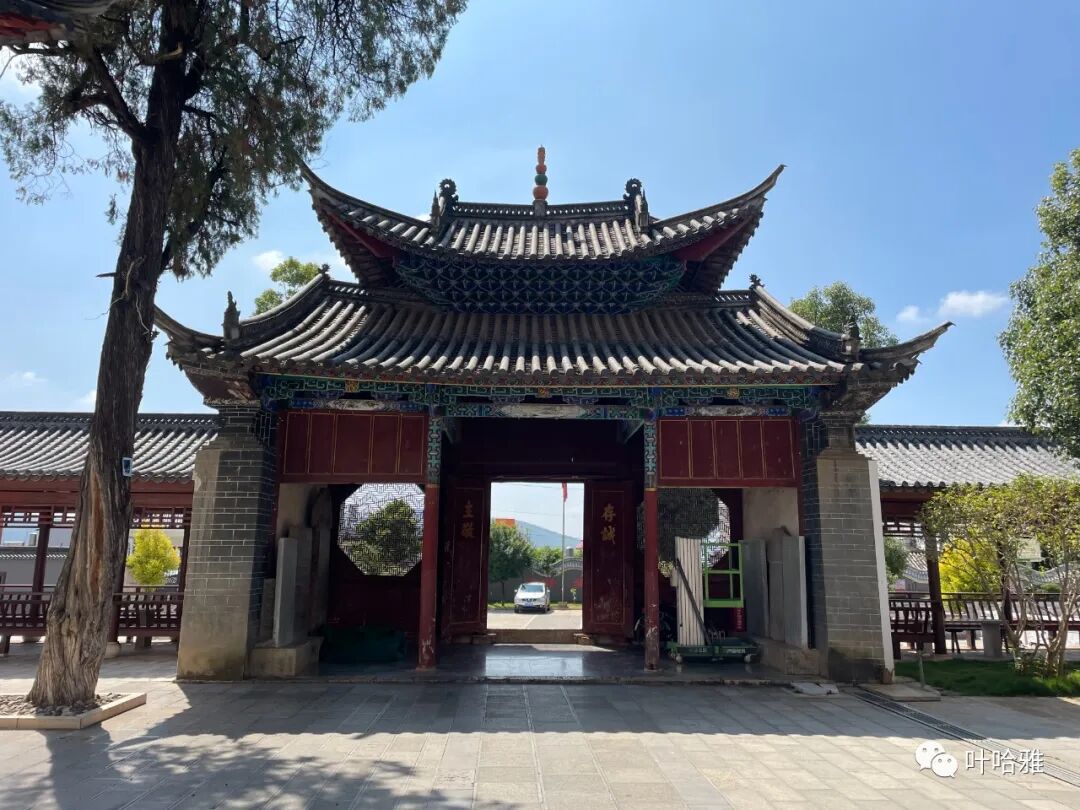
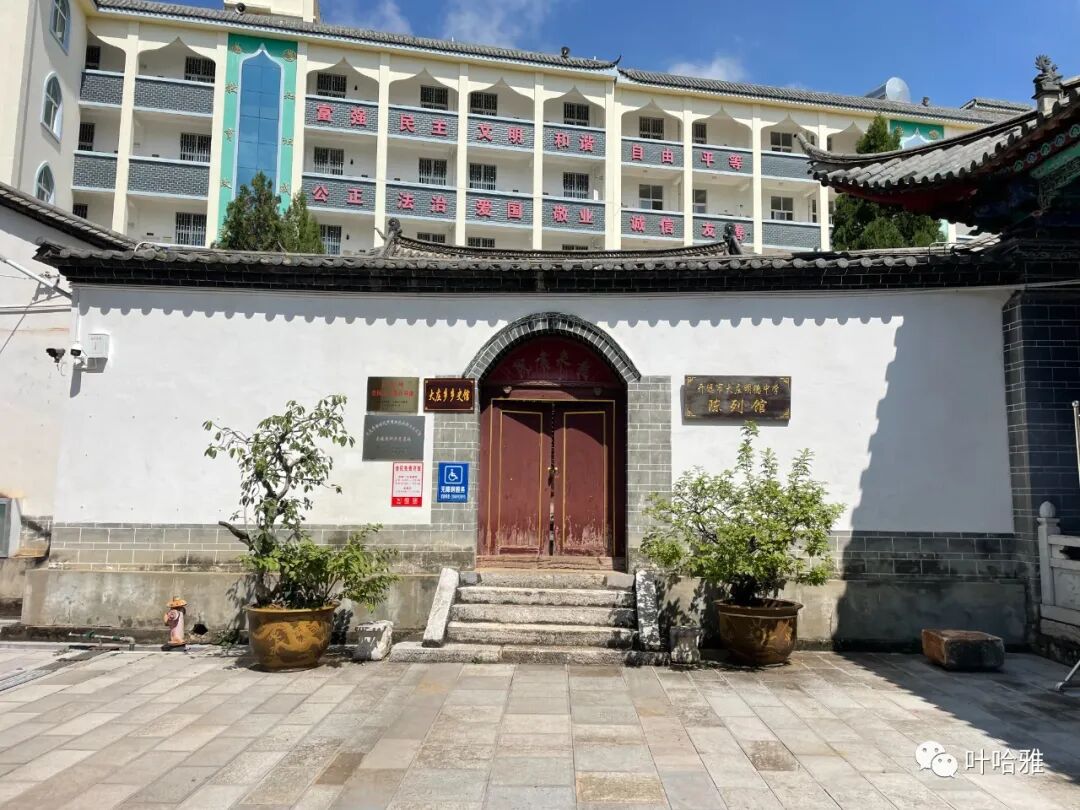
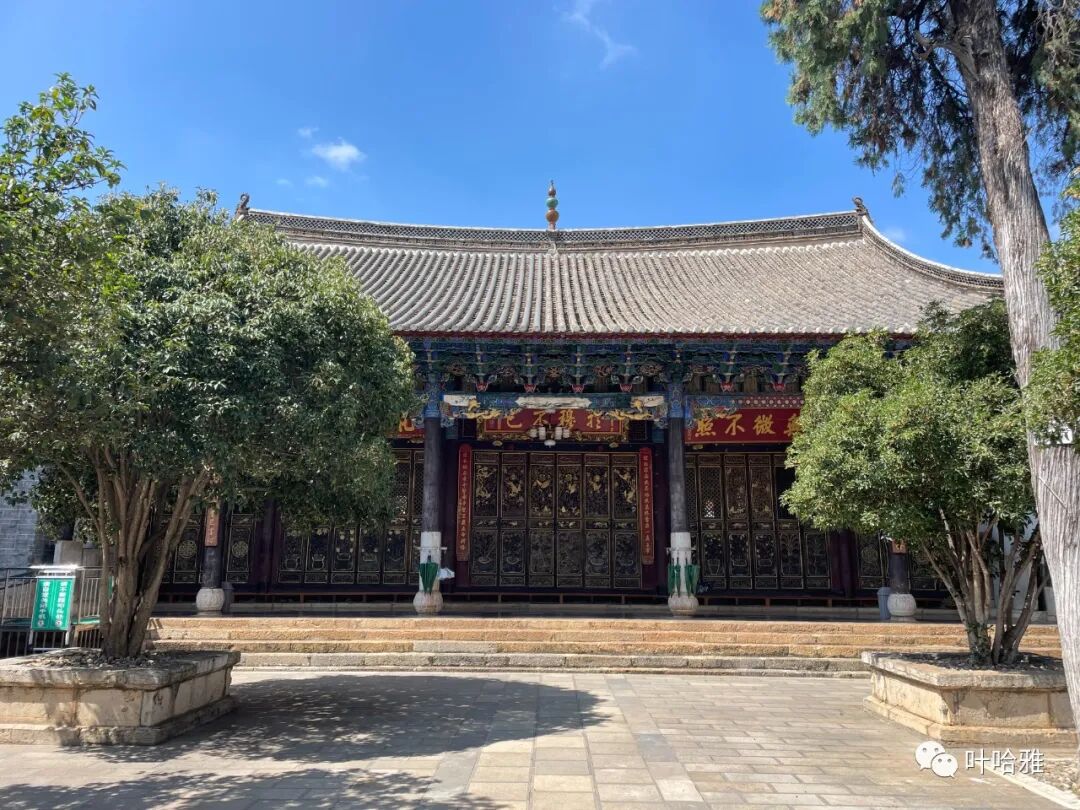
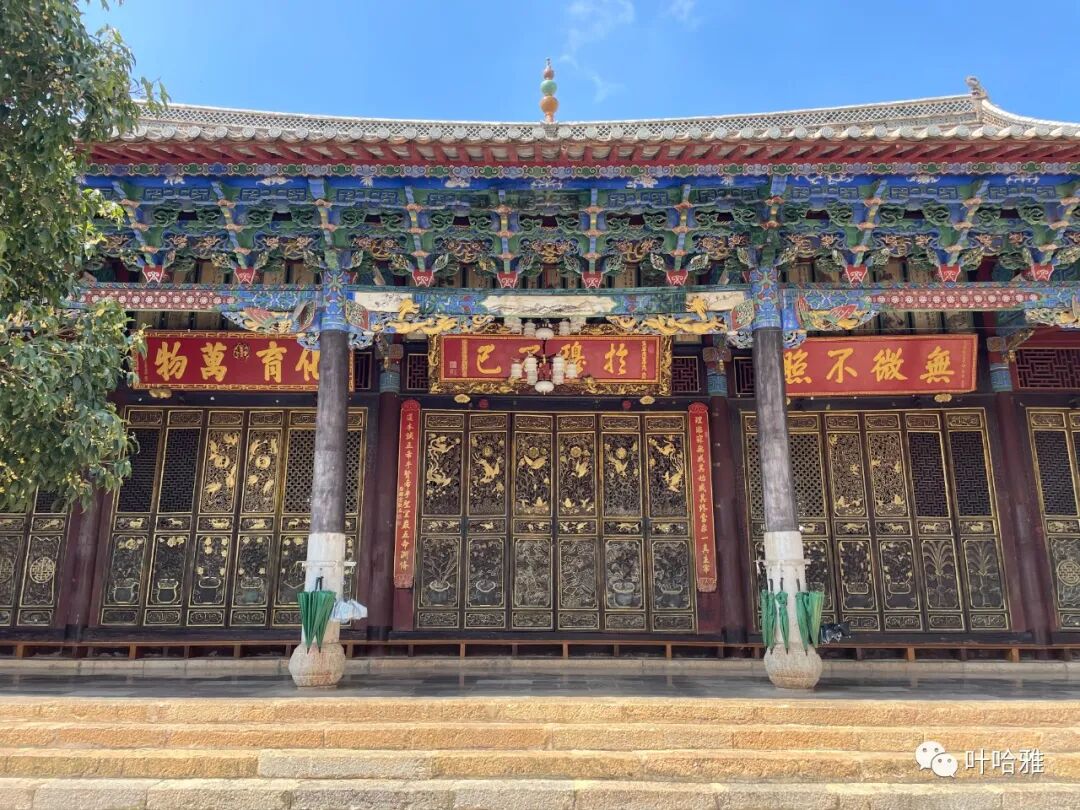
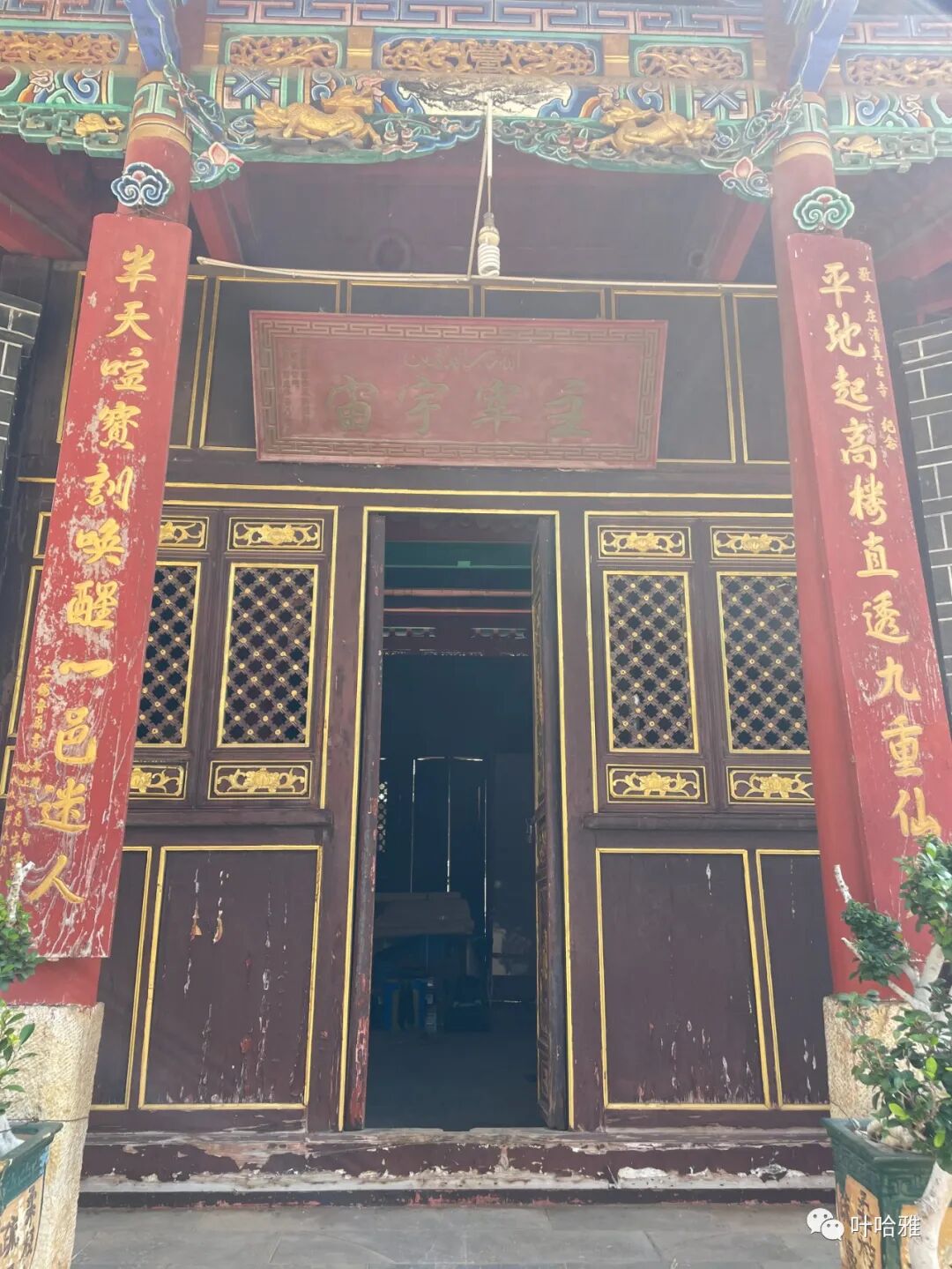
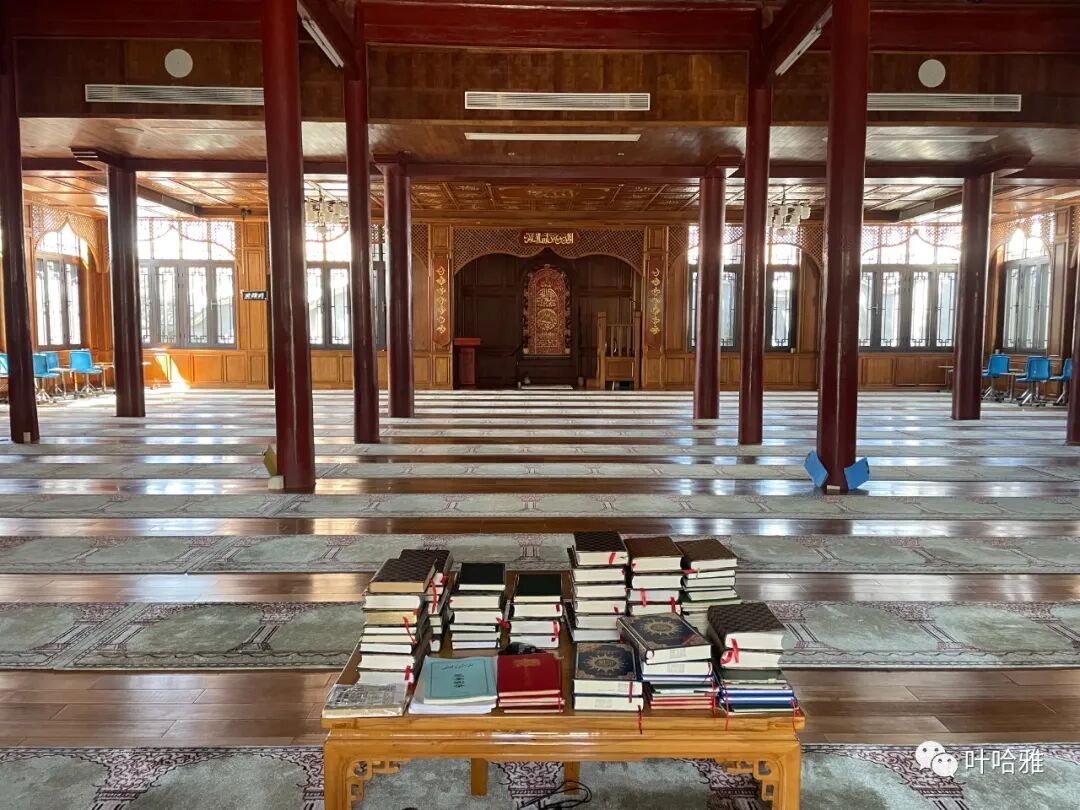
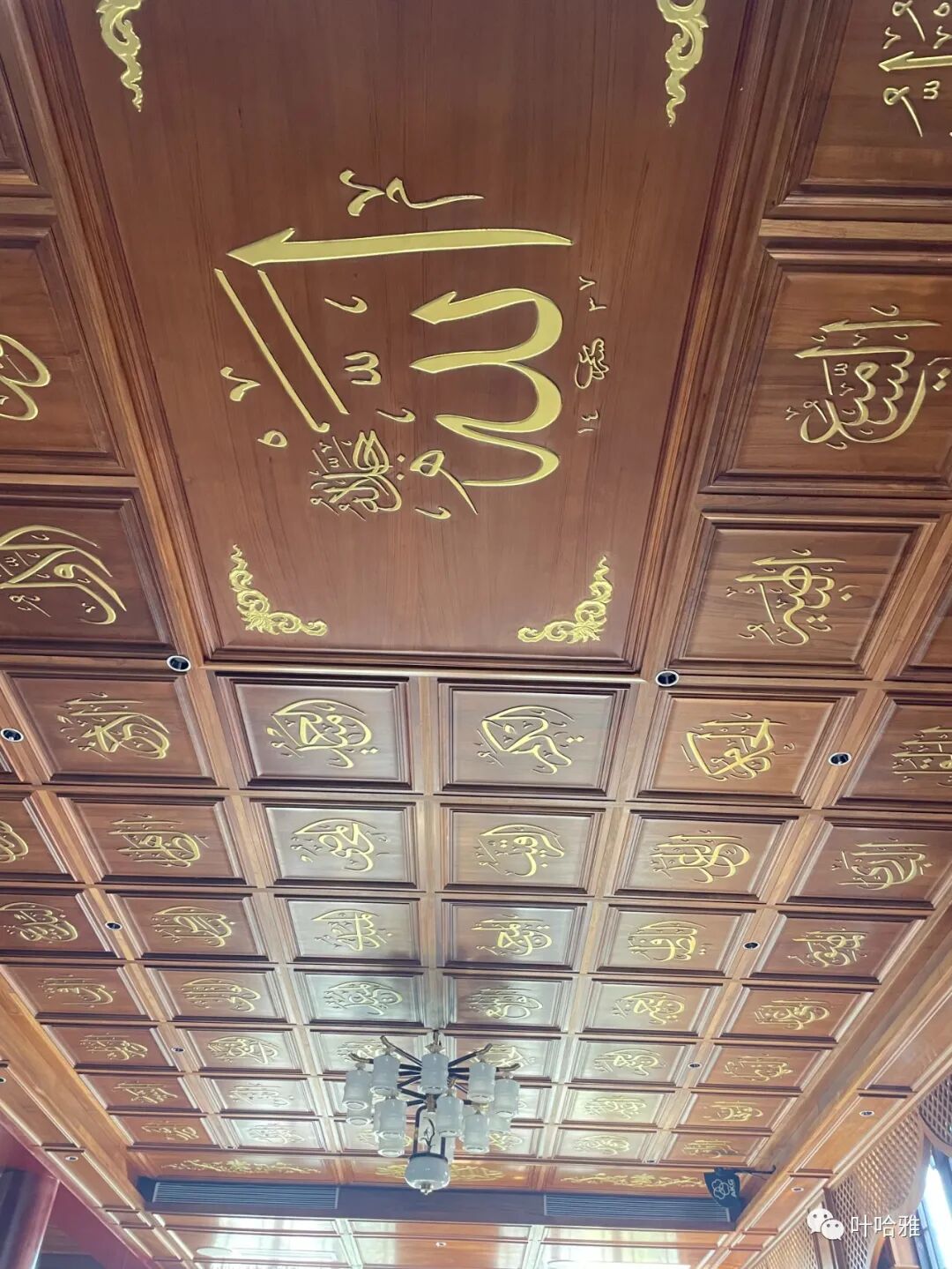
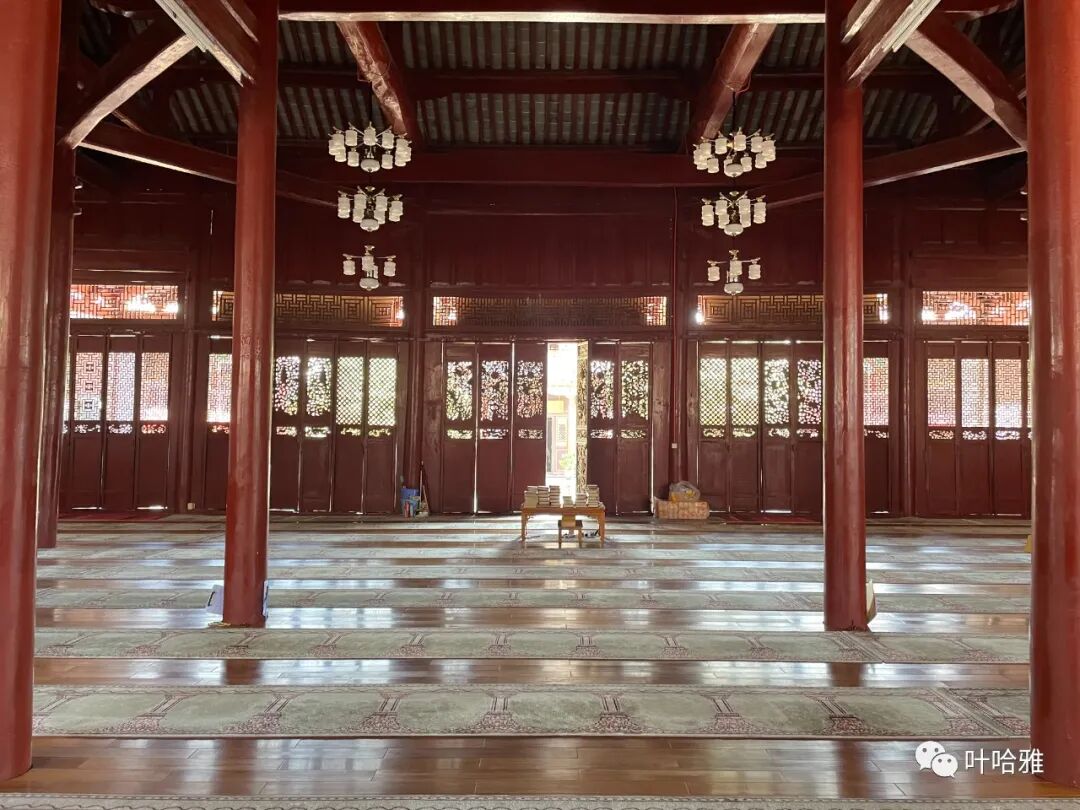
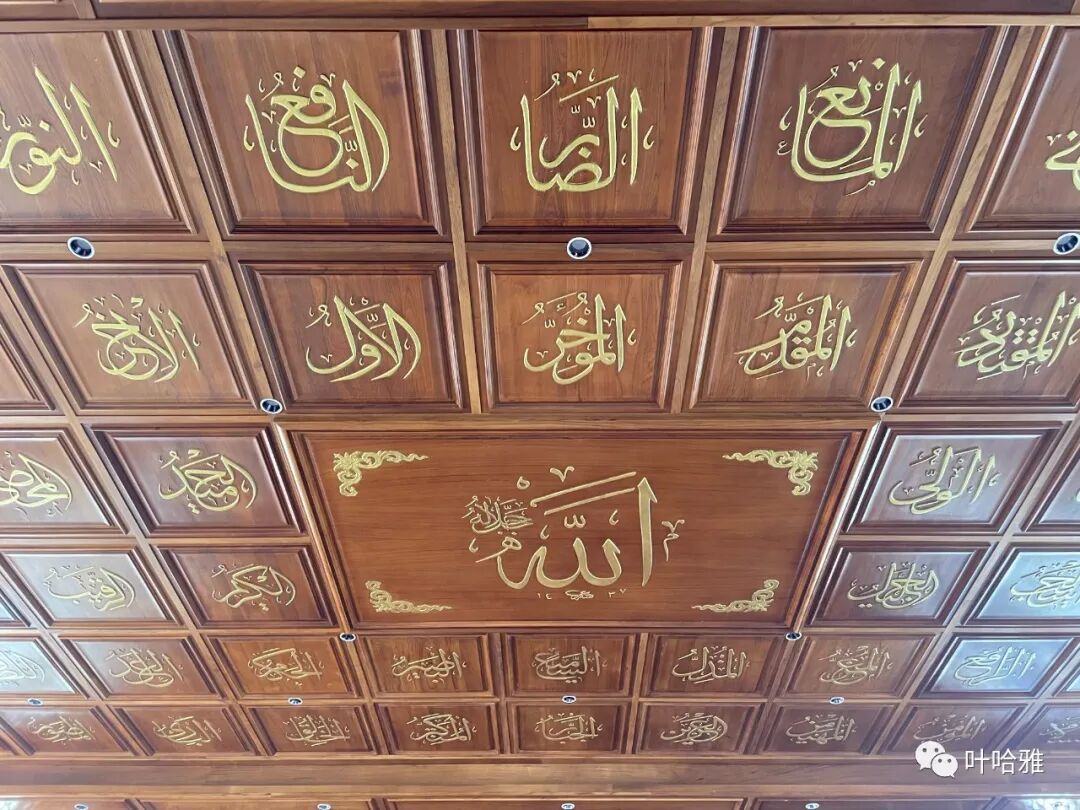
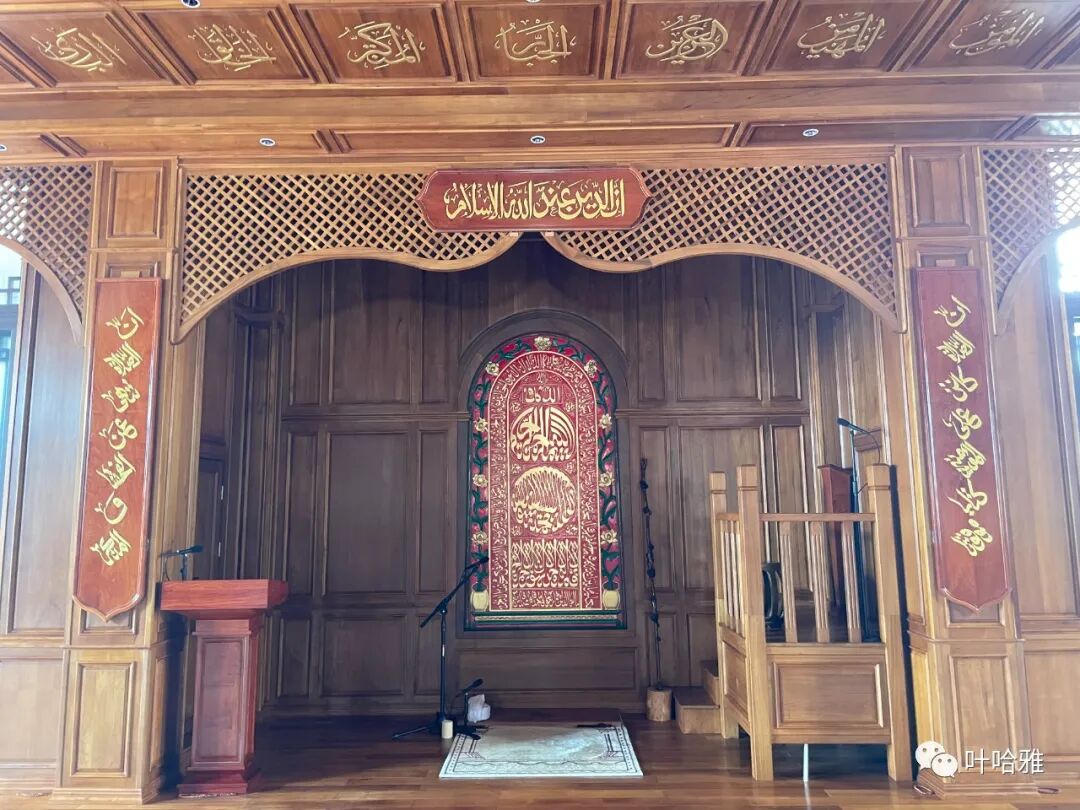
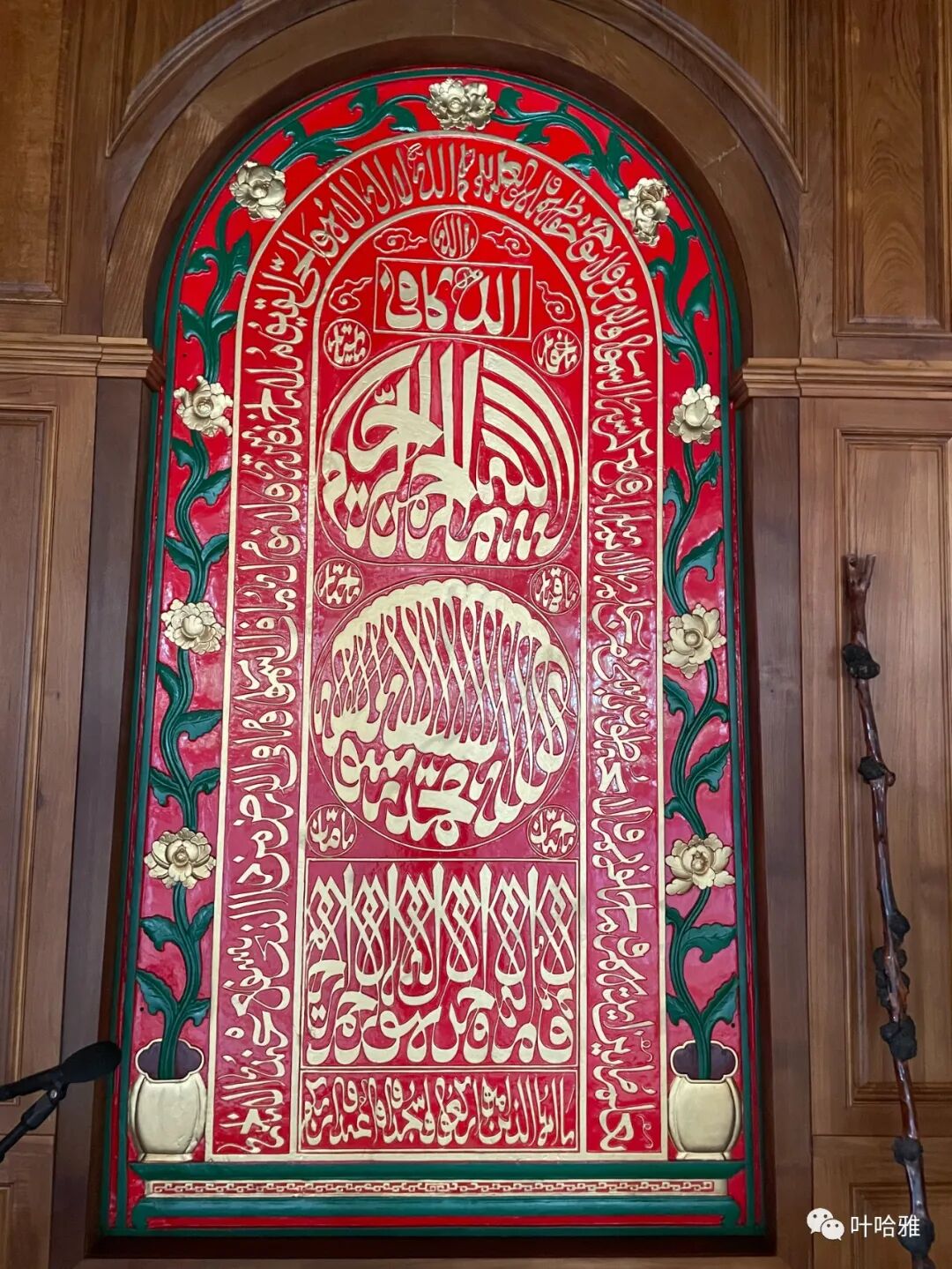
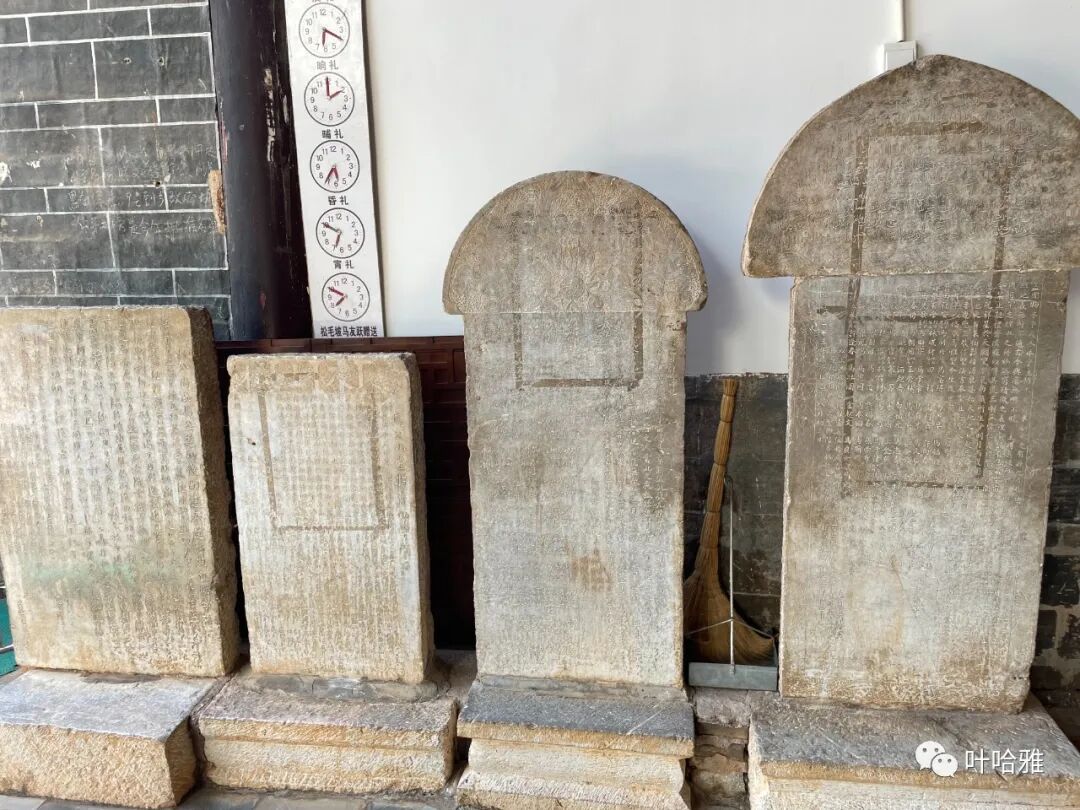
This stone tablet is from the Daoguang period of the Qing Dynasty and records a list of charitable deeds.
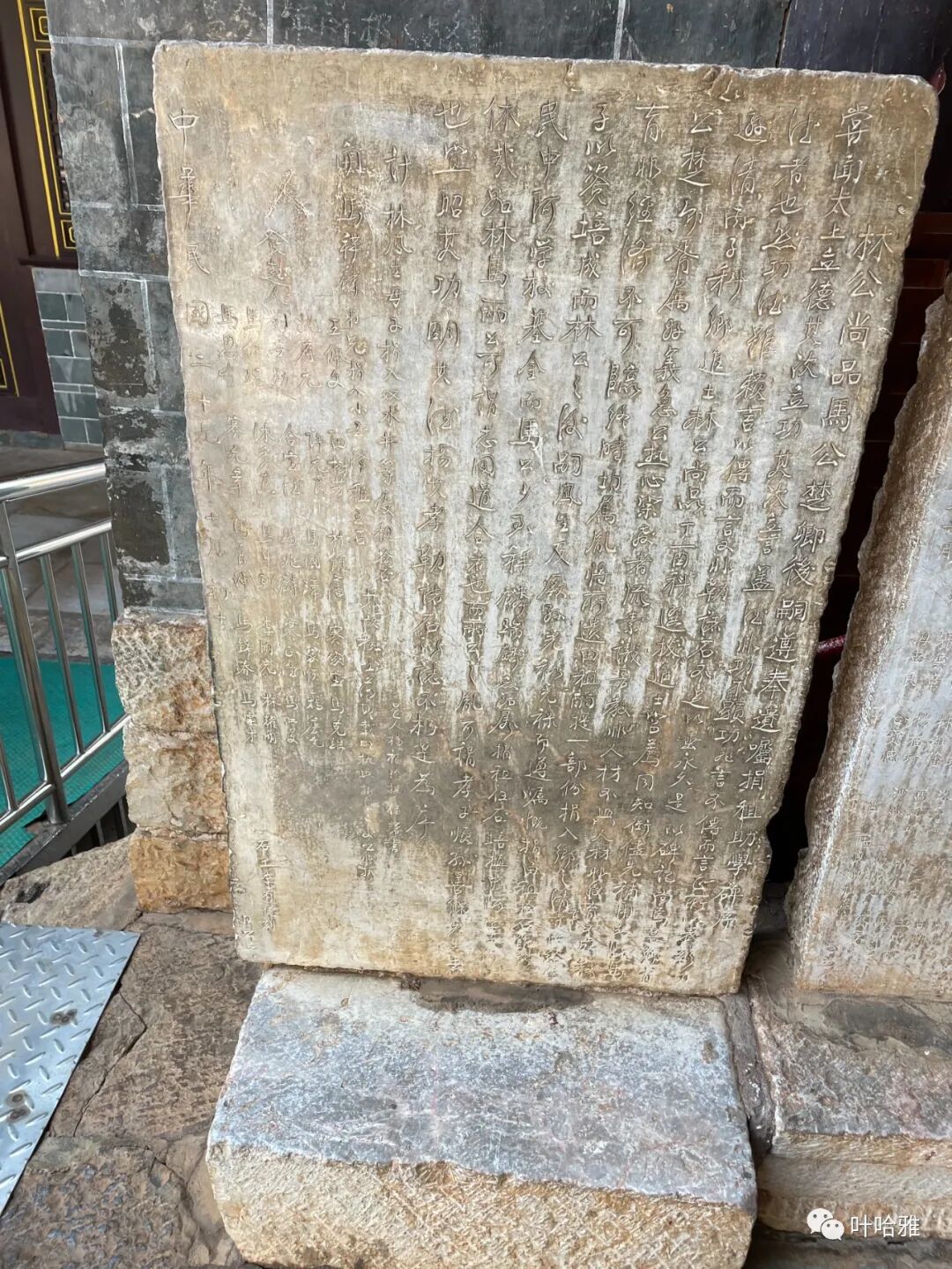
This stone tablet is from the Republic of China era. The full text of the above tablets is included in the book "Kaiyuan Stone Tablets."
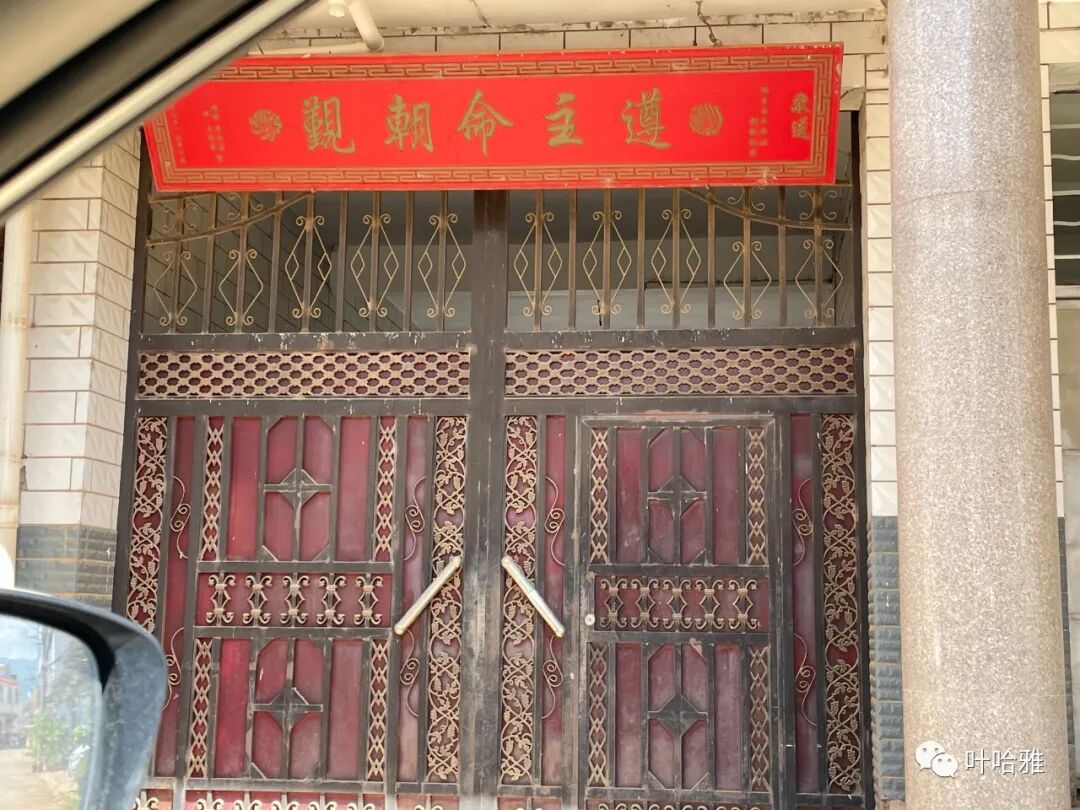
While walking around the village, I noticed many houses have a red sign on their doors that says "Obey Allah's Command to Perform Hajj." Families who have completed the Hajj (hadji) likely hang these signs to show their honor.
Xinzhai Mosque
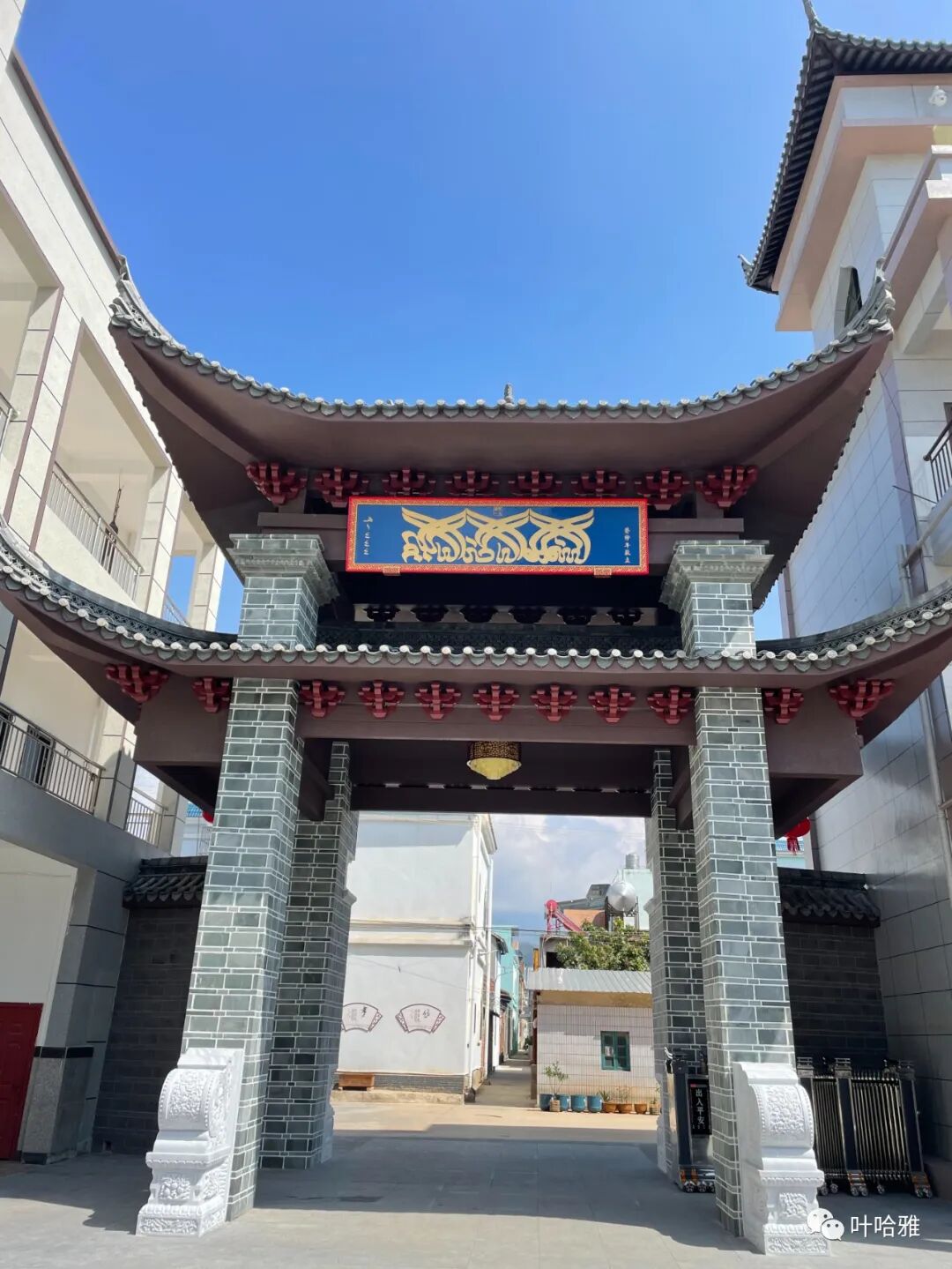
Xinzhai Mosque was not originally on my planned route. I was on my way to Dazhuang when I saw a huge mosque by the road. I was so attracted to it that I turned in to visit.
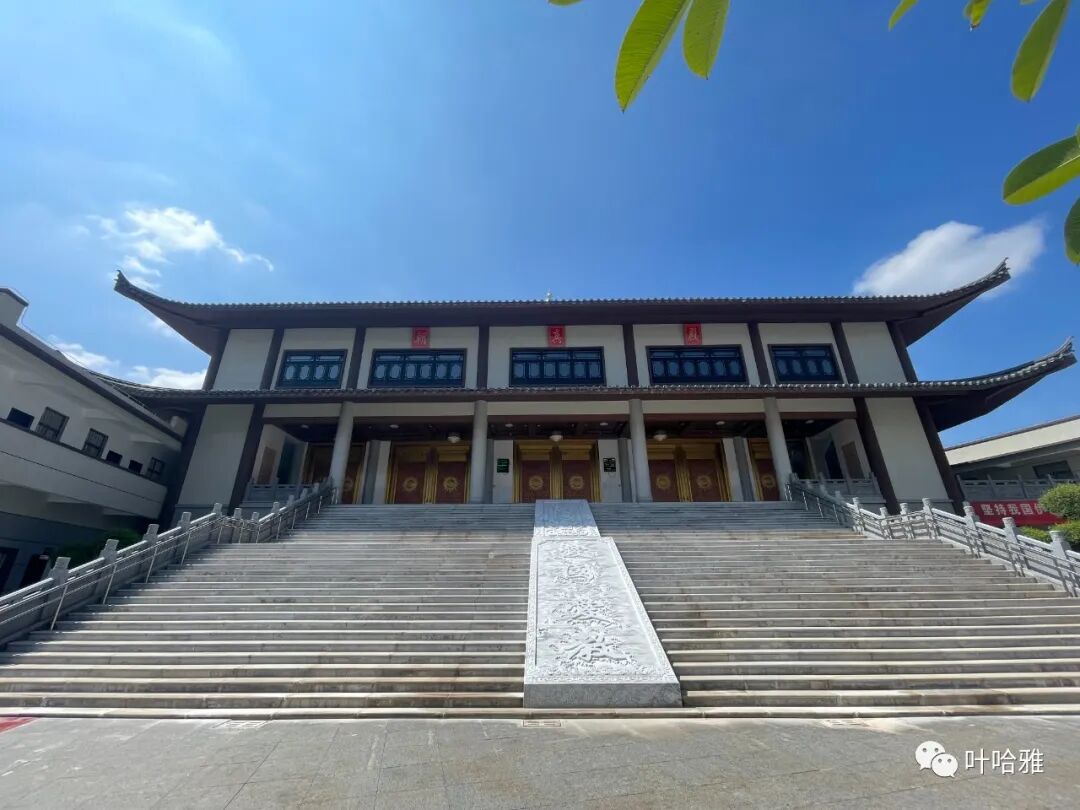
Xinzhai Mosque was built during the Tongzhi reign of the Qing Dynasty and has just been renovated.
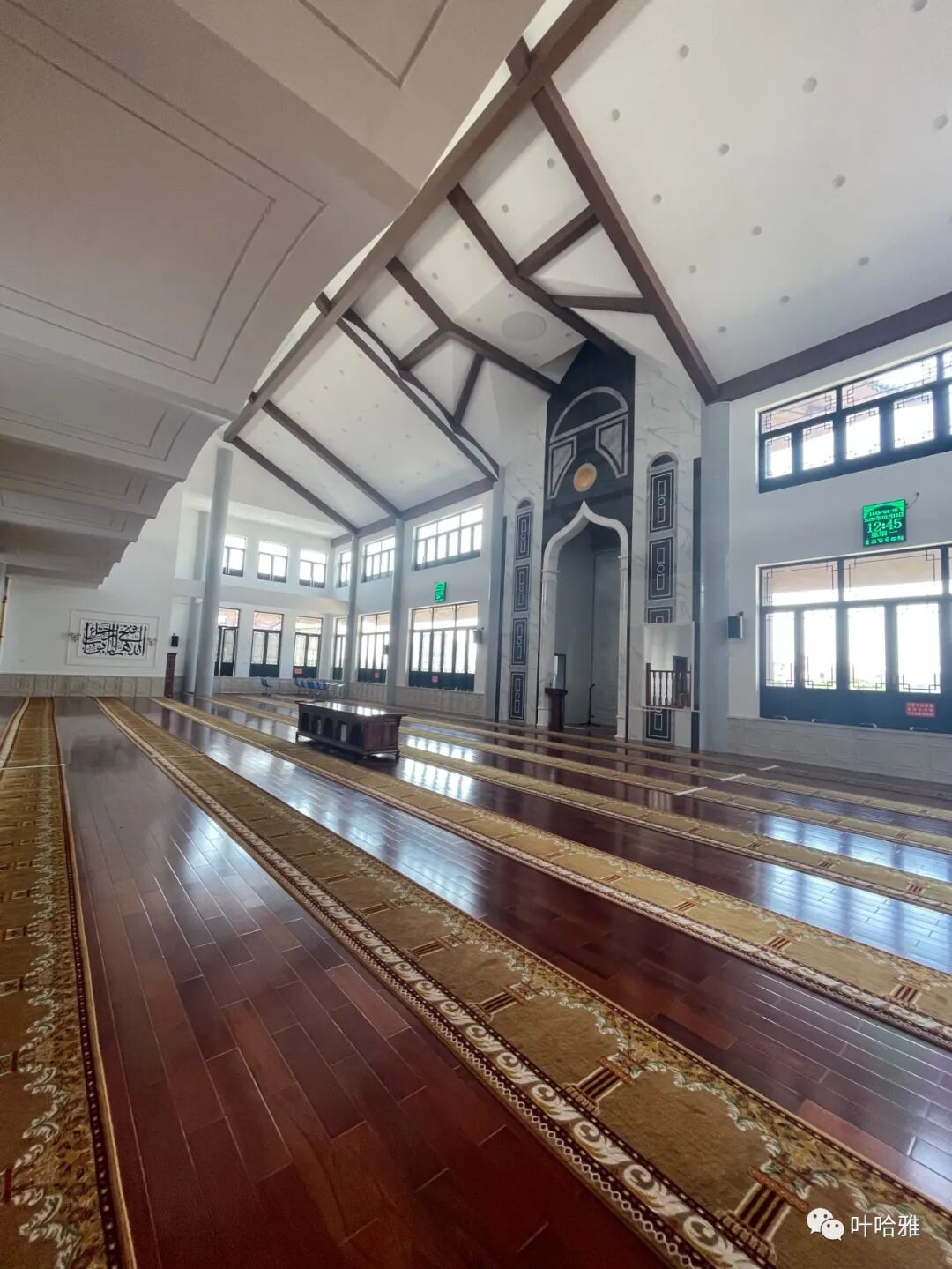
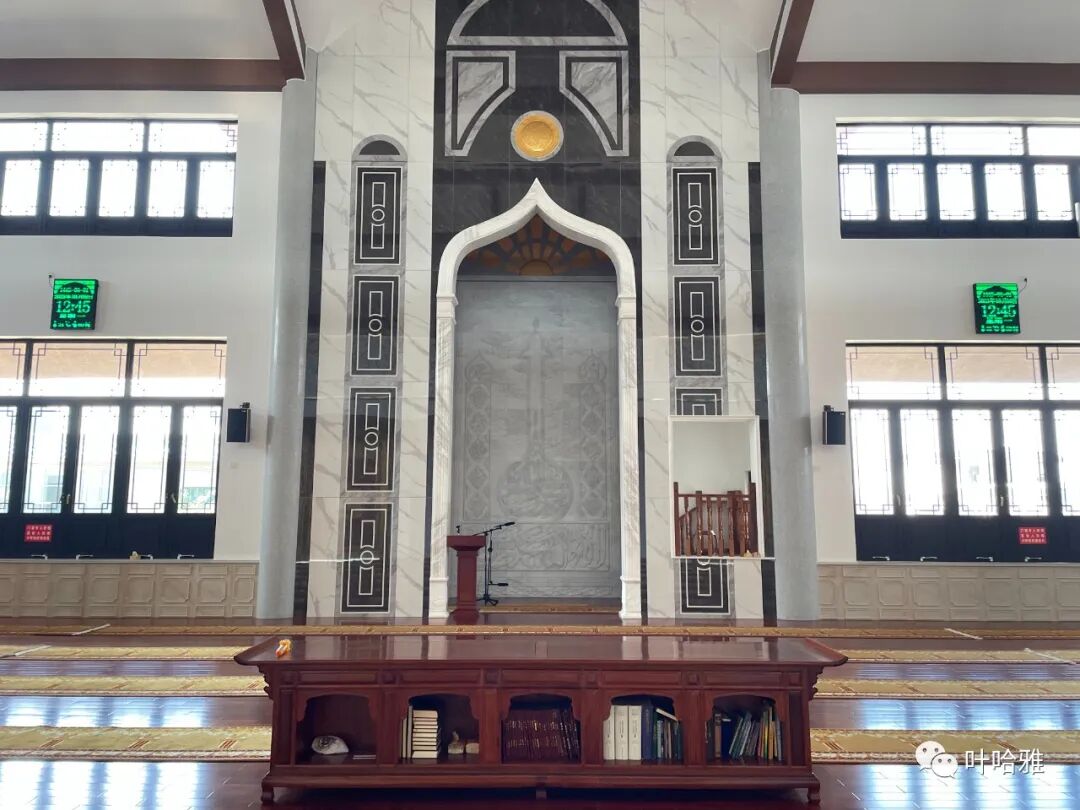
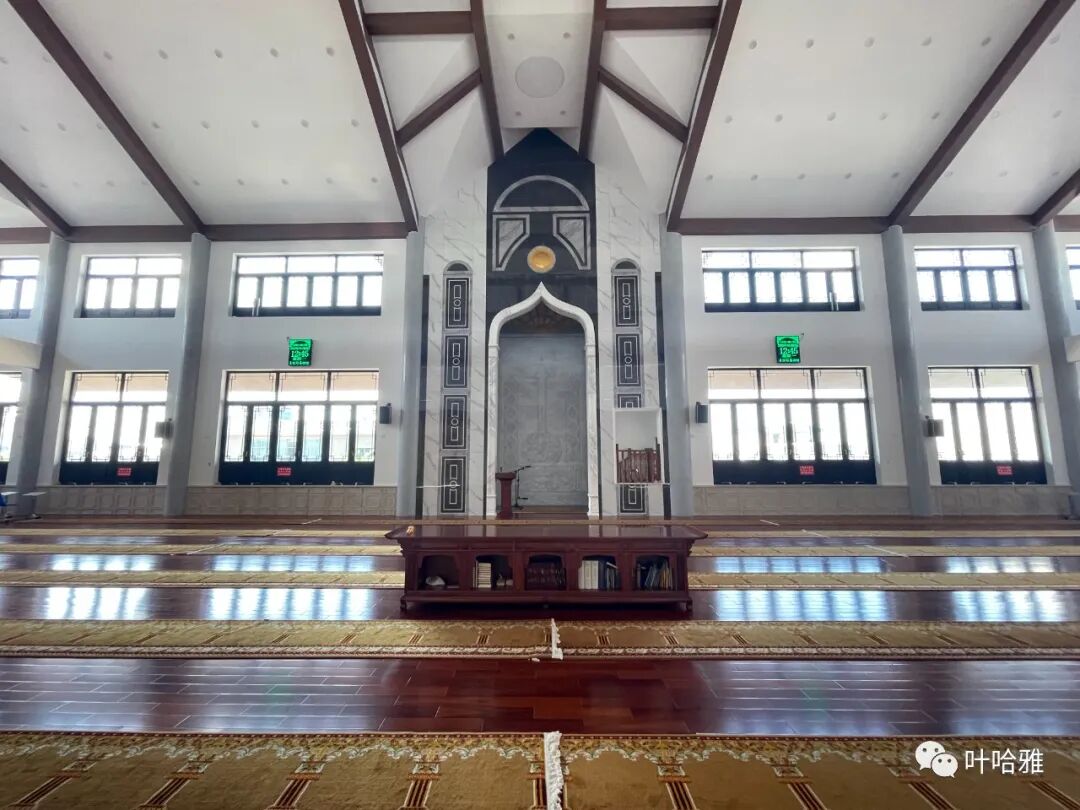
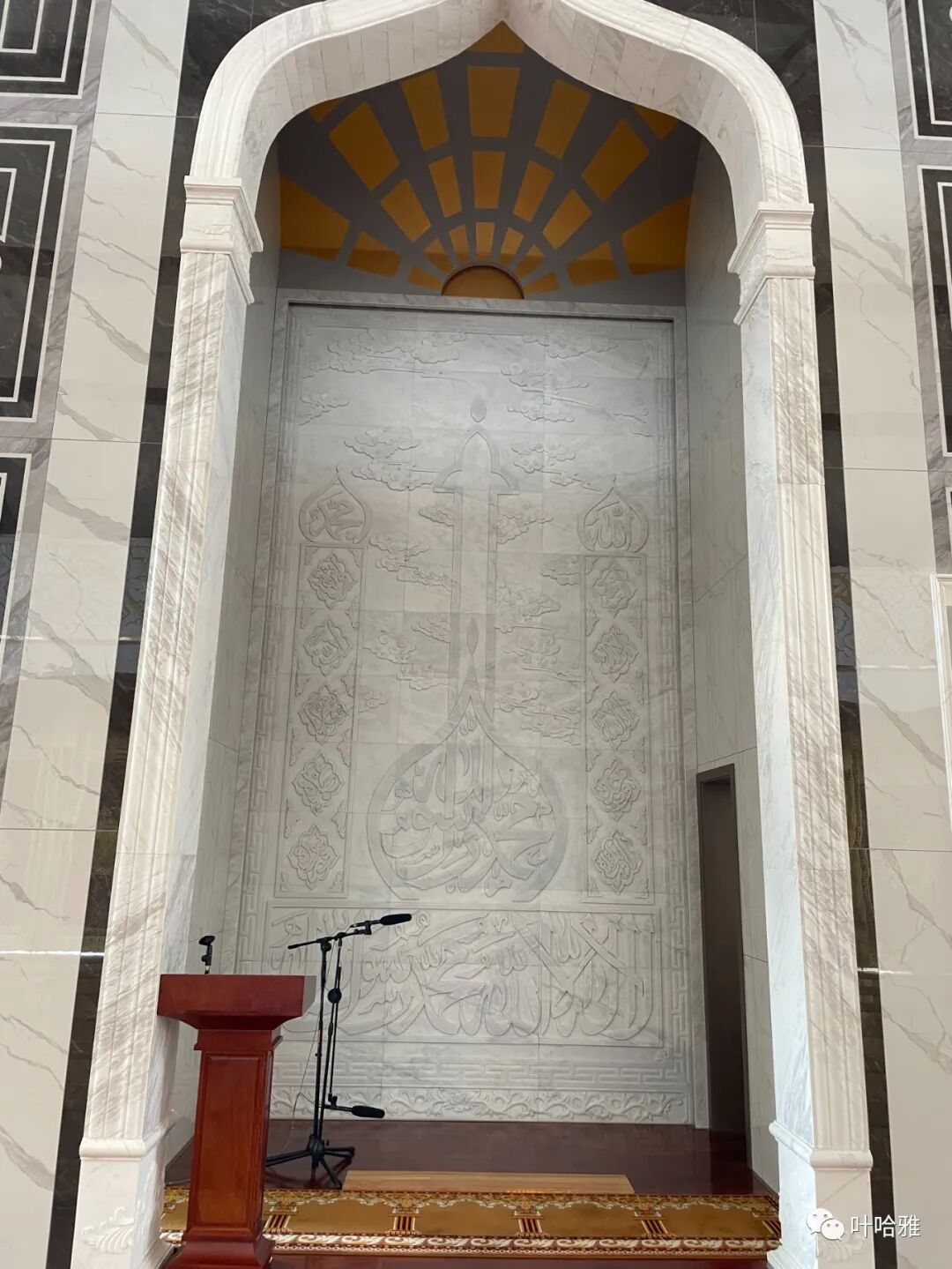
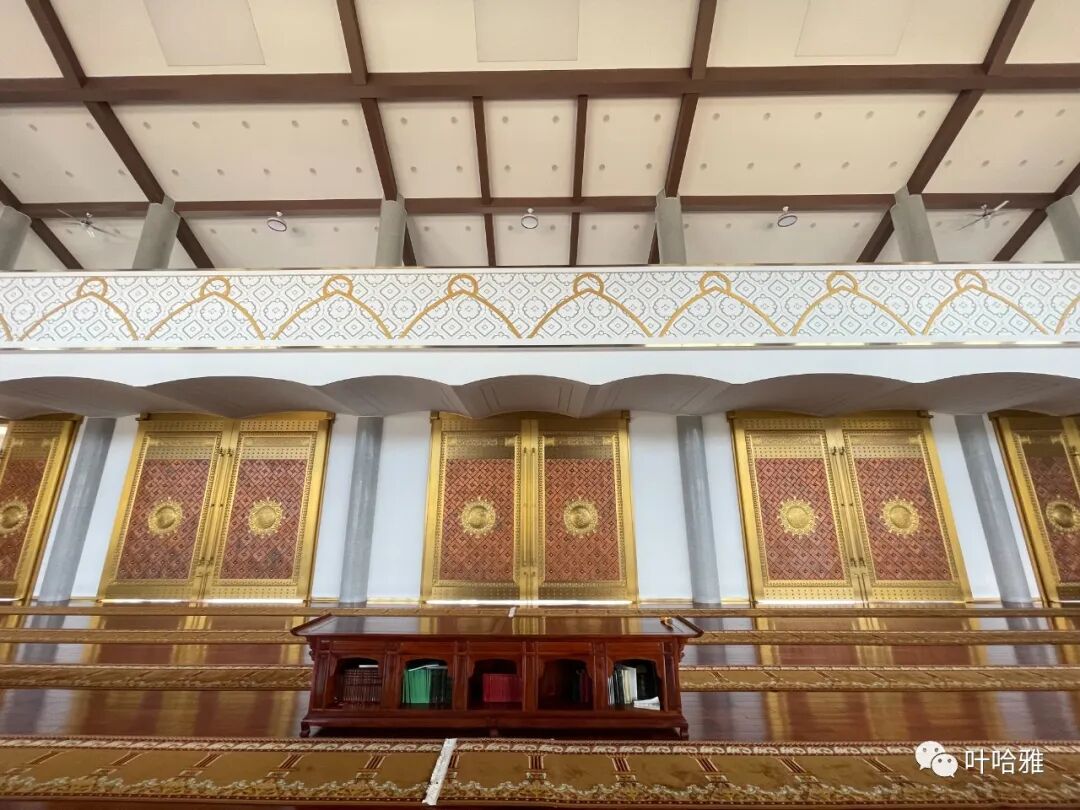
I saw a martyr monument (shexide) here just like the one in Shadian.
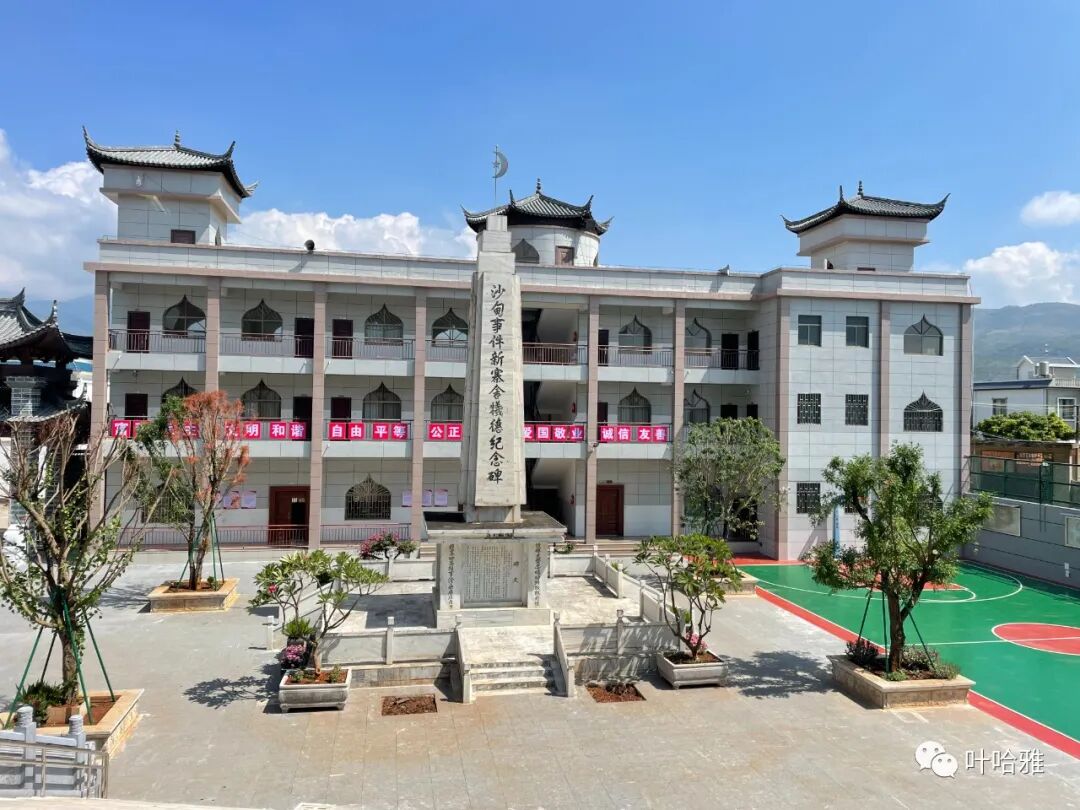
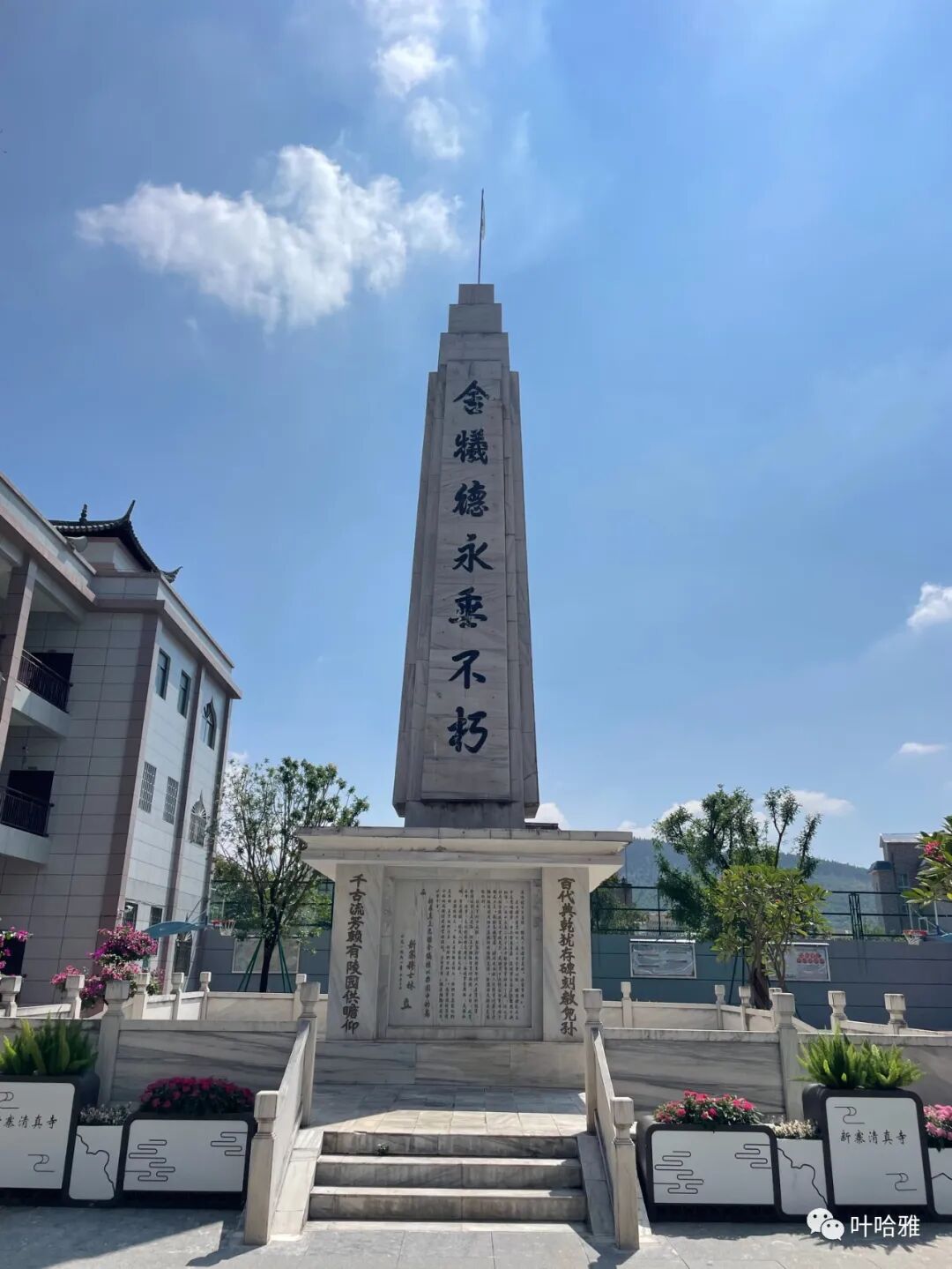
The Xinzhai martyr monument commemorates the Shadian Incident. Many friends (dosti) in Xinzhai suffered back then, and by percentage, the death toll here was even higher than in Shadian.
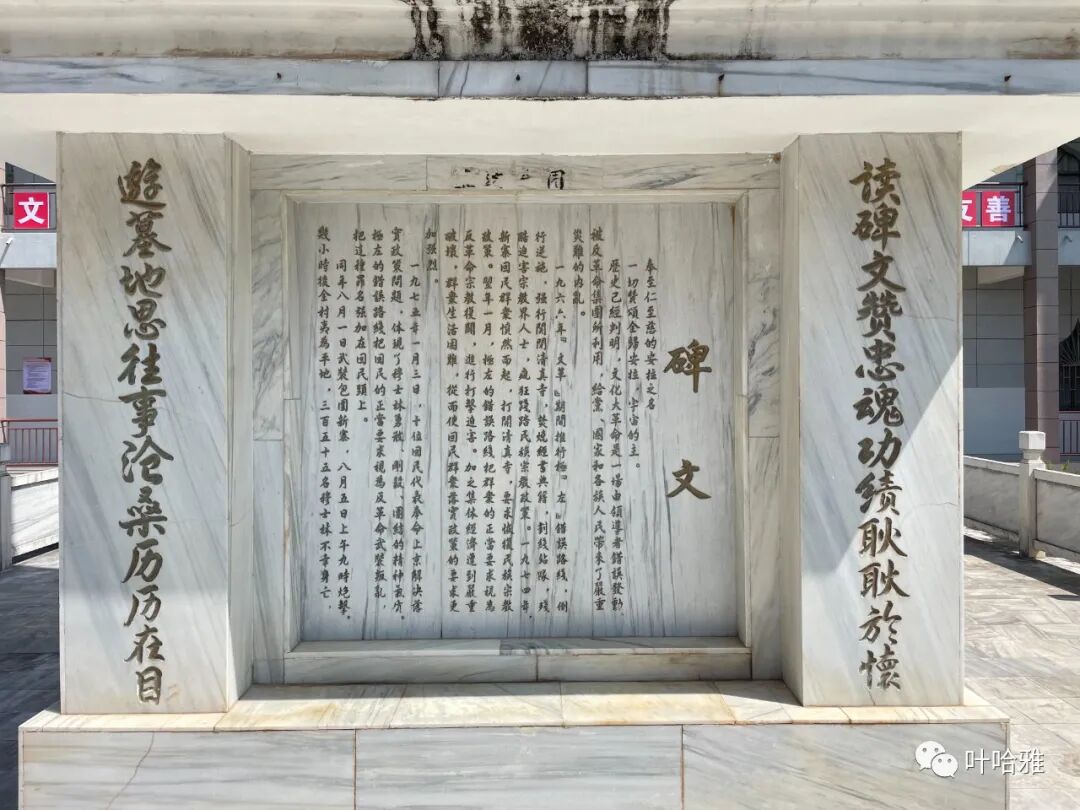
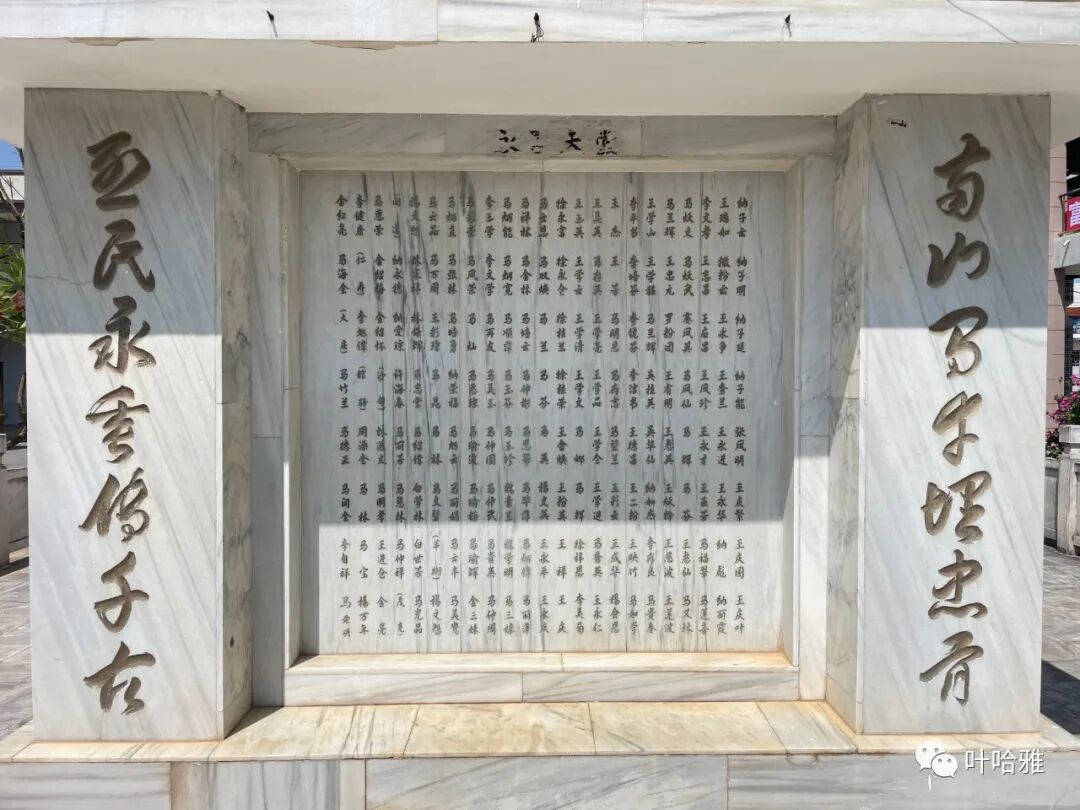
Every martyr has a name, with three hundred and fifty people in total.
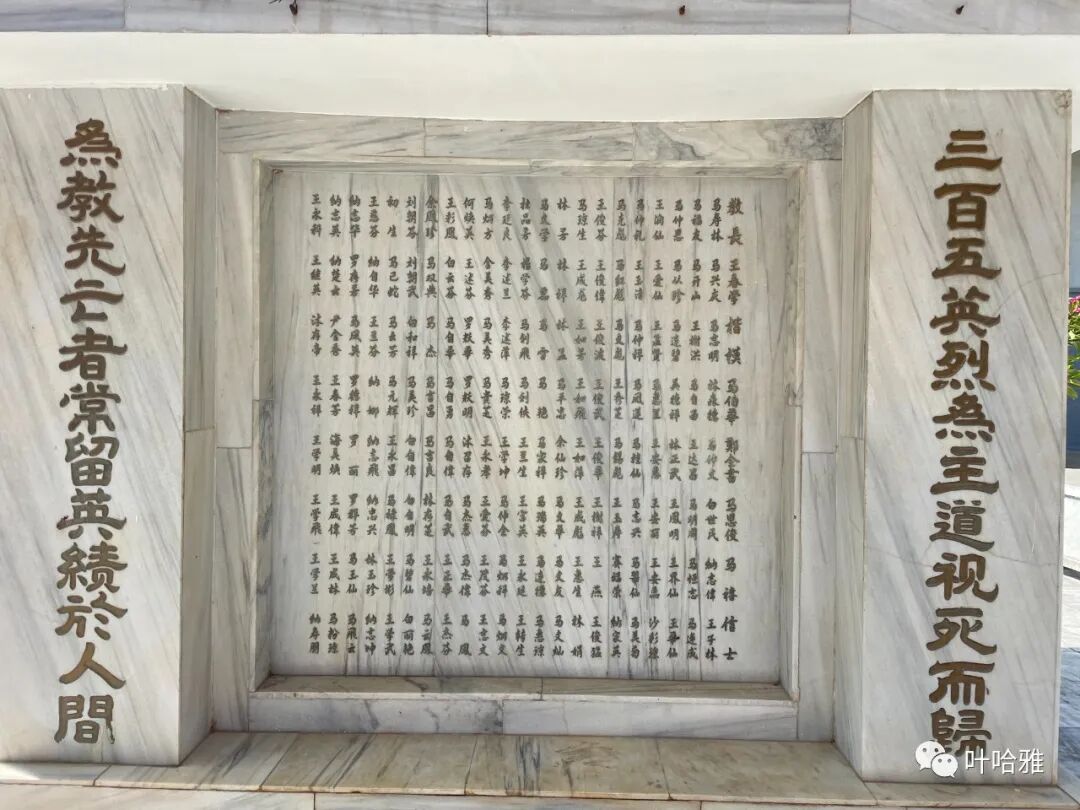
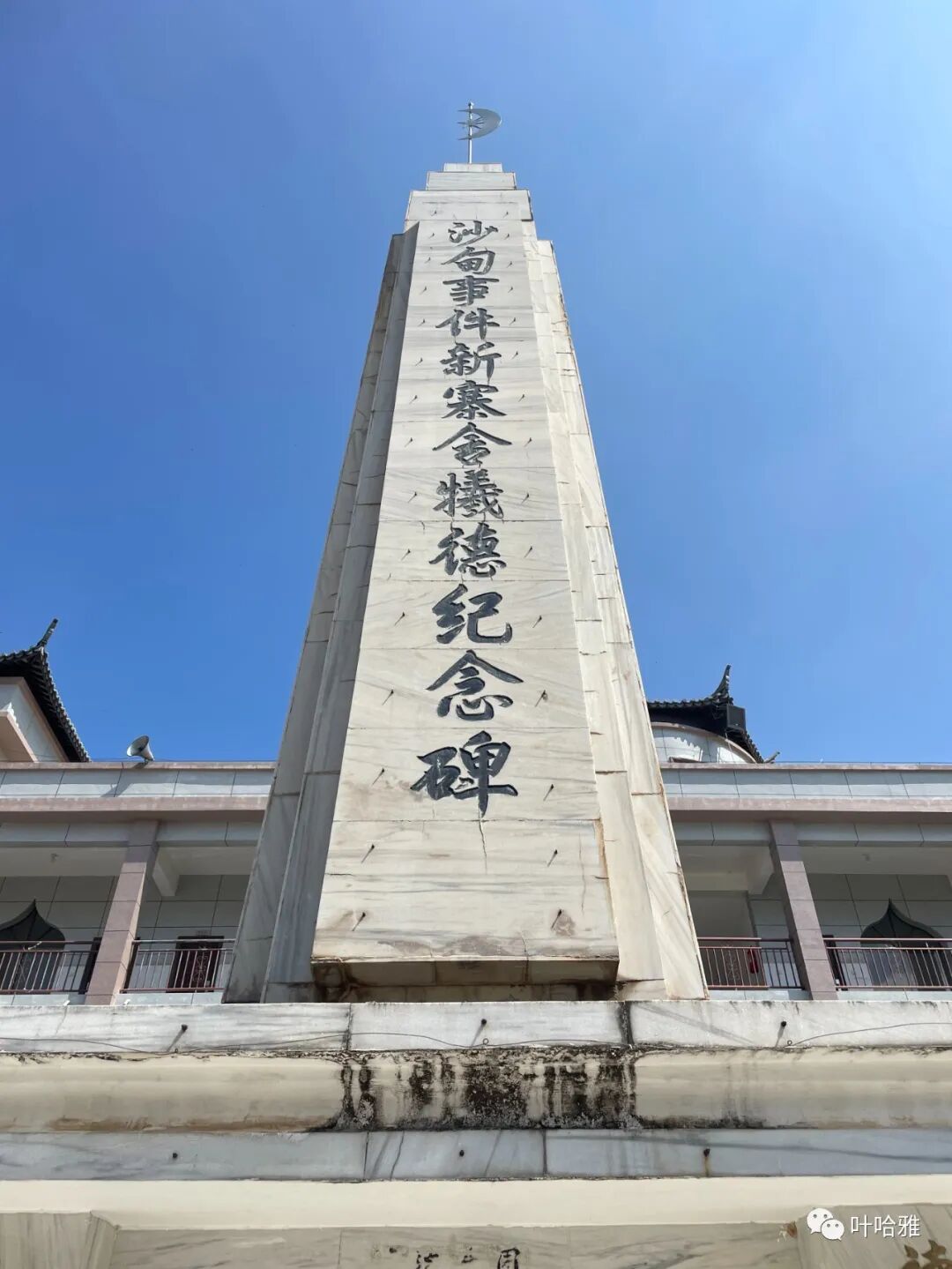
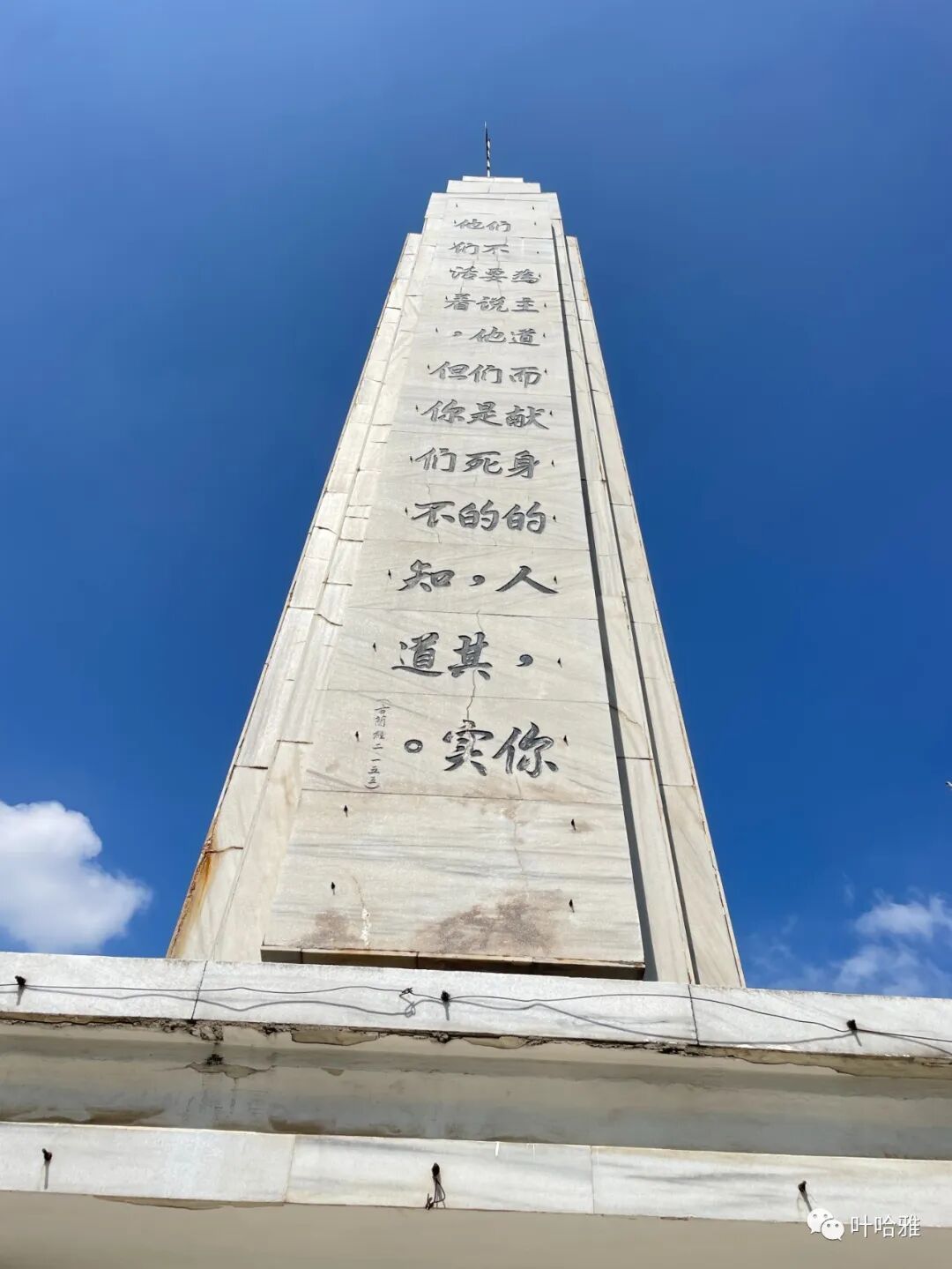
The back is carved with a Quranic verse: Do not say that those who are killed in the way of Allah are dead; they are alive, but you do not perceive it. (2:154)
Summary: This China mosque travel guide follows a Yunnan road trip through Jianshui, Dazhuang, and nearby Shadian, covering ancient mosques, halal rice noodles, local restaurants, stone tablets, Hajj door signs, Xinzhai Mosque, and Hui Muslim history.
A Road Trip in Yunnan: Searching for Old Mosques in Jianshui and Dazhuang is presented here as a firsthand travel account in clear English, beginning with this scene: Ten of my travelogues were deleted one after another recently, likely due to title violations, so I am reposting them after making edits. The account keeps its focus on Halal Travel, Yiwu Food, Mosque Travel while preserving the names, places, food, and historical details from the Chinese source.
Ten of my travelogues were deleted one after another recently, likely due to title violations, so I am reposting them after making edits.
I remember my first trip to Shadian. I asked the locals what good food they had, and they told me there wasn't much. They usually go to Jianshui and Dazhuang to find good food because there is more to eat there. That is why I kept those two places in mind. Jianshui, Dazhuang, and Shadian are less than 100 miles apart. It takes an hour to drive between them, and they form a triangle. If you plan to visit Shadian, it is best to visit all three places together.
Jianshui Ancient City Hanlin Garden (Hanlin Yuan)
Jianshui is a bit busier than other ancient cities in Yunnan. We chose to stay at Hanlin Garden, which is in the center of the ancient city. It is a state-owned hotel with a classic garden style. The rooms are huge and have complete facilities. The parking lot is right at the hotel entrance. The staff told us to use Gaode Maps to navigate to the hotel instead of Baidu, or we would go the wrong way.
The hotel breakfast offers halal rice noodles (mixian), but you must book them in advance. The staff goes to a halal shop outside to buy them early in the morning.
The little person next to the flower pot in the distance is Fahim. He can play to his heart's content in this garden.
Jianshui Ancient Mosque (Jianshui Qingzhen Gusi)
The ancient mosque is on Randengsi Street next to the ancient city. It was first built during the Huangqing era of the Yuan Dynasty. It is the oldest mosque in southern Yunnan, and the hall in front of the main prayer hall dates back to the Yuan Dynasty.
Randeng Mosque is a Buddhist mosque built during the Jiaqing era of the Ming Dynasty, and it is less than 100 meters away from the mosque.
When I arrived, the women's study group at the mosque was having a class.
There are a few small halal shops on Mashi Street next to the Jianshui ancient mosque, but they only open at noon. I arrived too early and didn't see anything. Locals prefer to come here, but if you want more food, it is all concentrated on Zitao Street.
There are a few halal shops in the old town that are easy to find. I asked a student of mine named Ma from Shadian if I could use facial recognition payment here, and he said he had never even seen beef pancakes (niuroubing) in Shadian.
Koule Bakery is a chain store selling Western-style desserts that a local friend recommended. I bought some flower cakes (xianhuabing), but they were a bit too sweet; I still think the ones in Dali are better.
Jiahe Restaurant
Jiahe Restaurant is across from the Walmart supermarket at the entrance of the old town. We came out of the supermarket and didn't want to walk too far, so we went straight into this shop.
The owner's daughter took a liking to Fahim and tried to trade her Ultraman toy for the snacks in his hand, but Fahim wasn't interested.
We chatted and learned the owner is from Wenshan and married into Jianshui, where she has run this shop for many years. We actually have a mutual friend; her classmate is currently studying at the China Islamic Institute.
The owner recommended a few local specialties, including iron-plate tofu (tieban doufu) and steam-pot chicken (qiguo ji).
Everything was delicious. Jianshui tofu has a smooth texture and can be eaten in many different ways.
Zitao Street
Jianshui's Zitao Street is like the Muslim Quarter (Huimin Jie) in Xi'an. Most of the food stalls inside are halal, and they also sell some small goods.
Yingfeng Grilled Rice Cake (shao erkua). There used to be a shop in Beijing, but it closed down.
The grilled tofu (shao doufu) is very popular locally. It costs one yuan per piece and is grilled fresh to order.
They sell big-pot beef rice noodles (niurou mixian) across the street. The seasonings and side dishes are self-serve, and a huge bowl only costs 10 yuan.
My friends in Jianshui do not think much of Purple Pottery Street (Zitao Jie). They find it expensive and say it is just for tourists. We actually liked it after we arrived. Tourists have different needs than locals, and some people just enjoy this kind of lively, bustling market. That is why the Hui Muslim Street in Xi'an is so popular. Locals should support it instead of tearing it down.
Lion cake (shizi gao) is probably the same as Beijing's sachima. It does not taste very good.
We bought grilled beef jerky (niuganba). It is delicious and comes in original and spicy flavors. This stall looks clean and hygienic.
Dazhuang Mosque in Kaiyuan
Dazhuang in Kaiyuan has two mosques, a new one and an old one. The old mosque was built during the Wanli period of the Ming Dynasty, and the new mosque was built during an expansion in the Jiaqing period of the Qing Dynasty. The old mosque was then converted into a women's mosque. The new mosque covers nearly 10,000 square meters and is now a provincial-level cultural relic protection site.
I have seen schools in almost every mosque I visited in Yunnan. Dazhuang Mosque belongs to the Gedimu tradition.
This stone tablet is from the Daoguang period of the Qing Dynasty and records a list of charitable deeds.
This stone tablet is from the Republic of China era. The full text of the above tablets is included in the book "Kaiyuan Stone Tablets."
While walking around the village, I noticed many houses have a red sign on their doors that says "Obey Allah's Command to Perform Hajj." Families who have completed the Hajj (hadji) likely hang these signs to show their honor.
Xinzhai Mosque
Xinzhai Mosque was not originally on my planned route. I was on my way to Dazhuang when I saw a huge mosque by the road. I was so attracted to it that I turned in to visit.
Xinzhai Mosque was built during the Tongzhi reign of the Qing Dynasty and has just been renovated.
I saw a martyr monument (shexide) here just like the one in Shadian.
The Xinzhai martyr monument commemorates the Shadian Incident. Many friends (dosti) in Xinzhai suffered back then, and by percentage, the death toll here was even higher than in Shadian.
Every martyr has a name, with three hundred and fifty people in total.
The back is carved with a Quranic verse: Do not say that those who are killed in the way of Allah are dead; they are alive, but you do not perceive it. (2:154)
China Mosque Travel Guide Yunnan: Xundian Ancient Mosques, Hui Muslim Villages and Long March Route
Articles • yusuf908 posted the article • 0 comments • 229 views • 2026-05-22 22:52
Reposted from the web
Summary: This China mosque travel guide follows the Yunnan Long March route through Xundian and Kedu, covering Yuping Mosque, Dangui and Huihui villages, halal Xundian food, Tuogu, Zhaotong Baxian Mosque, and Hui Muslim history along the road.
A Road Trip Through Yunnan: Three Ancient Mosques on the Long March Route is presented here as a firsthand travel account in clear English, beginning with this scene: In Kedu Town, located in the Xundian Hui and Yi Autonomous County under Kunming, Yunnan, there are two Hui Muslim villages called Dangui Village and Huihui Village. The account keeps its focus on Halal Travel, Yiwu Food, Mosque Travel while preserving the names, places, food, and historical details from the Chinese source.
In Kedu Town, located in the Xundian Hui and Yi Autonomous County under Kunming, Yunnan, there are two Hui Muslim villages called Dangui Village and Huihui Village. These villages once served as the headquarters for the Central Red Army. Leaders including Mao Zedong, Zhou Enlai, Zhu De, Liu Bocheng, Zhang Wentian, and Wang Jiaxiang all stayed here. The Central Red Army made specific plans here to cross the Jinsha River at Jiaoping Ferry, which allowed the Red Army to cross the river successfully.
Yuping Mosque in Xundian
Kedu Town is an 80-kilometer drive from the Xundian county seat. We rested in the county seat for a day to prepare for our trip to Kedu Town the next morning. While drinking coffee in the county seat, we happened to see the Yuping Mosque across the street and went there to perform a prayer.
Yuping Mosque was first built between the late Ming and early Qing dynasties, and the current main hall was built in 2010.
Jinxingyue Restaurant
A local young lady in Xundian invited our family of three to eat authentic Xundian food at Jinxingyue. This restaurant has been open for at least 10 years and is one of the top choices for engagement banquets among Xundian locals. The food and the environment are both excellent, and most restaurants on the streets of Xundian are halal.
Fahim was playing in the courtyard when another young lady took a liking to him and chased after him to play together.
Local specialty pan-fried tea (jiancha). This stove can be used for heating, boiling tea, and grilling.
Xundian's oil-drizzled dried beef (youlin niuganba). The locals have high standards for food. They think Kunming doesn't have as much good food as Xundian. Xundian is where people from Kunming go for weekend getaways and farm-style meals.
Roasted chicken and potato pancakes (yangyu bing) are specialties. The roasted chicken is tender and flavorful, and the potato pancakes are salty, fresh, and crispy.
Thick pea porridge (xi doufen) and wheat flatbread (mai baba). Yunnan people call things like steamed buns baba. The wheat flatbread is very soft and fluffy, and it tastes great when dipped in the thick pea porridge to soak up the soup.
Jibao Beef Restaurant
This is another hidden gem that locals love. People say you even have to wait in line at night because it is so popular.
At this Yunnan-style restaurant, you pick your own vegetables. You choose from a variety of wild greens in the freezer, and the kitchen cooks them for you.
The cold sliced beef (liangpian) from Xundian is boiled in plain water and served with a spicy and sour dipping sauce.
This sweet and sour pork tenderloin (tangcu liji) is made with pineapple and is mainly served to help children eat their rice.
Yunnan bitter melon is delicious, and I enjoy the bitter taste.
Kedu Town
The road to Kedu Town is a winding mountain path. Because it is a red tourism town, the government pays close attention to it, so the road nearby is well-maintained and not too difficult to drive. Just watch your speed, and expect the drive to take at least an hour and a half.
The town is deep in the mountains with nice scenery. Most of the paths the Red Army took during the Long March were these kinds of remote mountain roads.
Dangui Red Army Village
The Red Army Long March Memorial Hall in Dangui Village is open to the public for free.
The Party could not have gained national power without the support of ethnic minorities. The relationship between Chinese Muslims and various Chinese regimes throughout history is the same. Whenever they stayed in line with the central government, they developed; otherwise, they suffered major setbacks. You can refer to the book 'Chinese Regimes and Islam Throughout History' for details.
Because the Party's founding members were treated well by ethnic minorities during difficult times, they had a positive view of them, which led to the ethnic minority policies established after the founding of the country.
The red halal restaurant in the village is called Huadamen Restaurant.
The village walls are decorated with folk songs from Hui Muslims and other ethnic minorities, all praising the Red Army.
Dangui Mosque.
The founding date of Dangui Mosque is unknown, but it was renovated in the 22nd year of the Guangxu reign of the Qing Dynasty and is now a provincial-level cultural heritage site.
On the mosque's crossbeams, there is a slogan left by the Red Army that says, "The Red Army absolutely does not press-gang." This means they did not force men into military service.
On the third floor of the minaret, there is a poster showing a story from the past. After the Red Army defeated local tyrants, they took ham to cook at Huihui Mosque. When Commander-in-Chief Zhu De found out, he walked to the mosque to apologize to Imam Jin.
Looking down at Dangui Village from the top of the minaret.
The Huihui Village mentioned above shares the same name as the Huihui Village in Sanya and is two kilometers away from Dangui Village.
Huihui Village Mosque.
Huihui Mosque is built in the center of the village, and it also has a slogan left by the Red Army.
The slogan is on the side of the minaret and reads, "The Red Army absolutely protects the interests of the Hui worker and peasant masses." "Hui home" refers to the homes of Hui Muslims, as the term Hui Muslims was not yet used as an official name before liberation.
The founding record of the Chinese-Arabic school inside the Huihui Village mosque.
Patterns on the gate of a house across from the Huihui mosque.
Tuogu Village in Ludian.
On the way back to Beijing from Xundian, I passed a small halal shop at the entrance of Tuogu Village. They had Ma Laobiao rice noodles (mixian), and I bought plenty of instant food for the trip.
Tuogu grilled tofu (shaodoufu) for one yuan a piece.
Tuogu mosque.
Tuogu mosque was first built in the eighth year of the Yongzheng reign. It covers 7,000 square meters, is the largest mosque in northeastern Yunnan, and is now a provincial-level cultural heritage site.
Zhaotong Baxian grand mosque.
Zhaotong Baxian mosque is one of the eight scenic spots in Zhaoyang. It was first built during the Yongzheng period. It was once the site of the 43rd Division headquarters of the People's Liberation Army and includes a party school inside. view all
Summary: This China mosque travel guide follows the Yunnan Long March route through Xundian and Kedu, covering Yuping Mosque, Dangui and Huihui villages, halal Xundian food, Tuogu, Zhaotong Baxian Mosque, and Hui Muslim history along the road.
A Road Trip Through Yunnan: Three Ancient Mosques on the Long March Route is presented here as a firsthand travel account in clear English, beginning with this scene: In Kedu Town, located in the Xundian Hui and Yi Autonomous County under Kunming, Yunnan, there are two Hui Muslim villages called Dangui Village and Huihui Village. The account keeps its focus on Halal Travel, Yiwu Food, Mosque Travel while preserving the names, places, food, and historical details from the Chinese source.
In Kedu Town, located in the Xundian Hui and Yi Autonomous County under Kunming, Yunnan, there are two Hui Muslim villages called Dangui Village and Huihui Village. These villages once served as the headquarters for the Central Red Army. Leaders including Mao Zedong, Zhou Enlai, Zhu De, Liu Bocheng, Zhang Wentian, and Wang Jiaxiang all stayed here. The Central Red Army made specific plans here to cross the Jinsha River at Jiaoping Ferry, which allowed the Red Army to cross the river successfully.
Yuping Mosque in Xundian
Kedu Town is an 80-kilometer drive from the Xundian county seat. We rested in the county seat for a day to prepare for our trip to Kedu Town the next morning. While drinking coffee in the county seat, we happened to see the Yuping Mosque across the street and went there to perform a prayer.
Yuping Mosque was first built between the late Ming and early Qing dynasties, and the current main hall was built in 2010.
Jinxingyue Restaurant
A local young lady in Xundian invited our family of three to eat authentic Xundian food at Jinxingyue. This restaurant has been open for at least 10 years and is one of the top choices for engagement banquets among Xundian locals. The food and the environment are both excellent, and most restaurants on the streets of Xundian are halal.
Fahim was playing in the courtyard when another young lady took a liking to him and chased after him to play together.
Local specialty pan-fried tea (jiancha). This stove can be used for heating, boiling tea, and grilling.
Xundian's oil-drizzled dried beef (youlin niuganba). The locals have high standards for food. They think Kunming doesn't have as much good food as Xundian. Xundian is where people from Kunming go for weekend getaways and farm-style meals.
Roasted chicken and potato pancakes (yangyu bing) are specialties. The roasted chicken is tender and flavorful, and the potato pancakes are salty, fresh, and crispy.
Thick pea porridge (xi doufen) and wheat flatbread (mai baba). Yunnan people call things like steamed buns baba. The wheat flatbread is very soft and fluffy, and it tastes great when dipped in the thick pea porridge to soak up the soup.
Jibao Beef Restaurant
This is another hidden gem that locals love. People say you even have to wait in line at night because it is so popular.
At this Yunnan-style restaurant, you pick your own vegetables. You choose from a variety of wild greens in the freezer, and the kitchen cooks them for you.
The cold sliced beef (liangpian) from Xundian is boiled in plain water and served with a spicy and sour dipping sauce.
This sweet and sour pork tenderloin (tangcu liji) is made with pineapple and is mainly served to help children eat their rice.
Yunnan bitter melon is delicious, and I enjoy the bitter taste.
Kedu Town
The road to Kedu Town is a winding mountain path. Because it is a red tourism town, the government pays close attention to it, so the road nearby is well-maintained and not too difficult to drive. Just watch your speed, and expect the drive to take at least an hour and a half.
The town is deep in the mountains with nice scenery. Most of the paths the Red Army took during the Long March were these kinds of remote mountain roads.
Dangui Red Army Village
The Red Army Long March Memorial Hall in Dangui Village is open to the public for free.
The Party could not have gained national power without the support of ethnic minorities. The relationship between Chinese Muslims and various Chinese regimes throughout history is the same. Whenever they stayed in line with the central government, they developed; otherwise, they suffered major setbacks. You can refer to the book 'Chinese Regimes and Islam Throughout History' for details.
Because the Party's founding members were treated well by ethnic minorities during difficult times, they had a positive view of them, which led to the ethnic minority policies established after the founding of the country.
The red halal restaurant in the village is called Huadamen Restaurant.
The village walls are decorated with folk songs from Hui Muslims and other ethnic minorities, all praising the Red Army.
Dangui Mosque.
The founding date of Dangui Mosque is unknown, but it was renovated in the 22nd year of the Guangxu reign of the Qing Dynasty and is now a provincial-level cultural heritage site.
On the mosque's crossbeams, there is a slogan left by the Red Army that says, "The Red Army absolutely does not press-gang." This means they did not force men into military service.
On the third floor of the minaret, there is a poster showing a story from the past. After the Red Army defeated local tyrants, they took ham to cook at Huihui Mosque. When Commander-in-Chief Zhu De found out, he walked to the mosque to apologize to Imam Jin.
Looking down at Dangui Village from the top of the minaret.
The Huihui Village mentioned above shares the same name as the Huihui Village in Sanya and is two kilometers away from Dangui Village.
Huihui Village Mosque.
Huihui Mosque is built in the center of the village, and it also has a slogan left by the Red Army.
The slogan is on the side of the minaret and reads, "The Red Army absolutely protects the interests of the Hui worker and peasant masses." "Hui home" refers to the homes of Hui Muslims, as the term Hui Muslims was not yet used as an official name before liberation.
The founding record of the Chinese-Arabic school inside the Huihui Village mosque.
Patterns on the gate of a house across from the Huihui mosque.
Tuogu Village in Ludian.
On the way back to Beijing from Xundian, I passed a small halal shop at the entrance of Tuogu Village. They had Ma Laobiao rice noodles (mixian), and I bought plenty of instant food for the trip.
Tuogu grilled tofu (shaodoufu) for one yuan a piece.
Tuogu mosque.
Tuogu mosque was first built in the eighth year of the Yongzheng reign. It covers 7,000 square meters, is the largest mosque in northeastern Yunnan, and is now a provincial-level cultural heritage site.
Zhaotong Baxian grand mosque.
Zhaotong Baxian mosque is one of the eight scenic spots in Zhaoyang. It was first built during the Yongzheng period. It was once the site of the 43rd Division headquarters of the People's Liberation Army and includes a party school inside. view all
Reposted from the web
Summary: This China mosque travel guide follows the Yunnan Long March route through Xundian and Kedu, covering Yuping Mosque, Dangui and Huihui villages, halal Xundian food, Tuogu, Zhaotong Baxian Mosque, and Hui Muslim history along the road.
A Road Trip Through Yunnan: Three Ancient Mosques on the Long March Route is presented here as a firsthand travel account in clear English, beginning with this scene: In Kedu Town, located in the Xundian Hui and Yi Autonomous County under Kunming, Yunnan, there are two Hui Muslim villages called Dangui Village and Huihui Village. The account keeps its focus on Halal Travel, Yiwu Food, Mosque Travel while preserving the names, places, food, and historical details from the Chinese source.
In Kedu Town, located in the Xundian Hui and Yi Autonomous County under Kunming, Yunnan, there are two Hui Muslim villages called Dangui Village and Huihui Village. These villages once served as the headquarters for the Central Red Army. Leaders including Mao Zedong, Zhou Enlai, Zhu De, Liu Bocheng, Zhang Wentian, and Wang Jiaxiang all stayed here. The Central Red Army made specific plans here to cross the Jinsha River at Jiaoping Ferry, which allowed the Red Army to cross the river successfully.
Yuping Mosque in Xundian
Kedu Town is an 80-kilometer drive from the Xundian county seat. We rested in the county seat for a day to prepare for our trip to Kedu Town the next morning. While drinking coffee in the county seat, we happened to see the Yuping Mosque across the street and went there to perform a prayer.
Yuping Mosque was first built between the late Ming and early Qing dynasties, and the current main hall was built in 2010.
Jinxingyue Restaurant
A local young lady in Xundian invited our family of three to eat authentic Xundian food at Jinxingyue. This restaurant has been open for at least 10 years and is one of the top choices for engagement banquets among Xundian locals. The food and the environment are both excellent, and most restaurants on the streets of Xundian are halal.
Fahim was playing in the courtyard when another young lady took a liking to him and chased after him to play together.
Local specialty pan-fried tea (jiancha). This stove can be used for heating, boiling tea, and grilling.
Xundian's oil-drizzled dried beef (youlin niuganba). The locals have high standards for food. They think Kunming doesn't have as much good food as Xundian. Xundian is where people from Kunming go for weekend getaways and farm-style meals.
Roasted chicken and potato pancakes (yangyu bing) are specialties. The roasted chicken is tender and flavorful, and the potato pancakes are salty, fresh, and crispy.
Thick pea porridge (xi doufen) and wheat flatbread (mai baba). Yunnan people call things like steamed buns baba. The wheat flatbread is very soft and fluffy, and it tastes great when dipped in the thick pea porridge to soak up the soup.
Jibao Beef Restaurant
This is another hidden gem that locals love. People say you even have to wait in line at night because it is so popular.
At this Yunnan-style restaurant, you pick your own vegetables. You choose from a variety of wild greens in the freezer, and the kitchen cooks them for you.
The cold sliced beef (liangpian) from Xundian is boiled in plain water and served with a spicy and sour dipping sauce.
This sweet and sour pork tenderloin (tangcu liji) is made with pineapple and is mainly served to help children eat their rice.
Yunnan bitter melon is delicious, and I enjoy the bitter taste.
Kedu Town
The road to Kedu Town is a winding mountain path. Because it is a red tourism town, the government pays close attention to it, so the road nearby is well-maintained and not too difficult to drive. Just watch your speed, and expect the drive to take at least an hour and a half.
The town is deep in the mountains with nice scenery. Most of the paths the Red Army took during the Long March were these kinds of remote mountain roads.
Dangui Red Army Village
The Red Army Long March Memorial Hall in Dangui Village is open to the public for free.
The Party could not have gained national power without the support of ethnic minorities. The relationship between Chinese Muslims and various Chinese regimes throughout history is the same. Whenever they stayed in line with the central government, they developed; otherwise, they suffered major setbacks. You can refer to the book 'Chinese Regimes and Islam Throughout History' for details.
Because the Party's founding members were treated well by ethnic minorities during difficult times, they had a positive view of them, which led to the ethnic minority policies established after the founding of the country.
The red halal restaurant in the village is called Huadamen Restaurant.
The village walls are decorated with folk songs from Hui Muslims and other ethnic minorities, all praising the Red Army.
Dangui Mosque.
The founding date of Dangui Mosque is unknown, but it was renovated in the 22nd year of the Guangxu reign of the Qing Dynasty and is now a provincial-level cultural heritage site.
On the mosque's crossbeams, there is a slogan left by the Red Army that says, "The Red Army absolutely does not press-gang." This means they did not force men into military service.
On the third floor of the minaret, there is a poster showing a story from the past. After the Red Army defeated local tyrants, they took ham to cook at Huihui Mosque. When Commander-in-Chief Zhu De found out, he walked to the mosque to apologize to Imam Jin.
Looking down at Dangui Village from the top of the minaret.
The Huihui Village mentioned above shares the same name as the Huihui Village in Sanya and is two kilometers away from Dangui Village.
Huihui Village Mosque.
Huihui Mosque is built in the center of the village, and it also has a slogan left by the Red Army.
The slogan is on the side of the minaret and reads, "The Red Army absolutely protects the interests of the Hui worker and peasant masses." "Hui home" refers to the homes of Hui Muslims, as the term Hui Muslims was not yet used as an official name before liberation.
The founding record of the Chinese-Arabic school inside the Huihui Village mosque.
Patterns on the gate of a house across from the Huihui mosque.
Tuogu Village in Ludian.
On the way back to Beijing from Xundian, I passed a small halal shop at the entrance of Tuogu Village. They had Ma Laobiao rice noodles (mixian), and I bought plenty of instant food for the trip.
Tuogu grilled tofu (shaodoufu) for one yuan a piece.
Tuogu mosque.
Tuogu mosque was first built in the eighth year of the Yongzheng reign. It covers 7,000 square meters, is the largest mosque in northeastern Yunnan, and is now a provincial-level cultural heritage site.
Zhaotong Baxian grand mosque.
Zhaotong Baxian mosque is one of the eight scenic spots in Zhaoyang. It was first built during the Yongzheng period. It was once the site of the 43rd Division headquarters of the People's Liberation Army and includes a party school inside.
Summary: This China mosque travel guide follows the Yunnan Long March route through Xundian and Kedu, covering Yuping Mosque, Dangui and Huihui villages, halal Xundian food, Tuogu, Zhaotong Baxian Mosque, and Hui Muslim history along the road.
A Road Trip Through Yunnan: Three Ancient Mosques on the Long March Route is presented here as a firsthand travel account in clear English, beginning with this scene: In Kedu Town, located in the Xundian Hui and Yi Autonomous County under Kunming, Yunnan, there are two Hui Muslim villages called Dangui Village and Huihui Village. The account keeps its focus on Halal Travel, Yiwu Food, Mosque Travel while preserving the names, places, food, and historical details from the Chinese source.
In Kedu Town, located in the Xundian Hui and Yi Autonomous County under Kunming, Yunnan, there are two Hui Muslim villages called Dangui Village and Huihui Village. These villages once served as the headquarters for the Central Red Army. Leaders including Mao Zedong, Zhou Enlai, Zhu De, Liu Bocheng, Zhang Wentian, and Wang Jiaxiang all stayed here. The Central Red Army made specific plans here to cross the Jinsha River at Jiaoping Ferry, which allowed the Red Army to cross the river successfully.
Yuping Mosque in Xundian
Kedu Town is an 80-kilometer drive from the Xundian county seat. We rested in the county seat for a day to prepare for our trip to Kedu Town the next morning. While drinking coffee in the county seat, we happened to see the Yuping Mosque across the street and went there to perform a prayer.
Yuping Mosque was first built between the late Ming and early Qing dynasties, and the current main hall was built in 2010.
Jinxingyue Restaurant
A local young lady in Xundian invited our family of three to eat authentic Xundian food at Jinxingyue. This restaurant has been open for at least 10 years and is one of the top choices for engagement banquets among Xundian locals. The food and the environment are both excellent, and most restaurants on the streets of Xundian are halal.
Fahim was playing in the courtyard when another young lady took a liking to him and chased after him to play together.
Local specialty pan-fried tea (jiancha). This stove can be used for heating, boiling tea, and grilling.
Xundian's oil-drizzled dried beef (youlin niuganba). The locals have high standards for food. They think Kunming doesn't have as much good food as Xundian. Xundian is where people from Kunming go for weekend getaways and farm-style meals.
Roasted chicken and potato pancakes (yangyu bing) are specialties. The roasted chicken is tender and flavorful, and the potato pancakes are salty, fresh, and crispy.
Thick pea porridge (xi doufen) and wheat flatbread (mai baba). Yunnan people call things like steamed buns baba. The wheat flatbread is very soft and fluffy, and it tastes great when dipped in the thick pea porridge to soak up the soup.
Jibao Beef Restaurant
This is another hidden gem that locals love. People say you even have to wait in line at night because it is so popular.
At this Yunnan-style restaurant, you pick your own vegetables. You choose from a variety of wild greens in the freezer, and the kitchen cooks them for you.
The cold sliced beef (liangpian) from Xundian is boiled in plain water and served with a spicy and sour dipping sauce.
This sweet and sour pork tenderloin (tangcu liji) is made with pineapple and is mainly served to help children eat their rice.
Yunnan bitter melon is delicious, and I enjoy the bitter taste.
Kedu Town
The road to Kedu Town is a winding mountain path. Because it is a red tourism town, the government pays close attention to it, so the road nearby is well-maintained and not too difficult to drive. Just watch your speed, and expect the drive to take at least an hour and a half.
The town is deep in the mountains with nice scenery. Most of the paths the Red Army took during the Long March were these kinds of remote mountain roads.
Dangui Red Army Village
The Red Army Long March Memorial Hall in Dangui Village is open to the public for free.
The Party could not have gained national power without the support of ethnic minorities. The relationship between Chinese Muslims and various Chinese regimes throughout history is the same. Whenever they stayed in line with the central government, they developed; otherwise, they suffered major setbacks. You can refer to the book 'Chinese Regimes and Islam Throughout History' for details.
Because the Party's founding members were treated well by ethnic minorities during difficult times, they had a positive view of them, which led to the ethnic minority policies established after the founding of the country.
The red halal restaurant in the village is called Huadamen Restaurant.
The village walls are decorated with folk songs from Hui Muslims and other ethnic minorities, all praising the Red Army.
Dangui Mosque.
The founding date of Dangui Mosque is unknown, but it was renovated in the 22nd year of the Guangxu reign of the Qing Dynasty and is now a provincial-level cultural heritage site.
On the mosque's crossbeams, there is a slogan left by the Red Army that says, "The Red Army absolutely does not press-gang." This means they did not force men into military service.
On the third floor of the minaret, there is a poster showing a story from the past. After the Red Army defeated local tyrants, they took ham to cook at Huihui Mosque. When Commander-in-Chief Zhu De found out, he walked to the mosque to apologize to Imam Jin.
Looking down at Dangui Village from the top of the minaret.
The Huihui Village mentioned above shares the same name as the Huihui Village in Sanya and is two kilometers away from Dangui Village.
Huihui Village Mosque.
Huihui Mosque is built in the center of the village, and it also has a slogan left by the Red Army.
The slogan is on the side of the minaret and reads, "The Red Army absolutely protects the interests of the Hui worker and peasant masses." "Hui home" refers to the homes of Hui Muslims, as the term Hui Muslims was not yet used as an official name before liberation.
The founding record of the Chinese-Arabic school inside the Huihui Village mosque.
Patterns on the gate of a house across from the Huihui mosque.
Tuogu Village in Ludian.
On the way back to Beijing from Xundian, I passed a small halal shop at the entrance of Tuogu Village. They had Ma Laobiao rice noodles (mixian), and I bought plenty of instant food for the trip.
Tuogu grilled tofu (shaodoufu) for one yuan a piece.
Tuogu mosque.
Tuogu mosque was first built in the eighth year of the Yongzheng reign. It covers 7,000 square meters, is the largest mosque in northeastern Yunnan, and is now a provincial-level cultural heritage site.
Zhaotong Baxian grand mosque.
Zhaotong Baxian mosque is one of the eight scenic spots in Zhaoyang. It was first built during the Yongzheng period. It was once the site of the 43rd Division headquarters of the People's Liberation Army and includes a party school inside.
China Mosque Travel Guide Yunnan: Fur Goods Street Old Mosque, Hui Muslim History and Long March Route
Articles • yusuf908 posted the article • 0 comments • 216 views • 2026-05-22 22:52
Reposted from the web
Summary: This China mosque travel guide continues the Yunnan road trip on the Long March route, focusing on Fur Goods Street, the Old Mosque, Hui Muslim memories, a temporary prayer space, demolition and renovation, and reflections on history.
A Road Trip Through Yunnan: Three Ancient Mosques on the Long March Route is presented here as a firsthand travel account in clear English, beginning with this scene: Fur Goods Street (Maohuo Jie) was a market for fur products in the past, which is how it got its name. The account keeps its focus on Mosque Travel, Islamic Heritage, Muslim Travel while preserving the names, places, food, and historical details from the Chinese source.
Fur Goods Street (Maohuo Jie)
Fur Goods Street (Maohuo Jie) was a market for fur products in the past, which is how it got its name. Many Hui Muslims live nearby. The Old Mosque (Qingzhen Gusi) on Fur Goods Street used to run a school all year round and accepted students from outside, so many people have memories of studying here. Fur Goods Street is currently being demolished and renovated. Very few shops remain inside. When I arrived, I only saw a temporary prayer space for the Old Mosque.
Temporary prayer space for the Old Mosque
Throughout history and across the world, nations have been strong when they were open and inclusive, and backward when they were closed and narrow-minded. We can learn a lot from history. Looking at things from a historical perspective, what we are going through right now is not a big deal. view all
Summary: This China mosque travel guide continues the Yunnan road trip on the Long March route, focusing on Fur Goods Street, the Old Mosque, Hui Muslim memories, a temporary prayer space, demolition and renovation, and reflections on history.
A Road Trip Through Yunnan: Three Ancient Mosques on the Long March Route is presented here as a firsthand travel account in clear English, beginning with this scene: Fur Goods Street (Maohuo Jie) was a market for fur products in the past, which is how it got its name. The account keeps its focus on Mosque Travel, Islamic Heritage, Muslim Travel while preserving the names, places, food, and historical details from the Chinese source.
Fur Goods Street (Maohuo Jie)
Fur Goods Street (Maohuo Jie) was a market for fur products in the past, which is how it got its name. Many Hui Muslims live nearby. The Old Mosque (Qingzhen Gusi) on Fur Goods Street used to run a school all year round and accepted students from outside, so many people have memories of studying here. Fur Goods Street is currently being demolished and renovated. Very few shops remain inside. When I arrived, I only saw a temporary prayer space for the Old Mosque.
Temporary prayer space for the Old Mosque
Throughout history and across the world, nations have been strong when they were open and inclusive, and backward when they were closed and narrow-minded. We can learn a lot from history. Looking at things from a historical perspective, what we are going through right now is not a big deal. view all
Reposted from the web
Summary: This China mosque travel guide continues the Yunnan road trip on the Long March route, focusing on Fur Goods Street, the Old Mosque, Hui Muslim memories, a temporary prayer space, demolition and renovation, and reflections on history.
A Road Trip Through Yunnan: Three Ancient Mosques on the Long March Route is presented here as a firsthand travel account in clear English, beginning with this scene: Fur Goods Street (Maohuo Jie) was a market for fur products in the past, which is how it got its name. The account keeps its focus on Mosque Travel, Islamic Heritage, Muslim Travel while preserving the names, places, food, and historical details from the Chinese source.
Fur Goods Street (Maohuo Jie)
Fur Goods Street (Maohuo Jie) was a market for fur products in the past, which is how it got its name. Many Hui Muslims live nearby. The Old Mosque (Qingzhen Gusi) on Fur Goods Street used to run a school all year round and accepted students from outside, so many people have memories of studying here. Fur Goods Street is currently being demolished and renovated. Very few shops remain inside. When I arrived, I only saw a temporary prayer space for the Old Mosque.
Temporary prayer space for the Old Mosque
Throughout history and across the world, nations have been strong when they were open and inclusive, and backward when they were closed and narrow-minded. We can learn a lot from history. Looking at things from a historical perspective, what we are going through right now is not a big deal.
Summary: This China mosque travel guide continues the Yunnan road trip on the Long March route, focusing on Fur Goods Street, the Old Mosque, Hui Muslim memories, a temporary prayer space, demolition and renovation, and reflections on history.
A Road Trip Through Yunnan: Three Ancient Mosques on the Long March Route is presented here as a firsthand travel account in clear English, beginning with this scene: Fur Goods Street (Maohuo Jie) was a market for fur products in the past, which is how it got its name. The account keeps its focus on Mosque Travel, Islamic Heritage, Muslim Travel while preserving the names, places, food, and historical details from the Chinese source.
Fur Goods Street (Maohuo Jie)
Fur Goods Street (Maohuo Jie) was a market for fur products in the past, which is how it got its name. Many Hui Muslims live nearby. The Old Mosque (Qingzhen Gusi) on Fur Goods Street used to run a school all year round and accepted students from outside, so many people have memories of studying here. Fur Goods Street is currently being demolished and renovated. Very few shops remain inside. When I arrived, I only saw a temporary prayer space for the Old Mosque.
Temporary prayer space for the Old Mosque
Throughout history and across the world, nations have been strong when they were open and inclusive, and backward when they were closed and narrow-minded. We can learn a lot from history. Looking at things from a historical perspective, what we are going through right now is not a big deal.
China Mosque Travel Guide Yunnan: Jianshui Ancient Mosque, Dazhuang Mosques and Shadian Road Trip
Articles • yusuf908 posted the article • 0 comments • 266 views • 2026-05-22 22:10
Reposted from the web
Summary: This China mosque travel guide follows a Yunnan road trip through Jianshui, Dazhuang, and nearby Shadian, covering ancient mosques, halal rice noodles, local restaurants, stone tablets, Hajj door signs, Xinzhai Mosque, and Hui Muslim history.
A Road Trip in Yunnan: Searching for Old Mosques in Jianshui and Dazhuang is presented here as a firsthand travel account in clear English, beginning with this scene: Ten of my travelogues were deleted one after another recently, likely due to title violations, so I am reposting them after making edits. The account keeps its focus on Halal Travel, Yiwu Food, Mosque Travel while preserving the names, places, food, and historical details from the Chinese source.
Ten of my travelogues were deleted one after another recently, likely due to title violations, so I am reposting them after making edits.
I remember my first trip to Shadian. I asked the locals what good food they had, and they told me there wasn't much. They usually go to Jianshui and Dazhuang to find good food because there is more to eat there. That is why I kept those two places in mind. Jianshui, Dazhuang, and Shadian are less than 100 miles apart. It takes an hour to drive between them, and they form a triangle. If you plan to visit Shadian, it is best to visit all three places together.
Jianshui Ancient City Hanlin Garden (Hanlin Yuan)
Jianshui is a bit busier than other ancient cities in Yunnan. We chose to stay at Hanlin Garden, which is in the center of the ancient city. It is a state-owned hotel with a classic garden style. The rooms are huge and have complete facilities. The parking lot is right at the hotel entrance. The staff told us to use Gaode Maps to navigate to the hotel instead of Baidu, or we would go the wrong way.
The hotel breakfast offers halal rice noodles (mixian), but you must book them in advance. The staff goes to a halal shop outside to buy them early in the morning.
The little person next to the flower pot in the distance is Fahim. He can play to his heart's content in this garden.
Jianshui Ancient Mosque (Jianshui Qingzhen Gusi)
The ancient mosque is on Randengsi Street next to the ancient city. It was first built during the Huangqing era of the Yuan Dynasty. It is the oldest mosque in southern Yunnan, and the hall in front of the main prayer hall dates back to the Yuan Dynasty.
Randeng Mosque is a Buddhist mosque built during the Jiaqing era of the Ming Dynasty, and it is less than 100 meters away from the mosque.
When I arrived, the women's study group at the mosque was having a class.
There are a few small halal shops on Mashi Street next to the Jianshui ancient mosque, but they only open at noon. I arrived too early and didn't see anything. Locals prefer to come here, but if you want more food, it is all concentrated on Zitao Street.
There are a few halal shops in the old town that are easy to find. I asked a student of mine named Ma from Shadian if I could use facial recognition payment here, and he said he had never even seen beef pancakes (niuroubing) in Shadian.
Koule Bakery is a chain store selling Western-style desserts that a local friend recommended. I bought some flower cakes (xianhuabing), but they were a bit too sweet; I still think the ones in Dali are better.
Jiahe Restaurant
Jiahe Restaurant is across from the Walmart supermarket at the entrance of the old town. We came out of the supermarket and didn't want to walk too far, so we went straight into this shop.
The owner's daughter took a liking to Fahim and tried to trade her Ultraman toy for the snacks in his hand, but Fahim wasn't interested.
We chatted and learned the owner is from Wenshan and married into Jianshui, where she has run this shop for many years. We actually have a mutual friend; her classmate is currently studying at the China Islamic Institute.
The owner recommended a few local specialties, including iron-plate tofu (tieban doufu) and steam-pot chicken (qiguo ji).
Everything was delicious. Jianshui tofu has a smooth texture and can be eaten in many different ways.
Zitao Street
Jianshui's Zitao Street is like the Muslim Quarter (Huimin Jie) in Xi'an. Most of the food stalls inside are halal, and they also sell some small goods.
Yingfeng Grilled Rice Cake (shao erkua). There used to be a shop in Beijing, but it closed down.
The grilled tofu (shao doufu) is very popular locally. It costs one yuan per piece and is grilled fresh to order.
They sell big-pot beef rice noodles (niurou mixian) across the street. The seasonings and side dishes are self-serve, and a huge bowl only costs 10 yuan.
My friends in Jianshui do not think much of Purple Pottery Street (Zitao Jie). They find it expensive and say it is just for tourists. We actually liked it after we arrived. Tourists have different needs than locals, and some people just enjoy this kind of lively, bustling market. That is why the Hui Muslim Street in Xi'an is so popular. Locals should support it instead of tearing it down.
Lion cake (shizi gao) is probably the same as Beijing's sachima. It does not taste very good.
We bought grilled beef jerky (niuganba). It is delicious and comes in original and spicy flavors. This stall looks clean and hygienic.
Dazhuang Mosque in Kaiyuan
Dazhuang in Kaiyuan has two mosques, a new one and an old one. The old mosque was built during the Wanli period of the Ming Dynasty, and the new mosque was built during an expansion in the Jiaqing period of the Qing Dynasty. The old mosque was then converted into a women's mosque. The new mosque covers nearly 10,000 square meters and is now a provincial-level cultural relic protection site.
I have seen schools in almost every mosque I visited in Yunnan. Dazhuang Mosque belongs to the Gedimu tradition.
This stone tablet is from the Daoguang period of the Qing Dynasty and records a list of charitable deeds.
This stone tablet is from the Republic of China era. The full text of the above tablets is included in the book "Kaiyuan Stone Tablets."
While walking around the village, I noticed many houses have a red sign on their doors that says "Obey Allah's Command to Perform Hajj." Families who have completed the Hajj (hadji) likely hang these signs to show their honor.
Xinzhai Mosque
Xinzhai Mosque was not originally on my planned route. I was on my way to Dazhuang when I saw a huge mosque by the road. I was so attracted to it that I turned in to visit.
Xinzhai Mosque was built during the Tongzhi reign of the Qing Dynasty and has just been renovated.
I saw a martyr monument (shexide) here just like the one in Shadian.
The Xinzhai martyr monument commemorates the Shadian Incident. Many friends (dosti) in Xinzhai suffered back then, and by percentage, the death toll here was even higher than in Shadian.
Every martyr has a name, with three hundred and fifty people in total.
The back is carved with a Quranic verse: Do not say that those who are killed in the way of Allah are dead; they are alive, but you do not perceive it. (2:154) view all
Summary: This China mosque travel guide follows a Yunnan road trip through Jianshui, Dazhuang, and nearby Shadian, covering ancient mosques, halal rice noodles, local restaurants, stone tablets, Hajj door signs, Xinzhai Mosque, and Hui Muslim history.
A Road Trip in Yunnan: Searching for Old Mosques in Jianshui and Dazhuang is presented here as a firsthand travel account in clear English, beginning with this scene: Ten of my travelogues were deleted one after another recently, likely due to title violations, so I am reposting them after making edits. The account keeps its focus on Halal Travel, Yiwu Food, Mosque Travel while preserving the names, places, food, and historical details from the Chinese source.
Ten of my travelogues were deleted one after another recently, likely due to title violations, so I am reposting them after making edits.
I remember my first trip to Shadian. I asked the locals what good food they had, and they told me there wasn't much. They usually go to Jianshui and Dazhuang to find good food because there is more to eat there. That is why I kept those two places in mind. Jianshui, Dazhuang, and Shadian are less than 100 miles apart. It takes an hour to drive between them, and they form a triangle. If you plan to visit Shadian, it is best to visit all three places together.
Jianshui Ancient City Hanlin Garden (Hanlin Yuan)
Jianshui is a bit busier than other ancient cities in Yunnan. We chose to stay at Hanlin Garden, which is in the center of the ancient city. It is a state-owned hotel with a classic garden style. The rooms are huge and have complete facilities. The parking lot is right at the hotel entrance. The staff told us to use Gaode Maps to navigate to the hotel instead of Baidu, or we would go the wrong way.
The hotel breakfast offers halal rice noodles (mixian), but you must book them in advance. The staff goes to a halal shop outside to buy them early in the morning.
The little person next to the flower pot in the distance is Fahim. He can play to his heart's content in this garden.
Jianshui Ancient Mosque (Jianshui Qingzhen Gusi)
The ancient mosque is on Randengsi Street next to the ancient city. It was first built during the Huangqing era of the Yuan Dynasty. It is the oldest mosque in southern Yunnan, and the hall in front of the main prayer hall dates back to the Yuan Dynasty.
Randeng Mosque is a Buddhist mosque built during the Jiaqing era of the Ming Dynasty, and it is less than 100 meters away from the mosque.
When I arrived, the women's study group at the mosque was having a class.
There are a few small halal shops on Mashi Street next to the Jianshui ancient mosque, but they only open at noon. I arrived too early and didn't see anything. Locals prefer to come here, but if you want more food, it is all concentrated on Zitao Street.
There are a few halal shops in the old town that are easy to find. I asked a student of mine named Ma from Shadian if I could use facial recognition payment here, and he said he had never even seen beef pancakes (niuroubing) in Shadian.
Koule Bakery is a chain store selling Western-style desserts that a local friend recommended. I bought some flower cakes (xianhuabing), but they were a bit too sweet; I still think the ones in Dali are better.
Jiahe Restaurant
Jiahe Restaurant is across from the Walmart supermarket at the entrance of the old town. We came out of the supermarket and didn't want to walk too far, so we went straight into this shop.
The owner's daughter took a liking to Fahim and tried to trade her Ultraman toy for the snacks in his hand, but Fahim wasn't interested.
We chatted and learned the owner is from Wenshan and married into Jianshui, where she has run this shop for many years. We actually have a mutual friend; her classmate is currently studying at the China Islamic Institute.
The owner recommended a few local specialties, including iron-plate tofu (tieban doufu) and steam-pot chicken (qiguo ji).
Everything was delicious. Jianshui tofu has a smooth texture and can be eaten in many different ways.
Zitao Street
Jianshui's Zitao Street is like the Muslim Quarter (Huimin Jie) in Xi'an. Most of the food stalls inside are halal, and they also sell some small goods.
Yingfeng Grilled Rice Cake (shao erkua). There used to be a shop in Beijing, but it closed down.
The grilled tofu (shao doufu) is very popular locally. It costs one yuan per piece and is grilled fresh to order.
They sell big-pot beef rice noodles (niurou mixian) across the street. The seasonings and side dishes are self-serve, and a huge bowl only costs 10 yuan.
My friends in Jianshui do not think much of Purple Pottery Street (Zitao Jie). They find it expensive and say it is just for tourists. We actually liked it after we arrived. Tourists have different needs than locals, and some people just enjoy this kind of lively, bustling market. That is why the Hui Muslim Street in Xi'an is so popular. Locals should support it instead of tearing it down.
Lion cake (shizi gao) is probably the same as Beijing's sachima. It does not taste very good.
We bought grilled beef jerky (niuganba). It is delicious and comes in original and spicy flavors. This stall looks clean and hygienic.
Dazhuang Mosque in Kaiyuan
Dazhuang in Kaiyuan has two mosques, a new one and an old one. The old mosque was built during the Wanli period of the Ming Dynasty, and the new mosque was built during an expansion in the Jiaqing period of the Qing Dynasty. The old mosque was then converted into a women's mosque. The new mosque covers nearly 10,000 square meters and is now a provincial-level cultural relic protection site.
I have seen schools in almost every mosque I visited in Yunnan. Dazhuang Mosque belongs to the Gedimu tradition.
This stone tablet is from the Daoguang period of the Qing Dynasty and records a list of charitable deeds.
This stone tablet is from the Republic of China era. The full text of the above tablets is included in the book "Kaiyuan Stone Tablets."
While walking around the village, I noticed many houses have a red sign on their doors that says "Obey Allah's Command to Perform Hajj." Families who have completed the Hajj (hadji) likely hang these signs to show their honor.
Xinzhai Mosque
Xinzhai Mosque was not originally on my planned route. I was on my way to Dazhuang when I saw a huge mosque by the road. I was so attracted to it that I turned in to visit.
Xinzhai Mosque was built during the Tongzhi reign of the Qing Dynasty and has just been renovated.
I saw a martyr monument (shexide) here just like the one in Shadian.
The Xinzhai martyr monument commemorates the Shadian Incident. Many friends (dosti) in Xinzhai suffered back then, and by percentage, the death toll here was even higher than in Shadian.
Every martyr has a name, with three hundred and fifty people in total.
The back is carved with a Quranic verse: Do not say that those who are killed in the way of Allah are dead; they are alive, but you do not perceive it. (2:154) view all
Reposted from the web
Summary: This China mosque travel guide follows a Yunnan road trip through Jianshui, Dazhuang, and nearby Shadian, covering ancient mosques, halal rice noodles, local restaurants, stone tablets, Hajj door signs, Xinzhai Mosque, and Hui Muslim history.
A Road Trip in Yunnan: Searching for Old Mosques in Jianshui and Dazhuang is presented here as a firsthand travel account in clear English, beginning with this scene: Ten of my travelogues were deleted one after another recently, likely due to title violations, so I am reposting them after making edits. The account keeps its focus on Halal Travel, Yiwu Food, Mosque Travel while preserving the names, places, food, and historical details from the Chinese source.
Ten of my travelogues were deleted one after another recently, likely due to title violations, so I am reposting them after making edits.
I remember my first trip to Shadian. I asked the locals what good food they had, and they told me there wasn't much. They usually go to Jianshui and Dazhuang to find good food because there is more to eat there. That is why I kept those two places in mind. Jianshui, Dazhuang, and Shadian are less than 100 miles apart. It takes an hour to drive between them, and they form a triangle. If you plan to visit Shadian, it is best to visit all three places together.
Jianshui Ancient City Hanlin Garden (Hanlin Yuan)
Jianshui is a bit busier than other ancient cities in Yunnan. We chose to stay at Hanlin Garden, which is in the center of the ancient city. It is a state-owned hotel with a classic garden style. The rooms are huge and have complete facilities. The parking lot is right at the hotel entrance. The staff told us to use Gaode Maps to navigate to the hotel instead of Baidu, or we would go the wrong way.
The hotel breakfast offers halal rice noodles (mixian), but you must book them in advance. The staff goes to a halal shop outside to buy them early in the morning.
The little person next to the flower pot in the distance is Fahim. He can play to his heart's content in this garden.
Jianshui Ancient Mosque (Jianshui Qingzhen Gusi)
The ancient mosque is on Randengsi Street next to the ancient city. It was first built during the Huangqing era of the Yuan Dynasty. It is the oldest mosque in southern Yunnan, and the hall in front of the main prayer hall dates back to the Yuan Dynasty.
Randeng Mosque is a Buddhist mosque built during the Jiaqing era of the Ming Dynasty, and it is less than 100 meters away from the mosque.
When I arrived, the women's study group at the mosque was having a class.
There are a few small halal shops on Mashi Street next to the Jianshui ancient mosque, but they only open at noon. I arrived too early and didn't see anything. Locals prefer to come here, but if you want more food, it is all concentrated on Zitao Street.
There are a few halal shops in the old town that are easy to find. I asked a student of mine named Ma from Shadian if I could use facial recognition payment here, and he said he had never even seen beef pancakes (niuroubing) in Shadian.
Koule Bakery is a chain store selling Western-style desserts that a local friend recommended. I bought some flower cakes (xianhuabing), but they were a bit too sweet; I still think the ones in Dali are better.
Jiahe Restaurant
Jiahe Restaurant is across from the Walmart supermarket at the entrance of the old town. We came out of the supermarket and didn't want to walk too far, so we went straight into this shop.
The owner's daughter took a liking to Fahim and tried to trade her Ultraman toy for the snacks in his hand, but Fahim wasn't interested.
We chatted and learned the owner is from Wenshan and married into Jianshui, where she has run this shop for many years. We actually have a mutual friend; her classmate is currently studying at the China Islamic Institute.
The owner recommended a few local specialties, including iron-plate tofu (tieban doufu) and steam-pot chicken (qiguo ji).
Everything was delicious. Jianshui tofu has a smooth texture and can be eaten in many different ways.
Zitao Street
Jianshui's Zitao Street is like the Muslim Quarter (Huimin Jie) in Xi'an. Most of the food stalls inside are halal, and they also sell some small goods.
Yingfeng Grilled Rice Cake (shao erkua). There used to be a shop in Beijing, but it closed down.
The grilled tofu (shao doufu) is very popular locally. It costs one yuan per piece and is grilled fresh to order.
They sell big-pot beef rice noodles (niurou mixian) across the street. The seasonings and side dishes are self-serve, and a huge bowl only costs 10 yuan.
My friends in Jianshui do not think much of Purple Pottery Street (Zitao Jie). They find it expensive and say it is just for tourists. We actually liked it after we arrived. Tourists have different needs than locals, and some people just enjoy this kind of lively, bustling market. That is why the Hui Muslim Street in Xi'an is so popular. Locals should support it instead of tearing it down.
Lion cake (shizi gao) is probably the same as Beijing's sachima. It does not taste very good.
We bought grilled beef jerky (niuganba). It is delicious and comes in original and spicy flavors. This stall looks clean and hygienic.
Dazhuang Mosque in Kaiyuan
Dazhuang in Kaiyuan has two mosques, a new one and an old one. The old mosque was built during the Wanli period of the Ming Dynasty, and the new mosque was built during an expansion in the Jiaqing period of the Qing Dynasty. The old mosque was then converted into a women's mosque. The new mosque covers nearly 10,000 square meters and is now a provincial-level cultural relic protection site.
I have seen schools in almost every mosque I visited in Yunnan. Dazhuang Mosque belongs to the Gedimu tradition.
This stone tablet is from the Daoguang period of the Qing Dynasty and records a list of charitable deeds.
This stone tablet is from the Republic of China era. The full text of the above tablets is included in the book "Kaiyuan Stone Tablets."
While walking around the village, I noticed many houses have a red sign on their doors that says "Obey Allah's Command to Perform Hajj." Families who have completed the Hajj (hadji) likely hang these signs to show their honor.
Xinzhai Mosque
Xinzhai Mosque was not originally on my planned route. I was on my way to Dazhuang when I saw a huge mosque by the road. I was so attracted to it that I turned in to visit.
Xinzhai Mosque was built during the Tongzhi reign of the Qing Dynasty and has just been renovated.
I saw a martyr monument (shexide) here just like the one in Shadian.
The Xinzhai martyr monument commemorates the Shadian Incident. Many friends (dosti) in Xinzhai suffered back then, and by percentage, the death toll here was even higher than in Shadian.
Every martyr has a name, with three hundred and fifty people in total.
The back is carved with a Quranic verse: Do not say that those who are killed in the way of Allah are dead; they are alive, but you do not perceive it. (2:154)
Summary: This China mosque travel guide follows a Yunnan road trip through Jianshui, Dazhuang, and nearby Shadian, covering ancient mosques, halal rice noodles, local restaurants, stone tablets, Hajj door signs, Xinzhai Mosque, and Hui Muslim history.
A Road Trip in Yunnan: Searching for Old Mosques in Jianshui and Dazhuang is presented here as a firsthand travel account in clear English, beginning with this scene: Ten of my travelogues were deleted one after another recently, likely due to title violations, so I am reposting them after making edits. The account keeps its focus on Halal Travel, Yiwu Food, Mosque Travel while preserving the names, places, food, and historical details from the Chinese source.
Ten of my travelogues were deleted one after another recently, likely due to title violations, so I am reposting them after making edits.
I remember my first trip to Shadian. I asked the locals what good food they had, and they told me there wasn't much. They usually go to Jianshui and Dazhuang to find good food because there is more to eat there. That is why I kept those two places in mind. Jianshui, Dazhuang, and Shadian are less than 100 miles apart. It takes an hour to drive between them, and they form a triangle. If you plan to visit Shadian, it is best to visit all three places together.
Jianshui Ancient City Hanlin Garden (Hanlin Yuan)
Jianshui is a bit busier than other ancient cities in Yunnan. We chose to stay at Hanlin Garden, which is in the center of the ancient city. It is a state-owned hotel with a classic garden style. The rooms are huge and have complete facilities. The parking lot is right at the hotel entrance. The staff told us to use Gaode Maps to navigate to the hotel instead of Baidu, or we would go the wrong way.
The hotel breakfast offers halal rice noodles (mixian), but you must book them in advance. The staff goes to a halal shop outside to buy them early in the morning.
The little person next to the flower pot in the distance is Fahim. He can play to his heart's content in this garden.
Jianshui Ancient Mosque (Jianshui Qingzhen Gusi)
The ancient mosque is on Randengsi Street next to the ancient city. It was first built during the Huangqing era of the Yuan Dynasty. It is the oldest mosque in southern Yunnan, and the hall in front of the main prayer hall dates back to the Yuan Dynasty.
Randeng Mosque is a Buddhist mosque built during the Jiaqing era of the Ming Dynasty, and it is less than 100 meters away from the mosque.
When I arrived, the women's study group at the mosque was having a class.
There are a few small halal shops on Mashi Street next to the Jianshui ancient mosque, but they only open at noon. I arrived too early and didn't see anything. Locals prefer to come here, but if you want more food, it is all concentrated on Zitao Street.
There are a few halal shops in the old town that are easy to find. I asked a student of mine named Ma from Shadian if I could use facial recognition payment here, and he said he had never even seen beef pancakes (niuroubing) in Shadian.
Koule Bakery is a chain store selling Western-style desserts that a local friend recommended. I bought some flower cakes (xianhuabing), but they were a bit too sweet; I still think the ones in Dali are better.
Jiahe Restaurant
Jiahe Restaurant is across from the Walmart supermarket at the entrance of the old town. We came out of the supermarket and didn't want to walk too far, so we went straight into this shop.
The owner's daughter took a liking to Fahim and tried to trade her Ultraman toy for the snacks in his hand, but Fahim wasn't interested.
We chatted and learned the owner is from Wenshan and married into Jianshui, where she has run this shop for many years. We actually have a mutual friend; her classmate is currently studying at the China Islamic Institute.
The owner recommended a few local specialties, including iron-plate tofu (tieban doufu) and steam-pot chicken (qiguo ji).
Everything was delicious. Jianshui tofu has a smooth texture and can be eaten in many different ways.
Zitao Street
Jianshui's Zitao Street is like the Muslim Quarter (Huimin Jie) in Xi'an. Most of the food stalls inside are halal, and they also sell some small goods.
Yingfeng Grilled Rice Cake (shao erkua). There used to be a shop in Beijing, but it closed down.
The grilled tofu (shao doufu) is very popular locally. It costs one yuan per piece and is grilled fresh to order.
They sell big-pot beef rice noodles (niurou mixian) across the street. The seasonings and side dishes are self-serve, and a huge bowl only costs 10 yuan.
My friends in Jianshui do not think much of Purple Pottery Street (Zitao Jie). They find it expensive and say it is just for tourists. We actually liked it after we arrived. Tourists have different needs than locals, and some people just enjoy this kind of lively, bustling market. That is why the Hui Muslim Street in Xi'an is so popular. Locals should support it instead of tearing it down.
Lion cake (shizi gao) is probably the same as Beijing's sachima. It does not taste very good.
We bought grilled beef jerky (niuganba). It is delicious and comes in original and spicy flavors. This stall looks clean and hygienic.
Dazhuang Mosque in Kaiyuan
Dazhuang in Kaiyuan has two mosques, a new one and an old one. The old mosque was built during the Wanli period of the Ming Dynasty, and the new mosque was built during an expansion in the Jiaqing period of the Qing Dynasty. The old mosque was then converted into a women's mosque. The new mosque covers nearly 10,000 square meters and is now a provincial-level cultural relic protection site.
I have seen schools in almost every mosque I visited in Yunnan. Dazhuang Mosque belongs to the Gedimu tradition.
This stone tablet is from the Daoguang period of the Qing Dynasty and records a list of charitable deeds.
This stone tablet is from the Republic of China era. The full text of the above tablets is included in the book "Kaiyuan Stone Tablets."
While walking around the village, I noticed many houses have a red sign on their doors that says "Obey Allah's Command to Perform Hajj." Families who have completed the Hajj (hadji) likely hang these signs to show their honor.
Xinzhai Mosque
Xinzhai Mosque was not originally on my planned route. I was on my way to Dazhuang when I saw a huge mosque by the road. I was so attracted to it that I turned in to visit.
Xinzhai Mosque was built during the Tongzhi reign of the Qing Dynasty and has just been renovated.
I saw a martyr monument (shexide) here just like the one in Shadian.
The Xinzhai martyr monument commemorates the Shadian Incident. Many friends (dosti) in Xinzhai suffered back then, and by percentage, the death toll here was even higher than in Shadian.
Every martyr has a name, with three hundred and fifty people in total.
The back is carved with a Quranic verse: Do not say that those who are killed in the way of Allah are dead; they are alive, but you do not perceive it. (2:154)