

Zhaoqing Halal Food
Halal Travel Guide: Zhaoqing — Roast Goose, Mosque Life and Guangdong Streets
Articles • ali2007fr posted the article • 0 comments • 152 views • 2026-05-18 20:36
Reposted from the web
Summary: Zhaoqing — Roast Goose, Mosque Life and Guangdong Streets is presented here as a firsthand travel account in clear English, beginning with this scene: I left Macau on January 23, 2023, to visit the Macau mosque known as Moro Garden (Moro Yuan). The account keeps its focus on Zhaoqing Halal Food, Guangdong Mosques, Muslim Travel while preserving the names, places, food, and historical details from the Chinese source.
I left Macau on January 23, 2023, to visit the Macau mosque known as Moro Garden (Moro Yuan). I ate delicious Indonesian Javanese food and wrote about it in my post, 'Moro Garden and Indonesian Food in Macau'. On January 25 in Guangzhou, I visited with friends (dosti) and ate various halal foods, which I posted about in "Guangzhou's Hui Muslim Fried Dough (youxiang) and Yemeni Cuisine." On the morning of January 26, I took a train from Guangzhou to Zhaoqing to start the third leg of my journey.
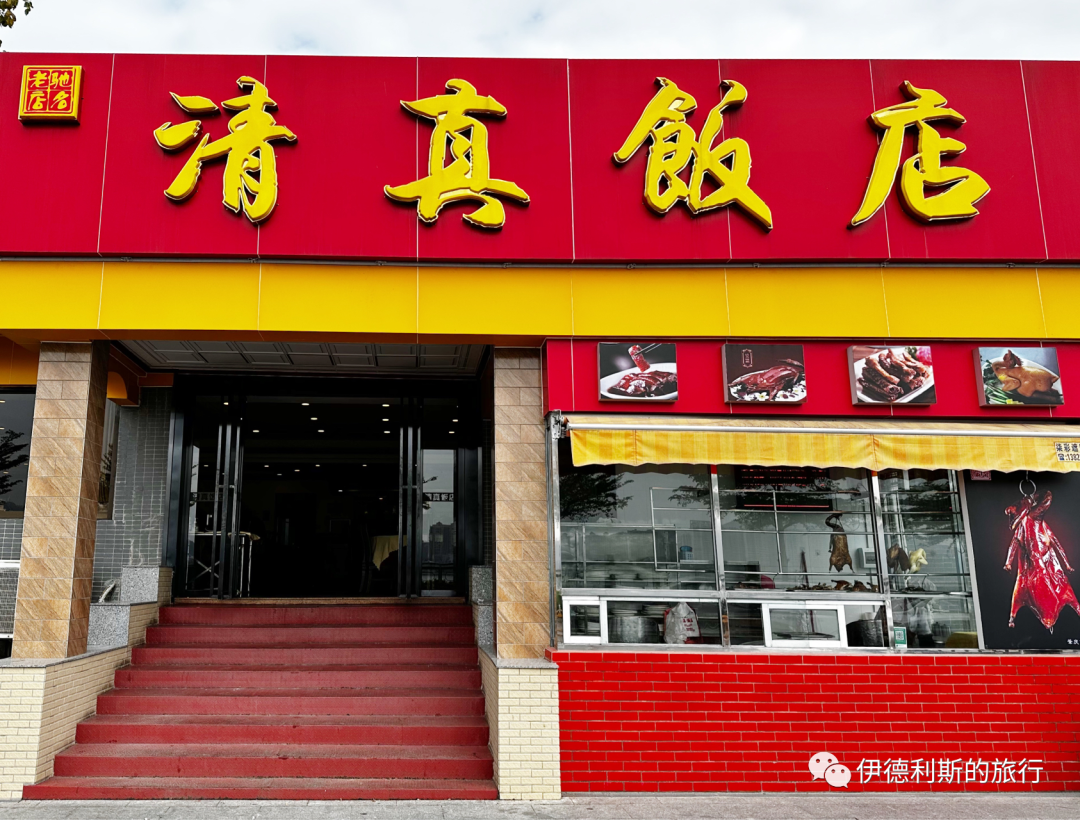
After leaving the Zhaoqing train station, I took a taxi straight to a halal restaurant by the West River. Like the Hui Muslim restaurants in Guangzhou, the Zhaoqing Halal Restaurant is a long-standing state-run halal Cantonese restaurant established in the 1950s. In 1957, the Zhaoqing Halal Restaurant was co-founded by local Hui Muslims Luo Shiyong, Sa Zhinan, Dong Shi, and Liu Youxing. Luo Shiyong was also a board member of the Zhaoqing West Mosque (Chengxi Si). He ran the halal restaurant for half a century until his daughter took over in 2007.
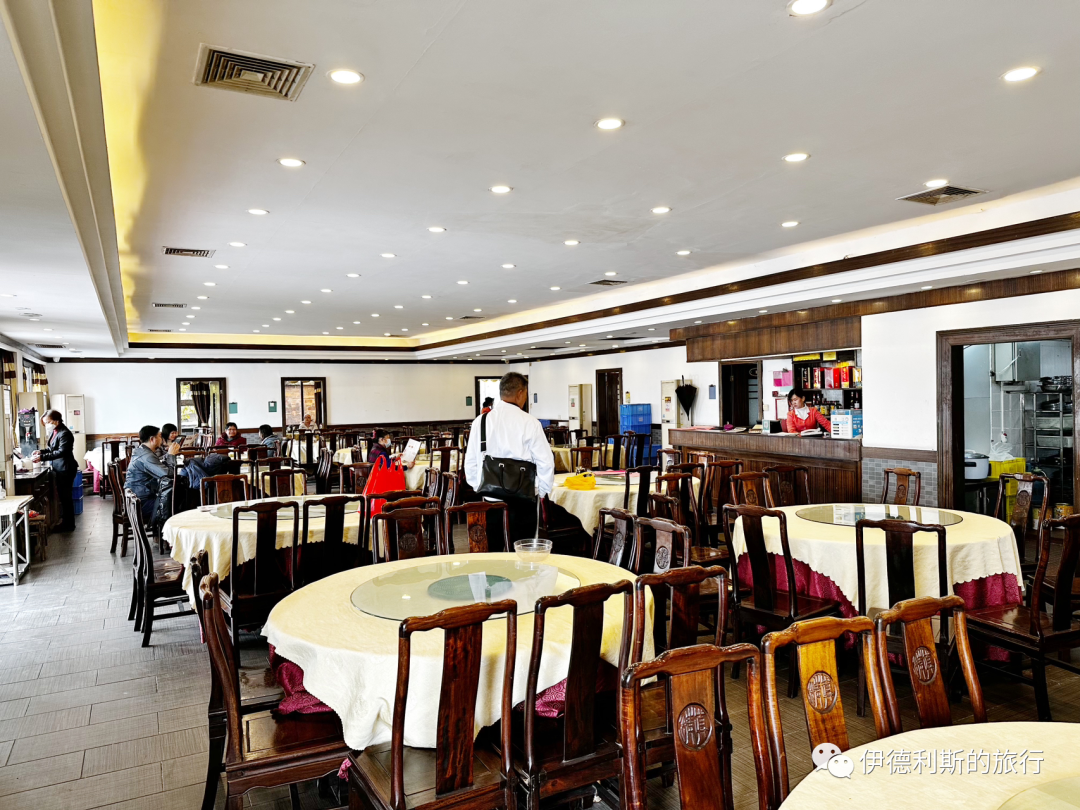
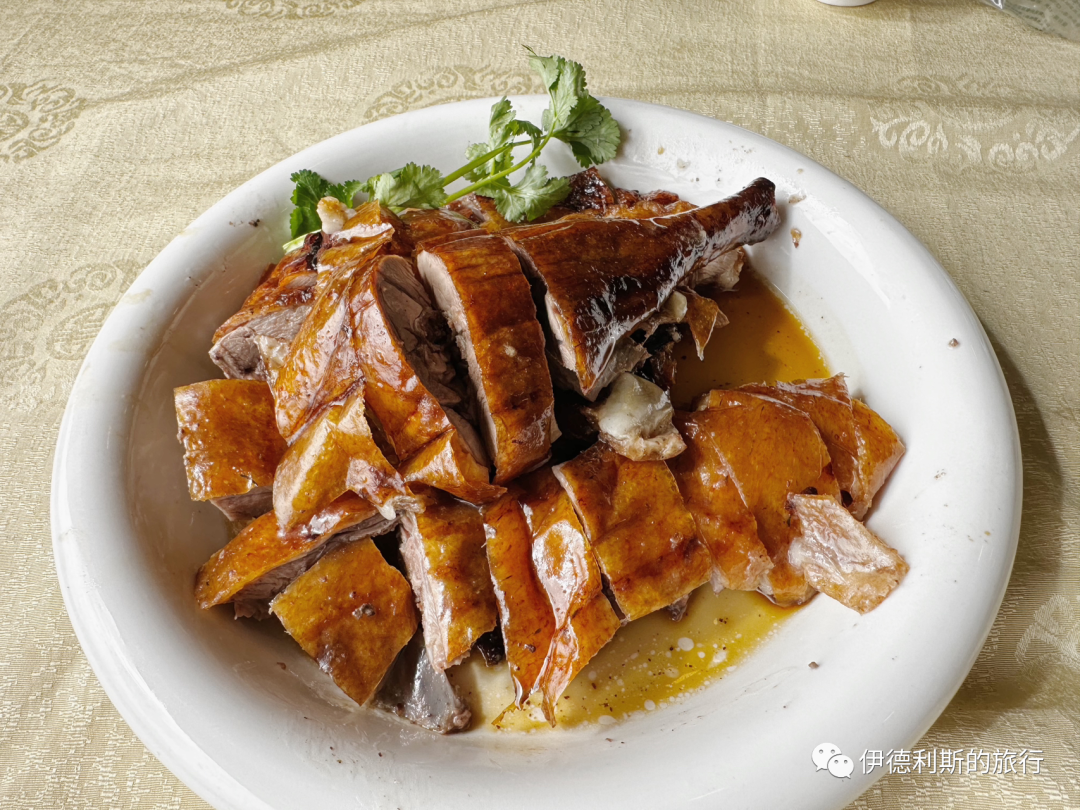
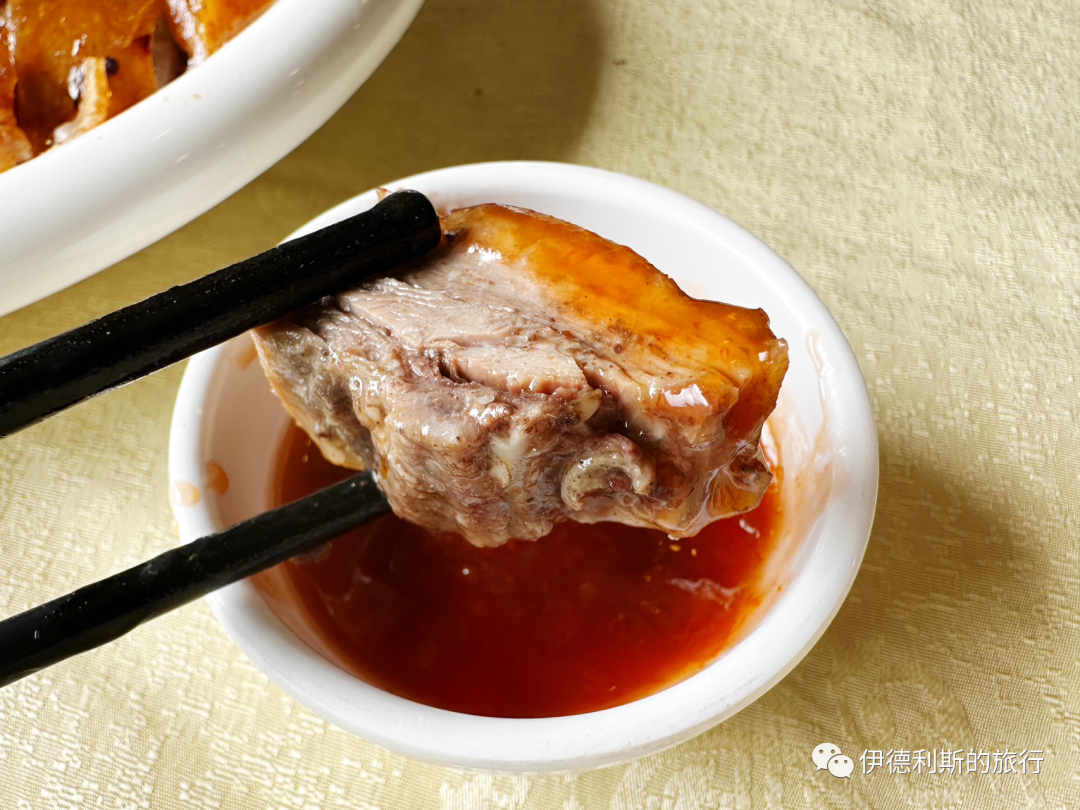
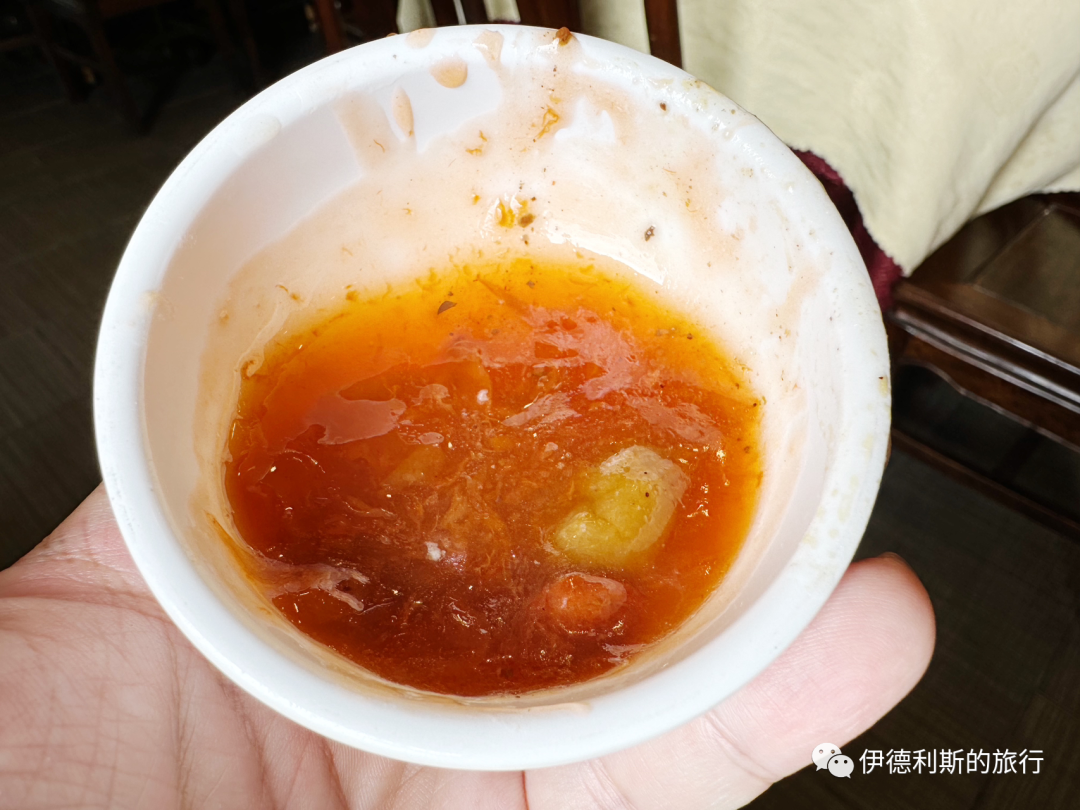
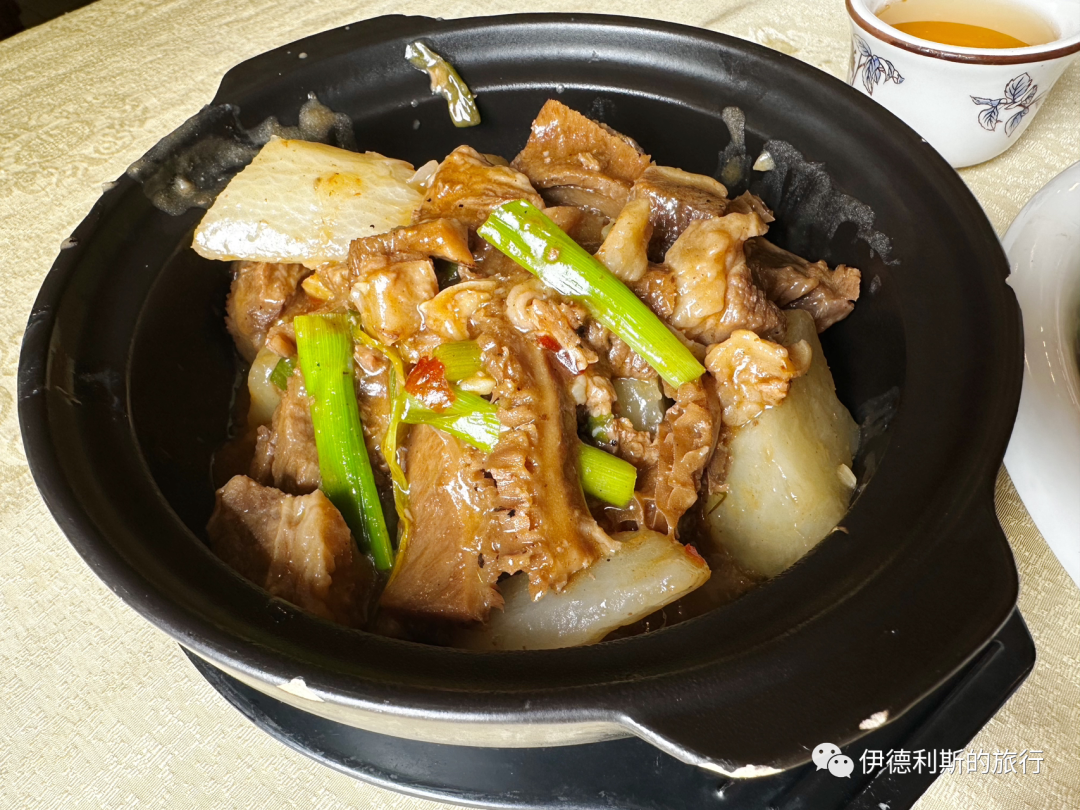
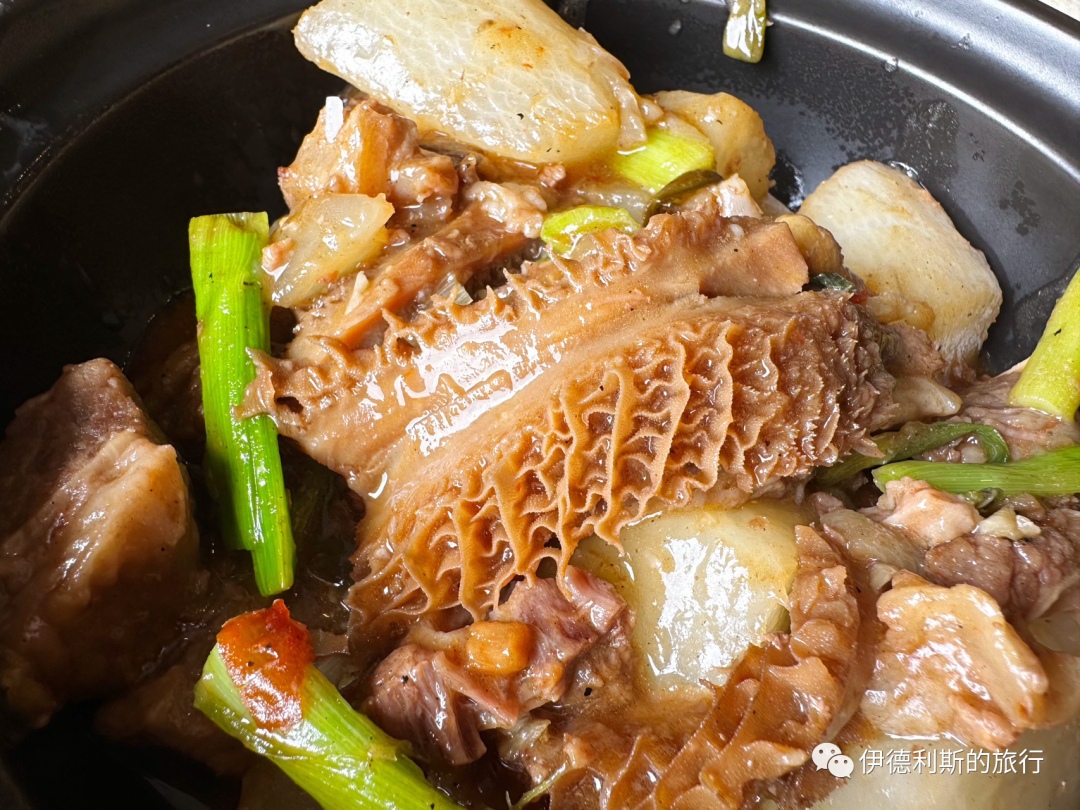
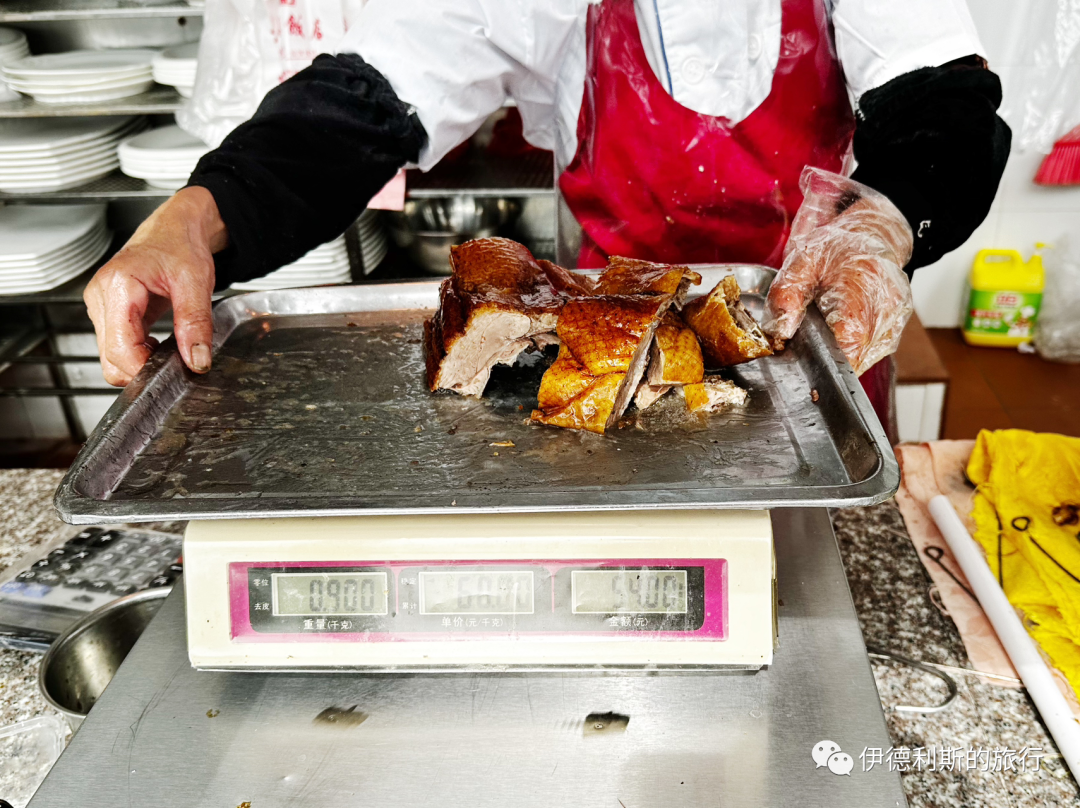
The Zhaoqing Halal Restaurant is better for family meals. The main hall has large round tables and the portions are quite big, so it is actually hard to order for just one person. However, you must try their signature dish, the halal roast goose. The Cantonese-style crispy roast goose is not greasy at all. Dipping it in sweet hawthorn sauce is very appetizing; this was my first time eating it this way. I also ordered a clay pot of radish and beef offal (niuzabao). Clay pots with beef and lamb are also a specialty of Guangdong Hui Muslims.
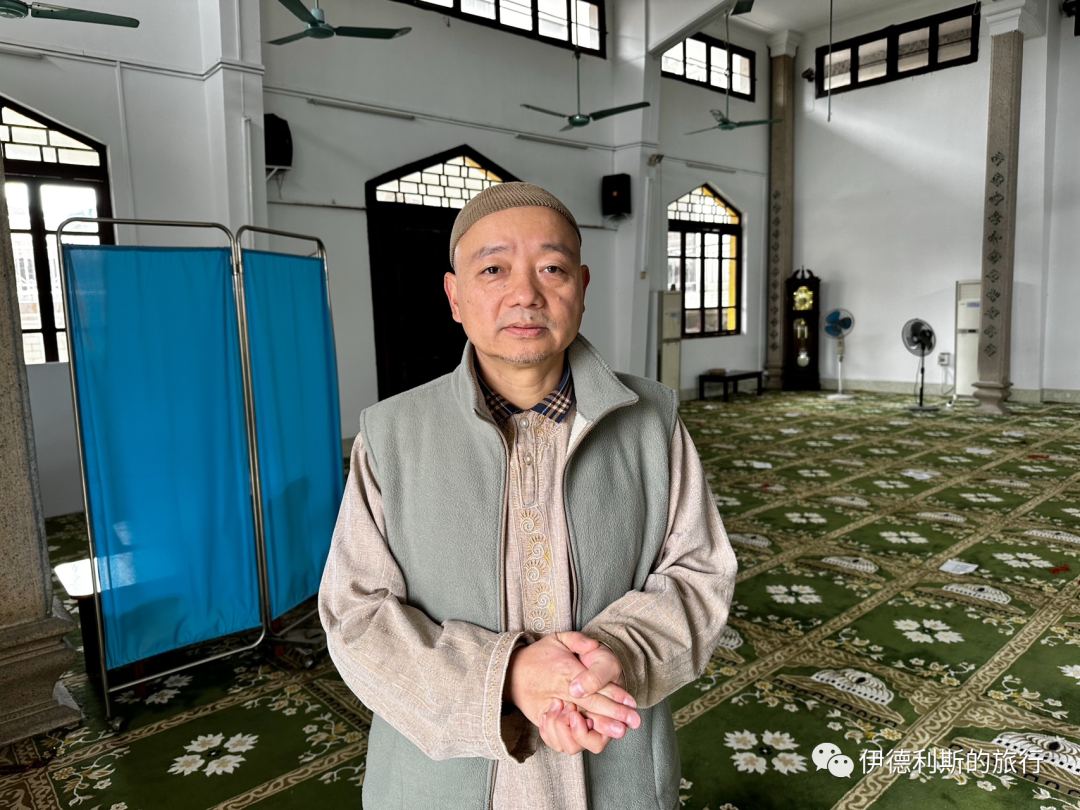
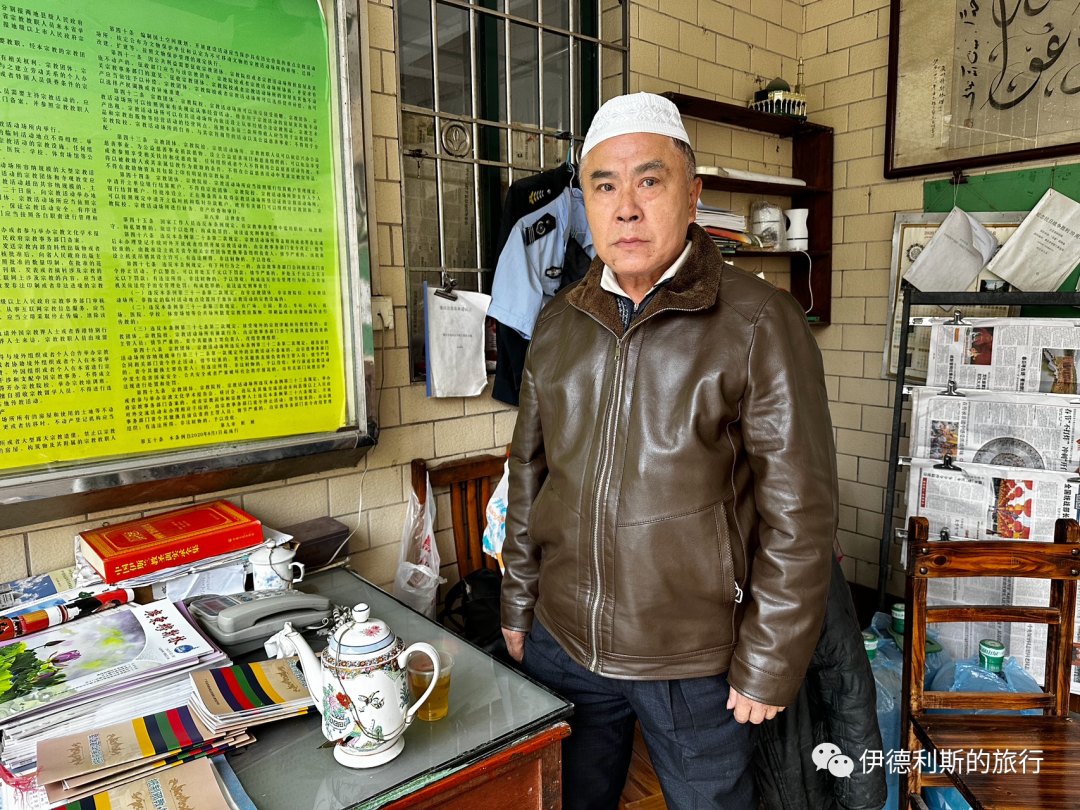
After leaving the halal restaurant, I went to the Zhaoqing West Mosque (Chengxi Si) and received a warm welcome from Imam (ahong) He. Imam He is from Hami and his ancestral home is in Shaanxi. He was previously at the Meilin Mosque in Shenzhen and only came to Zhaoqing recently after the old imam of the West Mosque retired. Currently, most of the people coming to the mosque for namaz are friends (dosti) who run noodle shops. Many are willing to settle in Zhaoqing because it is convenient for their children's schooling and the climate is pleasant.
I also met Mr. Luo at the mosque, who is a local Hui Muslim from Zhaoqing. According to family records, the ancestors of the Zhaoqing Luo family were from Xuanping County, Lishui City, Zhejiang Province (the county was abolished in 1958). They came to Zhaoqing for garrison duty during the Qianlong reign and settled down, so they have been here for 300 years.
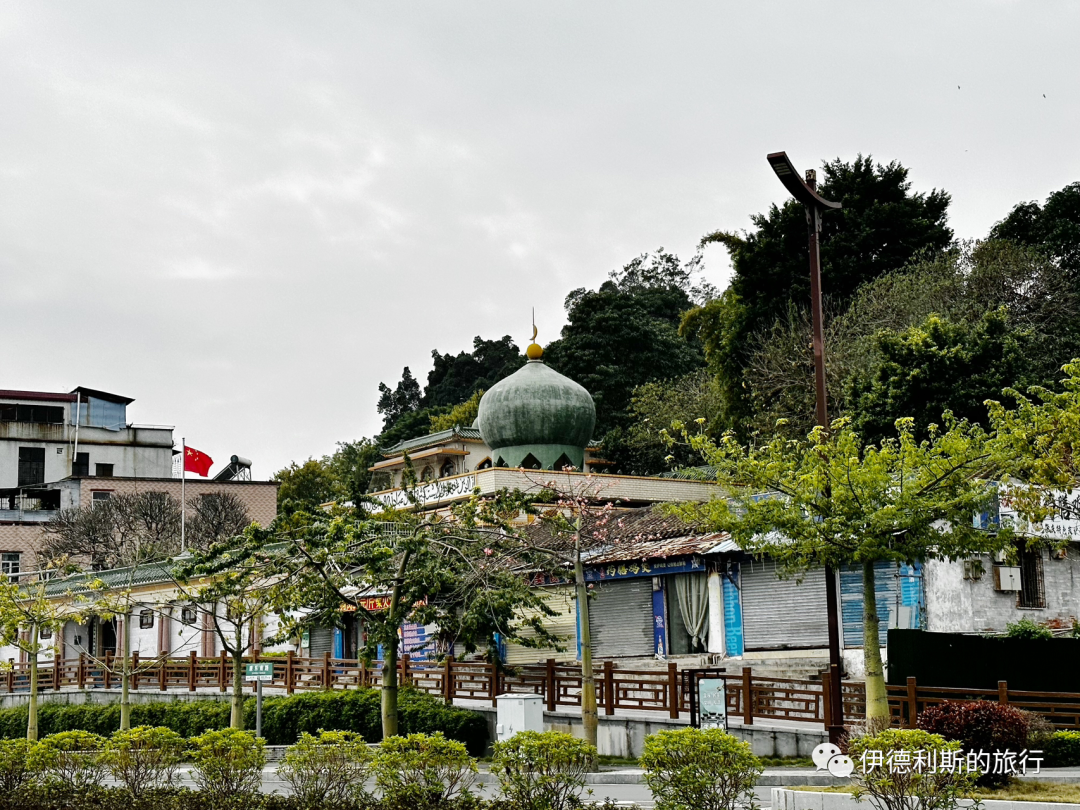
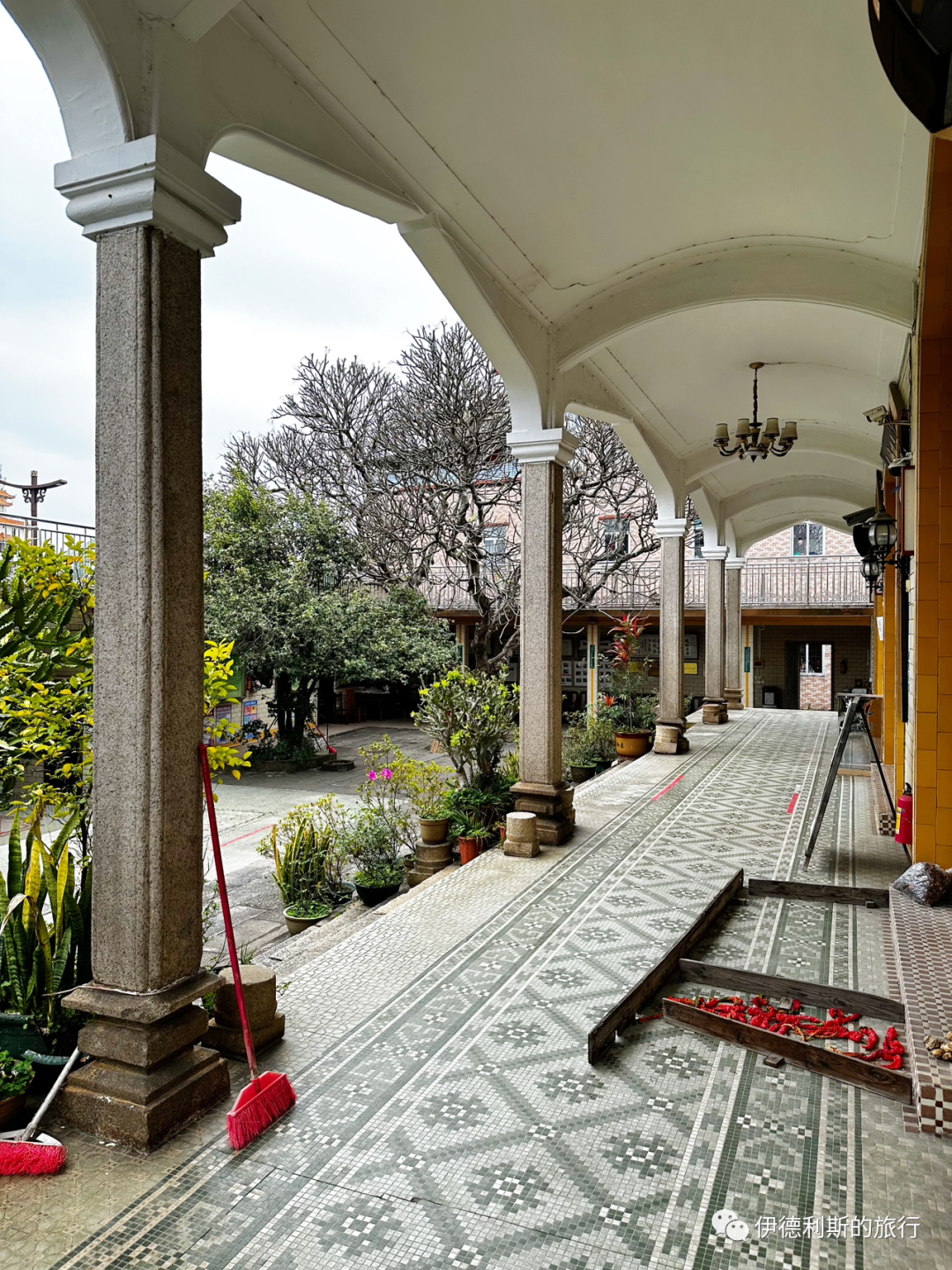
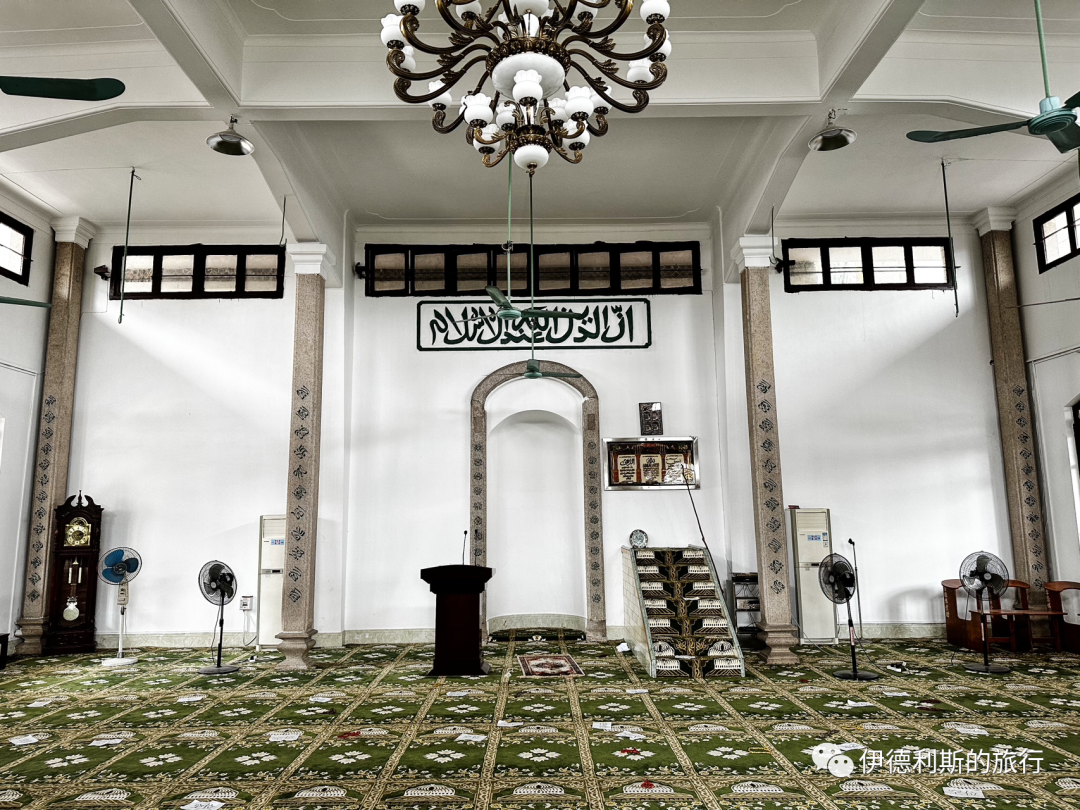
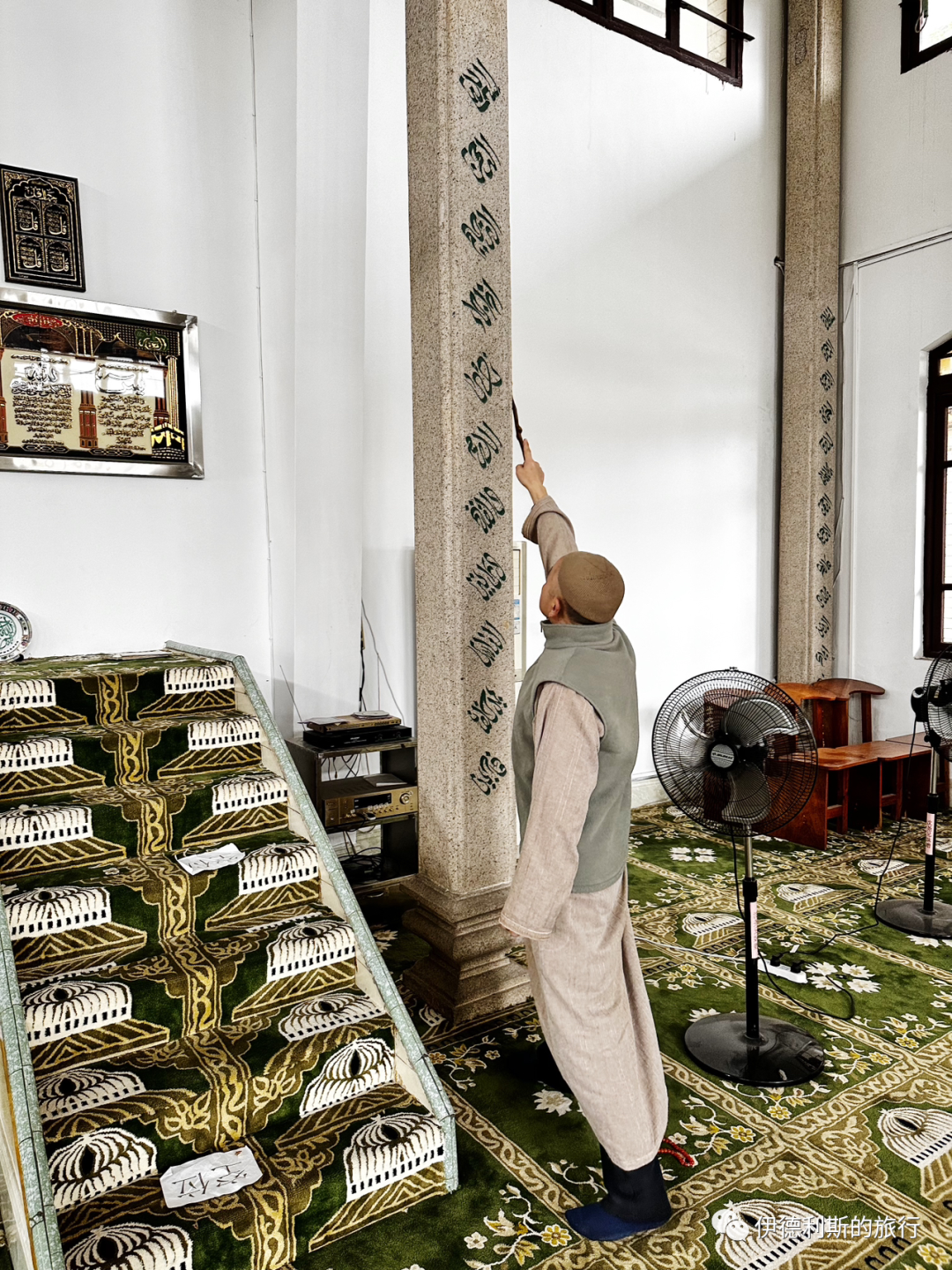
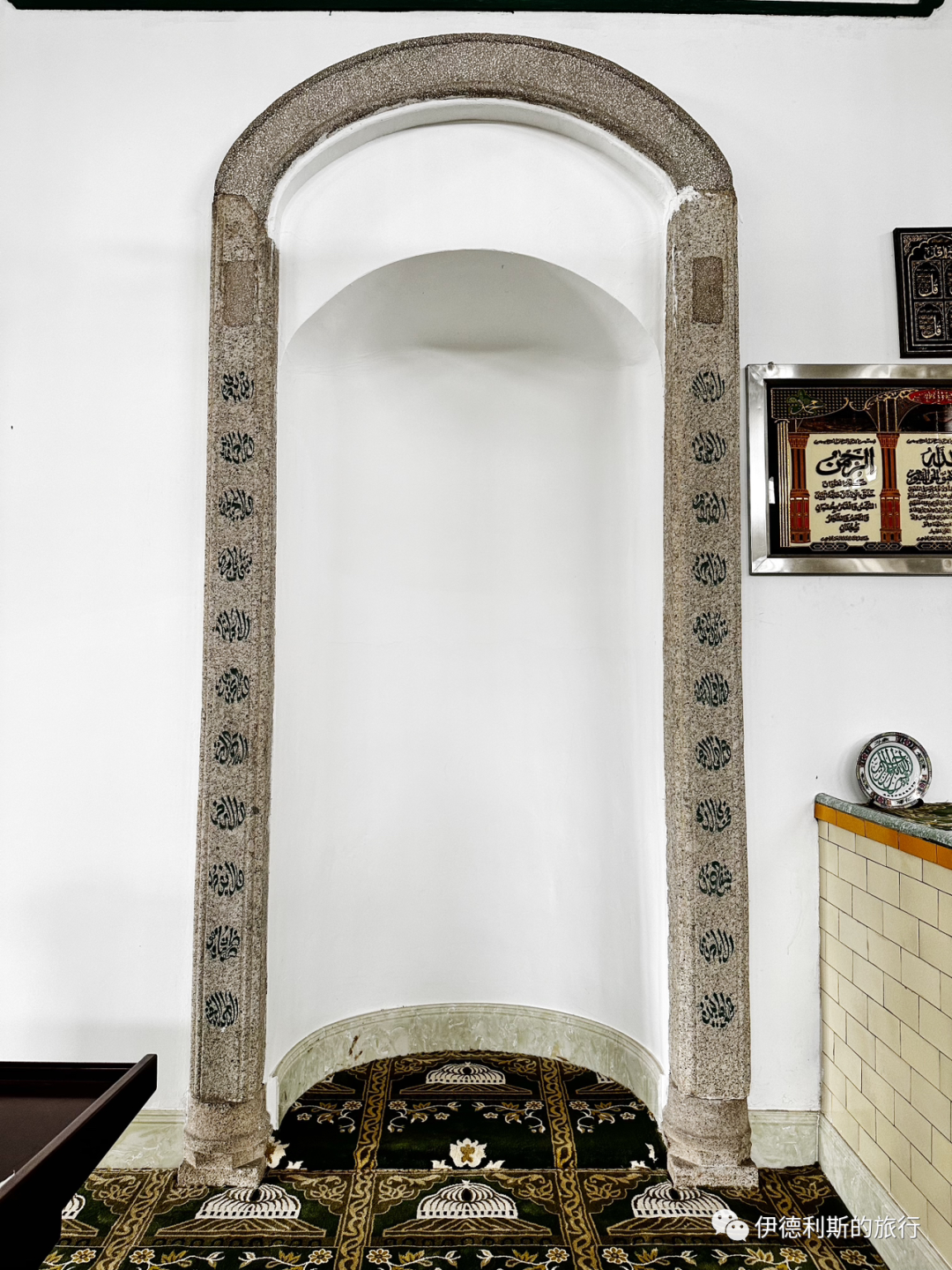
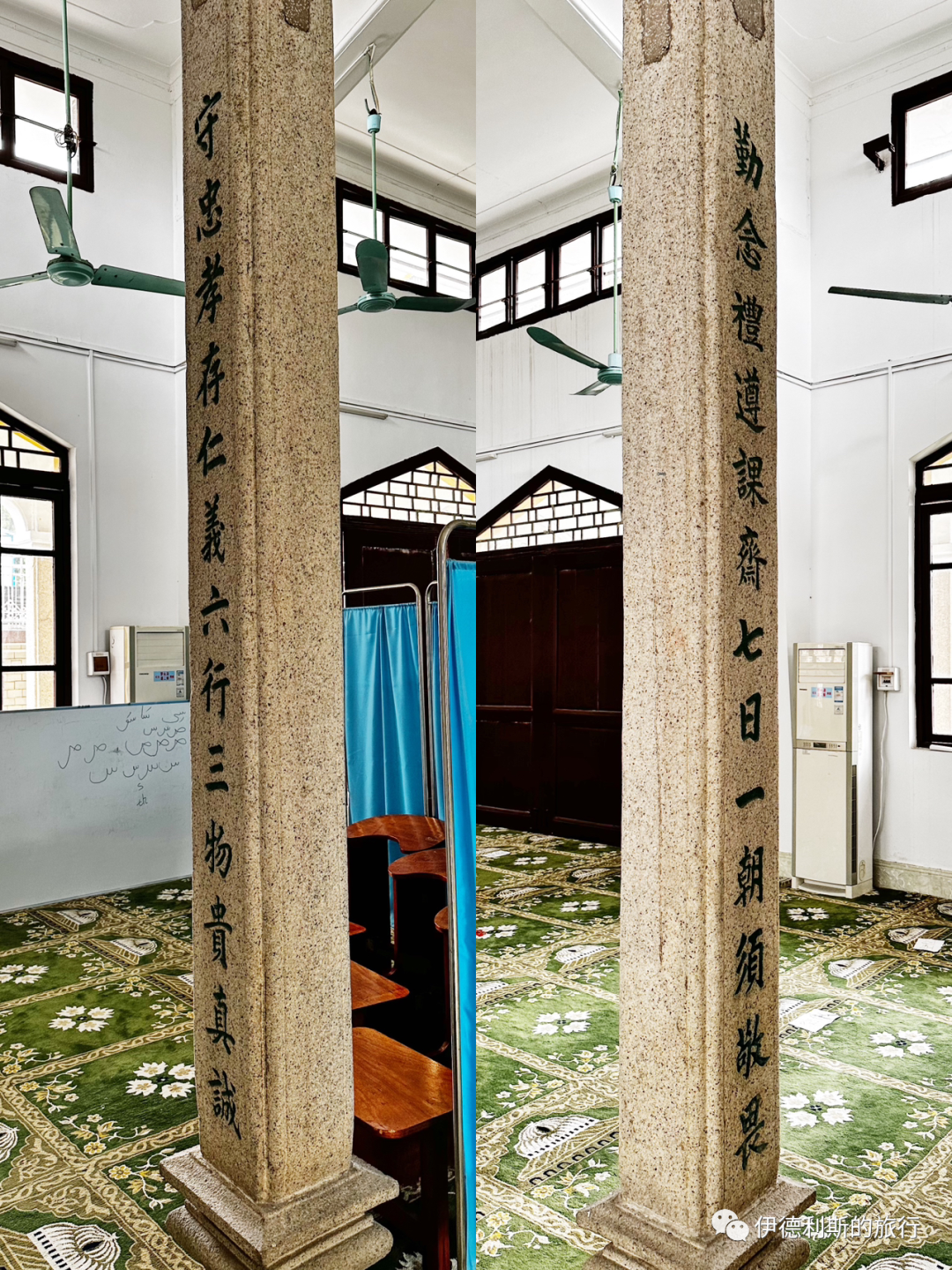
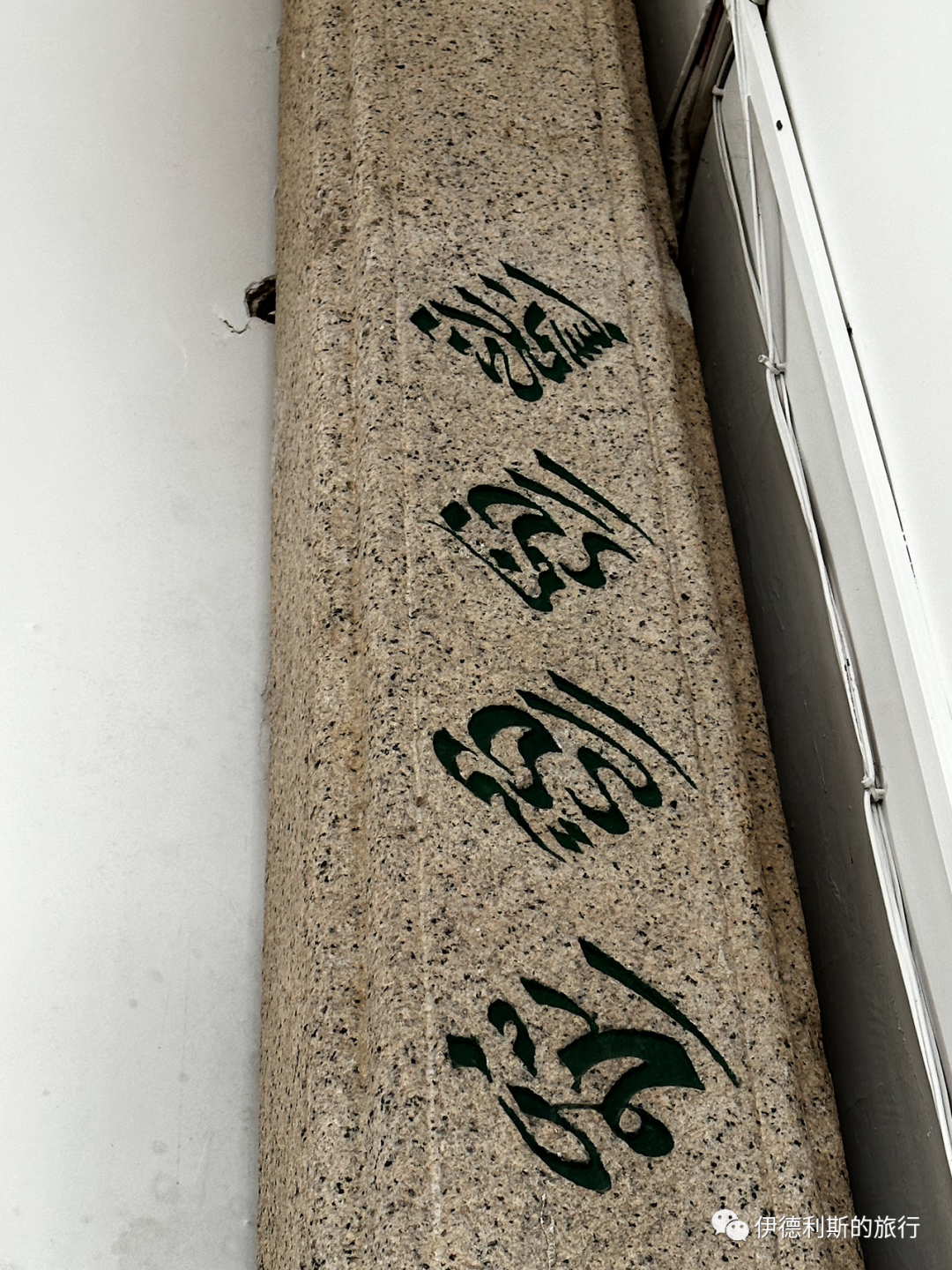
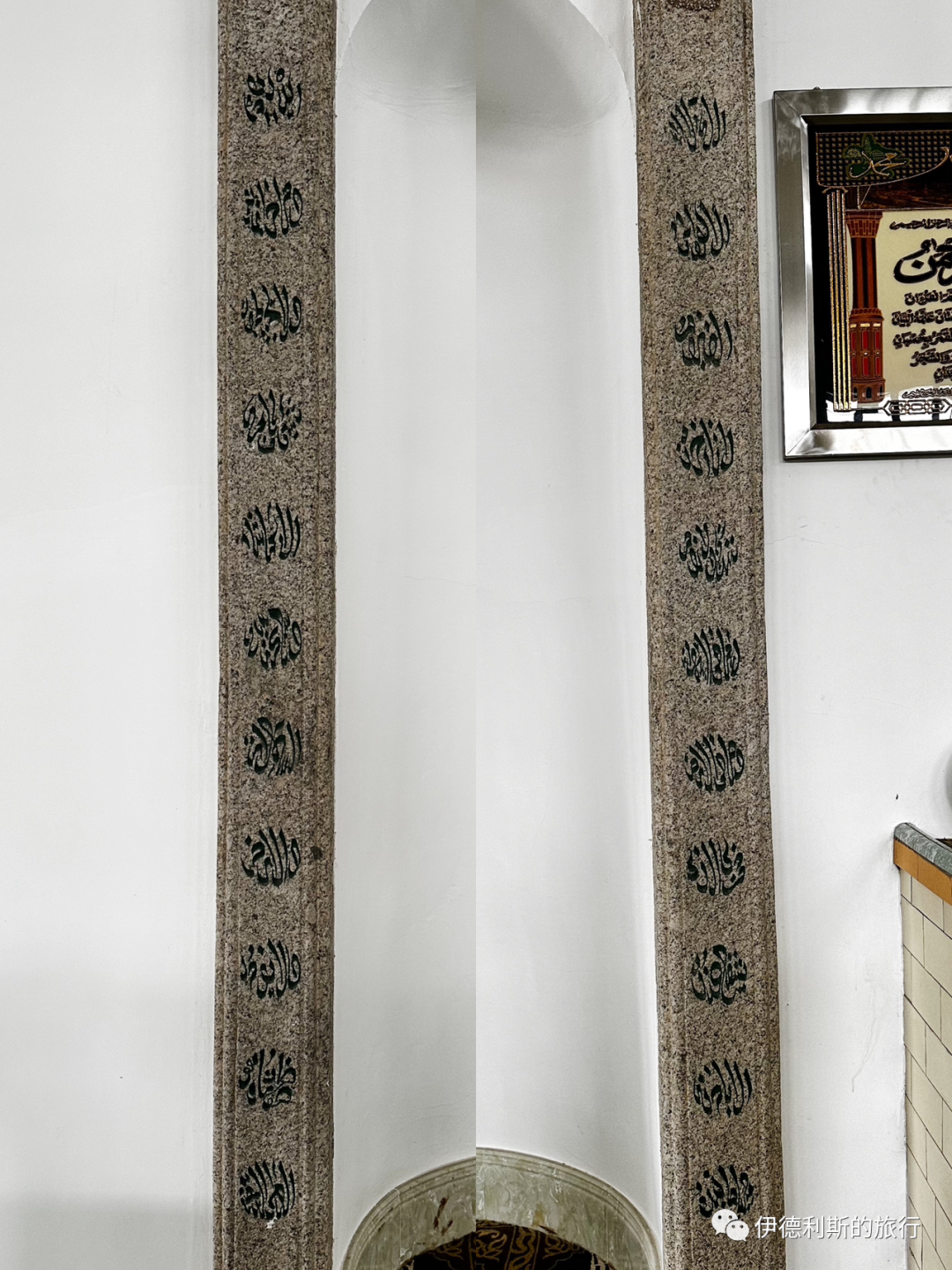
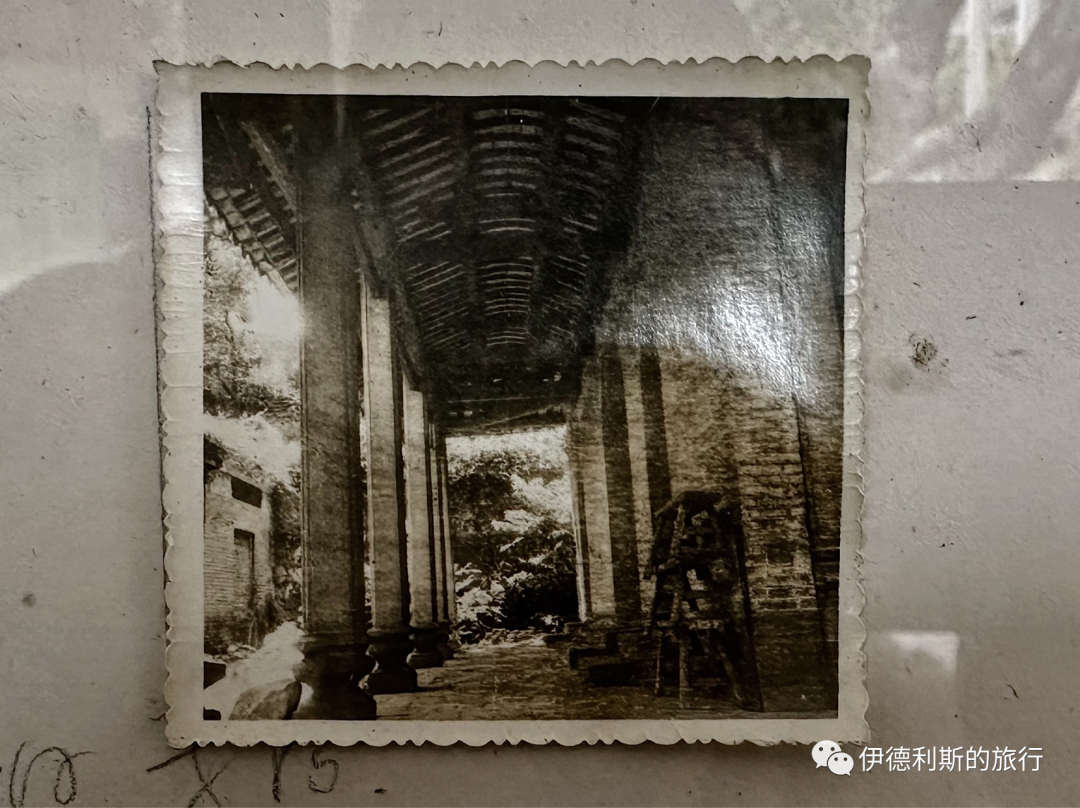
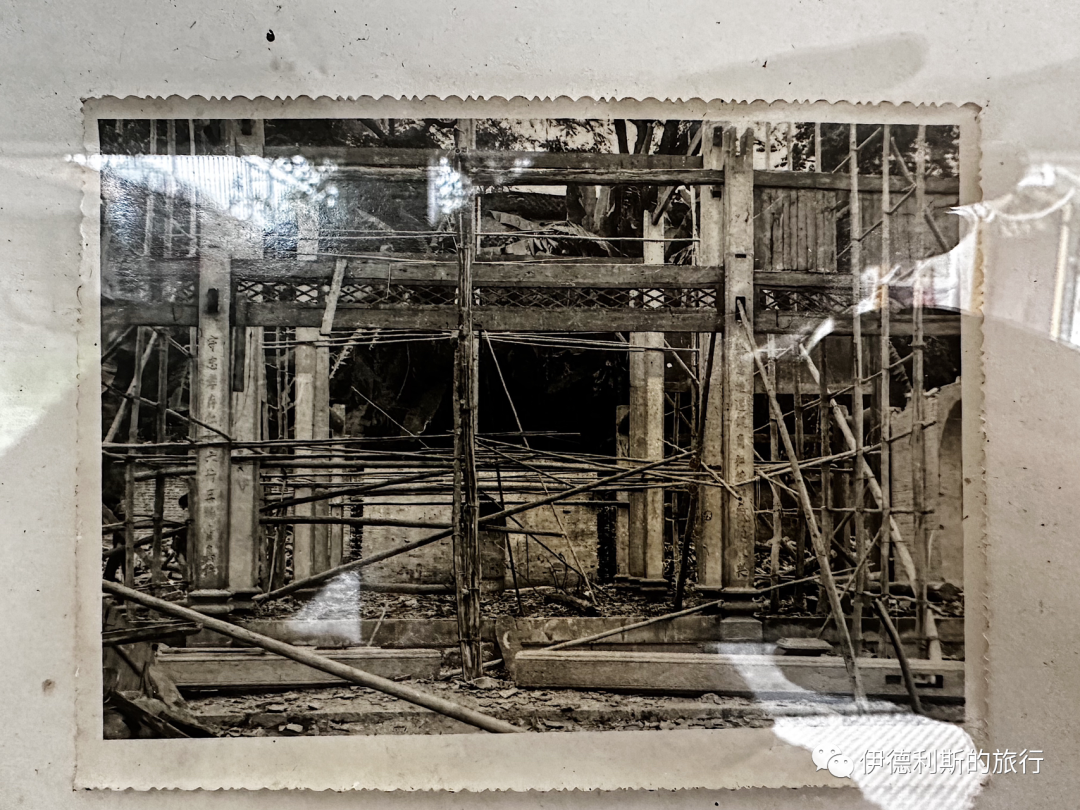
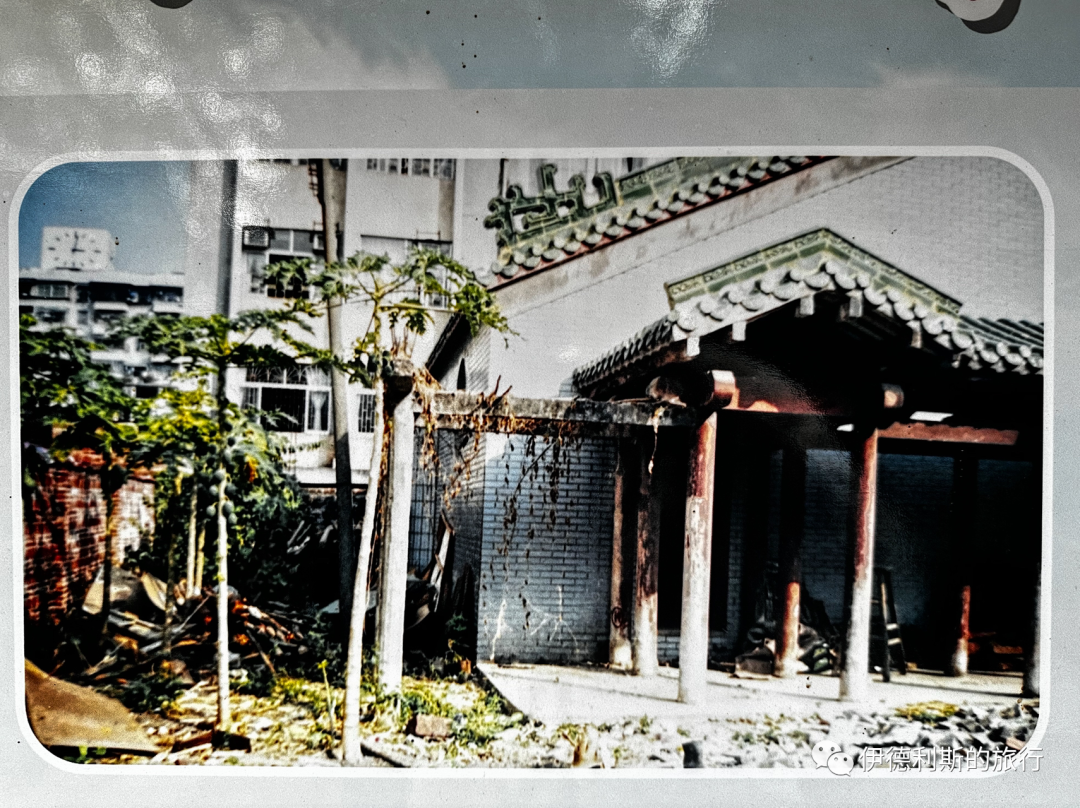
The Zhaoqing West Mosque was first built in the early Qianlong reign. It was originally small. In 1767 (the 32nd year of Qianlong), the elder Liu Shifang led 15 Muslims to buy land and build the mosque by the Longding Ridge outside the west city wall. It was expanded twice during the Jiaqing and Daoguang reigns and rebuilt into its current form in 1983. I am very grateful that the original stone pillars and the mihrab stone arch from the Qing Dynasty main hall were preserved. The mihrab stone arch and four stone pillars are carved with scripture calligraphy. Two of the pillars are carved with a Chinese couplet: "Diligently recite, pray, follow the rules, fast, and worship once a week with reverence; uphold loyalty, filial piety, benevolence, and righteousness, for the six actions and three items are precious and sincere." The first line is about religious faith, and the second line is about Confucianism. Both were very important to the Hui Muslims at that time.
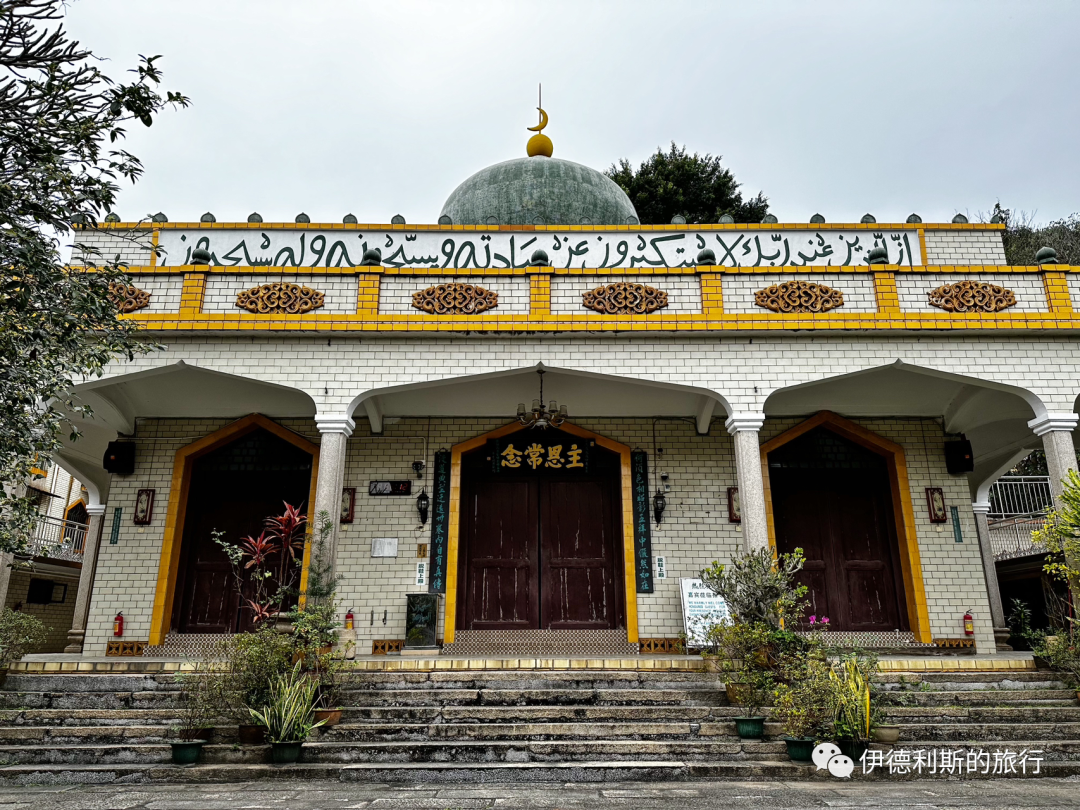
On the door of the main hall of the West Mosque, there is a plaque and couplet. The plaque "Always Remember the Lord's Grace" was respectfully inscribed in 1838 (Daoguang Wuxu year) by Li Xianyang, a military official. The couplet, "Why need the physical form to be manifest, for in the five prayers one is as if in His presence; do not say the tradition is far away, for in the thirty volumes there is the true teaching," was respectfully written by Liu Hu in 1814 (Jiaqing Jiaxu year).
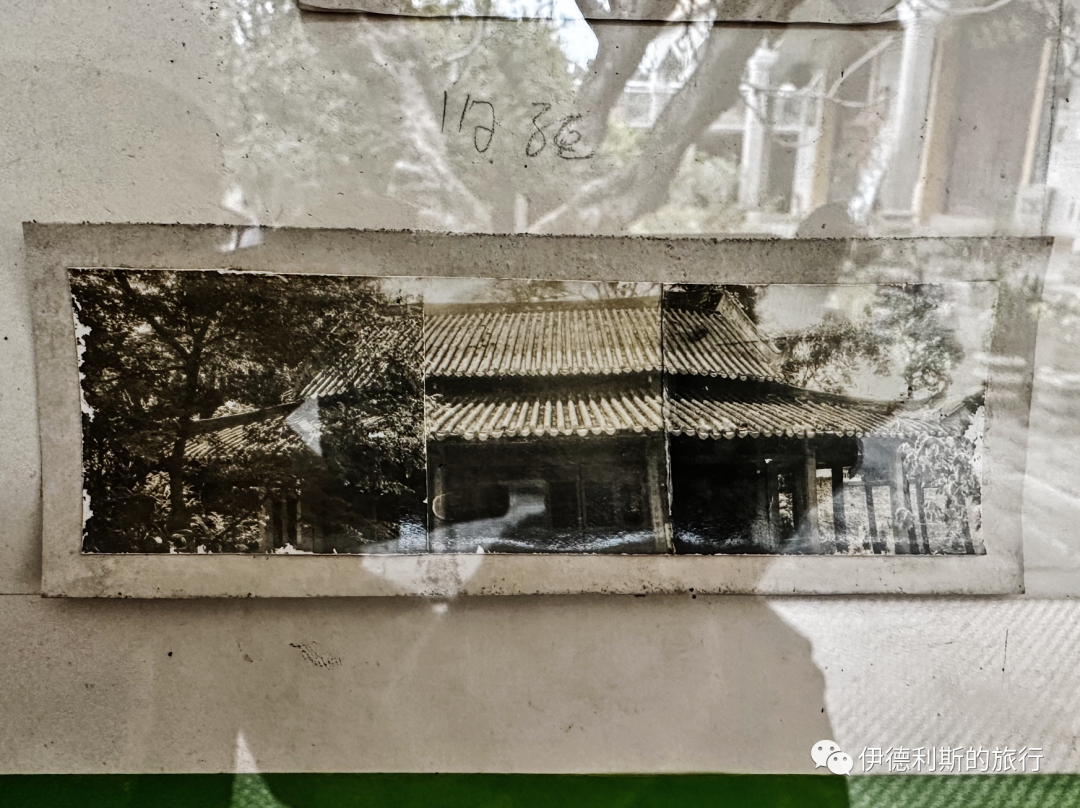
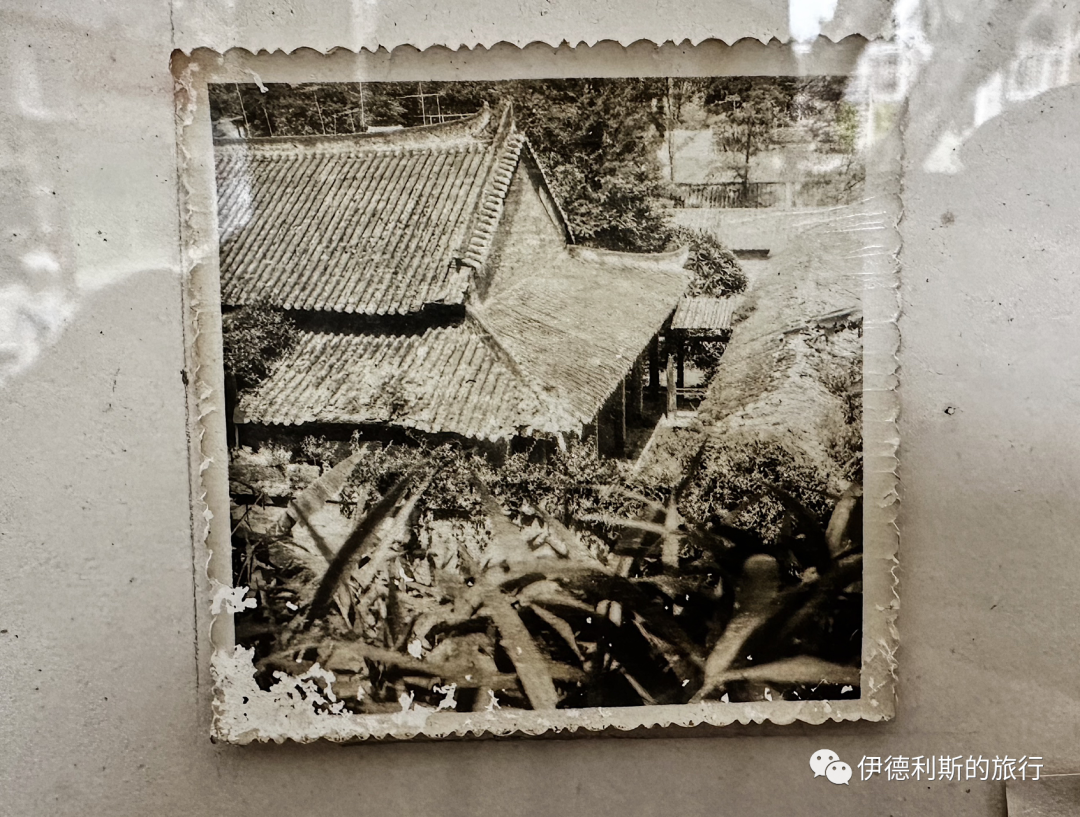
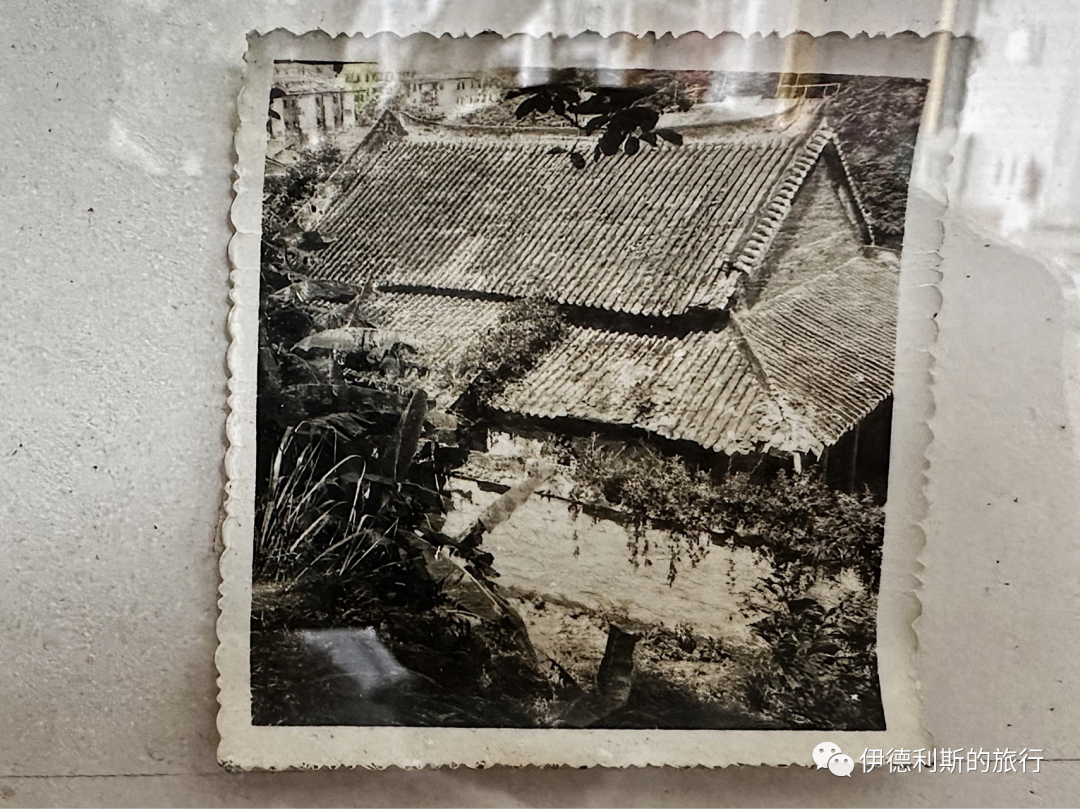
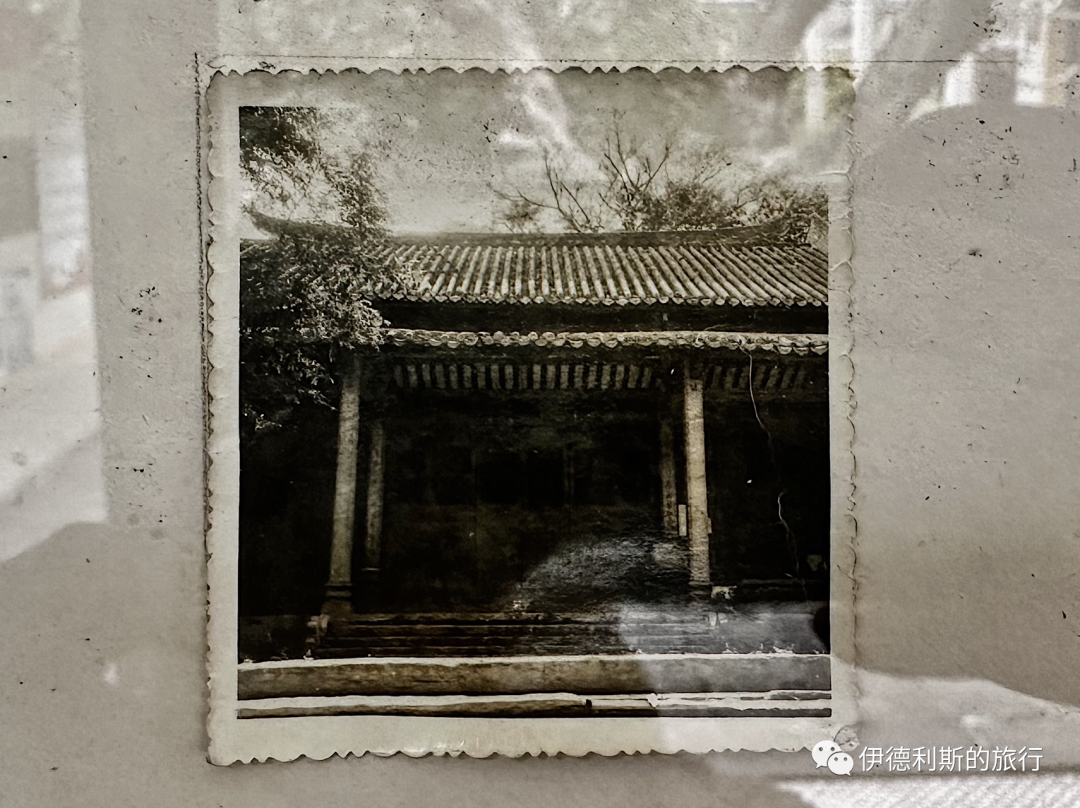
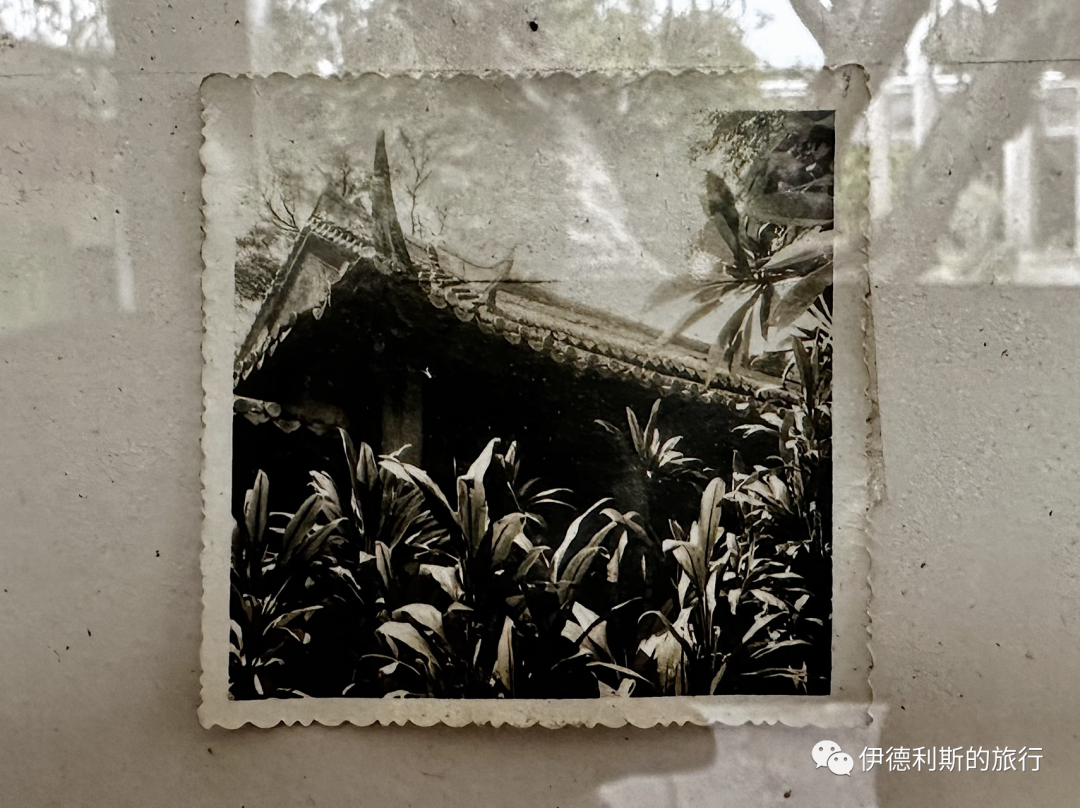
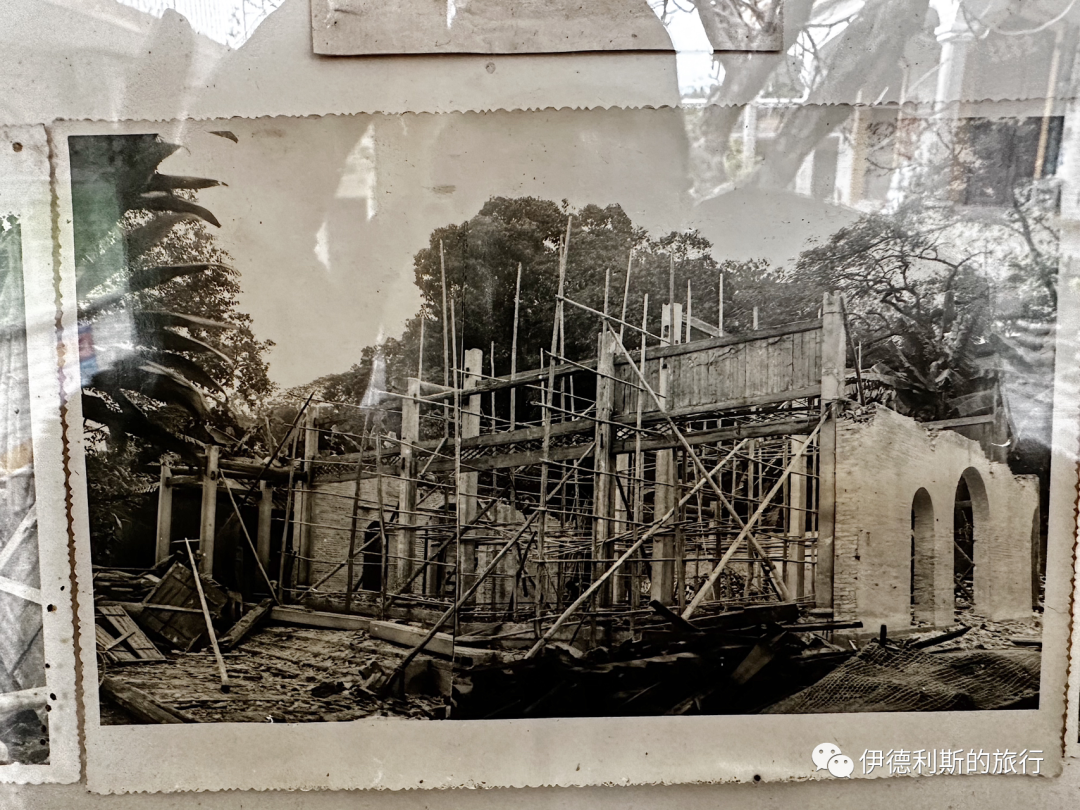
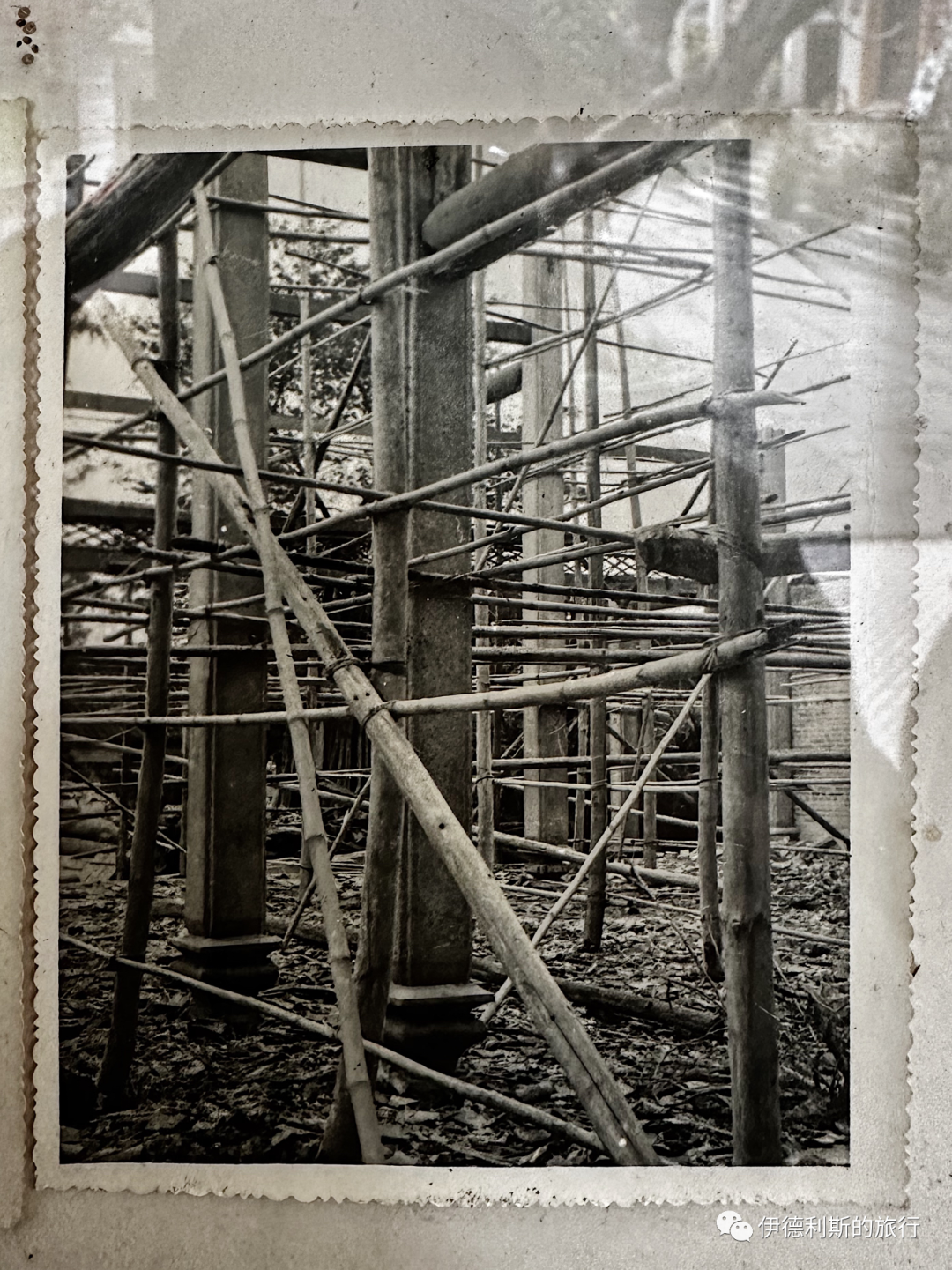
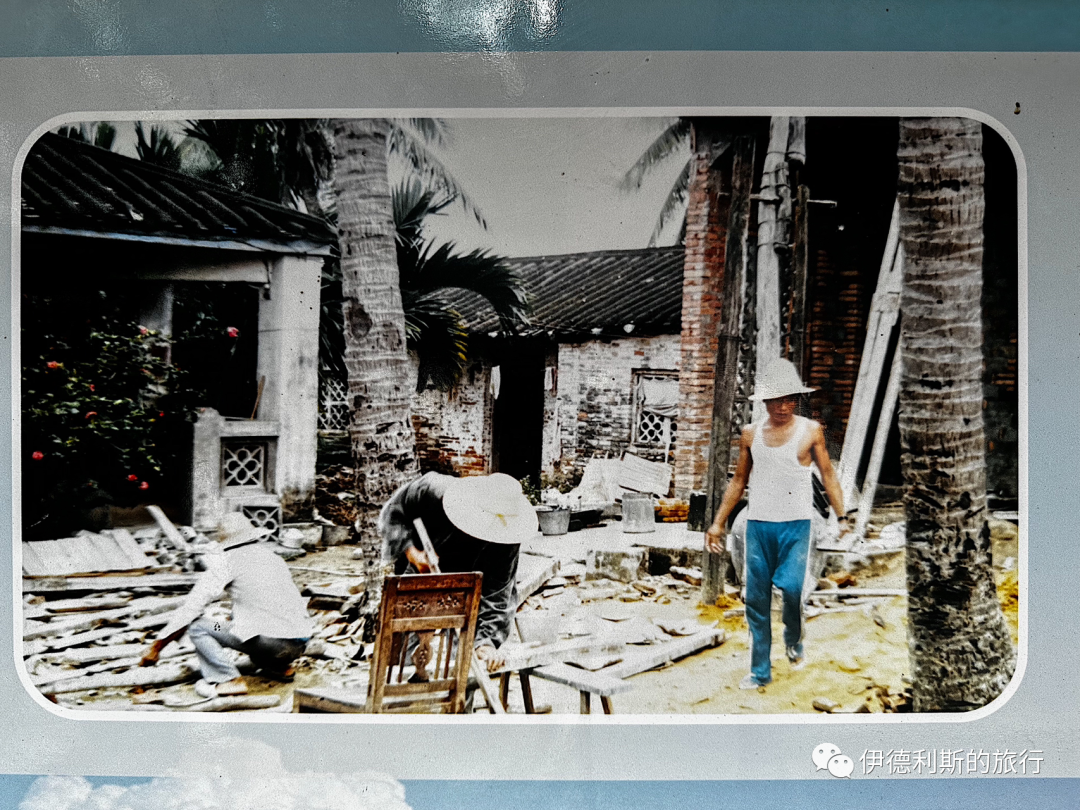
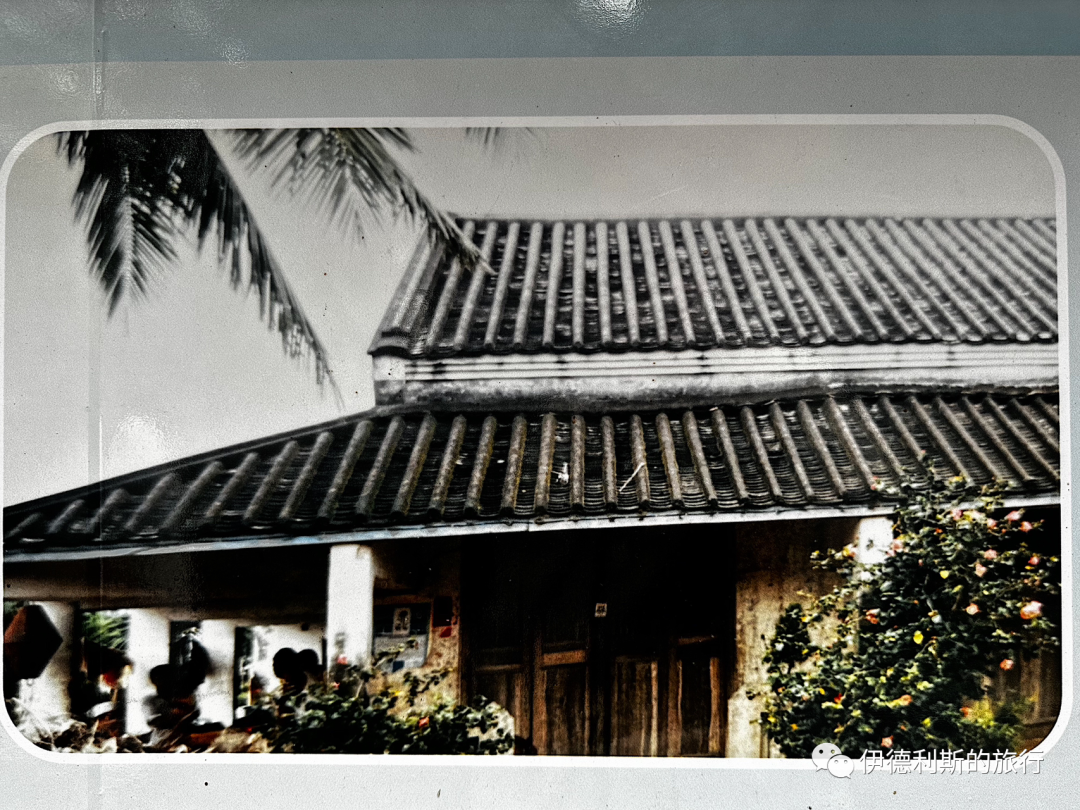
The West Mosque preserves old photos of the main hall from before and during its demolition in 1983. From the photos, you can see that this mosque, like the Haopan Mosque in Guangzhou, has a double-eaved hip-and-gable roof and a stone-pillared corridor. This architectural style is extremely rare in northern mosques. You can also see what the Chinese stone couplets looked like on the old main hall.
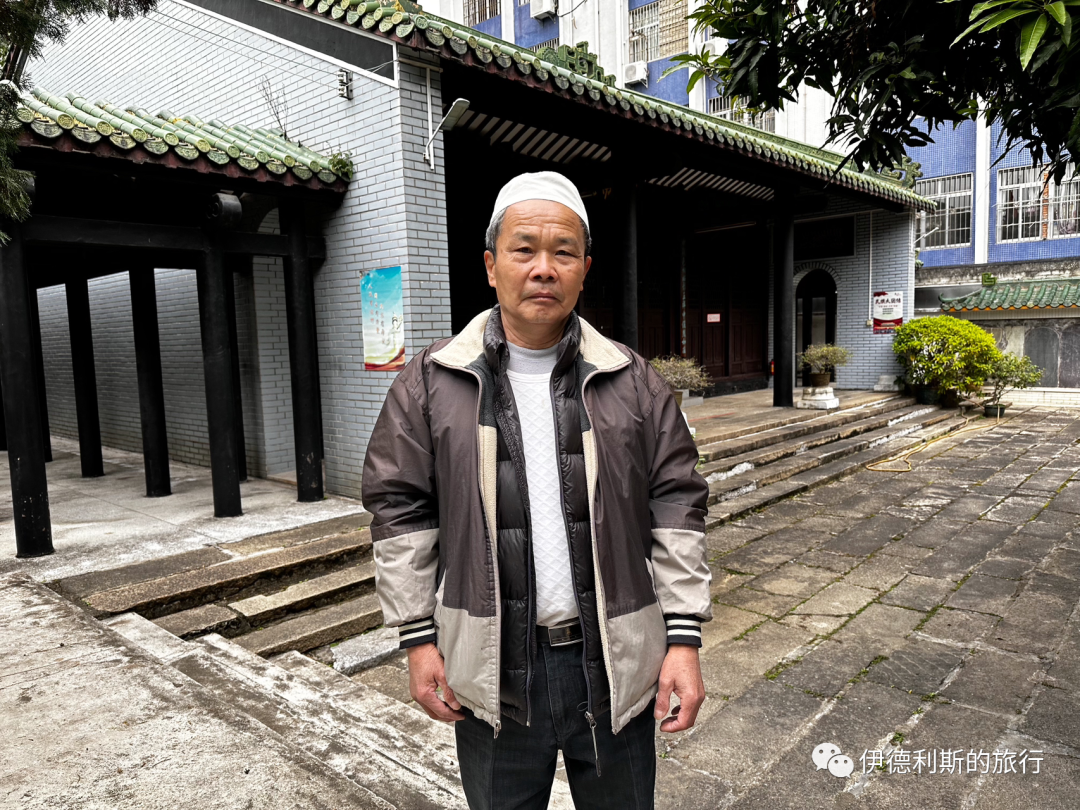
After saying goodbye to the Zhaoqing West Mosque, I walked through the old town of Zhaoqing to the East Mosque (Chengdong Si) and contacted Grandpa Wang, the mosque caretaker, to open the door for me. Mr. Wang is also a local Hui Muslim. According to family records, the ancestors of the Zhaoqing Wang family were from Taiyuan Prefecture, Shanxi. They came to Zhaoqing with the army in the early Qing Dynasty to serve in office and later settled down in Zhaoqing.
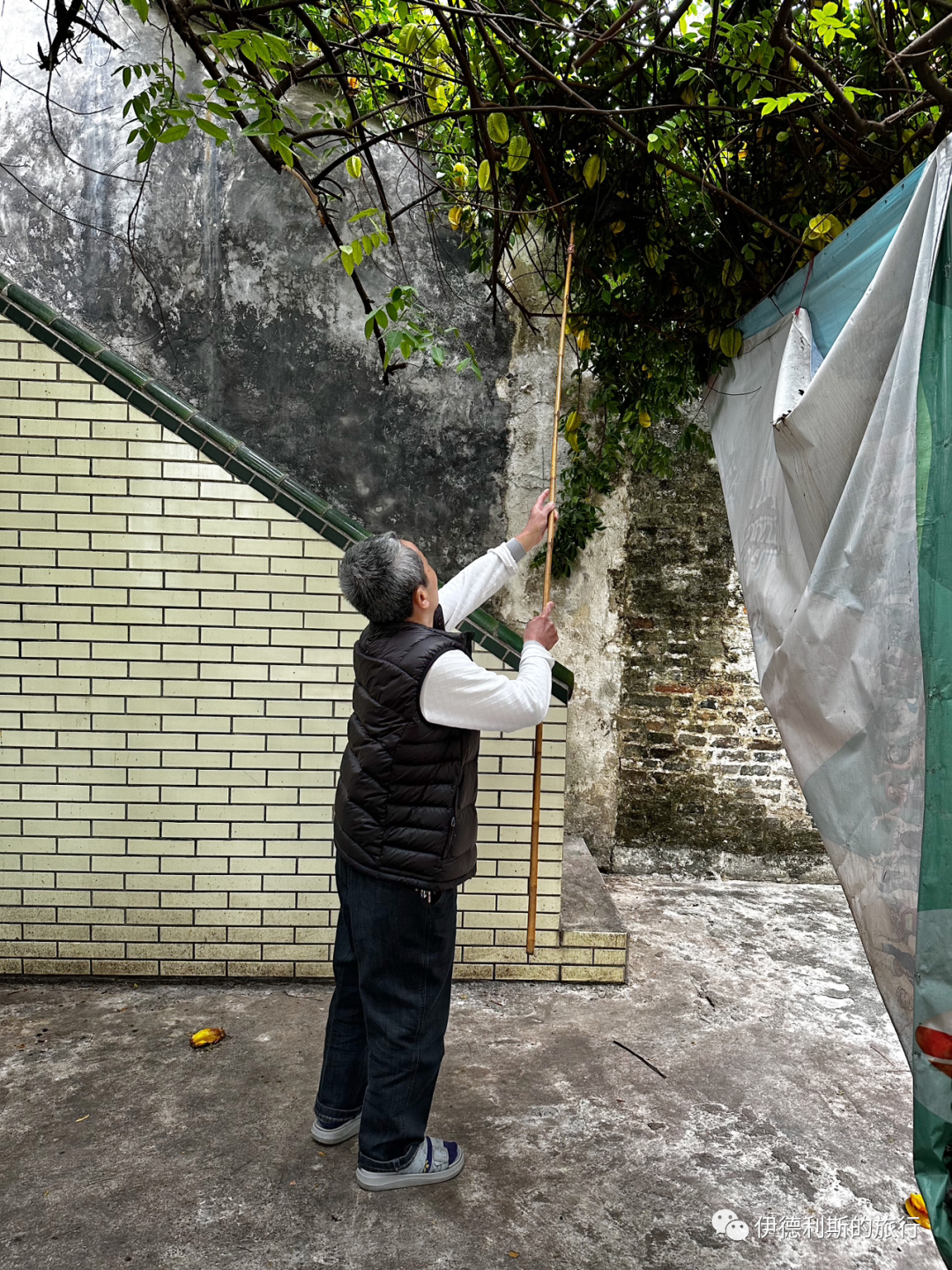
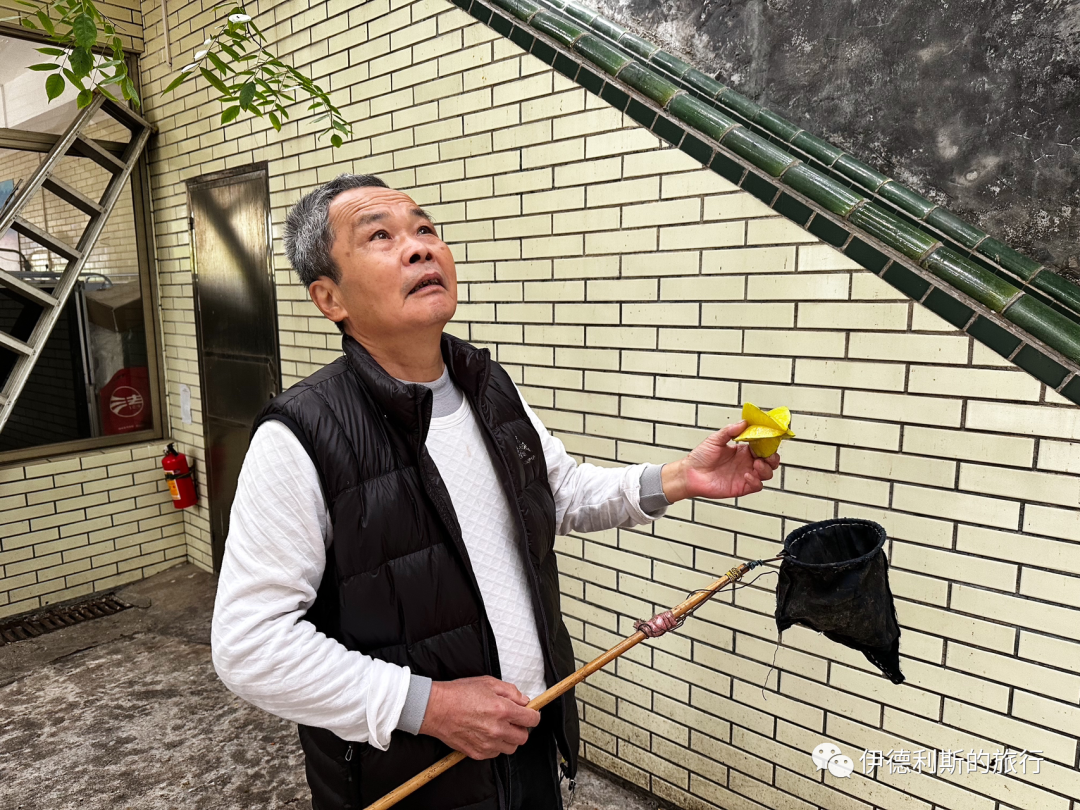
Because the climate in Lingnan is pleasant, Zhaoqing remains lush and green even in winter. The East Mosque is full of life, with papaya, starfruit, and mango trees planted inside. When I arrived, the starfruit was just right, and Mr. Wang picked several for me from the tree. Although I had eaten starfruit from fruit shops before, this was my first time eating it straight from the tree, and it was grown in a mosque, which felt very special. "Travel through the earth and observe how Allah created all living things." Travel lets you meet all kinds of interesting people, see all kinds of beautiful scenery, and experience all kinds of unforgettable moments. I am very grateful.
The East Mosque was originally on Water Street and was small. During the Kangxi reign, Fu Yunfeng from Guangzhou bought land and moved it to the Water Village Camp. It was rebuilt many times during the Qianlong, Daoguang, and Republican eras. Fu Yunfeng was originally Han Chinese. During the Kangxi era, he traveled from Zhejiang to Guangdong for business. After he ran into trouble, an imam at the Haopan Mosque in Guangzhou saved him. He lived in the mosque for a while and then converted to Islam. He was a timber merchant. After becoming wealthy, he funded the reconstruction of the Haopan Mosque in Guangzhou. He also renovated the Huaisheng Mosque, Nansheng Mosque, the Ancient Tombs of the Worthies, and the Chengdong Mosque in Zhaoqing, making a major contribution to the development of the faith in Guangdong.
In 1946, Imam Yang Maolin opened a scripture hall inside the Chengdong Mosque. The following year, he used the scripture class as a foundation to start the private Zhaoqing Muslim Primary School, which became a public school after 1949. After 1966, the Muslim Primary School was renamed Zhaoqing No. 17 Primary School. Everything except the main gate and the main prayer hall was torn down to build classrooms, and the mosque stopped its activities. In the late 1980s, after religious policies were restored, the government gave the area north of the main prayer hall to the school and returned the area south of the hall to the Chengdong Mosque, along with compensation. In 1991, the Chengdong Mosque tore down the original main prayer hall and rebuilt it with reinforced concrete. It was finished in 1993. In 2006, they rebuilt the scripture hall, washroom (shuifang), and offices, creating the mosque as it stands today.
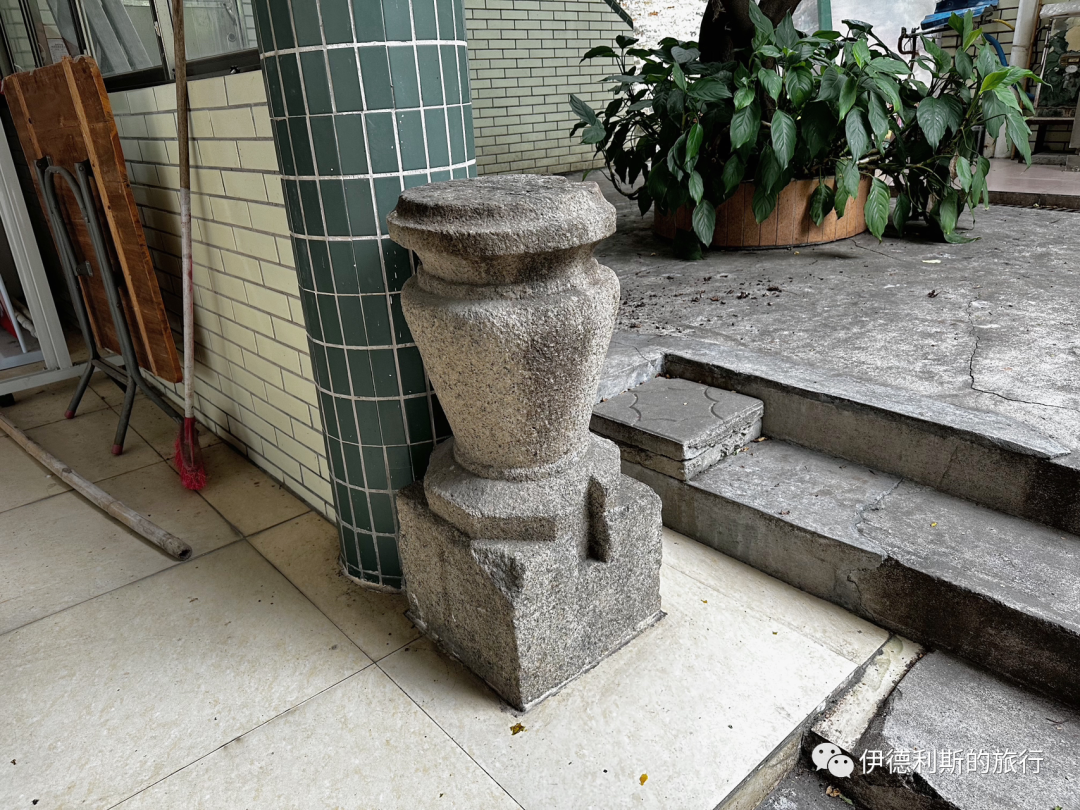
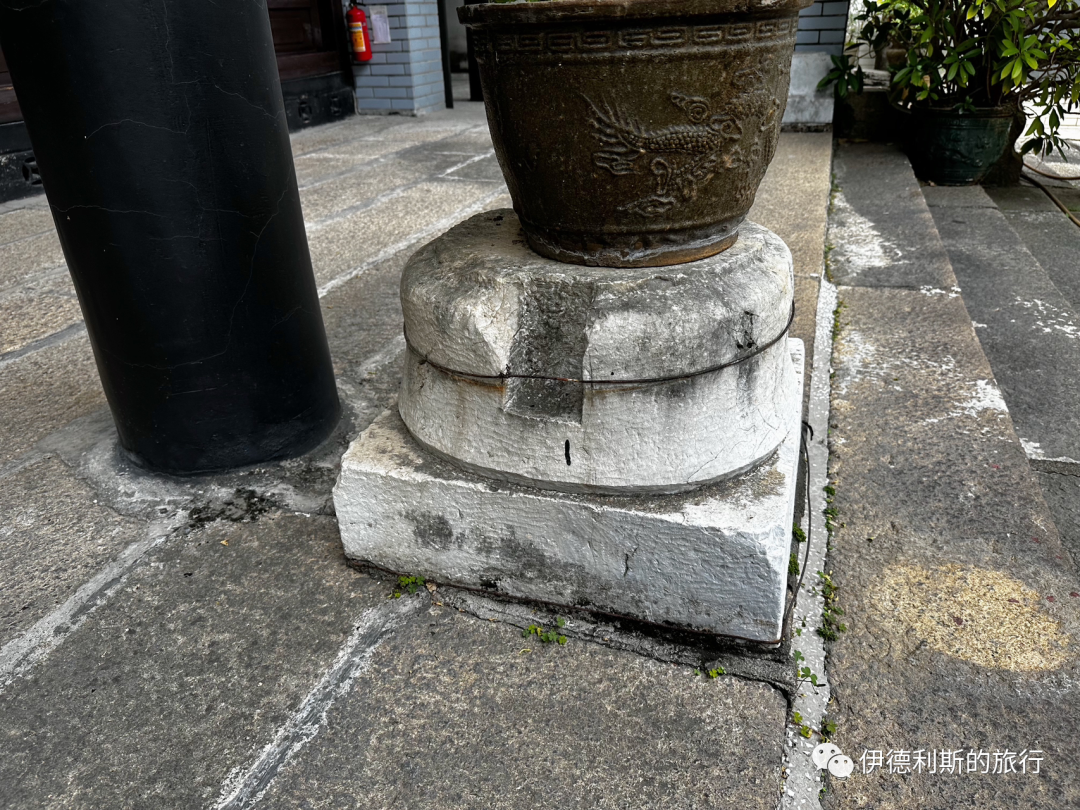
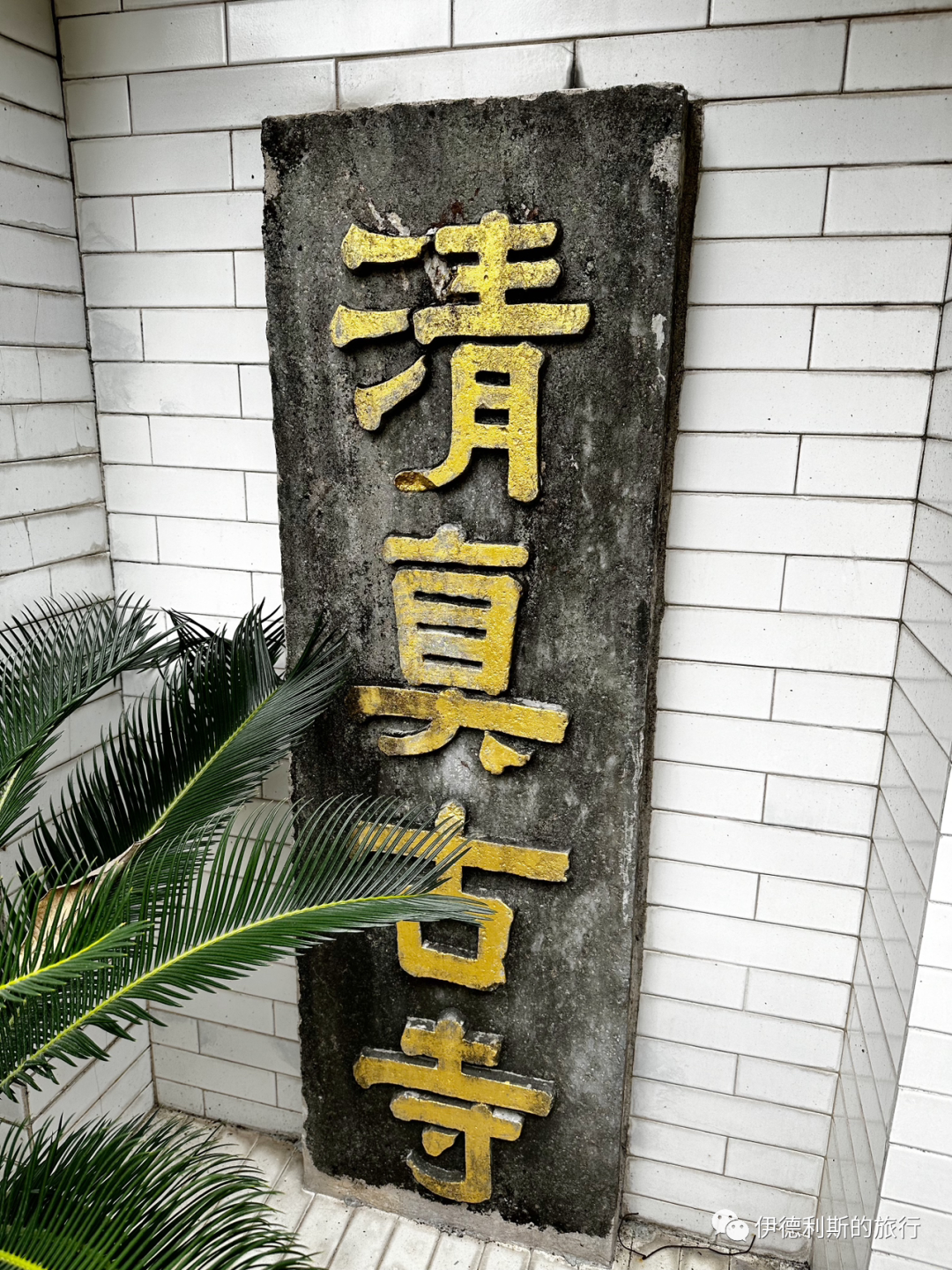
The main prayer hall of the Chengdong Mosque still holds a Qing dynasty mihrab, and outside the hall, you can see the original Qing dynasty stone column bases from the prayer hall and the courtyard. Outside the ridge, there is also a stone carving that says "Ancient mosque" (Qingzhen Gusi) which was dug up from the ground during the reconstruction.
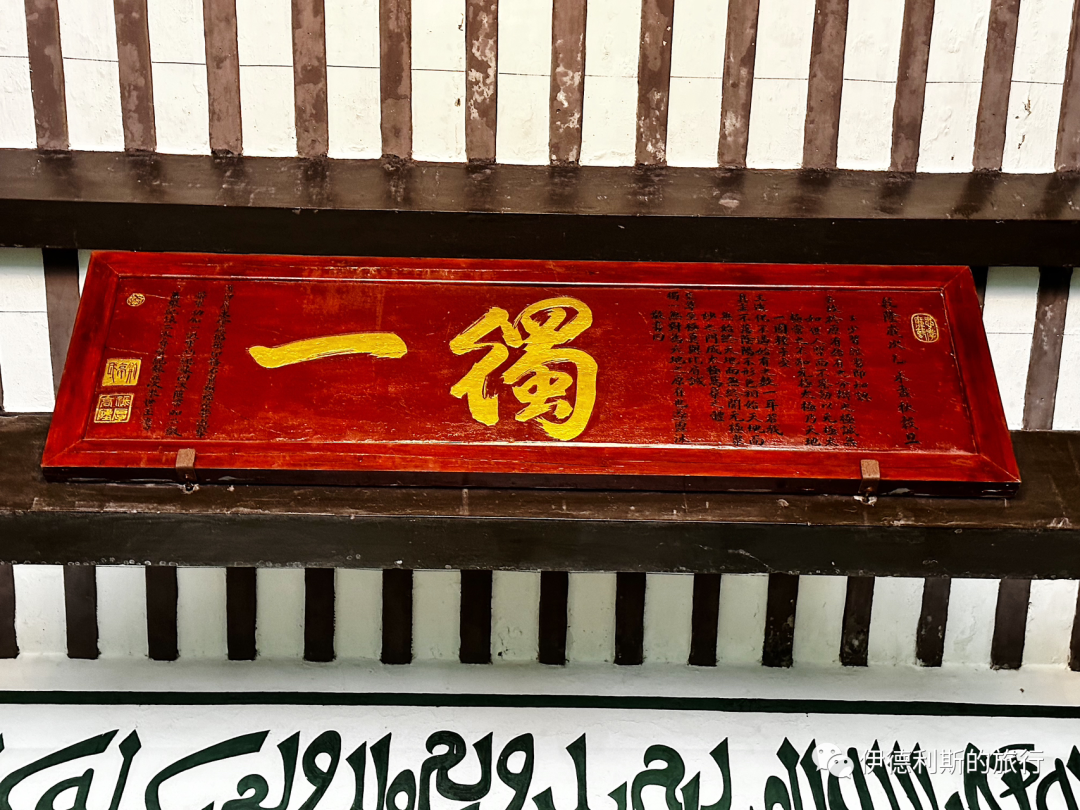
The Chengdong Mosque in Zhaoqing still keeps a "Unique" (Duyi) plaque from 1775, the year of Yiwei in the Qianlong reign, as well as photos of the mosque taken before it was torn down in 1991.
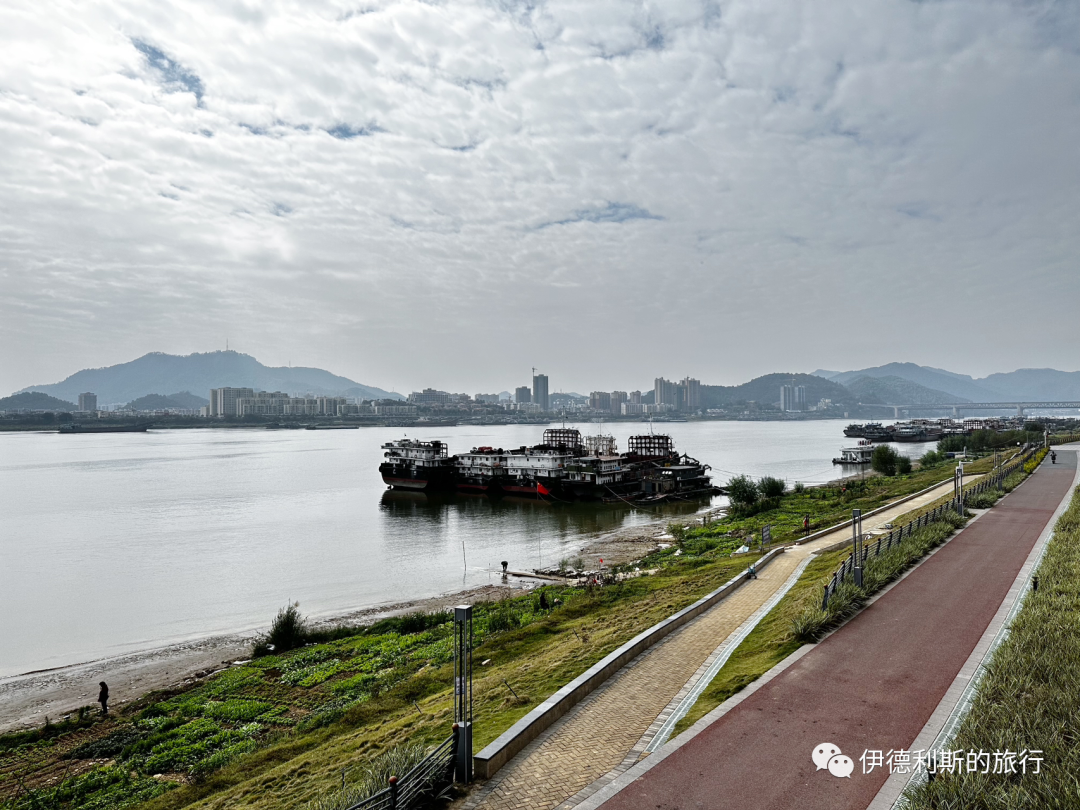
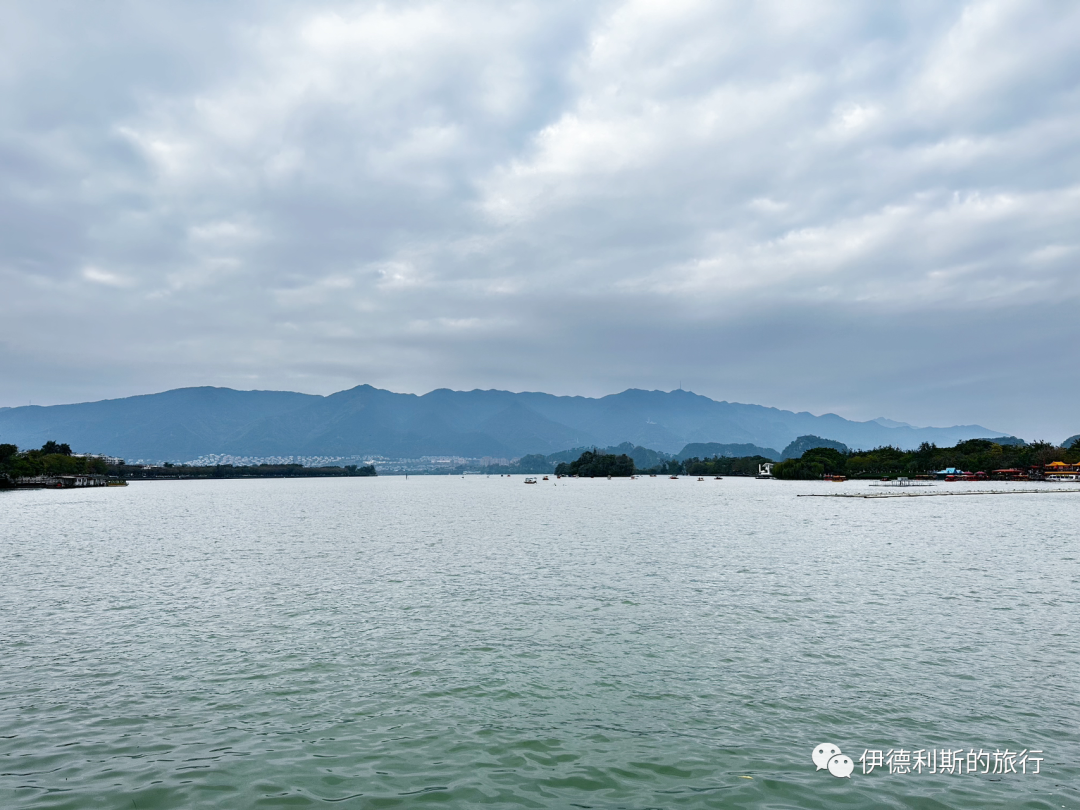
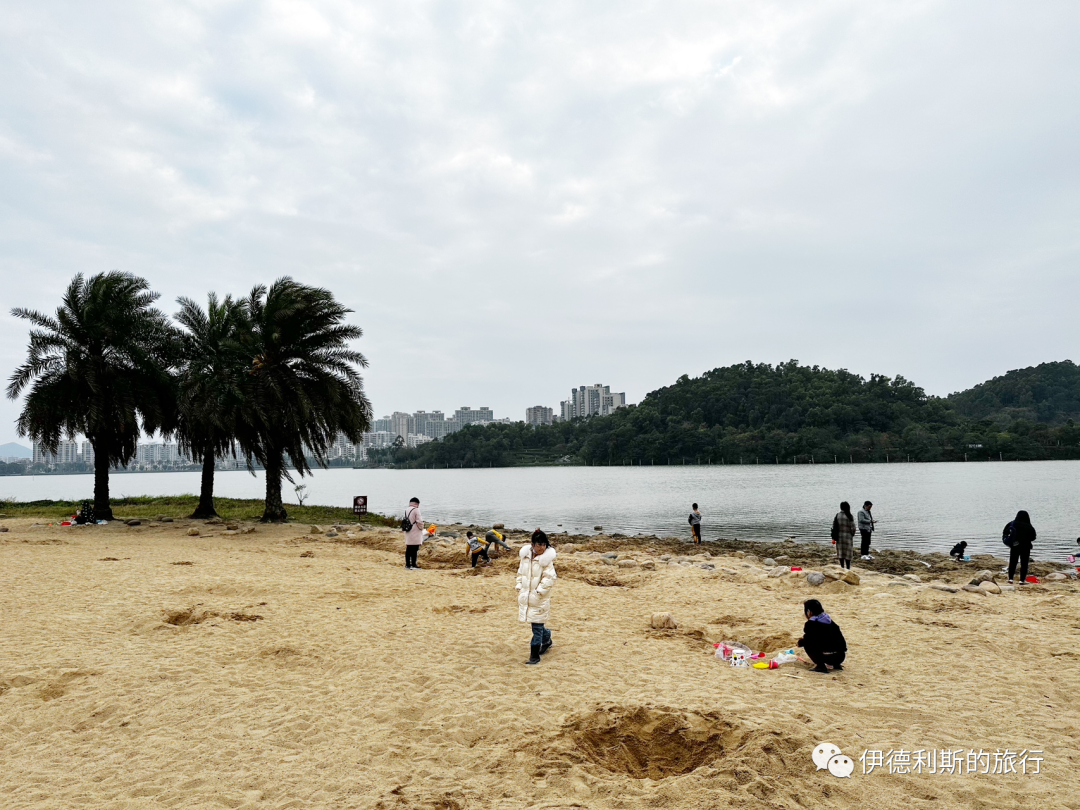
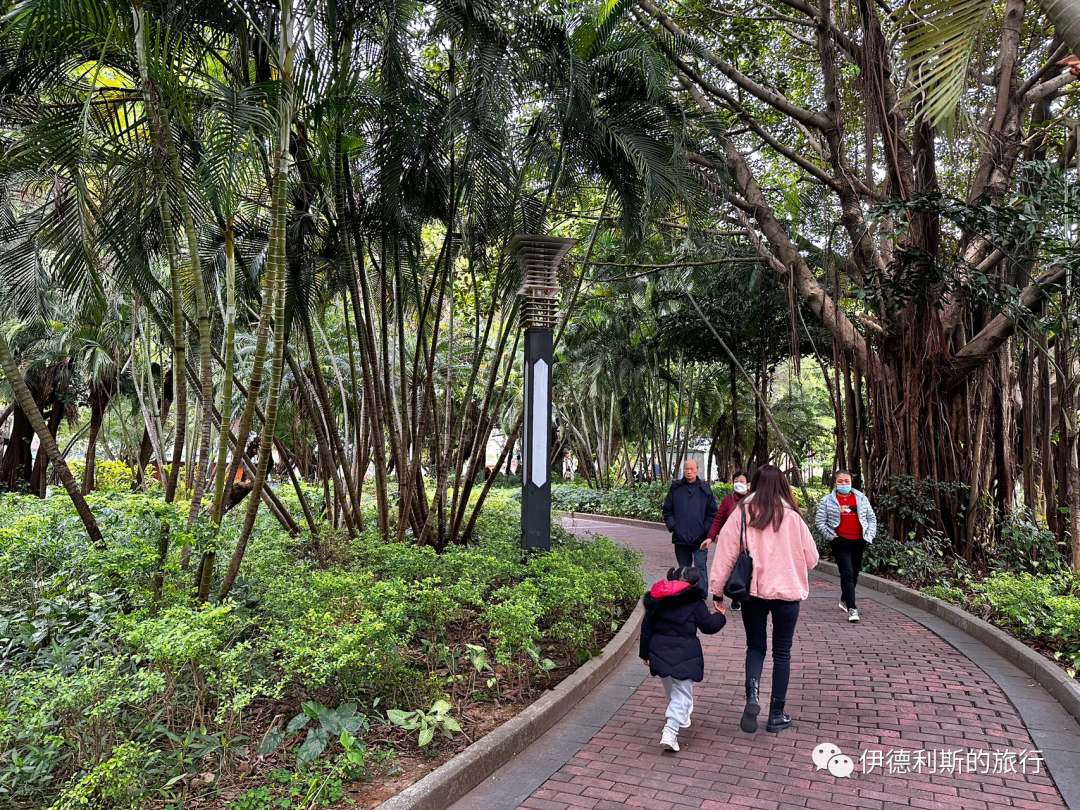
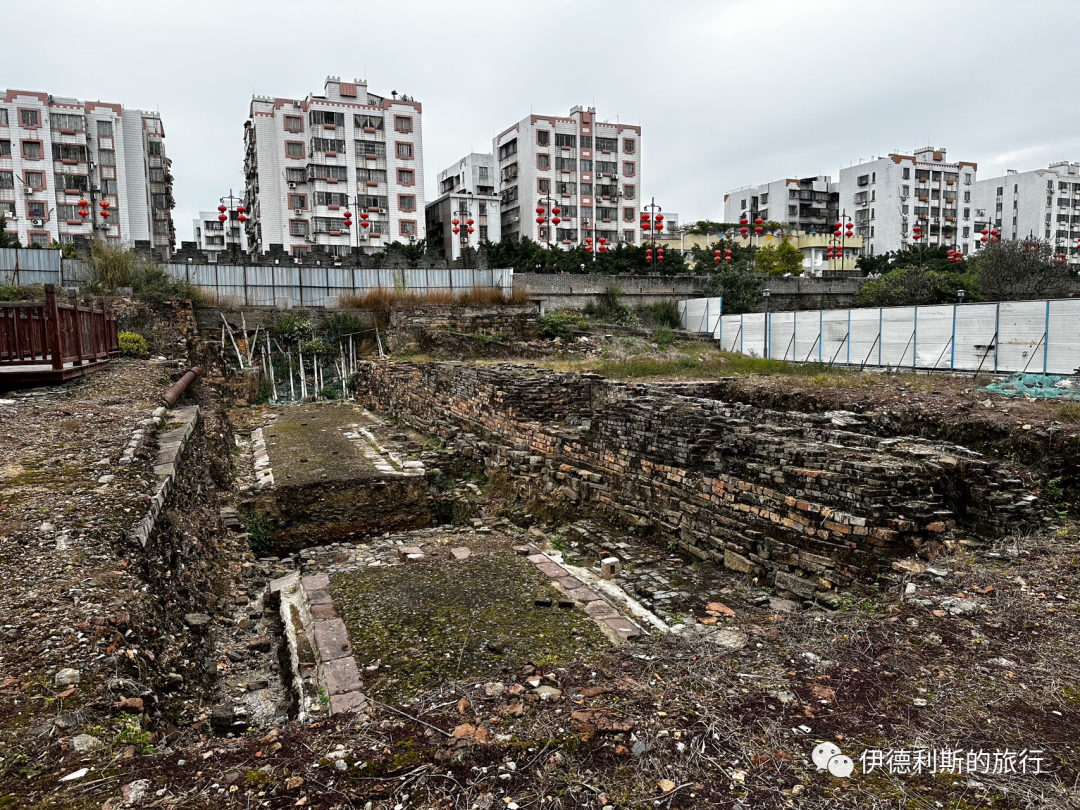
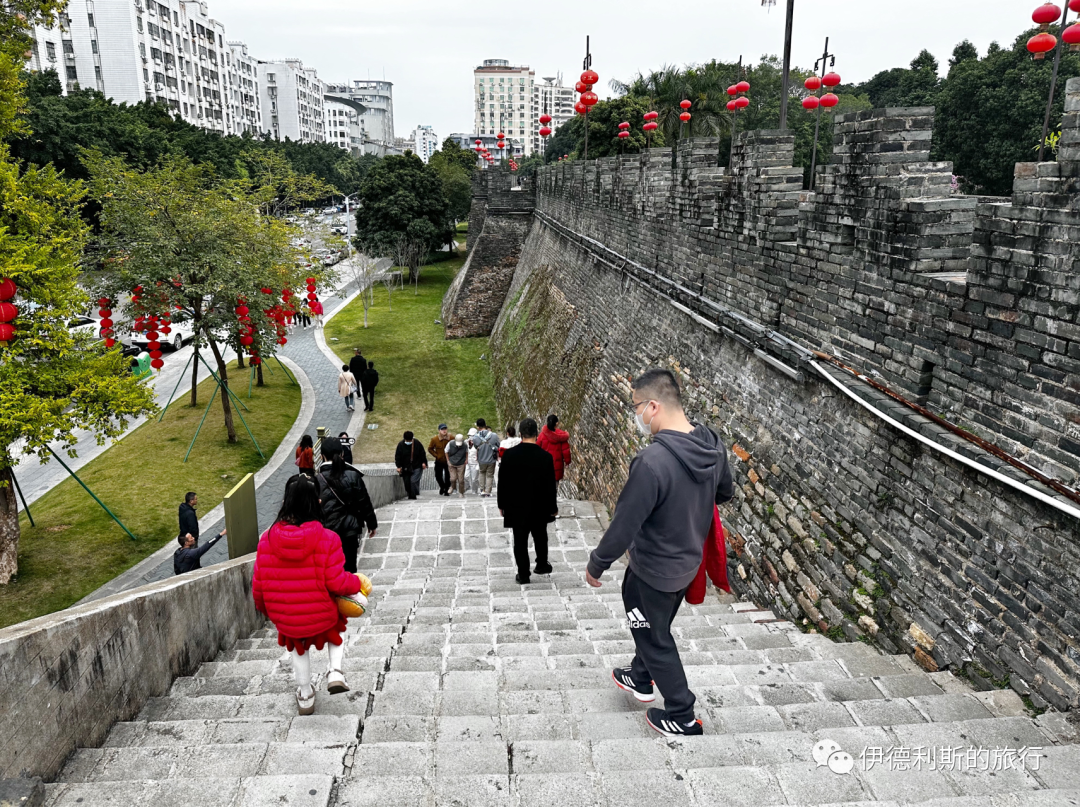
Finally, here is a look at the scenery in Zhaoqing, including the West River, Star Lake, the city walls, and the greenery along the streets. view all
Summary: Zhaoqing — Roast Goose, Mosque Life and Guangdong Streets is presented here as a firsthand travel account in clear English, beginning with this scene: I left Macau on January 23, 2023, to visit the Macau mosque known as Moro Garden (Moro Yuan). The account keeps its focus on Zhaoqing Halal Food, Guangdong Mosques, Muslim Travel while preserving the names, places, food, and historical details from the Chinese source.
I left Macau on January 23, 2023, to visit the Macau mosque known as Moro Garden (Moro Yuan). I ate delicious Indonesian Javanese food and wrote about it in my post, 'Moro Garden and Indonesian Food in Macau'. On January 25 in Guangzhou, I visited with friends (dosti) and ate various halal foods, which I posted about in "Guangzhou's Hui Muslim Fried Dough (youxiang) and Yemeni Cuisine." On the morning of January 26, I took a train from Guangzhou to Zhaoqing to start the third leg of my journey.
After leaving the Zhaoqing train station, I took a taxi straight to a halal restaurant by the West River. Like the Hui Muslim restaurants in Guangzhou, the Zhaoqing Halal Restaurant is a long-standing state-run halal Cantonese restaurant established in the 1950s. In 1957, the Zhaoqing Halal Restaurant was co-founded by local Hui Muslims Luo Shiyong, Sa Zhinan, Dong Shi, and Liu Youxing. Luo Shiyong was also a board member of the Zhaoqing West Mosque (Chengxi Si). He ran the halal restaurant for half a century until his daughter took over in 2007.
The Zhaoqing Halal Restaurant is better for family meals. The main hall has large round tables and the portions are quite big, so it is actually hard to order for just one person. However, you must try their signature dish, the halal roast goose. The Cantonese-style crispy roast goose is not greasy at all. Dipping it in sweet hawthorn sauce is very appetizing; this was my first time eating it this way. I also ordered a clay pot of radish and beef offal (niuzabao). Clay pots with beef and lamb are also a specialty of Guangdong Hui Muslims.
After leaving the halal restaurant, I went to the Zhaoqing West Mosque (Chengxi Si) and received a warm welcome from Imam (ahong) He. Imam He is from Hami and his ancestral home is in Shaanxi. He was previously at the Meilin Mosque in Shenzhen and only came to Zhaoqing recently after the old imam of the West Mosque retired. Currently, most of the people coming to the mosque for namaz are friends (dosti) who run noodle shops. Many are willing to settle in Zhaoqing because it is convenient for their children's schooling and the climate is pleasant.
I also met Mr. Luo at the mosque, who is a local Hui Muslim from Zhaoqing. According to family records, the ancestors of the Zhaoqing Luo family were from Xuanping County, Lishui City, Zhejiang Province (the county was abolished in 1958). They came to Zhaoqing for garrison duty during the Qianlong reign and settled down, so they have been here for 300 years.
The Zhaoqing West Mosque was first built in the early Qianlong reign. It was originally small. In 1767 (the 32nd year of Qianlong), the elder Liu Shifang led 15 Muslims to buy land and build the mosque by the Longding Ridge outside the west city wall. It was expanded twice during the Jiaqing and Daoguang reigns and rebuilt into its current form in 1983. I am very grateful that the original stone pillars and the mihrab stone arch from the Qing Dynasty main hall were preserved. The mihrab stone arch and four stone pillars are carved with scripture calligraphy. Two of the pillars are carved with a Chinese couplet: "Diligently recite, pray, follow the rules, fast, and worship once a week with reverence; uphold loyalty, filial piety, benevolence, and righteousness, for the six actions and three items are precious and sincere." The first line is about religious faith, and the second line is about Confucianism. Both were very important to the Hui Muslims at that time.
On the door of the main hall of the West Mosque, there is a plaque and couplet. The plaque "Always Remember the Lord's Grace" was respectfully inscribed in 1838 (Daoguang Wuxu year) by Li Xianyang, a military official. The couplet, "Why need the physical form to be manifest, for in the five prayers one is as if in His presence; do not say the tradition is far away, for in the thirty volumes there is the true teaching," was respectfully written by Liu Hu in 1814 (Jiaqing Jiaxu year).
The West Mosque preserves old photos of the main hall from before and during its demolition in 1983. From the photos, you can see that this mosque, like the Haopan Mosque in Guangzhou, has a double-eaved hip-and-gable roof and a stone-pillared corridor. This architectural style is extremely rare in northern mosques. You can also see what the Chinese stone couplets looked like on the old main hall.
After saying goodbye to the Zhaoqing West Mosque, I walked through the old town of Zhaoqing to the East Mosque (Chengdong Si) and contacted Grandpa Wang, the mosque caretaker, to open the door for me. Mr. Wang is also a local Hui Muslim. According to family records, the ancestors of the Zhaoqing Wang family were from Taiyuan Prefecture, Shanxi. They came to Zhaoqing with the army in the early Qing Dynasty to serve in office and later settled down in Zhaoqing.
Because the climate in Lingnan is pleasant, Zhaoqing remains lush and green even in winter. The East Mosque is full of life, with papaya, starfruit, and mango trees planted inside. When I arrived, the starfruit was just right, and Mr. Wang picked several for me from the tree. Although I had eaten starfruit from fruit shops before, this was my first time eating it straight from the tree, and it was grown in a mosque, which felt very special. "Travel through the earth and observe how Allah created all living things." Travel lets you meet all kinds of interesting people, see all kinds of beautiful scenery, and experience all kinds of unforgettable moments. I am very grateful.
The East Mosque was originally on Water Street and was small. During the Kangxi reign, Fu Yunfeng from Guangzhou bought land and moved it to the Water Village Camp. It was rebuilt many times during the Qianlong, Daoguang, and Republican eras. Fu Yunfeng was originally Han Chinese. During the Kangxi era, he traveled from Zhejiang to Guangdong for business. After he ran into trouble, an imam at the Haopan Mosque in Guangzhou saved him. He lived in the mosque for a while and then converted to Islam. He was a timber merchant. After becoming wealthy, he funded the reconstruction of the Haopan Mosque in Guangzhou. He also renovated the Huaisheng Mosque, Nansheng Mosque, the Ancient Tombs of the Worthies, and the Chengdong Mosque in Zhaoqing, making a major contribution to the development of the faith in Guangdong.
In 1946, Imam Yang Maolin opened a scripture hall inside the Chengdong Mosque. The following year, he used the scripture class as a foundation to start the private Zhaoqing Muslim Primary School, which became a public school after 1949. After 1966, the Muslim Primary School was renamed Zhaoqing No. 17 Primary School. Everything except the main gate and the main prayer hall was torn down to build classrooms, and the mosque stopped its activities. In the late 1980s, after religious policies were restored, the government gave the area north of the main prayer hall to the school and returned the area south of the hall to the Chengdong Mosque, along with compensation. In 1991, the Chengdong Mosque tore down the original main prayer hall and rebuilt it with reinforced concrete. It was finished in 1993. In 2006, they rebuilt the scripture hall, washroom (shuifang), and offices, creating the mosque as it stands today.
The main prayer hall of the Chengdong Mosque still holds a Qing dynasty mihrab, and outside the hall, you can see the original Qing dynasty stone column bases from the prayer hall and the courtyard. Outside the ridge, there is also a stone carving that says "Ancient mosque" (Qingzhen Gusi) which was dug up from the ground during the reconstruction.
The Chengdong Mosque in Zhaoqing still keeps a "Unique" (Duyi) plaque from 1775, the year of Yiwei in the Qianlong reign, as well as photos of the mosque taken before it was torn down in 1991.
Finally, here is a look at the scenery in Zhaoqing, including the West River, Star Lake, the city walls, and the greenery along the streets. view all
Reposted from the web
Summary: Zhaoqing — Roast Goose, Mosque Life and Guangdong Streets is presented here as a firsthand travel account in clear English, beginning with this scene: I left Macau on January 23, 2023, to visit the Macau mosque known as Moro Garden (Moro Yuan). The account keeps its focus on Zhaoqing Halal Food, Guangdong Mosques, Muslim Travel while preserving the names, places, food, and historical details from the Chinese source.
I left Macau on January 23, 2023, to visit the Macau mosque known as Moro Garden (Moro Yuan). I ate delicious Indonesian Javanese food and wrote about it in my post, 'Moro Garden and Indonesian Food in Macau'. On January 25 in Guangzhou, I visited with friends (dosti) and ate various halal foods, which I posted about in "Guangzhou's Hui Muslim Fried Dough (youxiang) and Yemeni Cuisine." On the morning of January 26, I took a train from Guangzhou to Zhaoqing to start the third leg of my journey.
After leaving the Zhaoqing train station, I took a taxi straight to a halal restaurant by the West River. Like the Hui Muslim restaurants in Guangzhou, the Zhaoqing Halal Restaurant is a long-standing state-run halal Cantonese restaurant established in the 1950s. In 1957, the Zhaoqing Halal Restaurant was co-founded by local Hui Muslims Luo Shiyong, Sa Zhinan, Dong Shi, and Liu Youxing. Luo Shiyong was also a board member of the Zhaoqing West Mosque (Chengxi Si). He ran the halal restaurant for half a century until his daughter took over in 2007.
The Zhaoqing Halal Restaurant is better for family meals. The main hall has large round tables and the portions are quite big, so it is actually hard to order for just one person. However, you must try their signature dish, the halal roast goose. The Cantonese-style crispy roast goose is not greasy at all. Dipping it in sweet hawthorn sauce is very appetizing; this was my first time eating it this way. I also ordered a clay pot of radish and beef offal (niuzabao). Clay pots with beef and lamb are also a specialty of Guangdong Hui Muslims.
After leaving the halal restaurant, I went to the Zhaoqing West Mosque (Chengxi Si) and received a warm welcome from Imam (ahong) He. Imam He is from Hami and his ancestral home is in Shaanxi. He was previously at the Meilin Mosque in Shenzhen and only came to Zhaoqing recently after the old imam of the West Mosque retired. Currently, most of the people coming to the mosque for namaz are friends (dosti) who run noodle shops. Many are willing to settle in Zhaoqing because it is convenient for their children's schooling and the climate is pleasant.
I also met Mr. Luo at the mosque, who is a local Hui Muslim from Zhaoqing. According to family records, the ancestors of the Zhaoqing Luo family were from Xuanping County, Lishui City, Zhejiang Province (the county was abolished in 1958). They came to Zhaoqing for garrison duty during the Qianlong reign and settled down, so they have been here for 300 years.
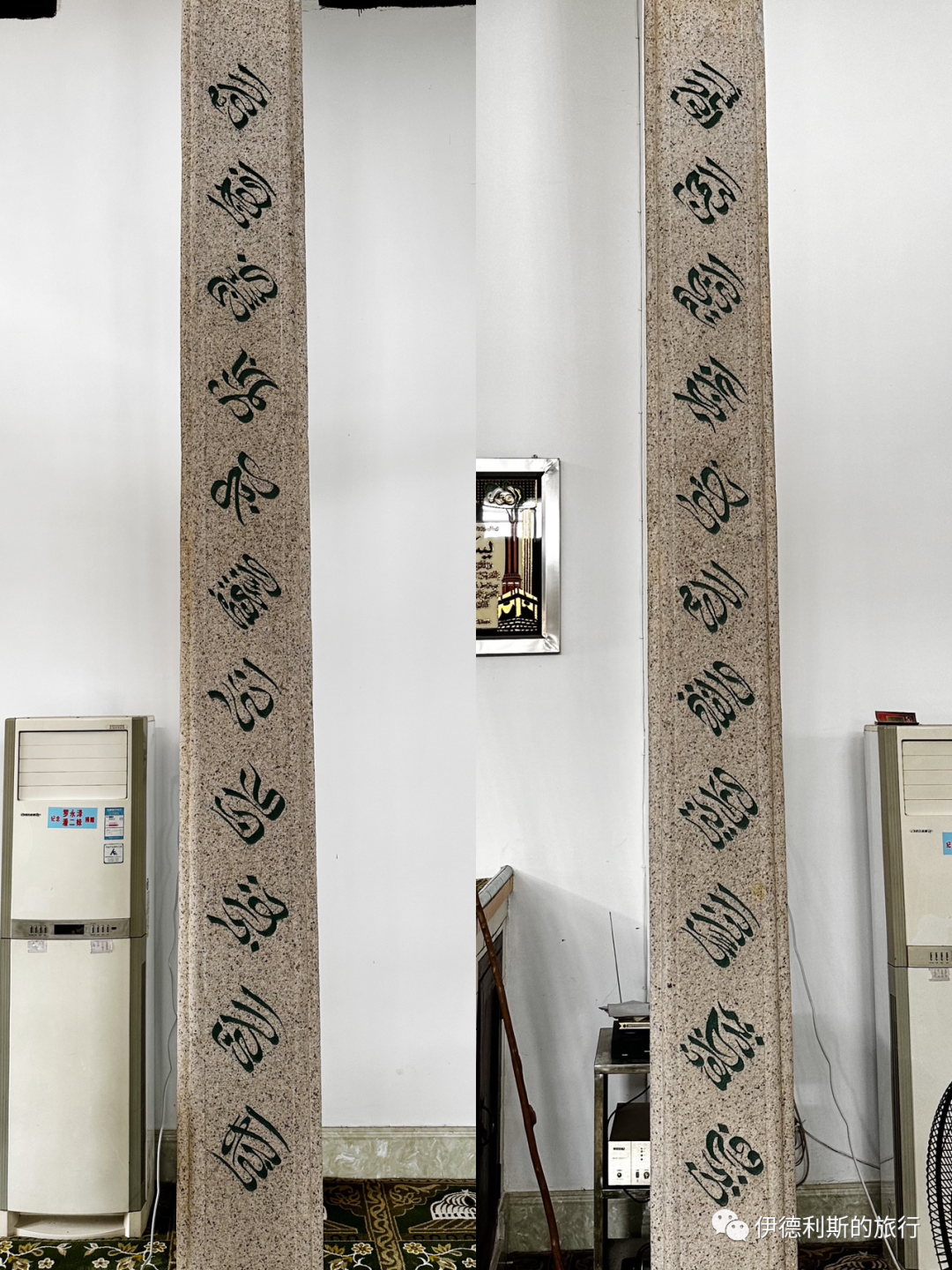
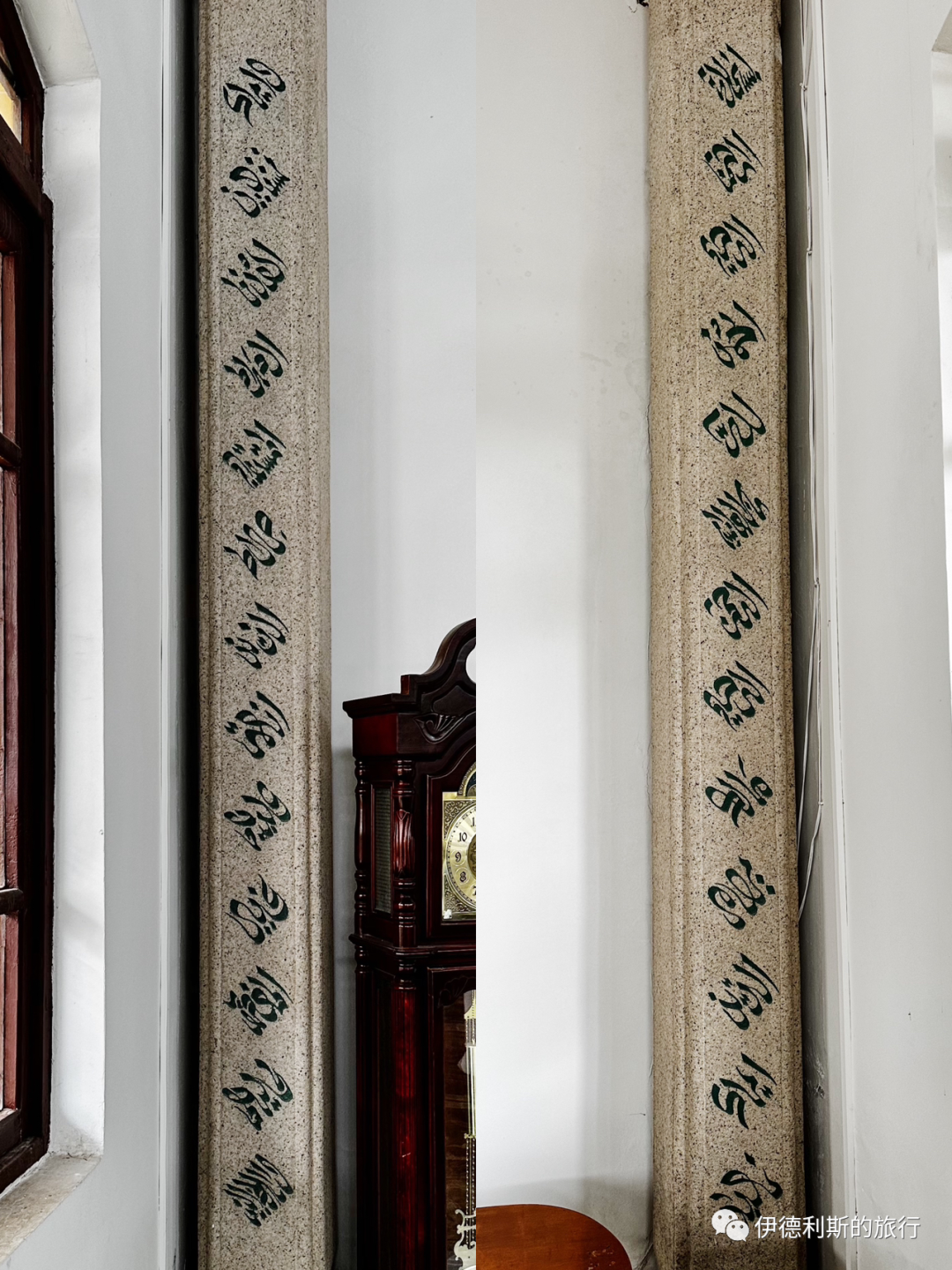
The Zhaoqing West Mosque was first built in the early Qianlong reign. It was originally small. In 1767 (the 32nd year of Qianlong), the elder Liu Shifang led 15 Muslims to buy land and build the mosque by the Longding Ridge outside the west city wall. It was expanded twice during the Jiaqing and Daoguang reigns and rebuilt into its current form in 1983. I am very grateful that the original stone pillars and the mihrab stone arch from the Qing Dynasty main hall were preserved. The mihrab stone arch and four stone pillars are carved with scripture calligraphy. Two of the pillars are carved with a Chinese couplet: "Diligently recite, pray, follow the rules, fast, and worship once a week with reverence; uphold loyalty, filial piety, benevolence, and righteousness, for the six actions and three items are precious and sincere." The first line is about religious faith, and the second line is about Confucianism. Both were very important to the Hui Muslims at that time.
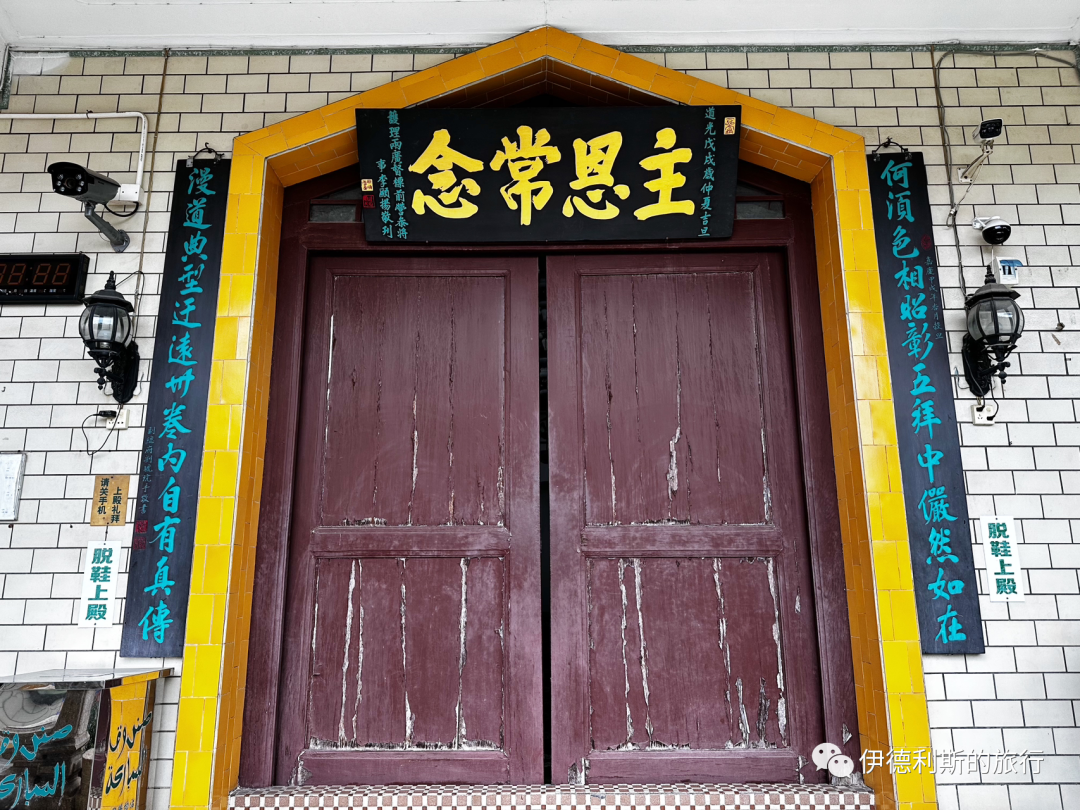
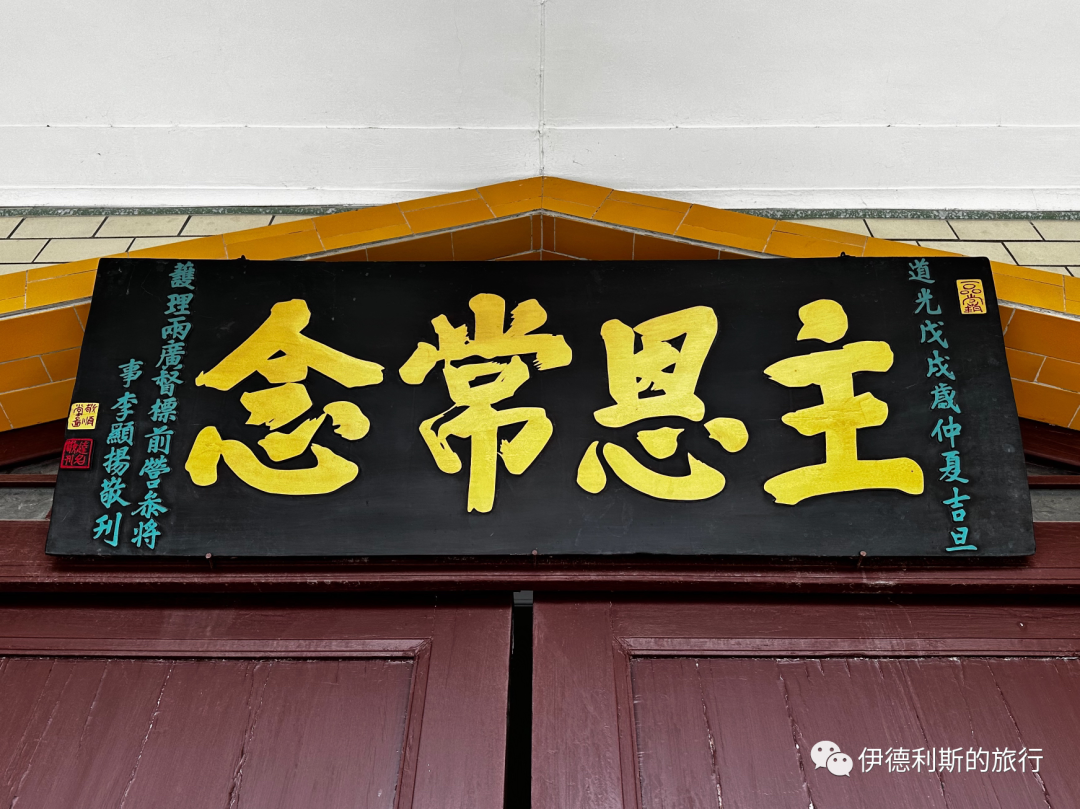
On the door of the main hall of the West Mosque, there is a plaque and couplet. The plaque "Always Remember the Lord's Grace" was respectfully inscribed in 1838 (Daoguang Wuxu year) by Li Xianyang, a military official. The couplet, "Why need the physical form to be manifest, for in the five prayers one is as if in His presence; do not say the tradition is far away, for in the thirty volumes there is the true teaching," was respectfully written by Liu Hu in 1814 (Jiaqing Jiaxu year).
The West Mosque preserves old photos of the main hall from before and during its demolition in 1983. From the photos, you can see that this mosque, like the Haopan Mosque in Guangzhou, has a double-eaved hip-and-gable roof and a stone-pillared corridor. This architectural style is extremely rare in northern mosques. You can also see what the Chinese stone couplets looked like on the old main hall.
After saying goodbye to the Zhaoqing West Mosque, I walked through the old town of Zhaoqing to the East Mosque (Chengdong Si) and contacted Grandpa Wang, the mosque caretaker, to open the door for me. Mr. Wang is also a local Hui Muslim. According to family records, the ancestors of the Zhaoqing Wang family were from Taiyuan Prefecture, Shanxi. They came to Zhaoqing with the army in the early Qing Dynasty to serve in office and later settled down in Zhaoqing.
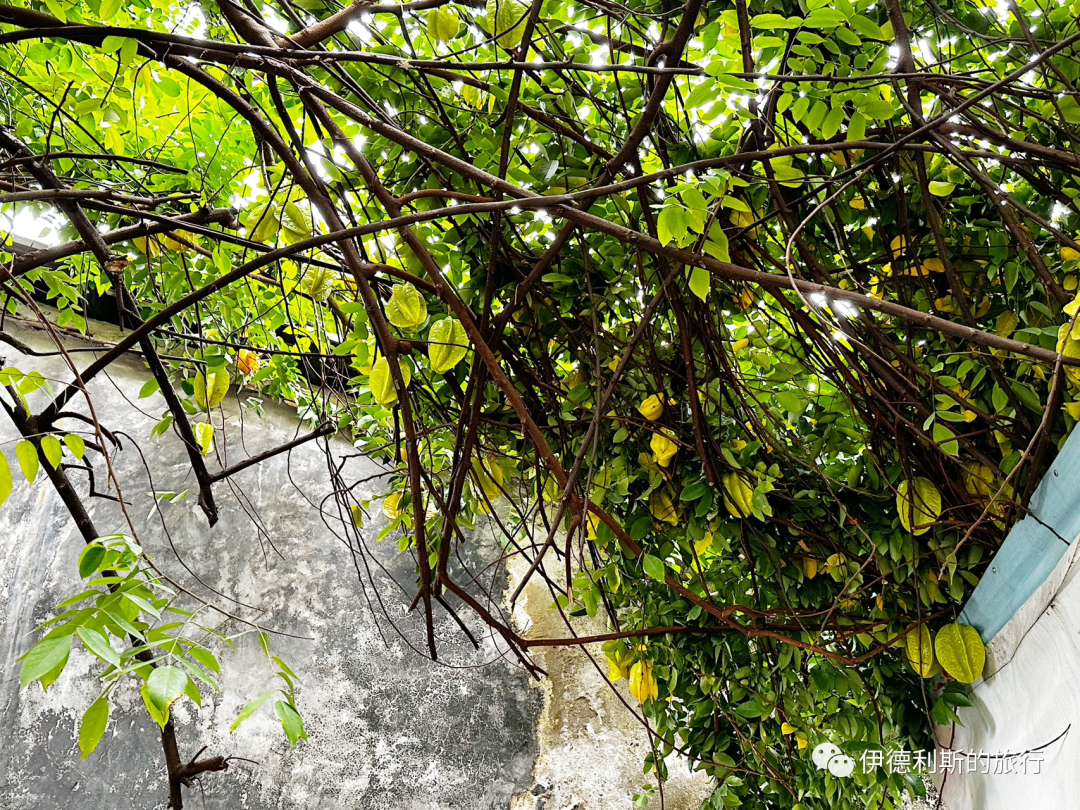
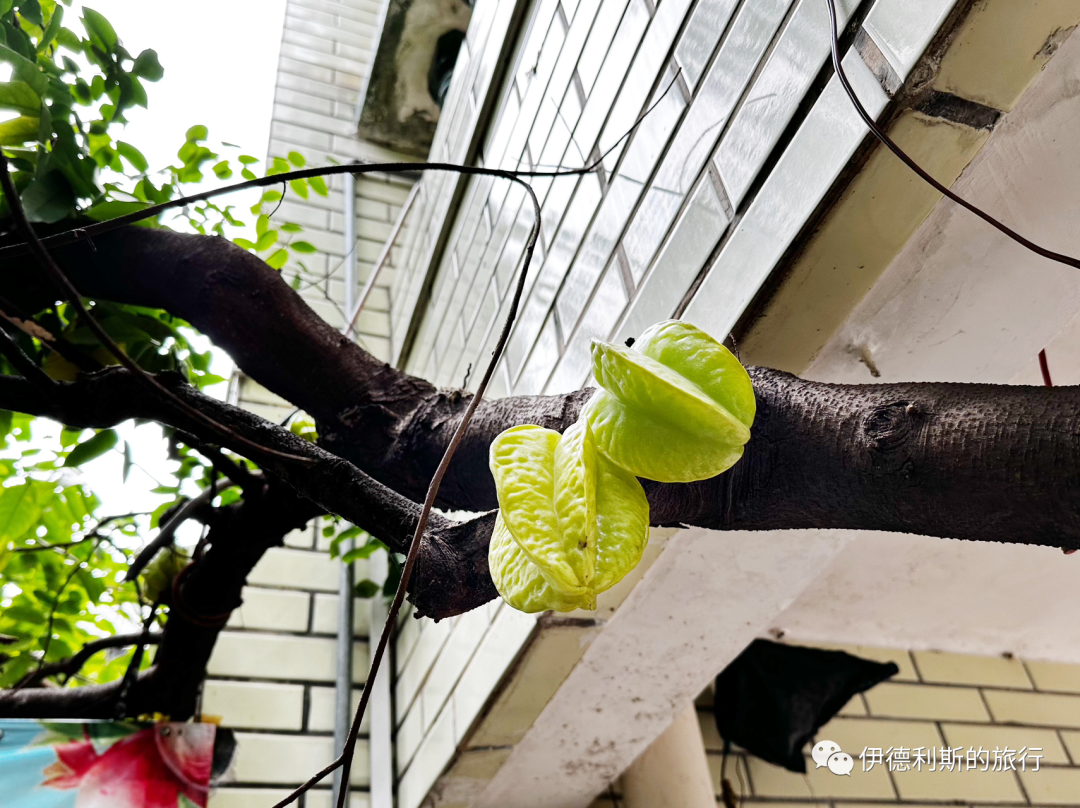
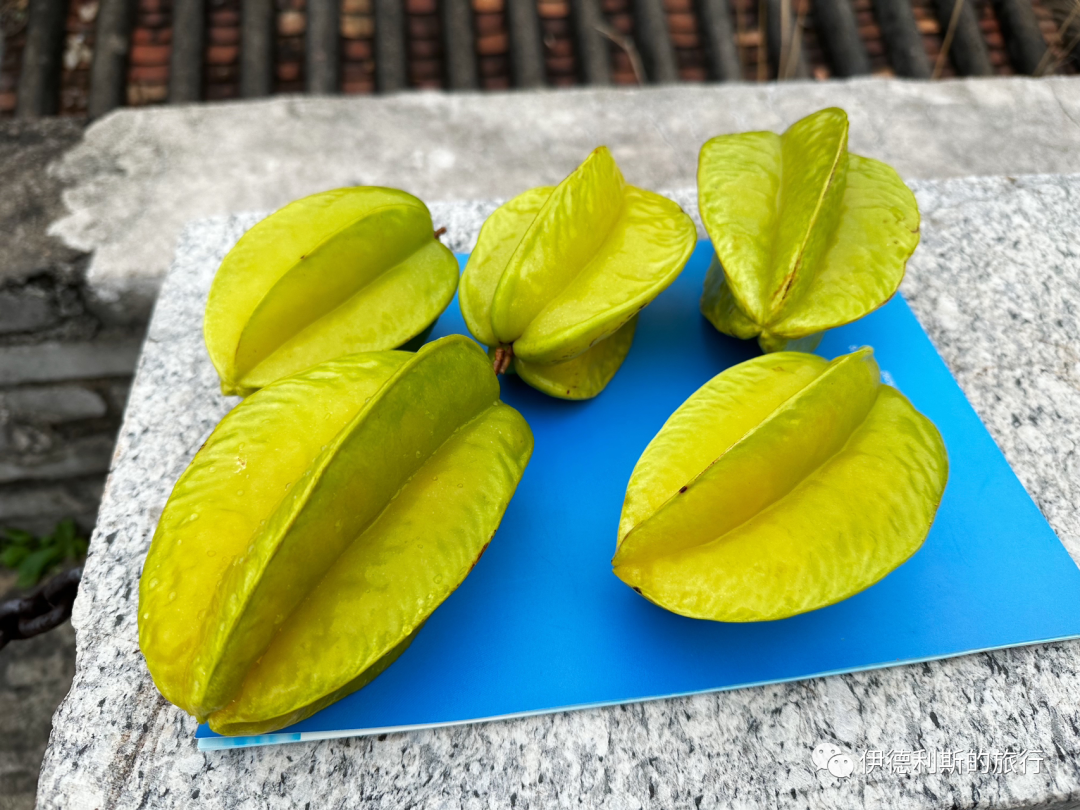
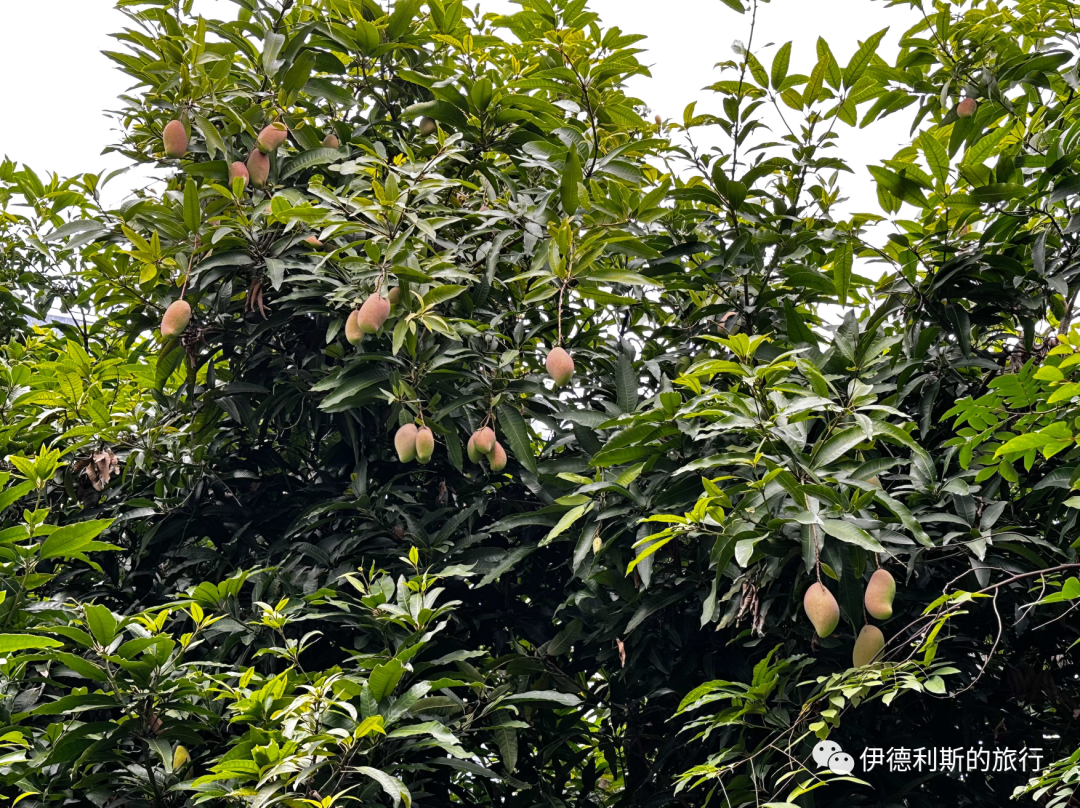
Because the climate in Lingnan is pleasant, Zhaoqing remains lush and green even in winter. The East Mosque is full of life, with papaya, starfruit, and mango trees planted inside. When I arrived, the starfruit was just right, and Mr. Wang picked several for me from the tree. Although I had eaten starfruit from fruit shops before, this was my first time eating it straight from the tree, and it was grown in a mosque, which felt very special. "Travel through the earth and observe how Allah created all living things." Travel lets you meet all kinds of interesting people, see all kinds of beautiful scenery, and experience all kinds of unforgettable moments. I am very grateful.
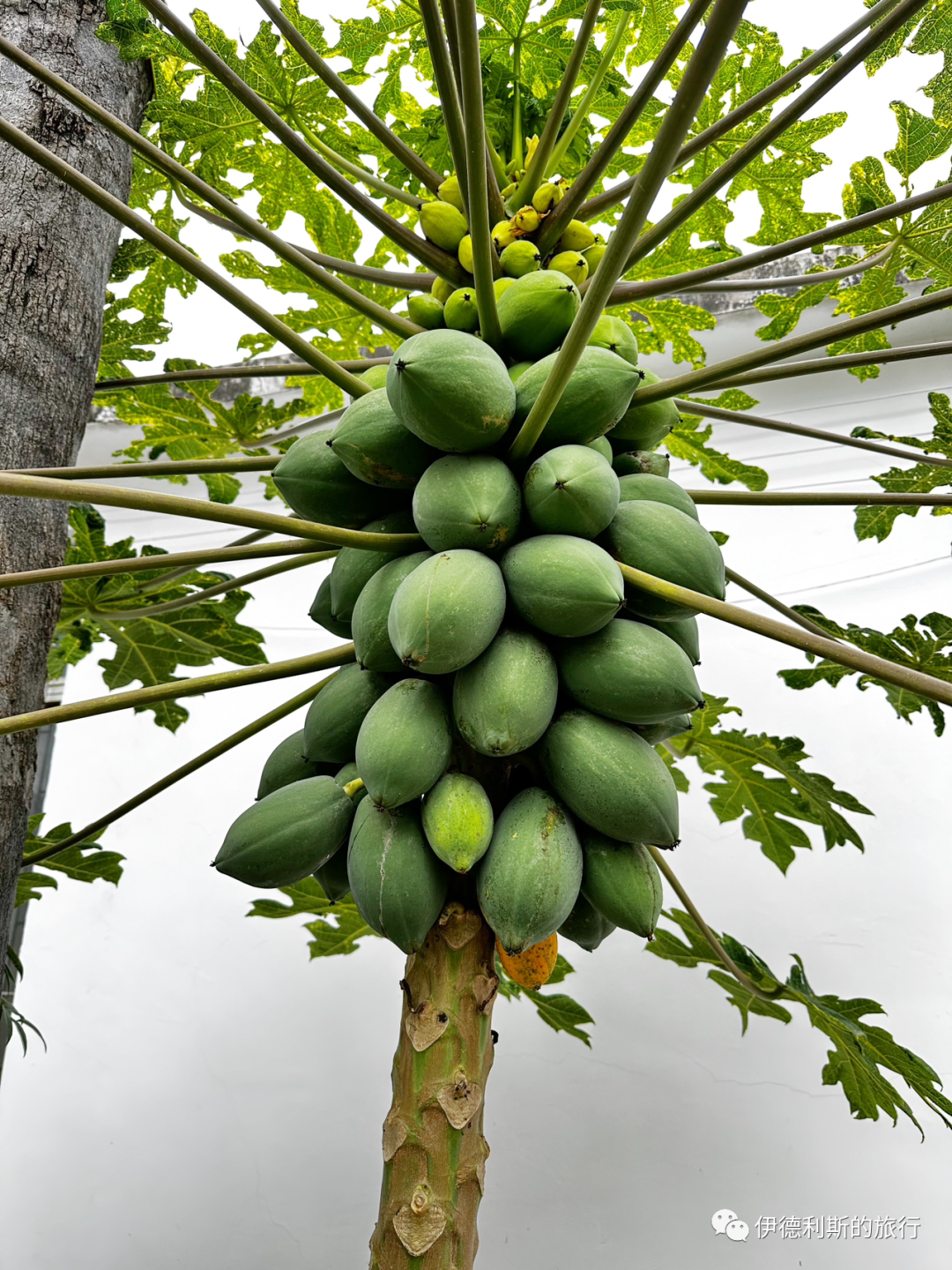
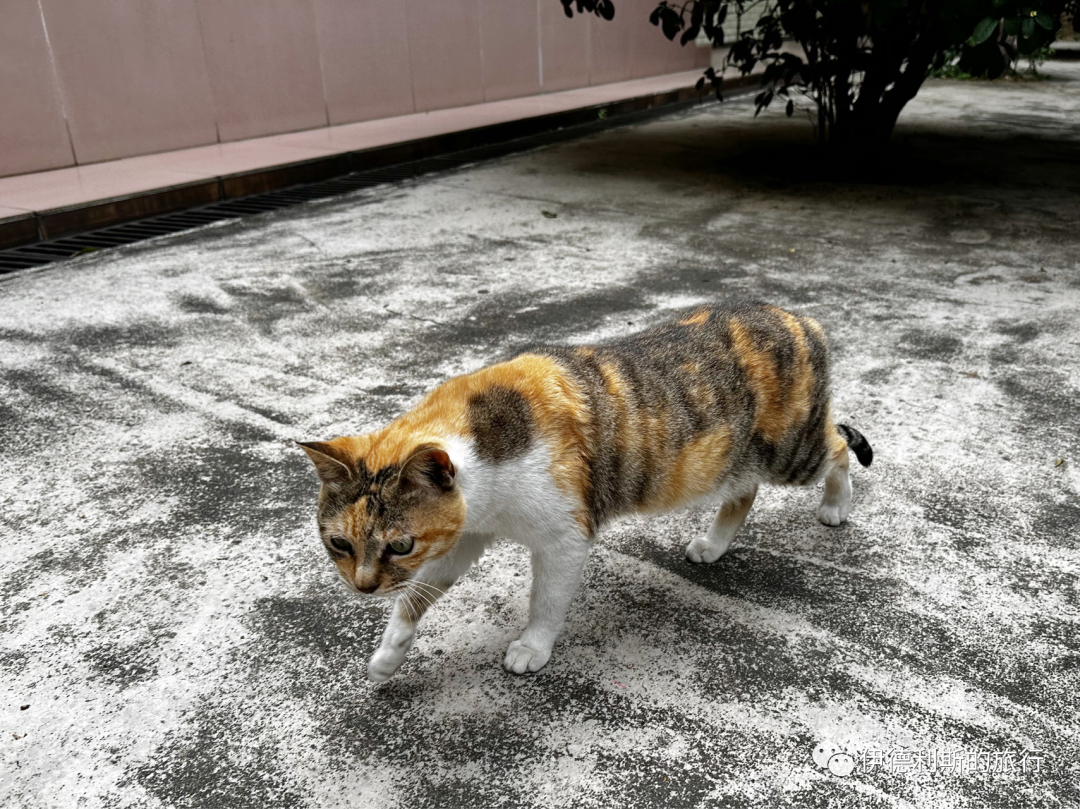
The East Mosque was originally on Water Street and was small. During the Kangxi reign, Fu Yunfeng from Guangzhou bought land and moved it to the Water Village Camp. It was rebuilt many times during the Qianlong, Daoguang, and Republican eras. Fu Yunfeng was originally Han Chinese. During the Kangxi era, he traveled from Zhejiang to Guangdong for business. After he ran into trouble, an imam at the Haopan Mosque in Guangzhou saved him. He lived in the mosque for a while and then converted to Islam. He was a timber merchant. After becoming wealthy, he funded the reconstruction of the Haopan Mosque in Guangzhou. He also renovated the Huaisheng Mosque, Nansheng Mosque, the Ancient Tombs of the Worthies, and the Chengdong Mosque in Zhaoqing, making a major contribution to the development of the faith in Guangdong.
In 1946, Imam Yang Maolin opened a scripture hall inside the Chengdong Mosque. The following year, he used the scripture class as a foundation to start the private Zhaoqing Muslim Primary School, which became a public school after 1949. After 1966, the Muslim Primary School was renamed Zhaoqing No. 17 Primary School. Everything except the main gate and the main prayer hall was torn down to build classrooms, and the mosque stopped its activities. In the late 1980s, after religious policies were restored, the government gave the area north of the main prayer hall to the school and returned the area south of the hall to the Chengdong Mosque, along with compensation. In 1991, the Chengdong Mosque tore down the original main prayer hall and rebuilt it with reinforced concrete. It was finished in 1993. In 2006, they rebuilt the scripture hall, washroom (shuifang), and offices, creating the mosque as it stands today.
The main prayer hall of the Chengdong Mosque still holds a Qing dynasty mihrab, and outside the hall, you can see the original Qing dynasty stone column bases from the prayer hall and the courtyard. Outside the ridge, there is also a stone carving that says "Ancient mosque" (Qingzhen Gusi) which was dug up from the ground during the reconstruction.
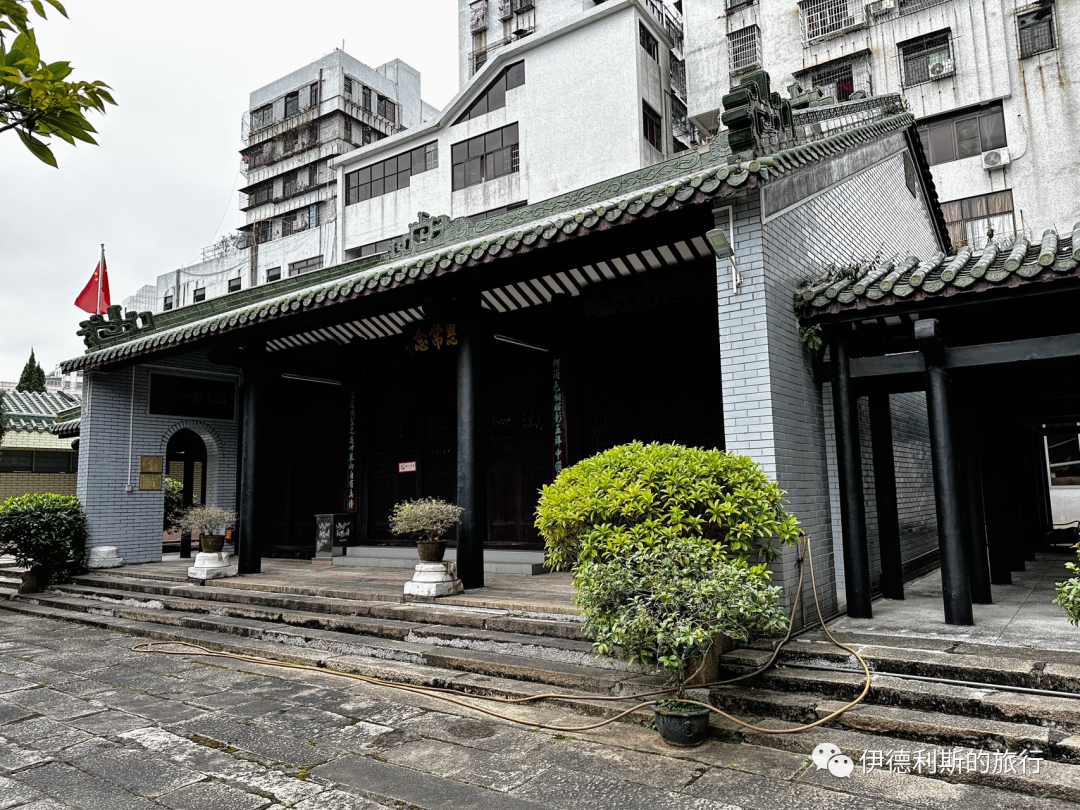
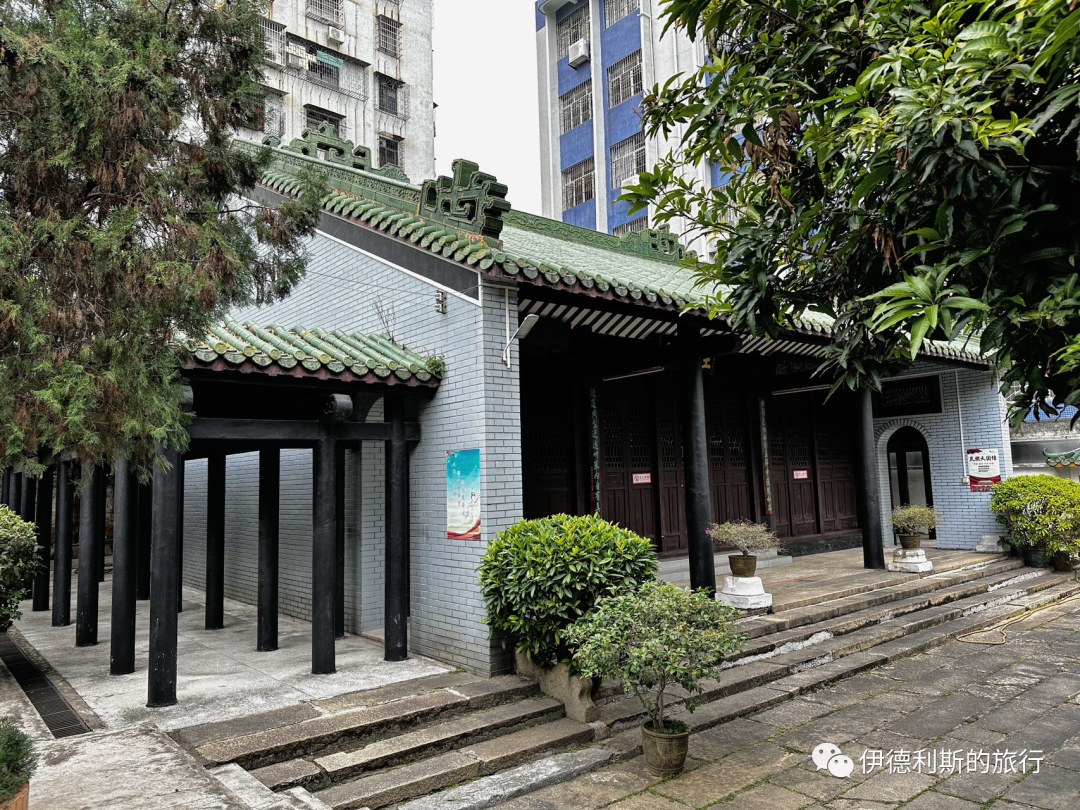
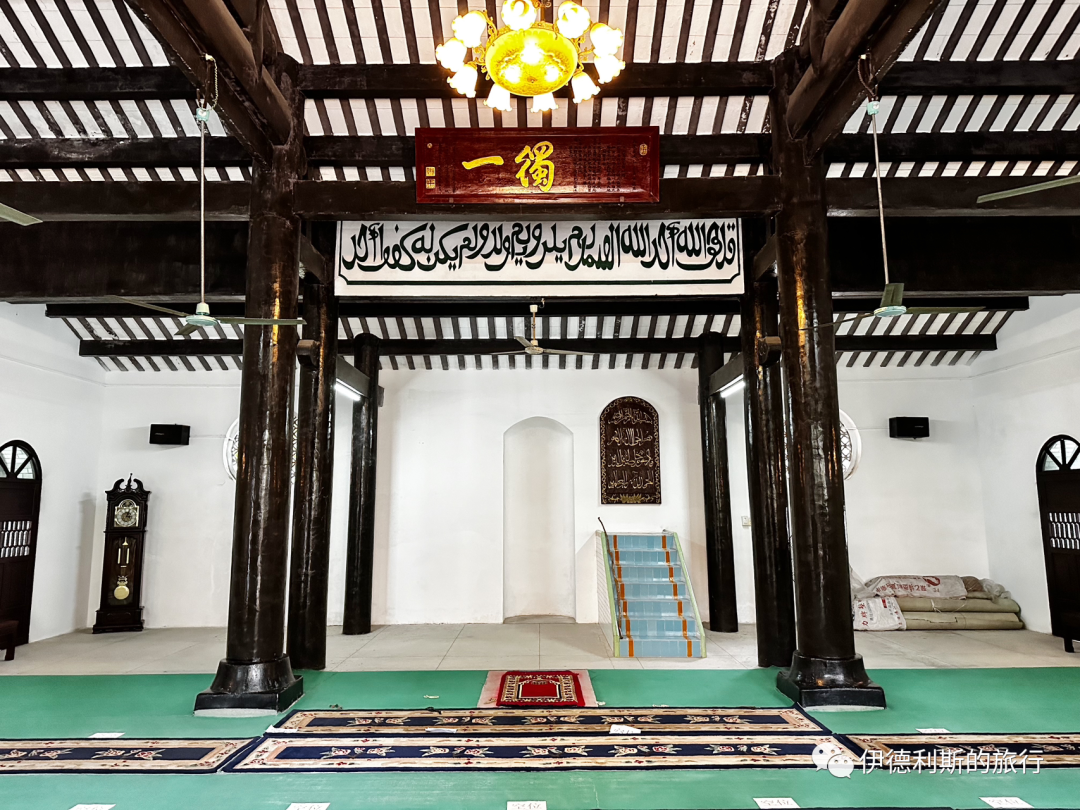
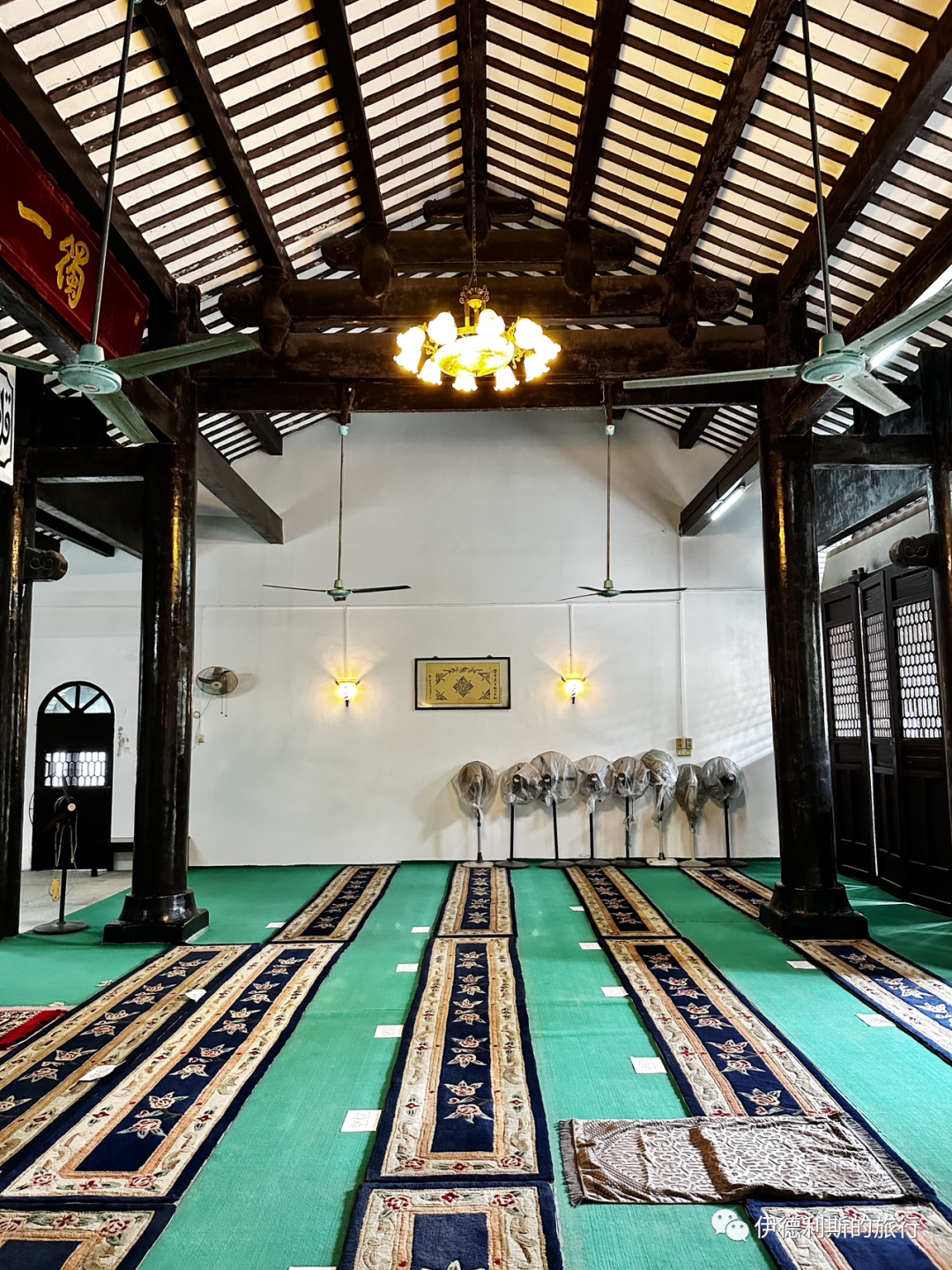
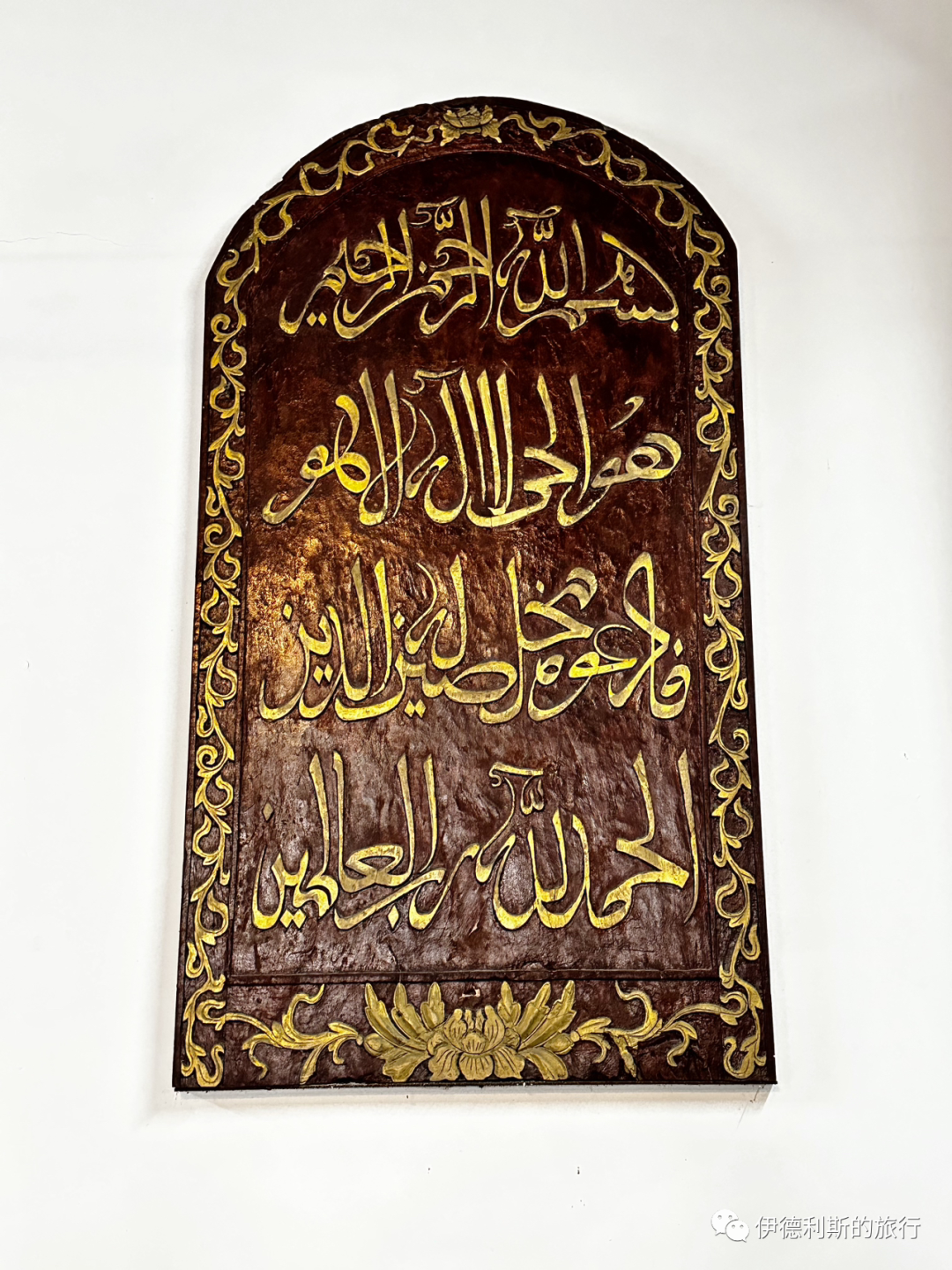
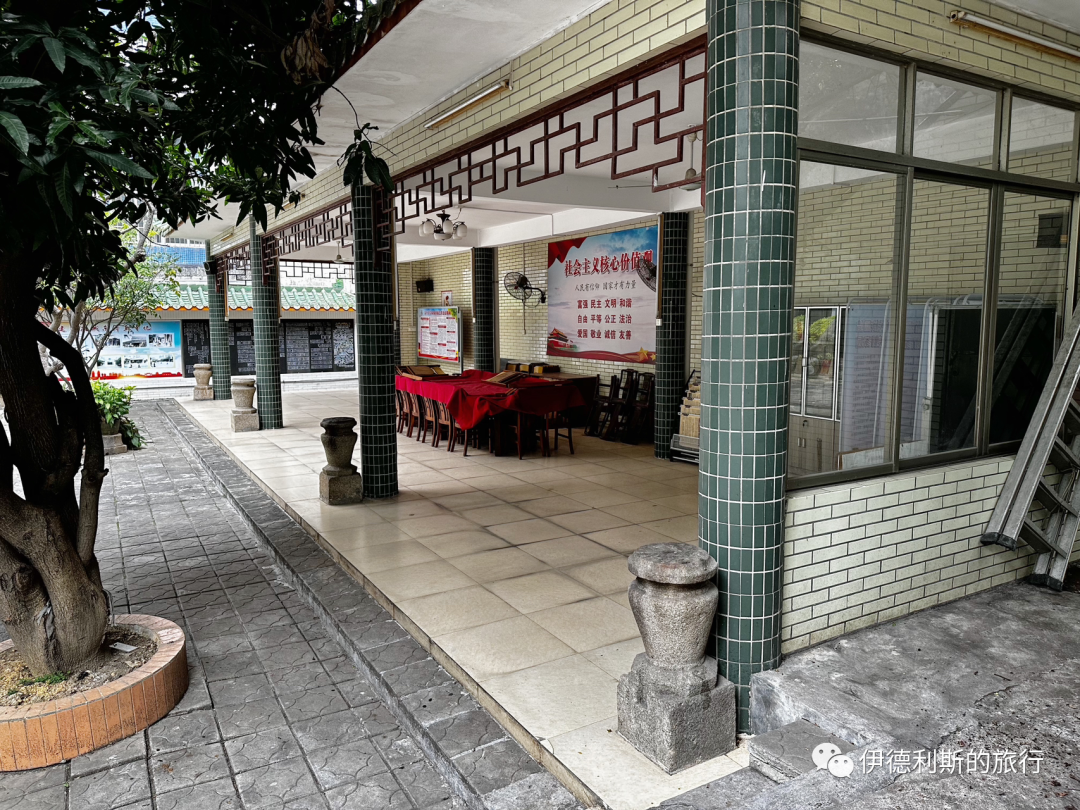
The Chengdong Mosque in Zhaoqing still keeps a "Unique" (Duyi) plaque from 1775, the year of Yiwei in the Qianlong reign, as well as photos of the mosque taken before it was torn down in 1991.
Finally, here is a look at the scenery in Zhaoqing, including the West River, Star Lake, the city walls, and the greenery along the streets.
Summary: Zhaoqing — Roast Goose, Mosque Life and Guangdong Streets is presented here as a firsthand travel account in clear English, beginning with this scene: I left Macau on January 23, 2023, to visit the Macau mosque known as Moro Garden (Moro Yuan). The account keeps its focus on Zhaoqing Halal Food, Guangdong Mosques, Muslim Travel while preserving the names, places, food, and historical details from the Chinese source.
I left Macau on January 23, 2023, to visit the Macau mosque known as Moro Garden (Moro Yuan). I ate delicious Indonesian Javanese food and wrote about it in my post, 'Moro Garden and Indonesian Food in Macau'. On January 25 in Guangzhou, I visited with friends (dosti) and ate various halal foods, which I posted about in "Guangzhou's Hui Muslim Fried Dough (youxiang) and Yemeni Cuisine." On the morning of January 26, I took a train from Guangzhou to Zhaoqing to start the third leg of my journey.
After leaving the Zhaoqing train station, I took a taxi straight to a halal restaurant by the West River. Like the Hui Muslim restaurants in Guangzhou, the Zhaoqing Halal Restaurant is a long-standing state-run halal Cantonese restaurant established in the 1950s. In 1957, the Zhaoqing Halal Restaurant was co-founded by local Hui Muslims Luo Shiyong, Sa Zhinan, Dong Shi, and Liu Youxing. Luo Shiyong was also a board member of the Zhaoqing West Mosque (Chengxi Si). He ran the halal restaurant for half a century until his daughter took over in 2007.
The Zhaoqing Halal Restaurant is better for family meals. The main hall has large round tables and the portions are quite big, so it is actually hard to order for just one person. However, you must try their signature dish, the halal roast goose. The Cantonese-style crispy roast goose is not greasy at all. Dipping it in sweet hawthorn sauce is very appetizing; this was my first time eating it this way. I also ordered a clay pot of radish and beef offal (niuzabao). Clay pots with beef and lamb are also a specialty of Guangdong Hui Muslims.
After leaving the halal restaurant, I went to the Zhaoqing West Mosque (Chengxi Si) and received a warm welcome from Imam (ahong) He. Imam He is from Hami and his ancestral home is in Shaanxi. He was previously at the Meilin Mosque in Shenzhen and only came to Zhaoqing recently after the old imam of the West Mosque retired. Currently, most of the people coming to the mosque for namaz are friends (dosti) who run noodle shops. Many are willing to settle in Zhaoqing because it is convenient for their children's schooling and the climate is pleasant.
I also met Mr. Luo at the mosque, who is a local Hui Muslim from Zhaoqing. According to family records, the ancestors of the Zhaoqing Luo family were from Xuanping County, Lishui City, Zhejiang Province (the county was abolished in 1958). They came to Zhaoqing for garrison duty during the Qianlong reign and settled down, so they have been here for 300 years.
The Zhaoqing West Mosque was first built in the early Qianlong reign. It was originally small. In 1767 (the 32nd year of Qianlong), the elder Liu Shifang led 15 Muslims to buy land and build the mosque by the Longding Ridge outside the west city wall. It was expanded twice during the Jiaqing and Daoguang reigns and rebuilt into its current form in 1983. I am very grateful that the original stone pillars and the mihrab stone arch from the Qing Dynasty main hall were preserved. The mihrab stone arch and four stone pillars are carved with scripture calligraphy. Two of the pillars are carved with a Chinese couplet: "Diligently recite, pray, follow the rules, fast, and worship once a week with reverence; uphold loyalty, filial piety, benevolence, and righteousness, for the six actions and three items are precious and sincere." The first line is about religious faith, and the second line is about Confucianism. Both were very important to the Hui Muslims at that time.
On the door of the main hall of the West Mosque, there is a plaque and couplet. The plaque "Always Remember the Lord's Grace" was respectfully inscribed in 1838 (Daoguang Wuxu year) by Li Xianyang, a military official. The couplet, "Why need the physical form to be manifest, for in the five prayers one is as if in His presence; do not say the tradition is far away, for in the thirty volumes there is the true teaching," was respectfully written by Liu Hu in 1814 (Jiaqing Jiaxu year).
The West Mosque preserves old photos of the main hall from before and during its demolition in 1983. From the photos, you can see that this mosque, like the Haopan Mosque in Guangzhou, has a double-eaved hip-and-gable roof and a stone-pillared corridor. This architectural style is extremely rare in northern mosques. You can also see what the Chinese stone couplets looked like on the old main hall.
After saying goodbye to the Zhaoqing West Mosque, I walked through the old town of Zhaoqing to the East Mosque (Chengdong Si) and contacted Grandpa Wang, the mosque caretaker, to open the door for me. Mr. Wang is also a local Hui Muslim. According to family records, the ancestors of the Zhaoqing Wang family were from Taiyuan Prefecture, Shanxi. They came to Zhaoqing with the army in the early Qing Dynasty to serve in office and later settled down in Zhaoqing.
Because the climate in Lingnan is pleasant, Zhaoqing remains lush and green even in winter. The East Mosque is full of life, with papaya, starfruit, and mango trees planted inside. When I arrived, the starfruit was just right, and Mr. Wang picked several for me from the tree. Although I had eaten starfruit from fruit shops before, this was my first time eating it straight from the tree, and it was grown in a mosque, which felt very special. "Travel through the earth and observe how Allah created all living things." Travel lets you meet all kinds of interesting people, see all kinds of beautiful scenery, and experience all kinds of unforgettable moments. I am very grateful.
The East Mosque was originally on Water Street and was small. During the Kangxi reign, Fu Yunfeng from Guangzhou bought land and moved it to the Water Village Camp. It was rebuilt many times during the Qianlong, Daoguang, and Republican eras. Fu Yunfeng was originally Han Chinese. During the Kangxi era, he traveled from Zhejiang to Guangdong for business. After he ran into trouble, an imam at the Haopan Mosque in Guangzhou saved him. He lived in the mosque for a while and then converted to Islam. He was a timber merchant. After becoming wealthy, he funded the reconstruction of the Haopan Mosque in Guangzhou. He also renovated the Huaisheng Mosque, Nansheng Mosque, the Ancient Tombs of the Worthies, and the Chengdong Mosque in Zhaoqing, making a major contribution to the development of the faith in Guangdong.
In 1946, Imam Yang Maolin opened a scripture hall inside the Chengdong Mosque. The following year, he used the scripture class as a foundation to start the private Zhaoqing Muslim Primary School, which became a public school after 1949. After 1966, the Muslim Primary School was renamed Zhaoqing No. 17 Primary School. Everything except the main gate and the main prayer hall was torn down to build classrooms, and the mosque stopped its activities. In the late 1980s, after religious policies were restored, the government gave the area north of the main prayer hall to the school and returned the area south of the hall to the Chengdong Mosque, along with compensation. In 1991, the Chengdong Mosque tore down the original main prayer hall and rebuilt it with reinforced concrete. It was finished in 1993. In 2006, they rebuilt the scripture hall, washroom (shuifang), and offices, creating the mosque as it stands today.
The main prayer hall of the Chengdong Mosque still holds a Qing dynasty mihrab, and outside the hall, you can see the original Qing dynasty stone column bases from the prayer hall and the courtyard. Outside the ridge, there is also a stone carving that says "Ancient mosque" (Qingzhen Gusi) which was dug up from the ground during the reconstruction.
The Chengdong Mosque in Zhaoqing still keeps a "Unique" (Duyi) plaque from 1775, the year of Yiwei in the Qianlong reign, as well as photos of the mosque taken before it was torn down in 1991.
Finally, here is a look at the scenery in Zhaoqing, including the West River, Star Lake, the city walls, and the greenery along the streets.
Halal Travel Guide: Zhaoqing — Roast Goose, Mosque Life and Guangdong Streets
Articles • ali2007fr posted the article • 0 comments • 152 views • 2026-05-18 20:36
Reposted from the web
Summary: Zhaoqing — Roast Goose, Mosque Life and Guangdong Streets is presented here as a firsthand travel account in clear English, beginning with this scene: I left Macau on January 23, 2023, to visit the Macau mosque known as Moro Garden (Moro Yuan). The account keeps its focus on Zhaoqing Halal Food, Guangdong Mosques, Muslim Travel while preserving the names, places, food, and historical details from the Chinese source.
I left Macau on January 23, 2023, to visit the Macau mosque known as Moro Garden (Moro Yuan). I ate delicious Indonesian Javanese food and wrote about it in my post, 'Moro Garden and Indonesian Food in Macau'. On January 25 in Guangzhou, I visited with friends (dosti) and ate various halal foods, which I posted about in "Guangzhou's Hui Muslim Fried Dough (youxiang) and Yemeni Cuisine." On the morning of January 26, I took a train from Guangzhou to Zhaoqing to start the third leg of my journey.
After leaving the Zhaoqing train station, I took a taxi straight to a halal restaurant by the West River. Like the Hui Muslim restaurants in Guangzhou, the Zhaoqing Halal Restaurant is a long-standing state-run halal Cantonese restaurant established in the 1950s. In 1957, the Zhaoqing Halal Restaurant was co-founded by local Hui Muslims Luo Shiyong, Sa Zhinan, Dong Shi, and Liu Youxing. Luo Shiyong was also a board member of the Zhaoqing West Mosque (Chengxi Si). He ran the halal restaurant for half a century until his daughter took over in 2007.
The Zhaoqing Halal Restaurant is better for family meals. The main hall has large round tables and the portions are quite big, so it is actually hard to order for just one person. However, you must try their signature dish, the halal roast goose. The Cantonese-style crispy roast goose is not greasy at all. Dipping it in sweet hawthorn sauce is very appetizing; this was my first time eating it this way. I also ordered a clay pot of radish and beef offal (niuzabao). Clay pots with beef and lamb are also a specialty of Guangdong Hui Muslims.
After leaving the halal restaurant, I went to the Zhaoqing West Mosque (Chengxi Si) and received a warm welcome from Imam (ahong) He. Imam He is from Hami and his ancestral home is in Shaanxi. He was previously at the Meilin Mosque in Shenzhen and only came to Zhaoqing recently after the old imam of the West Mosque retired. Currently, most of the people coming to the mosque for namaz are friends (dosti) who run noodle shops. Many are willing to settle in Zhaoqing because it is convenient for their children's schooling and the climate is pleasant.
I also met Mr. Luo at the mosque, who is a local Hui Muslim from Zhaoqing. According to family records, the ancestors of the Zhaoqing Luo family were from Xuanping County, Lishui City, Zhejiang Province (the county was abolished in 1958). They came to Zhaoqing for garrison duty during the Qianlong reign and settled down, so they have been here for 300 years.
The Zhaoqing West Mosque was first built in the early Qianlong reign. It was originally small. In 1767 (the 32nd year of Qianlong), the elder Liu Shifang led 15 Muslims to buy land and build the mosque by the Longding Ridge outside the west city wall. It was expanded twice during the Jiaqing and Daoguang reigns and rebuilt into its current form in 1983. I am very grateful that the original stone pillars and the mihrab stone arch from the Qing Dynasty main hall were preserved. The mihrab stone arch and four stone pillars are carved with scripture calligraphy. Two of the pillars are carved with a Chinese couplet: "Diligently recite, pray, follow the rules, fast, and worship once a week with reverence; uphold loyalty, filial piety, benevolence, and righteousness, for the six actions and three items are precious and sincere." The first line is about religious faith, and the second line is about Confucianism. Both were very important to the Hui Muslims at that time.
On the door of the main hall of the West Mosque, there is a plaque and couplet. The plaque "Always Remember the Lord's Grace" was respectfully inscribed in 1838 (Daoguang Wuxu year) by Li Xianyang, a military official. The couplet, "Why need the physical form to be manifest, for in the five prayers one is as if in His presence; do not say the tradition is far away, for in the thirty volumes there is the true teaching," was respectfully written by Liu Hu in 1814 (Jiaqing Jiaxu year).
The West Mosque preserves old photos of the main hall from before and during its demolition in 1983. From the photos, you can see that this mosque, like the Haopan Mosque in Guangzhou, has a double-eaved hip-and-gable roof and a stone-pillared corridor. This architectural style is extremely rare in northern mosques. You can also see what the Chinese stone couplets looked like on the old main hall.
After saying goodbye to the Zhaoqing West Mosque, I walked through the old town of Zhaoqing to the East Mosque (Chengdong Si) and contacted Grandpa Wang, the mosque caretaker, to open the door for me. Mr. Wang is also a local Hui Muslim. According to family records, the ancestors of the Zhaoqing Wang family were from Taiyuan Prefecture, Shanxi. They came to Zhaoqing with the army in the early Qing Dynasty to serve in office and later settled down in Zhaoqing.
Because the climate in Lingnan is pleasant, Zhaoqing remains lush and green even in winter. The East Mosque is full of life, with papaya, starfruit, and mango trees planted inside. When I arrived, the starfruit was just right, and Mr. Wang picked several for me from the tree. Although I had eaten starfruit from fruit shops before, this was my first time eating it straight from the tree, and it was grown in a mosque, which felt very special. "Travel through the earth and observe how Allah created all living things." Travel lets you meet all kinds of interesting people, see all kinds of beautiful scenery, and experience all kinds of unforgettable moments. I am very grateful.
The East Mosque was originally on Water Street and was small. During the Kangxi reign, Fu Yunfeng from Guangzhou bought land and moved it to the Water Village Camp. It was rebuilt many times during the Qianlong, Daoguang, and Republican eras. Fu Yunfeng was originally Han Chinese. During the Kangxi era, he traveled from Zhejiang to Guangdong for business. After he ran into trouble, an imam at the Haopan Mosque in Guangzhou saved him. He lived in the mosque for a while and then converted to Islam. He was a timber merchant. After becoming wealthy, he funded the reconstruction of the Haopan Mosque in Guangzhou. He also renovated the Huaisheng Mosque, Nansheng Mosque, the Ancient Tombs of the Worthies, and the Chengdong Mosque in Zhaoqing, making a major contribution to the development of the faith in Guangdong.
In 1946, Imam Yang Maolin opened a scripture hall inside the Chengdong Mosque. The following year, he used the scripture class as a foundation to start the private Zhaoqing Muslim Primary School, which became a public school after 1949. After 1966, the Muslim Primary School was renamed Zhaoqing No. 17 Primary School. Everything except the main gate and the main prayer hall was torn down to build classrooms, and the mosque stopped its activities. In the late 1980s, after religious policies were restored, the government gave the area north of the main prayer hall to the school and returned the area south of the hall to the Chengdong Mosque, along with compensation. In 1991, the Chengdong Mosque tore down the original main prayer hall and rebuilt it with reinforced concrete. It was finished in 1993. In 2006, they rebuilt the scripture hall, washroom (shuifang), and offices, creating the mosque as it stands today.
The main prayer hall of the Chengdong Mosque still holds a Qing dynasty mihrab, and outside the hall, you can see the original Qing dynasty stone column bases from the prayer hall and the courtyard. Outside the ridge, there is also a stone carving that says "Ancient mosque" (Qingzhen Gusi) which was dug up from the ground during the reconstruction.
The Chengdong Mosque in Zhaoqing still keeps a "Unique" (Duyi) plaque from 1775, the year of Yiwei in the Qianlong reign, as well as photos of the mosque taken before it was torn down in 1991.
Finally, here is a look at the scenery in Zhaoqing, including the West River, Star Lake, the city walls, and the greenery along the streets. view all
Summary: Zhaoqing — Roast Goose, Mosque Life and Guangdong Streets is presented here as a firsthand travel account in clear English, beginning with this scene: I left Macau on January 23, 2023, to visit the Macau mosque known as Moro Garden (Moro Yuan). The account keeps its focus on Zhaoqing Halal Food, Guangdong Mosques, Muslim Travel while preserving the names, places, food, and historical details from the Chinese source.
I left Macau on January 23, 2023, to visit the Macau mosque known as Moro Garden (Moro Yuan). I ate delicious Indonesian Javanese food and wrote about it in my post, 'Moro Garden and Indonesian Food in Macau'. On January 25 in Guangzhou, I visited with friends (dosti) and ate various halal foods, which I posted about in "Guangzhou's Hui Muslim Fried Dough (youxiang) and Yemeni Cuisine." On the morning of January 26, I took a train from Guangzhou to Zhaoqing to start the third leg of my journey.
After leaving the Zhaoqing train station, I took a taxi straight to a halal restaurant by the West River. Like the Hui Muslim restaurants in Guangzhou, the Zhaoqing Halal Restaurant is a long-standing state-run halal Cantonese restaurant established in the 1950s. In 1957, the Zhaoqing Halal Restaurant was co-founded by local Hui Muslims Luo Shiyong, Sa Zhinan, Dong Shi, and Liu Youxing. Luo Shiyong was also a board member of the Zhaoqing West Mosque (Chengxi Si). He ran the halal restaurant for half a century until his daughter took over in 2007.
The Zhaoqing Halal Restaurant is better for family meals. The main hall has large round tables and the portions are quite big, so it is actually hard to order for just one person. However, you must try their signature dish, the halal roast goose. The Cantonese-style crispy roast goose is not greasy at all. Dipping it in sweet hawthorn sauce is very appetizing; this was my first time eating it this way. I also ordered a clay pot of radish and beef offal (niuzabao). Clay pots with beef and lamb are also a specialty of Guangdong Hui Muslims.
After leaving the halal restaurant, I went to the Zhaoqing West Mosque (Chengxi Si) and received a warm welcome from Imam (ahong) He. Imam He is from Hami and his ancestral home is in Shaanxi. He was previously at the Meilin Mosque in Shenzhen and only came to Zhaoqing recently after the old imam of the West Mosque retired. Currently, most of the people coming to the mosque for namaz are friends (dosti) who run noodle shops. Many are willing to settle in Zhaoqing because it is convenient for their children's schooling and the climate is pleasant.
I also met Mr. Luo at the mosque, who is a local Hui Muslim from Zhaoqing. According to family records, the ancestors of the Zhaoqing Luo family were from Xuanping County, Lishui City, Zhejiang Province (the county was abolished in 1958). They came to Zhaoqing for garrison duty during the Qianlong reign and settled down, so they have been here for 300 years.
The Zhaoqing West Mosque was first built in the early Qianlong reign. It was originally small. In 1767 (the 32nd year of Qianlong), the elder Liu Shifang led 15 Muslims to buy land and build the mosque by the Longding Ridge outside the west city wall. It was expanded twice during the Jiaqing and Daoguang reigns and rebuilt into its current form in 1983. I am very grateful that the original stone pillars and the mihrab stone arch from the Qing Dynasty main hall were preserved. The mihrab stone arch and four stone pillars are carved with scripture calligraphy. Two of the pillars are carved with a Chinese couplet: "Diligently recite, pray, follow the rules, fast, and worship once a week with reverence; uphold loyalty, filial piety, benevolence, and righteousness, for the six actions and three items are precious and sincere." The first line is about religious faith, and the second line is about Confucianism. Both were very important to the Hui Muslims at that time.
On the door of the main hall of the West Mosque, there is a plaque and couplet. The plaque "Always Remember the Lord's Grace" was respectfully inscribed in 1838 (Daoguang Wuxu year) by Li Xianyang, a military official. The couplet, "Why need the physical form to be manifest, for in the five prayers one is as if in His presence; do not say the tradition is far away, for in the thirty volumes there is the true teaching," was respectfully written by Liu Hu in 1814 (Jiaqing Jiaxu year).
The West Mosque preserves old photos of the main hall from before and during its demolition in 1983. From the photos, you can see that this mosque, like the Haopan Mosque in Guangzhou, has a double-eaved hip-and-gable roof and a stone-pillared corridor. This architectural style is extremely rare in northern mosques. You can also see what the Chinese stone couplets looked like on the old main hall.
After saying goodbye to the Zhaoqing West Mosque, I walked through the old town of Zhaoqing to the East Mosque (Chengdong Si) and contacted Grandpa Wang, the mosque caretaker, to open the door for me. Mr. Wang is also a local Hui Muslim. According to family records, the ancestors of the Zhaoqing Wang family were from Taiyuan Prefecture, Shanxi. They came to Zhaoqing with the army in the early Qing Dynasty to serve in office and later settled down in Zhaoqing.
Because the climate in Lingnan is pleasant, Zhaoqing remains lush and green even in winter. The East Mosque is full of life, with papaya, starfruit, and mango trees planted inside. When I arrived, the starfruit was just right, and Mr. Wang picked several for me from the tree. Although I had eaten starfruit from fruit shops before, this was my first time eating it straight from the tree, and it was grown in a mosque, which felt very special. "Travel through the earth and observe how Allah created all living things." Travel lets you meet all kinds of interesting people, see all kinds of beautiful scenery, and experience all kinds of unforgettable moments. I am very grateful.
The East Mosque was originally on Water Street and was small. During the Kangxi reign, Fu Yunfeng from Guangzhou bought land and moved it to the Water Village Camp. It was rebuilt many times during the Qianlong, Daoguang, and Republican eras. Fu Yunfeng was originally Han Chinese. During the Kangxi era, he traveled from Zhejiang to Guangdong for business. After he ran into trouble, an imam at the Haopan Mosque in Guangzhou saved him. He lived in the mosque for a while and then converted to Islam. He was a timber merchant. After becoming wealthy, he funded the reconstruction of the Haopan Mosque in Guangzhou. He also renovated the Huaisheng Mosque, Nansheng Mosque, the Ancient Tombs of the Worthies, and the Chengdong Mosque in Zhaoqing, making a major contribution to the development of the faith in Guangdong.
In 1946, Imam Yang Maolin opened a scripture hall inside the Chengdong Mosque. The following year, he used the scripture class as a foundation to start the private Zhaoqing Muslim Primary School, which became a public school after 1949. After 1966, the Muslim Primary School was renamed Zhaoqing No. 17 Primary School. Everything except the main gate and the main prayer hall was torn down to build classrooms, and the mosque stopped its activities. In the late 1980s, after religious policies were restored, the government gave the area north of the main prayer hall to the school and returned the area south of the hall to the Chengdong Mosque, along with compensation. In 1991, the Chengdong Mosque tore down the original main prayer hall and rebuilt it with reinforced concrete. It was finished in 1993. In 2006, they rebuilt the scripture hall, washroom (shuifang), and offices, creating the mosque as it stands today.
The main prayer hall of the Chengdong Mosque still holds a Qing dynasty mihrab, and outside the hall, you can see the original Qing dynasty stone column bases from the prayer hall and the courtyard. Outside the ridge, there is also a stone carving that says "Ancient mosque" (Qingzhen Gusi) which was dug up from the ground during the reconstruction.
The Chengdong Mosque in Zhaoqing still keeps a "Unique" (Duyi) plaque from 1775, the year of Yiwei in the Qianlong reign, as well as photos of the mosque taken before it was torn down in 1991.
Finally, here is a look at the scenery in Zhaoqing, including the West River, Star Lake, the city walls, and the greenery along the streets. view all
Reposted from the web
Summary: Zhaoqing — Roast Goose, Mosque Life and Guangdong Streets is presented here as a firsthand travel account in clear English, beginning with this scene: I left Macau on January 23, 2023, to visit the Macau mosque known as Moro Garden (Moro Yuan). The account keeps its focus on Zhaoqing Halal Food, Guangdong Mosques, Muslim Travel while preserving the names, places, food, and historical details from the Chinese source.
I left Macau on January 23, 2023, to visit the Macau mosque known as Moro Garden (Moro Yuan). I ate delicious Indonesian Javanese food and wrote about it in my post, 'Moro Garden and Indonesian Food in Macau'. On January 25 in Guangzhou, I visited with friends (dosti) and ate various halal foods, which I posted about in "Guangzhou's Hui Muslim Fried Dough (youxiang) and Yemeni Cuisine." On the morning of January 26, I took a train from Guangzhou to Zhaoqing to start the third leg of my journey.
After leaving the Zhaoqing train station, I took a taxi straight to a halal restaurant by the West River. Like the Hui Muslim restaurants in Guangzhou, the Zhaoqing Halal Restaurant is a long-standing state-run halal Cantonese restaurant established in the 1950s. In 1957, the Zhaoqing Halal Restaurant was co-founded by local Hui Muslims Luo Shiyong, Sa Zhinan, Dong Shi, and Liu Youxing. Luo Shiyong was also a board member of the Zhaoqing West Mosque (Chengxi Si). He ran the halal restaurant for half a century until his daughter took over in 2007.
The Zhaoqing Halal Restaurant is better for family meals. The main hall has large round tables and the portions are quite big, so it is actually hard to order for just one person. However, you must try their signature dish, the halal roast goose. The Cantonese-style crispy roast goose is not greasy at all. Dipping it in sweet hawthorn sauce is very appetizing; this was my first time eating it this way. I also ordered a clay pot of radish and beef offal (niuzabao). Clay pots with beef and lamb are also a specialty of Guangdong Hui Muslims.
After leaving the halal restaurant, I went to the Zhaoqing West Mosque (Chengxi Si) and received a warm welcome from Imam (ahong) He. Imam He is from Hami and his ancestral home is in Shaanxi. He was previously at the Meilin Mosque in Shenzhen and only came to Zhaoqing recently after the old imam of the West Mosque retired. Currently, most of the people coming to the mosque for namaz are friends (dosti) who run noodle shops. Many are willing to settle in Zhaoqing because it is convenient for their children's schooling and the climate is pleasant.
I also met Mr. Luo at the mosque, who is a local Hui Muslim from Zhaoqing. According to family records, the ancestors of the Zhaoqing Luo family were from Xuanping County, Lishui City, Zhejiang Province (the county was abolished in 1958). They came to Zhaoqing for garrison duty during the Qianlong reign and settled down, so they have been here for 300 years.
The Zhaoqing West Mosque was first built in the early Qianlong reign. It was originally small. In 1767 (the 32nd year of Qianlong), the elder Liu Shifang led 15 Muslims to buy land and build the mosque by the Longding Ridge outside the west city wall. It was expanded twice during the Jiaqing and Daoguang reigns and rebuilt into its current form in 1983. I am very grateful that the original stone pillars and the mihrab stone arch from the Qing Dynasty main hall were preserved. The mihrab stone arch and four stone pillars are carved with scripture calligraphy. Two of the pillars are carved with a Chinese couplet: "Diligently recite, pray, follow the rules, fast, and worship once a week with reverence; uphold loyalty, filial piety, benevolence, and righteousness, for the six actions and three items are precious and sincere." The first line is about religious faith, and the second line is about Confucianism. Both were very important to the Hui Muslims at that time.
On the door of the main hall of the West Mosque, there is a plaque and couplet. The plaque "Always Remember the Lord's Grace" was respectfully inscribed in 1838 (Daoguang Wuxu year) by Li Xianyang, a military official. The couplet, "Why need the physical form to be manifest, for in the five prayers one is as if in His presence; do not say the tradition is far away, for in the thirty volumes there is the true teaching," was respectfully written by Liu Hu in 1814 (Jiaqing Jiaxu year).
The West Mosque preserves old photos of the main hall from before and during its demolition in 1983. From the photos, you can see that this mosque, like the Haopan Mosque in Guangzhou, has a double-eaved hip-and-gable roof and a stone-pillared corridor. This architectural style is extremely rare in northern mosques. You can also see what the Chinese stone couplets looked like on the old main hall.
After saying goodbye to the Zhaoqing West Mosque, I walked through the old town of Zhaoqing to the East Mosque (Chengdong Si) and contacted Grandpa Wang, the mosque caretaker, to open the door for me. Mr. Wang is also a local Hui Muslim. According to family records, the ancestors of the Zhaoqing Wang family were from Taiyuan Prefecture, Shanxi. They came to Zhaoqing with the army in the early Qing Dynasty to serve in office and later settled down in Zhaoqing.
Because the climate in Lingnan is pleasant, Zhaoqing remains lush and green even in winter. The East Mosque is full of life, with papaya, starfruit, and mango trees planted inside. When I arrived, the starfruit was just right, and Mr. Wang picked several for me from the tree. Although I had eaten starfruit from fruit shops before, this was my first time eating it straight from the tree, and it was grown in a mosque, which felt very special. "Travel through the earth and observe how Allah created all living things." Travel lets you meet all kinds of interesting people, see all kinds of beautiful scenery, and experience all kinds of unforgettable moments. I am very grateful.
The East Mosque was originally on Water Street and was small. During the Kangxi reign, Fu Yunfeng from Guangzhou bought land and moved it to the Water Village Camp. It was rebuilt many times during the Qianlong, Daoguang, and Republican eras. Fu Yunfeng was originally Han Chinese. During the Kangxi era, he traveled from Zhejiang to Guangdong for business. After he ran into trouble, an imam at the Haopan Mosque in Guangzhou saved him. He lived in the mosque for a while and then converted to Islam. He was a timber merchant. After becoming wealthy, he funded the reconstruction of the Haopan Mosque in Guangzhou. He also renovated the Huaisheng Mosque, Nansheng Mosque, the Ancient Tombs of the Worthies, and the Chengdong Mosque in Zhaoqing, making a major contribution to the development of the faith in Guangdong.
In 1946, Imam Yang Maolin opened a scripture hall inside the Chengdong Mosque. The following year, he used the scripture class as a foundation to start the private Zhaoqing Muslim Primary School, which became a public school after 1949. After 1966, the Muslim Primary School was renamed Zhaoqing No. 17 Primary School. Everything except the main gate and the main prayer hall was torn down to build classrooms, and the mosque stopped its activities. In the late 1980s, after religious policies were restored, the government gave the area north of the main prayer hall to the school and returned the area south of the hall to the Chengdong Mosque, along with compensation. In 1991, the Chengdong Mosque tore down the original main prayer hall and rebuilt it with reinforced concrete. It was finished in 1993. In 2006, they rebuilt the scripture hall, washroom (shuifang), and offices, creating the mosque as it stands today.
The main prayer hall of the Chengdong Mosque still holds a Qing dynasty mihrab, and outside the hall, you can see the original Qing dynasty stone column bases from the prayer hall and the courtyard. Outside the ridge, there is also a stone carving that says "Ancient mosque" (Qingzhen Gusi) which was dug up from the ground during the reconstruction.
The Chengdong Mosque in Zhaoqing still keeps a "Unique" (Duyi) plaque from 1775, the year of Yiwei in the Qianlong reign, as well as photos of the mosque taken before it was torn down in 1991.
Finally, here is a look at the scenery in Zhaoqing, including the West River, Star Lake, the city walls, and the greenery along the streets.
Summary: Zhaoqing — Roast Goose, Mosque Life and Guangdong Streets is presented here as a firsthand travel account in clear English, beginning with this scene: I left Macau on January 23, 2023, to visit the Macau mosque known as Moro Garden (Moro Yuan). The account keeps its focus on Zhaoqing Halal Food, Guangdong Mosques, Muslim Travel while preserving the names, places, food, and historical details from the Chinese source.
I left Macau on January 23, 2023, to visit the Macau mosque known as Moro Garden (Moro Yuan). I ate delicious Indonesian Javanese food and wrote about it in my post, 'Moro Garden and Indonesian Food in Macau'. On January 25 in Guangzhou, I visited with friends (dosti) and ate various halal foods, which I posted about in "Guangzhou's Hui Muslim Fried Dough (youxiang) and Yemeni Cuisine." On the morning of January 26, I took a train from Guangzhou to Zhaoqing to start the third leg of my journey.
After leaving the Zhaoqing train station, I took a taxi straight to a halal restaurant by the West River. Like the Hui Muslim restaurants in Guangzhou, the Zhaoqing Halal Restaurant is a long-standing state-run halal Cantonese restaurant established in the 1950s. In 1957, the Zhaoqing Halal Restaurant was co-founded by local Hui Muslims Luo Shiyong, Sa Zhinan, Dong Shi, and Liu Youxing. Luo Shiyong was also a board member of the Zhaoqing West Mosque (Chengxi Si). He ran the halal restaurant for half a century until his daughter took over in 2007.
The Zhaoqing Halal Restaurant is better for family meals. The main hall has large round tables and the portions are quite big, so it is actually hard to order for just one person. However, you must try their signature dish, the halal roast goose. The Cantonese-style crispy roast goose is not greasy at all. Dipping it in sweet hawthorn sauce is very appetizing; this was my first time eating it this way. I also ordered a clay pot of radish and beef offal (niuzabao). Clay pots with beef and lamb are also a specialty of Guangdong Hui Muslims.
After leaving the halal restaurant, I went to the Zhaoqing West Mosque (Chengxi Si) and received a warm welcome from Imam (ahong) He. Imam He is from Hami and his ancestral home is in Shaanxi. He was previously at the Meilin Mosque in Shenzhen and only came to Zhaoqing recently after the old imam of the West Mosque retired. Currently, most of the people coming to the mosque for namaz are friends (dosti) who run noodle shops. Many are willing to settle in Zhaoqing because it is convenient for their children's schooling and the climate is pleasant.
I also met Mr. Luo at the mosque, who is a local Hui Muslim from Zhaoqing. According to family records, the ancestors of the Zhaoqing Luo family were from Xuanping County, Lishui City, Zhejiang Province (the county was abolished in 1958). They came to Zhaoqing for garrison duty during the Qianlong reign and settled down, so they have been here for 300 years.
The Zhaoqing West Mosque was first built in the early Qianlong reign. It was originally small. In 1767 (the 32nd year of Qianlong), the elder Liu Shifang led 15 Muslims to buy land and build the mosque by the Longding Ridge outside the west city wall. It was expanded twice during the Jiaqing and Daoguang reigns and rebuilt into its current form in 1983. I am very grateful that the original stone pillars and the mihrab stone arch from the Qing Dynasty main hall were preserved. The mihrab stone arch and four stone pillars are carved with scripture calligraphy. Two of the pillars are carved with a Chinese couplet: "Diligently recite, pray, follow the rules, fast, and worship once a week with reverence; uphold loyalty, filial piety, benevolence, and righteousness, for the six actions and three items are precious and sincere." The first line is about religious faith, and the second line is about Confucianism. Both were very important to the Hui Muslims at that time.
On the door of the main hall of the West Mosque, there is a plaque and couplet. The plaque "Always Remember the Lord's Grace" was respectfully inscribed in 1838 (Daoguang Wuxu year) by Li Xianyang, a military official. The couplet, "Why need the physical form to be manifest, for in the five prayers one is as if in His presence; do not say the tradition is far away, for in the thirty volumes there is the true teaching," was respectfully written by Liu Hu in 1814 (Jiaqing Jiaxu year).
The West Mosque preserves old photos of the main hall from before and during its demolition in 1983. From the photos, you can see that this mosque, like the Haopan Mosque in Guangzhou, has a double-eaved hip-and-gable roof and a stone-pillared corridor. This architectural style is extremely rare in northern mosques. You can also see what the Chinese stone couplets looked like on the old main hall.
After saying goodbye to the Zhaoqing West Mosque, I walked through the old town of Zhaoqing to the East Mosque (Chengdong Si) and contacted Grandpa Wang, the mosque caretaker, to open the door for me. Mr. Wang is also a local Hui Muslim. According to family records, the ancestors of the Zhaoqing Wang family were from Taiyuan Prefecture, Shanxi. They came to Zhaoqing with the army in the early Qing Dynasty to serve in office and later settled down in Zhaoqing.
Because the climate in Lingnan is pleasant, Zhaoqing remains lush and green even in winter. The East Mosque is full of life, with papaya, starfruit, and mango trees planted inside. When I arrived, the starfruit was just right, and Mr. Wang picked several for me from the tree. Although I had eaten starfruit from fruit shops before, this was my first time eating it straight from the tree, and it was grown in a mosque, which felt very special. "Travel through the earth and observe how Allah created all living things." Travel lets you meet all kinds of interesting people, see all kinds of beautiful scenery, and experience all kinds of unforgettable moments. I am very grateful.
The East Mosque was originally on Water Street and was small. During the Kangxi reign, Fu Yunfeng from Guangzhou bought land and moved it to the Water Village Camp. It was rebuilt many times during the Qianlong, Daoguang, and Republican eras. Fu Yunfeng was originally Han Chinese. During the Kangxi era, he traveled from Zhejiang to Guangdong for business. After he ran into trouble, an imam at the Haopan Mosque in Guangzhou saved him. He lived in the mosque for a while and then converted to Islam. He was a timber merchant. After becoming wealthy, he funded the reconstruction of the Haopan Mosque in Guangzhou. He also renovated the Huaisheng Mosque, Nansheng Mosque, the Ancient Tombs of the Worthies, and the Chengdong Mosque in Zhaoqing, making a major contribution to the development of the faith in Guangdong.
In 1946, Imam Yang Maolin opened a scripture hall inside the Chengdong Mosque. The following year, he used the scripture class as a foundation to start the private Zhaoqing Muslim Primary School, which became a public school after 1949. After 1966, the Muslim Primary School was renamed Zhaoqing No. 17 Primary School. Everything except the main gate and the main prayer hall was torn down to build classrooms, and the mosque stopped its activities. In the late 1980s, after religious policies were restored, the government gave the area north of the main prayer hall to the school and returned the area south of the hall to the Chengdong Mosque, along with compensation. In 1991, the Chengdong Mosque tore down the original main prayer hall and rebuilt it with reinforced concrete. It was finished in 1993. In 2006, they rebuilt the scripture hall, washroom (shuifang), and offices, creating the mosque as it stands today.
The main prayer hall of the Chengdong Mosque still holds a Qing dynasty mihrab, and outside the hall, you can see the original Qing dynasty stone column bases from the prayer hall and the courtyard. Outside the ridge, there is also a stone carving that says "Ancient mosque" (Qingzhen Gusi) which was dug up from the ground during the reconstruction.
The Chengdong Mosque in Zhaoqing still keeps a "Unique" (Duyi) plaque from 1775, the year of Yiwei in the Qianlong reign, as well as photos of the mosque taken before it was torn down in 1991.
Finally, here is a look at the scenery in Zhaoqing, including the West River, Star Lake, the city walls, and the greenery along the streets.