

Zhejiang
Halal Travel Guide: Lishui, Zhejiang - Mosque Visit and Hui Muslim History
Articles • ali2007fr posted the article • 0 comments • 151 views • 2026-05-19 09:30
Reposted from the web
Summary: Halal Travel Guide: Lishui, Zhejiang - Mosque Visit and Hui Muslim History is presented here as a firsthand travel account in clear, natural English. The account focuses on Lishui, Zhejiang, Mosques while preserving the names, places, food, photos, and historical details from the Chinese source.
On the afternoon of May 2, I took the high-speed train from Yiwu to Lishui to visit the Lishui Mosque. When we arrived, the person on duty was away for the May Day holiday, and the imam was eating at a nearby noodle shop. We called the shop, and a fellow believer (dosti) from there brought us the key to the mosque. The dosti from the noodle shop is from Zhangjiachuan in Tianshui, Gansu. He told us that the local Hui Muslims in Lishui no longer practice the faith, and the Lishui Mosque is now mainly maintained by over 200 dosti from Northwest China who run noodle shops.
After the mid-Qing Dynasty, Hui Muslims from places like Shaanxi and Sichuan came to Lishui to do business. In 1886 (the 12th year of the Guangxu reign), the religious leader Ma Huanzhang built a mosque in Gaojing Lane within Lishui city. The Lishui Mosque has two courtyards, featuring two gate towers, a front hall, connecting corridors, and a main prayer hall, all in a style very typical of Lishui. The gate towers are the most unique part and have been named a Lishui City Cultural Relic Protection Unit.
Both gate towers at the Lishui Mosque are brick archways. They are inscribed with the words 'Libaisi' (Mosque) and 'Qingzhensi' (Mosque). They feature traditional roof tiles, upturned eaves, bracket sets on the pillars, and carvings of Arabic script, fish patterns, and peonies.
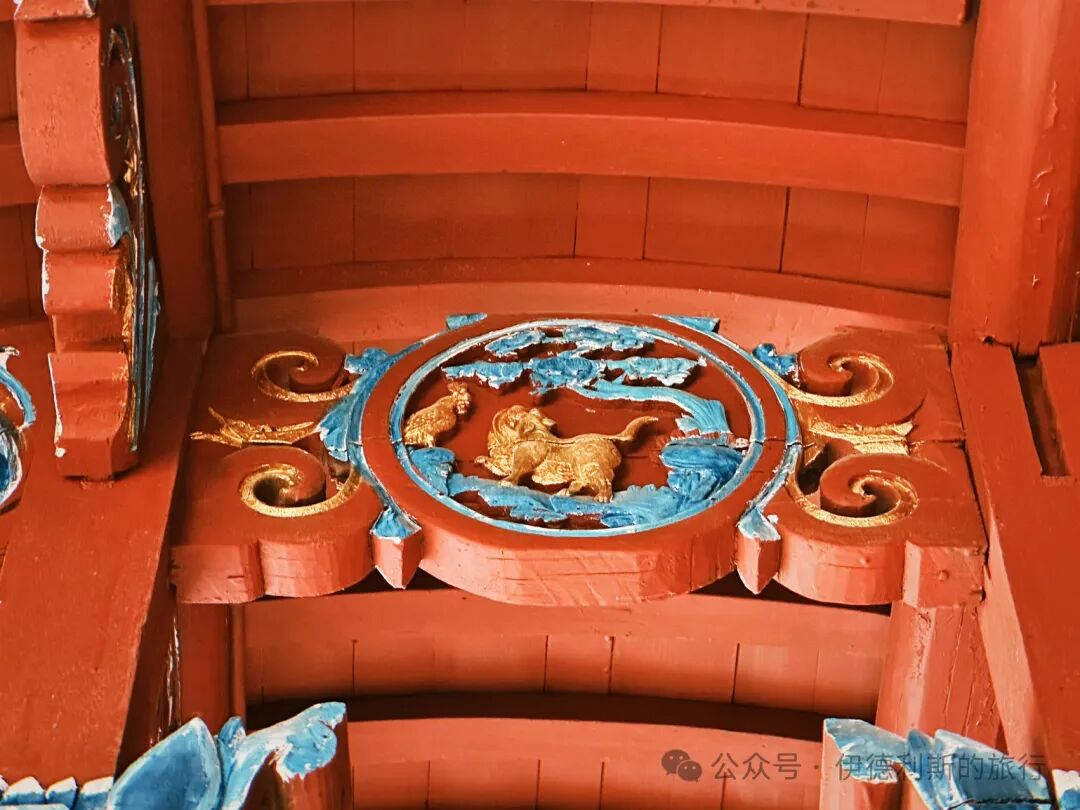
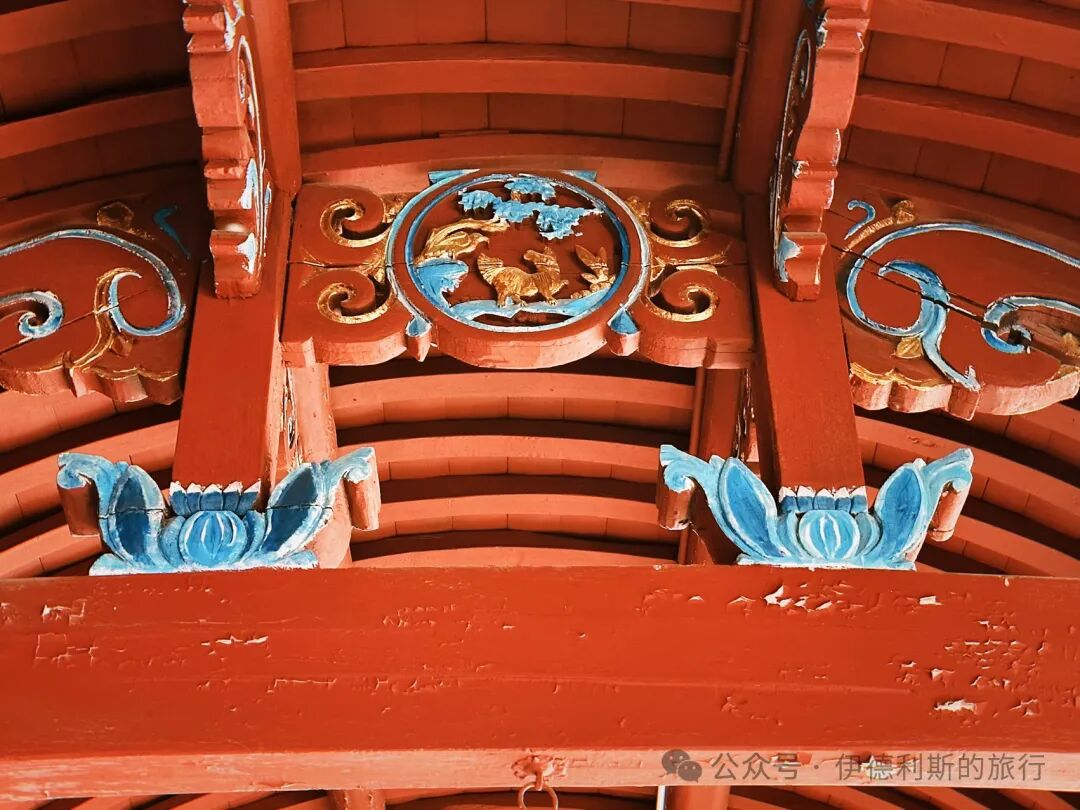
After passing through the second gate, you find the front hall and main hall connected by corridors, a design well-suited for the rainy weather in the Jiangsu and Zhejiang regions. The mosque in Wuhu, Anhui, also has this covered corridor structure, though it is smaller than the one at Lishui Mosque. The joints between the beams and pillars feature beautifully carved brackets (que-ti), which show a distinct local style.
The moon-shaped beams (yue-liang) on the porch in front of the main hall are carved with various traditional patterns that are very unique.
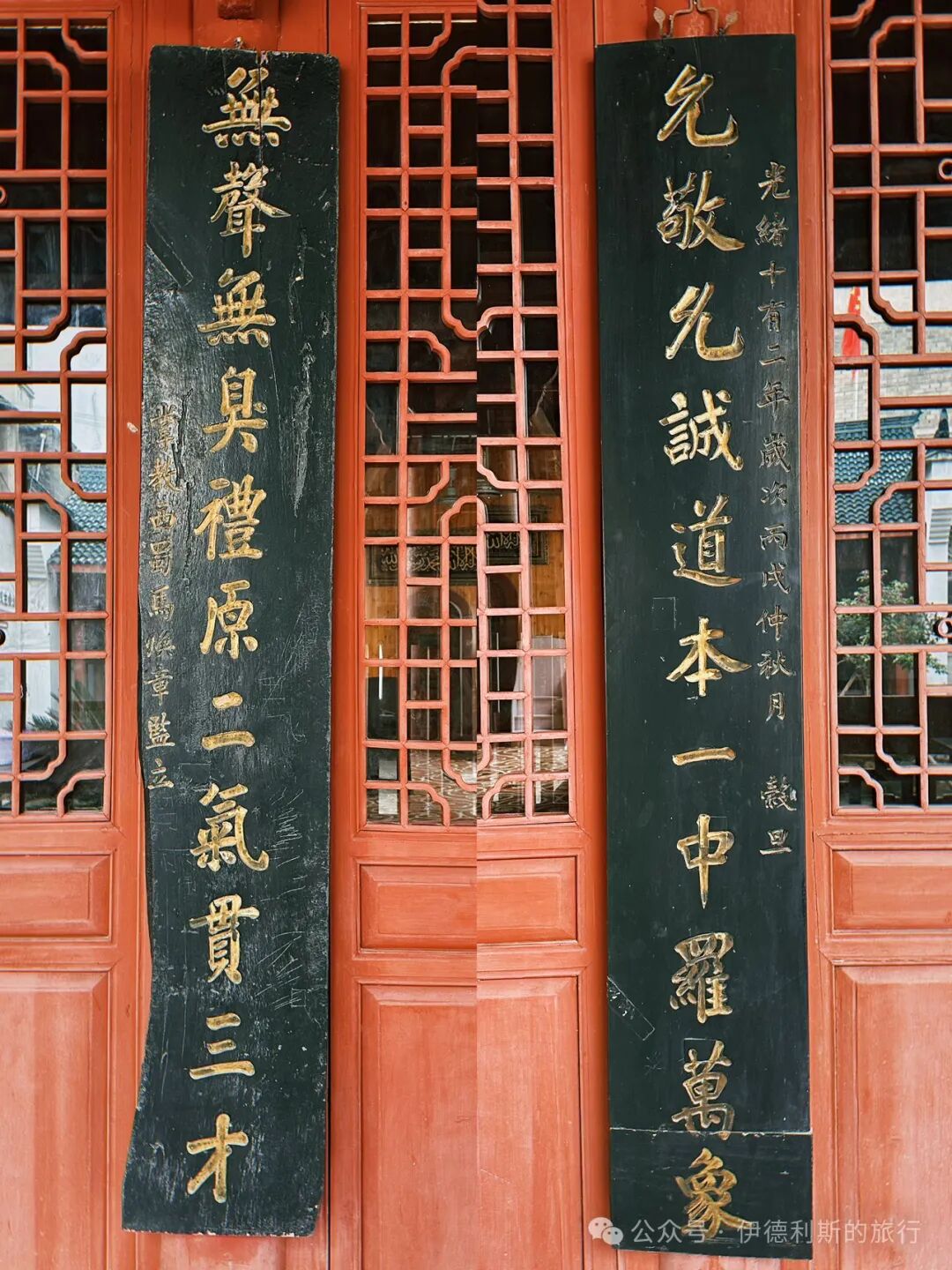
On both sides of the main hall entrance is a couplet commissioned by the imam Ma Huanzhang in the 12th year of the Guangxu reign: 'Sincere and respectful, the Way is rooted in the One that encompasses all things; silent and scentless, the ritual originates from the two energies that connect the three realms.'
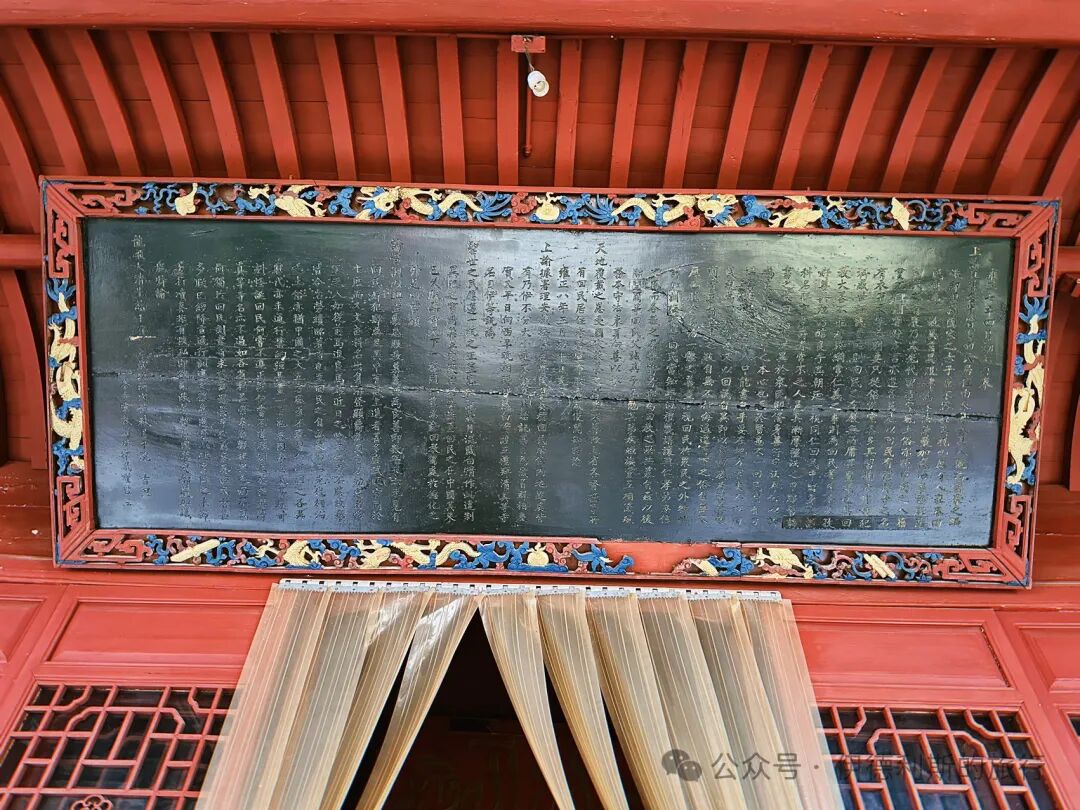
Above the couplet are two plaques about Hui Muslims, also commissioned by Ma Huanzhang in the 12th year of the Guangxu reign, featuring the Imperial Edict of the Yongzheng Emperor.
The first one reads:
On the seventh day of the fourth lunar month in the seventh year of the Yongzheng reign, the following Imperial Edict was received:
Hui Muslims live in all parts of Zhili, and they have resided there for a long time. Since these people are registered citizens of the state, they are all children of the state and should not be treated differently. People have often sent secret memorials claiming that Hui Muslims have their own religion, different language, and different clothing, and that they act illegally, asking for them to be strictly punished. I believe that the religion of the Hui Muslims was left behind by their ancestors. Their family customs and local habits are also those of the people of China. When people come from different places, their tastes and dialects naturally differ. That is why Hui Muslims have the name of mosque (libaisi), and differences in clothing and writing. As long as they follow local customs and live in peace, they are not like those who commit crimes or deceive the public, so there is no need to criticize the Hui Muslims for having their religion.
Since their religion generally does not go beyond the principles of human relations and righteousness, Hui Muslims should work hard to be good and encourage each other to be honest and kind. The imperial court treats everyone equally, and many Hui Muslims have earned civil or military degrees and served as government officials. As they gradually learn the rules of etiquette and study the classics, Hui Muslims are no different from the rest of the people. Cultivating one's character, doing good deeds, following the law, and serving the public to be a good citizen is the true heart of the Hui Muslims.
People vary in wisdom, and while there are certainly some unruly or dishonest individuals among Hui Muslims, can we say there are none among the Han people? The key is for local officials not to treat Hui Muslims as outsiders, and for Hui Muslims not to see themselves as different. If those who practice Islam are treated as followers of a good faith, then rewards for good and punishments for evil will be effective, and the customs of the people will naturally improve. I believe in the unity of all things and cannot bear to see Hui Muslims treated as separate from the rest of the people, so I offer this detailed guidance. You Hui Muslims must follow the path of righteousness and promote a culture of humility, kindness, filial piety, brotherly love, loyalty, and honesty. What other religions enjoy and allow is also what the Hui Muslims admire.
From now on, I hope you Hui Muslim fathers will warn your sons, brothers will encourage their brothers, and relatives and clans will advise each other to focus on their work, follow the law, and discipline themselves. Do good to repay the grace of heaven and earth and the care of the state. Governors and officials in every province where Hui Muslims live must announce my will so that everyone hears this special decree.
The second part is:
On the tenth day of the fifth lunar month in the eighth year of the Yongzheng reign, I received an imperial decree.
The acting Anhui judicial commissioner Lu Guohua reported that Hui Muslims live everywhere in the interior. They do not distinguish between large and small months, nor do they care about leap months, but decide on a day to start their year and celebrate together. They also pray toward the west every morning and evening, wear white caps, and set up places called mosques. Since they are people of this sacred era, they should follow the unified calendar. How can they privately set their own new year, wear white caps, and engage in such non-compliant and strange clothing? I request that you ban and reform their practices of arranging marriages and gathering crowds.
Hui Muslims have lived in China for a long time. Since I took the throne, I have treated everyone equally, and I cannot bear to see the Islamic faith left out of my moral guidance. I have issued decrees to encourage them to be filial, loyal, and to follow their faith and seek righteousness, so that everyone can be a good person. In recent years, I have not seen any Hui Muslims commit crimes or act lawlessly. Many of them are ambitious. They take exams and serve as officials just like other scholars and commoners. There is never a shortage of those who earn fame in civil or military service, reach high positions, and serve the country with loyalty. People like Ma Jinliang, Ma Xiong, and recently Ha Yuansheng are just a few examples. They all have famous names and clear records of service.
As for Hui Muslims practicing their own faith, it is a tradition passed down from their ancestors, just like other local customs. China is vast, and customs vary from place to place. Past dynasties never enforced a total ban or forced everyone to be the same. Lu Guohua's proposal is harsh and absurd. Hui Muslims have always followed the calendar and the dress code. As for the names of mosques, they are just like the temples and shrines people worship in villages across every province. Why should we single out Hui Muslims and treat these names as crimes? Many people have reported Hui Muslims to me in the past, and I have already issued an imperial decree to instruct and guide them. Now Lu Guohua has made a reckless report over such a trivial matter. He is either acting out of personal spite or trying to disrupt the government. I hereby order the ministry to strictly punish Lu Guohua.
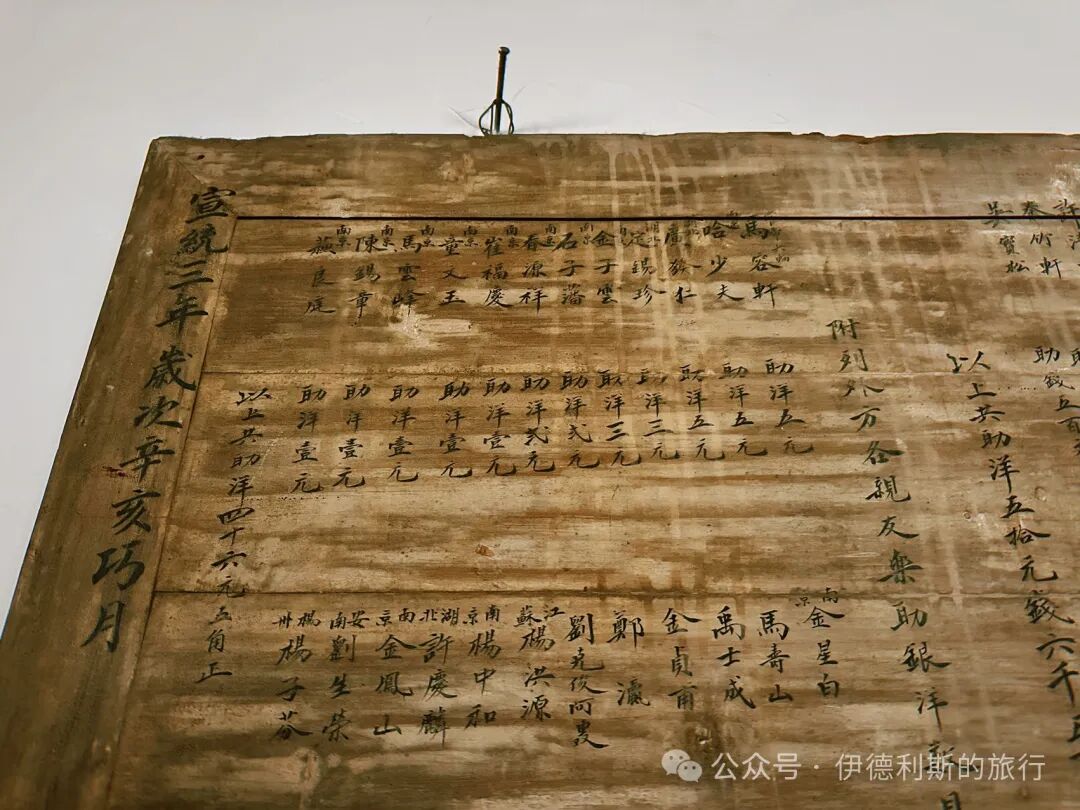
Inside the main hall, there is a wooden plaque listing donors for the 1911 renovation. It starts with Mu Tongchun from the Jinhua Garrison, and Lu Guirong and Imam (ahong) Yang Mingyou from the Chuzhen Central Battalion. The first half lists local Hui Muslims with the surnames Li, Yuan, Ma, He, Jin, Xia, Xu, Qin, Wu, and Hu, with the Ma and Yuan families being the most numerous. The second half lists Hui Muslims from other places, mostly from Nanjing, along with others from Hubei and Yangzhou. There is also a Liu Shengrong from Annam, though I am not sure if that refers to Vietnam.
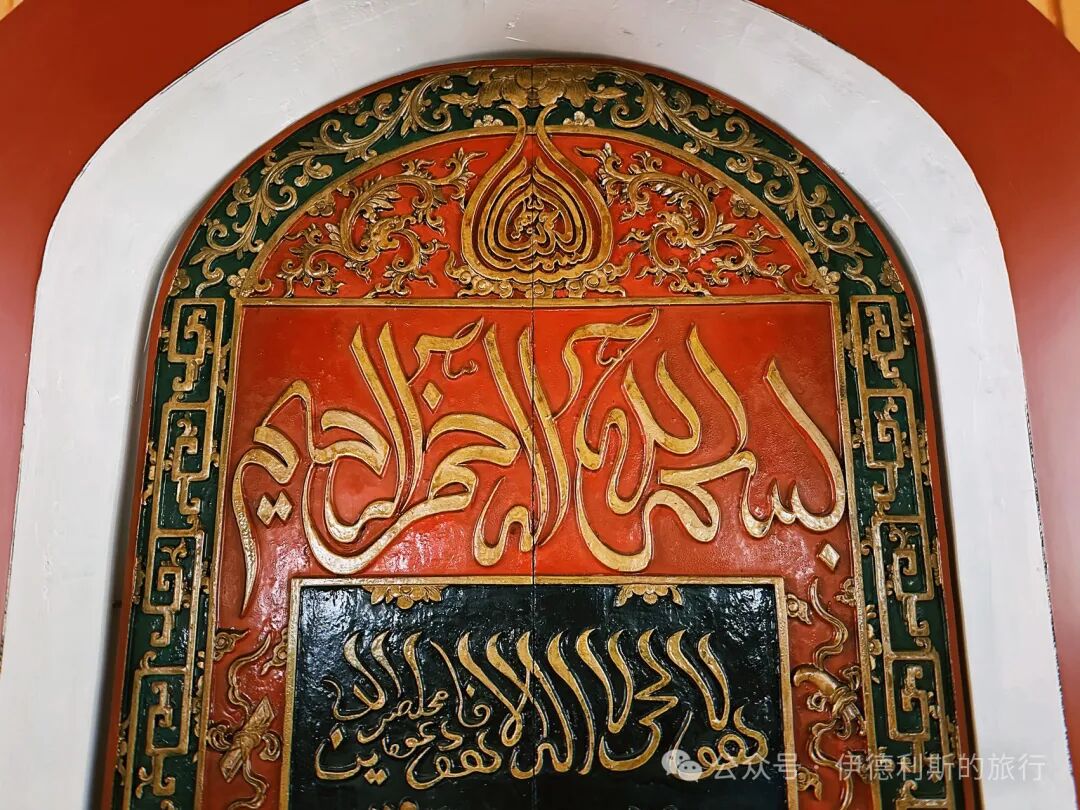
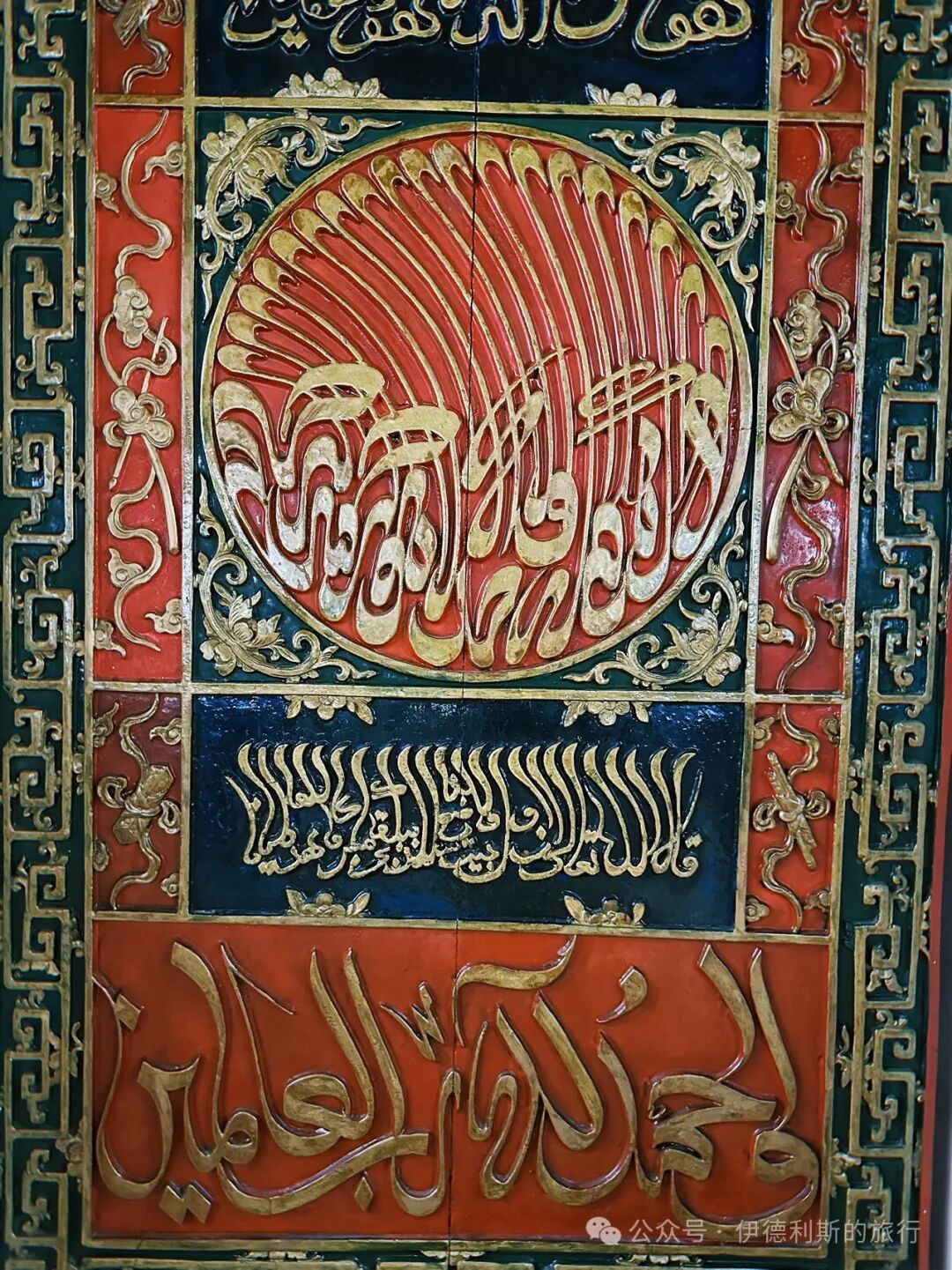
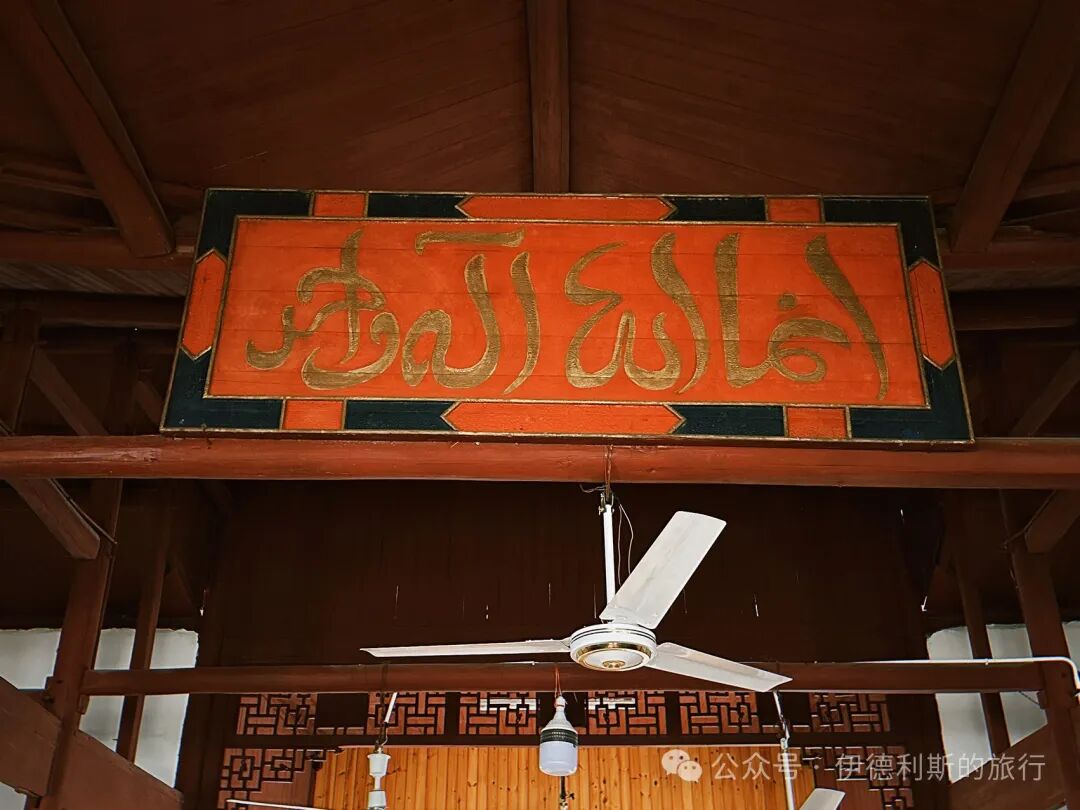
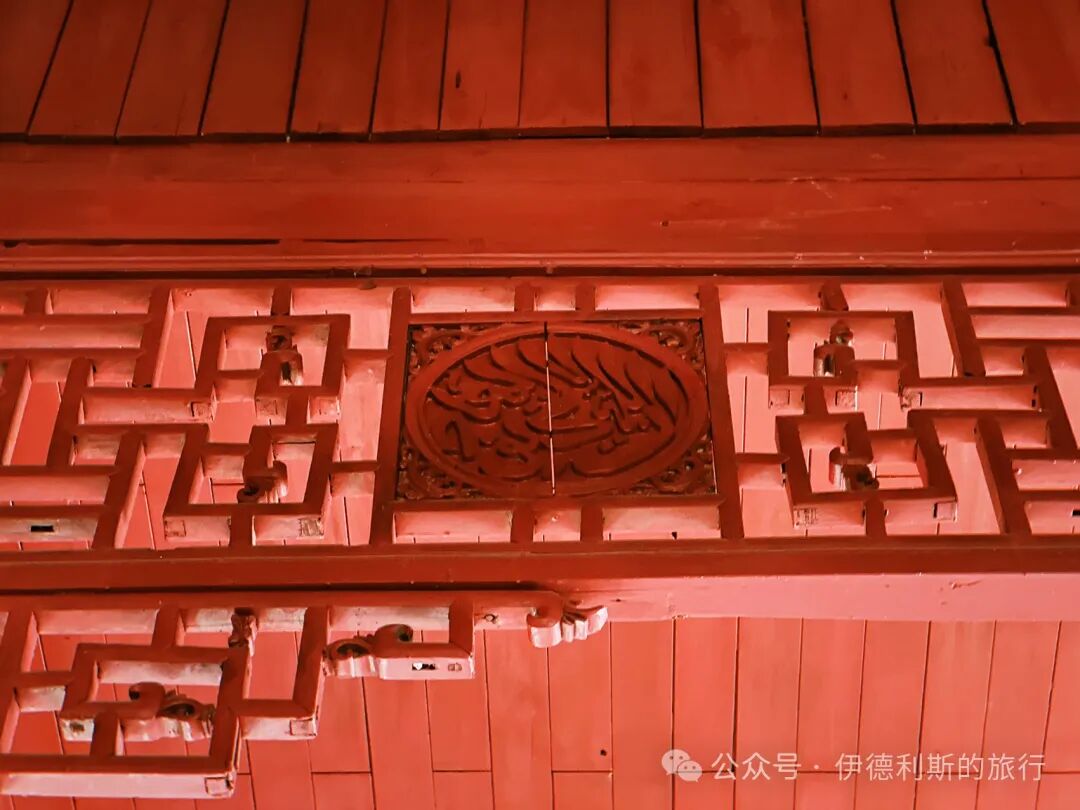
The main hall is decorated with plenty of Arabic calligraphy. The most impressive pieces are inside the prayer niche (mihrab), which are fine examples of traditional late Qing dynasty Arabic calligraphy.
After leaving Lishui Mosque, I walked around the old town of Lishui. Lishui was once called Chuzhou. The existing city wall dates back to the Zhizheng period of the Yuan Dynasty, and it was changed from brick to stone during the Jiajing period of the Ming Dynasty. The Nanming Gate was built along the Ou River, offering a beautiful setting that perfectly captures the style of an ancient southern city.
There is a fitness trail along the north bank of the Ou River in Lishui, which is perfect for a walk.
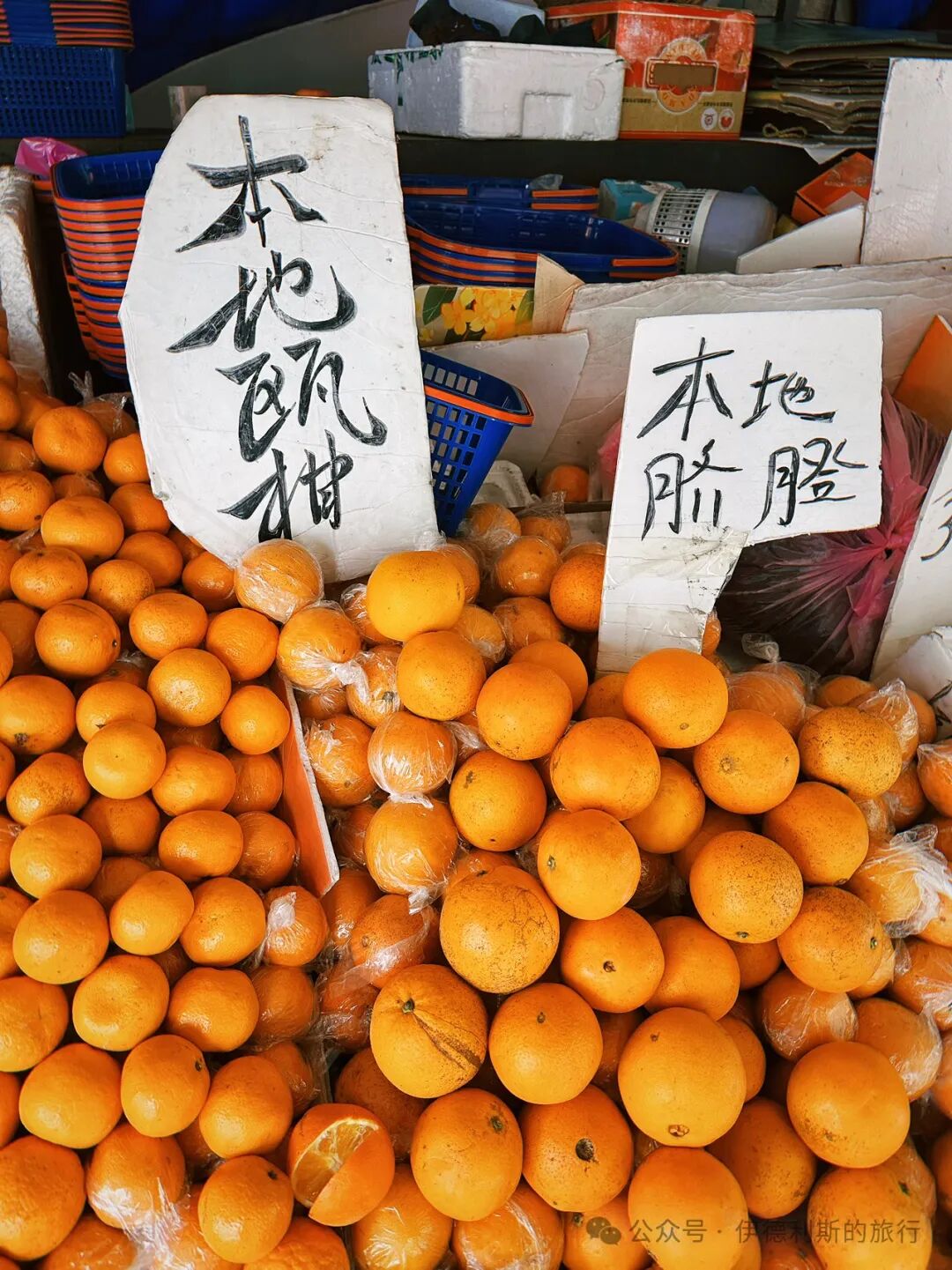
Also, the area in front of Nice Square in Lishui is a street known for local citrus. You should buy and try the Ou mandarin oranges (ougan), a specialty from the lower reaches of the Ou River.
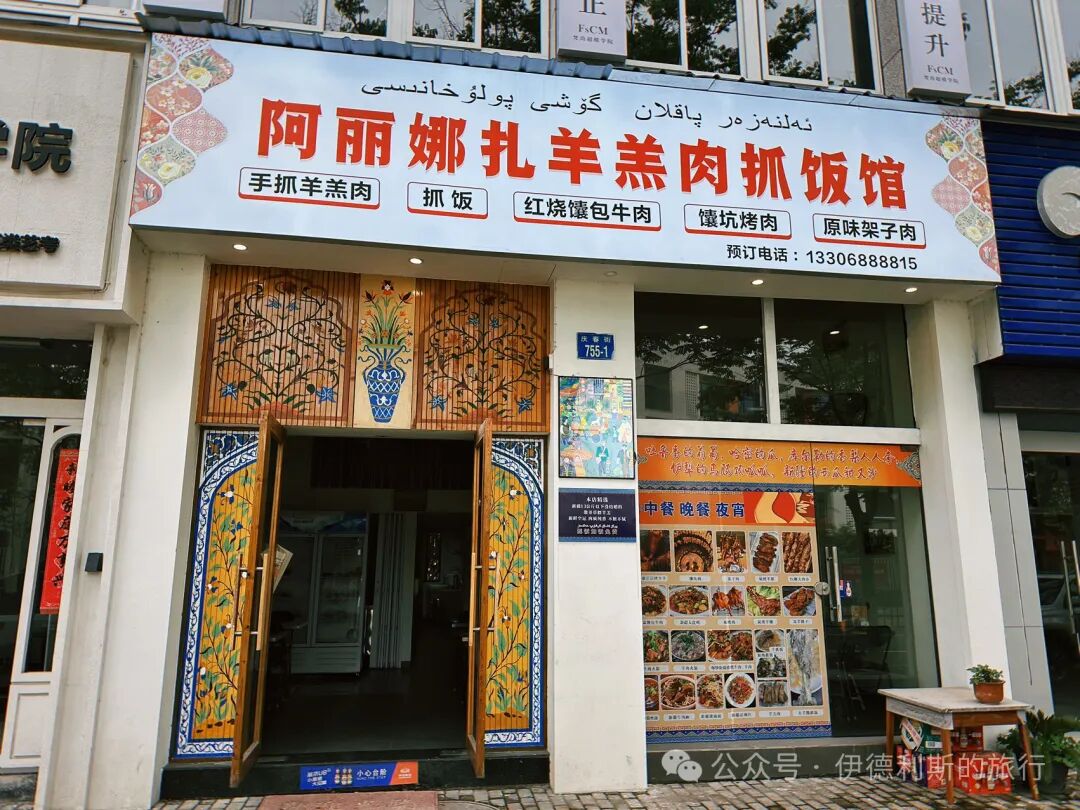
After exploring the ancient city of Lishui, we went to a Xinjiang restaurant called Alina Zha Lamb Pilaf Restaurant. The owner is from Yili. She met her husband while attending university in Sydney, and later they opened a Xinjiang restaurant in her husband's hometown of Lishui, Zhejiang.
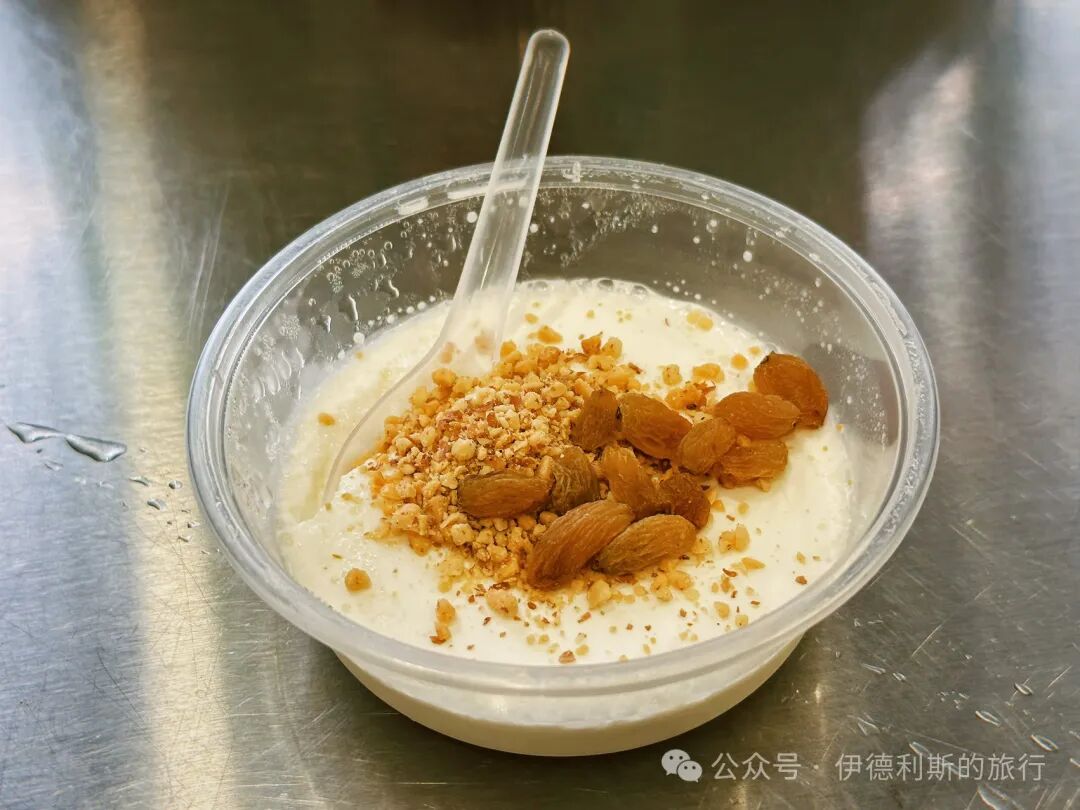
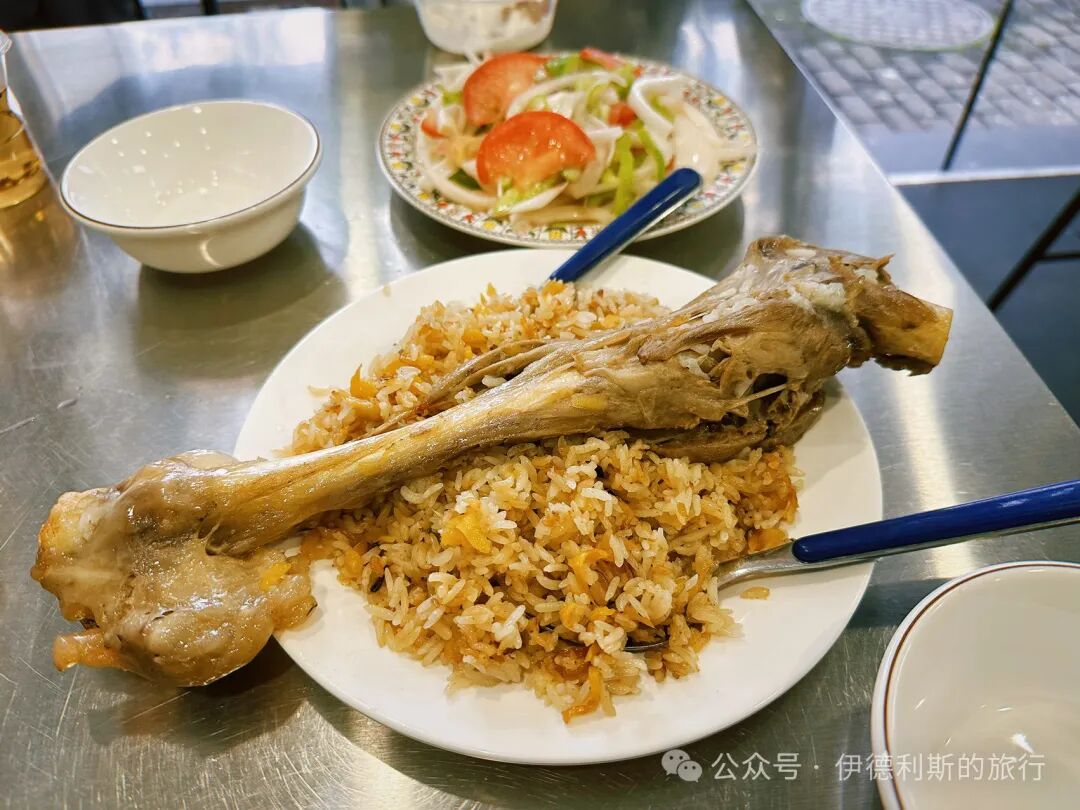
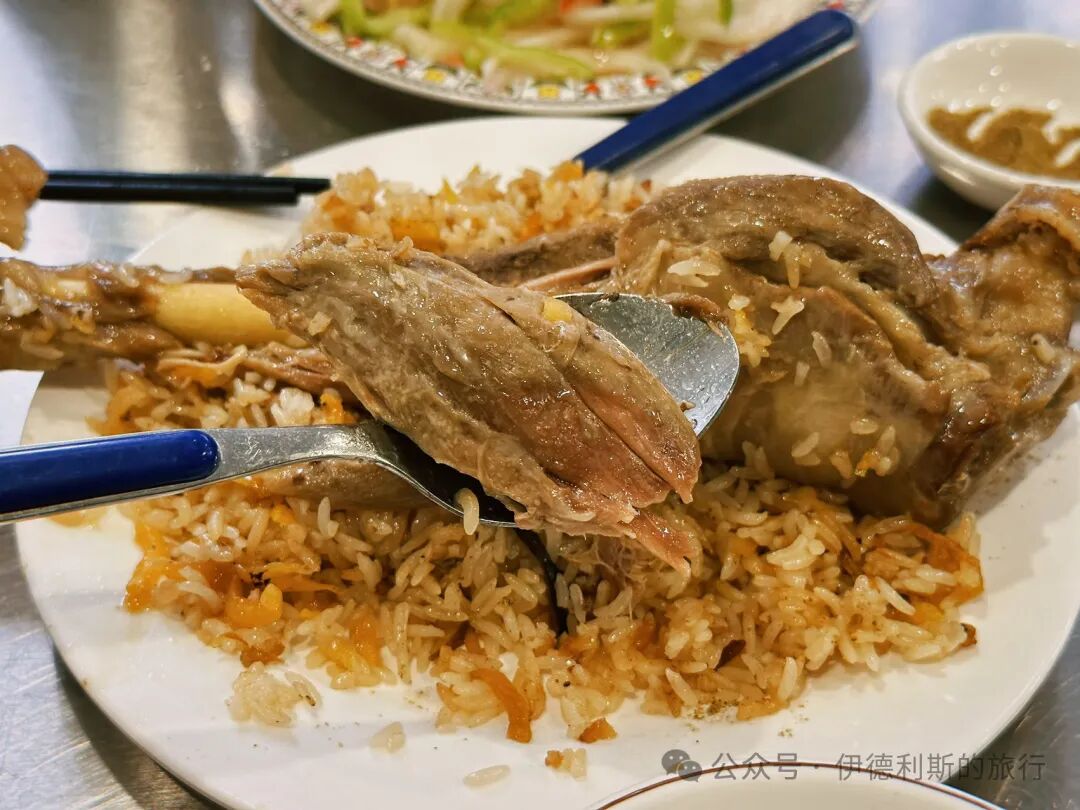
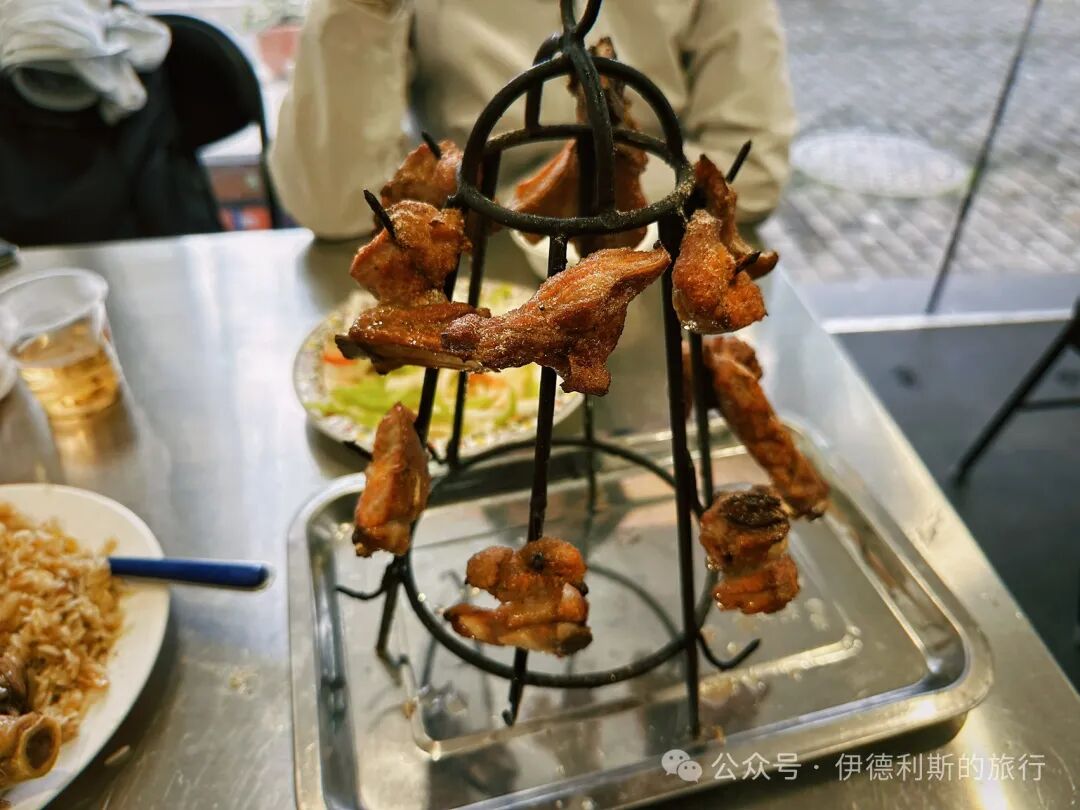
We ordered lamb leg pilaf (zhuafan), rack meat (jiazirou), and a salad of onions, peppers, and tomatoes (pilahong). The food was amazing! The lamb leg was fragrant and tender. The pilaf was made with authentic Xinjiang yellow carrots, and every grain of rice was distinct and shiny with oil. The rack meat was made with lamb, and it arrived quickly and was roasted very tenderly. The spicy onion salad (pilahong) uses Xinjiang onions (piyanzi), which are so sweet they taste like fruit. I have almost never found these in other parts of China. I can honestly say this place is more authentic than most Uyghur restaurants in Beijing.
The owner's father runs the front desk, and he is very talkative. He explained that their rice pilaf (zhuafan) chef is from Kashgar, so they make the dish using the traditional yellow carrot style from southern Xinjiang. The barbecue chef is from Turpan, and they even shipped the soil from Turpan to build their clay oven (nangkeng). He even showed us the yellow carrots and onions they ship in from Xinjiang. We could actually tell they were from Xinjiang the moment we tasted them. They also bring their tea set (sanpaotai) from Xinjiang. To see if a Xinjiang restaurant is authentic, besides chatting with the owner when you walk in, you should look at the tea they serve after you sit down. The taste of the tea is an essential part of a Xinjiang meal. view all
Summary: Halal Travel Guide: Lishui, Zhejiang - Mosque Visit and Hui Muslim History is presented here as a firsthand travel account in clear, natural English. The account focuses on Lishui, Zhejiang, Mosques while preserving the names, places, food, photos, and historical details from the Chinese source.
On the afternoon of May 2, I took the high-speed train from Yiwu to Lishui to visit the Lishui Mosque. When we arrived, the person on duty was away for the May Day holiday, and the imam was eating at a nearby noodle shop. We called the shop, and a fellow believer (dosti) from there brought us the key to the mosque. The dosti from the noodle shop is from Zhangjiachuan in Tianshui, Gansu. He told us that the local Hui Muslims in Lishui no longer practice the faith, and the Lishui Mosque is now mainly maintained by over 200 dosti from Northwest China who run noodle shops.
After the mid-Qing Dynasty, Hui Muslims from places like Shaanxi and Sichuan came to Lishui to do business. In 1886 (the 12th year of the Guangxu reign), the religious leader Ma Huanzhang built a mosque in Gaojing Lane within Lishui city. The Lishui Mosque has two courtyards, featuring two gate towers, a front hall, connecting corridors, and a main prayer hall, all in a style very typical of Lishui. The gate towers are the most unique part and have been named a Lishui City Cultural Relic Protection Unit.
Both gate towers at the Lishui Mosque are brick archways. They are inscribed with the words 'Libaisi' (Mosque) and 'Qingzhensi' (Mosque). They feature traditional roof tiles, upturned eaves, bracket sets on the pillars, and carvings of Arabic script, fish patterns, and peonies.
After passing through the second gate, you find the front hall and main hall connected by corridors, a design well-suited for the rainy weather in the Jiangsu and Zhejiang regions. The mosque in Wuhu, Anhui, also has this covered corridor structure, though it is smaller than the one at Lishui Mosque. The joints between the beams and pillars feature beautifully carved brackets (que-ti), which show a distinct local style.
The moon-shaped beams (yue-liang) on the porch in front of the main hall are carved with various traditional patterns that are very unique.
On both sides of the main hall entrance is a couplet commissioned by the imam Ma Huanzhang in the 12th year of the Guangxu reign: 'Sincere and respectful, the Way is rooted in the One that encompasses all things; silent and scentless, the ritual originates from the two energies that connect the three realms.'
Above the couplet are two plaques about Hui Muslims, also commissioned by Ma Huanzhang in the 12th year of the Guangxu reign, featuring the Imperial Edict of the Yongzheng Emperor.
The first one reads:
On the seventh day of the fourth lunar month in the seventh year of the Yongzheng reign, the following Imperial Edict was received:
Hui Muslims live in all parts of Zhili, and they have resided there for a long time. Since these people are registered citizens of the state, they are all children of the state and should not be treated differently. People have often sent secret memorials claiming that Hui Muslims have their own religion, different language, and different clothing, and that they act illegally, asking for them to be strictly punished. I believe that the religion of the Hui Muslims was left behind by their ancestors. Their family customs and local habits are also those of the people of China. When people come from different places, their tastes and dialects naturally differ. That is why Hui Muslims have the name of mosque (libaisi), and differences in clothing and writing. As long as they follow local customs and live in peace, they are not like those who commit crimes or deceive the public, so there is no need to criticize the Hui Muslims for having their religion.
Since their religion generally does not go beyond the principles of human relations and righteousness, Hui Muslims should work hard to be good and encourage each other to be honest and kind. The imperial court treats everyone equally, and many Hui Muslims have earned civil or military degrees and served as government officials. As they gradually learn the rules of etiquette and study the classics, Hui Muslims are no different from the rest of the people. Cultivating one's character, doing good deeds, following the law, and serving the public to be a good citizen is the true heart of the Hui Muslims.
People vary in wisdom, and while there are certainly some unruly or dishonest individuals among Hui Muslims, can we say there are none among the Han people? The key is for local officials not to treat Hui Muslims as outsiders, and for Hui Muslims not to see themselves as different. If those who practice Islam are treated as followers of a good faith, then rewards for good and punishments for evil will be effective, and the customs of the people will naturally improve. I believe in the unity of all things and cannot bear to see Hui Muslims treated as separate from the rest of the people, so I offer this detailed guidance. You Hui Muslims must follow the path of righteousness and promote a culture of humility, kindness, filial piety, brotherly love, loyalty, and honesty. What other religions enjoy and allow is also what the Hui Muslims admire.
From now on, I hope you Hui Muslim fathers will warn your sons, brothers will encourage their brothers, and relatives and clans will advise each other to focus on their work, follow the law, and discipline themselves. Do good to repay the grace of heaven and earth and the care of the state. Governors and officials in every province where Hui Muslims live must announce my will so that everyone hears this special decree.
The second part is:
On the tenth day of the fifth lunar month in the eighth year of the Yongzheng reign, I received an imperial decree.
The acting Anhui judicial commissioner Lu Guohua reported that Hui Muslims live everywhere in the interior. They do not distinguish between large and small months, nor do they care about leap months, but decide on a day to start their year and celebrate together. They also pray toward the west every morning and evening, wear white caps, and set up places called mosques. Since they are people of this sacred era, they should follow the unified calendar. How can they privately set their own new year, wear white caps, and engage in such non-compliant and strange clothing? I request that you ban and reform their practices of arranging marriages and gathering crowds.
Hui Muslims have lived in China for a long time. Since I took the throne, I have treated everyone equally, and I cannot bear to see the Islamic faith left out of my moral guidance. I have issued decrees to encourage them to be filial, loyal, and to follow their faith and seek righteousness, so that everyone can be a good person. In recent years, I have not seen any Hui Muslims commit crimes or act lawlessly. Many of them are ambitious. They take exams and serve as officials just like other scholars and commoners. There is never a shortage of those who earn fame in civil or military service, reach high positions, and serve the country with loyalty. People like Ma Jinliang, Ma Xiong, and recently Ha Yuansheng are just a few examples. They all have famous names and clear records of service.
As for Hui Muslims practicing their own faith, it is a tradition passed down from their ancestors, just like other local customs. China is vast, and customs vary from place to place. Past dynasties never enforced a total ban or forced everyone to be the same. Lu Guohua's proposal is harsh and absurd. Hui Muslims have always followed the calendar and the dress code. As for the names of mosques, they are just like the temples and shrines people worship in villages across every province. Why should we single out Hui Muslims and treat these names as crimes? Many people have reported Hui Muslims to me in the past, and I have already issued an imperial decree to instruct and guide them. Now Lu Guohua has made a reckless report over such a trivial matter. He is either acting out of personal spite or trying to disrupt the government. I hereby order the ministry to strictly punish Lu Guohua.
Inside the main hall, there is a wooden plaque listing donors for the 1911 renovation. It starts with Mu Tongchun from the Jinhua Garrison, and Lu Guirong and Imam (ahong) Yang Mingyou from the Chuzhen Central Battalion. The first half lists local Hui Muslims with the surnames Li, Yuan, Ma, He, Jin, Xia, Xu, Qin, Wu, and Hu, with the Ma and Yuan families being the most numerous. The second half lists Hui Muslims from other places, mostly from Nanjing, along with others from Hubei and Yangzhou. There is also a Liu Shengrong from Annam, though I am not sure if that refers to Vietnam.
The main hall is decorated with plenty of Arabic calligraphy. The most impressive pieces are inside the prayer niche (mihrab), which are fine examples of traditional late Qing dynasty Arabic calligraphy.
After leaving Lishui Mosque, I walked around the old town of Lishui. Lishui was once called Chuzhou. The existing city wall dates back to the Zhizheng period of the Yuan Dynasty, and it was changed from brick to stone during the Jiajing period of the Ming Dynasty. The Nanming Gate was built along the Ou River, offering a beautiful setting that perfectly captures the style of an ancient southern city.
There is a fitness trail along the north bank of the Ou River in Lishui, which is perfect for a walk.
Also, the area in front of Nice Square in Lishui is a street known for local citrus. You should buy and try the Ou mandarin oranges (ougan), a specialty from the lower reaches of the Ou River.
After exploring the ancient city of Lishui, we went to a Xinjiang restaurant called Alina Zha Lamb Pilaf Restaurant. The owner is from Yili. She met her husband while attending university in Sydney, and later they opened a Xinjiang restaurant in her husband's hometown of Lishui, Zhejiang.
We ordered lamb leg pilaf (zhuafan), rack meat (jiazirou), and a salad of onions, peppers, and tomatoes (pilahong). The food was amazing! The lamb leg was fragrant and tender. The pilaf was made with authentic Xinjiang yellow carrots, and every grain of rice was distinct and shiny with oil. The rack meat was made with lamb, and it arrived quickly and was roasted very tenderly. The spicy onion salad (pilahong) uses Xinjiang onions (piyanzi), which are so sweet they taste like fruit. I have almost never found these in other parts of China. I can honestly say this place is more authentic than most Uyghur restaurants in Beijing.
The owner's father runs the front desk, and he is very talkative. He explained that their rice pilaf (zhuafan) chef is from Kashgar, so they make the dish using the traditional yellow carrot style from southern Xinjiang. The barbecue chef is from Turpan, and they even shipped the soil from Turpan to build their clay oven (nangkeng). He even showed us the yellow carrots and onions they ship in from Xinjiang. We could actually tell they were from Xinjiang the moment we tasted them. They also bring their tea set (sanpaotai) from Xinjiang. To see if a Xinjiang restaurant is authentic, besides chatting with the owner when you walk in, you should look at the tea they serve after you sit down. The taste of the tea is an essential part of a Xinjiang meal. view all
Reposted from the web
Summary: Halal Travel Guide: Lishui, Zhejiang - Mosque Visit and Hui Muslim History is presented here as a firsthand travel account in clear, natural English. The account focuses on Lishui, Zhejiang, Mosques while preserving the names, places, food, photos, and historical details from the Chinese source.
On the afternoon of May 2, I took the high-speed train from Yiwu to Lishui to visit the Lishui Mosque. When we arrived, the person on duty was away for the May Day holiday, and the imam was eating at a nearby noodle shop. We called the shop, and a fellow believer (dosti) from there brought us the key to the mosque. The dosti from the noodle shop is from Zhangjiachuan in Tianshui, Gansu. He told us that the local Hui Muslims in Lishui no longer practice the faith, and the Lishui Mosque is now mainly maintained by over 200 dosti from Northwest China who run noodle shops.
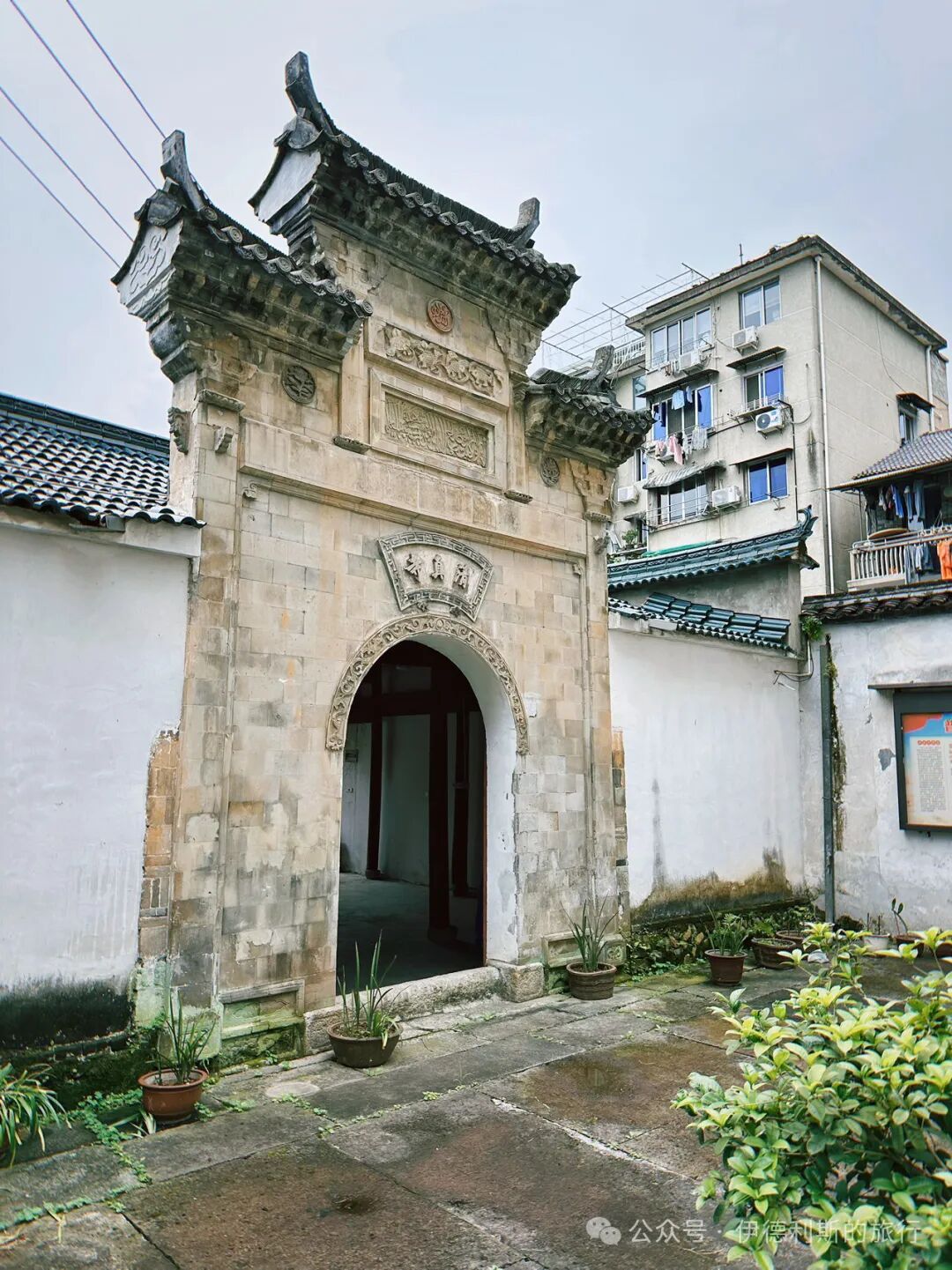
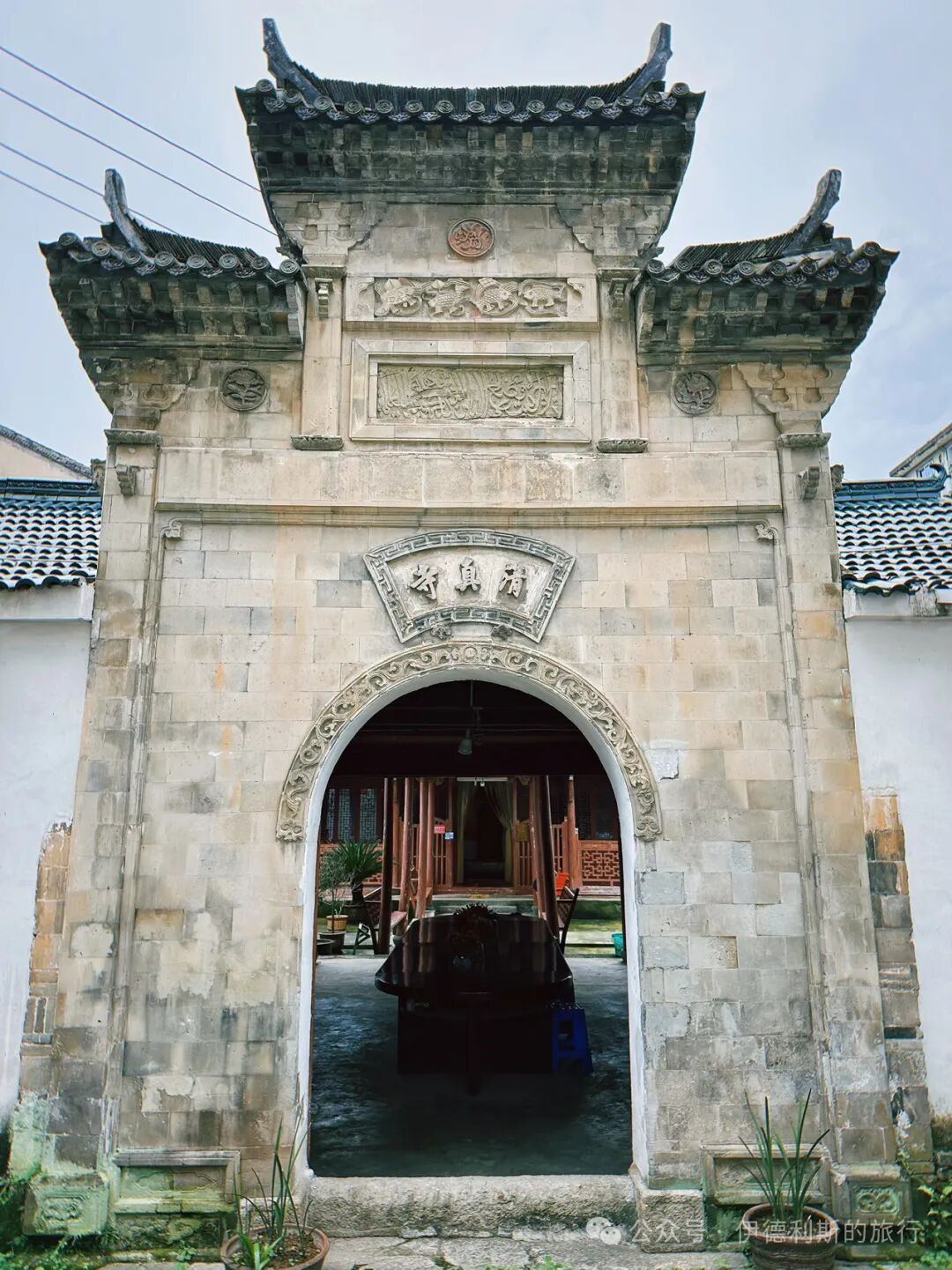
After the mid-Qing Dynasty, Hui Muslims from places like Shaanxi and Sichuan came to Lishui to do business. In 1886 (the 12th year of the Guangxu reign), the religious leader Ma Huanzhang built a mosque in Gaojing Lane within Lishui city. The Lishui Mosque has two courtyards, featuring two gate towers, a front hall, connecting corridors, and a main prayer hall, all in a style very typical of Lishui. The gate towers are the most unique part and have been named a Lishui City Cultural Relic Protection Unit.
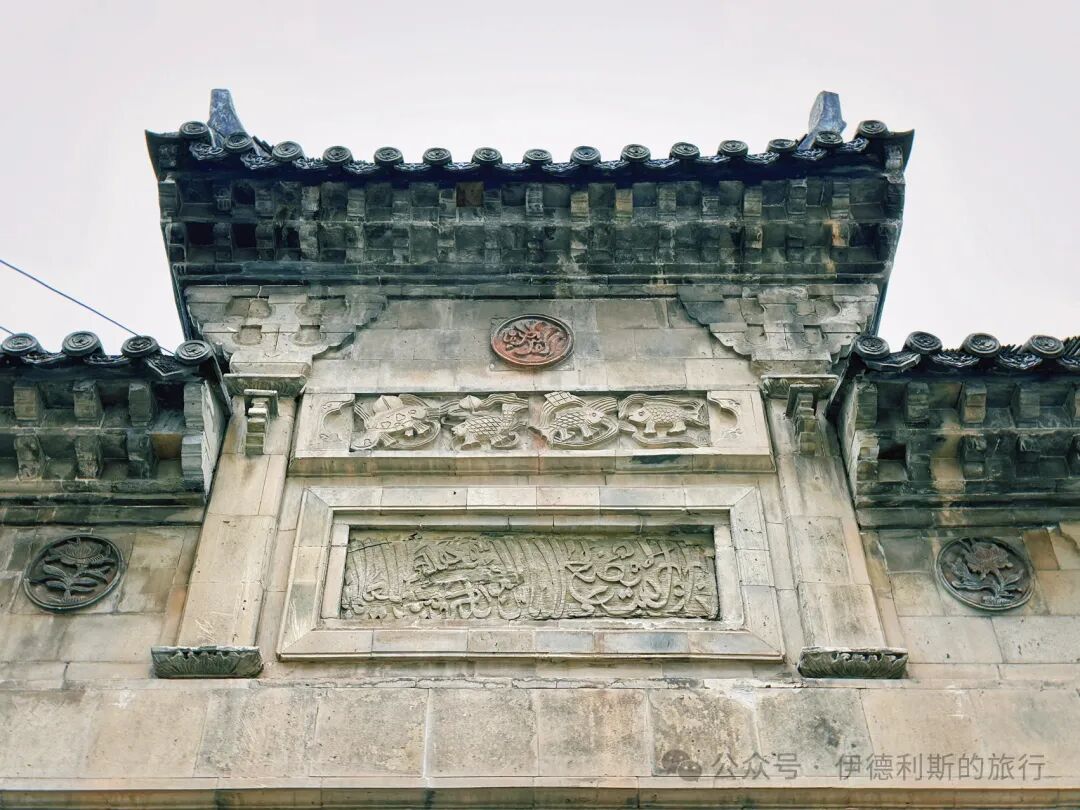
Both gate towers at the Lishui Mosque are brick archways. They are inscribed with the words 'Libaisi' (Mosque) and 'Qingzhensi' (Mosque). They feature traditional roof tiles, upturned eaves, bracket sets on the pillars, and carvings of Arabic script, fish patterns, and peonies.
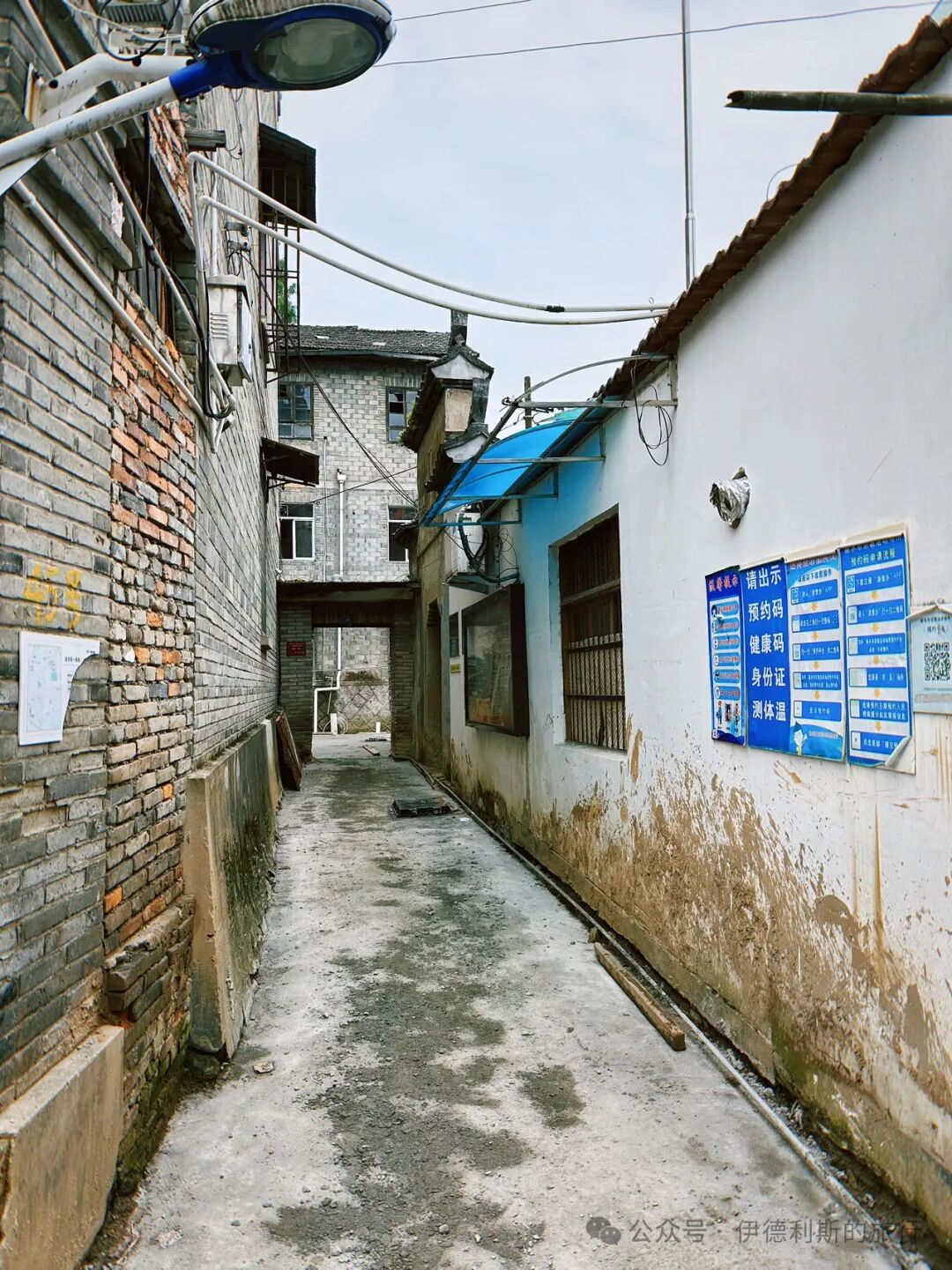
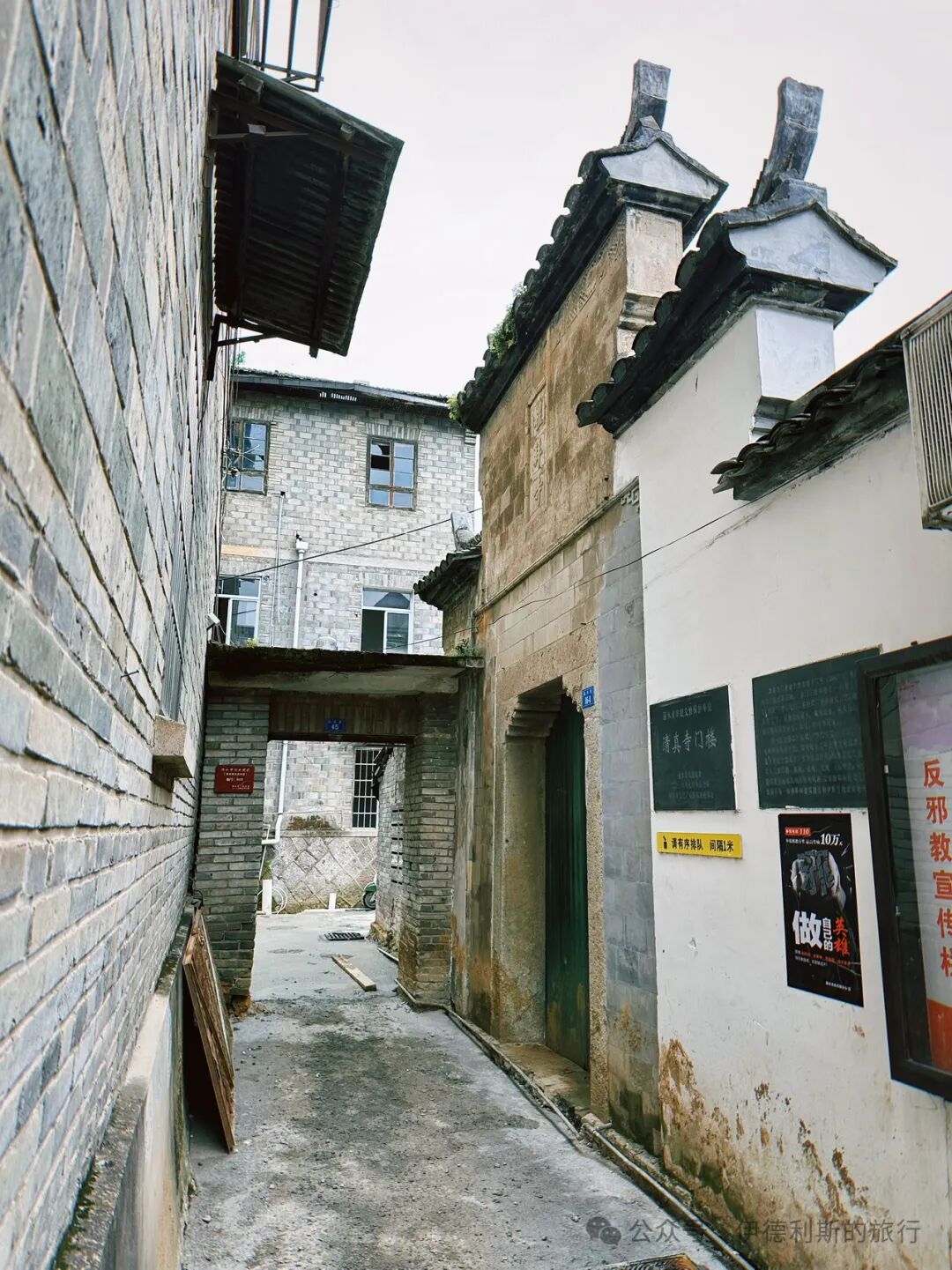
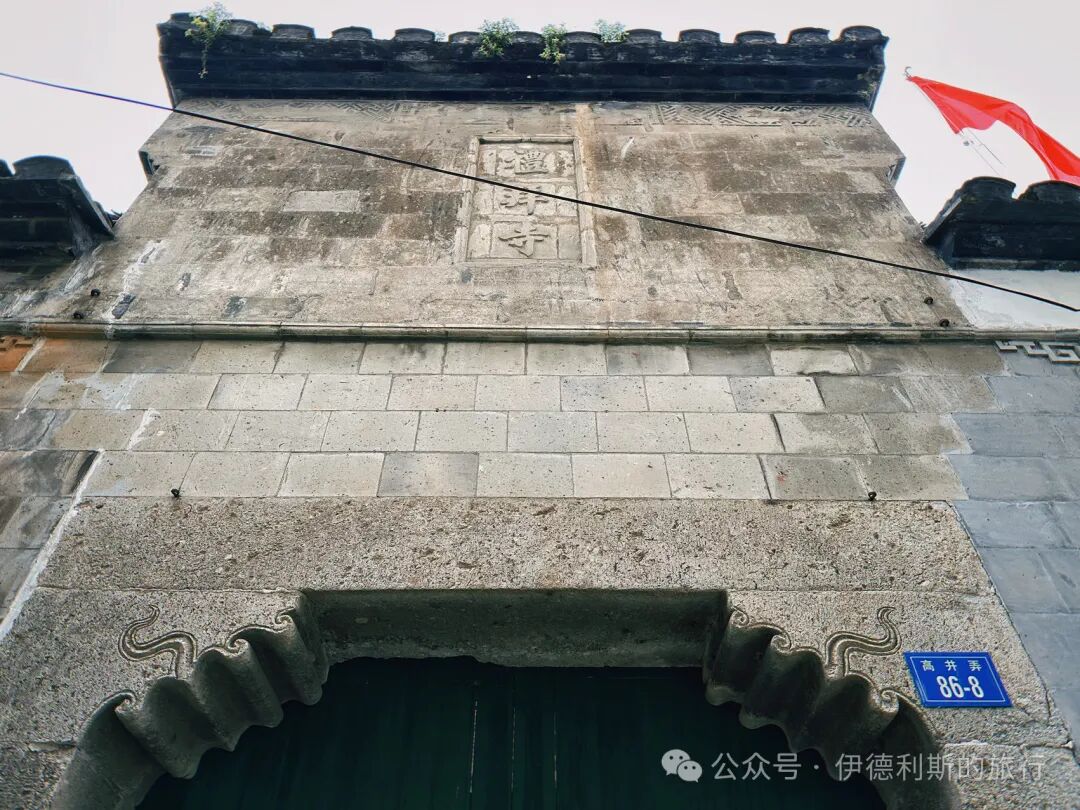
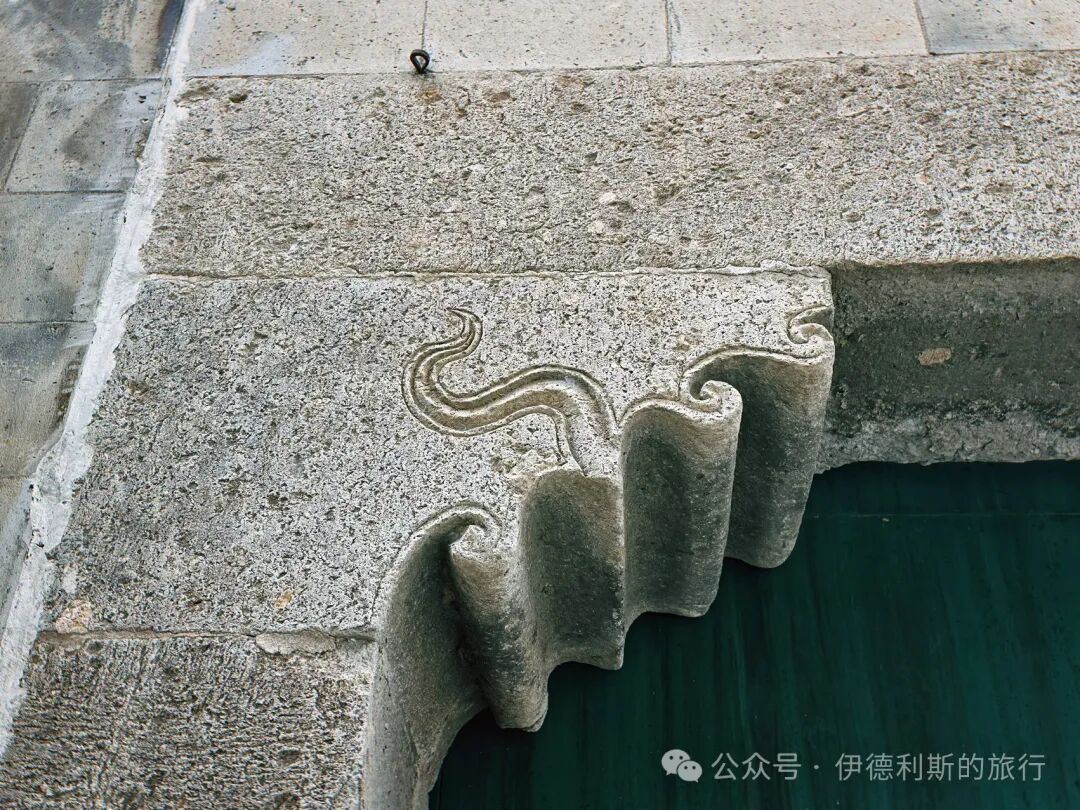
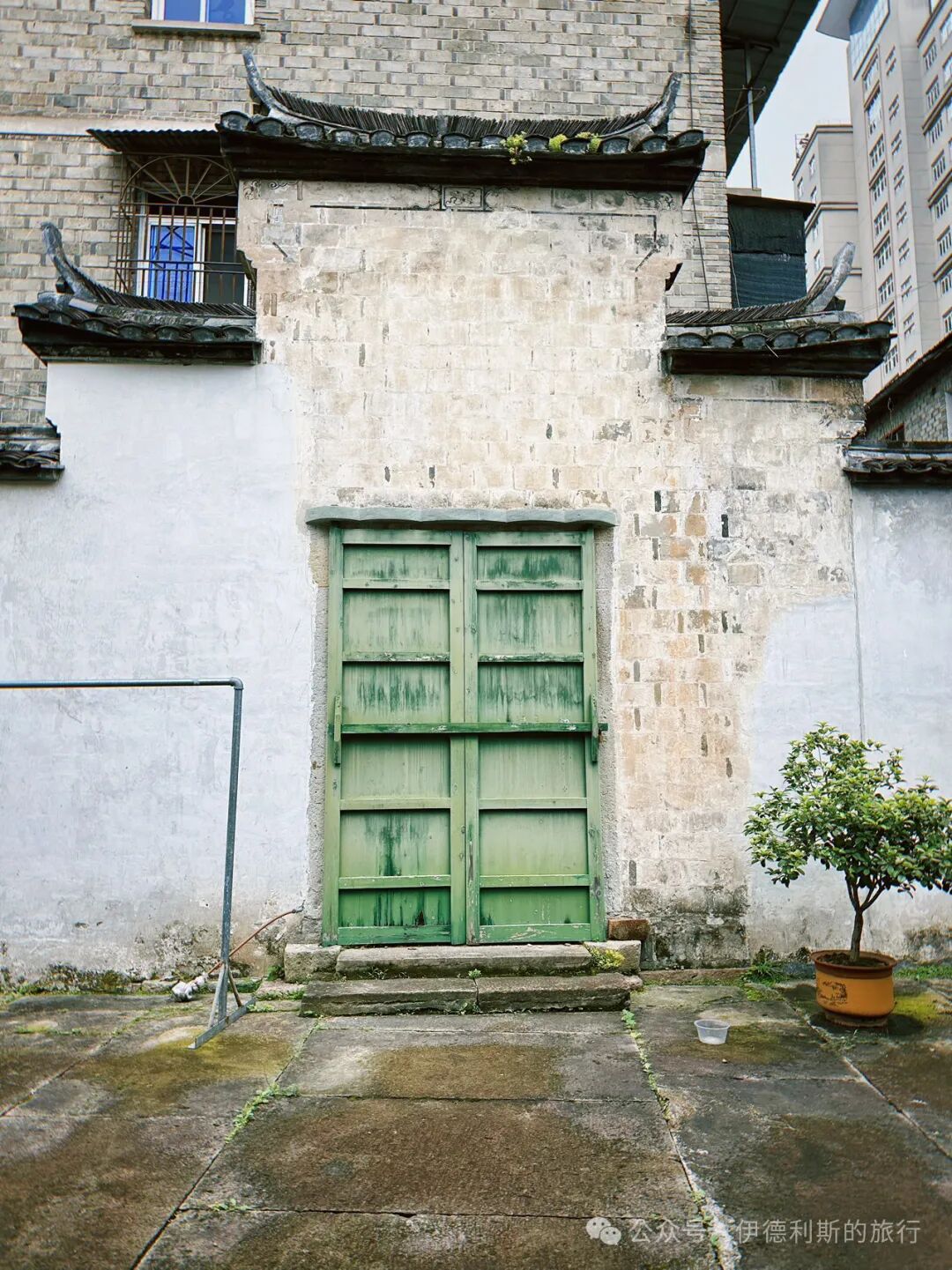
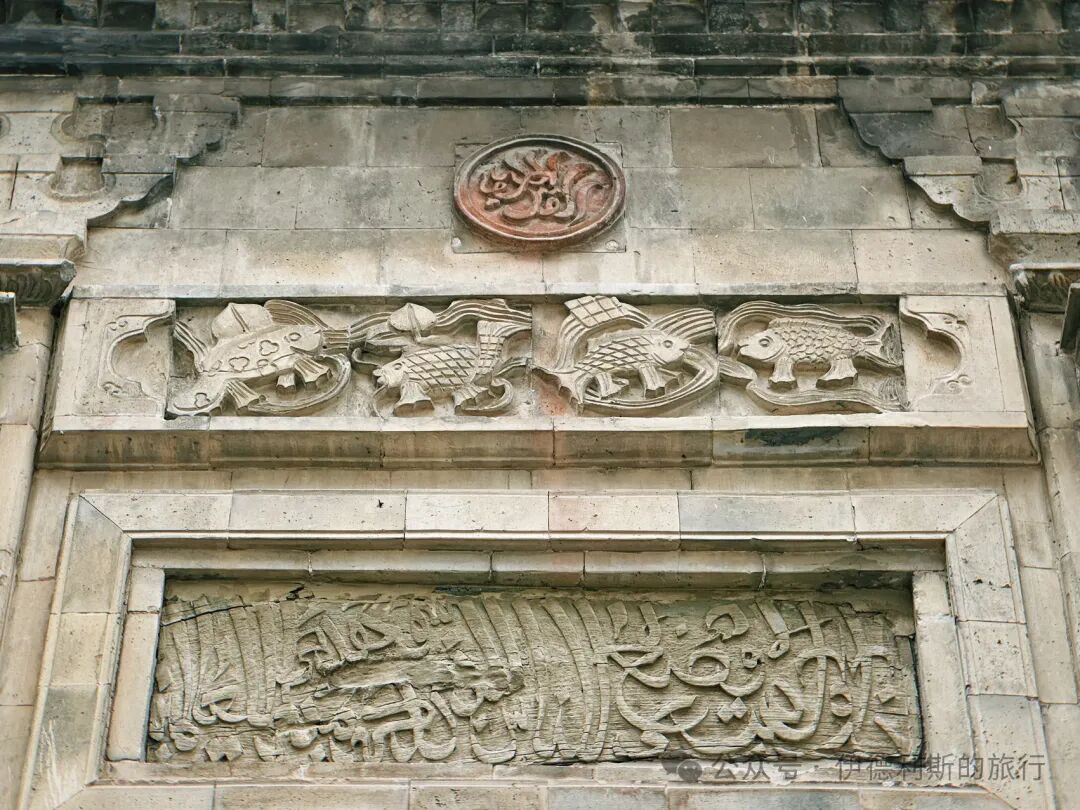
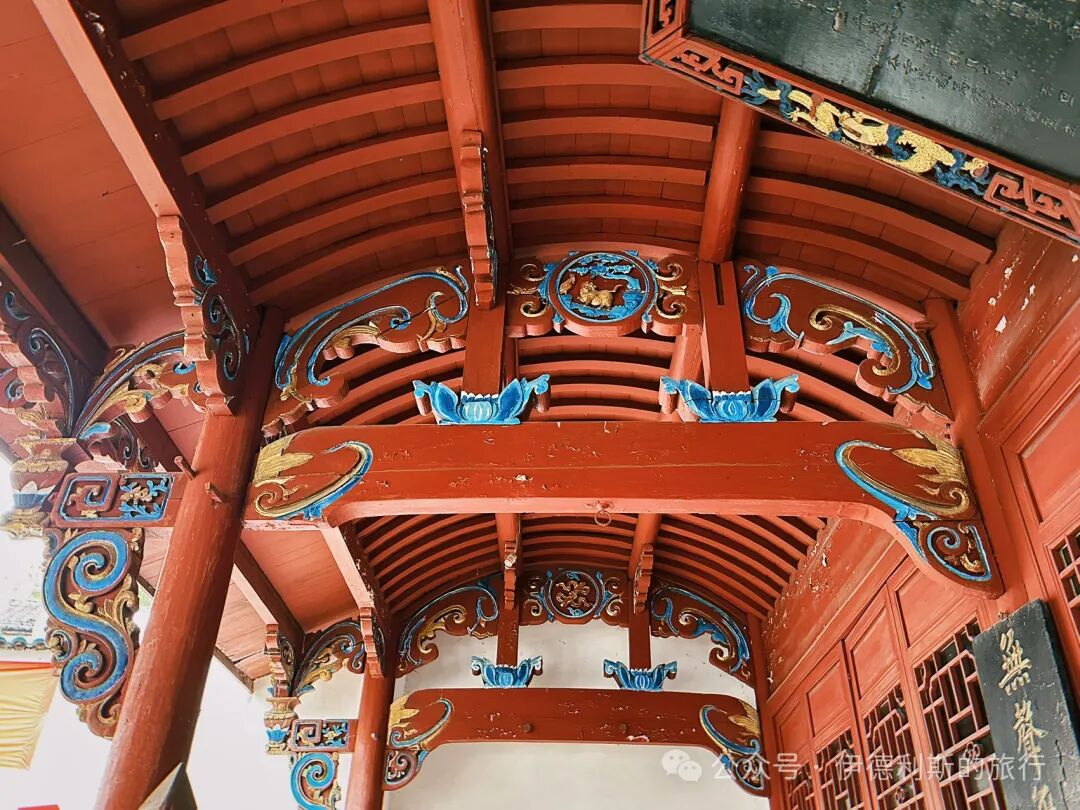
After passing through the second gate, you find the front hall and main hall connected by corridors, a design well-suited for the rainy weather in the Jiangsu and Zhejiang regions. The mosque in Wuhu, Anhui, also has this covered corridor structure, though it is smaller than the one at Lishui Mosque. The joints between the beams and pillars feature beautifully carved brackets (que-ti), which show a distinct local style.
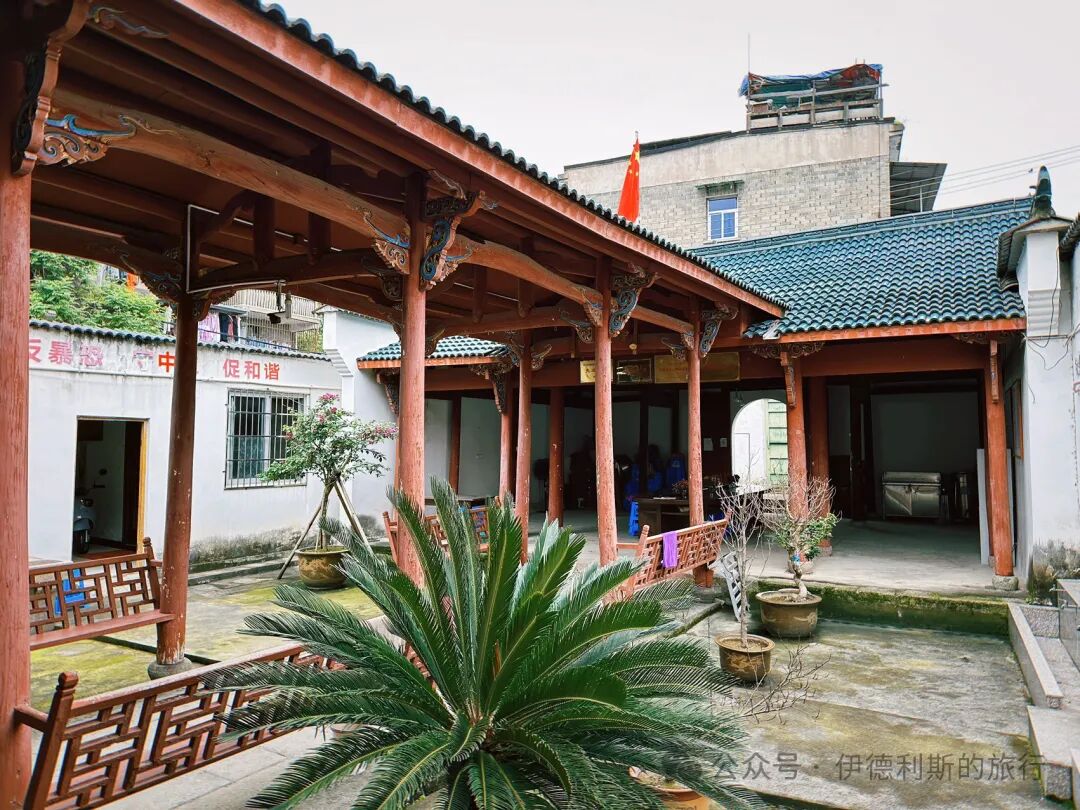
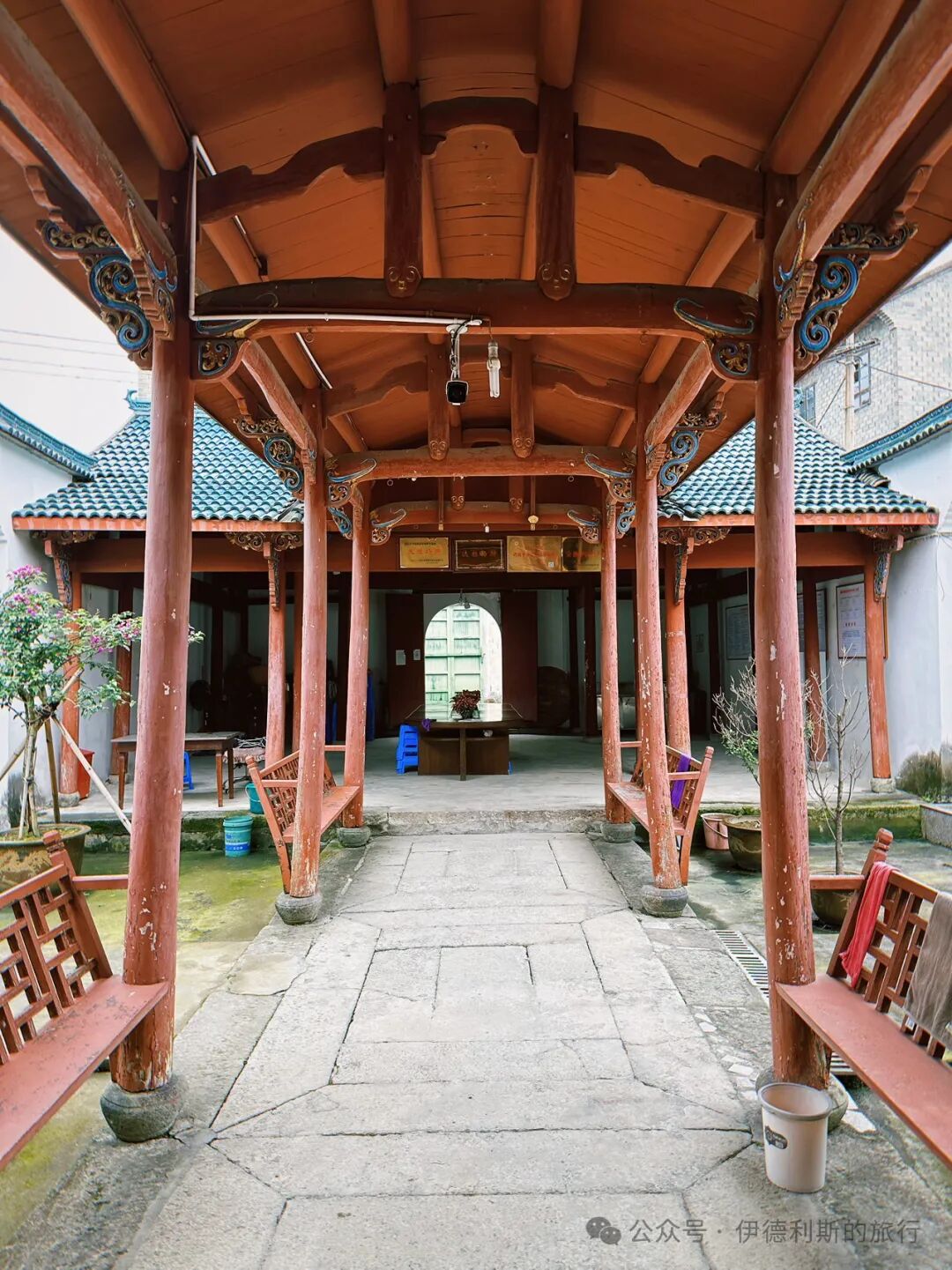
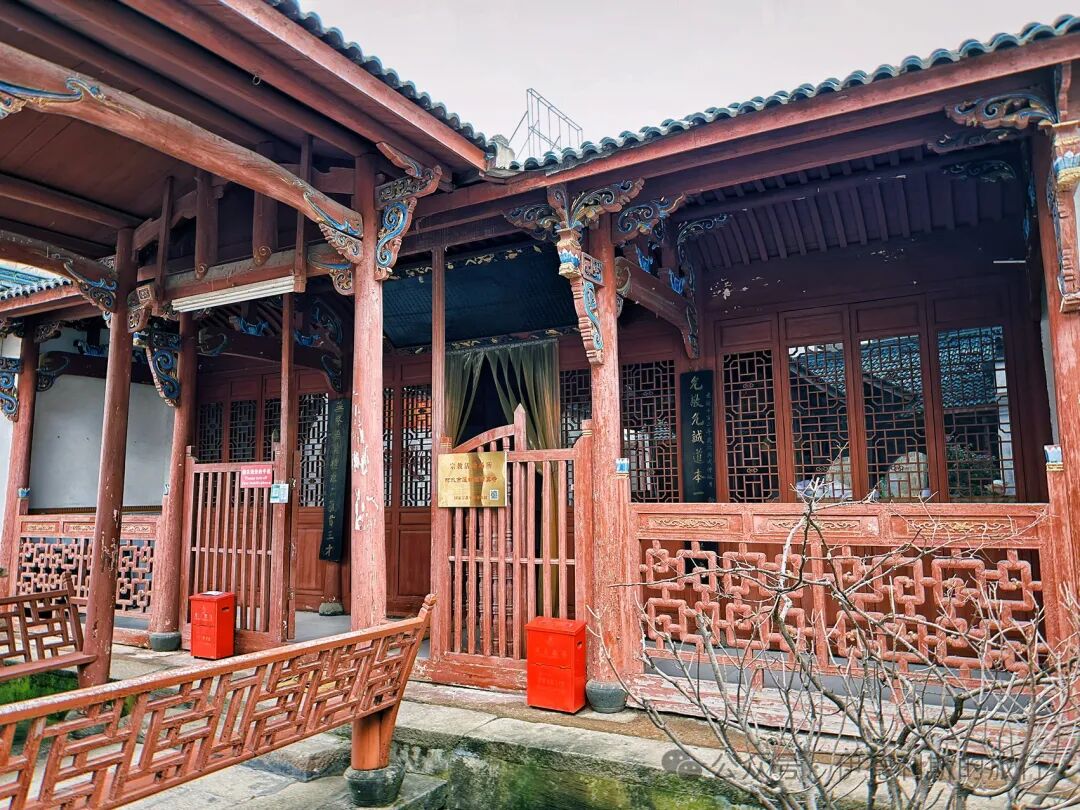
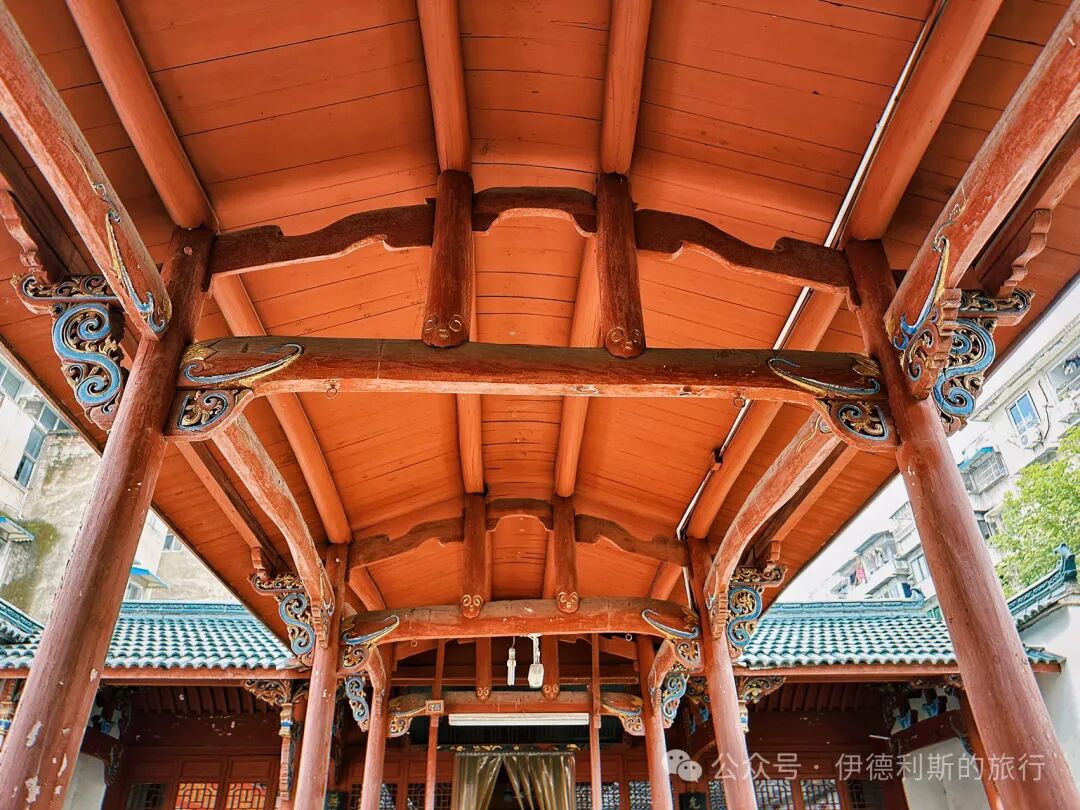
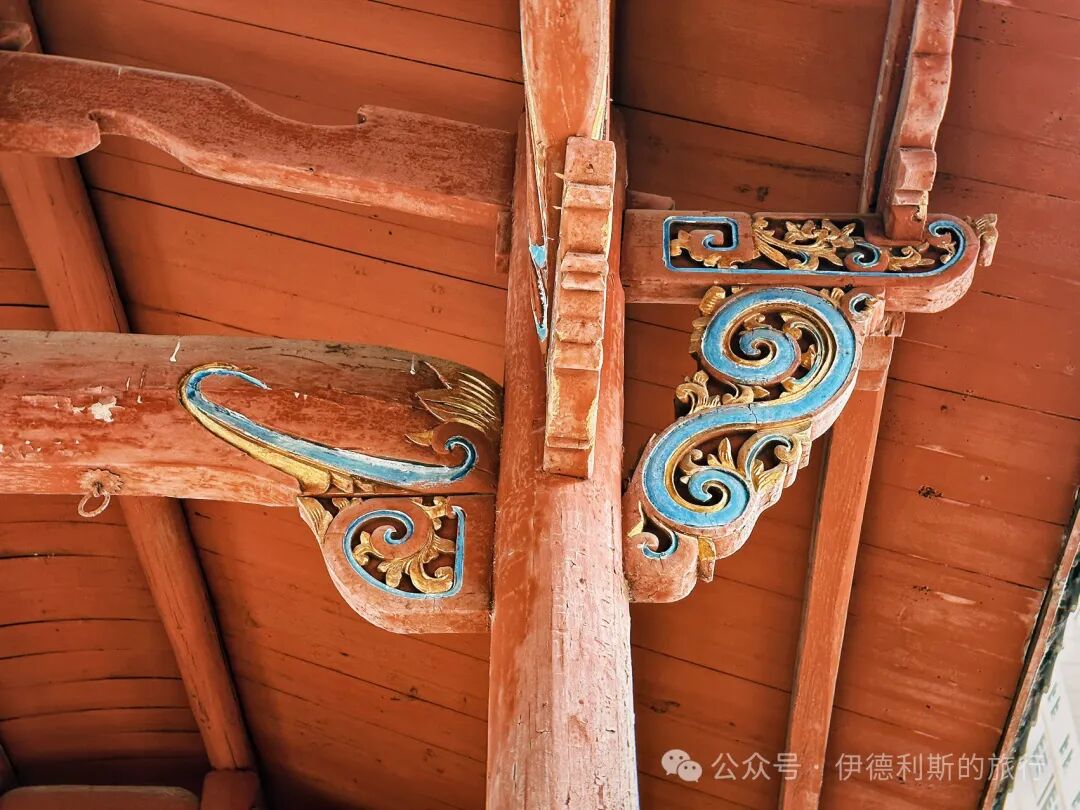
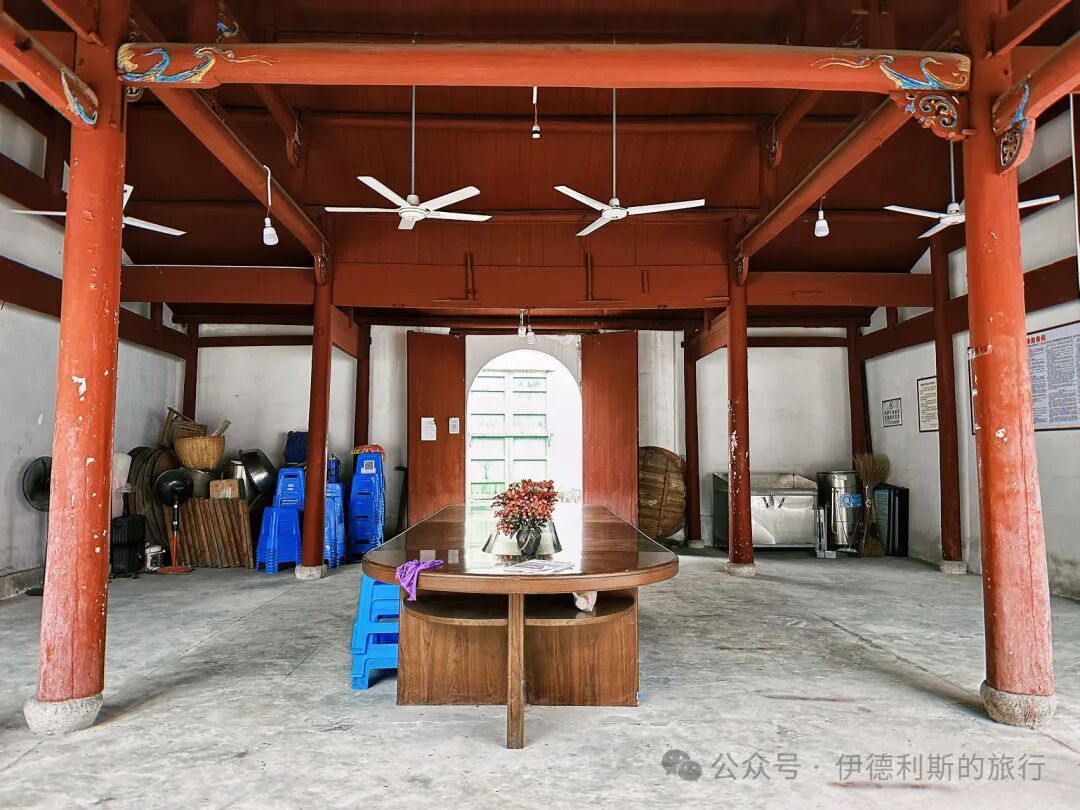
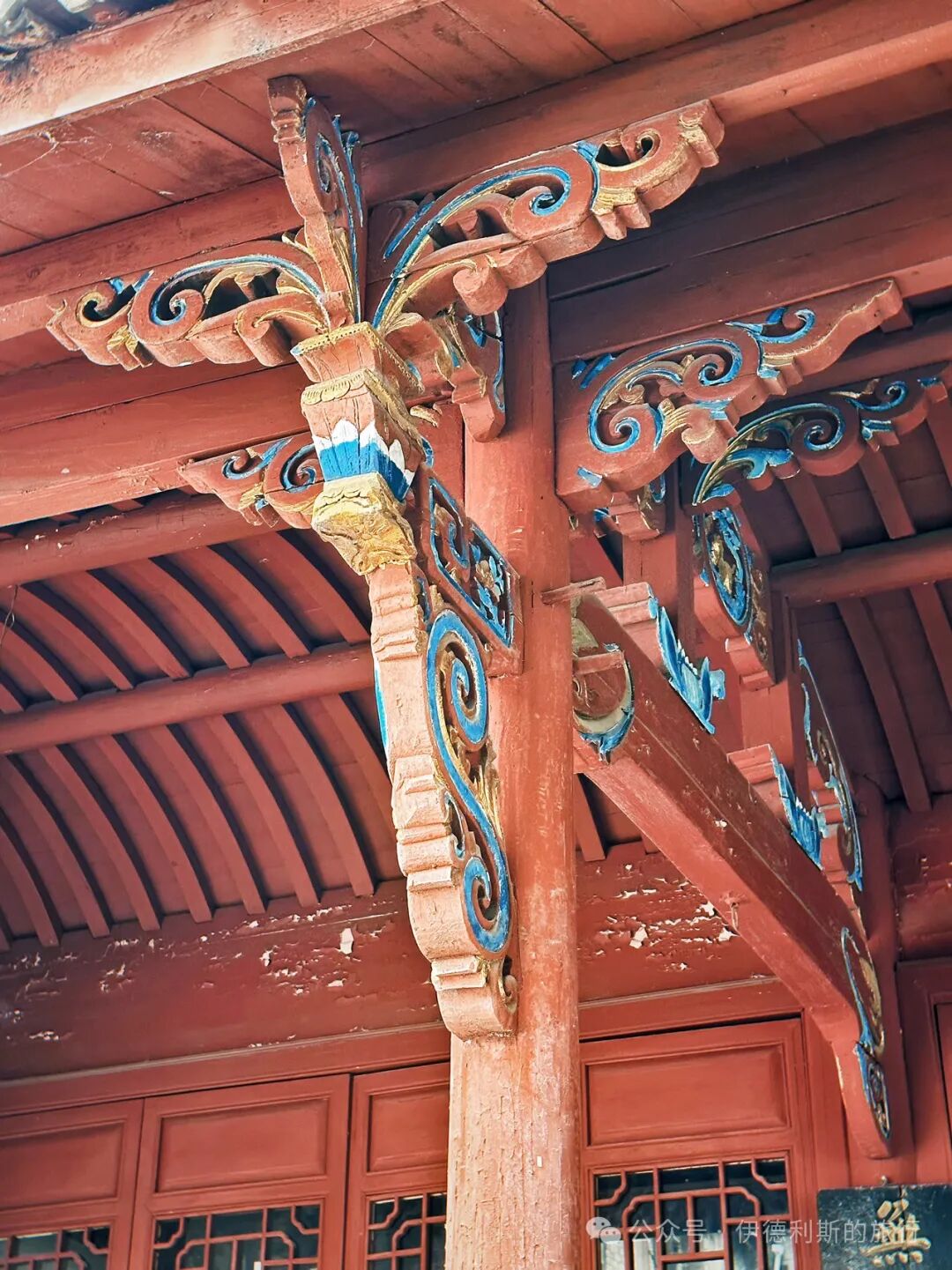
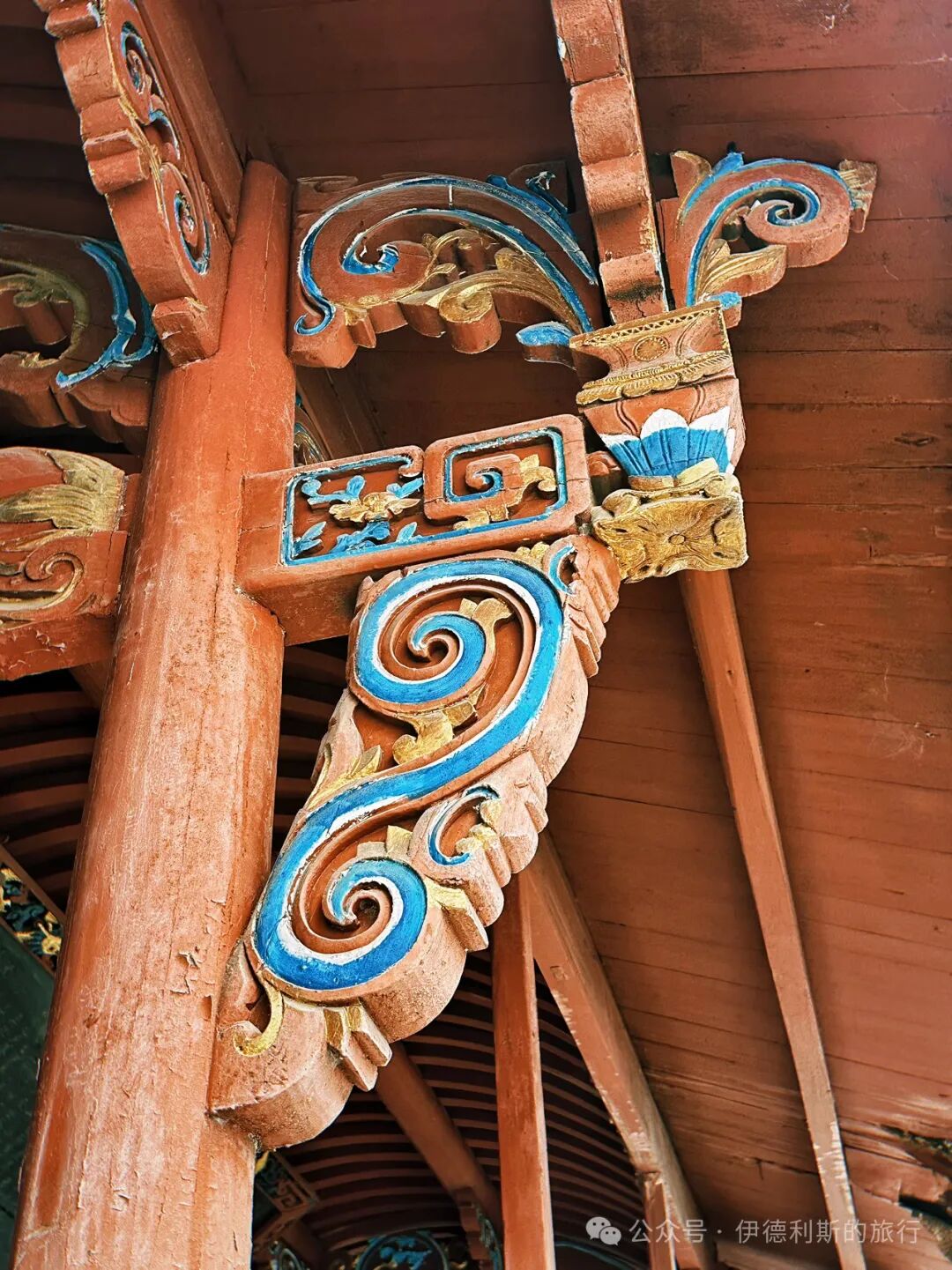
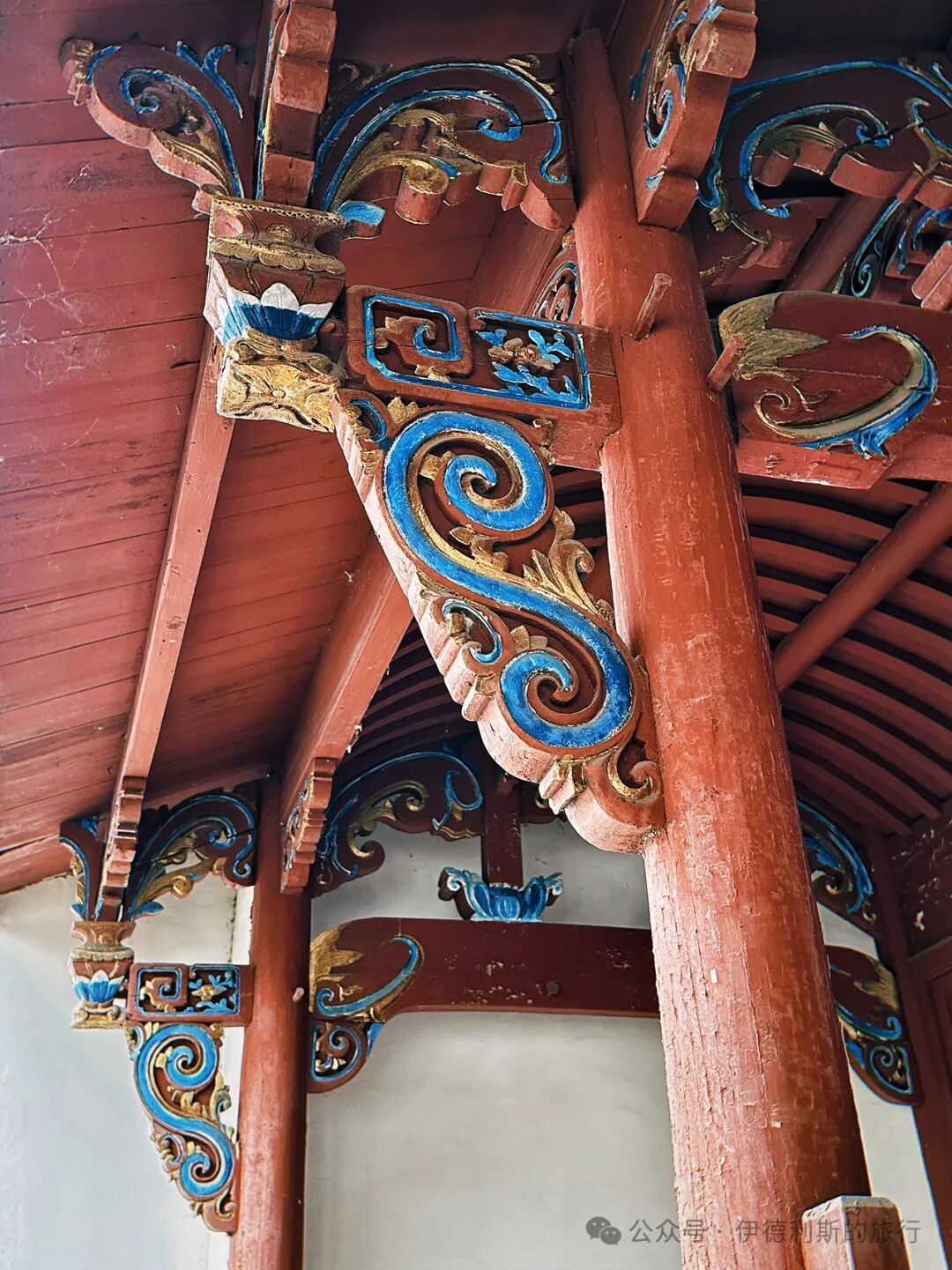
The moon-shaped beams (yue-liang) on the porch in front of the main hall are carved with various traditional patterns that are very unique.
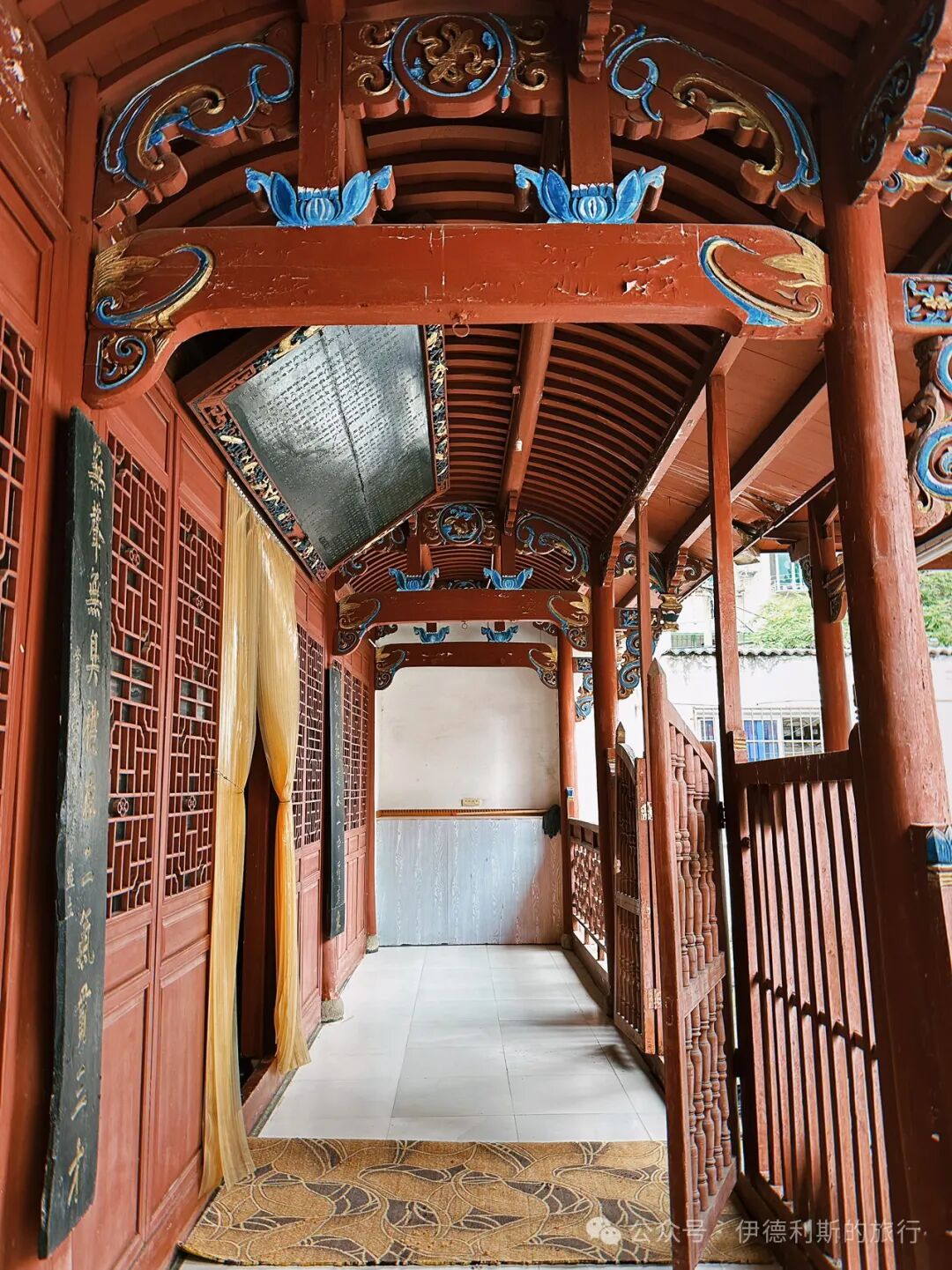
On both sides of the main hall entrance is a couplet commissioned by the imam Ma Huanzhang in the 12th year of the Guangxu reign: 'Sincere and respectful, the Way is rooted in the One that encompasses all things; silent and scentless, the ritual originates from the two energies that connect the three realms.'
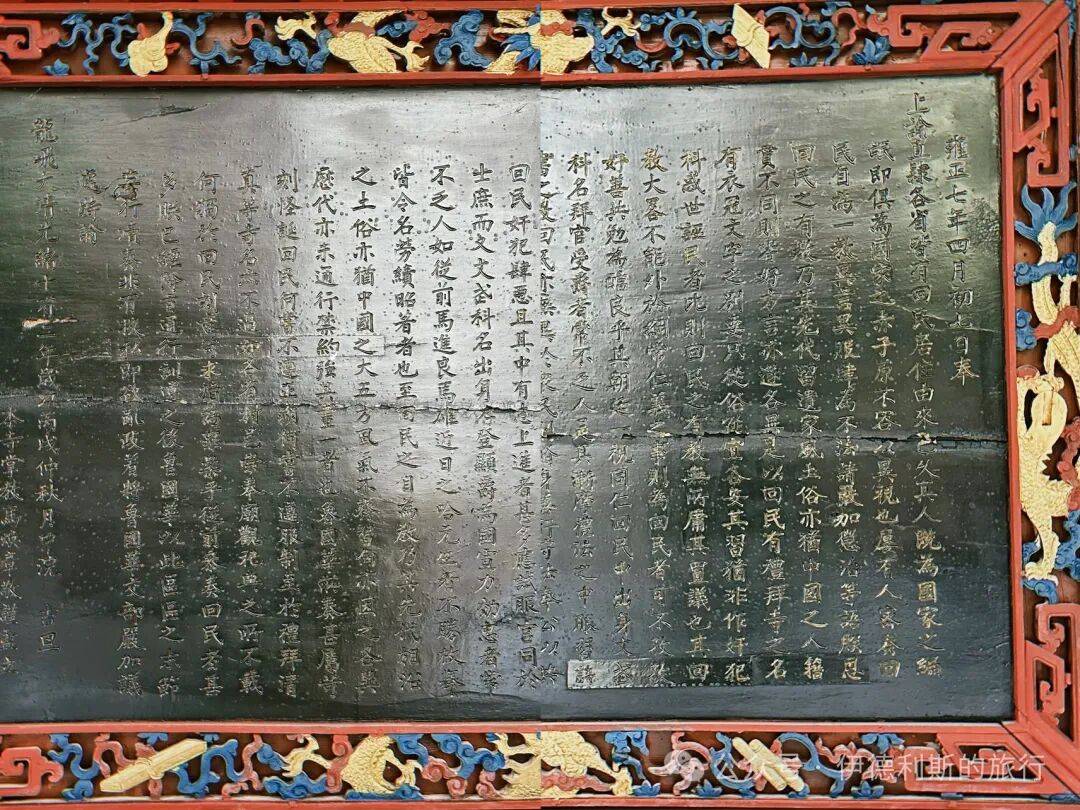
Above the couplet are two plaques about Hui Muslims, also commissioned by Ma Huanzhang in the 12th year of the Guangxu reign, featuring the Imperial Edict of the Yongzheng Emperor.
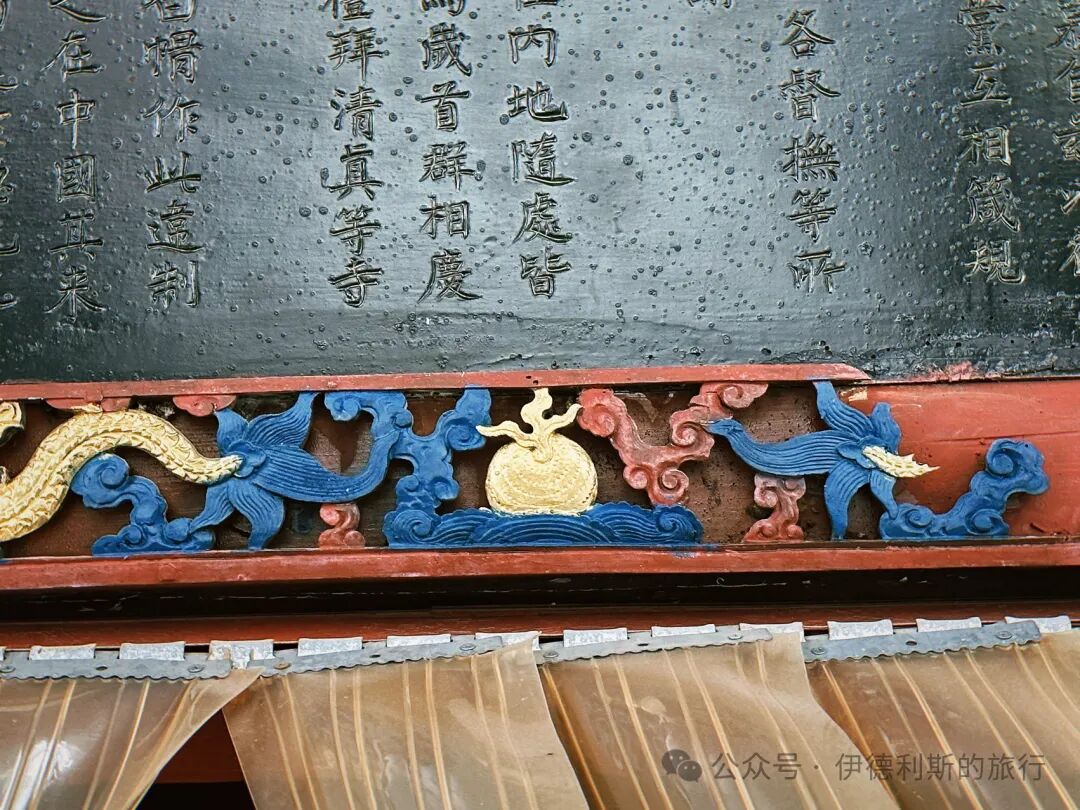
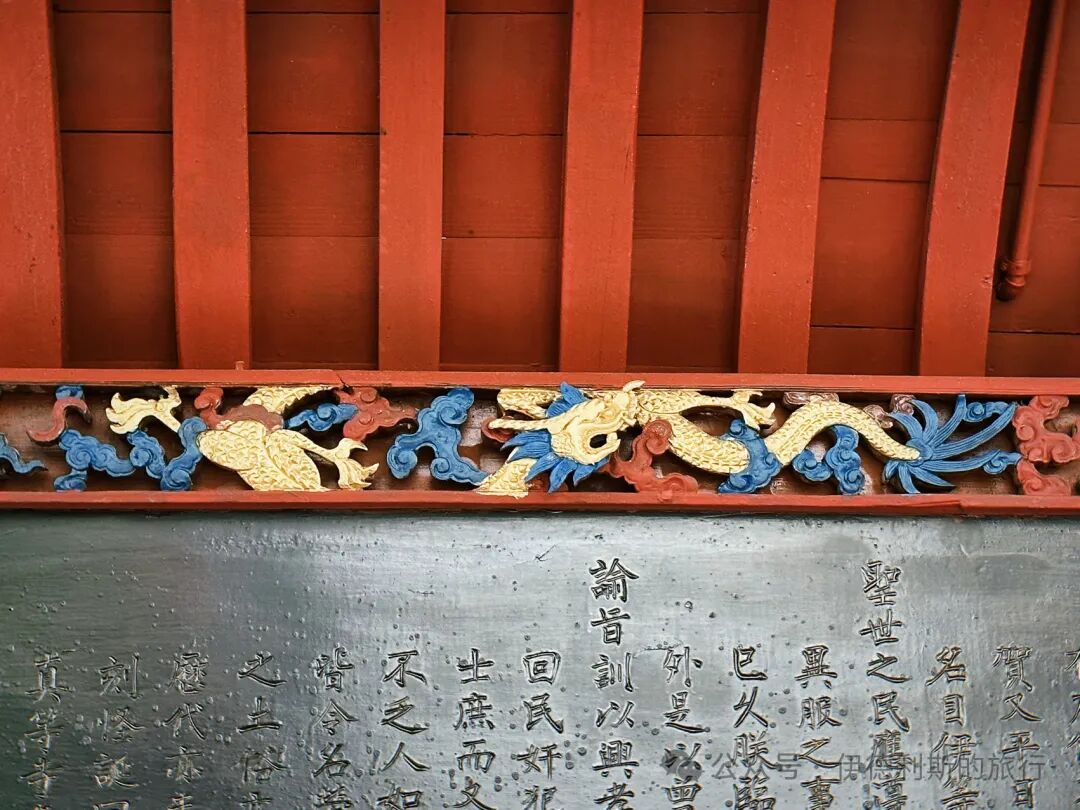
The first one reads:
On the seventh day of the fourth lunar month in the seventh year of the Yongzheng reign, the following Imperial Edict was received:
Hui Muslims live in all parts of Zhili, and they have resided there for a long time. Since these people are registered citizens of the state, they are all children of the state and should not be treated differently. People have often sent secret memorials claiming that Hui Muslims have their own religion, different language, and different clothing, and that they act illegally, asking for them to be strictly punished. I believe that the religion of the Hui Muslims was left behind by their ancestors. Their family customs and local habits are also those of the people of China. When people come from different places, their tastes and dialects naturally differ. That is why Hui Muslims have the name of mosque (libaisi), and differences in clothing and writing. As long as they follow local customs and live in peace, they are not like those who commit crimes or deceive the public, so there is no need to criticize the Hui Muslims for having their religion.
Since their religion generally does not go beyond the principles of human relations and righteousness, Hui Muslims should work hard to be good and encourage each other to be honest and kind. The imperial court treats everyone equally, and many Hui Muslims have earned civil or military degrees and served as government officials. As they gradually learn the rules of etiquette and study the classics, Hui Muslims are no different from the rest of the people. Cultivating one's character, doing good deeds, following the law, and serving the public to be a good citizen is the true heart of the Hui Muslims.
People vary in wisdom, and while there are certainly some unruly or dishonest individuals among Hui Muslims, can we say there are none among the Han people? The key is for local officials not to treat Hui Muslims as outsiders, and for Hui Muslims not to see themselves as different. If those who practice Islam are treated as followers of a good faith, then rewards for good and punishments for evil will be effective, and the customs of the people will naturally improve. I believe in the unity of all things and cannot bear to see Hui Muslims treated as separate from the rest of the people, so I offer this detailed guidance. You Hui Muslims must follow the path of righteousness and promote a culture of humility, kindness, filial piety, brotherly love, loyalty, and honesty. What other religions enjoy and allow is also what the Hui Muslims admire.
From now on, I hope you Hui Muslim fathers will warn your sons, brothers will encourage their brothers, and relatives and clans will advise each other to focus on their work, follow the law, and discipline themselves. Do good to repay the grace of heaven and earth and the care of the state. Governors and officials in every province where Hui Muslims live must announce my will so that everyone hears this special decree.
The second part is:
On the tenth day of the fifth lunar month in the eighth year of the Yongzheng reign, I received an imperial decree.
The acting Anhui judicial commissioner Lu Guohua reported that Hui Muslims live everywhere in the interior. They do not distinguish between large and small months, nor do they care about leap months, but decide on a day to start their year and celebrate together. They also pray toward the west every morning and evening, wear white caps, and set up places called mosques. Since they are people of this sacred era, they should follow the unified calendar. How can they privately set their own new year, wear white caps, and engage in such non-compliant and strange clothing? I request that you ban and reform their practices of arranging marriages and gathering crowds.
Hui Muslims have lived in China for a long time. Since I took the throne, I have treated everyone equally, and I cannot bear to see the Islamic faith left out of my moral guidance. I have issued decrees to encourage them to be filial, loyal, and to follow their faith and seek righteousness, so that everyone can be a good person. In recent years, I have not seen any Hui Muslims commit crimes or act lawlessly. Many of them are ambitious. They take exams and serve as officials just like other scholars and commoners. There is never a shortage of those who earn fame in civil or military service, reach high positions, and serve the country with loyalty. People like Ma Jinliang, Ma Xiong, and recently Ha Yuansheng are just a few examples. They all have famous names and clear records of service.
As for Hui Muslims practicing their own faith, it is a tradition passed down from their ancestors, just like other local customs. China is vast, and customs vary from place to place. Past dynasties never enforced a total ban or forced everyone to be the same. Lu Guohua's proposal is harsh and absurd. Hui Muslims have always followed the calendar and the dress code. As for the names of mosques, they are just like the temples and shrines people worship in villages across every province. Why should we single out Hui Muslims and treat these names as crimes? Many people have reported Hui Muslims to me in the past, and I have already issued an imperial decree to instruct and guide them. Now Lu Guohua has made a reckless report over such a trivial matter. He is either acting out of personal spite or trying to disrupt the government. I hereby order the ministry to strictly punish Lu Guohua.
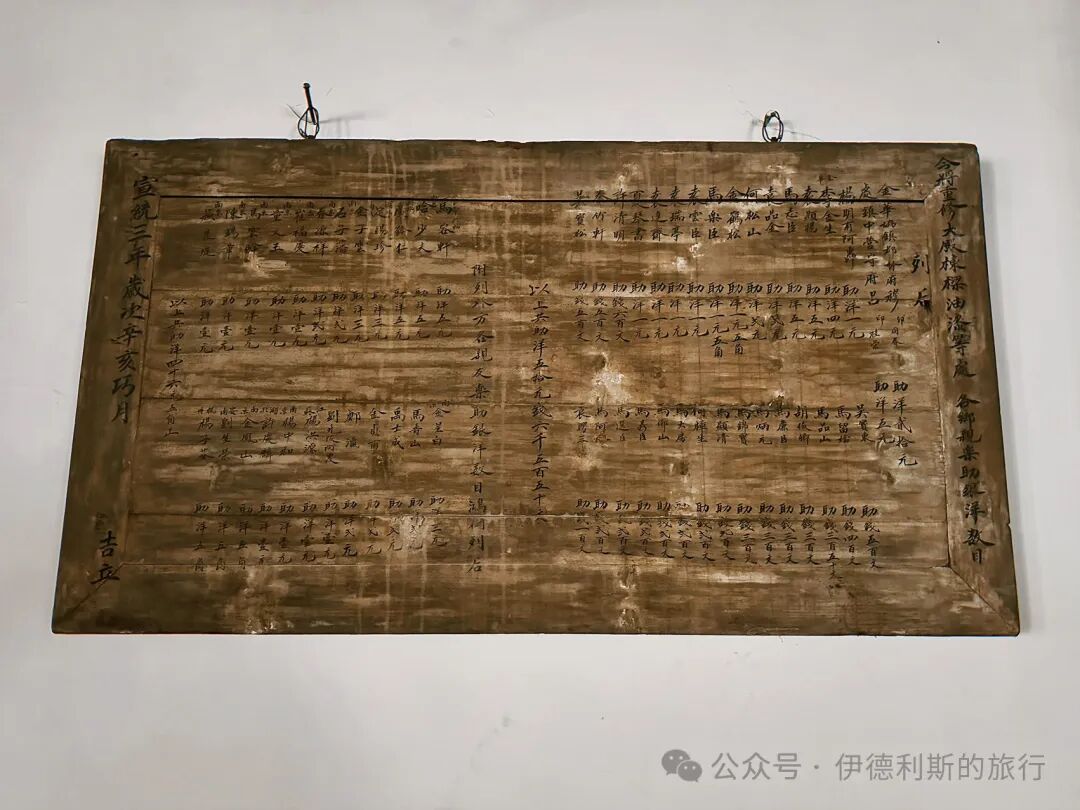
Inside the main hall, there is a wooden plaque listing donors for the 1911 renovation. It starts with Mu Tongchun from the Jinhua Garrison, and Lu Guirong and Imam (ahong) Yang Mingyou from the Chuzhen Central Battalion. The first half lists local Hui Muslims with the surnames Li, Yuan, Ma, He, Jin, Xia, Xu, Qin, Wu, and Hu, with the Ma and Yuan families being the most numerous. The second half lists Hui Muslims from other places, mostly from Nanjing, along with others from Hubei and Yangzhou. There is also a Liu Shengrong from Annam, though I am not sure if that refers to Vietnam.
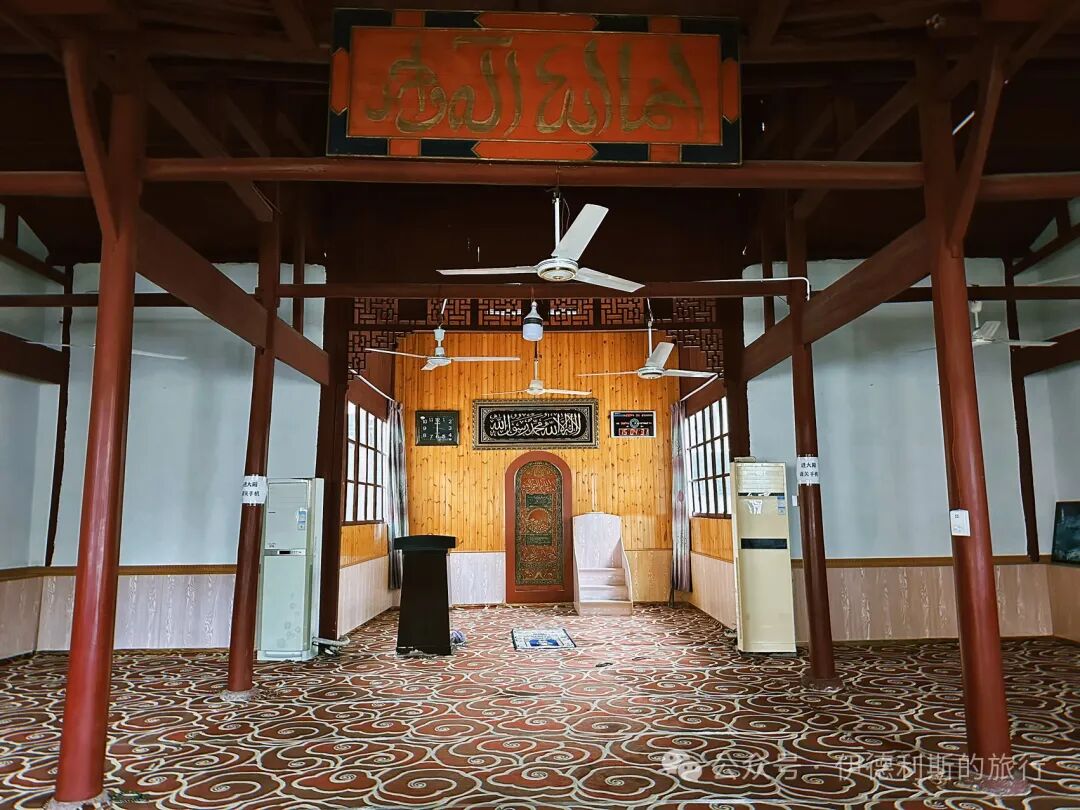
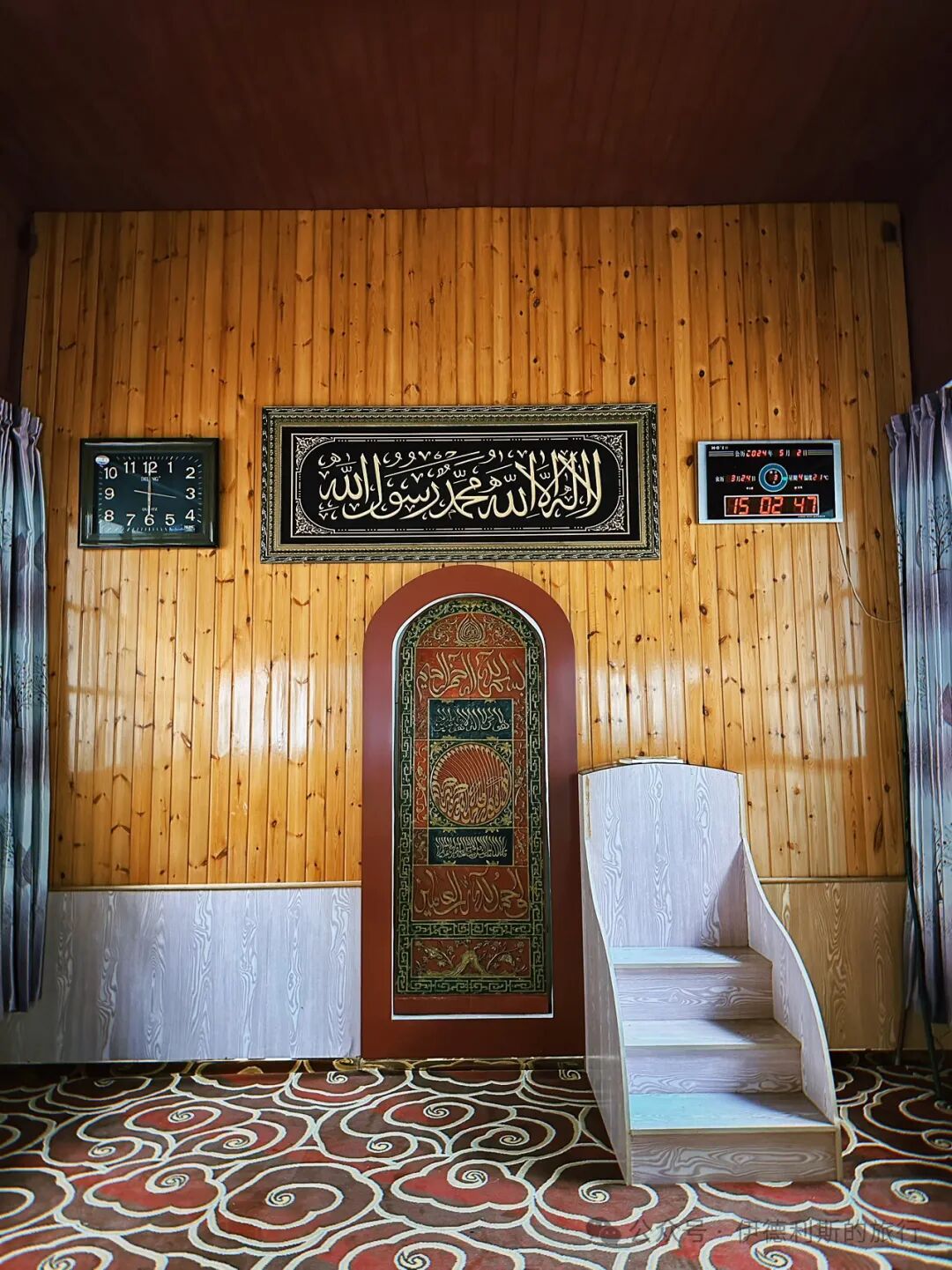
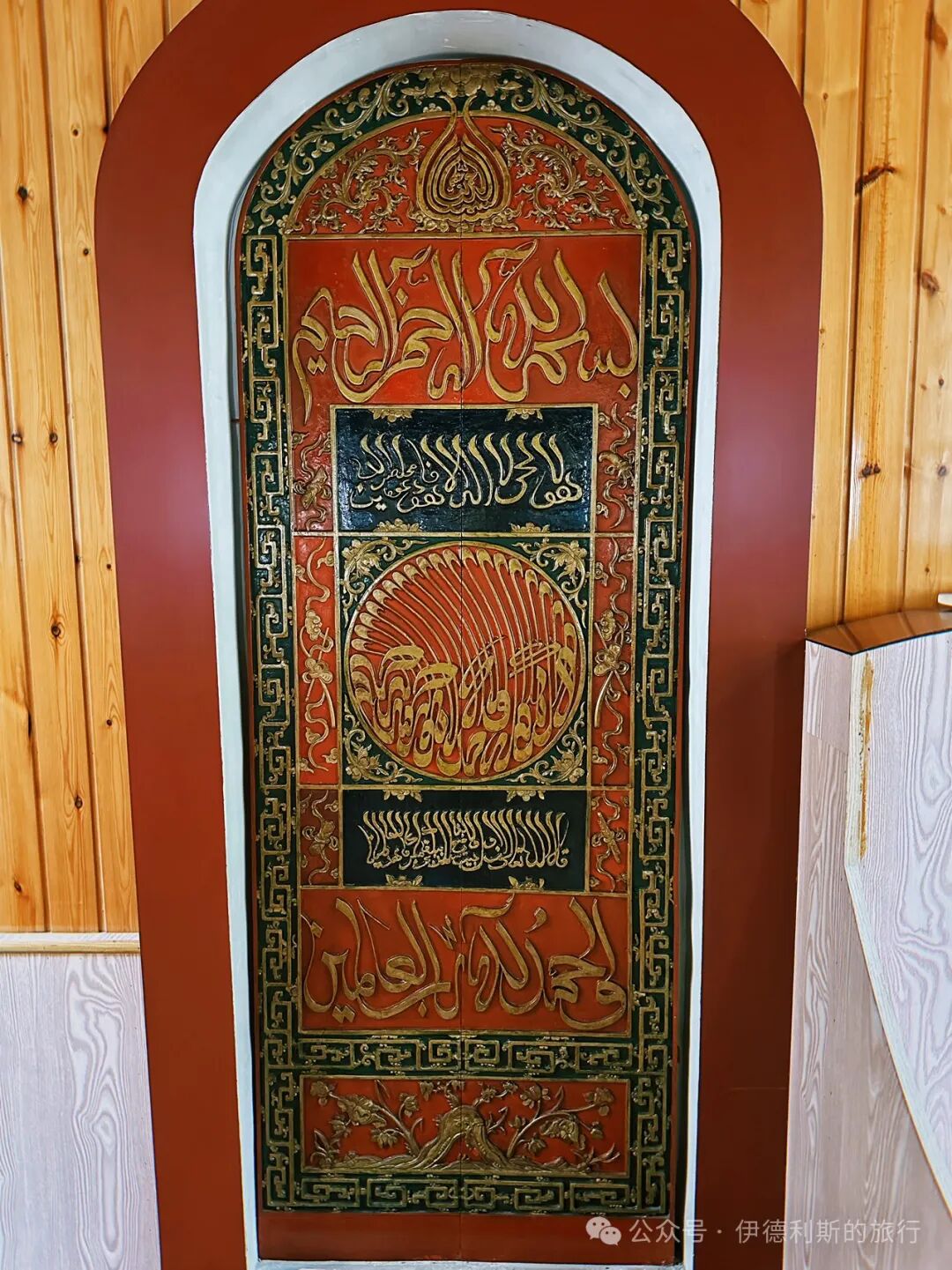
The main hall is decorated with plenty of Arabic calligraphy. The most impressive pieces are inside the prayer niche (mihrab), which are fine examples of traditional late Qing dynasty Arabic calligraphy.
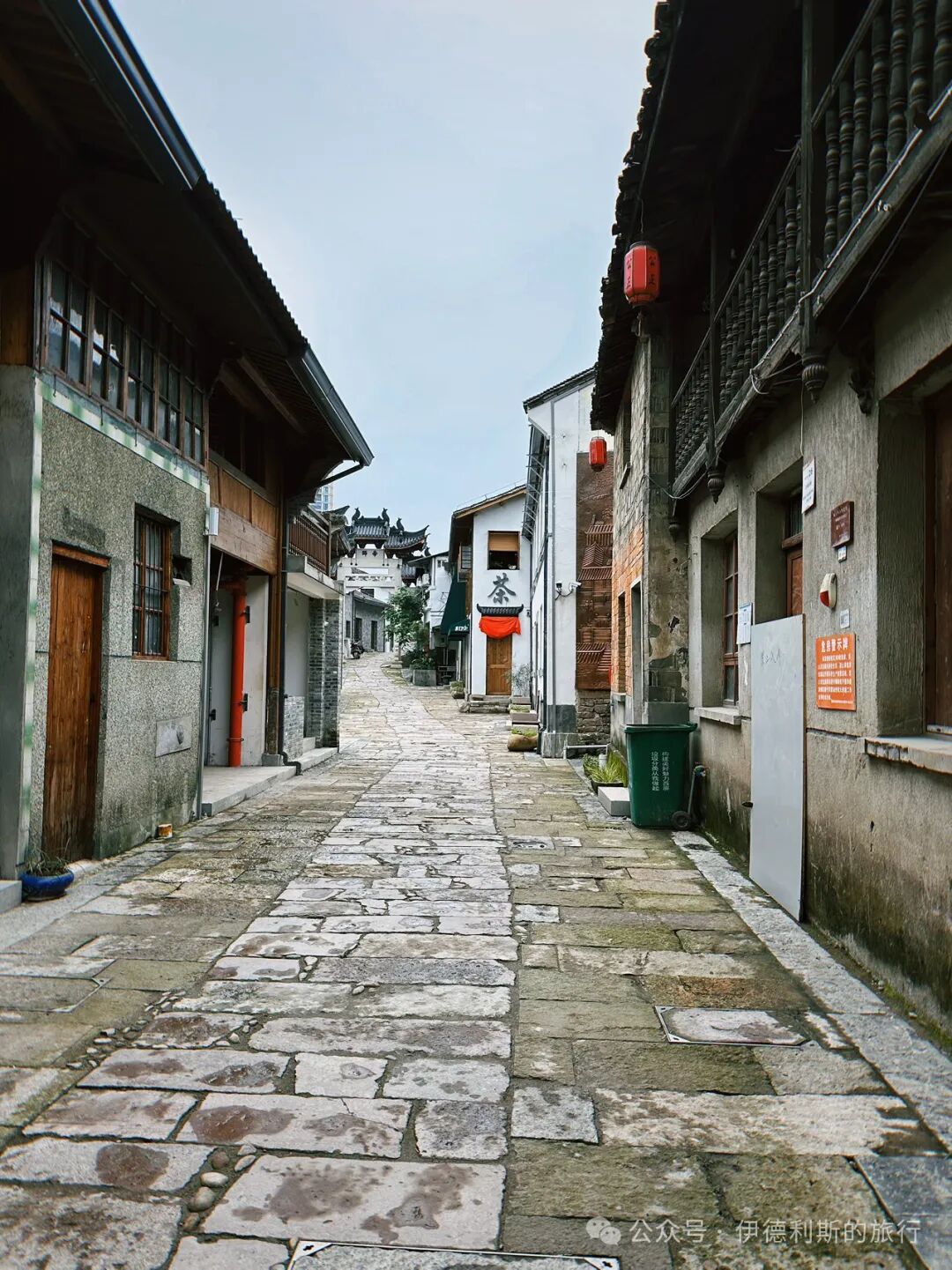
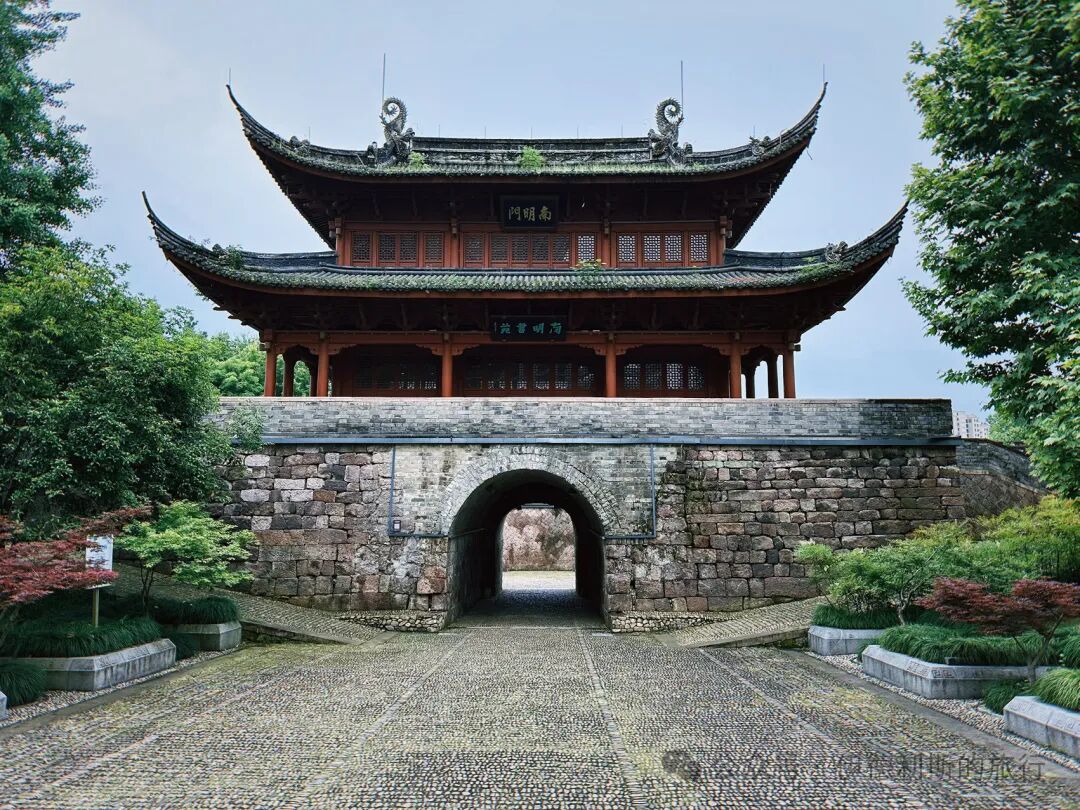
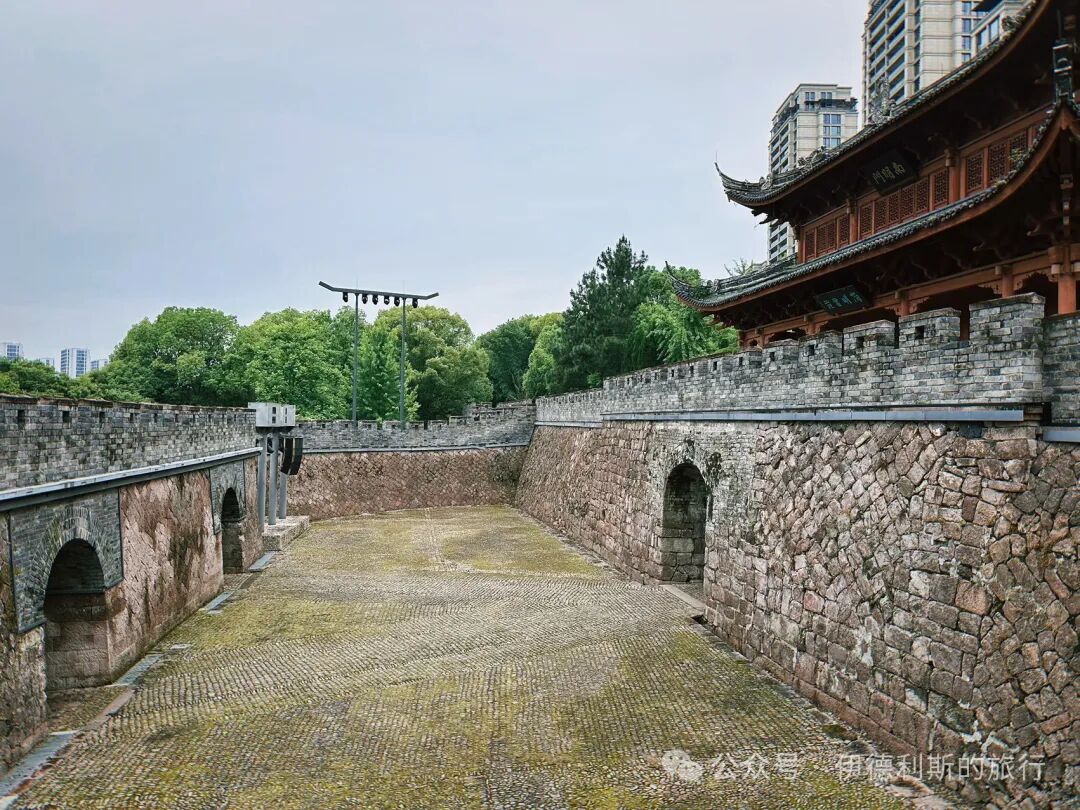
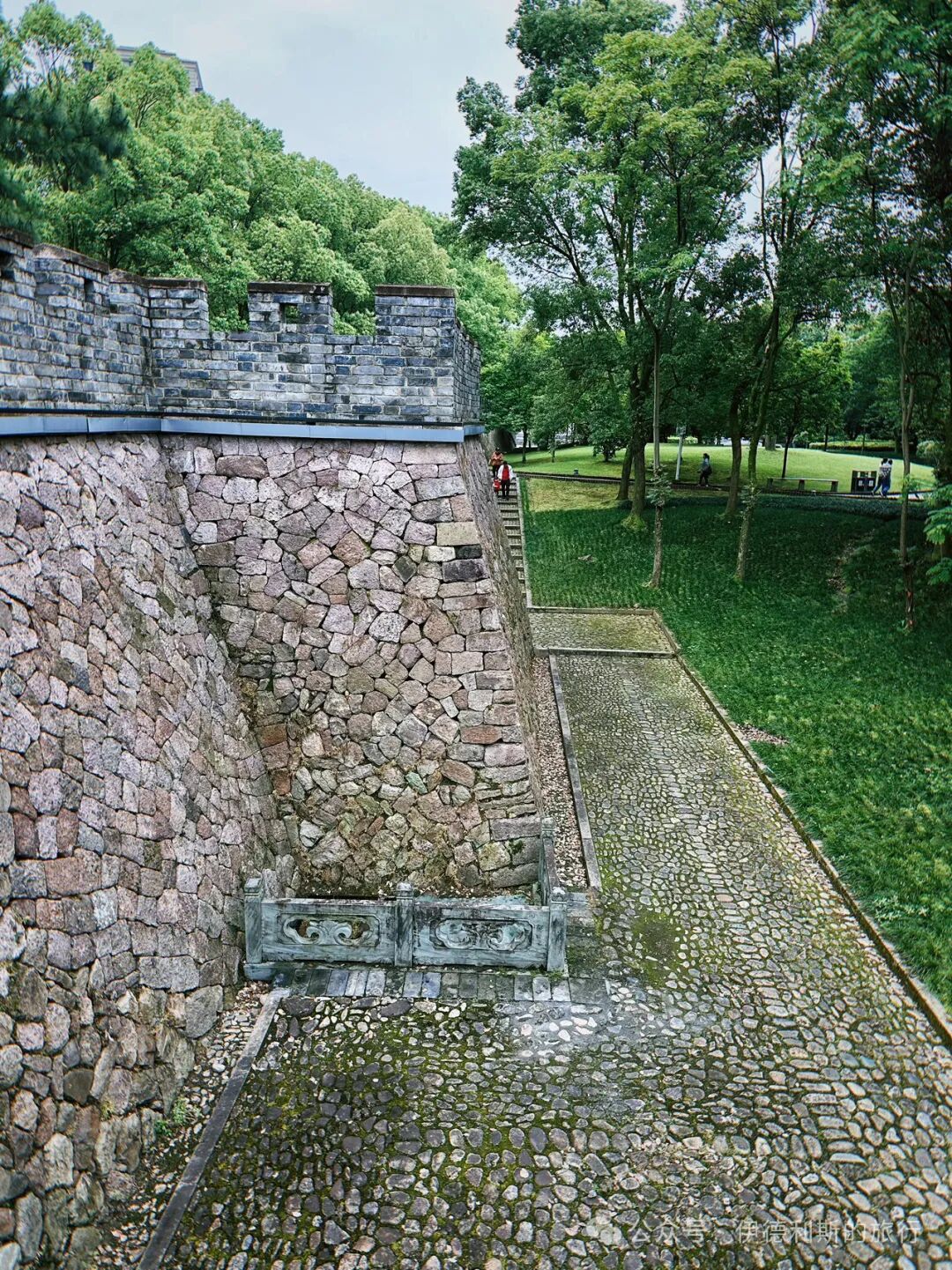
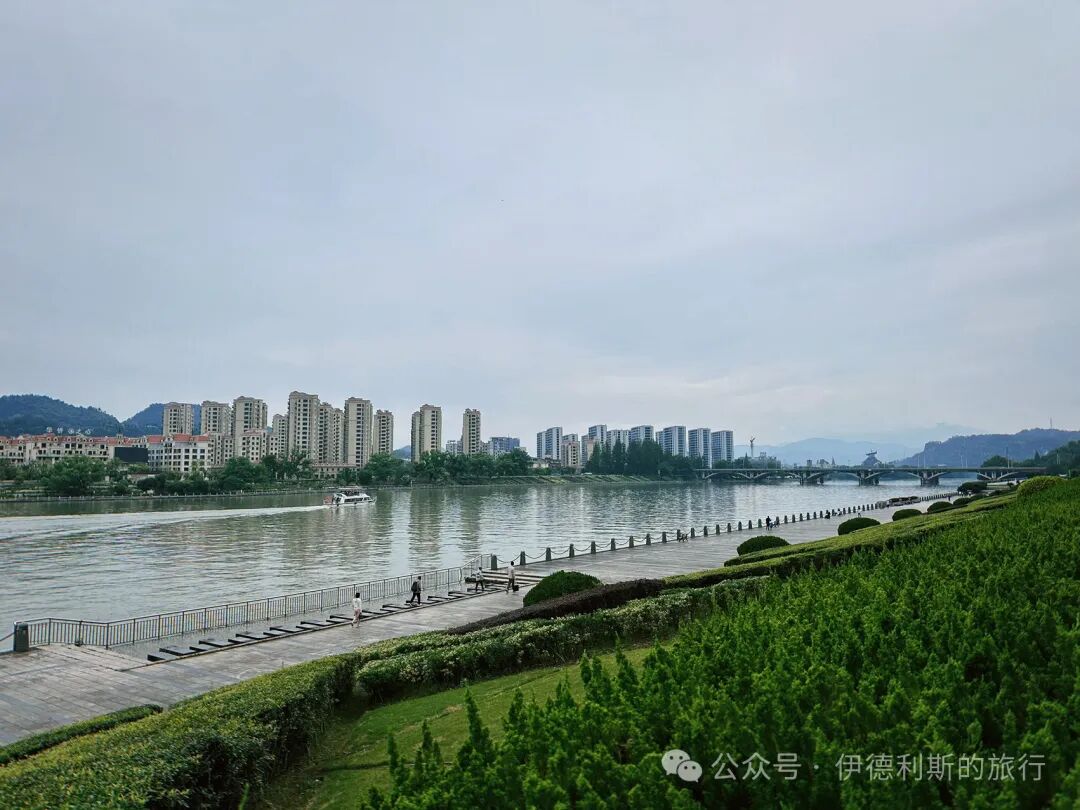
After leaving Lishui Mosque, I walked around the old town of Lishui. Lishui was once called Chuzhou. The existing city wall dates back to the Zhizheng period of the Yuan Dynasty, and it was changed from brick to stone during the Jiajing period of the Ming Dynasty. The Nanming Gate was built along the Ou River, offering a beautiful setting that perfectly captures the style of an ancient southern city.
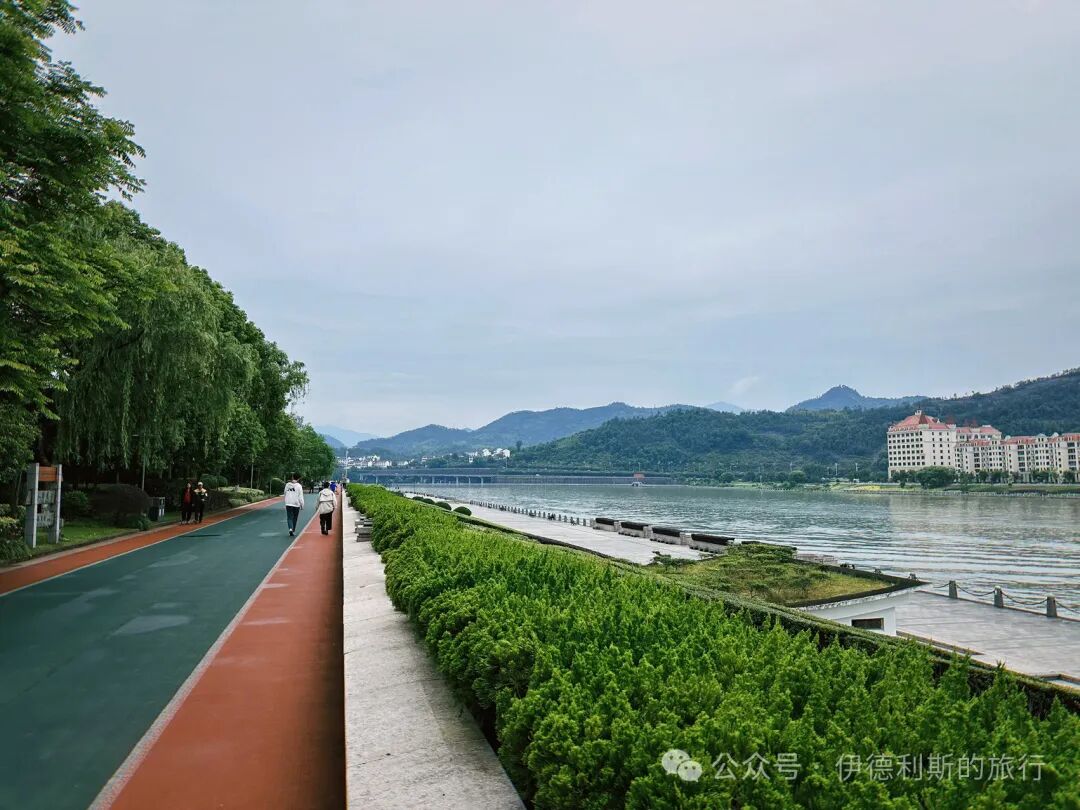
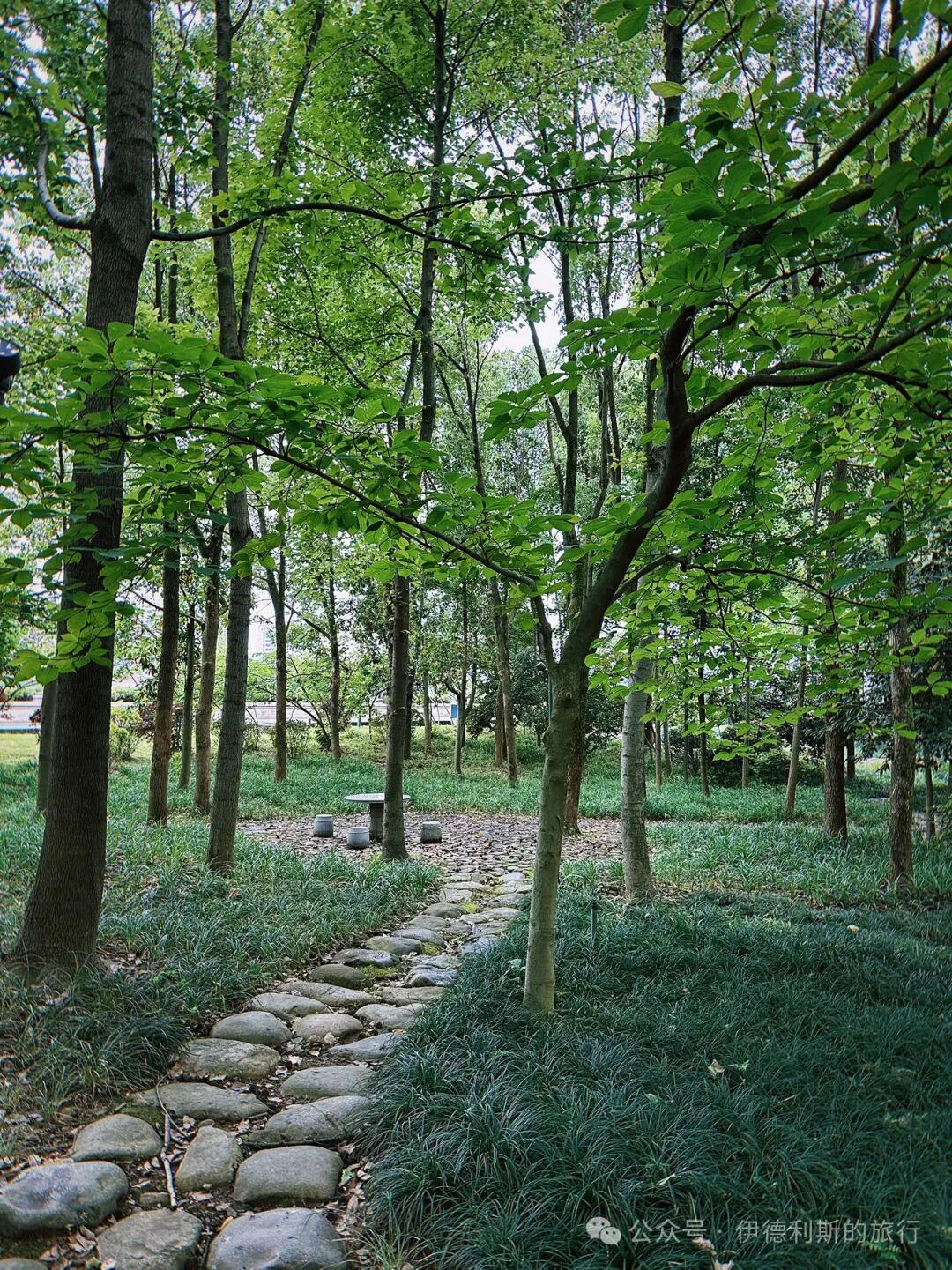
There is a fitness trail along the north bank of the Ou River in Lishui, which is perfect for a walk.
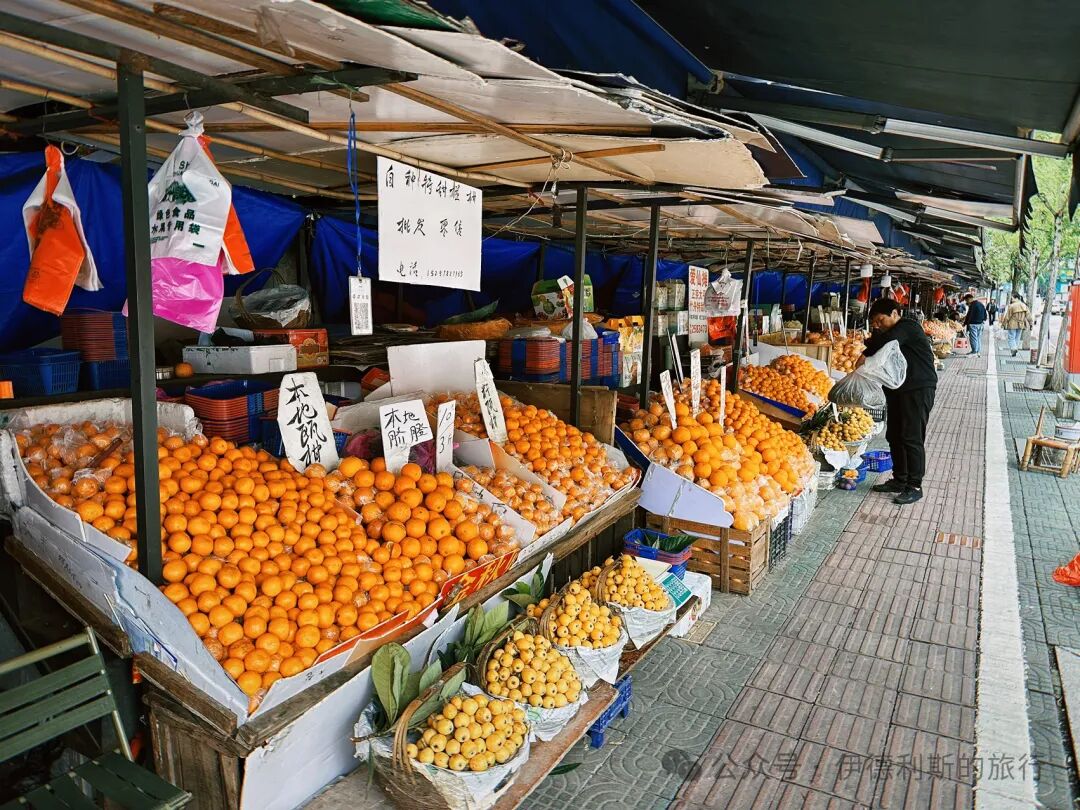
Also, the area in front of Nice Square in Lishui is a street known for local citrus. You should buy and try the Ou mandarin oranges (ougan), a specialty from the lower reaches of the Ou River.
After exploring the ancient city of Lishui, we went to a Xinjiang restaurant called Alina Zha Lamb Pilaf Restaurant. The owner is from Yili. She met her husband while attending university in Sydney, and later they opened a Xinjiang restaurant in her husband's hometown of Lishui, Zhejiang.
We ordered lamb leg pilaf (zhuafan), rack meat (jiazirou), and a salad of onions, peppers, and tomatoes (pilahong). The food was amazing! The lamb leg was fragrant and tender. The pilaf was made with authentic Xinjiang yellow carrots, and every grain of rice was distinct and shiny with oil. The rack meat was made with lamb, and it arrived quickly and was roasted very tenderly. The spicy onion salad (pilahong) uses Xinjiang onions (piyanzi), which are so sweet they taste like fruit. I have almost never found these in other parts of China. I can honestly say this place is more authentic than most Uyghur restaurants in Beijing.
The owner's father runs the front desk, and he is very talkative. He explained that their rice pilaf (zhuafan) chef is from Kashgar, so they make the dish using the traditional yellow carrot style from southern Xinjiang. The barbecue chef is from Turpan, and they even shipped the soil from Turpan to build their clay oven (nangkeng). He even showed us the yellow carrots and onions they ship in from Xinjiang. We could actually tell they were from Xinjiang the moment we tasted them. They also bring their tea set (sanpaotai) from Xinjiang. To see if a Xinjiang restaurant is authentic, besides chatting with the owner when you walk in, you should look at the tea they serve after you sit down. The taste of the tea is an essential part of a Xinjiang meal.
Summary: Halal Travel Guide: Lishui, Zhejiang - Mosque Visit and Hui Muslim History is presented here as a firsthand travel account in clear, natural English. The account focuses on Lishui, Zhejiang, Mosques while preserving the names, places, food, photos, and historical details from the Chinese source.
On the afternoon of May 2, I took the high-speed train from Yiwu to Lishui to visit the Lishui Mosque. When we arrived, the person on duty was away for the May Day holiday, and the imam was eating at a nearby noodle shop. We called the shop, and a fellow believer (dosti) from there brought us the key to the mosque. The dosti from the noodle shop is from Zhangjiachuan in Tianshui, Gansu. He told us that the local Hui Muslims in Lishui no longer practice the faith, and the Lishui Mosque is now mainly maintained by over 200 dosti from Northwest China who run noodle shops.
After the mid-Qing Dynasty, Hui Muslims from places like Shaanxi and Sichuan came to Lishui to do business. In 1886 (the 12th year of the Guangxu reign), the religious leader Ma Huanzhang built a mosque in Gaojing Lane within Lishui city. The Lishui Mosque has two courtyards, featuring two gate towers, a front hall, connecting corridors, and a main prayer hall, all in a style very typical of Lishui. The gate towers are the most unique part and have been named a Lishui City Cultural Relic Protection Unit.
Both gate towers at the Lishui Mosque are brick archways. They are inscribed with the words 'Libaisi' (Mosque) and 'Qingzhensi' (Mosque). They feature traditional roof tiles, upturned eaves, bracket sets on the pillars, and carvings of Arabic script, fish patterns, and peonies.
After passing through the second gate, you find the front hall and main hall connected by corridors, a design well-suited for the rainy weather in the Jiangsu and Zhejiang regions. The mosque in Wuhu, Anhui, also has this covered corridor structure, though it is smaller than the one at Lishui Mosque. The joints between the beams and pillars feature beautifully carved brackets (que-ti), which show a distinct local style.
The moon-shaped beams (yue-liang) on the porch in front of the main hall are carved with various traditional patterns that are very unique.
On both sides of the main hall entrance is a couplet commissioned by the imam Ma Huanzhang in the 12th year of the Guangxu reign: 'Sincere and respectful, the Way is rooted in the One that encompasses all things; silent and scentless, the ritual originates from the two energies that connect the three realms.'
Above the couplet are two plaques about Hui Muslims, also commissioned by Ma Huanzhang in the 12th year of the Guangxu reign, featuring the Imperial Edict of the Yongzheng Emperor.
The first one reads:
On the seventh day of the fourth lunar month in the seventh year of the Yongzheng reign, the following Imperial Edict was received:
Hui Muslims live in all parts of Zhili, and they have resided there for a long time. Since these people are registered citizens of the state, they are all children of the state and should not be treated differently. People have often sent secret memorials claiming that Hui Muslims have their own religion, different language, and different clothing, and that they act illegally, asking for them to be strictly punished. I believe that the religion of the Hui Muslims was left behind by their ancestors. Their family customs and local habits are also those of the people of China. When people come from different places, their tastes and dialects naturally differ. That is why Hui Muslims have the name of mosque (libaisi), and differences in clothing and writing. As long as they follow local customs and live in peace, they are not like those who commit crimes or deceive the public, so there is no need to criticize the Hui Muslims for having their religion.
Since their religion generally does not go beyond the principles of human relations and righteousness, Hui Muslims should work hard to be good and encourage each other to be honest and kind. The imperial court treats everyone equally, and many Hui Muslims have earned civil or military degrees and served as government officials. As they gradually learn the rules of etiquette and study the classics, Hui Muslims are no different from the rest of the people. Cultivating one's character, doing good deeds, following the law, and serving the public to be a good citizen is the true heart of the Hui Muslims.
People vary in wisdom, and while there are certainly some unruly or dishonest individuals among Hui Muslims, can we say there are none among the Han people? The key is for local officials not to treat Hui Muslims as outsiders, and for Hui Muslims not to see themselves as different. If those who practice Islam are treated as followers of a good faith, then rewards for good and punishments for evil will be effective, and the customs of the people will naturally improve. I believe in the unity of all things and cannot bear to see Hui Muslims treated as separate from the rest of the people, so I offer this detailed guidance. You Hui Muslims must follow the path of righteousness and promote a culture of humility, kindness, filial piety, brotherly love, loyalty, and honesty. What other religions enjoy and allow is also what the Hui Muslims admire.
From now on, I hope you Hui Muslim fathers will warn your sons, brothers will encourage their brothers, and relatives and clans will advise each other to focus on their work, follow the law, and discipline themselves. Do good to repay the grace of heaven and earth and the care of the state. Governors and officials in every province where Hui Muslims live must announce my will so that everyone hears this special decree.
The second part is:
On the tenth day of the fifth lunar month in the eighth year of the Yongzheng reign, I received an imperial decree.
The acting Anhui judicial commissioner Lu Guohua reported that Hui Muslims live everywhere in the interior. They do not distinguish between large and small months, nor do they care about leap months, but decide on a day to start their year and celebrate together. They also pray toward the west every morning and evening, wear white caps, and set up places called mosques. Since they are people of this sacred era, they should follow the unified calendar. How can they privately set their own new year, wear white caps, and engage in such non-compliant and strange clothing? I request that you ban and reform their practices of arranging marriages and gathering crowds.
Hui Muslims have lived in China for a long time. Since I took the throne, I have treated everyone equally, and I cannot bear to see the Islamic faith left out of my moral guidance. I have issued decrees to encourage them to be filial, loyal, and to follow their faith and seek righteousness, so that everyone can be a good person. In recent years, I have not seen any Hui Muslims commit crimes or act lawlessly. Many of them are ambitious. They take exams and serve as officials just like other scholars and commoners. There is never a shortage of those who earn fame in civil or military service, reach high positions, and serve the country with loyalty. People like Ma Jinliang, Ma Xiong, and recently Ha Yuansheng are just a few examples. They all have famous names and clear records of service.
As for Hui Muslims practicing their own faith, it is a tradition passed down from their ancestors, just like other local customs. China is vast, and customs vary from place to place. Past dynasties never enforced a total ban or forced everyone to be the same. Lu Guohua's proposal is harsh and absurd. Hui Muslims have always followed the calendar and the dress code. As for the names of mosques, they are just like the temples and shrines people worship in villages across every province. Why should we single out Hui Muslims and treat these names as crimes? Many people have reported Hui Muslims to me in the past, and I have already issued an imperial decree to instruct and guide them. Now Lu Guohua has made a reckless report over such a trivial matter. He is either acting out of personal spite or trying to disrupt the government. I hereby order the ministry to strictly punish Lu Guohua.
Inside the main hall, there is a wooden plaque listing donors for the 1911 renovation. It starts with Mu Tongchun from the Jinhua Garrison, and Lu Guirong and Imam (ahong) Yang Mingyou from the Chuzhen Central Battalion. The first half lists local Hui Muslims with the surnames Li, Yuan, Ma, He, Jin, Xia, Xu, Qin, Wu, and Hu, with the Ma and Yuan families being the most numerous. The second half lists Hui Muslims from other places, mostly from Nanjing, along with others from Hubei and Yangzhou. There is also a Liu Shengrong from Annam, though I am not sure if that refers to Vietnam.
The main hall is decorated with plenty of Arabic calligraphy. The most impressive pieces are inside the prayer niche (mihrab), which are fine examples of traditional late Qing dynasty Arabic calligraphy.
After leaving Lishui Mosque, I walked around the old town of Lishui. Lishui was once called Chuzhou. The existing city wall dates back to the Zhizheng period of the Yuan Dynasty, and it was changed from brick to stone during the Jiajing period of the Ming Dynasty. The Nanming Gate was built along the Ou River, offering a beautiful setting that perfectly captures the style of an ancient southern city.
There is a fitness trail along the north bank of the Ou River in Lishui, which is perfect for a walk.
Also, the area in front of Nice Square in Lishui is a street known for local citrus. You should buy and try the Ou mandarin oranges (ougan), a specialty from the lower reaches of the Ou River.
After exploring the ancient city of Lishui, we went to a Xinjiang restaurant called Alina Zha Lamb Pilaf Restaurant. The owner is from Yili. She met her husband while attending university in Sydney, and later they opened a Xinjiang restaurant in her husband's hometown of Lishui, Zhejiang.
We ordered lamb leg pilaf (zhuafan), rack meat (jiazirou), and a salad of onions, peppers, and tomatoes (pilahong). The food was amazing! The lamb leg was fragrant and tender. The pilaf was made with authentic Xinjiang yellow carrots, and every grain of rice was distinct and shiny with oil. The rack meat was made with lamb, and it arrived quickly and was roasted very tenderly. The spicy onion salad (pilahong) uses Xinjiang onions (piyanzi), which are so sweet they taste like fruit. I have almost never found these in other parts of China. I can honestly say this place is more authentic than most Uyghur restaurants in Beijing.
The owner's father runs the front desk, and he is very talkative. He explained that their rice pilaf (zhuafan) chef is from Kashgar, so they make the dish using the traditional yellow carrot style from southern Xinjiang. The barbecue chef is from Turpan, and they even shipped the soil from Turpan to build their clay oven (nangkeng). He even showed us the yellow carrots and onions they ship in from Xinjiang. We could actually tell they were from Xinjiang the moment we tasted them. They also bring their tea set (sanpaotai) from Xinjiang. To see if a Xinjiang restaurant is authentic, besides chatting with the owner when you walk in, you should look at the tea they serve after you sit down. The taste of the tea is an essential part of a Xinjiang meal.
Halal Travel Guide: Lishui, Zhejiang - Mosque Visit and Hui Muslim History
Articles • ali2007fr posted the article • 0 comments • 151 views • 2026-05-19 09:30
Reposted from the web
Summary: Halal Travel Guide: Lishui, Zhejiang - Mosque Visit and Hui Muslim History is presented here as a firsthand travel account in clear, natural English. The account focuses on Lishui, Zhejiang, Mosques while preserving the names, places, food, photos, and historical details from the Chinese source.
On the afternoon of May 2, I took the high-speed train from Yiwu to Lishui to visit the Lishui Mosque. When we arrived, the person on duty was away for the May Day holiday, and the imam was eating at a nearby noodle shop. We called the shop, and a fellow believer (dosti) from there brought us the key to the mosque. The dosti from the noodle shop is from Zhangjiachuan in Tianshui, Gansu. He told us that the local Hui Muslims in Lishui no longer practice the faith, and the Lishui Mosque is now mainly maintained by over 200 dosti from Northwest China who run noodle shops.
After the mid-Qing Dynasty, Hui Muslims from places like Shaanxi and Sichuan came to Lishui to do business. In 1886 (the 12th year of the Guangxu reign), the religious leader Ma Huanzhang built a mosque in Gaojing Lane within Lishui city. The Lishui Mosque has two courtyards, featuring two gate towers, a front hall, connecting corridors, and a main prayer hall, all in a style very typical of Lishui. The gate towers are the most unique part and have been named a Lishui City Cultural Relic Protection Unit.
Both gate towers at the Lishui Mosque are brick archways. They are inscribed with the words 'Libaisi' (Mosque) and 'Qingzhensi' (Mosque). They feature traditional roof tiles, upturned eaves, bracket sets on the pillars, and carvings of Arabic script, fish patterns, and peonies.
After passing through the second gate, you find the front hall and main hall connected by corridors, a design well-suited for the rainy weather in the Jiangsu and Zhejiang regions. The mosque in Wuhu, Anhui, also has this covered corridor structure, though it is smaller than the one at Lishui Mosque. The joints between the beams and pillars feature beautifully carved brackets (que-ti), which show a distinct local style.
The moon-shaped beams (yue-liang) on the porch in front of the main hall are carved with various traditional patterns that are very unique.
On both sides of the main hall entrance is a couplet commissioned by the imam Ma Huanzhang in the 12th year of the Guangxu reign: 'Sincere and respectful, the Way is rooted in the One that encompasses all things; silent and scentless, the ritual originates from the two energies that connect the three realms.'
Above the couplet are two plaques about Hui Muslims, also commissioned by Ma Huanzhang in the 12th year of the Guangxu reign, featuring the Imperial Edict of the Yongzheng Emperor.
The first one reads:
On the seventh day of the fourth lunar month in the seventh year of the Yongzheng reign, the following Imperial Edict was received:
Hui Muslims live in all parts of Zhili, and they have resided there for a long time. Since these people are registered citizens of the state, they are all children of the state and should not be treated differently. People have often sent secret memorials claiming that Hui Muslims have their own religion, different language, and different clothing, and that they act illegally, asking for them to be strictly punished. I believe that the religion of the Hui Muslims was left behind by their ancestors. Their family customs and local habits are also those of the people of China. When people come from different places, their tastes and dialects naturally differ. That is why Hui Muslims have the name of mosque (libaisi), and differences in clothing and writing. As long as they follow local customs and live in peace, they are not like those who commit crimes or deceive the public, so there is no need to criticize the Hui Muslims for having their religion.
Since their religion generally does not go beyond the principles of human relations and righteousness, Hui Muslims should work hard to be good and encourage each other to be honest and kind. The imperial court treats everyone equally, and many Hui Muslims have earned civil or military degrees and served as government officials. As they gradually learn the rules of etiquette and study the classics, Hui Muslims are no different from the rest of the people. Cultivating one's character, doing good deeds, following the law, and serving the public to be a good citizen is the true heart of the Hui Muslims.
People vary in wisdom, and while there are certainly some unruly or dishonest individuals among Hui Muslims, can we say there are none among the Han people? The key is for local officials not to treat Hui Muslims as outsiders, and for Hui Muslims not to see themselves as different. If those who practice Islam are treated as followers of a good faith, then rewards for good and punishments for evil will be effective, and the customs of the people will naturally improve. I believe in the unity of all things and cannot bear to see Hui Muslims treated as separate from the rest of the people, so I offer this detailed guidance. You Hui Muslims must follow the path of righteousness and promote a culture of humility, kindness, filial piety, brotherly love, loyalty, and honesty. What other religions enjoy and allow is also what the Hui Muslims admire.
From now on, I hope you Hui Muslim fathers will warn your sons, brothers will encourage their brothers, and relatives and clans will advise each other to focus on their work, follow the law, and discipline themselves. Do good to repay the grace of heaven and earth and the care of the state. Governors and officials in every province where Hui Muslims live must announce my will so that everyone hears this special decree.
The second part is:
On the tenth day of the fifth lunar month in the eighth year of the Yongzheng reign, I received an imperial decree.
The acting Anhui judicial commissioner Lu Guohua reported that Hui Muslims live everywhere in the interior. They do not distinguish between large and small months, nor do they care about leap months, but decide on a day to start their year and celebrate together. They also pray toward the west every morning and evening, wear white caps, and set up places called mosques. Since they are people of this sacred era, they should follow the unified calendar. How can they privately set their own new year, wear white caps, and engage in such non-compliant and strange clothing? I request that you ban and reform their practices of arranging marriages and gathering crowds.
Hui Muslims have lived in China for a long time. Since I took the throne, I have treated everyone equally, and I cannot bear to see the Islamic faith left out of my moral guidance. I have issued decrees to encourage them to be filial, loyal, and to follow their faith and seek righteousness, so that everyone can be a good person. In recent years, I have not seen any Hui Muslims commit crimes or act lawlessly. Many of them are ambitious. They take exams and serve as officials just like other scholars and commoners. There is never a shortage of those who earn fame in civil or military service, reach high positions, and serve the country with loyalty. People like Ma Jinliang, Ma Xiong, and recently Ha Yuansheng are just a few examples. They all have famous names and clear records of service.
As for Hui Muslims practicing their own faith, it is a tradition passed down from their ancestors, just like other local customs. China is vast, and customs vary from place to place. Past dynasties never enforced a total ban or forced everyone to be the same. Lu Guohua's proposal is harsh and absurd. Hui Muslims have always followed the calendar and the dress code. As for the names of mosques, they are just like the temples and shrines people worship in villages across every province. Why should we single out Hui Muslims and treat these names as crimes? Many people have reported Hui Muslims to me in the past, and I have already issued an imperial decree to instruct and guide them. Now Lu Guohua has made a reckless report over such a trivial matter. He is either acting out of personal spite or trying to disrupt the government. I hereby order the ministry to strictly punish Lu Guohua.
Inside the main hall, there is a wooden plaque listing donors for the 1911 renovation. It starts with Mu Tongchun from the Jinhua Garrison, and Lu Guirong and Imam (ahong) Yang Mingyou from the Chuzhen Central Battalion. The first half lists local Hui Muslims with the surnames Li, Yuan, Ma, He, Jin, Xia, Xu, Qin, Wu, and Hu, with the Ma and Yuan families being the most numerous. The second half lists Hui Muslims from other places, mostly from Nanjing, along with others from Hubei and Yangzhou. There is also a Liu Shengrong from Annam, though I am not sure if that refers to Vietnam.
The main hall is decorated with plenty of Arabic calligraphy. The most impressive pieces are inside the prayer niche (mihrab), which are fine examples of traditional late Qing dynasty Arabic calligraphy.
After leaving Lishui Mosque, I walked around the old town of Lishui. Lishui was once called Chuzhou. The existing city wall dates back to the Zhizheng period of the Yuan Dynasty, and it was changed from brick to stone during the Jiajing period of the Ming Dynasty. The Nanming Gate was built along the Ou River, offering a beautiful setting that perfectly captures the style of an ancient southern city.
There is a fitness trail along the north bank of the Ou River in Lishui, which is perfect for a walk.
Also, the area in front of Nice Square in Lishui is a street known for local citrus. You should buy and try the Ou mandarin oranges (ougan), a specialty from the lower reaches of the Ou River.
After exploring the ancient city of Lishui, we went to a Xinjiang restaurant called Alina Zha Lamb Pilaf Restaurant. The owner is from Yili. She met her husband while attending university in Sydney, and later they opened a Xinjiang restaurant in her husband's hometown of Lishui, Zhejiang.
We ordered lamb leg pilaf (zhuafan), rack meat (jiazirou), and a salad of onions, peppers, and tomatoes (pilahong). The food was amazing! The lamb leg was fragrant and tender. The pilaf was made with authentic Xinjiang yellow carrots, and every grain of rice was distinct and shiny with oil. The rack meat was made with lamb, and it arrived quickly and was roasted very tenderly. The spicy onion salad (pilahong) uses Xinjiang onions (piyanzi), which are so sweet they taste like fruit. I have almost never found these in other parts of China. I can honestly say this place is more authentic than most Uyghur restaurants in Beijing.
The owner's father runs the front desk, and he is very talkative. He explained that their rice pilaf (zhuafan) chef is from Kashgar, so they make the dish using the traditional yellow carrot style from southern Xinjiang. The barbecue chef is from Turpan, and they even shipped the soil from Turpan to build their clay oven (nangkeng). He even showed us the yellow carrots and onions they ship in from Xinjiang. We could actually tell they were from Xinjiang the moment we tasted them. They also bring their tea set (sanpaotai) from Xinjiang. To see if a Xinjiang restaurant is authentic, besides chatting with the owner when you walk in, you should look at the tea they serve after you sit down. The taste of the tea is an essential part of a Xinjiang meal. view all
Summary: Halal Travel Guide: Lishui, Zhejiang - Mosque Visit and Hui Muslim History is presented here as a firsthand travel account in clear, natural English. The account focuses on Lishui, Zhejiang, Mosques while preserving the names, places, food, photos, and historical details from the Chinese source.
On the afternoon of May 2, I took the high-speed train from Yiwu to Lishui to visit the Lishui Mosque. When we arrived, the person on duty was away for the May Day holiday, and the imam was eating at a nearby noodle shop. We called the shop, and a fellow believer (dosti) from there brought us the key to the mosque. The dosti from the noodle shop is from Zhangjiachuan in Tianshui, Gansu. He told us that the local Hui Muslims in Lishui no longer practice the faith, and the Lishui Mosque is now mainly maintained by over 200 dosti from Northwest China who run noodle shops.
After the mid-Qing Dynasty, Hui Muslims from places like Shaanxi and Sichuan came to Lishui to do business. In 1886 (the 12th year of the Guangxu reign), the religious leader Ma Huanzhang built a mosque in Gaojing Lane within Lishui city. The Lishui Mosque has two courtyards, featuring two gate towers, a front hall, connecting corridors, and a main prayer hall, all in a style very typical of Lishui. The gate towers are the most unique part and have been named a Lishui City Cultural Relic Protection Unit.
Both gate towers at the Lishui Mosque are brick archways. They are inscribed with the words 'Libaisi' (Mosque) and 'Qingzhensi' (Mosque). They feature traditional roof tiles, upturned eaves, bracket sets on the pillars, and carvings of Arabic script, fish patterns, and peonies.
After passing through the second gate, you find the front hall and main hall connected by corridors, a design well-suited for the rainy weather in the Jiangsu and Zhejiang regions. The mosque in Wuhu, Anhui, also has this covered corridor structure, though it is smaller than the one at Lishui Mosque. The joints between the beams and pillars feature beautifully carved brackets (que-ti), which show a distinct local style.
The moon-shaped beams (yue-liang) on the porch in front of the main hall are carved with various traditional patterns that are very unique.
On both sides of the main hall entrance is a couplet commissioned by the imam Ma Huanzhang in the 12th year of the Guangxu reign: 'Sincere and respectful, the Way is rooted in the One that encompasses all things; silent and scentless, the ritual originates from the two energies that connect the three realms.'
Above the couplet are two plaques about Hui Muslims, also commissioned by Ma Huanzhang in the 12th year of the Guangxu reign, featuring the Imperial Edict of the Yongzheng Emperor.
The first one reads:
On the seventh day of the fourth lunar month in the seventh year of the Yongzheng reign, the following Imperial Edict was received:
Hui Muslims live in all parts of Zhili, and they have resided there for a long time. Since these people are registered citizens of the state, they are all children of the state and should not be treated differently. People have often sent secret memorials claiming that Hui Muslims have their own religion, different language, and different clothing, and that they act illegally, asking for them to be strictly punished. I believe that the religion of the Hui Muslims was left behind by their ancestors. Their family customs and local habits are also those of the people of China. When people come from different places, their tastes and dialects naturally differ. That is why Hui Muslims have the name of mosque (libaisi), and differences in clothing and writing. As long as they follow local customs and live in peace, they are not like those who commit crimes or deceive the public, so there is no need to criticize the Hui Muslims for having their religion.
Since their religion generally does not go beyond the principles of human relations and righteousness, Hui Muslims should work hard to be good and encourage each other to be honest and kind. The imperial court treats everyone equally, and many Hui Muslims have earned civil or military degrees and served as government officials. As they gradually learn the rules of etiquette and study the classics, Hui Muslims are no different from the rest of the people. Cultivating one's character, doing good deeds, following the law, and serving the public to be a good citizen is the true heart of the Hui Muslims.
People vary in wisdom, and while there are certainly some unruly or dishonest individuals among Hui Muslims, can we say there are none among the Han people? The key is for local officials not to treat Hui Muslims as outsiders, and for Hui Muslims not to see themselves as different. If those who practice Islam are treated as followers of a good faith, then rewards for good and punishments for evil will be effective, and the customs of the people will naturally improve. I believe in the unity of all things and cannot bear to see Hui Muslims treated as separate from the rest of the people, so I offer this detailed guidance. You Hui Muslims must follow the path of righteousness and promote a culture of humility, kindness, filial piety, brotherly love, loyalty, and honesty. What other religions enjoy and allow is also what the Hui Muslims admire.
From now on, I hope you Hui Muslim fathers will warn your sons, brothers will encourage their brothers, and relatives and clans will advise each other to focus on their work, follow the law, and discipline themselves. Do good to repay the grace of heaven and earth and the care of the state. Governors and officials in every province where Hui Muslims live must announce my will so that everyone hears this special decree.
The second part is:
On the tenth day of the fifth lunar month in the eighth year of the Yongzheng reign, I received an imperial decree.
The acting Anhui judicial commissioner Lu Guohua reported that Hui Muslims live everywhere in the interior. They do not distinguish between large and small months, nor do they care about leap months, but decide on a day to start their year and celebrate together. They also pray toward the west every morning and evening, wear white caps, and set up places called mosques. Since they are people of this sacred era, they should follow the unified calendar. How can they privately set their own new year, wear white caps, and engage in such non-compliant and strange clothing? I request that you ban and reform their practices of arranging marriages and gathering crowds.
Hui Muslims have lived in China for a long time. Since I took the throne, I have treated everyone equally, and I cannot bear to see the Islamic faith left out of my moral guidance. I have issued decrees to encourage them to be filial, loyal, and to follow their faith and seek righteousness, so that everyone can be a good person. In recent years, I have not seen any Hui Muslims commit crimes or act lawlessly. Many of them are ambitious. They take exams and serve as officials just like other scholars and commoners. There is never a shortage of those who earn fame in civil or military service, reach high positions, and serve the country with loyalty. People like Ma Jinliang, Ma Xiong, and recently Ha Yuansheng are just a few examples. They all have famous names and clear records of service.
As for Hui Muslims practicing their own faith, it is a tradition passed down from their ancestors, just like other local customs. China is vast, and customs vary from place to place. Past dynasties never enforced a total ban or forced everyone to be the same. Lu Guohua's proposal is harsh and absurd. Hui Muslims have always followed the calendar and the dress code. As for the names of mosques, they are just like the temples and shrines people worship in villages across every province. Why should we single out Hui Muslims and treat these names as crimes? Many people have reported Hui Muslims to me in the past, and I have already issued an imperial decree to instruct and guide them. Now Lu Guohua has made a reckless report over such a trivial matter. He is either acting out of personal spite or trying to disrupt the government. I hereby order the ministry to strictly punish Lu Guohua.
Inside the main hall, there is a wooden plaque listing donors for the 1911 renovation. It starts with Mu Tongchun from the Jinhua Garrison, and Lu Guirong and Imam (ahong) Yang Mingyou from the Chuzhen Central Battalion. The first half lists local Hui Muslims with the surnames Li, Yuan, Ma, He, Jin, Xia, Xu, Qin, Wu, and Hu, with the Ma and Yuan families being the most numerous. The second half lists Hui Muslims from other places, mostly from Nanjing, along with others from Hubei and Yangzhou. There is also a Liu Shengrong from Annam, though I am not sure if that refers to Vietnam.
The main hall is decorated with plenty of Arabic calligraphy. The most impressive pieces are inside the prayer niche (mihrab), which are fine examples of traditional late Qing dynasty Arabic calligraphy.
After leaving Lishui Mosque, I walked around the old town of Lishui. Lishui was once called Chuzhou. The existing city wall dates back to the Zhizheng period of the Yuan Dynasty, and it was changed from brick to stone during the Jiajing period of the Ming Dynasty. The Nanming Gate was built along the Ou River, offering a beautiful setting that perfectly captures the style of an ancient southern city.
There is a fitness trail along the north bank of the Ou River in Lishui, which is perfect for a walk.
Also, the area in front of Nice Square in Lishui is a street known for local citrus. You should buy and try the Ou mandarin oranges (ougan), a specialty from the lower reaches of the Ou River.
After exploring the ancient city of Lishui, we went to a Xinjiang restaurant called Alina Zha Lamb Pilaf Restaurant. The owner is from Yili. She met her husband while attending university in Sydney, and later they opened a Xinjiang restaurant in her husband's hometown of Lishui, Zhejiang.
We ordered lamb leg pilaf (zhuafan), rack meat (jiazirou), and a salad of onions, peppers, and tomatoes (pilahong). The food was amazing! The lamb leg was fragrant and tender. The pilaf was made with authentic Xinjiang yellow carrots, and every grain of rice was distinct and shiny with oil. The rack meat was made with lamb, and it arrived quickly and was roasted very tenderly. The spicy onion salad (pilahong) uses Xinjiang onions (piyanzi), which are so sweet they taste like fruit. I have almost never found these in other parts of China. I can honestly say this place is more authentic than most Uyghur restaurants in Beijing.
The owner's father runs the front desk, and he is very talkative. He explained that their rice pilaf (zhuafan) chef is from Kashgar, so they make the dish using the traditional yellow carrot style from southern Xinjiang. The barbecue chef is from Turpan, and they even shipped the soil from Turpan to build their clay oven (nangkeng). He even showed us the yellow carrots and onions they ship in from Xinjiang. We could actually tell they were from Xinjiang the moment we tasted them. They also bring their tea set (sanpaotai) from Xinjiang. To see if a Xinjiang restaurant is authentic, besides chatting with the owner when you walk in, you should look at the tea they serve after you sit down. The taste of the tea is an essential part of a Xinjiang meal. view all
Reposted from the web
Summary: Halal Travel Guide: Lishui, Zhejiang - Mosque Visit and Hui Muslim History is presented here as a firsthand travel account in clear, natural English. The account focuses on Lishui, Zhejiang, Mosques while preserving the names, places, food, photos, and historical details from the Chinese source.
On the afternoon of May 2, I took the high-speed train from Yiwu to Lishui to visit the Lishui Mosque. When we arrived, the person on duty was away for the May Day holiday, and the imam was eating at a nearby noodle shop. We called the shop, and a fellow believer (dosti) from there brought us the key to the mosque. The dosti from the noodle shop is from Zhangjiachuan in Tianshui, Gansu. He told us that the local Hui Muslims in Lishui no longer practice the faith, and the Lishui Mosque is now mainly maintained by over 200 dosti from Northwest China who run noodle shops.
After the mid-Qing Dynasty, Hui Muslims from places like Shaanxi and Sichuan came to Lishui to do business. In 1886 (the 12th year of the Guangxu reign), the religious leader Ma Huanzhang built a mosque in Gaojing Lane within Lishui city. The Lishui Mosque has two courtyards, featuring two gate towers, a front hall, connecting corridors, and a main prayer hall, all in a style very typical of Lishui. The gate towers are the most unique part and have been named a Lishui City Cultural Relic Protection Unit.
Both gate towers at the Lishui Mosque are brick archways. They are inscribed with the words 'Libaisi' (Mosque) and 'Qingzhensi' (Mosque). They feature traditional roof tiles, upturned eaves, bracket sets on the pillars, and carvings of Arabic script, fish patterns, and peonies.
After passing through the second gate, you find the front hall and main hall connected by corridors, a design well-suited for the rainy weather in the Jiangsu and Zhejiang regions. The mosque in Wuhu, Anhui, also has this covered corridor structure, though it is smaller than the one at Lishui Mosque. The joints between the beams and pillars feature beautifully carved brackets (que-ti), which show a distinct local style.
The moon-shaped beams (yue-liang) on the porch in front of the main hall are carved with various traditional patterns that are very unique.
On both sides of the main hall entrance is a couplet commissioned by the imam Ma Huanzhang in the 12th year of the Guangxu reign: 'Sincere and respectful, the Way is rooted in the One that encompasses all things; silent and scentless, the ritual originates from the two energies that connect the three realms.'
Above the couplet are two plaques about Hui Muslims, also commissioned by Ma Huanzhang in the 12th year of the Guangxu reign, featuring the Imperial Edict of the Yongzheng Emperor.
The first one reads:
On the seventh day of the fourth lunar month in the seventh year of the Yongzheng reign, the following Imperial Edict was received:
Hui Muslims live in all parts of Zhili, and they have resided there for a long time. Since these people are registered citizens of the state, they are all children of the state and should not be treated differently. People have often sent secret memorials claiming that Hui Muslims have their own religion, different language, and different clothing, and that they act illegally, asking for them to be strictly punished. I believe that the religion of the Hui Muslims was left behind by their ancestors. Their family customs and local habits are also those of the people of China. When people come from different places, their tastes and dialects naturally differ. That is why Hui Muslims have the name of mosque (libaisi), and differences in clothing and writing. As long as they follow local customs and live in peace, they are not like those who commit crimes or deceive the public, so there is no need to criticize the Hui Muslims for having their religion.
Since their religion generally does not go beyond the principles of human relations and righteousness, Hui Muslims should work hard to be good and encourage each other to be honest and kind. The imperial court treats everyone equally, and many Hui Muslims have earned civil or military degrees and served as government officials. As they gradually learn the rules of etiquette and study the classics, Hui Muslims are no different from the rest of the people. Cultivating one's character, doing good deeds, following the law, and serving the public to be a good citizen is the true heart of the Hui Muslims.
People vary in wisdom, and while there are certainly some unruly or dishonest individuals among Hui Muslims, can we say there are none among the Han people? The key is for local officials not to treat Hui Muslims as outsiders, and for Hui Muslims not to see themselves as different. If those who practice Islam are treated as followers of a good faith, then rewards for good and punishments for evil will be effective, and the customs of the people will naturally improve. I believe in the unity of all things and cannot bear to see Hui Muslims treated as separate from the rest of the people, so I offer this detailed guidance. You Hui Muslims must follow the path of righteousness and promote a culture of humility, kindness, filial piety, brotherly love, loyalty, and honesty. What other religions enjoy and allow is also what the Hui Muslims admire.
From now on, I hope you Hui Muslim fathers will warn your sons, brothers will encourage their brothers, and relatives and clans will advise each other to focus on their work, follow the law, and discipline themselves. Do good to repay the grace of heaven and earth and the care of the state. Governors and officials in every province where Hui Muslims live must announce my will so that everyone hears this special decree.
The second part is:
On the tenth day of the fifth lunar month in the eighth year of the Yongzheng reign, I received an imperial decree.
The acting Anhui judicial commissioner Lu Guohua reported that Hui Muslims live everywhere in the interior. They do not distinguish between large and small months, nor do they care about leap months, but decide on a day to start their year and celebrate together. They also pray toward the west every morning and evening, wear white caps, and set up places called mosques. Since they are people of this sacred era, they should follow the unified calendar. How can they privately set their own new year, wear white caps, and engage in such non-compliant and strange clothing? I request that you ban and reform their practices of arranging marriages and gathering crowds.
Hui Muslims have lived in China for a long time. Since I took the throne, I have treated everyone equally, and I cannot bear to see the Islamic faith left out of my moral guidance. I have issued decrees to encourage them to be filial, loyal, and to follow their faith and seek righteousness, so that everyone can be a good person. In recent years, I have not seen any Hui Muslims commit crimes or act lawlessly. Many of them are ambitious. They take exams and serve as officials just like other scholars and commoners. There is never a shortage of those who earn fame in civil or military service, reach high positions, and serve the country with loyalty. People like Ma Jinliang, Ma Xiong, and recently Ha Yuansheng are just a few examples. They all have famous names and clear records of service.
As for Hui Muslims practicing their own faith, it is a tradition passed down from their ancestors, just like other local customs. China is vast, and customs vary from place to place. Past dynasties never enforced a total ban or forced everyone to be the same. Lu Guohua's proposal is harsh and absurd. Hui Muslims have always followed the calendar and the dress code. As for the names of mosques, they are just like the temples and shrines people worship in villages across every province. Why should we single out Hui Muslims and treat these names as crimes? Many people have reported Hui Muslims to me in the past, and I have already issued an imperial decree to instruct and guide them. Now Lu Guohua has made a reckless report over such a trivial matter. He is either acting out of personal spite or trying to disrupt the government. I hereby order the ministry to strictly punish Lu Guohua.
Inside the main hall, there is a wooden plaque listing donors for the 1911 renovation. It starts with Mu Tongchun from the Jinhua Garrison, and Lu Guirong and Imam (ahong) Yang Mingyou from the Chuzhen Central Battalion. The first half lists local Hui Muslims with the surnames Li, Yuan, Ma, He, Jin, Xia, Xu, Qin, Wu, and Hu, with the Ma and Yuan families being the most numerous. The second half lists Hui Muslims from other places, mostly from Nanjing, along with others from Hubei and Yangzhou. There is also a Liu Shengrong from Annam, though I am not sure if that refers to Vietnam.
The main hall is decorated with plenty of Arabic calligraphy. The most impressive pieces are inside the prayer niche (mihrab), which are fine examples of traditional late Qing dynasty Arabic calligraphy.
After leaving Lishui Mosque, I walked around the old town of Lishui. Lishui was once called Chuzhou. The existing city wall dates back to the Zhizheng period of the Yuan Dynasty, and it was changed from brick to stone during the Jiajing period of the Ming Dynasty. The Nanming Gate was built along the Ou River, offering a beautiful setting that perfectly captures the style of an ancient southern city.
There is a fitness trail along the north bank of the Ou River in Lishui, which is perfect for a walk.
Also, the area in front of Nice Square in Lishui is a street known for local citrus. You should buy and try the Ou mandarin oranges (ougan), a specialty from the lower reaches of the Ou River.
After exploring the ancient city of Lishui, we went to a Xinjiang restaurant called Alina Zha Lamb Pilaf Restaurant. The owner is from Yili. She met her husband while attending university in Sydney, and later they opened a Xinjiang restaurant in her husband's hometown of Lishui, Zhejiang.
We ordered lamb leg pilaf (zhuafan), rack meat (jiazirou), and a salad of onions, peppers, and tomatoes (pilahong). The food was amazing! The lamb leg was fragrant and tender. The pilaf was made with authentic Xinjiang yellow carrots, and every grain of rice was distinct and shiny with oil. The rack meat was made with lamb, and it arrived quickly and was roasted very tenderly. The spicy onion salad (pilahong) uses Xinjiang onions (piyanzi), which are so sweet they taste like fruit. I have almost never found these in other parts of China. I can honestly say this place is more authentic than most Uyghur restaurants in Beijing.
The owner's father runs the front desk, and he is very talkative. He explained that their rice pilaf (zhuafan) chef is from Kashgar, so they make the dish using the traditional yellow carrot style from southern Xinjiang. The barbecue chef is from Turpan, and they even shipped the soil from Turpan to build their clay oven (nangkeng). He even showed us the yellow carrots and onions they ship in from Xinjiang. We could actually tell they were from Xinjiang the moment we tasted them. They also bring their tea set (sanpaotai) from Xinjiang. To see if a Xinjiang restaurant is authentic, besides chatting with the owner when you walk in, you should look at the tea they serve after you sit down. The taste of the tea is an essential part of a Xinjiang meal.
Summary: Halal Travel Guide: Lishui, Zhejiang - Mosque Visit and Hui Muslim History is presented here as a firsthand travel account in clear, natural English. The account focuses on Lishui, Zhejiang, Mosques while preserving the names, places, food, photos, and historical details from the Chinese source.
On the afternoon of May 2, I took the high-speed train from Yiwu to Lishui to visit the Lishui Mosque. When we arrived, the person on duty was away for the May Day holiday, and the imam was eating at a nearby noodle shop. We called the shop, and a fellow believer (dosti) from there brought us the key to the mosque. The dosti from the noodle shop is from Zhangjiachuan in Tianshui, Gansu. He told us that the local Hui Muslims in Lishui no longer practice the faith, and the Lishui Mosque is now mainly maintained by over 200 dosti from Northwest China who run noodle shops.
After the mid-Qing Dynasty, Hui Muslims from places like Shaanxi and Sichuan came to Lishui to do business. In 1886 (the 12th year of the Guangxu reign), the religious leader Ma Huanzhang built a mosque in Gaojing Lane within Lishui city. The Lishui Mosque has two courtyards, featuring two gate towers, a front hall, connecting corridors, and a main prayer hall, all in a style very typical of Lishui. The gate towers are the most unique part and have been named a Lishui City Cultural Relic Protection Unit.
Both gate towers at the Lishui Mosque are brick archways. They are inscribed with the words 'Libaisi' (Mosque) and 'Qingzhensi' (Mosque). They feature traditional roof tiles, upturned eaves, bracket sets on the pillars, and carvings of Arabic script, fish patterns, and peonies.
After passing through the second gate, you find the front hall and main hall connected by corridors, a design well-suited for the rainy weather in the Jiangsu and Zhejiang regions. The mosque in Wuhu, Anhui, also has this covered corridor structure, though it is smaller than the one at Lishui Mosque. The joints between the beams and pillars feature beautifully carved brackets (que-ti), which show a distinct local style.
The moon-shaped beams (yue-liang) on the porch in front of the main hall are carved with various traditional patterns that are very unique.
On both sides of the main hall entrance is a couplet commissioned by the imam Ma Huanzhang in the 12th year of the Guangxu reign: 'Sincere and respectful, the Way is rooted in the One that encompasses all things; silent and scentless, the ritual originates from the two energies that connect the three realms.'
Above the couplet are two plaques about Hui Muslims, also commissioned by Ma Huanzhang in the 12th year of the Guangxu reign, featuring the Imperial Edict of the Yongzheng Emperor.
The first one reads:
On the seventh day of the fourth lunar month in the seventh year of the Yongzheng reign, the following Imperial Edict was received:
Hui Muslims live in all parts of Zhili, and they have resided there for a long time. Since these people are registered citizens of the state, they are all children of the state and should not be treated differently. People have often sent secret memorials claiming that Hui Muslims have their own religion, different language, and different clothing, and that they act illegally, asking for them to be strictly punished. I believe that the religion of the Hui Muslims was left behind by their ancestors. Their family customs and local habits are also those of the people of China. When people come from different places, their tastes and dialects naturally differ. That is why Hui Muslims have the name of mosque (libaisi), and differences in clothing and writing. As long as they follow local customs and live in peace, they are not like those who commit crimes or deceive the public, so there is no need to criticize the Hui Muslims for having their religion.
Since their religion generally does not go beyond the principles of human relations and righteousness, Hui Muslims should work hard to be good and encourage each other to be honest and kind. The imperial court treats everyone equally, and many Hui Muslims have earned civil or military degrees and served as government officials. As they gradually learn the rules of etiquette and study the classics, Hui Muslims are no different from the rest of the people. Cultivating one's character, doing good deeds, following the law, and serving the public to be a good citizen is the true heart of the Hui Muslims.
People vary in wisdom, and while there are certainly some unruly or dishonest individuals among Hui Muslims, can we say there are none among the Han people? The key is for local officials not to treat Hui Muslims as outsiders, and for Hui Muslims not to see themselves as different. If those who practice Islam are treated as followers of a good faith, then rewards for good and punishments for evil will be effective, and the customs of the people will naturally improve. I believe in the unity of all things and cannot bear to see Hui Muslims treated as separate from the rest of the people, so I offer this detailed guidance. You Hui Muslims must follow the path of righteousness and promote a culture of humility, kindness, filial piety, brotherly love, loyalty, and honesty. What other religions enjoy and allow is also what the Hui Muslims admire.
From now on, I hope you Hui Muslim fathers will warn your sons, brothers will encourage their brothers, and relatives and clans will advise each other to focus on their work, follow the law, and discipline themselves. Do good to repay the grace of heaven and earth and the care of the state. Governors and officials in every province where Hui Muslims live must announce my will so that everyone hears this special decree.
The second part is:
On the tenth day of the fifth lunar month in the eighth year of the Yongzheng reign, I received an imperial decree.
The acting Anhui judicial commissioner Lu Guohua reported that Hui Muslims live everywhere in the interior. They do not distinguish between large and small months, nor do they care about leap months, but decide on a day to start their year and celebrate together. They also pray toward the west every morning and evening, wear white caps, and set up places called mosques. Since they are people of this sacred era, they should follow the unified calendar. How can they privately set their own new year, wear white caps, and engage in such non-compliant and strange clothing? I request that you ban and reform their practices of arranging marriages and gathering crowds.
Hui Muslims have lived in China for a long time. Since I took the throne, I have treated everyone equally, and I cannot bear to see the Islamic faith left out of my moral guidance. I have issued decrees to encourage them to be filial, loyal, and to follow their faith and seek righteousness, so that everyone can be a good person. In recent years, I have not seen any Hui Muslims commit crimes or act lawlessly. Many of them are ambitious. They take exams and serve as officials just like other scholars and commoners. There is never a shortage of those who earn fame in civil or military service, reach high positions, and serve the country with loyalty. People like Ma Jinliang, Ma Xiong, and recently Ha Yuansheng are just a few examples. They all have famous names and clear records of service.
As for Hui Muslims practicing their own faith, it is a tradition passed down from their ancestors, just like other local customs. China is vast, and customs vary from place to place. Past dynasties never enforced a total ban or forced everyone to be the same. Lu Guohua's proposal is harsh and absurd. Hui Muslims have always followed the calendar and the dress code. As for the names of mosques, they are just like the temples and shrines people worship in villages across every province. Why should we single out Hui Muslims and treat these names as crimes? Many people have reported Hui Muslims to me in the past, and I have already issued an imperial decree to instruct and guide them. Now Lu Guohua has made a reckless report over such a trivial matter. He is either acting out of personal spite or trying to disrupt the government. I hereby order the ministry to strictly punish Lu Guohua.
Inside the main hall, there is a wooden plaque listing donors for the 1911 renovation. It starts with Mu Tongchun from the Jinhua Garrison, and Lu Guirong and Imam (ahong) Yang Mingyou from the Chuzhen Central Battalion. The first half lists local Hui Muslims with the surnames Li, Yuan, Ma, He, Jin, Xia, Xu, Qin, Wu, and Hu, with the Ma and Yuan families being the most numerous. The second half lists Hui Muslims from other places, mostly from Nanjing, along with others from Hubei and Yangzhou. There is also a Liu Shengrong from Annam, though I am not sure if that refers to Vietnam.
The main hall is decorated with plenty of Arabic calligraphy. The most impressive pieces are inside the prayer niche (mihrab), which are fine examples of traditional late Qing dynasty Arabic calligraphy.
After leaving Lishui Mosque, I walked around the old town of Lishui. Lishui was once called Chuzhou. The existing city wall dates back to the Zhizheng period of the Yuan Dynasty, and it was changed from brick to stone during the Jiajing period of the Ming Dynasty. The Nanming Gate was built along the Ou River, offering a beautiful setting that perfectly captures the style of an ancient southern city.
There is a fitness trail along the north bank of the Ou River in Lishui, which is perfect for a walk.
Also, the area in front of Nice Square in Lishui is a street known for local citrus. You should buy and try the Ou mandarin oranges (ougan), a specialty from the lower reaches of the Ou River.
After exploring the ancient city of Lishui, we went to a Xinjiang restaurant called Alina Zha Lamb Pilaf Restaurant. The owner is from Yili. She met her husband while attending university in Sydney, and later they opened a Xinjiang restaurant in her husband's hometown of Lishui, Zhejiang.
We ordered lamb leg pilaf (zhuafan), rack meat (jiazirou), and a salad of onions, peppers, and tomatoes (pilahong). The food was amazing! The lamb leg was fragrant and tender. The pilaf was made with authentic Xinjiang yellow carrots, and every grain of rice was distinct and shiny with oil. The rack meat was made with lamb, and it arrived quickly and was roasted very tenderly. The spicy onion salad (pilahong) uses Xinjiang onions (piyanzi), which are so sweet they taste like fruit. I have almost never found these in other parts of China. I can honestly say this place is more authentic than most Uyghur restaurants in Beijing.
The owner's father runs the front desk, and he is very talkative. He explained that their rice pilaf (zhuafan) chef is from Kashgar, so they make the dish using the traditional yellow carrot style from southern Xinjiang. The barbecue chef is from Turpan, and they even shipped the soil from Turpan to build their clay oven (nangkeng). He even showed us the yellow carrots and onions they ship in from Xinjiang. We could actually tell they were from Xinjiang the moment we tasted them. They also bring their tea set (sanpaotai) from Xinjiang. To see if a Xinjiang restaurant is authentic, besides chatting with the owner when you walk in, you should look at the tea they serve after you sit down. The taste of the tea is an essential part of a Xinjiang meal.