

Zhuozhou Mosque
Halal Travel Guide: Zhuozhou, Hebei — Friday Namaz and Mosque Life
Articles • ali2007fr posted the article • 0 comments • 145 views • 2026-05-18 22:07
Reposted from the web
Summary: Zhuozhou, Hebei — Friday Namaz and Mosque Life is presented here as a firsthand travel account in clear English, beginning with this scene: I went to the National Library of China Museum last Friday morning for an event. Since it finished early, I decided on a whim to go to the West Railway Station, take a train to Zhuozhou in Hebei, and have lunch before at. The account keeps its focus on Zhuozhou Mosque, Friday Namaz, Hebei Muslims while preserving the names, places, food, and historical details from the Chinese source.
I went to the National Library of China Museum last Friday morning for an event. Since it finished early, I decided on a whim to go to the West Railway Station, take a train to Zhuozhou in Hebei, and have lunch before attending Friday namaz. I checked the tickets and found plenty were available, so I set off happily. Once I entered the subway, I realized I had forgotten my ID card. I quickly checked the 12306 app on my phone and found that I could apply for a QR code to prove my identity. I could just scan it at the manual gate to board the train, which is very convenient.
I took Line 9 from the National Library and arrived at Beijing West Station in 15 minutes. I didn't need a second security check when entering from the subway and went straight upstairs to the train. The high-speed train reached Zhuozhou East Station in 25 minutes. In fact, it only took me one hour to get from the National Library to Zhuozhou.
The high-speed train from Beijing to Zhuozhou passes over the Yongding River. In the old days, traveling to Zhuozhou from Beijing meant leaving through Guang'an Gate, crossing the Lugou Bridge over the Yongding River, passing through Liangxiang, and crossing the Juma River to reach the city of Zhuozhou. This was the official land route from Beijing south to Henan, serving as a major northern artery just like the Grand Canal water route that went from Tongzhou through Tianjin to Shandong.
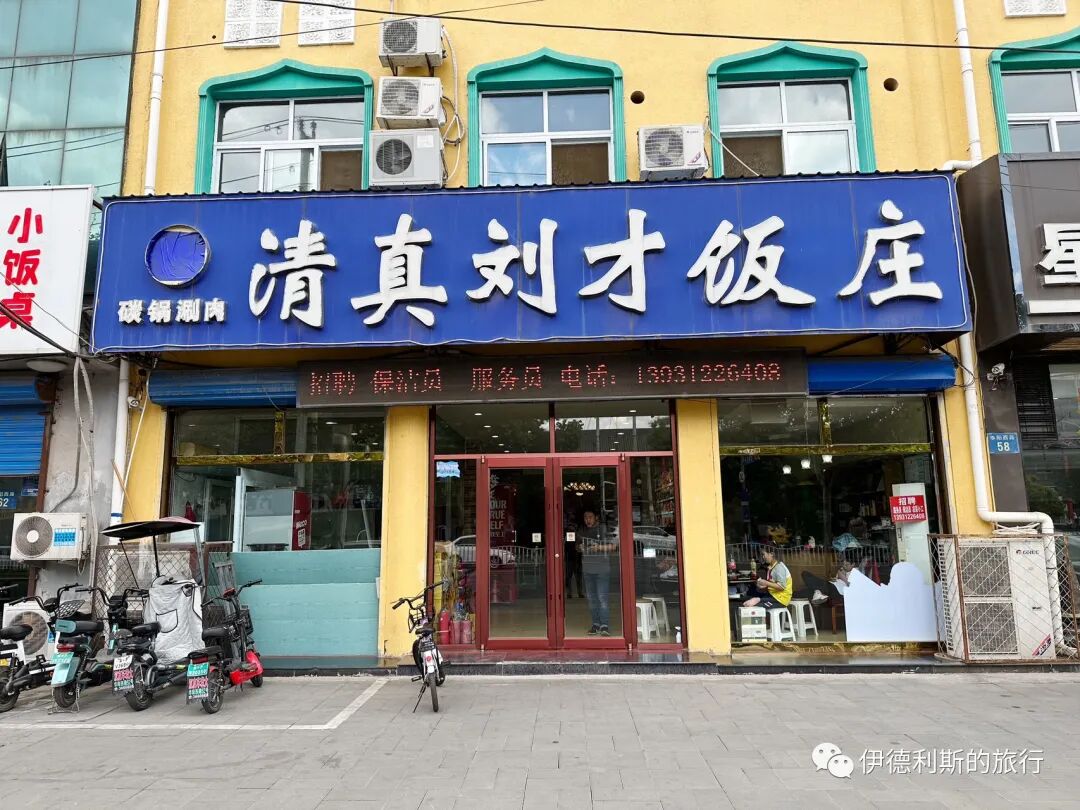
After arriving in Zhuozhou, I first had some halal-style beef covered flatbread (niurou zhaobing) across from the city museum. The base is beef broth, with soy-braised beef served over shredded flatbread. You can choose how much meat and bread you want. I chose 'three-cover-two,' meaning three taels of meat over two taels of bread. The shop was clean and bright, and the staff were warm and polite. When they served the food, they brought a tray with one large bowl, three small bowls, and a small bottle. The large bowl held the covered flatbread, the three small bowls held pickles, cilantro, and chili, and the small bottle held vinegar. It felt very well-prepared.
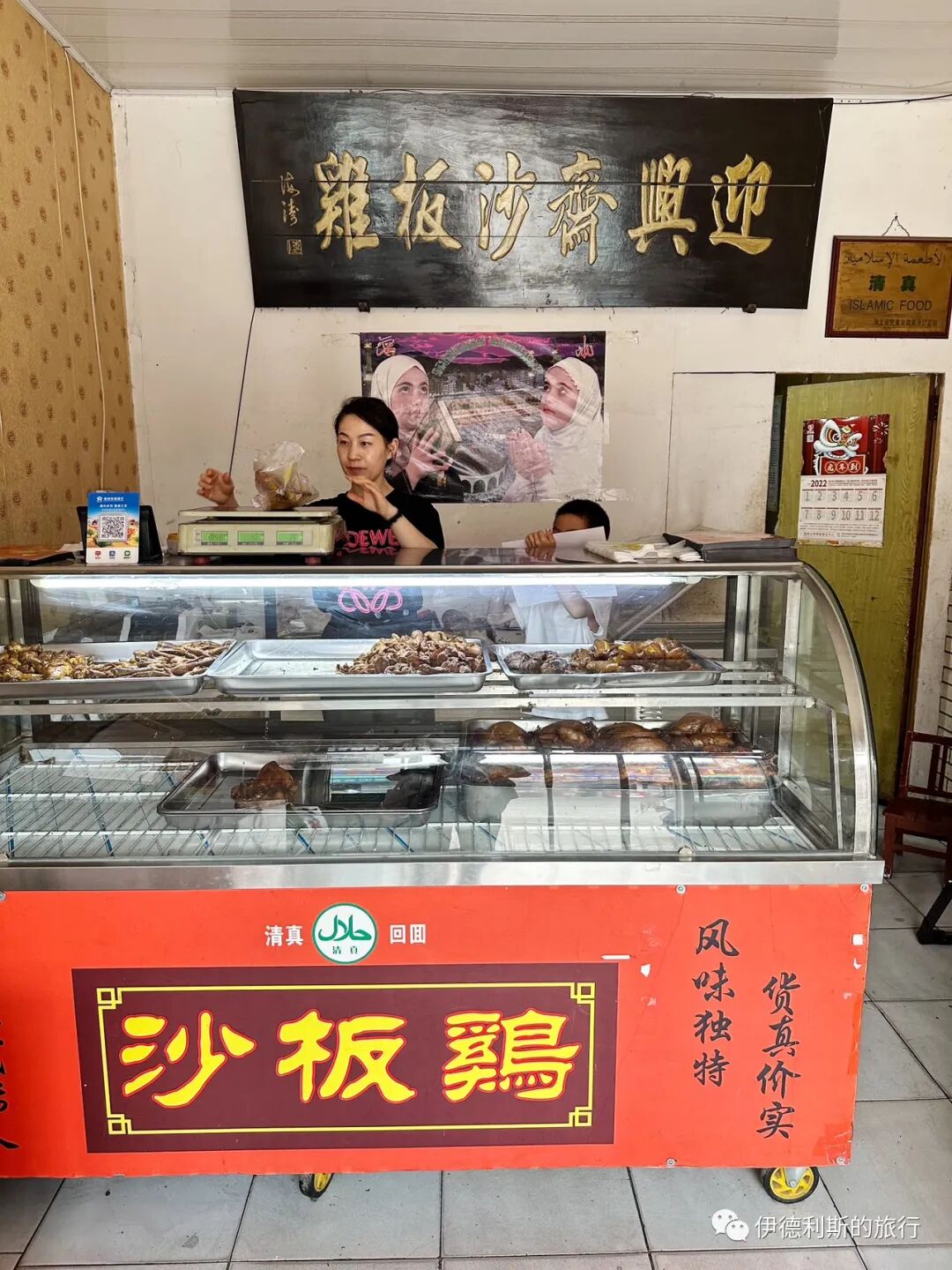
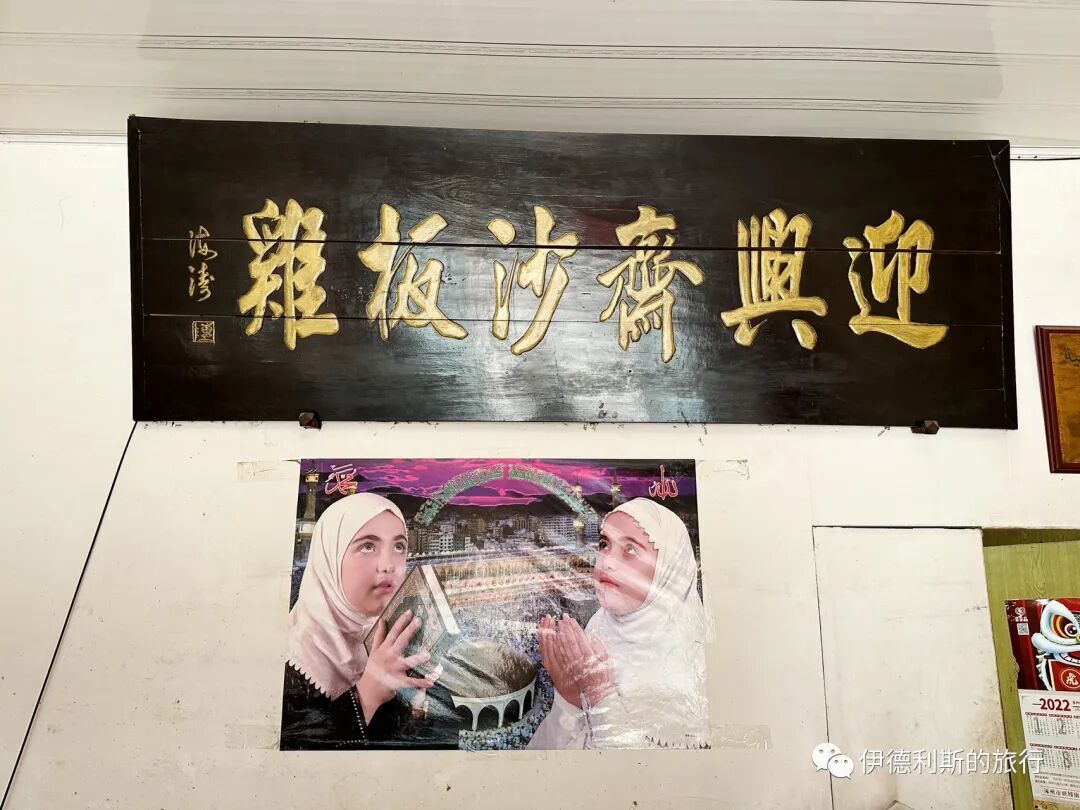
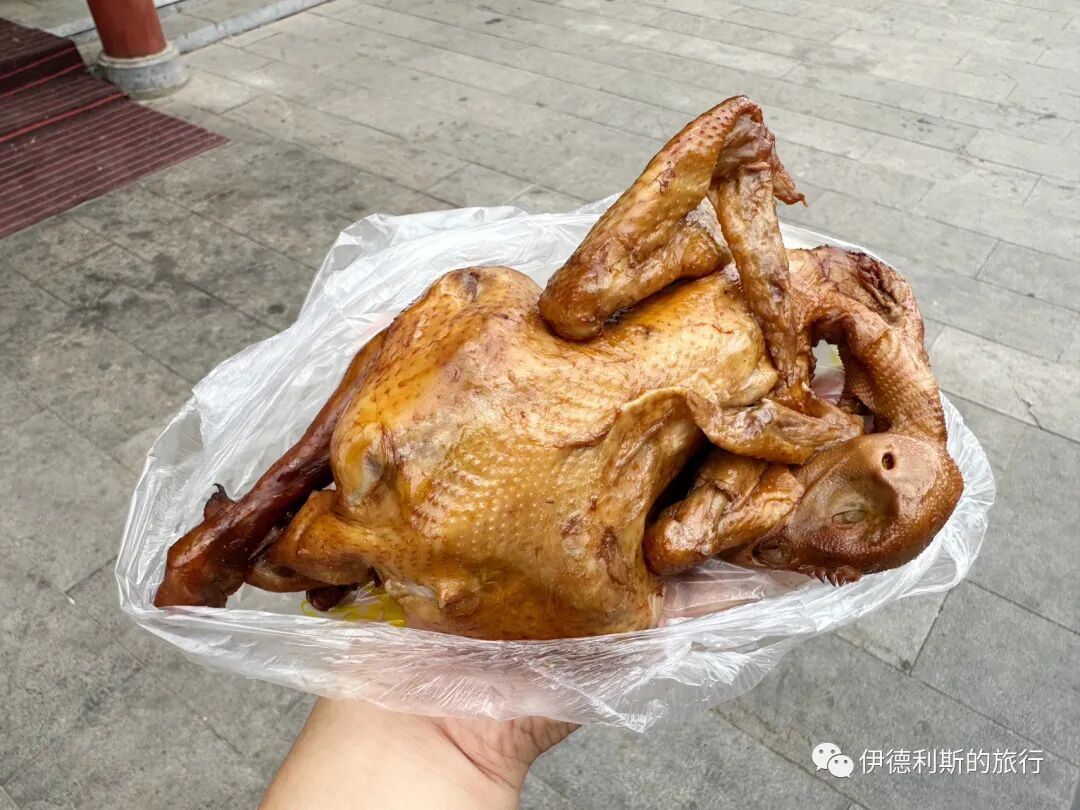
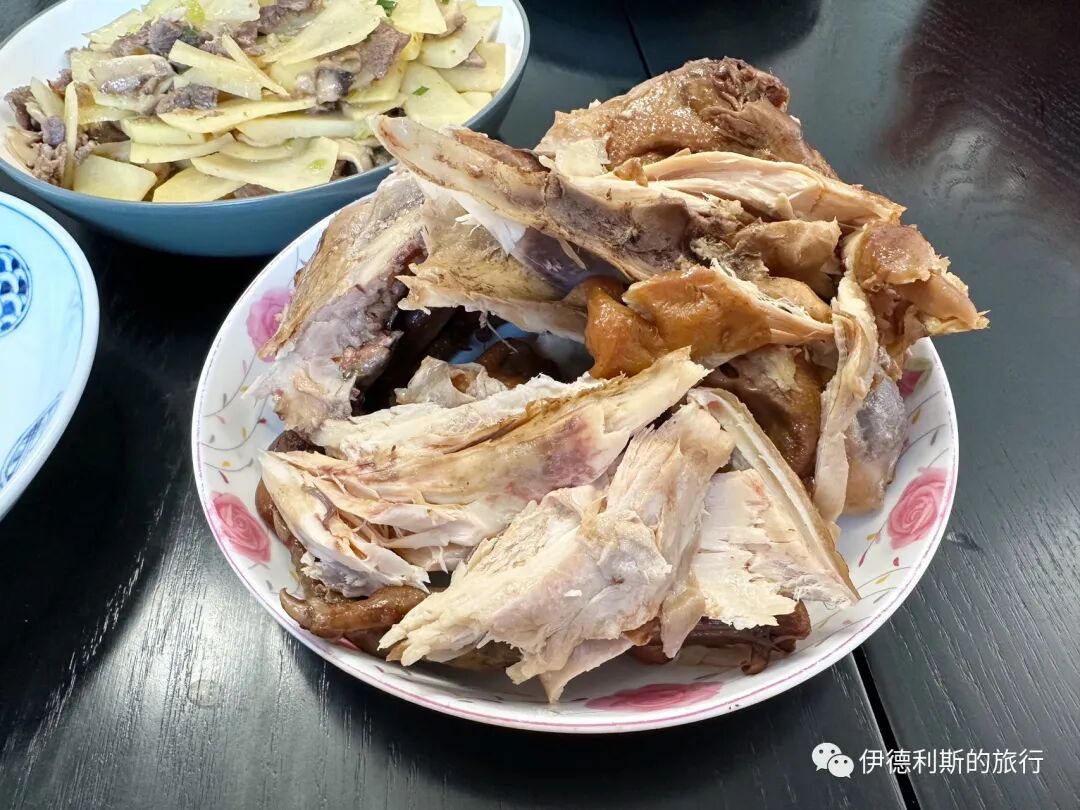
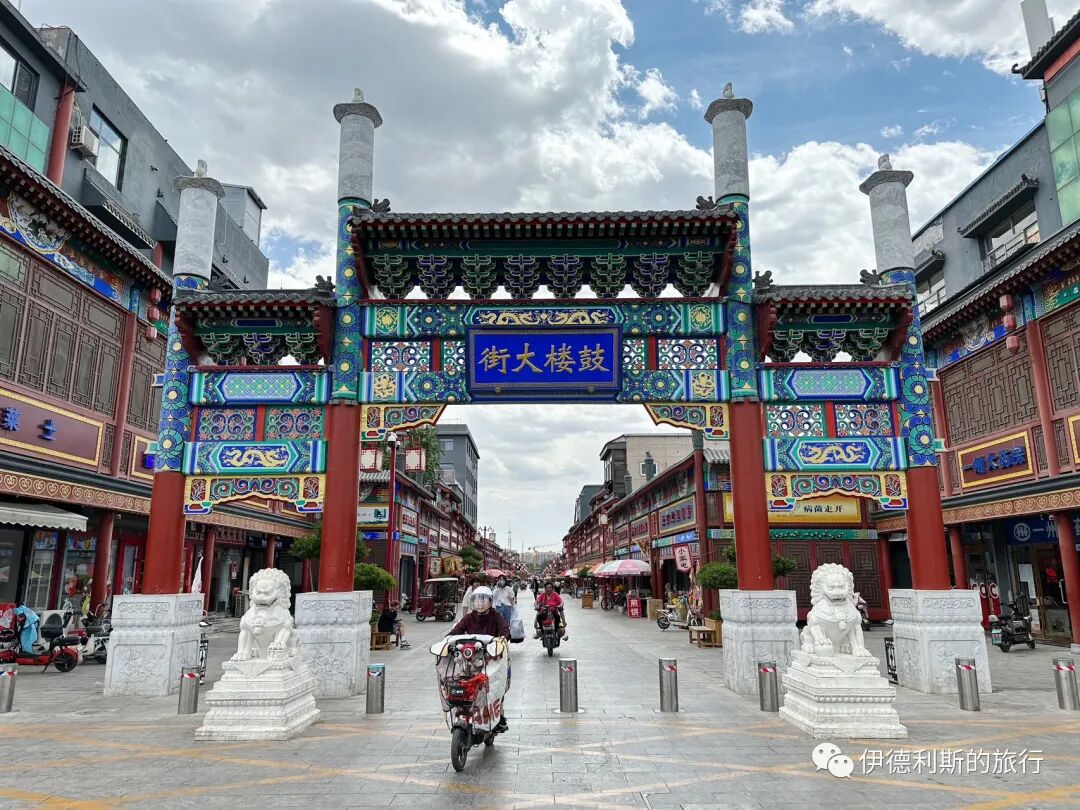
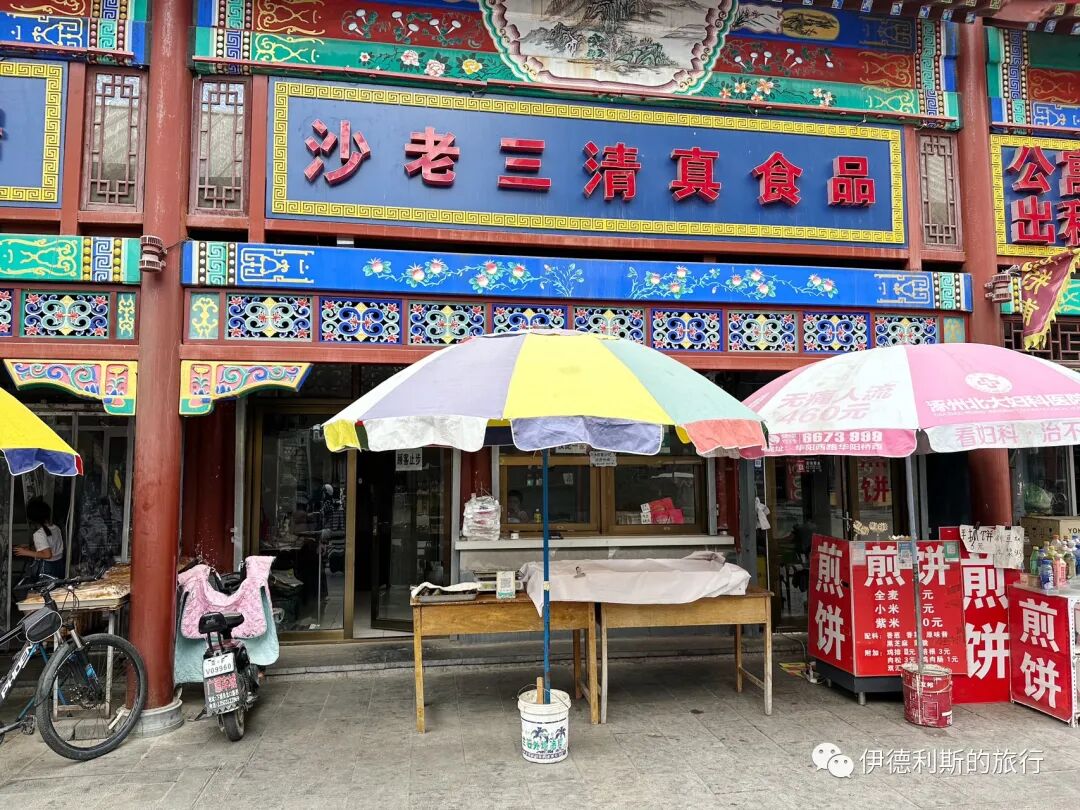
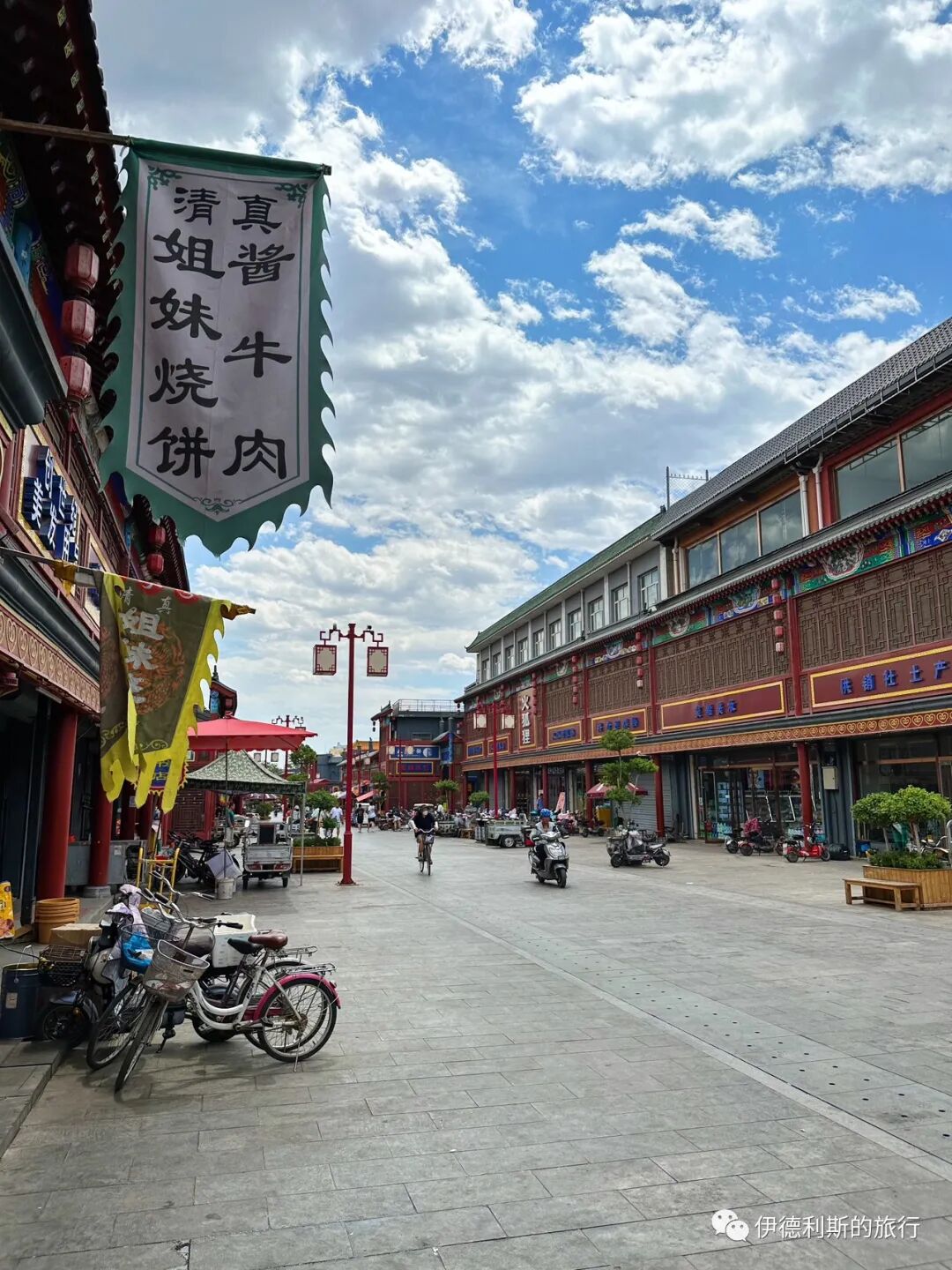
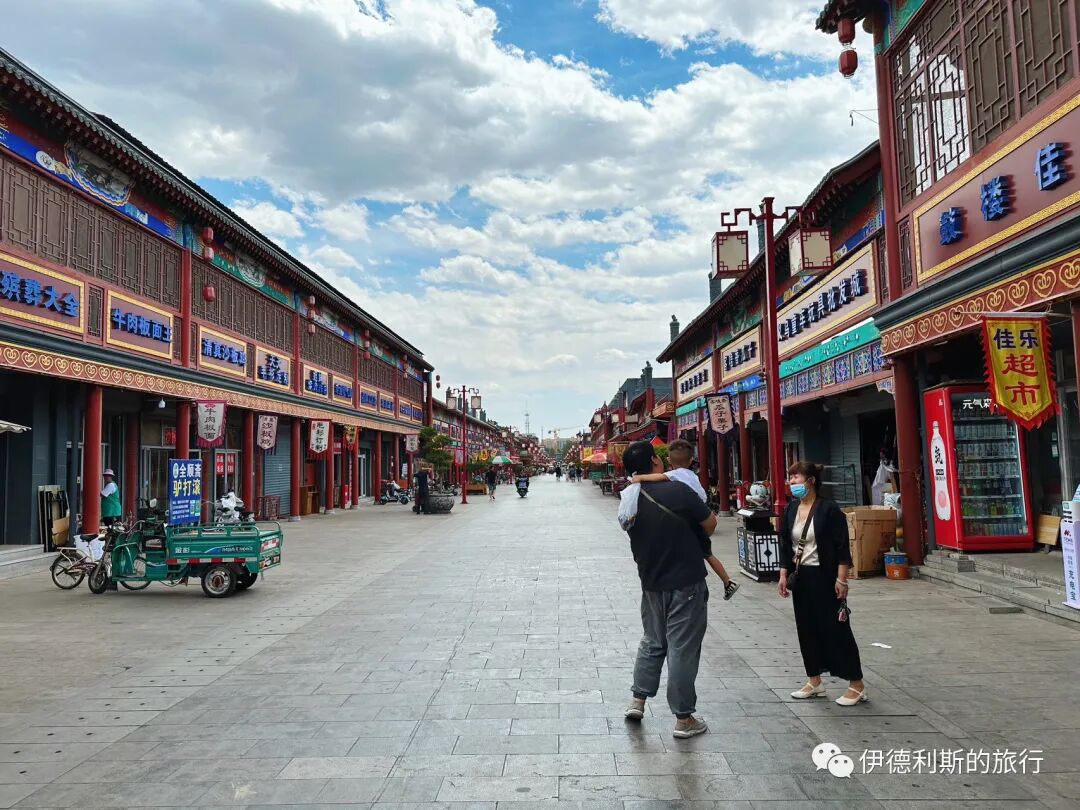
The halal snacks in Zhuozhou are mostly on Gulou Street. I first bought a boneless braised chicken (luzhuji) at the century-old shop Yingxingzhai Shabanji. I really like the braised chicken in the Baoding area because it is stewed until tender and not too salty.
Shaban chicken (shabanji) is actually named after the founder from the late Qing Dynasty, Sha Baozhen, who was known as 'Shaba'er,' which is how Hui Muslims use the Persian word for an elder. During the Republic of China era, the third-generation successor, Sha Weisheng, continuously improved the techniques and seasonings, which built the reputation of Shaban chicken.
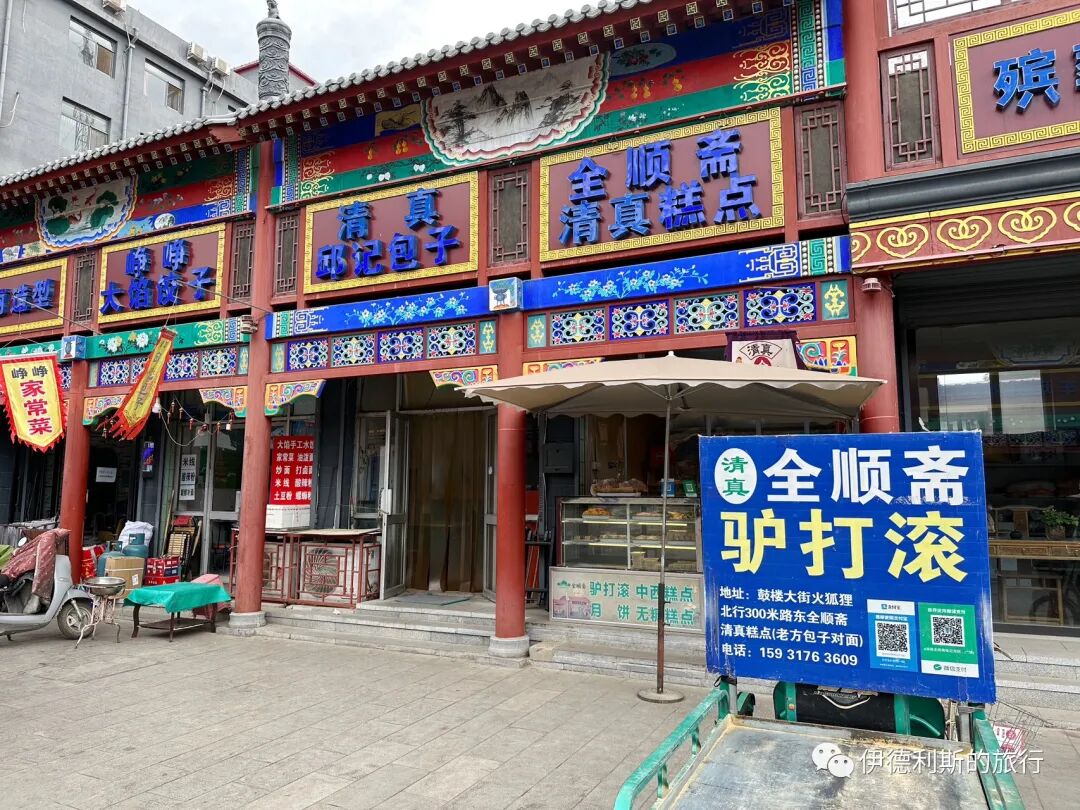
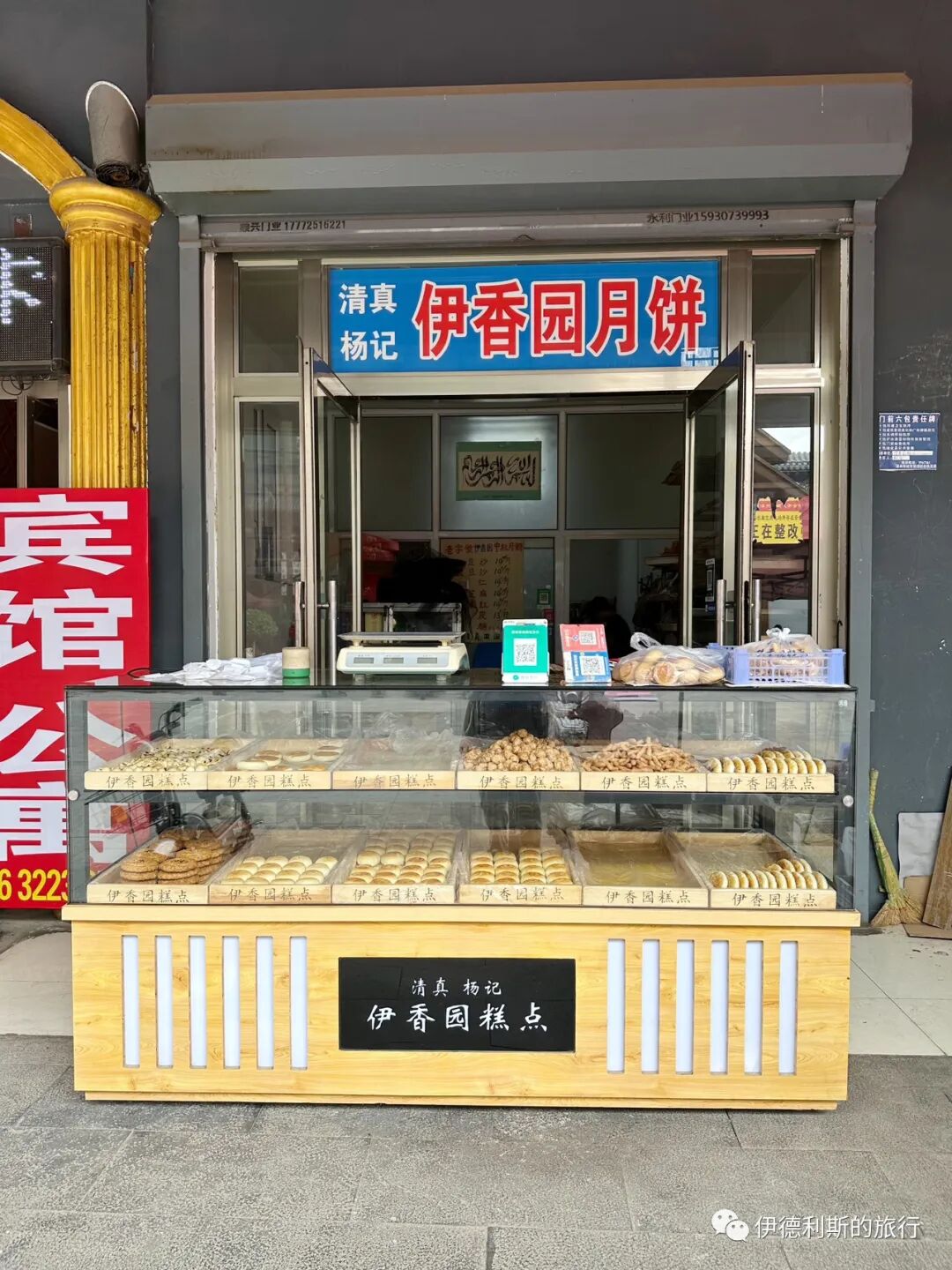
Then I went to Junshunzhai Wuji, a shop with 45 years of history founded in 1978, and bought some small donkey rolls (lvdagun). It was my first time eating the round ones, so I bought two for one yuan each to satisfy my craving. They also had sticky rice cakes (nuomici), bean flour cakes (doumiangao), and other sticky snacks, all for one yuan each.
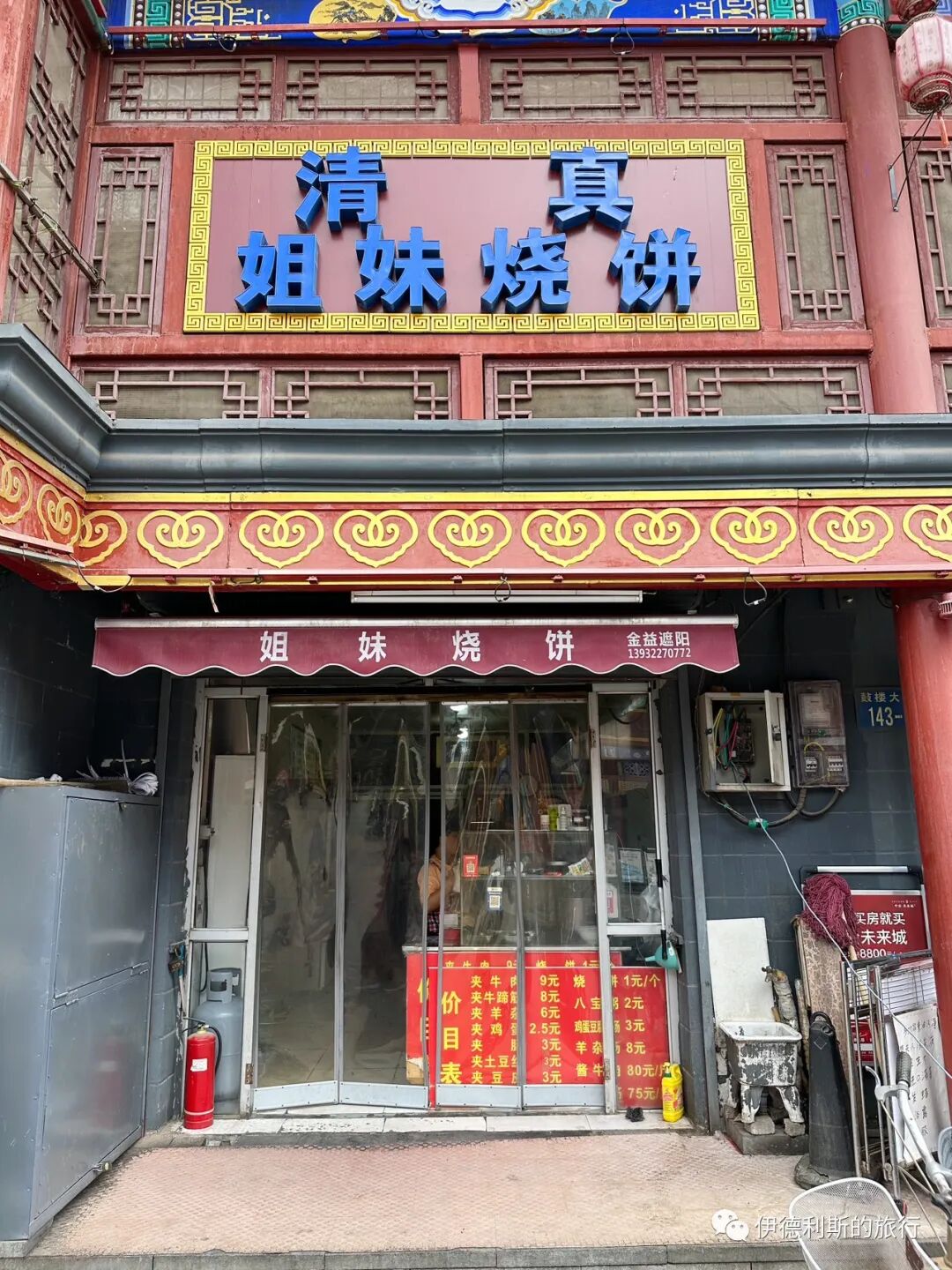
Gulou Street has many halal snacks, including Chinese-style pastries and steamed buns (baozi). This Sisters Sesame Flatbread (shaobing) shop is also famous, and you can add various fillings to your bread. It is a pity that after the renovation of Gulou Street, the unified storefront signs look very dull and boring.
After lunch, I started walking toward the mosque inside Zhuozhou city. Hui Muslims in Zhuozhou live in the Ximen North Street and Yingfangqian Street areas. They still keep their traditional single-family courtyard homes, and the thick rammed earth layers of the nearby Zhuozhou West City Wall are still preserved today.
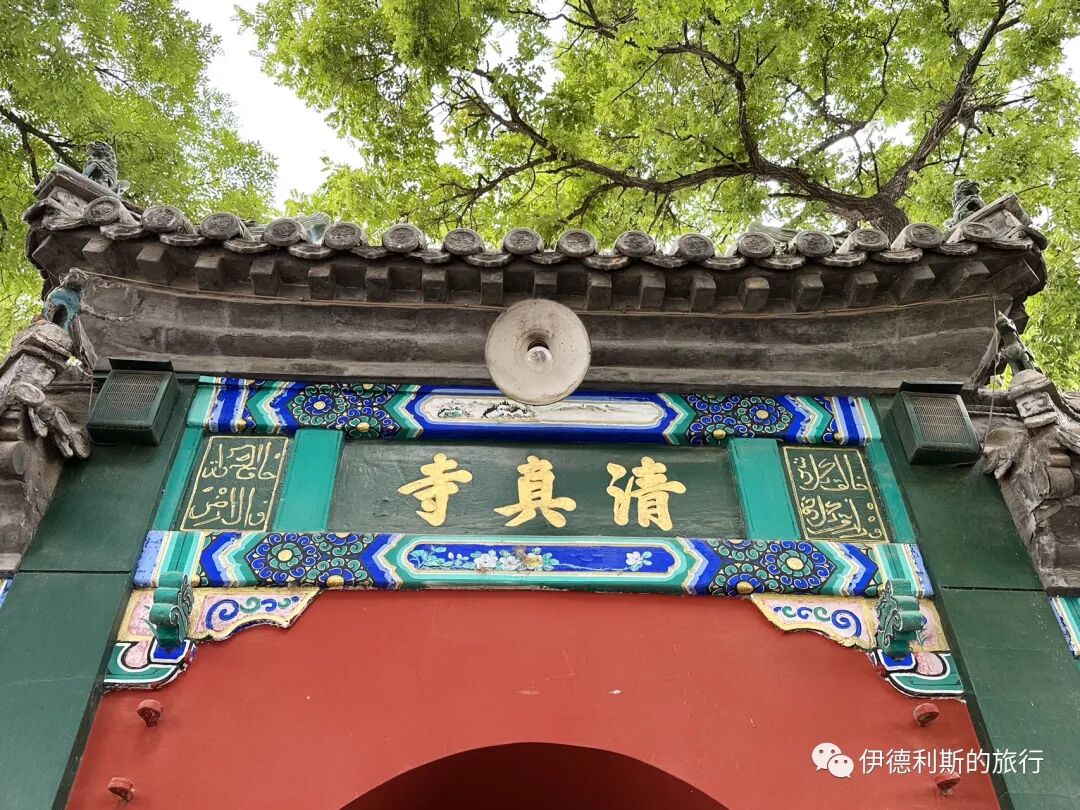
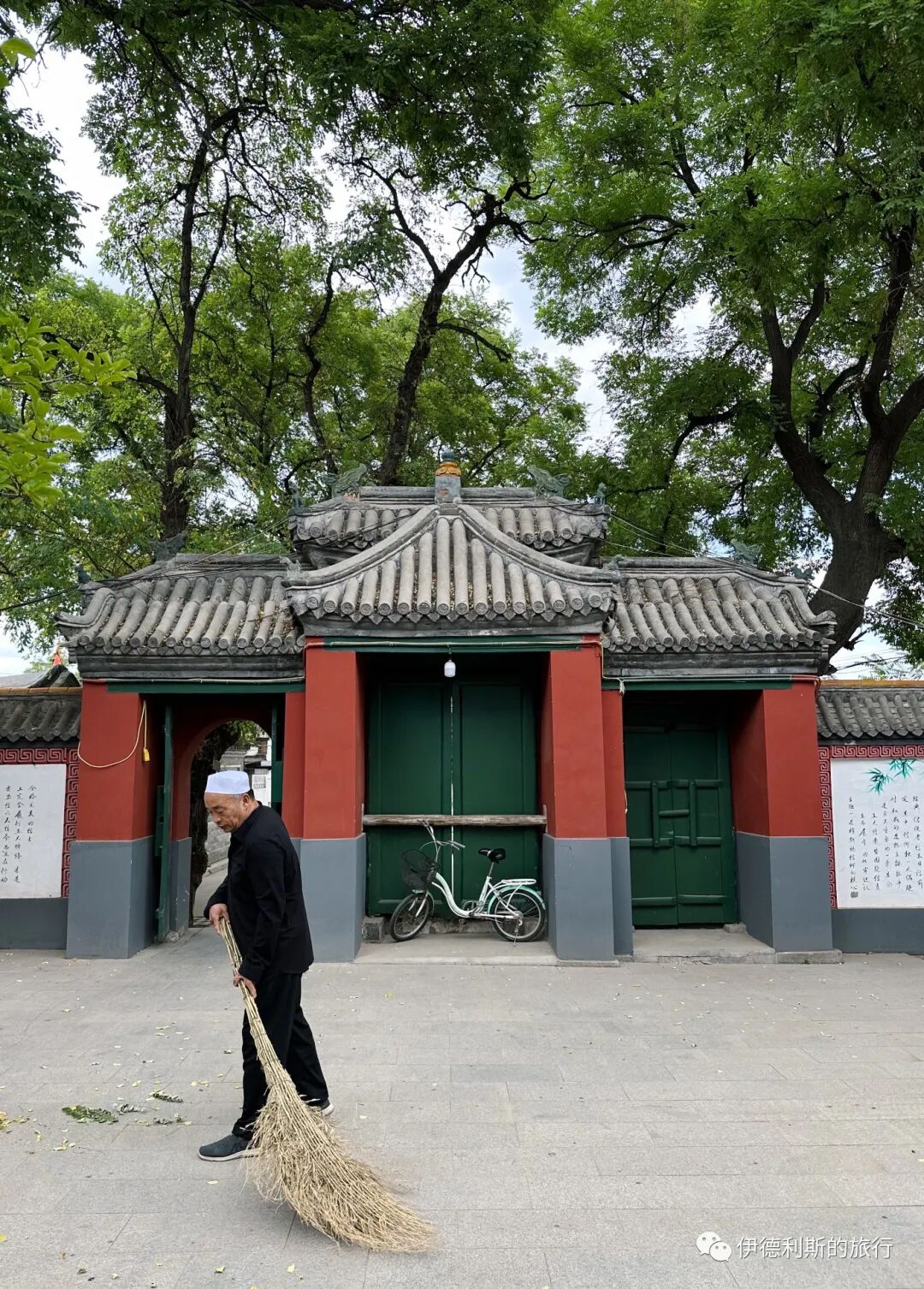
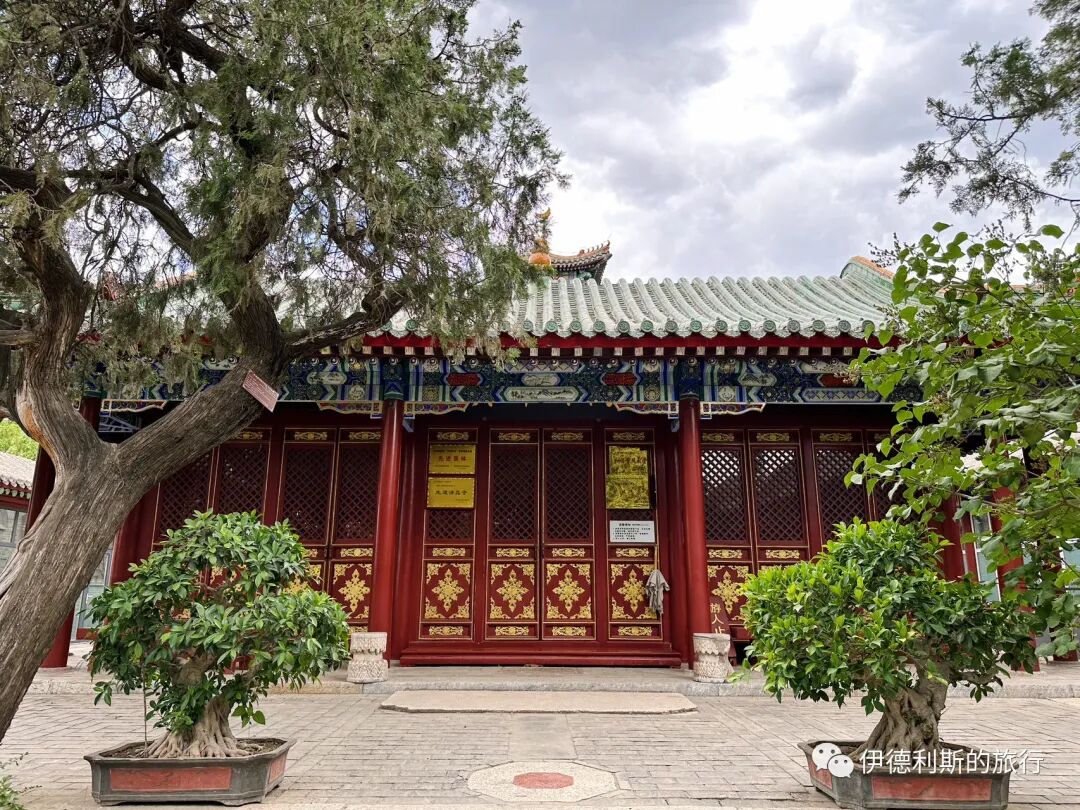
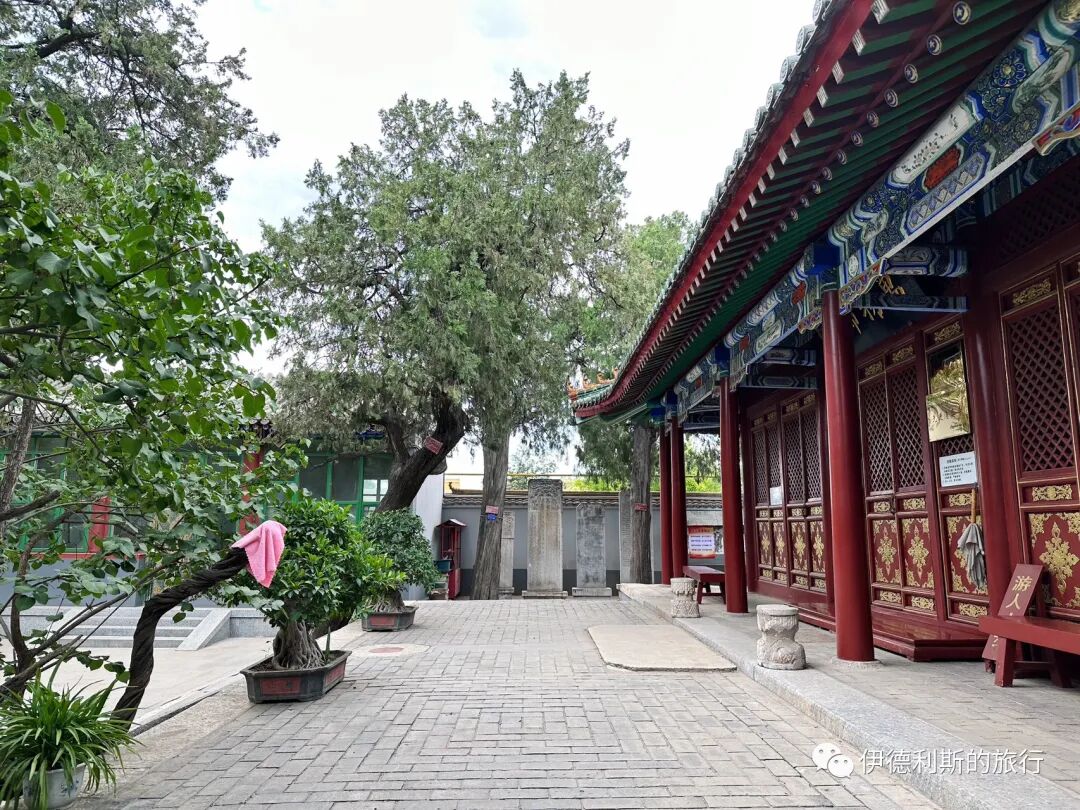
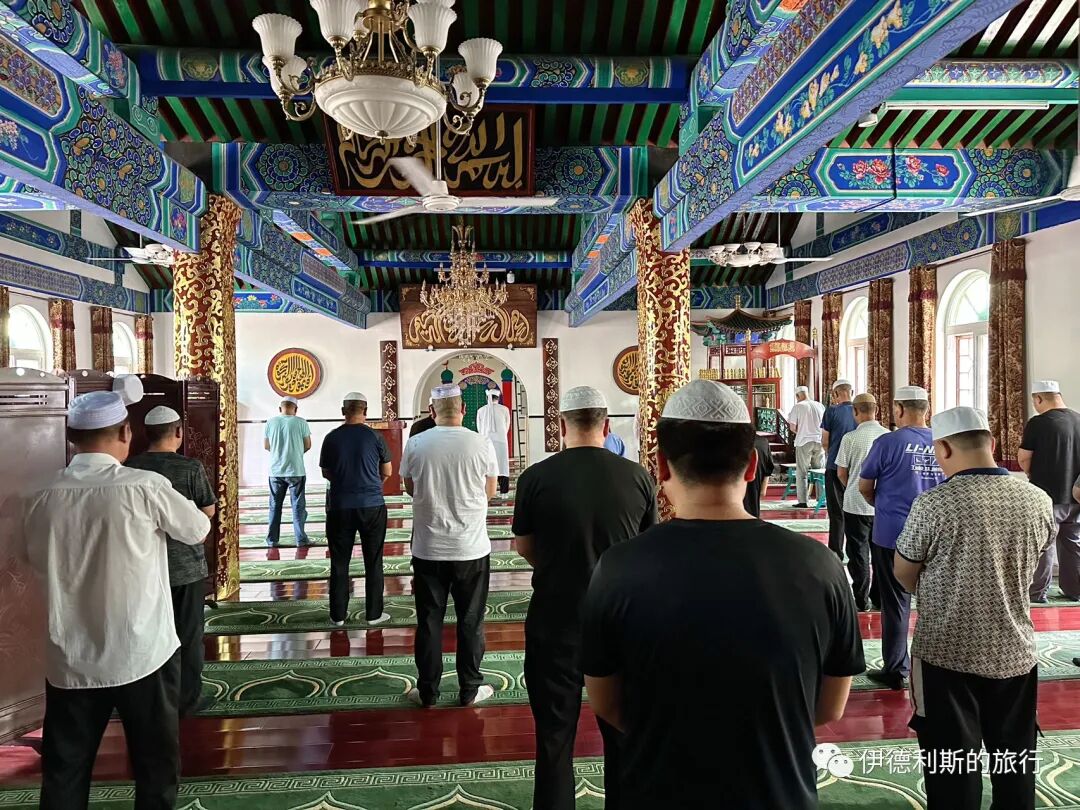
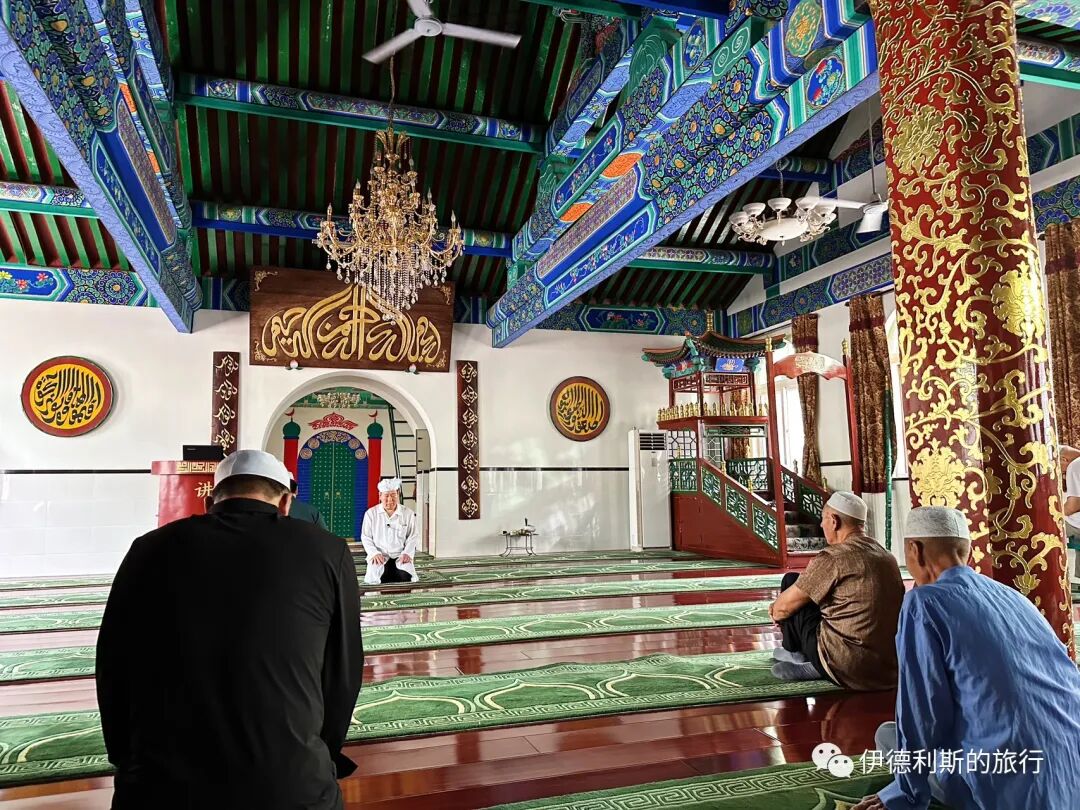
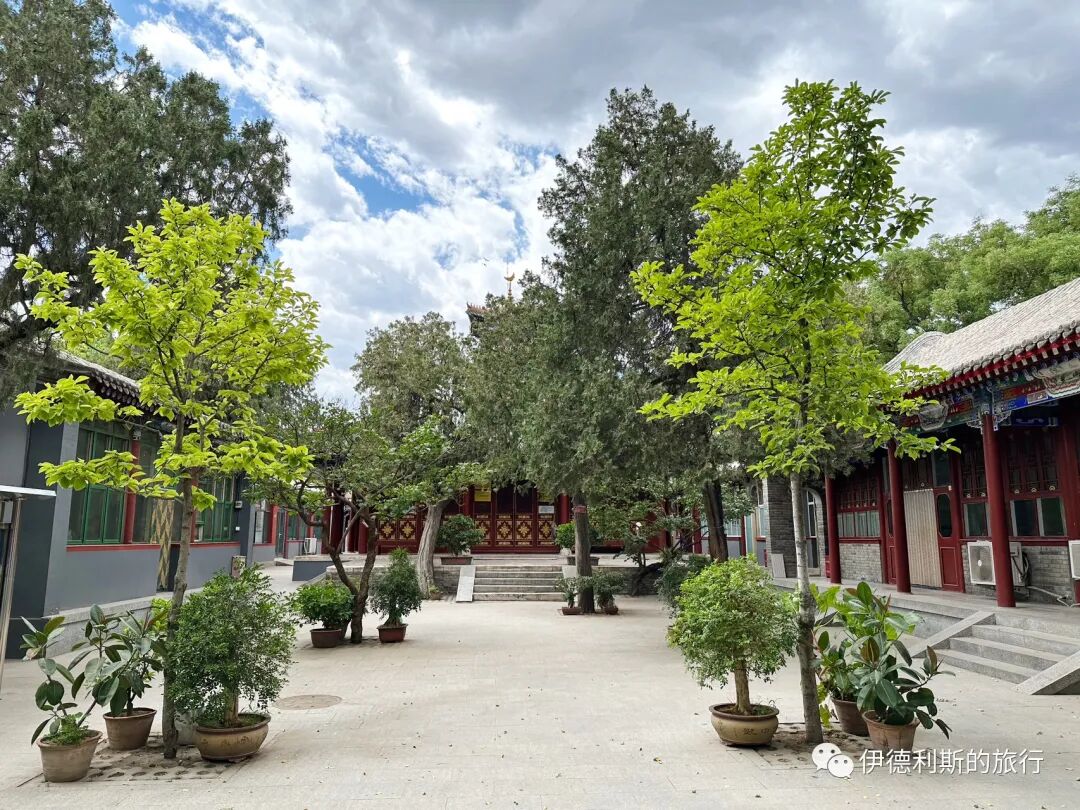
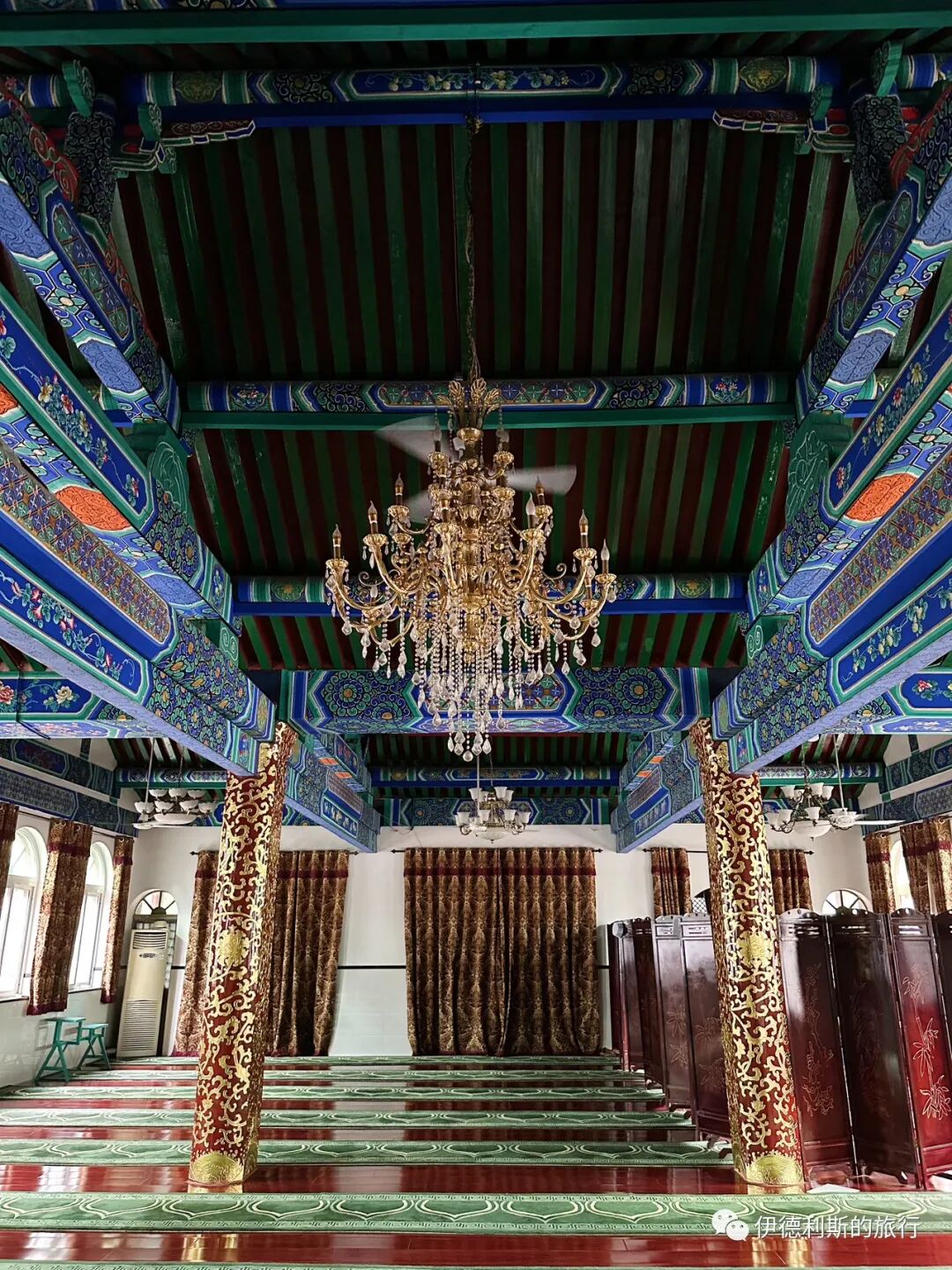
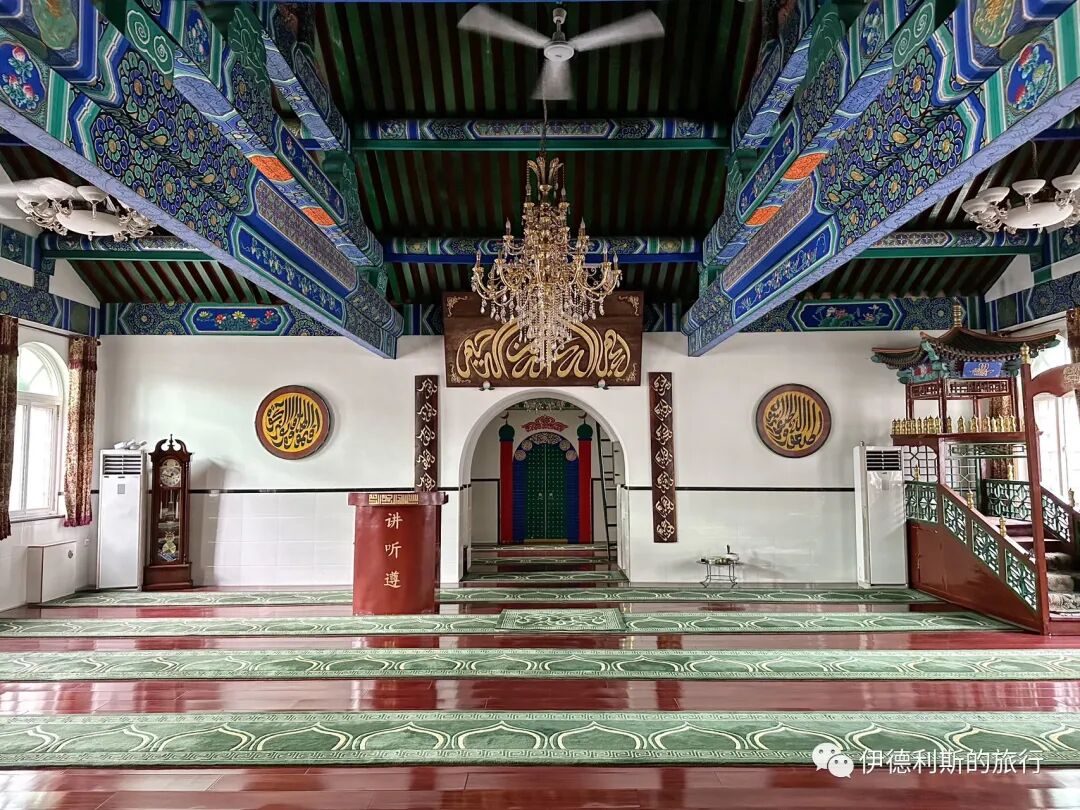
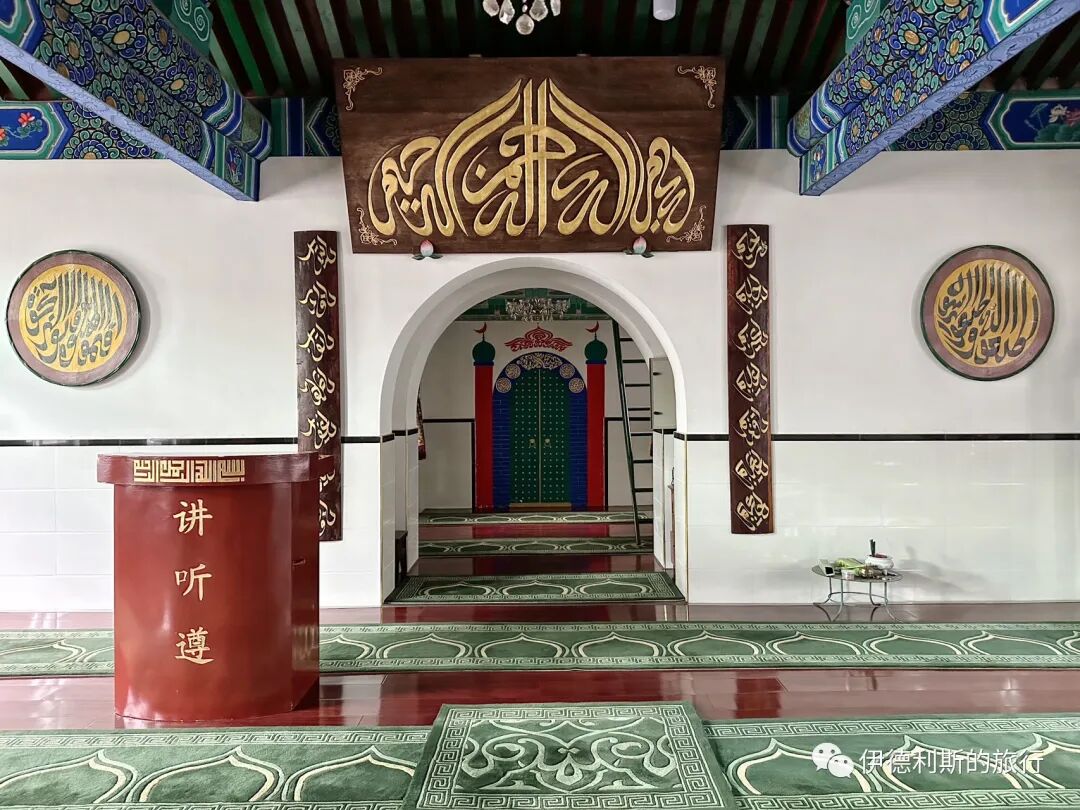
I walked through Yingfangqian Street to reach the Zhuozhou city mosque. The local Gao family in Zhuozhou came here during the early Ming Dynasty with the Prince of Yan. The mosque was first built during the Yongle period of the Ming Dynasty, renovated in the 60th year of the Kangxi reign of the Qing Dynasty, and the main hall was rebuilt in 2000 to look the way it does today.
There are two 350-year-old Chinese scholar trees in front of the mosque gate, and several 500-year-old Chinese arborvitae trees in the courtyard, which is very rare for a mosque in China. view all
Summary: Zhuozhou, Hebei — Friday Namaz and Mosque Life is presented here as a firsthand travel account in clear English, beginning with this scene: I went to the National Library of China Museum last Friday morning for an event. Since it finished early, I decided on a whim to go to the West Railway Station, take a train to Zhuozhou in Hebei, and have lunch before at. The account keeps its focus on Zhuozhou Mosque, Friday Namaz, Hebei Muslims while preserving the names, places, food, and historical details from the Chinese source.
I went to the National Library of China Museum last Friday morning for an event. Since it finished early, I decided on a whim to go to the West Railway Station, take a train to Zhuozhou in Hebei, and have lunch before attending Friday namaz. I checked the tickets and found plenty were available, so I set off happily. Once I entered the subway, I realized I had forgotten my ID card. I quickly checked the 12306 app on my phone and found that I could apply for a QR code to prove my identity. I could just scan it at the manual gate to board the train, which is very convenient.
I took Line 9 from the National Library and arrived at Beijing West Station in 15 minutes. I didn't need a second security check when entering from the subway and went straight upstairs to the train. The high-speed train reached Zhuozhou East Station in 25 minutes. In fact, it only took me one hour to get from the National Library to Zhuozhou.
The high-speed train from Beijing to Zhuozhou passes over the Yongding River. In the old days, traveling to Zhuozhou from Beijing meant leaving through Guang'an Gate, crossing the Lugou Bridge over the Yongding River, passing through Liangxiang, and crossing the Juma River to reach the city of Zhuozhou. This was the official land route from Beijing south to Henan, serving as a major northern artery just like the Grand Canal water route that went from Tongzhou through Tianjin to Shandong.
After arriving in Zhuozhou, I first had some halal-style beef covered flatbread (niurou zhaobing) across from the city museum. The base is beef broth, with soy-braised beef served over shredded flatbread. You can choose how much meat and bread you want. I chose 'three-cover-two,' meaning three taels of meat over two taels of bread. The shop was clean and bright, and the staff were warm and polite. When they served the food, they brought a tray with one large bowl, three small bowls, and a small bottle. The large bowl held the covered flatbread, the three small bowls held pickles, cilantro, and chili, and the small bottle held vinegar. It felt very well-prepared.
The halal snacks in Zhuozhou are mostly on Gulou Street. I first bought a boneless braised chicken (luzhuji) at the century-old shop Yingxingzhai Shabanji. I really like the braised chicken in the Baoding area because it is stewed until tender and not too salty.
Shaban chicken (shabanji) is actually named after the founder from the late Qing Dynasty, Sha Baozhen, who was known as 'Shaba'er,' which is how Hui Muslims use the Persian word for an elder. During the Republic of China era, the third-generation successor, Sha Weisheng, continuously improved the techniques and seasonings, which built the reputation of Shaban chicken.
Then I went to Junshunzhai Wuji, a shop with 45 years of history founded in 1978, and bought some small donkey rolls (lvdagun). It was my first time eating the round ones, so I bought two for one yuan each to satisfy my craving. They also had sticky rice cakes (nuomici), bean flour cakes (doumiangao), and other sticky snacks, all for one yuan each.
Gulou Street has many halal snacks, including Chinese-style pastries and steamed buns (baozi). This Sisters Sesame Flatbread (shaobing) shop is also famous, and you can add various fillings to your bread. It is a pity that after the renovation of Gulou Street, the unified storefront signs look very dull and boring.
After lunch, I started walking toward the mosque inside Zhuozhou city. Hui Muslims in Zhuozhou live in the Ximen North Street and Yingfangqian Street areas. They still keep their traditional single-family courtyard homes, and the thick rammed earth layers of the nearby Zhuozhou West City Wall are still preserved today.
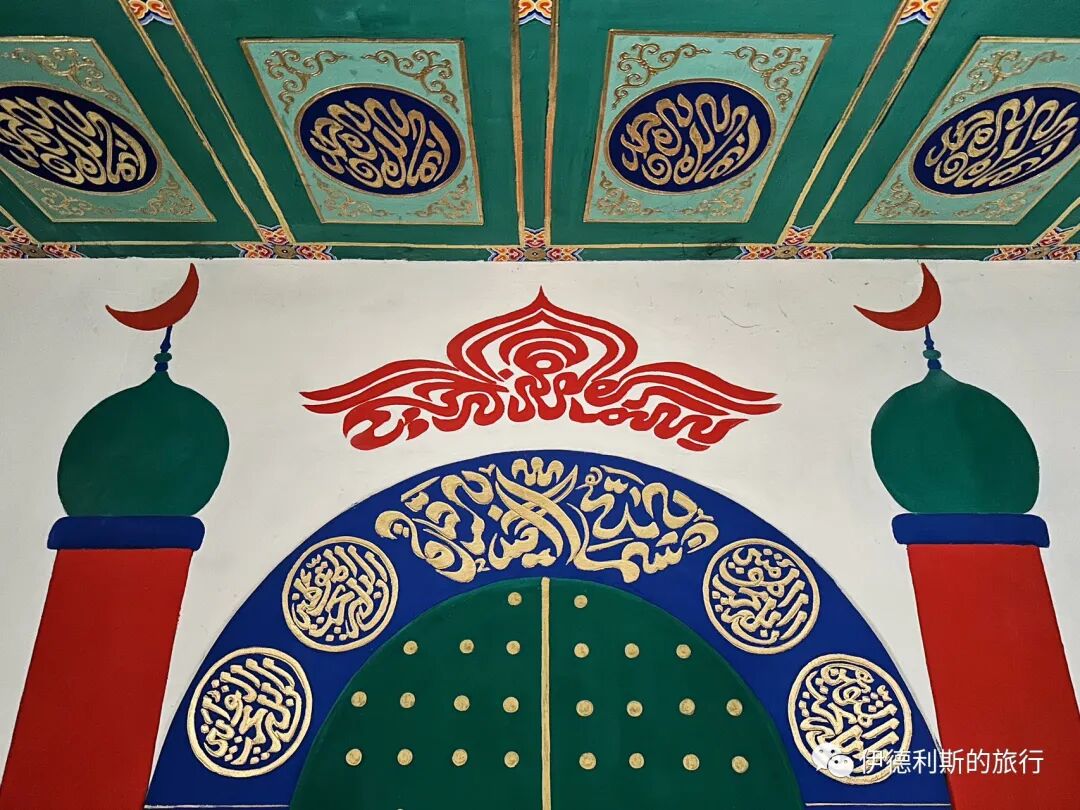
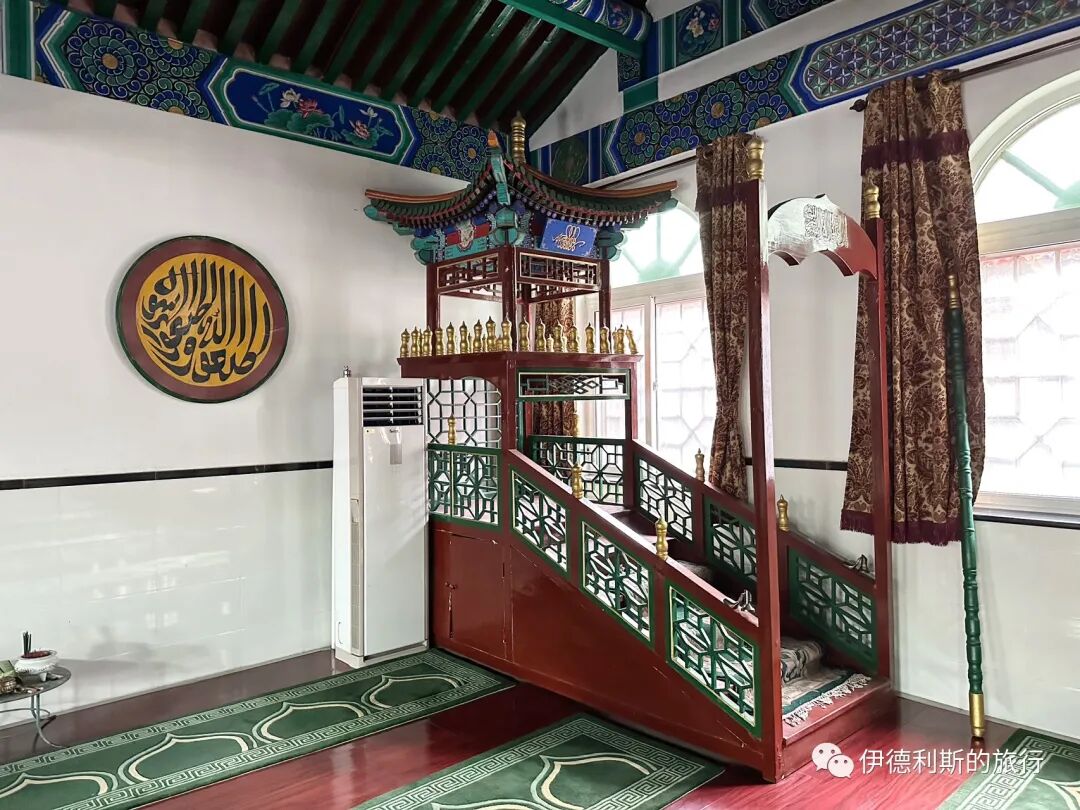
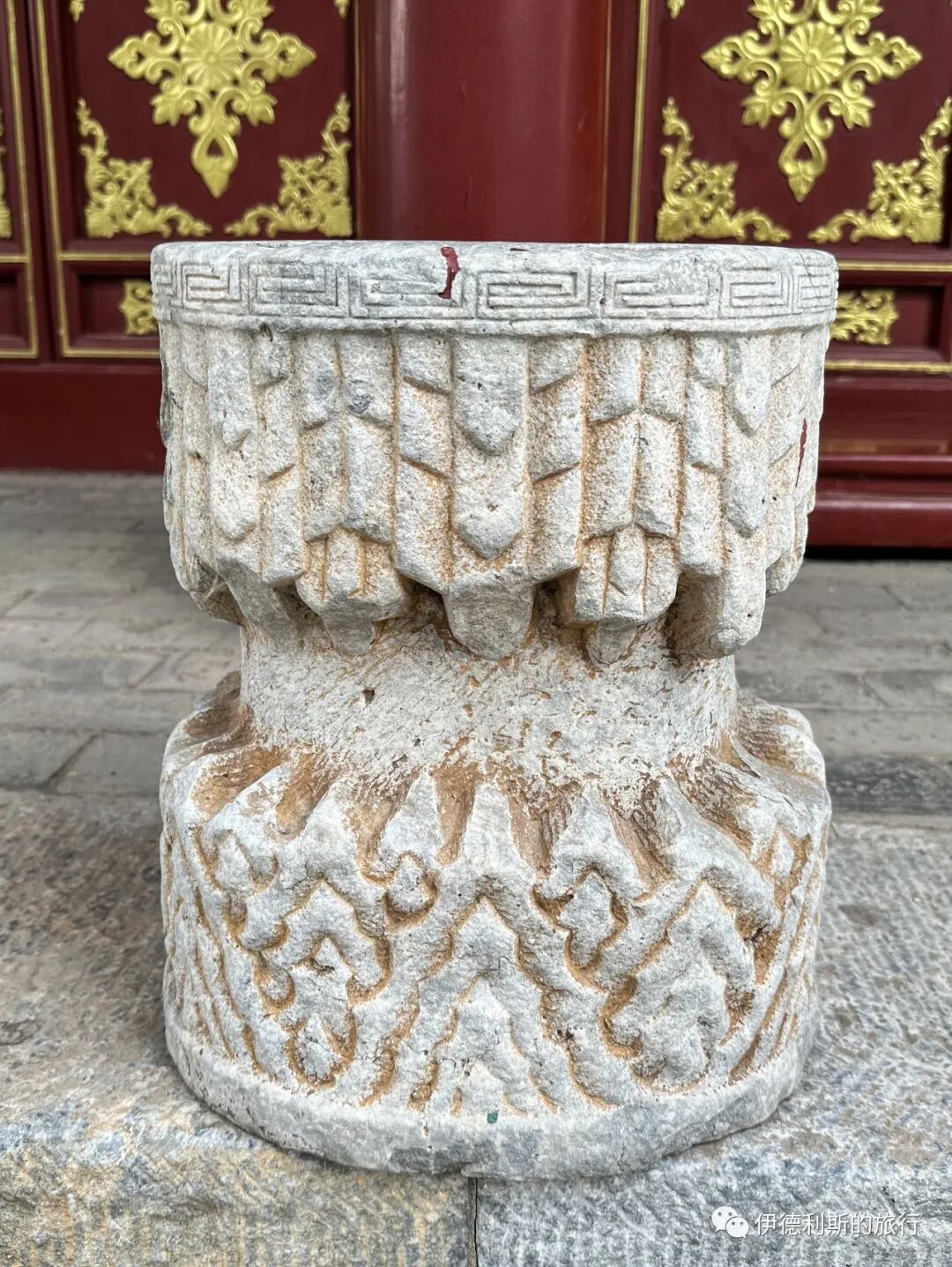
I walked through Yingfangqian Street to reach the Zhuozhou city mosque. The local Gao family in Zhuozhou came here during the early Ming Dynasty with the Prince of Yan. The mosque was first built during the Yongle period of the Ming Dynasty, renovated in the 60th year of the Kangxi reign of the Qing Dynasty, and the main hall was rebuilt in 2000 to look the way it does today.
There are two 350-year-old Chinese scholar trees in front of the mosque gate, and several 500-year-old Chinese arborvitae trees in the courtyard, which is very rare for a mosque in China. view all
Reposted from the web
Summary: Zhuozhou, Hebei — Friday Namaz and Mosque Life is presented here as a firsthand travel account in clear English, beginning with this scene: I went to the National Library of China Museum last Friday morning for an event. Since it finished early, I decided on a whim to go to the West Railway Station, take a train to Zhuozhou in Hebei, and have lunch before at. The account keeps its focus on Zhuozhou Mosque, Friday Namaz, Hebei Muslims while preserving the names, places, food, and historical details from the Chinese source.
I went to the National Library of China Museum last Friday morning for an event. Since it finished early, I decided on a whim to go to the West Railway Station, take a train to Zhuozhou in Hebei, and have lunch before attending Friday namaz. I checked the tickets and found plenty were available, so I set off happily. Once I entered the subway, I realized I had forgotten my ID card. I quickly checked the 12306 app on my phone and found that I could apply for a QR code to prove my identity. I could just scan it at the manual gate to board the train, which is very convenient.
I took Line 9 from the National Library and arrived at Beijing West Station in 15 minutes. I didn't need a second security check when entering from the subway and went straight upstairs to the train. The high-speed train reached Zhuozhou East Station in 25 minutes. In fact, it only took me one hour to get from the National Library to Zhuozhou.
The high-speed train from Beijing to Zhuozhou passes over the Yongding River. In the old days, traveling to Zhuozhou from Beijing meant leaving through Guang'an Gate, crossing the Lugou Bridge over the Yongding River, passing through Liangxiang, and crossing the Juma River to reach the city of Zhuozhou. This was the official land route from Beijing south to Henan, serving as a major northern artery just like the Grand Canal water route that went from Tongzhou through Tianjin to Shandong.

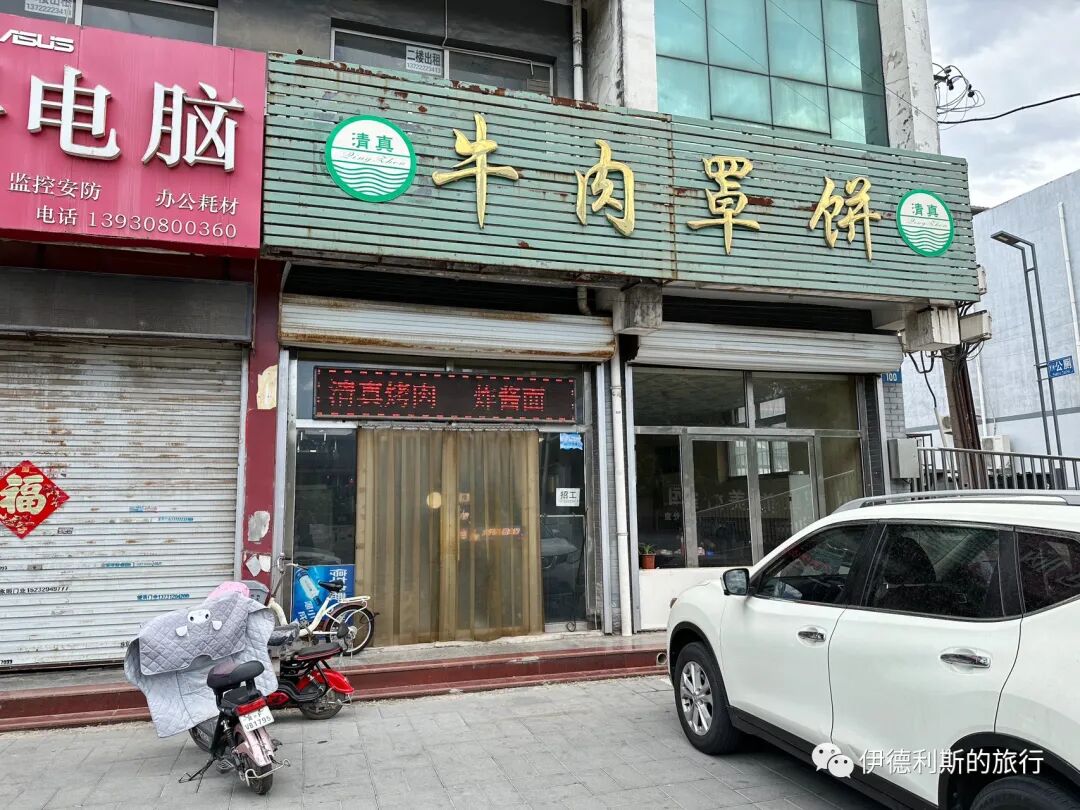
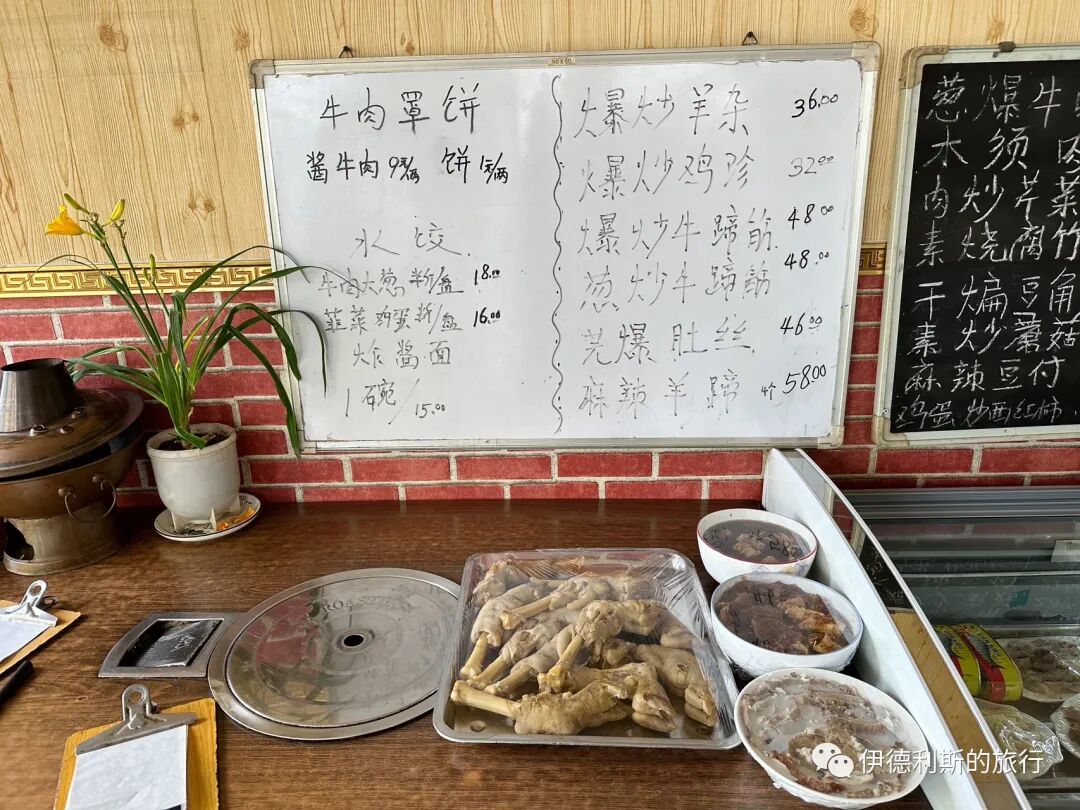
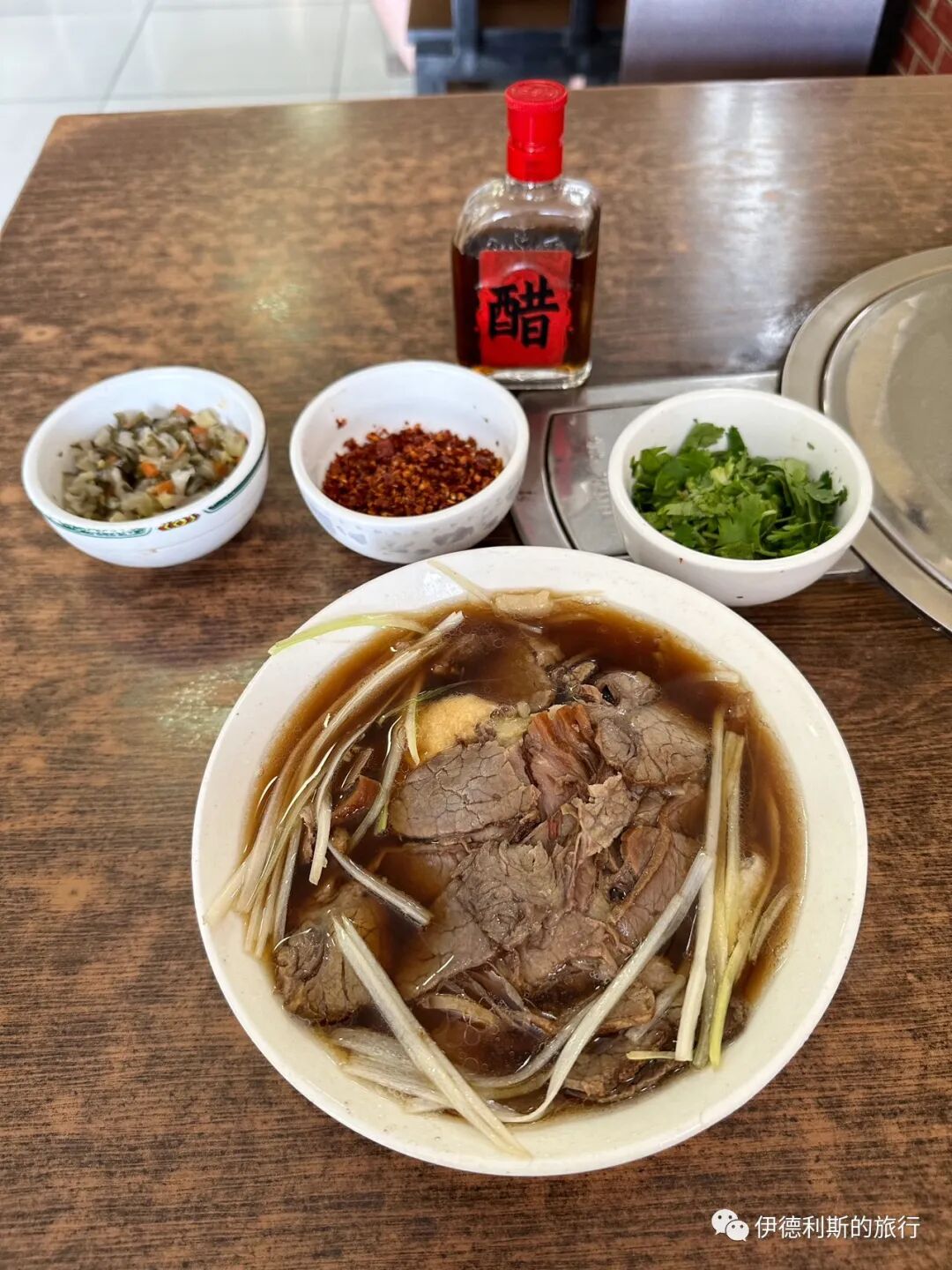
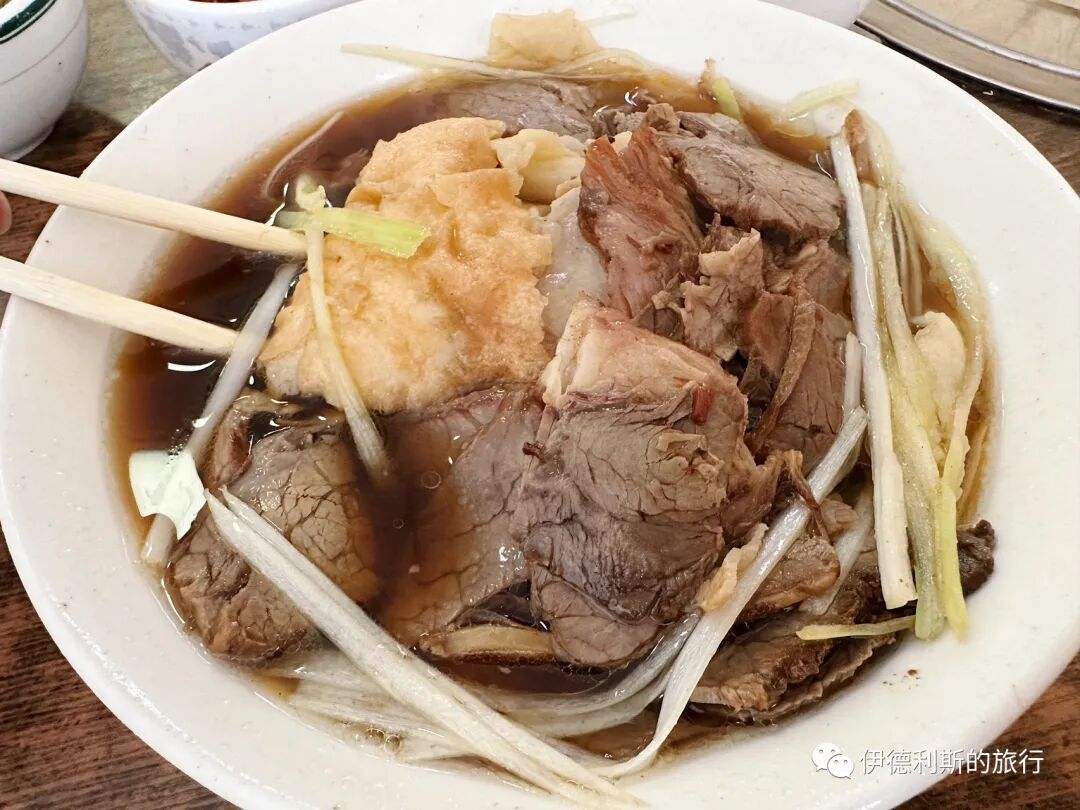
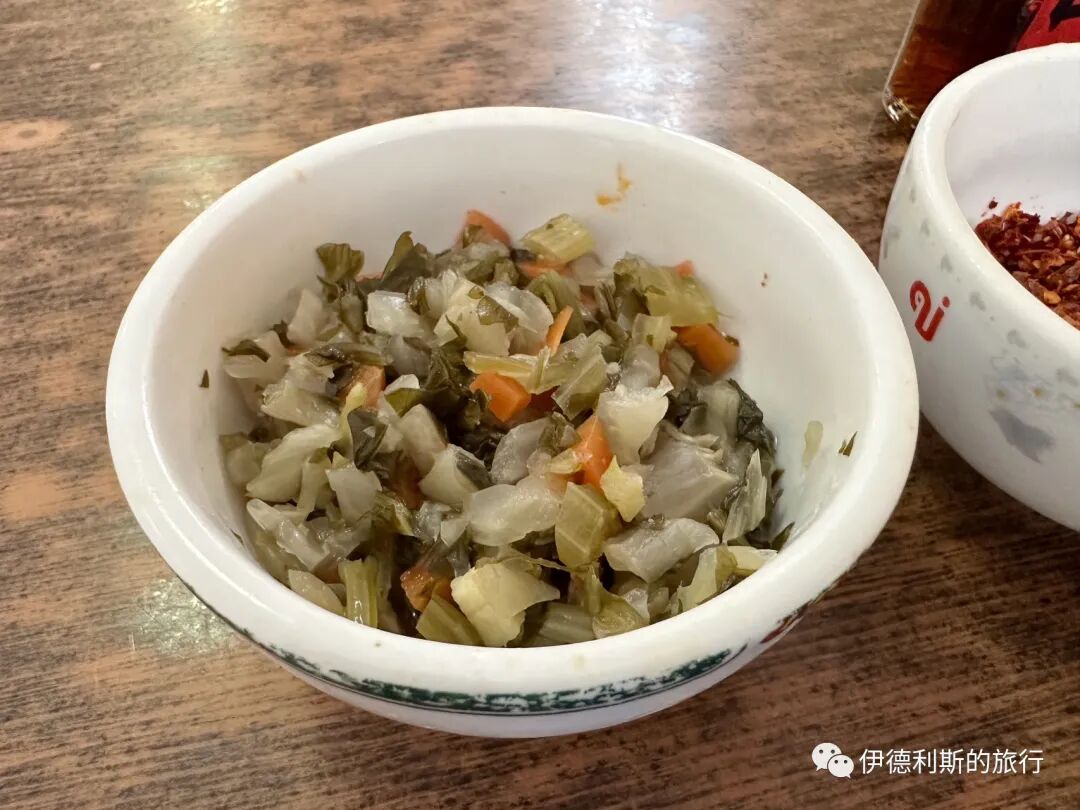
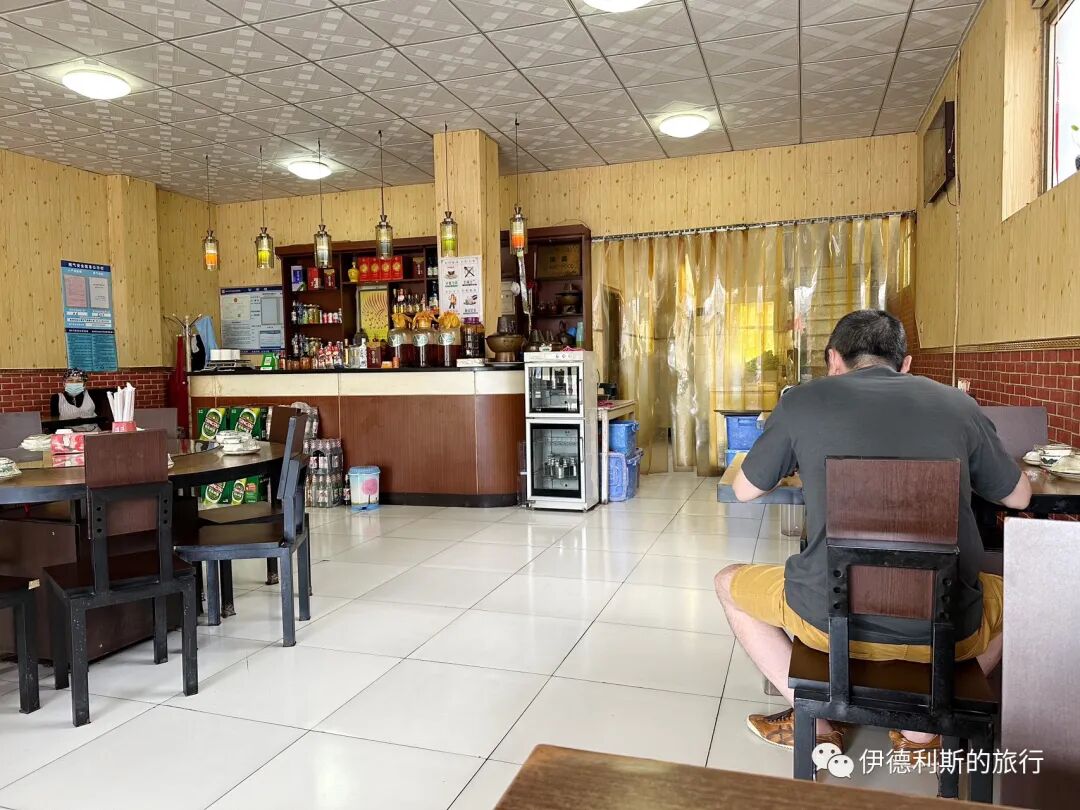
After arriving in Zhuozhou, I first had some halal-style beef covered flatbread (niurou zhaobing) across from the city museum. The base is beef broth, with soy-braised beef served over shredded flatbread. You can choose how much meat and bread you want. I chose 'three-cover-two,' meaning three taels of meat over two taels of bread. The shop was clean and bright, and the staff were warm and polite. When they served the food, they brought a tray with one large bowl, three small bowls, and a small bottle. The large bowl held the covered flatbread, the three small bowls held pickles, cilantro, and chili, and the small bottle held vinegar. It felt very well-prepared.
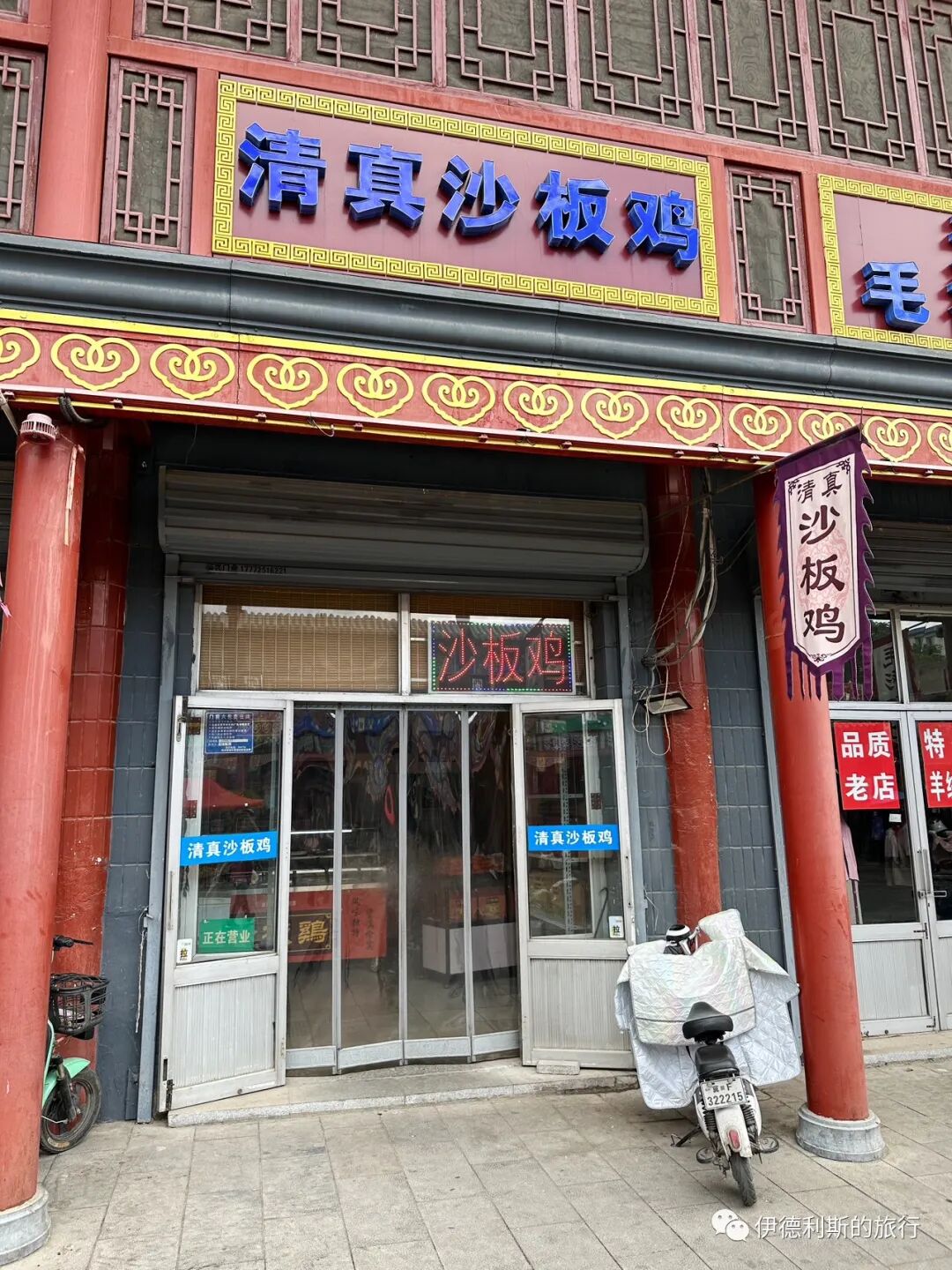
The halal snacks in Zhuozhou are mostly on Gulou Street. I first bought a boneless braised chicken (luzhuji) at the century-old shop Yingxingzhai Shabanji. I really like the braised chicken in the Baoding area because it is stewed until tender and not too salty.
Shaban chicken (shabanji) is actually named after the founder from the late Qing Dynasty, Sha Baozhen, who was known as 'Shaba'er,' which is how Hui Muslims use the Persian word for an elder. During the Republic of China era, the third-generation successor, Sha Weisheng, continuously improved the techniques and seasonings, which built the reputation of Shaban chicken.
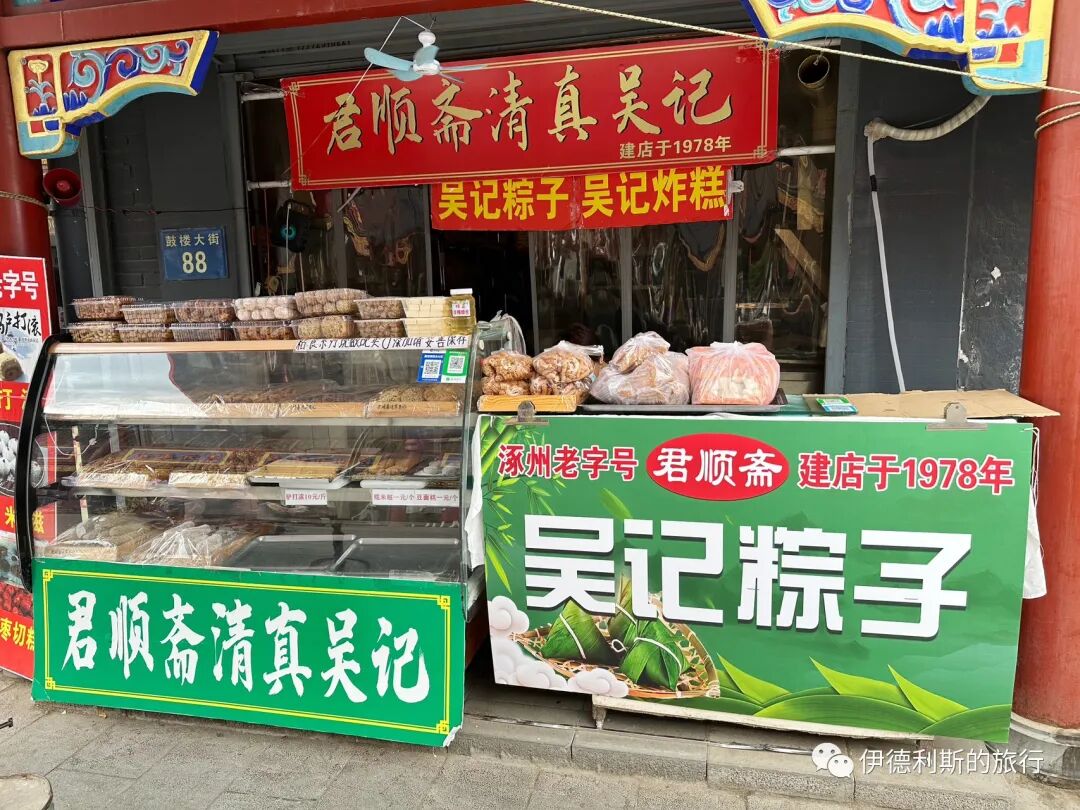
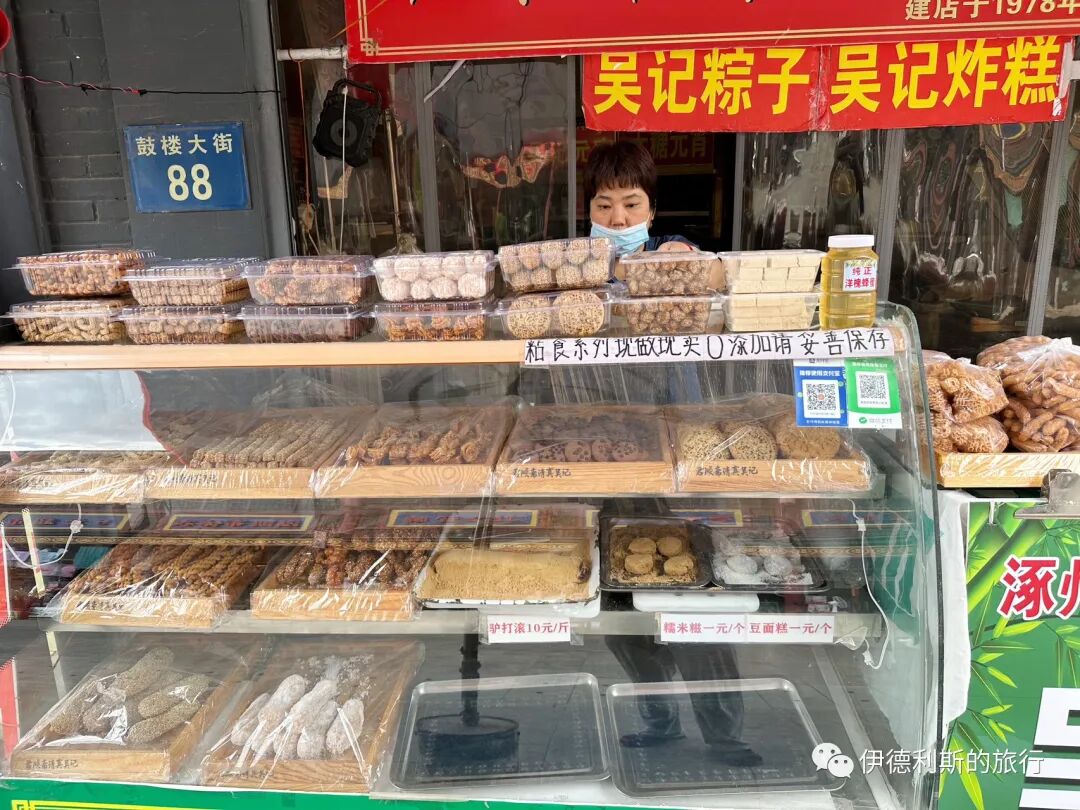
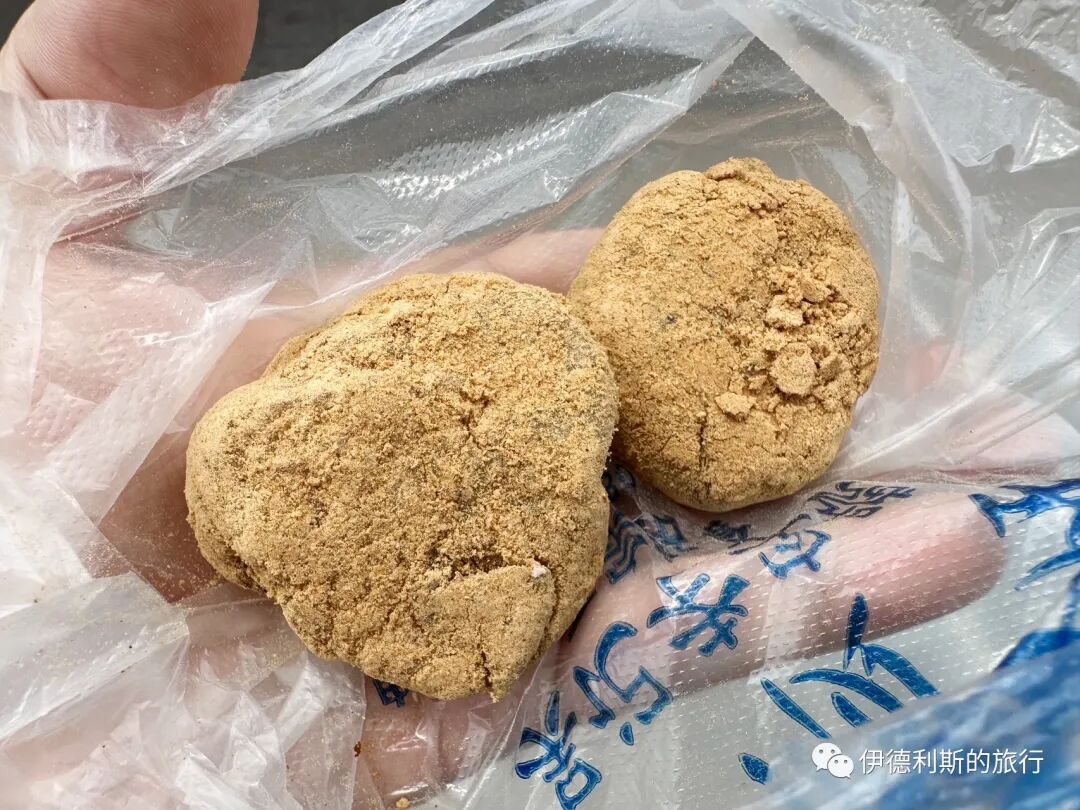
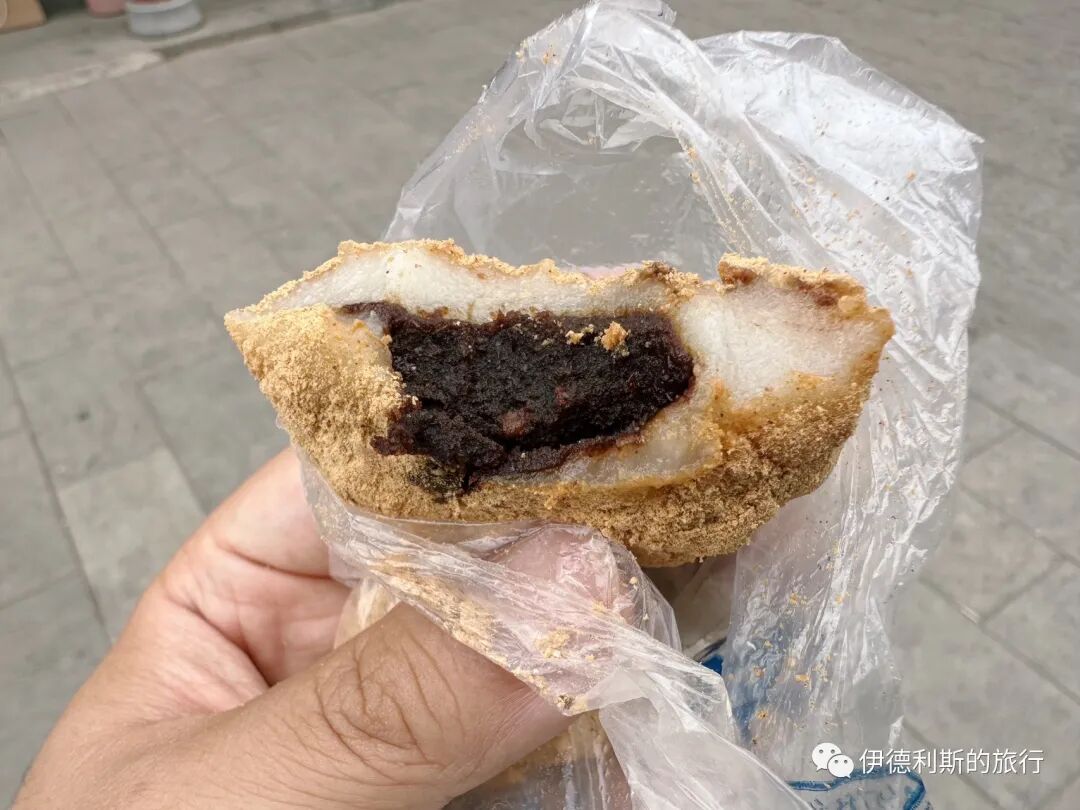
Then I went to Junshunzhai Wuji, a shop with 45 years of history founded in 1978, and bought some small donkey rolls (lvdagun). It was my first time eating the round ones, so I bought two for one yuan each to satisfy my craving. They also had sticky rice cakes (nuomici), bean flour cakes (doumiangao), and other sticky snacks, all for one yuan each.
Gulou Street has many halal snacks, including Chinese-style pastries and steamed buns (baozi). This Sisters Sesame Flatbread (shaobing) shop is also famous, and you can add various fillings to your bread. It is a pity that after the renovation of Gulou Street, the unified storefront signs look very dull and boring.
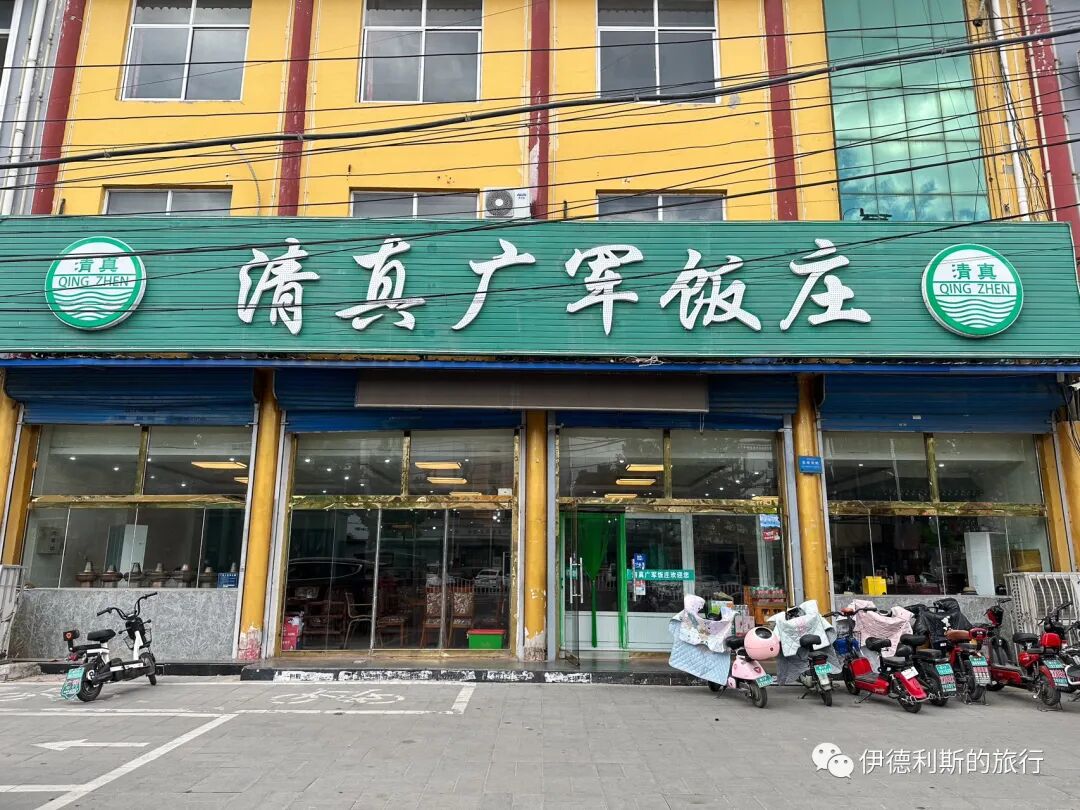
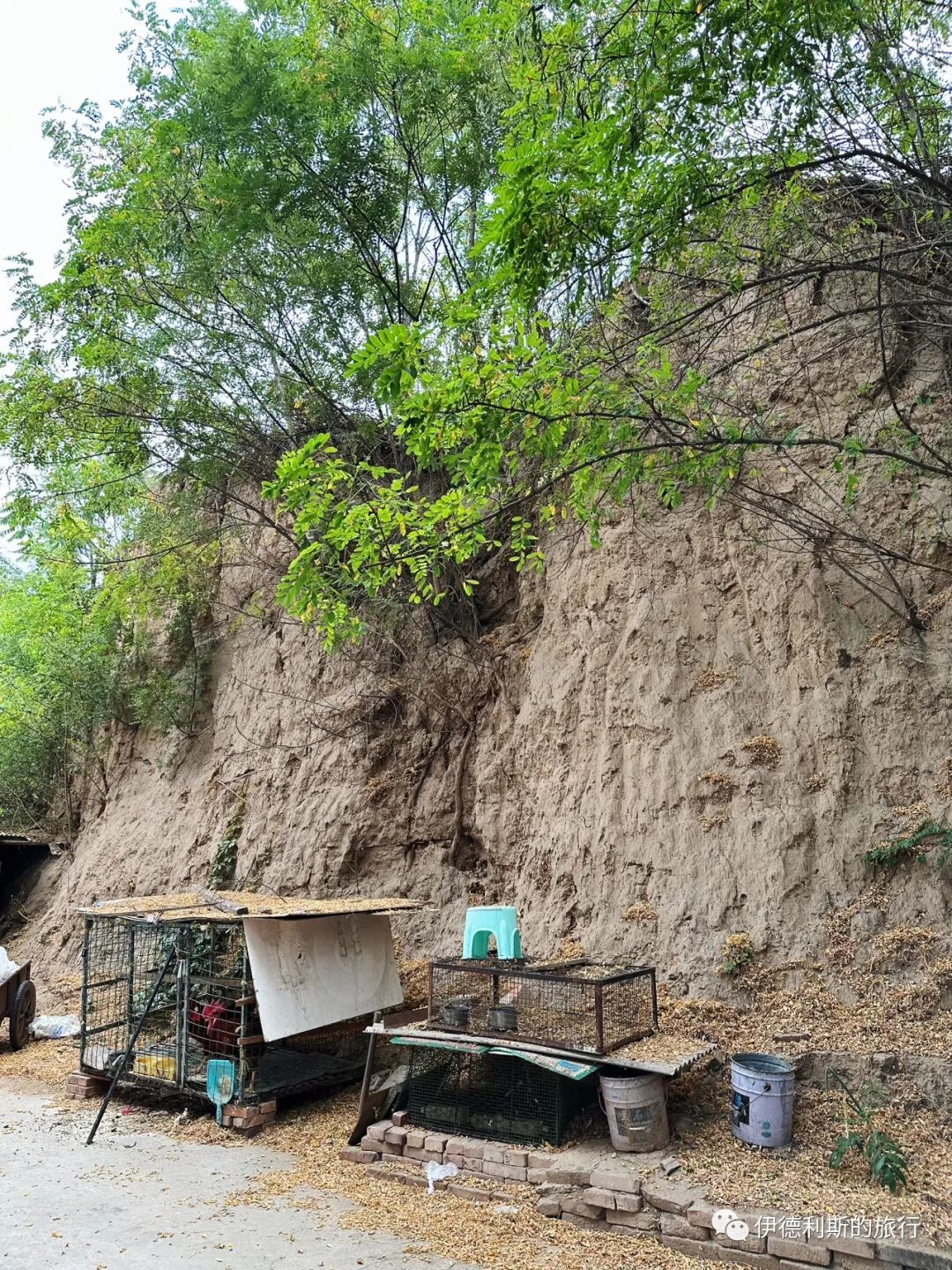
After lunch, I started walking toward the mosque inside Zhuozhou city. Hui Muslims in Zhuozhou live in the Ximen North Street and Yingfangqian Street areas. They still keep their traditional single-family courtyard homes, and the thick rammed earth layers of the nearby Zhuozhou West City Wall are still preserved today.
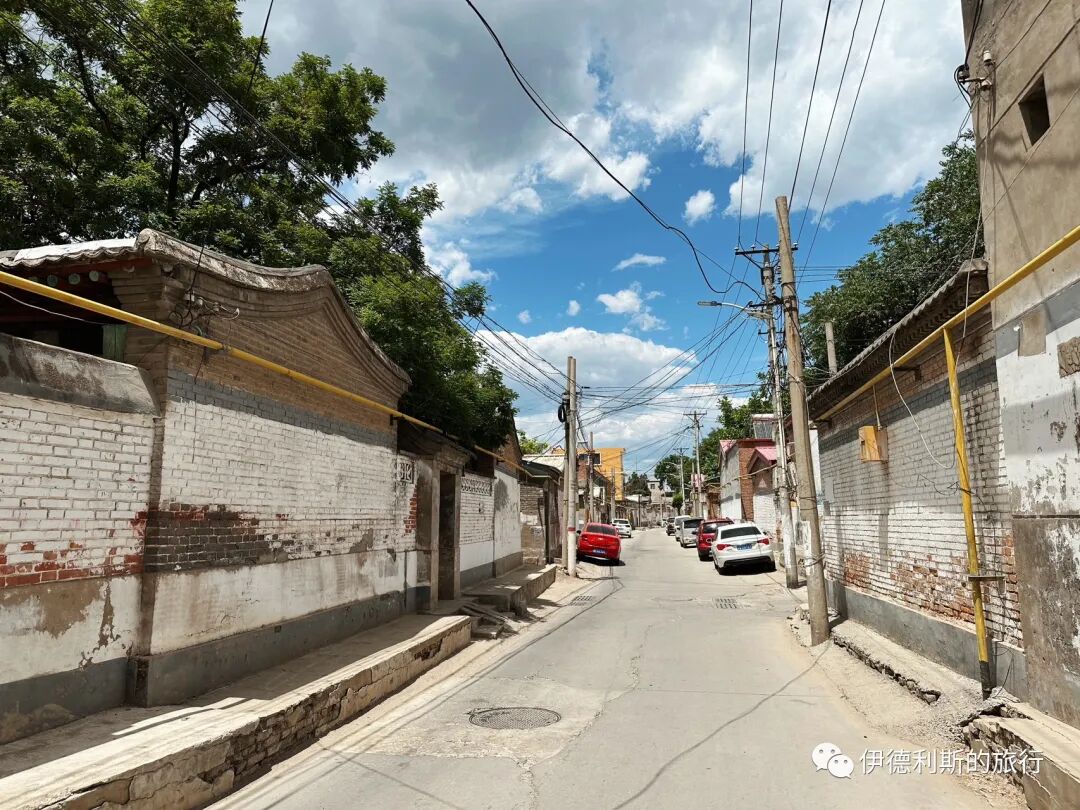
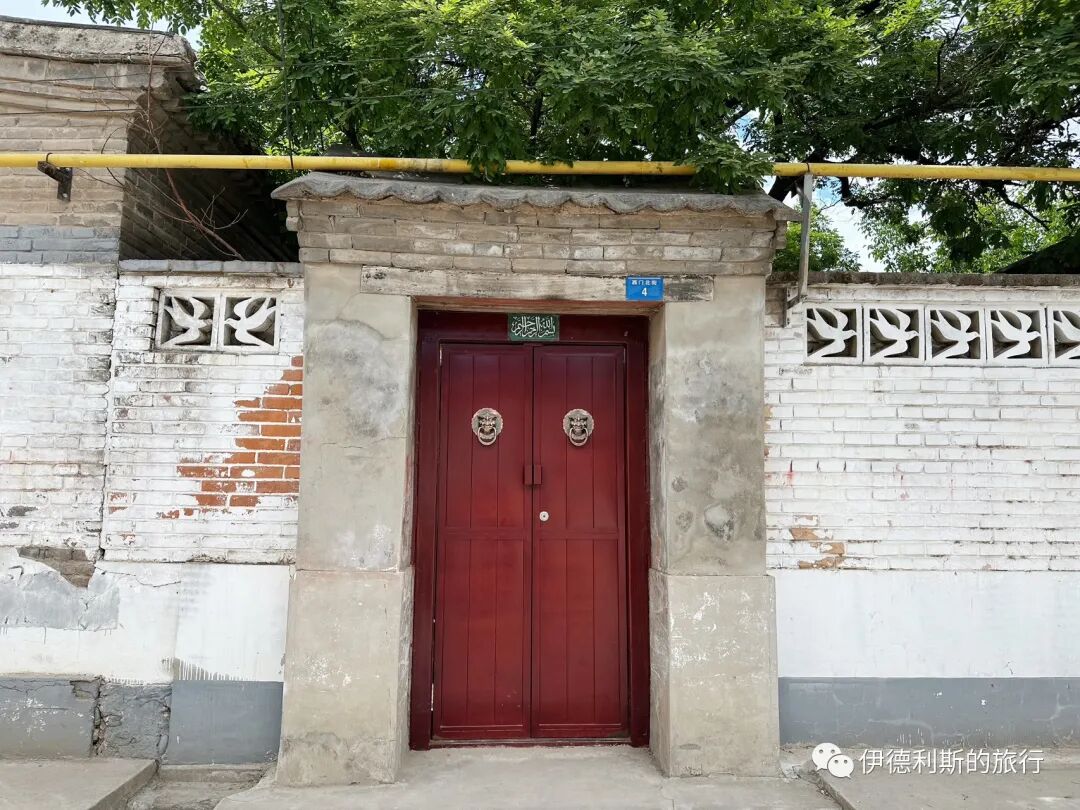
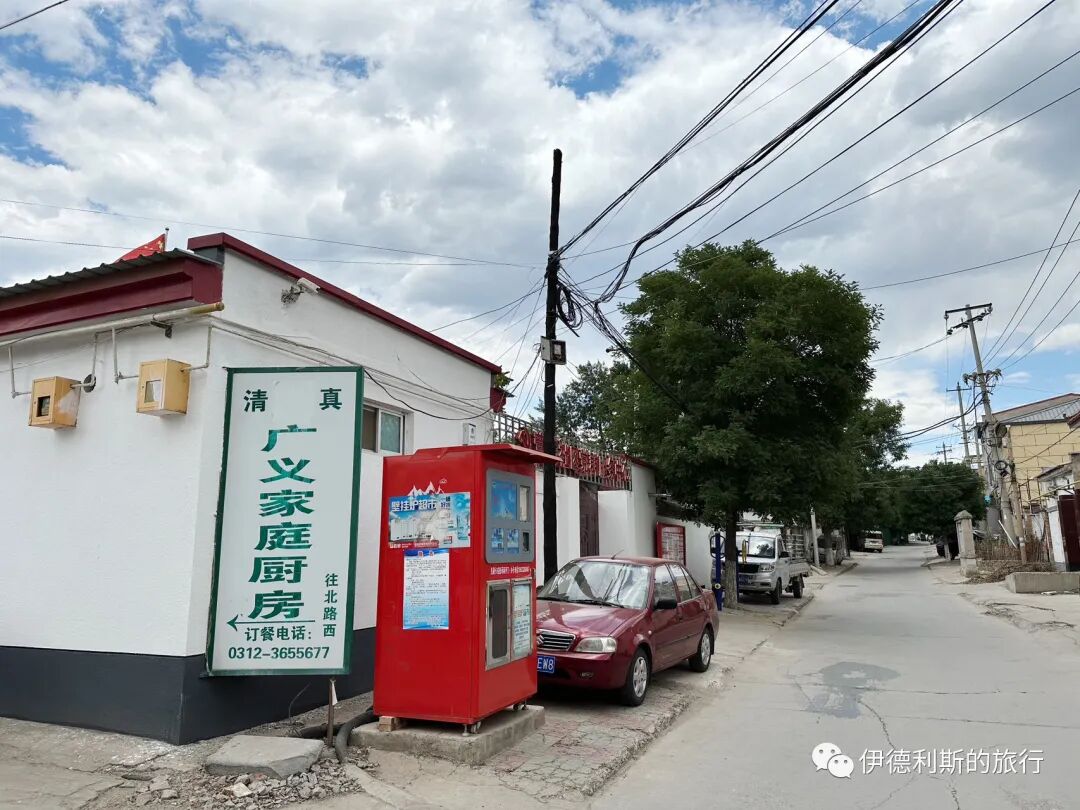
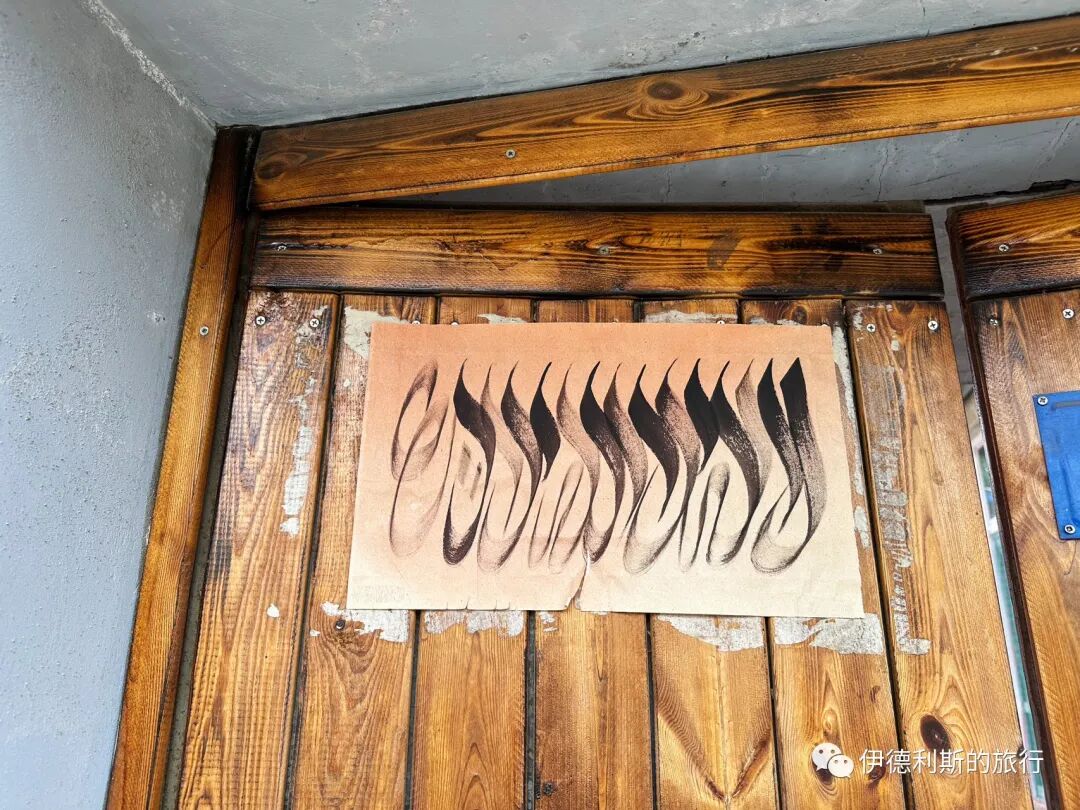
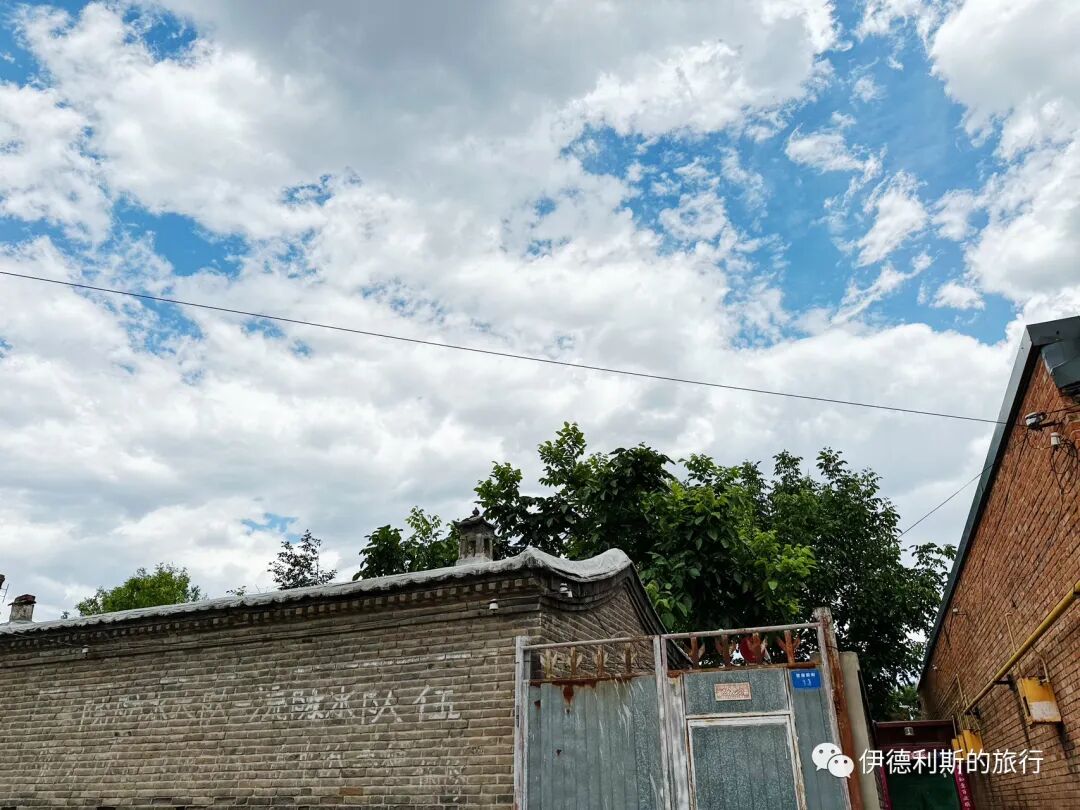
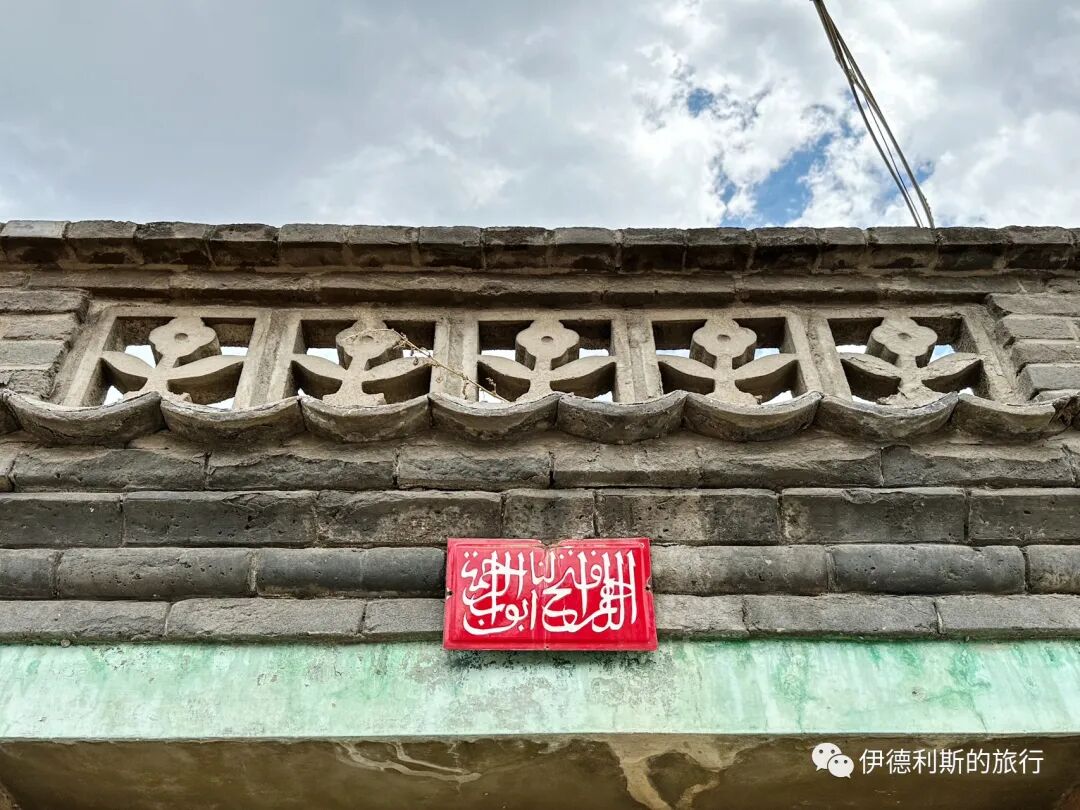
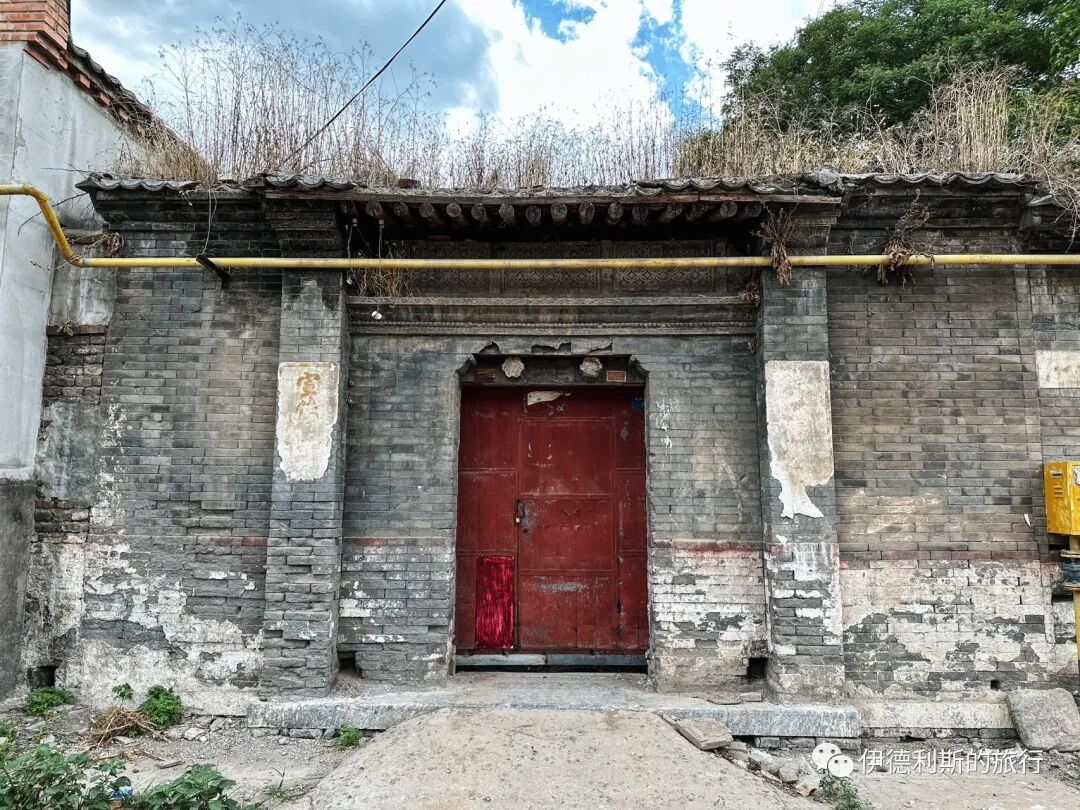
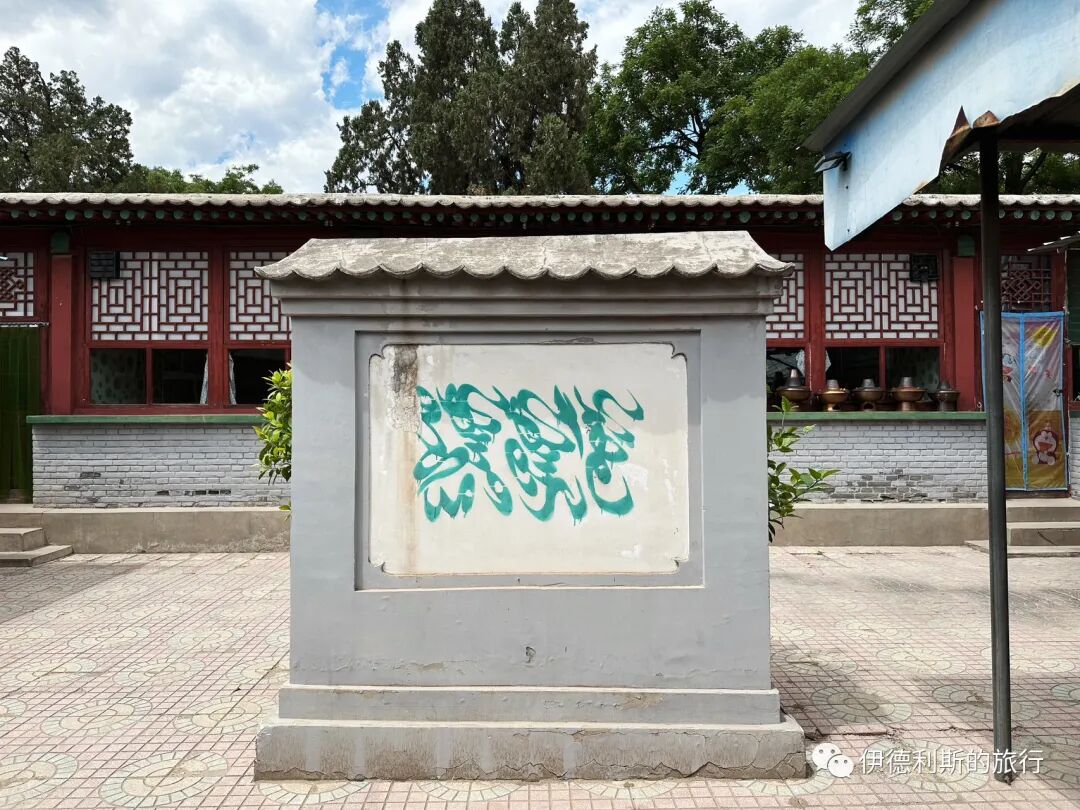
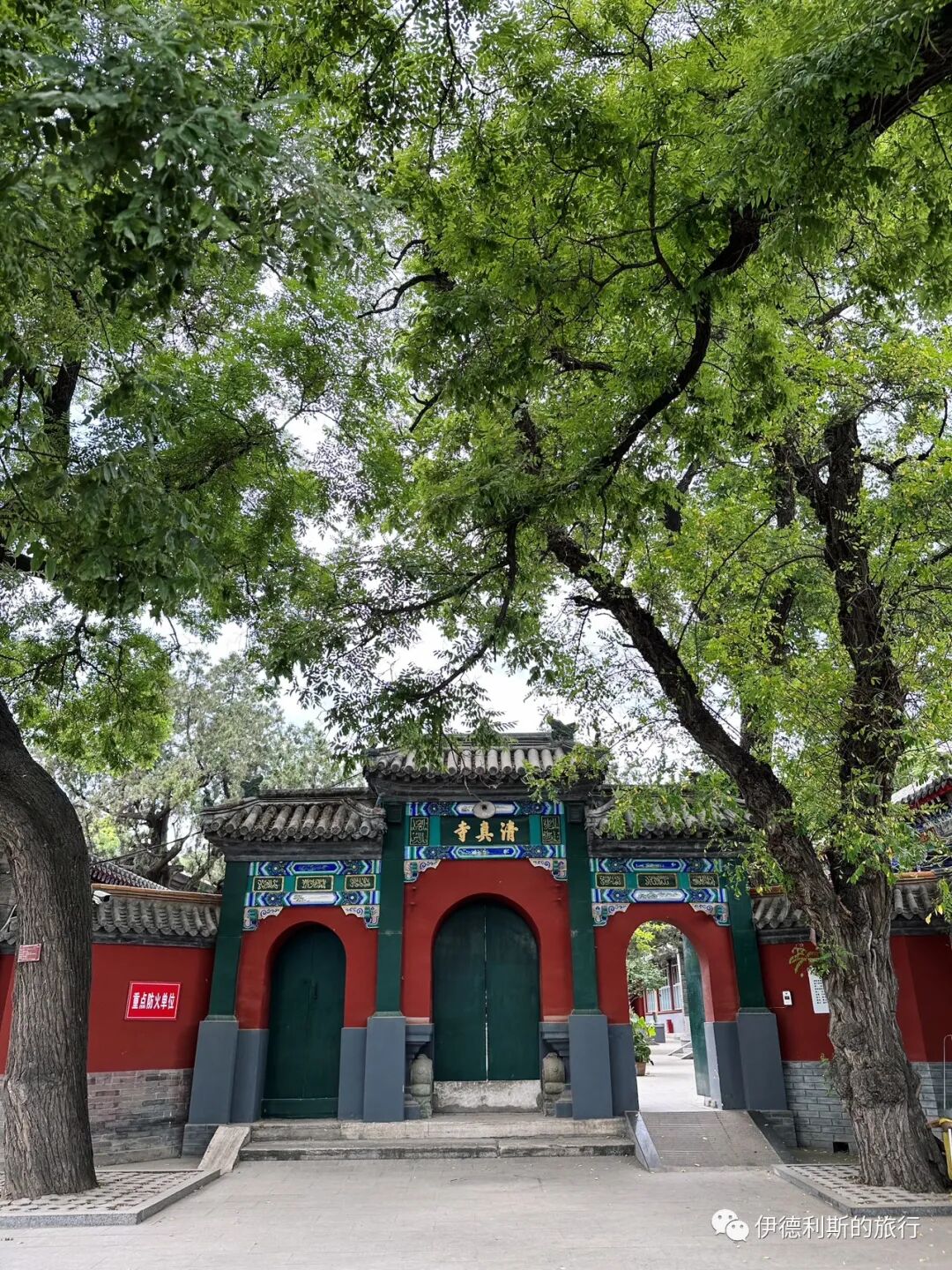
I walked through Yingfangqian Street to reach the Zhuozhou city mosque. The local Gao family in Zhuozhou came here during the early Ming Dynasty with the Prince of Yan. The mosque was first built during the Yongle period of the Ming Dynasty, renovated in the 60th year of the Kangxi reign of the Qing Dynasty, and the main hall was rebuilt in 2000 to look the way it does today.
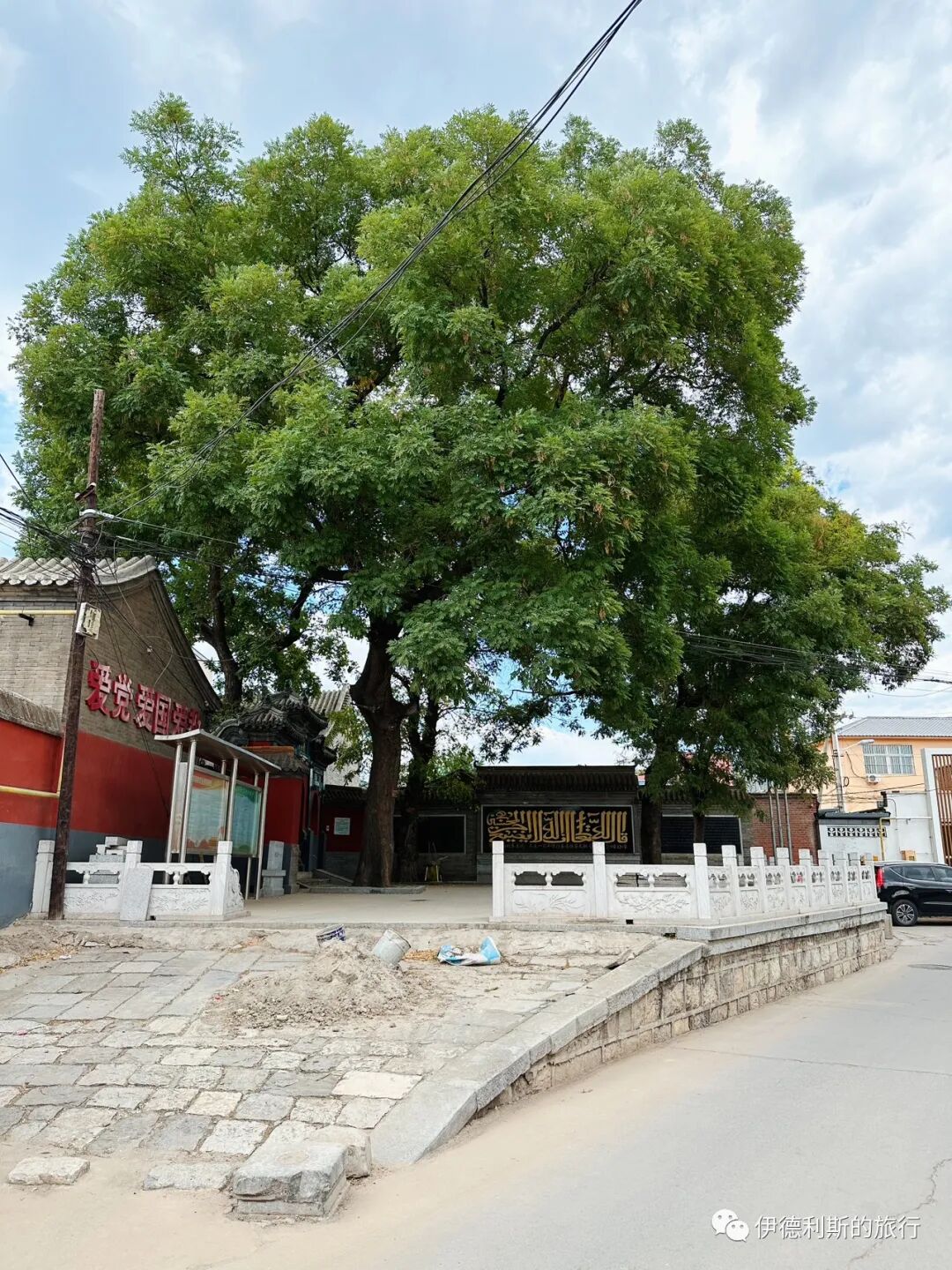
There are two 350-year-old Chinese scholar trees in front of the mosque gate, and several 500-year-old Chinese arborvitae trees in the courtyard, which is very rare for a mosque in China.
Summary: Zhuozhou, Hebei — Friday Namaz and Mosque Life is presented here as a firsthand travel account in clear English, beginning with this scene: I went to the National Library of China Museum last Friday morning for an event. Since it finished early, I decided on a whim to go to the West Railway Station, take a train to Zhuozhou in Hebei, and have lunch before at. The account keeps its focus on Zhuozhou Mosque, Friday Namaz, Hebei Muslims while preserving the names, places, food, and historical details from the Chinese source.
I went to the National Library of China Museum last Friday morning for an event. Since it finished early, I decided on a whim to go to the West Railway Station, take a train to Zhuozhou in Hebei, and have lunch before attending Friday namaz. I checked the tickets and found plenty were available, so I set off happily. Once I entered the subway, I realized I had forgotten my ID card. I quickly checked the 12306 app on my phone and found that I could apply for a QR code to prove my identity. I could just scan it at the manual gate to board the train, which is very convenient.
I took Line 9 from the National Library and arrived at Beijing West Station in 15 minutes. I didn't need a second security check when entering from the subway and went straight upstairs to the train. The high-speed train reached Zhuozhou East Station in 25 minutes. In fact, it only took me one hour to get from the National Library to Zhuozhou.
The high-speed train from Beijing to Zhuozhou passes over the Yongding River. In the old days, traveling to Zhuozhou from Beijing meant leaving through Guang'an Gate, crossing the Lugou Bridge over the Yongding River, passing through Liangxiang, and crossing the Juma River to reach the city of Zhuozhou. This was the official land route from Beijing south to Henan, serving as a major northern artery just like the Grand Canal water route that went from Tongzhou through Tianjin to Shandong.
After arriving in Zhuozhou, I first had some halal-style beef covered flatbread (niurou zhaobing) across from the city museum. The base is beef broth, with soy-braised beef served over shredded flatbread. You can choose how much meat and bread you want. I chose 'three-cover-two,' meaning three taels of meat over two taels of bread. The shop was clean and bright, and the staff were warm and polite. When they served the food, they brought a tray with one large bowl, three small bowls, and a small bottle. The large bowl held the covered flatbread, the three small bowls held pickles, cilantro, and chili, and the small bottle held vinegar. It felt very well-prepared.
The halal snacks in Zhuozhou are mostly on Gulou Street. I first bought a boneless braised chicken (luzhuji) at the century-old shop Yingxingzhai Shabanji. I really like the braised chicken in the Baoding area because it is stewed until tender and not too salty.
Shaban chicken (shabanji) is actually named after the founder from the late Qing Dynasty, Sha Baozhen, who was known as 'Shaba'er,' which is how Hui Muslims use the Persian word for an elder. During the Republic of China era, the third-generation successor, Sha Weisheng, continuously improved the techniques and seasonings, which built the reputation of Shaban chicken.
Then I went to Junshunzhai Wuji, a shop with 45 years of history founded in 1978, and bought some small donkey rolls (lvdagun). It was my first time eating the round ones, so I bought two for one yuan each to satisfy my craving. They also had sticky rice cakes (nuomici), bean flour cakes (doumiangao), and other sticky snacks, all for one yuan each.
Gulou Street has many halal snacks, including Chinese-style pastries and steamed buns (baozi). This Sisters Sesame Flatbread (shaobing) shop is also famous, and you can add various fillings to your bread. It is a pity that after the renovation of Gulou Street, the unified storefront signs look very dull and boring.
After lunch, I started walking toward the mosque inside Zhuozhou city. Hui Muslims in Zhuozhou live in the Ximen North Street and Yingfangqian Street areas. They still keep their traditional single-family courtyard homes, and the thick rammed earth layers of the nearby Zhuozhou West City Wall are still preserved today.
I walked through Yingfangqian Street to reach the Zhuozhou city mosque. The local Gao family in Zhuozhou came here during the early Ming Dynasty with the Prince of Yan. The mosque was first built during the Yongle period of the Ming Dynasty, renovated in the 60th year of the Kangxi reign of the Qing Dynasty, and the main hall was rebuilt in 2000 to look the way it does today.
There are two 350-year-old Chinese scholar trees in front of the mosque gate, and several 500-year-old Chinese arborvitae trees in the courtyard, which is very rare for a mosque in China.
Halal Travel Guide: Zhuozhou, Hebei — Friday Namaz and Mosque Life
Articles • ali2007fr posted the article • 0 comments • 145 views • 2026-05-18 22:07
Reposted from the web
Summary: Zhuozhou, Hebei — Friday Namaz and Mosque Life is presented here as a firsthand travel account in clear English, beginning with this scene: I went to the National Library of China Museum last Friday morning for an event. Since it finished early, I decided on a whim to go to the West Railway Station, take a train to Zhuozhou in Hebei, and have lunch before at. The account keeps its focus on Zhuozhou Mosque, Friday Namaz, Hebei Muslims while preserving the names, places, food, and historical details from the Chinese source.
I went to the National Library of China Museum last Friday morning for an event. Since it finished early, I decided on a whim to go to the West Railway Station, take a train to Zhuozhou in Hebei, and have lunch before attending Friday namaz. I checked the tickets and found plenty were available, so I set off happily. Once I entered the subway, I realized I had forgotten my ID card. I quickly checked the 12306 app on my phone and found that I could apply for a QR code to prove my identity. I could just scan it at the manual gate to board the train, which is very convenient.
I took Line 9 from the National Library and arrived at Beijing West Station in 15 minutes. I didn't need a second security check when entering from the subway and went straight upstairs to the train. The high-speed train reached Zhuozhou East Station in 25 minutes. In fact, it only took me one hour to get from the National Library to Zhuozhou.
The high-speed train from Beijing to Zhuozhou passes over the Yongding River. In the old days, traveling to Zhuozhou from Beijing meant leaving through Guang'an Gate, crossing the Lugou Bridge over the Yongding River, passing through Liangxiang, and crossing the Juma River to reach the city of Zhuozhou. This was the official land route from Beijing south to Henan, serving as a major northern artery just like the Grand Canal water route that went from Tongzhou through Tianjin to Shandong.
After arriving in Zhuozhou, I first had some halal-style beef covered flatbread (niurou zhaobing) across from the city museum. The base is beef broth, with soy-braised beef served over shredded flatbread. You can choose how much meat and bread you want. I chose 'three-cover-two,' meaning three taels of meat over two taels of bread. The shop was clean and bright, and the staff were warm and polite. When they served the food, they brought a tray with one large bowl, three small bowls, and a small bottle. The large bowl held the covered flatbread, the three small bowls held pickles, cilantro, and chili, and the small bottle held vinegar. It felt very well-prepared.
The halal snacks in Zhuozhou are mostly on Gulou Street. I first bought a boneless braised chicken (luzhuji) at the century-old shop Yingxingzhai Shabanji. I really like the braised chicken in the Baoding area because it is stewed until tender and not too salty.
Shaban chicken (shabanji) is actually named after the founder from the late Qing Dynasty, Sha Baozhen, who was known as 'Shaba'er,' which is how Hui Muslims use the Persian word for an elder. During the Republic of China era, the third-generation successor, Sha Weisheng, continuously improved the techniques and seasonings, which built the reputation of Shaban chicken.
Then I went to Junshunzhai Wuji, a shop with 45 years of history founded in 1978, and bought some small donkey rolls (lvdagun). It was my first time eating the round ones, so I bought two for one yuan each to satisfy my craving. They also had sticky rice cakes (nuomici), bean flour cakes (doumiangao), and other sticky snacks, all for one yuan each.
Gulou Street has many halal snacks, including Chinese-style pastries and steamed buns (baozi). This Sisters Sesame Flatbread (shaobing) shop is also famous, and you can add various fillings to your bread. It is a pity that after the renovation of Gulou Street, the unified storefront signs look very dull and boring.
After lunch, I started walking toward the mosque inside Zhuozhou city. Hui Muslims in Zhuozhou live in the Ximen North Street and Yingfangqian Street areas. They still keep their traditional single-family courtyard homes, and the thick rammed earth layers of the nearby Zhuozhou West City Wall are still preserved today.
I walked through Yingfangqian Street to reach the Zhuozhou city mosque. The local Gao family in Zhuozhou came here during the early Ming Dynasty with the Prince of Yan. The mosque was first built during the Yongle period of the Ming Dynasty, renovated in the 60th year of the Kangxi reign of the Qing Dynasty, and the main hall was rebuilt in 2000 to look the way it does today.
There are two 350-year-old Chinese scholar trees in front of the mosque gate, and several 500-year-old Chinese arborvitae trees in the courtyard, which is very rare for a mosque in China. view all
Summary: Zhuozhou, Hebei — Friday Namaz and Mosque Life is presented here as a firsthand travel account in clear English, beginning with this scene: I went to the National Library of China Museum last Friday morning for an event. Since it finished early, I decided on a whim to go to the West Railway Station, take a train to Zhuozhou in Hebei, and have lunch before at. The account keeps its focus on Zhuozhou Mosque, Friday Namaz, Hebei Muslims while preserving the names, places, food, and historical details from the Chinese source.
I went to the National Library of China Museum last Friday morning for an event. Since it finished early, I decided on a whim to go to the West Railway Station, take a train to Zhuozhou in Hebei, and have lunch before attending Friday namaz. I checked the tickets and found plenty were available, so I set off happily. Once I entered the subway, I realized I had forgotten my ID card. I quickly checked the 12306 app on my phone and found that I could apply for a QR code to prove my identity. I could just scan it at the manual gate to board the train, which is very convenient.
I took Line 9 from the National Library and arrived at Beijing West Station in 15 minutes. I didn't need a second security check when entering from the subway and went straight upstairs to the train. The high-speed train reached Zhuozhou East Station in 25 minutes. In fact, it only took me one hour to get from the National Library to Zhuozhou.
The high-speed train from Beijing to Zhuozhou passes over the Yongding River. In the old days, traveling to Zhuozhou from Beijing meant leaving through Guang'an Gate, crossing the Lugou Bridge over the Yongding River, passing through Liangxiang, and crossing the Juma River to reach the city of Zhuozhou. This was the official land route from Beijing south to Henan, serving as a major northern artery just like the Grand Canal water route that went from Tongzhou through Tianjin to Shandong.
After arriving in Zhuozhou, I first had some halal-style beef covered flatbread (niurou zhaobing) across from the city museum. The base is beef broth, with soy-braised beef served over shredded flatbread. You can choose how much meat and bread you want. I chose 'three-cover-two,' meaning three taels of meat over two taels of bread. The shop was clean and bright, and the staff were warm and polite. When they served the food, they brought a tray with one large bowl, three small bowls, and a small bottle. The large bowl held the covered flatbread, the three small bowls held pickles, cilantro, and chili, and the small bottle held vinegar. It felt very well-prepared.
The halal snacks in Zhuozhou are mostly on Gulou Street. I first bought a boneless braised chicken (luzhuji) at the century-old shop Yingxingzhai Shabanji. I really like the braised chicken in the Baoding area because it is stewed until tender and not too salty.
Shaban chicken (shabanji) is actually named after the founder from the late Qing Dynasty, Sha Baozhen, who was known as 'Shaba'er,' which is how Hui Muslims use the Persian word for an elder. During the Republic of China era, the third-generation successor, Sha Weisheng, continuously improved the techniques and seasonings, which built the reputation of Shaban chicken.
Then I went to Junshunzhai Wuji, a shop with 45 years of history founded in 1978, and bought some small donkey rolls (lvdagun). It was my first time eating the round ones, so I bought two for one yuan each to satisfy my craving. They also had sticky rice cakes (nuomici), bean flour cakes (doumiangao), and other sticky snacks, all for one yuan each.
Gulou Street has many halal snacks, including Chinese-style pastries and steamed buns (baozi). This Sisters Sesame Flatbread (shaobing) shop is also famous, and you can add various fillings to your bread. It is a pity that after the renovation of Gulou Street, the unified storefront signs look very dull and boring.
After lunch, I started walking toward the mosque inside Zhuozhou city. Hui Muslims in Zhuozhou live in the Ximen North Street and Yingfangqian Street areas. They still keep their traditional single-family courtyard homes, and the thick rammed earth layers of the nearby Zhuozhou West City Wall are still preserved today.
I walked through Yingfangqian Street to reach the Zhuozhou city mosque. The local Gao family in Zhuozhou came here during the early Ming Dynasty with the Prince of Yan. The mosque was first built during the Yongle period of the Ming Dynasty, renovated in the 60th year of the Kangxi reign of the Qing Dynasty, and the main hall was rebuilt in 2000 to look the way it does today.
There are two 350-year-old Chinese scholar trees in front of the mosque gate, and several 500-year-old Chinese arborvitae trees in the courtyard, which is very rare for a mosque in China. view all
Reposted from the web
Summary: Zhuozhou, Hebei — Friday Namaz and Mosque Life is presented here as a firsthand travel account in clear English, beginning with this scene: I went to the National Library of China Museum last Friday morning for an event. Since it finished early, I decided on a whim to go to the West Railway Station, take a train to Zhuozhou in Hebei, and have lunch before at. The account keeps its focus on Zhuozhou Mosque, Friday Namaz, Hebei Muslims while preserving the names, places, food, and historical details from the Chinese source.
I went to the National Library of China Museum last Friday morning for an event. Since it finished early, I decided on a whim to go to the West Railway Station, take a train to Zhuozhou in Hebei, and have lunch before attending Friday namaz. I checked the tickets and found plenty were available, so I set off happily. Once I entered the subway, I realized I had forgotten my ID card. I quickly checked the 12306 app on my phone and found that I could apply for a QR code to prove my identity. I could just scan it at the manual gate to board the train, which is very convenient.
I took Line 9 from the National Library and arrived at Beijing West Station in 15 minutes. I didn't need a second security check when entering from the subway and went straight upstairs to the train. The high-speed train reached Zhuozhou East Station in 25 minutes. In fact, it only took me one hour to get from the National Library to Zhuozhou.
The high-speed train from Beijing to Zhuozhou passes over the Yongding River. In the old days, traveling to Zhuozhou from Beijing meant leaving through Guang'an Gate, crossing the Lugou Bridge over the Yongding River, passing through Liangxiang, and crossing the Juma River to reach the city of Zhuozhou. This was the official land route from Beijing south to Henan, serving as a major northern artery just like the Grand Canal water route that went from Tongzhou through Tianjin to Shandong.
After arriving in Zhuozhou, I first had some halal-style beef covered flatbread (niurou zhaobing) across from the city museum. The base is beef broth, with soy-braised beef served over shredded flatbread. You can choose how much meat and bread you want. I chose 'three-cover-two,' meaning three taels of meat over two taels of bread. The shop was clean and bright, and the staff were warm and polite. When they served the food, they brought a tray with one large bowl, three small bowls, and a small bottle. The large bowl held the covered flatbread, the three small bowls held pickles, cilantro, and chili, and the small bottle held vinegar. It felt very well-prepared.
The halal snacks in Zhuozhou are mostly on Gulou Street. I first bought a boneless braised chicken (luzhuji) at the century-old shop Yingxingzhai Shabanji. I really like the braised chicken in the Baoding area because it is stewed until tender and not too salty.
Shaban chicken (shabanji) is actually named after the founder from the late Qing Dynasty, Sha Baozhen, who was known as 'Shaba'er,' which is how Hui Muslims use the Persian word for an elder. During the Republic of China era, the third-generation successor, Sha Weisheng, continuously improved the techniques and seasonings, which built the reputation of Shaban chicken.
Then I went to Junshunzhai Wuji, a shop with 45 years of history founded in 1978, and bought some small donkey rolls (lvdagun). It was my first time eating the round ones, so I bought two for one yuan each to satisfy my craving. They also had sticky rice cakes (nuomici), bean flour cakes (doumiangao), and other sticky snacks, all for one yuan each.
Gulou Street has many halal snacks, including Chinese-style pastries and steamed buns (baozi). This Sisters Sesame Flatbread (shaobing) shop is also famous, and you can add various fillings to your bread. It is a pity that after the renovation of Gulou Street, the unified storefront signs look very dull and boring.
After lunch, I started walking toward the mosque inside Zhuozhou city. Hui Muslims in Zhuozhou live in the Ximen North Street and Yingfangqian Street areas. They still keep their traditional single-family courtyard homes, and the thick rammed earth layers of the nearby Zhuozhou West City Wall are still preserved today.
I walked through Yingfangqian Street to reach the Zhuozhou city mosque. The local Gao family in Zhuozhou came here during the early Ming Dynasty with the Prince of Yan. The mosque was first built during the Yongle period of the Ming Dynasty, renovated in the 60th year of the Kangxi reign of the Qing Dynasty, and the main hall was rebuilt in 2000 to look the way it does today.
There are two 350-year-old Chinese scholar trees in front of the mosque gate, and several 500-year-old Chinese arborvitae trees in the courtyard, which is very rare for a mosque in China.
Summary: Zhuozhou, Hebei — Friday Namaz and Mosque Life is presented here as a firsthand travel account in clear English, beginning with this scene: I went to the National Library of China Museum last Friday morning for an event. Since it finished early, I decided on a whim to go to the West Railway Station, take a train to Zhuozhou in Hebei, and have lunch before at. The account keeps its focus on Zhuozhou Mosque, Friday Namaz, Hebei Muslims while preserving the names, places, food, and historical details from the Chinese source.
I went to the National Library of China Museum last Friday morning for an event. Since it finished early, I decided on a whim to go to the West Railway Station, take a train to Zhuozhou in Hebei, and have lunch before attending Friday namaz. I checked the tickets and found plenty were available, so I set off happily. Once I entered the subway, I realized I had forgotten my ID card. I quickly checked the 12306 app on my phone and found that I could apply for a QR code to prove my identity. I could just scan it at the manual gate to board the train, which is very convenient.
I took Line 9 from the National Library and arrived at Beijing West Station in 15 minutes. I didn't need a second security check when entering from the subway and went straight upstairs to the train. The high-speed train reached Zhuozhou East Station in 25 minutes. In fact, it only took me one hour to get from the National Library to Zhuozhou.
The high-speed train from Beijing to Zhuozhou passes over the Yongding River. In the old days, traveling to Zhuozhou from Beijing meant leaving through Guang'an Gate, crossing the Lugou Bridge over the Yongding River, passing through Liangxiang, and crossing the Juma River to reach the city of Zhuozhou. This was the official land route from Beijing south to Henan, serving as a major northern artery just like the Grand Canal water route that went from Tongzhou through Tianjin to Shandong.
After arriving in Zhuozhou, I first had some halal-style beef covered flatbread (niurou zhaobing) across from the city museum. The base is beef broth, with soy-braised beef served over shredded flatbread. You can choose how much meat and bread you want. I chose 'three-cover-two,' meaning three taels of meat over two taels of bread. The shop was clean and bright, and the staff were warm and polite. When they served the food, they brought a tray with one large bowl, three small bowls, and a small bottle. The large bowl held the covered flatbread, the three small bowls held pickles, cilantro, and chili, and the small bottle held vinegar. It felt very well-prepared.
The halal snacks in Zhuozhou are mostly on Gulou Street. I first bought a boneless braised chicken (luzhuji) at the century-old shop Yingxingzhai Shabanji. I really like the braised chicken in the Baoding area because it is stewed until tender and not too salty.
Shaban chicken (shabanji) is actually named after the founder from the late Qing Dynasty, Sha Baozhen, who was known as 'Shaba'er,' which is how Hui Muslims use the Persian word for an elder. During the Republic of China era, the third-generation successor, Sha Weisheng, continuously improved the techniques and seasonings, which built the reputation of Shaban chicken.
Then I went to Junshunzhai Wuji, a shop with 45 years of history founded in 1978, and bought some small donkey rolls (lvdagun). It was my first time eating the round ones, so I bought two for one yuan each to satisfy my craving. They also had sticky rice cakes (nuomici), bean flour cakes (doumiangao), and other sticky snacks, all for one yuan each.
Gulou Street has many halal snacks, including Chinese-style pastries and steamed buns (baozi). This Sisters Sesame Flatbread (shaobing) shop is also famous, and you can add various fillings to your bread. It is a pity that after the renovation of Gulou Street, the unified storefront signs look very dull and boring.
After lunch, I started walking toward the mosque inside Zhuozhou city. Hui Muslims in Zhuozhou live in the Ximen North Street and Yingfangqian Street areas. They still keep their traditional single-family courtyard homes, and the thick rammed earth layers of the nearby Zhuozhou West City Wall are still preserved today.
I walked through Yingfangqian Street to reach the Zhuozhou city mosque. The local Gao family in Zhuozhou came here during the early Ming Dynasty with the Prince of Yan. The mosque was first built during the Yongle period of the Ming Dynasty, renovated in the 60th year of the Kangxi reign of the Qing Dynasty, and the main hall was rebuilt in 2000 to look the way it does today.
There are two 350-year-old Chinese scholar trees in front of the mosque gate, and several 500-year-old Chinese arborvitae trees in the courtyard, which is very rare for a mosque in China.