

Zigong Mosques
Hidden Mosques in Zigong Fushun: Sichuan Hui Muslim Heritage and Road Trip Notes
Articles • ali2007fr posted the article • 0 comments • 158 views • 2026-05-21 06:45
Reposted from the web
Summary: This short stop in Fushun County, Zigong, records a Sichuan mosque visit with local Hui Muslim heritage, county history, and the details preserved from the original road trip.
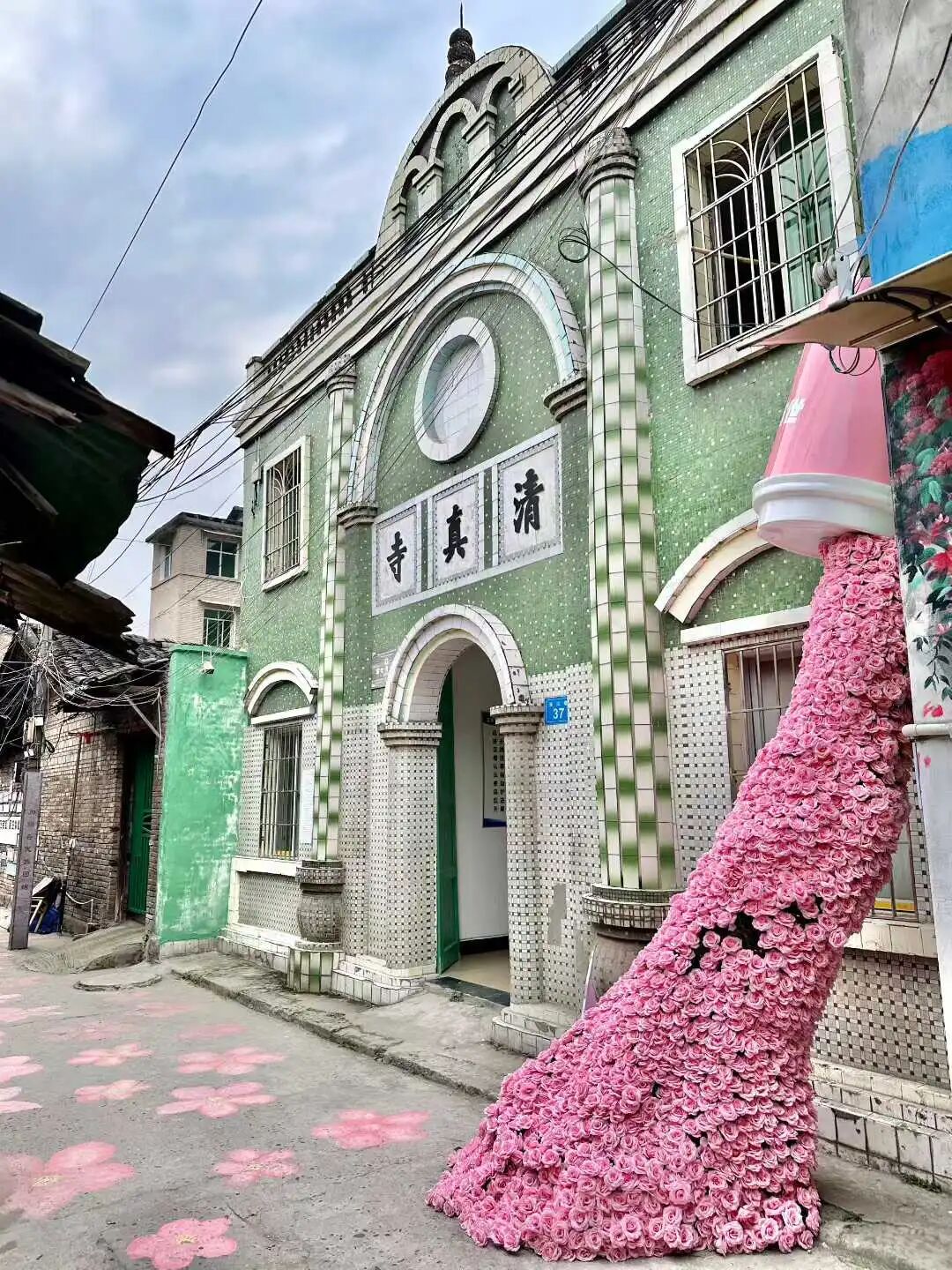
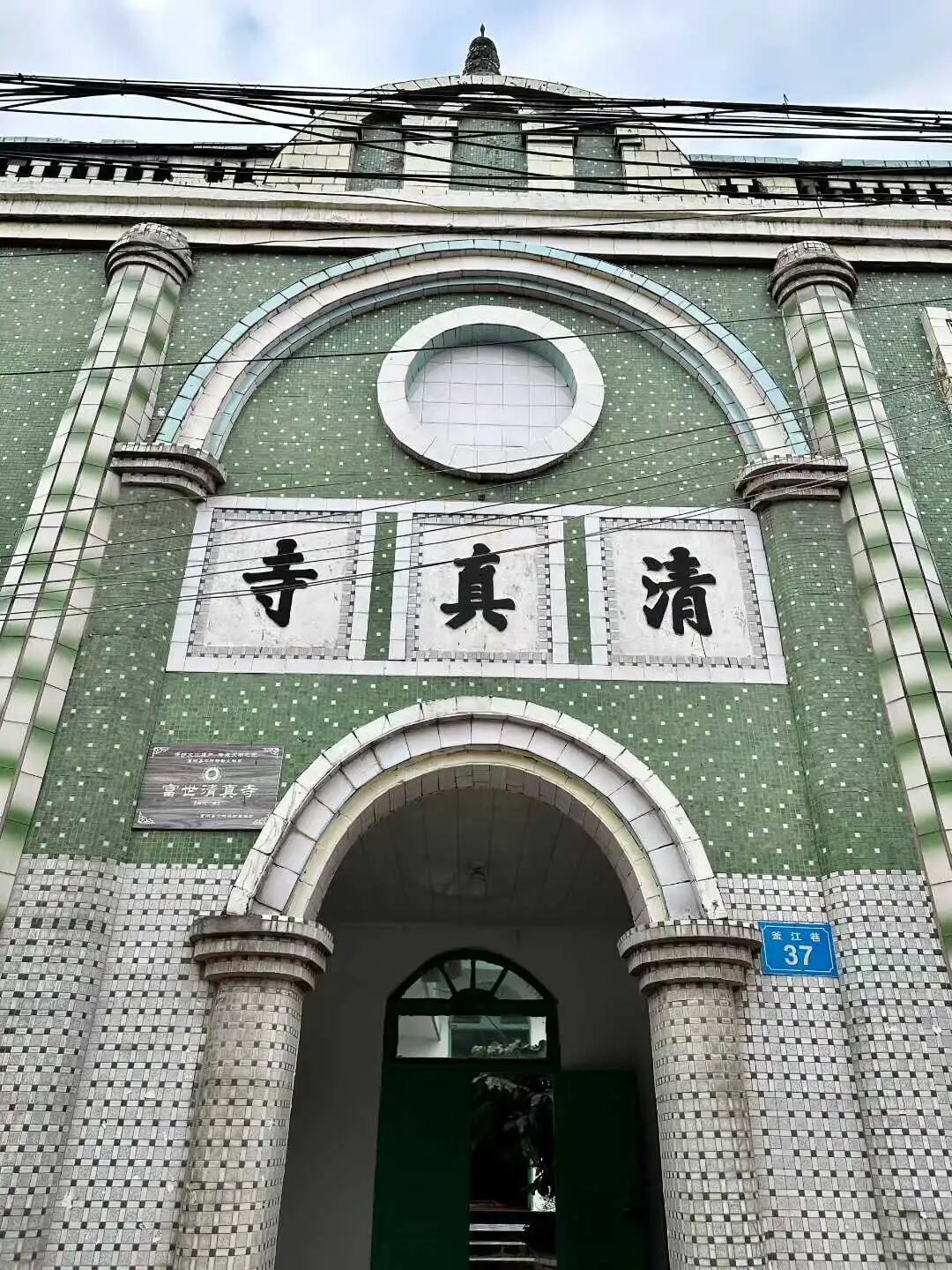
It takes a 2-hour drive north from Sujiaqiao Mosque in Yibin to reach Fushun County in Zigong City. Fushun Mosque is located on Fujiang Lane in the old town of Fushun. I contacted Imam Hai at the mosque beforehand, and he gave me a warm welcome.
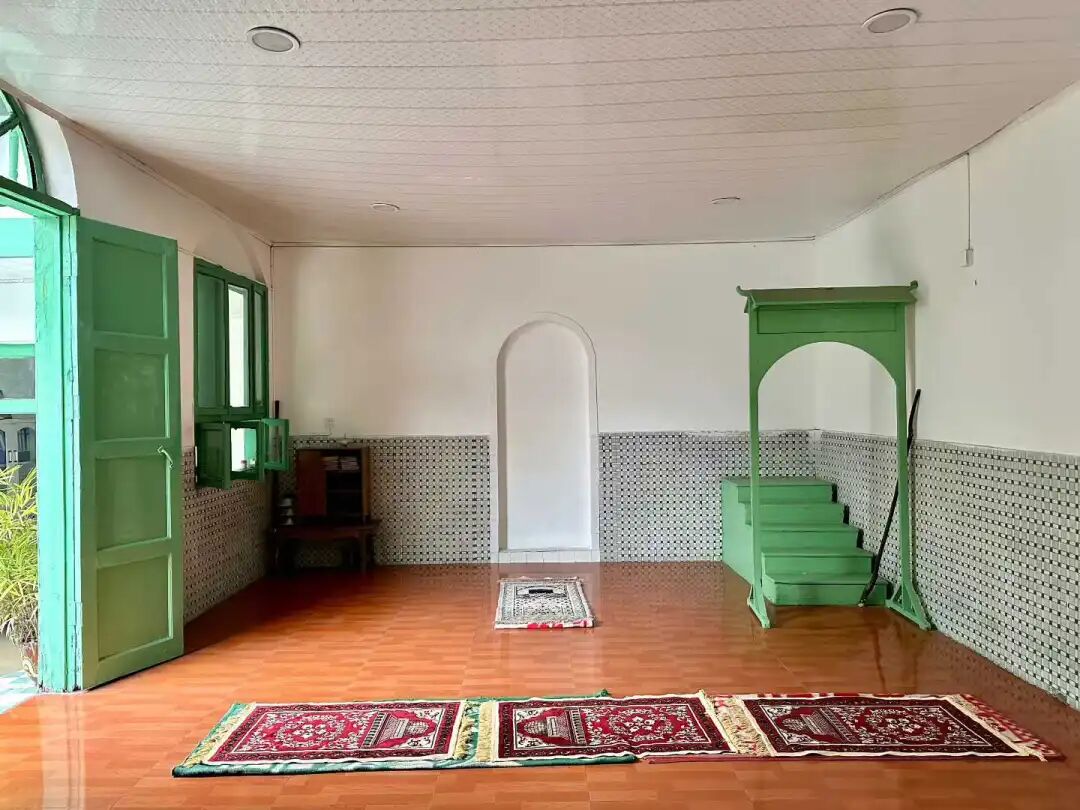
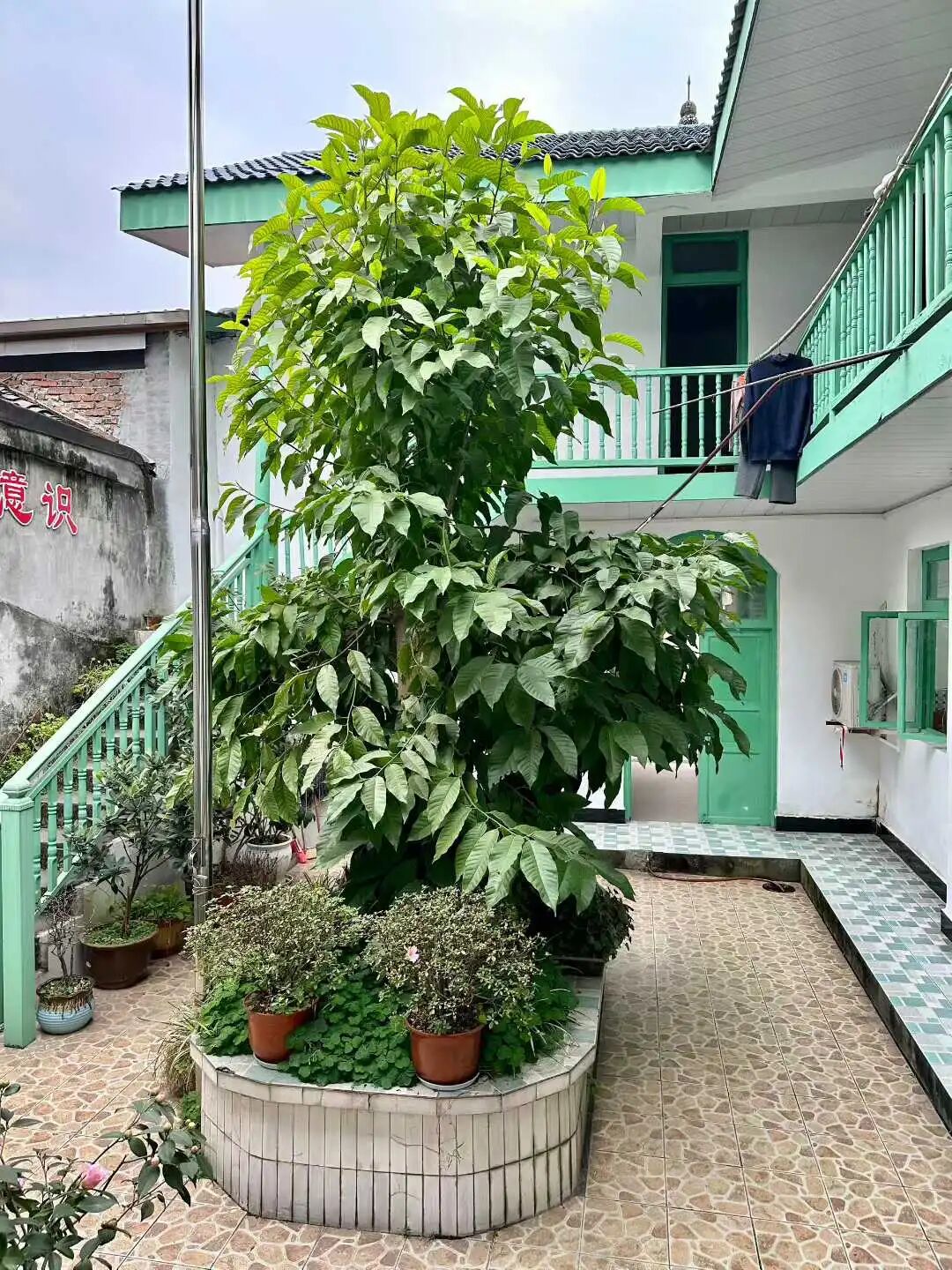
Fushun Mosque is the only mosque in Zigong. During the late Qing Dynasty, Hui Muslims with the surnames Ma, Feng, Su, Zhang, and Cai moved here from places like Longchang, Neijiang, and Rongchang to settle down. At first, the Hui Muslims in Fushun did not have a mosque. They held their annual Eid prayers in the living room of a Ma family home at No. 1 Bo'ai Road. A local Hui Muslim named Ma Xutang once ran a small salt industry bank called Furonghao in Ziliujing. After his business failed, he moved his funds back to Fushun to buy land. He set aside 45 shi of rental grain under the name 'Ma Siyi Tang' to cover the costs of building a mosque and hiring an imam. In 1929, led by Ma Renpei, they used the Ma Siyi Tang funds to buy a house next to the Yaowang Mosque from Chen Tongxing and others of the Yongji Association. After renovations, it became the current Fushun Mosque, which was rebuilt into its present form between 1986 and 1987.
After Fushun Mosque was established, they hired Ma Huiting as the imam, who served for nearly 50 years until 1975. During the 1930s and 1940s, Imam Ma used the summer breaks to teach Islamic classics. One of his students, Master Su Xueliang, later led the ritual slaughter (xiadao) and worked at the religious school around the time of liberation. After the 1986 reconstruction, they hired Imam Hai Weijun from Rongchang, Chongqing, who has been there for 40 years. When Imam Hai first arrived at the mosque, he was only in his early 20s. He relied on Master Su Xueliang to visit Hui Muslim households each month to collect donations (nietie) for his living expenses. Three months later, Imam Hai decided to support himself. He started working part-time performing ritual slaughter (xiadao) at a Hui Muslim restaurant, and later sold fruit and ran a restaurant, which allowed Fushun Mosque to keep running for the past 40 years.
According to Imam Hai, the only local Hui Muslim restaurant in Zigong right now is Cai's Lamb Soup (Cai shi yangrou tang) near Beihuan Road, though it is not very easy to reach by public transport since it is outside the city center. Luckily, Imam Hai invited me to try the bamboo shoot stewed lamb with skin and stir-fried lamb that had been donated (chusai) to the mosque from Cai's Lamb Soup, allowing me to experience the unique Sichuan-style cuisine of Zigong's Hui Muslims. Their bamboo shoot lamb with skin had tender meat and soft skin. The bamboo shoots were fresh and slightly sweet, their fragrance cutting through the richness of the meat, which was mellow and savory. The stir-fried lamb was cooked quickly over high heat to lock in the juices. The fresh ginger added a spicy kick, the small chili peppers provided a great flavor, and the dish had that distinct 'wok hei' (guoqie) that gives Zigong Hui Muslim stir-fries their authentic, home-cooked feel. Any friends (dost) passing through Zigong next time should go and have a meal there. view all
Summary: This short stop in Fushun County, Zigong, records a Sichuan mosque visit with local Hui Muslim heritage, county history, and the details preserved from the original road trip.
It takes a 2-hour drive north from Sujiaqiao Mosque in Yibin to reach Fushun County in Zigong City. Fushun Mosque is located on Fujiang Lane in the old town of Fushun. I contacted Imam Hai at the mosque beforehand, and he gave me a warm welcome.
Fushun Mosque is the only mosque in Zigong. During the late Qing Dynasty, Hui Muslims with the surnames Ma, Feng, Su, Zhang, and Cai moved here from places like Longchang, Neijiang, and Rongchang to settle down. At first, the Hui Muslims in Fushun did not have a mosque. They held their annual Eid prayers in the living room of a Ma family home at No. 1 Bo'ai Road. A local Hui Muslim named Ma Xutang once ran a small salt industry bank called Furonghao in Ziliujing. After his business failed, he moved his funds back to Fushun to buy land. He set aside 45 shi of rental grain under the name 'Ma Siyi Tang' to cover the costs of building a mosque and hiring an imam. In 1929, led by Ma Renpei, they used the Ma Siyi Tang funds to buy a house next to the Yaowang Mosque from Chen Tongxing and others of the Yongji Association. After renovations, it became the current Fushun Mosque, which was rebuilt into its present form between 1986 and 1987.
After Fushun Mosque was established, they hired Ma Huiting as the imam, who served for nearly 50 years until 1975. During the 1930s and 1940s, Imam Ma used the summer breaks to teach Islamic classics. One of his students, Master Su Xueliang, later led the ritual slaughter (xiadao) and worked at the religious school around the time of liberation. After the 1986 reconstruction, they hired Imam Hai Weijun from Rongchang, Chongqing, who has been there for 40 years. When Imam Hai first arrived at the mosque, he was only in his early 20s. He relied on Master Su Xueliang to visit Hui Muslim households each month to collect donations (nietie) for his living expenses. Three months later, Imam Hai decided to support himself. He started working part-time performing ritual slaughter (xiadao) at a Hui Muslim restaurant, and later sold fruit and ran a restaurant, which allowed Fushun Mosque to keep running for the past 40 years.
According to Imam Hai, the only local Hui Muslim restaurant in Zigong right now is Cai's Lamb Soup (Cai shi yangrou tang) near Beihuan Road, though it is not very easy to reach by public transport since it is outside the city center. Luckily, Imam Hai invited me to try the bamboo shoot stewed lamb with skin and stir-fried lamb that had been donated (chusai) to the mosque from Cai's Lamb Soup, allowing me to experience the unique Sichuan-style cuisine of Zigong's Hui Muslims. Their bamboo shoot lamb with skin had tender meat and soft skin. The bamboo shoots were fresh and slightly sweet, their fragrance cutting through the richness of the meat, which was mellow and savory. The stir-fried lamb was cooked quickly over high heat to lock in the juices. The fresh ginger added a spicy kick, the small chili peppers provided a great flavor, and the dish had that distinct 'wok hei' (guoqie) that gives Zigong Hui Muslim stir-fries their authentic, home-cooked feel. Any friends (dost) passing through Zigong next time should go and have a meal there. view all
Reposted from the web
Summary: This short stop in Fushun County, Zigong, records a Sichuan mosque visit with local Hui Muslim heritage, county history, and the details preserved from the original road trip.
It takes a 2-hour drive north from Sujiaqiao Mosque in Yibin to reach Fushun County in Zigong City. Fushun Mosque is located on Fujiang Lane in the old town of Fushun. I contacted Imam Hai at the mosque beforehand, and he gave me a warm welcome.
Fushun Mosque is the only mosque in Zigong. During the late Qing Dynasty, Hui Muslims with the surnames Ma, Feng, Su, Zhang, and Cai moved here from places like Longchang, Neijiang, and Rongchang to settle down. At first, the Hui Muslims in Fushun did not have a mosque. They held their annual Eid prayers in the living room of a Ma family home at No. 1 Bo'ai Road. A local Hui Muslim named Ma Xutang once ran a small salt industry bank called Furonghao in Ziliujing. After his business failed, he moved his funds back to Fushun to buy land. He set aside 45 shi of rental grain under the name 'Ma Siyi Tang' to cover the costs of building a mosque and hiring an imam. In 1929, led by Ma Renpei, they used the Ma Siyi Tang funds to buy a house next to the Yaowang Mosque from Chen Tongxing and others of the Yongji Association. After renovations, it became the current Fushun Mosque, which was rebuilt into its present form between 1986 and 1987.
After Fushun Mosque was established, they hired Ma Huiting as the imam, who served for nearly 50 years until 1975. During the 1930s and 1940s, Imam Ma used the summer breaks to teach Islamic classics. One of his students, Master Su Xueliang, later led the ritual slaughter (xiadao) and worked at the religious school around the time of liberation. After the 1986 reconstruction, they hired Imam Hai Weijun from Rongchang, Chongqing, who has been there for 40 years. When Imam Hai first arrived at the mosque, he was only in his early 20s. He relied on Master Su Xueliang to visit Hui Muslim households each month to collect donations (nietie) for his living expenses. Three months later, Imam Hai decided to support himself. He started working part-time performing ritual slaughter (xiadao) at a Hui Muslim restaurant, and later sold fruit and ran a restaurant, which allowed Fushun Mosque to keep running for the past 40 years.
According to Imam Hai, the only local Hui Muslim restaurant in Zigong right now is Cai's Lamb Soup (Cai shi yangrou tang) near Beihuan Road, though it is not very easy to reach by public transport since it is outside the city center. Luckily, Imam Hai invited me to try the bamboo shoot stewed lamb with skin and stir-fried lamb that had been donated (chusai) to the mosque from Cai's Lamb Soup, allowing me to experience the unique Sichuan-style cuisine of Zigong's Hui Muslims. Their bamboo shoot lamb with skin had tender meat and soft skin. The bamboo shoots were fresh and slightly sweet, their fragrance cutting through the richness of the meat, which was mellow and savory. The stir-fried lamb was cooked quickly over high heat to lock in the juices. The fresh ginger added a spicy kick, the small chili peppers provided a great flavor, and the dish had that distinct 'wok hei' (guoqie) that gives Zigong Hui Muslim stir-fries their authentic, home-cooked feel. Any friends (dost) passing through Zigong next time should go and have a meal there.
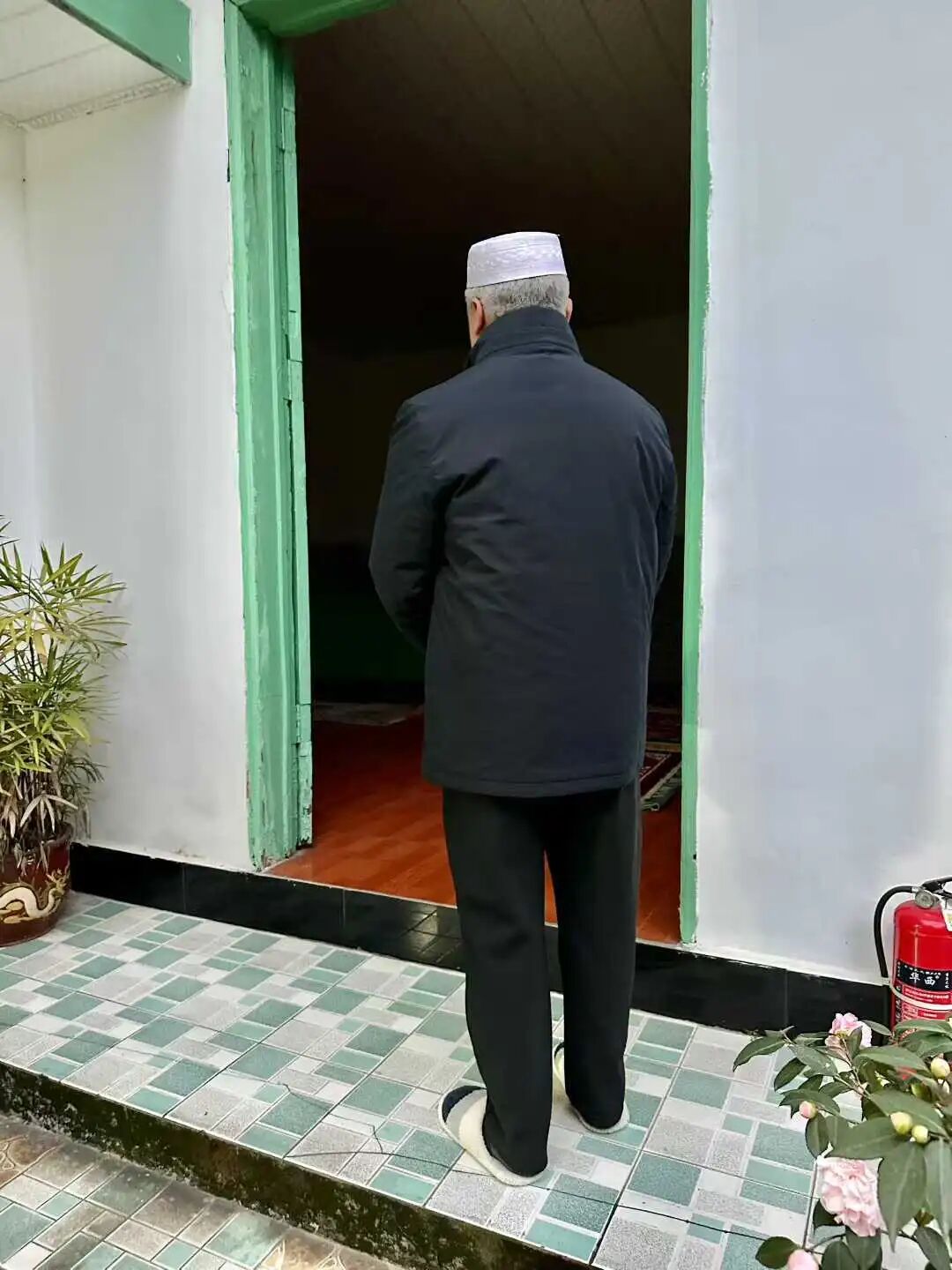
Summary: This short stop in Fushun County, Zigong, records a Sichuan mosque visit with local Hui Muslim heritage, county history, and the details preserved from the original road trip.
It takes a 2-hour drive north from Sujiaqiao Mosque in Yibin to reach Fushun County in Zigong City. Fushun Mosque is located on Fujiang Lane in the old town of Fushun. I contacted Imam Hai at the mosque beforehand, and he gave me a warm welcome.
Fushun Mosque is the only mosque in Zigong. During the late Qing Dynasty, Hui Muslims with the surnames Ma, Feng, Su, Zhang, and Cai moved here from places like Longchang, Neijiang, and Rongchang to settle down. At first, the Hui Muslims in Fushun did not have a mosque. They held their annual Eid prayers in the living room of a Ma family home at No. 1 Bo'ai Road. A local Hui Muslim named Ma Xutang once ran a small salt industry bank called Furonghao in Ziliujing. After his business failed, he moved his funds back to Fushun to buy land. He set aside 45 shi of rental grain under the name 'Ma Siyi Tang' to cover the costs of building a mosque and hiring an imam. In 1929, led by Ma Renpei, they used the Ma Siyi Tang funds to buy a house next to the Yaowang Mosque from Chen Tongxing and others of the Yongji Association. After renovations, it became the current Fushun Mosque, which was rebuilt into its present form between 1986 and 1987.
After Fushun Mosque was established, they hired Ma Huiting as the imam, who served for nearly 50 years until 1975. During the 1930s and 1940s, Imam Ma used the summer breaks to teach Islamic classics. One of his students, Master Su Xueliang, later led the ritual slaughter (xiadao) and worked at the religious school around the time of liberation. After the 1986 reconstruction, they hired Imam Hai Weijun from Rongchang, Chongqing, who has been there for 40 years. When Imam Hai first arrived at the mosque, he was only in his early 20s. He relied on Master Su Xueliang to visit Hui Muslim households each month to collect donations (nietie) for his living expenses. Three months later, Imam Hai decided to support himself. He started working part-time performing ritual slaughter (xiadao) at a Hui Muslim restaurant, and later sold fruit and ran a restaurant, which allowed Fushun Mosque to keep running for the past 40 years.
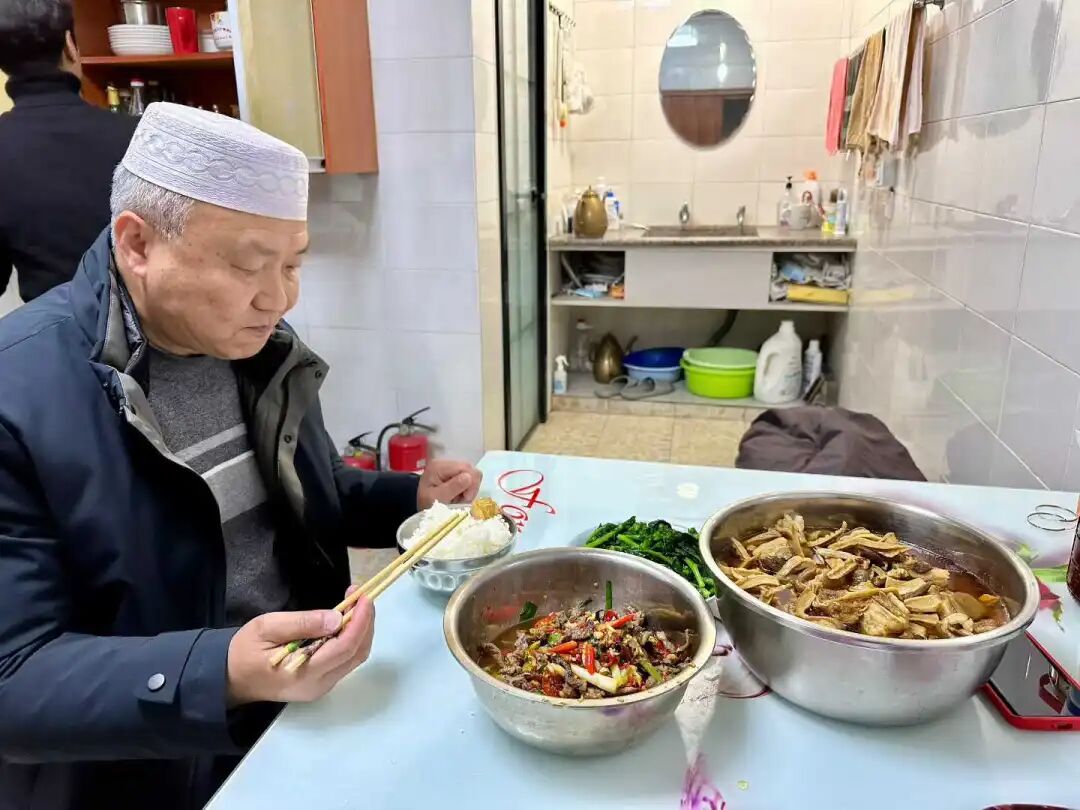
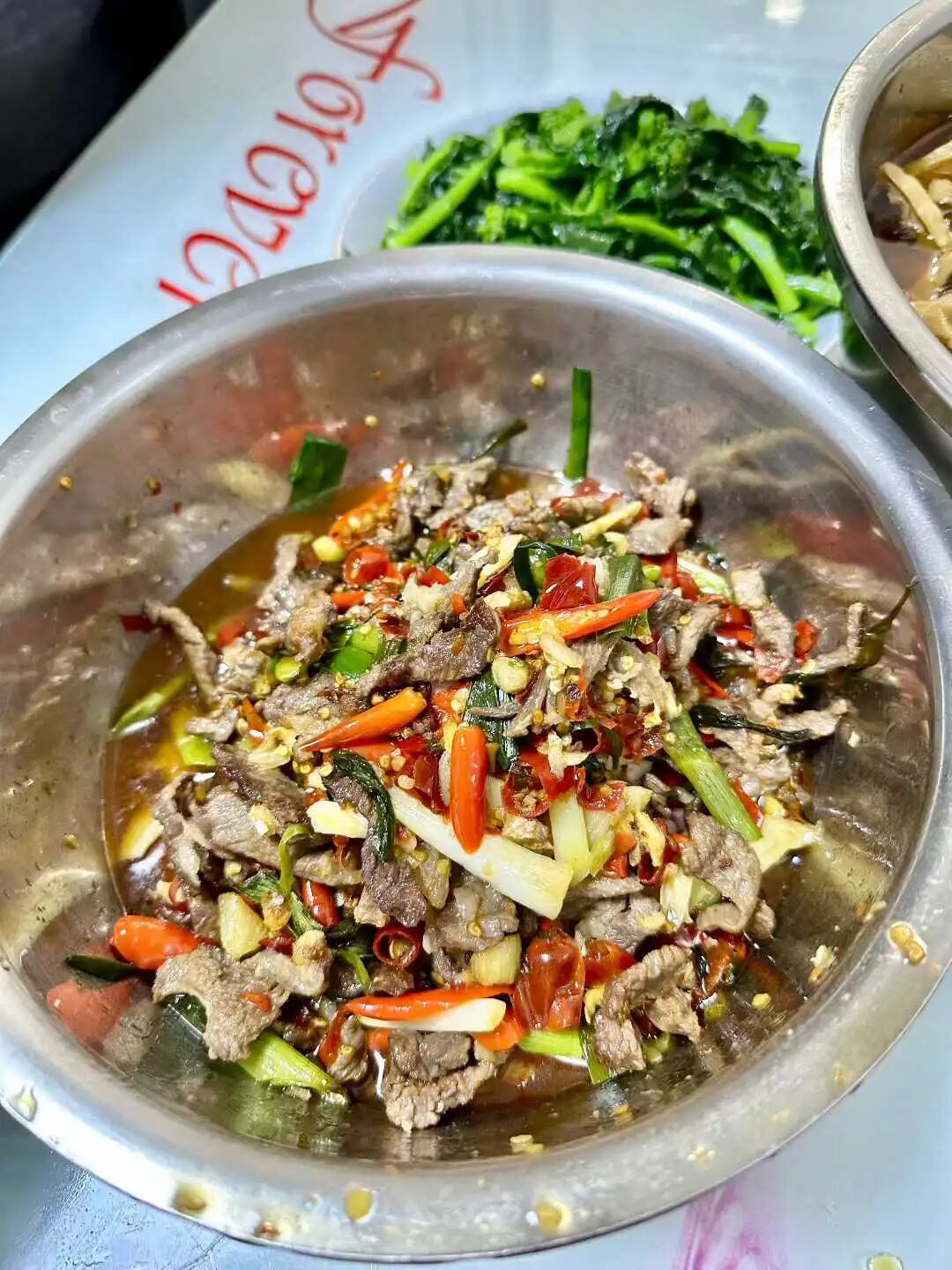
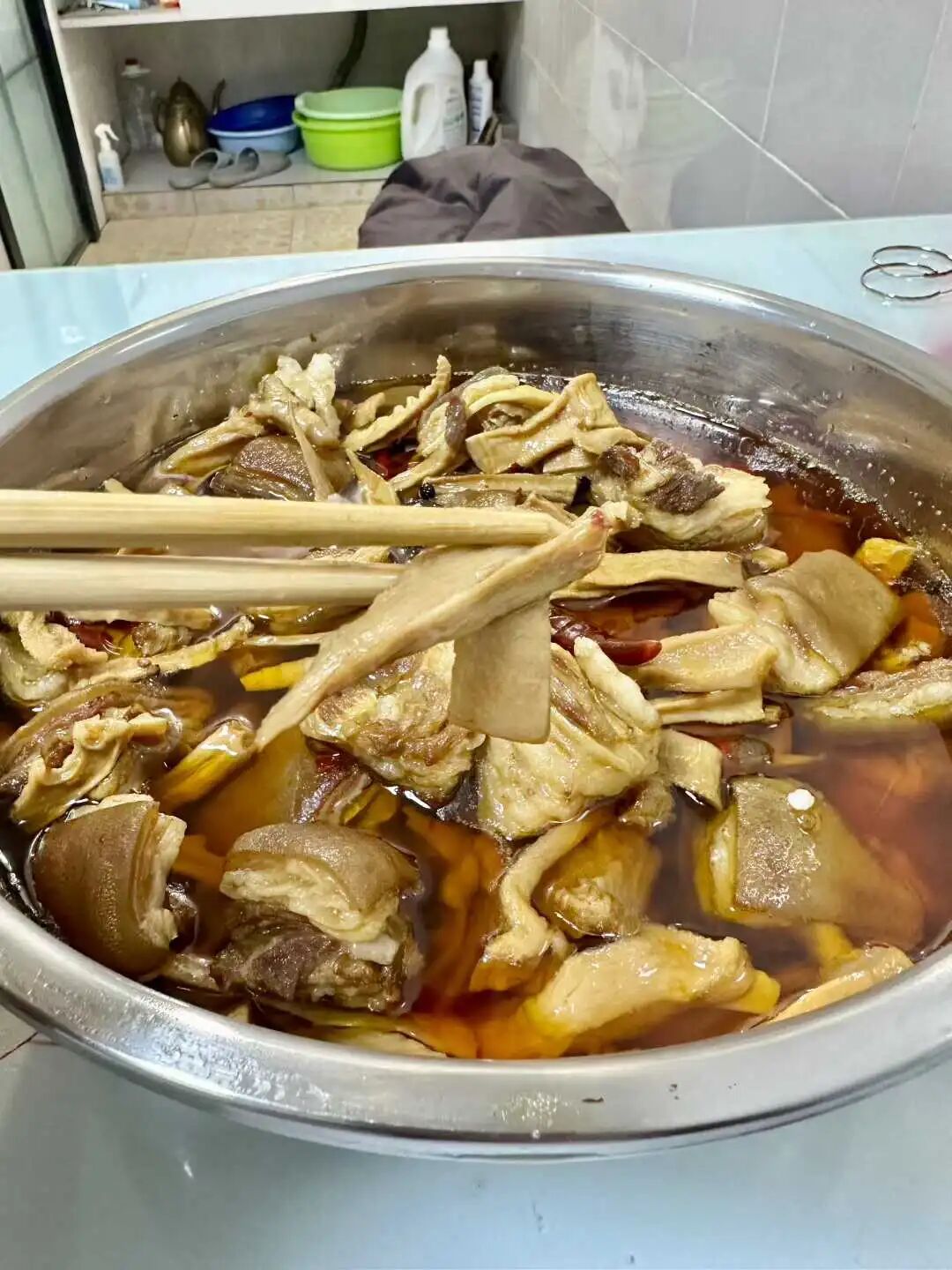
According to Imam Hai, the only local Hui Muslim restaurant in Zigong right now is Cai's Lamb Soup (Cai shi yangrou tang) near Beihuan Road, though it is not very easy to reach by public transport since it is outside the city center. Luckily, Imam Hai invited me to try the bamboo shoot stewed lamb with skin and stir-fried lamb that had been donated (chusai) to the mosque from Cai's Lamb Soup, allowing me to experience the unique Sichuan-style cuisine of Zigong's Hui Muslims. Their bamboo shoot lamb with skin had tender meat and soft skin. The bamboo shoots were fresh and slightly sweet, their fragrance cutting through the richness of the meat, which was mellow and savory. The stir-fried lamb was cooked quickly over high heat to lock in the juices. The fresh ginger added a spicy kick, the small chili peppers provided a great flavor, and the dish had that distinct 'wok hei' (guoqie) that gives Zigong Hui Muslim stir-fries their authentic, home-cooked feel. Any friends (dost) passing through Zigong next time should go and have a meal there.
Hidden Mosques in Zigong Fushun: Sichuan Hui Muslim Heritage and Road Trip Notes
Articles • ali2007fr posted the article • 0 comments • 158 views • 2026-05-21 06:45
Reposted from the web
Summary: This short stop in Fushun County, Zigong, records a Sichuan mosque visit with local Hui Muslim heritage, county history, and the details preserved from the original road trip.
It takes a 2-hour drive north from Sujiaqiao Mosque in Yibin to reach Fushun County in Zigong City. Fushun Mosque is located on Fujiang Lane in the old town of Fushun. I contacted Imam Hai at the mosque beforehand, and he gave me a warm welcome.
Fushun Mosque is the only mosque in Zigong. During the late Qing Dynasty, Hui Muslims with the surnames Ma, Feng, Su, Zhang, and Cai moved here from places like Longchang, Neijiang, and Rongchang to settle down. At first, the Hui Muslims in Fushun did not have a mosque. They held their annual Eid prayers in the living room of a Ma family home at No. 1 Bo'ai Road. A local Hui Muslim named Ma Xutang once ran a small salt industry bank called Furonghao in Ziliujing. After his business failed, he moved his funds back to Fushun to buy land. He set aside 45 shi of rental grain under the name 'Ma Siyi Tang' to cover the costs of building a mosque and hiring an imam. In 1929, led by Ma Renpei, they used the Ma Siyi Tang funds to buy a house next to the Yaowang Mosque from Chen Tongxing and others of the Yongji Association. After renovations, it became the current Fushun Mosque, which was rebuilt into its present form between 1986 and 1987.
After Fushun Mosque was established, they hired Ma Huiting as the imam, who served for nearly 50 years until 1975. During the 1930s and 1940s, Imam Ma used the summer breaks to teach Islamic classics. One of his students, Master Su Xueliang, later led the ritual slaughter (xiadao) and worked at the religious school around the time of liberation. After the 1986 reconstruction, they hired Imam Hai Weijun from Rongchang, Chongqing, who has been there for 40 years. When Imam Hai first arrived at the mosque, he was only in his early 20s. He relied on Master Su Xueliang to visit Hui Muslim households each month to collect donations (nietie) for his living expenses. Three months later, Imam Hai decided to support himself. He started working part-time performing ritual slaughter (xiadao) at a Hui Muslim restaurant, and later sold fruit and ran a restaurant, which allowed Fushun Mosque to keep running for the past 40 years.
According to Imam Hai, the only local Hui Muslim restaurant in Zigong right now is Cai's Lamb Soup (Cai shi yangrou tang) near Beihuan Road, though it is not very easy to reach by public transport since it is outside the city center. Luckily, Imam Hai invited me to try the bamboo shoot stewed lamb with skin and stir-fried lamb that had been donated (chusai) to the mosque from Cai's Lamb Soup, allowing me to experience the unique Sichuan-style cuisine of Zigong's Hui Muslims. Their bamboo shoot lamb with skin had tender meat and soft skin. The bamboo shoots were fresh and slightly sweet, their fragrance cutting through the richness of the meat, which was mellow and savory. The stir-fried lamb was cooked quickly over high heat to lock in the juices. The fresh ginger added a spicy kick, the small chili peppers provided a great flavor, and the dish had that distinct 'wok hei' (guoqie) that gives Zigong Hui Muslim stir-fries their authentic, home-cooked feel. Any friends (dost) passing through Zigong next time should go and have a meal there. view all
Summary: This short stop in Fushun County, Zigong, records a Sichuan mosque visit with local Hui Muslim heritage, county history, and the details preserved from the original road trip.
It takes a 2-hour drive north from Sujiaqiao Mosque in Yibin to reach Fushun County in Zigong City. Fushun Mosque is located on Fujiang Lane in the old town of Fushun. I contacted Imam Hai at the mosque beforehand, and he gave me a warm welcome.
Fushun Mosque is the only mosque in Zigong. During the late Qing Dynasty, Hui Muslims with the surnames Ma, Feng, Su, Zhang, and Cai moved here from places like Longchang, Neijiang, and Rongchang to settle down. At first, the Hui Muslims in Fushun did not have a mosque. They held their annual Eid prayers in the living room of a Ma family home at No. 1 Bo'ai Road. A local Hui Muslim named Ma Xutang once ran a small salt industry bank called Furonghao in Ziliujing. After his business failed, he moved his funds back to Fushun to buy land. He set aside 45 shi of rental grain under the name 'Ma Siyi Tang' to cover the costs of building a mosque and hiring an imam. In 1929, led by Ma Renpei, they used the Ma Siyi Tang funds to buy a house next to the Yaowang Mosque from Chen Tongxing and others of the Yongji Association. After renovations, it became the current Fushun Mosque, which was rebuilt into its present form between 1986 and 1987.
After Fushun Mosque was established, they hired Ma Huiting as the imam, who served for nearly 50 years until 1975. During the 1930s and 1940s, Imam Ma used the summer breaks to teach Islamic classics. One of his students, Master Su Xueliang, later led the ritual slaughter (xiadao) and worked at the religious school around the time of liberation. After the 1986 reconstruction, they hired Imam Hai Weijun from Rongchang, Chongqing, who has been there for 40 years. When Imam Hai first arrived at the mosque, he was only in his early 20s. He relied on Master Su Xueliang to visit Hui Muslim households each month to collect donations (nietie) for his living expenses. Three months later, Imam Hai decided to support himself. He started working part-time performing ritual slaughter (xiadao) at a Hui Muslim restaurant, and later sold fruit and ran a restaurant, which allowed Fushun Mosque to keep running for the past 40 years.
According to Imam Hai, the only local Hui Muslim restaurant in Zigong right now is Cai's Lamb Soup (Cai shi yangrou tang) near Beihuan Road, though it is not very easy to reach by public transport since it is outside the city center. Luckily, Imam Hai invited me to try the bamboo shoot stewed lamb with skin and stir-fried lamb that had been donated (chusai) to the mosque from Cai's Lamb Soup, allowing me to experience the unique Sichuan-style cuisine of Zigong's Hui Muslims. Their bamboo shoot lamb with skin had tender meat and soft skin. The bamboo shoots were fresh and slightly sweet, their fragrance cutting through the richness of the meat, which was mellow and savory. The stir-fried lamb was cooked quickly over high heat to lock in the juices. The fresh ginger added a spicy kick, the small chili peppers provided a great flavor, and the dish had that distinct 'wok hei' (guoqie) that gives Zigong Hui Muslim stir-fries their authentic, home-cooked feel. Any friends (dost) passing through Zigong next time should go and have a meal there. view all
Reposted from the web
Summary: This short stop in Fushun County, Zigong, records a Sichuan mosque visit with local Hui Muslim heritage, county history, and the details preserved from the original road trip.
It takes a 2-hour drive north from Sujiaqiao Mosque in Yibin to reach Fushun County in Zigong City. Fushun Mosque is located on Fujiang Lane in the old town of Fushun. I contacted Imam Hai at the mosque beforehand, and he gave me a warm welcome.
Fushun Mosque is the only mosque in Zigong. During the late Qing Dynasty, Hui Muslims with the surnames Ma, Feng, Su, Zhang, and Cai moved here from places like Longchang, Neijiang, and Rongchang to settle down. At first, the Hui Muslims in Fushun did not have a mosque. They held their annual Eid prayers in the living room of a Ma family home at No. 1 Bo'ai Road. A local Hui Muslim named Ma Xutang once ran a small salt industry bank called Furonghao in Ziliujing. After his business failed, he moved his funds back to Fushun to buy land. He set aside 45 shi of rental grain under the name 'Ma Siyi Tang' to cover the costs of building a mosque and hiring an imam. In 1929, led by Ma Renpei, they used the Ma Siyi Tang funds to buy a house next to the Yaowang Mosque from Chen Tongxing and others of the Yongji Association. After renovations, it became the current Fushun Mosque, which was rebuilt into its present form between 1986 and 1987.
After Fushun Mosque was established, they hired Ma Huiting as the imam, who served for nearly 50 years until 1975. During the 1930s and 1940s, Imam Ma used the summer breaks to teach Islamic classics. One of his students, Master Su Xueliang, later led the ritual slaughter (xiadao) and worked at the religious school around the time of liberation. After the 1986 reconstruction, they hired Imam Hai Weijun from Rongchang, Chongqing, who has been there for 40 years. When Imam Hai first arrived at the mosque, he was only in his early 20s. He relied on Master Su Xueliang to visit Hui Muslim households each month to collect donations (nietie) for his living expenses. Three months later, Imam Hai decided to support himself. He started working part-time performing ritual slaughter (xiadao) at a Hui Muslim restaurant, and later sold fruit and ran a restaurant, which allowed Fushun Mosque to keep running for the past 40 years.
According to Imam Hai, the only local Hui Muslim restaurant in Zigong right now is Cai's Lamb Soup (Cai shi yangrou tang) near Beihuan Road, though it is not very easy to reach by public transport since it is outside the city center. Luckily, Imam Hai invited me to try the bamboo shoot stewed lamb with skin and stir-fried lamb that had been donated (chusai) to the mosque from Cai's Lamb Soup, allowing me to experience the unique Sichuan-style cuisine of Zigong's Hui Muslims. Their bamboo shoot lamb with skin had tender meat and soft skin. The bamboo shoots were fresh and slightly sweet, their fragrance cutting through the richness of the meat, which was mellow and savory. The stir-fried lamb was cooked quickly over high heat to lock in the juices. The fresh ginger added a spicy kick, the small chili peppers provided a great flavor, and the dish had that distinct 'wok hei' (guoqie) that gives Zigong Hui Muslim stir-fries their authentic, home-cooked feel. Any friends (dost) passing through Zigong next time should go and have a meal there.
Summary: This short stop in Fushun County, Zigong, records a Sichuan mosque visit with local Hui Muslim heritage, county history, and the details preserved from the original road trip.
It takes a 2-hour drive north from Sujiaqiao Mosque in Yibin to reach Fushun County in Zigong City. Fushun Mosque is located on Fujiang Lane in the old town of Fushun. I contacted Imam Hai at the mosque beforehand, and he gave me a warm welcome.
Fushun Mosque is the only mosque in Zigong. During the late Qing Dynasty, Hui Muslims with the surnames Ma, Feng, Su, Zhang, and Cai moved here from places like Longchang, Neijiang, and Rongchang to settle down. At first, the Hui Muslims in Fushun did not have a mosque. They held their annual Eid prayers in the living room of a Ma family home at No. 1 Bo'ai Road. A local Hui Muslim named Ma Xutang once ran a small salt industry bank called Furonghao in Ziliujing. After his business failed, he moved his funds back to Fushun to buy land. He set aside 45 shi of rental grain under the name 'Ma Siyi Tang' to cover the costs of building a mosque and hiring an imam. In 1929, led by Ma Renpei, they used the Ma Siyi Tang funds to buy a house next to the Yaowang Mosque from Chen Tongxing and others of the Yongji Association. After renovations, it became the current Fushun Mosque, which was rebuilt into its present form between 1986 and 1987.
After Fushun Mosque was established, they hired Ma Huiting as the imam, who served for nearly 50 years until 1975. During the 1930s and 1940s, Imam Ma used the summer breaks to teach Islamic classics. One of his students, Master Su Xueliang, later led the ritual slaughter (xiadao) and worked at the religious school around the time of liberation. After the 1986 reconstruction, they hired Imam Hai Weijun from Rongchang, Chongqing, who has been there for 40 years. When Imam Hai first arrived at the mosque, he was only in his early 20s. He relied on Master Su Xueliang to visit Hui Muslim households each month to collect donations (nietie) for his living expenses. Three months later, Imam Hai decided to support himself. He started working part-time performing ritual slaughter (xiadao) at a Hui Muslim restaurant, and later sold fruit and ran a restaurant, which allowed Fushun Mosque to keep running for the past 40 years.
According to Imam Hai, the only local Hui Muslim restaurant in Zigong right now is Cai's Lamb Soup (Cai shi yangrou tang) near Beihuan Road, though it is not very easy to reach by public transport since it is outside the city center. Luckily, Imam Hai invited me to try the bamboo shoot stewed lamb with skin and stir-fried lamb that had been donated (chusai) to the mosque from Cai's Lamb Soup, allowing me to experience the unique Sichuan-style cuisine of Zigong's Hui Muslims. Their bamboo shoot lamb with skin had tender meat and soft skin. The bamboo shoots were fresh and slightly sweet, their fragrance cutting through the richness of the meat, which was mellow and savory. The stir-fried lamb was cooked quickly over high heat to lock in the juices. The fresh ginger added a spicy kick, the small chili peppers provided a great flavor, and the dish had that distinct 'wok hei' (guoqie) that gives Zigong Hui Muslim stir-fries their authentic, home-cooked feel. Any friends (dost) passing through Zigong next time should go and have a meal there.