
Beijing Halal Diary in the Spring of 2021 (Part 2)
Reposted from the web
Summary: This travel note introduces Beijing Halal Diary in the Spring of 2021 (Part 2). Today's Iftar was at Nandouya, with various fruits and snacks. Then we went to the nearby Xinyuezhai to eat stir-fried lamb head meat, small bowls of beef, and tofu in a clay pot. It is useful for readers interested in Beijing Mosques, Muslim Travel, Halal Travel.
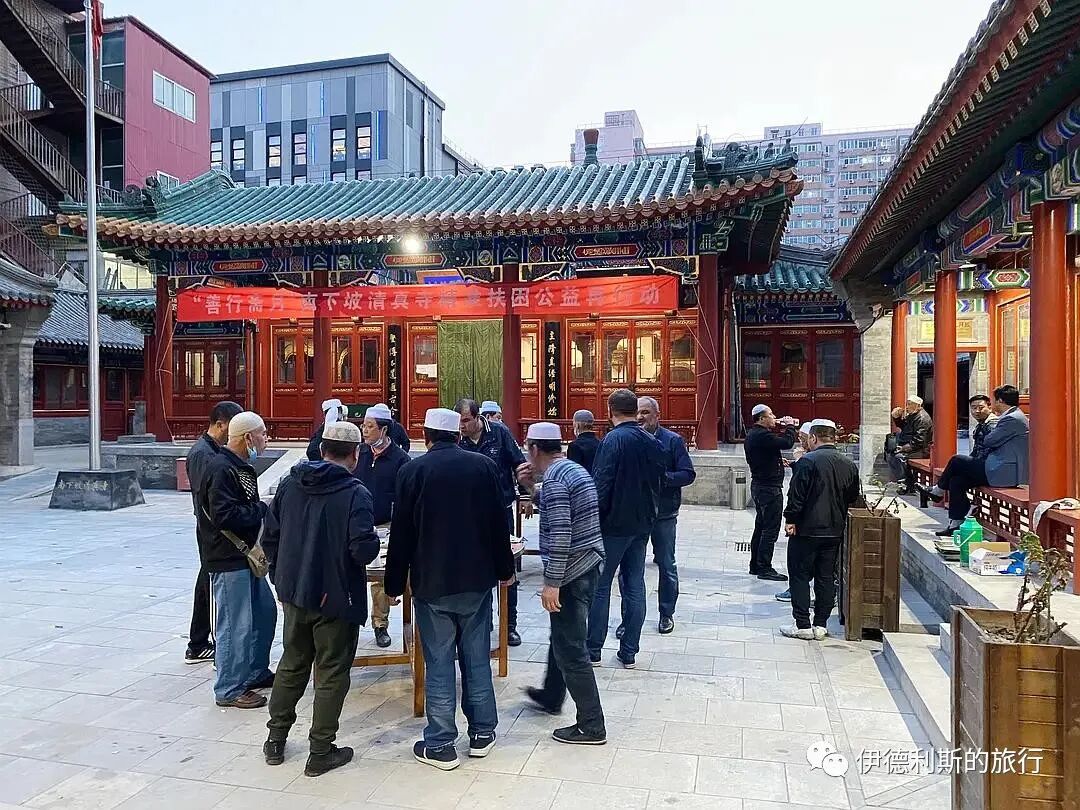
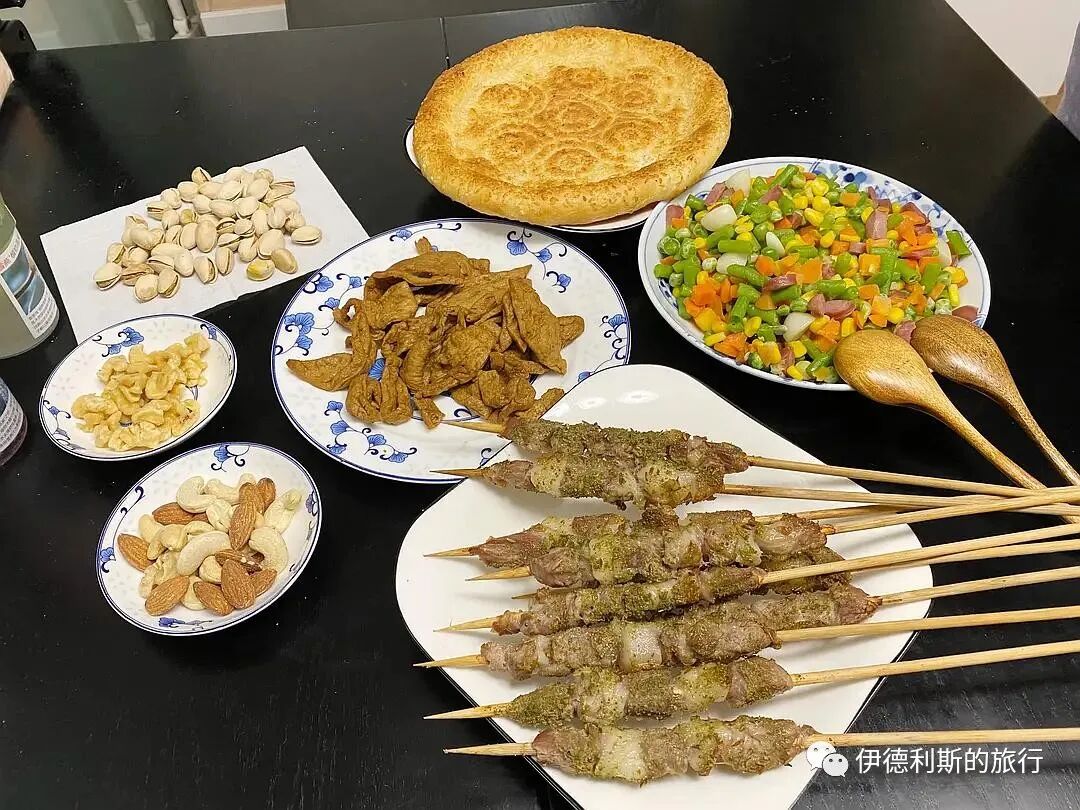
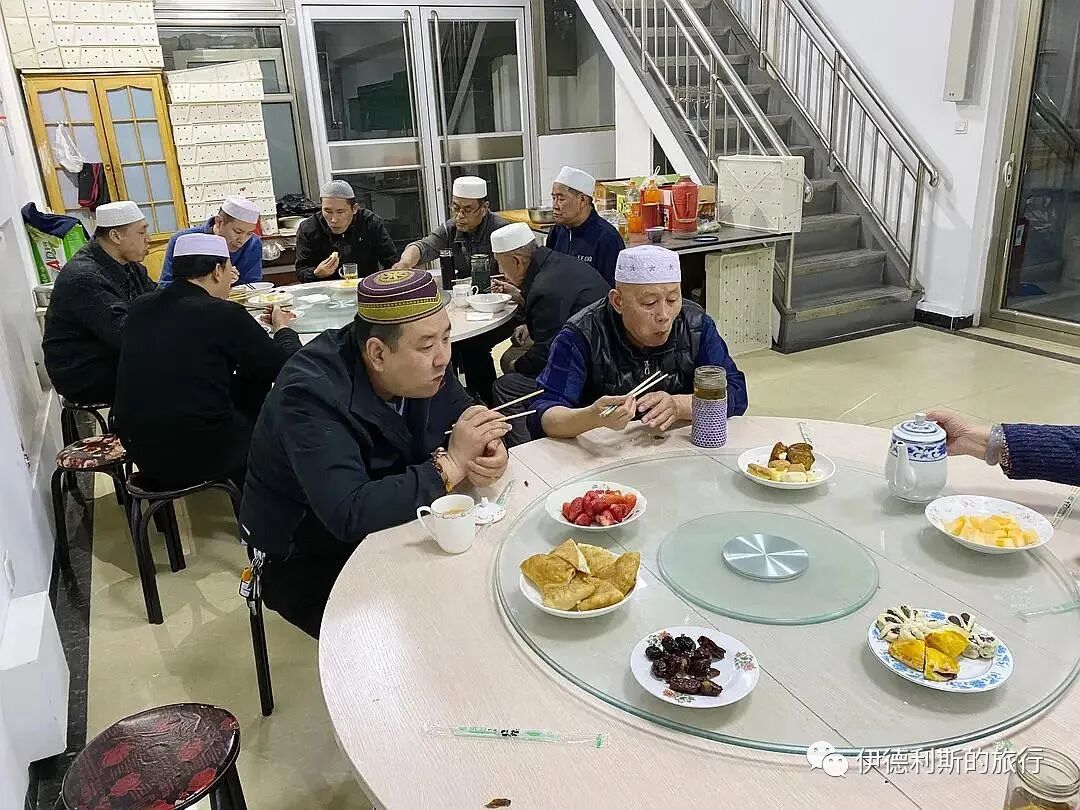
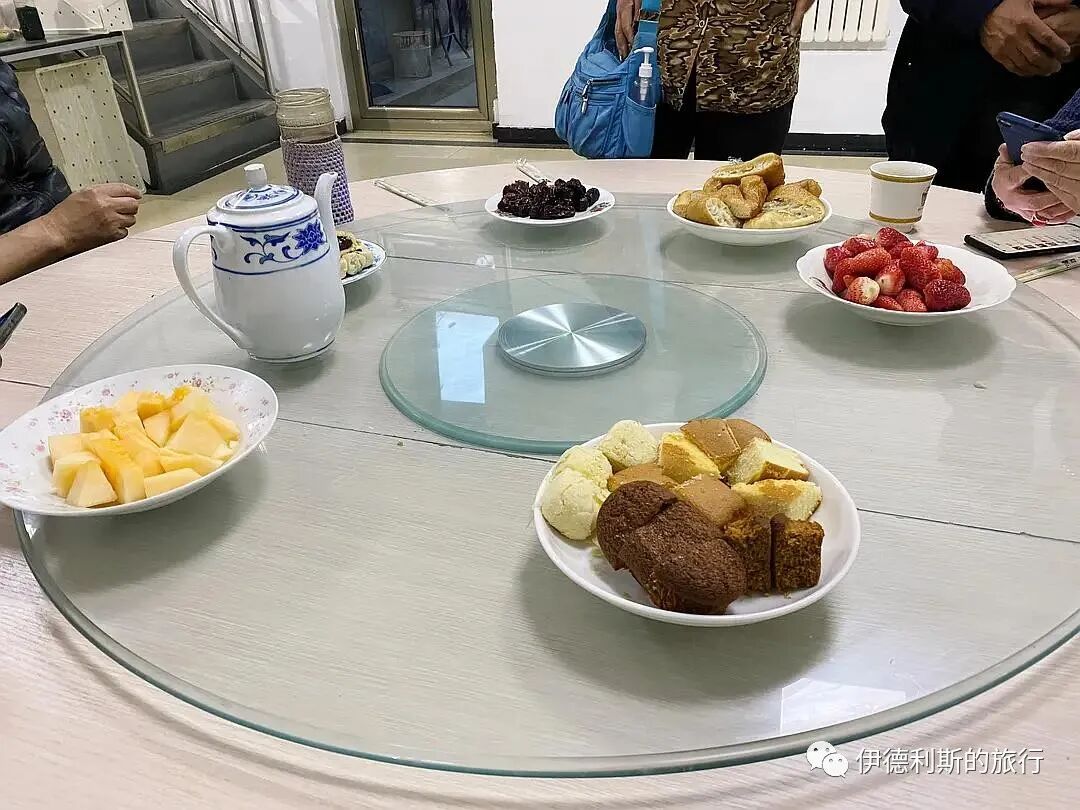
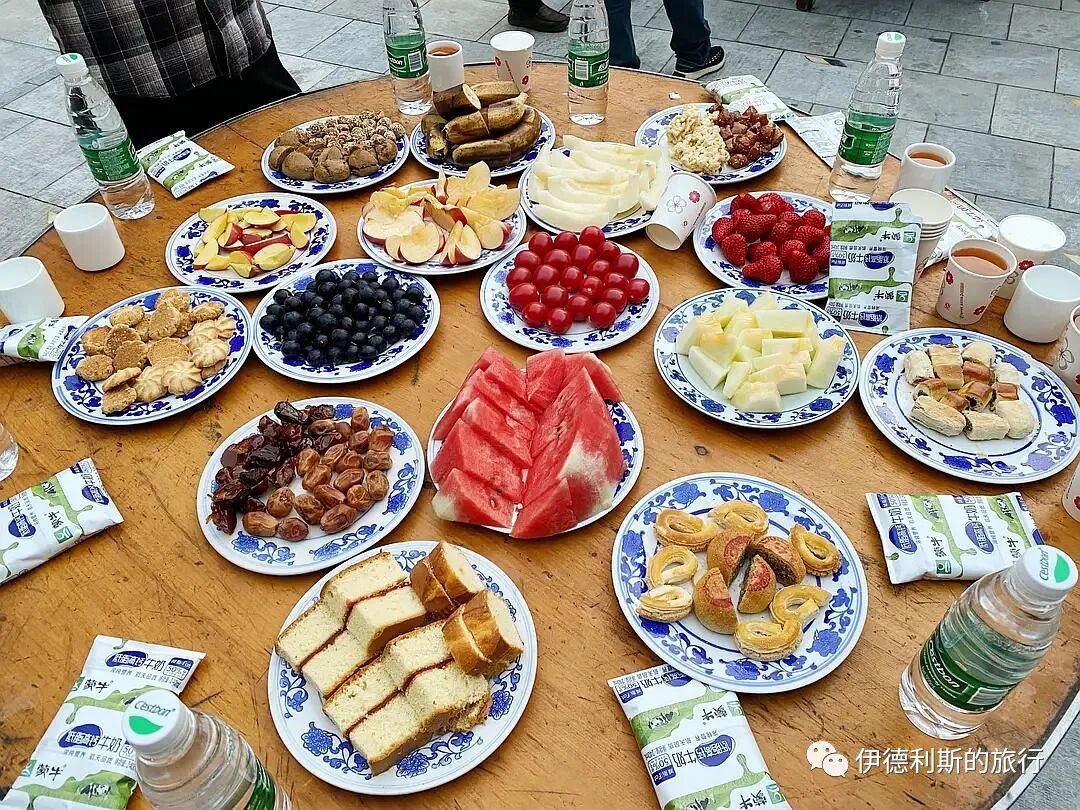
April 26, Iftar at Nandouya Mosque.
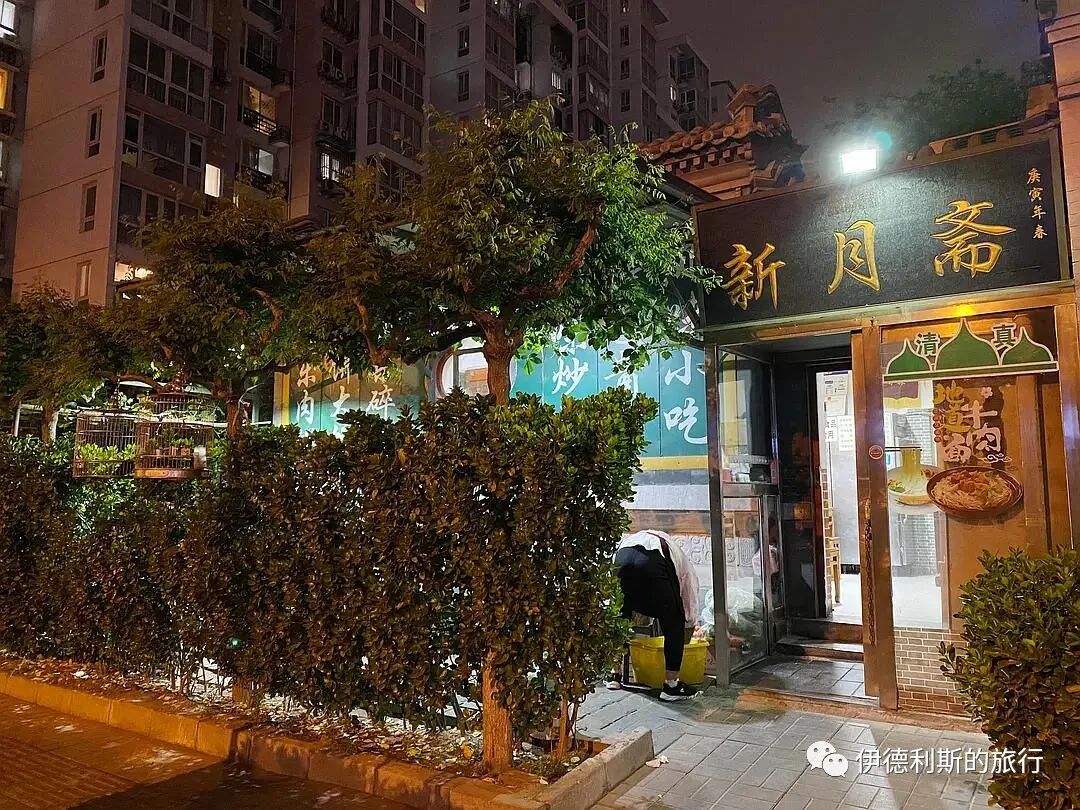
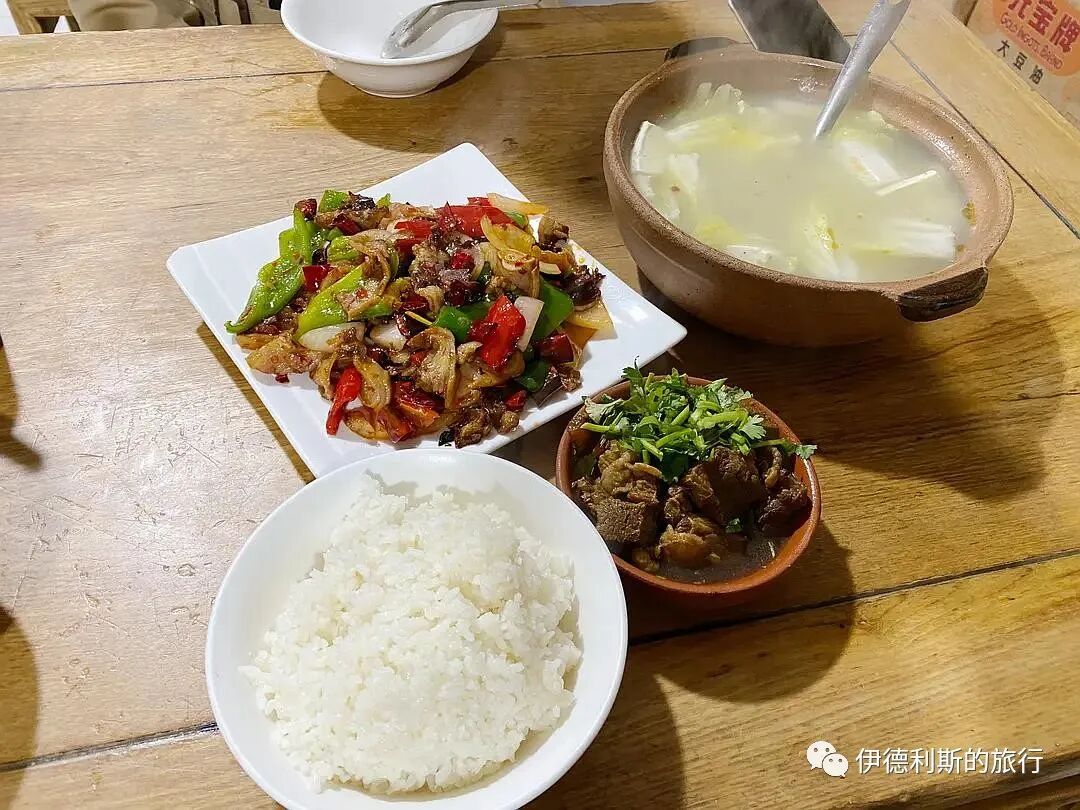
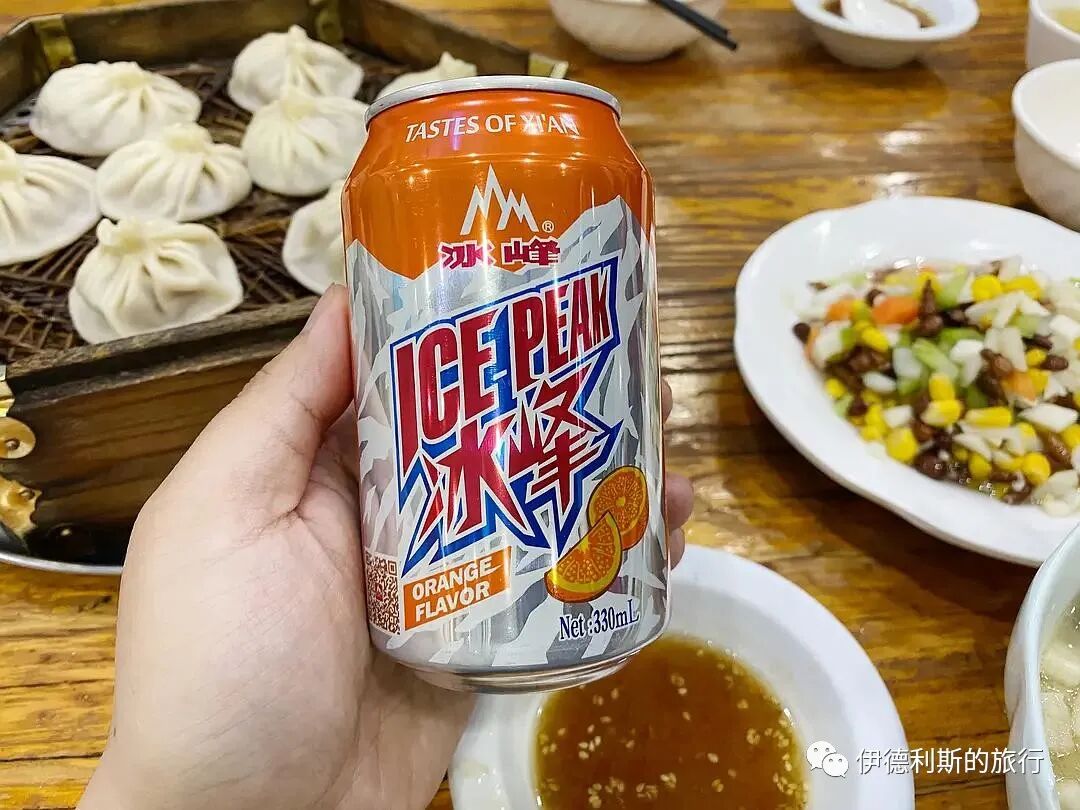
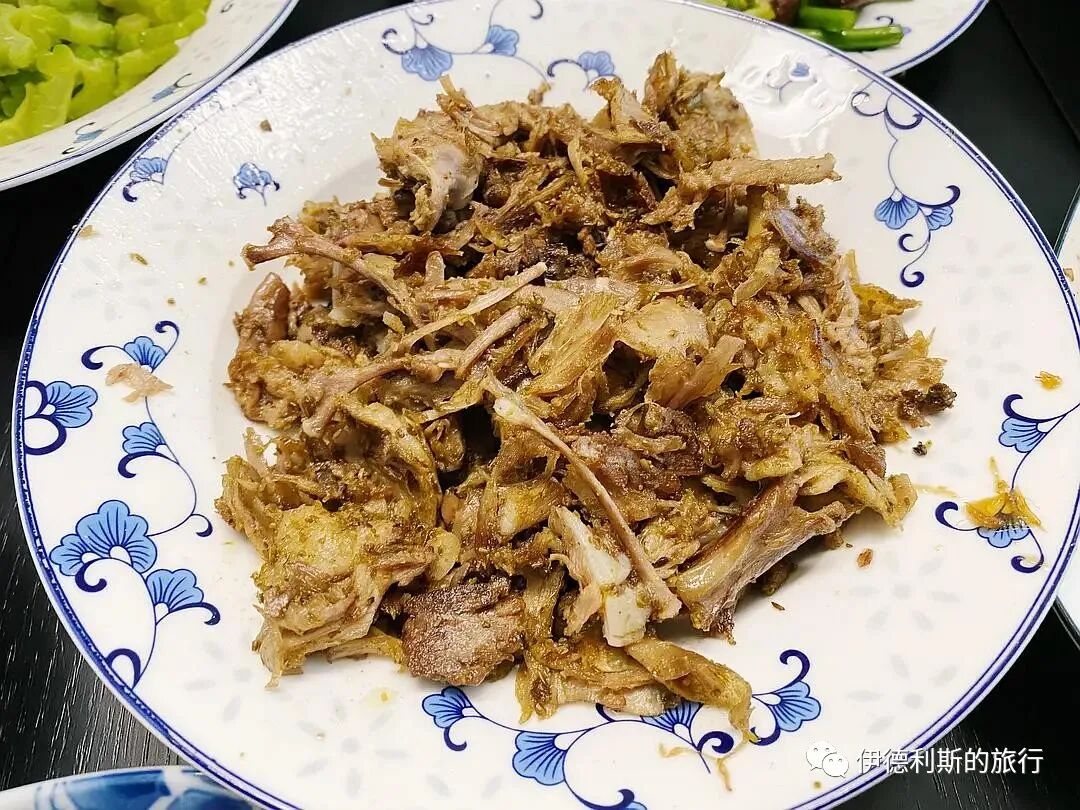
Today's Iftar was at Nandouya, with various fruits and snacks. Then we went to the nearby Xinyuezhai to eat stir-fried lamb head meat, small bowls of beef, and tofu in a clay pot. After eating, we took a stroll through the hutong to digest.
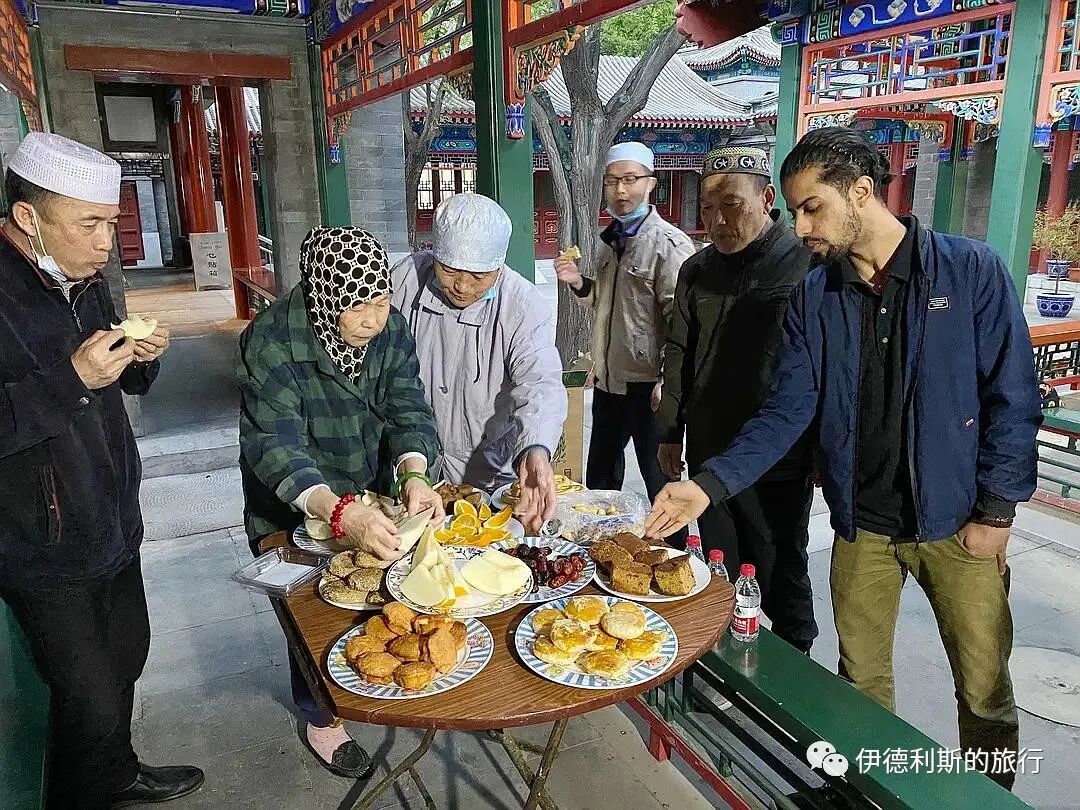
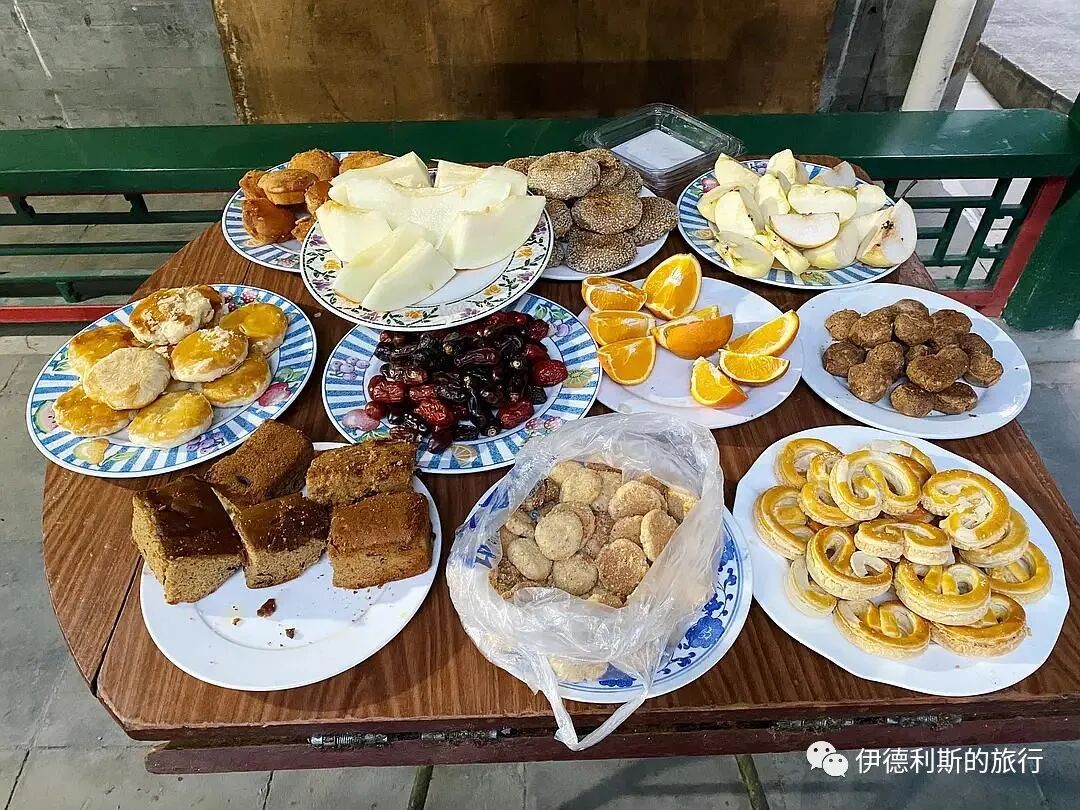
April 27, Iftar at Dongzhimenwai Mosque.
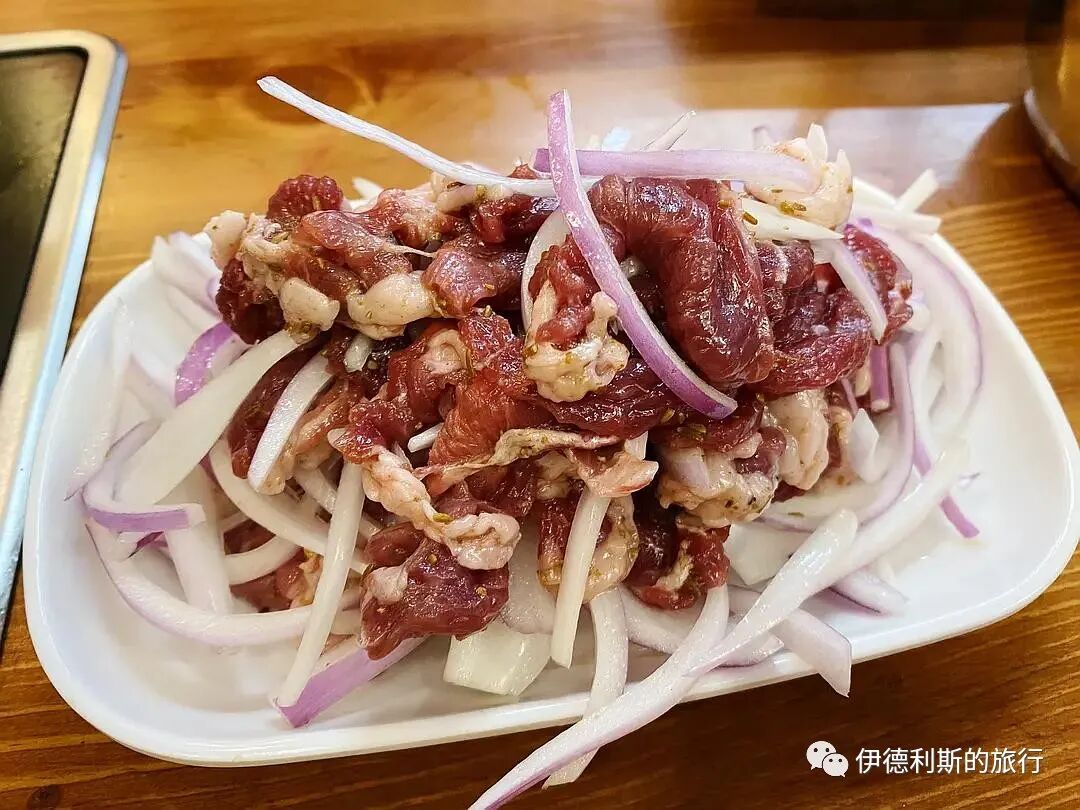
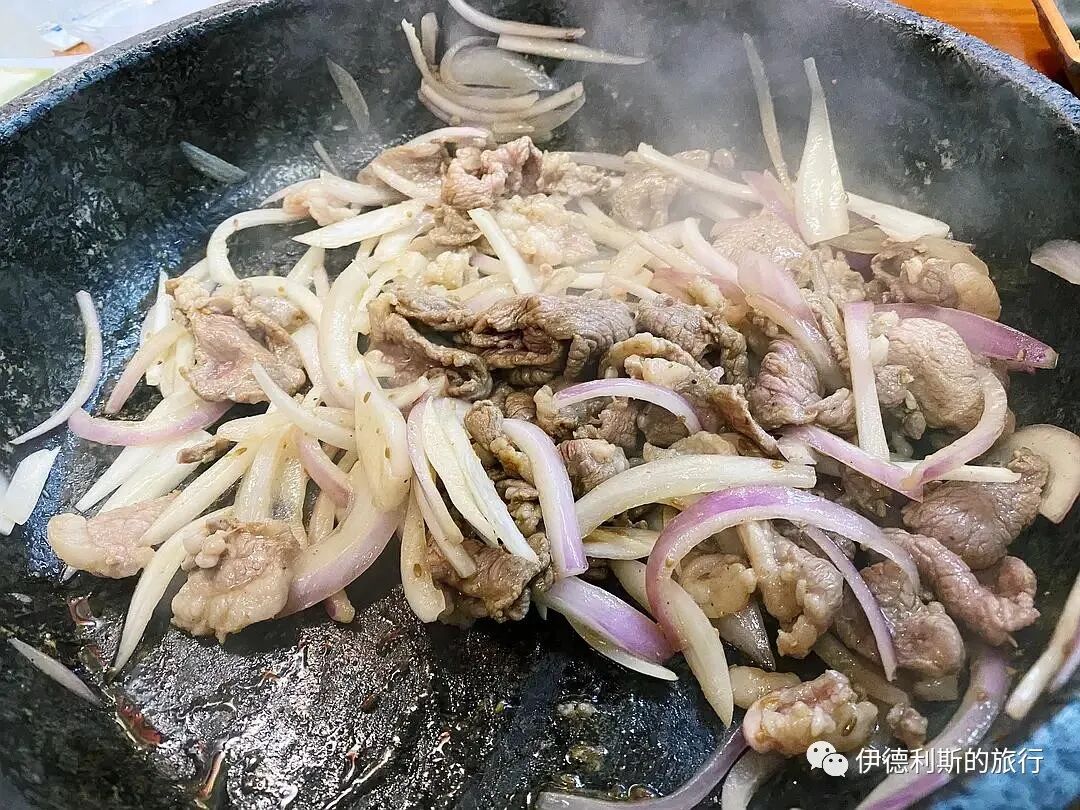
April 28, Iftar at Tongjuyuan, a stone-pot barbecue restaurant in Ciqikou.
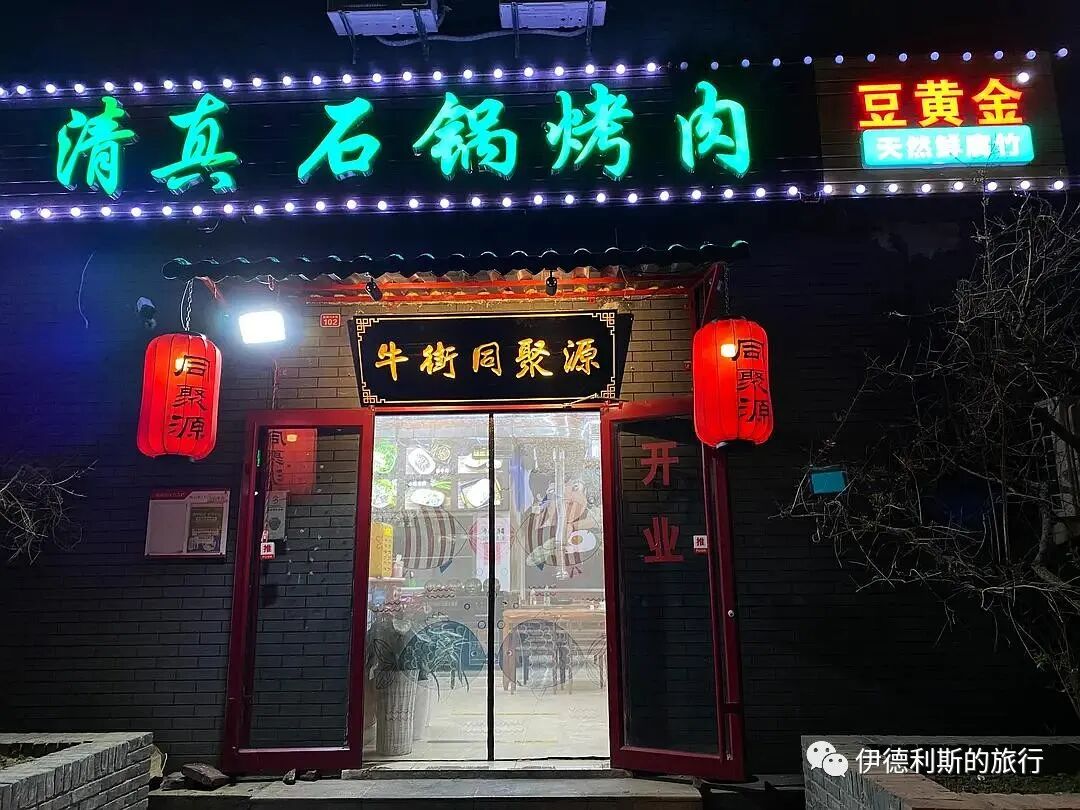
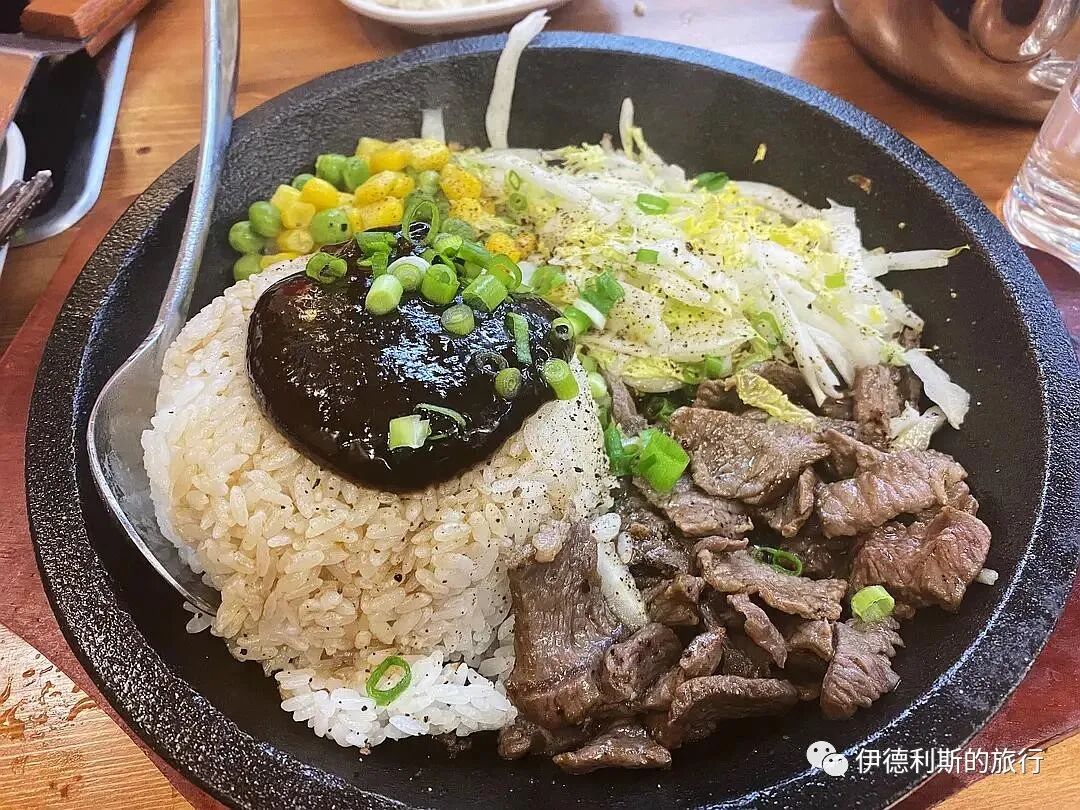
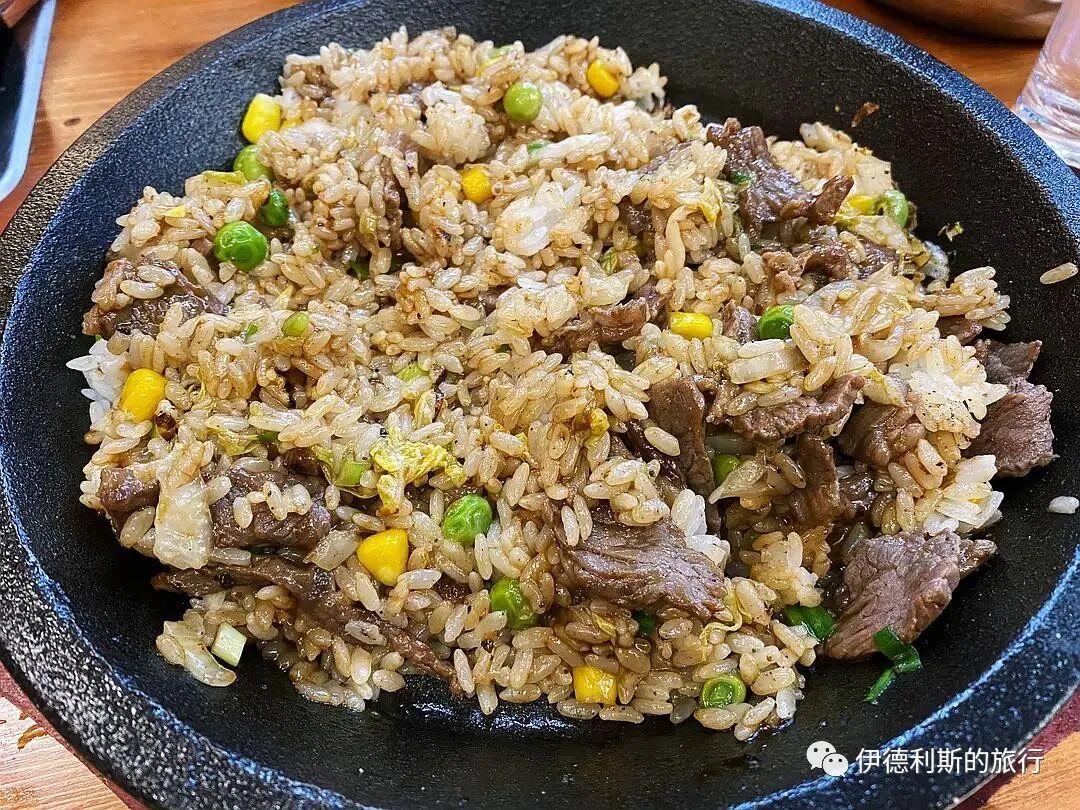
For Iftar, we went to Tongjuyuan, a newly opened stone-pot barbecue restaurant in Ciqikou. I really enjoyed the black pepper beef stone-pot rice. Their lamb is quite tender. The owner said he has run a beef and lamb shop in Niujie for twenty years and has his own cold storage.
May 6, Ramadan set menu at the Turkish restaurant Xitingxiuse.
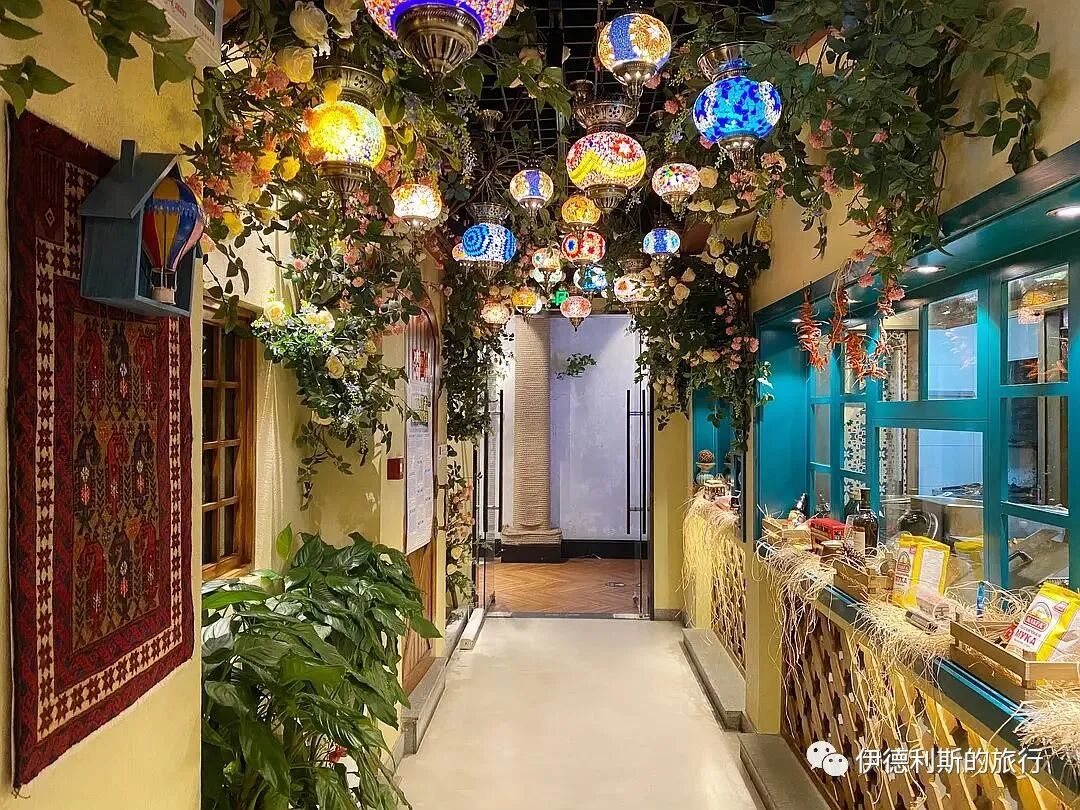
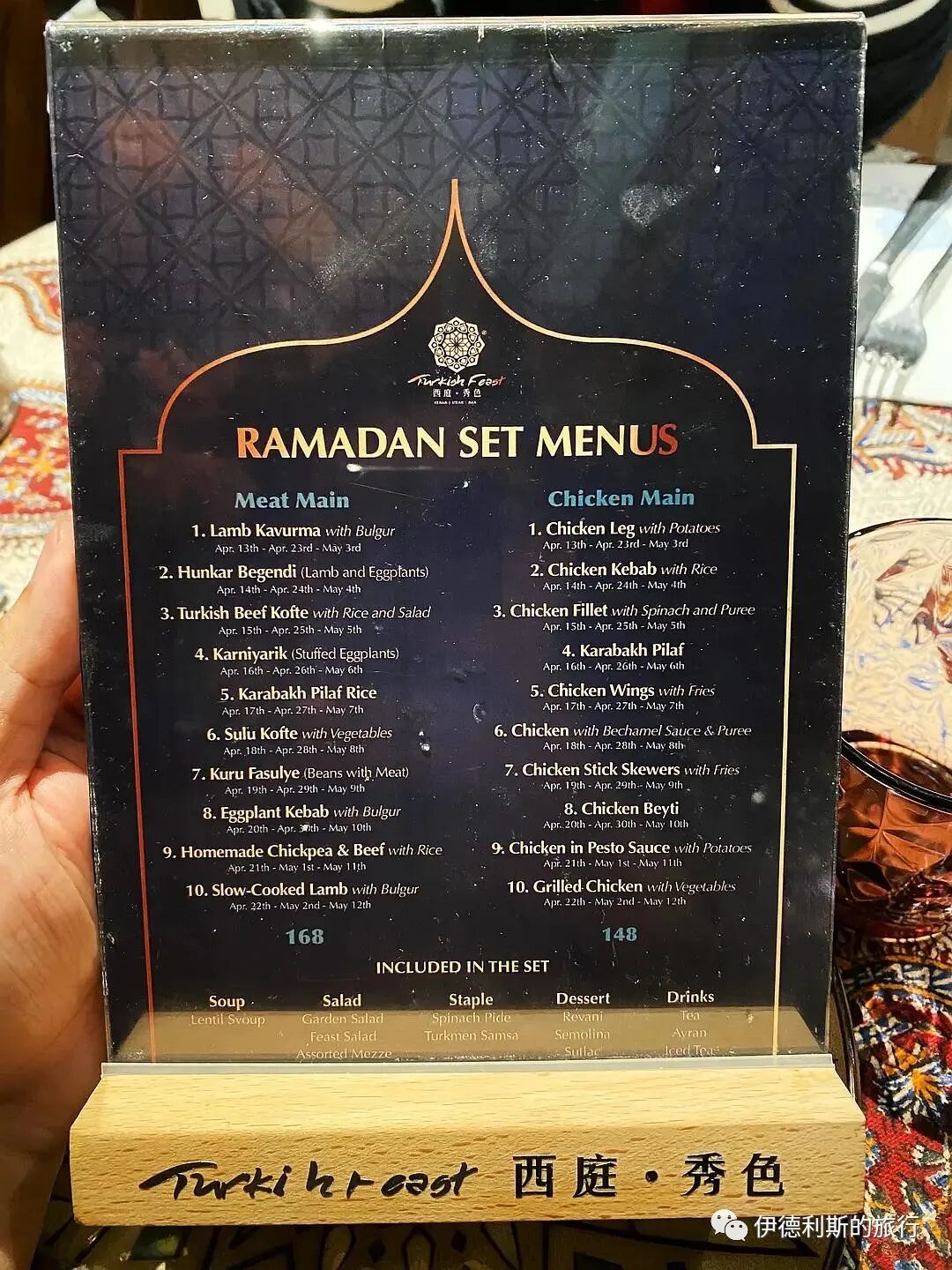
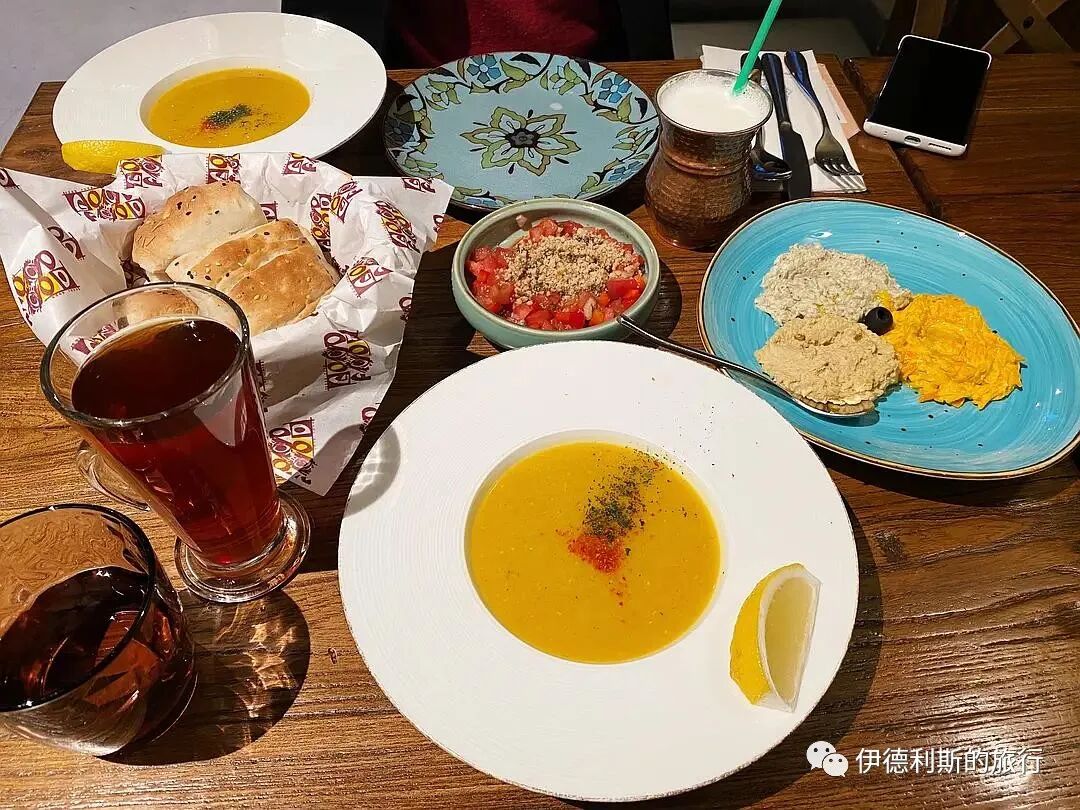
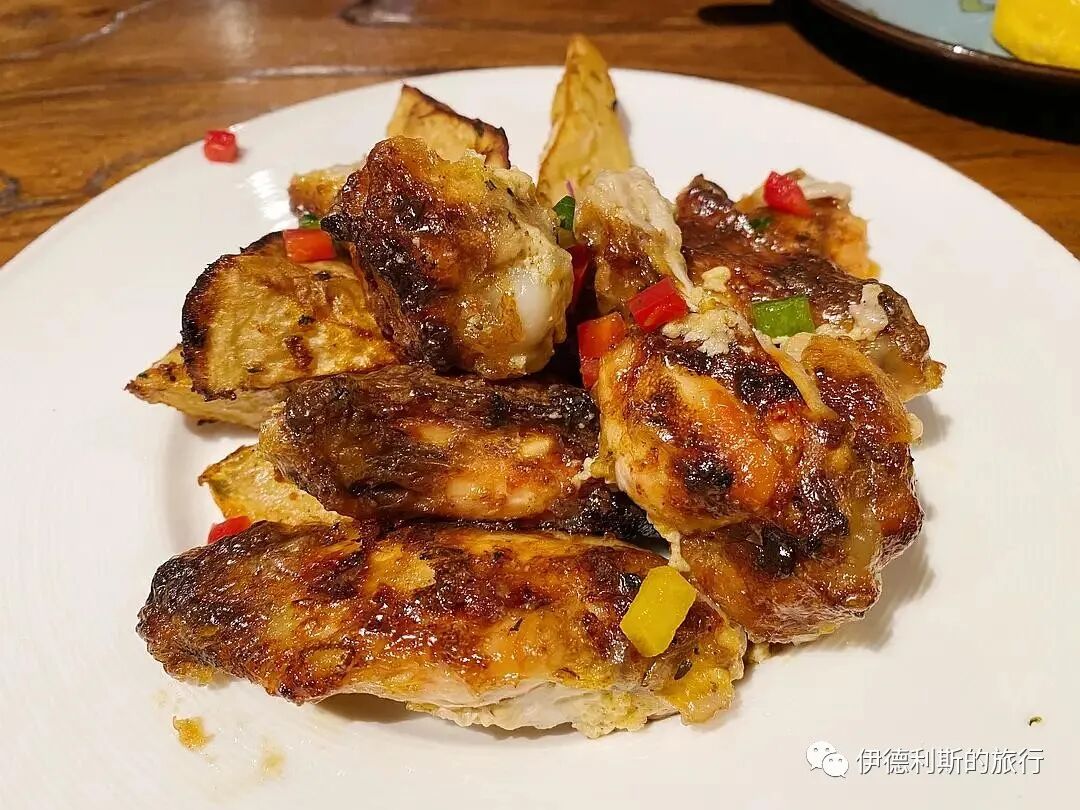
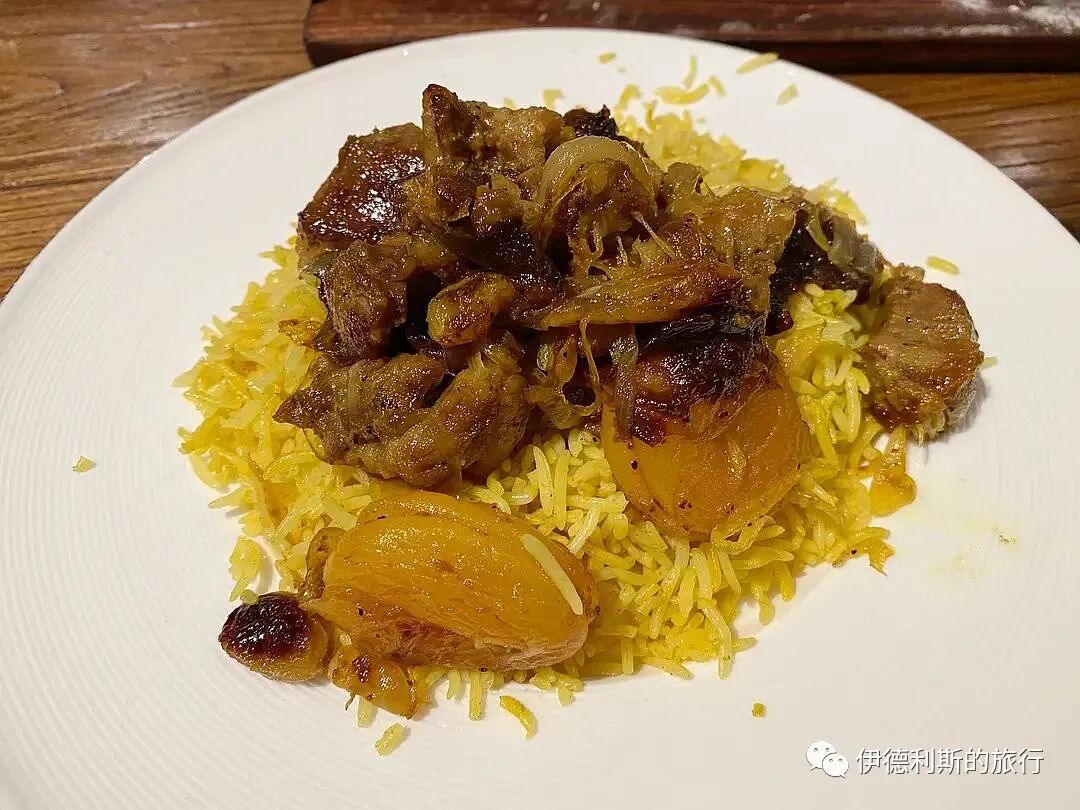
For Iftar, we had the Ramadan set menu at the Turkish restaurant Xitingxiuse in Xinyuanli. There are two types, chicken and lamb, and the offerings change daily. The lamb we had yesterday was Karabakh Pilaf, and the chicken was grilled chicken wings.
Karabakh is a region on the border of Azerbaijan and Armenia. The name comes from the Turkic word 'Kara' (black) and the Persian word 'Bagh' (garden). Currently, it is mostly inhabited by Azerbaijanis. The Karabakh Pilaf we ate was stewed lamb with apricots. The yellow rice was colored with saffron water. When I was traveling in Baku before, I ate this kind of apricot and saffron pilaf while listening to Azerbaijani mugham, so it felt very familiar to eat it this time.
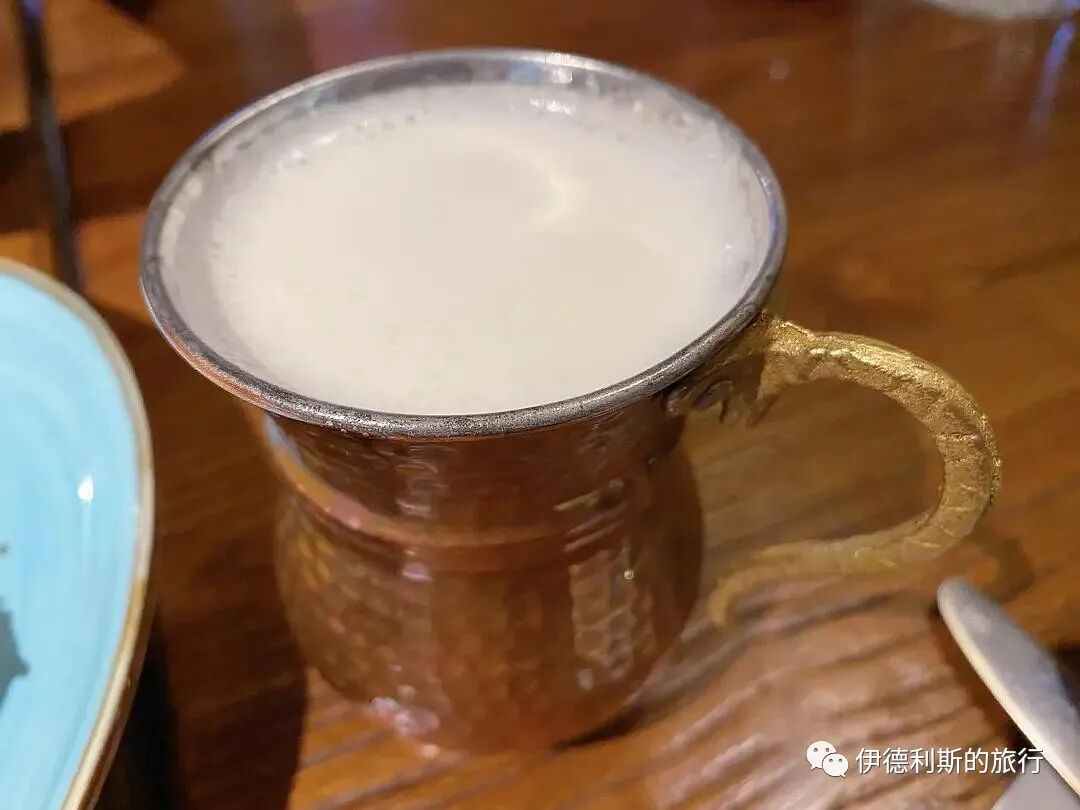
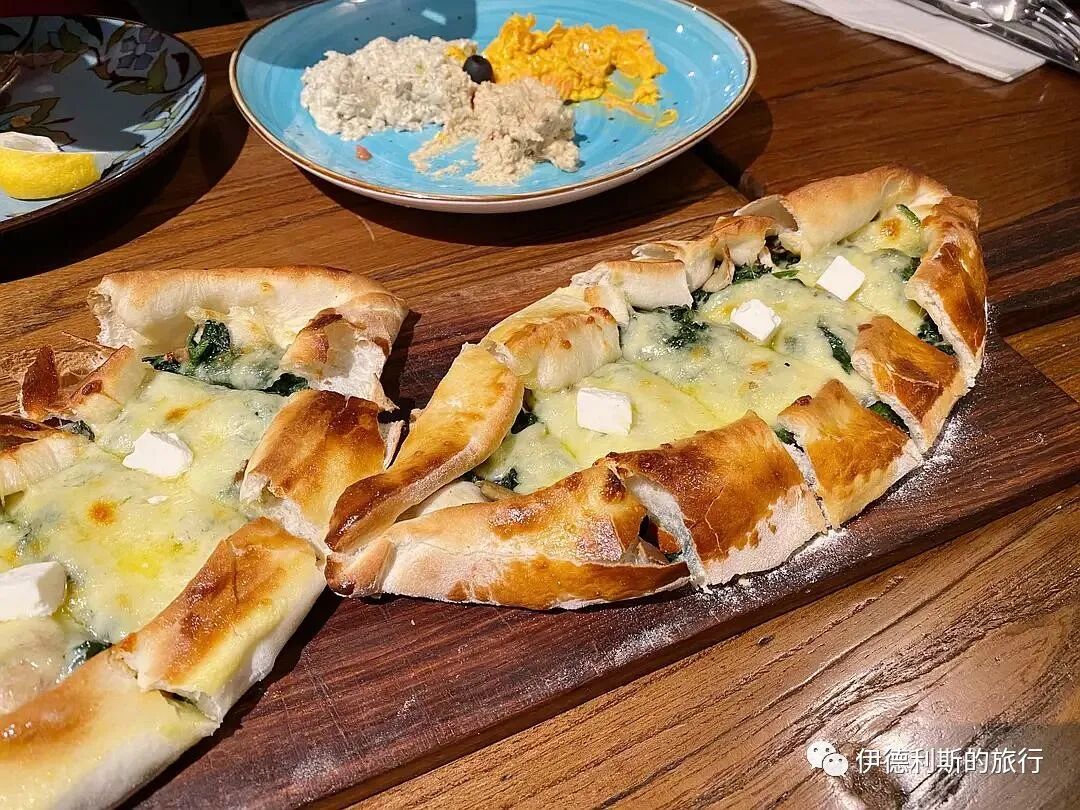
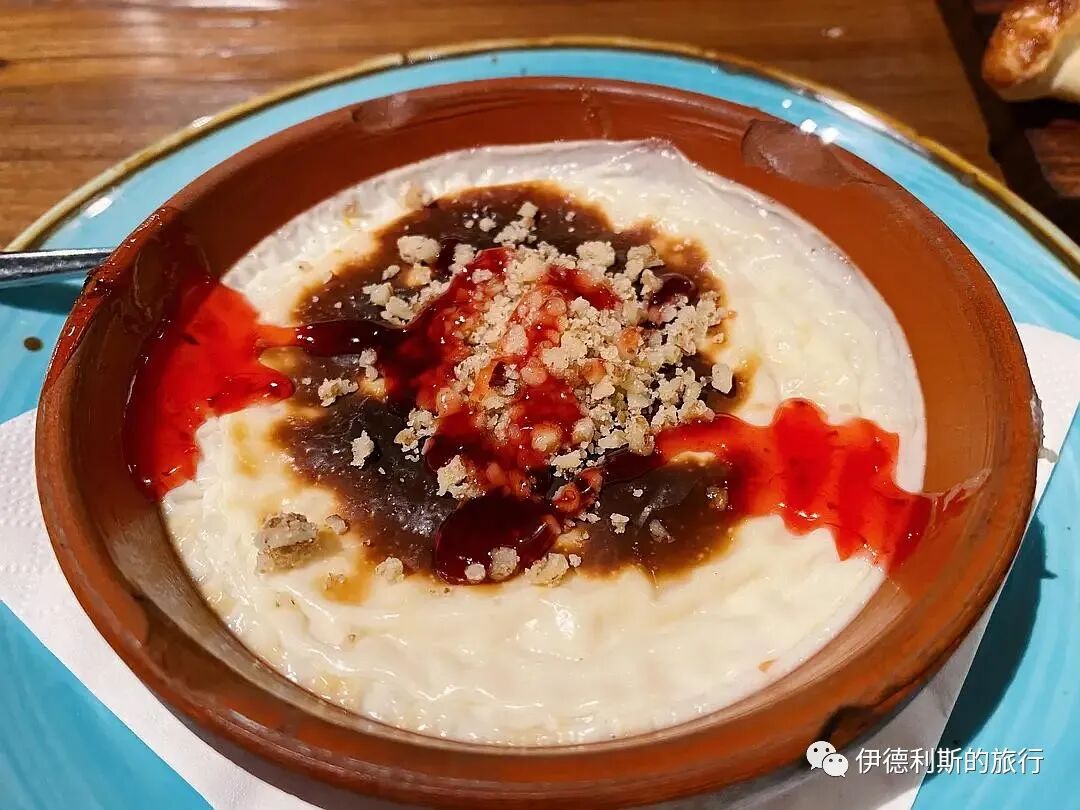
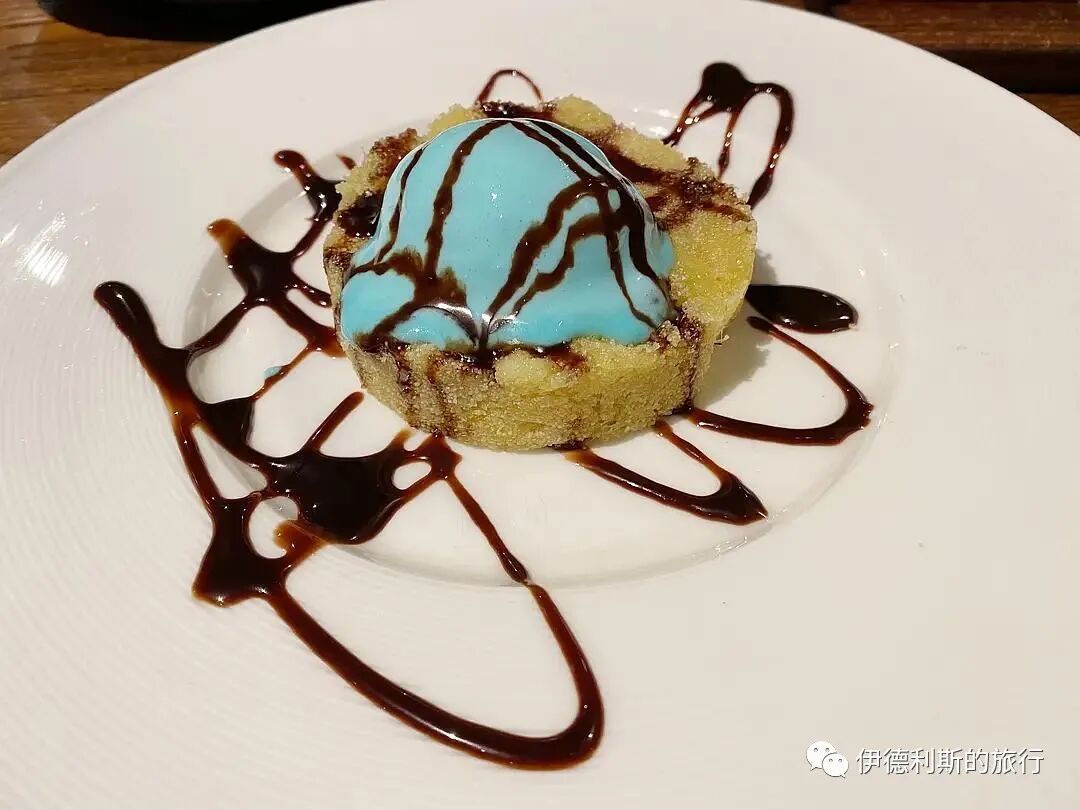
Besides the main course, the set menu included classic red lentil soup. The side dishes were hummus, yogurt with eggplant sauce, carrot and cheese dip, and a nut and bell pepper salad. The staple food was spinach Pide; the spinach and cheese were quite delicious. The drinks were Ayran and black tea. Their Ayran is not particularly sour. Finally, there was rice pudding and semolina for dessert.
Overall, this set menu is quite good value for the embassy district!
May 9, Iftar at home.
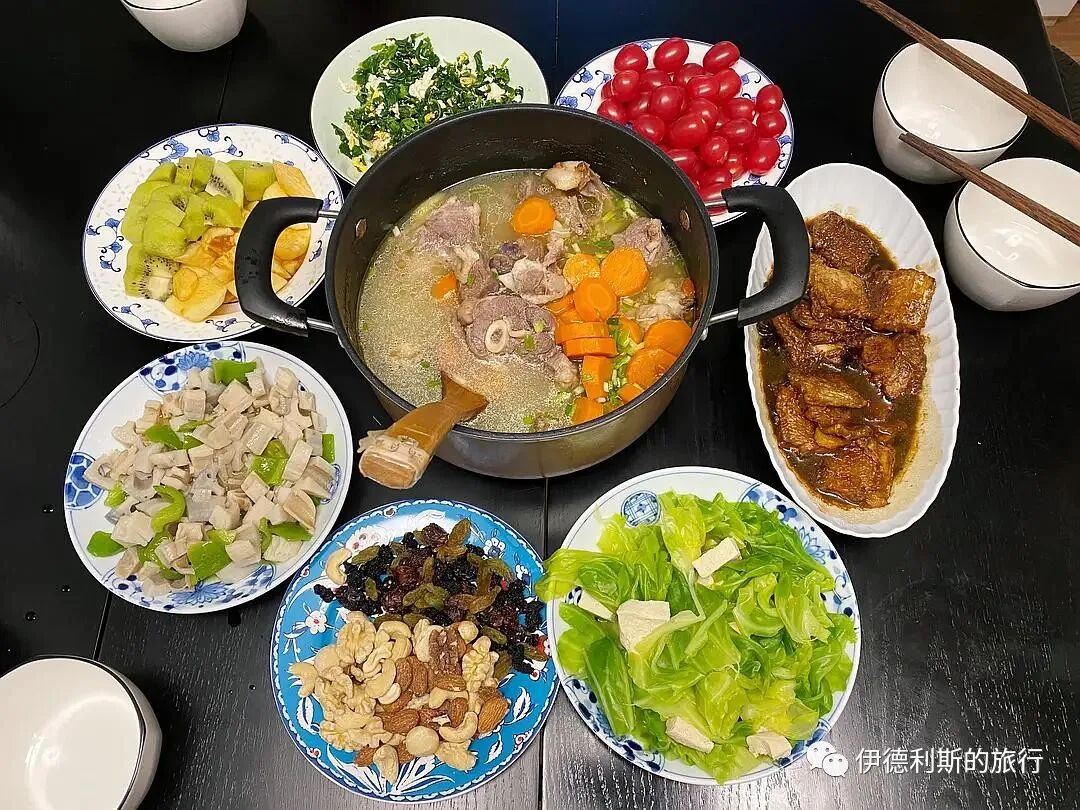
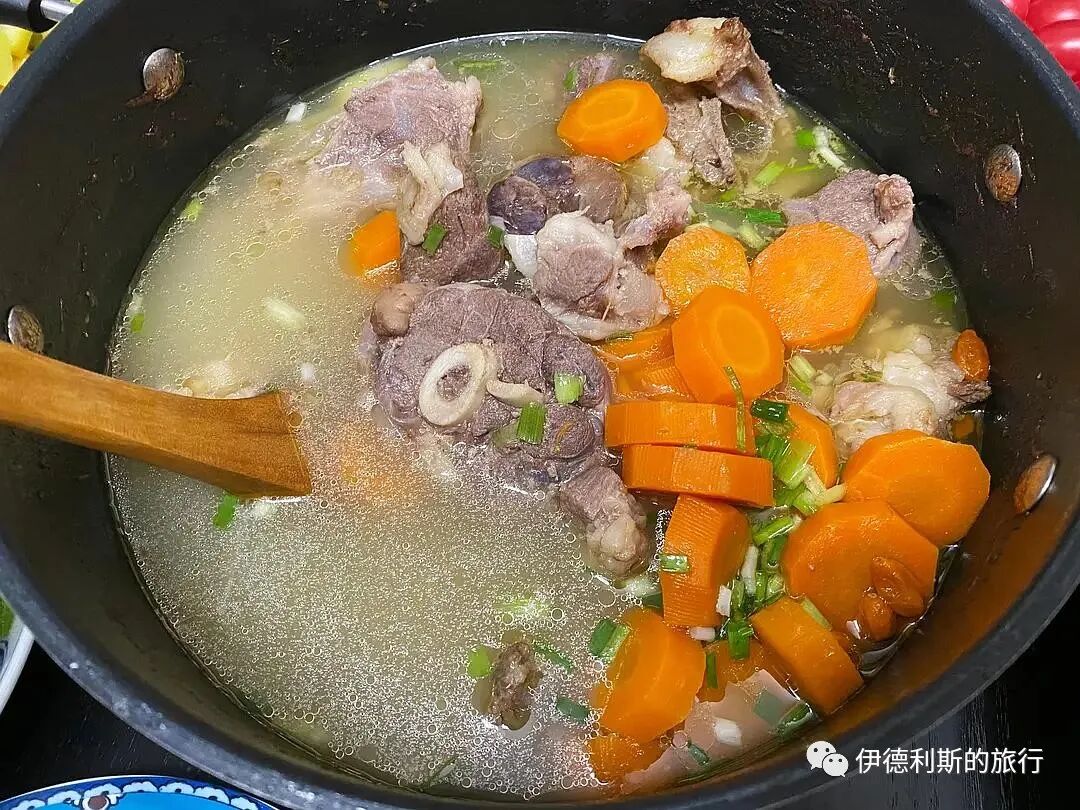
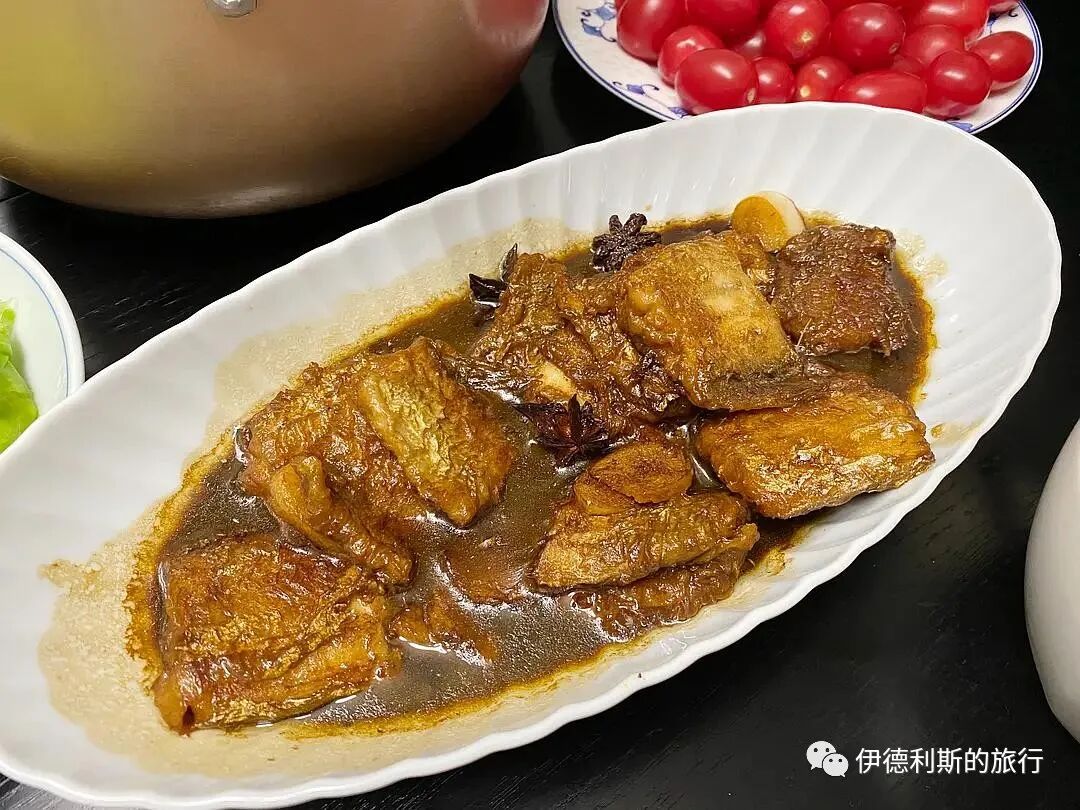
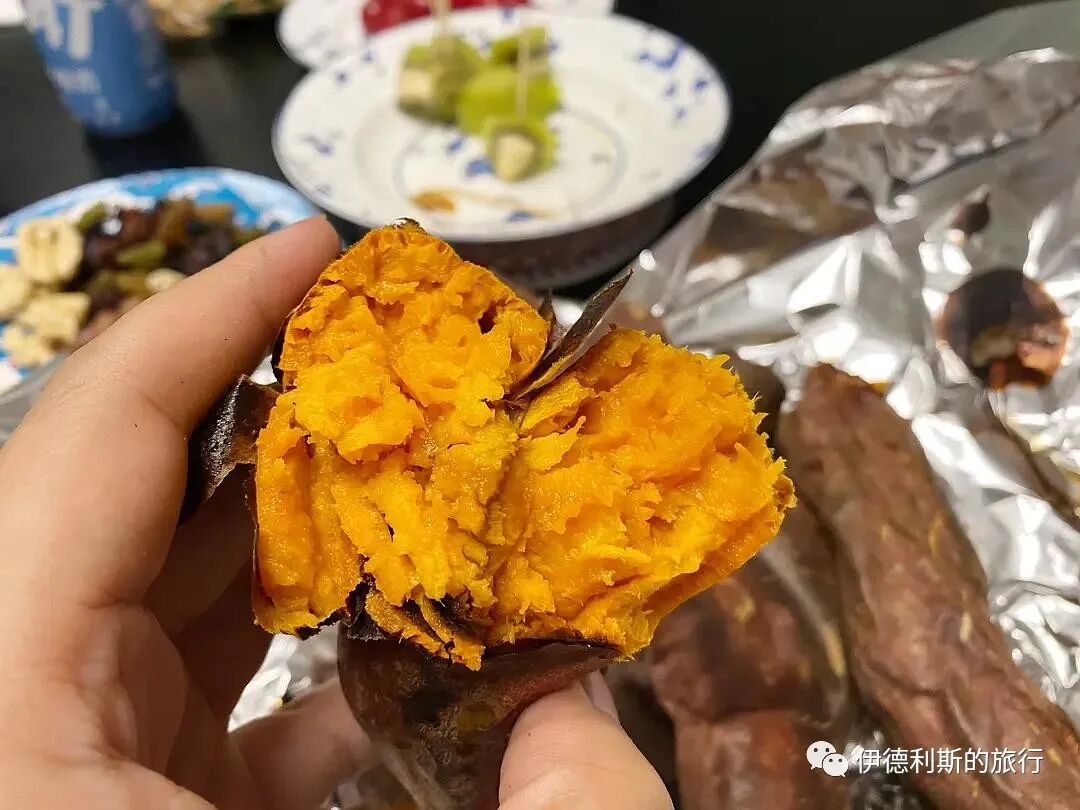
For Iftar today, I made lamb soup and braised hairtail, and Zainab roasted sweet potatoes. The lamb front leg was brought back from Urumqi.
May 10, Ziguangyuan at the North Gate of Ritan.
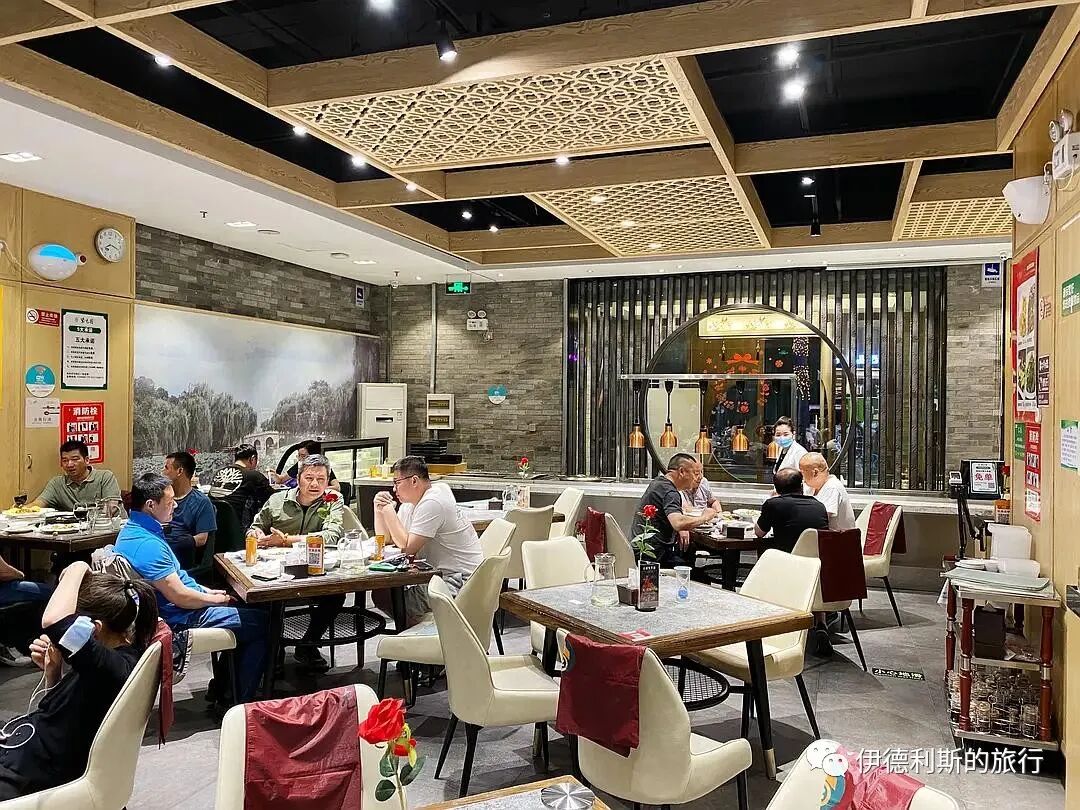
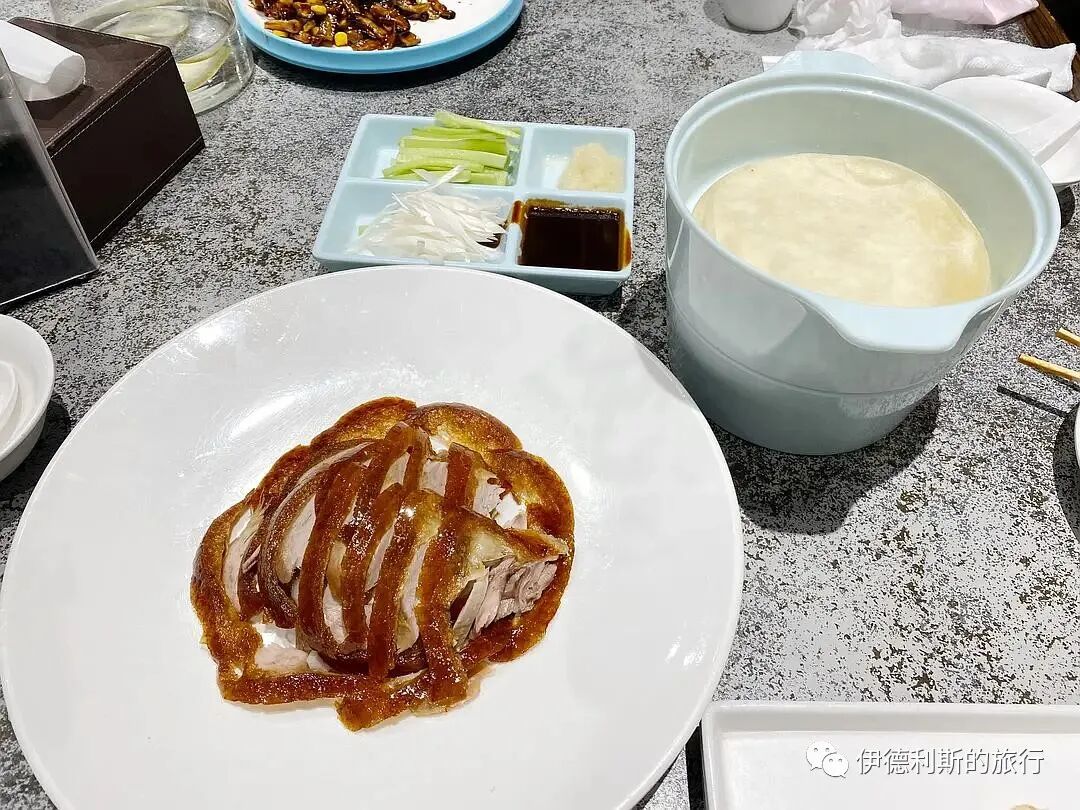
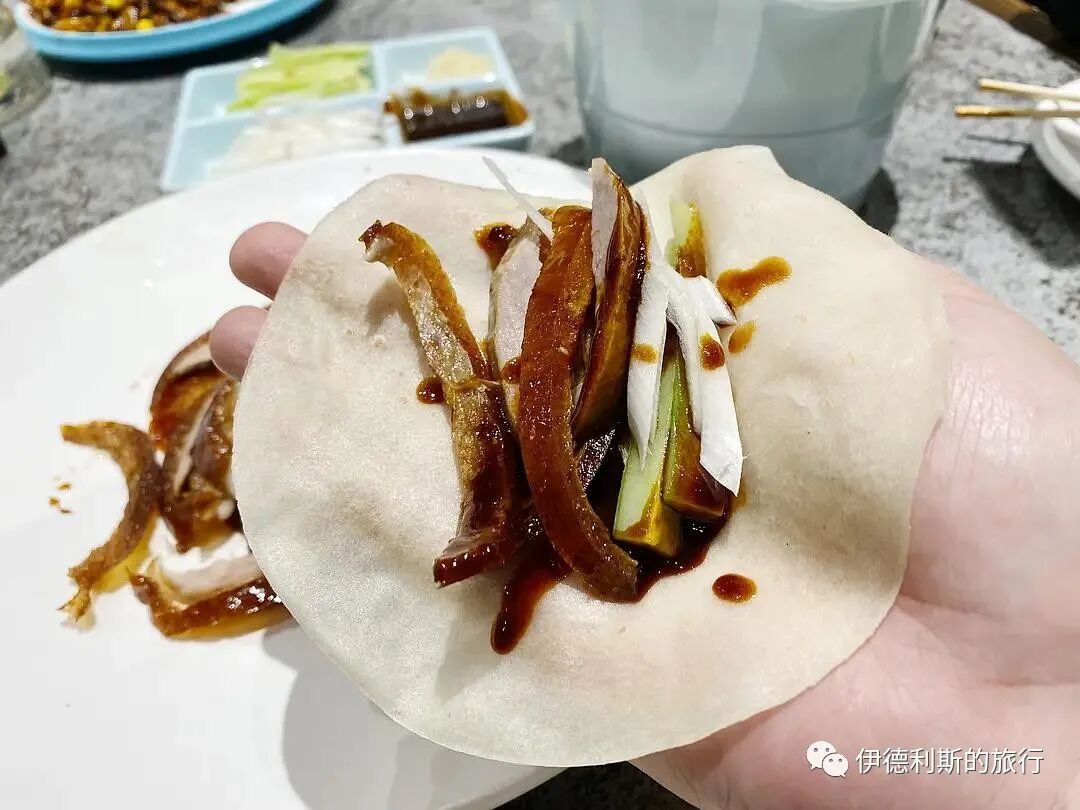
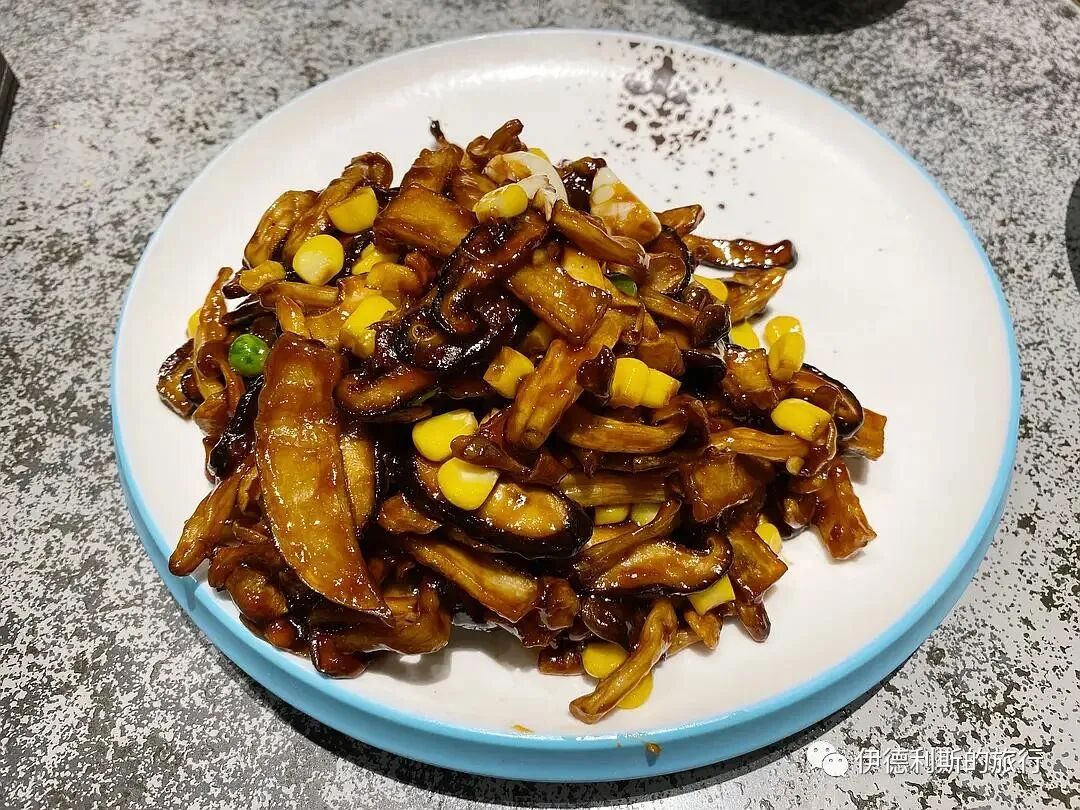
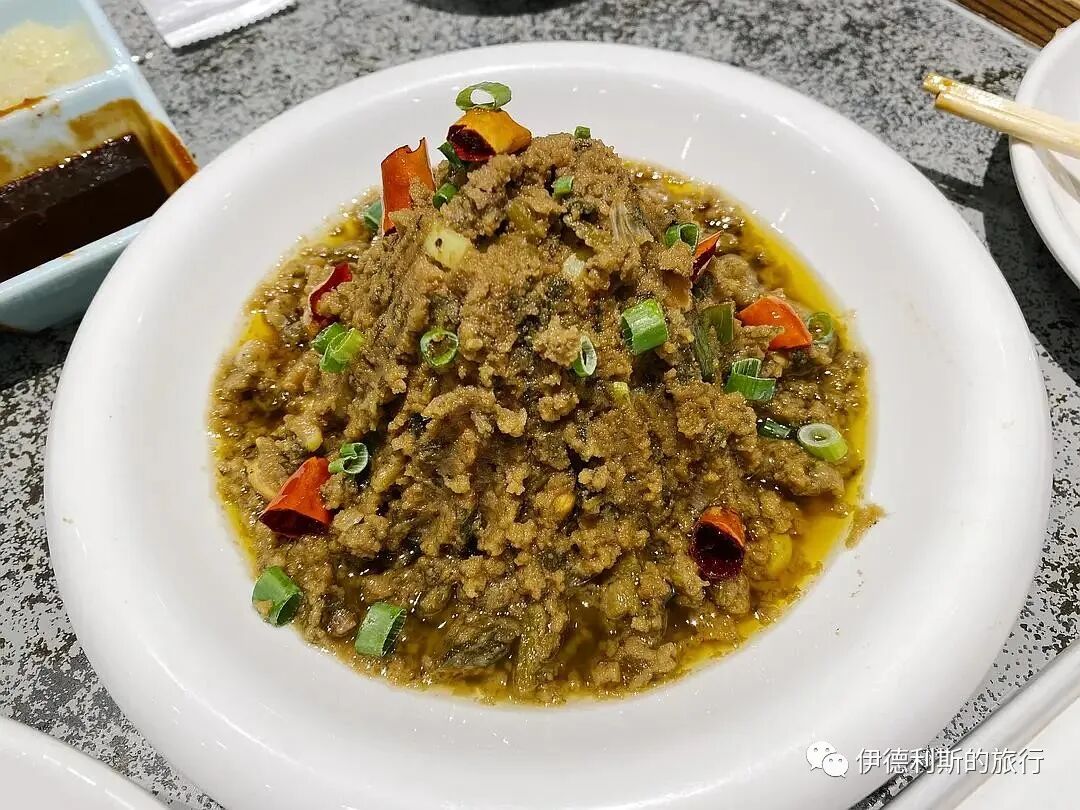
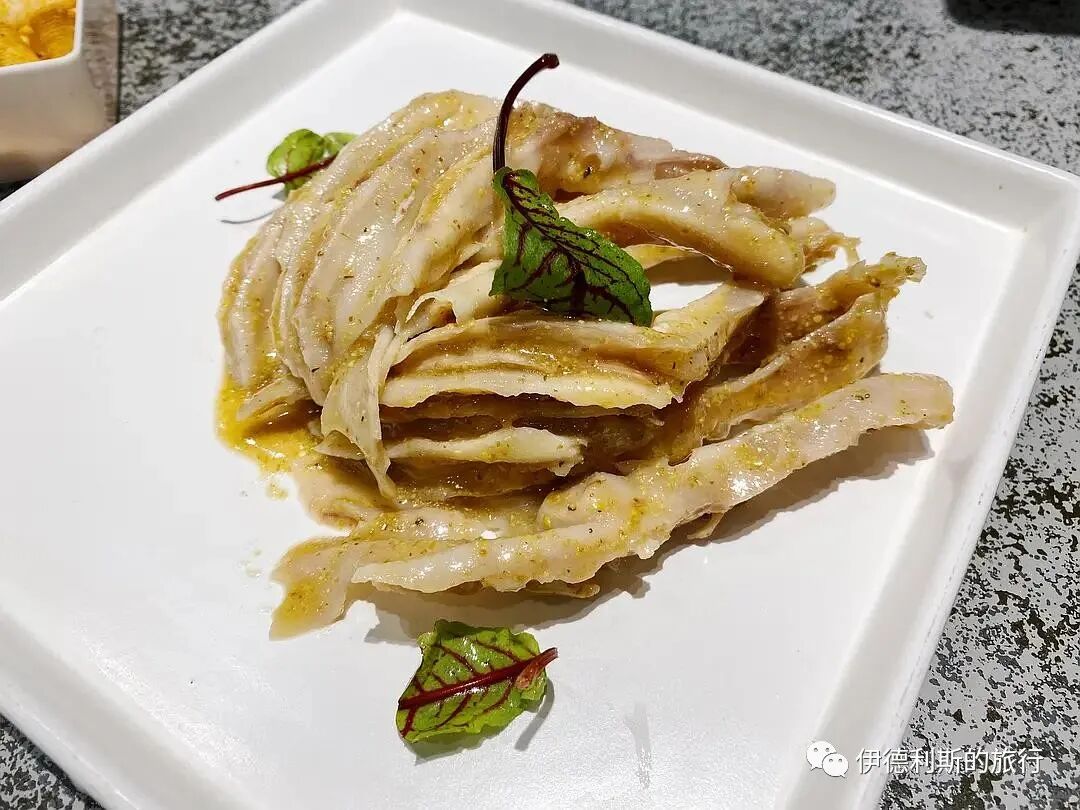
Iftar at Nanxiapo; their place is truly the most abundant! Then we went to Ziguangyuan at the North Gate of Ritan to eat roast duck, ma doufu (fermented bean curd), stir-fried wild mushrooms, and mustard duck webs. Their environment is better than the Dongdaqiao branch I usually go to. I eat Ziguangyuan's roast duck about once a month. If I don't eat it for a while, I miss it. This is the first time since Ramadan started. The ma doufu is darker than usual, perhaps because they used more pickled mustard greens. The wild mushrooms were stir-fried with sauce, which is especially suitable for Beijingers to eat with rice. Zainab thought it was too sweet, so I packed it up to eat for Suhoor today.
May 12, Jia San Baozi at White Cloud Temple.
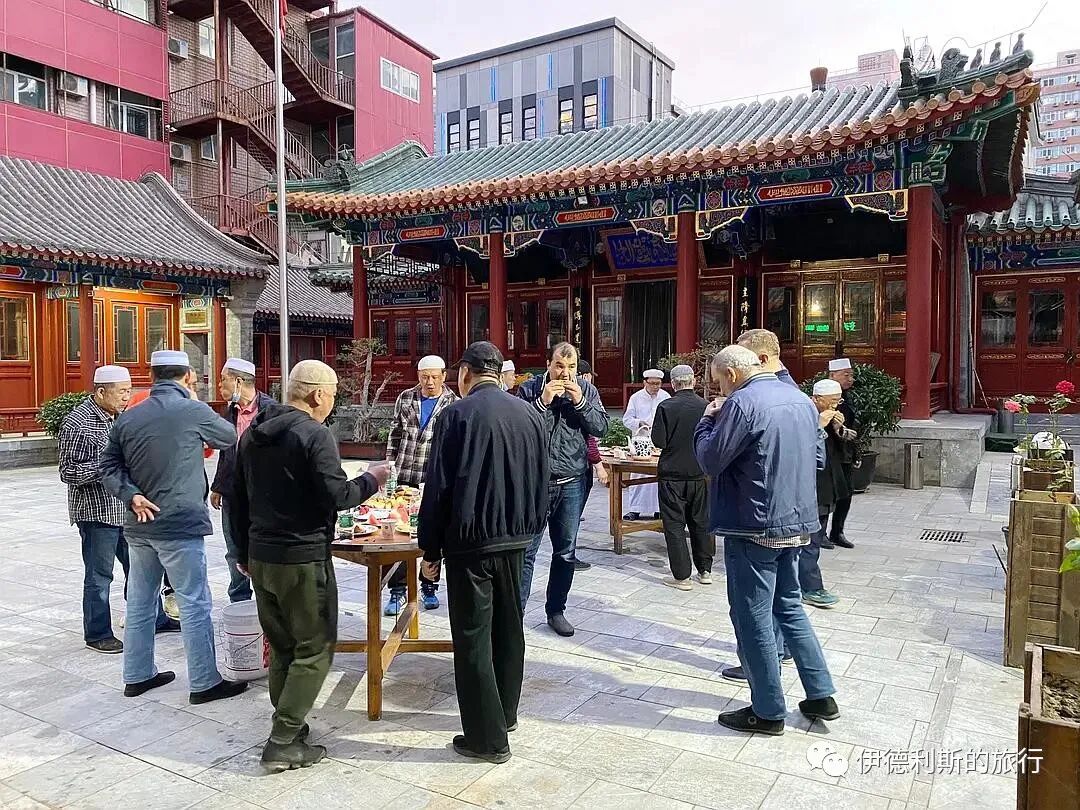
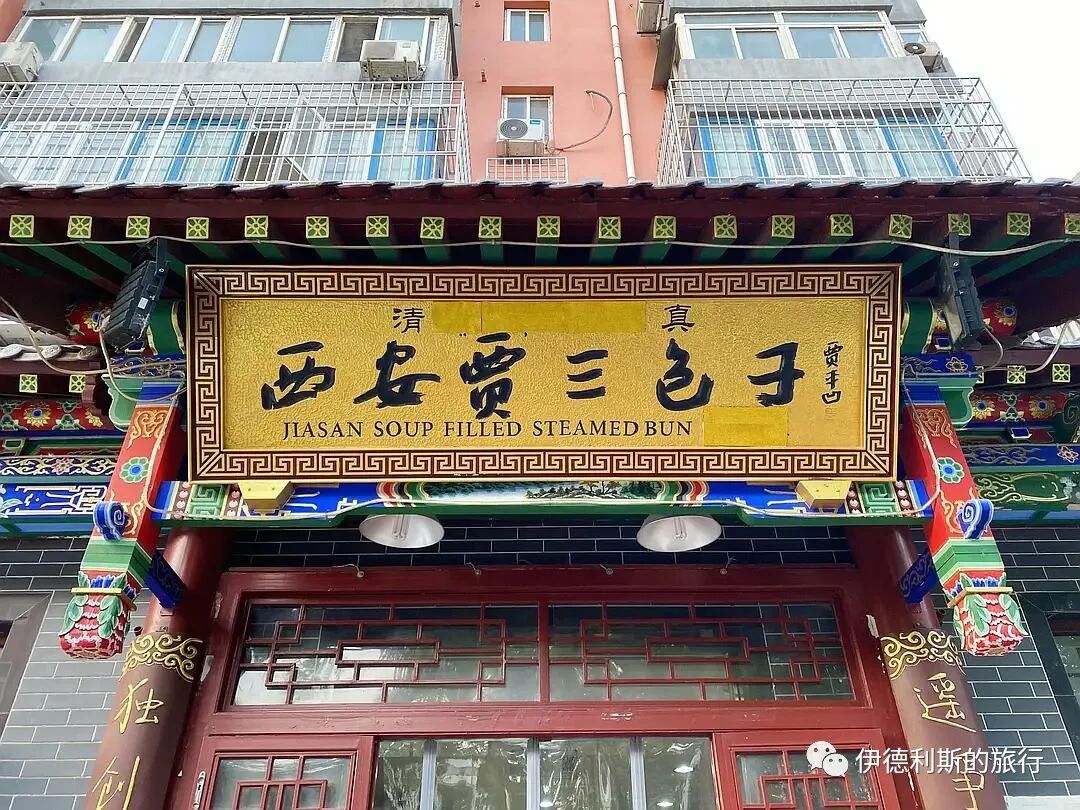
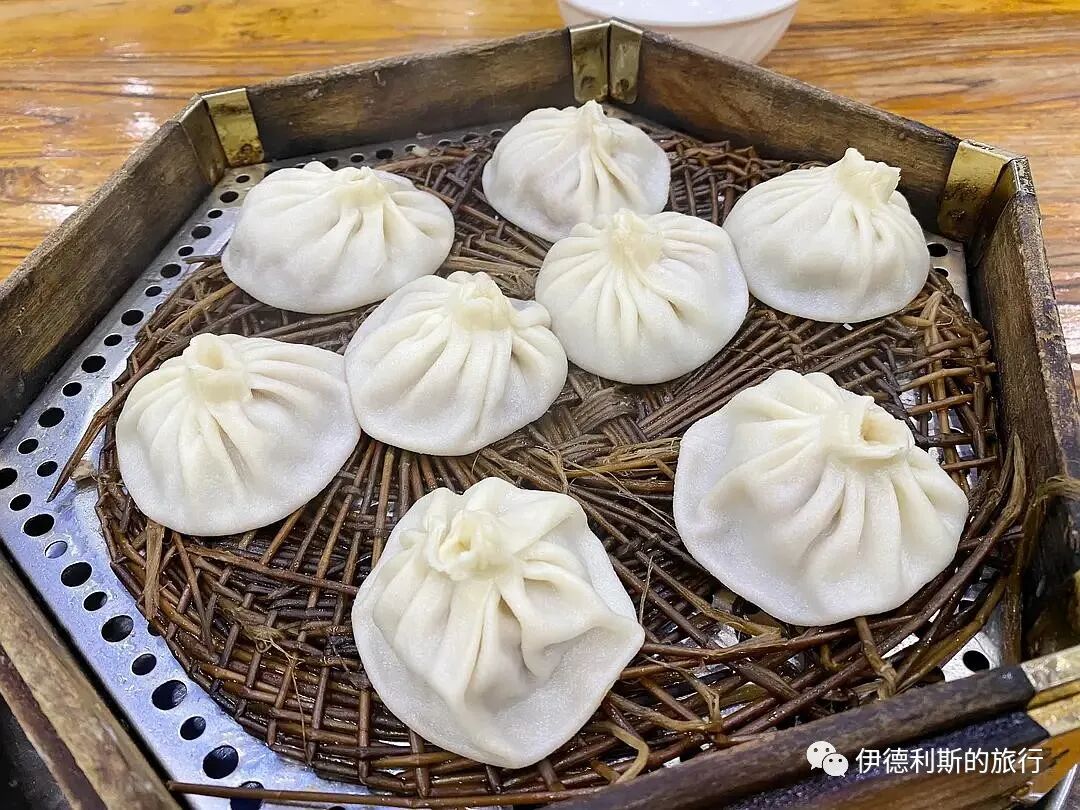
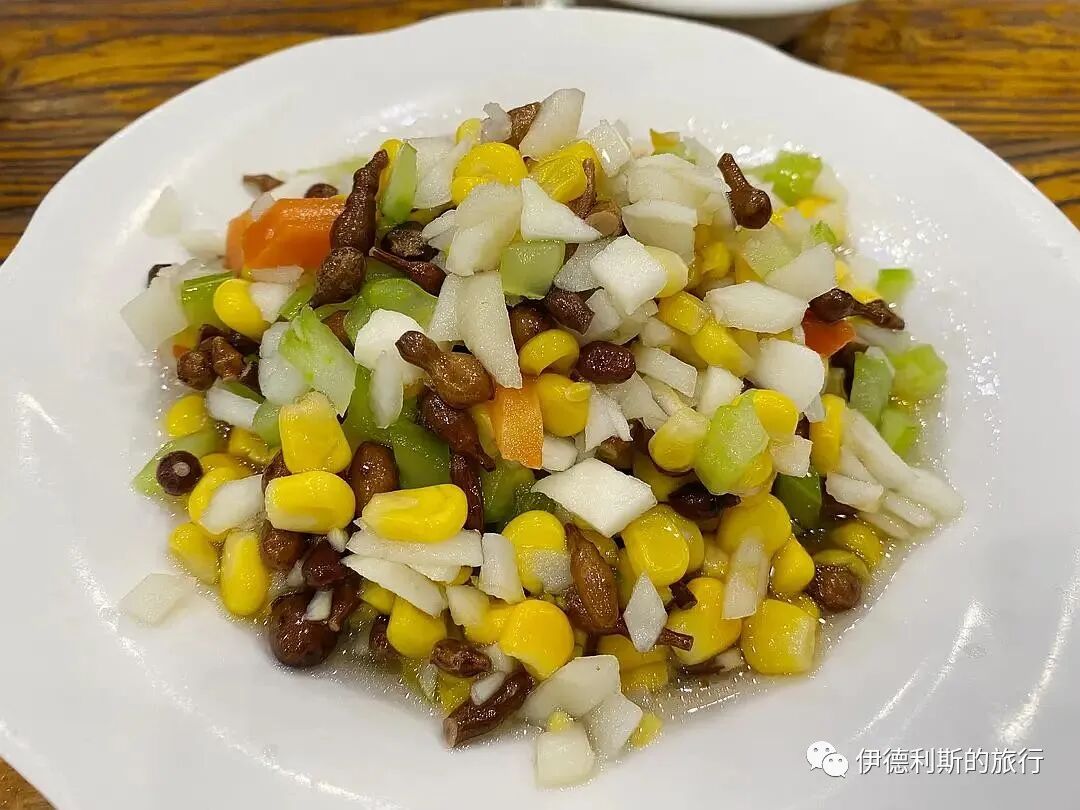
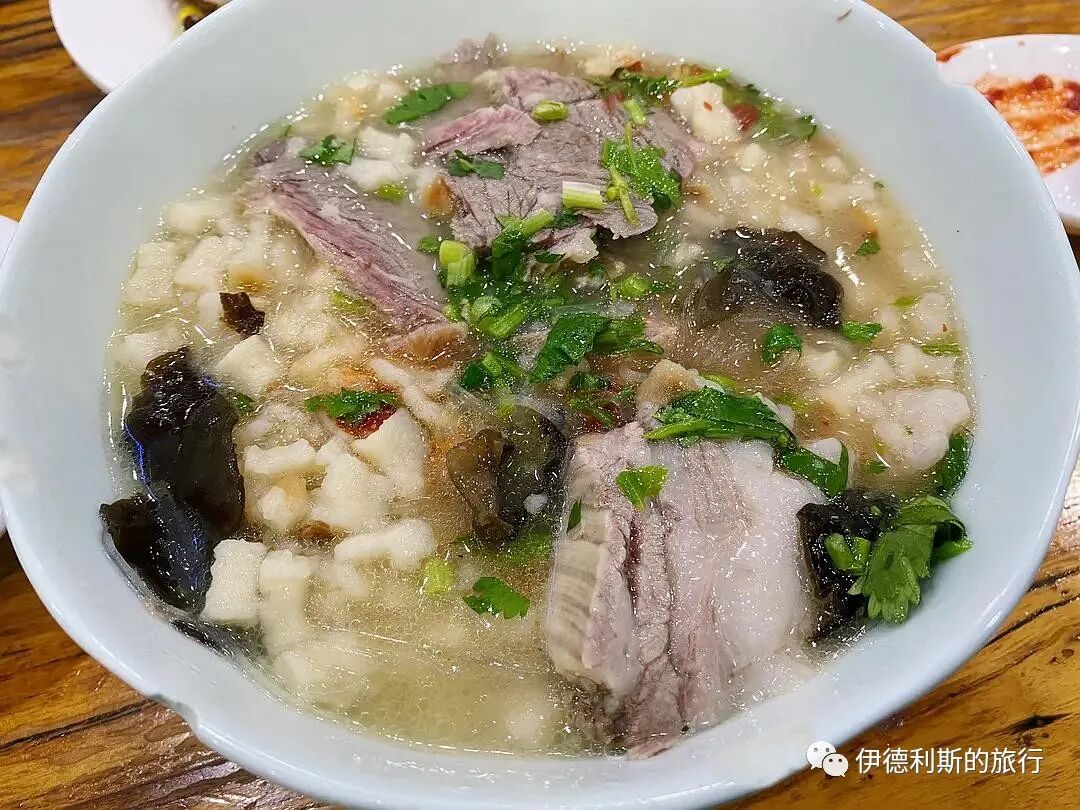
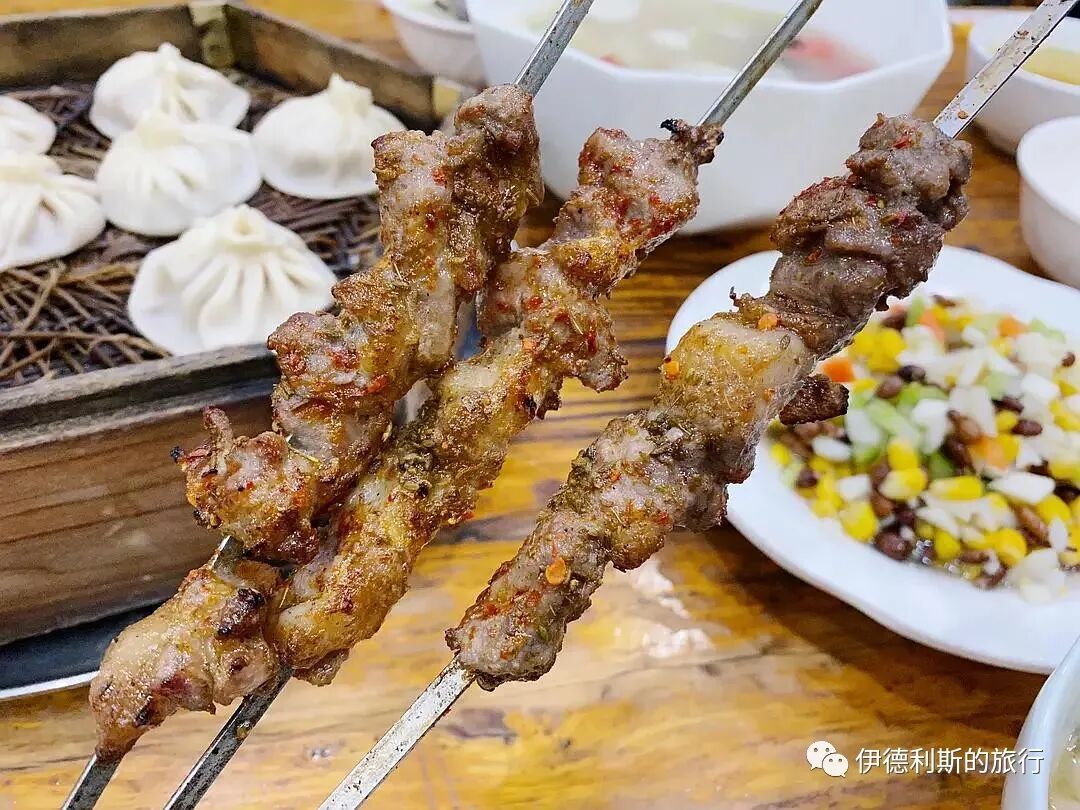
For the last Iftar of Ramadan, we went to Jia San at White Cloud Temple to eat beef soup dumplings, lamb paomo, colorful ginseng fruit, and lamb skewers. Their service is really good. After telling the waiter it was for Iftar, he helped us plan what to serve first and what to serve later so it wouldn't get cold.
May 13, Eid al-Fitr buffet at Jianzhai.
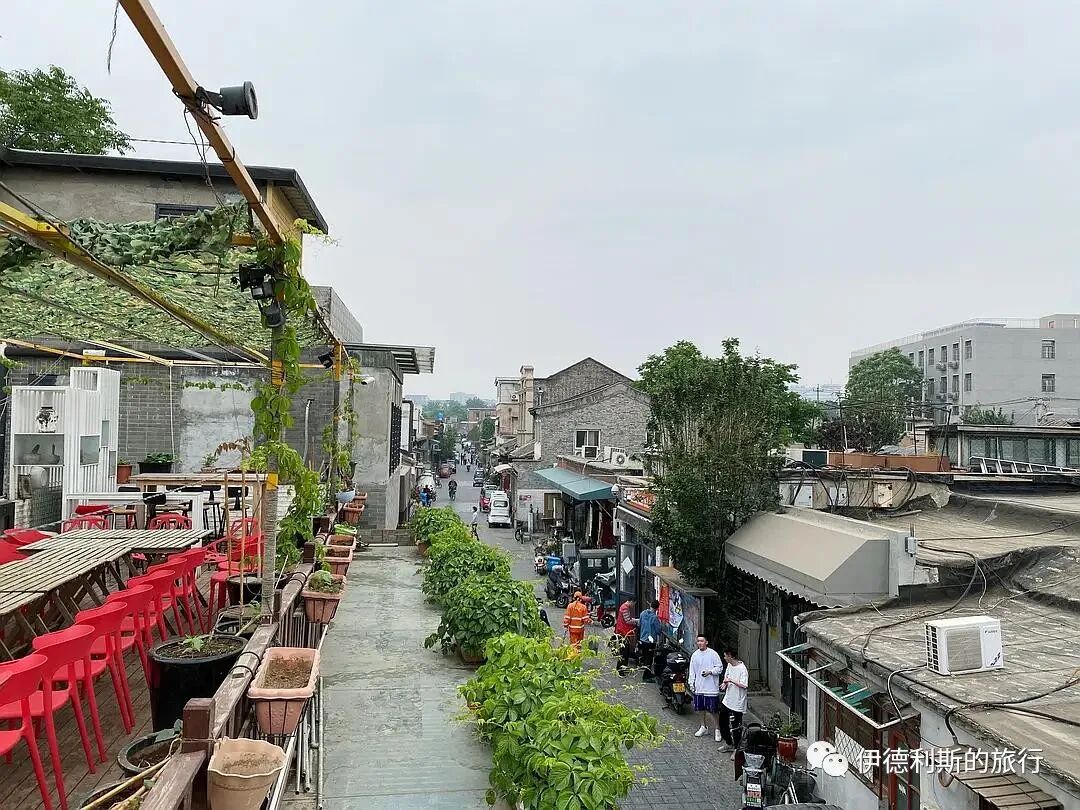
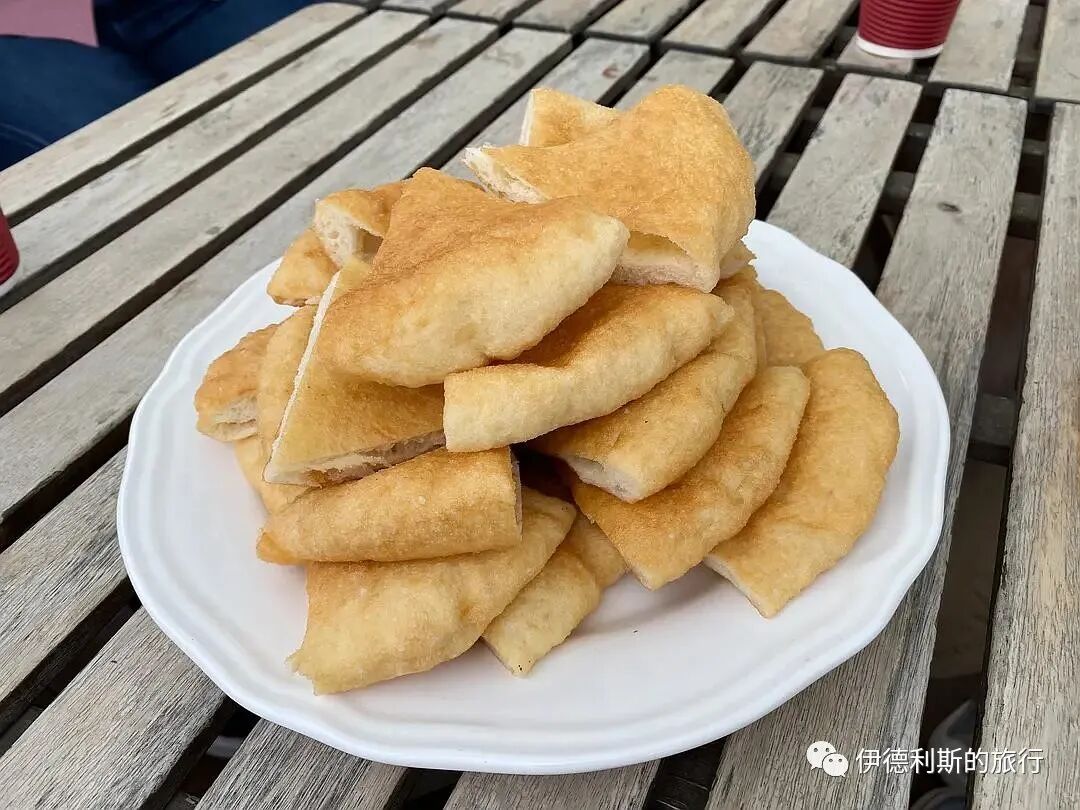
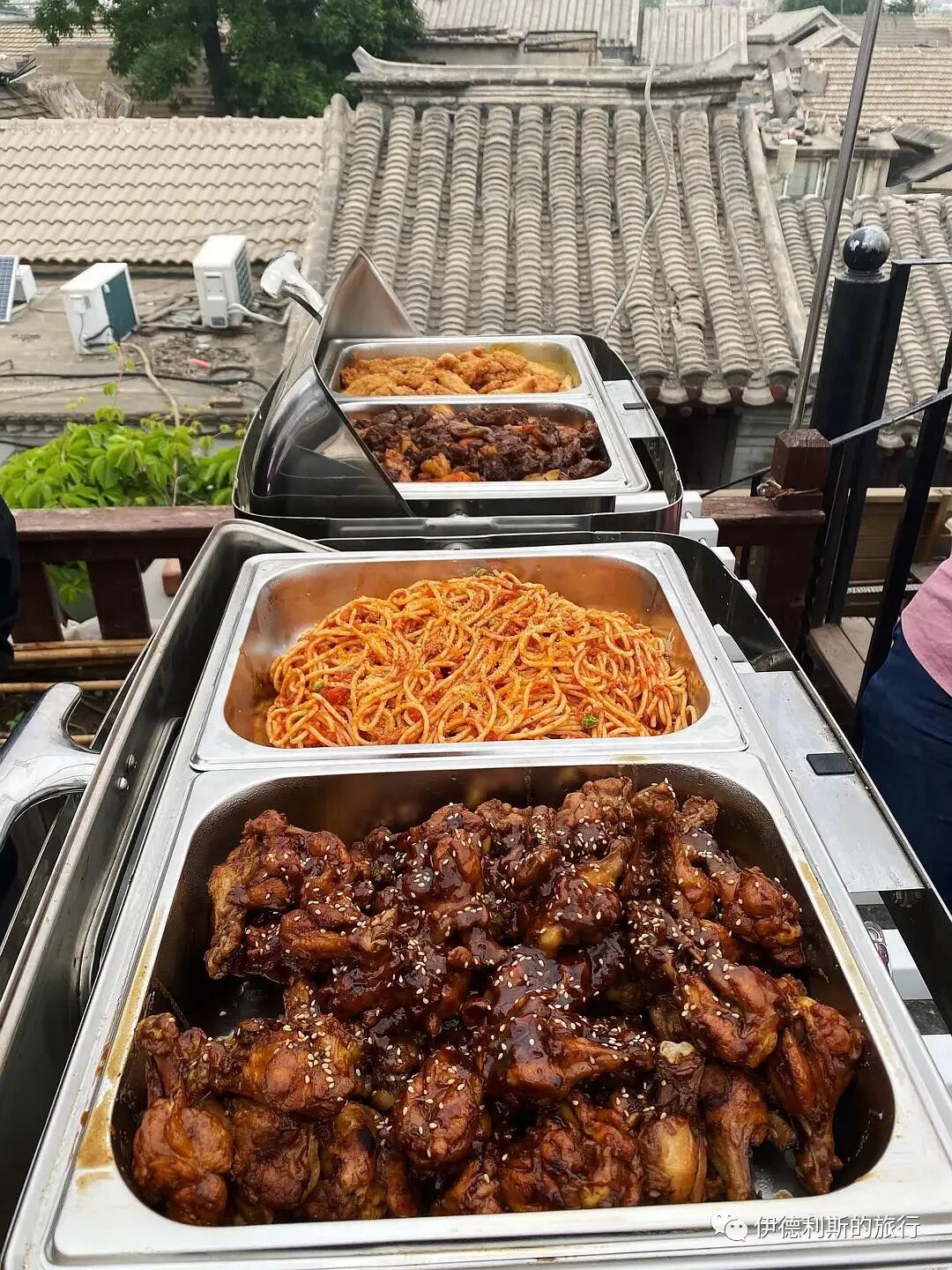
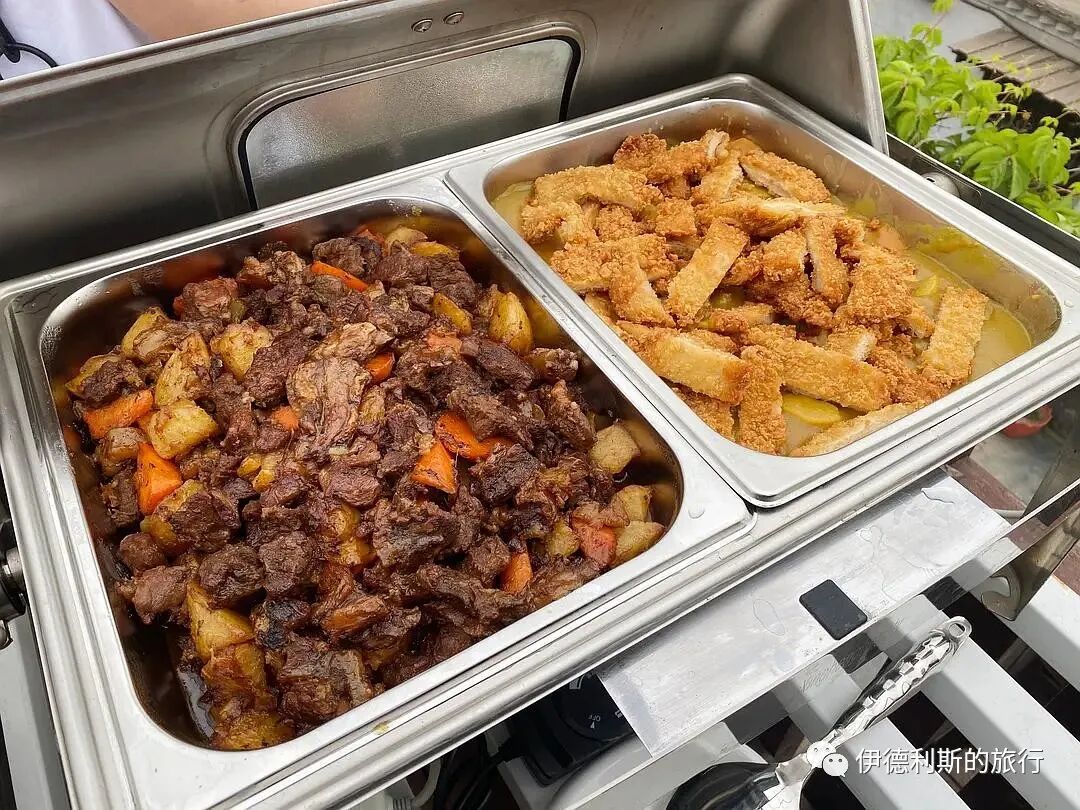
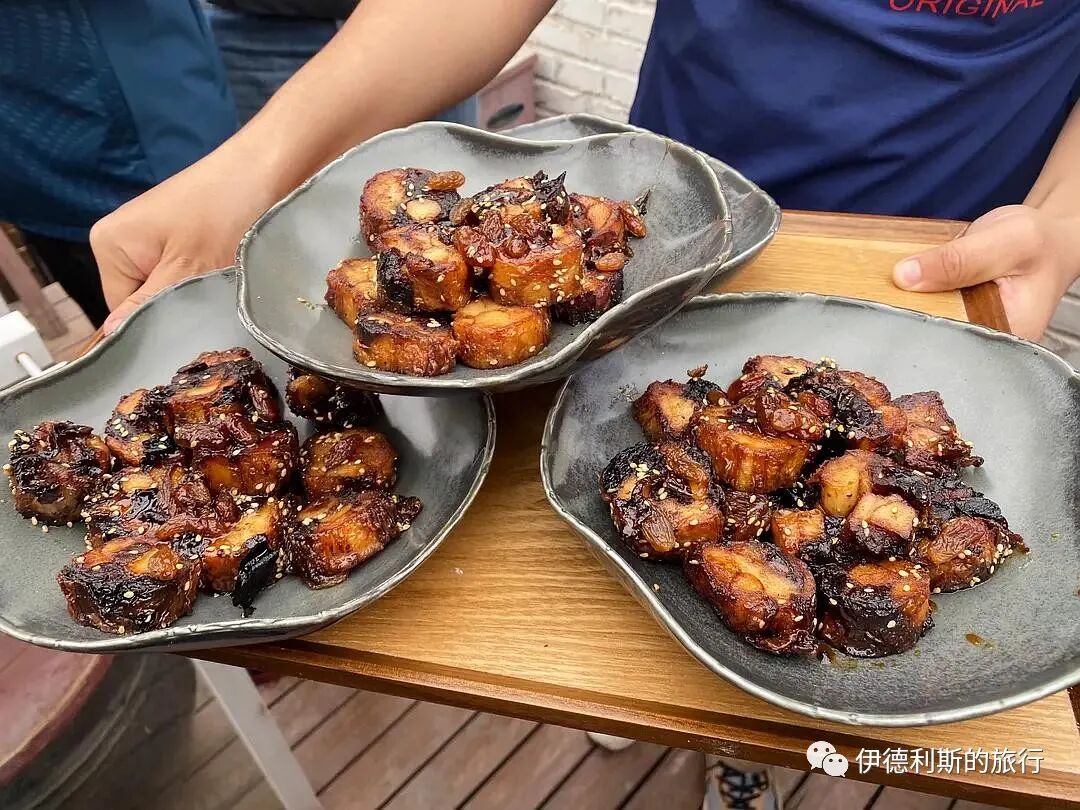
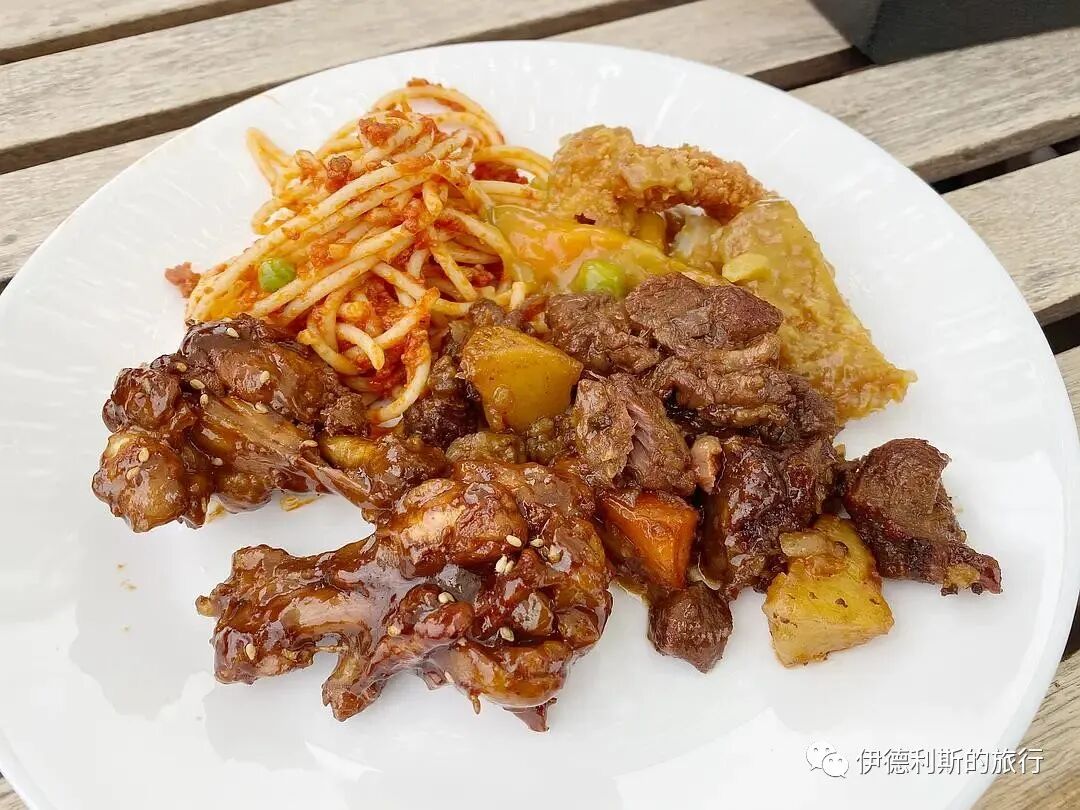
After the Eid prayer, everyone gathered on the roof of the century-old Jianzhai shop on Yangmeizhu Xiejie outside Qianmen for a buffet. The 21st-generation descendant of Wang Huihui from Jiantang personally fried the youxiang for us. It was super delicious, with a chewy texture and not hard at all. We also ate old Beijing Hui-style stewed beef and sugar-rolled fruit. The beef is brought in from Niujie every morning and stewed fresh, never overnight. Sugar-rolled fruit is made by steaming yams with dates and raisins, then stir-frying them in sugar, which is very time-consuming.
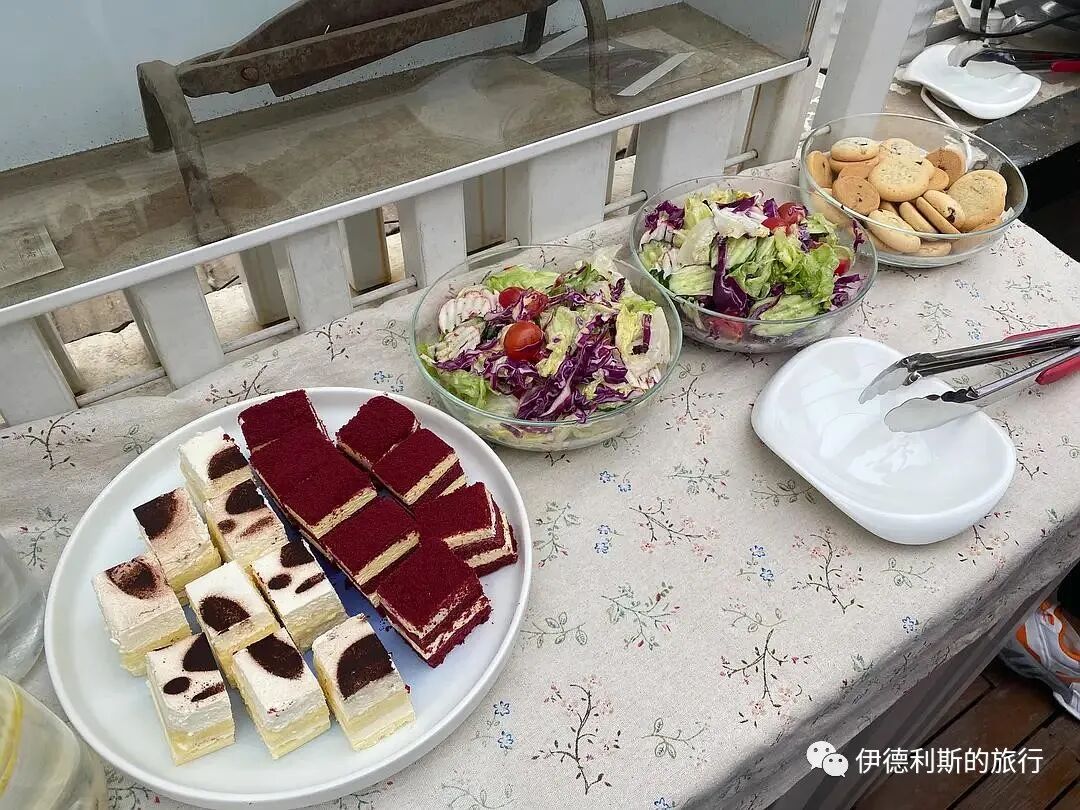
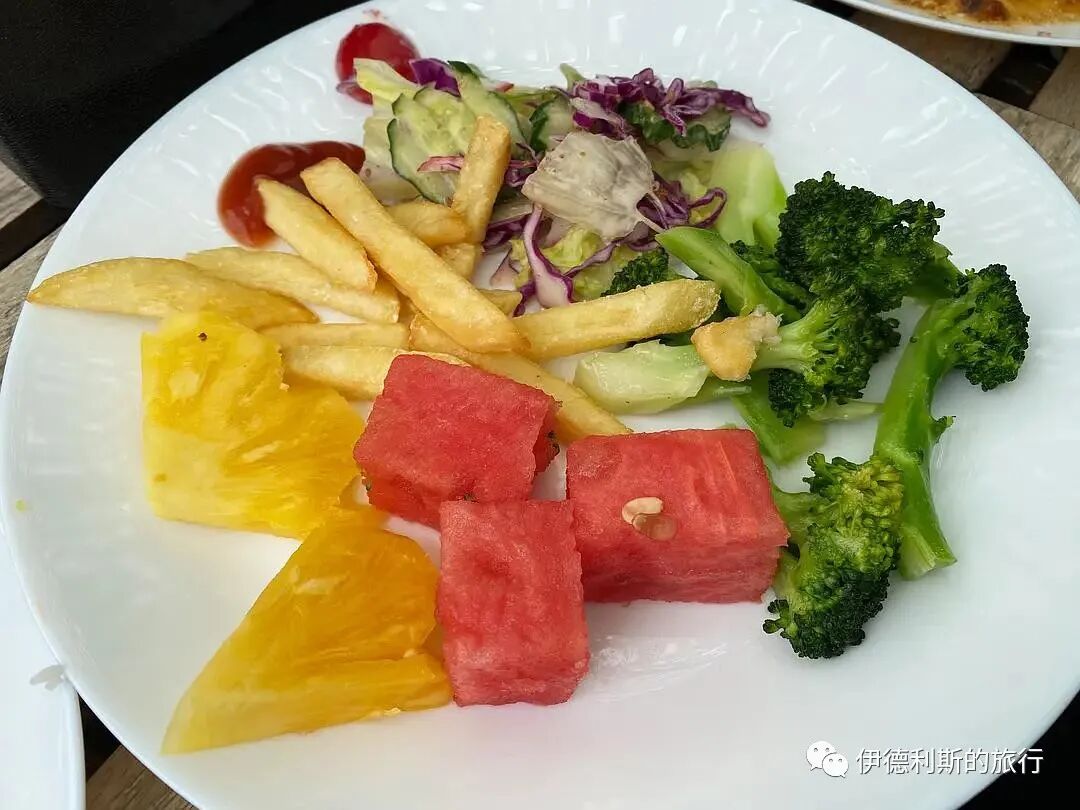
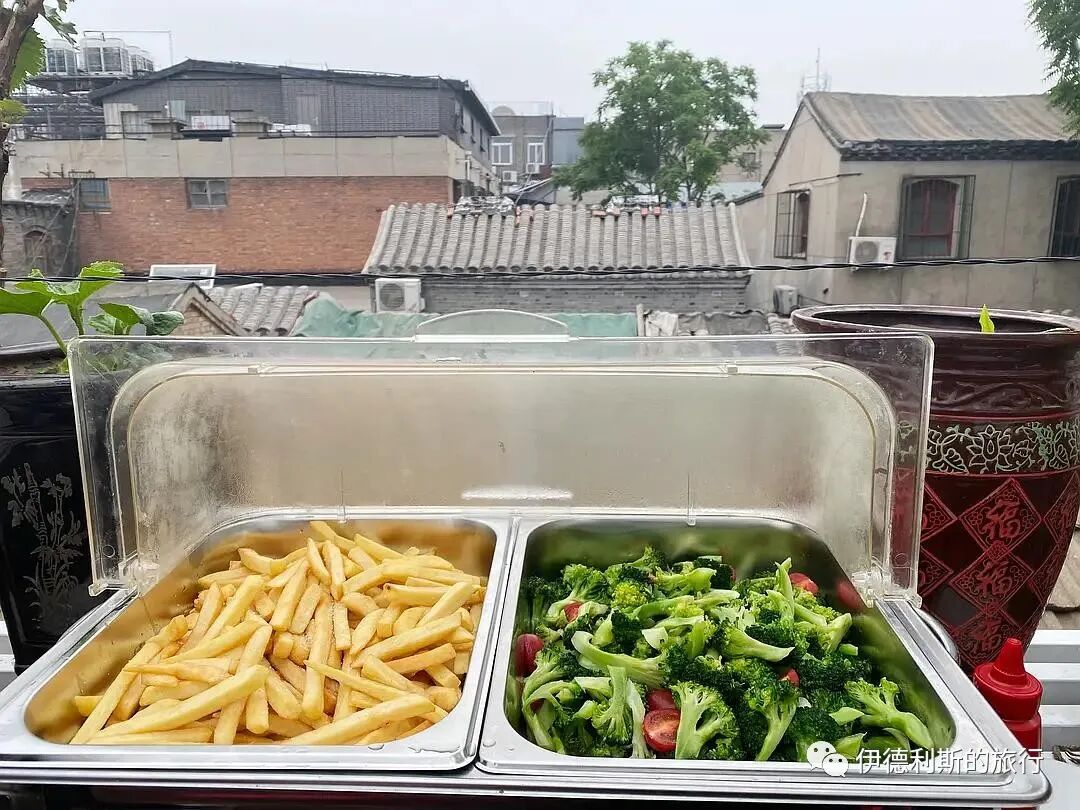
In addition to old Beijing specialties, there were chicken curry, tomato pasta, fried cod fillets, fruit salad, and small cream cakes. It was very satisfying!
May 16, Wangasi in Sanlitun.
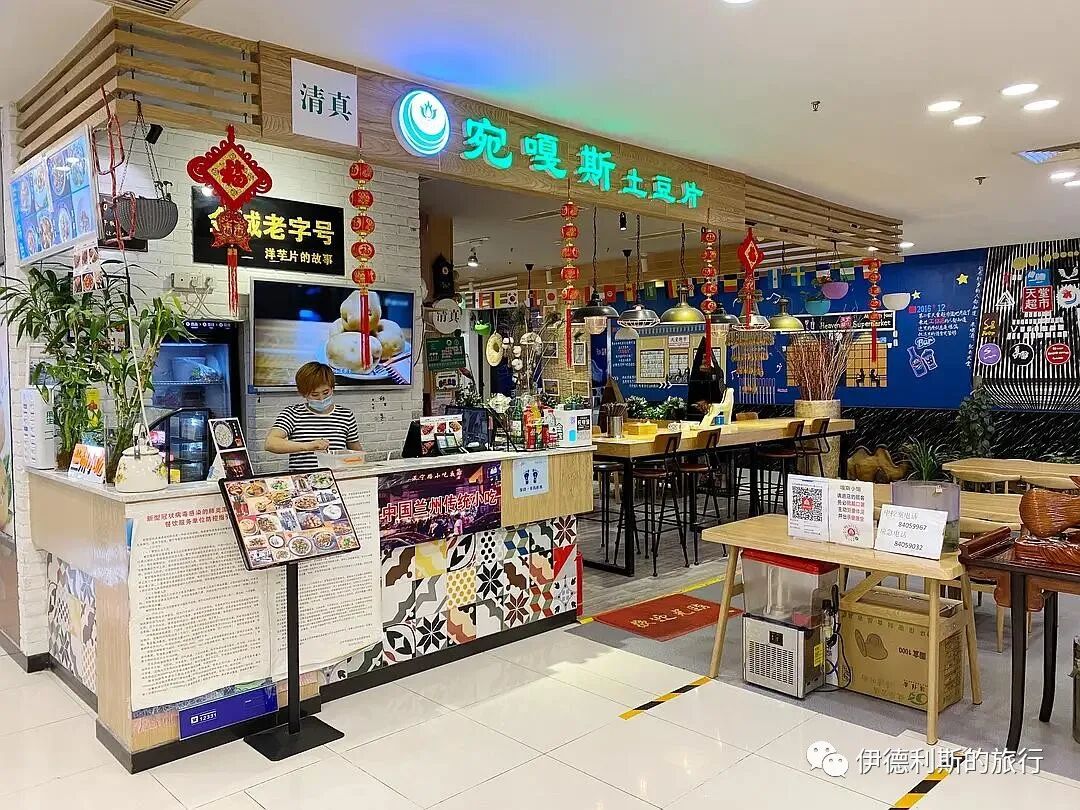
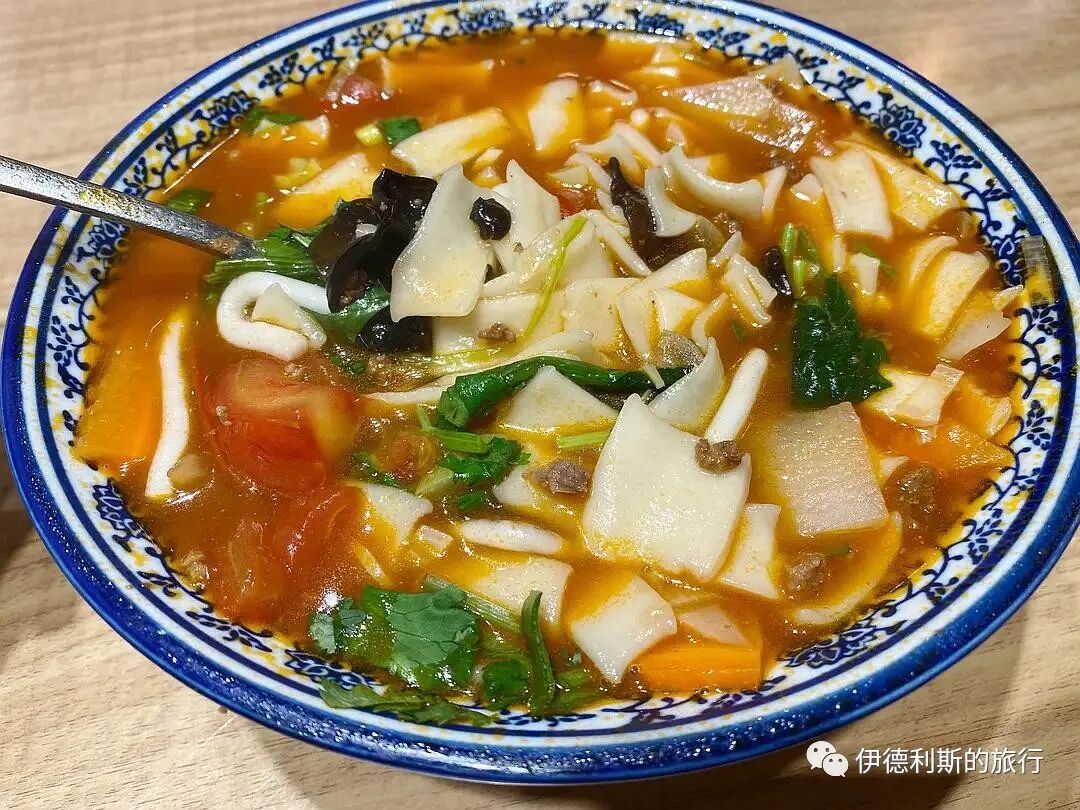
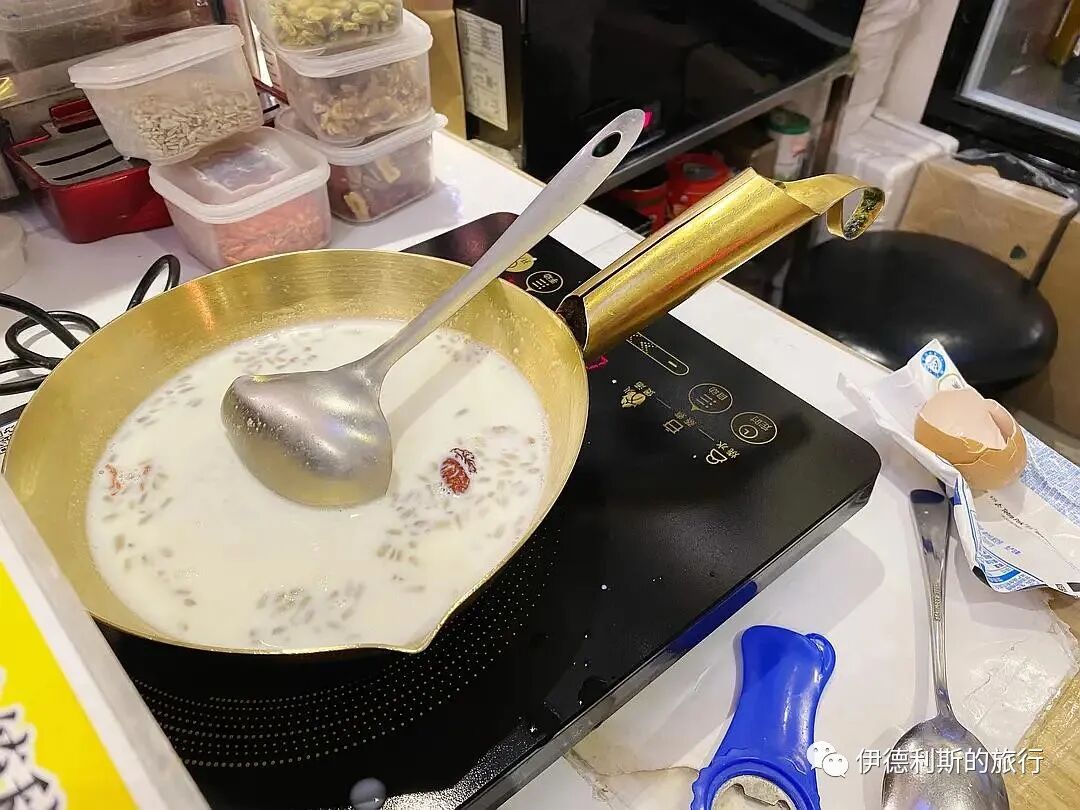
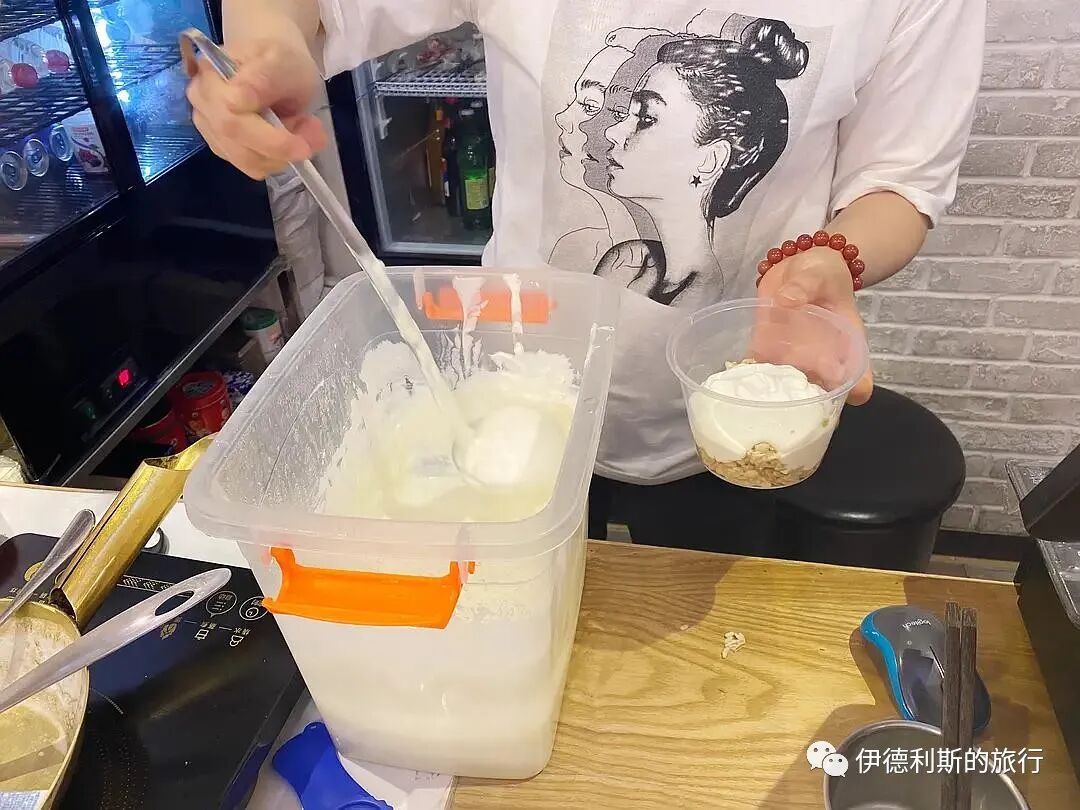
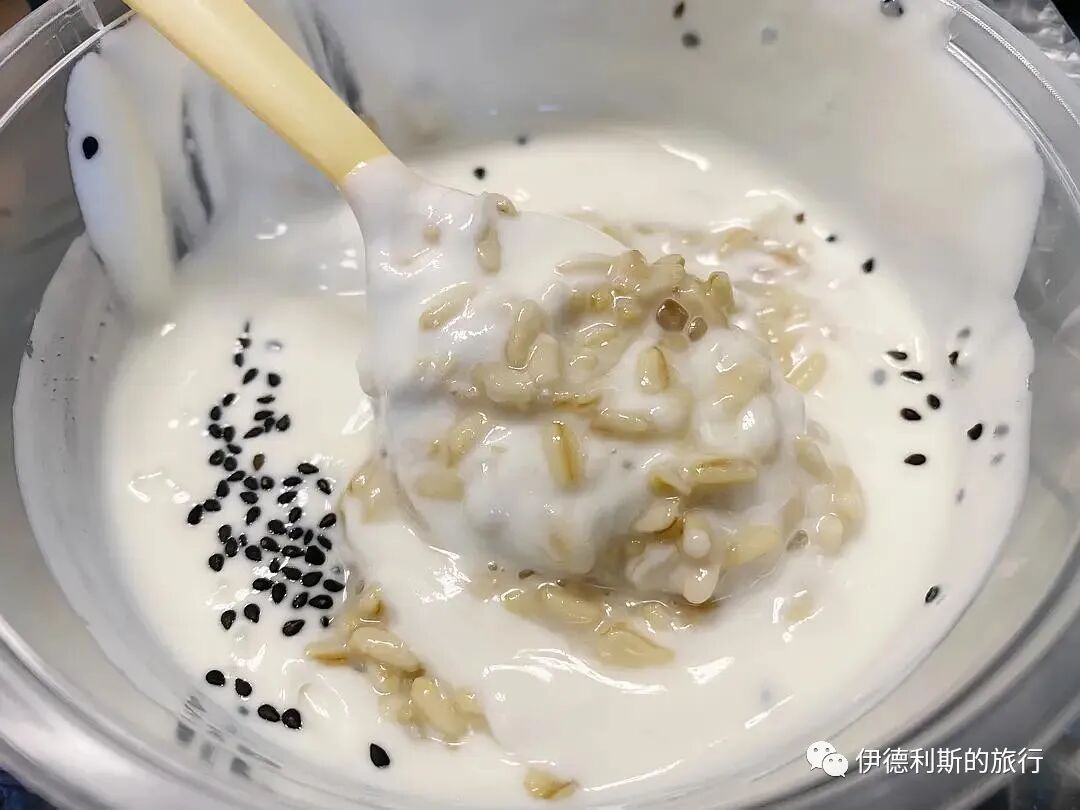
At Wangasi Potato Slices in Sanlitun, we had noodle soup and sweet fermented milk yogurt. Later, we went back to buy milk and egg fermented rice. Their shop is a Lanzhou snack bar that has been open in Beijing for several years.
May 19, Muyixuan in Ping'anli.
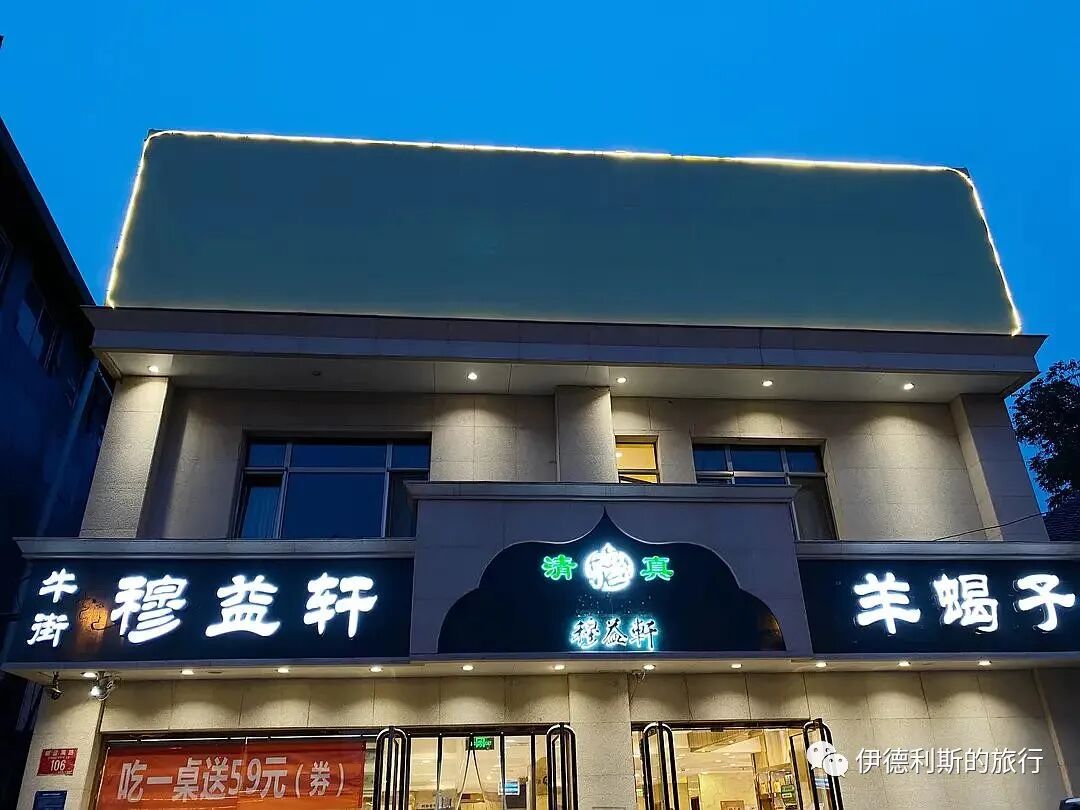
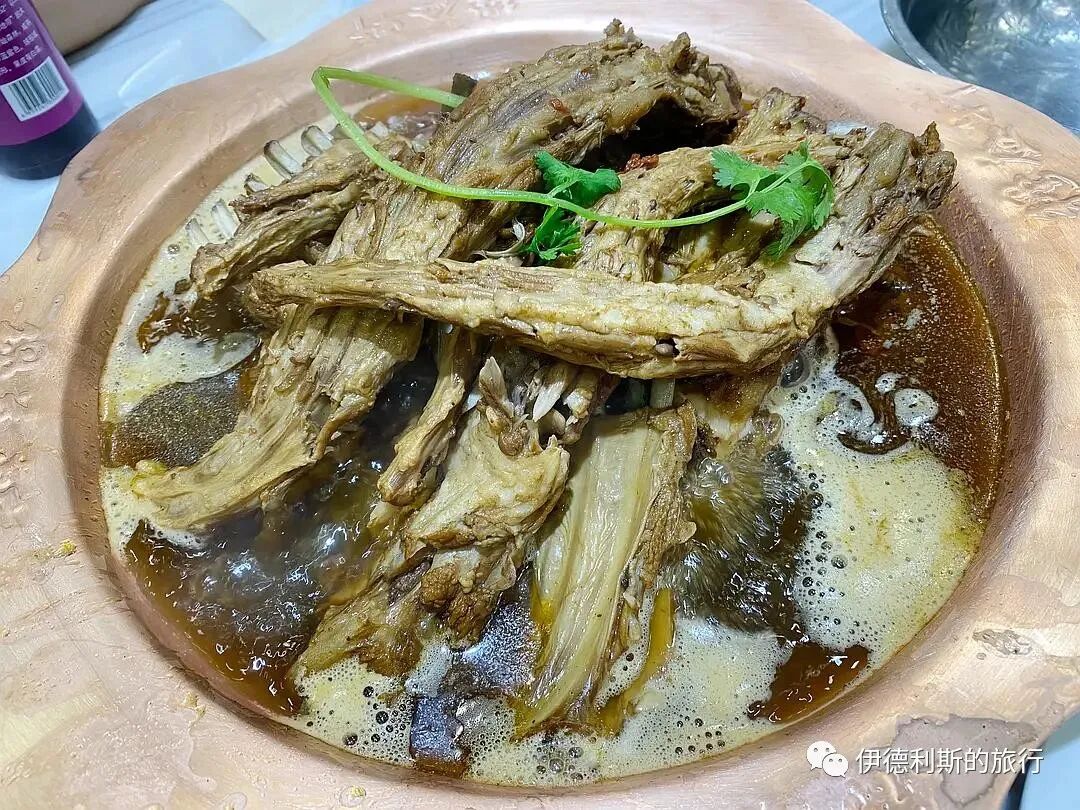
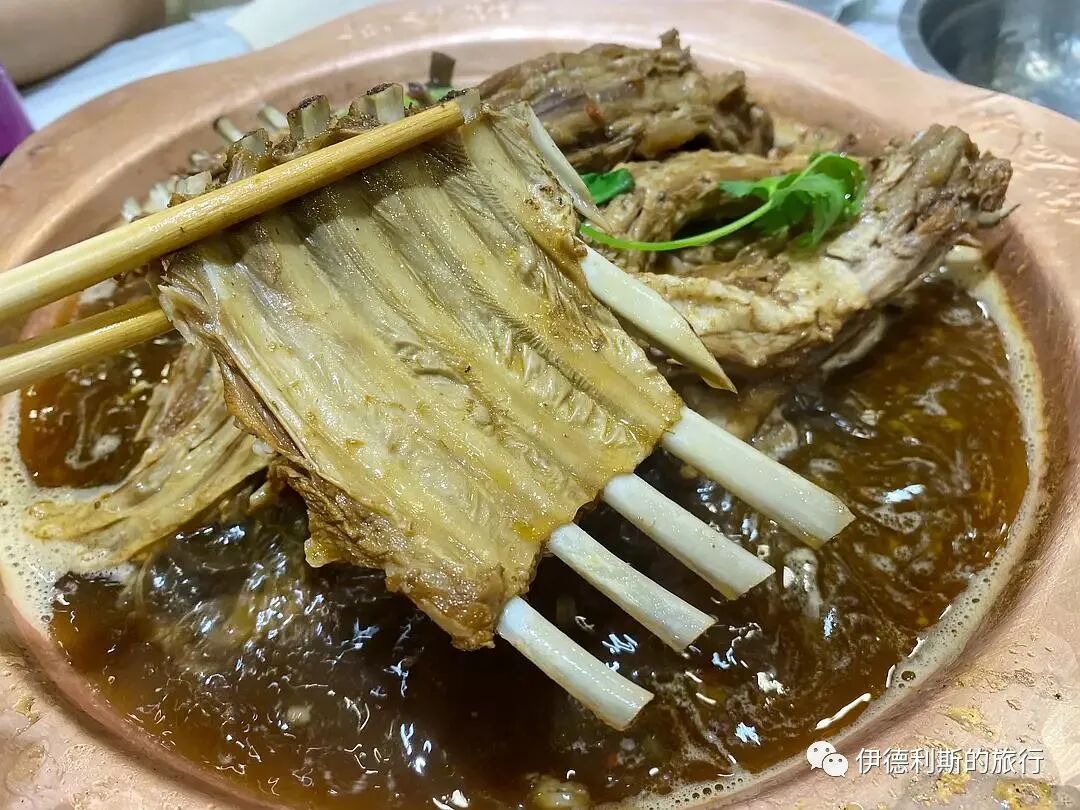
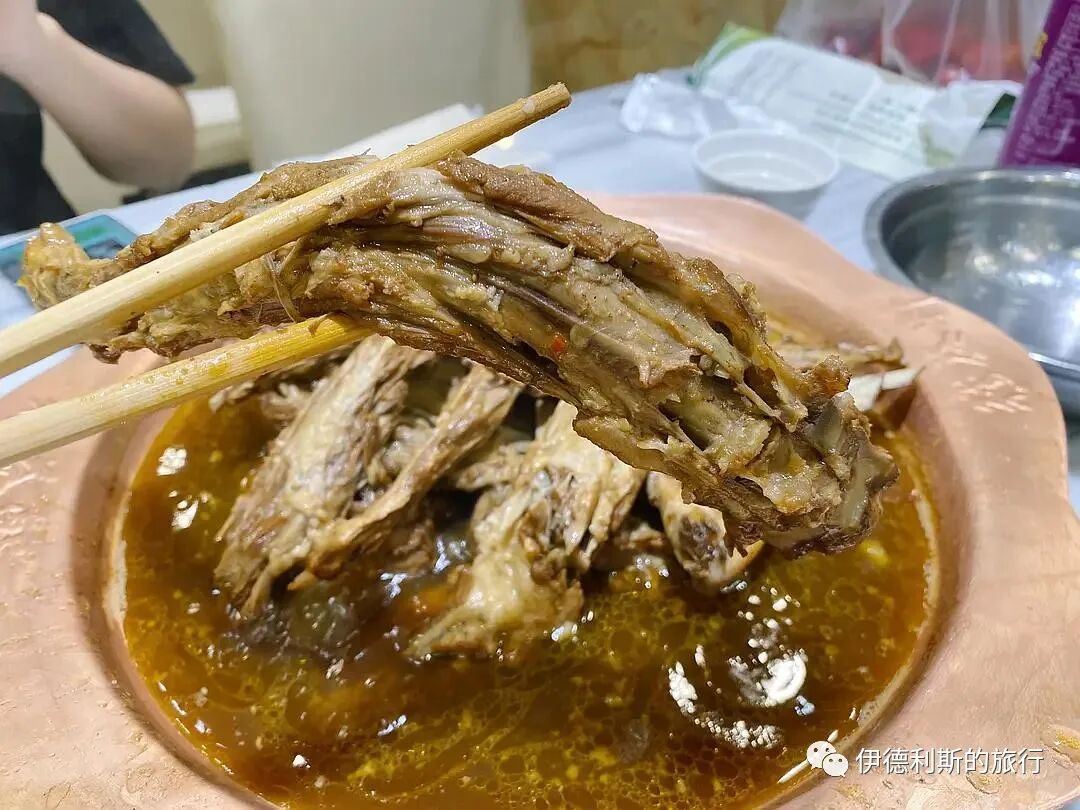
Lamb tail, lamb chops, and lamb spine hot pot at Muyixuan in Ping'anli. The last time I ate it was before Ramadan; I love it so much.
May 23, Buffet at Xinjiang Mansion.
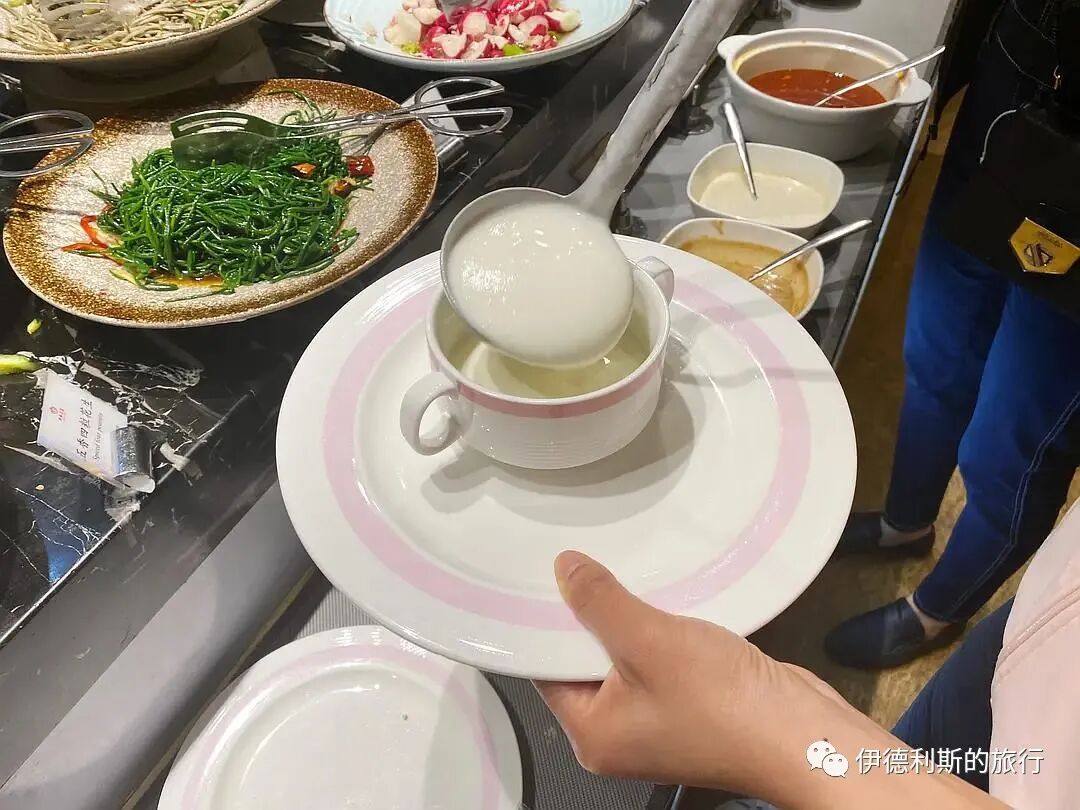
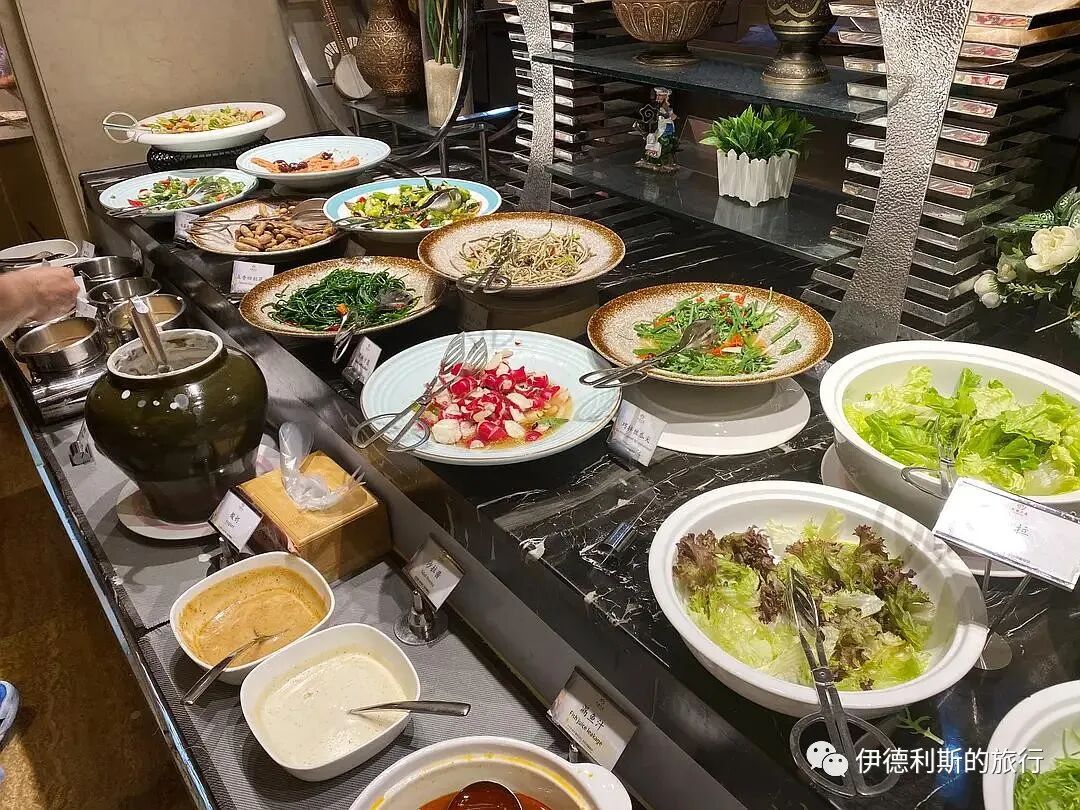
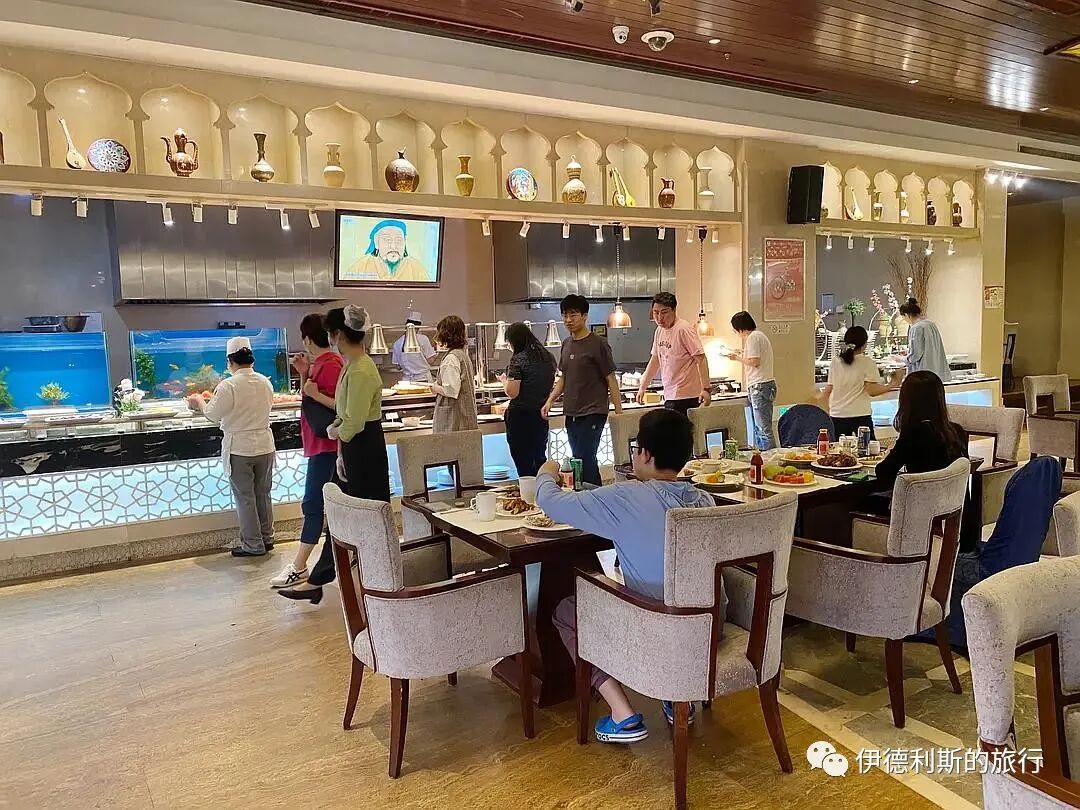
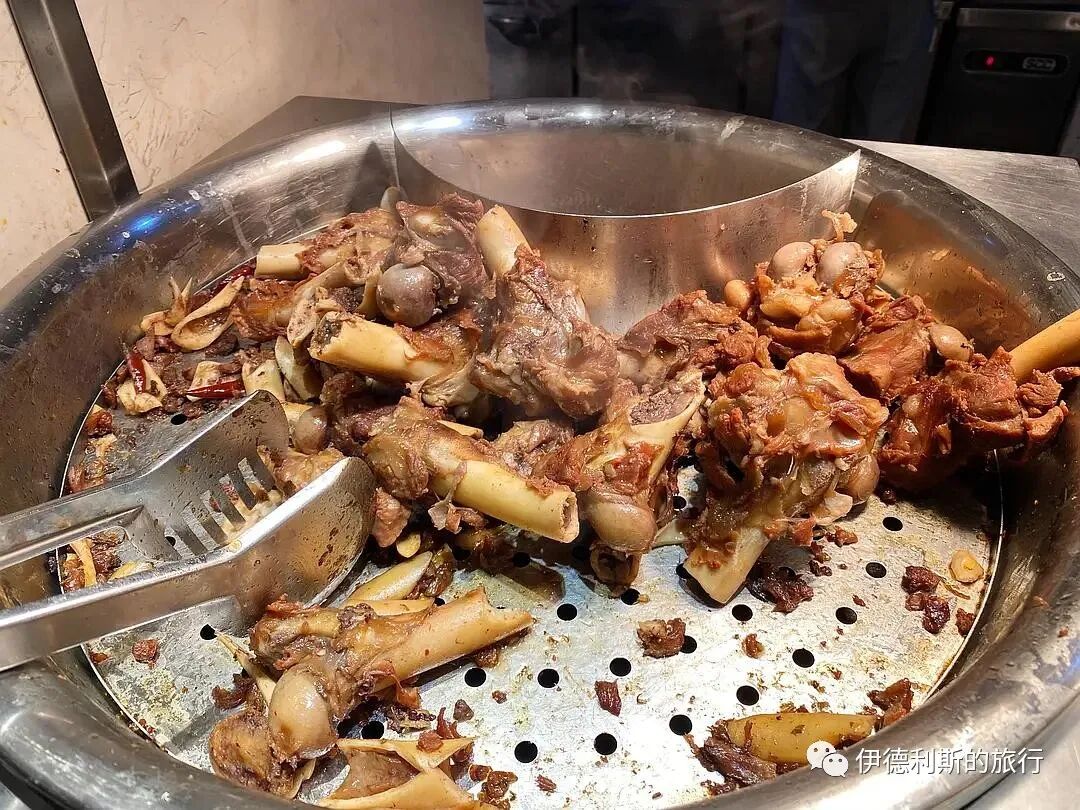
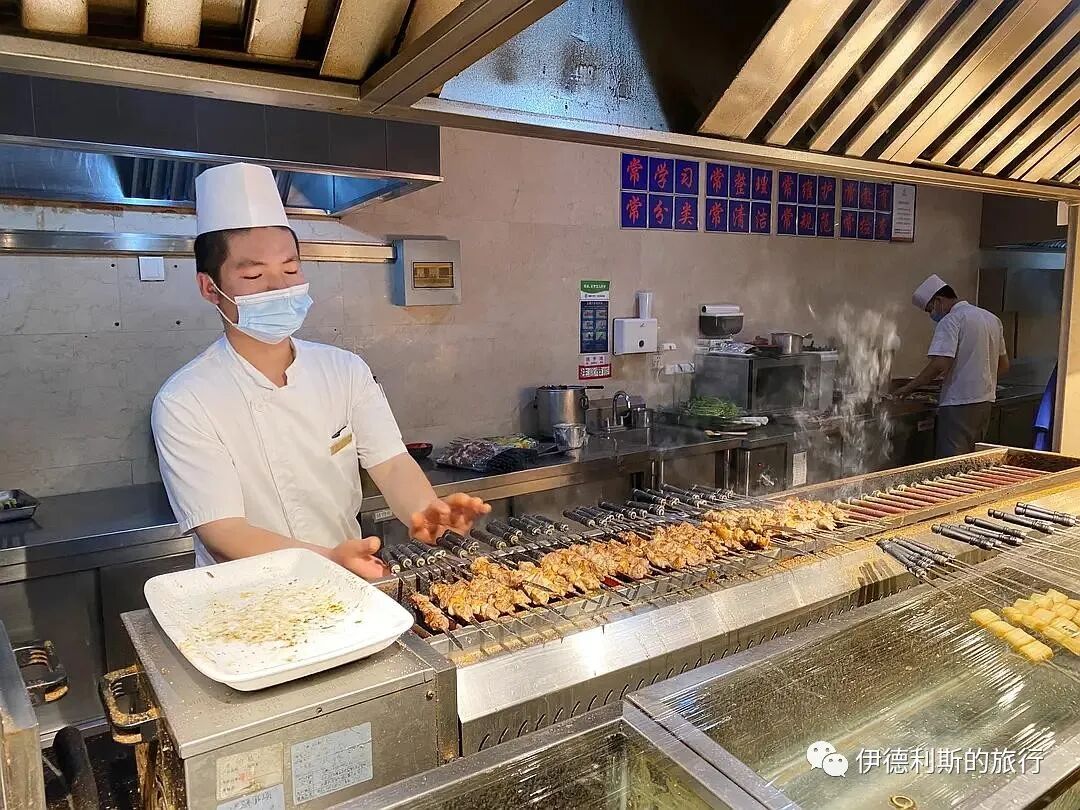
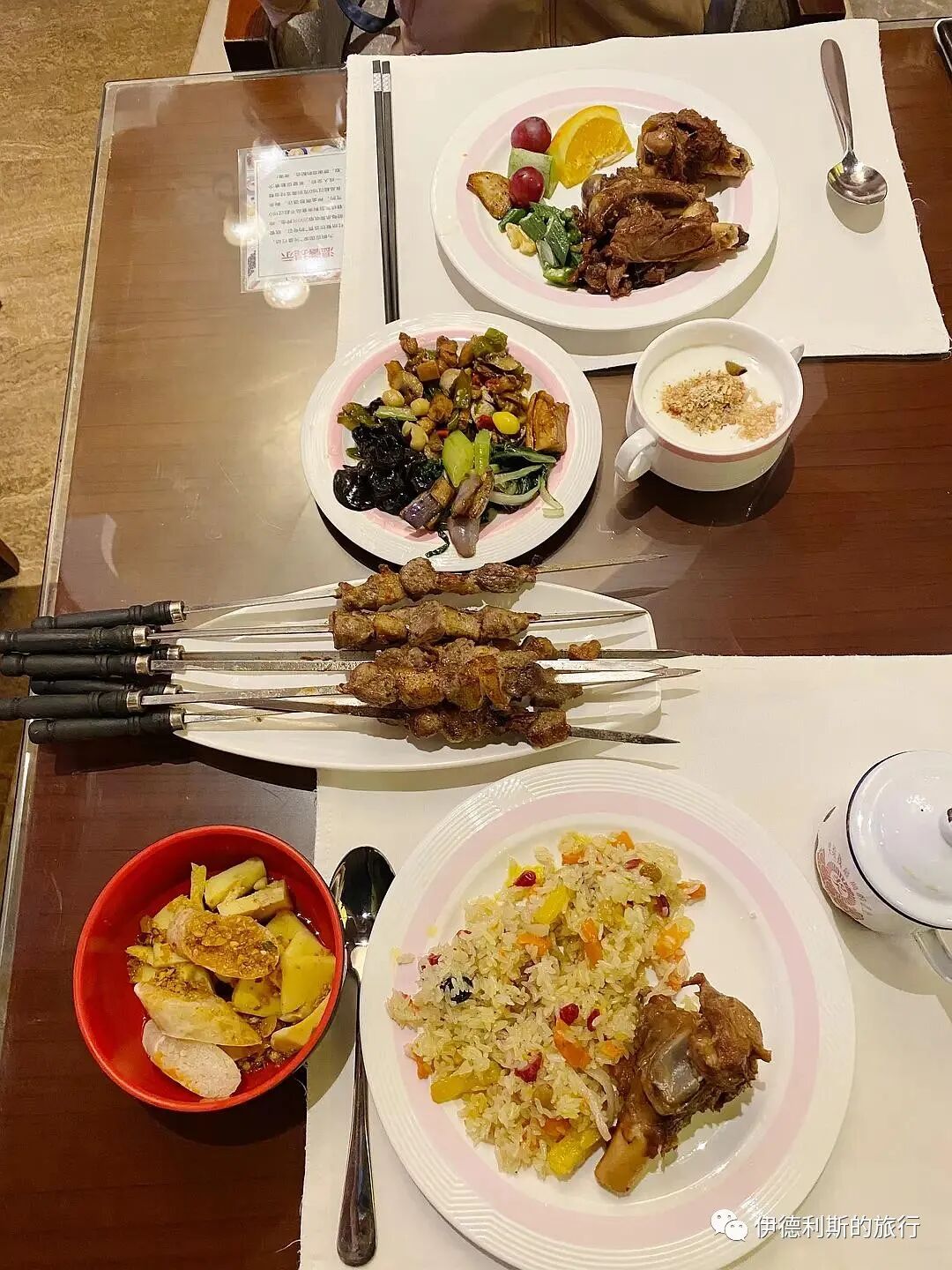
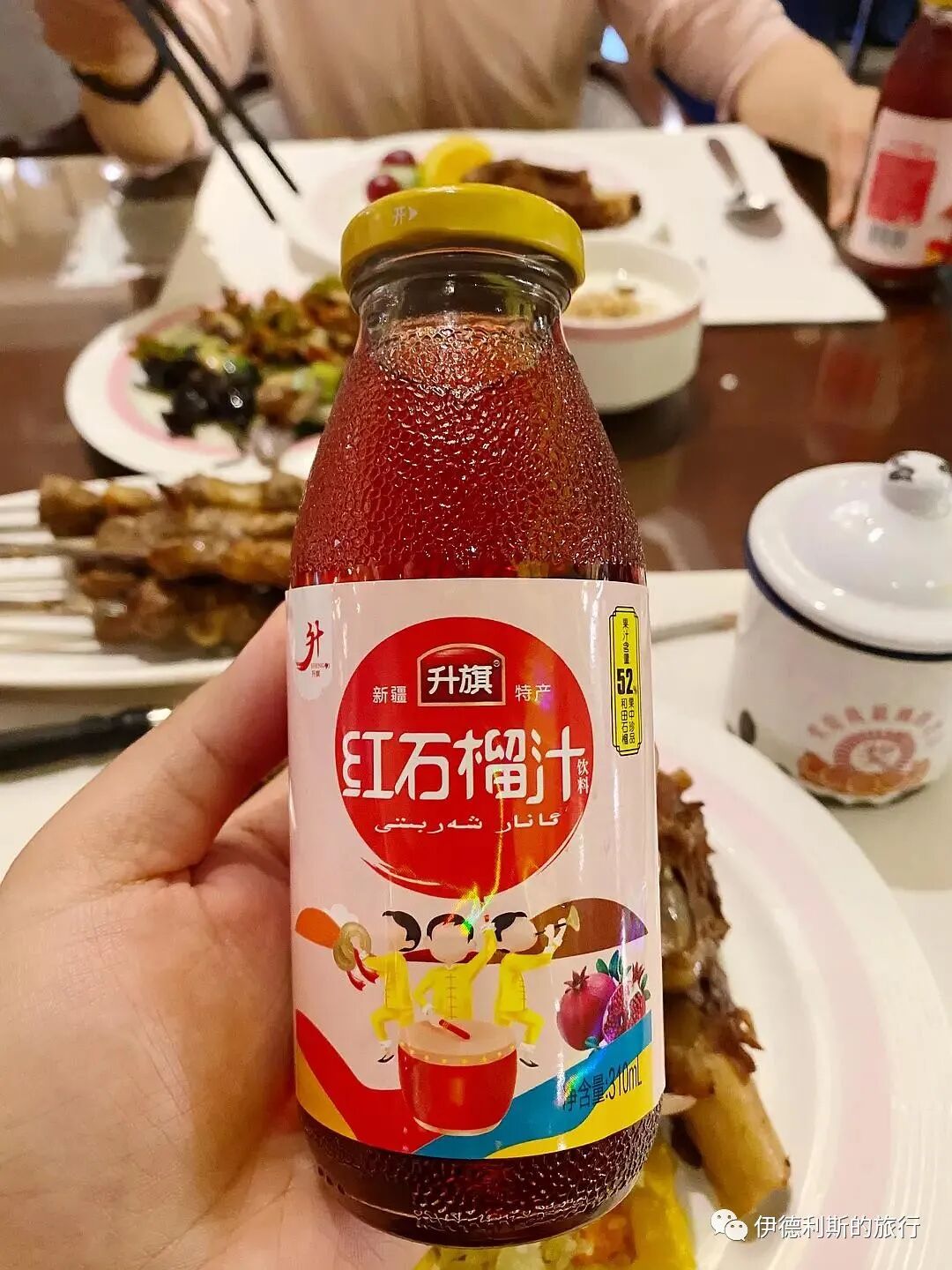
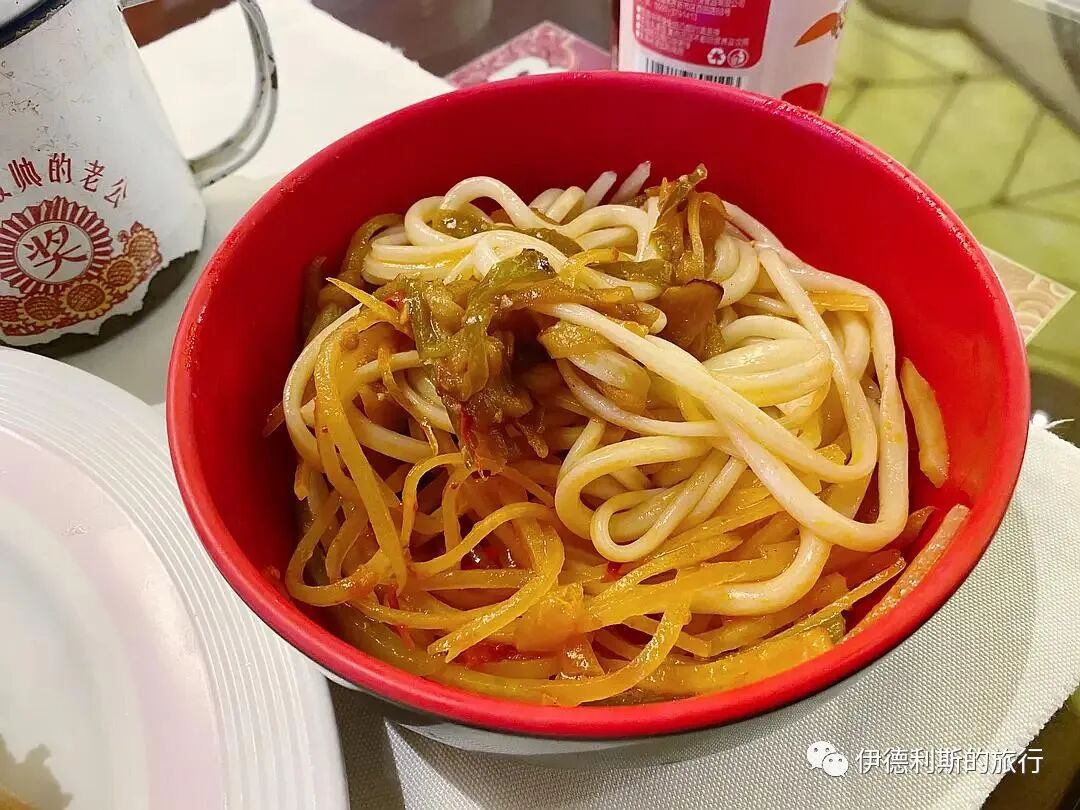
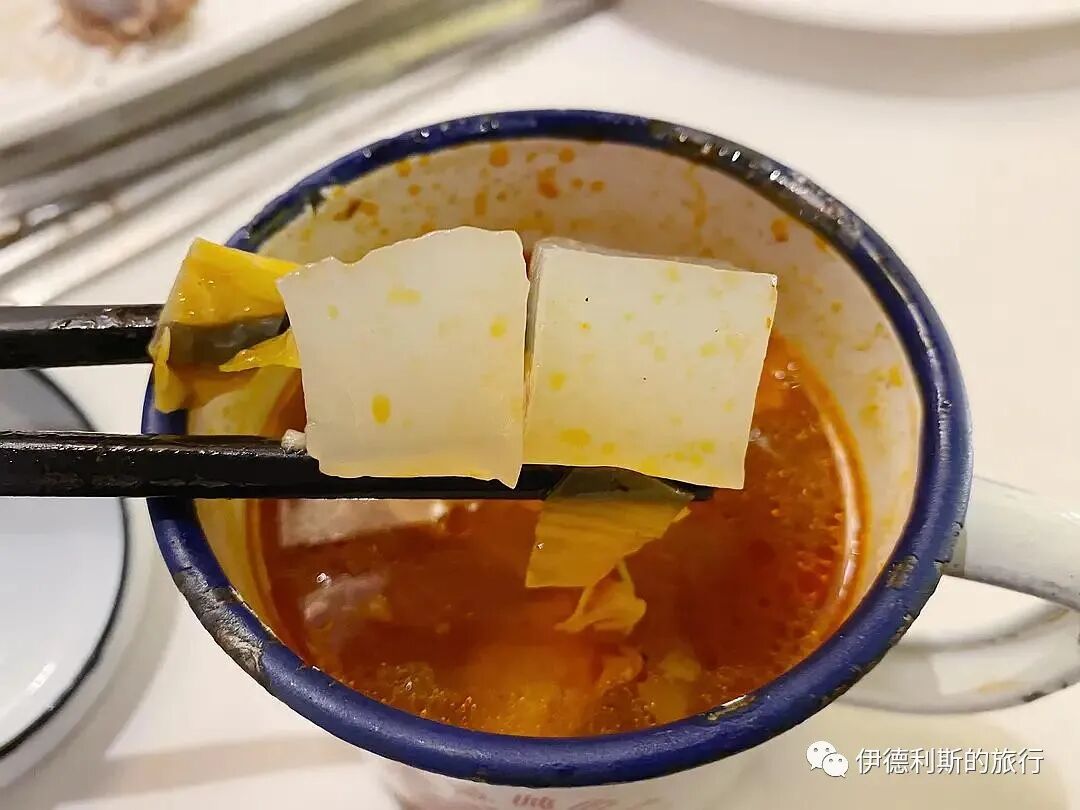
We had a buffet at Xinjiang Mansion at noon. The value for money is not particularly high, but they have pilaf, mixed noodles, barbecue, and lamb bones.
May 31, Family dinner.
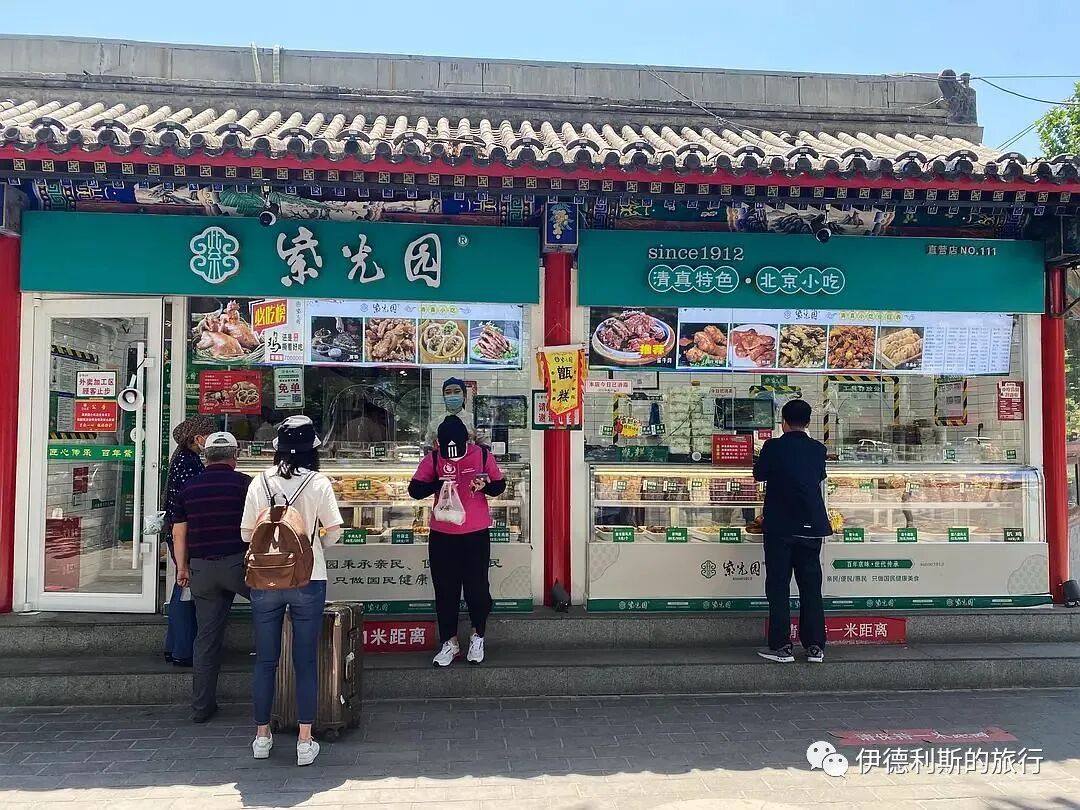
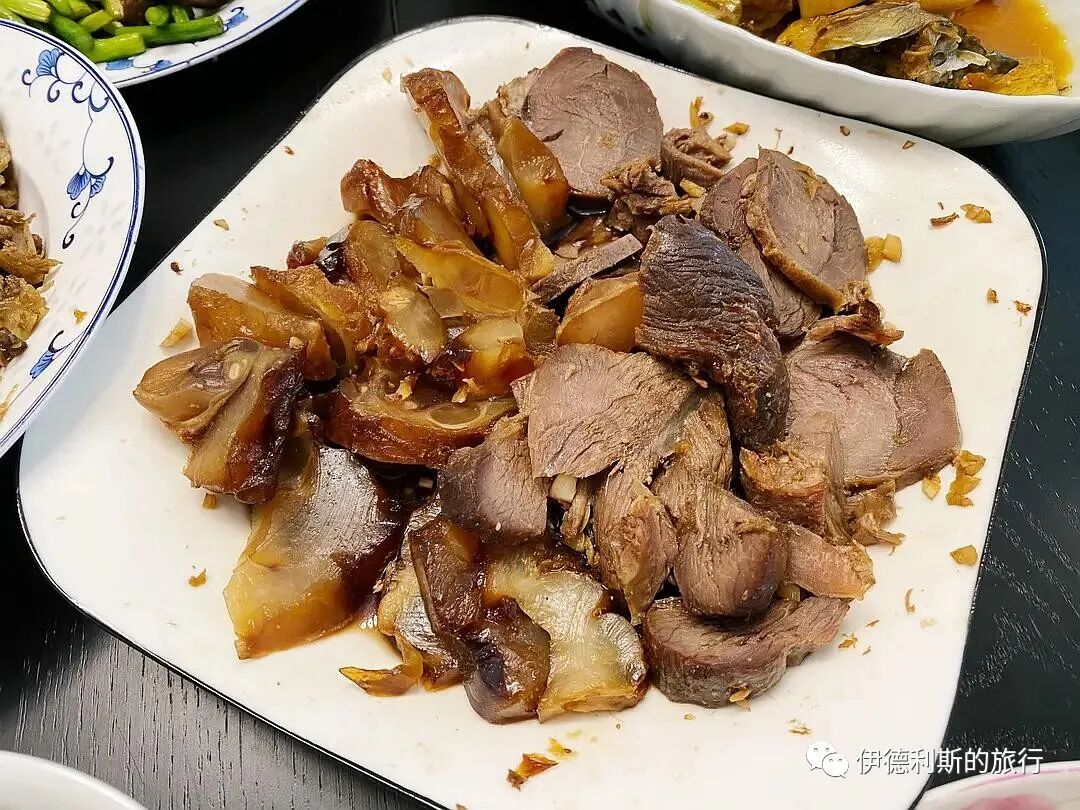
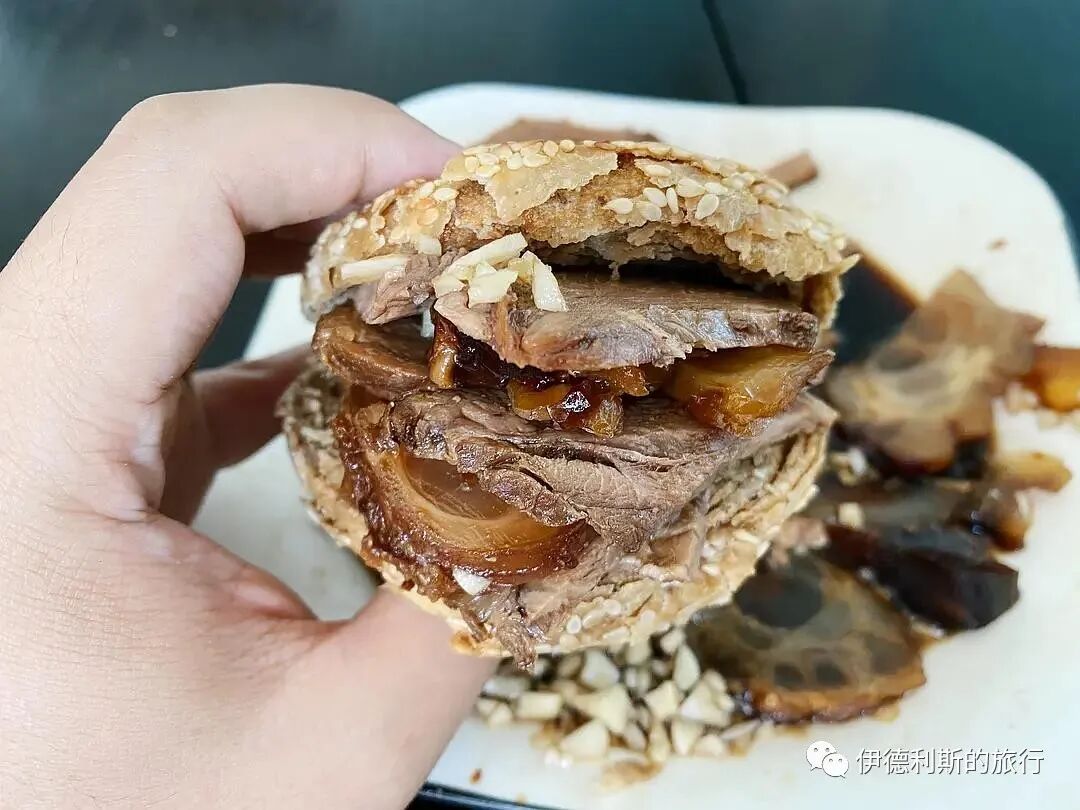
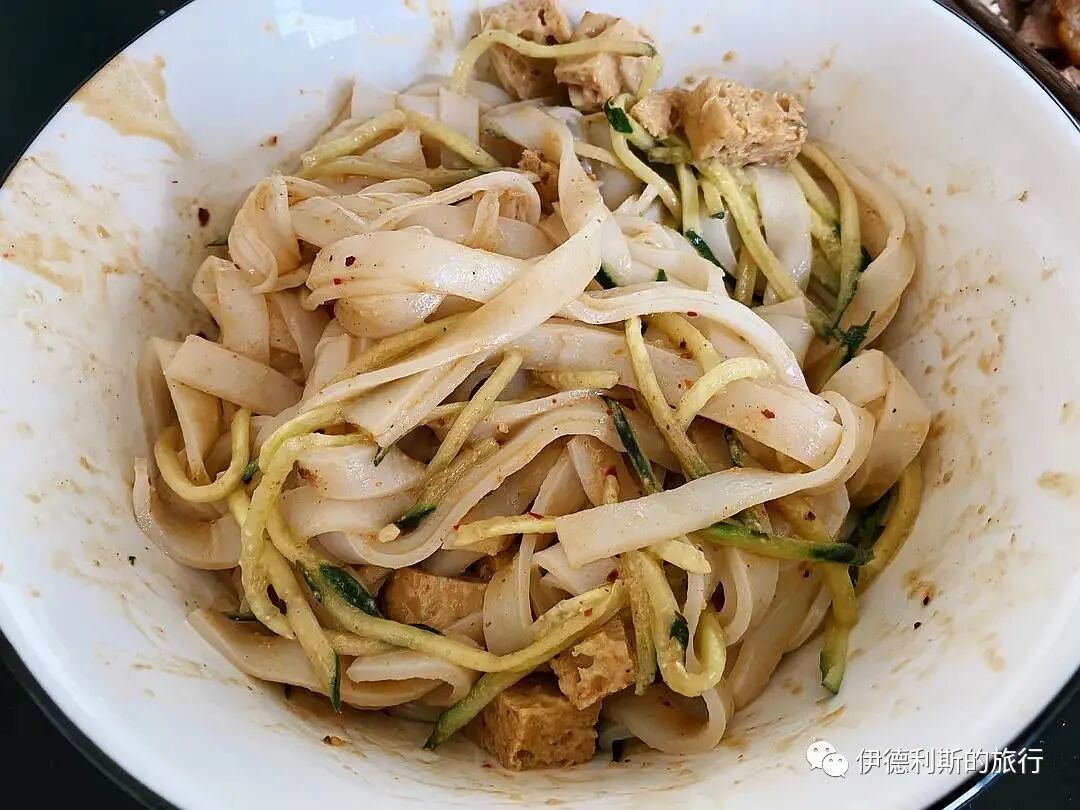
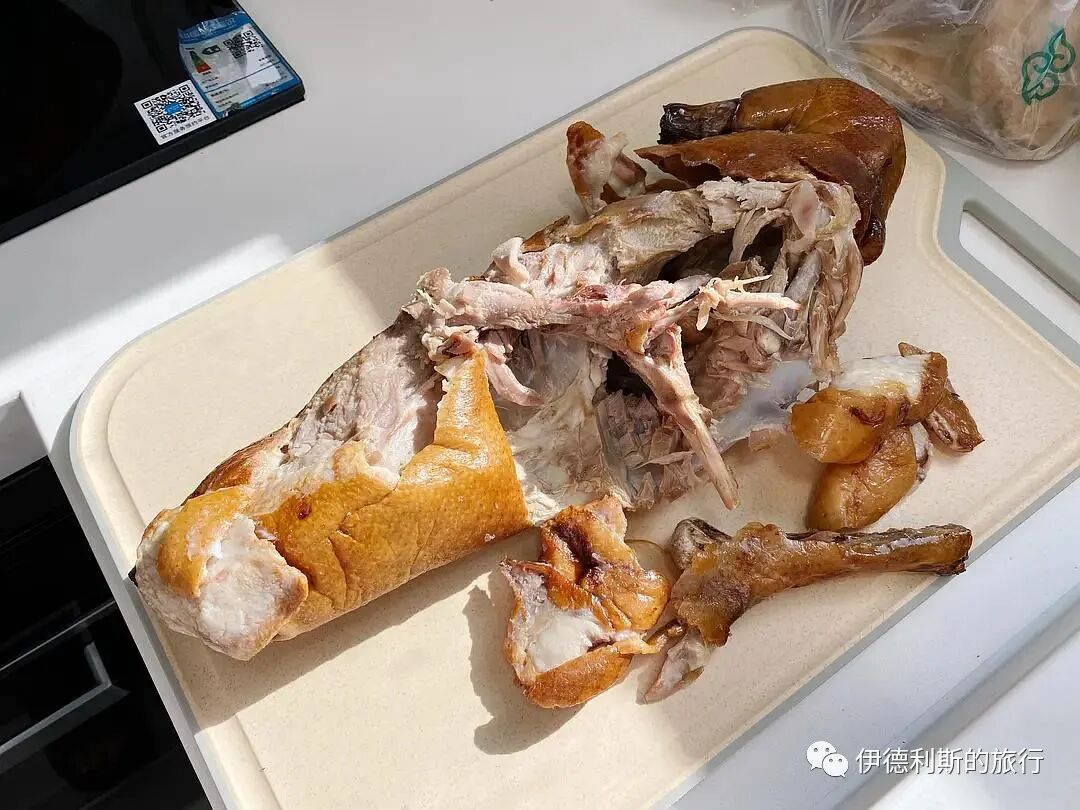
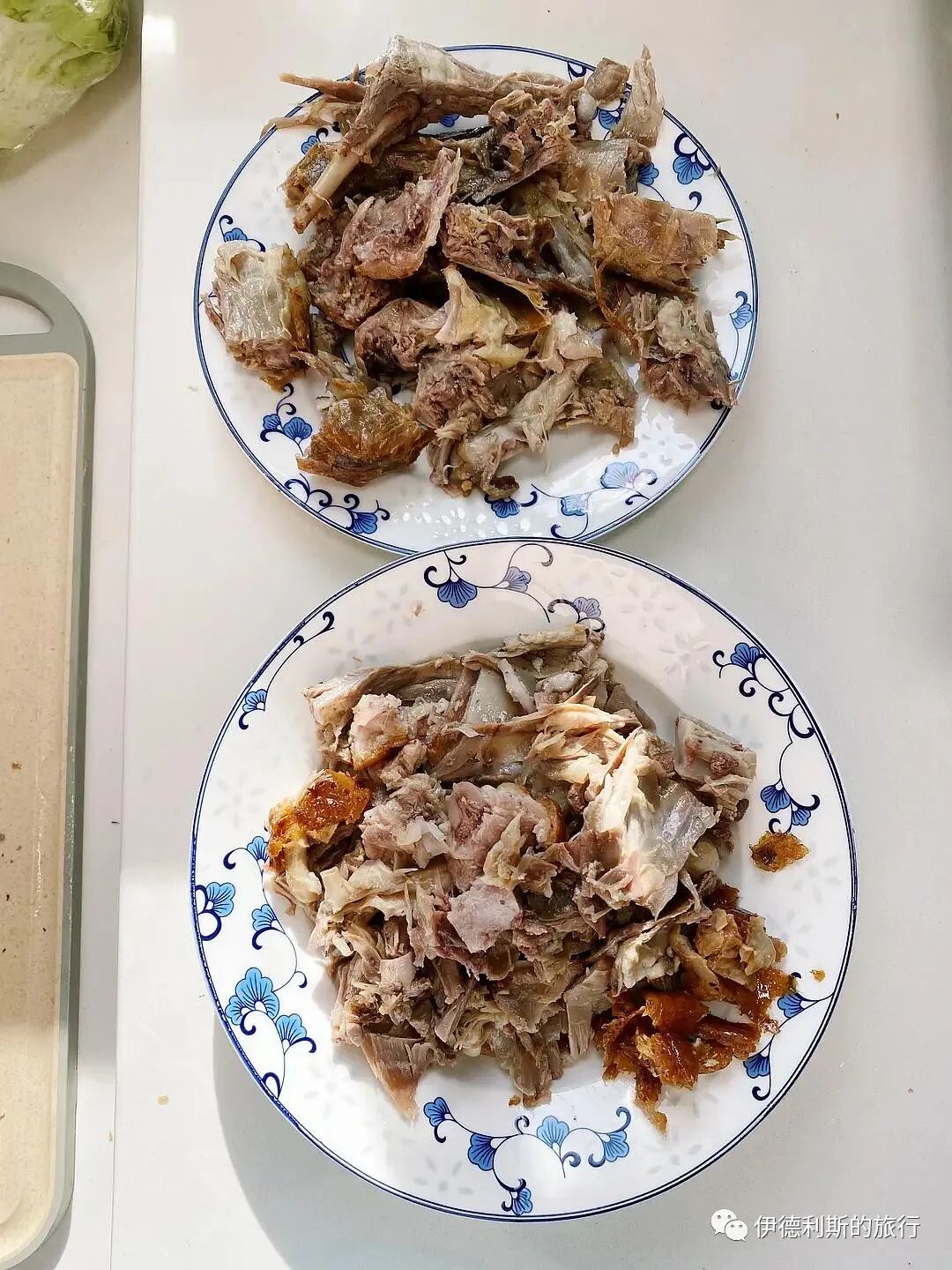
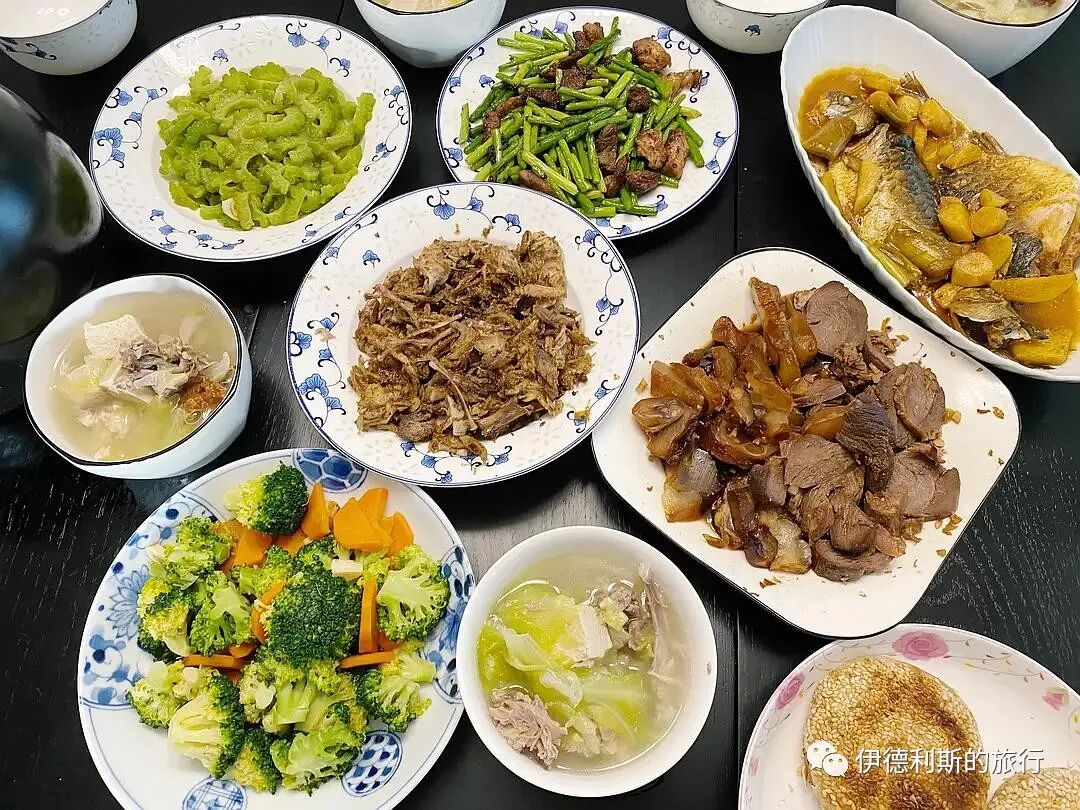
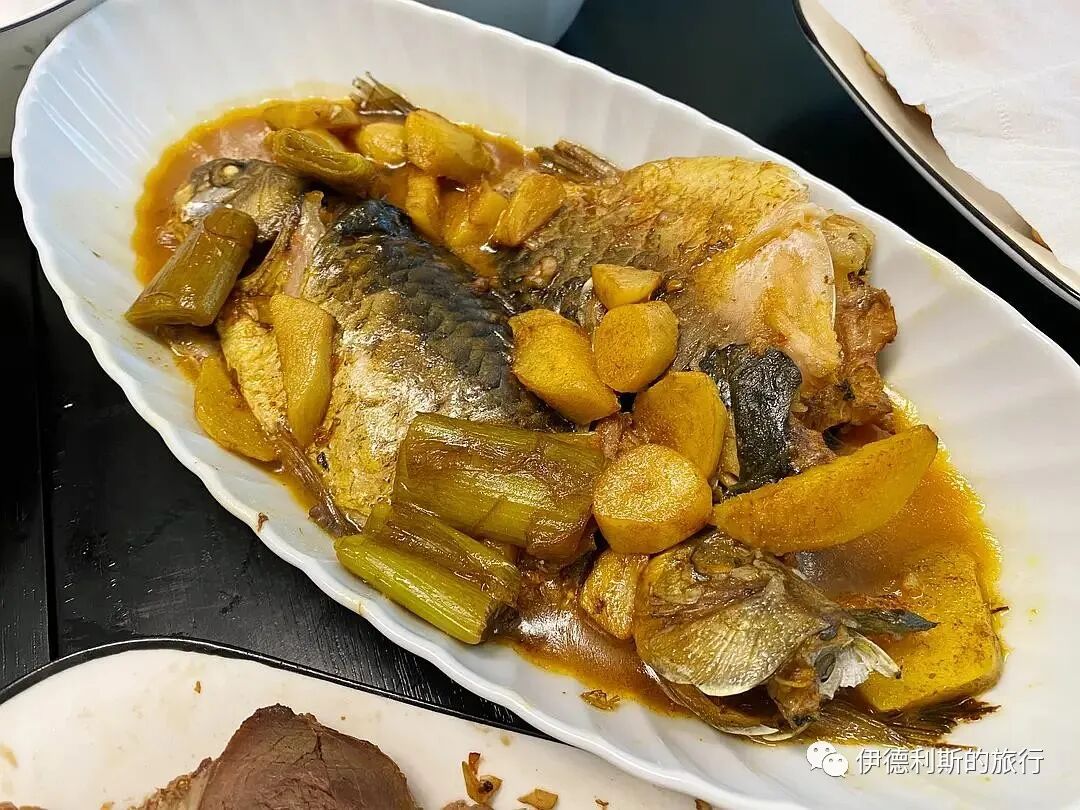
We bought spiced beef, beef tendon, liangpi, and sesame flatbread at the Ziguangyuan snack shop in Panjiayuan. If you spend over one hundred, you get a duck frame for free. Back home, I split the duck frame in two: half for cabbage and tofu soup, and half stir-fried with cumin. We ate the spiced beef and beef tendon with garlic sauce in sesame flatbread, and also made coconut curry fish, stir-fried bitter melon, broccoli with carrots, and garlic sprouts with meat.
Summary: This travel note introduces Beijing Halal Diary in the Spring of 2021 (Part 2). Today's Iftar was at Nandouya, with various fruits and snacks. Then we went to the nearby Xinyuezhai to eat stir-fried lamb head meat, small bowls of beef, and tofu in a clay pot. It is useful for readers interested in Beijing Mosques, Muslim Travel, Halal Travel.
April 26, Iftar at Nandouya Mosque.
Today's Iftar was at Nandouya, with various fruits and snacks. Then we went to the nearby Xinyuezhai to eat stir-fried lamb head meat, small bowls of beef, and tofu in a clay pot. After eating, we took a stroll through the hutong to digest.
April 27, Iftar at Dongzhimenwai Mosque.
April 28, Iftar at Tongjuyuan, a stone-pot barbecue restaurant in Ciqikou.
For Iftar, we went to Tongjuyuan, a newly opened stone-pot barbecue restaurant in Ciqikou. I really enjoyed the black pepper beef stone-pot rice. Their lamb is quite tender. The owner said he has run a beef and lamb shop in Niujie for twenty years and has his own cold storage.
May 6, Ramadan set menu at the Turkish restaurant Xitingxiuse.
For Iftar, we had the Ramadan set menu at the Turkish restaurant Xitingxiuse in Xinyuanli. There are two types, chicken and lamb, and the offerings change daily. The lamb we had yesterday was Karabakh Pilaf, and the chicken was grilled chicken wings.
Karabakh is a region on the border of Azerbaijan and Armenia. The name comes from the Turkic word 'Kara' (black) and the Persian word 'Bagh' (garden). Currently, it is mostly inhabited by Azerbaijanis. The Karabakh Pilaf we ate was stewed lamb with apricots. The yellow rice was colored with saffron water. When I was traveling in Baku before, I ate this kind of apricot and saffron pilaf while listening to Azerbaijani mugham, so it felt very familiar to eat it this time.
Besides the main course, the set menu included classic red lentil soup. The side dishes were hummus, yogurt with eggplant sauce, carrot and cheese dip, and a nut and bell pepper salad. The staple food was spinach Pide; the spinach and cheese were quite delicious. The drinks were Ayran and black tea. Their Ayran is not particularly sour. Finally, there was rice pudding and semolina for dessert.
Overall, this set menu is quite good value for the embassy district!
May 9, Iftar at home.
For Iftar today, I made lamb soup and braised hairtail, and Zainab roasted sweet potatoes. The lamb front leg was brought back from Urumqi.
May 10, Ziguangyuan at the North Gate of Ritan.
Iftar at Nanxiapo; their place is truly the most abundant! Then we went to Ziguangyuan at the North Gate of Ritan to eat roast duck, ma doufu (fermented bean curd), stir-fried wild mushrooms, and mustard duck webs. Their environment is better than the Dongdaqiao branch I usually go to. I eat Ziguangyuan's roast duck about once a month. If I don't eat it for a while, I miss it. This is the first time since Ramadan started. The ma doufu is darker than usual, perhaps because they used more pickled mustard greens. The wild mushrooms were stir-fried with sauce, which is especially suitable for Beijingers to eat with rice. Zainab thought it was too sweet, so I packed it up to eat for Suhoor today.
May 12, Jia San Baozi at White Cloud Temple.
For the last Iftar of Ramadan, we went to Jia San at White Cloud Temple to eat beef soup dumplings, lamb paomo, colorful ginseng fruit, and lamb skewers. Their service is really good. After telling the waiter it was for Iftar, he helped us plan what to serve first and what to serve later so it wouldn't get cold.
May 13, Eid al-Fitr buffet at Jianzhai.
After the Eid prayer, everyone gathered on the roof of the century-old Jianzhai shop on Yangmeizhu Xiejie outside Qianmen for a buffet. The 21st-generation descendant of Wang Huihui from Jiantang personally fried the youxiang for us. It was super delicious, with a chewy texture and not hard at all. We also ate old Beijing Hui-style stewed beef and sugar-rolled fruit. The beef is brought in from Niujie every morning and stewed fresh, never overnight. Sugar-rolled fruit is made by steaming yams with dates and raisins, then stir-frying them in sugar, which is very time-consuming.
In addition to old Beijing specialties, there were chicken curry, tomato pasta, fried cod fillets, fruit salad, and small cream cakes. It was very satisfying!
May 16, Wangasi in Sanlitun.
At Wangasi Potato Slices in Sanlitun, we had noodle soup and sweet fermented milk yogurt. Later, we went back to buy milk and egg fermented rice. Their shop is a Lanzhou snack bar that has been open in Beijing for several years.
May 19, Muyixuan in Ping'anli.
Lamb tail, lamb chops, and lamb spine hot pot at Muyixuan in Ping'anli. The last time I ate it was before Ramadan; I love it so much.
May 23, Buffet at Xinjiang Mansion.
We had a buffet at Xinjiang Mansion at noon. The value for money is not particularly high, but they have pilaf, mixed noodles, barbecue, and lamb bones.
May 31, Family dinner.
We bought spiced beef, beef tendon, liangpi, and sesame flatbread at the Ziguangyuan snack shop in Panjiayuan. If you spend over one hundred, you get a duck frame for free. Back home, I split the duck frame in two: half for cabbage and tofu soup, and half stir-fried with cumin. We ate the spiced beef and beef tendon with garlic sauce in sesame flatbread, and also made coconut curry fish, stir-fried bitter melon, broccoli with carrots, and garlic sprouts with meat.
