

Halal Travel
China Mosque Travel Guide: Eight Historic Mosque Complexes in Longhui, Shaoyang, Hunan (Part 1 of 2)
Articles • Hasan09 posted the article • 0 comments • 302 views • 2026-06-30 06:24
Summary: This China mosque travel guide covers eight historic mosque complexes in Longhui, Shaoyang, Hunan, with local Hui Muslim heritage and mosque travel details kept in clear English.
This article summarizes the key points about the eight mosques (sifang) in Longhui County, Shaoyang, Hunan. It keeps the original paragraph and image order. It is for readers interested in Muslim life, Islamic culture, and Chinese Islamic writing. It also helps people search for content like Chinese halal food.
Longhui County in Shaoyang City, Hunan, has a large population of Hui Muslims. I visited eight mosques there: Taohuaping Mosque, Shanjie Ancient Mosque, East Mosque, West Mosque, South Mosque, North Mosque, Luobai Mosque, and Niejiaoting Mosque. I will share them with you below.
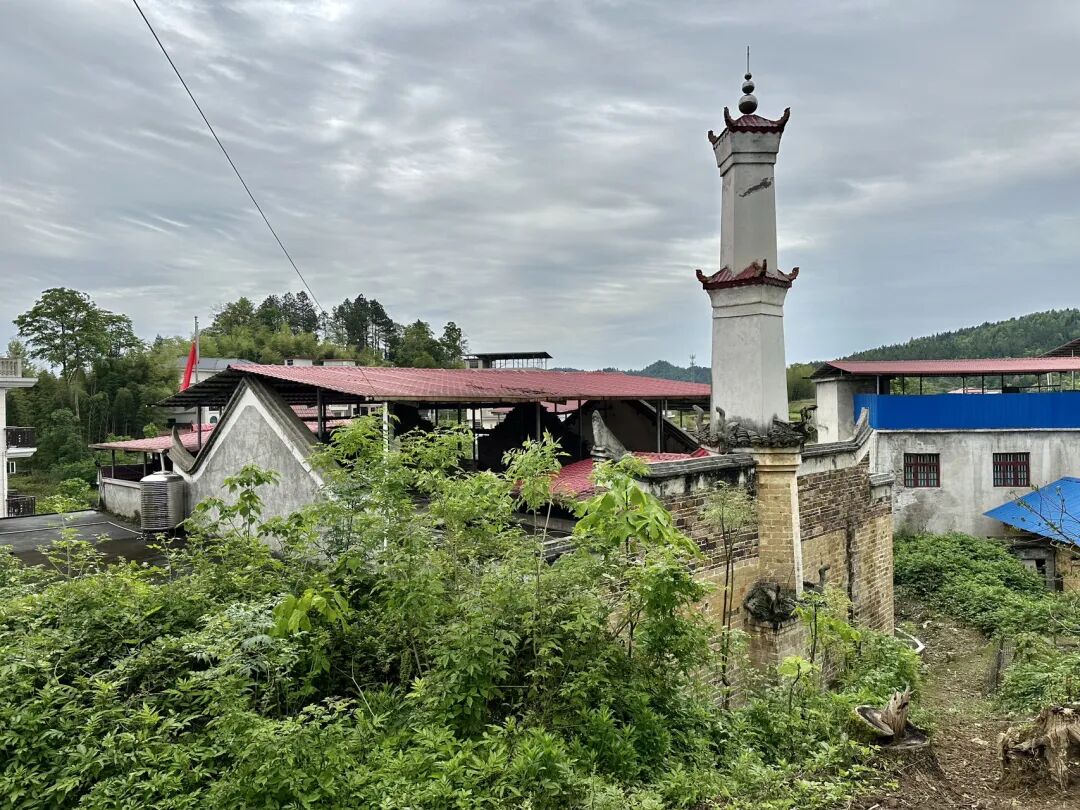
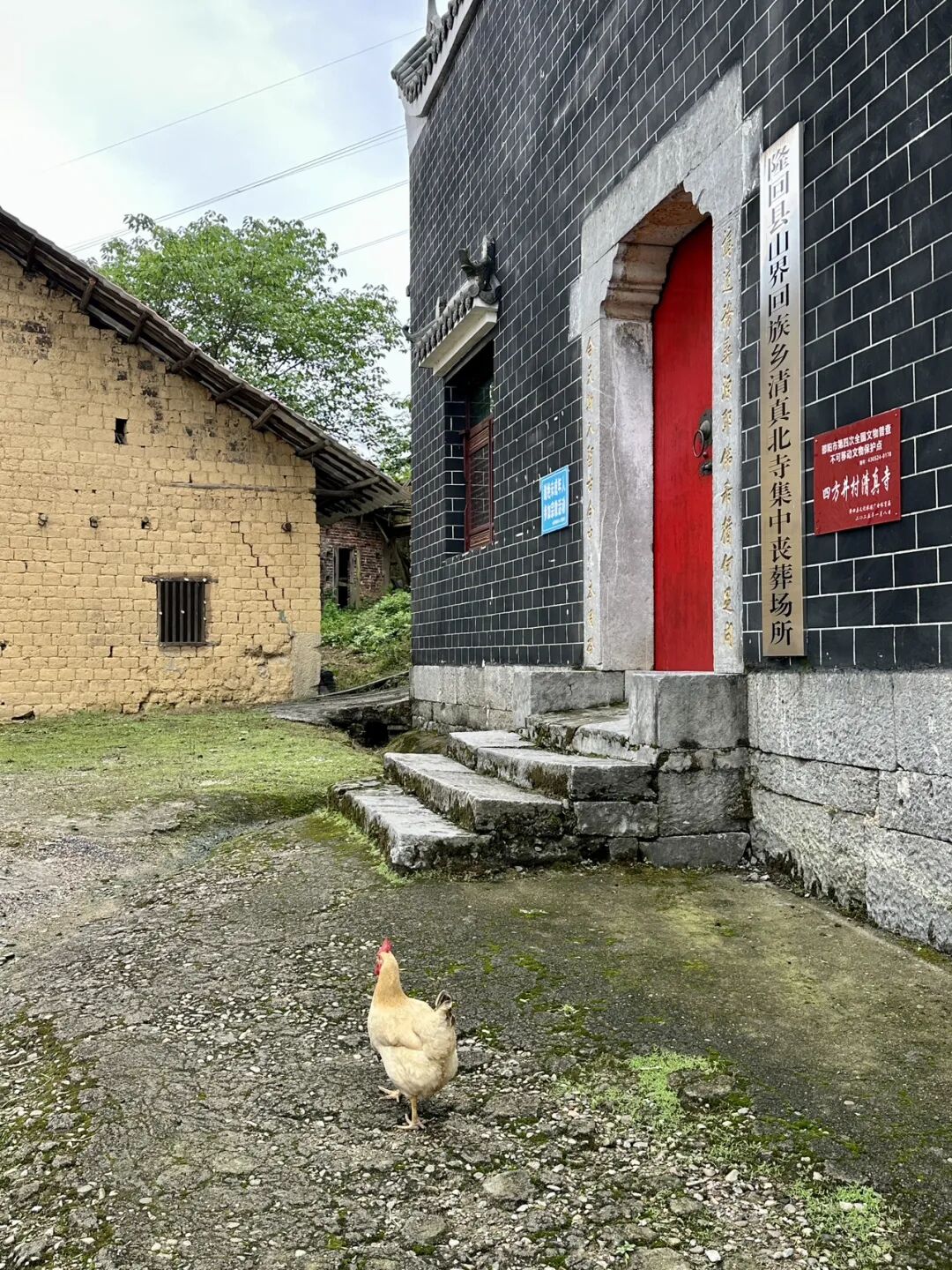
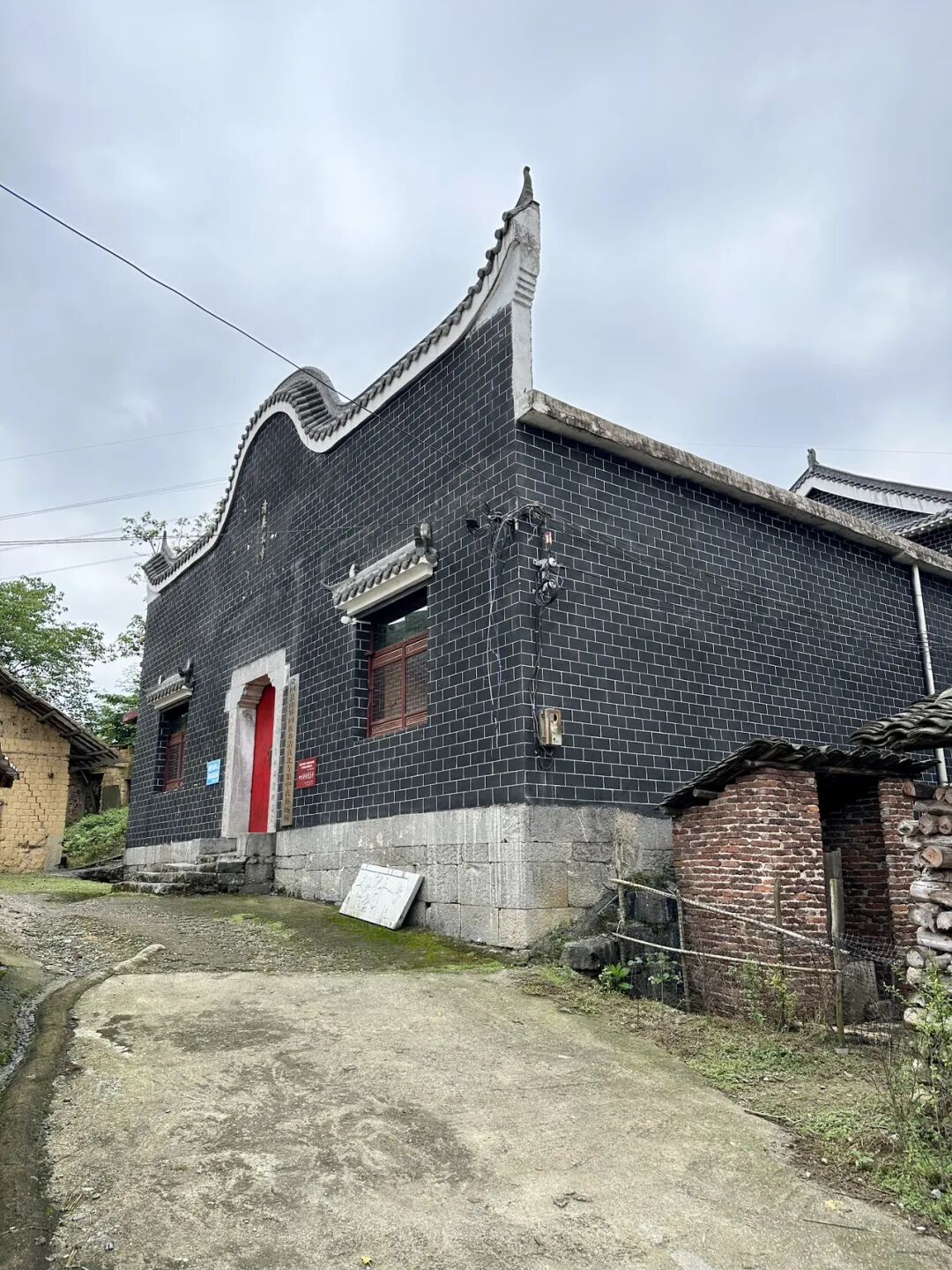
Shanjie Ancient Mosque in Longhui County, Shaoyang, Hunan, is located in Laowuli, Shanjie Township. It was first built in 1444 (the ninth year of the Zhengtong reign of the Ming Dynasty) and is the oldest mosque in Longhui. During the Hongwu reign of the Ming Dynasty, Ma Zhi, the third son of Ma Cheng, the ancestor of the Ma family Hui Muslims in Shaoyang, moved from Shaoyang to Majia Ferry in Longhui to settle down. He was the first Hui Muslim in Longhui, and Shanjie Ancient Mosque was built by the Ma family.
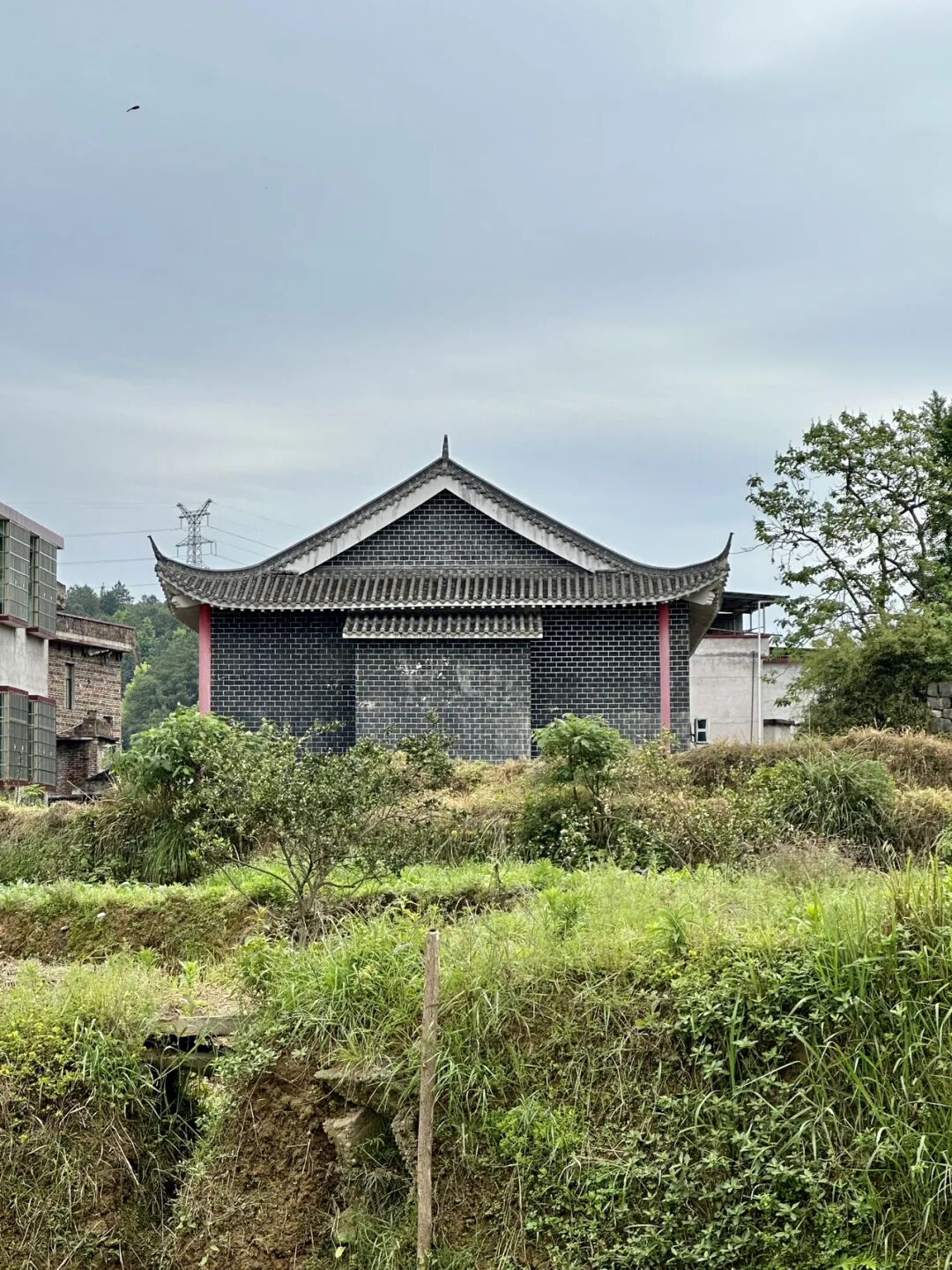
Shanjie Ancient Mosque was renovated in 1919 and rebuilt into its current appearance in 2018.
Shanjie Ancient Mosque has a long tradition of teaching Islamic scripture. The head imams who have taught there include Ma Yulang, Ma Fujiu, Ma Fucheng, Ma Yucheng, Ma Yaochi, and Ding Zhenyi. They also hired imams from other places like Huang Xingxiang and Li Desheng. Ma Fucheng, an imam from this mosque, taught there for the longest time. In 1945, Imam Ma Yucheng taught at the ancient mosque and recruited many students (hailifan), marking the peak of the mosque's religious activities. To this day, the mosque continues its educational work and has trained many excellent young people.
On September 2, 1939, the Wugang County, Hunan branch of the China Islamic National Salvation Association was officially established at the mosque. The mosque's imam, Ma Fucheng, was elected as an officer. Inspired by the call to resist Japanese aggression and save the country, young Hui Muslims from the mosque, including Ma Qiyun, Ma Wuyang from the North Mosque, and Su Xingmin from Beishan, signed up for the army, took up arms, and headed to the front lines in East China.
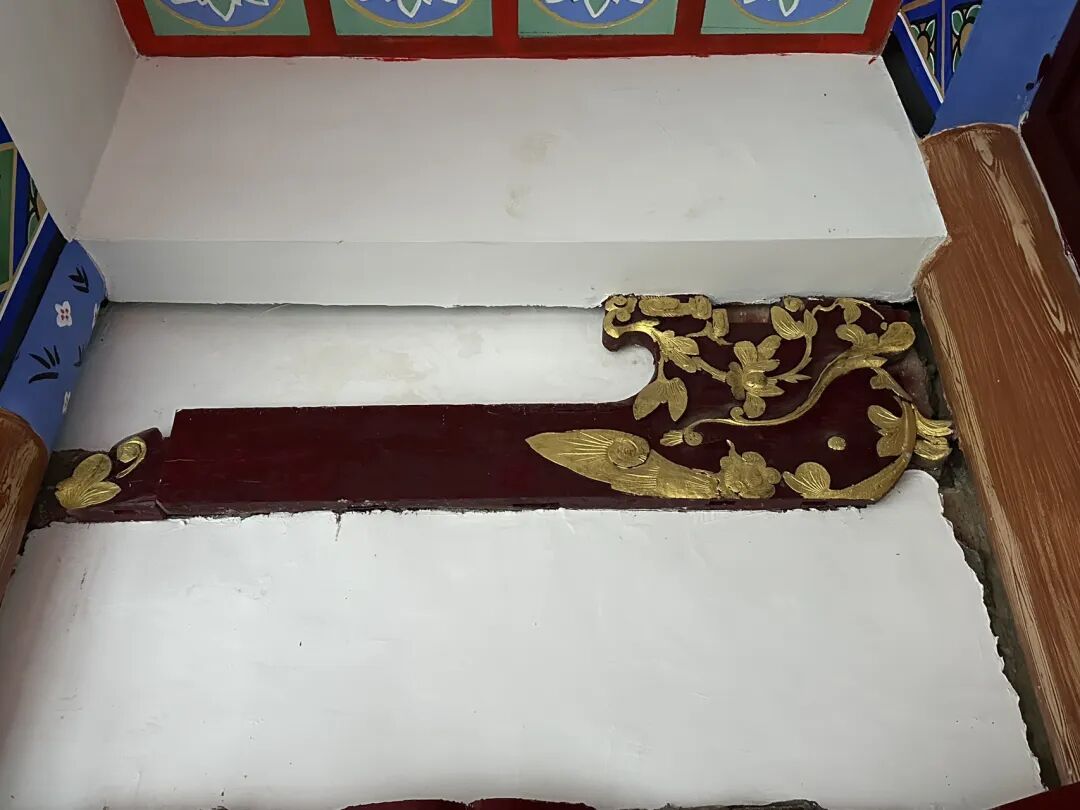
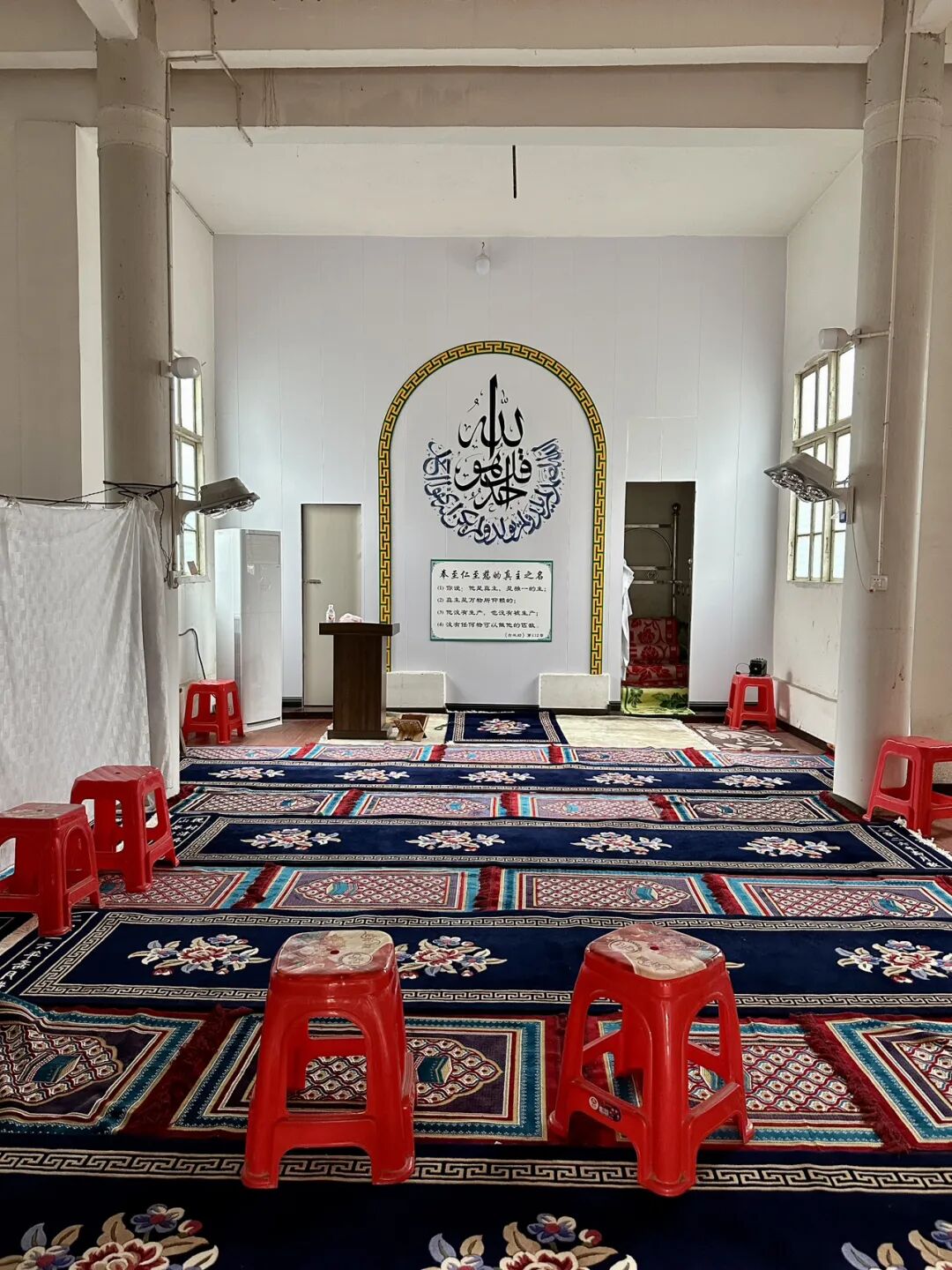
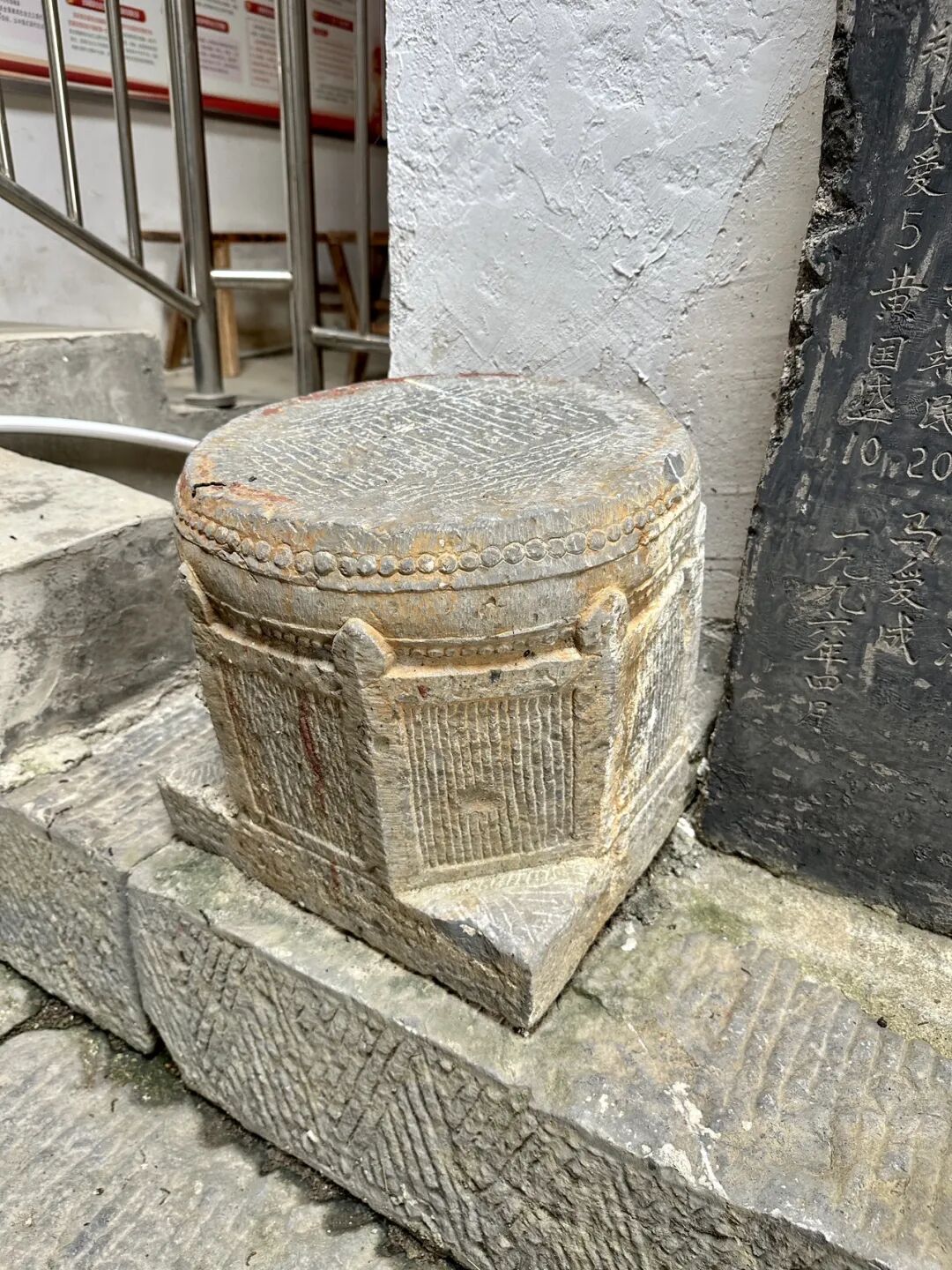
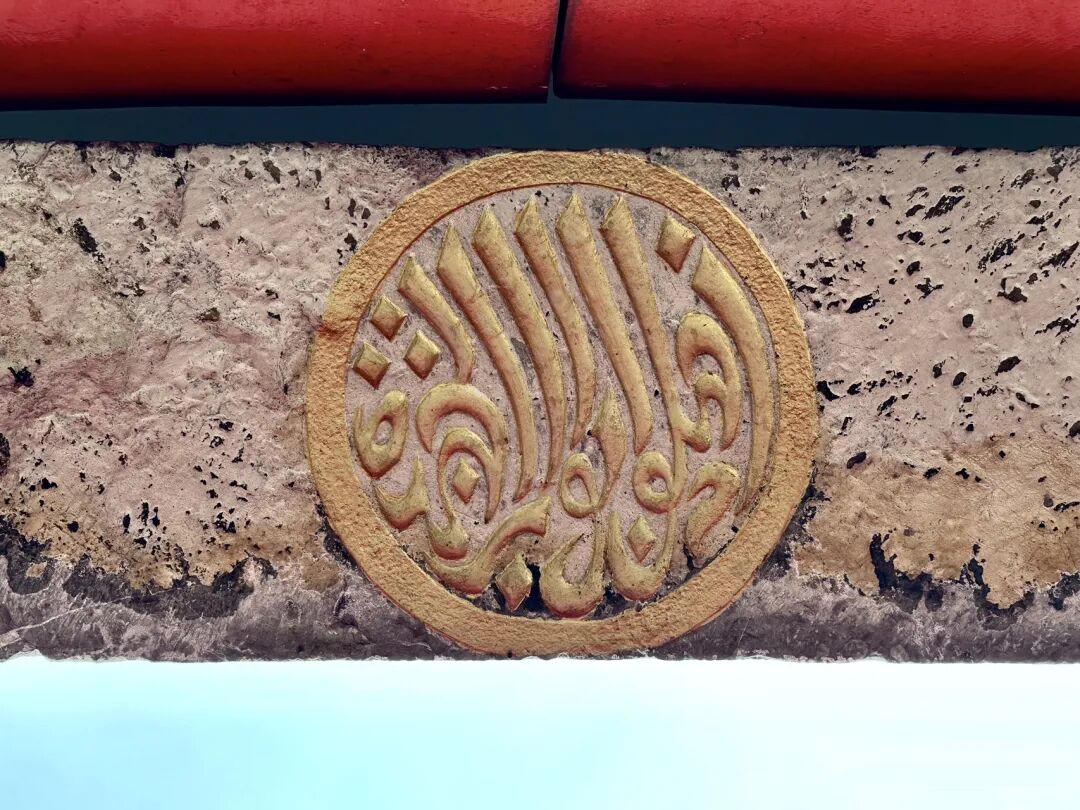
Relics at Shanjie Ancient Mosque include stone pillar bases, wood carvings, and calligraphy of the mihrab in the kiln niche.
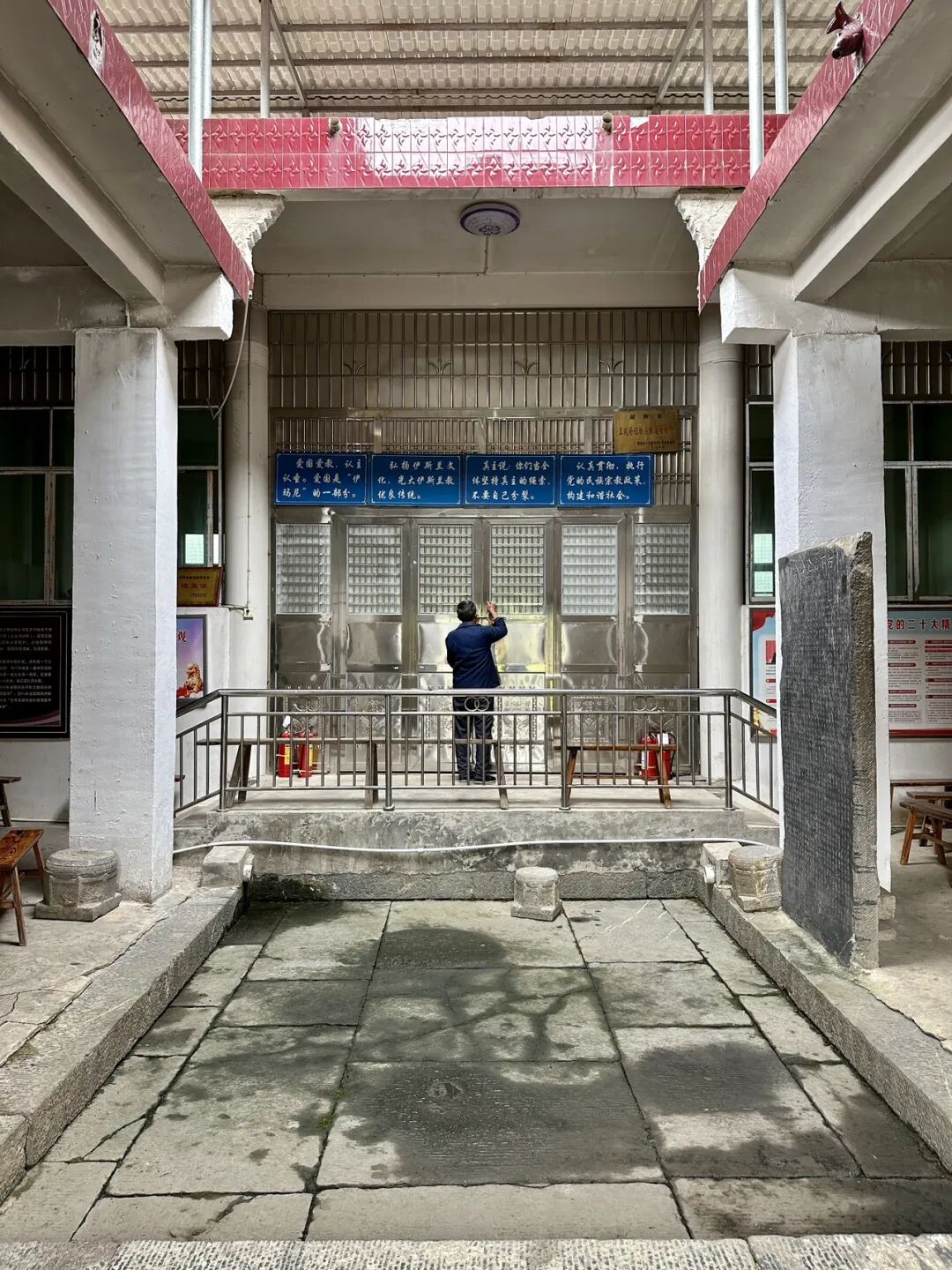
The stone couplet on the main gate reads: Clear the murky and promote the pure to follow the great path; preserve the truth and remove the false so that every generation has successors. The calligraphy was written by Ma Linyi, a Hui Muslim educator and Minister of Education in Shaoyang during the Republic of China. He is known as the Father of Northwest Education and the founder of modern Chinese Hui Muslim education.
Ma Linyi was born in Shaoyang, Hunan, in 1865. He passed the imperial examinations in 1902 and went to Japan on a government scholarship in 1904 to study teacher training. During that time, he met Sun Yat-sen, joined the Tongmenghui in 1905, and returned home to work on new government policies and modern education. In 1906, he founded Xiejin Primary School in Shaoyang, which was the first modern school for Hui Muslims in Hunan.
In 1908, he was transferred to the Qing government's Ministry of Education as a director. That same year, he helped establish the Beijing First Islamic Primary School inside the Niujie Mosque and later helped found the Islamic Education Association. While serving as Vice Minister of Education in 1912, Ma Linyi founded the Chinese Islamic Progressive Association with the support of Sun Yat-sen and served as its president.
While in charge of education in Gansu, Ma Linyi founded 277 schools of various types and set up the Gansu Islamic Education Promotion Office, spreading over a hundred Islamic primary schools across Gansu, Ningxia, and Qinghai. He selected over a hundred young people from the Northwest for government-funded study abroad, laying the foundation for modern basic education in the Northwest.
In 1928, Ma Linyi helped found the Islamic Middle School in Niujie and served as its vice chairman. In 1929, Ma Linyi became a board member of the Beiping Chengda Teachers' College. He actively updated the curriculum and improved teaching methods, helping Chengda develop into a modern school. In his later years, Ma Linyi devoted himself to the faith and served as an advisor to Wang Jingzhai for his translation of Islamic classics.
Shanjie East Mosque was first built in 1728 (the fifth year of the Yongzheng reign). The mosque has hired many imams over the years, including Su Yuebo, Ma Yulang, Ma Baochu, Zheng Liansheng, Ma Yuechi, Ma Yucheng, Tang Yuanqi, Hai Shiquan, Ma Chengyong, Ding Baohua, Ma Gen'ao, Ma Xiang'ao, and Ma Wuquan. Students from as far as Hainan and Guangxi came to study under the great imam Ma Yucheng in Gansu, and the local religious community was very prosperous.
It is a pity that the mosque was locked when I visited, so I could not go inside.
Shanjie West Mosque, also known as Jiajian Village Mosque, was first built in 1836 (the 16th year of the Daoguang reign). It was expanded during the Guangxu and Republic of China periods, and the local Hui Muslims there are surnamed Ma, Huang, and Zheng. The imams who have served at the mosque include Ma Chaoxin, Zheng Liansheng, Ma Daocheng, Ma Fucheng, and Ma Liangxu. The main hall of the West Mosque collapsed in 1991. It was being rebuilt when a flood destroyed it in 1996. After raising funds again, it was officially completed at the end of 1996 and renovated again in 2013.
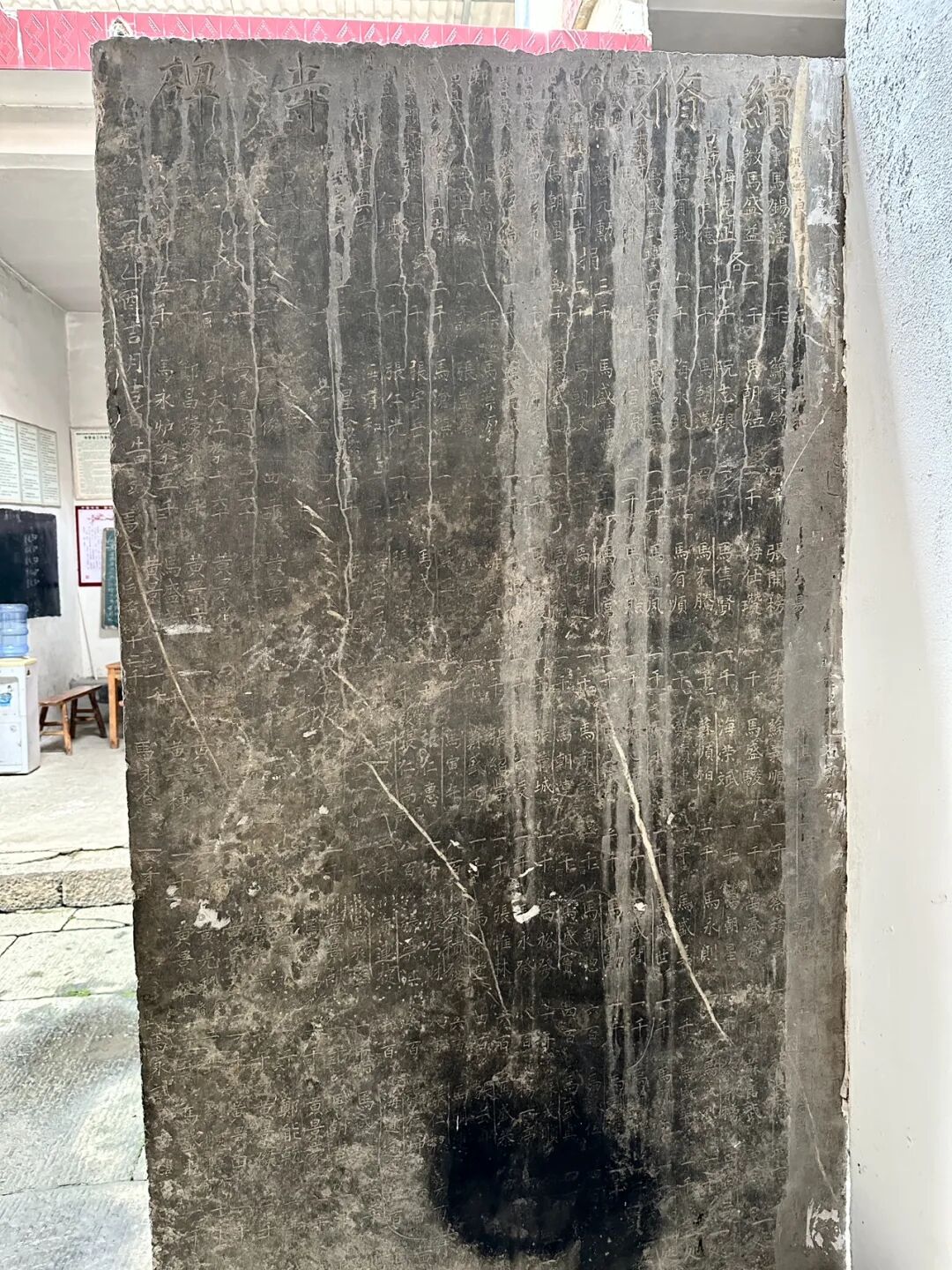
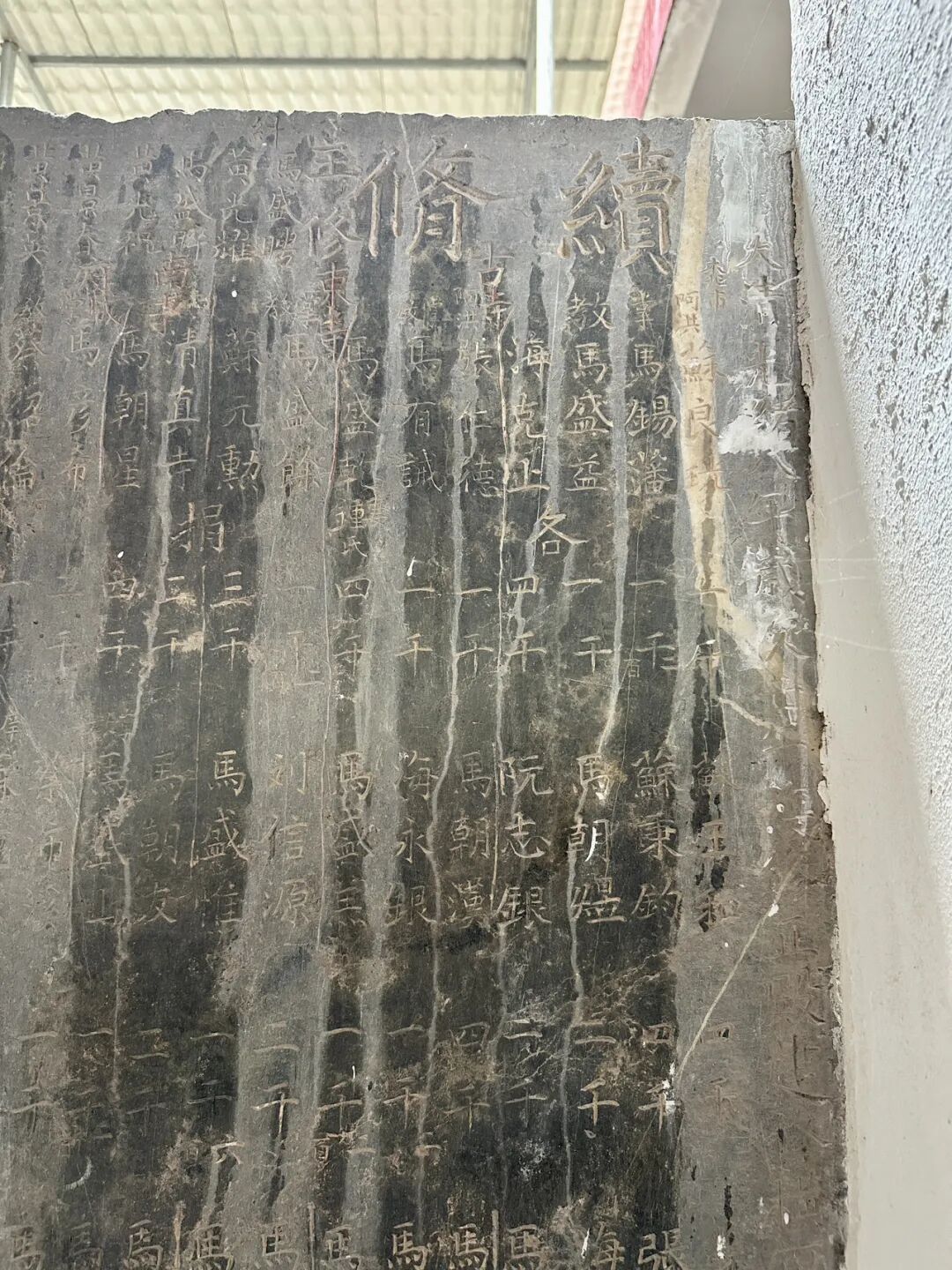
The mosque houses a stone tablet from the 11th year of the Guangxu reign titled 'Record of Continued Mosque Repairs,' which lists the names of the donors at that time and serves as a precious historical record.
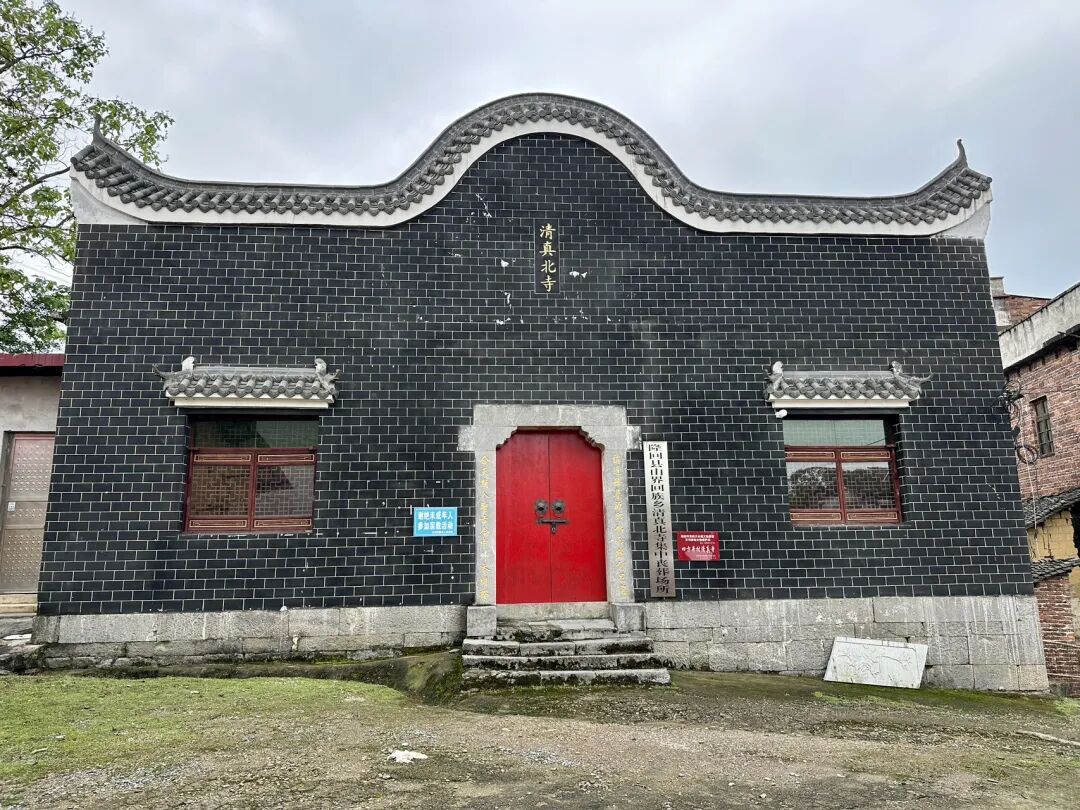
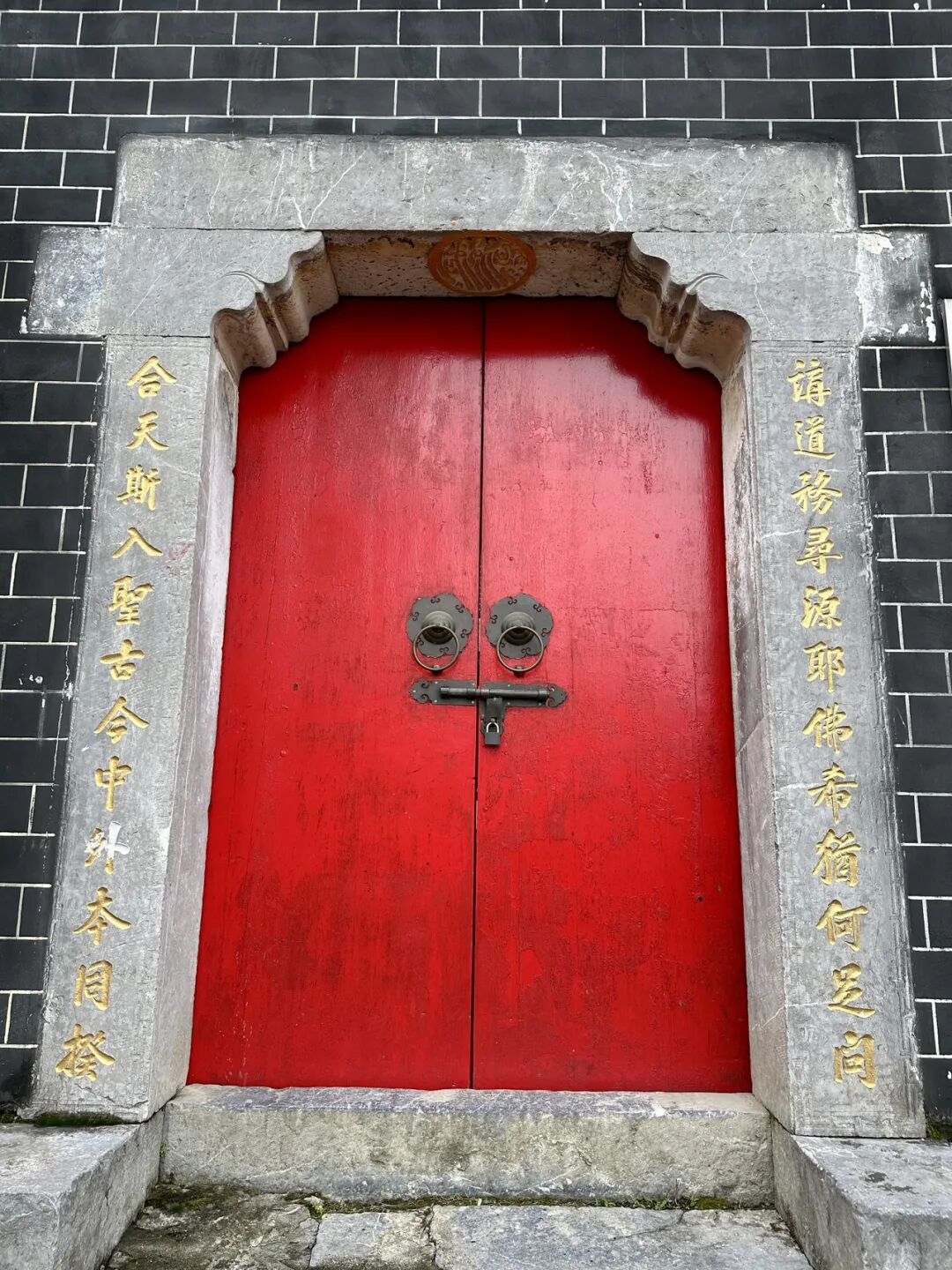
Shanjie North Mosque, also called Sifangjing Mosque, was first built in 1824 (the 4th year of the Daoguang reign), and the local Hui Muslims there are surnamed Ma. The main hall was destroyed after 1966. It was rebuilt in 1991 and again in 2000, with only the original stone gate pillars remaining. The pillars are carved with a couplet by the Republic of China educator Ma Linyi: 'To study the Way, one must seek the source; why ask about Jesus, Buddha, or the Greeks? To unite with Heaven is to enter the path of the sages; ancient and modern, Chinese and foreign, all share the same principle.'
Regrettably, the Shanjie North Mosque was also locked when I visited, and I could not enter. view all
Summary: This China mosque travel guide covers eight historic mosque complexes in Longhui, Shaoyang, Hunan, with local Hui Muslim heritage and mosque travel details kept in clear English.
This article summarizes the key points about the eight mosques (sifang) in Longhui County, Shaoyang, Hunan. It keeps the original paragraph and image order. It is for readers interested in Muslim life, Islamic culture, and Chinese Islamic writing. It also helps people search for content like Chinese halal food.
Longhui County in Shaoyang City, Hunan, has a large population of Hui Muslims. I visited eight mosques there: Taohuaping Mosque, Shanjie Ancient Mosque, East Mosque, West Mosque, South Mosque, North Mosque, Luobai Mosque, and Niejiaoting Mosque. I will share them with you below.
Shanjie Ancient Mosque in Longhui County, Shaoyang, Hunan, is located in Laowuli, Shanjie Township. It was first built in 1444 (the ninth year of the Zhengtong reign of the Ming Dynasty) and is the oldest mosque in Longhui. During the Hongwu reign of the Ming Dynasty, Ma Zhi, the third son of Ma Cheng, the ancestor of the Ma family Hui Muslims in Shaoyang, moved from Shaoyang to Majia Ferry in Longhui to settle down. He was the first Hui Muslim in Longhui, and Shanjie Ancient Mosque was built by the Ma family.
Shanjie Ancient Mosque was renovated in 1919 and rebuilt into its current appearance in 2018.
Shanjie Ancient Mosque has a long tradition of teaching Islamic scripture. The head imams who have taught there include Ma Yulang, Ma Fujiu, Ma Fucheng, Ma Yucheng, Ma Yaochi, and Ding Zhenyi. They also hired imams from other places like Huang Xingxiang and Li Desheng. Ma Fucheng, an imam from this mosque, taught there for the longest time. In 1945, Imam Ma Yucheng taught at the ancient mosque and recruited many students (hailifan), marking the peak of the mosque's religious activities. To this day, the mosque continues its educational work and has trained many excellent young people.
On September 2, 1939, the Wugang County, Hunan branch of the China Islamic National Salvation Association was officially established at the mosque. The mosque's imam, Ma Fucheng, was elected as an officer. Inspired by the call to resist Japanese aggression and save the country, young Hui Muslims from the mosque, including Ma Qiyun, Ma Wuyang from the North Mosque, and Su Xingmin from Beishan, signed up for the army, took up arms, and headed to the front lines in East China.
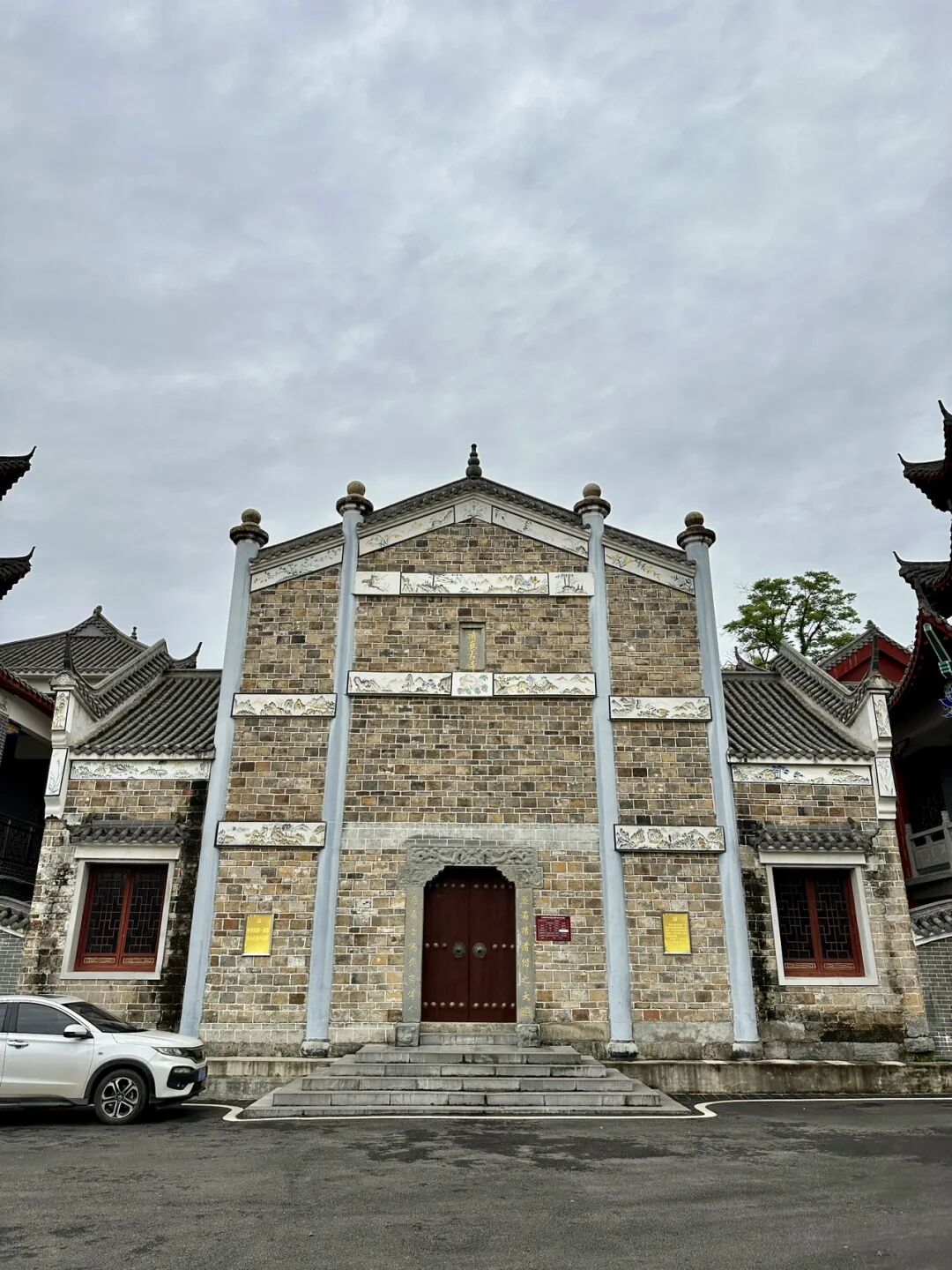
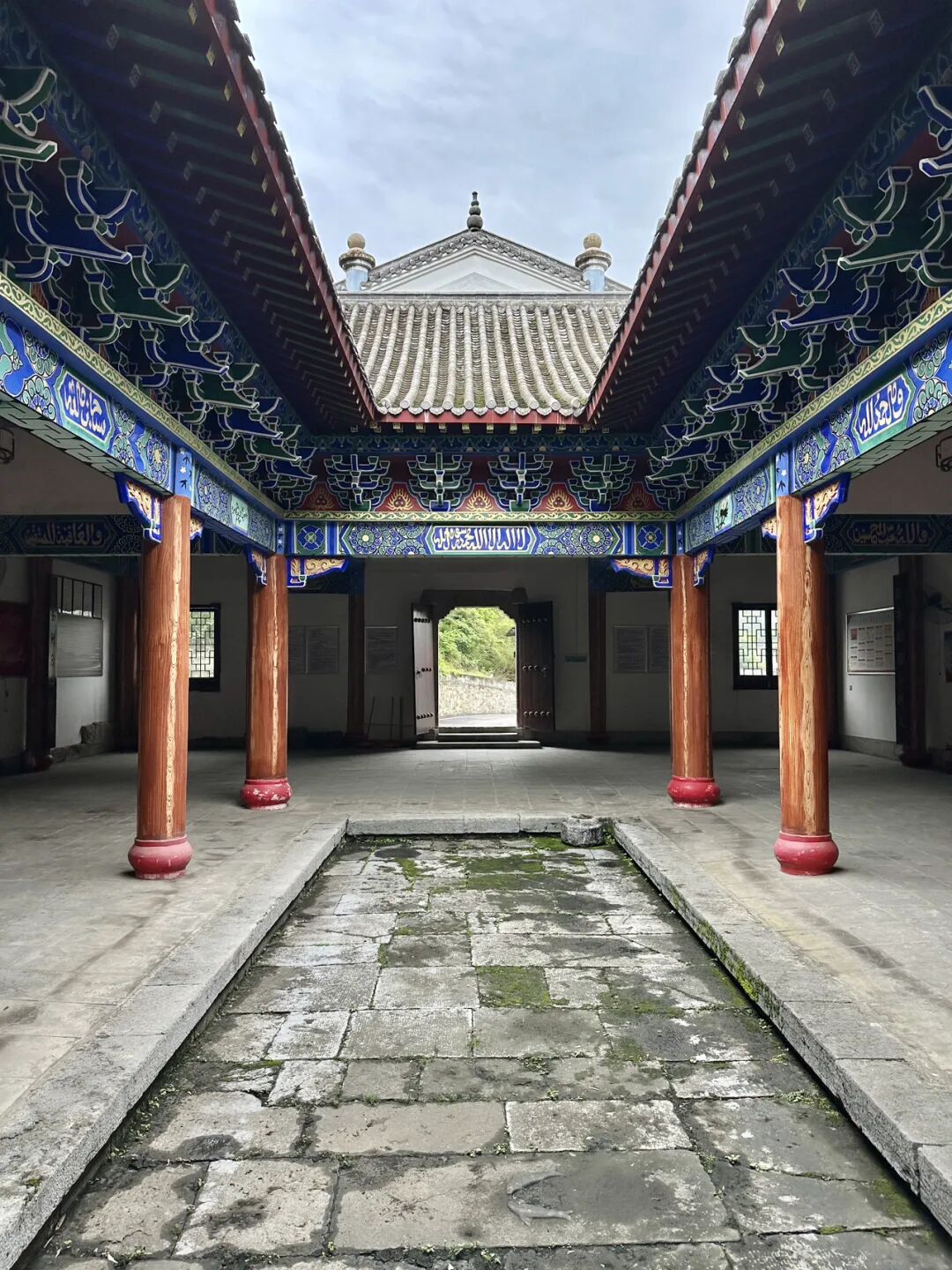
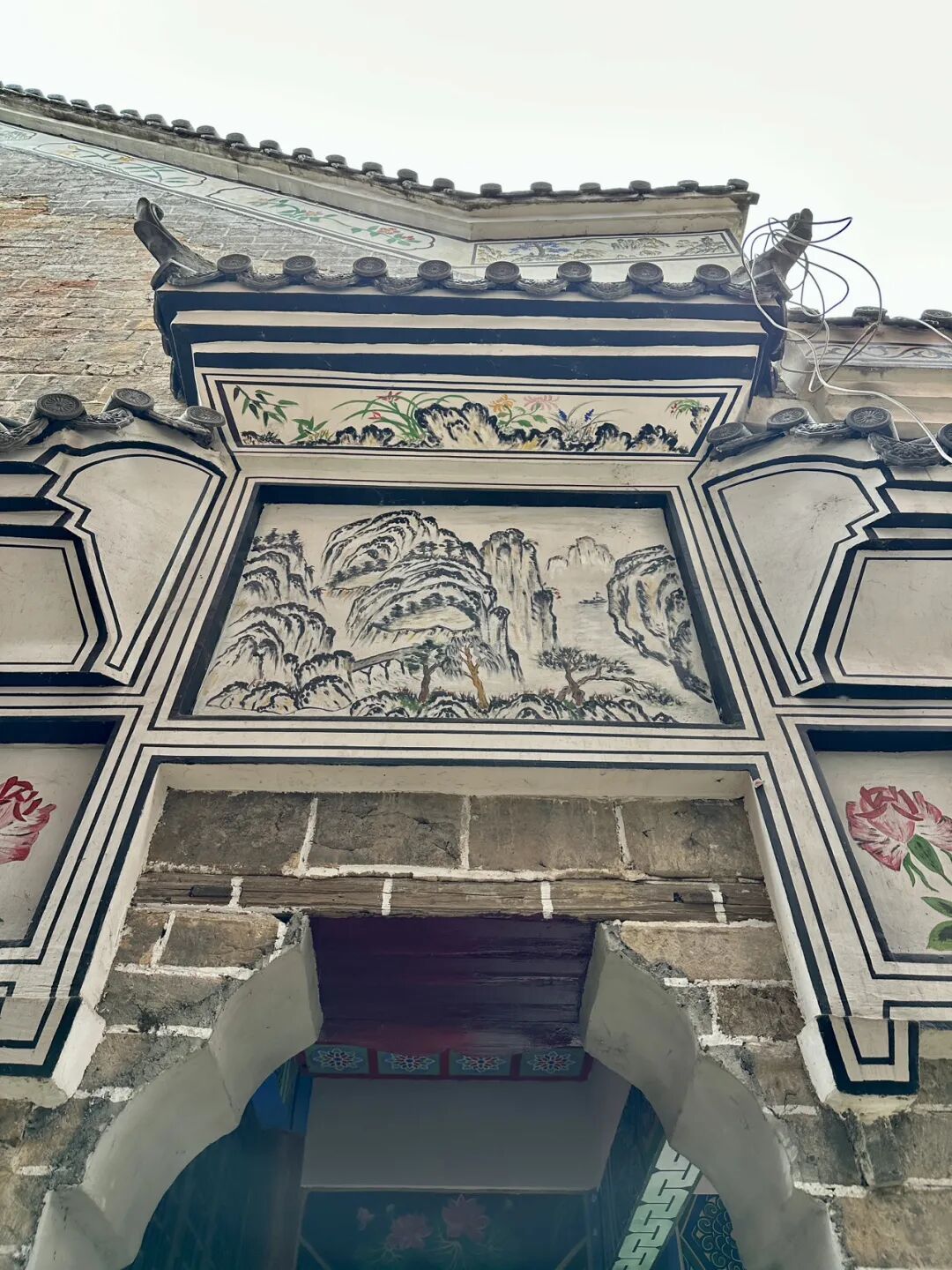
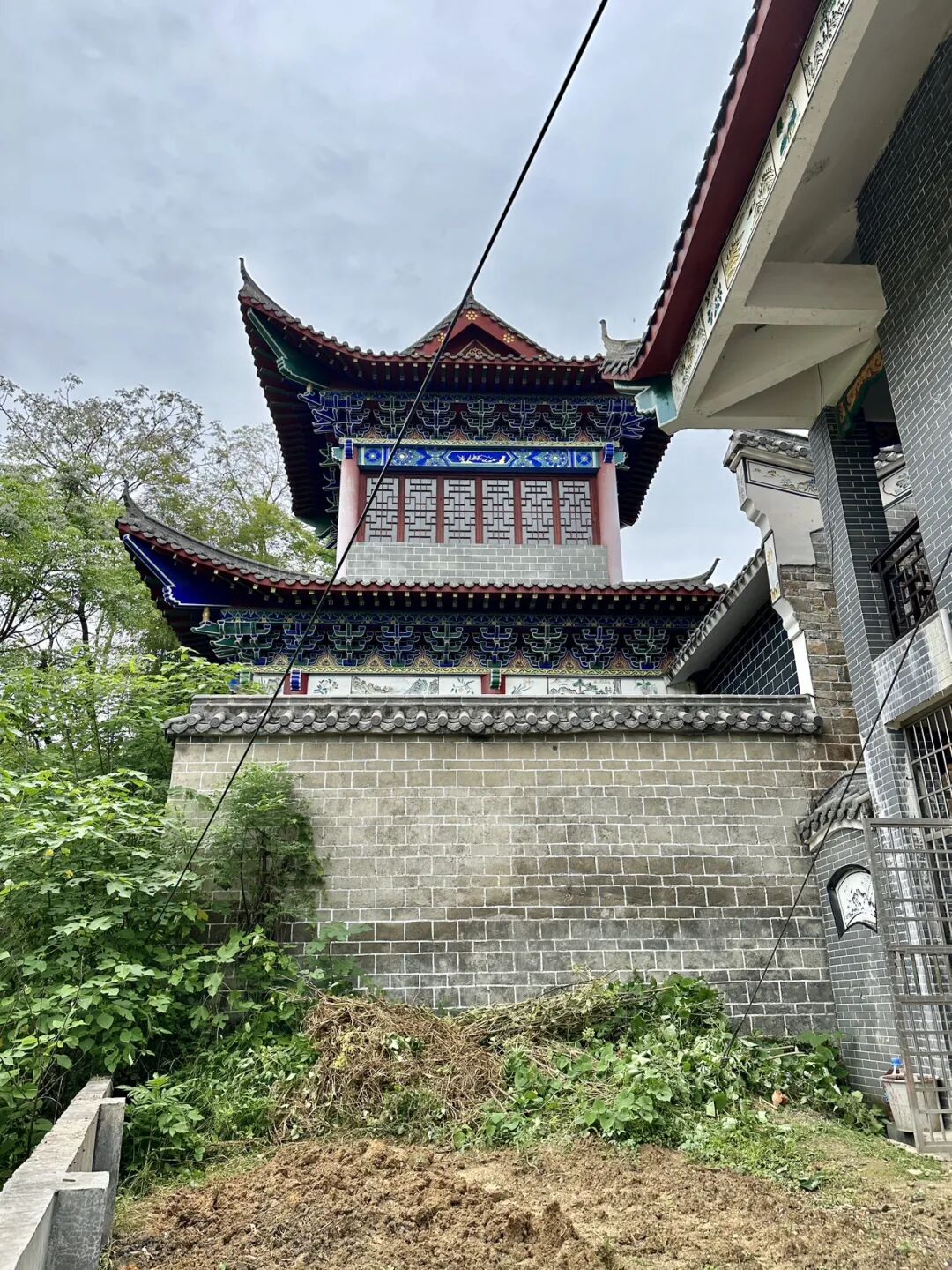
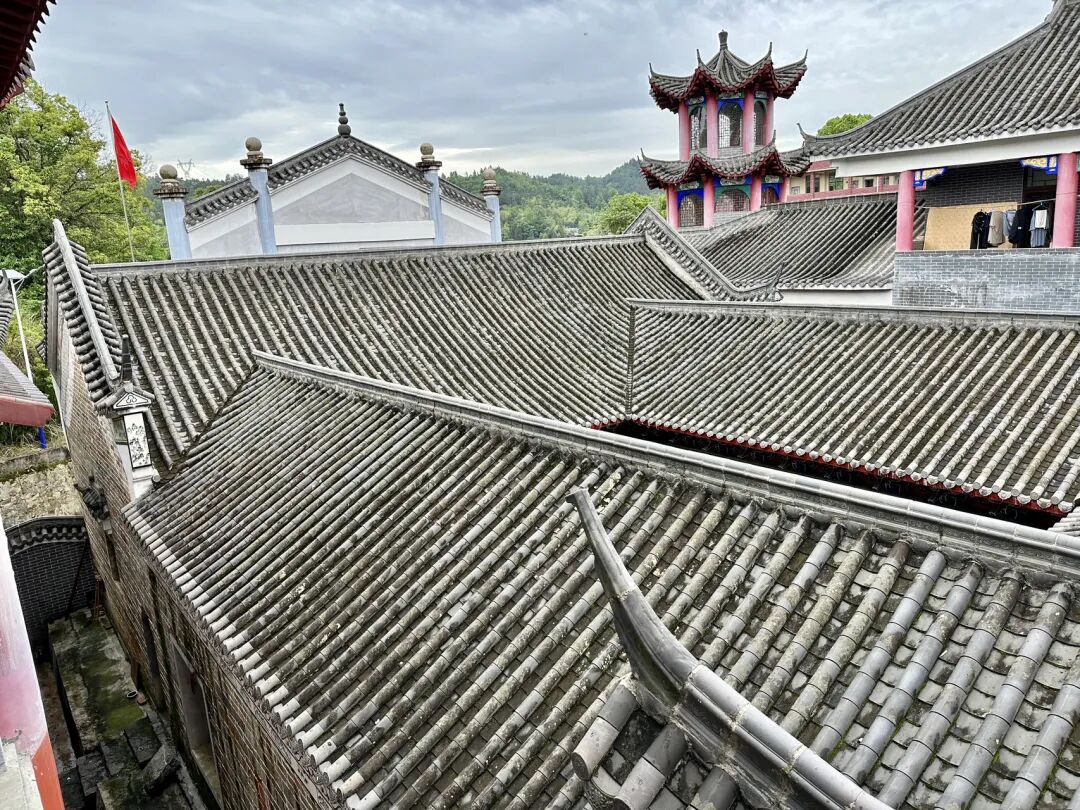
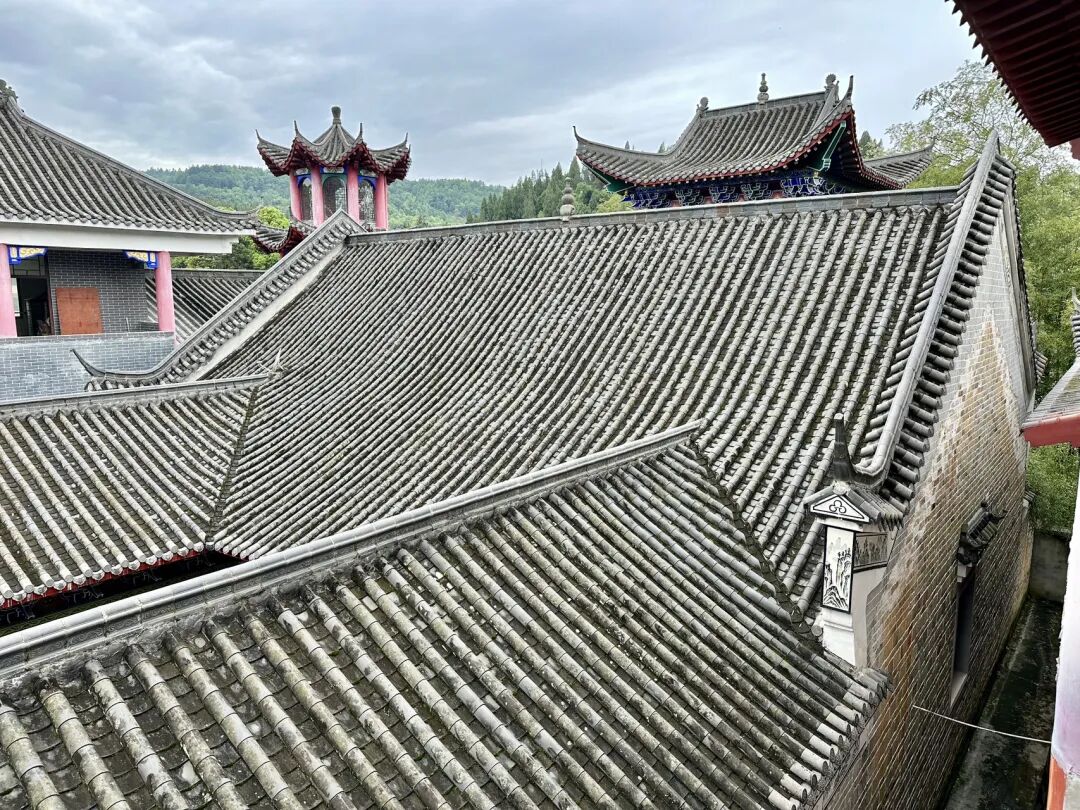
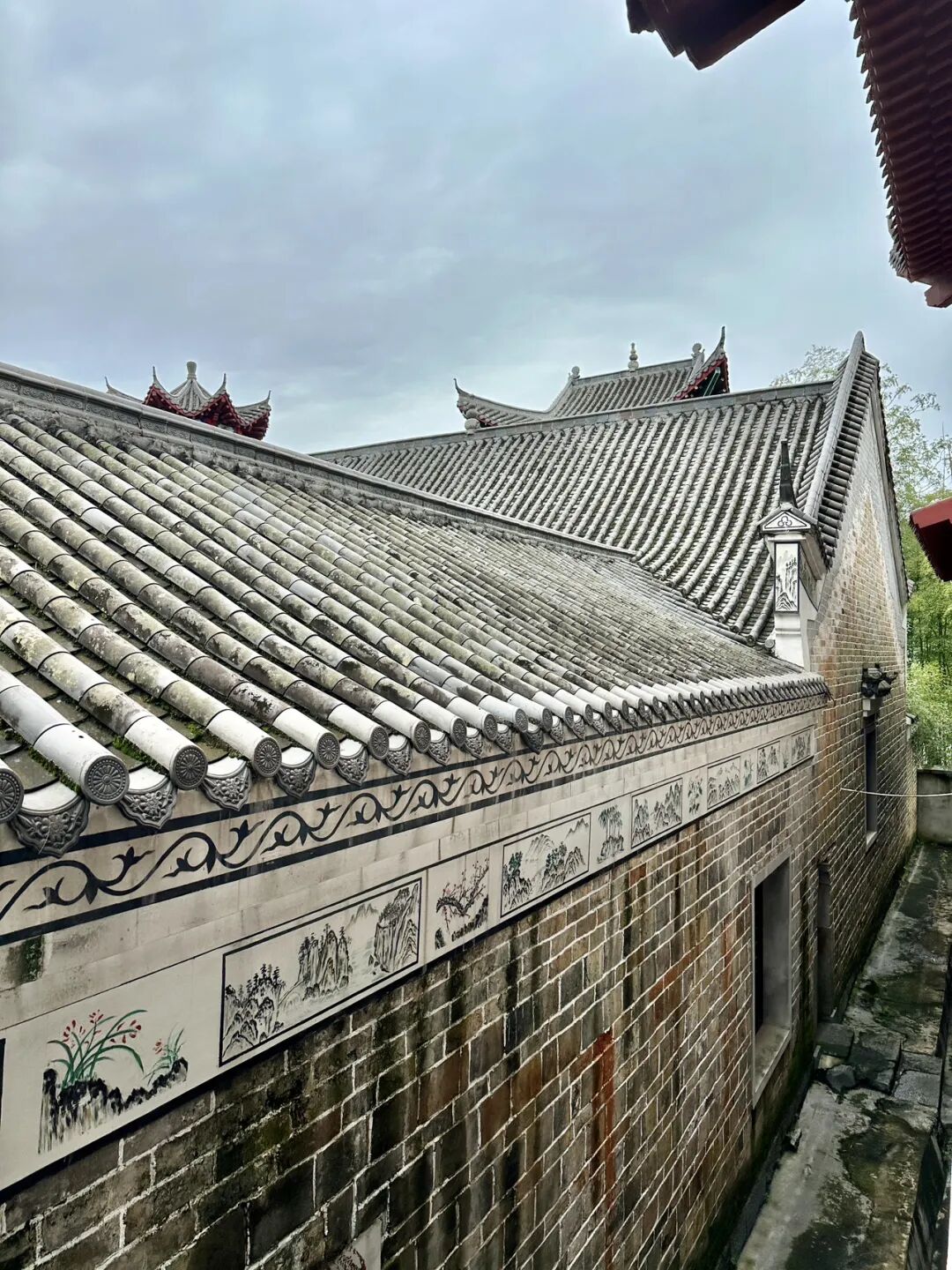
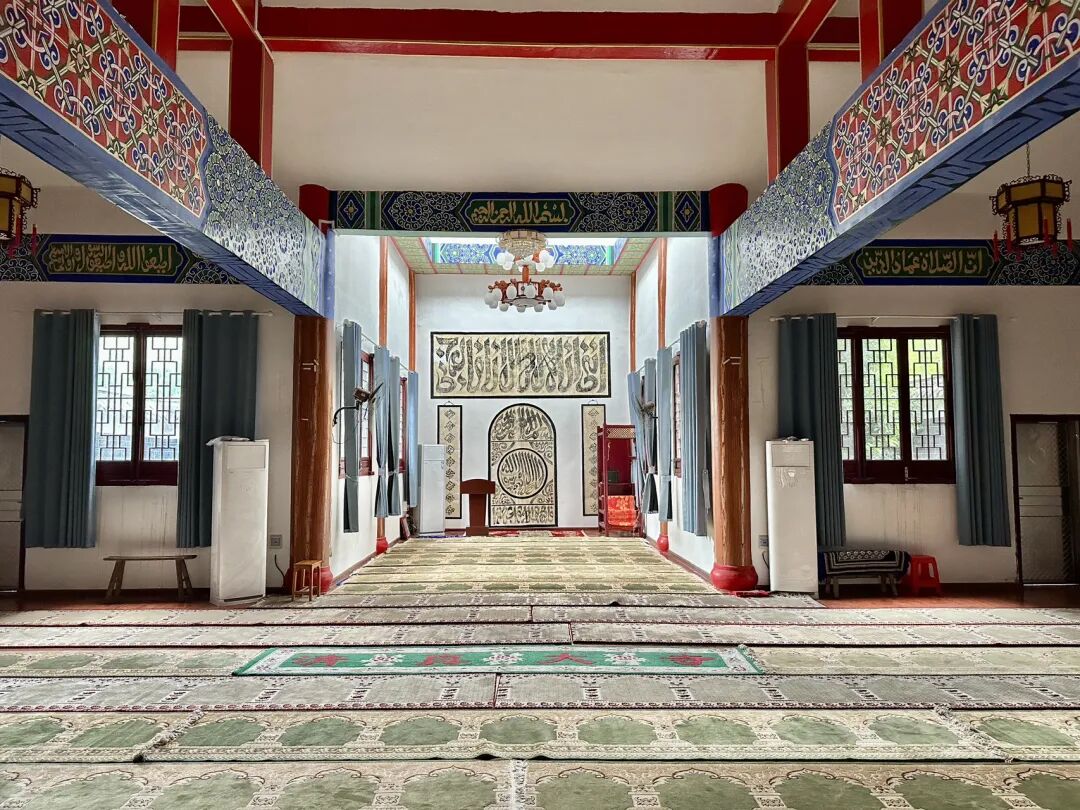
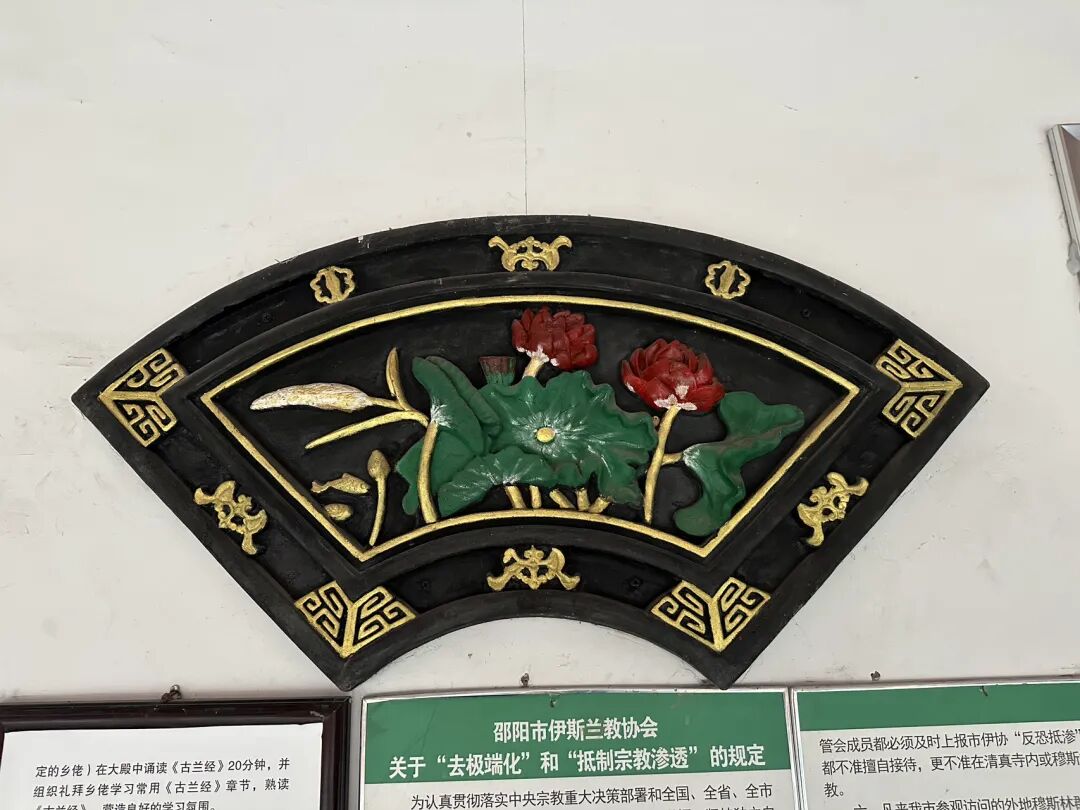
Relics at Shanjie Ancient Mosque include stone pillar bases, wood carvings, and calligraphy of the mihrab in the kiln niche.
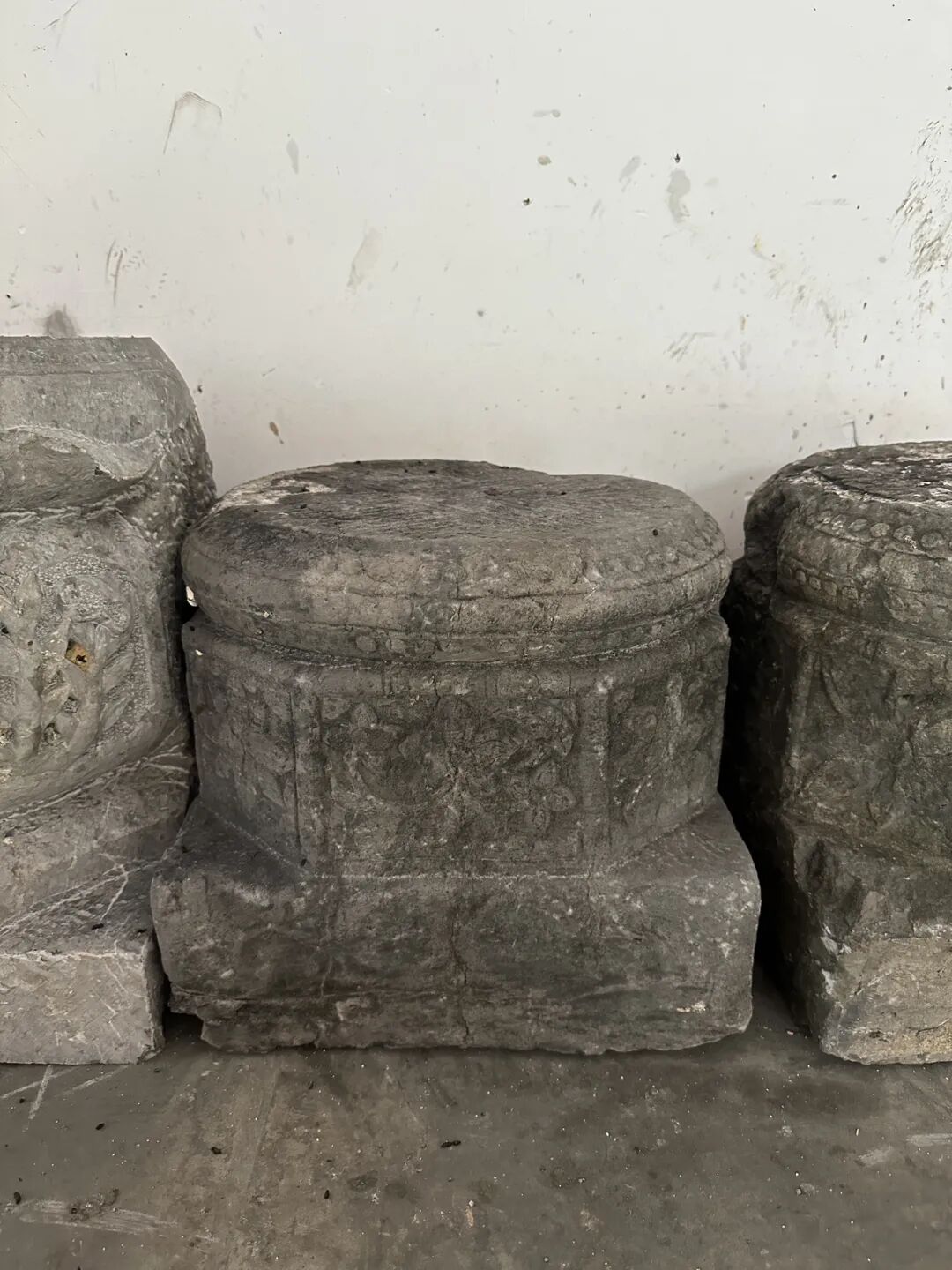
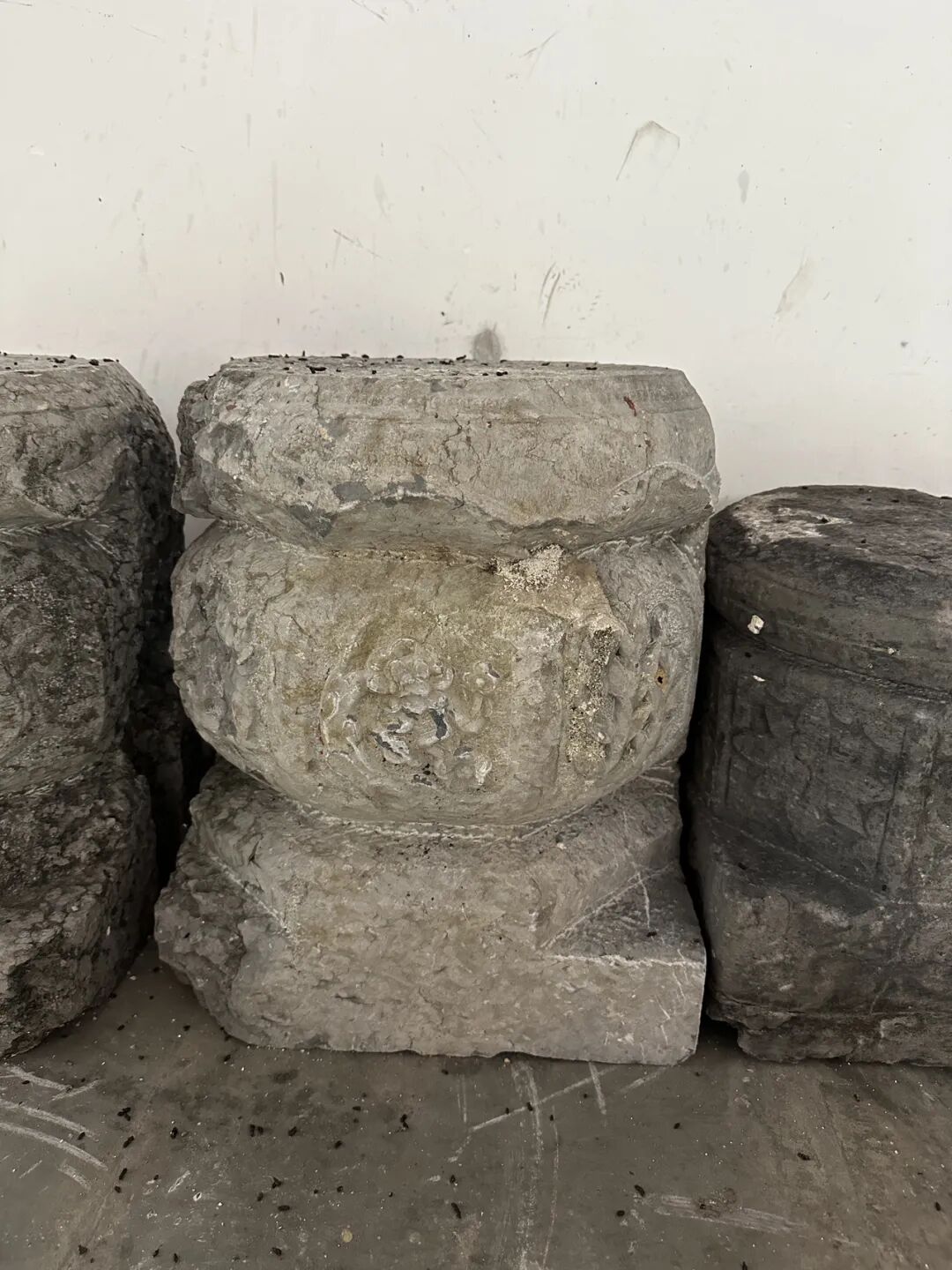
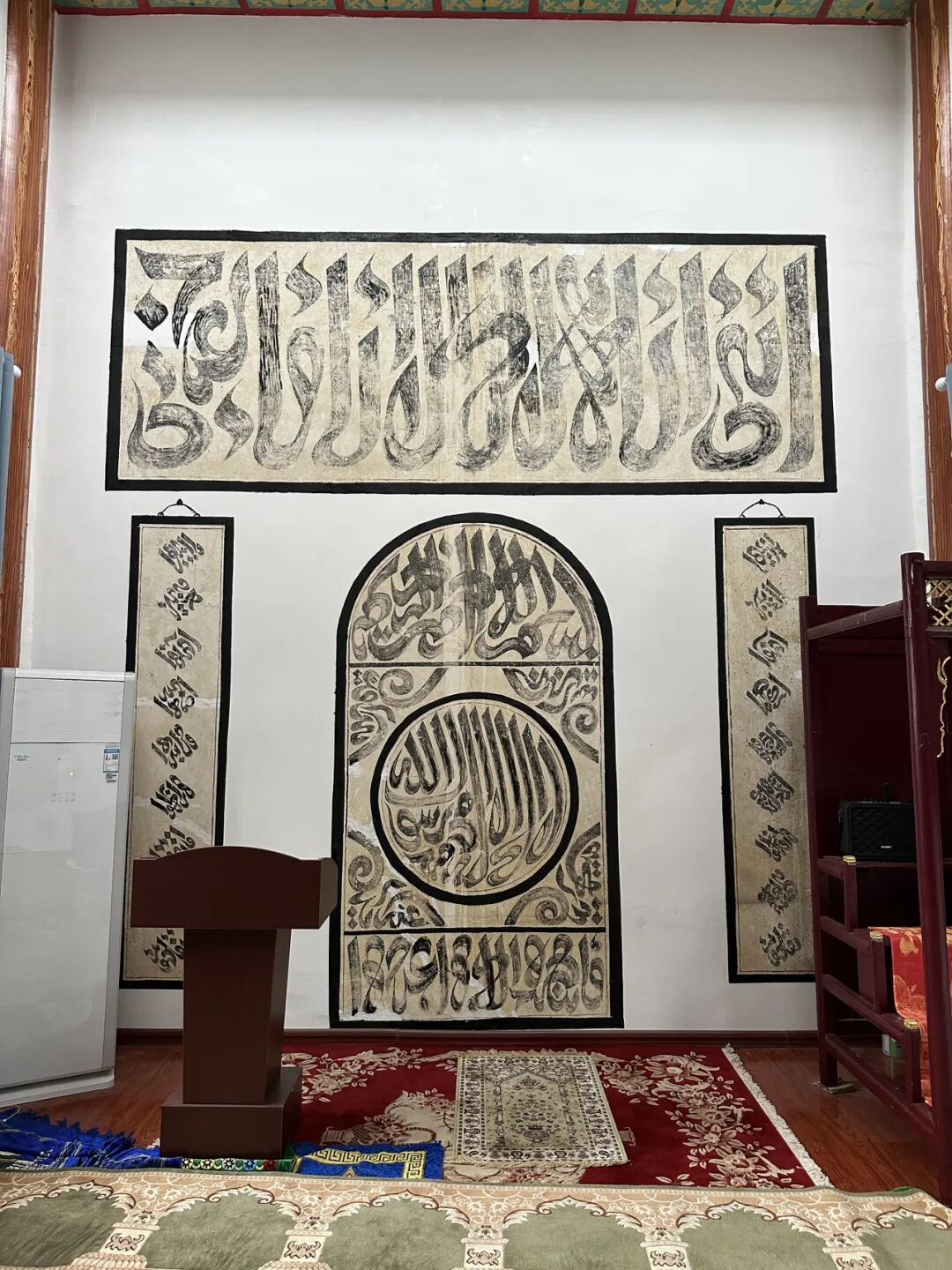
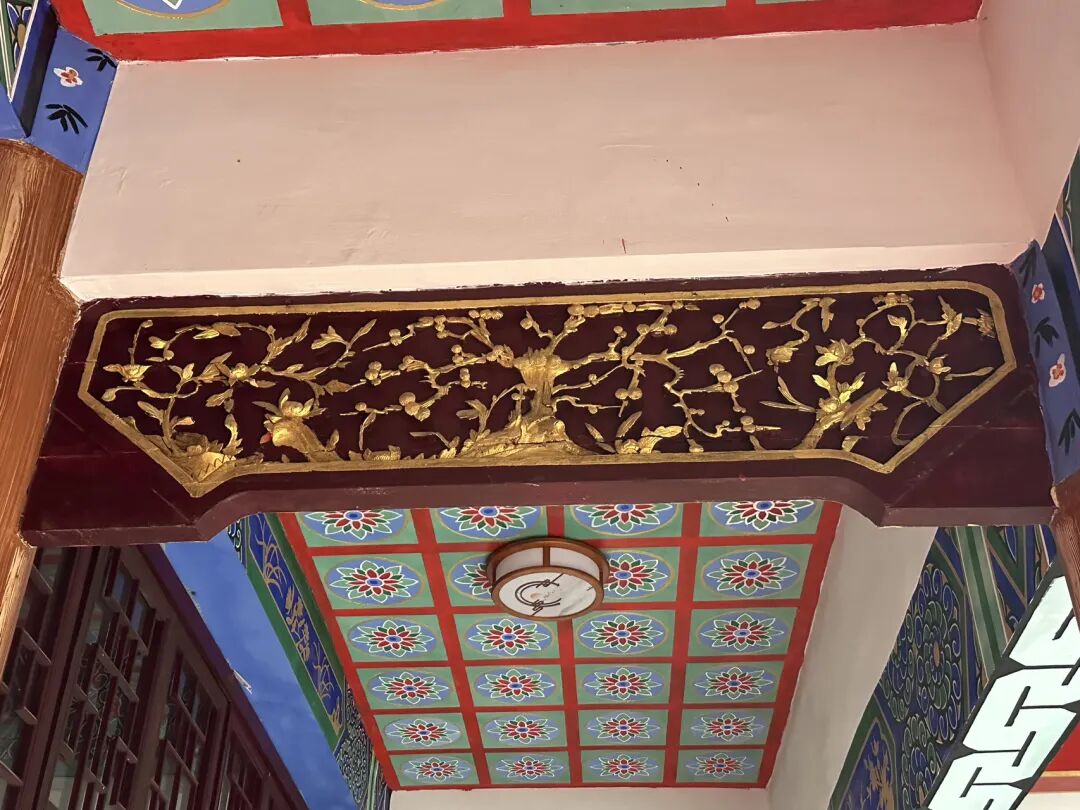
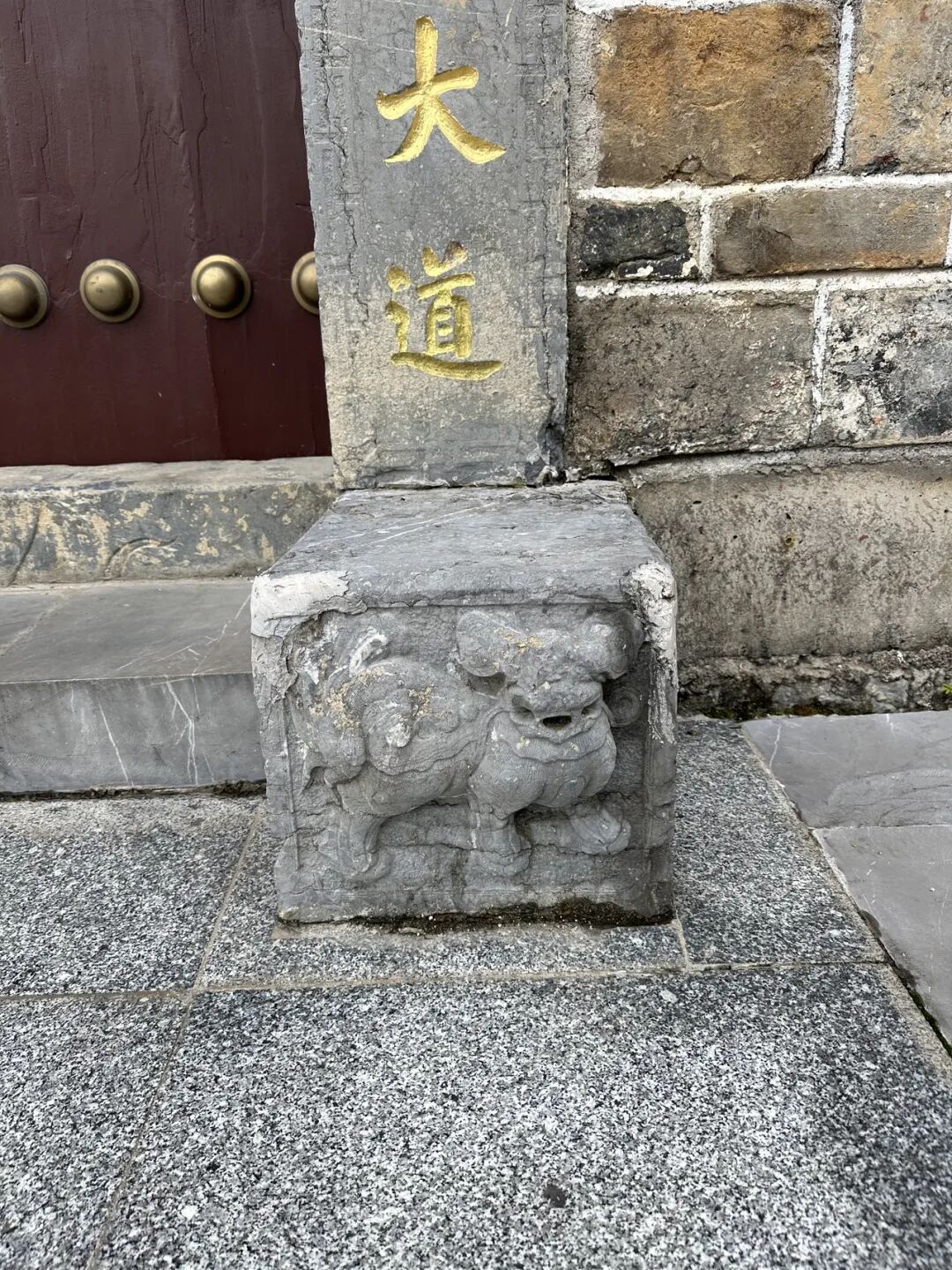
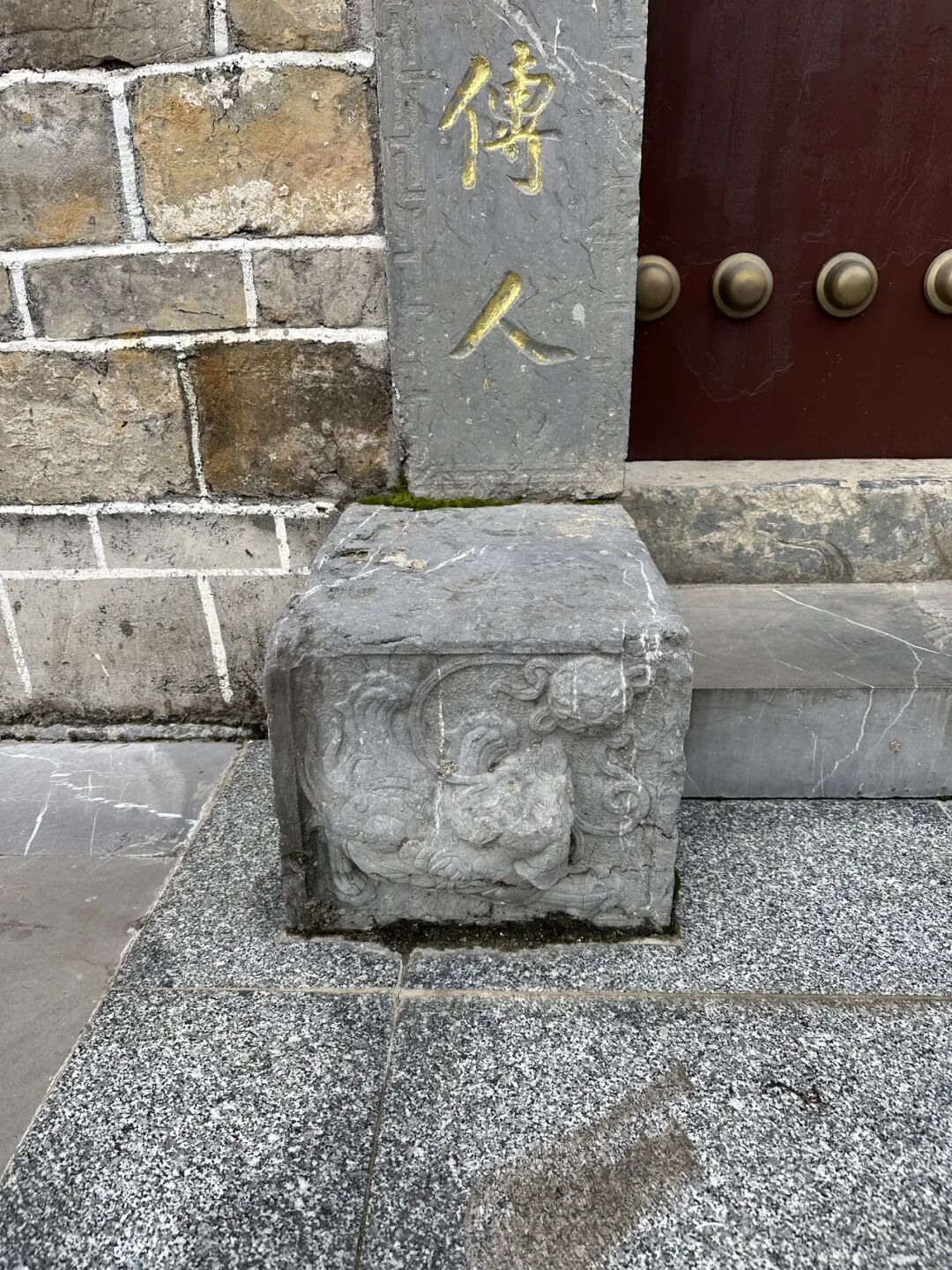
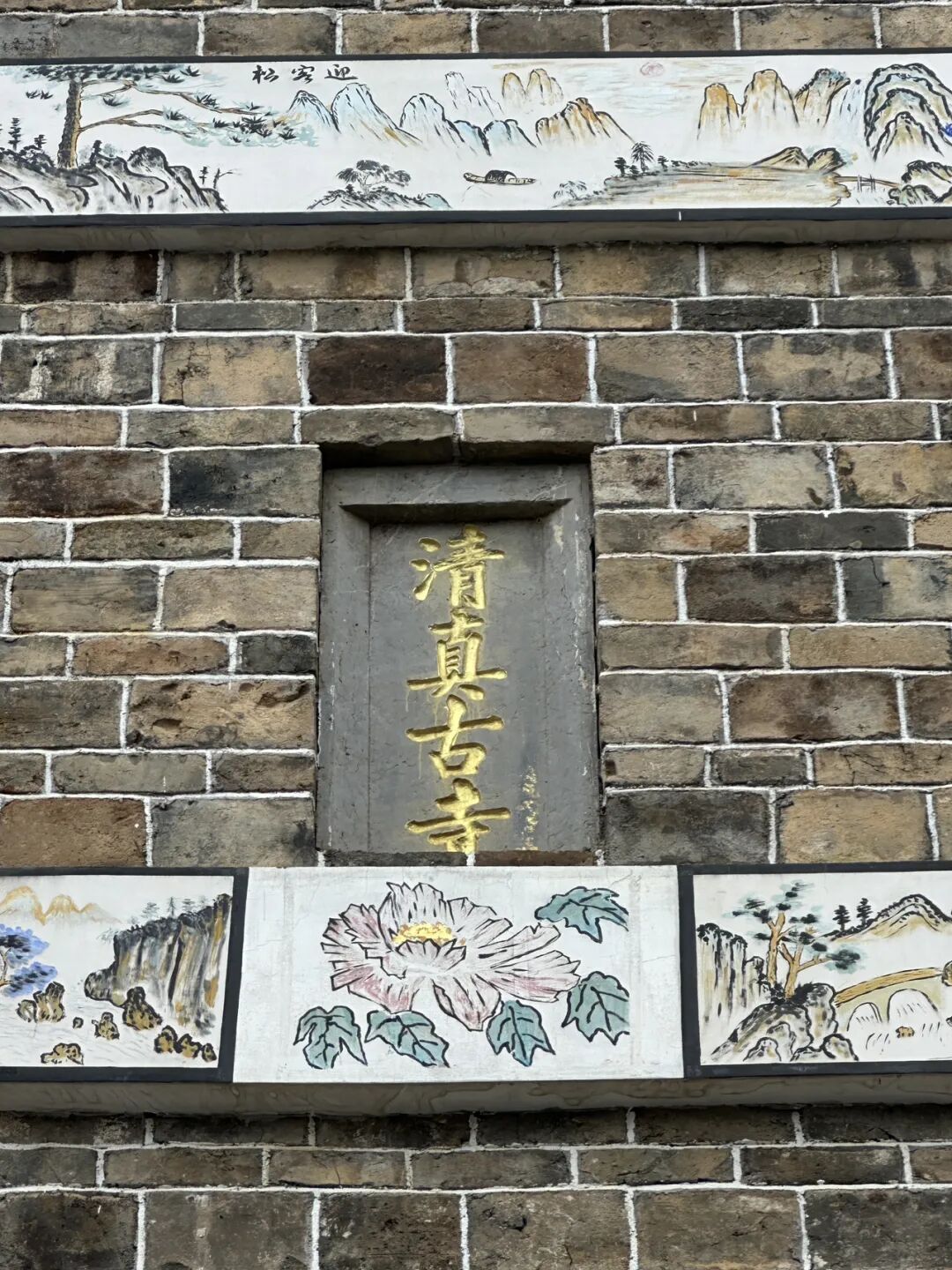
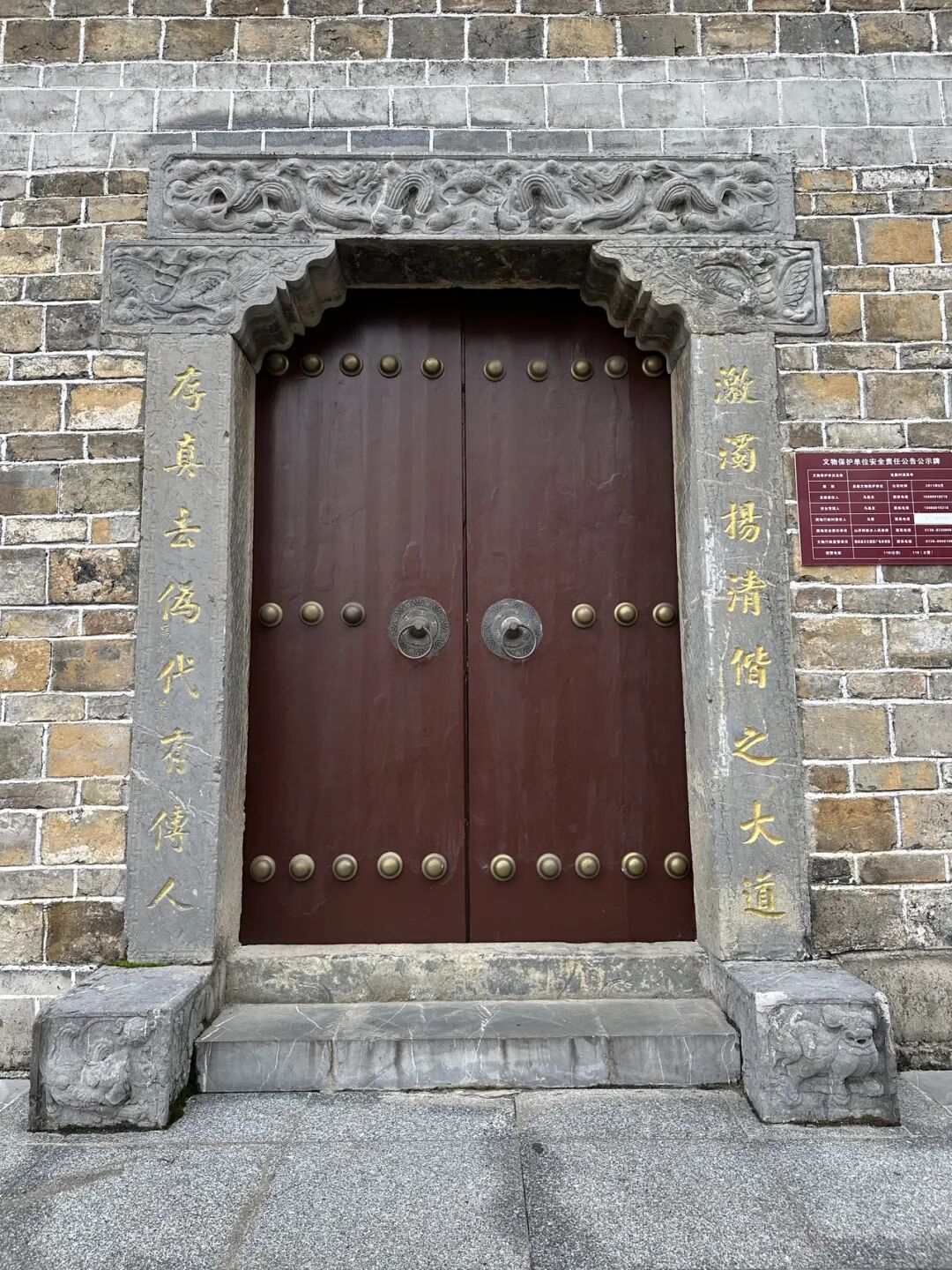
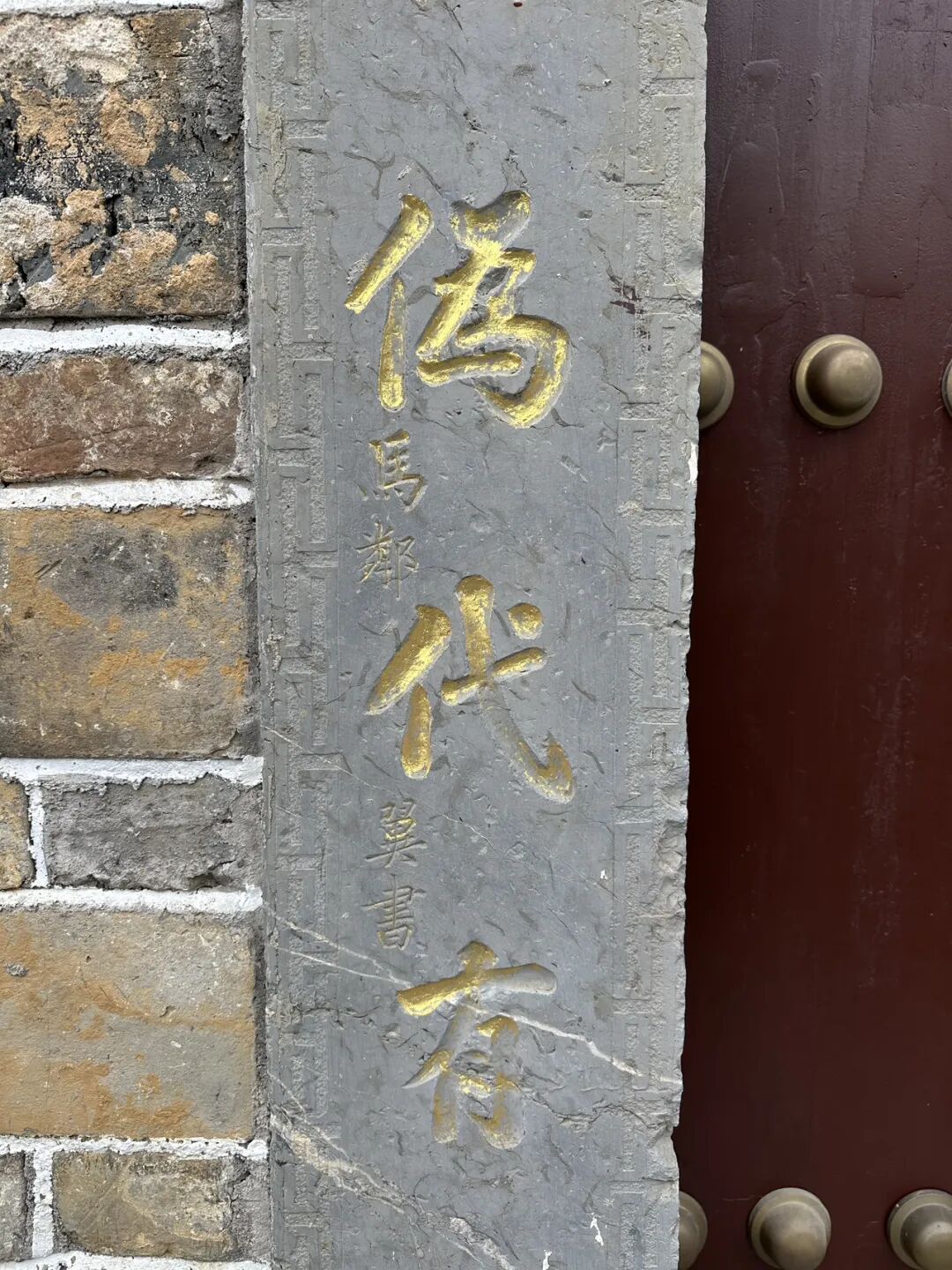
The stone couplet on the main gate reads: Clear the murky and promote the pure to follow the great path; preserve the truth and remove the false so that every generation has successors. The calligraphy was written by Ma Linyi, a Hui Muslim educator and Minister of Education in Shaoyang during the Republic of China. He is known as the Father of Northwest Education and the founder of modern Chinese Hui Muslim education.
Ma Linyi was born in Shaoyang, Hunan, in 1865. He passed the imperial examinations in 1902 and went to Japan on a government scholarship in 1904 to study teacher training. During that time, he met Sun Yat-sen, joined the Tongmenghui in 1905, and returned home to work on new government policies and modern education. In 1906, he founded Xiejin Primary School in Shaoyang, which was the first modern school for Hui Muslims in Hunan.
In 1908, he was transferred to the Qing government's Ministry of Education as a director. That same year, he helped establish the Beijing First Islamic Primary School inside the Niujie Mosque and later helped found the Islamic Education Association. While serving as Vice Minister of Education in 1912, Ma Linyi founded the Chinese Islamic Progressive Association with the support of Sun Yat-sen and served as its president.
While in charge of education in Gansu, Ma Linyi founded 277 schools of various types and set up the Gansu Islamic Education Promotion Office, spreading over a hundred Islamic primary schools across Gansu, Ningxia, and Qinghai. He selected over a hundred young people from the Northwest for government-funded study abroad, laying the foundation for modern basic education in the Northwest.
In 1928, Ma Linyi helped found the Islamic Middle School in Niujie and served as its vice chairman. In 1929, Ma Linyi became a board member of the Beiping Chengda Teachers' College. He actively updated the curriculum and improved teaching methods, helping Chengda develop into a modern school. In his later years, Ma Linyi devoted himself to the faith and served as an advisor to Wang Jingzhai for his translation of Islamic classics.
Shanjie East Mosque was first built in 1728 (the fifth year of the Yongzheng reign). The mosque has hired many imams over the years, including Su Yuebo, Ma Yulang, Ma Baochu, Zheng Liansheng, Ma Yuechi, Ma Yucheng, Tang Yuanqi, Hai Shiquan, Ma Chengyong, Ding Baohua, Ma Gen'ao, Ma Xiang'ao, and Ma Wuquan. Students from as far as Hainan and Guangxi came to study under the great imam Ma Yucheng in Gansu, and the local religious community was very prosperous.
It is a pity that the mosque was locked when I visited, so I could not go inside.
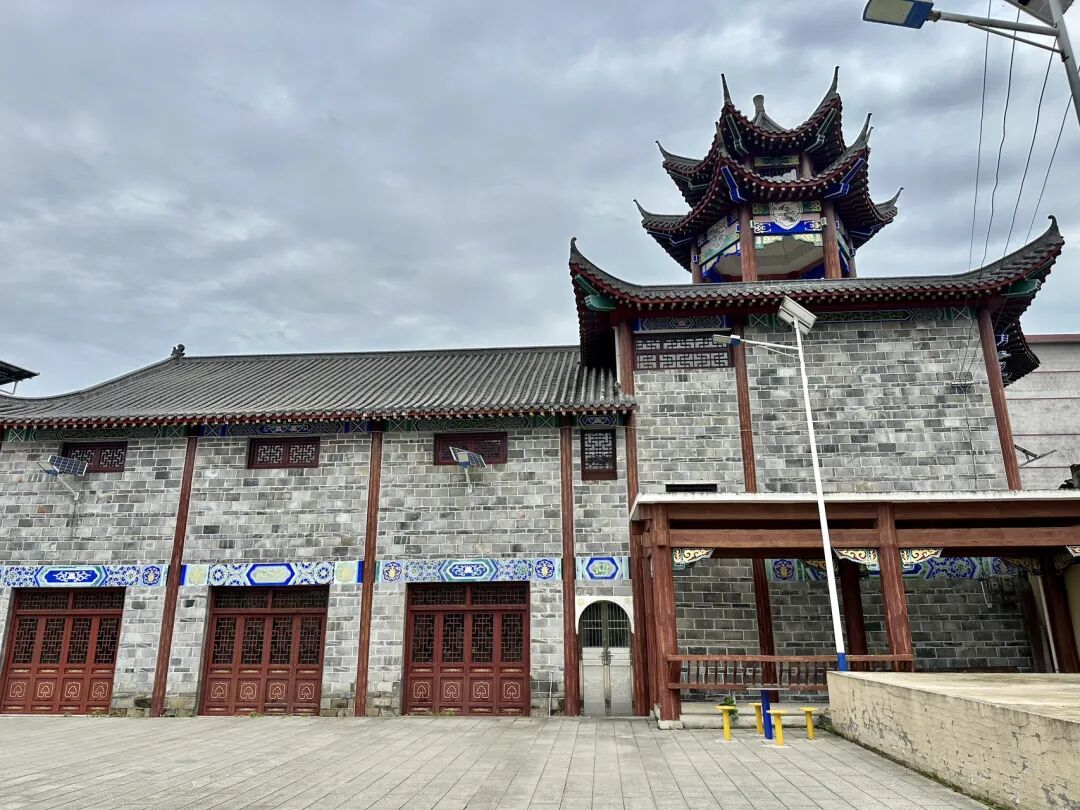
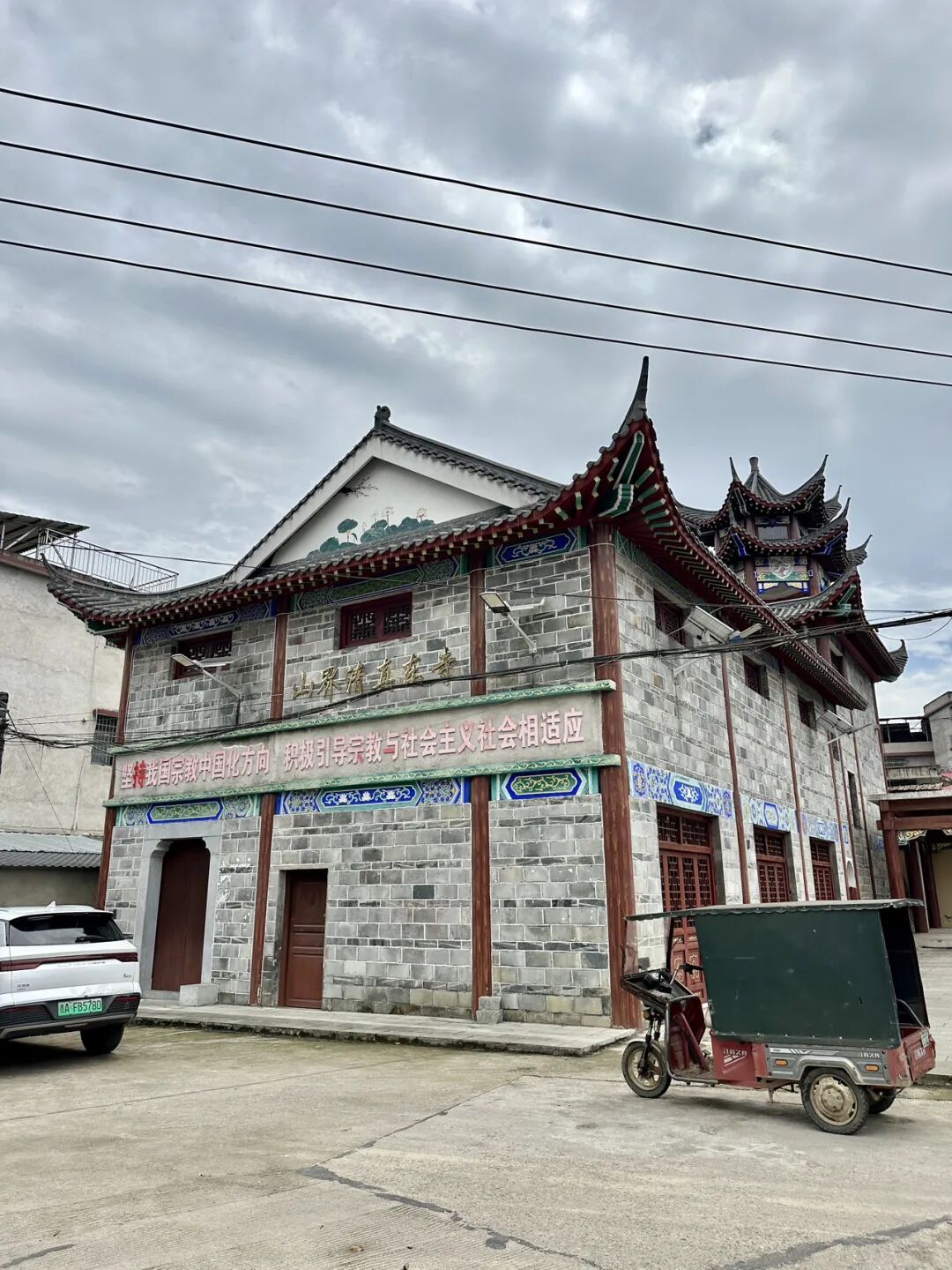
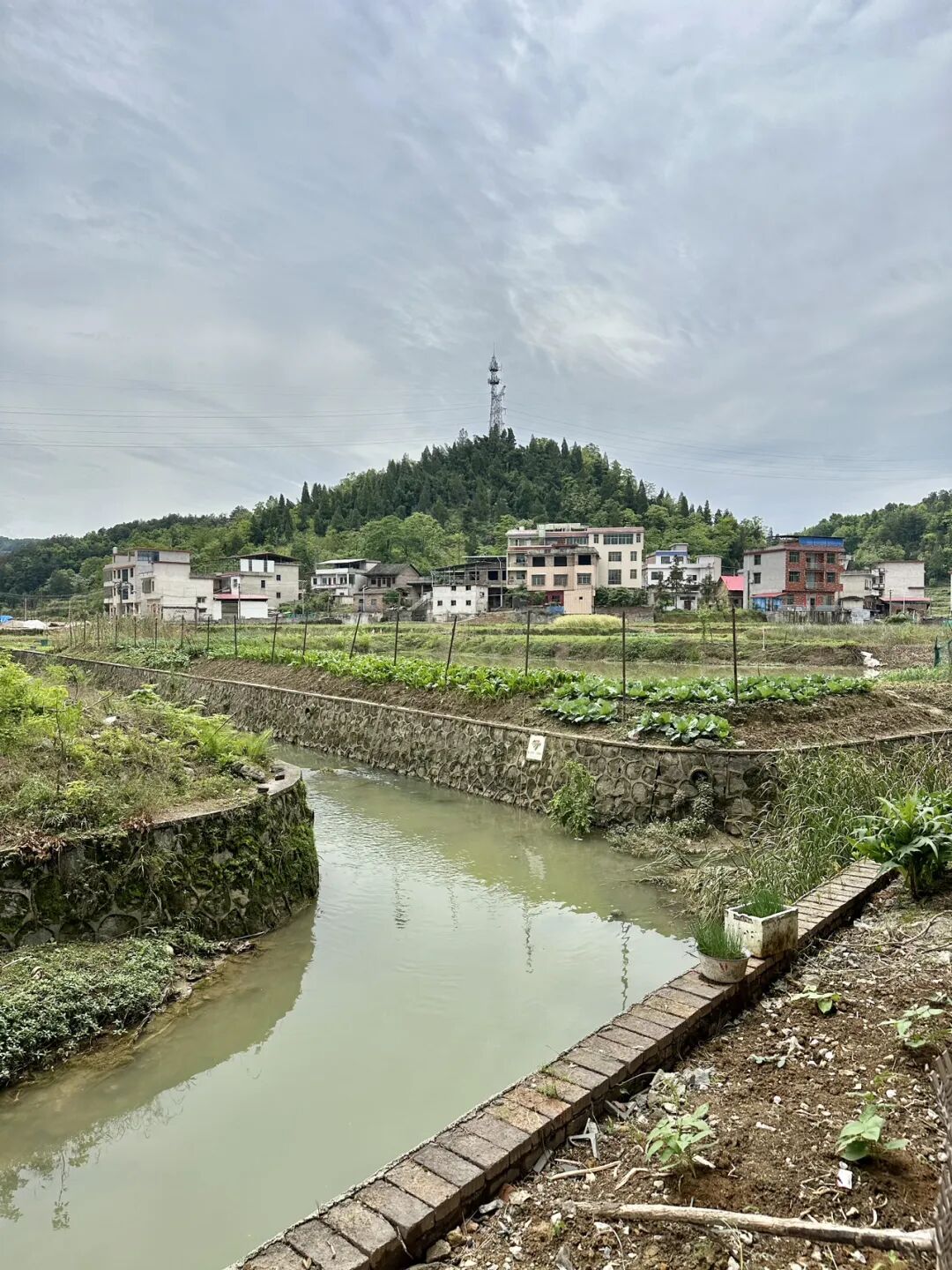
Shanjie West Mosque, also known as Jiajian Village Mosque, was first built in 1836 (the 16th year of the Daoguang reign). It was expanded during the Guangxu and Republic of China periods, and the local Hui Muslims there are surnamed Ma, Huang, and Zheng. The imams who have served at the mosque include Ma Chaoxin, Zheng Liansheng, Ma Daocheng, Ma Fucheng, and Ma Liangxu. The main hall of the West Mosque collapsed in 1991. It was being rebuilt when a flood destroyed it in 1996. After raising funds again, it was officially completed at the end of 1996 and renovated again in 2013.
The mosque houses a stone tablet from the 11th year of the Guangxu reign titled 'Record of Continued Mosque Repairs,' which lists the names of the donors at that time and serves as a precious historical record.
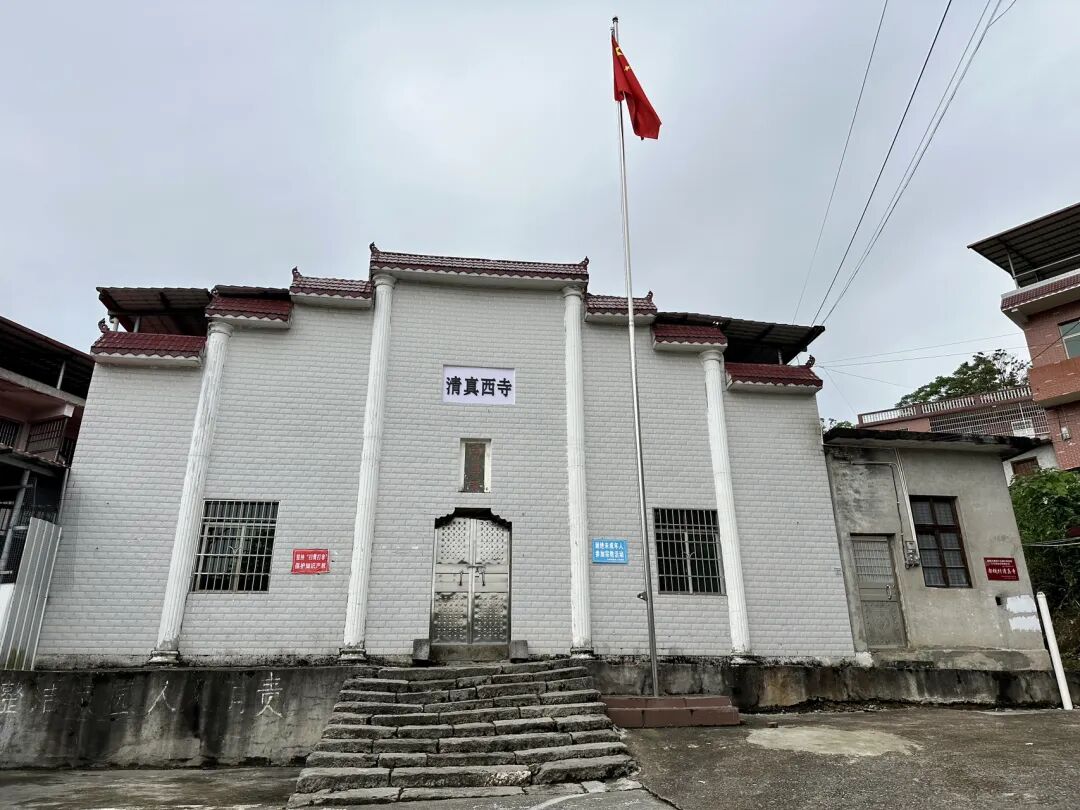
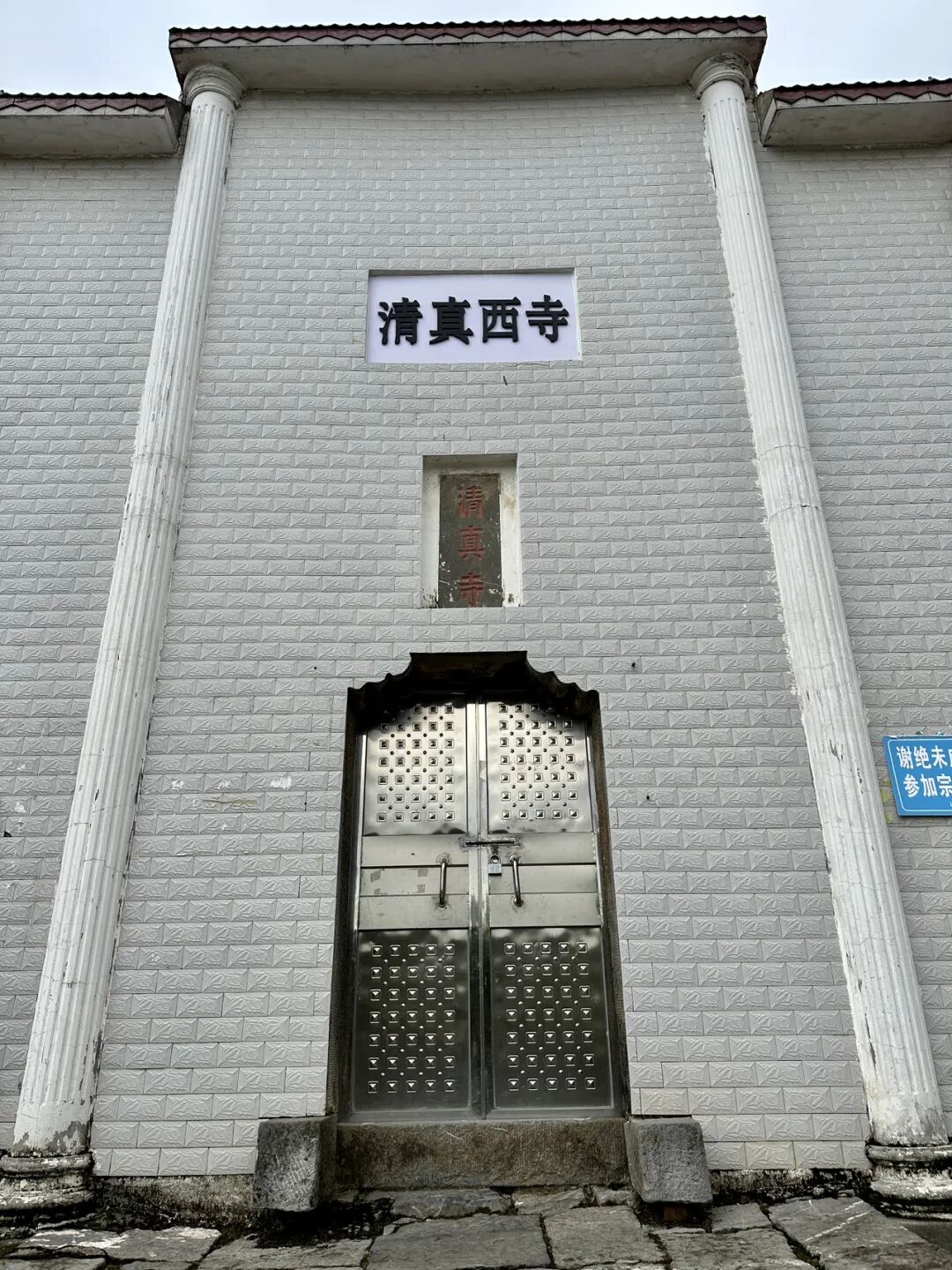
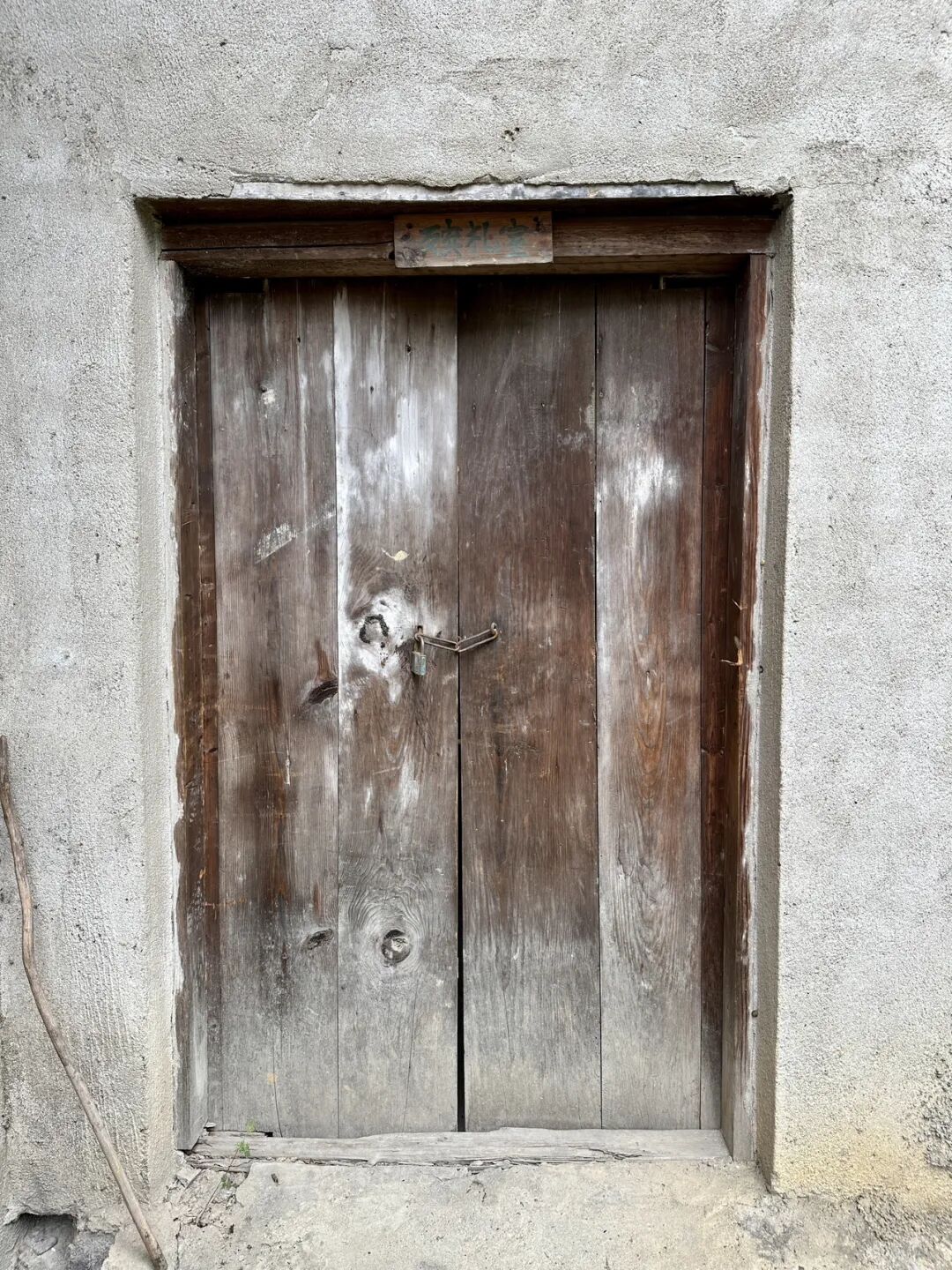
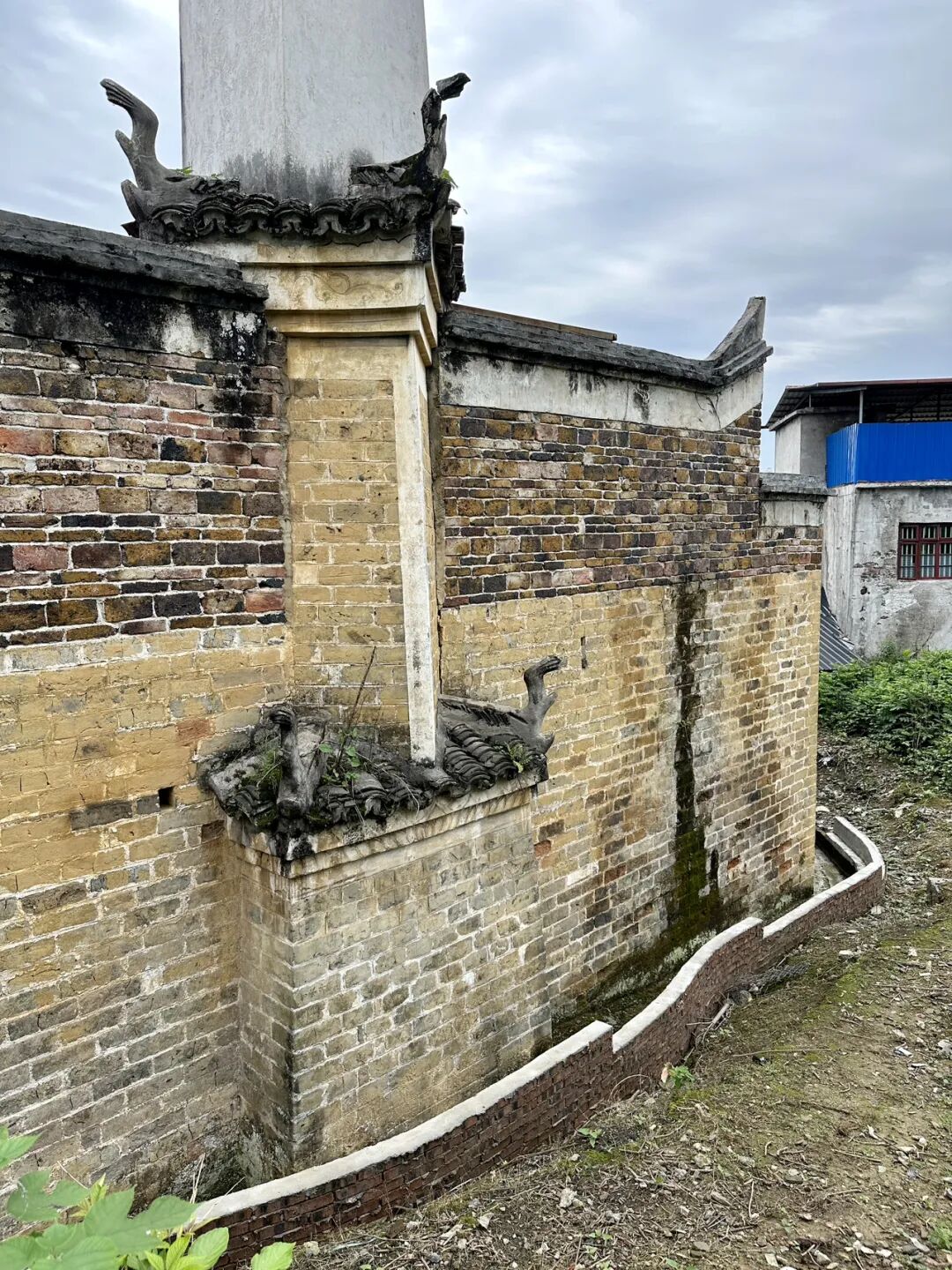
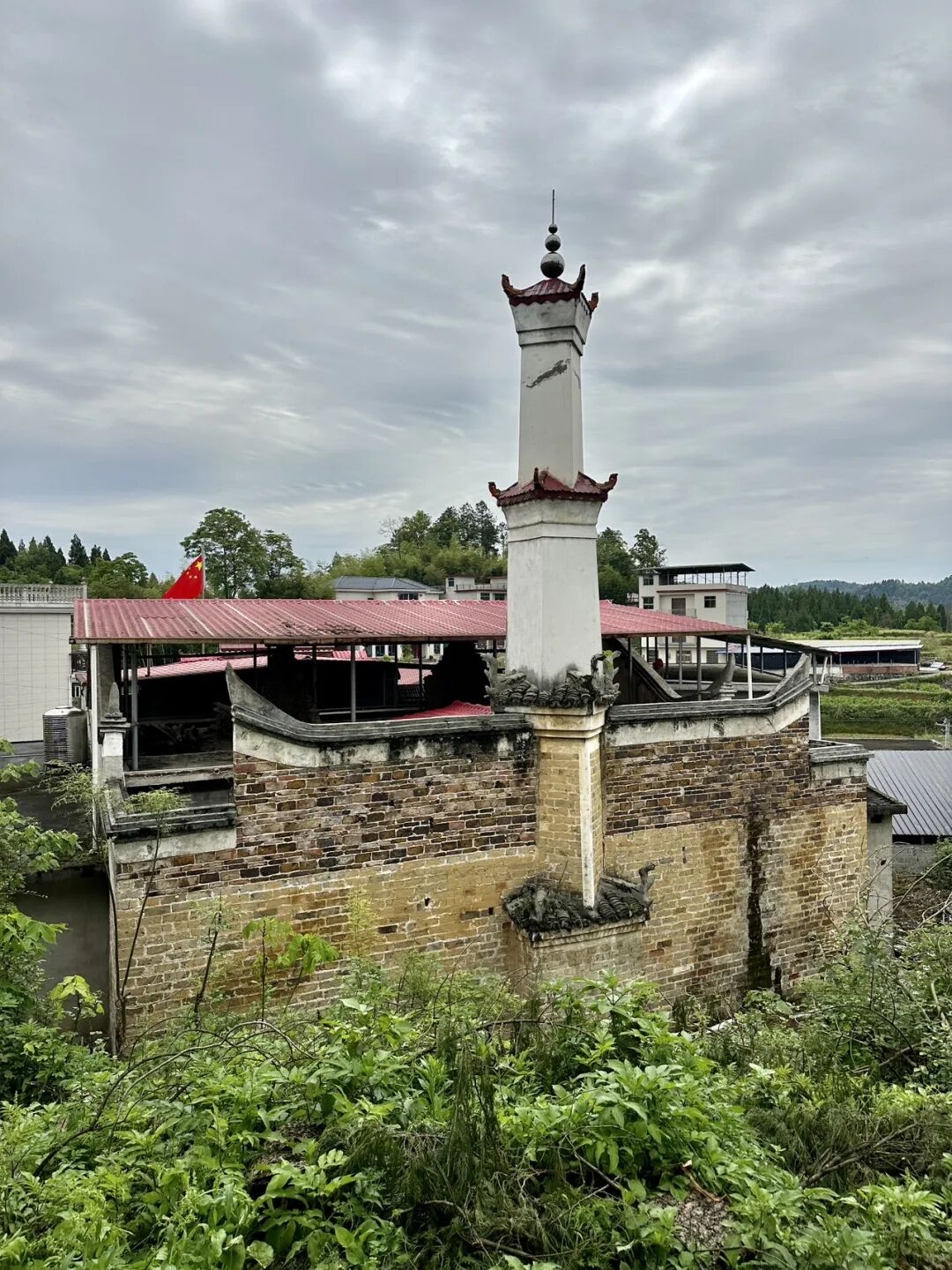
Shanjie North Mosque, also called Sifangjing Mosque, was first built in 1824 (the 4th year of the Daoguang reign), and the local Hui Muslims there are surnamed Ma. The main hall was destroyed after 1966. It was rebuilt in 1991 and again in 2000, with only the original stone gate pillars remaining. The pillars are carved with a couplet by the Republic of China educator Ma Linyi: 'To study the Way, one must seek the source; why ask about Jesus, Buddha, or the Greeks? To unite with Heaven is to enter the path of the sages; ancient and modern, Chinese and foreign, all share the same principle.'
Regrettably, the Shanjie North Mosque was also locked when I visited, and I could not enter.
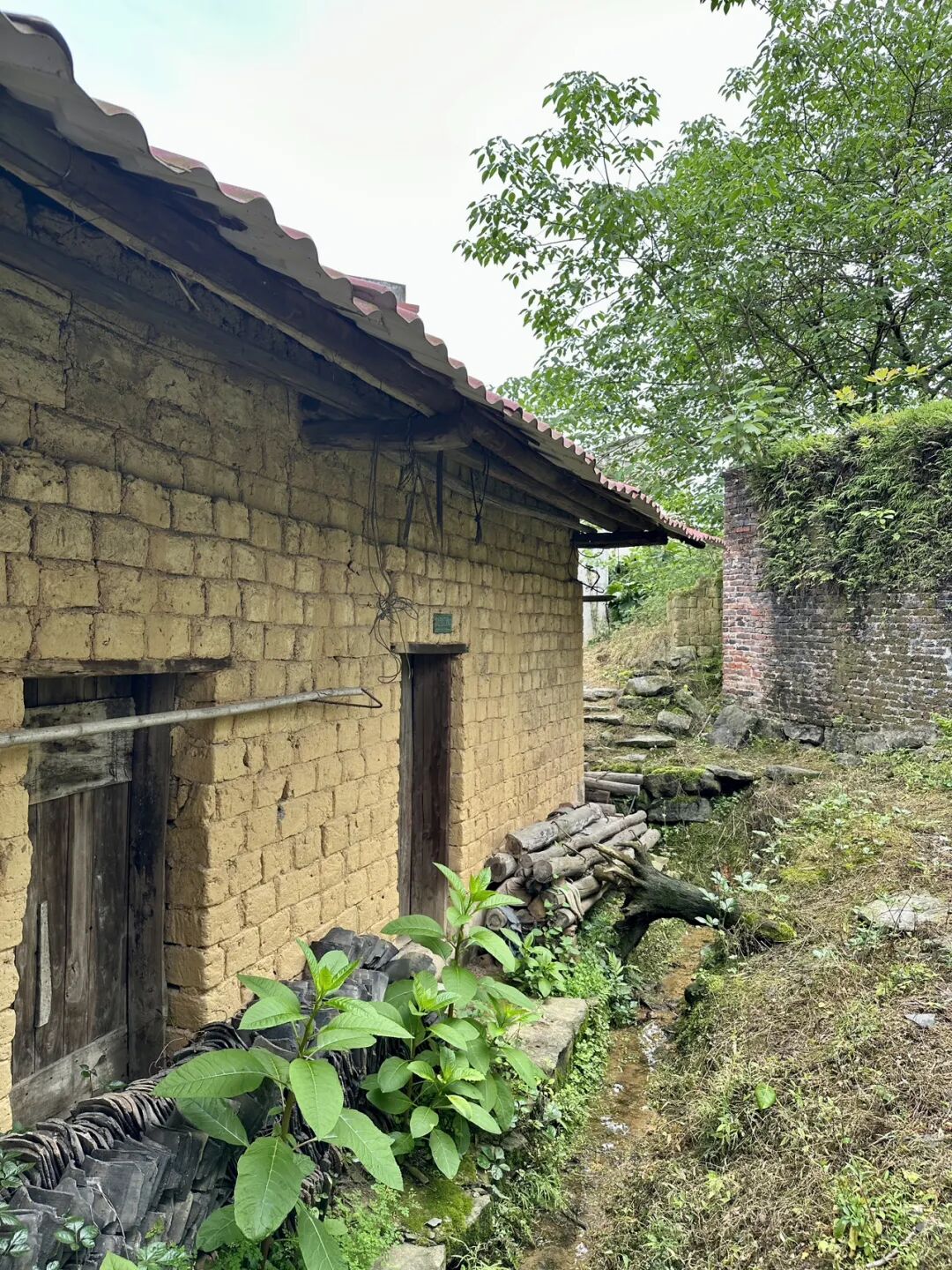
China Mosque Travel Guide: Eight Historic Mosque Complexes in Longhui, Shaoyang, Hunan (Part 1 of 5)
Articles • yusuf908 posted the article • 0 comments • 331 views • 2026-06-30 06:24
Summary: This China mosque travel guide covers eight historic mosque complexes in Longhui, Shaoyang, Hunan, with local Hui Muslim heritage and mosque travel details kept in clear English.
This article summarizes the key points about the eight mosques (sifang) in Longhui County, Shaoyang, Hunan. It keeps the original paragraph and image order. It is for readers interested in Muslim life, Islamic culture, and Chinese Islamic writing. It also helps people search for content like Chinese halal food.
Longhui County in Shaoyang City, Hunan, has a large population of Hui Muslims. I visited eight mosques there: Taohuaping Mosque, Shanjie Ancient Mosque, East Mosque, West Mosque, South Mosque, North Mosque, Luobai Mosque, and Niejiaoting Mosque. I will share them with you below.
Shanjie Ancient Mosque in Longhui County, Shaoyang, Hunan, is located in Laowuli, Shanjie Township. It was first built in 1444 (the ninth year of the Zhengtong reign of the Ming Dynasty) and is the oldest mosque in Longhui. During the Hongwu reign of the Ming Dynasty, Ma Zhi, the third son of Ma Cheng, the ancestor of the Ma family Hui Muslims in Shaoyang, moved from Shaoyang to Majia Ferry in Longhui to settle down. He was the first Hui Muslim in Longhui, and Shanjie Ancient Mosque was built by the Ma family.
Shanjie Ancient Mosque was renovated in 1919 and rebuilt into its current appearance in 2018.
Shanjie Ancient Mosque has a long tradition of teaching Islamic scripture. The head imams who have taught there include Ma Yulang, Ma Fujiu, Ma Fucheng, Ma Yucheng, Ma Yaochi, and Ding Zhenyi. They also hired imams from other places like Huang Xingxiang and Li Desheng. Ma Fucheng, an imam from this mosque, taught there for the longest time. In 1945, Imam Ma Yucheng taught at the ancient mosque and recruited many students (hailifan), marking the peak of the mosque's religious activities. To this day, the mosque continues its educational work and has trained many excellent young people.
On September 2, 1939, the Wugang County, Hunan branch of the China Islamic National Salvation Association was officially established at the mosque. The mosque's imam, Ma Fucheng, was elected as an officer. Inspired by the call to resist Japanese aggression and save the country, young Hui Muslims from the mosque, including Ma Qiyun, Ma Wuyang from the North Mosque, and Su Xingmin from Beishan, signed up for the army, took up arms, and headed to the front lines in East China.
Relics at Shanjie Ancient Mosque include stone pillar bases, wood carvings, and calligraphy of the mihrab in the kiln niche.
The stone couplet on the main gate reads: Clear the murky and promote the pure to follow the great path; preserve the truth and remove the false so that every generation has successors. The calligraphy was written by Ma Linyi, a Hui Muslim educator and Minister of Education in Shaoyang during the Republic of China. He is known as the Father of Northwest Education and the founder of modern Chinese Hui Muslim education.
Ma Linyi was born in Shaoyang, Hunan, in 1865. He passed the imperial examinations in 1902 and went to Japan on a government scholarship in 1904 to study teacher training. During that time, he met Sun Yat-sen, joined the Tongmenghui in 1905, and returned home to work on new government policies and modern education. In 1906, he founded Xiejin Primary School in Shaoyang, which was the first modern school for Hui Muslims in Hunan.
In 1908, he was transferred to the Qing government's Ministry of Education as a director. That same year, he helped establish the Beijing First Islamic Primary School inside the Niujie Mosque and later helped found the Islamic Education Association. While serving as Vice Minister of Education in 1912, Ma Linyi founded the Chinese Islamic Progressive Association with the support of Sun Yat-sen and served as its president.
While in charge of education in Gansu, Ma Linyi founded 277 schools of various types and set up the Gansu Islamic Education Promotion Office, spreading over a hundred Islamic primary schools across Gansu, Ningxia, and Qinghai. He selected over a hundred young people from the Northwest for government-funded study abroad, laying the foundation for modern basic education in the Northwest.
In 1928, Ma Linyi helped found the Islamic Middle School in Niujie and served as its vice chairman. In 1929, Ma Linyi became a board member of the Beiping Chengda Teachers' College. He actively updated the curriculum and improved teaching methods, helping Chengda develop into a modern school. In his later years, Ma Linyi devoted himself to the faith and served as an advisor to Wang Jingzhai for his translation of Islamic classics.
Shanjie East Mosque was first built in 1728 (the fifth year of the Yongzheng reign). The mosque has hired many imams over the years, including Su Yuebo, Ma Yulang, Ma Baochu, Zheng Liansheng, Ma Yuechi, Ma Yucheng, Tang Yuanqi, Hai Shiquan, Ma Chengyong, Ding Baohua, Ma Gen'ao, Ma Xiang'ao, and Ma Wuquan. Students from as far as Hainan and Guangxi came to study under the great imam Ma Yucheng in Gansu, and the local religious community was very prosperous.
It is a pity that the mosque was locked when I visited, so I could not go inside. view all
Summary: This China mosque travel guide covers eight historic mosque complexes in Longhui, Shaoyang, Hunan, with local Hui Muslim heritage and mosque travel details kept in clear English.
This article summarizes the key points about the eight mosques (sifang) in Longhui County, Shaoyang, Hunan. It keeps the original paragraph and image order. It is for readers interested in Muslim life, Islamic culture, and Chinese Islamic writing. It also helps people search for content like Chinese halal food.
Longhui County in Shaoyang City, Hunan, has a large population of Hui Muslims. I visited eight mosques there: Taohuaping Mosque, Shanjie Ancient Mosque, East Mosque, West Mosque, South Mosque, North Mosque, Luobai Mosque, and Niejiaoting Mosque. I will share them with you below.
Shanjie Ancient Mosque in Longhui County, Shaoyang, Hunan, is located in Laowuli, Shanjie Township. It was first built in 1444 (the ninth year of the Zhengtong reign of the Ming Dynasty) and is the oldest mosque in Longhui. During the Hongwu reign of the Ming Dynasty, Ma Zhi, the third son of Ma Cheng, the ancestor of the Ma family Hui Muslims in Shaoyang, moved from Shaoyang to Majia Ferry in Longhui to settle down. He was the first Hui Muslim in Longhui, and Shanjie Ancient Mosque was built by the Ma family.
Shanjie Ancient Mosque was renovated in 1919 and rebuilt into its current appearance in 2018.
Shanjie Ancient Mosque has a long tradition of teaching Islamic scripture. The head imams who have taught there include Ma Yulang, Ma Fujiu, Ma Fucheng, Ma Yucheng, Ma Yaochi, and Ding Zhenyi. They also hired imams from other places like Huang Xingxiang and Li Desheng. Ma Fucheng, an imam from this mosque, taught there for the longest time. In 1945, Imam Ma Yucheng taught at the ancient mosque and recruited many students (hailifan), marking the peak of the mosque's religious activities. To this day, the mosque continues its educational work and has trained many excellent young people.
On September 2, 1939, the Wugang County, Hunan branch of the China Islamic National Salvation Association was officially established at the mosque. The mosque's imam, Ma Fucheng, was elected as an officer. Inspired by the call to resist Japanese aggression and save the country, young Hui Muslims from the mosque, including Ma Qiyun, Ma Wuyang from the North Mosque, and Su Xingmin from Beishan, signed up for the army, took up arms, and headed to the front lines in East China.
Relics at Shanjie Ancient Mosque include stone pillar bases, wood carvings, and calligraphy of the mihrab in the kiln niche.
The stone couplet on the main gate reads: Clear the murky and promote the pure to follow the great path; preserve the truth and remove the false so that every generation has successors. The calligraphy was written by Ma Linyi, a Hui Muslim educator and Minister of Education in Shaoyang during the Republic of China. He is known as the Father of Northwest Education and the founder of modern Chinese Hui Muslim education.
Ma Linyi was born in Shaoyang, Hunan, in 1865. He passed the imperial examinations in 1902 and went to Japan on a government scholarship in 1904 to study teacher training. During that time, he met Sun Yat-sen, joined the Tongmenghui in 1905, and returned home to work on new government policies and modern education. In 1906, he founded Xiejin Primary School in Shaoyang, which was the first modern school for Hui Muslims in Hunan.
In 1908, he was transferred to the Qing government's Ministry of Education as a director. That same year, he helped establish the Beijing First Islamic Primary School inside the Niujie Mosque and later helped found the Islamic Education Association. While serving as Vice Minister of Education in 1912, Ma Linyi founded the Chinese Islamic Progressive Association with the support of Sun Yat-sen and served as its president.
While in charge of education in Gansu, Ma Linyi founded 277 schools of various types and set up the Gansu Islamic Education Promotion Office, spreading over a hundred Islamic primary schools across Gansu, Ningxia, and Qinghai. He selected over a hundred young people from the Northwest for government-funded study abroad, laying the foundation for modern basic education in the Northwest.
In 1928, Ma Linyi helped found the Islamic Middle School in Niujie and served as its vice chairman. In 1929, Ma Linyi became a board member of the Beiping Chengda Teachers' College. He actively updated the curriculum and improved teaching methods, helping Chengda develop into a modern school. In his later years, Ma Linyi devoted himself to the faith and served as an advisor to Wang Jingzhai for his translation of Islamic classics.
Shanjie East Mosque was first built in 1728 (the fifth year of the Yongzheng reign). The mosque has hired many imams over the years, including Su Yuebo, Ma Yulang, Ma Baochu, Zheng Liansheng, Ma Yuechi, Ma Yucheng, Tang Yuanqi, Hai Shiquan, Ma Chengyong, Ding Baohua, Ma Gen'ao, Ma Xiang'ao, and Ma Wuquan. Students from as far as Hainan and Guangxi came to study under the great imam Ma Yucheng in Gansu, and the local religious community was very prosperous.
It is a pity that the mosque was locked when I visited, so I could not go inside.
China Mosque Travel Guide: Eight Historic Mosque Complexes in Longhui, Shaoyang, Hunan (Segment 2 of 3)
Articles • Hasan09 posted the article • 0 comments • 360 views • 2026-06-30 06:24
Summary: This China mosque travel guide covers eight historic mosque complexes in Longhui, Shaoyang, Hunan, with local Hui Muslim heritage and mosque travel details kept in clear English.
Relics at Shanjie Ancient Mosque include stone pillar bases, wood carvings, and calligraphy of the mihrab in the kiln niche.
The stone couplet on the main gate reads: Clear the murky and promote the pure to follow the great path; preserve the truth and remove the false so that every generation has successors. The calligraphy was written by Ma Linyi, a Hui Muslim educator and Minister of Education in Shaoyang during the Republic of China. He is known as the Father of Northwest Education and the founder of modern Chinese Hui Muslim education.
Ma Linyi was born in Shaoyang, Hunan, in 1865. He passed the imperial examinations in 1902 and went to Japan on a government scholarship in 1904 to study teacher training. During that time, he met Sun Yat-sen, joined the Tongmenghui in 1905, and returned home to work on new government policies and modern education. In 1906, he founded Xiejin Primary School in Shaoyang, which was the first modern school for Hui Muslims in Hunan.
In 1908, he was transferred to the Qing government's Ministry of Education as a director. That same year, he helped establish the Beijing First Islamic Primary School inside the Niujie Mosque and later helped found the Islamic Education Association. While serving as Vice Minister of Education in 1912, Ma Linyi founded the Chinese Islamic Progressive Association with the support of Sun Yat-sen and served as its president.
While in charge of education in Gansu, Ma Linyi founded 277 schools of various types and set up the Gansu Islamic Education Promotion Office, spreading over a hundred Islamic primary schools across Gansu, Ningxia, and Qinghai. He selected over a hundred young people from the Northwest for government-funded study abroad, laying the foundation for modern basic education in the Northwest.
In 1928, Ma Linyi helped found the Islamic Middle School in Niujie and served as its vice chairman. In 1929, Ma Linyi became a board member of the Beiping Chengda Teachers' College. He actively updated the curriculum and improved teaching methods, helping Chengda develop into a modern school. In his later years, Ma Linyi devoted himself to the faith and served as an advisor to Wang Jingzhai for his translation of Islamic classics. view all
Summary: This China mosque travel guide covers eight historic mosque complexes in Longhui, Shaoyang, Hunan, with local Hui Muslim heritage and mosque travel details kept in clear English.
Relics at Shanjie Ancient Mosque include stone pillar bases, wood carvings, and calligraphy of the mihrab in the kiln niche.
The stone couplet on the main gate reads: Clear the murky and promote the pure to follow the great path; preserve the truth and remove the false so that every generation has successors. The calligraphy was written by Ma Linyi, a Hui Muslim educator and Minister of Education in Shaoyang during the Republic of China. He is known as the Father of Northwest Education and the founder of modern Chinese Hui Muslim education.
Ma Linyi was born in Shaoyang, Hunan, in 1865. He passed the imperial examinations in 1902 and went to Japan on a government scholarship in 1904 to study teacher training. During that time, he met Sun Yat-sen, joined the Tongmenghui in 1905, and returned home to work on new government policies and modern education. In 1906, he founded Xiejin Primary School in Shaoyang, which was the first modern school for Hui Muslims in Hunan.
In 1908, he was transferred to the Qing government's Ministry of Education as a director. That same year, he helped establish the Beijing First Islamic Primary School inside the Niujie Mosque and later helped found the Islamic Education Association. While serving as Vice Minister of Education in 1912, Ma Linyi founded the Chinese Islamic Progressive Association with the support of Sun Yat-sen and served as its president.
While in charge of education in Gansu, Ma Linyi founded 277 schools of various types and set up the Gansu Islamic Education Promotion Office, spreading over a hundred Islamic primary schools across Gansu, Ningxia, and Qinghai. He selected over a hundred young people from the Northwest for government-funded study abroad, laying the foundation for modern basic education in the Northwest.
In 1928, Ma Linyi helped found the Islamic Middle School in Niujie and served as its vice chairman. In 1929, Ma Linyi became a board member of the Beiping Chengda Teachers' College. He actively updated the curriculum and improved teaching methods, helping Chengda develop into a modern school. In his later years, Ma Linyi devoted himself to the faith and served as an advisor to Wang Jingzhai for his translation of Islamic classics.
China Mosque Travel Guide: Eight Historic Mosque Complexes in Longhui, Shaoyang, Hunan (Part 1 of 2)
Articles • yusuf908 posted the article • 0 comments • 320 views • 2026-06-30 06:24
Summary: This China mosque travel guide covers eight historic mosque complexes in Longhui, Shaoyang, Hunan, with local Hui Muslim heritage and mosque travel details kept in clear English.
This article summarizes the key points about the eight mosques (sifang) in Longhui County, Shaoyang, Hunan. It keeps the original paragraph and image order. It is for readers interested in Muslim life, Islamic culture, and Chinese Islamic writing. It also helps people search for content like Chinese halal food.
Longhui County in Shaoyang City, Hunan, has a large population of Hui Muslims. I visited eight mosques there: Taohuaping Mosque, Shanjie Ancient Mosque, East Mosque, West Mosque, South Mosque, North Mosque, Luobai Mosque, and Niejiaoting Mosque. I will share them with you below.
Shanjie Ancient Mosque in Longhui County, Shaoyang, Hunan, is located in Laowuli, Shanjie Township. It was first built in 1444 (the ninth year of the Zhengtong reign of the Ming Dynasty) and is the oldest mosque in Longhui. During the Hongwu reign of the Ming Dynasty, Ma Zhi, the third son of Ma Cheng, the ancestor of the Ma family Hui Muslims in Shaoyang, moved from Shaoyang to Majia Ferry in Longhui to settle down. He was the first Hui Muslim in Longhui, and Shanjie Ancient Mosque was built by the Ma family.
Shanjie Ancient Mosque was renovated in 1919 and rebuilt into its current appearance in 2018.
Shanjie Ancient Mosque has a long tradition of teaching Islamic scripture. The head imams who have taught there include Ma Yulang, Ma Fujiu, Ma Fucheng, Ma Yucheng, Ma Yaochi, and Ding Zhenyi. They also hired imams from other places like Huang Xingxiang and Li Desheng. Ma Fucheng, an imam from this mosque, taught there for the longest time. In 1945, Imam Ma Yucheng taught at the ancient mosque and recruited many students (hailifan), marking the peak of the mosque's religious activities. To this day, the mosque continues its educational work and has trained many excellent young people.
On September 2, 1939, the Wugang County, Hunan branch of the China Islamic National Salvation Association was officially established at the mosque. The mosque's imam, Ma Fucheng, was elected as an officer. Inspired by the call to resist Japanese aggression and save the country, young Hui Muslims from the mosque, including Ma Qiyun, Ma Wuyang from the North Mosque, and Su Xingmin from Beishan, signed up for the army, took up arms, and headed to the front lines in East China.
Relics at Shanjie Ancient Mosque include stone pillar bases, wood carvings, and calligraphy of the mihrab in the kiln niche.
The stone couplet on the main gate reads: Clear the murky and promote the pure to follow the great path; preserve the truth and remove the false so that every generation has successors. The calligraphy was written by Ma Linyi, a Hui Muslim educator and Minister of Education in Shaoyang during the Republic of China. He is known as the Father of Northwest Education and the founder of modern Chinese Hui Muslim education.
Ma Linyi was born in Shaoyang, Hunan, in 1865. He passed the imperial examinations in 1902 and went to Japan on a government scholarship in 1904 to study teacher training. During that time, he met Sun Yat-sen, joined the Tongmenghui in 1905, and returned home to work on new government policies and modern education. In 1906, he founded Xiejin Primary School in Shaoyang, which was the first modern school for Hui Muslims in Hunan.
In 1908, he was transferred to the Qing government's Ministry of Education as a director. That same year, he helped establish the Beijing First Islamic Primary School inside the Niujie Mosque and later helped found the Islamic Education Association. While serving as Vice Minister of Education in 1912, Ma Linyi founded the Chinese Islamic Progressive Association with the support of Sun Yat-sen and served as its president.
While in charge of education in Gansu, Ma Linyi founded 277 schools of various types and set up the Gansu Islamic Education Promotion Office, spreading over a hundred Islamic primary schools across Gansu, Ningxia, and Qinghai. He selected over a hundred young people from the Northwest for government-funded study abroad, laying the foundation for modern basic education in the Northwest.
In 1928, Ma Linyi helped found the Islamic Middle School in Niujie and served as its vice chairman. In 1929, Ma Linyi became a board member of the Beiping Chengda Teachers' College. He actively updated the curriculum and improved teaching methods, helping Chengda develop into a modern school. In his later years, Ma Linyi devoted himself to the faith and served as an advisor to Wang Jingzhai for his translation of Islamic classics.
Shanjie East Mosque was first built in 1728 (the fifth year of the Yongzheng reign). The mosque has hired many imams over the years, including Su Yuebo, Ma Yulang, Ma Baochu, Zheng Liansheng, Ma Yuechi, Ma Yucheng, Tang Yuanqi, Hai Shiquan, Ma Chengyong, Ding Baohua, Ma Gen'ao, Ma Xiang'ao, and Ma Wuquan. Students from as far as Hainan and Guangxi came to study under the great imam Ma Yucheng in Gansu, and the local religious community was very prosperous.
It is a pity that the mosque was locked when I visited, so I could not go inside.
Shanjie West Mosque, also known as Jiajian Village Mosque, was first built in 1836 (the 16th year of the Daoguang reign). It was expanded during the Guangxu and Republic of China periods, and the local Hui Muslims there are surnamed Ma, Huang, and Zheng. The imams who have served at the mosque include Ma Chaoxin, Zheng Liansheng, Ma Daocheng, Ma Fucheng, and Ma Liangxu. The main hall of the West Mosque collapsed in 1991. It was being rebuilt when a flood destroyed it in 1996. After raising funds again, it was officially completed at the end of 1996 and renovated again in 2013.
The mosque houses a stone tablet from the 11th year of the Guangxu reign titled 'Record of Continued Mosque Repairs,' which lists the names of the donors at that time and serves as a precious historical record.
Shanjie North Mosque, also called Sifangjing Mosque, was first built in 1824 (the 4th year of the Daoguang reign), and the local Hui Muslims there are surnamed Ma. The main hall was destroyed after 1966. It was rebuilt in 1991 and again in 2000, with only the original stone gate pillars remaining. The pillars are carved with a couplet by the Republic of China educator Ma Linyi: 'To study the Way, one must seek the source; why ask about Jesus, Buddha, or the Greeks? To unite with Heaven is to enter the path of the sages; ancient and modern, Chinese and foreign, all share the same principle.'
Regrettably, the Shanjie North Mosque was also locked when I visited, and I could not enter. view all
Summary: This China mosque travel guide covers eight historic mosque complexes in Longhui, Shaoyang, Hunan, with local Hui Muslim heritage and mosque travel details kept in clear English.
This article summarizes the key points about the eight mosques (sifang) in Longhui County, Shaoyang, Hunan. It keeps the original paragraph and image order. It is for readers interested in Muslim life, Islamic culture, and Chinese Islamic writing. It also helps people search for content like Chinese halal food.
Longhui County in Shaoyang City, Hunan, has a large population of Hui Muslims. I visited eight mosques there: Taohuaping Mosque, Shanjie Ancient Mosque, East Mosque, West Mosque, South Mosque, North Mosque, Luobai Mosque, and Niejiaoting Mosque. I will share them with you below.
Shanjie Ancient Mosque in Longhui County, Shaoyang, Hunan, is located in Laowuli, Shanjie Township. It was first built in 1444 (the ninth year of the Zhengtong reign of the Ming Dynasty) and is the oldest mosque in Longhui. During the Hongwu reign of the Ming Dynasty, Ma Zhi, the third son of Ma Cheng, the ancestor of the Ma family Hui Muslims in Shaoyang, moved from Shaoyang to Majia Ferry in Longhui to settle down. He was the first Hui Muslim in Longhui, and Shanjie Ancient Mosque was built by the Ma family.
Shanjie Ancient Mosque was renovated in 1919 and rebuilt into its current appearance in 2018.
Shanjie Ancient Mosque has a long tradition of teaching Islamic scripture. The head imams who have taught there include Ma Yulang, Ma Fujiu, Ma Fucheng, Ma Yucheng, Ma Yaochi, and Ding Zhenyi. They also hired imams from other places like Huang Xingxiang and Li Desheng. Ma Fucheng, an imam from this mosque, taught there for the longest time. In 1945, Imam Ma Yucheng taught at the ancient mosque and recruited many students (hailifan), marking the peak of the mosque's religious activities. To this day, the mosque continues its educational work and has trained many excellent young people.
On September 2, 1939, the Wugang County, Hunan branch of the China Islamic National Salvation Association was officially established at the mosque. The mosque's imam, Ma Fucheng, was elected as an officer. Inspired by the call to resist Japanese aggression and save the country, young Hui Muslims from the mosque, including Ma Qiyun, Ma Wuyang from the North Mosque, and Su Xingmin from Beishan, signed up for the army, took up arms, and headed to the front lines in East China.
Relics at Shanjie Ancient Mosque include stone pillar bases, wood carvings, and calligraphy of the mihrab in the kiln niche.
The stone couplet on the main gate reads: Clear the murky and promote the pure to follow the great path; preserve the truth and remove the false so that every generation has successors. The calligraphy was written by Ma Linyi, a Hui Muslim educator and Minister of Education in Shaoyang during the Republic of China. He is known as the Father of Northwest Education and the founder of modern Chinese Hui Muslim education.
Ma Linyi was born in Shaoyang, Hunan, in 1865. He passed the imperial examinations in 1902 and went to Japan on a government scholarship in 1904 to study teacher training. During that time, he met Sun Yat-sen, joined the Tongmenghui in 1905, and returned home to work on new government policies and modern education. In 1906, he founded Xiejin Primary School in Shaoyang, which was the first modern school for Hui Muslims in Hunan.
In 1908, he was transferred to the Qing government's Ministry of Education as a director. That same year, he helped establish the Beijing First Islamic Primary School inside the Niujie Mosque and later helped found the Islamic Education Association. While serving as Vice Minister of Education in 1912, Ma Linyi founded the Chinese Islamic Progressive Association with the support of Sun Yat-sen and served as its president.
While in charge of education in Gansu, Ma Linyi founded 277 schools of various types and set up the Gansu Islamic Education Promotion Office, spreading over a hundred Islamic primary schools across Gansu, Ningxia, and Qinghai. He selected over a hundred young people from the Northwest for government-funded study abroad, laying the foundation for modern basic education in the Northwest.
In 1928, Ma Linyi helped found the Islamic Middle School in Niujie and served as its vice chairman. In 1929, Ma Linyi became a board member of the Beiping Chengda Teachers' College. He actively updated the curriculum and improved teaching methods, helping Chengda develop into a modern school. In his later years, Ma Linyi devoted himself to the faith and served as an advisor to Wang Jingzhai for his translation of Islamic classics.
Shanjie East Mosque was first built in 1728 (the fifth year of the Yongzheng reign). The mosque has hired many imams over the years, including Su Yuebo, Ma Yulang, Ma Baochu, Zheng Liansheng, Ma Yuechi, Ma Yucheng, Tang Yuanqi, Hai Shiquan, Ma Chengyong, Ding Baohua, Ma Gen'ao, Ma Xiang'ao, and Ma Wuquan. Students from as far as Hainan and Guangxi came to study under the great imam Ma Yucheng in Gansu, and the local religious community was very prosperous.
It is a pity that the mosque was locked when I visited, so I could not go inside.
Shanjie West Mosque, also known as Jiajian Village Mosque, was first built in 1836 (the 16th year of the Daoguang reign). It was expanded during the Guangxu and Republic of China periods, and the local Hui Muslims there are surnamed Ma, Huang, and Zheng. The imams who have served at the mosque include Ma Chaoxin, Zheng Liansheng, Ma Daocheng, Ma Fucheng, and Ma Liangxu. The main hall of the West Mosque collapsed in 1991. It was being rebuilt when a flood destroyed it in 1996. After raising funds again, it was officially completed at the end of 1996 and renovated again in 2013.
The mosque houses a stone tablet from the 11th year of the Guangxu reign titled 'Record of Continued Mosque Repairs,' which lists the names of the donors at that time and serves as a precious historical record.
Shanjie North Mosque, also called Sifangjing Mosque, was first built in 1824 (the 4th year of the Daoguang reign), and the local Hui Muslims there are surnamed Ma. The main hall was destroyed after 1966. It was rebuilt in 1991 and again in 2000, with only the original stone gate pillars remaining. The pillars are carved with a couplet by the Republic of China educator Ma Linyi: 'To study the Way, one must seek the source; why ask about Jesus, Buddha, or the Greeks? To unite with Heaven is to enter the path of the sages; ancient and modern, Chinese and foreign, all share the same principle.'
Regrettably, the Shanjie North Mosque was also locked when I visited, and I could not enter.
China Mosque Travel Guide: Eight Historic Mosque Complexes in Longhui, Shaoyang, Hunan
Articles • yusuf908 posted the article • 0 comments • 308 views • 2026-06-30 06:24
Summary: This China mosque travel guide covers eight historic mosque complexes in Longhui, Shaoyang, Hunan, with local Hui Muslim heritage and mosque travel details kept in clear English.
This article summarizes the key points about the eight mosques (sifang) in Longhui County, Shaoyang, Hunan. It keeps the original paragraph and image order. It is for readers interested in Muslim life, Islamic culture, and Chinese Islamic writing. It also helps people search for content like Chinese halal food.
Longhui County in Shaoyang City, Hunan, has a large population of Hui Muslims. I visited eight mosques there: Taohuaping Mosque, Shanjie Ancient Mosque, East Mosque, West Mosque, South Mosque, North Mosque, Luobai Mosque, and Niejiaoting Mosque. I will share them with you below.
Shanjie Ancient Mosque in Longhui County, Shaoyang, Hunan, is located in Laowuli, Shanjie Township. It was first built in 1444 (the ninth year of the Zhengtong reign of the Ming Dynasty) and is the oldest mosque in Longhui. During the Hongwu reign of the Ming Dynasty, Ma Zhi, the third son of Ma Cheng, the ancestor of the Ma family Hui Muslims in Shaoyang, moved from Shaoyang to Majia Ferry in Longhui to settle down. He was the first Hui Muslim in Longhui, and Shanjie Ancient Mosque was built by the Ma family.
Shanjie Ancient Mosque was renovated in 1919 and rebuilt into its current appearance in 2018.
Shanjie Ancient Mosque has a long tradition of teaching Islamic scripture. The head imams who have taught there include Ma Yulang, Ma Fujiu, Ma Fucheng, Ma Yucheng, Ma Yaochi, and Ding Zhenyi. They also hired imams from other places like Huang Xingxiang and Li Desheng. Ma Fucheng, an imam from this mosque, taught there for the longest time. In 1945, Imam Ma Yucheng taught at the ancient mosque and recruited many students (hailifan), marking the peak of the mosque's religious activities. To this day, the mosque continues its educational work and has trained many excellent young people.
On September 2, 1939, the Wugang County, Hunan branch of the China Islamic National Salvation Association was officially established at the mosque. The mosque's imam, Ma Fucheng, was elected as an officer. Inspired by the call to resist Japanese aggression and save the country, young Hui Muslims from the mosque, including Ma Qiyun, Ma Wuyang from the North Mosque, and Su Xingmin from Beishan, signed up for the army, took up arms, and headed to the front lines in East China.
Relics at Shanjie Ancient Mosque include stone pillar bases, wood carvings, and calligraphy of the mihrab in the kiln niche.
The stone couplet on the main gate reads: Clear the murky and promote the pure to follow the great path; preserve the truth and remove the false so that every generation has successors. The calligraphy was written by Ma Linyi, a Hui Muslim educator and Minister of Education in Shaoyang during the Republic of China. He is known as the Father of Northwest Education and the founder of modern Chinese Hui Muslim education.
Ma Linyi was born in Shaoyang, Hunan, in 1865. He passed the imperial examinations in 1902 and went to Japan on a government scholarship in 1904 to study teacher training. During that time, he met Sun Yat-sen, joined the Tongmenghui in 1905, and returned home to work on new government policies and modern education. In 1906, he founded Xiejin Primary School in Shaoyang, which was the first modern school for Hui Muslims in Hunan.
In 1908, he was transferred to the Qing government's Ministry of Education as a director. That same year, he helped establish the Beijing First Islamic Primary School inside the Niujie Mosque and later helped found the Islamic Education Association. While serving as Vice Minister of Education in 1912, Ma Linyi founded the Chinese Islamic Progressive Association with the support of Sun Yat-sen and served as its president.
While in charge of education in Gansu, Ma Linyi founded 277 schools of various types and set up the Gansu Islamic Education Promotion Office, spreading over a hundred Islamic primary schools across Gansu, Ningxia, and Qinghai. He selected over a hundred young people from the Northwest for government-funded study abroad, laying the foundation for modern basic education in the Northwest.
In 1928, Ma Linyi helped found the Islamic Middle School in Niujie and served as its vice chairman. In 1929, Ma Linyi became a board member of the Beiping Chengda Teachers' College. He actively updated the curriculum and improved teaching methods, helping Chengda develop into a modern school. In his later years, Ma Linyi devoted himself to the faith and served as an advisor to Wang Jingzhai for his translation of Islamic classics.
Shanjie East Mosque was first built in 1728 (the fifth year of the Yongzheng reign). The mosque has hired many imams over the years, including Su Yuebo, Ma Yulang, Ma Baochu, Zheng Liansheng, Ma Yuechi, Ma Yucheng, Tang Yuanqi, Hai Shiquan, Ma Chengyong, Ding Baohua, Ma Gen'ao, Ma Xiang'ao, and Ma Wuquan. Students from as far as Hainan and Guangxi came to study under the great imam Ma Yucheng in Gansu, and the local religious community was very prosperous.
It is a pity that the mosque was locked when I visited, so I could not go inside.
Shanjie West Mosque, also known as Jiajian Village Mosque, was first built in 1836 (the 16th year of the Daoguang reign). It was expanded during the Guangxu and Republic of China periods, and the local Hui Muslims there are surnamed Ma, Huang, and Zheng. The imams who have served at the mosque include Ma Chaoxin, Zheng Liansheng, Ma Daocheng, Ma Fucheng, and Ma Liangxu. The main hall of the West Mosque collapsed in 1991. It was being rebuilt when a flood destroyed it in 1996. After raising funds again, it was officially completed at the end of 1996 and renovated again in 2013.
The mosque houses a stone tablet from the 11th year of the Guangxu reign titled 'Record of Continued Mosque Repairs,' which lists the names of the donors at that time and serves as a precious historical record.
Shanjie North Mosque, also called Sifangjing Mosque, was first built in 1824 (the 4th year of the Daoguang reign), and the local Hui Muslims there are surnamed Ma. The main hall was destroyed after 1966. It was rebuilt in 1991 and again in 2000, with only the original stone gate pillars remaining. The pillars are carved with a couplet by the Republic of China educator Ma Linyi: 'To study the Way, one must seek the source; why ask about Jesus, Buddha, or the Greeks? To unite with Heaven is to enter the path of the sages; ancient and modern, Chinese and foreign, all share the same principle.'
Regrettably, the Shanjie North Mosque was also locked when I visited, and I could not enter.
Shanjie South Mosque was first built in 1768 (the 33rd year of the Qianlong reign). The local Hui Muslims are surnamed Ma, and the imams who have taught there include Ma Baochu, Zheng Liansheng, Li Bashan, Ma Fucheng, Ma Daocheng, and Ma Fu'en.
Ma Yingdong, a local resident, went to study in Japan in 1905 and joined the Tongmenghui. In 1907, he helped organize the 'Eastern Islamic Education Association' and founded its journal, 'Awakening the Hui' (Xing Hui Pian). After returning home from his studies, Ma Yingdong dedicated himself to Hui Muslim education and founded the modern Gongjin Primary School at Shanjie South Mosque, where he served as principal.
It is a pity that the Shanjie South Mosque was locked when I visited, so I could not go inside.
Luobai Mosque was first built in 1933, and the local community members are of the Ding surname. Hui Muslims moved to Luobai in the early Qing Dynasty. For a long time, they were affiliated with the Shanjie South Mosque, but the distance made it very inconvenient. In 1933, Imam Ding Zhenyi, a Luobai Hui Muslim who taught at the Gansu Hui Language Institute, resigned from his teaching position to return home and organize the construction of a mosque. Imam Ding traveled everywhere to raise funds and finally built Luobai Mosque at the top of the Yaolong residential area in Luobai.
Imam Ding Zhenyi taught at the Luobai village primary school in 1939, and during that time, he started an introductory class for Islamic studies at Luobai Mosque. Later, he served as the imam of Hetian Mosque in Shaoyang and Liutang Mosque in Guilin, Guangxi. He also worked as a teacher at the primary school attached to Guilin Chengda Normal School, dean and professor at the Guilin Hui Language Institute, and professor at the Hainan Hui Language School. He helped organize the Wugang Branch of the Hunan Chapter of the China Islamic National Salvation Association and served as its general secretary.
Luobai Mosque was torn down in 1970, rebuilt in 1985, and rebuilt again in 2000 into the building that stands today. The mosque still has the original door plaque reading "Islamic Mosque" (Qingzhen Jiaotang) and a pair of couplets by the Republican-era educator Ma Linyi: "When seeking the source of the truth, why ask about Jesus, Buddha, or others? To unite with Heaven is to enter the path of the sages; ancient and modern, East and West, the principle is the same."
Niejiaoting Mosque was first built in 1926, and the community members are of the Ma, Hai, and Su surnames. Most of the Hui Muslims in Beishan Township, where Niejiaoting is located, moved there from other places in the late Qing Dynasty. Because it was inconvenient to perform namaz, Ma Youde, Ma Daofeng, Hai Liancheng, and others raised funds to build the mosque. The imams at the mosque include Ma Chunming, Ma Youlin, Imam Bu, Imam Zhang, Hai Siquan, and Deng Mengjun. Niejia Pavilion Mosque was destroyed after 1966, rebuilt later, and then rebuilt again in 2008.
The mosque houses the 1948 "Zhaoxiu Mosque Stele," which serves as a precious historical witness.
Taohuaping Mosque is in the center of the county. It was first built in 1820 (the 25th year of the Jiaqing reign). In 1827 (the 7th year of the Daoguang reign), it was expanded after buying shops owned by the Su and Ma families on the front street. In 1834 (the 14th year of the Daoguang reign), it bought three more shops in front of the mosque. In 1841 (the 21st year of the Daoguang reign), the rear hall was renovated, and in 1850 (the 30th year of the Daoguang reign), the front gate archway, garden, and second gate were built.
In 1941, the Taohuaping branch of the China Islamic National Salvation Association was established inside Taohuaping Mosque. It did a lot of work for anti-Japanese propaganda, provided housing for refugees from other areas, raised money for winter clothes for soldiers, and helped with evacuations. In 1941, Bai Chongxi performed worship at Taohuaping Mosque and issued a plaque stating, "Troops are forbidden from stationing inside the mosque."
Taohuaping Mosque was expanded again in 1953 and was finally rebuilt into its current structure in 2019. Currently, Taohuaping Mosque is the mosque with the second-highest number of visitors in Longhui County, after the ancient Shanjie Mosque.
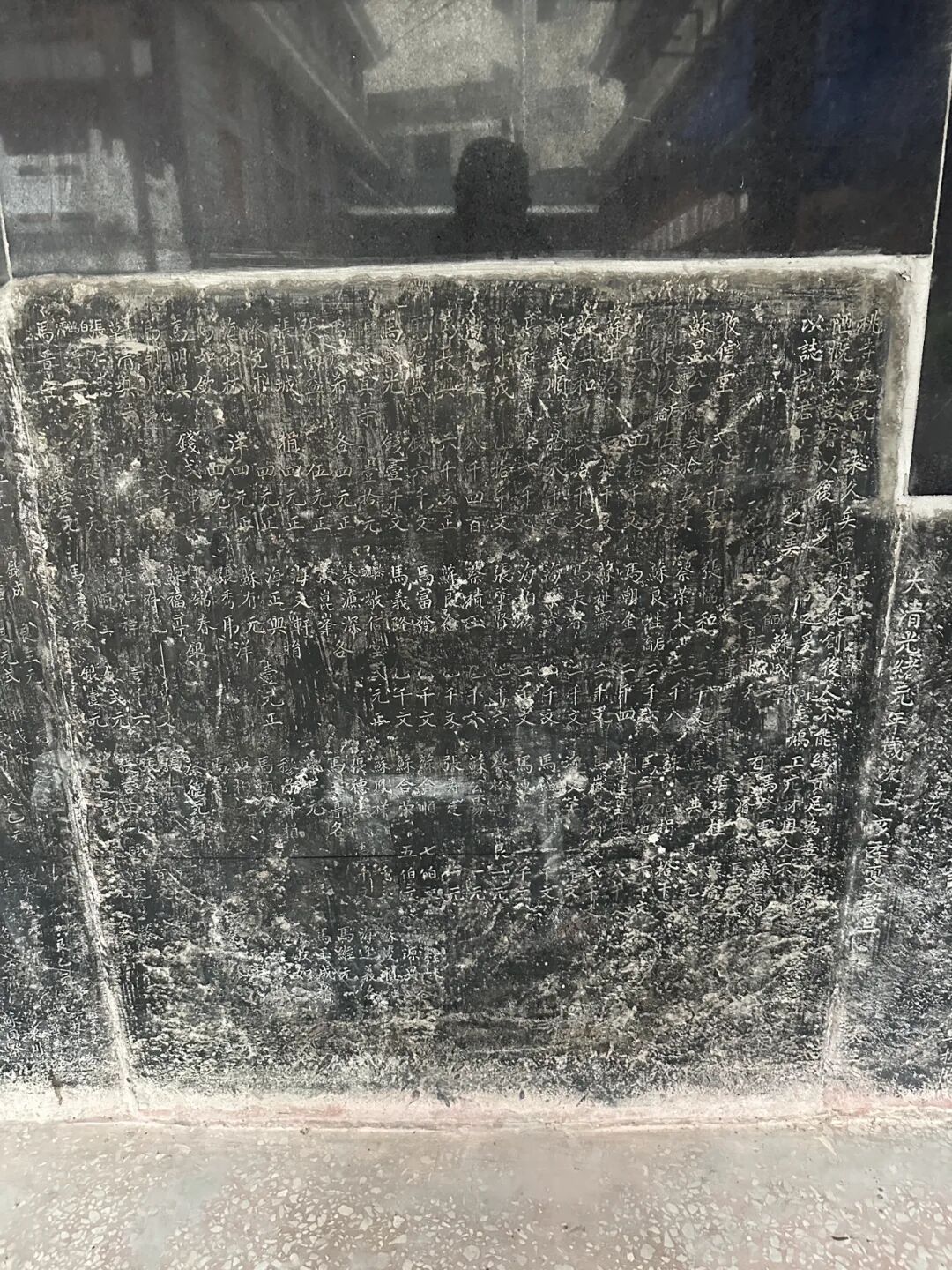
Taohuaping Mosque preserves a large number of stone tablets from the Qing Dynasty and the Republic of China, which are precious historical records:
The 1859 "Stele for Renovating the Front Gate"
The 1846 "Restoring the School" stele
The 1841 "Renovating the Rear Hall" stele
The 1834 "Righteous School Stele Record"
The 1822 "Everlasting Innovation, Building and Repairing the Everlasting, Immortal Names of Public Donors" stele
The 1928 "School Construction and Repair Stele"
The 1910 "Jingxin Hall" stele
The 1875 stele view all
Summary: This China mosque travel guide covers eight historic mosque complexes in Longhui, Shaoyang, Hunan, with local Hui Muslim heritage and mosque travel details kept in clear English.
This article summarizes the key points about the eight mosques (sifang) in Longhui County, Shaoyang, Hunan. It keeps the original paragraph and image order. It is for readers interested in Muslim life, Islamic culture, and Chinese Islamic writing. It also helps people search for content like Chinese halal food.
Longhui County in Shaoyang City, Hunan, has a large population of Hui Muslims. I visited eight mosques there: Taohuaping Mosque, Shanjie Ancient Mosque, East Mosque, West Mosque, South Mosque, North Mosque, Luobai Mosque, and Niejiaoting Mosque. I will share them with you below.
Shanjie Ancient Mosque in Longhui County, Shaoyang, Hunan, is located in Laowuli, Shanjie Township. It was first built in 1444 (the ninth year of the Zhengtong reign of the Ming Dynasty) and is the oldest mosque in Longhui. During the Hongwu reign of the Ming Dynasty, Ma Zhi, the third son of Ma Cheng, the ancestor of the Ma family Hui Muslims in Shaoyang, moved from Shaoyang to Majia Ferry in Longhui to settle down. He was the first Hui Muslim in Longhui, and Shanjie Ancient Mosque was built by the Ma family.
Shanjie Ancient Mosque was renovated in 1919 and rebuilt into its current appearance in 2018.
Shanjie Ancient Mosque has a long tradition of teaching Islamic scripture. The head imams who have taught there include Ma Yulang, Ma Fujiu, Ma Fucheng, Ma Yucheng, Ma Yaochi, and Ding Zhenyi. They also hired imams from other places like Huang Xingxiang and Li Desheng. Ma Fucheng, an imam from this mosque, taught there for the longest time. In 1945, Imam Ma Yucheng taught at the ancient mosque and recruited many students (hailifan), marking the peak of the mosque's religious activities. To this day, the mosque continues its educational work and has trained many excellent young people.
On September 2, 1939, the Wugang County, Hunan branch of the China Islamic National Salvation Association was officially established at the mosque. The mosque's imam, Ma Fucheng, was elected as an officer. Inspired by the call to resist Japanese aggression and save the country, young Hui Muslims from the mosque, including Ma Qiyun, Ma Wuyang from the North Mosque, and Su Xingmin from Beishan, signed up for the army, took up arms, and headed to the front lines in East China.
Relics at Shanjie Ancient Mosque include stone pillar bases, wood carvings, and calligraphy of the mihrab in the kiln niche.
The stone couplet on the main gate reads: Clear the murky and promote the pure to follow the great path; preserve the truth and remove the false so that every generation has successors. The calligraphy was written by Ma Linyi, a Hui Muslim educator and Minister of Education in Shaoyang during the Republic of China. He is known as the Father of Northwest Education and the founder of modern Chinese Hui Muslim education.
Ma Linyi was born in Shaoyang, Hunan, in 1865. He passed the imperial examinations in 1902 and went to Japan on a government scholarship in 1904 to study teacher training. During that time, he met Sun Yat-sen, joined the Tongmenghui in 1905, and returned home to work on new government policies and modern education. In 1906, he founded Xiejin Primary School in Shaoyang, which was the first modern school for Hui Muslims in Hunan.
In 1908, he was transferred to the Qing government's Ministry of Education as a director. That same year, he helped establish the Beijing First Islamic Primary School inside the Niujie Mosque and later helped found the Islamic Education Association. While serving as Vice Minister of Education in 1912, Ma Linyi founded the Chinese Islamic Progressive Association with the support of Sun Yat-sen and served as its president.
While in charge of education in Gansu, Ma Linyi founded 277 schools of various types and set up the Gansu Islamic Education Promotion Office, spreading over a hundred Islamic primary schools across Gansu, Ningxia, and Qinghai. He selected over a hundred young people from the Northwest for government-funded study abroad, laying the foundation for modern basic education in the Northwest.
In 1928, Ma Linyi helped found the Islamic Middle School in Niujie and served as its vice chairman. In 1929, Ma Linyi became a board member of the Beiping Chengda Teachers' College. He actively updated the curriculum and improved teaching methods, helping Chengda develop into a modern school. In his later years, Ma Linyi devoted himself to the faith and served as an advisor to Wang Jingzhai for his translation of Islamic classics.
Shanjie East Mosque was first built in 1728 (the fifth year of the Yongzheng reign). The mosque has hired many imams over the years, including Su Yuebo, Ma Yulang, Ma Baochu, Zheng Liansheng, Ma Yuechi, Ma Yucheng, Tang Yuanqi, Hai Shiquan, Ma Chengyong, Ding Baohua, Ma Gen'ao, Ma Xiang'ao, and Ma Wuquan. Students from as far as Hainan and Guangxi came to study under the great imam Ma Yucheng in Gansu, and the local religious community was very prosperous.
It is a pity that the mosque was locked when I visited, so I could not go inside.
Shanjie West Mosque, also known as Jiajian Village Mosque, was first built in 1836 (the 16th year of the Daoguang reign). It was expanded during the Guangxu and Republic of China periods, and the local Hui Muslims there are surnamed Ma, Huang, and Zheng. The imams who have served at the mosque include Ma Chaoxin, Zheng Liansheng, Ma Daocheng, Ma Fucheng, and Ma Liangxu. The main hall of the West Mosque collapsed in 1991. It was being rebuilt when a flood destroyed it in 1996. After raising funds again, it was officially completed at the end of 1996 and renovated again in 2013.
The mosque houses a stone tablet from the 11th year of the Guangxu reign titled 'Record of Continued Mosque Repairs,' which lists the names of the donors at that time and serves as a precious historical record.
Shanjie North Mosque, also called Sifangjing Mosque, was first built in 1824 (the 4th year of the Daoguang reign), and the local Hui Muslims there are surnamed Ma. The main hall was destroyed after 1966. It was rebuilt in 1991 and again in 2000, with only the original stone gate pillars remaining. The pillars are carved with a couplet by the Republic of China educator Ma Linyi: 'To study the Way, one must seek the source; why ask about Jesus, Buddha, or the Greeks? To unite with Heaven is to enter the path of the sages; ancient and modern, Chinese and foreign, all share the same principle.'
Regrettably, the Shanjie North Mosque was also locked when I visited, and I could not enter.
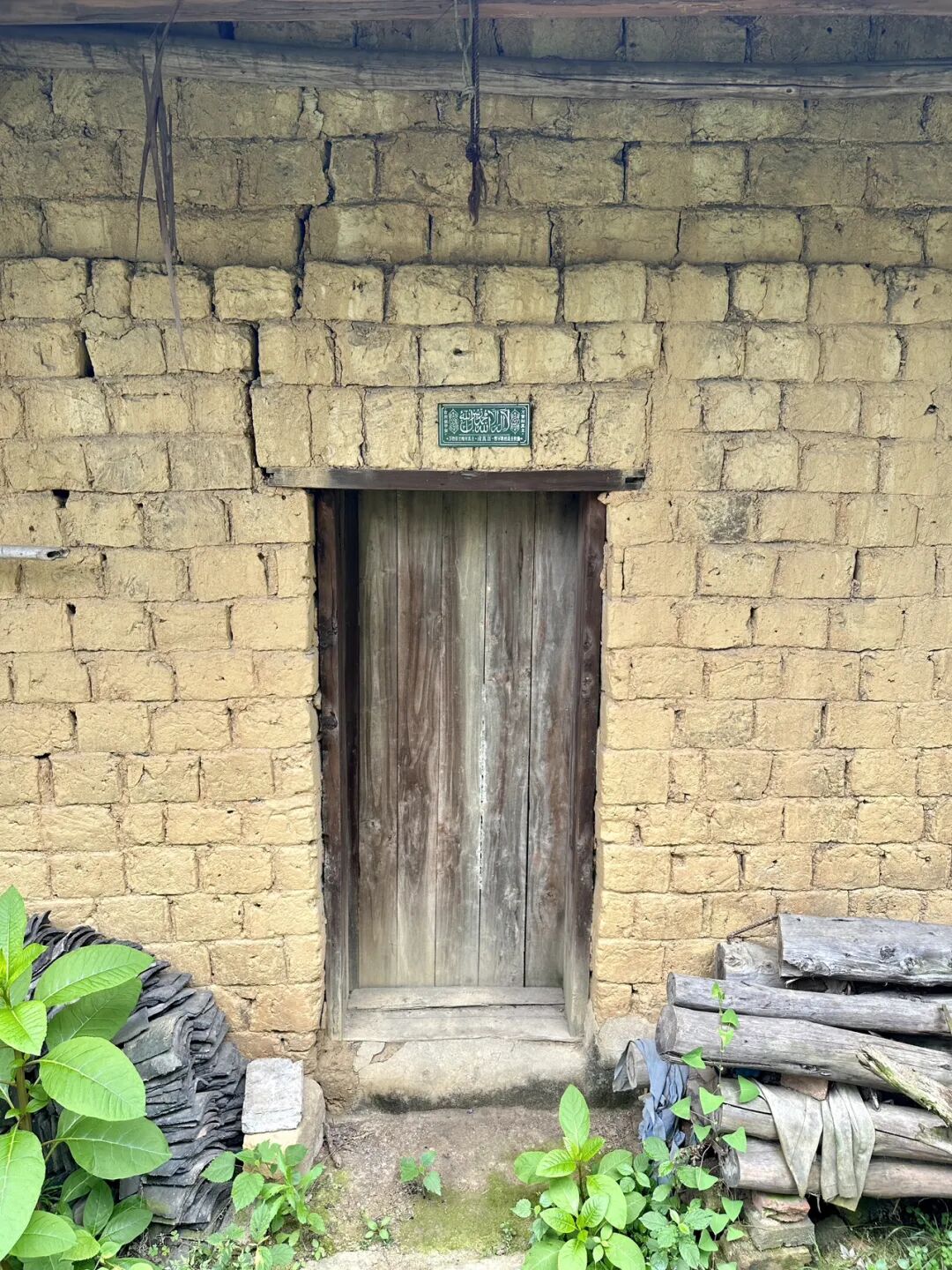
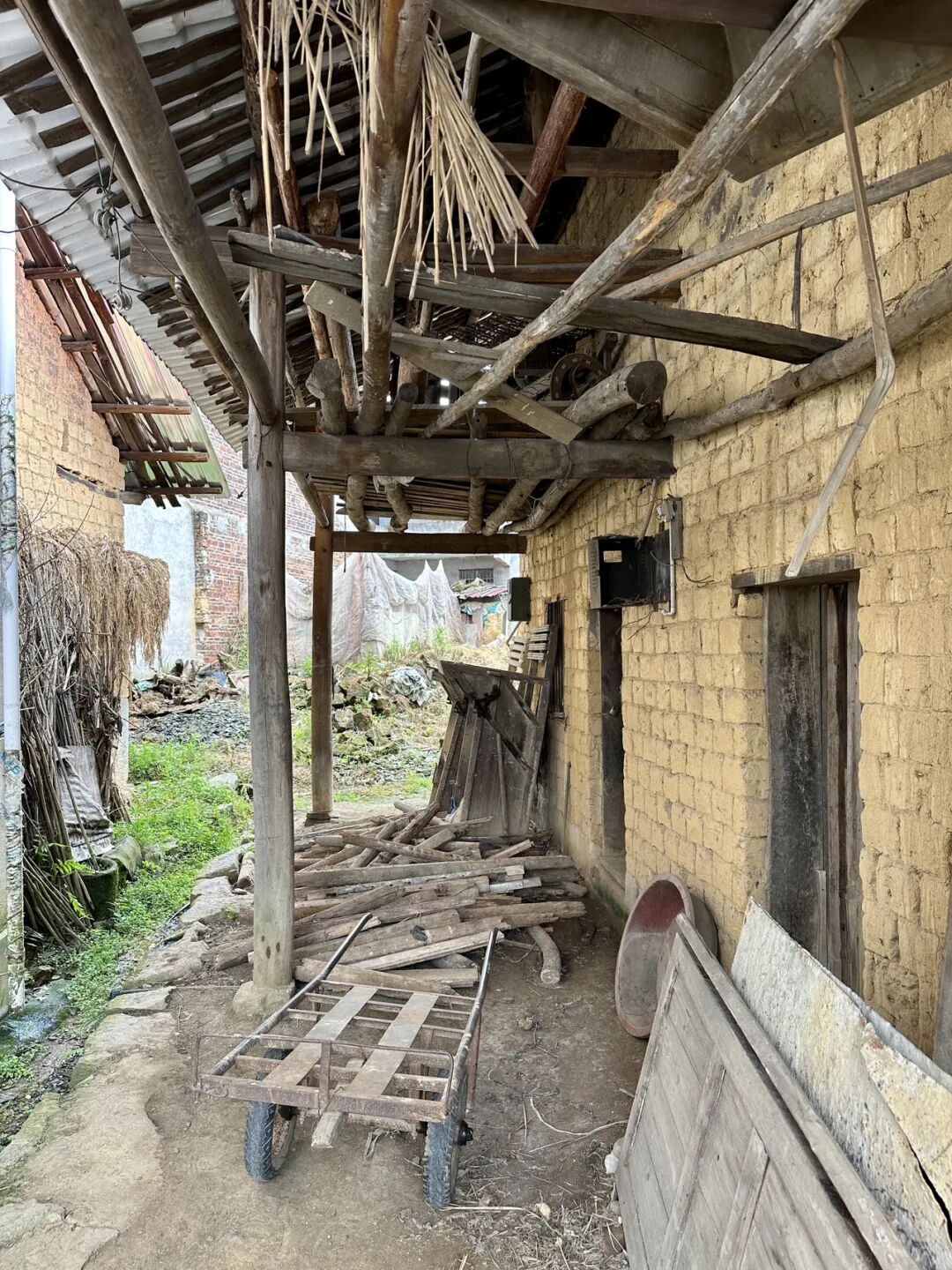
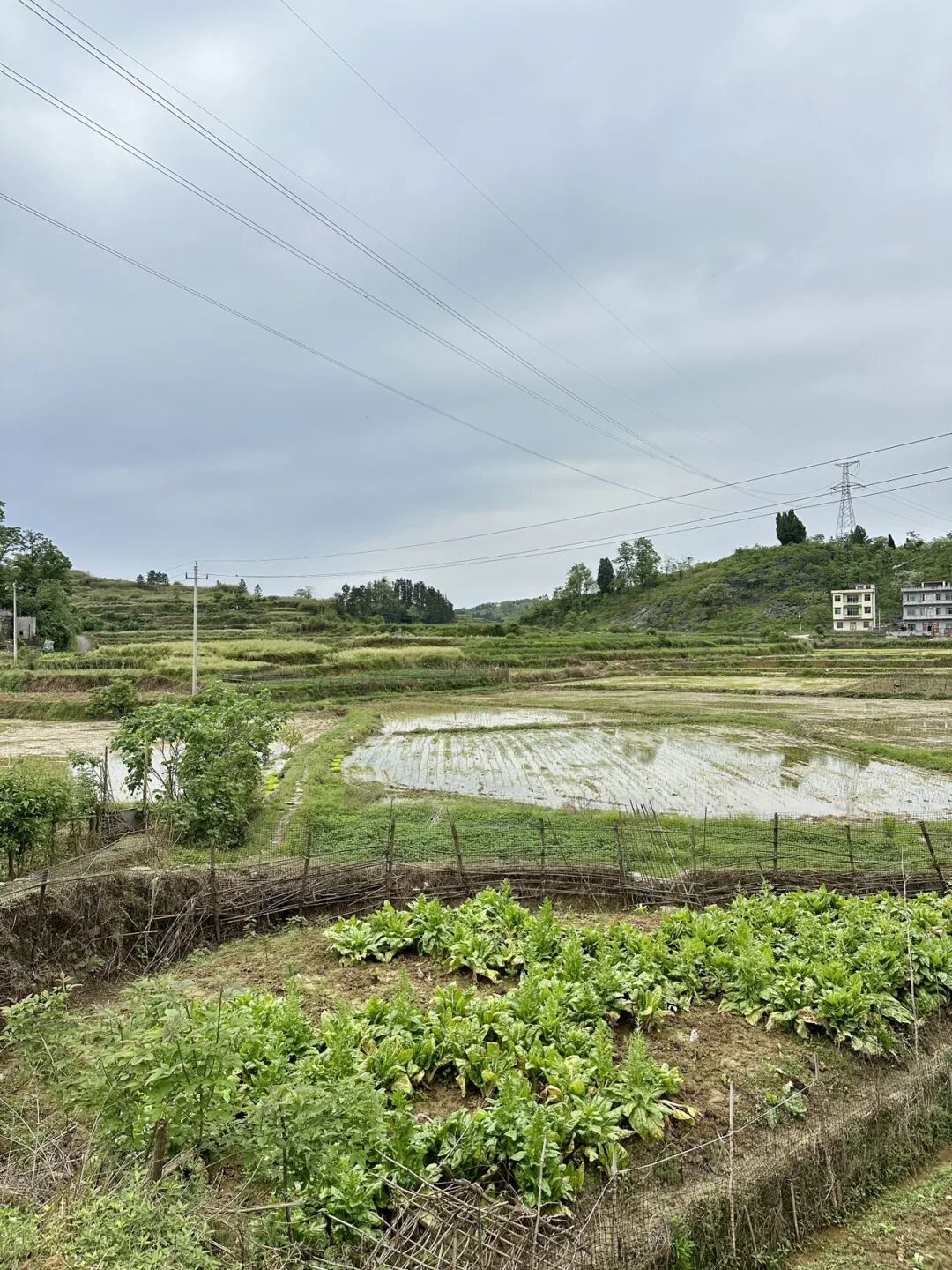
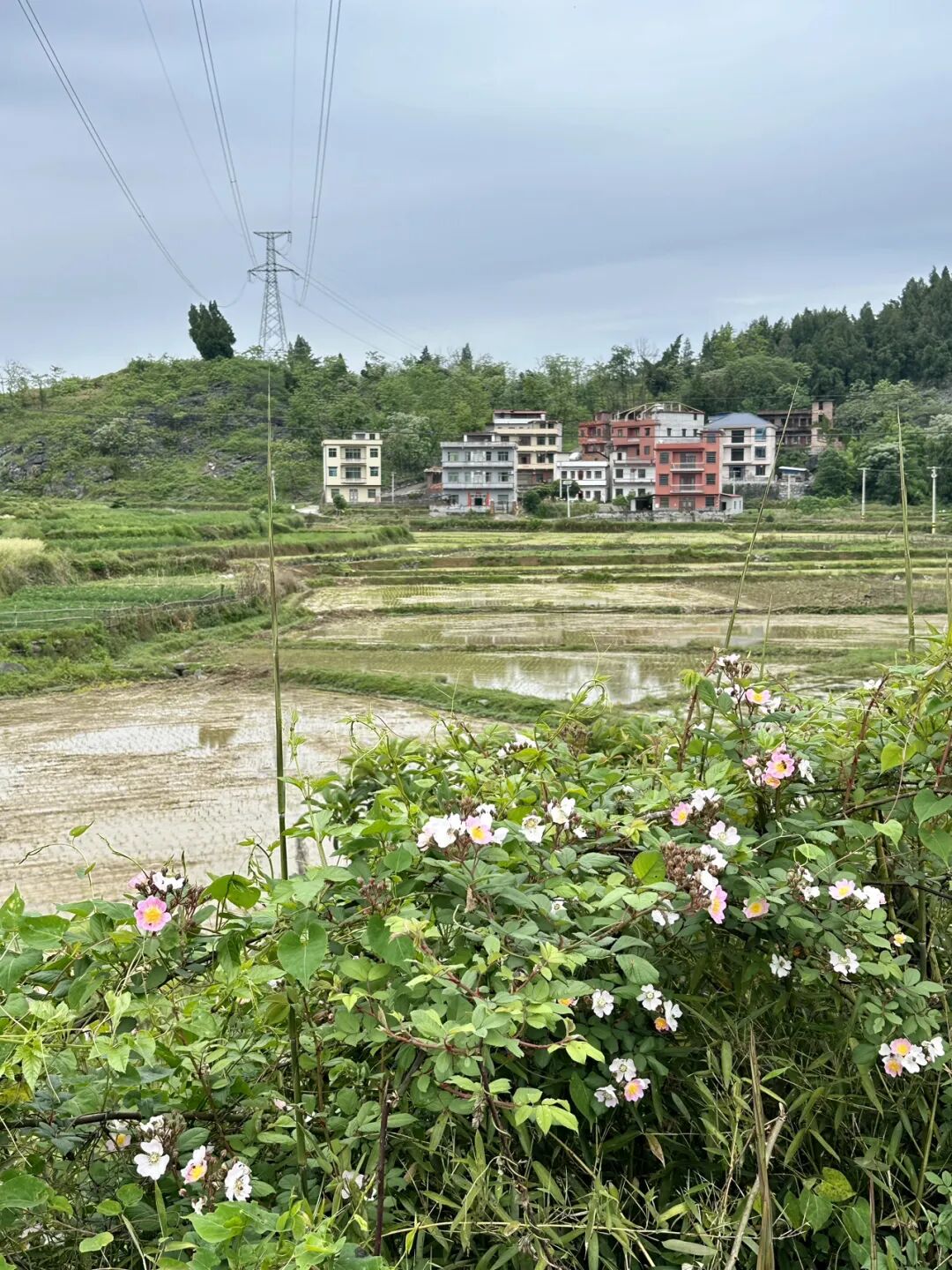
Shanjie South Mosque was first built in 1768 (the 33rd year of the Qianlong reign). The local Hui Muslims are surnamed Ma, and the imams who have taught there include Ma Baochu, Zheng Liansheng, Li Bashan, Ma Fucheng, Ma Daocheng, and Ma Fu'en.
Ma Yingdong, a local resident, went to study in Japan in 1905 and joined the Tongmenghui. In 1907, he helped organize the 'Eastern Islamic Education Association' and founded its journal, 'Awakening the Hui' (Xing Hui Pian). After returning home from his studies, Ma Yingdong dedicated himself to Hui Muslim education and founded the modern Gongjin Primary School at Shanjie South Mosque, where he served as principal.
It is a pity that the Shanjie South Mosque was locked when I visited, so I could not go inside.
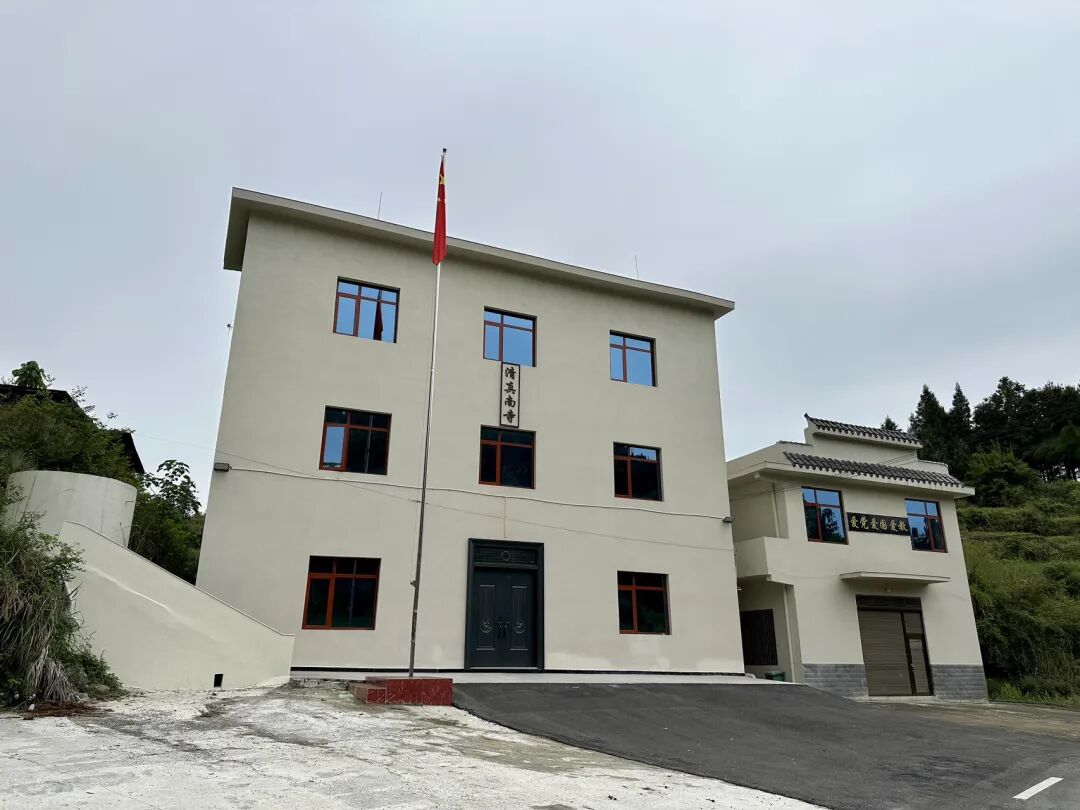
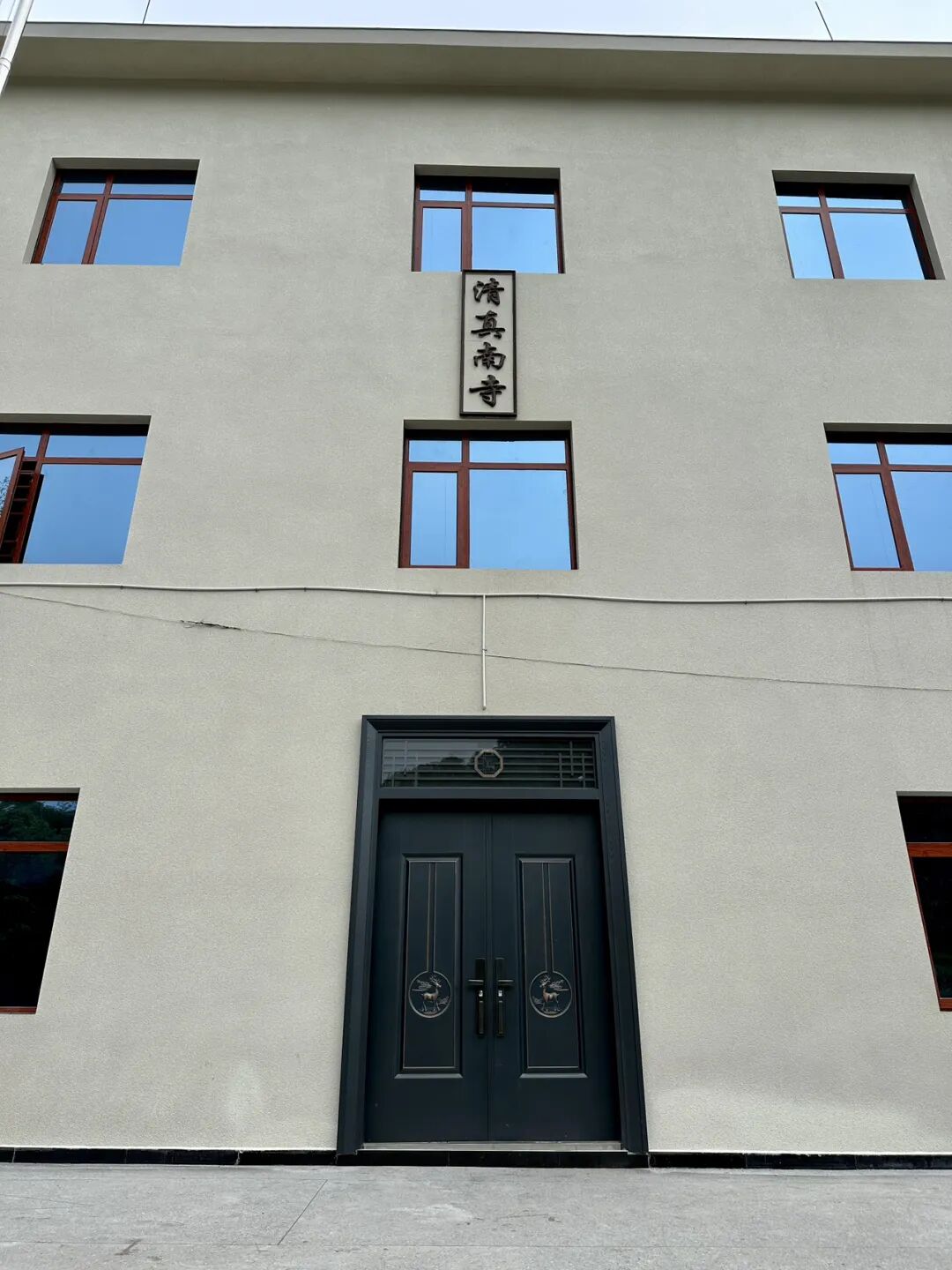
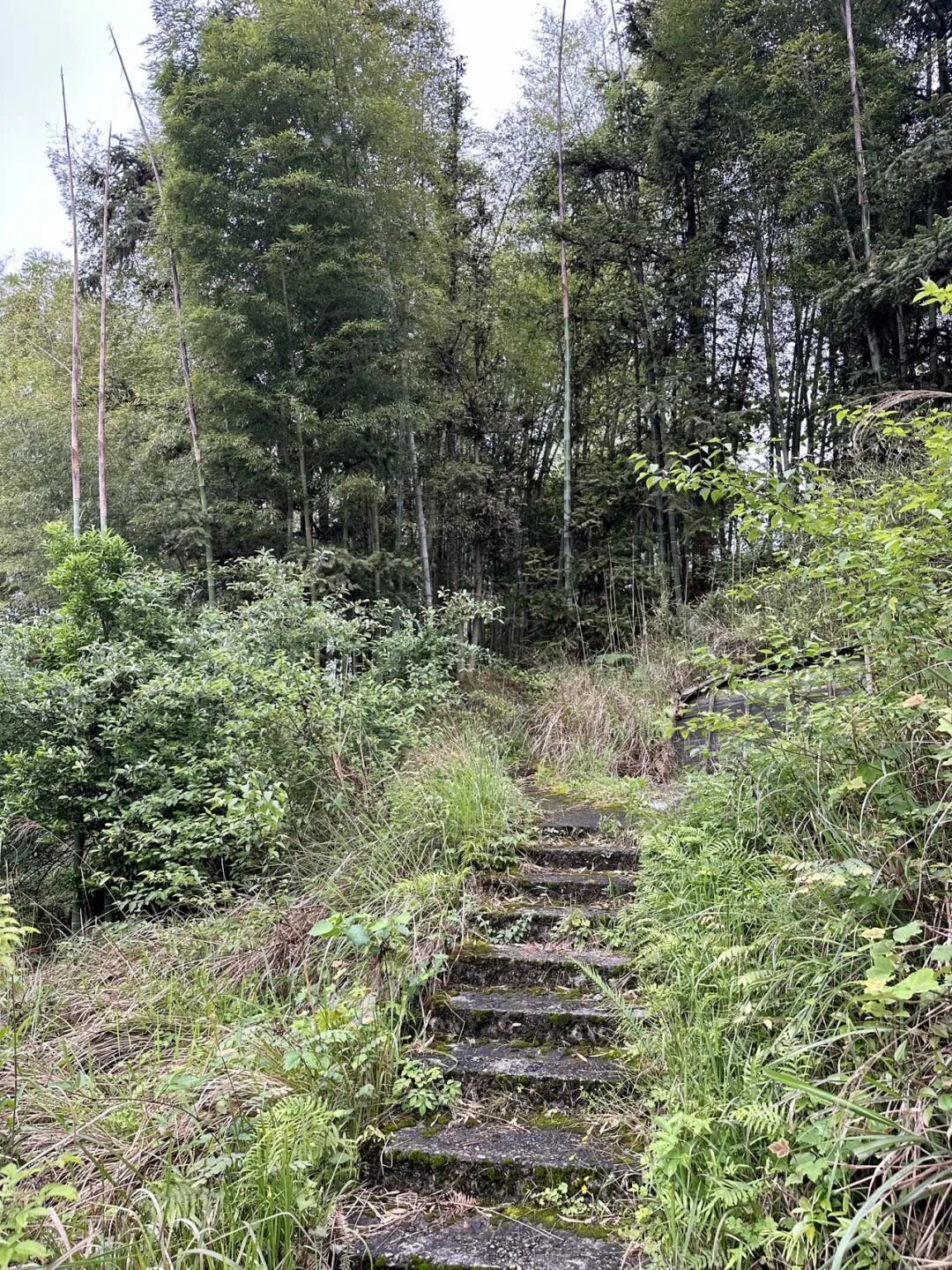
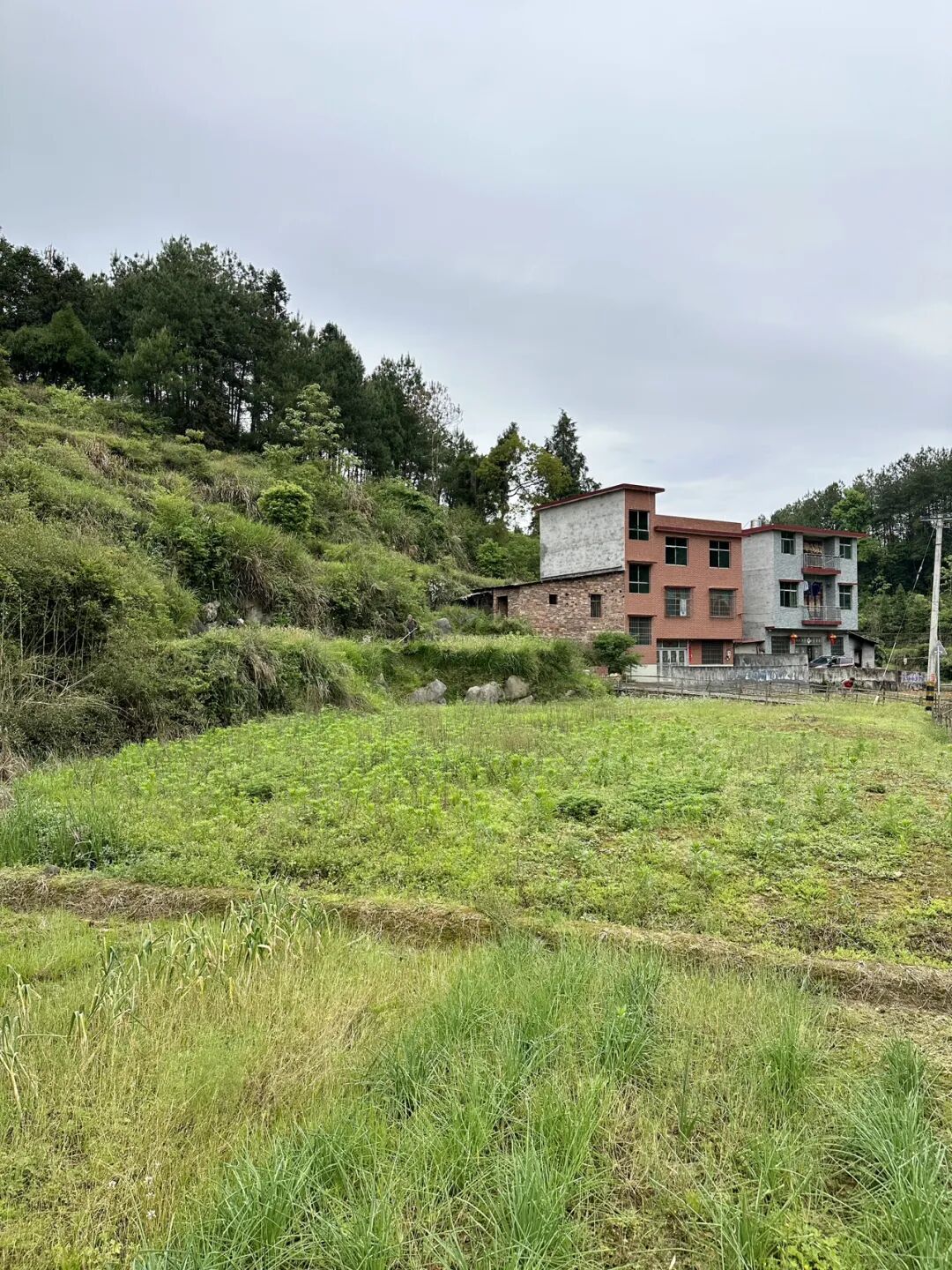
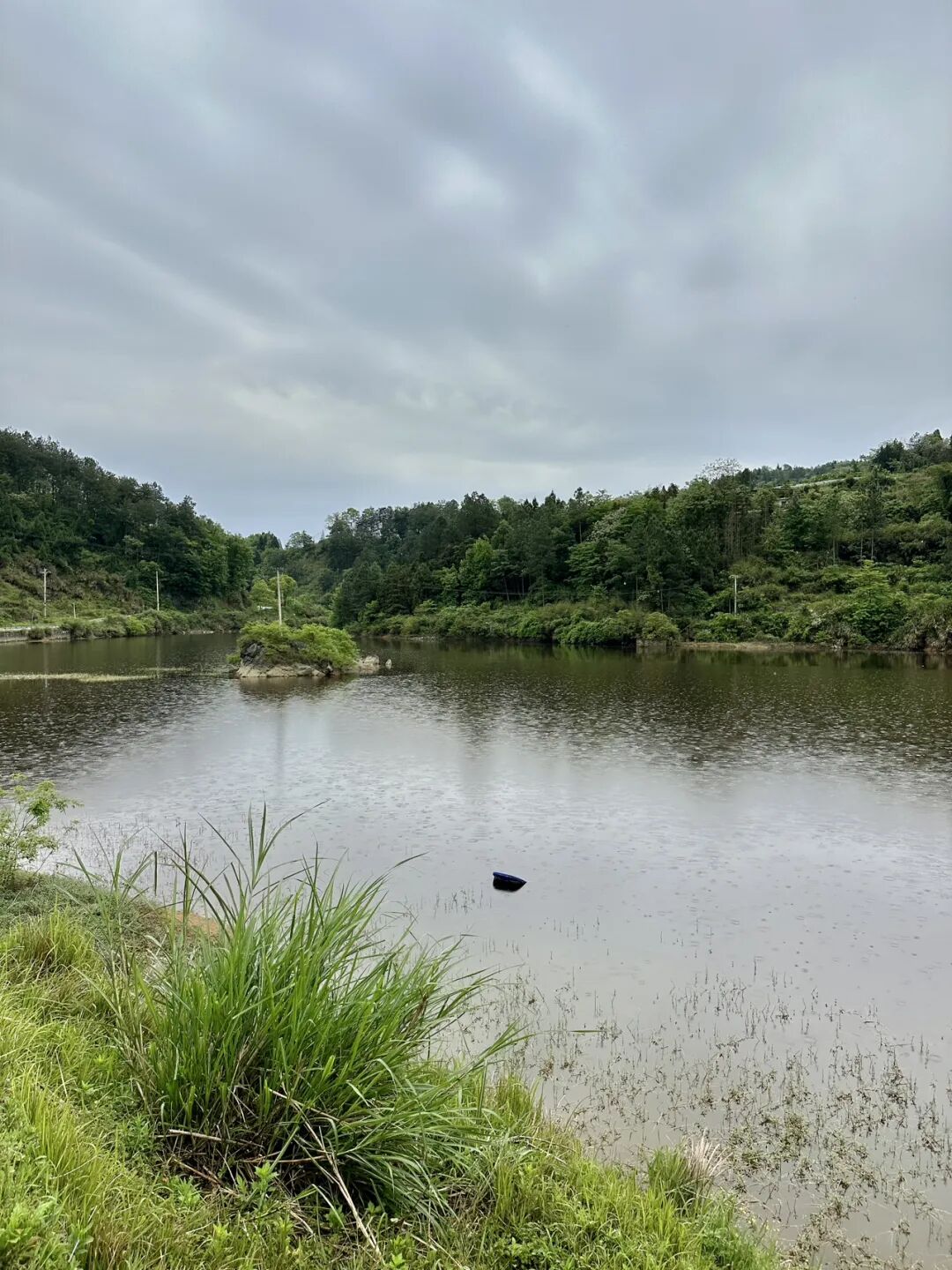
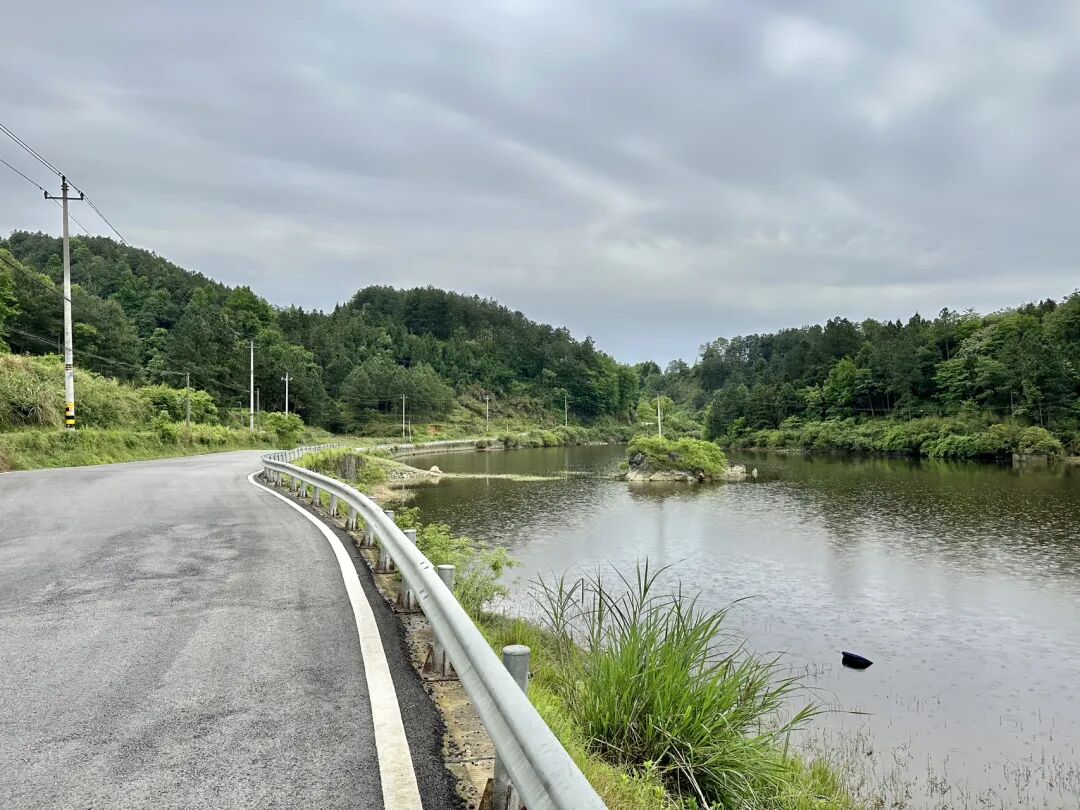
Luobai Mosque was first built in 1933, and the local community members are of the Ding surname. Hui Muslims moved to Luobai in the early Qing Dynasty. For a long time, they were affiliated with the Shanjie South Mosque, but the distance made it very inconvenient. In 1933, Imam Ding Zhenyi, a Luobai Hui Muslim who taught at the Gansu Hui Language Institute, resigned from his teaching position to return home and organize the construction of a mosque. Imam Ding traveled everywhere to raise funds and finally built Luobai Mosque at the top of the Yaolong residential area in Luobai.
Imam Ding Zhenyi taught at the Luobai village primary school in 1939, and during that time, he started an introductory class for Islamic studies at Luobai Mosque. Later, he served as the imam of Hetian Mosque in Shaoyang and Liutang Mosque in Guilin, Guangxi. He also worked as a teacher at the primary school attached to Guilin Chengda Normal School, dean and professor at the Guilin Hui Language Institute, and professor at the Hainan Hui Language School. He helped organize the Wugang Branch of the Hunan Chapter of the China Islamic National Salvation Association and served as its general secretary.
Luobai Mosque was torn down in 1970, rebuilt in 1985, and rebuilt again in 2000 into the building that stands today. The mosque still has the original door plaque reading "Islamic Mosque" (Qingzhen Jiaotang) and a pair of couplets by the Republican-era educator Ma Linyi: "When seeking the source of the truth, why ask about Jesus, Buddha, or others? To unite with Heaven is to enter the path of the sages; ancient and modern, East and West, the principle is the same."
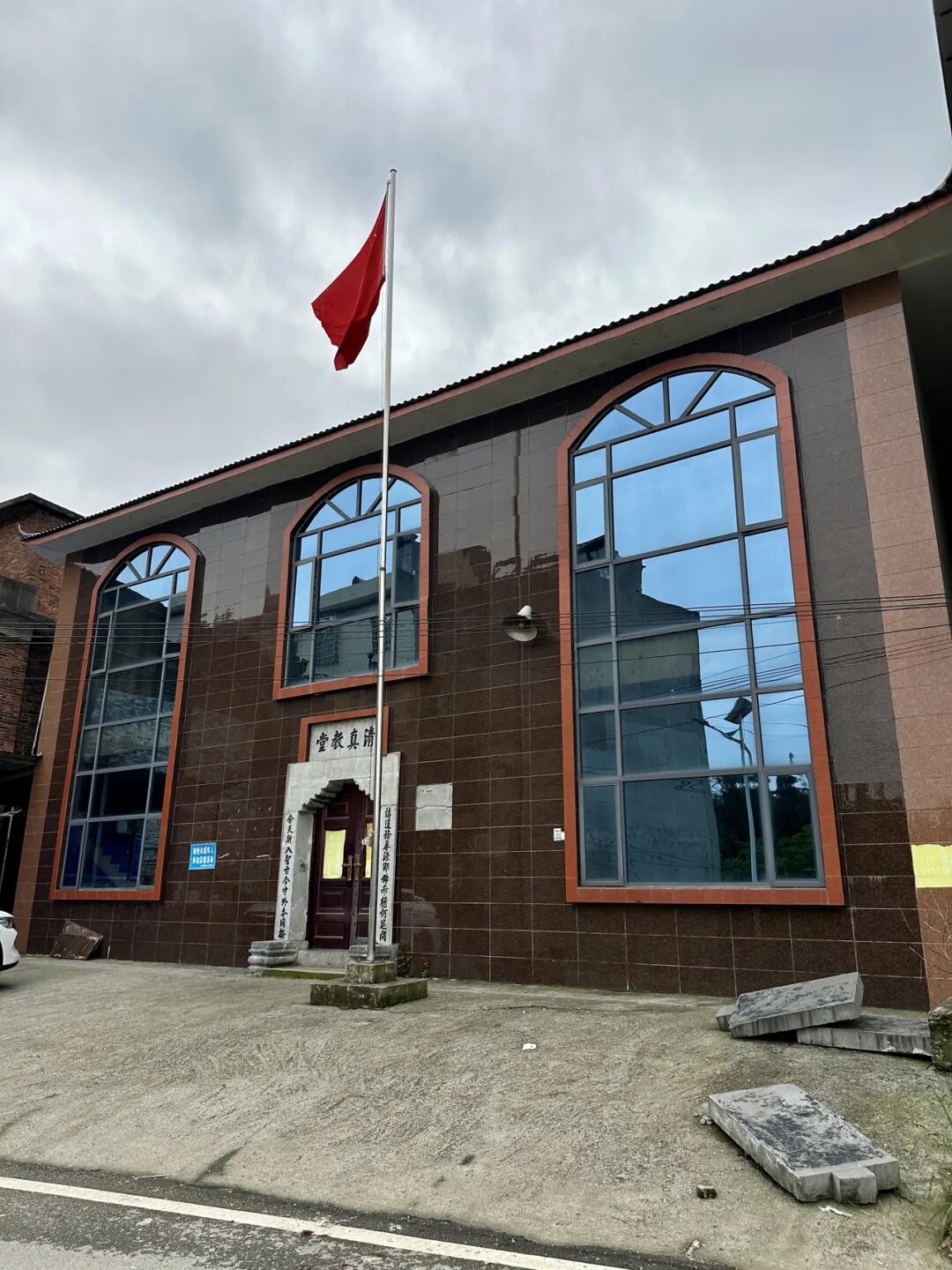
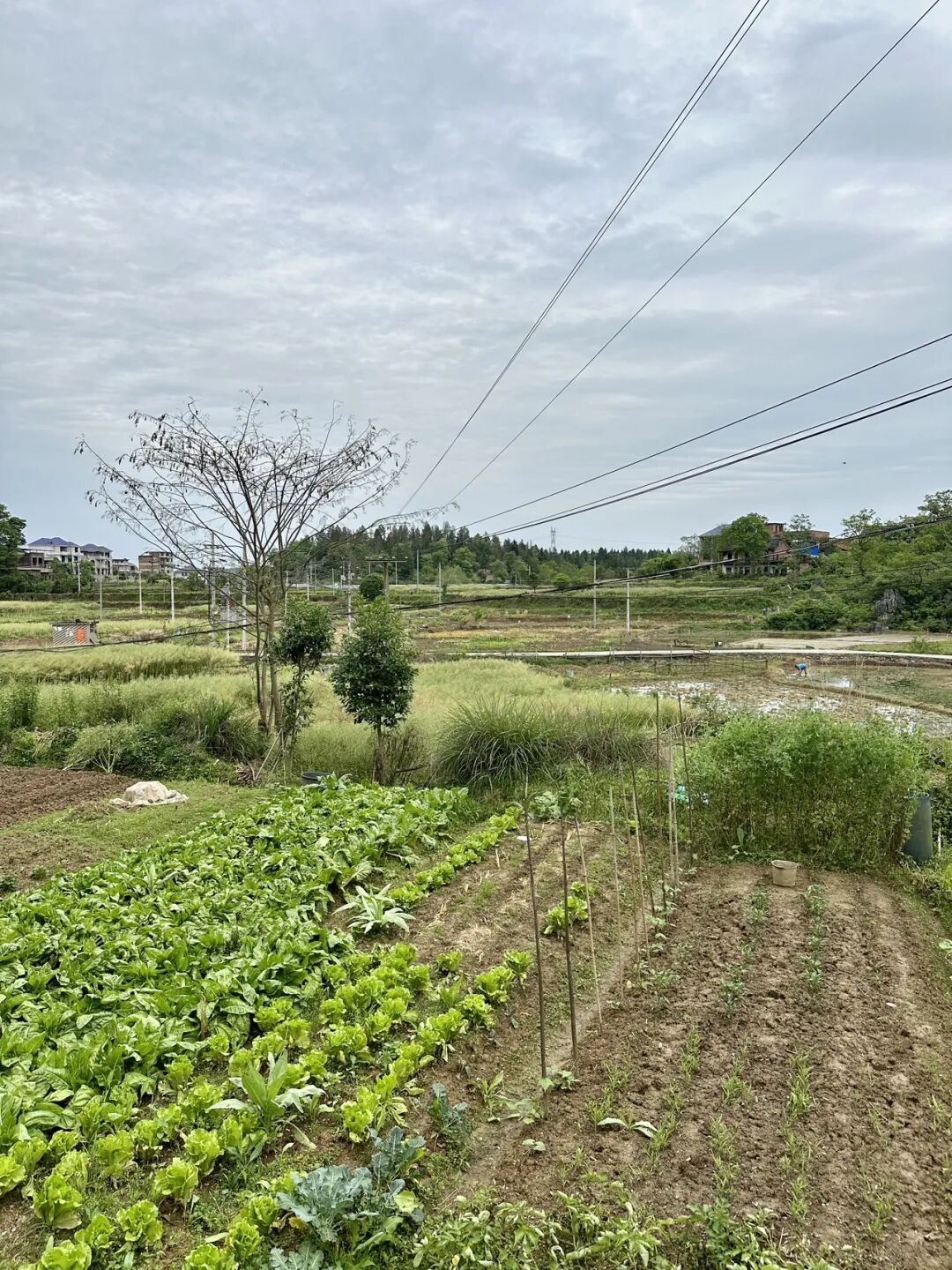
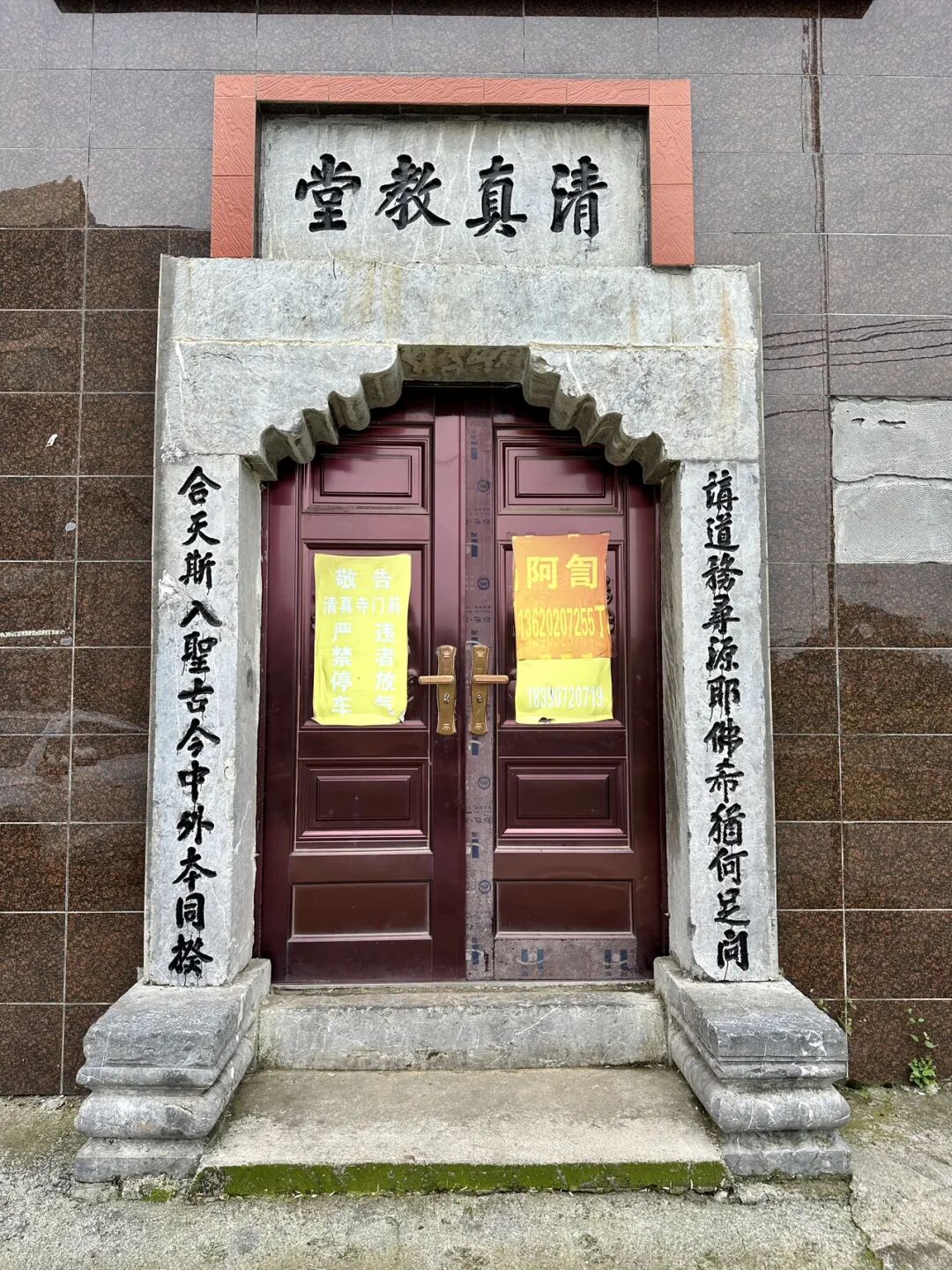
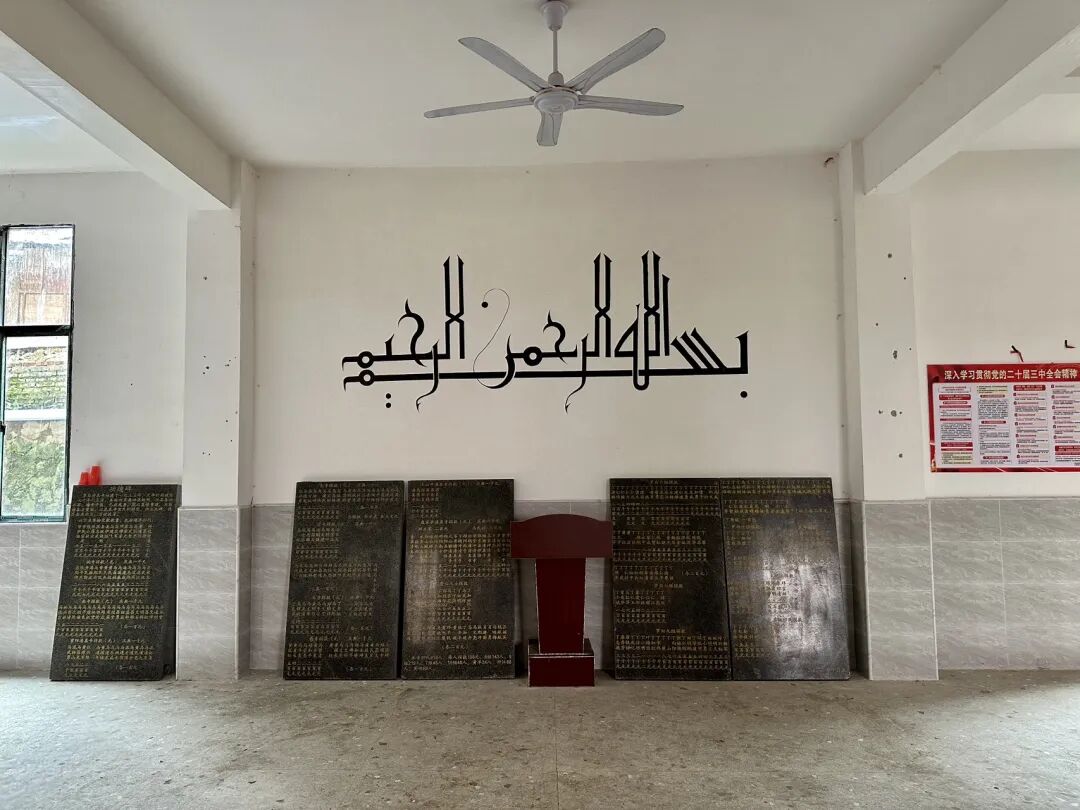
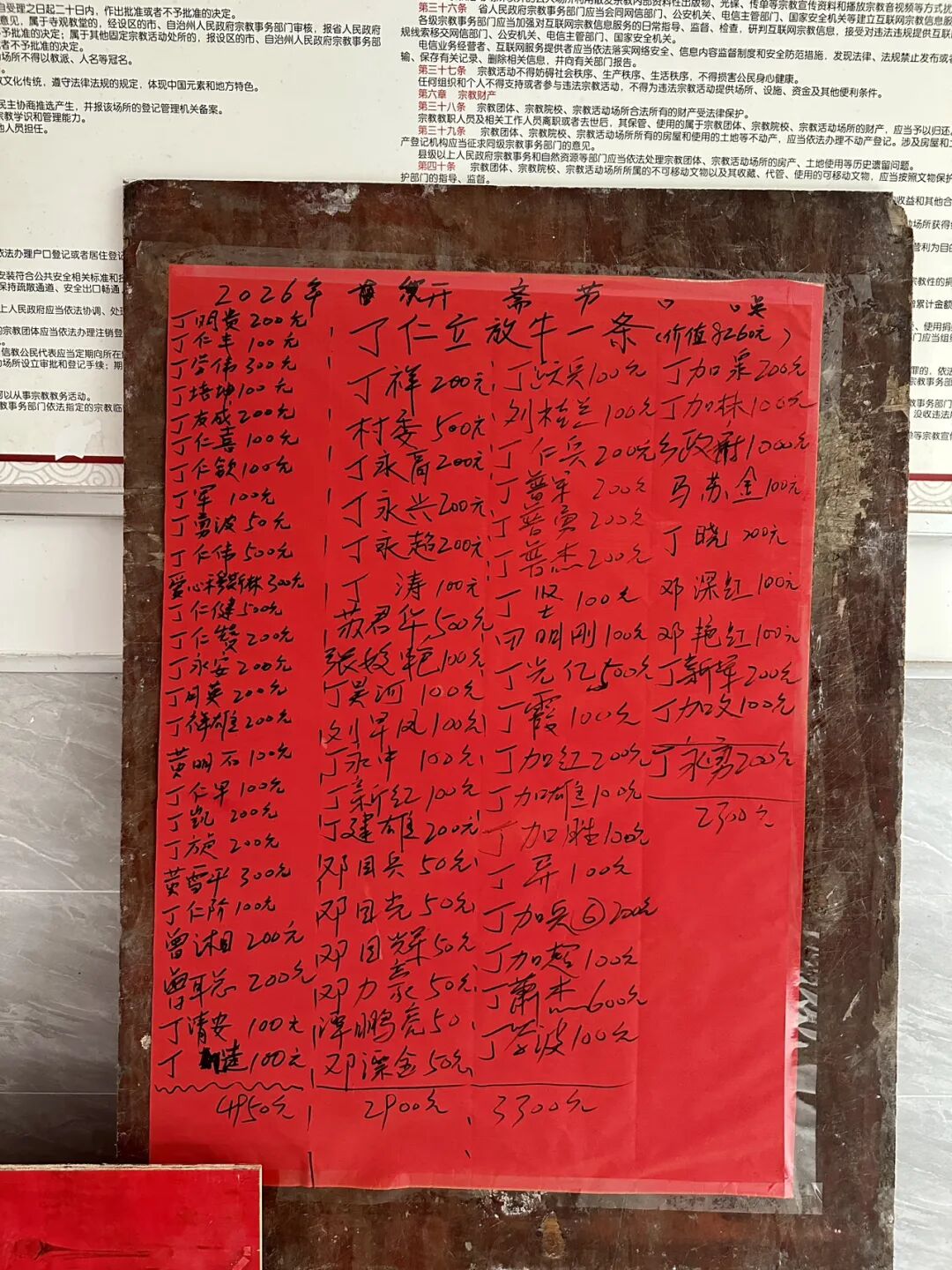
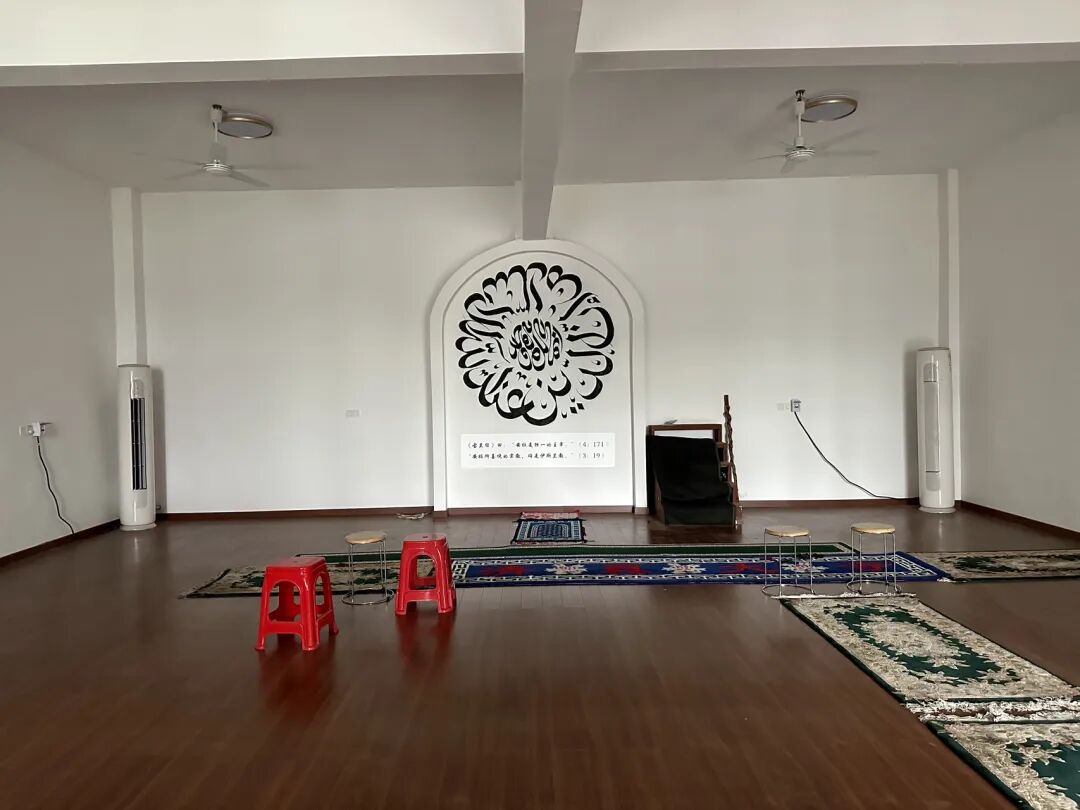
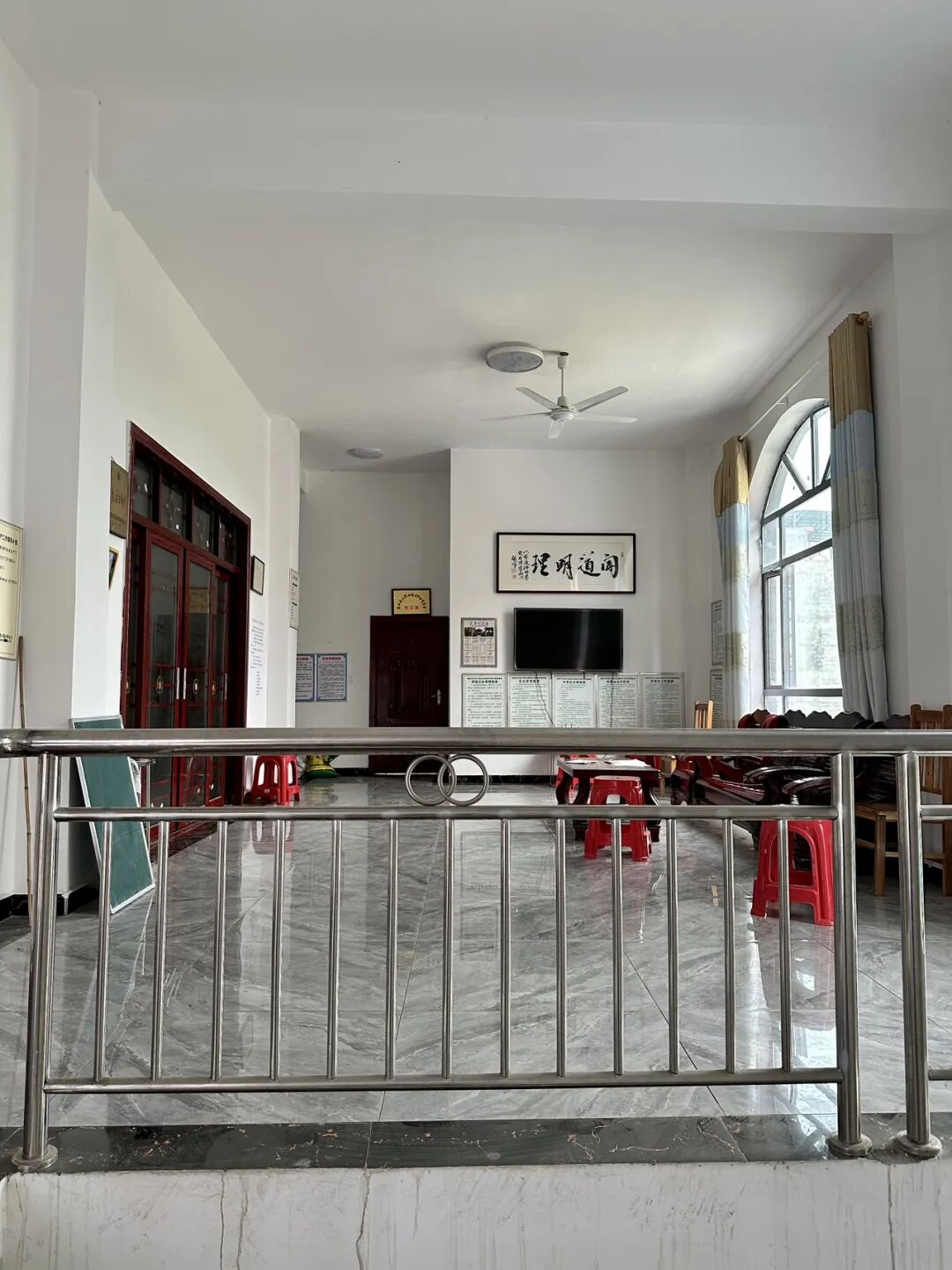
Niejiaoting Mosque was first built in 1926, and the community members are of the Ma, Hai, and Su surnames. Most of the Hui Muslims in Beishan Township, where Niejiaoting is located, moved there from other places in the late Qing Dynasty. Because it was inconvenient to perform namaz, Ma Youde, Ma Daofeng, Hai Liancheng, and others raised funds to build the mosque. The imams at the mosque include Ma Chunming, Ma Youlin, Imam Bu, Imam Zhang, Hai Siquan, and Deng Mengjun. Niejia Pavilion Mosque was destroyed after 1966, rebuilt later, and then rebuilt again in 2008.
The mosque houses the 1948 "Zhaoxiu Mosque Stele," which serves as a precious historical witness.
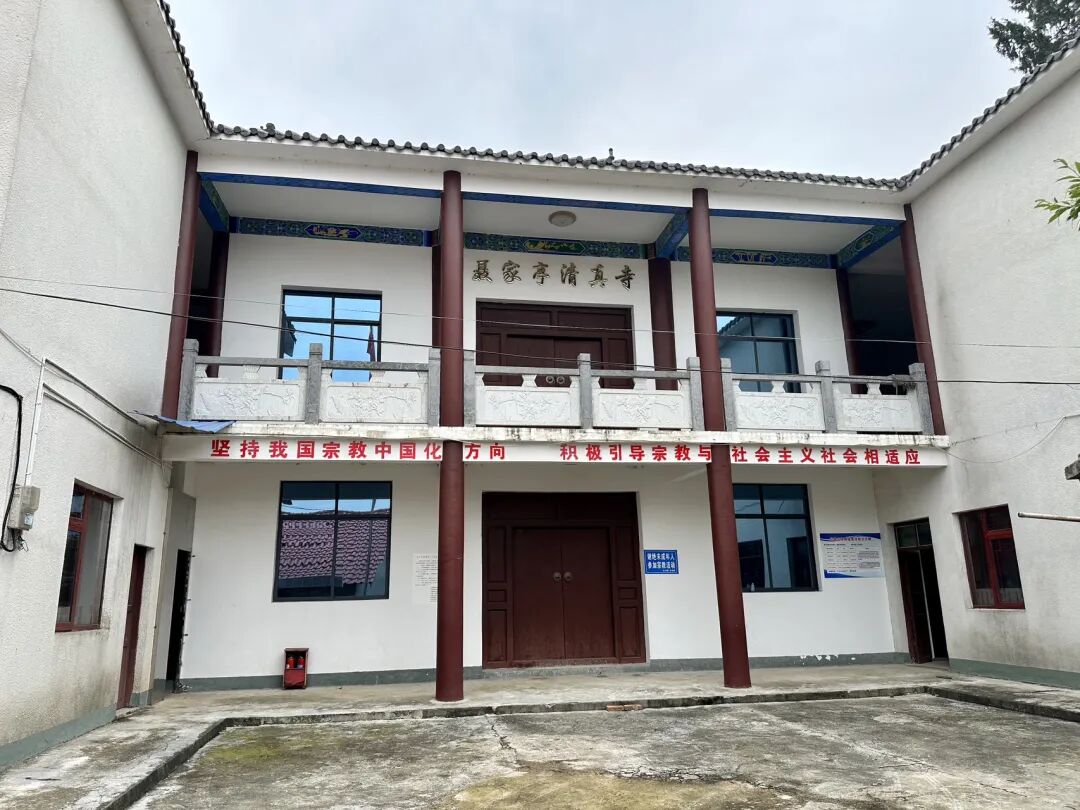
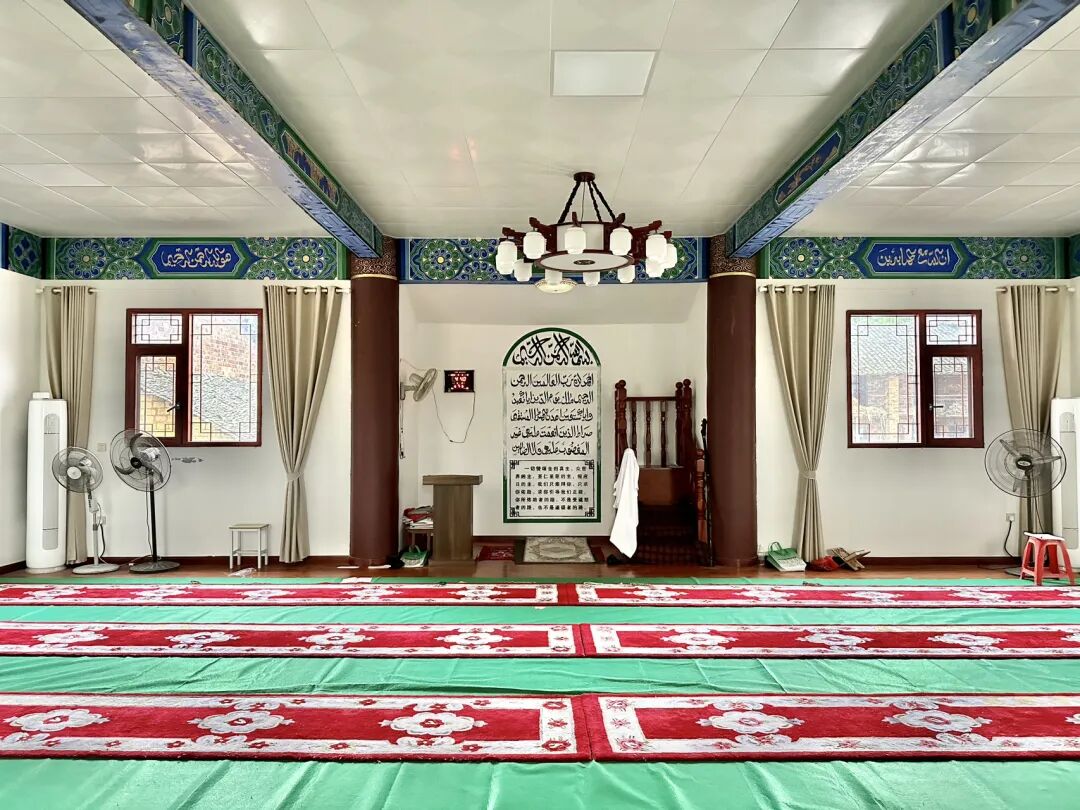
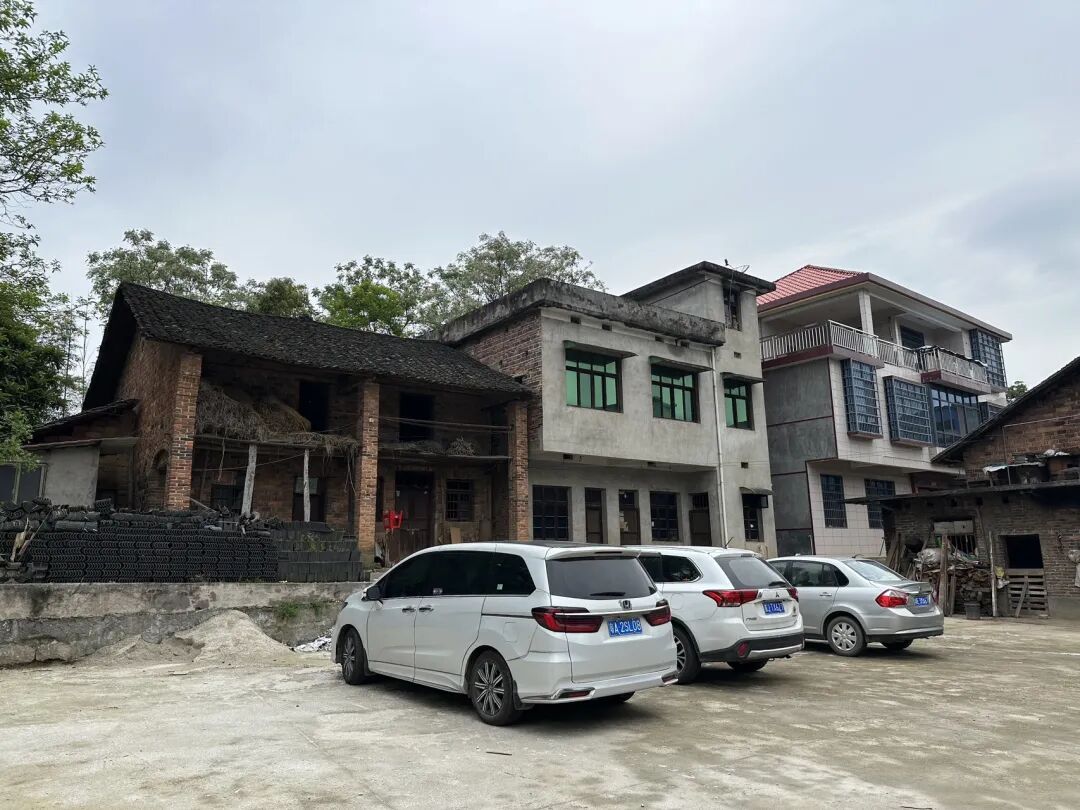
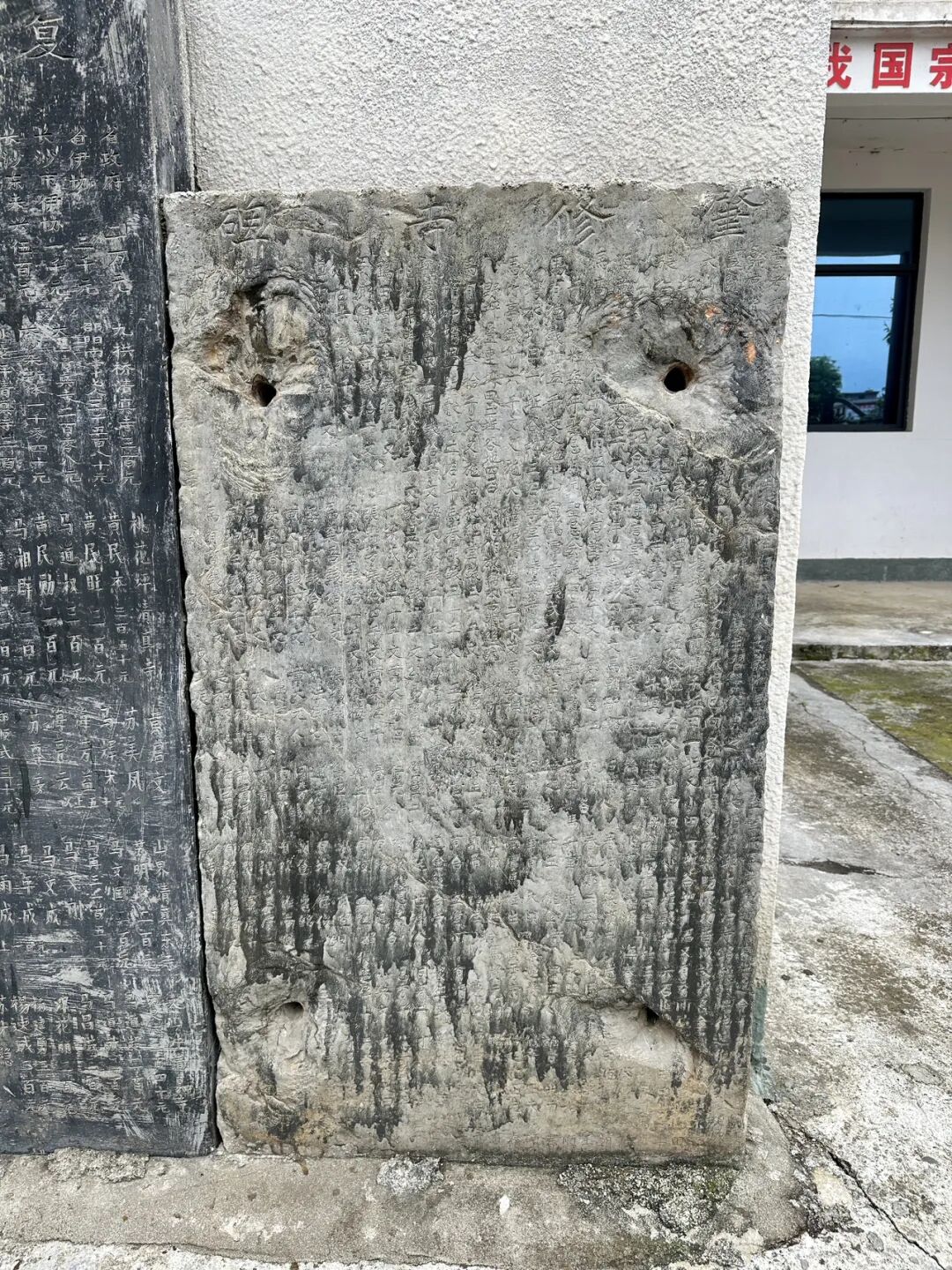
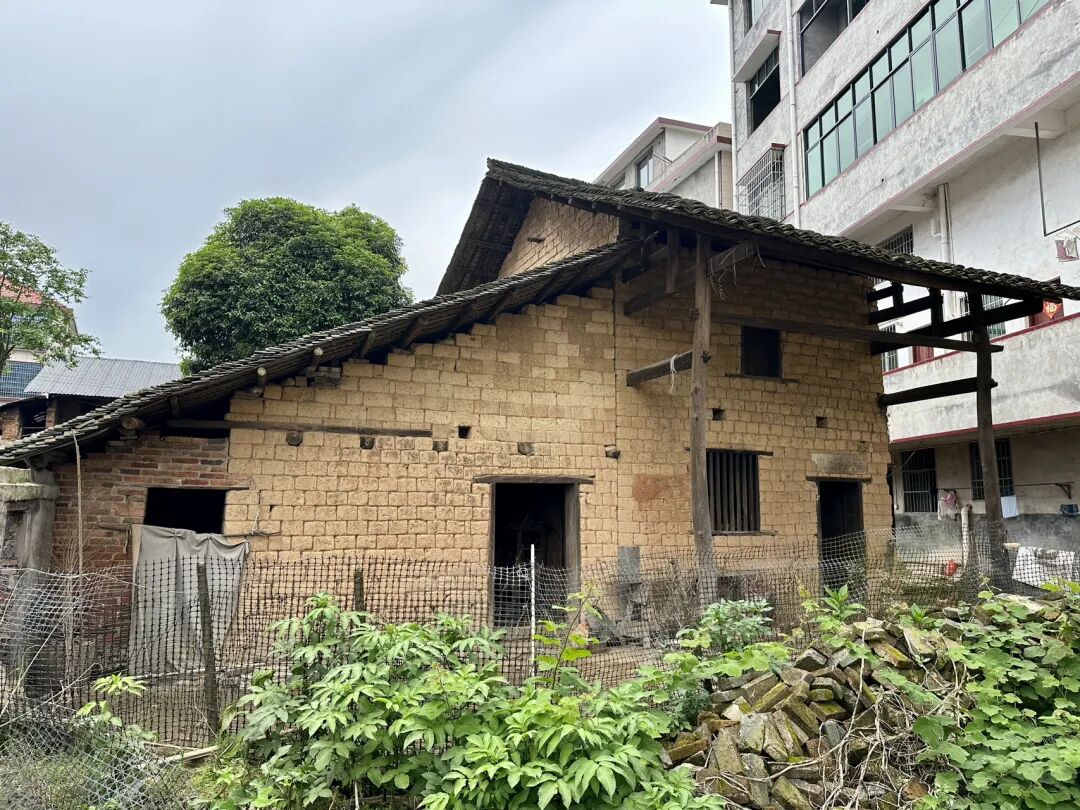
Taohuaping Mosque is in the center of the county. It was first built in 1820 (the 25th year of the Jiaqing reign). In 1827 (the 7th year of the Daoguang reign), it was expanded after buying shops owned by the Su and Ma families on the front street. In 1834 (the 14th year of the Daoguang reign), it bought three more shops in front of the mosque. In 1841 (the 21st year of the Daoguang reign), the rear hall was renovated, and in 1850 (the 30th year of the Daoguang reign), the front gate archway, garden, and second gate were built.
In 1941, the Taohuaping branch of the China Islamic National Salvation Association was established inside Taohuaping Mosque. It did a lot of work for anti-Japanese propaganda, provided housing for refugees from other areas, raised money for winter clothes for soldiers, and helped with evacuations. In 1941, Bai Chongxi performed worship at Taohuaping Mosque and issued a plaque stating, "Troops are forbidden from stationing inside the mosque."
Taohuaping Mosque was expanded again in 1953 and was finally rebuilt into its current structure in 2019. Currently, Taohuaping Mosque is the mosque with the second-highest number of visitors in Longhui County, after the ancient Shanjie Mosque.
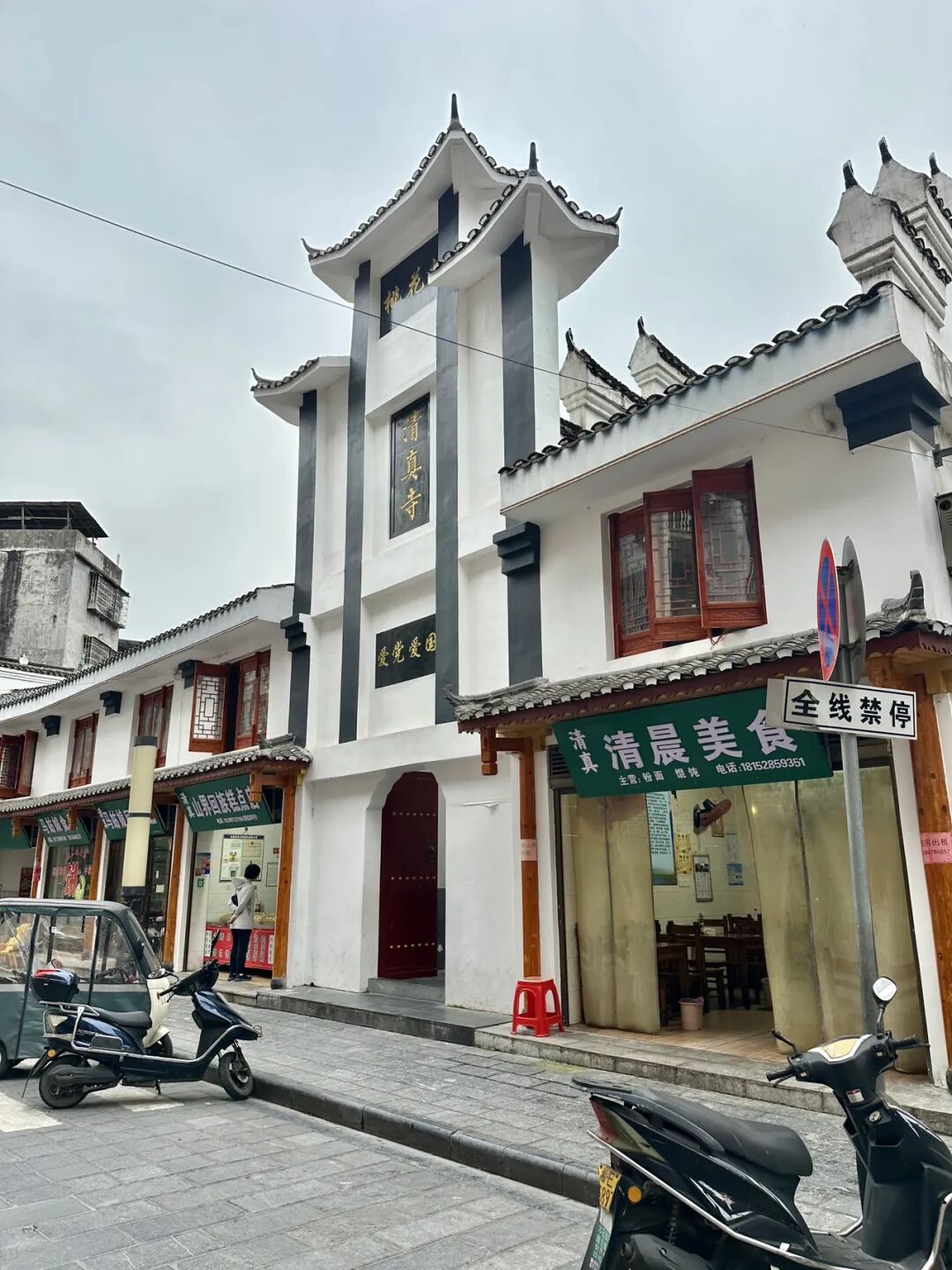
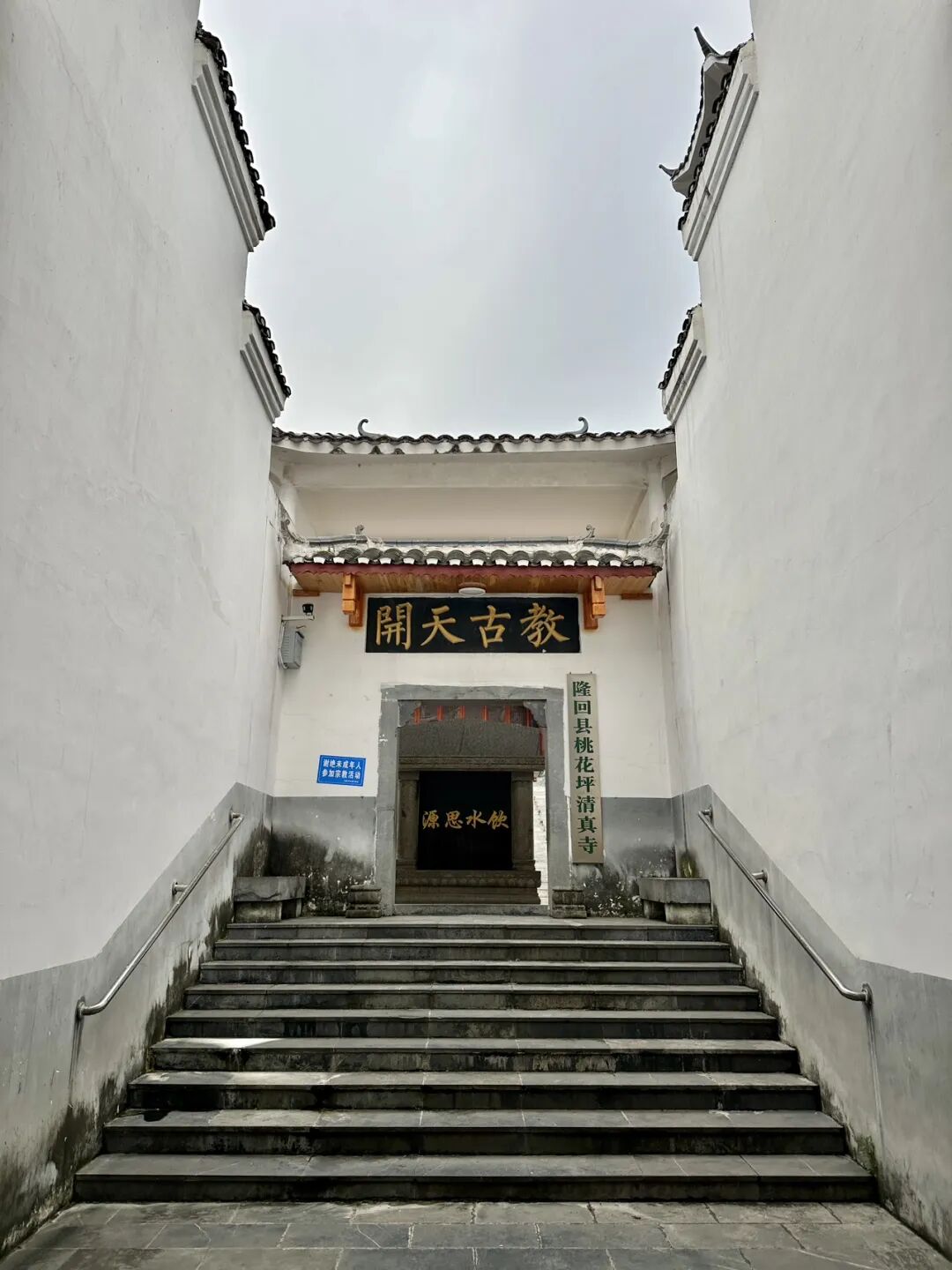
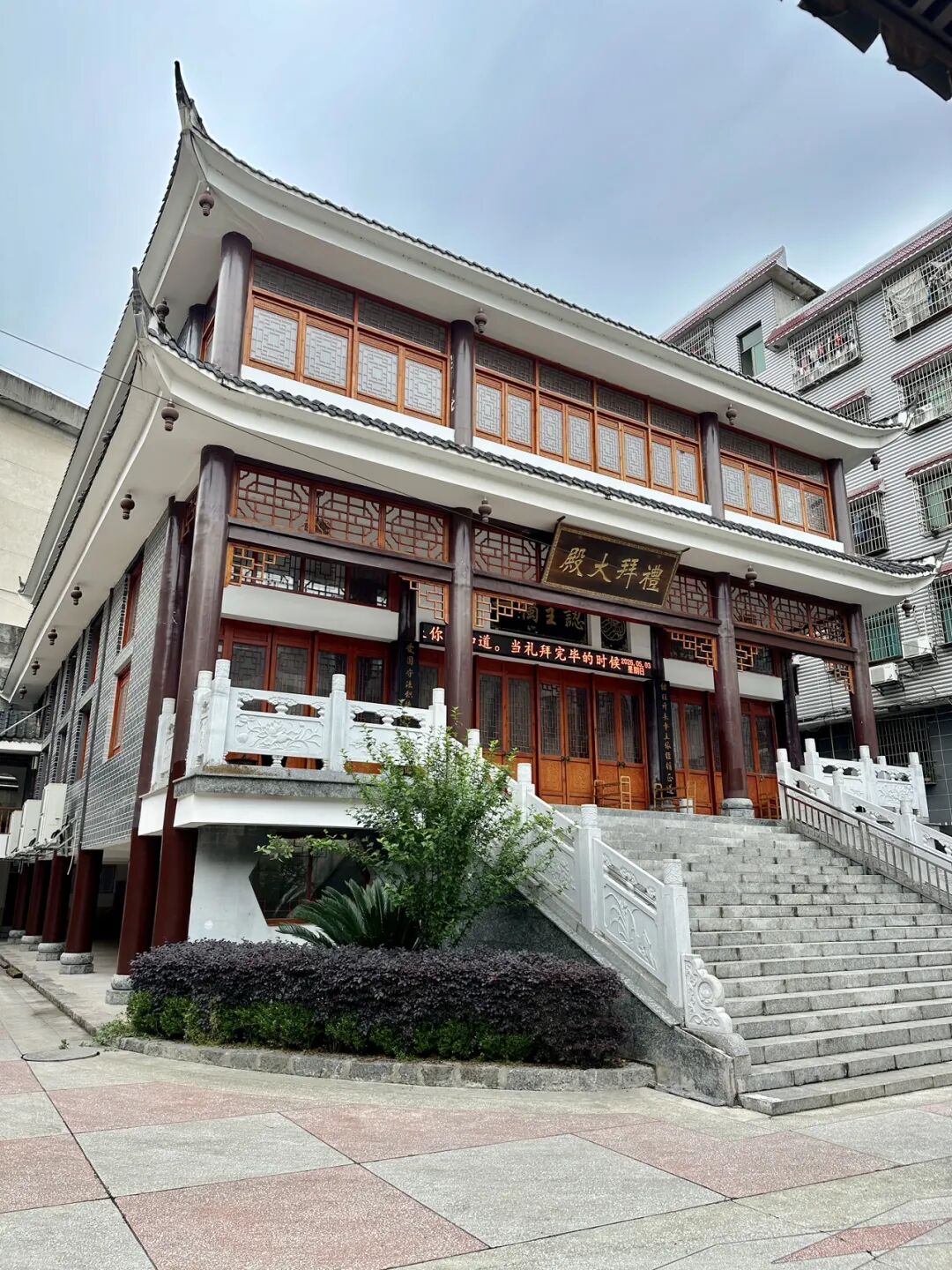
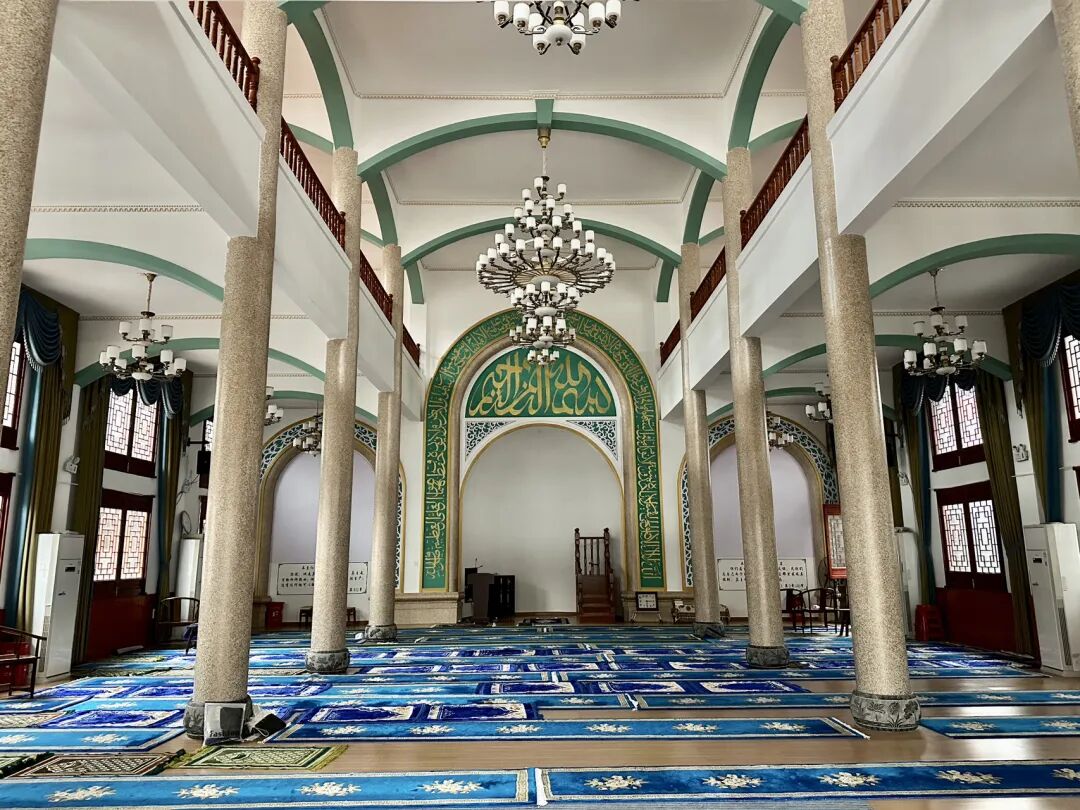
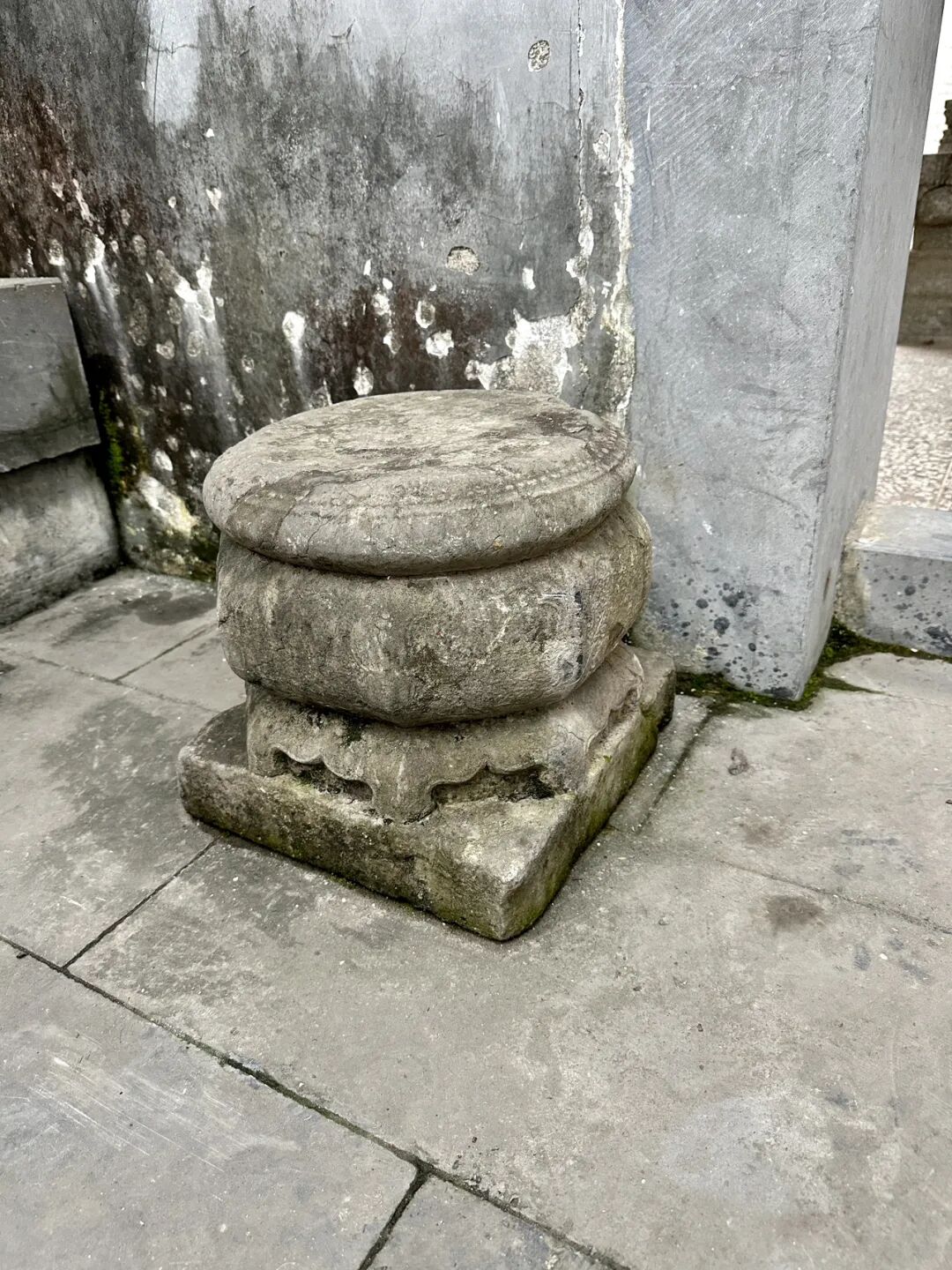
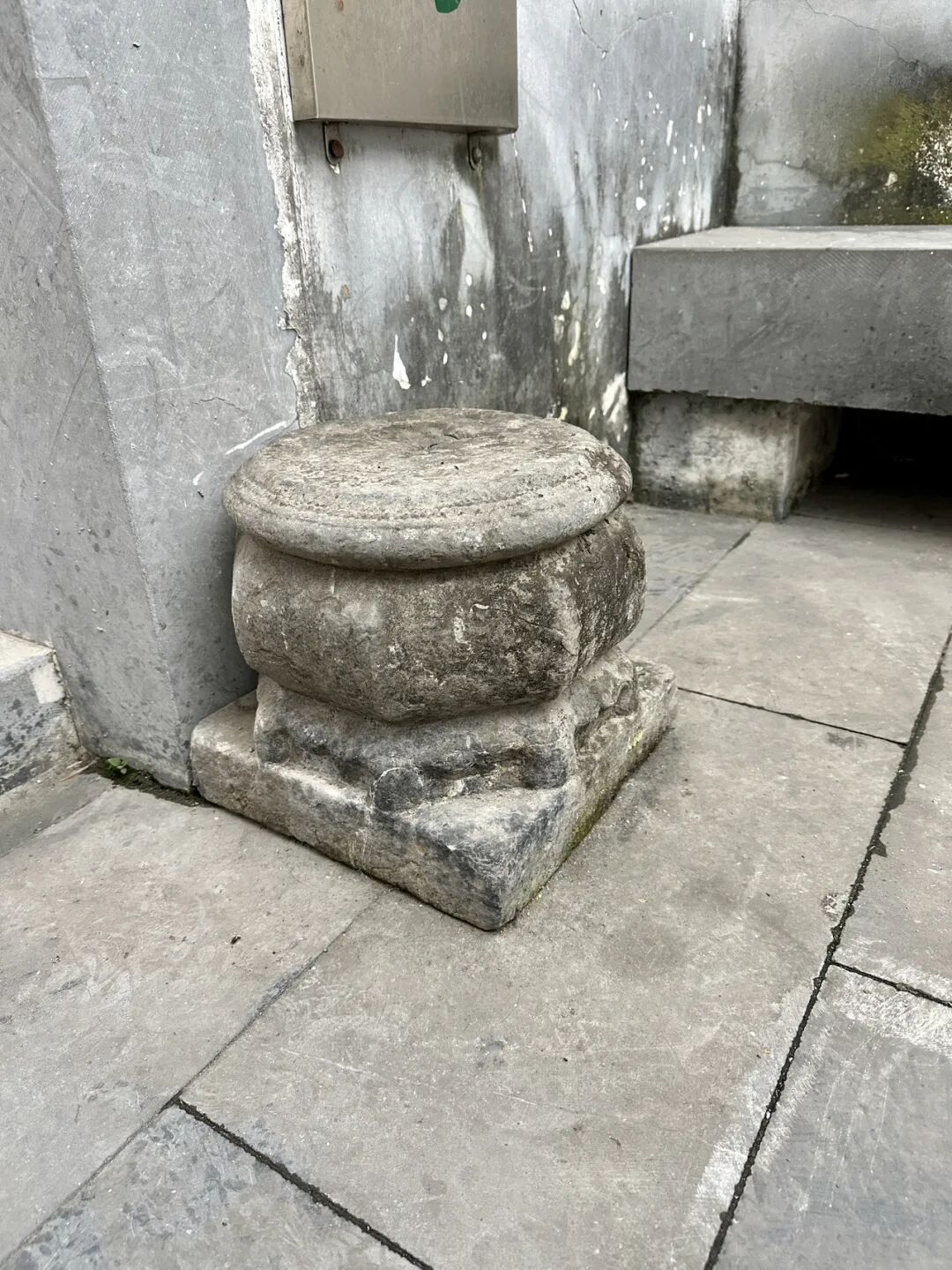
Taohuaping Mosque preserves a large number of stone tablets from the Qing Dynasty and the Republic of China, which are precious historical records:
The 1859 "Stele for Renovating the Front Gate"
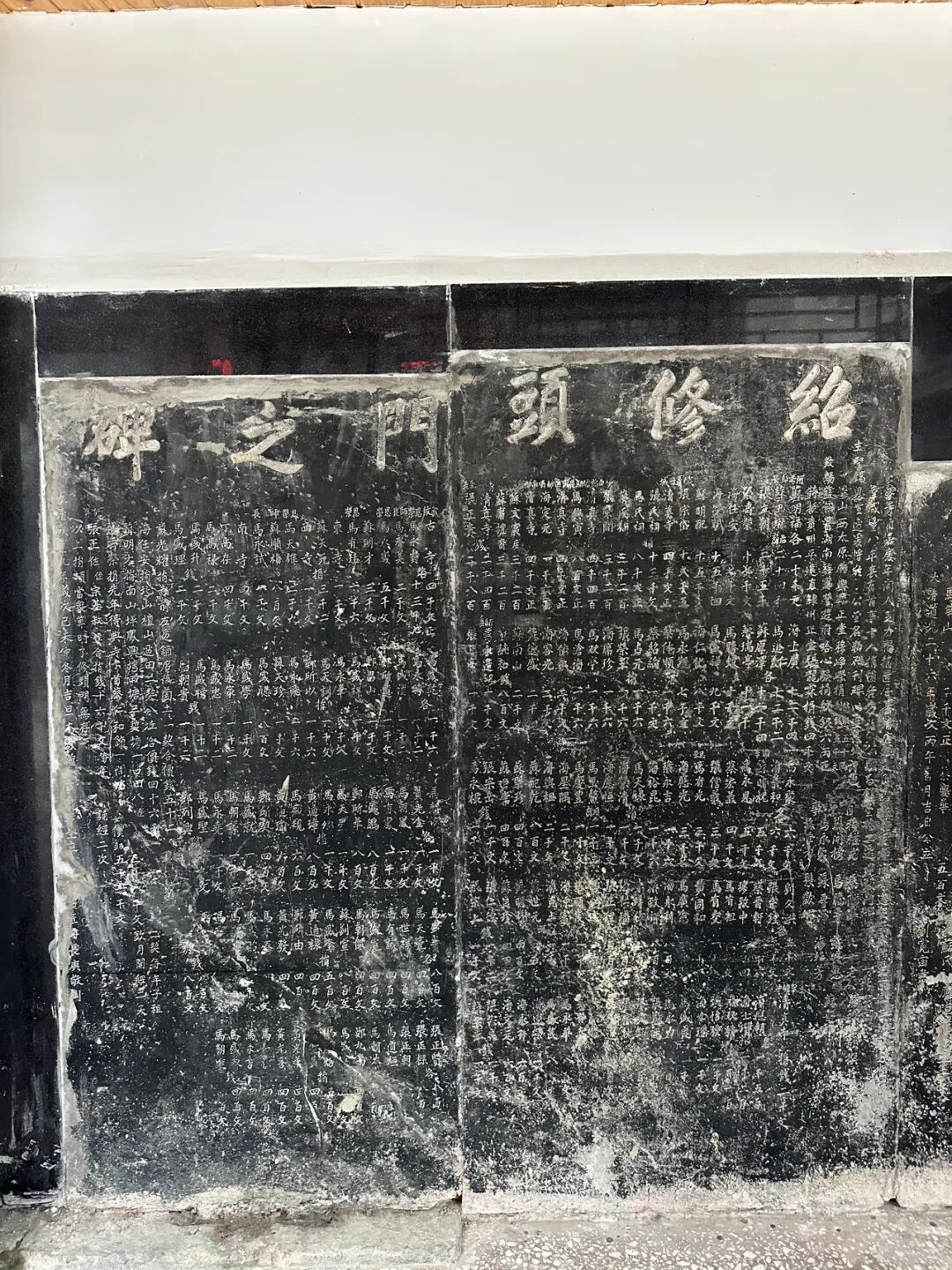
The 1846 "Restoring the School" stele
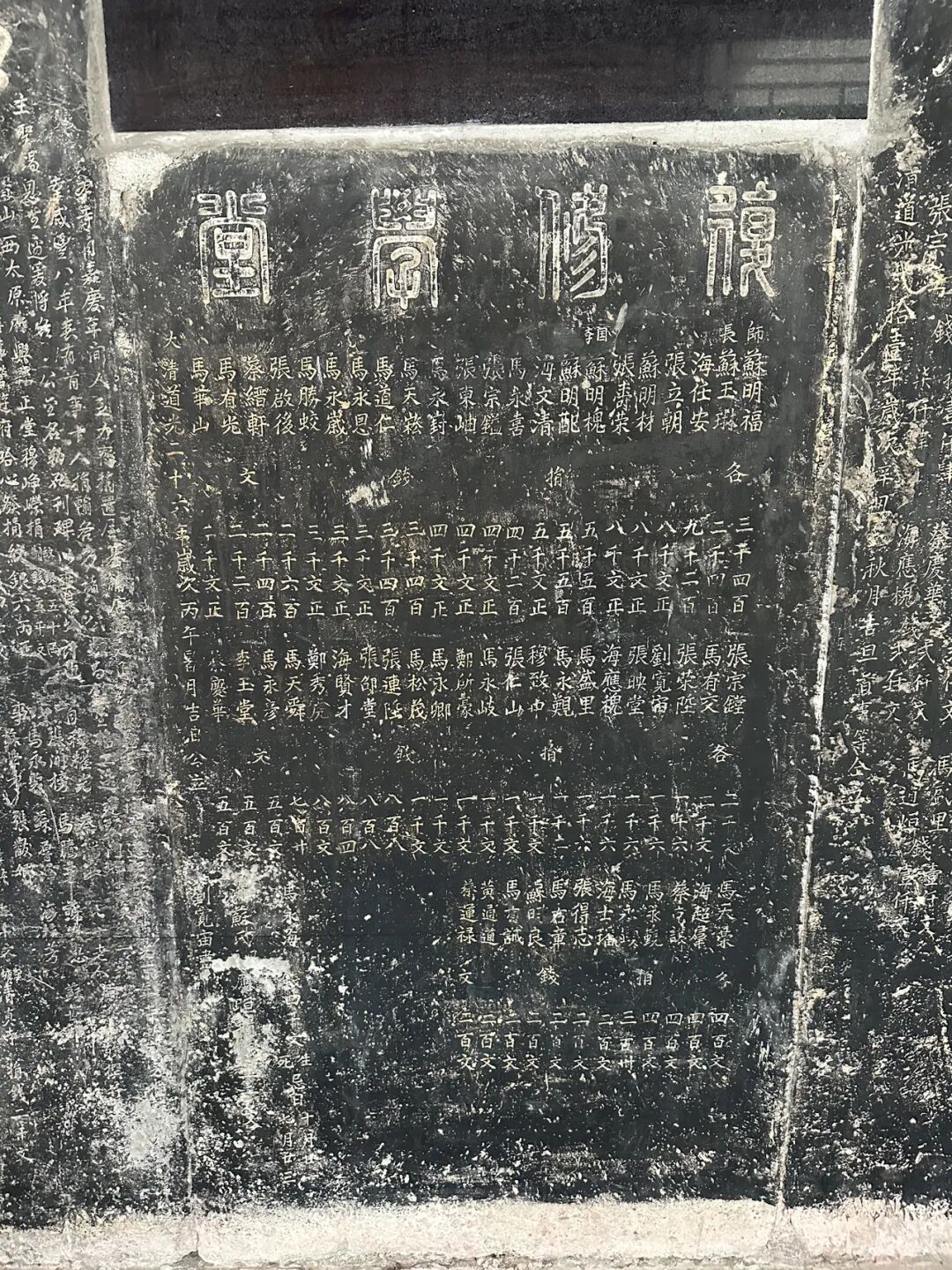
The 1841 "Renovating the Rear Hall" stele
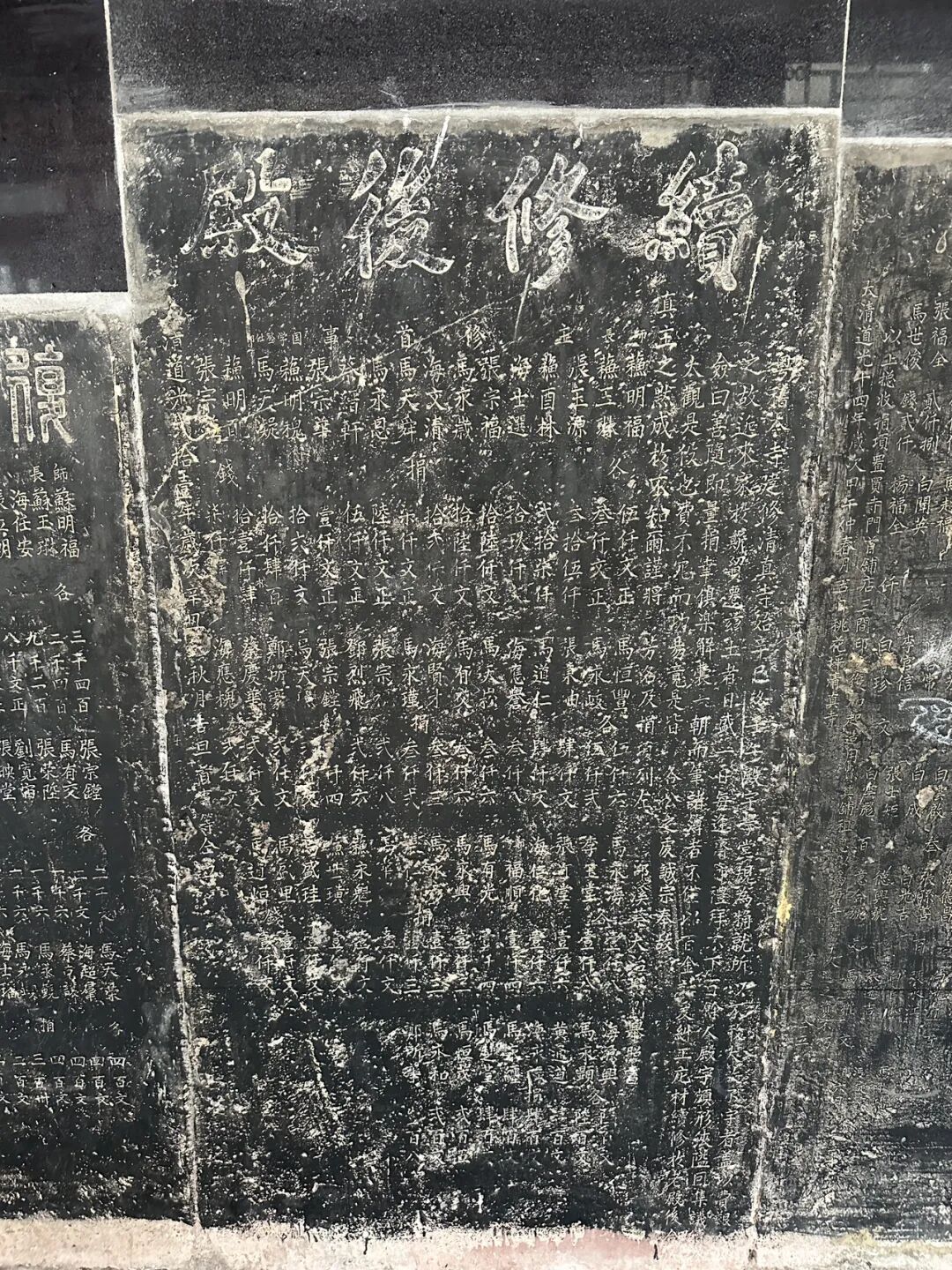
The 1834 "Righteous School Stele Record"
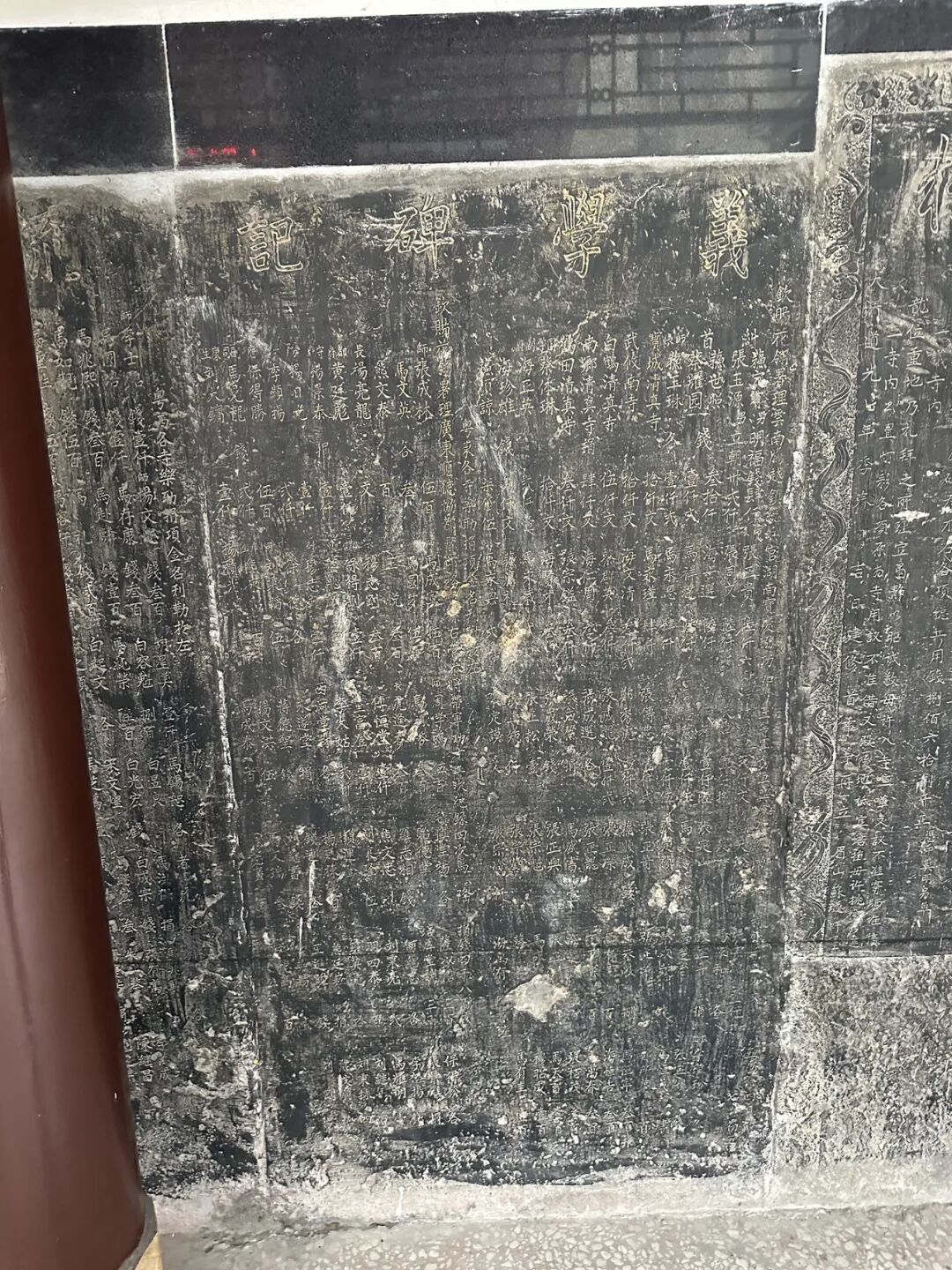
The 1822 "Everlasting Innovation, Building and Repairing the Everlasting, Immortal Names of Public Donors" stele
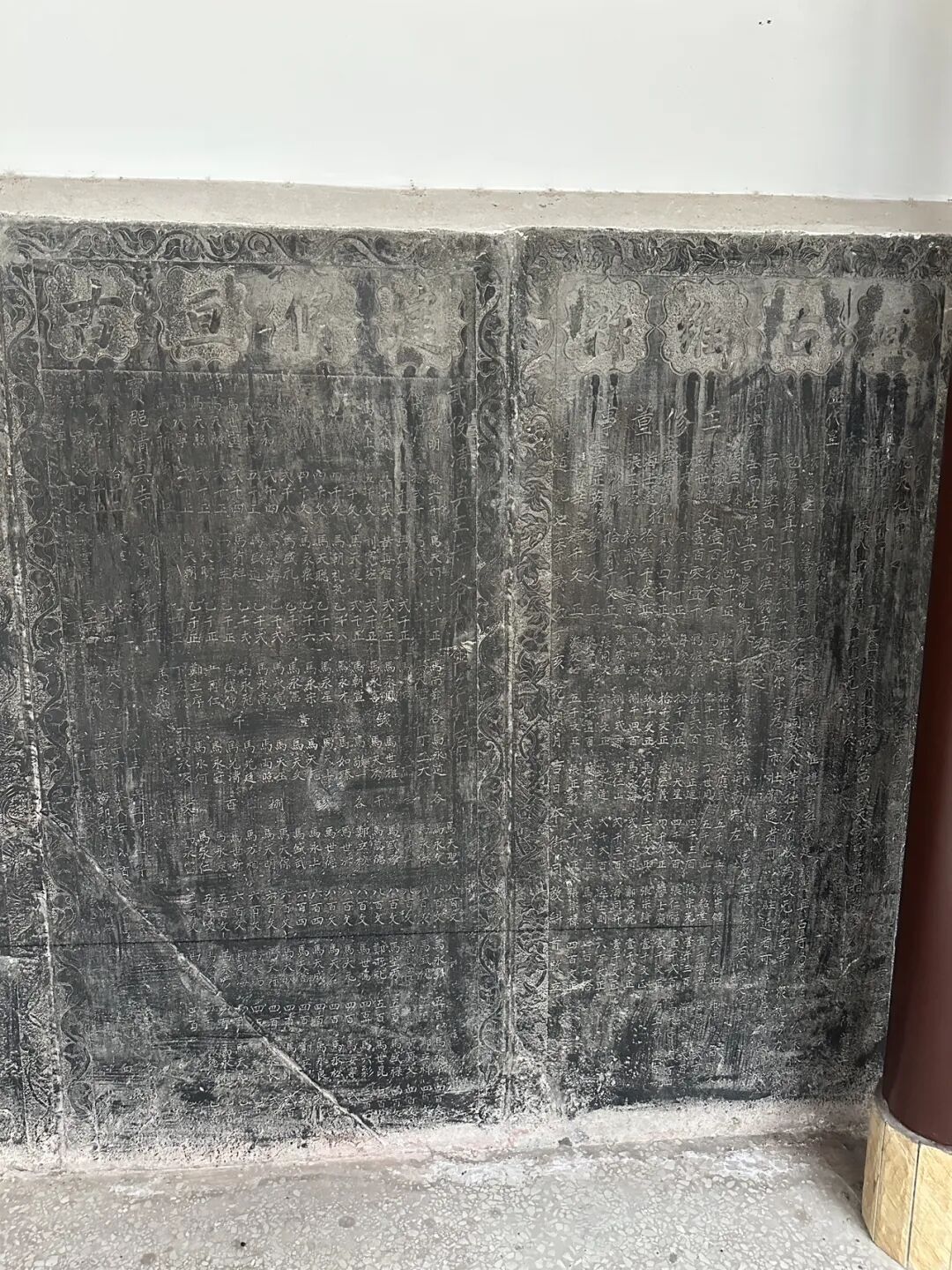
The 1928 "School Construction and Repair Stele"
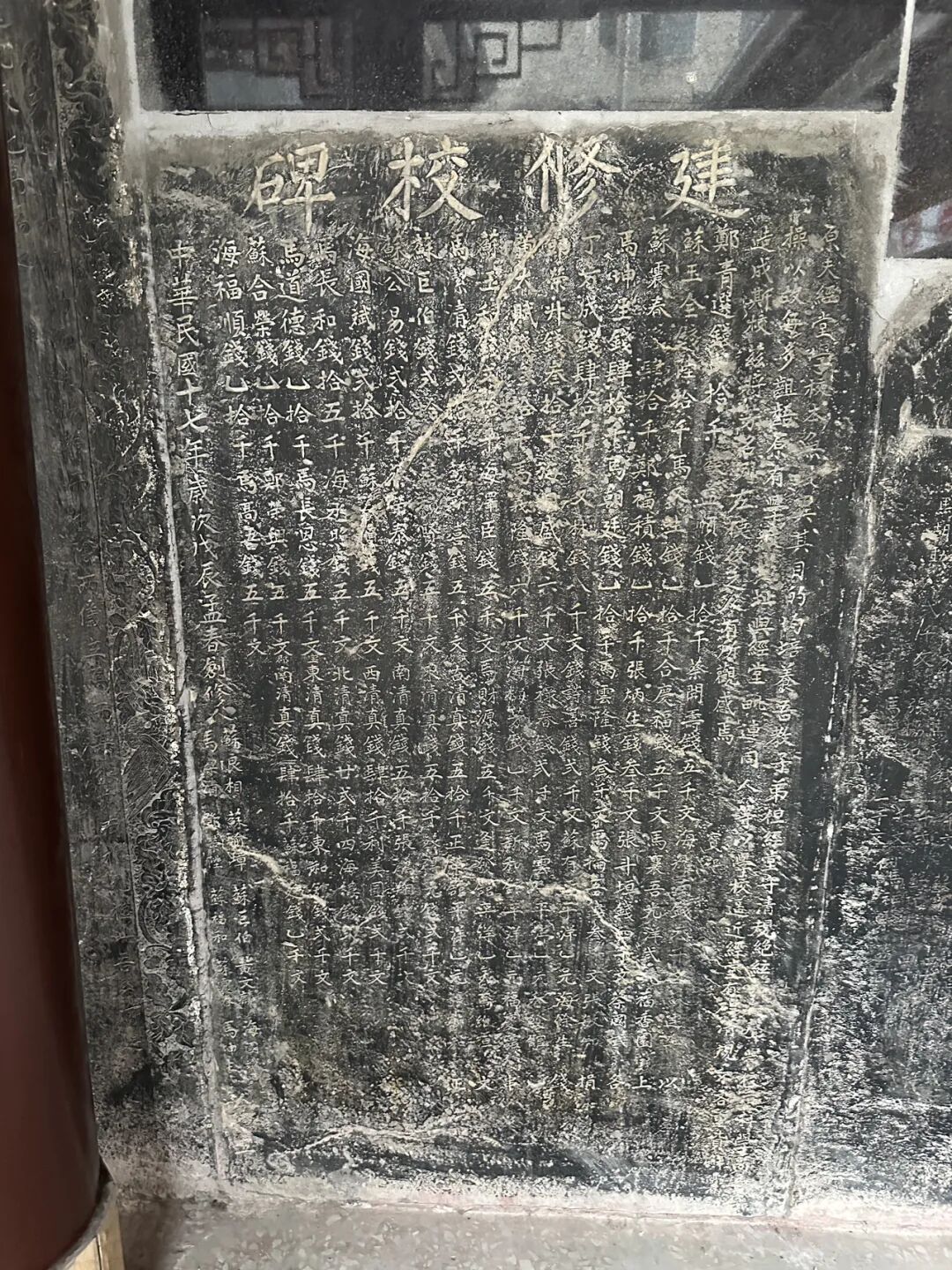
The 1910 "Jingxin Hall" stele
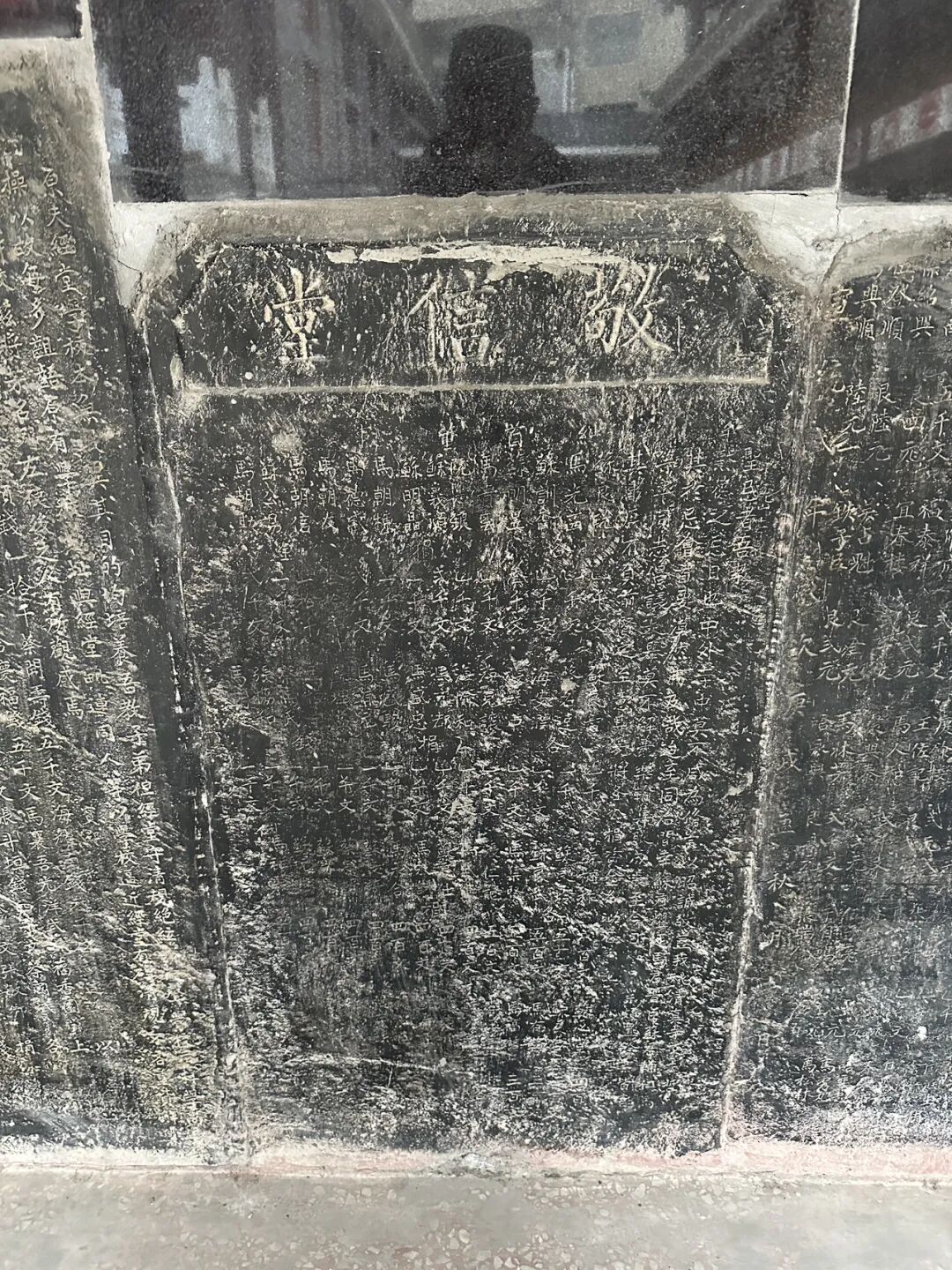
The 1875 stele
China Mosque Travel Guide: Eight Historic Mosque Complexes in Longhui, Shaoyang, Hunan (Segment 2 of 3)
Articles • yusuf908 posted the article • 0 comments • 319 views • 2026-06-30 06:24
Summary: This China mosque travel guide covers eight historic mosque complexes in Longhui, Shaoyang, Hunan, with local Hui Muslim heritage and mosque travel details kept in clear English.
Relics at Shanjie Ancient Mosque include stone pillar bases, wood carvings, and calligraphy of the mihrab in the kiln niche.
The stone couplet on the main gate reads: Clear the murky and promote the pure to follow the great path; preserve the truth and remove the false so that every generation has successors. The calligraphy was written by Ma Linyi, a Hui Muslim educator and Minister of Education in Shaoyang during the Republic of China. He is known as the Father of Northwest Education and the founder of modern Chinese Hui Muslim education.
Ma Linyi was born in Shaoyang, Hunan, in 1865. He passed the imperial examinations in 1902 and went to Japan on a government scholarship in 1904 to study teacher training. During that time, he met Sun Yat-sen, joined the Tongmenghui in 1905, and returned home to work on new government policies and modern education. In 1906, he founded Xiejin Primary School in Shaoyang, which was the first modern school for Hui Muslims in Hunan.
In 1908, he was transferred to the Qing government's Ministry of Education as a director. That same year, he helped establish the Beijing First Islamic Primary School inside the Niujie Mosque and later helped found the Islamic Education Association. While serving as Vice Minister of Education in 1912, Ma Linyi founded the Chinese Islamic Progressive Association with the support of Sun Yat-sen and served as its president.
While in charge of education in Gansu, Ma Linyi founded 277 schools of various types and set up the Gansu Islamic Education Promotion Office, spreading over a hundred Islamic primary schools across Gansu, Ningxia, and Qinghai. He selected over a hundred young people from the Northwest for government-funded study abroad, laying the foundation for modern basic education in the Northwest.
In 1928, Ma Linyi helped found the Islamic Middle School in Niujie and served as its vice chairman. In 1929, Ma Linyi became a board member of the Beiping Chengda Teachers' College. He actively updated the curriculum and improved teaching methods, helping Chengda develop into a modern school. In his later years, Ma Linyi devoted himself to the faith and served as an advisor to Wang Jingzhai for his translation of Islamic classics. view all
Summary: This China mosque travel guide covers eight historic mosque complexes in Longhui, Shaoyang, Hunan, with local Hui Muslim heritage and mosque travel details kept in clear English.
Relics at Shanjie Ancient Mosque include stone pillar bases, wood carvings, and calligraphy of the mihrab in the kiln niche.
The stone couplet on the main gate reads: Clear the murky and promote the pure to follow the great path; preserve the truth and remove the false so that every generation has successors. The calligraphy was written by Ma Linyi, a Hui Muslim educator and Minister of Education in Shaoyang during the Republic of China. He is known as the Father of Northwest Education and the founder of modern Chinese Hui Muslim education.
Ma Linyi was born in Shaoyang, Hunan, in 1865. He passed the imperial examinations in 1902 and went to Japan on a government scholarship in 1904 to study teacher training. During that time, he met Sun Yat-sen, joined the Tongmenghui in 1905, and returned home to work on new government policies and modern education. In 1906, he founded Xiejin Primary School in Shaoyang, which was the first modern school for Hui Muslims in Hunan.
In 1908, he was transferred to the Qing government's Ministry of Education as a director. That same year, he helped establish the Beijing First Islamic Primary School inside the Niujie Mosque and later helped found the Islamic Education Association. While serving as Vice Minister of Education in 1912, Ma Linyi founded the Chinese Islamic Progressive Association with the support of Sun Yat-sen and served as its president.
While in charge of education in Gansu, Ma Linyi founded 277 schools of various types and set up the Gansu Islamic Education Promotion Office, spreading over a hundred Islamic primary schools across Gansu, Ningxia, and Qinghai. He selected over a hundred young people from the Northwest for government-funded study abroad, laying the foundation for modern basic education in the Northwest.
In 1928, Ma Linyi helped found the Islamic Middle School in Niujie and served as its vice chairman. In 1929, Ma Linyi became a board member of the Beiping Chengda Teachers' College. He actively updated the curriculum and improved teaching methods, helping Chengda develop into a modern school. In his later years, Ma Linyi devoted himself to the faith and served as an advisor to Wang Jingzhai for his translation of Islamic classics.
China Mosque Travel Guide: Eight Historic Mosque Complexes in Longhui, Shaoyang, Hunan (Segment 3 of 3)
Articles • yusuf908 posted the article • 0 comments • 315 views • 2026-06-22 06:34
Summary: This China mosque travel guide covers eight historic mosque complexes in Longhui, Shaoyang, Hunan, with local Hui Muslim heritage and mosque travel details kept in clear English.
Shanjie East Mosque was first built in 1728 (the fifth year of the Yongzheng reign). The mosque has hired many imams over the years, including Su Yuebo, Ma Yulang, Ma Baochu, Zheng Liansheng, Ma Yuechi, Ma Yucheng, Tang Yuanqi, Hai Shiquan, Ma Chengyong, Ding Baohua, Ma Gen'ao, Ma Xiang'ao, and Ma Wuquan. Students from as far as Hainan and Guangxi came to study under the great imam Ma Yucheng in Gansu, and the local religious community was very prosperous.
It is a pity that the mosque was locked when I visited, so I could not go inside. view all
Summary: This China mosque travel guide covers eight historic mosque complexes in Longhui, Shaoyang, Hunan, with local Hui Muslim heritage and mosque travel details kept in clear English.
Shanjie East Mosque was first built in 1728 (the fifth year of the Yongzheng reign). The mosque has hired many imams over the years, including Su Yuebo, Ma Yulang, Ma Baochu, Zheng Liansheng, Ma Yuechi, Ma Yucheng, Tang Yuanqi, Hai Shiquan, Ma Chengyong, Ding Baohua, Ma Gen'ao, Ma Xiang'ao, and Ma Wuquan. Students from as far as Hainan and Guangxi came to study under the great imam Ma Yucheng in Gansu, and the local religious community was very prosperous.
It is a pity that the mosque was locked when I visited, so I could not go inside.
China Mosque Travel Guide: Eight Historic Mosque Complexes in Longhui, Shaoyang, Hunan (Segment 1 of 3)
Articles • yusuf908 posted the article • 0 comments • 340 views • 2026-06-22 06:34
Summary: This China mosque travel guide covers eight historic mosque complexes in Longhui, Shaoyang, Hunan, with local Hui Muslim heritage and mosque travel details kept in clear English.
This article summarizes the key points about the eight mosques (sifang) in Longhui County, Shaoyang, Hunan. It keeps the original paragraph and image order. It is for readers interested in Muslim life, Islamic culture, and Chinese Islamic writing. It also helps people search for content like Chinese halal food.
Longhui County in Shaoyang City, Hunan, has a large population of Hui Muslims. I visited eight mosques there: Taohuaping Mosque, Shanjie Ancient Mosque, East Mosque, West Mosque, South Mosque, North Mosque, Luobai Mosque, and Niejiaoting Mosque. I will share them with you below.
Shanjie Ancient Mosque in Longhui County, Shaoyang, Hunan, is located in Laowuli, Shanjie Township. It was first built in 1444 (the ninth year of the Zhengtong reign of the Ming Dynasty) and is the oldest mosque in Longhui. During the Hongwu reign of the Ming Dynasty, Ma Zhi, the third son of Ma Cheng, the ancestor of the Ma family Hui Muslims in Shaoyang, moved from Shaoyang to Majia Ferry in Longhui to settle down. He was the first Hui Muslim in Longhui, and Shanjie Ancient Mosque was built by the Ma family.
Shanjie Ancient Mosque was renovated in 1919 and rebuilt into its current appearance in 2018.
Shanjie Ancient Mosque has a long tradition of teaching Islamic scripture. The head imams who have taught there include Ma Yulang, Ma Fujiu, Ma Fucheng, Ma Yucheng, Ma Yaochi, and Ding Zhenyi. They also hired imams from other places like Huang Xingxiang and Li Desheng. Ma Fucheng, an imam from this mosque, taught there for the longest time. In 1945, Imam Ma Yucheng taught at the ancient mosque and recruited many students (hailifan), marking the peak of the mosque's religious activities. To this day, the mosque continues its educational work and has trained many excellent young people.
On September 2, 1939, the Wugang County, Hunan branch of the China Islamic National Salvation Association was officially established at the mosque. The mosque's imam, Ma Fucheng, was elected as an officer. Inspired by the call to resist Japanese aggression and save the country, young Hui Muslims from the mosque, including Ma Qiyun, Ma Wuyang from the North Mosque, and Su Xingmin from Beishan, signed up for the army, took up arms, and headed to the front lines in East China. view all
Summary: This China mosque travel guide covers eight historic mosque complexes in Longhui, Shaoyang, Hunan, with local Hui Muslim heritage and mosque travel details kept in clear English.
This article summarizes the key points about the eight mosques (sifang) in Longhui County, Shaoyang, Hunan. It keeps the original paragraph and image order. It is for readers interested in Muslim life, Islamic culture, and Chinese Islamic writing. It also helps people search for content like Chinese halal food.
Longhui County in Shaoyang City, Hunan, has a large population of Hui Muslims. I visited eight mosques there: Taohuaping Mosque, Shanjie Ancient Mosque, East Mosque, West Mosque, South Mosque, North Mosque, Luobai Mosque, and Niejiaoting Mosque. I will share them with you below.
Shanjie Ancient Mosque in Longhui County, Shaoyang, Hunan, is located in Laowuli, Shanjie Township. It was first built in 1444 (the ninth year of the Zhengtong reign of the Ming Dynasty) and is the oldest mosque in Longhui. During the Hongwu reign of the Ming Dynasty, Ma Zhi, the third son of Ma Cheng, the ancestor of the Ma family Hui Muslims in Shaoyang, moved from Shaoyang to Majia Ferry in Longhui to settle down. He was the first Hui Muslim in Longhui, and Shanjie Ancient Mosque was built by the Ma family.
Shanjie Ancient Mosque was renovated in 1919 and rebuilt into its current appearance in 2018.
Shanjie Ancient Mosque has a long tradition of teaching Islamic scripture. The head imams who have taught there include Ma Yulang, Ma Fujiu, Ma Fucheng, Ma Yucheng, Ma Yaochi, and Ding Zhenyi. They also hired imams from other places like Huang Xingxiang and Li Desheng. Ma Fucheng, an imam from this mosque, taught there for the longest time. In 1945, Imam Ma Yucheng taught at the ancient mosque and recruited many students (hailifan), marking the peak of the mosque's religious activities. To this day, the mosque continues its educational work and has trained many excellent young people.
On September 2, 1939, the Wugang County, Hunan branch of the China Islamic National Salvation Association was officially established at the mosque. The mosque's imam, Ma Fucheng, was elected as an officer. Inspired by the call to resist Japanese aggression and save the country, young Hui Muslims from the mosque, including Ma Qiyun, Ma Wuyang from the North Mosque, and Su Xingmin from Beishan, signed up for the army, took up arms, and headed to the front lines in East China.
China Mosque Travel Guide: Eight Historic Mosque Complexes in Longhui, Shaoyang, Hunan (Part 4 of 5)
Articles • yusuf908 posted the article • 0 comments • 355 views • 2026-06-22 06:32
Summary: This China mosque travel guide covers eight historic mosque complexes in Longhui, Shaoyang, Hunan, with local Hui Muslim heritage and mosque travel details kept in clear English.
Taohuaping Mosque is in the center of the county. It was first built in 1820 (the 25th year of the Jiaqing reign). In 1827 (the 7th year of the Daoguang reign), it was expanded after buying shops owned by the Su and Ma families on the front street. In 1834 (the 14th year of the Daoguang reign), it bought three more shops in front of the mosque. In 1841 (the 21st year of the Daoguang reign), the rear hall was renovated, and in 1850 (the 30th year of the Daoguang reign), the front gate archway, garden, and second gate were built.
In 1941, the Taohuaping branch of the China Islamic National Salvation Association was established inside Taohuaping Mosque. It did a lot of work for anti-Japanese propaganda, provided housing for refugees from other areas, raised money for winter clothes for soldiers, and helped with evacuations. In 1941, Bai Chongxi performed worship at Taohuaping Mosque and issued a plaque stating, "Troops are forbidden from stationing inside the mosque."
Taohuaping Mosque was expanded again in 1953 and was finally rebuilt into its current structure in 2019. Currently, Taohuaping Mosque is the mosque with the second-highest number of visitors in Longhui County, after the ancient Shanjie Mosque.
Taohuaping Mosque preserves a large number of stone tablets from the Qing Dynasty and the Republic of China, which are precious historical records:
The 1859 "Stele for Renovating the Front Gate"
The 1846 "Restoring the School" stele
The 1841 "Renovating the Rear Hall" stele
The 1834 "Righteous School Stele Record"
The 1822 "Everlasting Innovation, Building and Repairing the Everlasting, Immortal Names of Public Donors" stele
The 1928 "School Construction and Repair Stele"
The 1910 "Jingxin Hall" stele view all
Summary: This China mosque travel guide covers eight historic mosque complexes in Longhui, Shaoyang, Hunan, with local Hui Muslim heritage and mosque travel details kept in clear English.
Taohuaping Mosque is in the center of the county. It was first built in 1820 (the 25th year of the Jiaqing reign). In 1827 (the 7th year of the Daoguang reign), it was expanded after buying shops owned by the Su and Ma families on the front street. In 1834 (the 14th year of the Daoguang reign), it bought three more shops in front of the mosque. In 1841 (the 21st year of the Daoguang reign), the rear hall was renovated, and in 1850 (the 30th year of the Daoguang reign), the front gate archway, garden, and second gate were built.
In 1941, the Taohuaping branch of the China Islamic National Salvation Association was established inside Taohuaping Mosque. It did a lot of work for anti-Japanese propaganda, provided housing for refugees from other areas, raised money for winter clothes for soldiers, and helped with evacuations. In 1941, Bai Chongxi performed worship at Taohuaping Mosque and issued a plaque stating, "Troops are forbidden from stationing inside the mosque."
Taohuaping Mosque was expanded again in 1953 and was finally rebuilt into its current structure in 2019. Currently, Taohuaping Mosque is the mosque with the second-highest number of visitors in Longhui County, after the ancient Shanjie Mosque.
Taohuaping Mosque preserves a large number of stone tablets from the Qing Dynasty and the Republic of China, which are precious historical records:
The 1859 "Stele for Renovating the Front Gate"
The 1846 "Restoring the School" stele
The 1841 "Renovating the Rear Hall" stele
The 1834 "Righteous School Stele Record"
The 1822 "Everlasting Innovation, Building and Repairing the Everlasting, Immortal Names of Public Donors" stele
The 1928 "School Construction and Repair Stele"
The 1910 "Jingxin Hall" stele
China Mosque Travel Guide: Eight Historic Mosque Complexes in Longhui, Shaoyang, Hunan (Part 3 of 5)
Articles • yusuf908 posted the article • 0 comments • 335 views • 2026-06-22 06:32
Summary: This China mosque travel guide covers eight historic mosque complexes in Longhui, Shaoyang, Hunan, with local Hui Muslim heritage and mosque travel details kept in clear English.
Shanjie South Mosque was first built in 1768 (the 33rd year of the Qianlong reign). The local Hui Muslims are surnamed Ma, and the imams who have taught there include Ma Baochu, Zheng Liansheng, Li Bashan, Ma Fucheng, Ma Daocheng, and Ma Fu'en.
Ma Yingdong, a local resident, went to study in Japan in 1905 and joined the Tongmenghui. In 1907, he helped organize the 'Eastern Islamic Education Association' and founded its journal, 'Awakening the Hui' (Xing Hui Pian). After returning home from his studies, Ma Yingdong dedicated himself to Hui Muslim education and founded the modern Gongjin Primary School at Shanjie South Mosque, where he served as principal.
It is a pity that the Shanjie South Mosque was locked when I visited, so I could not go inside.
Luobai Mosque was first built in 1933, and the local community members are of the Ding surname. Hui Muslims moved to Luobai in the early Qing Dynasty. For a long time, they were affiliated with the Shanjie South Mosque, but the distance made it very inconvenient. In 1933, Imam Ding Zhenyi, a Luobai Hui Muslim who taught at the Gansu Hui Language Institute, resigned from his teaching position to return home and organize the construction of a mosque. Imam Ding traveled everywhere to raise funds and finally built Luobai Mosque at the top of the Yaolong residential area in Luobai.
Imam Ding Zhenyi taught at the Luobai village primary school in 1939, and during that time, he started an introductory class for Islamic studies at Luobai Mosque. Later, he served as the imam of Hetian Mosque in Shaoyang and Liutang Mosque in Guilin, Guangxi. He also worked as a teacher at the primary school attached to Guilin Chengda Normal School, dean and professor at the Guilin Hui Language Institute, and professor at the Hainan Hui Language School. He helped organize the Wugang Branch of the Hunan Chapter of the China Islamic National Salvation Association and served as its general secretary.
Luobai Mosque was torn down in 1970, rebuilt in 1985, and rebuilt again in 2000 into the building that stands today. The mosque still has the original door plaque reading "Islamic Mosque" (Qingzhen Jiaotang) and a pair of couplets by the Republican-era educator Ma Linyi: "When seeking the source of the truth, why ask about Jesus, Buddha, or others? To unite with Heaven is to enter the path of the sages; ancient and modern, East and West, the principle is the same."
Niejiaoting Mosque was first built in 1926, and the community members are of the Ma, Hai, and Su surnames. Most of the Hui Muslims in Beishan Township, where Niejiaoting is located, moved there from other places in the late Qing Dynasty. Because it was inconvenient to perform namaz, Ma Youde, Ma Daofeng, Hai Liancheng, and others raised funds to build the mosque. The imams at the mosque include Ma Chunming, Ma Youlin, Imam Bu, Imam Zhang, Hai Siquan, and Deng Mengjun. Niejia Pavilion Mosque was destroyed after 1966, rebuilt later, and then rebuilt again in 2008.
The mosque houses the 1948 "Zhaoxiu Mosque Stele," which serves as a precious historical witness. view all
Summary: This China mosque travel guide covers eight historic mosque complexes in Longhui, Shaoyang, Hunan, with local Hui Muslim heritage and mosque travel details kept in clear English.
Shanjie South Mosque was first built in 1768 (the 33rd year of the Qianlong reign). The local Hui Muslims are surnamed Ma, and the imams who have taught there include Ma Baochu, Zheng Liansheng, Li Bashan, Ma Fucheng, Ma Daocheng, and Ma Fu'en.
Ma Yingdong, a local resident, went to study in Japan in 1905 and joined the Tongmenghui. In 1907, he helped organize the 'Eastern Islamic Education Association' and founded its journal, 'Awakening the Hui' (Xing Hui Pian). After returning home from his studies, Ma Yingdong dedicated himself to Hui Muslim education and founded the modern Gongjin Primary School at Shanjie South Mosque, where he served as principal.
It is a pity that the Shanjie South Mosque was locked when I visited, so I could not go inside.
Luobai Mosque was first built in 1933, and the local community members are of the Ding surname. Hui Muslims moved to Luobai in the early Qing Dynasty. For a long time, they were affiliated with the Shanjie South Mosque, but the distance made it very inconvenient. In 1933, Imam Ding Zhenyi, a Luobai Hui Muslim who taught at the Gansu Hui Language Institute, resigned from his teaching position to return home and organize the construction of a mosque. Imam Ding traveled everywhere to raise funds and finally built Luobai Mosque at the top of the Yaolong residential area in Luobai.
Imam Ding Zhenyi taught at the Luobai village primary school in 1939, and during that time, he started an introductory class for Islamic studies at Luobai Mosque. Later, he served as the imam of Hetian Mosque in Shaoyang and Liutang Mosque in Guilin, Guangxi. He also worked as a teacher at the primary school attached to Guilin Chengda Normal School, dean and professor at the Guilin Hui Language Institute, and professor at the Hainan Hui Language School. He helped organize the Wugang Branch of the Hunan Chapter of the China Islamic National Salvation Association and served as its general secretary.
Luobai Mosque was torn down in 1970, rebuilt in 1985, and rebuilt again in 2000 into the building that stands today. The mosque still has the original door plaque reading "Islamic Mosque" (Qingzhen Jiaotang) and a pair of couplets by the Republican-era educator Ma Linyi: "When seeking the source of the truth, why ask about Jesus, Buddha, or others? To unite with Heaven is to enter the path of the sages; ancient and modern, East and West, the principle is the same."
Niejiaoting Mosque was first built in 1926, and the community members are of the Ma, Hai, and Su surnames. Most of the Hui Muslims in Beishan Township, where Niejiaoting is located, moved there from other places in the late Qing Dynasty. Because it was inconvenient to perform namaz, Ma Youde, Ma Daofeng, Hai Liancheng, and others raised funds to build the mosque. The imams at the mosque include Ma Chunming, Ma Youlin, Imam Bu, Imam Zhang, Hai Siquan, and Deng Mengjun. Niejia Pavilion Mosque was destroyed after 1966, rebuilt later, and then rebuilt again in 2008.
The mosque houses the 1948 "Zhaoxiu Mosque Stele," which serves as a precious historical witness.
China Mosque Travel Guide: Eight Historic Mosque Complexes in Longhui, Shaoyang, Hunan (Part 2 of 5)
Articles • yusuf908 posted the article • 0 comments • 345 views • 2026-06-22 06:32
Summary: This China mosque travel guide covers eight historic mosque complexes in Longhui, Shaoyang, Hunan, with local Hui Muslim heritage and mosque travel details kept in clear English.
Shanjie West Mosque, also known as Jiajian Village Mosque, was first built in 1836 (the 16th year of the Daoguang reign). It was expanded during the Guangxu and Republic of China periods, and the local Hui Muslims there are surnamed Ma, Huang, and Zheng. The imams who have served at the mosque include Ma Chaoxin, Zheng Liansheng, Ma Daocheng, Ma Fucheng, and Ma Liangxu. The main hall of the West Mosque collapsed in 1991. It was being rebuilt when a flood destroyed it in 1996. After raising funds again, it was officially completed at the end of 1996 and renovated again in 2013.
The mosque houses a stone tablet from the 11th year of the Guangxu reign titled 'Record of Continued Mosque Repairs,' which lists the names of the donors at that time and serves as a precious historical record.
Shanjie North Mosque, also called Sifangjing Mosque, was first built in 1824 (the 4th year of the Daoguang reign), and the local Hui Muslims there are surnamed Ma. The main hall was destroyed after 1966. It was rebuilt in 1991 and again in 2000, with only the original stone gate pillars remaining. The pillars are carved with a couplet by the Republic of China educator Ma Linyi: 'To study the Way, one must seek the source; why ask about Jesus, Buddha, or the Greeks? To unite with Heaven is to enter the path of the sages; ancient and modern, Chinese and foreign, all share the same principle.'
Regrettably, the Shanjie North Mosque was also locked when I visited, and I could not enter. view all
Summary: This China mosque travel guide covers eight historic mosque complexes in Longhui, Shaoyang, Hunan, with local Hui Muslim heritage and mosque travel details kept in clear English.
Shanjie West Mosque, also known as Jiajian Village Mosque, was first built in 1836 (the 16th year of the Daoguang reign). It was expanded during the Guangxu and Republic of China periods, and the local Hui Muslims there are surnamed Ma, Huang, and Zheng. The imams who have served at the mosque include Ma Chaoxin, Zheng Liansheng, Ma Daocheng, Ma Fucheng, and Ma Liangxu. The main hall of the West Mosque collapsed in 1991. It was being rebuilt when a flood destroyed it in 1996. After raising funds again, it was officially completed at the end of 1996 and renovated again in 2013.
The mosque houses a stone tablet from the 11th year of the Guangxu reign titled 'Record of Continued Mosque Repairs,' which lists the names of the donors at that time and serves as a precious historical record.
Shanjie North Mosque, also called Sifangjing Mosque, was first built in 1824 (the 4th year of the Daoguang reign), and the local Hui Muslims there are surnamed Ma. The main hall was destroyed after 1966. It was rebuilt in 1991 and again in 2000, with only the original stone gate pillars remaining. The pillars are carved with a couplet by the Republic of China educator Ma Linyi: 'To study the Way, one must seek the source; why ask about Jesus, Buddha, or the Greeks? To unite with Heaven is to enter the path of the sages; ancient and modern, Chinese and foreign, all share the same principle.'
Regrettably, the Shanjie North Mosque was also locked when I visited, and I could not enter.
China Mosque Travel Guide: Eight Historic Mosque Complexes in Longhui, Shaoyang, Hunan (Part 5 of 5)
Articles • yusuf908 posted the article • 0 comments • 327 views • 2026-06-22 06:32
Summary: This China mosque travel guide covers eight historic mosque complexes in Longhui, Shaoyang, Hunan, with local Hui Muslim heritage and mosque travel details kept in clear English.
The 1875 stele view all
Summary: This China mosque travel guide covers eight historic mosque complexes in Longhui, Shaoyang, Hunan, with local Hui Muslim heritage and mosque travel details kept in clear English.
The 1875 stele
Muslim Travel Guide to Sichuan: Dujiangyan During Ramadan and Old Mosque Road Trip
Articles • yusuf908 posted the article • 0 comments • 369 views • 2026-06-22 06:27
Summary: This Muslim travel guide to Sichuan follows Dujiangyan during Ramadan, old mosque visits, and China mosque travel details from the original road trip.
This article summarizes the key points of 'Driving to Sichuan for Ancient Mosques during Spring Festival (Part 15): Dujiangyan during Ramadan.' It keeps the original paragraph and image order. It is for readers interested in Muslim life, Islamic culture, and Chinese Islamic writing. It also helps with searching for topics like Ramadan, Part 15, and Dujiangyan during Ramadan.
I had heard for a long time that the Ramadan atmosphere at the Dujiangyan mosque in Sichuan was excellent, and I finally got to experience it this time.
At the mosque, we had beef stewed with lotus root (niurou dun ou), cold chicken with sauce (liangban ji), steamed beef with rice flour (fenzheng niurou), twice-cooked beef (huiguo niurou), steamed eggs (zheng jidan), stir-fried garlic sprouts (chao suantai), lettuce stems braised with meat (wosun shaorou), and home-style tofu (jiachang doufu). These were all authentic Sichuan dishes.
Dujiangyan truly lives up to its reputation as the pearl of the Islamic community in western Sichuan. Many people came for the iftar meal. Chairman Sha said that in previous years they served eleven dishes and often had leftovers. This year, he specifically asked to simplify it to seven dishes and one soup. I felt the amount of food was just right.
The Hui Muslims in Dujiangyan come from diverse backgrounds. The Hai family moved from Shaoyang, Hunan, during the Wanli period of the Ming Dynasty. The Guanxian Ma family moved from Shaanxi in the mid-Ming Dynasty. The Lan family moved from Tuqiao, Chengdu, during the Qing Dynasty. The Su family moved from Xiaojin County, Sichuan, in the early Qing Dynasty. The Songpan Zhang family moved from Songpan, Sichuan, in the early Qing Dynasty. The Hebei Zhang family moved from Pidu District, Chengdu, during the Tongzhi period. The Shaanxi Ma family moved from Weinan, Shaanxi, during the Jiaqing period of the Qing Dynasty. The Qi family moved from Weinan, Shaanxi, during the Daoguang period. The Li family moved from Huihuiying in Pidu District, Chengdu, in the late Qing Dynasty. The Maogong Ma family moved from Xiaojin County, Sichuan, in the early years of the Republic of China. The Shandong Jiang family moved from Yanting, Sichuan, in the early years of the Republic of China. The Taiyuan Cai family moved from Xiaojin County, Sichuan, in the first year of the Republic of China.
The ancestor of the Dujiangyan Hai family, Hai Mengshi, was from Shunyi, Beijing. In the first year of the Hongwu period of the Ming Dynasty, he was appointed as a commander of the Imperial Guard. His grandson, Hai Chaofan, moved from Shaoyang, Hunan, to Sichuan during the Ming Wanli period.
The 'Hebei Zhang' family's ancestral home was Zhangjiawan in Tongzhou, Beijing. At the end of the Ming Dynasty, three Zhang brothers moved to Lianglukou in Pidu District, Chengdu, and led the construction of the Zhang Family Mosque (Zhangjia Si). During the Tongzhi period, Zhang Yongchun ran a Muslim restaurant on West Street in Dujiangyan and settled there.
The 'Maogong Ma' family's ancestral home was Tianbei Village in Weinan, Shaanxi. They entered Sichuan during the Qianlong period and settled in Xiaojin County. In the first year of the Republic of China, they moved to Huangchengba in Chengdu due to the Railway Protection Movement. In the sixth year of the Republic of China, their house was destroyed during the warlord chaos, and they moved to Dujiangyan again. Ma Rucong, an imam from this family, served as an imam at the Dujiangyan mosque for 33 years and passed away in 1962.
The Li family of Hui Muslims moved here from Tangyuan Town in Pidu District, Chengdu, during the Tongzhi reign. Li Guangming, a member of the family, was known as one of the Three Heroes of Guan County. He served as the magistrate of Xiaojin County during the Republic of China era, stood up to powerful figures, and was later killed by bandits.
The ancestors of the Shaanxi Ma family came from Qiaotian Village in Weinan, Shaanxi. In the 13th year of the Jiaqing reign, Ma Yingxian moved to Dujiangyan because of the White Lotus and Tianli uprisings. In the 6th year of the Daoguang reign, he bought a piece of land on South Street in Dujiangyan and opened the Daxing Mule and Horse Inn, which operated until 1949.
Next to the mosque is the Jiang Jiuxiang Pickles Workshop. Their five-kernel pine mushroom (wuren songrong) is delicious. It tastes great on its own and is a perfect match for porridge.
Dujiangyan Guan County Ancient City at night.
Starting the fast (suhur) at the Dujiangyan mosque in the morning is a special experience when everyone does it together.
Imam Sha Fuquan has been employed at the Dujiangyan mosque for 32 years. Imam Sha is from Xichang. His ancestors were descendants of Yelu Timur, the grandson of Sayyid Ajjal Shams al-Din. Yelu Timur served as the Pingzhang Zhengshi of Jianchang Road at the end of the Yuan Dynasty. He submitted to the Ming Dynasty in 1382 (the 15th year of the Hongwu reign) and was appointed as the Commander of Jianchang Guard. In 1392 (the 25th year of the Hongwu reign), he rebelled again, led an army of ten thousand to attack the city, and was captured and executed after failing. His descendants scattered. One branch fled to Huangcaoping in Miyi County, Panzhihua, where they hid their identities and changed their surname to Sha. By the third generation, they moved to Xichang, where they have lived ever since.
In 1987, Imam Sha studied under the famous Imam Yang Hua in Shaguoying, Xichang. He received his graduation robe (chuanyi guazhang) in 1990 and was admitted to the China Islamic Institute that same year. After graduating in 1994, he was hired by the Dujiangyan mosque, where he has worked ever since. Over the past thirty years, Imam Sha has taught hundreds of students (hailifan) and made significant contributions to the faith in Sichuan and the entire Southwest region. After the 2008 Wenchuan earthquake, Imam Sha led the restoration of the Dujiangyan mosque, giving it a brand-new look. view all
Summary: This Muslim travel guide to Sichuan follows Dujiangyan during Ramadan, old mosque visits, and China mosque travel details from the original road trip.
This article summarizes the key points of 'Driving to Sichuan for Ancient Mosques during Spring Festival (Part 15): Dujiangyan during Ramadan.' It keeps the original paragraph and image order. It is for readers interested in Muslim life, Islamic culture, and Chinese Islamic writing. It also helps with searching for topics like Ramadan, Part 15, and Dujiangyan during Ramadan.
I had heard for a long time that the Ramadan atmosphere at the Dujiangyan mosque in Sichuan was excellent, and I finally got to experience it this time.
At the mosque, we had beef stewed with lotus root (niurou dun ou), cold chicken with sauce (liangban ji), steamed beef with rice flour (fenzheng niurou), twice-cooked beef (huiguo niurou), steamed eggs (zheng jidan), stir-fried garlic sprouts (chao suantai), lettuce stems braised with meat (wosun shaorou), and home-style tofu (jiachang doufu). These were all authentic Sichuan dishes.
Dujiangyan truly lives up to its reputation as the pearl of the Islamic community in western Sichuan. Many people came for the iftar meal. Chairman Sha said that in previous years they served eleven dishes and often had leftovers. This year, he specifically asked to simplify it to seven dishes and one soup. I felt the amount of food was just right.
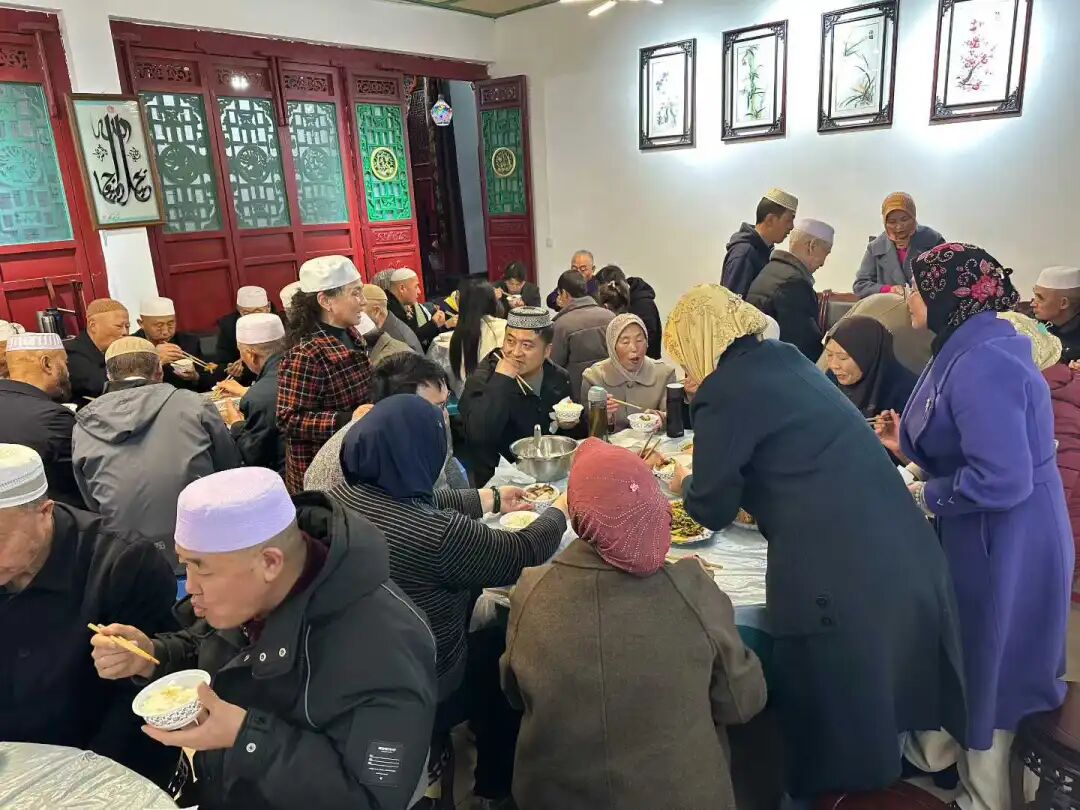
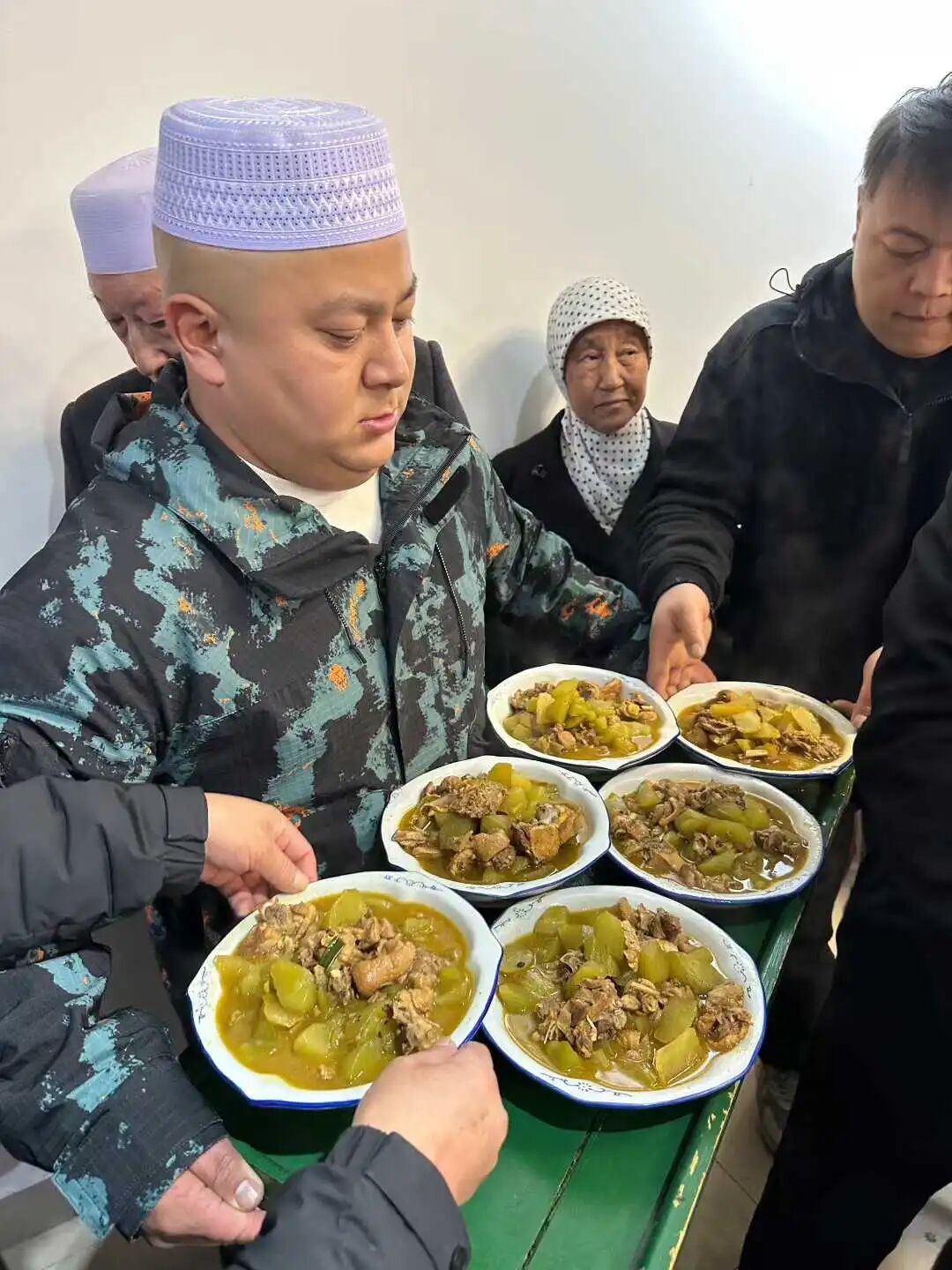
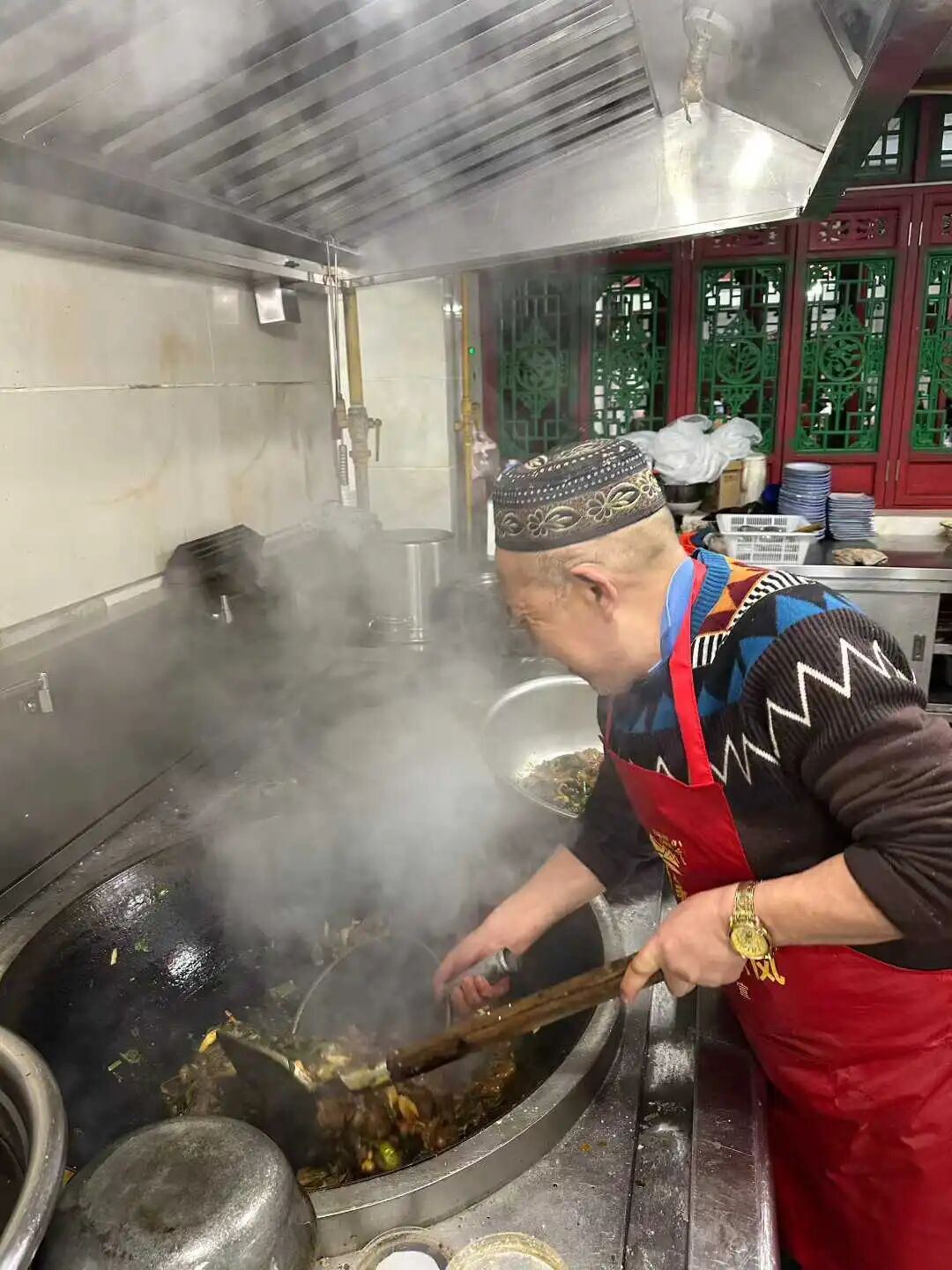
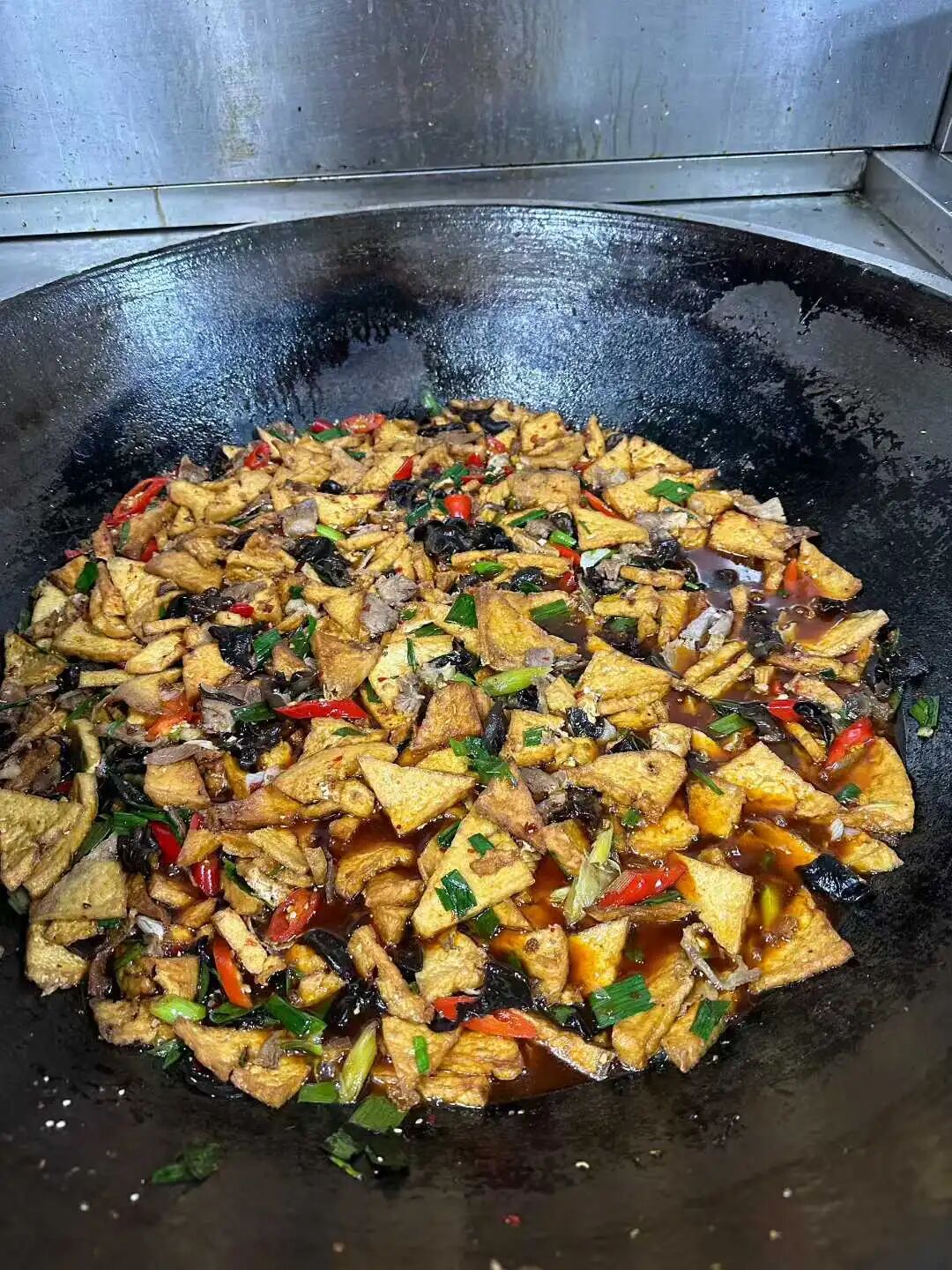
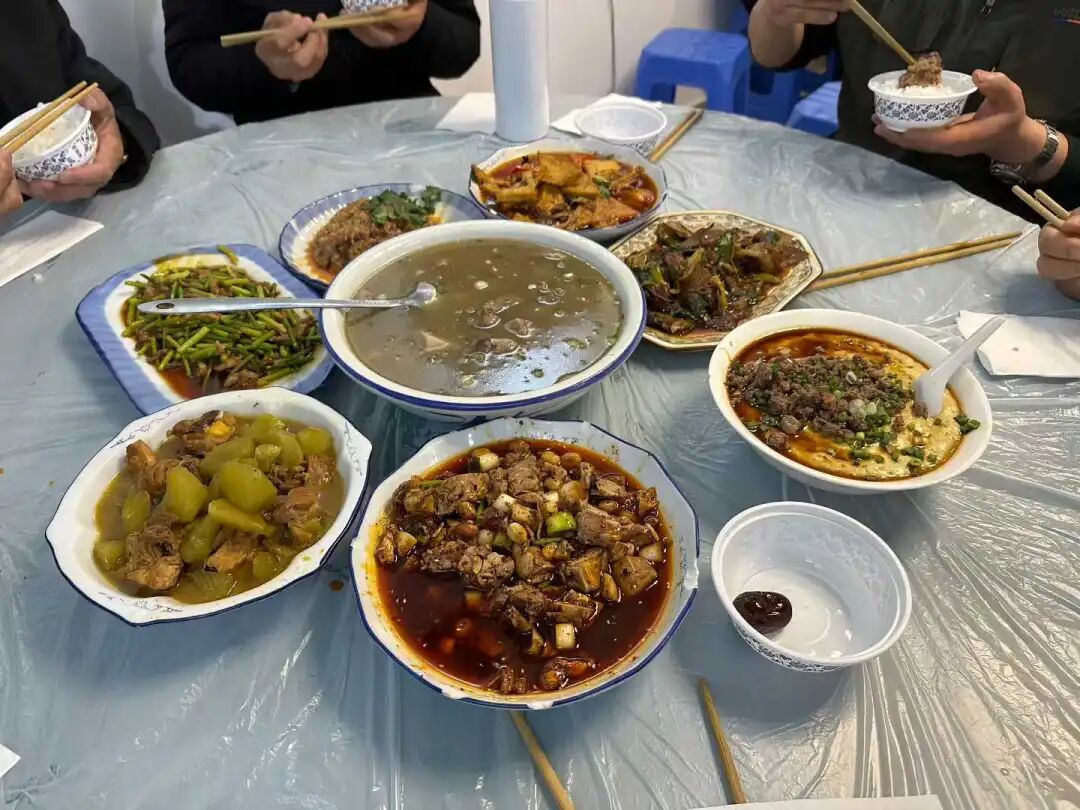
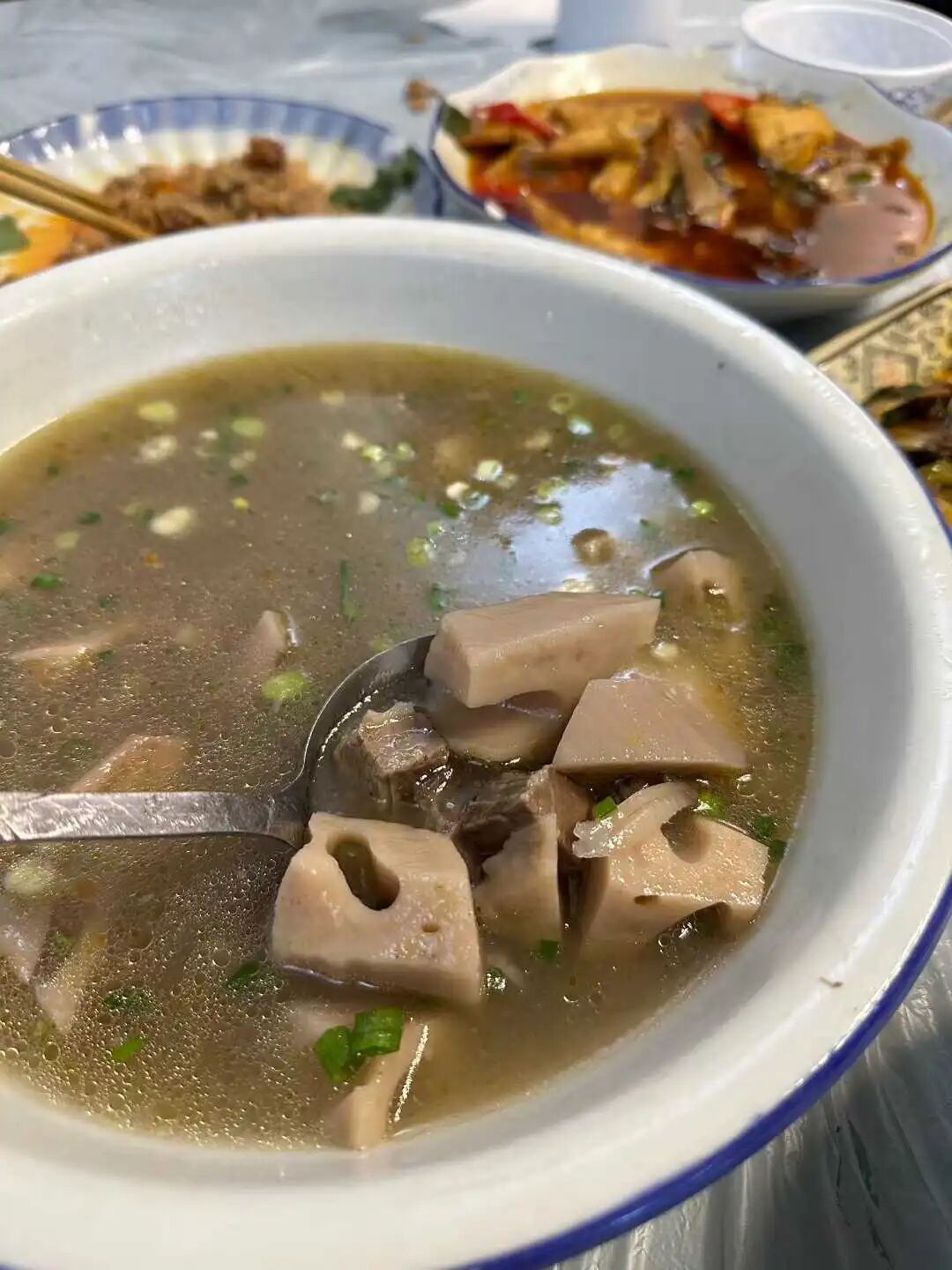
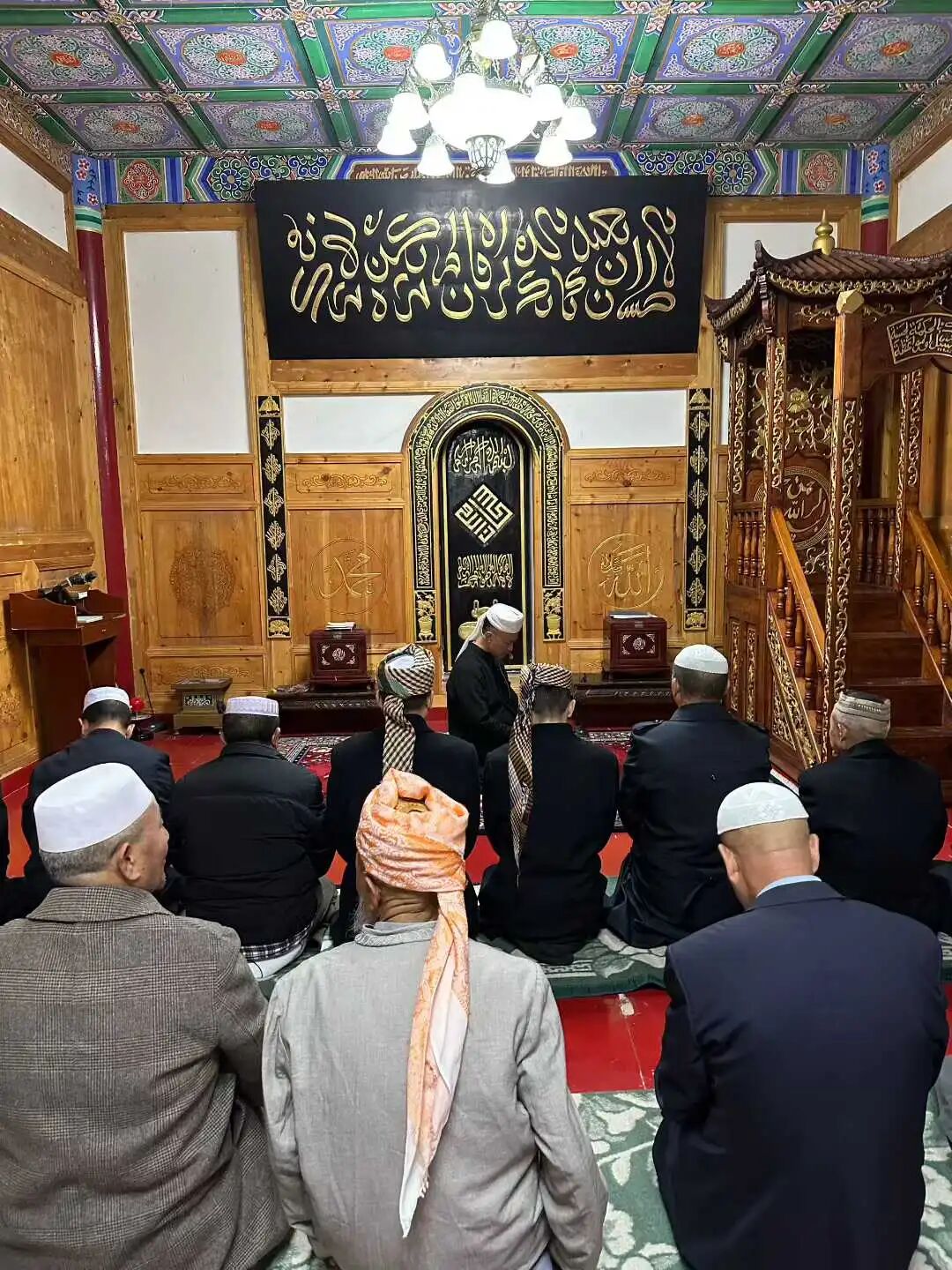
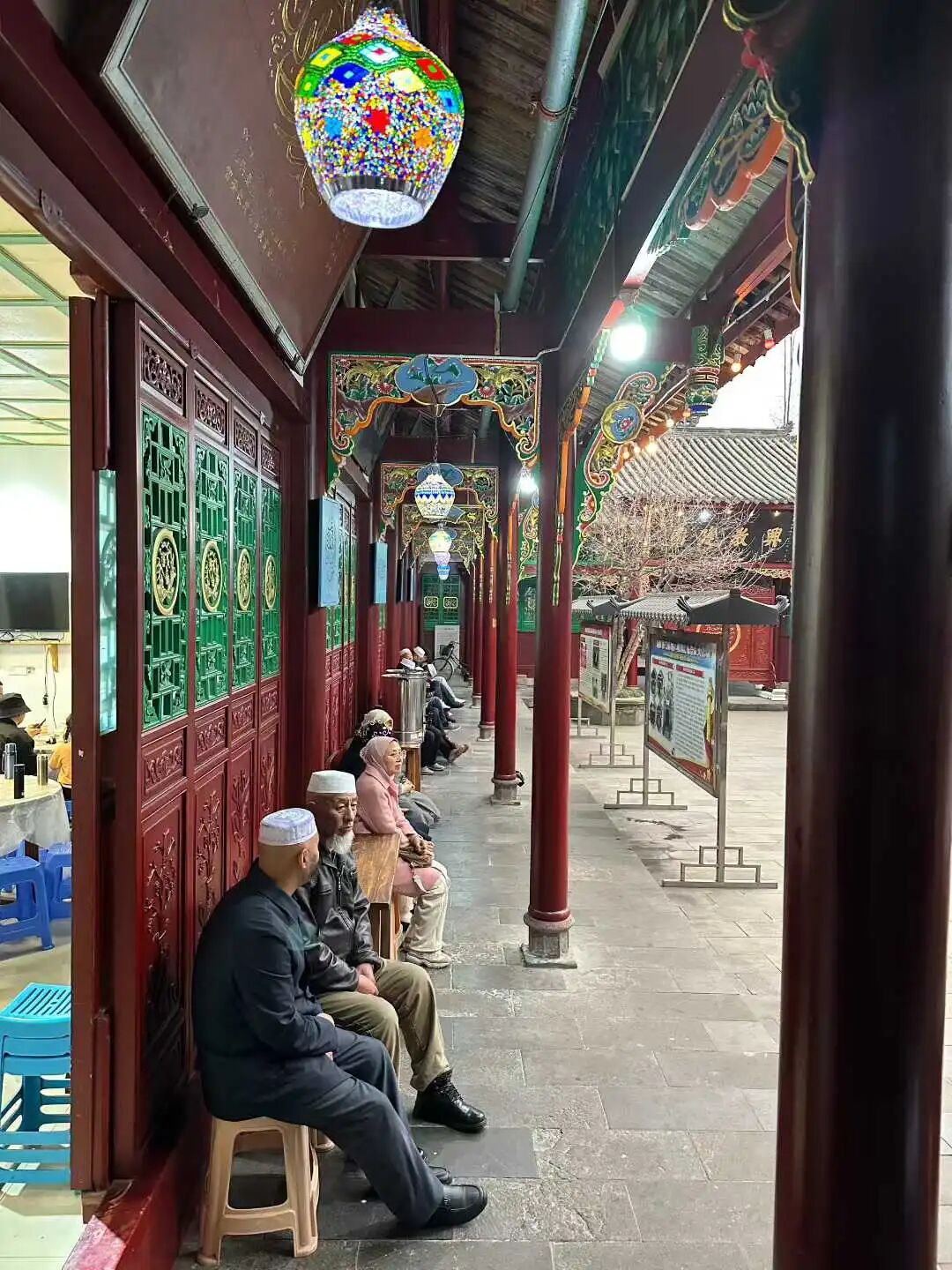
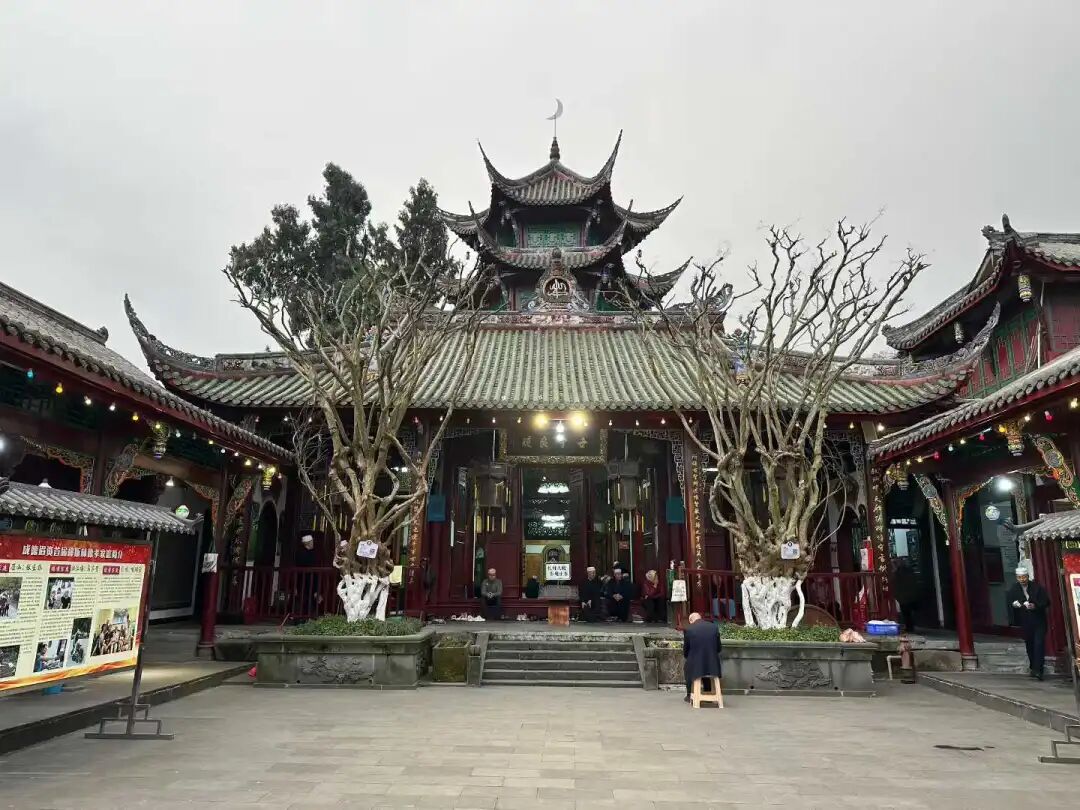
The Hui Muslims in Dujiangyan come from diverse backgrounds. The Hai family moved from Shaoyang, Hunan, during the Wanli period of the Ming Dynasty. The Guanxian Ma family moved from Shaanxi in the mid-Ming Dynasty. The Lan family moved from Tuqiao, Chengdu, during the Qing Dynasty. The Su family moved from Xiaojin County, Sichuan, in the early Qing Dynasty. The Songpan Zhang family moved from Songpan, Sichuan, in the early Qing Dynasty. The Hebei Zhang family moved from Pidu District, Chengdu, during the Tongzhi period. The Shaanxi Ma family moved from Weinan, Shaanxi, during the Jiaqing period of the Qing Dynasty. The Qi family moved from Weinan, Shaanxi, during the Daoguang period. The Li family moved from Huihuiying in Pidu District, Chengdu, in the late Qing Dynasty. The Maogong Ma family moved from Xiaojin County, Sichuan, in the early years of the Republic of China. The Shandong Jiang family moved from Yanting, Sichuan, in the early years of the Republic of China. The Taiyuan Cai family moved from Xiaojin County, Sichuan, in the first year of the Republic of China.
The ancestor of the Dujiangyan Hai family, Hai Mengshi, was from Shunyi, Beijing. In the first year of the Hongwu period of the Ming Dynasty, he was appointed as a commander of the Imperial Guard. His grandson, Hai Chaofan, moved from Shaoyang, Hunan, to Sichuan during the Ming Wanli period.
The 'Hebei Zhang' family's ancestral home was Zhangjiawan in Tongzhou, Beijing. At the end of the Ming Dynasty, three Zhang brothers moved to Lianglukou in Pidu District, Chengdu, and led the construction of the Zhang Family Mosque (Zhangjia Si). During the Tongzhi period, Zhang Yongchun ran a Muslim restaurant on West Street in Dujiangyan and settled there.
The 'Maogong Ma' family's ancestral home was Tianbei Village in Weinan, Shaanxi. They entered Sichuan during the Qianlong period and settled in Xiaojin County. In the first year of the Republic of China, they moved to Huangchengba in Chengdu due to the Railway Protection Movement. In the sixth year of the Republic of China, their house was destroyed during the warlord chaos, and they moved to Dujiangyan again. Ma Rucong, an imam from this family, served as an imam at the Dujiangyan mosque for 33 years and passed away in 1962.
The Li family of Hui Muslims moved here from Tangyuan Town in Pidu District, Chengdu, during the Tongzhi reign. Li Guangming, a member of the family, was known as one of the Three Heroes of Guan County. He served as the magistrate of Xiaojin County during the Republic of China era, stood up to powerful figures, and was later killed by bandits.
The ancestors of the Shaanxi Ma family came from Qiaotian Village in Weinan, Shaanxi. In the 13th year of the Jiaqing reign, Ma Yingxian moved to Dujiangyan because of the White Lotus and Tianli uprisings. In the 6th year of the Daoguang reign, he bought a piece of land on South Street in Dujiangyan and opened the Daxing Mule and Horse Inn, which operated until 1949.
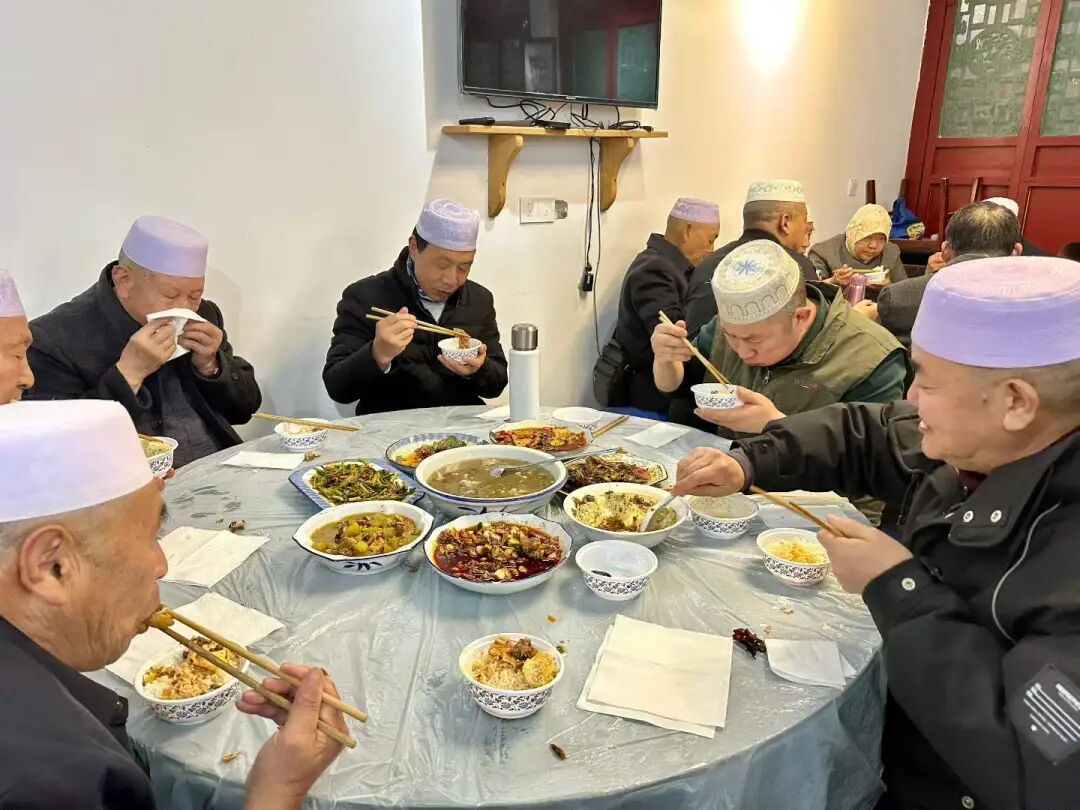
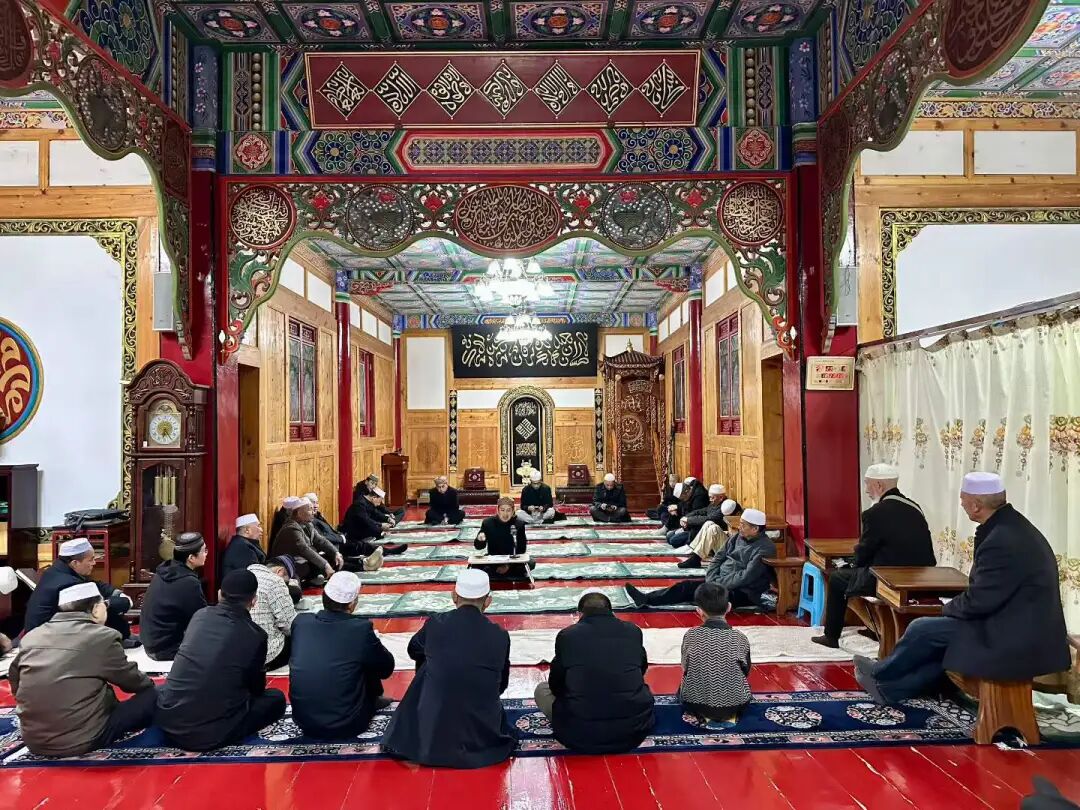
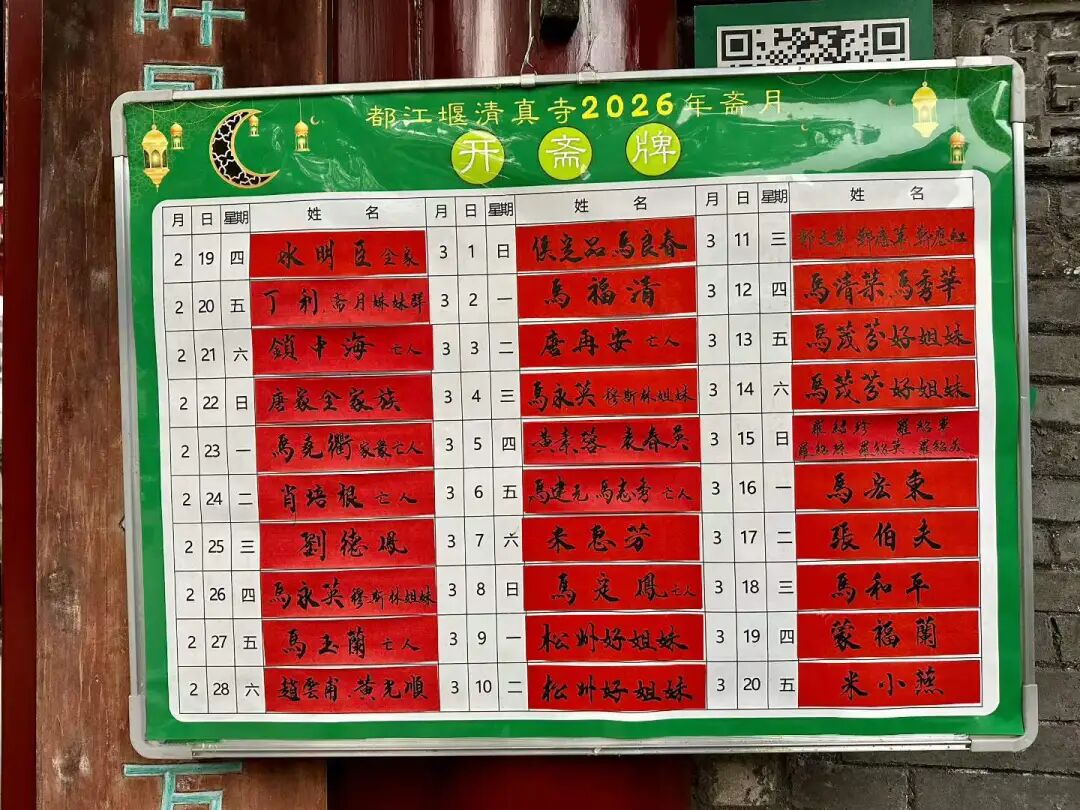
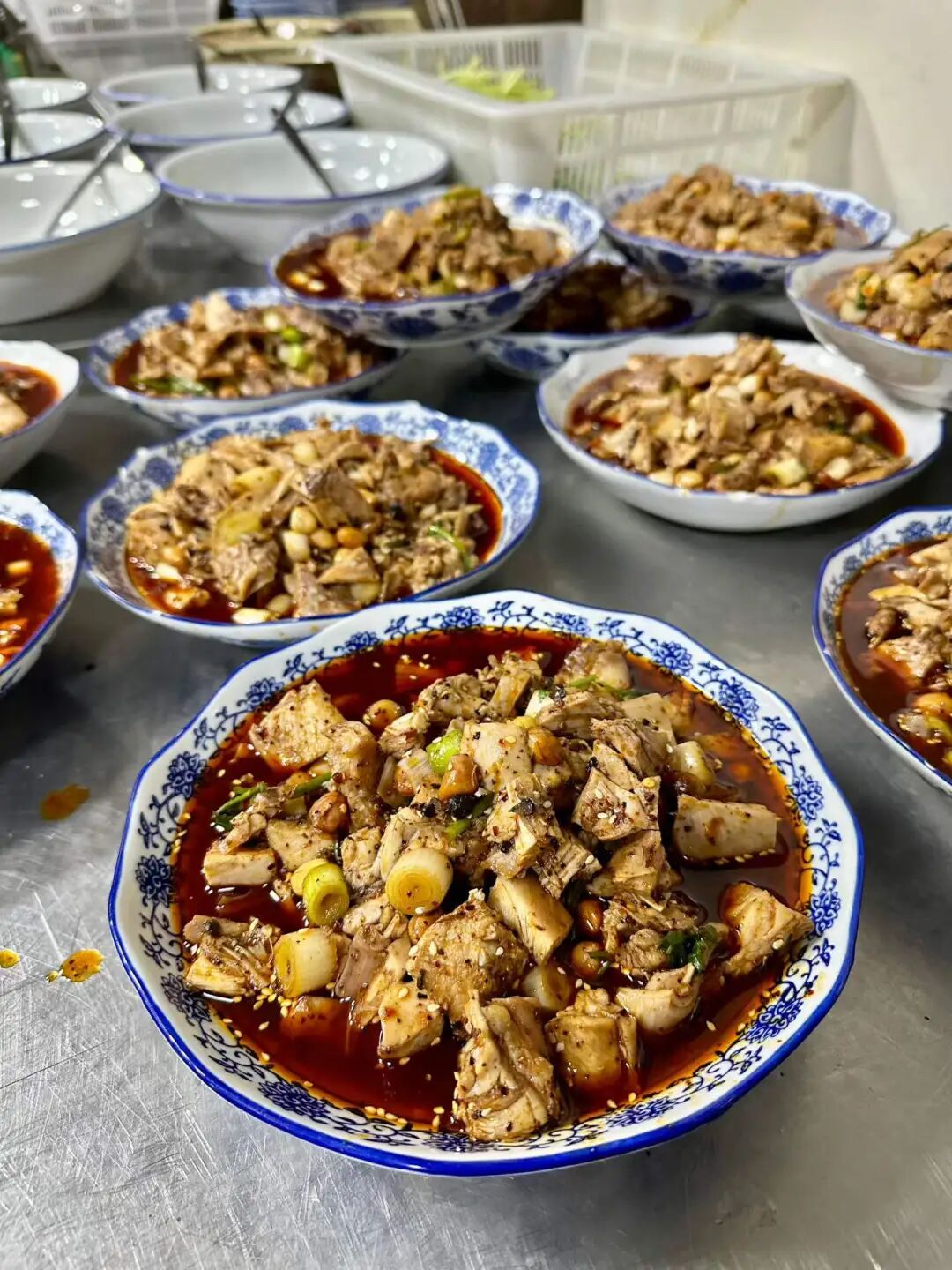
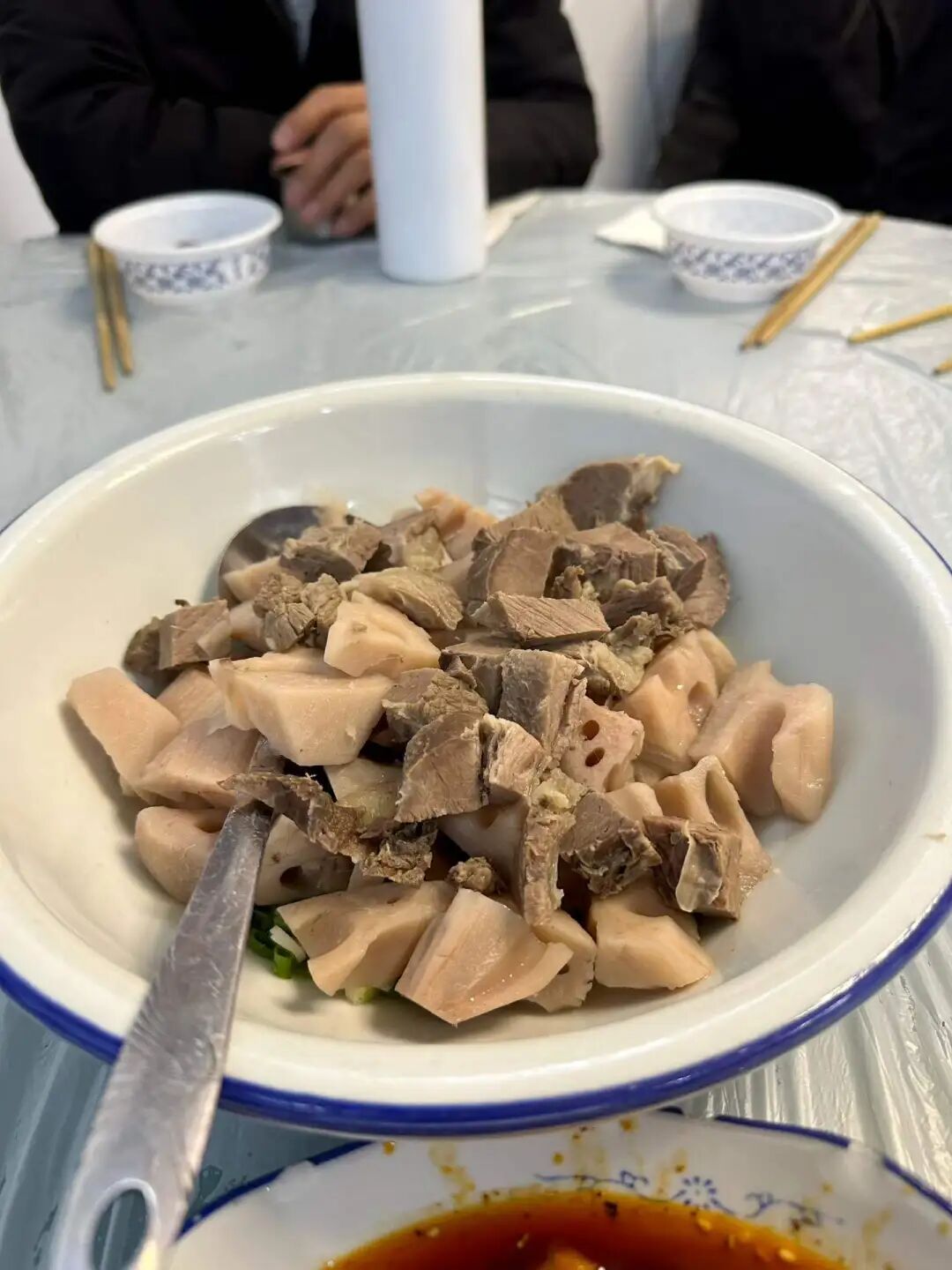
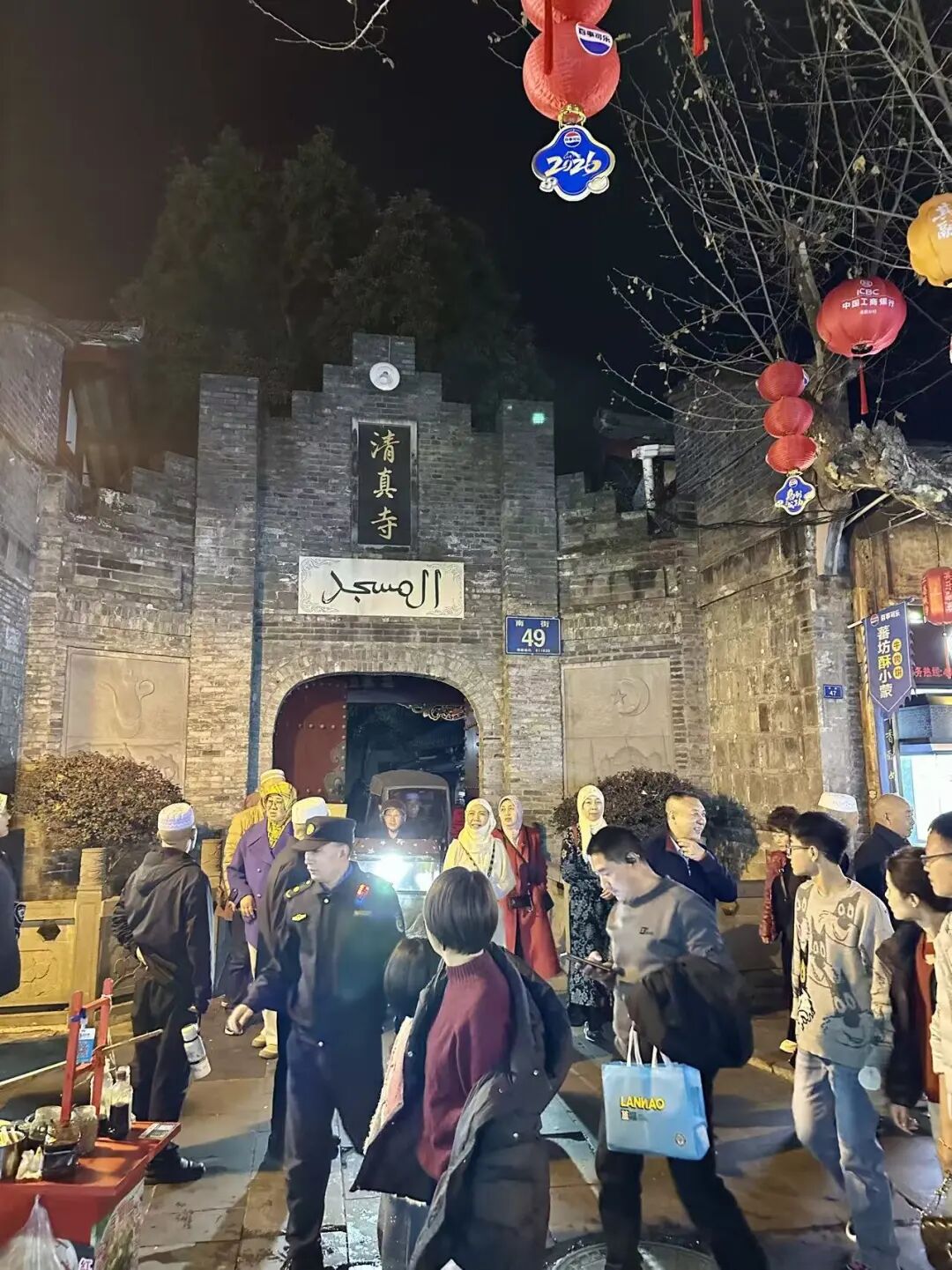
Next to the mosque is the Jiang Jiuxiang Pickles Workshop. Their five-kernel pine mushroom (wuren songrong) is delicious. It tastes great on its own and is a perfect match for porridge.
Dujiangyan Guan County Ancient City at night.
Starting the fast (suhur) at the Dujiangyan mosque in the morning is a special experience when everyone does it together.
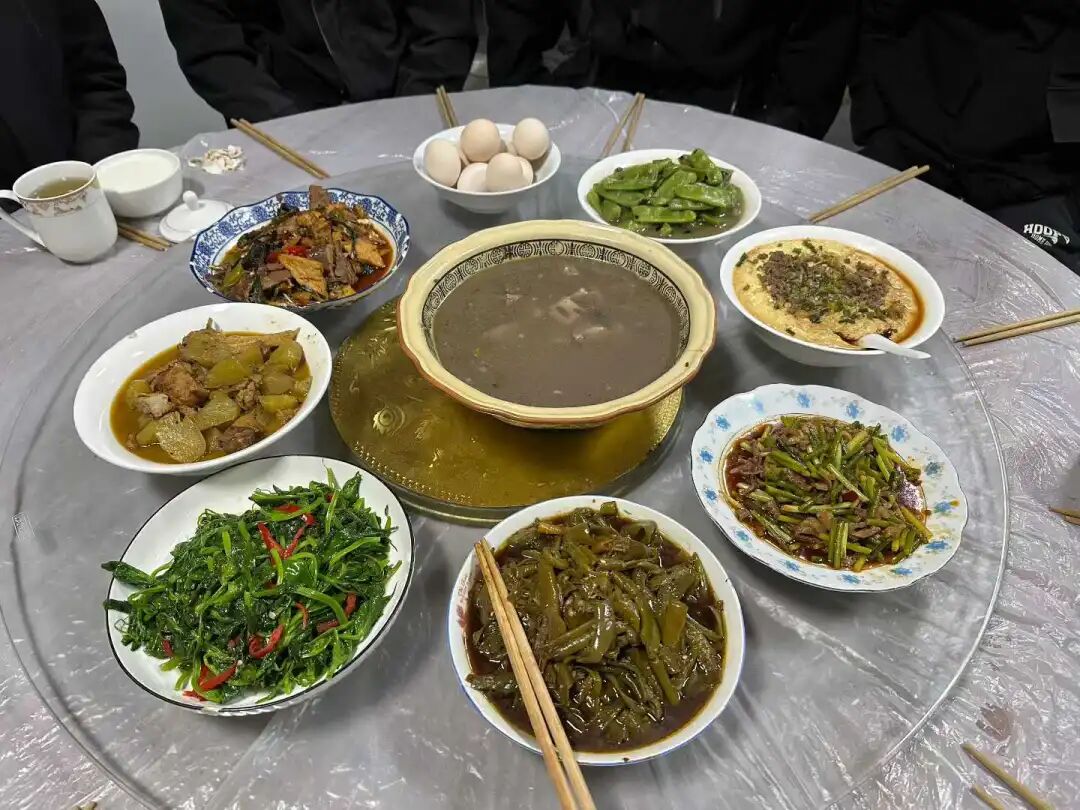
Imam Sha Fuquan has been employed at the Dujiangyan mosque for 32 years. Imam Sha is from Xichang. His ancestors were descendants of Yelu Timur, the grandson of Sayyid Ajjal Shams al-Din. Yelu Timur served as the Pingzhang Zhengshi of Jianchang Road at the end of the Yuan Dynasty. He submitted to the Ming Dynasty in 1382 (the 15th year of the Hongwu reign) and was appointed as the Commander of Jianchang Guard. In 1392 (the 25th year of the Hongwu reign), he rebelled again, led an army of ten thousand to attack the city, and was captured and executed after failing. His descendants scattered. One branch fled to Huangcaoping in Miyi County, Panzhihua, where they hid their identities and changed their surname to Sha. By the third generation, they moved to Xichang, where they have lived ever since.
In 1987, Imam Sha studied under the famous Imam Yang Hua in Shaguoying, Xichang. He received his graduation robe (chuanyi guazhang) in 1990 and was admitted to the China Islamic Institute that same year. After graduating in 1994, he was hired by the Dujiangyan mosque, where he has worked ever since. Over the past thirty years, Imam Sha has taught hundreds of students (hailifan) and made significant contributions to the faith in Sichuan and the entire Southwest region. After the 2008 Wenchuan earthquake, Imam Sha led the restoration of the Dujiangyan mosque, giving it a brand-new look.
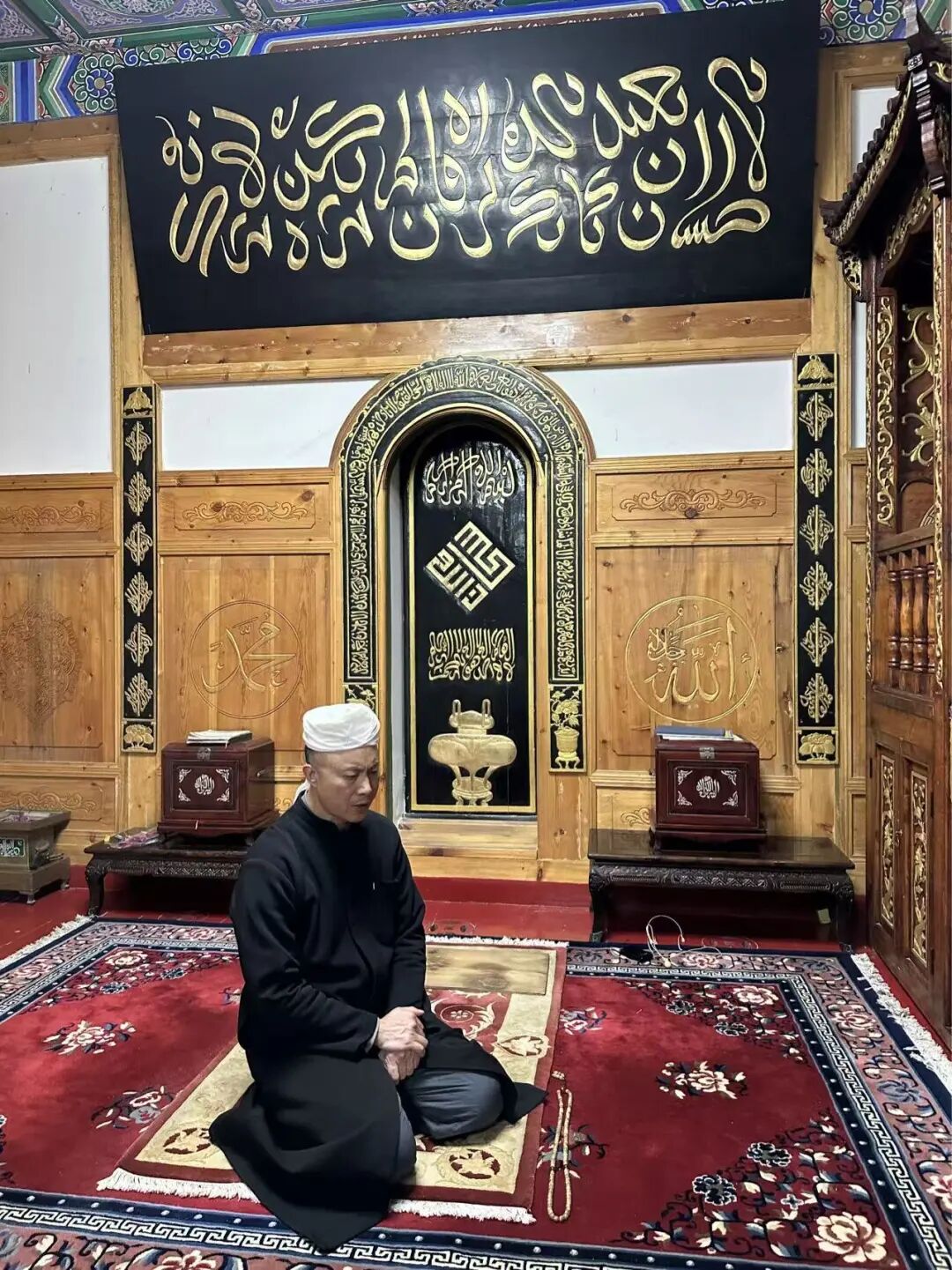
Muslim Traveler Guide to Beijing: Africa Day Event, Muslim Community and Local Culture
Articles • yusuf908 posted the article • 0 comments • 235 views • 2026-06-22 06:27
Summary: This Muslim traveler guide to Beijing covers the Africa Day event, local Muslim community scenes, and travel culture details from the original Chinese article.
This article summarizes the key points of the lively Africa Day event in Beijing. It keeps the original paragraph and image order, making it perfect for readers interested in Muslim life, Islamic culture, and Chinese Islamic articles, as well as those searching for halal food in China.
May 25 is Africa Liberation Day, a day to remember the national liberation of Africa. It started on May 25, 1963, when 32 African countries signed the Charter of the Organization of African Unity. African countries hold celebrations around May 25 every year. This year, the embassies of various African countries in Beijing held a lively Africa Day event at Chaoyang Park.
As soon as I entered, I heard happy African drumming. I walked over and saw some men from Tanzania in East Africa playing drums and singing in Swahili. The most famous song was the one from The Lion King, 'Hakuna Matata,' which means 'no worries.' Everyone was very happy. My son, Suleiman, joined in and played an African drum, and he had a great time.
I kept walking inside and reached the music stage for Sierra Leone in West Africa. Besides African drums, I saw the beaded shaker (shegbureh) of the Mende people. It is made of a hollowed-out gourd handle inside a cotton net, with wooden beads or hard seeds strung into the net. When playing it, you hold the knot of the rope in one hand and shake the gourd with the other, making the gourd hit and rub against the net.
The third area was the drumming and music stage for Cameroon. I saw the classic Tam-tam drum used by Cameroonians during celebrations. It is played with two drumsticks and has a very powerful sound.
After listening for a while, I saw Dosdani from Sudan also playing the drums and singing. Sudanese Arabs have lighter skin, while the Nubian and Fur people have darker skin. Because of long-term intermarriage and integration, you can see that the appearance of the Sudanese people is very diverse, and their culture is very multicultural.
The last thing I listened to was the singing and dancing of people from Liberia in West Africa. Since the 19th century, many freed American slaves were settled in Liberia, so their music is a blend of African and American styles. Liberian dancing is very bold and uses large, sweeping movements.
The snacks at Africa Day in Beijing started with Barakawy dates from Sudan and Deglet Nour dates from Algeria. The Sudanese ones are drier, while the Algerian dates on the branch are oilier. Both are very sweet. The Sahara oases in North Africa are major date producers. Algeria's Deglet Nour dates are known as the "queen of dates." The flesh is soft and chewy with a honey-like flavor, hints of caramel and nuts, and a high sweetness that isn't cloying. Sudanese dates are mainly grown along the Nile and in northern oases. The Barakawy variety is the most common; it is dark brown, quite dry, firm, and very sweet.
Next, I tasted the beef jerky (kilichi) from Niger. Kilichi is a traditional food of the Hausa people in the West African Sahel region. It was originally invented to preserve meat during nomadic travel and trade, and it has since become a national snack in countries like Niger and Nigeria. The secret to kilichi is the roasted peanut powder, along with ginger, garlic, and onion powder. This makes it richer and more fibrous than regular beef jerky. Kilichi comes in three spice levels, and I tried all of them at the event. The spiciest version is Kilichi Rouge, which uses a lot of red chili and is very popular. The regular version is Roumouzou, which is mild and fragrant, making it perfect for those who don't like spicy food. There is another type called Tessaoua that is just wrapped in spices and sun-dried without smoking, giving it a fresher taste.
I also ate a flaky pastry made by a sister from Mali that tasted like a cookie. Mali is in the heart of West Africa and once built the wealthy Mali Empire, but it later became one of the poorest regions in the world. Right now, various riots are still breaking out across Mali, and the society is very unstable.
Ethiopian coffee, Djiboutian incense, Tunisian mosaics, and a Somali booth.
Ethiopia is the birthplace of Arabica coffee, and coffee is named after its place of origin, Kaffa. Local shepherds reportedly noticed their sheep were excited and sleepless after eating coffee beans, so they tried them and felt energized, and later the villagers started eating them too. However, early coffee in Ethiopia was only chewed or used in medicinal meals, and it was only after Yemeni merchants brought it across the Red Sea that commercial planting began.
Djibouti is located in the Horn of Africa in the northeast, guarding the throat of the Red Sea, and the vast majority of its citizens belong to the Shafi'i school. Djiboutian incense centers on frankincense and myrrh, mixed with jasmine, amber, and agarwood, and burned using a traditional incense burner (dabqaad). The frankincense comes from the resin of the frankincense tree and has a warm, woody, and slightly sweet scent with fresh citrus notes, making it the soul of Djiboutian incense. Myrrh has a deep, smoky, and slightly bitter scent and is often mixed with frankincense. view all
Summary: This Muslim traveler guide to Beijing covers the Africa Day event, local Muslim community scenes, and travel culture details from the original Chinese article.
This article summarizes the key points of the lively Africa Day event in Beijing. It keeps the original paragraph and image order, making it perfect for readers interested in Muslim life, Islamic culture, and Chinese Islamic articles, as well as those searching for halal food in China.
May 25 is Africa Liberation Day, a day to remember the national liberation of Africa. It started on May 25, 1963, when 32 African countries signed the Charter of the Organization of African Unity. African countries hold celebrations around May 25 every year. This year, the embassies of various African countries in Beijing held a lively Africa Day event at Chaoyang Park.
As soon as I entered, I heard happy African drumming. I walked over and saw some men from Tanzania in East Africa playing drums and singing in Swahili. The most famous song was the one from The Lion King, 'Hakuna Matata,' which means 'no worries.' Everyone was very happy. My son, Suleiman, joined in and played an African drum, and he had a great time.
I kept walking inside and reached the music stage for Sierra Leone in West Africa. Besides African drums, I saw the beaded shaker (shegbureh) of the Mende people. It is made of a hollowed-out gourd handle inside a cotton net, with wooden beads or hard seeds strung into the net. When playing it, you hold the knot of the rope in one hand and shake the gourd with the other, making the gourd hit and rub against the net.
The third area was the drumming and music stage for Cameroon. I saw the classic Tam-tam drum used by Cameroonians during celebrations. It is played with two drumsticks and has a very powerful sound.
After listening for a while, I saw Dosdani from Sudan also playing the drums and singing. Sudanese Arabs have lighter skin, while the Nubian and Fur people have darker skin. Because of long-term intermarriage and integration, you can see that the appearance of the Sudanese people is very diverse, and their culture is very multicultural.
The last thing I listened to was the singing and dancing of people from Liberia in West Africa. Since the 19th century, many freed American slaves were settled in Liberia, so their music is a blend of African and American styles. Liberian dancing is very bold and uses large, sweeping movements.
The snacks at Africa Day in Beijing started with Barakawy dates from Sudan and Deglet Nour dates from Algeria. The Sudanese ones are drier, while the Algerian dates on the branch are oilier. Both are very sweet. The Sahara oases in North Africa are major date producers. Algeria's Deglet Nour dates are known as the "queen of dates." The flesh is soft and chewy with a honey-like flavor, hints of caramel and nuts, and a high sweetness that isn't cloying. Sudanese dates are mainly grown along the Nile and in northern oases. The Barakawy variety is the most common; it is dark brown, quite dry, firm, and very sweet.
Next, I tasted the beef jerky (kilichi) from Niger. Kilichi is a traditional food of the Hausa people in the West African Sahel region. It was originally invented to preserve meat during nomadic travel and trade, and it has since become a national snack in countries like Niger and Nigeria. The secret to kilichi is the roasted peanut powder, along with ginger, garlic, and onion powder. This makes it richer and more fibrous than regular beef jerky. Kilichi comes in three spice levels, and I tried all of them at the event. The spiciest version is Kilichi Rouge, which uses a lot of red chili and is very popular. The regular version is Roumouzou, which is mild and fragrant, making it perfect for those who don't like spicy food. There is another type called Tessaoua that is just wrapped in spices and sun-dried without smoking, giving it a fresher taste.
I also ate a flaky pastry made by a sister from Mali that tasted like a cookie. Mali is in the heart of West Africa and once built the wealthy Mali Empire, but it later became one of the poorest regions in the world. Right now, various riots are still breaking out across Mali, and the society is very unstable.
Ethiopian coffee, Djiboutian incense, Tunisian mosaics, and a Somali booth.
Ethiopia is the birthplace of Arabica coffee, and coffee is named after its place of origin, Kaffa. Local shepherds reportedly noticed their sheep were excited and sleepless after eating coffee beans, so they tried them and felt energized, and later the villagers started eating them too. However, early coffee in Ethiopia was only chewed or used in medicinal meals, and it was only after Yemeni merchants brought it across the Red Sea that commercial planting began.
Djibouti is located in the Horn of Africa in the northeast, guarding the throat of the Red Sea, and the vast majority of its citizens belong to the Shafi'i school. Djiboutian incense centers on frankincense and myrrh, mixed with jasmine, amber, and agarwood, and burned using a traditional incense burner (dabqaad). The frankincense comes from the resin of the frankincense tree and has a warm, woody, and slightly sweet scent with fresh citrus notes, making it the soul of Djiboutian incense. Myrrh has a deep, smoky, and slightly bitter scent and is often mixed with frankincense.
Halal Food Guide to Tianjin: Hui Muslim Tea Restaurants and Handmade Burger Shops
Articles • yusuf908 posted the article • 0 comments • 319 views • 2026-06-22 06:27
Summary: This halal food guide to Tianjin covers Hui Muslim tea restaurants, handmade burger shops, halal food in China, and local Muslim dining details.
This article covers two new tea restaurants and one handmade burger shop opened by Hui Muslims in Tianjin. It keeps the original paragraph and image order, making it perfect for readers interested in Muslim life, Islamic culture, and Chinese Islamic writing, as well as those searching for halal food in China.
I heard about two new tea restaurants and an American-style burger shop in Tianjin, so I went to try them out this weekend.
I took the intercity train to Tianjin West Station, then transferred to Line 4 to reach Tianmu. The new subway line was very empty. After leaving the Tianmu subway station, I crossed the street and saw the newly opened Cantonese tea restaurant, Hanmei, at the intersection. They used to sell rice noodle rolls (changfen) at the Shunyi Road night market before opening their own shop.
Their main dishes are roast goose and rice noodle rolls (changfen). We ordered half a roast goose, mushroom and shrimp rice noodle rolls, Cantonese-style beef rice noodle rolls, curry fish balls, tiger skin chicken feet, and radish beef offal. The roast goose tasted good, but the skin was quite fatty and felt more like the skin of Beijing roast duck. The shrimp tasted great, and the Cantonese-style beef tasted similar to the beef stew we Hui Muslims make, just a bit sweeter. The rice noodle roll skin was very thin and had a mild flavor. The curry fish balls were delicious, but the chicken feet felt a bit dry. The radish beef offal was not well-made, and the flavor was completely off. If you want to try Cantonese flavors, you can come here, but it still falls short compared to the Hui Muslim restaurants in Guangzhou or the restaurant in the Aiqun Hotel in Hong Kong. Next time I have a chance, I will come back to try their claypot rice (baozai fan).
North of Tianmu in Tianjin is Tianzhong, which used to be the compound for the Tianjin Heavy Machinery Factory, and it has many different restaurants. A new Hong Kong-style tea restaurant called Xiao Chu Jie opened on Tianzhong Road. We ordered iced lemon tea, Hong Kong-style pulled milk tea, and passion fruit tea, and we ate the 'rich mudslide' dessert and the 'leaky milk' French toast (lounaihua). Their iced lemon tea is very refreshing, and the milk tea has a strong tea flavor that is very satisfying.
The leaky milk French toast is a viral dessert in Hong Kong-style tea restaurants, essentially a luxurious, exploding version of French toast (xiduoshi). To make it, they press a small dent into the top of two thick slices of toast and pour over a thick milk sauce made from milk, condensed milk, and butter, then sprinkle a thick layer of malt cocoa powder on top. When you cut into it, the milk sauce flows out like a mudslide. Because the malt cocoa powder used in Hong Kong-style tea restaurants is the Swiss brand Ovaltine, the dish gets its name 'leaky milk' (lounaihua).
In the evening, I walked around the night market on Shunyi Road in Tianmu and ate shaved ice. Since Metro Line 4 opened, it is much easier to get to Tianmu, so I probably won't go to the Northwest Corner as often. I ate at this Ciertou Shaved Ice shop in Tianmu last year, and I came back to eat here again this time. I always order the old-fashioned shaved ice (baobing) I love, topped with sour hawthorn paste (suanmogao), sour apricots, red hawthorn berries, and red beans. It really whets the appetite. They also have fresh lychee milk ice, which is only sold during lychee season. When we arrived, the owner was just opening a crate of fresh lychees, and they looked very fresh indeed.
Shunyidao Night Market now has barbecue on one side and snacks on the other. It is great to walk around, with options like sweet soup (tangshui), teppanyaki squid, duck snacks, and octopus balls (takoyaki) available.
We kept walking through the Tianmu Shunyidao Night Market and bought some egg waffles (jidanzi). We got chocolate, beef floss, and original flavors. The egg and milk aroma was very strong. They were very hot when freshly made, so we had to let them cool down before eating. Suleiman really liked the chocolate flavor.
Then we bought some teppanyaki hot dogs, which were also very affordable.
We came to the Honghuli Food Street in Tianjin on the weekend to try a newly opened American-style burger shop. Honghuli is an old-fashioned residential area built in the 1980s. It is only one subway stop away from Tianjin West Railway Station, making it very convenient to reach. There are many Hui Muslim restaurants here, both traditional and modern. Unlike the Northwest Corner, it is not very commercialized, and most of the customers are locals.
Hello Handmade Burger Shop is on Honghu South Road, surrounded by many other food spots. The owner is a relative of the imam at Fuxingzhuang Mosque, so the food is halal and the quality is guaranteed. We had the American-style double beef burger and the black truffle black tiger shrimp burger. Both were huge. Their burger buns are unique. The green ones are made with spinach powder and the black ones with squid ink. They are custom-made and have absolutely no preservatives.
The beef patties are fresh and firm. After pan-frying, they are rich, fragrant, and juicy. The double patties give a great meaty texture, and with the sauce and toppings, the flavors build up and get better with every bite. The black tiger shrimp in the black truffle burger is plump and bouncy with a distinct sweet, fresh taste. It blends perfectly with the rich aroma of black truffle, creating a delicate yet chewy texture.
The shop is quite small, so you might have to wait for a table during meal times. If it is not too sunny, you can also eat outside by the door and chat while you eat.
Next to the burger shop is Yuansu Zhai Lao Wei Juanquan. They sell homemade dark plum drink (wumeitang) and dried tangerine peel passion fruit pear juice. Both are all-natural and cannot be kept overnight. The dark plum drink contains licorice, mint, roselle, dried tangerine peel, hawthorn, mulberry, and osmanthus. The dried tangerine peel passion fruit pear juice contains lemon, lotus seeds, and lily bulbs. Both taste great. Cold drinks go really well with burgers.
Previous Tianjin food shares:
Taking the kids to Tianjin in the summer to see the sea and eat seafood.
Tianjin's halal food is so comprehensive: pasta, yakitori, Yemeni flatbread, Swiss cheese fondue, and rice balls.
Autumn food tour in Tianjin: Syrian food, giant river prawns (luoshi xia), yellow broth ramen, Turkish restaurants, and Xinjiang fresh milk ice cream.
Taking kids out to eat in Tianjin: Yemeni food, Algerian desserts, rice noodle rolls (changfen), Japanese food, and water caltrop soup (lingjiao tang).
Eating Arabic food in Tianjin: Syrian, Yemeni, Tunisian, and Algerian.
Between the mountains and the sea: from Huairou farmhouses to seaside Western restaurants. view all
Summary: This halal food guide to Tianjin covers Hui Muslim tea restaurants, handmade burger shops, halal food in China, and local Muslim dining details.
This article covers two new tea restaurants and one handmade burger shop opened by Hui Muslims in Tianjin. It keeps the original paragraph and image order, making it perfect for readers interested in Muslim life, Islamic culture, and Chinese Islamic writing, as well as those searching for halal food in China.
I heard about two new tea restaurants and an American-style burger shop in Tianjin, so I went to try them out this weekend.
I took the intercity train to Tianjin West Station, then transferred to Line 4 to reach Tianmu. The new subway line was very empty. After leaving the Tianmu subway station, I crossed the street and saw the newly opened Cantonese tea restaurant, Hanmei, at the intersection. They used to sell rice noodle rolls (changfen) at the Shunyi Road night market before opening their own shop.
Their main dishes are roast goose and rice noodle rolls (changfen). We ordered half a roast goose, mushroom and shrimp rice noodle rolls, Cantonese-style beef rice noodle rolls, curry fish balls, tiger skin chicken feet, and radish beef offal. The roast goose tasted good, but the skin was quite fatty and felt more like the skin of Beijing roast duck. The shrimp tasted great, and the Cantonese-style beef tasted similar to the beef stew we Hui Muslims make, just a bit sweeter. The rice noodle roll skin was very thin and had a mild flavor. The curry fish balls were delicious, but the chicken feet felt a bit dry. The radish beef offal was not well-made, and the flavor was completely off. If you want to try Cantonese flavors, you can come here, but it still falls short compared to the Hui Muslim restaurants in Guangzhou or the restaurant in the Aiqun Hotel in Hong Kong. Next time I have a chance, I will come back to try their claypot rice (baozai fan).
North of Tianmu in Tianjin is Tianzhong, which used to be the compound for the Tianjin Heavy Machinery Factory, and it has many different restaurants. A new Hong Kong-style tea restaurant called Xiao Chu Jie opened on Tianzhong Road. We ordered iced lemon tea, Hong Kong-style pulled milk tea, and passion fruit tea, and we ate the 'rich mudslide' dessert and the 'leaky milk' French toast (lounaihua). Their iced lemon tea is very refreshing, and the milk tea has a strong tea flavor that is very satisfying.
The leaky milk French toast is a viral dessert in Hong Kong-style tea restaurants, essentially a luxurious, exploding version of French toast (xiduoshi). To make it, they press a small dent into the top of two thick slices of toast and pour over a thick milk sauce made from milk, condensed milk, and butter, then sprinkle a thick layer of malt cocoa powder on top. When you cut into it, the milk sauce flows out like a mudslide. Because the malt cocoa powder used in Hong Kong-style tea restaurants is the Swiss brand Ovaltine, the dish gets its name 'leaky milk' (lounaihua).
In the evening, I walked around the night market on Shunyi Road in Tianmu and ate shaved ice. Since Metro Line 4 opened, it is much easier to get to Tianmu, so I probably won't go to the Northwest Corner as often. I ate at this Ciertou Shaved Ice shop in Tianmu last year, and I came back to eat here again this time. I always order the old-fashioned shaved ice (baobing) I love, topped with sour hawthorn paste (suanmogao), sour apricots, red hawthorn berries, and red beans. It really whets the appetite. They also have fresh lychee milk ice, which is only sold during lychee season. When we arrived, the owner was just opening a crate of fresh lychees, and they looked very fresh indeed.
Shunyidao Night Market now has barbecue on one side and snacks on the other. It is great to walk around, with options like sweet soup (tangshui), teppanyaki squid, duck snacks, and octopus balls (takoyaki) available.
We kept walking through the Tianmu Shunyidao Night Market and bought some egg waffles (jidanzi). We got chocolate, beef floss, and original flavors. The egg and milk aroma was very strong. They were very hot when freshly made, so we had to let them cool down before eating. Suleiman really liked the chocolate flavor.
Then we bought some teppanyaki hot dogs, which were also very affordable.
We came to the Honghuli Food Street in Tianjin on the weekend to try a newly opened American-style burger shop. Honghuli is an old-fashioned residential area built in the 1980s. It is only one subway stop away from Tianjin West Railway Station, making it very convenient to reach. There are many Hui Muslim restaurants here, both traditional and modern. Unlike the Northwest Corner, it is not very commercialized, and most of the customers are locals.
Hello Handmade Burger Shop is on Honghu South Road, surrounded by many other food spots. The owner is a relative of the imam at Fuxingzhuang Mosque, so the food is halal and the quality is guaranteed. We had the American-style double beef burger and the black truffle black tiger shrimp burger. Both were huge. Their burger buns are unique. The green ones are made with spinach powder and the black ones with squid ink. They are custom-made and have absolutely no preservatives.
The beef patties are fresh and firm. After pan-frying, they are rich, fragrant, and juicy. The double patties give a great meaty texture, and with the sauce and toppings, the flavors build up and get better with every bite. The black tiger shrimp in the black truffle burger is plump and bouncy with a distinct sweet, fresh taste. It blends perfectly with the rich aroma of black truffle, creating a delicate yet chewy texture.
The shop is quite small, so you might have to wait for a table during meal times. If it is not too sunny, you can also eat outside by the door and chat while you eat.
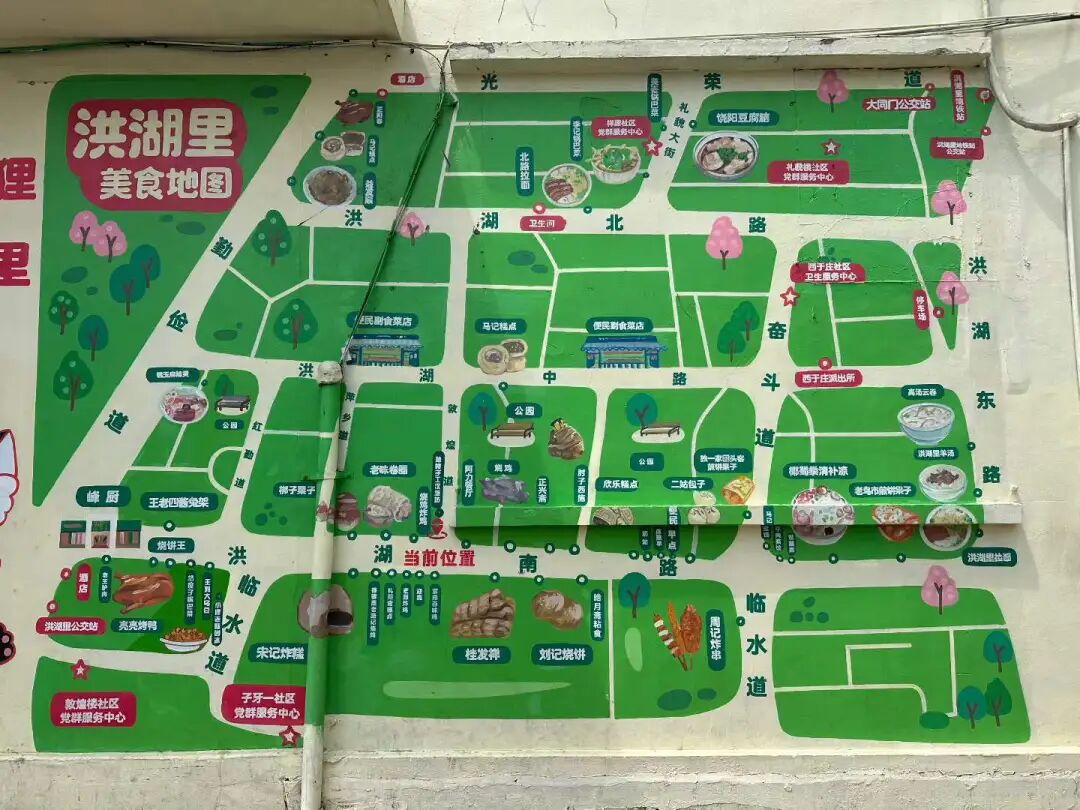
Next to the burger shop is Yuansu Zhai Lao Wei Juanquan. They sell homemade dark plum drink (wumeitang) and dried tangerine peel passion fruit pear juice. Both are all-natural and cannot be kept overnight. The dark plum drink contains licorice, mint, roselle, dried tangerine peel, hawthorn, mulberry, and osmanthus. The dried tangerine peel passion fruit pear juice contains lemon, lotus seeds, and lily bulbs. Both taste great. Cold drinks go really well with burgers.
Previous Tianjin food shares:
Taking the kids to Tianjin in the summer to see the sea and eat seafood.
Tianjin's halal food is so comprehensive: pasta, yakitori, Yemeni flatbread, Swiss cheese fondue, and rice balls.
Autumn food tour in Tianjin: Syrian food, giant river prawns (luoshi xia), yellow broth ramen, Turkish restaurants, and Xinjiang fresh milk ice cream.
Taking kids out to eat in Tianjin: Yemeni food, Algerian desserts, rice noodle rolls (changfen), Japanese food, and water caltrop soup (lingjiao tang).
Eating Arabic food in Tianjin: Syrian, Yemeni, Tunisian, and Algerian.
Between the mountains and the sea: from Huairou farmhouses to seaside Western restaurants.
Muslim Traveler Guide to Beijing: Halal Food and African Cuisine at Beihang University
Articles • yusuf908 posted the article • 0 comments • 221 views • 2026-06-22 06:27
Summary: This Muslim traveler guide to Beijing follows an Africa Day food experience at Beihang University, with campus culture and local food details preserved.
This article summarizes the key points of tasting food from Africa's smallest country at Beihang University. It keeps the original paragraph and image order, making it suitable for readers interested in Muslim life, Islamic culture, and Chinese Islamic writing. It also helps with searching for content on Ramadan, history, and social observations.
Since May, major universities in Beijing have held international culture festivals. International students showcased their home cultures, which was very interesting. Unfortunately, most school festivals were on weekdays, and some were not open to the public. On May 24, I finally made it to the Beihang University international culture festival.
Although it was a culture festival rather than a food festival, I could still taste specialty drinks and snacks from several countries. We first drank Turkish black tea and Moroccan mint tea, then ate the Pakistani specialty noodle milk dish Pheni, which is also a classic Ramadan snack for Pakistanis.
The highlight was eating spicy peanuts, Wonjo hibiscus tea, and the milk dessert Chakery from the Gambia. This was my first time tasting snacks from this country. The Gambia is located on the Atlantic coast of West Africa. It is the smallest country in all of Africa and one of the least developed countries in the world. As early as a thousand years ago, Arab merchants crossed the Sahara Desert to trade in the Gambia and brought Islam to the country in the 9th century. Today, 96% of Gambians belong to the Maliki school of Sunni Islam.
Wonjo is an iced drink made by soaking hibiscus flowers and adding sugar and mint. It is a classic summer chilled beverage for Gambians. The Gambia is one of the original homes of the hibiscus flower, and drinking hibiscus tea here has a very long history. Chakery is a milk dessert made with millet. It is a classic West African after-dinner treat. People of different faiths share Chakery with their neighbors after festivals, showing friendships that cross religious lines.
A young man from Bangladesh sang with deep emotion, a friend (dosti) from Senegal was full of energy, and brothers from Ghana played the drums. My son, Suleiman, also grew to love the African drums.
After leaving the Beihang International Culture Festival, we went to the fourth floor of the Seventh Canteen for dinner. They were hosting a Food Voyage Culture Festival and invited Zhang Shuanqiang, the executive chef of the Ningxia Building in Beijing, to guide the cooking. We ate stir-fried beef, garlic fish fillets, and big plate chicken (dapanji). Overall, it was very affordable. The stir-fried beef went great with rice, and the garlic fish fillets were very appetizing. I really envy the students and teachers at Beihang. view all
Summary: This Muslim traveler guide to Beijing follows an Africa Day food experience at Beihang University, with campus culture and local food details preserved.
This article summarizes the key points of tasting food from Africa's smallest country at Beihang University. It keeps the original paragraph and image order, making it suitable for readers interested in Muslim life, Islamic culture, and Chinese Islamic writing. It also helps with searching for content on Ramadan, history, and social observations.
Since May, major universities in Beijing have held international culture festivals. International students showcased their home cultures, which was very interesting. Unfortunately, most school festivals were on weekdays, and some were not open to the public. On May 24, I finally made it to the Beihang University international culture festival.
Although it was a culture festival rather than a food festival, I could still taste specialty drinks and snacks from several countries. We first drank Turkish black tea and Moroccan mint tea, then ate the Pakistani specialty noodle milk dish Pheni, which is also a classic Ramadan snack for Pakistanis.
The highlight was eating spicy peanuts, Wonjo hibiscus tea, and the milk dessert Chakery from the Gambia. This was my first time tasting snacks from this country. The Gambia is located on the Atlantic coast of West Africa. It is the smallest country in all of Africa and one of the least developed countries in the world. As early as a thousand years ago, Arab merchants crossed the Sahara Desert to trade in the Gambia and brought Islam to the country in the 9th century. Today, 96% of Gambians belong to the Maliki school of Sunni Islam.
Wonjo is an iced drink made by soaking hibiscus flowers and adding sugar and mint. It is a classic summer chilled beverage for Gambians. The Gambia is one of the original homes of the hibiscus flower, and drinking hibiscus tea here has a very long history. Chakery is a milk dessert made with millet. It is a classic West African after-dinner treat. People of different faiths share Chakery with their neighbors after festivals, showing friendships that cross religious lines.
A young man from Bangladesh sang with deep emotion, a friend (dosti) from Senegal was full of energy, and brothers from Ghana played the drums. My son, Suleiman, also grew to love the African drums.
After leaving the Beihang International Culture Festival, we went to the fourth floor of the Seventh Canteen for dinner. They were hosting a Food Voyage Culture Festival and invited Zhang Shuanqiang, the executive chef of the Ningxia Building in Beijing, to guide the cooking. We ate stir-fried beef, garlic fish fillets, and big plate chicken (dapanji). Overall, it was very affordable. The stir-fried beef went great with rice, and the garlic fish fillets were very appetizing. I really envy the students and teachers at Beihang.
Beijing Halal Food Guide: Moroccan Iftar Snacks and Tunisian Mawlid Sweets at Beiyou
Articles • yusuf908 posted the article • 0 comments • 226 views • 2026-06-22 06:26
Summary: This Beijing halal food guide covers Moroccan iftar snacks, Tunisian Mawlid sweets, halal food in China, and Muslim campus dining at Beiyou.
This article summarizes the key points of the original text about eating Moroccan iftar snacks and Tunisian Mawlid sweets at BUPT. It keeps the original paragraph and image order. It is for readers interested in Muslim life, Islamic culture, and Chinese Islamic writing. It also helps people search for content on Ramadan, history, and Chinese halal food.
Since May, major universities in Beijing have been holding international culture festivals. Last week, I attended the one at Beihang University (tasting food from the smallest African country at Beihang), and this week I went to the one at BUPT. A friend (dosti) asked how to find this information. I just browse online platforms often and follow the news when I see it.
The BUPT international culture festival was held in the gymnasium, and the temperature was very pleasant. Although it was not very large, many stalls had special foods that are usually hard to find in Beijing.
First, I ate Moroccan chicken pie (bastilla) and small pancakes (baghrir). Beijing has not had Moroccan food for many years since the owner of the Camel Caravan restaurant on Guanghua Road left in 2020. I previously ate at a place in Guangzhou, and this time I finally had it again in Beijing.
There are many theories about the origin of bastilla. It is generally believed to have originated in the Ottoman Empire. After the French invaded Algeria in 1830, Algerian immigrants brought it to northern Morocco. To this day, many people in northern Morocco still consider this dish to be Turkish. In Morocco, bastilla usually comes with three types of fillings: pigeon, chicken, and seafood. The chicken filling is salty, fragrant, crispy, and layered. Before cooking, the chicken is stewed until soft with various spices including chopped onions, parsley, and saffron. Then it is deboned and shredded, and eggs are added to the thick chicken broth to make a sauce.
Baghrir is made with semolina and is full of tiny holes. Algerians and Moroccans like to soak them in honey and butter. It is a classic iftar snack.
Then I ate Tunisian steamed semolina (couscous), Fatma's fingers spring rolls (swabaa fatma), and Mediterranean pine pudding (assidat zgougou). The Tunisian stall had the widest variety of food this time.
Steamed semolina (couscous) is the national dish of Tunisia, and I ate it almost every day when I visited Tunisia before.
Fatma's fingers (swabaa fatma) are a classic Tunisian snack for breaking the fast. They are fried spring rolls made with thin pastry (malsouka) and filled with ground beef, shrimp, or minced tuna, with options to add mashed potatoes, eggs, and cheese.
Mediterranean pine pudding (assidat zgougou) is a classic Tunisian dessert that Tunisians eat every year for the Prophet's birthday (Mawlid). Mediterranean pine pudding (assidat zgougou) is made from Mediterranean pine powder, flour, milk, and sugar, topped with pine nuts and crushed pistachios. Mediterranean pine pudding (assidat zgougou) originated during the great Tunisian famine between 1864 and 1867. At that time, residents in northwestern Tunisia discovered that local Mediterranean pine nuts could be ground into powder and mixed with wheat flour to satisfy hunger, which later developed into a classic dessert for the Prophet's birthday.
Bambalouni is a type of Tunisian doughnut that is very common in street food shops and tourist areas in Tunisia. Tunisians like to sprinkle sugar and honey on their bambalouni.
At the Pakistan booth, I drank the classic South Asian fast-breaking beverage, mint rose syrup (Rooh Afza). Rooh Afza was invented in 1906 in British India by Hakim Hafiz Abdul Majeed based on traditional Arab-Persian Unani medicine. He picked a variety of herbs and fruit syrups to make a concentrated drink for heatstroke, which really helps with dehydration during fasting. After the partition of India and Pakistan in 1947, his descendants opened companies in India, Pakistan, and Bangladesh, making Rooh Afza popular all over South Asia.
Pakistani dancing
I had a strawberry syrup soda at the Indonesian stall.
Suleiman tried the Cambodian gongs and drums and was very happy. view all
Summary: This Beijing halal food guide covers Moroccan iftar snacks, Tunisian Mawlid sweets, halal food in China, and Muslim campus dining at Beiyou.
This article summarizes the key points of the original text about eating Moroccan iftar snacks and Tunisian Mawlid sweets at BUPT. It keeps the original paragraph and image order. It is for readers interested in Muslim life, Islamic culture, and Chinese Islamic writing. It also helps people search for content on Ramadan, history, and Chinese halal food.
Since May, major universities in Beijing have been holding international culture festivals. Last week, I attended the one at Beihang University (tasting food from the smallest African country at Beihang), and this week I went to the one at BUPT. A friend (dosti) asked how to find this information. I just browse online platforms often and follow the news when I see it.
The BUPT international culture festival was held in the gymnasium, and the temperature was very pleasant. Although it was not very large, many stalls had special foods that are usually hard to find in Beijing.
First, I ate Moroccan chicken pie (bastilla) and small pancakes (baghrir). Beijing has not had Moroccan food for many years since the owner of the Camel Caravan restaurant on Guanghua Road left in 2020. I previously ate at a place in Guangzhou, and this time I finally had it again in Beijing.
There are many theories about the origin of bastilla. It is generally believed to have originated in the Ottoman Empire. After the French invaded Algeria in 1830, Algerian immigrants brought it to northern Morocco. To this day, many people in northern Morocco still consider this dish to be Turkish. In Morocco, bastilla usually comes with three types of fillings: pigeon, chicken, and seafood. The chicken filling is salty, fragrant, crispy, and layered. Before cooking, the chicken is stewed until soft with various spices including chopped onions, parsley, and saffron. Then it is deboned and shredded, and eggs are added to the thick chicken broth to make a sauce.
Baghrir is made with semolina and is full of tiny holes. Algerians and Moroccans like to soak them in honey and butter. It is a classic iftar snack.
Then I ate Tunisian steamed semolina (couscous), Fatma's fingers spring rolls (swabaa fatma), and Mediterranean pine pudding (assidat zgougou). The Tunisian stall had the widest variety of food this time.
Steamed semolina (couscous) is the national dish of Tunisia, and I ate it almost every day when I visited Tunisia before.
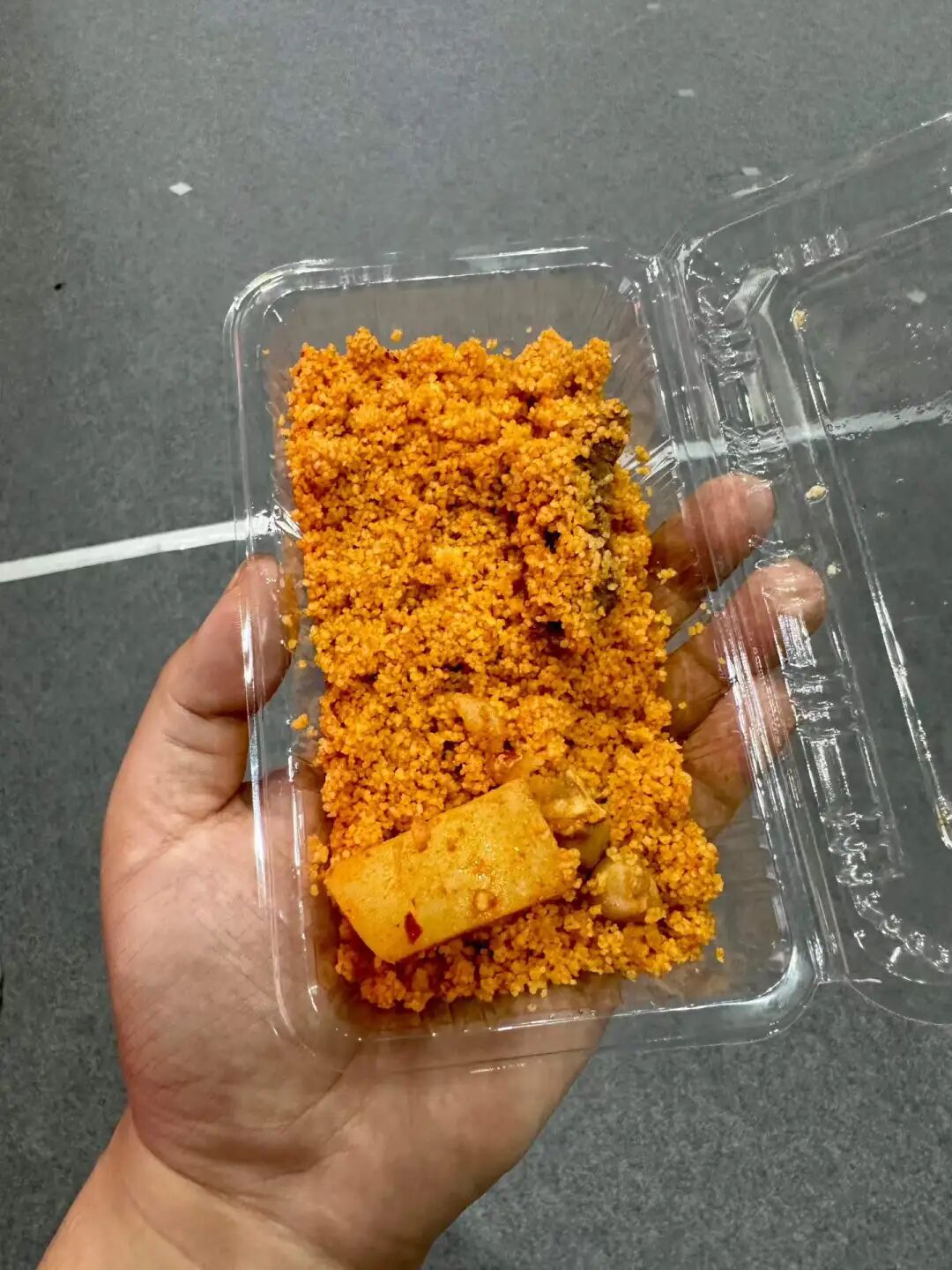
Fatma's fingers (swabaa fatma) are a classic Tunisian snack for breaking the fast. They are fried spring rolls made with thin pastry (malsouka) and filled with ground beef, shrimp, or minced tuna, with options to add mashed potatoes, eggs, and cheese.
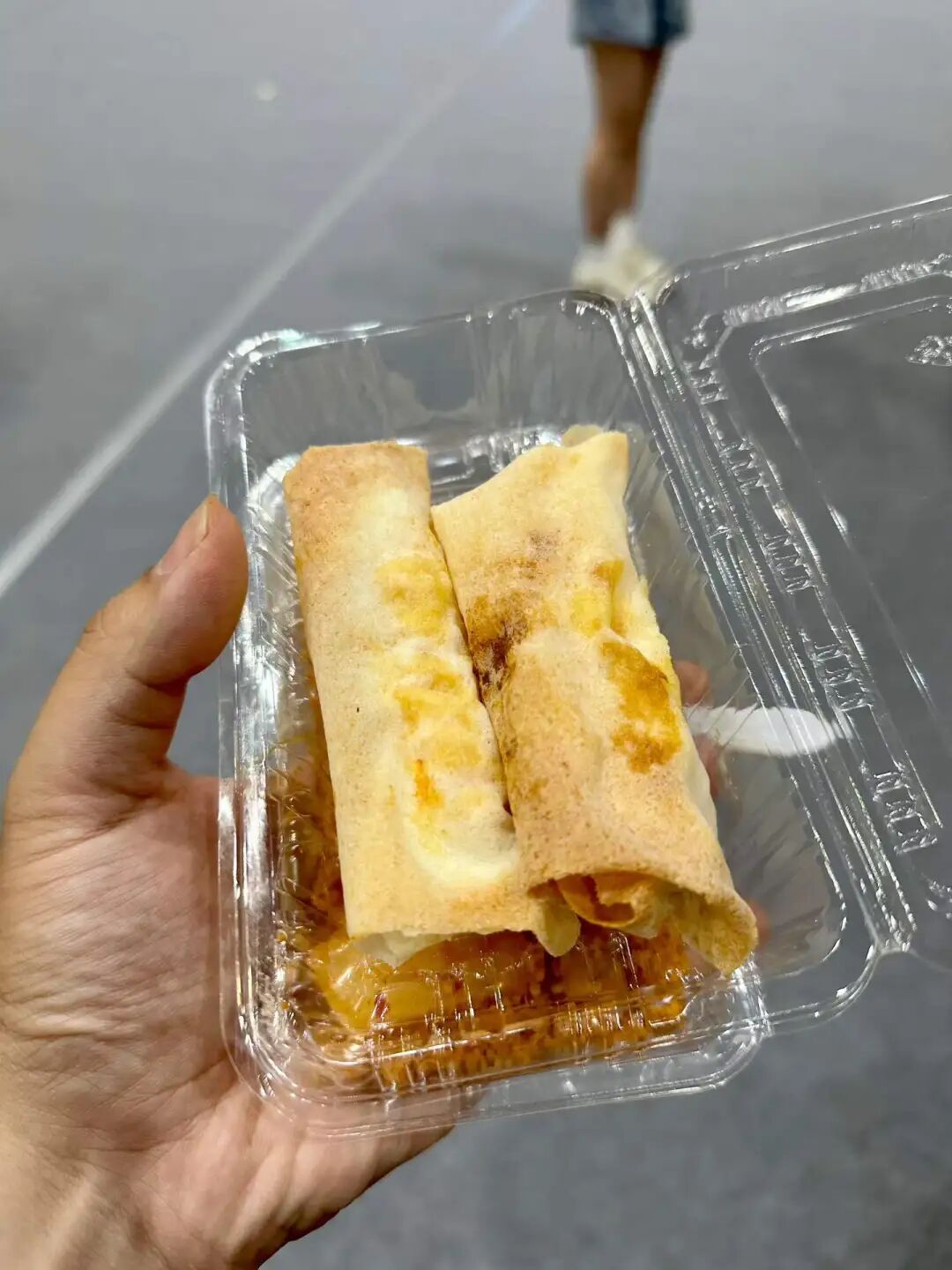
Mediterranean pine pudding (assidat zgougou) is a classic Tunisian dessert that Tunisians eat every year for the Prophet's birthday (Mawlid). Mediterranean pine pudding (assidat zgougou) is made from Mediterranean pine powder, flour, milk, and sugar, topped with pine nuts and crushed pistachios. Mediterranean pine pudding (assidat zgougou) originated during the great Tunisian famine between 1864 and 1867. At that time, residents in northwestern Tunisia discovered that local Mediterranean pine nuts could be ground into powder and mixed with wheat flour to satisfy hunger, which later developed into a classic dessert for the Prophet's birthday.
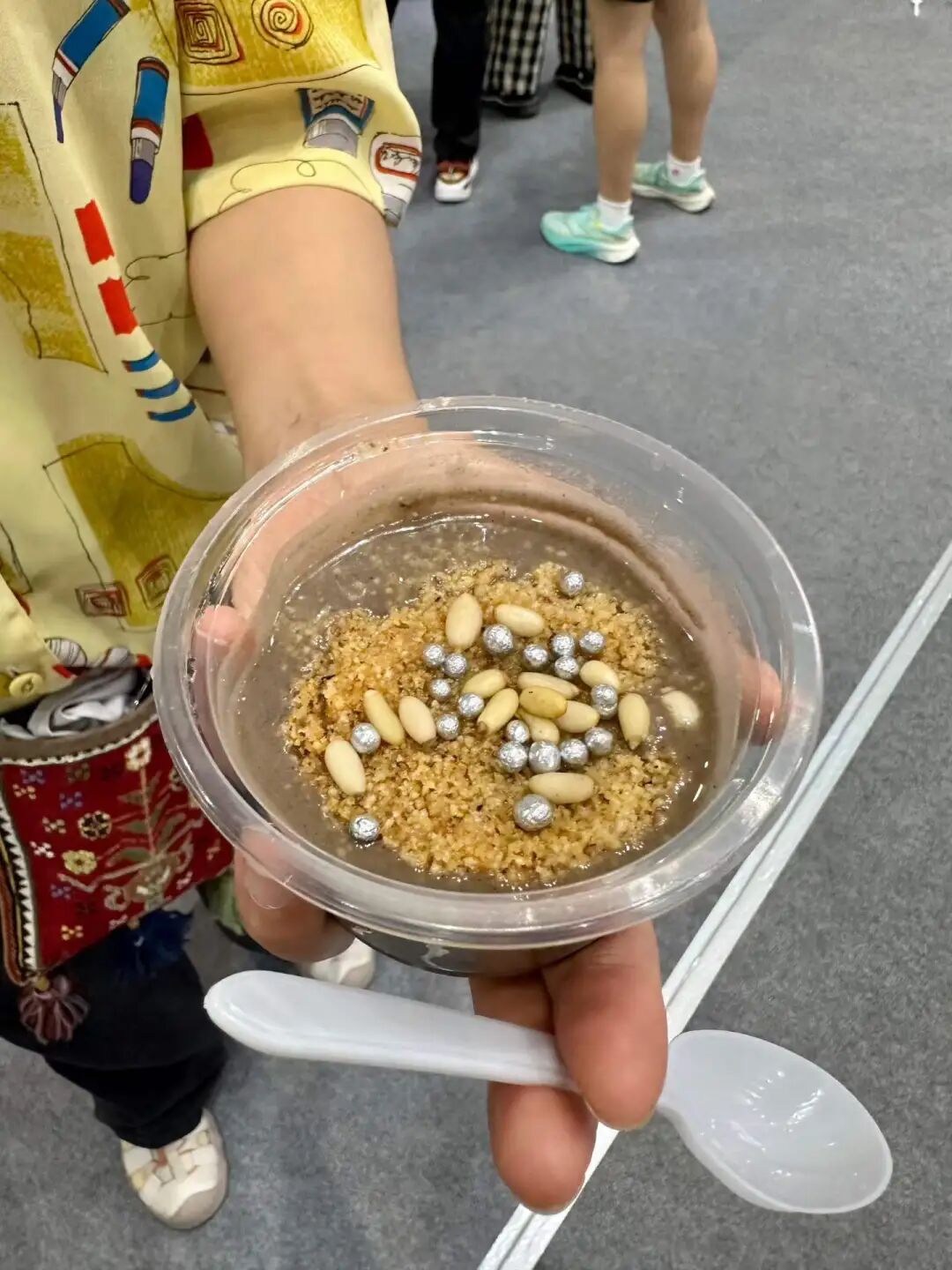
Bambalouni is a type of Tunisian doughnut that is very common in street food shops and tourist areas in Tunisia. Tunisians like to sprinkle sugar and honey on their bambalouni.
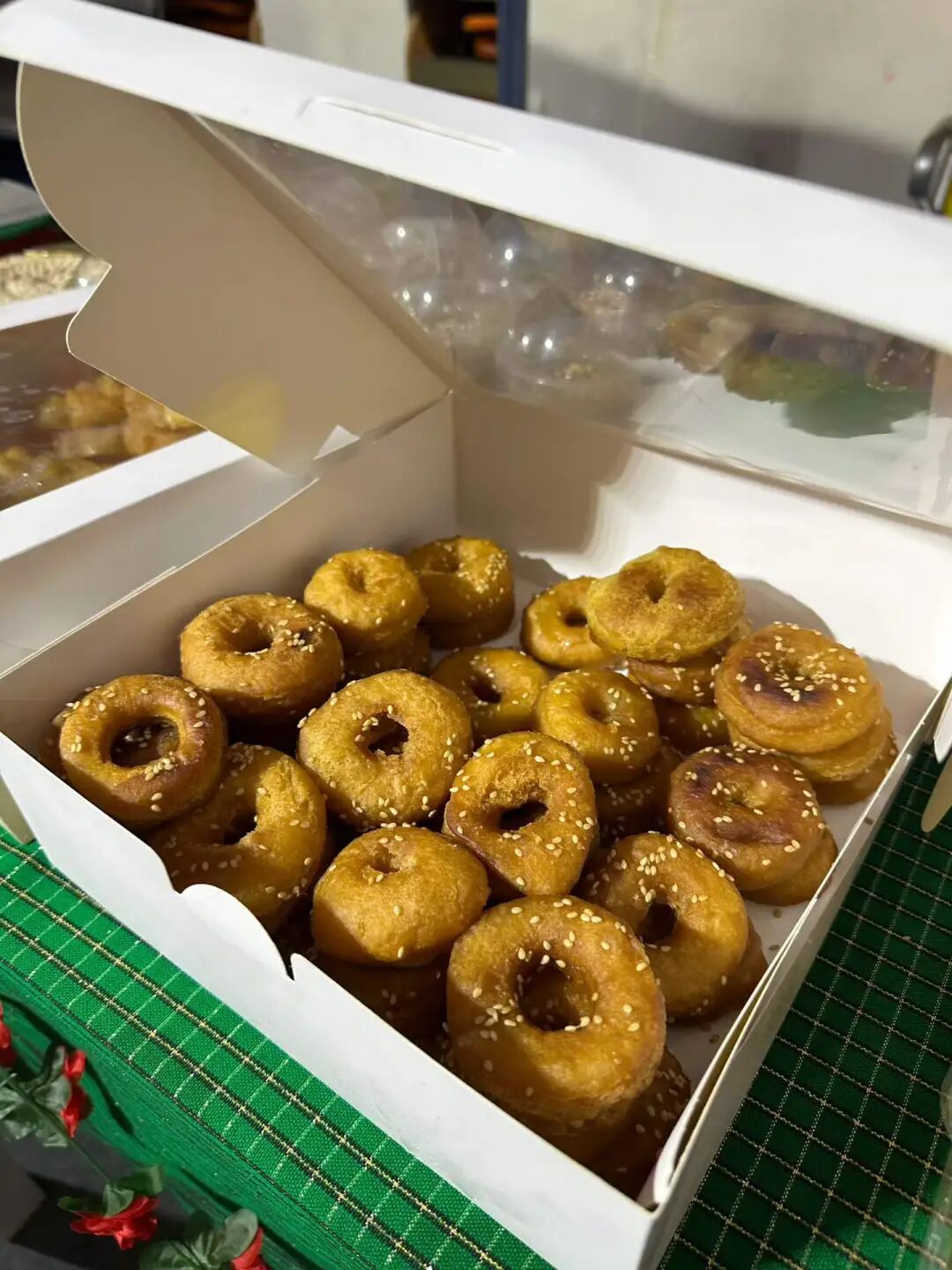
At the Pakistan booth, I drank the classic South Asian fast-breaking beverage, mint rose syrup (Rooh Afza). Rooh Afza was invented in 1906 in British India by Hakim Hafiz Abdul Majeed based on traditional Arab-Persian Unani medicine. He picked a variety of herbs and fruit syrups to make a concentrated drink for heatstroke, which really helps with dehydration during fasting. After the partition of India and Pakistan in 1947, his descendants opened companies in India, Pakistan, and Bangladesh, making Rooh Afza popular all over South Asia.
Pakistani dancing
I had a strawberry syrup soda at the Indonesian stall.
Suleiman tried the Cambodian gongs and drums and was very happy.
Halal Food Guide to Hunan: Hui Muslim Food in Longhui, Shaoyang and Local Snacks
Articles • yusuf908 posted the article • 0 comments • 248 views • 2026-06-22 06:26
Summary: This halal food guide to Hunan highlights halal food in China, Hui Muslim food in Longhui, Shaoyang, and local snacks from the original travel account.
This article summarizes the key points of why there is so much Hui Muslim food in Longhui, Shaoyang, Hunan. It keeps the original paragraph and image order. It is for readers interested in Muslim life, Islamic culture, and Chinese Islamic writing, and it helps people search for halal food in China.
Traveling from downtown Shaoyang to Longhui County, you reach the area with the highest concentration of Hui Muslims in Hunan.
The first Hui Muslims to settle in Longhui were those with the surname Ma. The ancestor of the Ma family, Ma Cheng, was originally from Taixing, Jiangsu. During the Zhizheng era of the Yuan Dynasty, he served as the Commissioner of the Privy Council. After the start of the Hongwu era in the Ming Dynasty, Ma Cheng resigned from his official post and moved to Shaoyang, Hunan to settle down. During the Hongwu era of the Ming Dynasty, Ma Cheng's third son, Ma Zhi, moved from Shaoyang to Majia Ferry in Longhui. He became the first Hui Muslim in Longhui, and his family has lived there for over 600 years.
Hui Muslims in Longhui mainly live in Shanjie Hui Ethnic Township, but those who run restaurants and noodle shops are mostly in the Longhui county seat, especially near the south side of Longhui Bridge. If you need a place to stay, the area near Daqiao Road is the most convenient. You can eat noodles at various shops there in the morning.
On our first morning, we ate at the Laoshanjie Hui Muslim Noodle Shop at the entrance of Limin Street. We ordered beef noodle soup with large slices of beef and wood ear mushroom with tofu noodle soup. I really love Shaoyang beef noodles. The broth is rich, spicy, and savory. The beef is well-seasoned, and the thick rice noodles are smooth and chewy. The red chili oil smells amazing. Slurping them down is so satisfying; the more you eat, the more you want. The wood ear mushroom with tofu here is also delicious. It soaks up all the broth and is very flavorful.
When eating noodles in Shaoyang, you cannot miss the mountain pepper oil (shanhujiaoyou). The mountain pepper (shancangzi) has a special scent that is like a mix of mint and lemon, making it cool and refreshing.
The next day, I went to another Hui Muslim noodle shop on Daqiao Road called Lanlan. I had the stir-fried beef rice noodles and beef wontons. I added 2 yuan of tofu and wood ear mushrooms, plus 2 yuan of eggs to both bowls, which made the texture much better. The stir-fried beef rice noodles were rich in beef flavor, and the noodles were smooth and well-seasoned with an authentic spicy kick. The beef wontons had thin skins and plenty of filling, and the meat was firm and bouncy. You can order a small portion if you have a smaller appetite.
At the intersection of Daqiao Road in Longhui, there is a Hui Muslim restaurant called Xiangyijiaren. It is a great place to try authentic Hunan Hui Muslim farmhouse cooking. The owner is a man named Ma from the Dong Mosque in Shanjie Hui Ethnic Township. There is no menu in the shop. They focus on seasonal dishes, cooking whatever is harvested from the fields.
As a Hunan Hui Muslim restaurant, their signature dish is definitely stir-fried yellow beef. We had been eating beef for a few days, so we wanted to try chicken. Unfortunately, at these local Hui Muslim restaurants, you have to order chicken in advance. They go to the village to slaughter the chicken fresh and cook the whole bird. So, we ended up eating river food. The owner recommended stir-fried small fish and shrimp, which were caught from the pond that same day.
The vegetables and rice in the shop are grown by the owner's family. We ordered snow peas (caidou), which were very crisp and tasty, though Hunan vegetable dishes tend to use quite a bit of oil. The owner explained that they grow two rice crops a year in Hunan. The first crop grows with a smaller temperature difference, so the taste is average. The second crop grows with a larger temperature difference, making it more fragrant. The rice in their shop is the second crop they grew themselves.
The owner was very talkative and even gave us some pickled vegetable soup for free. Shaoyang pickled vegetables (yancai) are a homemade jarred dish made from bok choy that is dried and then pickled. It is dry, fragrant, and sour. It is perfect with rice when stir-fried with chili and minced meat, and it also makes a great soup. In the end, the owner even gave us two bundles to take home and cook ourselves.
There are four Hui Muslim stir-fry restaurants on both sides of Longhui Bridge. We previously ate at Xiangyijiaren and another Hui Muslim restaurant, which both focus on small stir-fry dishes. The other two, Minzufengweilou and Yihesheng, specialize in banquet meals. We ate at Minzufengweilou this time. It seems to be the main place where Hui Muslims in Longhui host their banquets.
The restaurant has a great view overlooking the river, though it does not get many casual diners on a regular day. We ordered toothpick beef (yaqian niurou), specialty duck (fengwei ya), and yam with wood ear mushrooms (shanyao mu'er). The toothpick beef was quite salty, the specialty duck was delicious, and the yam with wood ear mushrooms was very fresh. It was a pity we still did not get to eat chicken, as you have to order it in advance to have it freshly slaughtered and cooked.
You can find traditional Hui Muslim noodles and pastries at the entrance of Taohuaping Mosque in the county town. This pastry shop is run by Hui Muslims from Shanjie. Their handmade sponge cakes (jidan gao) and sesame flatbreads (zhima bing) are excellent, with authentic milk and egg flavors. Since they contain no additives, you must eat the sponge cakes quickly, and the sesame flatbreads must be kept away from moisture.
Besides the county town, Shanjie Hui Ethnic Township is also a great place to taste Hui Muslim food. At noon, we ate braised beef steak (hongshao niupai) and vegetable dishes at Laowu Restaurant, located at the entrance of the Shanjie East Mosque. They do not have a menu, so you just discuss what to order directly. The vegetables are all fresh from the field, and you have to order the chicken ahead of time so it can be freshly slaughtered. The steak is cooked in advance, and it tastes just like the kind you make at home. view all
Summary: This halal food guide to Hunan highlights halal food in China, Hui Muslim food in Longhui, Shaoyang, and local snacks from the original travel account.
This article summarizes the key points of why there is so much Hui Muslim food in Longhui, Shaoyang, Hunan. It keeps the original paragraph and image order. It is for readers interested in Muslim life, Islamic culture, and Chinese Islamic writing, and it helps people search for halal food in China.
Traveling from downtown Shaoyang to Longhui County, you reach the area with the highest concentration of Hui Muslims in Hunan.
The first Hui Muslims to settle in Longhui were those with the surname Ma. The ancestor of the Ma family, Ma Cheng, was originally from Taixing, Jiangsu. During the Zhizheng era of the Yuan Dynasty, he served as the Commissioner of the Privy Council. After the start of the Hongwu era in the Ming Dynasty, Ma Cheng resigned from his official post and moved to Shaoyang, Hunan to settle down. During the Hongwu era of the Ming Dynasty, Ma Cheng's third son, Ma Zhi, moved from Shaoyang to Majia Ferry in Longhui. He became the first Hui Muslim in Longhui, and his family has lived there for over 600 years.
Hui Muslims in Longhui mainly live in Shanjie Hui Ethnic Township, but those who run restaurants and noodle shops are mostly in the Longhui county seat, especially near the south side of Longhui Bridge. If you need a place to stay, the area near Daqiao Road is the most convenient. You can eat noodles at various shops there in the morning.
On our first morning, we ate at the Laoshanjie Hui Muslim Noodle Shop at the entrance of Limin Street. We ordered beef noodle soup with large slices of beef and wood ear mushroom with tofu noodle soup. I really love Shaoyang beef noodles. The broth is rich, spicy, and savory. The beef is well-seasoned, and the thick rice noodles are smooth and chewy. The red chili oil smells amazing. Slurping them down is so satisfying; the more you eat, the more you want. The wood ear mushroom with tofu here is also delicious. It soaks up all the broth and is very flavorful.
When eating noodles in Shaoyang, you cannot miss the mountain pepper oil (shanhujiaoyou). The mountain pepper (shancangzi) has a special scent that is like a mix of mint and lemon, making it cool and refreshing.
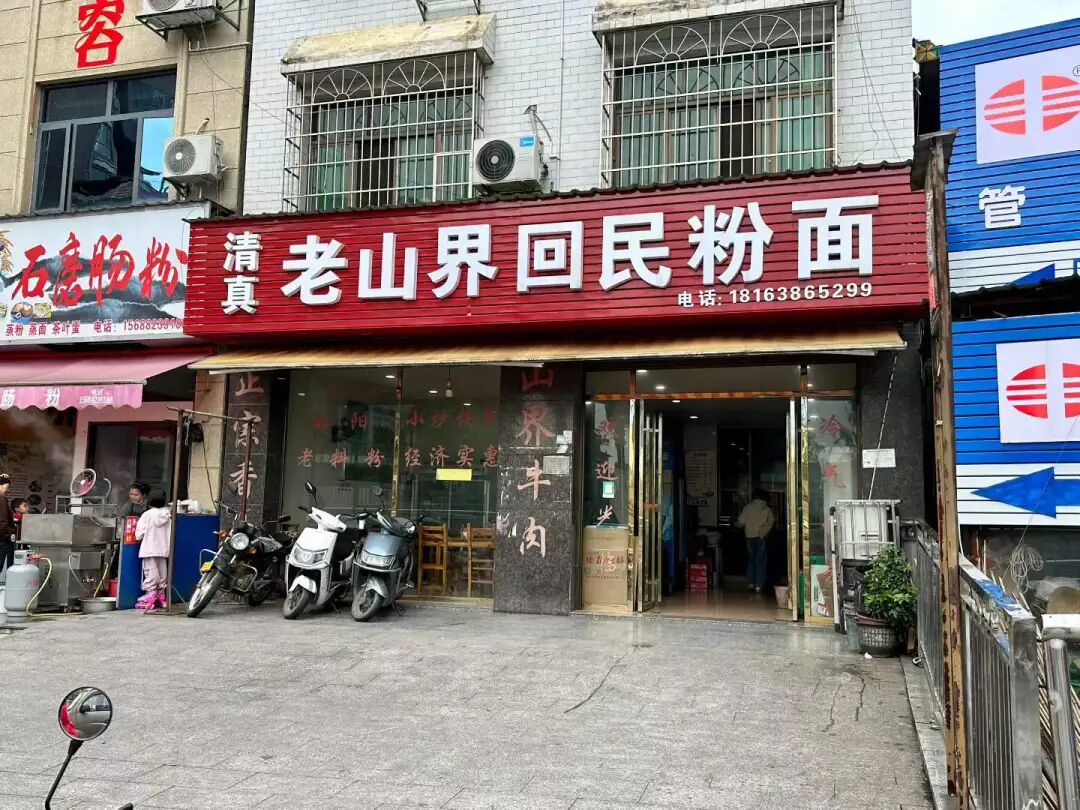
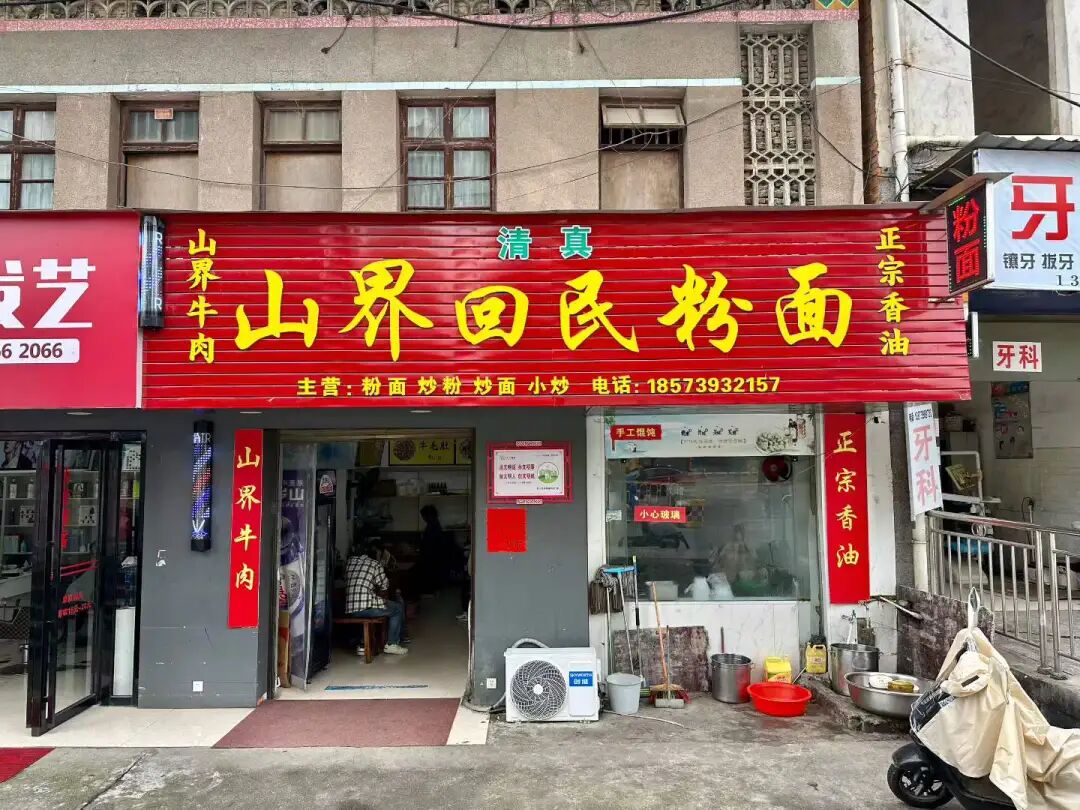
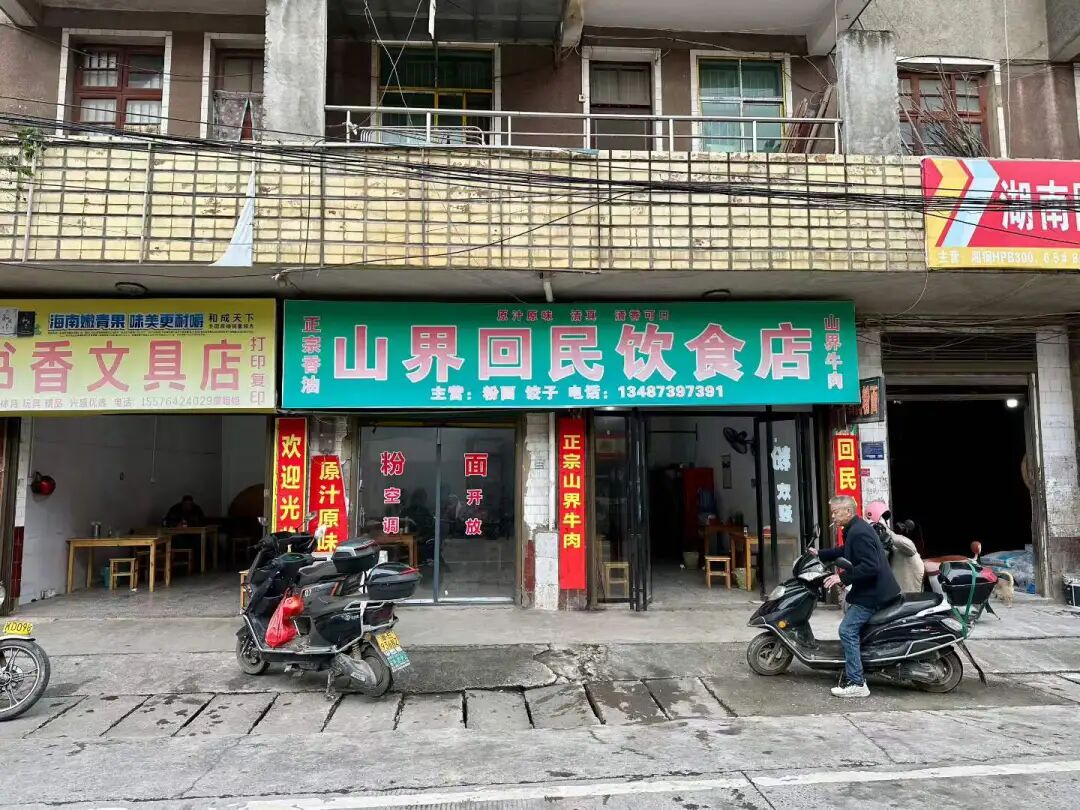
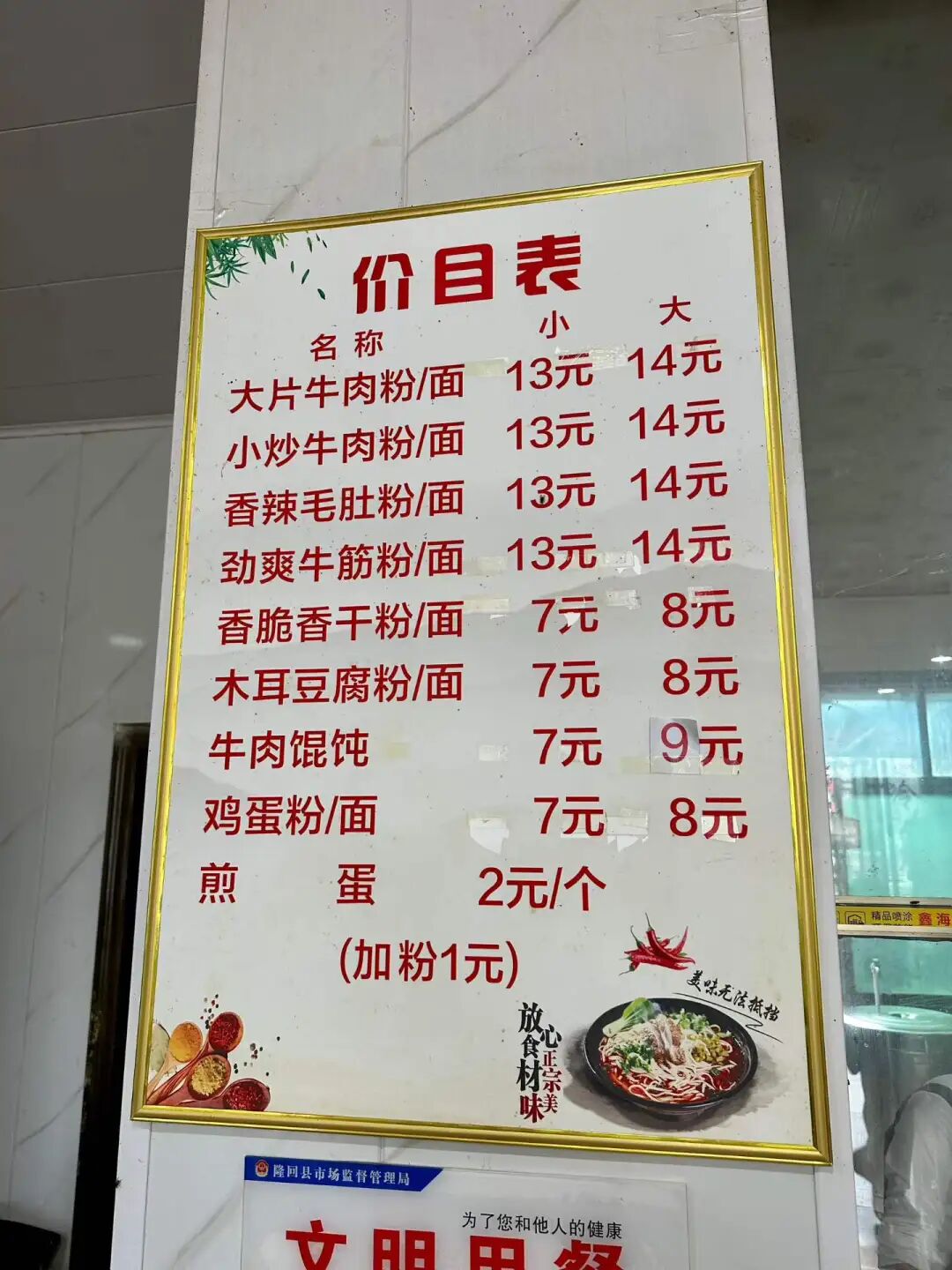
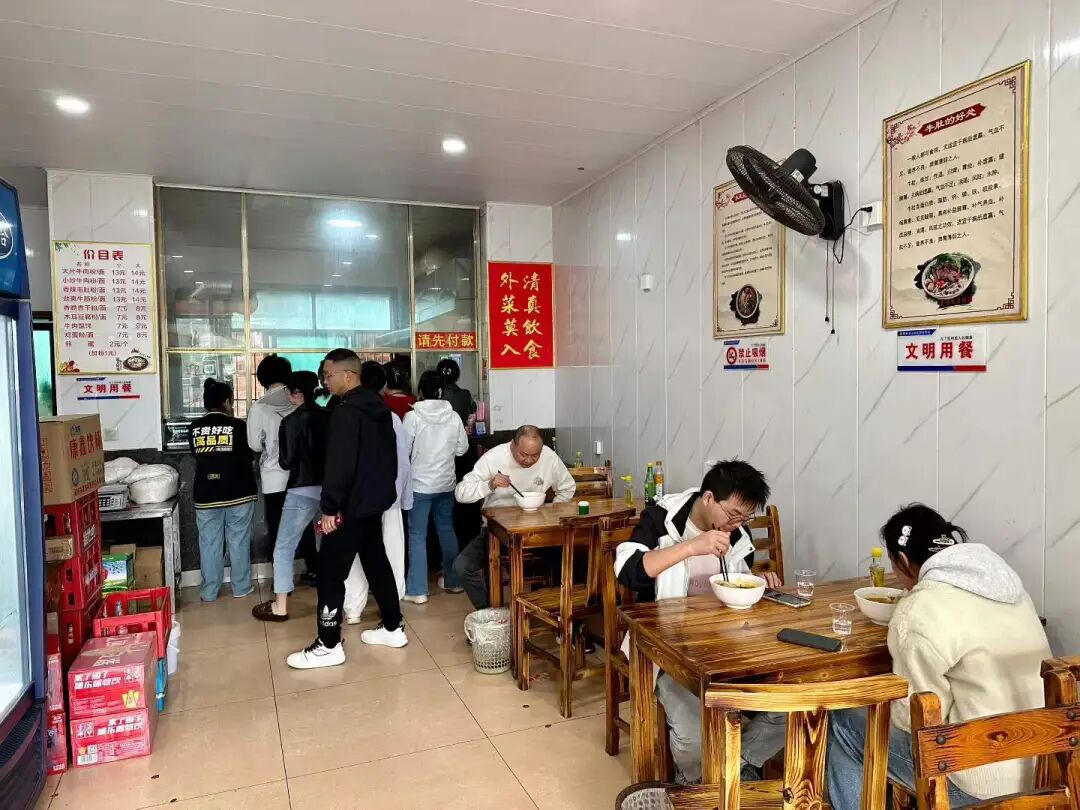
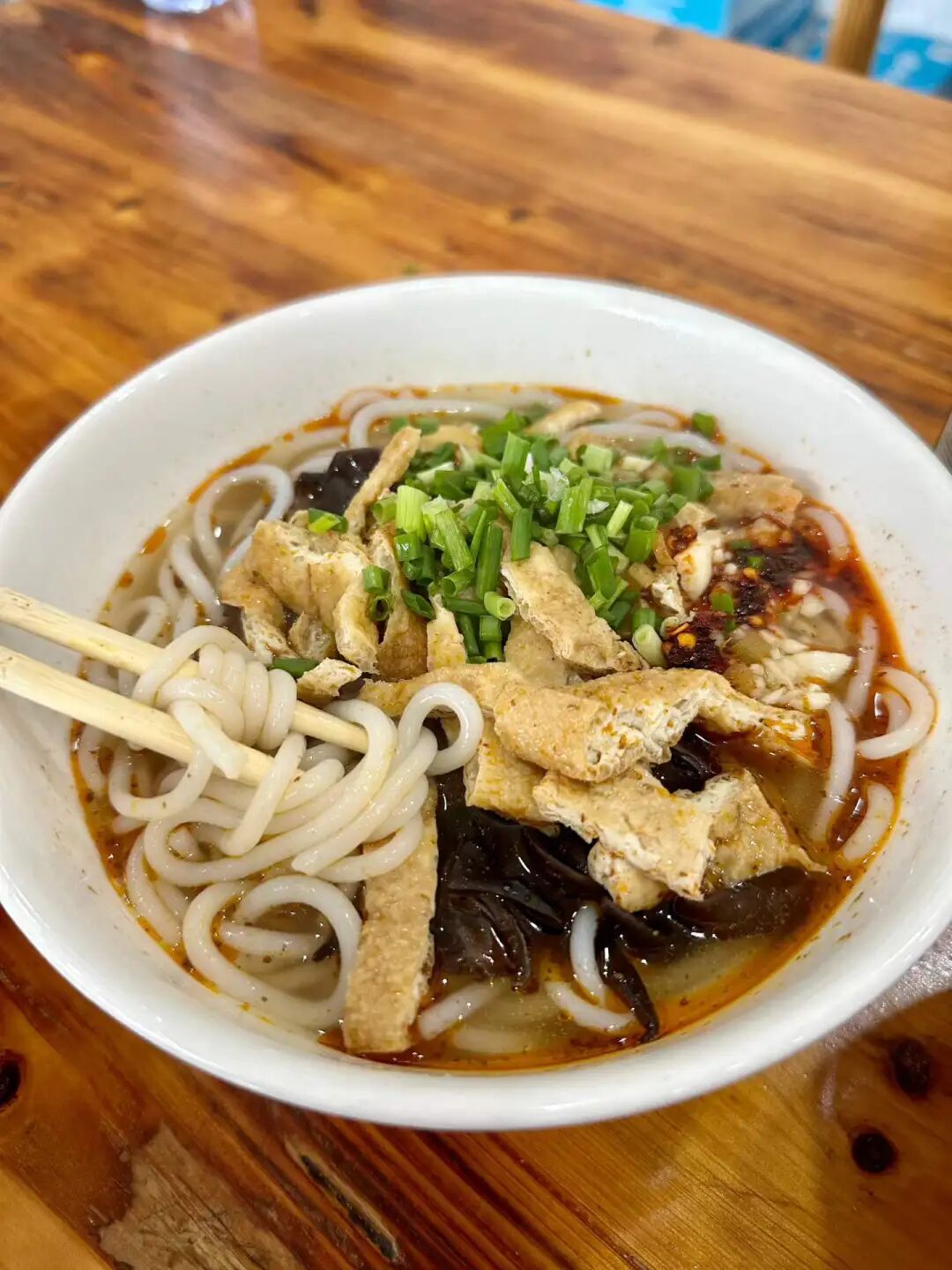
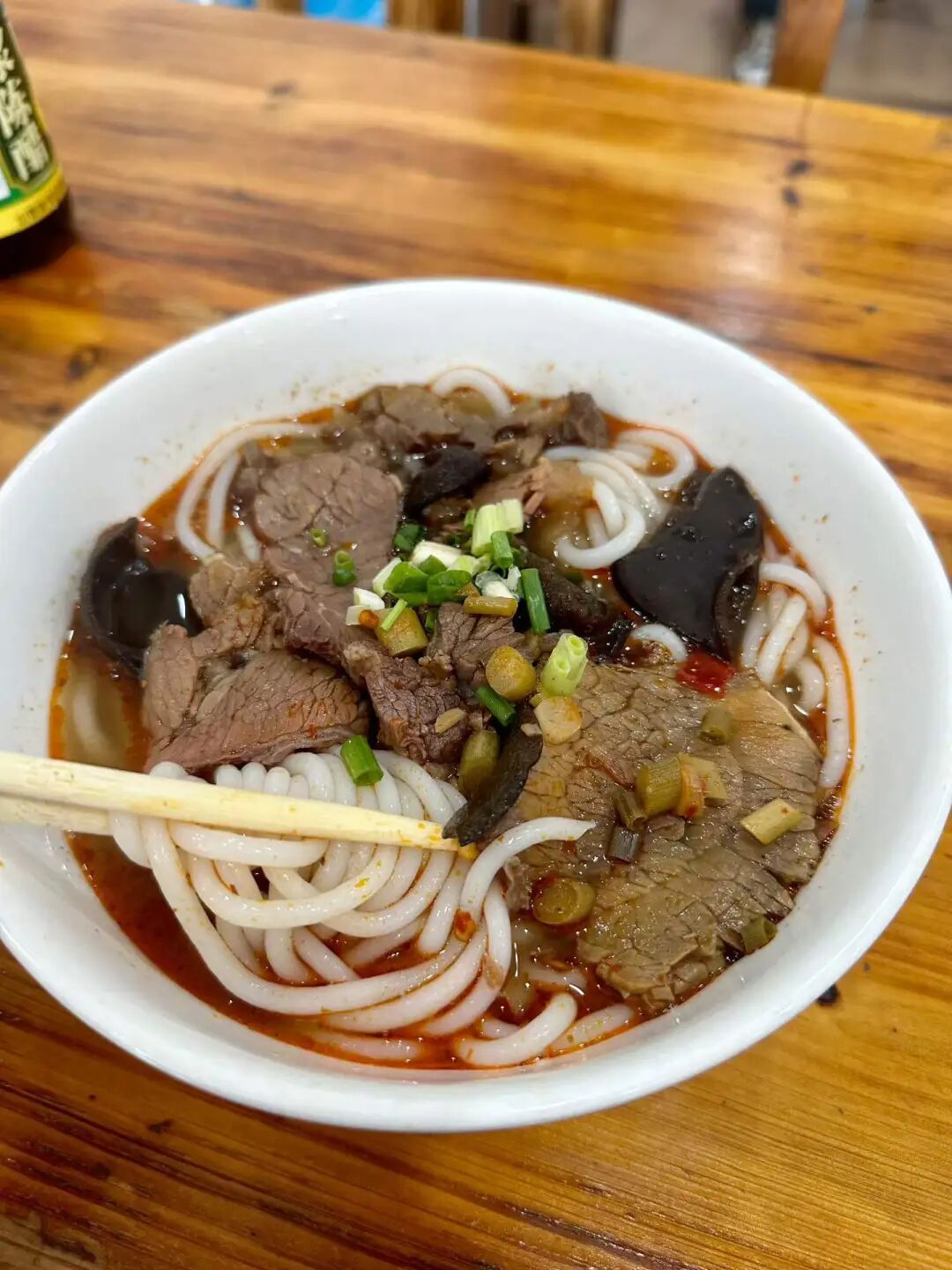
The next day, I went to another Hui Muslim noodle shop on Daqiao Road called Lanlan. I had the stir-fried beef rice noodles and beef wontons. I added 2 yuan of tofu and wood ear mushrooms, plus 2 yuan of eggs to both bowls, which made the texture much better. The stir-fried beef rice noodles were rich in beef flavor, and the noodles were smooth and well-seasoned with an authentic spicy kick. The beef wontons had thin skins and plenty of filling, and the meat was firm and bouncy. You can order a small portion if you have a smaller appetite.
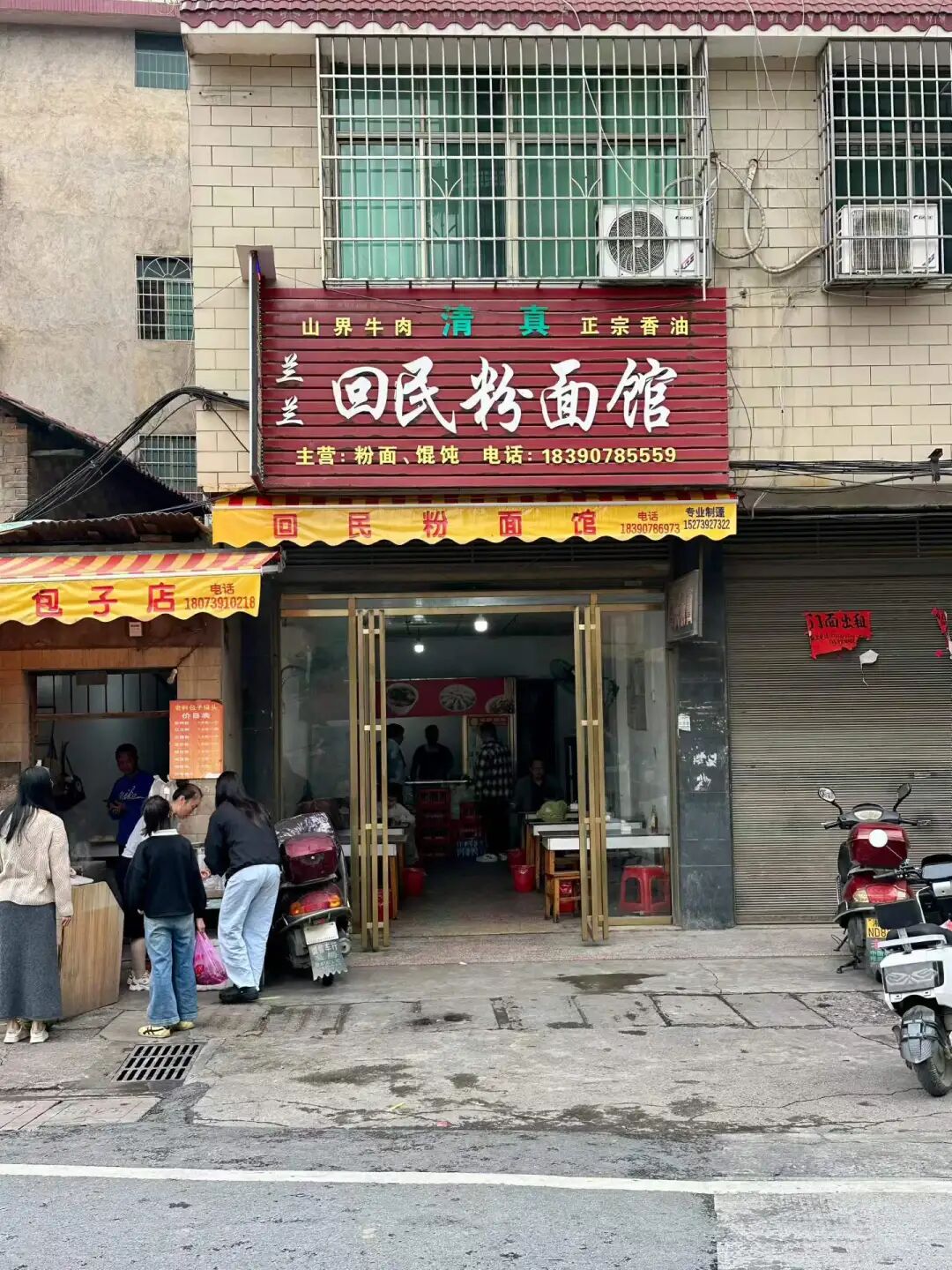
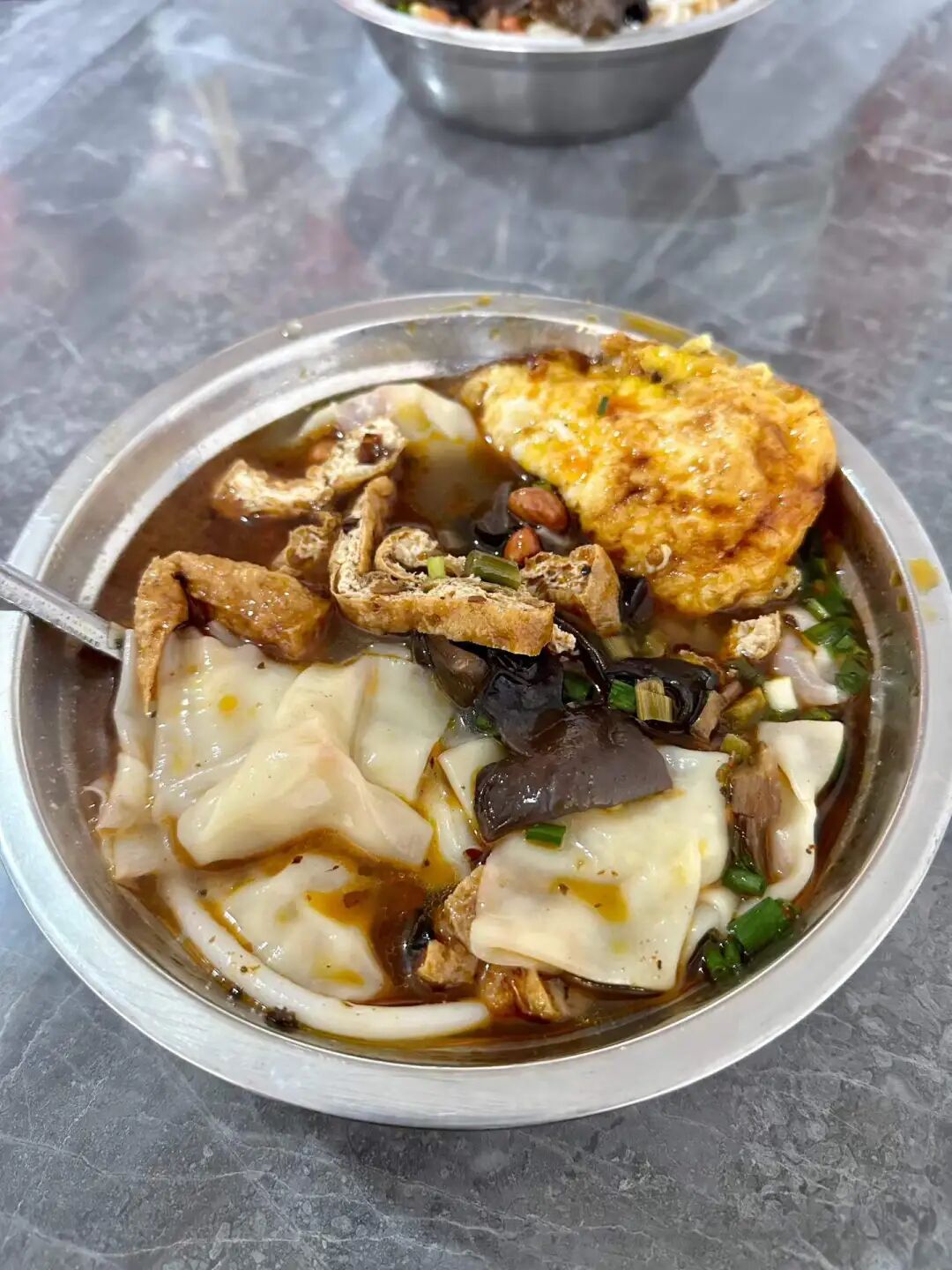
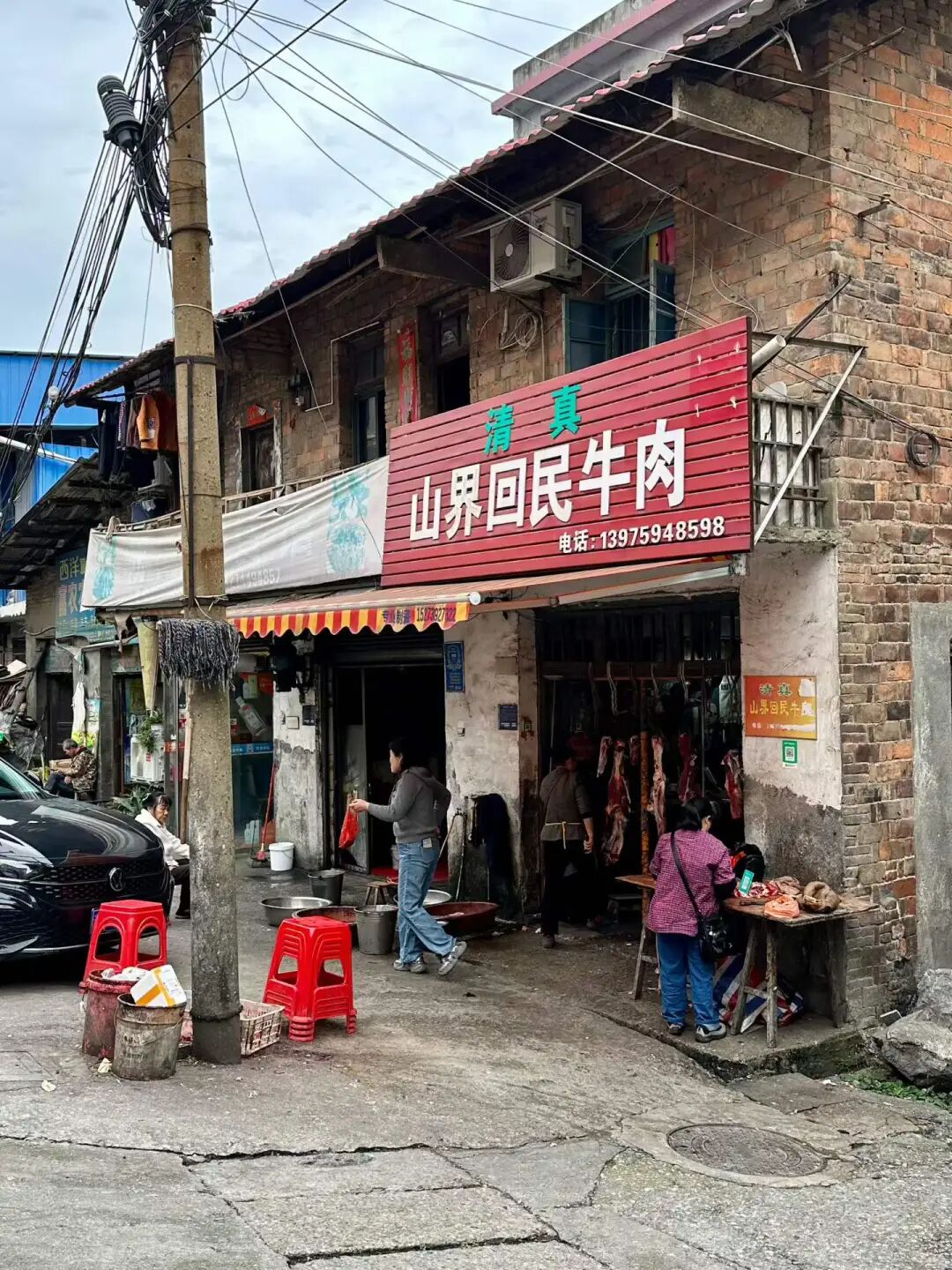
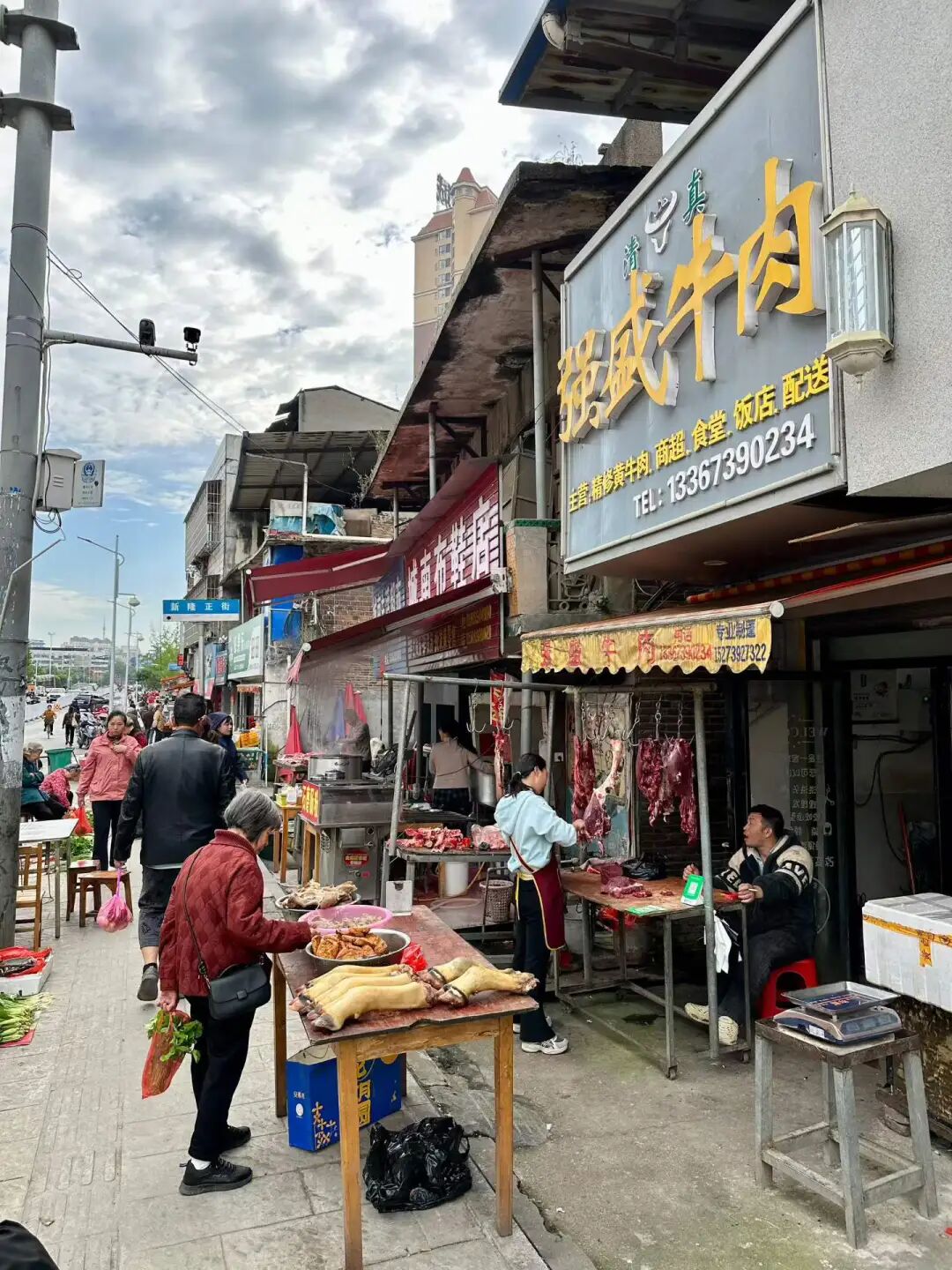
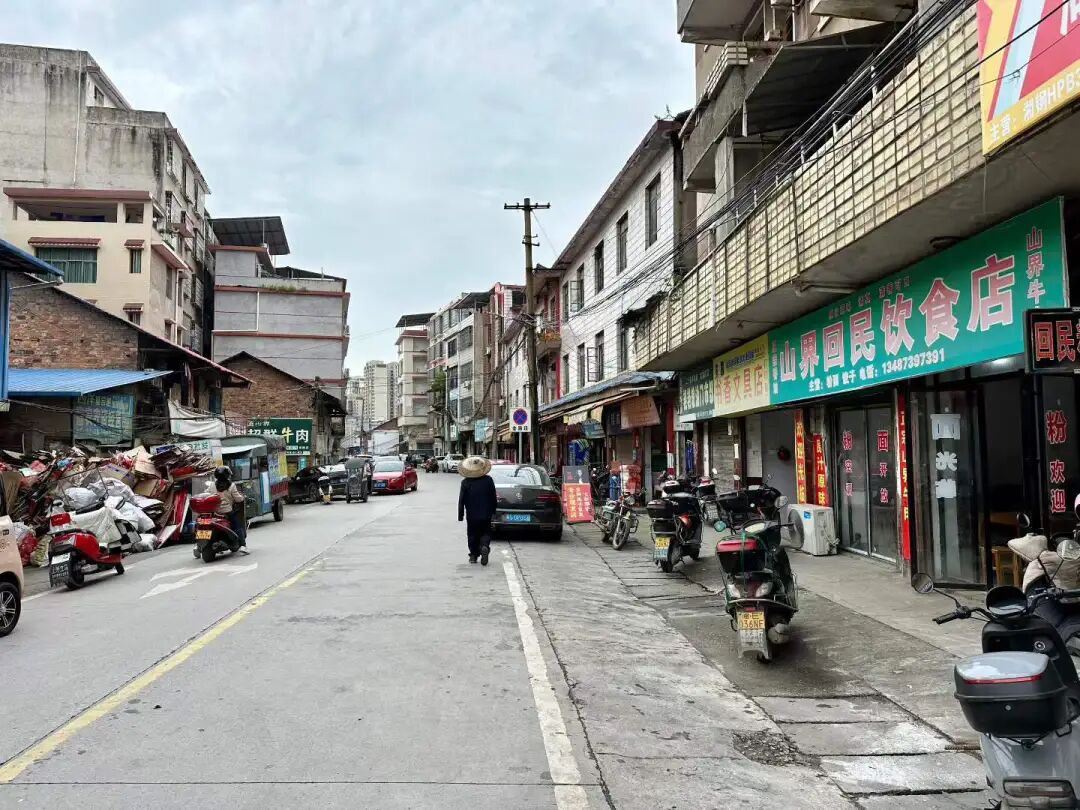
At the intersection of Daqiao Road in Longhui, there is a Hui Muslim restaurant called Xiangyijiaren. It is a great place to try authentic Hunan Hui Muslim farmhouse cooking. The owner is a man named Ma from the Dong Mosque in Shanjie Hui Ethnic Township. There is no menu in the shop. They focus on seasonal dishes, cooking whatever is harvested from the fields.
As a Hunan Hui Muslim restaurant, their signature dish is definitely stir-fried yellow beef. We had been eating beef for a few days, so we wanted to try chicken. Unfortunately, at these local Hui Muslim restaurants, you have to order chicken in advance. They go to the village to slaughter the chicken fresh and cook the whole bird. So, we ended up eating river food. The owner recommended stir-fried small fish and shrimp, which were caught from the pond that same day.
The vegetables and rice in the shop are grown by the owner's family. We ordered snow peas (caidou), which were very crisp and tasty, though Hunan vegetable dishes tend to use quite a bit of oil. The owner explained that they grow two rice crops a year in Hunan. The first crop grows with a smaller temperature difference, so the taste is average. The second crop grows with a larger temperature difference, making it more fragrant. The rice in their shop is the second crop they grew themselves.
The owner was very talkative and even gave us some pickled vegetable soup for free. Shaoyang pickled vegetables (yancai) are a homemade jarred dish made from bok choy that is dried and then pickled. It is dry, fragrant, and sour. It is perfect with rice when stir-fried with chili and minced meat, and it also makes a great soup. In the end, the owner even gave us two bundles to take home and cook ourselves.
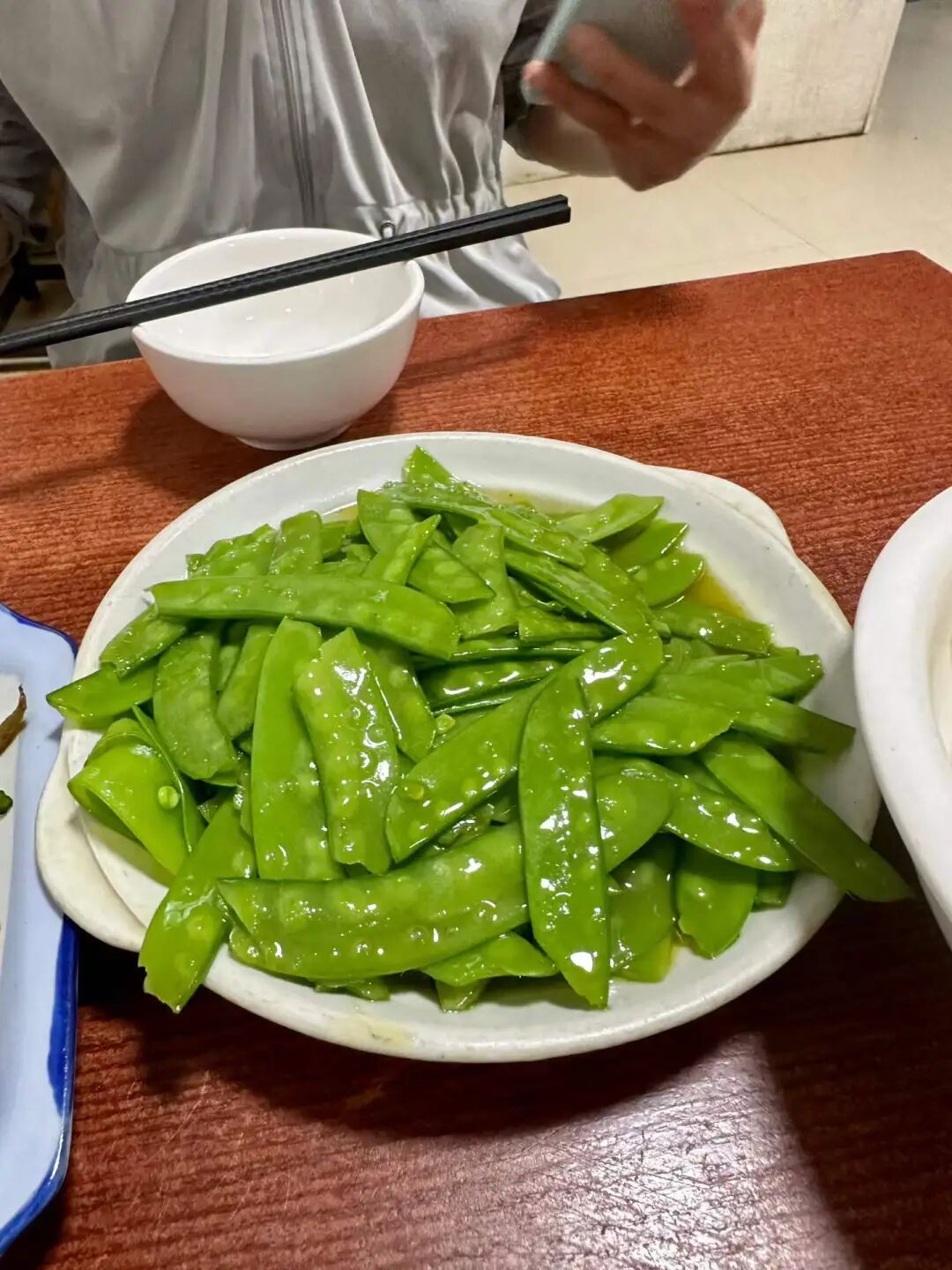
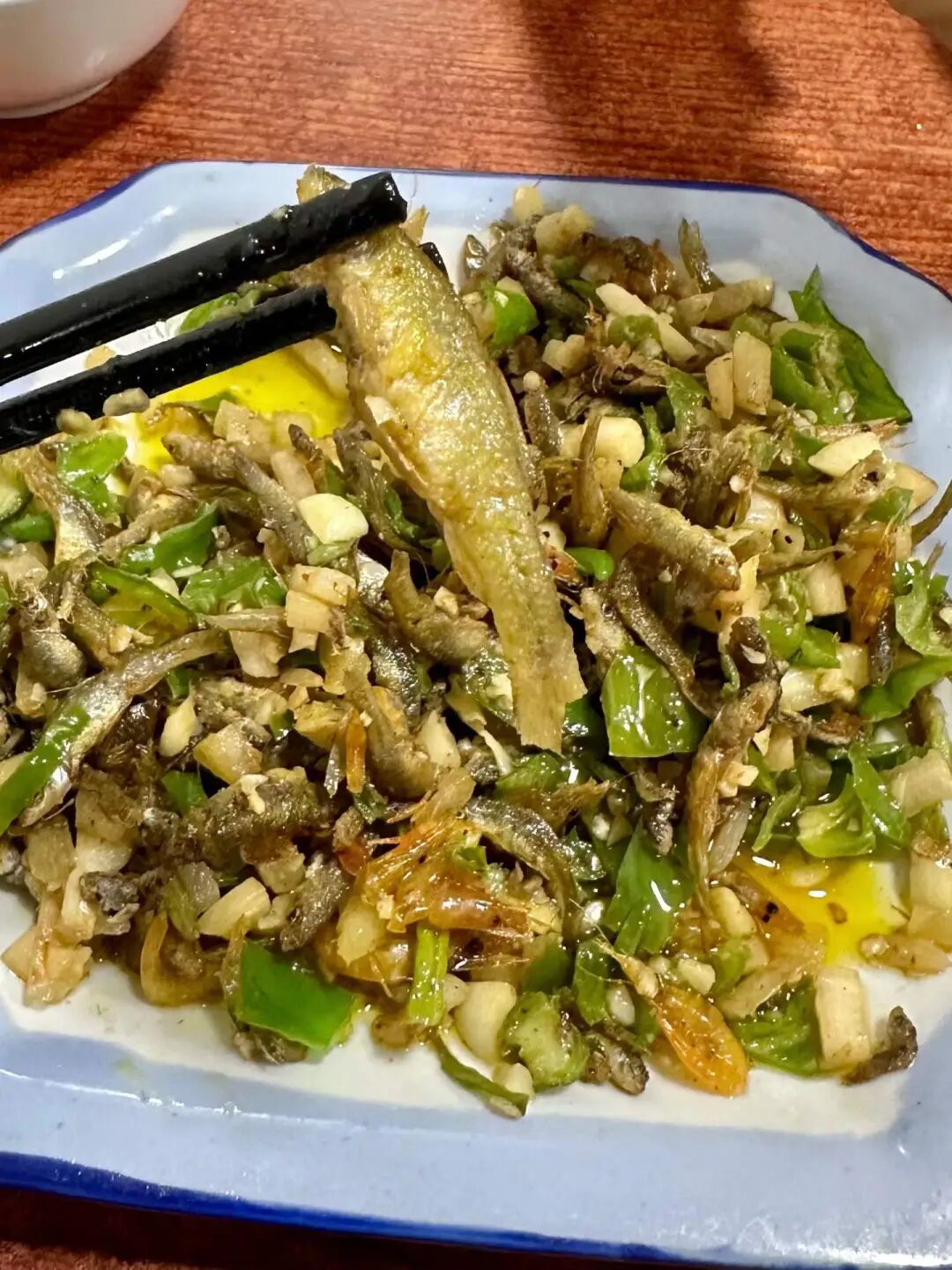
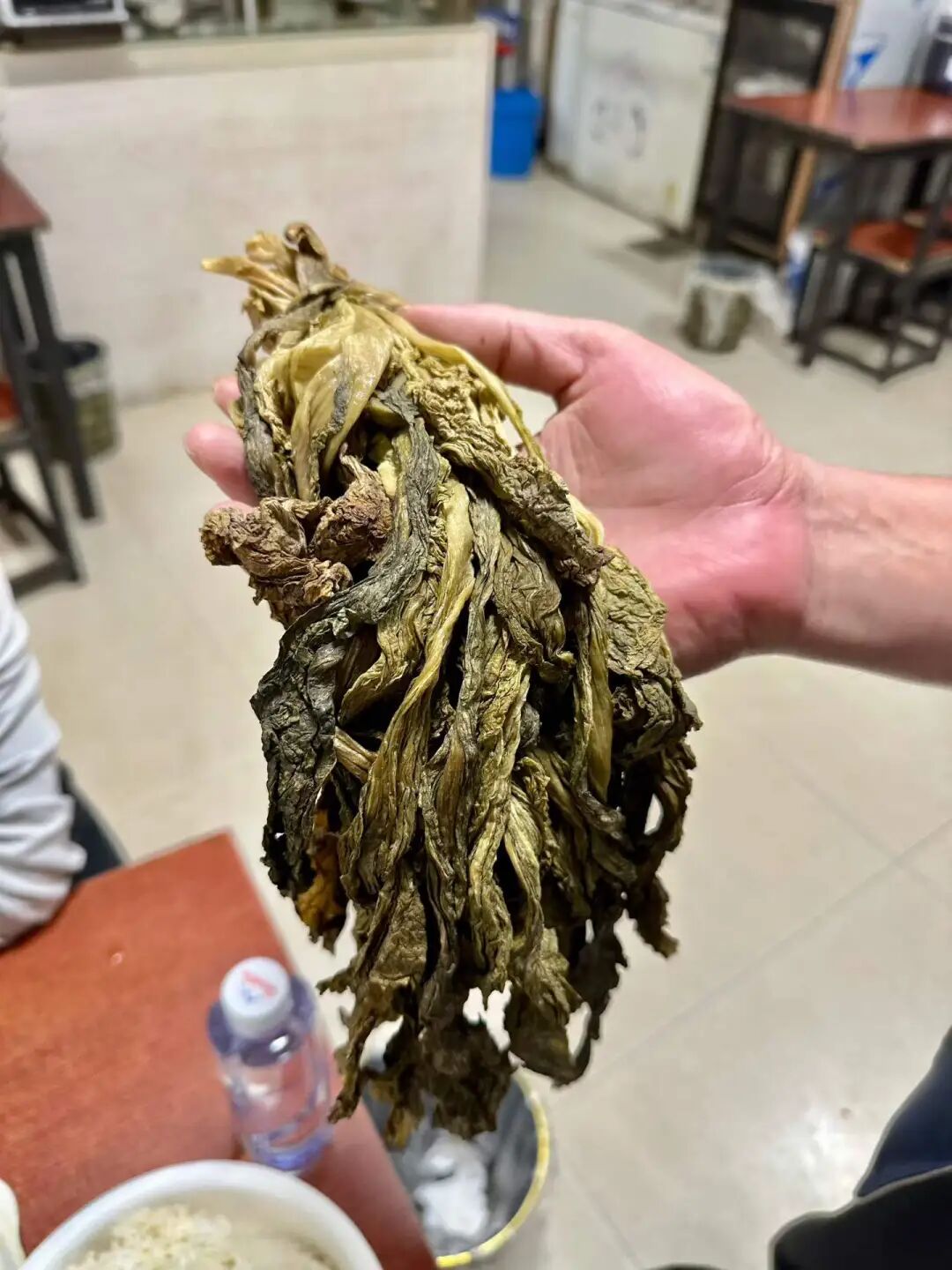
There are four Hui Muslim stir-fry restaurants on both sides of Longhui Bridge. We previously ate at Xiangyijiaren and another Hui Muslim restaurant, which both focus on small stir-fry dishes. The other two, Minzufengweilou and Yihesheng, specialize in banquet meals. We ate at Minzufengweilou this time. It seems to be the main place where Hui Muslims in Longhui host their banquets.
The restaurant has a great view overlooking the river, though it does not get many casual diners on a regular day. We ordered toothpick beef (yaqian niurou), specialty duck (fengwei ya), and yam with wood ear mushrooms (shanyao mu'er). The toothpick beef was quite salty, the specialty duck was delicious, and the yam with wood ear mushrooms was very fresh. It was a pity we still did not get to eat chicken, as you have to order it in advance to have it freshly slaughtered and cooked.
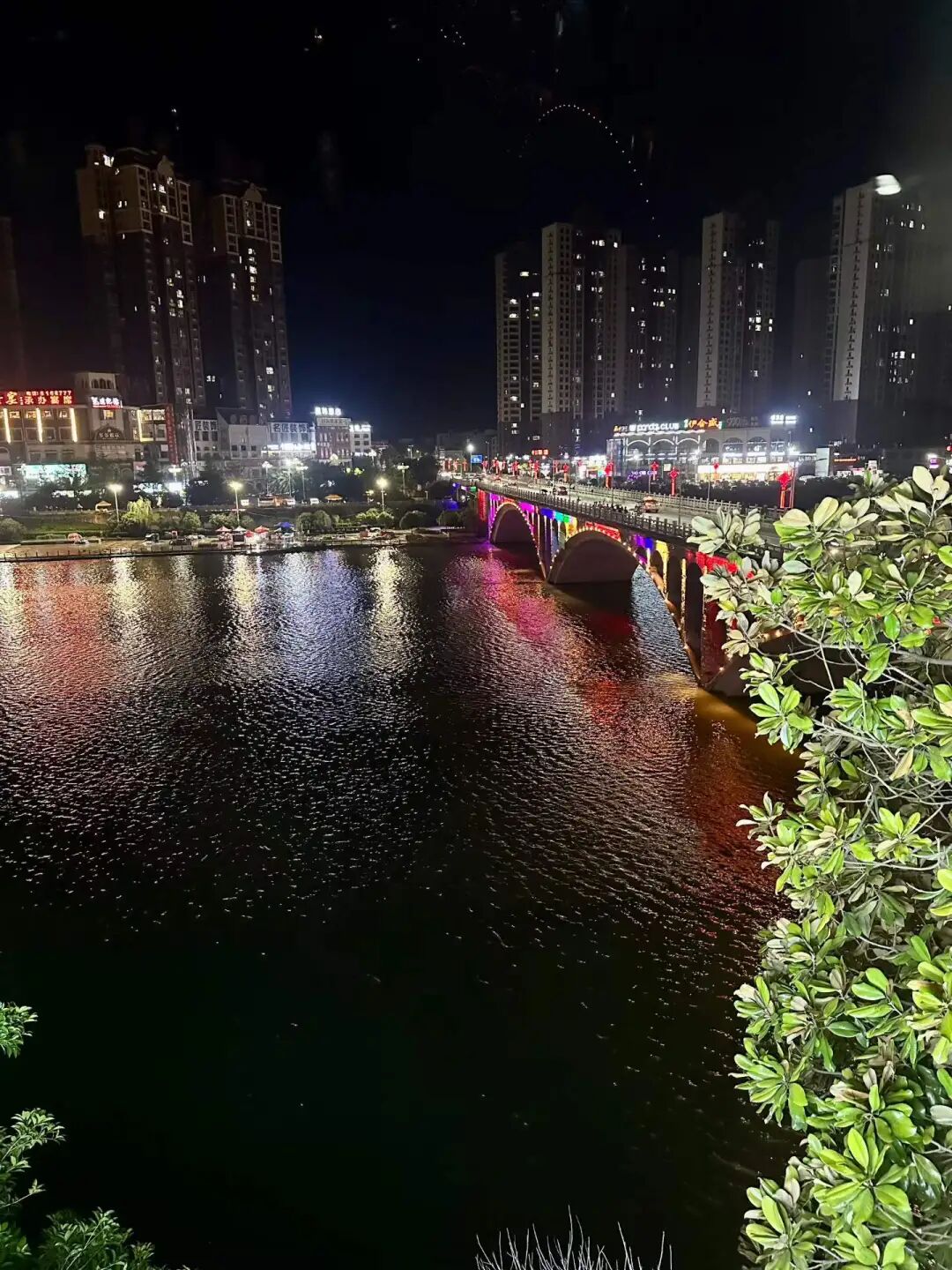
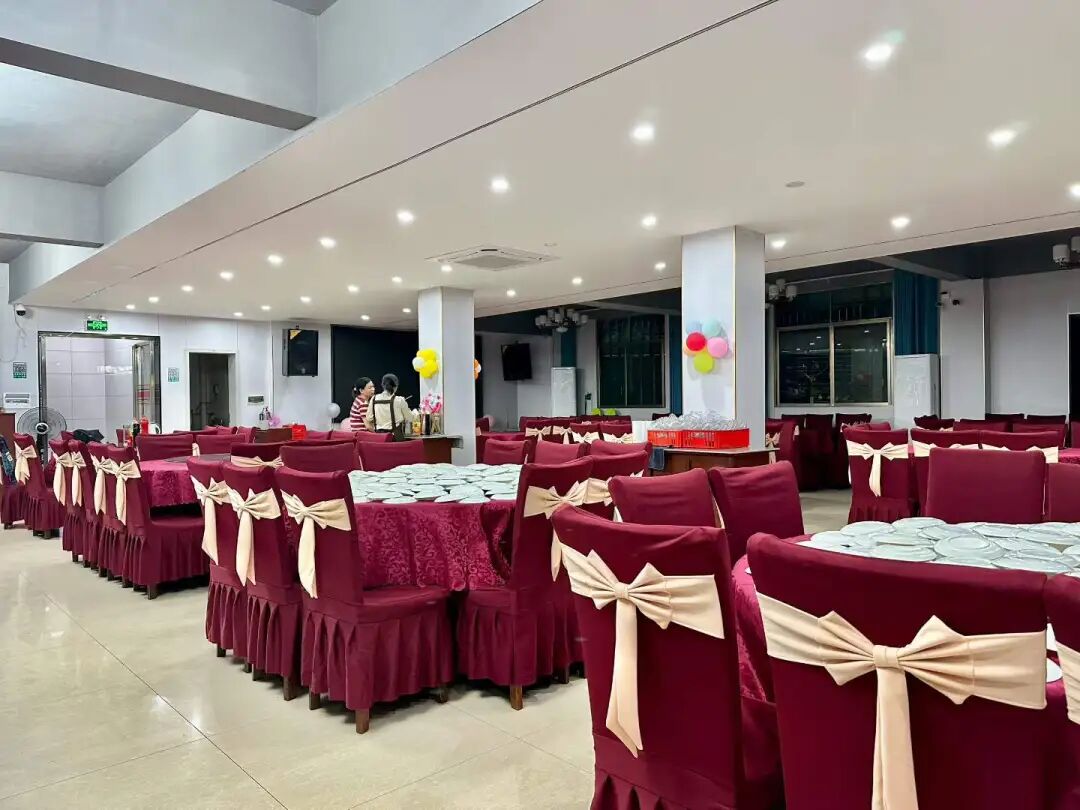
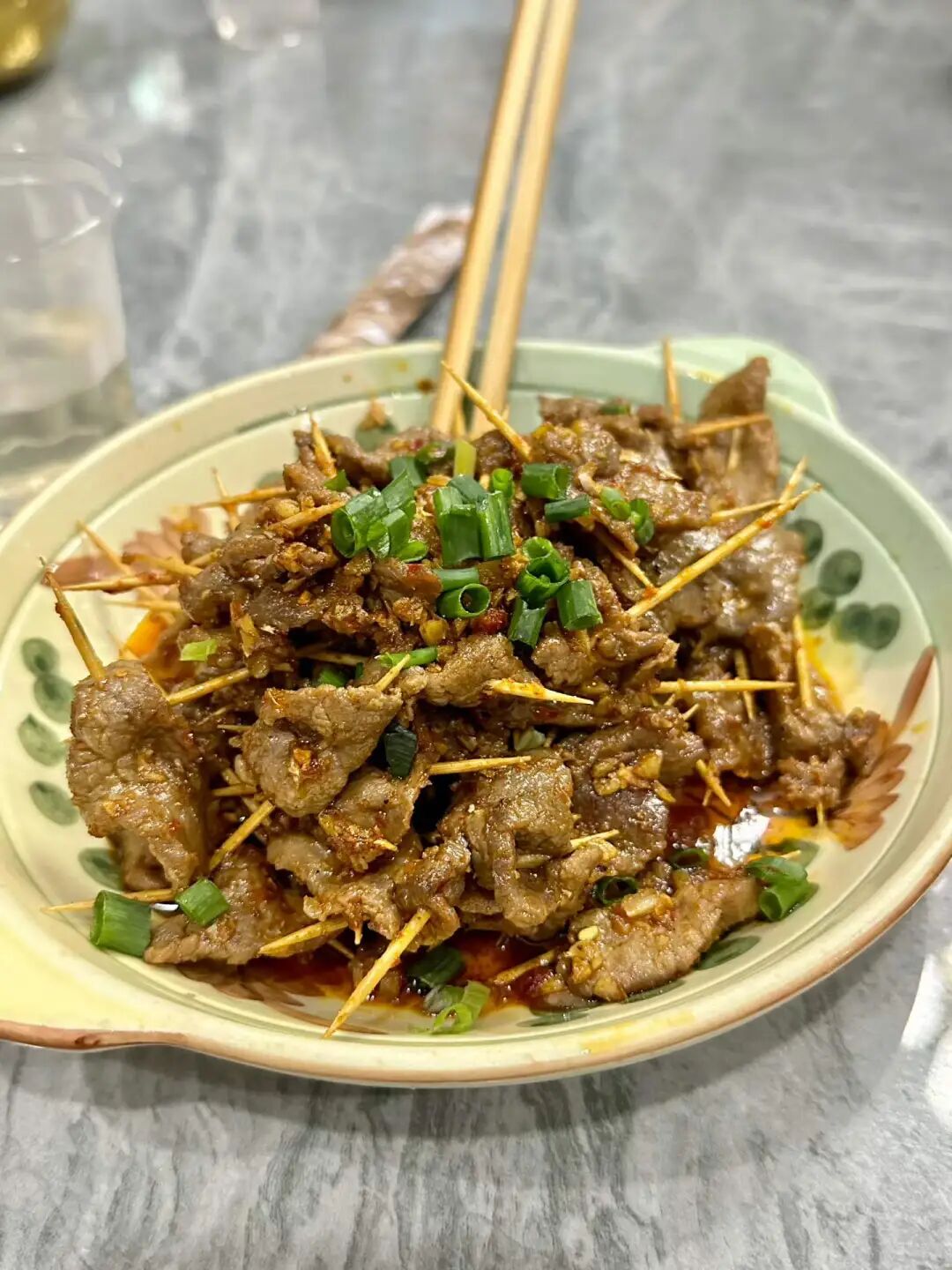
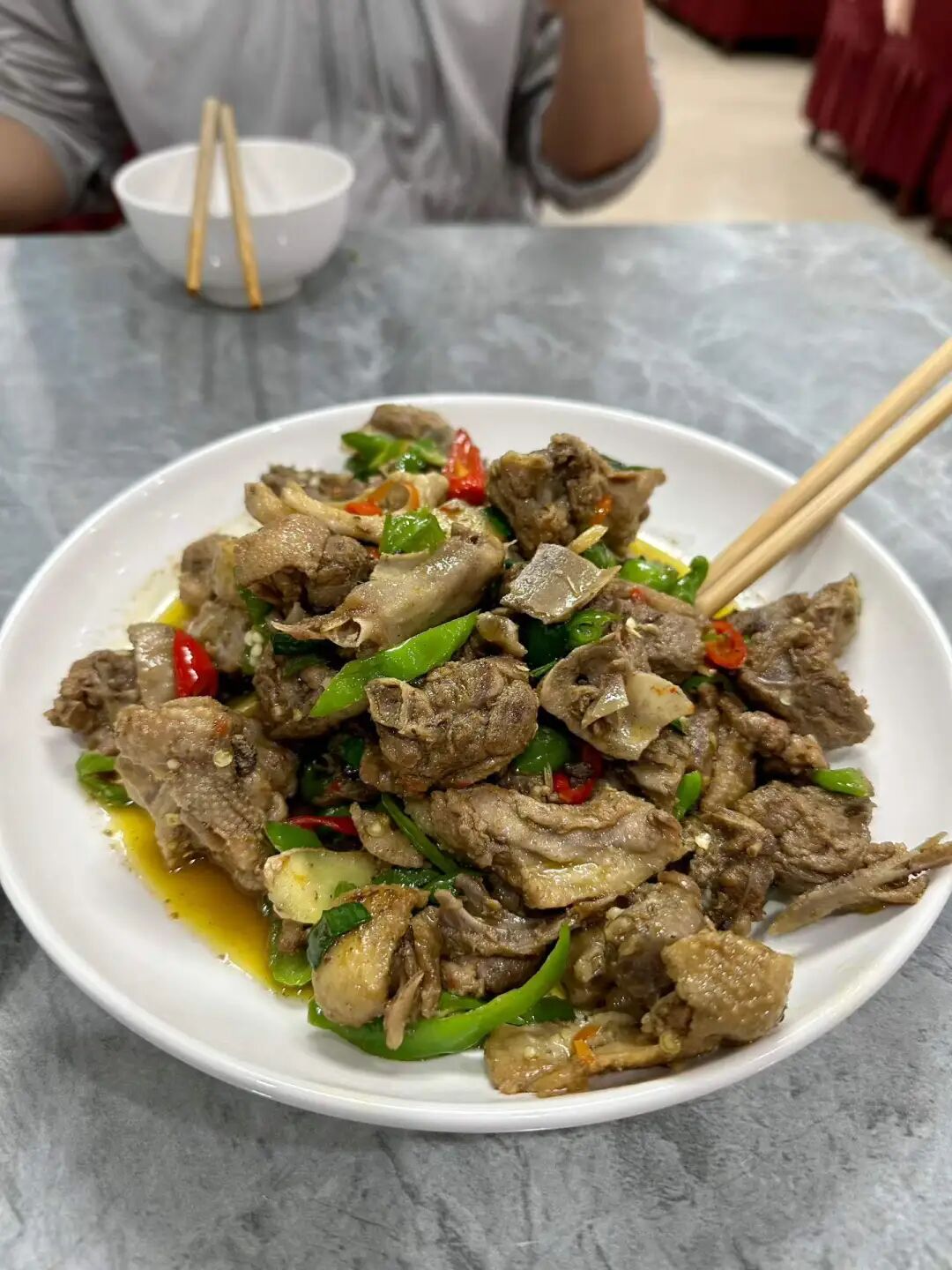
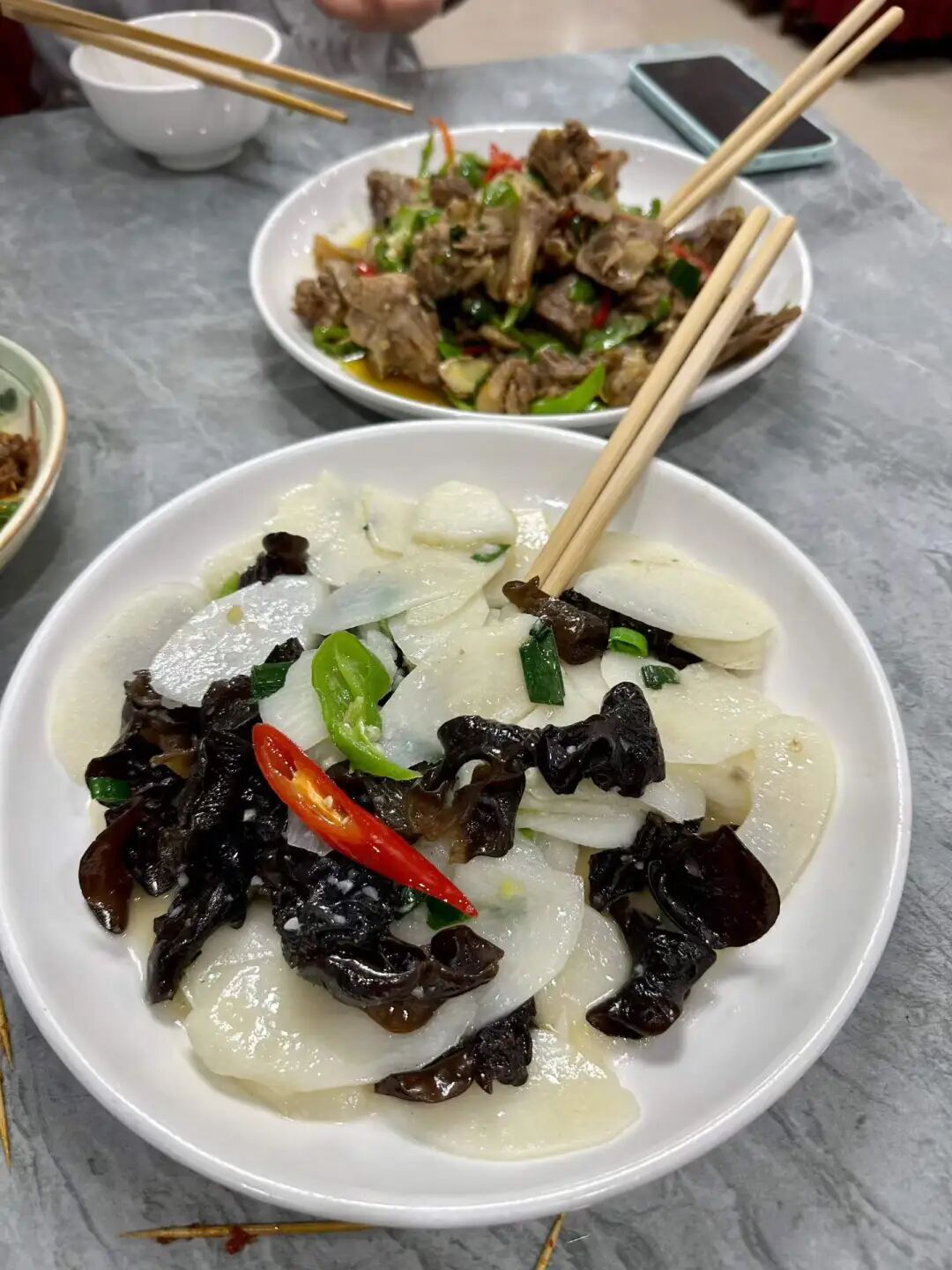
You can find traditional Hui Muslim noodles and pastries at the entrance of Taohuaping Mosque in the county town. This pastry shop is run by Hui Muslims from Shanjie. Their handmade sponge cakes (jidan gao) and sesame flatbreads (zhima bing) are excellent, with authentic milk and egg flavors. Since they contain no additives, you must eat the sponge cakes quickly, and the sesame flatbreads must be kept away from moisture.
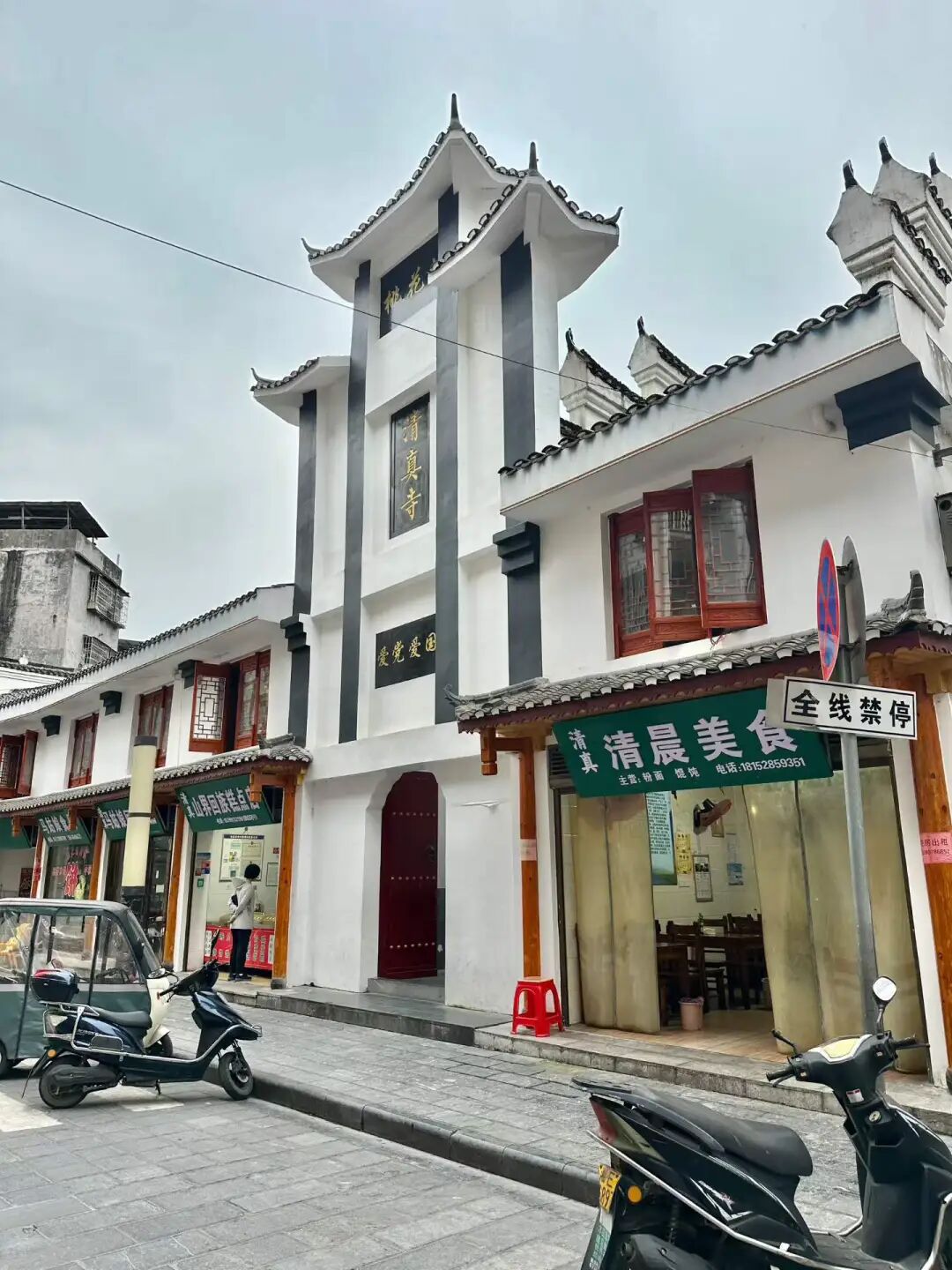
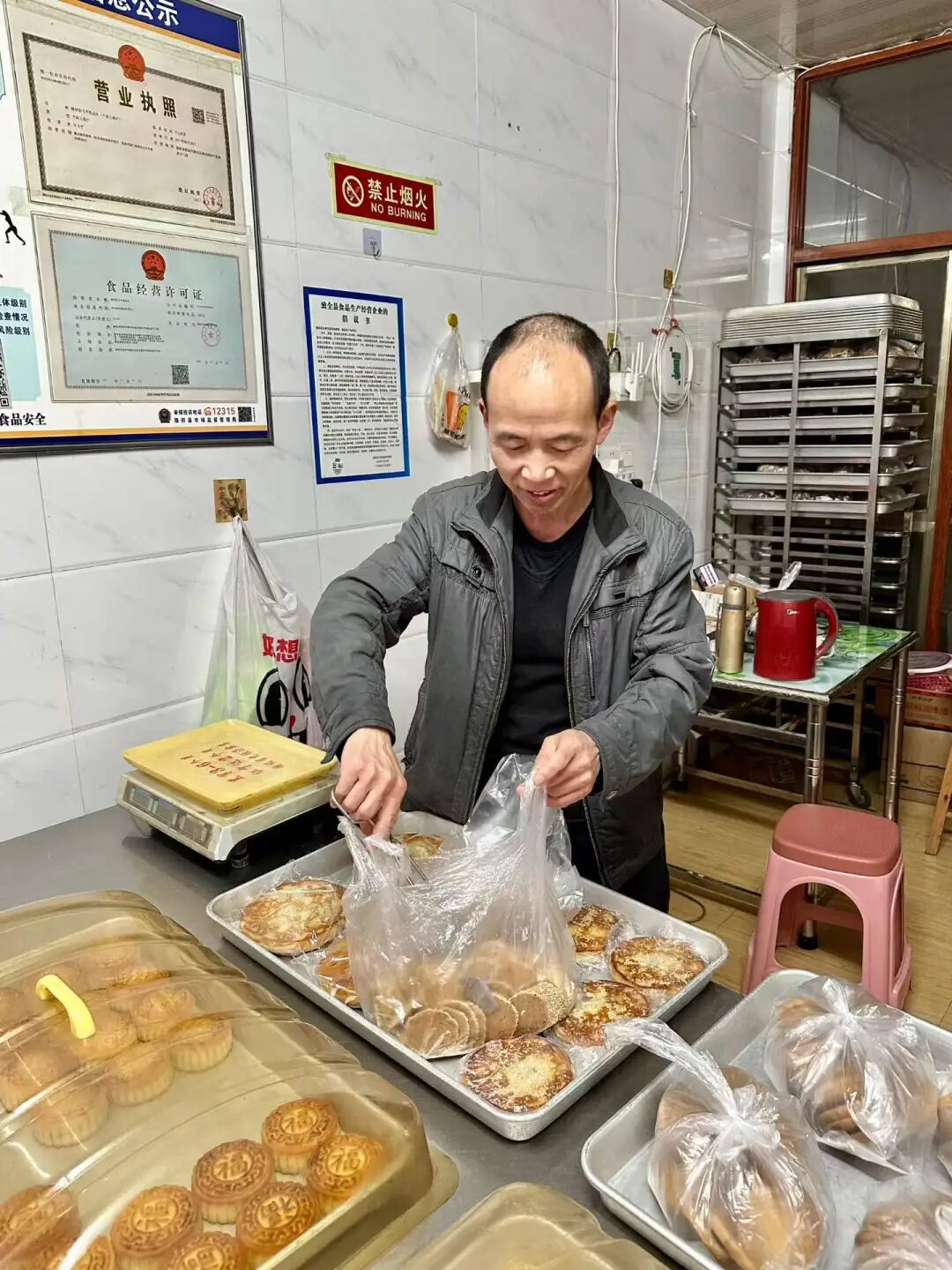
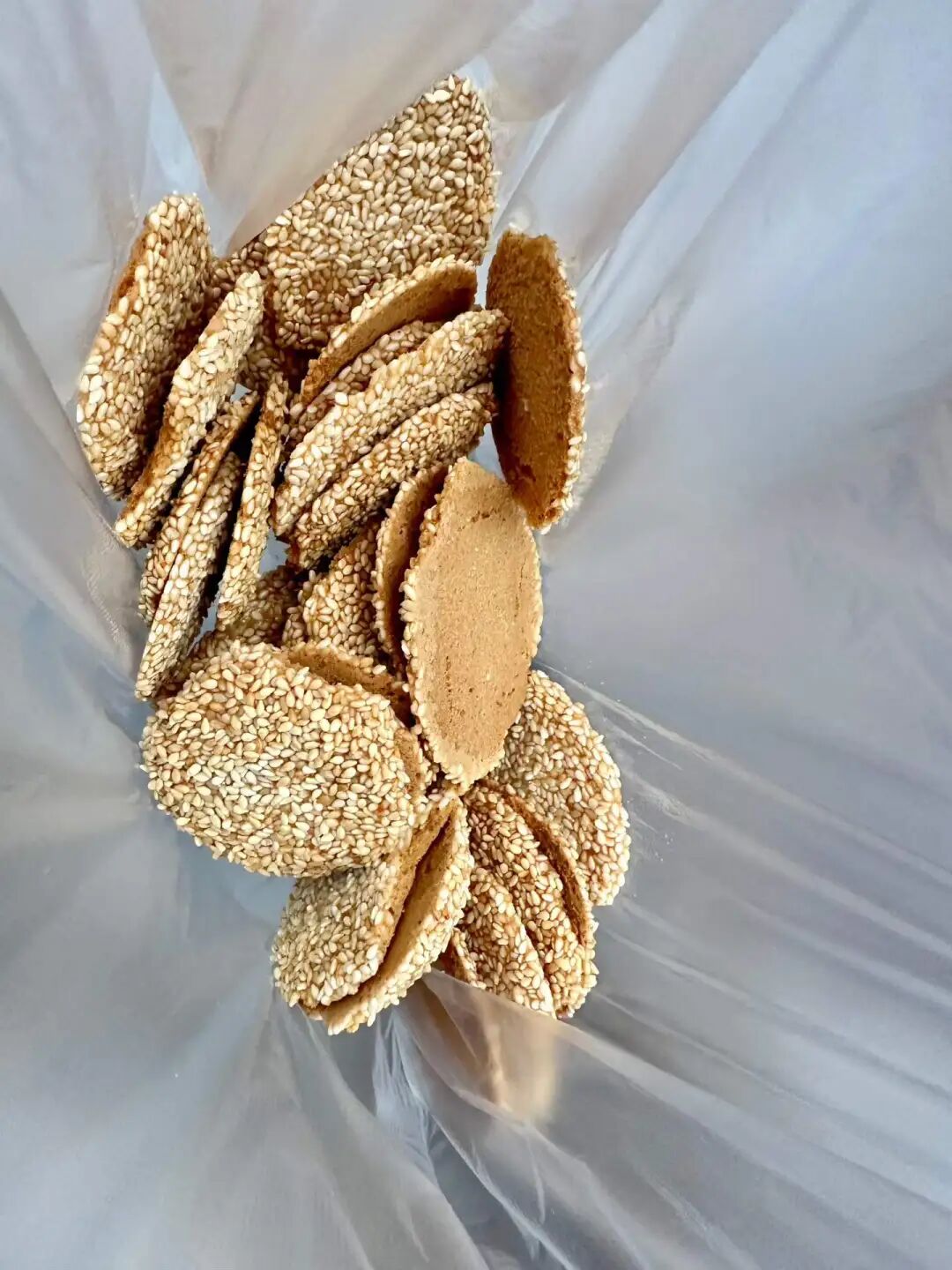
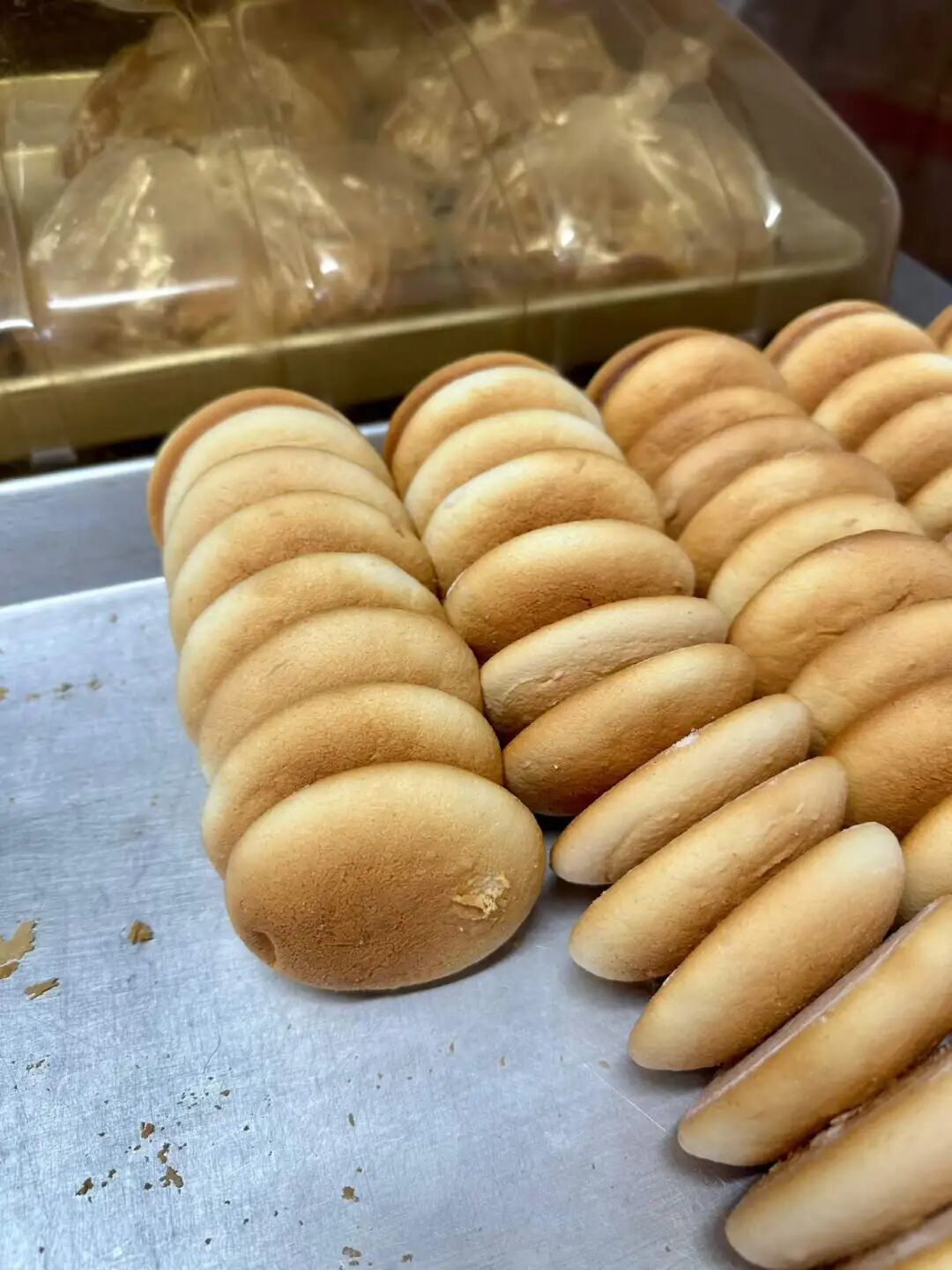
Besides the county town, Shanjie Hui Ethnic Township is also a great place to taste Hui Muslim food. At noon, we ate braised beef steak (hongshao niupai) and vegetable dishes at Laowu Restaurant, located at the entrance of the Shanjie East Mosque. They do not have a menu, so you just discuss what to order directly. The vegetables are all fresh from the field, and you have to order the chicken ahead of time so it can be freshly slaughtered. The steak is cooked in advance, and it tastes just like the kind you make at home.
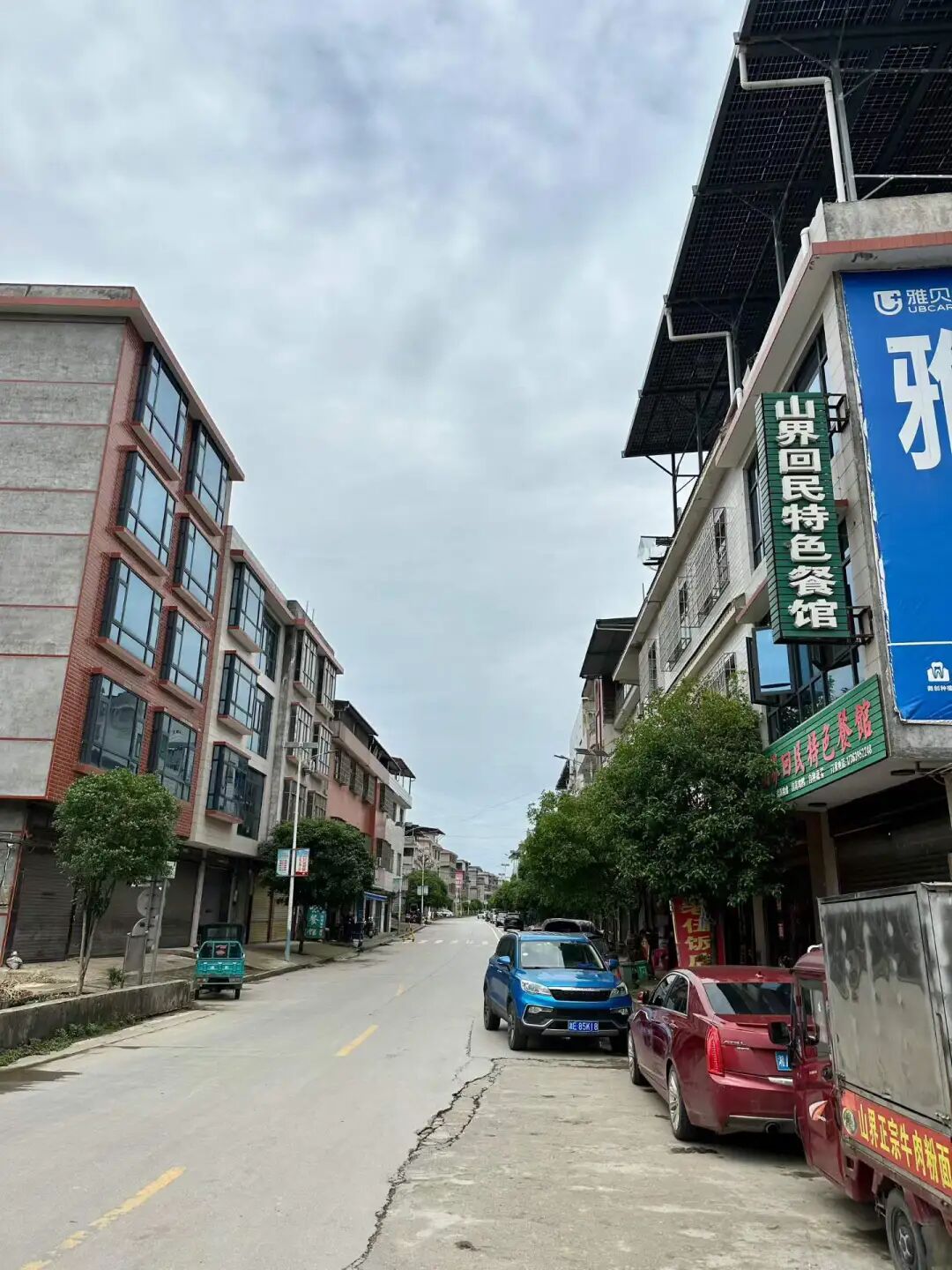
Muslim Travel Guide Japan 2024: Tokyo Mosques, Halal Travel and Local Muslim Life
Articles • Hasan09 posted the article • 0 comments • 360 views • 2026-05-24 01:59
Summary: This Japan Muslim travel guide uses the author's 2024 field observations and online checks to discuss mosques, Muslims, and halal travel in Japan. It keeps the original evidence path, travel notes, and local Muslim life context.
I put this article together using what I saw with my own eyes while traveling in Japan, along with information I easily found on YouTube, Google Maps, the Google Play Store, and Google Search.
On top of that, information from domestic AI software was a big help to me.
There are a lot of pictures later on, so keep an eye on your data usage. Writing this was hard work, and I am sharing it purely out of passion, so I hope you will give it a like to encourage me.
I went to Japan in early May 2024. Before I left, I had already read several articles claiming things like "there are no Muslims in Japan" or "there are no mosques in Japan."
When I read those articles, I had big doubts about whether they were true.
Once I actually stepped onto Japanese soil, I realized those claims were very one-sided.
First, let's see if the local area is really like some videos and articles say, where there is only one mosque in all of Japan.
Just in downtown Tokyo, if you search using the keyword "mosque," a lot of red dots pop up on the map.
This is basically the distribution map of mosques in Tokyo.
Because some small prayer rooms do not show up on the map, the reality is that there are even more places to pray than what you see.
I knew there were mosques in Japan before I went, and it is not like what some articles say about there being only one or two in the whole country.
I really did not expect there to be so many.
I visited the largest one, which is right in Yoyogi.
It is not just a mosque, but also a Turkish cultural center with a small museum next door.
There is a supermarket on the first floor that specializes in halal food.
Nearby, there are also classrooms where Muslim children learn basic religious knowledge.
The interior view of Yoyogi Mosque.
Later, I went to the Japan Islamic Cultural Center in Gotanda, which looks much simpler, as space is very expensive in a big city.
The prayer hall is upstairs, and the cafeteria is downstairs.
I remember an article I read before saying that Japan bans the sale of any Islamic books.
But on the fourth day of my trip, on the way to the Imperial Palace in Tokyo, I passed a fairly large bookstore.
I felt like going in for a look, and this was the first large or medium-sized bookstore I entered in Japan.
As it turned out, I saw this on the shelf for religious books:
The books marked inside the green circles are about Islam.
Of course, there are definitely more books on Buddhism by comparison.
Now let's use the internet to check if the Japanese government really stops people from learning about Islam.
We open the Google Play Store and search using the Japanese word for Islam, "isurāmu," to see if Japanese people can read e-books on the topic.
These are all things that ordinary Japanese citizens can buy easily, and many are even free.
Don't want to read? No problem, there are videos to watch on YouTube.
There are local Japanese Muslim scholars who explain Islamic knowledge on YouTube:
After that, I set off for Shizuoka City to see Mount Fuji, where there are usually fewer Muslims in smaller cities like this.
I searched and, sure enough, there is only one mosque there.
However, the Shizuoka Mosque is quite large and has a wide open space.
If you search for "eid" (the Arabic word for festivals, specifically referring to Eid al-Fitr and Eid al-Adha) plus "Shizuoka" on YouTube, you can see videos of the Eid celebrations filmed there.
Next, I went to Osaka and Kyoto. Osaka is also a big city, so it has a few more mosques.
Back home, I only heard that Tokyo had mosques and that there was one in Kobe.
To my surprise, I found that other cities actually have quite a few mosques too.
Kyoto has fewer mosques, which makes sense since the city is full of traditional houses and Buddhist temples.
Even so, there are still mosques there.
Before heading back to China, I returned to Tokyo on a Friday.
That was when I visited the Islamic cultural exchange center I mentioned earlier.
As is the custom, the imam gives a speech on Fridays.
The imam gives his speech in Japanese first, then explains it briefly in English.
Some might worry that Imam Sato speaks difficult Japanese-style English, but honestly, it sounds quite smooth.
Why use English?
Because most of the Muslims attending namaz in Japan are foreigners.
There are foreign workers here, as well as foreign tourists like me whose Japanese isn't very good.
Are there any native Japanese Muslims?
Of course there are, but native Japanese Muslims only make up a small portion.
So if you only speak in Japanese, many people won't understand.
I met several Japanese Muslims at the time.
I stared at them, wondering: is there any difference between them and ordinary Japanese people on the street?
If you met them on the road, I bet no one would guess they are Muslims:
Except for one person from Indonesia, everyone in this photo is a native Japanese Muslim.
Finally, I went to the Yoyogi Mosque one more time.
I happened to catch a young Japanese man and woman officially converting to Islam in front of an imam.
As I mentioned before, that mosque is a Turkish cultural center funded by the Turkish government.
There is an imam who only speaks Turkish and does not speak Japanese.
He had an interpreter next to him to help pass on his message.
I watched two young people finish their conversion ceremony right there.
There was also an older imam who seemed to be fluent in both Turkish and Japanese.
He is likely the one in charge of the Friday Jumu'ah sermon at Yoyogi Mosque.
I bought a round-trip ticket, and I chose Tokyo Narita Airport as my departure point.
So, I had to go back to Narita Airport in the end.
There are two prayer rooms set up at the check-in area of Narita Airport.
These prayer rooms are not just for Muslims, but we can take a look at the facilities inside.
At the entrance, there is a place to perform wudu before prayer, with a small stool and even tissues provided.
Inside, there are movable tables, chairs, and carpets, which make it much easier for Muslims to pray.
Actually, all the information mentioned above can be verified.
Most people traveling to Japan probably would not think to visit a mosque at all.
But if you have ever stepped into a convenience store, you have surely seen many brown-skinned young men, right?
Most of them come from Bangladesh.
Bangladesh is a South Asian country and also a nation with a large population.
It has very close historical ties with India and Pakistan.
So, what is the mainstream religion in Bangladesh? I looked it up using DeepSeek:
Japan currently faces a very serious aging population problem, and the labor market is in urgent need of workers from various countries.
When it comes to hiring, they really do not have much room to be picky.
Therefore, it is unrealistic to completely shut out Muslim labor.
Moreover, Japan is a major tourism destination that welcomes a massive number of foreign visitors every year.
Turning away all Muslim tourists is clearly not possible.
The number of mosques in Japan is actually quite high now.
This is especially notable considering Japan's first mosque was not built until 1935.
In less than a hundred years, the number has grown significantly; you can count the red dots on the map yourself.
Keep in mind that the entire city of Shanghai only has seven mosques, including the Songjiang Mosque and the Jinshan Mosque.
Besides Tokyo and Osaka, Nagoya is the only other major city in Japan worth mentioning.
Let's look at the general distribution and number of mosques in Nagoya.
Now, let me show you what the mosques in Nagoya look like.
Google Maps has real-life photos where you can click the arrows to see different angles.
As you can see, this mosque is actually a converted small building of the type people build themselves in Japan.
After looking at the big cities, let's check out a more remote part of Japan—Hokkaido.
In my mind, this place is always covered in snow and has a very cold climate.
Yet even in a place like this, there are already mosques.
Let's take a look at a mosque in Sapporo, Hokkaido.
I have seen Hokkaido, the northernmost part of Japan, but what about the Ryukyu Islands, which are far south and quite a distance from the mainland?
This place used to be the Ryukyu Kingdom, and it still keeps its very distinct character today.
There are very few mosques here, but the population is small and the area is tiny anyway.
On a map, the Okinawa Islands look like just a few small dots, almost invisible.
You can compare them: the circle above shows Kyushu Island, and the oval below shows the main island of Okinawa.
One look at the comparison shows that Okinawa is really, really small.
It is such a small place, and it is much further from the Japanese mainland than Japan is from Jeju Island in South Korea.
Even so, there is still a mosque there.
That is enough about the mosque for now, so let us look at the next part:
Japan bans all Arabic language education, and Japanese educational institutions are not allowed to teach Arabic.
Is this claim reliable? Let us look into it together.
Waseda University is probably one of the most familiar Japanese universities to Chinese people.
Haruki Murakami is a graduate of this school.
This university offers courses in Middle Eastern and Islamic studies.
Here is the proof, a screenshot from their official website.
A simple translation of the English inside the red box is:
In short, students can study Arabic here during their undergraduate years.
They also have the chance to learn other Middle Eastern languages, such as Persian and Turkish.
Now we understand that Japanese universities do teach Arabic.
Let's see what other universities are doing.
Kyoto University also has a center for Islamic area studies, as shown in the image below:
Let's look at another one, Tokyo University of Foreign Studies:
This is a higher education institution that specializes in foreign languages, and it has an Arabic major.
Let's look at the official website's brief introduction to this major.
Here is a simple translation of the key points (I was too lazy to translate it myself, so I just threw it at an AI).
What about Japan's top university, the University of Tokyo (also known as Todai)?
Todai also has an Islamic studies department. Let's look at the summary:
The text in the red box basically says: To help researchers accurately understand Islamic civilization, Todai teaches them relevant languages, including Arabic.
After checking the information myself, I found that the claim that "no educational institution in Japan offers Arabic education" simply doesn't hold up.
I have also seen a claim elsewhere that Japan has no halal restaurants and that you cannot buy halal food at all.
Is that true? Let's search and see.
I searched in Tokyo again. I searched twice, and the results were slightly different each time.
I also found some restaurants on the "Japan Muslim Service Network" that you can find on Google.
I took a few screenshots, and here is a simple translation:
You can find halal versions of both international flavors and traditional Japanese cuisine.
You might be curious about what the symbol in the red circle means.
I looked it up, and it means the shop has a prayer room.
My earlier analysis was right: just searching for a mosque will make you miss many of these small prayer rooms inside shops.
So, there are likely even more places to pray than what we can see. view all
Summary: This Japan Muslim travel guide uses the author's 2024 field observations and online checks to discuss mosques, Muslims, and halal travel in Japan. It keeps the original evidence path, travel notes, and local Muslim life context.
I put this article together using what I saw with my own eyes while traveling in Japan, along with information I easily found on YouTube, Google Maps, the Google Play Store, and Google Search.
On top of that, information from domestic AI software was a big help to me.
There are a lot of pictures later on, so keep an eye on your data usage. Writing this was hard work, and I am sharing it purely out of passion, so I hope you will give it a like to encourage me.
I went to Japan in early May 2024. Before I left, I had already read several articles claiming things like "there are no Muslims in Japan" or "there are no mosques in Japan."
When I read those articles, I had big doubts about whether they were true.
Once I actually stepped onto Japanese soil, I realized those claims were very one-sided.
First, let's see if the local area is really like some videos and articles say, where there is only one mosque in all of Japan.
Just in downtown Tokyo, if you search using the keyword "mosque," a lot of red dots pop up on the map.
This is basically the distribution map of mosques in Tokyo.
Because some small prayer rooms do not show up on the map, the reality is that there are even more places to pray than what you see.
I knew there were mosques in Japan before I went, and it is not like what some articles say about there being only one or two in the whole country.
I really did not expect there to be so many.
I visited the largest one, which is right in Yoyogi.
It is not just a mosque, but also a Turkish cultural center with a small museum next door.
There is a supermarket on the first floor that specializes in halal food.
Nearby, there are also classrooms where Muslim children learn basic religious knowledge.
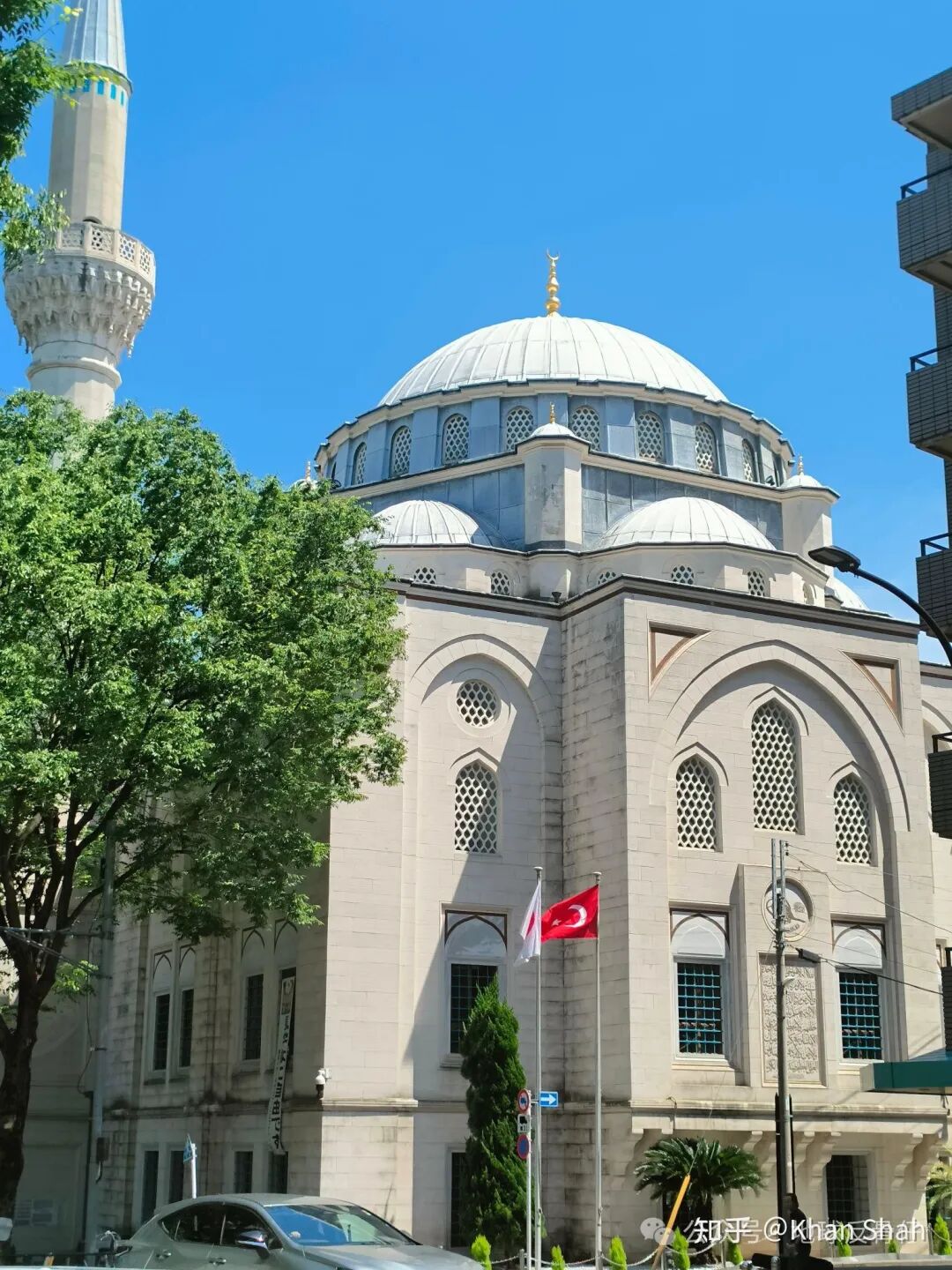
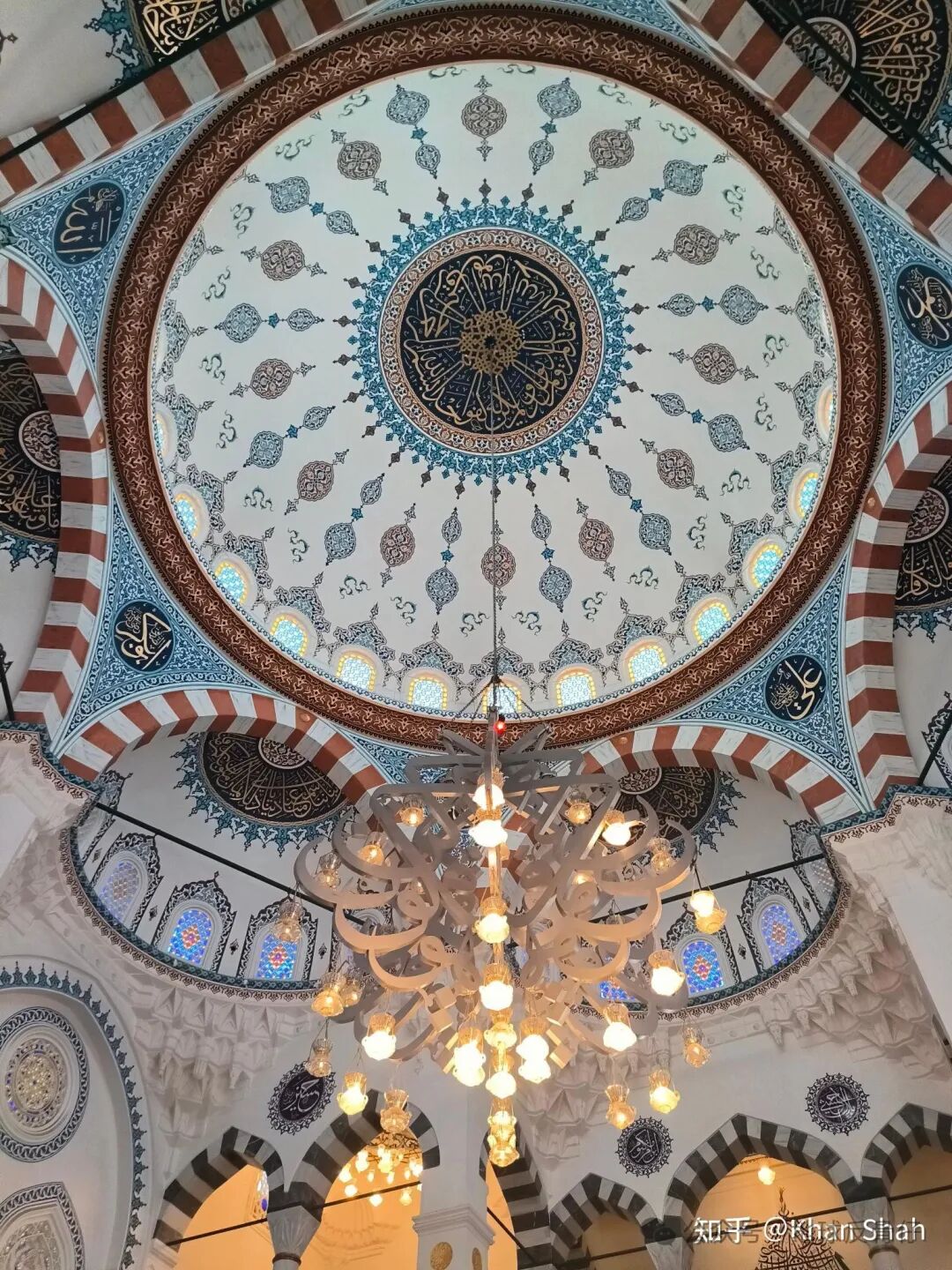
The interior view of Yoyogi Mosque.
Later, I went to the Japan Islamic Cultural Center in Gotanda, which looks much simpler, as space is very expensive in a big city.
The prayer hall is upstairs, and the cafeteria is downstairs.
I remember an article I read before saying that Japan bans the sale of any Islamic books.
But on the fourth day of my trip, on the way to the Imperial Palace in Tokyo, I passed a fairly large bookstore.
I felt like going in for a look, and this was the first large or medium-sized bookstore I entered in Japan.
As it turned out, I saw this on the shelf for religious books:
The books marked inside the green circles are about Islam.
Of course, there are definitely more books on Buddhism by comparison.
Now let's use the internet to check if the Japanese government really stops people from learning about Islam.
We open the Google Play Store and search using the Japanese word for Islam, "isurāmu," to see if Japanese people can read e-books on the topic.
These are all things that ordinary Japanese citizens can buy easily, and many are even free.
Don't want to read? No problem, there are videos to watch on YouTube.
There are local Japanese Muslim scholars who explain Islamic knowledge on YouTube:

After that, I set off for Shizuoka City to see Mount Fuji, where there are usually fewer Muslims in smaller cities like this.
I searched and, sure enough, there is only one mosque there.
However, the Shizuoka Mosque is quite large and has a wide open space.
If you search for "eid" (the Arabic word for festivals, specifically referring to Eid al-Fitr and Eid al-Adha) plus "Shizuoka" on YouTube, you can see videos of the Eid celebrations filmed there.
Next, I went to Osaka and Kyoto. Osaka is also a big city, so it has a few more mosques.
Back home, I only heard that Tokyo had mosques and that there was one in Kobe.
To my surprise, I found that other cities actually have quite a few mosques too.
Kyoto has fewer mosques, which makes sense since the city is full of traditional houses and Buddhist temples.
Even so, there are still mosques there.
Before heading back to China, I returned to Tokyo on a Friday.
That was when I visited the Islamic cultural exchange center I mentioned earlier.
As is the custom, the imam gives a speech on Fridays.
The imam gives his speech in Japanese first, then explains it briefly in English.
Some might worry that Imam Sato speaks difficult Japanese-style English, but honestly, it sounds quite smooth.
Why use English?
Because most of the Muslims attending namaz in Japan are foreigners.
There are foreign workers here, as well as foreign tourists like me whose Japanese isn't very good.
Are there any native Japanese Muslims?
Of course there are, but native Japanese Muslims only make up a small portion.
So if you only speak in Japanese, many people won't understand.
I met several Japanese Muslims at the time.
I stared at them, wondering: is there any difference between them and ordinary Japanese people on the street?
If you met them on the road, I bet no one would guess they are Muslims:
Except for one person from Indonesia, everyone in this photo is a native Japanese Muslim.
Finally, I went to the Yoyogi Mosque one more time.
I happened to catch a young Japanese man and woman officially converting to Islam in front of an imam.
As I mentioned before, that mosque is a Turkish cultural center funded by the Turkish government.
There is an imam who only speaks Turkish and does not speak Japanese.
He had an interpreter next to him to help pass on his message.
I watched two young people finish their conversion ceremony right there.
There was also an older imam who seemed to be fluent in both Turkish and Japanese.
He is likely the one in charge of the Friday Jumu'ah sermon at Yoyogi Mosque.
I bought a round-trip ticket, and I chose Tokyo Narita Airport as my departure point.
So, I had to go back to Narita Airport in the end.
There are two prayer rooms set up at the check-in area of Narita Airport.
These prayer rooms are not just for Muslims, but we can take a look at the facilities inside.
At the entrance, there is a place to perform wudu before prayer, with a small stool and even tissues provided.
Inside, there are movable tables, chairs, and carpets, which make it much easier for Muslims to pray.
Actually, all the information mentioned above can be verified.
Most people traveling to Japan probably would not think to visit a mosque at all.
But if you have ever stepped into a convenience store, you have surely seen many brown-skinned young men, right?
Most of them come from Bangladesh.

Bangladesh is a South Asian country and also a nation with a large population.
It has very close historical ties with India and Pakistan.
So, what is the mainstream religion in Bangladesh? I looked it up using DeepSeek:
Japan currently faces a very serious aging population problem, and the labor market is in urgent need of workers from various countries.
When it comes to hiring, they really do not have much room to be picky.
Therefore, it is unrealistic to completely shut out Muslim labor.
Moreover, Japan is a major tourism destination that welcomes a massive number of foreign visitors every year.
Turning away all Muslim tourists is clearly not possible.
The number of mosques in Japan is actually quite high now.
This is especially notable considering Japan's first mosque was not built until 1935.
In less than a hundred years, the number has grown significantly; you can count the red dots on the map yourself.
Keep in mind that the entire city of Shanghai only has seven mosques, including the Songjiang Mosque and the Jinshan Mosque.
Besides Tokyo and Osaka, Nagoya is the only other major city in Japan worth mentioning.
Let's look at the general distribution and number of mosques in Nagoya.
Now, let me show you what the mosques in Nagoya look like.
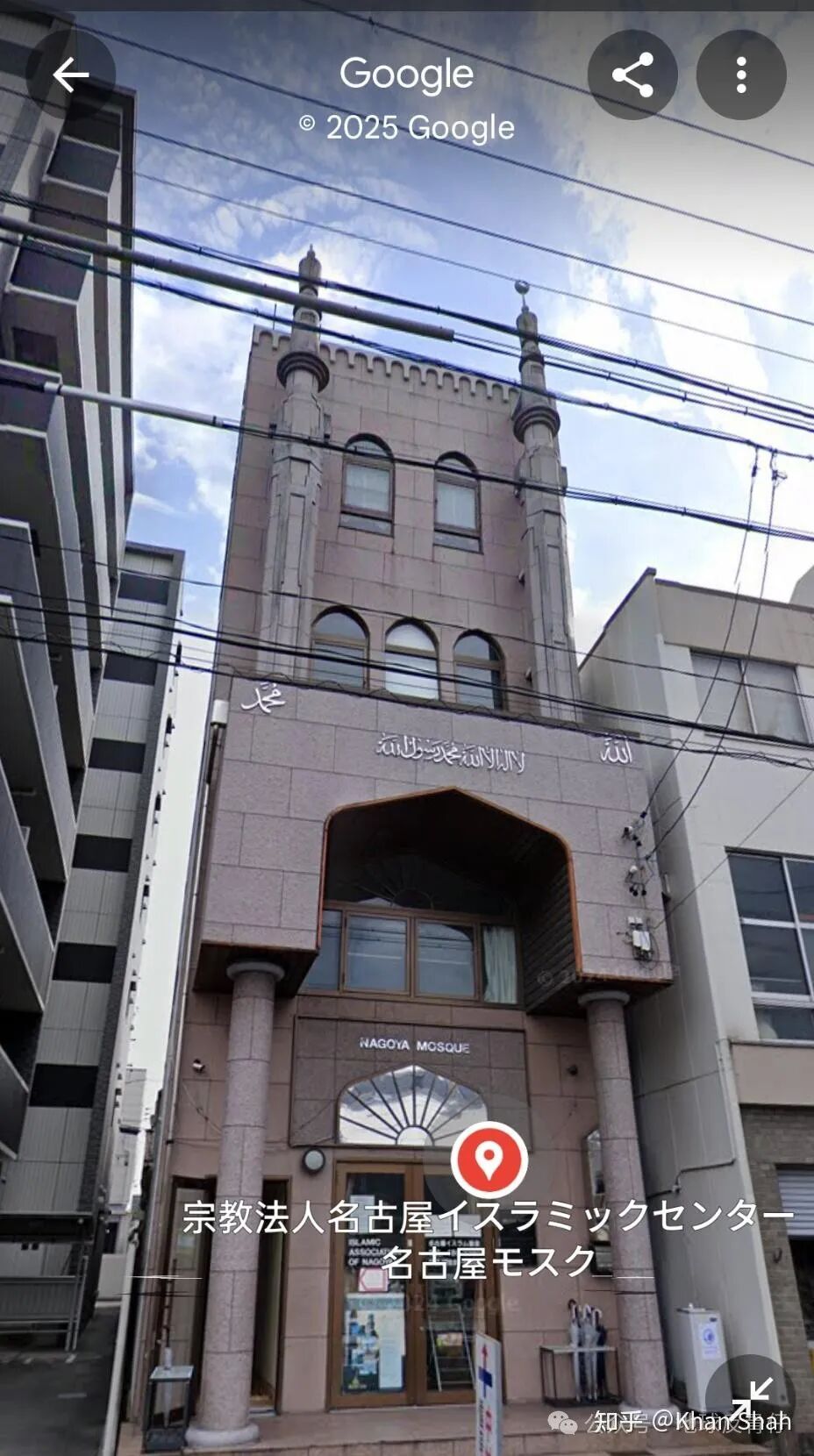
Google Maps has real-life photos where you can click the arrows to see different angles.
As you can see, this mosque is actually a converted small building of the type people build themselves in Japan.
After looking at the big cities, let's check out a more remote part of Japan—Hokkaido.
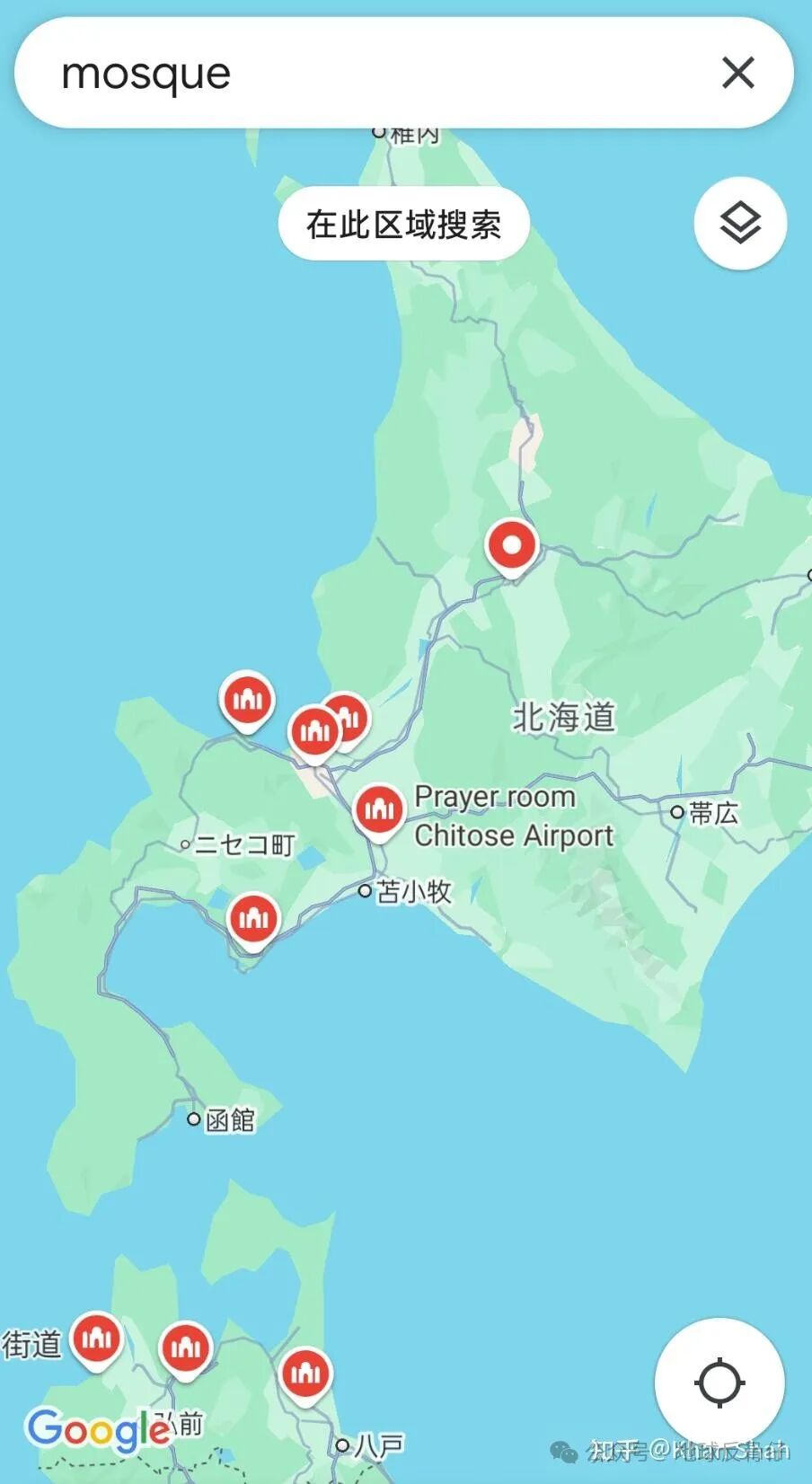
In my mind, this place is always covered in snow and has a very cold climate.
Yet even in a place like this, there are already mosques.
Let's take a look at a mosque in Sapporo, Hokkaido.
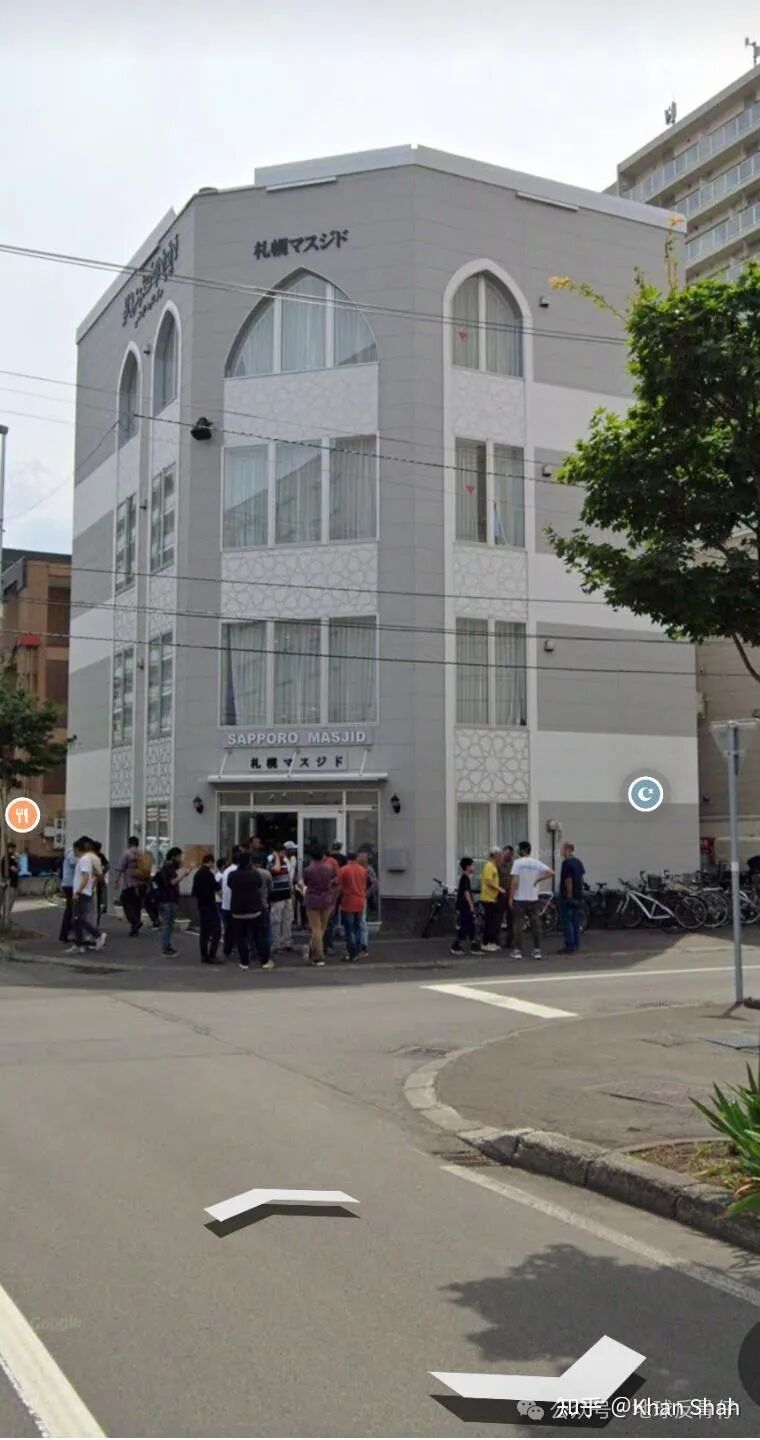
I have seen Hokkaido, the northernmost part of Japan, but what about the Ryukyu Islands, which are far south and quite a distance from the mainland?
This place used to be the Ryukyu Kingdom, and it still keeps its very distinct character today.
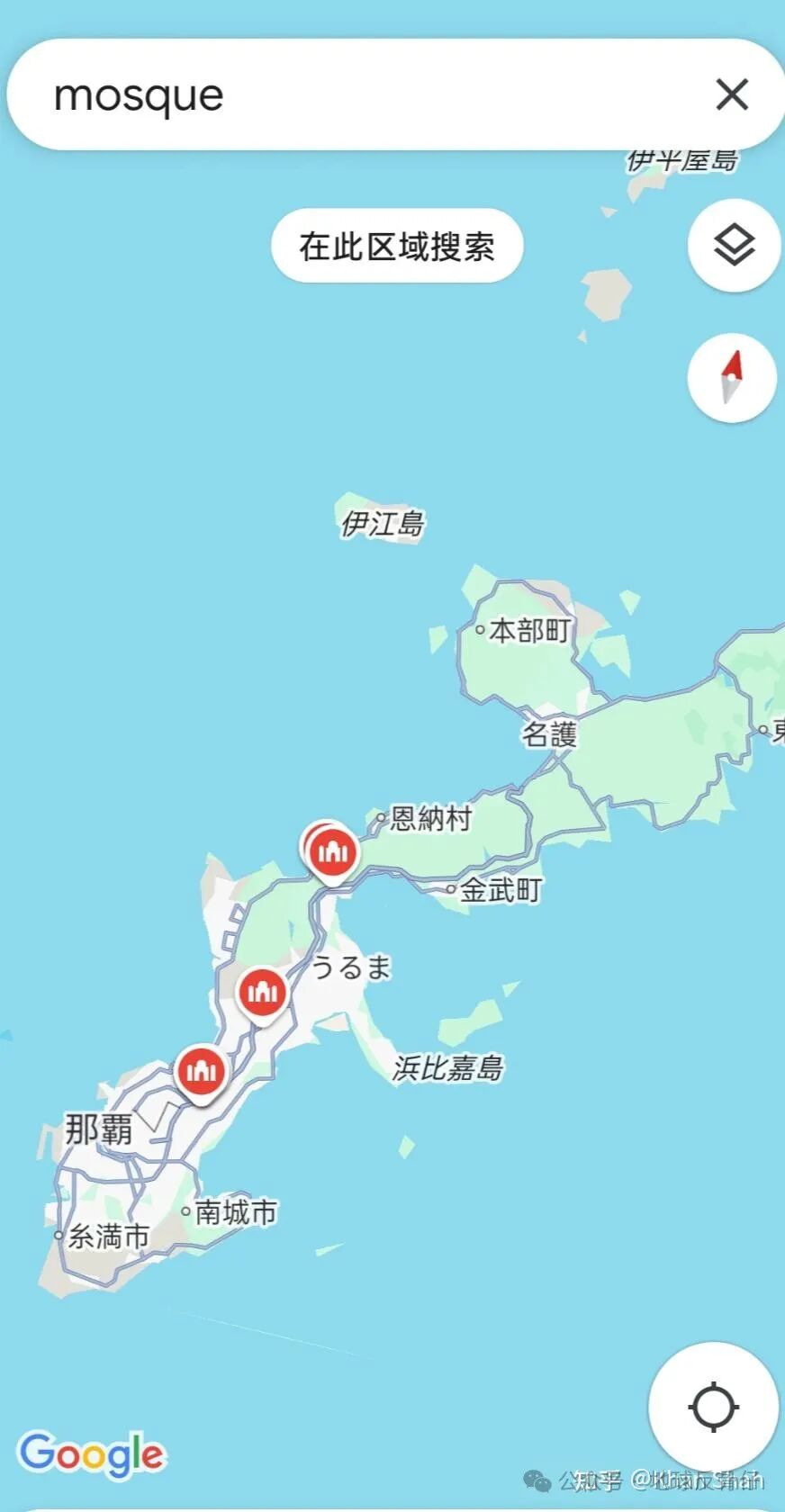
There are very few mosques here, but the population is small and the area is tiny anyway.
On a map, the Okinawa Islands look like just a few small dots, almost invisible.
You can compare them: the circle above shows Kyushu Island, and the oval below shows the main island of Okinawa.
One look at the comparison shows that Okinawa is really, really small.
It is such a small place, and it is much further from the Japanese mainland than Japan is from Jeju Island in South Korea.
Even so, there is still a mosque there.
That is enough about the mosque for now, so let us look at the next part:
Japan bans all Arabic language education, and Japanese educational institutions are not allowed to teach Arabic.
Is this claim reliable? Let us look into it together.
Waseda University is probably one of the most familiar Japanese universities to Chinese people.
Haruki Murakami is a graduate of this school.
This university offers courses in Middle Eastern and Islamic studies.
Here is the proof, a screenshot from their official website.
A simple translation of the English inside the red box is:
In short, students can study Arabic here during their undergraduate years.
They also have the chance to learn other Middle Eastern languages, such as Persian and Turkish.
Now we understand that Japanese universities do teach Arabic.
Let's see what other universities are doing.
Kyoto University also has a center for Islamic area studies, as shown in the image below:
Let's look at another one, Tokyo University of Foreign Studies:
This is a higher education institution that specializes in foreign languages, and it has an Arabic major.
Let's look at the official website's brief introduction to this major.
Here is a simple translation of the key points (I was too lazy to translate it myself, so I just threw it at an AI).
What about Japan's top university, the University of Tokyo (also known as Todai)?
Todai also has an Islamic studies department. Let's look at the summary:
The text in the red box basically says: To help researchers accurately understand Islamic civilization, Todai teaches them relevant languages, including Arabic.
After checking the information myself, I found that the claim that "no educational institution in Japan offers Arabic education" simply doesn't hold up.
I have also seen a claim elsewhere that Japan has no halal restaurants and that you cannot buy halal food at all.
Is that true? Let's search and see.
I searched in Tokyo again. I searched twice, and the results were slightly different each time.
I also found some restaurants on the "Japan Muslim Service Network" that you can find on Google.
I took a few screenshots, and here is a simple translation:
You can find halal versions of both international flavors and traditional Japanese cuisine.
You might be curious about what the symbol in the red circle means.
I looked it up, and it means the shop has a prayer room.
My earlier analysis was right: just searching for a mosque will make you miss many of these small prayer rooms inside shops.
So, there are likely even more places to pray than what we can see.
Muslim Friendly Chongqing: Bashu's Largest Mosque, Halal Travel and Hui Muslim Food
Articles • yusuf908 posted the article • 0 comments • 172 views • 2026-05-24 00:17
Summary: Muslim Friendly Chongqing: Bashu's Largest Mosque, Halal Travel and Hui Muslim Food is presented here as a clear English account for Muslim readers, starting with this scene: The first quarter of 2021 ended, and I received a promotion notice from headquarters. Starting in the second quarter, I was promoted to sales manager. Our company's basic rules are divided into two tracks: an individual track and. It keeps the original names, food details, mosque details, photographs, and cultural context while focusing on Chongqing Mosques, Halal Travel, Hui Muslim Food.
The first quarter of 2021 ended, and I received a promotion notice from headquarters. Starting in the second quarter, I was promoted to sales manager. Our company's basic rules are divided into two tracks: an individual track and a management track. In the individual track, I am a partner, similar to the ranking system in a law firm. The management track is divided into sales manager and sales director. Becoming a sales manager means the team I lead now has an official designation within the company.
Mingya organizational chart
According to company arrangements, newly promoted sales managers must attend executive MBA training. This training was held at the Chongqing Marriott Hotel, so I had the chance to visit the mountain city again. Outside of training, I could continue exploring the places I had visited in Chongqing before.
After arriving in Chongqing from Beijing, I suggested to another friend (dosti) that we share a room to make it easier to perform namaz. Our company culture is very inclusive. The chairman once mentioned in a speech that he received a WeChat message from a former colleague who said, 'Thank Allah for making Mingya better and better.' When this colleague was still working here, he shared the gospel with many of us. Even after leaving, he often prayed for Allah's forgiveness and blessings for Mingya. After joining Mingya, I discovered that there are many Christians and Catholics throughout the company. Now, with my arrival, there are more Muslim partners as well. People with faith pursue freedom of body and mind, and I think that is why the company attracts them.
My roommate performing namaz in the hotel room
Of course, freedom alone is not enough. People have to eat, and the ability to earn a high income is a major reason why the company attracts so many elite partners. Our average income is higher than that of most employees at large tech companies. During the 2020 pandemic, more than 400 of our agents earned over one million annually, and three even reached the ten-million level.
Mingya average monthly income
Our team currently has 17 people: one in Jiangsu, two in Anhui, one in Guangzhou, two in Yinchuan, one in Japan, and ten in Beijing. 100% have a bachelor's degree or higher. Some are part-time and some are full-time. The team communicates online daily. Since buying insurance and processing claims are now digitized, our clients are spread across the country and can purchase insurance online without leaving home.
On the first day of arriving in Chongqing, the company arranged free time. I took several other team leaders to the most authentic halal hot pot restaurant in Chongqing, Huiwei Chuanyu
for a meal. The quality of this restaurant is definitely among the best of all halal restaurants in Chongqing, and it has won awards in Chongqing hot pot competitions many times. If you ask me which restaurant to visit if you only go to one in Chongqing? I would recommend you come to Huiwei Chuanyu.
The owner, Brother Yang, is originally from Xinjiang and has lived in Chongqing for nearly twenty years. He speaks fluent Chongqing dialect. The restaurant is smoke-free and alcohol-free, which is unique among local Chongqing hot pot places. I introduced this restaurant in my previous article, 'Chongqing Halal Food Tour—Turns out Tripe Hot Pot is also related to Hui Muslims.' This time, because of the team dinner, I was able to taste more dishes.
Awards received
In Chongqing, a city of hot pot, it is quite rare for a halal hot pot restaurant to be recognized by judges. Brother Yang invests heavily in the research and development of hot pot soup bases and is very confident in the taste of his hot pot. For this dinner, I chose dishes based on the manager's recommendations, and every one of them was praised by my colleagues.
Yuan-yang pot (split pot with two flavors)
The yuan-yang pot is how Chongqing people show respect to outsiders. Based on my experience, I am not great with spicy food, but I can handle the mild spicy base. Because the soup base is so flavorful, the clear soup pot was ignored by everyone. You can skip the clear soup pot when you come here and just choose mild or medium spicy. The spiciest nine-grid pot is for those who like strong flavors.
The plaque hanging on the wall says: 'O mankind!' Eat from whatever is on earth [that is] lawful and good.' (Quran, Surah Al-Baqarah, Verse 168)
The restaurant provides tips on how Chongqing people mix their oil dipping sauce. The top recommendation is the garlic and sesame oil dip: minced garlic + sesame oil + chopped green onions + fried peanuts + toasted sesame seeds.
Ice jelly (bingfen)
Brown sugar sticky rice cake (hongtang ciba)
Iced jelly (bingfen) and brown sugar sticky rice cake (hongtang ciba) are essential sweet desserts for hotpot.
The manager's recommended spicy big pot
Square bamboo shoots (fangzhusun)
Huiwei signature beef liver
Chongqing people love eating beef liver, but at non-halal shops, they usually eat pork liver. They cook it by dipping it repeatedly in the pot, then take it out and skip the oil dip, choosing instead to dip it in dry chili powder. The raw egg on the beef liver is actually there to make it smooth, and it is safe to eat.
A major feature of this hotpot restaurant is the live vegetables. These are all grown in a culture medium, and when guests want to eat them, the server harvests them on the spot. They are incredibly fresh, and naturally, the taste is tender and juicy.
Organic live pea shoots (wandou miao)
Organic peanut sprouts (huasheng ya)
Organic golden needle mushrooms (jinzhengu)
Ecological bean sprouts (douya)
Shrimp paste (xiahua)
Boneless fresh fish slices
Huiwei signature tripe (maodu)
Huiwei tender beef
Taking a photo with supervisors from different teams
After the meal, my companion and I went to the Chongqing Muslim Building for namaz. Upon arrival, we learned that the Muslim Building had been renamed, and the new name is still being discussed. The prayer hall on the top floor has also been closed, and Muslims needing to pray must go to the newly built Jiulongpo Mosque.
The Chongqing Muslim Building is currently owned by the Islamic Association and will be used for commercial purposes. In the future, it will be developed into a new popular social media landmark. The famous Shibati in Chongqing is about to be rebuilt, similar to Qianmen Street in Beijing, and is expected to open at the end of September this year.
The abandoned prayer hall where I once stood.
The dome on the top floor
The minaret that was never used and will never be used again
Standing on the top floor overlooking the Shibati project
From Jiaochangkou, where the Muslim Building is located, you can take the subway and reach Fengqi Road Station in half an hour. After walking a few hundred meters, you will arrive at the newly built Chongqing Grand Mosque. This grand mosque opened to the public last year. It covers an area of 10,000 square meters and has complete supporting facilities, including an underground parking lot. It belongs to the same batch of projects as the newly built grand mosque in Hangzhou.
The good news is that after several inspections by relevant leaders, the main building of the Great Mosque was deemed not to need large-scale renovations. It only needs some added Chinese-style elements to stay as it is. I applaud the wise decision made by the Chongqing leadership.
From the outside, the Great Mosque of Chongqing looks similar to the Great Mosque of Shadian.
The mihrab, shaped like an open Quran, is modeled after the style of the Faisal Mosque in Pakistan.
The Core Socialist Values hanging above are the result of later renovations, and the auspicious cloud patterns also count as added Chinese elements.
Four-Character Scripture for Muslim Women (Qingzhen Nuzi Sizi Jing)
Women's Prayer Hall
Just one wall away is the Chongqing Hui Muslim Cemetery.
This Great Mosque is located some distance from the city center, and the surrounding area is not yet developed, so there are not many Muslims coming for namaz. However, given Chongqing's current super-fast development speed, I believe this area will soon be bustling with people.
After visiting the Great Mosque of Chongqing, we returned to the hotel and started an MBA training course the next day. After several days of closed-door training, I set off on a journey to visit the oldest mosque in the Chongqing area, the Fengjie Mosque.
Fengjie is very far from downtown Chongqing, over 400 kilometers away. You can take a long-distance bus from the Chongqing North Station bus terminal and arrive in Fengjie County in 6 hours. Alternatively, you can take a high-speed train to Wanzhou, which takes about two hours, and then take a bus from Wanzhou to Fengjie, which takes another two hours.
Fengjie is the starting point of Bashu culture and the location of White Emperor City (Baidi Cheng). White Emperor City is a major historical and cultural site protected at the national level, and it is a must-visit spot when traveling the Yangtze River by boat. Friends who love Bashu history and culture should not miss it. Students who have been to school can surely recite Li Bai's poem 'Departing from White Emperor City in the Morning'.
Enjoying the night view of the Yangtze River at Kuimen Square.
According to historical records, the Fengjie Mosque is also one of the earliest mosques in the Bashu region, and it is said to have been built in the Yuan Dynasty. Due to the construction of the Three Gorges Project, the main building of the prayer hall was moved as a whole to its current location, and all the bricks and tiles were restored.
The mosque is currently undergoing construction of commercial storefronts on the ground floor. These shops will be rented out as mosque property, with plans to support the mosque through its own income. Huiwei Chuanyu hopes to open a branch here, which would meet the dietary needs of friends (dost) traveling to Fengjie, as there is currently only one halal ramen shop in Fengjie.
The few remaining stone tablets in the mosque continue to write its history. In the evening, I spoke with the imam and learned that there are about 600 local Hui Muslims in Fengjie. Only eleven or twelve come for namaz on Jumu'ah, and only three people insist on performing the five daily prayers. They are all elderly. Most local Hui Muslims know nothing about Islam, which leads to many awkward situations during weddings and funerals, making it very difficult for the imam to carry out his work here.
In the evening, the imam asked his wife to cook me a hearty meal with Linxia flavors. It was the most delicious meal I had eaten in days. During the meal, I listened to the imam talk about the hardships of his missionary work, but he remained resilient and optimistic, viewing the difficulties he encountered as a test from Allah. I am full of respect for him and wish that all scholars striving on the path of the Lord may receive blessings in both worlds.
The only halal ramen shop in Fengjie, located at Kuimen Square.
After the evening prayer (maghrib), I said goodbye to the imam and returned to Beijing the next day. My study tour in Chongqing has come to an end. I hope that when I come back next time, I will see a branch of Huiwei Chuanyu opened in Fengjie. The Islamic culture of Bashu will surely regain its former glory, insha'Allah. view all
Summary: Muslim Friendly Chongqing: Bashu's Largest Mosque, Halal Travel and Hui Muslim Food is presented here as a clear English account for Muslim readers, starting with this scene: The first quarter of 2021 ended, and I received a promotion notice from headquarters. Starting in the second quarter, I was promoted to sales manager. Our company's basic rules are divided into two tracks: an individual track and. It keeps the original names, food details, mosque details, photographs, and cultural context while focusing on Chongqing Mosques, Halal Travel, Hui Muslim Food.
The first quarter of 2021 ended, and I received a promotion notice from headquarters. Starting in the second quarter, I was promoted to sales manager. Our company's basic rules are divided into two tracks: an individual track and a management track. In the individual track, I am a partner, similar to the ranking system in a law firm. The management track is divided into sales manager and sales director. Becoming a sales manager means the team I lead now has an official designation within the company.
Mingya organizational chart
According to company arrangements, newly promoted sales managers must attend executive MBA training. This training was held at the Chongqing Marriott Hotel, so I had the chance to visit the mountain city again. Outside of training, I could continue exploring the places I had visited in Chongqing before.
After arriving in Chongqing from Beijing, I suggested to another friend (dosti) that we share a room to make it easier to perform namaz. Our company culture is very inclusive. The chairman once mentioned in a speech that he received a WeChat message from a former colleague who said, 'Thank Allah for making Mingya better and better.' When this colleague was still working here, he shared the gospel with many of us. Even after leaving, he often prayed for Allah's forgiveness and blessings for Mingya. After joining Mingya, I discovered that there are many Christians and Catholics throughout the company. Now, with my arrival, there are more Muslim partners as well. People with faith pursue freedom of body and mind, and I think that is why the company attracts them.
My roommate performing namaz in the hotel room
Of course, freedom alone is not enough. People have to eat, and the ability to earn a high income is a major reason why the company attracts so many elite partners. Our average income is higher than that of most employees at large tech companies. During the 2020 pandemic, more than 400 of our agents earned over one million annually, and three even reached the ten-million level.

Mingya average monthly income
Our team currently has 17 people: one in Jiangsu, two in Anhui, one in Guangzhou, two in Yinchuan, one in Japan, and ten in Beijing. 100% have a bachelor's degree or higher. Some are part-time and some are full-time. The team communicates online daily. Since buying insurance and processing claims are now digitized, our clients are spread across the country and can purchase insurance online without leaving home.
On the first day of arriving in Chongqing, the company arranged free time. I took several other team leaders to the most authentic halal hot pot restaurant in Chongqing, Huiwei Chuanyu
for a meal. The quality of this restaurant is definitely among the best of all halal restaurants in Chongqing, and it has won awards in Chongqing hot pot competitions many times. If you ask me which restaurant to visit if you only go to one in Chongqing? I would recommend you come to Huiwei Chuanyu.
The owner, Brother Yang, is originally from Xinjiang and has lived in Chongqing for nearly twenty years. He speaks fluent Chongqing dialect. The restaurant is smoke-free and alcohol-free, which is unique among local Chongqing hot pot places. I introduced this restaurant in my previous article, 'Chongqing Halal Food Tour—Turns out Tripe Hot Pot is also related to Hui Muslims.' This time, because of the team dinner, I was able to taste more dishes.
Awards received
In Chongqing, a city of hot pot, it is quite rare for a halal hot pot restaurant to be recognized by judges. Brother Yang invests heavily in the research and development of hot pot soup bases and is very confident in the taste of his hot pot. For this dinner, I chose dishes based on the manager's recommendations, and every one of them was praised by my colleagues.
Yuan-yang pot (split pot with two flavors)
The yuan-yang pot is how Chongqing people show respect to outsiders. Based on my experience, I am not great with spicy food, but I can handle the mild spicy base. Because the soup base is so flavorful, the clear soup pot was ignored by everyone. You can skip the clear soup pot when you come here and just choose mild or medium spicy. The spiciest nine-grid pot is for those who like strong flavors.
The plaque hanging on the wall says: 'O mankind!' Eat from whatever is on earth [that is] lawful and good.' (Quran, Surah Al-Baqarah, Verse 168)
The restaurant provides tips on how Chongqing people mix their oil dipping sauce. The top recommendation is the garlic and sesame oil dip: minced garlic + sesame oil + chopped green onions + fried peanuts + toasted sesame seeds.
Ice jelly (bingfen)
Brown sugar sticky rice cake (hongtang ciba)
Iced jelly (bingfen) and brown sugar sticky rice cake (hongtang ciba) are essential sweet desserts for hotpot.
The manager's recommended spicy big pot
Square bamboo shoots (fangzhusun)
Huiwei signature beef liver
Chongqing people love eating beef liver, but at non-halal shops, they usually eat pork liver. They cook it by dipping it repeatedly in the pot, then take it out and skip the oil dip, choosing instead to dip it in dry chili powder. The raw egg on the beef liver is actually there to make it smooth, and it is safe to eat.
A major feature of this hotpot restaurant is the live vegetables. These are all grown in a culture medium, and when guests want to eat them, the server harvests them on the spot. They are incredibly fresh, and naturally, the taste is tender and juicy.
Organic live pea shoots (wandou miao)
Organic peanut sprouts (huasheng ya)
Organic golden needle mushrooms (jinzhengu)
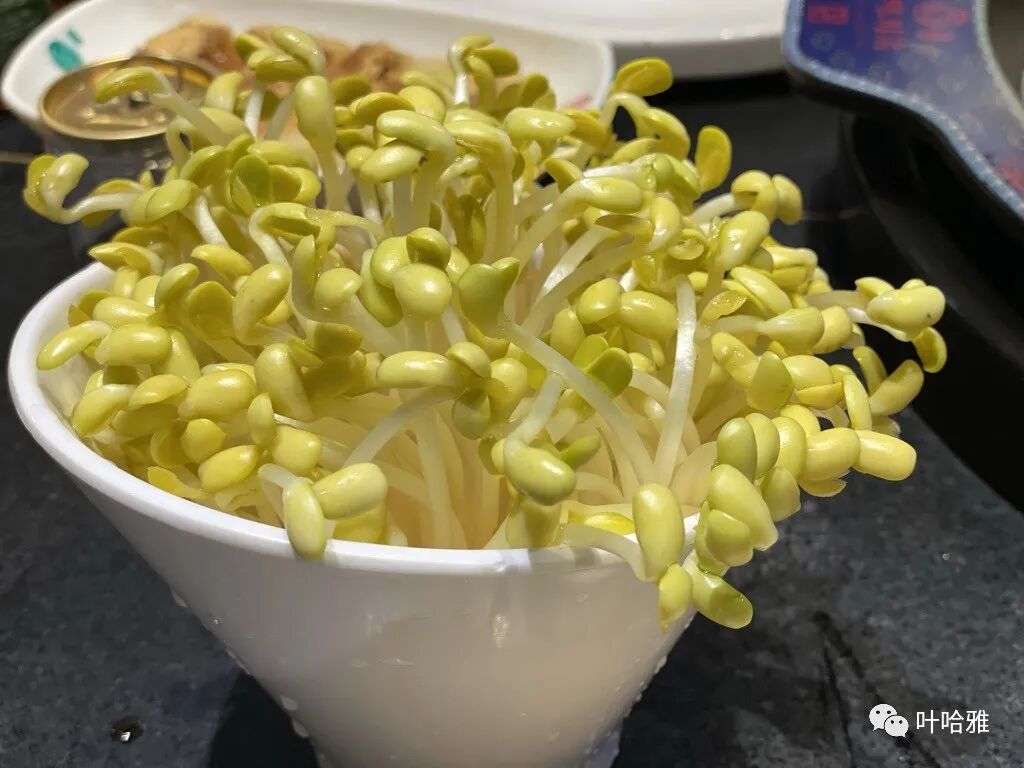
Ecological bean sprouts (douya)
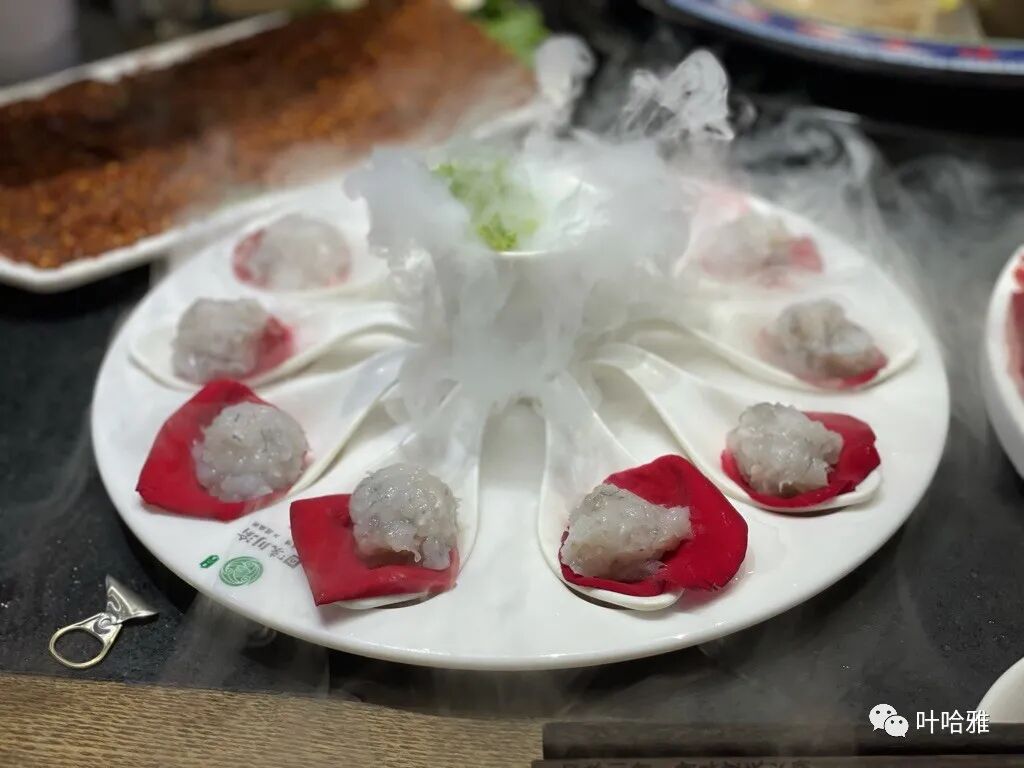
Shrimp paste (xiahua)
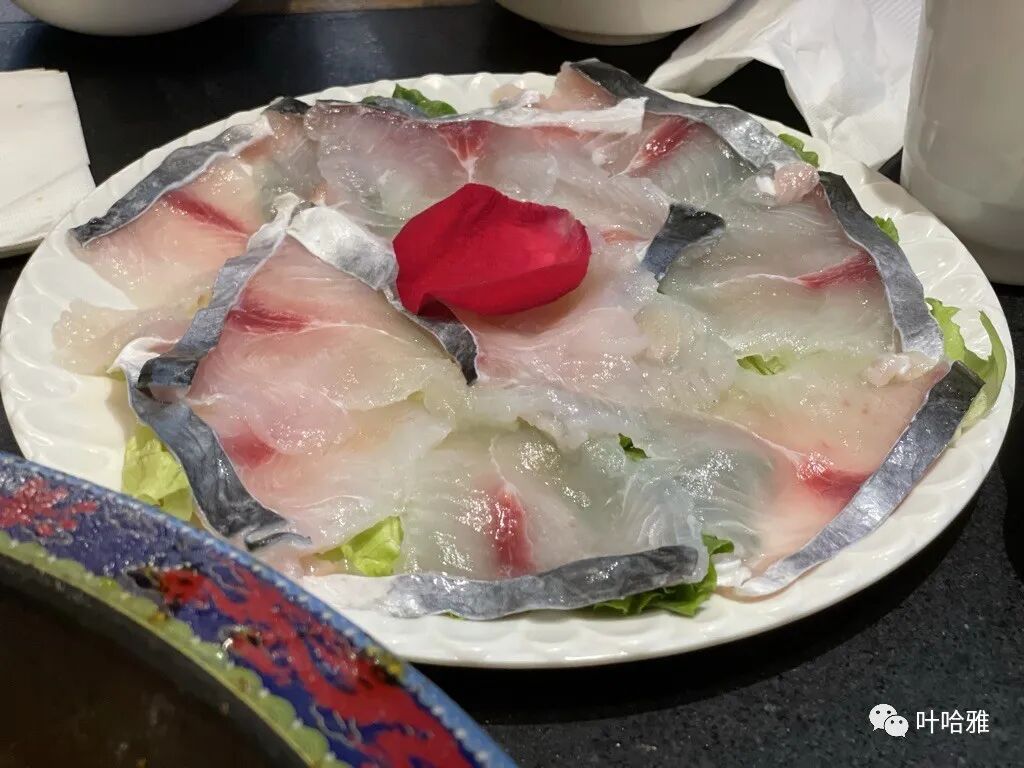
Boneless fresh fish slices
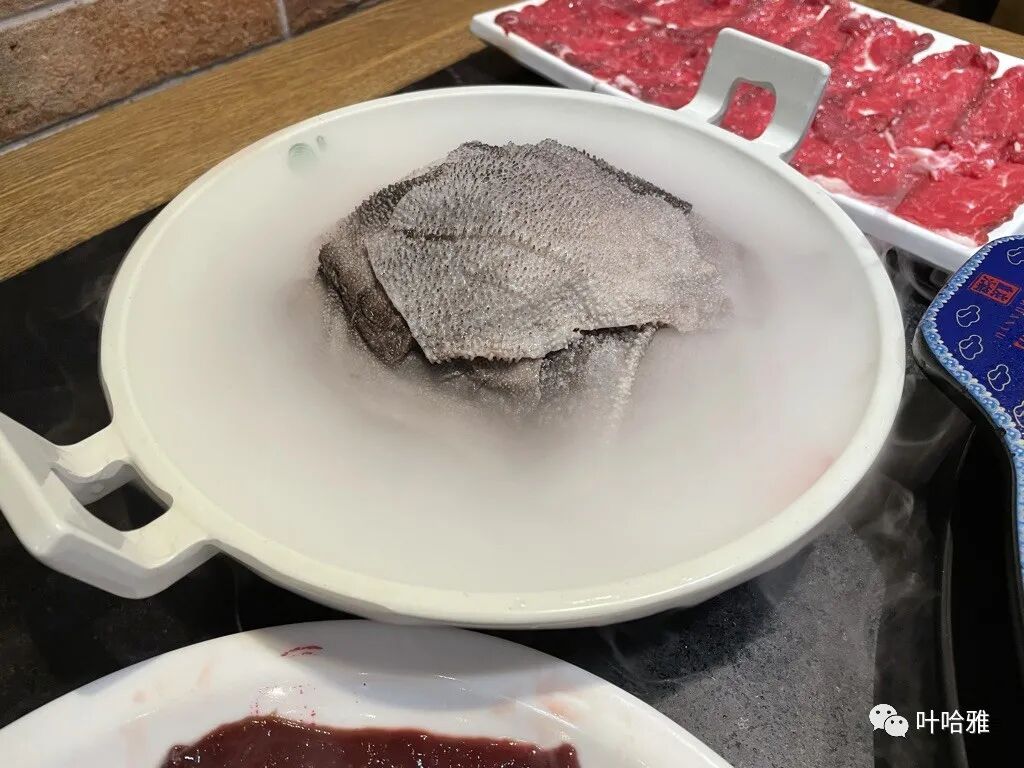
Huiwei signature tripe (maodu)
Huiwei tender beef
Taking a photo with supervisors from different teams
After the meal, my companion and I went to the Chongqing Muslim Building for namaz. Upon arrival, we learned that the Muslim Building had been renamed, and the new name is still being discussed. The prayer hall on the top floor has also been closed, and Muslims needing to pray must go to the newly built Jiulongpo Mosque.
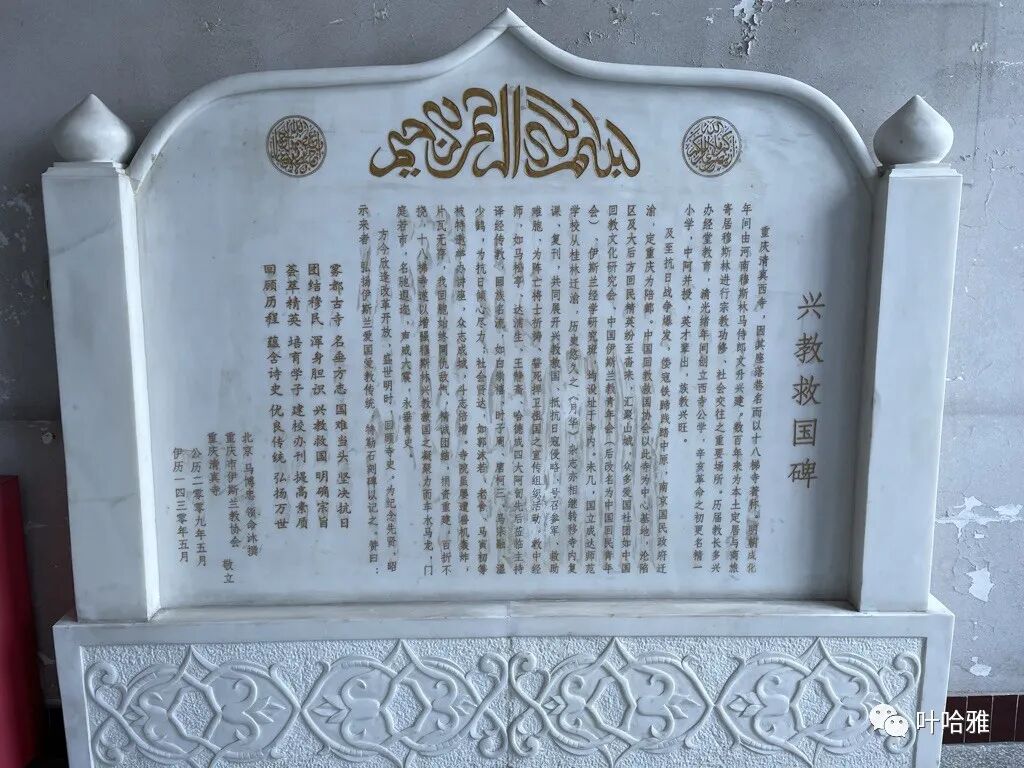
The Chongqing Muslim Building is currently owned by the Islamic Association and will be used for commercial purposes. In the future, it will be developed into a new popular social media landmark. The famous Shibati in Chongqing is about to be rebuilt, similar to Qianmen Street in Beijing, and is expected to open at the end of September this year.
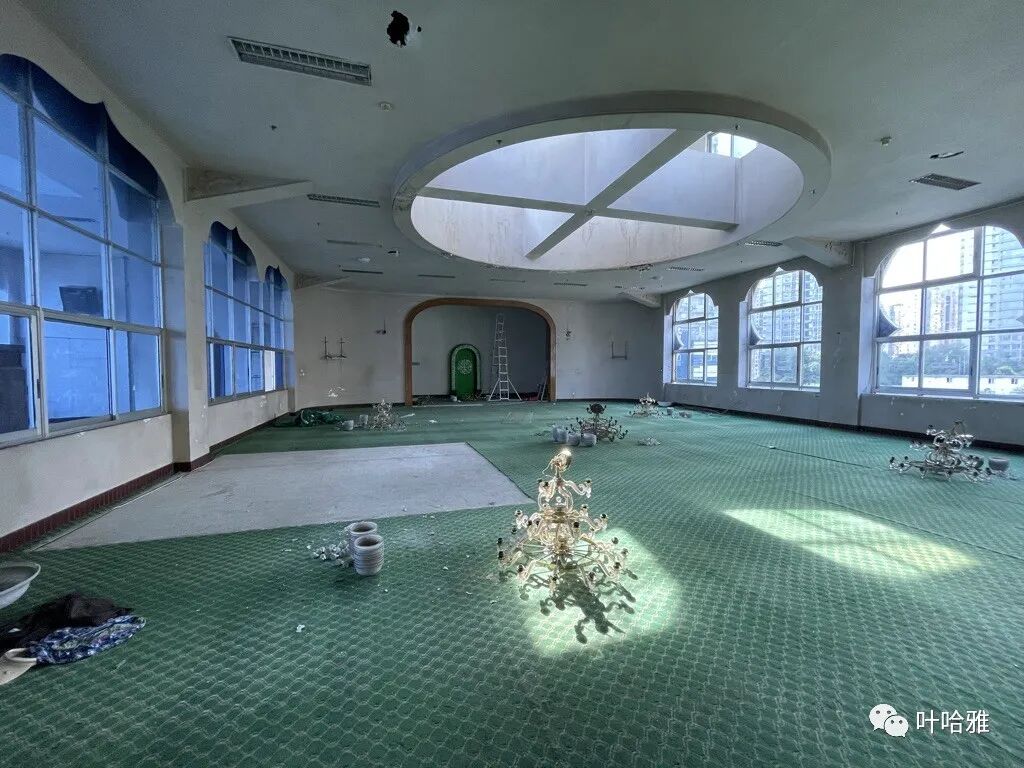
The abandoned prayer hall where I once stood.
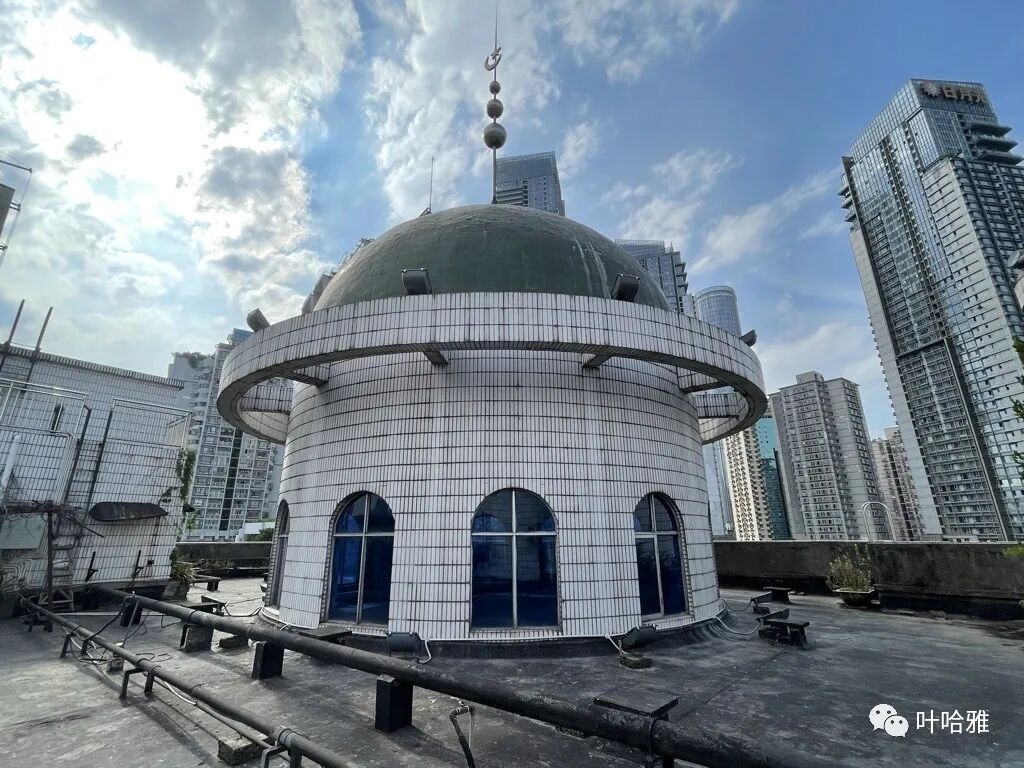
The dome on the top floor
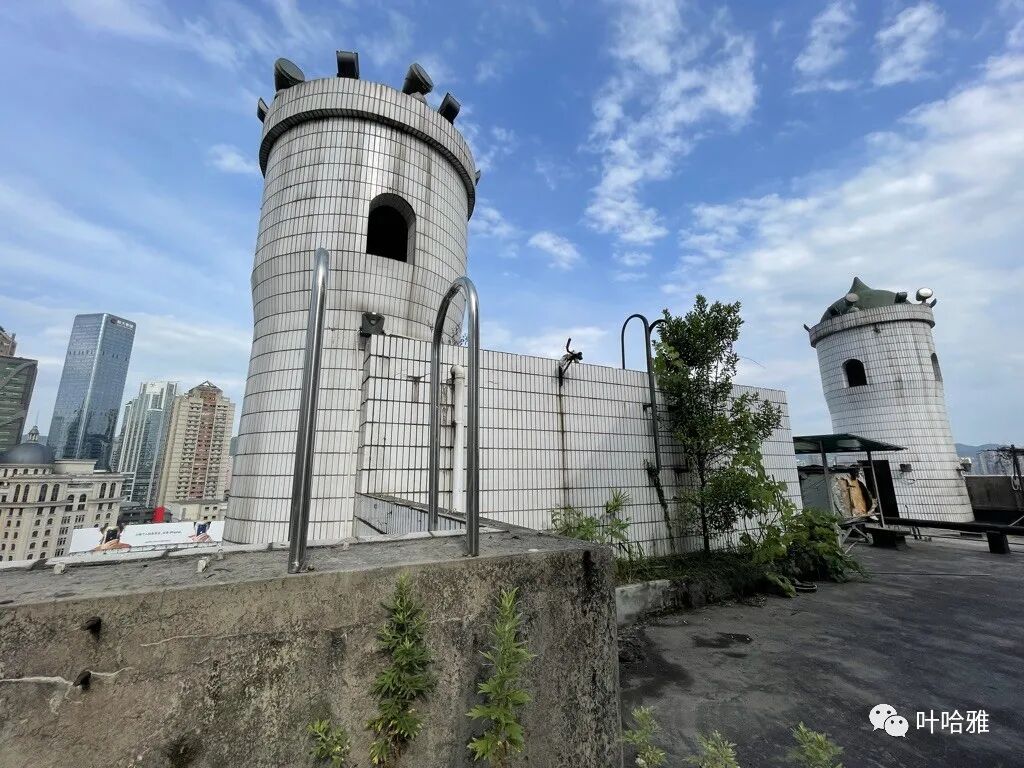
The minaret that was never used and will never be used again
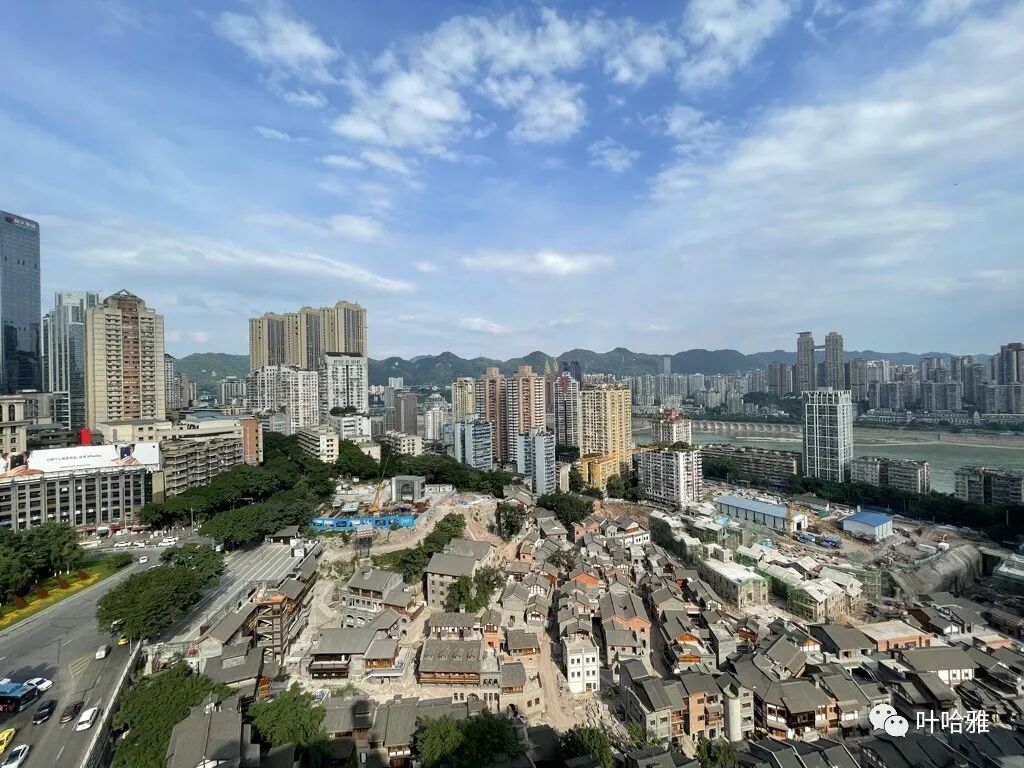
Standing on the top floor overlooking the Shibati project
From Jiaochangkou, where the Muslim Building is located, you can take the subway and reach Fengqi Road Station in half an hour. After walking a few hundred meters, you will arrive at the newly built Chongqing Grand Mosque. This grand mosque opened to the public last year. It covers an area of 10,000 square meters and has complete supporting facilities, including an underground parking lot. It belongs to the same batch of projects as the newly built grand mosque in Hangzhou.
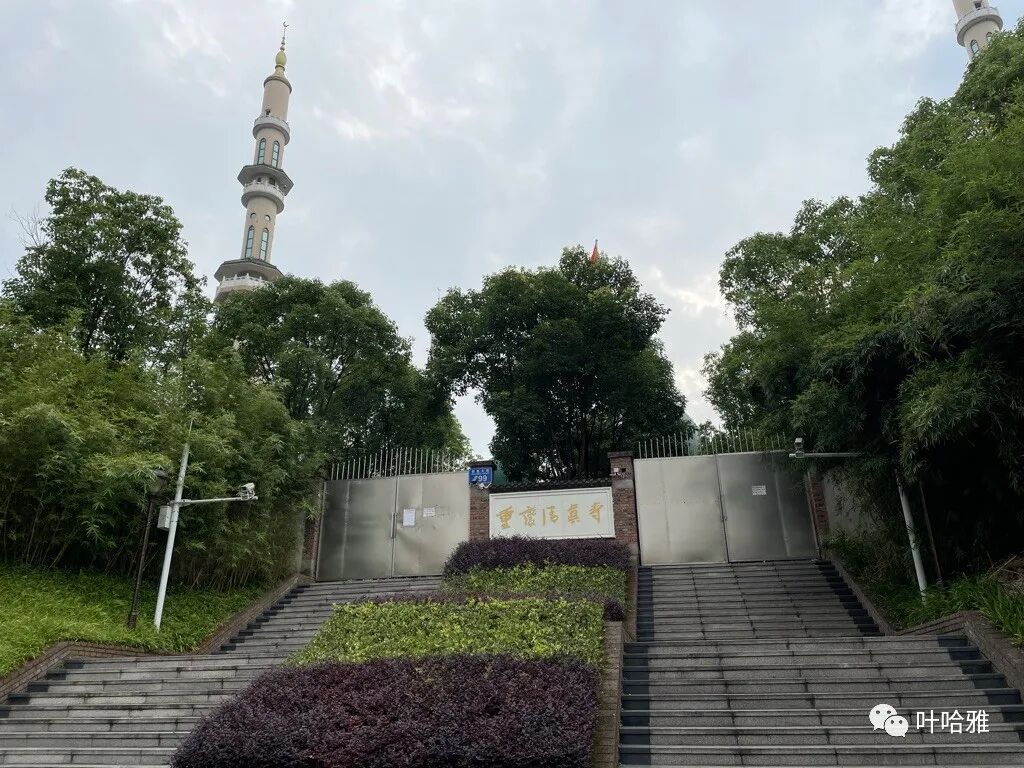
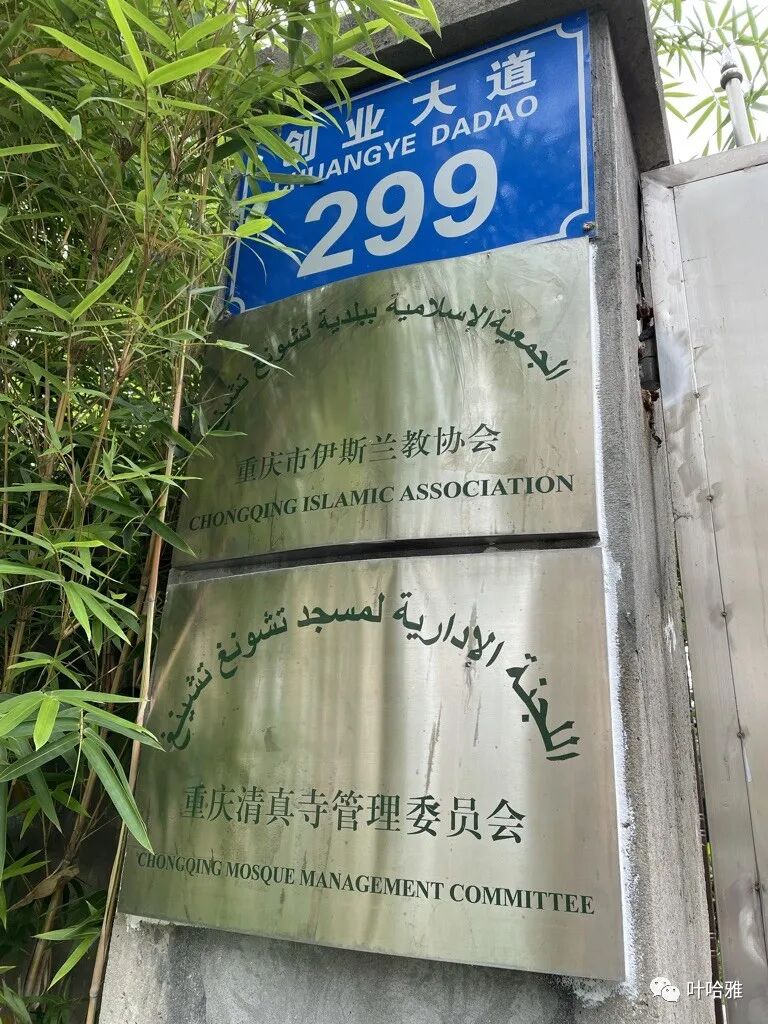
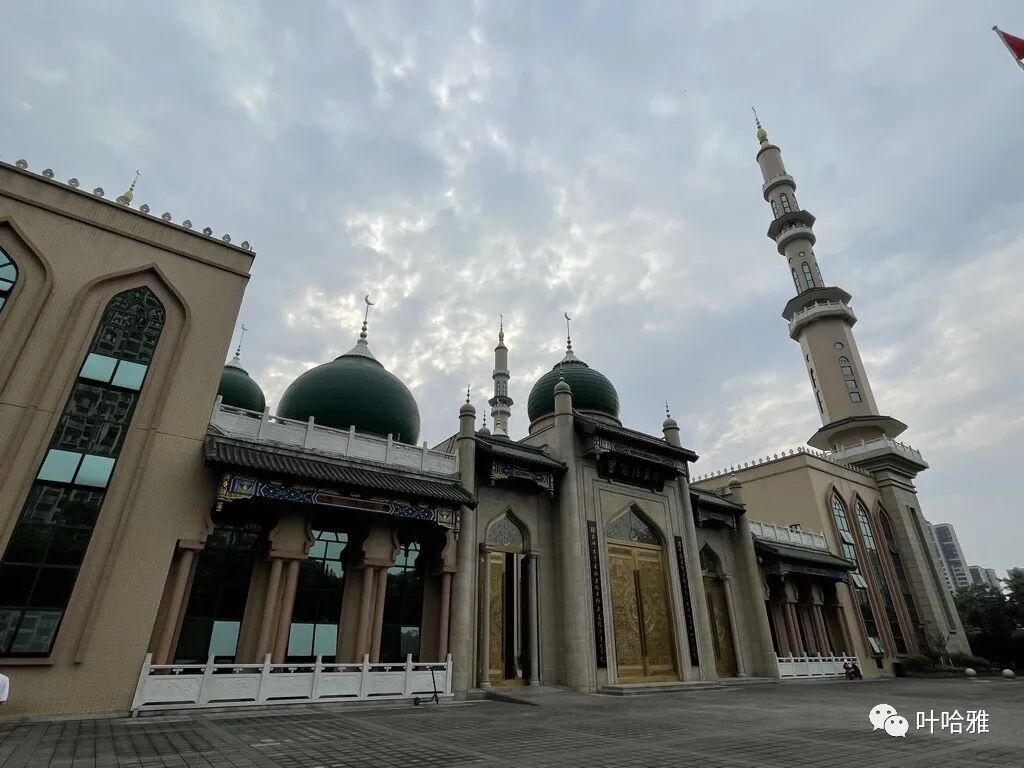
The good news is that after several inspections by relevant leaders, the main building of the Great Mosque was deemed not to need large-scale renovations. It only needs some added Chinese-style elements to stay as it is. I applaud the wise decision made by the Chongqing leadership.
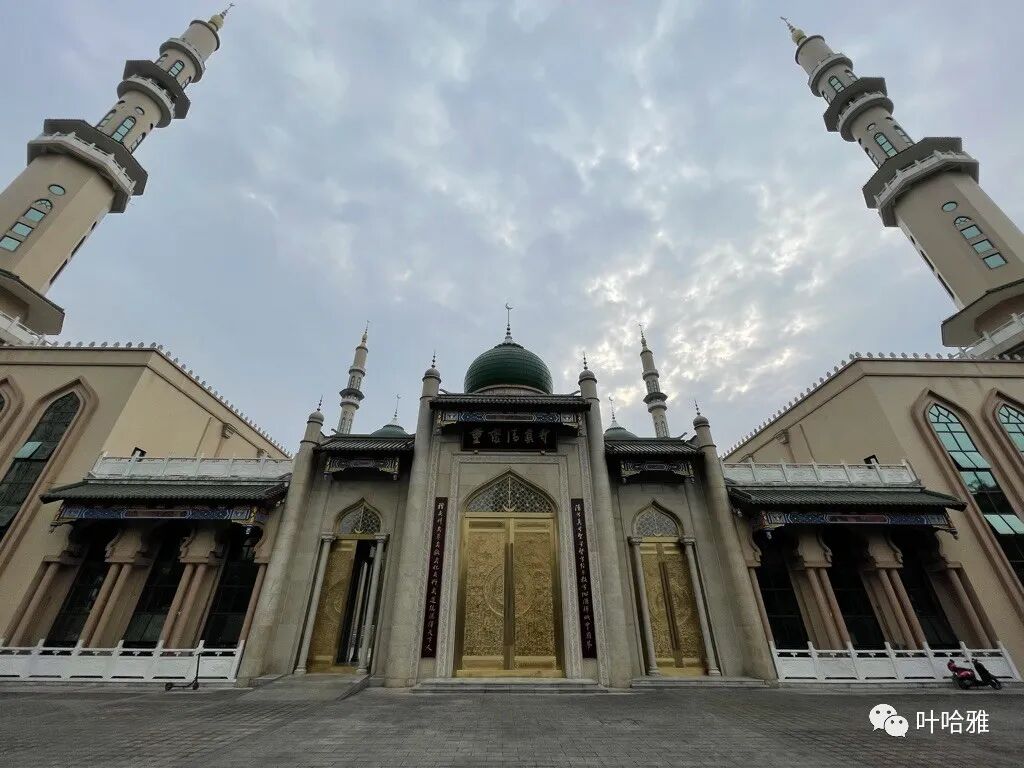
From the outside, the Great Mosque of Chongqing looks similar to the Great Mosque of Shadian.
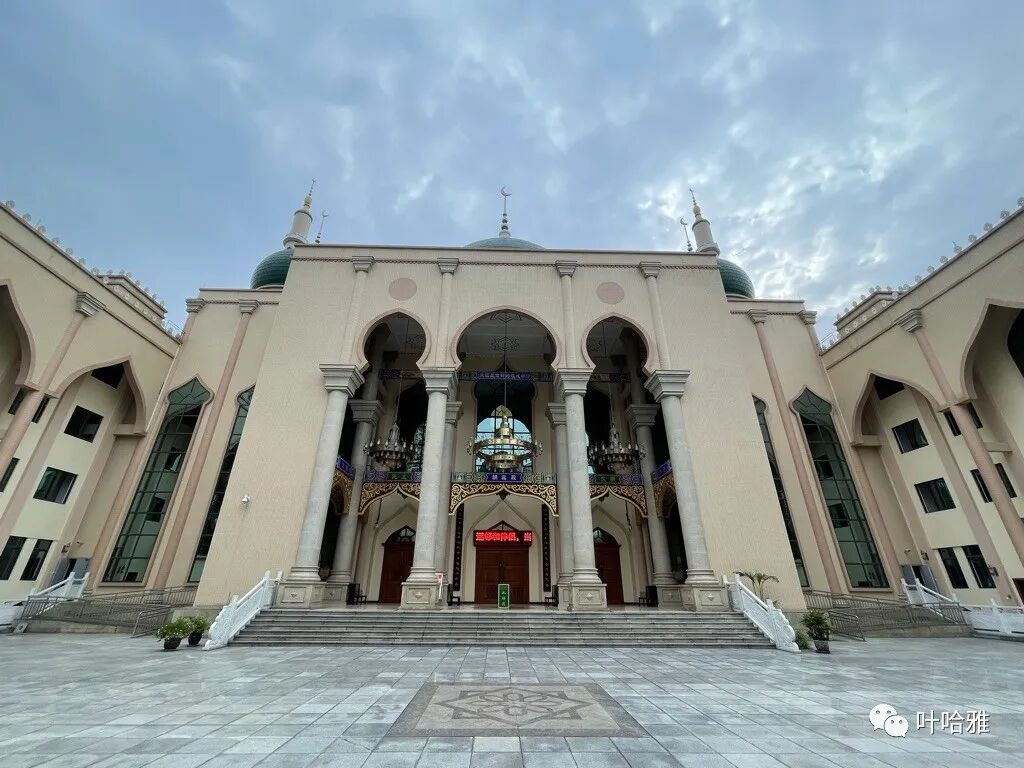
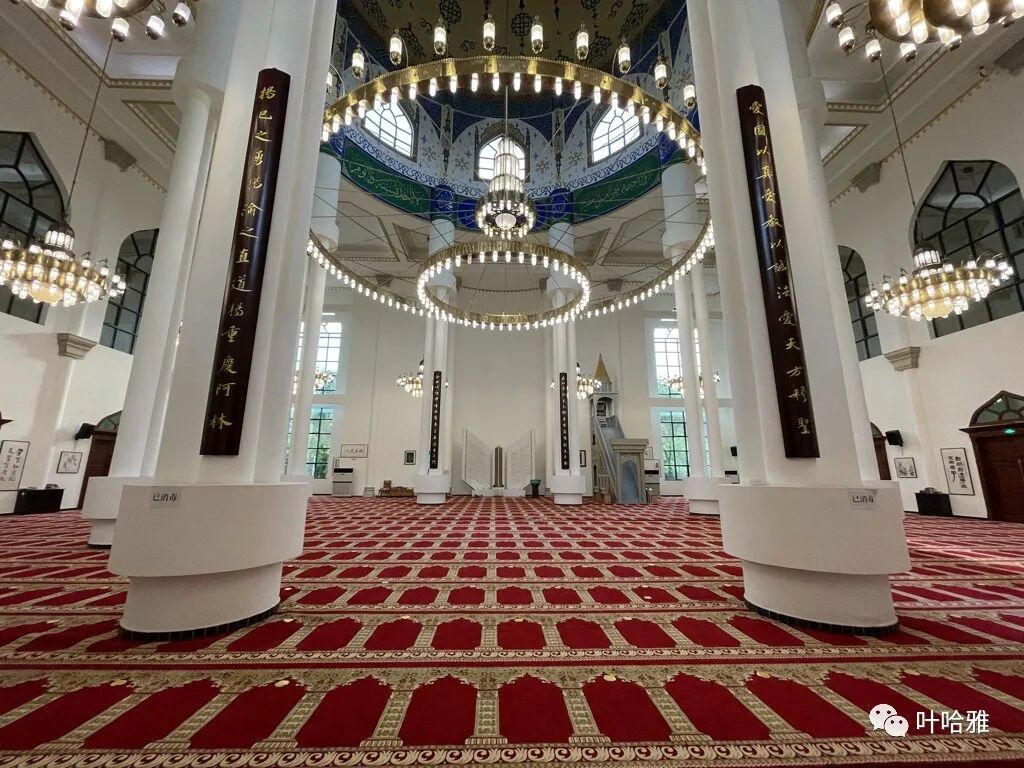
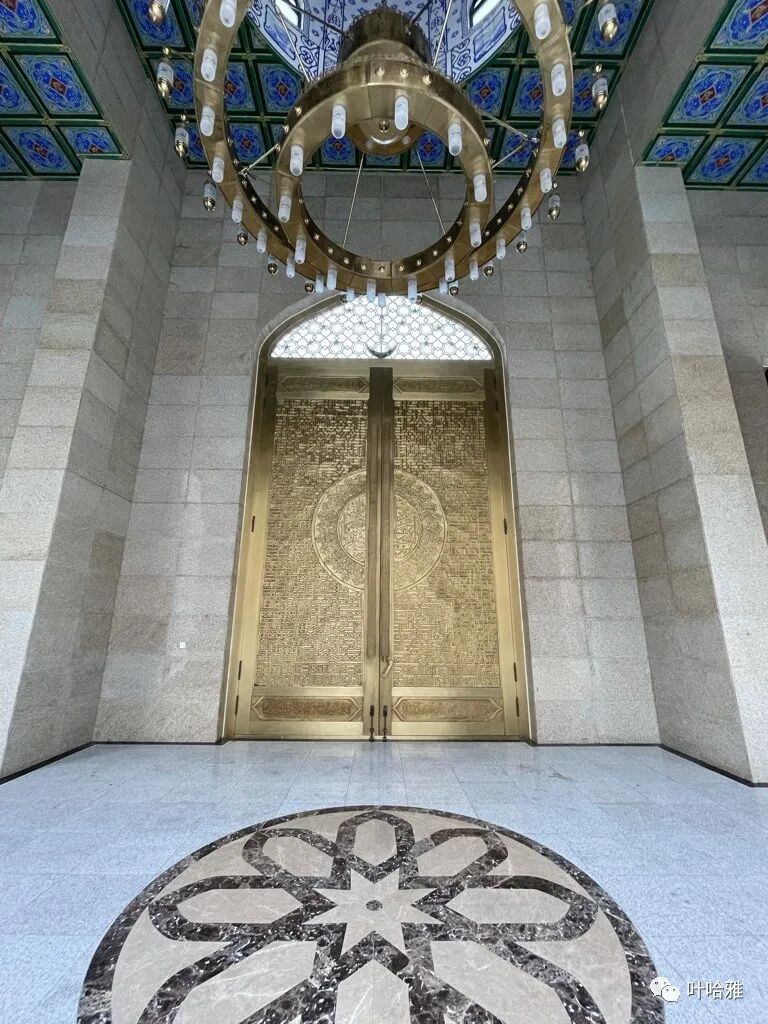
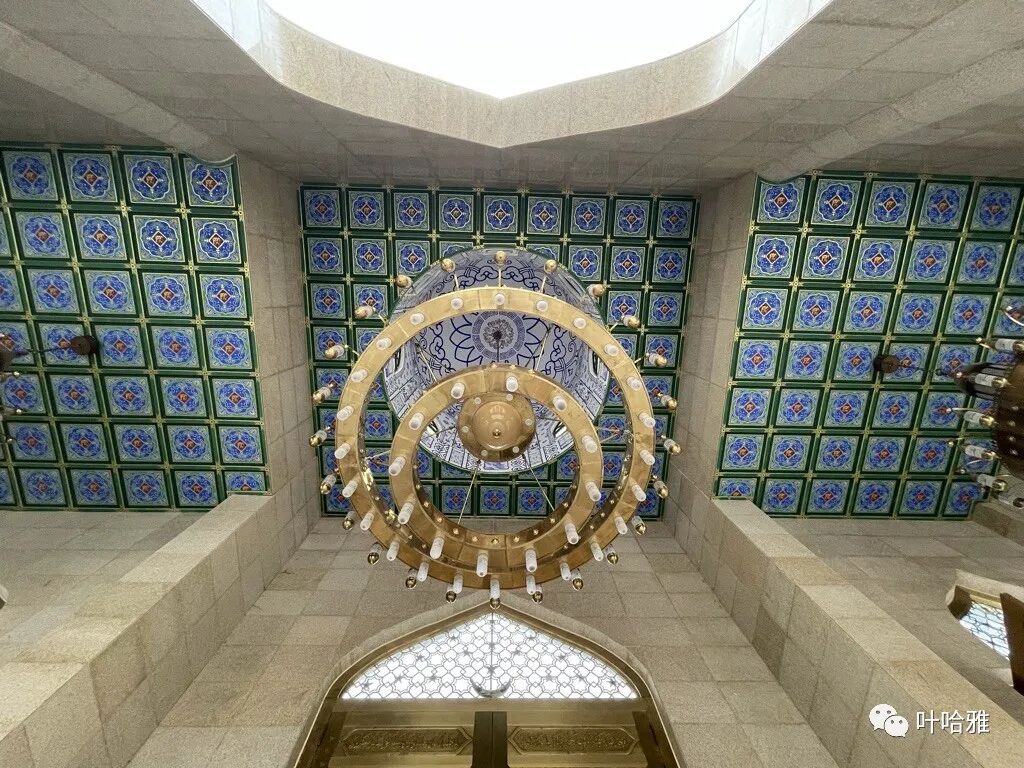
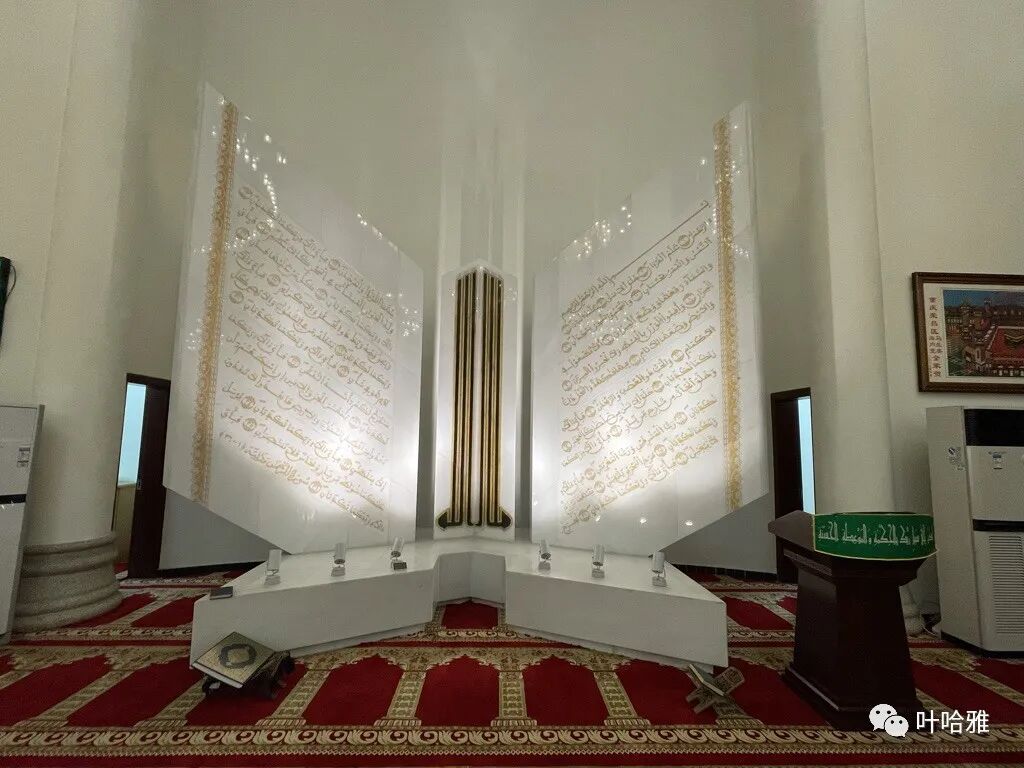
The mihrab, shaped like an open Quran, is modeled after the style of the Faisal Mosque in Pakistan.
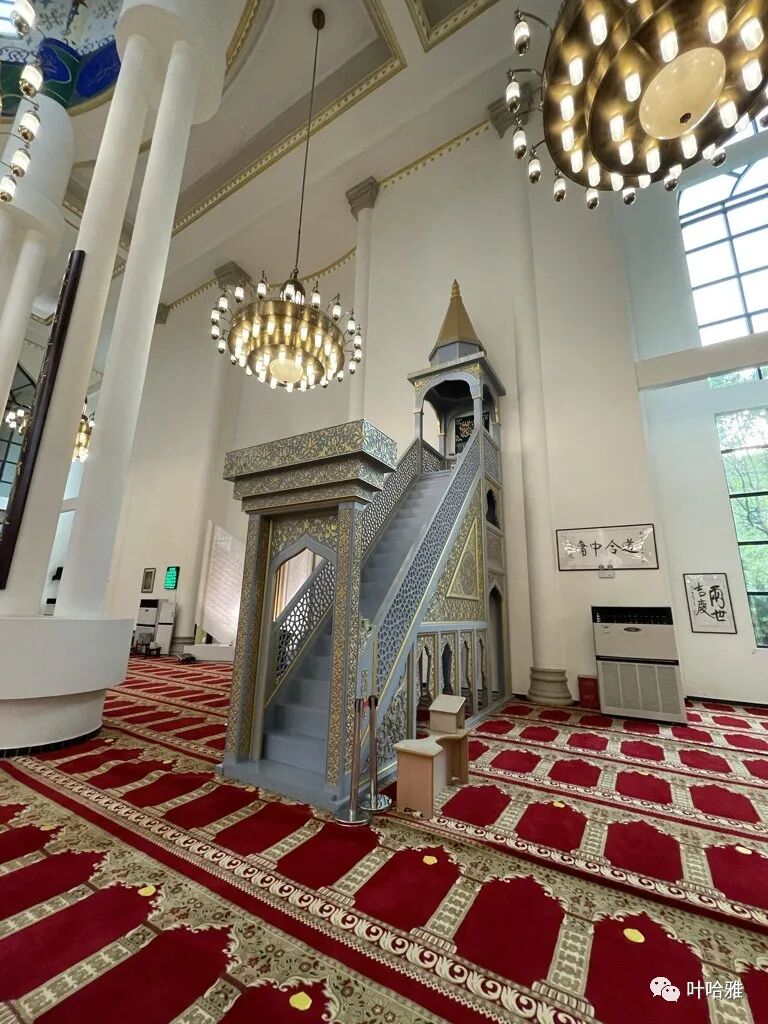
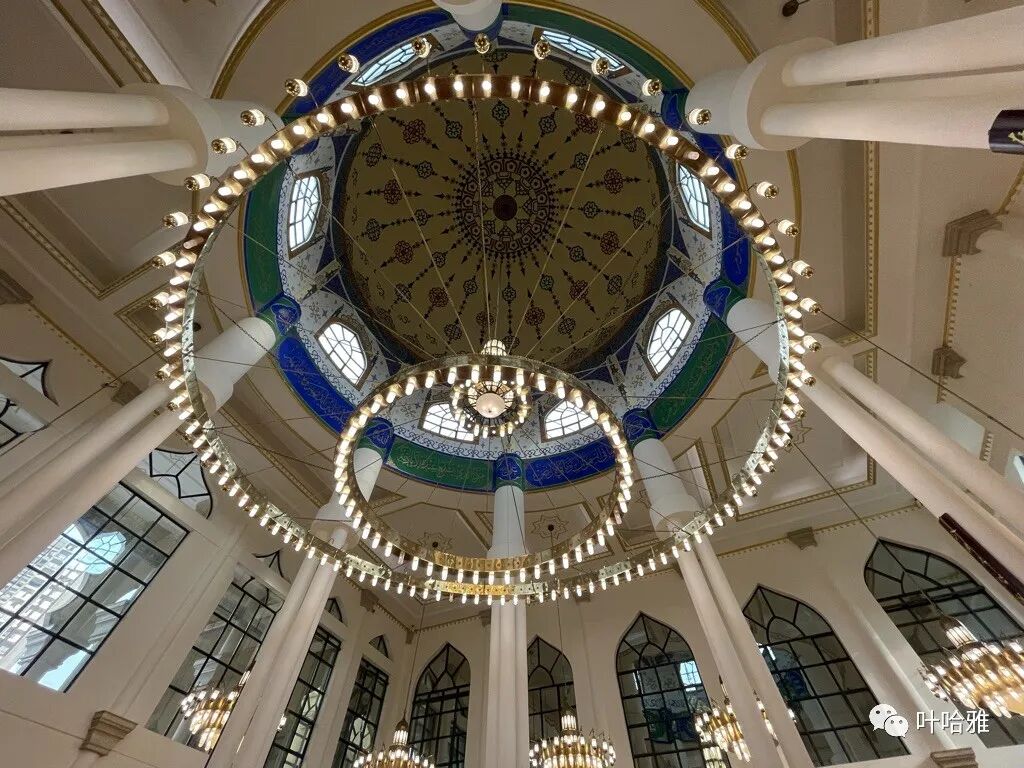
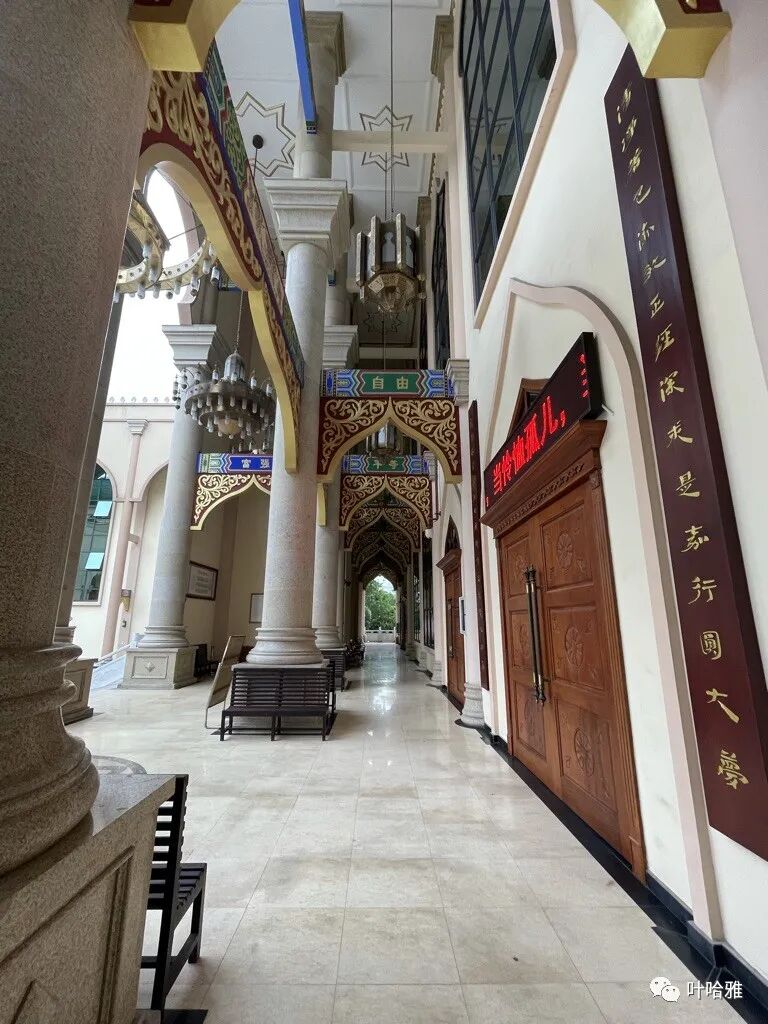
The Core Socialist Values hanging above are the result of later renovations, and the auspicious cloud patterns also count as added Chinese elements.
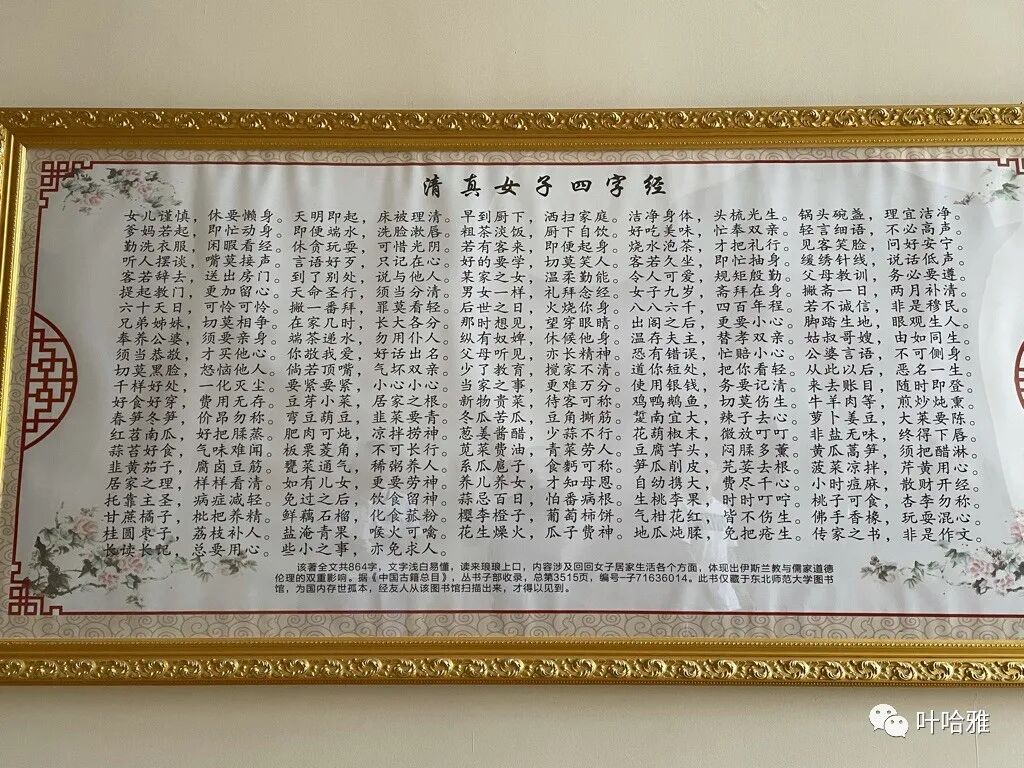
Four-Character Scripture for Muslim Women (Qingzhen Nuzi Sizi Jing)
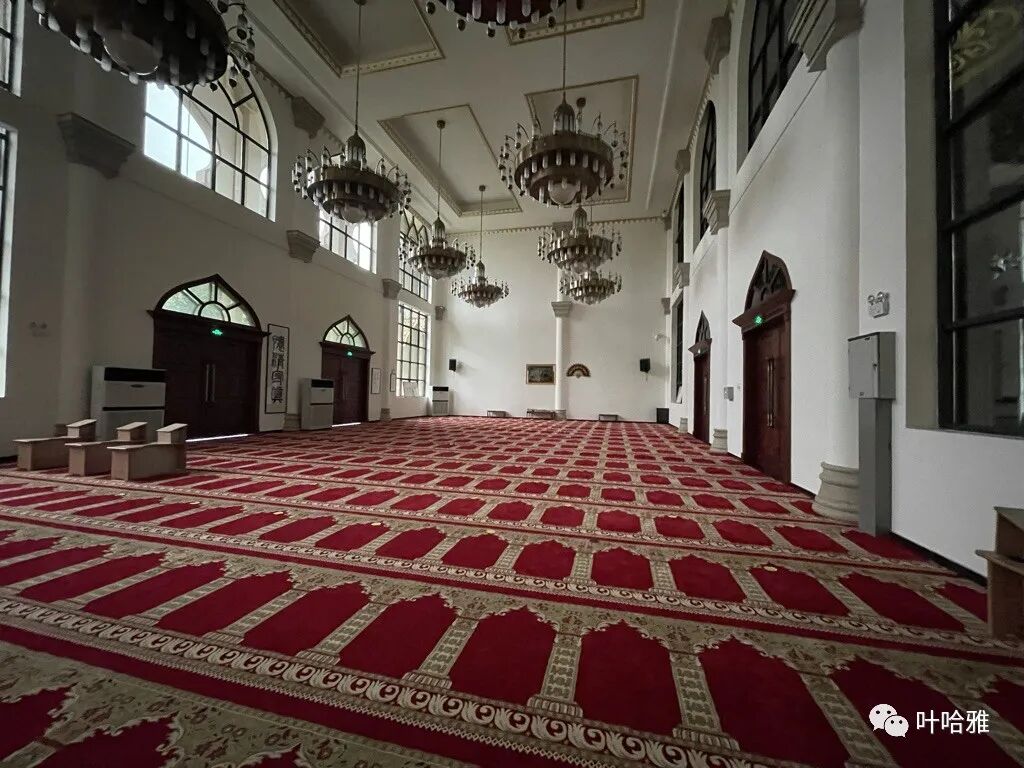
Women's Prayer Hall
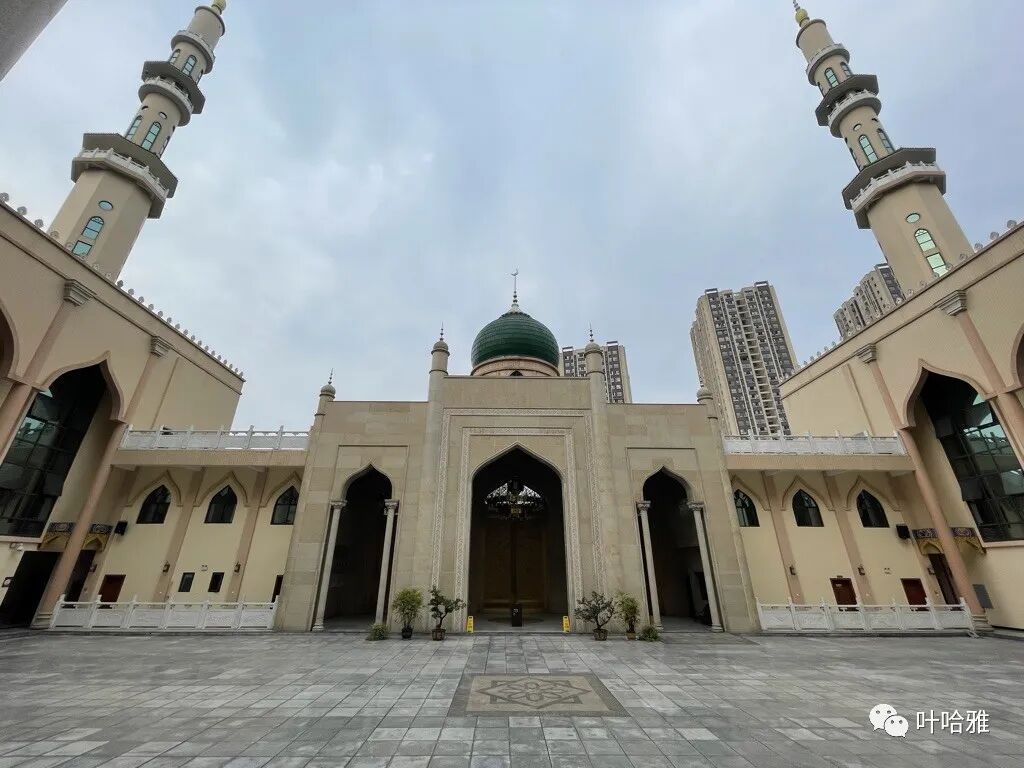
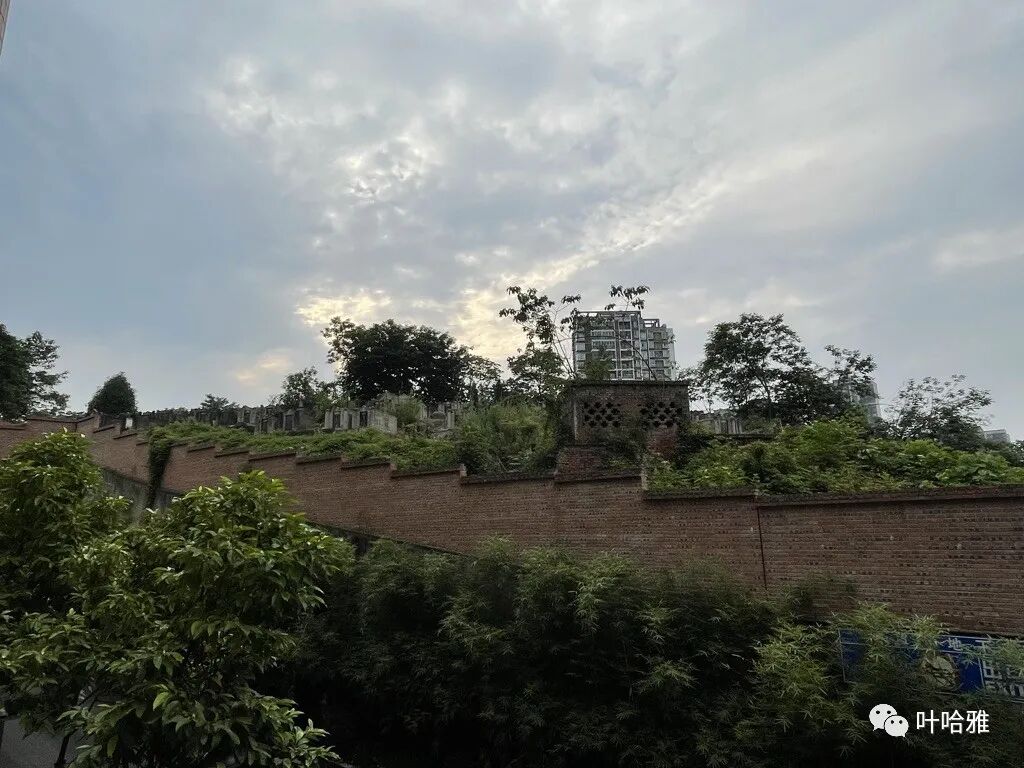
Just one wall away is the Chongqing Hui Muslim Cemetery.
This Great Mosque is located some distance from the city center, and the surrounding area is not yet developed, so there are not many Muslims coming for namaz. However, given Chongqing's current super-fast development speed, I believe this area will soon be bustling with people.
After visiting the Great Mosque of Chongqing, we returned to the hotel and started an MBA training course the next day. After several days of closed-door training, I set off on a journey to visit the oldest mosque in the Chongqing area, the Fengjie Mosque.
Fengjie is very far from downtown Chongqing, over 400 kilometers away. You can take a long-distance bus from the Chongqing North Station bus terminal and arrive in Fengjie County in 6 hours. Alternatively, you can take a high-speed train to Wanzhou, which takes about two hours, and then take a bus from Wanzhou to Fengjie, which takes another two hours.
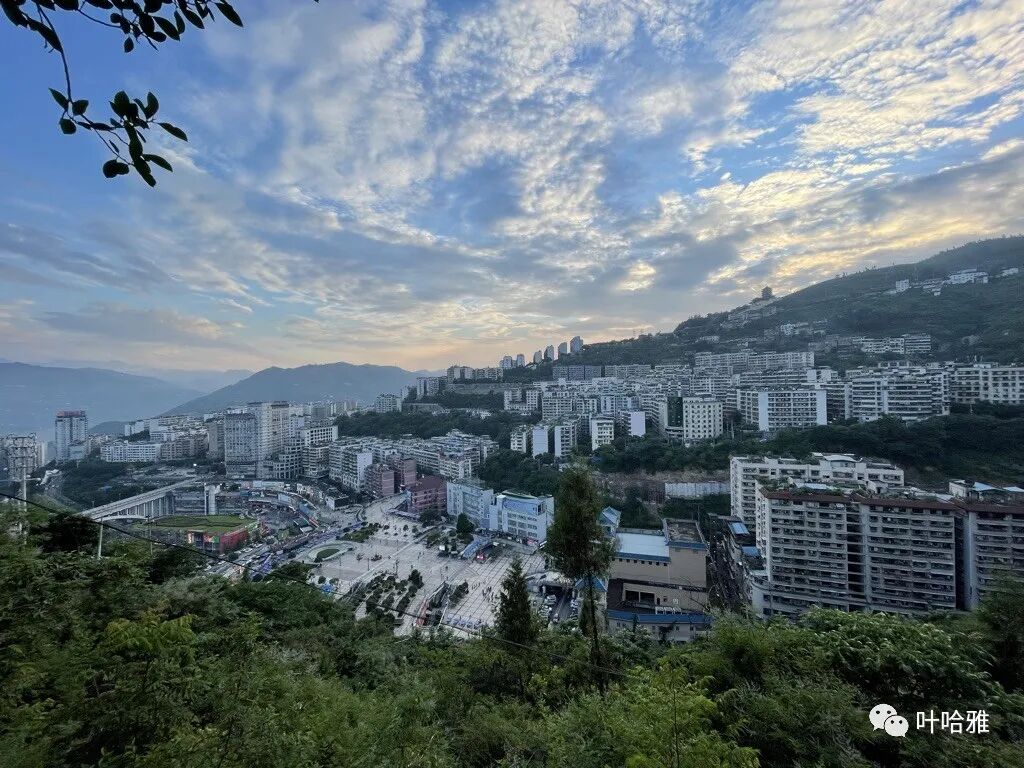
Fengjie is the starting point of Bashu culture and the location of White Emperor City (Baidi Cheng). White Emperor City is a major historical and cultural site protected at the national level, and it is a must-visit spot when traveling the Yangtze River by boat. Friends who love Bashu history and culture should not miss it. Students who have been to school can surely recite Li Bai's poem 'Departing from White Emperor City in the Morning'.
Enjoying the night view of the Yangtze River at Kuimen Square.
According to historical records, the Fengjie Mosque is also one of the earliest mosques in the Bashu region, and it is said to have been built in the Yuan Dynasty. Due to the construction of the Three Gorges Project, the main building of the prayer hall was moved as a whole to its current location, and all the bricks and tiles were restored.
The mosque is currently undergoing construction of commercial storefronts on the ground floor. These shops will be rented out as mosque property, with plans to support the mosque through its own income. Huiwei Chuanyu hopes to open a branch here, which would meet the dietary needs of friends (dost) traveling to Fengjie, as there is currently only one halal ramen shop in Fengjie.
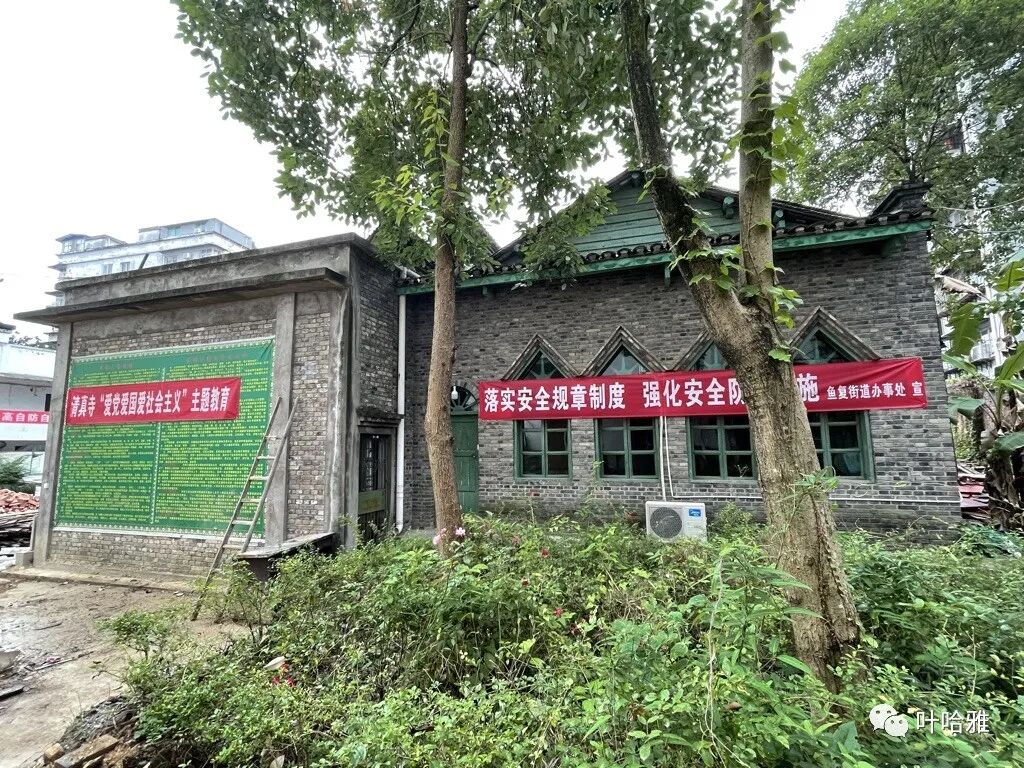
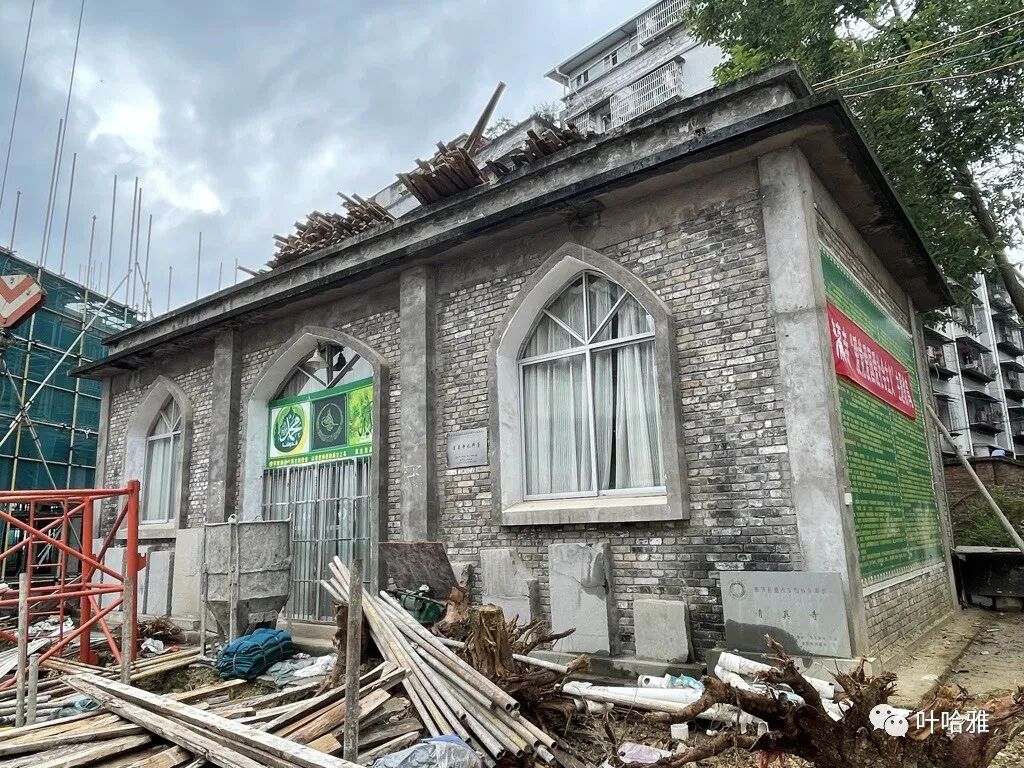
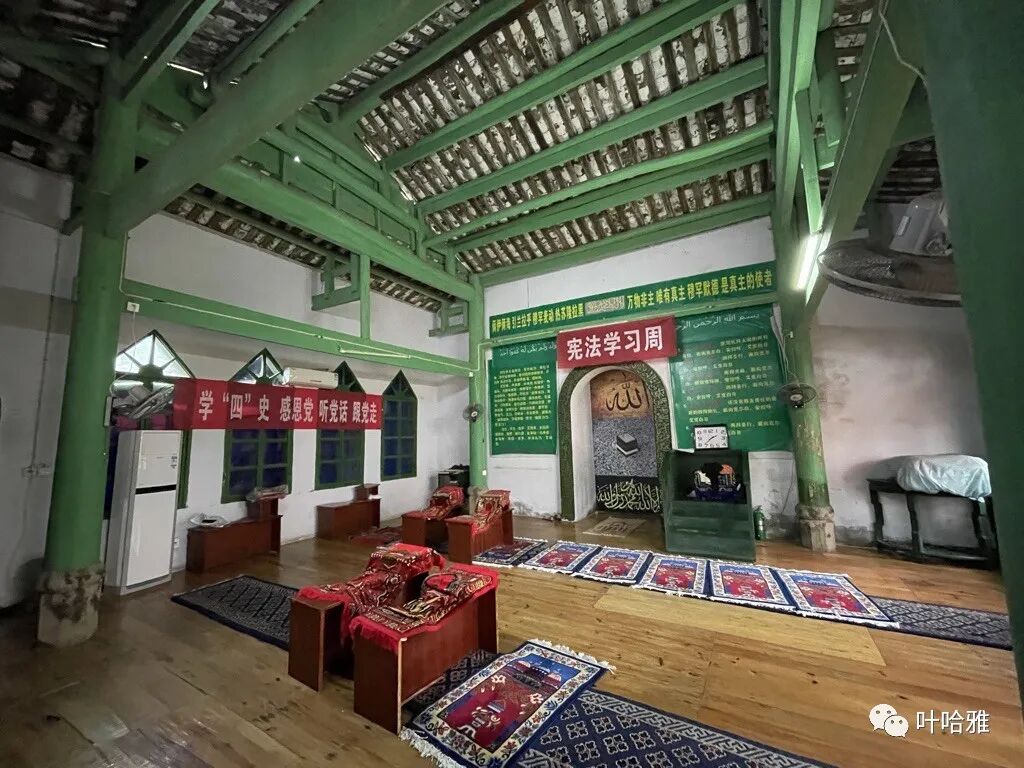
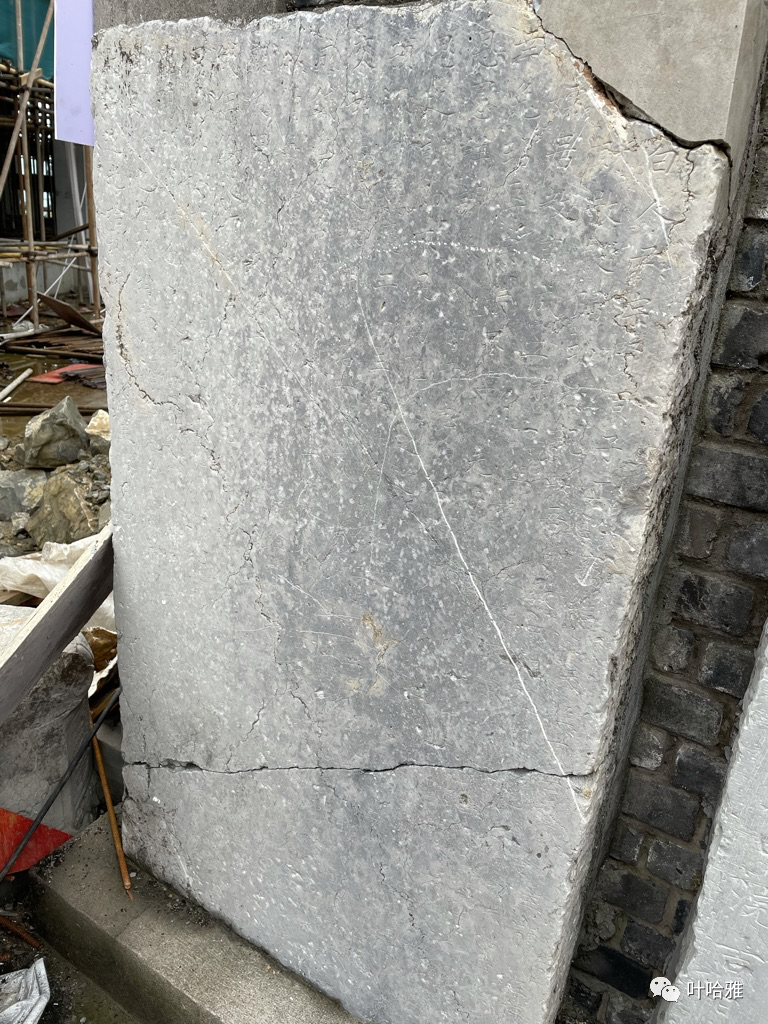
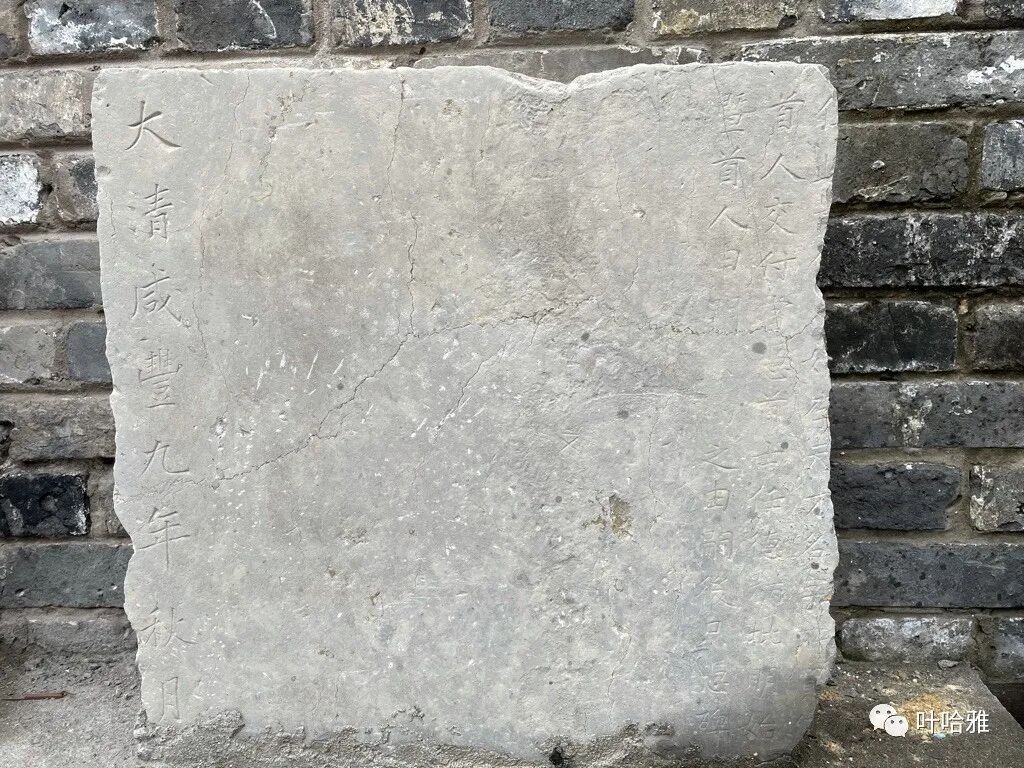
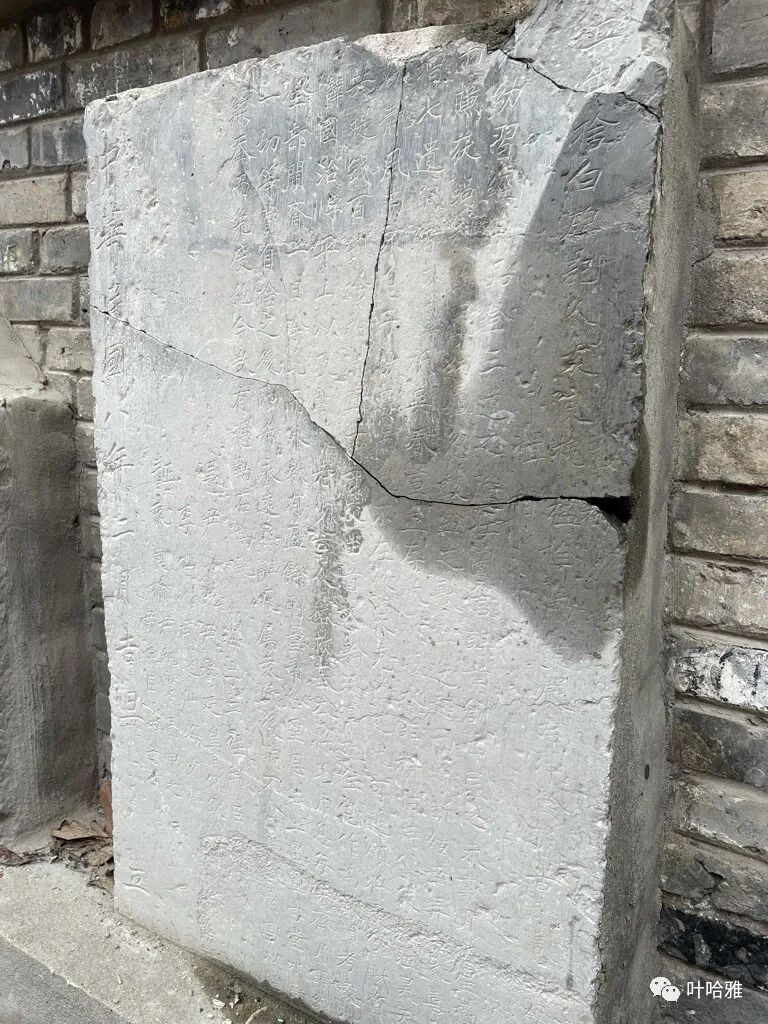
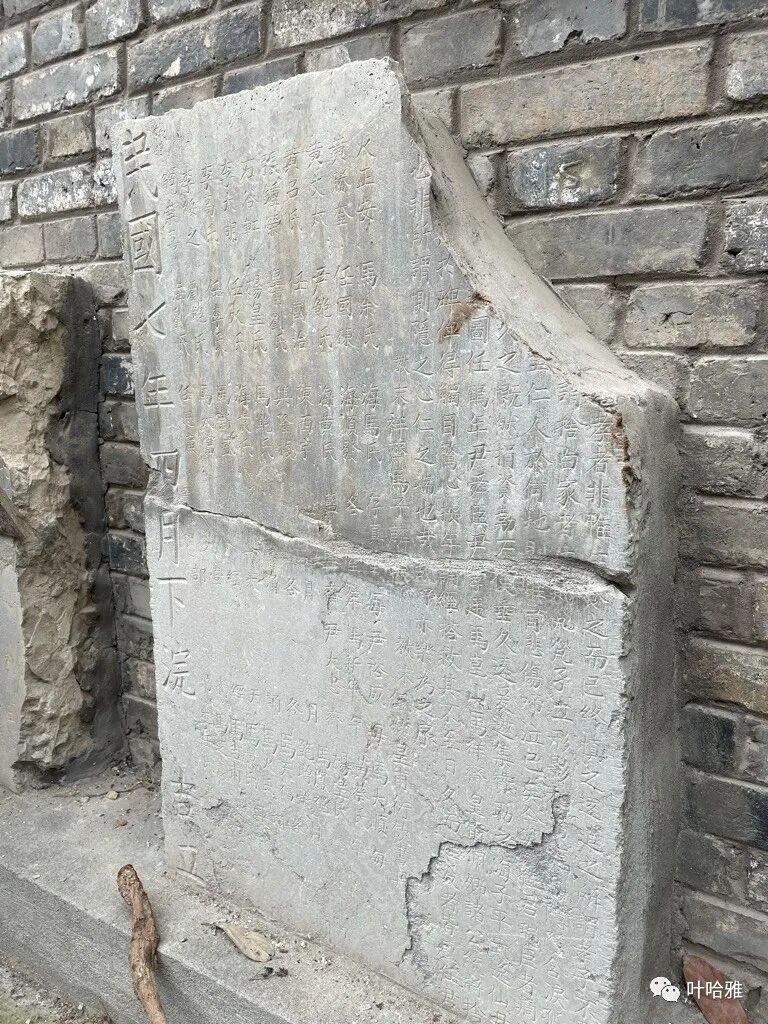
The few remaining stone tablets in the mosque continue to write its history. In the evening, I spoke with the imam and learned that there are about 600 local Hui Muslims in Fengjie. Only eleven or twelve come for namaz on Jumu'ah, and only three people insist on performing the five daily prayers. They are all elderly. Most local Hui Muslims know nothing about Islam, which leads to many awkward situations during weddings and funerals, making it very difficult for the imam to carry out his work here.
In the evening, the imam asked his wife to cook me a hearty meal with Linxia flavors. It was the most delicious meal I had eaten in days. During the meal, I listened to the imam talk about the hardships of his missionary work, but he remained resilient and optimistic, viewing the difficulties he encountered as a test from Allah. I am full of respect for him and wish that all scholars striving on the path of the Lord may receive blessings in both worlds.
The only halal ramen shop in Fengjie, located at Kuimen Square.
After the evening prayer (maghrib), I said goodbye to the imam and returned to Beijing the next day. My study tour in Chongqing has come to an end. I hope that when I come back next time, I will see a branch of Huiwei Chuanyu opened in Fengjie. The Islamic culture of Bashu will surely regain its former glory, insha'Allah.
Best Halal Food in Japan: Muslim-Friendly Restaurants, Ramen and Travel Food Map
Articles • yusuf908 posted the article • 0 comments • 158 views • 2026-05-24 00:17
Summary: This Japan halal food map gathers Muslim-friendly restaurants, ramen, travel food stops, and practical halal dining notes for readers planning food-focused trips in Japan.
You can find halal restaurants in almost every Japanese city. Halal food in Japan is mostly Indian-Pakistani and Turkish cuisine. There are also Japanese restaurants run by local Muslims, noodle shops run by Hui Muslims from Northwest China, and of course, Xinjiang restaurants.
1. Mount Fuji Indian Cuisine
This is an Indian restaurant very close to Lake Kawaguchi. Note that Mount Fuji is a fair distance from Fuji City, so be careful not to get them mixed up when searching on a map.
Address: Google Maps does not work well in China. I suggest using Google Maps to search for "インドレストラン" once you arrive at the foot of Mount Fuji.
2. Niku no Hanamasa Tsukuba Branch
This store is in Tsukuba, a science city in Ibaraki Prefecture. There are many Muslims here, and you can buy halal meat at this supermarket. This is the halal chicken my Japanese friend bought. My friend specifically prepared a home-cooked Japanese meal for me using halal ingredients.
If you want to eat this, make a Japanese friend to cook it for you.
Address: 305-0834 309-7 Teshirogi, Tsukuba City, Ibaraki Prefecture
Website: http://www.hanamasa.co.jp/shop/index_en.html
2. Tokyo Indian-Pakistani Cuisine
Many Indian-Pakistani restaurants in Tokyo are halal. For Muslims abroad, Indian-Pakistani food is like ramen for Muslims in China. When you are in a strange country and cannot find a halal restaurant, try searching for an Indian-Pakistani or Turkish restaurant. These are very likely to be halal.
Address: 4-chome, Hongo, Bunkyo-ku, Tokyo
3. Sumiyakiya Nishi-Azabu Main Store
Grilled meat is also a popular way to eat in Japan.
The diners inside look like they are from the Middle East.
Complimentary kimchi.
The most reassuring thing about eating in Japan is that the ingredients are guaranteed to be fresh.
This is a bit like a combination of scallion pancake (cong huabing) and grilled cornmeal bun (wo tou).
The meat is marinated.
This is the grilled lamb, served directly. It is rare to find lamb in Japan.
Address: 3-20-16 Nishi-Azabu, Minato-ku, Tokyo
4. Kebab
Turkish kebab is a type of fast food that students studying abroad are familiar with; it is convenient and delicious. The server at this shop is Turkish, but he calls out in Japanese. It felt strange to hear a white face speaking Japanese for the first time.
Maybe I was just hungry, but I ate two in one go. Turkish kebab (doner kebab) has saved the stomachs of so many international students.
Address: Ueno Shopping Street, Taito Ward, Tokyo.
5. Yokohama: Kissho Wagyu Hot Pot.
I actually found halal Japanese Wagyu beef in Yokohama. I have to thank Sister Amina for the treat, or I would have missed out on such delicious food.
Kissho Wagyu beef with clear marbling.
Fresh vegetables. The types of vegetables here are the same as in China.
The Japanese people are experts at eating raw food, so sashimi is naturally a must.
Don't let the small portion size fool you; this dessert is made with great care. Japan has the most Michelin-starred restaurants in the world, which shows the deep culinary skill of the Japanese. To the average diner, dishes at Michelin restaurants might look plain, but the selection of ingredients and the processing methods reflect years of the chef's hard work.
This is a screenshot of the website. Remember to call and book in advance so the shop can prepare fresh halal Wagyu beef.
Address:
Landmark Plaza 5F, 2-2-1 Minatomirai, Nishi Ward, Yokohama City, Kanagawa Prefecture.
Website: www.kioicho-kissho.com/yokohama/menu/index.html
6. Kerimu Xinjiang Restaurant.
This is a Xinjiang restaurant that every Xinjiang person coming to Japan must visit. The owner is a Uyghur from Northern Xinjiang, and his whole family has immigrated to Japan.
The server is also a Uyghur girl.
The taste of the grilled meat is not much different from what you get in Xinjiang.
The mung bean jelly (liangfen) has been modified. Japanese people cannot eat food that is too spicy, while Xinjiang-style cold noodles (liangpi) are usually spicier.
I was surprised to find dumplings (jiaozi) at a Xinjiang restaurant in Tokyo.
The hand-pulled noodles (latiaozi) have been Japanized. The portion is half of what you get in Xinjiang, but the taste remains the same.
Address: 1F Nishi-Shinjuku Bar Building, 3-15-8-103 Nishi-Shinjuku, Shinjuku Ward, Tokyo.
There are many more halal restaurants in Tokyo, but I only chose to feature the ones I took photos of. Therefore, the following two restaurants do not have pictures, but here are some specialty restaurants that friends have visited:
7. Mongolian Meat Pie.
Address: 5F, Shinto Building, 2-14-7 Takadanobaba, Shinjuku-ku, Tokyo.
8. Japanese ramen
Address: 1-11-7 Shinjuku, Shinjuku-ku, Tokyo.
Website: http://www.m-ouka.jp/sp/access/index.html
9. Iftar meal
My time in Japan happened to coincide with the holy month of Ramadan, when mosques in Tokyo prepare iftar meals for fellow Muslims (dosti).
This is Indian-Pakistani style rice pilaf (biryani). Pakistanis eat it with their hands, but I prefer a spoon. When traveling, I first find the local mosque to get information about halal restaurants. You can find mosques easily on Google Maps.
Address: Tokyo Okachimachi Mosque, Tokyo Camii.
10. Nagoya: Asian cuisine
Asian means Asian, but this place actually serves South Asian flavors. The servers are from Nepal.
Influenced by Japanese habits, restaurants in Japan are kept very clean and tidy.
The Nepali brother spoke English with a heavy accent. I couldn't tell where he was from for a long time, until he said his country is between China and India, and then it clicked.
He knew I was from China and asked if I wanted to eat momo. I was confused, so he brought a picture from the back, and I realized they call dumplings momo.
Fresh vegetable salad. Foreigners like to eat raw vegetables. Right, I am a foreigner in Japan too...
This is a set meal. Ordering a set at a South Asian restaurant usually means getting these items: a soup, a beef or chicken dish, a flatbread (naan), and a bowl of rice.
11. Osaka Mosque
A Pakistani man I met at the mosque brought me to a halal restaurant across the street.
This is a mango milkshake (lassi) a fellow Muslim (dosti) gave me.
As usual, I had a set meal. The rice here is very fragrant; the quality of Japanese rice is excellent.
A very small vegetable salad. Portions in Japan are quite small, which is fine because it prevents waste.
Address: Opposite Osaka Mosque, right next door (Baidu Maps is not convenient, and Google is blocked, but you can use Google Maps once you are in Japan).
12. Kyoto: Turkish restaurant
I followed Google Maps to find this Turkish restaurant in downtown Kyoto.
The upstairs area is decorated in a Turkish style.
The shop is very clean and tidy.
The dishes are served in order, starting with cold appetizers.
Next comes the creamy soup.
I ordered a piece of baked flatbread (naan) as the main staple, as is customary.
Turkish and Middle Eastern grilled meats are served with roasted tomatoes and green peppers to cut through the richness.
Dessert is served after the meal.
Turkish coffee is very famous. European coffee culture originated in Africa and spread to the West through the Ottoman Empire.
Address: Once you arrive in Kyoto, search for "トルコ" on Google Maps.
13. Genghis Khan barbecue (jingjisihan kaorou)
A Japanese friend introduced me to this barbecue restaurant run by a Japanese Muslim. It is said they sell halal food, but I have not eaten there yet.
If you are interested in trying it, please remember to come back and share your thoughts with me.
Address: 3-19-6 Kandatsuchuo, Tsuchiura City, Ibaraki Prefecture 300-0011 (3 minutes by car from JR Joban Line Kandatsu Station).
Website: http://www.hitsujinokoya.jp/info/index.html view all
Summary: This Japan halal food map gathers Muslim-friendly restaurants, ramen, travel food stops, and practical halal dining notes for readers planning food-focused trips in Japan.
You can find halal restaurants in almost every Japanese city. Halal food in Japan is mostly Indian-Pakistani and Turkish cuisine. There are also Japanese restaurants run by local Muslims, noodle shops run by Hui Muslims from Northwest China, and of course, Xinjiang restaurants.
1. Mount Fuji Indian Cuisine
This is an Indian restaurant very close to Lake Kawaguchi. Note that Mount Fuji is a fair distance from Fuji City, so be careful not to get them mixed up when searching on a map.
Address: Google Maps does not work well in China. I suggest using Google Maps to search for "インドレストラン" once you arrive at the foot of Mount Fuji.
2. Niku no Hanamasa Tsukuba Branch
This store is in Tsukuba, a science city in Ibaraki Prefecture. There are many Muslims here, and you can buy halal meat at this supermarket. This is the halal chicken my Japanese friend bought. My friend specifically prepared a home-cooked Japanese meal for me using halal ingredients.
If you want to eat this, make a Japanese friend to cook it for you.
Address: 305-0834 309-7 Teshirogi, Tsukuba City, Ibaraki Prefecture
Website: http://www.hanamasa.co.jp/shop/index_en.html
2. Tokyo Indian-Pakistani Cuisine
Many Indian-Pakistani restaurants in Tokyo are halal. For Muslims abroad, Indian-Pakistani food is like ramen for Muslims in China. When you are in a strange country and cannot find a halal restaurant, try searching for an Indian-Pakistani or Turkish restaurant. These are very likely to be halal.
Address: 4-chome, Hongo, Bunkyo-ku, Tokyo
3. Sumiyakiya Nishi-Azabu Main Store
Grilled meat is also a popular way to eat in Japan.
The diners inside look like they are from the Middle East.
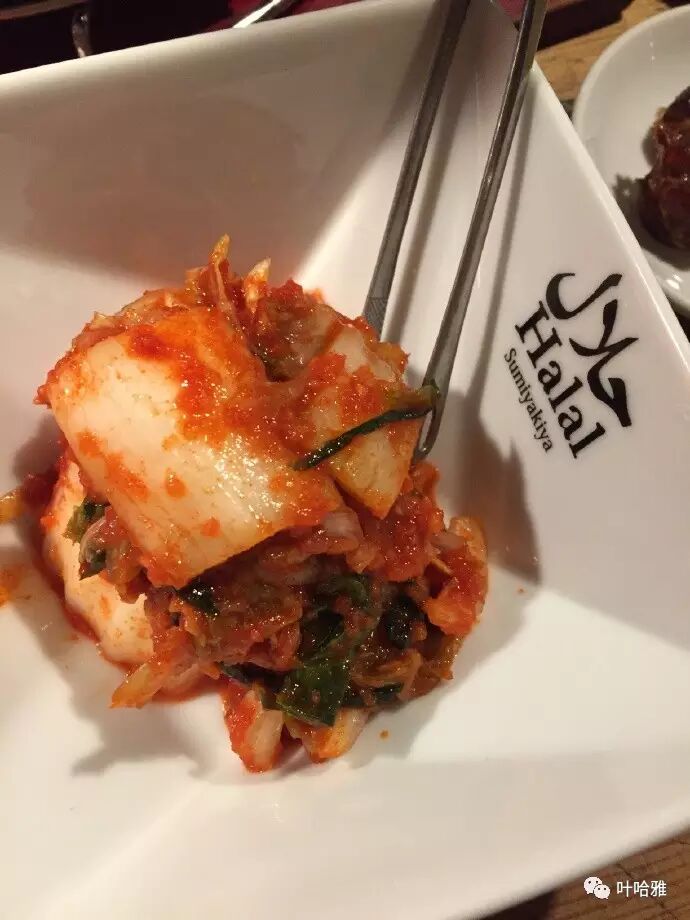
Complimentary kimchi.
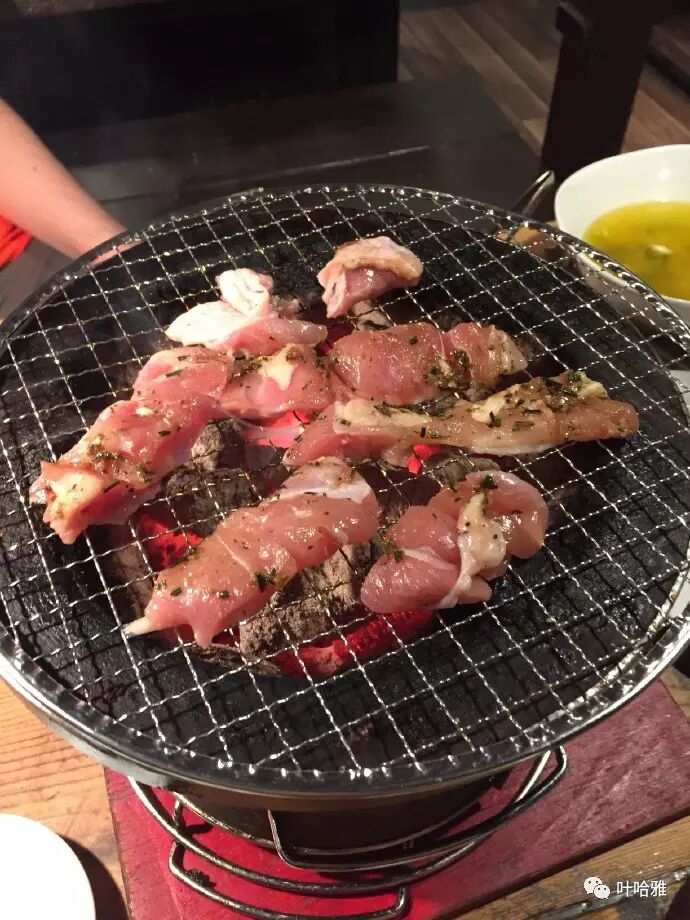
The most reassuring thing about eating in Japan is that the ingredients are guaranteed to be fresh.
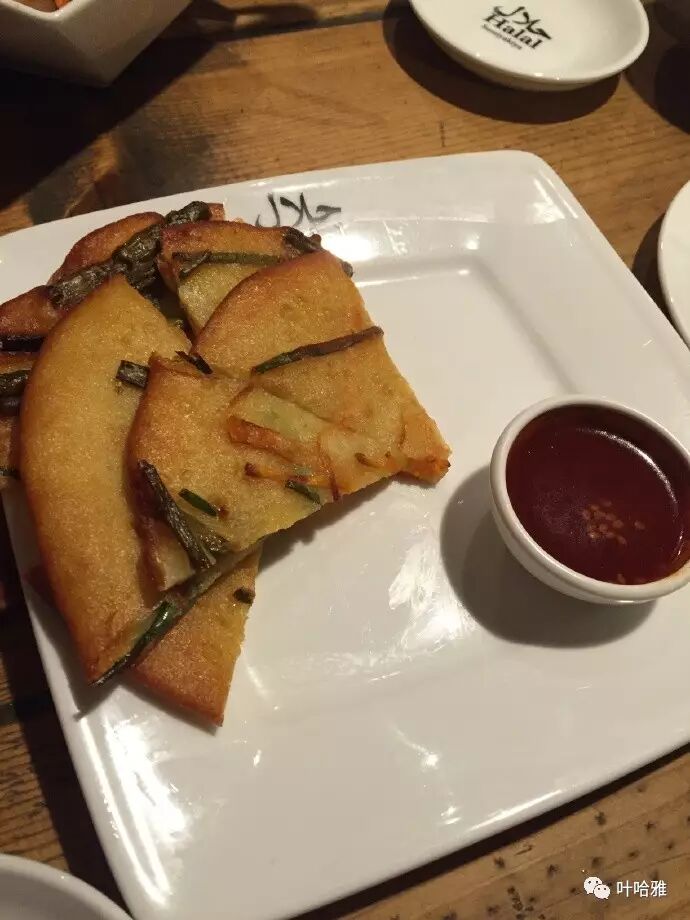
This is a bit like a combination of scallion pancake (cong huabing) and grilled cornmeal bun (wo tou).
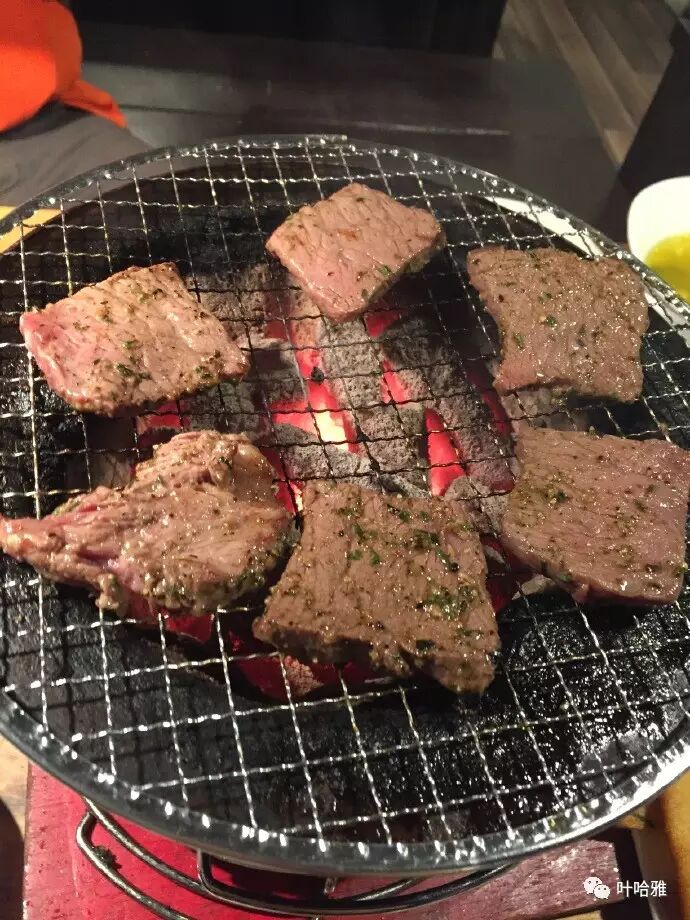
The meat is marinated.
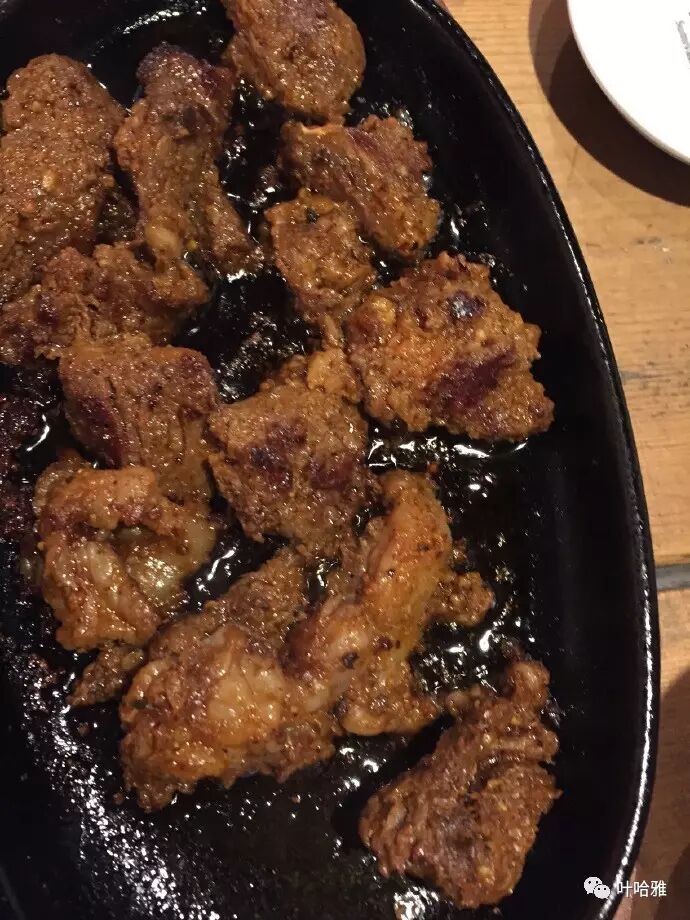
This is the grilled lamb, served directly. It is rare to find lamb in Japan.
Address: 3-20-16 Nishi-Azabu, Minato-ku, Tokyo
4. Kebab
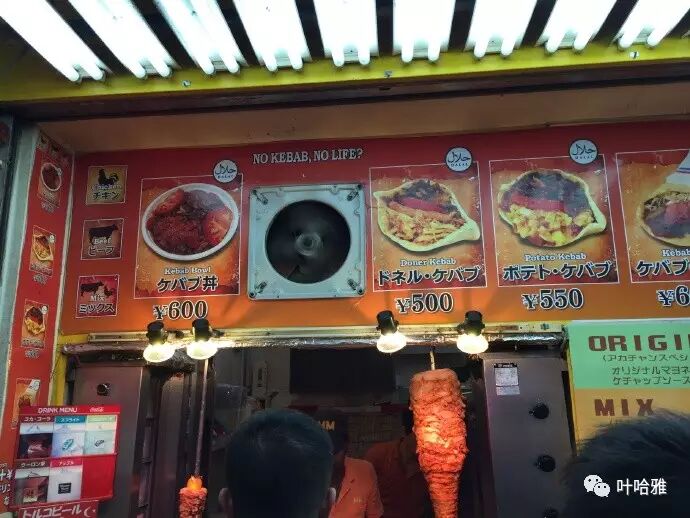
Turkish kebab is a type of fast food that students studying abroad are familiar with; it is convenient and delicious. The server at this shop is Turkish, but he calls out in Japanese. It felt strange to hear a white face speaking Japanese for the first time.
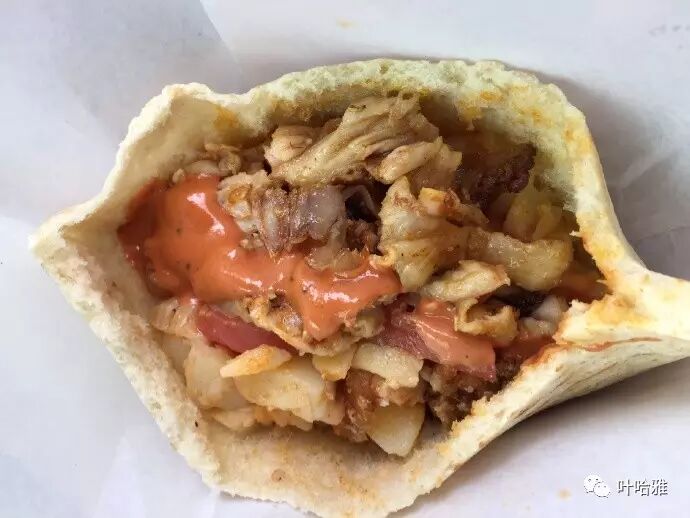
Maybe I was just hungry, but I ate two in one go. Turkish kebab (doner kebab) has saved the stomachs of so many international students.
Address: Ueno Shopping Street, Taito Ward, Tokyo.
5. Yokohama: Kissho Wagyu Hot Pot.
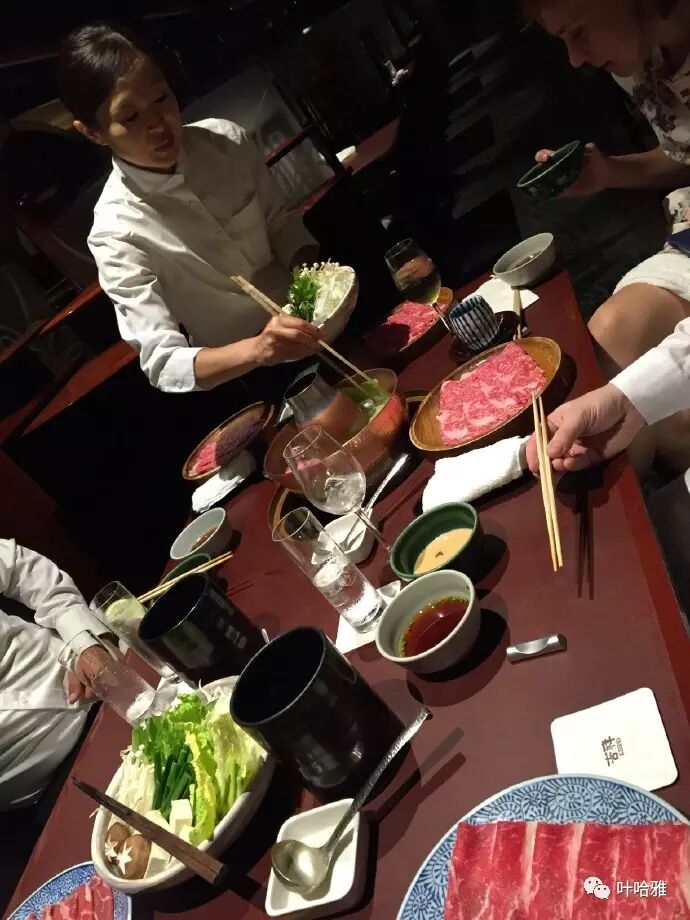
I actually found halal Japanese Wagyu beef in Yokohama. I have to thank Sister Amina for the treat, or I would have missed out on such delicious food.
Kissho Wagyu beef with clear marbling.
Fresh vegetables. The types of vegetables here are the same as in China.
The Japanese people are experts at eating raw food, so sashimi is naturally a must.
Don't let the small portion size fool you; this dessert is made with great care. Japan has the most Michelin-starred restaurants in the world, which shows the deep culinary skill of the Japanese. To the average diner, dishes at Michelin restaurants might look plain, but the selection of ingredients and the processing methods reflect years of the chef's hard work.
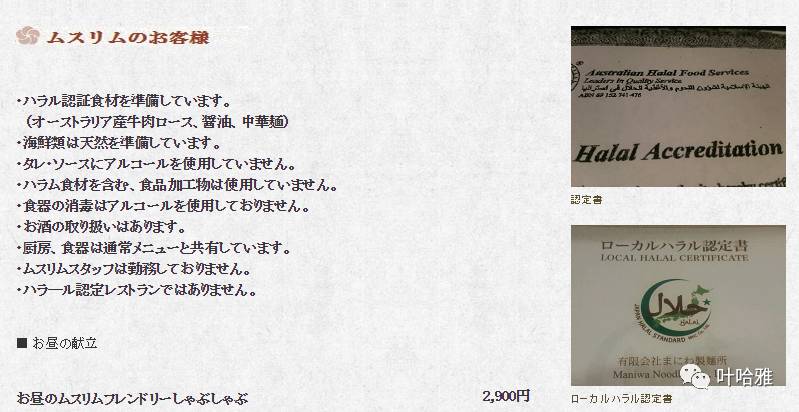
This is a screenshot of the website. Remember to call and book in advance so the shop can prepare fresh halal Wagyu beef.
Address:
Landmark Plaza 5F, 2-2-1 Minatomirai, Nishi Ward, Yokohama City, Kanagawa Prefecture.
Website: www.kioicho-kissho.com/yokohama/menu/index.html
6. Kerimu Xinjiang Restaurant.
This is a Xinjiang restaurant that every Xinjiang person coming to Japan must visit. The owner is a Uyghur from Northern Xinjiang, and his whole family has immigrated to Japan.
The server is also a Uyghur girl.
The taste of the grilled meat is not much different from what you get in Xinjiang.
The mung bean jelly (liangfen) has been modified. Japanese people cannot eat food that is too spicy, while Xinjiang-style cold noodles (liangpi) are usually spicier.
I was surprised to find dumplings (jiaozi) at a Xinjiang restaurant in Tokyo.
The hand-pulled noodles (latiaozi) have been Japanized. The portion is half of what you get in Xinjiang, but the taste remains the same.
Address: 1F Nishi-Shinjuku Bar Building, 3-15-8-103 Nishi-Shinjuku, Shinjuku Ward, Tokyo.
There are many more halal restaurants in Tokyo, but I only chose to feature the ones I took photos of. Therefore, the following two restaurants do not have pictures, but here are some specialty restaurants that friends have visited:
7. Mongolian Meat Pie.
Address: 5F, Shinto Building, 2-14-7 Takadanobaba, Shinjuku-ku, Tokyo.
8. Japanese ramen
Address: 1-11-7 Shinjuku, Shinjuku-ku, Tokyo.
Website: http://www.m-ouka.jp/sp/access/index.html
9. Iftar meal
My time in Japan happened to coincide with the holy month of Ramadan, when mosques in Tokyo prepare iftar meals for fellow Muslims (dosti).
This is Indian-Pakistani style rice pilaf (biryani). Pakistanis eat it with their hands, but I prefer a spoon. When traveling, I first find the local mosque to get information about halal restaurants. You can find mosques easily on Google Maps.
Address: Tokyo Okachimachi Mosque, Tokyo Camii.
10. Nagoya: Asian cuisine
Asian means Asian, but this place actually serves South Asian flavors. The servers are from Nepal.
Influenced by Japanese habits, restaurants in Japan are kept very clean and tidy.
The Nepali brother spoke English with a heavy accent. I couldn't tell where he was from for a long time, until he said his country is between China and India, and then it clicked.
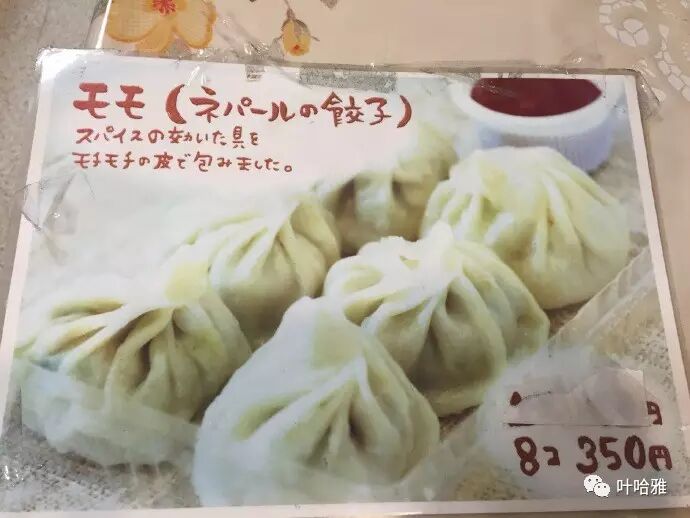
He knew I was from China and asked if I wanted to eat momo. I was confused, so he brought a picture from the back, and I realized they call dumplings momo.
Fresh vegetable salad. Foreigners like to eat raw vegetables. Right, I am a foreigner in Japan too...
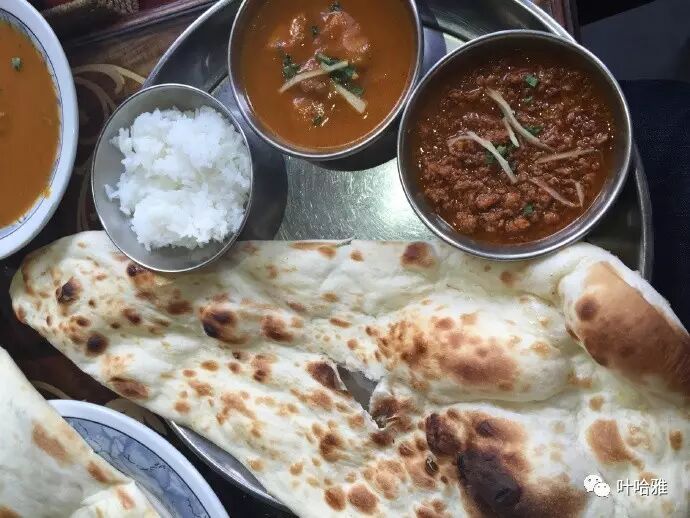
This is a set meal. Ordering a set at a South Asian restaurant usually means getting these items: a soup, a beef or chicken dish, a flatbread (naan), and a bowl of rice.
11. Osaka Mosque
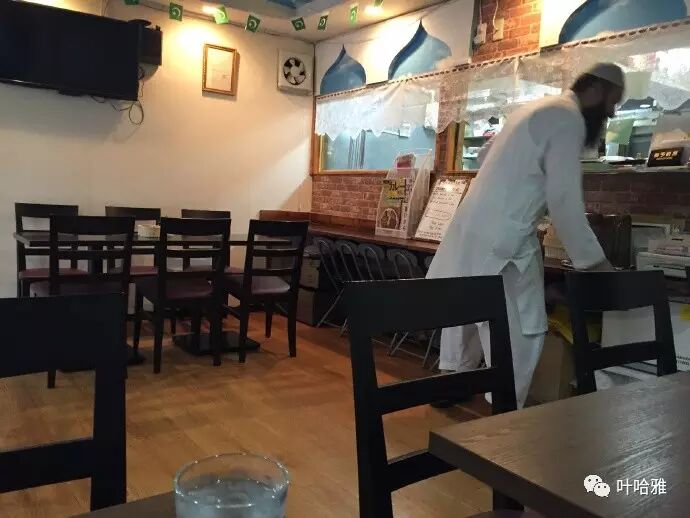
A Pakistani man I met at the mosque brought me to a halal restaurant across the street.
This is a mango milkshake (lassi) a fellow Muslim (dosti) gave me.
As usual, I had a set meal. The rice here is very fragrant; the quality of Japanese rice is excellent.
A very small vegetable salad. Portions in Japan are quite small, which is fine because it prevents waste.
Address: Opposite Osaka Mosque, right next door (Baidu Maps is not convenient, and Google is blocked, but you can use Google Maps once you are in Japan).
12. Kyoto: Turkish restaurant
I followed Google Maps to find this Turkish restaurant in downtown Kyoto.
The upstairs area is decorated in a Turkish style.
The shop is very clean and tidy.
The dishes are served in order, starting with cold appetizers.
Next comes the creamy soup.
I ordered a piece of baked flatbread (naan) as the main staple, as is customary.
Turkish and Middle Eastern grilled meats are served with roasted tomatoes and green peppers to cut through the richness.
Dessert is served after the meal.
Turkish coffee is very famous. European coffee culture originated in Africa and spread to the West through the Ottoman Empire.
Address: Once you arrive in Kyoto, search for "トルコ" on Google Maps.
13. Genghis Khan barbecue (jingjisihan kaorou)
A Japanese friend introduced me to this barbecue restaurant run by a Japanese Muslim. It is said they sell halal food, but I have not eaten there yet.
If you are interested in trying it, please remember to come back and share your thoughts with me.
Address: 3-19-6 Kandatsuchuo, Tsuchiura City, Ibaraki Prefecture 300-0011 (3 minutes by car from JR Joban Line Kandatsu Station).
Website: http://www.hitsujinokoya.jp/info/index.html
Halal Food Guide Jiangsu Xuzhou: Mosque Visit, Hui Muslim Food and Old City Memories
Articles • yusuf908 posted the article • 0 comments • 176 views • 2026-05-23 23:16
Summary: This Halal Food Guide keeps the original 2017 Xuzhou travel notes intact while making the English easier to read. It is useful for halal food in China, Chinese Muslim food, China Muslim travel tips, and mosque visits in Jiangsu.
On March 12, 2017, I went to Xuzhou to eat and explore.
The Xuzhou section of the Grand Canal.
In 1283 and 1289, Kublai Khan of the Yuan Dynasty ordered the construction of the Jizhou River and the Huitong River. These connected the existing Sui and Tang Dynasty Grand Canal to the Si River, then linked it to the southern canal via the Yellow River. Xuzhou, located where the Yellow River flows into the Si River, became the central hub of the canal. After the Yuan Dynasty Grand Canal was finished, Xuzhou became a place for civilian boats to deliver grain and a transit point for government troops, making it increasingly busy and prosperous.
In 1855, the Yellow River burst its banks at Tongwaxian in Henan. The canal dikes in the Xuzhou section were washed away and the waterway dried up. By 1877, the Xuzhou section of the canal was completely silted over.
Jianguo Road Mosque.
In 1913, the Tianjin-Pukou Railway opened fully. In 1916, the Kaifeng-Xuzhou section of the Longhai Railway opened. As the intersection of the Tianjin-Pukou and Longhai railways, Xuzhou rose again as a transportation hub. According to the Jiangsu Provincial Gazetteer of Religion, in 1916, Hui Muslim merchant Lan Dengyun, railway worker Zhang Xuelou, and postal worker Yang Xianyun bought 1,500 square meters of wasteland on the west side of the old Yellow River bed south of Xuzhou city. They built a wall and three flat-roofed rooms, calling it the 'Traveler's Mosque in Xuzhou' (Lvxu Qingzhensi) for passing Muslims to perform namaz. In 1924, the Traveler's Mosque in Xuzhou was destroyed by a heavy rainstorm and was rebuilt in 1931.
In 1937, the famous Hui Muslim Peking Opera performer Ma Lianliang held a charity performance to raise funds for the mosque. The following year, leather merchants Ha Guanglu, Ma Yuqing, and others donated money to expand the mosque to 32 rooms. After 1949, Jianguo East Road was built in front of the mosque, and it was renamed Jianguo Road Mosque. After 1966, the mosque was occupied and 14 rooms in the back courtyard were demolished. It was restored and reopened in 1980. In 1997, the mosque was demolished again for road widening, then relocated and rebuilt into its current form.
Dakang Pastries.
Next to Jianguo Road Mosque, there is a deli and a pastry shop. At the pastry shop, I bought chestnut cakes (lizisu), peach cakes (taosu), sesame crisps (mapian'er), and honey-glazed horn-shaped pastries (jiaojiaomi).
Taikang Hui Muslim Food Store.
Taikang Hui Muslim Food Store is a century-old halal shop in Xuzhou, founded in 1908. The owner was Bai Shaoxuan, a Hui Muslim from Jining, Shandong. It is most famous for making sesame crisps (mapian) and white sesame osmanthus sugar cakes (baima guihua su-tang). In May 1938, Taikang was destroyed by Japanese bombers. Owner Bai had to painfully switch to the beef and mutton business until he started selling pastries again after 1945.
At Taikang, I bought rose mung bean cakes (meigui lvdougao), honey-preserved sponge cakes (mizhi fenggao), egg rolls (danjuan), salted osmanthus sauce (xian guihua jiang), and rose sauce (meigui jiang).
Rose sauce (meigui jiang).
Osmanthus sauce (guihua jiang).
Honey-preserved sponge cake (mizhi fenggao).
Rose mung bean cake (meigui lvdougao).
Egg rolls (danjuan)
Feng Tianxing
Feng Tianxing is another long-standing halal shop in Xuzhou. Feng Shibo founded Feng Tianxing in Nanjing in 1757, the 22nd year of the Qianlong reign. It started by selling roasted chicken, then moved to Xuzhou and became a classic halal brand there. I bought duck tongue, duck liver, and dried tofu. Everything was delicious, especially the duck tongue, which was so fragrant.
I really like the design of this water pitcher (tangping) brand. view all
Summary: This Halal Food Guide keeps the original 2017 Xuzhou travel notes intact while making the English easier to read. It is useful for halal food in China, Chinese Muslim food, China Muslim travel tips, and mosque visits in Jiangsu.
On March 12, 2017, I went to Xuzhou to eat and explore.
The Xuzhou section of the Grand Canal.
In 1283 and 1289, Kublai Khan of the Yuan Dynasty ordered the construction of the Jizhou River and the Huitong River. These connected the existing Sui and Tang Dynasty Grand Canal to the Si River, then linked it to the southern canal via the Yellow River. Xuzhou, located where the Yellow River flows into the Si River, became the central hub of the canal. After the Yuan Dynasty Grand Canal was finished, Xuzhou became a place for civilian boats to deliver grain and a transit point for government troops, making it increasingly busy and prosperous.
In 1855, the Yellow River burst its banks at Tongwaxian in Henan. The canal dikes in the Xuzhou section were washed away and the waterway dried up. By 1877, the Xuzhou section of the canal was completely silted over.
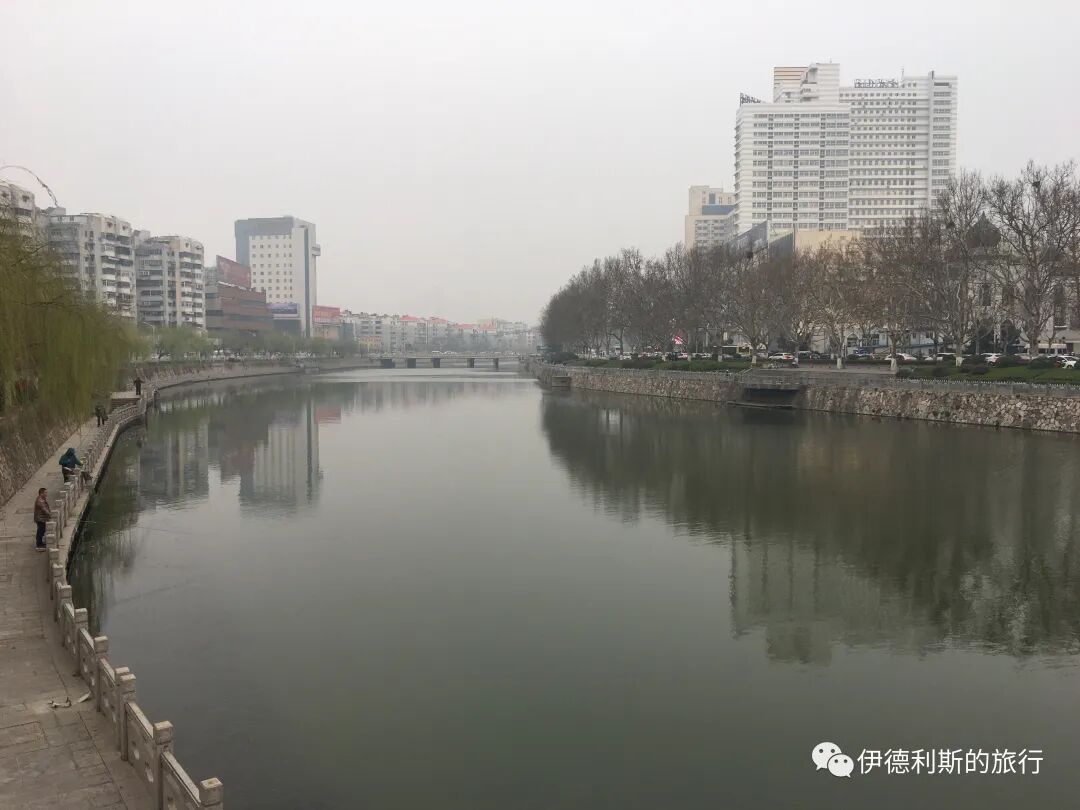
Jianguo Road Mosque.
In 1913, the Tianjin-Pukou Railway opened fully. In 1916, the Kaifeng-Xuzhou section of the Longhai Railway opened. As the intersection of the Tianjin-Pukou and Longhai railways, Xuzhou rose again as a transportation hub. According to the Jiangsu Provincial Gazetteer of Religion, in 1916, Hui Muslim merchant Lan Dengyun, railway worker Zhang Xuelou, and postal worker Yang Xianyun bought 1,500 square meters of wasteland on the west side of the old Yellow River bed south of Xuzhou city. They built a wall and three flat-roofed rooms, calling it the 'Traveler's Mosque in Xuzhou' (Lvxu Qingzhensi) for passing Muslims to perform namaz. In 1924, the Traveler's Mosque in Xuzhou was destroyed by a heavy rainstorm and was rebuilt in 1931.
In 1937, the famous Hui Muslim Peking Opera performer Ma Lianliang held a charity performance to raise funds for the mosque. The following year, leather merchants Ha Guanglu, Ma Yuqing, and others donated money to expand the mosque to 32 rooms. After 1949, Jianguo East Road was built in front of the mosque, and it was renamed Jianguo Road Mosque. After 1966, the mosque was occupied and 14 rooms in the back courtyard were demolished. It was restored and reopened in 1980. In 1997, the mosque was demolished again for road widening, then relocated and rebuilt into its current form.
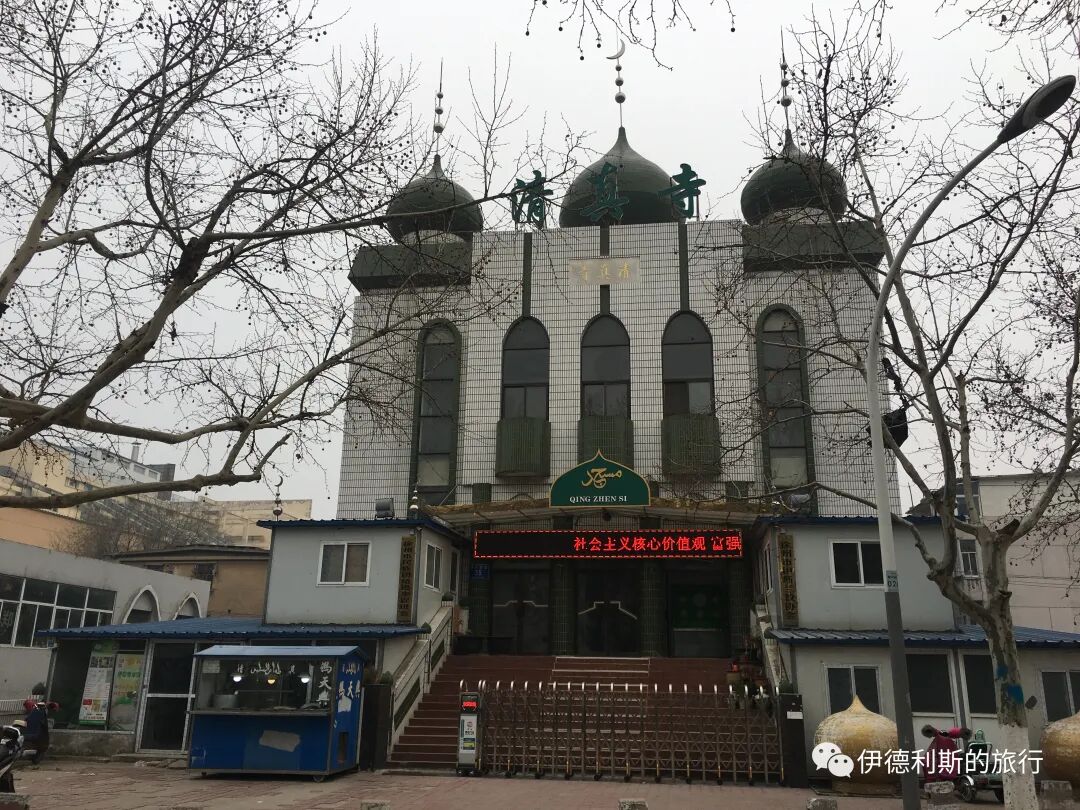
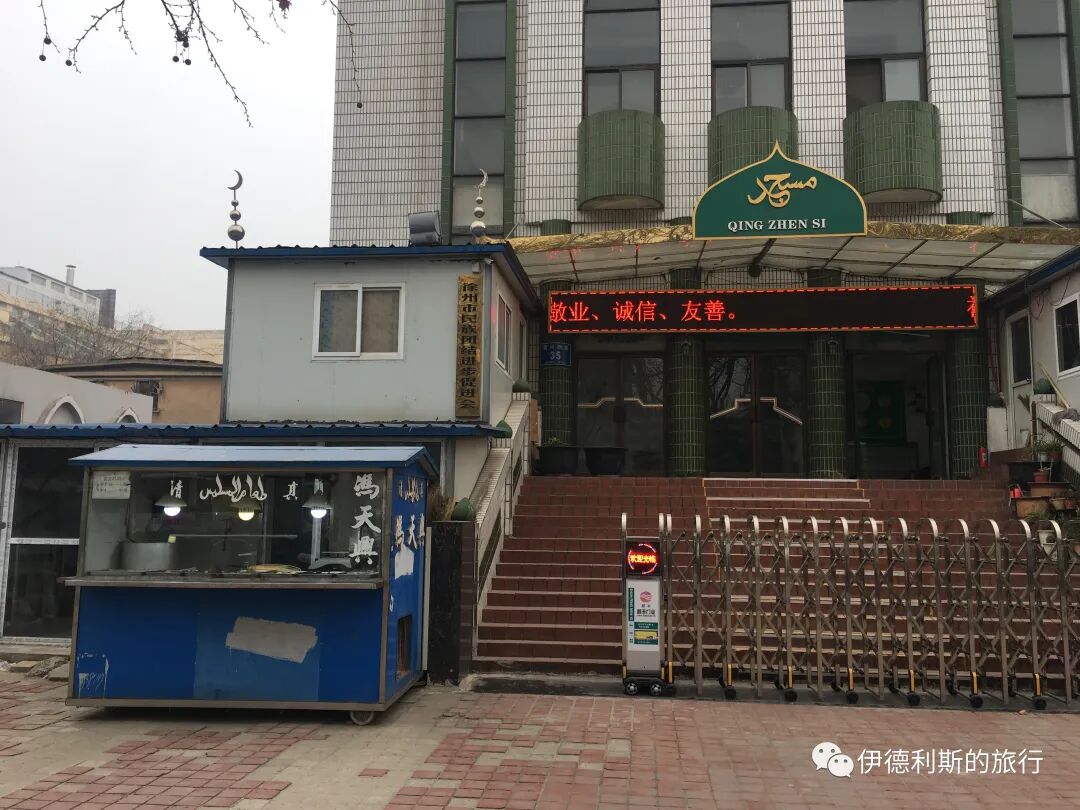
Dakang Pastries.
Next to Jianguo Road Mosque, there is a deli and a pastry shop. At the pastry shop, I bought chestnut cakes (lizisu), peach cakes (taosu), sesame crisps (mapian'er), and honey-glazed horn-shaped pastries (jiaojiaomi).
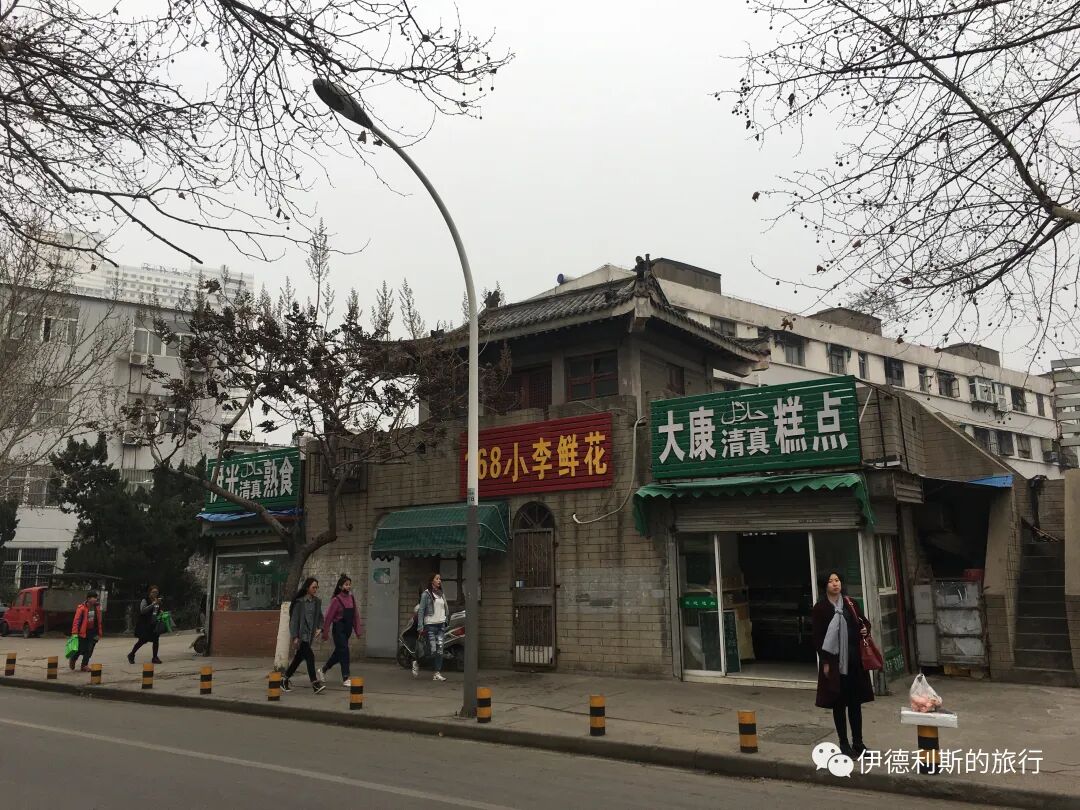
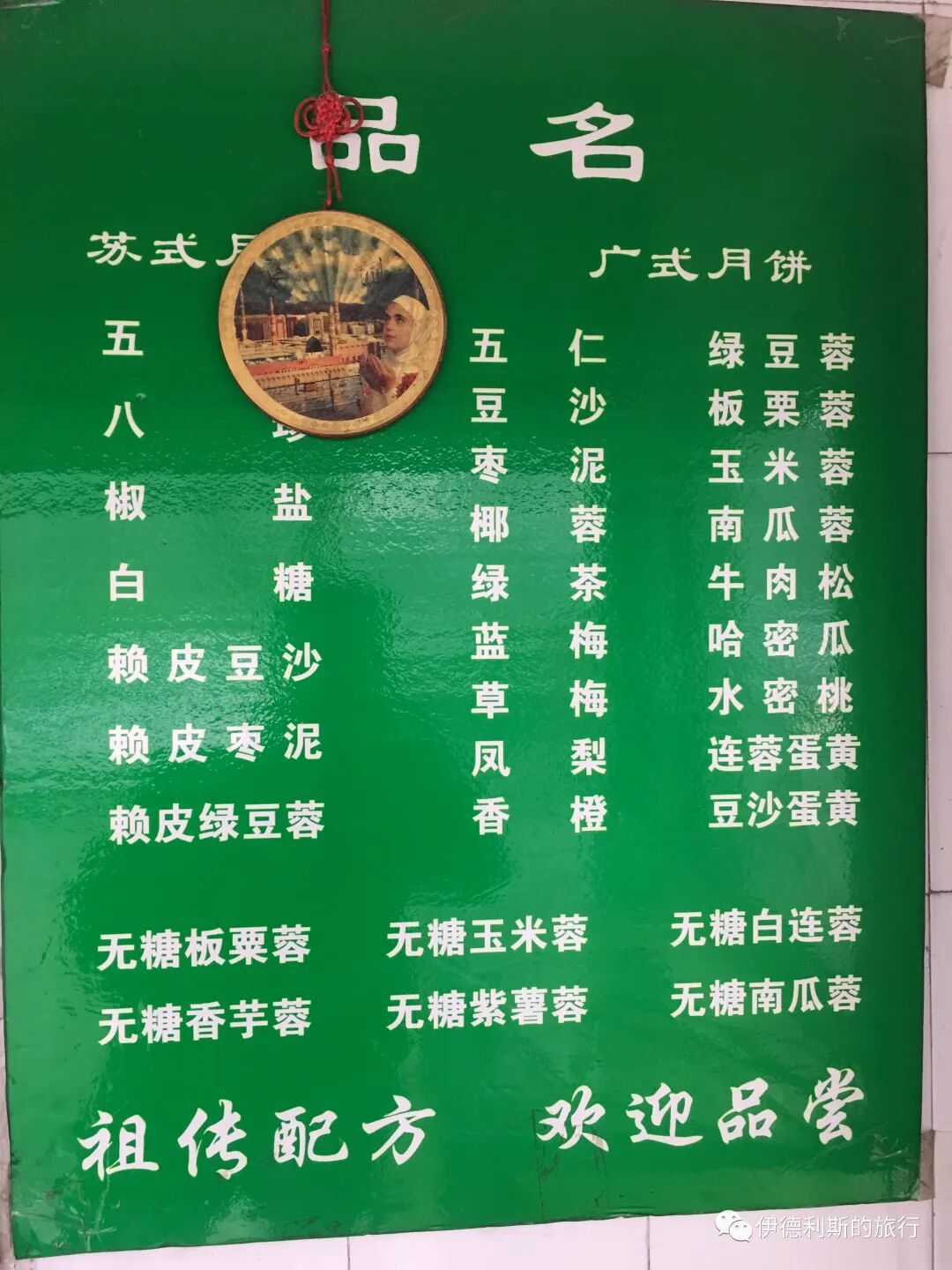
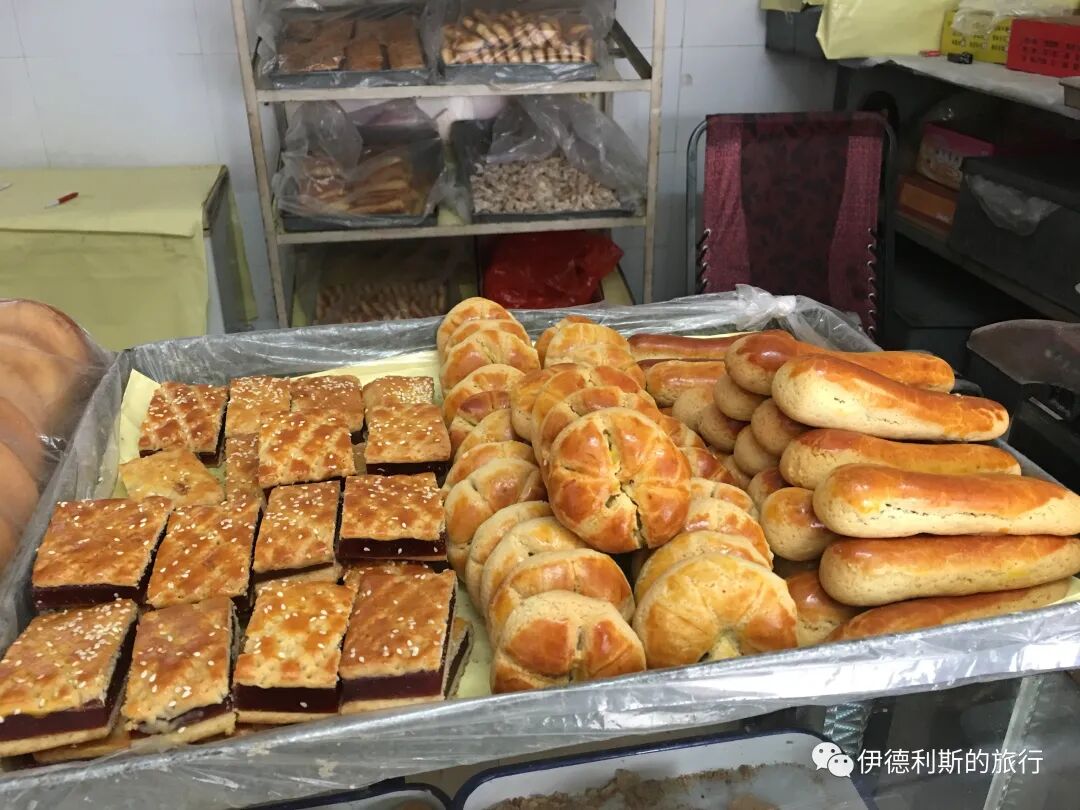
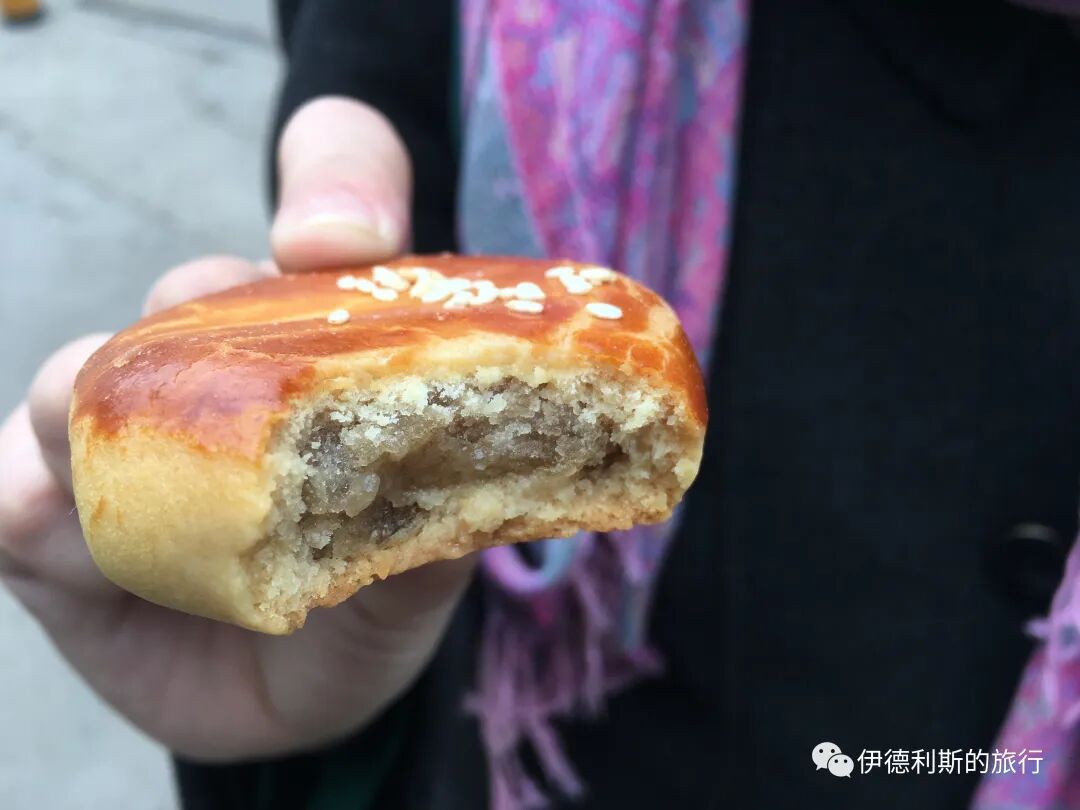
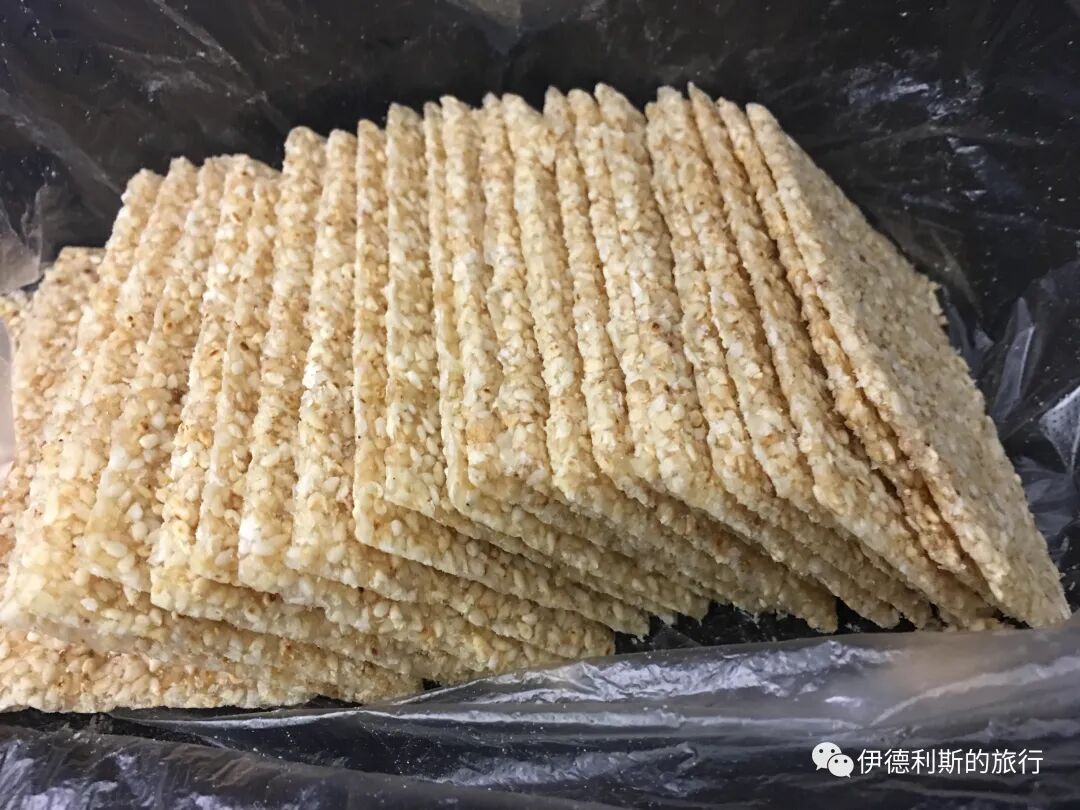
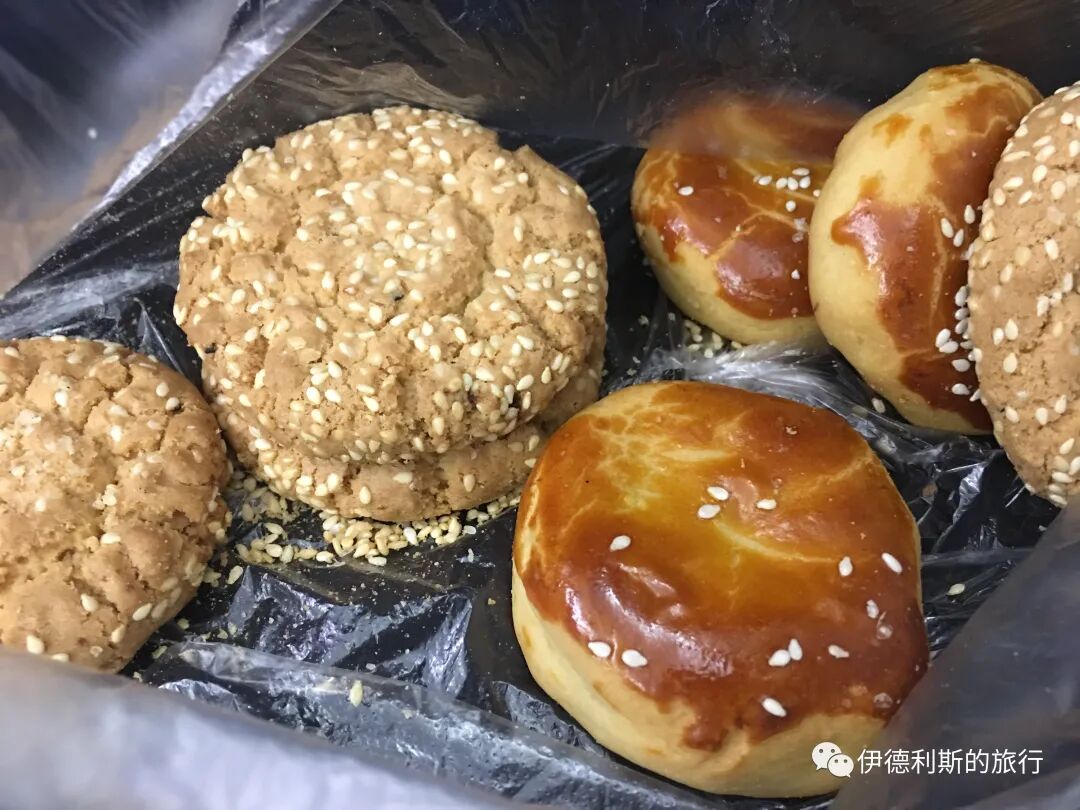
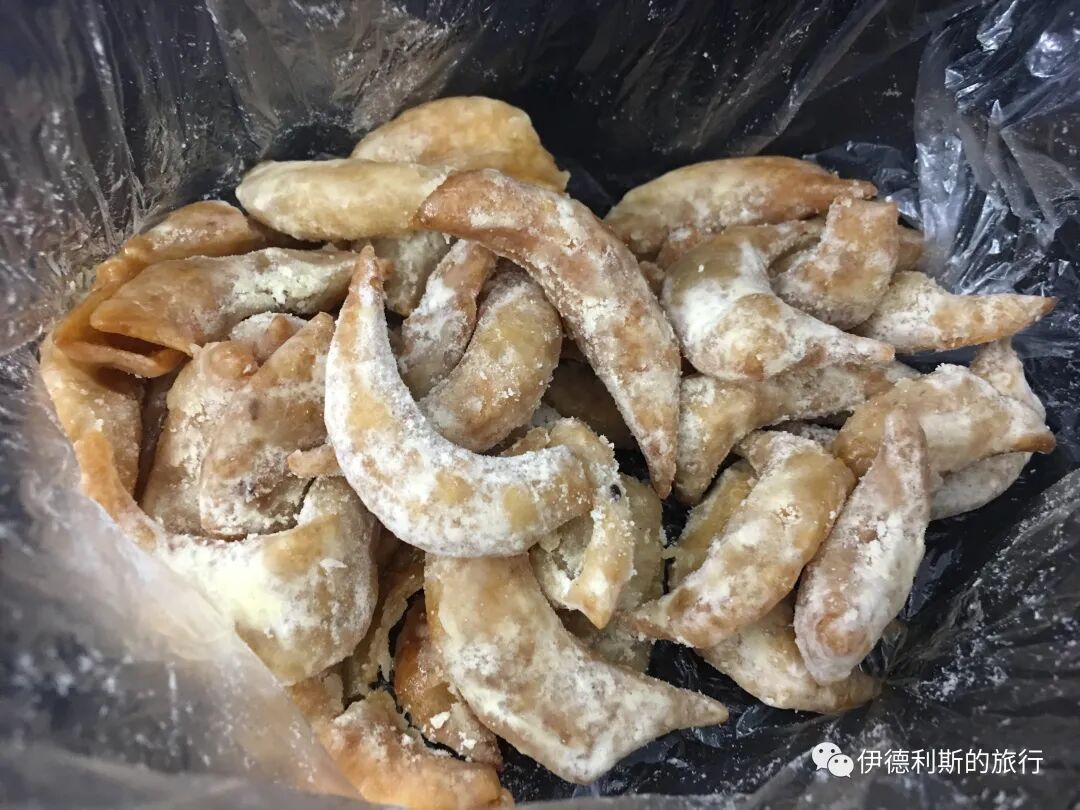
Taikang Hui Muslim Food Store.
Taikang Hui Muslim Food Store is a century-old halal shop in Xuzhou, founded in 1908. The owner was Bai Shaoxuan, a Hui Muslim from Jining, Shandong. It is most famous for making sesame crisps (mapian) and white sesame osmanthus sugar cakes (baima guihua su-tang). In May 1938, Taikang was destroyed by Japanese bombers. Owner Bai had to painfully switch to the beef and mutton business until he started selling pastries again after 1945.
At Taikang, I bought rose mung bean cakes (meigui lvdougao), honey-preserved sponge cakes (mizhi fenggao), egg rolls (danjuan), salted osmanthus sauce (xian guihua jiang), and rose sauce (meigui jiang).
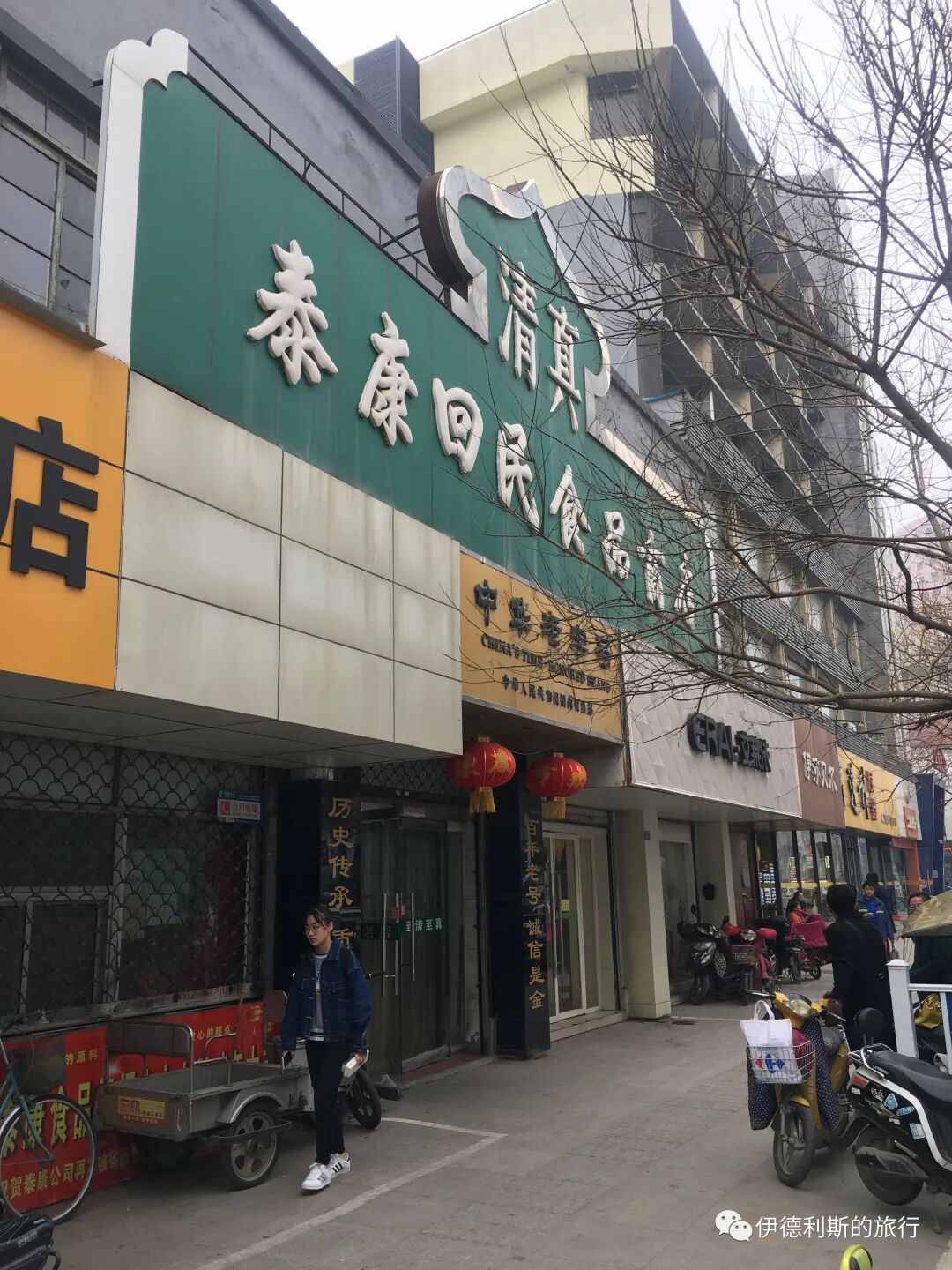
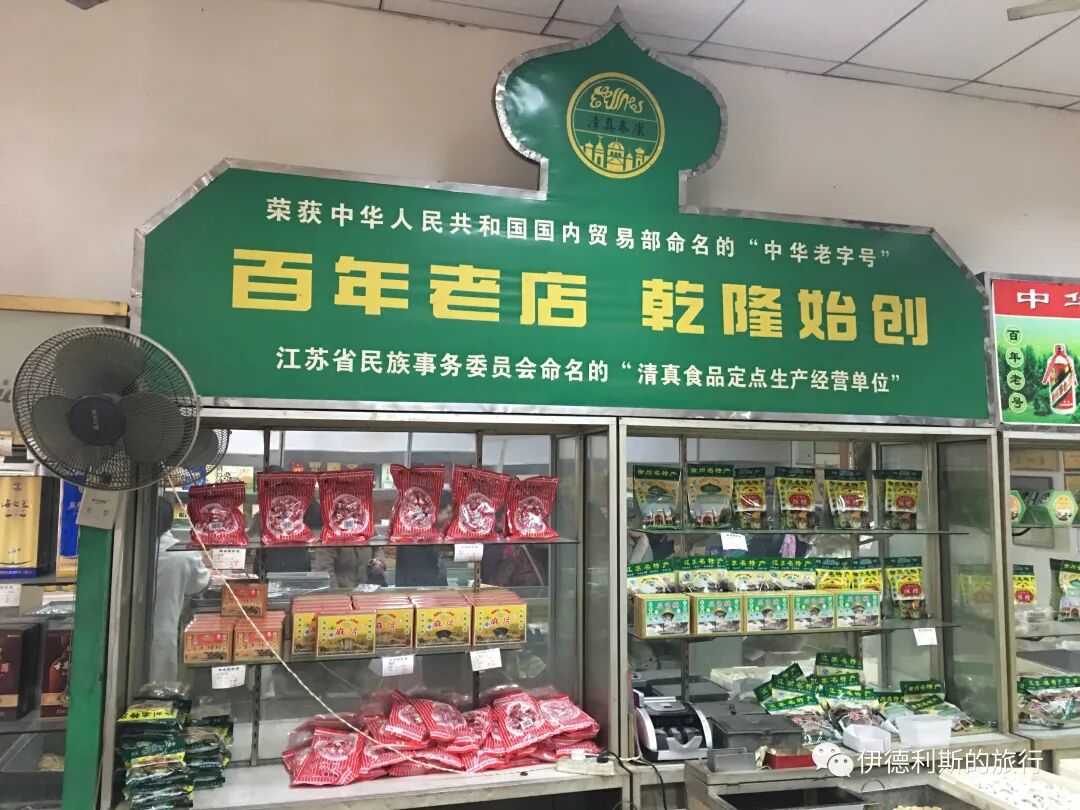
Rose sauce (meigui jiang).
Osmanthus sauce (guihua jiang).
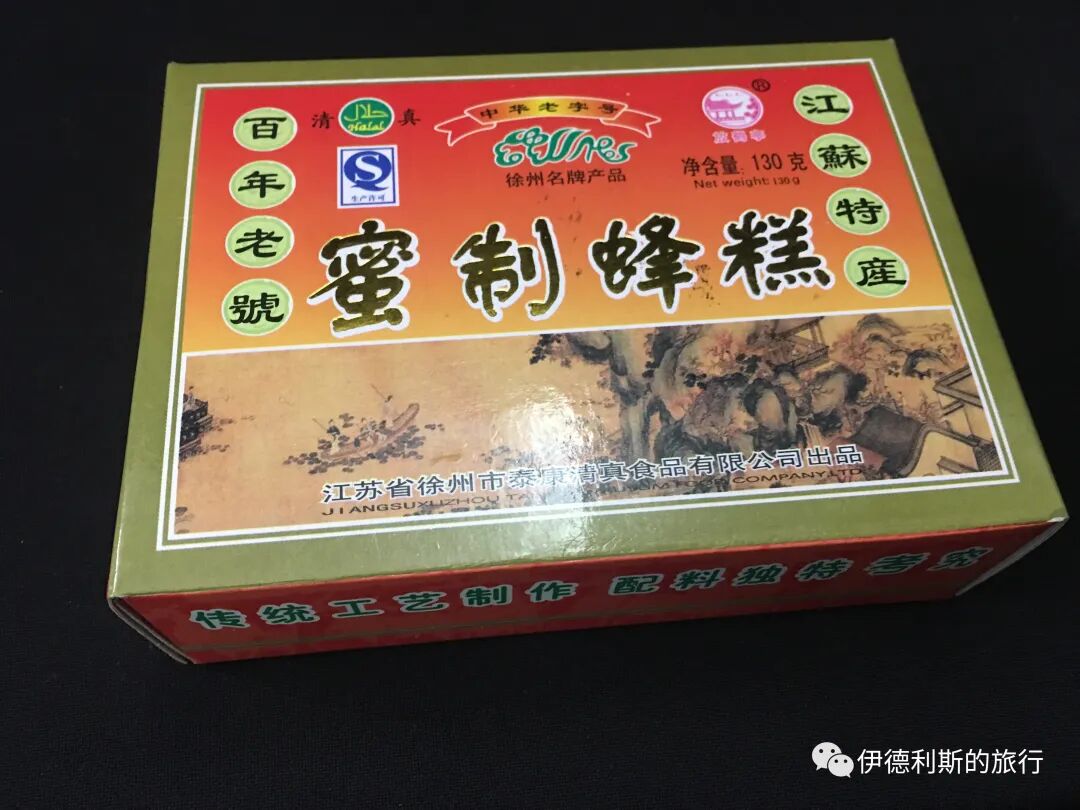
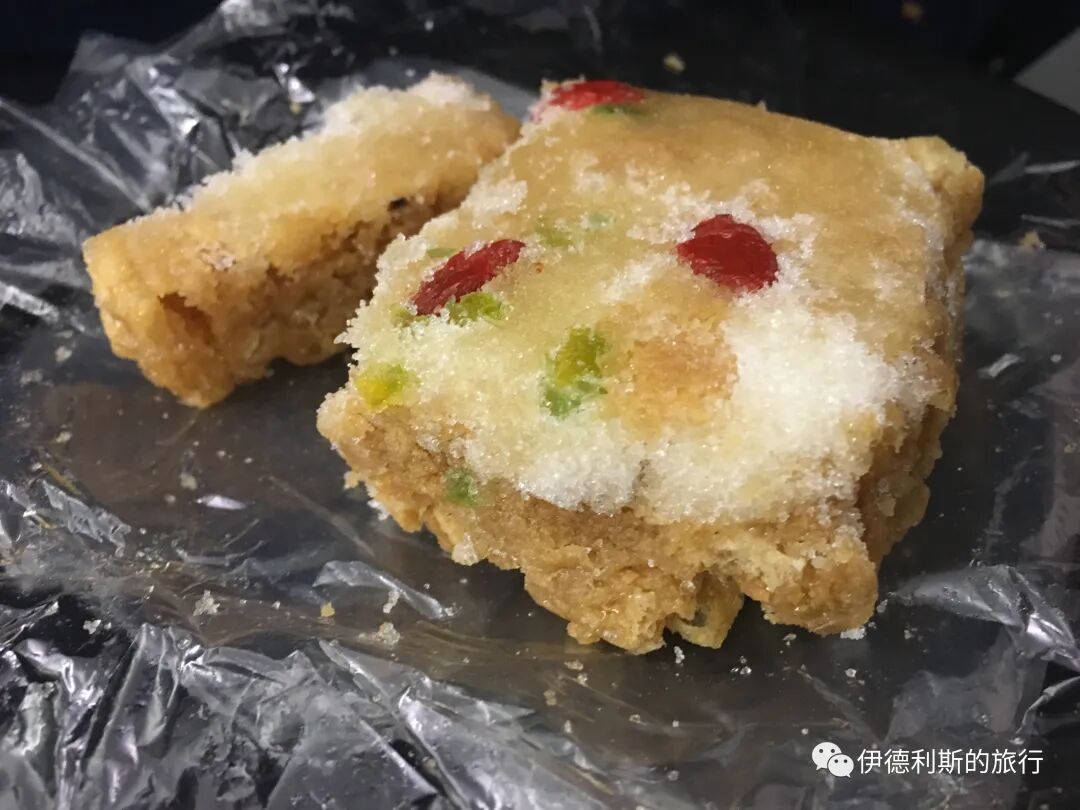
Honey-preserved sponge cake (mizhi fenggao).
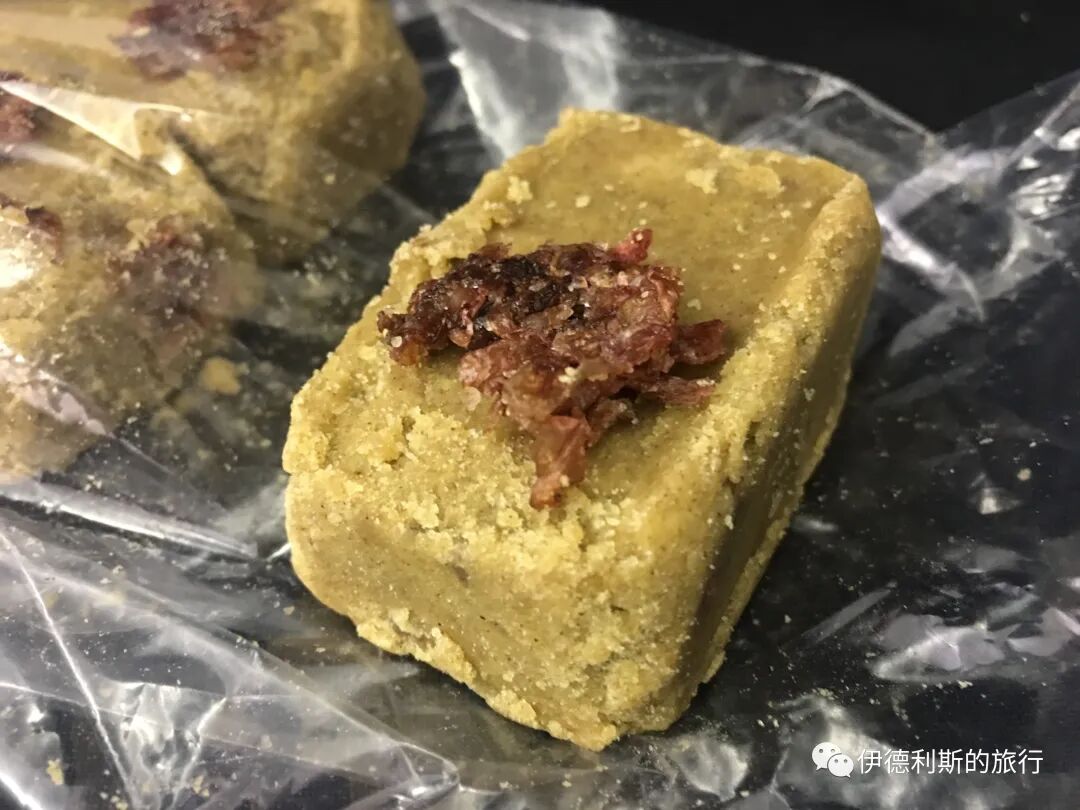
Rose mung bean cake (meigui lvdougao).
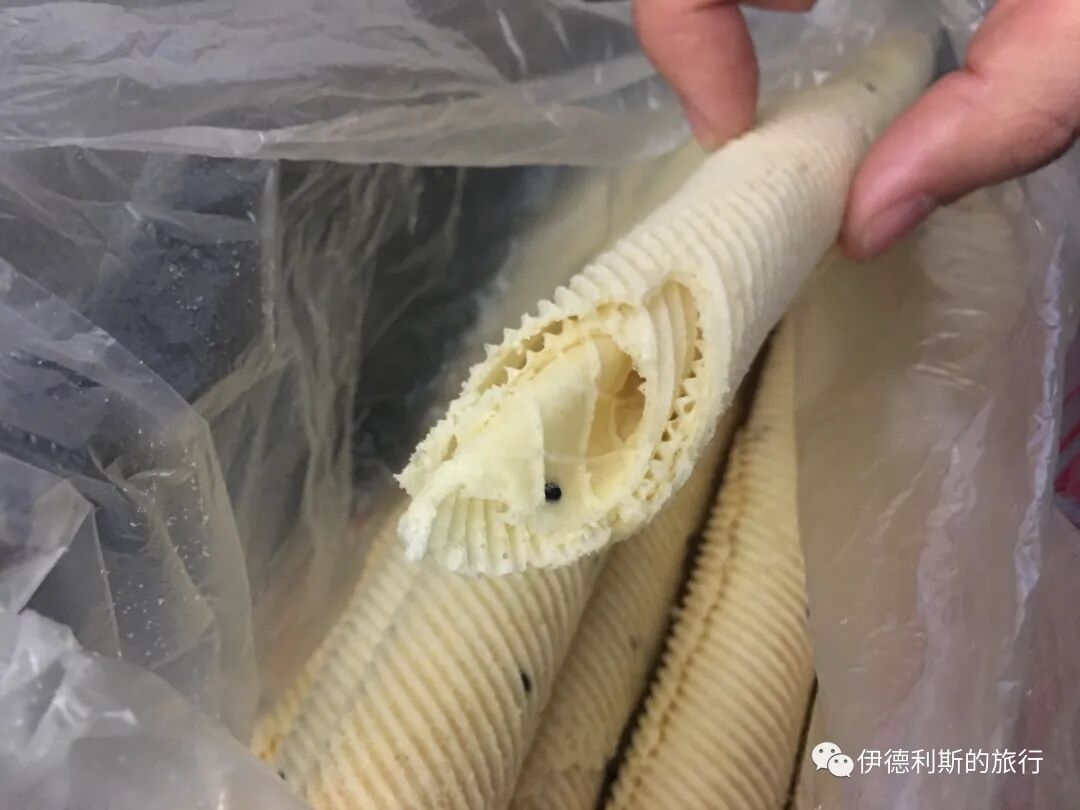
Egg rolls (danjuan)
Feng Tianxing
Feng Tianxing is another long-standing halal shop in Xuzhou. Feng Shibo founded Feng Tianxing in Nanjing in 1757, the 22nd year of the Qianlong reign. It started by selling roasted chicken, then moved to Xuzhou and became a classic halal brand there. I bought duck tongue, duck liver, and dried tofu. Everything was delicious, especially the duck tongue, which was so fragrant.
I really like the design of this water pitcher (tangping) brand.
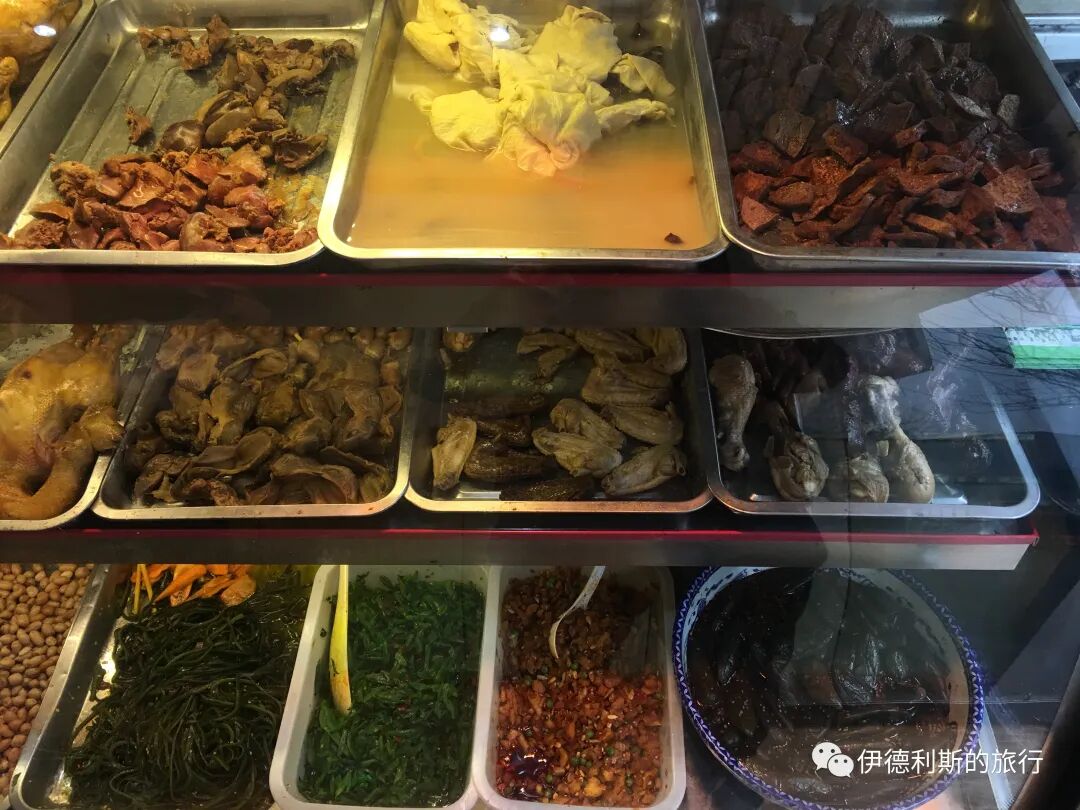
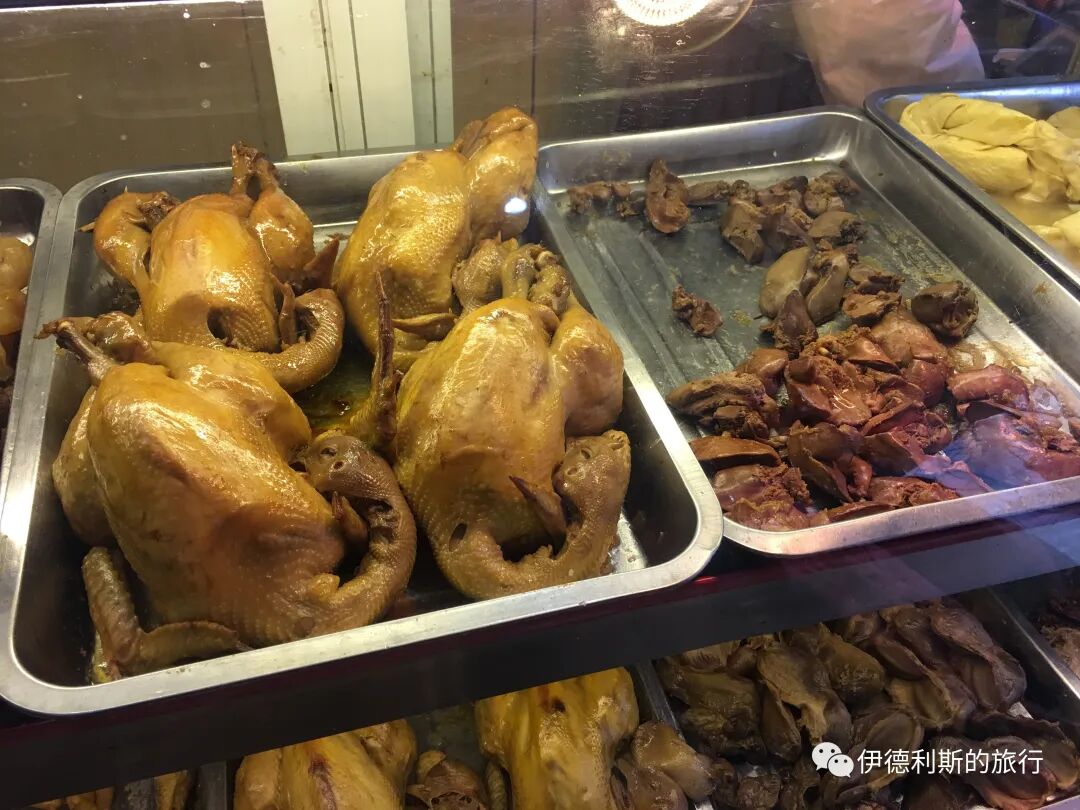
Muslim Travel Guide Medina: Quran Printing Complex, Camel Pilaf and Prophet Mosque Hotels
Articles • yusuf908 posted the article • 0 comments • 177 views • 2026-05-22 21:33
Summary: This Muslim travel guide to Medina continues the sacred sites map, covering the King Fahd Quran Printing Complex, free Quran copies, camel pilaf, hotel dining, family travel, and practical notes near the Prophet Mosque.
Map of Sacred Sites in Medina is presented here as a firsthand travel account in clear English, beginning with this scene: Once you enter the workshop, you can see the printing process for the Quran, which is as impressive as a banknote factory. The account keeps its focus on Halal Travel, Yiwu Food, Mosque Travel while preserving the names, places, food, and historical details from the Chinese source.
Once you enter the workshop, you can see the printing process for the Quran, which is as impressive as a banknote factory.
After leaving the workshop, you can pick up a free copy of the Quran at the room by the entrance. The default is the original Arabic version, but if you ask, they will give you the language you want. We requested the Chinese-Arabic bilingual version translated by Ma Jian.
If you feel one copy is not enough, you can go to the shop at the entrance to buy other books.
These are the historical sites we visited in Medina. There are still some on my list that we didn't get to see because the area outside the north gate of the Prophet's Mosque is under expansion. Outside the east gate is the Baqi Cemetery, where about 10,000 companions of the Prophet and some of his family members are buried. These places look like yellow dirt construction sites from a distance and you cannot enter them. Many locations recorded in history no longer exist, and even the historical sites I photographed earlier were mostly rebuilt on their original locations, so you can no longer see traces left from ancient times.
Most of the time, we ate buffets at our hotel. At the strong suggestion of Dosti, we tried camel pilaf (zhua fan) in Medina once. The restaurant in the picture below is a fast-food chain that also has locations in Mecca.
This is a very traditional Arabic restaurant. The first floor is for individual diners and is covered with carpets; you spread a piece of paper on the carpet to eat. This type of restaurant does not allow female guests on the first floor, so families must go to the private rooms on the second floor. The restaurant pauses business during namaz time, and the staff will pull the curtains shut.
To be honest, this camel meat pilaf was very authentic. The texture of the camel meat is similar to beef and has no strange smell. The staff will provide spoons, as most locals now choose to eat with spoons instead of using their hands. Remember to perform wudu (minor ablution) after eating camel meat, as this was recorded in the Hadith.
For accommodation, it is best to stay somewhere close to the Prophet's Mosque that is within walking distance. Although it is expensive, it is very troublesome to travel back and forth every day if you are far away, and taxis are both expensive and inconvenient. We mostly chose to eat buffets at the hotel because there were seven of us, and it is hard to please everyone, so the buffet was a convenient choice. The buffet restaurant at the Sofitel Hotel is ranked number one for food in Medina on the TripAdvisor app because it offers a view of the Prophet's Mosque.
When dining at the hotel, you don't need to worry about family members being separated; everyone can sit wherever they like.
In our small Umrah group, only our family of three was here for the first time; everyone else had been here many times. Our first impression of the people we met in Medina was not good, which is consistent with the feelings of other families who come here often. Even some of our friends who have lived in the holy land for many years have mostly negative things to say about the locals. I was mentally prepared for this bad impression before I came. I see this phenomenon as proof of the backwardness of the believers. Just imagine, if everyone behaved with the character of the Prophet, I would actually be confused. If you were all that excellent, how could you be in such a backward position in today's world? view all
Summary: This Muslim travel guide to Medina continues the sacred sites map, covering the King Fahd Quran Printing Complex, free Quran copies, camel pilaf, hotel dining, family travel, and practical notes near the Prophet Mosque.
Map of Sacred Sites in Medina is presented here as a firsthand travel account in clear English, beginning with this scene: Once you enter the workshop, you can see the printing process for the Quran, which is as impressive as a banknote factory. The account keeps its focus on Halal Travel, Yiwu Food, Mosque Travel while preserving the names, places, food, and historical details from the Chinese source.
Once you enter the workshop, you can see the printing process for the Quran, which is as impressive as a banknote factory.
After leaving the workshop, you can pick up a free copy of the Quran at the room by the entrance. The default is the original Arabic version, but if you ask, they will give you the language you want. We requested the Chinese-Arabic bilingual version translated by Ma Jian.
If you feel one copy is not enough, you can go to the shop at the entrance to buy other books.
These are the historical sites we visited in Medina. There are still some on my list that we didn't get to see because the area outside the north gate of the Prophet's Mosque is under expansion. Outside the east gate is the Baqi Cemetery, where about 10,000 companions of the Prophet and some of his family members are buried. These places look like yellow dirt construction sites from a distance and you cannot enter them. Many locations recorded in history no longer exist, and even the historical sites I photographed earlier were mostly rebuilt on their original locations, so you can no longer see traces left from ancient times.
Most of the time, we ate buffets at our hotel. At the strong suggestion of Dosti, we tried camel pilaf (zhua fan) in Medina once. The restaurant in the picture below is a fast-food chain that also has locations in Mecca.
This is a very traditional Arabic restaurant. The first floor is for individual diners and is covered with carpets; you spread a piece of paper on the carpet to eat. This type of restaurant does not allow female guests on the first floor, so families must go to the private rooms on the second floor. The restaurant pauses business during namaz time, and the staff will pull the curtains shut.
To be honest, this camel meat pilaf was very authentic. The texture of the camel meat is similar to beef and has no strange smell. The staff will provide spoons, as most locals now choose to eat with spoons instead of using their hands. Remember to perform wudu (minor ablution) after eating camel meat, as this was recorded in the Hadith.
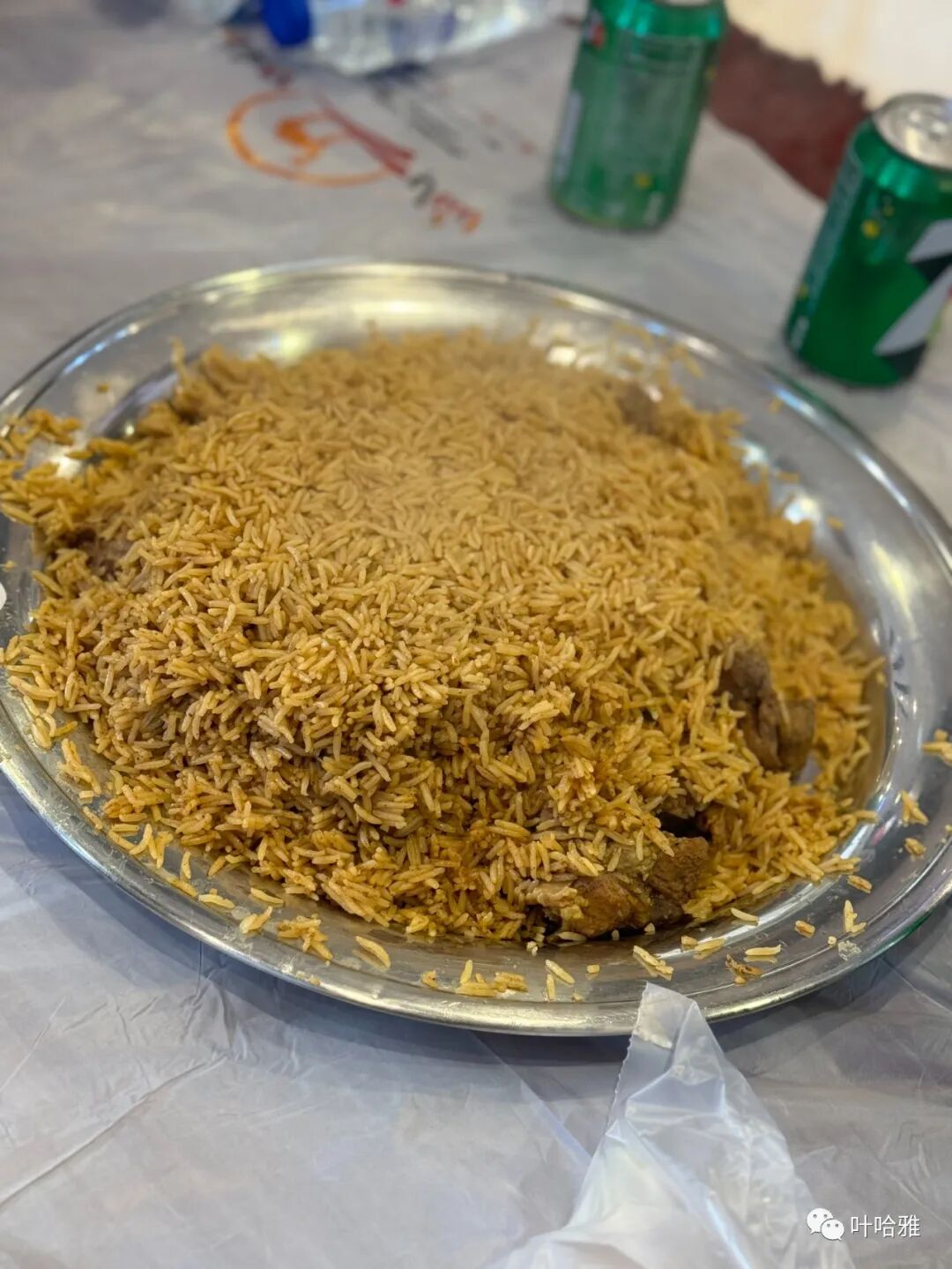
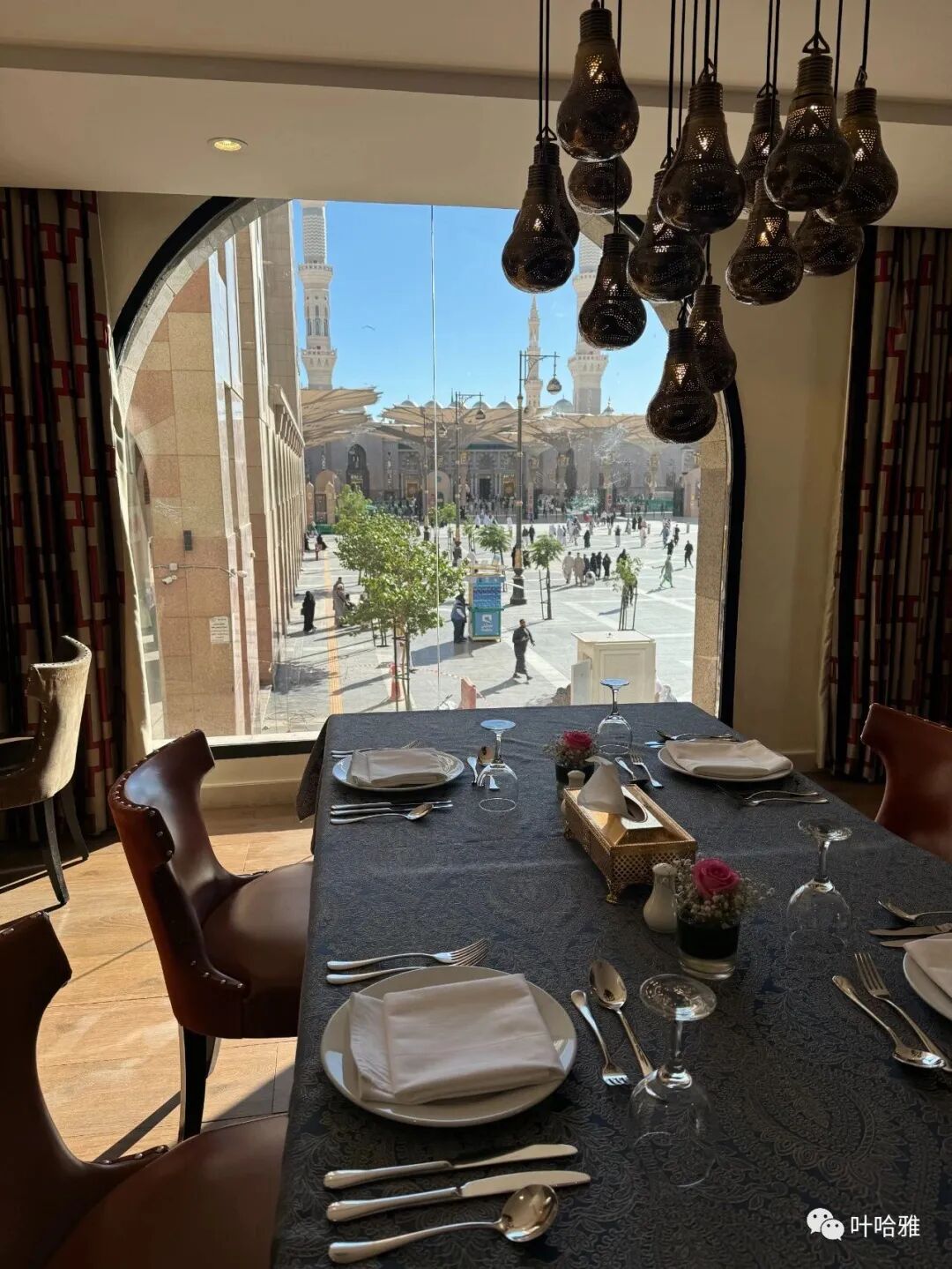
For accommodation, it is best to stay somewhere close to the Prophet's Mosque that is within walking distance. Although it is expensive, it is very troublesome to travel back and forth every day if you are far away, and taxis are both expensive and inconvenient. We mostly chose to eat buffets at the hotel because there were seven of us, and it is hard to please everyone, so the buffet was a convenient choice. The buffet restaurant at the Sofitel Hotel is ranked number one for food in Medina on the TripAdvisor app because it offers a view of the Prophet's Mosque.
When dining at the hotel, you don't need to worry about family members being separated; everyone can sit wherever they like.
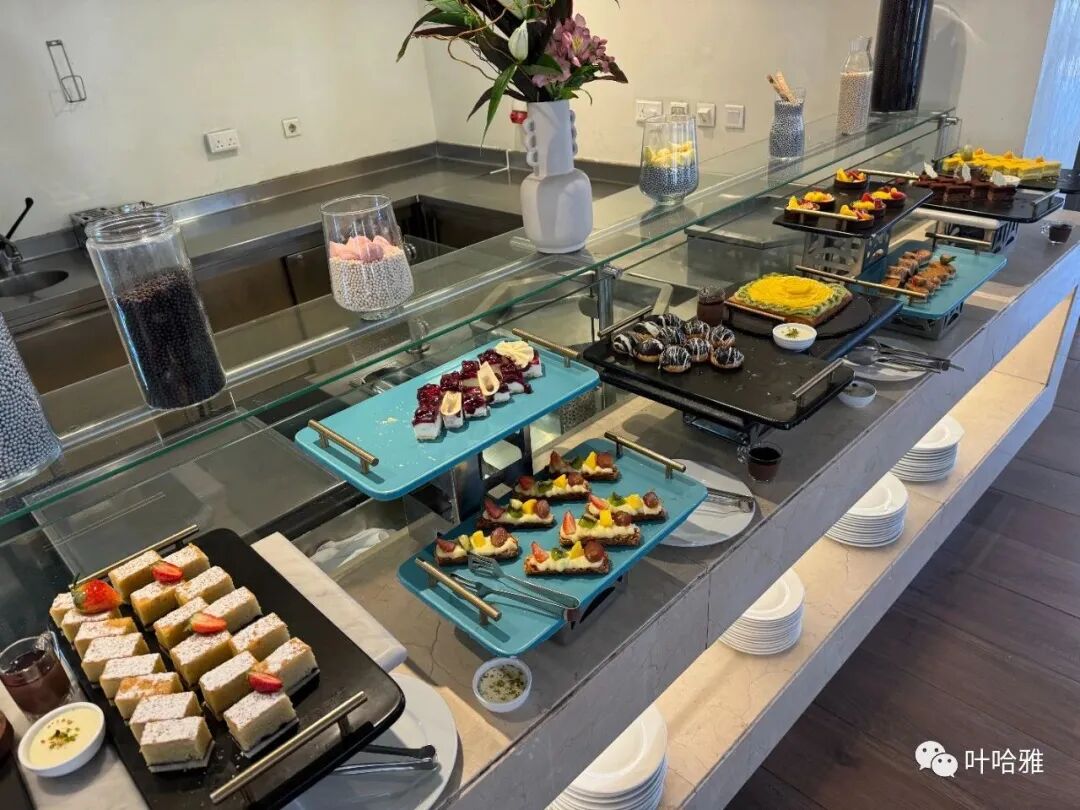
In our small Umrah group, only our family of three was here for the first time; everyone else had been here many times. Our first impression of the people we met in Medina was not good, which is consistent with the feelings of other families who come here often. Even some of our friends who have lived in the holy land for many years have mostly negative things to say about the locals. I was mentally prepared for this bad impression before I came. I see this phenomenon as proof of the backwardness of the believers. Just imagine, if everyone behaved with the character of the Prophet, I would actually be confused. If you were all that excellent, how could you be in such a backward position in today's world?
Muslim Travel Guide China 2026: Xunhua and Hualong Salar Mosques, Qinghai Halal Food and Heritage
Articles • yusuf908 posted the article • 0 comments • 235 views • 2026-05-22 10:33
Summary: Muslim Travel Guide China 2026: Xunhua and Hualong Salar Mosques, Qinghai Halal Food and Heritage is presented here as a clear English Muslim travel account, starting with this scene: By my own count, I have visited 454 mosques at home and abroad. I have visited the most in Beijing, where I have been to 67, because Beijing is my home. The place where I have visited the second most mosques is Qinghai, where I have been to 32. This is my. It keeps the original names, numbers, mosque details, food notes, photographs, and cultural context while focusing on Qinghai Mosques, Salar Muslims, Halal Travel.
By my own count, I have visited 454 mosques at home and abroad. I have visited the most in Beijing, where I have been to 67, because Beijing is my home. The place where I have visited the second most mosques is Qinghai, where I have been to 32. This is my wife's home, as I married a Salar woman from Xunhua.
Driving from Xining to Xunhua County takes about two hours on the highway. The Xunhua Salar Autonomous County is part of Haidong City. Most of Qinghai's important mosques are concentrated in Xunhua and Hualong counties, which are two neighboring ethnic autonomous counties.
This time I visited the Kewa Mosque, Zhangga Mosque, Tashapo Mosque, Qingshuihedong Mosque, Mengda Mosque, Zanbuhu Mosque, and Jiezi gongbei in Xunhua County, all of which are Major Historical and Cultural Sites Protected at the National Level. I previously visited the Hongshuiquan Mosque in Ping'an, which is also a national-level site. The Suzhi Mosque is a provincial-level protected site. In Hualong, the Ahetan Mosque is a national-level site, and the Yisha'er Mosque is a provincial-level protected site. I also visited the Yimamu Village Mosque, Guoshitan Mosque, and a few other mosques with unique traditional architectural styles. These old buildings are not too far apart, and if you have a car, you can visit them all in one or two days.
1. Qingshuihedong Grand Mosque
The Qingshuihedong Mosque is located in Qingshui Township, Xunhua Salar Autonomous County. It was first built in 1425 during the Ming Dynasty. It follows a traditional Chinese architectural layout with a central axis. However, the minaret is not on the axis; it sits about 9 meters south of the front of the main prayer hall. Along the central axis, there is a spirit wall (yingbi), a gate, and the main hall. To the north of the main hall is a side building. Unlike other mosques, the Qingshui Mosque does not have a south side building.
In 1996, a brick-carved screen wall was added to the Qingshuihedong Mosque. It features a hip roof (wudian ding) with a vase ornament on the main ridge and a pedestal base.
The gate tower has a hip roof with five-step bracket sets (dougong) under the eaves. The 17-meter-tall minaret has a brick base and a wooden attic-style upper structure with a double-eaved, hexagonal helmet-shaped roof.
The prayer hall has a gabled and hipped roof (xieshan ding), five bays wide, with projecting bracket sets and carved wooden beams and brackets. There are wooden railings between the eave pillars and brick-carved walls on both sides. On the north side, there is an arched door leading to the side courtyard.
The corridor walls are made of polished bricks with tight joints and feature brick carvings. The main hall is five bays wide and five bays deep, supported by 42 pillars. The rear prayer niche (yao dian) has wooden partitions, intricate openwork carvings, wooden bracket sets, and hanging flower pillars, all with detailed patterns and fine craftsmanship.
Near the Qingshuihedong Mosque is the Qingshuihedong South Mosque. Inside the South Mosque, I saw a women's prayer hall, which is quite rare in the Northwest.
When visiting mosques in Qinghai, I rarely saw anyone guarding the doors. Even at national-level protected sites, you can just walk in. I have never been stopped or questioned, which is very similar to my experiences abroad.
2. Mengda Mosque
Xunhua has Mengda Mountain, and on the mountain is Mengda Mountain Village. This is my wife's hometown, but the Mengda Mosque and Mengda Heavenly Lake are not in Mengda Mountain Village. They are quite far away, so be careful not to go to the wrong place.
Mengda Mosque is in Mengda Dazhuang Village. It was first built in the Yuan Dynasty and follows traditional Chinese architectural style. Along a central axis from east to west, there is a spirit wall (yingbi), a call-to-prayer tower (huanxinglou), and the main prayer hall. On both sides of the spirit wall are the left and right mountain gates, and in front of the main hall are the south and north side rooms. It covers a total area of 1,344 square meters. During the Qianlong period of the Qing Dynasty, it served as the main mosque (zongsi) for the Mengda Gong, one of the eight Salar Gong districts.
On both sides of the spirit wall at Mengda Mosque are wooden archways with three bays, four pillars, and three roofs, featuring a ridged roof design.
At Mengda Mosque, I met a retired official who used to be in charge of culture and publicity in Xunhua County. This Salar elder listed the historical sites of Xunhua for me and told me to visit them one by one when I have time. The elder's Mandarin was relatively easy to understand. The common language in Xunhua is the Salar language, so most of the time I had to ask my father-in-law to help me communicate with the locals.
The bottom floor of the call-to-prayer tower is a brick-built hexagon with brick carvings on the walls. The upper level is a wooden pavilion-style structure with a triple-eave hexagonal helmet-shaped roof.
The prayer hall consists of a porch (juanpeng), a main hall with a ridged hip-and-gable roof, and a T-shaped kiln hall (yaodian). There is a treasure vase (baoping) in the middle of the main ridges of the hall and kiln hall, covering a building area of over 300 square meters.
The prayer hall has a convex-shaped floor plan and a post-and-lintel wooden frame. The beams and pillars are decorated with gold-painted powder, and the walls are decorated with floral patterns and Arabic scripture murals.
3. Zhangga Mosque
Zhangga Mosque is located in Zhangga Village, Baizhuang Township, Xunhua Salar Autonomous County. It was first built in the Ming Dynasty and covers an area of 2,275 square meters. During the Qianlong period of the Qing Dynasty, it was the main mosque for the Zhangga Gong, one of the eight Salar Gong districts.
Zhangga Mosque has two gate towers facing east. They are in the style of a three-bay, four-pillar, three-roof archway, connected in the middle by a brick-carved spirit wall.
The prayer hall is a brick-and-wood structure with a building area of 700 square meters. It consists of a front hall, a middle hall, and a back hall. It is five bays wide and seven bays deep with a hip-and-gable roof. There are three treasure vases on the main ridge, and the eaves feature wooden carved brackets (dougong) and bird-shaped supports (quetie).
A new-style back hall was added to the west of the main hall. The original back hall became the middle hall, which is square-shaped. It features outward-extending brackets, and the beam frame is stacked into an inverted-bucket-shaped caisson ceiling with gorgeous wood carvings.
The prayer hall combines traditional hall style with Tibetan style. It is five bays wide and five bays deep, with large beams placed horizontally and carved with double-ring patterns.
4. Kewa Mosque
Kewa Mosque is located in Kewa Village, Baizhuang Town, Xunhua Salar Autonomous County, Qinghai Province. The mosque was first built in the first year of the Yongle reign of the Ming Dynasty (1403) and was renovated and expanded during the Qing Dynasty. Renovated and expanded in the 1980s. The mosque is laid out as a courtyard house, featuring a prayer hall, north and south lecture halls, a minaret, a bathing room, a screen wall, a gate tower, and a modern teaching building. It covers an area of 2,800 square meters, with a building area of 2,800 square meters. The prayer hall features carved beams and painted rafters, with wooden panels inlaid on the walls decorated with various patterns and scriptures, making it an Islamic building with Tibetan-style decorations. It was listed as a Major Historical and Cultural Site Protected at the National Level in 2013.
The new prayer hall of Kewa Mosque has been completed right next to the old one, and this mosque is the most prominent example of Tibetan-style architecture in Xunhua.
The main hall uses a post-and-lintel timber frame structure. The pillars are wrapped in finely carved wooden strips and are polygonal in shape, known as wrapped pillars (baoxiangzhu). The walls are inlaid with wooden panels painted with landscape and floral patterns. Between the main hall and the rear mihrab hall, there is a hollow-carved wooden partition featuring ruyi-shaped bracket sets (dougong) and hanging flower-shaped decorative canopies.
Kewa Mosque follows a courtyard layout. The prayer hall consists of a front hall and a rear mihrab hall. It is a brick-and-wood structure with five bays and a single-eave hip-and-gable roof.
The murals feature scriptures and are decorated with landscapes and flowers, showing a strong Tibetan painting style.
The walls of the rear mihrab hall are painted with Quranic verses in various scripts and the 99 names of Allah, while the beams are decorated with swirling patterns (xuanzi caihua), the center of the beams features gold scripture on a black background, and the pedestal (xumizuo) is carved and painted with patterns. The decorations feature a traditional Chinese Tibetan style.
On the east side of the courtyard stands a screen wall (yingbi) made of polished bricks with seamless joints, featuring a hip roof, brick bracket sets, and a pedestal base, with a brick carving of a dragon and phoenix symbolizing good fortune in the center.
The three-story minaret has a brick base with single-slope doors on the east and west sides. The second and third floors are wooden pavilions with double-eaved hexagonal pointed roofs.
5. Tashapo Mosque
Tashapo Mosque is in Tashapo Village, Qingshui Township, Xunhua Salar Autonomous County, Qinghai Province. The mosque was first built in 1480 during the Ming Dynasty and rebuilt in 1755 during the Qing Dynasty. The mosque faces east and follows an east-west axis, featuring a screen wall, a memorial archway, a minaret, and a prayer hall, with scripture halls and bathing rooms on the north and south sides. The mosque covers 1,840 square meters with a building area of 537 square meters. In 2013, it was listed as a Major Historical and Cultural Site Protected at the National Level as part of the ancient mosque building complex of the Salar people in Xunhua.
The gate tower of Tashapo Mosque has three bays, four pillars, and three stories, with a hip roof and blue brick ridges. There are brick-carved splayed walls on both sides of the archway. A straight screen wall stands in front of the gate.
The three-story minaret has a brick base with a solid adobe interior and brick carvings on the walls. The second and third floors are wooden pavilions with double-eaved hexagonal helmet-shaped roofs.
The prayer hall is a Ming Dynasty structure with a convex-shaped floor plan, with five bays, a single-eaved hip-and-gable roof, bracket sets, and a front porch. The mihrab hall has a T-shaped roof with upturned eaves.
The prayer hall covers 250 square meters and uses a raised-beam wooden frame with natural wood finishes, giving it a simple and elegant look. The north and south walls are decorated with ancient murals of scripture. The mihrab hall features a grid-pattern beam frame.
6. Suzhi Mosque
Suzhi Mosque is located in Suzhi Village, Chahandusi Township, Xunhua County, Qinghai Province. The mosque was first built in the fourth year of the Tianshun reign of the Ming Dynasty (1460) and was renovated and expanded during the Qing Dynasty. It has a square courtyard layout with a traditional four-sided courtyard design. The brick-and-wood buildings include a prayer hall, north and south scripture halls, a minaret, a gatehouse, a bathing room, and a screen wall. The prayer hall and scripture halls date back to the Qing Dynasty. In 1981, local elders donated funds for a large-scale renovation of the mosque. The mosque currently covers an area of 2,010 square meters, with a building area of 800 square meters.
The prayer hall of Suzhi Mosque has five bays and a single-eave hip-and-gable roof with upturned corners. Aluminum alloy glass doors and windows are installed between the front eave pillars. There are brick-carved splayed walls on both sides. The prayer hall consists of a front hall and a back hall. The roof ridge features three treasure vases, and the lower part of the walls is inlaid with ceramic tiles. The front hall has five bays and the back hall has three, forming a T-shape. The structure uses five-purlin beams and a traditional raised-beam timber frame. Under the eaves of the prayer hall are five-step bracket sets, and the wood carvings on the beams are exquisite. The scripture hall has five bays, with three bright rooms and two dark rooms. It has a front corridor, and the beams are carved with floral patterns. It features a single-slope roof with a ridge and a hard-mountain roof style.
7. Quran Museum
The Quran Museum is located in the building opposite Jiezi Mosque. The door is usually locked, but there is a phone number for the manager at the entrance. You can call to have someone open the door for a free visit. Two Salar leaders, Galemang and Ahemang, brought a handwritten Quran on a white camel from their original home in the Sarakhs region of Mary Province, Turkmenistan, in Central Asia. They traveled through Samarkand to China and settled in Xunhua, Qinghai, between the 10th and 14th centuries.
This Quran is divided into two parts, each with 15 volumes, totaling 30 volumes and 867 pages. The cover is made of rhinoceros hide, and the script is in the early Arabic Muhaqqaq style. The Muhaqqaq style formed during the Buyid era of the Abbasid Caliphate in the 11th century, and this book dates back to between 900 and 1200 AD.
The Quran Museum also houses various other editions of the Quran.
Pocket-sized Quran
8. Jiezi Gongbei in Xunhua
Jiezi Gongbei in Xunhua County is the tomb of Han Chengxiang (1822-1900), a spiritual leader of the Qadiriyya menhuan. Han Chengxiang traveled twice to the Shah Awliya shrine in Yarkant, Xinjiang, to seek guidance from his teachers. This gongbei was first built in 1950 and is now a major historical and cultural site protected at the national level.
I have visited important Qadiriyya gongbei sites, including those in Xixiang, Langzhong, Songpan, and Linxia. They left a great impression on me. When the elderly caretaker at the gongbei heard I was from Beijing, he not only unlocked the tomb chamber for me to visit but also warmly invited me into his room for tea.
My father-in-law is Ikhwan, so he has no interest in gongbei. Although our community in Beijing follows the Gedimu tradition, there are two tombs of saints (shaihai) inside the Niujie Mosque.
Elder Juma once provided a legal ruling (fatwa) on praying in mosques that contain graves: if the grave is next to the mosque and the prayer is performed inside the mosque, the prayer is valid. If the grave is inside the mosque, the Hanbali school of jurisprudence holds that the prayer is invalid. However, the other three major schools of jurisprudence consider the prayer valid, though praying with a grave in front of the worshiper is considered disliked (makruh).
Based on this ruling, none of the gongbei in China have the graves and the mosque built together; every gongbei has a separate prayer room.
9. West Route Army Memorial Hall
During this second visit to Hongguang Village, I saw that the West Route Army Memorial Hall had been completed. Hongguang Village has a mosque called Hongguang Mosque, also known as Zanbuhu Mosque. Because it is the only mosque in the country built by the Red Army, it is listed as a major historical and cultural site protected at the national level.
Descendants of the Red Army have visited Hongguang Village many times to honor the martyrs. Their fathers were captured by the Nationalist army under Ma Bufang and sent to Hongguang Village to build this mosque.
These captured Red Army soldiers were defiant, so they secretly carved revolutionary symbols like stars, sickles, and hammers into the bricks and tiles of the mosque.
These revolutionary symbols are scattered among the tiles on the roof of the mosque, where most people would not notice them.
Although the mosque is not large, its significance is extraordinary. It is one of the most unique mosques I have visited.
10. Imam Village
While driving through Xunhua County, I saw a village with an interesting name: Imam Village. The name sounded very Islamic, so I parked the car and walked around the village.
I did not walk far before I saw a large mosque under construction in the village, which was very grand.
When I walked closer, I saw that the decorative patterns on the base and side halls of the mosque had architectural features typical of Central Asia and Xinjiang.
This mosaic pattern is often used in North African mosques, and it looks like it will be finished soon.
11. Guoshitan Mosque
My father-in-law saw how obsessed I was with mosques. After we finished the sunset prayer (maghrib) in Jiezi, he wanted to take me to Guoshitan Village. He said they had built a new wooden mosque there, which is considered the largest wooden mosque in Xunhua County. We drove for about twenty minutes and arrived at Guoshitan Village, but it was already dark.
Guoshitan Mosque is located in Guoshitan Village, Jiezi Town. It was first built in 1445, and the current structure was built in 2020. People say the wooden beams for the main hall were purchased from Russia, and the total cost of the mosque was over 20 million.
The large wooden mosque is very spectacular and has a simple, ancient feel, as if it could be designated as a protected cultural site as soon as it was finished.
Hualong Hui Autonomous County
12. Ahetan Mosque
Ahetan Mosque is located in Ahetan Village, Gandu Town, Hualong County, Qinghai Province. It was first built in the 22nd year of the Wanli reign of the Ming Dynasty (1594). It covers an area of 1,938 square meters and consists of a prayer hall, north and south scripture halls, a screen wall, a memorial archway, and a minaret, all arranged in a traditional courtyard layout. Inside the courtyard, there are 24 two-story brick and wood rooms used as scripture halls. It was listed as a Major Historical and Cultural Site Protected at the National Level in 2013.
Ahetan Mosque is located in Ahetan Village, Gandu Town, Hualong Hui Autonomous County. It was first built in 1323 and expanded during the Ming Dynasty's Wanli reign, retaining its Yuan and Ming architectural style to this day.
The wooden memorial archway of Ahetan Mosque is a three-bay, four-pillar, three-story structure with a hip roof. It is 9 meters high and 8 meters wide, with a tall roof supported by four diagonal pillars in the front and back.
The prayer hall has a floor area of 540 square meters. It is a three-section, six-bay structure with the main hall in the center and a ridged, hip-and-gable roof. There are north and south shed-style side halls, and the interior of the halls is connected as one.
The main hall and the niche hall (yaodian) are separated by carved wooden partitions. The mihrab in the center of the west wall of the niche hall and the Sumeru pedestals on the north and south walls are decorated with exquisite wood carvings.
13. Yisha'er Mosque
Yisha Mosque is in Yisha Village, Qunke Town, Hualong Hui Autonomous County. It is a protected cultural site of Qinghai Province. The mosque was first built in the first year of the Hongzhi reign of the Ming Dynasty (1488). It was rebuilt in the 14th year of the Qianlong reign of the Qing Dynasty (1749). The original minaret was a three-story wooden structure, wider at the top and narrower at the bottom, standing 28 meters high with a diameter of 6 meters.
The cultural heritage plaque at Yisha Mosque calls it Yisha'er Mosque, but you can only find its location on Baidu Maps by searching for Yisha Mosque.
My father-in-law thinks Hualong has a better religious atmosphere than Xunhua. Most Hui Muslims from Hualong run noodle shops in other parts of China, while the Salar people from Xunhua mostly run Xinjiang-style restaurants.
Tips: Food and accommodation guide.
Almost all restaurants in Xunhua County are halal, and most serve noodles. If you want something special, try Lanfanfang Copper Pot Hot Pot. People in Qinghai love hot pot, and the local clay pot hot pot (tu huoguo) is a regional specialty.
The hot pot at Lanfanfang is unique because it is double-layered. The sauerkraut fish pot on top is especially delicious, mainly because the fish is so good.
Qingya Restaurant, another long-standing local spot just a few dozen meters from Lanfanfang, was recommended by a friend in Xunhua. You can eat representative local handmade noodle pieces (mianpian) there.
Keep in mind that portions in Northwest China are very large. Unless you have a huge appetite, order less food when traveling here.
I personally tested the dry mixed noodles (ganban mian) and firecracker noodles (paozhang mian) at Hanshouyi, and they are delicious. Both are Qinghai specialties that do not taste authentic once you leave the province.
Firecracker noodles (paozhang mian)
Dry mixed noodles (ganban mian)
If you want a nicer meal and have a large group, you must try a farmhouse restaurant in Xunhua. This Mingzhong Farmhouse looks very impressive and has a garden and private rooms inside.
It also has prayer rooms, separated for men and women. Prayer rooms are a standard feature in medium-sized or larger restaurants in Xunhua.
Hand-grabbed beef (shouzhu niurou)
Spiral oil bread (youxuan momo)
Searching for the taste of spicy hot pot (mala xiangguo).
Mala xiangguo is popular because they pick high-quality ingredients, even though it costs more. The shop fills up quickly at lunch. It has been open for three years and has two floors with a private, elegant feel. The owner cares a lot about service quality; I even caught him giving a pep talk to his staff when I arrived. The spicy pot paired with Xunhua’s most famous chili is a perfect match.
Guquan Villa.
Guquan Villa is another farmhouse-style inn in Baizhuang. Its specialty is using mountain spring water for drinking, which makes tea taste much better.
Traditional Salar families eat on a heated brick bed (kang), sitting cross-legged, which is similar to the customs in Central Asia.
Chicken Noodle Flake King (jirou mianpian wang).
Chicken noodle flakes (jirou mianpian) are hard to find elsewhere, as they are usually made with beef. This shop is one of the local specialty spots recommended by my friends in Xunhua.
Yimailong Hand-Pulled Noodle Flakes (shouzhuo shougong mianpian).
Yimailong has a good reputation among locals. I had the starch noodle soup (fentang) for breakfast here, which is another Qinghai local specialty.
For dessert, you must try Qinghai yogurt. Just look at the golden milk skin on top to see how rich the flavor is.
For lodging, we reviewed three hotels in Xunhua County: Xunhua International Hotel, Xunhua Jinheyuan Hotel, and Xunhua Borman Hotel. They are all close to each other. Jinheyuan Hotel offers the best overall value. The International Hotel is the most expensive, costing a few dozen yuan more than Jinheyuan. The International Hotel has river-view rooms, but Jinheyuan has all smart room controls, provides a ritual washing pitcher (tangping), and has indicators for the direction of prayer (qibla). Overall, it is more comfortable than the International Hotel. Borman is the cheapest, but the room facilities are old.
Jinheyuan Hotel room.
I noticed there are many restaurants in Xunhua County. All halal restaurants here are alcohol-free, so hotels are called 'restaurants' (fandian) and provide halal breakfast. People in Xunhua like to experience staying in hotels during their leisure time. My friends in Xunhua often fly to different places, not to visit tourist sites, but just to experience a night in a luxury hotel before heading back.
Return trip - Xining.
I have been to Xining many times; I even held my wedding there in 2018. This time, I specifically chose to stay one night at the Yilton International Hotel. A long time ago, when I first traveled alone, I visited Xining. While wandering near the Dongguan Mosque, I looked up and was shocked to see such a large international hotel that was actually halal—I had never seen that before. I decided then that if I ever came back to Xining, I had to experience it.
However, this time I felt the Yilton is quite old. Although the service is okay, it has been operating for over a decade. Compared to the many new luxury hotels in Xining today, the Yilton is no longer as dazzling, but it fulfilled a wish I had seven years ago.
The Yilton has a Western restaurant with affordable prices, though the taste is just average. The breakfast variety is quite rich, and you can see the full view of the Dongguan Mosque from the window.
The Dongguan Mosque (Dongguan Dasi) is currently undergoing renovations, but religious activities continue as usual and the mosque remains open to visitors.
When I return to Xining next time, I should see the renovated Dongguan Mosque, which will look like the image below.
A rendering of the Dongguan Mosque after renovations. view all
Summary: Muslim Travel Guide China 2026: Xunhua and Hualong Salar Mosques, Qinghai Halal Food and Heritage is presented here as a clear English Muslim travel account, starting with this scene: By my own count, I have visited 454 mosques at home and abroad. I have visited the most in Beijing, where I have been to 67, because Beijing is my home. The place where I have visited the second most mosques is Qinghai, where I have been to 32. This is my. It keeps the original names, numbers, mosque details, food notes, photographs, and cultural context while focusing on Qinghai Mosques, Salar Muslims, Halal Travel.
By my own count, I have visited 454 mosques at home and abroad. I have visited the most in Beijing, where I have been to 67, because Beijing is my home. The place where I have visited the second most mosques is Qinghai, where I have been to 32. This is my wife's home, as I married a Salar woman from Xunhua.
Driving from Xining to Xunhua County takes about two hours on the highway. The Xunhua Salar Autonomous County is part of Haidong City. Most of Qinghai's important mosques are concentrated in Xunhua and Hualong counties, which are two neighboring ethnic autonomous counties.
This time I visited the Kewa Mosque, Zhangga Mosque, Tashapo Mosque, Qingshuihedong Mosque, Mengda Mosque, Zanbuhu Mosque, and Jiezi gongbei in Xunhua County, all of which are Major Historical and Cultural Sites Protected at the National Level. I previously visited the Hongshuiquan Mosque in Ping'an, which is also a national-level site. The Suzhi Mosque is a provincial-level protected site. In Hualong, the Ahetan Mosque is a national-level site, and the Yisha'er Mosque is a provincial-level protected site. I also visited the Yimamu Village Mosque, Guoshitan Mosque, and a few other mosques with unique traditional architectural styles. These old buildings are not too far apart, and if you have a car, you can visit them all in one or two days.
1. Qingshuihedong Grand Mosque
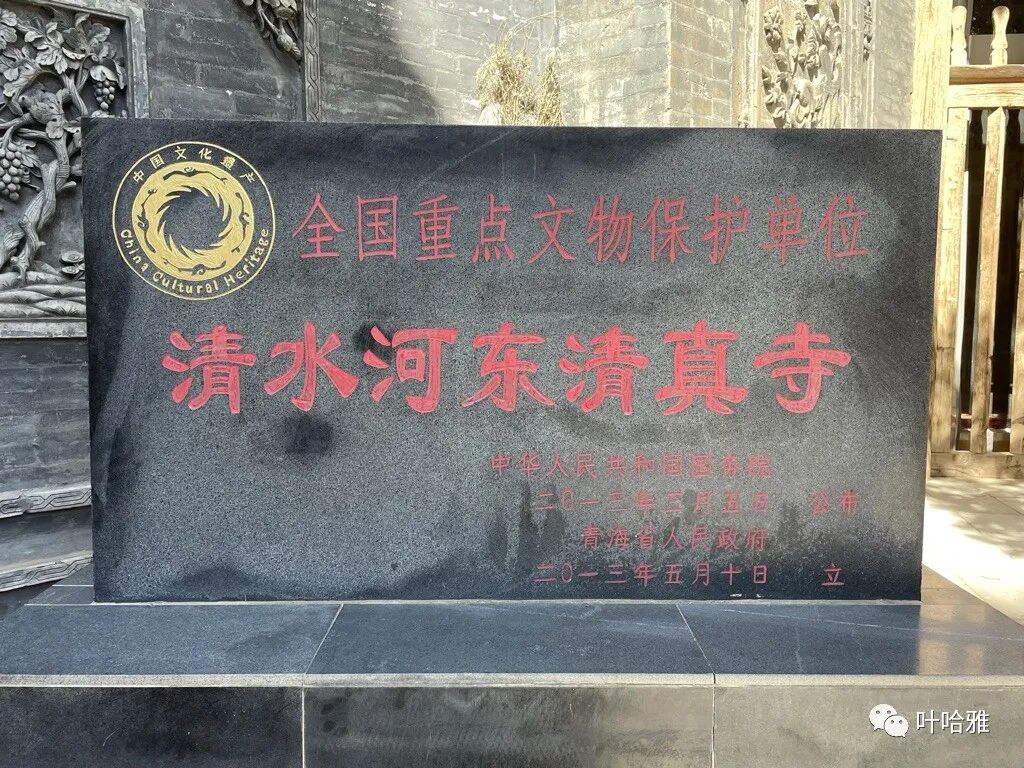
The Qingshuihedong Mosque is located in Qingshui Township, Xunhua Salar Autonomous County. It was first built in 1425 during the Ming Dynasty. It follows a traditional Chinese architectural layout with a central axis. However, the minaret is not on the axis; it sits about 9 meters south of the front of the main prayer hall. Along the central axis, there is a spirit wall (yingbi), a gate, and the main hall. To the north of the main hall is a side building. Unlike other mosques, the Qingshui Mosque does not have a south side building.
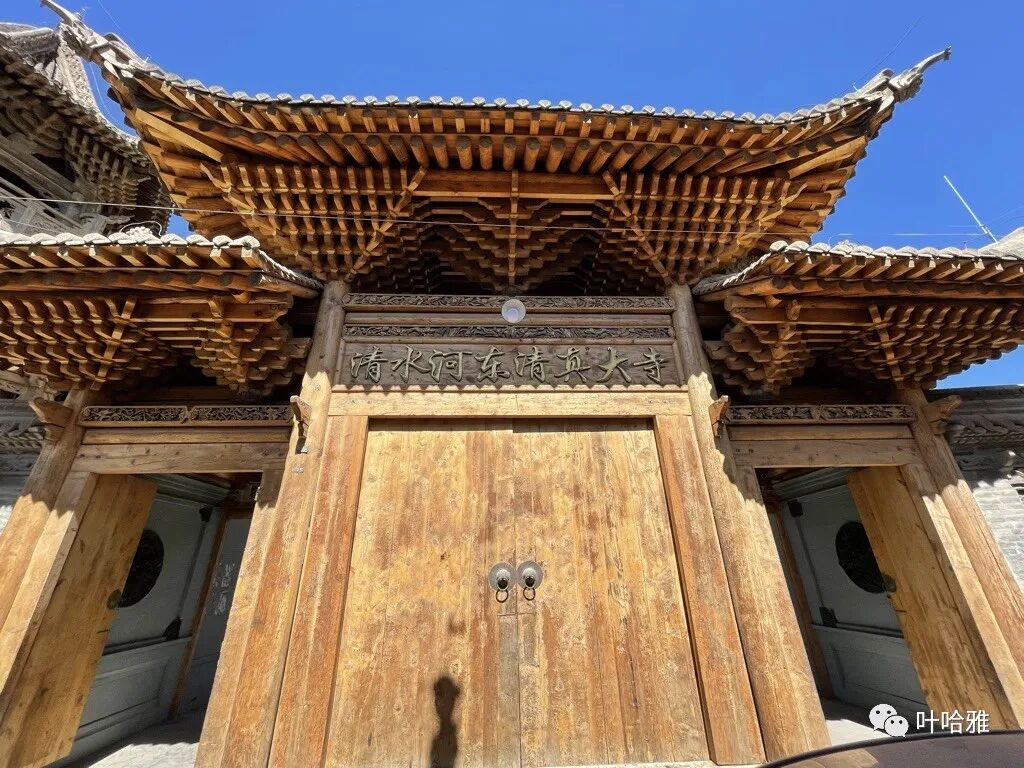
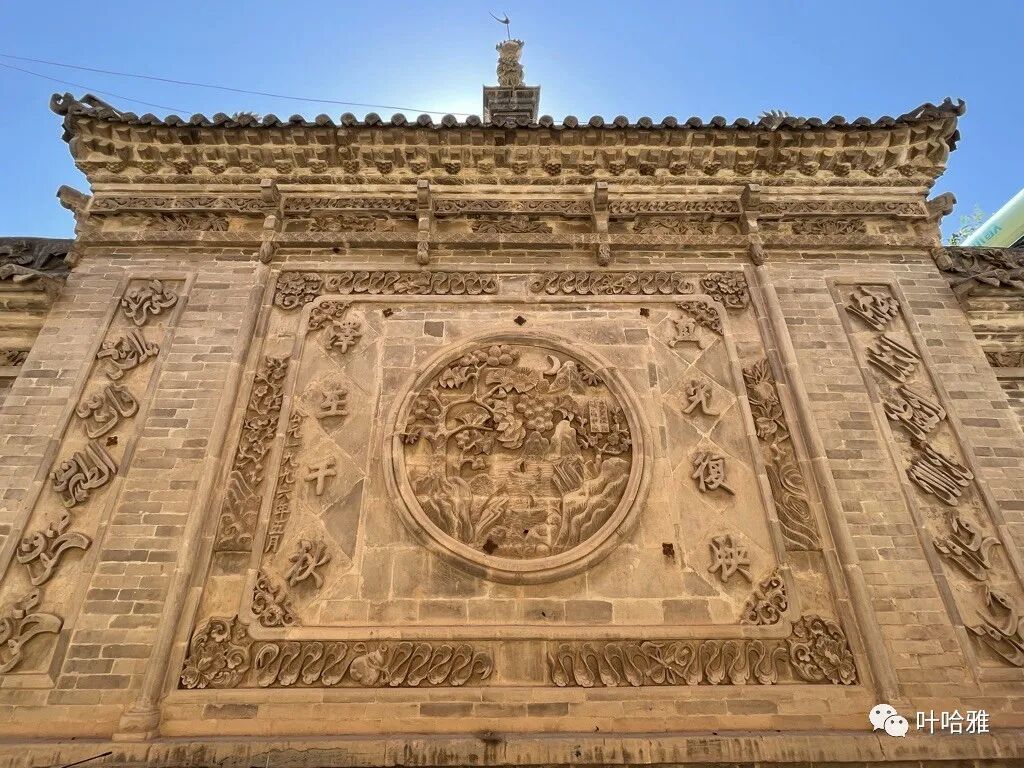
In 1996, a brick-carved screen wall was added to the Qingshuihedong Mosque. It features a hip roof (wudian ding) with a vase ornament on the main ridge and a pedestal base.
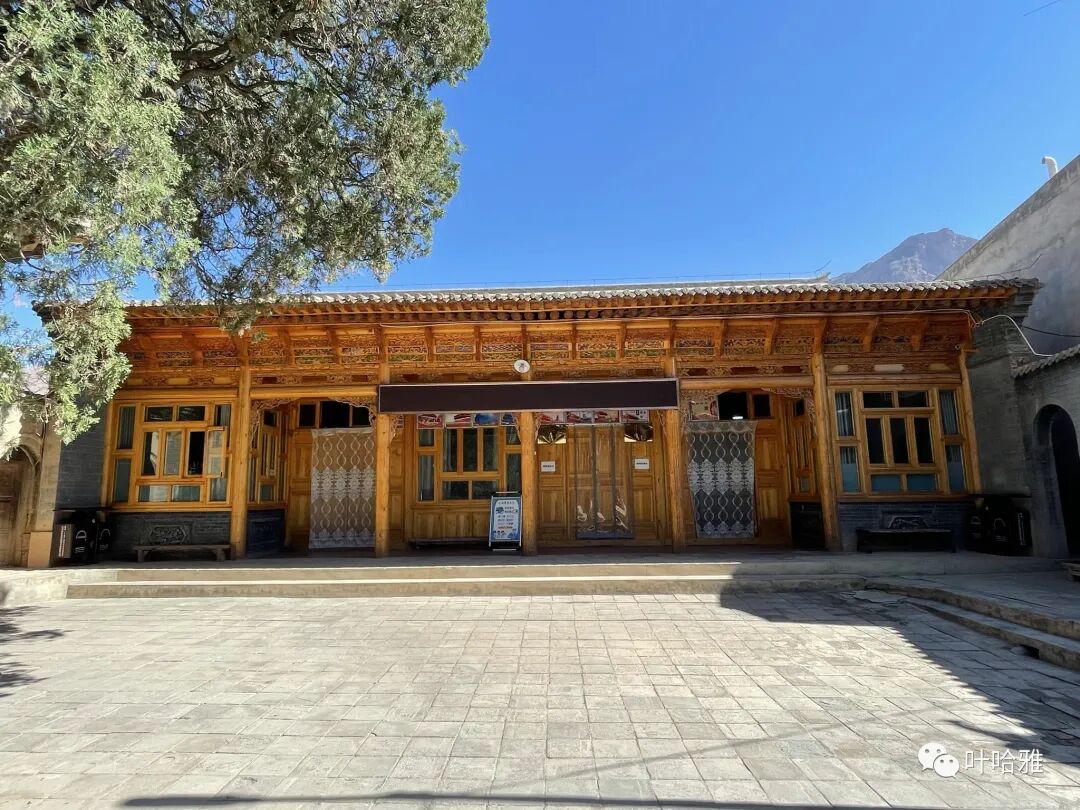
The gate tower has a hip roof with five-step bracket sets (dougong) under the eaves. The 17-meter-tall minaret has a brick base and a wooden attic-style upper structure with a double-eaved, hexagonal helmet-shaped roof.
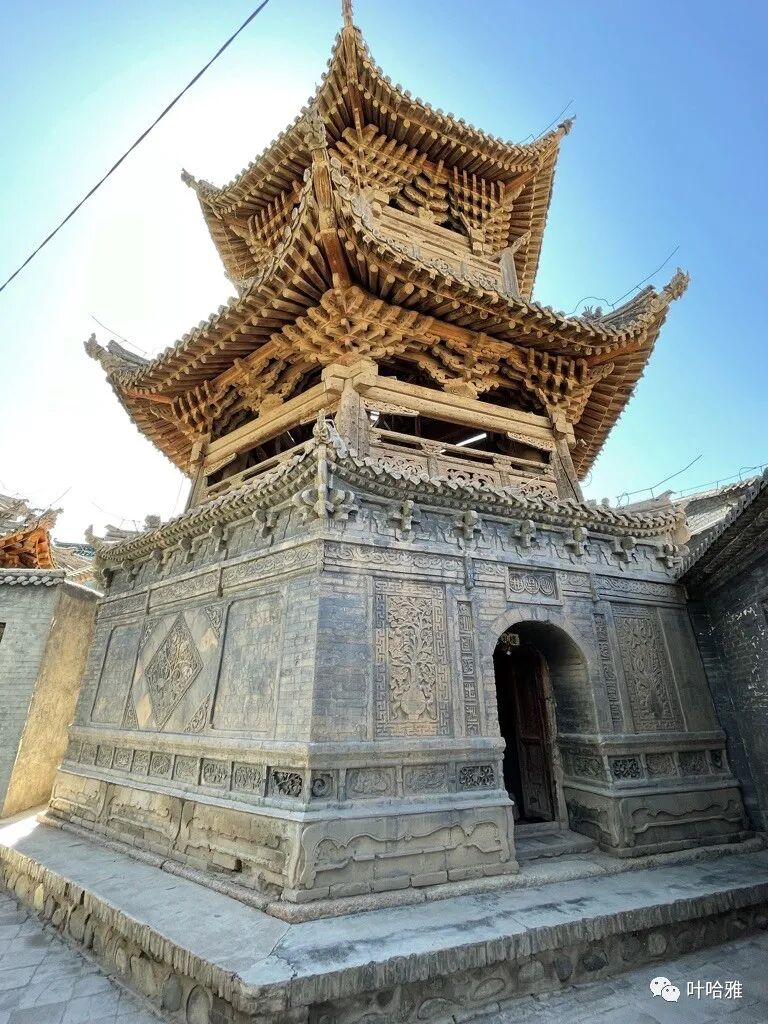
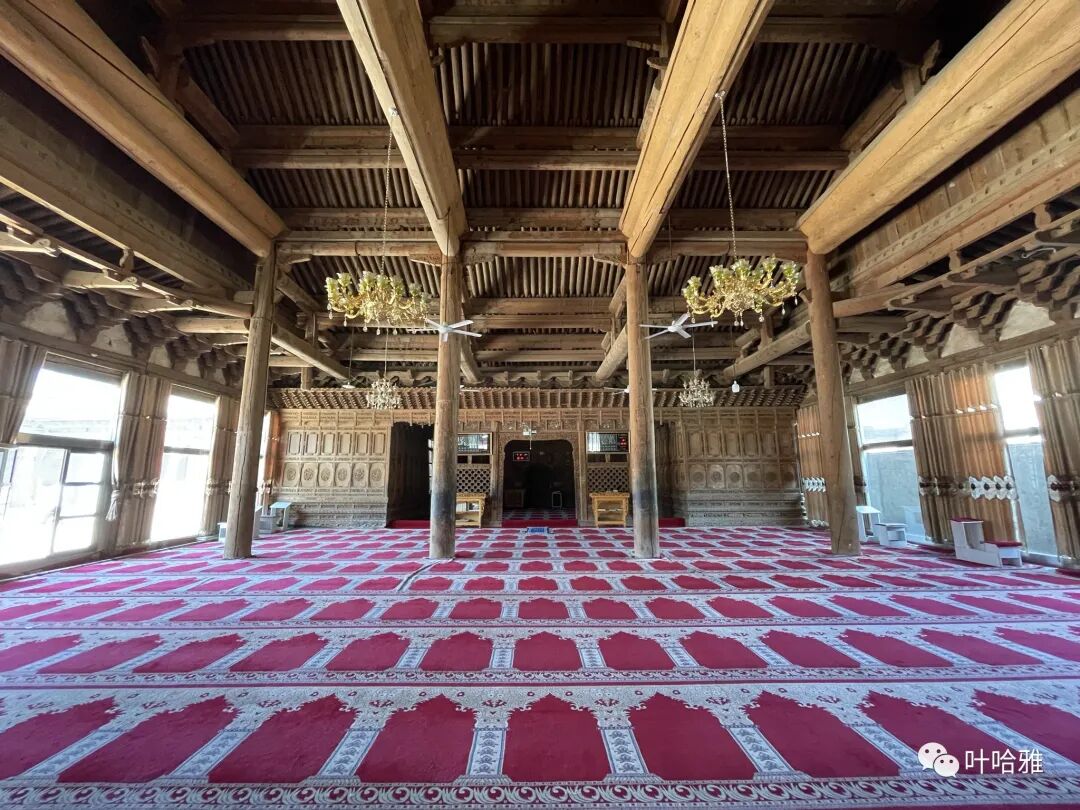
The prayer hall has a gabled and hipped roof (xieshan ding), five bays wide, with projecting bracket sets and carved wooden beams and brackets. There are wooden railings between the eave pillars and brick-carved walls on both sides. On the north side, there is an arched door leading to the side courtyard.
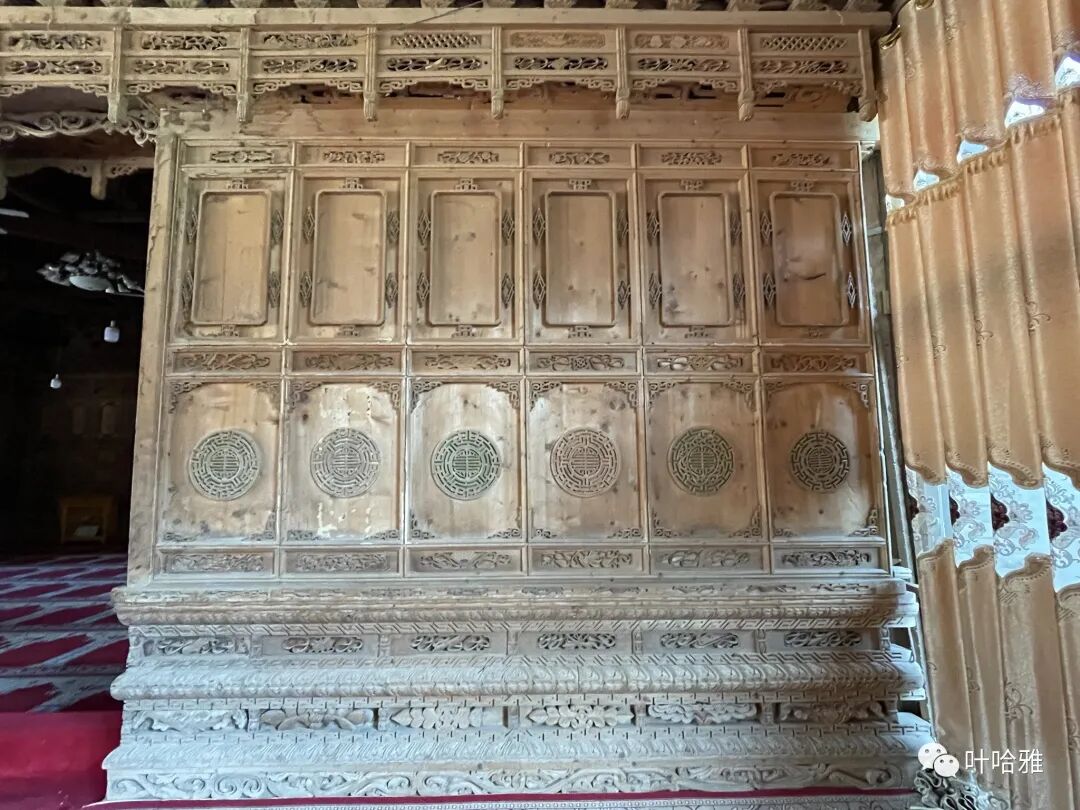
The corridor walls are made of polished bricks with tight joints and feature brick carvings. The main hall is five bays wide and five bays deep, supported by 42 pillars. The rear prayer niche (yao dian) has wooden partitions, intricate openwork carvings, wooden bracket sets, and hanging flower pillars, all with detailed patterns and fine craftsmanship.
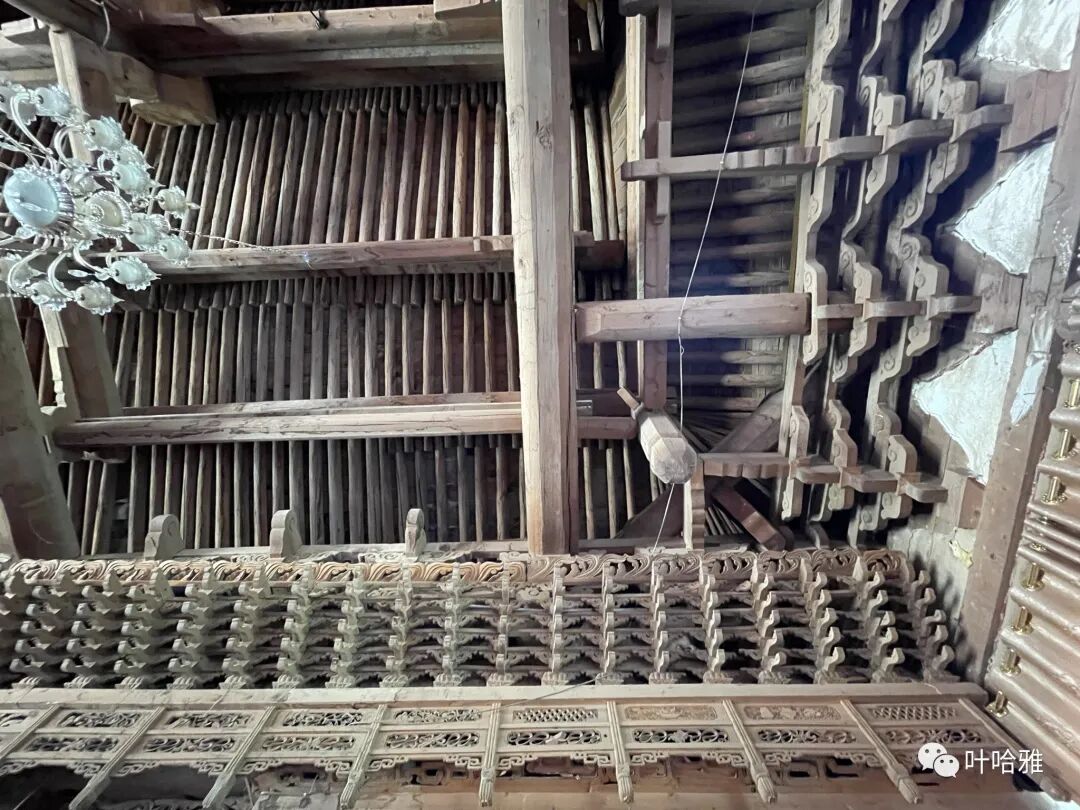
Near the Qingshuihedong Mosque is the Qingshuihedong South Mosque. Inside the South Mosque, I saw a women's prayer hall, which is quite rare in the Northwest.
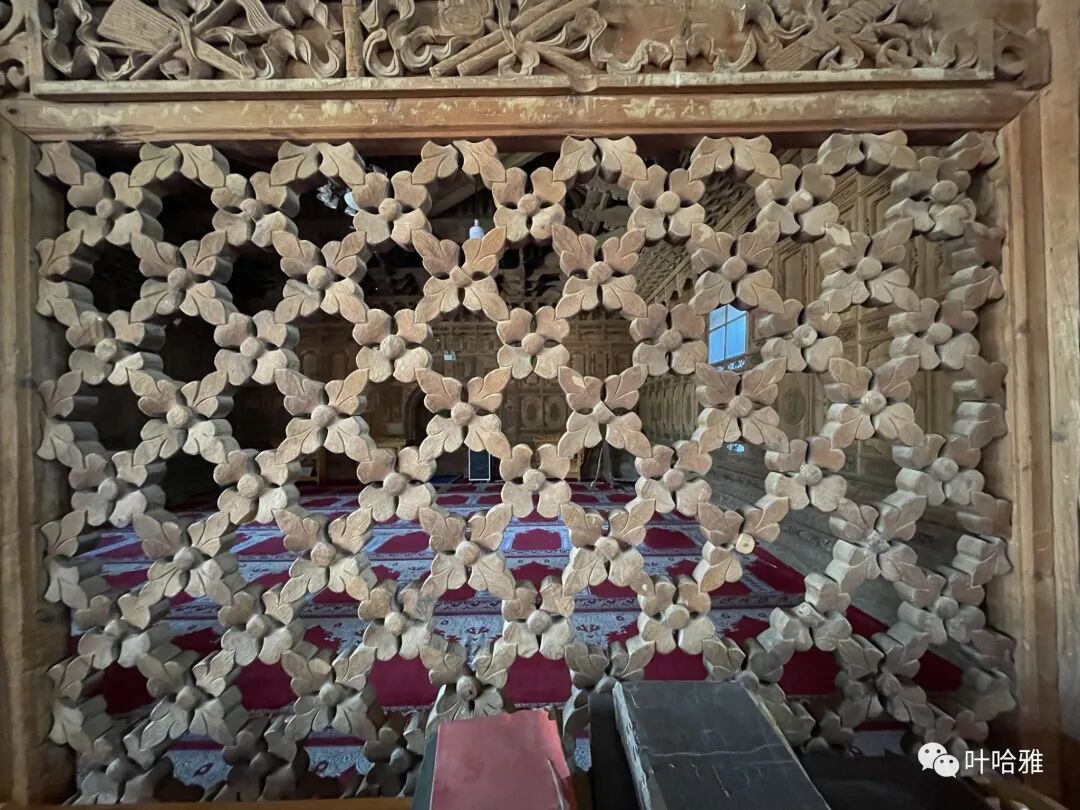
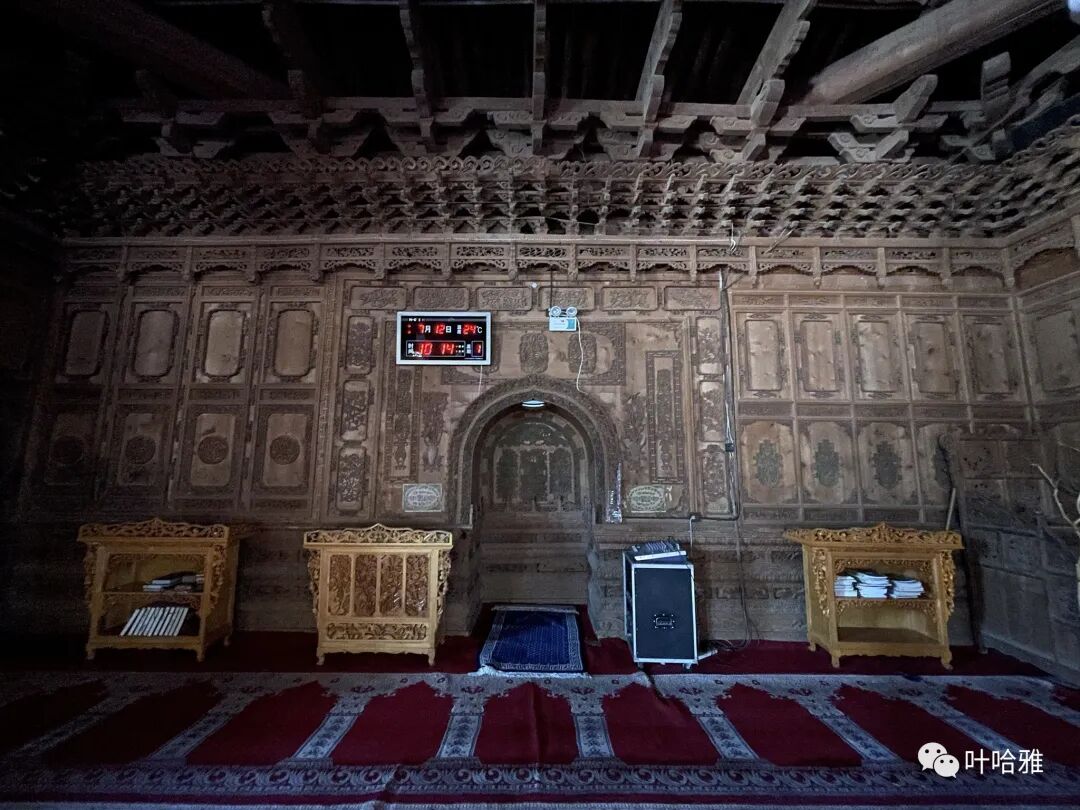
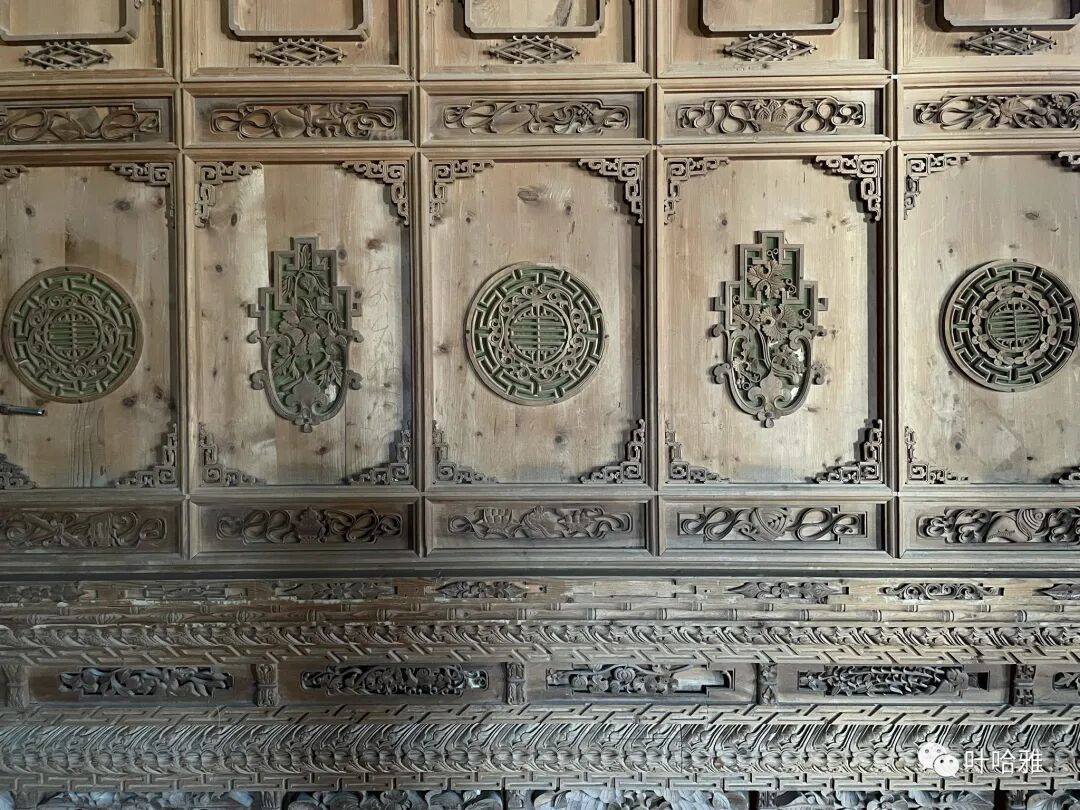
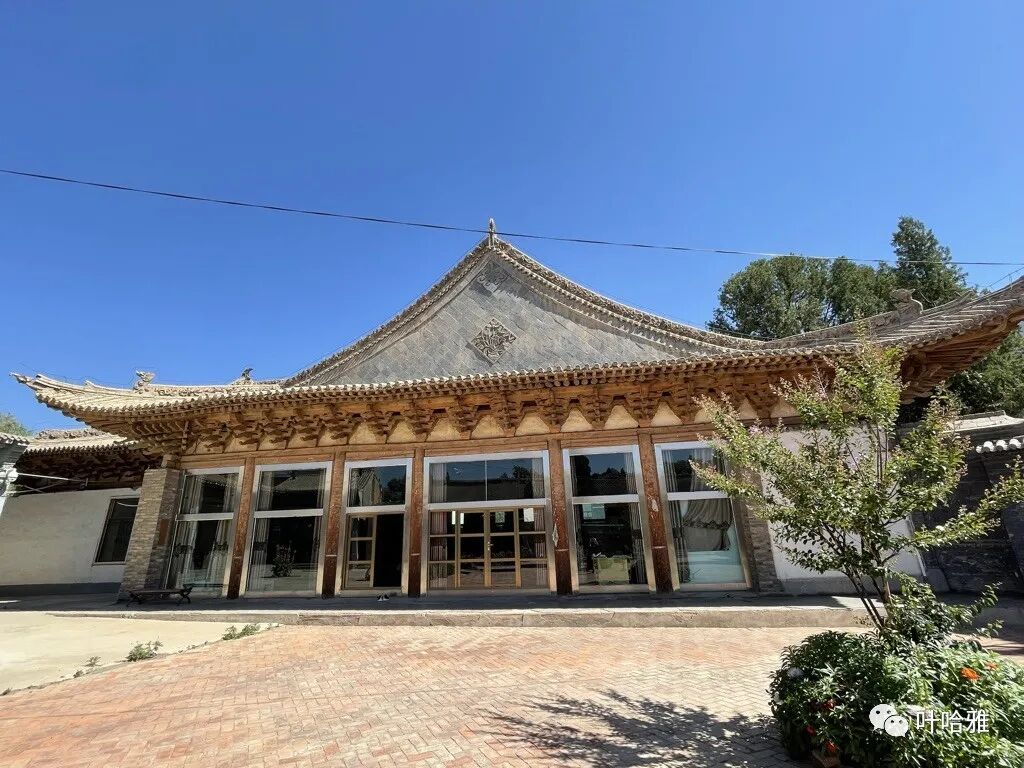
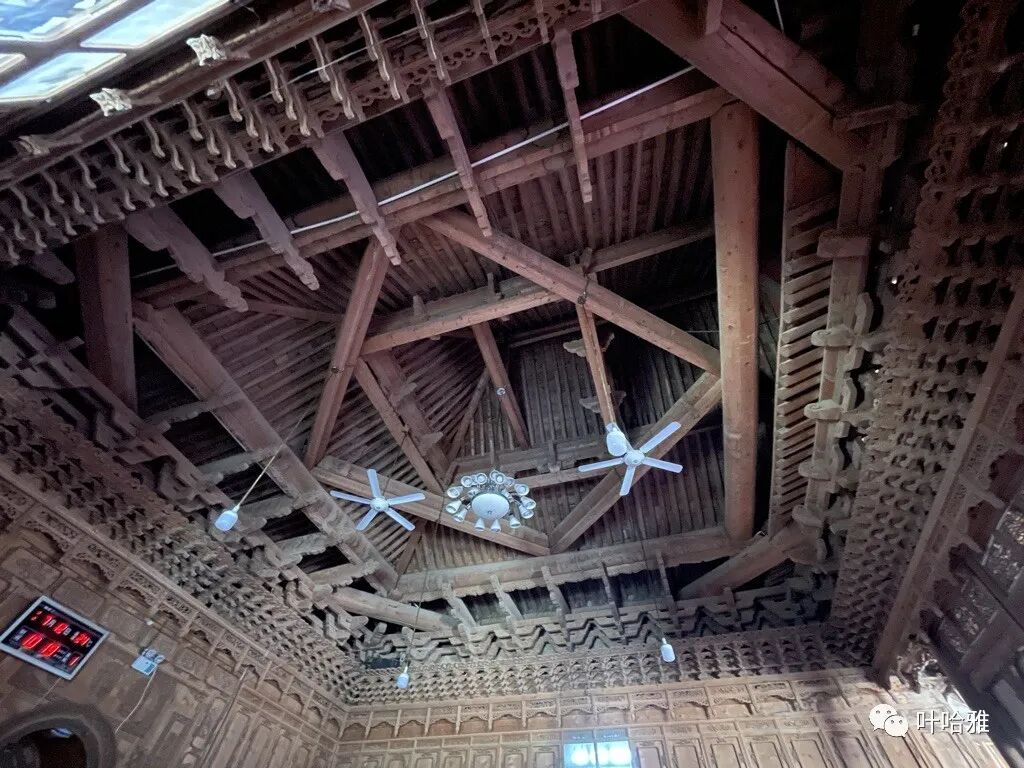
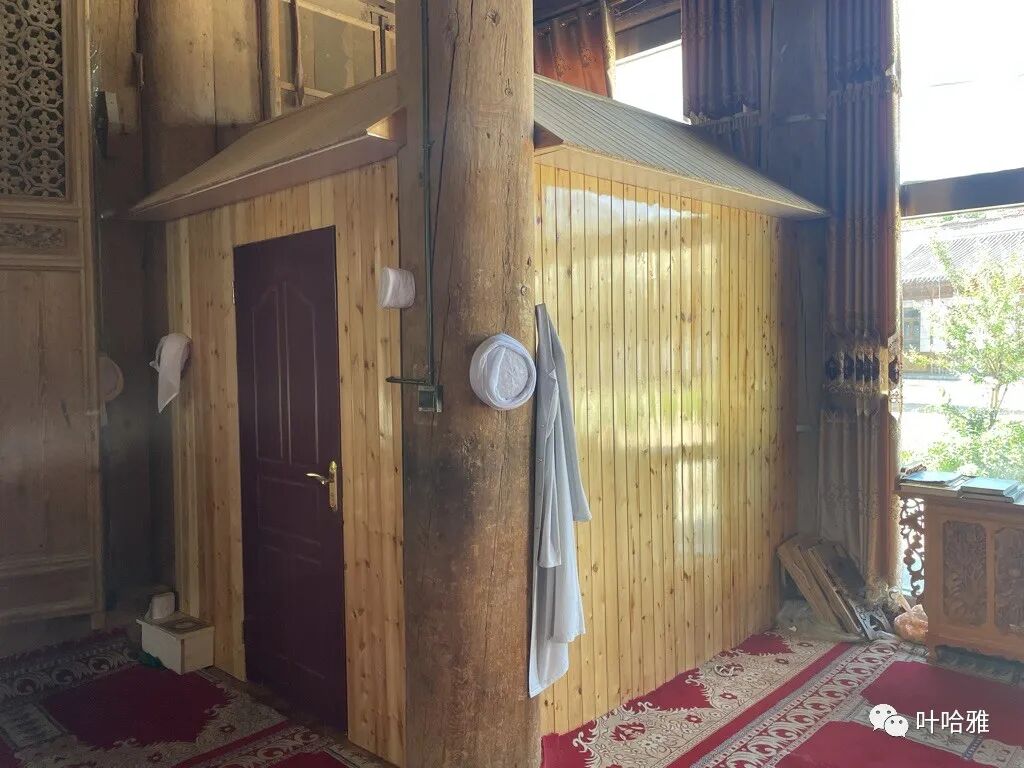
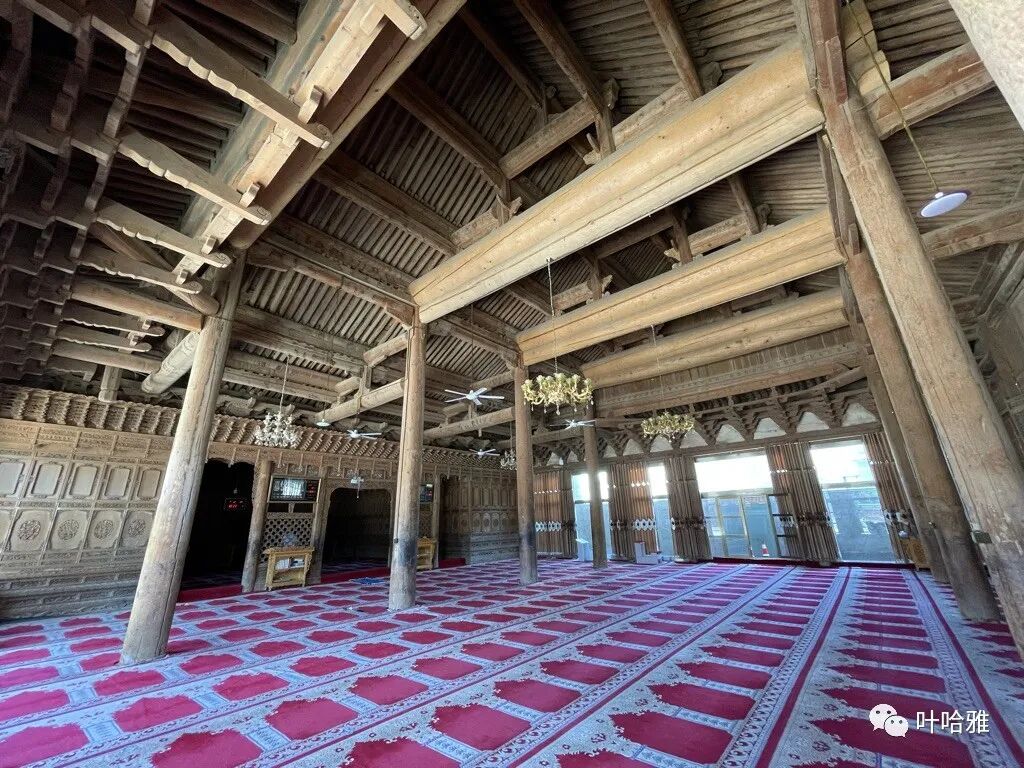
When visiting mosques in Qinghai, I rarely saw anyone guarding the doors. Even at national-level protected sites, you can just walk in. I have never been stopped or questioned, which is very similar to my experiences abroad.
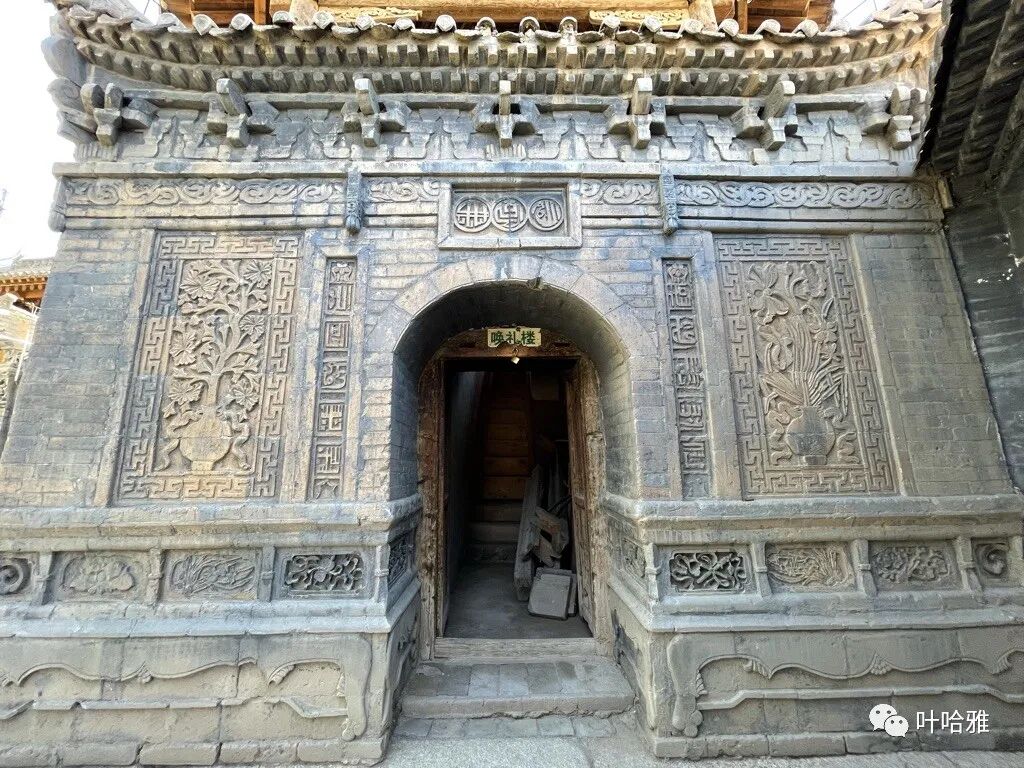
2. Mengda Mosque
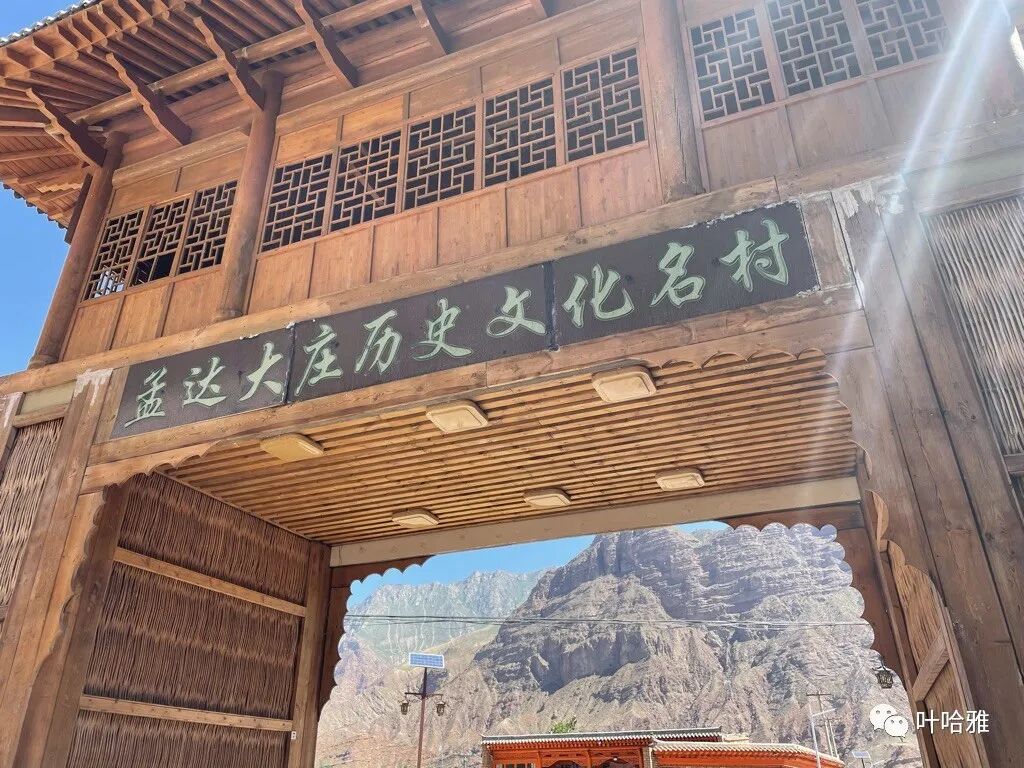
Xunhua has Mengda Mountain, and on the mountain is Mengda Mountain Village. This is my wife's hometown, but the Mengda Mosque and Mengda Heavenly Lake are not in Mengda Mountain Village. They are quite far away, so be careful not to go to the wrong place.
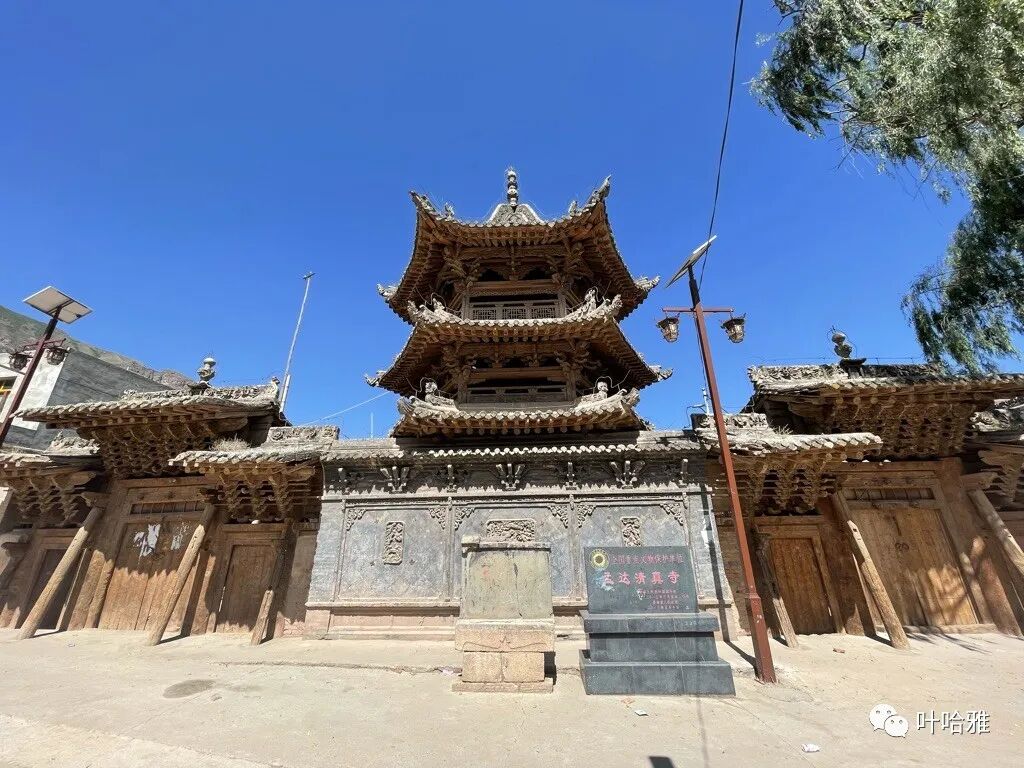
Mengda Mosque is in Mengda Dazhuang Village. It was first built in the Yuan Dynasty and follows traditional Chinese architectural style. Along a central axis from east to west, there is a spirit wall (yingbi), a call-to-prayer tower (huanxinglou), and the main prayer hall. On both sides of the spirit wall are the left and right mountain gates, and in front of the main hall are the south and north side rooms. It covers a total area of 1,344 square meters. During the Qianlong period of the Qing Dynasty, it served as the main mosque (zongsi) for the Mengda Gong, one of the eight Salar Gong districts.
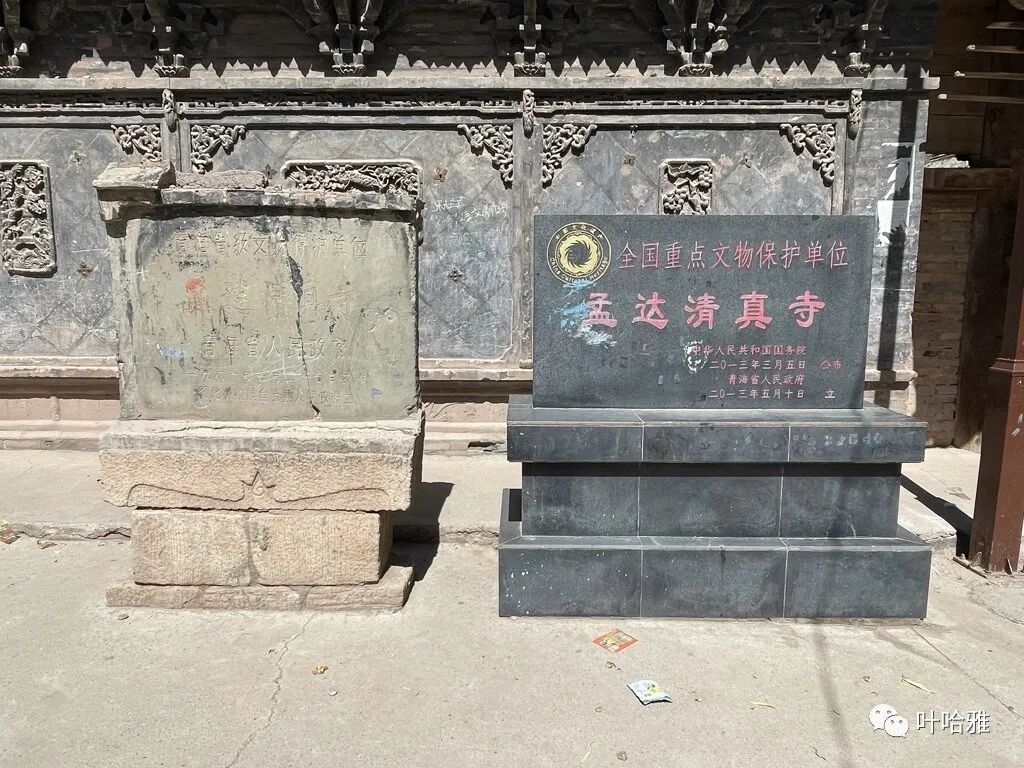
On both sides of the spirit wall at Mengda Mosque are wooden archways with three bays, four pillars, and three roofs, featuring a ridged roof design.
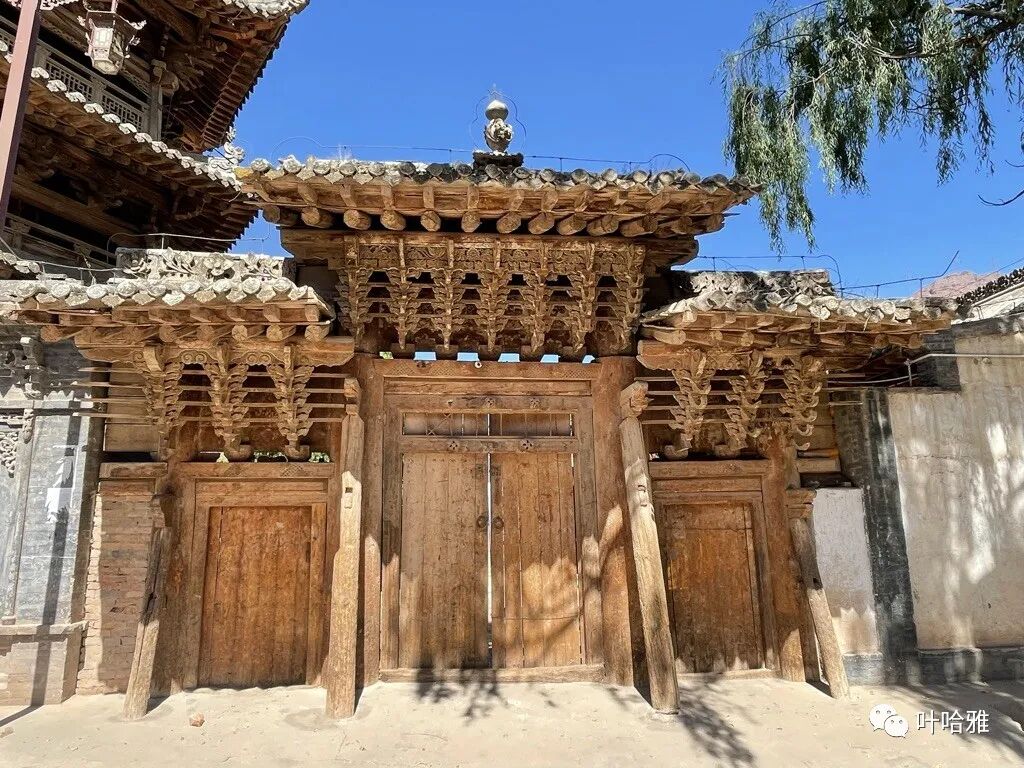
At Mengda Mosque, I met a retired official who used to be in charge of culture and publicity in Xunhua County. This Salar elder listed the historical sites of Xunhua for me and told me to visit them one by one when I have time. The elder's Mandarin was relatively easy to understand. The common language in Xunhua is the Salar language, so most of the time I had to ask my father-in-law to help me communicate with the locals.
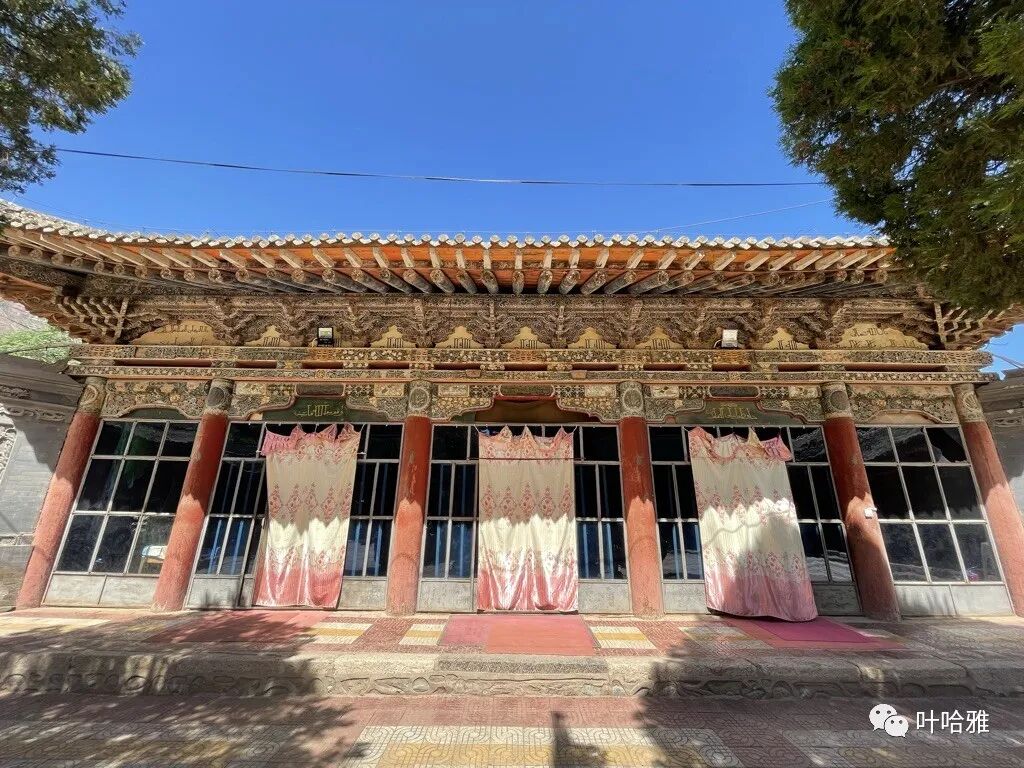
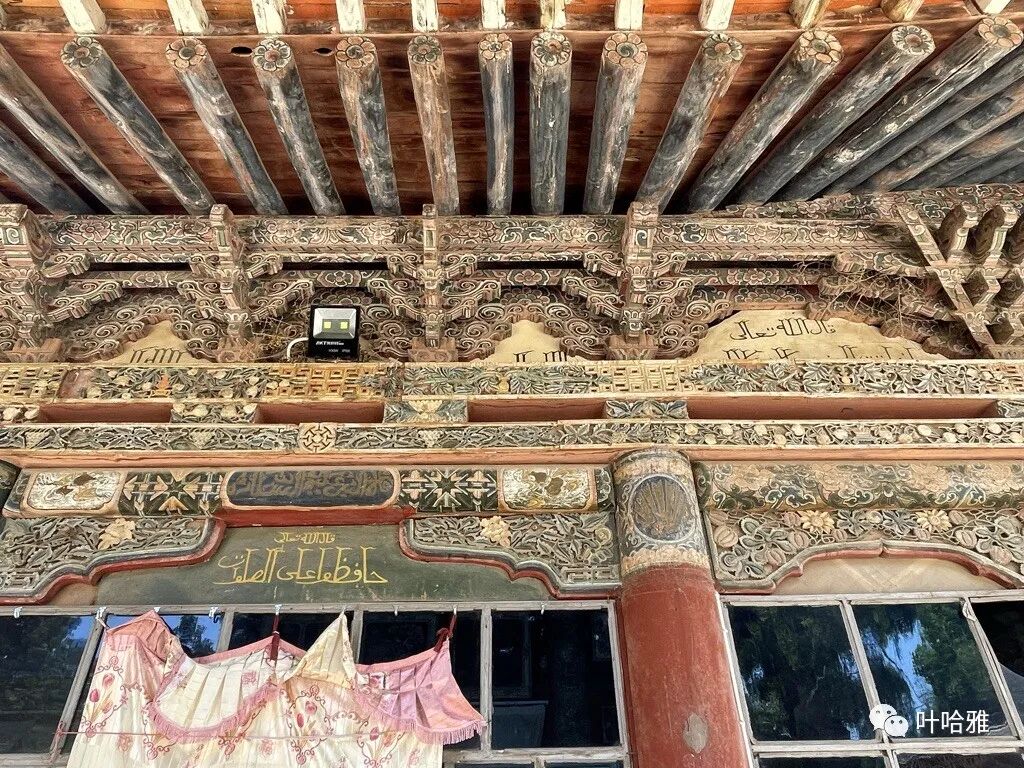
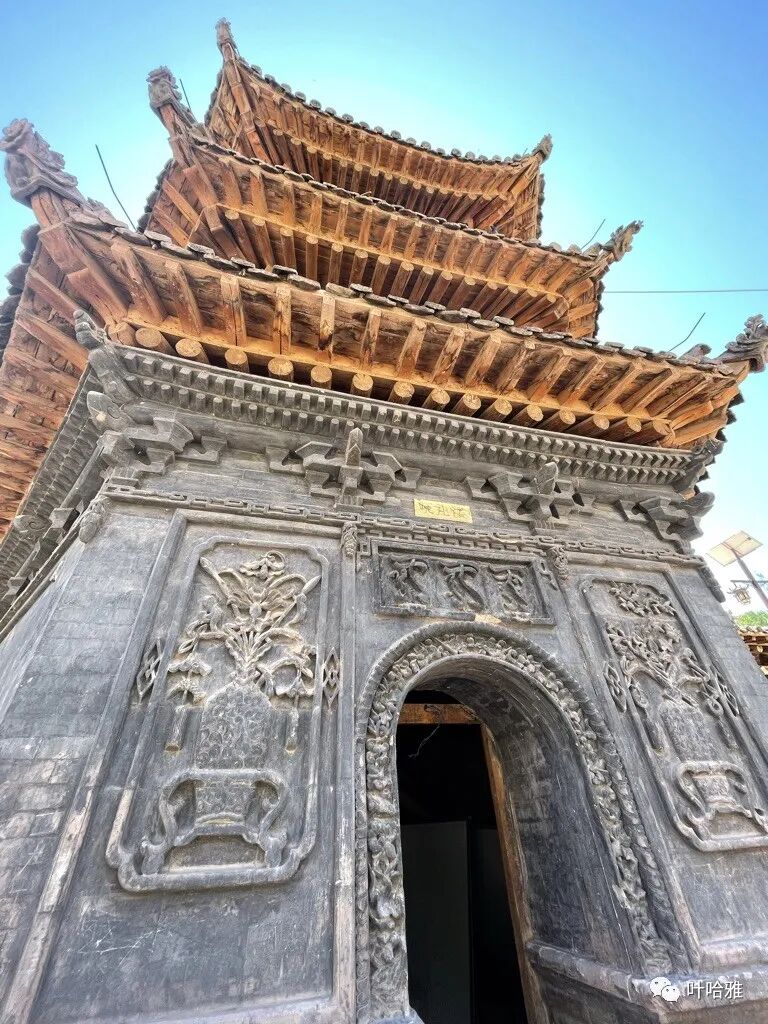
The bottom floor of the call-to-prayer tower is a brick-built hexagon with brick carvings on the walls. The upper level is a wooden pavilion-style structure with a triple-eave hexagonal helmet-shaped roof.
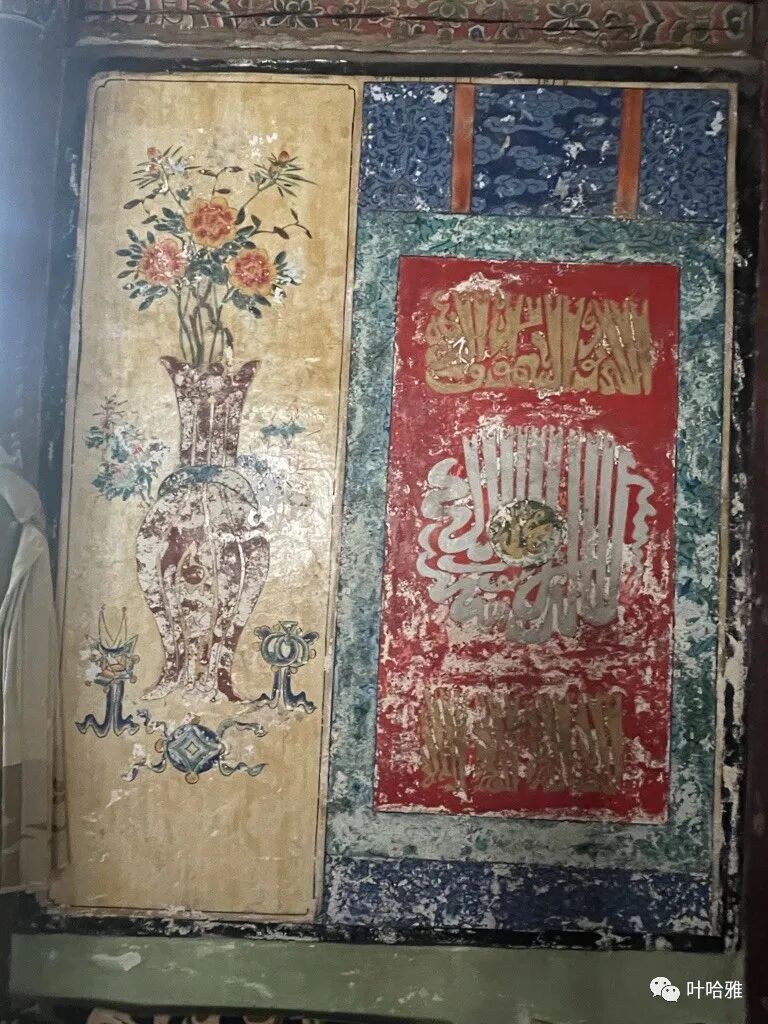
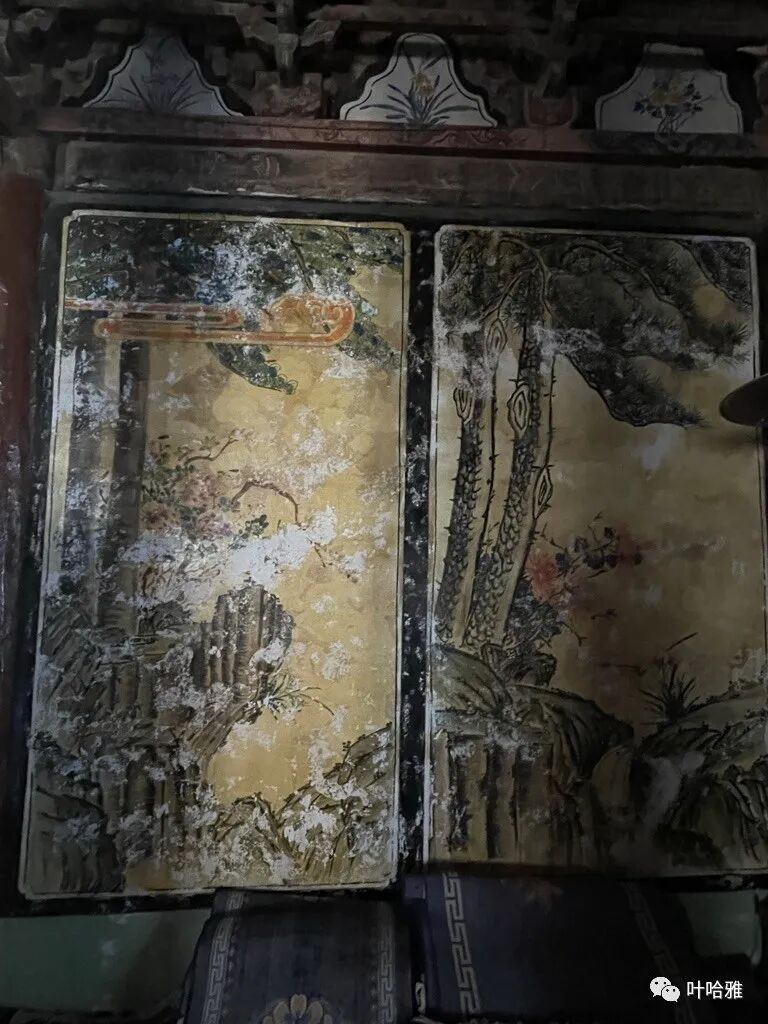
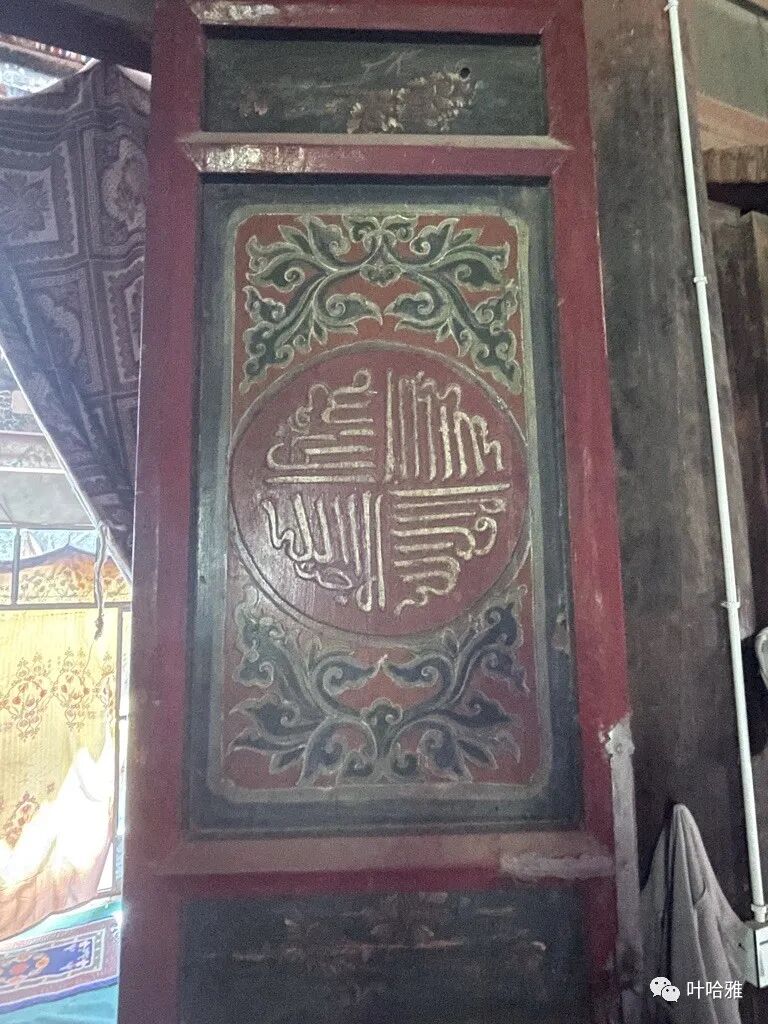
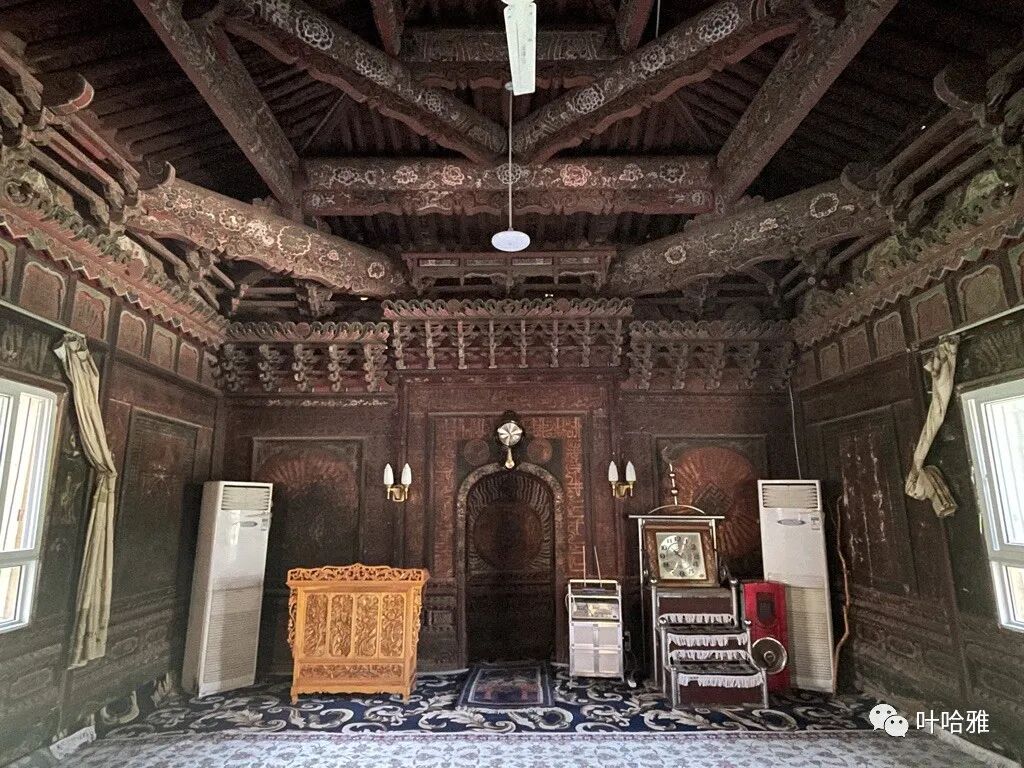
The prayer hall consists of a porch (juanpeng), a main hall with a ridged hip-and-gable roof, and a T-shaped kiln hall (yaodian). There is a treasure vase (baoping) in the middle of the main ridges of the hall and kiln hall, covering a building area of over 300 square meters.
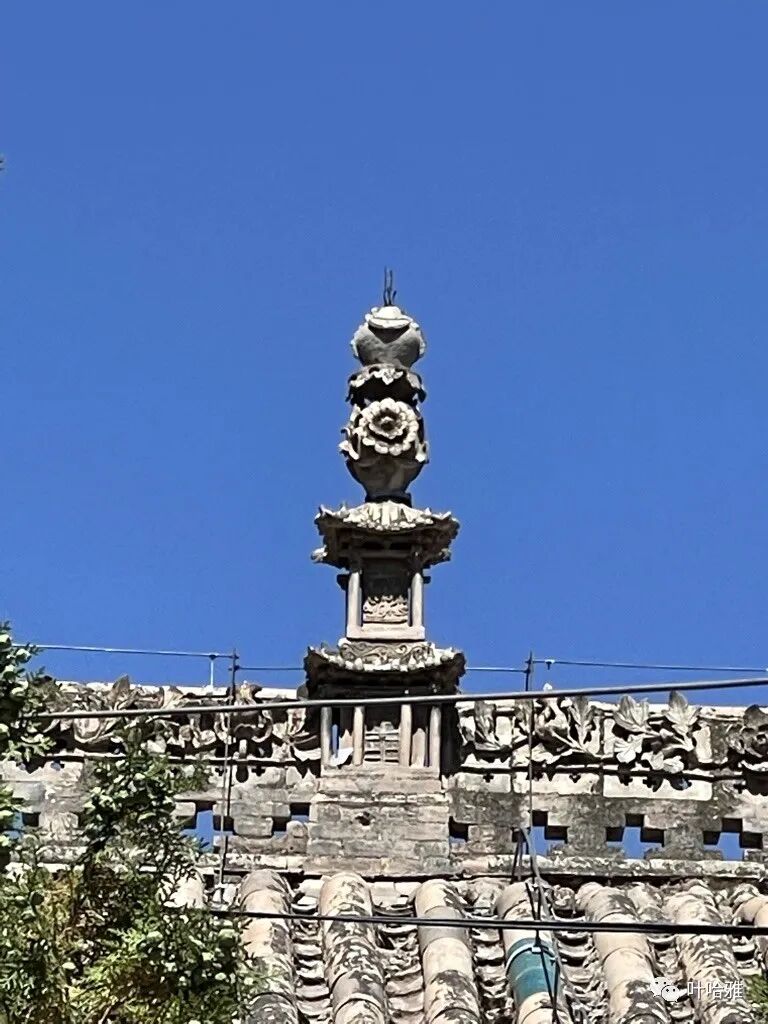
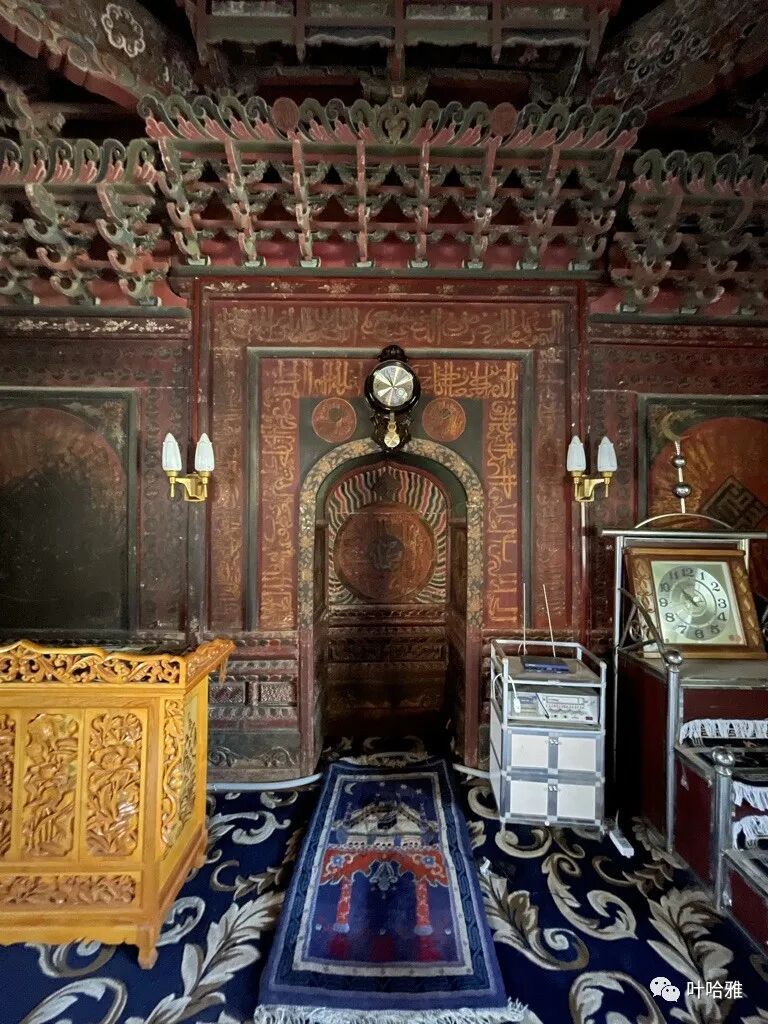
The prayer hall has a convex-shaped floor plan and a post-and-lintel wooden frame. The beams and pillars are decorated with gold-painted powder, and the walls are decorated with floral patterns and Arabic scripture murals.
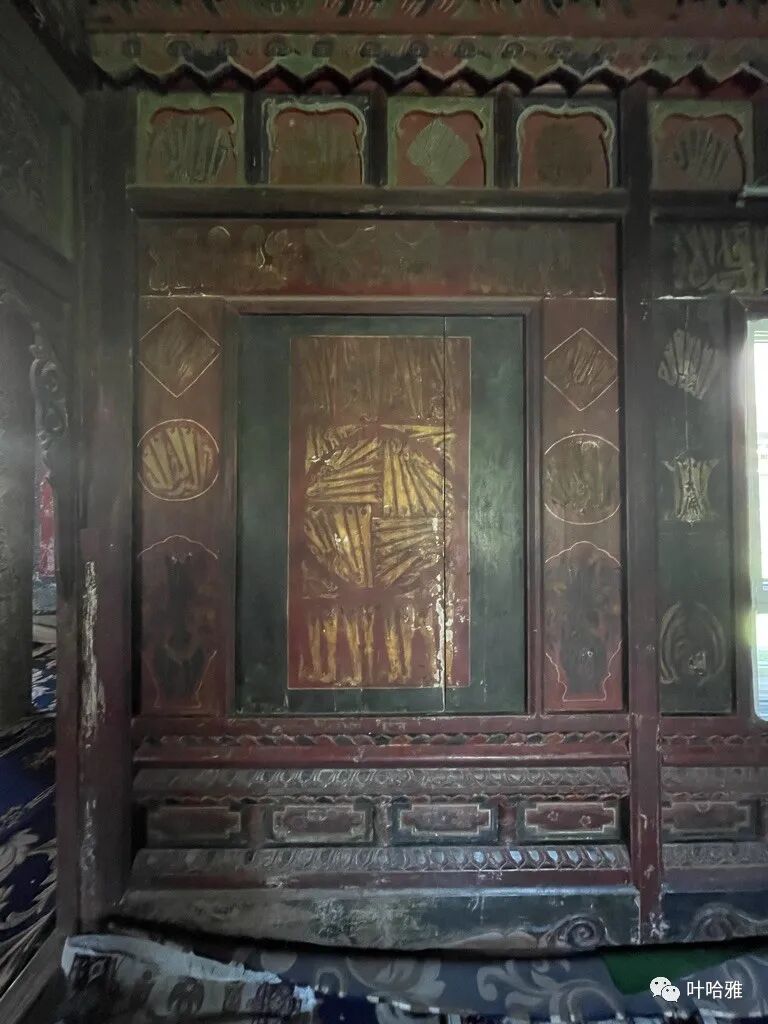
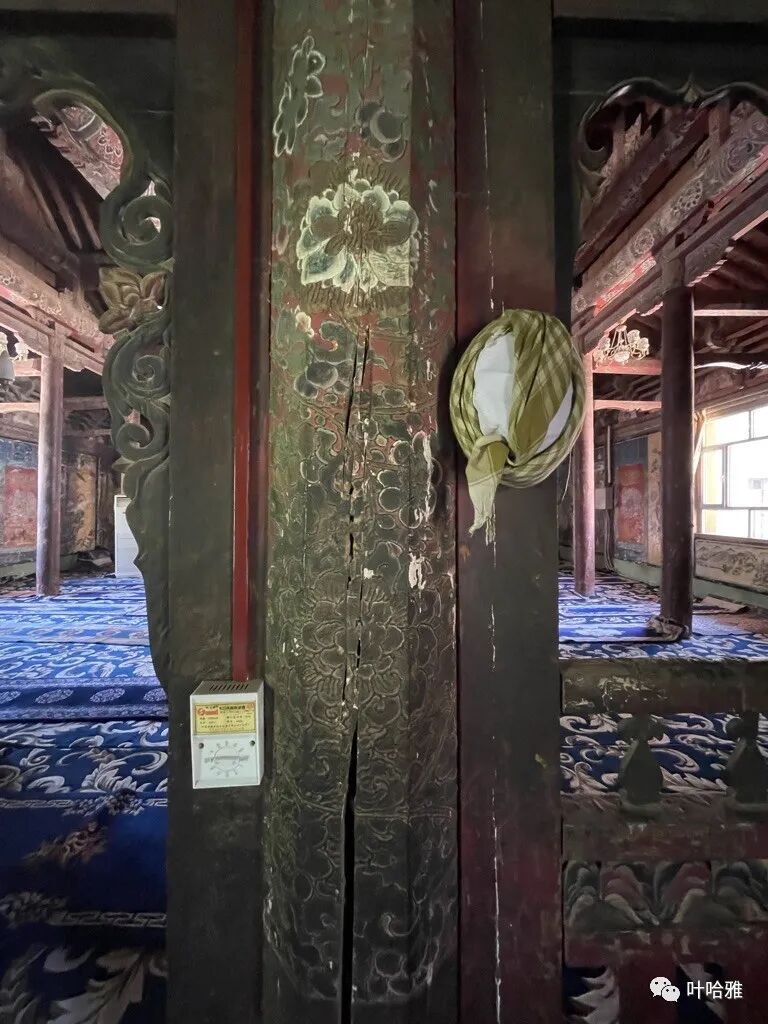
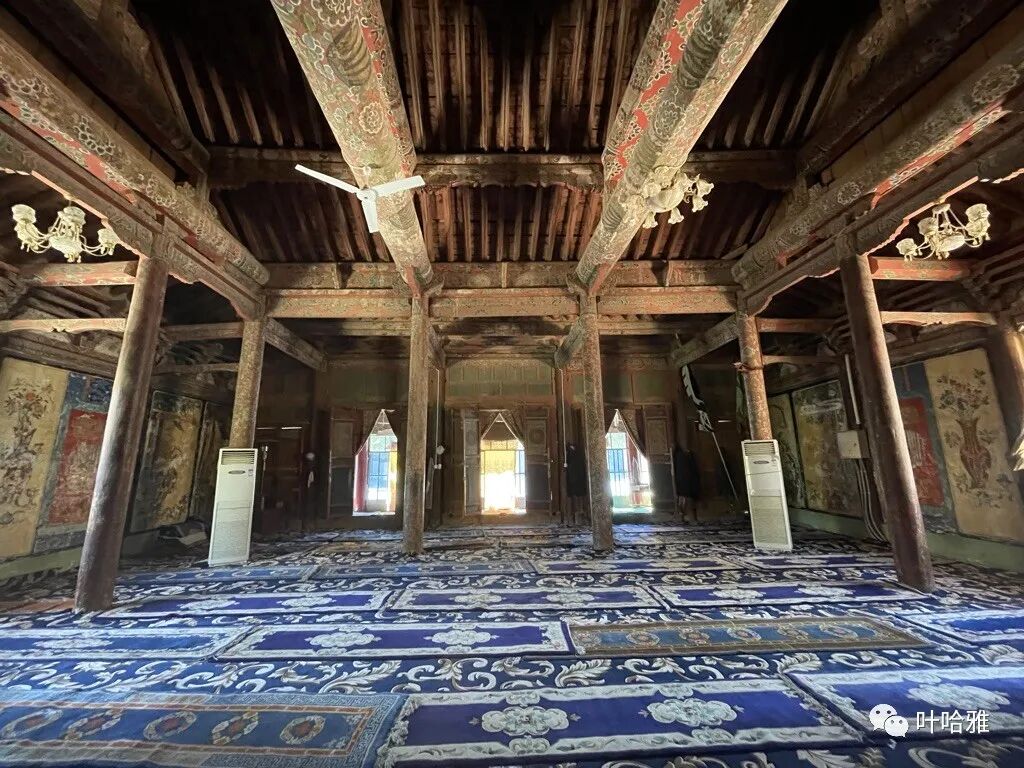
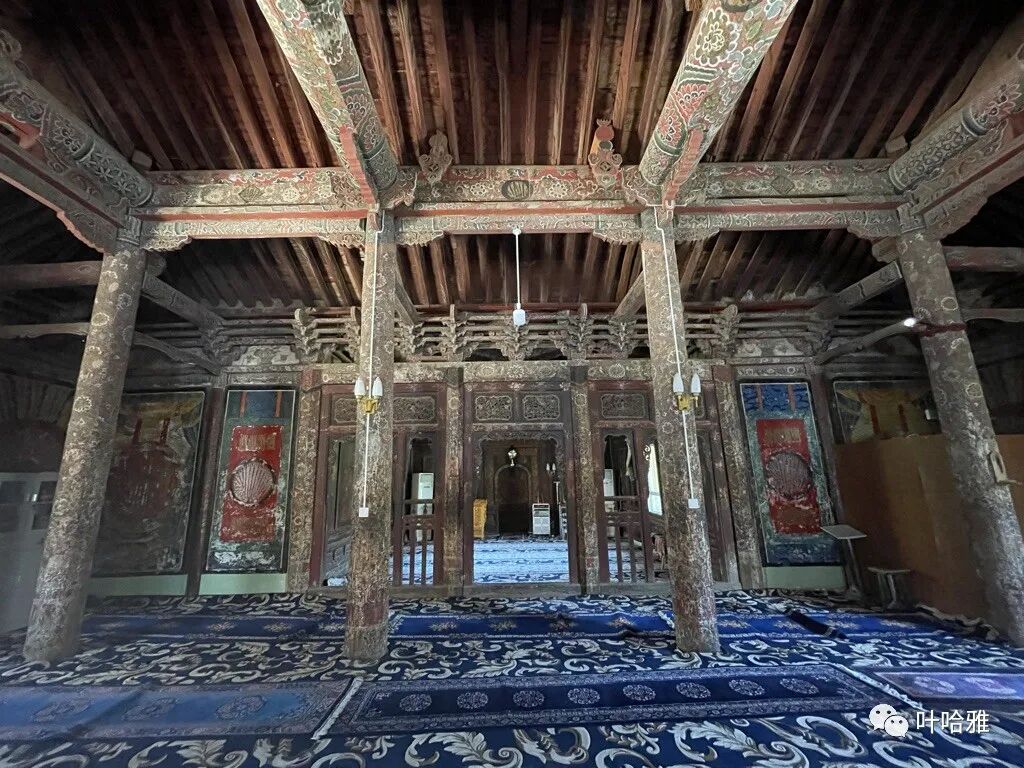
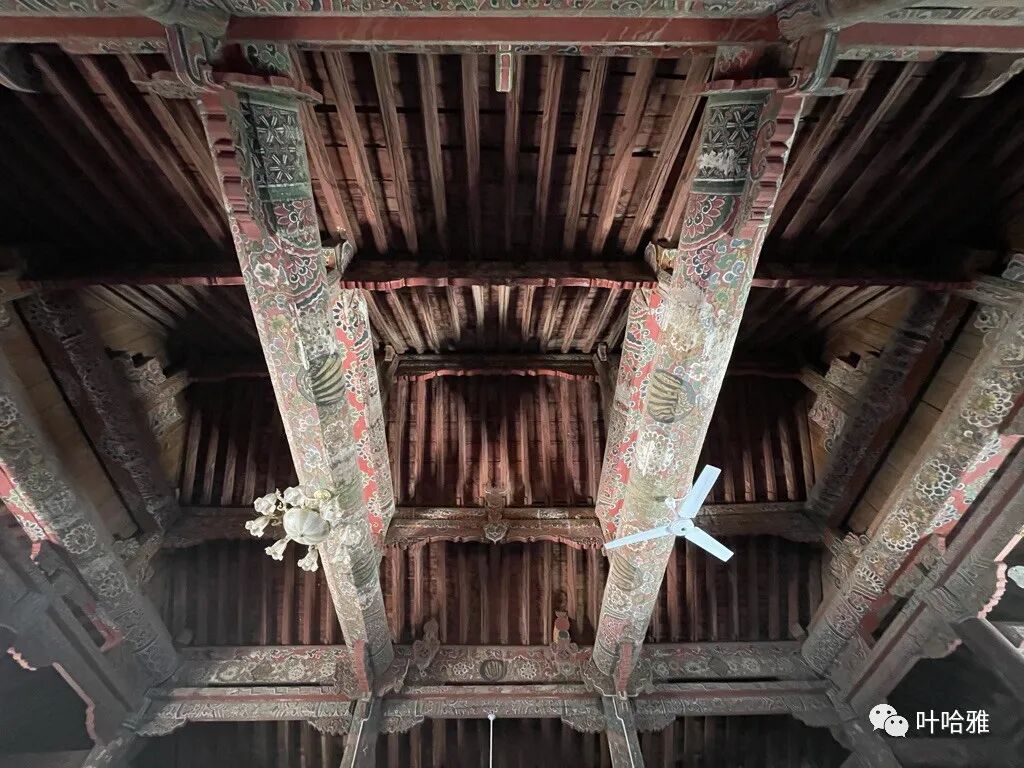
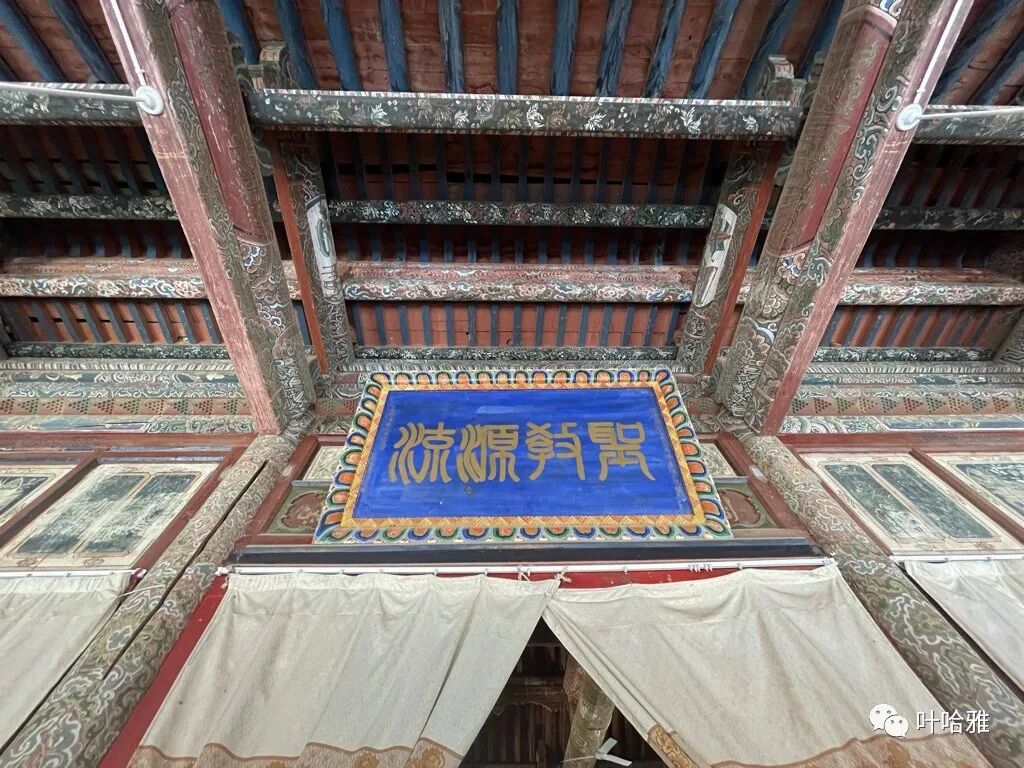
3. Zhangga Mosque
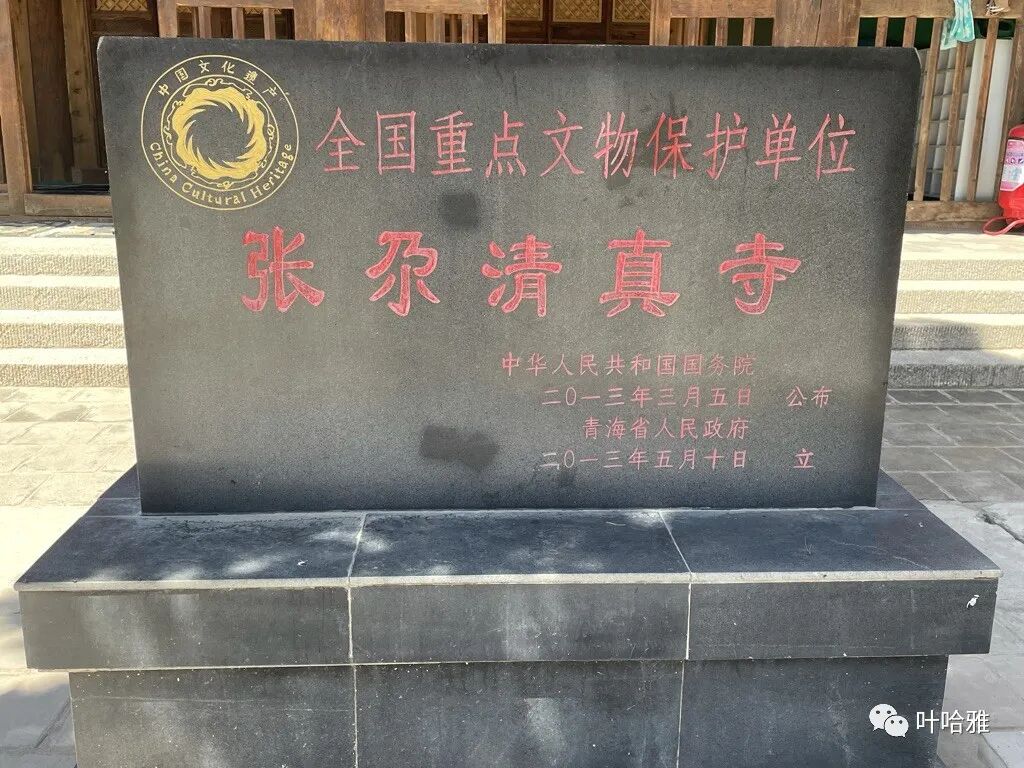
Zhangga Mosque is located in Zhangga Village, Baizhuang Township, Xunhua Salar Autonomous County. It was first built in the Ming Dynasty and covers an area of 2,275 square meters. During the Qianlong period of the Qing Dynasty, it was the main mosque for the Zhangga Gong, one of the eight Salar Gong districts.
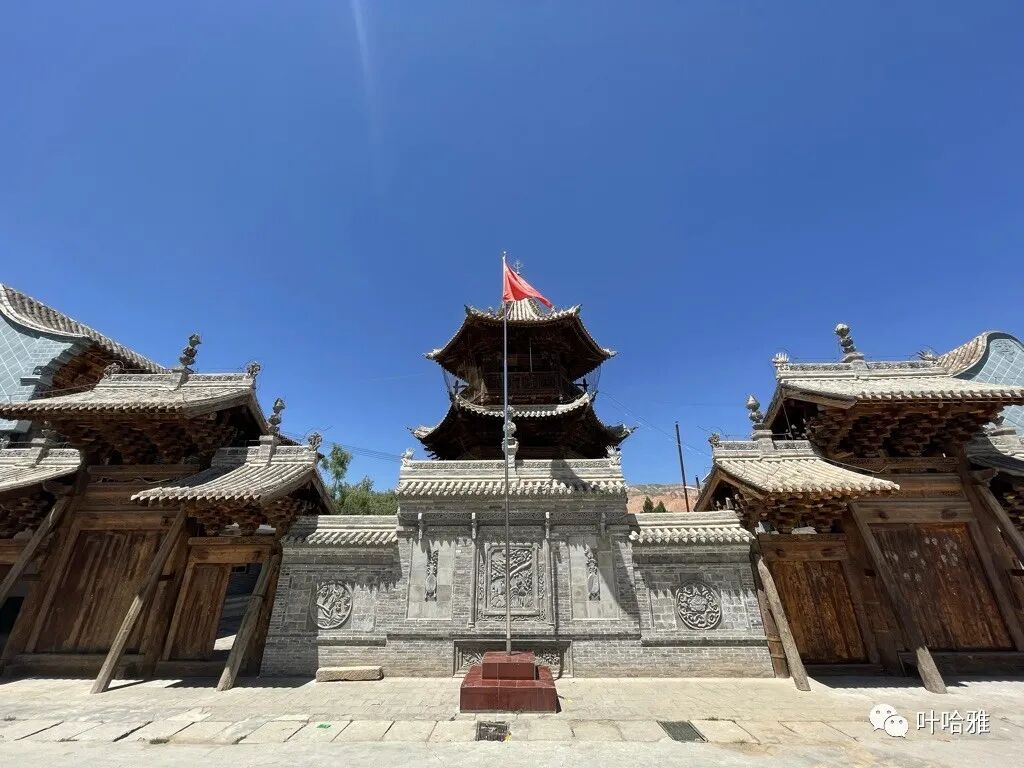
Zhangga Mosque has two gate towers facing east. They are in the style of a three-bay, four-pillar, three-roof archway, connected in the middle by a brick-carved spirit wall.
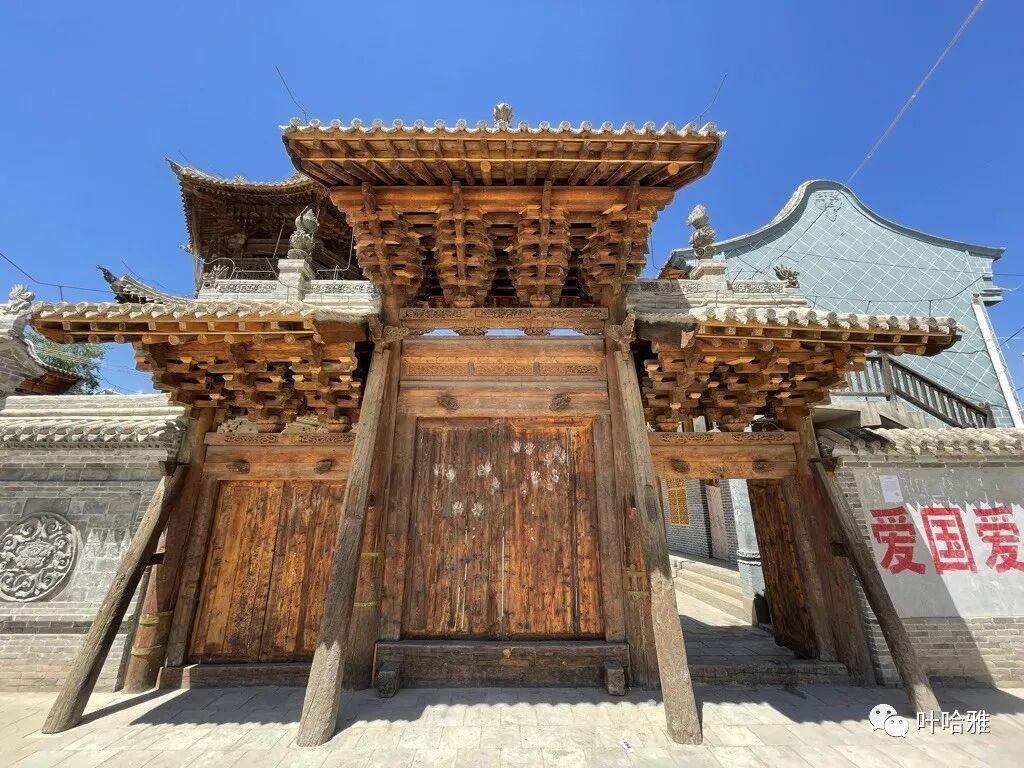
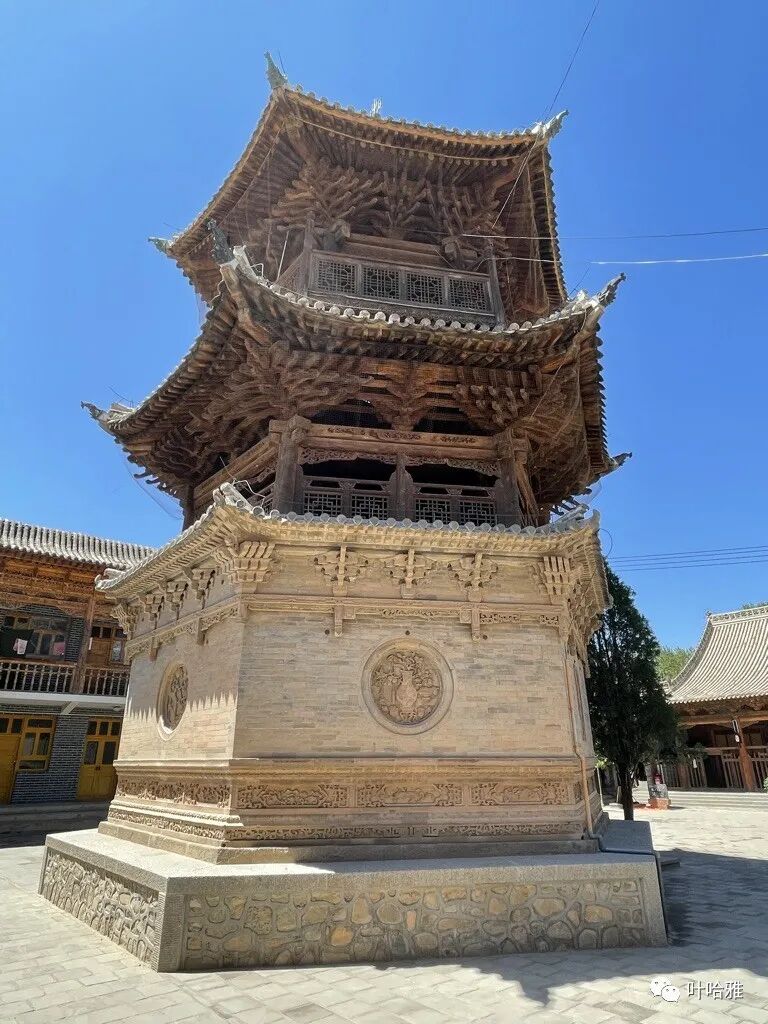
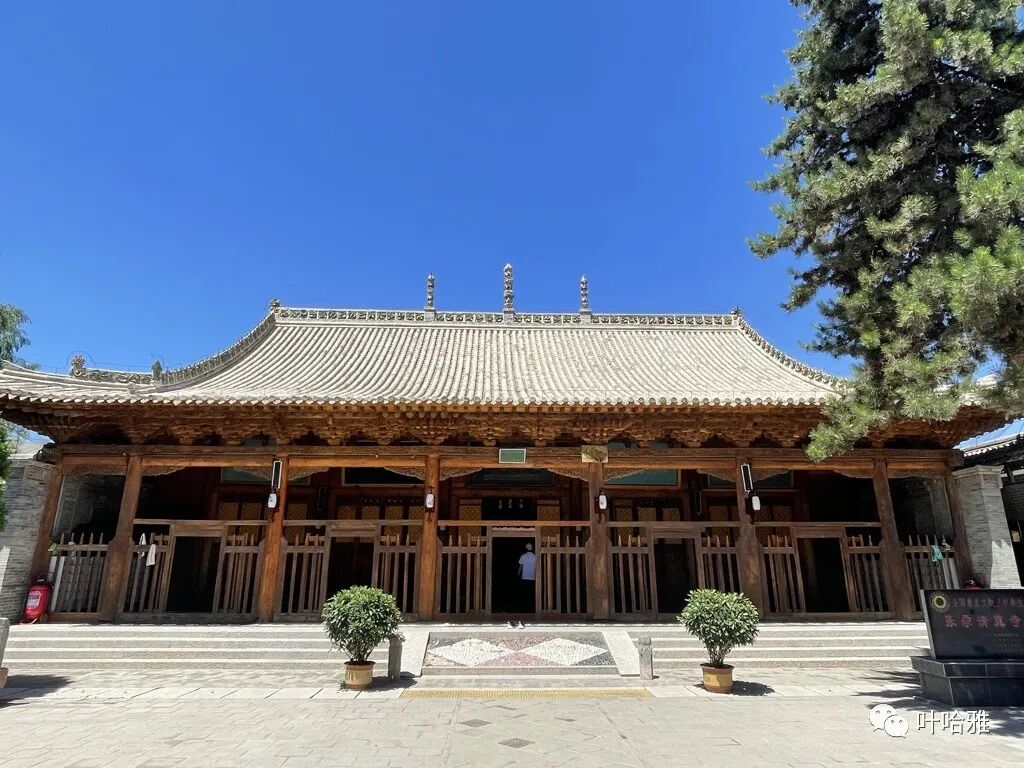
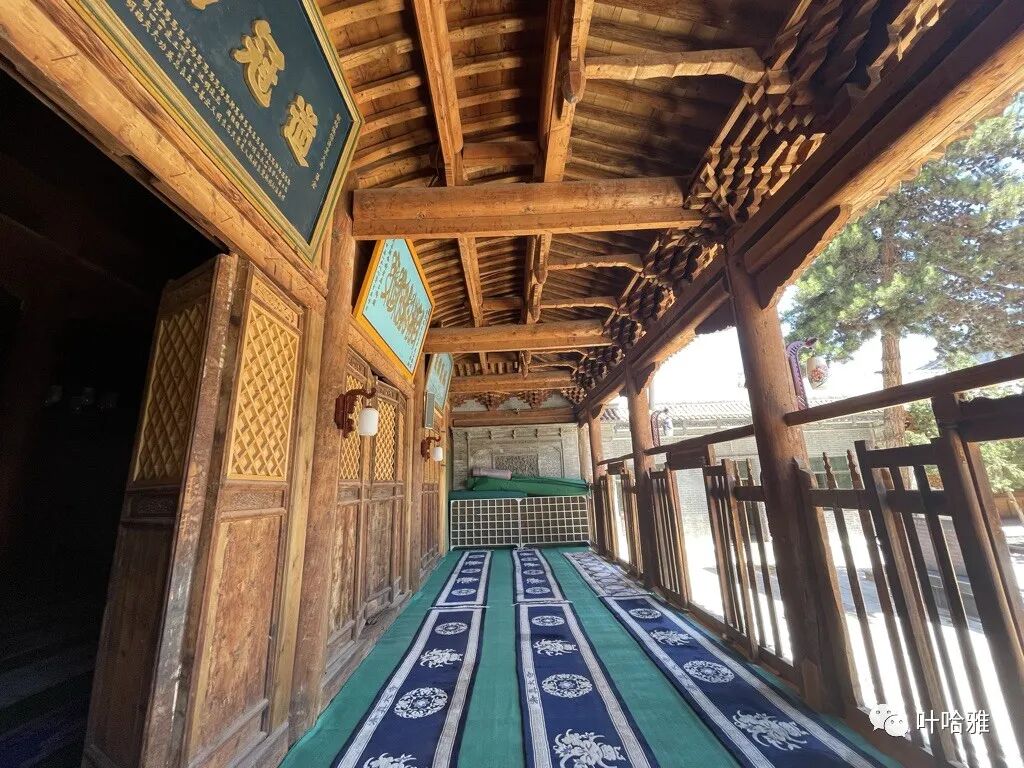
The prayer hall is a brick-and-wood structure with a building area of 700 square meters. It consists of a front hall, a middle hall, and a back hall. It is five bays wide and seven bays deep with a hip-and-gable roof. There are three treasure vases on the main ridge, and the eaves feature wooden carved brackets (dougong) and bird-shaped supports (quetie).
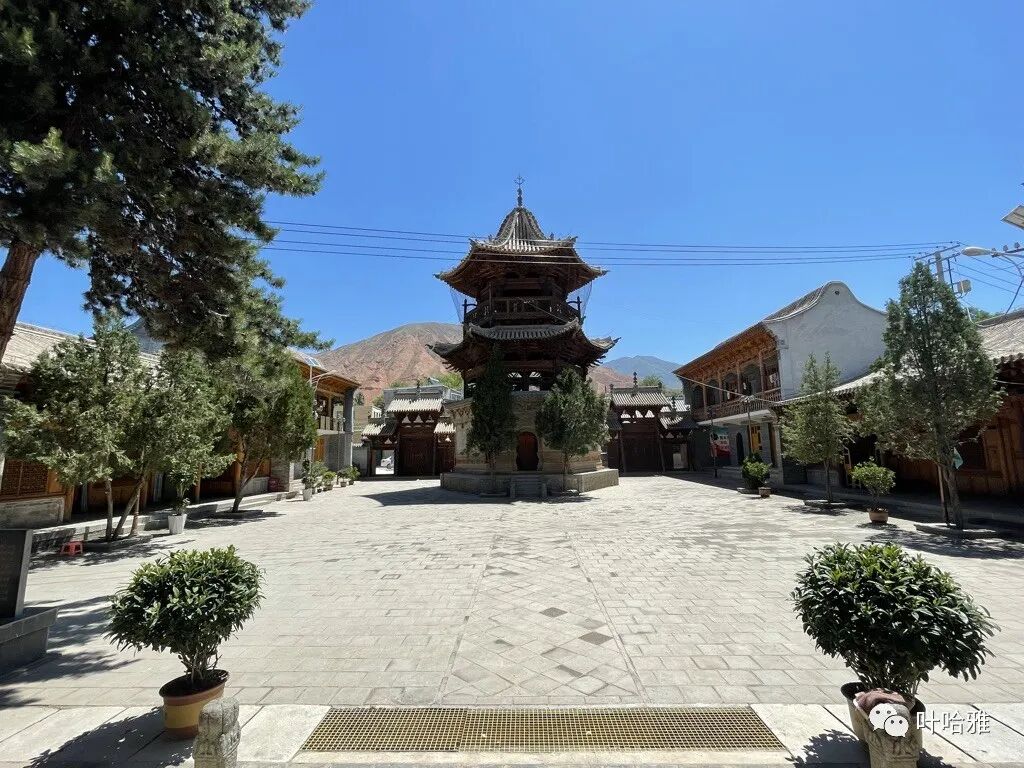
A new-style back hall was added to the west of the main hall. The original back hall became the middle hall, which is square-shaped. It features outward-extending brackets, and the beam frame is stacked into an inverted-bucket-shaped caisson ceiling with gorgeous wood carvings.
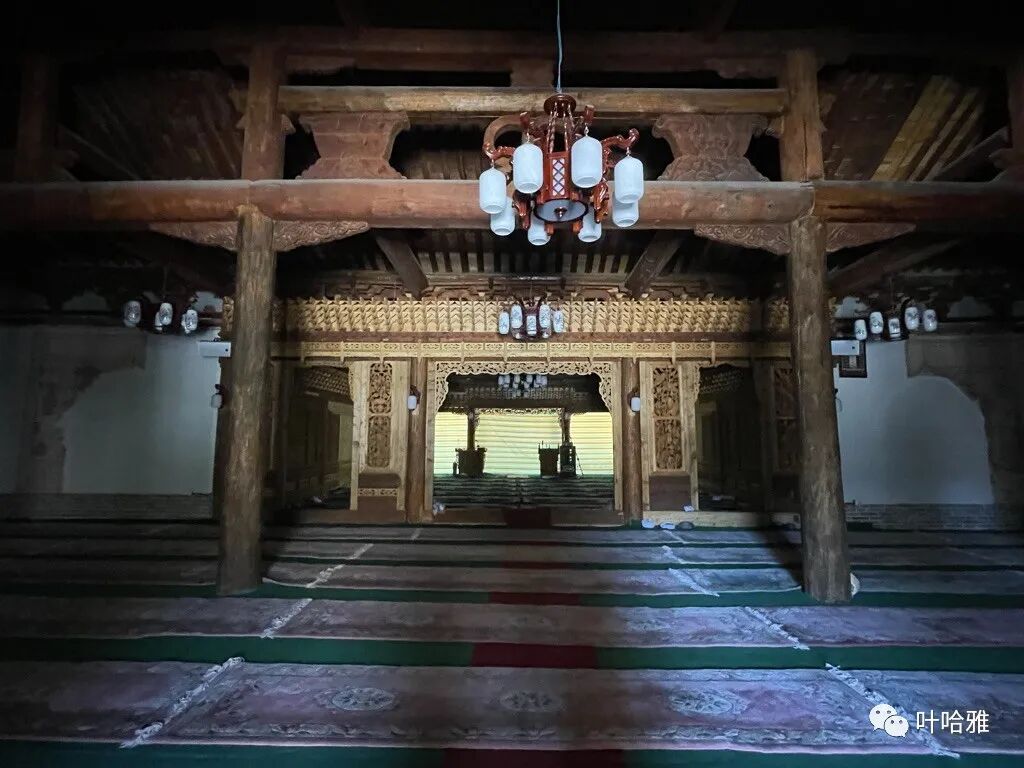
The prayer hall combines traditional hall style with Tibetan style. It is five bays wide and five bays deep, with large beams placed horizontally and carved with double-ring patterns.
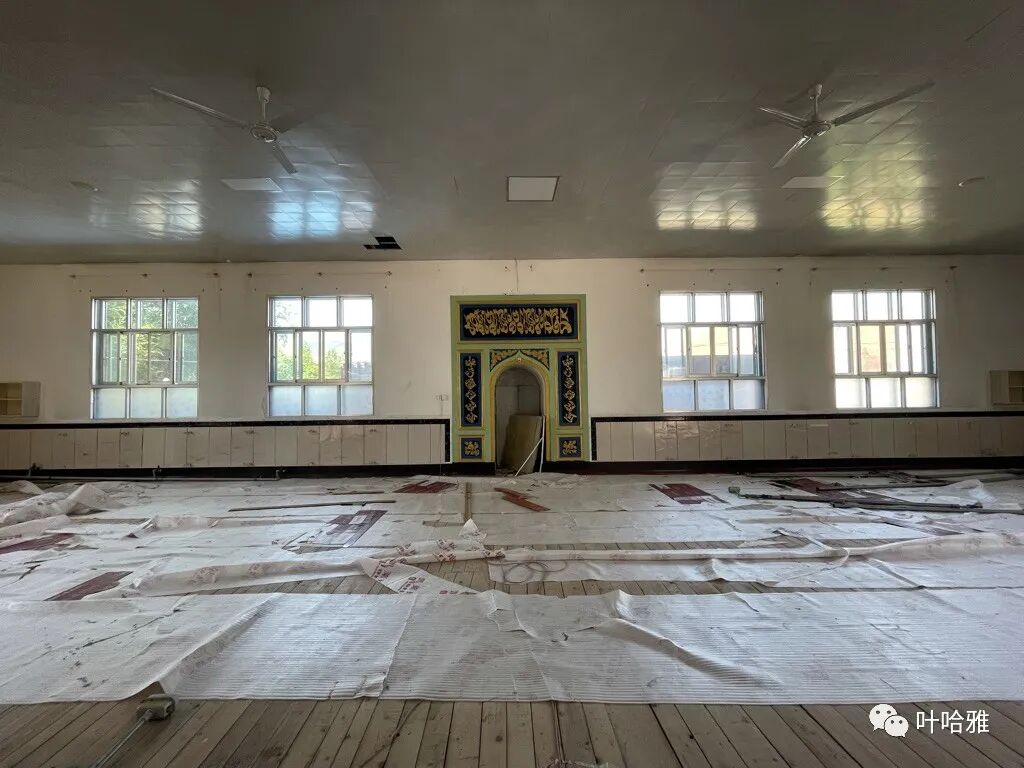
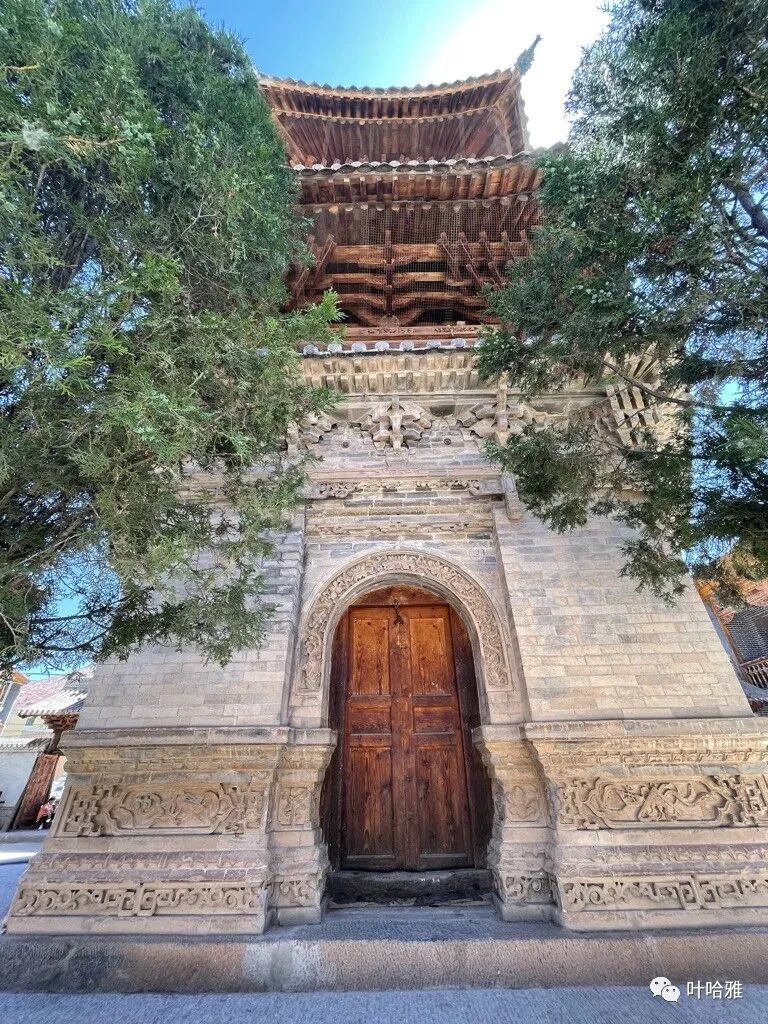
4. Kewa Mosque
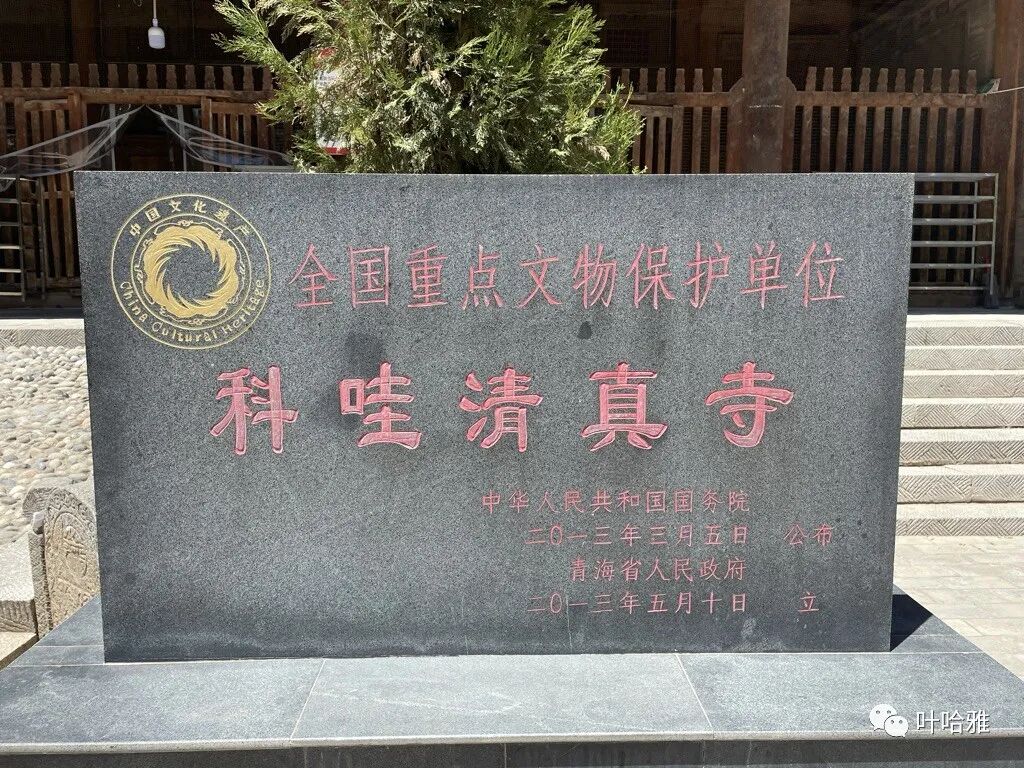
Kewa Mosque is located in Kewa Village, Baizhuang Town, Xunhua Salar Autonomous County, Qinghai Province. The mosque was first built in the first year of the Yongle reign of the Ming Dynasty (1403) and was renovated and expanded during the Qing Dynasty. Renovated and expanded in the 1980s. The mosque is laid out as a courtyard house, featuring a prayer hall, north and south lecture halls, a minaret, a bathing room, a screen wall, a gate tower, and a modern teaching building. It covers an area of 2,800 square meters, with a building area of 2,800 square meters. The prayer hall features carved beams and painted rafters, with wooden panels inlaid on the walls decorated with various patterns and scriptures, making it an Islamic building with Tibetan-style decorations. It was listed as a Major Historical and Cultural Site Protected at the National Level in 2013.
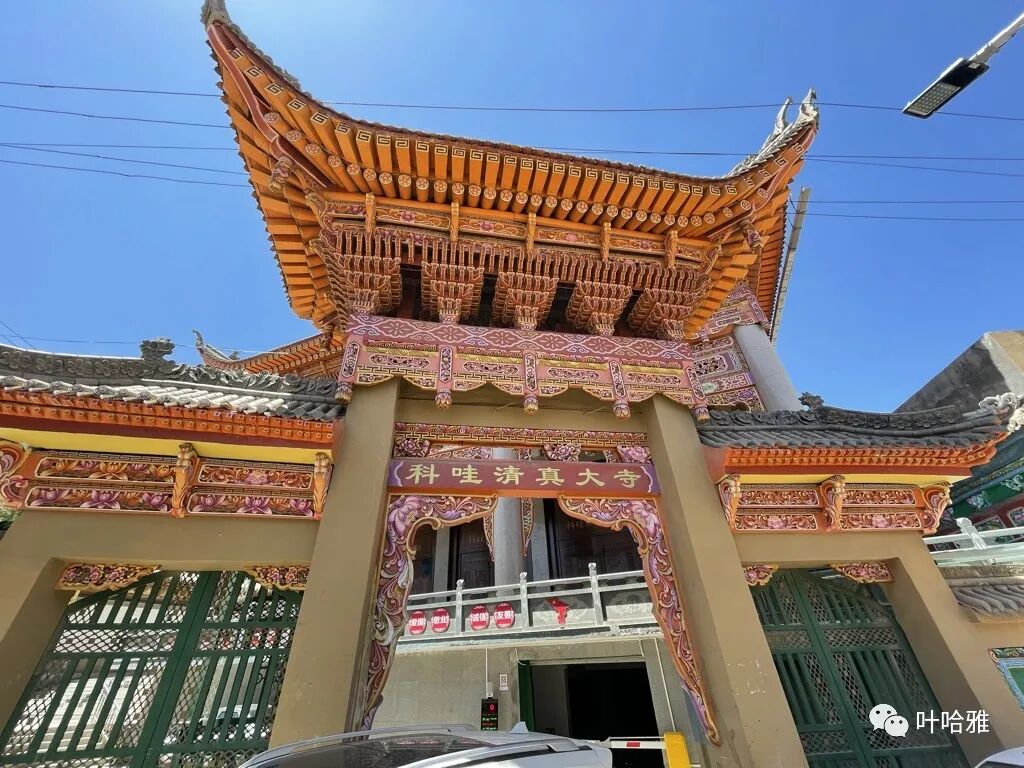
The new prayer hall of Kewa Mosque has been completed right next to the old one, and this mosque is the most prominent example of Tibetan-style architecture in Xunhua.
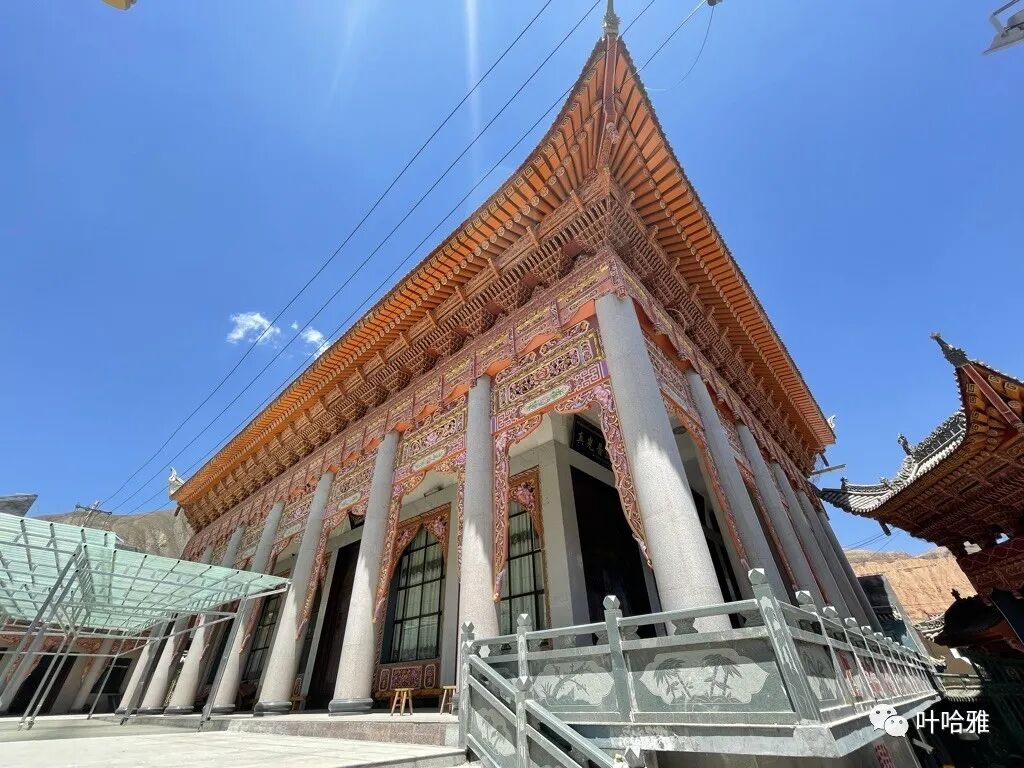
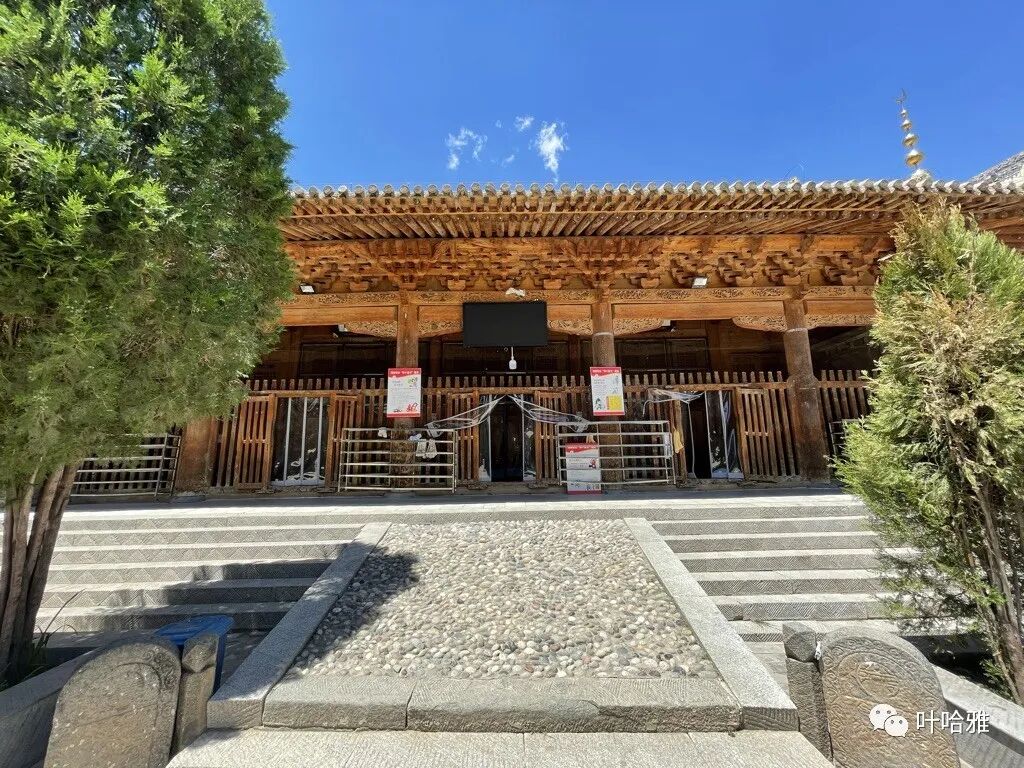
The main hall uses a post-and-lintel timber frame structure. The pillars are wrapped in finely carved wooden strips and are polygonal in shape, known as wrapped pillars (baoxiangzhu). The walls are inlaid with wooden panels painted with landscape and floral patterns. Between the main hall and the rear mihrab hall, there is a hollow-carved wooden partition featuring ruyi-shaped bracket sets (dougong) and hanging flower-shaped decorative canopies.
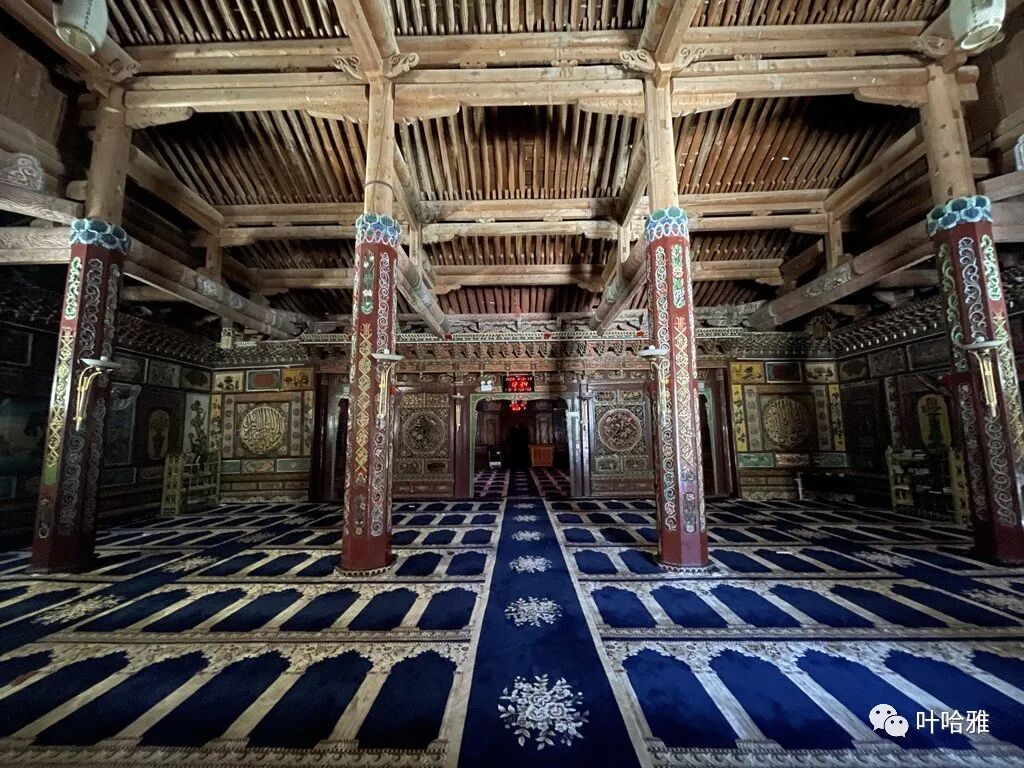
Kewa Mosque follows a courtyard layout. The prayer hall consists of a front hall and a rear mihrab hall. It is a brick-and-wood structure with five bays and a single-eave hip-and-gable roof.
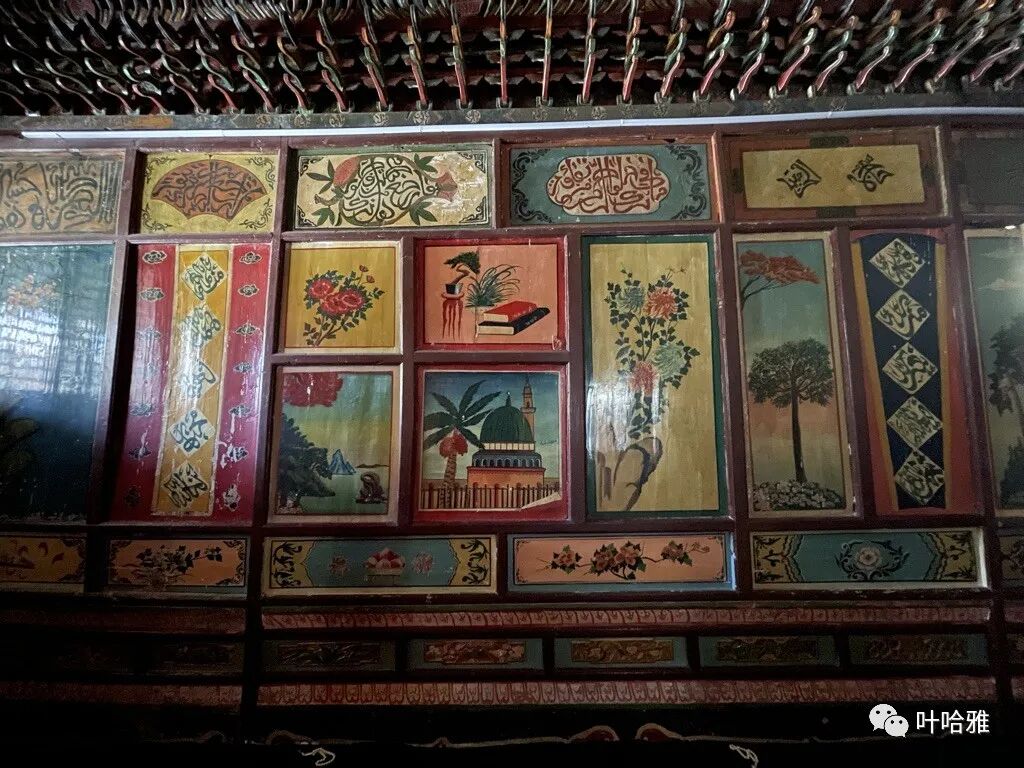
The murals feature scriptures and are decorated with landscapes and flowers, showing a strong Tibetan painting style.
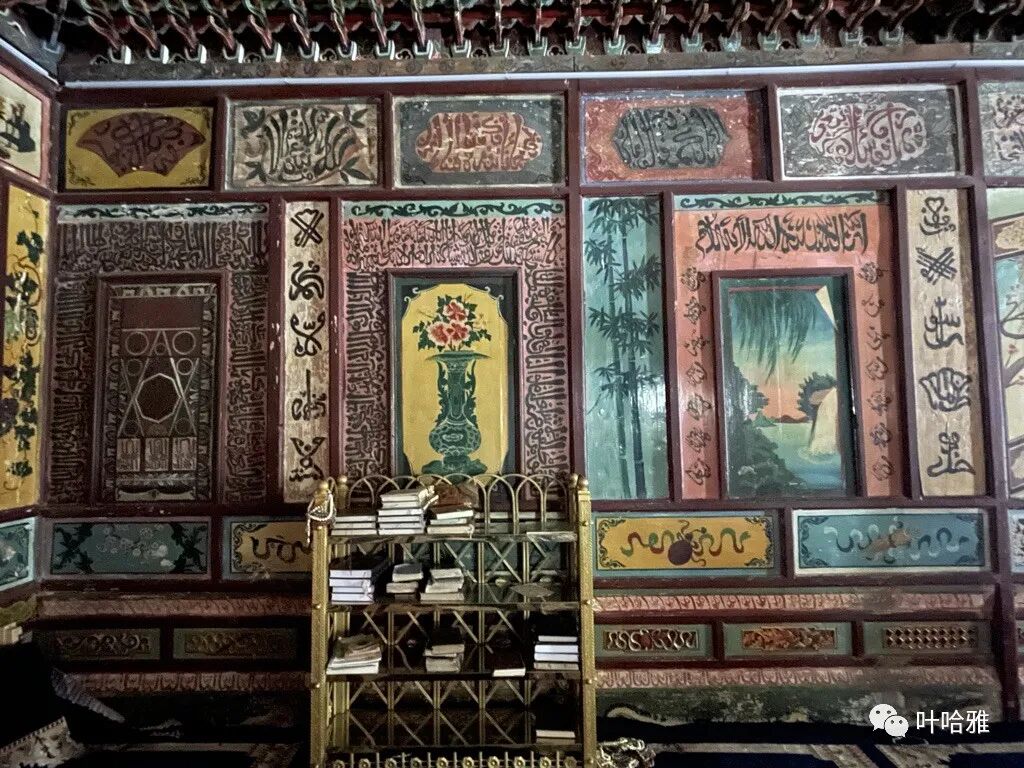
The walls of the rear mihrab hall are painted with Quranic verses in various scripts and the 99 names of Allah, while the beams are decorated with swirling patterns (xuanzi caihua), the center of the beams features gold scripture on a black background, and the pedestal (xumizuo) is carved and painted with patterns. The decorations feature a traditional Chinese Tibetan style.
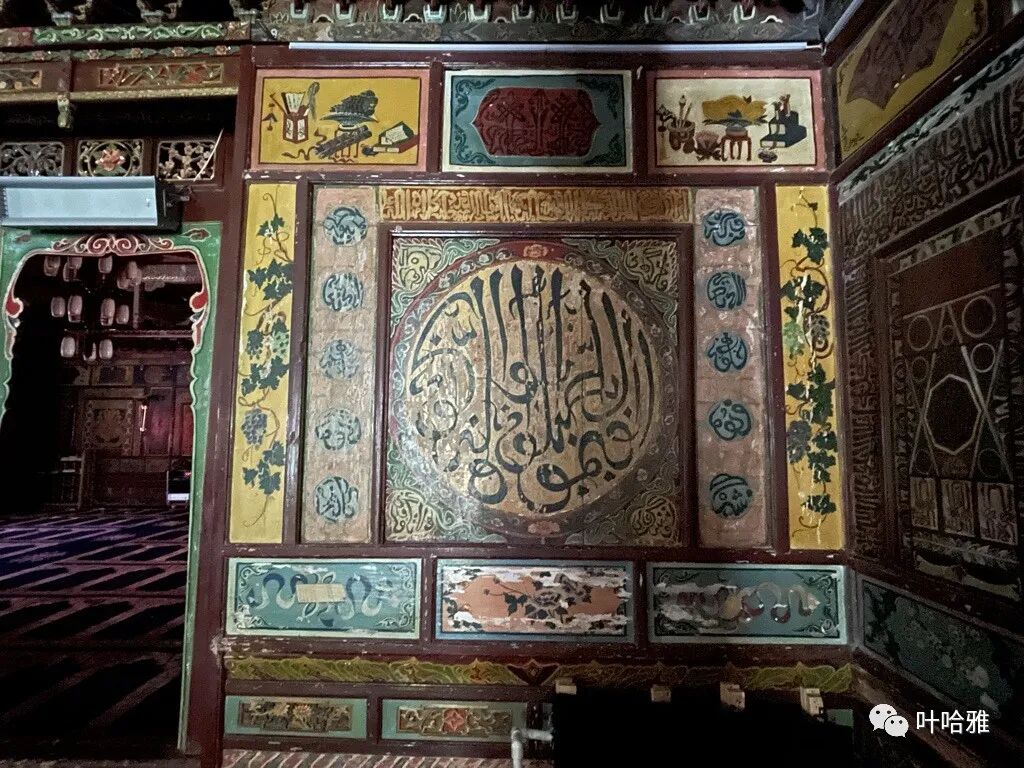
On the east side of the courtyard stands a screen wall (yingbi) made of polished bricks with seamless joints, featuring a hip roof, brick bracket sets, and a pedestal base, with a brick carving of a dragon and phoenix symbolizing good fortune in the center.
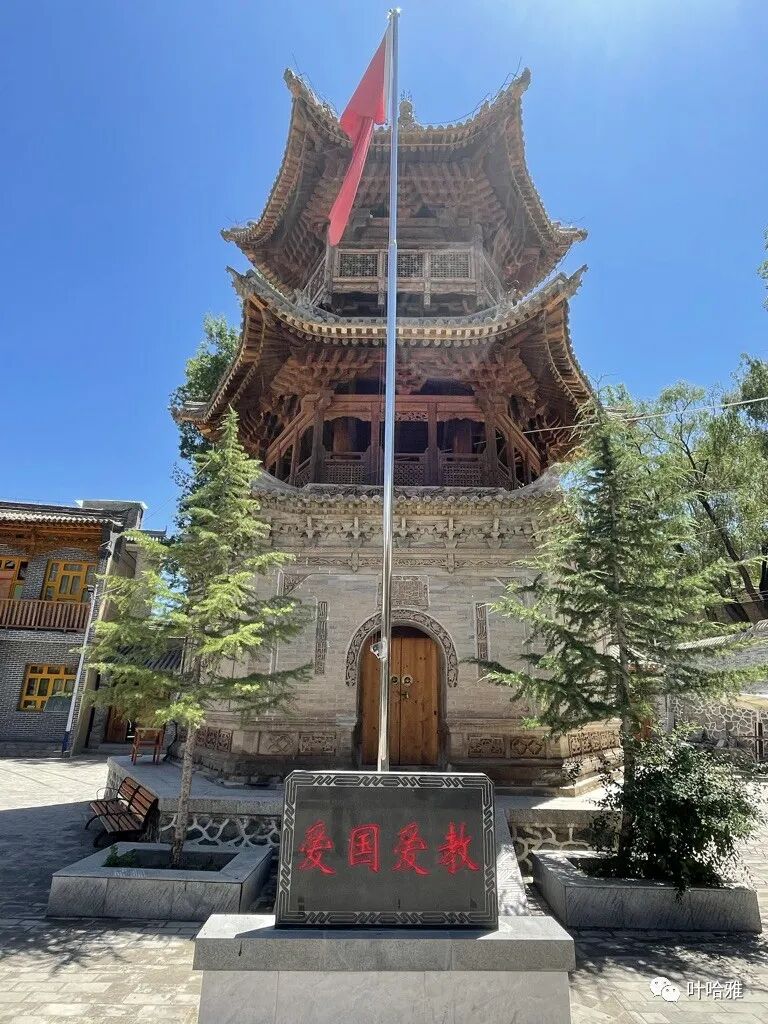
The three-story minaret has a brick base with single-slope doors on the east and west sides. The second and third floors are wooden pavilions with double-eaved hexagonal pointed roofs.
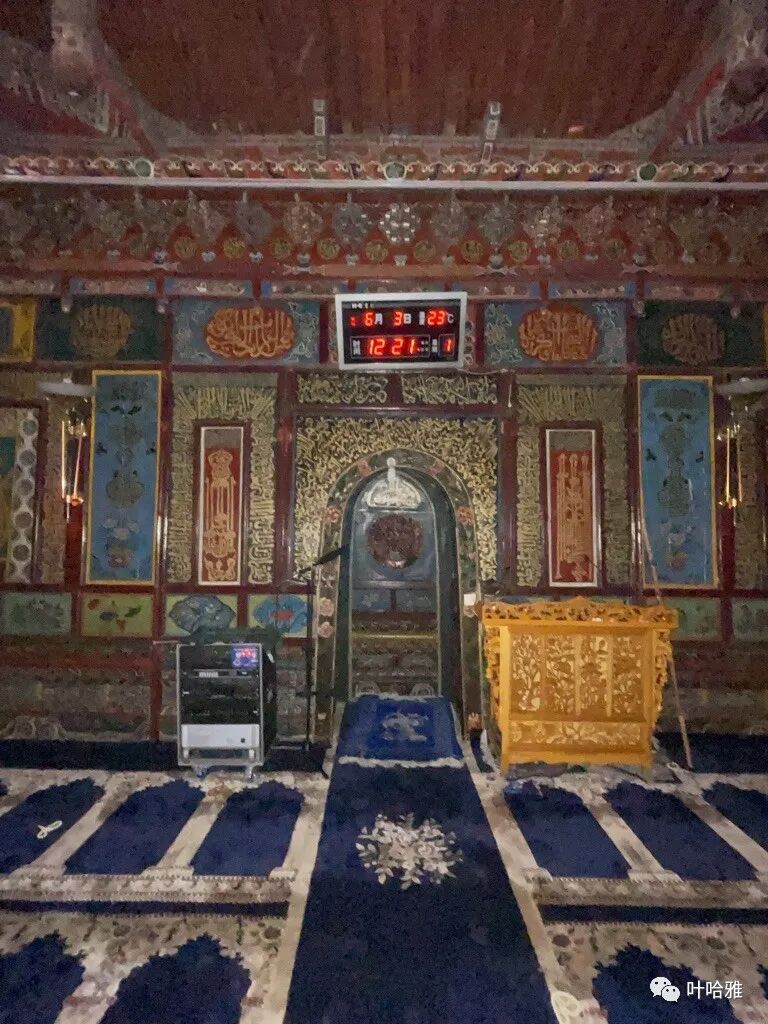
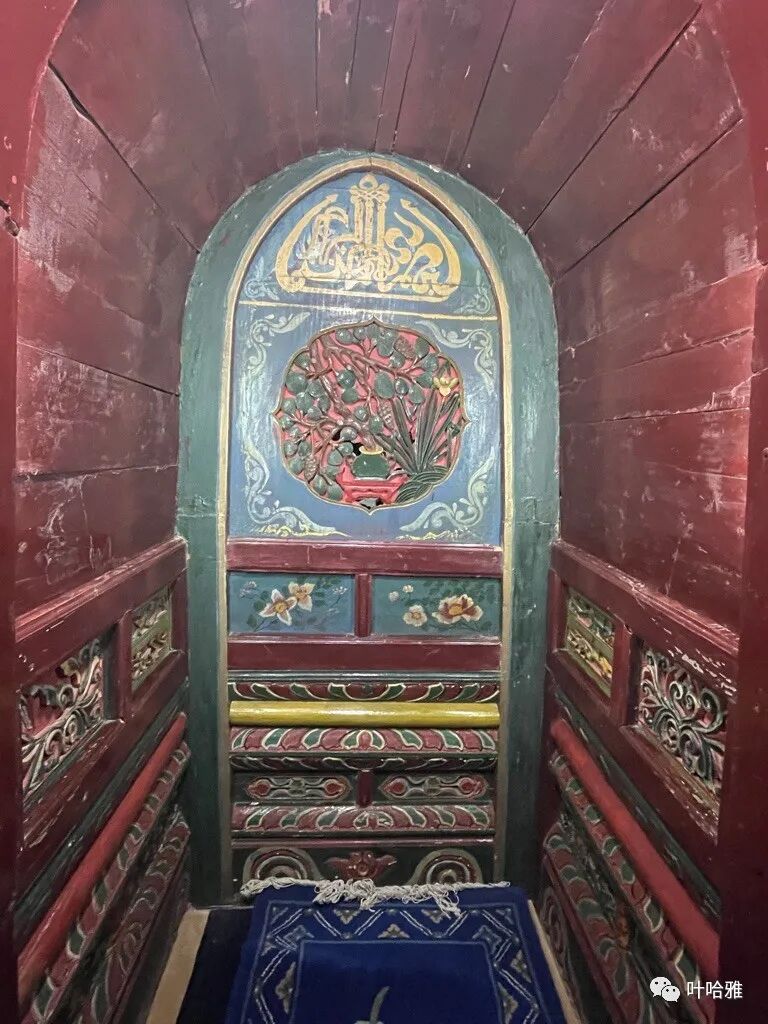
5. Tashapo Mosque
Tashapo Mosque is in Tashapo Village, Qingshui Township, Xunhua Salar Autonomous County, Qinghai Province. The mosque was first built in 1480 during the Ming Dynasty and rebuilt in 1755 during the Qing Dynasty. The mosque faces east and follows an east-west axis, featuring a screen wall, a memorial archway, a minaret, and a prayer hall, with scripture halls and bathing rooms on the north and south sides. The mosque covers 1,840 square meters with a building area of 537 square meters. In 2013, it was listed as a Major Historical and Cultural Site Protected at the National Level as part of the ancient mosque building complex of the Salar people in Xunhua.
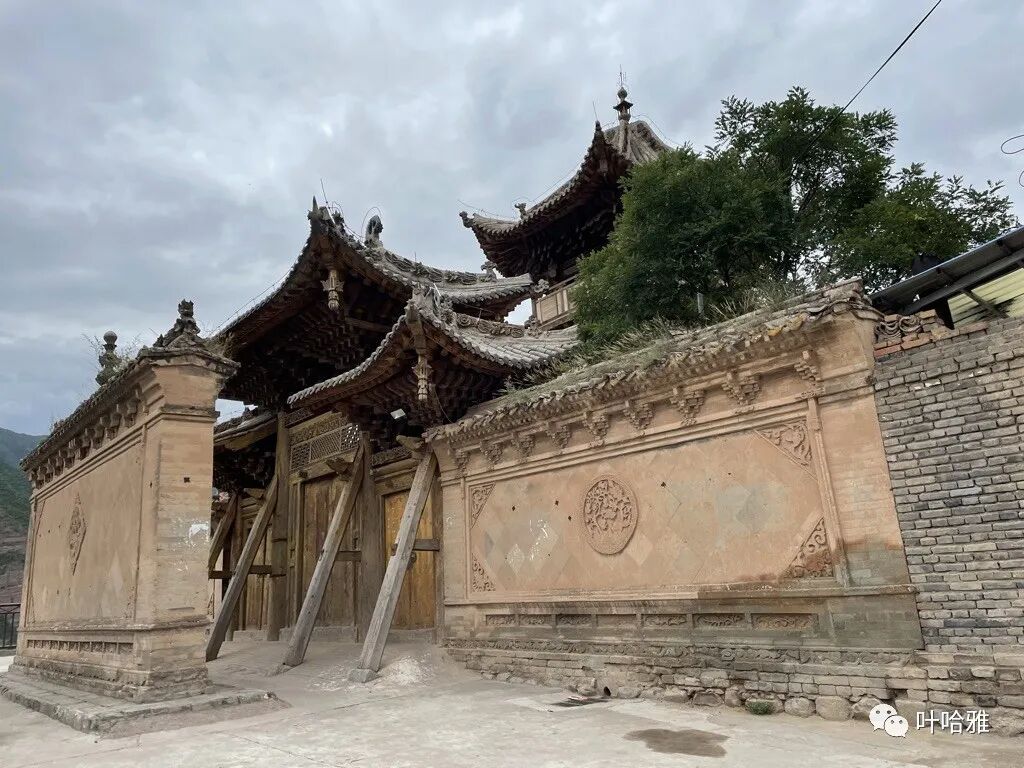
The gate tower of Tashapo Mosque has three bays, four pillars, and three stories, with a hip roof and blue brick ridges. There are brick-carved splayed walls on both sides of the archway. A straight screen wall stands in front of the gate.
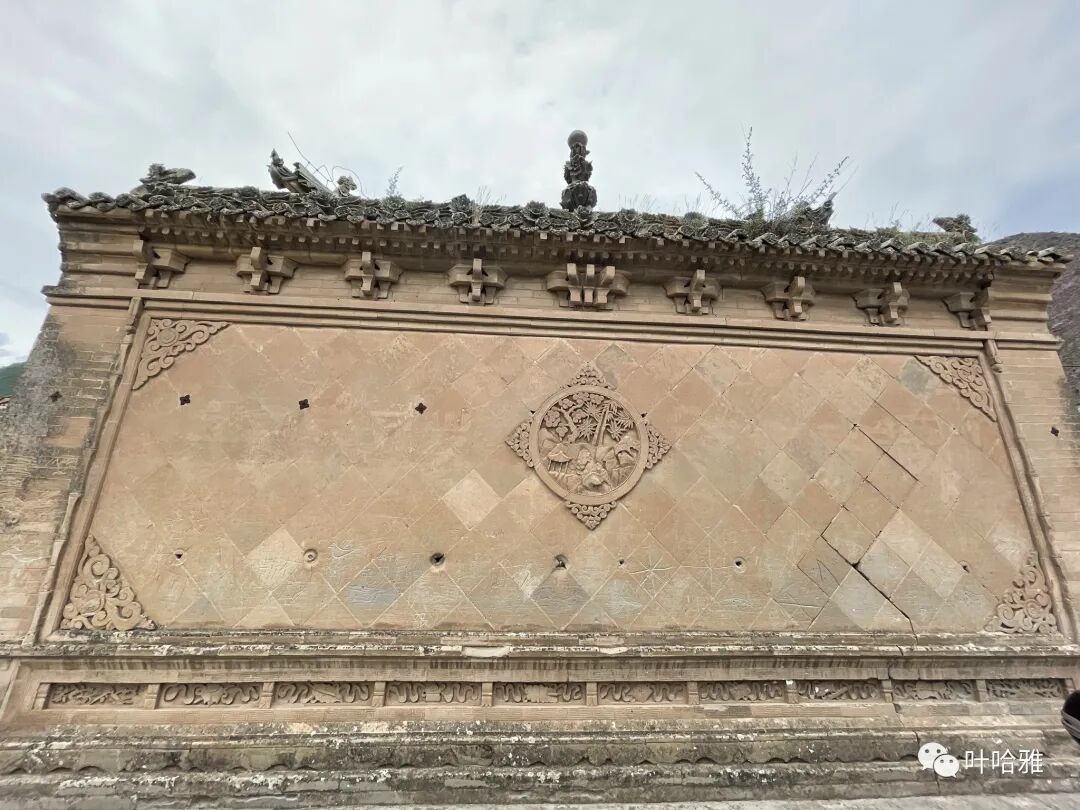
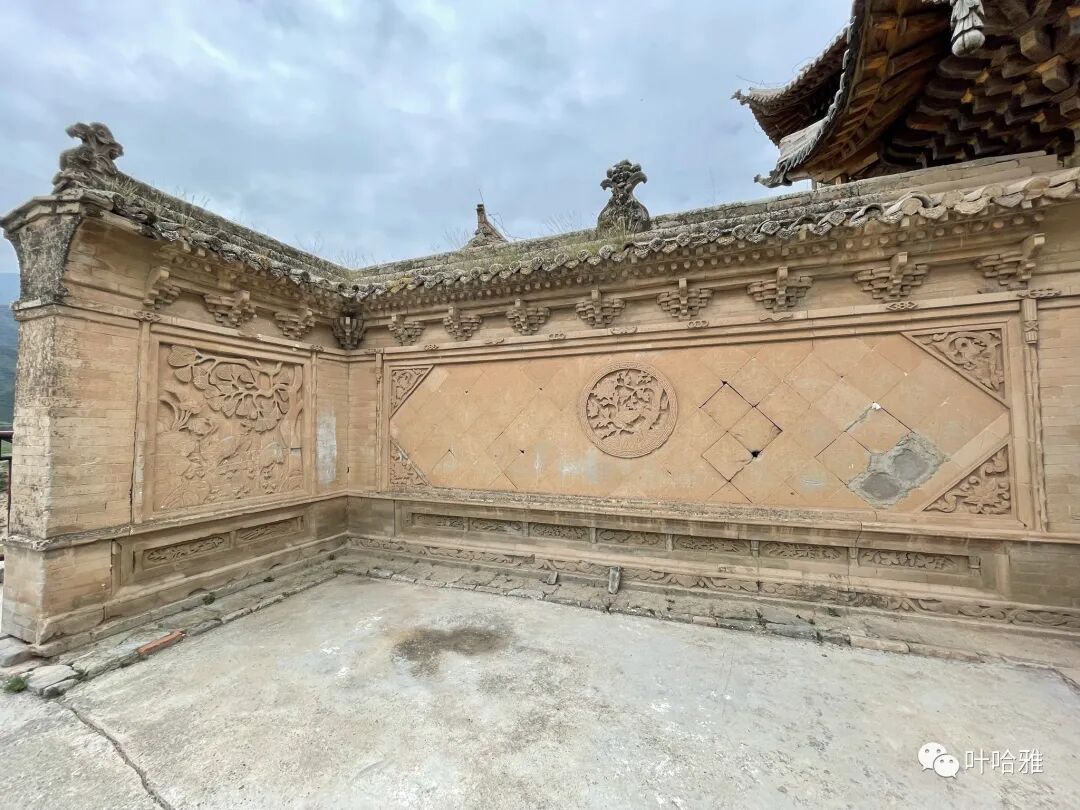
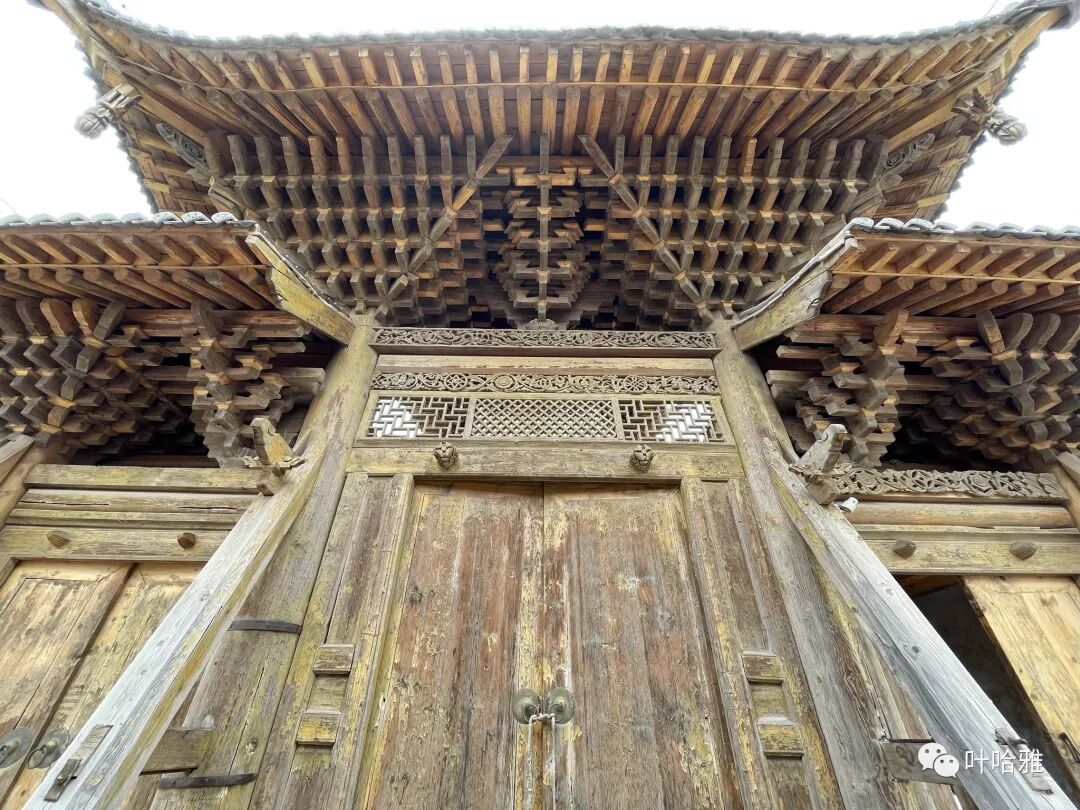
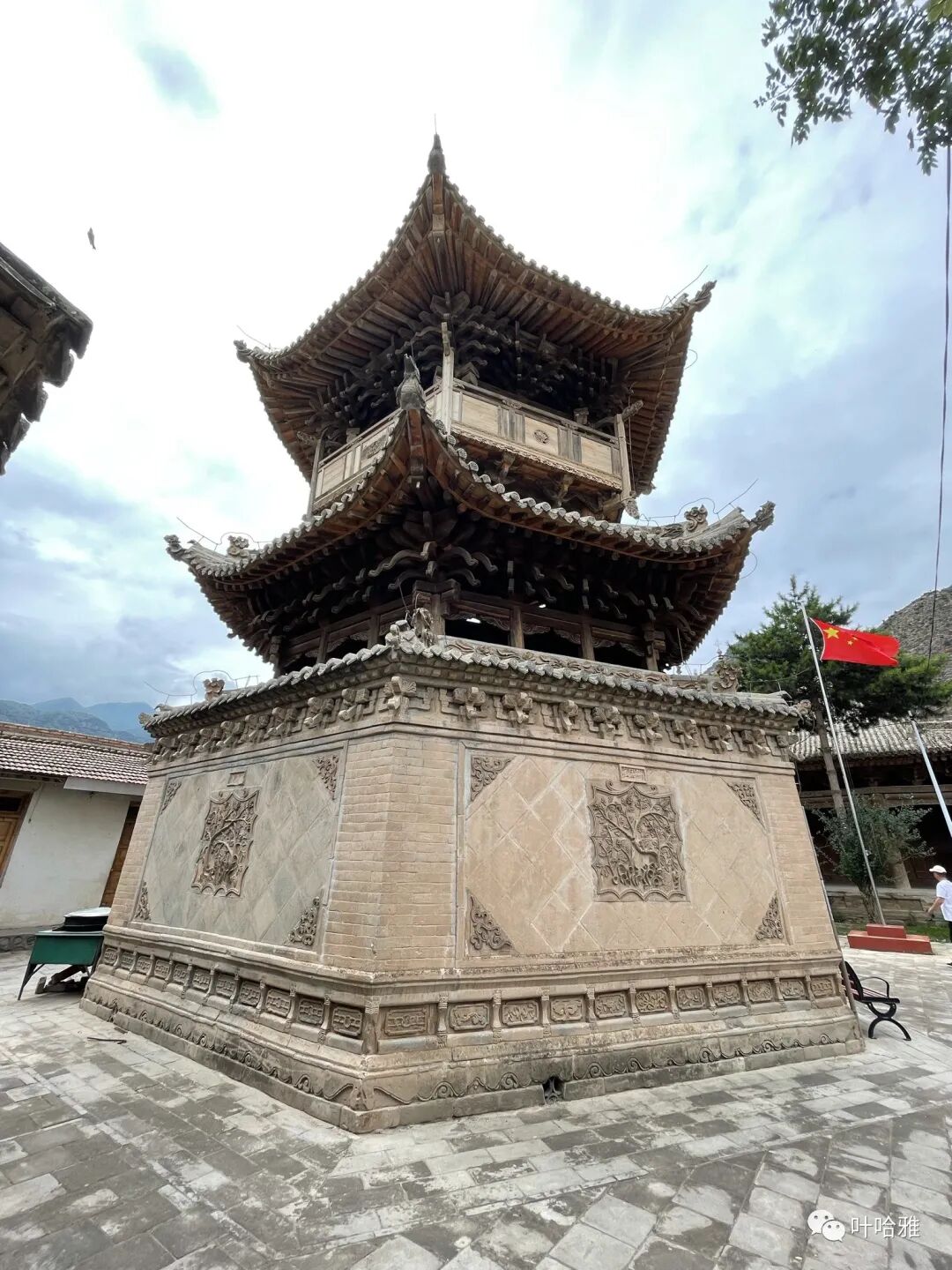
The three-story minaret has a brick base with a solid adobe interior and brick carvings on the walls. The second and third floors are wooden pavilions with double-eaved hexagonal helmet-shaped roofs.
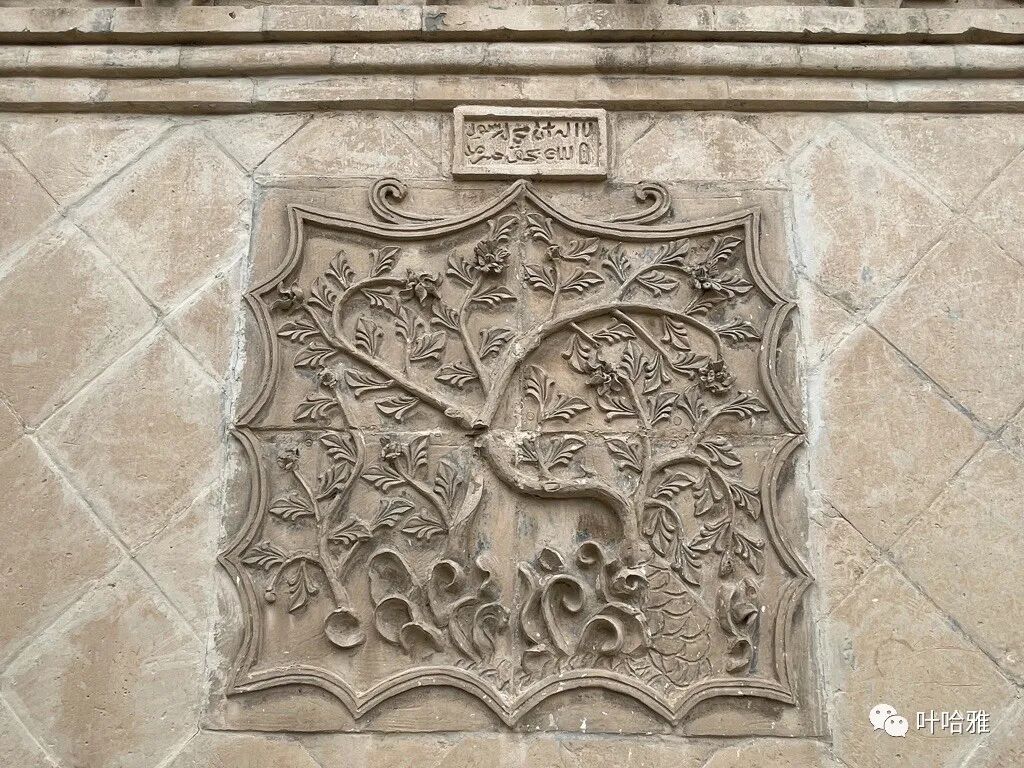
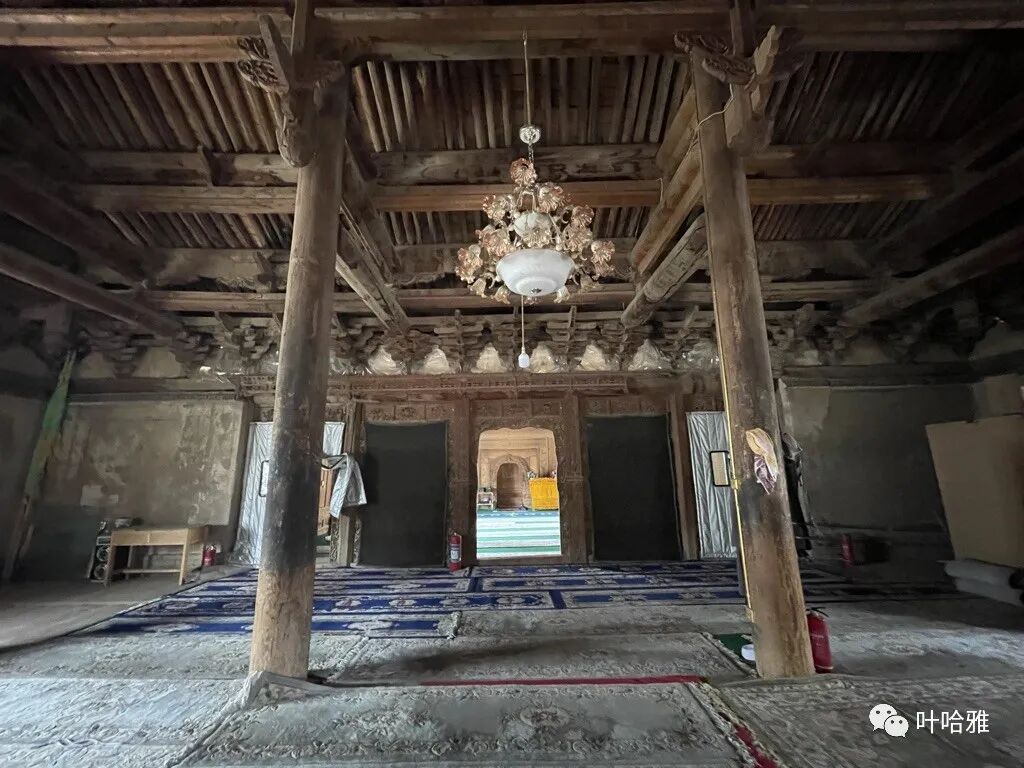
The prayer hall is a Ming Dynasty structure with a convex-shaped floor plan, with five bays, a single-eaved hip-and-gable roof, bracket sets, and a front porch. The mihrab hall has a T-shaped roof with upturned eaves.
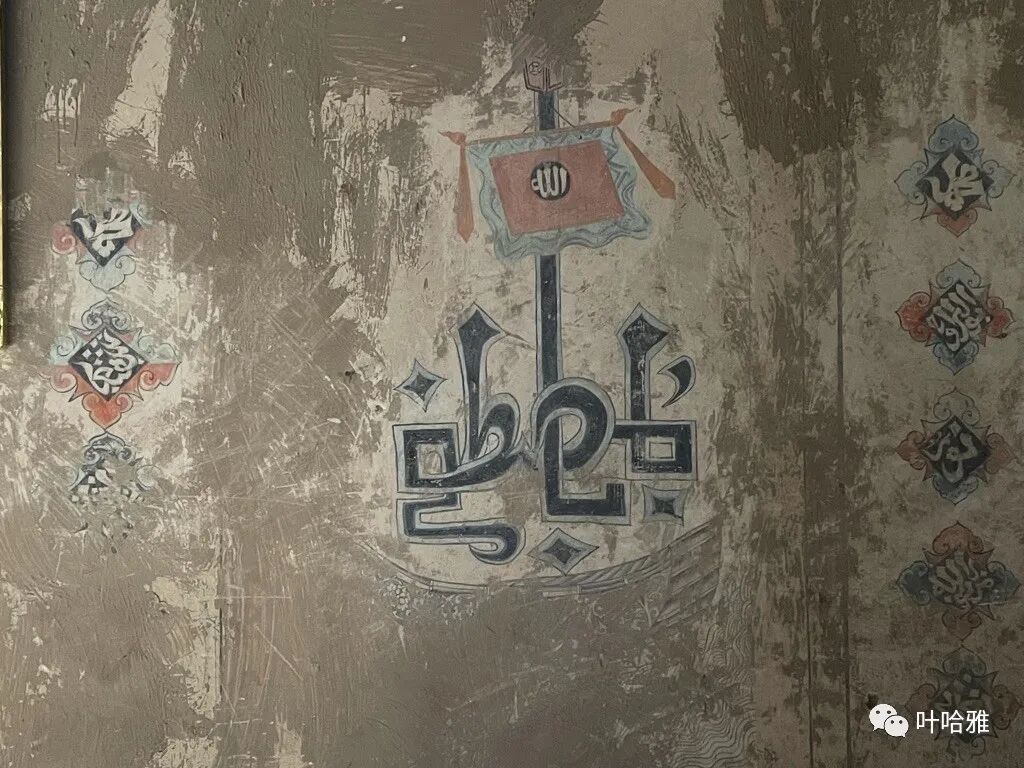
The prayer hall covers 250 square meters and uses a raised-beam wooden frame with natural wood finishes, giving it a simple and elegant look. The north and south walls are decorated with ancient murals of scripture. The mihrab hall features a grid-pattern beam frame.
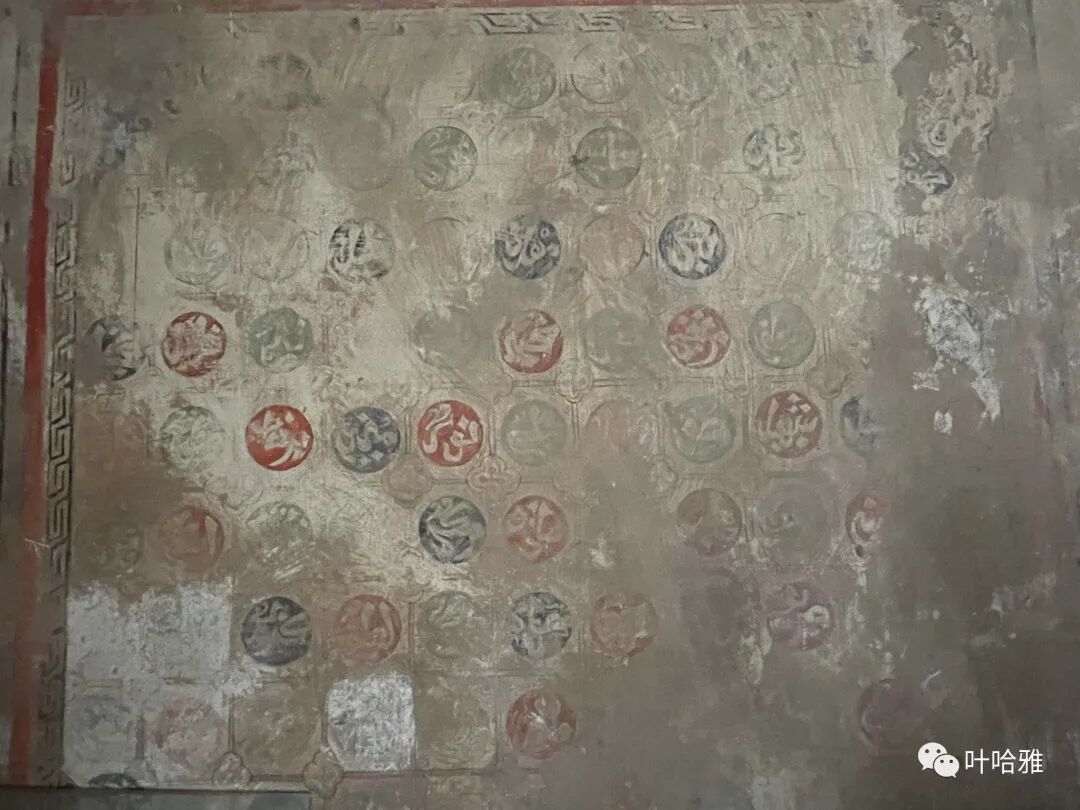
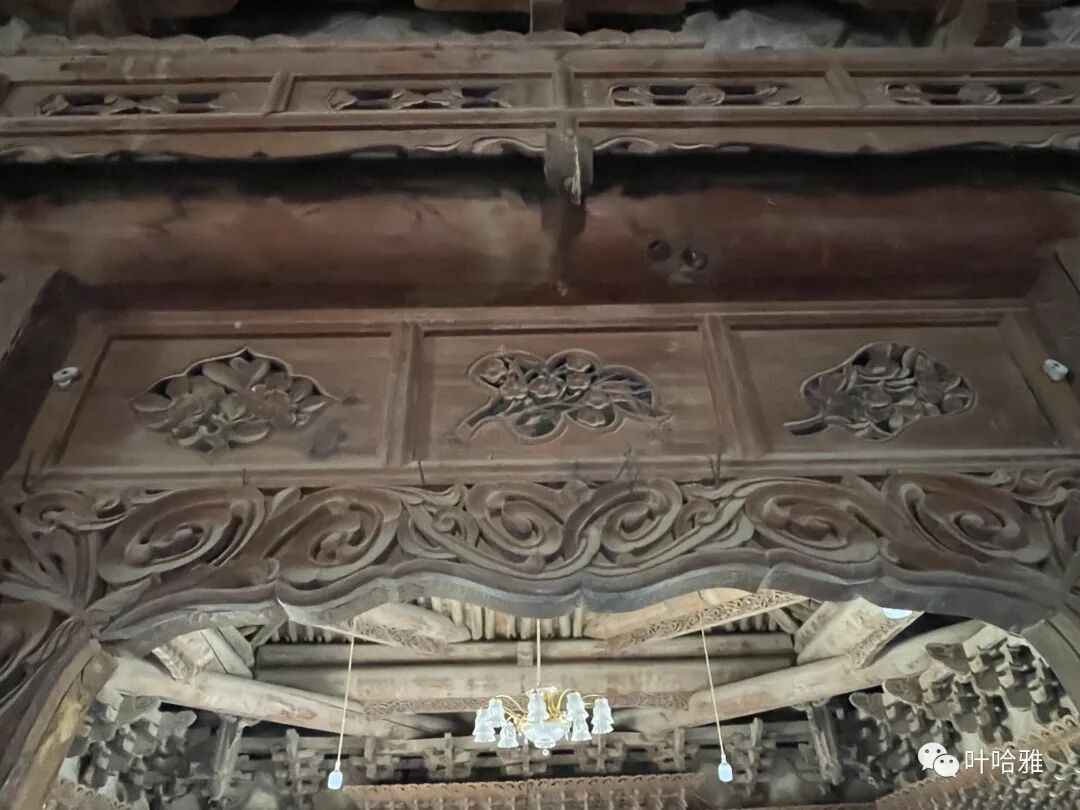
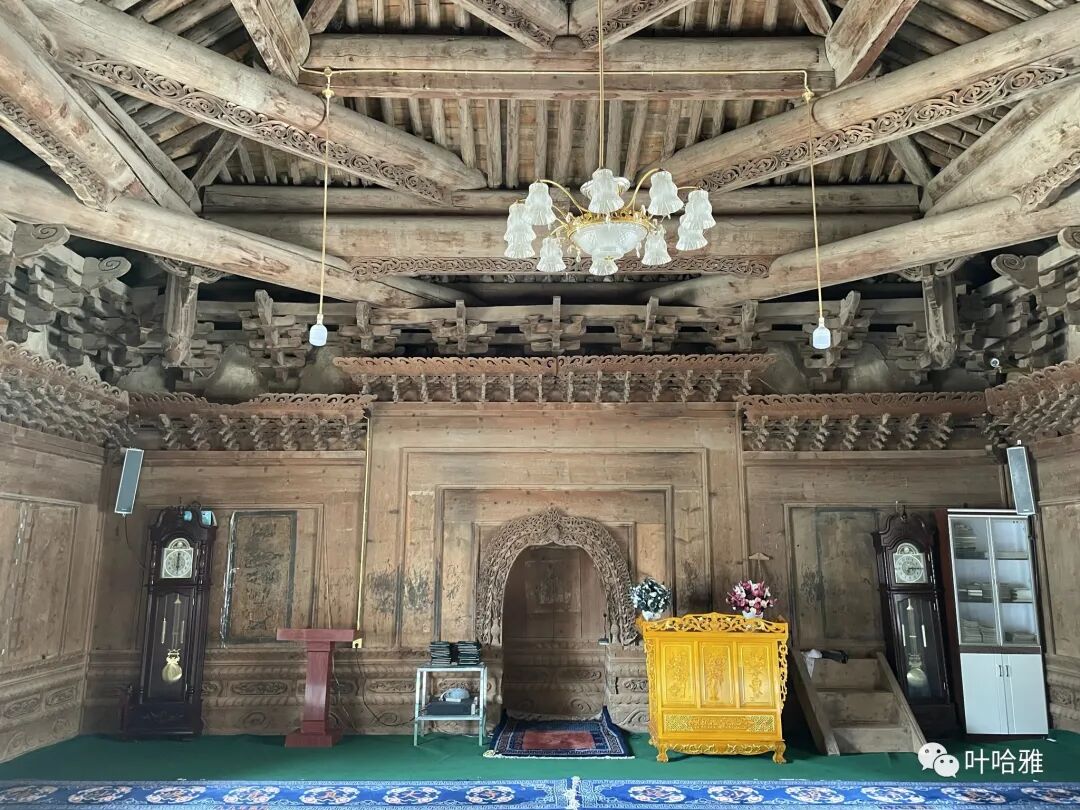
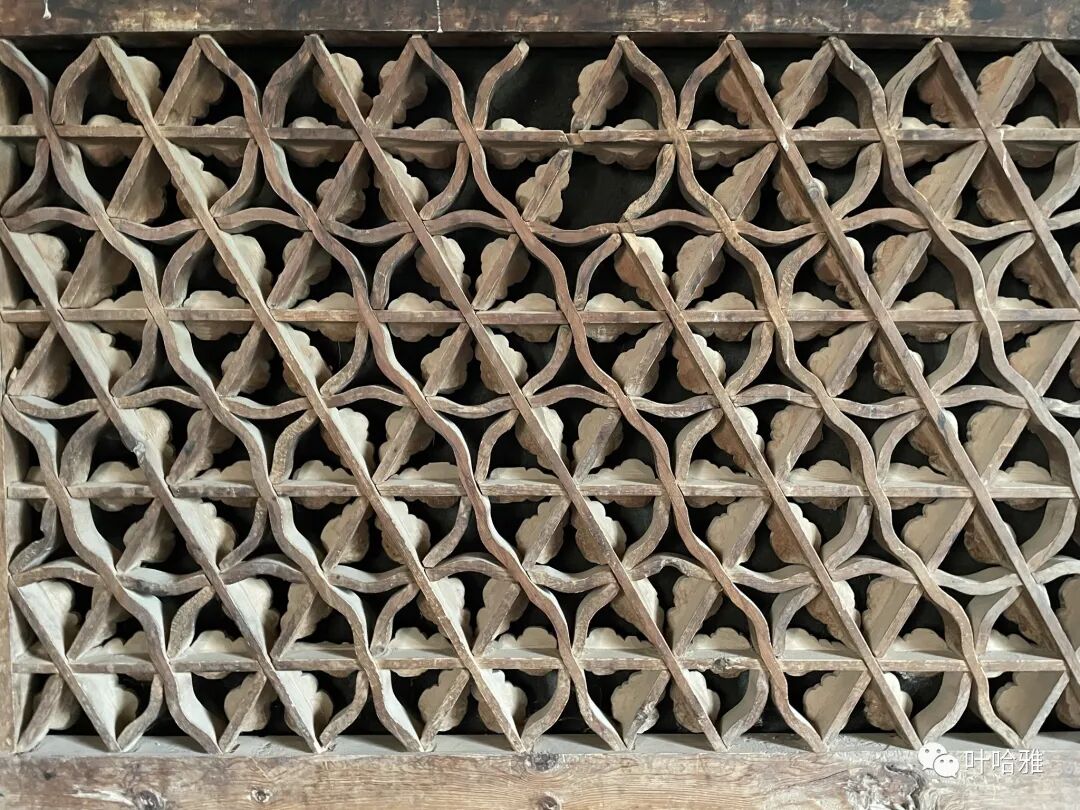
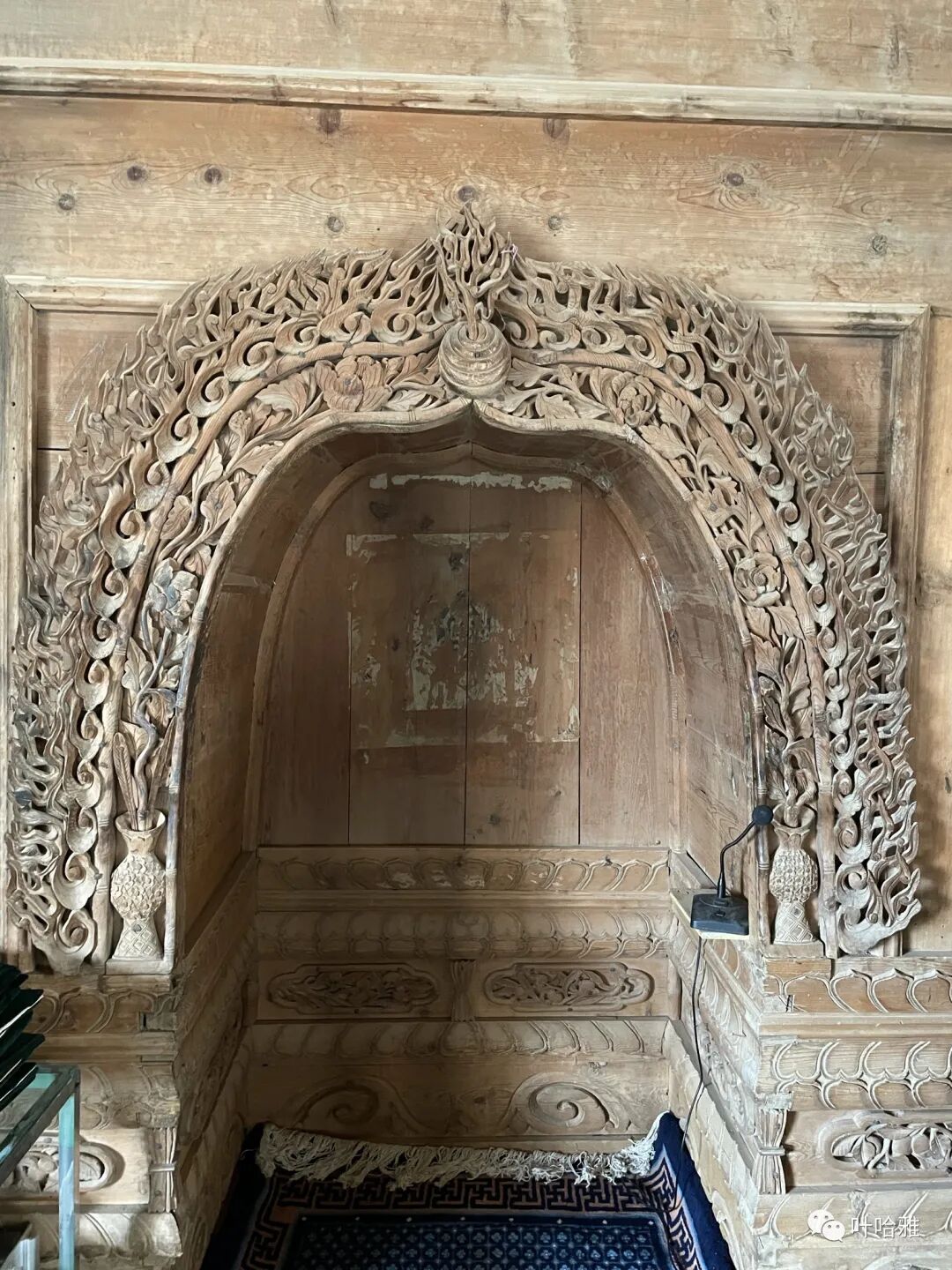
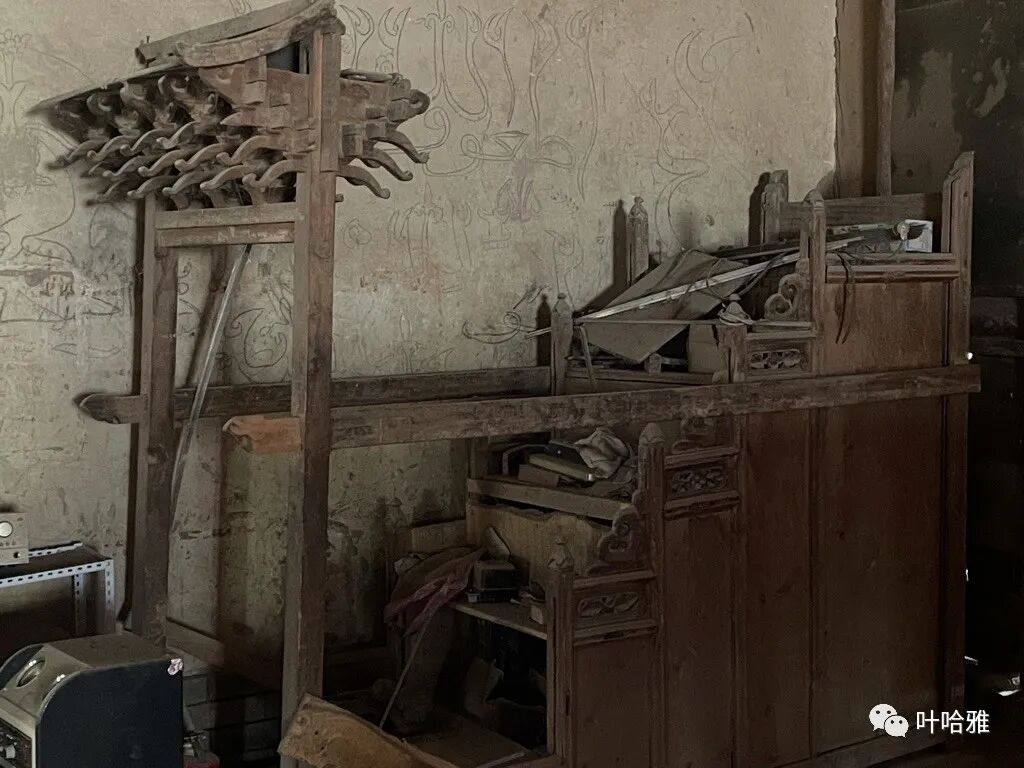
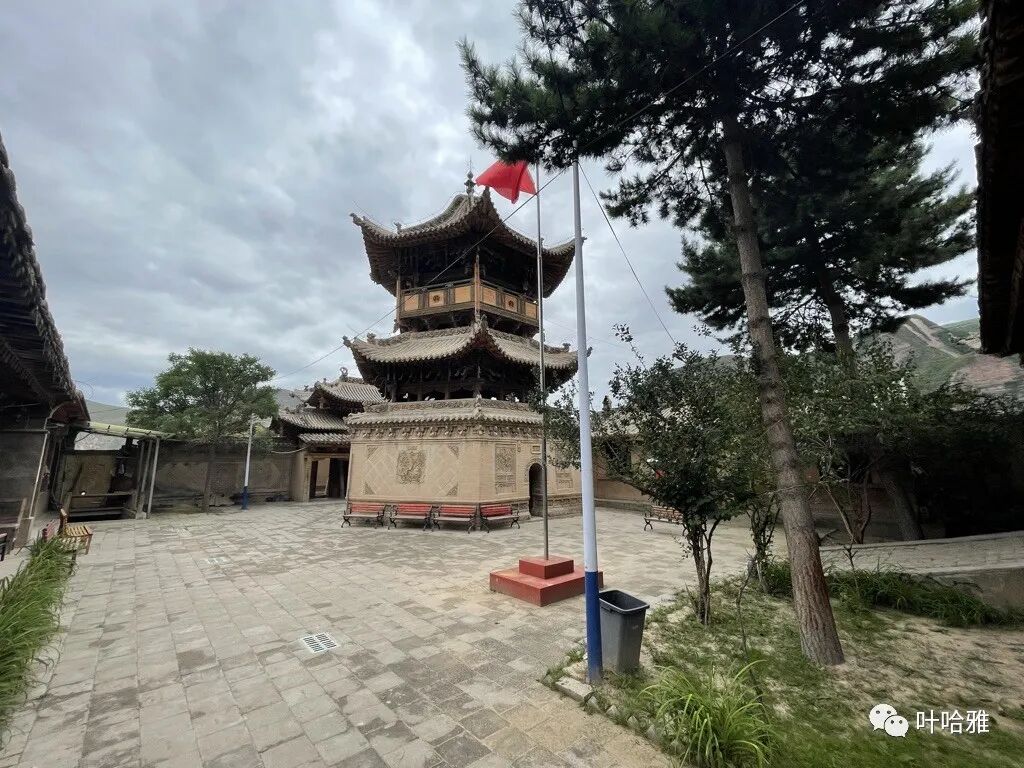
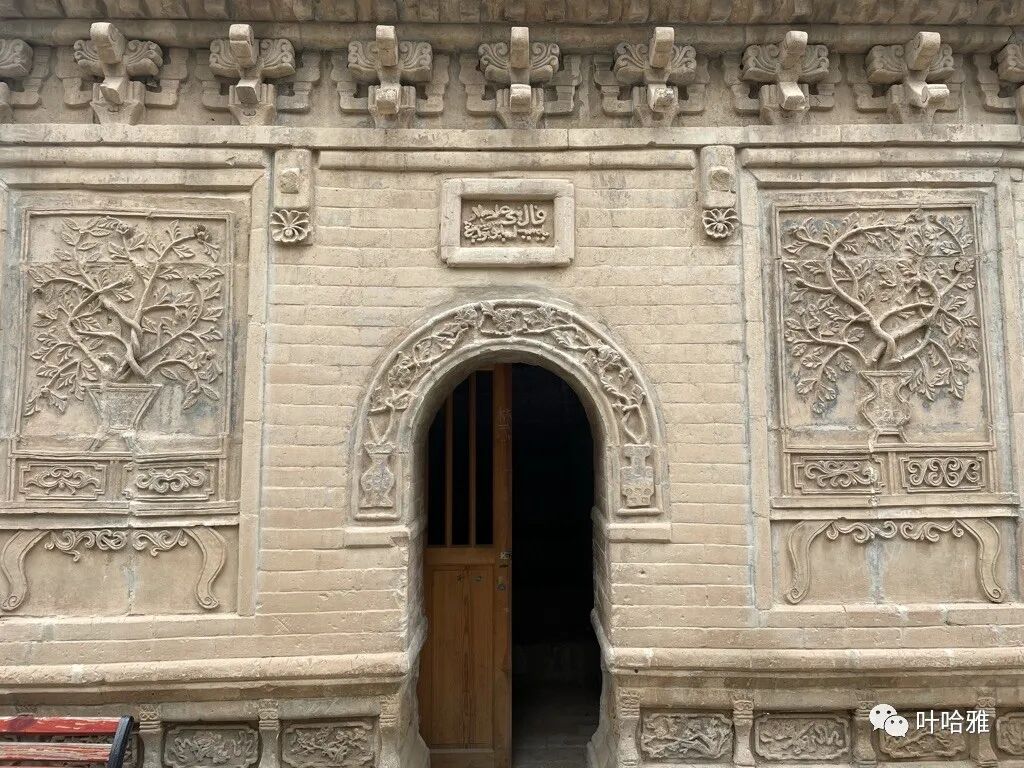
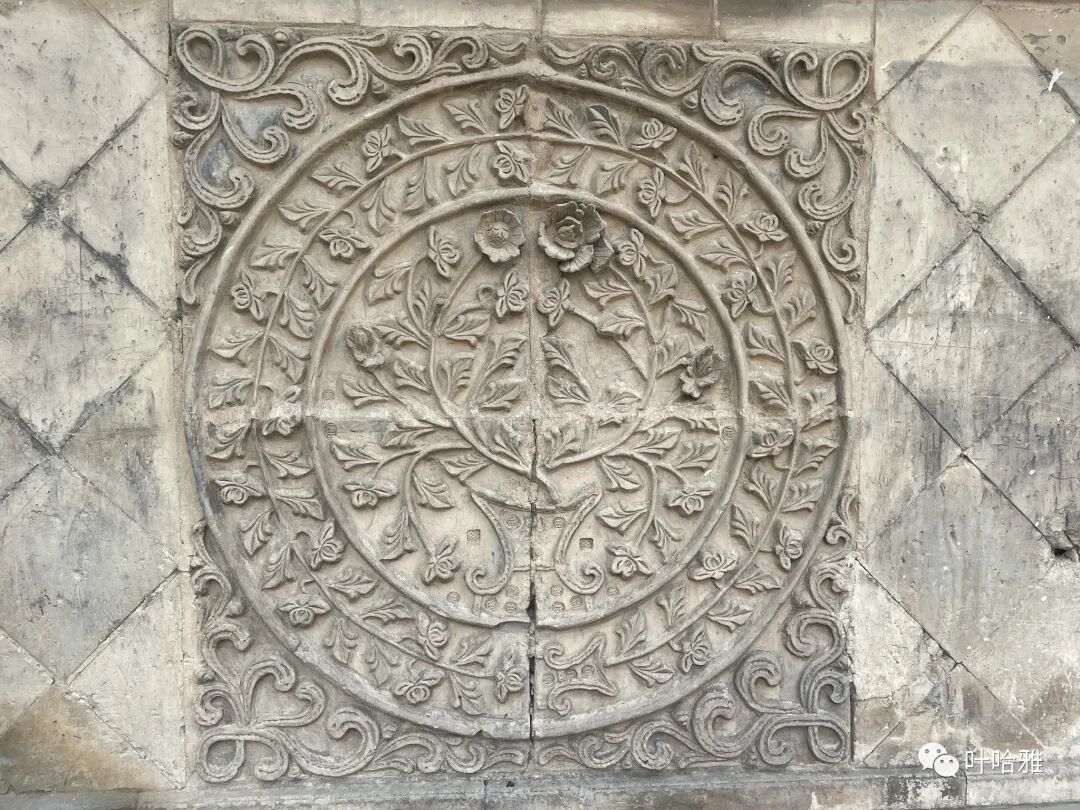
6. Suzhi Mosque
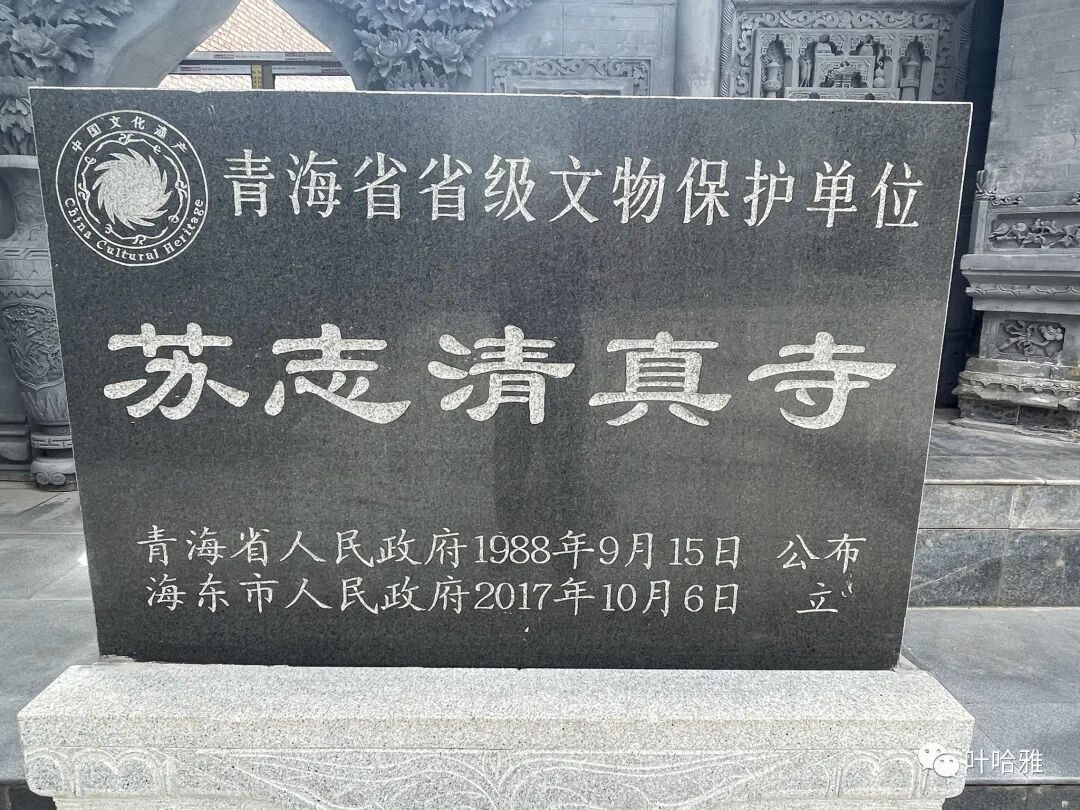
Suzhi Mosque is located in Suzhi Village, Chahandusi Township, Xunhua County, Qinghai Province. The mosque was first built in the fourth year of the Tianshun reign of the Ming Dynasty (1460) and was renovated and expanded during the Qing Dynasty. It has a square courtyard layout with a traditional four-sided courtyard design. The brick-and-wood buildings include a prayer hall, north and south scripture halls, a minaret, a gatehouse, a bathing room, and a screen wall. The prayer hall and scripture halls date back to the Qing Dynasty. In 1981, local elders donated funds for a large-scale renovation of the mosque. The mosque currently covers an area of 2,010 square meters, with a building area of 800 square meters.
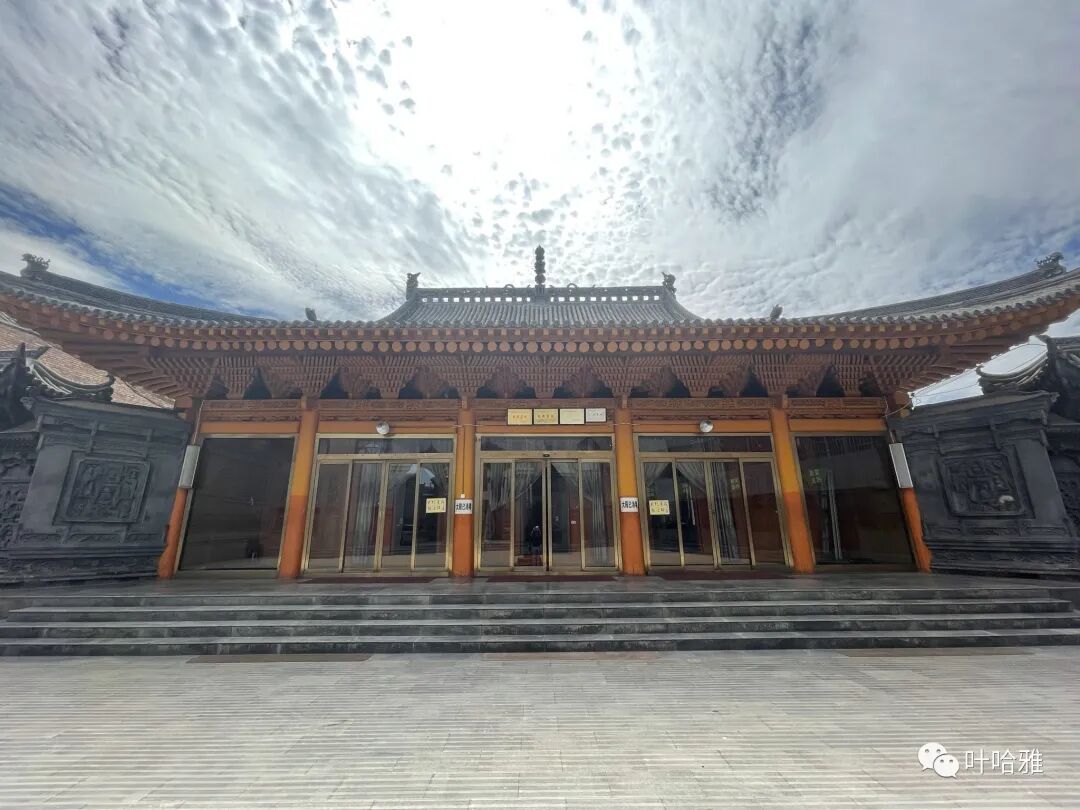
The prayer hall of Suzhi Mosque has five bays and a single-eave hip-and-gable roof with upturned corners. Aluminum alloy glass doors and windows are installed between the front eave pillars. There are brick-carved splayed walls on both sides. The prayer hall consists of a front hall and a back hall. The roof ridge features three treasure vases, and the lower part of the walls is inlaid with ceramic tiles. The front hall has five bays and the back hall has three, forming a T-shape. The structure uses five-purlin beams and a traditional raised-beam timber frame. Under the eaves of the prayer hall are five-step bracket sets, and the wood carvings on the beams are exquisite. The scripture hall has five bays, with three bright rooms and two dark rooms. It has a front corridor, and the beams are carved with floral patterns. It features a single-slope roof with a ridge and a hard-mountain roof style.
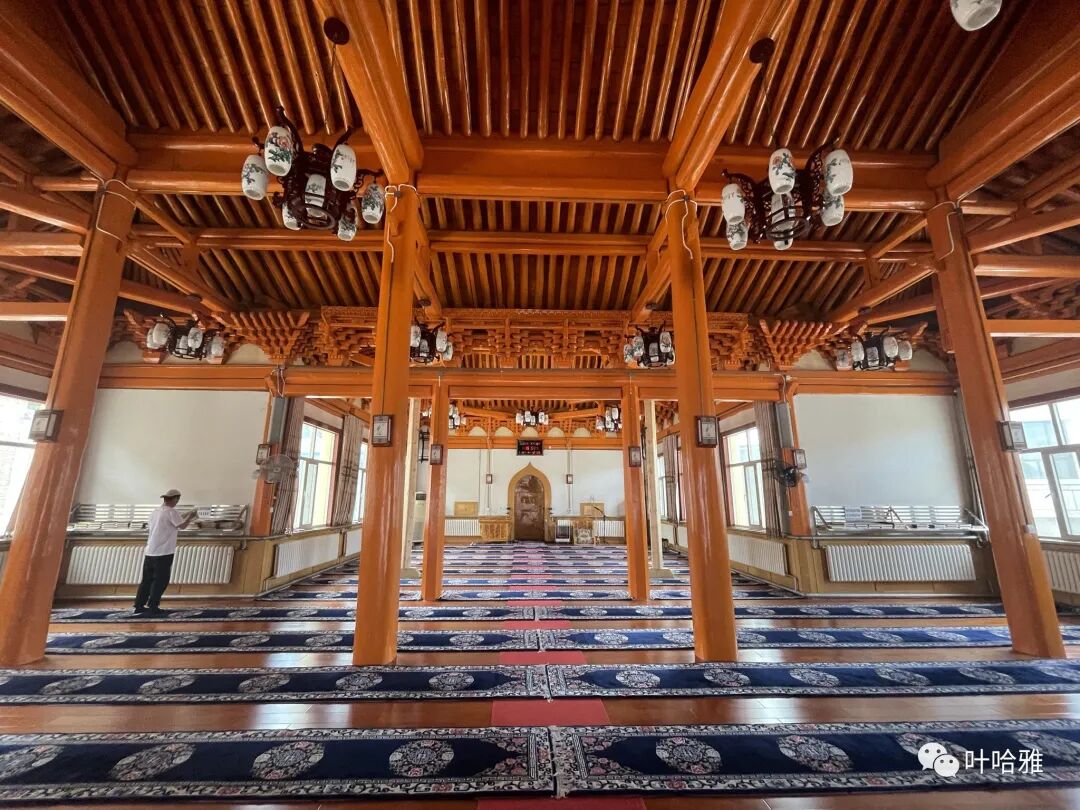
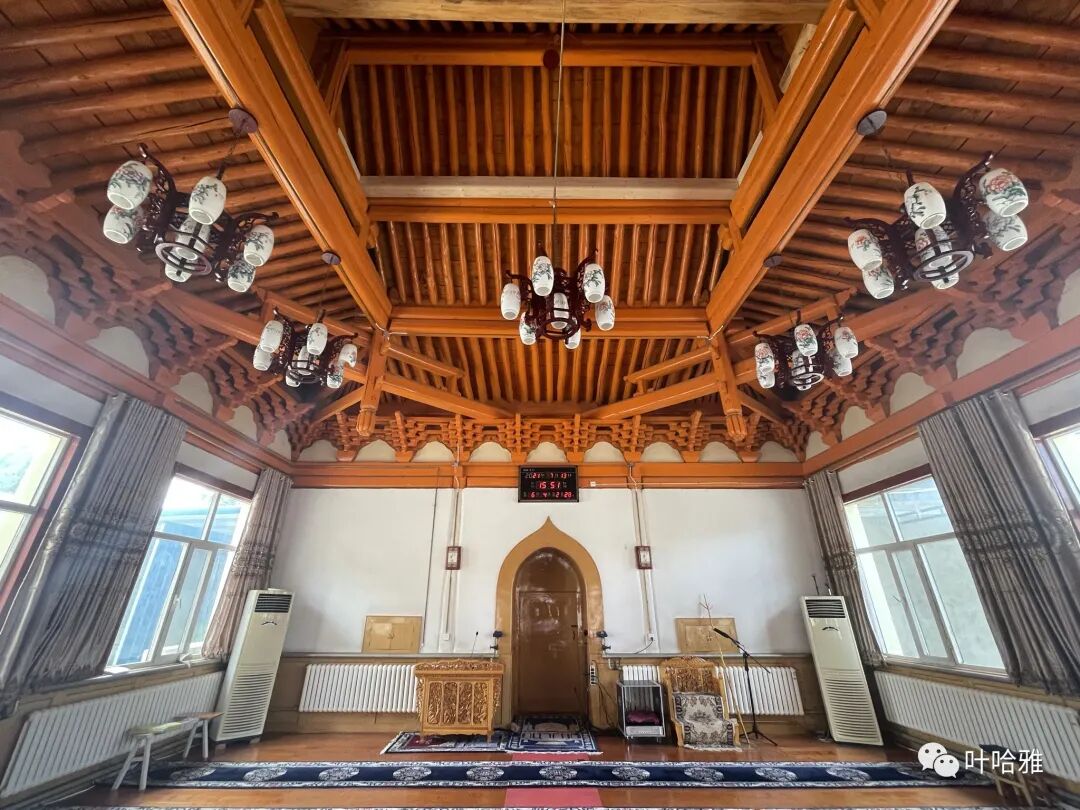
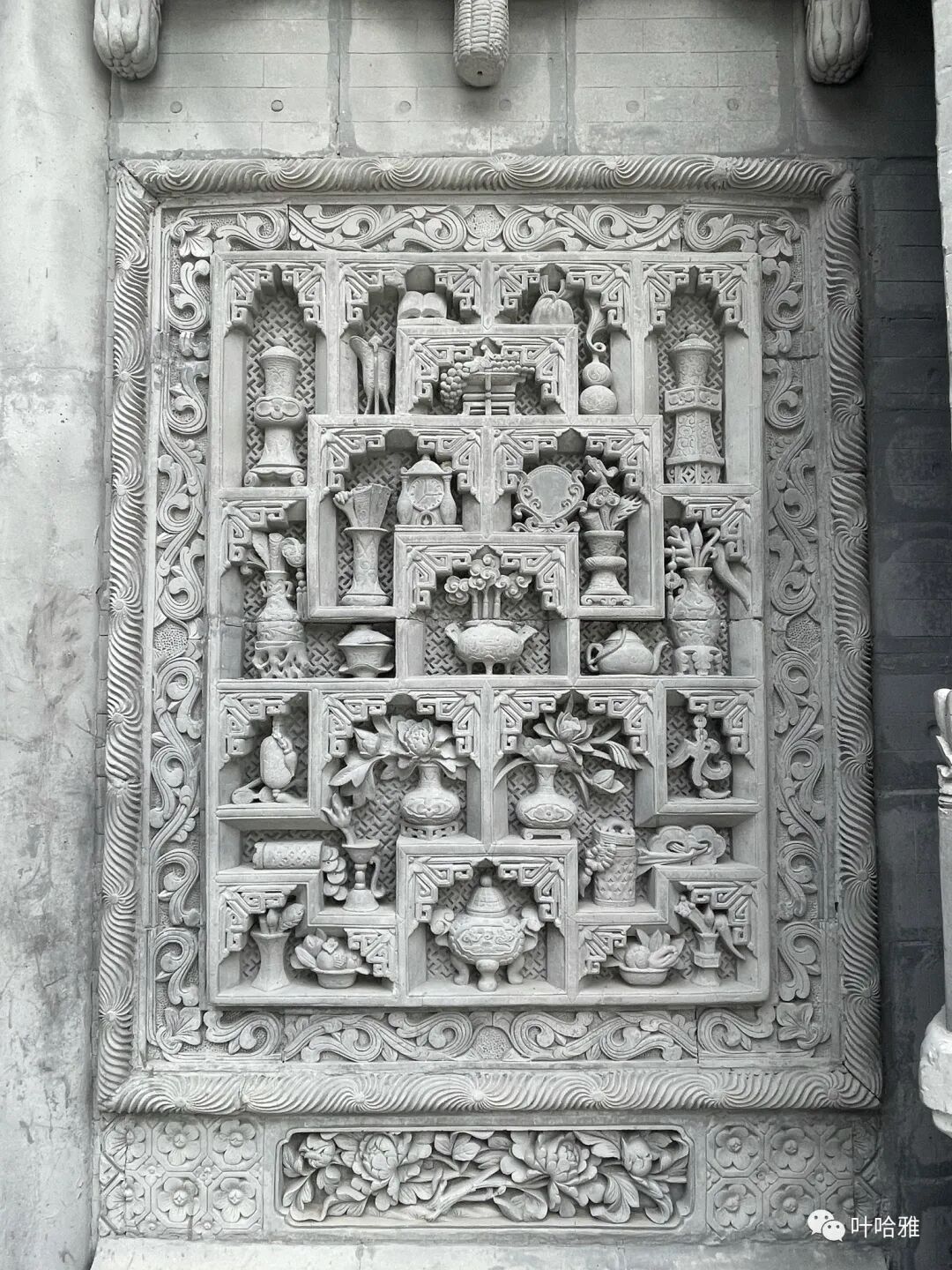
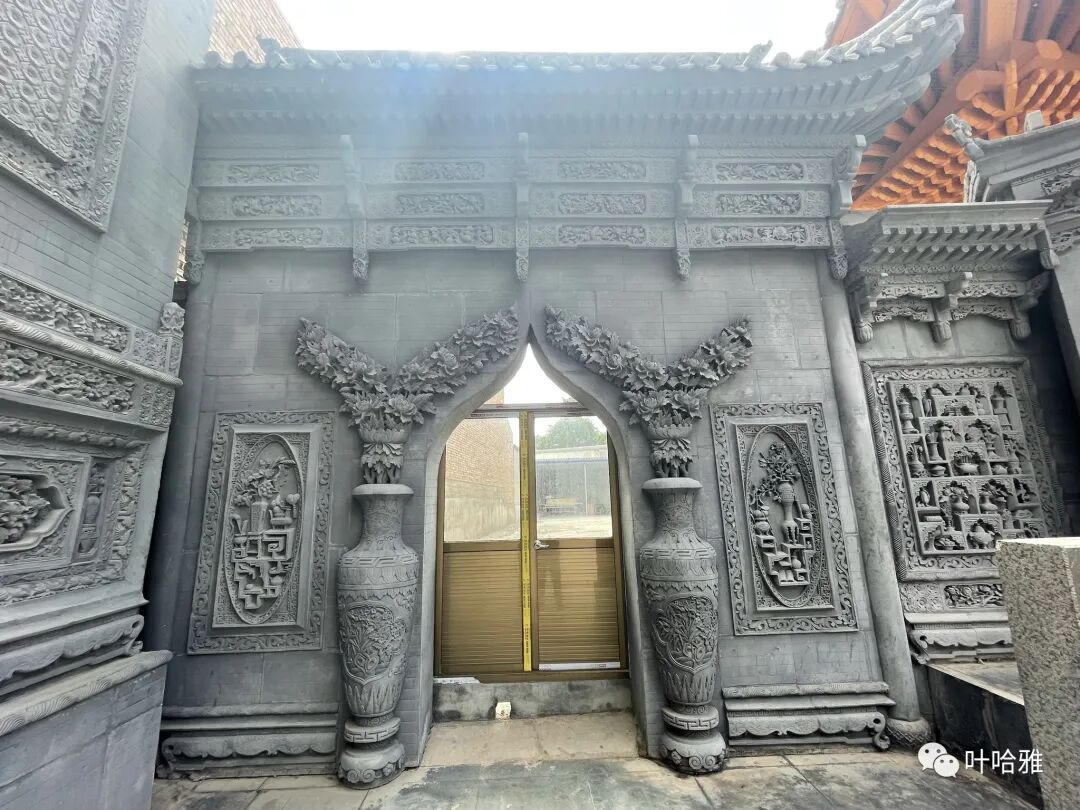
7. Quran Museum
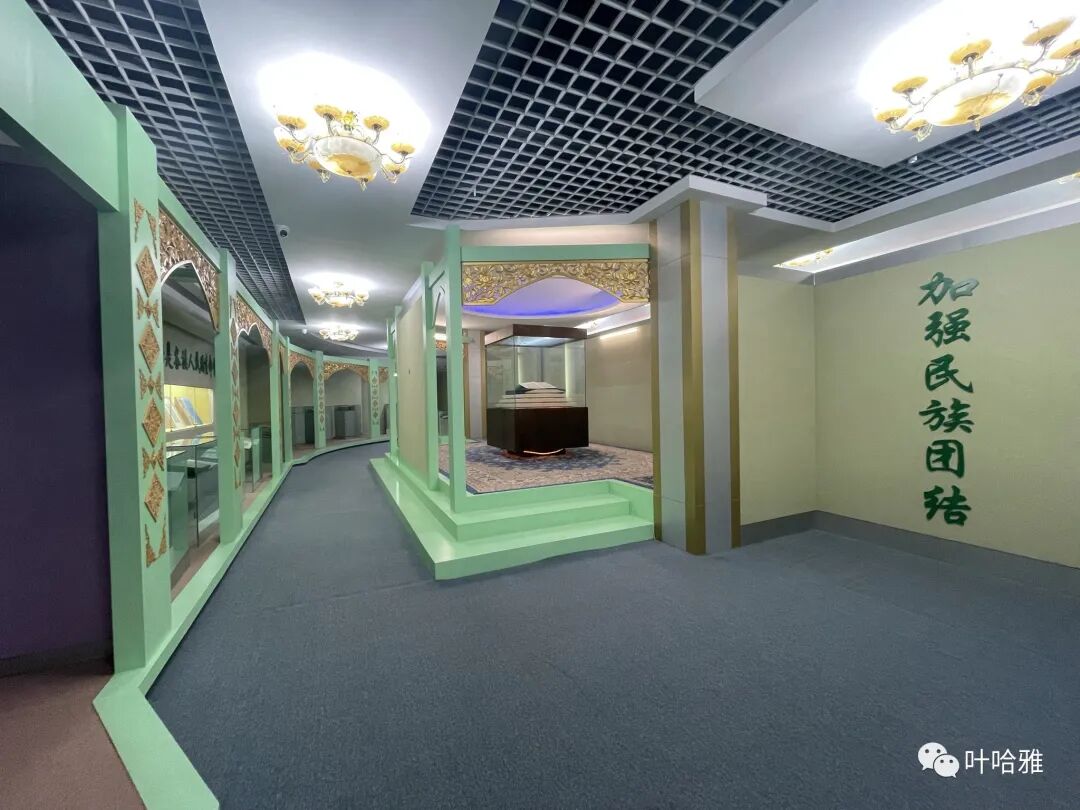
The Quran Museum is located in the building opposite Jiezi Mosque. The door is usually locked, but there is a phone number for the manager at the entrance. You can call to have someone open the door for a free visit. Two Salar leaders, Galemang and Ahemang, brought a handwritten Quran on a white camel from their original home in the Sarakhs region of Mary Province, Turkmenistan, in Central Asia. They traveled through Samarkand to China and settled in Xunhua, Qinghai, between the 10th and 14th centuries.
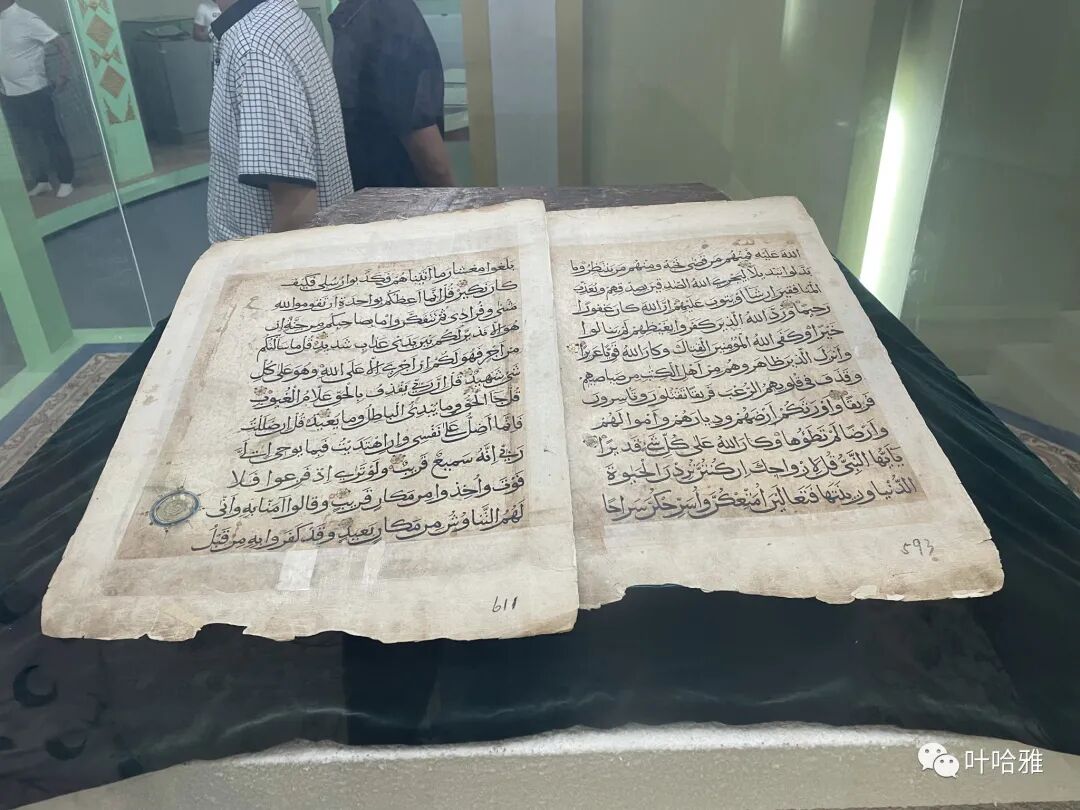
This Quran is divided into two parts, each with 15 volumes, totaling 30 volumes and 867 pages. The cover is made of rhinoceros hide, and the script is in the early Arabic Muhaqqaq style. The Muhaqqaq style formed during the Buyid era of the Abbasid Caliphate in the 11th century, and this book dates back to between 900 and 1200 AD.
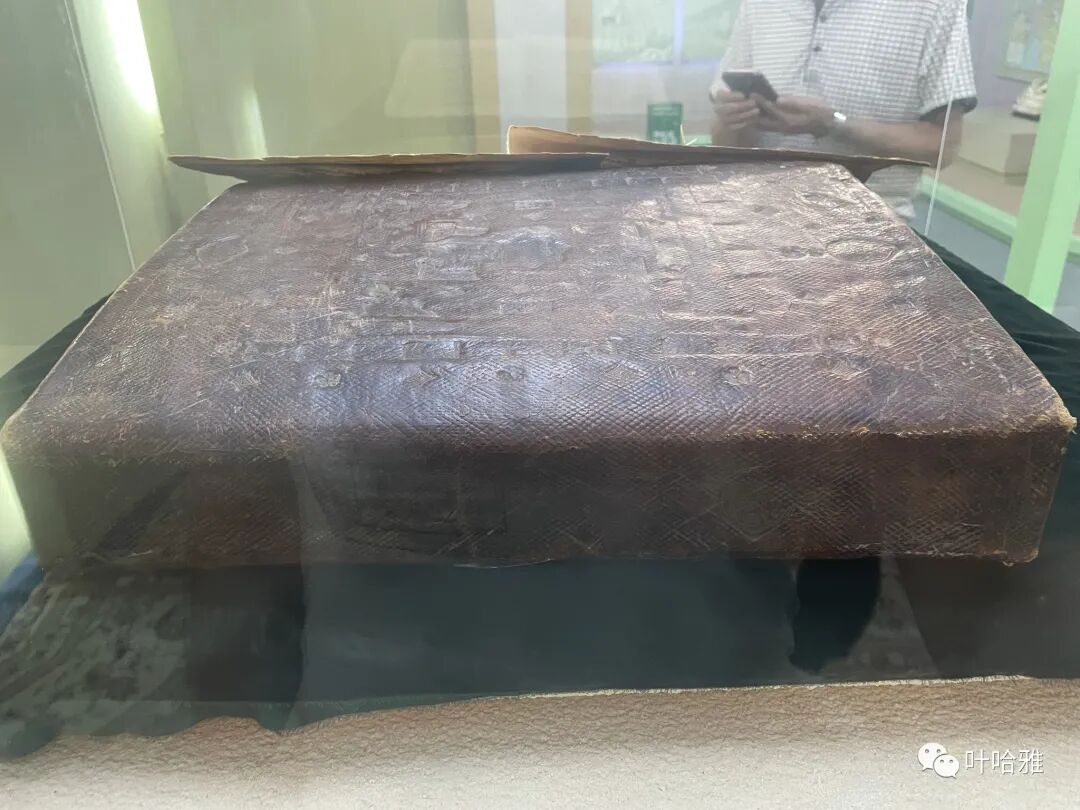
The Quran Museum also houses various other editions of the Quran.
Pocket-sized Quran
8. Jiezi Gongbei in Xunhua
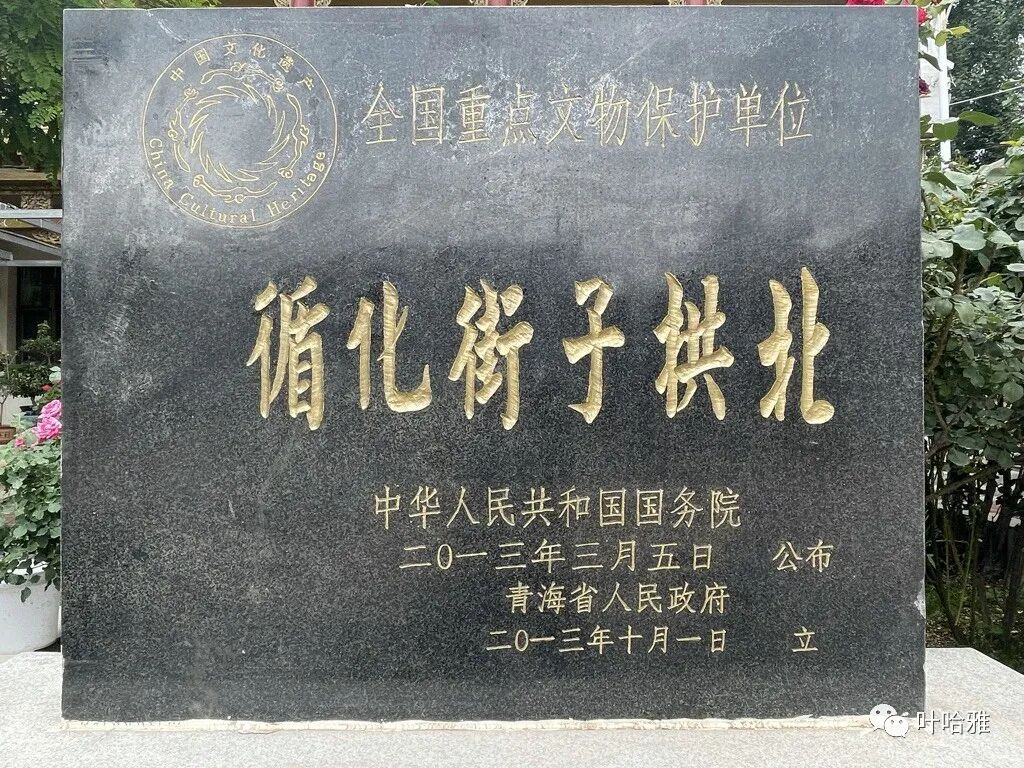
Jiezi Gongbei in Xunhua County is the tomb of Han Chengxiang (1822-1900), a spiritual leader of the Qadiriyya menhuan. Han Chengxiang traveled twice to the Shah Awliya shrine in Yarkant, Xinjiang, to seek guidance from his teachers. This gongbei was first built in 1950 and is now a major historical and cultural site protected at the national level.
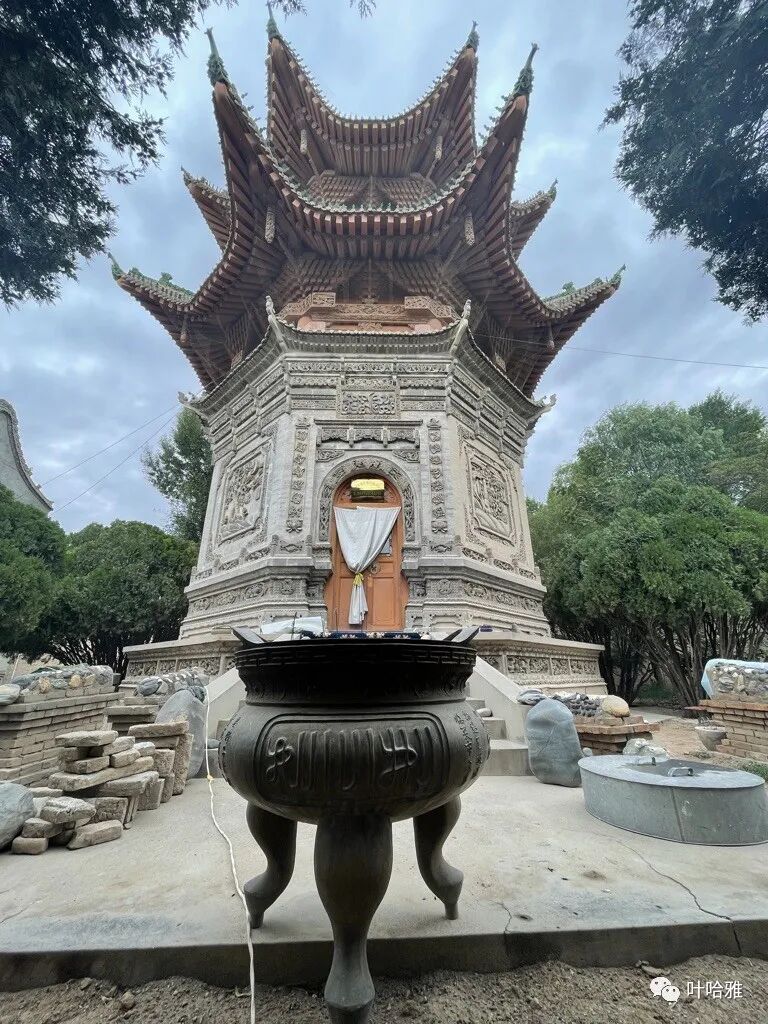
I have visited important Qadiriyya gongbei sites, including those in Xixiang, Langzhong, Songpan, and Linxia. They left a great impression on me. When the elderly caretaker at the gongbei heard I was from Beijing, he not only unlocked the tomb chamber for me to visit but also warmly invited me into his room for tea.
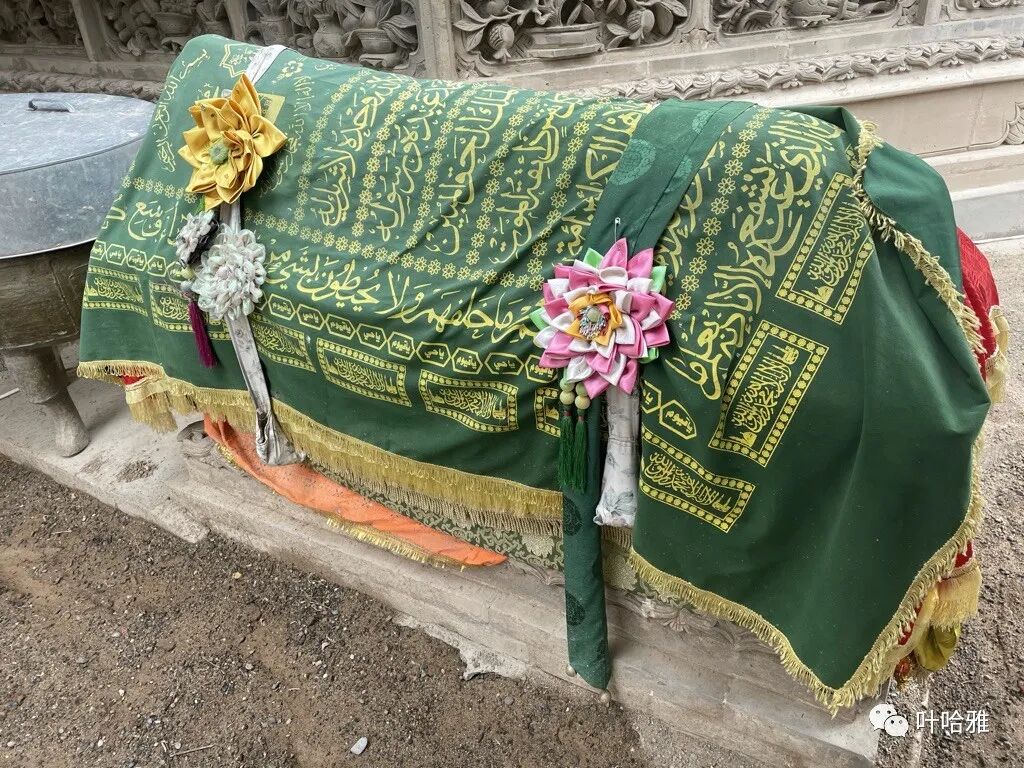
My father-in-law is Ikhwan, so he has no interest in gongbei. Although our community in Beijing follows the Gedimu tradition, there are two tombs of saints (shaihai) inside the Niujie Mosque.
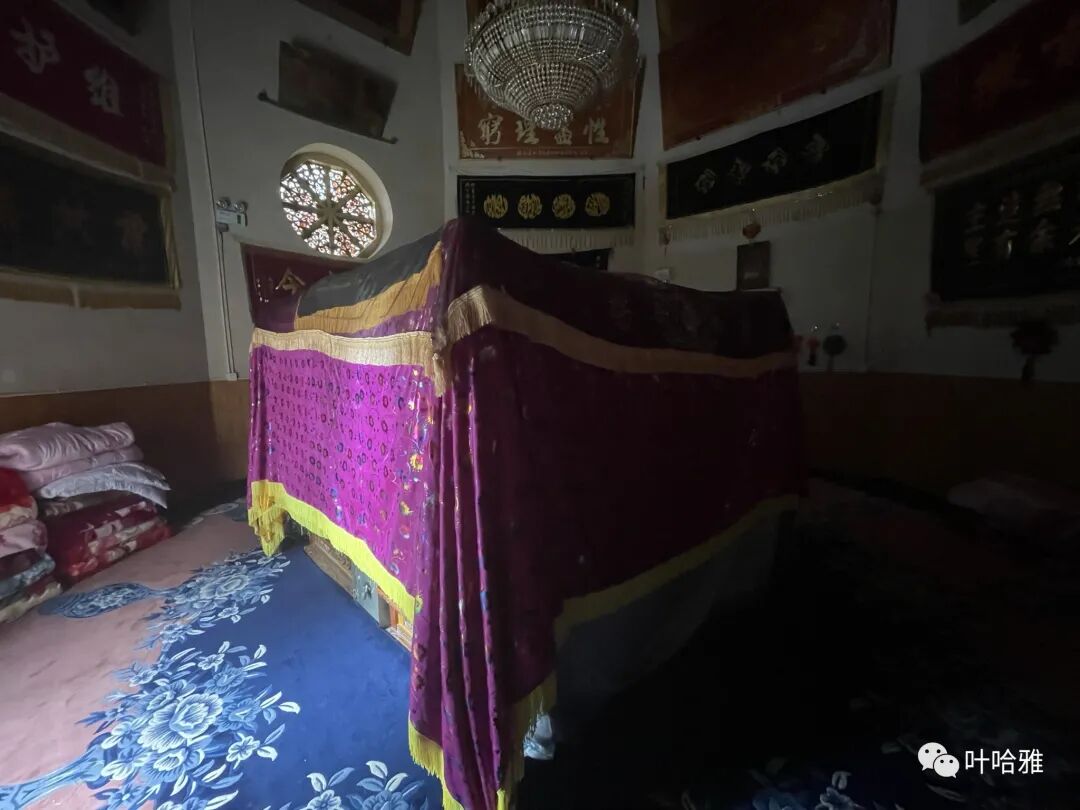
Elder Juma once provided a legal ruling (fatwa) on praying in mosques that contain graves: if the grave is next to the mosque and the prayer is performed inside the mosque, the prayer is valid. If the grave is inside the mosque, the Hanbali school of jurisprudence holds that the prayer is invalid. However, the other three major schools of jurisprudence consider the prayer valid, though praying with a grave in front of the worshiper is considered disliked (makruh).
Based on this ruling, none of the gongbei in China have the graves and the mosque built together; every gongbei has a separate prayer room.
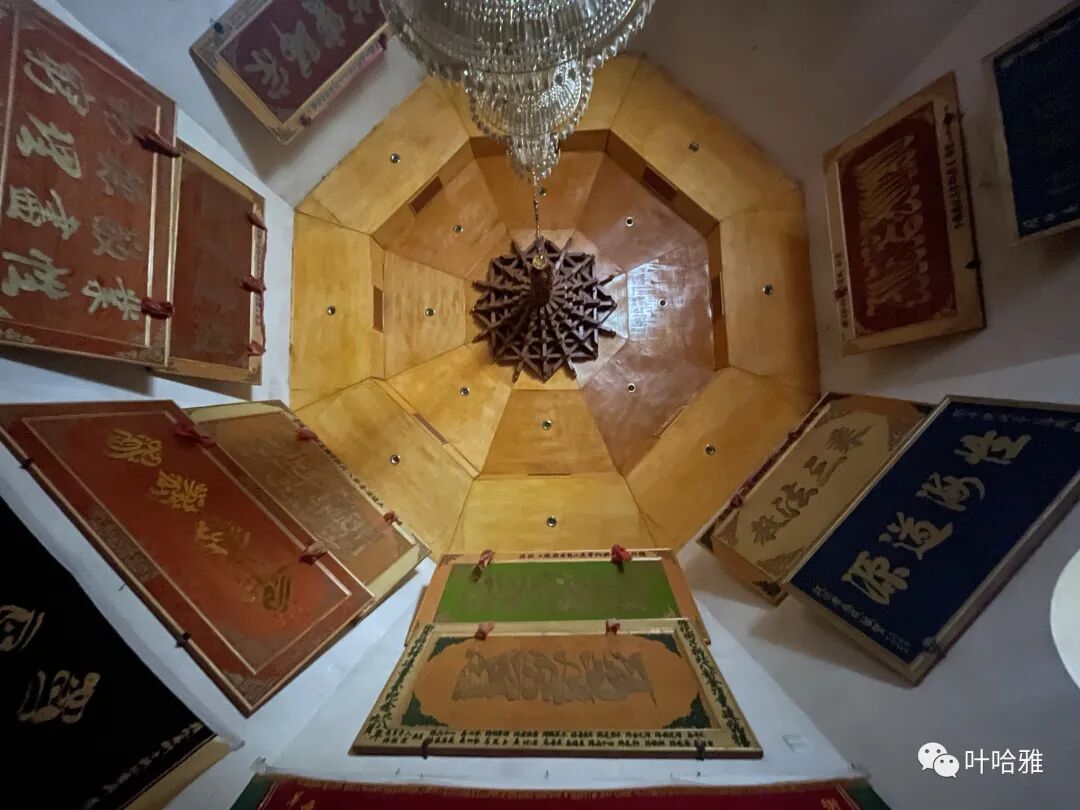
9. West Route Army Memorial Hall
During this second visit to Hongguang Village, I saw that the West Route Army Memorial Hall had been completed. Hongguang Village has a mosque called Hongguang Mosque, also known as Zanbuhu Mosque. Because it is the only mosque in the country built by the Red Army, it is listed as a major historical and cultural site protected at the national level.
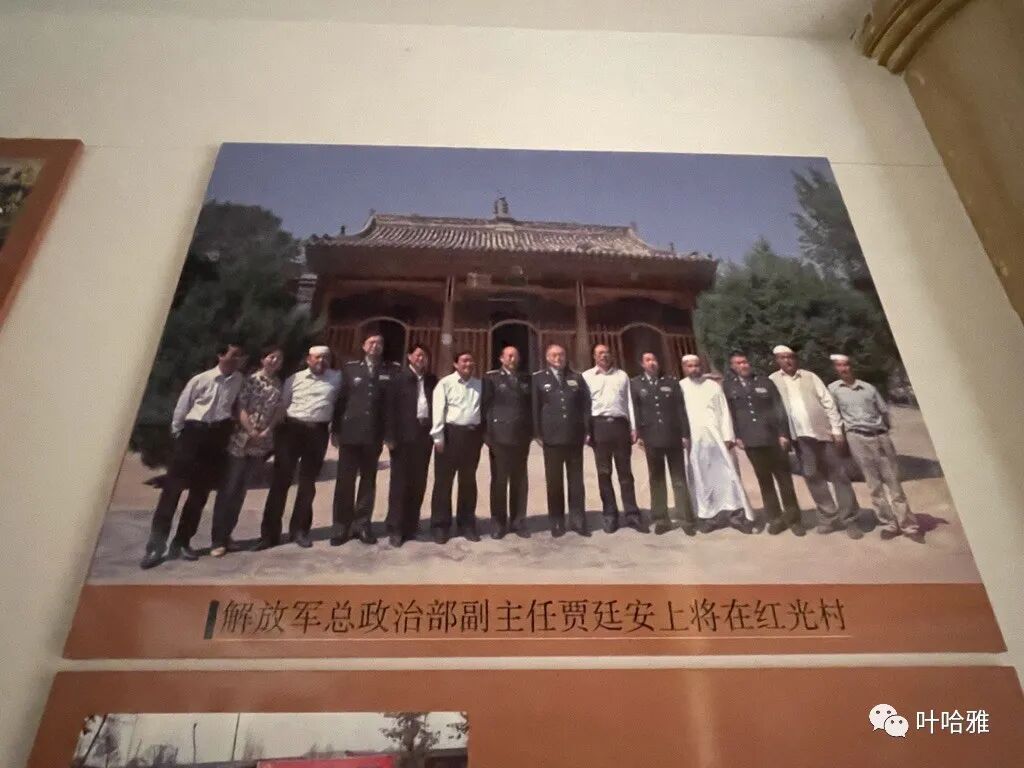
Descendants of the Red Army have visited Hongguang Village many times to honor the martyrs. Their fathers were captured by the Nationalist army under Ma Bufang and sent to Hongguang Village to build this mosque.
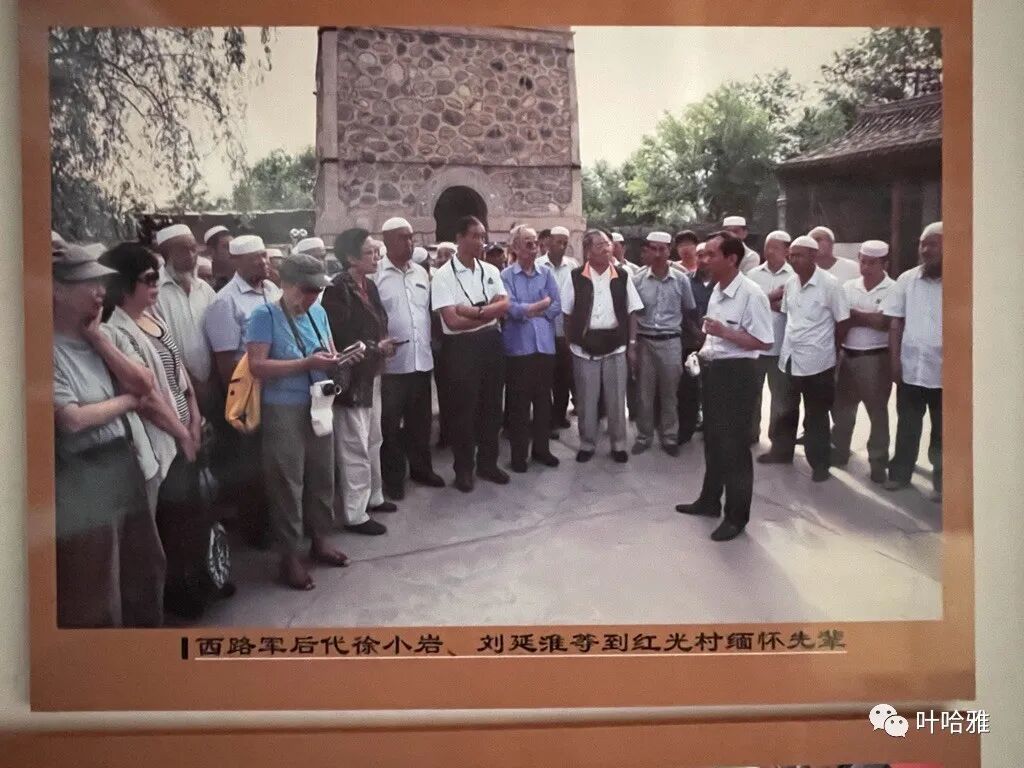
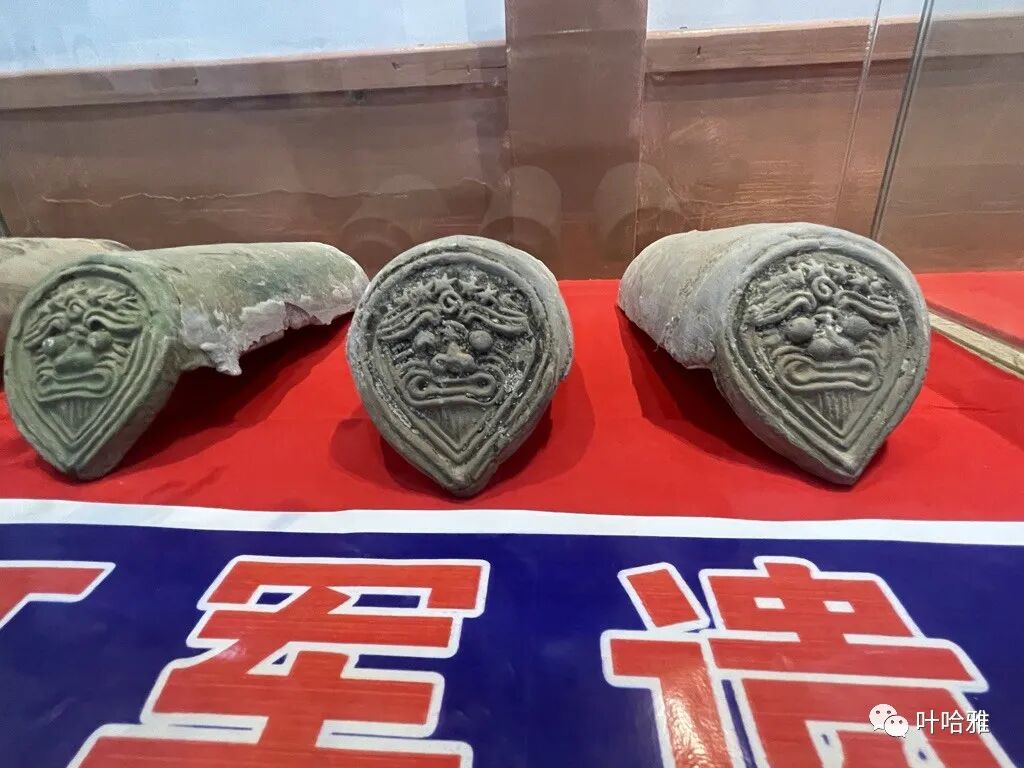
These captured Red Army soldiers were defiant, so they secretly carved revolutionary symbols like stars, sickles, and hammers into the bricks and tiles of the mosque.
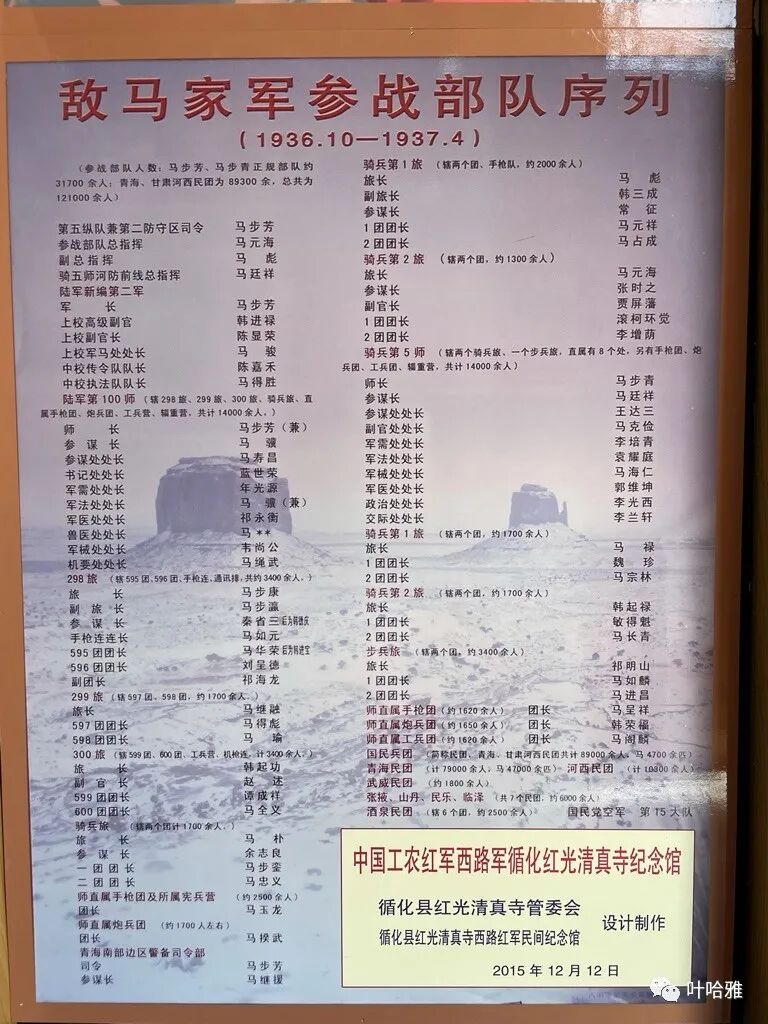
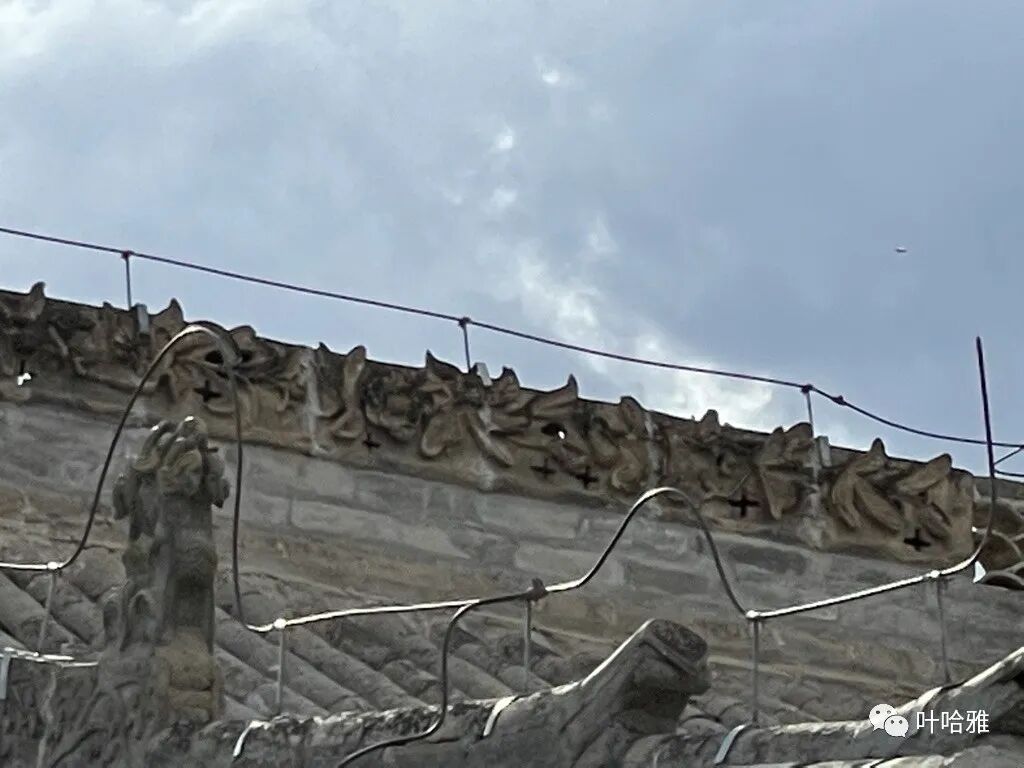
These revolutionary symbols are scattered among the tiles on the roof of the mosque, where most people would not notice them.
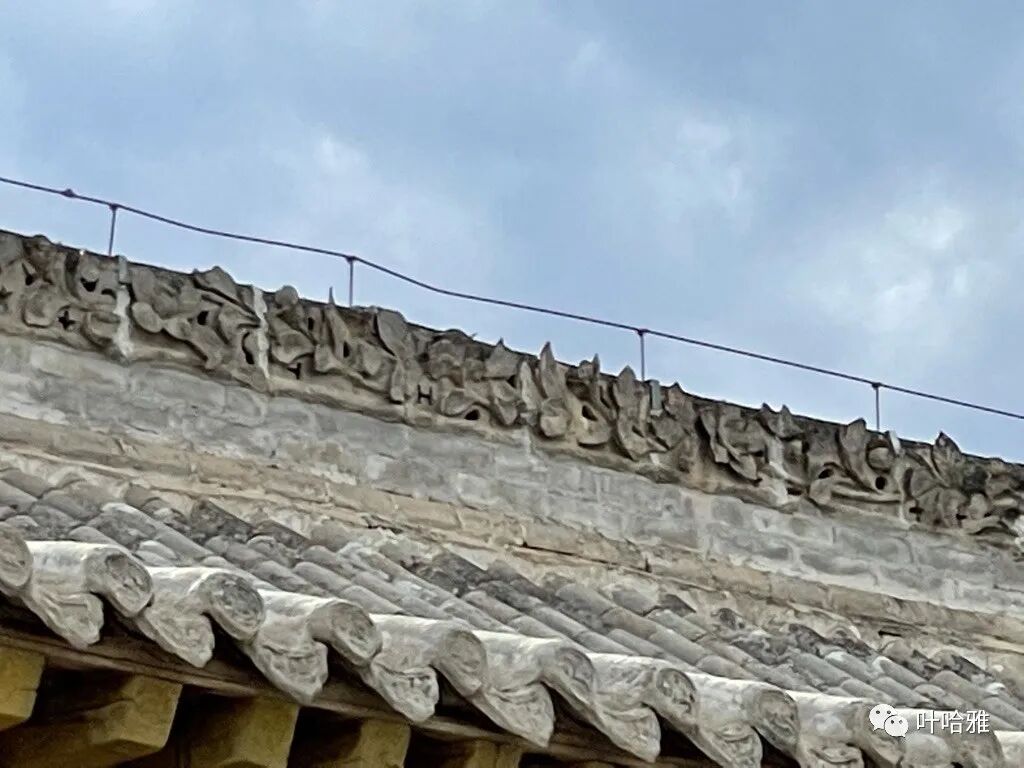
Although the mosque is not large, its significance is extraordinary. It is one of the most unique mosques I have visited.
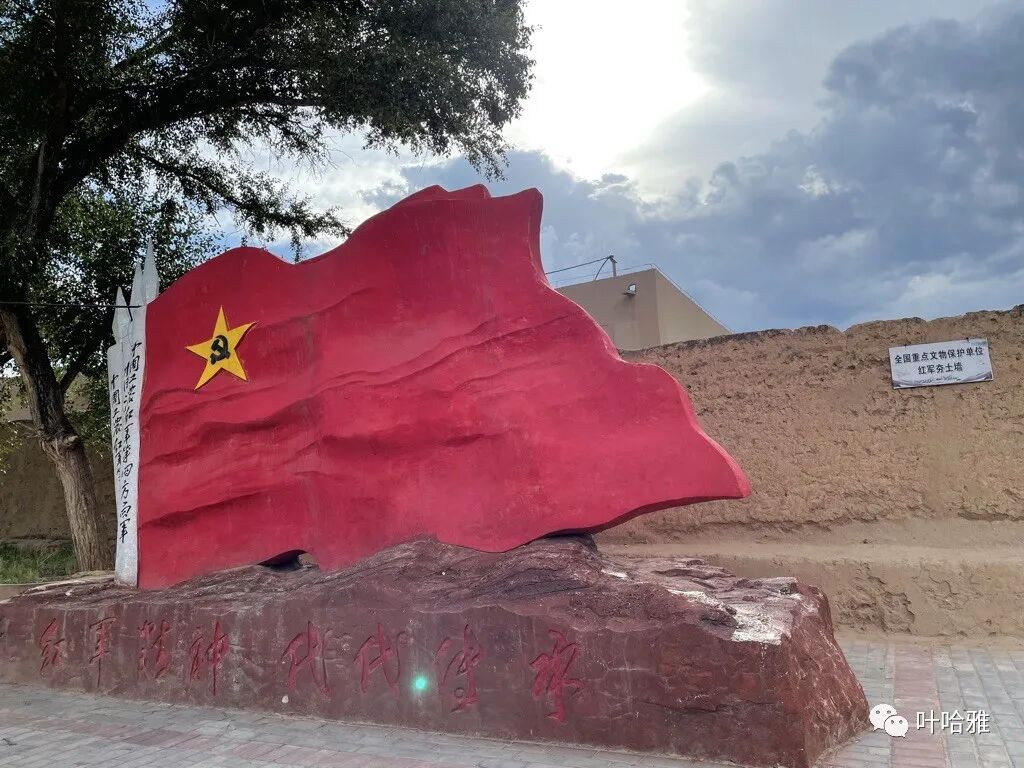
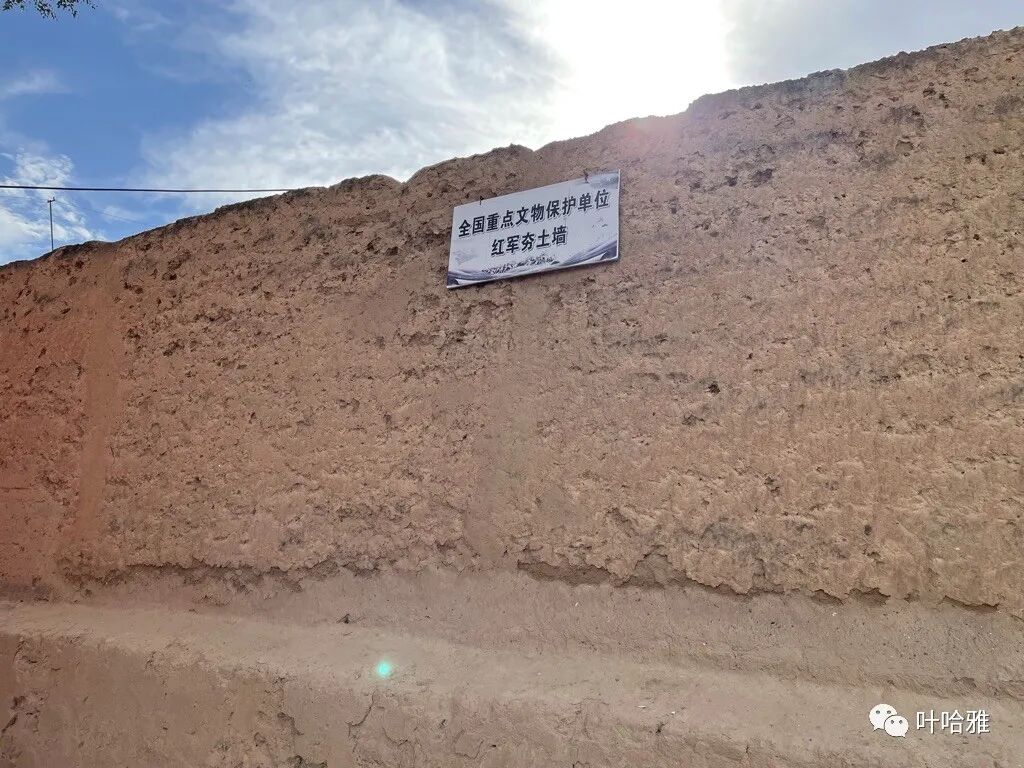
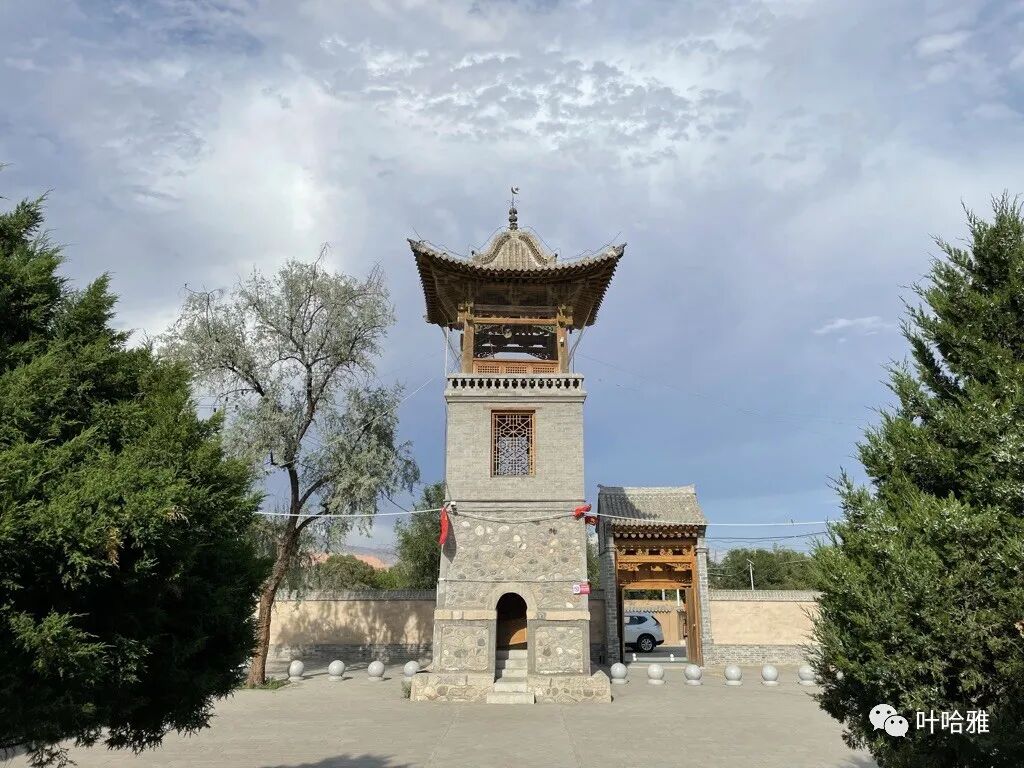
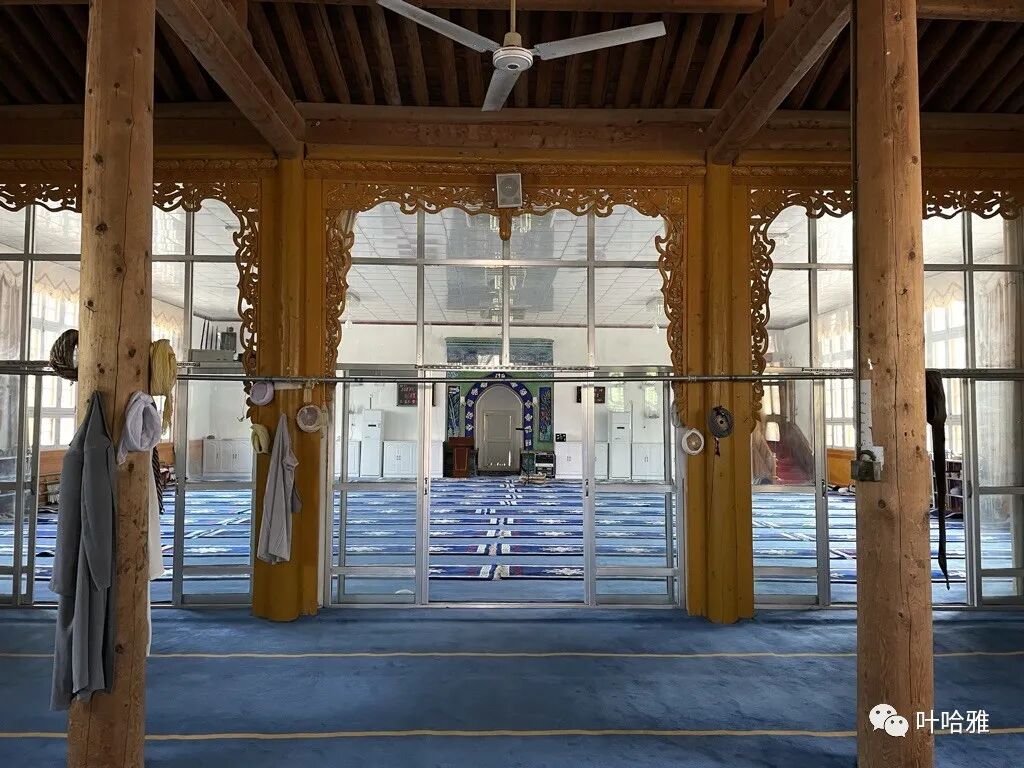
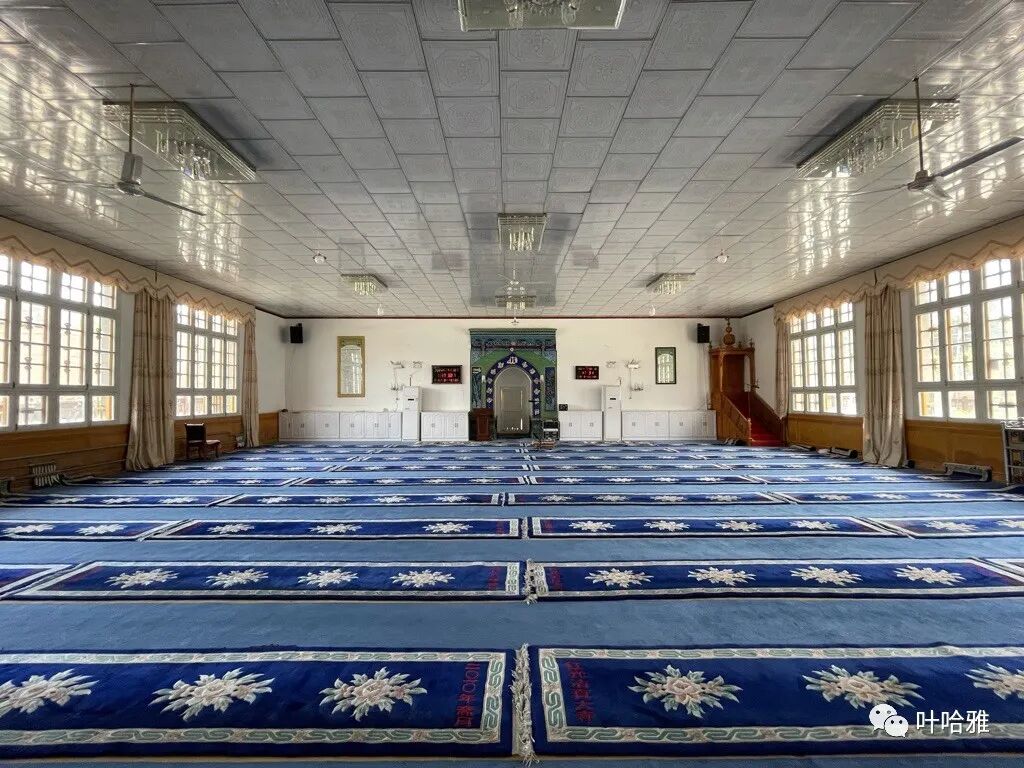
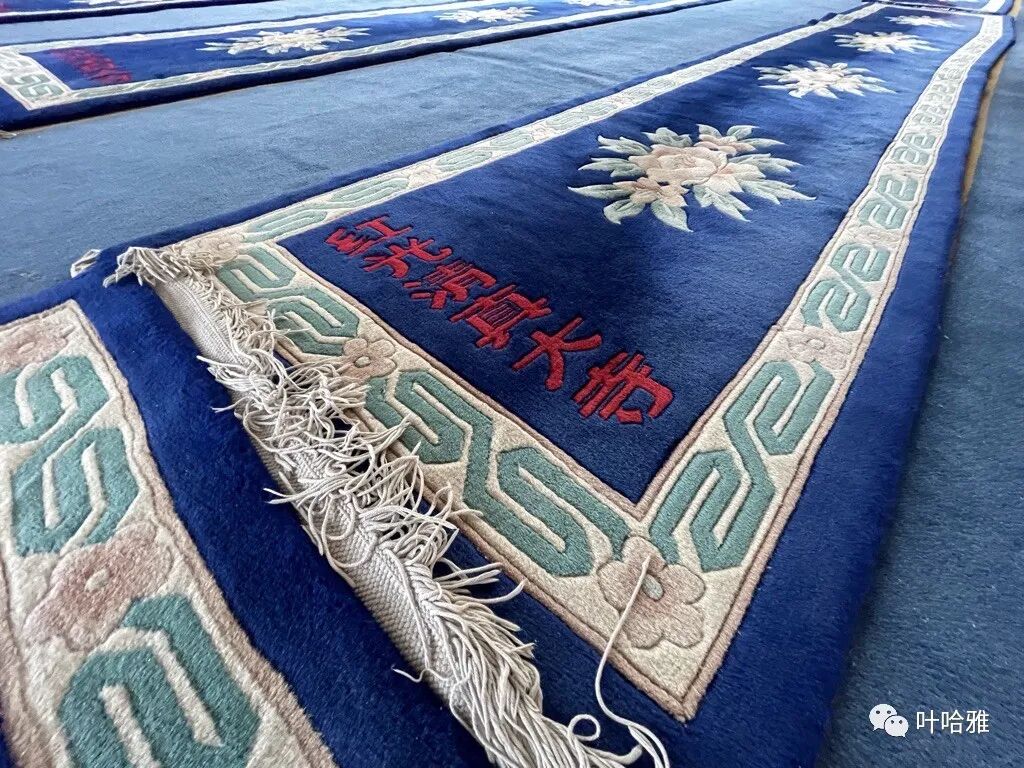
10. Imam Village
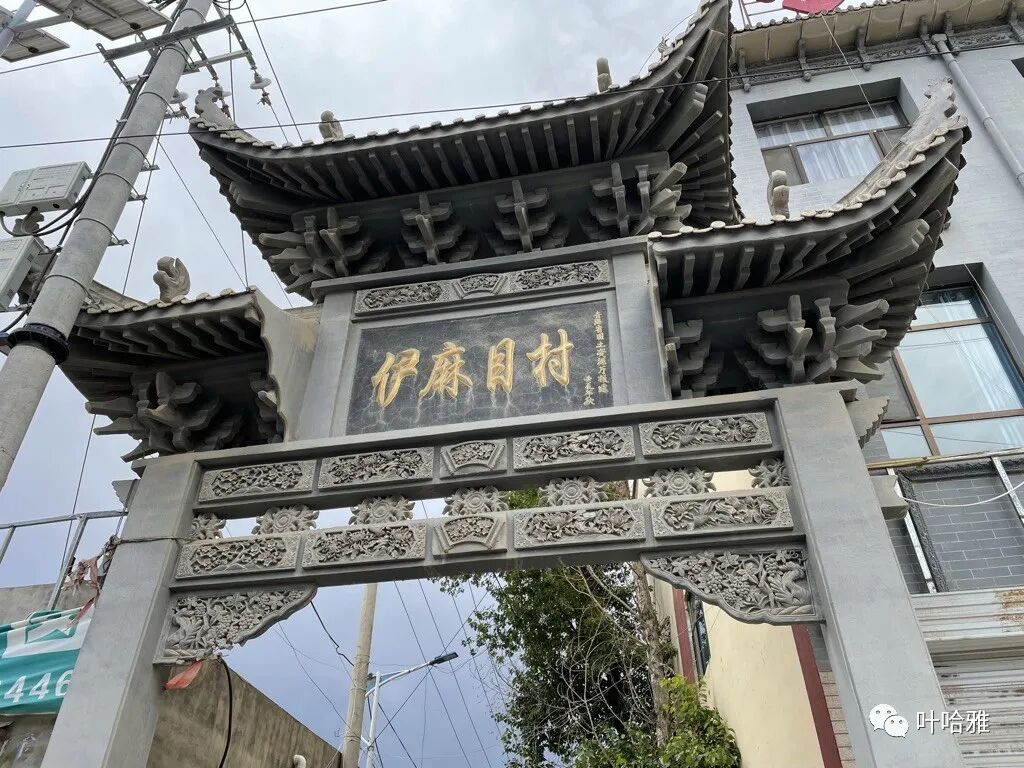
While driving through Xunhua County, I saw a village with an interesting name: Imam Village. The name sounded very Islamic, so I parked the car and walked around the village.
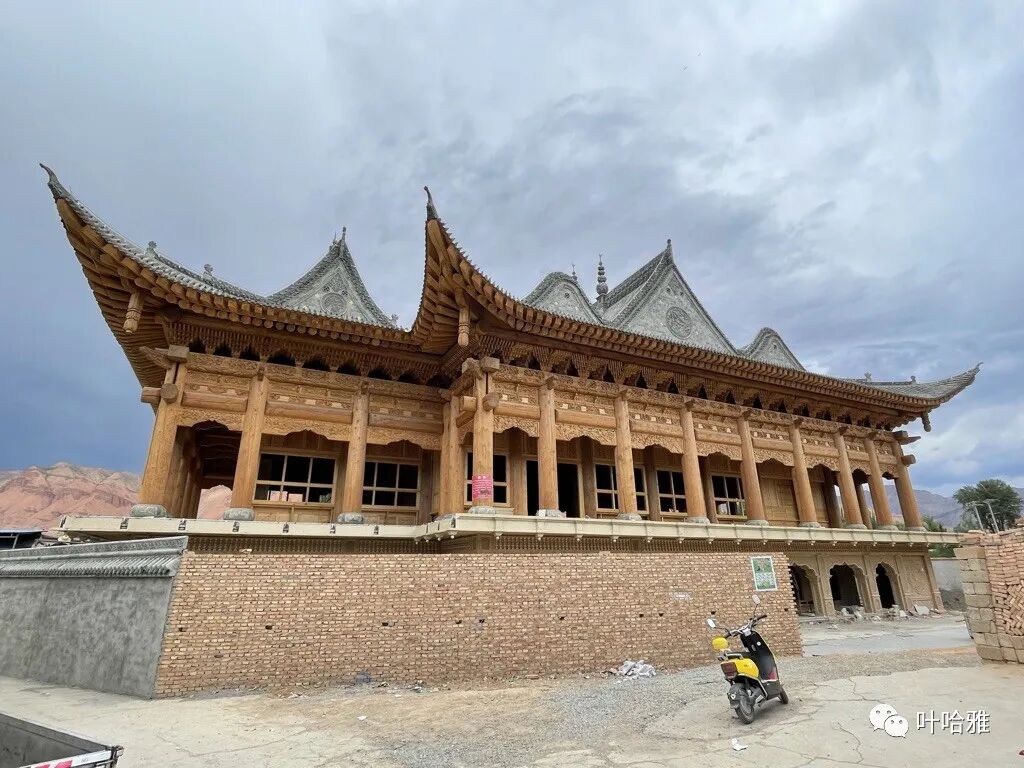
I did not walk far before I saw a large mosque under construction in the village, which was very grand.
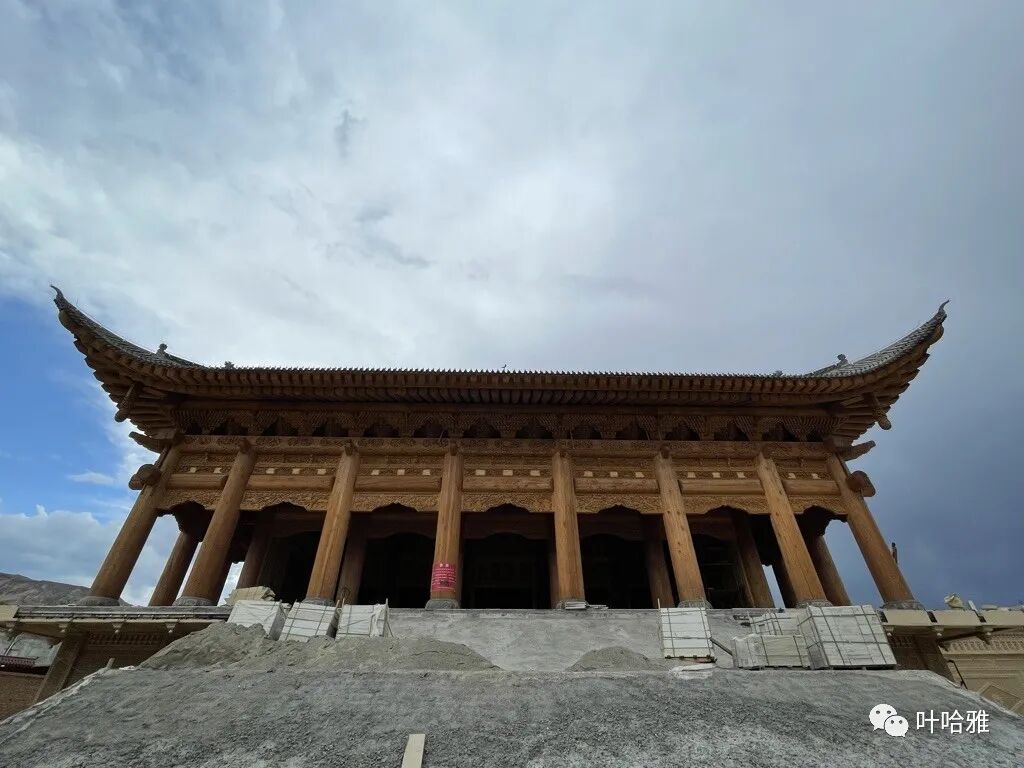
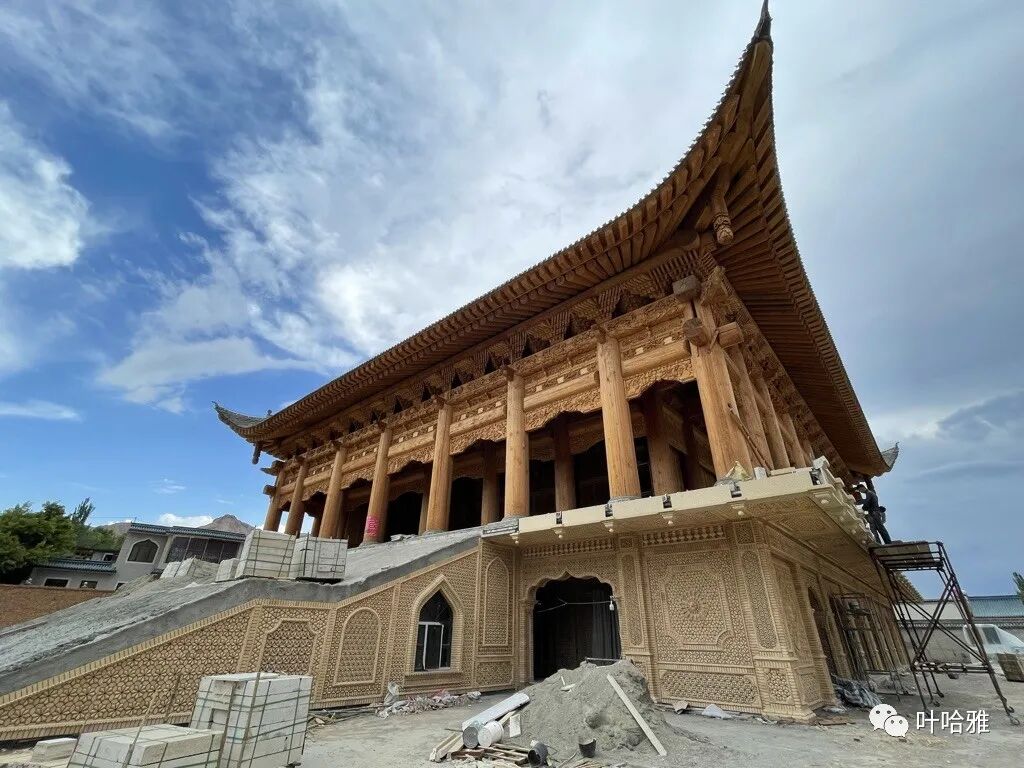
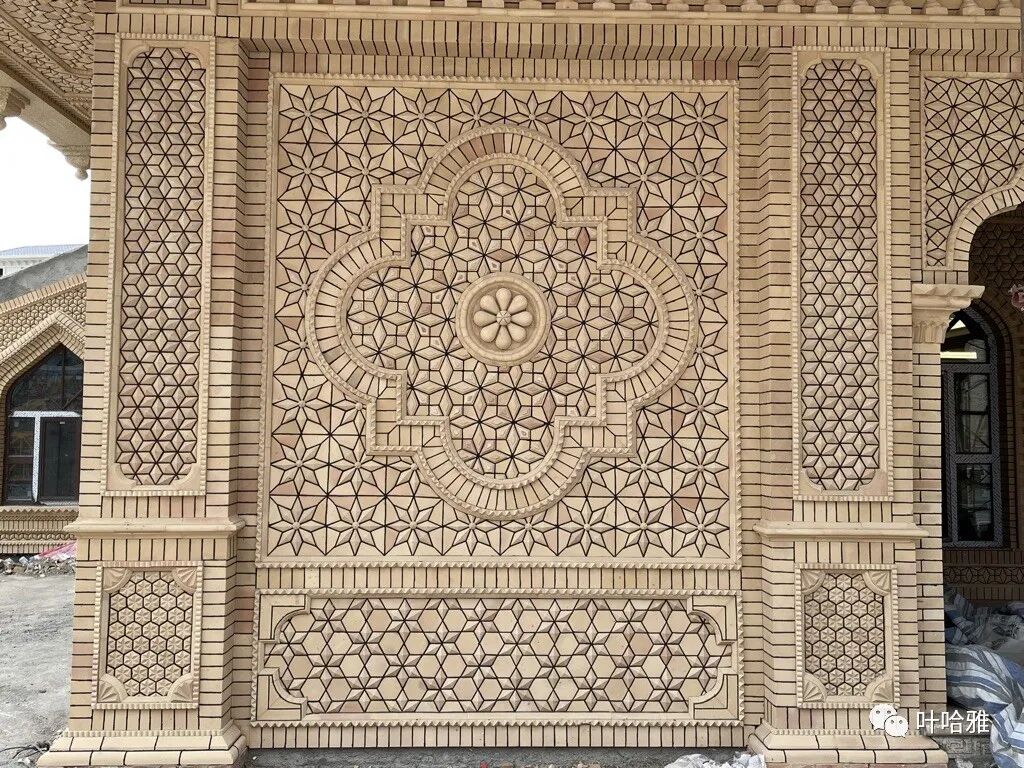
When I walked closer, I saw that the decorative patterns on the base and side halls of the mosque had architectural features typical of Central Asia and Xinjiang.
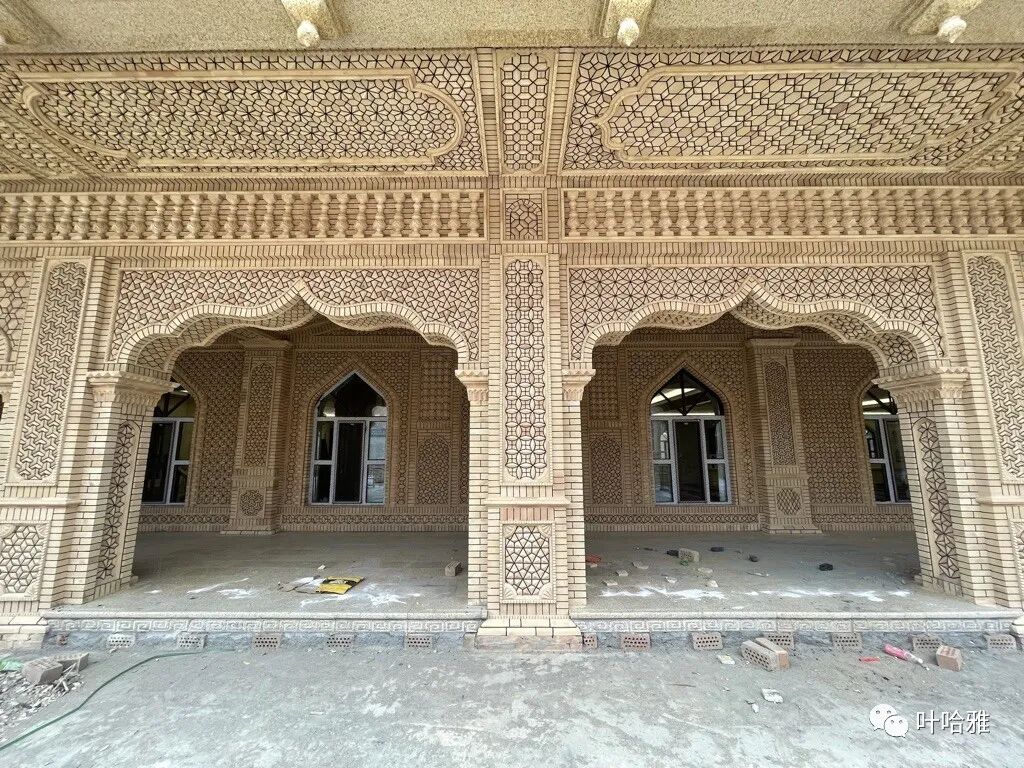
This mosaic pattern is often used in North African mosques, and it looks like it will be finished soon.
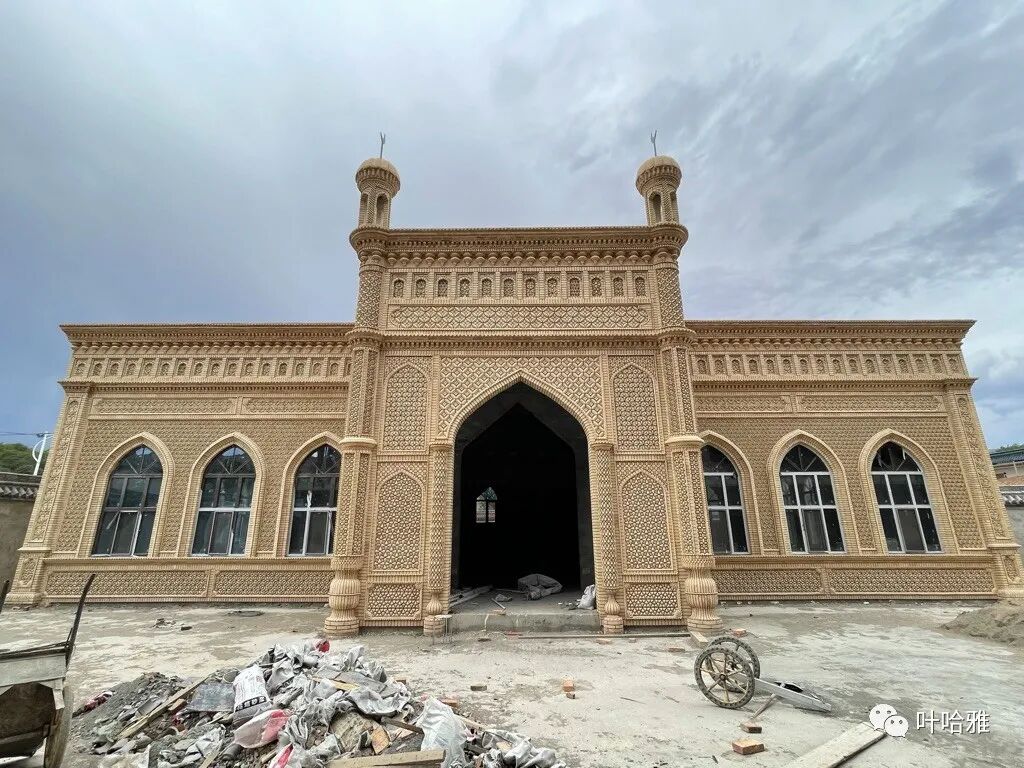
11. Guoshitan Mosque
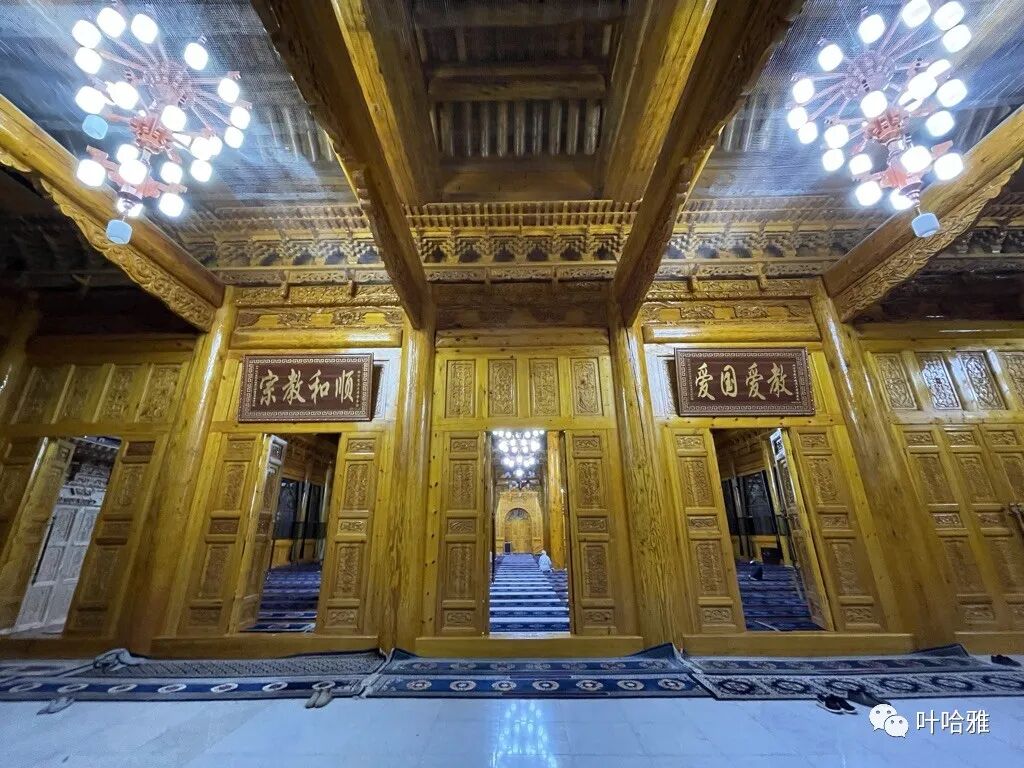
My father-in-law saw how obsessed I was with mosques. After we finished the sunset prayer (maghrib) in Jiezi, he wanted to take me to Guoshitan Village. He said they had built a new wooden mosque there, which is considered the largest wooden mosque in Xunhua County. We drove for about twenty minutes and arrived at Guoshitan Village, but it was already dark.
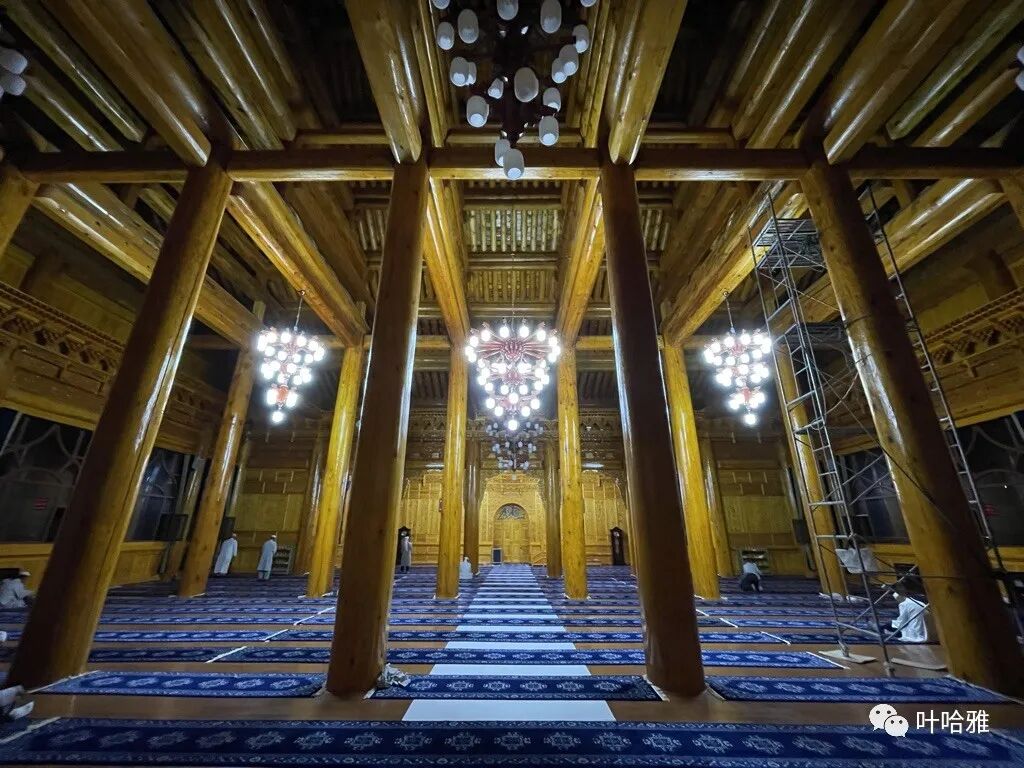
Guoshitan Mosque is located in Guoshitan Village, Jiezi Town. It was first built in 1445, and the current structure was built in 2020. People say the wooden beams for the main hall were purchased from Russia, and the total cost of the mosque was over 20 million.
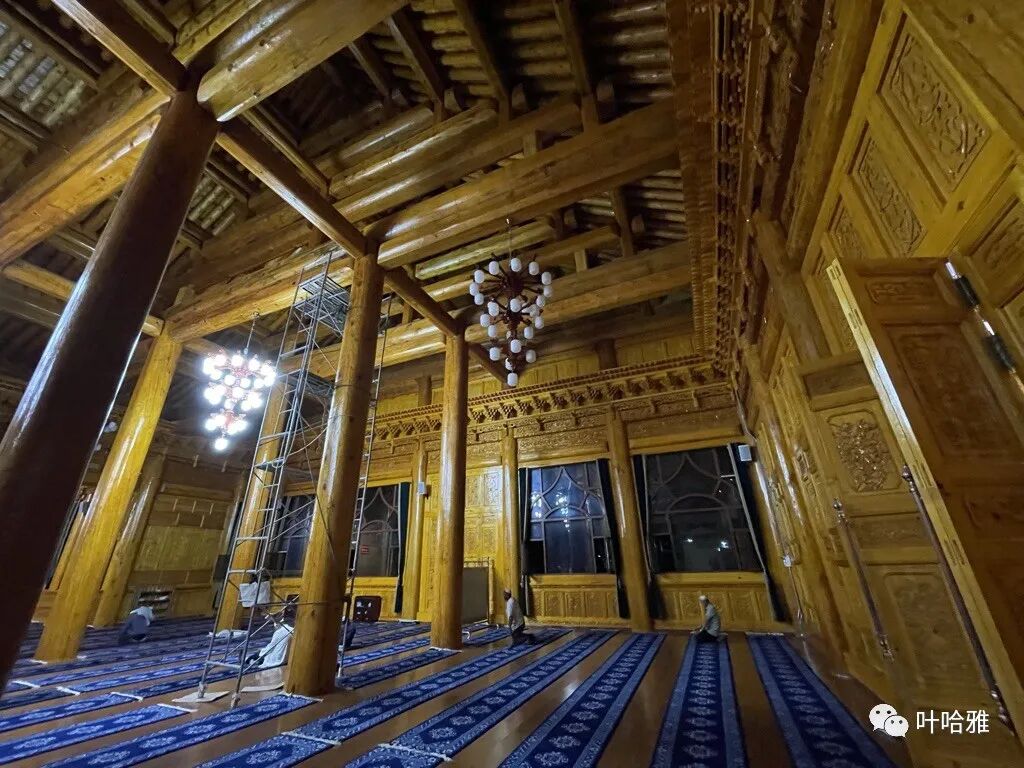
The large wooden mosque is very spectacular and has a simple, ancient feel, as if it could be designated as a protected cultural site as soon as it was finished.
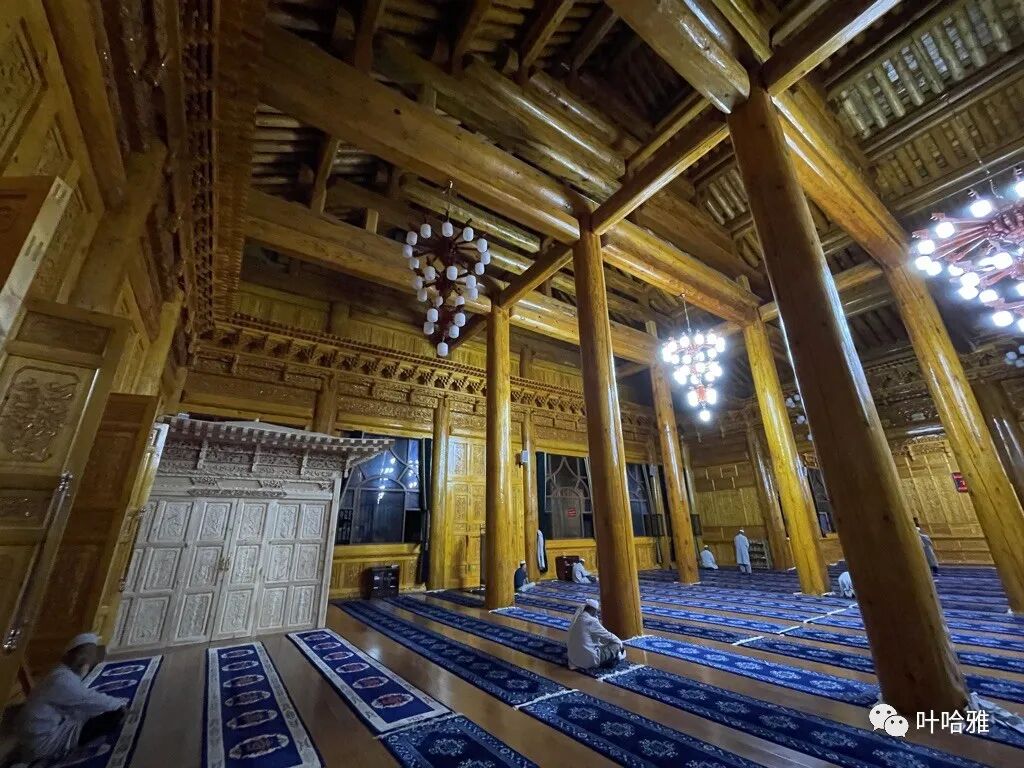
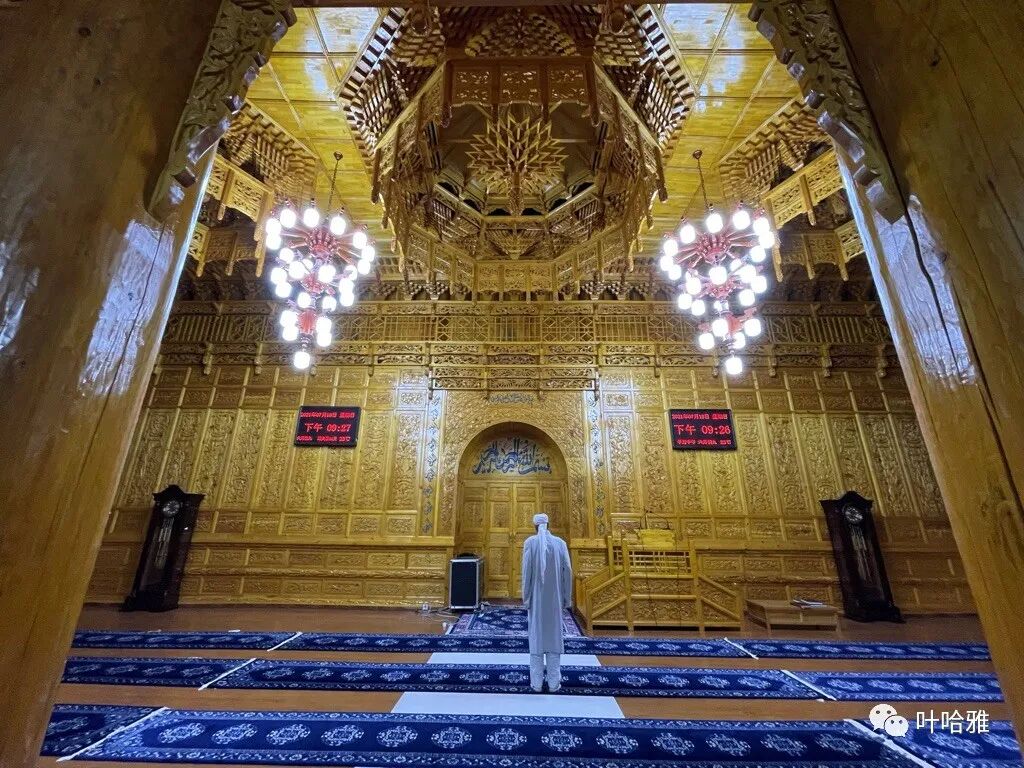
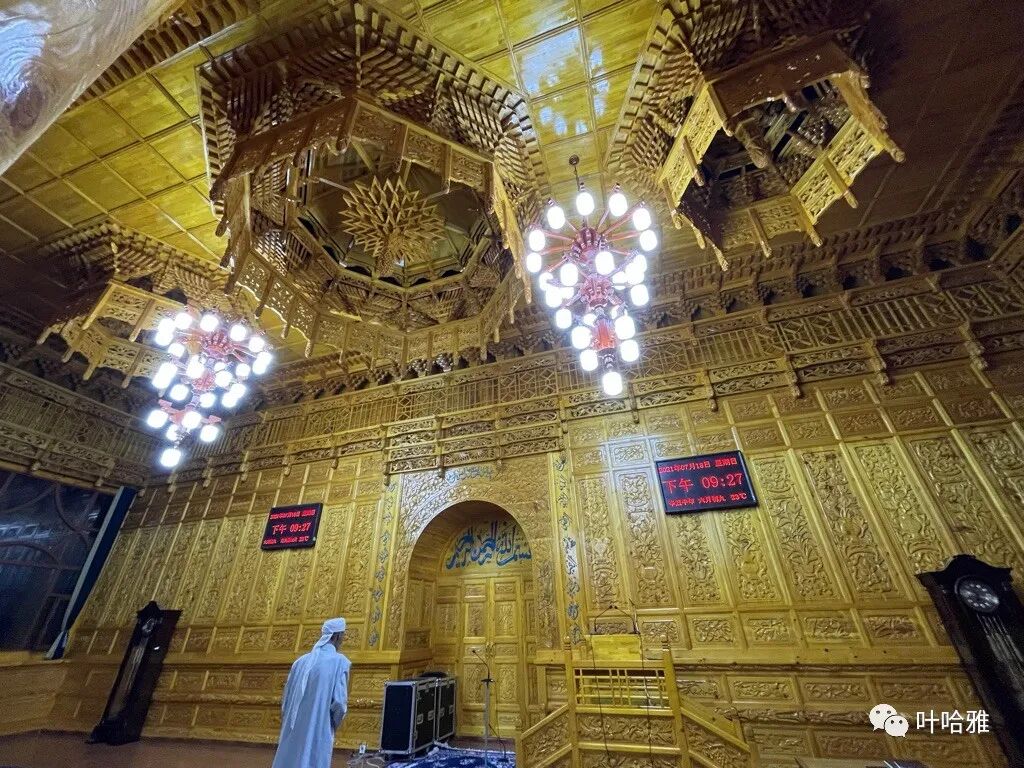
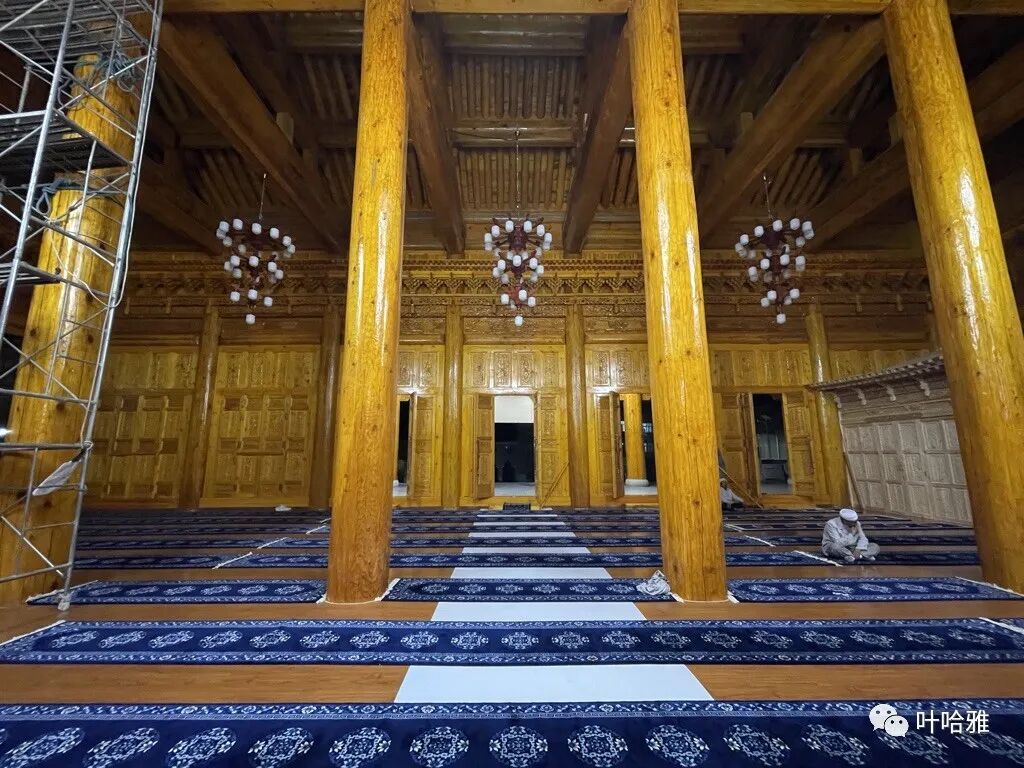
Hualong Hui Autonomous County
12. Ahetan Mosque
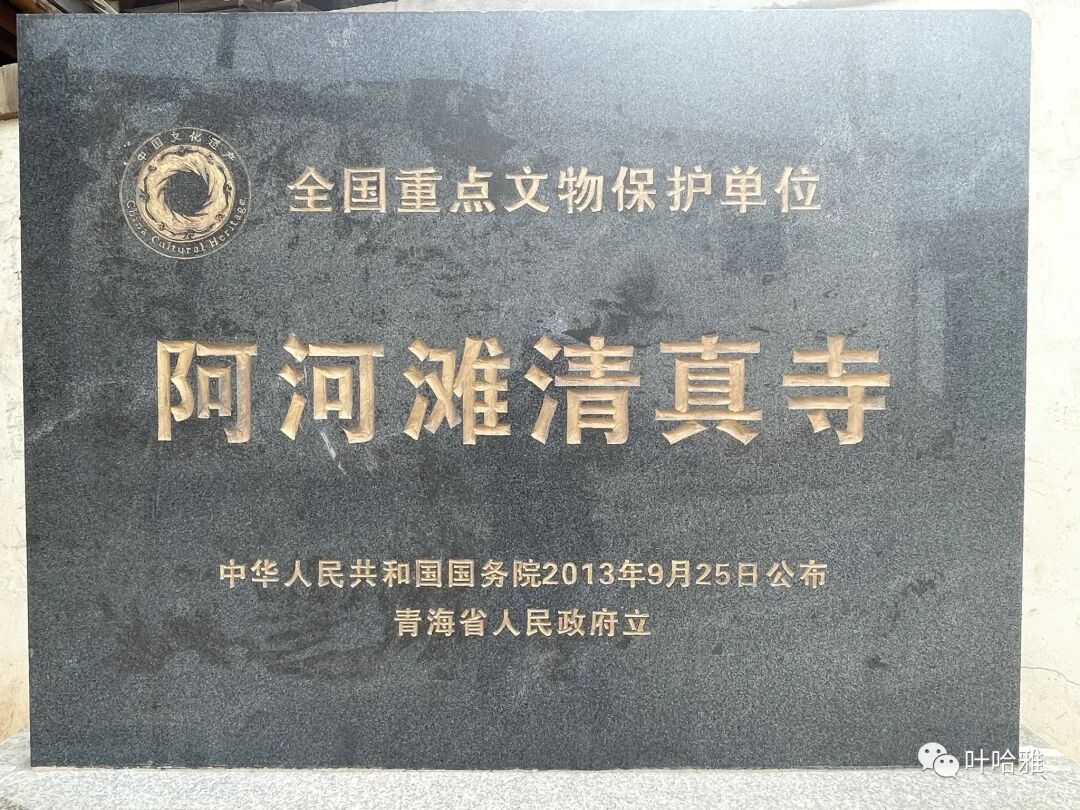
Ahetan Mosque is located in Ahetan Village, Gandu Town, Hualong County, Qinghai Province. It was first built in the 22nd year of the Wanli reign of the Ming Dynasty (1594). It covers an area of 1,938 square meters and consists of a prayer hall, north and south scripture halls, a screen wall, a memorial archway, and a minaret, all arranged in a traditional courtyard layout. Inside the courtyard, there are 24 two-story brick and wood rooms used as scripture halls. It was listed as a Major Historical and Cultural Site Protected at the National Level in 2013.
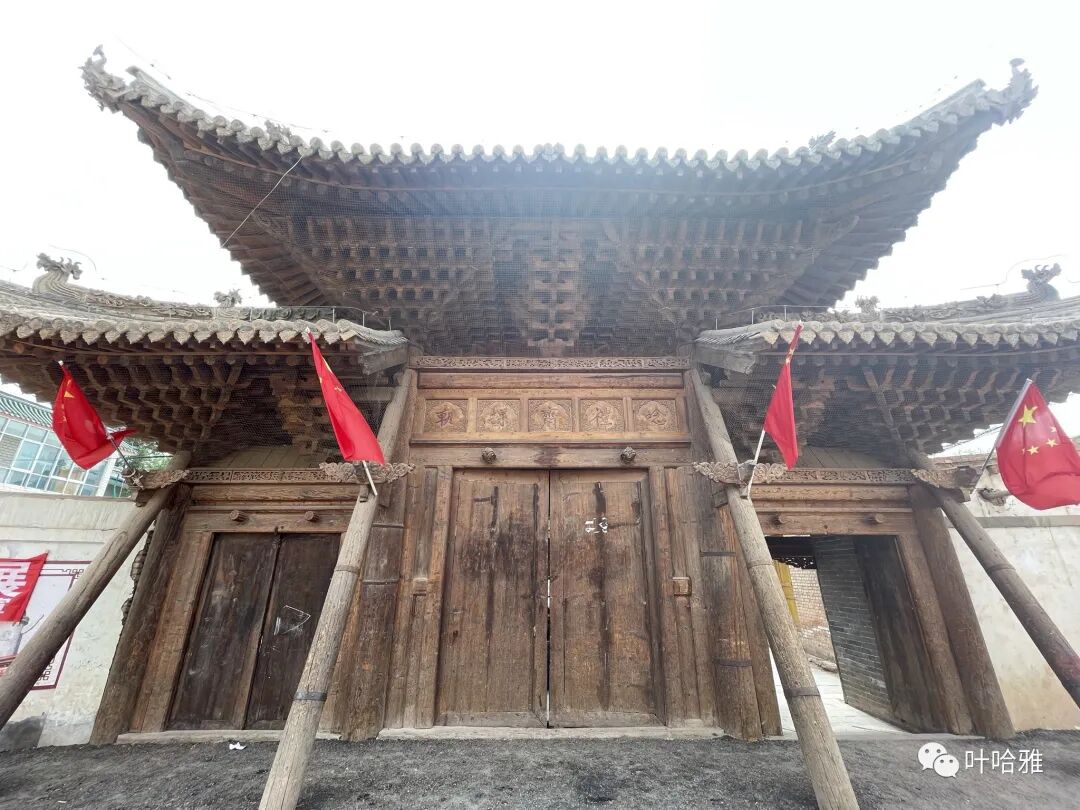
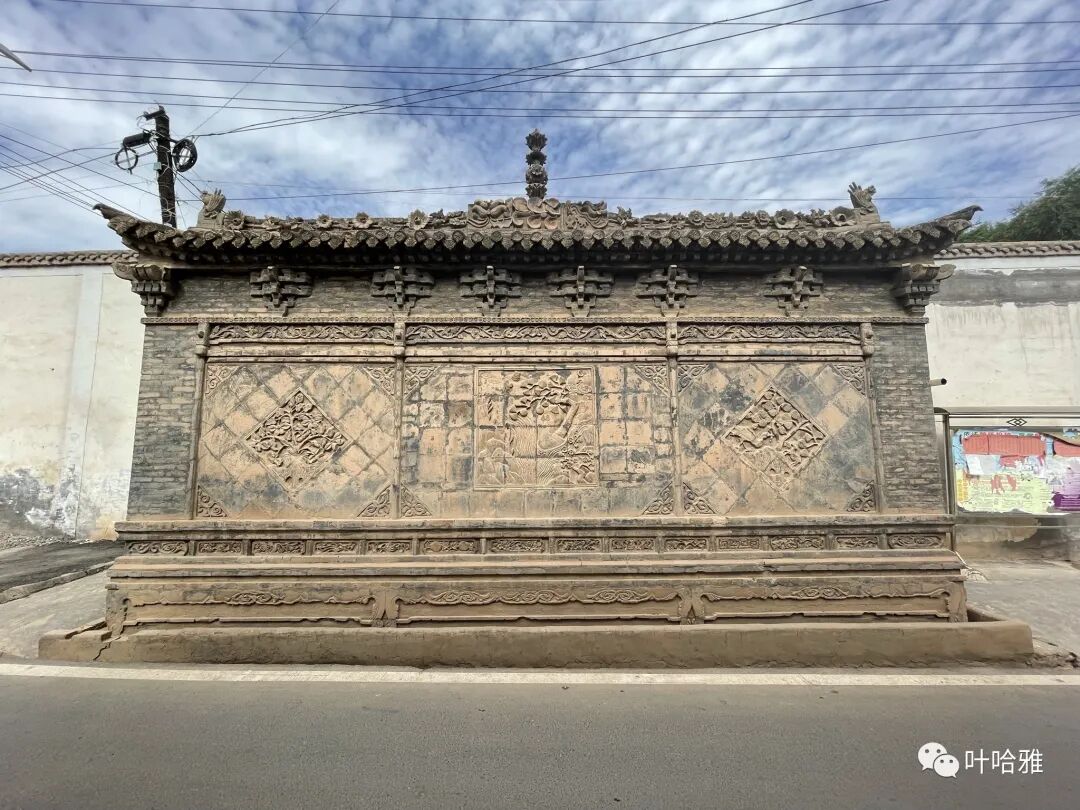
Ahetan Mosque is located in Ahetan Village, Gandu Town, Hualong Hui Autonomous County. It was first built in 1323 and expanded during the Ming Dynasty's Wanli reign, retaining its Yuan and Ming architectural style to this day.
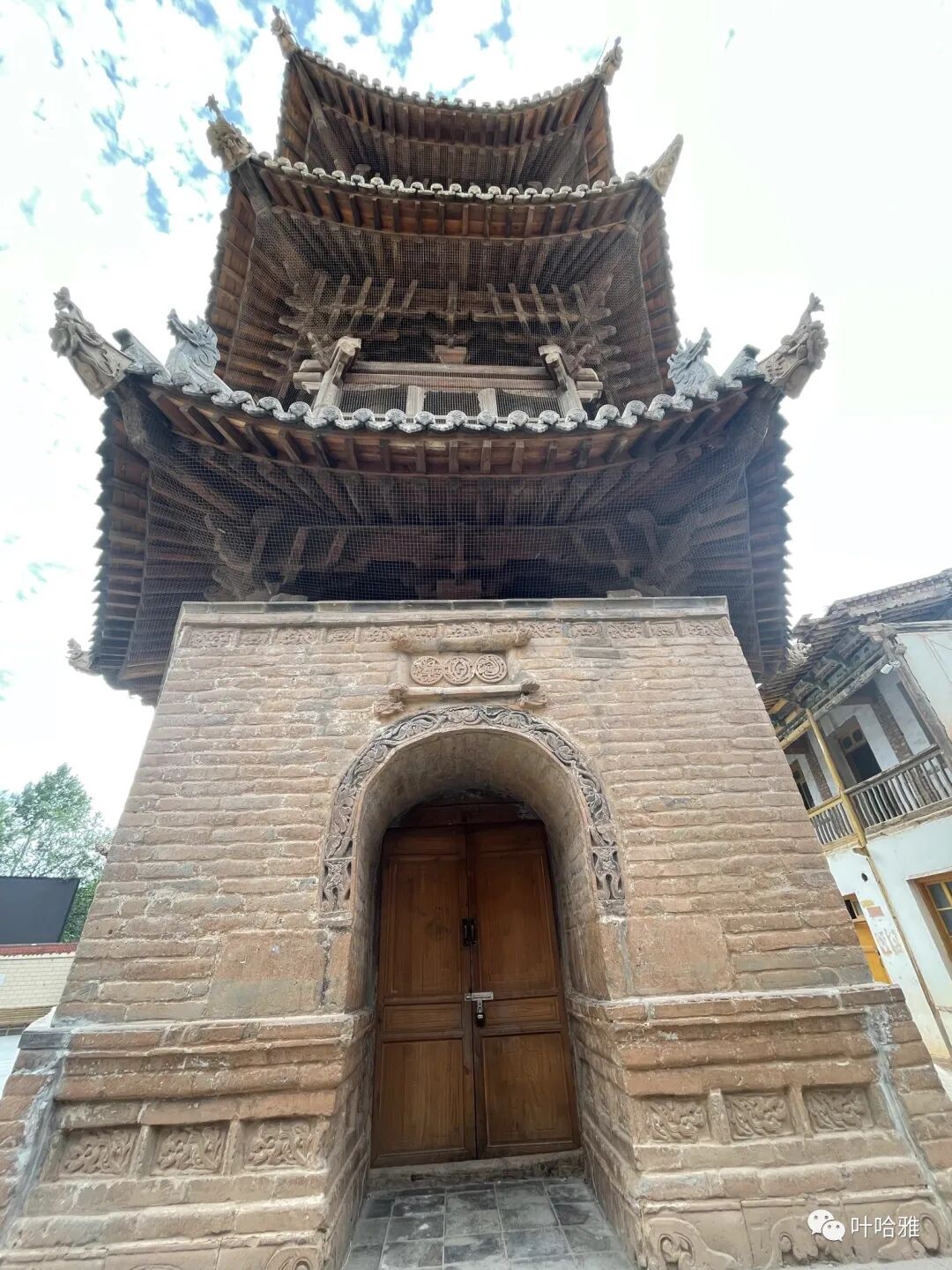
The wooden memorial archway of Ahetan Mosque is a three-bay, four-pillar, three-story structure with a hip roof. It is 9 meters high and 8 meters wide, with a tall roof supported by four diagonal pillars in the front and back.
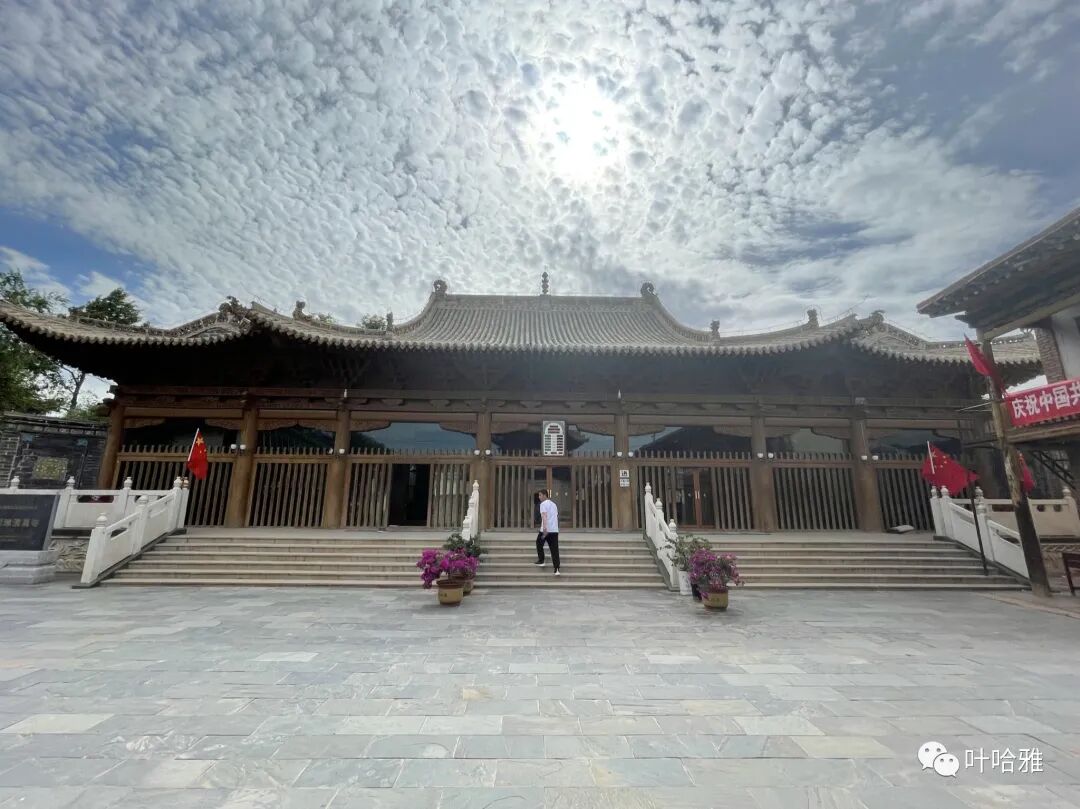
The prayer hall has a floor area of 540 square meters. It is a three-section, six-bay structure with the main hall in the center and a ridged, hip-and-gable roof. There are north and south shed-style side halls, and the interior of the halls is connected as one.
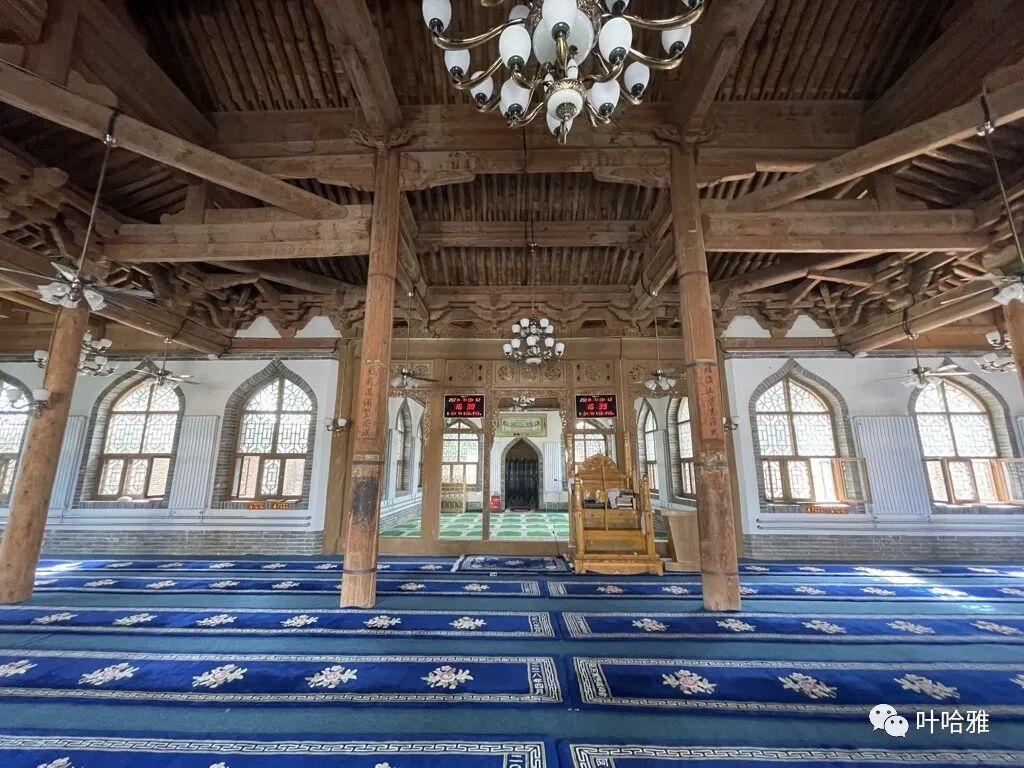
The main hall and the niche hall (yaodian) are separated by carved wooden partitions. The mihrab in the center of the west wall of the niche hall and the Sumeru pedestals on the north and south walls are decorated with exquisite wood carvings.
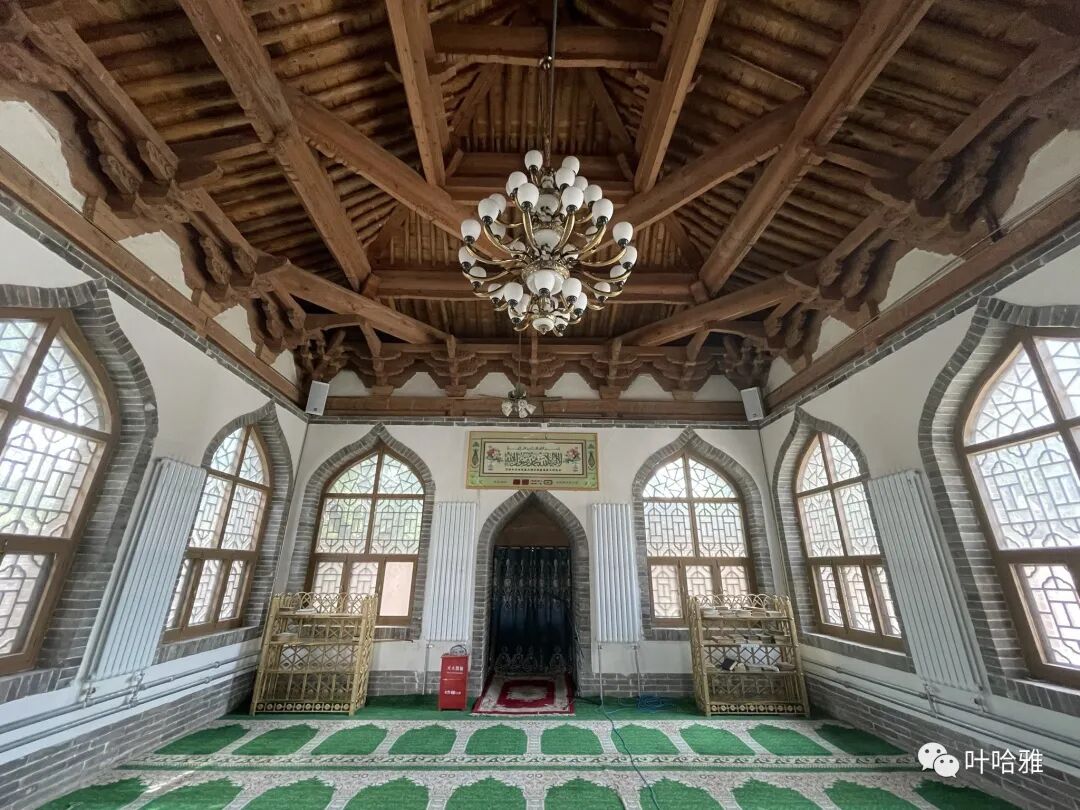
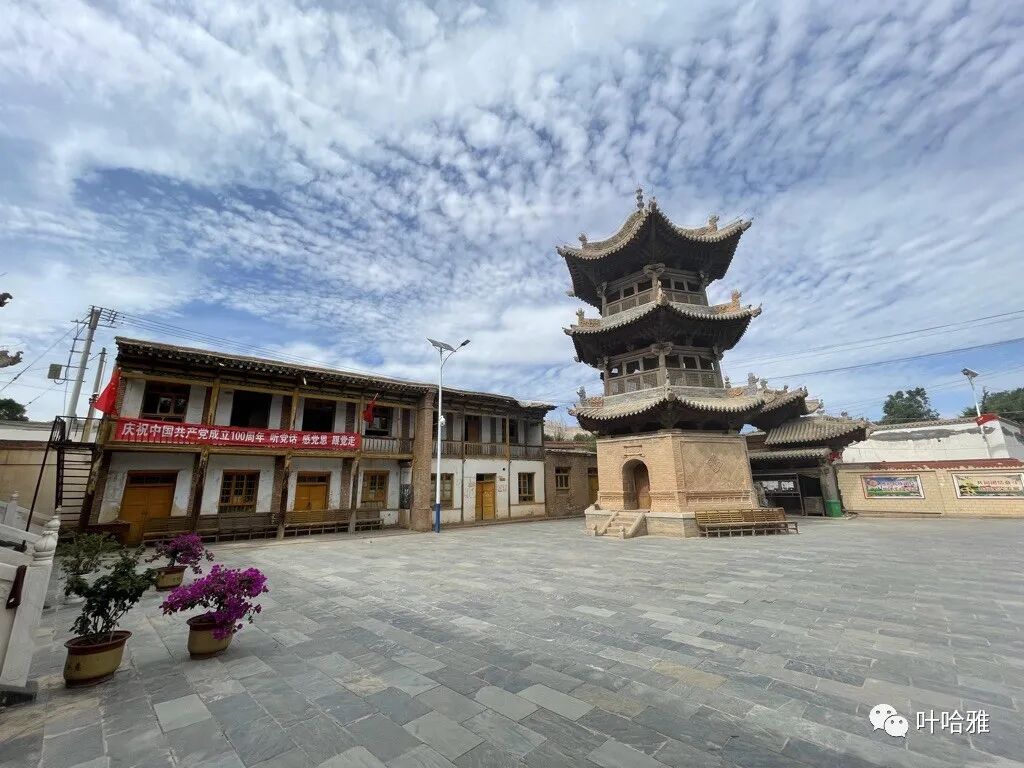
13. Yisha'er Mosque
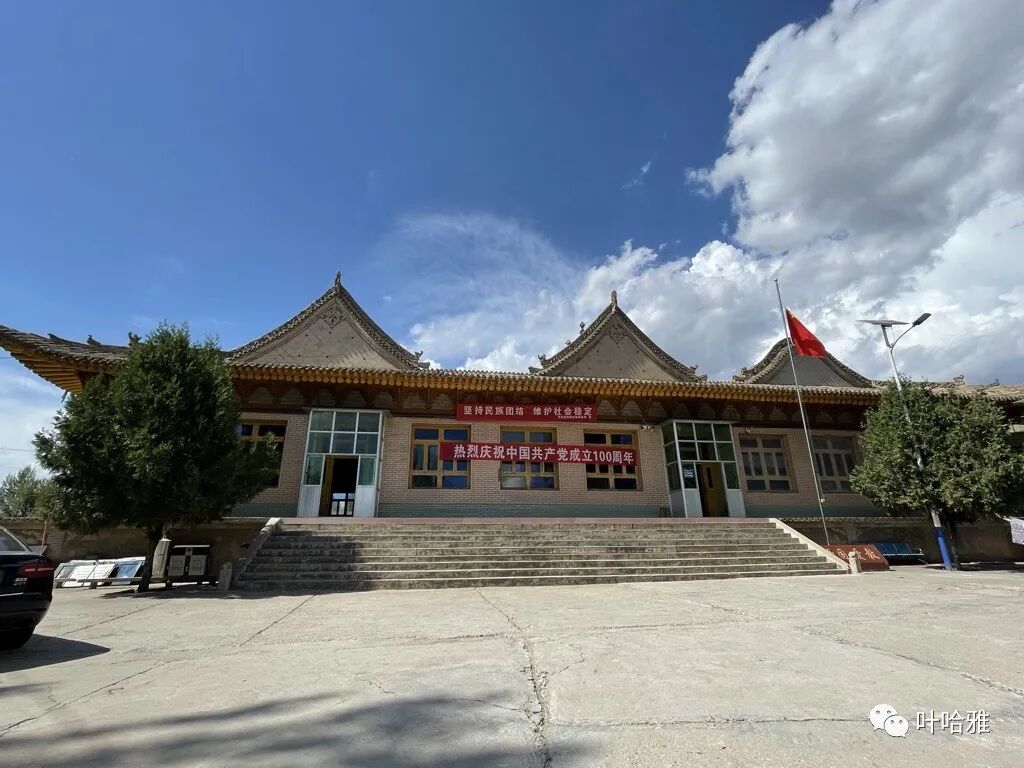
Yisha Mosque is in Yisha Village, Qunke Town, Hualong Hui Autonomous County. It is a protected cultural site of Qinghai Province. The mosque was first built in the first year of the Hongzhi reign of the Ming Dynasty (1488). It was rebuilt in the 14th year of the Qianlong reign of the Qing Dynasty (1749). The original minaret was a three-story wooden structure, wider at the top and narrower at the bottom, standing 28 meters high with a diameter of 6 meters.
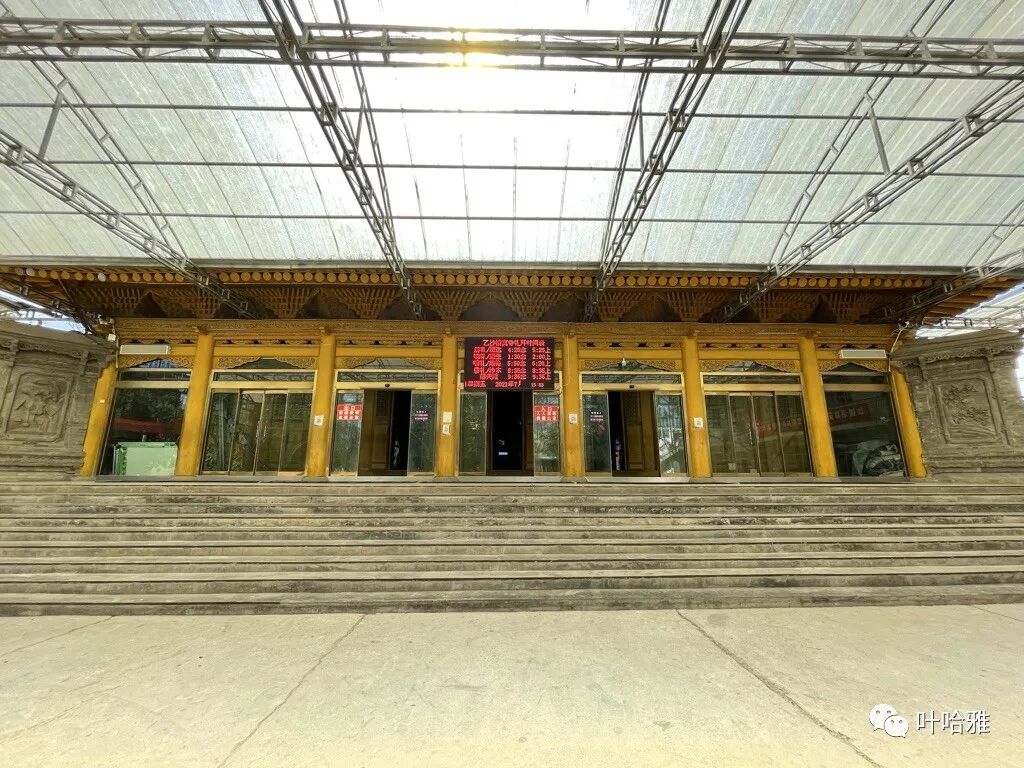
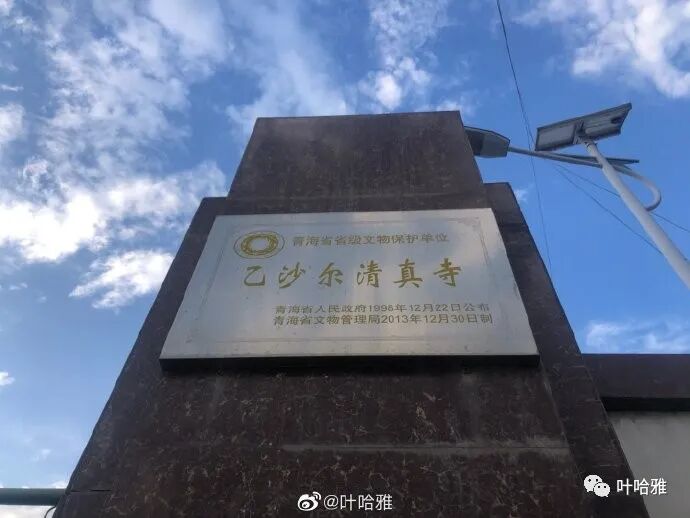
The cultural heritage plaque at Yisha Mosque calls it Yisha'er Mosque, but you can only find its location on Baidu Maps by searching for Yisha Mosque.
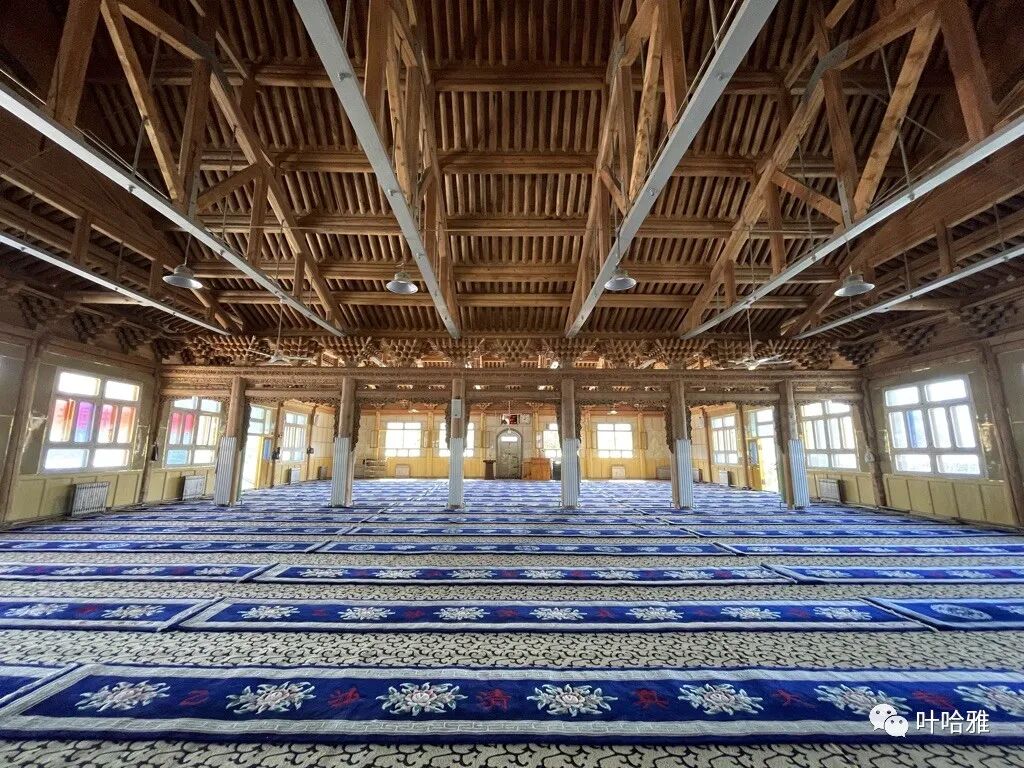
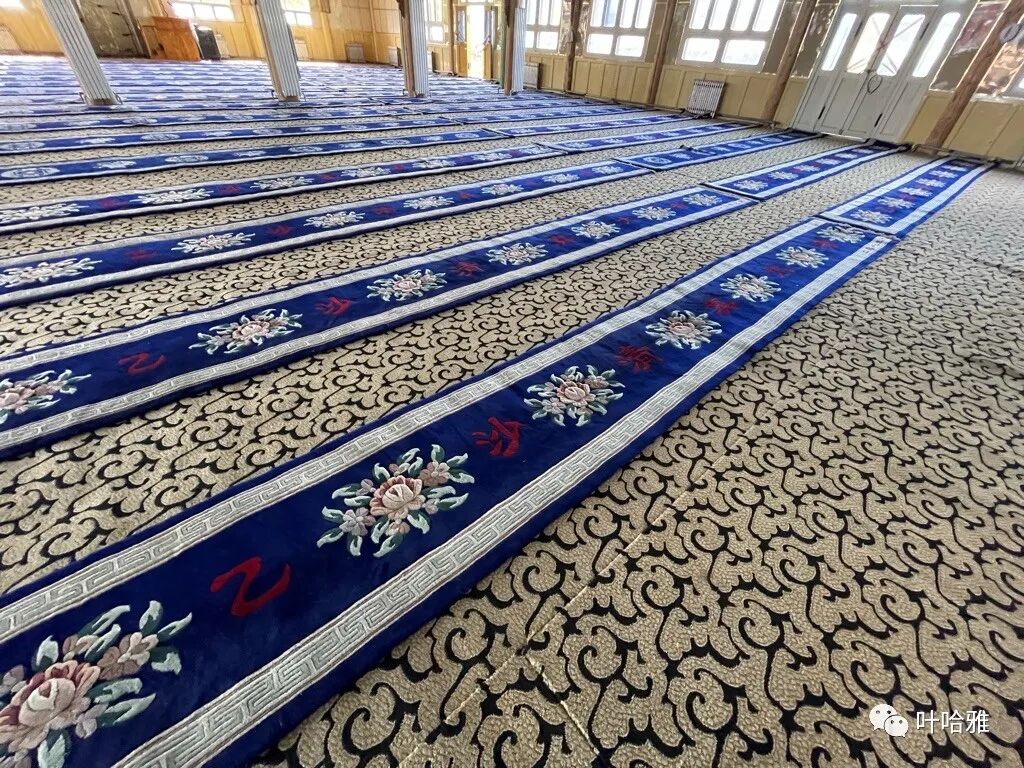
My father-in-law thinks Hualong has a better religious atmosphere than Xunhua. Most Hui Muslims from Hualong run noodle shops in other parts of China, while the Salar people from Xunhua mostly run Xinjiang-style restaurants.
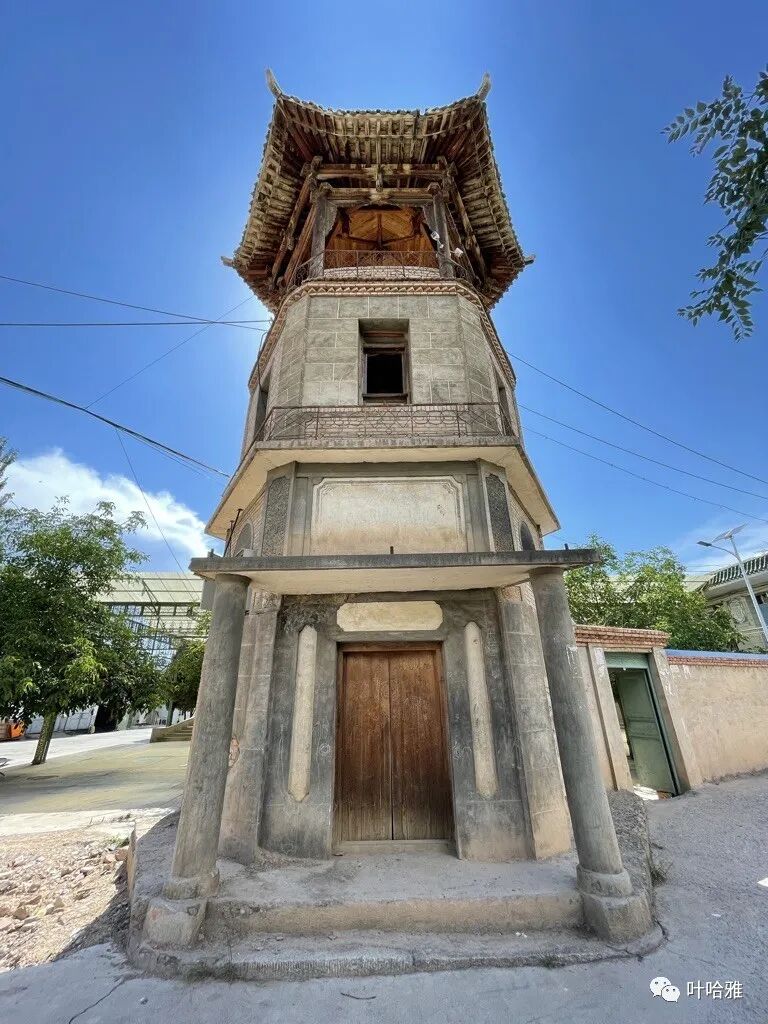
Tips: Food and accommodation guide.
Almost all restaurants in Xunhua County are halal, and most serve noodles. If you want something special, try Lanfanfang Copper Pot Hot Pot. People in Qinghai love hot pot, and the local clay pot hot pot (tu huoguo) is a regional specialty.
The hot pot at Lanfanfang is unique because it is double-layered. The sauerkraut fish pot on top is especially delicious, mainly because the fish is so good.
Qingya Restaurant, another long-standing local spot just a few dozen meters from Lanfanfang, was recommended by a friend in Xunhua. You can eat representative local handmade noodle pieces (mianpian) there.
Keep in mind that portions in Northwest China are very large. Unless you have a huge appetite, order less food when traveling here.
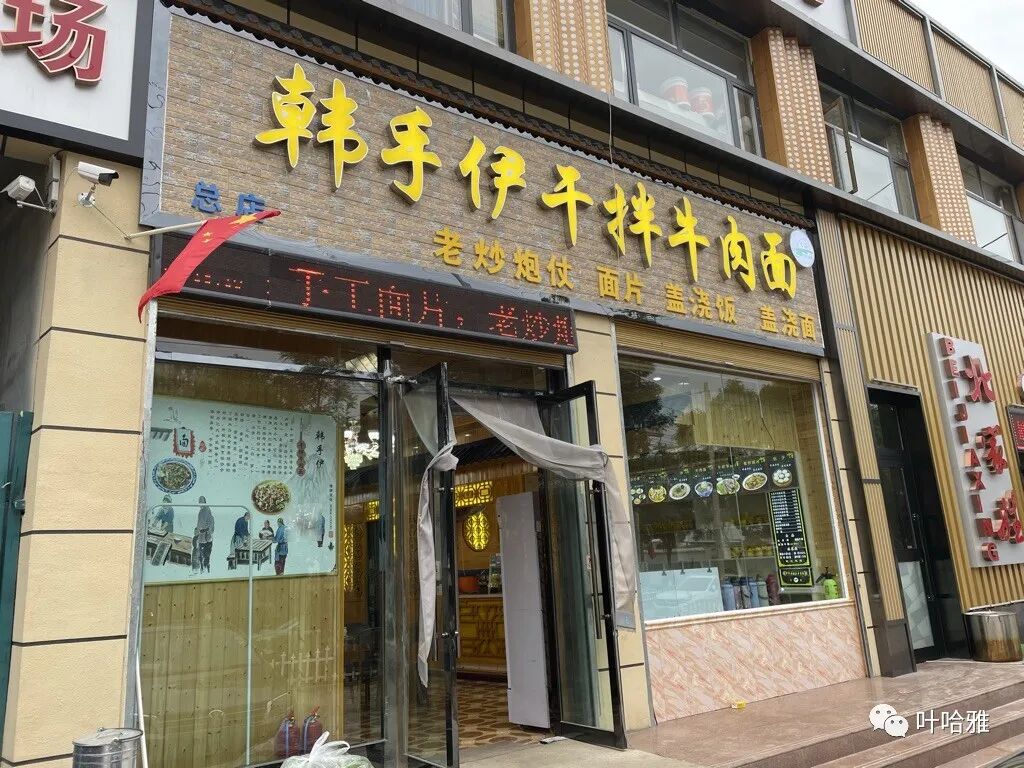
I personally tested the dry mixed noodles (ganban mian) and firecracker noodles (paozhang mian) at Hanshouyi, and they are delicious. Both are Qinghai specialties that do not taste authentic once you leave the province.
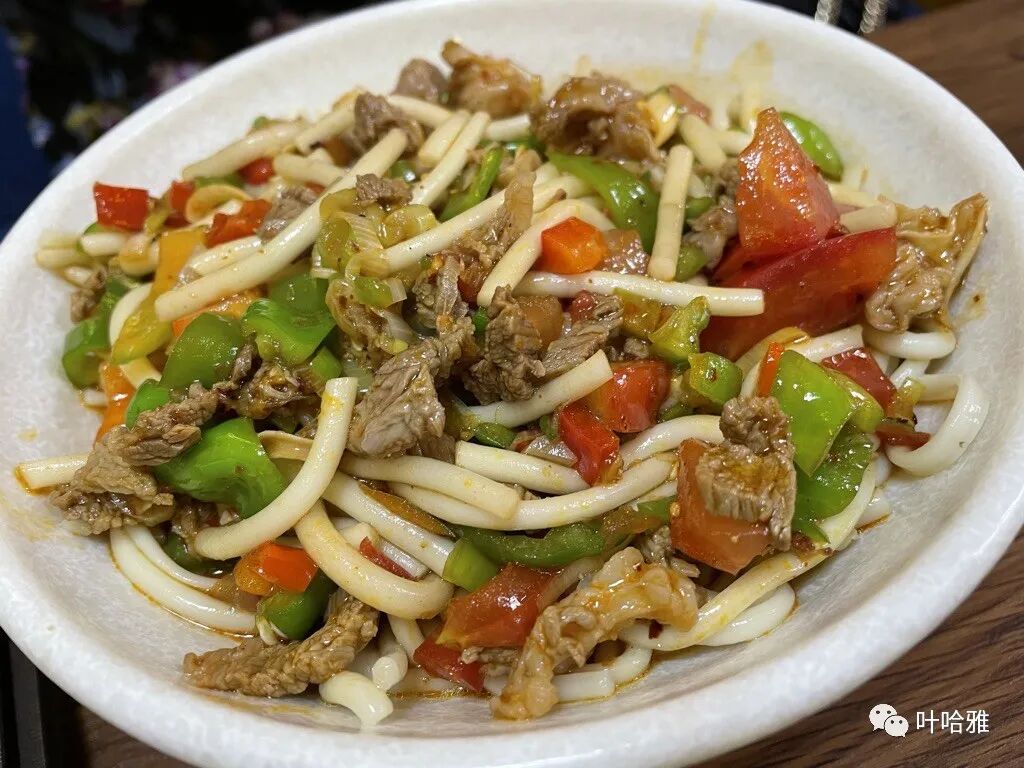
Firecracker noodles (paozhang mian)
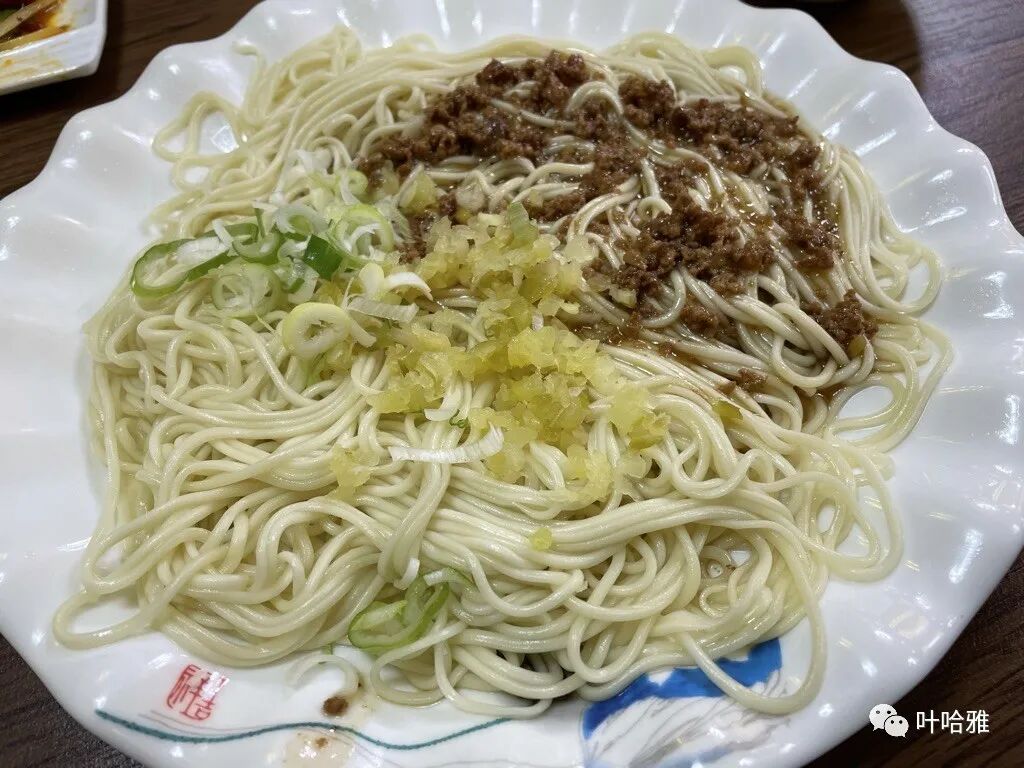
Dry mixed noodles (ganban mian)
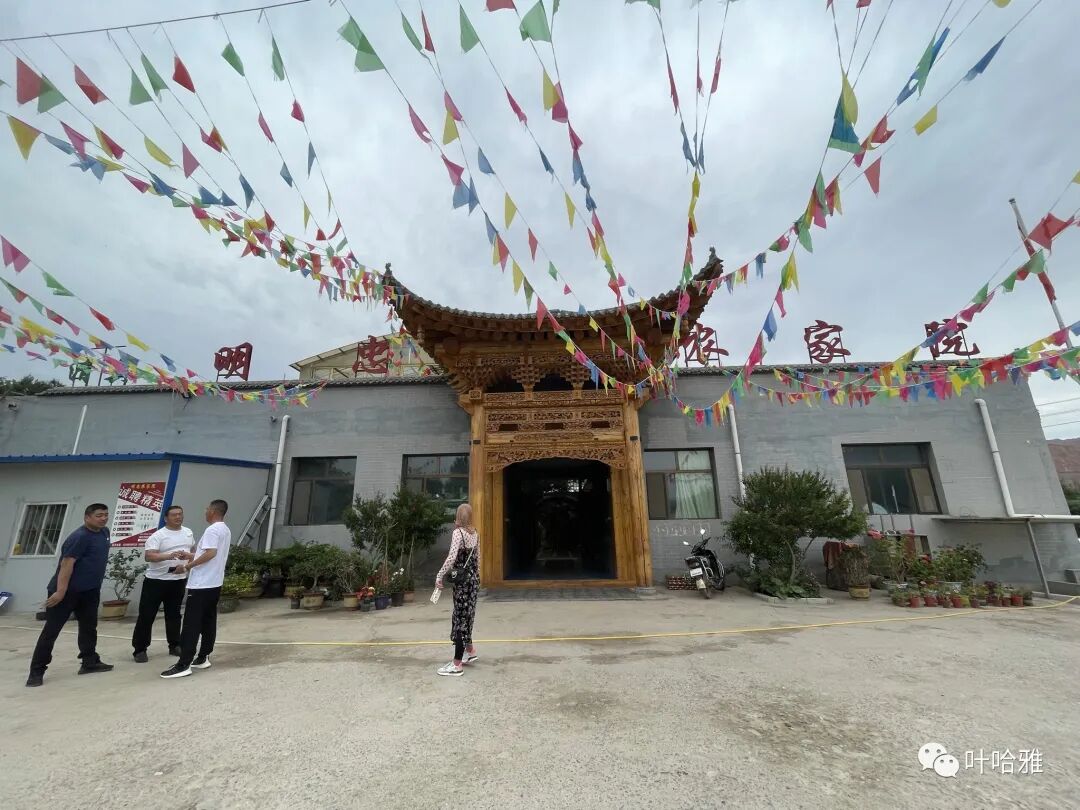
If you want a nicer meal and have a large group, you must try a farmhouse restaurant in Xunhua. This Mingzhong Farmhouse looks very impressive and has a garden and private rooms inside.
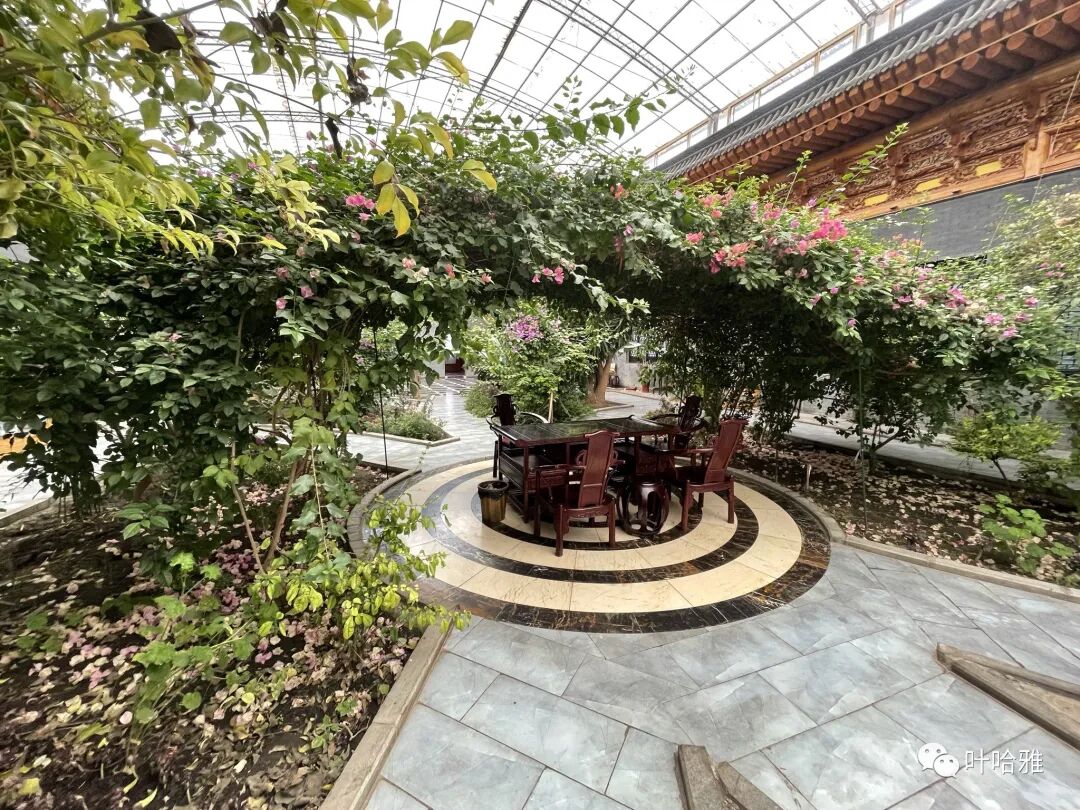
It also has prayer rooms, separated for men and women. Prayer rooms are a standard feature in medium-sized or larger restaurants in Xunhua.
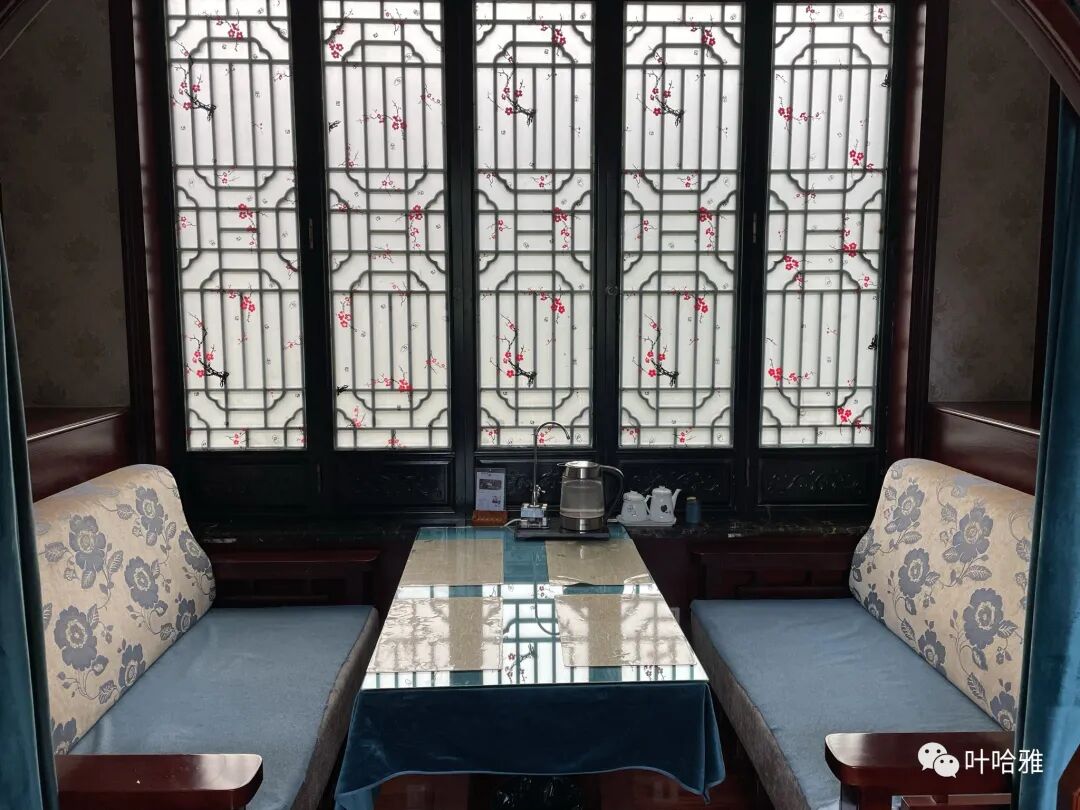
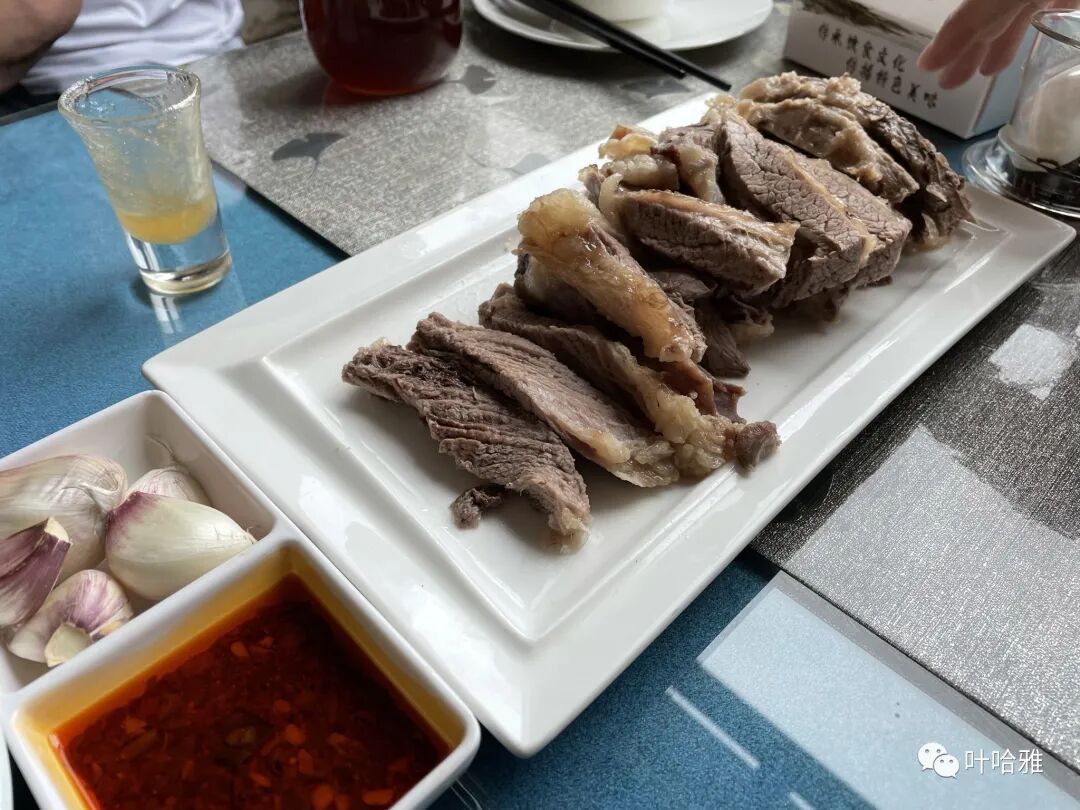
Hand-grabbed beef (shouzhu niurou)
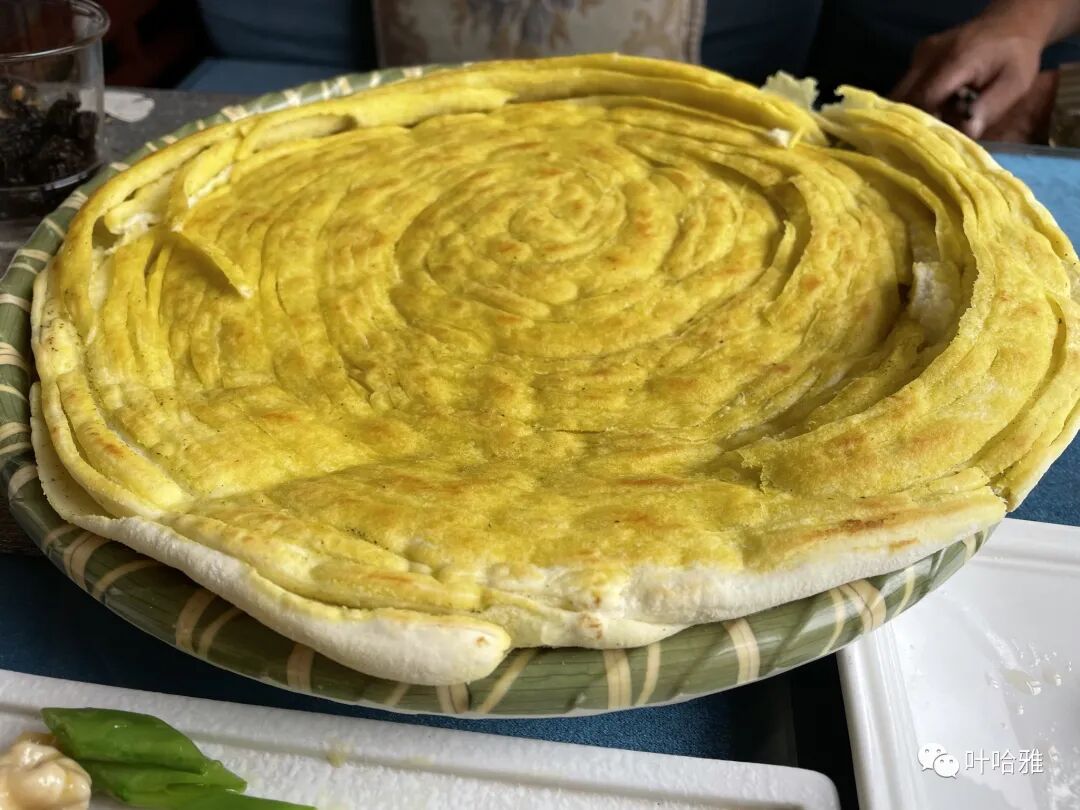
Spiral oil bread (youxuan momo)
Searching for the taste of spicy hot pot (mala xiangguo).
Mala xiangguo is popular because they pick high-quality ingredients, even though it costs more. The shop fills up quickly at lunch. It has been open for three years and has two floors with a private, elegant feel. The owner cares a lot about service quality; I even caught him giving a pep talk to his staff when I arrived. The spicy pot paired with Xunhua’s most famous chili is a perfect match.
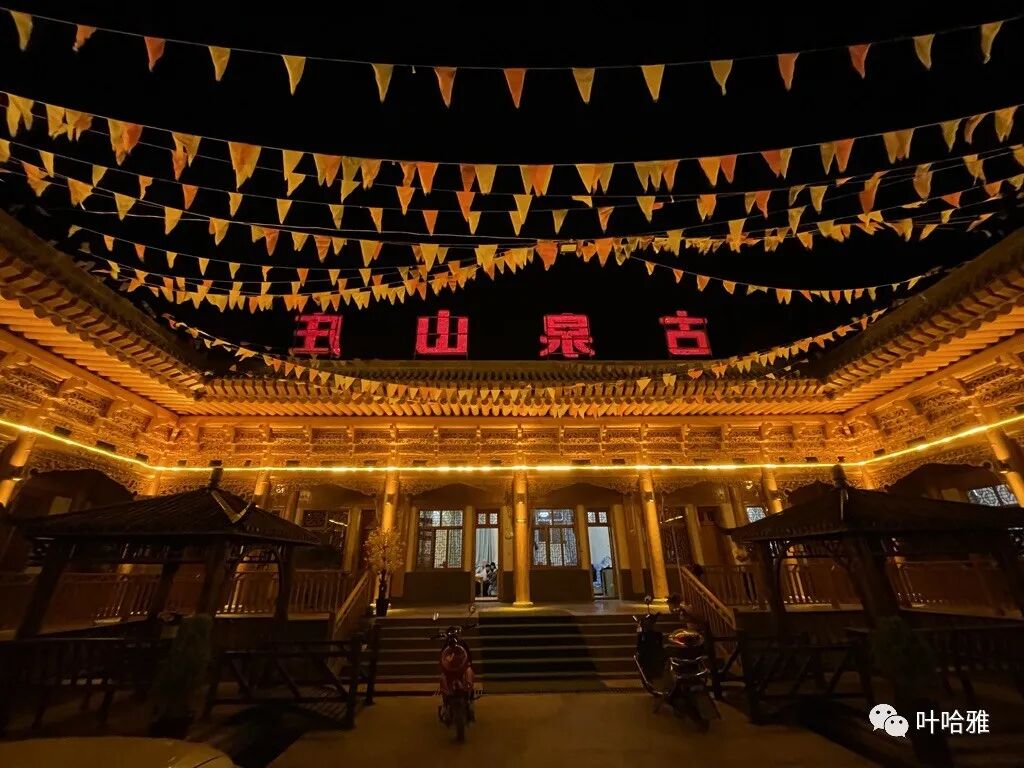
Guquan Villa.
Guquan Villa is another farmhouse-style inn in Baizhuang. Its specialty is using mountain spring water for drinking, which makes tea taste much better.
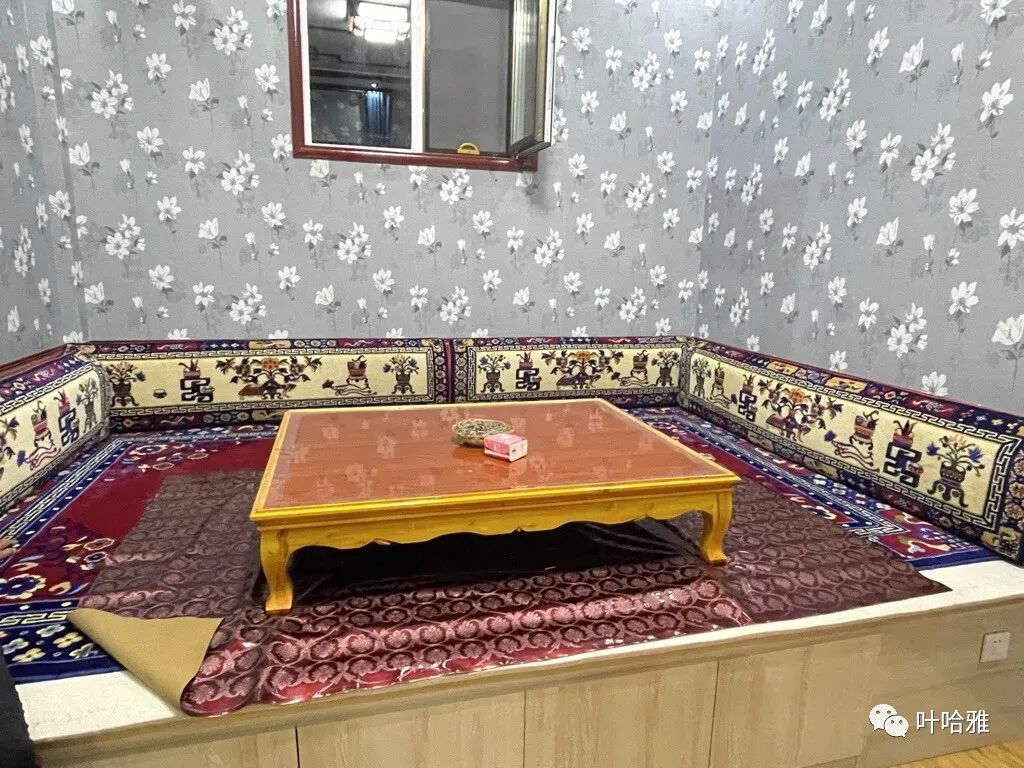
Traditional Salar families eat on a heated brick bed (kang), sitting cross-legged, which is similar to the customs in Central Asia.
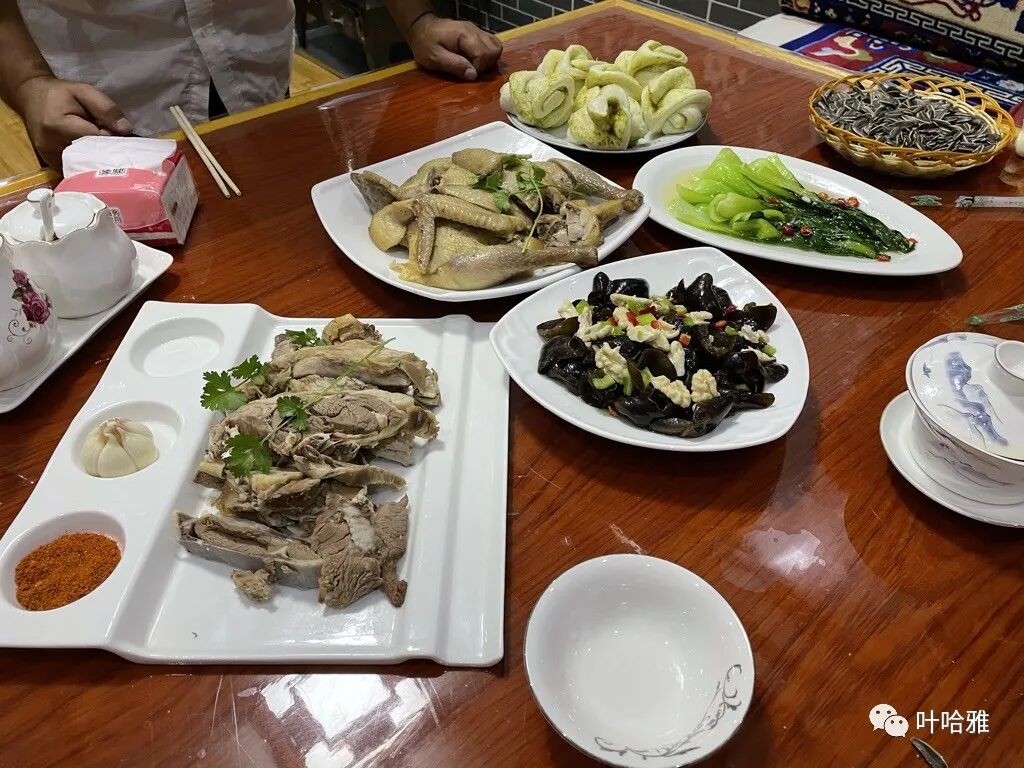
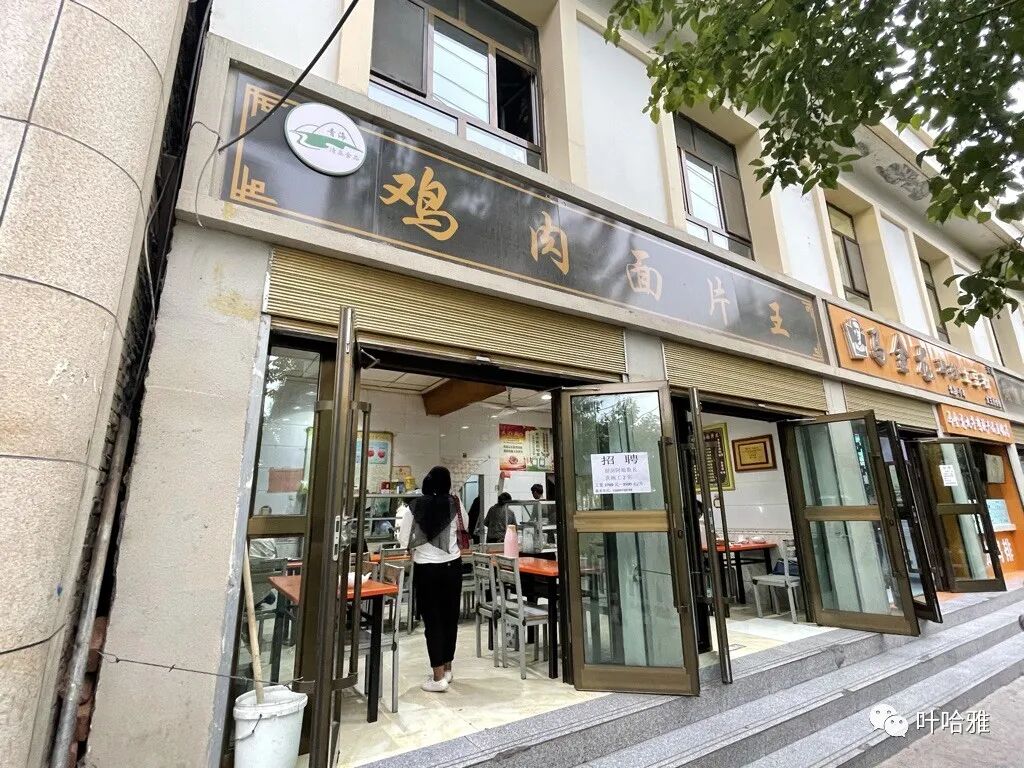
Chicken Noodle Flake King (jirou mianpian wang).
Chicken noodle flakes (jirou mianpian) are hard to find elsewhere, as they are usually made with beef. This shop is one of the local specialty spots recommended by my friends in Xunhua.
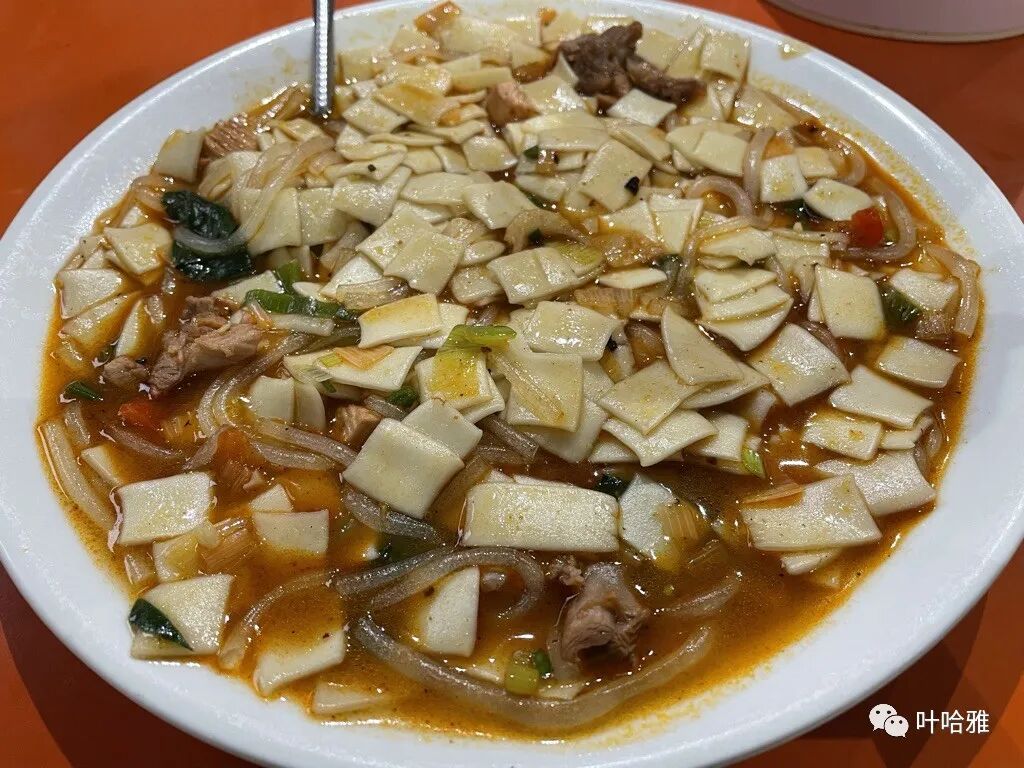
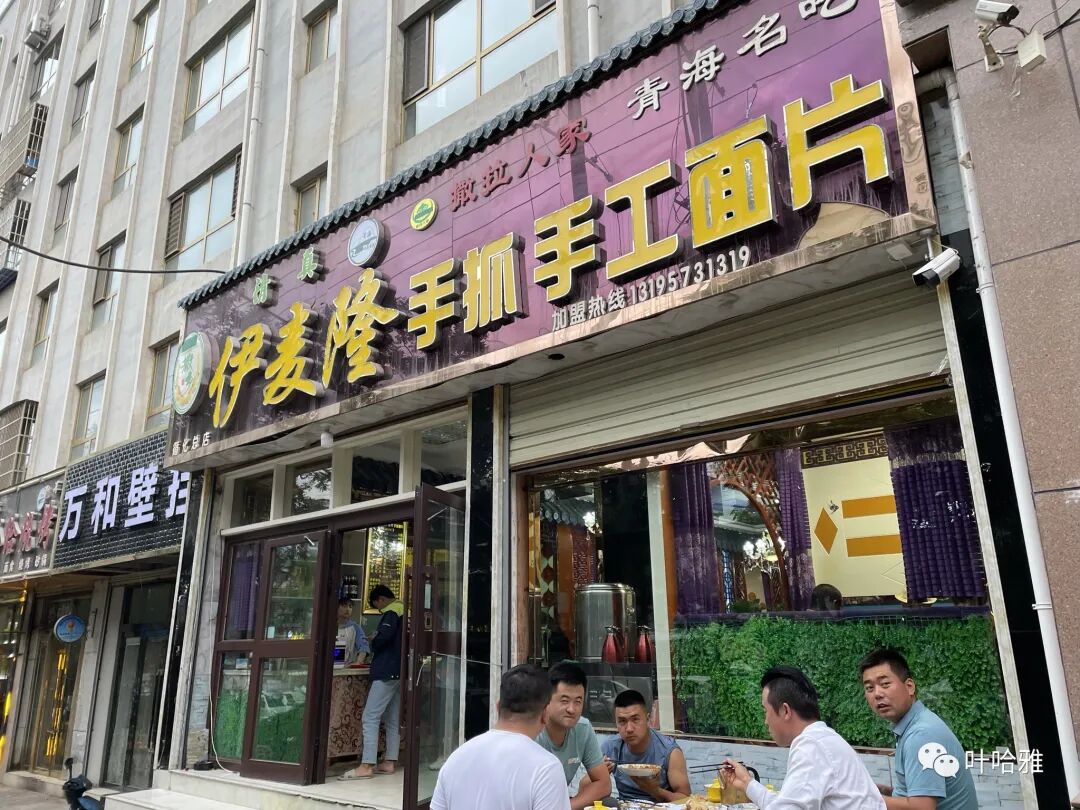
Yimailong Hand-Pulled Noodle Flakes (shouzhuo shougong mianpian).
Yimailong has a good reputation among locals. I had the starch noodle soup (fentang) for breakfast here, which is another Qinghai local specialty.
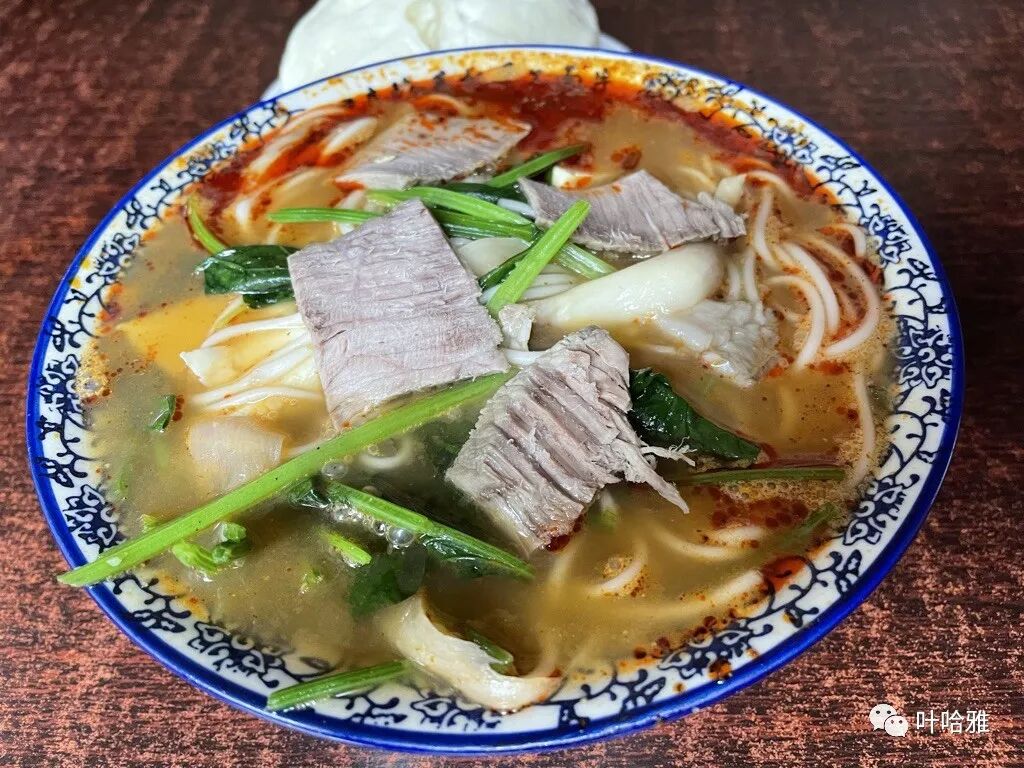
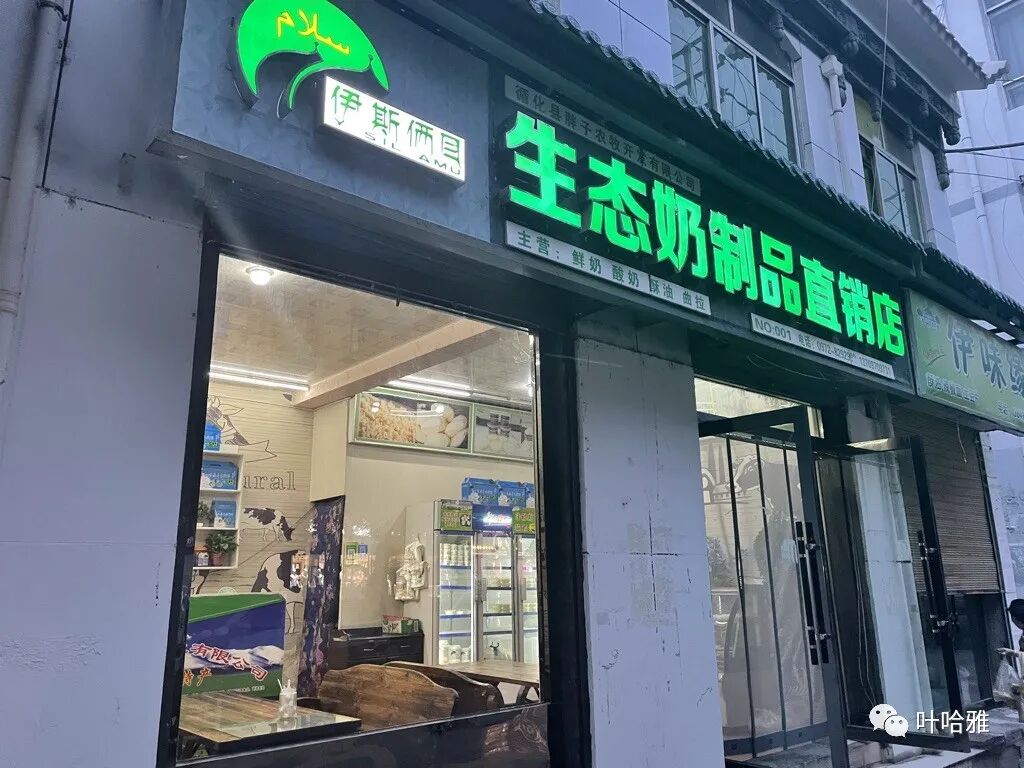
For dessert, you must try Qinghai yogurt. Just look at the golden milk skin on top to see how rich the flavor is.
For lodging, we reviewed three hotels in Xunhua County: Xunhua International Hotel, Xunhua Jinheyuan Hotel, and Xunhua Borman Hotel. They are all close to each other. Jinheyuan Hotel offers the best overall value. The International Hotel is the most expensive, costing a few dozen yuan more than Jinheyuan. The International Hotel has river-view rooms, but Jinheyuan has all smart room controls, provides a ritual washing pitcher (tangping), and has indicators for the direction of prayer (qibla). Overall, it is more comfortable than the International Hotel. Borman is the cheapest, but the room facilities are old.
Jinheyuan Hotel room.
I noticed there are many restaurants in Xunhua County. All halal restaurants here are alcohol-free, so hotels are called 'restaurants' (fandian) and provide halal breakfast. People in Xunhua like to experience staying in hotels during their leisure time. My friends in Xunhua often fly to different places, not to visit tourist sites, but just to experience a night in a luxury hotel before heading back.
Return trip - Xining.
I have been to Xining many times; I even held my wedding there in 2018. This time, I specifically chose to stay one night at the Yilton International Hotel. A long time ago, when I first traveled alone, I visited Xining. While wandering near the Dongguan Mosque, I looked up and was shocked to see such a large international hotel that was actually halal—I had never seen that before. I decided then that if I ever came back to Xining, I had to experience it.
However, this time I felt the Yilton is quite old. Although the service is okay, it has been operating for over a decade. Compared to the many new luxury hotels in Xining today, the Yilton is no longer as dazzling, but it fulfilled a wish I had seven years ago.
The Yilton has a Western restaurant with affordable prices, though the taste is just average. The breakfast variety is quite rich, and you can see the full view of the Dongguan Mosque from the window.
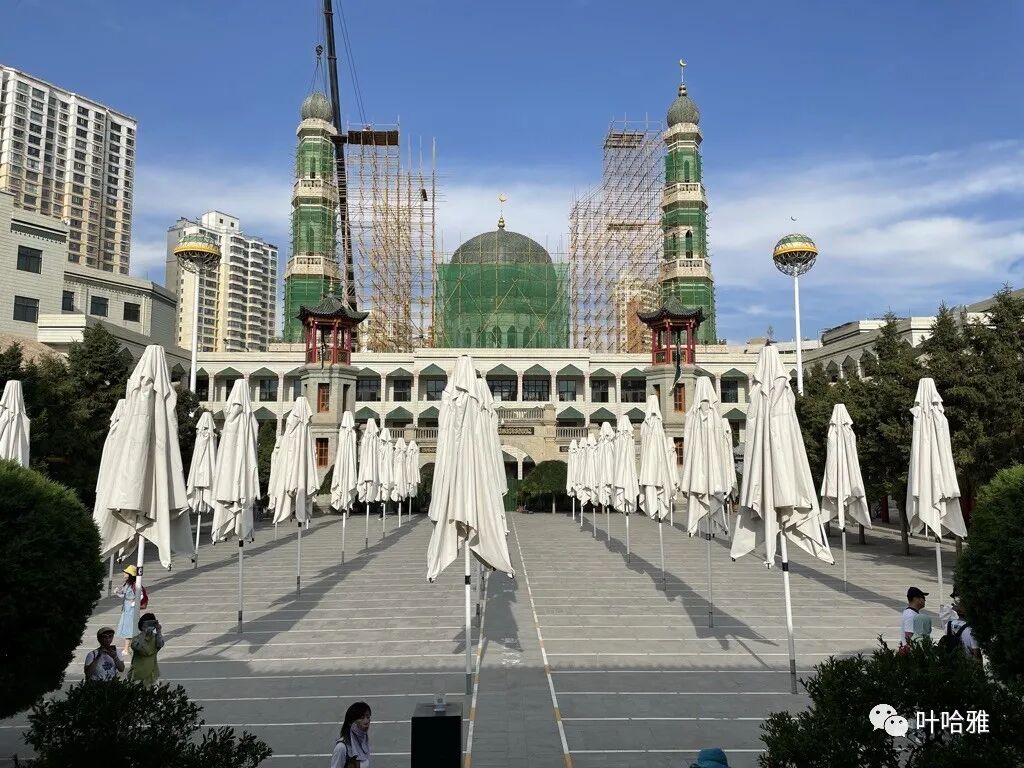
The Dongguan Mosque (Dongguan Dasi) is currently undergoing renovations, but religious activities continue as usual and the mosque remains open to visitors.
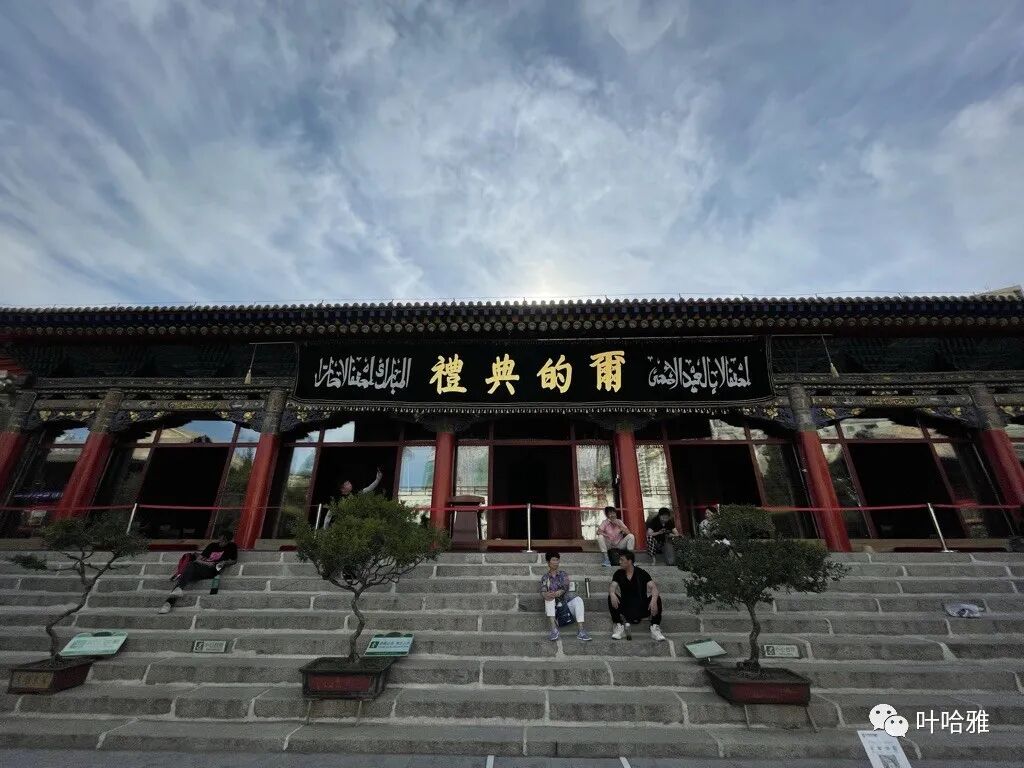
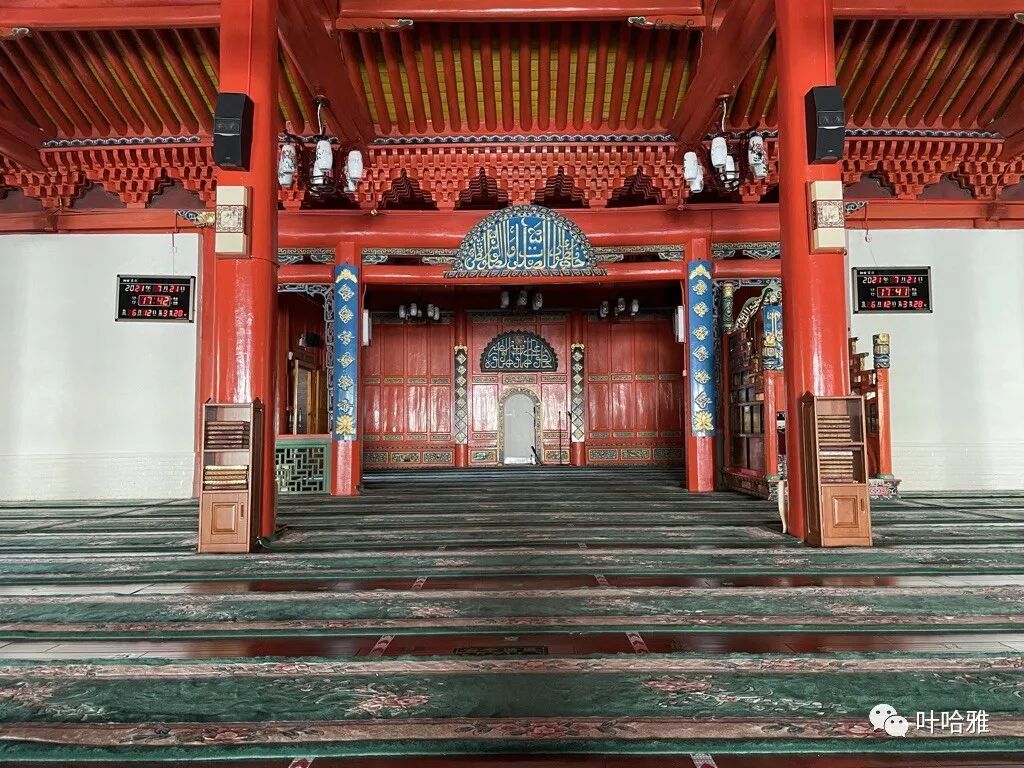
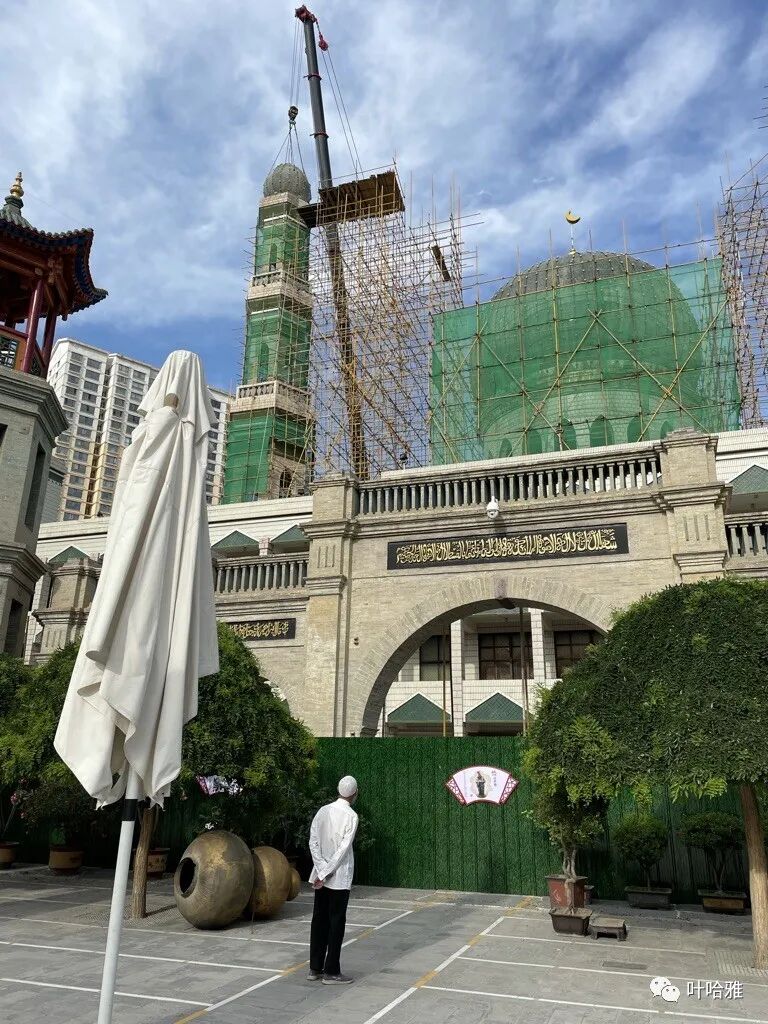
When I return to Xining next time, I should see the renovated Dongguan Mosque, which will look like the image below.
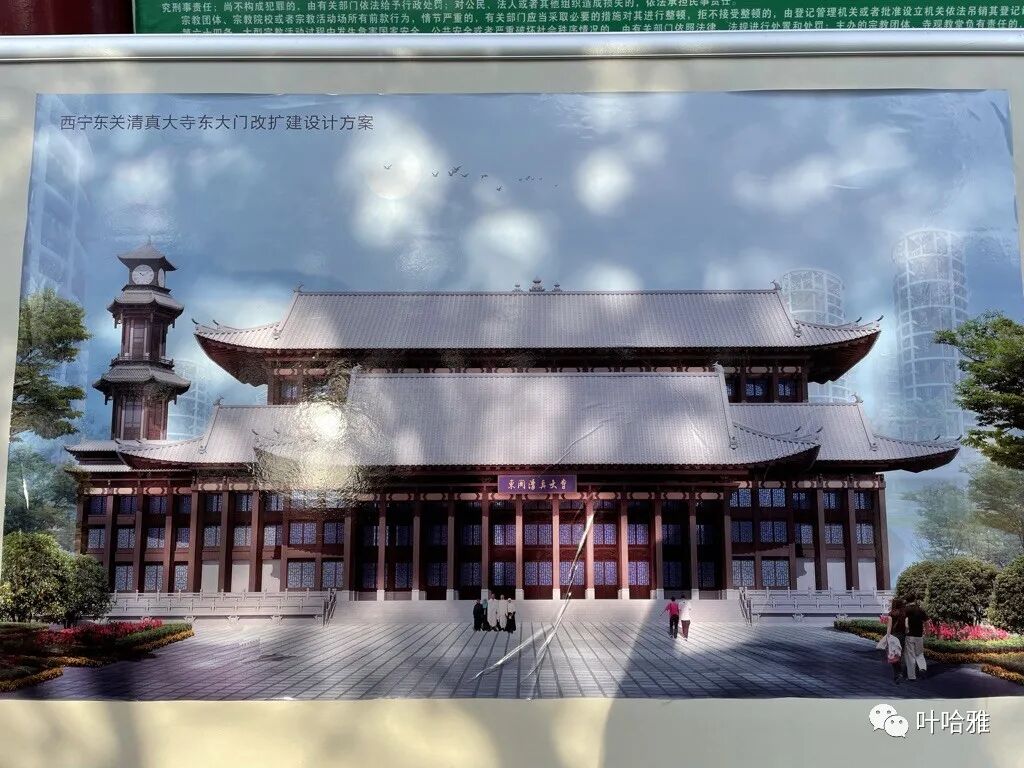
A rendering of the Dongguan Mosque after renovations.
Muslim Friendly Chongqing: Bashu's Largest Mosque, Halal Travel and Hui Muslim Food
Articles • yusuf908 posted the article • 0 comments • 125 views • 2026-05-22 09:39
Summary: Muslim Friendly Chongqing: Bashu's Largest Mosque, Halal Travel and Hui Muslim Food is presented here as a clear English account for Muslim readers, starting with this scene: The first quarter of 2021 ended, and I received a promotion notice from headquarters. Starting in the second quarter, I was promoted to sales manager. Our company's basic rules are divided into two tracks: an individual track and. It keeps the original names, food details, mosque details, photographs, and cultural context while focusing on Chongqing Mosques, Halal Travel, Hui Muslim Food.
The first quarter of 2021 ended, and I received a promotion notice from headquarters. Starting in the second quarter, I was promoted to sales manager. Our company's basic rules are divided into two tracks: an individual track and a management track. In the individual track, I am a partner, similar to the ranking system in a law firm. The management track is divided into sales manager and sales director. Becoming a sales manager means the team I lead now has an official designation within the company.
Mingya organizational chart
According to company arrangements, newly promoted sales managers must attend executive MBA training. This training was held at the Chongqing Marriott Hotel, so I had the chance to visit the mountain city again. Outside of training, I could continue exploring the places I had visited in Chongqing before.
After arriving in Chongqing from Beijing, I suggested to another friend (dosti) that we share a room to make it easier to perform namaz. Our company culture is very inclusive. The chairman once mentioned in a speech that he received a WeChat message from a former colleague who said, 'Thank Allah for making Mingya better and better.' When this colleague was still working here, he shared the gospel with many of us. Even after leaving, he often prayed for Allah's forgiveness and blessings for Mingya. After joining Mingya, I discovered that there are many Christians and Catholics throughout the company. Now, with my arrival, there are more Muslim partners as well. People with faith pursue freedom of body and mind, and I think that is why the company attracts them.
My roommate performing namaz in the hotel room
Of course, freedom alone is not enough. People have to eat, and the ability to earn a high income is a major reason why the company attracts so many elite partners. Our average income is higher than that of most employees at large tech companies. During the 2020 pandemic, more than 400 of our agents earned over one million annually, and three even reached the ten-million level.
Mingya average monthly income
Our team currently has 17 people: one in Jiangsu, two in Anhui, one in Guangzhou, two in Yinchuan, one in Japan, and ten in Beijing. 100% have a bachelor's degree or higher. Some are part-time and some are full-time. The team communicates online daily. Since buying insurance and processing claims are now digitized, our clients are spread across the country and can purchase insurance online without leaving home.
On the first day of arriving in Chongqing, the company arranged free time. I took several other team leaders to the most authentic halal hot pot restaurant in Chongqing, Huiwei Chuanyu
for a meal. The quality of this restaurant is definitely among the best of all halal restaurants in Chongqing, and it has won awards in Chongqing hot pot competitions many times. If you ask me which restaurant to visit if you only go to one in Chongqing? I would recommend you come to Huiwei Chuanyu.
The owner, Brother Yang, is originally from Xinjiang and has lived in Chongqing for nearly twenty years. He speaks fluent Chongqing dialect. The restaurant is smoke-free and alcohol-free, which is unique among local Chongqing hot pot places. I introduced this restaurant in my previous article, 'Chongqing Halal Food Tour—Turns out Tripe Hot Pot is also related to Hui Muslims.' This time, because of the team dinner, I was able to taste more dishes.
Awards received
In Chongqing, a city of hot pot, it is quite rare for a halal hot pot restaurant to be recognized by judges. Brother Yang invests heavily in the research and development of hot pot soup bases and is very confident in the taste of his hot pot. For this dinner, I chose dishes based on the manager's recommendations, and every one of them was praised by my colleagues.
Yuan-yang pot (split pot with two flavors)
The yuan-yang pot is how Chongqing people show respect to outsiders. Based on my experience, I am not great with spicy food, but I can handle the mild spicy base. Because the soup base is so flavorful, the clear soup pot was ignored by everyone. You can skip the clear soup pot when you come here and just choose mild or medium spicy. The spiciest nine-grid pot is for those who like strong flavors.
The plaque hanging on the wall says: 'O mankind!' Eat from whatever is on earth [that is] lawful and good.' (Quran, Surah Al-Baqarah, Verse 168)
The restaurant provides tips on how Chongqing people mix their oil dipping sauce. The top recommendation is the garlic and sesame oil dip: minced garlic + sesame oil + chopped green onions + fried peanuts + toasted sesame seeds.
Ice jelly (bingfen)
Brown sugar sticky rice cake (hongtang ciba)
Iced jelly (bingfen) and brown sugar sticky rice cake (hongtang ciba) are essential sweet desserts for hotpot.
The manager's recommended spicy big pot
Square bamboo shoots (fangzhusun)
Huiwei signature beef liver
Chongqing people love eating beef liver, but at non-halal shops, they usually eat pork liver. They cook it by dipping it repeatedly in the pot, then take it out and skip the oil dip, choosing instead to dip it in dry chili powder. The raw egg on the beef liver is actually there to make it smooth, and it is safe to eat.
A major feature of this hotpot restaurant is the live vegetables. These are all grown in a culture medium, and when guests want to eat them, the server harvests them on the spot. They are incredibly fresh, and naturally, the taste is tender and juicy.
Organic live pea shoots (wandou miao)
Organic peanut sprouts (huasheng ya)
Organic golden needle mushrooms (jinzhengu)
Ecological bean sprouts (douya)
Shrimp paste (xiahua)
Boneless fresh fish slices
Huiwei signature tripe (maodu)
Huiwei tender beef
Taking a photo with supervisors from different teams
After the meal, my companion and I went to the Chongqing Muslim Building for namaz. Upon arrival, we learned that the Muslim Building had been renamed, and the new name is still being discussed. The prayer hall on the top floor has also been closed, and Muslims needing to pray must go to the newly built Jiulongpo Mosque.
The Chongqing Muslim Building is currently owned by the Islamic Association and will be used for commercial purposes. In the future, it will be developed into a new popular social media landmark. The famous Shibati in Chongqing is about to be rebuilt, similar to Qianmen Street in Beijing, and is expected to open at the end of September this year.
The abandoned prayer hall where I once stood.
The dome on the top floor
The minaret that was never used and will never be used again
Standing on the top floor overlooking the Shibati project
From Jiaochangkou, where the Muslim Building is located, you can take the subway and reach Fengqi Road Station in half an hour. After walking a few hundred meters, you will arrive at the newly built Chongqing Grand Mosque. This grand mosque opened to the public last year. It covers an area of 10,000 square meters and has complete supporting facilities, including an underground parking lot. It belongs to the same batch of projects as the newly built grand mosque in Hangzhou.
The good news is that after several inspections by relevant leaders, the main building of the Great Mosque was deemed not to need large-scale renovations. It only needs some added Chinese-style elements to stay as it is. I applaud the wise decision made by the Chongqing leadership.
From the outside, the Great Mosque of Chongqing looks similar to the Great Mosque of Shadian.
The mihrab, shaped like an open Quran, is modeled after the style of the Faisal Mosque in Pakistan.
The Core Socialist Values hanging above are the result of later renovations, and the auspicious cloud patterns also count as added Chinese elements.
Four-Character Scripture for Muslim Women (Qingzhen Nuzi Sizi Jing)
Women's Prayer Hall
Just one wall away is the Chongqing Hui Muslim Cemetery.
This Great Mosque is located some distance from the city center, and the surrounding area is not yet developed, so there are not many Muslims coming for namaz. However, given Chongqing's current super-fast development speed, I believe this area will soon be bustling with people.
After visiting the Great Mosque of Chongqing, we returned to the hotel and started an MBA training course the next day. After several days of closed-door training, I set off on a journey to visit the oldest mosque in the Chongqing area, the Fengjie Mosque.
Fengjie is very far from downtown Chongqing, over 400 kilometers away. You can take a long-distance bus from the Chongqing North Station bus terminal and arrive in Fengjie County in 6 hours. Alternatively, you can take a high-speed train to Wanzhou, which takes about two hours, and then take a bus from Wanzhou to Fengjie, which takes another two hours.
Fengjie is the starting point of Bashu culture and the location of White Emperor City (Baidi Cheng). White Emperor City is a major historical and cultural site protected at the national level, and it is a must-visit spot when traveling the Yangtze River by boat. Friends who love Bashu history and culture should not miss it. Students who have been to school can surely recite Li Bai's poem 'Departing from White Emperor City in the Morning'.
Enjoying the night view of the Yangtze River at Kuimen Square.
According to historical records, the Fengjie Mosque is also one of the earliest mosques in the Bashu region, and it is said to have been built in the Yuan Dynasty. Due to the construction of the Three Gorges Project, the main building of the prayer hall was moved as a whole to its current location, and all the bricks and tiles were restored.
The mosque is currently undergoing construction of commercial storefronts on the ground floor. These shops will be rented out as mosque property, with plans to support the mosque through its own income. Huiwei Chuanyu hopes to open a branch here, which would meet the dietary needs of friends (dost) traveling to Fengjie, as there is currently only one halal ramen shop in Fengjie.
The few remaining stone tablets in the mosque continue to write its history. In the evening, I spoke with the imam and learned that there are about 600 local Hui Muslims in Fengjie. Only eleven or twelve come for namaz on Jumu'ah, and only three people insist on performing the five daily prayers. They are all elderly. Most local Hui Muslims know nothing about Islam, which leads to many awkward situations during weddings and funerals, making it very difficult for the imam to carry out his work here.
In the evening, the imam asked his wife to cook me a hearty meal with Linxia flavors. It was the most delicious meal I had eaten in days. During the meal, I listened to the imam talk about the hardships of his missionary work, but he remained resilient and optimistic, viewing the difficulties he encountered as a test from Allah. I am full of respect for him and wish that all scholars striving on the path of the Lord may receive blessings in both worlds.
The only halal ramen shop in Fengjie, located at Kuimen Square.
After the evening prayer (maghrib), I said goodbye to the imam and returned to Beijing the next day. My study tour in Chongqing has come to an end. I hope that when I come back next time, I will see a branch of Huiwei Chuanyu opened in Fengjie. The Islamic culture of Bashu will surely regain its former glory, insha'Allah. view all
Summary: Muslim Friendly Chongqing: Bashu's Largest Mosque, Halal Travel and Hui Muslim Food is presented here as a clear English account for Muslim readers, starting with this scene: The first quarter of 2021 ended, and I received a promotion notice from headquarters. Starting in the second quarter, I was promoted to sales manager. Our company's basic rules are divided into two tracks: an individual track and. It keeps the original names, food details, mosque details, photographs, and cultural context while focusing on Chongqing Mosques, Halal Travel, Hui Muslim Food.
The first quarter of 2021 ended, and I received a promotion notice from headquarters. Starting in the second quarter, I was promoted to sales manager. Our company's basic rules are divided into two tracks: an individual track and a management track. In the individual track, I am a partner, similar to the ranking system in a law firm. The management track is divided into sales manager and sales director. Becoming a sales manager means the team I lead now has an official designation within the company.
Mingya organizational chart
According to company arrangements, newly promoted sales managers must attend executive MBA training. This training was held at the Chongqing Marriott Hotel, so I had the chance to visit the mountain city again. Outside of training, I could continue exploring the places I had visited in Chongqing before.
After arriving in Chongqing from Beijing, I suggested to another friend (dosti) that we share a room to make it easier to perform namaz. Our company culture is very inclusive. The chairman once mentioned in a speech that he received a WeChat message from a former colleague who said, 'Thank Allah for making Mingya better and better.' When this colleague was still working here, he shared the gospel with many of us. Even after leaving, he often prayed for Allah's forgiveness and blessings for Mingya. After joining Mingya, I discovered that there are many Christians and Catholics throughout the company. Now, with my arrival, there are more Muslim partners as well. People with faith pursue freedom of body and mind, and I think that is why the company attracts them.
My roommate performing namaz in the hotel room
Of course, freedom alone is not enough. People have to eat, and the ability to earn a high income is a major reason why the company attracts so many elite partners. Our average income is higher than that of most employees at large tech companies. During the 2020 pandemic, more than 400 of our agents earned over one million annually, and three even reached the ten-million level.
Mingya average monthly income
Our team currently has 17 people: one in Jiangsu, two in Anhui, one in Guangzhou, two in Yinchuan, one in Japan, and ten in Beijing. 100% have a bachelor's degree or higher. Some are part-time and some are full-time. The team communicates online daily. Since buying insurance and processing claims are now digitized, our clients are spread across the country and can purchase insurance online without leaving home.
On the first day of arriving in Chongqing, the company arranged free time. I took several other team leaders to the most authentic halal hot pot restaurant in Chongqing, Huiwei Chuanyu
for a meal. The quality of this restaurant is definitely among the best of all halal restaurants in Chongqing, and it has won awards in Chongqing hot pot competitions many times. If you ask me which restaurant to visit if you only go to one in Chongqing? I would recommend you come to Huiwei Chuanyu.
The owner, Brother Yang, is originally from Xinjiang and has lived in Chongqing for nearly twenty years. He speaks fluent Chongqing dialect. The restaurant is smoke-free and alcohol-free, which is unique among local Chongqing hot pot places. I introduced this restaurant in my previous article, 'Chongqing Halal Food Tour—Turns out Tripe Hot Pot is also related to Hui Muslims.' This time, because of the team dinner, I was able to taste more dishes.
Awards received
In Chongqing, a city of hot pot, it is quite rare for a halal hot pot restaurant to be recognized by judges. Brother Yang invests heavily in the research and development of hot pot soup bases and is very confident in the taste of his hot pot. For this dinner, I chose dishes based on the manager's recommendations, and every one of them was praised by my colleagues.
Yuan-yang pot (split pot with two flavors)
The yuan-yang pot is how Chongqing people show respect to outsiders. Based on my experience, I am not great with spicy food, but I can handle the mild spicy base. Because the soup base is so flavorful, the clear soup pot was ignored by everyone. You can skip the clear soup pot when you come here and just choose mild or medium spicy. The spiciest nine-grid pot is for those who like strong flavors.
The plaque hanging on the wall says: 'O mankind!' Eat from whatever is on earth [that is] lawful and good.' (Quran, Surah Al-Baqarah, Verse 168)
The restaurant provides tips on how Chongqing people mix their oil dipping sauce. The top recommendation is the garlic and sesame oil dip: minced garlic + sesame oil + chopped green onions + fried peanuts + toasted sesame seeds.
Ice jelly (bingfen)
Brown sugar sticky rice cake (hongtang ciba)
Iced jelly (bingfen) and brown sugar sticky rice cake (hongtang ciba) are essential sweet desserts for hotpot.
The manager's recommended spicy big pot
Square bamboo shoots (fangzhusun)
Huiwei signature beef liver
Chongqing people love eating beef liver, but at non-halal shops, they usually eat pork liver. They cook it by dipping it repeatedly in the pot, then take it out and skip the oil dip, choosing instead to dip it in dry chili powder. The raw egg on the beef liver is actually there to make it smooth, and it is safe to eat.
A major feature of this hotpot restaurant is the live vegetables. These are all grown in a culture medium, and when guests want to eat them, the server harvests them on the spot. They are incredibly fresh, and naturally, the taste is tender and juicy.
Organic live pea shoots (wandou miao)
Organic peanut sprouts (huasheng ya)
Organic golden needle mushrooms (jinzhengu)
Ecological bean sprouts (douya)
Shrimp paste (xiahua)
Boneless fresh fish slices
Huiwei signature tripe (maodu)
Huiwei tender beef
Taking a photo with supervisors from different teams
After the meal, my companion and I went to the Chongqing Muslim Building for namaz. Upon arrival, we learned that the Muslim Building had been renamed, and the new name is still being discussed. The prayer hall on the top floor has also been closed, and Muslims needing to pray must go to the newly built Jiulongpo Mosque.
The Chongqing Muslim Building is currently owned by the Islamic Association and will be used for commercial purposes. In the future, it will be developed into a new popular social media landmark. The famous Shibati in Chongqing is about to be rebuilt, similar to Qianmen Street in Beijing, and is expected to open at the end of September this year.
The abandoned prayer hall where I once stood.
The dome on the top floor
The minaret that was never used and will never be used again
Standing on the top floor overlooking the Shibati project
From Jiaochangkou, where the Muslim Building is located, you can take the subway and reach Fengqi Road Station in half an hour. After walking a few hundred meters, you will arrive at the newly built Chongqing Grand Mosque. This grand mosque opened to the public last year. It covers an area of 10,000 square meters and has complete supporting facilities, including an underground parking lot. It belongs to the same batch of projects as the newly built grand mosque in Hangzhou.
The good news is that after several inspections by relevant leaders, the main building of the Great Mosque was deemed not to need large-scale renovations. It only needs some added Chinese-style elements to stay as it is. I applaud the wise decision made by the Chongqing leadership.
From the outside, the Great Mosque of Chongqing looks similar to the Great Mosque of Shadian.
The mihrab, shaped like an open Quran, is modeled after the style of the Faisal Mosque in Pakistan.
The Core Socialist Values hanging above are the result of later renovations, and the auspicious cloud patterns also count as added Chinese elements.
Four-Character Scripture for Muslim Women (Qingzhen Nuzi Sizi Jing)
Women's Prayer Hall
Just one wall away is the Chongqing Hui Muslim Cemetery.
This Great Mosque is located some distance from the city center, and the surrounding area is not yet developed, so there are not many Muslims coming for namaz. However, given Chongqing's current super-fast development speed, I believe this area will soon be bustling with people.
After visiting the Great Mosque of Chongqing, we returned to the hotel and started an MBA training course the next day. After several days of closed-door training, I set off on a journey to visit the oldest mosque in the Chongqing area, the Fengjie Mosque.
Fengjie is very far from downtown Chongqing, over 400 kilometers away. You can take a long-distance bus from the Chongqing North Station bus terminal and arrive in Fengjie County in 6 hours. Alternatively, you can take a high-speed train to Wanzhou, which takes about two hours, and then take a bus from Wanzhou to Fengjie, which takes another two hours.
Fengjie is the starting point of Bashu culture and the location of White Emperor City (Baidi Cheng). White Emperor City is a major historical and cultural site protected at the national level, and it is a must-visit spot when traveling the Yangtze River by boat. Friends who love Bashu history and culture should not miss it. Students who have been to school can surely recite Li Bai's poem 'Departing from White Emperor City in the Morning'.
Enjoying the night view of the Yangtze River at Kuimen Square.
According to historical records, the Fengjie Mosque is also one of the earliest mosques in the Bashu region, and it is said to have been built in the Yuan Dynasty. Due to the construction of the Three Gorges Project, the main building of the prayer hall was moved as a whole to its current location, and all the bricks and tiles were restored.
The mosque is currently undergoing construction of commercial storefronts on the ground floor. These shops will be rented out as mosque property, with plans to support the mosque through its own income. Huiwei Chuanyu hopes to open a branch here, which would meet the dietary needs of friends (dost) traveling to Fengjie, as there is currently only one halal ramen shop in Fengjie.
The few remaining stone tablets in the mosque continue to write its history. In the evening, I spoke with the imam and learned that there are about 600 local Hui Muslims in Fengjie. Only eleven or twelve come for namaz on Jumu'ah, and only three people insist on performing the five daily prayers. They are all elderly. Most local Hui Muslims know nothing about Islam, which leads to many awkward situations during weddings and funerals, making it very difficult for the imam to carry out his work here.
In the evening, the imam asked his wife to cook me a hearty meal with Linxia flavors. It was the most delicious meal I had eaten in days. During the meal, I listened to the imam talk about the hardships of his missionary work, but he remained resilient and optimistic, viewing the difficulties he encountered as a test from Allah. I am full of respect for him and wish that all scholars striving on the path of the Lord may receive blessings in both worlds.
The only halal ramen shop in Fengjie, located at Kuimen Square.
After the evening prayer (maghrib), I said goodbye to the imam and returned to Beijing the next day. My study tour in Chongqing has come to an end. I hope that when I come back next time, I will see a branch of Huiwei Chuanyu opened in Fengjie. The Islamic culture of Bashu will surely regain its former glory, insha'Allah.
Muslim Travel Guide China 2026: Xishuangbanna Hui-Dai Muslim Villages, Mosques and Halal Food
Articles • yusuf908 posted the article • 0 comments • 272 views • 2026-05-22 09:23
Summary: Muslim Travel Guide China 2026: Xishuangbanna Hui-Dai Muslim Villages, Mosques and Halal Food is presented here as a clear English account for Muslim readers, starting with this scene: —— Hello, Travel ——. It keeps the original names, food details, mosque details, photographs, and cultural context while focusing on Xishuangbanna Muslims, Mosque Travel, Halal Travel.
—— Hello, Travel ——
Xishuangbanna is not new to me. I visited in 2016 and heard there were mosques made of bamboo. I specifically went to the Manluanhui and Mansaihui Hui Muslim villages in Menghai County to find them, but I had no luck. After asking around, I learned that bamboo mosques were temporary structures from the early days when conditions were tough and they did not last long. When I visited, I only saw the new-style Mansaihui Mosque and the Manluanhui Mosque, which was still under construction.
This trip to Xishuangbanna was a reward from my company's branch office. According to our 2020 fourth-quarter incentive plan, staff at the rank of senior broker or higher could join the Xishuangbanna trip for free. Our company's job hierarchy goes: consultant, broker, senior broker, senior broker, and partner. I have been promoted to partner, which is higher than a senior broker, so I was honored to join this year-end honorary trip.
If you follow the standard tourist route, there are several popular spots in Banna. The company arranged a custom tour for us, and I spent the first two days with the group. However, I had planned to go off on my own to start a halal travel mode. Since most of my colleagues have traveled all over the world, they were not interested in typical tourist spots and asked to join my small, private tour instead.
Based on my experience and recommendations from local friends in Banna, the most worthwhile popular spot is the Xishuangbanna Tropical Botanical Garden of the Chinese Academy of Sciences, along with the nearby Dayi Manor or Nannuo Mountain. Both Dayi and Nannuo Mountain are tea mountains. Banna used to be part of Pu'er, so Pu'er tea is not actually produced in Pu'er; Banna is the original home of Pu'er tea. Locals do not like other spots like the Gaozhuang Night Market, Dai villages, or Wild Elephant Valley because they are too commercialized and full of tourists.
Tropical Botanical Garden of the Chinese Academy of Sciences
It takes about an hour to drive from Jinghong, the capital of Banna, to the botanical garden. The garden is not just a research base but also a 5A-rated scenic spot that combines science and entertainment. The most impressive plants are in the west section. If you visit in summer, you can see the lake full of giant water lilies (dayanglian) that are strong enough for children to stand on. The east section features tropical rainforests and a green stone forest, which is quite large and requires a sightseeing cable car.
Tickets are 80 yuan per person, half-price during the pandemic. Battery car tickets are 50 yuan per person, or 100 yuan for the whole park.
Main gate opening hours: 8:00-18:00. Suspension bridge north gate opening hours: 7:30-18:30.
Driving south from the botanical garden for about two hours, you reach the Sky Tree (wangtianshu) scenic area. The Sky Tree is a symbol of the tropical rainforest, with trunks reaching over a hundred meters high. The discovery of this dipterocarp plant proves that China has tropical rainforests. I should mention that driving from downtown Jinghong to the Sky Tree scenic area takes over three hours, the road is long, and the conditions are not great.
The hundred-meter-tall Sky Tree.
We all walked across the suspension bridge in the trees.
There are no halal restaurants at the Sky Tree or the botanical garden, so you need to bring your own food. Luckily, we found the only halal Yunnan bridge-crossing rice noodles (guoqiao mixian) in a shop at the Sky Tree scenic area. Being able to eat a bowl of hot noodles when hungry felt like a blessing.
To visit tea mountains, you can go to Dayi Manor. Tickets are 40 yuan, and horse-drawn carriage or electric car tickets are 60 yuan. Dayi tea is very famous locally, but remember not to buy tea in the scenic area. It is much more expensive and hard to find good quality. I showed a friend who works in the tea business in Banna some Pu'er tea that a colleague bought at the Nannuo Mountain scenic area, and they said it was overpriced.
Riding a horse-drawn carriage through Dayi Manor.
Tea plants cover the mountains and plains.
Jinghong is livelier at night than during the day, with a rich nightlife. The days are hot, reaching over 30 degrees, but the nights are cool. The show our Banna friends highly recommended is "Dai Show" (Daixiu), which is arguably the best stage play in the area. The performance level of "Dai Show" is world-class. We were all shocked after watching it and felt it was worth the price. Regular tickets are 328 yuan online, but we got them for 260 yuan through a local friend.
"Dai Show".
The show lasts one hour and leaves you wanting more. Everything from entry to exit was arranged very carefully and naturally. The actors' skills and stage effects were excellent. Friends who have the chance to visit Banna should not miss it.
We took a group photo with the lead actors of the Dai Show.
After the show ended, we took photos with the cast. That was when I noticed one of the leads was a foreigner. He was the man wearing a snail shell on his back, a Black yoga master with incredibly flexible joints.
Jinghong Mosque is in the north of the river. I took the photo in 2016. When I went there for Jumu'ah prayer this year, the old mosque had been torn down and the new one was still under construction. It is just a building site now, so we prayed in a temporary prefab room. The new mosque will likely be built in the Dai style.
Jinghong Mosque, photographed in 2016.
Signs in the Dai language.
A snack stall next to the mosque.
Next, I will introduce the halal food in Jinghong. Jinghong is the busiest capital city in Xishuangbanna. It is quite easy to find halal restaurants here. Most are small eateries serving Yunnan-style food, run mainly by Hui Muslims from Dali, Shadian, and Pu'er. There are also barbecue shops that mix Hui and Dai flavors.
Yijun Food.
On the first day, just after landing in Jinghong, I brought my colleagues to Yijun Food to try local Yunnan dishes. The owner is a Hui Muslim woman from Shadian who wears a headscarf. She was pleasantly surprised when I greeted her with 'Assalamu Alaikum,' as she thought few Hui Muslims from Beijing knew about our faith. She said she had met Beijing Hui Muslims at her shop before who didn't even know how to say the greeting. After telling me this, she had her young daughter say 'Assalamu Alaikum' to me and even gave us some free dishes.
At small Yunnan restaurants, if you want vegetables, there is usually no menu. You just point to the ingredients in the display case and tell them how you want them cooked. It is very convenient, and you can see right away if the food is fresh. Vegetables are usually stir-fried plain without chili.
Oil-drizzled beef jerky (youlin niuganba).
To remember the name of every dish, I specifically asked the owner to write them down on paper. Otherwise, I would have forgotten what I ate once I got back to Beijing, because Yunnan has such a wide variety of ingredients—many were fresh things I had never seen or heard of before.
Dai-style fish (daiwei yu).
Lahu-style chicken (lahu ji).
Lemon shrimp (ningmeng xia).
Stir-fried squid (qiang youyu).
Stir-fried white flowers (chao baihua).
Stir-fried thorn buds (chao ciya).
Stir-fried baby corn (chao xiao yumi).
Ali Barbecue Shop.
This Ali Barbecue Shop is a local spot highly recommended by friends in Banna. It was a hit with me and my colleagues. Banna barbecue is famous for its Dai style. Besides marinating the meat skewers beforehand, you also dip them in a local sour and spicy sauce.
We chose to go to Ali for skewers at 10 p.m. Just like at a hot pot stall, you pick your ingredients from the freezer and ask the staff to grill them in the back. We sat around a round bamboo table, eating skewer after skewer. Even the friend who joined us later couldn't help but dig in after trying a few pieces of grilled beef.
I chatted with the owners and learned they are Hui Muslims from Pu'er who have been running the business here for many years. The shop has a great reputation among locals. Interestingly, none of the restaurants we visited sold drinks; they only provided free tea. If we wanted a drink, the staff told us to buy one ourselves at a nearby shop. The cost of living in Banna is low. A hearty meal costs only 30 to 50 yuan per person, and you can get a simple fast-food meal for 10 yuan.
We went to the famous Gaozhuang Night Market in the evening and saw many pretty influencers taking photos. The market was packed with people selling snacks and small souvenirs. It is nice just to look around. The Lancang River flows through the middle of Jinghong, splitting the city into the south and north banks. The south bank is the old town and attracts many tourists, while the north bank is the new town, which is well-developed, cleaner, and tidier.
Juedui Niu Hui Muslim Restaurant
I also want to list a few local Yunnan-style halal restaurants I have visited. Juedui Niu Hui Muslim Restaurant and Hongfu Halal Restaurant are places I ate at back in 2016. They are still open today, and you can find their exact locations on Baidu Maps or Dazhong Dianping.
Hongfu Halal Restaurant
Jinghong 786 Muslim Hotel
I found a Muslim hotel by the road with an interesting name, 786. I once introduced 786 in my Tibet halal food map. It is very common in South Asia, where local Muslims use 786 as a code for halal.
Halal Snack Bar
A friend in Banna recommended this halal snack bar. They come here to eat every so often. The business is very good, and you might have to wait for a table during meal times.
I recommend the steak and black-palm chicken (wuzhangji). It is best to book in advance, or you might miss out if you arrive late.
If you go to Wanda Plaza to watch the Dai Show, you can eat rice noodles at this nearby Ma Si Halal Snack Shop. They also serve stir-fried dishes with Yunnan flavors.
Paxidai Halal Restaurant
My main reason for going to the Gaozhuang Night Market was to visit a large Hui-Dai halal restaurant called Paxidai, located right at the entrance. It is very easy to find. 'Paxi' means Hui Muslims in the Dai language. The owner is a Hui-Dai woman. We met for the first time and immediately felt close after exchanging salaams. The owner is from Manluanhui and her surname is Yu. Most Hui-Dai women have the surname 'Yu', while men have the surname 'Yan', following Dai traditions.
The restaurant environment is beautiful. It is built on the riverbank like a boat and has three floors. Eating by the window and looking at the scenery feels like being on a boat trip down the river.
More than ten colleagues came to this dinner, and we ordered almost every dish on the menu with Dai flavors. The owner was very hospitable and gave us a few extra dishes to try. The overall taste was good, focusing on sour, spicy, salty, and fresh flavors. When you come to Banna, you must try the local food, especially when dining in such a beautiful setting. After the meal, the Hui-Dai owner warmly invited us to visit her hometown, Manluanhui.
Dai-style beef rice noodles
Lemon shredded pounded beef jerky (shousi xiaochui niuganba)
Lemon jelly noodles (liangfen)
Passion fruit hot and sour fish
Nammi dipping sauce platter
Hui-Dai white-palm chicken (baizhangji)
Peanut and beef jerky platter
Lemongrass grilled fish
Stir-fried beef with sour bamboo shoots
Stewed oxtail with radish
Seafood pineapple rice
Hui-Dai style roasted chicken
We said goodbye to the landlady of Paxidai for a while, and the next day we hired three cars to head to Mansaihui and Manluanhui in Menghai County. Mansaihui and Manluanhui are about 4.5 kilometers apart. Starting from Jinghong city center, you can take a bus at the Jinghong Bus Station or use Didi. Didi is less likely to have route detours because the trip is monitored. It is a 45-kilometer drive that takes about an hour.
Mansaihui was formed relatively late, about 100 years ago. Hui Muslims from other parts of Yunnan, such as Dali and Tonghai, came here to do business and married local Dai people, gradually forming a village. Currently, there are about eighty households and over four hundred people. The local villagers keep Dai living habits, wear Dai clothes, and speak the Dai language, but they follow Islam. The Dai women here also wear headscarves, so you cannot tell if someone is a Hui Muslim just by looking at their headscarf.
The Mansaihui mosque has not changed much in recent years, except that the imam has changed from Imam Tang to Imam Guan. Both are from Yunnan and have settled in Mansaihui.
Since most of my colleagues traveling with me were not Muslim, I invited the imam to the small classroom in the mosque to give everyone a brief introduction to the history of the Hui-Dai people and the basic concepts of Islam. The group listened with great interest and felt that this kind of in-depth travel was very meaningful. I appreciate my company's open and inclusive corporate culture. In our company, everyone can express their personality without worrying too much.
There is Dai script written next to the donation box.
After saying goodbye to Imam Guan and leaving Mansaihui, we arrived at the nearby Manluanhui. The history of Manluanhui is older than that of Mansaihui. The ancestors of the Hui-Dai people here were from the time of the Du Wenxiu Uprising in the Qing Dynasty. A Hui Muslim named Ma Wulong fled from Dali to Xishuangbanna for refuge. The Dai King accepted his request for asylum and let him settle in Manluan. In the Dai language, Manluan means a place overgrown with weeds.
Boyaohehanmu Bridge
The local chieftain built a bridge in Manluan and handed it over to Ma Wulong to manage. Boyaohehanmu means golden bridge in the Dai language.
Ma Wulong married a local Dai girl. According to Dai tradition, a son-in-law who moves into his wife's family must change his name to "Yan," and if it is a woman, she must change her surname to "Yu." Ma Wulong had a son named "Yanhan."
The Dai people believe in Theravada Buddhism, which belongs to Hinayana Buddhism. It has a strict hierarchy divided into royalty, nobility, and commoners. Royalty has the surname "Zhao," nobility has the surname "Dao," and commoners have the surname "Yan."
A photo provided by the landlady of Paxidai to see if the Hui-Dai girls are pretty.
Main hall of Manluan Mosque
The new building of Manluan Mosque uses traditional Dai architectural style. It is magnificent and blends in with the local environment.
San Ge Farmhouse Restaurant
For lunch, we chose the San Ge Farmhouse Restaurant next to the mosque. The owner of this shop is the cousin of the Paxidai landlady. The cousin arranged two tables of local farmhouse dishes for us.
Hand-shredded small-hammered beef jerky (niuganba)
Beef jerky (niuganba) is a unique Hui Muslim food in Yunnan. There are many ways to make it. A common one is oil-fried beef jerky used for cooking. Another is the Banna-style small-hammered beef jerky, which is charcoal-grilled and can be eaten as a snack.
Scrambled eggs with toon buds
Sticky eggplant
Beef steak stewed with radish
Hui-Dai white-palm chicken (baizhangji)
Stir-fried pea pods
Deep-fried cow skin (zha niupi)
This dish is very popular. When it was served, we thought it was fried shrimp chips because it was so crispy. My friend from Banna said it was deep-fried cow skin (zha niupi). I was skeptical that it was actually made from cow skin, but the owner confirmed it.
After the meal, we drank tea at my cousin's house. The tea was made that very day and still had a smoky scent. March is the peak season for tea, and the Hui Muslims in Mansaihe and Manluanhe mainly grow tea. The village was quiet that day because the young people were all out picking tea.
While wandering around the village, I bought a cup of milk tea. It was sweet, tangy, and delicious.
Thai Cottage Milk Tea Shop (Tai Xiaowu Naicha Dian)
There are many halal restaurants in the village, all along the main road. If you want to eat, come to Manluanhe.
I saw flowers and plants on a house planted in the shape of a star and crescent. I took the opportunity to tell my colleagues about the origin of the star and crescent symbol and some history of the Ottoman Empire.
A halal barbecue shop in the village with signs in both Dai and Chinese.
Beef rice noodles (niurou migan)
A specialty breakfast in Paxidai is rice noodles (migan). Rice noodles (migan) and rice vermicelli (mixian) are the same thing, just in different shapes; rice noodles (migan) are flat and wide.
Menghai Mosque
After leaving Manluanhe, you can go to Menghai County to catch a bus back to Jinghong. You can visit the Menghai Mosque on the old street.
The mosque was first built in the 1930s and was completely renovated in 2015.
Eight Kilometers (Ba Gongli) is a place name.
I ate at this shop back in 2016. When I mentioned it to the owner of the Paxidai shop, it turned out the owner of that place is her cousin. Truly, Hui Muslims are one big family everywhere.
TIPS: About accommodation
For accommodation in Banna, I recommend searching for 'Zhiyu Homestay' on Tujia. You can also find it on Trip.com, but Tujia shows more details. This is a homestay run by my friend in Banna, located next to the InterContinental Hotel. There are detached villas and townhouses available, and it can host a team-building group of up to 20 people.
Homestays are cozier than hotels and feel like home, plus the environment is great. I stayed at my friend's homestay the first time I came to Banna and even met other guests. Chatting and sharing life experiences during our free time is a way of relaxing that I really enjoy.
The rooms are clean and bright, the location is excellent, and there is a terrace where you can drink tea and enjoy the view. Tell the owner you came because of my public account to get a discount. We are able to experience Banna culture in depth all thanks to the help of my Banna friends.
Zhiyu Homestay view all
Summary: Muslim Travel Guide China 2026: Xishuangbanna Hui-Dai Muslim Villages, Mosques and Halal Food is presented here as a clear English account for Muslim readers, starting with this scene: —— Hello, Travel ——. It keeps the original names, food details, mosque details, photographs, and cultural context while focusing on Xishuangbanna Muslims, Mosque Travel, Halal Travel.

—— Hello, Travel ——
Xishuangbanna is not new to me. I visited in 2016 and heard there were mosques made of bamboo. I specifically went to the Manluanhui and Mansaihui Hui Muslim villages in Menghai County to find them, but I had no luck. After asking around, I learned that bamboo mosques were temporary structures from the early days when conditions were tough and they did not last long. When I visited, I only saw the new-style Mansaihui Mosque and the Manluanhui Mosque, which was still under construction.
This trip to Xishuangbanna was a reward from my company's branch office. According to our 2020 fourth-quarter incentive plan, staff at the rank of senior broker or higher could join the Xishuangbanna trip for free. Our company's job hierarchy goes: consultant, broker, senior broker, senior broker, and partner. I have been promoted to partner, which is higher than a senior broker, so I was honored to join this year-end honorary trip.
If you follow the standard tourist route, there are several popular spots in Banna. The company arranged a custom tour for us, and I spent the first two days with the group. However, I had planned to go off on my own to start a halal travel mode. Since most of my colleagues have traveled all over the world, they were not interested in typical tourist spots and asked to join my small, private tour instead.
Based on my experience and recommendations from local friends in Banna, the most worthwhile popular spot is the Xishuangbanna Tropical Botanical Garden of the Chinese Academy of Sciences, along with the nearby Dayi Manor or Nannuo Mountain. Both Dayi and Nannuo Mountain are tea mountains. Banna used to be part of Pu'er, so Pu'er tea is not actually produced in Pu'er; Banna is the original home of Pu'er tea. Locals do not like other spots like the Gaozhuang Night Market, Dai villages, or Wild Elephant Valley because they are too commercialized and full of tourists.
Tropical Botanical Garden of the Chinese Academy of Sciences
It takes about an hour to drive from Jinghong, the capital of Banna, to the botanical garden. The garden is not just a research base but also a 5A-rated scenic spot that combines science and entertainment. The most impressive plants are in the west section. If you visit in summer, you can see the lake full of giant water lilies (dayanglian) that are strong enough for children to stand on. The east section features tropical rainforests and a green stone forest, which is quite large and requires a sightseeing cable car.
Tickets are 80 yuan per person, half-price during the pandemic. Battery car tickets are 50 yuan per person, or 100 yuan for the whole park.
Main gate opening hours: 8:00-18:00. Suspension bridge north gate opening hours: 7:30-18:30.
Driving south from the botanical garden for about two hours, you reach the Sky Tree (wangtianshu) scenic area. The Sky Tree is a symbol of the tropical rainforest, with trunks reaching over a hundred meters high. The discovery of this dipterocarp plant proves that China has tropical rainforests. I should mention that driving from downtown Jinghong to the Sky Tree scenic area takes over three hours, the road is long, and the conditions are not great.
The hundred-meter-tall Sky Tree.
We all walked across the suspension bridge in the trees.
There are no halal restaurants at the Sky Tree or the botanical garden, so you need to bring your own food. Luckily, we found the only halal Yunnan bridge-crossing rice noodles (guoqiao mixian) in a shop at the Sky Tree scenic area. Being able to eat a bowl of hot noodles when hungry felt like a blessing.
To visit tea mountains, you can go to Dayi Manor. Tickets are 40 yuan, and horse-drawn carriage or electric car tickets are 60 yuan. Dayi tea is very famous locally, but remember not to buy tea in the scenic area. It is much more expensive and hard to find good quality. I showed a friend who works in the tea business in Banna some Pu'er tea that a colleague bought at the Nannuo Mountain scenic area, and they said it was overpriced.
Riding a horse-drawn carriage through Dayi Manor.
Tea plants cover the mountains and plains.
Jinghong is livelier at night than during the day, with a rich nightlife. The days are hot, reaching over 30 degrees, but the nights are cool. The show our Banna friends highly recommended is "Dai Show" (Daixiu), which is arguably the best stage play in the area. The performance level of "Dai Show" is world-class. We were all shocked after watching it and felt it was worth the price. Regular tickets are 328 yuan online, but we got them for 260 yuan through a local friend.
"Dai Show".
The show lasts one hour and leaves you wanting more. Everything from entry to exit was arranged very carefully and naturally. The actors' skills and stage effects were excellent. Friends who have the chance to visit Banna should not miss it.
We took a group photo with the lead actors of the Dai Show.
After the show ended, we took photos with the cast. That was when I noticed one of the leads was a foreigner. He was the man wearing a snail shell on his back, a Black yoga master with incredibly flexible joints.
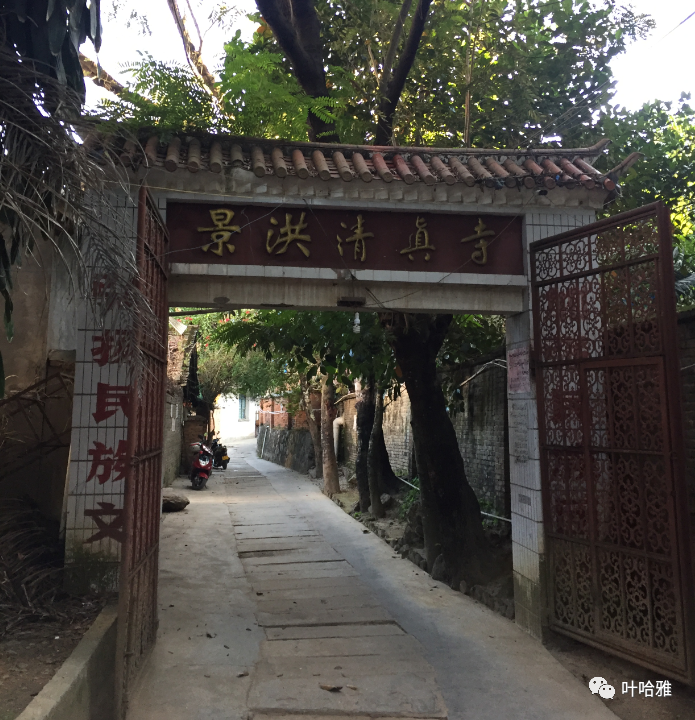
Jinghong Mosque is in the north of the river. I took the photo in 2016. When I went there for Jumu'ah prayer this year, the old mosque had been torn down and the new one was still under construction. It is just a building site now, so we prayed in a temporary prefab room. The new mosque will likely be built in the Dai style.
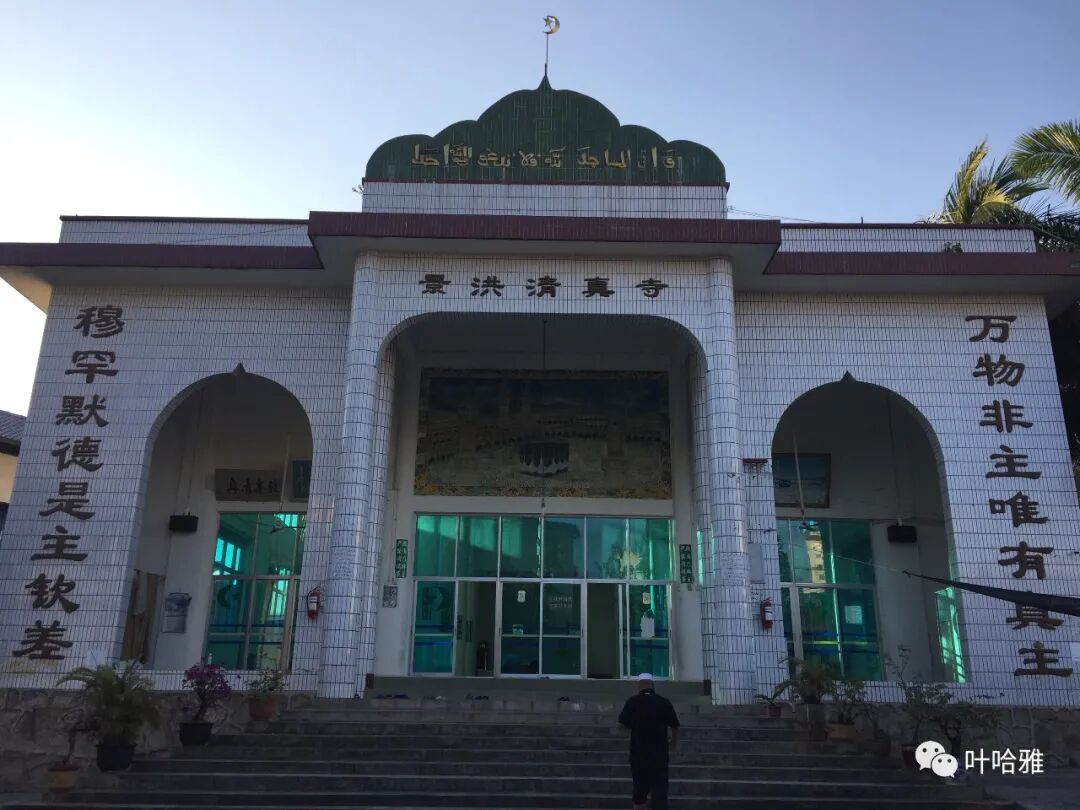
Jinghong Mosque, photographed in 2016.
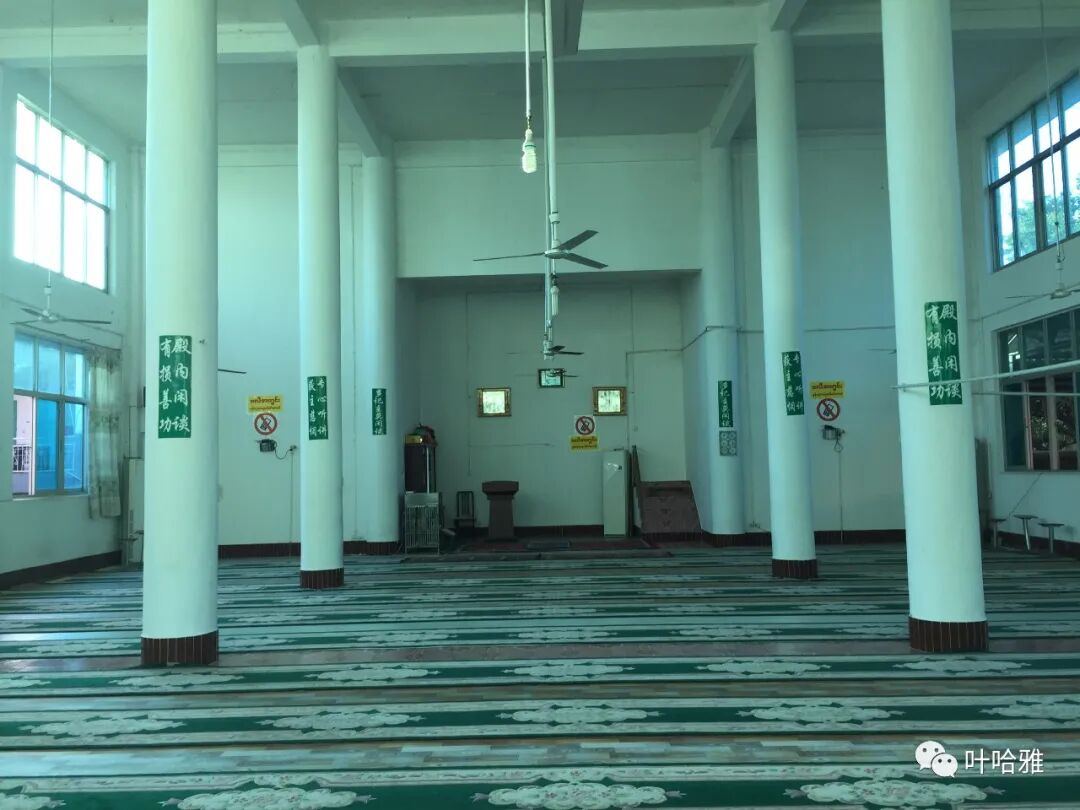
Signs in the Dai language.
A snack stall next to the mosque.
Next, I will introduce the halal food in Jinghong. Jinghong is the busiest capital city in Xishuangbanna. It is quite easy to find halal restaurants here. Most are small eateries serving Yunnan-style food, run mainly by Hui Muslims from Dali, Shadian, and Pu'er. There are also barbecue shops that mix Hui and Dai flavors.
Yijun Food.
On the first day, just after landing in Jinghong, I brought my colleagues to Yijun Food to try local Yunnan dishes. The owner is a Hui Muslim woman from Shadian who wears a headscarf. She was pleasantly surprised when I greeted her with 'Assalamu Alaikum,' as she thought few Hui Muslims from Beijing knew about our faith. She said she had met Beijing Hui Muslims at her shop before who didn't even know how to say the greeting. After telling me this, she had her young daughter say 'Assalamu Alaikum' to me and even gave us some free dishes.
At small Yunnan restaurants, if you want vegetables, there is usually no menu. You just point to the ingredients in the display case and tell them how you want them cooked. It is very convenient, and you can see right away if the food is fresh. Vegetables are usually stir-fried plain without chili.
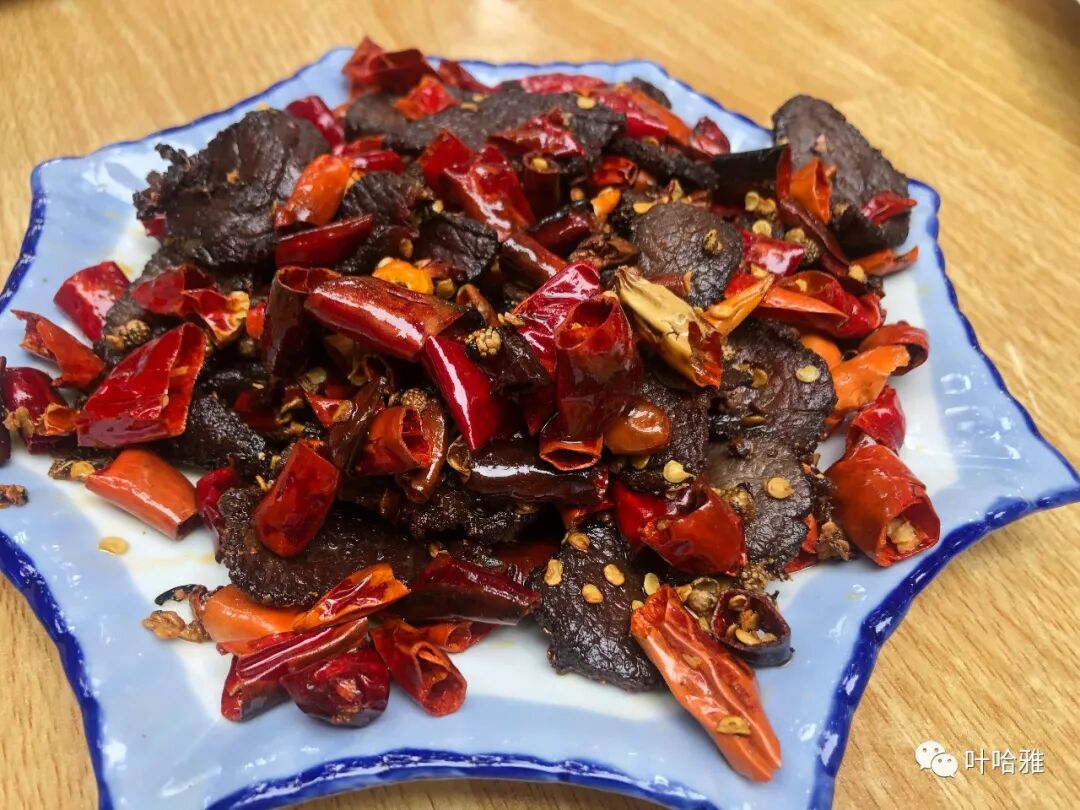
Oil-drizzled beef jerky (youlin niuganba).
To remember the name of every dish, I specifically asked the owner to write them down on paper. Otherwise, I would have forgotten what I ate once I got back to Beijing, because Yunnan has such a wide variety of ingredients—many were fresh things I had never seen or heard of before.
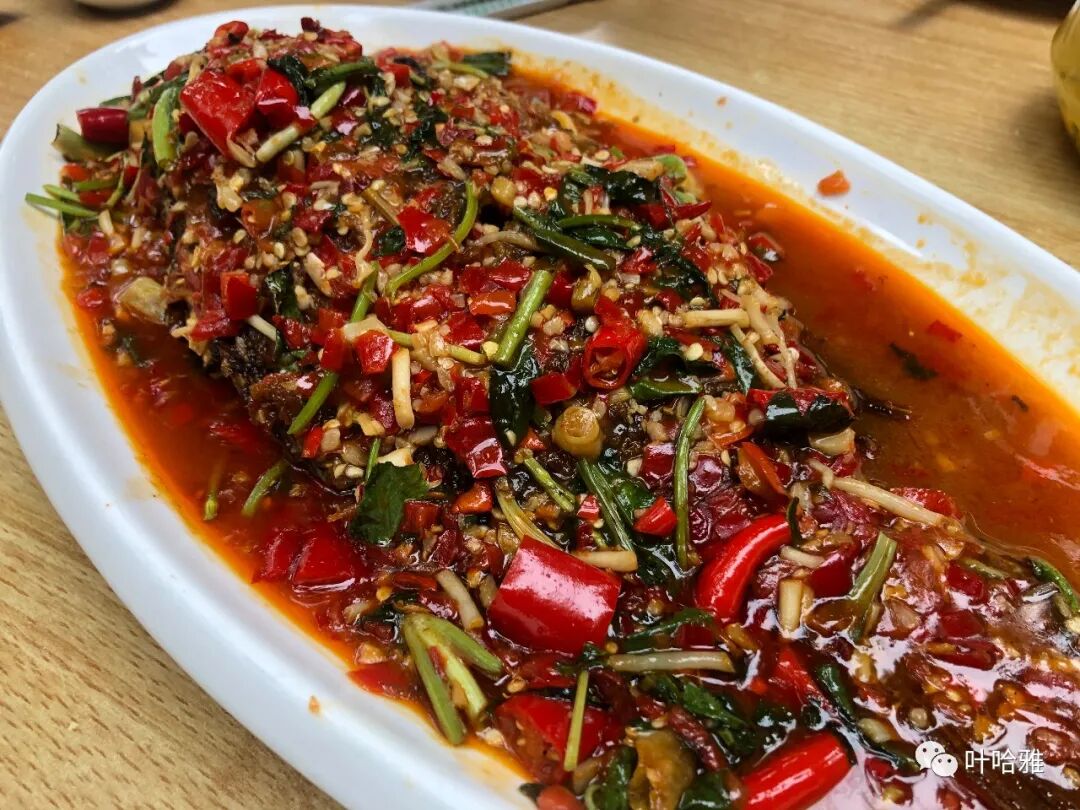
Dai-style fish (daiwei yu).
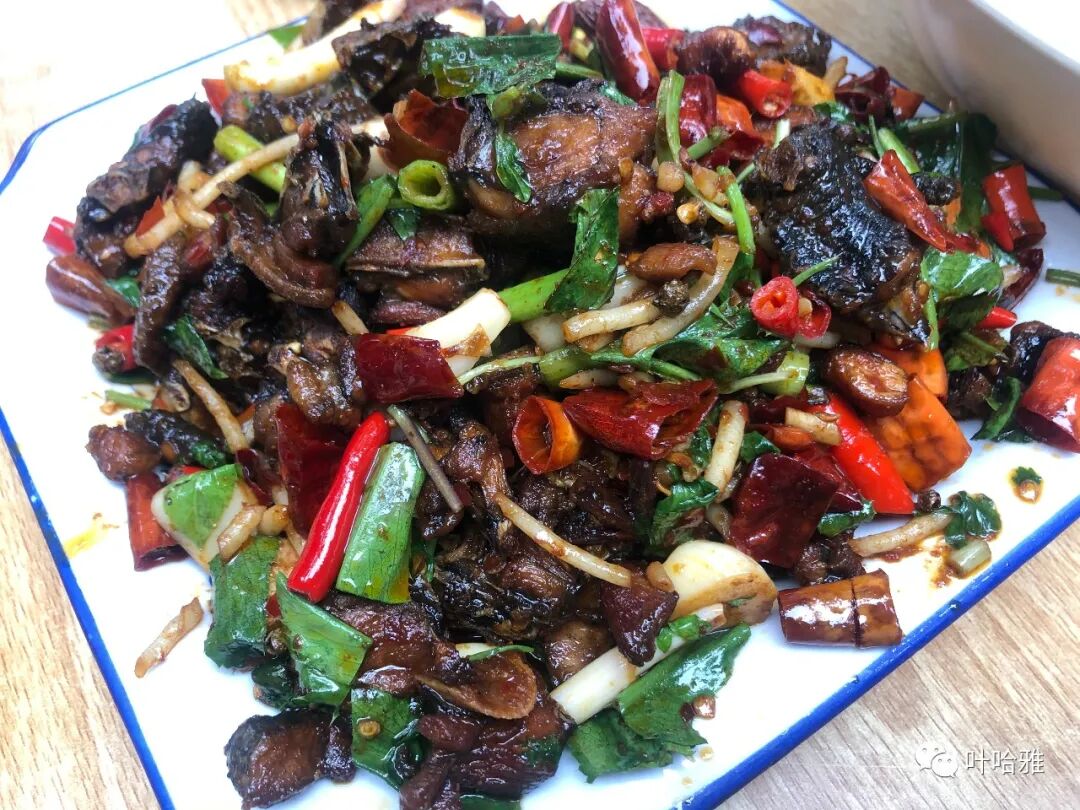
Lahu-style chicken (lahu ji).
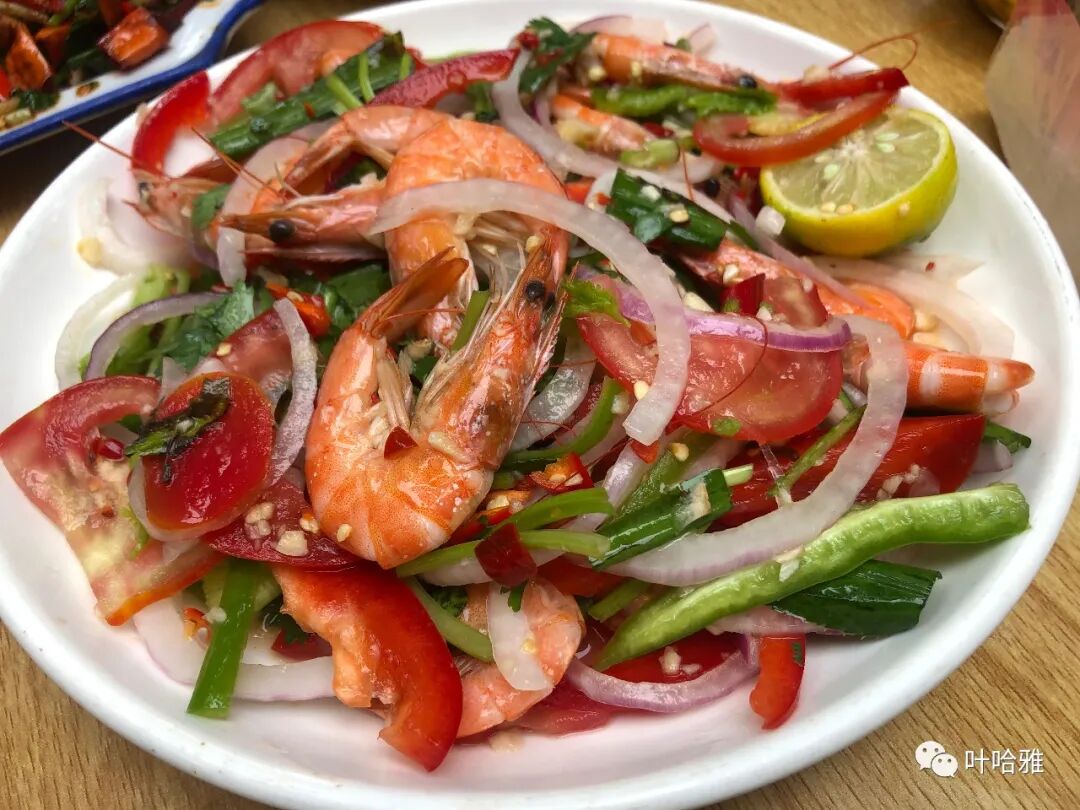
Lemon shrimp (ningmeng xia).
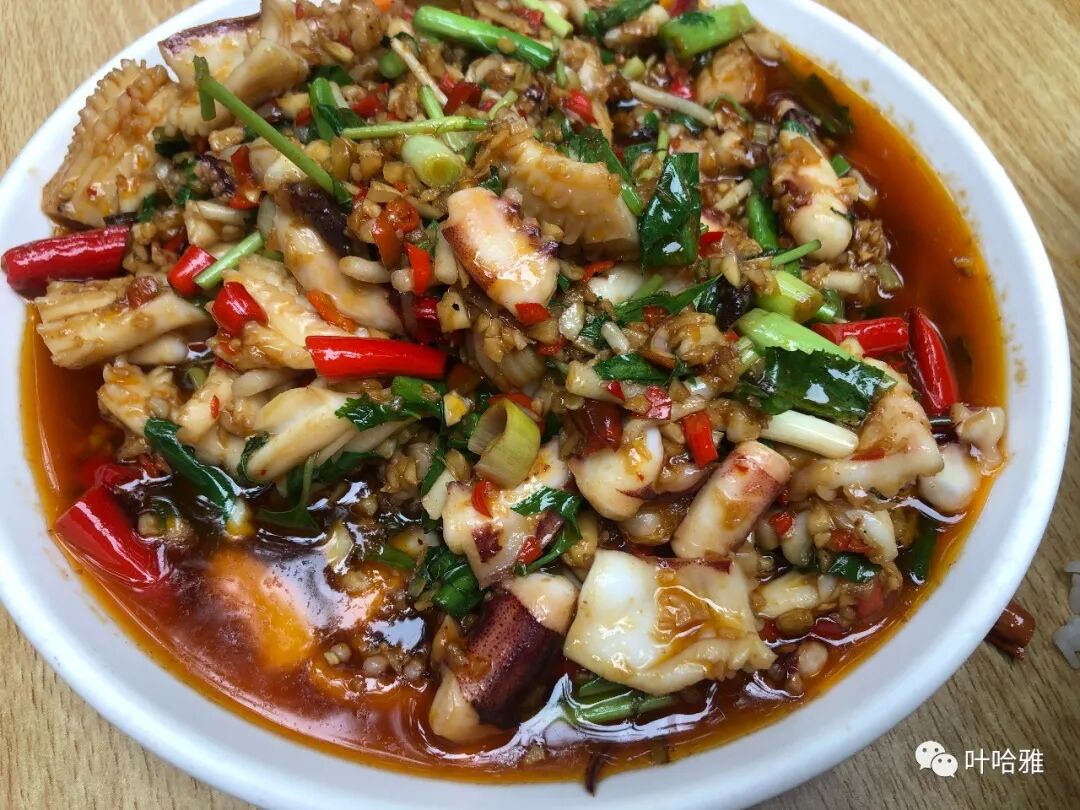
Stir-fried squid (qiang youyu).
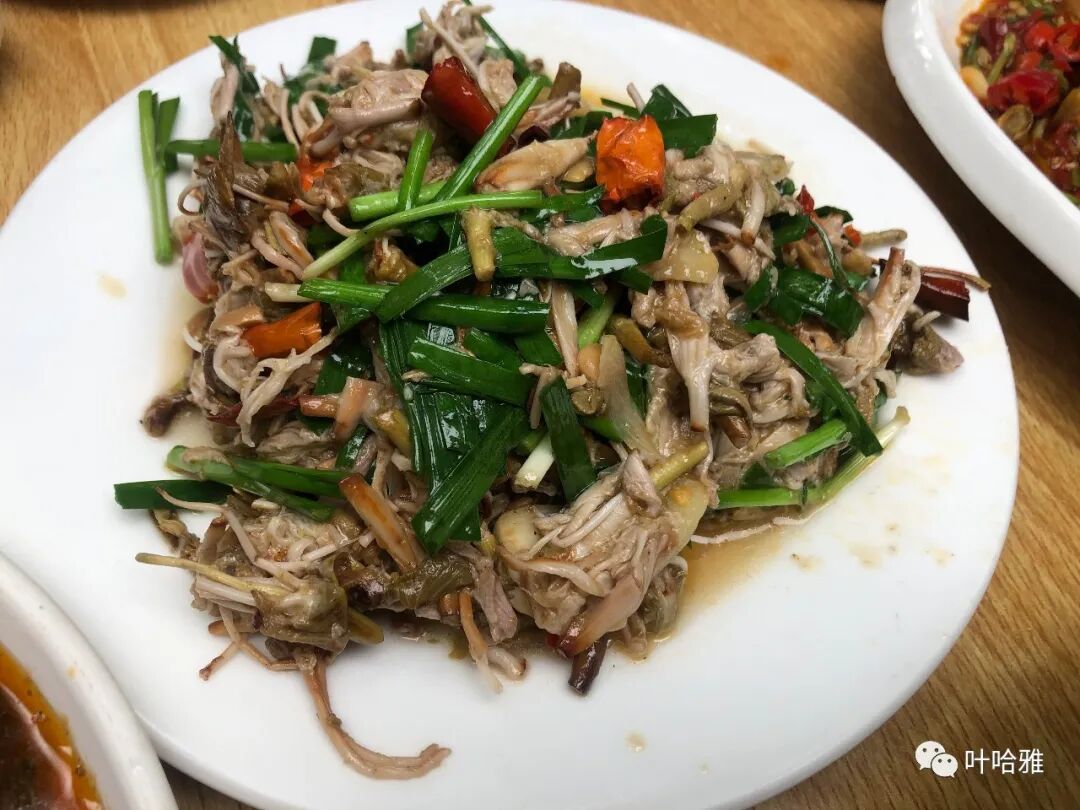
Stir-fried white flowers (chao baihua).
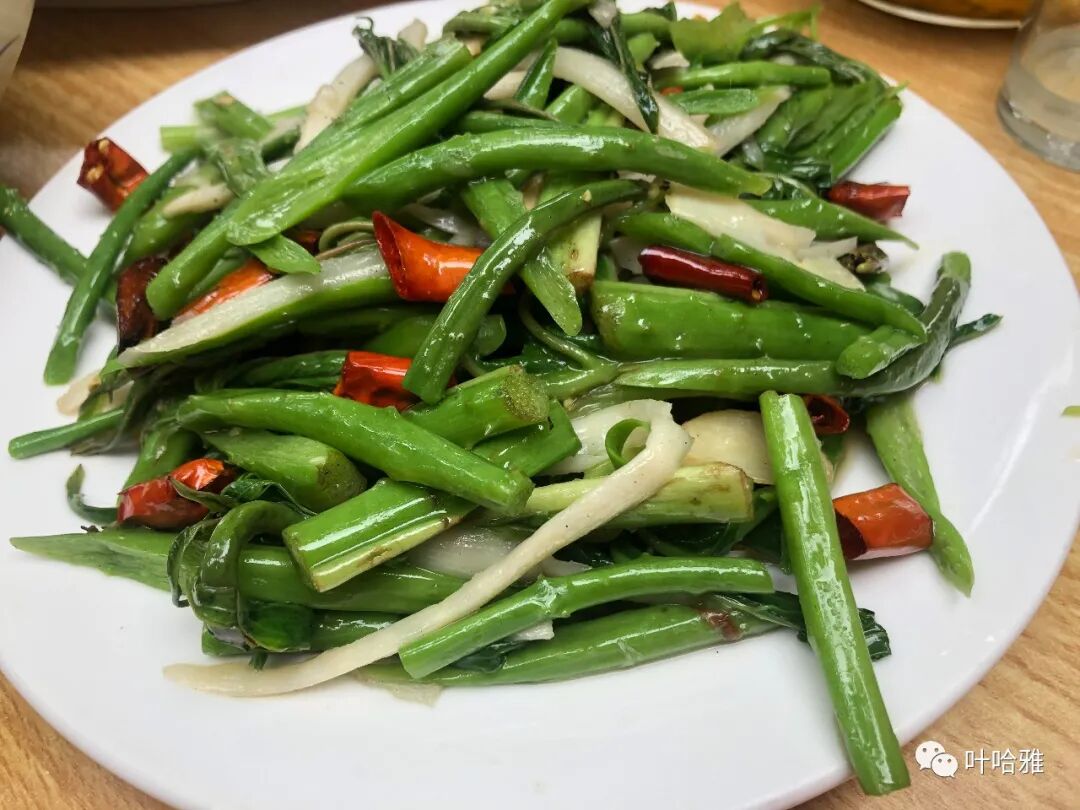
Stir-fried thorn buds (chao ciya).
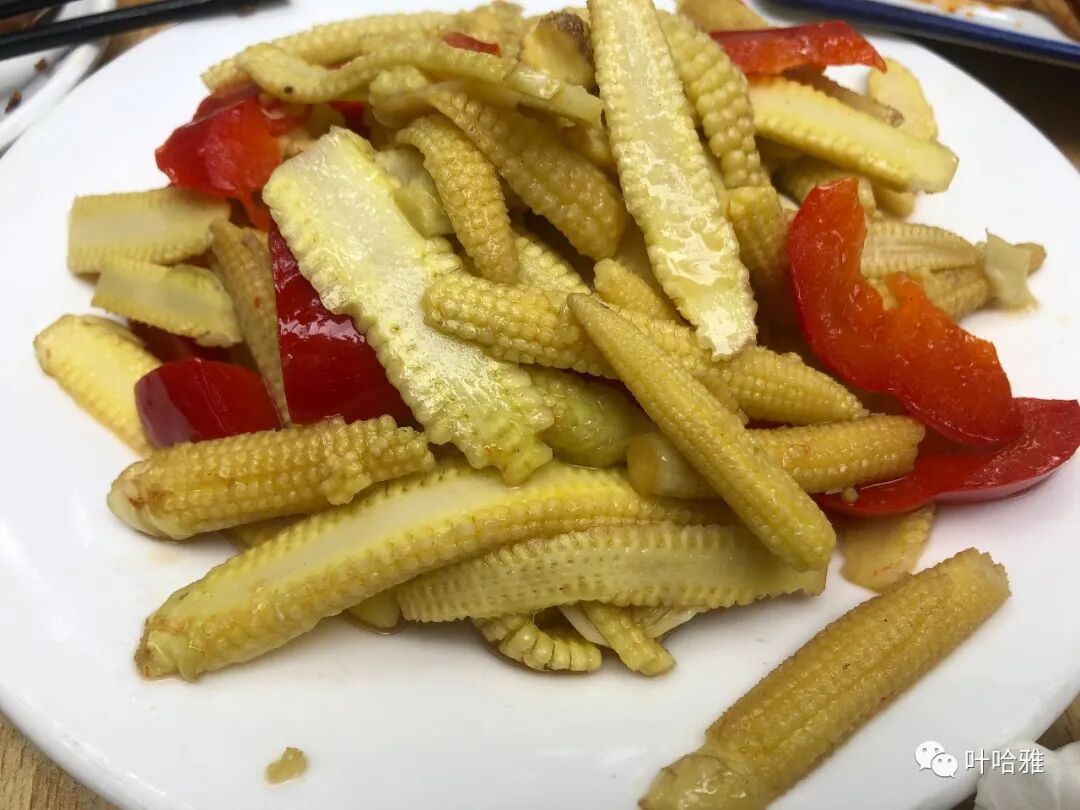
Stir-fried baby corn (chao xiao yumi).
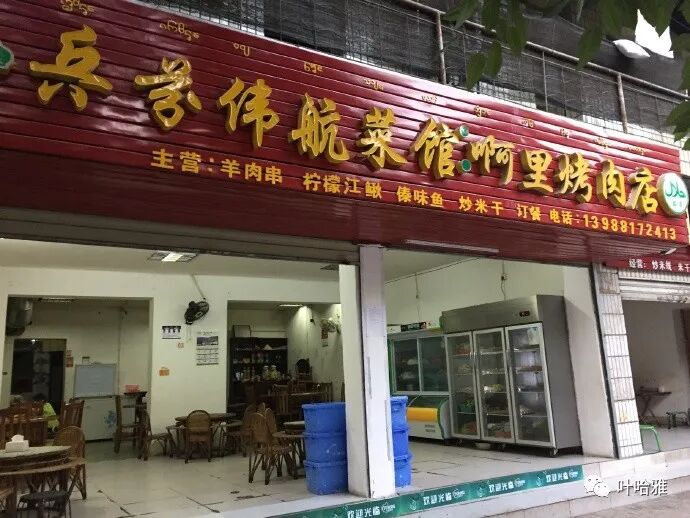
Ali Barbecue Shop.
This Ali Barbecue Shop is a local spot highly recommended by friends in Banna. It was a hit with me and my colleagues. Banna barbecue is famous for its Dai style. Besides marinating the meat skewers beforehand, you also dip them in a local sour and spicy sauce.
We chose to go to Ali for skewers at 10 p.m. Just like at a hot pot stall, you pick your ingredients from the freezer and ask the staff to grill them in the back. We sat around a round bamboo table, eating skewer after skewer. Even the friend who joined us later couldn't help but dig in after trying a few pieces of grilled beef.
I chatted with the owners and learned they are Hui Muslims from Pu'er who have been running the business here for many years. The shop has a great reputation among locals. Interestingly, none of the restaurants we visited sold drinks; they only provided free tea. If we wanted a drink, the staff told us to buy one ourselves at a nearby shop. The cost of living in Banna is low. A hearty meal costs only 30 to 50 yuan per person, and you can get a simple fast-food meal for 10 yuan.
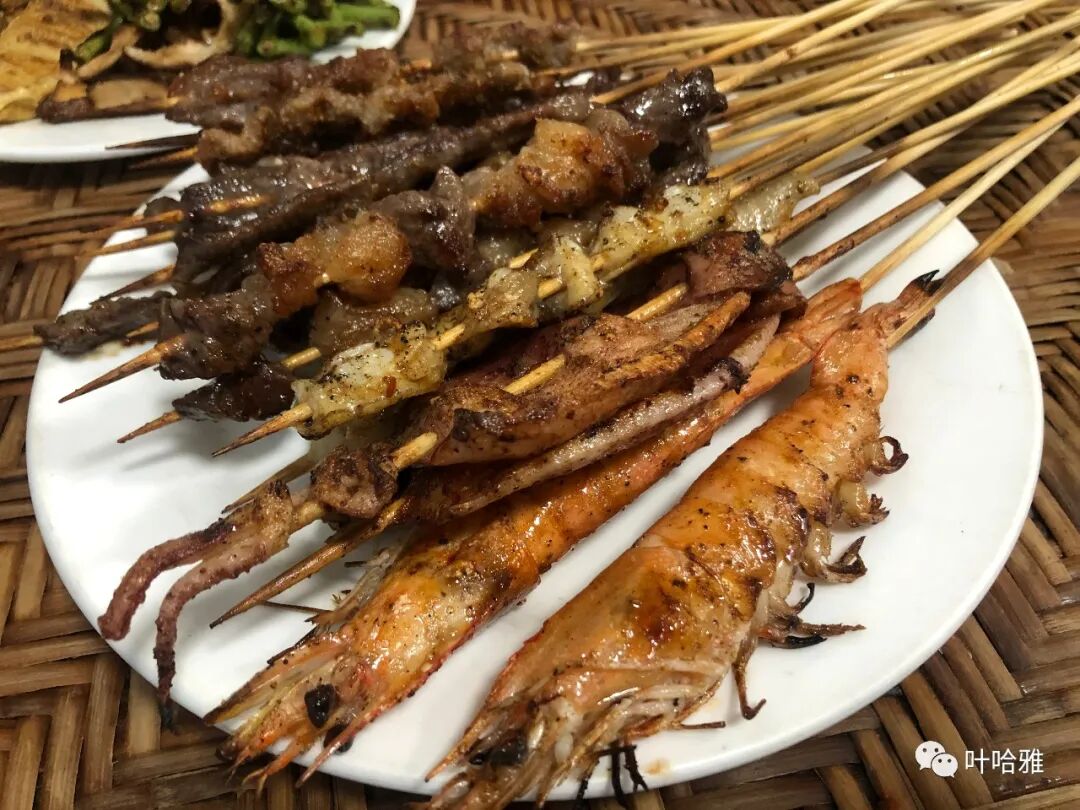
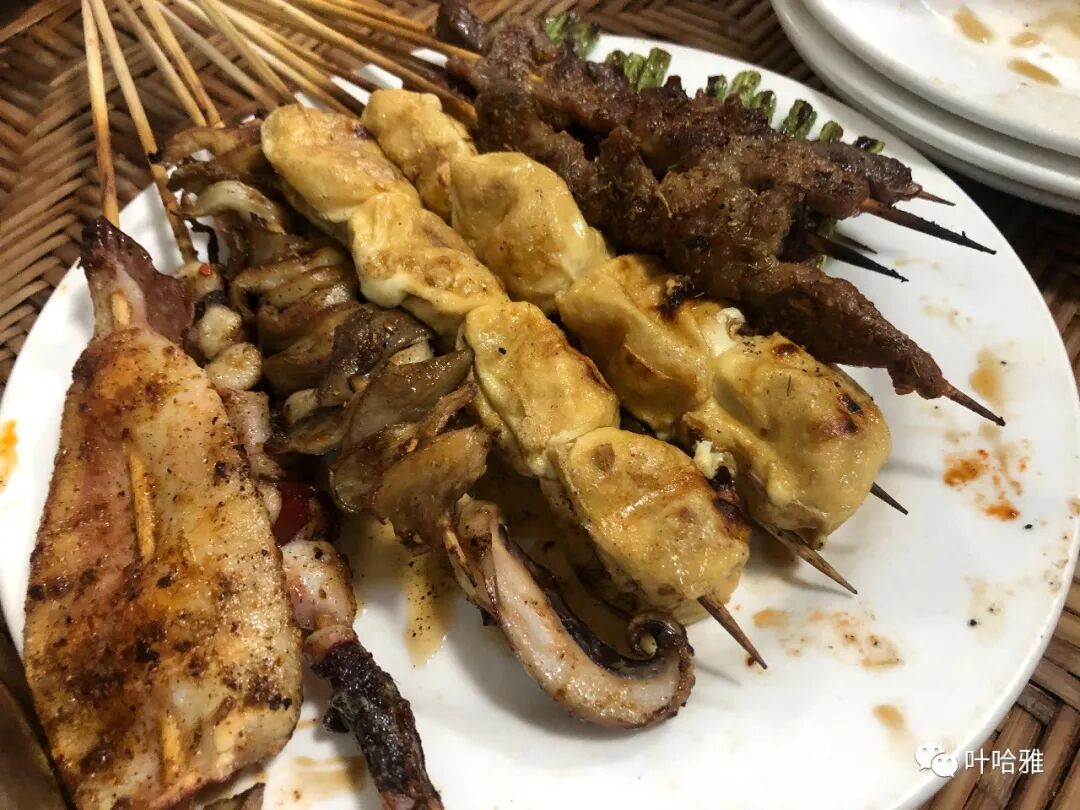
We went to the famous Gaozhuang Night Market in the evening and saw many pretty influencers taking photos. The market was packed with people selling snacks and small souvenirs. It is nice just to look around. The Lancang River flows through the middle of Jinghong, splitting the city into the south and north banks. The south bank is the old town and attracts many tourists, while the north bank is the new town, which is well-developed, cleaner, and tidier.
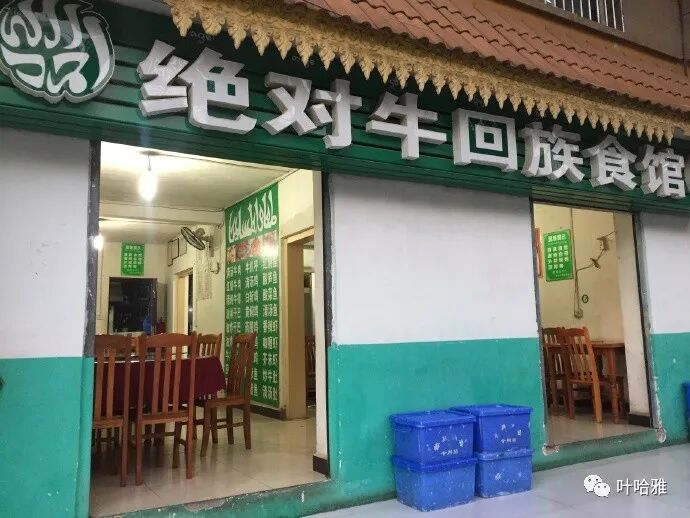
Juedui Niu Hui Muslim Restaurant
I also want to list a few local Yunnan-style halal restaurants I have visited. Juedui Niu Hui Muslim Restaurant and Hongfu Halal Restaurant are places I ate at back in 2016. They are still open today, and you can find their exact locations on Baidu Maps or Dazhong Dianping.
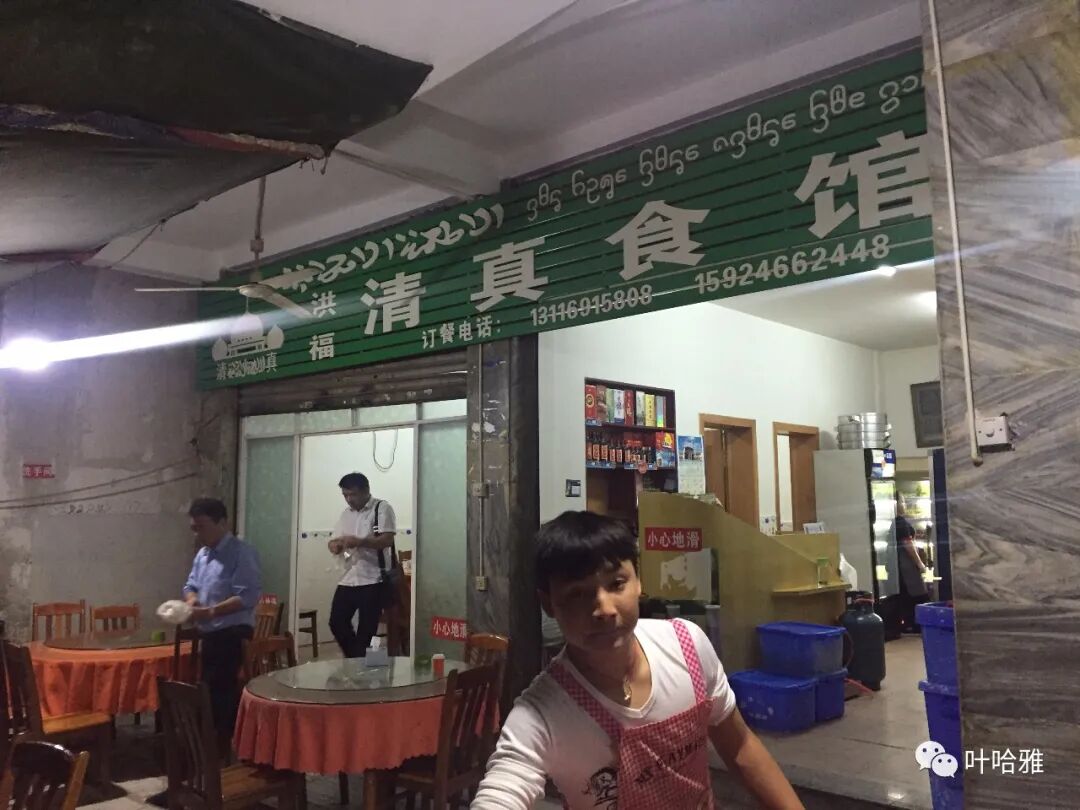
Hongfu Halal Restaurant
Jinghong 786 Muslim Hotel
I found a Muslim hotel by the road with an interesting name, 786. I once introduced 786 in my Tibet halal food map. It is very common in South Asia, where local Muslims use 786 as a code for halal.
Halal Snack Bar
A friend in Banna recommended this halal snack bar. They come here to eat every so often. The business is very good, and you might have to wait for a table during meal times.
I recommend the steak and black-palm chicken (wuzhangji). It is best to book in advance, or you might miss out if you arrive late.
If you go to Wanda Plaza to watch the Dai Show, you can eat rice noodles at this nearby Ma Si Halal Snack Shop. They also serve stir-fried dishes with Yunnan flavors.
Paxidai Halal Restaurant
My main reason for going to the Gaozhuang Night Market was to visit a large Hui-Dai halal restaurant called Paxidai, located right at the entrance. It is very easy to find. 'Paxi' means Hui Muslims in the Dai language. The owner is a Hui-Dai woman. We met for the first time and immediately felt close after exchanging salaams. The owner is from Manluanhui and her surname is Yu. Most Hui-Dai women have the surname 'Yu', while men have the surname 'Yan', following Dai traditions.
The restaurant environment is beautiful. It is built on the riverbank like a boat and has three floors. Eating by the window and looking at the scenery feels like being on a boat trip down the river.
More than ten colleagues came to this dinner, and we ordered almost every dish on the menu with Dai flavors. The owner was very hospitable and gave us a few extra dishes to try. The overall taste was good, focusing on sour, spicy, salty, and fresh flavors. When you come to Banna, you must try the local food, especially when dining in such a beautiful setting. After the meal, the Hui-Dai owner warmly invited us to visit her hometown, Manluanhui.
Dai-style beef rice noodles
Lemon shredded pounded beef jerky (shousi xiaochui niuganba)
Lemon jelly noodles (liangfen)
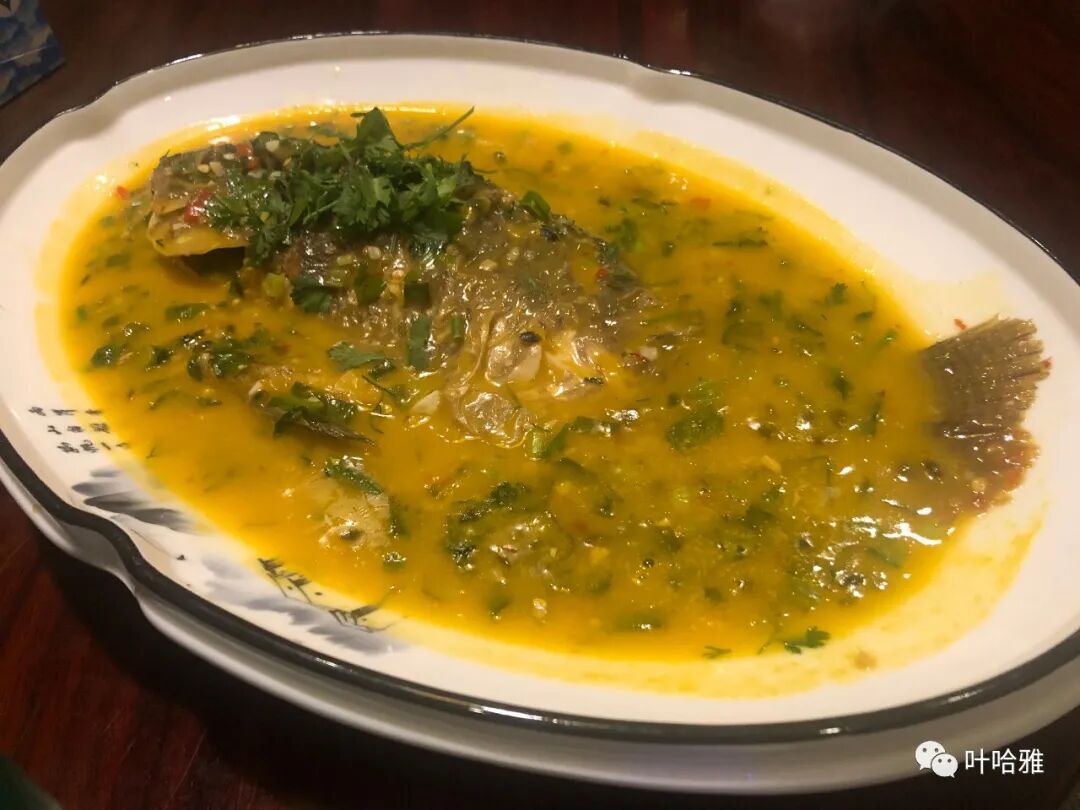
Passion fruit hot and sour fish
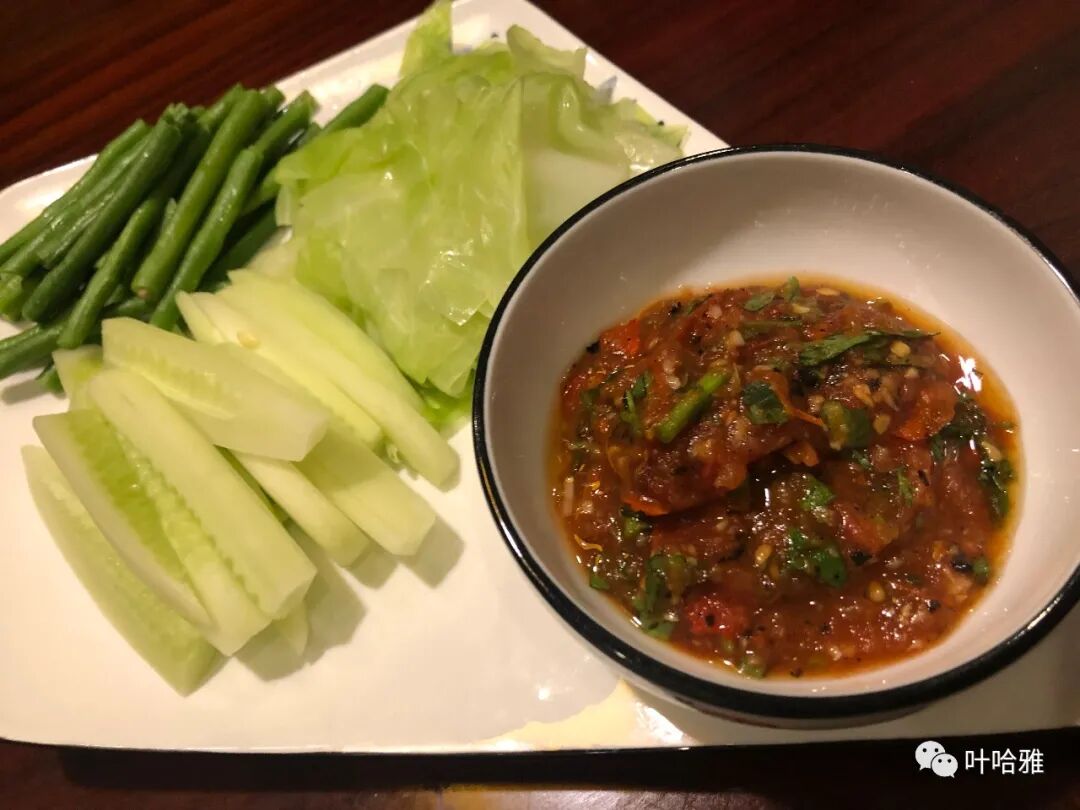
Nammi dipping sauce platter
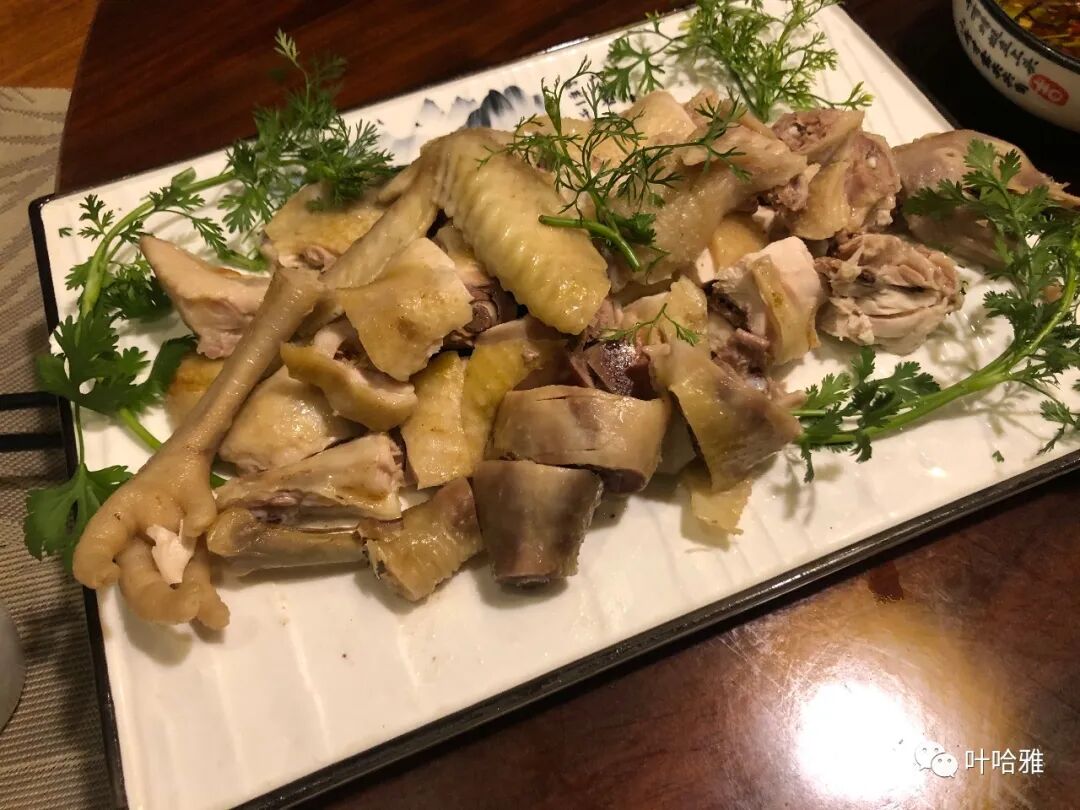
Hui-Dai white-palm chicken (baizhangji)
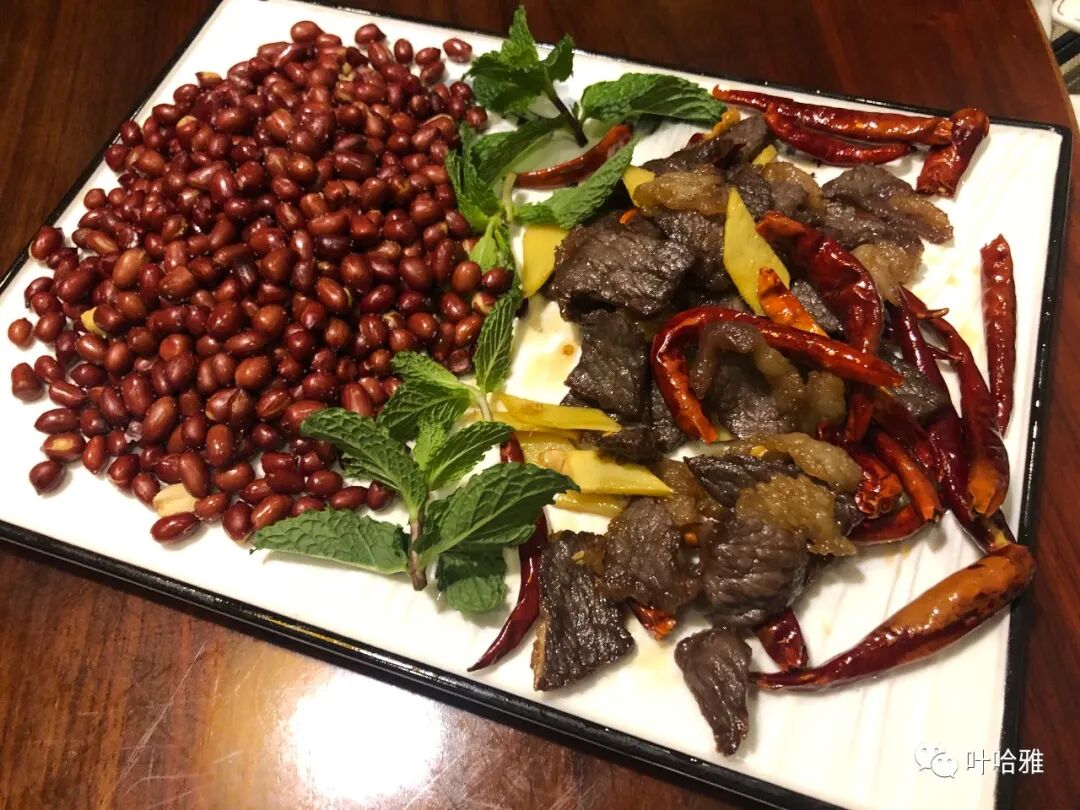
Peanut and beef jerky platter
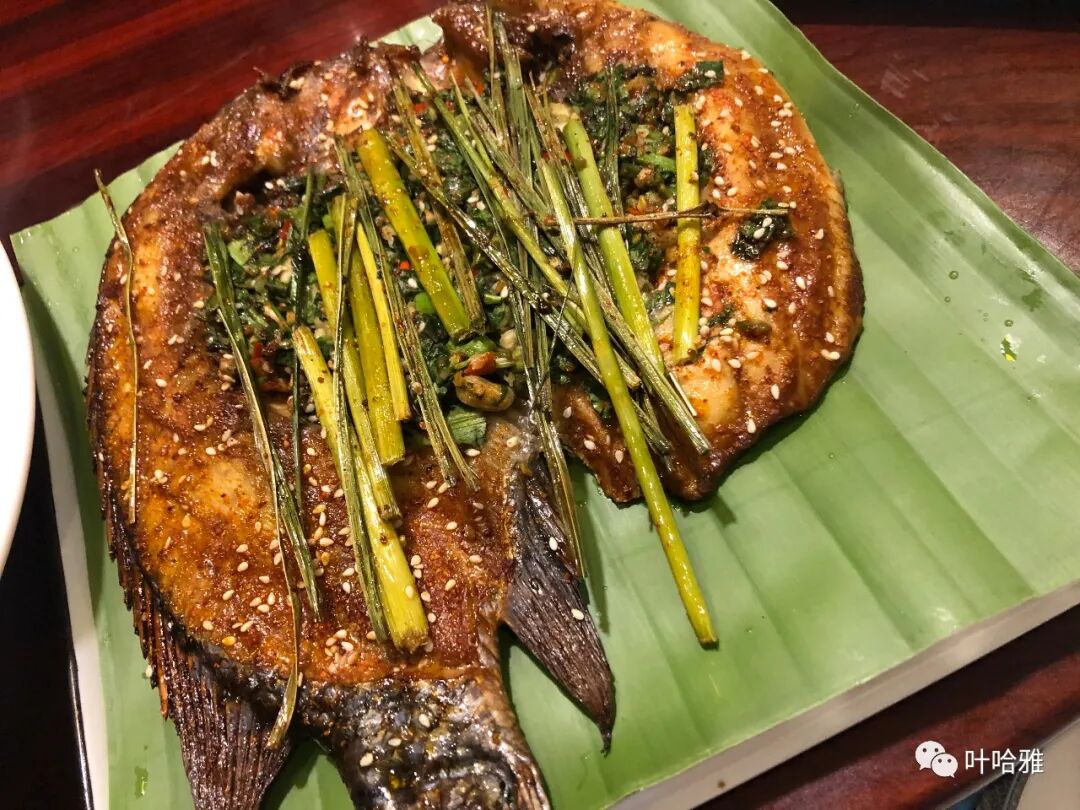
Lemongrass grilled fish
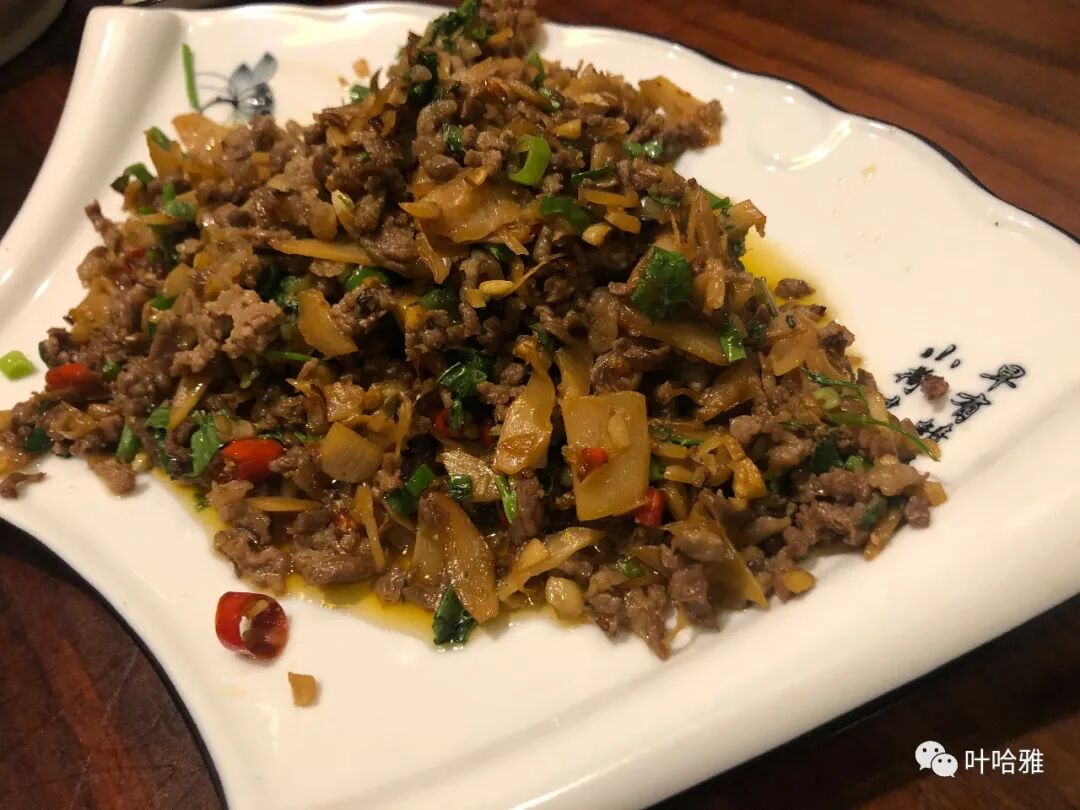
Stir-fried beef with sour bamboo shoots
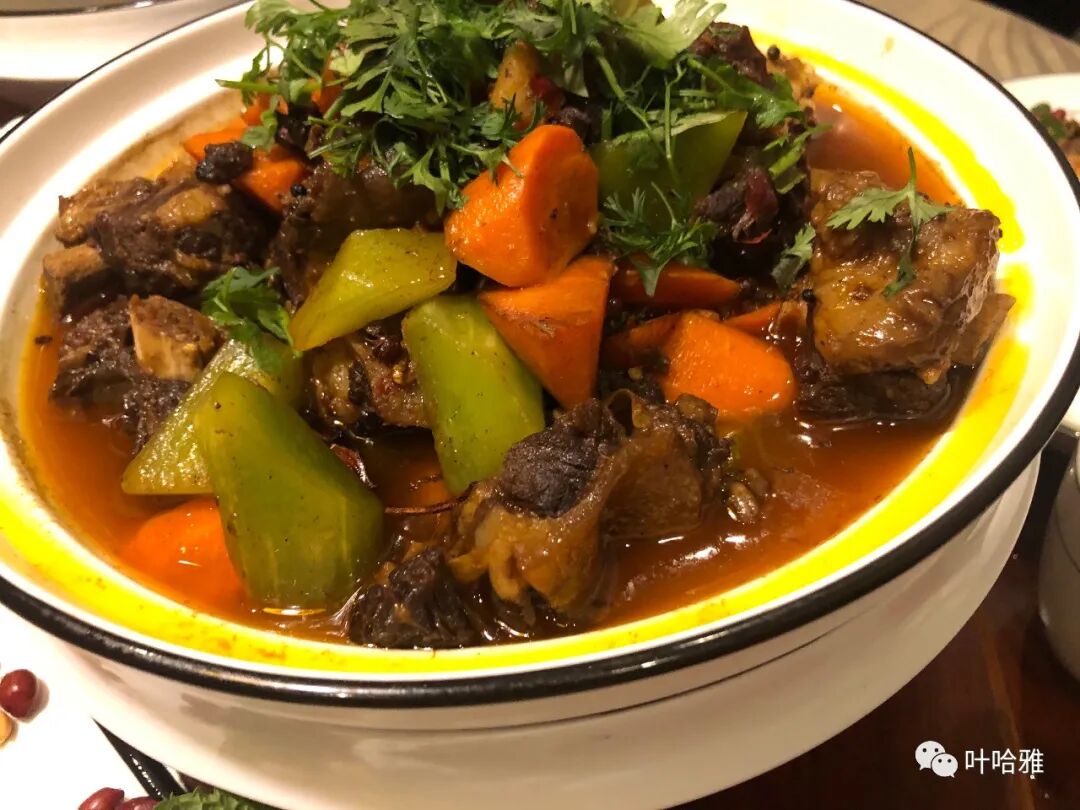
Stewed oxtail with radish
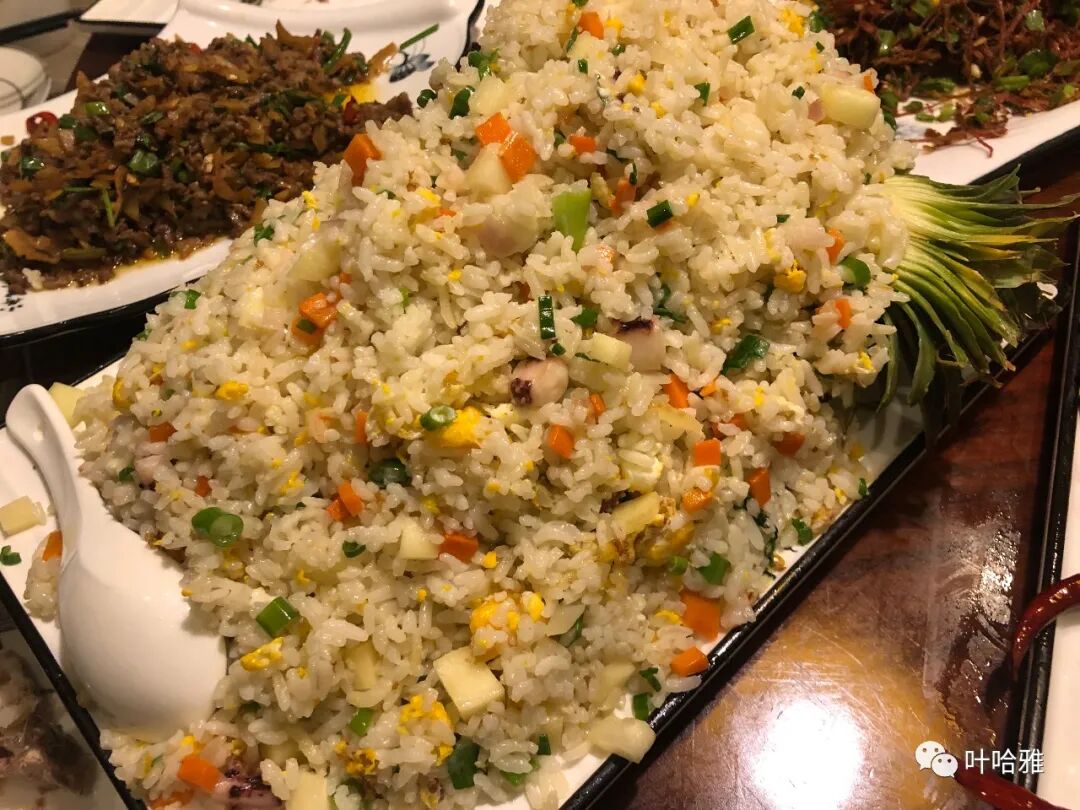
Seafood pineapple rice
Hui-Dai style roasted chicken
We said goodbye to the landlady of Paxidai for a while, and the next day we hired three cars to head to Mansaihui and Manluanhui in Menghai County. Mansaihui and Manluanhui are about 4.5 kilometers apart. Starting from Jinghong city center, you can take a bus at the Jinghong Bus Station or use Didi. Didi is less likely to have route detours because the trip is monitored. It is a 45-kilometer drive that takes about an hour.
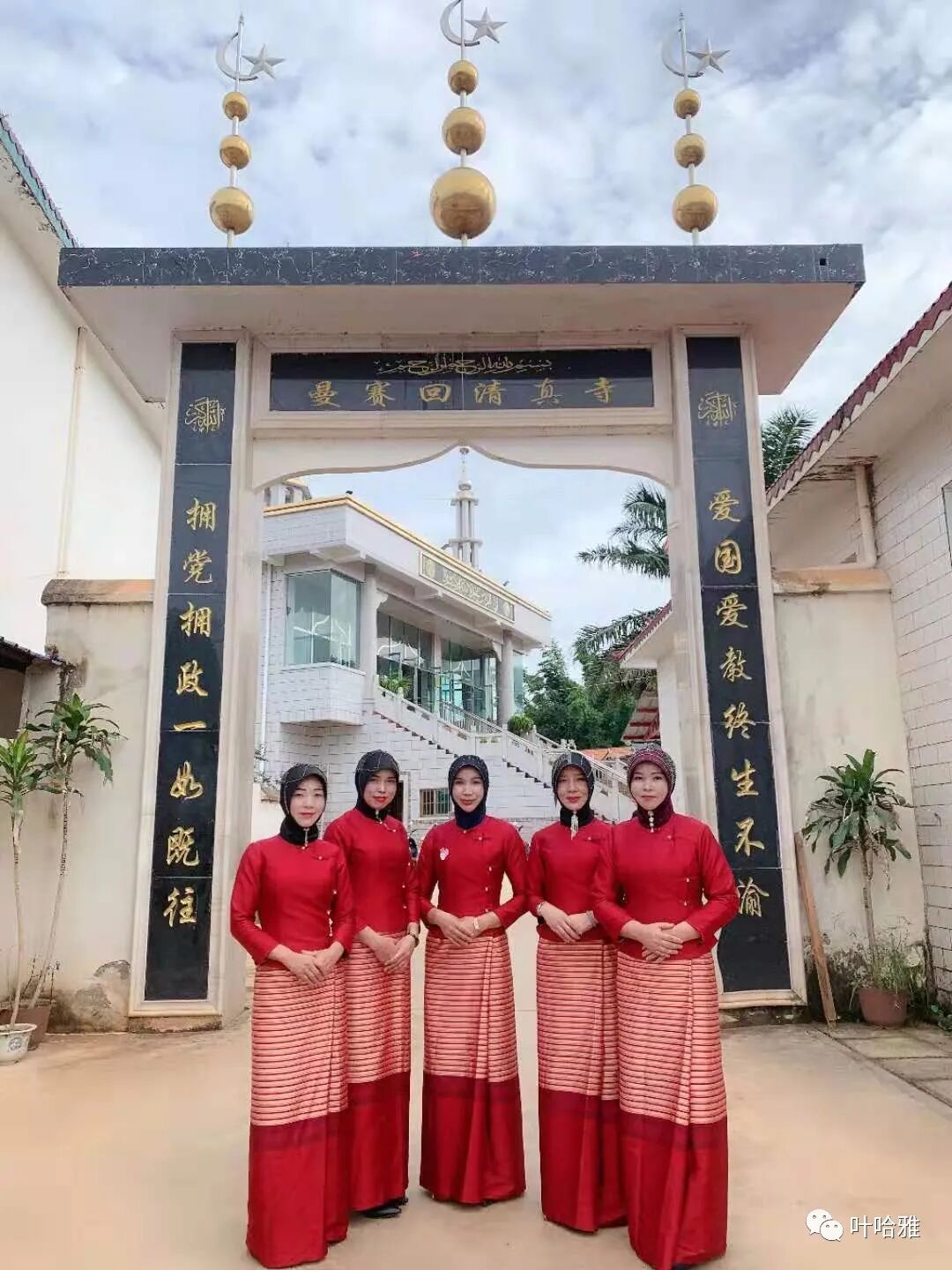
Mansaihui was formed relatively late, about 100 years ago. Hui Muslims from other parts of Yunnan, such as Dali and Tonghai, came here to do business and married local Dai people, gradually forming a village. Currently, there are about eighty households and over four hundred people. The local villagers keep Dai living habits, wear Dai clothes, and speak the Dai language, but they follow Islam. The Dai women here also wear headscarves, so you cannot tell if someone is a Hui Muslim just by looking at their headscarf.
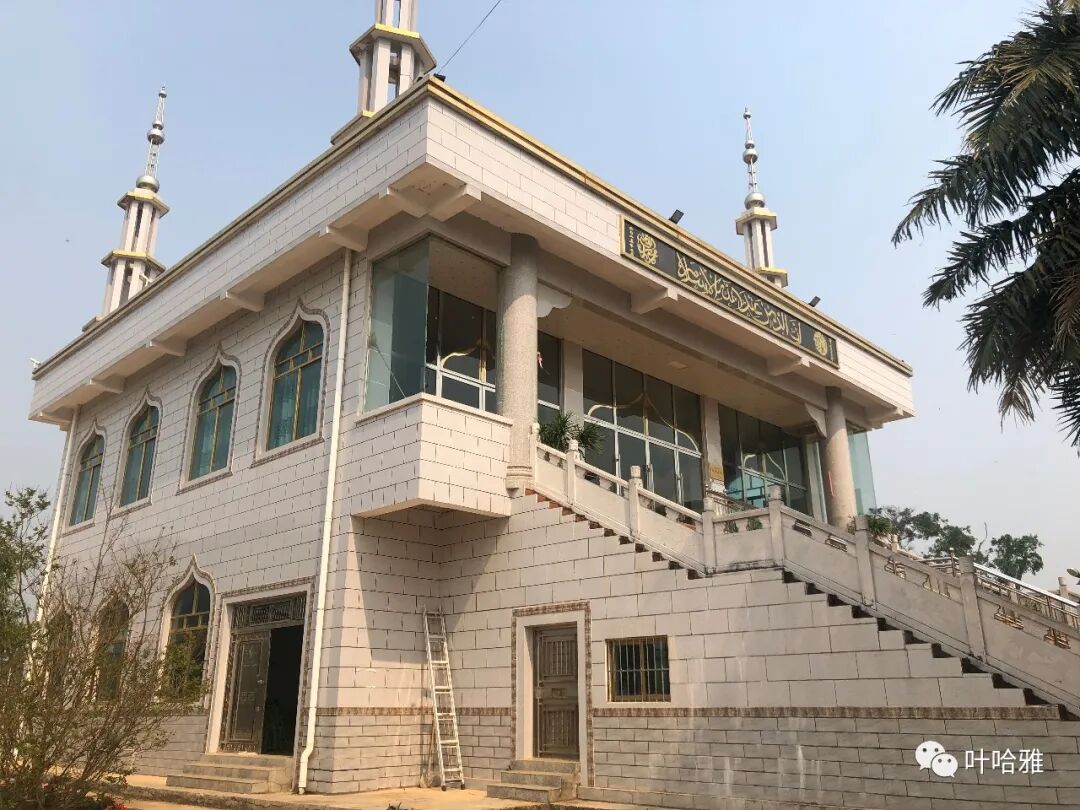
The Mansaihui mosque has not changed much in recent years, except that the imam has changed from Imam Tang to Imam Guan. Both are from Yunnan and have settled in Mansaihui.
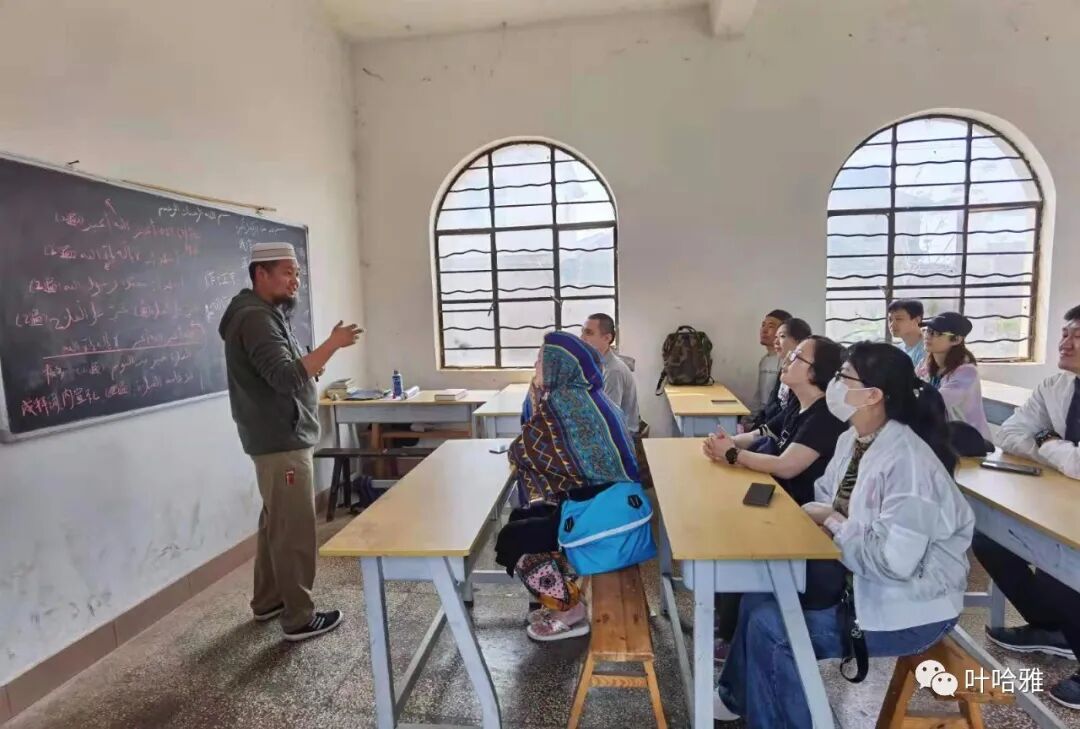
Since most of my colleagues traveling with me were not Muslim, I invited the imam to the small classroom in the mosque to give everyone a brief introduction to the history of the Hui-Dai people and the basic concepts of Islam. The group listened with great interest and felt that this kind of in-depth travel was very meaningful. I appreciate my company's open and inclusive corporate culture. In our company, everyone can express their personality without worrying too much.
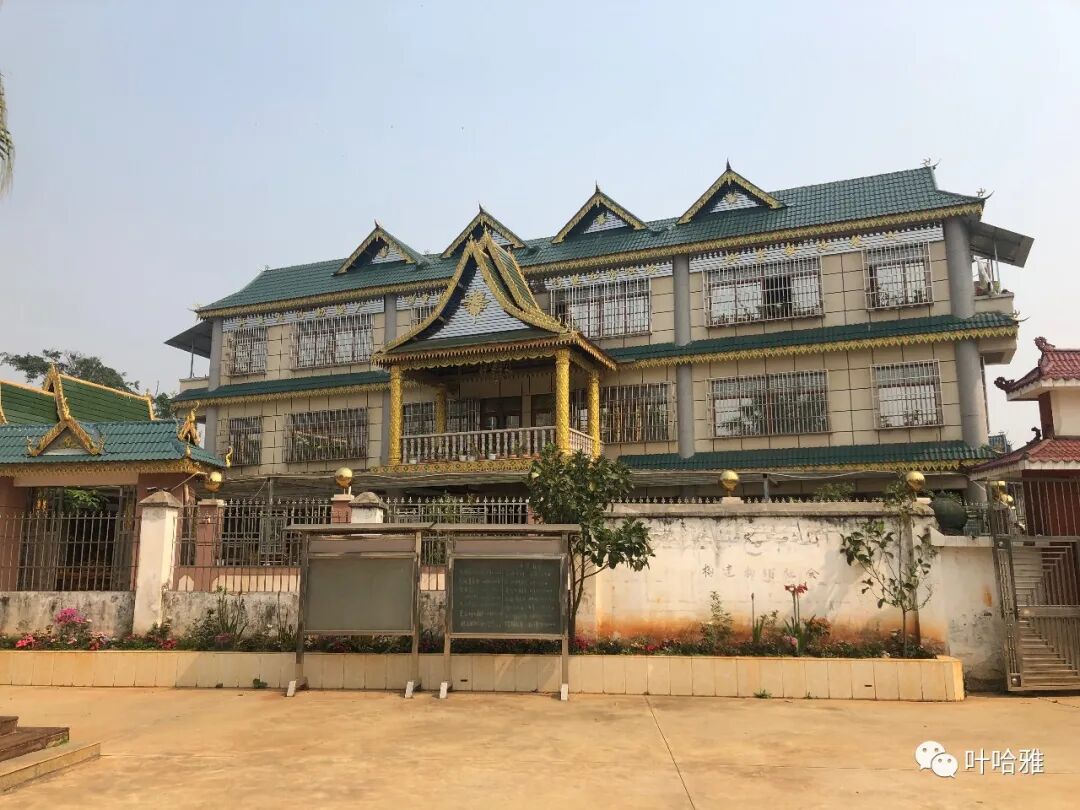
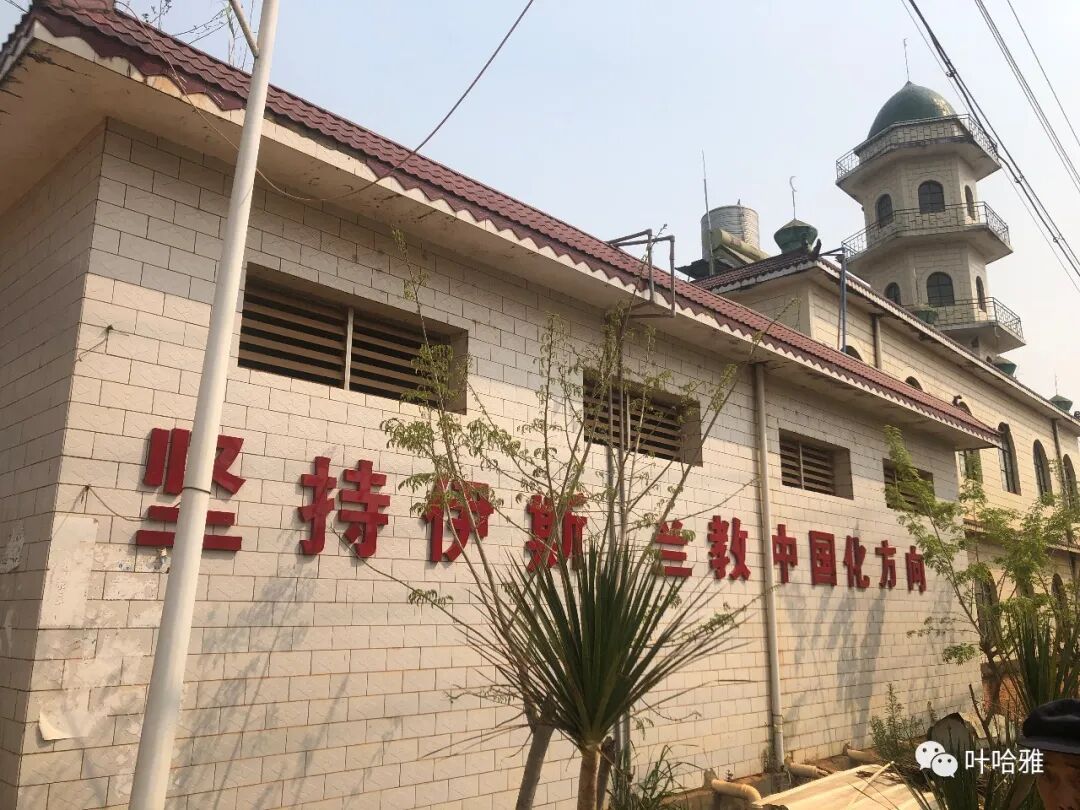
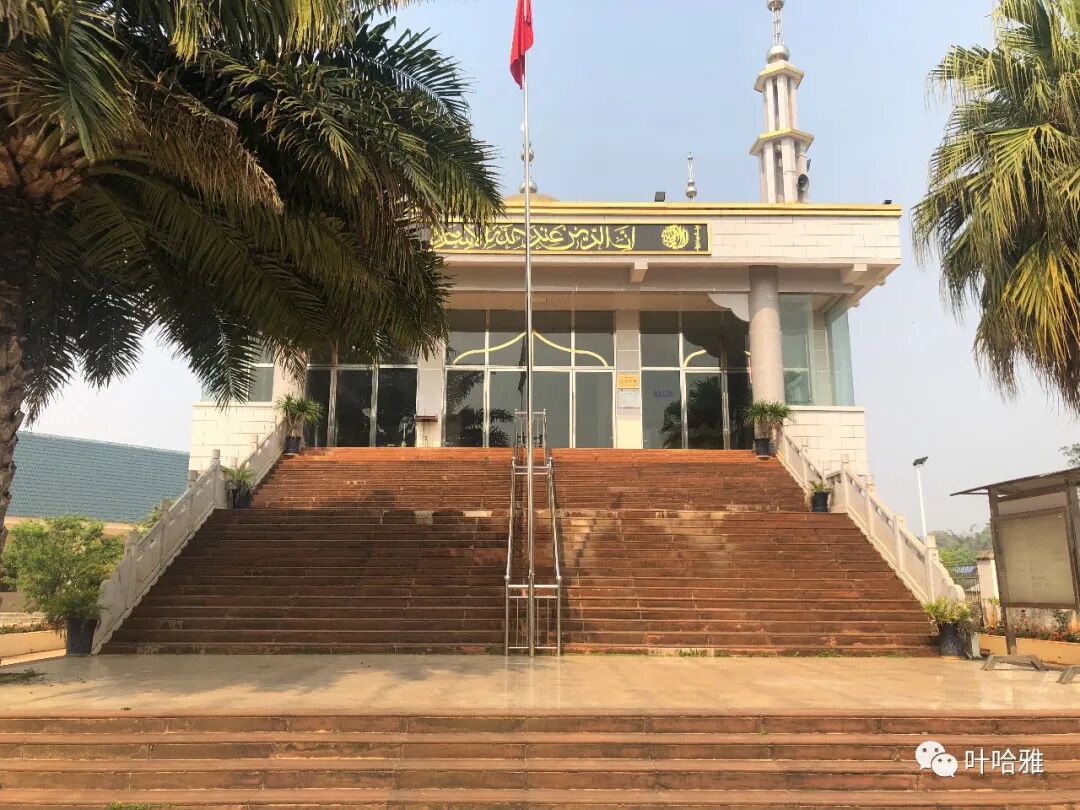
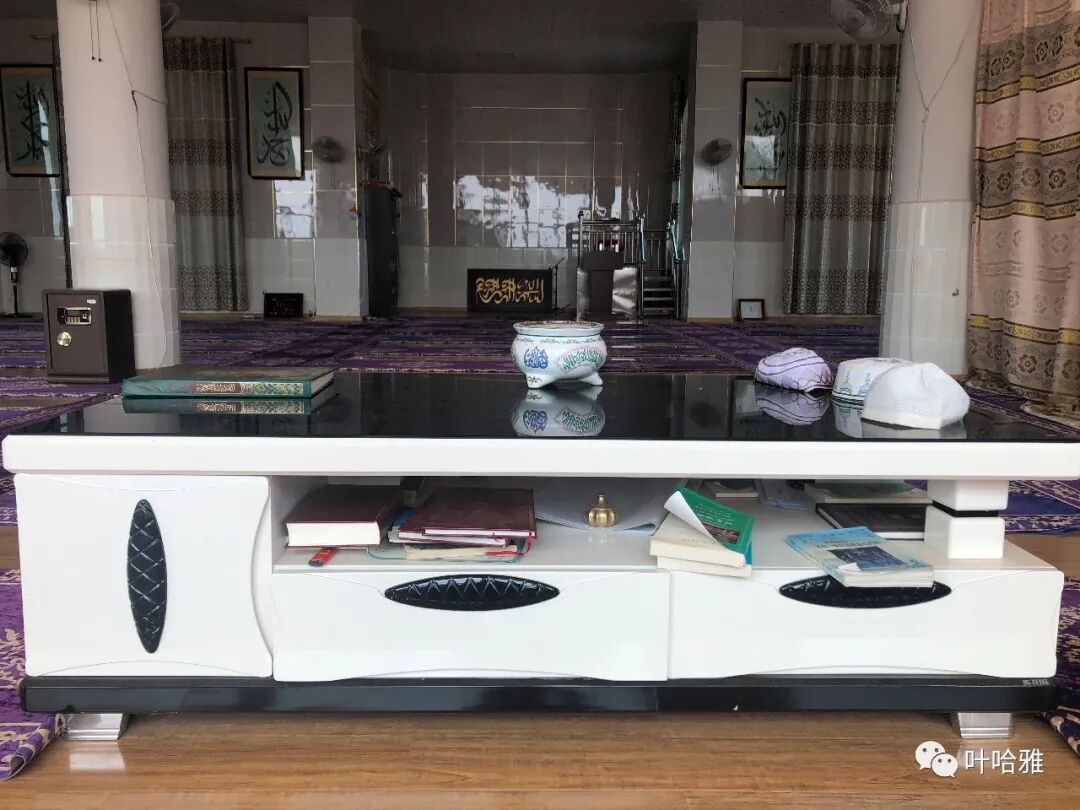
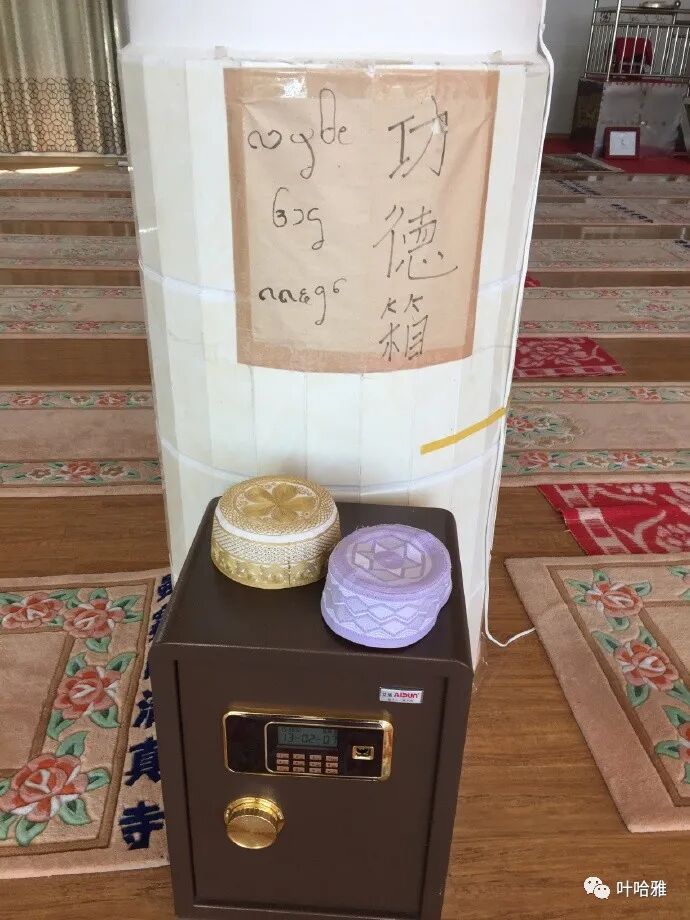
There is Dai script written next to the donation box.
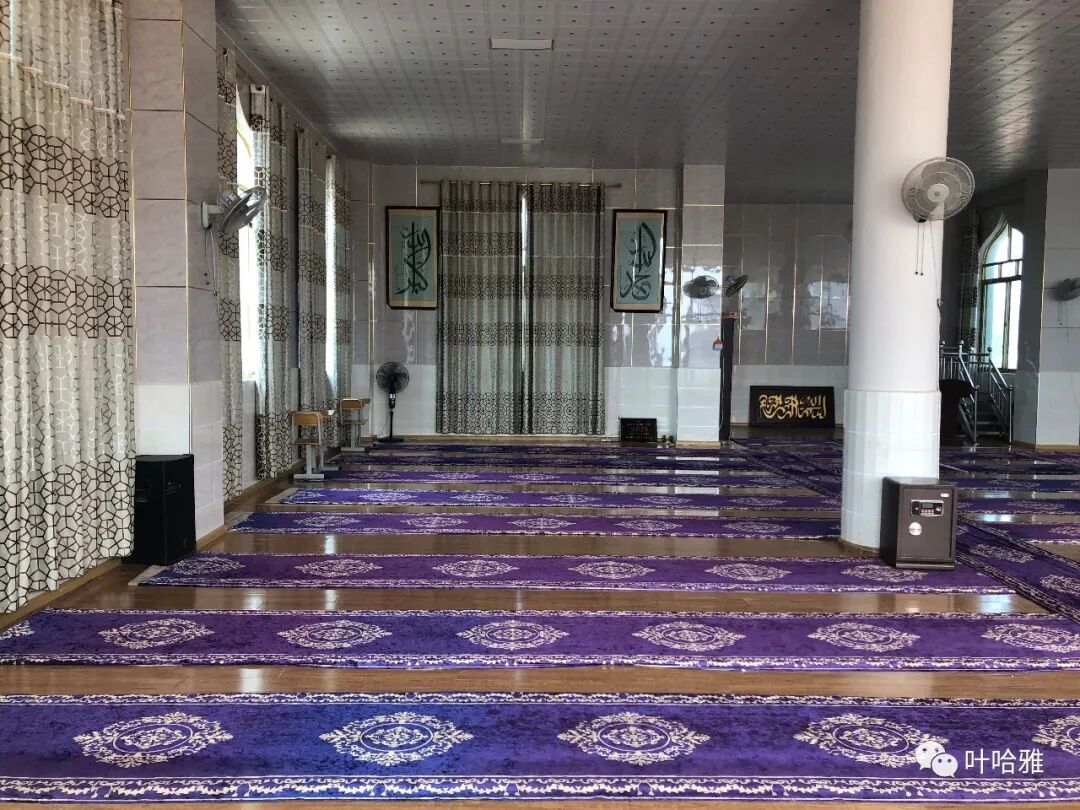
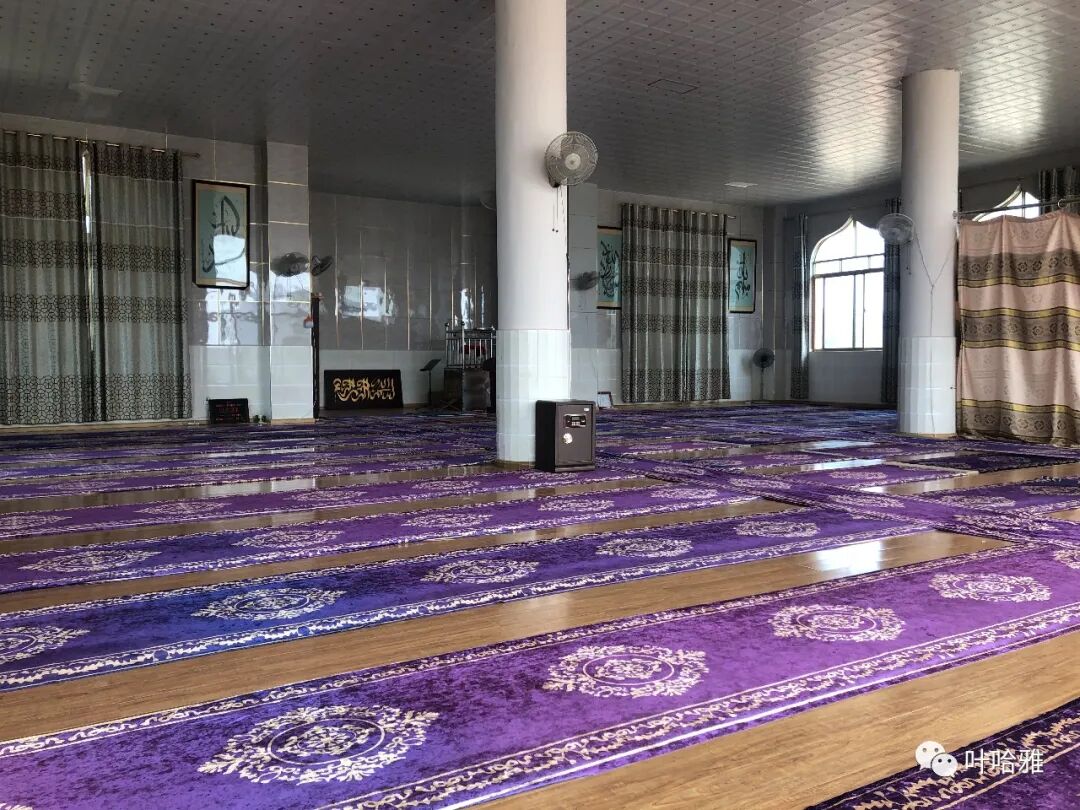
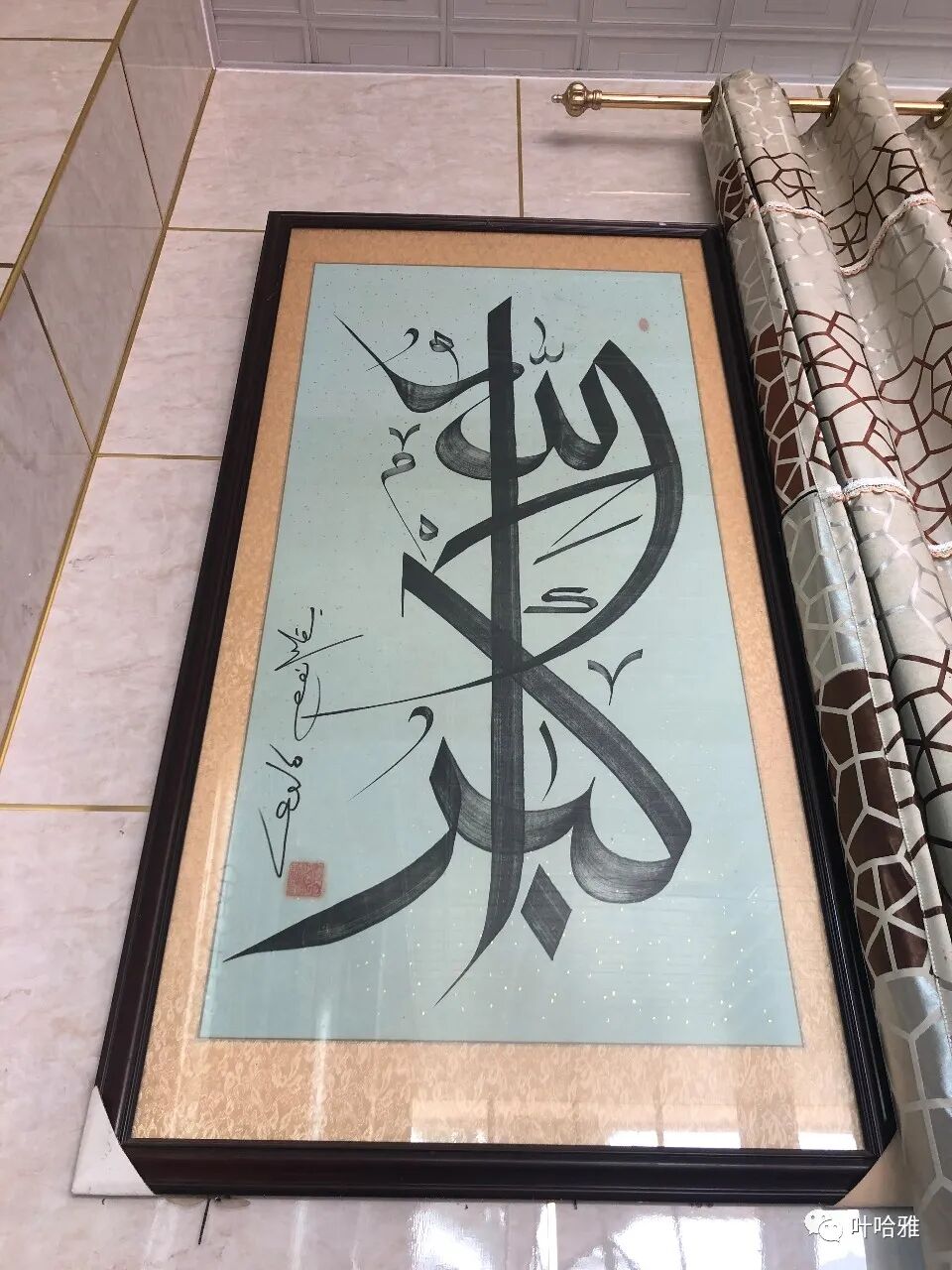
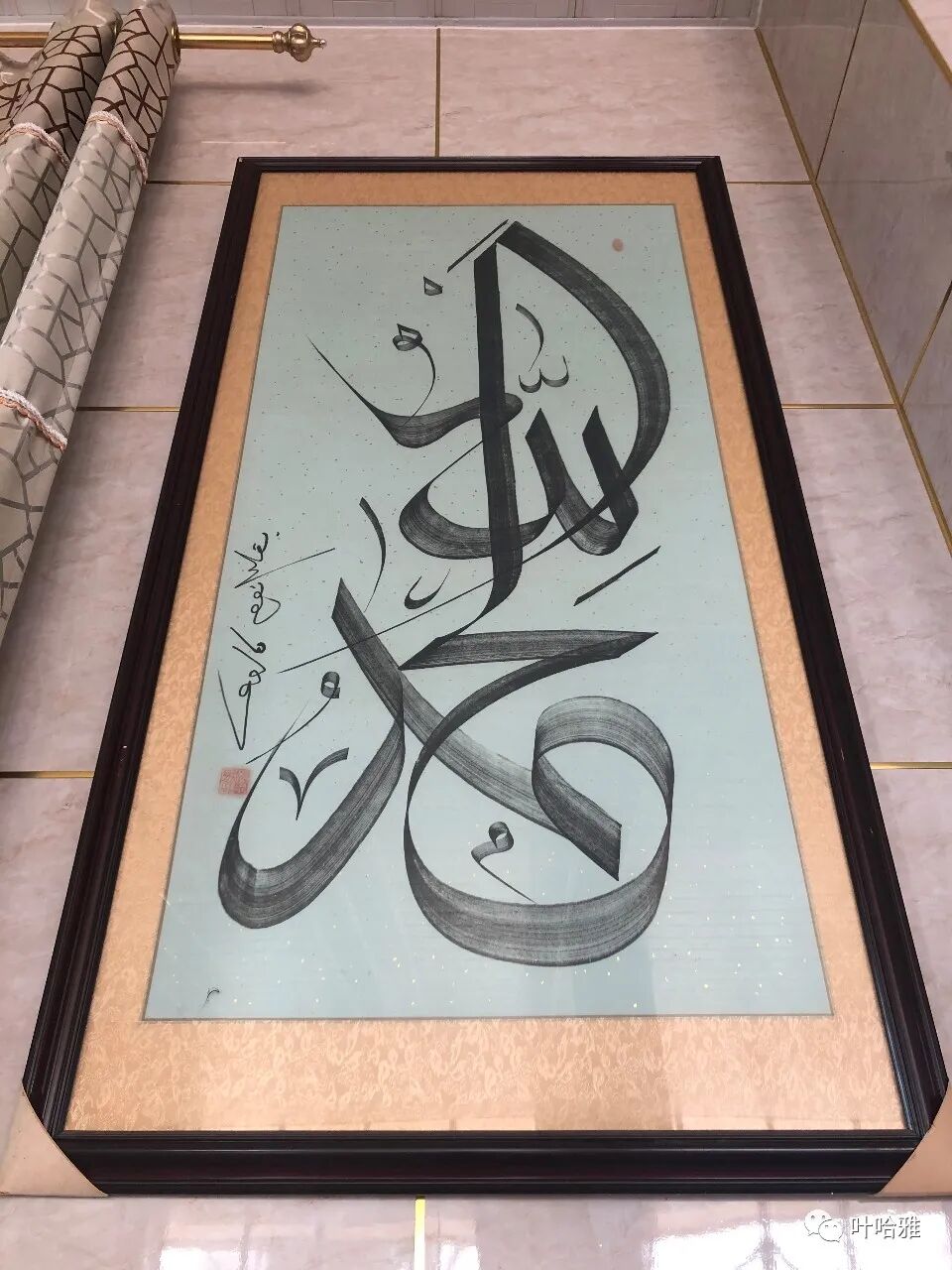
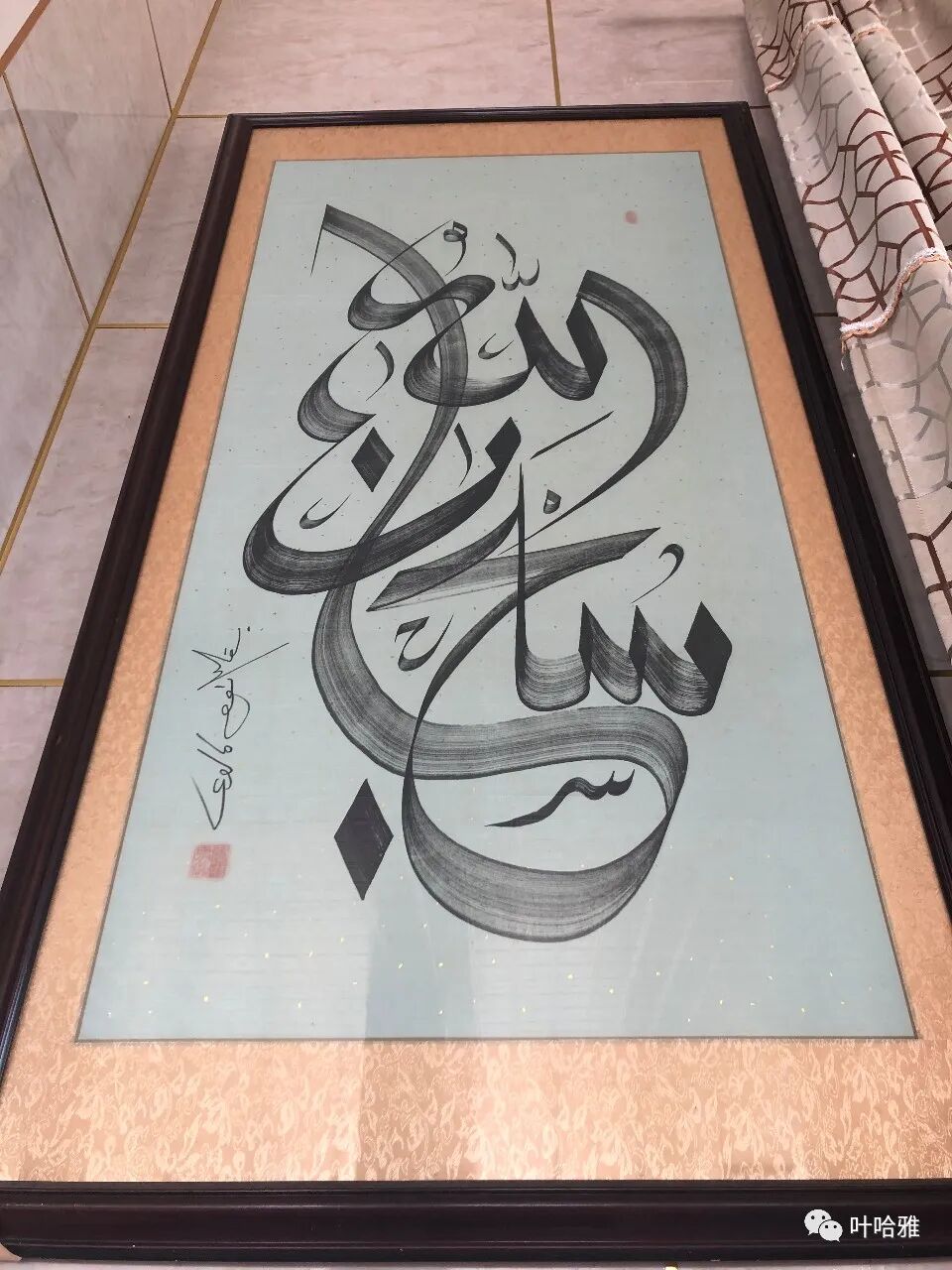
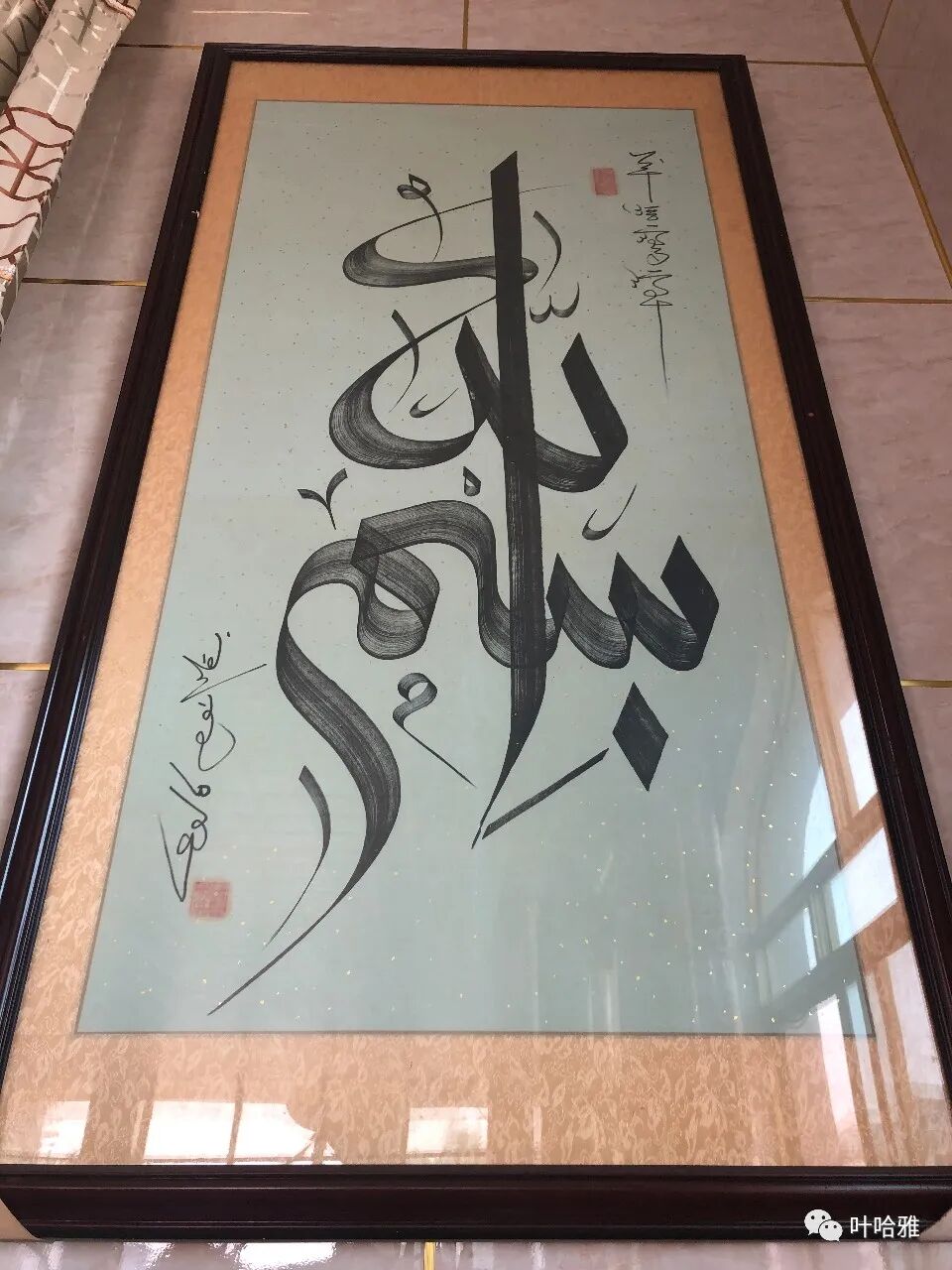
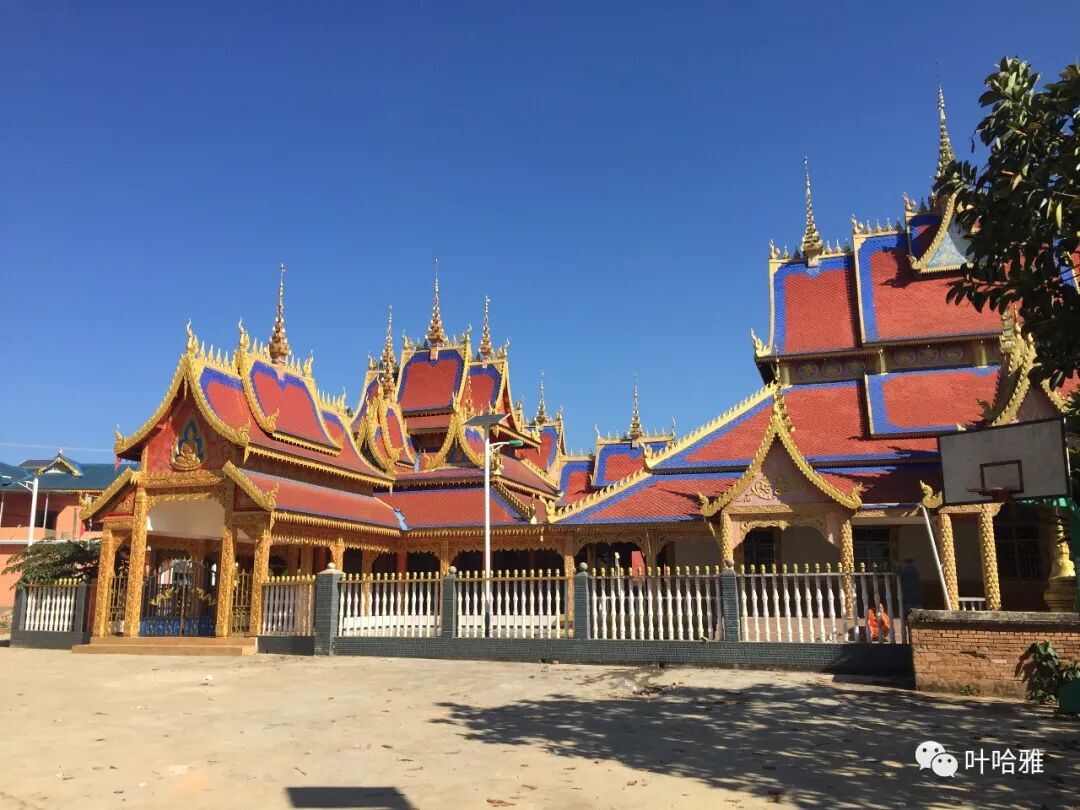
After saying goodbye to Imam Guan and leaving Mansaihui, we arrived at the nearby Manluanhui. The history of Manluanhui is older than that of Mansaihui. The ancestors of the Hui-Dai people here were from the time of the Du Wenxiu Uprising in the Qing Dynasty. A Hui Muslim named Ma Wulong fled from Dali to Xishuangbanna for refuge. The Dai King accepted his request for asylum and let him settle in Manluan. In the Dai language, Manluan means a place overgrown with weeds.
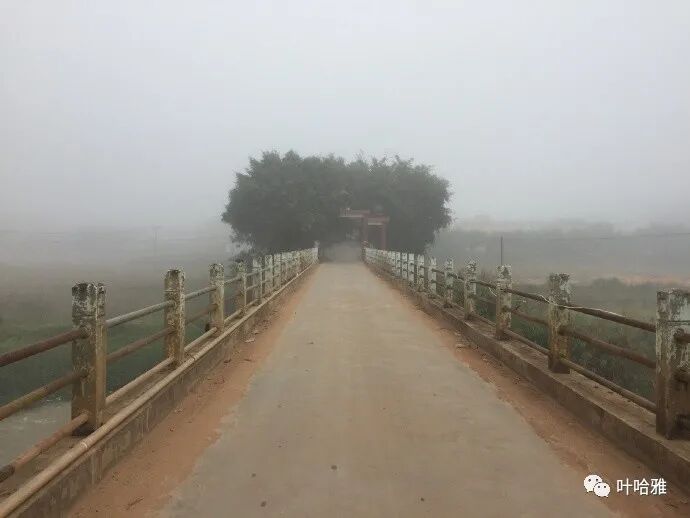
Boyaohehanmu Bridge
The local chieftain built a bridge in Manluan and handed it over to Ma Wulong to manage. Boyaohehanmu means golden bridge in the Dai language.
Ma Wulong married a local Dai girl. According to Dai tradition, a son-in-law who moves into his wife's family must change his name to "Yan," and if it is a woman, she must change her surname to "Yu." Ma Wulong had a son named "Yanhan."
The Dai people believe in Theravada Buddhism, which belongs to Hinayana Buddhism. It has a strict hierarchy divided into royalty, nobility, and commoners. Royalty has the surname "Zhao," nobility has the surname "Dao," and commoners have the surname "Yan."
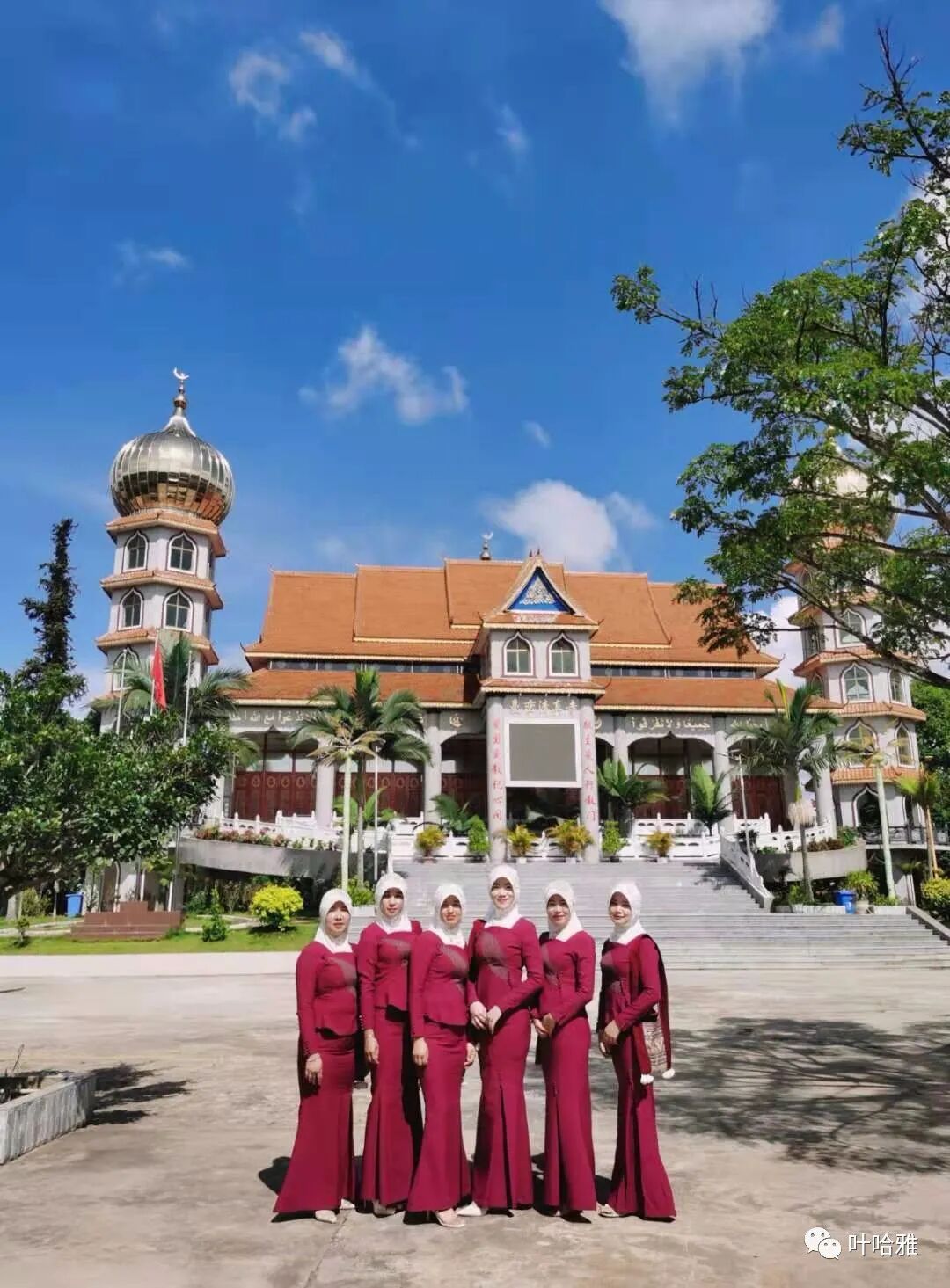
A photo provided by the landlady of Paxidai to see if the Hui-Dai girls are pretty.
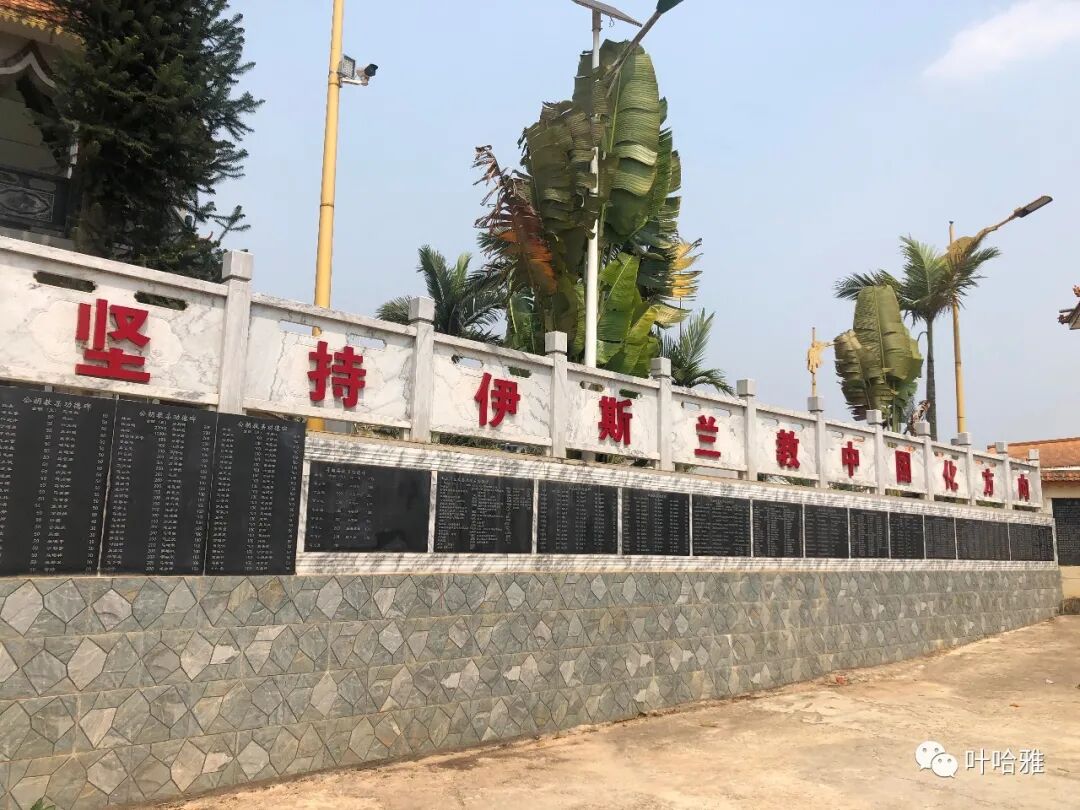
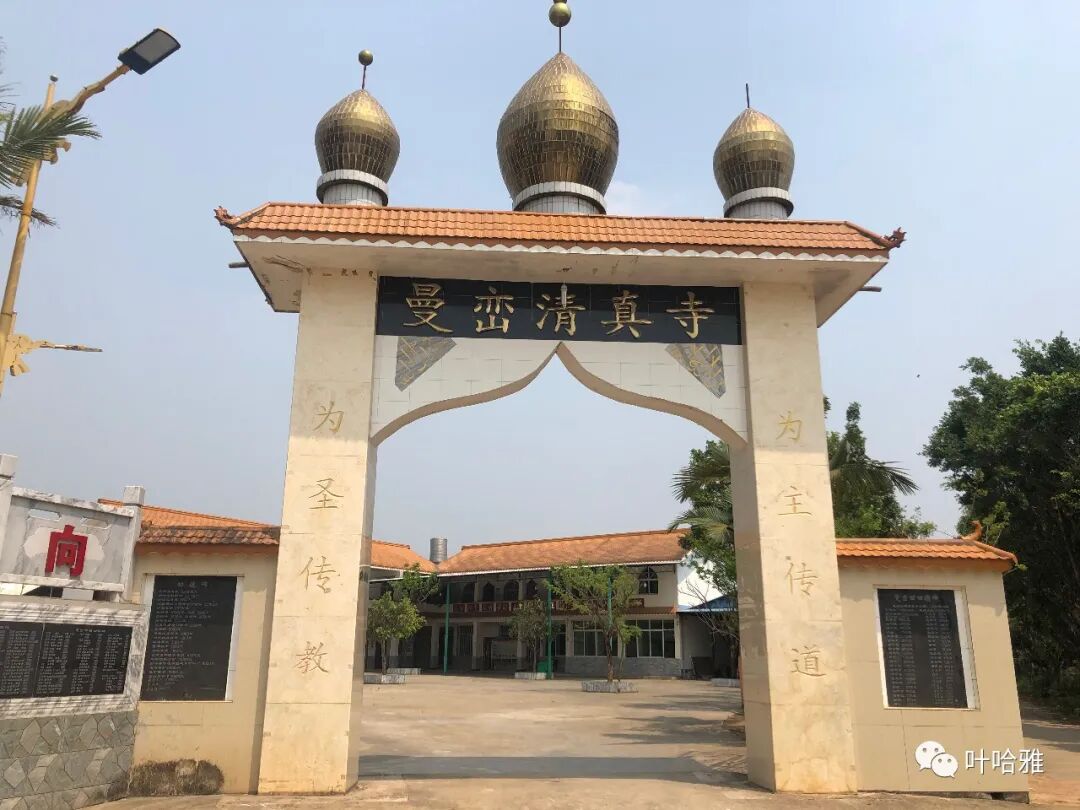
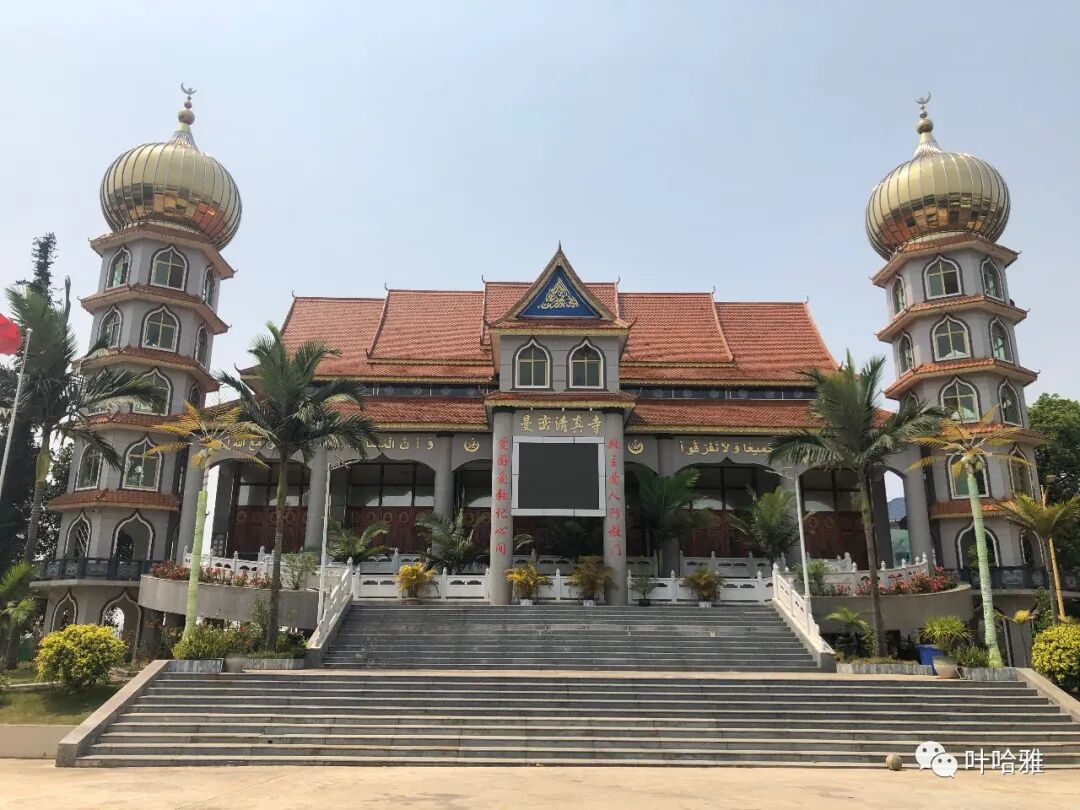
Main hall of Manluan Mosque
The new building of Manluan Mosque uses traditional Dai architectural style. It is magnificent and blends in with the local environment.
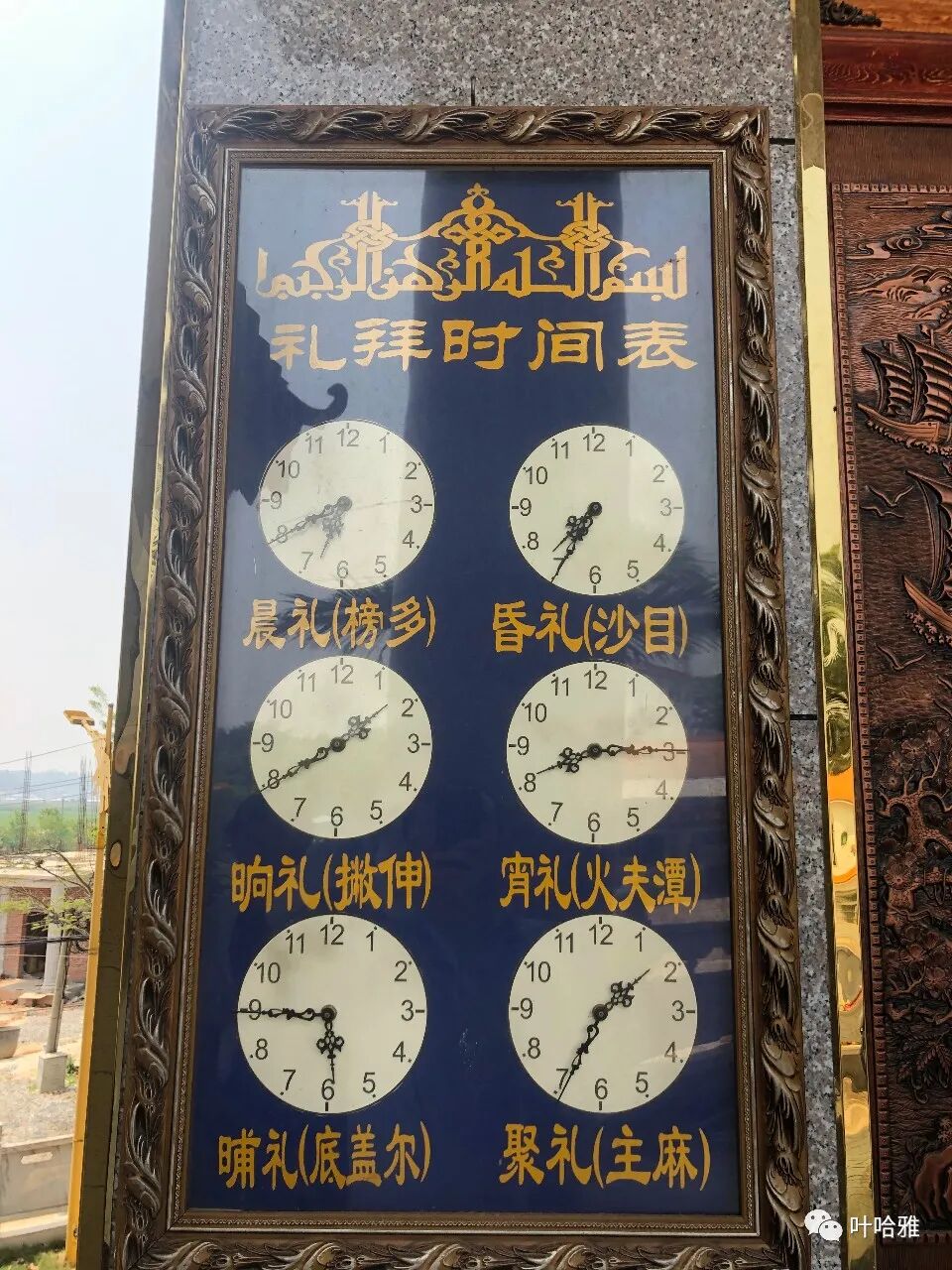
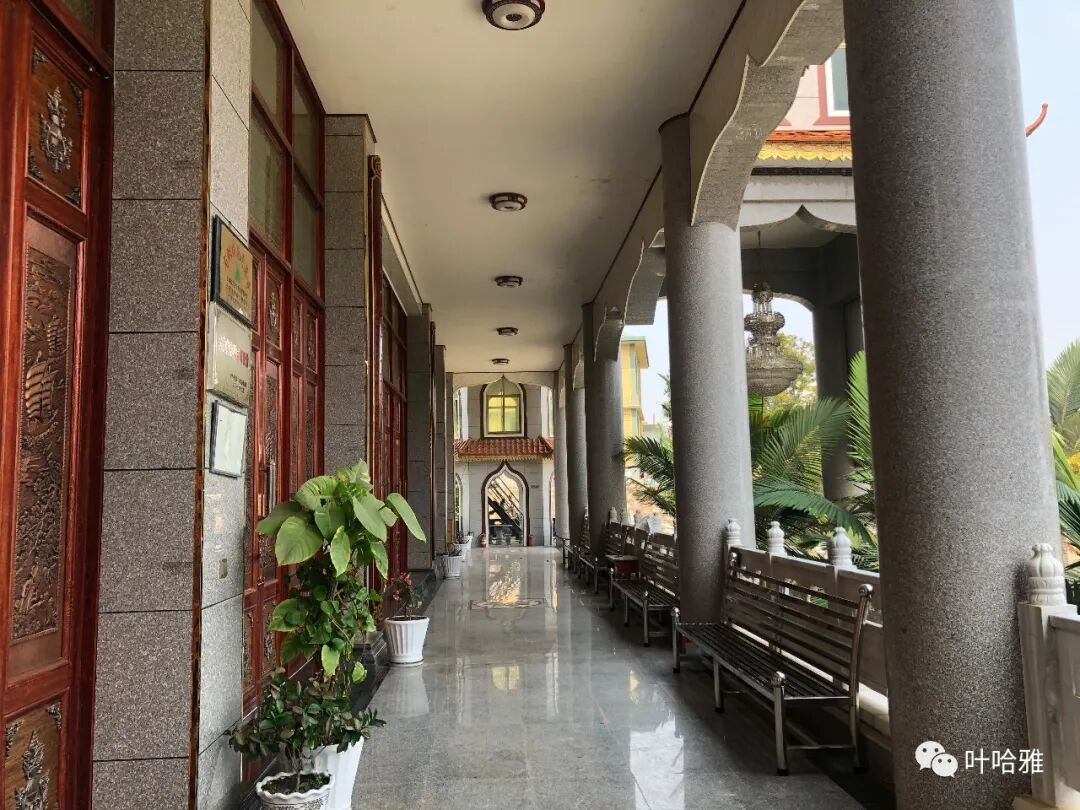
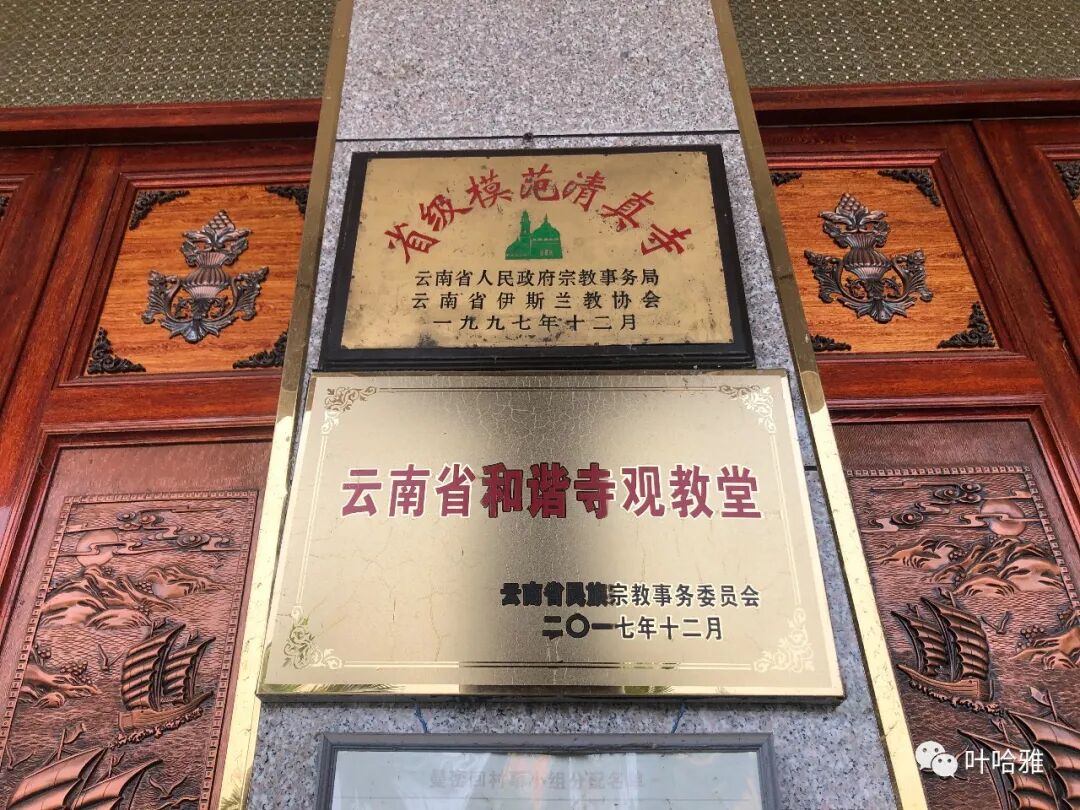
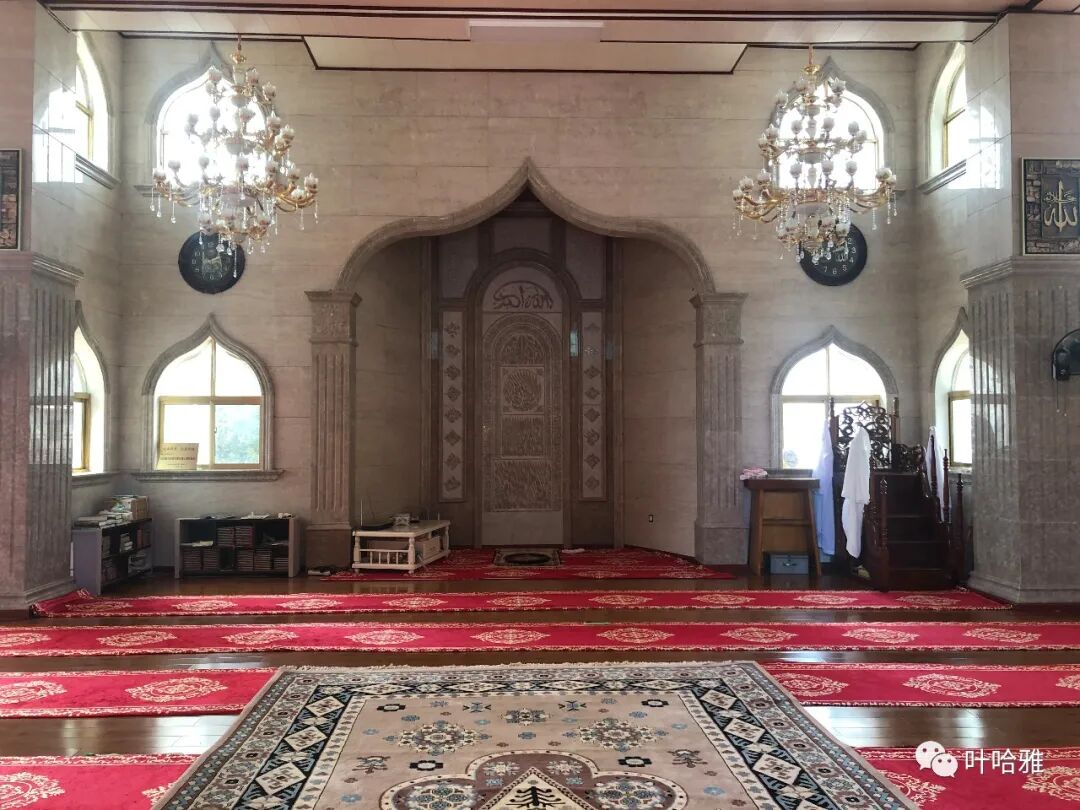
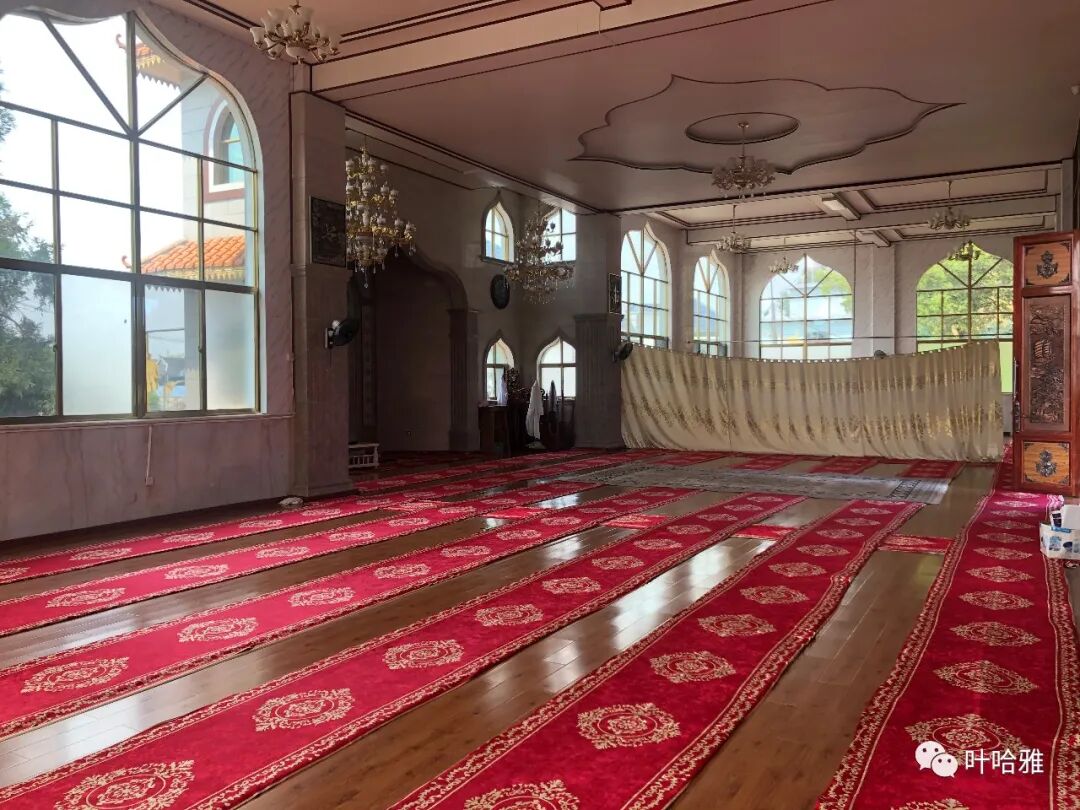
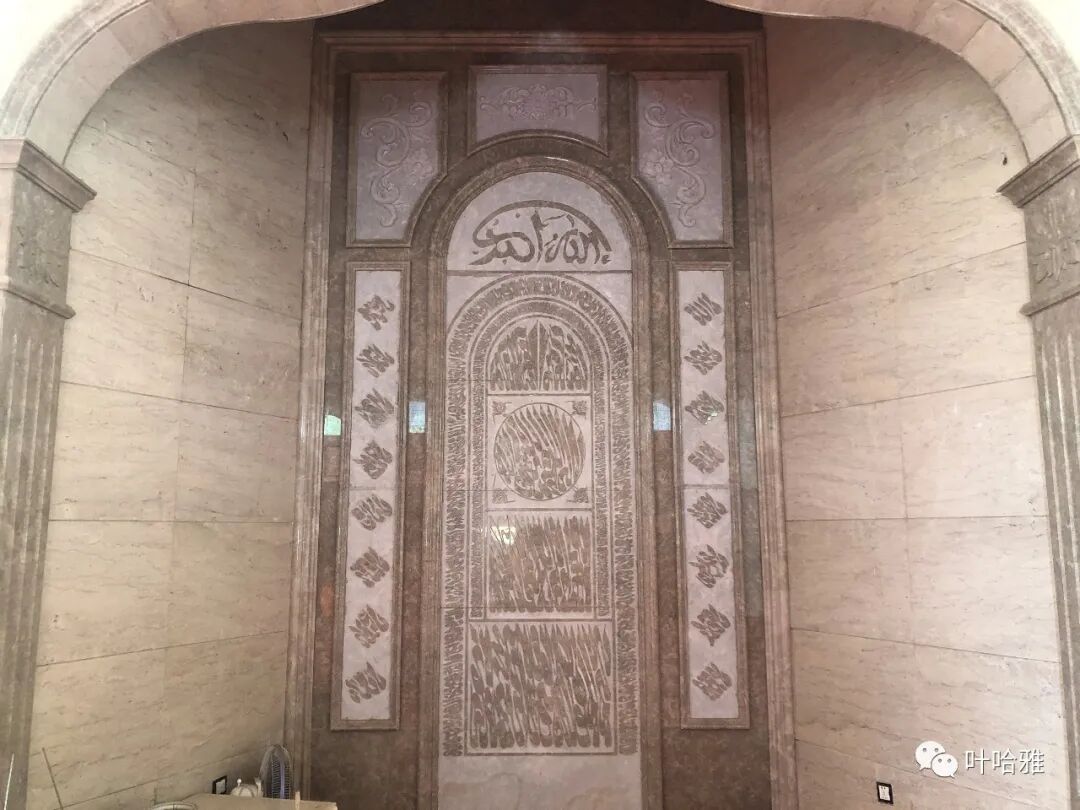
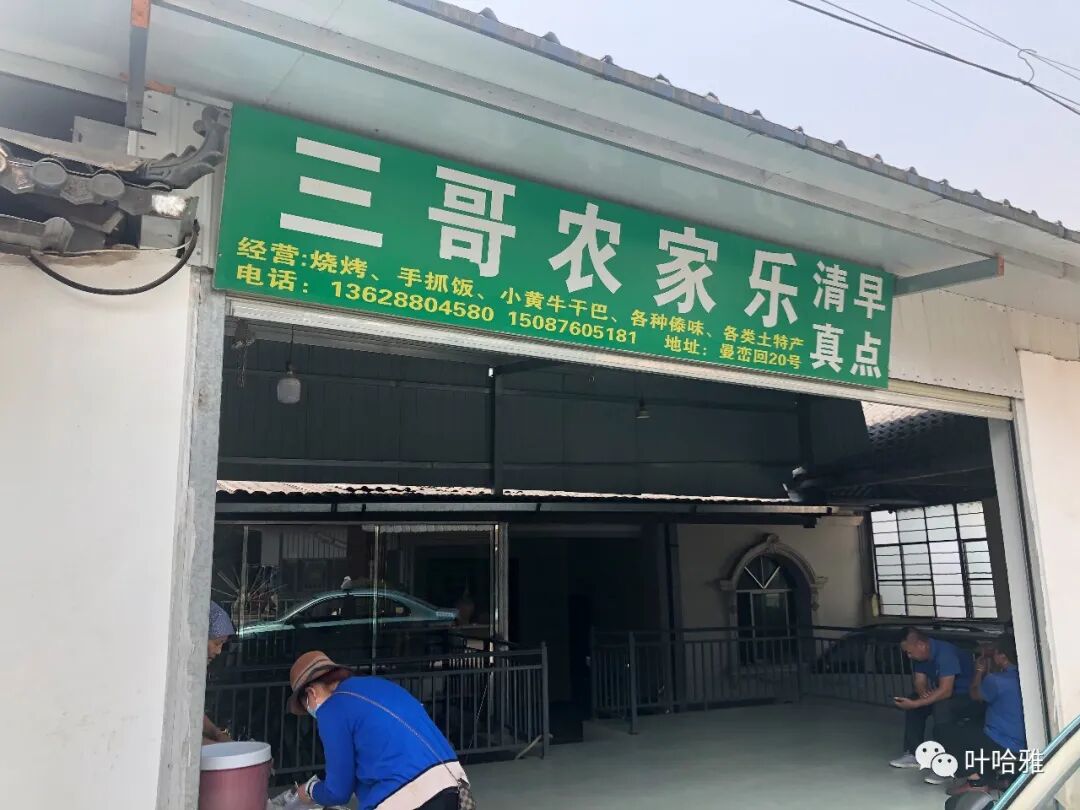
San Ge Farmhouse Restaurant
For lunch, we chose the San Ge Farmhouse Restaurant next to the mosque. The owner of this shop is the cousin of the Paxidai landlady. The cousin arranged two tables of local farmhouse dishes for us.
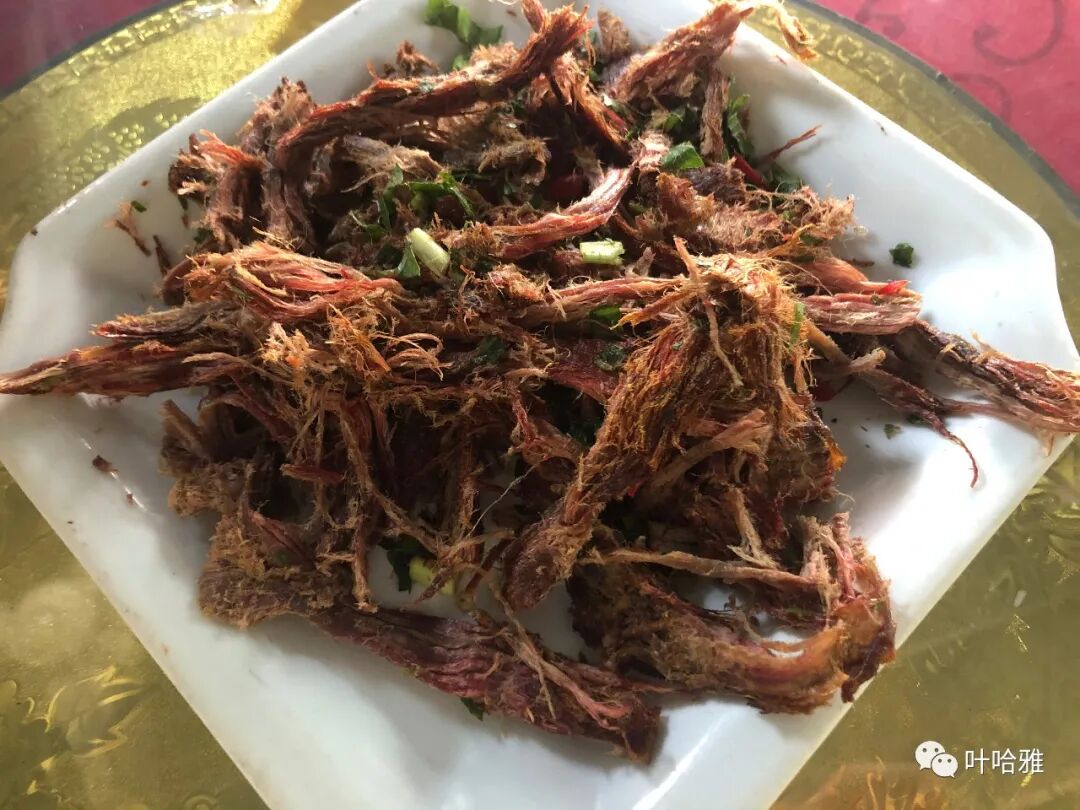
Hand-shredded small-hammered beef jerky (niuganba)
Beef jerky (niuganba) is a unique Hui Muslim food in Yunnan. There are many ways to make it. A common one is oil-fried beef jerky used for cooking. Another is the Banna-style small-hammered beef jerky, which is charcoal-grilled and can be eaten as a snack.
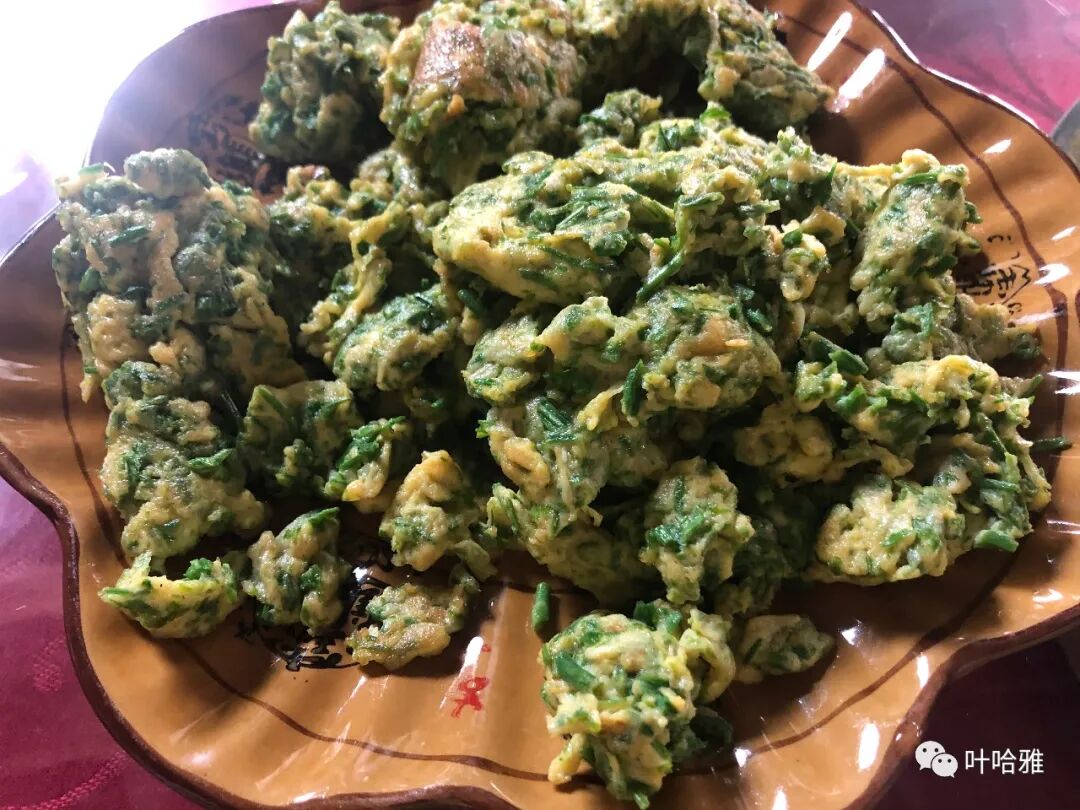
Scrambled eggs with toon buds
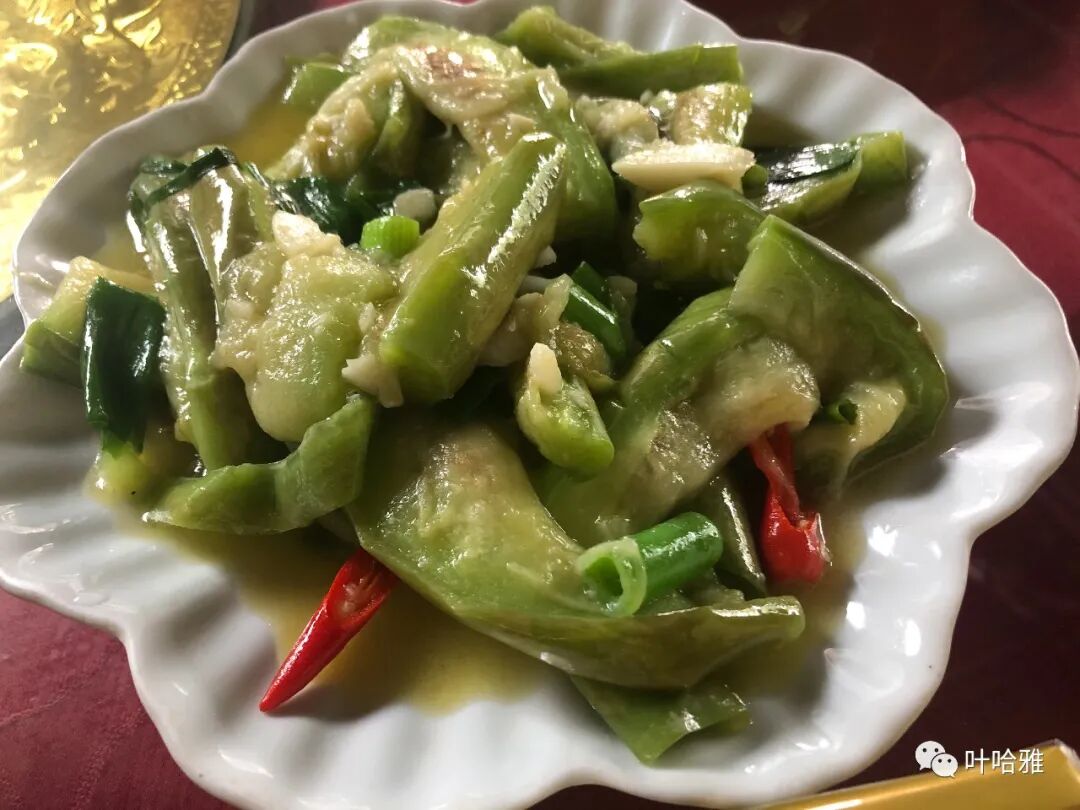
Sticky eggplant
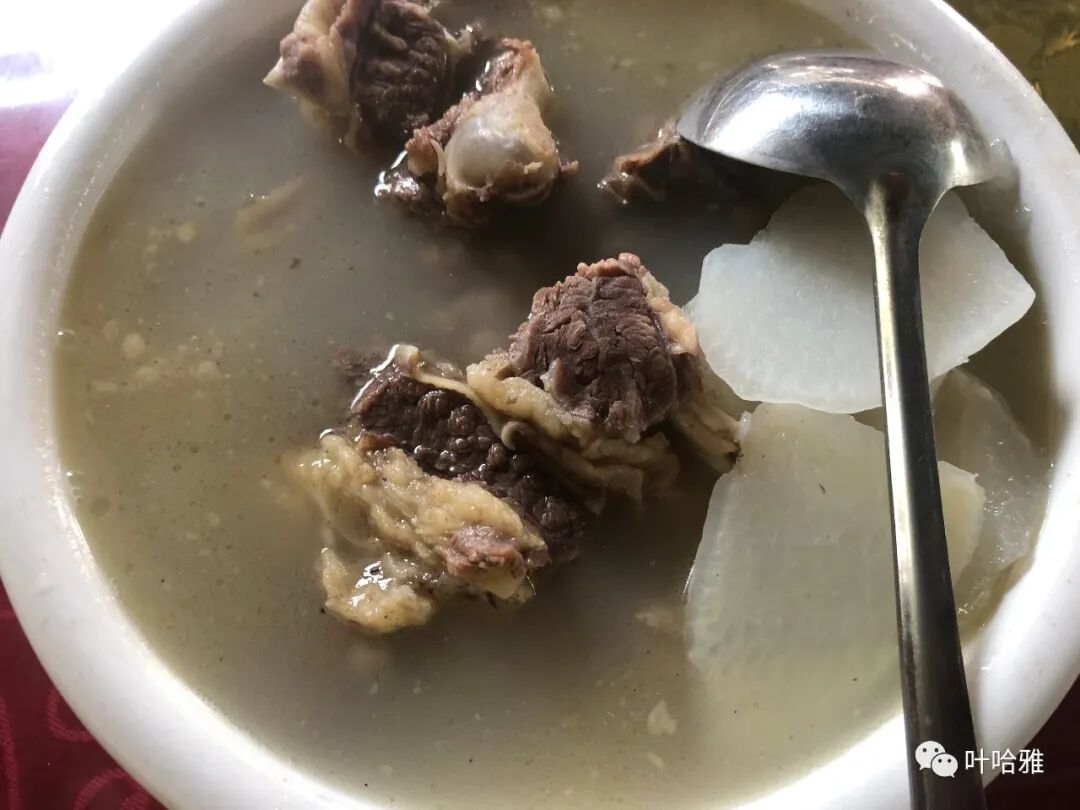
Beef steak stewed with radish
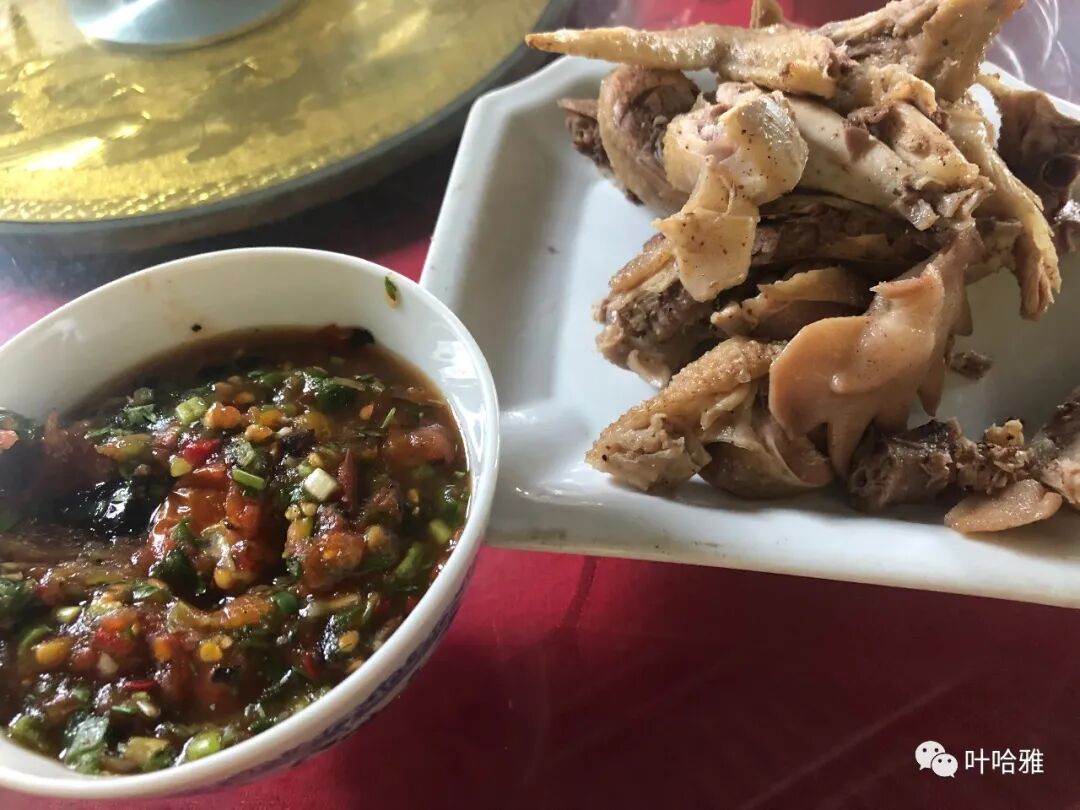
Hui-Dai white-palm chicken (baizhangji)
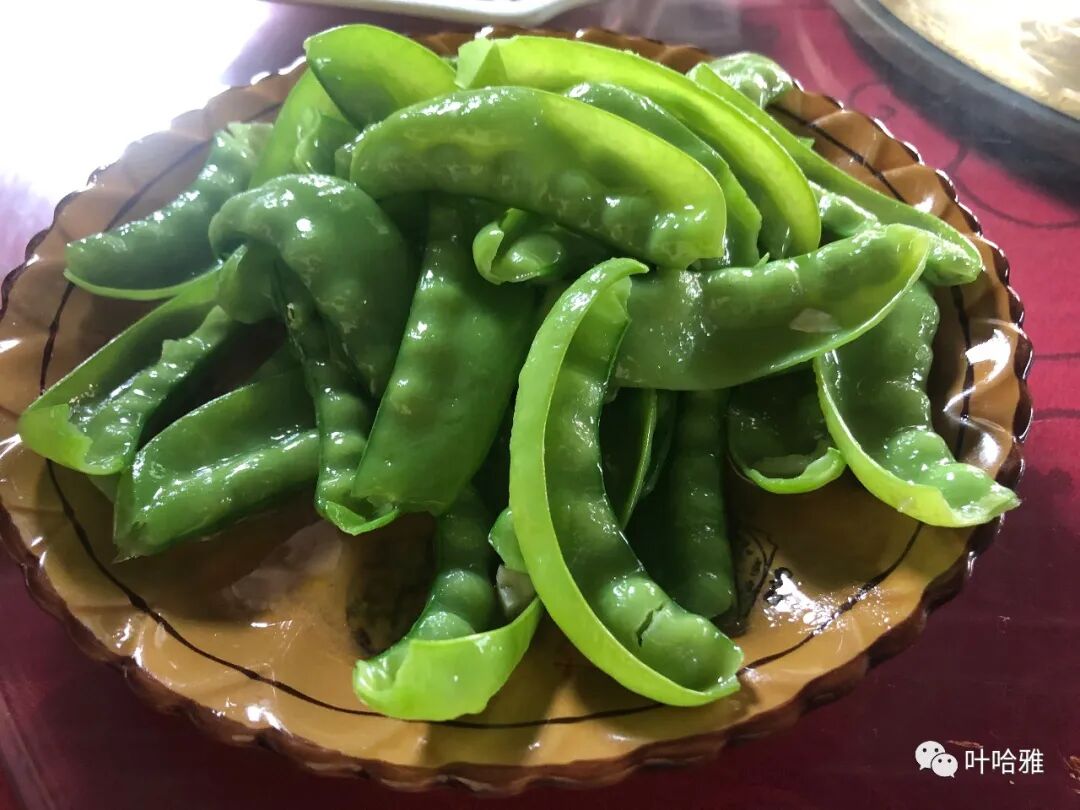
Stir-fried pea pods
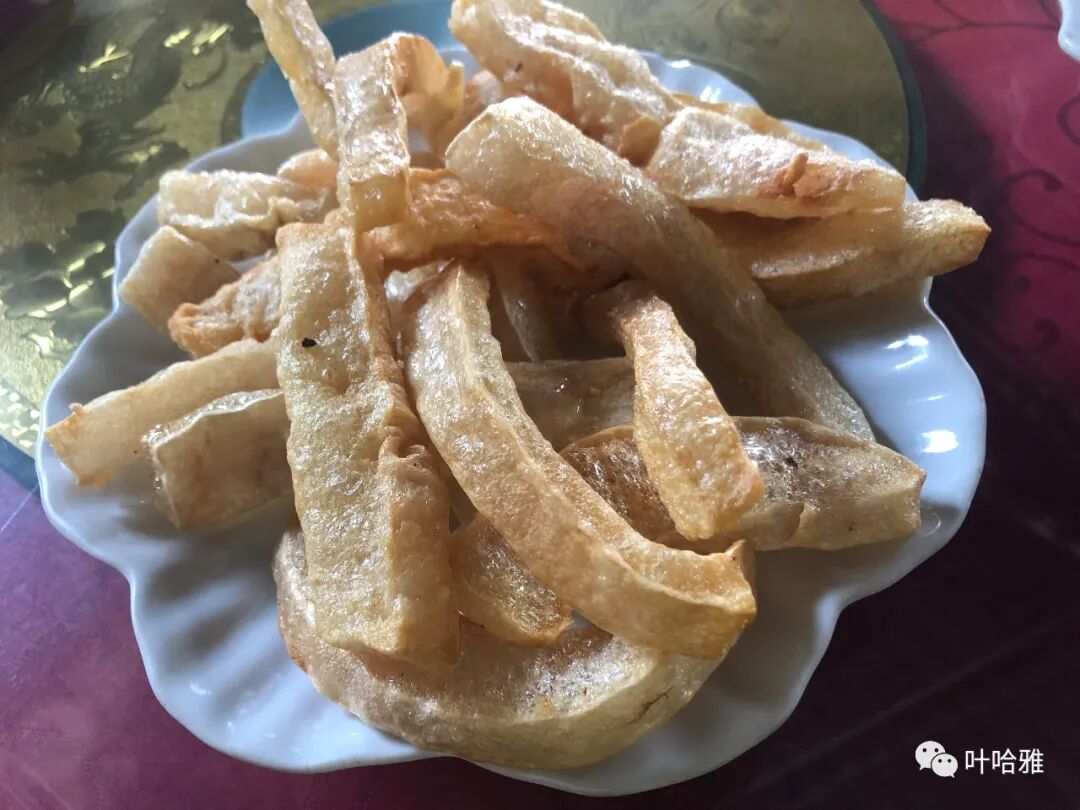
Deep-fried cow skin (zha niupi)
This dish is very popular. When it was served, we thought it was fried shrimp chips because it was so crispy. My friend from Banna said it was deep-fried cow skin (zha niupi). I was skeptical that it was actually made from cow skin, but the owner confirmed it.
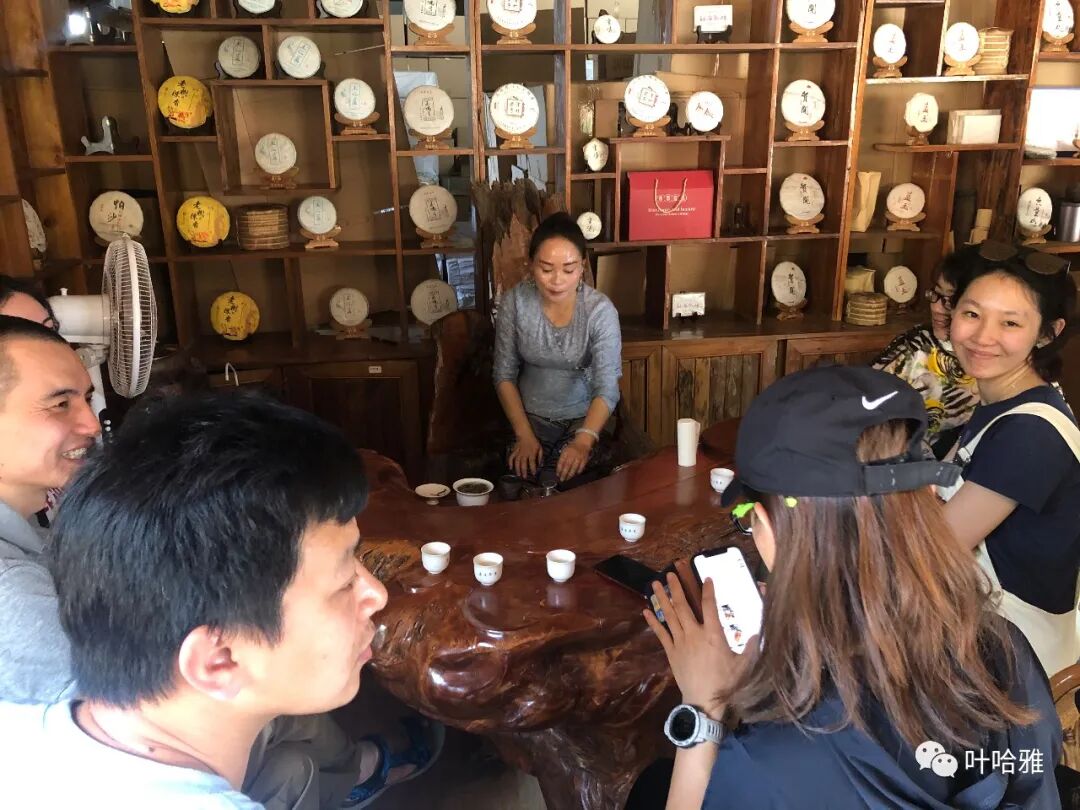
After the meal, we drank tea at my cousin's house. The tea was made that very day and still had a smoky scent. March is the peak season for tea, and the Hui Muslims in Mansaihe and Manluanhe mainly grow tea. The village was quiet that day because the young people were all out picking tea.
While wandering around the village, I bought a cup of milk tea. It was sweet, tangy, and delicious.
Thai Cottage Milk Tea Shop (Tai Xiaowu Naicha Dian)
There are many halal restaurants in the village, all along the main road. If you want to eat, come to Manluanhe.
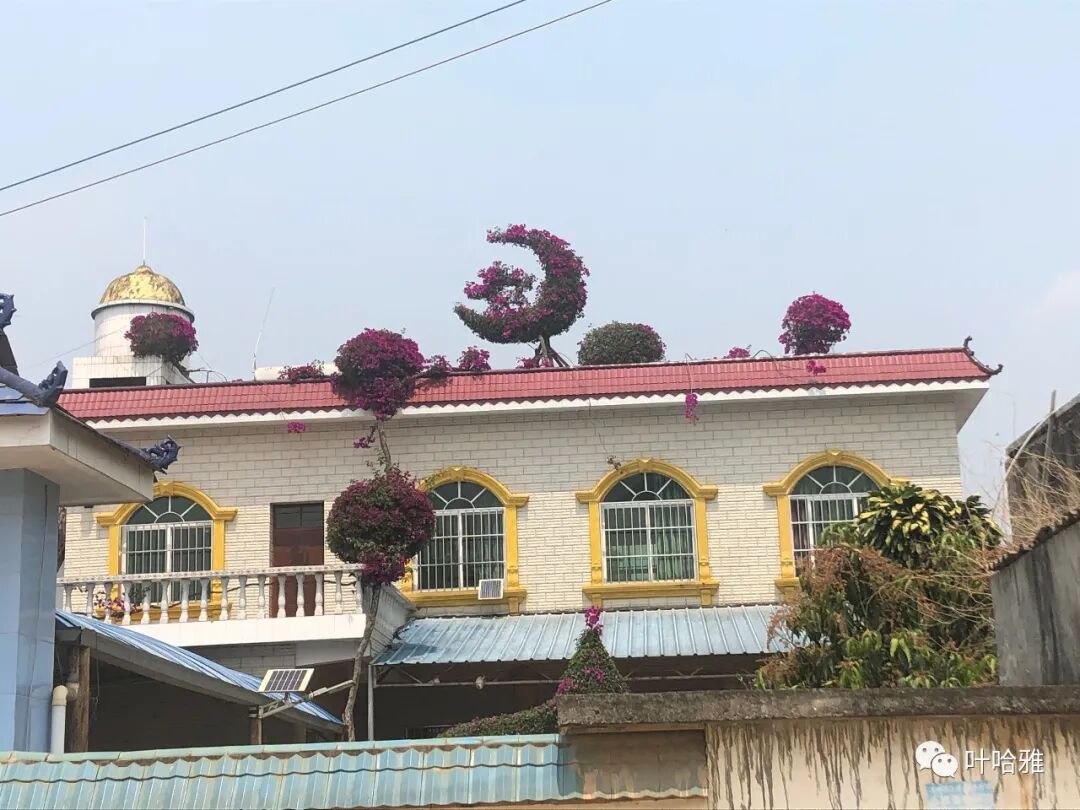
I saw flowers and plants on a house planted in the shape of a star and crescent. I took the opportunity to tell my colleagues about the origin of the star and crescent symbol and some history of the Ottoman Empire.
A halal barbecue shop in the village with signs in both Dai and Chinese.
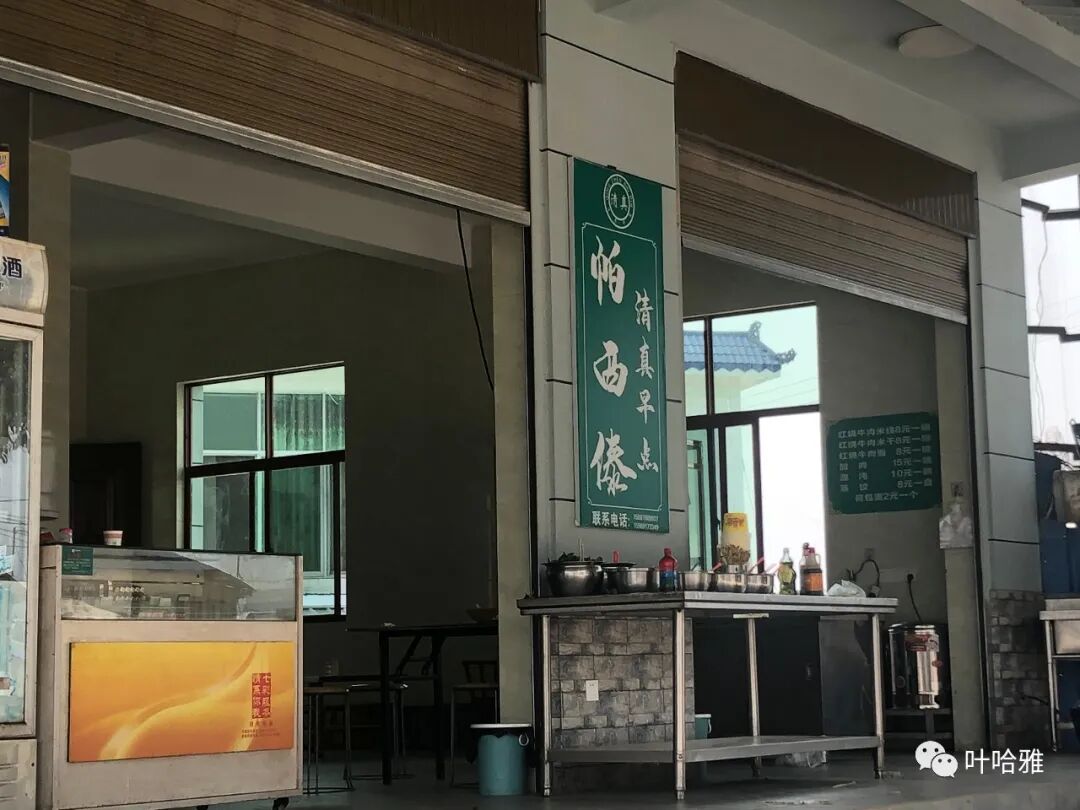
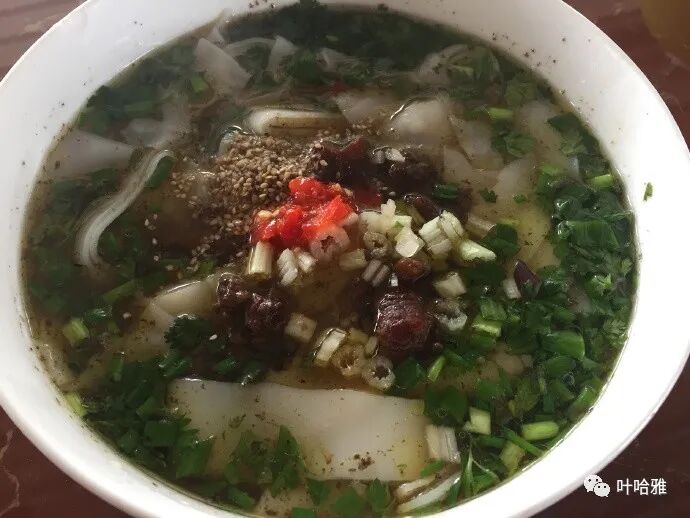
Beef rice noodles (niurou migan)
A specialty breakfast in Paxidai is rice noodles (migan). Rice noodles (migan) and rice vermicelli (mixian) are the same thing, just in different shapes; rice noodles (migan) are flat and wide.
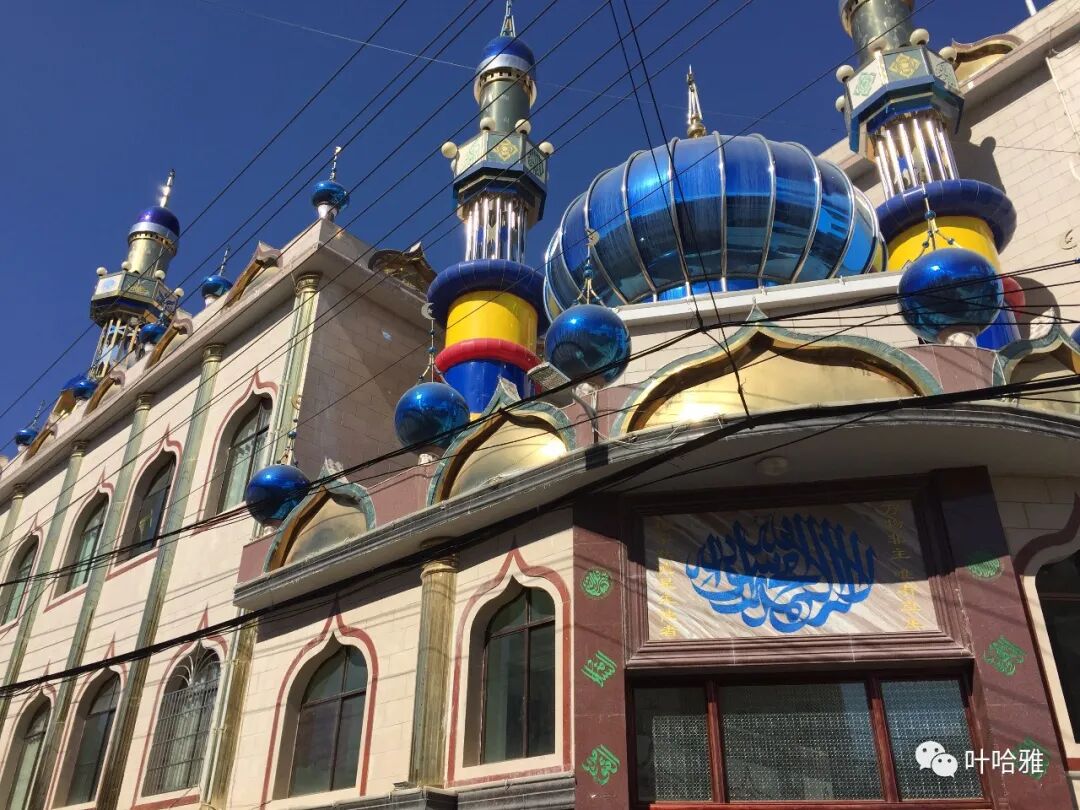
Menghai Mosque
After leaving Manluanhe, you can go to Menghai County to catch a bus back to Jinghong. You can visit the Menghai Mosque on the old street.
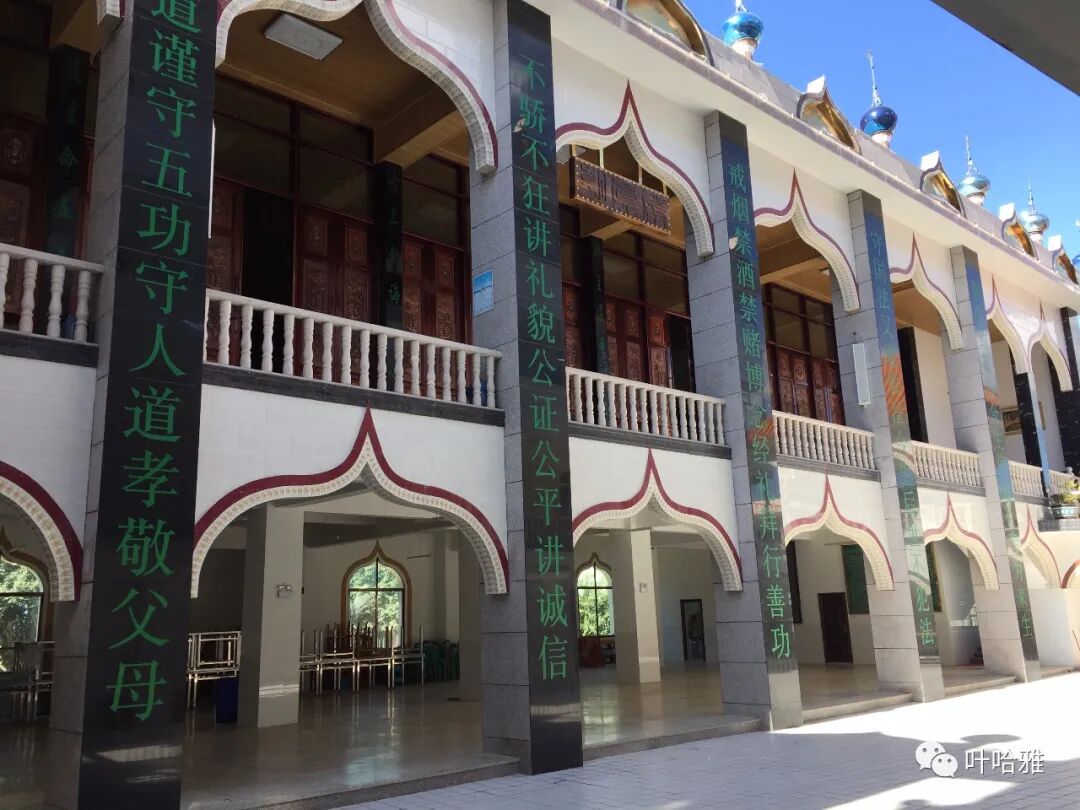
The mosque was first built in the 1930s and was completely renovated in 2015.
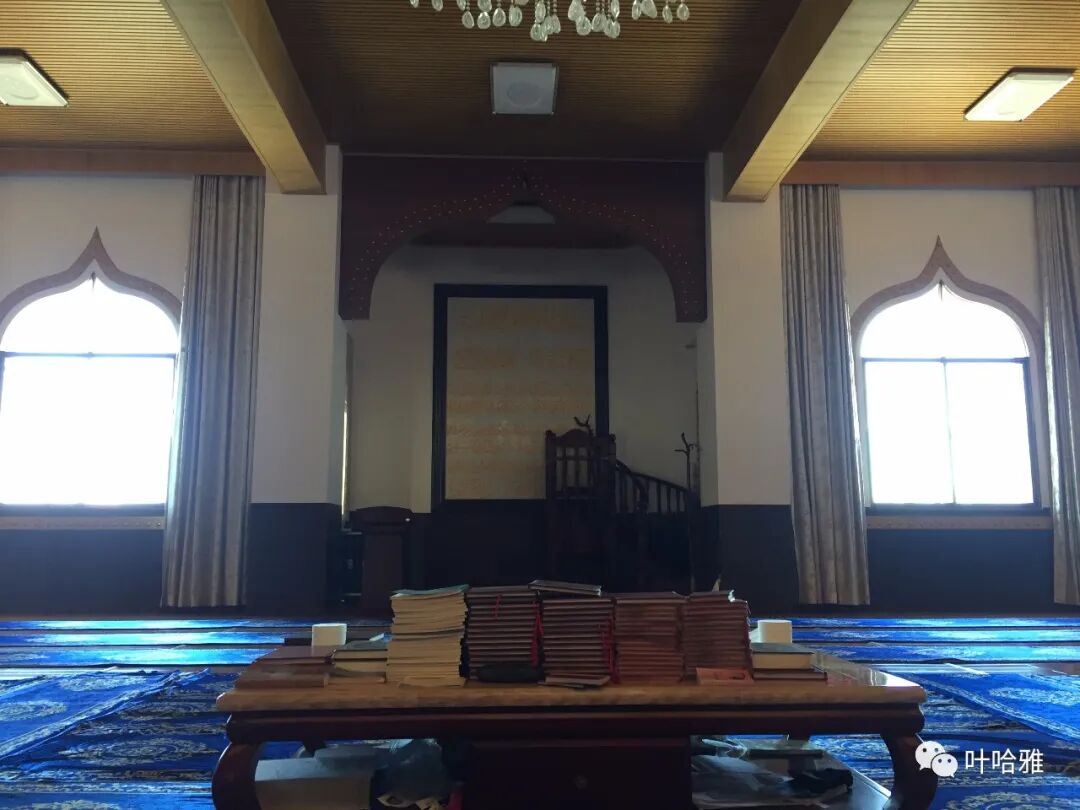
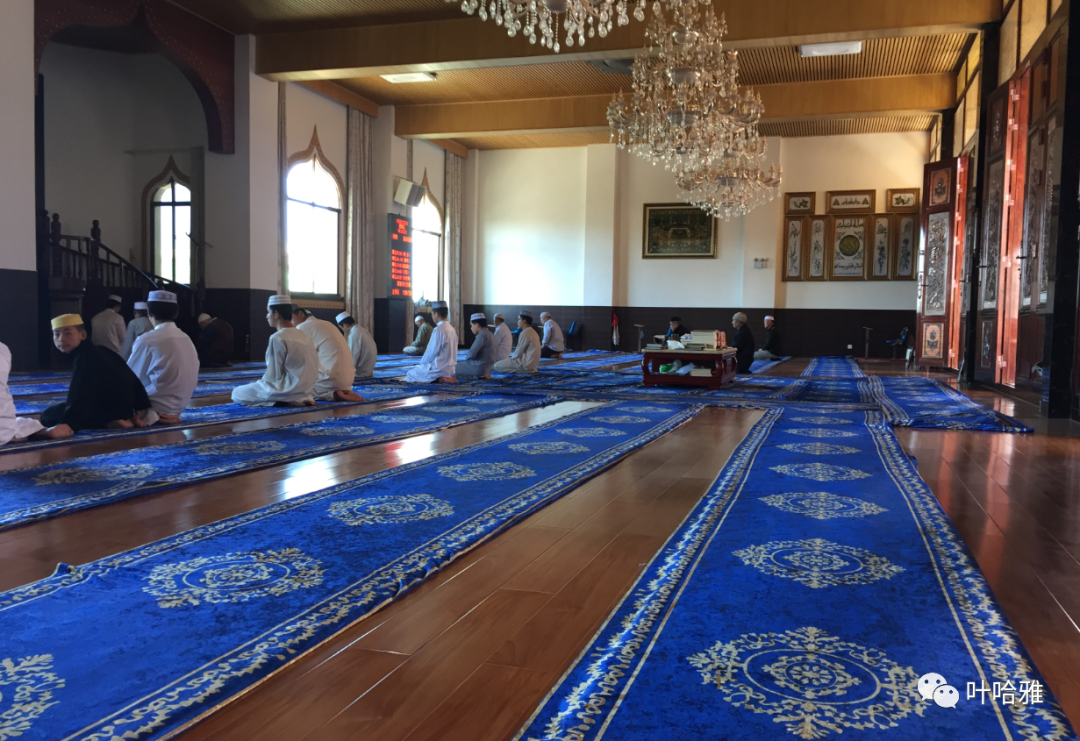
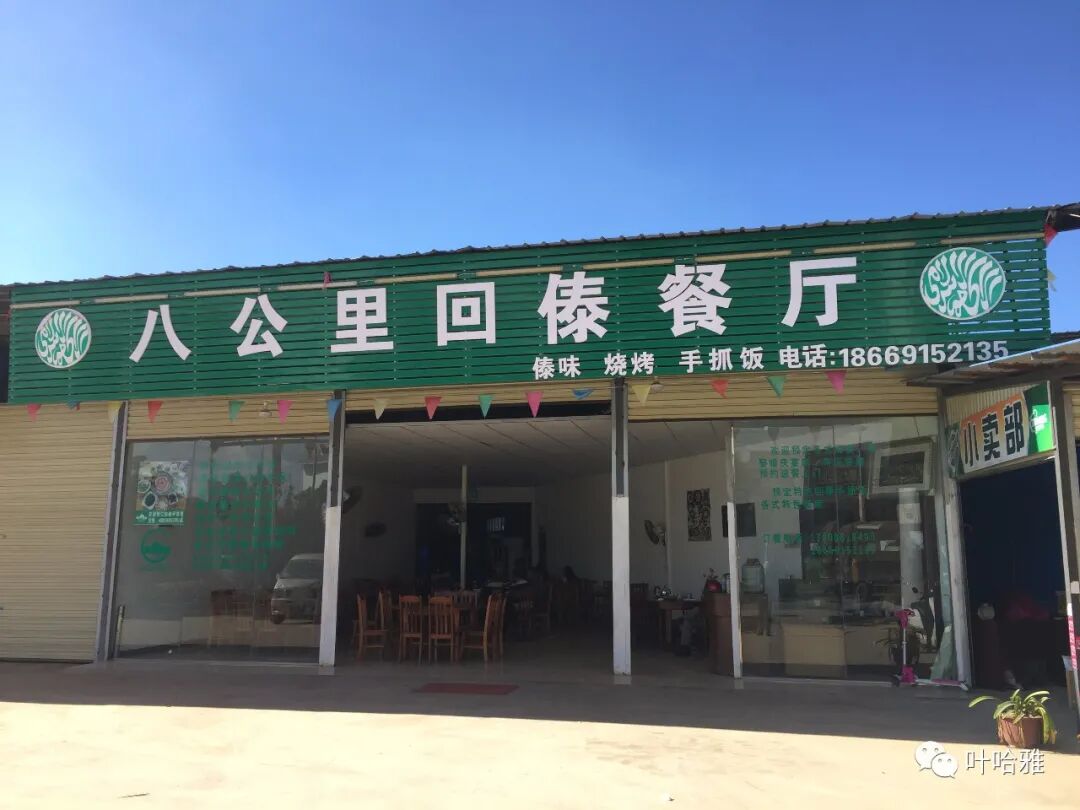
Eight Kilometers (Ba Gongli) is a place name.
I ate at this shop back in 2016. When I mentioned it to the owner of the Paxidai shop, it turned out the owner of that place is her cousin. Truly, Hui Muslims are one big family everywhere.
TIPS: About accommodation
For accommodation in Banna, I recommend searching for 'Zhiyu Homestay' on Tujia. You can also find it on Trip.com, but Tujia shows more details. This is a homestay run by my friend in Banna, located next to the InterContinental Hotel. There are detached villas and townhouses available, and it can host a team-building group of up to 20 people.
Homestays are cozier than hotels and feel like home, plus the environment is great. I stayed at my friend's homestay the first time I came to Banna and even met other guests. Chatting and sharing life experiences during our free time is a way of relaxing that I really enjoy.
The rooms are clean and bright, the location is excellent, and there is a terrace where you can drink tea and enjoy the view. Tell the owner you came because of my public account to get a discount. We are able to experience Banna culture in depth all thanks to the help of my Banna friends.
Zhiyu Homestay
Muslim Friendly Guilin: Bai Chongxi Hometown, Historic Mosques and Guangxi Halal Travel
Articles • yusuf908 posted the article • 0 comments • 294 views • 2026-05-21 20:43
Summary: Muslim Friendly Guilin: Bai Chongxi Hometown, Historic Mosques and Guangxi Halal Travel is presented here as a clear English account for Muslim readers, beginning with this scene: — Hello, Travel —. The article keeps the original names, food details, mosque details, photographs, and cultural context while focusing on Guilin Mosques, Bai Chongxi, Halal Travel.
— Hello, Travel —
To avoid the National Day travel rush, I chose to take my whole family to Guilin, Guangxi, right after the holiday ended. We spent 6 days there visiting the famous Two Rivers and Four Lakes, Elephant Trunk Hill, the Li River, the Ten-Mile Gallery, Huangluo Yao Village, the Longji Rice Terraces, and 9 mosques in Guilin and its surrounding villages. It was a deep dive into Guilin.
Mid-October is the most beautiful time in Guilin. The temperature is perfect, around 25 degrees Celsius during the day and 17 or 18 degrees at night, so a single layer of clothing is very comfortable. The rice terraces are also harvested in October, turning the mountainsides a spectacular golden yellow.
Longji Rice Terraces
Travel Tips
Transportation
If you visit a popular destination like Guilin during a holiday, I do not recommend driving yourself unless you can find good parking. During major holidays like National Day, every scenic spot is packed with people.
If you drive into a scenic area, you will likely wait in line for at least 3 hours. Between the time and energy spent touring, you will be exhausted, and driving back is very hard. My advice is to travel to the city on your own and then join a local one-day tour group.
Dining
See the details below.
Accommodation
There are many one-day tours in Guilin. You can book them at your hotel front desk or through travel platforms like Trip.com or Mafengwo. They are very cheap. I booked two one-day tours this time, and each cost less than 200 yuan per day. This included round-trip transportation and entrance tickets, but not group meals, which suited me perfectly since group meals are not halal.
For accommodation in Guilin, I recommend staying near the Xicheng Pedestrian Street in the city center. It is only a few dozen meters from the Chongshan Road Mosque, there are several halal restaurants nearby, and it is only 2 kilometers from the Guilin Railway Station.
1
Day 1 One-Day Tour
If you stay in downtown Guilin, you can take a boat at night to tour the 5A-rated Two Rivers and Four Lakes scenic area. The tickets are a bit expensive at 180 yuan per person, and night tickets cost even more, but the night view is more beautiful than the daytime.
Sun and Moon Twin Pagodas (Riyue Shuangta)
In the evening, you can walk around Zhengyang Road Pedestrian Street near the Sun and Moon Twin Pagodas Cultural Park, but there are no halal snacks on this street.
The most famous spot in Guilin is the Nine Horse Painting Mountain (Jiuma Huashan) scenic area on the Li River, which is well-known for being the background image on the 20-yuan note of the fifth series of renminbi. From downtown Guilin, you can take a tourist bus for about 1.5 hours to reach Yangshuo County where the scenic area is located. If you are traveling independently, I recommend staying in Yangshuo town, as it is very close to the surrounding scenic spots.
There is a halal restaurant in Yangshuo town called Muslim Restaurant (Musilin Fandian)
and its location is as follows.
In Xingping Ancient Town of Yangshuo County, there is also an Indian halal restaurant called Ganges (Henghe).
You can take a bamboo raft from the Xingping Ancient Town pier to tour the Li River. The boat ride takes about 30 minutes, and there are shuttle buses in the scenic area to take tourists back to the entrance after the boat trip.
A comparison of the Nine Horse Painting Mountain scenic area on the Li River with the renminbi background.
Guilin's landscape is a World Natural Heritage site and a classic example of Chinese mountain and water scenery. Successive national leaders have visited Guilin many times.
A small bamboo raft floats on the river.
To protect the Guilin landscape, the local government has set height limits for urban buildings, so you won't see any skyscrapers in the city.
The Thousand-Year-Old Banyan Tree (Qiannian Darongshu).
One of the highlights of the Ten-Mile Gallery (Shili Hualang) is the Big Banyan Tree scenic area. This is the hometown of Liu Sanjie and the filming location for the movie "Liu Sanjie." Yangshuo County hosts the "Impression Liu Sanjie" show. It is very impressive, though the ticket price is expensive at over 200 yuan, it is worth seeing.
From the Big Banyan Tree, you can drive 1 kilometer to reach Jinshui Cave to explore the karst landforms and take a mud bath. After leaving the cave, you can watch a Yao village song and dance performance. The show is great, and they invite audience members to join a mock Yao wedding ceremony. I was lucky enough to be chosen as the groom, pretended to enter the bridal chamber with a Yao girl, and was even asked for a 39 yuan bride price.
Jinshui Cave
These activities are all included in the Guilin one-day tour. There is no shopping involved. The only local Guilin specialties sold are offered by the tour guide while the bus is moving, so it does not delay the trip. The items are cheap, and you can choose whether to buy them.
2
Day 2 one-day tour
Because the first day's tour was a good experience, we immediately signed up for a second one-day tour. This trip followed a different route to see the famous Longji Rice Terraces.
The Longji Rice Terraces are divided into areas like the Jinkeng (Dazhai) Yao ethnic terrace viewing area and the Ping'an Zhuang ethnic terrace viewing area. We chose to visit the larger Jinkeng Yao ethnic terraces. The terraces are fields carved into the mountains by local villagers to grow rice. This rice is no longer sold to the public and is only for the villagers' daily consumption.
Longji Rice Terraces
You can take a cable car to the top of the terraces. A one-way ticket is 50 yuan, and a round-trip ticket is 100 yuan per person. If you walk up the mountain, it takes about 5 kilometers of mountain roads and three hours round-trip, but hiking allows you to see the scenery along the way.
Looking down at the terraces from the mountain top
Huangluo Yao Village is known as the world's number one long-hair village. The villagers still keep the tradition of growing their hair long. According to the locals, the village is a matriarchal society where women go out to work and men stay home to do housework. While we wandered around the village, we really did not seem to see any men, and all the villagers providing services were women.
Women in the long-hair village rarely cut their hair in their lives. They might cut it once before getting married, and they keep the hair they cut off coiled on their heads. After marriage, they basically never cut their hair again, so the older they get, the longer their hair becomes.
Villagers in the long-hair village perform hair combing
Locals say that although their hair is dark and shiny, they do not use any hair care products. At most, they wash their hair with rice water, and their hair quality is good mostly because of their genetics.
Long-haired girls' hair-washing performance
3
Cultural journey
After enjoying the natural scenery, we immediately started our cultural journey in Guilin. We learned that Qianjing Village, under Guilin's jurisdiction, is the hometown of Bai Chongxi. We drove from the city to the village, which is located in Caoping Hui Ethnic Township, about 50 kilometers away and a one-hour drive.
1. Qianjing Mosque
First built in the Qing Dynasty, the original mosque was destroyed. The current building was funded by Bai Chongxi in 1940. Bai Chongxi was born in this village and once returned here to pay respects to his ancestors. Qianjing is a village of Hui Muslims. Most villagers are Hui Muslims and all share the surname Bai. The imam told us that even outsiders who marry into the village must change their surname to Bai.
The mosque features a traditional wooden structure. It is worth noting that all nine mosques I visited in Guilin are built in this traditional style.
Although the villagers in Qianjing are Hui Muslims, People say they have been disconnected from the faith since the end of the Qing Dynasty. Today, very few elderly people there know the basic knowledge of Islam, and their daily habits are no different from other ethnic groups.
Even today, every household keeps ancestral tablets. Interestingly, they do not believe in Christianity or Buddhism; it seems ancestor worship is the only faith of the villagers.
Crossbeam of the prayer hall
On weekdays, almost no villagers come to pray, except for the imam and a few passing friends (dosti). However, about ten villagers, mostly elderly, attend Friday prayers (Jumu'ah).
Currently, only one person in the village, an elder over 90 years old, still maintains a halal diet. People say he is a descendant of a Guilin imam. He cooks for himself every day, and it is not easy for him to hold onto this practice today.
Qianjing Village was originally called Baijiazhuang. It was later renamed Zangjing Village because it sheltered Muslims who fled here during the Yuan Dynasty and brought the Quran with them. Later, it was renamed Qianjing Village.
Qianjing Mosque and the Bai Family Ancestral Hall are separated by only one wall. The ancestral hall also serves as an activity center for the elderly.
Bai Family Ancestral Hall
Bai Family Ancestral Hall and the Qianjing Village Hui Muslim Folk Culture Exhibition Hall
Bai family genealogy
The most famous Hui Muslim from Qianjing Village is Bai Chongxi. His ancestor was Bo Dulu Ding, a Semu person who came to China to serve as an official during the Yuan Dynasty. Bai Chongxi’s Islamic name was Umar. He served as a first-class general in the Nationalist Army and as the Minister of National Defense for the Republic of China. He passed away in Taipei in 1966 at the age of 74.
Portrait of Bai Chongxi.
There was a rumor that Bai Chongxi claimed to be Han Chinese and only followed Islam. I checked the source of this article and it is definitely taken out of context and completely false. For example, in the oral history book 'Interview Records of Mr. Bai Chongxi' from the Institute of Modern History at Academia Sinica in Taiwan, Bai Chongxi himself stated: 'But many of us are Han Chinese and not Hui, we just follow Islam, so how can we be called Hui Muslims?'
Many social media outlets interpreted this sentence as Bai Chongxi calling himself Han Chinese. I do not know how they could possibly read that meaning into it. When Bai Chongxi said 'many of us are Han Chinese,' he was not referring to himself. More authoritative evidence can be found in a China Daily interview with Bai Chongxi’s son, Bai Xianyong.
'Rebellion: The Genetic Code of Bai Chongxi and Bai Xianyong,' source: China Times.
From the interview transcript above, it is clear that Bai Xianyong explicitly stated his family is Hui, not Han.
'Rebellion: The Genetic Code of Bai Chongxi and Bai Xianyong,' source: China Times.
It is regrettable that Bai Xianyong admitted in the interview that he follows Buddhism. We do not need to criticize his choice, but the Bai family believes that rules they consider backward—such as forbidding women from education or requiring women to wear veils—are not authentic Islamic rules. This shows the Bai family does not have a deep understanding of Islam. Islam encourages women to receive an education, as seen in the Hadith passed down by the Prophet’s wives. When the Prophet was alive, he encouraged women to go to the mosque to learn, and his wives are role models for all female Muslims.
Bai Chongxi was not a devout Muslim like Ma Bufang. I caught a glimpse of the details regarding Bai Chongxi’s religious practice in the book 'Biography of Ma Bufang' by Fan Qianfeng.
Screenshot from 'Biography of Ma Bufang' by Fan Qianfeng.
Based on the two article screenshots, it is clear that Bai Chongxi only had an ethnic identity and was a cultural Muslim who took his religious duties lightly. It is understandable that his descendants lacked the proper understanding of Islam and eventually converted to other faiths. This shows how important family teaching and example are.
When I visited the Bai family ancestral hall, an imam (ahong) from Linxia was teaching the elders the Shahada (the declaration of faith). The elders were actually playing cards and watching TV while half-heartedly imitating the Arabic words 'There is no god but Allah.' This scene is hard to imagine in areas with strong religious practice. It was both funny and sad. The imam was helpless, but he felt it was good enough that the elders were willing to come to the mosque at all.
But what can be done? The villagers of Qianjing have been away from the faith for too long. Returning to the path of Allah is extremely difficult, especially in a village with such deep-rooted traditional folk beliefs. One can imagine how much hardship the imam has faced.
Old men at the Bai family ancestral hall are playing cards and watching television.
When the imam learned I was visiting specifically to see mosques, he happily invited us to visit the largest remaining mosque in the Guilin area, the Liutang Mosque. A Han Chinese Muslim from Ningxia joined us. He has over ten years of teaching experience and is now at retirement age. His only hobby is traveling to visit mosques. He stays at each mosque for three to five days and says he has already visited over a thousand of them.
2. Liutang Town Mosque
Our group rode in the imam's car and arrived at the Liutang Town Mosque, located under the jurisdiction of Guilin, after about half an hour. The mosque was first built during the Kangxi and Qianlong periods of the Qing Dynasty. During the War of Resistance Against Japan, when the Beiping Chengda Normal School moved south to Guilin, it established its first affiliated experimental primary school at this mosque in early 1939.
Liutang Mosque covers an area of 3.7 mu and has a building area of 1,700 square meters. It is a cultural relic protection unit at the Guilin municipal level.
On both sides of the front hall are the inscriptions 'Xian Xie' (guard against evil) and 'Cun Cheng' (maintain sincerity), which come from the I Ching (Book of Changes), Qian hexagram: 'Guard against evil and maintain one's sincerity.'
Ancient water well
Liutang Mosque now has a resident imam from Linxia. However, the religious practice in Liutang Town is on the verge of disappearing. The local Hui Muslims have long been assimilated into Han culture, and there are no halal restaurants nearby. After a brief chat with the imam on the second floor, we learned that Shanwei Village, where the former residence of Bai Chongxi is located, is not far away.
Looking down at the main prayer hall from the second floor
Former residence of Bai Chongxi
Our Han Muslim friend from Ningxia decided to stay in Liutang for a few days. After getting him settled, we continued to follow the imam to the nearby Shanwei Village to visit the former residence of Bai Chongxi.
Shanwei Village
The scenery in Shanwei Village is still very beautiful. Bai Chongxi's former residence is at the foot of the mountain, and you have to walk to get there.
Bai Chongxi's former residence was built in 1928. It has been emptied out, so there is not much to see inside.
Interior of Bai Chongxi's former residence
A mosque was built next to the former residence, but because the person in charge at the time only received 500,000 yuan, the construction stopped halfway when he passed away. No one followed up on it, so it has become an unfinished project.
3. Shanwei Village Mosque
Shanwei Village Mosque
The Shanwei Village Mosque is abandoned. It will likely be hard to rebuild unless the Hui Muslims in Shanwei Village return to their faith.
Food near the former residence of Bai Chongxi
4. Jiucun Village Mosque
Shanwei Village and the neighboring Jiucun Village are both Hui Muslim villages. Most villagers are Hui Muslims, though they have other surnames besides Bai. The imam told me the situation for Hui Muslims here is better than in Qianjing Village. The Hui Muslims here do not eat pork or dog meat, and they do not drink alcohol openly in the village. The meat eaten in the village is all slaughtered by the imam. On the road, we even met an old grandmother who greeted us with salaam.
The original Jiucun Village Mosque was built during the Chongzhen period of the Ming Dynasty. The current building was rebuilt in 2004 and was named a cultural relic protection unit of Lingui County in 2013.
Jiucun Village is a natural village under the jurisdiction of the Shanwei Village Residents' Committee and has 44 households.
The mosque has three halls and three bays, measuring 24.8 meters wide and 44.15 meters deep.
After visiting Shanwei Village and Jiucun Village, we said goodbye to the imam and returned to Guilin city. The next day, we went to visit the Maping Mosque inside the Seven Star Park scenic area in Guilin.
5. Maping Mosque
Maping Mosque was first built during the Kangxi period of the Qing Dynasty. Later, due to the expansion of Guilin Seven Star Park, the mosque was included within the park. It is now also the location of the Guilin Hui Muslim Nursing Home. If you are a Hui Muslim or wearing a white cap, you can enter for free. Otherwise, you must buy a 55-yuan ticket. Just show your ID card at the park entrance.
During the War of Resistance, the Guilin Hui Muslims formed a War Service Group to promote the war effort to the public. Their most prominent work was carrying out cave education, providing wartime education for people hiding from Japanese planes in Seven Star Cave.
The earliest Hui Muslim to travel to Guilin, the Northern Song Dynasty master calligrapher and painter Mi Fu, left stone carvings including "Poem for Chen Guilin, and a Letter to Old Historian Shuai," "Preface to the Poem for Shaoyan," and "Mi Fu and Cheng Jie's Exchange Poems" in the Longyin Cave exhibition area of the Guihai Stele Forest Museum.
Maping Mosque is connected to the Guilin Hui Muslim Nursing Home and can be accessed through the halal restaurant next door.
Sharia snacks
Sharia snacks
The halal snack shop next to Maping Mosque has been run by the imam's family for years. They chose the name Shariya to emphasize that their ingredients are halal. We came here for dinner at night. Since the park was already closed, tourists were not allowed in. However, if you say you are a Hui Muslim going to the mosque, they will let you in. Just do not say you are going there to eat, or the security guard will lie and tell you there is no restaurant inside, which is very annoying.
Price list
You definitely have to try the Guilin rice noodles (guilin mifen). This is arguably the only place in Guilin where you can find reliable halal rice noodles, and they make them very authentically.
Behind the kitchen is a nursing home for Hui Muslims, where the elderly were eating dinner.
The stir-fried noodles (chaomian) smell delicious.
Beef dumplings (niurou shuijiao) are delicate little dumplings that you can eat in one bite.
Guilin rice noodles come in stir-fried and soup versions. The stir-fried noodles are a bit sticky and not as good as the ones with soup, but local people in Guilin think the stir-fried version is more traditional. You can add as many pickled long beans as you like to your noodles.
I was satisfied just to have a bowl of reliable rice noodles in Guilin. Later, the imam of Daxu Mosque invited us to Daxu Ancient Town to visit the mosque, which we could not find on the map at the time. It is visible on maps now because I helped the imam add the address to Baidu and Amap.
6. Daxu Mosque
Daxu Mosque was first built during the Qianlong reign. The wood is moldy, and it is currently being renovated. The mosque is located at No. 69 Shengchanxia Street in Daxu Ancient Town. Daxu is a historic town where many local Hui Muslims still live, though the state of the faith is not very optimistic, with only about ten people attending Friday prayers (Jumu'ah).
You can see that the wood in the attic is very old. In 1933, during the Republic of China era, Imam Li Meibin started a night school for children to study scripture at the mosque, which later became a primary school for Hui Muslims that accepted both Hui and Han students.
The imam warmly invited us to eat at the mosque again, and we felt very grateful (shukr). We learned from the imam that the mosque is being renovated, but funds are limited. They only receive a few tens of thousands of yuan from the government each year for basic repairs. After the meal, we stayed for a while before the imam walked us to the entrance of the ancient town. We said goodbye to him and promised to meet again, Insha'Allah.
There are no halal restaurants in Daxu Ancient Town. I only saw some scripture plaques hanging in front of private homes. Since I already knew there are actually quite a few Hui Muslims in Guilin, just without much religious practice, I was no longer surprised.
7. Chongshan Mosque
Chongshan Mosque was first built in 1734, the 12th year of the Yongzheng reign of the Qing Dynasty. It is a protected cultural site in Guilin. The family of Bai Chongxi's father-in-law provided significant funding to build this mosque. Without their support, the state of the faith in Guilin today might be like in Fujian, where only a few ruins remain to show the glory left by our ancestors.
You can still see a few local Guilin people coming to the Chongshan Mosque for namaz every day.
8. Women's Mosque
Chongshan Women's Mosque is the only one left in Guilin. I performed the sunset prayer (maghrib) here and learned that the person calling the adhan is a Hui Muslim from Shaoyang, Hunan. Men are also allowed to enter the women's mosque to pray.
9. Xixiang Mosque
The last mosque I visited in Guilin was Xixiang Mosque. It is currently being renovated. The main structure is finished, and only the interior decoration is left.
Xixiang Mosque was first built during the Guangxu reign and was later rebuilt with donations from Bai Chongxi's wife, Ma Peizhang, and the children of Ma Rongxi. This mosque sits right next to the Guilin Catholic Church, which shows religious harmony. view all
Summary: Muslim Friendly Guilin: Bai Chongxi Hometown, Historic Mosques and Guangxi Halal Travel is presented here as a clear English account for Muslim readers, beginning with this scene: — Hello, Travel —. The article keeps the original names, food details, mosque details, photographs, and cultural context while focusing on Guilin Mosques, Bai Chongxi, Halal Travel.
— Hello, Travel —
To avoid the National Day travel rush, I chose to take my whole family to Guilin, Guangxi, right after the holiday ended. We spent 6 days there visiting the famous Two Rivers and Four Lakes, Elephant Trunk Hill, the Li River, the Ten-Mile Gallery, Huangluo Yao Village, the Longji Rice Terraces, and 9 mosques in Guilin and its surrounding villages. It was a deep dive into Guilin.
Mid-October is the most beautiful time in Guilin. The temperature is perfect, around 25 degrees Celsius during the day and 17 or 18 degrees at night, so a single layer of clothing is very comfortable. The rice terraces are also harvested in October, turning the mountainsides a spectacular golden yellow.
Longji Rice Terraces
Travel Tips

Transportation
If you visit a popular destination like Guilin during a holiday, I do not recommend driving yourself unless you can find good parking. During major holidays like National Day, every scenic spot is packed with people.
If you drive into a scenic area, you will likely wait in line for at least 3 hours. Between the time and energy spent touring, you will be exhausted, and driving back is very hard. My advice is to travel to the city on your own and then join a local one-day tour group.

Dining
See the details below.

Accommodation
There are many one-day tours in Guilin. You can book them at your hotel front desk or through travel platforms like Trip.com or Mafengwo. They are very cheap. I booked two one-day tours this time, and each cost less than 200 yuan per day. This included round-trip transportation and entrance tickets, but not group meals, which suited me perfectly since group meals are not halal.
For accommodation in Guilin, I recommend staying near the Xicheng Pedestrian Street in the city center. It is only a few dozen meters from the Chongshan Road Mosque, there are several halal restaurants nearby, and it is only 2 kilometers from the Guilin Railway Station.
1
Day 1 One-Day Tour
If you stay in downtown Guilin, you can take a boat at night to tour the 5A-rated Two Rivers and Four Lakes scenic area. The tickets are a bit expensive at 180 yuan per person, and night tickets cost even more, but the night view is more beautiful than the daytime.
Sun and Moon Twin Pagodas (Riyue Shuangta)
In the evening, you can walk around Zhengyang Road Pedestrian Street near the Sun and Moon Twin Pagodas Cultural Park, but there are no halal snacks on this street.
The most famous spot in Guilin is the Nine Horse Painting Mountain (Jiuma Huashan) scenic area on the Li River, which is well-known for being the background image on the 20-yuan note of the fifth series of renminbi. From downtown Guilin, you can take a tourist bus for about 1.5 hours to reach Yangshuo County where the scenic area is located. If you are traveling independently, I recommend staying in Yangshuo town, as it is very close to the surrounding scenic spots.
There is a halal restaurant in Yangshuo town called Muslim Restaurant (Musilin Fandian)
and its location is as follows.
In Xingping Ancient Town of Yangshuo County, there is also an Indian halal restaurant called Ganges (Henghe).
You can take a bamboo raft from the Xingping Ancient Town pier to tour the Li River. The boat ride takes about 30 minutes, and there are shuttle buses in the scenic area to take tourists back to the entrance after the boat trip.
A comparison of the Nine Horse Painting Mountain scenic area on the Li River with the renminbi background.
Guilin's landscape is a World Natural Heritage site and a classic example of Chinese mountain and water scenery. Successive national leaders have visited Guilin many times.
A small bamboo raft floats on the river.
To protect the Guilin landscape, the local government has set height limits for urban buildings, so you won't see any skyscrapers in the city.
The Thousand-Year-Old Banyan Tree (Qiannian Darongshu).
One of the highlights of the Ten-Mile Gallery (Shili Hualang) is the Big Banyan Tree scenic area. This is the hometown of Liu Sanjie and the filming location for the movie "Liu Sanjie." Yangshuo County hosts the "Impression Liu Sanjie" show. It is very impressive, though the ticket price is expensive at over 200 yuan, it is worth seeing.
From the Big Banyan Tree, you can drive 1 kilometer to reach Jinshui Cave to explore the karst landforms and take a mud bath. After leaving the cave, you can watch a Yao village song and dance performance. The show is great, and they invite audience members to join a mock Yao wedding ceremony. I was lucky enough to be chosen as the groom, pretended to enter the bridal chamber with a Yao girl, and was even asked for a 39 yuan bride price.
Jinshui Cave
These activities are all included in the Guilin one-day tour. There is no shopping involved. The only local Guilin specialties sold are offered by the tour guide while the bus is moving, so it does not delay the trip. The items are cheap, and you can choose whether to buy them.
2
Day 2 one-day tour
Because the first day's tour was a good experience, we immediately signed up for a second one-day tour. This trip followed a different route to see the famous Longji Rice Terraces.
The Longji Rice Terraces are divided into areas like the Jinkeng (Dazhai) Yao ethnic terrace viewing area and the Ping'an Zhuang ethnic terrace viewing area. We chose to visit the larger Jinkeng Yao ethnic terraces. The terraces are fields carved into the mountains by local villagers to grow rice. This rice is no longer sold to the public and is only for the villagers' daily consumption.
Longji Rice Terraces
You can take a cable car to the top of the terraces. A one-way ticket is 50 yuan, and a round-trip ticket is 100 yuan per person. If you walk up the mountain, it takes about 5 kilometers of mountain roads and three hours round-trip, but hiking allows you to see the scenery along the way.
Looking down at the terraces from the mountain top
Huangluo Yao Village is known as the world's number one long-hair village. The villagers still keep the tradition of growing their hair long. According to the locals, the village is a matriarchal society where women go out to work and men stay home to do housework. While we wandered around the village, we really did not seem to see any men, and all the villagers providing services were women.
Women in the long-hair village rarely cut their hair in their lives. They might cut it once before getting married, and they keep the hair they cut off coiled on their heads. After marriage, they basically never cut their hair again, so the older they get, the longer their hair becomes.
Villagers in the long-hair village perform hair combing
Locals say that although their hair is dark and shiny, they do not use any hair care products. At most, they wash their hair with rice water, and their hair quality is good mostly because of their genetics.
Long-haired girls' hair-washing performance
3
Cultural journey
After enjoying the natural scenery, we immediately started our cultural journey in Guilin. We learned that Qianjing Village, under Guilin's jurisdiction, is the hometown of Bai Chongxi. We drove from the city to the village, which is located in Caoping Hui Ethnic Township, about 50 kilometers away and a one-hour drive.
1. Qianjing Mosque
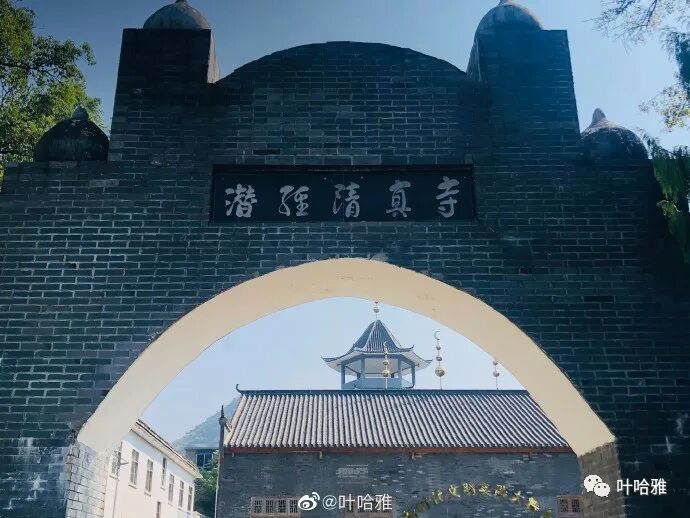
First built in the Qing Dynasty, the original mosque was destroyed. The current building was funded by Bai Chongxi in 1940. Bai Chongxi was born in this village and once returned here to pay respects to his ancestors. Qianjing is a village of Hui Muslims. Most villagers are Hui Muslims and all share the surname Bai. The imam told us that even outsiders who marry into the village must change their surname to Bai.
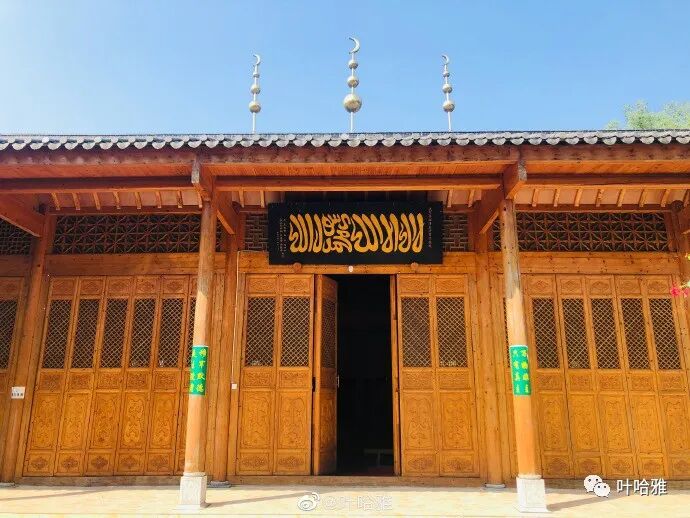
The mosque features a traditional wooden structure. It is worth noting that all nine mosques I visited in Guilin are built in this traditional style.
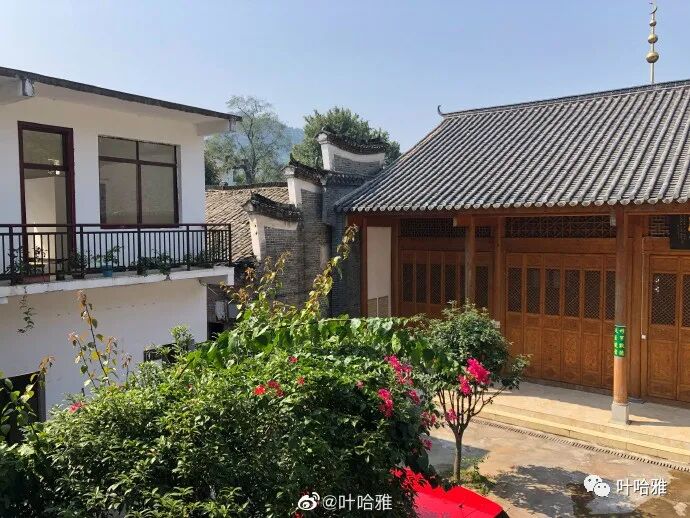
Although the villagers in Qianjing are Hui Muslims, People say they have been disconnected from the faith since the end of the Qing Dynasty. Today, very few elderly people there know the basic knowledge of Islam, and their daily habits are no different from other ethnic groups.
Even today, every household keeps ancestral tablets. Interestingly, they do not believe in Christianity or Buddhism; it seems ancestor worship is the only faith of the villagers.
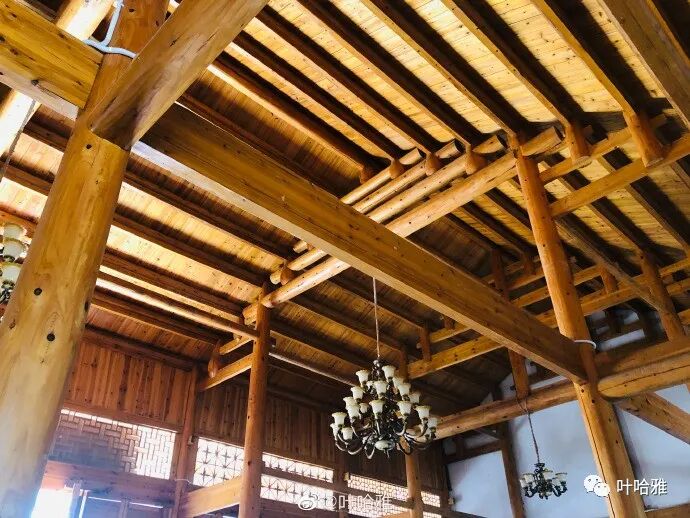
Crossbeam of the prayer hall
On weekdays, almost no villagers come to pray, except for the imam and a few passing friends (dosti). However, about ten villagers, mostly elderly, attend Friday prayers (Jumu'ah).
Currently, only one person in the village, an elder over 90 years old, still maintains a halal diet. People say he is a descendant of a Guilin imam. He cooks for himself every day, and it is not easy for him to hold onto this practice today.
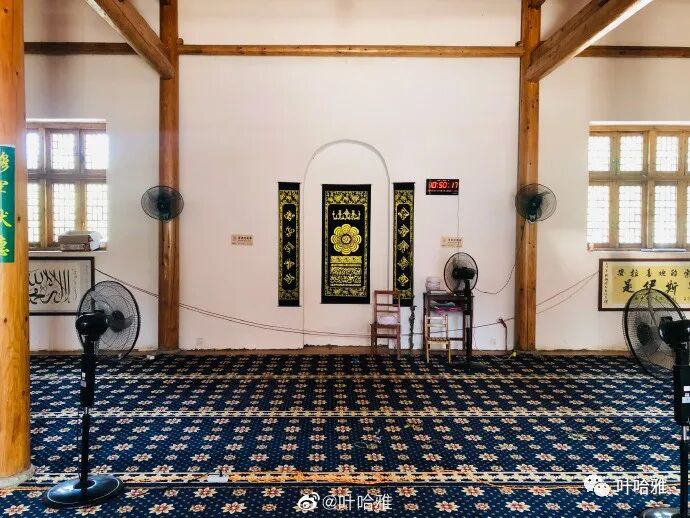
Qianjing Village was originally called Baijiazhuang. It was later renamed Zangjing Village because it sheltered Muslims who fled here during the Yuan Dynasty and brought the Quran with them. Later, it was renamed Qianjing Village.
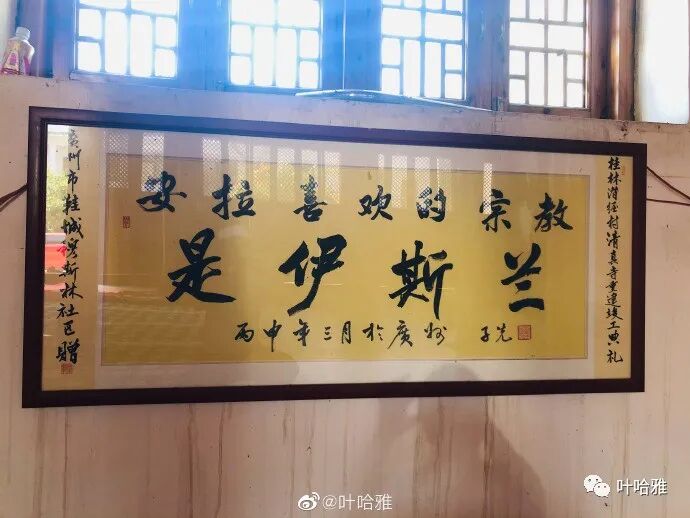
Qianjing Mosque and the Bai Family Ancestral Hall are separated by only one wall. The ancestral hall also serves as an activity center for the elderly.
Bai Family Ancestral Hall
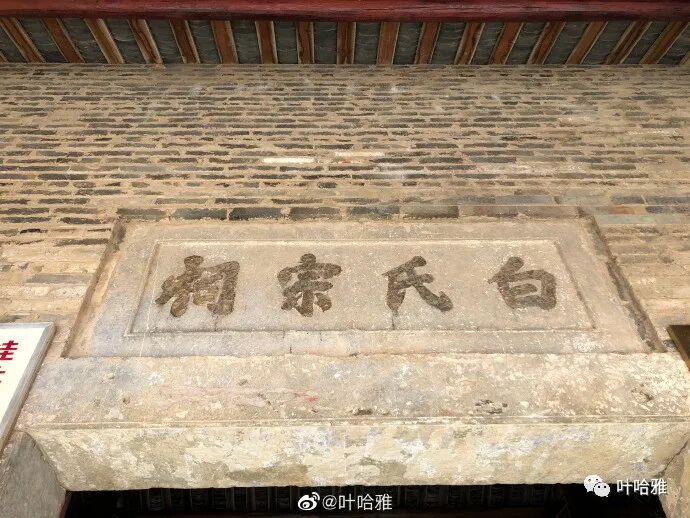
Bai Family Ancestral Hall and the Qianjing Village Hui Muslim Folk Culture Exhibition Hall
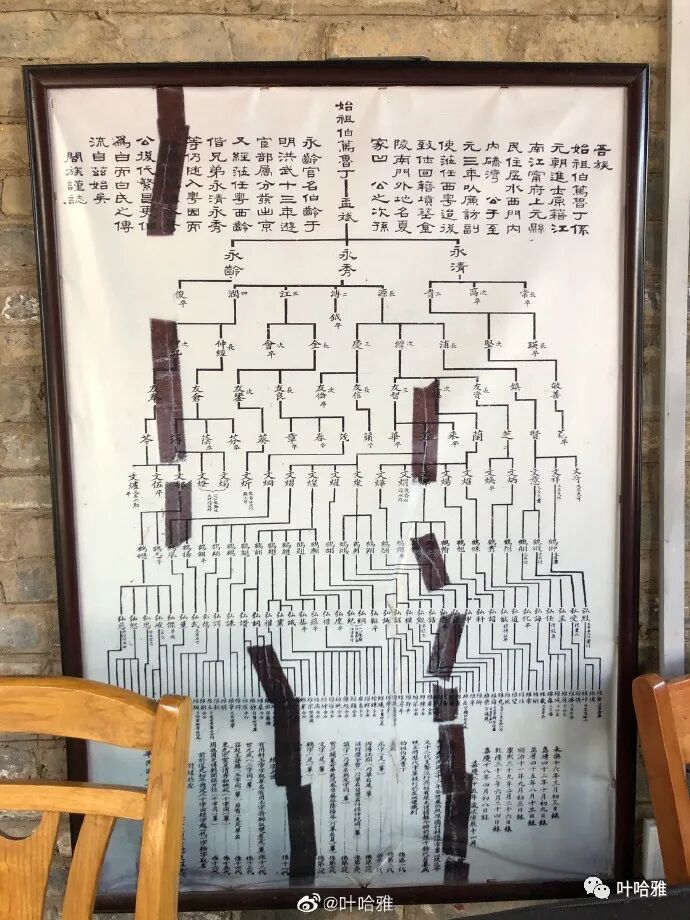
Bai family genealogy
The most famous Hui Muslim from Qianjing Village is Bai Chongxi. His ancestor was Bo Dulu Ding, a Semu person who came to China to serve as an official during the Yuan Dynasty. Bai Chongxi’s Islamic name was Umar. He served as a first-class general in the Nationalist Army and as the Minister of National Defense for the Republic of China. He passed away in Taipei in 1966 at the age of 74.
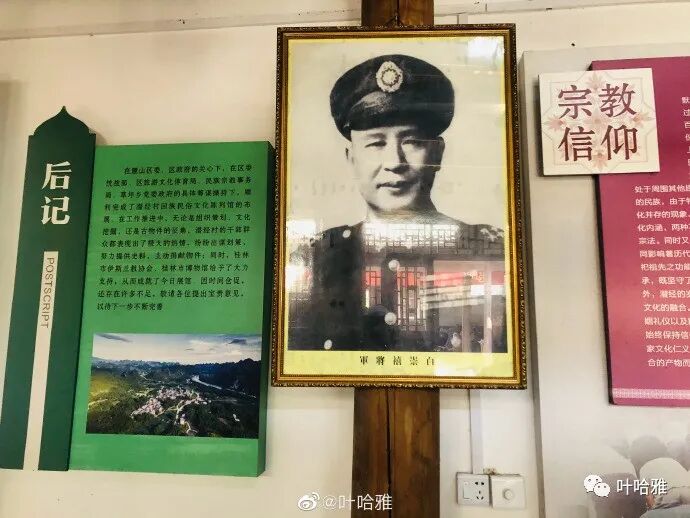
Portrait of Bai Chongxi.
There was a rumor that Bai Chongxi claimed to be Han Chinese and only followed Islam. I checked the source of this article and it is definitely taken out of context and completely false. For example, in the oral history book 'Interview Records of Mr. Bai Chongxi' from the Institute of Modern History at Academia Sinica in Taiwan, Bai Chongxi himself stated: 'But many of us are Han Chinese and not Hui, we just follow Islam, so how can we be called Hui Muslims?'
Many social media outlets interpreted this sentence as Bai Chongxi calling himself Han Chinese. I do not know how they could possibly read that meaning into it. When Bai Chongxi said 'many of us are Han Chinese,' he was not referring to himself. More authoritative evidence can be found in a China Daily interview with Bai Chongxi’s son, Bai Xianyong.
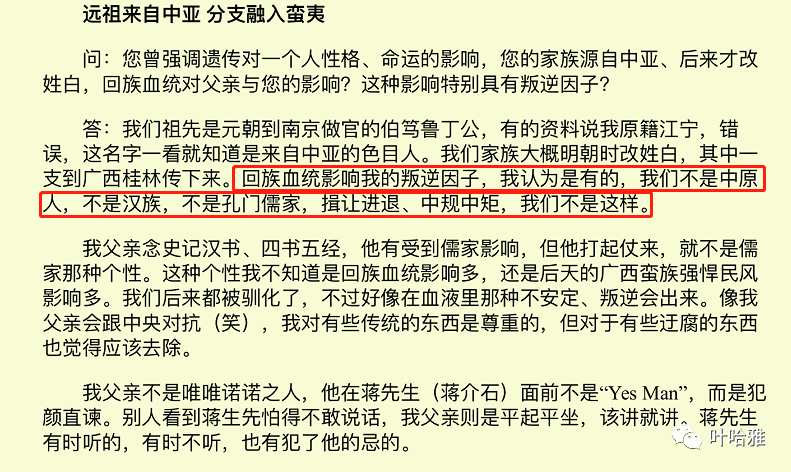
'Rebellion: The Genetic Code of Bai Chongxi and Bai Xianyong,' source: China Times.
From the interview transcript above, it is clear that Bai Xianyong explicitly stated his family is Hui, not Han.
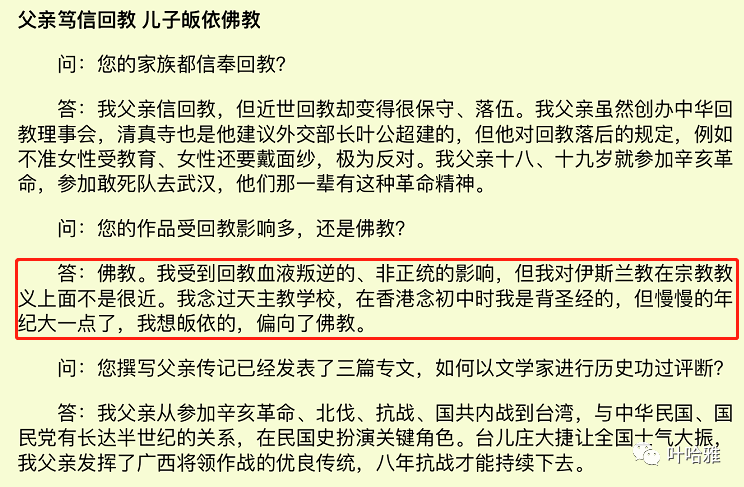
'Rebellion: The Genetic Code of Bai Chongxi and Bai Xianyong,' source: China Times.
It is regrettable that Bai Xianyong admitted in the interview that he follows Buddhism. We do not need to criticize his choice, but the Bai family believes that rules they consider backward—such as forbidding women from education or requiring women to wear veils—are not authentic Islamic rules. This shows the Bai family does not have a deep understanding of Islam. Islam encourages women to receive an education, as seen in the Hadith passed down by the Prophet’s wives. When the Prophet was alive, he encouraged women to go to the mosque to learn, and his wives are role models for all female Muslims.
Bai Chongxi was not a devout Muslim like Ma Bufang. I caught a glimpse of the details regarding Bai Chongxi’s religious practice in the book 'Biography of Ma Bufang' by Fan Qianfeng.
Screenshot from 'Biography of Ma Bufang' by Fan Qianfeng.
Based on the two article screenshots, it is clear that Bai Chongxi only had an ethnic identity and was a cultural Muslim who took his religious duties lightly. It is understandable that his descendants lacked the proper understanding of Islam and eventually converted to other faiths. This shows how important family teaching and example are.
When I visited the Bai family ancestral hall, an imam (ahong) from Linxia was teaching the elders the Shahada (the declaration of faith). The elders were actually playing cards and watching TV while half-heartedly imitating the Arabic words 'There is no god but Allah.' This scene is hard to imagine in areas with strong religious practice. It was both funny and sad. The imam was helpless, but he felt it was good enough that the elders were willing to come to the mosque at all.
But what can be done? The villagers of Qianjing have been away from the faith for too long. Returning to the path of Allah is extremely difficult, especially in a village with such deep-rooted traditional folk beliefs. One can imagine how much hardship the imam has faced.
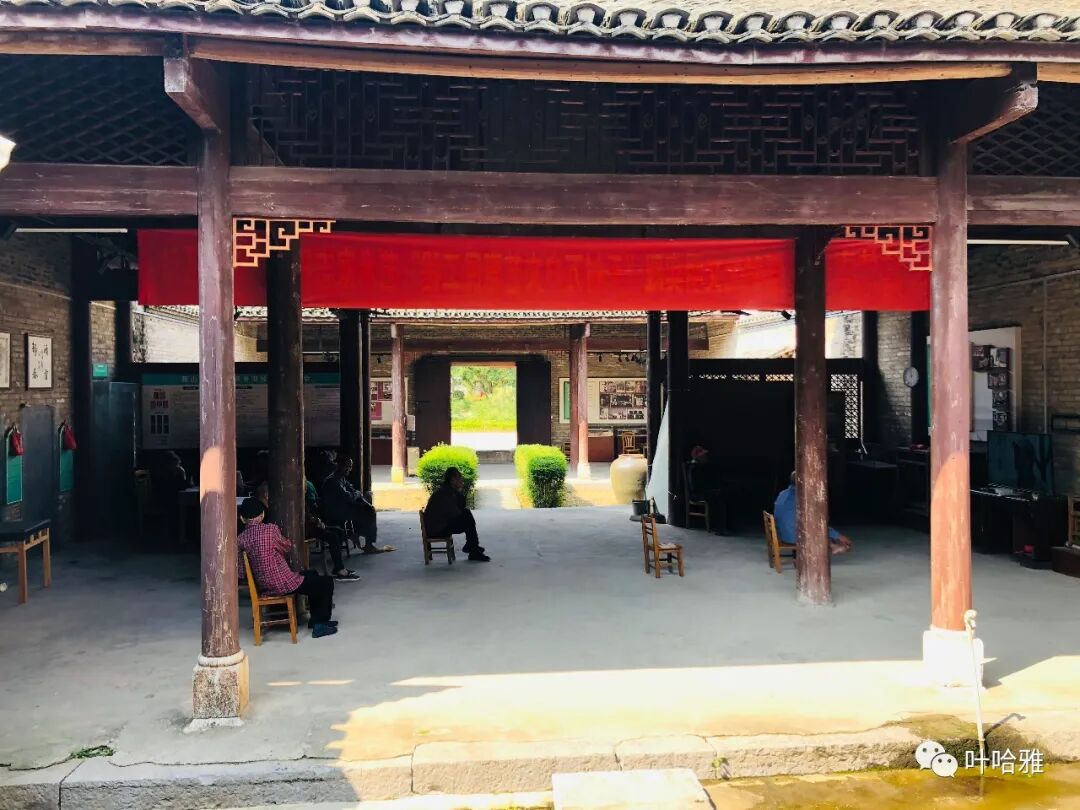
Old men at the Bai family ancestral hall are playing cards and watching television.
When the imam learned I was visiting specifically to see mosques, he happily invited us to visit the largest remaining mosque in the Guilin area, the Liutang Mosque. A Han Chinese Muslim from Ningxia joined us. He has over ten years of teaching experience and is now at retirement age. His only hobby is traveling to visit mosques. He stays at each mosque for three to five days and says he has already visited over a thousand of them.
2. Liutang Town Mosque
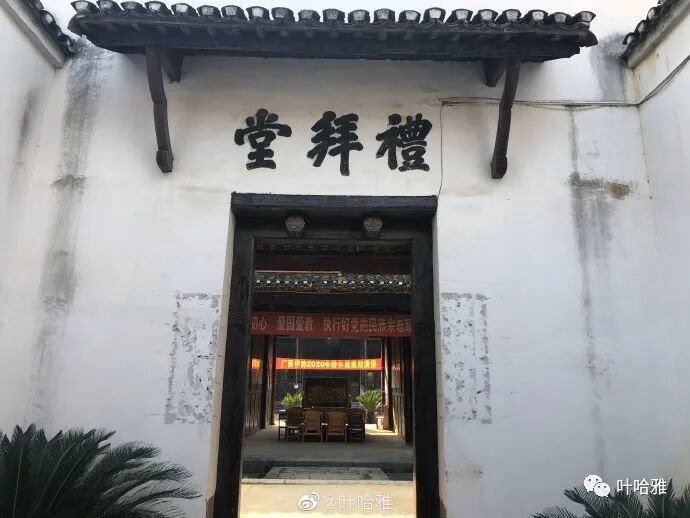
Our group rode in the imam's car and arrived at the Liutang Town Mosque, located under the jurisdiction of Guilin, after about half an hour. The mosque was first built during the Kangxi and Qianlong periods of the Qing Dynasty. During the War of Resistance Against Japan, when the Beiping Chengda Normal School moved south to Guilin, it established its first affiliated experimental primary school at this mosque in early 1939.
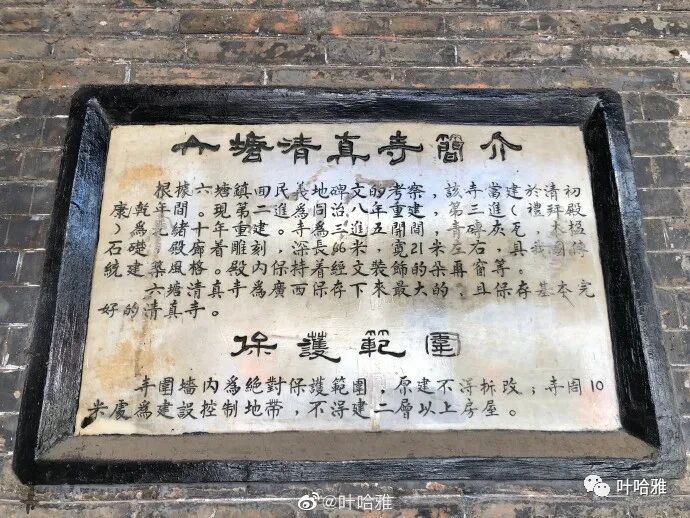
Liutang Mosque covers an area of 3.7 mu and has a building area of 1,700 square meters. It is a cultural relic protection unit at the Guilin municipal level.
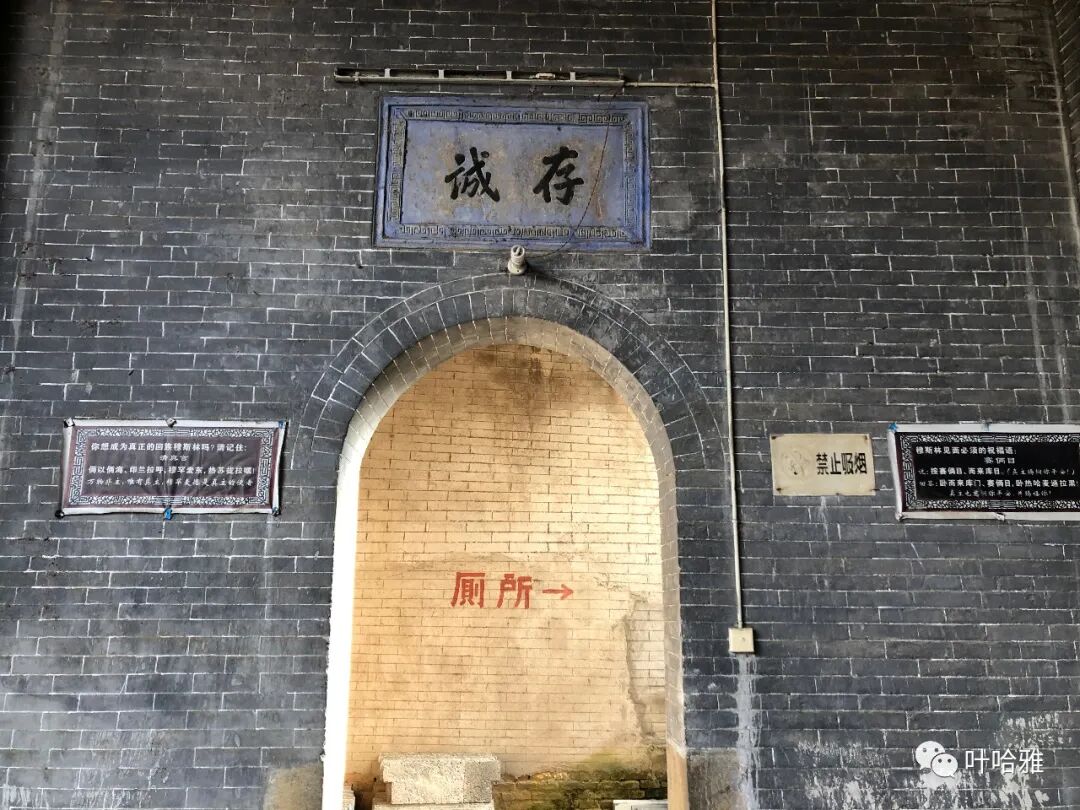
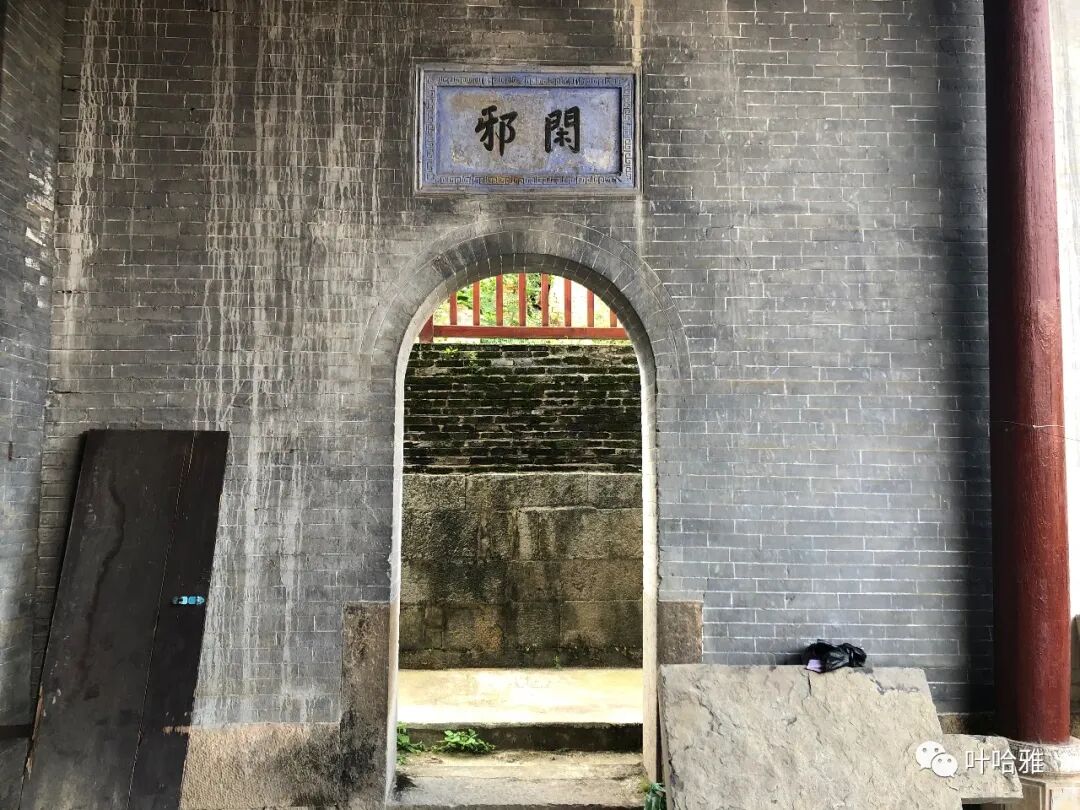
On both sides of the front hall are the inscriptions 'Xian Xie' (guard against evil) and 'Cun Cheng' (maintain sincerity), which come from the I Ching (Book of Changes), Qian hexagram: 'Guard against evil and maintain one's sincerity.'
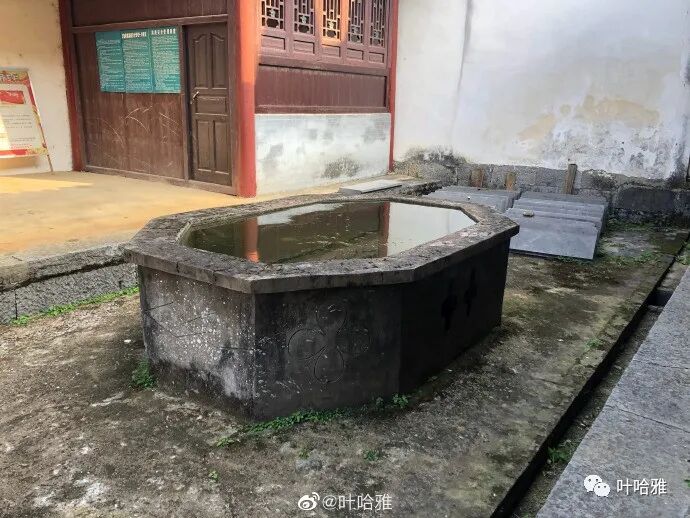
Ancient water well
Liutang Mosque now has a resident imam from Linxia. However, the religious practice in Liutang Town is on the verge of disappearing. The local Hui Muslims have long been assimilated into Han culture, and there are no halal restaurants nearby. After a brief chat with the imam on the second floor, we learned that Shanwei Village, where the former residence of Bai Chongxi is located, is not far away.
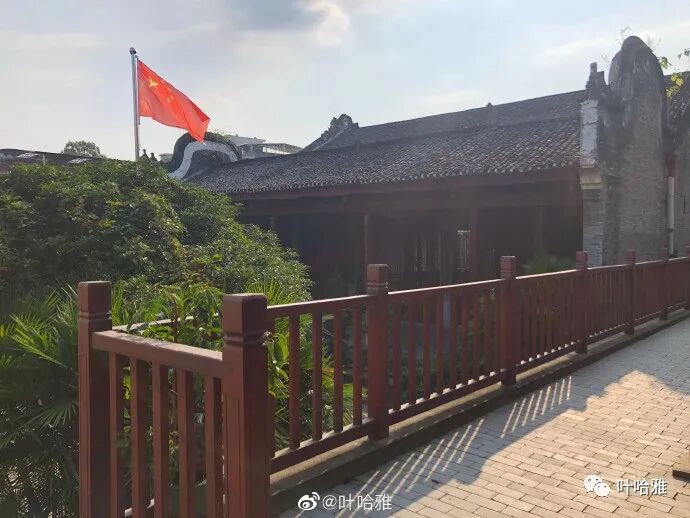
Looking down at the main prayer hall from the second floor
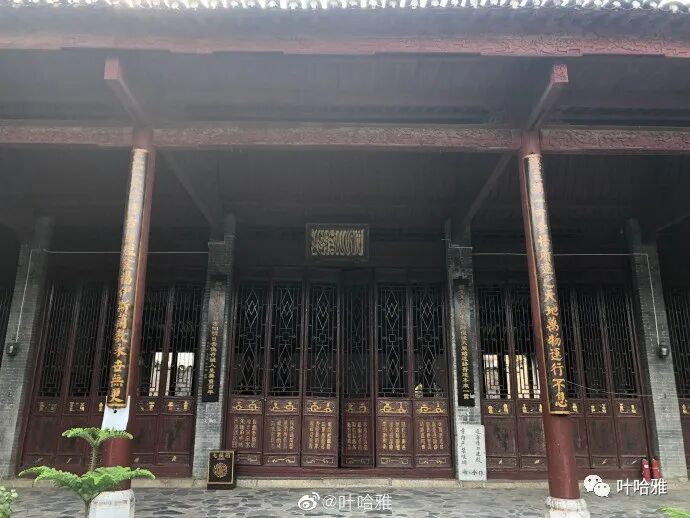
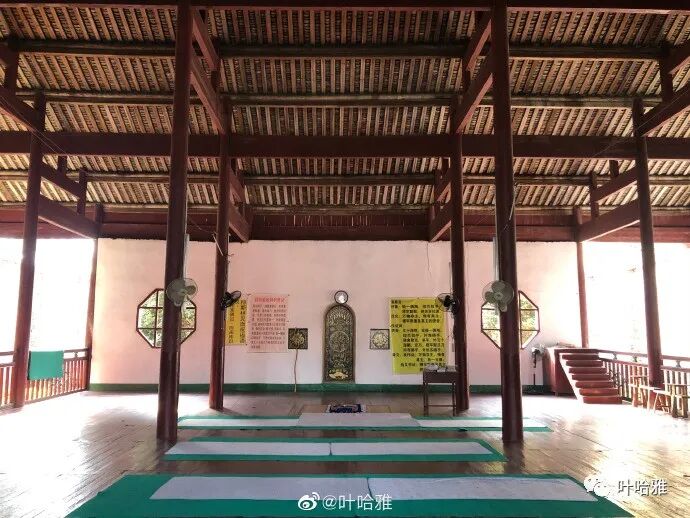
Former residence of Bai Chongxi
Our Han Muslim friend from Ningxia decided to stay in Liutang for a few days. After getting him settled, we continued to follow the imam to the nearby Shanwei Village to visit the former residence of Bai Chongxi.
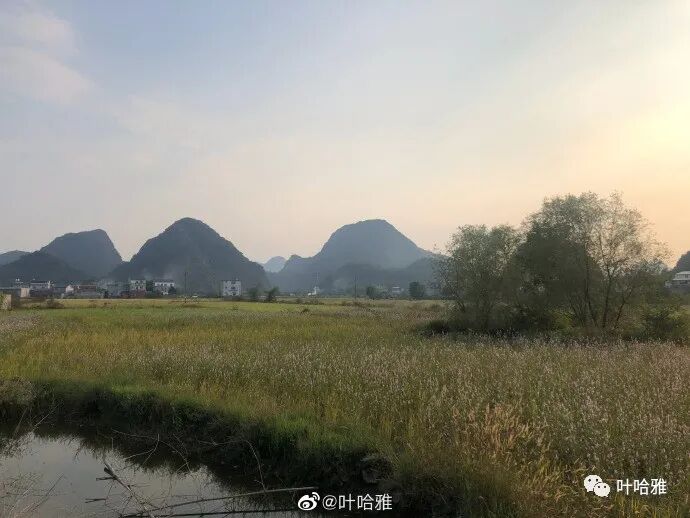
Shanwei Village
The scenery in Shanwei Village is still very beautiful. Bai Chongxi's former residence is at the foot of the mountain, and you have to walk to get there.
Bai Chongxi's former residence was built in 1928. It has been emptied out, so there is not much to see inside.
Interior of Bai Chongxi's former residence
A mosque was built next to the former residence, but because the person in charge at the time only received 500,000 yuan, the construction stopped halfway when he passed away. No one followed up on it, so it has become an unfinished project.
3. Shanwei Village Mosque
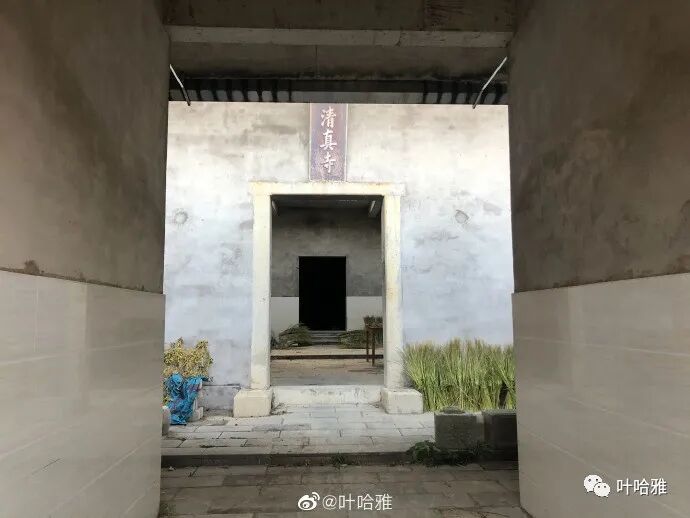
Shanwei Village Mosque
The Shanwei Village Mosque is abandoned. It will likely be hard to rebuild unless the Hui Muslims in Shanwei Village return to their faith.
Food near the former residence of Bai Chongxi
4. Jiucun Village Mosque
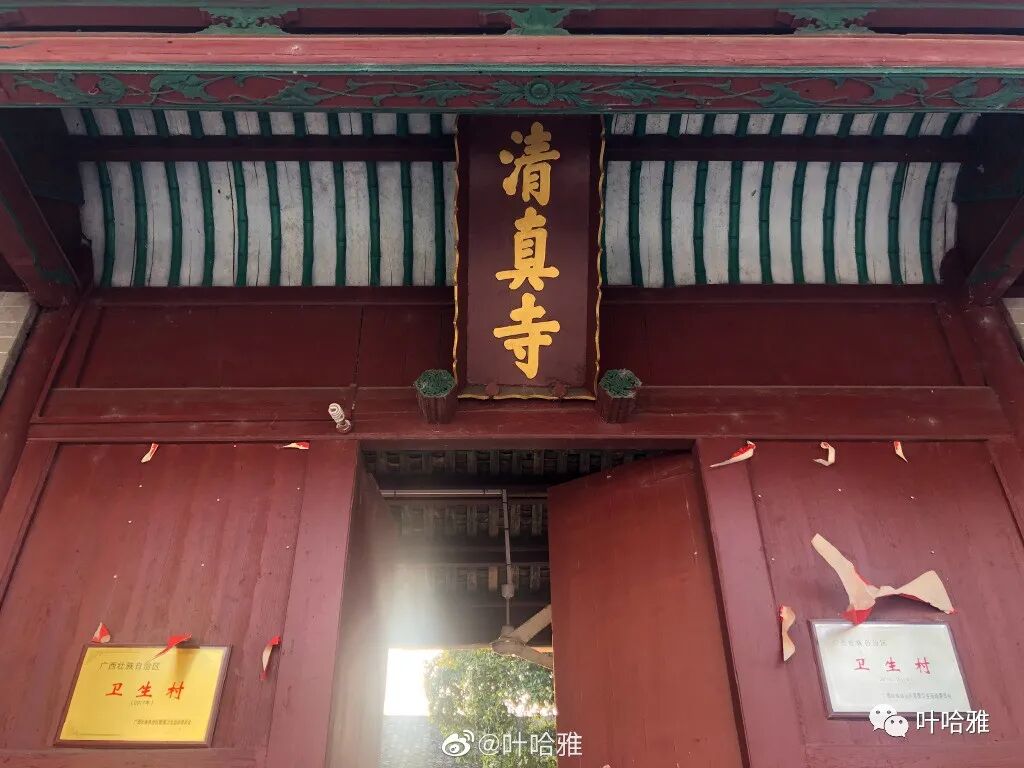
Shanwei Village and the neighboring Jiucun Village are both Hui Muslim villages. Most villagers are Hui Muslims, though they have other surnames besides Bai. The imam told me the situation for Hui Muslims here is better than in Qianjing Village. The Hui Muslims here do not eat pork or dog meat, and they do not drink alcohol openly in the village. The meat eaten in the village is all slaughtered by the imam. On the road, we even met an old grandmother who greeted us with salaam.
The original Jiucun Village Mosque was built during the Chongzhen period of the Ming Dynasty. The current building was rebuilt in 2004 and was named a cultural relic protection unit of Lingui County in 2013.
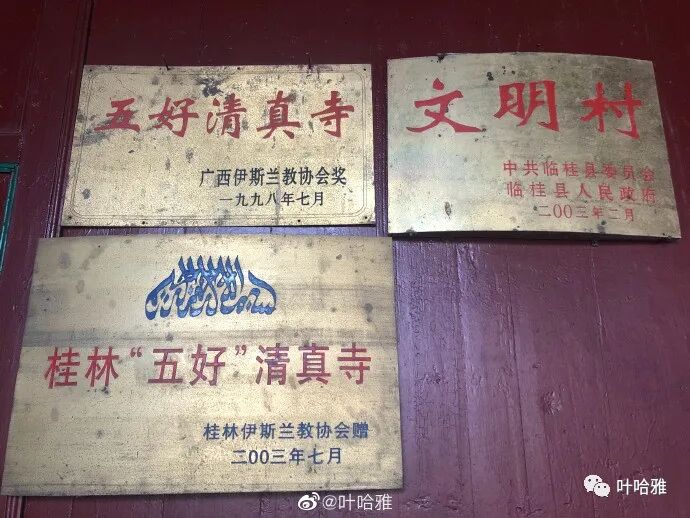
Jiucun Village is a natural village under the jurisdiction of the Shanwei Village Residents' Committee and has 44 households.
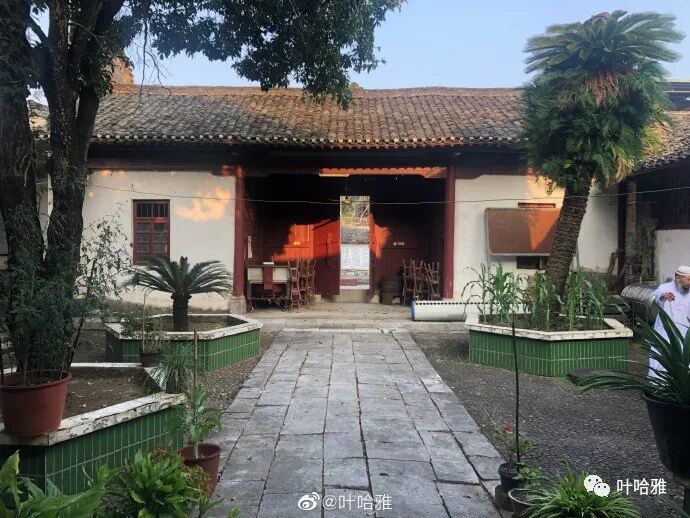
The mosque has three halls and three bays, measuring 24.8 meters wide and 44.15 meters deep.
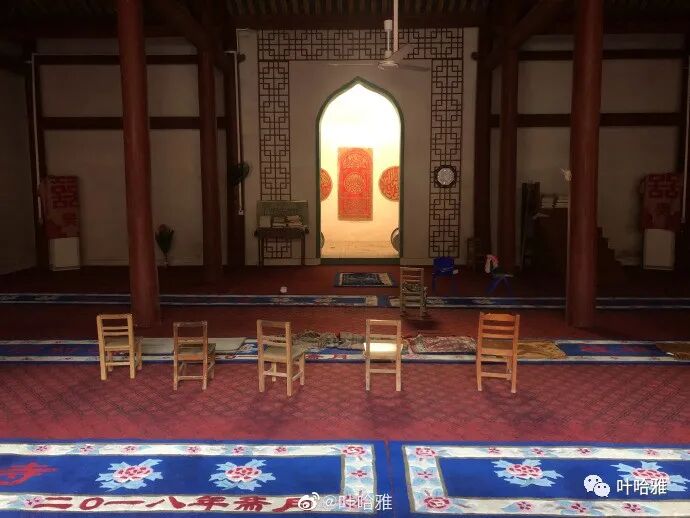
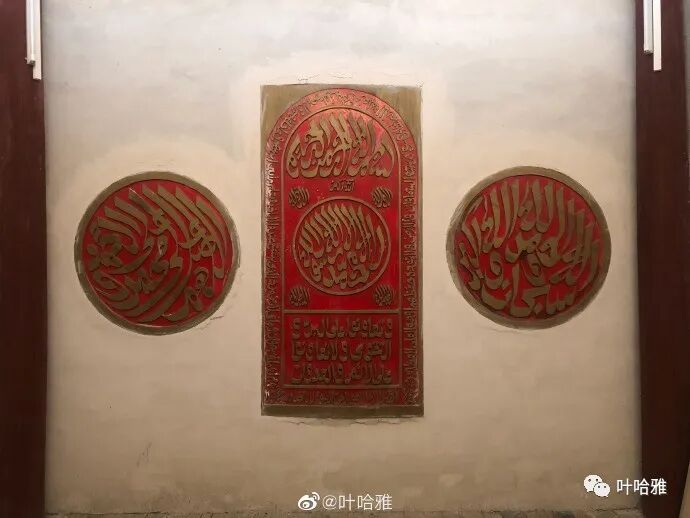
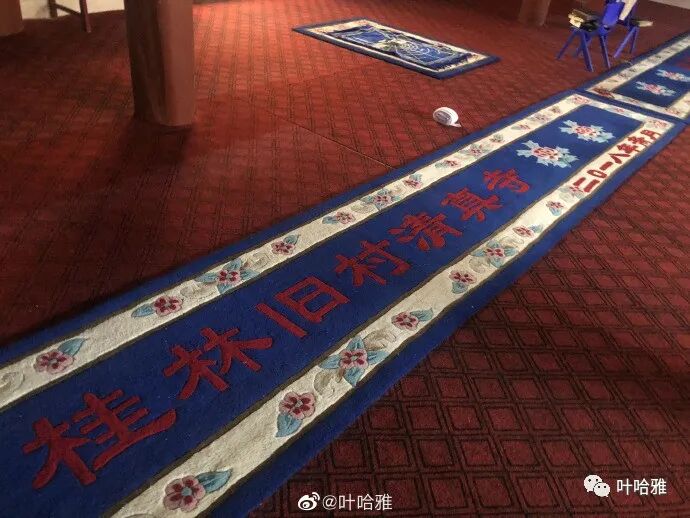
After visiting Shanwei Village and Jiucun Village, we said goodbye to the imam and returned to Guilin city. The next day, we went to visit the Maping Mosque inside the Seven Star Park scenic area in Guilin.
5. Maping Mosque
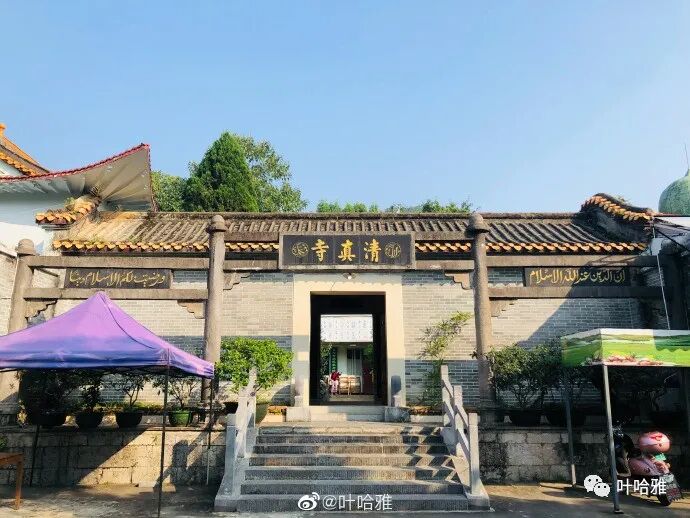
Maping Mosque was first built during the Kangxi period of the Qing Dynasty. Later, due to the expansion of Guilin Seven Star Park, the mosque was included within the park. It is now also the location of the Guilin Hui Muslim Nursing Home. If you are a Hui Muslim or wearing a white cap, you can enter for free. Otherwise, you must buy a 55-yuan ticket. Just show your ID card at the park entrance.
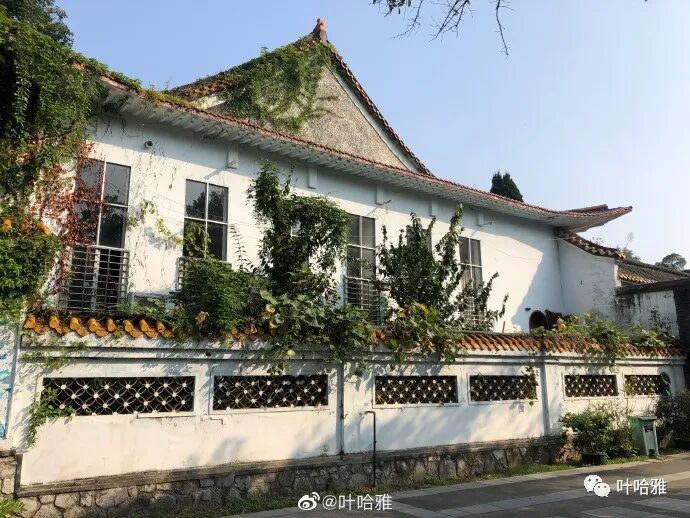
During the War of Resistance, the Guilin Hui Muslims formed a War Service Group to promote the war effort to the public. Their most prominent work was carrying out cave education, providing wartime education for people hiding from Japanese planes in Seven Star Cave.
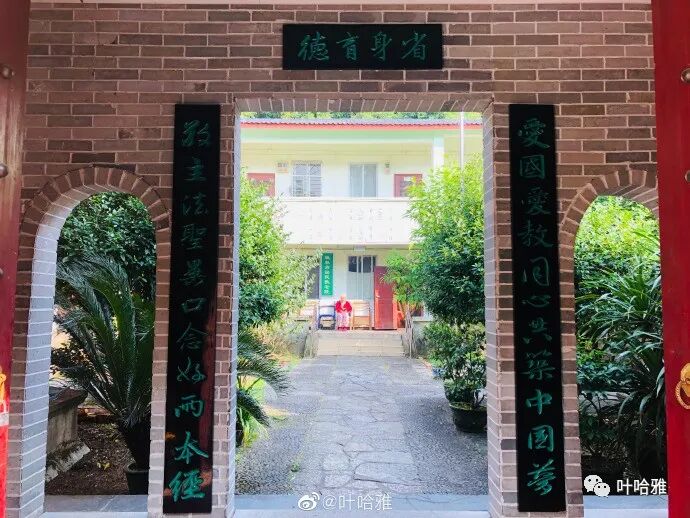
The earliest Hui Muslim to travel to Guilin, the Northern Song Dynasty master calligrapher and painter Mi Fu, left stone carvings including "Poem for Chen Guilin, and a Letter to Old Historian Shuai," "Preface to the Poem for Shaoyan," and "Mi Fu and Cheng Jie's Exchange Poems" in the Longyin Cave exhibition area of the Guihai Stele Forest Museum.
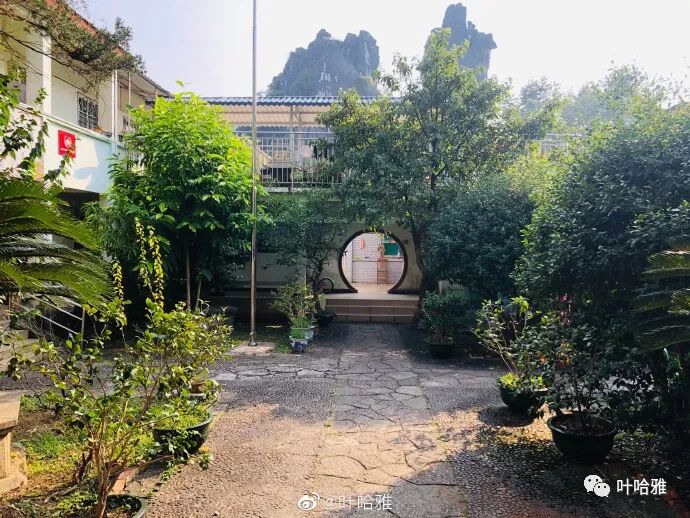
Maping Mosque is connected to the Guilin Hui Muslim Nursing Home and can be accessed through the halal restaurant next door.
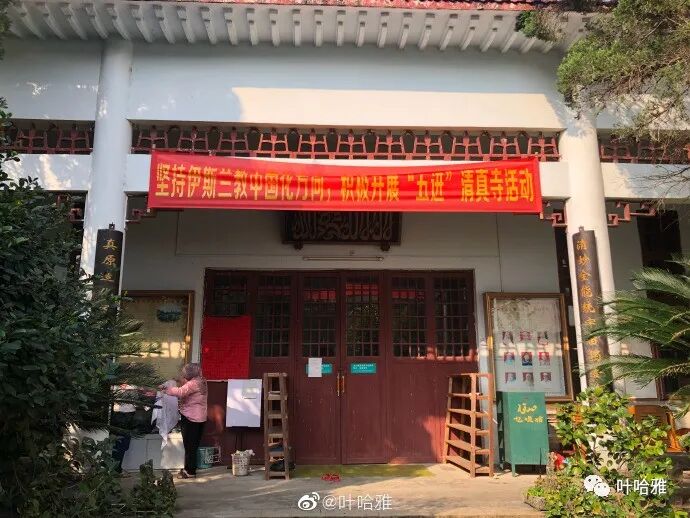
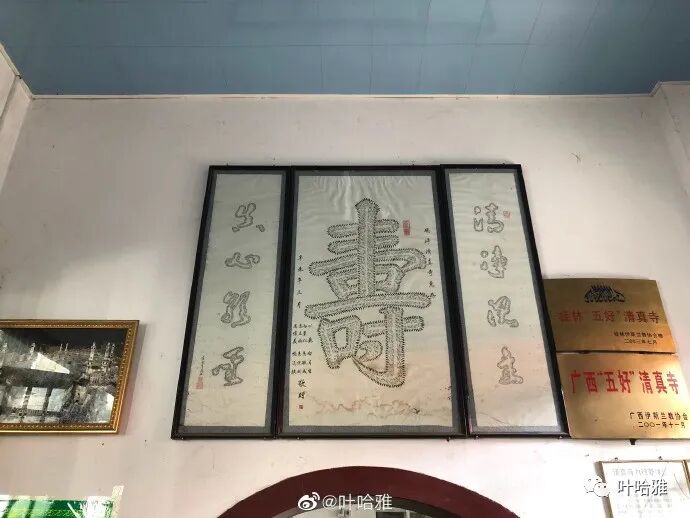
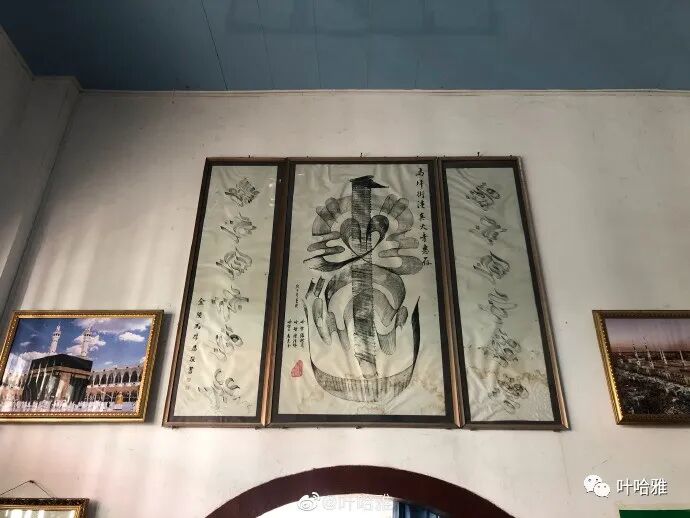
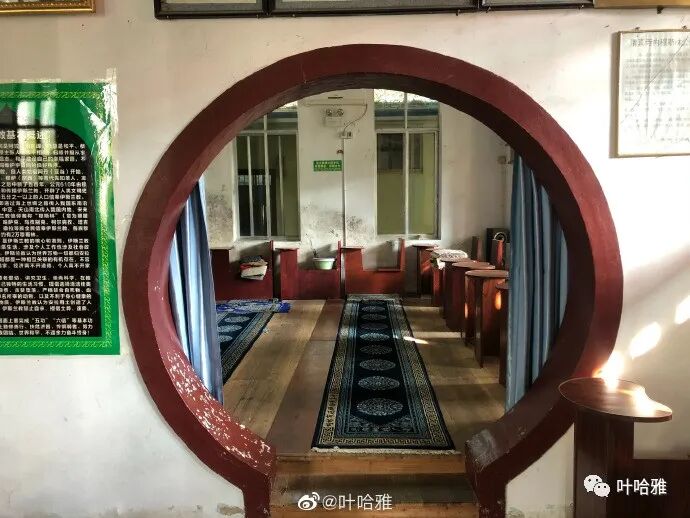
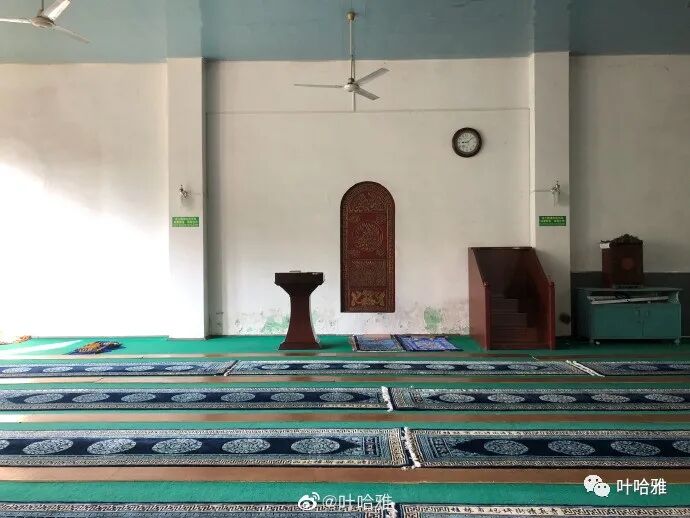
Sharia snacks
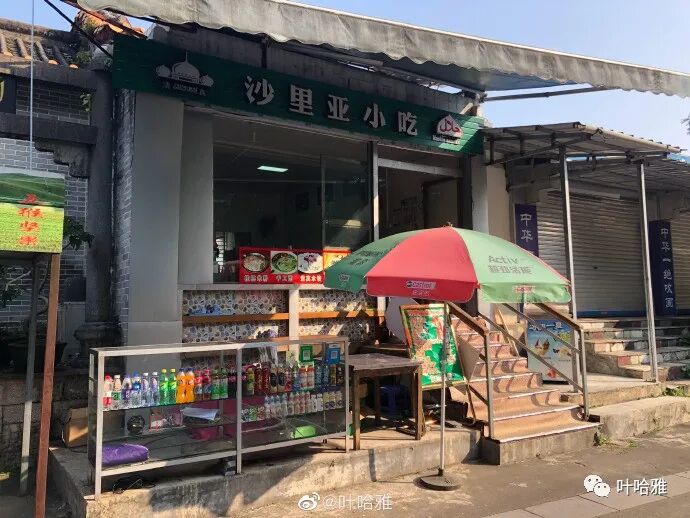
Sharia snacks
The halal snack shop next to Maping Mosque has been run by the imam's family for years. They chose the name Shariya to emphasize that their ingredients are halal. We came here for dinner at night. Since the park was already closed, tourists were not allowed in. However, if you say you are a Hui Muslim going to the mosque, they will let you in. Just do not say you are going there to eat, or the security guard will lie and tell you there is no restaurant inside, which is very annoying.
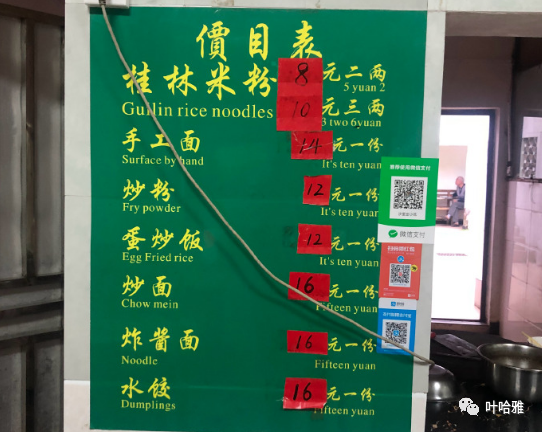
Price list
You definitely have to try the Guilin rice noodles (guilin mifen). This is arguably the only place in Guilin where you can find reliable halal rice noodles, and they make them very authentically.
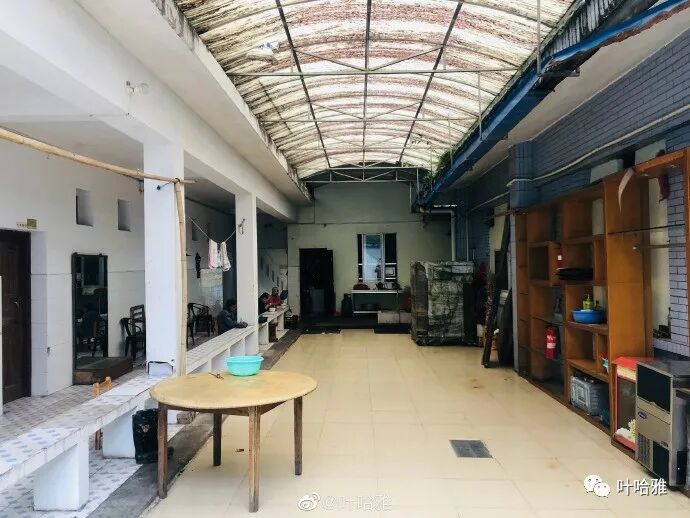
Behind the kitchen is a nursing home for Hui Muslims, where the elderly were eating dinner.
The stir-fried noodles (chaomian) smell delicious.
Beef dumplings (niurou shuijiao) are delicate little dumplings that you can eat in one bite.
Guilin rice noodles come in stir-fried and soup versions. The stir-fried noodles are a bit sticky and not as good as the ones with soup, but local people in Guilin think the stir-fried version is more traditional. You can add as many pickled long beans as you like to your noodles.
I was satisfied just to have a bowl of reliable rice noodles in Guilin. Later, the imam of Daxu Mosque invited us to Daxu Ancient Town to visit the mosque, which we could not find on the map at the time. It is visible on maps now because I helped the imam add the address to Baidu and Amap.
6. Daxu Mosque
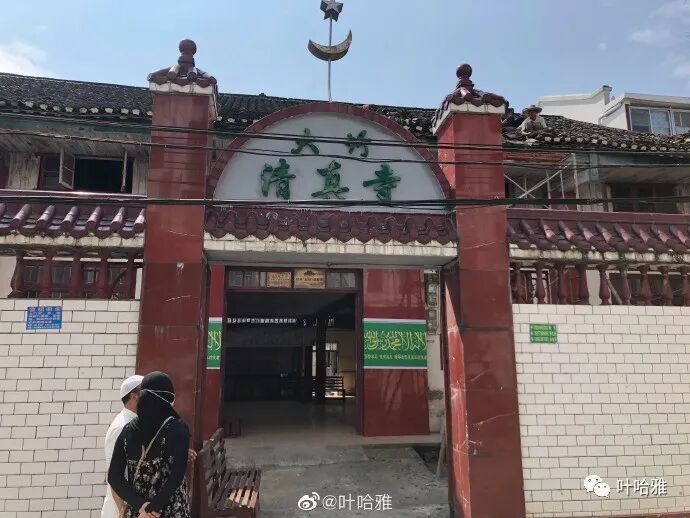
Daxu Mosque was first built during the Qianlong reign. The wood is moldy, and it is currently being renovated. The mosque is located at No. 69 Shengchanxia Street in Daxu Ancient Town. Daxu is a historic town where many local Hui Muslims still live, though the state of the faith is not very optimistic, with only about ten people attending Friday prayers (Jumu'ah).
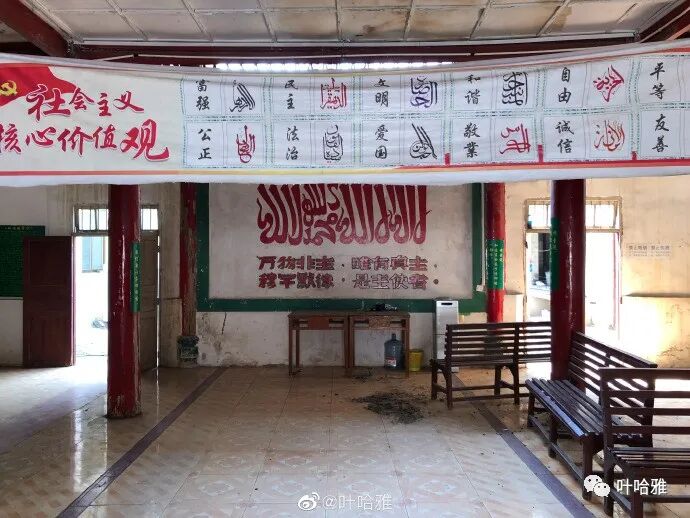
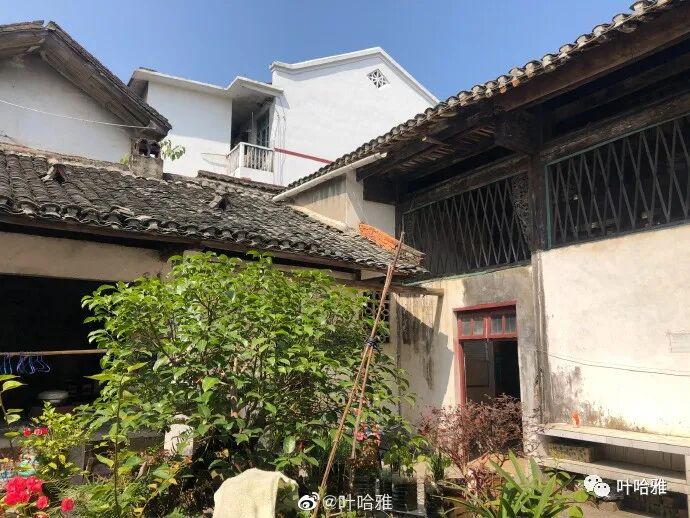
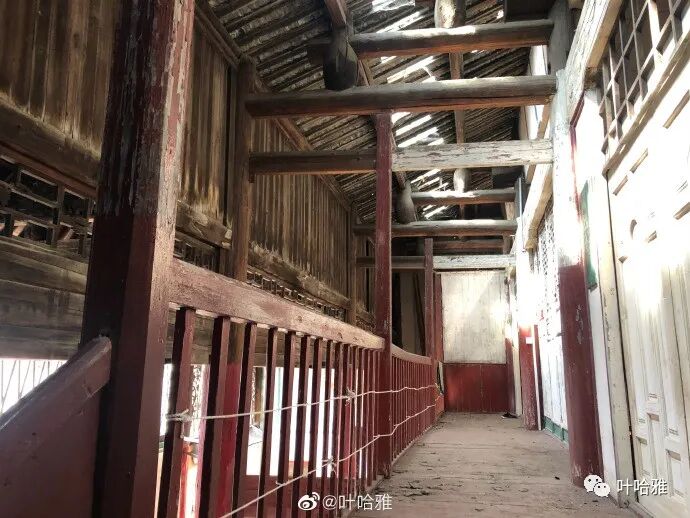
You can see that the wood in the attic is very old. In 1933, during the Republic of China era, Imam Li Meibin started a night school for children to study scripture at the mosque, which later became a primary school for Hui Muslims that accepted both Hui and Han students.
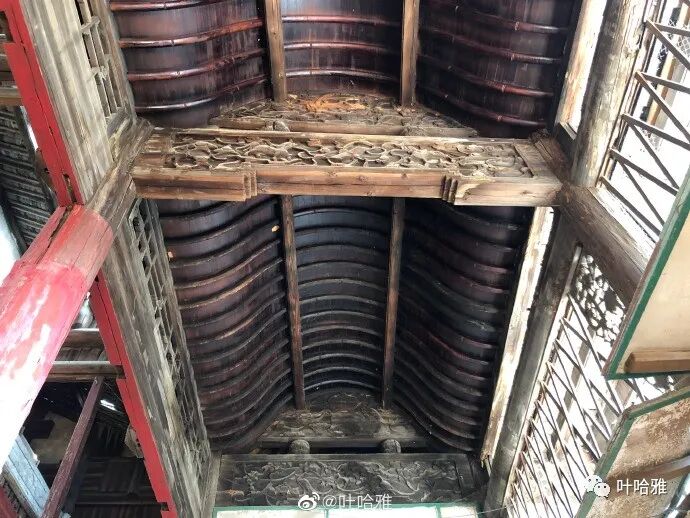
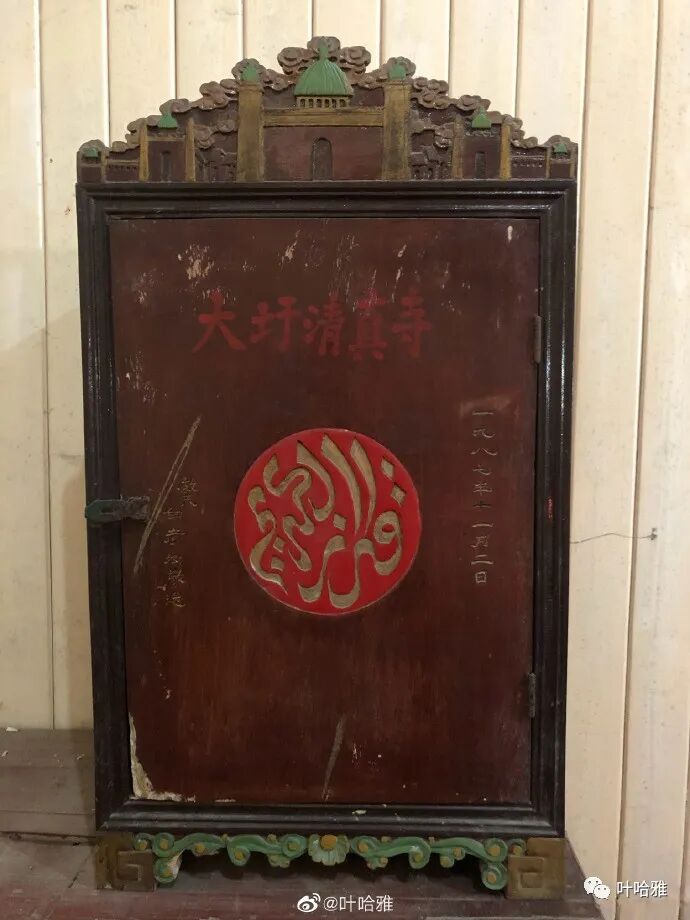
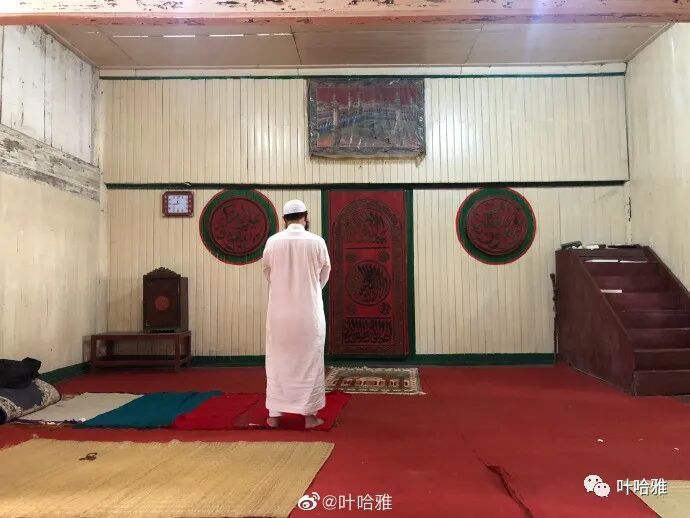
The imam warmly invited us to eat at the mosque again, and we felt very grateful (shukr). We learned from the imam that the mosque is being renovated, but funds are limited. They only receive a few tens of thousands of yuan from the government each year for basic repairs. After the meal, we stayed for a while before the imam walked us to the entrance of the ancient town. We said goodbye to him and promised to meet again, Insha'Allah.
There are no halal restaurants in Daxu Ancient Town. I only saw some scripture plaques hanging in front of private homes. Since I already knew there are actually quite a few Hui Muslims in Guilin, just without much religious practice, I was no longer surprised.
7. Chongshan Mosque
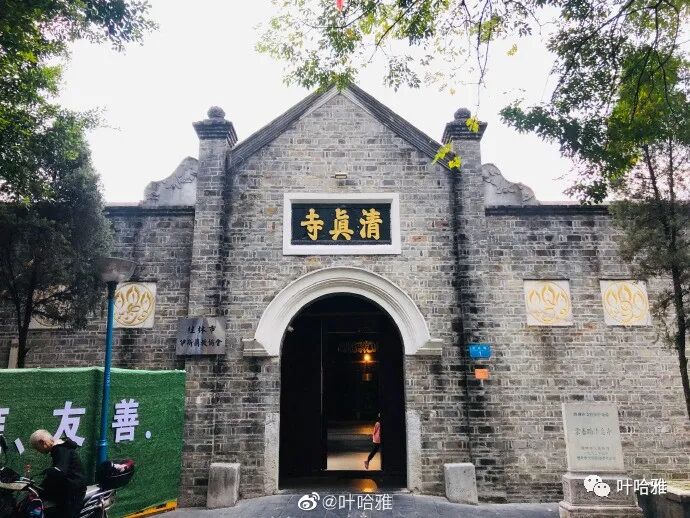
Chongshan Mosque was first built in 1734, the 12th year of the Yongzheng reign of the Qing Dynasty. It is a protected cultural site in Guilin. The family of Bai Chongxi's father-in-law provided significant funding to build this mosque. Without their support, the state of the faith in Guilin today might be like in Fujian, where only a few ruins remain to show the glory left by our ancestors.
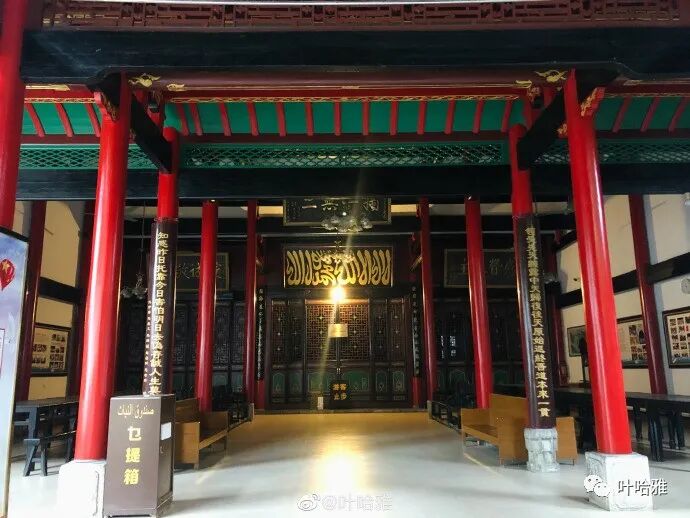
You can still see a few local Guilin people coming to the Chongshan Mosque for namaz every day.
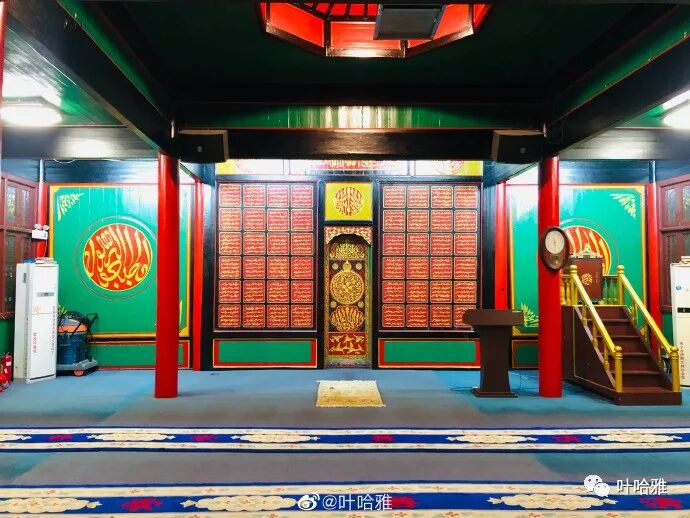
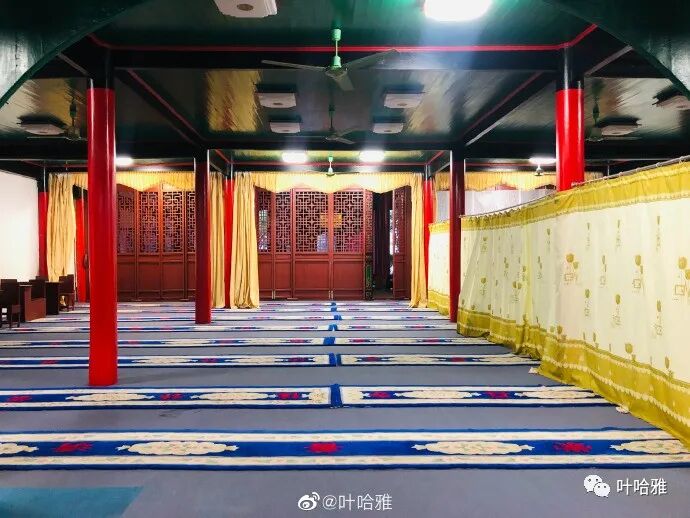
8. Women's Mosque
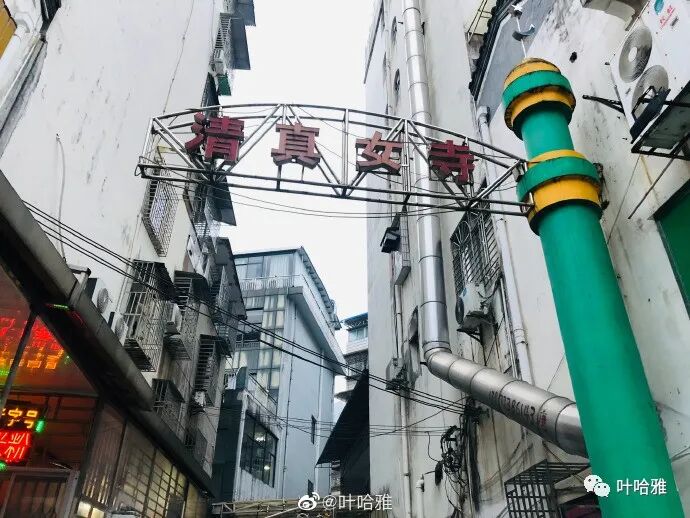
Chongshan Women's Mosque is the only one left in Guilin. I performed the sunset prayer (maghrib) here and learned that the person calling the adhan is a Hui Muslim from Shaoyang, Hunan. Men are also allowed to enter the women's mosque to pray.
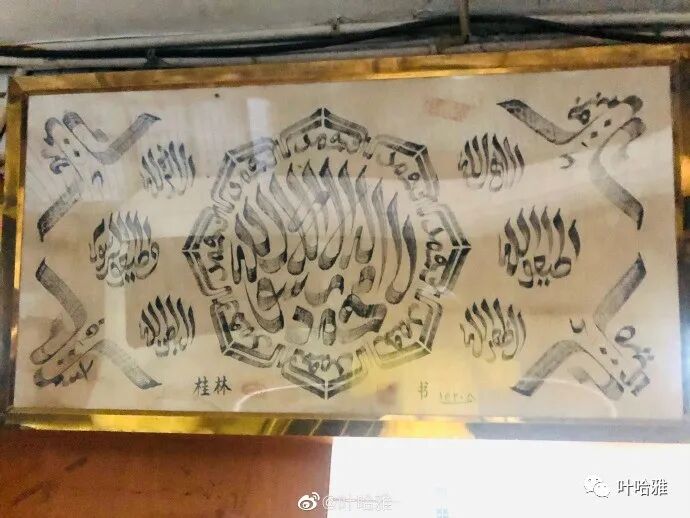
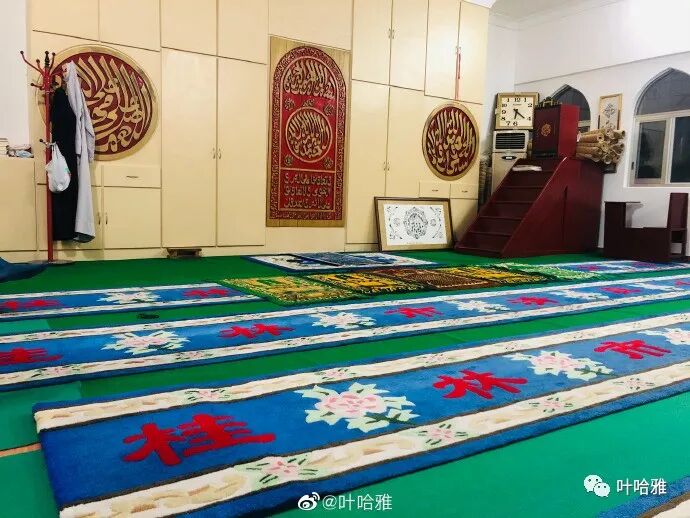
9. Xixiang Mosque
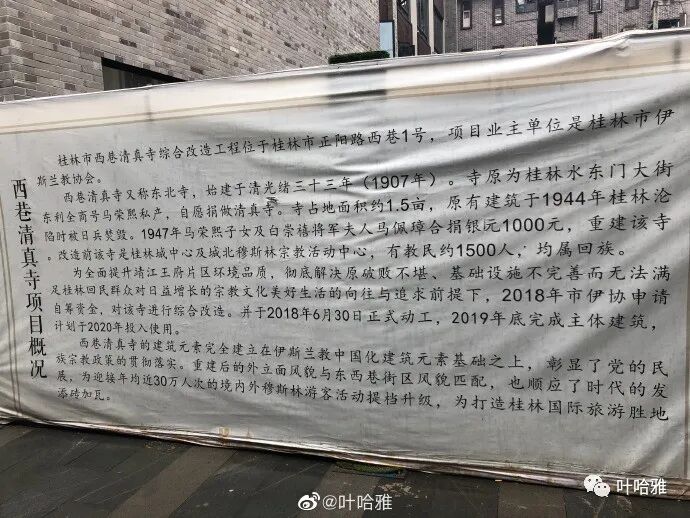
The last mosque I visited in Guilin was Xixiang Mosque. It is currently being renovated. The main structure is finished, and only the interior decoration is left.
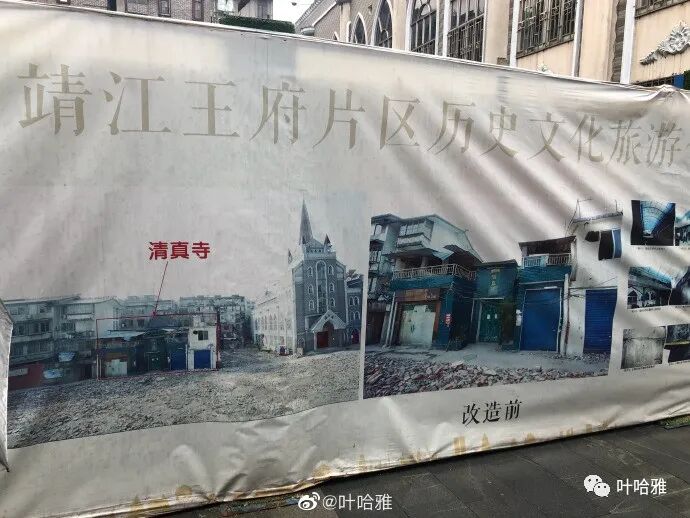
Xixiang Mosque was first built during the Guangxu reign and was later rebuilt with donations from Bai Chongxi's wife, Ma Peizhang, and the children of Ma Rongxi. This mosque sits right next to the Guilin Catholic Church, which shows religious harmony.
Muslim Friendly Russia: Vladivostok Winter Mosque Travel and Halal Food
Articles • ali2007fr posted the article • 0 comments • 196 views • 2026-05-21 10:59
Summary: This Muslim friendly Russia travel account follows the original winter trip to Vladivostok, with halal food, mosque visits, streets, weather, and photos kept in the same order. It is written for readers planning a practical halal travel route in Vladivostok.
Vladivostok is a port city in the Russian Far East. Chinese tourists can enter with an e-visa. The visa is valid for 30 days, allows a stay of up to 8 days, and requires you to enter and exit Russia through Vladivostok. The e-visa is free and requires no extra documents, just a passport photo. You fill out an application form on the official website and get the visa in 48 hours.
I chose Vladivostok for my New Year's trip mainly because it is cheap. For 5 days and 4 nights, two people spent less than 6,000 yuan. Airfare was 3,000 yuan of that. The flight from Beijing to Vladivostok takes about two and a half hours. A one-way ticket was 350 yuan. The return flight was a bit more expensive, but it stayed under 800 yuan if you avoid peak times. Food and accommodation cost about 500 yuan per day, even while choosing quality options. Most tourist spots don't charge admission. If I planned the trip again, I could keep the cost for two people under 5,000 yuan.
Except for a few Korean tourists, Vladivostok is mostly white Russians. English is not widely spoken, so use a translation app to communicate. Walking the streets feels just like being in Europe, but prices are much lower than in Europe.
Before leaving for the airport, print your e-visa and keep it in your passport, as you must show it when checking in.
After arriving at Vladivostok Airport, you can exchange money for Russian rubles. One Chinese yuan is worth about 10 rubles. I only exchanged 800 yuan, about 8,000 rubles, for the 5 days, and that was enough. Most places take cards. Note that exchange counters will not accept torn or marked banknotes.
The photo below shows the girl at the currency exchange window. Once you start walking around Russia, you will realize her looks are just average, as there are model-like handsome men and beautiful women everywhere.
It is best to buy a local Russian SIM card at the airport. A 7-day unlimited data plan costs about 40 yuan. This lets you browse the internet freely, which is important because Google Maps is essential. Even with international roaming, Chinese SIM cards cannot access sites like Google, and you need Google Maps to check local transport.
You can call a taxi at the airport. Tell the ticket window your destination, and the staff will tell you the price. You pay first, then they send a car, so you won't be overcharged. A taxi to the city costs about 150 yuan. I suggest taking a bus or train instead. The bus is about 5 yuan, and the train is about 23 yuan. The trip takes an hour. I took a taxi when I arrived but took the train back, and the train is more comfortable.
In Russia, you will see both left-hand drive and right-hand drive cars on the road at the same time.
You can stay near the train station because most attractions are within walking distance. The city center is small. We stayed at the Equator Hotel in a suite for about 300 RMB per night. It had a sea view and was very comfortable.
This is a Vladivostok bus. It looks old but runs smoothly. You don't have to wait long. Board through the back door and exit through the front. Pay the driver 23 rubles when you get off. Don't worry if you don't have exact change; the driver will give you change.
Older Russian women wear mink coats, but you don't see many young people wearing them.
When Muslim travelers go out, the biggest concern is finding halal restaurants. I searched for local halal restaurant information before leaving, but unfortunately, I found only one certified halal restaurant after arriving. It is Belyy Barashka, also called White Lamb, shown in the picture below. It is an Azerbaijani restaurant owned by an Azerbaijani, located a five-minute walk from the seaside.
The picture above shows the restaurant's Russian name. Walk along this alley into the courtyard to find the restaurant.
We called the restaurant before going to ask if it was halal. The owner answered and said it was definitely halal.
This place is quite famous locally. The owner told me his restaurant is the only halal restaurant in the area. My later experience showed me that this one restaurant was enough for my food needs for the next five days.
The waiter asked where we were from, and I said Beijing. Then they handed us a menu with Chinese on it, which really surprised me, even though the Chinese on the menu was clearly translated by Google.
This shop specializes in Caucasian and Central Asian dishes, though you can also eat Russian-style food. During our five days, we came every day except for January 1st when they were closed. We tried different dishes each time, and every dish was delicious. The price was about half of a similar restaurant in Beijing, averaging 30 RMB per dish, and we spent about 150 RMB for two people each time.
This is the service button below. Press it if you need service. Do not shout for the waiter here; it is very rude, and no one will understand you anyway.
The restroom is very clean and pretty. It smells good and has hand cream. Their restaurants and cafes are generally very clean, and the restrooms are cleaned every hour.
The young man flirting at the bar below is actually one of the waiters. He is very handsome. It seemed like he was off duty that day and invited some friends over for a meal. The restaurant staff and the owner seem like a family, which is very heartwarming.
This dish is made by baking mushrooms with cheese and belongs to Caucasian cuisine.
This is a salad made with shredded cheese, raw salmon slices, and some vegetables.
This is a lamb flatbread from Central Asian cuisine, commonly known as dalo nang. Squeeze some lemon juice on it before eating.
These are Central Asian steamed buns (baozi) with thin skins. They are similar to the ones in Xinjiang and contain soup inside.
Caesar salad with cucumber, cilantro, tomato, onion, and pomegranate seeds.
This is a very thin flatbread (nang) used to hold salad or meat sauce.
This is Azerbaijani pulled noodles (latiaozi) shaped like flat boards.
Grilled salmon glazed with maple syrup.
Grilled chicken wings served with a sweet and sour dipping sauce.
I drank many kinds of tea, but this fruit tea was my favorite.
Greek salad with avocado, cheese, and blueberries.
Cheese flatbread (nang). You can smell the cheese when you tear it open.
This is grilled sturgeon (xunyü), which has a stronger flavor than salmon.
Turkish kebab wrap, crispy on the outside and tender on the inside.
The Russian beet soup (borscht) lives up to its reputation. You must try it; it is truly rich in flavor and leaves a lasting impression.
These are the mini dumplings (shuijiao) that locals eat often. Dumplings are also a traditional food in Central Asia.
Grilled vegetables, including eggplant, zucchini, and tomato. People in the Caucasus region love eating grilled vegetables.
Chickpea puree soup (hummus soup), which is very thick. Chickpea puree is a common food for people in the Middle East.
Uzbekistan-style pilaf (zhuafan), made with dried apricots, raisins, and long-grain fragrant rice.
This restaurant has a complete variety of dishes, and the food looks just like the pictures on the menu. The service is excellent. We find it relaxing to dine here every day. After we finish, the servers clear the dishes promptly, and we just sit, drink tea, and chat. They stay open until late at night.
On New Year's Day, both restaurants and malls are closed, and only supermarkets stay open. We bought halal sausages at the supermarket; "МУСУЛЬМАНСКИЕ" means halal. We also bought some flatbread (nang), caviar, and shredded kelp, and we were still able to make a delicious meal.
Russian caviar is especially cheap; this big box only cost 20 yuan.
Caviar, sausage, and sea cabbage make for a nutritious, high-quality, and affordable meal. You shouldn't treat your stomach poorly when traveling.
Everywhere I go, I make sure to visit the local mosque. The mosque in Vladivostok is not finished yet, but I still managed to find a place for namaz. I searched for "Primorsky Region Kazyat Muslim Office" on Google Maps and found this prayer space in a residential area about 6 kilometers from the city center.
There were no Arabic signs outside, only Russian. I pushed the door open and saw a star and crescent symbol on the wall, confirming it was a mosque.
It is on the first floor of a building and covers about 300 square meters. I did not see any staff, only two children. We did not speak the same language, but I said salaam to them and they replied.
Russia actually has many Muslims, but they are mostly concentrated in the European part of the country. Vladivostok is in the Far East, where the number of Muslims is very small.
The bookshelf was filled with books in Russian.
The prayer timetable is in Russian, which shows that Islam has successfully integrated into Russian life.
I found news online that Vladivostok was set to build its first local mosque in 2020, funded by Tatars with 100 million rubles.
I saw the renderings and really like the architectural style of Russian mosques, which varies slightly from place to place. Next time, I want to visit the local mosques in Kazan, Dagestan, and Chechnya.
For shopping in Vladivostok, perfume and purple gold jewelry are good deals. During Christmas, perfume is discounted to about one-third of the price in China, but the discounts end after New Year's Day.
Here are a few photos of the scenery I took with my phone.
This is the seaside. Although the shallow water is frozen, it is not too cold. The daytime temperature is around minus 8 degrees Celsius, and the nighttime temperature is around minus 15 degrees, which is about the same as Beijing.
Below is a panoramic view of the city taken from the highest point in Vladivostok.
Russian ladies who just came ashore after a winter swim.
In the distance is the lighthouse used as a filming location for the movie Soul Mate (Qiyue yu Ansheng).
A father walks with his son by the sea. I noticed that many Russian families only have one child because the cost of raising kids is a heavy financial burden.
Russia has a very well-developed railway system. I tried it once and it felt very comfortable. Vladivostok station is the end of the Trans-Siberian Railway, which starts in Moscow and is 9,288 kilometers long.
The last train to the airport leaves at 18:00 every day.
The Russian girls in the waiting room all have long legs, big eyes, and high nose bridges.
Finally, here is a photo of me from behind. I found a telescope by the sea that costs 20 rubles to use. You can see Russian warships in the distance because Vladivostok is a Russian military base in the Far East. view all
Summary: This Muslim friendly Russia travel account follows the original winter trip to Vladivostok, with halal food, mosque visits, streets, weather, and photos kept in the same order. It is written for readers planning a practical halal travel route in Vladivostok.
Vladivostok is a port city in the Russian Far East. Chinese tourists can enter with an e-visa. The visa is valid for 30 days, allows a stay of up to 8 days, and requires you to enter and exit Russia through Vladivostok. The e-visa is free and requires no extra documents, just a passport photo. You fill out an application form on the official website and get the visa in 48 hours.
I chose Vladivostok for my New Year's trip mainly because it is cheap. For 5 days and 4 nights, two people spent less than 6,000 yuan. Airfare was 3,000 yuan of that. The flight from Beijing to Vladivostok takes about two and a half hours. A one-way ticket was 350 yuan. The return flight was a bit more expensive, but it stayed under 800 yuan if you avoid peak times. Food and accommodation cost about 500 yuan per day, even while choosing quality options. Most tourist spots don't charge admission. If I planned the trip again, I could keep the cost for two people under 5,000 yuan.
Except for a few Korean tourists, Vladivostok is mostly white Russians. English is not widely spoken, so use a translation app to communicate. Walking the streets feels just like being in Europe, but prices are much lower than in Europe.
Before leaving for the airport, print your e-visa and keep it in your passport, as you must show it when checking in.
After arriving at Vladivostok Airport, you can exchange money for Russian rubles. One Chinese yuan is worth about 10 rubles. I only exchanged 800 yuan, about 8,000 rubles, for the 5 days, and that was enough. Most places take cards. Note that exchange counters will not accept torn or marked banknotes.
The photo below shows the girl at the currency exchange window. Once you start walking around Russia, you will realize her looks are just average, as there are model-like handsome men and beautiful women everywhere.
It is best to buy a local Russian SIM card at the airport. A 7-day unlimited data plan costs about 40 yuan. This lets you browse the internet freely, which is important because Google Maps is essential. Even with international roaming, Chinese SIM cards cannot access sites like Google, and you need Google Maps to check local transport.
You can call a taxi at the airport. Tell the ticket window your destination, and the staff will tell you the price. You pay first, then they send a car, so you won't be overcharged. A taxi to the city costs about 150 yuan. I suggest taking a bus or train instead. The bus is about 5 yuan, and the train is about 23 yuan. The trip takes an hour. I took a taxi when I arrived but took the train back, and the train is more comfortable.
In Russia, you will see both left-hand drive and right-hand drive cars on the road at the same time.
You can stay near the train station because most attractions are within walking distance. The city center is small. We stayed at the Equator Hotel in a suite for about 300 RMB per night. It had a sea view and was very comfortable.
This is a Vladivostok bus. It looks old but runs smoothly. You don't have to wait long. Board through the back door and exit through the front. Pay the driver 23 rubles when you get off. Don't worry if you don't have exact change; the driver will give you change.
Older Russian women wear mink coats, but you don't see many young people wearing them.
When Muslim travelers go out, the biggest concern is finding halal restaurants. I searched for local halal restaurant information before leaving, but unfortunately, I found only one certified halal restaurant after arriving. It is Belyy Barashka, also called White Lamb, shown in the picture below. It is an Azerbaijani restaurant owned by an Azerbaijani, located a five-minute walk from the seaside.
The picture above shows the restaurant's Russian name. Walk along this alley into the courtyard to find the restaurant.
We called the restaurant before going to ask if it was halal. The owner answered and said it was definitely halal.
This place is quite famous locally. The owner told me his restaurant is the only halal restaurant in the area. My later experience showed me that this one restaurant was enough for my food needs for the next five days.
The waiter asked where we were from, and I said Beijing. Then they handed us a menu with Chinese on it, which really surprised me, even though the Chinese on the menu was clearly translated by Google.
This shop specializes in Caucasian and Central Asian dishes, though you can also eat Russian-style food. During our five days, we came every day except for January 1st when they were closed. We tried different dishes each time, and every dish was delicious. The price was about half of a similar restaurant in Beijing, averaging 30 RMB per dish, and we spent about 150 RMB for two people each time.
This is the service button below. Press it if you need service. Do not shout for the waiter here; it is very rude, and no one will understand you anyway.
The restroom is very clean and pretty. It smells good and has hand cream. Their restaurants and cafes are generally very clean, and the restrooms are cleaned every hour.
The young man flirting at the bar below is actually one of the waiters. He is very handsome. It seemed like he was off duty that day and invited some friends over for a meal. The restaurant staff and the owner seem like a family, which is very heartwarming.
This dish is made by baking mushrooms with cheese and belongs to Caucasian cuisine.
This is a salad made with shredded cheese, raw salmon slices, and some vegetables.
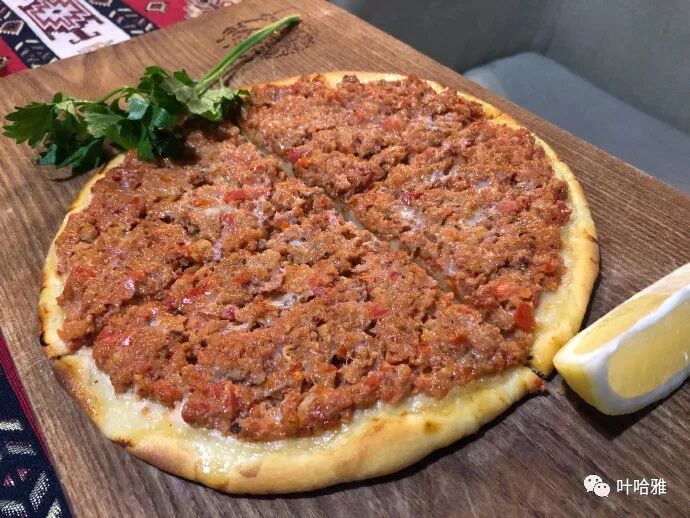
This is a lamb flatbread from Central Asian cuisine, commonly known as dalo nang. Squeeze some lemon juice on it before eating.
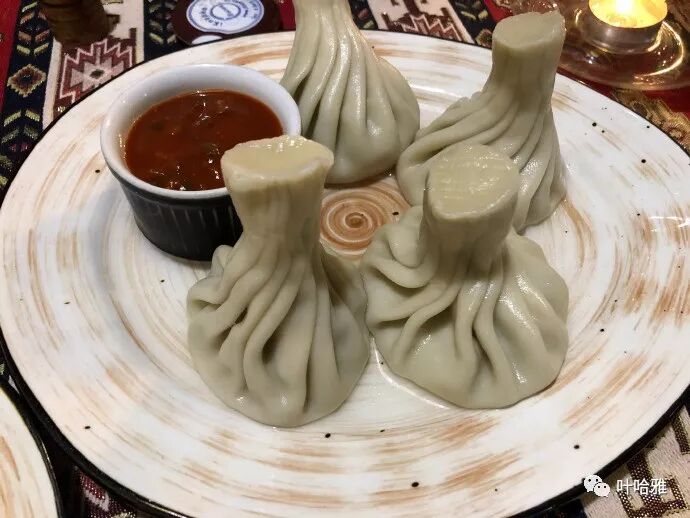
These are Central Asian steamed buns (baozi) with thin skins. They are similar to the ones in Xinjiang and contain soup inside.
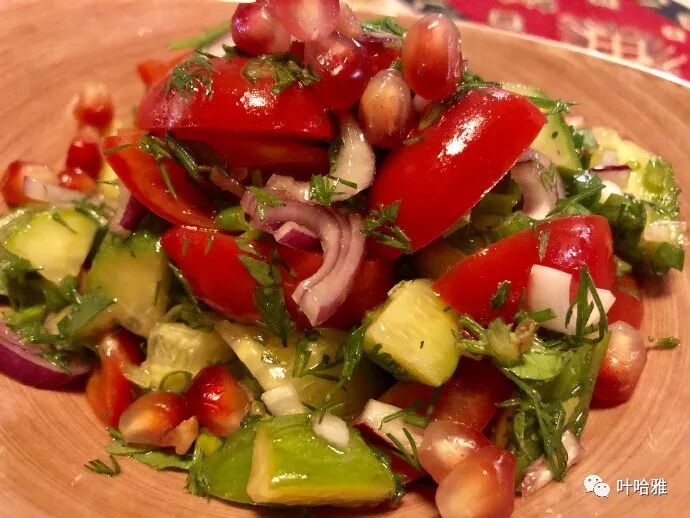
Caesar salad with cucumber, cilantro, tomato, onion, and pomegranate seeds.
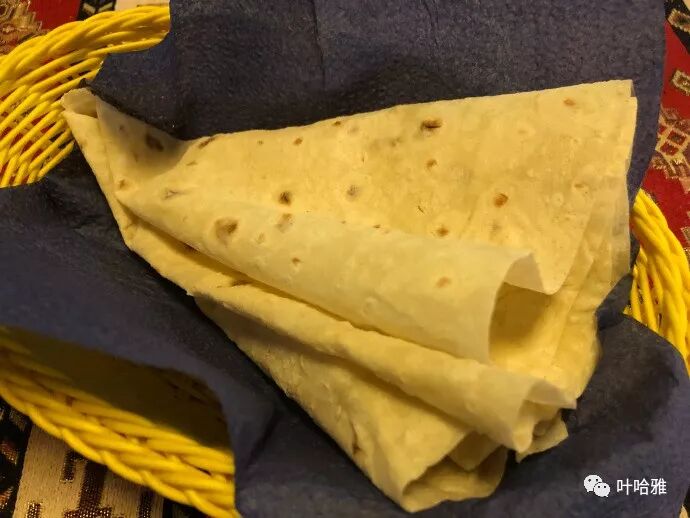
This is a very thin flatbread (nang) used to hold salad or meat sauce.
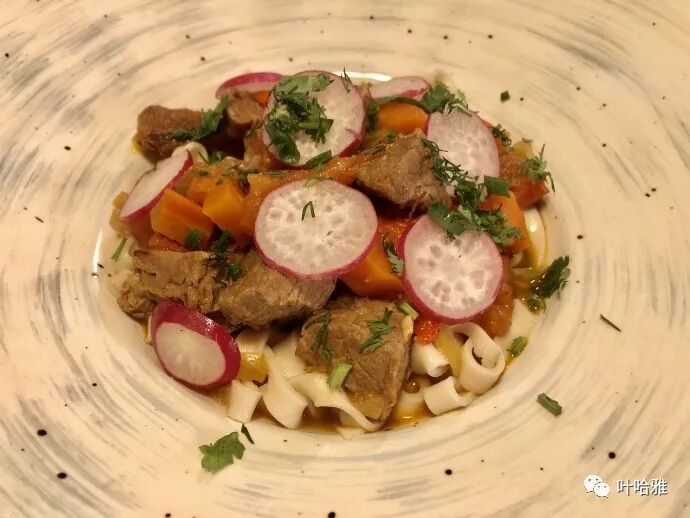
This is Azerbaijani pulled noodles (latiaozi) shaped like flat boards.
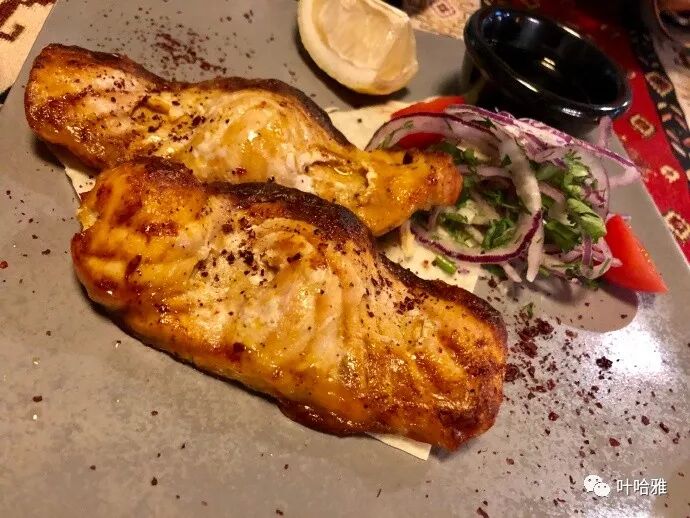
Grilled salmon glazed with maple syrup.
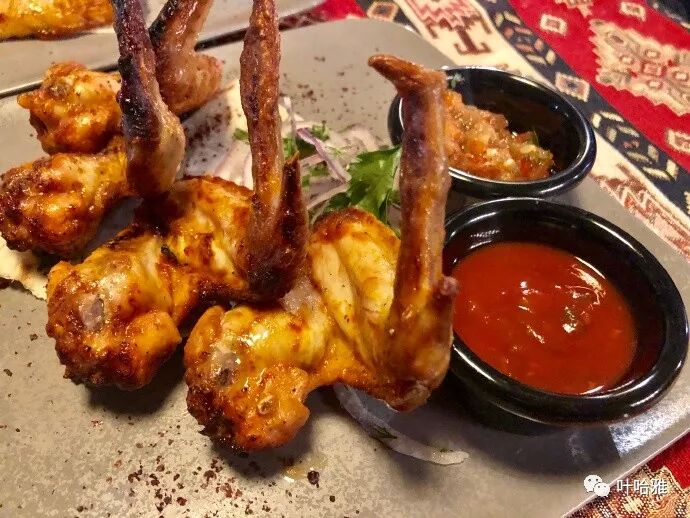
Grilled chicken wings served with a sweet and sour dipping sauce.
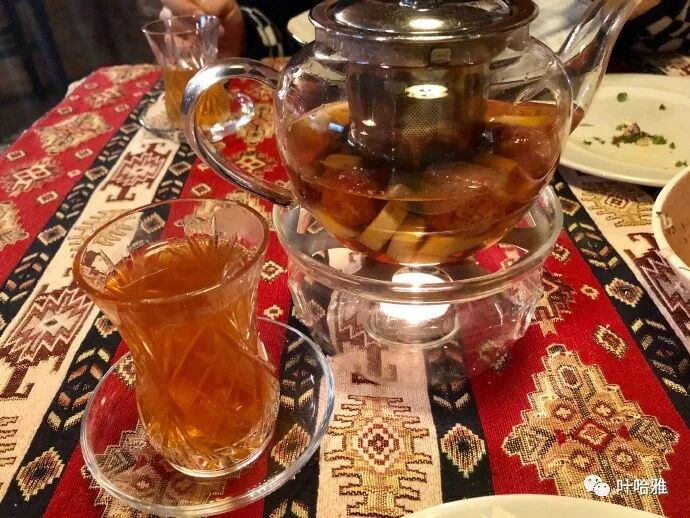
I drank many kinds of tea, but this fruit tea was my favorite.
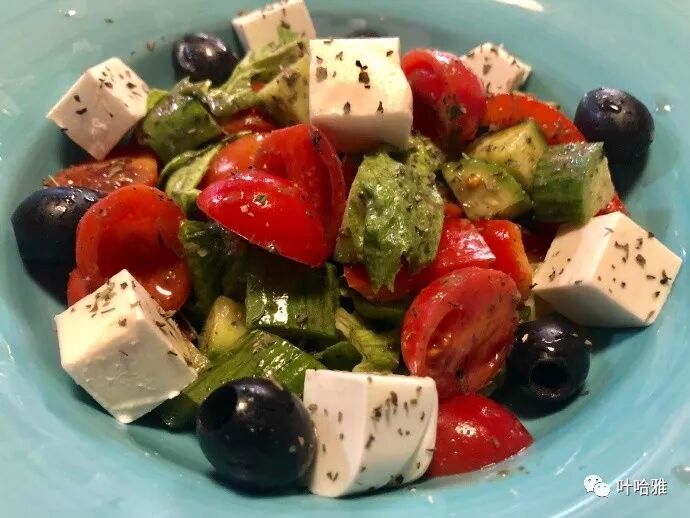
Greek salad with avocado, cheese, and blueberries.
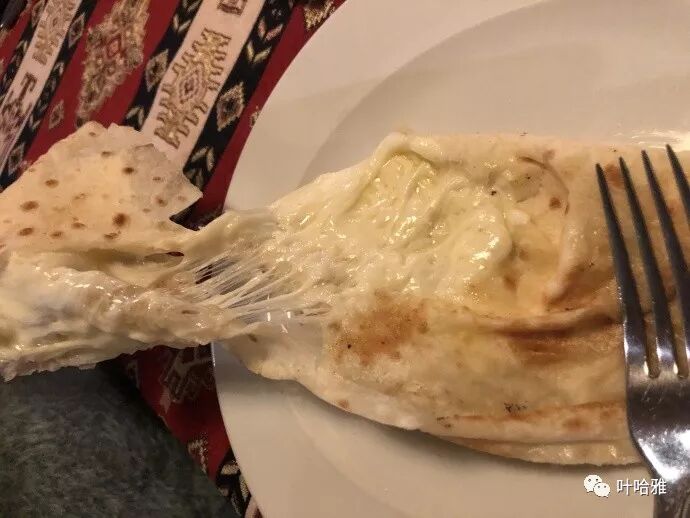
Cheese flatbread (nang). You can smell the cheese when you tear it open.
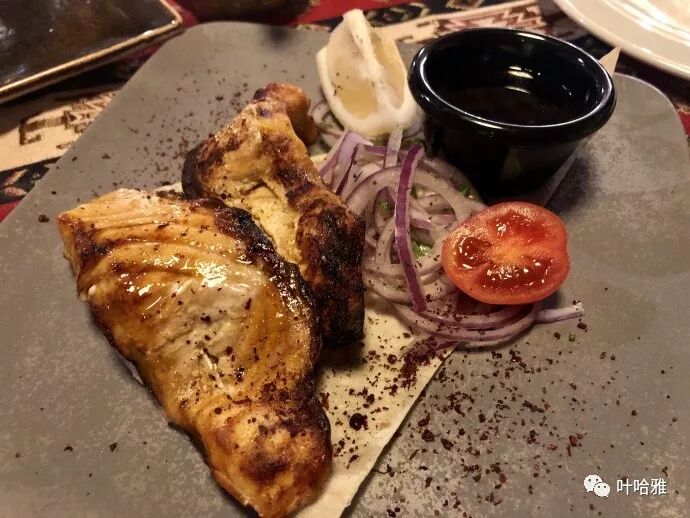
This is grilled sturgeon (xunyü), which has a stronger flavor than salmon.
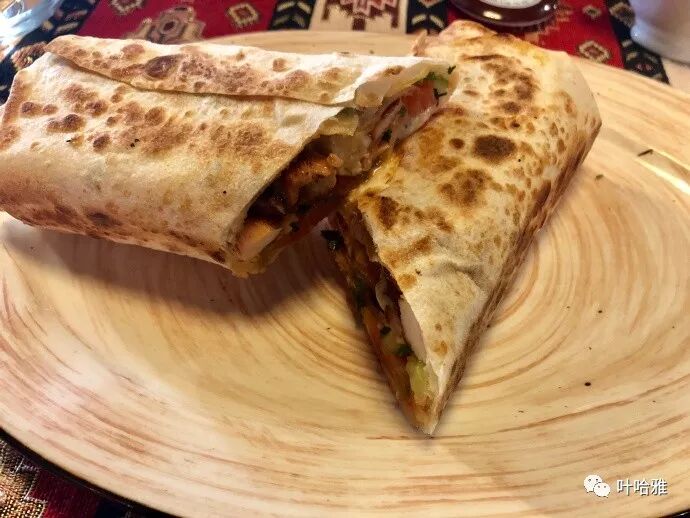
Turkish kebab wrap, crispy on the outside and tender on the inside.
The Russian beet soup (borscht) lives up to its reputation. You must try it; it is truly rich in flavor and leaves a lasting impression.
These are the mini dumplings (shuijiao) that locals eat often. Dumplings are also a traditional food in Central Asia.
Grilled vegetables, including eggplant, zucchini, and tomato. People in the Caucasus region love eating grilled vegetables.
Chickpea puree soup (hummus soup), which is very thick. Chickpea puree is a common food for people in the Middle East.
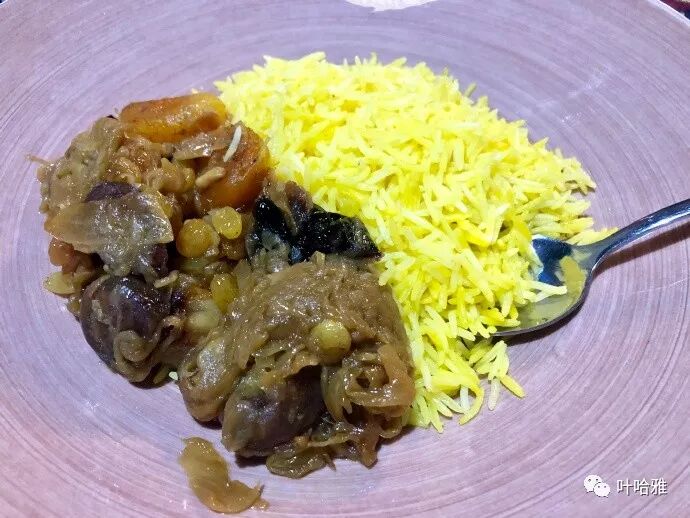
Uzbekistan-style pilaf (zhuafan), made with dried apricots, raisins, and long-grain fragrant rice.
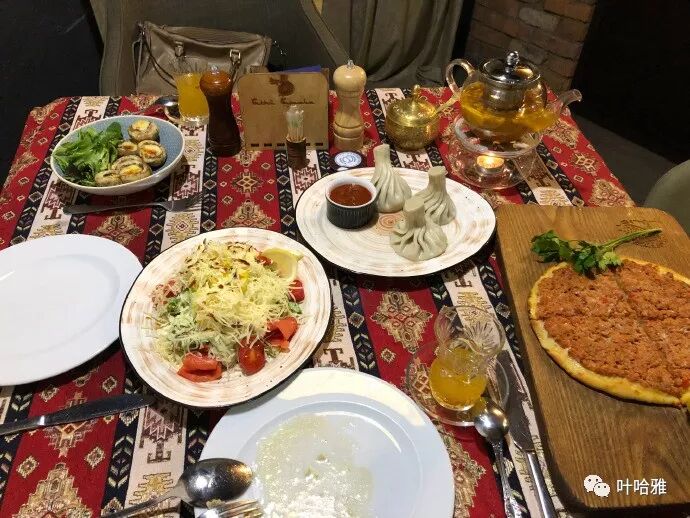
This restaurant has a complete variety of dishes, and the food looks just like the pictures on the menu. The service is excellent. We find it relaxing to dine here every day. After we finish, the servers clear the dishes promptly, and we just sit, drink tea, and chat. They stay open until late at night.
On New Year's Day, both restaurants and malls are closed, and only supermarkets stay open. We bought halal sausages at the supermarket; "МУСУЛЬМАНСКИЕ" means halal. We also bought some flatbread (nang), caviar, and shredded kelp, and we were still able to make a delicious meal.
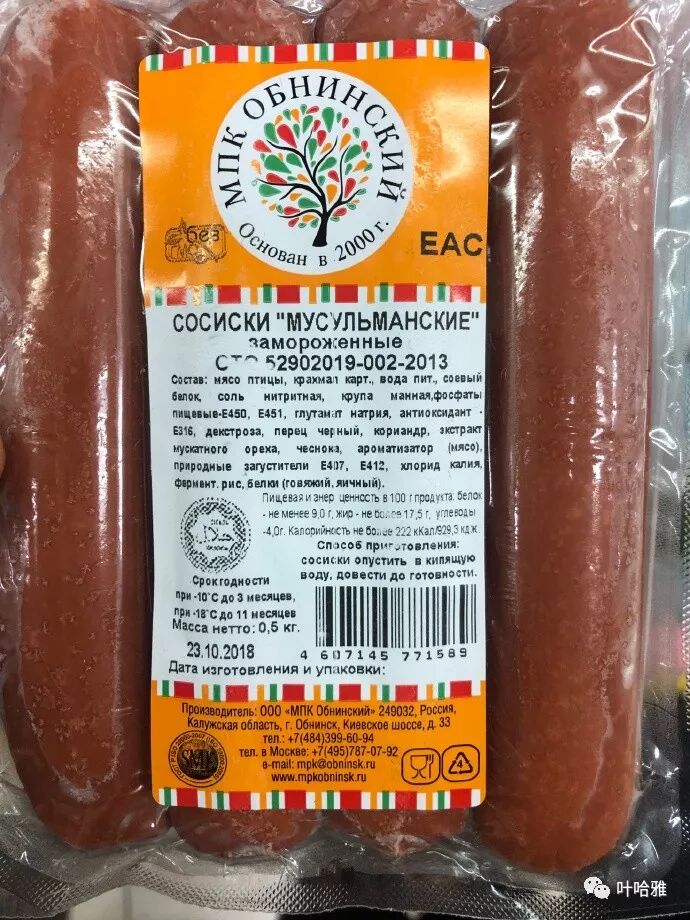
Russian caviar is especially cheap; this big box only cost 20 yuan.
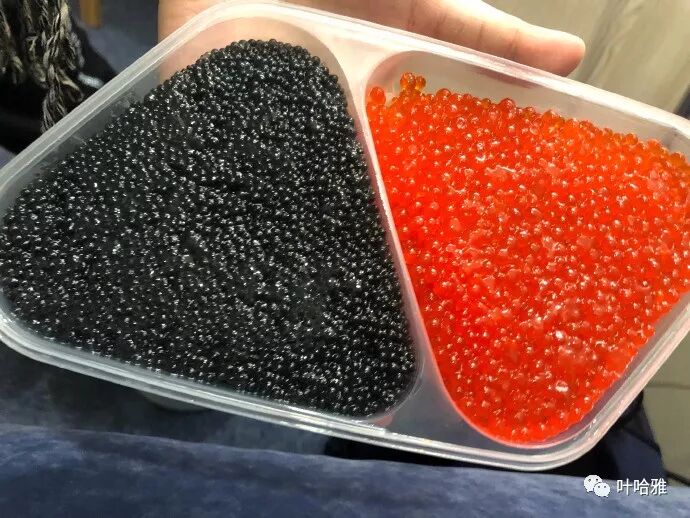
Caviar, sausage, and sea cabbage make for a nutritious, high-quality, and affordable meal. You shouldn't treat your stomach poorly when traveling.
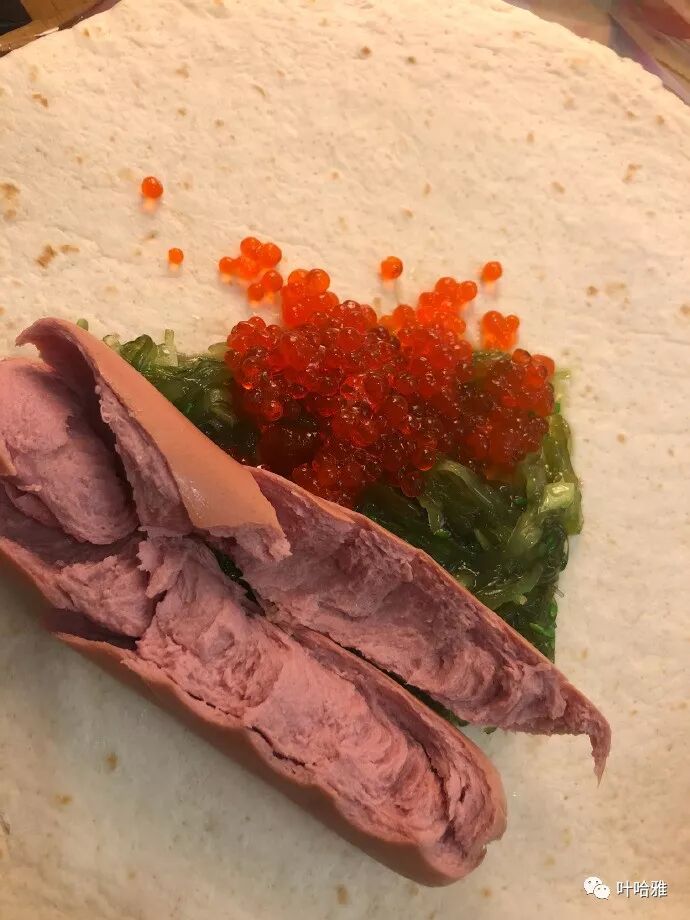
Everywhere I go, I make sure to visit the local mosque. The mosque in Vladivostok is not finished yet, but I still managed to find a place for namaz. I searched for "Primorsky Region Kazyat Muslim Office" on Google Maps and found this prayer space in a residential area about 6 kilometers from the city center.
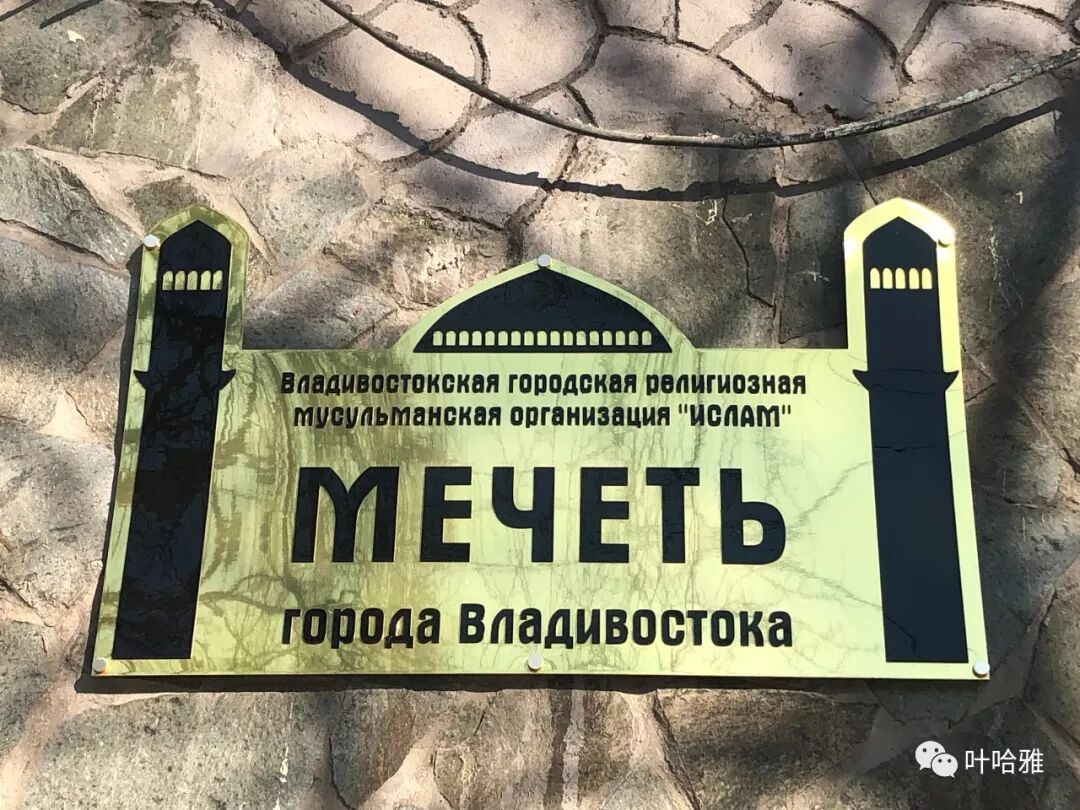
There were no Arabic signs outside, only Russian. I pushed the door open and saw a star and crescent symbol on the wall, confirming it was a mosque.
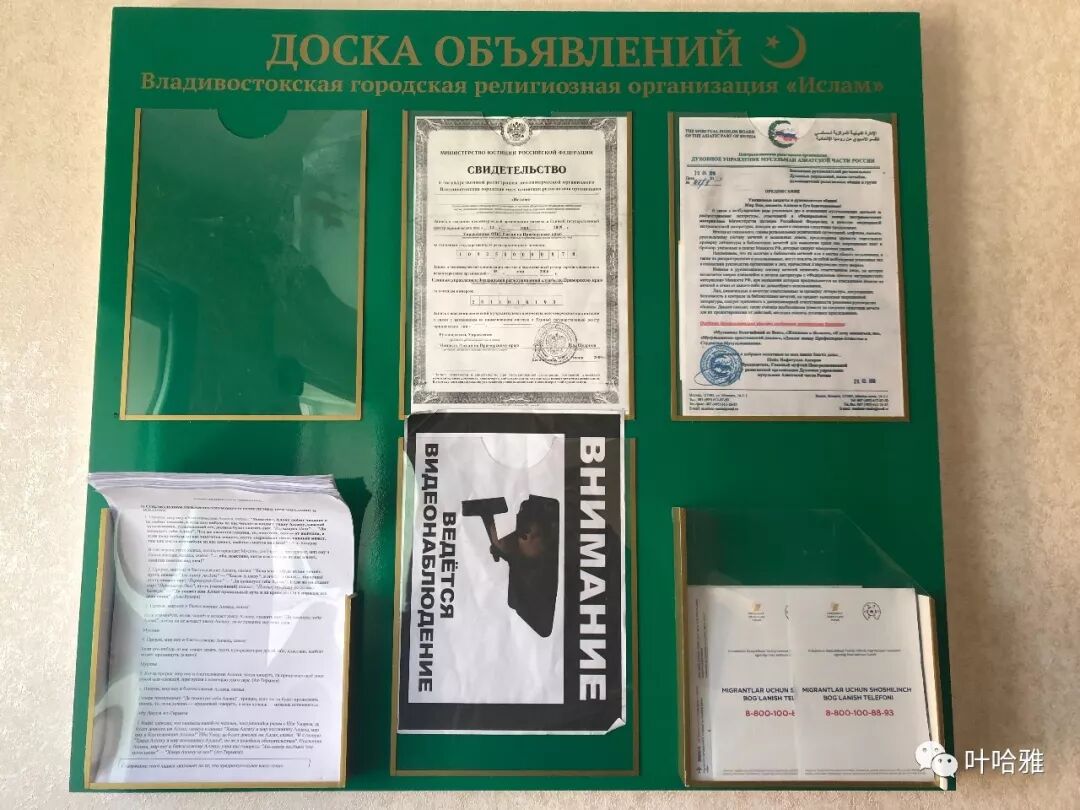
It is on the first floor of a building and covers about 300 square meters. I did not see any staff, only two children. We did not speak the same language, but I said salaam to them and they replied.
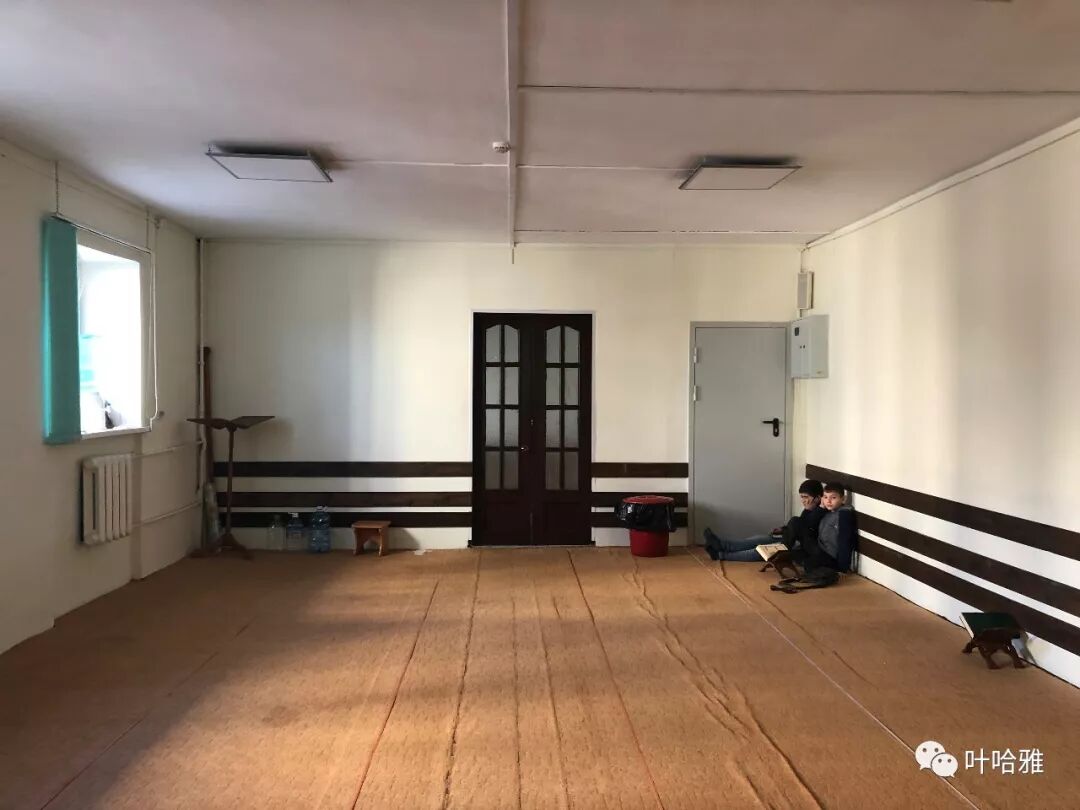
Russia actually has many Muslims, but they are mostly concentrated in the European part of the country. Vladivostok is in the Far East, where the number of Muslims is very small.
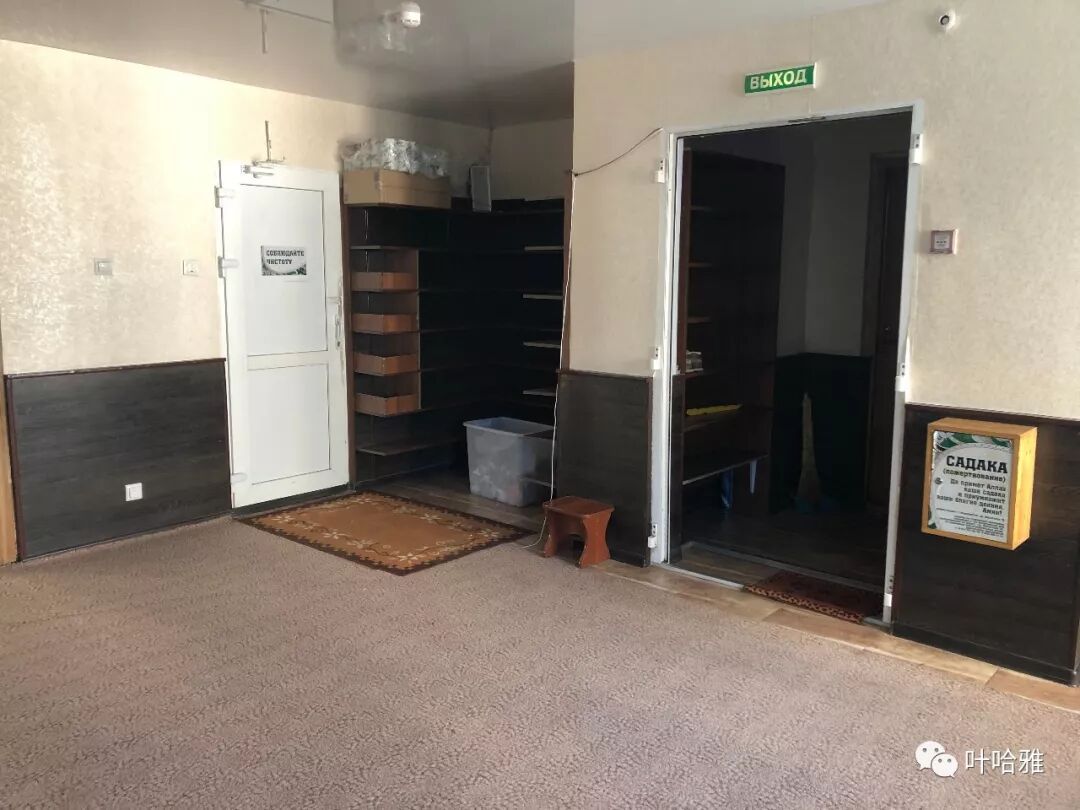
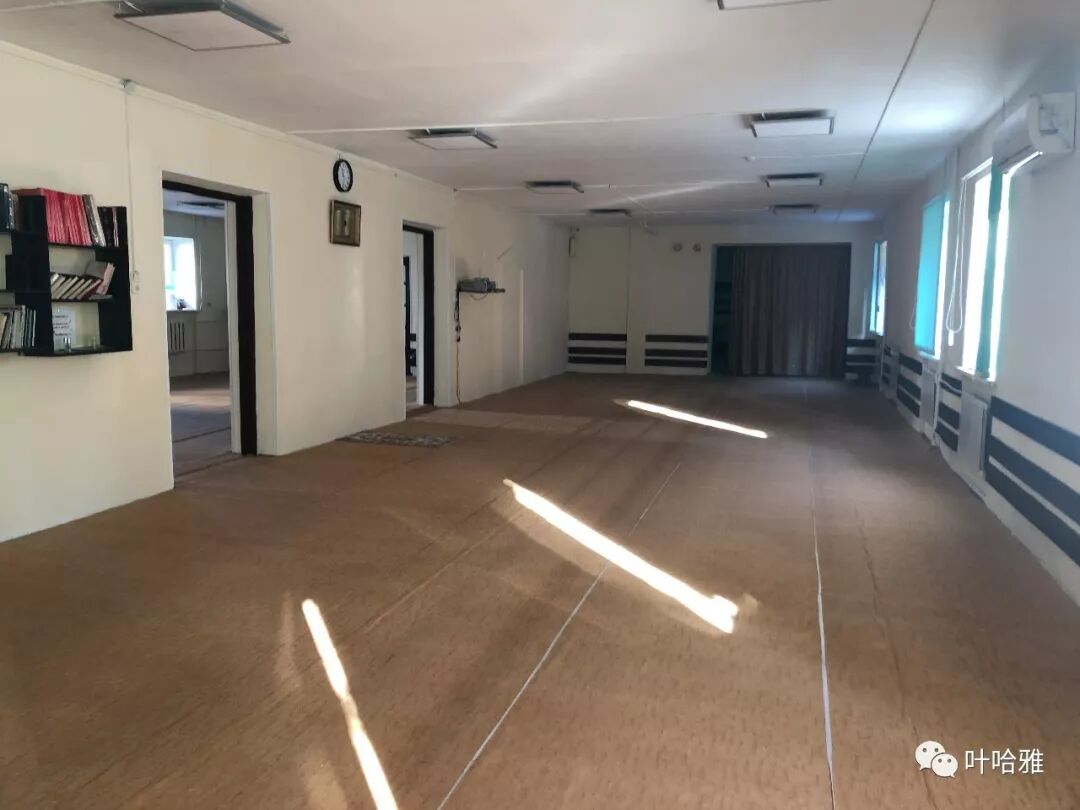
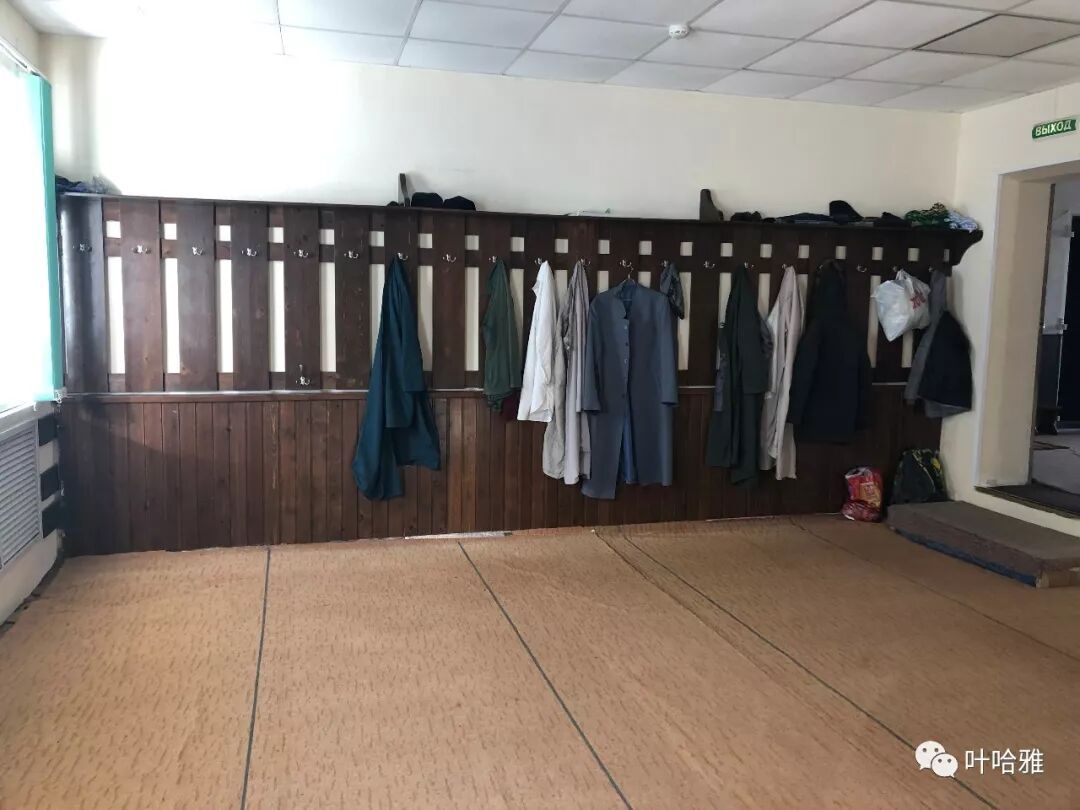
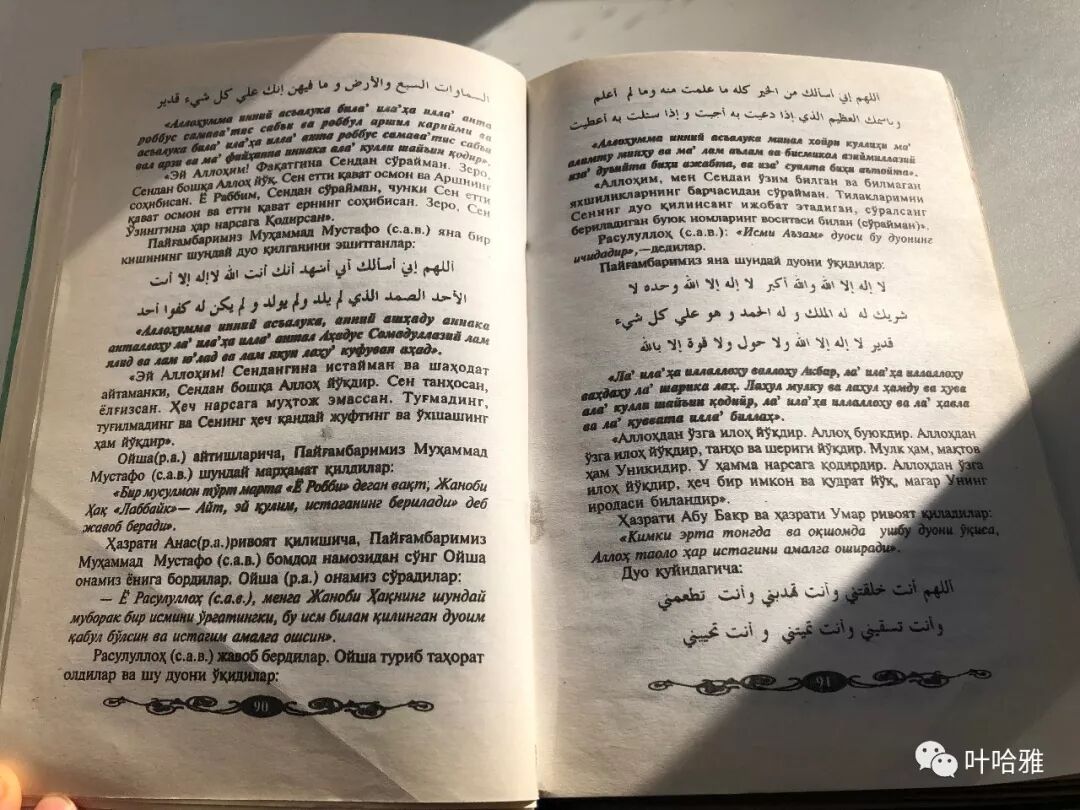
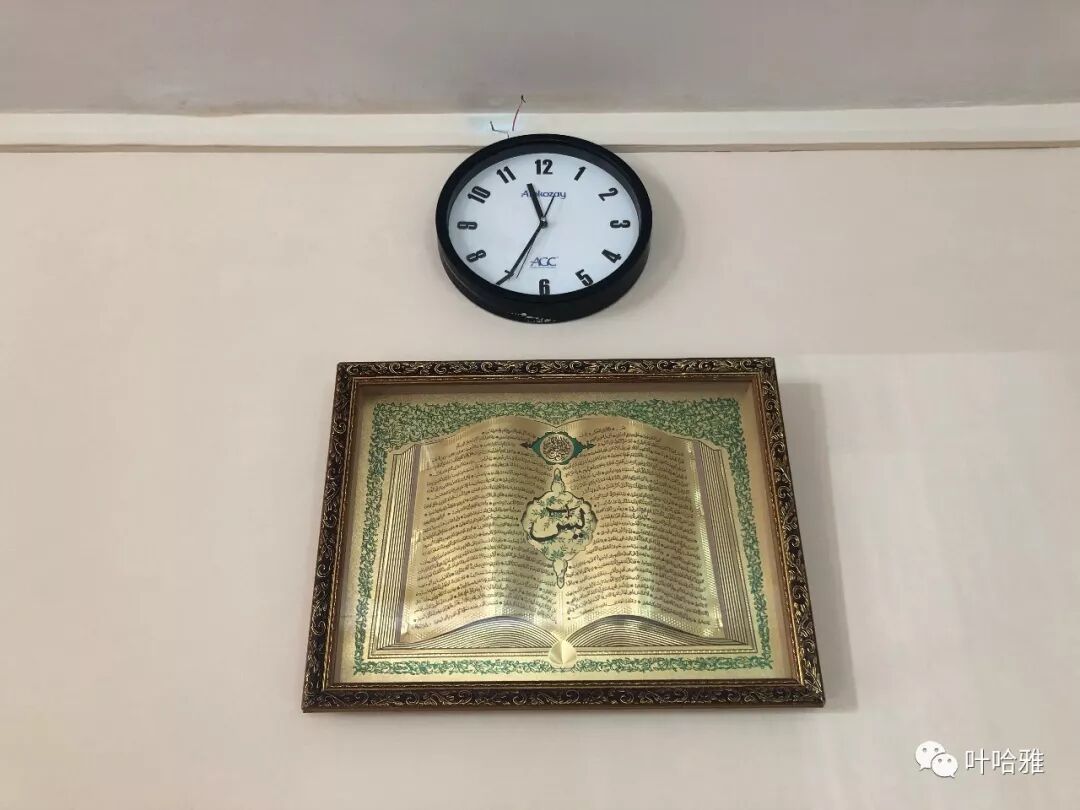
The bookshelf was filled with books in Russian.
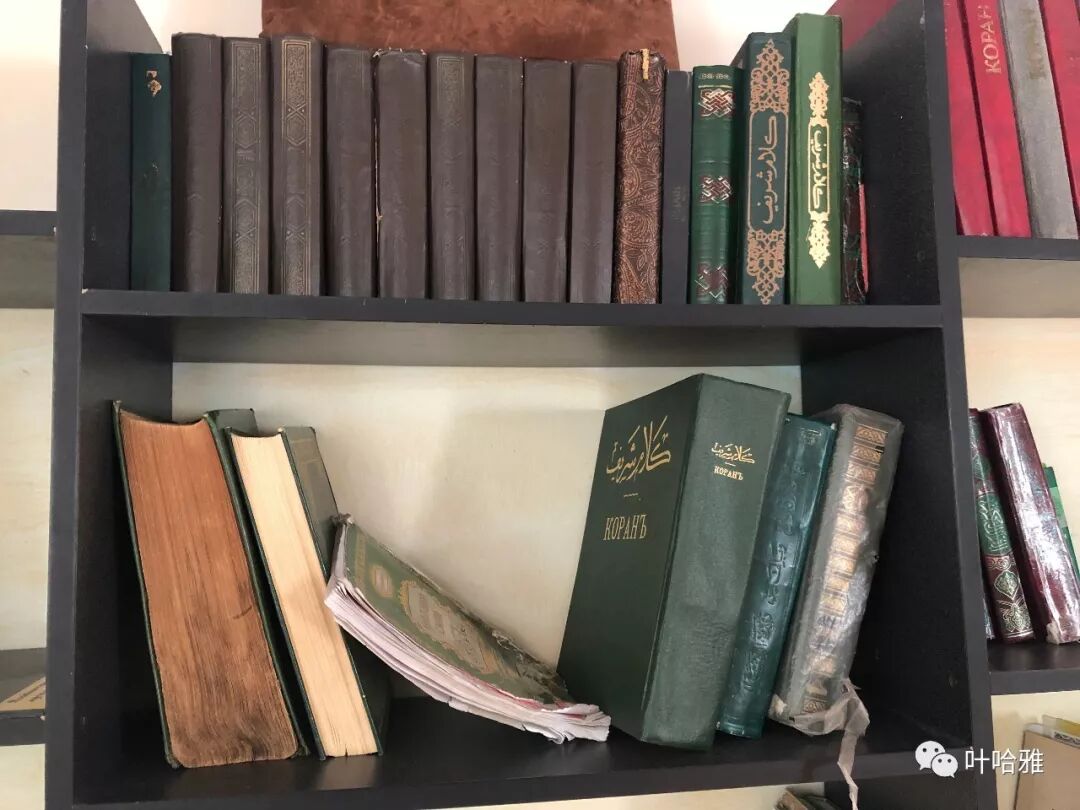
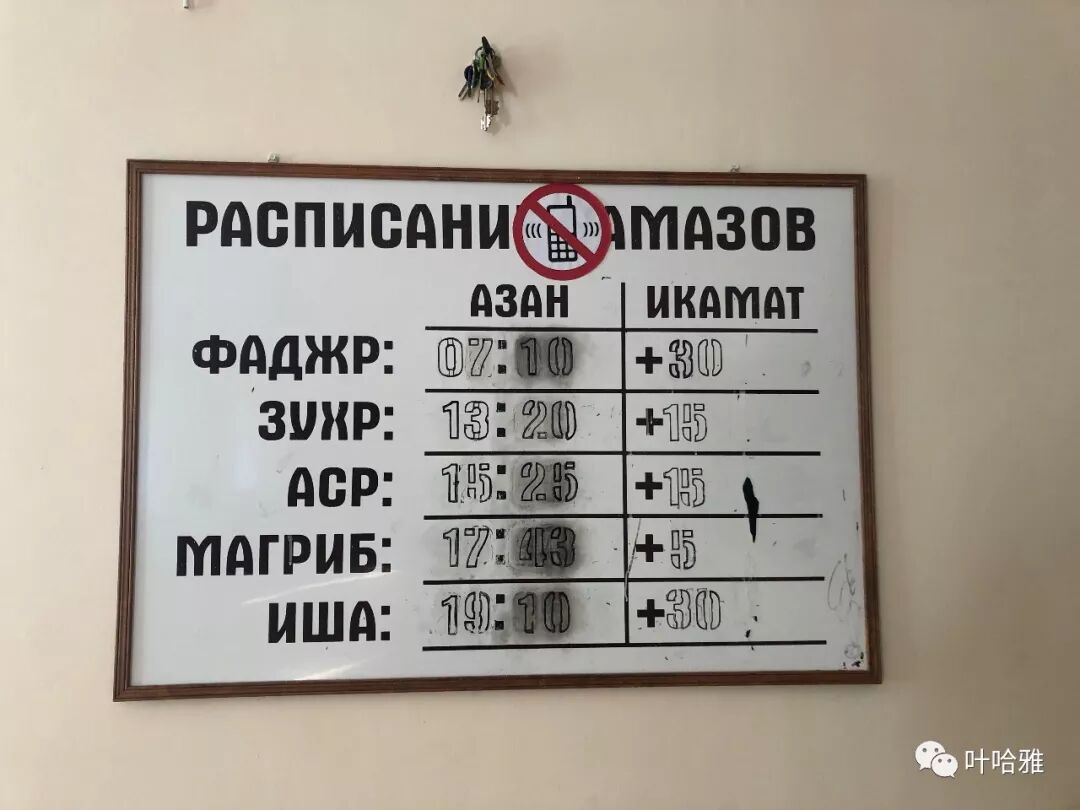
The prayer timetable is in Russian, which shows that Islam has successfully integrated into Russian life.
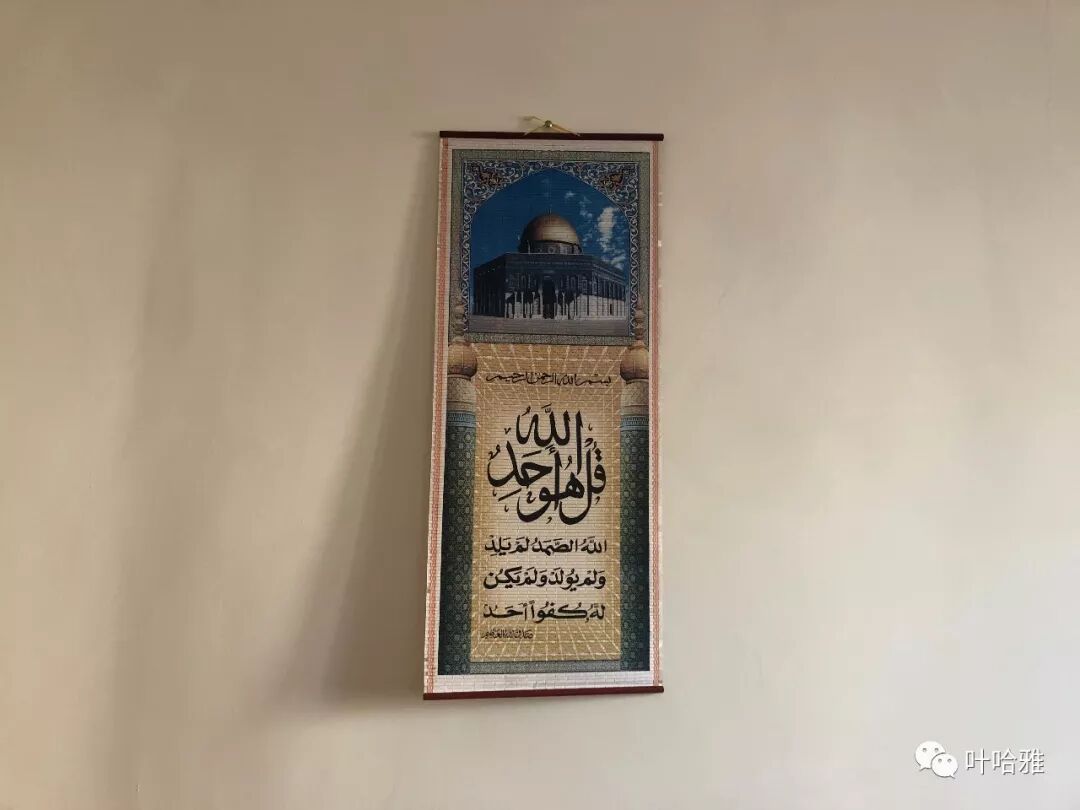
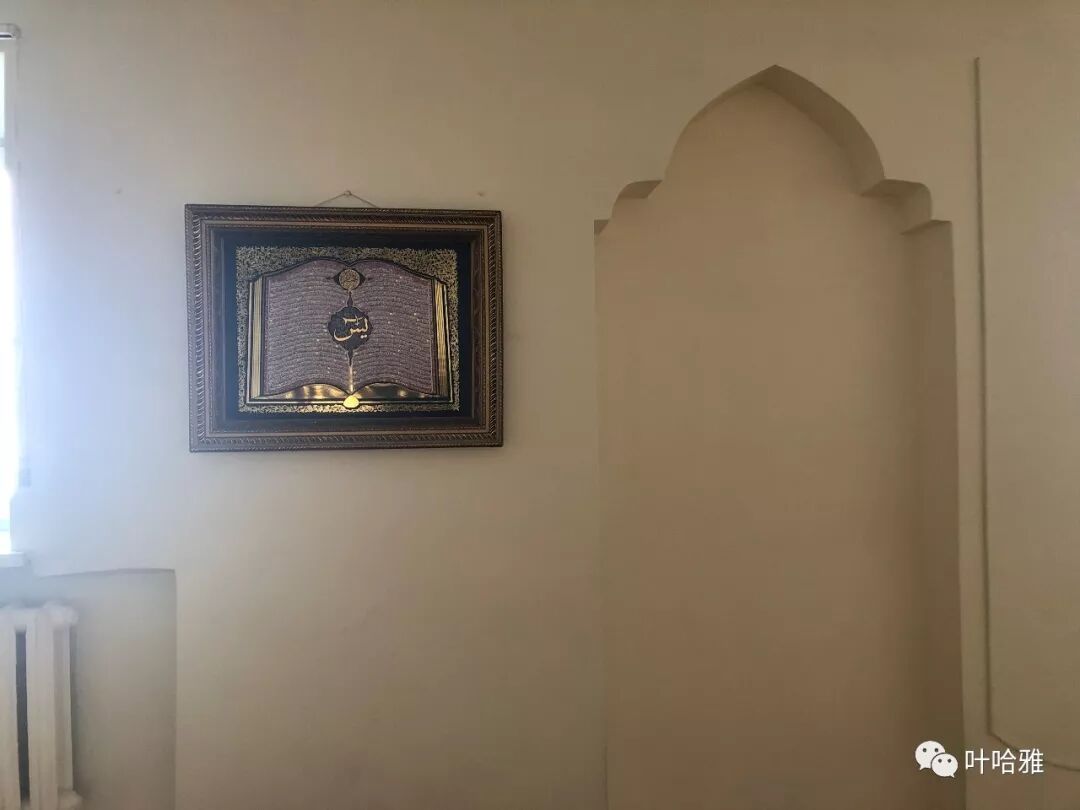
I found news online that Vladivostok was set to build its first local mosque in 2020, funded by Tatars with 100 million rubles.
I saw the renderings and really like the architectural style of Russian mosques, which varies slightly from place to place. Next time, I want to visit the local mosques in Kazan, Dagestan, and Chechnya.
For shopping in Vladivostok, perfume and purple gold jewelry are good deals. During Christmas, perfume is discounted to about one-third of the price in China, but the discounts end after New Year's Day.
Here are a few photos of the scenery I took with my phone.
This is the seaside. Although the shallow water is frozen, it is not too cold. The daytime temperature is around minus 8 degrees Celsius, and the nighttime temperature is around minus 15 degrees, which is about the same as Beijing.
Below is a panoramic view of the city taken from the highest point in Vladivostok.
Russian ladies who just came ashore after a winter swim.
In the distance is the lighthouse used as a filming location for the movie Soul Mate (Qiyue yu Ansheng).

A father walks with his son by the sea. I noticed that many Russian families only have one child because the cost of raising kids is a heavy financial burden.
Russia has a very well-developed railway system. I tried it once and it felt very comfortable. Vladivostok station is the end of the Trans-Siberian Railway, which starts in Moscow and is 9,288 kilometers long.
The last train to the airport leaves at 18:00 every day.
The Russian girls in the waiting room all have long legs, big eyes, and high nose bridges.
Finally, here is a photo of me from behind. I found a telescope by the sea that costs 20 rubles to use. You can see Russian warships in the distance because Vladivostok is a Russian military base in the Far East.
Muslim Friendly Singapore 2026: Visa-Free One-Day Food, Mosque Stops & City Route
Articles • ali2007fr posted the article • 0 comments • 142 views • 2026-05-21 10:01
Summary: A Muslim-friendly one-day Singapore travel route for a visa-free layover, covering food, city stops, and mosque-friendly planning while keeping the original travel sequence and photos intact.
My destination was Christchurch. At the time, there were no direct flights from Beijing, so I chose Singapore Airlines with a layover in Singapore. It turned out to be the right choice.
I had a 23-hour layover in Singapore. I checked online and found conflicting information about whether I needed a transit visa or if I could even leave the airport. Once I arrived at Singapore Changi Airport, I walked to customs and asked if I could leave the airport to look around since my final destination was New Zealand. The customs officer looked at my ticket and asked where my passport was issued in China. I said Beijing. He told me they only offer a one-time entry permit for passports from certain regions.
This is the entry stamp that allows a 5-day stay.
The flight attendants wear Singapore Airlines uniforms. As a five-star airline, their food standards are high. Besides main meals, they offer various snacks and desserts, including Haagen-Dazs ice cream. I felt like I was eating throughout the entire flight.
First-time visitors to Changi Airport can pick up a 40 USD shopping voucher at this counter to use at duty-free shops. Don't miss out on this freebie, though there are restrictions on what you can buy.
The prayer room at Changi Airport is like a small mosque with all the necessary facilities.
This is the area for performing wudu (ablution).
About 15% of Singapore's population is Muslim, mostly of Malay descent, followed by Indian and Chinese. Halimah Yacob, who was elected president of Singapore this year, is a Malay Muslim woman.
I always thought Singapore was a tiny country, maybe less than one-twentieth the size of Beijing, so I assumed I could walk around the Lion City. I was wrong.
I walked for about 30 minutes from Changi Airport but realized I couldn't get off the highway. With cars speeding past me, I gave up on the idea of walking to Merlion Park and had to walk back to the airport to catch a taxi. Taxis here are priced similarly to those in Japan; the meter jumps every 400 meters. The 20-minute ride from the airport to Merlion Park cost over 20 Singapore dollars, which is about 100 RMB at a 1:5 exchange rate. The driver was of Chinese descent and spoke Mandarin. He said his ancestors were from Fujian and he could speak English, Malay, Indonesian, Thai, and Hokkien. It seems common for Southeast Asian Chinese to know several languages. English and Malay are the common languages on the streets, while Chinese is mostly used within Chinese families. I noticed that even Chinese people use English to send text messages.
The Merlion is the symbol of the Singapore Tourism Board. Its design was inspired by the Malay Annals, as Singapore is a young nation that separated from Malaysia. Legend has it that in the 14th century, a prince from the Srivijaya Kingdom saw a dragon at sea and a lion on the island. He felt a connection with the lion and named the island Singapore, which means Lion City in Sanskrit.
It was already early morning, and dawn was still four or five hours away. I thought about finding a hotel to rest, but after checking the prices, even a half-day stay would cost 500 to 600 RMB. I decided to stay awake and quietly enjoy the Singapore night view.
The iconic Marina Bay Sands hotel in Singapore.
I called a taxi and asked the driver to take me to the largest mosque in Singapore, the Sultan Mosque. Southeast Asian Chinese still use the pre-Republic of China term for Islam, calling it 'Hui religion.' They might not understand if you say 'mosque' (qingzhensi), but they know what you mean if you say 'masjid' or 'mosque' (huijiaotang).
I was preparing for the dawn prayer (fajr). I arrived too early and the mosque wasn't open yet, so I sat on a bench outside and waited for a while.
Singapore and Beijing are in the same time zone, so there is no time difference, and the dawn prayer time is the same as in Beijing.
I observed the way the Muslims here pray. They raise their hands three times, which is a characteristic of the Shafi'i school of jurisprudence common in Southeast Asia.
This friend was the first Muslim I met in Singapore. He was a local and very enthusiastically offered to drive me to breakfast.
Owning a private car in Singapore is very expensive because of the license plate, which is only valid for 10 years. Most people take the subway, which is convenient and cheap. The car this dosti (friend) was driving was a company truck.
He brought me to a Muslim neighborhood.
My friend (dosti) invited me to have this flatbread (paratha) for breakfast, and it tasted great dipped in curry sauce.
My friend dropped me off at Little India, a tourist spot where many Indian people live. Before leaving, he gave me a bag of fruit and told me I could eat at any fast-food restaurant in Singapore. He explained that chains like McDonald's, KFC, and Pizza Hut are 100% halal. I just need to avoid the pork rib soup (bak kut teh) shops run by Chinese people because they use pork, but almost everywhere else is fine.
A Hindu temple inside the Little India neighborhood.
Hinduism believes that all things have spirits and animals are seen as gods, so the animals here are not afraid of people.
At the National Museum of Singapore, staff give you a tablet before you enter. It is a self-service audio guide that lets you look up explanations for exhibits by their number at any time.
The museum records Singapore's history under the British Empire and the Empire of Japan. Singapore once belonged to Malaya but was later cast aside, forcing it to choose independence. Under the leadership of founding father Lee Kuan Yew, it transformed from a messy area into a clean, developed country.
Singapore's streets are incredibly clean, even cleaner than Japan's, and chewing gum is banned from entering the country.
Littering and spitting are punished severely. Singapore still uses caning as a punishment, which is considered a key part of maintaining order here.
I happened to find a small mosque on the street. There are a few others like it in Singapore. Although Singapore is small, many different religions live here in peace.
I met a Muslim worker from Bangladesh here. We could talk in English, and he said he wanted to work in Beijing. He asked for my phone number and my family's numbers. I felt it was a bit inappropriate, but I later learned this is just their way of socializing. Their intense friendliness was a bit much for me to handle. After I returned to Beijing, I even got a call from him, but I couldn't hear him clearly so I hung up.
My last stop was Sentosa Park, where I took the world's longest cable car ride to look down at the full view of Singapore.
In the park, I was talked into taking a photo with a large tropical parrot, which cost me 20 Singapore dollars, and I also watched a movie at Universal Studios.
That ended my one-day tour of Singapore. I actually had extra time and it wasn't dark yet. I didn't visit the world's largest aquarium or the night safari. During the day, you can take a free sightseeing bus from the airport to tour the city. But for me, since I was just passing through, I had seen enough. My next stop, New Zealand, is the real destination of my trip, where even more beautiful scenery and amazing stories are waiting for me. view all
Summary: A Muslim-friendly one-day Singapore travel route for a visa-free layover, covering food, city stops, and mosque-friendly planning while keeping the original travel sequence and photos intact.
My destination was Christchurch. At the time, there were no direct flights from Beijing, so I chose Singapore Airlines with a layover in Singapore. It turned out to be the right choice.
I had a 23-hour layover in Singapore. I checked online and found conflicting information about whether I needed a transit visa or if I could even leave the airport. Once I arrived at Singapore Changi Airport, I walked to customs and asked if I could leave the airport to look around since my final destination was New Zealand. The customs officer looked at my ticket and asked where my passport was issued in China. I said Beijing. He told me they only offer a one-time entry permit for passports from certain regions.
This is the entry stamp that allows a 5-day stay.
The flight attendants wear Singapore Airlines uniforms. As a five-star airline, their food standards are high. Besides main meals, they offer various snacks and desserts, including Haagen-Dazs ice cream. I felt like I was eating throughout the entire flight.
First-time visitors to Changi Airport can pick up a 40 USD shopping voucher at this counter to use at duty-free shops. Don't miss out on this freebie, though there are restrictions on what you can buy.
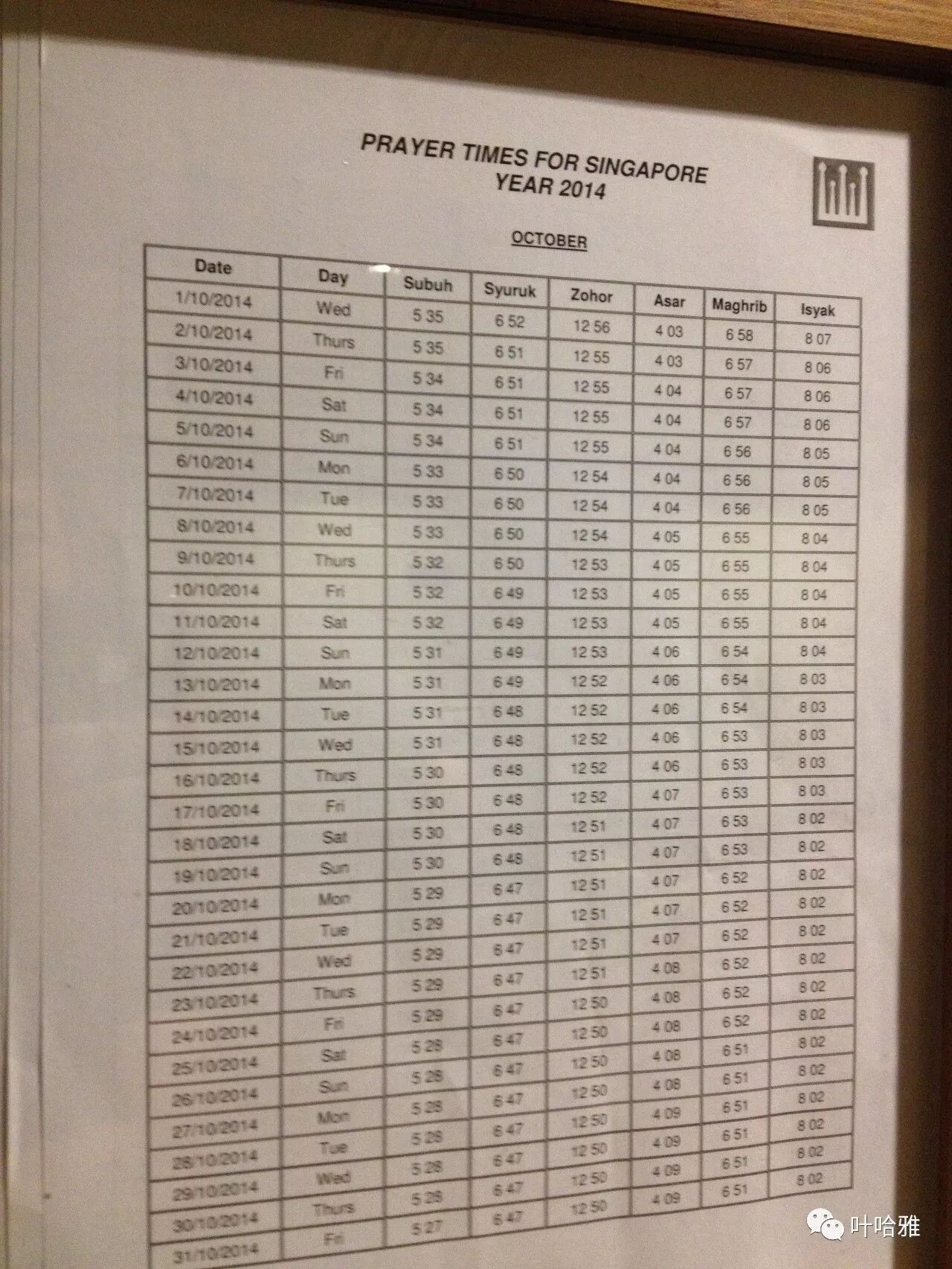
The prayer room at Changi Airport is like a small mosque with all the necessary facilities.
This is the area for performing wudu (ablution).
About 15% of Singapore's population is Muslim, mostly of Malay descent, followed by Indian and Chinese. Halimah Yacob, who was elected president of Singapore this year, is a Malay Muslim woman.
I always thought Singapore was a tiny country, maybe less than one-twentieth the size of Beijing, so I assumed I could walk around the Lion City. I was wrong.
I walked for about 30 minutes from Changi Airport but realized I couldn't get off the highway. With cars speeding past me, I gave up on the idea of walking to Merlion Park and had to walk back to the airport to catch a taxi. Taxis here are priced similarly to those in Japan; the meter jumps every 400 meters. The 20-minute ride from the airport to Merlion Park cost over 20 Singapore dollars, which is about 100 RMB at a 1:5 exchange rate. The driver was of Chinese descent and spoke Mandarin. He said his ancestors were from Fujian and he could speak English, Malay, Indonesian, Thai, and Hokkien. It seems common for Southeast Asian Chinese to know several languages. English and Malay are the common languages on the streets, while Chinese is mostly used within Chinese families. I noticed that even Chinese people use English to send text messages.
The Merlion is the symbol of the Singapore Tourism Board. Its design was inspired by the Malay Annals, as Singapore is a young nation that separated from Malaysia. Legend has it that in the 14th century, a prince from the Srivijaya Kingdom saw a dragon at sea and a lion on the island. He felt a connection with the lion and named the island Singapore, which means Lion City in Sanskrit.
It was already early morning, and dawn was still four or five hours away. I thought about finding a hotel to rest, but after checking the prices, even a half-day stay would cost 500 to 600 RMB. I decided to stay awake and quietly enjoy the Singapore night view.
The iconic Marina Bay Sands hotel in Singapore.
I called a taxi and asked the driver to take me to the largest mosque in Singapore, the Sultan Mosque. Southeast Asian Chinese still use the pre-Republic of China term for Islam, calling it 'Hui religion.' They might not understand if you say 'mosque' (qingzhensi), but they know what you mean if you say 'masjid' or 'mosque' (huijiaotang).
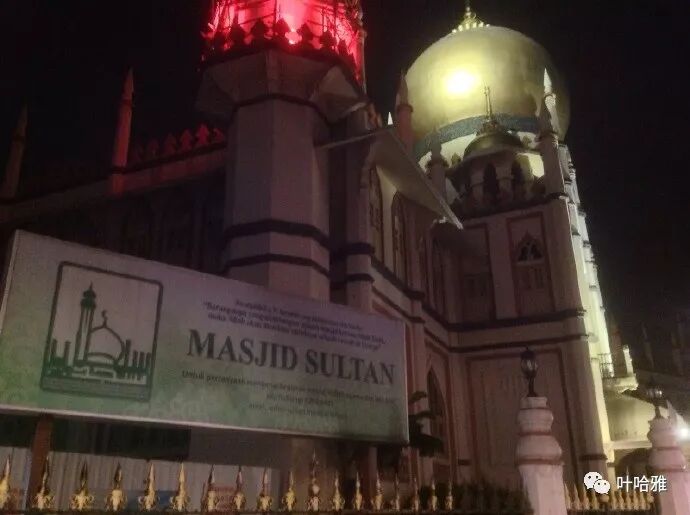
I was preparing for the dawn prayer (fajr). I arrived too early and the mosque wasn't open yet, so I sat on a bench outside and waited for a while.
Singapore and Beijing are in the same time zone, so there is no time difference, and the dawn prayer time is the same as in Beijing.
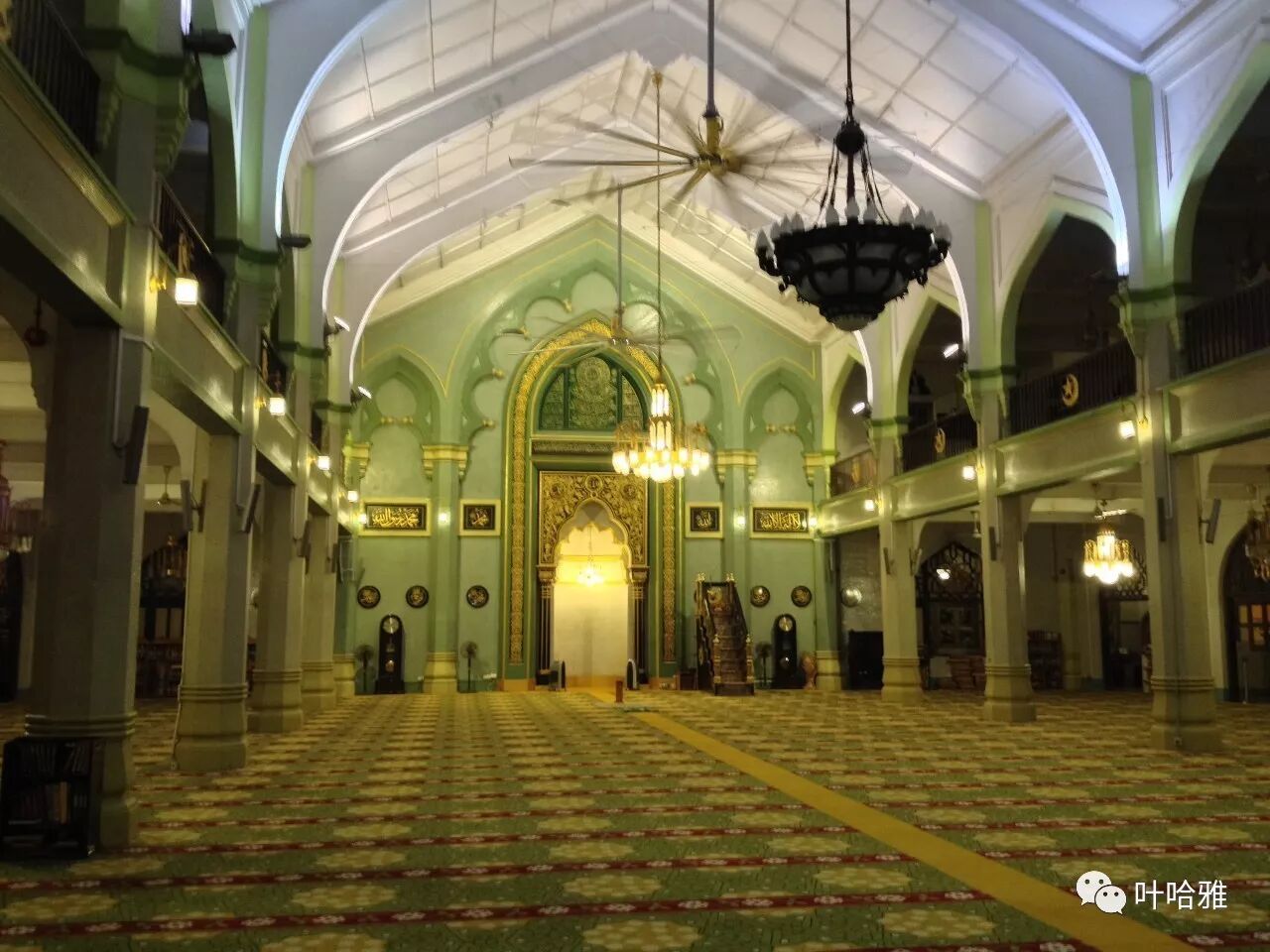
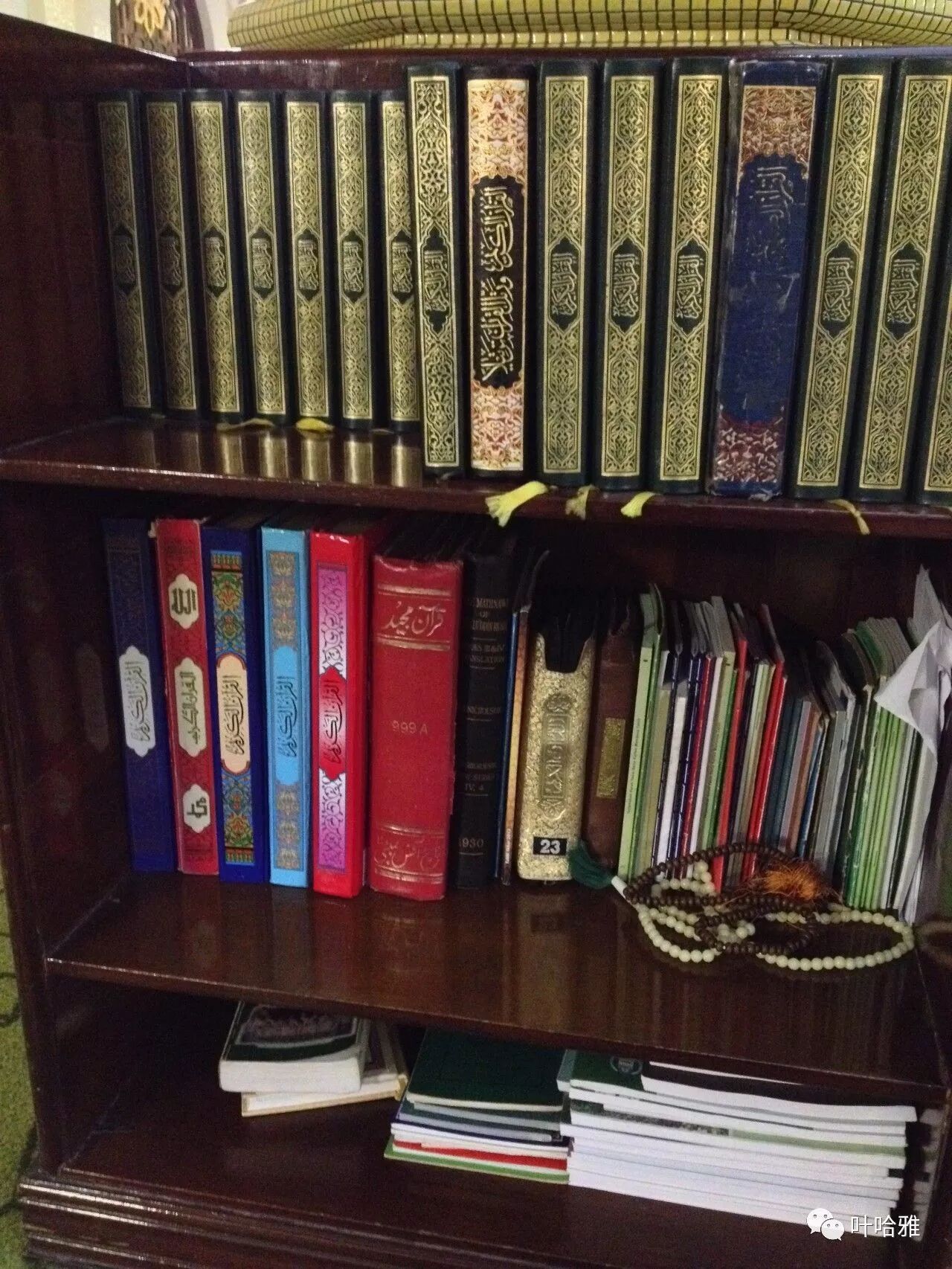
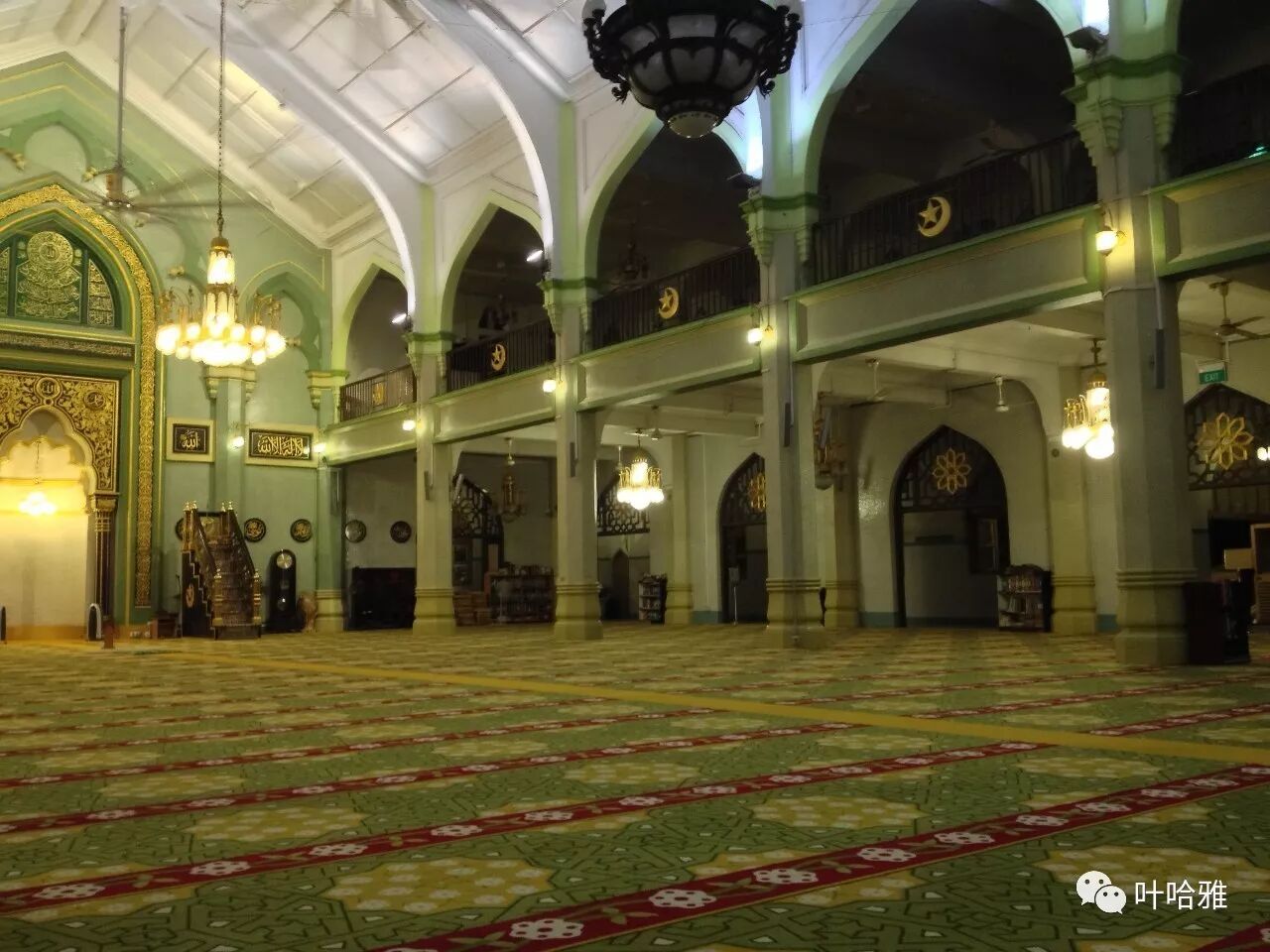
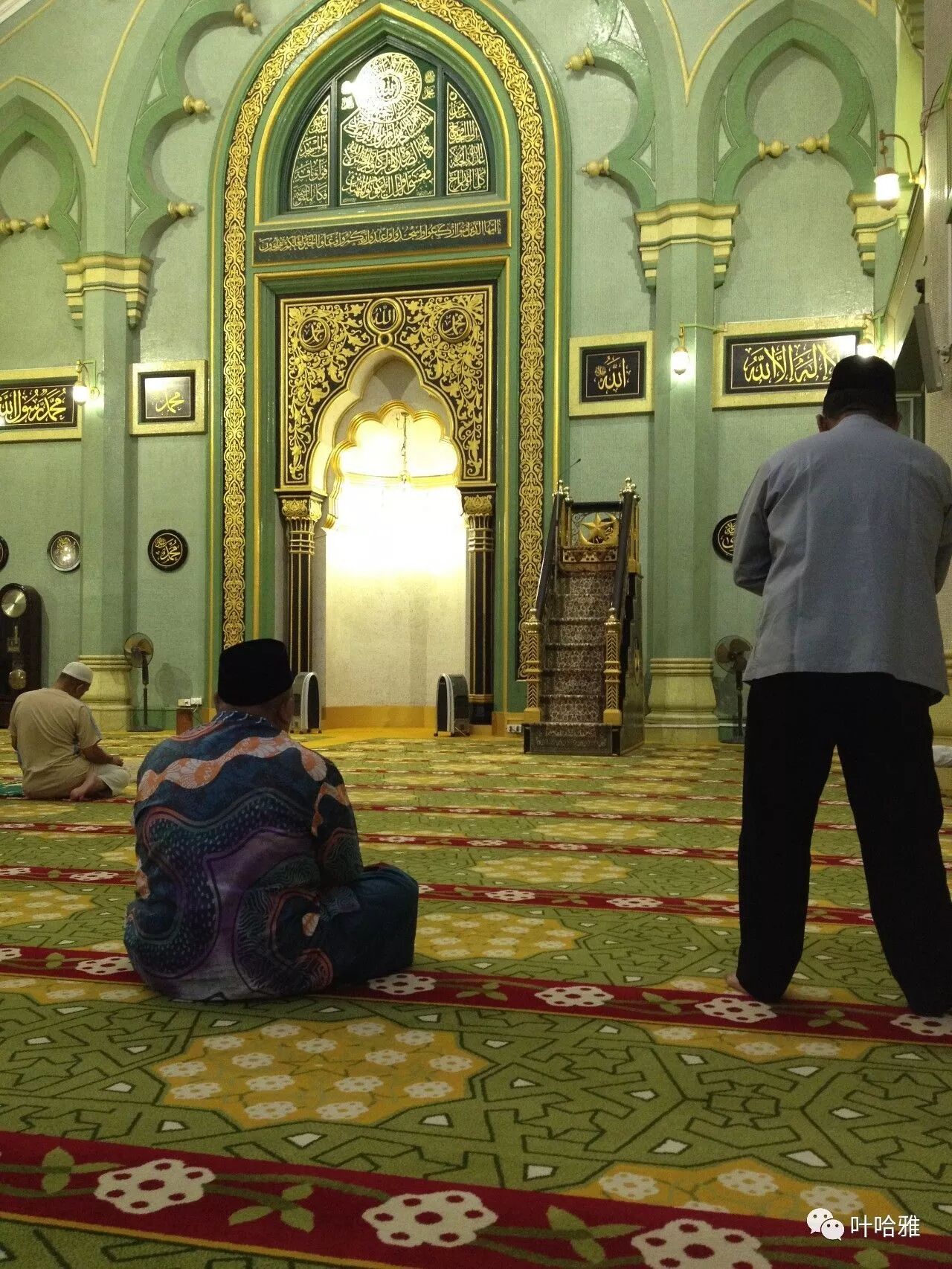
I observed the way the Muslims here pray. They raise their hands three times, which is a characteristic of the Shafi'i school of jurisprudence common in Southeast Asia.
This friend was the first Muslim I met in Singapore. He was a local and very enthusiastically offered to drive me to breakfast.
Owning a private car in Singapore is very expensive because of the license plate, which is only valid for 10 years. Most people take the subway, which is convenient and cheap. The car this dosti (friend) was driving was a company truck.
He brought me to a Muslim neighborhood.
My friend (dosti) invited me to have this flatbread (paratha) for breakfast, and it tasted great dipped in curry sauce.
My friend dropped me off at Little India, a tourist spot where many Indian people live. Before leaving, he gave me a bag of fruit and told me I could eat at any fast-food restaurant in Singapore. He explained that chains like McDonald's, KFC, and Pizza Hut are 100% halal. I just need to avoid the pork rib soup (bak kut teh) shops run by Chinese people because they use pork, but almost everywhere else is fine.
A Hindu temple inside the Little India neighborhood.
Hinduism believes that all things have spirits and animals are seen as gods, so the animals here are not afraid of people.
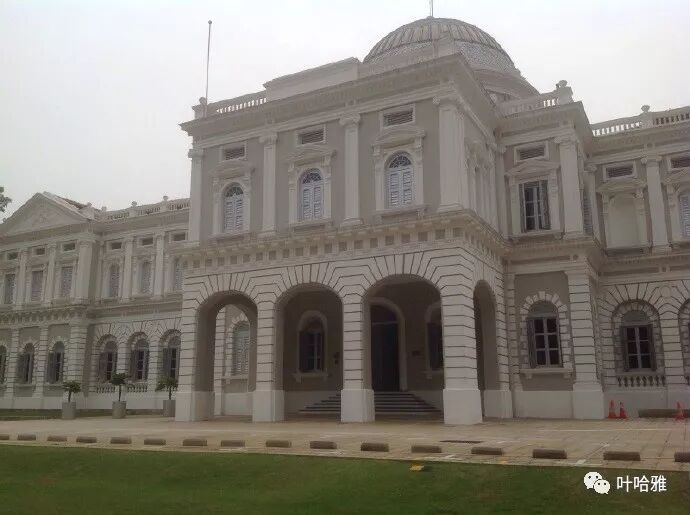
At the National Museum of Singapore, staff give you a tablet before you enter. It is a self-service audio guide that lets you look up explanations for exhibits by their number at any time.
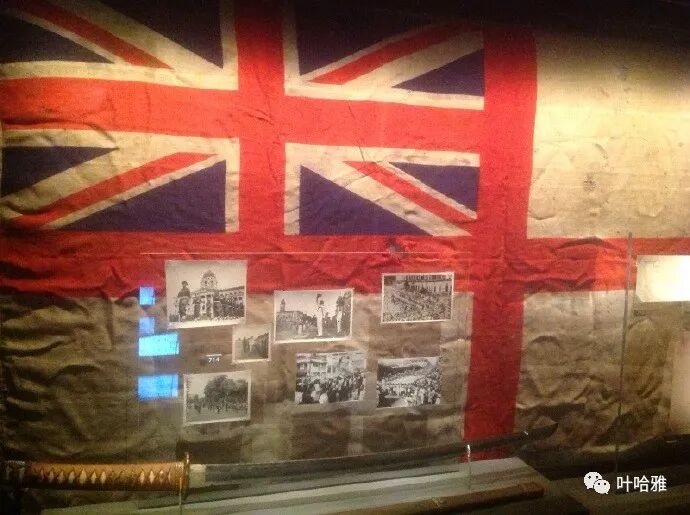
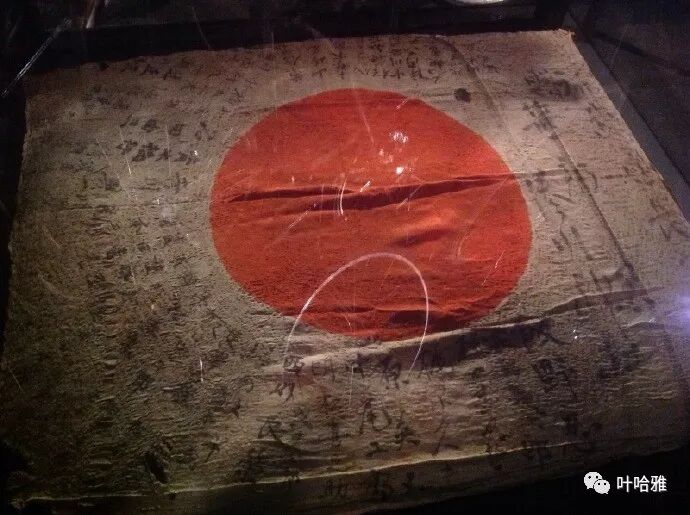
The museum records Singapore's history under the British Empire and the Empire of Japan. Singapore once belonged to Malaya but was later cast aside, forcing it to choose independence. Under the leadership of founding father Lee Kuan Yew, it transformed from a messy area into a clean, developed country.
Singapore's streets are incredibly clean, even cleaner than Japan's, and chewing gum is banned from entering the country.
Littering and spitting are punished severely. Singapore still uses caning as a punishment, which is considered a key part of maintaining order here.
I happened to find a small mosque on the street. There are a few others like it in Singapore. Although Singapore is small, many different religions live here in peace.
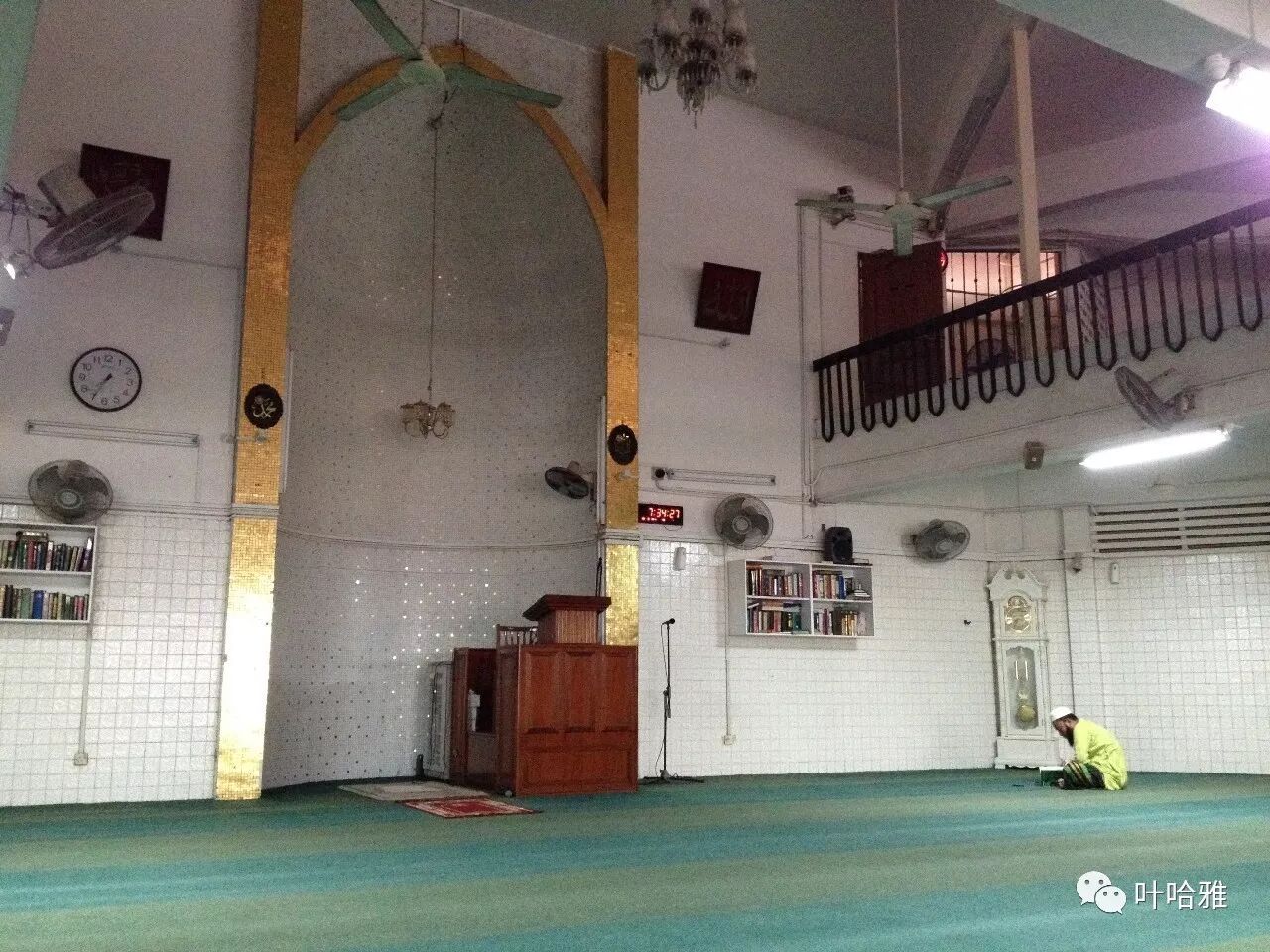
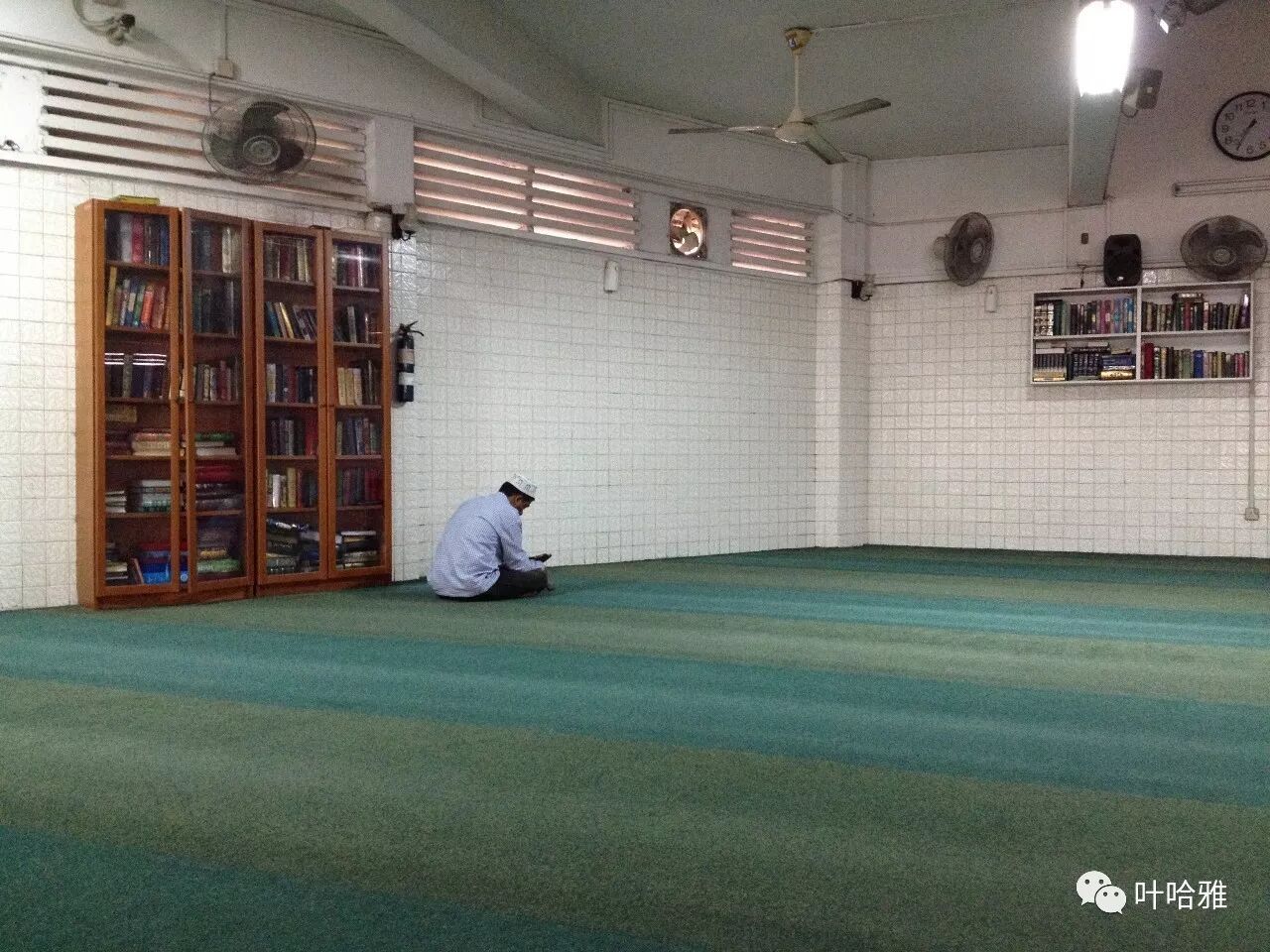
I met a Muslim worker from Bangladesh here. We could talk in English, and he said he wanted to work in Beijing. He asked for my phone number and my family's numbers. I felt it was a bit inappropriate, but I later learned this is just their way of socializing. Their intense friendliness was a bit much for me to handle. After I returned to Beijing, I even got a call from him, but I couldn't hear him clearly so I hung up.
My last stop was Sentosa Park, where I took the world's longest cable car ride to look down at the full view of Singapore.
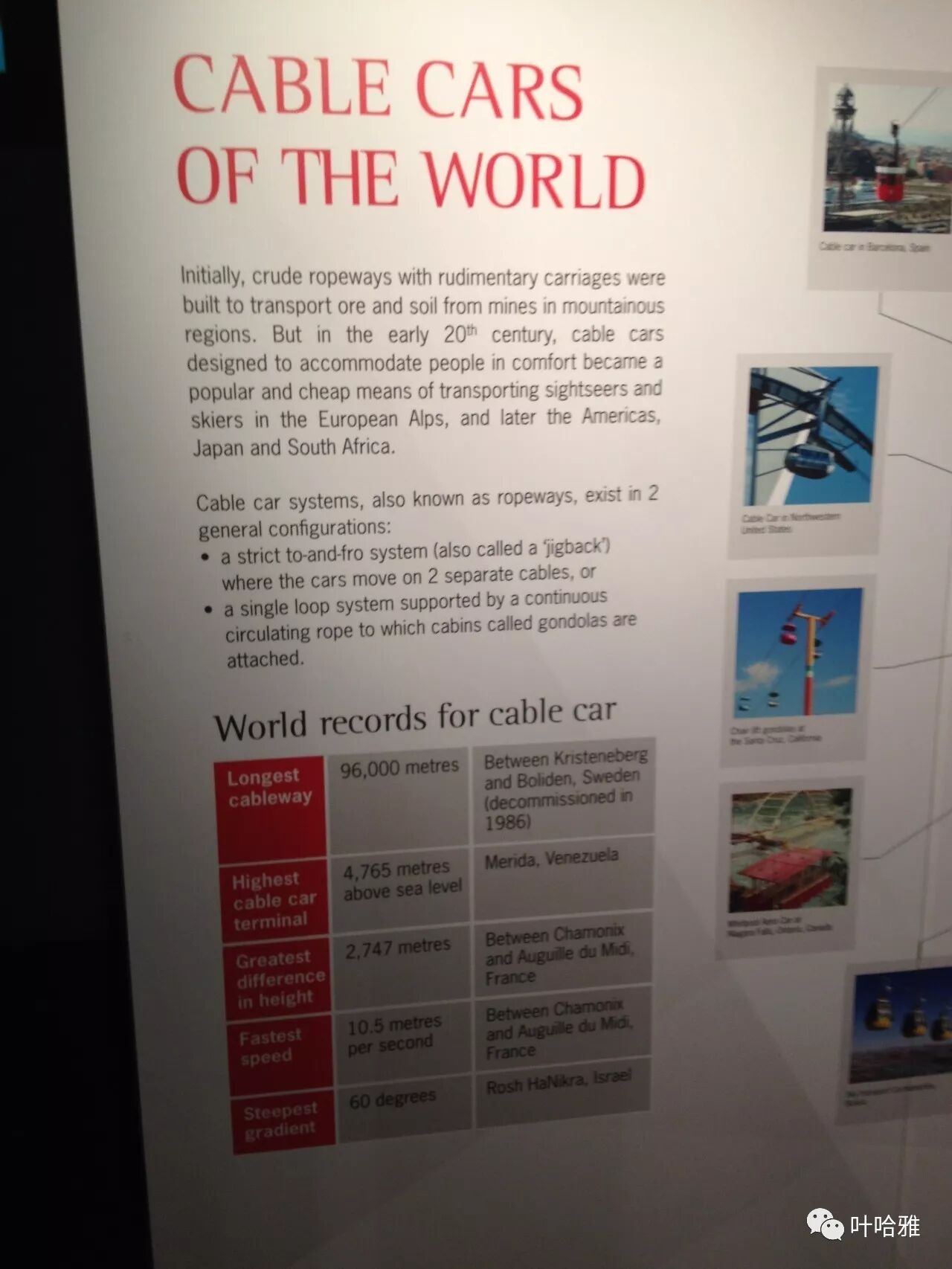
In the park, I was talked into taking a photo with a large tropical parrot, which cost me 20 Singapore dollars, and I also watched a movie at Universal Studios.
That ended my one-day tour of Singapore. I actually had extra time and it wasn't dark yet. I didn't visit the world's largest aquarium or the night safari. During the day, you can take a free sightseeing bus from the airport to tour the city. But for me, since I was just passing through, I had seen enough. My next stop, New Zealand, is the real destination of my trip, where even more beautiful scenery and amazing stories are waiting for me.
Best Halal Food in Hainan: Haikou and Sanya Muslim Restaurants, Seafood and Local Food
Articles • ali2007fr posted the article • 0 comments • 319 views • 2026-05-21 08:42
Summary: This Hainan halal food map follows Haikou, Sanya, Huihui Village, seafood, Muslim restaurants, and island food stops while keeping the original places and photos in order.
Hainan has seven mosques in total. There is one in Haikou, two in Huixin Village in Sanya, and four in Huihui Village. Hainan's Muslims are mainly concentrated in Huixin and Huihui villages. These Muslims are long-term local residents who are relatively wealthy in Hainan. They value their faith deeply, seek blessings in both this life and the next, and serve as a model for Muslims across China.
1. Halal beef hot pot
You cannot miss seafood when visiting Hainan. There are not many halal restaurants in Haikou, so this halal hot pot shop is a great choice for your first meal in Hainan.
They offer individual small pots, which are perfect for solo travelers, though large pots are also available.
Since it is a beef hot pot shop, you should try their beef.
Cook the scallops in the hot pot. A quick dip in the hot soup makes them just right to eat.
A pair of large shrimp is enough for one person.
Seafood alone might not fill you up, so I recommend the steamed buns (baozi) here. They have lamb filling and vegetable filling. I chose the lamb, and after finishing, I told the server the buns were great. The server said the vegetable ones are also delicious.
Address: No. 98-8 Longkun South Road, Longhua District, Haikou City (diagonally opposite the Provincial High Court, 100 meters in front of the 187 Hospital, and 500 meters from the high-speed railway station).
2. Haikou Mosque
Haikou currently has only this one mosque, and it is still under construction. The prayer hall is a temporary structure. At the entrance of the mosque, there is a noodle shop and a baked flatbread (nang) shop run by Uyghurs. If you are in a hurry, you can eat here. Crossing the street from here leads to the Haikou High-Speed Railway Station.
Address: No. 30 Fengxiang West Road, Qiongshan District, Haikou City.
Huixin Village
3. Yilanxinge Restaurant
This is a halal Western-style restaurant with a nice atmosphere, and they also serve hot pot on the second floor.
Address: South side of Huixin Village Road.
4. Huixin Village Hong Kong-style Drink Bar
Located inside Huixin Village near the South Mosque (Nanda Si), this place sells not only homemade drinks but also snacks.
A pretty Huixin girl makes octopus balls (takoyaki).
The packaging box is very cute.
I had only seen non-halal octopus balls before and had never eaten them, so this was a chance to satisfy my craving.
Actually, I want to highlight their passion fruit tea. The young girl cuts two passion fruits, pours the pulp into a cup, adds a few slices of fresh lemon, squeezes out the juice, and adds ice. In the hot Sanya weather, holding a cup of iced passion fruit tea is refreshing and thirst-quenching. All the ingredients are natural with no additives. I came here to buy a cup almost every day, and a large one is only 8 yuan.
5. Daguangming Barbecue Snack Shop
There are several small shops selling seafood barbecue in Huixin Village. I chose this one because it was nearby, and I assume the taste is quite similar.
There is all kinds of seafood here, including sea cucumber, conch meat, sea shrimp, and sea fish, plus some vegetables. The prices are very cheap, so I do not worry about being overcharged when eating seafood here.
I cannot remember the individual prices, but I spent a total of over 30 yuan and got to taste all kinds of fresh seafood.
Pineapple rice (boluofan) is a Hainan specialty snack made by steaming glutinous rice with pineapple and adding goji berries. Some shops use the pineapple shell as a bowl to make it look better.
It was Jumu (Friday prayer) that day, and it happened to be the first Jumu held at the newly built Huixin Village South Mosque. The main hall was packed with people coming for namaz. After the prayer, you can receive sticky rice cakes (nuomibing) given out as duosi at the mosque gate. This is also a Hainan snack, and the black sesame filling is delicious.
Huihui Village
6. Fenghuang Yueju Restaurant
Most restaurants in Huihui Village are located along Huihui Road. This one is on the south side of the road and is a halal restaurant serving Hainan-style food run by locals.
One of the more famous Hainan snacks is beef bone noodle soup (niugufen tang), which features a large piece of meaty beef bone under the noodles.
7. Yuxiang Hot Pot
It is hard to find Sichuan-style halal hot pot after leaving Sichuan. If you find seafood too bland, you can come here to try it.
8. Xining Saisai Private Kitchen
Located next to the old mosque in Huihui Village. I did not eat here, but I was curious because halal private kitchens are quite rare.
9. Huihui Old Restaurant
This is a Hainan-style restaurant. Fresh fish soup and coconut rice (yezi fan) are both local specialties. Coconut rice is not sold individually; it is a complimentary item when you order other dishes.
10. Fenghuang First Seafood Food City
That is the name of the place. Fenghuang refers to Fenghuang Town, where both Huixin Village and Huihui Village are located. The seafood is all fresh, and there are many kinds I cannot even name.
Qinghui—you can tell at a glance that this is a halal tableware brand from Huihui Village.
I also tasted the fresh fish soup. They prepared one spotted fish in two ways: part of it was steamed, and the rest was made into fish soup. The soup was indeed very fresh.
The spotted fish is expensive for a reason; the meat is tender and has no bones.
Spicy crab—I do not remember the name of the crab, only that it was very expensive, costing over 100 yuan for a single catty.
This is called winged bean (sijiaodou), a specialty vegetable in Hainan. It has a good texture and tastes crunchy.
Address: No. 348 Fenghuang Road
11. Aijiayi
Leaving Fenghuang Town, it is time to head to the scenic spots. Huixin Village is not far from Sanya Bay and Dadonghai. This Hainan-style restaurant is near Dadonghai Square.
This place sells Wenchang chicken (Wenchang ji), a specialty from Hainan. Wenchang is a place name in Hainan, and the owner is from Huixin Village and is very welcoming.
12. Yalong Bay Halal Food Street
You do not need to worry about finding food while traveling in Sanya. Every popular tourist spot has a halal restaurant.
Yalong Bay is a beautiful part of Sanya with many tourists. A pleasant surprise is that there is a halal food street right near the public beach.
Sanya is really hot during the day in winter. Seeing these fresh tropical fruits makes me want to eat them right away. Holding a coconut drink while sunbathing on the beach is great. Coconuts are 15 yuan each, which is a bit more expensive than in Malaysia.
13. Wuzhizhou Island
Wuzhizhou Island is the most beautiful island in Sanya. If you are short on time, you can just come here, as other beaches do not look as good as Wuzhizhou Island.
There is also a halal restaurant on the island that sells various snacks.
The prices are a bit high because everything on the island is expensive. I suggest you prepare food and drinks before you get on the island.
This covers the main halal food options in Hainan. By the way, regarding accommodation, renting a place in Sanya is very cheap. Muslims can choose to stay in Huixin Village or Huihui Village. A room costs only a few hundred yuan per month. Many Muslims from Northwest China come here to spend the winter. The temperature in Sanya is over 20 degrees in winter, and the air is fresh and humid. Staying in the village for a month or two does not cost much in rent, and it is easy to find food. view all
Summary: This Hainan halal food map follows Haikou, Sanya, Huihui Village, seafood, Muslim restaurants, and island food stops while keeping the original places and photos in order.
Hainan has seven mosques in total. There is one in Haikou, two in Huixin Village in Sanya, and four in Huihui Village. Hainan's Muslims are mainly concentrated in Huixin and Huihui villages. These Muslims are long-term local residents who are relatively wealthy in Hainan. They value their faith deeply, seek blessings in both this life and the next, and serve as a model for Muslims across China.
1. Halal beef hot pot
You cannot miss seafood when visiting Hainan. There are not many halal restaurants in Haikou, so this halal hot pot shop is a great choice for your first meal in Hainan.
They offer individual small pots, which are perfect for solo travelers, though large pots are also available.
Since it is a beef hot pot shop, you should try their beef.
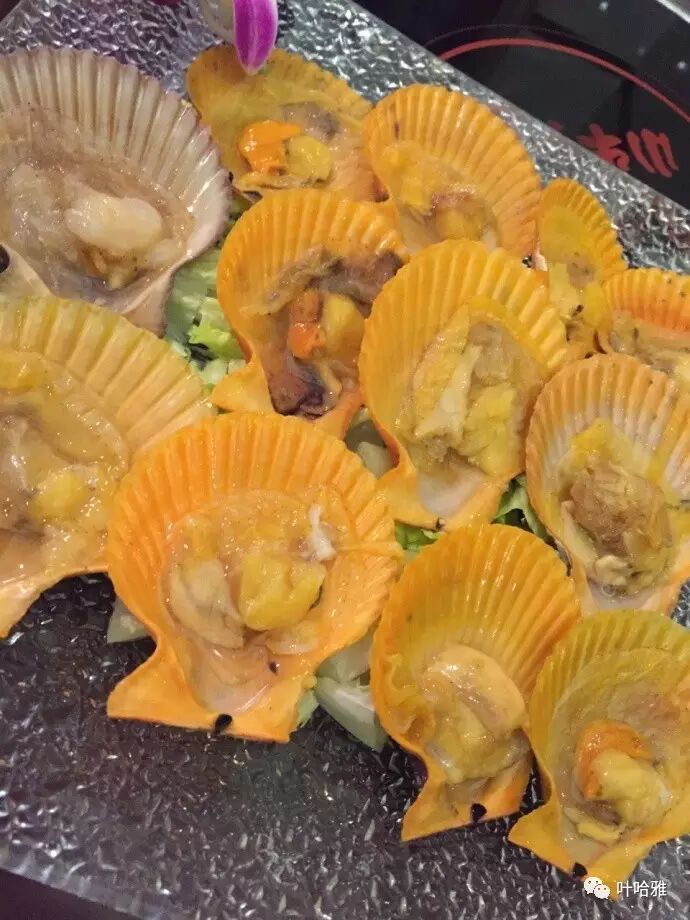
Cook the scallops in the hot pot. A quick dip in the hot soup makes them just right to eat.
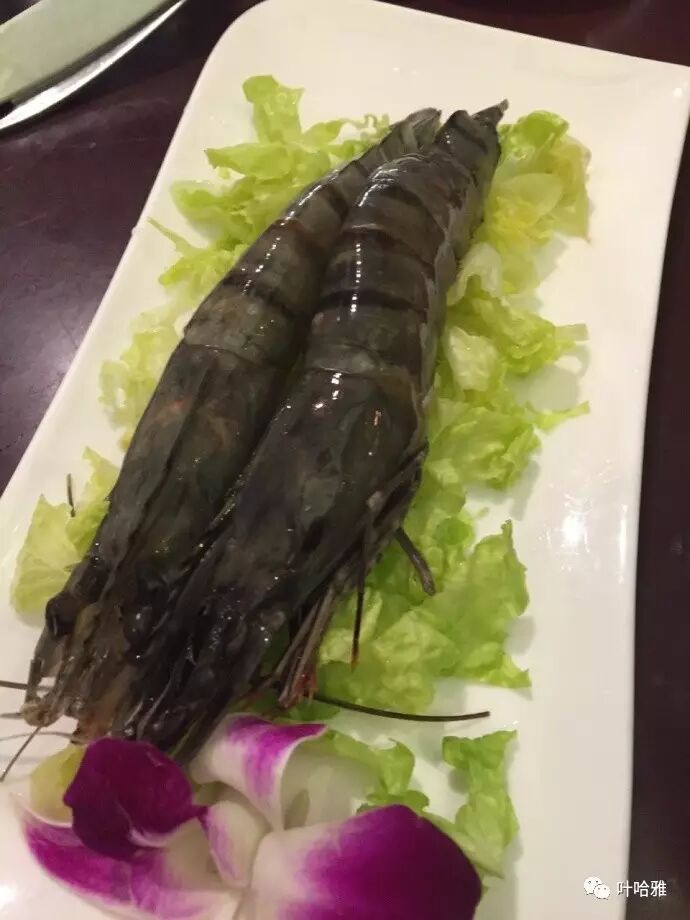
A pair of large shrimp is enough for one person.
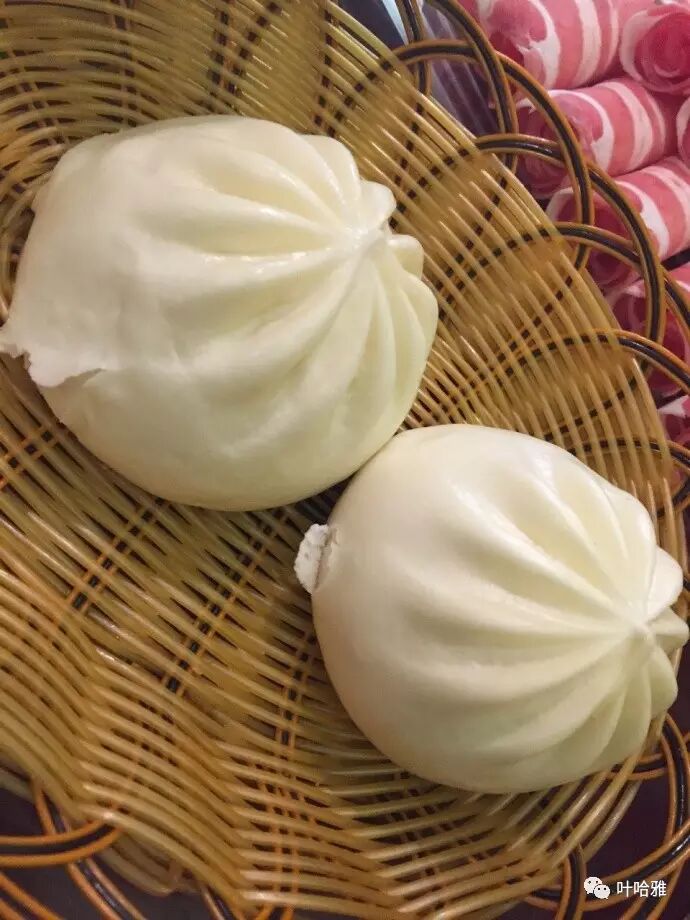
Seafood alone might not fill you up, so I recommend the steamed buns (baozi) here. They have lamb filling and vegetable filling. I chose the lamb, and after finishing, I told the server the buns were great. The server said the vegetable ones are also delicious.
Address: No. 98-8 Longkun South Road, Longhua District, Haikou City (diagonally opposite the Provincial High Court, 100 meters in front of the 187 Hospital, and 500 meters from the high-speed railway station).
2. Haikou Mosque
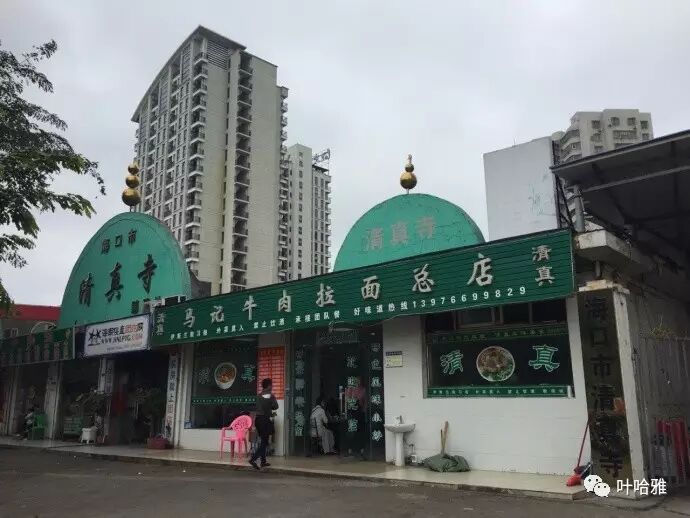
Haikou currently has only this one mosque, and it is still under construction. The prayer hall is a temporary structure. At the entrance of the mosque, there is a noodle shop and a baked flatbread (nang) shop run by Uyghurs. If you are in a hurry, you can eat here. Crossing the street from here leads to the Haikou High-Speed Railway Station.
Address: No. 30 Fengxiang West Road, Qiongshan District, Haikou City.
Huixin Village
3. Yilanxinge Restaurant
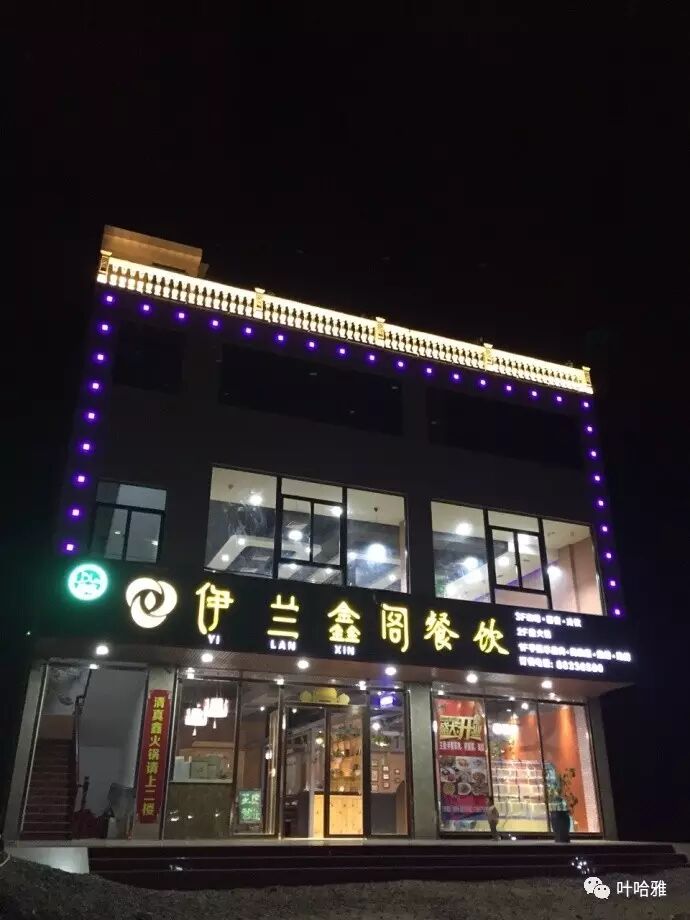
This is a halal Western-style restaurant with a nice atmosphere, and they also serve hot pot on the second floor.
Address: South side of Huixin Village Road.
4. Huixin Village Hong Kong-style Drink Bar
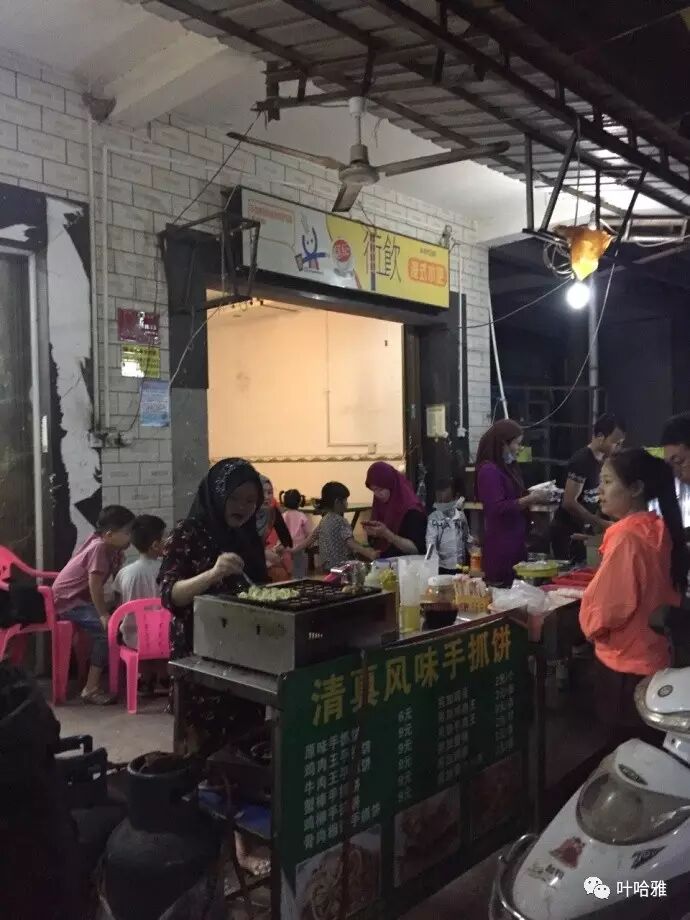
Located inside Huixin Village near the South Mosque (Nanda Si), this place sells not only homemade drinks but also snacks.
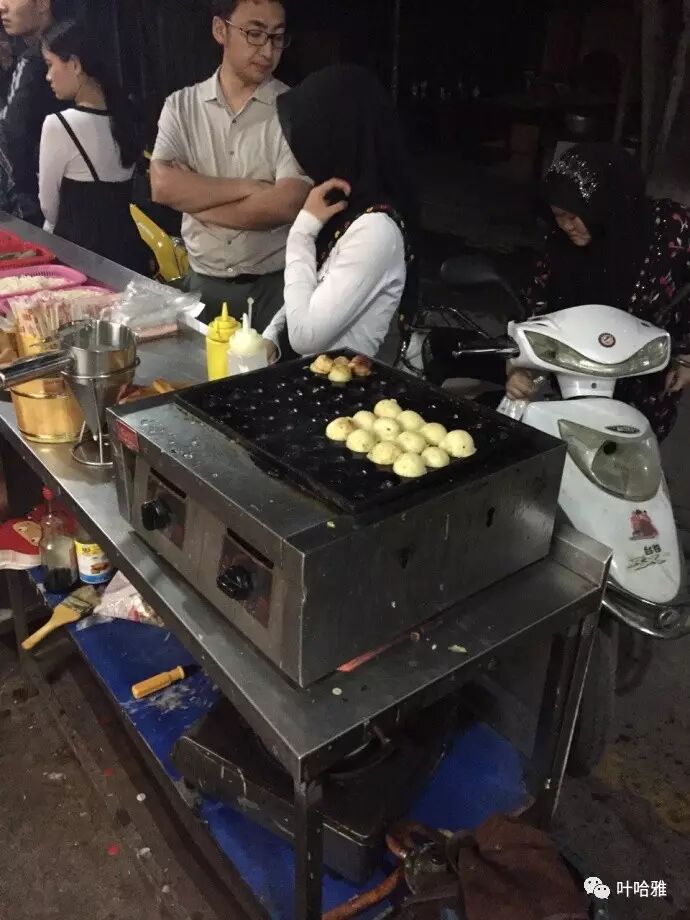
A pretty Huixin girl makes octopus balls (takoyaki).
The packaging box is very cute.
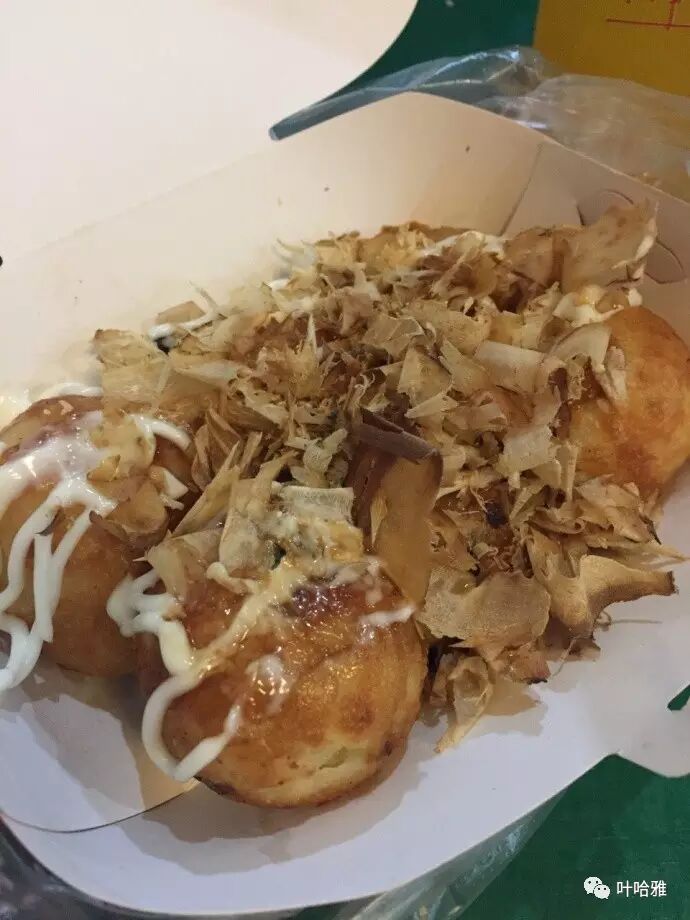
I had only seen non-halal octopus balls before and had never eaten them, so this was a chance to satisfy my craving.
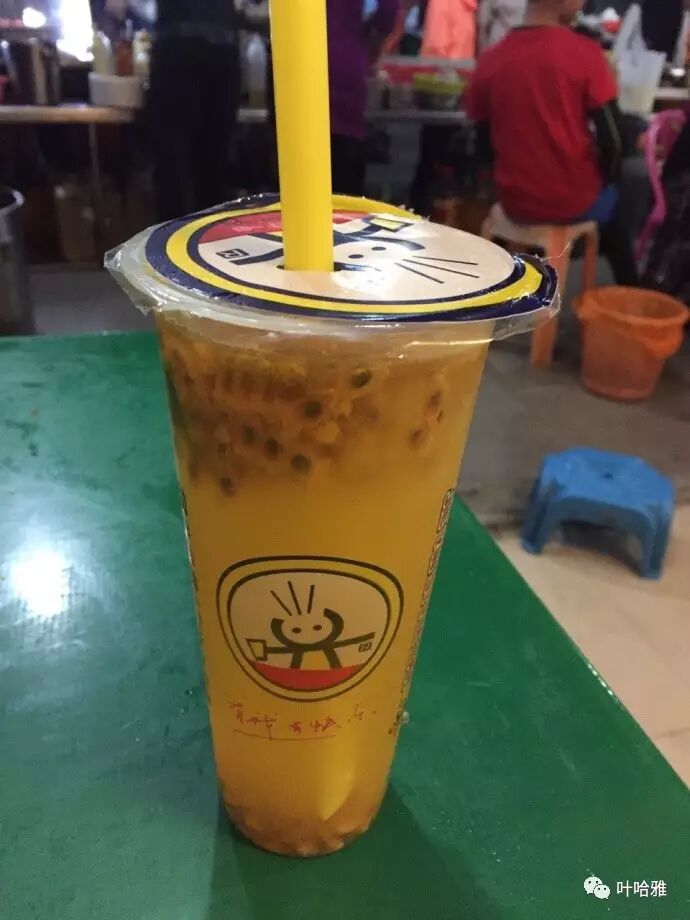
Actually, I want to highlight their passion fruit tea. The young girl cuts two passion fruits, pours the pulp into a cup, adds a few slices of fresh lemon, squeezes out the juice, and adds ice. In the hot Sanya weather, holding a cup of iced passion fruit tea is refreshing and thirst-quenching. All the ingredients are natural with no additives. I came here to buy a cup almost every day, and a large one is only 8 yuan.
5. Daguangming Barbecue Snack Shop
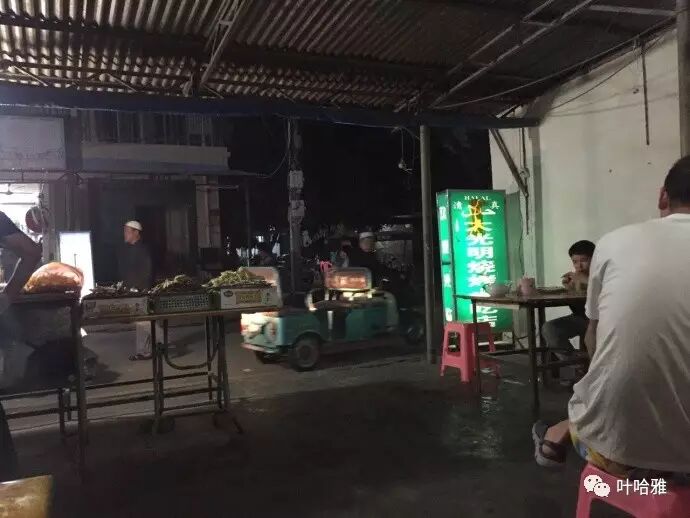
There are several small shops selling seafood barbecue in Huixin Village. I chose this one because it was nearby, and I assume the taste is quite similar.
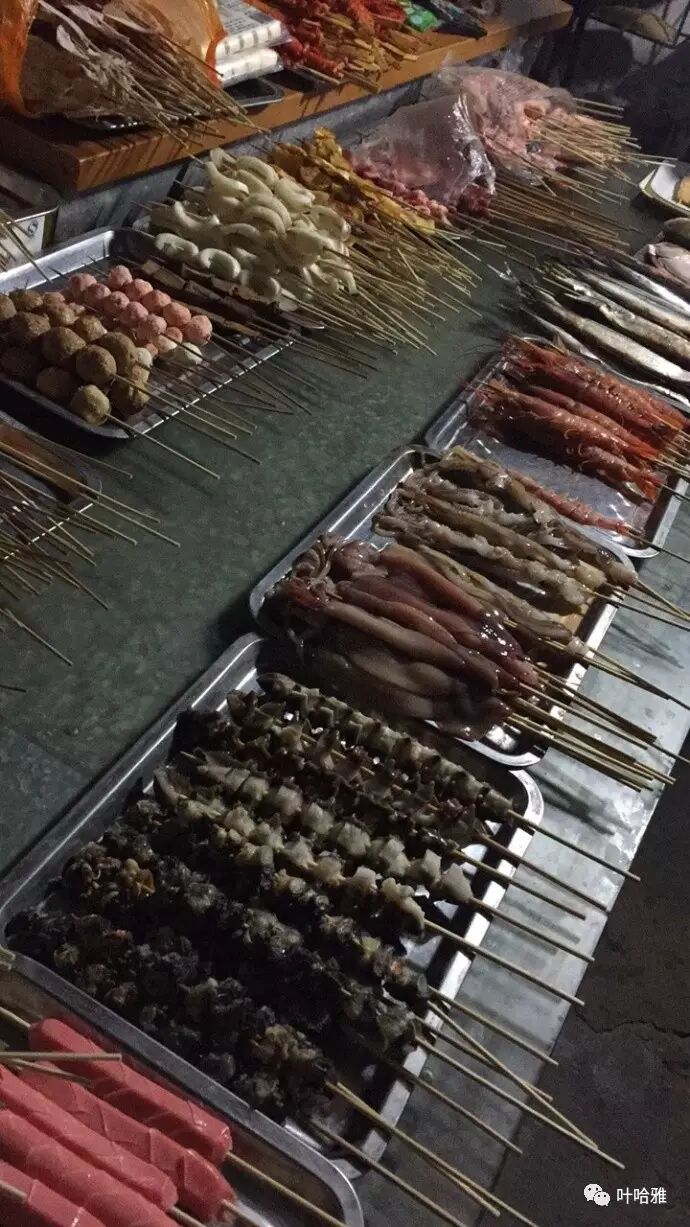
There is all kinds of seafood here, including sea cucumber, conch meat, sea shrimp, and sea fish, plus some vegetables. The prices are very cheap, so I do not worry about being overcharged when eating seafood here.
I cannot remember the individual prices, but I spent a total of over 30 yuan and got to taste all kinds of fresh seafood.
Pineapple rice (boluofan) is a Hainan specialty snack made by steaming glutinous rice with pineapple and adding goji berries. Some shops use the pineapple shell as a bowl to make it look better.
It was Jumu (Friday prayer) that day, and it happened to be the first Jumu held at the newly built Huixin Village South Mosque. The main hall was packed with people coming for namaz. After the prayer, you can receive sticky rice cakes (nuomibing) given out as duosi at the mosque gate. This is also a Hainan snack, and the black sesame filling is delicious.
Huihui Village
6. Fenghuang Yueju Restaurant
Most restaurants in Huihui Village are located along Huihui Road. This one is on the south side of the road and is a halal restaurant serving Hainan-style food run by locals.
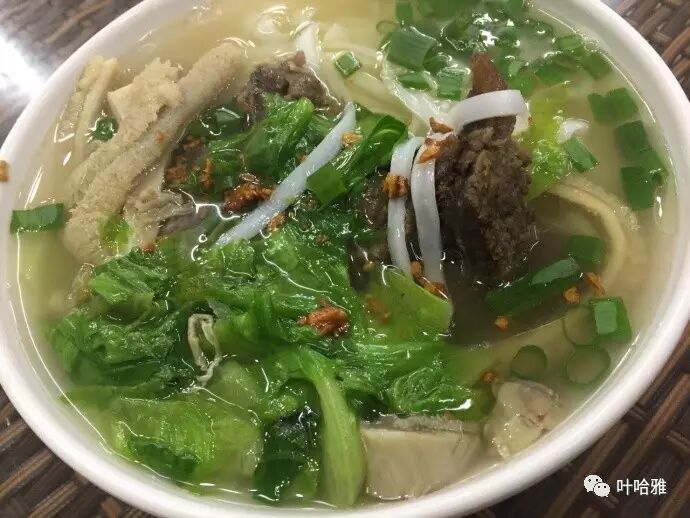
One of the more famous Hainan snacks is beef bone noodle soup (niugufen tang), which features a large piece of meaty beef bone under the noodles.
7. Yuxiang Hot Pot
It is hard to find Sichuan-style halal hot pot after leaving Sichuan. If you find seafood too bland, you can come here to try it.
8. Xining Saisai Private Kitchen
Located next to the old mosque in Huihui Village. I did not eat here, but I was curious because halal private kitchens are quite rare.
9. Huihui Old Restaurant
This is a Hainan-style restaurant. Fresh fish soup and coconut rice (yezi fan) are both local specialties. Coconut rice is not sold individually; it is a complimentary item when you order other dishes.
10. Fenghuang First Seafood Food City
That is the name of the place. Fenghuang refers to Fenghuang Town, where both Huixin Village and Huihui Village are located. The seafood is all fresh, and there are many kinds I cannot even name.
Qinghui—you can tell at a glance that this is a halal tableware brand from Huihui Village.
I also tasted the fresh fish soup. They prepared one spotted fish in two ways: part of it was steamed, and the rest was made into fish soup. The soup was indeed very fresh.
The spotted fish is expensive for a reason; the meat is tender and has no bones.
Spicy crab—I do not remember the name of the crab, only that it was very expensive, costing over 100 yuan for a single catty.
This is called winged bean (sijiaodou), a specialty vegetable in Hainan. It has a good texture and tastes crunchy.
Address: No. 348 Fenghuang Road
11. Aijiayi
Leaving Fenghuang Town, it is time to head to the scenic spots. Huixin Village is not far from Sanya Bay and Dadonghai. This Hainan-style restaurant is near Dadonghai Square.
This place sells Wenchang chicken (Wenchang ji), a specialty from Hainan. Wenchang is a place name in Hainan, and the owner is from Huixin Village and is very welcoming.
12. Yalong Bay Halal Food Street
You do not need to worry about finding food while traveling in Sanya. Every popular tourist spot has a halal restaurant.
Yalong Bay is a beautiful part of Sanya with many tourists. A pleasant surprise is that there is a halal food street right near the public beach.
Sanya is really hot during the day in winter. Seeing these fresh tropical fruits makes me want to eat them right away. Holding a coconut drink while sunbathing on the beach is great. Coconuts are 15 yuan each, which is a bit more expensive than in Malaysia.
13. Wuzhizhou Island
Wuzhizhou Island is the most beautiful island in Sanya. If you are short on time, you can just come here, as other beaches do not look as good as Wuzhizhou Island.
There is also a halal restaurant on the island that sells various snacks.
The prices are a bit high because everything on the island is expensive. I suggest you prepare food and drinks before you get on the island.
This covers the main halal food options in Hainan. By the way, regarding accommodation, renting a place in Sanya is very cheap. Muslims can choose to stay in Huixin Village or Huihui Village. A room costs only a few hundred yuan per month. Many Muslims from Northwest China come here to spend the winter. The temperature in Sanya is over 20 degrees in winter, and the air is fresh and humid. Staying in the village for a month or two does not cost much in rent, and it is easy to find food.
China Mosque Travel Guide: Eight Historic Mosque Complexes in Longhui, Shaoyang, Hunan (Part 1 of 2)
Articles • Hasan09 posted the article • 0 comments • 302 views • 2026-06-30 06:24
Summary: This China mosque travel guide covers eight historic mosque complexes in Longhui, Shaoyang, Hunan, with local Hui Muslim heritage and mosque travel details kept in clear English.
This article summarizes the key points about the eight mosques (sifang) in Longhui County, Shaoyang, Hunan. It keeps the original paragraph and image order. It is for readers interested in Muslim life, Islamic culture, and Chinese Islamic writing. It also helps people search for content like Chinese halal food.
Longhui County in Shaoyang City, Hunan, has a large population of Hui Muslims. I visited eight mosques there: Taohuaping Mosque, Shanjie Ancient Mosque, East Mosque, West Mosque, South Mosque, North Mosque, Luobai Mosque, and Niejiaoting Mosque. I will share them with you below.
Shanjie Ancient Mosque in Longhui County, Shaoyang, Hunan, is located in Laowuli, Shanjie Township. It was first built in 1444 (the ninth year of the Zhengtong reign of the Ming Dynasty) and is the oldest mosque in Longhui. During the Hongwu reign of the Ming Dynasty, Ma Zhi, the third son of Ma Cheng, the ancestor of the Ma family Hui Muslims in Shaoyang, moved from Shaoyang to Majia Ferry in Longhui to settle down. He was the first Hui Muslim in Longhui, and Shanjie Ancient Mosque was built by the Ma family.
Shanjie Ancient Mosque was renovated in 1919 and rebuilt into its current appearance in 2018.
Shanjie Ancient Mosque has a long tradition of teaching Islamic scripture. The head imams who have taught there include Ma Yulang, Ma Fujiu, Ma Fucheng, Ma Yucheng, Ma Yaochi, and Ding Zhenyi. They also hired imams from other places like Huang Xingxiang and Li Desheng. Ma Fucheng, an imam from this mosque, taught there for the longest time. In 1945, Imam Ma Yucheng taught at the ancient mosque and recruited many students (hailifan), marking the peak of the mosque's religious activities. To this day, the mosque continues its educational work and has trained many excellent young people.
On September 2, 1939, the Wugang County, Hunan branch of the China Islamic National Salvation Association was officially established at the mosque. The mosque's imam, Ma Fucheng, was elected as an officer. Inspired by the call to resist Japanese aggression and save the country, young Hui Muslims from the mosque, including Ma Qiyun, Ma Wuyang from the North Mosque, and Su Xingmin from Beishan, signed up for the army, took up arms, and headed to the front lines in East China.
Relics at Shanjie Ancient Mosque include stone pillar bases, wood carvings, and calligraphy of the mihrab in the kiln niche.
The stone couplet on the main gate reads: Clear the murky and promote the pure to follow the great path; preserve the truth and remove the false so that every generation has successors. The calligraphy was written by Ma Linyi, a Hui Muslim educator and Minister of Education in Shaoyang during the Republic of China. He is known as the Father of Northwest Education and the founder of modern Chinese Hui Muslim education.
Ma Linyi was born in Shaoyang, Hunan, in 1865. He passed the imperial examinations in 1902 and went to Japan on a government scholarship in 1904 to study teacher training. During that time, he met Sun Yat-sen, joined the Tongmenghui in 1905, and returned home to work on new government policies and modern education. In 1906, he founded Xiejin Primary School in Shaoyang, which was the first modern school for Hui Muslims in Hunan.
In 1908, he was transferred to the Qing government's Ministry of Education as a director. That same year, he helped establish the Beijing First Islamic Primary School inside the Niujie Mosque and later helped found the Islamic Education Association. While serving as Vice Minister of Education in 1912, Ma Linyi founded the Chinese Islamic Progressive Association with the support of Sun Yat-sen and served as its president.
While in charge of education in Gansu, Ma Linyi founded 277 schools of various types and set up the Gansu Islamic Education Promotion Office, spreading over a hundred Islamic primary schools across Gansu, Ningxia, and Qinghai. He selected over a hundred young people from the Northwest for government-funded study abroad, laying the foundation for modern basic education in the Northwest.
In 1928, Ma Linyi helped found the Islamic Middle School in Niujie and served as its vice chairman. In 1929, Ma Linyi became a board member of the Beiping Chengda Teachers' College. He actively updated the curriculum and improved teaching methods, helping Chengda develop into a modern school. In his later years, Ma Linyi devoted himself to the faith and served as an advisor to Wang Jingzhai for his translation of Islamic classics.
Shanjie East Mosque was first built in 1728 (the fifth year of the Yongzheng reign). The mosque has hired many imams over the years, including Su Yuebo, Ma Yulang, Ma Baochu, Zheng Liansheng, Ma Yuechi, Ma Yucheng, Tang Yuanqi, Hai Shiquan, Ma Chengyong, Ding Baohua, Ma Gen'ao, Ma Xiang'ao, and Ma Wuquan. Students from as far as Hainan and Guangxi came to study under the great imam Ma Yucheng in Gansu, and the local religious community was very prosperous.
It is a pity that the mosque was locked when I visited, so I could not go inside.
Shanjie West Mosque, also known as Jiajian Village Mosque, was first built in 1836 (the 16th year of the Daoguang reign). It was expanded during the Guangxu and Republic of China periods, and the local Hui Muslims there are surnamed Ma, Huang, and Zheng. The imams who have served at the mosque include Ma Chaoxin, Zheng Liansheng, Ma Daocheng, Ma Fucheng, and Ma Liangxu. The main hall of the West Mosque collapsed in 1991. It was being rebuilt when a flood destroyed it in 1996. After raising funds again, it was officially completed at the end of 1996 and renovated again in 2013.
The mosque houses a stone tablet from the 11th year of the Guangxu reign titled 'Record of Continued Mosque Repairs,' which lists the names of the donors at that time and serves as a precious historical record.
Shanjie North Mosque, also called Sifangjing Mosque, was first built in 1824 (the 4th year of the Daoguang reign), and the local Hui Muslims there are surnamed Ma. The main hall was destroyed after 1966. It was rebuilt in 1991 and again in 2000, with only the original stone gate pillars remaining. The pillars are carved with a couplet by the Republic of China educator Ma Linyi: 'To study the Way, one must seek the source; why ask about Jesus, Buddha, or the Greeks? To unite with Heaven is to enter the path of the sages; ancient and modern, Chinese and foreign, all share the same principle.'
Regrettably, the Shanjie North Mosque was also locked when I visited, and I could not enter. view all
Summary: This China mosque travel guide covers eight historic mosque complexes in Longhui, Shaoyang, Hunan, with local Hui Muslim heritage and mosque travel details kept in clear English.
This article summarizes the key points about the eight mosques (sifang) in Longhui County, Shaoyang, Hunan. It keeps the original paragraph and image order. It is for readers interested in Muslim life, Islamic culture, and Chinese Islamic writing. It also helps people search for content like Chinese halal food.
Longhui County in Shaoyang City, Hunan, has a large population of Hui Muslims. I visited eight mosques there: Taohuaping Mosque, Shanjie Ancient Mosque, East Mosque, West Mosque, South Mosque, North Mosque, Luobai Mosque, and Niejiaoting Mosque. I will share them with you below.
Shanjie Ancient Mosque in Longhui County, Shaoyang, Hunan, is located in Laowuli, Shanjie Township. It was first built in 1444 (the ninth year of the Zhengtong reign of the Ming Dynasty) and is the oldest mosque in Longhui. During the Hongwu reign of the Ming Dynasty, Ma Zhi, the third son of Ma Cheng, the ancestor of the Ma family Hui Muslims in Shaoyang, moved from Shaoyang to Majia Ferry in Longhui to settle down. He was the first Hui Muslim in Longhui, and Shanjie Ancient Mosque was built by the Ma family.
Shanjie Ancient Mosque was renovated in 1919 and rebuilt into its current appearance in 2018.
Shanjie Ancient Mosque has a long tradition of teaching Islamic scripture. The head imams who have taught there include Ma Yulang, Ma Fujiu, Ma Fucheng, Ma Yucheng, Ma Yaochi, and Ding Zhenyi. They also hired imams from other places like Huang Xingxiang and Li Desheng. Ma Fucheng, an imam from this mosque, taught there for the longest time. In 1945, Imam Ma Yucheng taught at the ancient mosque and recruited many students (hailifan), marking the peak of the mosque's religious activities. To this day, the mosque continues its educational work and has trained many excellent young people.
On September 2, 1939, the Wugang County, Hunan branch of the China Islamic National Salvation Association was officially established at the mosque. The mosque's imam, Ma Fucheng, was elected as an officer. Inspired by the call to resist Japanese aggression and save the country, young Hui Muslims from the mosque, including Ma Qiyun, Ma Wuyang from the North Mosque, and Su Xingmin from Beishan, signed up for the army, took up arms, and headed to the front lines in East China.
Relics at Shanjie Ancient Mosque include stone pillar bases, wood carvings, and calligraphy of the mihrab in the kiln niche.
The stone couplet on the main gate reads: Clear the murky and promote the pure to follow the great path; preserve the truth and remove the false so that every generation has successors. The calligraphy was written by Ma Linyi, a Hui Muslim educator and Minister of Education in Shaoyang during the Republic of China. He is known as the Father of Northwest Education and the founder of modern Chinese Hui Muslim education.
Ma Linyi was born in Shaoyang, Hunan, in 1865. He passed the imperial examinations in 1902 and went to Japan on a government scholarship in 1904 to study teacher training. During that time, he met Sun Yat-sen, joined the Tongmenghui in 1905, and returned home to work on new government policies and modern education. In 1906, he founded Xiejin Primary School in Shaoyang, which was the first modern school for Hui Muslims in Hunan.
In 1908, he was transferred to the Qing government's Ministry of Education as a director. That same year, he helped establish the Beijing First Islamic Primary School inside the Niujie Mosque and later helped found the Islamic Education Association. While serving as Vice Minister of Education in 1912, Ma Linyi founded the Chinese Islamic Progressive Association with the support of Sun Yat-sen and served as its president.
While in charge of education in Gansu, Ma Linyi founded 277 schools of various types and set up the Gansu Islamic Education Promotion Office, spreading over a hundred Islamic primary schools across Gansu, Ningxia, and Qinghai. He selected over a hundred young people from the Northwest for government-funded study abroad, laying the foundation for modern basic education in the Northwest.
In 1928, Ma Linyi helped found the Islamic Middle School in Niujie and served as its vice chairman. In 1929, Ma Linyi became a board member of the Beiping Chengda Teachers' College. He actively updated the curriculum and improved teaching methods, helping Chengda develop into a modern school. In his later years, Ma Linyi devoted himself to the faith and served as an advisor to Wang Jingzhai for his translation of Islamic classics.
Shanjie East Mosque was first built in 1728 (the fifth year of the Yongzheng reign). The mosque has hired many imams over the years, including Su Yuebo, Ma Yulang, Ma Baochu, Zheng Liansheng, Ma Yuechi, Ma Yucheng, Tang Yuanqi, Hai Shiquan, Ma Chengyong, Ding Baohua, Ma Gen'ao, Ma Xiang'ao, and Ma Wuquan. Students from as far as Hainan and Guangxi came to study under the great imam Ma Yucheng in Gansu, and the local religious community was very prosperous.
It is a pity that the mosque was locked when I visited, so I could not go inside.
Shanjie West Mosque, also known as Jiajian Village Mosque, was first built in 1836 (the 16th year of the Daoguang reign). It was expanded during the Guangxu and Republic of China periods, and the local Hui Muslims there are surnamed Ma, Huang, and Zheng. The imams who have served at the mosque include Ma Chaoxin, Zheng Liansheng, Ma Daocheng, Ma Fucheng, and Ma Liangxu. The main hall of the West Mosque collapsed in 1991. It was being rebuilt when a flood destroyed it in 1996. After raising funds again, it was officially completed at the end of 1996 and renovated again in 2013.
The mosque houses a stone tablet from the 11th year of the Guangxu reign titled 'Record of Continued Mosque Repairs,' which lists the names of the donors at that time and serves as a precious historical record.
Shanjie North Mosque, also called Sifangjing Mosque, was first built in 1824 (the 4th year of the Daoguang reign), and the local Hui Muslims there are surnamed Ma. The main hall was destroyed after 1966. It was rebuilt in 1991 and again in 2000, with only the original stone gate pillars remaining. The pillars are carved with a couplet by the Republic of China educator Ma Linyi: 'To study the Way, one must seek the source; why ask about Jesus, Buddha, or the Greeks? To unite with Heaven is to enter the path of the sages; ancient and modern, Chinese and foreign, all share the same principle.'
Regrettably, the Shanjie North Mosque was also locked when I visited, and I could not enter.
China Mosque Travel Guide: Eight Historic Mosque Complexes in Longhui, Shaoyang, Hunan (Part 1 of 5)
Articles • yusuf908 posted the article • 0 comments • 331 views • 2026-06-30 06:24
Summary: This China mosque travel guide covers eight historic mosque complexes in Longhui, Shaoyang, Hunan, with local Hui Muslim heritage and mosque travel details kept in clear English.
This article summarizes the key points about the eight mosques (sifang) in Longhui County, Shaoyang, Hunan. It keeps the original paragraph and image order. It is for readers interested in Muslim life, Islamic culture, and Chinese Islamic writing. It also helps people search for content like Chinese halal food.
Longhui County in Shaoyang City, Hunan, has a large population of Hui Muslims. I visited eight mosques there: Taohuaping Mosque, Shanjie Ancient Mosque, East Mosque, West Mosque, South Mosque, North Mosque, Luobai Mosque, and Niejiaoting Mosque. I will share them with you below.
Shanjie Ancient Mosque in Longhui County, Shaoyang, Hunan, is located in Laowuli, Shanjie Township. It was first built in 1444 (the ninth year of the Zhengtong reign of the Ming Dynasty) and is the oldest mosque in Longhui. During the Hongwu reign of the Ming Dynasty, Ma Zhi, the third son of Ma Cheng, the ancestor of the Ma family Hui Muslims in Shaoyang, moved from Shaoyang to Majia Ferry in Longhui to settle down. He was the first Hui Muslim in Longhui, and Shanjie Ancient Mosque was built by the Ma family.
Shanjie Ancient Mosque was renovated in 1919 and rebuilt into its current appearance in 2018.
Shanjie Ancient Mosque has a long tradition of teaching Islamic scripture. The head imams who have taught there include Ma Yulang, Ma Fujiu, Ma Fucheng, Ma Yucheng, Ma Yaochi, and Ding Zhenyi. They also hired imams from other places like Huang Xingxiang and Li Desheng. Ma Fucheng, an imam from this mosque, taught there for the longest time. In 1945, Imam Ma Yucheng taught at the ancient mosque and recruited many students (hailifan), marking the peak of the mosque's religious activities. To this day, the mosque continues its educational work and has trained many excellent young people.
On September 2, 1939, the Wugang County, Hunan branch of the China Islamic National Salvation Association was officially established at the mosque. The mosque's imam, Ma Fucheng, was elected as an officer. Inspired by the call to resist Japanese aggression and save the country, young Hui Muslims from the mosque, including Ma Qiyun, Ma Wuyang from the North Mosque, and Su Xingmin from Beishan, signed up for the army, took up arms, and headed to the front lines in East China.
Relics at Shanjie Ancient Mosque include stone pillar bases, wood carvings, and calligraphy of the mihrab in the kiln niche.
The stone couplet on the main gate reads: Clear the murky and promote the pure to follow the great path; preserve the truth and remove the false so that every generation has successors. The calligraphy was written by Ma Linyi, a Hui Muslim educator and Minister of Education in Shaoyang during the Republic of China. He is known as the Father of Northwest Education and the founder of modern Chinese Hui Muslim education.
Ma Linyi was born in Shaoyang, Hunan, in 1865. He passed the imperial examinations in 1902 and went to Japan on a government scholarship in 1904 to study teacher training. During that time, he met Sun Yat-sen, joined the Tongmenghui in 1905, and returned home to work on new government policies and modern education. In 1906, he founded Xiejin Primary School in Shaoyang, which was the first modern school for Hui Muslims in Hunan.
In 1908, he was transferred to the Qing government's Ministry of Education as a director. That same year, he helped establish the Beijing First Islamic Primary School inside the Niujie Mosque and later helped found the Islamic Education Association. While serving as Vice Minister of Education in 1912, Ma Linyi founded the Chinese Islamic Progressive Association with the support of Sun Yat-sen and served as its president.
While in charge of education in Gansu, Ma Linyi founded 277 schools of various types and set up the Gansu Islamic Education Promotion Office, spreading over a hundred Islamic primary schools across Gansu, Ningxia, and Qinghai. He selected over a hundred young people from the Northwest for government-funded study abroad, laying the foundation for modern basic education in the Northwest.
In 1928, Ma Linyi helped found the Islamic Middle School in Niujie and served as its vice chairman. In 1929, Ma Linyi became a board member of the Beiping Chengda Teachers' College. He actively updated the curriculum and improved teaching methods, helping Chengda develop into a modern school. In his later years, Ma Linyi devoted himself to the faith and served as an advisor to Wang Jingzhai for his translation of Islamic classics.
Shanjie East Mosque was first built in 1728 (the fifth year of the Yongzheng reign). The mosque has hired many imams over the years, including Su Yuebo, Ma Yulang, Ma Baochu, Zheng Liansheng, Ma Yuechi, Ma Yucheng, Tang Yuanqi, Hai Shiquan, Ma Chengyong, Ding Baohua, Ma Gen'ao, Ma Xiang'ao, and Ma Wuquan. Students from as far as Hainan and Guangxi came to study under the great imam Ma Yucheng in Gansu, and the local religious community was very prosperous.
It is a pity that the mosque was locked when I visited, so I could not go inside. view all
Summary: This China mosque travel guide covers eight historic mosque complexes in Longhui, Shaoyang, Hunan, with local Hui Muslim heritage and mosque travel details kept in clear English.
This article summarizes the key points about the eight mosques (sifang) in Longhui County, Shaoyang, Hunan. It keeps the original paragraph and image order. It is for readers interested in Muslim life, Islamic culture, and Chinese Islamic writing. It also helps people search for content like Chinese halal food.
Longhui County in Shaoyang City, Hunan, has a large population of Hui Muslims. I visited eight mosques there: Taohuaping Mosque, Shanjie Ancient Mosque, East Mosque, West Mosque, South Mosque, North Mosque, Luobai Mosque, and Niejiaoting Mosque. I will share them with you below.
Shanjie Ancient Mosque in Longhui County, Shaoyang, Hunan, is located in Laowuli, Shanjie Township. It was first built in 1444 (the ninth year of the Zhengtong reign of the Ming Dynasty) and is the oldest mosque in Longhui. During the Hongwu reign of the Ming Dynasty, Ma Zhi, the third son of Ma Cheng, the ancestor of the Ma family Hui Muslims in Shaoyang, moved from Shaoyang to Majia Ferry in Longhui to settle down. He was the first Hui Muslim in Longhui, and Shanjie Ancient Mosque was built by the Ma family.
Shanjie Ancient Mosque was renovated in 1919 and rebuilt into its current appearance in 2018.
Shanjie Ancient Mosque has a long tradition of teaching Islamic scripture. The head imams who have taught there include Ma Yulang, Ma Fujiu, Ma Fucheng, Ma Yucheng, Ma Yaochi, and Ding Zhenyi. They also hired imams from other places like Huang Xingxiang and Li Desheng. Ma Fucheng, an imam from this mosque, taught there for the longest time. In 1945, Imam Ma Yucheng taught at the ancient mosque and recruited many students (hailifan), marking the peak of the mosque's religious activities. To this day, the mosque continues its educational work and has trained many excellent young people.
On September 2, 1939, the Wugang County, Hunan branch of the China Islamic National Salvation Association was officially established at the mosque. The mosque's imam, Ma Fucheng, was elected as an officer. Inspired by the call to resist Japanese aggression and save the country, young Hui Muslims from the mosque, including Ma Qiyun, Ma Wuyang from the North Mosque, and Su Xingmin from Beishan, signed up for the army, took up arms, and headed to the front lines in East China.
Relics at Shanjie Ancient Mosque include stone pillar bases, wood carvings, and calligraphy of the mihrab in the kiln niche.
The stone couplet on the main gate reads: Clear the murky and promote the pure to follow the great path; preserve the truth and remove the false so that every generation has successors. The calligraphy was written by Ma Linyi, a Hui Muslim educator and Minister of Education in Shaoyang during the Republic of China. He is known as the Father of Northwest Education and the founder of modern Chinese Hui Muslim education.
Ma Linyi was born in Shaoyang, Hunan, in 1865. He passed the imperial examinations in 1902 and went to Japan on a government scholarship in 1904 to study teacher training. During that time, he met Sun Yat-sen, joined the Tongmenghui in 1905, and returned home to work on new government policies and modern education. In 1906, he founded Xiejin Primary School in Shaoyang, which was the first modern school for Hui Muslims in Hunan.
In 1908, he was transferred to the Qing government's Ministry of Education as a director. That same year, he helped establish the Beijing First Islamic Primary School inside the Niujie Mosque and later helped found the Islamic Education Association. While serving as Vice Minister of Education in 1912, Ma Linyi founded the Chinese Islamic Progressive Association with the support of Sun Yat-sen and served as its president.
While in charge of education in Gansu, Ma Linyi founded 277 schools of various types and set up the Gansu Islamic Education Promotion Office, spreading over a hundred Islamic primary schools across Gansu, Ningxia, and Qinghai. He selected over a hundred young people from the Northwest for government-funded study abroad, laying the foundation for modern basic education in the Northwest.
In 1928, Ma Linyi helped found the Islamic Middle School in Niujie and served as its vice chairman. In 1929, Ma Linyi became a board member of the Beiping Chengda Teachers' College. He actively updated the curriculum and improved teaching methods, helping Chengda develop into a modern school. In his later years, Ma Linyi devoted himself to the faith and served as an advisor to Wang Jingzhai for his translation of Islamic classics.
Shanjie East Mosque was first built in 1728 (the fifth year of the Yongzheng reign). The mosque has hired many imams over the years, including Su Yuebo, Ma Yulang, Ma Baochu, Zheng Liansheng, Ma Yuechi, Ma Yucheng, Tang Yuanqi, Hai Shiquan, Ma Chengyong, Ding Baohua, Ma Gen'ao, Ma Xiang'ao, and Ma Wuquan. Students from as far as Hainan and Guangxi came to study under the great imam Ma Yucheng in Gansu, and the local religious community was very prosperous.
It is a pity that the mosque was locked when I visited, so I could not go inside.
China Mosque Travel Guide: Eight Historic Mosque Complexes in Longhui, Shaoyang, Hunan (Segment 2 of 3)
Articles • Hasan09 posted the article • 0 comments • 360 views • 2026-06-30 06:24
Summary: This China mosque travel guide covers eight historic mosque complexes in Longhui, Shaoyang, Hunan, with local Hui Muslim heritage and mosque travel details kept in clear English.
Relics at Shanjie Ancient Mosque include stone pillar bases, wood carvings, and calligraphy of the mihrab in the kiln niche.
The stone couplet on the main gate reads: Clear the murky and promote the pure to follow the great path; preserve the truth and remove the false so that every generation has successors. The calligraphy was written by Ma Linyi, a Hui Muslim educator and Minister of Education in Shaoyang during the Republic of China. He is known as the Father of Northwest Education and the founder of modern Chinese Hui Muslim education.
Ma Linyi was born in Shaoyang, Hunan, in 1865. He passed the imperial examinations in 1902 and went to Japan on a government scholarship in 1904 to study teacher training. During that time, he met Sun Yat-sen, joined the Tongmenghui in 1905, and returned home to work on new government policies and modern education. In 1906, he founded Xiejin Primary School in Shaoyang, which was the first modern school for Hui Muslims in Hunan.
In 1908, he was transferred to the Qing government's Ministry of Education as a director. That same year, he helped establish the Beijing First Islamic Primary School inside the Niujie Mosque and later helped found the Islamic Education Association. While serving as Vice Minister of Education in 1912, Ma Linyi founded the Chinese Islamic Progressive Association with the support of Sun Yat-sen and served as its president.
While in charge of education in Gansu, Ma Linyi founded 277 schools of various types and set up the Gansu Islamic Education Promotion Office, spreading over a hundred Islamic primary schools across Gansu, Ningxia, and Qinghai. He selected over a hundred young people from the Northwest for government-funded study abroad, laying the foundation for modern basic education in the Northwest.
In 1928, Ma Linyi helped found the Islamic Middle School in Niujie and served as its vice chairman. In 1929, Ma Linyi became a board member of the Beiping Chengda Teachers' College. He actively updated the curriculum and improved teaching methods, helping Chengda develop into a modern school. In his later years, Ma Linyi devoted himself to the faith and served as an advisor to Wang Jingzhai for his translation of Islamic classics. view all
Summary: This China mosque travel guide covers eight historic mosque complexes in Longhui, Shaoyang, Hunan, with local Hui Muslim heritage and mosque travel details kept in clear English.
Relics at Shanjie Ancient Mosque include stone pillar bases, wood carvings, and calligraphy of the mihrab in the kiln niche.
The stone couplet on the main gate reads: Clear the murky and promote the pure to follow the great path; preserve the truth and remove the false so that every generation has successors. The calligraphy was written by Ma Linyi, a Hui Muslim educator and Minister of Education in Shaoyang during the Republic of China. He is known as the Father of Northwest Education and the founder of modern Chinese Hui Muslim education.
Ma Linyi was born in Shaoyang, Hunan, in 1865. He passed the imperial examinations in 1902 and went to Japan on a government scholarship in 1904 to study teacher training. During that time, he met Sun Yat-sen, joined the Tongmenghui in 1905, and returned home to work on new government policies and modern education. In 1906, he founded Xiejin Primary School in Shaoyang, which was the first modern school for Hui Muslims in Hunan.
In 1908, he was transferred to the Qing government's Ministry of Education as a director. That same year, he helped establish the Beijing First Islamic Primary School inside the Niujie Mosque and later helped found the Islamic Education Association. While serving as Vice Minister of Education in 1912, Ma Linyi founded the Chinese Islamic Progressive Association with the support of Sun Yat-sen and served as its president.
While in charge of education in Gansu, Ma Linyi founded 277 schools of various types and set up the Gansu Islamic Education Promotion Office, spreading over a hundred Islamic primary schools across Gansu, Ningxia, and Qinghai. He selected over a hundred young people from the Northwest for government-funded study abroad, laying the foundation for modern basic education in the Northwest.
In 1928, Ma Linyi helped found the Islamic Middle School in Niujie and served as its vice chairman. In 1929, Ma Linyi became a board member of the Beiping Chengda Teachers' College. He actively updated the curriculum and improved teaching methods, helping Chengda develop into a modern school. In his later years, Ma Linyi devoted himself to the faith and served as an advisor to Wang Jingzhai for his translation of Islamic classics.
China Mosque Travel Guide: Eight Historic Mosque Complexes in Longhui, Shaoyang, Hunan (Part 1 of 2)
Articles • yusuf908 posted the article • 0 comments • 320 views • 2026-06-30 06:24
Summary: This China mosque travel guide covers eight historic mosque complexes in Longhui, Shaoyang, Hunan, with local Hui Muslim heritage and mosque travel details kept in clear English.
This article summarizes the key points about the eight mosques (sifang) in Longhui County, Shaoyang, Hunan. It keeps the original paragraph and image order. It is for readers interested in Muslim life, Islamic culture, and Chinese Islamic writing. It also helps people search for content like Chinese halal food.
Longhui County in Shaoyang City, Hunan, has a large population of Hui Muslims. I visited eight mosques there: Taohuaping Mosque, Shanjie Ancient Mosque, East Mosque, West Mosque, South Mosque, North Mosque, Luobai Mosque, and Niejiaoting Mosque. I will share them with you below.
Shanjie Ancient Mosque in Longhui County, Shaoyang, Hunan, is located in Laowuli, Shanjie Township. It was first built in 1444 (the ninth year of the Zhengtong reign of the Ming Dynasty) and is the oldest mosque in Longhui. During the Hongwu reign of the Ming Dynasty, Ma Zhi, the third son of Ma Cheng, the ancestor of the Ma family Hui Muslims in Shaoyang, moved from Shaoyang to Majia Ferry in Longhui to settle down. He was the first Hui Muslim in Longhui, and Shanjie Ancient Mosque was built by the Ma family.
Shanjie Ancient Mosque was renovated in 1919 and rebuilt into its current appearance in 2018.
Shanjie Ancient Mosque has a long tradition of teaching Islamic scripture. The head imams who have taught there include Ma Yulang, Ma Fujiu, Ma Fucheng, Ma Yucheng, Ma Yaochi, and Ding Zhenyi. They also hired imams from other places like Huang Xingxiang and Li Desheng. Ma Fucheng, an imam from this mosque, taught there for the longest time. In 1945, Imam Ma Yucheng taught at the ancient mosque and recruited many students (hailifan), marking the peak of the mosque's religious activities. To this day, the mosque continues its educational work and has trained many excellent young people.
On September 2, 1939, the Wugang County, Hunan branch of the China Islamic National Salvation Association was officially established at the mosque. The mosque's imam, Ma Fucheng, was elected as an officer. Inspired by the call to resist Japanese aggression and save the country, young Hui Muslims from the mosque, including Ma Qiyun, Ma Wuyang from the North Mosque, and Su Xingmin from Beishan, signed up for the army, took up arms, and headed to the front lines in East China.
Relics at Shanjie Ancient Mosque include stone pillar bases, wood carvings, and calligraphy of the mihrab in the kiln niche.
The stone couplet on the main gate reads: Clear the murky and promote the pure to follow the great path; preserve the truth and remove the false so that every generation has successors. The calligraphy was written by Ma Linyi, a Hui Muslim educator and Minister of Education in Shaoyang during the Republic of China. He is known as the Father of Northwest Education and the founder of modern Chinese Hui Muslim education.
Ma Linyi was born in Shaoyang, Hunan, in 1865. He passed the imperial examinations in 1902 and went to Japan on a government scholarship in 1904 to study teacher training. During that time, he met Sun Yat-sen, joined the Tongmenghui in 1905, and returned home to work on new government policies and modern education. In 1906, he founded Xiejin Primary School in Shaoyang, which was the first modern school for Hui Muslims in Hunan.
In 1908, he was transferred to the Qing government's Ministry of Education as a director. That same year, he helped establish the Beijing First Islamic Primary School inside the Niujie Mosque and later helped found the Islamic Education Association. While serving as Vice Minister of Education in 1912, Ma Linyi founded the Chinese Islamic Progressive Association with the support of Sun Yat-sen and served as its president.
While in charge of education in Gansu, Ma Linyi founded 277 schools of various types and set up the Gansu Islamic Education Promotion Office, spreading over a hundred Islamic primary schools across Gansu, Ningxia, and Qinghai. He selected over a hundred young people from the Northwest for government-funded study abroad, laying the foundation for modern basic education in the Northwest.
In 1928, Ma Linyi helped found the Islamic Middle School in Niujie and served as its vice chairman. In 1929, Ma Linyi became a board member of the Beiping Chengda Teachers' College. He actively updated the curriculum and improved teaching methods, helping Chengda develop into a modern school. In his later years, Ma Linyi devoted himself to the faith and served as an advisor to Wang Jingzhai for his translation of Islamic classics.
Shanjie East Mosque was first built in 1728 (the fifth year of the Yongzheng reign). The mosque has hired many imams over the years, including Su Yuebo, Ma Yulang, Ma Baochu, Zheng Liansheng, Ma Yuechi, Ma Yucheng, Tang Yuanqi, Hai Shiquan, Ma Chengyong, Ding Baohua, Ma Gen'ao, Ma Xiang'ao, and Ma Wuquan. Students from as far as Hainan and Guangxi came to study under the great imam Ma Yucheng in Gansu, and the local religious community was very prosperous.
It is a pity that the mosque was locked when I visited, so I could not go inside.
Shanjie West Mosque, also known as Jiajian Village Mosque, was first built in 1836 (the 16th year of the Daoguang reign). It was expanded during the Guangxu and Republic of China periods, and the local Hui Muslims there are surnamed Ma, Huang, and Zheng. The imams who have served at the mosque include Ma Chaoxin, Zheng Liansheng, Ma Daocheng, Ma Fucheng, and Ma Liangxu. The main hall of the West Mosque collapsed in 1991. It was being rebuilt when a flood destroyed it in 1996. After raising funds again, it was officially completed at the end of 1996 and renovated again in 2013.
The mosque houses a stone tablet from the 11th year of the Guangxu reign titled 'Record of Continued Mosque Repairs,' which lists the names of the donors at that time and serves as a precious historical record.
Shanjie North Mosque, also called Sifangjing Mosque, was first built in 1824 (the 4th year of the Daoguang reign), and the local Hui Muslims there are surnamed Ma. The main hall was destroyed after 1966. It was rebuilt in 1991 and again in 2000, with only the original stone gate pillars remaining. The pillars are carved with a couplet by the Republic of China educator Ma Linyi: 'To study the Way, one must seek the source; why ask about Jesus, Buddha, or the Greeks? To unite with Heaven is to enter the path of the sages; ancient and modern, Chinese and foreign, all share the same principle.'
Regrettably, the Shanjie North Mosque was also locked when I visited, and I could not enter. view all
Summary: This China mosque travel guide covers eight historic mosque complexes in Longhui, Shaoyang, Hunan, with local Hui Muslim heritage and mosque travel details kept in clear English.
This article summarizes the key points about the eight mosques (sifang) in Longhui County, Shaoyang, Hunan. It keeps the original paragraph and image order. It is for readers interested in Muslim life, Islamic culture, and Chinese Islamic writing. It also helps people search for content like Chinese halal food.
Longhui County in Shaoyang City, Hunan, has a large population of Hui Muslims. I visited eight mosques there: Taohuaping Mosque, Shanjie Ancient Mosque, East Mosque, West Mosque, South Mosque, North Mosque, Luobai Mosque, and Niejiaoting Mosque. I will share them with you below.
Shanjie Ancient Mosque in Longhui County, Shaoyang, Hunan, is located in Laowuli, Shanjie Township. It was first built in 1444 (the ninth year of the Zhengtong reign of the Ming Dynasty) and is the oldest mosque in Longhui. During the Hongwu reign of the Ming Dynasty, Ma Zhi, the third son of Ma Cheng, the ancestor of the Ma family Hui Muslims in Shaoyang, moved from Shaoyang to Majia Ferry in Longhui to settle down. He was the first Hui Muslim in Longhui, and Shanjie Ancient Mosque was built by the Ma family.
Shanjie Ancient Mosque was renovated in 1919 and rebuilt into its current appearance in 2018.
Shanjie Ancient Mosque has a long tradition of teaching Islamic scripture. The head imams who have taught there include Ma Yulang, Ma Fujiu, Ma Fucheng, Ma Yucheng, Ma Yaochi, and Ding Zhenyi. They also hired imams from other places like Huang Xingxiang and Li Desheng. Ma Fucheng, an imam from this mosque, taught there for the longest time. In 1945, Imam Ma Yucheng taught at the ancient mosque and recruited many students (hailifan), marking the peak of the mosque's religious activities. To this day, the mosque continues its educational work and has trained many excellent young people.
On September 2, 1939, the Wugang County, Hunan branch of the China Islamic National Salvation Association was officially established at the mosque. The mosque's imam, Ma Fucheng, was elected as an officer. Inspired by the call to resist Japanese aggression and save the country, young Hui Muslims from the mosque, including Ma Qiyun, Ma Wuyang from the North Mosque, and Su Xingmin from Beishan, signed up for the army, took up arms, and headed to the front lines in East China.
Relics at Shanjie Ancient Mosque include stone pillar bases, wood carvings, and calligraphy of the mihrab in the kiln niche.
The stone couplet on the main gate reads: Clear the murky and promote the pure to follow the great path; preserve the truth and remove the false so that every generation has successors. The calligraphy was written by Ma Linyi, a Hui Muslim educator and Minister of Education in Shaoyang during the Republic of China. He is known as the Father of Northwest Education and the founder of modern Chinese Hui Muslim education.
Ma Linyi was born in Shaoyang, Hunan, in 1865. He passed the imperial examinations in 1902 and went to Japan on a government scholarship in 1904 to study teacher training. During that time, he met Sun Yat-sen, joined the Tongmenghui in 1905, and returned home to work on new government policies and modern education. In 1906, he founded Xiejin Primary School in Shaoyang, which was the first modern school for Hui Muslims in Hunan.
In 1908, he was transferred to the Qing government's Ministry of Education as a director. That same year, he helped establish the Beijing First Islamic Primary School inside the Niujie Mosque and later helped found the Islamic Education Association. While serving as Vice Minister of Education in 1912, Ma Linyi founded the Chinese Islamic Progressive Association with the support of Sun Yat-sen and served as its president.
While in charge of education in Gansu, Ma Linyi founded 277 schools of various types and set up the Gansu Islamic Education Promotion Office, spreading over a hundred Islamic primary schools across Gansu, Ningxia, and Qinghai. He selected over a hundred young people from the Northwest for government-funded study abroad, laying the foundation for modern basic education in the Northwest.
In 1928, Ma Linyi helped found the Islamic Middle School in Niujie and served as its vice chairman. In 1929, Ma Linyi became a board member of the Beiping Chengda Teachers' College. He actively updated the curriculum and improved teaching methods, helping Chengda develop into a modern school. In his later years, Ma Linyi devoted himself to the faith and served as an advisor to Wang Jingzhai for his translation of Islamic classics.
Shanjie East Mosque was first built in 1728 (the fifth year of the Yongzheng reign). The mosque has hired many imams over the years, including Su Yuebo, Ma Yulang, Ma Baochu, Zheng Liansheng, Ma Yuechi, Ma Yucheng, Tang Yuanqi, Hai Shiquan, Ma Chengyong, Ding Baohua, Ma Gen'ao, Ma Xiang'ao, and Ma Wuquan. Students from as far as Hainan and Guangxi came to study under the great imam Ma Yucheng in Gansu, and the local religious community was very prosperous.
It is a pity that the mosque was locked when I visited, so I could not go inside.
Shanjie West Mosque, also known as Jiajian Village Mosque, was first built in 1836 (the 16th year of the Daoguang reign). It was expanded during the Guangxu and Republic of China periods, and the local Hui Muslims there are surnamed Ma, Huang, and Zheng. The imams who have served at the mosque include Ma Chaoxin, Zheng Liansheng, Ma Daocheng, Ma Fucheng, and Ma Liangxu. The main hall of the West Mosque collapsed in 1991. It was being rebuilt when a flood destroyed it in 1996. After raising funds again, it was officially completed at the end of 1996 and renovated again in 2013.
The mosque houses a stone tablet from the 11th year of the Guangxu reign titled 'Record of Continued Mosque Repairs,' which lists the names of the donors at that time and serves as a precious historical record.
Shanjie North Mosque, also called Sifangjing Mosque, was first built in 1824 (the 4th year of the Daoguang reign), and the local Hui Muslims there are surnamed Ma. The main hall was destroyed after 1966. It was rebuilt in 1991 and again in 2000, with only the original stone gate pillars remaining. The pillars are carved with a couplet by the Republic of China educator Ma Linyi: 'To study the Way, one must seek the source; why ask about Jesus, Buddha, or the Greeks? To unite with Heaven is to enter the path of the sages; ancient and modern, Chinese and foreign, all share the same principle.'
Regrettably, the Shanjie North Mosque was also locked when I visited, and I could not enter.
China Mosque Travel Guide: Eight Historic Mosque Complexes in Longhui, Shaoyang, Hunan
Articles • yusuf908 posted the article • 0 comments • 308 views • 2026-06-30 06:24
Summary: This China mosque travel guide covers eight historic mosque complexes in Longhui, Shaoyang, Hunan, with local Hui Muslim heritage and mosque travel details kept in clear English.
This article summarizes the key points about the eight mosques (sifang) in Longhui County, Shaoyang, Hunan. It keeps the original paragraph and image order. It is for readers interested in Muslim life, Islamic culture, and Chinese Islamic writing. It also helps people search for content like Chinese halal food.
Longhui County in Shaoyang City, Hunan, has a large population of Hui Muslims. I visited eight mosques there: Taohuaping Mosque, Shanjie Ancient Mosque, East Mosque, West Mosque, South Mosque, North Mosque, Luobai Mosque, and Niejiaoting Mosque. I will share them with you below.
Shanjie Ancient Mosque in Longhui County, Shaoyang, Hunan, is located in Laowuli, Shanjie Township. It was first built in 1444 (the ninth year of the Zhengtong reign of the Ming Dynasty) and is the oldest mosque in Longhui. During the Hongwu reign of the Ming Dynasty, Ma Zhi, the third son of Ma Cheng, the ancestor of the Ma family Hui Muslims in Shaoyang, moved from Shaoyang to Majia Ferry in Longhui to settle down. He was the first Hui Muslim in Longhui, and Shanjie Ancient Mosque was built by the Ma family.
Shanjie Ancient Mosque was renovated in 1919 and rebuilt into its current appearance in 2018.
Shanjie Ancient Mosque has a long tradition of teaching Islamic scripture. The head imams who have taught there include Ma Yulang, Ma Fujiu, Ma Fucheng, Ma Yucheng, Ma Yaochi, and Ding Zhenyi. They also hired imams from other places like Huang Xingxiang and Li Desheng. Ma Fucheng, an imam from this mosque, taught there for the longest time. In 1945, Imam Ma Yucheng taught at the ancient mosque and recruited many students (hailifan), marking the peak of the mosque's religious activities. To this day, the mosque continues its educational work and has trained many excellent young people.
On September 2, 1939, the Wugang County, Hunan branch of the China Islamic National Salvation Association was officially established at the mosque. The mosque's imam, Ma Fucheng, was elected as an officer. Inspired by the call to resist Japanese aggression and save the country, young Hui Muslims from the mosque, including Ma Qiyun, Ma Wuyang from the North Mosque, and Su Xingmin from Beishan, signed up for the army, took up arms, and headed to the front lines in East China.
Relics at Shanjie Ancient Mosque include stone pillar bases, wood carvings, and calligraphy of the mihrab in the kiln niche.
The stone couplet on the main gate reads: Clear the murky and promote the pure to follow the great path; preserve the truth and remove the false so that every generation has successors. The calligraphy was written by Ma Linyi, a Hui Muslim educator and Minister of Education in Shaoyang during the Republic of China. He is known as the Father of Northwest Education and the founder of modern Chinese Hui Muslim education.
Ma Linyi was born in Shaoyang, Hunan, in 1865. He passed the imperial examinations in 1902 and went to Japan on a government scholarship in 1904 to study teacher training. During that time, he met Sun Yat-sen, joined the Tongmenghui in 1905, and returned home to work on new government policies and modern education. In 1906, he founded Xiejin Primary School in Shaoyang, which was the first modern school for Hui Muslims in Hunan.
In 1908, he was transferred to the Qing government's Ministry of Education as a director. That same year, he helped establish the Beijing First Islamic Primary School inside the Niujie Mosque and later helped found the Islamic Education Association. While serving as Vice Minister of Education in 1912, Ma Linyi founded the Chinese Islamic Progressive Association with the support of Sun Yat-sen and served as its president.
While in charge of education in Gansu, Ma Linyi founded 277 schools of various types and set up the Gansu Islamic Education Promotion Office, spreading over a hundred Islamic primary schools across Gansu, Ningxia, and Qinghai. He selected over a hundred young people from the Northwest for government-funded study abroad, laying the foundation for modern basic education in the Northwest.
In 1928, Ma Linyi helped found the Islamic Middle School in Niujie and served as its vice chairman. In 1929, Ma Linyi became a board member of the Beiping Chengda Teachers' College. He actively updated the curriculum and improved teaching methods, helping Chengda develop into a modern school. In his later years, Ma Linyi devoted himself to the faith and served as an advisor to Wang Jingzhai for his translation of Islamic classics.
Shanjie East Mosque was first built in 1728 (the fifth year of the Yongzheng reign). The mosque has hired many imams over the years, including Su Yuebo, Ma Yulang, Ma Baochu, Zheng Liansheng, Ma Yuechi, Ma Yucheng, Tang Yuanqi, Hai Shiquan, Ma Chengyong, Ding Baohua, Ma Gen'ao, Ma Xiang'ao, and Ma Wuquan. Students from as far as Hainan and Guangxi came to study under the great imam Ma Yucheng in Gansu, and the local religious community was very prosperous.
It is a pity that the mosque was locked when I visited, so I could not go inside.
Shanjie West Mosque, also known as Jiajian Village Mosque, was first built in 1836 (the 16th year of the Daoguang reign). It was expanded during the Guangxu and Republic of China periods, and the local Hui Muslims there are surnamed Ma, Huang, and Zheng. The imams who have served at the mosque include Ma Chaoxin, Zheng Liansheng, Ma Daocheng, Ma Fucheng, and Ma Liangxu. The main hall of the West Mosque collapsed in 1991. It was being rebuilt when a flood destroyed it in 1996. After raising funds again, it was officially completed at the end of 1996 and renovated again in 2013.
The mosque houses a stone tablet from the 11th year of the Guangxu reign titled 'Record of Continued Mosque Repairs,' which lists the names of the donors at that time and serves as a precious historical record.
Shanjie North Mosque, also called Sifangjing Mosque, was first built in 1824 (the 4th year of the Daoguang reign), and the local Hui Muslims there are surnamed Ma. The main hall was destroyed after 1966. It was rebuilt in 1991 and again in 2000, with only the original stone gate pillars remaining. The pillars are carved with a couplet by the Republic of China educator Ma Linyi: 'To study the Way, one must seek the source; why ask about Jesus, Buddha, or the Greeks? To unite with Heaven is to enter the path of the sages; ancient and modern, Chinese and foreign, all share the same principle.'
Regrettably, the Shanjie North Mosque was also locked when I visited, and I could not enter.
Shanjie South Mosque was first built in 1768 (the 33rd year of the Qianlong reign). The local Hui Muslims are surnamed Ma, and the imams who have taught there include Ma Baochu, Zheng Liansheng, Li Bashan, Ma Fucheng, Ma Daocheng, and Ma Fu'en.
Ma Yingdong, a local resident, went to study in Japan in 1905 and joined the Tongmenghui. In 1907, he helped organize the 'Eastern Islamic Education Association' and founded its journal, 'Awakening the Hui' (Xing Hui Pian). After returning home from his studies, Ma Yingdong dedicated himself to Hui Muslim education and founded the modern Gongjin Primary School at Shanjie South Mosque, where he served as principal.
It is a pity that the Shanjie South Mosque was locked when I visited, so I could not go inside.
Luobai Mosque was first built in 1933, and the local community members are of the Ding surname. Hui Muslims moved to Luobai in the early Qing Dynasty. For a long time, they were affiliated with the Shanjie South Mosque, but the distance made it very inconvenient. In 1933, Imam Ding Zhenyi, a Luobai Hui Muslim who taught at the Gansu Hui Language Institute, resigned from his teaching position to return home and organize the construction of a mosque. Imam Ding traveled everywhere to raise funds and finally built Luobai Mosque at the top of the Yaolong residential area in Luobai.
Imam Ding Zhenyi taught at the Luobai village primary school in 1939, and during that time, he started an introductory class for Islamic studies at Luobai Mosque. Later, he served as the imam of Hetian Mosque in Shaoyang and Liutang Mosque in Guilin, Guangxi. He also worked as a teacher at the primary school attached to Guilin Chengda Normal School, dean and professor at the Guilin Hui Language Institute, and professor at the Hainan Hui Language School. He helped organize the Wugang Branch of the Hunan Chapter of the China Islamic National Salvation Association and served as its general secretary.
Luobai Mosque was torn down in 1970, rebuilt in 1985, and rebuilt again in 2000 into the building that stands today. The mosque still has the original door plaque reading "Islamic Mosque" (Qingzhen Jiaotang) and a pair of couplets by the Republican-era educator Ma Linyi: "When seeking the source of the truth, why ask about Jesus, Buddha, or others? To unite with Heaven is to enter the path of the sages; ancient and modern, East and West, the principle is the same."
Niejiaoting Mosque was first built in 1926, and the community members are of the Ma, Hai, and Su surnames. Most of the Hui Muslims in Beishan Township, where Niejiaoting is located, moved there from other places in the late Qing Dynasty. Because it was inconvenient to perform namaz, Ma Youde, Ma Daofeng, Hai Liancheng, and others raised funds to build the mosque. The imams at the mosque include Ma Chunming, Ma Youlin, Imam Bu, Imam Zhang, Hai Siquan, and Deng Mengjun. Niejia Pavilion Mosque was destroyed after 1966, rebuilt later, and then rebuilt again in 2008.
The mosque houses the 1948 "Zhaoxiu Mosque Stele," which serves as a precious historical witness.
Taohuaping Mosque is in the center of the county. It was first built in 1820 (the 25th year of the Jiaqing reign). In 1827 (the 7th year of the Daoguang reign), it was expanded after buying shops owned by the Su and Ma families on the front street. In 1834 (the 14th year of the Daoguang reign), it bought three more shops in front of the mosque. In 1841 (the 21st year of the Daoguang reign), the rear hall was renovated, and in 1850 (the 30th year of the Daoguang reign), the front gate archway, garden, and second gate were built.
In 1941, the Taohuaping branch of the China Islamic National Salvation Association was established inside Taohuaping Mosque. It did a lot of work for anti-Japanese propaganda, provided housing for refugees from other areas, raised money for winter clothes for soldiers, and helped with evacuations. In 1941, Bai Chongxi performed worship at Taohuaping Mosque and issued a plaque stating, "Troops are forbidden from stationing inside the mosque."
Taohuaping Mosque was expanded again in 1953 and was finally rebuilt into its current structure in 2019. Currently, Taohuaping Mosque is the mosque with the second-highest number of visitors in Longhui County, after the ancient Shanjie Mosque.
Taohuaping Mosque preserves a large number of stone tablets from the Qing Dynasty and the Republic of China, which are precious historical records:
The 1859 "Stele for Renovating the Front Gate"
The 1846 "Restoring the School" stele
The 1841 "Renovating the Rear Hall" stele
The 1834 "Righteous School Stele Record"
The 1822 "Everlasting Innovation, Building and Repairing the Everlasting, Immortal Names of Public Donors" stele
The 1928 "School Construction and Repair Stele"
The 1910 "Jingxin Hall" stele
The 1875 stele view all
Summary: This China mosque travel guide covers eight historic mosque complexes in Longhui, Shaoyang, Hunan, with local Hui Muslim heritage and mosque travel details kept in clear English.
This article summarizes the key points about the eight mosques (sifang) in Longhui County, Shaoyang, Hunan. It keeps the original paragraph and image order. It is for readers interested in Muslim life, Islamic culture, and Chinese Islamic writing. It also helps people search for content like Chinese halal food.
Longhui County in Shaoyang City, Hunan, has a large population of Hui Muslims. I visited eight mosques there: Taohuaping Mosque, Shanjie Ancient Mosque, East Mosque, West Mosque, South Mosque, North Mosque, Luobai Mosque, and Niejiaoting Mosque. I will share them with you below.
Shanjie Ancient Mosque in Longhui County, Shaoyang, Hunan, is located in Laowuli, Shanjie Township. It was first built in 1444 (the ninth year of the Zhengtong reign of the Ming Dynasty) and is the oldest mosque in Longhui. During the Hongwu reign of the Ming Dynasty, Ma Zhi, the third son of Ma Cheng, the ancestor of the Ma family Hui Muslims in Shaoyang, moved from Shaoyang to Majia Ferry in Longhui to settle down. He was the first Hui Muslim in Longhui, and Shanjie Ancient Mosque was built by the Ma family.
Shanjie Ancient Mosque was renovated in 1919 and rebuilt into its current appearance in 2018.
Shanjie Ancient Mosque has a long tradition of teaching Islamic scripture. The head imams who have taught there include Ma Yulang, Ma Fujiu, Ma Fucheng, Ma Yucheng, Ma Yaochi, and Ding Zhenyi. They also hired imams from other places like Huang Xingxiang and Li Desheng. Ma Fucheng, an imam from this mosque, taught there for the longest time. In 1945, Imam Ma Yucheng taught at the ancient mosque and recruited many students (hailifan), marking the peak of the mosque's religious activities. To this day, the mosque continues its educational work and has trained many excellent young people.
On September 2, 1939, the Wugang County, Hunan branch of the China Islamic National Salvation Association was officially established at the mosque. The mosque's imam, Ma Fucheng, was elected as an officer. Inspired by the call to resist Japanese aggression and save the country, young Hui Muslims from the mosque, including Ma Qiyun, Ma Wuyang from the North Mosque, and Su Xingmin from Beishan, signed up for the army, took up arms, and headed to the front lines in East China.
Relics at Shanjie Ancient Mosque include stone pillar bases, wood carvings, and calligraphy of the mihrab in the kiln niche.
The stone couplet on the main gate reads: Clear the murky and promote the pure to follow the great path; preserve the truth and remove the false so that every generation has successors. The calligraphy was written by Ma Linyi, a Hui Muslim educator and Minister of Education in Shaoyang during the Republic of China. He is known as the Father of Northwest Education and the founder of modern Chinese Hui Muslim education.
Ma Linyi was born in Shaoyang, Hunan, in 1865. He passed the imperial examinations in 1902 and went to Japan on a government scholarship in 1904 to study teacher training. During that time, he met Sun Yat-sen, joined the Tongmenghui in 1905, and returned home to work on new government policies and modern education. In 1906, he founded Xiejin Primary School in Shaoyang, which was the first modern school for Hui Muslims in Hunan.
In 1908, he was transferred to the Qing government's Ministry of Education as a director. That same year, he helped establish the Beijing First Islamic Primary School inside the Niujie Mosque and later helped found the Islamic Education Association. While serving as Vice Minister of Education in 1912, Ma Linyi founded the Chinese Islamic Progressive Association with the support of Sun Yat-sen and served as its president.
While in charge of education in Gansu, Ma Linyi founded 277 schools of various types and set up the Gansu Islamic Education Promotion Office, spreading over a hundred Islamic primary schools across Gansu, Ningxia, and Qinghai. He selected over a hundred young people from the Northwest for government-funded study abroad, laying the foundation for modern basic education in the Northwest.
In 1928, Ma Linyi helped found the Islamic Middle School in Niujie and served as its vice chairman. In 1929, Ma Linyi became a board member of the Beiping Chengda Teachers' College. He actively updated the curriculum and improved teaching methods, helping Chengda develop into a modern school. In his later years, Ma Linyi devoted himself to the faith and served as an advisor to Wang Jingzhai for his translation of Islamic classics.
Shanjie East Mosque was first built in 1728 (the fifth year of the Yongzheng reign). The mosque has hired many imams over the years, including Su Yuebo, Ma Yulang, Ma Baochu, Zheng Liansheng, Ma Yuechi, Ma Yucheng, Tang Yuanqi, Hai Shiquan, Ma Chengyong, Ding Baohua, Ma Gen'ao, Ma Xiang'ao, and Ma Wuquan. Students from as far as Hainan and Guangxi came to study under the great imam Ma Yucheng in Gansu, and the local religious community was very prosperous.
It is a pity that the mosque was locked when I visited, so I could not go inside.
Shanjie West Mosque, also known as Jiajian Village Mosque, was first built in 1836 (the 16th year of the Daoguang reign). It was expanded during the Guangxu and Republic of China periods, and the local Hui Muslims there are surnamed Ma, Huang, and Zheng. The imams who have served at the mosque include Ma Chaoxin, Zheng Liansheng, Ma Daocheng, Ma Fucheng, and Ma Liangxu. The main hall of the West Mosque collapsed in 1991. It was being rebuilt when a flood destroyed it in 1996. After raising funds again, it was officially completed at the end of 1996 and renovated again in 2013.
The mosque houses a stone tablet from the 11th year of the Guangxu reign titled 'Record of Continued Mosque Repairs,' which lists the names of the donors at that time and serves as a precious historical record.
Shanjie North Mosque, also called Sifangjing Mosque, was first built in 1824 (the 4th year of the Daoguang reign), and the local Hui Muslims there are surnamed Ma. The main hall was destroyed after 1966. It was rebuilt in 1991 and again in 2000, with only the original stone gate pillars remaining. The pillars are carved with a couplet by the Republic of China educator Ma Linyi: 'To study the Way, one must seek the source; why ask about Jesus, Buddha, or the Greeks? To unite with Heaven is to enter the path of the sages; ancient and modern, Chinese and foreign, all share the same principle.'
Regrettably, the Shanjie North Mosque was also locked when I visited, and I could not enter.
Shanjie South Mosque was first built in 1768 (the 33rd year of the Qianlong reign). The local Hui Muslims are surnamed Ma, and the imams who have taught there include Ma Baochu, Zheng Liansheng, Li Bashan, Ma Fucheng, Ma Daocheng, and Ma Fu'en.
Ma Yingdong, a local resident, went to study in Japan in 1905 and joined the Tongmenghui. In 1907, he helped organize the 'Eastern Islamic Education Association' and founded its journal, 'Awakening the Hui' (Xing Hui Pian). After returning home from his studies, Ma Yingdong dedicated himself to Hui Muslim education and founded the modern Gongjin Primary School at Shanjie South Mosque, where he served as principal.
It is a pity that the Shanjie South Mosque was locked when I visited, so I could not go inside.
Luobai Mosque was first built in 1933, and the local community members are of the Ding surname. Hui Muslims moved to Luobai in the early Qing Dynasty. For a long time, they were affiliated with the Shanjie South Mosque, but the distance made it very inconvenient. In 1933, Imam Ding Zhenyi, a Luobai Hui Muslim who taught at the Gansu Hui Language Institute, resigned from his teaching position to return home and organize the construction of a mosque. Imam Ding traveled everywhere to raise funds and finally built Luobai Mosque at the top of the Yaolong residential area in Luobai.
Imam Ding Zhenyi taught at the Luobai village primary school in 1939, and during that time, he started an introductory class for Islamic studies at Luobai Mosque. Later, he served as the imam of Hetian Mosque in Shaoyang and Liutang Mosque in Guilin, Guangxi. He also worked as a teacher at the primary school attached to Guilin Chengda Normal School, dean and professor at the Guilin Hui Language Institute, and professor at the Hainan Hui Language School. He helped organize the Wugang Branch of the Hunan Chapter of the China Islamic National Salvation Association and served as its general secretary.
Luobai Mosque was torn down in 1970, rebuilt in 1985, and rebuilt again in 2000 into the building that stands today. The mosque still has the original door plaque reading "Islamic Mosque" (Qingzhen Jiaotang) and a pair of couplets by the Republican-era educator Ma Linyi: "When seeking the source of the truth, why ask about Jesus, Buddha, or others? To unite with Heaven is to enter the path of the sages; ancient and modern, East and West, the principle is the same."
Niejiaoting Mosque was first built in 1926, and the community members are of the Ma, Hai, and Su surnames. Most of the Hui Muslims in Beishan Township, where Niejiaoting is located, moved there from other places in the late Qing Dynasty. Because it was inconvenient to perform namaz, Ma Youde, Ma Daofeng, Hai Liancheng, and others raised funds to build the mosque. The imams at the mosque include Ma Chunming, Ma Youlin, Imam Bu, Imam Zhang, Hai Siquan, and Deng Mengjun. Niejia Pavilion Mosque was destroyed after 1966, rebuilt later, and then rebuilt again in 2008.
The mosque houses the 1948 "Zhaoxiu Mosque Stele," which serves as a precious historical witness.
Taohuaping Mosque is in the center of the county. It was first built in 1820 (the 25th year of the Jiaqing reign). In 1827 (the 7th year of the Daoguang reign), it was expanded after buying shops owned by the Su and Ma families on the front street. In 1834 (the 14th year of the Daoguang reign), it bought three more shops in front of the mosque. In 1841 (the 21st year of the Daoguang reign), the rear hall was renovated, and in 1850 (the 30th year of the Daoguang reign), the front gate archway, garden, and second gate were built.
In 1941, the Taohuaping branch of the China Islamic National Salvation Association was established inside Taohuaping Mosque. It did a lot of work for anti-Japanese propaganda, provided housing for refugees from other areas, raised money for winter clothes for soldiers, and helped with evacuations. In 1941, Bai Chongxi performed worship at Taohuaping Mosque and issued a plaque stating, "Troops are forbidden from stationing inside the mosque."
Taohuaping Mosque was expanded again in 1953 and was finally rebuilt into its current structure in 2019. Currently, Taohuaping Mosque is the mosque with the second-highest number of visitors in Longhui County, after the ancient Shanjie Mosque.
Taohuaping Mosque preserves a large number of stone tablets from the Qing Dynasty and the Republic of China, which are precious historical records:
The 1859 "Stele for Renovating the Front Gate"
The 1846 "Restoring the School" stele
The 1841 "Renovating the Rear Hall" stele
The 1834 "Righteous School Stele Record"
The 1822 "Everlasting Innovation, Building and Repairing the Everlasting, Immortal Names of Public Donors" stele
The 1928 "School Construction and Repair Stele"
The 1910 "Jingxin Hall" stele
The 1875 stele
China Mosque Travel Guide: Eight Historic Mosque Complexes in Longhui, Shaoyang, Hunan (Segment 2 of 3)
Articles • yusuf908 posted the article • 0 comments • 319 views • 2026-06-30 06:24
Summary: This China mosque travel guide covers eight historic mosque complexes in Longhui, Shaoyang, Hunan, with local Hui Muslim heritage and mosque travel details kept in clear English.
Relics at Shanjie Ancient Mosque include stone pillar bases, wood carvings, and calligraphy of the mihrab in the kiln niche.
The stone couplet on the main gate reads: Clear the murky and promote the pure to follow the great path; preserve the truth and remove the false so that every generation has successors. The calligraphy was written by Ma Linyi, a Hui Muslim educator and Minister of Education in Shaoyang during the Republic of China. He is known as the Father of Northwest Education and the founder of modern Chinese Hui Muslim education.
Ma Linyi was born in Shaoyang, Hunan, in 1865. He passed the imperial examinations in 1902 and went to Japan on a government scholarship in 1904 to study teacher training. During that time, he met Sun Yat-sen, joined the Tongmenghui in 1905, and returned home to work on new government policies and modern education. In 1906, he founded Xiejin Primary School in Shaoyang, which was the first modern school for Hui Muslims in Hunan.
In 1908, he was transferred to the Qing government's Ministry of Education as a director. That same year, he helped establish the Beijing First Islamic Primary School inside the Niujie Mosque and later helped found the Islamic Education Association. While serving as Vice Minister of Education in 1912, Ma Linyi founded the Chinese Islamic Progressive Association with the support of Sun Yat-sen and served as its president.
While in charge of education in Gansu, Ma Linyi founded 277 schools of various types and set up the Gansu Islamic Education Promotion Office, spreading over a hundred Islamic primary schools across Gansu, Ningxia, and Qinghai. He selected over a hundred young people from the Northwest for government-funded study abroad, laying the foundation for modern basic education in the Northwest.
In 1928, Ma Linyi helped found the Islamic Middle School in Niujie and served as its vice chairman. In 1929, Ma Linyi became a board member of the Beiping Chengda Teachers' College. He actively updated the curriculum and improved teaching methods, helping Chengda develop into a modern school. In his later years, Ma Linyi devoted himself to the faith and served as an advisor to Wang Jingzhai for his translation of Islamic classics. view all
Summary: This China mosque travel guide covers eight historic mosque complexes in Longhui, Shaoyang, Hunan, with local Hui Muslim heritage and mosque travel details kept in clear English.
Relics at Shanjie Ancient Mosque include stone pillar bases, wood carvings, and calligraphy of the mihrab in the kiln niche.
The stone couplet on the main gate reads: Clear the murky and promote the pure to follow the great path; preserve the truth and remove the false so that every generation has successors. The calligraphy was written by Ma Linyi, a Hui Muslim educator and Minister of Education in Shaoyang during the Republic of China. He is known as the Father of Northwest Education and the founder of modern Chinese Hui Muslim education.
Ma Linyi was born in Shaoyang, Hunan, in 1865. He passed the imperial examinations in 1902 and went to Japan on a government scholarship in 1904 to study teacher training. During that time, he met Sun Yat-sen, joined the Tongmenghui in 1905, and returned home to work on new government policies and modern education. In 1906, he founded Xiejin Primary School in Shaoyang, which was the first modern school for Hui Muslims in Hunan.
In 1908, he was transferred to the Qing government's Ministry of Education as a director. That same year, he helped establish the Beijing First Islamic Primary School inside the Niujie Mosque and later helped found the Islamic Education Association. While serving as Vice Minister of Education in 1912, Ma Linyi founded the Chinese Islamic Progressive Association with the support of Sun Yat-sen and served as its president.
While in charge of education in Gansu, Ma Linyi founded 277 schools of various types and set up the Gansu Islamic Education Promotion Office, spreading over a hundred Islamic primary schools across Gansu, Ningxia, and Qinghai. He selected over a hundred young people from the Northwest for government-funded study abroad, laying the foundation for modern basic education in the Northwest.
In 1928, Ma Linyi helped found the Islamic Middle School in Niujie and served as its vice chairman. In 1929, Ma Linyi became a board member of the Beiping Chengda Teachers' College. He actively updated the curriculum and improved teaching methods, helping Chengda develop into a modern school. In his later years, Ma Linyi devoted himself to the faith and served as an advisor to Wang Jingzhai for his translation of Islamic classics.
China Mosque Travel Guide: Eight Historic Mosque Complexes in Longhui, Shaoyang, Hunan (Segment 3 of 3)
Articles • yusuf908 posted the article • 0 comments • 315 views • 2026-06-22 06:34
Summary: This China mosque travel guide covers eight historic mosque complexes in Longhui, Shaoyang, Hunan, with local Hui Muslim heritage and mosque travel details kept in clear English.
Shanjie East Mosque was first built in 1728 (the fifth year of the Yongzheng reign). The mosque has hired many imams over the years, including Su Yuebo, Ma Yulang, Ma Baochu, Zheng Liansheng, Ma Yuechi, Ma Yucheng, Tang Yuanqi, Hai Shiquan, Ma Chengyong, Ding Baohua, Ma Gen'ao, Ma Xiang'ao, and Ma Wuquan. Students from as far as Hainan and Guangxi came to study under the great imam Ma Yucheng in Gansu, and the local religious community was very prosperous.
It is a pity that the mosque was locked when I visited, so I could not go inside. view all
Summary: This China mosque travel guide covers eight historic mosque complexes in Longhui, Shaoyang, Hunan, with local Hui Muslim heritage and mosque travel details kept in clear English.
Shanjie East Mosque was first built in 1728 (the fifth year of the Yongzheng reign). The mosque has hired many imams over the years, including Su Yuebo, Ma Yulang, Ma Baochu, Zheng Liansheng, Ma Yuechi, Ma Yucheng, Tang Yuanqi, Hai Shiquan, Ma Chengyong, Ding Baohua, Ma Gen'ao, Ma Xiang'ao, and Ma Wuquan. Students from as far as Hainan and Guangxi came to study under the great imam Ma Yucheng in Gansu, and the local religious community was very prosperous.
It is a pity that the mosque was locked when I visited, so I could not go inside.
China Mosque Travel Guide: Eight Historic Mosque Complexes in Longhui, Shaoyang, Hunan (Segment 1 of 3)
Articles • yusuf908 posted the article • 0 comments • 340 views • 2026-06-22 06:34
Summary: This China mosque travel guide covers eight historic mosque complexes in Longhui, Shaoyang, Hunan, with local Hui Muslim heritage and mosque travel details kept in clear English.
This article summarizes the key points about the eight mosques (sifang) in Longhui County, Shaoyang, Hunan. It keeps the original paragraph and image order. It is for readers interested in Muslim life, Islamic culture, and Chinese Islamic writing. It also helps people search for content like Chinese halal food.
Longhui County in Shaoyang City, Hunan, has a large population of Hui Muslims. I visited eight mosques there: Taohuaping Mosque, Shanjie Ancient Mosque, East Mosque, West Mosque, South Mosque, North Mosque, Luobai Mosque, and Niejiaoting Mosque. I will share them with you below.
Shanjie Ancient Mosque in Longhui County, Shaoyang, Hunan, is located in Laowuli, Shanjie Township. It was first built in 1444 (the ninth year of the Zhengtong reign of the Ming Dynasty) and is the oldest mosque in Longhui. During the Hongwu reign of the Ming Dynasty, Ma Zhi, the third son of Ma Cheng, the ancestor of the Ma family Hui Muslims in Shaoyang, moved from Shaoyang to Majia Ferry in Longhui to settle down. He was the first Hui Muslim in Longhui, and Shanjie Ancient Mosque was built by the Ma family.
Shanjie Ancient Mosque was renovated in 1919 and rebuilt into its current appearance in 2018.
Shanjie Ancient Mosque has a long tradition of teaching Islamic scripture. The head imams who have taught there include Ma Yulang, Ma Fujiu, Ma Fucheng, Ma Yucheng, Ma Yaochi, and Ding Zhenyi. They also hired imams from other places like Huang Xingxiang and Li Desheng. Ma Fucheng, an imam from this mosque, taught there for the longest time. In 1945, Imam Ma Yucheng taught at the ancient mosque and recruited many students (hailifan), marking the peak of the mosque's religious activities. To this day, the mosque continues its educational work and has trained many excellent young people.
On September 2, 1939, the Wugang County, Hunan branch of the China Islamic National Salvation Association was officially established at the mosque. The mosque's imam, Ma Fucheng, was elected as an officer. Inspired by the call to resist Japanese aggression and save the country, young Hui Muslims from the mosque, including Ma Qiyun, Ma Wuyang from the North Mosque, and Su Xingmin from Beishan, signed up for the army, took up arms, and headed to the front lines in East China. view all
Summary: This China mosque travel guide covers eight historic mosque complexes in Longhui, Shaoyang, Hunan, with local Hui Muslim heritage and mosque travel details kept in clear English.
This article summarizes the key points about the eight mosques (sifang) in Longhui County, Shaoyang, Hunan. It keeps the original paragraph and image order. It is for readers interested in Muslim life, Islamic culture, and Chinese Islamic writing. It also helps people search for content like Chinese halal food.
Longhui County in Shaoyang City, Hunan, has a large population of Hui Muslims. I visited eight mosques there: Taohuaping Mosque, Shanjie Ancient Mosque, East Mosque, West Mosque, South Mosque, North Mosque, Luobai Mosque, and Niejiaoting Mosque. I will share them with you below.
Shanjie Ancient Mosque in Longhui County, Shaoyang, Hunan, is located in Laowuli, Shanjie Township. It was first built in 1444 (the ninth year of the Zhengtong reign of the Ming Dynasty) and is the oldest mosque in Longhui. During the Hongwu reign of the Ming Dynasty, Ma Zhi, the third son of Ma Cheng, the ancestor of the Ma family Hui Muslims in Shaoyang, moved from Shaoyang to Majia Ferry in Longhui to settle down. He was the first Hui Muslim in Longhui, and Shanjie Ancient Mosque was built by the Ma family.
Shanjie Ancient Mosque was renovated in 1919 and rebuilt into its current appearance in 2018.
Shanjie Ancient Mosque has a long tradition of teaching Islamic scripture. The head imams who have taught there include Ma Yulang, Ma Fujiu, Ma Fucheng, Ma Yucheng, Ma Yaochi, and Ding Zhenyi. They also hired imams from other places like Huang Xingxiang and Li Desheng. Ma Fucheng, an imam from this mosque, taught there for the longest time. In 1945, Imam Ma Yucheng taught at the ancient mosque and recruited many students (hailifan), marking the peak of the mosque's religious activities. To this day, the mosque continues its educational work and has trained many excellent young people.
On September 2, 1939, the Wugang County, Hunan branch of the China Islamic National Salvation Association was officially established at the mosque. The mosque's imam, Ma Fucheng, was elected as an officer. Inspired by the call to resist Japanese aggression and save the country, young Hui Muslims from the mosque, including Ma Qiyun, Ma Wuyang from the North Mosque, and Su Xingmin from Beishan, signed up for the army, took up arms, and headed to the front lines in East China.
China Mosque Travel Guide: Eight Historic Mosque Complexes in Longhui, Shaoyang, Hunan (Part 4 of 5)
Articles • yusuf908 posted the article • 0 comments • 355 views • 2026-06-22 06:32
Summary: This China mosque travel guide covers eight historic mosque complexes in Longhui, Shaoyang, Hunan, with local Hui Muslim heritage and mosque travel details kept in clear English.
Taohuaping Mosque is in the center of the county. It was first built in 1820 (the 25th year of the Jiaqing reign). In 1827 (the 7th year of the Daoguang reign), it was expanded after buying shops owned by the Su and Ma families on the front street. In 1834 (the 14th year of the Daoguang reign), it bought three more shops in front of the mosque. In 1841 (the 21st year of the Daoguang reign), the rear hall was renovated, and in 1850 (the 30th year of the Daoguang reign), the front gate archway, garden, and second gate were built.
In 1941, the Taohuaping branch of the China Islamic National Salvation Association was established inside Taohuaping Mosque. It did a lot of work for anti-Japanese propaganda, provided housing for refugees from other areas, raised money for winter clothes for soldiers, and helped with evacuations. In 1941, Bai Chongxi performed worship at Taohuaping Mosque and issued a plaque stating, "Troops are forbidden from stationing inside the mosque."
Taohuaping Mosque was expanded again in 1953 and was finally rebuilt into its current structure in 2019. Currently, Taohuaping Mosque is the mosque with the second-highest number of visitors in Longhui County, after the ancient Shanjie Mosque.
Taohuaping Mosque preserves a large number of stone tablets from the Qing Dynasty and the Republic of China, which are precious historical records:
The 1859 "Stele for Renovating the Front Gate"
The 1846 "Restoring the School" stele
The 1841 "Renovating the Rear Hall" stele
The 1834 "Righteous School Stele Record"
The 1822 "Everlasting Innovation, Building and Repairing the Everlasting, Immortal Names of Public Donors" stele
The 1928 "School Construction and Repair Stele"
The 1910 "Jingxin Hall" stele view all
Summary: This China mosque travel guide covers eight historic mosque complexes in Longhui, Shaoyang, Hunan, with local Hui Muslim heritage and mosque travel details kept in clear English.
Taohuaping Mosque is in the center of the county. It was first built in 1820 (the 25th year of the Jiaqing reign). In 1827 (the 7th year of the Daoguang reign), it was expanded after buying shops owned by the Su and Ma families on the front street. In 1834 (the 14th year of the Daoguang reign), it bought three more shops in front of the mosque. In 1841 (the 21st year of the Daoguang reign), the rear hall was renovated, and in 1850 (the 30th year of the Daoguang reign), the front gate archway, garden, and second gate were built.
In 1941, the Taohuaping branch of the China Islamic National Salvation Association was established inside Taohuaping Mosque. It did a lot of work for anti-Japanese propaganda, provided housing for refugees from other areas, raised money for winter clothes for soldiers, and helped with evacuations. In 1941, Bai Chongxi performed worship at Taohuaping Mosque and issued a plaque stating, "Troops are forbidden from stationing inside the mosque."
Taohuaping Mosque was expanded again in 1953 and was finally rebuilt into its current structure in 2019. Currently, Taohuaping Mosque is the mosque with the second-highest number of visitors in Longhui County, after the ancient Shanjie Mosque.
Taohuaping Mosque preserves a large number of stone tablets from the Qing Dynasty and the Republic of China, which are precious historical records:
The 1859 "Stele for Renovating the Front Gate"
The 1846 "Restoring the School" stele
The 1841 "Renovating the Rear Hall" stele
The 1834 "Righteous School Stele Record"
The 1822 "Everlasting Innovation, Building and Repairing the Everlasting, Immortal Names of Public Donors" stele
The 1928 "School Construction and Repair Stele"
The 1910 "Jingxin Hall" stele
China Mosque Travel Guide: Eight Historic Mosque Complexes in Longhui, Shaoyang, Hunan (Part 3 of 5)
Articles • yusuf908 posted the article • 0 comments • 335 views • 2026-06-22 06:32
Summary: This China mosque travel guide covers eight historic mosque complexes in Longhui, Shaoyang, Hunan, with local Hui Muslim heritage and mosque travel details kept in clear English.
Shanjie South Mosque was first built in 1768 (the 33rd year of the Qianlong reign). The local Hui Muslims are surnamed Ma, and the imams who have taught there include Ma Baochu, Zheng Liansheng, Li Bashan, Ma Fucheng, Ma Daocheng, and Ma Fu'en.
Ma Yingdong, a local resident, went to study in Japan in 1905 and joined the Tongmenghui. In 1907, he helped organize the 'Eastern Islamic Education Association' and founded its journal, 'Awakening the Hui' (Xing Hui Pian). After returning home from his studies, Ma Yingdong dedicated himself to Hui Muslim education and founded the modern Gongjin Primary School at Shanjie South Mosque, where he served as principal.
It is a pity that the Shanjie South Mosque was locked when I visited, so I could not go inside.
Luobai Mosque was first built in 1933, and the local community members are of the Ding surname. Hui Muslims moved to Luobai in the early Qing Dynasty. For a long time, they were affiliated with the Shanjie South Mosque, but the distance made it very inconvenient. In 1933, Imam Ding Zhenyi, a Luobai Hui Muslim who taught at the Gansu Hui Language Institute, resigned from his teaching position to return home and organize the construction of a mosque. Imam Ding traveled everywhere to raise funds and finally built Luobai Mosque at the top of the Yaolong residential area in Luobai.
Imam Ding Zhenyi taught at the Luobai village primary school in 1939, and during that time, he started an introductory class for Islamic studies at Luobai Mosque. Later, he served as the imam of Hetian Mosque in Shaoyang and Liutang Mosque in Guilin, Guangxi. He also worked as a teacher at the primary school attached to Guilin Chengda Normal School, dean and professor at the Guilin Hui Language Institute, and professor at the Hainan Hui Language School. He helped organize the Wugang Branch of the Hunan Chapter of the China Islamic National Salvation Association and served as its general secretary.
Luobai Mosque was torn down in 1970, rebuilt in 1985, and rebuilt again in 2000 into the building that stands today. The mosque still has the original door plaque reading "Islamic Mosque" (Qingzhen Jiaotang) and a pair of couplets by the Republican-era educator Ma Linyi: "When seeking the source of the truth, why ask about Jesus, Buddha, or others? To unite with Heaven is to enter the path of the sages; ancient and modern, East and West, the principle is the same."
Niejiaoting Mosque was first built in 1926, and the community members are of the Ma, Hai, and Su surnames. Most of the Hui Muslims in Beishan Township, where Niejiaoting is located, moved there from other places in the late Qing Dynasty. Because it was inconvenient to perform namaz, Ma Youde, Ma Daofeng, Hai Liancheng, and others raised funds to build the mosque. The imams at the mosque include Ma Chunming, Ma Youlin, Imam Bu, Imam Zhang, Hai Siquan, and Deng Mengjun. Niejia Pavilion Mosque was destroyed after 1966, rebuilt later, and then rebuilt again in 2008.
The mosque houses the 1948 "Zhaoxiu Mosque Stele," which serves as a precious historical witness. view all
Summary: This China mosque travel guide covers eight historic mosque complexes in Longhui, Shaoyang, Hunan, with local Hui Muslim heritage and mosque travel details kept in clear English.
Shanjie South Mosque was first built in 1768 (the 33rd year of the Qianlong reign). The local Hui Muslims are surnamed Ma, and the imams who have taught there include Ma Baochu, Zheng Liansheng, Li Bashan, Ma Fucheng, Ma Daocheng, and Ma Fu'en.
Ma Yingdong, a local resident, went to study in Japan in 1905 and joined the Tongmenghui. In 1907, he helped organize the 'Eastern Islamic Education Association' and founded its journal, 'Awakening the Hui' (Xing Hui Pian). After returning home from his studies, Ma Yingdong dedicated himself to Hui Muslim education and founded the modern Gongjin Primary School at Shanjie South Mosque, where he served as principal.
It is a pity that the Shanjie South Mosque was locked when I visited, so I could not go inside.
Luobai Mosque was first built in 1933, and the local community members are of the Ding surname. Hui Muslims moved to Luobai in the early Qing Dynasty. For a long time, they were affiliated with the Shanjie South Mosque, but the distance made it very inconvenient. In 1933, Imam Ding Zhenyi, a Luobai Hui Muslim who taught at the Gansu Hui Language Institute, resigned from his teaching position to return home and organize the construction of a mosque. Imam Ding traveled everywhere to raise funds and finally built Luobai Mosque at the top of the Yaolong residential area in Luobai.
Imam Ding Zhenyi taught at the Luobai village primary school in 1939, and during that time, he started an introductory class for Islamic studies at Luobai Mosque. Later, he served as the imam of Hetian Mosque in Shaoyang and Liutang Mosque in Guilin, Guangxi. He also worked as a teacher at the primary school attached to Guilin Chengda Normal School, dean and professor at the Guilin Hui Language Institute, and professor at the Hainan Hui Language School. He helped organize the Wugang Branch of the Hunan Chapter of the China Islamic National Salvation Association and served as its general secretary.
Luobai Mosque was torn down in 1970, rebuilt in 1985, and rebuilt again in 2000 into the building that stands today. The mosque still has the original door plaque reading "Islamic Mosque" (Qingzhen Jiaotang) and a pair of couplets by the Republican-era educator Ma Linyi: "When seeking the source of the truth, why ask about Jesus, Buddha, or others? To unite with Heaven is to enter the path of the sages; ancient and modern, East and West, the principle is the same."
Niejiaoting Mosque was first built in 1926, and the community members are of the Ma, Hai, and Su surnames. Most of the Hui Muslims in Beishan Township, where Niejiaoting is located, moved there from other places in the late Qing Dynasty. Because it was inconvenient to perform namaz, Ma Youde, Ma Daofeng, Hai Liancheng, and others raised funds to build the mosque. The imams at the mosque include Ma Chunming, Ma Youlin, Imam Bu, Imam Zhang, Hai Siquan, and Deng Mengjun. Niejia Pavilion Mosque was destroyed after 1966, rebuilt later, and then rebuilt again in 2008.
The mosque houses the 1948 "Zhaoxiu Mosque Stele," which serves as a precious historical witness.
China Mosque Travel Guide: Eight Historic Mosque Complexes in Longhui, Shaoyang, Hunan (Part 2 of 5)
Articles • yusuf908 posted the article • 0 comments • 345 views • 2026-06-22 06:32
Summary: This China mosque travel guide covers eight historic mosque complexes in Longhui, Shaoyang, Hunan, with local Hui Muslim heritage and mosque travel details kept in clear English.
Shanjie West Mosque, also known as Jiajian Village Mosque, was first built in 1836 (the 16th year of the Daoguang reign). It was expanded during the Guangxu and Republic of China periods, and the local Hui Muslims there are surnamed Ma, Huang, and Zheng. The imams who have served at the mosque include Ma Chaoxin, Zheng Liansheng, Ma Daocheng, Ma Fucheng, and Ma Liangxu. The main hall of the West Mosque collapsed in 1991. It was being rebuilt when a flood destroyed it in 1996. After raising funds again, it was officially completed at the end of 1996 and renovated again in 2013.
The mosque houses a stone tablet from the 11th year of the Guangxu reign titled 'Record of Continued Mosque Repairs,' which lists the names of the donors at that time and serves as a precious historical record.
Shanjie North Mosque, also called Sifangjing Mosque, was first built in 1824 (the 4th year of the Daoguang reign), and the local Hui Muslims there are surnamed Ma. The main hall was destroyed after 1966. It was rebuilt in 1991 and again in 2000, with only the original stone gate pillars remaining. The pillars are carved with a couplet by the Republic of China educator Ma Linyi: 'To study the Way, one must seek the source; why ask about Jesus, Buddha, or the Greeks? To unite with Heaven is to enter the path of the sages; ancient and modern, Chinese and foreign, all share the same principle.'
Regrettably, the Shanjie North Mosque was also locked when I visited, and I could not enter. view all
Summary: This China mosque travel guide covers eight historic mosque complexes in Longhui, Shaoyang, Hunan, with local Hui Muslim heritage and mosque travel details kept in clear English.
Shanjie West Mosque, also known as Jiajian Village Mosque, was first built in 1836 (the 16th year of the Daoguang reign). It was expanded during the Guangxu and Republic of China periods, and the local Hui Muslims there are surnamed Ma, Huang, and Zheng. The imams who have served at the mosque include Ma Chaoxin, Zheng Liansheng, Ma Daocheng, Ma Fucheng, and Ma Liangxu. The main hall of the West Mosque collapsed in 1991. It was being rebuilt when a flood destroyed it in 1996. After raising funds again, it was officially completed at the end of 1996 and renovated again in 2013.
The mosque houses a stone tablet from the 11th year of the Guangxu reign titled 'Record of Continued Mosque Repairs,' which lists the names of the donors at that time and serves as a precious historical record.
Shanjie North Mosque, also called Sifangjing Mosque, was first built in 1824 (the 4th year of the Daoguang reign), and the local Hui Muslims there are surnamed Ma. The main hall was destroyed after 1966. It was rebuilt in 1991 and again in 2000, with only the original stone gate pillars remaining. The pillars are carved with a couplet by the Republic of China educator Ma Linyi: 'To study the Way, one must seek the source; why ask about Jesus, Buddha, or the Greeks? To unite with Heaven is to enter the path of the sages; ancient and modern, Chinese and foreign, all share the same principle.'
Regrettably, the Shanjie North Mosque was also locked when I visited, and I could not enter.
China Mosque Travel Guide: Eight Historic Mosque Complexes in Longhui, Shaoyang, Hunan (Part 5 of 5)
Articles • yusuf908 posted the article • 0 comments • 327 views • 2026-06-22 06:32
Summary: This China mosque travel guide covers eight historic mosque complexes in Longhui, Shaoyang, Hunan, with local Hui Muslim heritage and mosque travel details kept in clear English.
The 1875 stele view all
Summary: This China mosque travel guide covers eight historic mosque complexes in Longhui, Shaoyang, Hunan, with local Hui Muslim heritage and mosque travel details kept in clear English.
The 1875 stele
Muslim Travel Guide to Sichuan: Dujiangyan During Ramadan and Old Mosque Road Trip
Articles • yusuf908 posted the article • 0 comments • 369 views • 2026-06-22 06:27
Summary: This Muslim travel guide to Sichuan follows Dujiangyan during Ramadan, old mosque visits, and China mosque travel details from the original road trip.
This article summarizes the key points of 'Driving to Sichuan for Ancient Mosques during Spring Festival (Part 15): Dujiangyan during Ramadan.' It keeps the original paragraph and image order. It is for readers interested in Muslim life, Islamic culture, and Chinese Islamic writing. It also helps with searching for topics like Ramadan, Part 15, and Dujiangyan during Ramadan.
I had heard for a long time that the Ramadan atmosphere at the Dujiangyan mosque in Sichuan was excellent, and I finally got to experience it this time.
At the mosque, we had beef stewed with lotus root (niurou dun ou), cold chicken with sauce (liangban ji), steamed beef with rice flour (fenzheng niurou), twice-cooked beef (huiguo niurou), steamed eggs (zheng jidan), stir-fried garlic sprouts (chao suantai), lettuce stems braised with meat (wosun shaorou), and home-style tofu (jiachang doufu). These were all authentic Sichuan dishes.
Dujiangyan truly lives up to its reputation as the pearl of the Islamic community in western Sichuan. Many people came for the iftar meal. Chairman Sha said that in previous years they served eleven dishes and often had leftovers. This year, he specifically asked to simplify it to seven dishes and one soup. I felt the amount of food was just right.
The Hui Muslims in Dujiangyan come from diverse backgrounds. The Hai family moved from Shaoyang, Hunan, during the Wanli period of the Ming Dynasty. The Guanxian Ma family moved from Shaanxi in the mid-Ming Dynasty. The Lan family moved from Tuqiao, Chengdu, during the Qing Dynasty. The Su family moved from Xiaojin County, Sichuan, in the early Qing Dynasty. The Songpan Zhang family moved from Songpan, Sichuan, in the early Qing Dynasty. The Hebei Zhang family moved from Pidu District, Chengdu, during the Tongzhi period. The Shaanxi Ma family moved from Weinan, Shaanxi, during the Jiaqing period of the Qing Dynasty. The Qi family moved from Weinan, Shaanxi, during the Daoguang period. The Li family moved from Huihuiying in Pidu District, Chengdu, in the late Qing Dynasty. The Maogong Ma family moved from Xiaojin County, Sichuan, in the early years of the Republic of China. The Shandong Jiang family moved from Yanting, Sichuan, in the early years of the Republic of China. The Taiyuan Cai family moved from Xiaojin County, Sichuan, in the first year of the Republic of China.
The ancestor of the Dujiangyan Hai family, Hai Mengshi, was from Shunyi, Beijing. In the first year of the Hongwu period of the Ming Dynasty, he was appointed as a commander of the Imperial Guard. His grandson, Hai Chaofan, moved from Shaoyang, Hunan, to Sichuan during the Ming Wanli period.
The 'Hebei Zhang' family's ancestral home was Zhangjiawan in Tongzhou, Beijing. At the end of the Ming Dynasty, three Zhang brothers moved to Lianglukou in Pidu District, Chengdu, and led the construction of the Zhang Family Mosque (Zhangjia Si). During the Tongzhi period, Zhang Yongchun ran a Muslim restaurant on West Street in Dujiangyan and settled there.
The 'Maogong Ma' family's ancestral home was Tianbei Village in Weinan, Shaanxi. They entered Sichuan during the Qianlong period and settled in Xiaojin County. In the first year of the Republic of China, they moved to Huangchengba in Chengdu due to the Railway Protection Movement. In the sixth year of the Republic of China, their house was destroyed during the warlord chaos, and they moved to Dujiangyan again. Ma Rucong, an imam from this family, served as an imam at the Dujiangyan mosque for 33 years and passed away in 1962.
The Li family of Hui Muslims moved here from Tangyuan Town in Pidu District, Chengdu, during the Tongzhi reign. Li Guangming, a member of the family, was known as one of the Three Heroes of Guan County. He served as the magistrate of Xiaojin County during the Republic of China era, stood up to powerful figures, and was later killed by bandits.
The ancestors of the Shaanxi Ma family came from Qiaotian Village in Weinan, Shaanxi. In the 13th year of the Jiaqing reign, Ma Yingxian moved to Dujiangyan because of the White Lotus and Tianli uprisings. In the 6th year of the Daoguang reign, he bought a piece of land on South Street in Dujiangyan and opened the Daxing Mule and Horse Inn, which operated until 1949.
Next to the mosque is the Jiang Jiuxiang Pickles Workshop. Their five-kernel pine mushroom (wuren songrong) is delicious. It tastes great on its own and is a perfect match for porridge.
Dujiangyan Guan County Ancient City at night.
Starting the fast (suhur) at the Dujiangyan mosque in the morning is a special experience when everyone does it together.
Imam Sha Fuquan has been employed at the Dujiangyan mosque for 32 years. Imam Sha is from Xichang. His ancestors were descendants of Yelu Timur, the grandson of Sayyid Ajjal Shams al-Din. Yelu Timur served as the Pingzhang Zhengshi of Jianchang Road at the end of the Yuan Dynasty. He submitted to the Ming Dynasty in 1382 (the 15th year of the Hongwu reign) and was appointed as the Commander of Jianchang Guard. In 1392 (the 25th year of the Hongwu reign), he rebelled again, led an army of ten thousand to attack the city, and was captured and executed after failing. His descendants scattered. One branch fled to Huangcaoping in Miyi County, Panzhihua, where they hid their identities and changed their surname to Sha. By the third generation, they moved to Xichang, where they have lived ever since.
In 1987, Imam Sha studied under the famous Imam Yang Hua in Shaguoying, Xichang. He received his graduation robe (chuanyi guazhang) in 1990 and was admitted to the China Islamic Institute that same year. After graduating in 1994, he was hired by the Dujiangyan mosque, where he has worked ever since. Over the past thirty years, Imam Sha has taught hundreds of students (hailifan) and made significant contributions to the faith in Sichuan and the entire Southwest region. After the 2008 Wenchuan earthquake, Imam Sha led the restoration of the Dujiangyan mosque, giving it a brand-new look. view all
Summary: This Muslim travel guide to Sichuan follows Dujiangyan during Ramadan, old mosque visits, and China mosque travel details from the original road trip.
This article summarizes the key points of 'Driving to Sichuan for Ancient Mosques during Spring Festival (Part 15): Dujiangyan during Ramadan.' It keeps the original paragraph and image order. It is for readers interested in Muslim life, Islamic culture, and Chinese Islamic writing. It also helps with searching for topics like Ramadan, Part 15, and Dujiangyan during Ramadan.
I had heard for a long time that the Ramadan atmosphere at the Dujiangyan mosque in Sichuan was excellent, and I finally got to experience it this time.
At the mosque, we had beef stewed with lotus root (niurou dun ou), cold chicken with sauce (liangban ji), steamed beef with rice flour (fenzheng niurou), twice-cooked beef (huiguo niurou), steamed eggs (zheng jidan), stir-fried garlic sprouts (chao suantai), lettuce stems braised with meat (wosun shaorou), and home-style tofu (jiachang doufu). These were all authentic Sichuan dishes.
Dujiangyan truly lives up to its reputation as the pearl of the Islamic community in western Sichuan. Many people came for the iftar meal. Chairman Sha said that in previous years they served eleven dishes and often had leftovers. This year, he specifically asked to simplify it to seven dishes and one soup. I felt the amount of food was just right.
The Hui Muslims in Dujiangyan come from diverse backgrounds. The Hai family moved from Shaoyang, Hunan, during the Wanli period of the Ming Dynasty. The Guanxian Ma family moved from Shaanxi in the mid-Ming Dynasty. The Lan family moved from Tuqiao, Chengdu, during the Qing Dynasty. The Su family moved from Xiaojin County, Sichuan, in the early Qing Dynasty. The Songpan Zhang family moved from Songpan, Sichuan, in the early Qing Dynasty. The Hebei Zhang family moved from Pidu District, Chengdu, during the Tongzhi period. The Shaanxi Ma family moved from Weinan, Shaanxi, during the Jiaqing period of the Qing Dynasty. The Qi family moved from Weinan, Shaanxi, during the Daoguang period. The Li family moved from Huihuiying in Pidu District, Chengdu, in the late Qing Dynasty. The Maogong Ma family moved from Xiaojin County, Sichuan, in the early years of the Republic of China. The Shandong Jiang family moved from Yanting, Sichuan, in the early years of the Republic of China. The Taiyuan Cai family moved from Xiaojin County, Sichuan, in the first year of the Republic of China.
The ancestor of the Dujiangyan Hai family, Hai Mengshi, was from Shunyi, Beijing. In the first year of the Hongwu period of the Ming Dynasty, he was appointed as a commander of the Imperial Guard. His grandson, Hai Chaofan, moved from Shaoyang, Hunan, to Sichuan during the Ming Wanli period.
The 'Hebei Zhang' family's ancestral home was Zhangjiawan in Tongzhou, Beijing. At the end of the Ming Dynasty, three Zhang brothers moved to Lianglukou in Pidu District, Chengdu, and led the construction of the Zhang Family Mosque (Zhangjia Si). During the Tongzhi period, Zhang Yongchun ran a Muslim restaurant on West Street in Dujiangyan and settled there.
The 'Maogong Ma' family's ancestral home was Tianbei Village in Weinan, Shaanxi. They entered Sichuan during the Qianlong period and settled in Xiaojin County. In the first year of the Republic of China, they moved to Huangchengba in Chengdu due to the Railway Protection Movement. In the sixth year of the Republic of China, their house was destroyed during the warlord chaos, and they moved to Dujiangyan again. Ma Rucong, an imam from this family, served as an imam at the Dujiangyan mosque for 33 years and passed away in 1962.
The Li family of Hui Muslims moved here from Tangyuan Town in Pidu District, Chengdu, during the Tongzhi reign. Li Guangming, a member of the family, was known as one of the Three Heroes of Guan County. He served as the magistrate of Xiaojin County during the Republic of China era, stood up to powerful figures, and was later killed by bandits.
The ancestors of the Shaanxi Ma family came from Qiaotian Village in Weinan, Shaanxi. In the 13th year of the Jiaqing reign, Ma Yingxian moved to Dujiangyan because of the White Lotus and Tianli uprisings. In the 6th year of the Daoguang reign, he bought a piece of land on South Street in Dujiangyan and opened the Daxing Mule and Horse Inn, which operated until 1949.
Next to the mosque is the Jiang Jiuxiang Pickles Workshop. Their five-kernel pine mushroom (wuren songrong) is delicious. It tastes great on its own and is a perfect match for porridge.
Dujiangyan Guan County Ancient City at night.
Starting the fast (suhur) at the Dujiangyan mosque in the morning is a special experience when everyone does it together.
Imam Sha Fuquan has been employed at the Dujiangyan mosque for 32 years. Imam Sha is from Xichang. His ancestors were descendants of Yelu Timur, the grandson of Sayyid Ajjal Shams al-Din. Yelu Timur served as the Pingzhang Zhengshi of Jianchang Road at the end of the Yuan Dynasty. He submitted to the Ming Dynasty in 1382 (the 15th year of the Hongwu reign) and was appointed as the Commander of Jianchang Guard. In 1392 (the 25th year of the Hongwu reign), he rebelled again, led an army of ten thousand to attack the city, and was captured and executed after failing. His descendants scattered. One branch fled to Huangcaoping in Miyi County, Panzhihua, where they hid their identities and changed their surname to Sha. By the third generation, they moved to Xichang, where they have lived ever since.
In 1987, Imam Sha studied under the famous Imam Yang Hua in Shaguoying, Xichang. He received his graduation robe (chuanyi guazhang) in 1990 and was admitted to the China Islamic Institute that same year. After graduating in 1994, he was hired by the Dujiangyan mosque, where he has worked ever since. Over the past thirty years, Imam Sha has taught hundreds of students (hailifan) and made significant contributions to the faith in Sichuan and the entire Southwest region. After the 2008 Wenchuan earthquake, Imam Sha led the restoration of the Dujiangyan mosque, giving it a brand-new look.
Muslim Traveler Guide to Beijing: Africa Day Event, Muslim Community and Local Culture
Articles • yusuf908 posted the article • 0 comments • 235 views • 2026-06-22 06:27
Summary: This Muslim traveler guide to Beijing covers the Africa Day event, local Muslim community scenes, and travel culture details from the original Chinese article.
This article summarizes the key points of the lively Africa Day event in Beijing. It keeps the original paragraph and image order, making it perfect for readers interested in Muslim life, Islamic culture, and Chinese Islamic articles, as well as those searching for halal food in China.
May 25 is Africa Liberation Day, a day to remember the national liberation of Africa. It started on May 25, 1963, when 32 African countries signed the Charter of the Organization of African Unity. African countries hold celebrations around May 25 every year. This year, the embassies of various African countries in Beijing held a lively Africa Day event at Chaoyang Park.
As soon as I entered, I heard happy African drumming. I walked over and saw some men from Tanzania in East Africa playing drums and singing in Swahili. The most famous song was the one from The Lion King, 'Hakuna Matata,' which means 'no worries.' Everyone was very happy. My son, Suleiman, joined in and played an African drum, and he had a great time.
I kept walking inside and reached the music stage for Sierra Leone in West Africa. Besides African drums, I saw the beaded shaker (shegbureh) of the Mende people. It is made of a hollowed-out gourd handle inside a cotton net, with wooden beads or hard seeds strung into the net. When playing it, you hold the knot of the rope in one hand and shake the gourd with the other, making the gourd hit and rub against the net.
The third area was the drumming and music stage for Cameroon. I saw the classic Tam-tam drum used by Cameroonians during celebrations. It is played with two drumsticks and has a very powerful sound.
After listening for a while, I saw Dosdani from Sudan also playing the drums and singing. Sudanese Arabs have lighter skin, while the Nubian and Fur people have darker skin. Because of long-term intermarriage and integration, you can see that the appearance of the Sudanese people is very diverse, and their culture is very multicultural.
The last thing I listened to was the singing and dancing of people from Liberia in West Africa. Since the 19th century, many freed American slaves were settled in Liberia, so their music is a blend of African and American styles. Liberian dancing is very bold and uses large, sweeping movements.
The snacks at Africa Day in Beijing started with Barakawy dates from Sudan and Deglet Nour dates from Algeria. The Sudanese ones are drier, while the Algerian dates on the branch are oilier. Both are very sweet. The Sahara oases in North Africa are major date producers. Algeria's Deglet Nour dates are known as the "queen of dates." The flesh is soft and chewy with a honey-like flavor, hints of caramel and nuts, and a high sweetness that isn't cloying. Sudanese dates are mainly grown along the Nile and in northern oases. The Barakawy variety is the most common; it is dark brown, quite dry, firm, and very sweet.
Next, I tasted the beef jerky (kilichi) from Niger. Kilichi is a traditional food of the Hausa people in the West African Sahel region. It was originally invented to preserve meat during nomadic travel and trade, and it has since become a national snack in countries like Niger and Nigeria. The secret to kilichi is the roasted peanut powder, along with ginger, garlic, and onion powder. This makes it richer and more fibrous than regular beef jerky. Kilichi comes in three spice levels, and I tried all of them at the event. The spiciest version is Kilichi Rouge, which uses a lot of red chili and is very popular. The regular version is Roumouzou, which is mild and fragrant, making it perfect for those who don't like spicy food. There is another type called Tessaoua that is just wrapped in spices and sun-dried without smoking, giving it a fresher taste.
I also ate a flaky pastry made by a sister from Mali that tasted like a cookie. Mali is in the heart of West Africa and once built the wealthy Mali Empire, but it later became one of the poorest regions in the world. Right now, various riots are still breaking out across Mali, and the society is very unstable.
Ethiopian coffee, Djiboutian incense, Tunisian mosaics, and a Somali booth.
Ethiopia is the birthplace of Arabica coffee, and coffee is named after its place of origin, Kaffa. Local shepherds reportedly noticed their sheep were excited and sleepless after eating coffee beans, so they tried them and felt energized, and later the villagers started eating them too. However, early coffee in Ethiopia was only chewed or used in medicinal meals, and it was only after Yemeni merchants brought it across the Red Sea that commercial planting began.
Djibouti is located in the Horn of Africa in the northeast, guarding the throat of the Red Sea, and the vast majority of its citizens belong to the Shafi'i school. Djiboutian incense centers on frankincense and myrrh, mixed with jasmine, amber, and agarwood, and burned using a traditional incense burner (dabqaad). The frankincense comes from the resin of the frankincense tree and has a warm, woody, and slightly sweet scent with fresh citrus notes, making it the soul of Djiboutian incense. Myrrh has a deep, smoky, and slightly bitter scent and is often mixed with frankincense. view all
Summary: This Muslim traveler guide to Beijing covers the Africa Day event, local Muslim community scenes, and travel culture details from the original Chinese article.
This article summarizes the key points of the lively Africa Day event in Beijing. It keeps the original paragraph and image order, making it perfect for readers interested in Muslim life, Islamic culture, and Chinese Islamic articles, as well as those searching for halal food in China.
May 25 is Africa Liberation Day, a day to remember the national liberation of Africa. It started on May 25, 1963, when 32 African countries signed the Charter of the Organization of African Unity. African countries hold celebrations around May 25 every year. This year, the embassies of various African countries in Beijing held a lively Africa Day event at Chaoyang Park.
As soon as I entered, I heard happy African drumming. I walked over and saw some men from Tanzania in East Africa playing drums and singing in Swahili. The most famous song was the one from The Lion King, 'Hakuna Matata,' which means 'no worries.' Everyone was very happy. My son, Suleiman, joined in and played an African drum, and he had a great time.
I kept walking inside and reached the music stage for Sierra Leone in West Africa. Besides African drums, I saw the beaded shaker (shegbureh) of the Mende people. It is made of a hollowed-out gourd handle inside a cotton net, with wooden beads or hard seeds strung into the net. When playing it, you hold the knot of the rope in one hand and shake the gourd with the other, making the gourd hit and rub against the net.
The third area was the drumming and music stage for Cameroon. I saw the classic Tam-tam drum used by Cameroonians during celebrations. It is played with two drumsticks and has a very powerful sound.
After listening for a while, I saw Dosdani from Sudan also playing the drums and singing. Sudanese Arabs have lighter skin, while the Nubian and Fur people have darker skin. Because of long-term intermarriage and integration, you can see that the appearance of the Sudanese people is very diverse, and their culture is very multicultural.
The last thing I listened to was the singing and dancing of people from Liberia in West Africa. Since the 19th century, many freed American slaves were settled in Liberia, so their music is a blend of African and American styles. Liberian dancing is very bold and uses large, sweeping movements.
The snacks at Africa Day in Beijing started with Barakawy dates from Sudan and Deglet Nour dates from Algeria. The Sudanese ones are drier, while the Algerian dates on the branch are oilier. Both are very sweet. The Sahara oases in North Africa are major date producers. Algeria's Deglet Nour dates are known as the "queen of dates." The flesh is soft and chewy with a honey-like flavor, hints of caramel and nuts, and a high sweetness that isn't cloying. Sudanese dates are mainly grown along the Nile and in northern oases. The Barakawy variety is the most common; it is dark brown, quite dry, firm, and very sweet.
Next, I tasted the beef jerky (kilichi) from Niger. Kilichi is a traditional food of the Hausa people in the West African Sahel region. It was originally invented to preserve meat during nomadic travel and trade, and it has since become a national snack in countries like Niger and Nigeria. The secret to kilichi is the roasted peanut powder, along with ginger, garlic, and onion powder. This makes it richer and more fibrous than regular beef jerky. Kilichi comes in three spice levels, and I tried all of them at the event. The spiciest version is Kilichi Rouge, which uses a lot of red chili and is very popular. The regular version is Roumouzou, which is mild and fragrant, making it perfect for those who don't like spicy food. There is another type called Tessaoua that is just wrapped in spices and sun-dried without smoking, giving it a fresher taste.
I also ate a flaky pastry made by a sister from Mali that tasted like a cookie. Mali is in the heart of West Africa and once built the wealthy Mali Empire, but it later became one of the poorest regions in the world. Right now, various riots are still breaking out across Mali, and the society is very unstable.
Ethiopian coffee, Djiboutian incense, Tunisian mosaics, and a Somali booth.
Ethiopia is the birthplace of Arabica coffee, and coffee is named after its place of origin, Kaffa. Local shepherds reportedly noticed their sheep were excited and sleepless after eating coffee beans, so they tried them and felt energized, and later the villagers started eating them too. However, early coffee in Ethiopia was only chewed or used in medicinal meals, and it was only after Yemeni merchants brought it across the Red Sea that commercial planting began.
Djibouti is located in the Horn of Africa in the northeast, guarding the throat of the Red Sea, and the vast majority of its citizens belong to the Shafi'i school. Djiboutian incense centers on frankincense and myrrh, mixed with jasmine, amber, and agarwood, and burned using a traditional incense burner (dabqaad). The frankincense comes from the resin of the frankincense tree and has a warm, woody, and slightly sweet scent with fresh citrus notes, making it the soul of Djiboutian incense. Myrrh has a deep, smoky, and slightly bitter scent and is often mixed with frankincense.
Halal Food Guide to Tianjin: Hui Muslim Tea Restaurants and Handmade Burger Shops
Articles • yusuf908 posted the article • 0 comments • 319 views • 2026-06-22 06:27
Summary: This halal food guide to Tianjin covers Hui Muslim tea restaurants, handmade burger shops, halal food in China, and local Muslim dining details.
This article covers two new tea restaurants and one handmade burger shop opened by Hui Muslims in Tianjin. It keeps the original paragraph and image order, making it perfect for readers interested in Muslim life, Islamic culture, and Chinese Islamic writing, as well as those searching for halal food in China.
I heard about two new tea restaurants and an American-style burger shop in Tianjin, so I went to try them out this weekend.
I took the intercity train to Tianjin West Station, then transferred to Line 4 to reach Tianmu. The new subway line was very empty. After leaving the Tianmu subway station, I crossed the street and saw the newly opened Cantonese tea restaurant, Hanmei, at the intersection. They used to sell rice noodle rolls (changfen) at the Shunyi Road night market before opening their own shop.
Their main dishes are roast goose and rice noodle rolls (changfen). We ordered half a roast goose, mushroom and shrimp rice noodle rolls, Cantonese-style beef rice noodle rolls, curry fish balls, tiger skin chicken feet, and radish beef offal. The roast goose tasted good, but the skin was quite fatty and felt more like the skin of Beijing roast duck. The shrimp tasted great, and the Cantonese-style beef tasted similar to the beef stew we Hui Muslims make, just a bit sweeter. The rice noodle roll skin was very thin and had a mild flavor. The curry fish balls were delicious, but the chicken feet felt a bit dry. The radish beef offal was not well-made, and the flavor was completely off. If you want to try Cantonese flavors, you can come here, but it still falls short compared to the Hui Muslim restaurants in Guangzhou or the restaurant in the Aiqun Hotel in Hong Kong. Next time I have a chance, I will come back to try their claypot rice (baozai fan).
North of Tianmu in Tianjin is Tianzhong, which used to be the compound for the Tianjin Heavy Machinery Factory, and it has many different restaurants. A new Hong Kong-style tea restaurant called Xiao Chu Jie opened on Tianzhong Road. We ordered iced lemon tea, Hong Kong-style pulled milk tea, and passion fruit tea, and we ate the 'rich mudslide' dessert and the 'leaky milk' French toast (lounaihua). Their iced lemon tea is very refreshing, and the milk tea has a strong tea flavor that is very satisfying.
The leaky milk French toast is a viral dessert in Hong Kong-style tea restaurants, essentially a luxurious, exploding version of French toast (xiduoshi). To make it, they press a small dent into the top of two thick slices of toast and pour over a thick milk sauce made from milk, condensed milk, and butter, then sprinkle a thick layer of malt cocoa powder on top. When you cut into it, the milk sauce flows out like a mudslide. Because the malt cocoa powder used in Hong Kong-style tea restaurants is the Swiss brand Ovaltine, the dish gets its name 'leaky milk' (lounaihua).
In the evening, I walked around the night market on Shunyi Road in Tianmu and ate shaved ice. Since Metro Line 4 opened, it is much easier to get to Tianmu, so I probably won't go to the Northwest Corner as often. I ate at this Ciertou Shaved Ice shop in Tianmu last year, and I came back to eat here again this time. I always order the old-fashioned shaved ice (baobing) I love, topped with sour hawthorn paste (suanmogao), sour apricots, red hawthorn berries, and red beans. It really whets the appetite. They also have fresh lychee milk ice, which is only sold during lychee season. When we arrived, the owner was just opening a crate of fresh lychees, and they looked very fresh indeed.
Shunyidao Night Market now has barbecue on one side and snacks on the other. It is great to walk around, with options like sweet soup (tangshui), teppanyaki squid, duck snacks, and octopus balls (takoyaki) available.
We kept walking through the Tianmu Shunyidao Night Market and bought some egg waffles (jidanzi). We got chocolate, beef floss, and original flavors. The egg and milk aroma was very strong. They were very hot when freshly made, so we had to let them cool down before eating. Suleiman really liked the chocolate flavor.
Then we bought some teppanyaki hot dogs, which were also very affordable.
We came to the Honghuli Food Street in Tianjin on the weekend to try a newly opened American-style burger shop. Honghuli is an old-fashioned residential area built in the 1980s. It is only one subway stop away from Tianjin West Railway Station, making it very convenient to reach. There are many Hui Muslim restaurants here, both traditional and modern. Unlike the Northwest Corner, it is not very commercialized, and most of the customers are locals.
Hello Handmade Burger Shop is on Honghu South Road, surrounded by many other food spots. The owner is a relative of the imam at Fuxingzhuang Mosque, so the food is halal and the quality is guaranteed. We had the American-style double beef burger and the black truffle black tiger shrimp burger. Both were huge. Their burger buns are unique. The green ones are made with spinach powder and the black ones with squid ink. They are custom-made and have absolutely no preservatives.
The beef patties are fresh and firm. After pan-frying, they are rich, fragrant, and juicy. The double patties give a great meaty texture, and with the sauce and toppings, the flavors build up and get better with every bite. The black tiger shrimp in the black truffle burger is plump and bouncy with a distinct sweet, fresh taste. It blends perfectly with the rich aroma of black truffle, creating a delicate yet chewy texture.
The shop is quite small, so you might have to wait for a table during meal times. If it is not too sunny, you can also eat outside by the door and chat while you eat.
Next to the burger shop is Yuansu Zhai Lao Wei Juanquan. They sell homemade dark plum drink (wumeitang) and dried tangerine peel passion fruit pear juice. Both are all-natural and cannot be kept overnight. The dark plum drink contains licorice, mint, roselle, dried tangerine peel, hawthorn, mulberry, and osmanthus. The dried tangerine peel passion fruit pear juice contains lemon, lotus seeds, and lily bulbs. Both taste great. Cold drinks go really well with burgers.
Previous Tianjin food shares:
Taking the kids to Tianjin in the summer to see the sea and eat seafood.
Tianjin's halal food is so comprehensive: pasta, yakitori, Yemeni flatbread, Swiss cheese fondue, and rice balls.
Autumn food tour in Tianjin: Syrian food, giant river prawns (luoshi xia), yellow broth ramen, Turkish restaurants, and Xinjiang fresh milk ice cream.
Taking kids out to eat in Tianjin: Yemeni food, Algerian desserts, rice noodle rolls (changfen), Japanese food, and water caltrop soup (lingjiao tang).
Eating Arabic food in Tianjin: Syrian, Yemeni, Tunisian, and Algerian.
Between the mountains and the sea: from Huairou farmhouses to seaside Western restaurants. view all
Summary: This halal food guide to Tianjin covers Hui Muslim tea restaurants, handmade burger shops, halal food in China, and local Muslim dining details.
This article covers two new tea restaurants and one handmade burger shop opened by Hui Muslims in Tianjin. It keeps the original paragraph and image order, making it perfect for readers interested in Muslim life, Islamic culture, and Chinese Islamic writing, as well as those searching for halal food in China.
I heard about two new tea restaurants and an American-style burger shop in Tianjin, so I went to try them out this weekend.
I took the intercity train to Tianjin West Station, then transferred to Line 4 to reach Tianmu. The new subway line was very empty. After leaving the Tianmu subway station, I crossed the street and saw the newly opened Cantonese tea restaurant, Hanmei, at the intersection. They used to sell rice noodle rolls (changfen) at the Shunyi Road night market before opening their own shop.
Their main dishes are roast goose and rice noodle rolls (changfen). We ordered half a roast goose, mushroom and shrimp rice noodle rolls, Cantonese-style beef rice noodle rolls, curry fish balls, tiger skin chicken feet, and radish beef offal. The roast goose tasted good, but the skin was quite fatty and felt more like the skin of Beijing roast duck. The shrimp tasted great, and the Cantonese-style beef tasted similar to the beef stew we Hui Muslims make, just a bit sweeter. The rice noodle roll skin was very thin and had a mild flavor. The curry fish balls were delicious, but the chicken feet felt a bit dry. The radish beef offal was not well-made, and the flavor was completely off. If you want to try Cantonese flavors, you can come here, but it still falls short compared to the Hui Muslim restaurants in Guangzhou or the restaurant in the Aiqun Hotel in Hong Kong. Next time I have a chance, I will come back to try their claypot rice (baozai fan).
North of Tianmu in Tianjin is Tianzhong, which used to be the compound for the Tianjin Heavy Machinery Factory, and it has many different restaurants. A new Hong Kong-style tea restaurant called Xiao Chu Jie opened on Tianzhong Road. We ordered iced lemon tea, Hong Kong-style pulled milk tea, and passion fruit tea, and we ate the 'rich mudslide' dessert and the 'leaky milk' French toast (lounaihua). Their iced lemon tea is very refreshing, and the milk tea has a strong tea flavor that is very satisfying.
The leaky milk French toast is a viral dessert in Hong Kong-style tea restaurants, essentially a luxurious, exploding version of French toast (xiduoshi). To make it, they press a small dent into the top of two thick slices of toast and pour over a thick milk sauce made from milk, condensed milk, and butter, then sprinkle a thick layer of malt cocoa powder on top. When you cut into it, the milk sauce flows out like a mudslide. Because the malt cocoa powder used in Hong Kong-style tea restaurants is the Swiss brand Ovaltine, the dish gets its name 'leaky milk' (lounaihua).
In the evening, I walked around the night market on Shunyi Road in Tianmu and ate shaved ice. Since Metro Line 4 opened, it is much easier to get to Tianmu, so I probably won't go to the Northwest Corner as often. I ate at this Ciertou Shaved Ice shop in Tianmu last year, and I came back to eat here again this time. I always order the old-fashioned shaved ice (baobing) I love, topped with sour hawthorn paste (suanmogao), sour apricots, red hawthorn berries, and red beans. It really whets the appetite. They also have fresh lychee milk ice, which is only sold during lychee season. When we arrived, the owner was just opening a crate of fresh lychees, and they looked very fresh indeed.
Shunyidao Night Market now has barbecue on one side and snacks on the other. It is great to walk around, with options like sweet soup (tangshui), teppanyaki squid, duck snacks, and octopus balls (takoyaki) available.
We kept walking through the Tianmu Shunyidao Night Market and bought some egg waffles (jidanzi). We got chocolate, beef floss, and original flavors. The egg and milk aroma was very strong. They were very hot when freshly made, so we had to let them cool down before eating. Suleiman really liked the chocolate flavor.
Then we bought some teppanyaki hot dogs, which were also very affordable.
We came to the Honghuli Food Street in Tianjin on the weekend to try a newly opened American-style burger shop. Honghuli is an old-fashioned residential area built in the 1980s. It is only one subway stop away from Tianjin West Railway Station, making it very convenient to reach. There are many Hui Muslim restaurants here, both traditional and modern. Unlike the Northwest Corner, it is not very commercialized, and most of the customers are locals.
Hello Handmade Burger Shop is on Honghu South Road, surrounded by many other food spots. The owner is a relative of the imam at Fuxingzhuang Mosque, so the food is halal and the quality is guaranteed. We had the American-style double beef burger and the black truffle black tiger shrimp burger. Both were huge. Their burger buns are unique. The green ones are made with spinach powder and the black ones with squid ink. They are custom-made and have absolutely no preservatives.
The beef patties are fresh and firm. After pan-frying, they are rich, fragrant, and juicy. The double patties give a great meaty texture, and with the sauce and toppings, the flavors build up and get better with every bite. The black tiger shrimp in the black truffle burger is plump and bouncy with a distinct sweet, fresh taste. It blends perfectly with the rich aroma of black truffle, creating a delicate yet chewy texture.
The shop is quite small, so you might have to wait for a table during meal times. If it is not too sunny, you can also eat outside by the door and chat while you eat.
Next to the burger shop is Yuansu Zhai Lao Wei Juanquan. They sell homemade dark plum drink (wumeitang) and dried tangerine peel passion fruit pear juice. Both are all-natural and cannot be kept overnight. The dark plum drink contains licorice, mint, roselle, dried tangerine peel, hawthorn, mulberry, and osmanthus. The dried tangerine peel passion fruit pear juice contains lemon, lotus seeds, and lily bulbs. Both taste great. Cold drinks go really well with burgers.
Previous Tianjin food shares:
Taking the kids to Tianjin in the summer to see the sea and eat seafood.
Tianjin's halal food is so comprehensive: pasta, yakitori, Yemeni flatbread, Swiss cheese fondue, and rice balls.
Autumn food tour in Tianjin: Syrian food, giant river prawns (luoshi xia), yellow broth ramen, Turkish restaurants, and Xinjiang fresh milk ice cream.
Taking kids out to eat in Tianjin: Yemeni food, Algerian desserts, rice noodle rolls (changfen), Japanese food, and water caltrop soup (lingjiao tang).
Eating Arabic food in Tianjin: Syrian, Yemeni, Tunisian, and Algerian.
Between the mountains and the sea: from Huairou farmhouses to seaside Western restaurants.
Muslim Traveler Guide to Beijing: Halal Food and African Cuisine at Beihang University
Articles • yusuf908 posted the article • 0 comments • 221 views • 2026-06-22 06:27
Summary: This Muslim traveler guide to Beijing follows an Africa Day food experience at Beihang University, with campus culture and local food details preserved.
This article summarizes the key points of tasting food from Africa's smallest country at Beihang University. It keeps the original paragraph and image order, making it suitable for readers interested in Muslim life, Islamic culture, and Chinese Islamic writing. It also helps with searching for content on Ramadan, history, and social observations.
Since May, major universities in Beijing have held international culture festivals. International students showcased their home cultures, which was very interesting. Unfortunately, most school festivals were on weekdays, and some were not open to the public. On May 24, I finally made it to the Beihang University international culture festival.
Although it was a culture festival rather than a food festival, I could still taste specialty drinks and snacks from several countries. We first drank Turkish black tea and Moroccan mint tea, then ate the Pakistani specialty noodle milk dish Pheni, which is also a classic Ramadan snack for Pakistanis.
The highlight was eating spicy peanuts, Wonjo hibiscus tea, and the milk dessert Chakery from the Gambia. This was my first time tasting snacks from this country. The Gambia is located on the Atlantic coast of West Africa. It is the smallest country in all of Africa and one of the least developed countries in the world. As early as a thousand years ago, Arab merchants crossed the Sahara Desert to trade in the Gambia and brought Islam to the country in the 9th century. Today, 96% of Gambians belong to the Maliki school of Sunni Islam.
Wonjo is an iced drink made by soaking hibiscus flowers and adding sugar and mint. It is a classic summer chilled beverage for Gambians. The Gambia is one of the original homes of the hibiscus flower, and drinking hibiscus tea here has a very long history. Chakery is a milk dessert made with millet. It is a classic West African after-dinner treat. People of different faiths share Chakery with their neighbors after festivals, showing friendships that cross religious lines.
A young man from Bangladesh sang with deep emotion, a friend (dosti) from Senegal was full of energy, and brothers from Ghana played the drums. My son, Suleiman, also grew to love the African drums.
After leaving the Beihang International Culture Festival, we went to the fourth floor of the Seventh Canteen for dinner. They were hosting a Food Voyage Culture Festival and invited Zhang Shuanqiang, the executive chef of the Ningxia Building in Beijing, to guide the cooking. We ate stir-fried beef, garlic fish fillets, and big plate chicken (dapanji). Overall, it was very affordable. The stir-fried beef went great with rice, and the garlic fish fillets were very appetizing. I really envy the students and teachers at Beihang. view all
Summary: This Muslim traveler guide to Beijing follows an Africa Day food experience at Beihang University, with campus culture and local food details preserved.
This article summarizes the key points of tasting food from Africa's smallest country at Beihang University. It keeps the original paragraph and image order, making it suitable for readers interested in Muslim life, Islamic culture, and Chinese Islamic writing. It also helps with searching for content on Ramadan, history, and social observations.
Since May, major universities in Beijing have held international culture festivals. International students showcased their home cultures, which was very interesting. Unfortunately, most school festivals were on weekdays, and some were not open to the public. On May 24, I finally made it to the Beihang University international culture festival.
Although it was a culture festival rather than a food festival, I could still taste specialty drinks and snacks from several countries. We first drank Turkish black tea and Moroccan mint tea, then ate the Pakistani specialty noodle milk dish Pheni, which is also a classic Ramadan snack for Pakistanis.
The highlight was eating spicy peanuts, Wonjo hibiscus tea, and the milk dessert Chakery from the Gambia. This was my first time tasting snacks from this country. The Gambia is located on the Atlantic coast of West Africa. It is the smallest country in all of Africa and one of the least developed countries in the world. As early as a thousand years ago, Arab merchants crossed the Sahara Desert to trade in the Gambia and brought Islam to the country in the 9th century. Today, 96% of Gambians belong to the Maliki school of Sunni Islam.
Wonjo is an iced drink made by soaking hibiscus flowers and adding sugar and mint. It is a classic summer chilled beverage for Gambians. The Gambia is one of the original homes of the hibiscus flower, and drinking hibiscus tea here has a very long history. Chakery is a milk dessert made with millet. It is a classic West African after-dinner treat. People of different faiths share Chakery with their neighbors after festivals, showing friendships that cross religious lines.
A young man from Bangladesh sang with deep emotion, a friend (dosti) from Senegal was full of energy, and brothers from Ghana played the drums. My son, Suleiman, also grew to love the African drums.
After leaving the Beihang International Culture Festival, we went to the fourth floor of the Seventh Canteen for dinner. They were hosting a Food Voyage Culture Festival and invited Zhang Shuanqiang, the executive chef of the Ningxia Building in Beijing, to guide the cooking. We ate stir-fried beef, garlic fish fillets, and big plate chicken (dapanji). Overall, it was very affordable. The stir-fried beef went great with rice, and the garlic fish fillets were very appetizing. I really envy the students and teachers at Beihang.
Beijing Halal Food Guide: Moroccan Iftar Snacks and Tunisian Mawlid Sweets at Beiyou
Articles • yusuf908 posted the article • 0 comments • 226 views • 2026-06-22 06:26
Summary: This Beijing halal food guide covers Moroccan iftar snacks, Tunisian Mawlid sweets, halal food in China, and Muslim campus dining at Beiyou.
This article summarizes the key points of the original text about eating Moroccan iftar snacks and Tunisian Mawlid sweets at BUPT. It keeps the original paragraph and image order. It is for readers interested in Muslim life, Islamic culture, and Chinese Islamic writing. It also helps people search for content on Ramadan, history, and Chinese halal food.
Since May, major universities in Beijing have been holding international culture festivals. Last week, I attended the one at Beihang University (tasting food from the smallest African country at Beihang), and this week I went to the one at BUPT. A friend (dosti) asked how to find this information. I just browse online platforms often and follow the news when I see it.
The BUPT international culture festival was held in the gymnasium, and the temperature was very pleasant. Although it was not very large, many stalls had special foods that are usually hard to find in Beijing.
First, I ate Moroccan chicken pie (bastilla) and small pancakes (baghrir). Beijing has not had Moroccan food for many years since the owner of the Camel Caravan restaurant on Guanghua Road left in 2020. I previously ate at a place in Guangzhou, and this time I finally had it again in Beijing.
There are many theories about the origin of bastilla. It is generally believed to have originated in the Ottoman Empire. After the French invaded Algeria in 1830, Algerian immigrants brought it to northern Morocco. To this day, many people in northern Morocco still consider this dish to be Turkish. In Morocco, bastilla usually comes with three types of fillings: pigeon, chicken, and seafood. The chicken filling is salty, fragrant, crispy, and layered. Before cooking, the chicken is stewed until soft with various spices including chopped onions, parsley, and saffron. Then it is deboned and shredded, and eggs are added to the thick chicken broth to make a sauce.
Baghrir is made with semolina and is full of tiny holes. Algerians and Moroccans like to soak them in honey and butter. It is a classic iftar snack.
Then I ate Tunisian steamed semolina (couscous), Fatma's fingers spring rolls (swabaa fatma), and Mediterranean pine pudding (assidat zgougou). The Tunisian stall had the widest variety of food this time.
Steamed semolina (couscous) is the national dish of Tunisia, and I ate it almost every day when I visited Tunisia before.
Fatma's fingers (swabaa fatma) are a classic Tunisian snack for breaking the fast. They are fried spring rolls made with thin pastry (malsouka) and filled with ground beef, shrimp, or minced tuna, with options to add mashed potatoes, eggs, and cheese.
Mediterranean pine pudding (assidat zgougou) is a classic Tunisian dessert that Tunisians eat every year for the Prophet's birthday (Mawlid). Mediterranean pine pudding (assidat zgougou) is made from Mediterranean pine powder, flour, milk, and sugar, topped with pine nuts and crushed pistachios. Mediterranean pine pudding (assidat zgougou) originated during the great Tunisian famine between 1864 and 1867. At that time, residents in northwestern Tunisia discovered that local Mediterranean pine nuts could be ground into powder and mixed with wheat flour to satisfy hunger, which later developed into a classic dessert for the Prophet's birthday.
Bambalouni is a type of Tunisian doughnut that is very common in street food shops and tourist areas in Tunisia. Tunisians like to sprinkle sugar and honey on their bambalouni.
At the Pakistan booth, I drank the classic South Asian fast-breaking beverage, mint rose syrup (Rooh Afza). Rooh Afza was invented in 1906 in British India by Hakim Hafiz Abdul Majeed based on traditional Arab-Persian Unani medicine. He picked a variety of herbs and fruit syrups to make a concentrated drink for heatstroke, which really helps with dehydration during fasting. After the partition of India and Pakistan in 1947, his descendants opened companies in India, Pakistan, and Bangladesh, making Rooh Afza popular all over South Asia.
Pakistani dancing
I had a strawberry syrup soda at the Indonesian stall.
Suleiman tried the Cambodian gongs and drums and was very happy. view all
Summary: This Beijing halal food guide covers Moroccan iftar snacks, Tunisian Mawlid sweets, halal food in China, and Muslim campus dining at Beiyou.
This article summarizes the key points of the original text about eating Moroccan iftar snacks and Tunisian Mawlid sweets at BUPT. It keeps the original paragraph and image order. It is for readers interested in Muslim life, Islamic culture, and Chinese Islamic writing. It also helps people search for content on Ramadan, history, and Chinese halal food.
Since May, major universities in Beijing have been holding international culture festivals. Last week, I attended the one at Beihang University (tasting food from the smallest African country at Beihang), and this week I went to the one at BUPT. A friend (dosti) asked how to find this information. I just browse online platforms often and follow the news when I see it.
The BUPT international culture festival was held in the gymnasium, and the temperature was very pleasant. Although it was not very large, many stalls had special foods that are usually hard to find in Beijing.
First, I ate Moroccan chicken pie (bastilla) and small pancakes (baghrir). Beijing has not had Moroccan food for many years since the owner of the Camel Caravan restaurant on Guanghua Road left in 2020. I previously ate at a place in Guangzhou, and this time I finally had it again in Beijing.
There are many theories about the origin of bastilla. It is generally believed to have originated in the Ottoman Empire. After the French invaded Algeria in 1830, Algerian immigrants brought it to northern Morocco. To this day, many people in northern Morocco still consider this dish to be Turkish. In Morocco, bastilla usually comes with three types of fillings: pigeon, chicken, and seafood. The chicken filling is salty, fragrant, crispy, and layered. Before cooking, the chicken is stewed until soft with various spices including chopped onions, parsley, and saffron. Then it is deboned and shredded, and eggs are added to the thick chicken broth to make a sauce.
Baghrir is made with semolina and is full of tiny holes. Algerians and Moroccans like to soak them in honey and butter. It is a classic iftar snack.
Then I ate Tunisian steamed semolina (couscous), Fatma's fingers spring rolls (swabaa fatma), and Mediterranean pine pudding (assidat zgougou). The Tunisian stall had the widest variety of food this time.
Steamed semolina (couscous) is the national dish of Tunisia, and I ate it almost every day when I visited Tunisia before.
Fatma's fingers (swabaa fatma) are a classic Tunisian snack for breaking the fast. They are fried spring rolls made with thin pastry (malsouka) and filled with ground beef, shrimp, or minced tuna, with options to add mashed potatoes, eggs, and cheese.
Mediterranean pine pudding (assidat zgougou) is a classic Tunisian dessert that Tunisians eat every year for the Prophet's birthday (Mawlid). Mediterranean pine pudding (assidat zgougou) is made from Mediterranean pine powder, flour, milk, and sugar, topped with pine nuts and crushed pistachios. Mediterranean pine pudding (assidat zgougou) originated during the great Tunisian famine between 1864 and 1867. At that time, residents in northwestern Tunisia discovered that local Mediterranean pine nuts could be ground into powder and mixed with wheat flour to satisfy hunger, which later developed into a classic dessert for the Prophet's birthday.
Bambalouni is a type of Tunisian doughnut that is very common in street food shops and tourist areas in Tunisia. Tunisians like to sprinkle sugar and honey on their bambalouni.
At the Pakistan booth, I drank the classic South Asian fast-breaking beverage, mint rose syrup (Rooh Afza). Rooh Afza was invented in 1906 in British India by Hakim Hafiz Abdul Majeed based on traditional Arab-Persian Unani medicine. He picked a variety of herbs and fruit syrups to make a concentrated drink for heatstroke, which really helps with dehydration during fasting. After the partition of India and Pakistan in 1947, his descendants opened companies in India, Pakistan, and Bangladesh, making Rooh Afza popular all over South Asia.
Pakistani dancing
I had a strawberry syrup soda at the Indonesian stall.
Suleiman tried the Cambodian gongs and drums and was very happy.
Halal Food Guide to Hunan: Hui Muslim Food in Longhui, Shaoyang and Local Snacks
Articles • yusuf908 posted the article • 0 comments • 248 views • 2026-06-22 06:26
Summary: This halal food guide to Hunan highlights halal food in China, Hui Muslim food in Longhui, Shaoyang, and local snacks from the original travel account.
This article summarizes the key points of why there is so much Hui Muslim food in Longhui, Shaoyang, Hunan. It keeps the original paragraph and image order. It is for readers interested in Muslim life, Islamic culture, and Chinese Islamic writing, and it helps people search for halal food in China.
Traveling from downtown Shaoyang to Longhui County, you reach the area with the highest concentration of Hui Muslims in Hunan.
The first Hui Muslims to settle in Longhui were those with the surname Ma. The ancestor of the Ma family, Ma Cheng, was originally from Taixing, Jiangsu. During the Zhizheng era of the Yuan Dynasty, he served as the Commissioner of the Privy Council. After the start of the Hongwu era in the Ming Dynasty, Ma Cheng resigned from his official post and moved to Shaoyang, Hunan to settle down. During the Hongwu era of the Ming Dynasty, Ma Cheng's third son, Ma Zhi, moved from Shaoyang to Majia Ferry in Longhui. He became the first Hui Muslim in Longhui, and his family has lived there for over 600 years.
Hui Muslims in Longhui mainly live in Shanjie Hui Ethnic Township, but those who run restaurants and noodle shops are mostly in the Longhui county seat, especially near the south side of Longhui Bridge. If you need a place to stay, the area near Daqiao Road is the most convenient. You can eat noodles at various shops there in the morning.
On our first morning, we ate at the Laoshanjie Hui Muslim Noodle Shop at the entrance of Limin Street. We ordered beef noodle soup with large slices of beef and wood ear mushroom with tofu noodle soup. I really love Shaoyang beef noodles. The broth is rich, spicy, and savory. The beef is well-seasoned, and the thick rice noodles are smooth and chewy. The red chili oil smells amazing. Slurping them down is so satisfying; the more you eat, the more you want. The wood ear mushroom with tofu here is also delicious. It soaks up all the broth and is very flavorful.
When eating noodles in Shaoyang, you cannot miss the mountain pepper oil (shanhujiaoyou). The mountain pepper (shancangzi) has a special scent that is like a mix of mint and lemon, making it cool and refreshing.
The next day, I went to another Hui Muslim noodle shop on Daqiao Road called Lanlan. I had the stir-fried beef rice noodles and beef wontons. I added 2 yuan of tofu and wood ear mushrooms, plus 2 yuan of eggs to both bowls, which made the texture much better. The stir-fried beef rice noodles were rich in beef flavor, and the noodles were smooth and well-seasoned with an authentic spicy kick. The beef wontons had thin skins and plenty of filling, and the meat was firm and bouncy. You can order a small portion if you have a smaller appetite.
At the intersection of Daqiao Road in Longhui, there is a Hui Muslim restaurant called Xiangyijiaren. It is a great place to try authentic Hunan Hui Muslim farmhouse cooking. The owner is a man named Ma from the Dong Mosque in Shanjie Hui Ethnic Township. There is no menu in the shop. They focus on seasonal dishes, cooking whatever is harvested from the fields.
As a Hunan Hui Muslim restaurant, their signature dish is definitely stir-fried yellow beef. We had been eating beef for a few days, so we wanted to try chicken. Unfortunately, at these local Hui Muslim restaurants, you have to order chicken in advance. They go to the village to slaughter the chicken fresh and cook the whole bird. So, we ended up eating river food. The owner recommended stir-fried small fish and shrimp, which were caught from the pond that same day.
The vegetables and rice in the shop are grown by the owner's family. We ordered snow peas (caidou), which were very crisp and tasty, though Hunan vegetable dishes tend to use quite a bit of oil. The owner explained that they grow two rice crops a year in Hunan. The first crop grows with a smaller temperature difference, so the taste is average. The second crop grows with a larger temperature difference, making it more fragrant. The rice in their shop is the second crop they grew themselves.
The owner was very talkative and even gave us some pickled vegetable soup for free. Shaoyang pickled vegetables (yancai) are a homemade jarred dish made from bok choy that is dried and then pickled. It is dry, fragrant, and sour. It is perfect with rice when stir-fried with chili and minced meat, and it also makes a great soup. In the end, the owner even gave us two bundles to take home and cook ourselves.
There are four Hui Muslim stir-fry restaurants on both sides of Longhui Bridge. We previously ate at Xiangyijiaren and another Hui Muslim restaurant, which both focus on small stir-fry dishes. The other two, Minzufengweilou and Yihesheng, specialize in banquet meals. We ate at Minzufengweilou this time. It seems to be the main place where Hui Muslims in Longhui host their banquets.
The restaurant has a great view overlooking the river, though it does not get many casual diners on a regular day. We ordered toothpick beef (yaqian niurou), specialty duck (fengwei ya), and yam with wood ear mushrooms (shanyao mu'er). The toothpick beef was quite salty, the specialty duck was delicious, and the yam with wood ear mushrooms was very fresh. It was a pity we still did not get to eat chicken, as you have to order it in advance to have it freshly slaughtered and cooked.
You can find traditional Hui Muslim noodles and pastries at the entrance of Taohuaping Mosque in the county town. This pastry shop is run by Hui Muslims from Shanjie. Their handmade sponge cakes (jidan gao) and sesame flatbreads (zhima bing) are excellent, with authentic milk and egg flavors. Since they contain no additives, you must eat the sponge cakes quickly, and the sesame flatbreads must be kept away from moisture.
Besides the county town, Shanjie Hui Ethnic Township is also a great place to taste Hui Muslim food. At noon, we ate braised beef steak (hongshao niupai) and vegetable dishes at Laowu Restaurant, located at the entrance of the Shanjie East Mosque. They do not have a menu, so you just discuss what to order directly. The vegetables are all fresh from the field, and you have to order the chicken ahead of time so it can be freshly slaughtered. The steak is cooked in advance, and it tastes just like the kind you make at home. view all
Summary: This halal food guide to Hunan highlights halal food in China, Hui Muslim food in Longhui, Shaoyang, and local snacks from the original travel account.
This article summarizes the key points of why there is so much Hui Muslim food in Longhui, Shaoyang, Hunan. It keeps the original paragraph and image order. It is for readers interested in Muslim life, Islamic culture, and Chinese Islamic writing, and it helps people search for halal food in China.
Traveling from downtown Shaoyang to Longhui County, you reach the area with the highest concentration of Hui Muslims in Hunan.
The first Hui Muslims to settle in Longhui were those with the surname Ma. The ancestor of the Ma family, Ma Cheng, was originally from Taixing, Jiangsu. During the Zhizheng era of the Yuan Dynasty, he served as the Commissioner of the Privy Council. After the start of the Hongwu era in the Ming Dynasty, Ma Cheng resigned from his official post and moved to Shaoyang, Hunan to settle down. During the Hongwu era of the Ming Dynasty, Ma Cheng's third son, Ma Zhi, moved from Shaoyang to Majia Ferry in Longhui. He became the first Hui Muslim in Longhui, and his family has lived there for over 600 years.
Hui Muslims in Longhui mainly live in Shanjie Hui Ethnic Township, but those who run restaurants and noodle shops are mostly in the Longhui county seat, especially near the south side of Longhui Bridge. If you need a place to stay, the area near Daqiao Road is the most convenient. You can eat noodles at various shops there in the morning.
On our first morning, we ate at the Laoshanjie Hui Muslim Noodle Shop at the entrance of Limin Street. We ordered beef noodle soup with large slices of beef and wood ear mushroom with tofu noodle soup. I really love Shaoyang beef noodles. The broth is rich, spicy, and savory. The beef is well-seasoned, and the thick rice noodles are smooth and chewy. The red chili oil smells amazing. Slurping them down is so satisfying; the more you eat, the more you want. The wood ear mushroom with tofu here is also delicious. It soaks up all the broth and is very flavorful.
When eating noodles in Shaoyang, you cannot miss the mountain pepper oil (shanhujiaoyou). The mountain pepper (shancangzi) has a special scent that is like a mix of mint and lemon, making it cool and refreshing.
The next day, I went to another Hui Muslim noodle shop on Daqiao Road called Lanlan. I had the stir-fried beef rice noodles and beef wontons. I added 2 yuan of tofu and wood ear mushrooms, plus 2 yuan of eggs to both bowls, which made the texture much better. The stir-fried beef rice noodles were rich in beef flavor, and the noodles were smooth and well-seasoned with an authentic spicy kick. The beef wontons had thin skins and plenty of filling, and the meat was firm and bouncy. You can order a small portion if you have a smaller appetite.
At the intersection of Daqiao Road in Longhui, there is a Hui Muslim restaurant called Xiangyijiaren. It is a great place to try authentic Hunan Hui Muslim farmhouse cooking. The owner is a man named Ma from the Dong Mosque in Shanjie Hui Ethnic Township. There is no menu in the shop. They focus on seasonal dishes, cooking whatever is harvested from the fields.
As a Hunan Hui Muslim restaurant, their signature dish is definitely stir-fried yellow beef. We had been eating beef for a few days, so we wanted to try chicken. Unfortunately, at these local Hui Muslim restaurants, you have to order chicken in advance. They go to the village to slaughter the chicken fresh and cook the whole bird. So, we ended up eating river food. The owner recommended stir-fried small fish and shrimp, which were caught from the pond that same day.
The vegetables and rice in the shop are grown by the owner's family. We ordered snow peas (caidou), which were very crisp and tasty, though Hunan vegetable dishes tend to use quite a bit of oil. The owner explained that they grow two rice crops a year in Hunan. The first crop grows with a smaller temperature difference, so the taste is average. The second crop grows with a larger temperature difference, making it more fragrant. The rice in their shop is the second crop they grew themselves.
The owner was very talkative and even gave us some pickled vegetable soup for free. Shaoyang pickled vegetables (yancai) are a homemade jarred dish made from bok choy that is dried and then pickled. It is dry, fragrant, and sour. It is perfect with rice when stir-fried with chili and minced meat, and it also makes a great soup. In the end, the owner even gave us two bundles to take home and cook ourselves.
There are four Hui Muslim stir-fry restaurants on both sides of Longhui Bridge. We previously ate at Xiangyijiaren and another Hui Muslim restaurant, which both focus on small stir-fry dishes. The other two, Minzufengweilou and Yihesheng, specialize in banquet meals. We ate at Minzufengweilou this time. It seems to be the main place where Hui Muslims in Longhui host their banquets.
The restaurant has a great view overlooking the river, though it does not get many casual diners on a regular day. We ordered toothpick beef (yaqian niurou), specialty duck (fengwei ya), and yam with wood ear mushrooms (shanyao mu'er). The toothpick beef was quite salty, the specialty duck was delicious, and the yam with wood ear mushrooms was very fresh. It was a pity we still did not get to eat chicken, as you have to order it in advance to have it freshly slaughtered and cooked.
You can find traditional Hui Muslim noodles and pastries at the entrance of Taohuaping Mosque in the county town. This pastry shop is run by Hui Muslims from Shanjie. Their handmade sponge cakes (jidan gao) and sesame flatbreads (zhima bing) are excellent, with authentic milk and egg flavors. Since they contain no additives, you must eat the sponge cakes quickly, and the sesame flatbreads must be kept away from moisture.
Besides the county town, Shanjie Hui Ethnic Township is also a great place to taste Hui Muslim food. At noon, we ate braised beef steak (hongshao niupai) and vegetable dishes at Laowu Restaurant, located at the entrance of the Shanjie East Mosque. They do not have a menu, so you just discuss what to order directly. The vegetables are all fresh from the field, and you have to order the chicken ahead of time so it can be freshly slaughtered. The steak is cooked in advance, and it tastes just like the kind you make at home.
Muslim Travel Guide Japan 2024: Tokyo Mosques, Halal Travel and Local Muslim Life
Articles • Hasan09 posted the article • 0 comments • 360 views • 2026-05-24 01:59
Summary: This Japan Muslim travel guide uses the author's 2024 field observations and online checks to discuss mosques, Muslims, and halal travel in Japan. It keeps the original evidence path, travel notes, and local Muslim life context.
I put this article together using what I saw with my own eyes while traveling in Japan, along with information I easily found on YouTube, Google Maps, the Google Play Store, and Google Search.
On top of that, information from domestic AI software was a big help to me.
There are a lot of pictures later on, so keep an eye on your data usage. Writing this was hard work, and I am sharing it purely out of passion, so I hope you will give it a like to encourage me.
I went to Japan in early May 2024. Before I left, I had already read several articles claiming things like "there are no Muslims in Japan" or "there are no mosques in Japan."
When I read those articles, I had big doubts about whether they were true.
Once I actually stepped onto Japanese soil, I realized those claims were very one-sided.
First, let's see if the local area is really like some videos and articles say, where there is only one mosque in all of Japan.
Just in downtown Tokyo, if you search using the keyword "mosque," a lot of red dots pop up on the map.
This is basically the distribution map of mosques in Tokyo.
Because some small prayer rooms do not show up on the map, the reality is that there are even more places to pray than what you see.
I knew there were mosques in Japan before I went, and it is not like what some articles say about there being only one or two in the whole country.
I really did not expect there to be so many.
I visited the largest one, which is right in Yoyogi.
It is not just a mosque, but also a Turkish cultural center with a small museum next door.
There is a supermarket on the first floor that specializes in halal food.
Nearby, there are also classrooms where Muslim children learn basic religious knowledge.
The interior view of Yoyogi Mosque.
Later, I went to the Japan Islamic Cultural Center in Gotanda, which looks much simpler, as space is very expensive in a big city.
The prayer hall is upstairs, and the cafeteria is downstairs.
I remember an article I read before saying that Japan bans the sale of any Islamic books.
But on the fourth day of my trip, on the way to the Imperial Palace in Tokyo, I passed a fairly large bookstore.
I felt like going in for a look, and this was the first large or medium-sized bookstore I entered in Japan.
As it turned out, I saw this on the shelf for religious books:
The books marked inside the green circles are about Islam.
Of course, there are definitely more books on Buddhism by comparison.
Now let's use the internet to check if the Japanese government really stops people from learning about Islam.
We open the Google Play Store and search using the Japanese word for Islam, "isurāmu," to see if Japanese people can read e-books on the topic.
These are all things that ordinary Japanese citizens can buy easily, and many are even free.
Don't want to read? No problem, there are videos to watch on YouTube.
There are local Japanese Muslim scholars who explain Islamic knowledge on YouTube:
After that, I set off for Shizuoka City to see Mount Fuji, where there are usually fewer Muslims in smaller cities like this.
I searched and, sure enough, there is only one mosque there.
However, the Shizuoka Mosque is quite large and has a wide open space.
If you search for "eid" (the Arabic word for festivals, specifically referring to Eid al-Fitr and Eid al-Adha) plus "Shizuoka" on YouTube, you can see videos of the Eid celebrations filmed there.
Next, I went to Osaka and Kyoto. Osaka is also a big city, so it has a few more mosques.
Back home, I only heard that Tokyo had mosques and that there was one in Kobe.
To my surprise, I found that other cities actually have quite a few mosques too.
Kyoto has fewer mosques, which makes sense since the city is full of traditional houses and Buddhist temples.
Even so, there are still mosques there.
Before heading back to China, I returned to Tokyo on a Friday.
That was when I visited the Islamic cultural exchange center I mentioned earlier.
As is the custom, the imam gives a speech on Fridays.
The imam gives his speech in Japanese first, then explains it briefly in English.
Some might worry that Imam Sato speaks difficult Japanese-style English, but honestly, it sounds quite smooth.
Why use English?
Because most of the Muslims attending namaz in Japan are foreigners.
There are foreign workers here, as well as foreign tourists like me whose Japanese isn't very good.
Are there any native Japanese Muslims?
Of course there are, but native Japanese Muslims only make up a small portion.
So if you only speak in Japanese, many people won't understand.
I met several Japanese Muslims at the time.
I stared at them, wondering: is there any difference between them and ordinary Japanese people on the street?
If you met them on the road, I bet no one would guess they are Muslims:
Except for one person from Indonesia, everyone in this photo is a native Japanese Muslim.
Finally, I went to the Yoyogi Mosque one more time.
I happened to catch a young Japanese man and woman officially converting to Islam in front of an imam.
As I mentioned before, that mosque is a Turkish cultural center funded by the Turkish government.
There is an imam who only speaks Turkish and does not speak Japanese.
He had an interpreter next to him to help pass on his message.
I watched two young people finish their conversion ceremony right there.
There was also an older imam who seemed to be fluent in both Turkish and Japanese.
He is likely the one in charge of the Friday Jumu'ah sermon at Yoyogi Mosque.
I bought a round-trip ticket, and I chose Tokyo Narita Airport as my departure point.
So, I had to go back to Narita Airport in the end.
There are two prayer rooms set up at the check-in area of Narita Airport.
These prayer rooms are not just for Muslims, but we can take a look at the facilities inside.
At the entrance, there is a place to perform wudu before prayer, with a small stool and even tissues provided.
Inside, there are movable tables, chairs, and carpets, which make it much easier for Muslims to pray.
Actually, all the information mentioned above can be verified.
Most people traveling to Japan probably would not think to visit a mosque at all.
But if you have ever stepped into a convenience store, you have surely seen many brown-skinned young men, right?
Most of them come from Bangladesh.
Bangladesh is a South Asian country and also a nation with a large population.
It has very close historical ties with India and Pakistan.
So, what is the mainstream religion in Bangladesh? I looked it up using DeepSeek:
Japan currently faces a very serious aging population problem, and the labor market is in urgent need of workers from various countries.
When it comes to hiring, they really do not have much room to be picky.
Therefore, it is unrealistic to completely shut out Muslim labor.
Moreover, Japan is a major tourism destination that welcomes a massive number of foreign visitors every year.
Turning away all Muslim tourists is clearly not possible.
The number of mosques in Japan is actually quite high now.
This is especially notable considering Japan's first mosque was not built until 1935.
In less than a hundred years, the number has grown significantly; you can count the red dots on the map yourself.
Keep in mind that the entire city of Shanghai only has seven mosques, including the Songjiang Mosque and the Jinshan Mosque.
Besides Tokyo and Osaka, Nagoya is the only other major city in Japan worth mentioning.
Let's look at the general distribution and number of mosques in Nagoya.
Now, let me show you what the mosques in Nagoya look like.
Google Maps has real-life photos where you can click the arrows to see different angles.
As you can see, this mosque is actually a converted small building of the type people build themselves in Japan.
After looking at the big cities, let's check out a more remote part of Japan—Hokkaido.
In my mind, this place is always covered in snow and has a very cold climate.
Yet even in a place like this, there are already mosques.
Let's take a look at a mosque in Sapporo, Hokkaido.
I have seen Hokkaido, the northernmost part of Japan, but what about the Ryukyu Islands, which are far south and quite a distance from the mainland?
This place used to be the Ryukyu Kingdom, and it still keeps its very distinct character today.
There are very few mosques here, but the population is small and the area is tiny anyway.
On a map, the Okinawa Islands look like just a few small dots, almost invisible.
You can compare them: the circle above shows Kyushu Island, and the oval below shows the main island of Okinawa.
One look at the comparison shows that Okinawa is really, really small.
It is such a small place, and it is much further from the Japanese mainland than Japan is from Jeju Island in South Korea.
Even so, there is still a mosque there.
That is enough about the mosque for now, so let us look at the next part:
Japan bans all Arabic language education, and Japanese educational institutions are not allowed to teach Arabic.
Is this claim reliable? Let us look into it together.
Waseda University is probably one of the most familiar Japanese universities to Chinese people.
Haruki Murakami is a graduate of this school.
This university offers courses in Middle Eastern and Islamic studies.
Here is the proof, a screenshot from their official website.
A simple translation of the English inside the red box is:
In short, students can study Arabic here during their undergraduate years.
They also have the chance to learn other Middle Eastern languages, such as Persian and Turkish.
Now we understand that Japanese universities do teach Arabic.
Let's see what other universities are doing.
Kyoto University also has a center for Islamic area studies, as shown in the image below:
Let's look at another one, Tokyo University of Foreign Studies:
This is a higher education institution that specializes in foreign languages, and it has an Arabic major.
Let's look at the official website's brief introduction to this major.
Here is a simple translation of the key points (I was too lazy to translate it myself, so I just threw it at an AI).
What about Japan's top university, the University of Tokyo (also known as Todai)?
Todai also has an Islamic studies department. Let's look at the summary:
The text in the red box basically says: To help researchers accurately understand Islamic civilization, Todai teaches them relevant languages, including Arabic.
After checking the information myself, I found that the claim that "no educational institution in Japan offers Arabic education" simply doesn't hold up.
I have also seen a claim elsewhere that Japan has no halal restaurants and that you cannot buy halal food at all.
Is that true? Let's search and see.
I searched in Tokyo again. I searched twice, and the results were slightly different each time.
I also found some restaurants on the "Japan Muslim Service Network" that you can find on Google.
I took a few screenshots, and here is a simple translation:
You can find halal versions of both international flavors and traditional Japanese cuisine.
You might be curious about what the symbol in the red circle means.
I looked it up, and it means the shop has a prayer room.
My earlier analysis was right: just searching for a mosque will make you miss many of these small prayer rooms inside shops.
So, there are likely even more places to pray than what we can see. view all
Summary: This Japan Muslim travel guide uses the author's 2024 field observations and online checks to discuss mosques, Muslims, and halal travel in Japan. It keeps the original evidence path, travel notes, and local Muslim life context.
I put this article together using what I saw with my own eyes while traveling in Japan, along with information I easily found on YouTube, Google Maps, the Google Play Store, and Google Search.
On top of that, information from domestic AI software was a big help to me.
There are a lot of pictures later on, so keep an eye on your data usage. Writing this was hard work, and I am sharing it purely out of passion, so I hope you will give it a like to encourage me.
I went to Japan in early May 2024. Before I left, I had already read several articles claiming things like "there are no Muslims in Japan" or "there are no mosques in Japan."
When I read those articles, I had big doubts about whether they were true.
Once I actually stepped onto Japanese soil, I realized those claims were very one-sided.
First, let's see if the local area is really like some videos and articles say, where there is only one mosque in all of Japan.
Just in downtown Tokyo, if you search using the keyword "mosque," a lot of red dots pop up on the map.
This is basically the distribution map of mosques in Tokyo.
Because some small prayer rooms do not show up on the map, the reality is that there are even more places to pray than what you see.
I knew there were mosques in Japan before I went, and it is not like what some articles say about there being only one or two in the whole country.
I really did not expect there to be so many.
I visited the largest one, which is right in Yoyogi.
It is not just a mosque, but also a Turkish cultural center with a small museum next door.
There is a supermarket on the first floor that specializes in halal food.
Nearby, there are also classrooms where Muslim children learn basic religious knowledge.
The interior view of Yoyogi Mosque.
Later, I went to the Japan Islamic Cultural Center in Gotanda, which looks much simpler, as space is very expensive in a big city.
The prayer hall is upstairs, and the cafeteria is downstairs.
I remember an article I read before saying that Japan bans the sale of any Islamic books.
But on the fourth day of my trip, on the way to the Imperial Palace in Tokyo, I passed a fairly large bookstore.
I felt like going in for a look, and this was the first large or medium-sized bookstore I entered in Japan.
As it turned out, I saw this on the shelf for religious books:
The books marked inside the green circles are about Islam.
Of course, there are definitely more books on Buddhism by comparison.
Now let's use the internet to check if the Japanese government really stops people from learning about Islam.
We open the Google Play Store and search using the Japanese word for Islam, "isurāmu," to see if Japanese people can read e-books on the topic.
These are all things that ordinary Japanese citizens can buy easily, and many are even free.
Don't want to read? No problem, there are videos to watch on YouTube.
There are local Japanese Muslim scholars who explain Islamic knowledge on YouTube:
After that, I set off for Shizuoka City to see Mount Fuji, where there are usually fewer Muslims in smaller cities like this.
I searched and, sure enough, there is only one mosque there.
However, the Shizuoka Mosque is quite large and has a wide open space.
If you search for "eid" (the Arabic word for festivals, specifically referring to Eid al-Fitr and Eid al-Adha) plus "Shizuoka" on YouTube, you can see videos of the Eid celebrations filmed there.
Next, I went to Osaka and Kyoto. Osaka is also a big city, so it has a few more mosques.
Back home, I only heard that Tokyo had mosques and that there was one in Kobe.
To my surprise, I found that other cities actually have quite a few mosques too.
Kyoto has fewer mosques, which makes sense since the city is full of traditional houses and Buddhist temples.
Even so, there are still mosques there.
Before heading back to China, I returned to Tokyo on a Friday.
That was when I visited the Islamic cultural exchange center I mentioned earlier.
As is the custom, the imam gives a speech on Fridays.
The imam gives his speech in Japanese first, then explains it briefly in English.
Some might worry that Imam Sato speaks difficult Japanese-style English, but honestly, it sounds quite smooth.
Why use English?
Because most of the Muslims attending namaz in Japan are foreigners.
There are foreign workers here, as well as foreign tourists like me whose Japanese isn't very good.
Are there any native Japanese Muslims?
Of course there are, but native Japanese Muslims only make up a small portion.
So if you only speak in Japanese, many people won't understand.
I met several Japanese Muslims at the time.
I stared at them, wondering: is there any difference between them and ordinary Japanese people on the street?
If you met them on the road, I bet no one would guess they are Muslims:
Except for one person from Indonesia, everyone in this photo is a native Japanese Muslim.
Finally, I went to the Yoyogi Mosque one more time.
I happened to catch a young Japanese man and woman officially converting to Islam in front of an imam.
As I mentioned before, that mosque is a Turkish cultural center funded by the Turkish government.
There is an imam who only speaks Turkish and does not speak Japanese.
He had an interpreter next to him to help pass on his message.
I watched two young people finish their conversion ceremony right there.
There was also an older imam who seemed to be fluent in both Turkish and Japanese.
He is likely the one in charge of the Friday Jumu'ah sermon at Yoyogi Mosque.
I bought a round-trip ticket, and I chose Tokyo Narita Airport as my departure point.
So, I had to go back to Narita Airport in the end.
There are two prayer rooms set up at the check-in area of Narita Airport.
These prayer rooms are not just for Muslims, but we can take a look at the facilities inside.
At the entrance, there is a place to perform wudu before prayer, with a small stool and even tissues provided.
Inside, there are movable tables, chairs, and carpets, which make it much easier for Muslims to pray.
Actually, all the information mentioned above can be verified.
Most people traveling to Japan probably would not think to visit a mosque at all.
But if you have ever stepped into a convenience store, you have surely seen many brown-skinned young men, right?
Most of them come from Bangladesh.
Bangladesh is a South Asian country and also a nation with a large population.
It has very close historical ties with India and Pakistan.
So, what is the mainstream religion in Bangladesh? I looked it up using DeepSeek:
Japan currently faces a very serious aging population problem, and the labor market is in urgent need of workers from various countries.
When it comes to hiring, they really do not have much room to be picky.
Therefore, it is unrealistic to completely shut out Muslim labor.
Moreover, Japan is a major tourism destination that welcomes a massive number of foreign visitors every year.
Turning away all Muslim tourists is clearly not possible.
The number of mosques in Japan is actually quite high now.
This is especially notable considering Japan's first mosque was not built until 1935.
In less than a hundred years, the number has grown significantly; you can count the red dots on the map yourself.
Keep in mind that the entire city of Shanghai only has seven mosques, including the Songjiang Mosque and the Jinshan Mosque.
Besides Tokyo and Osaka, Nagoya is the only other major city in Japan worth mentioning.
Let's look at the general distribution and number of mosques in Nagoya.
Now, let me show you what the mosques in Nagoya look like.
Google Maps has real-life photos where you can click the arrows to see different angles.
As you can see, this mosque is actually a converted small building of the type people build themselves in Japan.
After looking at the big cities, let's check out a more remote part of Japan—Hokkaido.
In my mind, this place is always covered in snow and has a very cold climate.
Yet even in a place like this, there are already mosques.
Let's take a look at a mosque in Sapporo, Hokkaido.
I have seen Hokkaido, the northernmost part of Japan, but what about the Ryukyu Islands, which are far south and quite a distance from the mainland?
This place used to be the Ryukyu Kingdom, and it still keeps its very distinct character today.
There are very few mosques here, but the population is small and the area is tiny anyway.
On a map, the Okinawa Islands look like just a few small dots, almost invisible.
You can compare them: the circle above shows Kyushu Island, and the oval below shows the main island of Okinawa.
One look at the comparison shows that Okinawa is really, really small.
It is such a small place, and it is much further from the Japanese mainland than Japan is from Jeju Island in South Korea.
Even so, there is still a mosque there.
That is enough about the mosque for now, so let us look at the next part:
Japan bans all Arabic language education, and Japanese educational institutions are not allowed to teach Arabic.
Is this claim reliable? Let us look into it together.
Waseda University is probably one of the most familiar Japanese universities to Chinese people.
Haruki Murakami is a graduate of this school.
This university offers courses in Middle Eastern and Islamic studies.
Here is the proof, a screenshot from their official website.
A simple translation of the English inside the red box is:
In short, students can study Arabic here during their undergraduate years.
They also have the chance to learn other Middle Eastern languages, such as Persian and Turkish.
Now we understand that Japanese universities do teach Arabic.
Let's see what other universities are doing.
Kyoto University also has a center for Islamic area studies, as shown in the image below:
Let's look at another one, Tokyo University of Foreign Studies:
This is a higher education institution that specializes in foreign languages, and it has an Arabic major.
Let's look at the official website's brief introduction to this major.
Here is a simple translation of the key points (I was too lazy to translate it myself, so I just threw it at an AI).
What about Japan's top university, the University of Tokyo (also known as Todai)?
Todai also has an Islamic studies department. Let's look at the summary:
The text in the red box basically says: To help researchers accurately understand Islamic civilization, Todai teaches them relevant languages, including Arabic.
After checking the information myself, I found that the claim that "no educational institution in Japan offers Arabic education" simply doesn't hold up.
I have also seen a claim elsewhere that Japan has no halal restaurants and that you cannot buy halal food at all.
Is that true? Let's search and see.
I searched in Tokyo again. I searched twice, and the results were slightly different each time.
I also found some restaurants on the "Japan Muslim Service Network" that you can find on Google.
I took a few screenshots, and here is a simple translation:
You can find halal versions of both international flavors and traditional Japanese cuisine.
You might be curious about what the symbol in the red circle means.
I looked it up, and it means the shop has a prayer room.
My earlier analysis was right: just searching for a mosque will make you miss many of these small prayer rooms inside shops.
So, there are likely even more places to pray than what we can see.
Muslim Friendly Chongqing: Bashu's Largest Mosque, Halal Travel and Hui Muslim Food
Articles • yusuf908 posted the article • 0 comments • 172 views • 2026-05-24 00:17
Summary: Muslim Friendly Chongqing: Bashu's Largest Mosque, Halal Travel and Hui Muslim Food is presented here as a clear English account for Muslim readers, starting with this scene: The first quarter of 2021 ended, and I received a promotion notice from headquarters. Starting in the second quarter, I was promoted to sales manager. Our company's basic rules are divided into two tracks: an individual track and. It keeps the original names, food details, mosque details, photographs, and cultural context while focusing on Chongqing Mosques, Halal Travel, Hui Muslim Food.
The first quarter of 2021 ended, and I received a promotion notice from headquarters. Starting in the second quarter, I was promoted to sales manager. Our company's basic rules are divided into two tracks: an individual track and a management track. In the individual track, I am a partner, similar to the ranking system in a law firm. The management track is divided into sales manager and sales director. Becoming a sales manager means the team I lead now has an official designation within the company.
Mingya organizational chart
According to company arrangements, newly promoted sales managers must attend executive MBA training. This training was held at the Chongqing Marriott Hotel, so I had the chance to visit the mountain city again. Outside of training, I could continue exploring the places I had visited in Chongqing before.
After arriving in Chongqing from Beijing, I suggested to another friend (dosti) that we share a room to make it easier to perform namaz. Our company culture is very inclusive. The chairman once mentioned in a speech that he received a WeChat message from a former colleague who said, 'Thank Allah for making Mingya better and better.' When this colleague was still working here, he shared the gospel with many of us. Even after leaving, he often prayed for Allah's forgiveness and blessings for Mingya. After joining Mingya, I discovered that there are many Christians and Catholics throughout the company. Now, with my arrival, there are more Muslim partners as well. People with faith pursue freedom of body and mind, and I think that is why the company attracts them.
My roommate performing namaz in the hotel room
Of course, freedom alone is not enough. People have to eat, and the ability to earn a high income is a major reason why the company attracts so many elite partners. Our average income is higher than that of most employees at large tech companies. During the 2020 pandemic, more than 400 of our agents earned over one million annually, and three even reached the ten-million level.
Mingya average monthly income
Our team currently has 17 people: one in Jiangsu, two in Anhui, one in Guangzhou, two in Yinchuan, one in Japan, and ten in Beijing. 100% have a bachelor's degree or higher. Some are part-time and some are full-time. The team communicates online daily. Since buying insurance and processing claims are now digitized, our clients are spread across the country and can purchase insurance online without leaving home.
On the first day of arriving in Chongqing, the company arranged free time. I took several other team leaders to the most authentic halal hot pot restaurant in Chongqing, Huiwei Chuanyu
for a meal. The quality of this restaurant is definitely among the best of all halal restaurants in Chongqing, and it has won awards in Chongqing hot pot competitions many times. If you ask me which restaurant to visit if you only go to one in Chongqing? I would recommend you come to Huiwei Chuanyu.
The owner, Brother Yang, is originally from Xinjiang and has lived in Chongqing for nearly twenty years. He speaks fluent Chongqing dialect. The restaurant is smoke-free and alcohol-free, which is unique among local Chongqing hot pot places. I introduced this restaurant in my previous article, 'Chongqing Halal Food Tour—Turns out Tripe Hot Pot is also related to Hui Muslims.' This time, because of the team dinner, I was able to taste more dishes.
Awards received
In Chongqing, a city of hot pot, it is quite rare for a halal hot pot restaurant to be recognized by judges. Brother Yang invests heavily in the research and development of hot pot soup bases and is very confident in the taste of his hot pot. For this dinner, I chose dishes based on the manager's recommendations, and every one of them was praised by my colleagues.
Yuan-yang pot (split pot with two flavors)
The yuan-yang pot is how Chongqing people show respect to outsiders. Based on my experience, I am not great with spicy food, but I can handle the mild spicy base. Because the soup base is so flavorful, the clear soup pot was ignored by everyone. You can skip the clear soup pot when you come here and just choose mild or medium spicy. The spiciest nine-grid pot is for those who like strong flavors.
The plaque hanging on the wall says: 'O mankind!' Eat from whatever is on earth [that is] lawful and good.' (Quran, Surah Al-Baqarah, Verse 168)
The restaurant provides tips on how Chongqing people mix their oil dipping sauce. The top recommendation is the garlic and sesame oil dip: minced garlic + sesame oil + chopped green onions + fried peanuts + toasted sesame seeds.
Ice jelly (bingfen)
Brown sugar sticky rice cake (hongtang ciba)
Iced jelly (bingfen) and brown sugar sticky rice cake (hongtang ciba) are essential sweet desserts for hotpot.
The manager's recommended spicy big pot
Square bamboo shoots (fangzhusun)
Huiwei signature beef liver
Chongqing people love eating beef liver, but at non-halal shops, they usually eat pork liver. They cook it by dipping it repeatedly in the pot, then take it out and skip the oil dip, choosing instead to dip it in dry chili powder. The raw egg on the beef liver is actually there to make it smooth, and it is safe to eat.
A major feature of this hotpot restaurant is the live vegetables. These are all grown in a culture medium, and when guests want to eat them, the server harvests them on the spot. They are incredibly fresh, and naturally, the taste is tender and juicy.
Organic live pea shoots (wandou miao)
Organic peanut sprouts (huasheng ya)
Organic golden needle mushrooms (jinzhengu)
Ecological bean sprouts (douya)
Shrimp paste (xiahua)
Boneless fresh fish slices
Huiwei signature tripe (maodu)
Huiwei tender beef
Taking a photo with supervisors from different teams
After the meal, my companion and I went to the Chongqing Muslim Building for namaz. Upon arrival, we learned that the Muslim Building had been renamed, and the new name is still being discussed. The prayer hall on the top floor has also been closed, and Muslims needing to pray must go to the newly built Jiulongpo Mosque.
The Chongqing Muslim Building is currently owned by the Islamic Association and will be used for commercial purposes. In the future, it will be developed into a new popular social media landmark. The famous Shibati in Chongqing is about to be rebuilt, similar to Qianmen Street in Beijing, and is expected to open at the end of September this year.
The abandoned prayer hall where I once stood.
The dome on the top floor
The minaret that was never used and will never be used again
Standing on the top floor overlooking the Shibati project
From Jiaochangkou, where the Muslim Building is located, you can take the subway and reach Fengqi Road Station in half an hour. After walking a few hundred meters, you will arrive at the newly built Chongqing Grand Mosque. This grand mosque opened to the public last year. It covers an area of 10,000 square meters and has complete supporting facilities, including an underground parking lot. It belongs to the same batch of projects as the newly built grand mosque in Hangzhou.
The good news is that after several inspections by relevant leaders, the main building of the Great Mosque was deemed not to need large-scale renovations. It only needs some added Chinese-style elements to stay as it is. I applaud the wise decision made by the Chongqing leadership.
From the outside, the Great Mosque of Chongqing looks similar to the Great Mosque of Shadian.
The mihrab, shaped like an open Quran, is modeled after the style of the Faisal Mosque in Pakistan.
The Core Socialist Values hanging above are the result of later renovations, and the auspicious cloud patterns also count as added Chinese elements.
Four-Character Scripture for Muslim Women (Qingzhen Nuzi Sizi Jing)
Women's Prayer Hall
Just one wall away is the Chongqing Hui Muslim Cemetery.
This Great Mosque is located some distance from the city center, and the surrounding area is not yet developed, so there are not many Muslims coming for namaz. However, given Chongqing's current super-fast development speed, I believe this area will soon be bustling with people.
After visiting the Great Mosque of Chongqing, we returned to the hotel and started an MBA training course the next day. After several days of closed-door training, I set off on a journey to visit the oldest mosque in the Chongqing area, the Fengjie Mosque.
Fengjie is very far from downtown Chongqing, over 400 kilometers away. You can take a long-distance bus from the Chongqing North Station bus terminal and arrive in Fengjie County in 6 hours. Alternatively, you can take a high-speed train to Wanzhou, which takes about two hours, and then take a bus from Wanzhou to Fengjie, which takes another two hours.
Fengjie is the starting point of Bashu culture and the location of White Emperor City (Baidi Cheng). White Emperor City is a major historical and cultural site protected at the national level, and it is a must-visit spot when traveling the Yangtze River by boat. Friends who love Bashu history and culture should not miss it. Students who have been to school can surely recite Li Bai's poem 'Departing from White Emperor City in the Morning'.
Enjoying the night view of the Yangtze River at Kuimen Square.
According to historical records, the Fengjie Mosque is also one of the earliest mosques in the Bashu region, and it is said to have been built in the Yuan Dynasty. Due to the construction of the Three Gorges Project, the main building of the prayer hall was moved as a whole to its current location, and all the bricks and tiles were restored.
The mosque is currently undergoing construction of commercial storefronts on the ground floor. These shops will be rented out as mosque property, with plans to support the mosque through its own income. Huiwei Chuanyu hopes to open a branch here, which would meet the dietary needs of friends (dost) traveling to Fengjie, as there is currently only one halal ramen shop in Fengjie.
The few remaining stone tablets in the mosque continue to write its history. In the evening, I spoke with the imam and learned that there are about 600 local Hui Muslims in Fengjie. Only eleven or twelve come for namaz on Jumu'ah, and only three people insist on performing the five daily prayers. They are all elderly. Most local Hui Muslims know nothing about Islam, which leads to many awkward situations during weddings and funerals, making it very difficult for the imam to carry out his work here.
In the evening, the imam asked his wife to cook me a hearty meal with Linxia flavors. It was the most delicious meal I had eaten in days. During the meal, I listened to the imam talk about the hardships of his missionary work, but he remained resilient and optimistic, viewing the difficulties he encountered as a test from Allah. I am full of respect for him and wish that all scholars striving on the path of the Lord may receive blessings in both worlds.
The only halal ramen shop in Fengjie, located at Kuimen Square.
After the evening prayer (maghrib), I said goodbye to the imam and returned to Beijing the next day. My study tour in Chongqing has come to an end. I hope that when I come back next time, I will see a branch of Huiwei Chuanyu opened in Fengjie. The Islamic culture of Bashu will surely regain its former glory, insha'Allah. view all
Summary: Muslim Friendly Chongqing: Bashu's Largest Mosque, Halal Travel and Hui Muslim Food is presented here as a clear English account for Muslim readers, starting with this scene: The first quarter of 2021 ended, and I received a promotion notice from headquarters. Starting in the second quarter, I was promoted to sales manager. Our company's basic rules are divided into two tracks: an individual track and. It keeps the original names, food details, mosque details, photographs, and cultural context while focusing on Chongqing Mosques, Halal Travel, Hui Muslim Food.
The first quarter of 2021 ended, and I received a promotion notice from headquarters. Starting in the second quarter, I was promoted to sales manager. Our company's basic rules are divided into two tracks: an individual track and a management track. In the individual track, I am a partner, similar to the ranking system in a law firm. The management track is divided into sales manager and sales director. Becoming a sales manager means the team I lead now has an official designation within the company.
Mingya organizational chart
According to company arrangements, newly promoted sales managers must attend executive MBA training. This training was held at the Chongqing Marriott Hotel, so I had the chance to visit the mountain city again. Outside of training, I could continue exploring the places I had visited in Chongqing before.
After arriving in Chongqing from Beijing, I suggested to another friend (dosti) that we share a room to make it easier to perform namaz. Our company culture is very inclusive. The chairman once mentioned in a speech that he received a WeChat message from a former colleague who said, 'Thank Allah for making Mingya better and better.' When this colleague was still working here, he shared the gospel with many of us. Even after leaving, he often prayed for Allah's forgiveness and blessings for Mingya. After joining Mingya, I discovered that there are many Christians and Catholics throughout the company. Now, with my arrival, there are more Muslim partners as well. People with faith pursue freedom of body and mind, and I think that is why the company attracts them.
My roommate performing namaz in the hotel room
Of course, freedom alone is not enough. People have to eat, and the ability to earn a high income is a major reason why the company attracts so many elite partners. Our average income is higher than that of most employees at large tech companies. During the 2020 pandemic, more than 400 of our agents earned over one million annually, and three even reached the ten-million level.
Mingya average monthly income
Our team currently has 17 people: one in Jiangsu, two in Anhui, one in Guangzhou, two in Yinchuan, one in Japan, and ten in Beijing. 100% have a bachelor's degree or higher. Some are part-time and some are full-time. The team communicates online daily. Since buying insurance and processing claims are now digitized, our clients are spread across the country and can purchase insurance online without leaving home.
On the first day of arriving in Chongqing, the company arranged free time. I took several other team leaders to the most authentic halal hot pot restaurant in Chongqing, Huiwei Chuanyu
for a meal. The quality of this restaurant is definitely among the best of all halal restaurants in Chongqing, and it has won awards in Chongqing hot pot competitions many times. If you ask me which restaurant to visit if you only go to one in Chongqing? I would recommend you come to Huiwei Chuanyu.
The owner, Brother Yang, is originally from Xinjiang and has lived in Chongqing for nearly twenty years. He speaks fluent Chongqing dialect. The restaurant is smoke-free and alcohol-free, which is unique among local Chongqing hot pot places. I introduced this restaurant in my previous article, 'Chongqing Halal Food Tour—Turns out Tripe Hot Pot is also related to Hui Muslims.' This time, because of the team dinner, I was able to taste more dishes.
Awards received
In Chongqing, a city of hot pot, it is quite rare for a halal hot pot restaurant to be recognized by judges. Brother Yang invests heavily in the research and development of hot pot soup bases and is very confident in the taste of his hot pot. For this dinner, I chose dishes based on the manager's recommendations, and every one of them was praised by my colleagues.
Yuan-yang pot (split pot with two flavors)
The yuan-yang pot is how Chongqing people show respect to outsiders. Based on my experience, I am not great with spicy food, but I can handle the mild spicy base. Because the soup base is so flavorful, the clear soup pot was ignored by everyone. You can skip the clear soup pot when you come here and just choose mild or medium spicy. The spiciest nine-grid pot is for those who like strong flavors.
The plaque hanging on the wall says: 'O mankind!' Eat from whatever is on earth [that is] lawful and good.' (Quran, Surah Al-Baqarah, Verse 168)
The restaurant provides tips on how Chongqing people mix their oil dipping sauce. The top recommendation is the garlic and sesame oil dip: minced garlic + sesame oil + chopped green onions + fried peanuts + toasted sesame seeds.
Ice jelly (bingfen)
Brown sugar sticky rice cake (hongtang ciba)
Iced jelly (bingfen) and brown sugar sticky rice cake (hongtang ciba) are essential sweet desserts for hotpot.
The manager's recommended spicy big pot
Square bamboo shoots (fangzhusun)
Huiwei signature beef liver
Chongqing people love eating beef liver, but at non-halal shops, they usually eat pork liver. They cook it by dipping it repeatedly in the pot, then take it out and skip the oil dip, choosing instead to dip it in dry chili powder. The raw egg on the beef liver is actually there to make it smooth, and it is safe to eat.
A major feature of this hotpot restaurant is the live vegetables. These are all grown in a culture medium, and when guests want to eat them, the server harvests them on the spot. They are incredibly fresh, and naturally, the taste is tender and juicy.
Organic live pea shoots (wandou miao)
Organic peanut sprouts (huasheng ya)
Organic golden needle mushrooms (jinzhengu)
Ecological bean sprouts (douya)
Shrimp paste (xiahua)
Boneless fresh fish slices
Huiwei signature tripe (maodu)
Huiwei tender beef
Taking a photo with supervisors from different teams
After the meal, my companion and I went to the Chongqing Muslim Building for namaz. Upon arrival, we learned that the Muslim Building had been renamed, and the new name is still being discussed. The prayer hall on the top floor has also been closed, and Muslims needing to pray must go to the newly built Jiulongpo Mosque.
The Chongqing Muslim Building is currently owned by the Islamic Association and will be used for commercial purposes. In the future, it will be developed into a new popular social media landmark. The famous Shibati in Chongqing is about to be rebuilt, similar to Qianmen Street in Beijing, and is expected to open at the end of September this year.
The abandoned prayer hall where I once stood.
The dome on the top floor
The minaret that was never used and will never be used again
Standing on the top floor overlooking the Shibati project
From Jiaochangkou, where the Muslim Building is located, you can take the subway and reach Fengqi Road Station in half an hour. After walking a few hundred meters, you will arrive at the newly built Chongqing Grand Mosque. This grand mosque opened to the public last year. It covers an area of 10,000 square meters and has complete supporting facilities, including an underground parking lot. It belongs to the same batch of projects as the newly built grand mosque in Hangzhou.
The good news is that after several inspections by relevant leaders, the main building of the Great Mosque was deemed not to need large-scale renovations. It only needs some added Chinese-style elements to stay as it is. I applaud the wise decision made by the Chongqing leadership.
From the outside, the Great Mosque of Chongqing looks similar to the Great Mosque of Shadian.
The mihrab, shaped like an open Quran, is modeled after the style of the Faisal Mosque in Pakistan.
The Core Socialist Values hanging above are the result of later renovations, and the auspicious cloud patterns also count as added Chinese elements.
Four-Character Scripture for Muslim Women (Qingzhen Nuzi Sizi Jing)
Women's Prayer Hall
Just one wall away is the Chongqing Hui Muslim Cemetery.
This Great Mosque is located some distance from the city center, and the surrounding area is not yet developed, so there are not many Muslims coming for namaz. However, given Chongqing's current super-fast development speed, I believe this area will soon be bustling with people.
After visiting the Great Mosque of Chongqing, we returned to the hotel and started an MBA training course the next day. After several days of closed-door training, I set off on a journey to visit the oldest mosque in the Chongqing area, the Fengjie Mosque.
Fengjie is very far from downtown Chongqing, over 400 kilometers away. You can take a long-distance bus from the Chongqing North Station bus terminal and arrive in Fengjie County in 6 hours. Alternatively, you can take a high-speed train to Wanzhou, which takes about two hours, and then take a bus from Wanzhou to Fengjie, which takes another two hours.
Fengjie is the starting point of Bashu culture and the location of White Emperor City (Baidi Cheng). White Emperor City is a major historical and cultural site protected at the national level, and it is a must-visit spot when traveling the Yangtze River by boat. Friends who love Bashu history and culture should not miss it. Students who have been to school can surely recite Li Bai's poem 'Departing from White Emperor City in the Morning'.
Enjoying the night view of the Yangtze River at Kuimen Square.
According to historical records, the Fengjie Mosque is also one of the earliest mosques in the Bashu region, and it is said to have been built in the Yuan Dynasty. Due to the construction of the Three Gorges Project, the main building of the prayer hall was moved as a whole to its current location, and all the bricks and tiles were restored.
The mosque is currently undergoing construction of commercial storefronts on the ground floor. These shops will be rented out as mosque property, with plans to support the mosque through its own income. Huiwei Chuanyu hopes to open a branch here, which would meet the dietary needs of friends (dost) traveling to Fengjie, as there is currently only one halal ramen shop in Fengjie.
The few remaining stone tablets in the mosque continue to write its history. In the evening, I spoke with the imam and learned that there are about 600 local Hui Muslims in Fengjie. Only eleven or twelve come for namaz on Jumu'ah, and only three people insist on performing the five daily prayers. They are all elderly. Most local Hui Muslims know nothing about Islam, which leads to many awkward situations during weddings and funerals, making it very difficult for the imam to carry out his work here.
In the evening, the imam asked his wife to cook me a hearty meal with Linxia flavors. It was the most delicious meal I had eaten in days. During the meal, I listened to the imam talk about the hardships of his missionary work, but he remained resilient and optimistic, viewing the difficulties he encountered as a test from Allah. I am full of respect for him and wish that all scholars striving on the path of the Lord may receive blessings in both worlds.
The only halal ramen shop in Fengjie, located at Kuimen Square.
After the evening prayer (maghrib), I said goodbye to the imam and returned to Beijing the next day. My study tour in Chongqing has come to an end. I hope that when I come back next time, I will see a branch of Huiwei Chuanyu opened in Fengjie. The Islamic culture of Bashu will surely regain its former glory, insha'Allah.
Best Halal Food in Japan: Muslim-Friendly Restaurants, Ramen and Travel Food Map
Articles • yusuf908 posted the article • 0 comments • 158 views • 2026-05-24 00:17
Summary: This Japan halal food map gathers Muslim-friendly restaurants, ramen, travel food stops, and practical halal dining notes for readers planning food-focused trips in Japan.
You can find halal restaurants in almost every Japanese city. Halal food in Japan is mostly Indian-Pakistani and Turkish cuisine. There are also Japanese restaurants run by local Muslims, noodle shops run by Hui Muslims from Northwest China, and of course, Xinjiang restaurants.
1. Mount Fuji Indian Cuisine
This is an Indian restaurant very close to Lake Kawaguchi. Note that Mount Fuji is a fair distance from Fuji City, so be careful not to get them mixed up when searching on a map.
Address: Google Maps does not work well in China. I suggest using Google Maps to search for "インドレストラン" once you arrive at the foot of Mount Fuji.
2. Niku no Hanamasa Tsukuba Branch
This store is in Tsukuba, a science city in Ibaraki Prefecture. There are many Muslims here, and you can buy halal meat at this supermarket. This is the halal chicken my Japanese friend bought. My friend specifically prepared a home-cooked Japanese meal for me using halal ingredients.
If you want to eat this, make a Japanese friend to cook it for you.
Address: 305-0834 309-7 Teshirogi, Tsukuba City, Ibaraki Prefecture
Website: http://www.hanamasa.co.jp/shop/index_en.html
2. Tokyo Indian-Pakistani Cuisine
Many Indian-Pakistani restaurants in Tokyo are halal. For Muslims abroad, Indian-Pakistani food is like ramen for Muslims in China. When you are in a strange country and cannot find a halal restaurant, try searching for an Indian-Pakistani or Turkish restaurant. These are very likely to be halal.
Address: 4-chome, Hongo, Bunkyo-ku, Tokyo
3. Sumiyakiya Nishi-Azabu Main Store
Grilled meat is also a popular way to eat in Japan.
The diners inside look like they are from the Middle East.
Complimentary kimchi.
The most reassuring thing about eating in Japan is that the ingredients are guaranteed to be fresh.
This is a bit like a combination of scallion pancake (cong huabing) and grilled cornmeal bun (wo tou).
The meat is marinated.
This is the grilled lamb, served directly. It is rare to find lamb in Japan.
Address: 3-20-16 Nishi-Azabu, Minato-ku, Tokyo
4. Kebab
Turkish kebab is a type of fast food that students studying abroad are familiar with; it is convenient and delicious. The server at this shop is Turkish, but he calls out in Japanese. It felt strange to hear a white face speaking Japanese for the first time.
Maybe I was just hungry, but I ate two in one go. Turkish kebab (doner kebab) has saved the stomachs of so many international students.
Address: Ueno Shopping Street, Taito Ward, Tokyo.
5. Yokohama: Kissho Wagyu Hot Pot.
I actually found halal Japanese Wagyu beef in Yokohama. I have to thank Sister Amina for the treat, or I would have missed out on such delicious food.
Kissho Wagyu beef with clear marbling.
Fresh vegetables. The types of vegetables here are the same as in China.
The Japanese people are experts at eating raw food, so sashimi is naturally a must.
Don't let the small portion size fool you; this dessert is made with great care. Japan has the most Michelin-starred restaurants in the world, which shows the deep culinary skill of the Japanese. To the average diner, dishes at Michelin restaurants might look plain, but the selection of ingredients and the processing methods reflect years of the chef's hard work.
This is a screenshot of the website. Remember to call and book in advance so the shop can prepare fresh halal Wagyu beef.
Address:
Landmark Plaza 5F, 2-2-1 Minatomirai, Nishi Ward, Yokohama City, Kanagawa Prefecture.
Website: www.kioicho-kissho.com/yokohama/menu/index.html
6. Kerimu Xinjiang Restaurant.
This is a Xinjiang restaurant that every Xinjiang person coming to Japan must visit. The owner is a Uyghur from Northern Xinjiang, and his whole family has immigrated to Japan.
The server is also a Uyghur girl.
The taste of the grilled meat is not much different from what you get in Xinjiang.
The mung bean jelly (liangfen) has been modified. Japanese people cannot eat food that is too spicy, while Xinjiang-style cold noodles (liangpi) are usually spicier.
I was surprised to find dumplings (jiaozi) at a Xinjiang restaurant in Tokyo.
The hand-pulled noodles (latiaozi) have been Japanized. The portion is half of what you get in Xinjiang, but the taste remains the same.
Address: 1F Nishi-Shinjuku Bar Building, 3-15-8-103 Nishi-Shinjuku, Shinjuku Ward, Tokyo.
There are many more halal restaurants in Tokyo, but I only chose to feature the ones I took photos of. Therefore, the following two restaurants do not have pictures, but here are some specialty restaurants that friends have visited:
7. Mongolian Meat Pie.
Address: 5F, Shinto Building, 2-14-7 Takadanobaba, Shinjuku-ku, Tokyo.
8. Japanese ramen
Address: 1-11-7 Shinjuku, Shinjuku-ku, Tokyo.
Website: http://www.m-ouka.jp/sp/access/index.html
9. Iftar meal
My time in Japan happened to coincide with the holy month of Ramadan, when mosques in Tokyo prepare iftar meals for fellow Muslims (dosti).
This is Indian-Pakistani style rice pilaf (biryani). Pakistanis eat it with their hands, but I prefer a spoon. When traveling, I first find the local mosque to get information about halal restaurants. You can find mosques easily on Google Maps.
Address: Tokyo Okachimachi Mosque, Tokyo Camii.
10. Nagoya: Asian cuisine
Asian means Asian, but this place actually serves South Asian flavors. The servers are from Nepal.
Influenced by Japanese habits, restaurants in Japan are kept very clean and tidy.
The Nepali brother spoke English with a heavy accent. I couldn't tell where he was from for a long time, until he said his country is between China and India, and then it clicked.
He knew I was from China and asked if I wanted to eat momo. I was confused, so he brought a picture from the back, and I realized they call dumplings momo.
Fresh vegetable salad. Foreigners like to eat raw vegetables. Right, I am a foreigner in Japan too...
This is a set meal. Ordering a set at a South Asian restaurant usually means getting these items: a soup, a beef or chicken dish, a flatbread (naan), and a bowl of rice.
11. Osaka Mosque
A Pakistani man I met at the mosque brought me to a halal restaurant across the street.
This is a mango milkshake (lassi) a fellow Muslim (dosti) gave me.
As usual, I had a set meal. The rice here is very fragrant; the quality of Japanese rice is excellent.
A very small vegetable salad. Portions in Japan are quite small, which is fine because it prevents waste.
Address: Opposite Osaka Mosque, right next door (Baidu Maps is not convenient, and Google is blocked, but you can use Google Maps once you are in Japan).
12. Kyoto: Turkish restaurant
I followed Google Maps to find this Turkish restaurant in downtown Kyoto.
The upstairs area is decorated in a Turkish style.
The shop is very clean and tidy.
The dishes are served in order, starting with cold appetizers.
Next comes the creamy soup.
I ordered a piece of baked flatbread (naan) as the main staple, as is customary.
Turkish and Middle Eastern grilled meats are served with roasted tomatoes and green peppers to cut through the richness.
Dessert is served after the meal.
Turkish coffee is very famous. European coffee culture originated in Africa and spread to the West through the Ottoman Empire.
Address: Once you arrive in Kyoto, search for "トルコ" on Google Maps.
13. Genghis Khan barbecue (jingjisihan kaorou)
A Japanese friend introduced me to this barbecue restaurant run by a Japanese Muslim. It is said they sell halal food, but I have not eaten there yet.
If you are interested in trying it, please remember to come back and share your thoughts with me.
Address: 3-19-6 Kandatsuchuo, Tsuchiura City, Ibaraki Prefecture 300-0011 (3 minutes by car from JR Joban Line Kandatsu Station).
Website: http://www.hitsujinokoya.jp/info/index.html view all
Summary: This Japan halal food map gathers Muslim-friendly restaurants, ramen, travel food stops, and practical halal dining notes for readers planning food-focused trips in Japan.
You can find halal restaurants in almost every Japanese city. Halal food in Japan is mostly Indian-Pakistani and Turkish cuisine. There are also Japanese restaurants run by local Muslims, noodle shops run by Hui Muslims from Northwest China, and of course, Xinjiang restaurants.
1. Mount Fuji Indian Cuisine
This is an Indian restaurant very close to Lake Kawaguchi. Note that Mount Fuji is a fair distance from Fuji City, so be careful not to get them mixed up when searching on a map.
Address: Google Maps does not work well in China. I suggest using Google Maps to search for "インドレストラン" once you arrive at the foot of Mount Fuji.
2. Niku no Hanamasa Tsukuba Branch
This store is in Tsukuba, a science city in Ibaraki Prefecture. There are many Muslims here, and you can buy halal meat at this supermarket. This is the halal chicken my Japanese friend bought. My friend specifically prepared a home-cooked Japanese meal for me using halal ingredients.
If you want to eat this, make a Japanese friend to cook it for you.
Address: 305-0834 309-7 Teshirogi, Tsukuba City, Ibaraki Prefecture
Website: http://www.hanamasa.co.jp/shop/index_en.html
2. Tokyo Indian-Pakistani Cuisine
Many Indian-Pakistani restaurants in Tokyo are halal. For Muslims abroad, Indian-Pakistani food is like ramen for Muslims in China. When you are in a strange country and cannot find a halal restaurant, try searching for an Indian-Pakistani or Turkish restaurant. These are very likely to be halal.
Address: 4-chome, Hongo, Bunkyo-ku, Tokyo
3. Sumiyakiya Nishi-Azabu Main Store
Grilled meat is also a popular way to eat in Japan.
The diners inside look like they are from the Middle East.
Complimentary kimchi.
The most reassuring thing about eating in Japan is that the ingredients are guaranteed to be fresh.
This is a bit like a combination of scallion pancake (cong huabing) and grilled cornmeal bun (wo tou).
The meat is marinated.
This is the grilled lamb, served directly. It is rare to find lamb in Japan.
Address: 3-20-16 Nishi-Azabu, Minato-ku, Tokyo
4. Kebab
Turkish kebab is a type of fast food that students studying abroad are familiar with; it is convenient and delicious. The server at this shop is Turkish, but he calls out in Japanese. It felt strange to hear a white face speaking Japanese for the first time.
Maybe I was just hungry, but I ate two in one go. Turkish kebab (doner kebab) has saved the stomachs of so many international students.
Address: Ueno Shopping Street, Taito Ward, Tokyo.
5. Yokohama: Kissho Wagyu Hot Pot.
I actually found halal Japanese Wagyu beef in Yokohama. I have to thank Sister Amina for the treat, or I would have missed out on such delicious food.
Kissho Wagyu beef with clear marbling.
Fresh vegetables. The types of vegetables here are the same as in China.
The Japanese people are experts at eating raw food, so sashimi is naturally a must.
Don't let the small portion size fool you; this dessert is made with great care. Japan has the most Michelin-starred restaurants in the world, which shows the deep culinary skill of the Japanese. To the average diner, dishes at Michelin restaurants might look plain, but the selection of ingredients and the processing methods reflect years of the chef's hard work.
This is a screenshot of the website. Remember to call and book in advance so the shop can prepare fresh halal Wagyu beef.
Address:
Landmark Plaza 5F, 2-2-1 Minatomirai, Nishi Ward, Yokohama City, Kanagawa Prefecture.
Website: www.kioicho-kissho.com/yokohama/menu/index.html
6. Kerimu Xinjiang Restaurant.
This is a Xinjiang restaurant that every Xinjiang person coming to Japan must visit. The owner is a Uyghur from Northern Xinjiang, and his whole family has immigrated to Japan.
The server is also a Uyghur girl.
The taste of the grilled meat is not much different from what you get in Xinjiang.
The mung bean jelly (liangfen) has been modified. Japanese people cannot eat food that is too spicy, while Xinjiang-style cold noodles (liangpi) are usually spicier.
I was surprised to find dumplings (jiaozi) at a Xinjiang restaurant in Tokyo.
The hand-pulled noodles (latiaozi) have been Japanized. The portion is half of what you get in Xinjiang, but the taste remains the same.
Address: 1F Nishi-Shinjuku Bar Building, 3-15-8-103 Nishi-Shinjuku, Shinjuku Ward, Tokyo.
There are many more halal restaurants in Tokyo, but I only chose to feature the ones I took photos of. Therefore, the following two restaurants do not have pictures, but here are some specialty restaurants that friends have visited:
7. Mongolian Meat Pie.
Address: 5F, Shinto Building, 2-14-7 Takadanobaba, Shinjuku-ku, Tokyo.
8. Japanese ramen
Address: 1-11-7 Shinjuku, Shinjuku-ku, Tokyo.
Website: http://www.m-ouka.jp/sp/access/index.html
9. Iftar meal
My time in Japan happened to coincide with the holy month of Ramadan, when mosques in Tokyo prepare iftar meals for fellow Muslims (dosti).
This is Indian-Pakistani style rice pilaf (biryani). Pakistanis eat it with their hands, but I prefer a spoon. When traveling, I first find the local mosque to get information about halal restaurants. You can find mosques easily on Google Maps.
Address: Tokyo Okachimachi Mosque, Tokyo Camii.
10. Nagoya: Asian cuisine
Asian means Asian, but this place actually serves South Asian flavors. The servers are from Nepal.
Influenced by Japanese habits, restaurants in Japan are kept very clean and tidy.
The Nepali brother spoke English with a heavy accent. I couldn't tell where he was from for a long time, until he said his country is between China and India, and then it clicked.
He knew I was from China and asked if I wanted to eat momo. I was confused, so he brought a picture from the back, and I realized they call dumplings momo.
Fresh vegetable salad. Foreigners like to eat raw vegetables. Right, I am a foreigner in Japan too...
This is a set meal. Ordering a set at a South Asian restaurant usually means getting these items: a soup, a beef or chicken dish, a flatbread (naan), and a bowl of rice.
11. Osaka Mosque
A Pakistani man I met at the mosque brought me to a halal restaurant across the street.
This is a mango milkshake (lassi) a fellow Muslim (dosti) gave me.
As usual, I had a set meal. The rice here is very fragrant; the quality of Japanese rice is excellent.
A very small vegetable salad. Portions in Japan are quite small, which is fine because it prevents waste.
Address: Opposite Osaka Mosque, right next door (Baidu Maps is not convenient, and Google is blocked, but you can use Google Maps once you are in Japan).
12. Kyoto: Turkish restaurant
I followed Google Maps to find this Turkish restaurant in downtown Kyoto.
The upstairs area is decorated in a Turkish style.
The shop is very clean and tidy.
The dishes are served in order, starting with cold appetizers.
Next comes the creamy soup.
I ordered a piece of baked flatbread (naan) as the main staple, as is customary.
Turkish and Middle Eastern grilled meats are served with roasted tomatoes and green peppers to cut through the richness.
Dessert is served after the meal.
Turkish coffee is very famous. European coffee culture originated in Africa and spread to the West through the Ottoman Empire.
Address: Once you arrive in Kyoto, search for "トルコ" on Google Maps.
13. Genghis Khan barbecue (jingjisihan kaorou)
A Japanese friend introduced me to this barbecue restaurant run by a Japanese Muslim. It is said they sell halal food, but I have not eaten there yet.
If you are interested in trying it, please remember to come back and share your thoughts with me.
Address: 3-19-6 Kandatsuchuo, Tsuchiura City, Ibaraki Prefecture 300-0011 (3 minutes by car from JR Joban Line Kandatsu Station).
Website: http://www.hitsujinokoya.jp/info/index.html
Halal Food Guide Jiangsu Xuzhou: Mosque Visit, Hui Muslim Food and Old City Memories
Articles • yusuf908 posted the article • 0 comments • 176 views • 2026-05-23 23:16
Summary: This Halal Food Guide keeps the original 2017 Xuzhou travel notes intact while making the English easier to read. It is useful for halal food in China, Chinese Muslim food, China Muslim travel tips, and mosque visits in Jiangsu.
On March 12, 2017, I went to Xuzhou to eat and explore.
The Xuzhou section of the Grand Canal.
In 1283 and 1289, Kublai Khan of the Yuan Dynasty ordered the construction of the Jizhou River and the Huitong River. These connected the existing Sui and Tang Dynasty Grand Canal to the Si River, then linked it to the southern canal via the Yellow River. Xuzhou, located where the Yellow River flows into the Si River, became the central hub of the canal. After the Yuan Dynasty Grand Canal was finished, Xuzhou became a place for civilian boats to deliver grain and a transit point for government troops, making it increasingly busy and prosperous.
In 1855, the Yellow River burst its banks at Tongwaxian in Henan. The canal dikes in the Xuzhou section were washed away and the waterway dried up. By 1877, the Xuzhou section of the canal was completely silted over.
Jianguo Road Mosque.
In 1913, the Tianjin-Pukou Railway opened fully. In 1916, the Kaifeng-Xuzhou section of the Longhai Railway opened. As the intersection of the Tianjin-Pukou and Longhai railways, Xuzhou rose again as a transportation hub. According to the Jiangsu Provincial Gazetteer of Religion, in 1916, Hui Muslim merchant Lan Dengyun, railway worker Zhang Xuelou, and postal worker Yang Xianyun bought 1,500 square meters of wasteland on the west side of the old Yellow River bed south of Xuzhou city. They built a wall and three flat-roofed rooms, calling it the 'Traveler's Mosque in Xuzhou' (Lvxu Qingzhensi) for passing Muslims to perform namaz. In 1924, the Traveler's Mosque in Xuzhou was destroyed by a heavy rainstorm and was rebuilt in 1931.
In 1937, the famous Hui Muslim Peking Opera performer Ma Lianliang held a charity performance to raise funds for the mosque. The following year, leather merchants Ha Guanglu, Ma Yuqing, and others donated money to expand the mosque to 32 rooms. After 1949, Jianguo East Road was built in front of the mosque, and it was renamed Jianguo Road Mosque. After 1966, the mosque was occupied and 14 rooms in the back courtyard were demolished. It was restored and reopened in 1980. In 1997, the mosque was demolished again for road widening, then relocated and rebuilt into its current form.
Dakang Pastries.
Next to Jianguo Road Mosque, there is a deli and a pastry shop. At the pastry shop, I bought chestnut cakes (lizisu), peach cakes (taosu), sesame crisps (mapian'er), and honey-glazed horn-shaped pastries (jiaojiaomi).
Taikang Hui Muslim Food Store.
Taikang Hui Muslim Food Store is a century-old halal shop in Xuzhou, founded in 1908. The owner was Bai Shaoxuan, a Hui Muslim from Jining, Shandong. It is most famous for making sesame crisps (mapian) and white sesame osmanthus sugar cakes (baima guihua su-tang). In May 1938, Taikang was destroyed by Japanese bombers. Owner Bai had to painfully switch to the beef and mutton business until he started selling pastries again after 1945.
At Taikang, I bought rose mung bean cakes (meigui lvdougao), honey-preserved sponge cakes (mizhi fenggao), egg rolls (danjuan), salted osmanthus sauce (xian guihua jiang), and rose sauce (meigui jiang).
Rose sauce (meigui jiang).
Osmanthus sauce (guihua jiang).
Honey-preserved sponge cake (mizhi fenggao).
Rose mung bean cake (meigui lvdougao).
Egg rolls (danjuan)
Feng Tianxing
Feng Tianxing is another long-standing halal shop in Xuzhou. Feng Shibo founded Feng Tianxing in Nanjing in 1757, the 22nd year of the Qianlong reign. It started by selling roasted chicken, then moved to Xuzhou and became a classic halal brand there. I bought duck tongue, duck liver, and dried tofu. Everything was delicious, especially the duck tongue, which was so fragrant.
I really like the design of this water pitcher (tangping) brand. view all
Summary: This Halal Food Guide keeps the original 2017 Xuzhou travel notes intact while making the English easier to read. It is useful for halal food in China, Chinese Muslim food, China Muslim travel tips, and mosque visits in Jiangsu.
On March 12, 2017, I went to Xuzhou to eat and explore.
The Xuzhou section of the Grand Canal.
In 1283 and 1289, Kublai Khan of the Yuan Dynasty ordered the construction of the Jizhou River and the Huitong River. These connected the existing Sui and Tang Dynasty Grand Canal to the Si River, then linked it to the southern canal via the Yellow River. Xuzhou, located where the Yellow River flows into the Si River, became the central hub of the canal. After the Yuan Dynasty Grand Canal was finished, Xuzhou became a place for civilian boats to deliver grain and a transit point for government troops, making it increasingly busy and prosperous.
In 1855, the Yellow River burst its banks at Tongwaxian in Henan. The canal dikes in the Xuzhou section were washed away and the waterway dried up. By 1877, the Xuzhou section of the canal was completely silted over.
Jianguo Road Mosque.
In 1913, the Tianjin-Pukou Railway opened fully. In 1916, the Kaifeng-Xuzhou section of the Longhai Railway opened. As the intersection of the Tianjin-Pukou and Longhai railways, Xuzhou rose again as a transportation hub. According to the Jiangsu Provincial Gazetteer of Religion, in 1916, Hui Muslim merchant Lan Dengyun, railway worker Zhang Xuelou, and postal worker Yang Xianyun bought 1,500 square meters of wasteland on the west side of the old Yellow River bed south of Xuzhou city. They built a wall and three flat-roofed rooms, calling it the 'Traveler's Mosque in Xuzhou' (Lvxu Qingzhensi) for passing Muslims to perform namaz. In 1924, the Traveler's Mosque in Xuzhou was destroyed by a heavy rainstorm and was rebuilt in 1931.
In 1937, the famous Hui Muslim Peking Opera performer Ma Lianliang held a charity performance to raise funds for the mosque. The following year, leather merchants Ha Guanglu, Ma Yuqing, and others donated money to expand the mosque to 32 rooms. After 1949, Jianguo East Road was built in front of the mosque, and it was renamed Jianguo Road Mosque. After 1966, the mosque was occupied and 14 rooms in the back courtyard were demolished. It was restored and reopened in 1980. In 1997, the mosque was demolished again for road widening, then relocated and rebuilt into its current form.
Dakang Pastries.
Next to Jianguo Road Mosque, there is a deli and a pastry shop. At the pastry shop, I bought chestnut cakes (lizisu), peach cakes (taosu), sesame crisps (mapian'er), and honey-glazed horn-shaped pastries (jiaojiaomi).
Taikang Hui Muslim Food Store.
Taikang Hui Muslim Food Store is a century-old halal shop in Xuzhou, founded in 1908. The owner was Bai Shaoxuan, a Hui Muslim from Jining, Shandong. It is most famous for making sesame crisps (mapian) and white sesame osmanthus sugar cakes (baima guihua su-tang). In May 1938, Taikang was destroyed by Japanese bombers. Owner Bai had to painfully switch to the beef and mutton business until he started selling pastries again after 1945.
At Taikang, I bought rose mung bean cakes (meigui lvdougao), honey-preserved sponge cakes (mizhi fenggao), egg rolls (danjuan), salted osmanthus sauce (xian guihua jiang), and rose sauce (meigui jiang).
Rose sauce (meigui jiang).
Osmanthus sauce (guihua jiang).
Honey-preserved sponge cake (mizhi fenggao).
Rose mung bean cake (meigui lvdougao).
Egg rolls (danjuan)
Feng Tianxing
Feng Tianxing is another long-standing halal shop in Xuzhou. Feng Shibo founded Feng Tianxing in Nanjing in 1757, the 22nd year of the Qianlong reign. It started by selling roasted chicken, then moved to Xuzhou and became a classic halal brand there. I bought duck tongue, duck liver, and dried tofu. Everything was delicious, especially the duck tongue, which was so fragrant.
I really like the design of this water pitcher (tangping) brand.
Muslim Travel Guide Medina: Quran Printing Complex, Camel Pilaf and Prophet Mosque Hotels
Articles • yusuf908 posted the article • 0 comments • 177 views • 2026-05-22 21:33
Summary: This Muslim travel guide to Medina continues the sacred sites map, covering the King Fahd Quran Printing Complex, free Quran copies, camel pilaf, hotel dining, family travel, and practical notes near the Prophet Mosque.
Map of Sacred Sites in Medina is presented here as a firsthand travel account in clear English, beginning with this scene: Once you enter the workshop, you can see the printing process for the Quran, which is as impressive as a banknote factory. The account keeps its focus on Halal Travel, Yiwu Food, Mosque Travel while preserving the names, places, food, and historical details from the Chinese source.
Once you enter the workshop, you can see the printing process for the Quran, which is as impressive as a banknote factory.
After leaving the workshop, you can pick up a free copy of the Quran at the room by the entrance. The default is the original Arabic version, but if you ask, they will give you the language you want. We requested the Chinese-Arabic bilingual version translated by Ma Jian.
If you feel one copy is not enough, you can go to the shop at the entrance to buy other books.
These are the historical sites we visited in Medina. There are still some on my list that we didn't get to see because the area outside the north gate of the Prophet's Mosque is under expansion. Outside the east gate is the Baqi Cemetery, where about 10,000 companions of the Prophet and some of his family members are buried. These places look like yellow dirt construction sites from a distance and you cannot enter them. Many locations recorded in history no longer exist, and even the historical sites I photographed earlier were mostly rebuilt on their original locations, so you can no longer see traces left from ancient times.
Most of the time, we ate buffets at our hotel. At the strong suggestion of Dosti, we tried camel pilaf (zhua fan) in Medina once. The restaurant in the picture below is a fast-food chain that also has locations in Mecca.
This is a very traditional Arabic restaurant. The first floor is for individual diners and is covered with carpets; you spread a piece of paper on the carpet to eat. This type of restaurant does not allow female guests on the first floor, so families must go to the private rooms on the second floor. The restaurant pauses business during namaz time, and the staff will pull the curtains shut.
To be honest, this camel meat pilaf was very authentic. The texture of the camel meat is similar to beef and has no strange smell. The staff will provide spoons, as most locals now choose to eat with spoons instead of using their hands. Remember to perform wudu (minor ablution) after eating camel meat, as this was recorded in the Hadith.
For accommodation, it is best to stay somewhere close to the Prophet's Mosque that is within walking distance. Although it is expensive, it is very troublesome to travel back and forth every day if you are far away, and taxis are both expensive and inconvenient. We mostly chose to eat buffets at the hotel because there were seven of us, and it is hard to please everyone, so the buffet was a convenient choice. The buffet restaurant at the Sofitel Hotel is ranked number one for food in Medina on the TripAdvisor app because it offers a view of the Prophet's Mosque.
When dining at the hotel, you don't need to worry about family members being separated; everyone can sit wherever they like.
In our small Umrah group, only our family of three was here for the first time; everyone else had been here many times. Our first impression of the people we met in Medina was not good, which is consistent with the feelings of other families who come here often. Even some of our friends who have lived in the holy land for many years have mostly negative things to say about the locals. I was mentally prepared for this bad impression before I came. I see this phenomenon as proof of the backwardness of the believers. Just imagine, if everyone behaved with the character of the Prophet, I would actually be confused. If you were all that excellent, how could you be in such a backward position in today's world? view all
Summary: This Muslim travel guide to Medina continues the sacred sites map, covering the King Fahd Quran Printing Complex, free Quran copies, camel pilaf, hotel dining, family travel, and practical notes near the Prophet Mosque.
Map of Sacred Sites in Medina is presented here as a firsthand travel account in clear English, beginning with this scene: Once you enter the workshop, you can see the printing process for the Quran, which is as impressive as a banknote factory. The account keeps its focus on Halal Travel, Yiwu Food, Mosque Travel while preserving the names, places, food, and historical details from the Chinese source.
Once you enter the workshop, you can see the printing process for the Quran, which is as impressive as a banknote factory.
After leaving the workshop, you can pick up a free copy of the Quran at the room by the entrance. The default is the original Arabic version, but if you ask, they will give you the language you want. We requested the Chinese-Arabic bilingual version translated by Ma Jian.
If you feel one copy is not enough, you can go to the shop at the entrance to buy other books.
These are the historical sites we visited in Medina. There are still some on my list that we didn't get to see because the area outside the north gate of the Prophet's Mosque is under expansion. Outside the east gate is the Baqi Cemetery, where about 10,000 companions of the Prophet and some of his family members are buried. These places look like yellow dirt construction sites from a distance and you cannot enter them. Many locations recorded in history no longer exist, and even the historical sites I photographed earlier were mostly rebuilt on their original locations, so you can no longer see traces left from ancient times.
Most of the time, we ate buffets at our hotel. At the strong suggestion of Dosti, we tried camel pilaf (zhua fan) in Medina once. The restaurant in the picture below is a fast-food chain that also has locations in Mecca.
This is a very traditional Arabic restaurant. The first floor is for individual diners and is covered with carpets; you spread a piece of paper on the carpet to eat. This type of restaurant does not allow female guests on the first floor, so families must go to the private rooms on the second floor. The restaurant pauses business during namaz time, and the staff will pull the curtains shut.
To be honest, this camel meat pilaf was very authentic. The texture of the camel meat is similar to beef and has no strange smell. The staff will provide spoons, as most locals now choose to eat with spoons instead of using their hands. Remember to perform wudu (minor ablution) after eating camel meat, as this was recorded in the Hadith.
For accommodation, it is best to stay somewhere close to the Prophet's Mosque that is within walking distance. Although it is expensive, it is very troublesome to travel back and forth every day if you are far away, and taxis are both expensive and inconvenient. We mostly chose to eat buffets at the hotel because there were seven of us, and it is hard to please everyone, so the buffet was a convenient choice. The buffet restaurant at the Sofitel Hotel is ranked number one for food in Medina on the TripAdvisor app because it offers a view of the Prophet's Mosque.
When dining at the hotel, you don't need to worry about family members being separated; everyone can sit wherever they like.
In our small Umrah group, only our family of three was here for the first time; everyone else had been here many times. Our first impression of the people we met in Medina was not good, which is consistent with the feelings of other families who come here often. Even some of our friends who have lived in the holy land for many years have mostly negative things to say about the locals. I was mentally prepared for this bad impression before I came. I see this phenomenon as proof of the backwardness of the believers. Just imagine, if everyone behaved with the character of the Prophet, I would actually be confused. If you were all that excellent, how could you be in such a backward position in today's world?
Muslim Travel Guide China 2026: Xunhua and Hualong Salar Mosques, Qinghai Halal Food and Heritage
Articles • yusuf908 posted the article • 0 comments • 235 views • 2026-05-22 10:33
Summary: Muslim Travel Guide China 2026: Xunhua and Hualong Salar Mosques, Qinghai Halal Food and Heritage is presented here as a clear English Muslim travel account, starting with this scene: By my own count, I have visited 454 mosques at home and abroad. I have visited the most in Beijing, where I have been to 67, because Beijing is my home. The place where I have visited the second most mosques is Qinghai, where I have been to 32. This is my. It keeps the original names, numbers, mosque details, food notes, photographs, and cultural context while focusing on Qinghai Mosques, Salar Muslims, Halal Travel.
By my own count, I have visited 454 mosques at home and abroad. I have visited the most in Beijing, where I have been to 67, because Beijing is my home. The place where I have visited the second most mosques is Qinghai, where I have been to 32. This is my wife's home, as I married a Salar woman from Xunhua.
Driving from Xining to Xunhua County takes about two hours on the highway. The Xunhua Salar Autonomous County is part of Haidong City. Most of Qinghai's important mosques are concentrated in Xunhua and Hualong counties, which are two neighboring ethnic autonomous counties.
This time I visited the Kewa Mosque, Zhangga Mosque, Tashapo Mosque, Qingshuihedong Mosque, Mengda Mosque, Zanbuhu Mosque, and Jiezi gongbei in Xunhua County, all of which are Major Historical and Cultural Sites Protected at the National Level. I previously visited the Hongshuiquan Mosque in Ping'an, which is also a national-level site. The Suzhi Mosque is a provincial-level protected site. In Hualong, the Ahetan Mosque is a national-level site, and the Yisha'er Mosque is a provincial-level protected site. I also visited the Yimamu Village Mosque, Guoshitan Mosque, and a few other mosques with unique traditional architectural styles. These old buildings are not too far apart, and if you have a car, you can visit them all in one or two days.
1. Qingshuihedong Grand Mosque
The Qingshuihedong Mosque is located in Qingshui Township, Xunhua Salar Autonomous County. It was first built in 1425 during the Ming Dynasty. It follows a traditional Chinese architectural layout with a central axis. However, the minaret is not on the axis; it sits about 9 meters south of the front of the main prayer hall. Along the central axis, there is a spirit wall (yingbi), a gate, and the main hall. To the north of the main hall is a side building. Unlike other mosques, the Qingshui Mosque does not have a south side building.
In 1996, a brick-carved screen wall was added to the Qingshuihedong Mosque. It features a hip roof (wudian ding) with a vase ornament on the main ridge and a pedestal base.
The gate tower has a hip roof with five-step bracket sets (dougong) under the eaves. The 17-meter-tall minaret has a brick base and a wooden attic-style upper structure with a double-eaved, hexagonal helmet-shaped roof.
The prayer hall has a gabled and hipped roof (xieshan ding), five bays wide, with projecting bracket sets and carved wooden beams and brackets. There are wooden railings between the eave pillars and brick-carved walls on both sides. On the north side, there is an arched door leading to the side courtyard.
The corridor walls are made of polished bricks with tight joints and feature brick carvings. The main hall is five bays wide and five bays deep, supported by 42 pillars. The rear prayer niche (yao dian) has wooden partitions, intricate openwork carvings, wooden bracket sets, and hanging flower pillars, all with detailed patterns and fine craftsmanship.
Near the Qingshuihedong Mosque is the Qingshuihedong South Mosque. Inside the South Mosque, I saw a women's prayer hall, which is quite rare in the Northwest.
When visiting mosques in Qinghai, I rarely saw anyone guarding the doors. Even at national-level protected sites, you can just walk in. I have never been stopped or questioned, which is very similar to my experiences abroad.
2. Mengda Mosque
Xunhua has Mengda Mountain, and on the mountain is Mengda Mountain Village. This is my wife's hometown, but the Mengda Mosque and Mengda Heavenly Lake are not in Mengda Mountain Village. They are quite far away, so be careful not to go to the wrong place.
Mengda Mosque is in Mengda Dazhuang Village. It was first built in the Yuan Dynasty and follows traditional Chinese architectural style. Along a central axis from east to west, there is a spirit wall (yingbi), a call-to-prayer tower (huanxinglou), and the main prayer hall. On both sides of the spirit wall are the left and right mountain gates, and in front of the main hall are the south and north side rooms. It covers a total area of 1,344 square meters. During the Qianlong period of the Qing Dynasty, it served as the main mosque (zongsi) for the Mengda Gong, one of the eight Salar Gong districts.
On both sides of the spirit wall at Mengda Mosque are wooden archways with three bays, four pillars, and three roofs, featuring a ridged roof design.
At Mengda Mosque, I met a retired official who used to be in charge of culture and publicity in Xunhua County. This Salar elder listed the historical sites of Xunhua for me and told me to visit them one by one when I have time. The elder's Mandarin was relatively easy to understand. The common language in Xunhua is the Salar language, so most of the time I had to ask my father-in-law to help me communicate with the locals.
The bottom floor of the call-to-prayer tower is a brick-built hexagon with brick carvings on the walls. The upper level is a wooden pavilion-style structure with a triple-eave hexagonal helmet-shaped roof.
The prayer hall consists of a porch (juanpeng), a main hall with a ridged hip-and-gable roof, and a T-shaped kiln hall (yaodian). There is a treasure vase (baoping) in the middle of the main ridges of the hall and kiln hall, covering a building area of over 300 square meters.
The prayer hall has a convex-shaped floor plan and a post-and-lintel wooden frame. The beams and pillars are decorated with gold-painted powder, and the walls are decorated with floral patterns and Arabic scripture murals.
3. Zhangga Mosque
Zhangga Mosque is located in Zhangga Village, Baizhuang Township, Xunhua Salar Autonomous County. It was first built in the Ming Dynasty and covers an area of 2,275 square meters. During the Qianlong period of the Qing Dynasty, it was the main mosque for the Zhangga Gong, one of the eight Salar Gong districts.
Zhangga Mosque has two gate towers facing east. They are in the style of a three-bay, four-pillar, three-roof archway, connected in the middle by a brick-carved spirit wall.
The prayer hall is a brick-and-wood structure with a building area of 700 square meters. It consists of a front hall, a middle hall, and a back hall. It is five bays wide and seven bays deep with a hip-and-gable roof. There are three treasure vases on the main ridge, and the eaves feature wooden carved brackets (dougong) and bird-shaped supports (quetie).
A new-style back hall was added to the west of the main hall. The original back hall became the middle hall, which is square-shaped. It features outward-extending brackets, and the beam frame is stacked into an inverted-bucket-shaped caisson ceiling with gorgeous wood carvings.
The prayer hall combines traditional hall style with Tibetan style. It is five bays wide and five bays deep, with large beams placed horizontally and carved with double-ring patterns.
4. Kewa Mosque
Kewa Mosque is located in Kewa Village, Baizhuang Town, Xunhua Salar Autonomous County, Qinghai Province. The mosque was first built in the first year of the Yongle reign of the Ming Dynasty (1403) and was renovated and expanded during the Qing Dynasty. Renovated and expanded in the 1980s. The mosque is laid out as a courtyard house, featuring a prayer hall, north and south lecture halls, a minaret, a bathing room, a screen wall, a gate tower, and a modern teaching building. It covers an area of 2,800 square meters, with a building area of 2,800 square meters. The prayer hall features carved beams and painted rafters, with wooden panels inlaid on the walls decorated with various patterns and scriptures, making it an Islamic building with Tibetan-style decorations. It was listed as a Major Historical and Cultural Site Protected at the National Level in 2013.
The new prayer hall of Kewa Mosque has been completed right next to the old one, and this mosque is the most prominent example of Tibetan-style architecture in Xunhua.
The main hall uses a post-and-lintel timber frame structure. The pillars are wrapped in finely carved wooden strips and are polygonal in shape, known as wrapped pillars (baoxiangzhu). The walls are inlaid with wooden panels painted with landscape and floral patterns. Between the main hall and the rear mihrab hall, there is a hollow-carved wooden partition featuring ruyi-shaped bracket sets (dougong) and hanging flower-shaped decorative canopies.
Kewa Mosque follows a courtyard layout. The prayer hall consists of a front hall and a rear mihrab hall. It is a brick-and-wood structure with five bays and a single-eave hip-and-gable roof.
The murals feature scriptures and are decorated with landscapes and flowers, showing a strong Tibetan painting style.
The walls of the rear mihrab hall are painted with Quranic verses in various scripts and the 99 names of Allah, while the beams are decorated with swirling patterns (xuanzi caihua), the center of the beams features gold scripture on a black background, and the pedestal (xumizuo) is carved and painted with patterns. The decorations feature a traditional Chinese Tibetan style.
On the east side of the courtyard stands a screen wall (yingbi) made of polished bricks with seamless joints, featuring a hip roof, brick bracket sets, and a pedestal base, with a brick carving of a dragon and phoenix symbolizing good fortune in the center.
The three-story minaret has a brick base with single-slope doors on the east and west sides. The second and third floors are wooden pavilions with double-eaved hexagonal pointed roofs.
5. Tashapo Mosque
Tashapo Mosque is in Tashapo Village, Qingshui Township, Xunhua Salar Autonomous County, Qinghai Province. The mosque was first built in 1480 during the Ming Dynasty and rebuilt in 1755 during the Qing Dynasty. The mosque faces east and follows an east-west axis, featuring a screen wall, a memorial archway, a minaret, and a prayer hall, with scripture halls and bathing rooms on the north and south sides. The mosque covers 1,840 square meters with a building area of 537 square meters. In 2013, it was listed as a Major Historical and Cultural Site Protected at the National Level as part of the ancient mosque building complex of the Salar people in Xunhua.
The gate tower of Tashapo Mosque has three bays, four pillars, and three stories, with a hip roof and blue brick ridges. There are brick-carved splayed walls on both sides of the archway. A straight screen wall stands in front of the gate.
The three-story minaret has a brick base with a solid adobe interior and brick carvings on the walls. The second and third floors are wooden pavilions with double-eaved hexagonal helmet-shaped roofs.
The prayer hall is a Ming Dynasty structure with a convex-shaped floor plan, with five bays, a single-eaved hip-and-gable roof, bracket sets, and a front porch. The mihrab hall has a T-shaped roof with upturned eaves.
The prayer hall covers 250 square meters and uses a raised-beam wooden frame with natural wood finishes, giving it a simple and elegant look. The north and south walls are decorated with ancient murals of scripture. The mihrab hall features a grid-pattern beam frame.
6. Suzhi Mosque
Suzhi Mosque is located in Suzhi Village, Chahandusi Township, Xunhua County, Qinghai Province. The mosque was first built in the fourth year of the Tianshun reign of the Ming Dynasty (1460) and was renovated and expanded during the Qing Dynasty. It has a square courtyard layout with a traditional four-sided courtyard design. The brick-and-wood buildings include a prayer hall, north and south scripture halls, a minaret, a gatehouse, a bathing room, and a screen wall. The prayer hall and scripture halls date back to the Qing Dynasty. In 1981, local elders donated funds for a large-scale renovation of the mosque. The mosque currently covers an area of 2,010 square meters, with a building area of 800 square meters.
The prayer hall of Suzhi Mosque has five bays and a single-eave hip-and-gable roof with upturned corners. Aluminum alloy glass doors and windows are installed between the front eave pillars. There are brick-carved splayed walls on both sides. The prayer hall consists of a front hall and a back hall. The roof ridge features three treasure vases, and the lower part of the walls is inlaid with ceramic tiles. The front hall has five bays and the back hall has three, forming a T-shape. The structure uses five-purlin beams and a traditional raised-beam timber frame. Under the eaves of the prayer hall are five-step bracket sets, and the wood carvings on the beams are exquisite. The scripture hall has five bays, with three bright rooms and two dark rooms. It has a front corridor, and the beams are carved with floral patterns. It features a single-slope roof with a ridge and a hard-mountain roof style.
7. Quran Museum
The Quran Museum is located in the building opposite Jiezi Mosque. The door is usually locked, but there is a phone number for the manager at the entrance. You can call to have someone open the door for a free visit. Two Salar leaders, Galemang and Ahemang, brought a handwritten Quran on a white camel from their original home in the Sarakhs region of Mary Province, Turkmenistan, in Central Asia. They traveled through Samarkand to China and settled in Xunhua, Qinghai, between the 10th and 14th centuries.
This Quran is divided into two parts, each with 15 volumes, totaling 30 volumes and 867 pages. The cover is made of rhinoceros hide, and the script is in the early Arabic Muhaqqaq style. The Muhaqqaq style formed during the Buyid era of the Abbasid Caliphate in the 11th century, and this book dates back to between 900 and 1200 AD.
The Quran Museum also houses various other editions of the Quran.
Pocket-sized Quran
8. Jiezi Gongbei in Xunhua
Jiezi Gongbei in Xunhua County is the tomb of Han Chengxiang (1822-1900), a spiritual leader of the Qadiriyya menhuan. Han Chengxiang traveled twice to the Shah Awliya shrine in Yarkant, Xinjiang, to seek guidance from his teachers. This gongbei was first built in 1950 and is now a major historical and cultural site protected at the national level.
I have visited important Qadiriyya gongbei sites, including those in Xixiang, Langzhong, Songpan, and Linxia. They left a great impression on me. When the elderly caretaker at the gongbei heard I was from Beijing, he not only unlocked the tomb chamber for me to visit but also warmly invited me into his room for tea.
My father-in-law is Ikhwan, so he has no interest in gongbei. Although our community in Beijing follows the Gedimu tradition, there are two tombs of saints (shaihai) inside the Niujie Mosque.
Elder Juma once provided a legal ruling (fatwa) on praying in mosques that contain graves: if the grave is next to the mosque and the prayer is performed inside the mosque, the prayer is valid. If the grave is inside the mosque, the Hanbali school of jurisprudence holds that the prayer is invalid. However, the other three major schools of jurisprudence consider the prayer valid, though praying with a grave in front of the worshiper is considered disliked (makruh).
Based on this ruling, none of the gongbei in China have the graves and the mosque built together; every gongbei has a separate prayer room.
9. West Route Army Memorial Hall
During this second visit to Hongguang Village, I saw that the West Route Army Memorial Hall had been completed. Hongguang Village has a mosque called Hongguang Mosque, also known as Zanbuhu Mosque. Because it is the only mosque in the country built by the Red Army, it is listed as a major historical and cultural site protected at the national level.
Descendants of the Red Army have visited Hongguang Village many times to honor the martyrs. Their fathers were captured by the Nationalist army under Ma Bufang and sent to Hongguang Village to build this mosque.
These captured Red Army soldiers were defiant, so they secretly carved revolutionary symbols like stars, sickles, and hammers into the bricks and tiles of the mosque.
These revolutionary symbols are scattered among the tiles on the roof of the mosque, where most people would not notice them.
Although the mosque is not large, its significance is extraordinary. It is one of the most unique mosques I have visited.
10. Imam Village
While driving through Xunhua County, I saw a village with an interesting name: Imam Village. The name sounded very Islamic, so I parked the car and walked around the village.
I did not walk far before I saw a large mosque under construction in the village, which was very grand.
When I walked closer, I saw that the decorative patterns on the base and side halls of the mosque had architectural features typical of Central Asia and Xinjiang.
This mosaic pattern is often used in North African mosques, and it looks like it will be finished soon.
11. Guoshitan Mosque
My father-in-law saw how obsessed I was with mosques. After we finished the sunset prayer (maghrib) in Jiezi, he wanted to take me to Guoshitan Village. He said they had built a new wooden mosque there, which is considered the largest wooden mosque in Xunhua County. We drove for about twenty minutes and arrived at Guoshitan Village, but it was already dark.
Guoshitan Mosque is located in Guoshitan Village, Jiezi Town. It was first built in 1445, and the current structure was built in 2020. People say the wooden beams for the main hall were purchased from Russia, and the total cost of the mosque was over 20 million.
The large wooden mosque is very spectacular and has a simple, ancient feel, as if it could be designated as a protected cultural site as soon as it was finished.
Hualong Hui Autonomous County
12. Ahetan Mosque
Ahetan Mosque is located in Ahetan Village, Gandu Town, Hualong County, Qinghai Province. It was first built in the 22nd year of the Wanli reign of the Ming Dynasty (1594). It covers an area of 1,938 square meters and consists of a prayer hall, north and south scripture halls, a screen wall, a memorial archway, and a minaret, all arranged in a traditional courtyard layout. Inside the courtyard, there are 24 two-story brick and wood rooms used as scripture halls. It was listed as a Major Historical and Cultural Site Protected at the National Level in 2013.
Ahetan Mosque is located in Ahetan Village, Gandu Town, Hualong Hui Autonomous County. It was first built in 1323 and expanded during the Ming Dynasty's Wanli reign, retaining its Yuan and Ming architectural style to this day.
The wooden memorial archway of Ahetan Mosque is a three-bay, four-pillar, three-story structure with a hip roof. It is 9 meters high and 8 meters wide, with a tall roof supported by four diagonal pillars in the front and back.
The prayer hall has a floor area of 540 square meters. It is a three-section, six-bay structure with the main hall in the center and a ridged, hip-and-gable roof. There are north and south shed-style side halls, and the interior of the halls is connected as one.
The main hall and the niche hall (yaodian) are separated by carved wooden partitions. The mihrab in the center of the west wall of the niche hall and the Sumeru pedestals on the north and south walls are decorated with exquisite wood carvings.
13. Yisha'er Mosque
Yisha Mosque is in Yisha Village, Qunke Town, Hualong Hui Autonomous County. It is a protected cultural site of Qinghai Province. The mosque was first built in the first year of the Hongzhi reign of the Ming Dynasty (1488). It was rebuilt in the 14th year of the Qianlong reign of the Qing Dynasty (1749). The original minaret was a three-story wooden structure, wider at the top and narrower at the bottom, standing 28 meters high with a diameter of 6 meters.
The cultural heritage plaque at Yisha Mosque calls it Yisha'er Mosque, but you can only find its location on Baidu Maps by searching for Yisha Mosque.
My father-in-law thinks Hualong has a better religious atmosphere than Xunhua. Most Hui Muslims from Hualong run noodle shops in other parts of China, while the Salar people from Xunhua mostly run Xinjiang-style restaurants.
Tips: Food and accommodation guide.
Almost all restaurants in Xunhua County are halal, and most serve noodles. If you want something special, try Lanfanfang Copper Pot Hot Pot. People in Qinghai love hot pot, and the local clay pot hot pot (tu huoguo) is a regional specialty.
The hot pot at Lanfanfang is unique because it is double-layered. The sauerkraut fish pot on top is especially delicious, mainly because the fish is so good.
Qingya Restaurant, another long-standing local spot just a few dozen meters from Lanfanfang, was recommended by a friend in Xunhua. You can eat representative local handmade noodle pieces (mianpian) there.
Keep in mind that portions in Northwest China are very large. Unless you have a huge appetite, order less food when traveling here.
I personally tested the dry mixed noodles (ganban mian) and firecracker noodles (paozhang mian) at Hanshouyi, and they are delicious. Both are Qinghai specialties that do not taste authentic once you leave the province.
Firecracker noodles (paozhang mian)
Dry mixed noodles (ganban mian)
If you want a nicer meal and have a large group, you must try a farmhouse restaurant in Xunhua. This Mingzhong Farmhouse looks very impressive and has a garden and private rooms inside.
It also has prayer rooms, separated for men and women. Prayer rooms are a standard feature in medium-sized or larger restaurants in Xunhua.
Hand-grabbed beef (shouzhu niurou)
Spiral oil bread (youxuan momo)
Searching for the taste of spicy hot pot (mala xiangguo).
Mala xiangguo is popular because they pick high-quality ingredients, even though it costs more. The shop fills up quickly at lunch. It has been open for three years and has two floors with a private, elegant feel. The owner cares a lot about service quality; I even caught him giving a pep talk to his staff when I arrived. The spicy pot paired with Xunhua’s most famous chili is a perfect match.
Guquan Villa.
Guquan Villa is another farmhouse-style inn in Baizhuang. Its specialty is using mountain spring water for drinking, which makes tea taste much better.
Traditional Salar families eat on a heated brick bed (kang), sitting cross-legged, which is similar to the customs in Central Asia.
Chicken Noodle Flake King (jirou mianpian wang).
Chicken noodle flakes (jirou mianpian) are hard to find elsewhere, as they are usually made with beef. This shop is one of the local specialty spots recommended by my friends in Xunhua.
Yimailong Hand-Pulled Noodle Flakes (shouzhuo shougong mianpian).
Yimailong has a good reputation among locals. I had the starch noodle soup (fentang) for breakfast here, which is another Qinghai local specialty.
For dessert, you must try Qinghai yogurt. Just look at the golden milk skin on top to see how rich the flavor is.
For lodging, we reviewed three hotels in Xunhua County: Xunhua International Hotel, Xunhua Jinheyuan Hotel, and Xunhua Borman Hotel. They are all close to each other. Jinheyuan Hotel offers the best overall value. The International Hotel is the most expensive, costing a few dozen yuan more than Jinheyuan. The International Hotel has river-view rooms, but Jinheyuan has all smart room controls, provides a ritual washing pitcher (tangping), and has indicators for the direction of prayer (qibla). Overall, it is more comfortable than the International Hotel. Borman is the cheapest, but the room facilities are old.
Jinheyuan Hotel room.
I noticed there are many restaurants in Xunhua County. All halal restaurants here are alcohol-free, so hotels are called 'restaurants' (fandian) and provide halal breakfast. People in Xunhua like to experience staying in hotels during their leisure time. My friends in Xunhua often fly to different places, not to visit tourist sites, but just to experience a night in a luxury hotel before heading back.
Return trip - Xining.
I have been to Xining many times; I even held my wedding there in 2018. This time, I specifically chose to stay one night at the Yilton International Hotel. A long time ago, when I first traveled alone, I visited Xining. While wandering near the Dongguan Mosque, I looked up and was shocked to see such a large international hotel that was actually halal—I had never seen that before. I decided then that if I ever came back to Xining, I had to experience it.
However, this time I felt the Yilton is quite old. Although the service is okay, it has been operating for over a decade. Compared to the many new luxury hotels in Xining today, the Yilton is no longer as dazzling, but it fulfilled a wish I had seven years ago.
The Yilton has a Western restaurant with affordable prices, though the taste is just average. The breakfast variety is quite rich, and you can see the full view of the Dongguan Mosque from the window.
The Dongguan Mosque (Dongguan Dasi) is currently undergoing renovations, but religious activities continue as usual and the mosque remains open to visitors.
When I return to Xining next time, I should see the renovated Dongguan Mosque, which will look like the image below.
A rendering of the Dongguan Mosque after renovations. view all
Summary: Muslim Travel Guide China 2026: Xunhua and Hualong Salar Mosques, Qinghai Halal Food and Heritage is presented here as a clear English Muslim travel account, starting with this scene: By my own count, I have visited 454 mosques at home and abroad. I have visited the most in Beijing, where I have been to 67, because Beijing is my home. The place where I have visited the second most mosques is Qinghai, where I have been to 32. This is my. It keeps the original names, numbers, mosque details, food notes, photographs, and cultural context while focusing on Qinghai Mosques, Salar Muslims, Halal Travel.
By my own count, I have visited 454 mosques at home and abroad. I have visited the most in Beijing, where I have been to 67, because Beijing is my home. The place where I have visited the second most mosques is Qinghai, where I have been to 32. This is my wife's home, as I married a Salar woman from Xunhua.
Driving from Xining to Xunhua County takes about two hours on the highway. The Xunhua Salar Autonomous County is part of Haidong City. Most of Qinghai's important mosques are concentrated in Xunhua and Hualong counties, which are two neighboring ethnic autonomous counties.
This time I visited the Kewa Mosque, Zhangga Mosque, Tashapo Mosque, Qingshuihedong Mosque, Mengda Mosque, Zanbuhu Mosque, and Jiezi gongbei in Xunhua County, all of which are Major Historical and Cultural Sites Protected at the National Level. I previously visited the Hongshuiquan Mosque in Ping'an, which is also a national-level site. The Suzhi Mosque is a provincial-level protected site. In Hualong, the Ahetan Mosque is a national-level site, and the Yisha'er Mosque is a provincial-level protected site. I also visited the Yimamu Village Mosque, Guoshitan Mosque, and a few other mosques with unique traditional architectural styles. These old buildings are not too far apart, and if you have a car, you can visit them all in one or two days.
1. Qingshuihedong Grand Mosque
The Qingshuihedong Mosque is located in Qingshui Township, Xunhua Salar Autonomous County. It was first built in 1425 during the Ming Dynasty. It follows a traditional Chinese architectural layout with a central axis. However, the minaret is not on the axis; it sits about 9 meters south of the front of the main prayer hall. Along the central axis, there is a spirit wall (yingbi), a gate, and the main hall. To the north of the main hall is a side building. Unlike other mosques, the Qingshui Mosque does not have a south side building.
In 1996, a brick-carved screen wall was added to the Qingshuihedong Mosque. It features a hip roof (wudian ding) with a vase ornament on the main ridge and a pedestal base.
The gate tower has a hip roof with five-step bracket sets (dougong) under the eaves. The 17-meter-tall minaret has a brick base and a wooden attic-style upper structure with a double-eaved, hexagonal helmet-shaped roof.
The prayer hall has a gabled and hipped roof (xieshan ding), five bays wide, with projecting bracket sets and carved wooden beams and brackets. There are wooden railings between the eave pillars and brick-carved walls on both sides. On the north side, there is an arched door leading to the side courtyard.
The corridor walls are made of polished bricks with tight joints and feature brick carvings. The main hall is five bays wide and five bays deep, supported by 42 pillars. The rear prayer niche (yao dian) has wooden partitions, intricate openwork carvings, wooden bracket sets, and hanging flower pillars, all with detailed patterns and fine craftsmanship.
Near the Qingshuihedong Mosque is the Qingshuihedong South Mosque. Inside the South Mosque, I saw a women's prayer hall, which is quite rare in the Northwest.
When visiting mosques in Qinghai, I rarely saw anyone guarding the doors. Even at national-level protected sites, you can just walk in. I have never been stopped or questioned, which is very similar to my experiences abroad.
2. Mengda Mosque
Xunhua has Mengda Mountain, and on the mountain is Mengda Mountain Village. This is my wife's hometown, but the Mengda Mosque and Mengda Heavenly Lake are not in Mengda Mountain Village. They are quite far away, so be careful not to go to the wrong place.
Mengda Mosque is in Mengda Dazhuang Village. It was first built in the Yuan Dynasty and follows traditional Chinese architectural style. Along a central axis from east to west, there is a spirit wall (yingbi), a call-to-prayer tower (huanxinglou), and the main prayer hall. On both sides of the spirit wall are the left and right mountain gates, and in front of the main hall are the south and north side rooms. It covers a total area of 1,344 square meters. During the Qianlong period of the Qing Dynasty, it served as the main mosque (zongsi) for the Mengda Gong, one of the eight Salar Gong districts.
On both sides of the spirit wall at Mengda Mosque are wooden archways with three bays, four pillars, and three roofs, featuring a ridged roof design.
At Mengda Mosque, I met a retired official who used to be in charge of culture and publicity in Xunhua County. This Salar elder listed the historical sites of Xunhua for me and told me to visit them one by one when I have time. The elder's Mandarin was relatively easy to understand. The common language in Xunhua is the Salar language, so most of the time I had to ask my father-in-law to help me communicate with the locals.
The bottom floor of the call-to-prayer tower is a brick-built hexagon with brick carvings on the walls. The upper level is a wooden pavilion-style structure with a triple-eave hexagonal helmet-shaped roof.
The prayer hall consists of a porch (juanpeng), a main hall with a ridged hip-and-gable roof, and a T-shaped kiln hall (yaodian). There is a treasure vase (baoping) in the middle of the main ridges of the hall and kiln hall, covering a building area of over 300 square meters.
The prayer hall has a convex-shaped floor plan and a post-and-lintel wooden frame. The beams and pillars are decorated with gold-painted powder, and the walls are decorated with floral patterns and Arabic scripture murals.
3. Zhangga Mosque
Zhangga Mosque is located in Zhangga Village, Baizhuang Township, Xunhua Salar Autonomous County. It was first built in the Ming Dynasty and covers an area of 2,275 square meters. During the Qianlong period of the Qing Dynasty, it was the main mosque for the Zhangga Gong, one of the eight Salar Gong districts.
Zhangga Mosque has two gate towers facing east. They are in the style of a three-bay, four-pillar, three-roof archway, connected in the middle by a brick-carved spirit wall.
The prayer hall is a brick-and-wood structure with a building area of 700 square meters. It consists of a front hall, a middle hall, and a back hall. It is five bays wide and seven bays deep with a hip-and-gable roof. There are three treasure vases on the main ridge, and the eaves feature wooden carved brackets (dougong) and bird-shaped supports (quetie).
A new-style back hall was added to the west of the main hall. The original back hall became the middle hall, which is square-shaped. It features outward-extending brackets, and the beam frame is stacked into an inverted-bucket-shaped caisson ceiling with gorgeous wood carvings.
The prayer hall combines traditional hall style with Tibetan style. It is five bays wide and five bays deep, with large beams placed horizontally and carved with double-ring patterns.
4. Kewa Mosque
Kewa Mosque is located in Kewa Village, Baizhuang Town, Xunhua Salar Autonomous County, Qinghai Province. The mosque was first built in the first year of the Yongle reign of the Ming Dynasty (1403) and was renovated and expanded during the Qing Dynasty. Renovated and expanded in the 1980s. The mosque is laid out as a courtyard house, featuring a prayer hall, north and south lecture halls, a minaret, a bathing room, a screen wall, a gate tower, and a modern teaching building. It covers an area of 2,800 square meters, with a building area of 2,800 square meters. The prayer hall features carved beams and painted rafters, with wooden panels inlaid on the walls decorated with various patterns and scriptures, making it an Islamic building with Tibetan-style decorations. It was listed as a Major Historical and Cultural Site Protected at the National Level in 2013.
The new prayer hall of Kewa Mosque has been completed right next to the old one, and this mosque is the most prominent example of Tibetan-style architecture in Xunhua.
The main hall uses a post-and-lintel timber frame structure. The pillars are wrapped in finely carved wooden strips and are polygonal in shape, known as wrapped pillars (baoxiangzhu). The walls are inlaid with wooden panels painted with landscape and floral patterns. Between the main hall and the rear mihrab hall, there is a hollow-carved wooden partition featuring ruyi-shaped bracket sets (dougong) and hanging flower-shaped decorative canopies.
Kewa Mosque follows a courtyard layout. The prayer hall consists of a front hall and a rear mihrab hall. It is a brick-and-wood structure with five bays and a single-eave hip-and-gable roof.
The murals feature scriptures and are decorated with landscapes and flowers, showing a strong Tibetan painting style.
The walls of the rear mihrab hall are painted with Quranic verses in various scripts and the 99 names of Allah, while the beams are decorated with swirling patterns (xuanzi caihua), the center of the beams features gold scripture on a black background, and the pedestal (xumizuo) is carved and painted with patterns. The decorations feature a traditional Chinese Tibetan style.
On the east side of the courtyard stands a screen wall (yingbi) made of polished bricks with seamless joints, featuring a hip roof, brick bracket sets, and a pedestal base, with a brick carving of a dragon and phoenix symbolizing good fortune in the center.
The three-story minaret has a brick base with single-slope doors on the east and west sides. The second and third floors are wooden pavilions with double-eaved hexagonal pointed roofs.
5. Tashapo Mosque
Tashapo Mosque is in Tashapo Village, Qingshui Township, Xunhua Salar Autonomous County, Qinghai Province. The mosque was first built in 1480 during the Ming Dynasty and rebuilt in 1755 during the Qing Dynasty. The mosque faces east and follows an east-west axis, featuring a screen wall, a memorial archway, a minaret, and a prayer hall, with scripture halls and bathing rooms on the north and south sides. The mosque covers 1,840 square meters with a building area of 537 square meters. In 2013, it was listed as a Major Historical and Cultural Site Protected at the National Level as part of the ancient mosque building complex of the Salar people in Xunhua.
The gate tower of Tashapo Mosque has three bays, four pillars, and three stories, with a hip roof and blue brick ridges. There are brick-carved splayed walls on both sides of the archway. A straight screen wall stands in front of the gate.
The three-story minaret has a brick base with a solid adobe interior and brick carvings on the walls. The second and third floors are wooden pavilions with double-eaved hexagonal helmet-shaped roofs.
The prayer hall is a Ming Dynasty structure with a convex-shaped floor plan, with five bays, a single-eaved hip-and-gable roof, bracket sets, and a front porch. The mihrab hall has a T-shaped roof with upturned eaves.
The prayer hall covers 250 square meters and uses a raised-beam wooden frame with natural wood finishes, giving it a simple and elegant look. The north and south walls are decorated with ancient murals of scripture. The mihrab hall features a grid-pattern beam frame.
6. Suzhi Mosque
Suzhi Mosque is located in Suzhi Village, Chahandusi Township, Xunhua County, Qinghai Province. The mosque was first built in the fourth year of the Tianshun reign of the Ming Dynasty (1460) and was renovated and expanded during the Qing Dynasty. It has a square courtyard layout with a traditional four-sided courtyard design. The brick-and-wood buildings include a prayer hall, north and south scripture halls, a minaret, a gatehouse, a bathing room, and a screen wall. The prayer hall and scripture halls date back to the Qing Dynasty. In 1981, local elders donated funds for a large-scale renovation of the mosque. The mosque currently covers an area of 2,010 square meters, with a building area of 800 square meters.
The prayer hall of Suzhi Mosque has five bays and a single-eave hip-and-gable roof with upturned corners. Aluminum alloy glass doors and windows are installed between the front eave pillars. There are brick-carved splayed walls on both sides. The prayer hall consists of a front hall and a back hall. The roof ridge features three treasure vases, and the lower part of the walls is inlaid with ceramic tiles. The front hall has five bays and the back hall has three, forming a T-shape. The structure uses five-purlin beams and a traditional raised-beam timber frame. Under the eaves of the prayer hall are five-step bracket sets, and the wood carvings on the beams are exquisite. The scripture hall has five bays, with three bright rooms and two dark rooms. It has a front corridor, and the beams are carved with floral patterns. It features a single-slope roof with a ridge and a hard-mountain roof style.
7. Quran Museum
The Quran Museum is located in the building opposite Jiezi Mosque. The door is usually locked, but there is a phone number for the manager at the entrance. You can call to have someone open the door for a free visit. Two Salar leaders, Galemang and Ahemang, brought a handwritten Quran on a white camel from their original home in the Sarakhs region of Mary Province, Turkmenistan, in Central Asia. They traveled through Samarkand to China and settled in Xunhua, Qinghai, between the 10th and 14th centuries.
This Quran is divided into two parts, each with 15 volumes, totaling 30 volumes and 867 pages. The cover is made of rhinoceros hide, and the script is in the early Arabic Muhaqqaq style. The Muhaqqaq style formed during the Buyid era of the Abbasid Caliphate in the 11th century, and this book dates back to between 900 and 1200 AD.
The Quran Museum also houses various other editions of the Quran.
Pocket-sized Quran
8. Jiezi Gongbei in Xunhua
Jiezi Gongbei in Xunhua County is the tomb of Han Chengxiang (1822-1900), a spiritual leader of the Qadiriyya menhuan. Han Chengxiang traveled twice to the Shah Awliya shrine in Yarkant, Xinjiang, to seek guidance from his teachers. This gongbei was first built in 1950 and is now a major historical and cultural site protected at the national level.
I have visited important Qadiriyya gongbei sites, including those in Xixiang, Langzhong, Songpan, and Linxia. They left a great impression on me. When the elderly caretaker at the gongbei heard I was from Beijing, he not only unlocked the tomb chamber for me to visit but also warmly invited me into his room for tea.
My father-in-law is Ikhwan, so he has no interest in gongbei. Although our community in Beijing follows the Gedimu tradition, there are two tombs of saints (shaihai) inside the Niujie Mosque.
Elder Juma once provided a legal ruling (fatwa) on praying in mosques that contain graves: if the grave is next to the mosque and the prayer is performed inside the mosque, the prayer is valid. If the grave is inside the mosque, the Hanbali school of jurisprudence holds that the prayer is invalid. However, the other three major schools of jurisprudence consider the prayer valid, though praying with a grave in front of the worshiper is considered disliked (makruh).
Based on this ruling, none of the gongbei in China have the graves and the mosque built together; every gongbei has a separate prayer room.
9. West Route Army Memorial Hall
During this second visit to Hongguang Village, I saw that the West Route Army Memorial Hall had been completed. Hongguang Village has a mosque called Hongguang Mosque, also known as Zanbuhu Mosque. Because it is the only mosque in the country built by the Red Army, it is listed as a major historical and cultural site protected at the national level.
Descendants of the Red Army have visited Hongguang Village many times to honor the martyrs. Their fathers were captured by the Nationalist army under Ma Bufang and sent to Hongguang Village to build this mosque.
These captured Red Army soldiers were defiant, so they secretly carved revolutionary symbols like stars, sickles, and hammers into the bricks and tiles of the mosque.
These revolutionary symbols are scattered among the tiles on the roof of the mosque, where most people would not notice them.
Although the mosque is not large, its significance is extraordinary. It is one of the most unique mosques I have visited.
10. Imam Village
While driving through Xunhua County, I saw a village with an interesting name: Imam Village. The name sounded very Islamic, so I parked the car and walked around the village.
I did not walk far before I saw a large mosque under construction in the village, which was very grand.
When I walked closer, I saw that the decorative patterns on the base and side halls of the mosque had architectural features typical of Central Asia and Xinjiang.
This mosaic pattern is often used in North African mosques, and it looks like it will be finished soon.
11. Guoshitan Mosque
My father-in-law saw how obsessed I was with mosques. After we finished the sunset prayer (maghrib) in Jiezi, he wanted to take me to Guoshitan Village. He said they had built a new wooden mosque there, which is considered the largest wooden mosque in Xunhua County. We drove for about twenty minutes and arrived at Guoshitan Village, but it was already dark.
Guoshitan Mosque is located in Guoshitan Village, Jiezi Town. It was first built in 1445, and the current structure was built in 2020. People say the wooden beams for the main hall were purchased from Russia, and the total cost of the mosque was over 20 million.
The large wooden mosque is very spectacular and has a simple, ancient feel, as if it could be designated as a protected cultural site as soon as it was finished.
Hualong Hui Autonomous County
12. Ahetan Mosque
Ahetan Mosque is located in Ahetan Village, Gandu Town, Hualong County, Qinghai Province. It was first built in the 22nd year of the Wanli reign of the Ming Dynasty (1594). It covers an area of 1,938 square meters and consists of a prayer hall, north and south scripture halls, a screen wall, a memorial archway, and a minaret, all arranged in a traditional courtyard layout. Inside the courtyard, there are 24 two-story brick and wood rooms used as scripture halls. It was listed as a Major Historical and Cultural Site Protected at the National Level in 2013.
Ahetan Mosque is located in Ahetan Village, Gandu Town, Hualong Hui Autonomous County. It was first built in 1323 and expanded during the Ming Dynasty's Wanli reign, retaining its Yuan and Ming architectural style to this day.
The wooden memorial archway of Ahetan Mosque is a three-bay, four-pillar, three-story structure with a hip roof. It is 9 meters high and 8 meters wide, with a tall roof supported by four diagonal pillars in the front and back.
The prayer hall has a floor area of 540 square meters. It is a three-section, six-bay structure with the main hall in the center and a ridged, hip-and-gable roof. There are north and south shed-style side halls, and the interior of the halls is connected as one.
The main hall and the niche hall (yaodian) are separated by carved wooden partitions. The mihrab in the center of the west wall of the niche hall and the Sumeru pedestals on the north and south walls are decorated with exquisite wood carvings.
13. Yisha'er Mosque
Yisha Mosque is in Yisha Village, Qunke Town, Hualong Hui Autonomous County. It is a protected cultural site of Qinghai Province. The mosque was first built in the first year of the Hongzhi reign of the Ming Dynasty (1488). It was rebuilt in the 14th year of the Qianlong reign of the Qing Dynasty (1749). The original minaret was a three-story wooden structure, wider at the top and narrower at the bottom, standing 28 meters high with a diameter of 6 meters.
The cultural heritage plaque at Yisha Mosque calls it Yisha'er Mosque, but you can only find its location on Baidu Maps by searching for Yisha Mosque.
My father-in-law thinks Hualong has a better religious atmosphere than Xunhua. Most Hui Muslims from Hualong run noodle shops in other parts of China, while the Salar people from Xunhua mostly run Xinjiang-style restaurants.
Tips: Food and accommodation guide.
Almost all restaurants in Xunhua County are halal, and most serve noodles. If you want something special, try Lanfanfang Copper Pot Hot Pot. People in Qinghai love hot pot, and the local clay pot hot pot (tu huoguo) is a regional specialty.
The hot pot at Lanfanfang is unique because it is double-layered. The sauerkraut fish pot on top is especially delicious, mainly because the fish is so good.
Qingya Restaurant, another long-standing local spot just a few dozen meters from Lanfanfang, was recommended by a friend in Xunhua. You can eat representative local handmade noodle pieces (mianpian) there.
Keep in mind that portions in Northwest China are very large. Unless you have a huge appetite, order less food when traveling here.
I personally tested the dry mixed noodles (ganban mian) and firecracker noodles (paozhang mian) at Hanshouyi, and they are delicious. Both are Qinghai specialties that do not taste authentic once you leave the province.
Firecracker noodles (paozhang mian)
Dry mixed noodles (ganban mian)
If you want a nicer meal and have a large group, you must try a farmhouse restaurant in Xunhua. This Mingzhong Farmhouse looks very impressive and has a garden and private rooms inside.
It also has prayer rooms, separated for men and women. Prayer rooms are a standard feature in medium-sized or larger restaurants in Xunhua.
Hand-grabbed beef (shouzhu niurou)
Spiral oil bread (youxuan momo)
Searching for the taste of spicy hot pot (mala xiangguo).
Mala xiangguo is popular because they pick high-quality ingredients, even though it costs more. The shop fills up quickly at lunch. It has been open for three years and has two floors with a private, elegant feel. The owner cares a lot about service quality; I even caught him giving a pep talk to his staff when I arrived. The spicy pot paired with Xunhua’s most famous chili is a perfect match.
Guquan Villa.
Guquan Villa is another farmhouse-style inn in Baizhuang. Its specialty is using mountain spring water for drinking, which makes tea taste much better.
Traditional Salar families eat on a heated brick bed (kang), sitting cross-legged, which is similar to the customs in Central Asia.
Chicken Noodle Flake King (jirou mianpian wang).
Chicken noodle flakes (jirou mianpian) are hard to find elsewhere, as they are usually made with beef. This shop is one of the local specialty spots recommended by my friends in Xunhua.
Yimailong Hand-Pulled Noodle Flakes (shouzhuo shougong mianpian).
Yimailong has a good reputation among locals. I had the starch noodle soup (fentang) for breakfast here, which is another Qinghai local specialty.
For dessert, you must try Qinghai yogurt. Just look at the golden milk skin on top to see how rich the flavor is.
For lodging, we reviewed three hotels in Xunhua County: Xunhua International Hotel, Xunhua Jinheyuan Hotel, and Xunhua Borman Hotel. They are all close to each other. Jinheyuan Hotel offers the best overall value. The International Hotel is the most expensive, costing a few dozen yuan more than Jinheyuan. The International Hotel has river-view rooms, but Jinheyuan has all smart room controls, provides a ritual washing pitcher (tangping), and has indicators for the direction of prayer (qibla). Overall, it is more comfortable than the International Hotel. Borman is the cheapest, but the room facilities are old.
Jinheyuan Hotel room.
I noticed there are many restaurants in Xunhua County. All halal restaurants here are alcohol-free, so hotels are called 'restaurants' (fandian) and provide halal breakfast. People in Xunhua like to experience staying in hotels during their leisure time. My friends in Xunhua often fly to different places, not to visit tourist sites, but just to experience a night in a luxury hotel before heading back.
Return trip - Xining.
I have been to Xining many times; I even held my wedding there in 2018. This time, I specifically chose to stay one night at the Yilton International Hotel. A long time ago, when I first traveled alone, I visited Xining. While wandering near the Dongguan Mosque, I looked up and was shocked to see such a large international hotel that was actually halal—I had never seen that before. I decided then that if I ever came back to Xining, I had to experience it.
However, this time I felt the Yilton is quite old. Although the service is okay, it has been operating for over a decade. Compared to the many new luxury hotels in Xining today, the Yilton is no longer as dazzling, but it fulfilled a wish I had seven years ago.
The Yilton has a Western restaurant with affordable prices, though the taste is just average. The breakfast variety is quite rich, and you can see the full view of the Dongguan Mosque from the window.
The Dongguan Mosque (Dongguan Dasi) is currently undergoing renovations, but religious activities continue as usual and the mosque remains open to visitors.
When I return to Xining next time, I should see the renovated Dongguan Mosque, which will look like the image below.
A rendering of the Dongguan Mosque after renovations.
Muslim Friendly Chongqing: Bashu's Largest Mosque, Halal Travel and Hui Muslim Food
Articles • yusuf908 posted the article • 0 comments • 125 views • 2026-05-22 09:39
Summary: Muslim Friendly Chongqing: Bashu's Largest Mosque, Halal Travel and Hui Muslim Food is presented here as a clear English account for Muslim readers, starting with this scene: The first quarter of 2021 ended, and I received a promotion notice from headquarters. Starting in the second quarter, I was promoted to sales manager. Our company's basic rules are divided into two tracks: an individual track and. It keeps the original names, food details, mosque details, photographs, and cultural context while focusing on Chongqing Mosques, Halal Travel, Hui Muslim Food.
The first quarter of 2021 ended, and I received a promotion notice from headquarters. Starting in the second quarter, I was promoted to sales manager. Our company's basic rules are divided into two tracks: an individual track and a management track. In the individual track, I am a partner, similar to the ranking system in a law firm. The management track is divided into sales manager and sales director. Becoming a sales manager means the team I lead now has an official designation within the company.
Mingya organizational chart
According to company arrangements, newly promoted sales managers must attend executive MBA training. This training was held at the Chongqing Marriott Hotel, so I had the chance to visit the mountain city again. Outside of training, I could continue exploring the places I had visited in Chongqing before.
After arriving in Chongqing from Beijing, I suggested to another friend (dosti) that we share a room to make it easier to perform namaz. Our company culture is very inclusive. The chairman once mentioned in a speech that he received a WeChat message from a former colleague who said, 'Thank Allah for making Mingya better and better.' When this colleague was still working here, he shared the gospel with many of us. Even after leaving, he often prayed for Allah's forgiveness and blessings for Mingya. After joining Mingya, I discovered that there are many Christians and Catholics throughout the company. Now, with my arrival, there are more Muslim partners as well. People with faith pursue freedom of body and mind, and I think that is why the company attracts them.
My roommate performing namaz in the hotel room
Of course, freedom alone is not enough. People have to eat, and the ability to earn a high income is a major reason why the company attracts so many elite partners. Our average income is higher than that of most employees at large tech companies. During the 2020 pandemic, more than 400 of our agents earned over one million annually, and three even reached the ten-million level.
Mingya average monthly income
Our team currently has 17 people: one in Jiangsu, two in Anhui, one in Guangzhou, two in Yinchuan, one in Japan, and ten in Beijing. 100% have a bachelor's degree or higher. Some are part-time and some are full-time. The team communicates online daily. Since buying insurance and processing claims are now digitized, our clients are spread across the country and can purchase insurance online without leaving home.
On the first day of arriving in Chongqing, the company arranged free time. I took several other team leaders to the most authentic halal hot pot restaurant in Chongqing, Huiwei Chuanyu
for a meal. The quality of this restaurant is definitely among the best of all halal restaurants in Chongqing, and it has won awards in Chongqing hot pot competitions many times. If you ask me which restaurant to visit if you only go to one in Chongqing? I would recommend you come to Huiwei Chuanyu.
The owner, Brother Yang, is originally from Xinjiang and has lived in Chongqing for nearly twenty years. He speaks fluent Chongqing dialect. The restaurant is smoke-free and alcohol-free, which is unique among local Chongqing hot pot places. I introduced this restaurant in my previous article, 'Chongqing Halal Food Tour—Turns out Tripe Hot Pot is also related to Hui Muslims.' This time, because of the team dinner, I was able to taste more dishes.
Awards received
In Chongqing, a city of hot pot, it is quite rare for a halal hot pot restaurant to be recognized by judges. Brother Yang invests heavily in the research and development of hot pot soup bases and is very confident in the taste of his hot pot. For this dinner, I chose dishes based on the manager's recommendations, and every one of them was praised by my colleagues.
Yuan-yang pot (split pot with two flavors)
The yuan-yang pot is how Chongqing people show respect to outsiders. Based on my experience, I am not great with spicy food, but I can handle the mild spicy base. Because the soup base is so flavorful, the clear soup pot was ignored by everyone. You can skip the clear soup pot when you come here and just choose mild or medium spicy. The spiciest nine-grid pot is for those who like strong flavors.
The plaque hanging on the wall says: 'O mankind!' Eat from whatever is on earth [that is] lawful and good.' (Quran, Surah Al-Baqarah, Verse 168)
The restaurant provides tips on how Chongqing people mix their oil dipping sauce. The top recommendation is the garlic and sesame oil dip: minced garlic + sesame oil + chopped green onions + fried peanuts + toasted sesame seeds.
Ice jelly (bingfen)
Brown sugar sticky rice cake (hongtang ciba)
Iced jelly (bingfen) and brown sugar sticky rice cake (hongtang ciba) are essential sweet desserts for hotpot.
The manager's recommended spicy big pot
Square bamboo shoots (fangzhusun)
Huiwei signature beef liver
Chongqing people love eating beef liver, but at non-halal shops, they usually eat pork liver. They cook it by dipping it repeatedly in the pot, then take it out and skip the oil dip, choosing instead to dip it in dry chili powder. The raw egg on the beef liver is actually there to make it smooth, and it is safe to eat.
A major feature of this hotpot restaurant is the live vegetables. These are all grown in a culture medium, and when guests want to eat them, the server harvests them on the spot. They are incredibly fresh, and naturally, the taste is tender and juicy.
Organic live pea shoots (wandou miao)
Organic peanut sprouts (huasheng ya)
Organic golden needle mushrooms (jinzhengu)
Ecological bean sprouts (douya)
Shrimp paste (xiahua)
Boneless fresh fish slices
Huiwei signature tripe (maodu)
Huiwei tender beef
Taking a photo with supervisors from different teams
After the meal, my companion and I went to the Chongqing Muslim Building for namaz. Upon arrival, we learned that the Muslim Building had been renamed, and the new name is still being discussed. The prayer hall on the top floor has also been closed, and Muslims needing to pray must go to the newly built Jiulongpo Mosque.
The Chongqing Muslim Building is currently owned by the Islamic Association and will be used for commercial purposes. In the future, it will be developed into a new popular social media landmark. The famous Shibati in Chongqing is about to be rebuilt, similar to Qianmen Street in Beijing, and is expected to open at the end of September this year.
The abandoned prayer hall where I once stood.
The dome on the top floor
The minaret that was never used and will never be used again
Standing on the top floor overlooking the Shibati project
From Jiaochangkou, where the Muslim Building is located, you can take the subway and reach Fengqi Road Station in half an hour. After walking a few hundred meters, you will arrive at the newly built Chongqing Grand Mosque. This grand mosque opened to the public last year. It covers an area of 10,000 square meters and has complete supporting facilities, including an underground parking lot. It belongs to the same batch of projects as the newly built grand mosque in Hangzhou.
The good news is that after several inspections by relevant leaders, the main building of the Great Mosque was deemed not to need large-scale renovations. It only needs some added Chinese-style elements to stay as it is. I applaud the wise decision made by the Chongqing leadership.
From the outside, the Great Mosque of Chongqing looks similar to the Great Mosque of Shadian.
The mihrab, shaped like an open Quran, is modeled after the style of the Faisal Mosque in Pakistan.
The Core Socialist Values hanging above are the result of later renovations, and the auspicious cloud patterns also count as added Chinese elements.
Four-Character Scripture for Muslim Women (Qingzhen Nuzi Sizi Jing)
Women's Prayer Hall
Just one wall away is the Chongqing Hui Muslim Cemetery.
This Great Mosque is located some distance from the city center, and the surrounding area is not yet developed, so there are not many Muslims coming for namaz. However, given Chongqing's current super-fast development speed, I believe this area will soon be bustling with people.
After visiting the Great Mosque of Chongqing, we returned to the hotel and started an MBA training course the next day. After several days of closed-door training, I set off on a journey to visit the oldest mosque in the Chongqing area, the Fengjie Mosque.
Fengjie is very far from downtown Chongqing, over 400 kilometers away. You can take a long-distance bus from the Chongqing North Station bus terminal and arrive in Fengjie County in 6 hours. Alternatively, you can take a high-speed train to Wanzhou, which takes about two hours, and then take a bus from Wanzhou to Fengjie, which takes another two hours.
Fengjie is the starting point of Bashu culture and the location of White Emperor City (Baidi Cheng). White Emperor City is a major historical and cultural site protected at the national level, and it is a must-visit spot when traveling the Yangtze River by boat. Friends who love Bashu history and culture should not miss it. Students who have been to school can surely recite Li Bai's poem 'Departing from White Emperor City in the Morning'.
Enjoying the night view of the Yangtze River at Kuimen Square.
According to historical records, the Fengjie Mosque is also one of the earliest mosques in the Bashu region, and it is said to have been built in the Yuan Dynasty. Due to the construction of the Three Gorges Project, the main building of the prayer hall was moved as a whole to its current location, and all the bricks and tiles were restored.
The mosque is currently undergoing construction of commercial storefronts on the ground floor. These shops will be rented out as mosque property, with plans to support the mosque through its own income. Huiwei Chuanyu hopes to open a branch here, which would meet the dietary needs of friends (dost) traveling to Fengjie, as there is currently only one halal ramen shop in Fengjie.
The few remaining stone tablets in the mosque continue to write its history. In the evening, I spoke with the imam and learned that there are about 600 local Hui Muslims in Fengjie. Only eleven or twelve come for namaz on Jumu'ah, and only three people insist on performing the five daily prayers. They are all elderly. Most local Hui Muslims know nothing about Islam, which leads to many awkward situations during weddings and funerals, making it very difficult for the imam to carry out his work here.
In the evening, the imam asked his wife to cook me a hearty meal with Linxia flavors. It was the most delicious meal I had eaten in days. During the meal, I listened to the imam talk about the hardships of his missionary work, but he remained resilient and optimistic, viewing the difficulties he encountered as a test from Allah. I am full of respect for him and wish that all scholars striving on the path of the Lord may receive blessings in both worlds.
The only halal ramen shop in Fengjie, located at Kuimen Square.
After the evening prayer (maghrib), I said goodbye to the imam and returned to Beijing the next day. My study tour in Chongqing has come to an end. I hope that when I come back next time, I will see a branch of Huiwei Chuanyu opened in Fengjie. The Islamic culture of Bashu will surely regain its former glory, insha'Allah. view all
Summary: Muslim Friendly Chongqing: Bashu's Largest Mosque, Halal Travel and Hui Muslim Food is presented here as a clear English account for Muslim readers, starting with this scene: The first quarter of 2021 ended, and I received a promotion notice from headquarters. Starting in the second quarter, I was promoted to sales manager. Our company's basic rules are divided into two tracks: an individual track and. It keeps the original names, food details, mosque details, photographs, and cultural context while focusing on Chongqing Mosques, Halal Travel, Hui Muslim Food.
The first quarter of 2021 ended, and I received a promotion notice from headquarters. Starting in the second quarter, I was promoted to sales manager. Our company's basic rules are divided into two tracks: an individual track and a management track. In the individual track, I am a partner, similar to the ranking system in a law firm. The management track is divided into sales manager and sales director. Becoming a sales manager means the team I lead now has an official designation within the company.
Mingya organizational chart
According to company arrangements, newly promoted sales managers must attend executive MBA training. This training was held at the Chongqing Marriott Hotel, so I had the chance to visit the mountain city again. Outside of training, I could continue exploring the places I had visited in Chongqing before.
After arriving in Chongqing from Beijing, I suggested to another friend (dosti) that we share a room to make it easier to perform namaz. Our company culture is very inclusive. The chairman once mentioned in a speech that he received a WeChat message from a former colleague who said, 'Thank Allah for making Mingya better and better.' When this colleague was still working here, he shared the gospel with many of us. Even after leaving, he often prayed for Allah's forgiveness and blessings for Mingya. After joining Mingya, I discovered that there are many Christians and Catholics throughout the company. Now, with my arrival, there are more Muslim partners as well. People with faith pursue freedom of body and mind, and I think that is why the company attracts them.
My roommate performing namaz in the hotel room
Of course, freedom alone is not enough. People have to eat, and the ability to earn a high income is a major reason why the company attracts so many elite partners. Our average income is higher than that of most employees at large tech companies. During the 2020 pandemic, more than 400 of our agents earned over one million annually, and three even reached the ten-million level.
Mingya average monthly income
Our team currently has 17 people: one in Jiangsu, two in Anhui, one in Guangzhou, two in Yinchuan, one in Japan, and ten in Beijing. 100% have a bachelor's degree or higher. Some are part-time and some are full-time. The team communicates online daily. Since buying insurance and processing claims are now digitized, our clients are spread across the country and can purchase insurance online without leaving home.
On the first day of arriving in Chongqing, the company arranged free time. I took several other team leaders to the most authentic halal hot pot restaurant in Chongqing, Huiwei Chuanyu
for a meal. The quality of this restaurant is definitely among the best of all halal restaurants in Chongqing, and it has won awards in Chongqing hot pot competitions many times. If you ask me which restaurant to visit if you only go to one in Chongqing? I would recommend you come to Huiwei Chuanyu.
The owner, Brother Yang, is originally from Xinjiang and has lived in Chongqing for nearly twenty years. He speaks fluent Chongqing dialect. The restaurant is smoke-free and alcohol-free, which is unique among local Chongqing hot pot places. I introduced this restaurant in my previous article, 'Chongqing Halal Food Tour—Turns out Tripe Hot Pot is also related to Hui Muslims.' This time, because of the team dinner, I was able to taste more dishes.
Awards received
In Chongqing, a city of hot pot, it is quite rare for a halal hot pot restaurant to be recognized by judges. Brother Yang invests heavily in the research and development of hot pot soup bases and is very confident in the taste of his hot pot. For this dinner, I chose dishes based on the manager's recommendations, and every one of them was praised by my colleagues.
Yuan-yang pot (split pot with two flavors)
The yuan-yang pot is how Chongqing people show respect to outsiders. Based on my experience, I am not great with spicy food, but I can handle the mild spicy base. Because the soup base is so flavorful, the clear soup pot was ignored by everyone. You can skip the clear soup pot when you come here and just choose mild or medium spicy. The spiciest nine-grid pot is for those who like strong flavors.
The plaque hanging on the wall says: 'O mankind!' Eat from whatever is on earth [that is] lawful and good.' (Quran, Surah Al-Baqarah, Verse 168)
The restaurant provides tips on how Chongqing people mix their oil dipping sauce. The top recommendation is the garlic and sesame oil dip: minced garlic + sesame oil + chopped green onions + fried peanuts + toasted sesame seeds.
Ice jelly (bingfen)
Brown sugar sticky rice cake (hongtang ciba)
Iced jelly (bingfen) and brown sugar sticky rice cake (hongtang ciba) are essential sweet desserts for hotpot.
The manager's recommended spicy big pot
Square bamboo shoots (fangzhusun)
Huiwei signature beef liver
Chongqing people love eating beef liver, but at non-halal shops, they usually eat pork liver. They cook it by dipping it repeatedly in the pot, then take it out and skip the oil dip, choosing instead to dip it in dry chili powder. The raw egg on the beef liver is actually there to make it smooth, and it is safe to eat.
A major feature of this hotpot restaurant is the live vegetables. These are all grown in a culture medium, and when guests want to eat them, the server harvests them on the spot. They are incredibly fresh, and naturally, the taste is tender and juicy.
Organic live pea shoots (wandou miao)
Organic peanut sprouts (huasheng ya)
Organic golden needle mushrooms (jinzhengu)
Ecological bean sprouts (douya)
Shrimp paste (xiahua)
Boneless fresh fish slices
Huiwei signature tripe (maodu)
Huiwei tender beef
Taking a photo with supervisors from different teams
After the meal, my companion and I went to the Chongqing Muslim Building for namaz. Upon arrival, we learned that the Muslim Building had been renamed, and the new name is still being discussed. The prayer hall on the top floor has also been closed, and Muslims needing to pray must go to the newly built Jiulongpo Mosque.
The Chongqing Muslim Building is currently owned by the Islamic Association and will be used for commercial purposes. In the future, it will be developed into a new popular social media landmark. The famous Shibati in Chongqing is about to be rebuilt, similar to Qianmen Street in Beijing, and is expected to open at the end of September this year.
The abandoned prayer hall where I once stood.
The dome on the top floor
The minaret that was never used and will never be used again
Standing on the top floor overlooking the Shibati project
From Jiaochangkou, where the Muslim Building is located, you can take the subway and reach Fengqi Road Station in half an hour. After walking a few hundred meters, you will arrive at the newly built Chongqing Grand Mosque. This grand mosque opened to the public last year. It covers an area of 10,000 square meters and has complete supporting facilities, including an underground parking lot. It belongs to the same batch of projects as the newly built grand mosque in Hangzhou.
The good news is that after several inspections by relevant leaders, the main building of the Great Mosque was deemed not to need large-scale renovations. It only needs some added Chinese-style elements to stay as it is. I applaud the wise decision made by the Chongqing leadership.
From the outside, the Great Mosque of Chongqing looks similar to the Great Mosque of Shadian.
The mihrab, shaped like an open Quran, is modeled after the style of the Faisal Mosque in Pakistan.
The Core Socialist Values hanging above are the result of later renovations, and the auspicious cloud patterns also count as added Chinese elements.
Four-Character Scripture for Muslim Women (Qingzhen Nuzi Sizi Jing)
Women's Prayer Hall
Just one wall away is the Chongqing Hui Muslim Cemetery.
This Great Mosque is located some distance from the city center, and the surrounding area is not yet developed, so there are not many Muslims coming for namaz. However, given Chongqing's current super-fast development speed, I believe this area will soon be bustling with people.
After visiting the Great Mosque of Chongqing, we returned to the hotel and started an MBA training course the next day. After several days of closed-door training, I set off on a journey to visit the oldest mosque in the Chongqing area, the Fengjie Mosque.
Fengjie is very far from downtown Chongqing, over 400 kilometers away. You can take a long-distance bus from the Chongqing North Station bus terminal and arrive in Fengjie County in 6 hours. Alternatively, you can take a high-speed train to Wanzhou, which takes about two hours, and then take a bus from Wanzhou to Fengjie, which takes another two hours.
Fengjie is the starting point of Bashu culture and the location of White Emperor City (Baidi Cheng). White Emperor City is a major historical and cultural site protected at the national level, and it is a must-visit spot when traveling the Yangtze River by boat. Friends who love Bashu history and culture should not miss it. Students who have been to school can surely recite Li Bai's poem 'Departing from White Emperor City in the Morning'.
Enjoying the night view of the Yangtze River at Kuimen Square.
According to historical records, the Fengjie Mosque is also one of the earliest mosques in the Bashu region, and it is said to have been built in the Yuan Dynasty. Due to the construction of the Three Gorges Project, the main building of the prayer hall was moved as a whole to its current location, and all the bricks and tiles were restored.
The mosque is currently undergoing construction of commercial storefronts on the ground floor. These shops will be rented out as mosque property, with plans to support the mosque through its own income. Huiwei Chuanyu hopes to open a branch here, which would meet the dietary needs of friends (dost) traveling to Fengjie, as there is currently only one halal ramen shop in Fengjie.
The few remaining stone tablets in the mosque continue to write its history. In the evening, I spoke with the imam and learned that there are about 600 local Hui Muslims in Fengjie. Only eleven or twelve come for namaz on Jumu'ah, and only three people insist on performing the five daily prayers. They are all elderly. Most local Hui Muslims know nothing about Islam, which leads to many awkward situations during weddings and funerals, making it very difficult for the imam to carry out his work here.
In the evening, the imam asked his wife to cook me a hearty meal with Linxia flavors. It was the most delicious meal I had eaten in days. During the meal, I listened to the imam talk about the hardships of his missionary work, but he remained resilient and optimistic, viewing the difficulties he encountered as a test from Allah. I am full of respect for him and wish that all scholars striving on the path of the Lord may receive blessings in both worlds.
The only halal ramen shop in Fengjie, located at Kuimen Square.
After the evening prayer (maghrib), I said goodbye to the imam and returned to Beijing the next day. My study tour in Chongqing has come to an end. I hope that when I come back next time, I will see a branch of Huiwei Chuanyu opened in Fengjie. The Islamic culture of Bashu will surely regain its former glory, insha'Allah.
Muslim Travel Guide China 2026: Xishuangbanna Hui-Dai Muslim Villages, Mosques and Halal Food
Articles • yusuf908 posted the article • 0 comments • 272 views • 2026-05-22 09:23
Summary: Muslim Travel Guide China 2026: Xishuangbanna Hui-Dai Muslim Villages, Mosques and Halal Food is presented here as a clear English account for Muslim readers, starting with this scene: —— Hello, Travel ——. It keeps the original names, food details, mosque details, photographs, and cultural context while focusing on Xishuangbanna Muslims, Mosque Travel, Halal Travel.
—— Hello, Travel ——
Xishuangbanna is not new to me. I visited in 2016 and heard there were mosques made of bamboo. I specifically went to the Manluanhui and Mansaihui Hui Muslim villages in Menghai County to find them, but I had no luck. After asking around, I learned that bamboo mosques were temporary structures from the early days when conditions were tough and they did not last long. When I visited, I only saw the new-style Mansaihui Mosque and the Manluanhui Mosque, which was still under construction.
This trip to Xishuangbanna was a reward from my company's branch office. According to our 2020 fourth-quarter incentive plan, staff at the rank of senior broker or higher could join the Xishuangbanna trip for free. Our company's job hierarchy goes: consultant, broker, senior broker, senior broker, and partner. I have been promoted to partner, which is higher than a senior broker, so I was honored to join this year-end honorary trip.
If you follow the standard tourist route, there are several popular spots in Banna. The company arranged a custom tour for us, and I spent the first two days with the group. However, I had planned to go off on my own to start a halal travel mode. Since most of my colleagues have traveled all over the world, they were not interested in typical tourist spots and asked to join my small, private tour instead.
Based on my experience and recommendations from local friends in Banna, the most worthwhile popular spot is the Xishuangbanna Tropical Botanical Garden of the Chinese Academy of Sciences, along with the nearby Dayi Manor or Nannuo Mountain. Both Dayi and Nannuo Mountain are tea mountains. Banna used to be part of Pu'er, so Pu'er tea is not actually produced in Pu'er; Banna is the original home of Pu'er tea. Locals do not like other spots like the Gaozhuang Night Market, Dai villages, or Wild Elephant Valley because they are too commercialized and full of tourists.
Tropical Botanical Garden of the Chinese Academy of Sciences
It takes about an hour to drive from Jinghong, the capital of Banna, to the botanical garden. The garden is not just a research base but also a 5A-rated scenic spot that combines science and entertainment. The most impressive plants are in the west section. If you visit in summer, you can see the lake full of giant water lilies (dayanglian) that are strong enough for children to stand on. The east section features tropical rainforests and a green stone forest, which is quite large and requires a sightseeing cable car.
Tickets are 80 yuan per person, half-price during the pandemic. Battery car tickets are 50 yuan per person, or 100 yuan for the whole park.
Main gate opening hours: 8:00-18:00. Suspension bridge north gate opening hours: 7:30-18:30.
Driving south from the botanical garden for about two hours, you reach the Sky Tree (wangtianshu) scenic area. The Sky Tree is a symbol of the tropical rainforest, with trunks reaching over a hundred meters high. The discovery of this dipterocarp plant proves that China has tropical rainforests. I should mention that driving from downtown Jinghong to the Sky Tree scenic area takes over three hours, the road is long, and the conditions are not great.
The hundred-meter-tall Sky Tree.
We all walked across the suspension bridge in the trees.
There are no halal restaurants at the Sky Tree or the botanical garden, so you need to bring your own food. Luckily, we found the only halal Yunnan bridge-crossing rice noodles (guoqiao mixian) in a shop at the Sky Tree scenic area. Being able to eat a bowl of hot noodles when hungry felt like a blessing.
To visit tea mountains, you can go to Dayi Manor. Tickets are 40 yuan, and horse-drawn carriage or electric car tickets are 60 yuan. Dayi tea is very famous locally, but remember not to buy tea in the scenic area. It is much more expensive and hard to find good quality. I showed a friend who works in the tea business in Banna some Pu'er tea that a colleague bought at the Nannuo Mountain scenic area, and they said it was overpriced.
Riding a horse-drawn carriage through Dayi Manor.
Tea plants cover the mountains and plains.
Jinghong is livelier at night than during the day, with a rich nightlife. The days are hot, reaching over 30 degrees, but the nights are cool. The show our Banna friends highly recommended is "Dai Show" (Daixiu), which is arguably the best stage play in the area. The performance level of "Dai Show" is world-class. We were all shocked after watching it and felt it was worth the price. Regular tickets are 328 yuan online, but we got them for 260 yuan through a local friend.
"Dai Show".
The show lasts one hour and leaves you wanting more. Everything from entry to exit was arranged very carefully and naturally. The actors' skills and stage effects were excellent. Friends who have the chance to visit Banna should not miss it.
We took a group photo with the lead actors of the Dai Show.
After the show ended, we took photos with the cast. That was when I noticed one of the leads was a foreigner. He was the man wearing a snail shell on his back, a Black yoga master with incredibly flexible joints.
Jinghong Mosque is in the north of the river. I took the photo in 2016. When I went there for Jumu'ah prayer this year, the old mosque had been torn down and the new one was still under construction. It is just a building site now, so we prayed in a temporary prefab room. The new mosque will likely be built in the Dai style.
Jinghong Mosque, photographed in 2016.
Signs in the Dai language.
A snack stall next to the mosque.
Next, I will introduce the halal food in Jinghong. Jinghong is the busiest capital city in Xishuangbanna. It is quite easy to find halal restaurants here. Most are small eateries serving Yunnan-style food, run mainly by Hui Muslims from Dali, Shadian, and Pu'er. There are also barbecue shops that mix Hui and Dai flavors.
Yijun Food.
On the first day, just after landing in Jinghong, I brought my colleagues to Yijun Food to try local Yunnan dishes. The owner is a Hui Muslim woman from Shadian who wears a headscarf. She was pleasantly surprised when I greeted her with 'Assalamu Alaikum,' as she thought few Hui Muslims from Beijing knew about our faith. She said she had met Beijing Hui Muslims at her shop before who didn't even know how to say the greeting. After telling me this, she had her young daughter say 'Assalamu Alaikum' to me and even gave us some free dishes.
At small Yunnan restaurants, if you want vegetables, there is usually no menu. You just point to the ingredients in the display case and tell them how you want them cooked. It is very convenient, and you can see right away if the food is fresh. Vegetables are usually stir-fried plain without chili.
Oil-drizzled beef jerky (youlin niuganba).
To remember the name of every dish, I specifically asked the owner to write them down on paper. Otherwise, I would have forgotten what I ate once I got back to Beijing, because Yunnan has such a wide variety of ingredients—many were fresh things I had never seen or heard of before.
Dai-style fish (daiwei yu).
Lahu-style chicken (lahu ji).
Lemon shrimp (ningmeng xia).
Stir-fried squid (qiang youyu).
Stir-fried white flowers (chao baihua).
Stir-fried thorn buds (chao ciya).
Stir-fried baby corn (chao xiao yumi).
Ali Barbecue Shop.
This Ali Barbecue Shop is a local spot highly recommended by friends in Banna. It was a hit with me and my colleagues. Banna barbecue is famous for its Dai style. Besides marinating the meat skewers beforehand, you also dip them in a local sour and spicy sauce.
We chose to go to Ali for skewers at 10 p.m. Just like at a hot pot stall, you pick your ingredients from the freezer and ask the staff to grill them in the back. We sat around a round bamboo table, eating skewer after skewer. Even the friend who joined us later couldn't help but dig in after trying a few pieces of grilled beef.
I chatted with the owners and learned they are Hui Muslims from Pu'er who have been running the business here for many years. The shop has a great reputation among locals. Interestingly, none of the restaurants we visited sold drinks; they only provided free tea. If we wanted a drink, the staff told us to buy one ourselves at a nearby shop. The cost of living in Banna is low. A hearty meal costs only 30 to 50 yuan per person, and you can get a simple fast-food meal for 10 yuan.
We went to the famous Gaozhuang Night Market in the evening and saw many pretty influencers taking photos. The market was packed with people selling snacks and small souvenirs. It is nice just to look around. The Lancang River flows through the middle of Jinghong, splitting the city into the south and north banks. The south bank is the old town and attracts many tourists, while the north bank is the new town, which is well-developed, cleaner, and tidier.
Juedui Niu Hui Muslim Restaurant
I also want to list a few local Yunnan-style halal restaurants I have visited. Juedui Niu Hui Muslim Restaurant and Hongfu Halal Restaurant are places I ate at back in 2016. They are still open today, and you can find their exact locations on Baidu Maps or Dazhong Dianping.
Hongfu Halal Restaurant
Jinghong 786 Muslim Hotel
I found a Muslim hotel by the road with an interesting name, 786. I once introduced 786 in my Tibet halal food map. It is very common in South Asia, where local Muslims use 786 as a code for halal.
Halal Snack Bar
A friend in Banna recommended this halal snack bar. They come here to eat every so often. The business is very good, and you might have to wait for a table during meal times.
I recommend the steak and black-palm chicken (wuzhangji). It is best to book in advance, or you might miss out if you arrive late.
If you go to Wanda Plaza to watch the Dai Show, you can eat rice noodles at this nearby Ma Si Halal Snack Shop. They also serve stir-fried dishes with Yunnan flavors.
Paxidai Halal Restaurant
My main reason for going to the Gaozhuang Night Market was to visit a large Hui-Dai halal restaurant called Paxidai, located right at the entrance. It is very easy to find. 'Paxi' means Hui Muslims in the Dai language. The owner is a Hui-Dai woman. We met for the first time and immediately felt close after exchanging salaams. The owner is from Manluanhui and her surname is Yu. Most Hui-Dai women have the surname 'Yu', while men have the surname 'Yan', following Dai traditions.
The restaurant environment is beautiful. It is built on the riverbank like a boat and has three floors. Eating by the window and looking at the scenery feels like being on a boat trip down the river.
More than ten colleagues came to this dinner, and we ordered almost every dish on the menu with Dai flavors. The owner was very hospitable and gave us a few extra dishes to try. The overall taste was good, focusing on sour, spicy, salty, and fresh flavors. When you come to Banna, you must try the local food, especially when dining in such a beautiful setting. After the meal, the Hui-Dai owner warmly invited us to visit her hometown, Manluanhui.
Dai-style beef rice noodles
Lemon shredded pounded beef jerky (shousi xiaochui niuganba)
Lemon jelly noodles (liangfen)
Passion fruit hot and sour fish
Nammi dipping sauce platter
Hui-Dai white-palm chicken (baizhangji)
Peanut and beef jerky platter
Lemongrass grilled fish
Stir-fried beef with sour bamboo shoots
Stewed oxtail with radish
Seafood pineapple rice
Hui-Dai style roasted chicken
We said goodbye to the landlady of Paxidai for a while, and the next day we hired three cars to head to Mansaihui and Manluanhui in Menghai County. Mansaihui and Manluanhui are about 4.5 kilometers apart. Starting from Jinghong city center, you can take a bus at the Jinghong Bus Station or use Didi. Didi is less likely to have route detours because the trip is monitored. It is a 45-kilometer drive that takes about an hour.
Mansaihui was formed relatively late, about 100 years ago. Hui Muslims from other parts of Yunnan, such as Dali and Tonghai, came here to do business and married local Dai people, gradually forming a village. Currently, there are about eighty households and over four hundred people. The local villagers keep Dai living habits, wear Dai clothes, and speak the Dai language, but they follow Islam. The Dai women here also wear headscarves, so you cannot tell if someone is a Hui Muslim just by looking at their headscarf.
The Mansaihui mosque has not changed much in recent years, except that the imam has changed from Imam Tang to Imam Guan. Both are from Yunnan and have settled in Mansaihui.
Since most of my colleagues traveling with me were not Muslim, I invited the imam to the small classroom in the mosque to give everyone a brief introduction to the history of the Hui-Dai people and the basic concepts of Islam. The group listened with great interest and felt that this kind of in-depth travel was very meaningful. I appreciate my company's open and inclusive corporate culture. In our company, everyone can express their personality without worrying too much.
There is Dai script written next to the donation box.
After saying goodbye to Imam Guan and leaving Mansaihui, we arrived at the nearby Manluanhui. The history of Manluanhui is older than that of Mansaihui. The ancestors of the Hui-Dai people here were from the time of the Du Wenxiu Uprising in the Qing Dynasty. A Hui Muslim named Ma Wulong fled from Dali to Xishuangbanna for refuge. The Dai King accepted his request for asylum and let him settle in Manluan. In the Dai language, Manluan means a place overgrown with weeds.
Boyaohehanmu Bridge
The local chieftain built a bridge in Manluan and handed it over to Ma Wulong to manage. Boyaohehanmu means golden bridge in the Dai language.
Ma Wulong married a local Dai girl. According to Dai tradition, a son-in-law who moves into his wife's family must change his name to "Yan," and if it is a woman, she must change her surname to "Yu." Ma Wulong had a son named "Yanhan."
The Dai people believe in Theravada Buddhism, which belongs to Hinayana Buddhism. It has a strict hierarchy divided into royalty, nobility, and commoners. Royalty has the surname "Zhao," nobility has the surname "Dao," and commoners have the surname "Yan."
A photo provided by the landlady of Paxidai to see if the Hui-Dai girls are pretty.
Main hall of Manluan Mosque
The new building of Manluan Mosque uses traditional Dai architectural style. It is magnificent and blends in with the local environment.
San Ge Farmhouse Restaurant
For lunch, we chose the San Ge Farmhouse Restaurant next to the mosque. The owner of this shop is the cousin of the Paxidai landlady. The cousin arranged two tables of local farmhouse dishes for us.
Hand-shredded small-hammered beef jerky (niuganba)
Beef jerky (niuganba) is a unique Hui Muslim food in Yunnan. There are many ways to make it. A common one is oil-fried beef jerky used for cooking. Another is the Banna-style small-hammered beef jerky, which is charcoal-grilled and can be eaten as a snack.
Scrambled eggs with toon buds
Sticky eggplant
Beef steak stewed with radish
Hui-Dai white-palm chicken (baizhangji)
Stir-fried pea pods
Deep-fried cow skin (zha niupi)
This dish is very popular. When it was served, we thought it was fried shrimp chips because it was so crispy. My friend from Banna said it was deep-fried cow skin (zha niupi). I was skeptical that it was actually made from cow skin, but the owner confirmed it.
After the meal, we drank tea at my cousin's house. The tea was made that very day and still had a smoky scent. March is the peak season for tea, and the Hui Muslims in Mansaihe and Manluanhe mainly grow tea. The village was quiet that day because the young people were all out picking tea.
While wandering around the village, I bought a cup of milk tea. It was sweet, tangy, and delicious.
Thai Cottage Milk Tea Shop (Tai Xiaowu Naicha Dian)
There are many halal restaurants in the village, all along the main road. If you want to eat, come to Manluanhe.
I saw flowers and plants on a house planted in the shape of a star and crescent. I took the opportunity to tell my colleagues about the origin of the star and crescent symbol and some history of the Ottoman Empire.
A halal barbecue shop in the village with signs in both Dai and Chinese.
Beef rice noodles (niurou migan)
A specialty breakfast in Paxidai is rice noodles (migan). Rice noodles (migan) and rice vermicelli (mixian) are the same thing, just in different shapes; rice noodles (migan) are flat and wide.
Menghai Mosque
After leaving Manluanhe, you can go to Menghai County to catch a bus back to Jinghong. You can visit the Menghai Mosque on the old street.
The mosque was first built in the 1930s and was completely renovated in 2015.
Eight Kilometers (Ba Gongli) is a place name.
I ate at this shop back in 2016. When I mentioned it to the owner of the Paxidai shop, it turned out the owner of that place is her cousin. Truly, Hui Muslims are one big family everywhere.
TIPS: About accommodation
For accommodation in Banna, I recommend searching for 'Zhiyu Homestay' on Tujia. You can also find it on Trip.com, but Tujia shows more details. This is a homestay run by my friend in Banna, located next to the InterContinental Hotel. There are detached villas and townhouses available, and it can host a team-building group of up to 20 people.
Homestays are cozier than hotels and feel like home, plus the environment is great. I stayed at my friend's homestay the first time I came to Banna and even met other guests. Chatting and sharing life experiences during our free time is a way of relaxing that I really enjoy.
The rooms are clean and bright, the location is excellent, and there is a terrace where you can drink tea and enjoy the view. Tell the owner you came because of my public account to get a discount. We are able to experience Banna culture in depth all thanks to the help of my Banna friends.
Zhiyu Homestay view all
Summary: Muslim Travel Guide China 2026: Xishuangbanna Hui-Dai Muslim Villages, Mosques and Halal Food is presented here as a clear English account for Muslim readers, starting with this scene: —— Hello, Travel ——. It keeps the original names, food details, mosque details, photographs, and cultural context while focusing on Xishuangbanna Muslims, Mosque Travel, Halal Travel.
—— Hello, Travel ——
Xishuangbanna is not new to me. I visited in 2016 and heard there were mosques made of bamboo. I specifically went to the Manluanhui and Mansaihui Hui Muslim villages in Menghai County to find them, but I had no luck. After asking around, I learned that bamboo mosques were temporary structures from the early days when conditions were tough and they did not last long. When I visited, I only saw the new-style Mansaihui Mosque and the Manluanhui Mosque, which was still under construction.
This trip to Xishuangbanna was a reward from my company's branch office. According to our 2020 fourth-quarter incentive plan, staff at the rank of senior broker or higher could join the Xishuangbanna trip for free. Our company's job hierarchy goes: consultant, broker, senior broker, senior broker, and partner. I have been promoted to partner, which is higher than a senior broker, so I was honored to join this year-end honorary trip.
If you follow the standard tourist route, there are several popular spots in Banna. The company arranged a custom tour for us, and I spent the first two days with the group. However, I had planned to go off on my own to start a halal travel mode. Since most of my colleagues have traveled all over the world, they were not interested in typical tourist spots and asked to join my small, private tour instead.
Based on my experience and recommendations from local friends in Banna, the most worthwhile popular spot is the Xishuangbanna Tropical Botanical Garden of the Chinese Academy of Sciences, along with the nearby Dayi Manor or Nannuo Mountain. Both Dayi and Nannuo Mountain are tea mountains. Banna used to be part of Pu'er, so Pu'er tea is not actually produced in Pu'er; Banna is the original home of Pu'er tea. Locals do not like other spots like the Gaozhuang Night Market, Dai villages, or Wild Elephant Valley because they are too commercialized and full of tourists.
Tropical Botanical Garden of the Chinese Academy of Sciences
It takes about an hour to drive from Jinghong, the capital of Banna, to the botanical garden. The garden is not just a research base but also a 5A-rated scenic spot that combines science and entertainment. The most impressive plants are in the west section. If you visit in summer, you can see the lake full of giant water lilies (dayanglian) that are strong enough for children to stand on. The east section features tropical rainforests and a green stone forest, which is quite large and requires a sightseeing cable car.
Tickets are 80 yuan per person, half-price during the pandemic. Battery car tickets are 50 yuan per person, or 100 yuan for the whole park.
Main gate opening hours: 8:00-18:00. Suspension bridge north gate opening hours: 7:30-18:30.
Driving south from the botanical garden for about two hours, you reach the Sky Tree (wangtianshu) scenic area. The Sky Tree is a symbol of the tropical rainforest, with trunks reaching over a hundred meters high. The discovery of this dipterocarp plant proves that China has tropical rainforests. I should mention that driving from downtown Jinghong to the Sky Tree scenic area takes over three hours, the road is long, and the conditions are not great.
The hundred-meter-tall Sky Tree.
We all walked across the suspension bridge in the trees.
There are no halal restaurants at the Sky Tree or the botanical garden, so you need to bring your own food. Luckily, we found the only halal Yunnan bridge-crossing rice noodles (guoqiao mixian) in a shop at the Sky Tree scenic area. Being able to eat a bowl of hot noodles when hungry felt like a blessing.
To visit tea mountains, you can go to Dayi Manor. Tickets are 40 yuan, and horse-drawn carriage or electric car tickets are 60 yuan. Dayi tea is very famous locally, but remember not to buy tea in the scenic area. It is much more expensive and hard to find good quality. I showed a friend who works in the tea business in Banna some Pu'er tea that a colleague bought at the Nannuo Mountain scenic area, and they said it was overpriced.
Riding a horse-drawn carriage through Dayi Manor.
Tea plants cover the mountains and plains.
Jinghong is livelier at night than during the day, with a rich nightlife. The days are hot, reaching over 30 degrees, but the nights are cool. The show our Banna friends highly recommended is "Dai Show" (Daixiu), which is arguably the best stage play in the area. The performance level of "Dai Show" is world-class. We were all shocked after watching it and felt it was worth the price. Regular tickets are 328 yuan online, but we got them for 260 yuan through a local friend.
"Dai Show".
The show lasts one hour and leaves you wanting more. Everything from entry to exit was arranged very carefully and naturally. The actors' skills and stage effects were excellent. Friends who have the chance to visit Banna should not miss it.
We took a group photo with the lead actors of the Dai Show.
After the show ended, we took photos with the cast. That was when I noticed one of the leads was a foreigner. He was the man wearing a snail shell on his back, a Black yoga master with incredibly flexible joints.
Jinghong Mosque is in the north of the river. I took the photo in 2016. When I went there for Jumu'ah prayer this year, the old mosque had been torn down and the new one was still under construction. It is just a building site now, so we prayed in a temporary prefab room. The new mosque will likely be built in the Dai style.
Jinghong Mosque, photographed in 2016.
Signs in the Dai language.
A snack stall next to the mosque.
Next, I will introduce the halal food in Jinghong. Jinghong is the busiest capital city in Xishuangbanna. It is quite easy to find halal restaurants here. Most are small eateries serving Yunnan-style food, run mainly by Hui Muslims from Dali, Shadian, and Pu'er. There are also barbecue shops that mix Hui and Dai flavors.
Yijun Food.
On the first day, just after landing in Jinghong, I brought my colleagues to Yijun Food to try local Yunnan dishes. The owner is a Hui Muslim woman from Shadian who wears a headscarf. She was pleasantly surprised when I greeted her with 'Assalamu Alaikum,' as she thought few Hui Muslims from Beijing knew about our faith. She said she had met Beijing Hui Muslims at her shop before who didn't even know how to say the greeting. After telling me this, she had her young daughter say 'Assalamu Alaikum' to me and even gave us some free dishes.
At small Yunnan restaurants, if you want vegetables, there is usually no menu. You just point to the ingredients in the display case and tell them how you want them cooked. It is very convenient, and you can see right away if the food is fresh. Vegetables are usually stir-fried plain without chili.
Oil-drizzled beef jerky (youlin niuganba).
To remember the name of every dish, I specifically asked the owner to write them down on paper. Otherwise, I would have forgotten what I ate once I got back to Beijing, because Yunnan has such a wide variety of ingredients—many were fresh things I had never seen or heard of before.
Dai-style fish (daiwei yu).
Lahu-style chicken (lahu ji).
Lemon shrimp (ningmeng xia).
Stir-fried squid (qiang youyu).
Stir-fried white flowers (chao baihua).
Stir-fried thorn buds (chao ciya).
Stir-fried baby corn (chao xiao yumi).
Ali Barbecue Shop.
This Ali Barbecue Shop is a local spot highly recommended by friends in Banna. It was a hit with me and my colleagues. Banna barbecue is famous for its Dai style. Besides marinating the meat skewers beforehand, you also dip them in a local sour and spicy sauce.
We chose to go to Ali for skewers at 10 p.m. Just like at a hot pot stall, you pick your ingredients from the freezer and ask the staff to grill them in the back. We sat around a round bamboo table, eating skewer after skewer. Even the friend who joined us later couldn't help but dig in after trying a few pieces of grilled beef.
I chatted with the owners and learned they are Hui Muslims from Pu'er who have been running the business here for many years. The shop has a great reputation among locals. Interestingly, none of the restaurants we visited sold drinks; they only provided free tea. If we wanted a drink, the staff told us to buy one ourselves at a nearby shop. The cost of living in Banna is low. A hearty meal costs only 30 to 50 yuan per person, and you can get a simple fast-food meal for 10 yuan.
We went to the famous Gaozhuang Night Market in the evening and saw many pretty influencers taking photos. The market was packed with people selling snacks and small souvenirs. It is nice just to look around. The Lancang River flows through the middle of Jinghong, splitting the city into the south and north banks. The south bank is the old town and attracts many tourists, while the north bank is the new town, which is well-developed, cleaner, and tidier.
Juedui Niu Hui Muslim Restaurant
I also want to list a few local Yunnan-style halal restaurants I have visited. Juedui Niu Hui Muslim Restaurant and Hongfu Halal Restaurant are places I ate at back in 2016. They are still open today, and you can find their exact locations on Baidu Maps or Dazhong Dianping.
Hongfu Halal Restaurant
Jinghong 786 Muslim Hotel
I found a Muslim hotel by the road with an interesting name, 786. I once introduced 786 in my Tibet halal food map. It is very common in South Asia, where local Muslims use 786 as a code for halal.
Halal Snack Bar
A friend in Banna recommended this halal snack bar. They come here to eat every so often. The business is very good, and you might have to wait for a table during meal times.
I recommend the steak and black-palm chicken (wuzhangji). It is best to book in advance, or you might miss out if you arrive late.
If you go to Wanda Plaza to watch the Dai Show, you can eat rice noodles at this nearby Ma Si Halal Snack Shop. They also serve stir-fried dishes with Yunnan flavors.
Paxidai Halal Restaurant
My main reason for going to the Gaozhuang Night Market was to visit a large Hui-Dai halal restaurant called Paxidai, located right at the entrance. It is very easy to find. 'Paxi' means Hui Muslims in the Dai language. The owner is a Hui-Dai woman. We met for the first time and immediately felt close after exchanging salaams. The owner is from Manluanhui and her surname is Yu. Most Hui-Dai women have the surname 'Yu', while men have the surname 'Yan', following Dai traditions.
The restaurant environment is beautiful. It is built on the riverbank like a boat and has three floors. Eating by the window and looking at the scenery feels like being on a boat trip down the river.
More than ten colleagues came to this dinner, and we ordered almost every dish on the menu with Dai flavors. The owner was very hospitable and gave us a few extra dishes to try. The overall taste was good, focusing on sour, spicy, salty, and fresh flavors. When you come to Banna, you must try the local food, especially when dining in such a beautiful setting. After the meal, the Hui-Dai owner warmly invited us to visit her hometown, Manluanhui.
Dai-style beef rice noodles
Lemon shredded pounded beef jerky (shousi xiaochui niuganba)
Lemon jelly noodles (liangfen)
Passion fruit hot and sour fish
Nammi dipping sauce platter
Hui-Dai white-palm chicken (baizhangji)
Peanut and beef jerky platter
Lemongrass grilled fish
Stir-fried beef with sour bamboo shoots
Stewed oxtail with radish
Seafood pineapple rice
Hui-Dai style roasted chicken
We said goodbye to the landlady of Paxidai for a while, and the next day we hired three cars to head to Mansaihui and Manluanhui in Menghai County. Mansaihui and Manluanhui are about 4.5 kilometers apart. Starting from Jinghong city center, you can take a bus at the Jinghong Bus Station or use Didi. Didi is less likely to have route detours because the trip is monitored. It is a 45-kilometer drive that takes about an hour.
Mansaihui was formed relatively late, about 100 years ago. Hui Muslims from other parts of Yunnan, such as Dali and Tonghai, came here to do business and married local Dai people, gradually forming a village. Currently, there are about eighty households and over four hundred people. The local villagers keep Dai living habits, wear Dai clothes, and speak the Dai language, but they follow Islam. The Dai women here also wear headscarves, so you cannot tell if someone is a Hui Muslim just by looking at their headscarf.
The Mansaihui mosque has not changed much in recent years, except that the imam has changed from Imam Tang to Imam Guan. Both are from Yunnan and have settled in Mansaihui.
Since most of my colleagues traveling with me were not Muslim, I invited the imam to the small classroom in the mosque to give everyone a brief introduction to the history of the Hui-Dai people and the basic concepts of Islam. The group listened with great interest and felt that this kind of in-depth travel was very meaningful. I appreciate my company's open and inclusive corporate culture. In our company, everyone can express their personality without worrying too much.
There is Dai script written next to the donation box.
After saying goodbye to Imam Guan and leaving Mansaihui, we arrived at the nearby Manluanhui. The history of Manluanhui is older than that of Mansaihui. The ancestors of the Hui-Dai people here were from the time of the Du Wenxiu Uprising in the Qing Dynasty. A Hui Muslim named Ma Wulong fled from Dali to Xishuangbanna for refuge. The Dai King accepted his request for asylum and let him settle in Manluan. In the Dai language, Manluan means a place overgrown with weeds.
Boyaohehanmu Bridge
The local chieftain built a bridge in Manluan and handed it over to Ma Wulong to manage. Boyaohehanmu means golden bridge in the Dai language.
Ma Wulong married a local Dai girl. According to Dai tradition, a son-in-law who moves into his wife's family must change his name to "Yan," and if it is a woman, she must change her surname to "Yu." Ma Wulong had a son named "Yanhan."
The Dai people believe in Theravada Buddhism, which belongs to Hinayana Buddhism. It has a strict hierarchy divided into royalty, nobility, and commoners. Royalty has the surname "Zhao," nobility has the surname "Dao," and commoners have the surname "Yan."
A photo provided by the landlady of Paxidai to see if the Hui-Dai girls are pretty.
Main hall of Manluan Mosque
The new building of Manluan Mosque uses traditional Dai architectural style. It is magnificent and blends in with the local environment.
San Ge Farmhouse Restaurant
For lunch, we chose the San Ge Farmhouse Restaurant next to the mosque. The owner of this shop is the cousin of the Paxidai landlady. The cousin arranged two tables of local farmhouse dishes for us.
Hand-shredded small-hammered beef jerky (niuganba)
Beef jerky (niuganba) is a unique Hui Muslim food in Yunnan. There are many ways to make it. A common one is oil-fried beef jerky used for cooking. Another is the Banna-style small-hammered beef jerky, which is charcoal-grilled and can be eaten as a snack.
Scrambled eggs with toon buds
Sticky eggplant
Beef steak stewed with radish
Hui-Dai white-palm chicken (baizhangji)
Stir-fried pea pods
Deep-fried cow skin (zha niupi)
This dish is very popular. When it was served, we thought it was fried shrimp chips because it was so crispy. My friend from Banna said it was deep-fried cow skin (zha niupi). I was skeptical that it was actually made from cow skin, but the owner confirmed it.
After the meal, we drank tea at my cousin's house. The tea was made that very day and still had a smoky scent. March is the peak season for tea, and the Hui Muslims in Mansaihe and Manluanhe mainly grow tea. The village was quiet that day because the young people were all out picking tea.
While wandering around the village, I bought a cup of milk tea. It was sweet, tangy, and delicious.
Thai Cottage Milk Tea Shop (Tai Xiaowu Naicha Dian)
There are many halal restaurants in the village, all along the main road. If you want to eat, come to Manluanhe.
I saw flowers and plants on a house planted in the shape of a star and crescent. I took the opportunity to tell my colleagues about the origin of the star and crescent symbol and some history of the Ottoman Empire.
A halal barbecue shop in the village with signs in both Dai and Chinese.
Beef rice noodles (niurou migan)
A specialty breakfast in Paxidai is rice noodles (migan). Rice noodles (migan) and rice vermicelli (mixian) are the same thing, just in different shapes; rice noodles (migan) are flat and wide.
Menghai Mosque
After leaving Manluanhe, you can go to Menghai County to catch a bus back to Jinghong. You can visit the Menghai Mosque on the old street.
The mosque was first built in the 1930s and was completely renovated in 2015.
Eight Kilometers (Ba Gongli) is a place name.
I ate at this shop back in 2016. When I mentioned it to the owner of the Paxidai shop, it turned out the owner of that place is her cousin. Truly, Hui Muslims are one big family everywhere.
TIPS: About accommodation
For accommodation in Banna, I recommend searching for 'Zhiyu Homestay' on Tujia. You can also find it on Trip.com, but Tujia shows more details. This is a homestay run by my friend in Banna, located next to the InterContinental Hotel. There are detached villas and townhouses available, and it can host a team-building group of up to 20 people.
Homestays are cozier than hotels and feel like home, plus the environment is great. I stayed at my friend's homestay the first time I came to Banna and even met other guests. Chatting and sharing life experiences during our free time is a way of relaxing that I really enjoy.
The rooms are clean and bright, the location is excellent, and there is a terrace where you can drink tea and enjoy the view. Tell the owner you came because of my public account to get a discount. We are able to experience Banna culture in depth all thanks to the help of my Banna friends.
Zhiyu Homestay
Muslim Friendly Guilin: Bai Chongxi Hometown, Historic Mosques and Guangxi Halal Travel
Articles • yusuf908 posted the article • 0 comments • 294 views • 2026-05-21 20:43
Summary: Muslim Friendly Guilin: Bai Chongxi Hometown, Historic Mosques and Guangxi Halal Travel is presented here as a clear English account for Muslim readers, beginning with this scene: — Hello, Travel —. The article keeps the original names, food details, mosque details, photographs, and cultural context while focusing on Guilin Mosques, Bai Chongxi, Halal Travel.
— Hello, Travel —
To avoid the National Day travel rush, I chose to take my whole family to Guilin, Guangxi, right after the holiday ended. We spent 6 days there visiting the famous Two Rivers and Four Lakes, Elephant Trunk Hill, the Li River, the Ten-Mile Gallery, Huangluo Yao Village, the Longji Rice Terraces, and 9 mosques in Guilin and its surrounding villages. It was a deep dive into Guilin.
Mid-October is the most beautiful time in Guilin. The temperature is perfect, around 25 degrees Celsius during the day and 17 or 18 degrees at night, so a single layer of clothing is very comfortable. The rice terraces are also harvested in October, turning the mountainsides a spectacular golden yellow.
Longji Rice Terraces
Travel Tips
Transportation
If you visit a popular destination like Guilin during a holiday, I do not recommend driving yourself unless you can find good parking. During major holidays like National Day, every scenic spot is packed with people.
If you drive into a scenic area, you will likely wait in line for at least 3 hours. Between the time and energy spent touring, you will be exhausted, and driving back is very hard. My advice is to travel to the city on your own and then join a local one-day tour group.
Dining
See the details below.
Accommodation
There are many one-day tours in Guilin. You can book them at your hotel front desk or through travel platforms like Trip.com or Mafengwo. They are very cheap. I booked two one-day tours this time, and each cost less than 200 yuan per day. This included round-trip transportation and entrance tickets, but not group meals, which suited me perfectly since group meals are not halal.
For accommodation in Guilin, I recommend staying near the Xicheng Pedestrian Street in the city center. It is only a few dozen meters from the Chongshan Road Mosque, there are several halal restaurants nearby, and it is only 2 kilometers from the Guilin Railway Station.
1
Day 1 One-Day Tour
If you stay in downtown Guilin, you can take a boat at night to tour the 5A-rated Two Rivers and Four Lakes scenic area. The tickets are a bit expensive at 180 yuan per person, and night tickets cost even more, but the night view is more beautiful than the daytime.
Sun and Moon Twin Pagodas (Riyue Shuangta)
In the evening, you can walk around Zhengyang Road Pedestrian Street near the Sun and Moon Twin Pagodas Cultural Park, but there are no halal snacks on this street.
The most famous spot in Guilin is the Nine Horse Painting Mountain (Jiuma Huashan) scenic area on the Li River, which is well-known for being the background image on the 20-yuan note of the fifth series of renminbi. From downtown Guilin, you can take a tourist bus for about 1.5 hours to reach Yangshuo County where the scenic area is located. If you are traveling independently, I recommend staying in Yangshuo town, as it is very close to the surrounding scenic spots.
There is a halal restaurant in Yangshuo town called Muslim Restaurant (Musilin Fandian)
and its location is as follows.
In Xingping Ancient Town of Yangshuo County, there is also an Indian halal restaurant called Ganges (Henghe).
You can take a bamboo raft from the Xingping Ancient Town pier to tour the Li River. The boat ride takes about 30 minutes, and there are shuttle buses in the scenic area to take tourists back to the entrance after the boat trip.
A comparison of the Nine Horse Painting Mountain scenic area on the Li River with the renminbi background.
Guilin's landscape is a World Natural Heritage site and a classic example of Chinese mountain and water scenery. Successive national leaders have visited Guilin many times.
A small bamboo raft floats on the river.
To protect the Guilin landscape, the local government has set height limits for urban buildings, so you won't see any skyscrapers in the city.
The Thousand-Year-Old Banyan Tree (Qiannian Darongshu).
One of the highlights of the Ten-Mile Gallery (Shili Hualang) is the Big Banyan Tree scenic area. This is the hometown of Liu Sanjie and the filming location for the movie "Liu Sanjie." Yangshuo County hosts the "Impression Liu Sanjie" show. It is very impressive, though the ticket price is expensive at over 200 yuan, it is worth seeing.
From the Big Banyan Tree, you can drive 1 kilometer to reach Jinshui Cave to explore the karst landforms and take a mud bath. After leaving the cave, you can watch a Yao village song and dance performance. The show is great, and they invite audience members to join a mock Yao wedding ceremony. I was lucky enough to be chosen as the groom, pretended to enter the bridal chamber with a Yao girl, and was even asked for a 39 yuan bride price.
Jinshui Cave
These activities are all included in the Guilin one-day tour. There is no shopping involved. The only local Guilin specialties sold are offered by the tour guide while the bus is moving, so it does not delay the trip. The items are cheap, and you can choose whether to buy them.
2
Day 2 one-day tour
Because the first day's tour was a good experience, we immediately signed up for a second one-day tour. This trip followed a different route to see the famous Longji Rice Terraces.
The Longji Rice Terraces are divided into areas like the Jinkeng (Dazhai) Yao ethnic terrace viewing area and the Ping'an Zhuang ethnic terrace viewing area. We chose to visit the larger Jinkeng Yao ethnic terraces. The terraces are fields carved into the mountains by local villagers to grow rice. This rice is no longer sold to the public and is only for the villagers' daily consumption.
Longji Rice Terraces
You can take a cable car to the top of the terraces. A one-way ticket is 50 yuan, and a round-trip ticket is 100 yuan per person. If you walk up the mountain, it takes about 5 kilometers of mountain roads and three hours round-trip, but hiking allows you to see the scenery along the way.
Looking down at the terraces from the mountain top
Huangluo Yao Village is known as the world's number one long-hair village. The villagers still keep the tradition of growing their hair long. According to the locals, the village is a matriarchal society where women go out to work and men stay home to do housework. While we wandered around the village, we really did not seem to see any men, and all the villagers providing services were women.
Women in the long-hair village rarely cut their hair in their lives. They might cut it once before getting married, and they keep the hair they cut off coiled on their heads. After marriage, they basically never cut their hair again, so the older they get, the longer their hair becomes.
Villagers in the long-hair village perform hair combing
Locals say that although their hair is dark and shiny, they do not use any hair care products. At most, they wash their hair with rice water, and their hair quality is good mostly because of their genetics.
Long-haired girls' hair-washing performance
3
Cultural journey
After enjoying the natural scenery, we immediately started our cultural journey in Guilin. We learned that Qianjing Village, under Guilin's jurisdiction, is the hometown of Bai Chongxi. We drove from the city to the village, which is located in Caoping Hui Ethnic Township, about 50 kilometers away and a one-hour drive.
1. Qianjing Mosque
First built in the Qing Dynasty, the original mosque was destroyed. The current building was funded by Bai Chongxi in 1940. Bai Chongxi was born in this village and once returned here to pay respects to his ancestors. Qianjing is a village of Hui Muslims. Most villagers are Hui Muslims and all share the surname Bai. The imam told us that even outsiders who marry into the village must change their surname to Bai.
The mosque features a traditional wooden structure. It is worth noting that all nine mosques I visited in Guilin are built in this traditional style.
Although the villagers in Qianjing are Hui Muslims, People say they have been disconnected from the faith since the end of the Qing Dynasty. Today, very few elderly people there know the basic knowledge of Islam, and their daily habits are no different from other ethnic groups.
Even today, every household keeps ancestral tablets. Interestingly, they do not believe in Christianity or Buddhism; it seems ancestor worship is the only faith of the villagers.
Crossbeam of the prayer hall
On weekdays, almost no villagers come to pray, except for the imam and a few passing friends (dosti). However, about ten villagers, mostly elderly, attend Friday prayers (Jumu'ah).
Currently, only one person in the village, an elder over 90 years old, still maintains a halal diet. People say he is a descendant of a Guilin imam. He cooks for himself every day, and it is not easy for him to hold onto this practice today.
Qianjing Village was originally called Baijiazhuang. It was later renamed Zangjing Village because it sheltered Muslims who fled here during the Yuan Dynasty and brought the Quran with them. Later, it was renamed Qianjing Village.
Qianjing Mosque and the Bai Family Ancestral Hall are separated by only one wall. The ancestral hall also serves as an activity center for the elderly.
Bai Family Ancestral Hall
Bai Family Ancestral Hall and the Qianjing Village Hui Muslim Folk Culture Exhibition Hall
Bai family genealogy
The most famous Hui Muslim from Qianjing Village is Bai Chongxi. His ancestor was Bo Dulu Ding, a Semu person who came to China to serve as an official during the Yuan Dynasty. Bai Chongxi’s Islamic name was Umar. He served as a first-class general in the Nationalist Army and as the Minister of National Defense for the Republic of China. He passed away in Taipei in 1966 at the age of 74.
Portrait of Bai Chongxi.
There was a rumor that Bai Chongxi claimed to be Han Chinese and only followed Islam. I checked the source of this article and it is definitely taken out of context and completely false. For example, in the oral history book 'Interview Records of Mr. Bai Chongxi' from the Institute of Modern History at Academia Sinica in Taiwan, Bai Chongxi himself stated: 'But many of us are Han Chinese and not Hui, we just follow Islam, so how can we be called Hui Muslims?'
Many social media outlets interpreted this sentence as Bai Chongxi calling himself Han Chinese. I do not know how they could possibly read that meaning into it. When Bai Chongxi said 'many of us are Han Chinese,' he was not referring to himself. More authoritative evidence can be found in a China Daily interview with Bai Chongxi’s son, Bai Xianyong.
'Rebellion: The Genetic Code of Bai Chongxi and Bai Xianyong,' source: China Times.
From the interview transcript above, it is clear that Bai Xianyong explicitly stated his family is Hui, not Han.
'Rebellion: The Genetic Code of Bai Chongxi and Bai Xianyong,' source: China Times.
It is regrettable that Bai Xianyong admitted in the interview that he follows Buddhism. We do not need to criticize his choice, but the Bai family believes that rules they consider backward—such as forbidding women from education or requiring women to wear veils—are not authentic Islamic rules. This shows the Bai family does not have a deep understanding of Islam. Islam encourages women to receive an education, as seen in the Hadith passed down by the Prophet’s wives. When the Prophet was alive, he encouraged women to go to the mosque to learn, and his wives are role models for all female Muslims.
Bai Chongxi was not a devout Muslim like Ma Bufang. I caught a glimpse of the details regarding Bai Chongxi’s religious practice in the book 'Biography of Ma Bufang' by Fan Qianfeng.
Screenshot from 'Biography of Ma Bufang' by Fan Qianfeng.
Based on the two article screenshots, it is clear that Bai Chongxi only had an ethnic identity and was a cultural Muslim who took his religious duties lightly. It is understandable that his descendants lacked the proper understanding of Islam and eventually converted to other faiths. This shows how important family teaching and example are.
When I visited the Bai family ancestral hall, an imam (ahong) from Linxia was teaching the elders the Shahada (the declaration of faith). The elders were actually playing cards and watching TV while half-heartedly imitating the Arabic words 'There is no god but Allah.' This scene is hard to imagine in areas with strong religious practice. It was both funny and sad. The imam was helpless, but he felt it was good enough that the elders were willing to come to the mosque at all.
But what can be done? The villagers of Qianjing have been away from the faith for too long. Returning to the path of Allah is extremely difficult, especially in a village with such deep-rooted traditional folk beliefs. One can imagine how much hardship the imam has faced.
Old men at the Bai family ancestral hall are playing cards and watching television.
When the imam learned I was visiting specifically to see mosques, he happily invited us to visit the largest remaining mosque in the Guilin area, the Liutang Mosque. A Han Chinese Muslim from Ningxia joined us. He has over ten years of teaching experience and is now at retirement age. His only hobby is traveling to visit mosques. He stays at each mosque for three to five days and says he has already visited over a thousand of them.
2. Liutang Town Mosque
Our group rode in the imam's car and arrived at the Liutang Town Mosque, located under the jurisdiction of Guilin, after about half an hour. The mosque was first built during the Kangxi and Qianlong periods of the Qing Dynasty. During the War of Resistance Against Japan, when the Beiping Chengda Normal School moved south to Guilin, it established its first affiliated experimental primary school at this mosque in early 1939.
Liutang Mosque covers an area of 3.7 mu and has a building area of 1,700 square meters. It is a cultural relic protection unit at the Guilin municipal level.
On both sides of the front hall are the inscriptions 'Xian Xie' (guard against evil) and 'Cun Cheng' (maintain sincerity), which come from the I Ching (Book of Changes), Qian hexagram: 'Guard against evil and maintain one's sincerity.'
Ancient water well
Liutang Mosque now has a resident imam from Linxia. However, the religious practice in Liutang Town is on the verge of disappearing. The local Hui Muslims have long been assimilated into Han culture, and there are no halal restaurants nearby. After a brief chat with the imam on the second floor, we learned that Shanwei Village, where the former residence of Bai Chongxi is located, is not far away.
Looking down at the main prayer hall from the second floor
Former residence of Bai Chongxi
Our Han Muslim friend from Ningxia decided to stay in Liutang for a few days. After getting him settled, we continued to follow the imam to the nearby Shanwei Village to visit the former residence of Bai Chongxi.
Shanwei Village
The scenery in Shanwei Village is still very beautiful. Bai Chongxi's former residence is at the foot of the mountain, and you have to walk to get there.
Bai Chongxi's former residence was built in 1928. It has been emptied out, so there is not much to see inside.
Interior of Bai Chongxi's former residence
A mosque was built next to the former residence, but because the person in charge at the time only received 500,000 yuan, the construction stopped halfway when he passed away. No one followed up on it, so it has become an unfinished project.
3. Shanwei Village Mosque
Shanwei Village Mosque
The Shanwei Village Mosque is abandoned. It will likely be hard to rebuild unless the Hui Muslims in Shanwei Village return to their faith.
Food near the former residence of Bai Chongxi
4. Jiucun Village Mosque
Shanwei Village and the neighboring Jiucun Village are both Hui Muslim villages. Most villagers are Hui Muslims, though they have other surnames besides Bai. The imam told me the situation for Hui Muslims here is better than in Qianjing Village. The Hui Muslims here do not eat pork or dog meat, and they do not drink alcohol openly in the village. The meat eaten in the village is all slaughtered by the imam. On the road, we even met an old grandmother who greeted us with salaam.
The original Jiucun Village Mosque was built during the Chongzhen period of the Ming Dynasty. The current building was rebuilt in 2004 and was named a cultural relic protection unit of Lingui County in 2013.
Jiucun Village is a natural village under the jurisdiction of the Shanwei Village Residents' Committee and has 44 households.
The mosque has three halls and three bays, measuring 24.8 meters wide and 44.15 meters deep.
After visiting Shanwei Village and Jiucun Village, we said goodbye to the imam and returned to Guilin city. The next day, we went to visit the Maping Mosque inside the Seven Star Park scenic area in Guilin.
5. Maping Mosque
Maping Mosque was first built during the Kangxi period of the Qing Dynasty. Later, due to the expansion of Guilin Seven Star Park, the mosque was included within the park. It is now also the location of the Guilin Hui Muslim Nursing Home. If you are a Hui Muslim or wearing a white cap, you can enter for free. Otherwise, you must buy a 55-yuan ticket. Just show your ID card at the park entrance.
During the War of Resistance, the Guilin Hui Muslims formed a War Service Group to promote the war effort to the public. Their most prominent work was carrying out cave education, providing wartime education for people hiding from Japanese planes in Seven Star Cave.
The earliest Hui Muslim to travel to Guilin, the Northern Song Dynasty master calligrapher and painter Mi Fu, left stone carvings including "Poem for Chen Guilin, and a Letter to Old Historian Shuai," "Preface to the Poem for Shaoyan," and "Mi Fu and Cheng Jie's Exchange Poems" in the Longyin Cave exhibition area of the Guihai Stele Forest Museum.
Maping Mosque is connected to the Guilin Hui Muslim Nursing Home and can be accessed through the halal restaurant next door.
Sharia snacks
Sharia snacks
The halal snack shop next to Maping Mosque has been run by the imam's family for years. They chose the name Shariya to emphasize that their ingredients are halal. We came here for dinner at night. Since the park was already closed, tourists were not allowed in. However, if you say you are a Hui Muslim going to the mosque, they will let you in. Just do not say you are going there to eat, or the security guard will lie and tell you there is no restaurant inside, which is very annoying.
Price list
You definitely have to try the Guilin rice noodles (guilin mifen). This is arguably the only place in Guilin where you can find reliable halal rice noodles, and they make them very authentically.
Behind the kitchen is a nursing home for Hui Muslims, where the elderly were eating dinner.
The stir-fried noodles (chaomian) smell delicious.
Beef dumplings (niurou shuijiao) are delicate little dumplings that you can eat in one bite.
Guilin rice noodles come in stir-fried and soup versions. The stir-fried noodles are a bit sticky and not as good as the ones with soup, but local people in Guilin think the stir-fried version is more traditional. You can add as many pickled long beans as you like to your noodles.
I was satisfied just to have a bowl of reliable rice noodles in Guilin. Later, the imam of Daxu Mosque invited us to Daxu Ancient Town to visit the mosque, which we could not find on the map at the time. It is visible on maps now because I helped the imam add the address to Baidu and Amap.
6. Daxu Mosque
Daxu Mosque was first built during the Qianlong reign. The wood is moldy, and it is currently being renovated. The mosque is located at No. 69 Shengchanxia Street in Daxu Ancient Town. Daxu is a historic town where many local Hui Muslims still live, though the state of the faith is not very optimistic, with only about ten people attending Friday prayers (Jumu'ah).
You can see that the wood in the attic is very old. In 1933, during the Republic of China era, Imam Li Meibin started a night school for children to study scripture at the mosque, which later became a primary school for Hui Muslims that accepted both Hui and Han students.
The imam warmly invited us to eat at the mosque again, and we felt very grateful (shukr). We learned from the imam that the mosque is being renovated, but funds are limited. They only receive a few tens of thousands of yuan from the government each year for basic repairs. After the meal, we stayed for a while before the imam walked us to the entrance of the ancient town. We said goodbye to him and promised to meet again, Insha'Allah.
There are no halal restaurants in Daxu Ancient Town. I only saw some scripture plaques hanging in front of private homes. Since I already knew there are actually quite a few Hui Muslims in Guilin, just without much religious practice, I was no longer surprised.
7. Chongshan Mosque
Chongshan Mosque was first built in 1734, the 12th year of the Yongzheng reign of the Qing Dynasty. It is a protected cultural site in Guilin. The family of Bai Chongxi's father-in-law provided significant funding to build this mosque. Without their support, the state of the faith in Guilin today might be like in Fujian, where only a few ruins remain to show the glory left by our ancestors.
You can still see a few local Guilin people coming to the Chongshan Mosque for namaz every day.
8. Women's Mosque
Chongshan Women's Mosque is the only one left in Guilin. I performed the sunset prayer (maghrib) here and learned that the person calling the adhan is a Hui Muslim from Shaoyang, Hunan. Men are also allowed to enter the women's mosque to pray.
9. Xixiang Mosque
The last mosque I visited in Guilin was Xixiang Mosque. It is currently being renovated. The main structure is finished, and only the interior decoration is left.
Xixiang Mosque was first built during the Guangxu reign and was later rebuilt with donations from Bai Chongxi's wife, Ma Peizhang, and the children of Ma Rongxi. This mosque sits right next to the Guilin Catholic Church, which shows religious harmony. view all
Summary: Muslim Friendly Guilin: Bai Chongxi Hometown, Historic Mosques and Guangxi Halal Travel is presented here as a clear English account for Muslim readers, beginning with this scene: — Hello, Travel —. The article keeps the original names, food details, mosque details, photographs, and cultural context while focusing on Guilin Mosques, Bai Chongxi, Halal Travel.
— Hello, Travel —
To avoid the National Day travel rush, I chose to take my whole family to Guilin, Guangxi, right after the holiday ended. We spent 6 days there visiting the famous Two Rivers and Four Lakes, Elephant Trunk Hill, the Li River, the Ten-Mile Gallery, Huangluo Yao Village, the Longji Rice Terraces, and 9 mosques in Guilin and its surrounding villages. It was a deep dive into Guilin.
Mid-October is the most beautiful time in Guilin. The temperature is perfect, around 25 degrees Celsius during the day and 17 or 18 degrees at night, so a single layer of clothing is very comfortable. The rice terraces are also harvested in October, turning the mountainsides a spectacular golden yellow.
Longji Rice Terraces
Travel Tips
Transportation
If you visit a popular destination like Guilin during a holiday, I do not recommend driving yourself unless you can find good parking. During major holidays like National Day, every scenic spot is packed with people.
If you drive into a scenic area, you will likely wait in line for at least 3 hours. Between the time and energy spent touring, you will be exhausted, and driving back is very hard. My advice is to travel to the city on your own and then join a local one-day tour group.
Dining
See the details below.
Accommodation
There are many one-day tours in Guilin. You can book them at your hotel front desk or through travel platforms like Trip.com or Mafengwo. They are very cheap. I booked two one-day tours this time, and each cost less than 200 yuan per day. This included round-trip transportation and entrance tickets, but not group meals, which suited me perfectly since group meals are not halal.
For accommodation in Guilin, I recommend staying near the Xicheng Pedestrian Street in the city center. It is only a few dozen meters from the Chongshan Road Mosque, there are several halal restaurants nearby, and it is only 2 kilometers from the Guilin Railway Station.
1
Day 1 One-Day Tour
If you stay in downtown Guilin, you can take a boat at night to tour the 5A-rated Two Rivers and Four Lakes scenic area. The tickets are a bit expensive at 180 yuan per person, and night tickets cost even more, but the night view is more beautiful than the daytime.
Sun and Moon Twin Pagodas (Riyue Shuangta)
In the evening, you can walk around Zhengyang Road Pedestrian Street near the Sun and Moon Twin Pagodas Cultural Park, but there are no halal snacks on this street.
The most famous spot in Guilin is the Nine Horse Painting Mountain (Jiuma Huashan) scenic area on the Li River, which is well-known for being the background image on the 20-yuan note of the fifth series of renminbi. From downtown Guilin, you can take a tourist bus for about 1.5 hours to reach Yangshuo County where the scenic area is located. If you are traveling independently, I recommend staying in Yangshuo town, as it is very close to the surrounding scenic spots.
There is a halal restaurant in Yangshuo town called Muslim Restaurant (Musilin Fandian)
and its location is as follows.
In Xingping Ancient Town of Yangshuo County, there is also an Indian halal restaurant called Ganges (Henghe).
You can take a bamboo raft from the Xingping Ancient Town pier to tour the Li River. The boat ride takes about 30 minutes, and there are shuttle buses in the scenic area to take tourists back to the entrance after the boat trip.
A comparison of the Nine Horse Painting Mountain scenic area on the Li River with the renminbi background.
Guilin's landscape is a World Natural Heritage site and a classic example of Chinese mountain and water scenery. Successive national leaders have visited Guilin many times.
A small bamboo raft floats on the river.
To protect the Guilin landscape, the local government has set height limits for urban buildings, so you won't see any skyscrapers in the city.
The Thousand-Year-Old Banyan Tree (Qiannian Darongshu).
One of the highlights of the Ten-Mile Gallery (Shili Hualang) is the Big Banyan Tree scenic area. This is the hometown of Liu Sanjie and the filming location for the movie "Liu Sanjie." Yangshuo County hosts the "Impression Liu Sanjie" show. It is very impressive, though the ticket price is expensive at over 200 yuan, it is worth seeing.
From the Big Banyan Tree, you can drive 1 kilometer to reach Jinshui Cave to explore the karst landforms and take a mud bath. After leaving the cave, you can watch a Yao village song and dance performance. The show is great, and they invite audience members to join a mock Yao wedding ceremony. I was lucky enough to be chosen as the groom, pretended to enter the bridal chamber with a Yao girl, and was even asked for a 39 yuan bride price.
Jinshui Cave
These activities are all included in the Guilin one-day tour. There is no shopping involved. The only local Guilin specialties sold are offered by the tour guide while the bus is moving, so it does not delay the trip. The items are cheap, and you can choose whether to buy them.
2
Day 2 one-day tour
Because the first day's tour was a good experience, we immediately signed up for a second one-day tour. This trip followed a different route to see the famous Longji Rice Terraces.
The Longji Rice Terraces are divided into areas like the Jinkeng (Dazhai) Yao ethnic terrace viewing area and the Ping'an Zhuang ethnic terrace viewing area. We chose to visit the larger Jinkeng Yao ethnic terraces. The terraces are fields carved into the mountains by local villagers to grow rice. This rice is no longer sold to the public and is only for the villagers' daily consumption.
Longji Rice Terraces
You can take a cable car to the top of the terraces. A one-way ticket is 50 yuan, and a round-trip ticket is 100 yuan per person. If you walk up the mountain, it takes about 5 kilometers of mountain roads and three hours round-trip, but hiking allows you to see the scenery along the way.
Looking down at the terraces from the mountain top
Huangluo Yao Village is known as the world's number one long-hair village. The villagers still keep the tradition of growing their hair long. According to the locals, the village is a matriarchal society where women go out to work and men stay home to do housework. While we wandered around the village, we really did not seem to see any men, and all the villagers providing services were women.
Women in the long-hair village rarely cut their hair in their lives. They might cut it once before getting married, and they keep the hair they cut off coiled on their heads. After marriage, they basically never cut their hair again, so the older they get, the longer their hair becomes.
Villagers in the long-hair village perform hair combing
Locals say that although their hair is dark and shiny, they do not use any hair care products. At most, they wash their hair with rice water, and their hair quality is good mostly because of their genetics.
Long-haired girls' hair-washing performance
3
Cultural journey
After enjoying the natural scenery, we immediately started our cultural journey in Guilin. We learned that Qianjing Village, under Guilin's jurisdiction, is the hometown of Bai Chongxi. We drove from the city to the village, which is located in Caoping Hui Ethnic Township, about 50 kilometers away and a one-hour drive.
1. Qianjing Mosque
First built in the Qing Dynasty, the original mosque was destroyed. The current building was funded by Bai Chongxi in 1940. Bai Chongxi was born in this village and once returned here to pay respects to his ancestors. Qianjing is a village of Hui Muslims. Most villagers are Hui Muslims and all share the surname Bai. The imam told us that even outsiders who marry into the village must change their surname to Bai.
The mosque features a traditional wooden structure. It is worth noting that all nine mosques I visited in Guilin are built in this traditional style.
Although the villagers in Qianjing are Hui Muslims, People say they have been disconnected from the faith since the end of the Qing Dynasty. Today, very few elderly people there know the basic knowledge of Islam, and their daily habits are no different from other ethnic groups.
Even today, every household keeps ancestral tablets. Interestingly, they do not believe in Christianity or Buddhism; it seems ancestor worship is the only faith of the villagers.
Crossbeam of the prayer hall
On weekdays, almost no villagers come to pray, except for the imam and a few passing friends (dosti). However, about ten villagers, mostly elderly, attend Friday prayers (Jumu'ah).
Currently, only one person in the village, an elder over 90 years old, still maintains a halal diet. People say he is a descendant of a Guilin imam. He cooks for himself every day, and it is not easy for him to hold onto this practice today.
Qianjing Village was originally called Baijiazhuang. It was later renamed Zangjing Village because it sheltered Muslims who fled here during the Yuan Dynasty and brought the Quran with them. Later, it was renamed Qianjing Village.
Qianjing Mosque and the Bai Family Ancestral Hall are separated by only one wall. The ancestral hall also serves as an activity center for the elderly.
Bai Family Ancestral Hall
Bai Family Ancestral Hall and the Qianjing Village Hui Muslim Folk Culture Exhibition Hall
Bai family genealogy
The most famous Hui Muslim from Qianjing Village is Bai Chongxi. His ancestor was Bo Dulu Ding, a Semu person who came to China to serve as an official during the Yuan Dynasty. Bai Chongxi’s Islamic name was Umar. He served as a first-class general in the Nationalist Army and as the Minister of National Defense for the Republic of China. He passed away in Taipei in 1966 at the age of 74.
Portrait of Bai Chongxi.
There was a rumor that Bai Chongxi claimed to be Han Chinese and only followed Islam. I checked the source of this article and it is definitely taken out of context and completely false. For example, in the oral history book 'Interview Records of Mr. Bai Chongxi' from the Institute of Modern History at Academia Sinica in Taiwan, Bai Chongxi himself stated: 'But many of us are Han Chinese and not Hui, we just follow Islam, so how can we be called Hui Muslims?'
Many social media outlets interpreted this sentence as Bai Chongxi calling himself Han Chinese. I do not know how they could possibly read that meaning into it. When Bai Chongxi said 'many of us are Han Chinese,' he was not referring to himself. More authoritative evidence can be found in a China Daily interview with Bai Chongxi’s son, Bai Xianyong.
'Rebellion: The Genetic Code of Bai Chongxi and Bai Xianyong,' source: China Times.
From the interview transcript above, it is clear that Bai Xianyong explicitly stated his family is Hui, not Han.
'Rebellion: The Genetic Code of Bai Chongxi and Bai Xianyong,' source: China Times.
It is regrettable that Bai Xianyong admitted in the interview that he follows Buddhism. We do not need to criticize his choice, but the Bai family believes that rules they consider backward—such as forbidding women from education or requiring women to wear veils—are not authentic Islamic rules. This shows the Bai family does not have a deep understanding of Islam. Islam encourages women to receive an education, as seen in the Hadith passed down by the Prophet’s wives. When the Prophet was alive, he encouraged women to go to the mosque to learn, and his wives are role models for all female Muslims.
Bai Chongxi was not a devout Muslim like Ma Bufang. I caught a glimpse of the details regarding Bai Chongxi’s religious practice in the book 'Biography of Ma Bufang' by Fan Qianfeng.
Screenshot from 'Biography of Ma Bufang' by Fan Qianfeng.
Based on the two article screenshots, it is clear that Bai Chongxi only had an ethnic identity and was a cultural Muslim who took his religious duties lightly. It is understandable that his descendants lacked the proper understanding of Islam and eventually converted to other faiths. This shows how important family teaching and example are.
When I visited the Bai family ancestral hall, an imam (ahong) from Linxia was teaching the elders the Shahada (the declaration of faith). The elders were actually playing cards and watching TV while half-heartedly imitating the Arabic words 'There is no god but Allah.' This scene is hard to imagine in areas with strong religious practice. It was both funny and sad. The imam was helpless, but he felt it was good enough that the elders were willing to come to the mosque at all.
But what can be done? The villagers of Qianjing have been away from the faith for too long. Returning to the path of Allah is extremely difficult, especially in a village with such deep-rooted traditional folk beliefs. One can imagine how much hardship the imam has faced.
Old men at the Bai family ancestral hall are playing cards and watching television.
When the imam learned I was visiting specifically to see mosques, he happily invited us to visit the largest remaining mosque in the Guilin area, the Liutang Mosque. A Han Chinese Muslim from Ningxia joined us. He has over ten years of teaching experience and is now at retirement age. His only hobby is traveling to visit mosques. He stays at each mosque for three to five days and says he has already visited over a thousand of them.
2. Liutang Town Mosque
Our group rode in the imam's car and arrived at the Liutang Town Mosque, located under the jurisdiction of Guilin, after about half an hour. The mosque was first built during the Kangxi and Qianlong periods of the Qing Dynasty. During the War of Resistance Against Japan, when the Beiping Chengda Normal School moved south to Guilin, it established its first affiliated experimental primary school at this mosque in early 1939.
Liutang Mosque covers an area of 3.7 mu and has a building area of 1,700 square meters. It is a cultural relic protection unit at the Guilin municipal level.
On both sides of the front hall are the inscriptions 'Xian Xie' (guard against evil) and 'Cun Cheng' (maintain sincerity), which come from the I Ching (Book of Changes), Qian hexagram: 'Guard against evil and maintain one's sincerity.'
Ancient water well
Liutang Mosque now has a resident imam from Linxia. However, the religious practice in Liutang Town is on the verge of disappearing. The local Hui Muslims have long been assimilated into Han culture, and there are no halal restaurants nearby. After a brief chat with the imam on the second floor, we learned that Shanwei Village, where the former residence of Bai Chongxi is located, is not far away.
Looking down at the main prayer hall from the second floor
Former residence of Bai Chongxi
Our Han Muslim friend from Ningxia decided to stay in Liutang for a few days. After getting him settled, we continued to follow the imam to the nearby Shanwei Village to visit the former residence of Bai Chongxi.
Shanwei Village
The scenery in Shanwei Village is still very beautiful. Bai Chongxi's former residence is at the foot of the mountain, and you have to walk to get there.
Bai Chongxi's former residence was built in 1928. It has been emptied out, so there is not much to see inside.
Interior of Bai Chongxi's former residence
A mosque was built next to the former residence, but because the person in charge at the time only received 500,000 yuan, the construction stopped halfway when he passed away. No one followed up on it, so it has become an unfinished project.
3. Shanwei Village Mosque
Shanwei Village Mosque
The Shanwei Village Mosque is abandoned. It will likely be hard to rebuild unless the Hui Muslims in Shanwei Village return to their faith.
Food near the former residence of Bai Chongxi
4. Jiucun Village Mosque
Shanwei Village and the neighboring Jiucun Village are both Hui Muslim villages. Most villagers are Hui Muslims, though they have other surnames besides Bai. The imam told me the situation for Hui Muslims here is better than in Qianjing Village. The Hui Muslims here do not eat pork or dog meat, and they do not drink alcohol openly in the village. The meat eaten in the village is all slaughtered by the imam. On the road, we even met an old grandmother who greeted us with salaam.
The original Jiucun Village Mosque was built during the Chongzhen period of the Ming Dynasty. The current building was rebuilt in 2004 and was named a cultural relic protection unit of Lingui County in 2013.
Jiucun Village is a natural village under the jurisdiction of the Shanwei Village Residents' Committee and has 44 households.
The mosque has three halls and three bays, measuring 24.8 meters wide and 44.15 meters deep.
After visiting Shanwei Village and Jiucun Village, we said goodbye to the imam and returned to Guilin city. The next day, we went to visit the Maping Mosque inside the Seven Star Park scenic area in Guilin.
5. Maping Mosque
Maping Mosque was first built during the Kangxi period of the Qing Dynasty. Later, due to the expansion of Guilin Seven Star Park, the mosque was included within the park. It is now also the location of the Guilin Hui Muslim Nursing Home. If you are a Hui Muslim or wearing a white cap, you can enter for free. Otherwise, you must buy a 55-yuan ticket. Just show your ID card at the park entrance.
During the War of Resistance, the Guilin Hui Muslims formed a War Service Group to promote the war effort to the public. Their most prominent work was carrying out cave education, providing wartime education for people hiding from Japanese planes in Seven Star Cave.
The earliest Hui Muslim to travel to Guilin, the Northern Song Dynasty master calligrapher and painter Mi Fu, left stone carvings including "Poem for Chen Guilin, and a Letter to Old Historian Shuai," "Preface to the Poem for Shaoyan," and "Mi Fu and Cheng Jie's Exchange Poems" in the Longyin Cave exhibition area of the Guihai Stele Forest Museum.
Maping Mosque is connected to the Guilin Hui Muslim Nursing Home and can be accessed through the halal restaurant next door.
Sharia snacks
Sharia snacks
The halal snack shop next to Maping Mosque has been run by the imam's family for years. They chose the name Shariya to emphasize that their ingredients are halal. We came here for dinner at night. Since the park was already closed, tourists were not allowed in. However, if you say you are a Hui Muslim going to the mosque, they will let you in. Just do not say you are going there to eat, or the security guard will lie and tell you there is no restaurant inside, which is very annoying.
Price list
You definitely have to try the Guilin rice noodles (guilin mifen). This is arguably the only place in Guilin where you can find reliable halal rice noodles, and they make them very authentically.
Behind the kitchen is a nursing home for Hui Muslims, where the elderly were eating dinner.
The stir-fried noodles (chaomian) smell delicious.
Beef dumplings (niurou shuijiao) are delicate little dumplings that you can eat in one bite.
Guilin rice noodles come in stir-fried and soup versions. The stir-fried noodles are a bit sticky and not as good as the ones with soup, but local people in Guilin think the stir-fried version is more traditional. You can add as many pickled long beans as you like to your noodles.
I was satisfied just to have a bowl of reliable rice noodles in Guilin. Later, the imam of Daxu Mosque invited us to Daxu Ancient Town to visit the mosque, which we could not find on the map at the time. It is visible on maps now because I helped the imam add the address to Baidu and Amap.
6. Daxu Mosque
Daxu Mosque was first built during the Qianlong reign. The wood is moldy, and it is currently being renovated. The mosque is located at No. 69 Shengchanxia Street in Daxu Ancient Town. Daxu is a historic town where many local Hui Muslims still live, though the state of the faith is not very optimistic, with only about ten people attending Friday prayers (Jumu'ah).
You can see that the wood in the attic is very old. In 1933, during the Republic of China era, Imam Li Meibin started a night school for children to study scripture at the mosque, which later became a primary school for Hui Muslims that accepted both Hui and Han students.
The imam warmly invited us to eat at the mosque again, and we felt very grateful (shukr). We learned from the imam that the mosque is being renovated, but funds are limited. They only receive a few tens of thousands of yuan from the government each year for basic repairs. After the meal, we stayed for a while before the imam walked us to the entrance of the ancient town. We said goodbye to him and promised to meet again, Insha'Allah.
There are no halal restaurants in Daxu Ancient Town. I only saw some scripture plaques hanging in front of private homes. Since I already knew there are actually quite a few Hui Muslims in Guilin, just without much religious practice, I was no longer surprised.
7. Chongshan Mosque
Chongshan Mosque was first built in 1734, the 12th year of the Yongzheng reign of the Qing Dynasty. It is a protected cultural site in Guilin. The family of Bai Chongxi's father-in-law provided significant funding to build this mosque. Without their support, the state of the faith in Guilin today might be like in Fujian, where only a few ruins remain to show the glory left by our ancestors.
You can still see a few local Guilin people coming to the Chongshan Mosque for namaz every day.
8. Women's Mosque
Chongshan Women's Mosque is the only one left in Guilin. I performed the sunset prayer (maghrib) here and learned that the person calling the adhan is a Hui Muslim from Shaoyang, Hunan. Men are also allowed to enter the women's mosque to pray.
9. Xixiang Mosque
The last mosque I visited in Guilin was Xixiang Mosque. It is currently being renovated. The main structure is finished, and only the interior decoration is left.
Xixiang Mosque was first built during the Guangxu reign and was later rebuilt with donations from Bai Chongxi's wife, Ma Peizhang, and the children of Ma Rongxi. This mosque sits right next to the Guilin Catholic Church, which shows religious harmony.
Muslim Friendly Russia: Vladivostok Winter Mosque Travel and Halal Food
Articles • ali2007fr posted the article • 0 comments • 196 views • 2026-05-21 10:59
Summary: This Muslim friendly Russia travel account follows the original winter trip to Vladivostok, with halal food, mosque visits, streets, weather, and photos kept in the same order. It is written for readers planning a practical halal travel route in Vladivostok.
Vladivostok is a port city in the Russian Far East. Chinese tourists can enter with an e-visa. The visa is valid for 30 days, allows a stay of up to 8 days, and requires you to enter and exit Russia through Vladivostok. The e-visa is free and requires no extra documents, just a passport photo. You fill out an application form on the official website and get the visa in 48 hours.
I chose Vladivostok for my New Year's trip mainly because it is cheap. For 5 days and 4 nights, two people spent less than 6,000 yuan. Airfare was 3,000 yuan of that. The flight from Beijing to Vladivostok takes about two and a half hours. A one-way ticket was 350 yuan. The return flight was a bit more expensive, but it stayed under 800 yuan if you avoid peak times. Food and accommodation cost about 500 yuan per day, even while choosing quality options. Most tourist spots don't charge admission. If I planned the trip again, I could keep the cost for two people under 5,000 yuan.
Except for a few Korean tourists, Vladivostok is mostly white Russians. English is not widely spoken, so use a translation app to communicate. Walking the streets feels just like being in Europe, but prices are much lower than in Europe.
Before leaving for the airport, print your e-visa and keep it in your passport, as you must show it when checking in.
After arriving at Vladivostok Airport, you can exchange money for Russian rubles. One Chinese yuan is worth about 10 rubles. I only exchanged 800 yuan, about 8,000 rubles, for the 5 days, and that was enough. Most places take cards. Note that exchange counters will not accept torn or marked banknotes.
The photo below shows the girl at the currency exchange window. Once you start walking around Russia, you will realize her looks are just average, as there are model-like handsome men and beautiful women everywhere.
It is best to buy a local Russian SIM card at the airport. A 7-day unlimited data plan costs about 40 yuan. This lets you browse the internet freely, which is important because Google Maps is essential. Even with international roaming, Chinese SIM cards cannot access sites like Google, and you need Google Maps to check local transport.
You can call a taxi at the airport. Tell the ticket window your destination, and the staff will tell you the price. You pay first, then they send a car, so you won't be overcharged. A taxi to the city costs about 150 yuan. I suggest taking a bus or train instead. The bus is about 5 yuan, and the train is about 23 yuan. The trip takes an hour. I took a taxi when I arrived but took the train back, and the train is more comfortable.
In Russia, you will see both left-hand drive and right-hand drive cars on the road at the same time.
You can stay near the train station because most attractions are within walking distance. The city center is small. We stayed at the Equator Hotel in a suite for about 300 RMB per night. It had a sea view and was very comfortable.
This is a Vladivostok bus. It looks old but runs smoothly. You don't have to wait long. Board through the back door and exit through the front. Pay the driver 23 rubles when you get off. Don't worry if you don't have exact change; the driver will give you change.
Older Russian women wear mink coats, but you don't see many young people wearing them.
When Muslim travelers go out, the biggest concern is finding halal restaurants. I searched for local halal restaurant information before leaving, but unfortunately, I found only one certified halal restaurant after arriving. It is Belyy Barashka, also called White Lamb, shown in the picture below. It is an Azerbaijani restaurant owned by an Azerbaijani, located a five-minute walk from the seaside.
The picture above shows the restaurant's Russian name. Walk along this alley into the courtyard to find the restaurant.
We called the restaurant before going to ask if it was halal. The owner answered and said it was definitely halal.
This place is quite famous locally. The owner told me his restaurant is the only halal restaurant in the area. My later experience showed me that this one restaurant was enough for my food needs for the next five days.
The waiter asked where we were from, and I said Beijing. Then they handed us a menu with Chinese on it, which really surprised me, even though the Chinese on the menu was clearly translated by Google.
This shop specializes in Caucasian and Central Asian dishes, though you can also eat Russian-style food. During our five days, we came every day except for January 1st when they were closed. We tried different dishes each time, and every dish was delicious. The price was about half of a similar restaurant in Beijing, averaging 30 RMB per dish, and we spent about 150 RMB for two people each time.
This is the service button below. Press it if you need service. Do not shout for the waiter here; it is very rude, and no one will understand you anyway.
The restroom is very clean and pretty. It smells good and has hand cream. Their restaurants and cafes are generally very clean, and the restrooms are cleaned every hour.
The young man flirting at the bar below is actually one of the waiters. He is very handsome. It seemed like he was off duty that day and invited some friends over for a meal. The restaurant staff and the owner seem like a family, which is very heartwarming.
This dish is made by baking mushrooms with cheese and belongs to Caucasian cuisine.
This is a salad made with shredded cheese, raw salmon slices, and some vegetables.
This is a lamb flatbread from Central Asian cuisine, commonly known as dalo nang. Squeeze some lemon juice on it before eating.
These are Central Asian steamed buns (baozi) with thin skins. They are similar to the ones in Xinjiang and contain soup inside.
Caesar salad with cucumber, cilantro, tomato, onion, and pomegranate seeds.
This is a very thin flatbread (nang) used to hold salad or meat sauce.
This is Azerbaijani pulled noodles (latiaozi) shaped like flat boards.
Grilled salmon glazed with maple syrup.
Grilled chicken wings served with a sweet and sour dipping sauce.
I drank many kinds of tea, but this fruit tea was my favorite.
Greek salad with avocado, cheese, and blueberries.
Cheese flatbread (nang). You can smell the cheese when you tear it open.
This is grilled sturgeon (xunyü), which has a stronger flavor than salmon.
Turkish kebab wrap, crispy on the outside and tender on the inside.
The Russian beet soup (borscht) lives up to its reputation. You must try it; it is truly rich in flavor and leaves a lasting impression.
These are the mini dumplings (shuijiao) that locals eat often. Dumplings are also a traditional food in Central Asia.
Grilled vegetables, including eggplant, zucchini, and tomato. People in the Caucasus region love eating grilled vegetables.
Chickpea puree soup (hummus soup), which is very thick. Chickpea puree is a common food for people in the Middle East.
Uzbekistan-style pilaf (zhuafan), made with dried apricots, raisins, and long-grain fragrant rice.
This restaurant has a complete variety of dishes, and the food looks just like the pictures on the menu. The service is excellent. We find it relaxing to dine here every day. After we finish, the servers clear the dishes promptly, and we just sit, drink tea, and chat. They stay open until late at night.
On New Year's Day, both restaurants and malls are closed, and only supermarkets stay open. We bought halal sausages at the supermarket; "МУСУЛЬМАНСКИЕ" means halal. We also bought some flatbread (nang), caviar, and shredded kelp, and we were still able to make a delicious meal.
Russian caviar is especially cheap; this big box only cost 20 yuan.
Caviar, sausage, and sea cabbage make for a nutritious, high-quality, and affordable meal. You shouldn't treat your stomach poorly when traveling.
Everywhere I go, I make sure to visit the local mosque. The mosque in Vladivostok is not finished yet, but I still managed to find a place for namaz. I searched for "Primorsky Region Kazyat Muslim Office" on Google Maps and found this prayer space in a residential area about 6 kilometers from the city center.
There were no Arabic signs outside, only Russian. I pushed the door open and saw a star and crescent symbol on the wall, confirming it was a mosque.
It is on the first floor of a building and covers about 300 square meters. I did not see any staff, only two children. We did not speak the same language, but I said salaam to them and they replied.
Russia actually has many Muslims, but they are mostly concentrated in the European part of the country. Vladivostok is in the Far East, where the number of Muslims is very small.
The bookshelf was filled with books in Russian.
The prayer timetable is in Russian, which shows that Islam has successfully integrated into Russian life.
I found news online that Vladivostok was set to build its first local mosque in 2020, funded by Tatars with 100 million rubles.
I saw the renderings and really like the architectural style of Russian mosques, which varies slightly from place to place. Next time, I want to visit the local mosques in Kazan, Dagestan, and Chechnya.
For shopping in Vladivostok, perfume and purple gold jewelry are good deals. During Christmas, perfume is discounted to about one-third of the price in China, but the discounts end after New Year's Day.
Here are a few photos of the scenery I took with my phone.
This is the seaside. Although the shallow water is frozen, it is not too cold. The daytime temperature is around minus 8 degrees Celsius, and the nighttime temperature is around minus 15 degrees, which is about the same as Beijing.
Below is a panoramic view of the city taken from the highest point in Vladivostok.
Russian ladies who just came ashore after a winter swim.
In the distance is the lighthouse used as a filming location for the movie Soul Mate (Qiyue yu Ansheng).
A father walks with his son by the sea. I noticed that many Russian families only have one child because the cost of raising kids is a heavy financial burden.
Russia has a very well-developed railway system. I tried it once and it felt very comfortable. Vladivostok station is the end of the Trans-Siberian Railway, which starts in Moscow and is 9,288 kilometers long.
The last train to the airport leaves at 18:00 every day.
The Russian girls in the waiting room all have long legs, big eyes, and high nose bridges.
Finally, here is a photo of me from behind. I found a telescope by the sea that costs 20 rubles to use. You can see Russian warships in the distance because Vladivostok is a Russian military base in the Far East. view all
Summary: This Muslim friendly Russia travel account follows the original winter trip to Vladivostok, with halal food, mosque visits, streets, weather, and photos kept in the same order. It is written for readers planning a practical halal travel route in Vladivostok.
Vladivostok is a port city in the Russian Far East. Chinese tourists can enter with an e-visa. The visa is valid for 30 days, allows a stay of up to 8 days, and requires you to enter and exit Russia through Vladivostok. The e-visa is free and requires no extra documents, just a passport photo. You fill out an application form on the official website and get the visa in 48 hours.
I chose Vladivostok for my New Year's trip mainly because it is cheap. For 5 days and 4 nights, two people spent less than 6,000 yuan. Airfare was 3,000 yuan of that. The flight from Beijing to Vladivostok takes about two and a half hours. A one-way ticket was 350 yuan. The return flight was a bit more expensive, but it stayed under 800 yuan if you avoid peak times. Food and accommodation cost about 500 yuan per day, even while choosing quality options. Most tourist spots don't charge admission. If I planned the trip again, I could keep the cost for two people under 5,000 yuan.
Except for a few Korean tourists, Vladivostok is mostly white Russians. English is not widely spoken, so use a translation app to communicate. Walking the streets feels just like being in Europe, but prices are much lower than in Europe.
Before leaving for the airport, print your e-visa and keep it in your passport, as you must show it when checking in.
After arriving at Vladivostok Airport, you can exchange money for Russian rubles. One Chinese yuan is worth about 10 rubles. I only exchanged 800 yuan, about 8,000 rubles, for the 5 days, and that was enough. Most places take cards. Note that exchange counters will not accept torn or marked banknotes.
The photo below shows the girl at the currency exchange window. Once you start walking around Russia, you will realize her looks are just average, as there are model-like handsome men and beautiful women everywhere.
It is best to buy a local Russian SIM card at the airport. A 7-day unlimited data plan costs about 40 yuan. This lets you browse the internet freely, which is important because Google Maps is essential. Even with international roaming, Chinese SIM cards cannot access sites like Google, and you need Google Maps to check local transport.
You can call a taxi at the airport. Tell the ticket window your destination, and the staff will tell you the price. You pay first, then they send a car, so you won't be overcharged. A taxi to the city costs about 150 yuan. I suggest taking a bus or train instead. The bus is about 5 yuan, and the train is about 23 yuan. The trip takes an hour. I took a taxi when I arrived but took the train back, and the train is more comfortable.
In Russia, you will see both left-hand drive and right-hand drive cars on the road at the same time.
You can stay near the train station because most attractions are within walking distance. The city center is small. We stayed at the Equator Hotel in a suite for about 300 RMB per night. It had a sea view and was very comfortable.
This is a Vladivostok bus. It looks old but runs smoothly. You don't have to wait long. Board through the back door and exit through the front. Pay the driver 23 rubles when you get off. Don't worry if you don't have exact change; the driver will give you change.
Older Russian women wear mink coats, but you don't see many young people wearing them.
When Muslim travelers go out, the biggest concern is finding halal restaurants. I searched for local halal restaurant information before leaving, but unfortunately, I found only one certified halal restaurant after arriving. It is Belyy Barashka, also called White Lamb, shown in the picture below. It is an Azerbaijani restaurant owned by an Azerbaijani, located a five-minute walk from the seaside.
The picture above shows the restaurant's Russian name. Walk along this alley into the courtyard to find the restaurant.
We called the restaurant before going to ask if it was halal. The owner answered and said it was definitely halal.
This place is quite famous locally. The owner told me his restaurant is the only halal restaurant in the area. My later experience showed me that this one restaurant was enough for my food needs for the next five days.
The waiter asked where we were from, and I said Beijing. Then they handed us a menu with Chinese on it, which really surprised me, even though the Chinese on the menu was clearly translated by Google.
This shop specializes in Caucasian and Central Asian dishes, though you can also eat Russian-style food. During our five days, we came every day except for January 1st when they were closed. We tried different dishes each time, and every dish was delicious. The price was about half of a similar restaurant in Beijing, averaging 30 RMB per dish, and we spent about 150 RMB for two people each time.
This is the service button below. Press it if you need service. Do not shout for the waiter here; it is very rude, and no one will understand you anyway.
The restroom is very clean and pretty. It smells good and has hand cream. Their restaurants and cafes are generally very clean, and the restrooms are cleaned every hour.
The young man flirting at the bar below is actually one of the waiters. He is very handsome. It seemed like he was off duty that day and invited some friends over for a meal. The restaurant staff and the owner seem like a family, which is very heartwarming.
This dish is made by baking mushrooms with cheese and belongs to Caucasian cuisine.
This is a salad made with shredded cheese, raw salmon slices, and some vegetables.
This is a lamb flatbread from Central Asian cuisine, commonly known as dalo nang. Squeeze some lemon juice on it before eating.
These are Central Asian steamed buns (baozi) with thin skins. They are similar to the ones in Xinjiang and contain soup inside.
Caesar salad with cucumber, cilantro, tomato, onion, and pomegranate seeds.
This is a very thin flatbread (nang) used to hold salad or meat sauce.
This is Azerbaijani pulled noodles (latiaozi) shaped like flat boards.
Grilled salmon glazed with maple syrup.
Grilled chicken wings served with a sweet and sour dipping sauce.
I drank many kinds of tea, but this fruit tea was my favorite.
Greek salad with avocado, cheese, and blueberries.
Cheese flatbread (nang). You can smell the cheese when you tear it open.
This is grilled sturgeon (xunyü), which has a stronger flavor than salmon.
Turkish kebab wrap, crispy on the outside and tender on the inside.
The Russian beet soup (borscht) lives up to its reputation. You must try it; it is truly rich in flavor and leaves a lasting impression.
These are the mini dumplings (shuijiao) that locals eat often. Dumplings are also a traditional food in Central Asia.
Grilled vegetables, including eggplant, zucchini, and tomato. People in the Caucasus region love eating grilled vegetables.
Chickpea puree soup (hummus soup), which is very thick. Chickpea puree is a common food for people in the Middle East.
Uzbekistan-style pilaf (zhuafan), made with dried apricots, raisins, and long-grain fragrant rice.
This restaurant has a complete variety of dishes, and the food looks just like the pictures on the menu. The service is excellent. We find it relaxing to dine here every day. After we finish, the servers clear the dishes promptly, and we just sit, drink tea, and chat. They stay open until late at night.
On New Year's Day, both restaurants and malls are closed, and only supermarkets stay open. We bought halal sausages at the supermarket; "МУСУЛЬМАНСКИЕ" means halal. We also bought some flatbread (nang), caviar, and shredded kelp, and we were still able to make a delicious meal.
Russian caviar is especially cheap; this big box only cost 20 yuan.
Caviar, sausage, and sea cabbage make for a nutritious, high-quality, and affordable meal. You shouldn't treat your stomach poorly when traveling.
Everywhere I go, I make sure to visit the local mosque. The mosque in Vladivostok is not finished yet, but I still managed to find a place for namaz. I searched for "Primorsky Region Kazyat Muslim Office" on Google Maps and found this prayer space in a residential area about 6 kilometers from the city center.
There were no Arabic signs outside, only Russian. I pushed the door open and saw a star and crescent symbol on the wall, confirming it was a mosque.
It is on the first floor of a building and covers about 300 square meters. I did not see any staff, only two children. We did not speak the same language, but I said salaam to them and they replied.
Russia actually has many Muslims, but they are mostly concentrated in the European part of the country. Vladivostok is in the Far East, where the number of Muslims is very small.
The bookshelf was filled with books in Russian.
The prayer timetable is in Russian, which shows that Islam has successfully integrated into Russian life.
I found news online that Vladivostok was set to build its first local mosque in 2020, funded by Tatars with 100 million rubles.
I saw the renderings and really like the architectural style of Russian mosques, which varies slightly from place to place. Next time, I want to visit the local mosques in Kazan, Dagestan, and Chechnya.
For shopping in Vladivostok, perfume and purple gold jewelry are good deals. During Christmas, perfume is discounted to about one-third of the price in China, but the discounts end after New Year's Day.
Here are a few photos of the scenery I took with my phone.
This is the seaside. Although the shallow water is frozen, it is not too cold. The daytime temperature is around minus 8 degrees Celsius, and the nighttime temperature is around minus 15 degrees, which is about the same as Beijing.
Below is a panoramic view of the city taken from the highest point in Vladivostok.
Russian ladies who just came ashore after a winter swim.
In the distance is the lighthouse used as a filming location for the movie Soul Mate (Qiyue yu Ansheng).
A father walks with his son by the sea. I noticed that many Russian families only have one child because the cost of raising kids is a heavy financial burden.
Russia has a very well-developed railway system. I tried it once and it felt very comfortable. Vladivostok station is the end of the Trans-Siberian Railway, which starts in Moscow and is 9,288 kilometers long.
The last train to the airport leaves at 18:00 every day.
The Russian girls in the waiting room all have long legs, big eyes, and high nose bridges.
Finally, here is a photo of me from behind. I found a telescope by the sea that costs 20 rubles to use. You can see Russian warships in the distance because Vladivostok is a Russian military base in the Far East.
Muslim Friendly Singapore 2026: Visa-Free One-Day Food, Mosque Stops & City Route
Articles • ali2007fr posted the article • 0 comments • 142 views • 2026-05-21 10:01
Summary: A Muslim-friendly one-day Singapore travel route for a visa-free layover, covering food, city stops, and mosque-friendly planning while keeping the original travel sequence and photos intact.
My destination was Christchurch. At the time, there were no direct flights from Beijing, so I chose Singapore Airlines with a layover in Singapore. It turned out to be the right choice.
I had a 23-hour layover in Singapore. I checked online and found conflicting information about whether I needed a transit visa or if I could even leave the airport. Once I arrived at Singapore Changi Airport, I walked to customs and asked if I could leave the airport to look around since my final destination was New Zealand. The customs officer looked at my ticket and asked where my passport was issued in China. I said Beijing. He told me they only offer a one-time entry permit for passports from certain regions.
This is the entry stamp that allows a 5-day stay.
The flight attendants wear Singapore Airlines uniforms. As a five-star airline, their food standards are high. Besides main meals, they offer various snacks and desserts, including Haagen-Dazs ice cream. I felt like I was eating throughout the entire flight.
First-time visitors to Changi Airport can pick up a 40 USD shopping voucher at this counter to use at duty-free shops. Don't miss out on this freebie, though there are restrictions on what you can buy.
The prayer room at Changi Airport is like a small mosque with all the necessary facilities.
This is the area for performing wudu (ablution).
About 15% of Singapore's population is Muslim, mostly of Malay descent, followed by Indian and Chinese. Halimah Yacob, who was elected president of Singapore this year, is a Malay Muslim woman.
I always thought Singapore was a tiny country, maybe less than one-twentieth the size of Beijing, so I assumed I could walk around the Lion City. I was wrong.
I walked for about 30 minutes from Changi Airport but realized I couldn't get off the highway. With cars speeding past me, I gave up on the idea of walking to Merlion Park and had to walk back to the airport to catch a taxi. Taxis here are priced similarly to those in Japan; the meter jumps every 400 meters. The 20-minute ride from the airport to Merlion Park cost over 20 Singapore dollars, which is about 100 RMB at a 1:5 exchange rate. The driver was of Chinese descent and spoke Mandarin. He said his ancestors were from Fujian and he could speak English, Malay, Indonesian, Thai, and Hokkien. It seems common for Southeast Asian Chinese to know several languages. English and Malay are the common languages on the streets, while Chinese is mostly used within Chinese families. I noticed that even Chinese people use English to send text messages.
The Merlion is the symbol of the Singapore Tourism Board. Its design was inspired by the Malay Annals, as Singapore is a young nation that separated from Malaysia. Legend has it that in the 14th century, a prince from the Srivijaya Kingdom saw a dragon at sea and a lion on the island. He felt a connection with the lion and named the island Singapore, which means Lion City in Sanskrit.
It was already early morning, and dawn was still four or five hours away. I thought about finding a hotel to rest, but after checking the prices, even a half-day stay would cost 500 to 600 RMB. I decided to stay awake and quietly enjoy the Singapore night view.
The iconic Marina Bay Sands hotel in Singapore.
I called a taxi and asked the driver to take me to the largest mosque in Singapore, the Sultan Mosque. Southeast Asian Chinese still use the pre-Republic of China term for Islam, calling it 'Hui religion.' They might not understand if you say 'mosque' (qingzhensi), but they know what you mean if you say 'masjid' or 'mosque' (huijiaotang).
I was preparing for the dawn prayer (fajr). I arrived too early and the mosque wasn't open yet, so I sat on a bench outside and waited for a while.
Singapore and Beijing are in the same time zone, so there is no time difference, and the dawn prayer time is the same as in Beijing.
I observed the way the Muslims here pray. They raise their hands three times, which is a characteristic of the Shafi'i school of jurisprudence common in Southeast Asia.
This friend was the first Muslim I met in Singapore. He was a local and very enthusiastically offered to drive me to breakfast.
Owning a private car in Singapore is very expensive because of the license plate, which is only valid for 10 years. Most people take the subway, which is convenient and cheap. The car this dosti (friend) was driving was a company truck.
He brought me to a Muslim neighborhood.
My friend (dosti) invited me to have this flatbread (paratha) for breakfast, and it tasted great dipped in curry sauce.
My friend dropped me off at Little India, a tourist spot where many Indian people live. Before leaving, he gave me a bag of fruit and told me I could eat at any fast-food restaurant in Singapore. He explained that chains like McDonald's, KFC, and Pizza Hut are 100% halal. I just need to avoid the pork rib soup (bak kut teh) shops run by Chinese people because they use pork, but almost everywhere else is fine.
A Hindu temple inside the Little India neighborhood.
Hinduism believes that all things have spirits and animals are seen as gods, so the animals here are not afraid of people.
At the National Museum of Singapore, staff give you a tablet before you enter. It is a self-service audio guide that lets you look up explanations for exhibits by their number at any time.
The museum records Singapore's history under the British Empire and the Empire of Japan. Singapore once belonged to Malaya but was later cast aside, forcing it to choose independence. Under the leadership of founding father Lee Kuan Yew, it transformed from a messy area into a clean, developed country.
Singapore's streets are incredibly clean, even cleaner than Japan's, and chewing gum is banned from entering the country.
Littering and spitting are punished severely. Singapore still uses caning as a punishment, which is considered a key part of maintaining order here.
I happened to find a small mosque on the street. There are a few others like it in Singapore. Although Singapore is small, many different religions live here in peace.
I met a Muslim worker from Bangladesh here. We could talk in English, and he said he wanted to work in Beijing. He asked for my phone number and my family's numbers. I felt it was a bit inappropriate, but I later learned this is just their way of socializing. Their intense friendliness was a bit much for me to handle. After I returned to Beijing, I even got a call from him, but I couldn't hear him clearly so I hung up.
My last stop was Sentosa Park, where I took the world's longest cable car ride to look down at the full view of Singapore.
In the park, I was talked into taking a photo with a large tropical parrot, which cost me 20 Singapore dollars, and I also watched a movie at Universal Studios.
That ended my one-day tour of Singapore. I actually had extra time and it wasn't dark yet. I didn't visit the world's largest aquarium or the night safari. During the day, you can take a free sightseeing bus from the airport to tour the city. But for me, since I was just passing through, I had seen enough. My next stop, New Zealand, is the real destination of my trip, where even more beautiful scenery and amazing stories are waiting for me. view all
Summary: A Muslim-friendly one-day Singapore travel route for a visa-free layover, covering food, city stops, and mosque-friendly planning while keeping the original travel sequence and photos intact.
My destination was Christchurch. At the time, there were no direct flights from Beijing, so I chose Singapore Airlines with a layover in Singapore. It turned out to be the right choice.
I had a 23-hour layover in Singapore. I checked online and found conflicting information about whether I needed a transit visa or if I could even leave the airport. Once I arrived at Singapore Changi Airport, I walked to customs and asked if I could leave the airport to look around since my final destination was New Zealand. The customs officer looked at my ticket and asked where my passport was issued in China. I said Beijing. He told me they only offer a one-time entry permit for passports from certain regions.
This is the entry stamp that allows a 5-day stay.
The flight attendants wear Singapore Airlines uniforms. As a five-star airline, their food standards are high. Besides main meals, they offer various snacks and desserts, including Haagen-Dazs ice cream. I felt like I was eating throughout the entire flight.
First-time visitors to Changi Airport can pick up a 40 USD shopping voucher at this counter to use at duty-free shops. Don't miss out on this freebie, though there are restrictions on what you can buy.
The prayer room at Changi Airport is like a small mosque with all the necessary facilities.
This is the area for performing wudu (ablution).
About 15% of Singapore's population is Muslim, mostly of Malay descent, followed by Indian and Chinese. Halimah Yacob, who was elected president of Singapore this year, is a Malay Muslim woman.
I always thought Singapore was a tiny country, maybe less than one-twentieth the size of Beijing, so I assumed I could walk around the Lion City. I was wrong.
I walked for about 30 minutes from Changi Airport but realized I couldn't get off the highway. With cars speeding past me, I gave up on the idea of walking to Merlion Park and had to walk back to the airport to catch a taxi. Taxis here are priced similarly to those in Japan; the meter jumps every 400 meters. The 20-minute ride from the airport to Merlion Park cost over 20 Singapore dollars, which is about 100 RMB at a 1:5 exchange rate. The driver was of Chinese descent and spoke Mandarin. He said his ancestors were from Fujian and he could speak English, Malay, Indonesian, Thai, and Hokkien. It seems common for Southeast Asian Chinese to know several languages. English and Malay are the common languages on the streets, while Chinese is mostly used within Chinese families. I noticed that even Chinese people use English to send text messages.
The Merlion is the symbol of the Singapore Tourism Board. Its design was inspired by the Malay Annals, as Singapore is a young nation that separated from Malaysia. Legend has it that in the 14th century, a prince from the Srivijaya Kingdom saw a dragon at sea and a lion on the island. He felt a connection with the lion and named the island Singapore, which means Lion City in Sanskrit.
It was already early morning, and dawn was still four or five hours away. I thought about finding a hotel to rest, but after checking the prices, even a half-day stay would cost 500 to 600 RMB. I decided to stay awake and quietly enjoy the Singapore night view.
The iconic Marina Bay Sands hotel in Singapore.
I called a taxi and asked the driver to take me to the largest mosque in Singapore, the Sultan Mosque. Southeast Asian Chinese still use the pre-Republic of China term for Islam, calling it 'Hui religion.' They might not understand if you say 'mosque' (qingzhensi), but they know what you mean if you say 'masjid' or 'mosque' (huijiaotang).
I was preparing for the dawn prayer (fajr). I arrived too early and the mosque wasn't open yet, so I sat on a bench outside and waited for a while.
Singapore and Beijing are in the same time zone, so there is no time difference, and the dawn prayer time is the same as in Beijing.
I observed the way the Muslims here pray. They raise their hands three times, which is a characteristic of the Shafi'i school of jurisprudence common in Southeast Asia.
This friend was the first Muslim I met in Singapore. He was a local and very enthusiastically offered to drive me to breakfast.
Owning a private car in Singapore is very expensive because of the license plate, which is only valid for 10 years. Most people take the subway, which is convenient and cheap. The car this dosti (friend) was driving was a company truck.
He brought me to a Muslim neighborhood.
My friend (dosti) invited me to have this flatbread (paratha) for breakfast, and it tasted great dipped in curry sauce.
My friend dropped me off at Little India, a tourist spot where many Indian people live. Before leaving, he gave me a bag of fruit and told me I could eat at any fast-food restaurant in Singapore. He explained that chains like McDonald's, KFC, and Pizza Hut are 100% halal. I just need to avoid the pork rib soup (bak kut teh) shops run by Chinese people because they use pork, but almost everywhere else is fine.
A Hindu temple inside the Little India neighborhood.
Hinduism believes that all things have spirits and animals are seen as gods, so the animals here are not afraid of people.
At the National Museum of Singapore, staff give you a tablet before you enter. It is a self-service audio guide that lets you look up explanations for exhibits by their number at any time.
The museum records Singapore's history under the British Empire and the Empire of Japan. Singapore once belonged to Malaya but was later cast aside, forcing it to choose independence. Under the leadership of founding father Lee Kuan Yew, it transformed from a messy area into a clean, developed country.
Singapore's streets are incredibly clean, even cleaner than Japan's, and chewing gum is banned from entering the country.
Littering and spitting are punished severely. Singapore still uses caning as a punishment, which is considered a key part of maintaining order here.
I happened to find a small mosque on the street. There are a few others like it in Singapore. Although Singapore is small, many different religions live here in peace.
I met a Muslim worker from Bangladesh here. We could talk in English, and he said he wanted to work in Beijing. He asked for my phone number and my family's numbers. I felt it was a bit inappropriate, but I later learned this is just their way of socializing. Their intense friendliness was a bit much for me to handle. After I returned to Beijing, I even got a call from him, but I couldn't hear him clearly so I hung up.
My last stop was Sentosa Park, where I took the world's longest cable car ride to look down at the full view of Singapore.
In the park, I was talked into taking a photo with a large tropical parrot, which cost me 20 Singapore dollars, and I also watched a movie at Universal Studios.
That ended my one-day tour of Singapore. I actually had extra time and it wasn't dark yet. I didn't visit the world's largest aquarium or the night safari. During the day, you can take a free sightseeing bus from the airport to tour the city. But for me, since I was just passing through, I had seen enough. My next stop, New Zealand, is the real destination of my trip, where even more beautiful scenery and amazing stories are waiting for me.
Best Halal Food in Hainan: Haikou and Sanya Muslim Restaurants, Seafood and Local Food
Articles • ali2007fr posted the article • 0 comments • 319 views • 2026-05-21 08:42
Summary: This Hainan halal food map follows Haikou, Sanya, Huihui Village, seafood, Muslim restaurants, and island food stops while keeping the original places and photos in order.
Hainan has seven mosques in total. There is one in Haikou, two in Huixin Village in Sanya, and four in Huihui Village. Hainan's Muslims are mainly concentrated in Huixin and Huihui villages. These Muslims are long-term local residents who are relatively wealthy in Hainan. They value their faith deeply, seek blessings in both this life and the next, and serve as a model for Muslims across China.
1. Halal beef hot pot
You cannot miss seafood when visiting Hainan. There are not many halal restaurants in Haikou, so this halal hot pot shop is a great choice for your first meal in Hainan.
They offer individual small pots, which are perfect for solo travelers, though large pots are also available.
Since it is a beef hot pot shop, you should try their beef.
Cook the scallops in the hot pot. A quick dip in the hot soup makes them just right to eat.
A pair of large shrimp is enough for one person.
Seafood alone might not fill you up, so I recommend the steamed buns (baozi) here. They have lamb filling and vegetable filling. I chose the lamb, and after finishing, I told the server the buns were great. The server said the vegetable ones are also delicious.
Address: No. 98-8 Longkun South Road, Longhua District, Haikou City (diagonally opposite the Provincial High Court, 100 meters in front of the 187 Hospital, and 500 meters from the high-speed railway station).
2. Haikou Mosque
Haikou currently has only this one mosque, and it is still under construction. The prayer hall is a temporary structure. At the entrance of the mosque, there is a noodle shop and a baked flatbread (nang) shop run by Uyghurs. If you are in a hurry, you can eat here. Crossing the street from here leads to the Haikou High-Speed Railway Station.
Address: No. 30 Fengxiang West Road, Qiongshan District, Haikou City.
Huixin Village
3. Yilanxinge Restaurant
This is a halal Western-style restaurant with a nice atmosphere, and they also serve hot pot on the second floor.
Address: South side of Huixin Village Road.
4. Huixin Village Hong Kong-style Drink Bar
Located inside Huixin Village near the South Mosque (Nanda Si), this place sells not only homemade drinks but also snacks.
A pretty Huixin girl makes octopus balls (takoyaki).
The packaging box is very cute.
I had only seen non-halal octopus balls before and had never eaten them, so this was a chance to satisfy my craving.
Actually, I want to highlight their passion fruit tea. The young girl cuts two passion fruits, pours the pulp into a cup, adds a few slices of fresh lemon, squeezes out the juice, and adds ice. In the hot Sanya weather, holding a cup of iced passion fruit tea is refreshing and thirst-quenching. All the ingredients are natural with no additives. I came here to buy a cup almost every day, and a large one is only 8 yuan.
5. Daguangming Barbecue Snack Shop
There are several small shops selling seafood barbecue in Huixin Village. I chose this one because it was nearby, and I assume the taste is quite similar.
There is all kinds of seafood here, including sea cucumber, conch meat, sea shrimp, and sea fish, plus some vegetables. The prices are very cheap, so I do not worry about being overcharged when eating seafood here.
I cannot remember the individual prices, but I spent a total of over 30 yuan and got to taste all kinds of fresh seafood.
Pineapple rice (boluofan) is a Hainan specialty snack made by steaming glutinous rice with pineapple and adding goji berries. Some shops use the pineapple shell as a bowl to make it look better.
It was Jumu (Friday prayer) that day, and it happened to be the first Jumu held at the newly built Huixin Village South Mosque. The main hall was packed with people coming for namaz. After the prayer, you can receive sticky rice cakes (nuomibing) given out as duosi at the mosque gate. This is also a Hainan snack, and the black sesame filling is delicious.
Huihui Village
6. Fenghuang Yueju Restaurant
Most restaurants in Huihui Village are located along Huihui Road. This one is on the south side of the road and is a halal restaurant serving Hainan-style food run by locals.
One of the more famous Hainan snacks is beef bone noodle soup (niugufen tang), which features a large piece of meaty beef bone under the noodles.
7. Yuxiang Hot Pot
It is hard to find Sichuan-style halal hot pot after leaving Sichuan. If you find seafood too bland, you can come here to try it.
8. Xining Saisai Private Kitchen
Located next to the old mosque in Huihui Village. I did not eat here, but I was curious because halal private kitchens are quite rare.
9. Huihui Old Restaurant
This is a Hainan-style restaurant. Fresh fish soup and coconut rice (yezi fan) are both local specialties. Coconut rice is not sold individually; it is a complimentary item when you order other dishes.
10. Fenghuang First Seafood Food City
That is the name of the place. Fenghuang refers to Fenghuang Town, where both Huixin Village and Huihui Village are located. The seafood is all fresh, and there are many kinds I cannot even name.
Qinghui—you can tell at a glance that this is a halal tableware brand from Huihui Village.
I also tasted the fresh fish soup. They prepared one spotted fish in two ways: part of it was steamed, and the rest was made into fish soup. The soup was indeed very fresh.
The spotted fish is expensive for a reason; the meat is tender and has no bones.
Spicy crab—I do not remember the name of the crab, only that it was very expensive, costing over 100 yuan for a single catty.
This is called winged bean (sijiaodou), a specialty vegetable in Hainan. It has a good texture and tastes crunchy.
Address: No. 348 Fenghuang Road
11. Aijiayi
Leaving Fenghuang Town, it is time to head to the scenic spots. Huixin Village is not far from Sanya Bay and Dadonghai. This Hainan-style restaurant is near Dadonghai Square.
This place sells Wenchang chicken (Wenchang ji), a specialty from Hainan. Wenchang is a place name in Hainan, and the owner is from Huixin Village and is very welcoming.
12. Yalong Bay Halal Food Street
You do not need to worry about finding food while traveling in Sanya. Every popular tourist spot has a halal restaurant.
Yalong Bay is a beautiful part of Sanya with many tourists. A pleasant surprise is that there is a halal food street right near the public beach.
Sanya is really hot during the day in winter. Seeing these fresh tropical fruits makes me want to eat them right away. Holding a coconut drink while sunbathing on the beach is great. Coconuts are 15 yuan each, which is a bit more expensive than in Malaysia.
13. Wuzhizhou Island
Wuzhizhou Island is the most beautiful island in Sanya. If you are short on time, you can just come here, as other beaches do not look as good as Wuzhizhou Island.
There is also a halal restaurant on the island that sells various snacks.
The prices are a bit high because everything on the island is expensive. I suggest you prepare food and drinks before you get on the island.
This covers the main halal food options in Hainan. By the way, regarding accommodation, renting a place in Sanya is very cheap. Muslims can choose to stay in Huixin Village or Huihui Village. A room costs only a few hundred yuan per month. Many Muslims from Northwest China come here to spend the winter. The temperature in Sanya is over 20 degrees in winter, and the air is fresh and humid. Staying in the village for a month or two does not cost much in rent, and it is easy to find food. view all
Summary: This Hainan halal food map follows Haikou, Sanya, Huihui Village, seafood, Muslim restaurants, and island food stops while keeping the original places and photos in order.
Hainan has seven mosques in total. There is one in Haikou, two in Huixin Village in Sanya, and four in Huihui Village. Hainan's Muslims are mainly concentrated in Huixin and Huihui villages. These Muslims are long-term local residents who are relatively wealthy in Hainan. They value their faith deeply, seek blessings in both this life and the next, and serve as a model for Muslims across China.
1. Halal beef hot pot
You cannot miss seafood when visiting Hainan. There are not many halal restaurants in Haikou, so this halal hot pot shop is a great choice for your first meal in Hainan.
They offer individual small pots, which are perfect for solo travelers, though large pots are also available.
Since it is a beef hot pot shop, you should try their beef.
Cook the scallops in the hot pot. A quick dip in the hot soup makes them just right to eat.
A pair of large shrimp is enough for one person.
Seafood alone might not fill you up, so I recommend the steamed buns (baozi) here. They have lamb filling and vegetable filling. I chose the lamb, and after finishing, I told the server the buns were great. The server said the vegetable ones are also delicious.
Address: No. 98-8 Longkun South Road, Longhua District, Haikou City (diagonally opposite the Provincial High Court, 100 meters in front of the 187 Hospital, and 500 meters from the high-speed railway station).
2. Haikou Mosque
Haikou currently has only this one mosque, and it is still under construction. The prayer hall is a temporary structure. At the entrance of the mosque, there is a noodle shop and a baked flatbread (nang) shop run by Uyghurs. If you are in a hurry, you can eat here. Crossing the street from here leads to the Haikou High-Speed Railway Station.
Address: No. 30 Fengxiang West Road, Qiongshan District, Haikou City.
Huixin Village
3. Yilanxinge Restaurant
This is a halal Western-style restaurant with a nice atmosphere, and they also serve hot pot on the second floor.
Address: South side of Huixin Village Road.
4. Huixin Village Hong Kong-style Drink Bar
Located inside Huixin Village near the South Mosque (Nanda Si), this place sells not only homemade drinks but also snacks.
A pretty Huixin girl makes octopus balls (takoyaki).
The packaging box is very cute.
I had only seen non-halal octopus balls before and had never eaten them, so this was a chance to satisfy my craving.
Actually, I want to highlight their passion fruit tea. The young girl cuts two passion fruits, pours the pulp into a cup, adds a few slices of fresh lemon, squeezes out the juice, and adds ice. In the hot Sanya weather, holding a cup of iced passion fruit tea is refreshing and thirst-quenching. All the ingredients are natural with no additives. I came here to buy a cup almost every day, and a large one is only 8 yuan.
5. Daguangming Barbecue Snack Shop
There are several small shops selling seafood barbecue in Huixin Village. I chose this one because it was nearby, and I assume the taste is quite similar.
There is all kinds of seafood here, including sea cucumber, conch meat, sea shrimp, and sea fish, plus some vegetables. The prices are very cheap, so I do not worry about being overcharged when eating seafood here.
I cannot remember the individual prices, but I spent a total of over 30 yuan and got to taste all kinds of fresh seafood.
Pineapple rice (boluofan) is a Hainan specialty snack made by steaming glutinous rice with pineapple and adding goji berries. Some shops use the pineapple shell as a bowl to make it look better.
It was Jumu (Friday prayer) that day, and it happened to be the first Jumu held at the newly built Huixin Village South Mosque. The main hall was packed with people coming for namaz. After the prayer, you can receive sticky rice cakes (nuomibing) given out as duosi at the mosque gate. This is also a Hainan snack, and the black sesame filling is delicious.
Huihui Village
6. Fenghuang Yueju Restaurant
Most restaurants in Huihui Village are located along Huihui Road. This one is on the south side of the road and is a halal restaurant serving Hainan-style food run by locals.
One of the more famous Hainan snacks is beef bone noodle soup (niugufen tang), which features a large piece of meaty beef bone under the noodles.
7. Yuxiang Hot Pot
It is hard to find Sichuan-style halal hot pot after leaving Sichuan. If you find seafood too bland, you can come here to try it.
8. Xining Saisai Private Kitchen
Located next to the old mosque in Huihui Village. I did not eat here, but I was curious because halal private kitchens are quite rare.
9. Huihui Old Restaurant
This is a Hainan-style restaurant. Fresh fish soup and coconut rice (yezi fan) are both local specialties. Coconut rice is not sold individually; it is a complimentary item when you order other dishes.
10. Fenghuang First Seafood Food City
That is the name of the place. Fenghuang refers to Fenghuang Town, where both Huixin Village and Huihui Village are located. The seafood is all fresh, and there are many kinds I cannot even name.
Qinghui—you can tell at a glance that this is a halal tableware brand from Huihui Village.
I also tasted the fresh fish soup. They prepared one spotted fish in two ways: part of it was steamed, and the rest was made into fish soup. The soup was indeed very fresh.
The spotted fish is expensive for a reason; the meat is tender and has no bones.
Spicy crab—I do not remember the name of the crab, only that it was very expensive, costing over 100 yuan for a single catty.
This is called winged bean (sijiaodou), a specialty vegetable in Hainan. It has a good texture and tastes crunchy.
Address: No. 348 Fenghuang Road
11. Aijiayi
Leaving Fenghuang Town, it is time to head to the scenic spots. Huixin Village is not far from Sanya Bay and Dadonghai. This Hainan-style restaurant is near Dadonghai Square.
This place sells Wenchang chicken (Wenchang ji), a specialty from Hainan. Wenchang is a place name in Hainan, and the owner is from Huixin Village and is very welcoming.
12. Yalong Bay Halal Food Street
You do not need to worry about finding food while traveling in Sanya. Every popular tourist spot has a halal restaurant.
Yalong Bay is a beautiful part of Sanya with many tourists. A pleasant surprise is that there is a halal food street right near the public beach.
Sanya is really hot during the day in winter. Seeing these fresh tropical fruits makes me want to eat them right away. Holding a coconut drink while sunbathing on the beach is great. Coconuts are 15 yuan each, which is a bit more expensive than in Malaysia.
13. Wuzhizhou Island
Wuzhizhou Island is the most beautiful island in Sanya. If you are short on time, you can just come here, as other beaches do not look as good as Wuzhizhou Island.
There is also a halal restaurant on the island that sells various snacks.
The prices are a bit high because everything on the island is expensive. I suggest you prepare food and drinks before you get on the island.
This covers the main halal food options in Hainan. By the way, regarding accommodation, renting a place in Sanya is very cheap. Muslims can choose to stay in Huixin Village or Huihui Village. A room costs only a few hundred yuan per month. Many Muslims from Northwest China come here to spend the winter. The temperature in Sanya is over 20 degrees in winter, and the air is fresh and humid. Staying in the village for a month or two does not cost much in rent, and it is easy to find food.