
China Mosque Travel Guide: Eight Historic Mosque Complexes in Longhui, Shaoyang, Hunan (Part 1 of 2)
Reposted from the web
Summary: This China mosque travel guide covers eight historic mosque complexes in Longhui, Shaoyang, Hunan, with local Hui Muslim heritage and mosque travel details kept in clear English.
This article summarizes the key points about the eight mosques (sifang) in Longhui County, Shaoyang, Hunan. It keeps the original paragraph and image order. It is for readers interested in Muslim life, Islamic culture, and Chinese Islamic writing. It also helps people search for content like Chinese halal food.
Longhui County in Shaoyang City, Hunan, has a large population of Hui Muslims. I visited eight mosques there: Taohuaping Mosque, Shanjie Ancient Mosque, East Mosque, West Mosque, South Mosque, North Mosque, Luobai Mosque, and Niejiaoting Mosque. I will share them with you below.
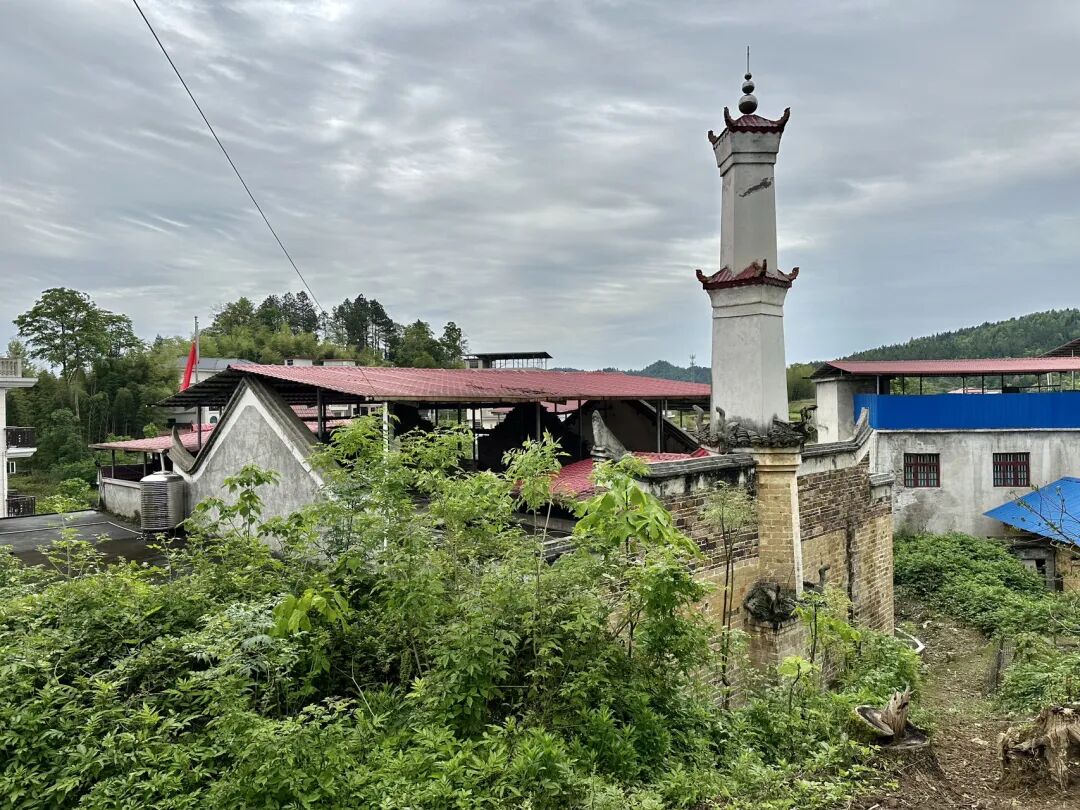
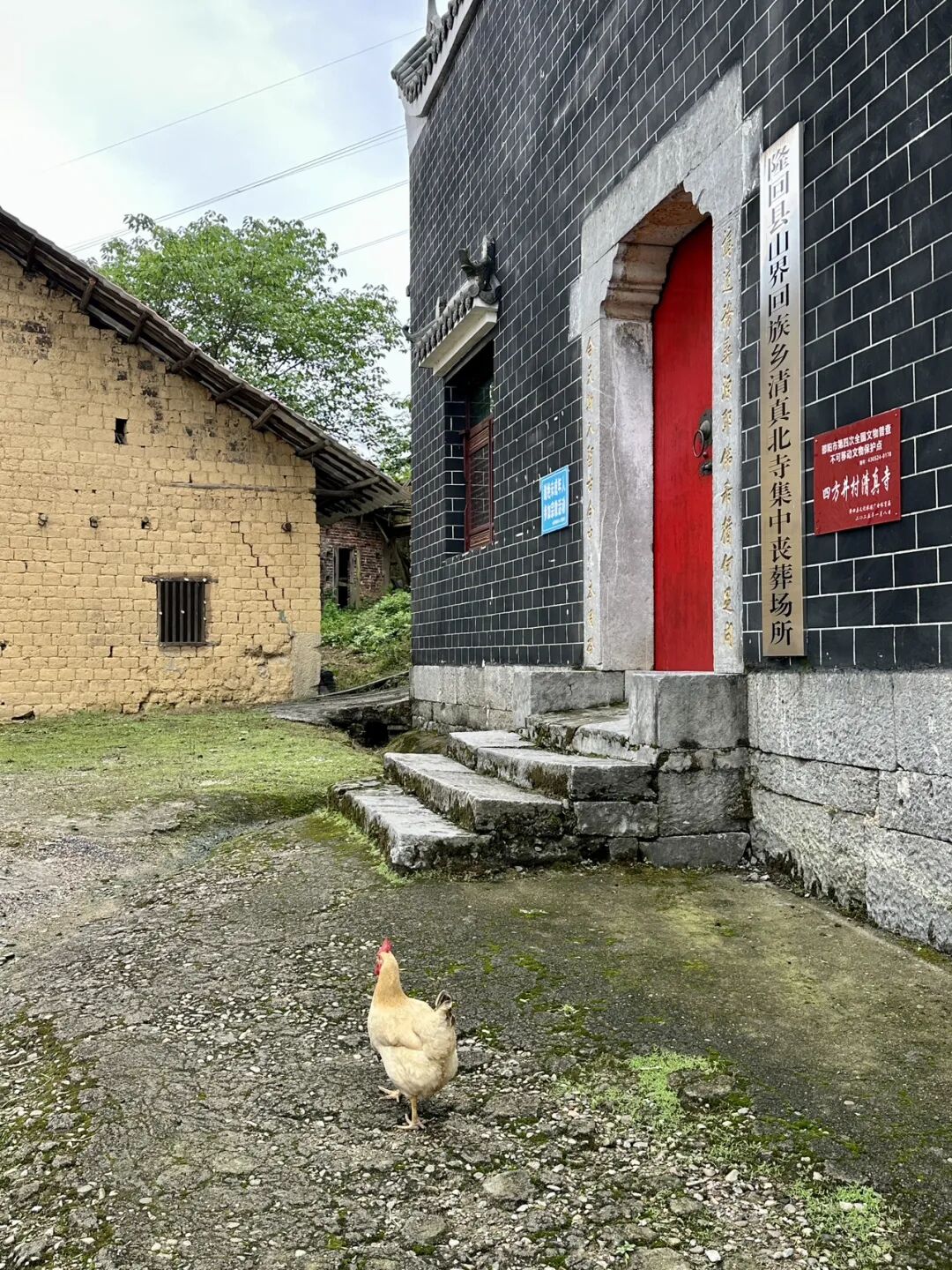
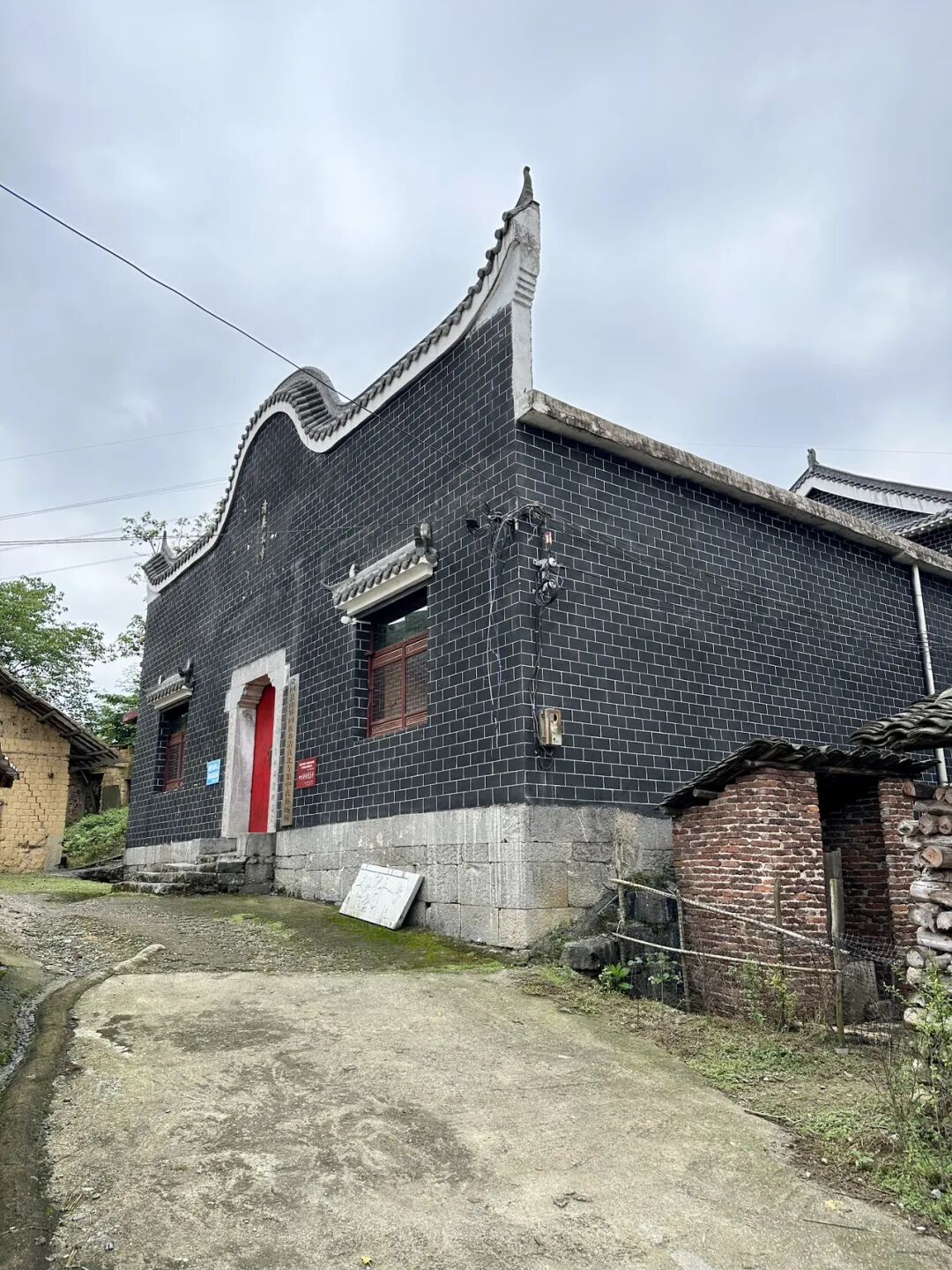
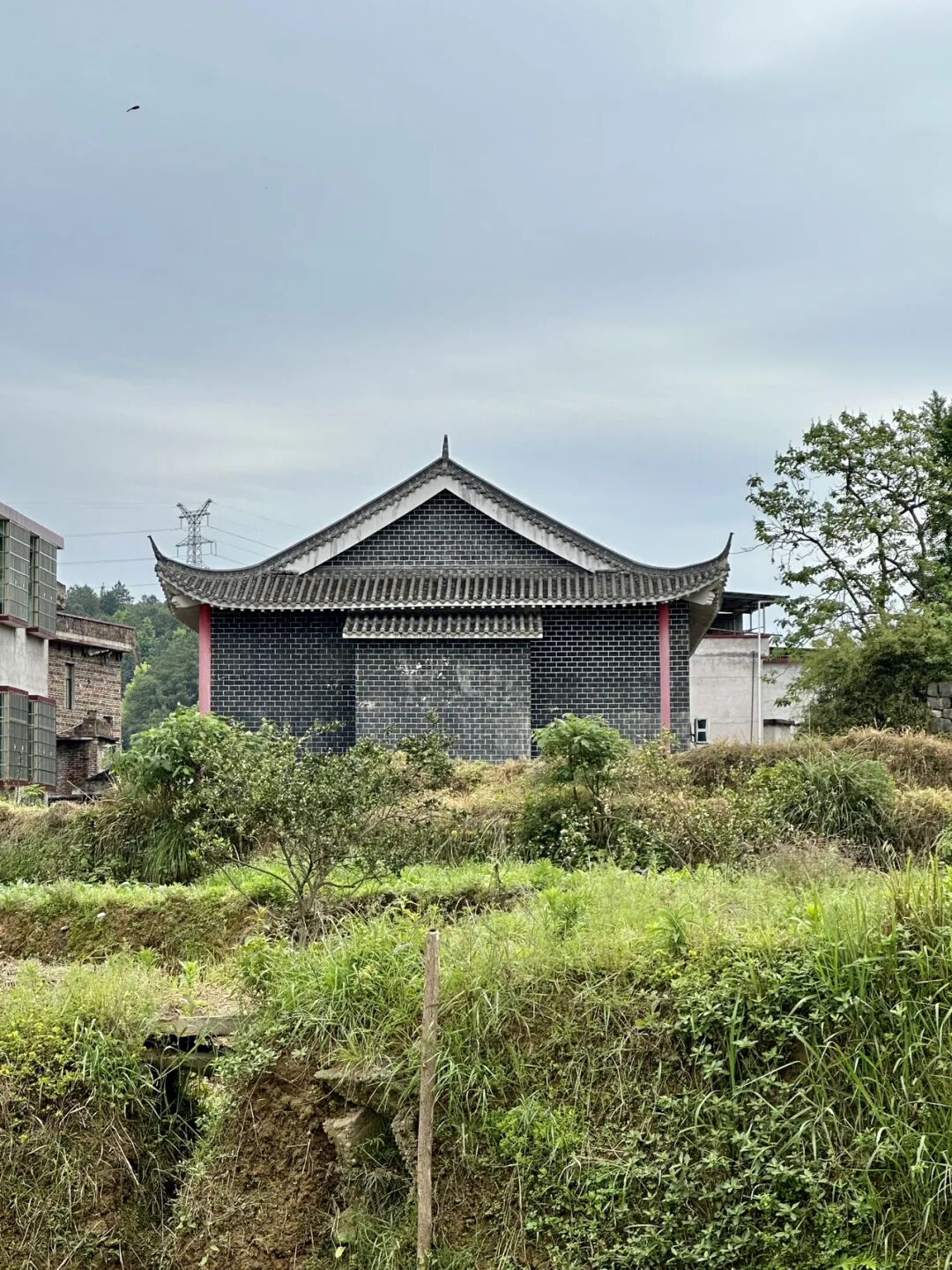
Shanjie Ancient Mosque in Longhui County, Shaoyang, Hunan, is located in Laowuli, Shanjie Township. It was first built in 1444 (the ninth year of the Zhengtong reign of the Ming Dynasty) and is the oldest mosque in Longhui. During the Hongwu reign of the Ming Dynasty, Ma Zhi, the third son of Ma Cheng, the ancestor of the Ma family Hui Muslims in Shaoyang, moved from Shaoyang to Majia Ferry in Longhui to settle down. He was the first Hui Muslim in Longhui, and Shanjie Ancient Mosque was built by the Ma family.
Shanjie Ancient Mosque was renovated in 1919 and rebuilt into its current appearance in 2018.
Shanjie Ancient Mosque has a long tradition of teaching Islamic scripture. The head imams who have taught there include Ma Yulang, Ma Fujiu, Ma Fucheng, Ma Yucheng, Ma Yaochi, and Ding Zhenyi. They also hired imams from other places like Huang Xingxiang and Li Desheng. Ma Fucheng, an imam from this mosque, taught there for the longest time. In 1945, Imam Ma Yucheng taught at the ancient mosque and recruited many students (hailifan), marking the peak of the mosque's religious activities. To this day, the mosque continues its educational work and has trained many excellent young people.
On September 2, 1939, the Wugang County, Hunan branch of the China Islamic National Salvation Association was officially established at the mosque. The mosque's imam, Ma Fucheng, was elected as an officer. Inspired by the call to resist Japanese aggression and save the country, young Hui Muslims from the mosque, including Ma Qiyun, Ma Wuyang from the North Mosque, and Su Xingmin from Beishan, signed up for the army, took up arms, and headed to the front lines in East China.
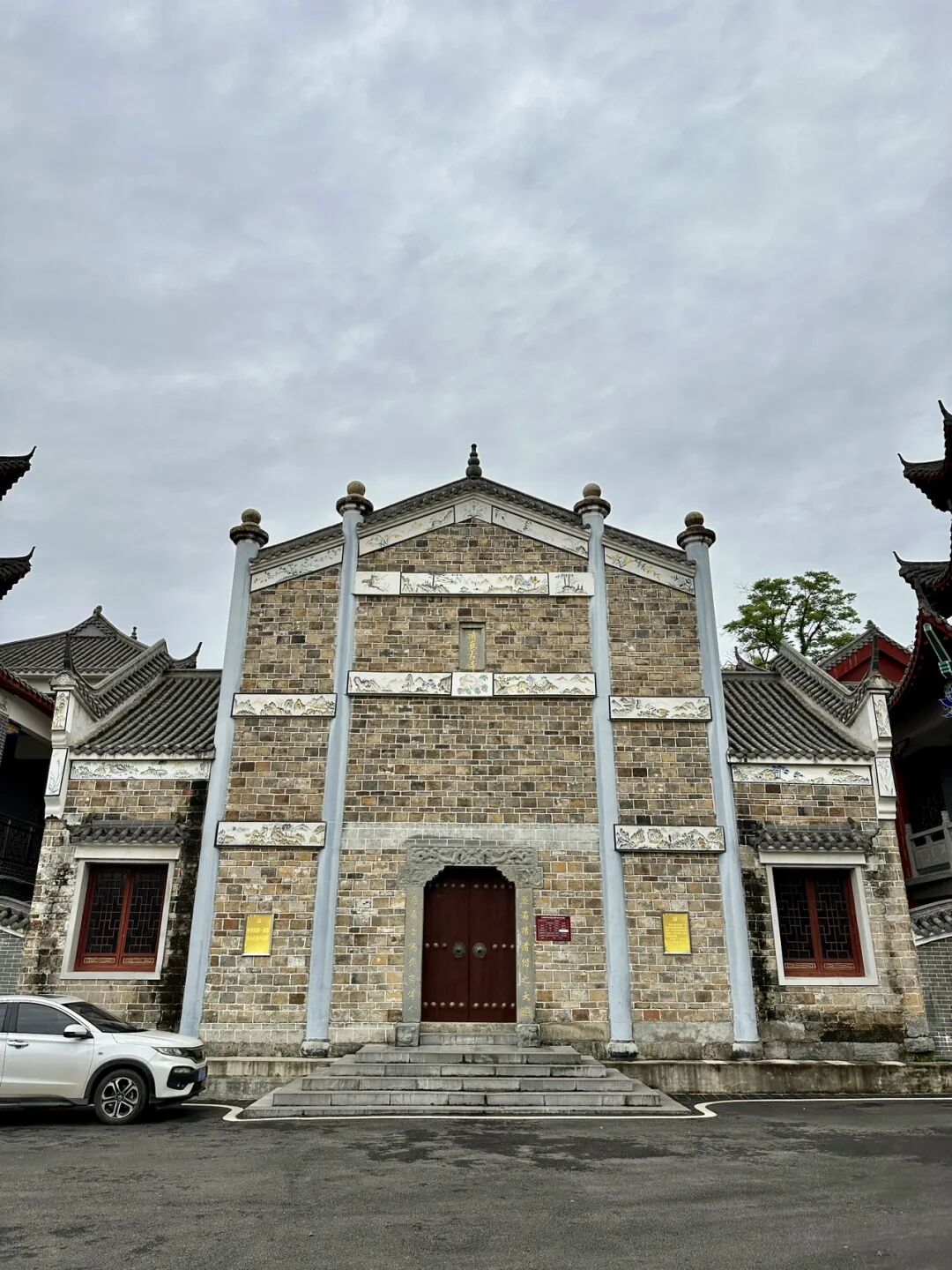
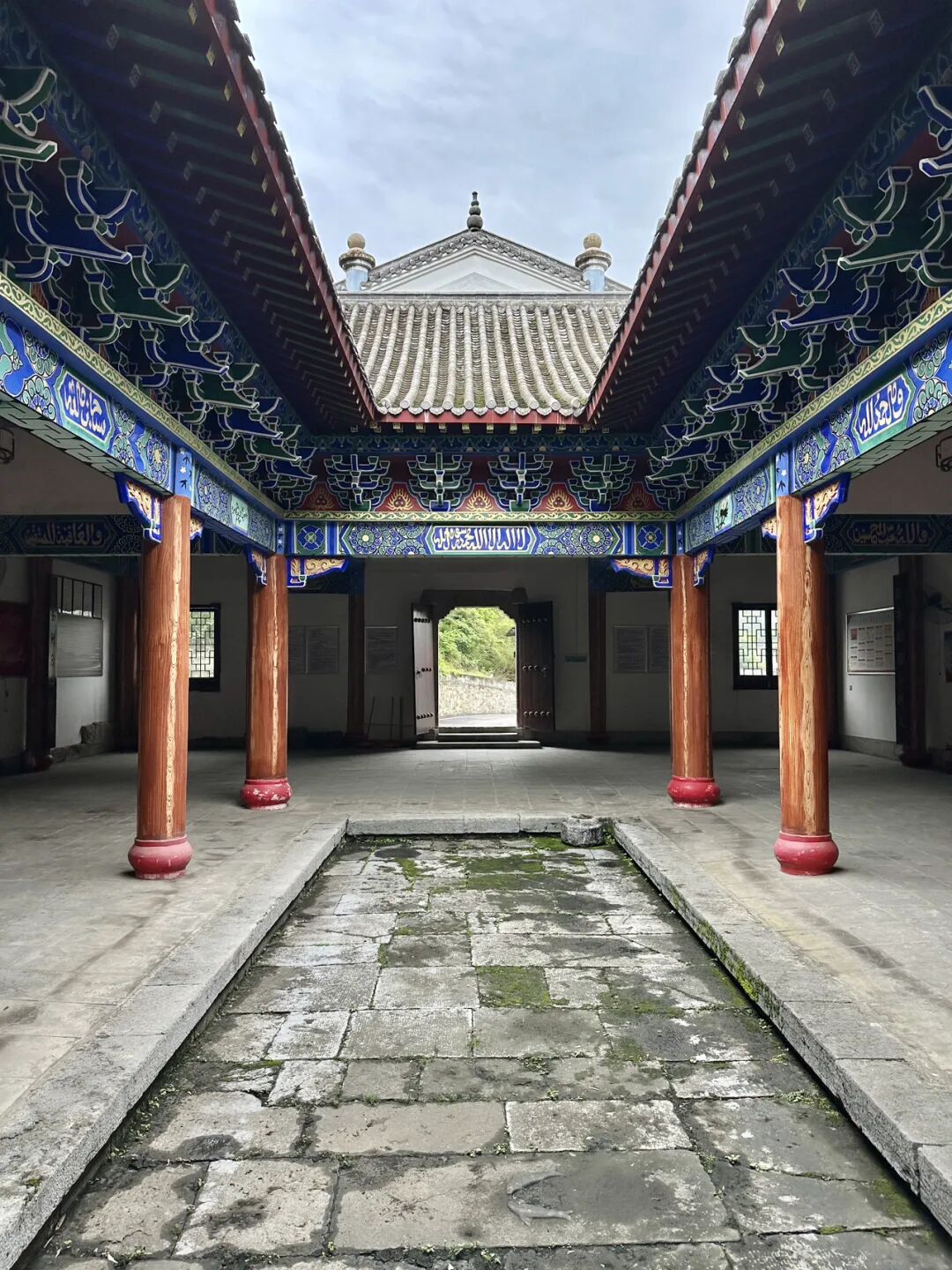
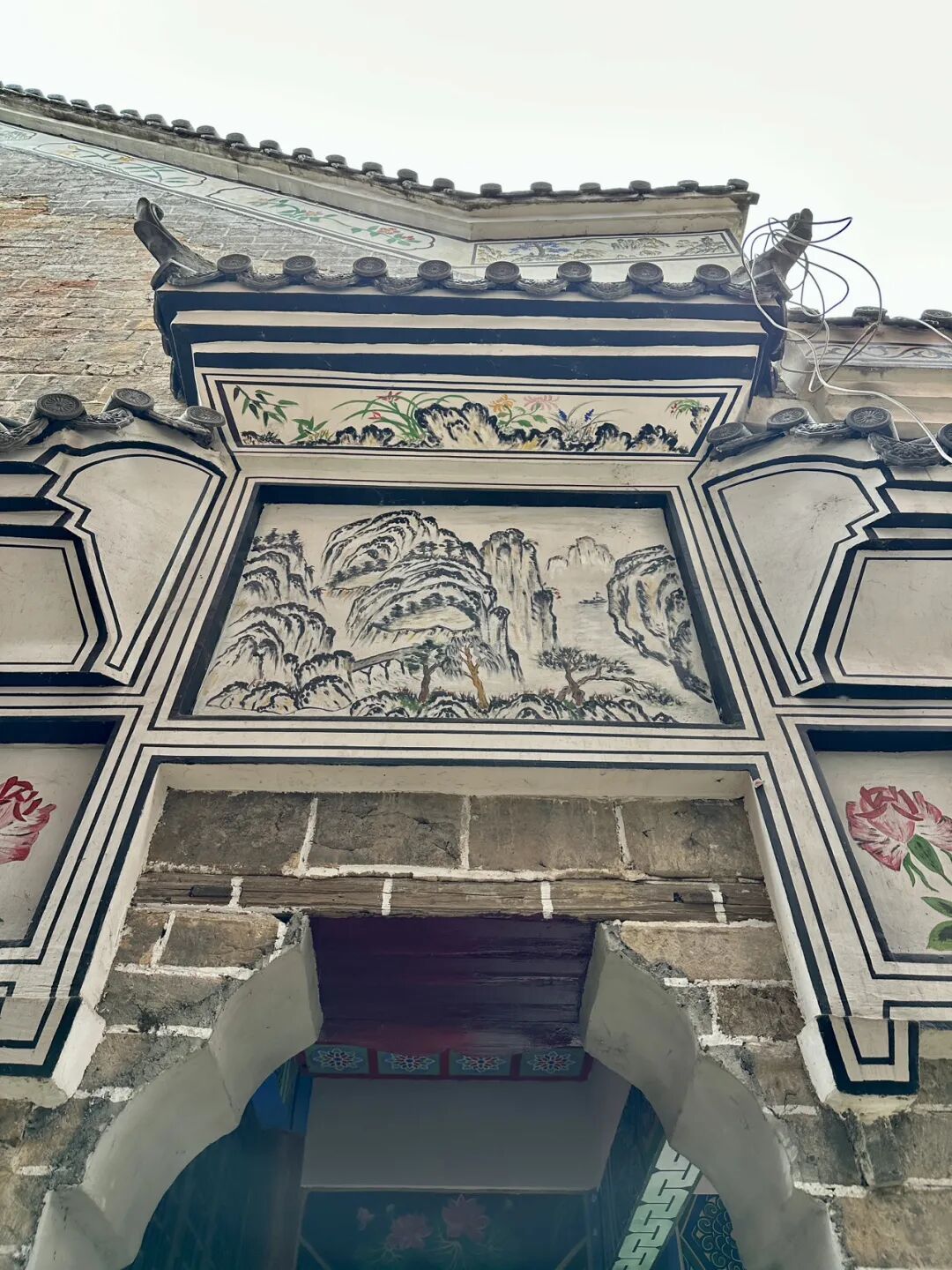
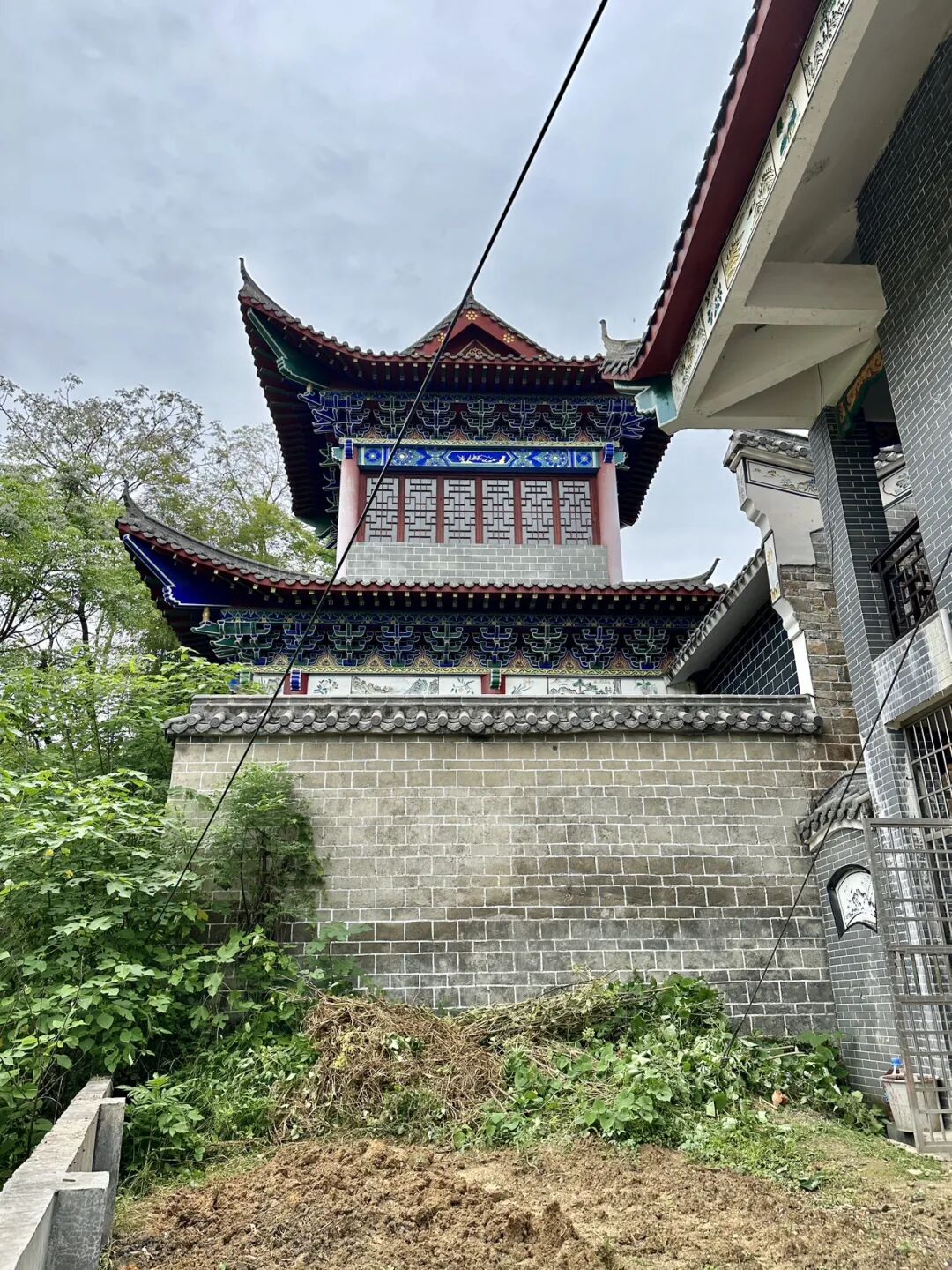
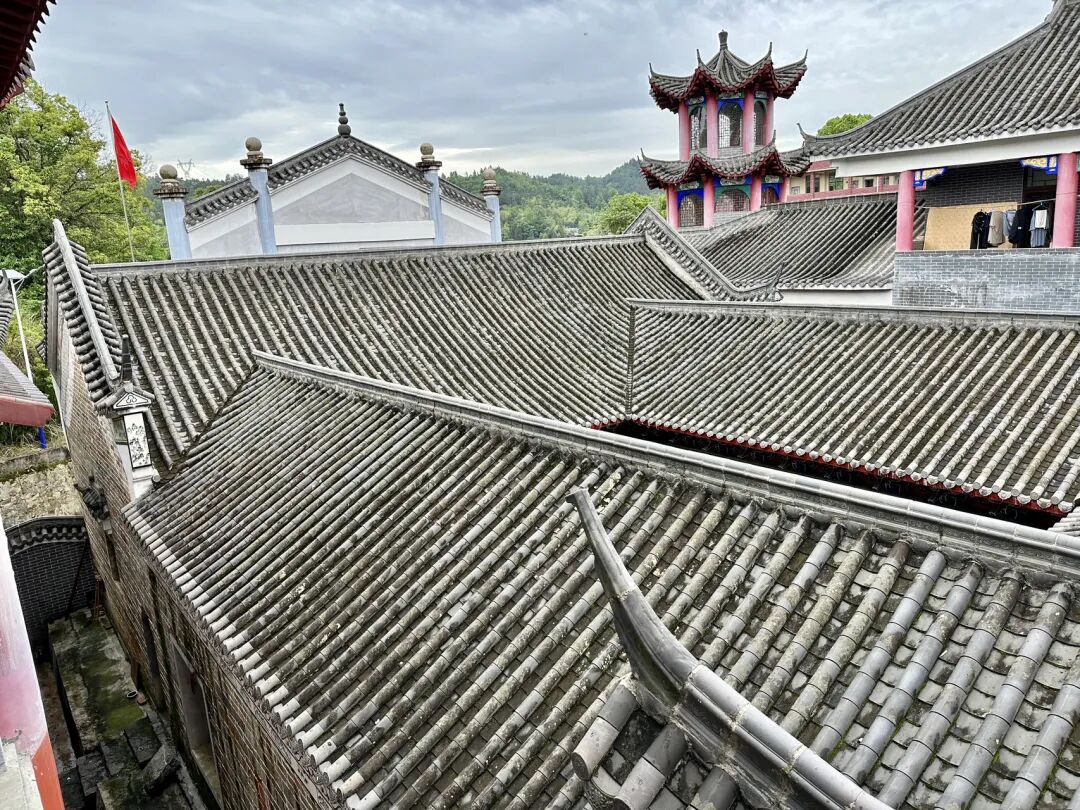
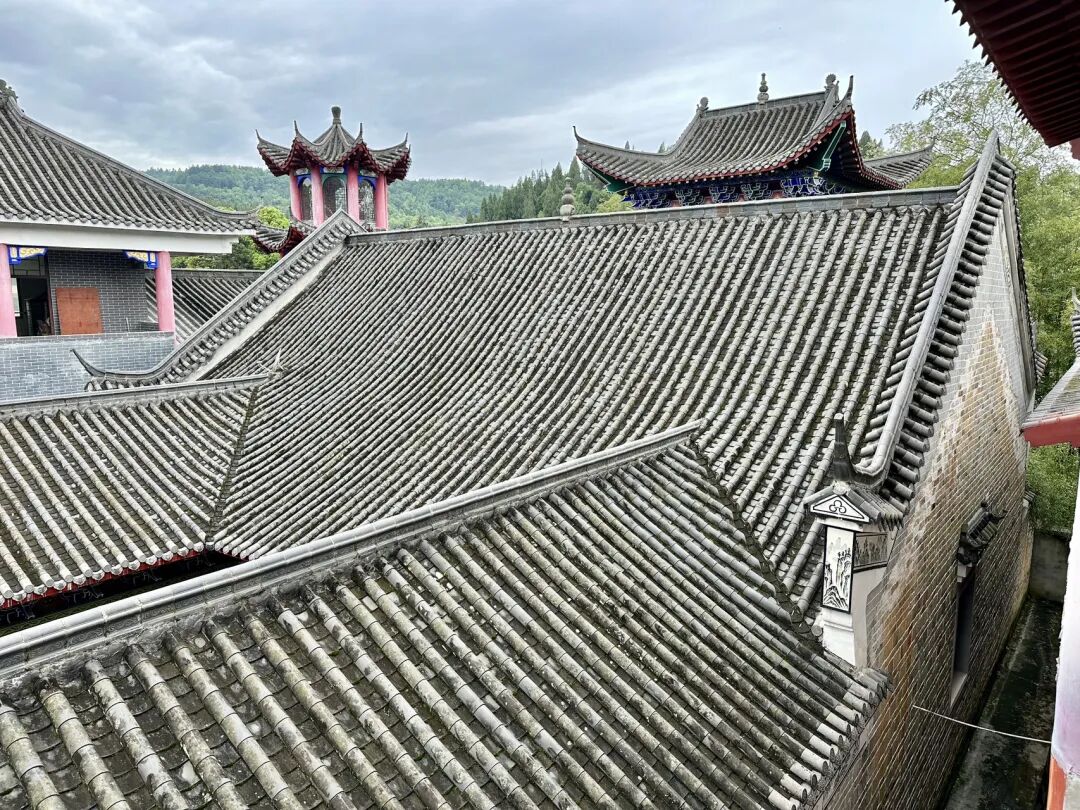
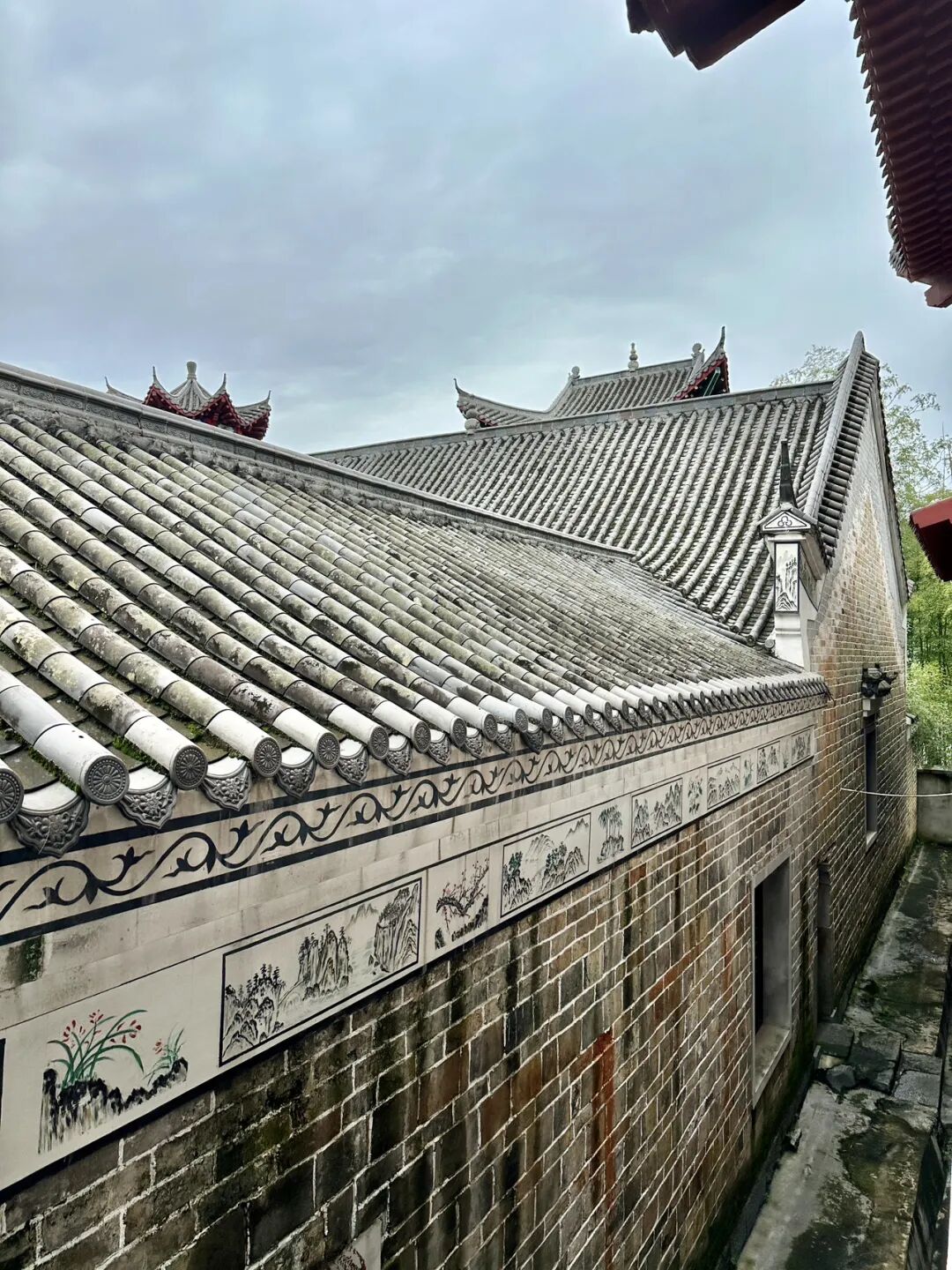
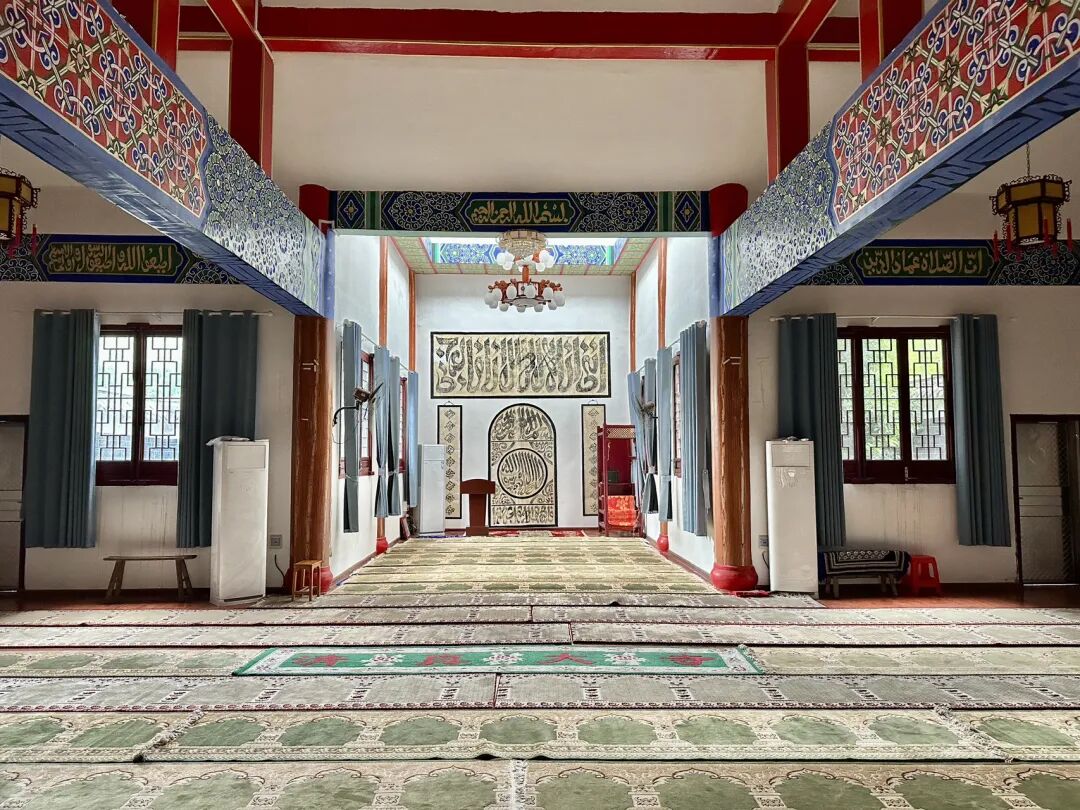
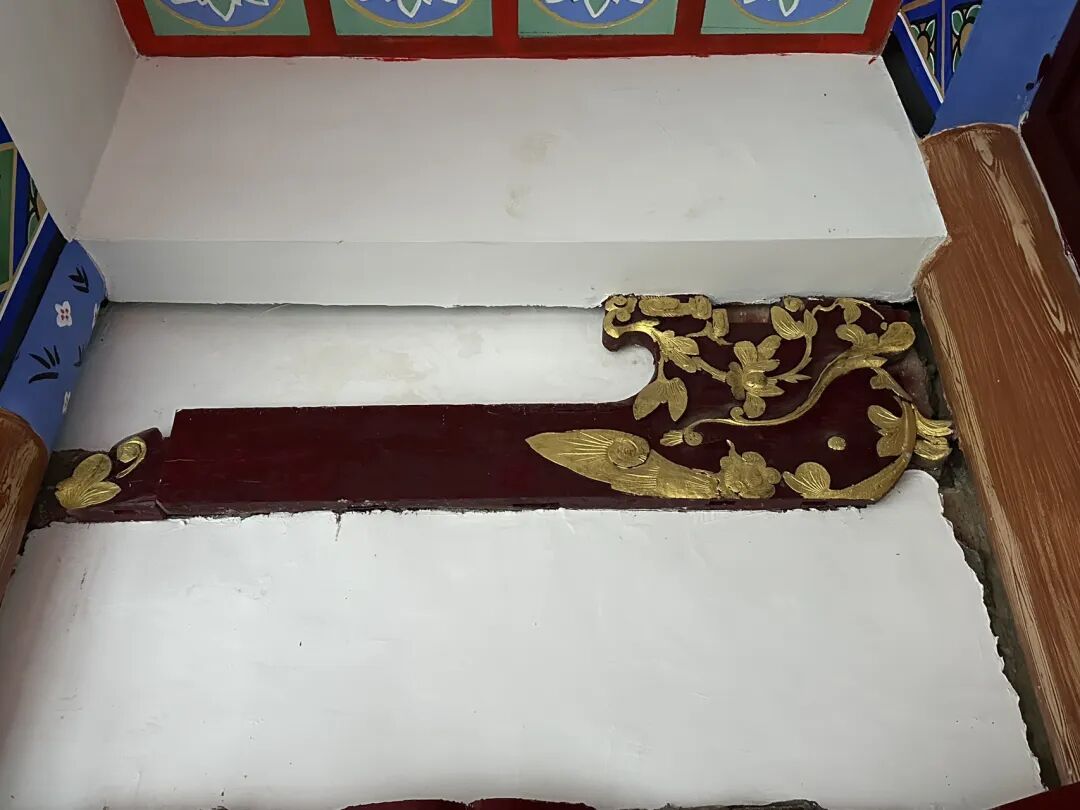
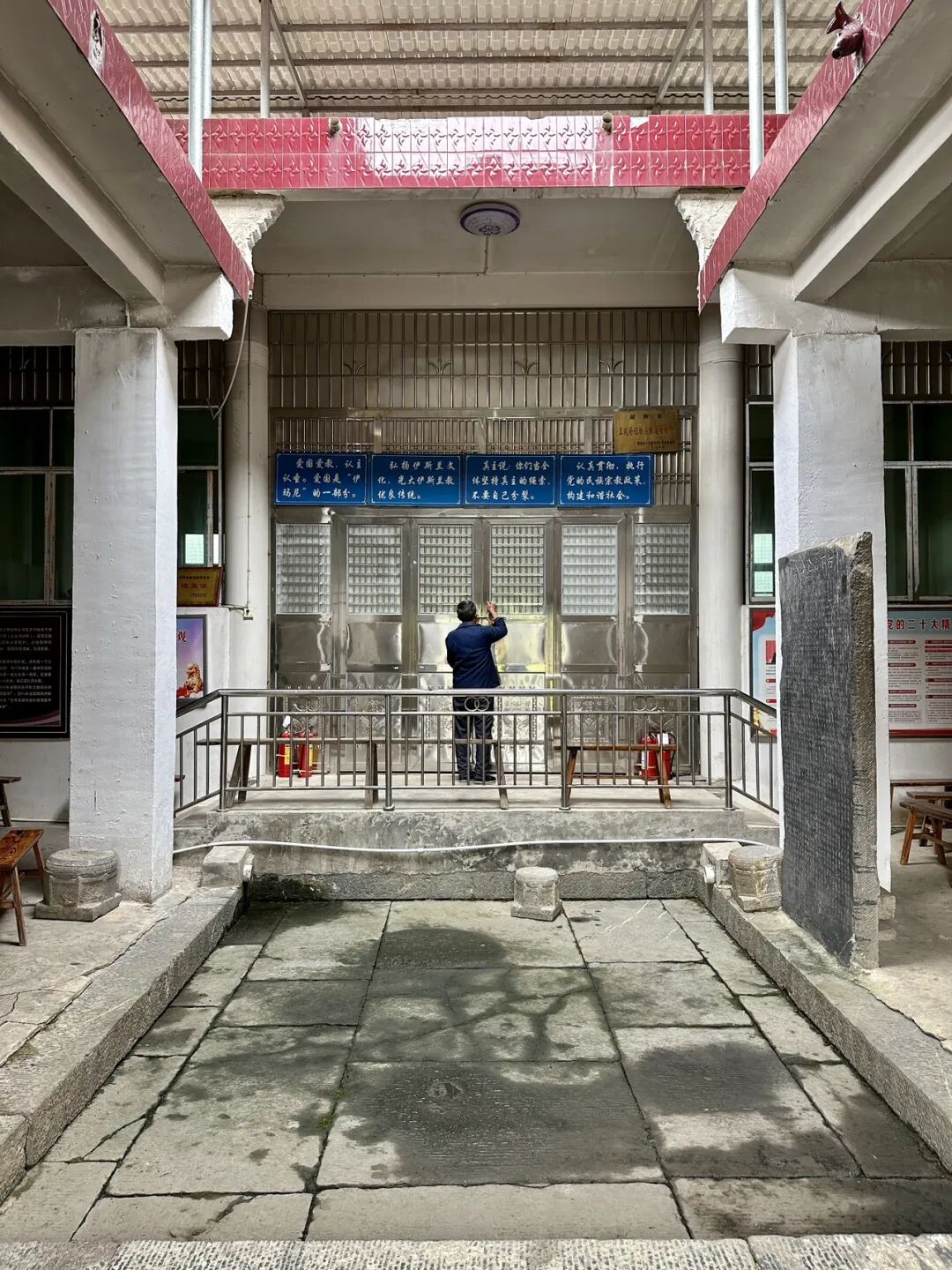
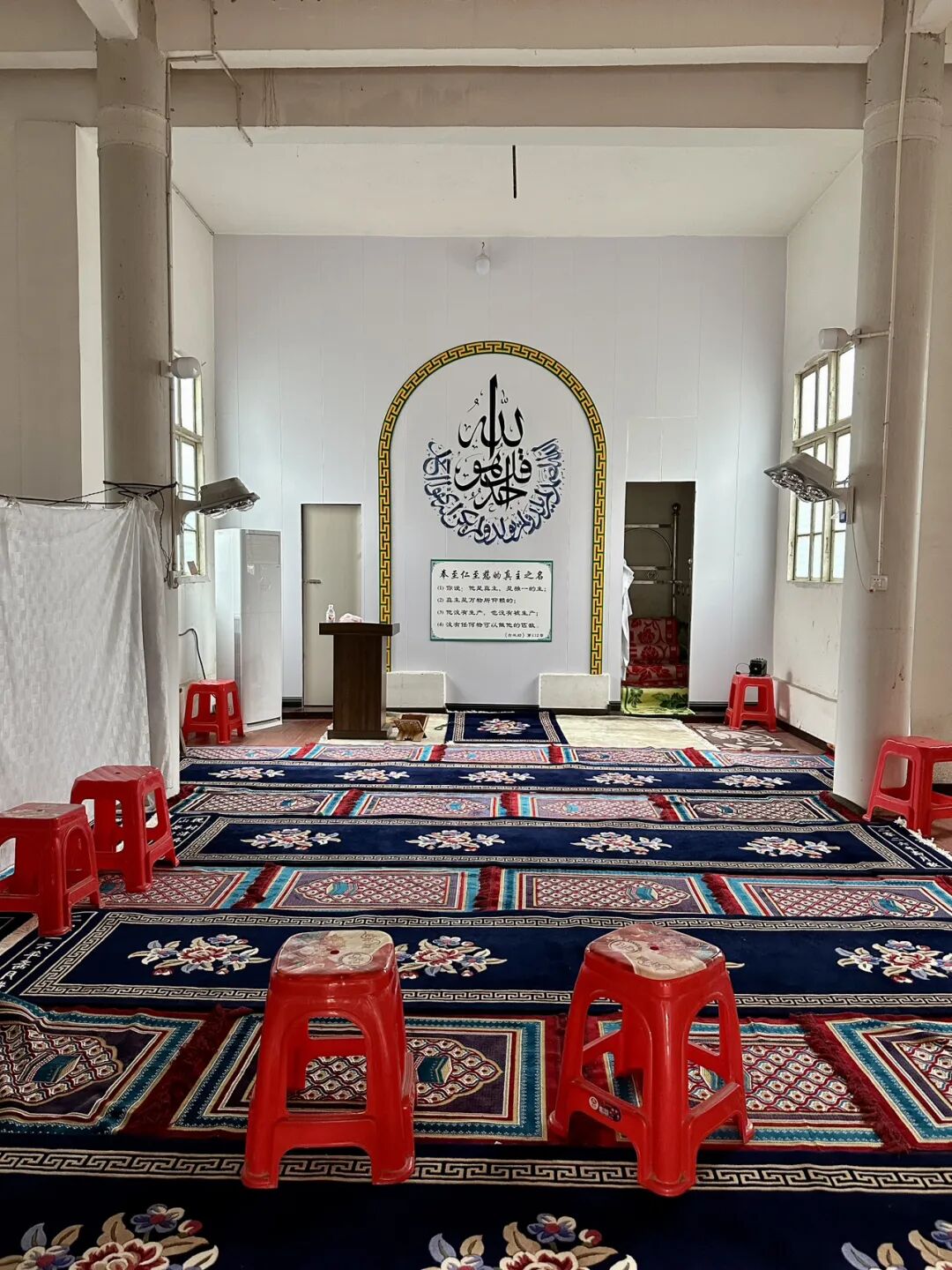
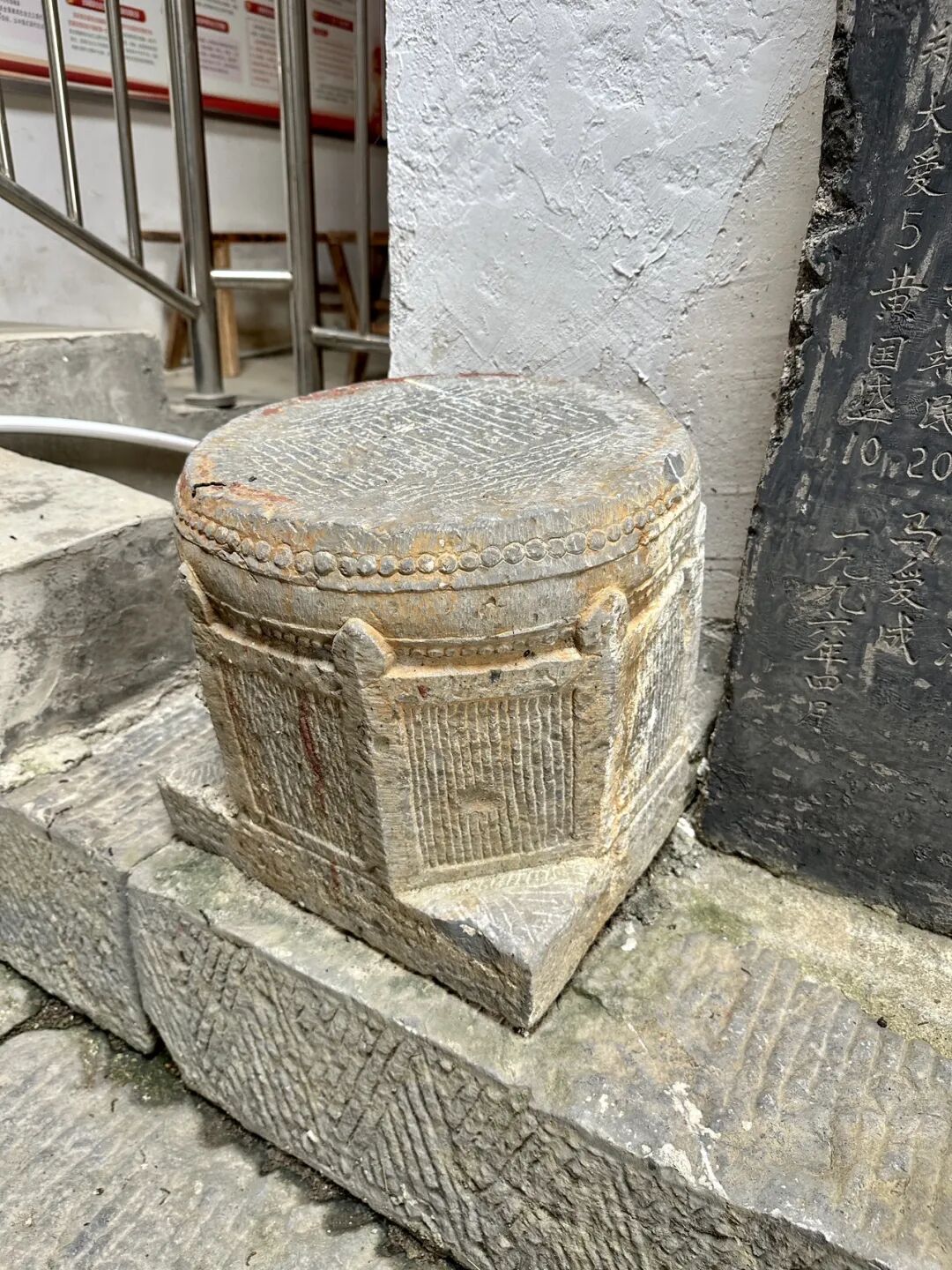
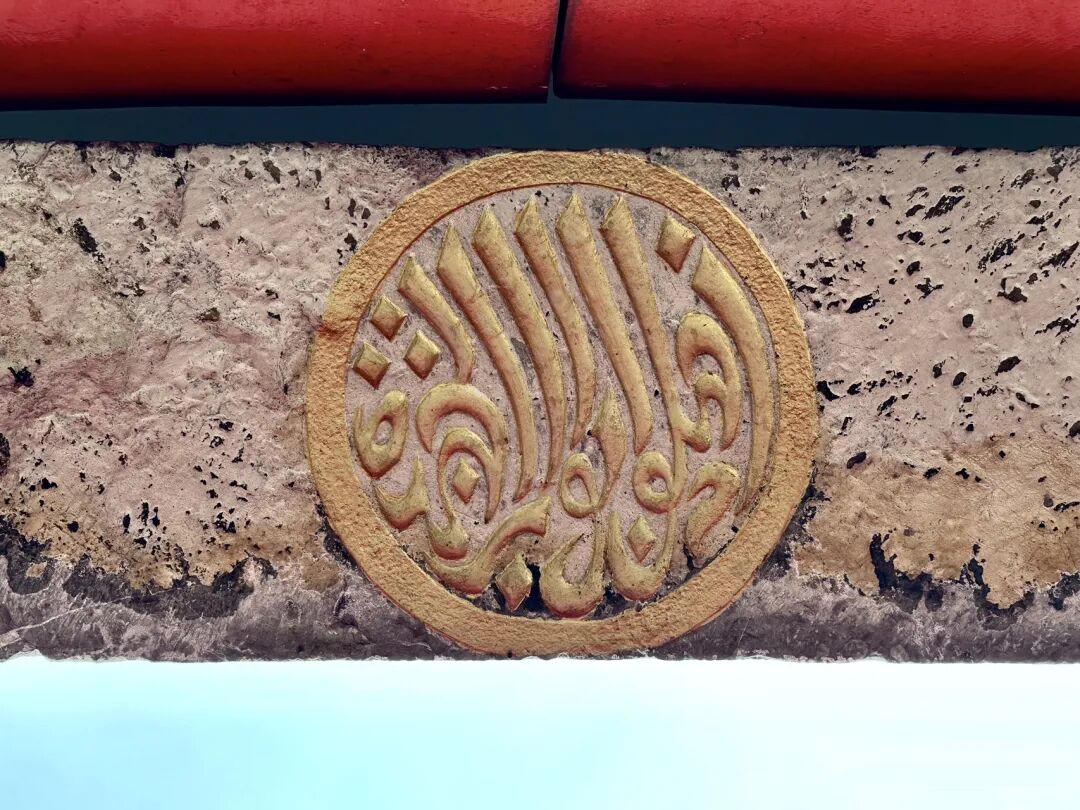
Relics at Shanjie Ancient Mosque include stone pillar bases, wood carvings, and calligraphy of the mihrab in the kiln niche.
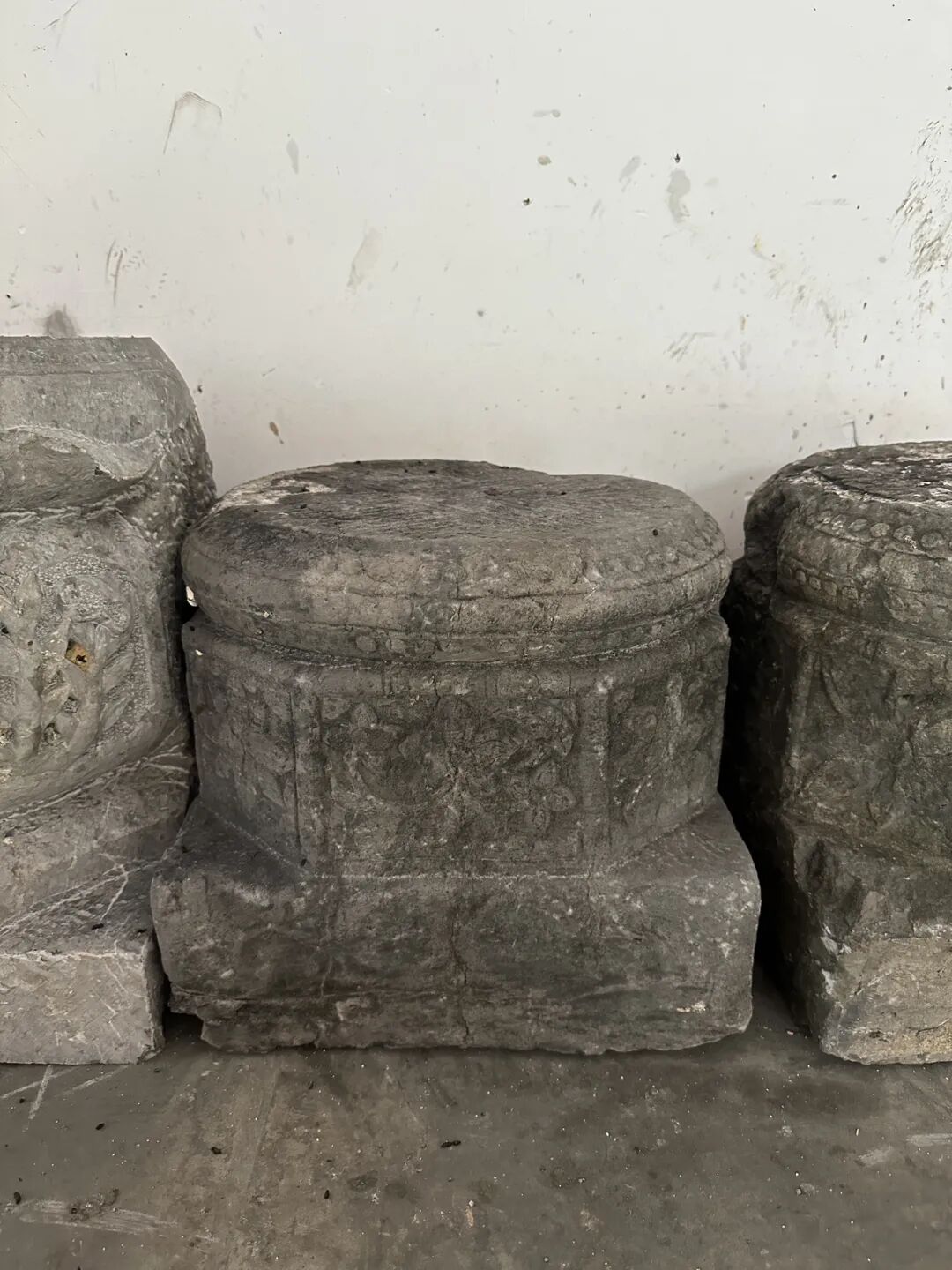
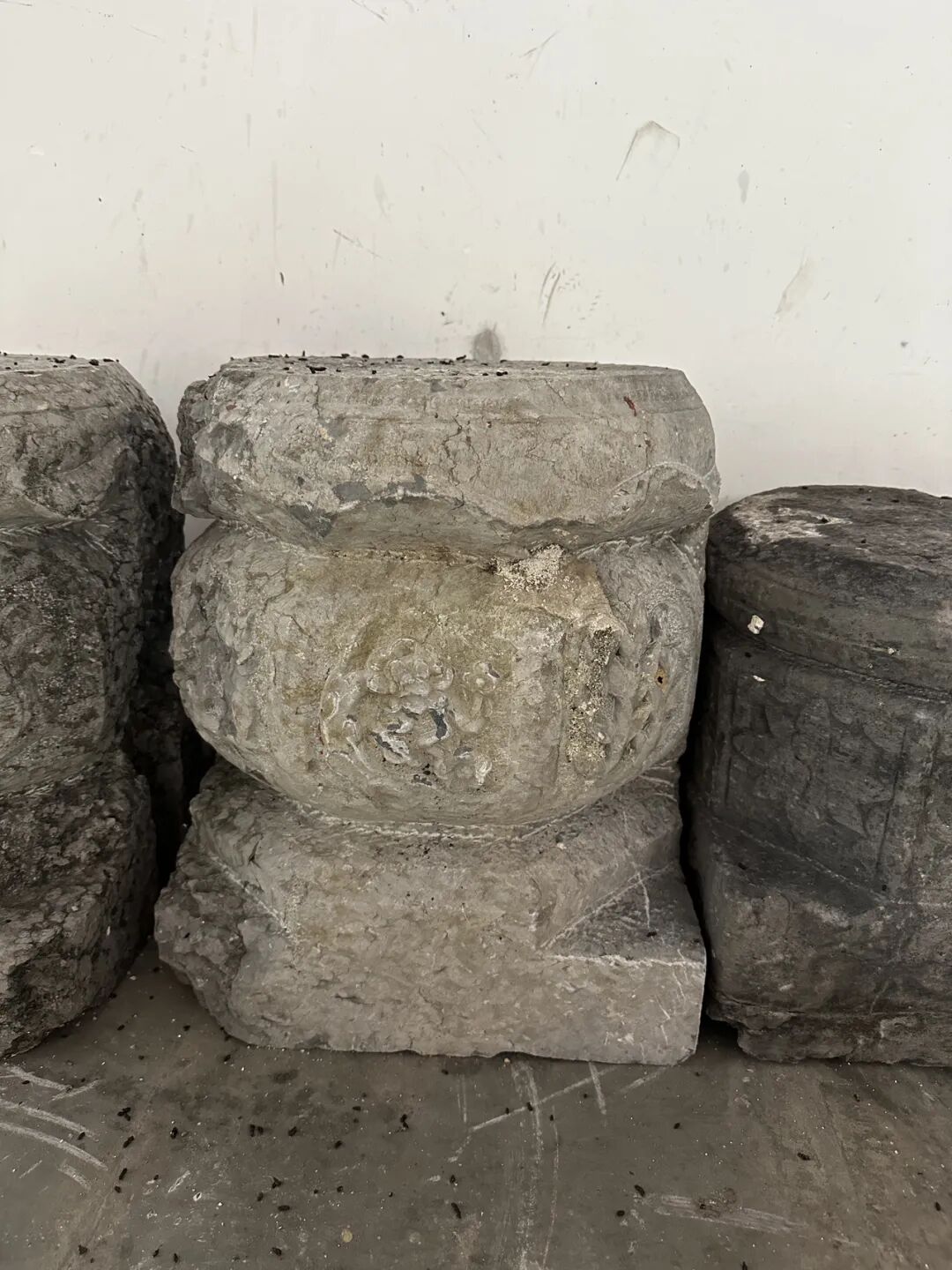
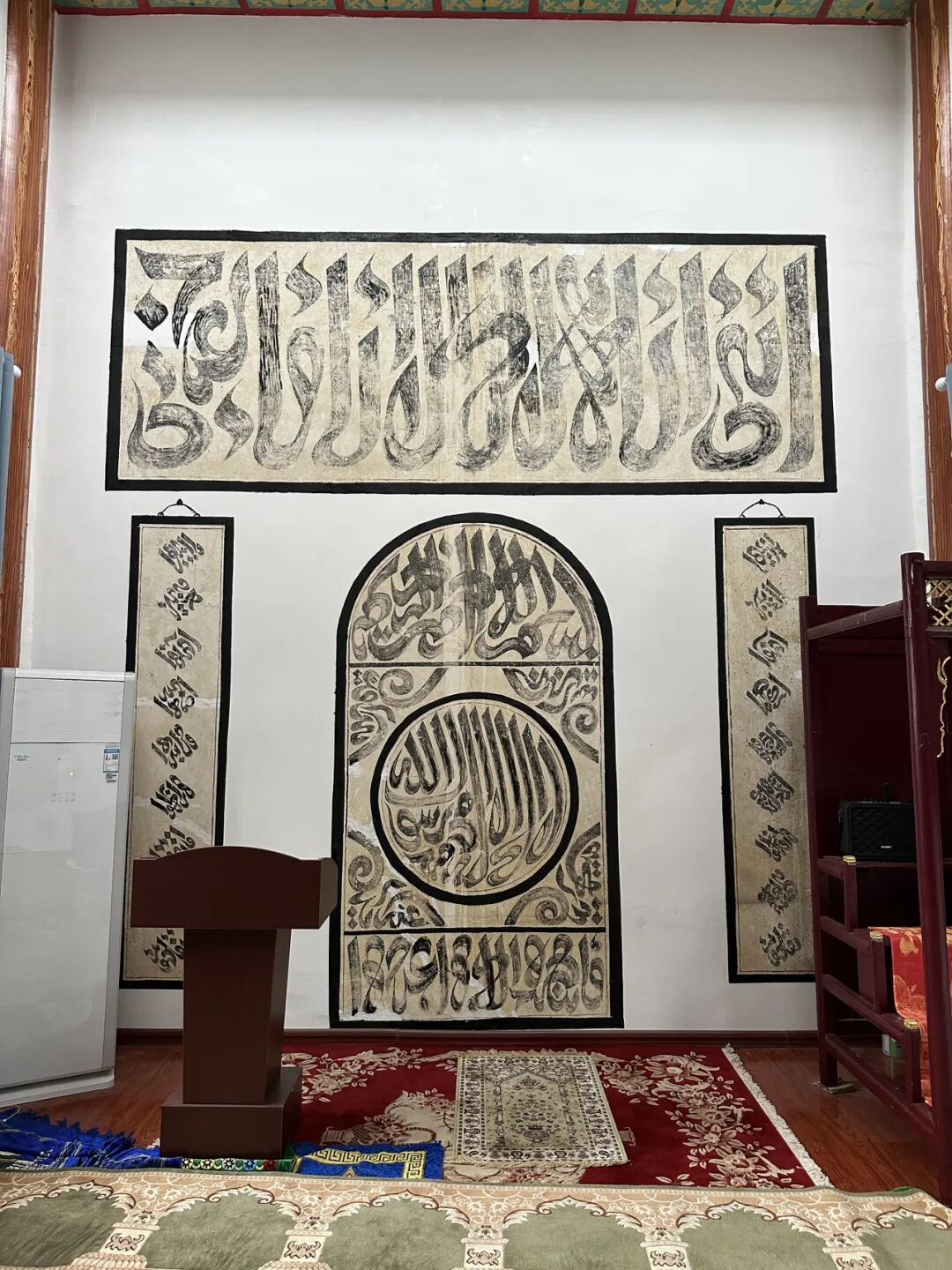
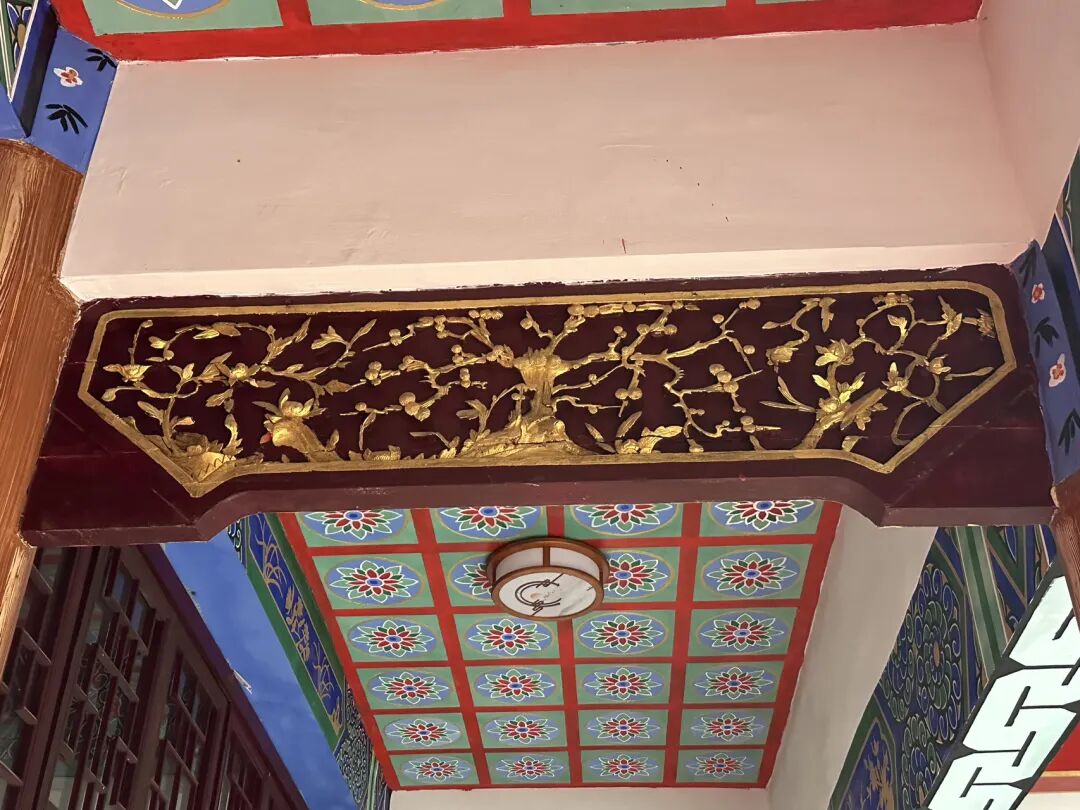
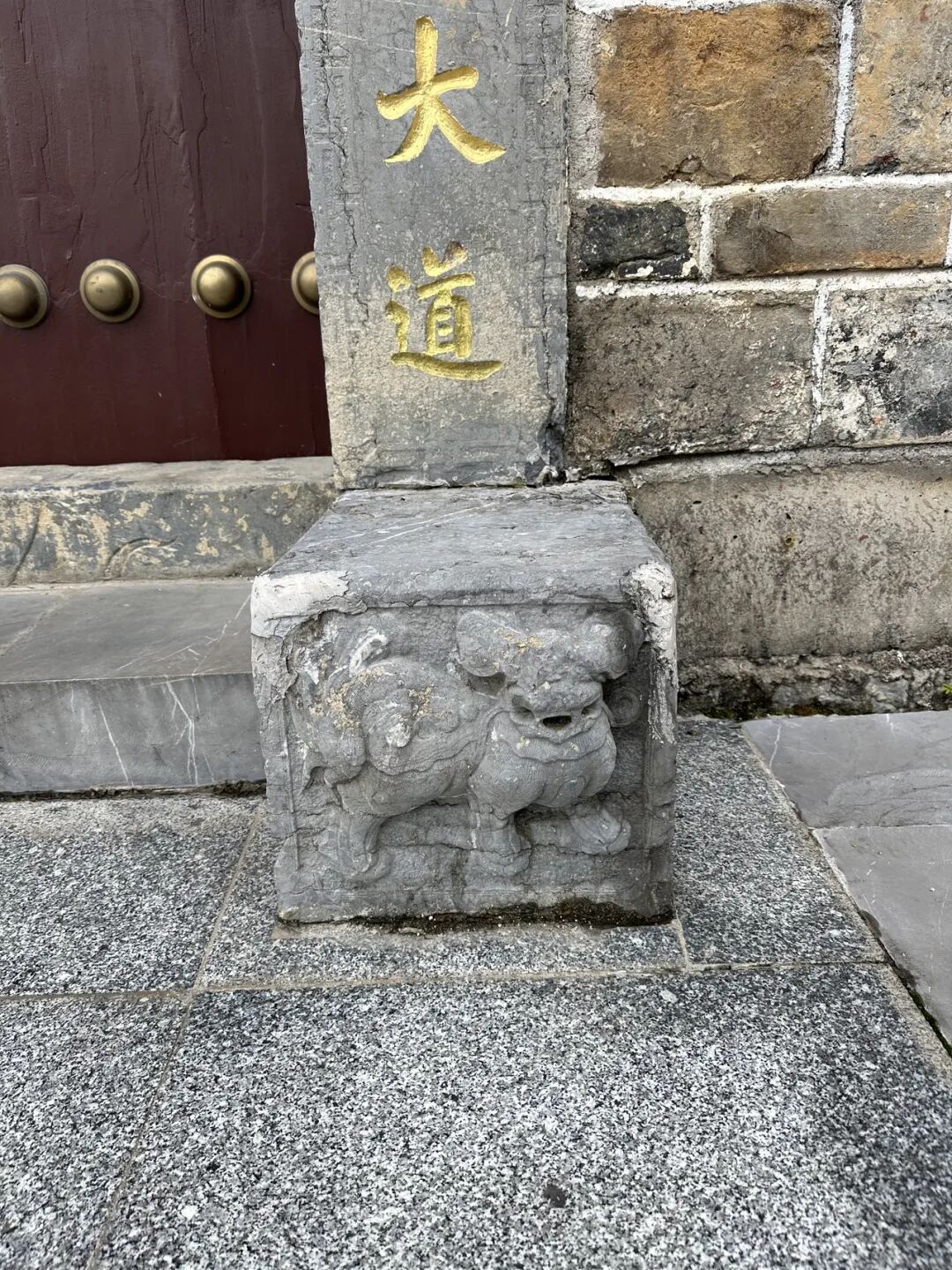
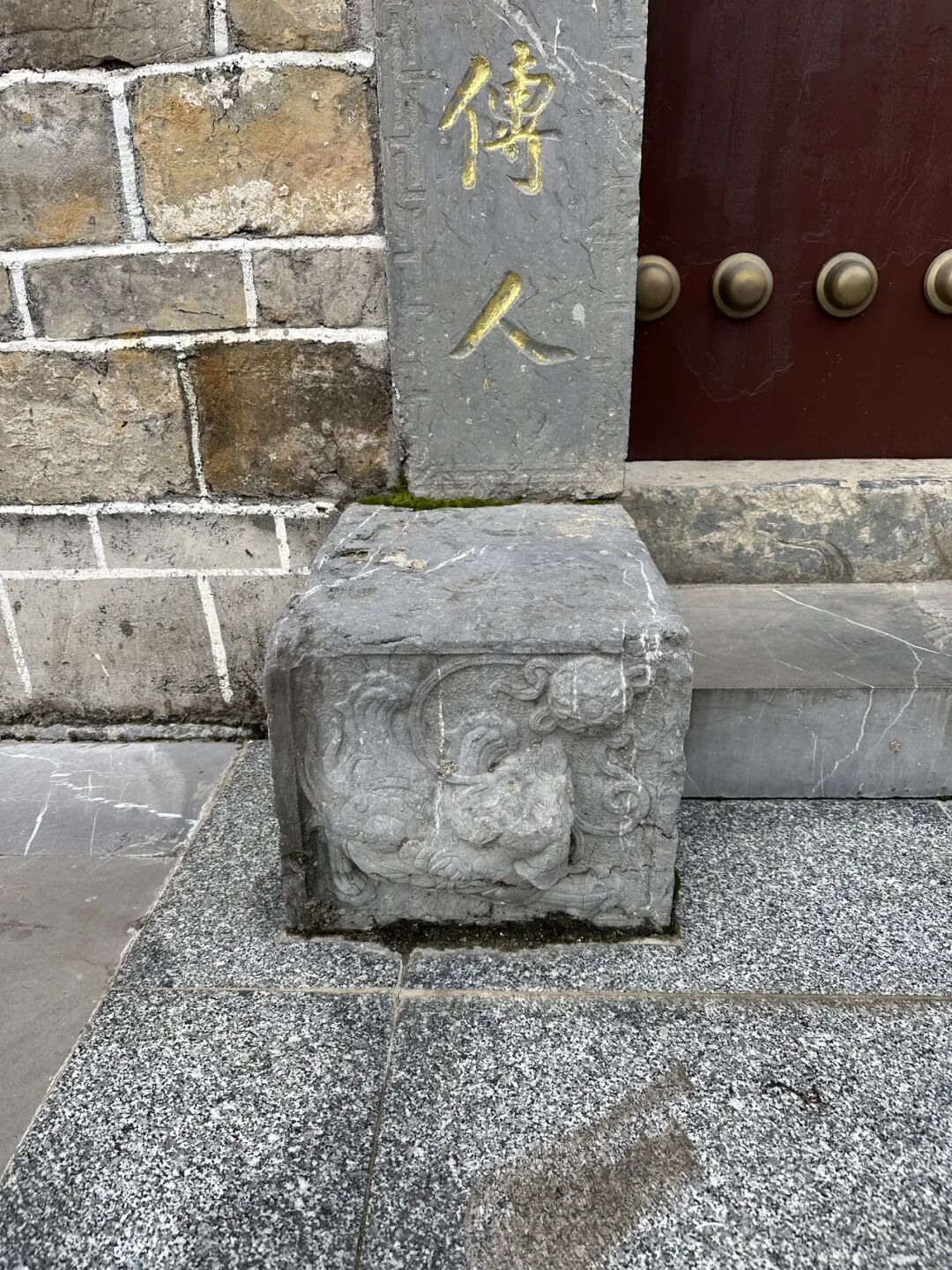
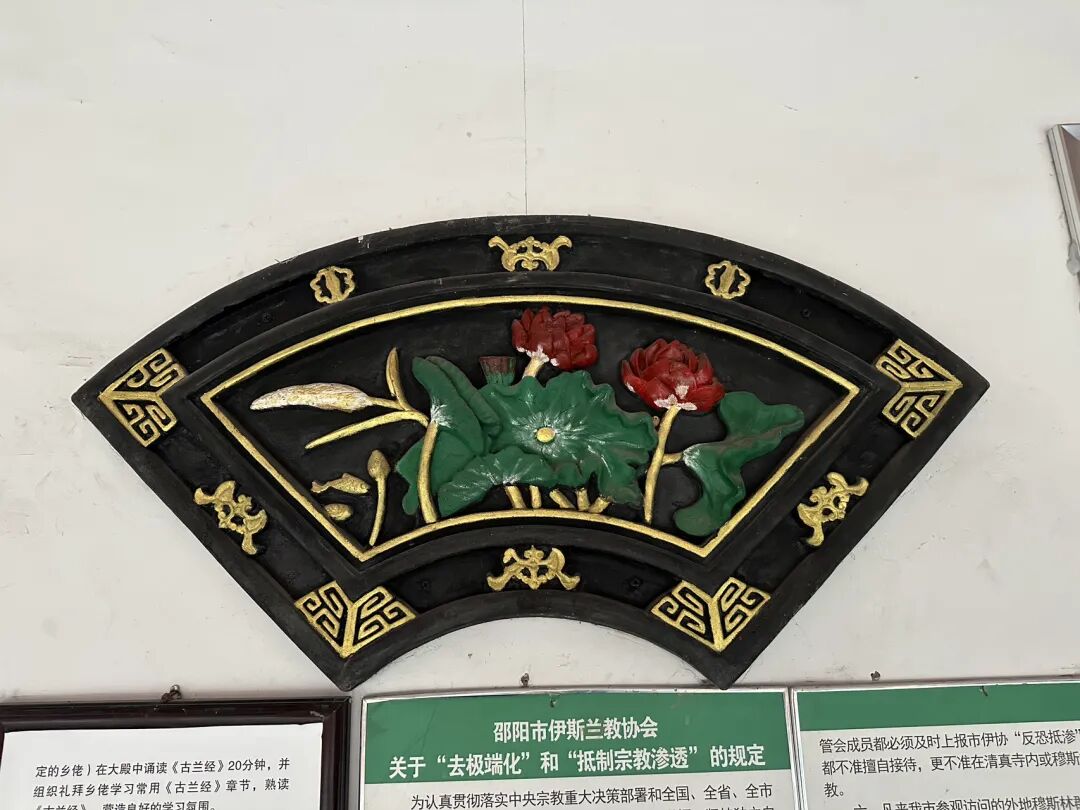
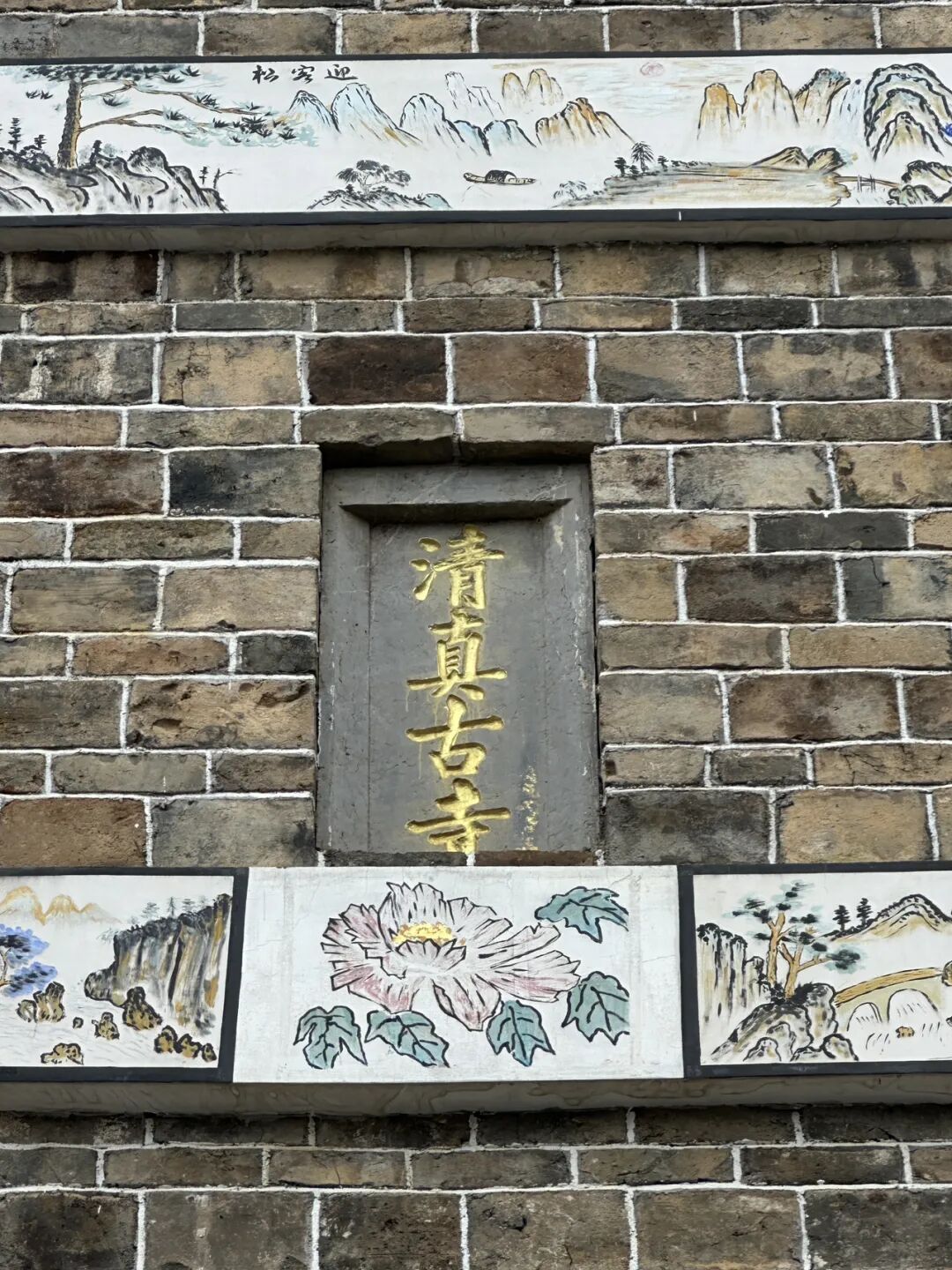
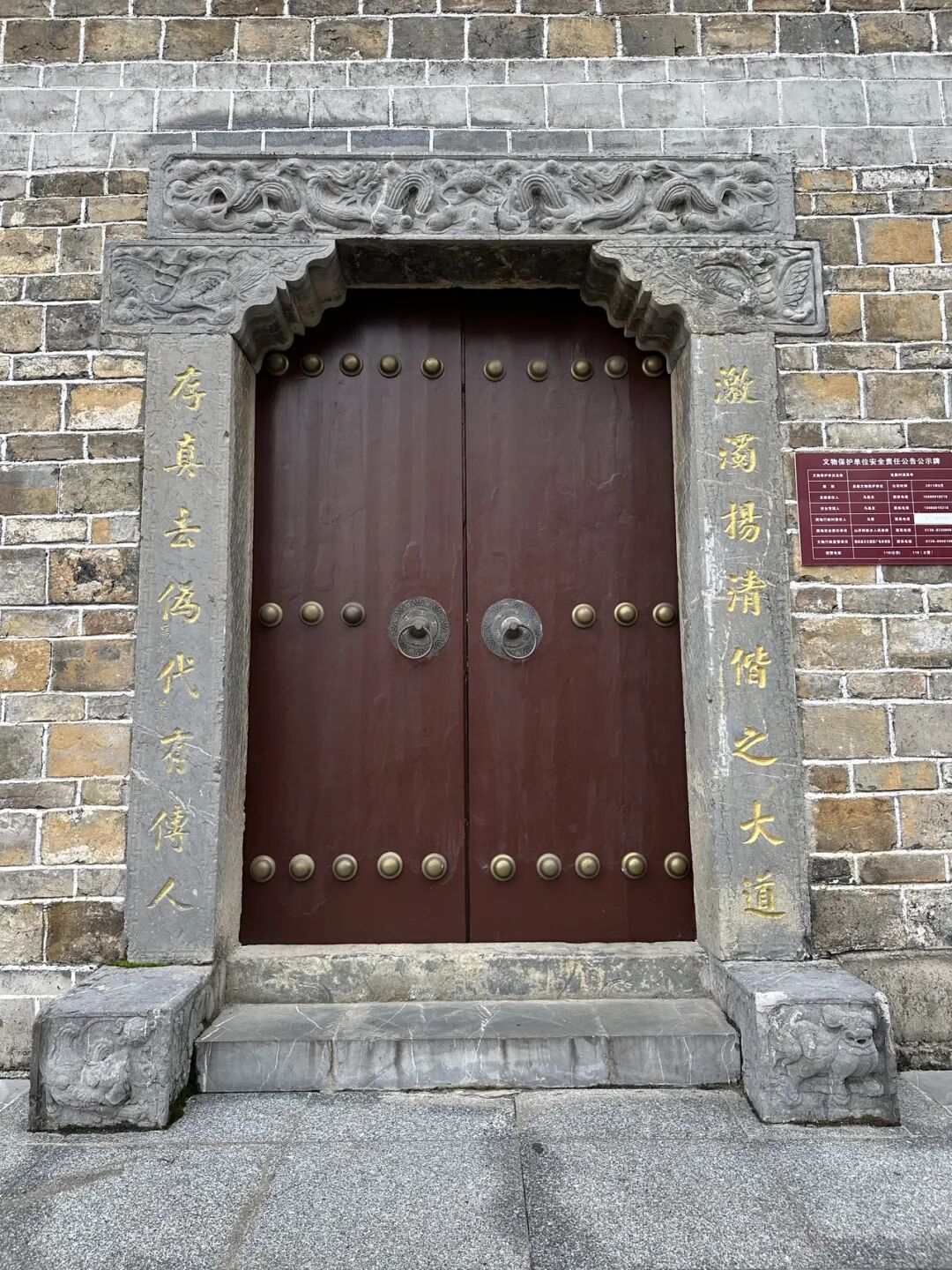
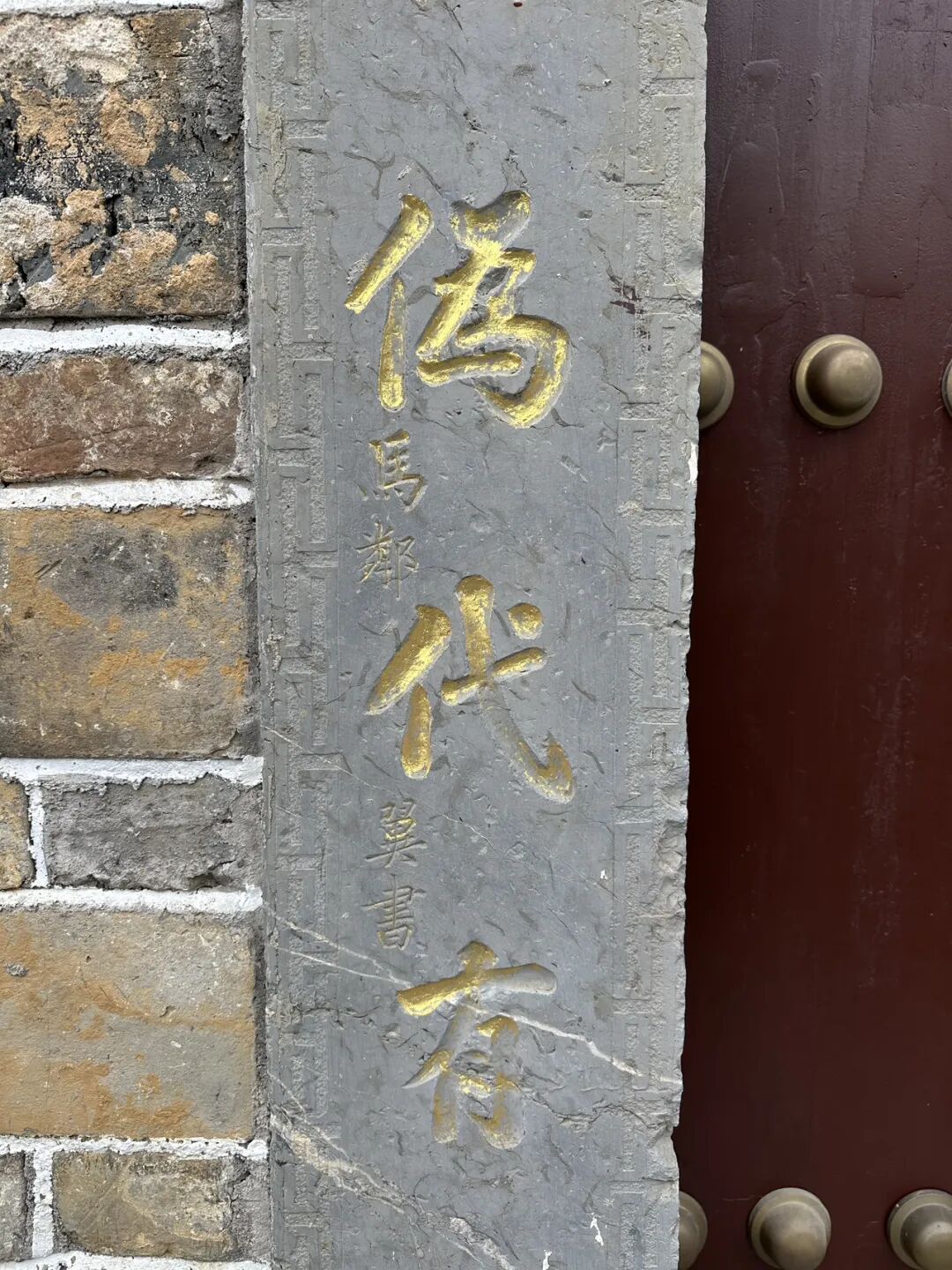
The stone couplet on the main gate reads: Clear the murky and promote the pure to follow the great path; preserve the truth and remove the false so that every generation has successors. The calligraphy was written by Ma Linyi, a Hui Muslim educator and Minister of Education in Shaoyang during the Republic of China. He is known as the Father of Northwest Education and the founder of modern Chinese Hui Muslim education.
Ma Linyi was born in Shaoyang, Hunan, in 1865. He passed the imperial examinations in 1902 and went to Japan on a government scholarship in 1904 to study teacher training. During that time, he met Sun Yat-sen, joined the Tongmenghui in 1905, and returned home to work on new government policies and modern education. In 1906, he founded Xiejin Primary School in Shaoyang, which was the first modern school for Hui Muslims in Hunan.
In 1908, he was transferred to the Qing government's Ministry of Education as a director. That same year, he helped establish the Beijing First Islamic Primary School inside the Niujie Mosque and later helped found the Islamic Education Association. While serving as Vice Minister of Education in 1912, Ma Linyi founded the Chinese Islamic Progressive Association with the support of Sun Yat-sen and served as its president.
While in charge of education in Gansu, Ma Linyi founded 277 schools of various types and set up the Gansu Islamic Education Promotion Office, spreading over a hundred Islamic primary schools across Gansu, Ningxia, and Qinghai. He selected over a hundred young people from the Northwest for government-funded study abroad, laying the foundation for modern basic education in the Northwest.
In 1928, Ma Linyi helped found the Islamic Middle School in Niujie and served as its vice chairman. In 1929, Ma Linyi became a board member of the Beiping Chengda Teachers' College. He actively updated the curriculum and improved teaching methods, helping Chengda develop into a modern school. In his later years, Ma Linyi devoted himself to the faith and served as an advisor to Wang Jingzhai for his translation of Islamic classics.
Shanjie East Mosque was first built in 1728 (the fifth year of the Yongzheng reign). The mosque has hired many imams over the years, including Su Yuebo, Ma Yulang, Ma Baochu, Zheng Liansheng, Ma Yuechi, Ma Yucheng, Tang Yuanqi, Hai Shiquan, Ma Chengyong, Ding Baohua, Ma Gen'ao, Ma Xiang'ao, and Ma Wuquan. Students from as far as Hainan and Guangxi came to study under the great imam Ma Yucheng in Gansu, and the local religious community was very prosperous.
It is a pity that the mosque was locked when I visited, so I could not go inside.
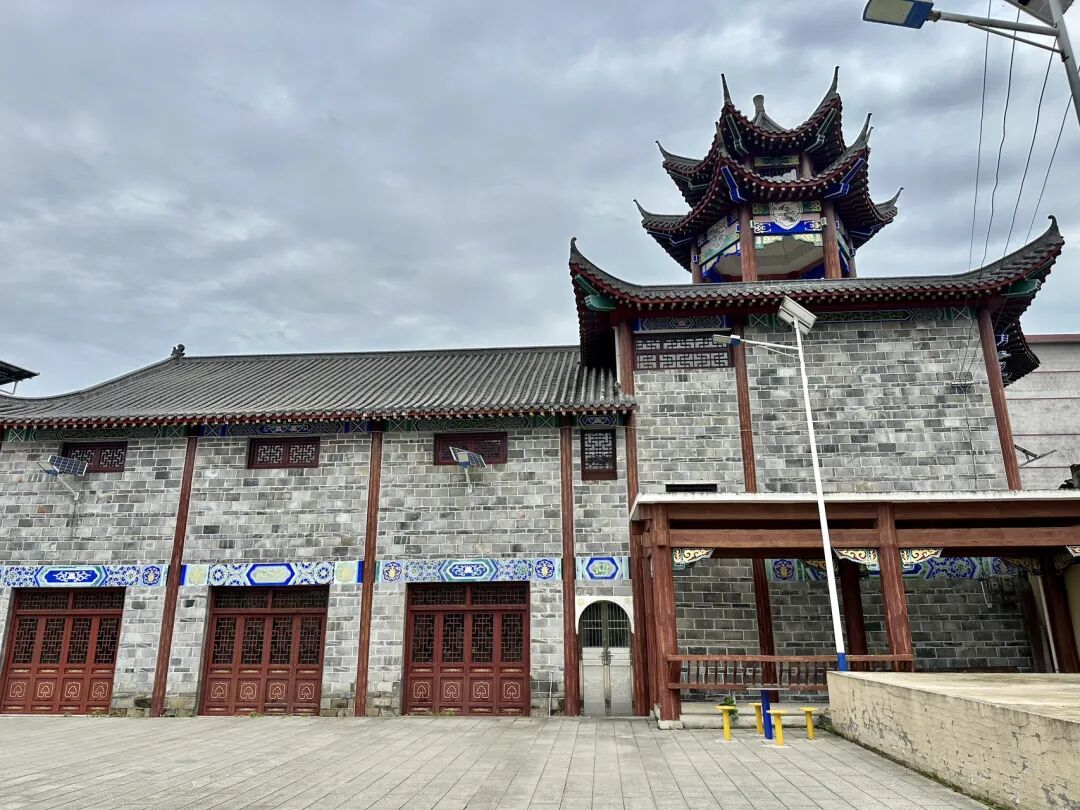
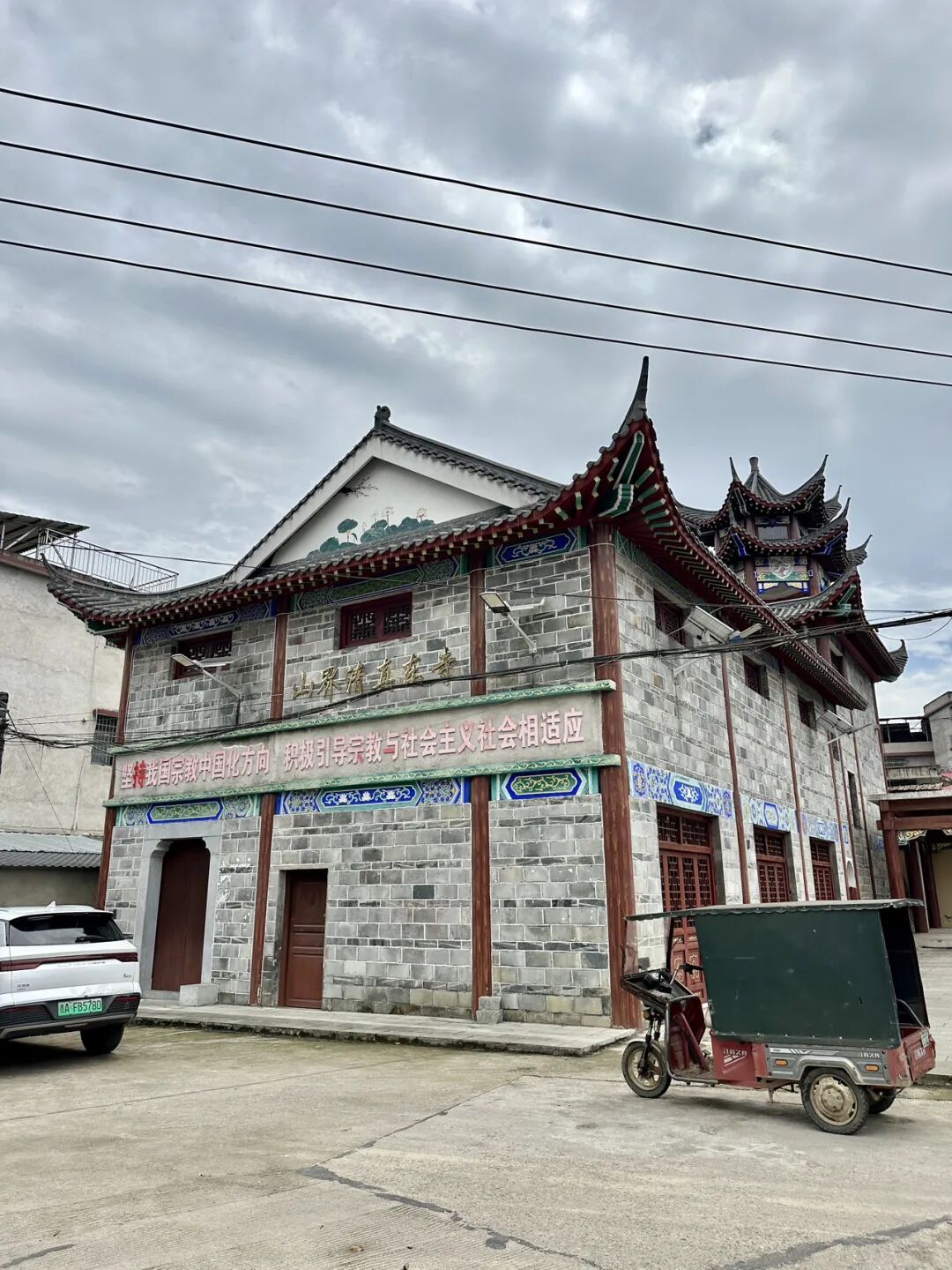
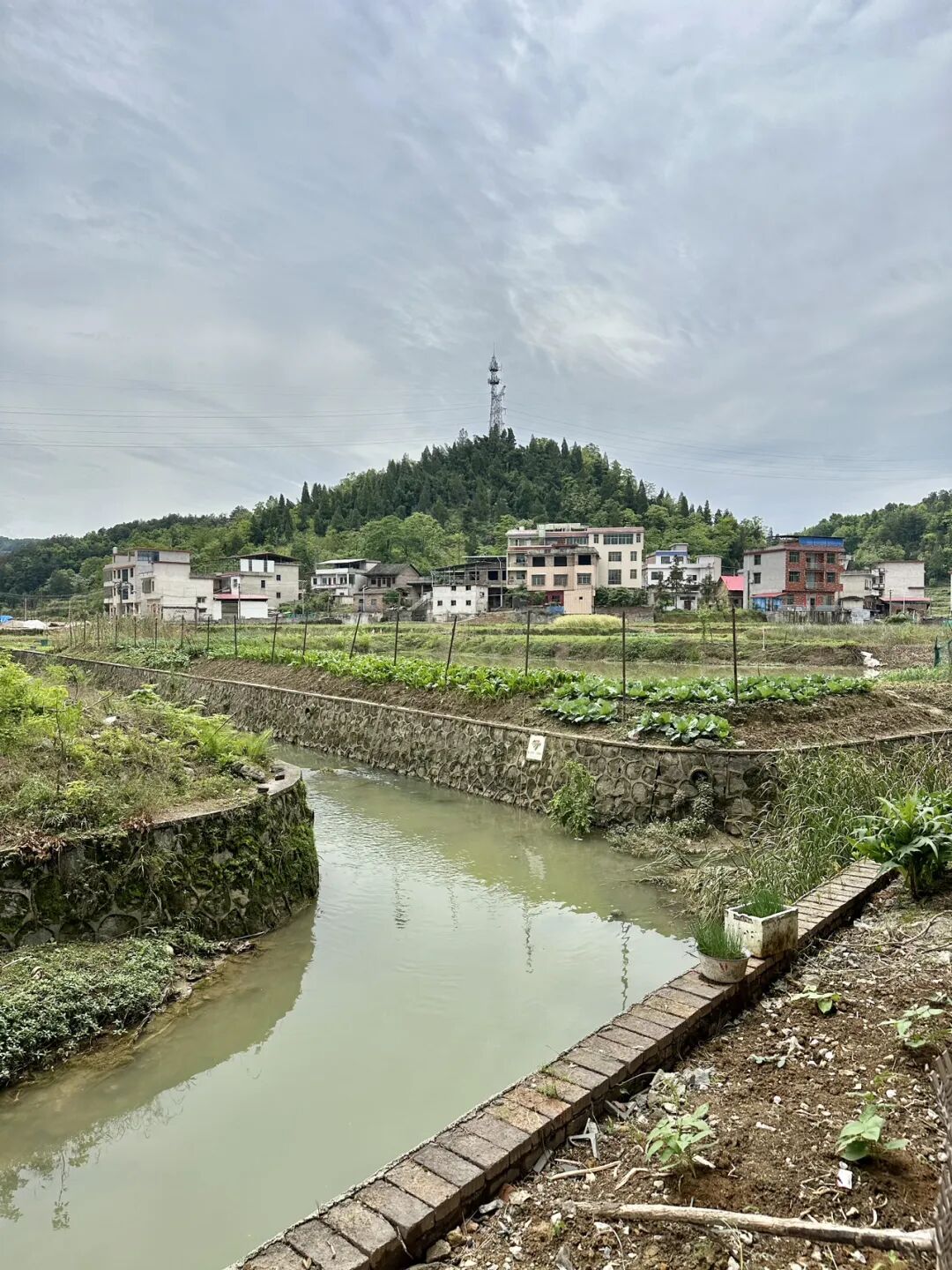
Shanjie West Mosque, also known as Jiajian Village Mosque, was first built in 1836 (the 16th year of the Daoguang reign). It was expanded during the Guangxu and Republic of China periods, and the local Hui Muslims there are surnamed Ma, Huang, and Zheng. The imams who have served at the mosque include Ma Chaoxin, Zheng Liansheng, Ma Daocheng, Ma Fucheng, and Ma Liangxu. The main hall of the West Mosque collapsed in 1991. It was being rebuilt when a flood destroyed it in 1996. After raising funds again, it was officially completed at the end of 1996 and renovated again in 2013.
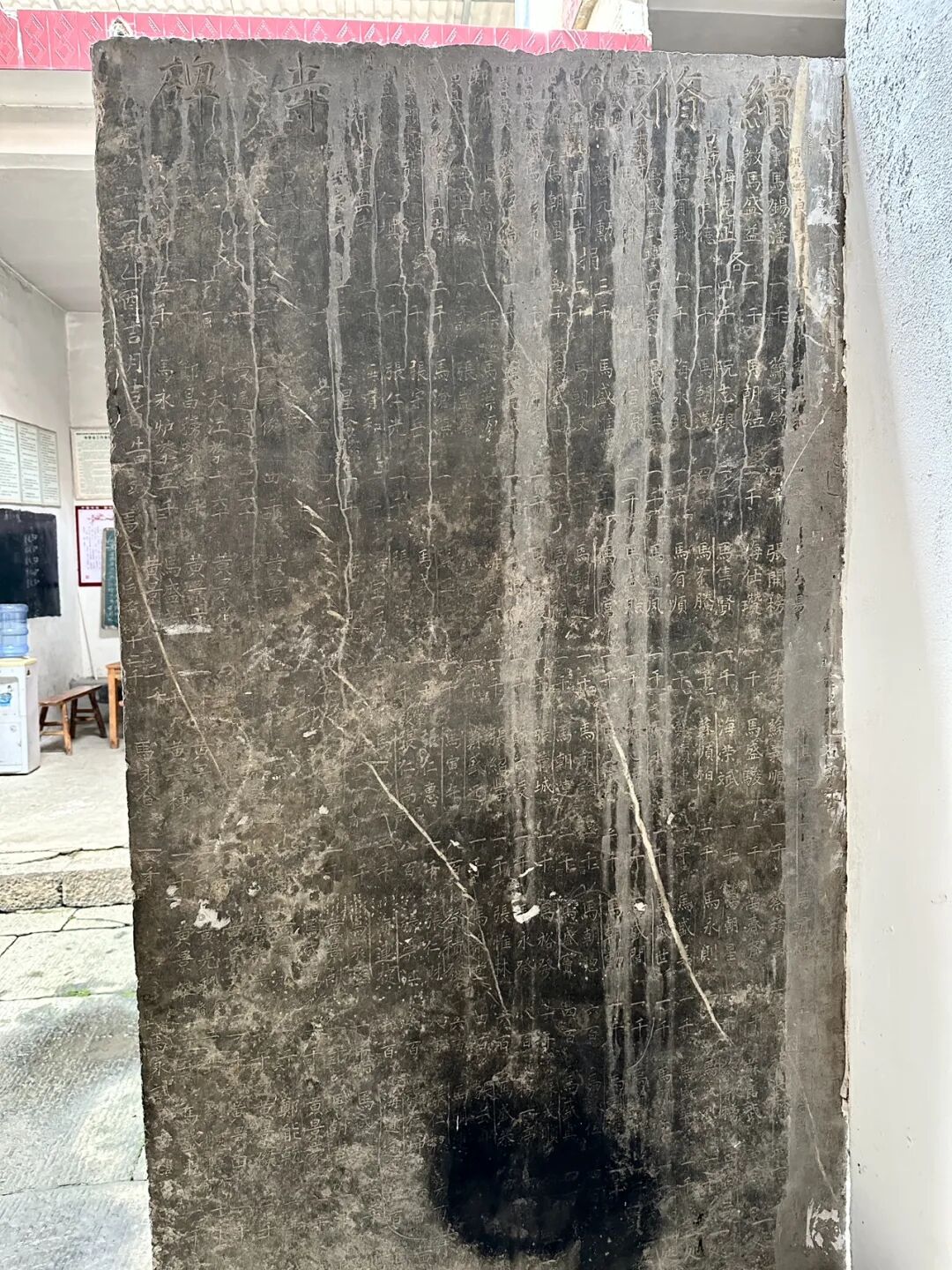
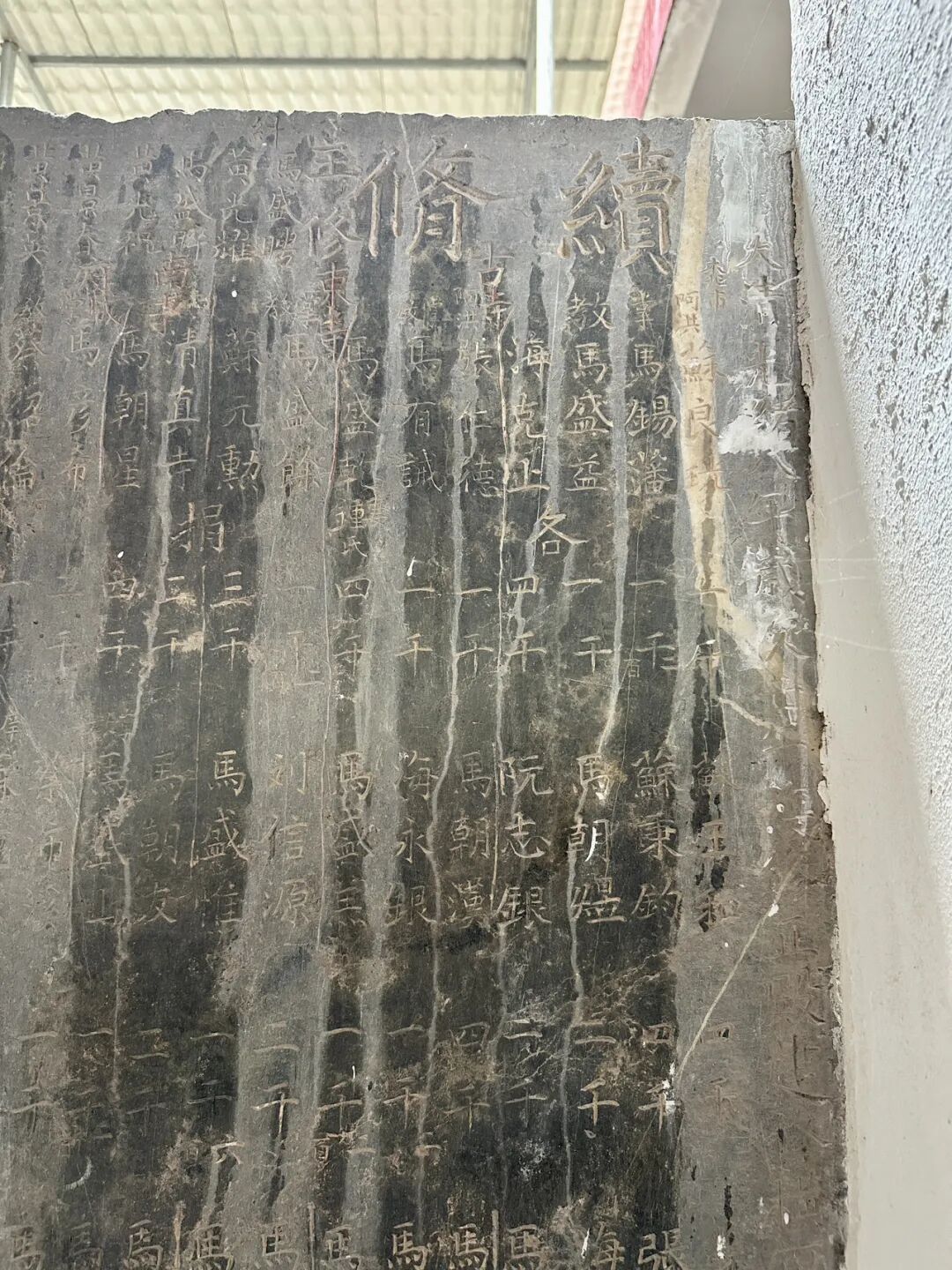
The mosque houses a stone tablet from the 11th year of the Guangxu reign titled 'Record of Continued Mosque Repairs,' which lists the names of the donors at that time and serves as a precious historical record.
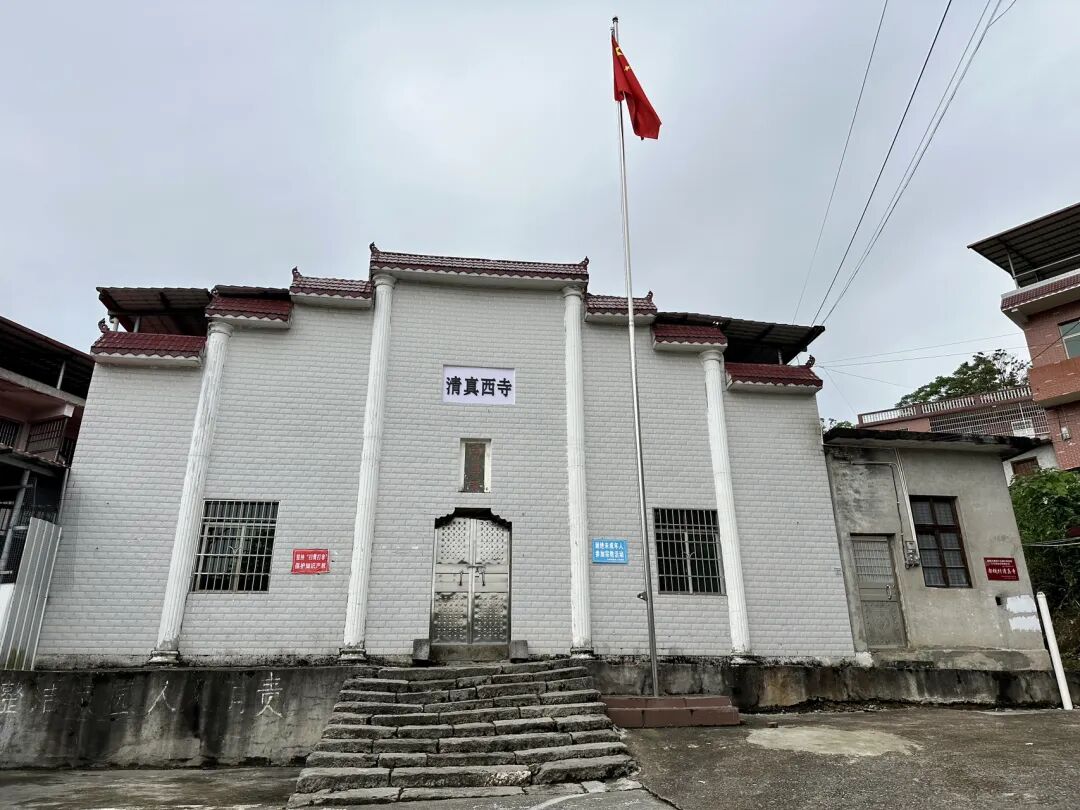
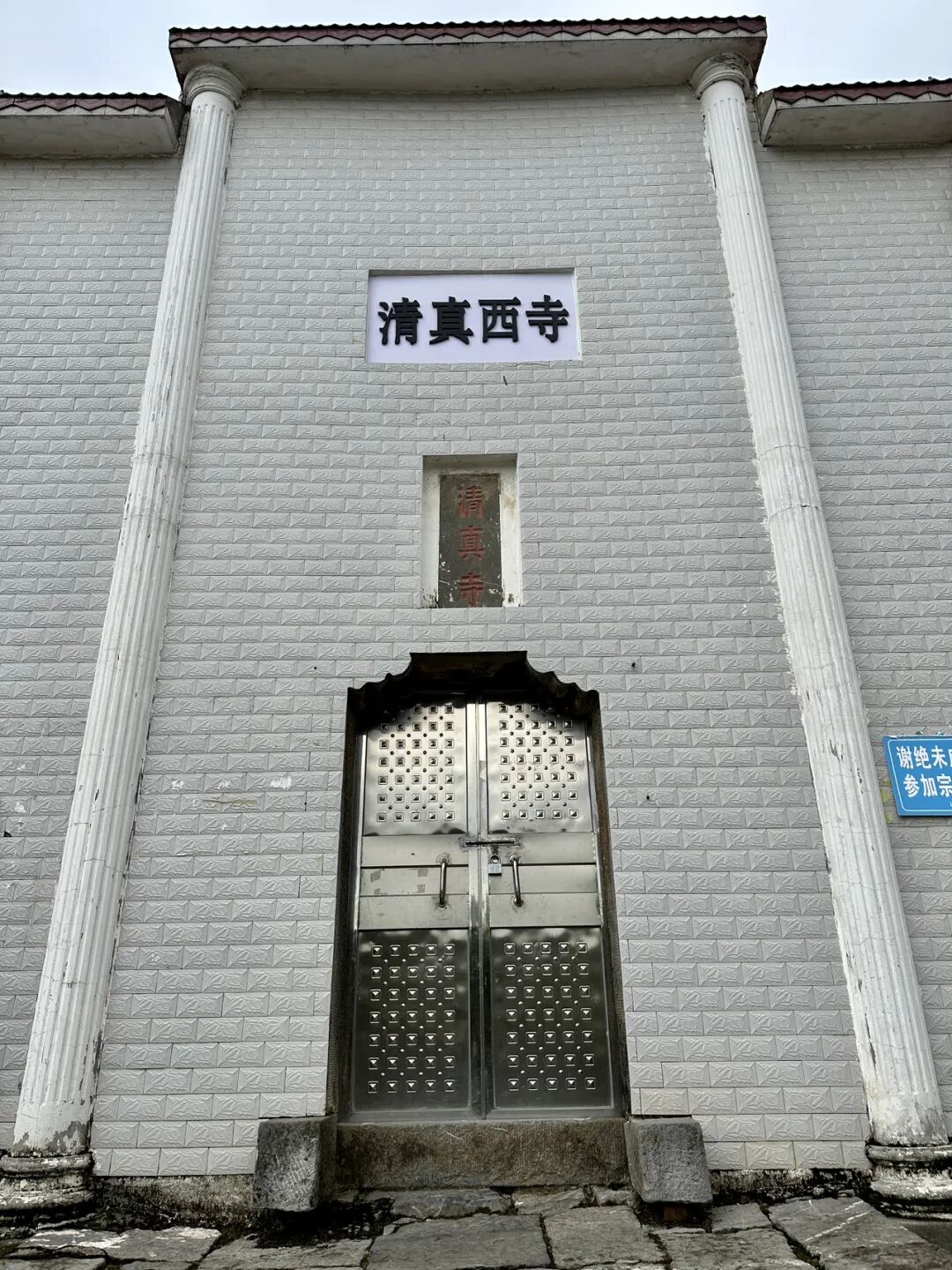
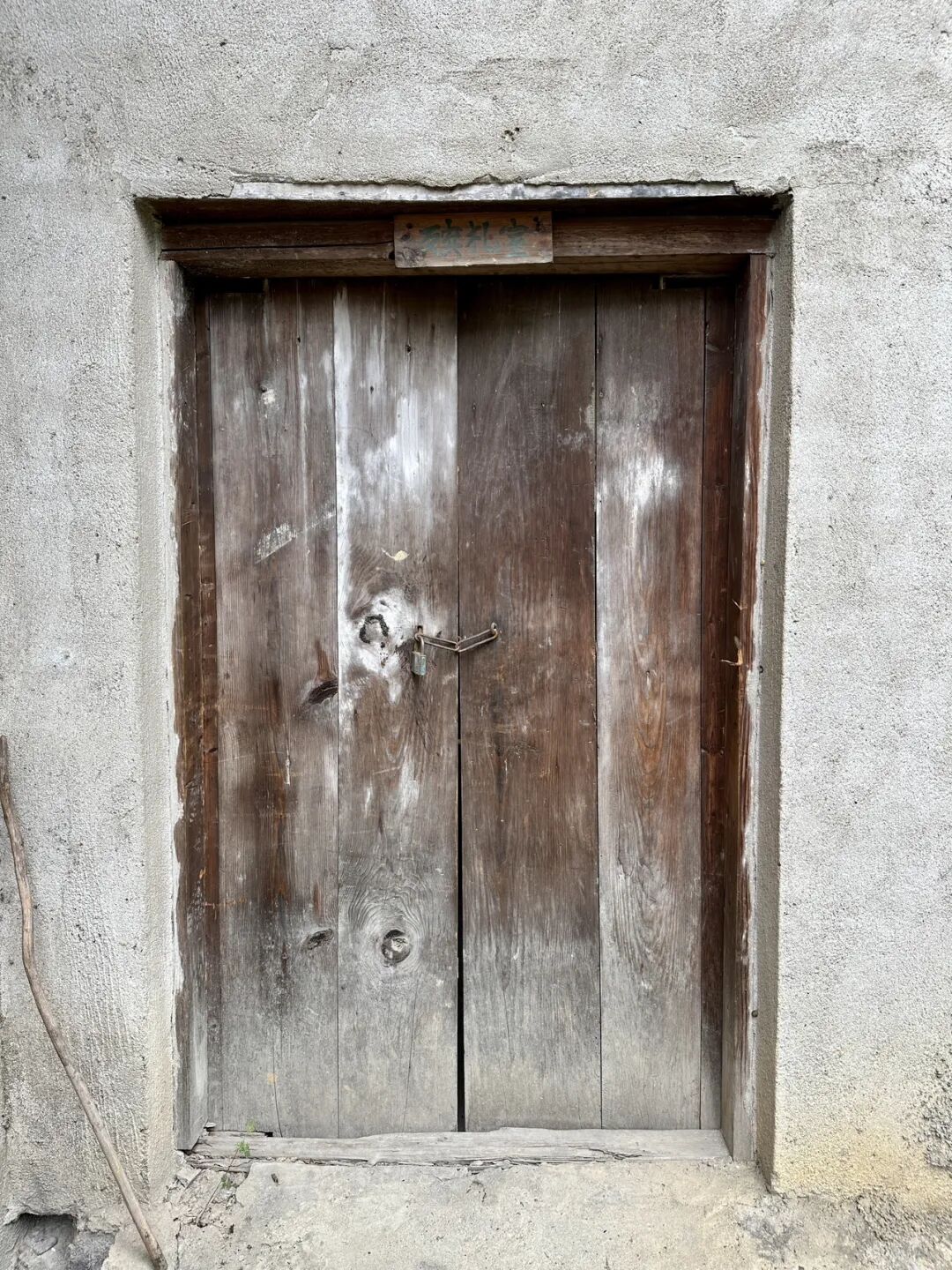
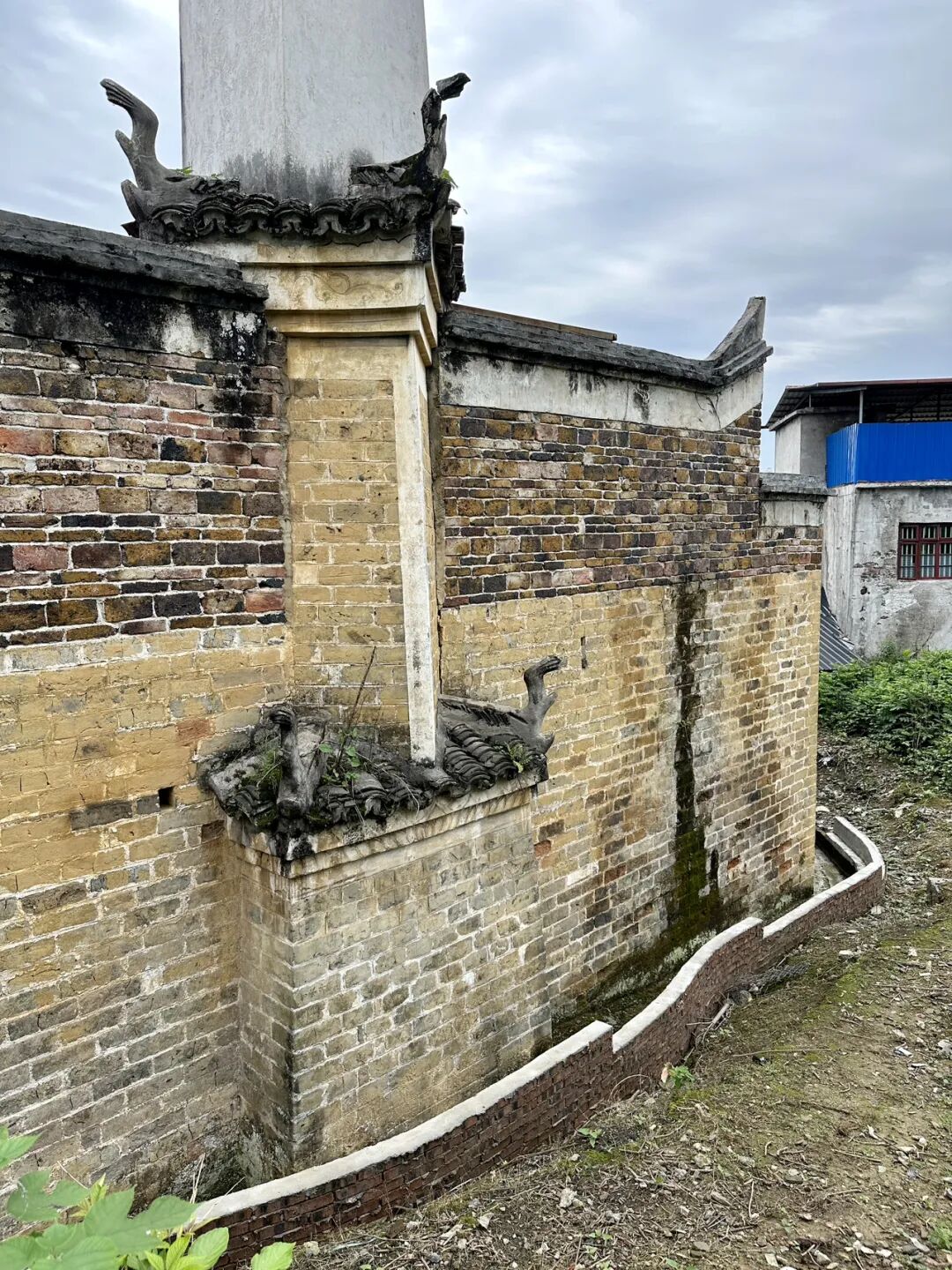
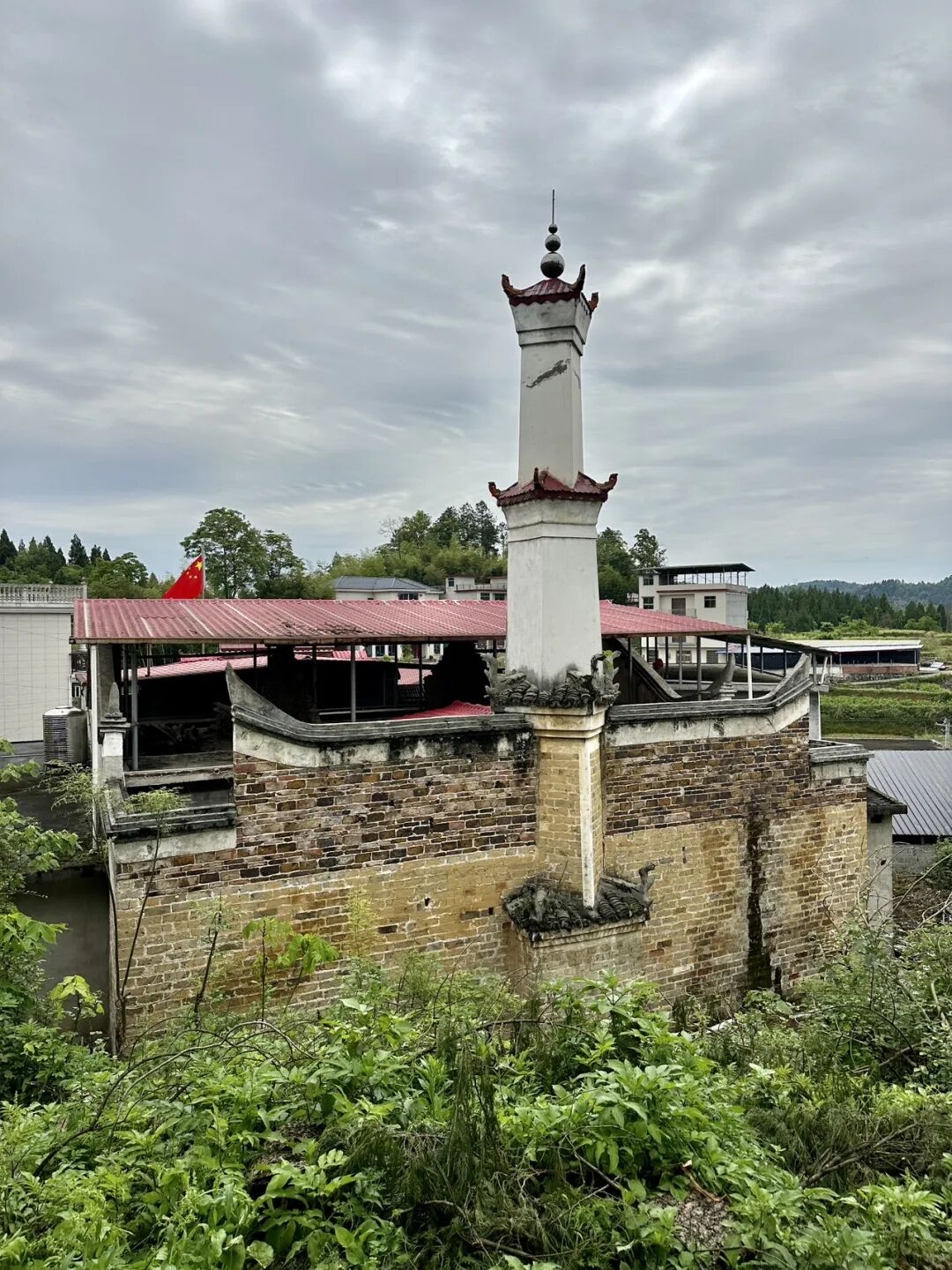
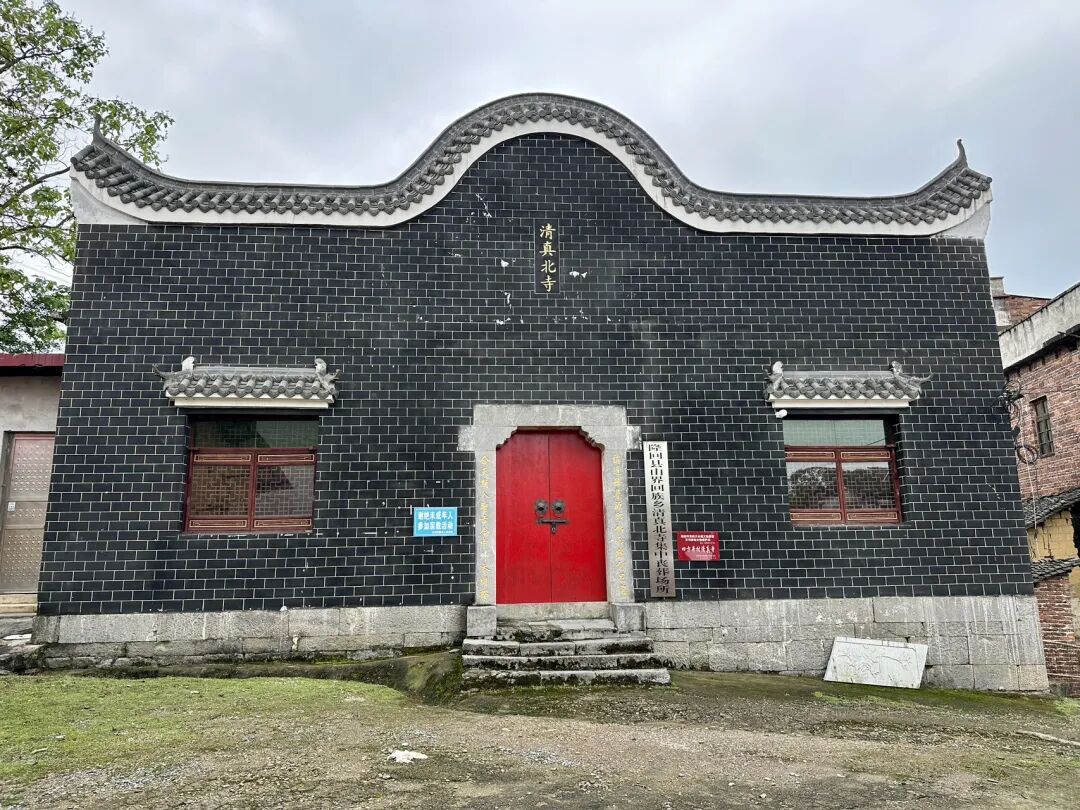
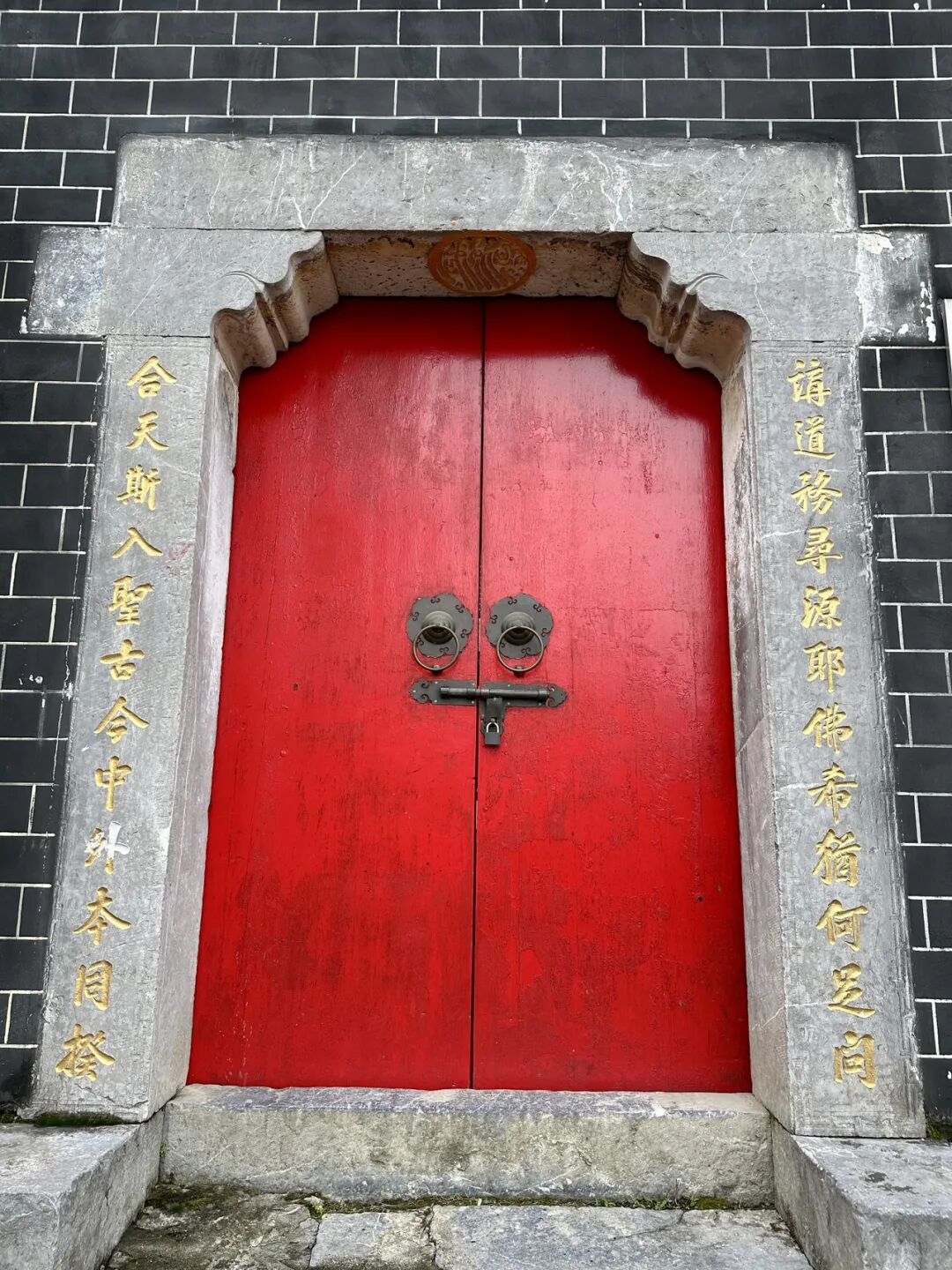
Shanjie North Mosque, also called Sifangjing Mosque, was first built in 1824 (the 4th year of the Daoguang reign), and the local Hui Muslims there are surnamed Ma. The main hall was destroyed after 1966. It was rebuilt in 1991 and again in 2000, with only the original stone gate pillars remaining. The pillars are carved with a couplet by the Republic of China educator Ma Linyi: 'To study the Way, one must seek the source; why ask about Jesus, Buddha, or the Greeks? To unite with Heaven is to enter the path of the sages; ancient and modern, Chinese and foreign, all share the same principle.'
Regrettably, the Shanjie North Mosque was also locked when I visited, and I could not enter.
Summary: This China mosque travel guide covers eight historic mosque complexes in Longhui, Shaoyang, Hunan, with local Hui Muslim heritage and mosque travel details kept in clear English.
This article summarizes the key points about the eight mosques (sifang) in Longhui County, Shaoyang, Hunan. It keeps the original paragraph and image order. It is for readers interested in Muslim life, Islamic culture, and Chinese Islamic writing. It also helps people search for content like Chinese halal food.
Longhui County in Shaoyang City, Hunan, has a large population of Hui Muslims. I visited eight mosques there: Taohuaping Mosque, Shanjie Ancient Mosque, East Mosque, West Mosque, South Mosque, North Mosque, Luobai Mosque, and Niejiaoting Mosque. I will share them with you below.
Shanjie Ancient Mosque in Longhui County, Shaoyang, Hunan, is located in Laowuli, Shanjie Township. It was first built in 1444 (the ninth year of the Zhengtong reign of the Ming Dynasty) and is the oldest mosque in Longhui. During the Hongwu reign of the Ming Dynasty, Ma Zhi, the third son of Ma Cheng, the ancestor of the Ma family Hui Muslims in Shaoyang, moved from Shaoyang to Majia Ferry in Longhui to settle down. He was the first Hui Muslim in Longhui, and Shanjie Ancient Mosque was built by the Ma family.
Shanjie Ancient Mosque was renovated in 1919 and rebuilt into its current appearance in 2018.
Shanjie Ancient Mosque has a long tradition of teaching Islamic scripture. The head imams who have taught there include Ma Yulang, Ma Fujiu, Ma Fucheng, Ma Yucheng, Ma Yaochi, and Ding Zhenyi. They also hired imams from other places like Huang Xingxiang and Li Desheng. Ma Fucheng, an imam from this mosque, taught there for the longest time. In 1945, Imam Ma Yucheng taught at the ancient mosque and recruited many students (hailifan), marking the peak of the mosque's religious activities. To this day, the mosque continues its educational work and has trained many excellent young people.
On September 2, 1939, the Wugang County, Hunan branch of the China Islamic National Salvation Association was officially established at the mosque. The mosque's imam, Ma Fucheng, was elected as an officer. Inspired by the call to resist Japanese aggression and save the country, young Hui Muslims from the mosque, including Ma Qiyun, Ma Wuyang from the North Mosque, and Su Xingmin from Beishan, signed up for the army, took up arms, and headed to the front lines in East China.
Relics at Shanjie Ancient Mosque include stone pillar bases, wood carvings, and calligraphy of the mihrab in the kiln niche.
The stone couplet on the main gate reads: Clear the murky and promote the pure to follow the great path; preserve the truth and remove the false so that every generation has successors. The calligraphy was written by Ma Linyi, a Hui Muslim educator and Minister of Education in Shaoyang during the Republic of China. He is known as the Father of Northwest Education and the founder of modern Chinese Hui Muslim education.
Ma Linyi was born in Shaoyang, Hunan, in 1865. He passed the imperial examinations in 1902 and went to Japan on a government scholarship in 1904 to study teacher training. During that time, he met Sun Yat-sen, joined the Tongmenghui in 1905, and returned home to work on new government policies and modern education. In 1906, he founded Xiejin Primary School in Shaoyang, which was the first modern school for Hui Muslims in Hunan.
In 1908, he was transferred to the Qing government's Ministry of Education as a director. That same year, he helped establish the Beijing First Islamic Primary School inside the Niujie Mosque and later helped found the Islamic Education Association. While serving as Vice Minister of Education in 1912, Ma Linyi founded the Chinese Islamic Progressive Association with the support of Sun Yat-sen and served as its president.
While in charge of education in Gansu, Ma Linyi founded 277 schools of various types and set up the Gansu Islamic Education Promotion Office, spreading over a hundred Islamic primary schools across Gansu, Ningxia, and Qinghai. He selected over a hundred young people from the Northwest for government-funded study abroad, laying the foundation for modern basic education in the Northwest.
In 1928, Ma Linyi helped found the Islamic Middle School in Niujie and served as its vice chairman. In 1929, Ma Linyi became a board member of the Beiping Chengda Teachers' College. He actively updated the curriculum and improved teaching methods, helping Chengda develop into a modern school. In his later years, Ma Linyi devoted himself to the faith and served as an advisor to Wang Jingzhai for his translation of Islamic classics.
Shanjie East Mosque was first built in 1728 (the fifth year of the Yongzheng reign). The mosque has hired many imams over the years, including Su Yuebo, Ma Yulang, Ma Baochu, Zheng Liansheng, Ma Yuechi, Ma Yucheng, Tang Yuanqi, Hai Shiquan, Ma Chengyong, Ding Baohua, Ma Gen'ao, Ma Xiang'ao, and Ma Wuquan. Students from as far as Hainan and Guangxi came to study under the great imam Ma Yucheng in Gansu, and the local religious community was very prosperous.
It is a pity that the mosque was locked when I visited, so I could not go inside.
Shanjie West Mosque, also known as Jiajian Village Mosque, was first built in 1836 (the 16th year of the Daoguang reign). It was expanded during the Guangxu and Republic of China periods, and the local Hui Muslims there are surnamed Ma, Huang, and Zheng. The imams who have served at the mosque include Ma Chaoxin, Zheng Liansheng, Ma Daocheng, Ma Fucheng, and Ma Liangxu. The main hall of the West Mosque collapsed in 1991. It was being rebuilt when a flood destroyed it in 1996. After raising funds again, it was officially completed at the end of 1996 and renovated again in 2013.
The mosque houses a stone tablet from the 11th year of the Guangxu reign titled 'Record of Continued Mosque Repairs,' which lists the names of the donors at that time and serves as a precious historical record.
Shanjie North Mosque, also called Sifangjing Mosque, was first built in 1824 (the 4th year of the Daoguang reign), and the local Hui Muslims there are surnamed Ma. The main hall was destroyed after 1966. It was rebuilt in 1991 and again in 2000, with only the original stone gate pillars remaining. The pillars are carved with a couplet by the Republic of China educator Ma Linyi: 'To study the Way, one must seek the source; why ask about Jesus, Buddha, or the Greeks? To unite with Heaven is to enter the path of the sages; ancient and modern, Chinese and foreign, all share the same principle.'
Regrettably, the Shanjie North Mosque was also locked when I visited, and I could not enter.
