
Muslim Travel Guide to Sichuan: Dujiangyan During Ramadan and Old Mosque Road Trip
Reposted from the web
Summary: This Muslim travel guide to Sichuan follows Dujiangyan during Ramadan, old mosque visits, and China mosque travel details from the original road trip.
This article summarizes the key points of 'Driving to Sichuan for Ancient Mosques during Spring Festival (Part 15): Dujiangyan during Ramadan.' It keeps the original paragraph and image order. It is for readers interested in Muslim life, Islamic culture, and Chinese Islamic writing. It also helps with searching for topics like Ramadan, Part 15, and Dujiangyan during Ramadan.
I had heard for a long time that the Ramadan atmosphere at the Dujiangyan mosque in Sichuan was excellent, and I finally got to experience it this time.
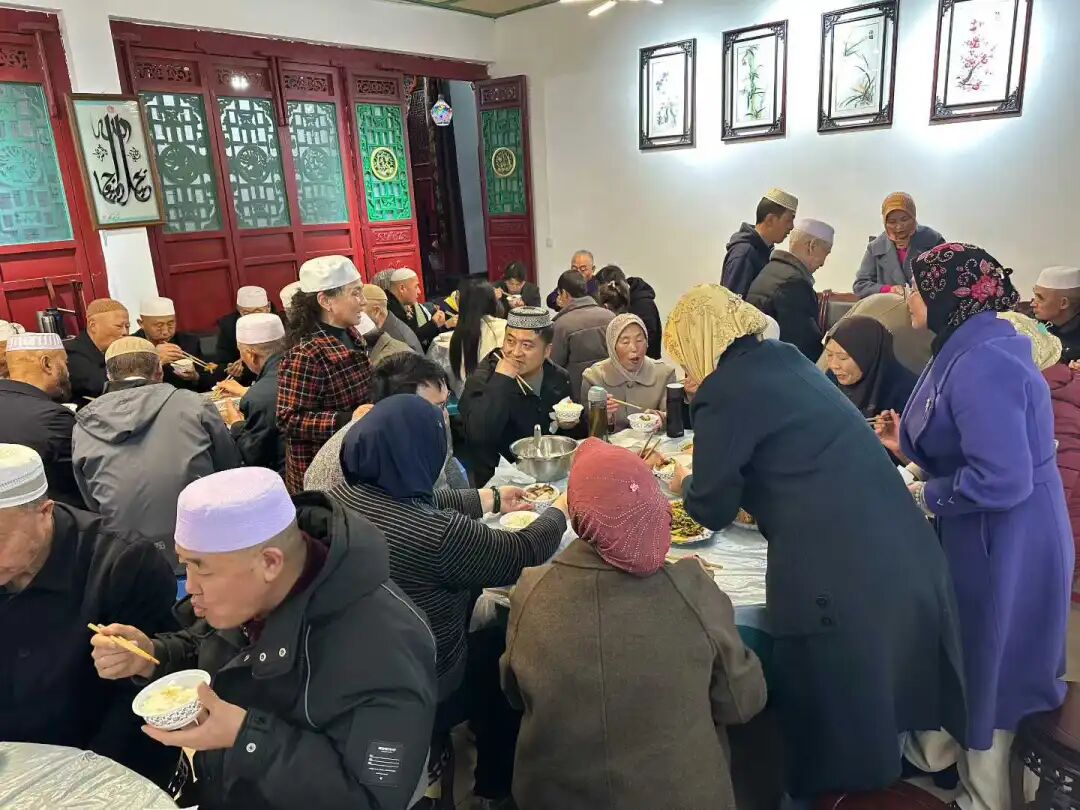
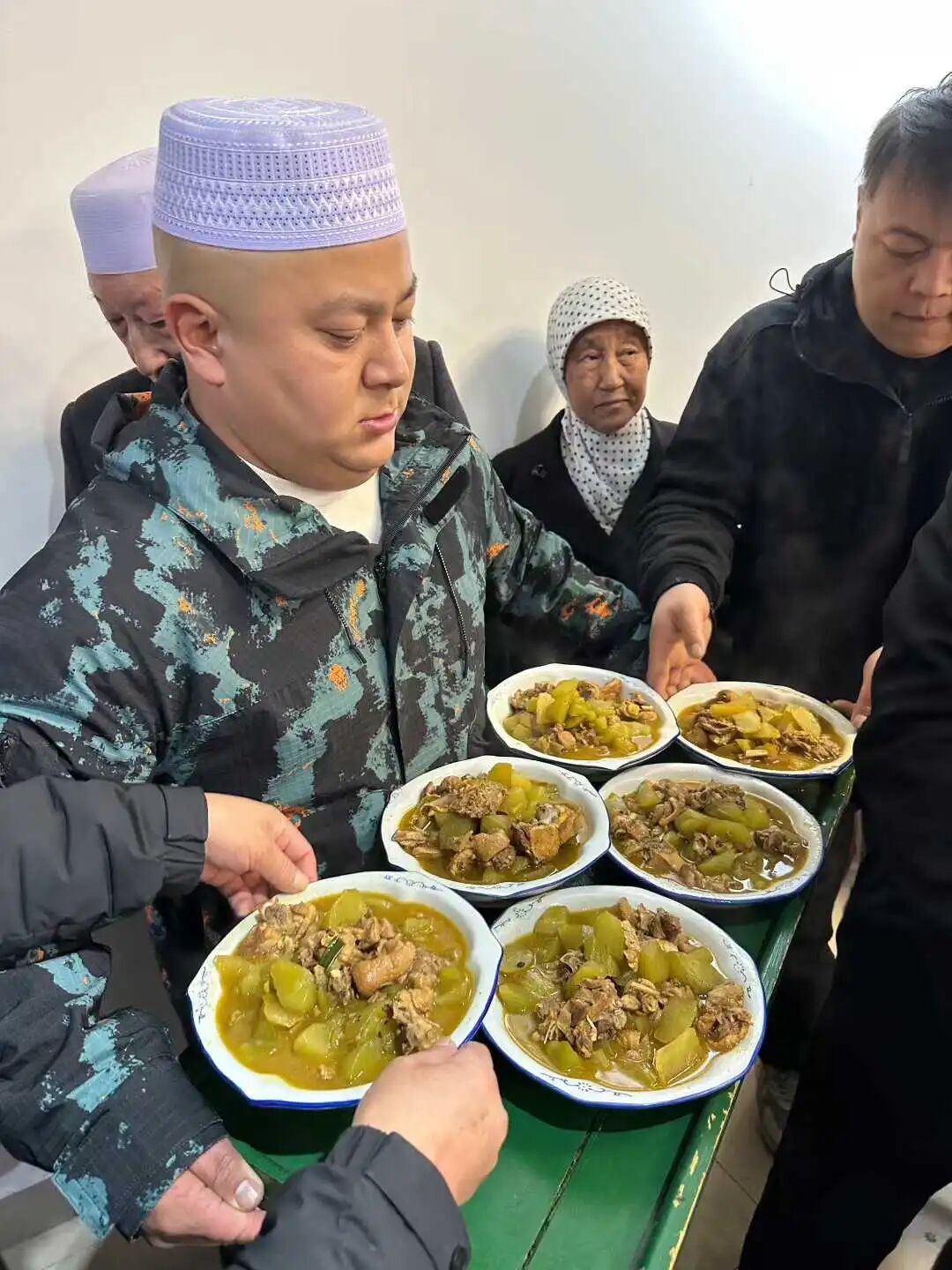
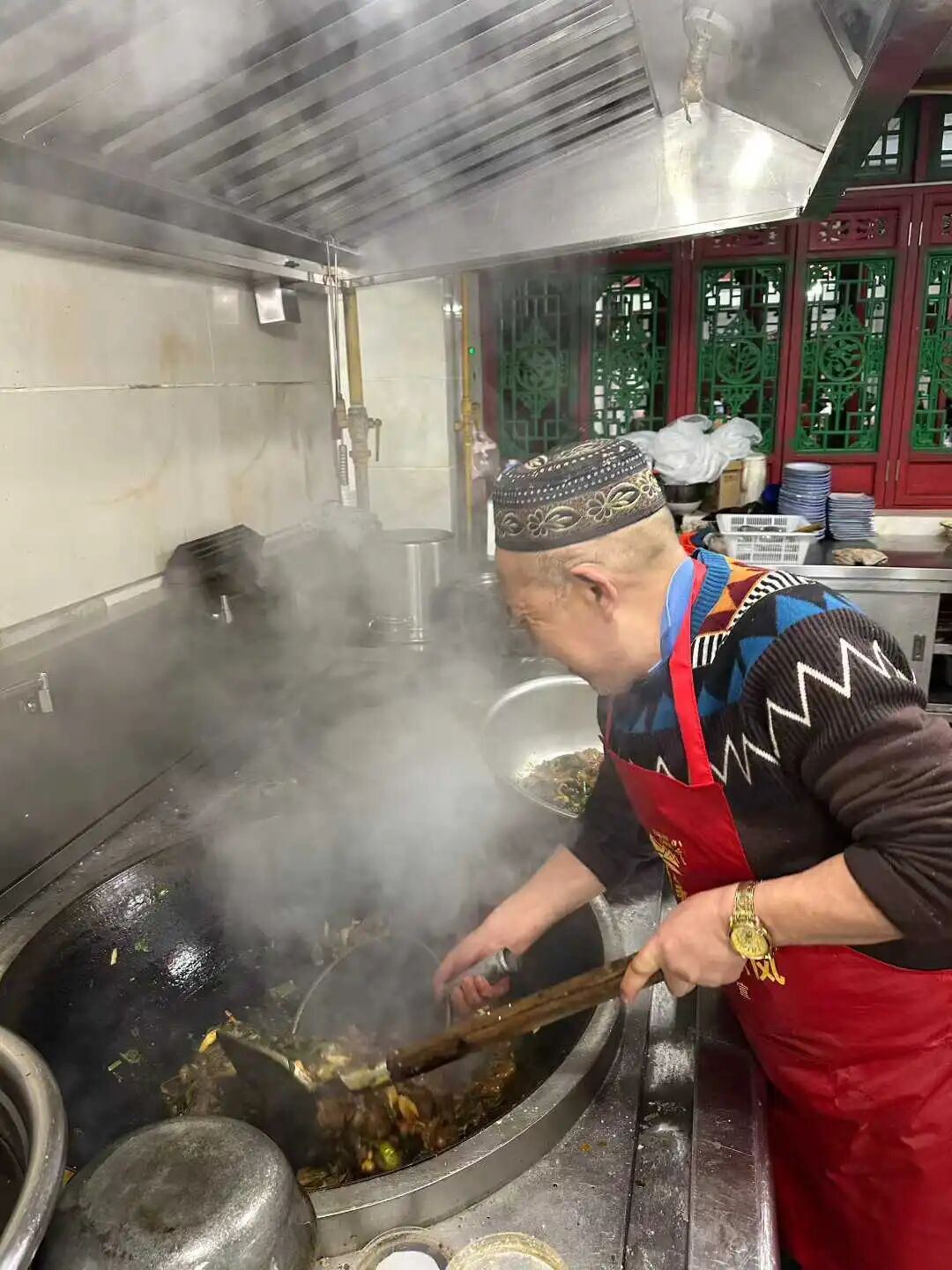
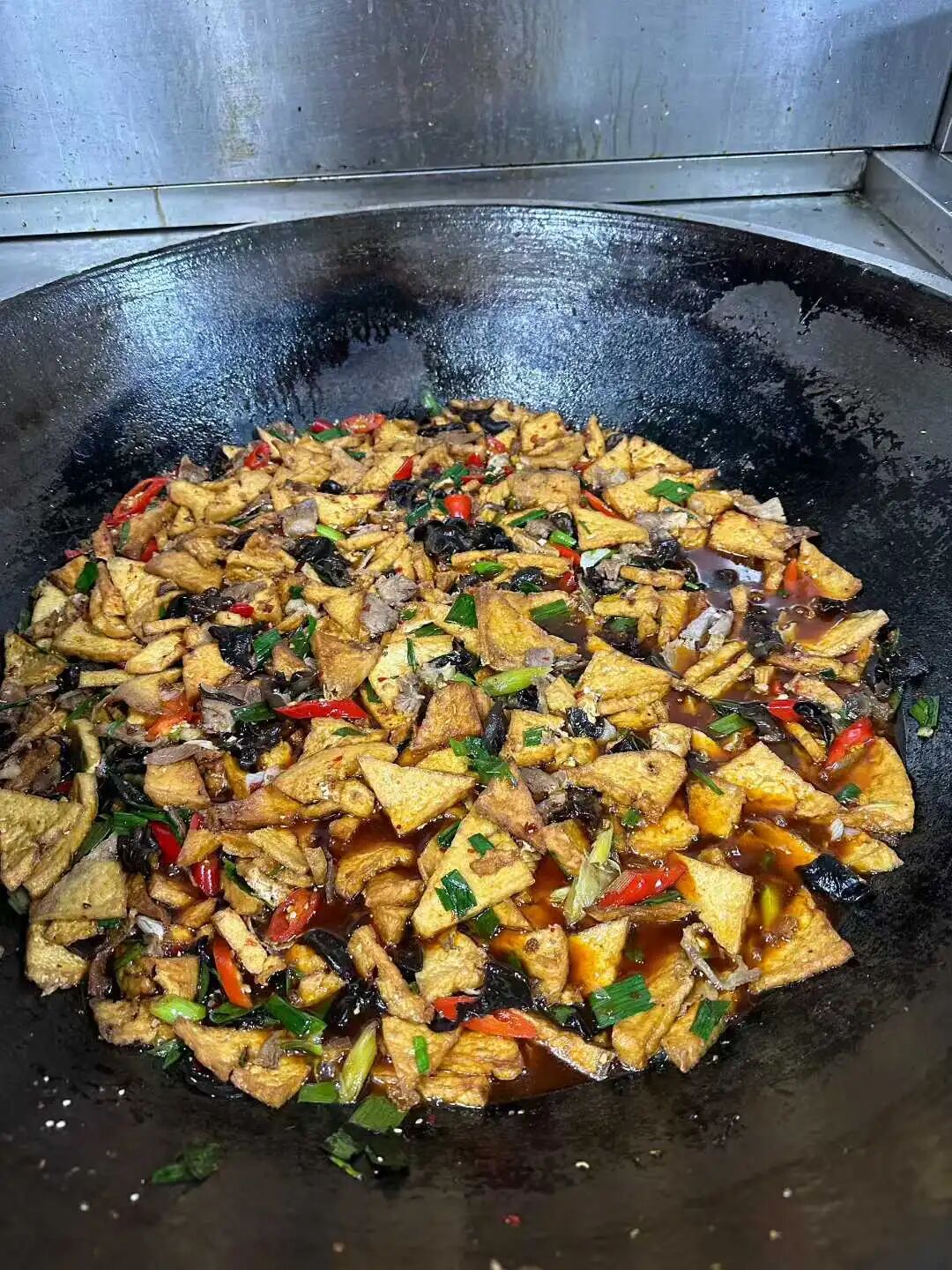
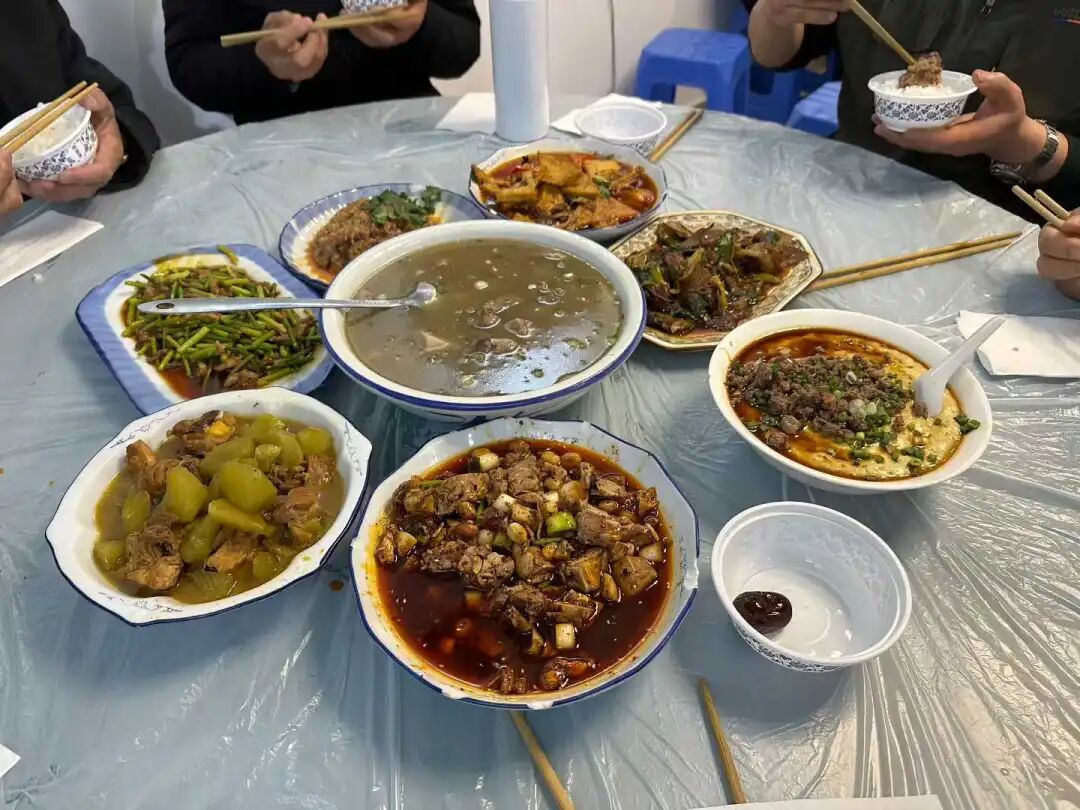
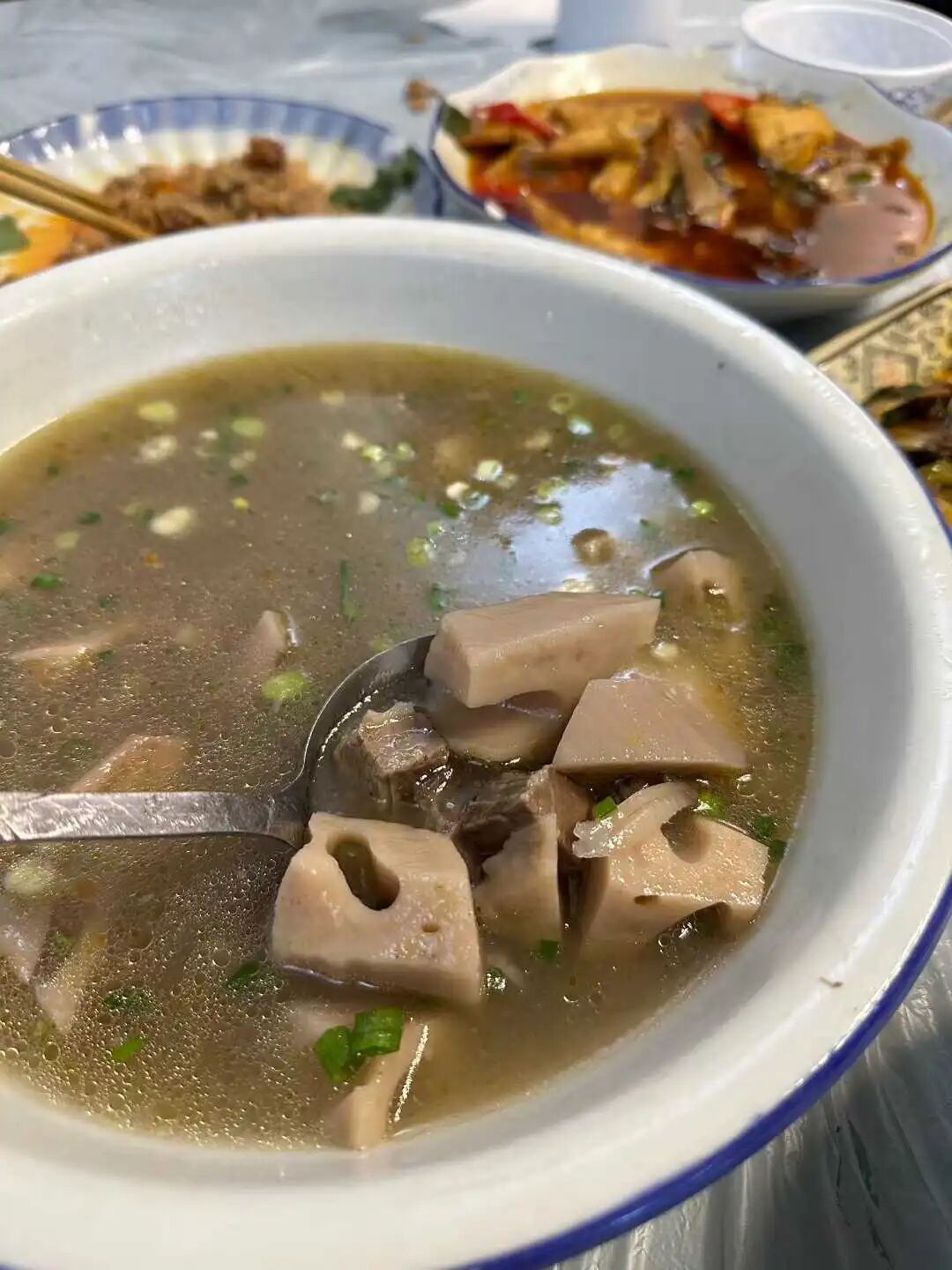
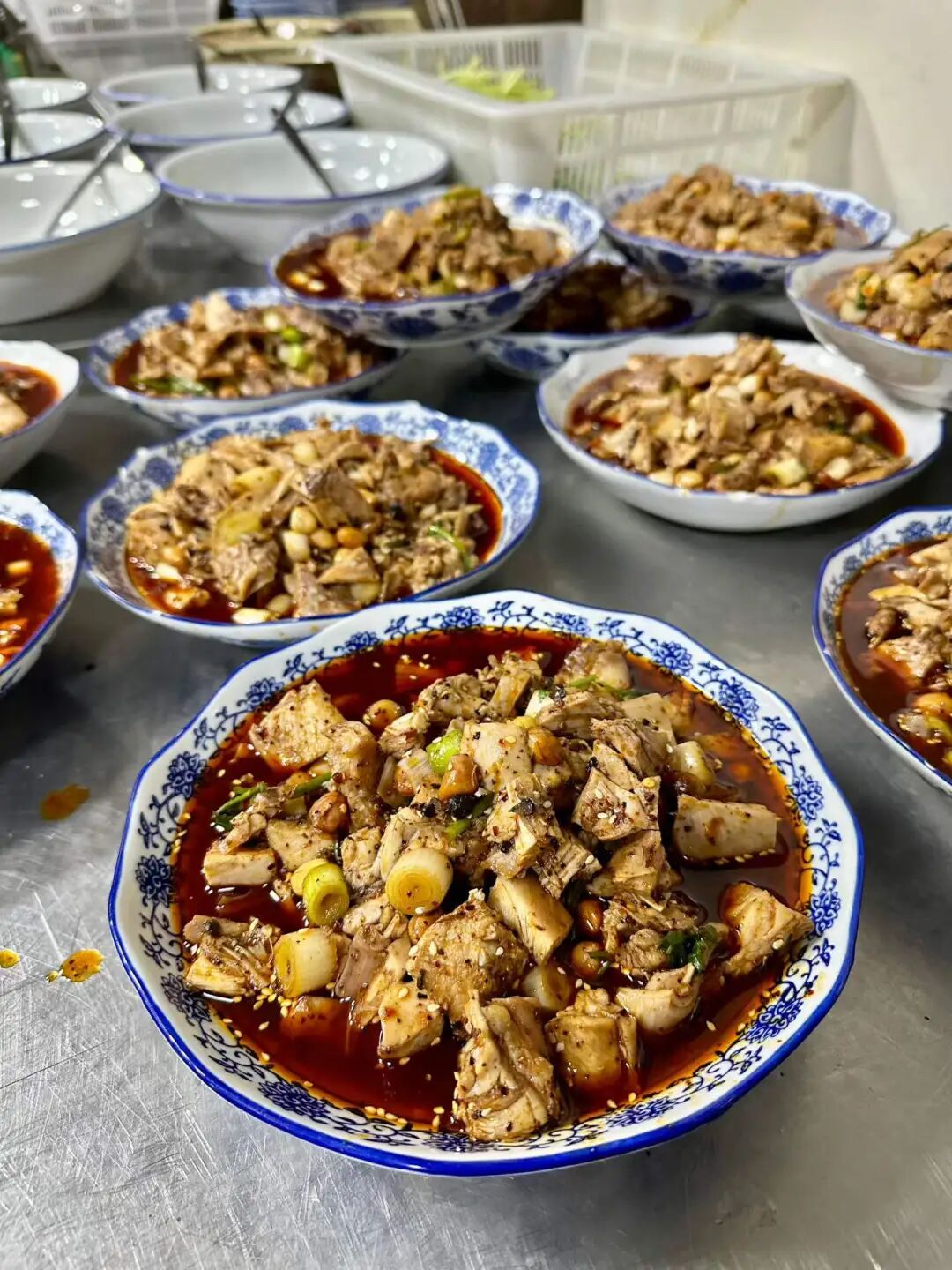
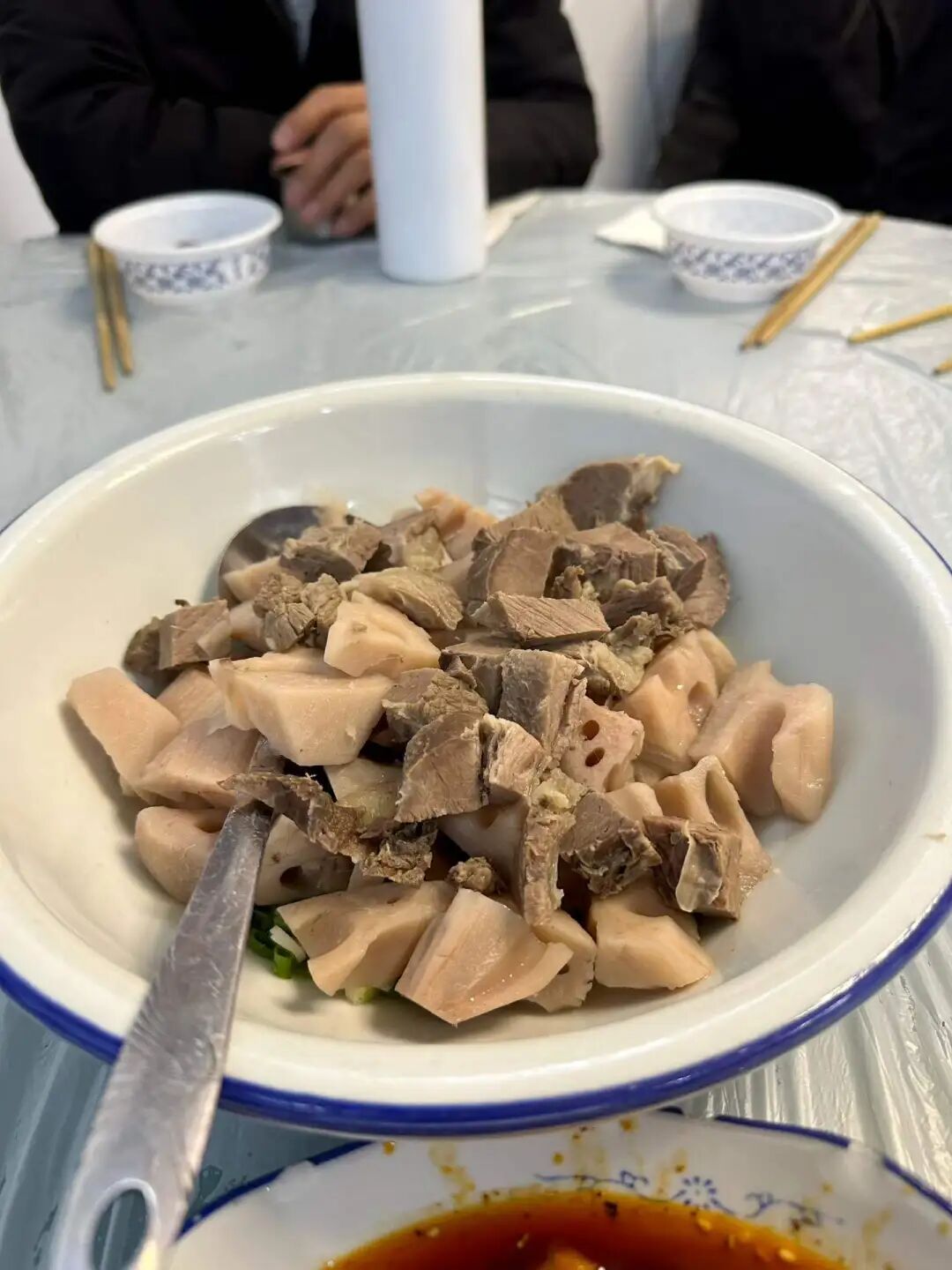
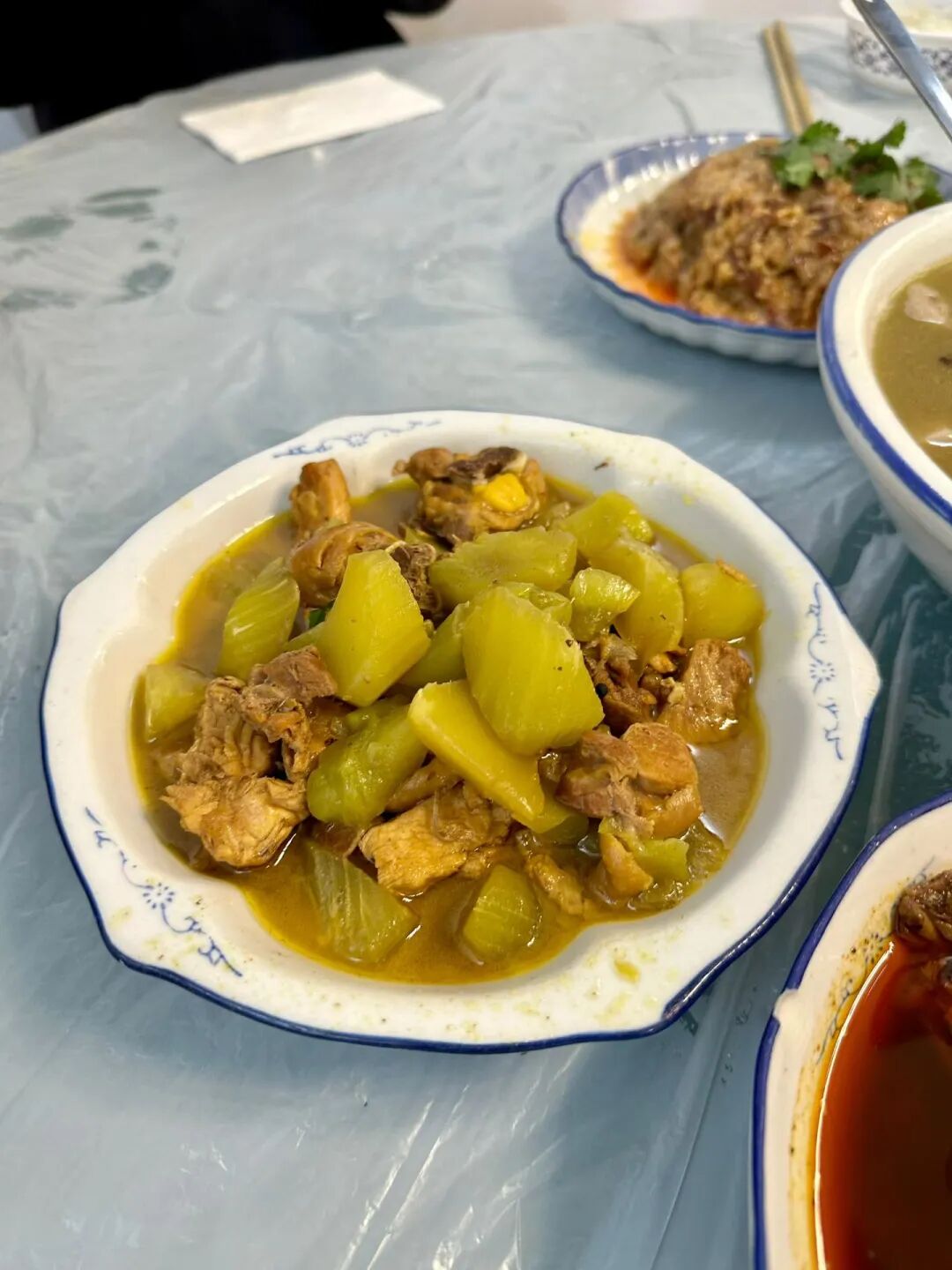
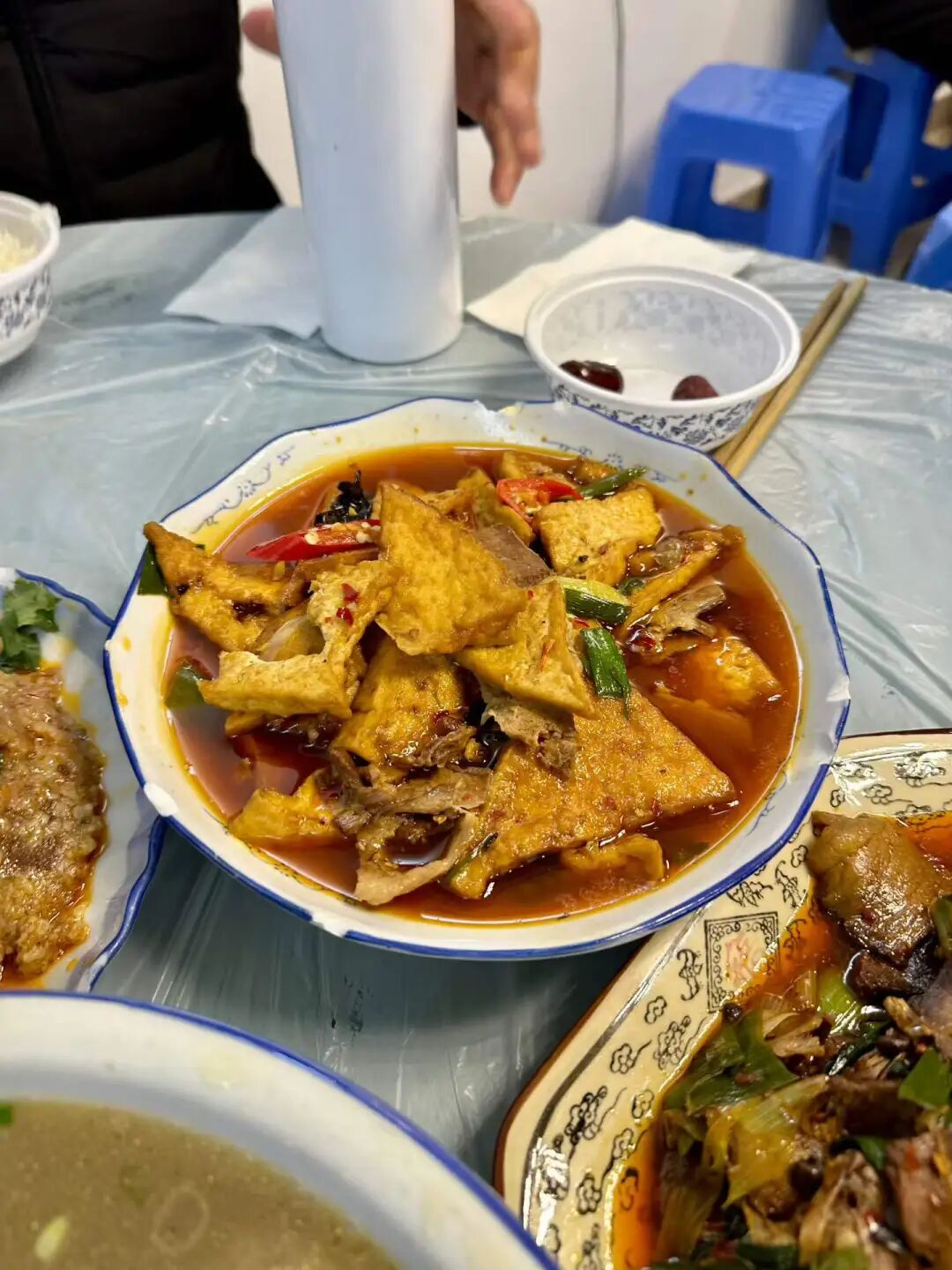
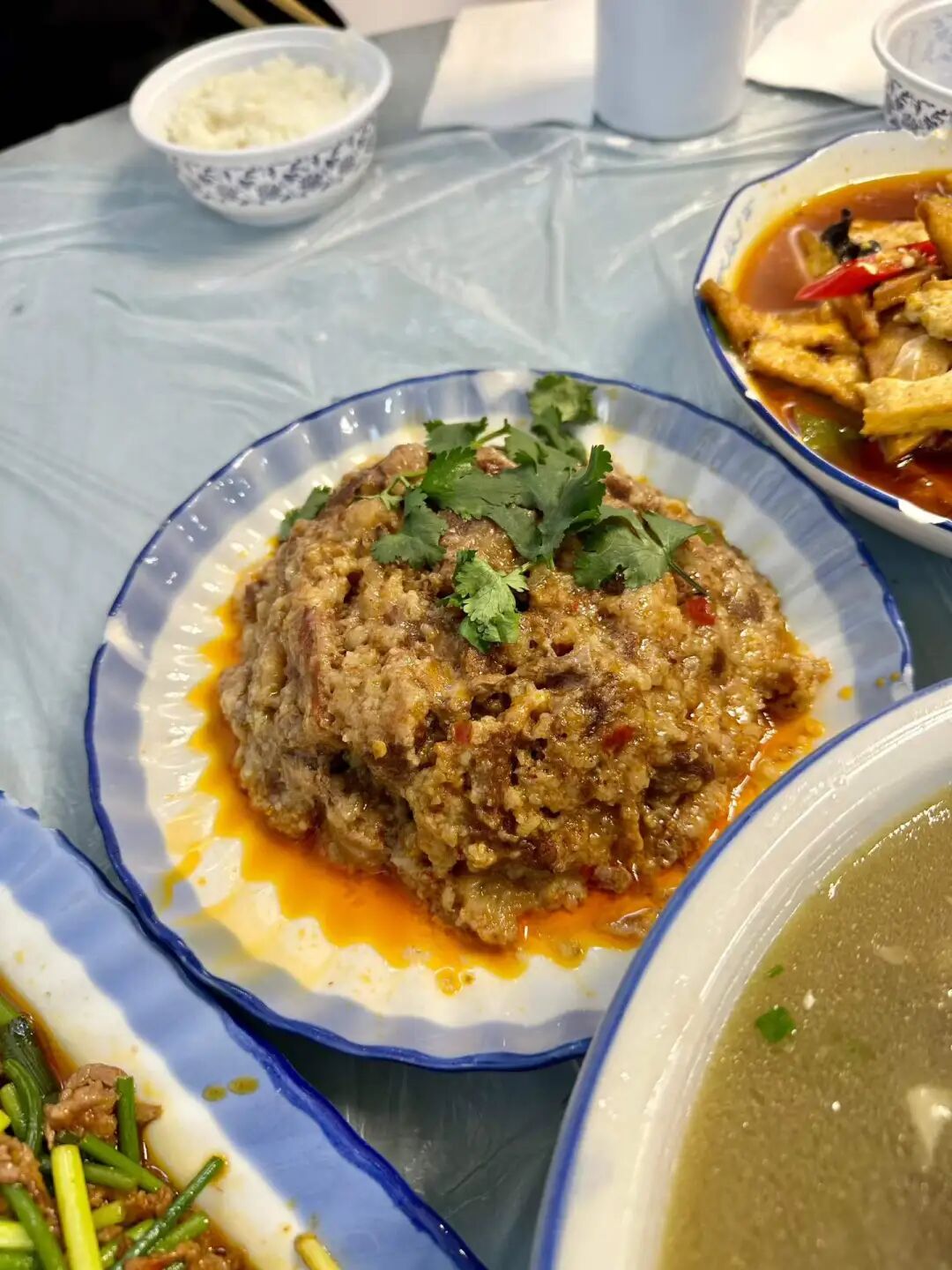
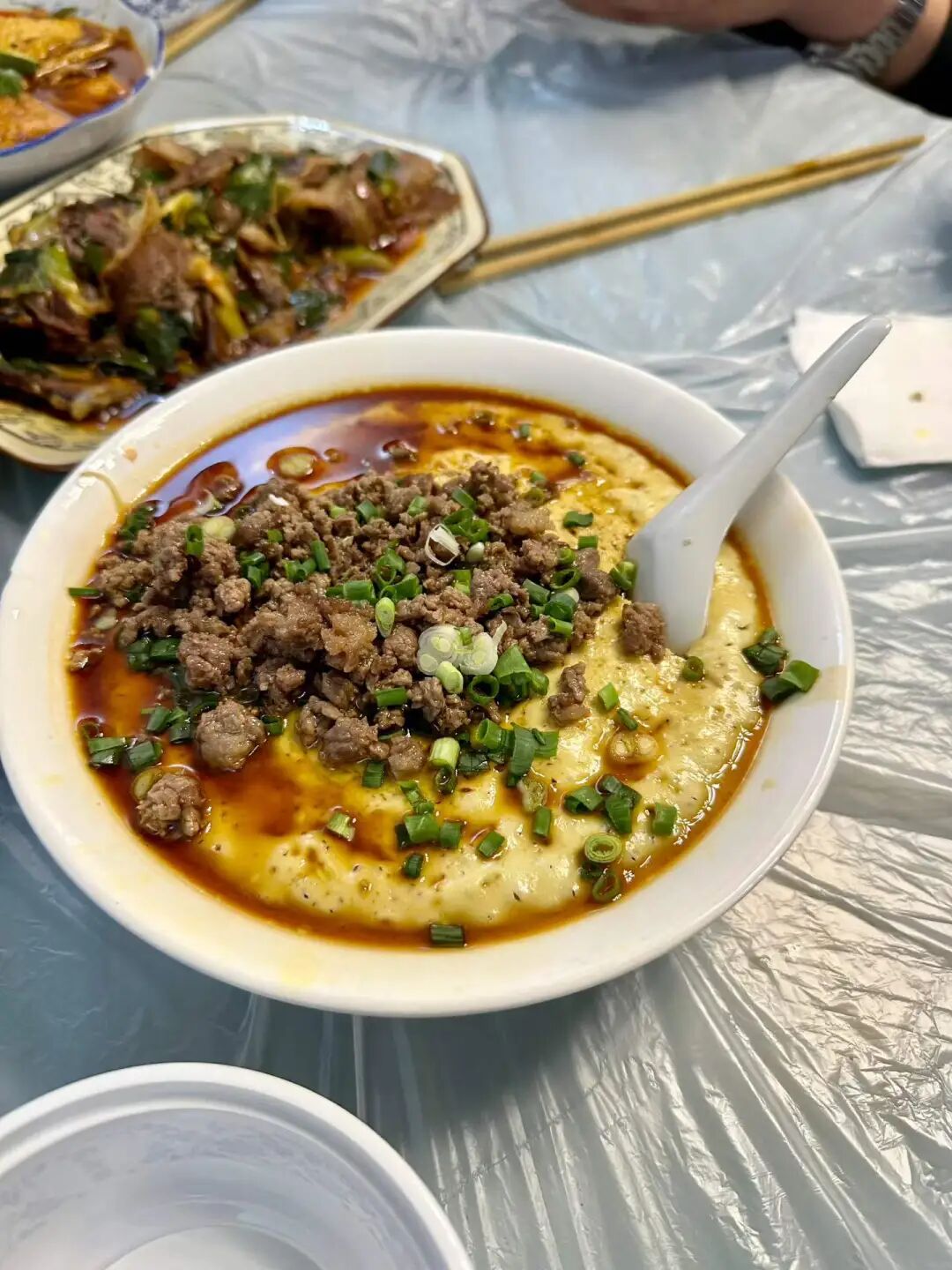
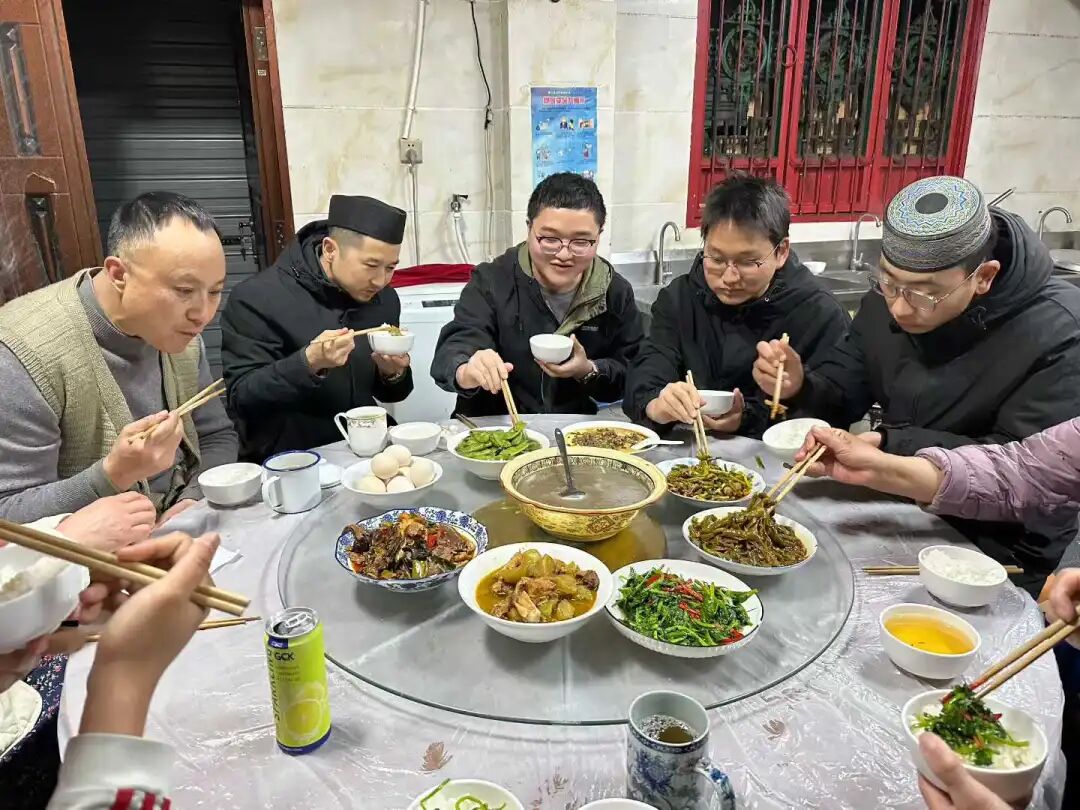
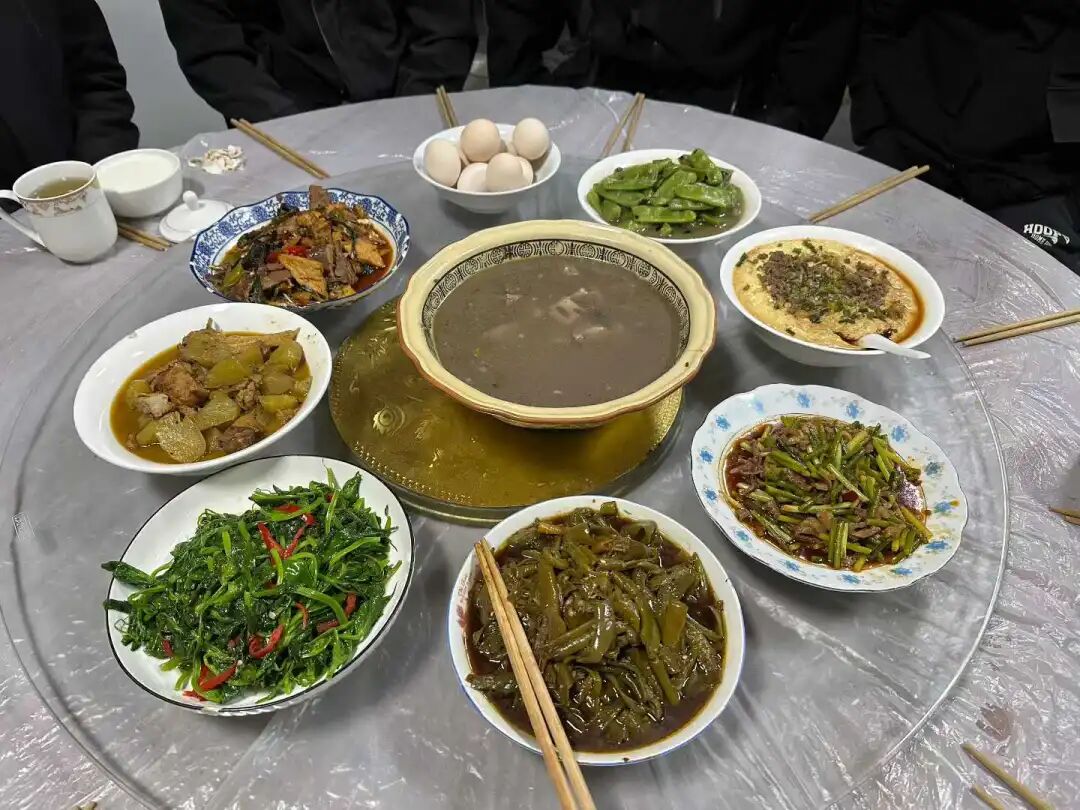
At the mosque, we had beef stewed with lotus root (niurou dun ou), cold chicken with sauce (liangban ji), steamed beef with rice flour (fenzheng niurou), twice-cooked beef (huiguo niurou), steamed eggs (zheng jidan), stir-fried garlic sprouts (chao suantai), lettuce stems braised with meat (wosun shaorou), and home-style tofu (jiachang doufu). These were all authentic Sichuan dishes.
Dujiangyan truly lives up to its reputation as the pearl of the Islamic community in western Sichuan. Many people came for the iftar meal. Chairman Sha said that in previous years they served eleven dishes and often had leftovers. This year, he specifically asked to simplify it to seven dishes and one soup. I felt the amount of food was just right.
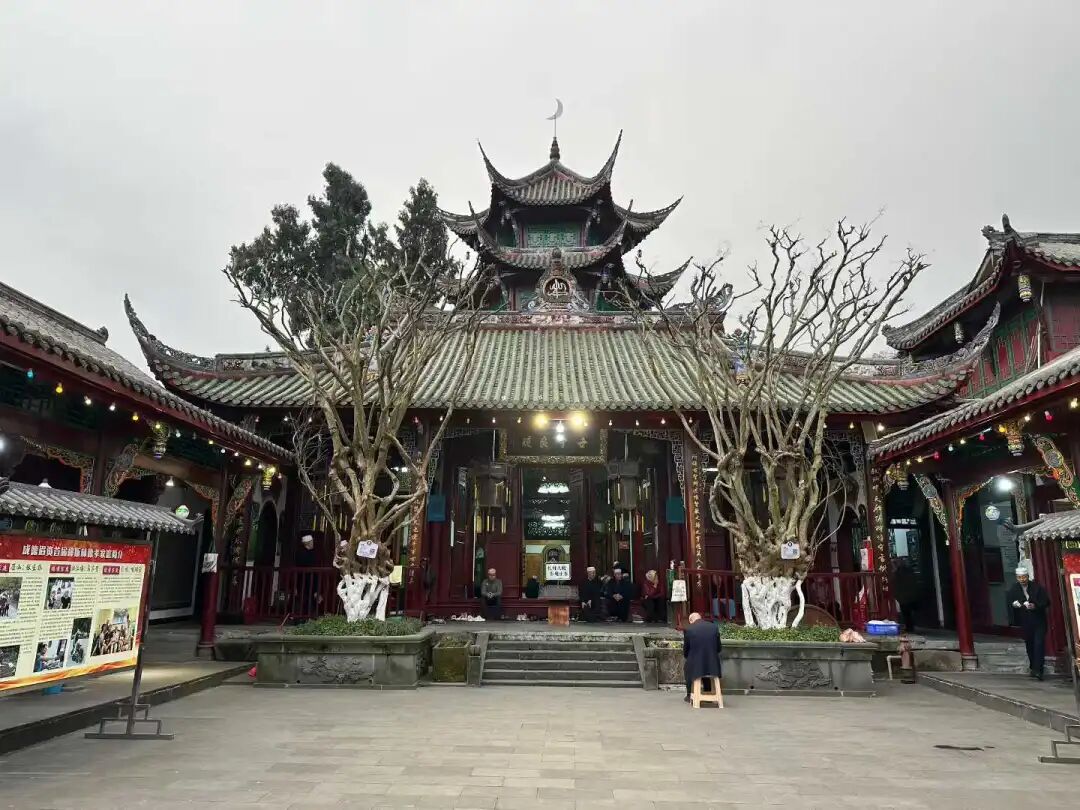
The Hui Muslims in Dujiangyan come from diverse backgrounds. The Hai family moved from Shaoyang, Hunan, during the Wanli period of the Ming Dynasty. The Guanxian Ma family moved from Shaanxi in the mid-Ming Dynasty. The Lan family moved from Tuqiao, Chengdu, during the Qing Dynasty. The Su family moved from Xiaojin County, Sichuan, in the early Qing Dynasty. The Songpan Zhang family moved from Songpan, Sichuan, in the early Qing Dynasty. The Hebei Zhang family moved from Pidu District, Chengdu, during the Tongzhi period. The Shaanxi Ma family moved from Weinan, Shaanxi, during the Jiaqing period of the Qing Dynasty. The Qi family moved from Weinan, Shaanxi, during the Daoguang period. The Li family moved from Huihuiying in Pidu District, Chengdu, in the late Qing Dynasty. The Maogong Ma family moved from Xiaojin County, Sichuan, in the early years of the Republic of China. The Shandong Jiang family moved from Yanting, Sichuan, in the early years of the Republic of China. The Taiyuan Cai family moved from Xiaojin County, Sichuan, in the first year of the Republic of China.
The ancestor of the Dujiangyan Hai family, Hai Mengshi, was from Shunyi, Beijing. In the first year of the Hongwu period of the Ming Dynasty, he was appointed as a commander of the Imperial Guard. His grandson, Hai Chaofan, moved from Shaoyang, Hunan, to Sichuan during the Ming Wanli period.
The 'Hebei Zhang' family's ancestral home was Zhangjiawan in Tongzhou, Beijing. At the end of the Ming Dynasty, three Zhang brothers moved to Lianglukou in Pidu District, Chengdu, and led the construction of the Zhang Family Mosque (Zhangjia Si). During the Tongzhi period, Zhang Yongchun ran a Muslim restaurant on West Street in Dujiangyan and settled there.
The 'Maogong Ma' family's ancestral home was Tianbei Village in Weinan, Shaanxi. They entered Sichuan during the Qianlong period and settled in Xiaojin County. In the first year of the Republic of China, they moved to Huangchengba in Chengdu due to the Railway Protection Movement. In the sixth year of the Republic of China, their house was destroyed during the warlord chaos, and they moved to Dujiangyan again. Ma Rucong, an imam from this family, served as an imam at the Dujiangyan mosque for 33 years and passed away in 1962.
The Li family of Hui Muslims moved here from Tangyuan Town in Pidu District, Chengdu, during the Tongzhi reign. Li Guangming, a member of the family, was known as one of the Three Heroes of Guan County. He served as the magistrate of Xiaojin County during the Republic of China era, stood up to powerful figures, and was later killed by bandits.
The ancestors of the Shaanxi Ma family came from Qiaotian Village in Weinan, Shaanxi. In the 13th year of the Jiaqing reign, Ma Yingxian moved to Dujiangyan because of the White Lotus and Tianli uprisings. In the 6th year of the Daoguang reign, he bought a piece of land on South Street in Dujiangyan and opened the Daxing Mule and Horse Inn, which operated until 1949.
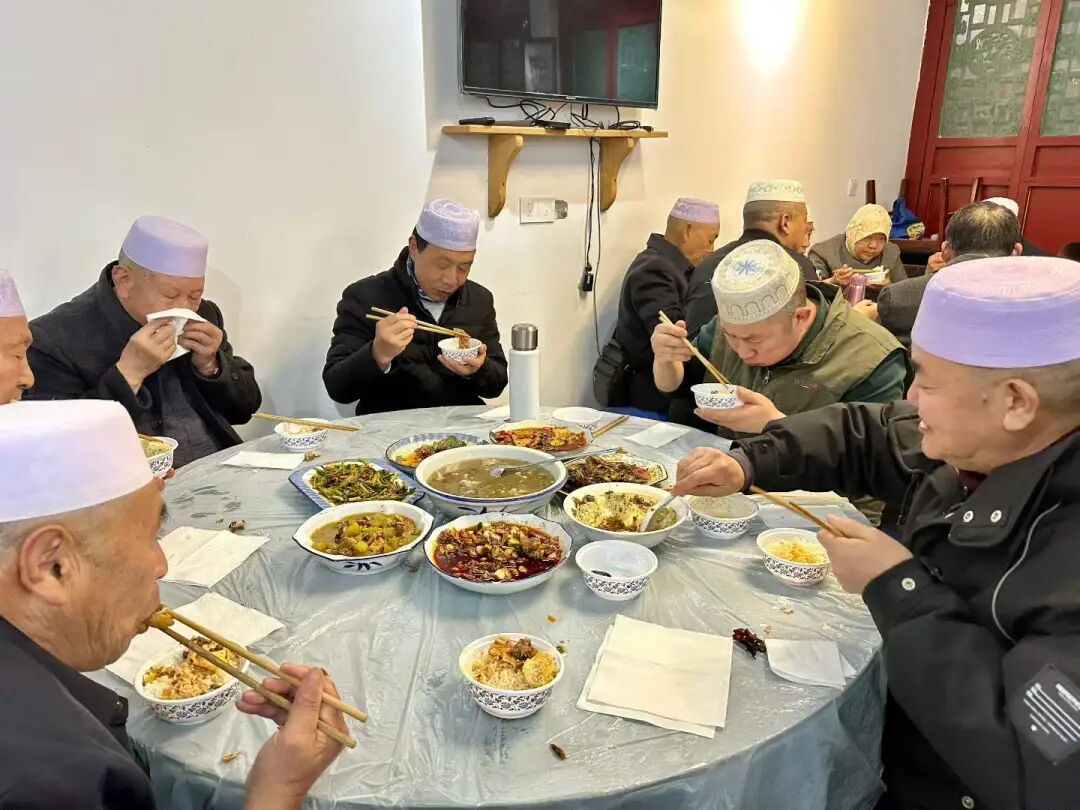
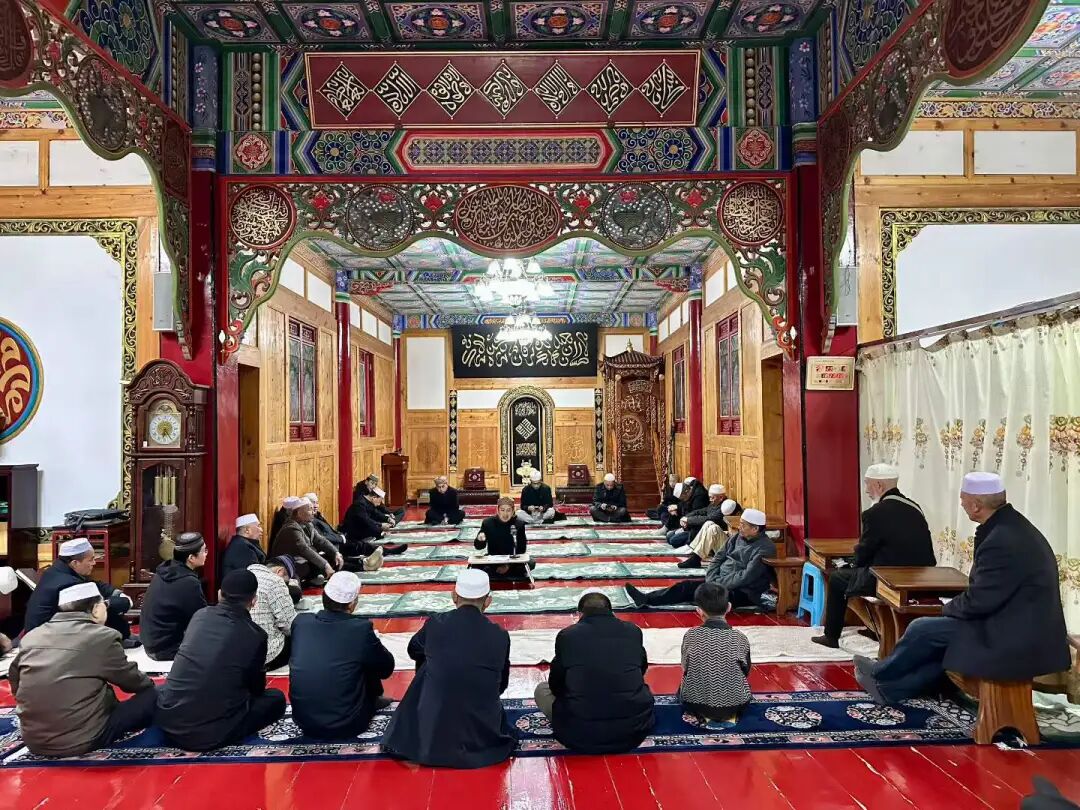
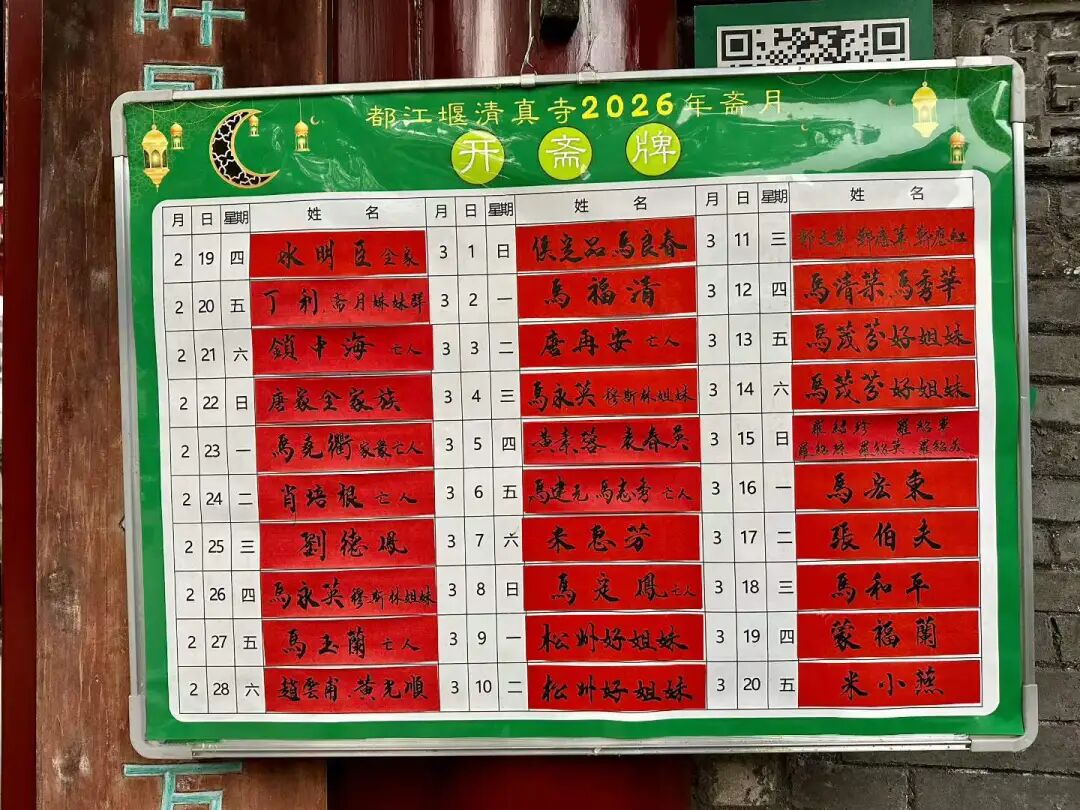
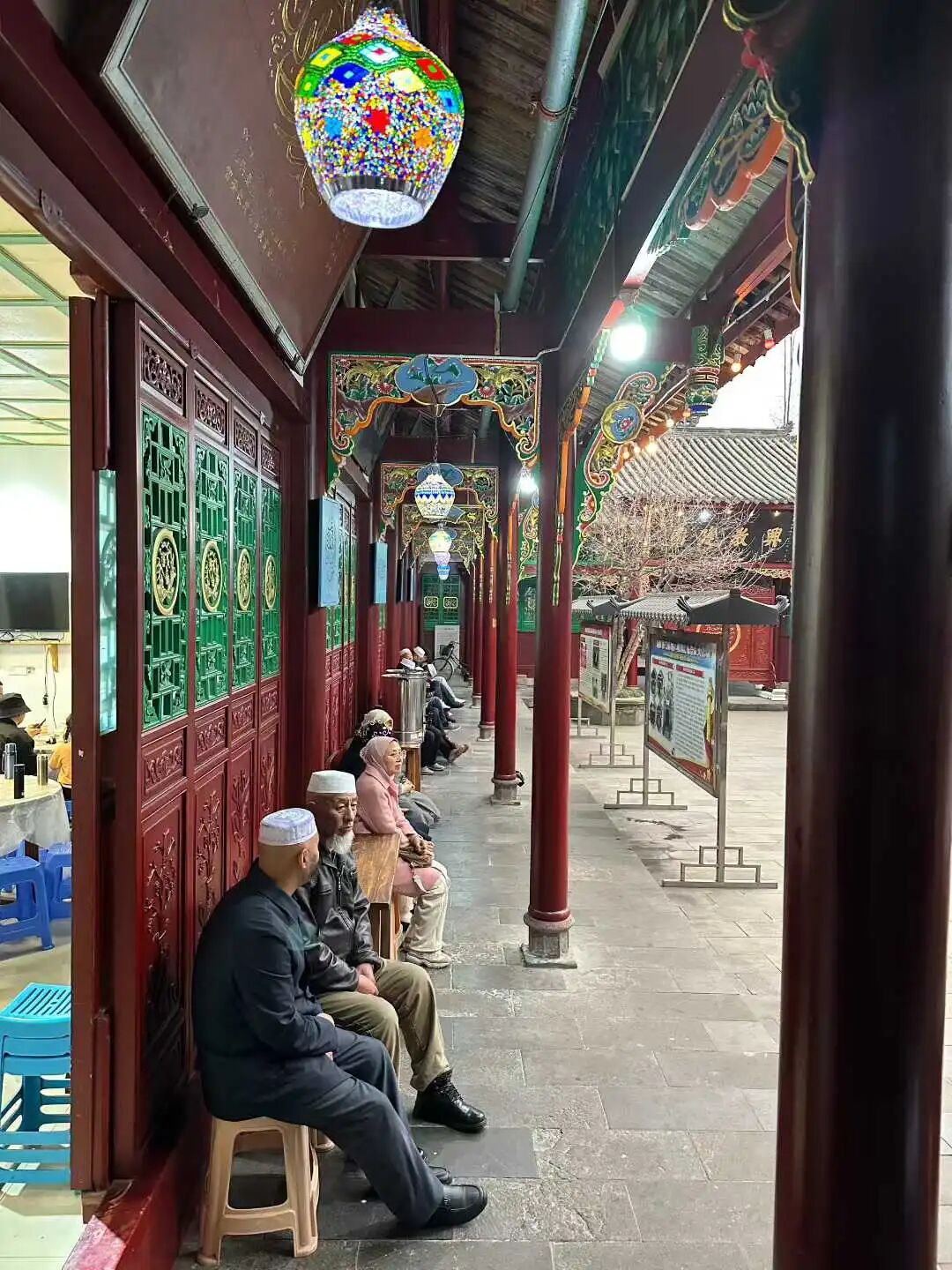
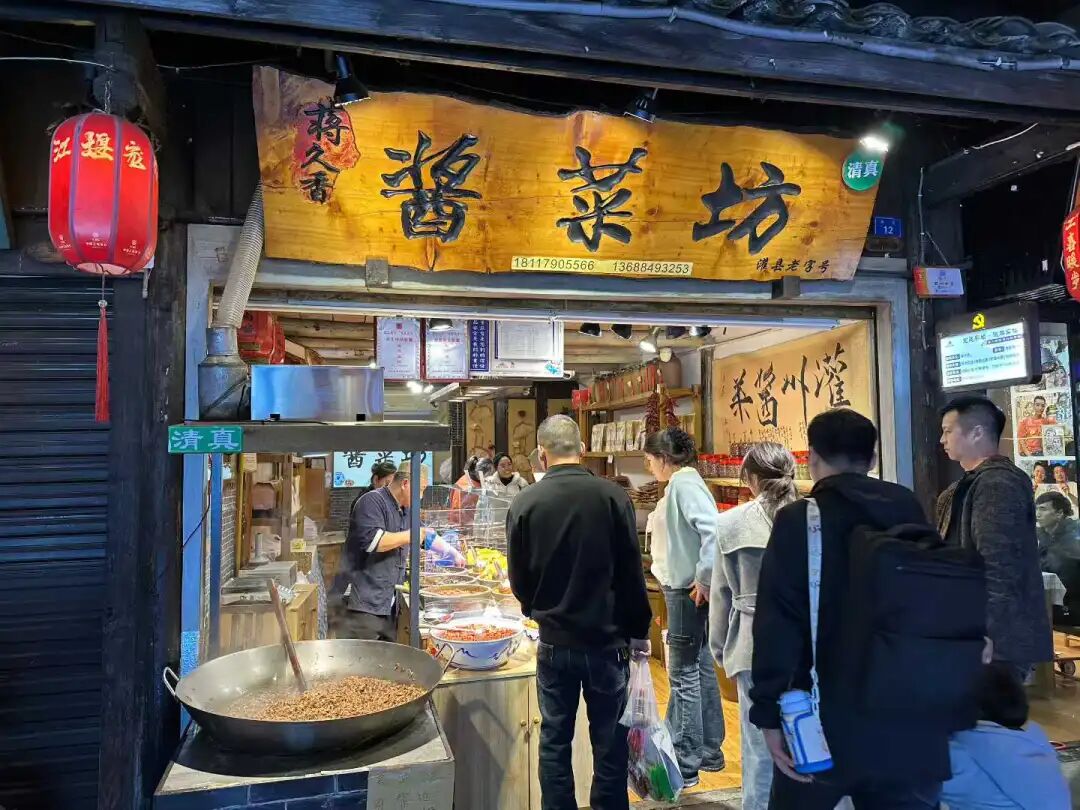
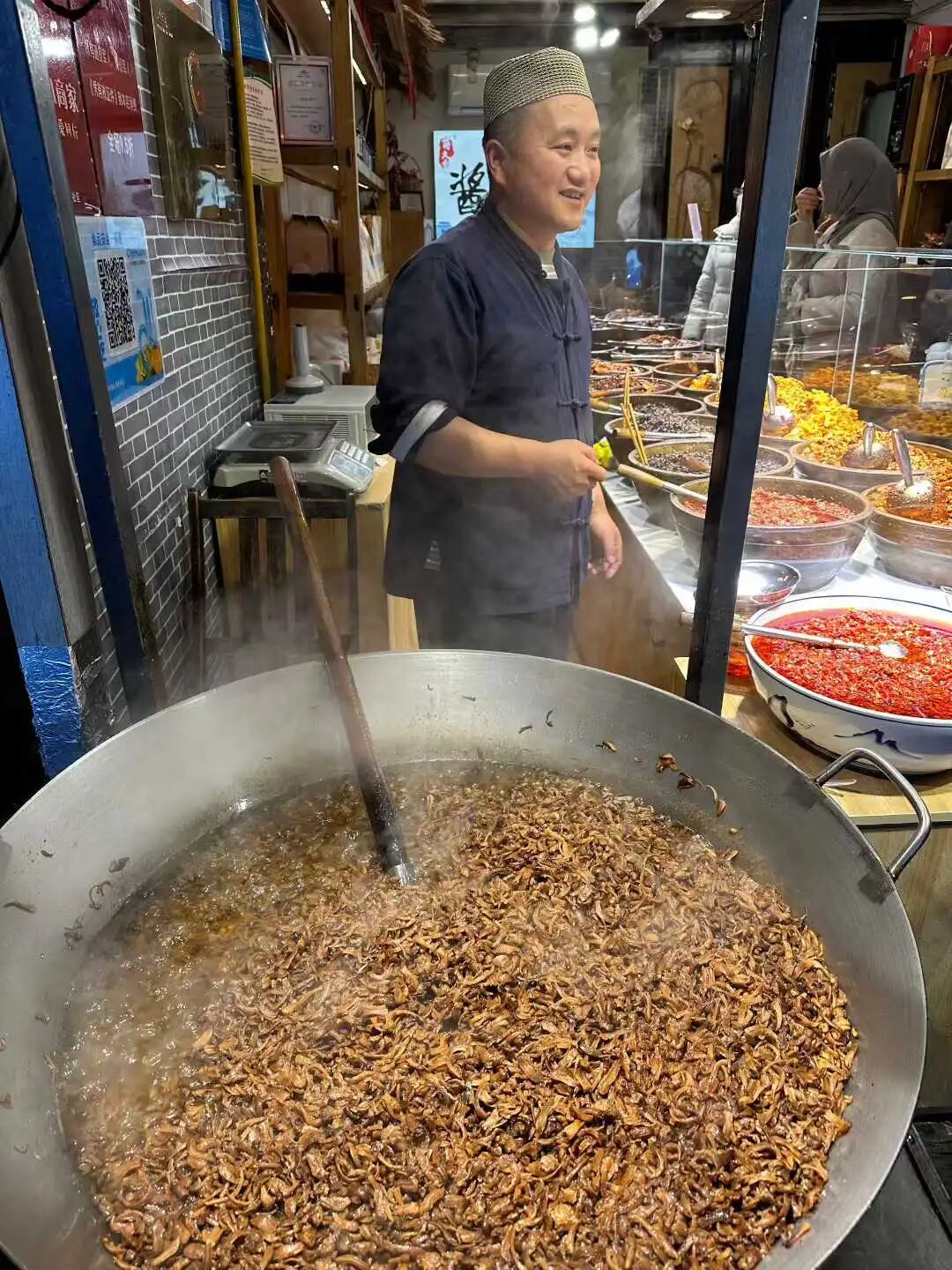
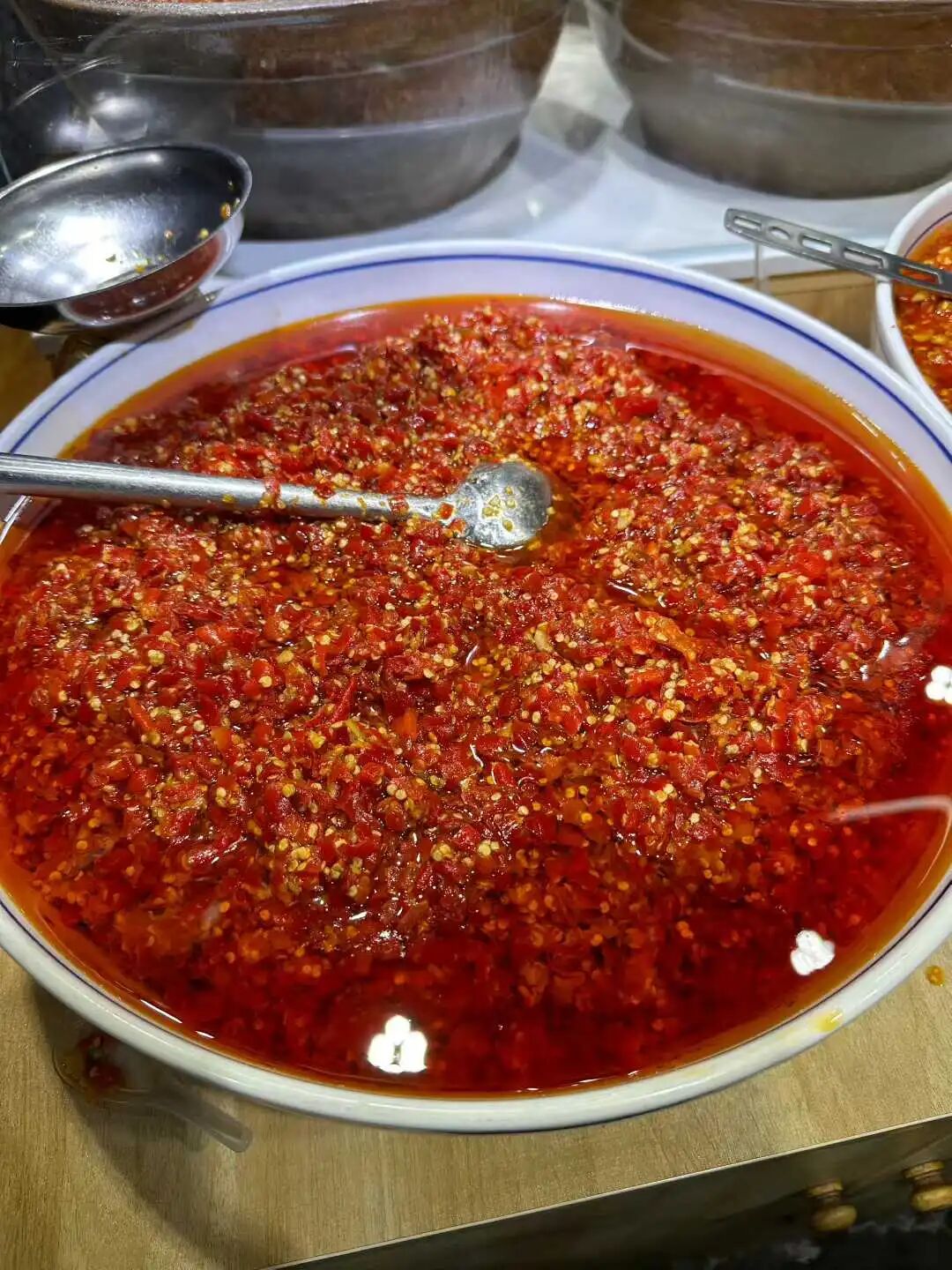
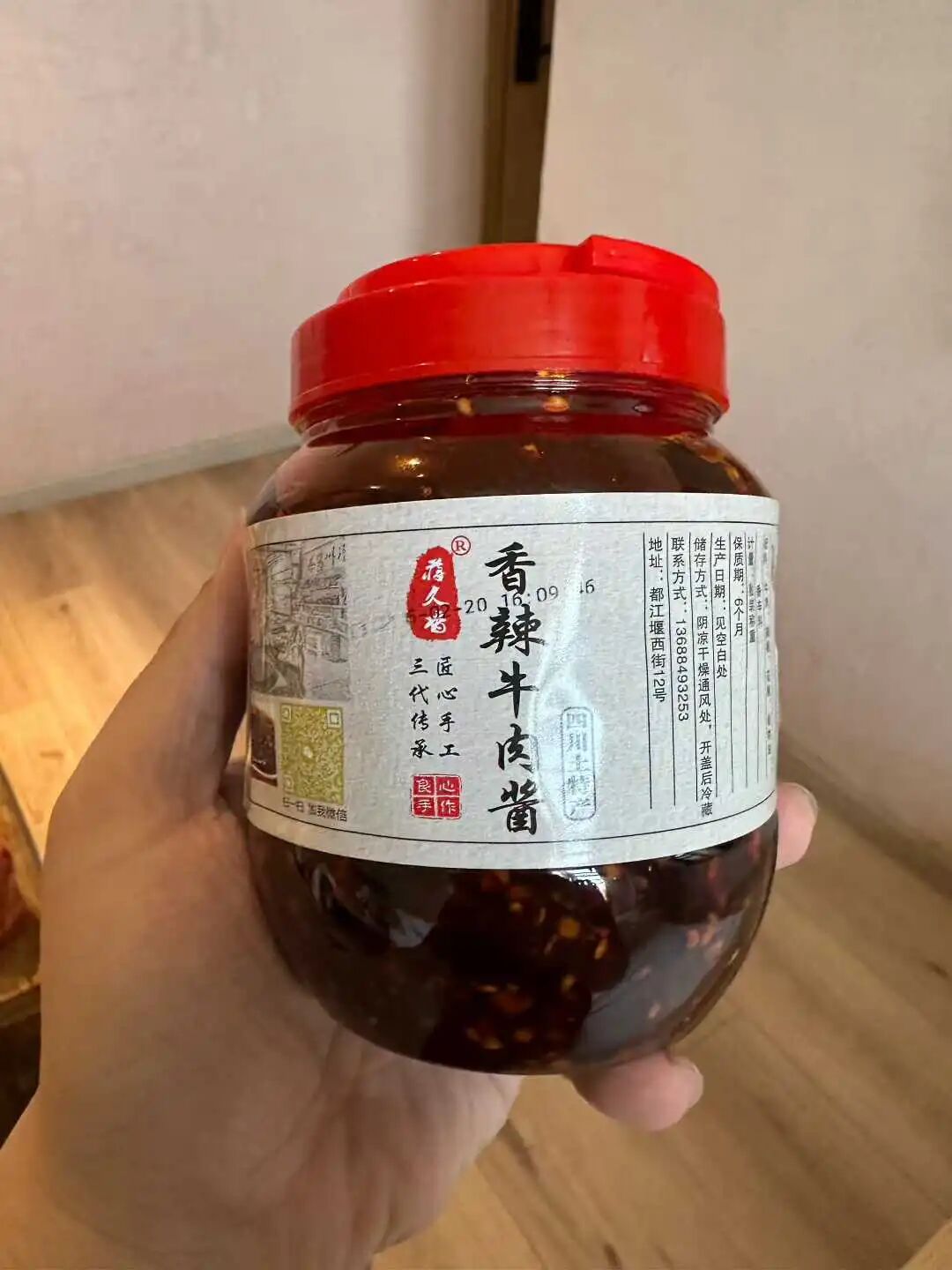
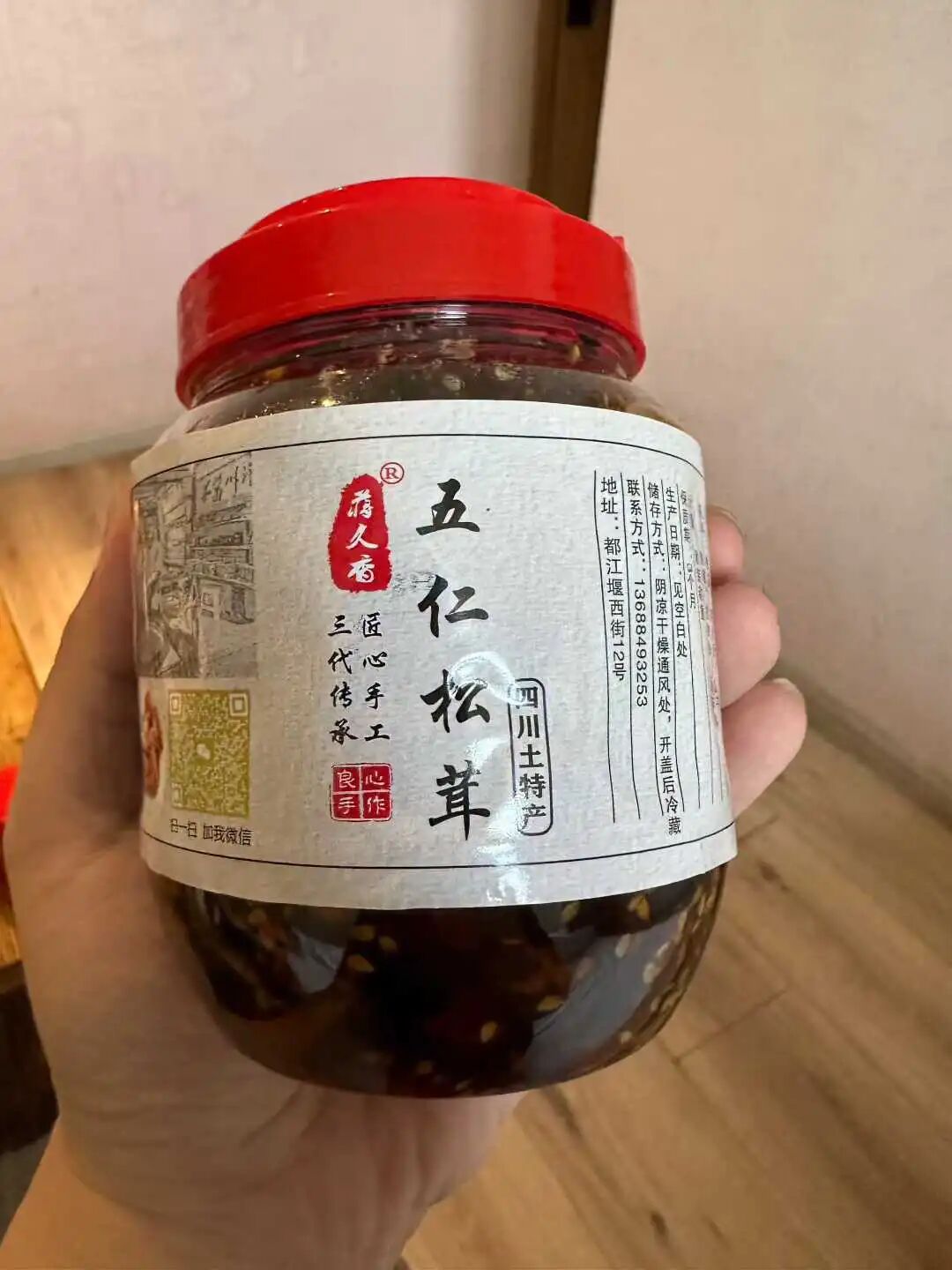
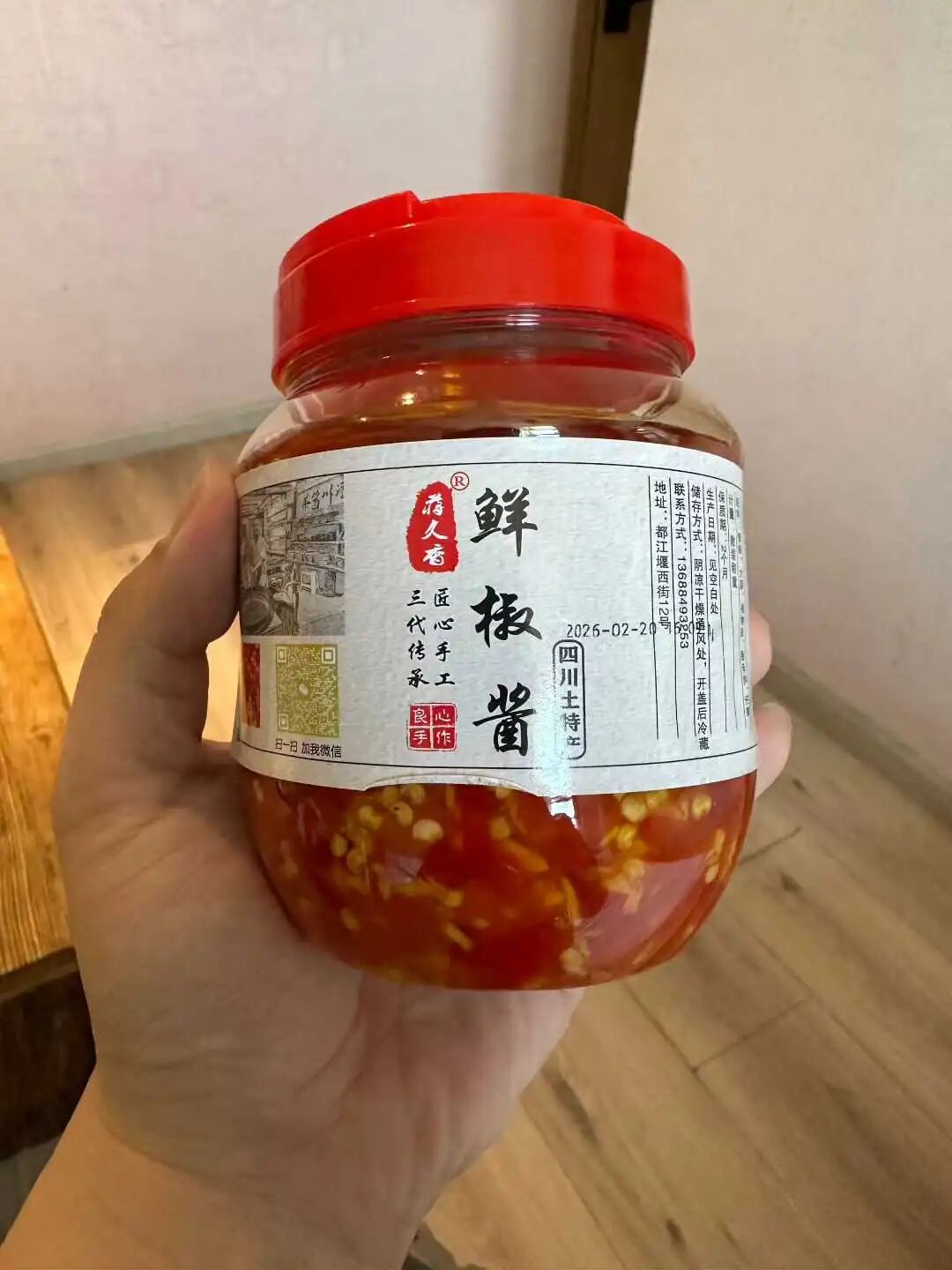
Next to the mosque is the Jiang Jiuxiang Pickles Workshop. Their five-kernel pine mushroom (wuren songrong) is delicious. It tastes great on its own and is a perfect match for porridge.
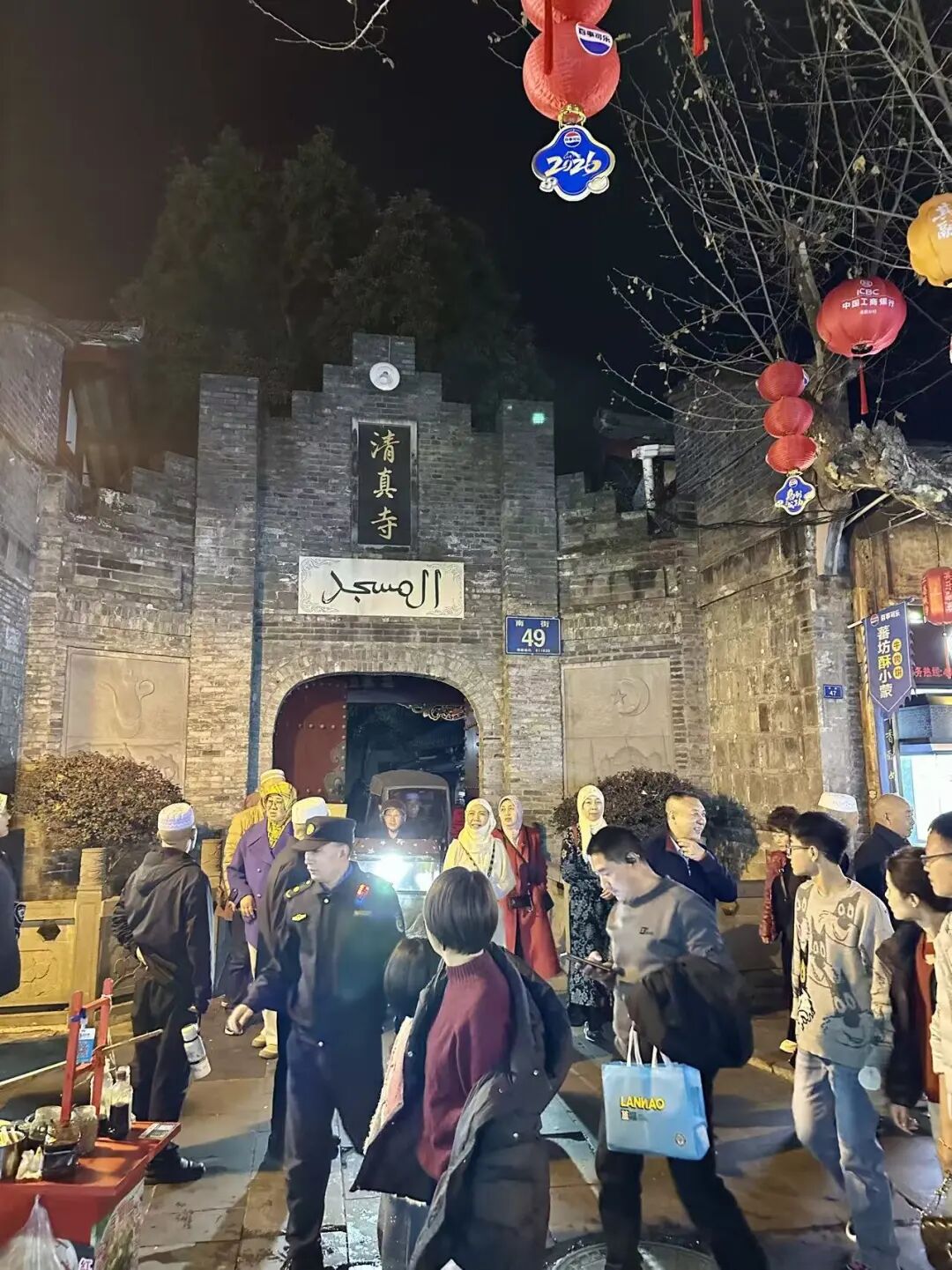
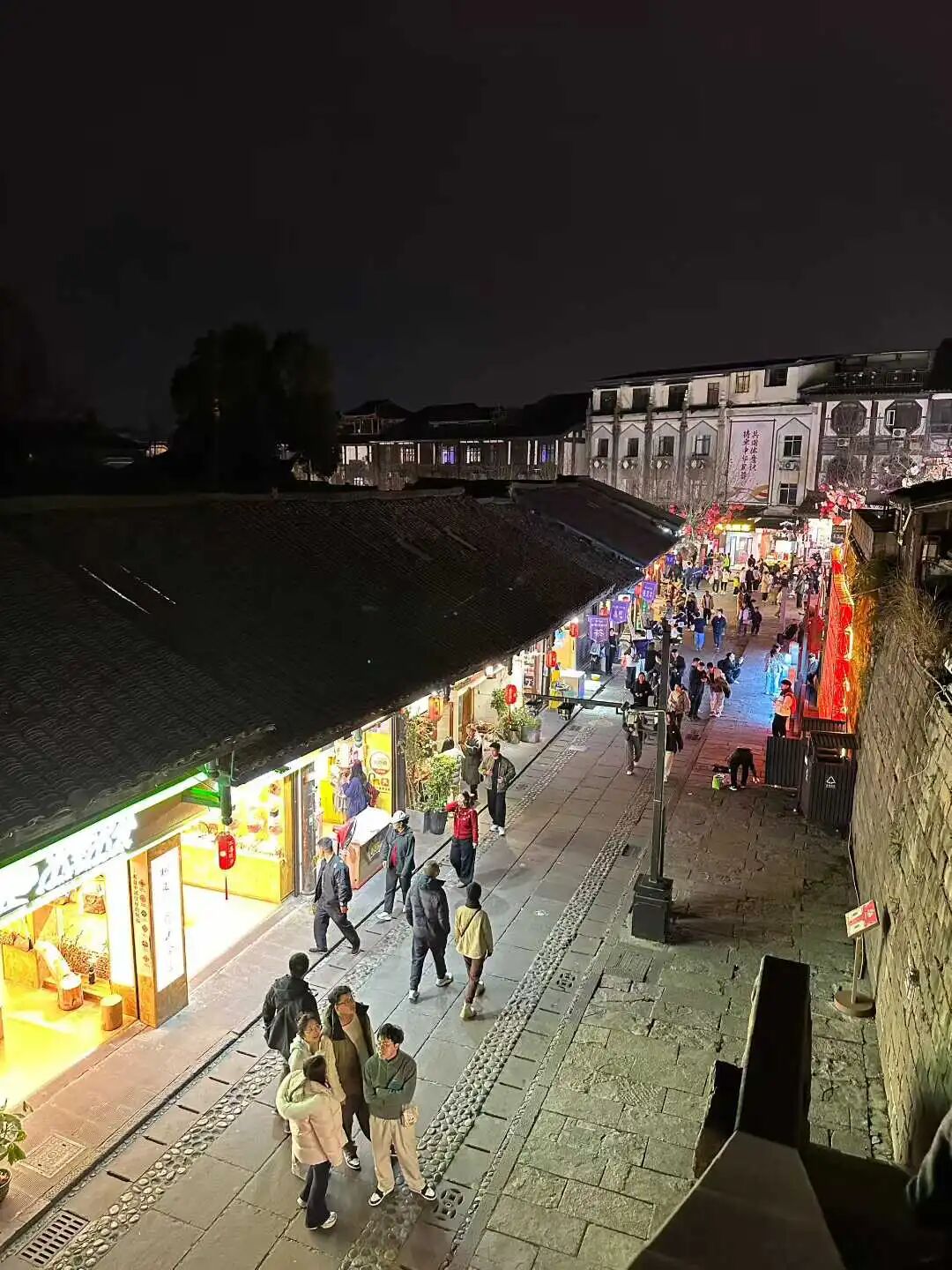
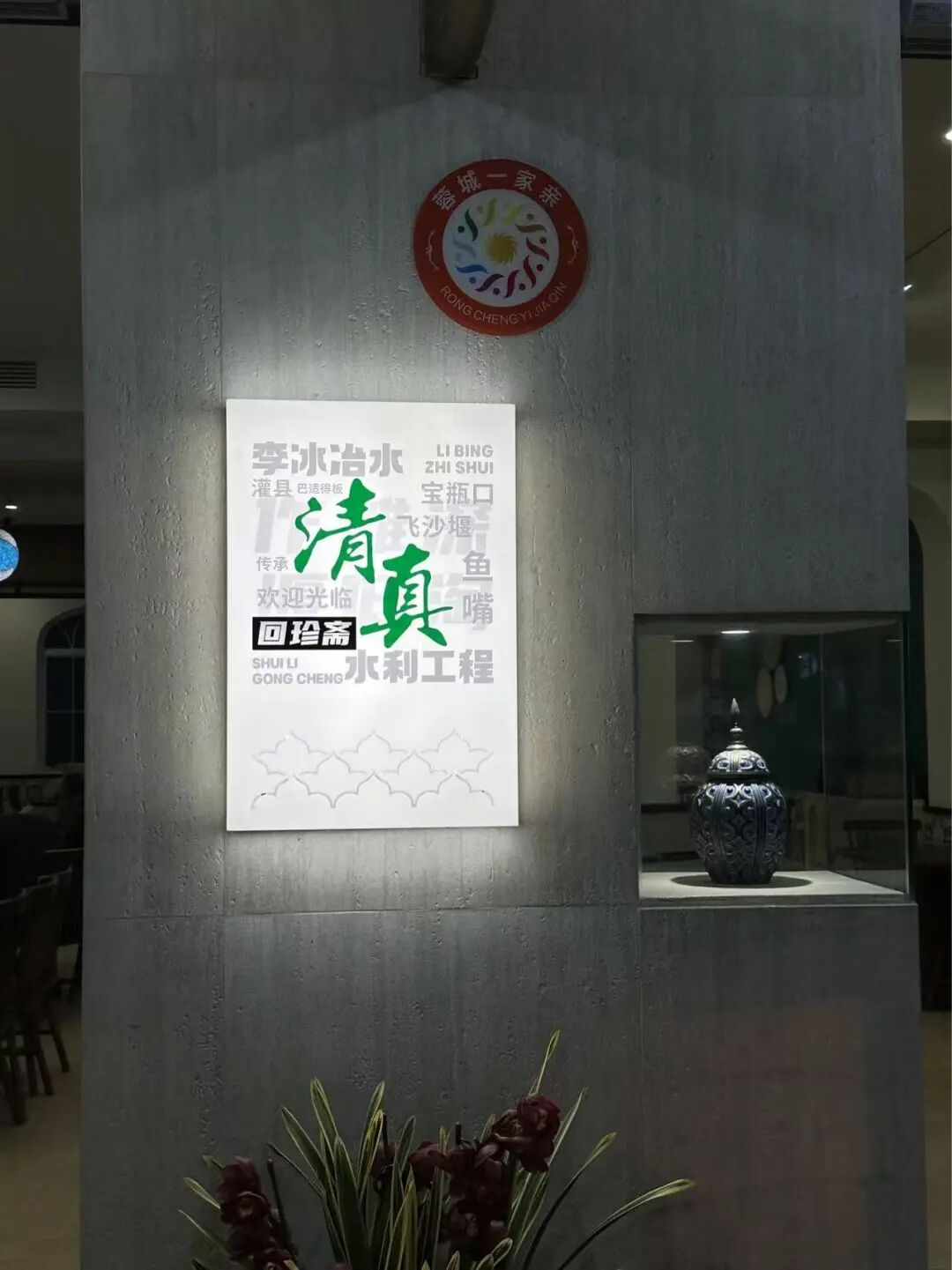
Dujiangyan Guan County Ancient City at night.
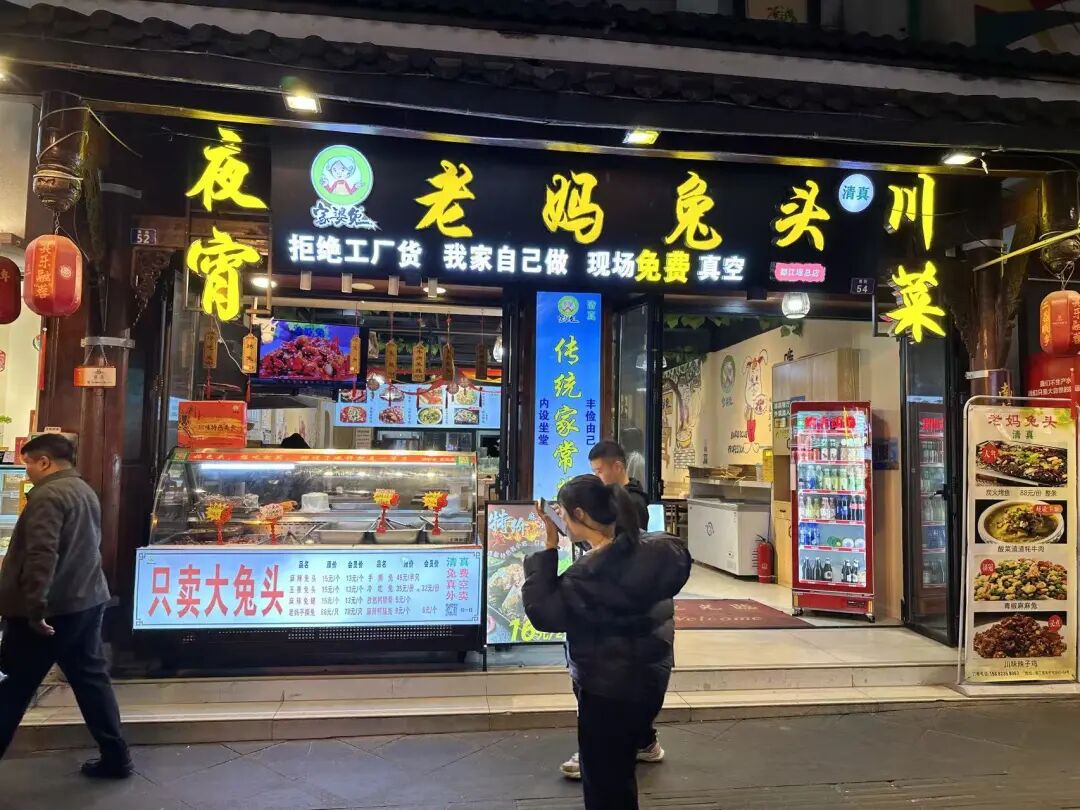
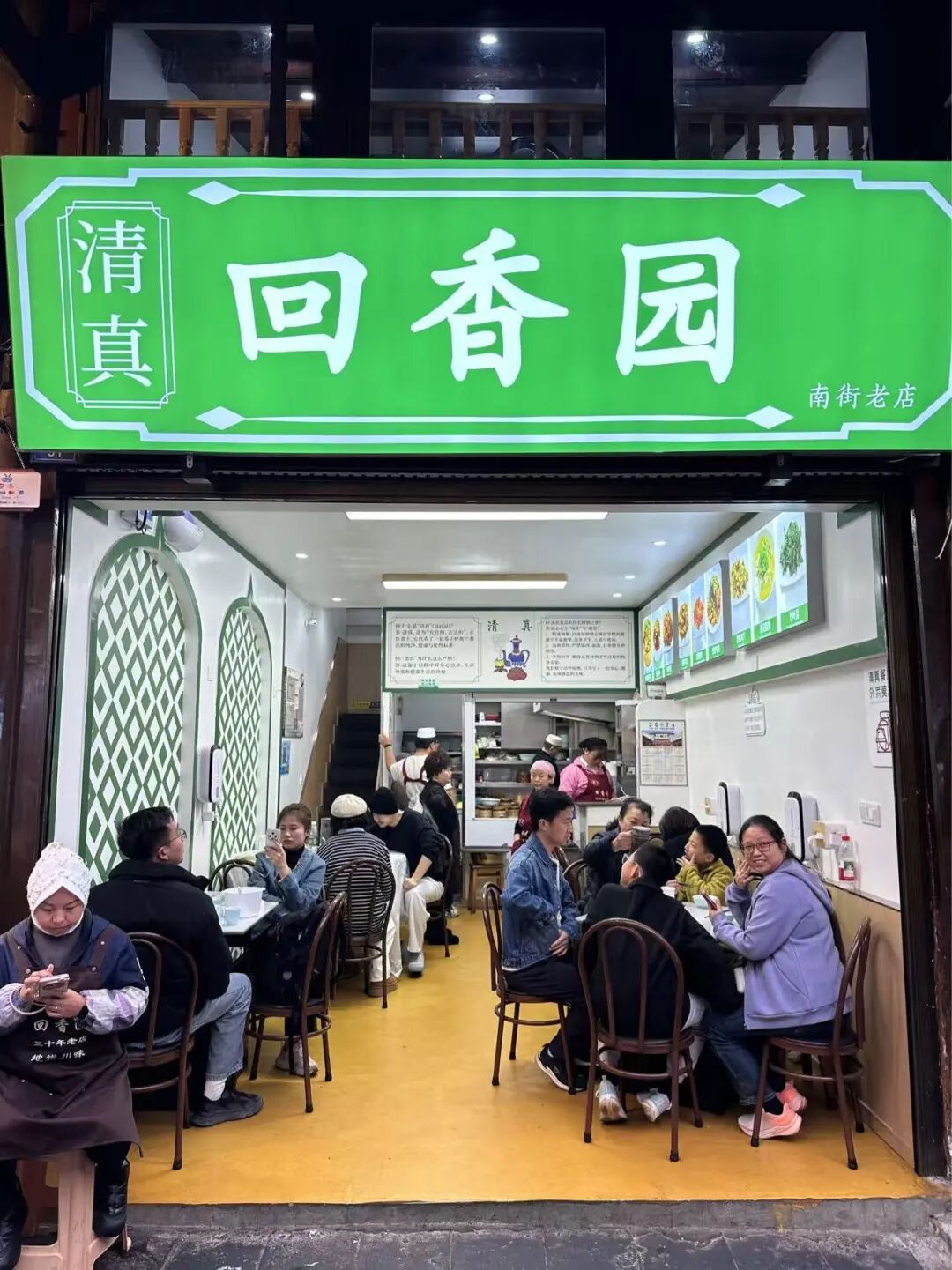
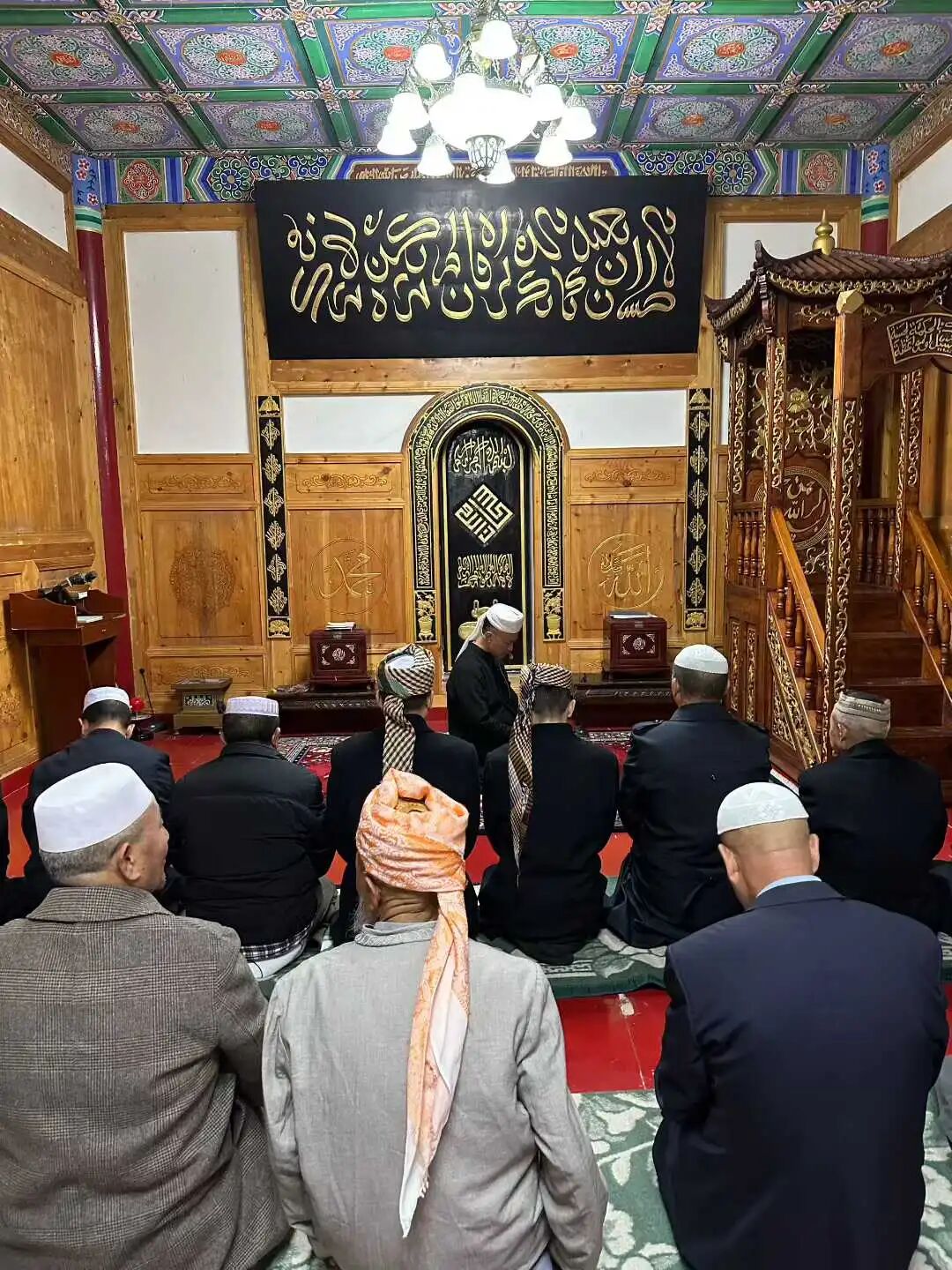
Starting the fast (suhur) at the Dujiangyan mosque in the morning is a special experience when everyone does it together.
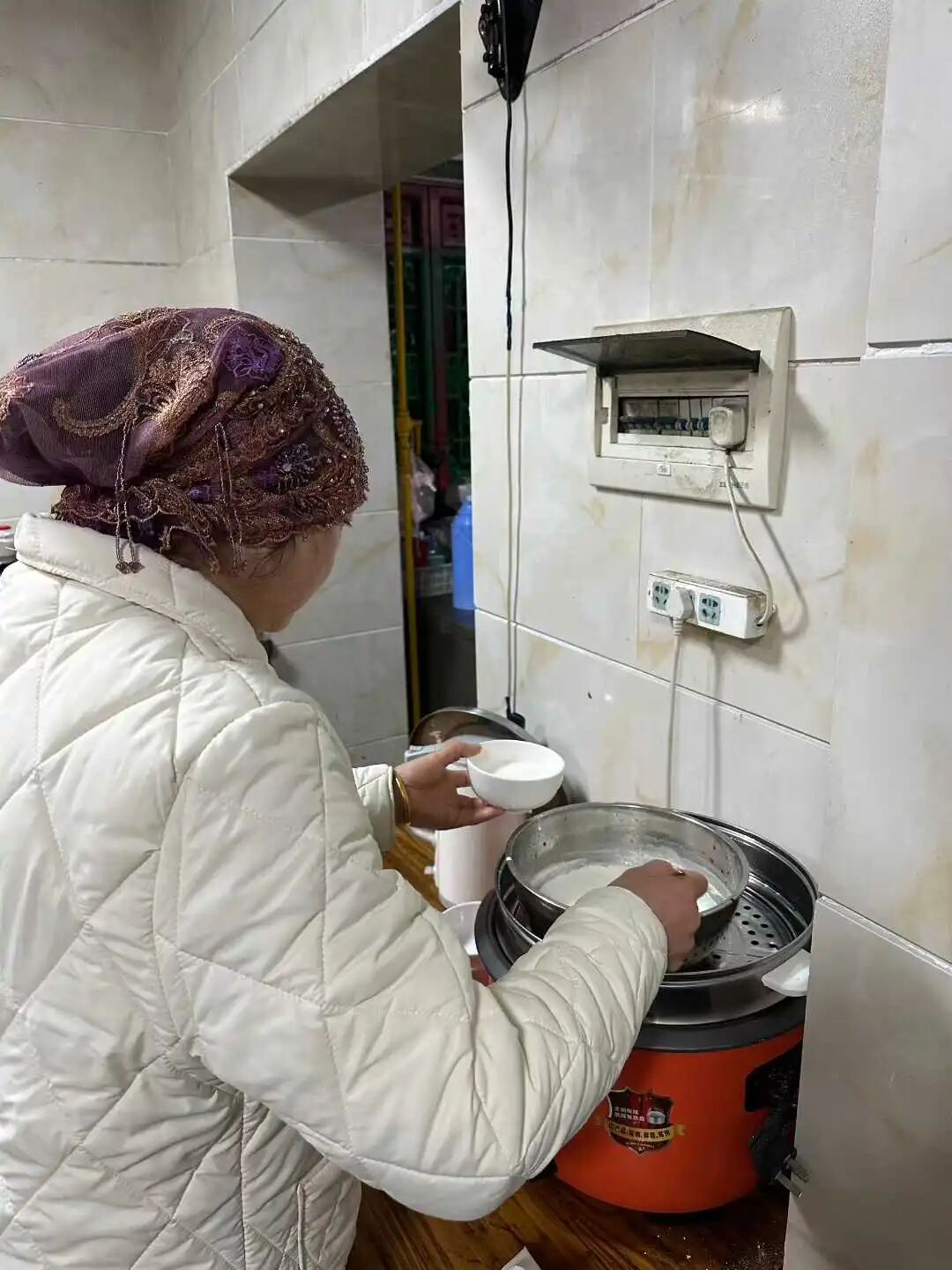
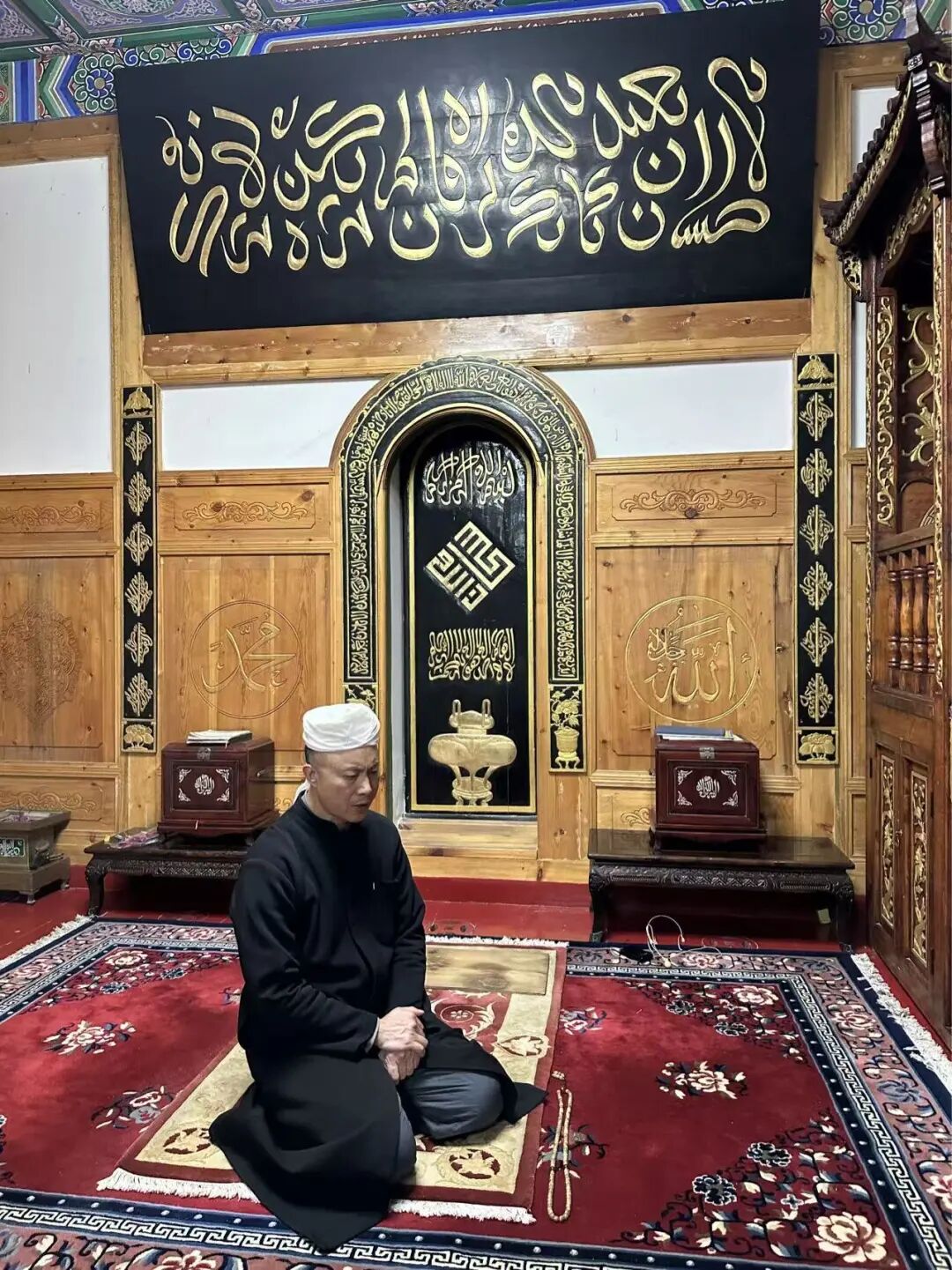
Imam Sha Fuquan has been employed at the Dujiangyan mosque for 32 years. Imam Sha is from Xichang. His ancestors were descendants of Yelu Timur, the grandson of Sayyid Ajjal Shams al-Din. Yelu Timur served as the Pingzhang Zhengshi of Jianchang Road at the end of the Yuan Dynasty. He submitted to the Ming Dynasty in 1382 (the 15th year of the Hongwu reign) and was appointed as the Commander of Jianchang Guard. In 1392 (the 25th year of the Hongwu reign), he rebelled again, led an army of ten thousand to attack the city, and was captured and executed after failing. His descendants scattered. One branch fled to Huangcaoping in Miyi County, Panzhihua, where they hid their identities and changed their surname to Sha. By the third generation, they moved to Xichang, where they have lived ever since.
In 1987, Imam Sha studied under the famous Imam Yang Hua in Shaguoying, Xichang. He received his graduation robe (chuanyi guazhang) in 1990 and was admitted to the China Islamic Institute that same year. After graduating in 1994, he was hired by the Dujiangyan mosque, where he has worked ever since. Over the past thirty years, Imam Sha has taught hundreds of students (hailifan) and made significant contributions to the faith in Sichuan and the entire Southwest region. After the 2008 Wenchuan earthquake, Imam Sha led the restoration of the Dujiangyan mosque, giving it a brand-new look.
Summary: This Muslim travel guide to Sichuan follows Dujiangyan during Ramadan, old mosque visits, and China mosque travel details from the original road trip.
This article summarizes the key points of 'Driving to Sichuan for Ancient Mosques during Spring Festival (Part 15): Dujiangyan during Ramadan.' It keeps the original paragraph and image order. It is for readers interested in Muslim life, Islamic culture, and Chinese Islamic writing. It also helps with searching for topics like Ramadan, Part 15, and Dujiangyan during Ramadan.
I had heard for a long time that the Ramadan atmosphere at the Dujiangyan mosque in Sichuan was excellent, and I finally got to experience it this time.
At the mosque, we had beef stewed with lotus root (niurou dun ou), cold chicken with sauce (liangban ji), steamed beef with rice flour (fenzheng niurou), twice-cooked beef (huiguo niurou), steamed eggs (zheng jidan), stir-fried garlic sprouts (chao suantai), lettuce stems braised with meat (wosun shaorou), and home-style tofu (jiachang doufu). These were all authentic Sichuan dishes.
Dujiangyan truly lives up to its reputation as the pearl of the Islamic community in western Sichuan. Many people came for the iftar meal. Chairman Sha said that in previous years they served eleven dishes and often had leftovers. This year, he specifically asked to simplify it to seven dishes and one soup. I felt the amount of food was just right.
The Hui Muslims in Dujiangyan come from diverse backgrounds. The Hai family moved from Shaoyang, Hunan, during the Wanli period of the Ming Dynasty. The Guanxian Ma family moved from Shaanxi in the mid-Ming Dynasty. The Lan family moved from Tuqiao, Chengdu, during the Qing Dynasty. The Su family moved from Xiaojin County, Sichuan, in the early Qing Dynasty. The Songpan Zhang family moved from Songpan, Sichuan, in the early Qing Dynasty. The Hebei Zhang family moved from Pidu District, Chengdu, during the Tongzhi period. The Shaanxi Ma family moved from Weinan, Shaanxi, during the Jiaqing period of the Qing Dynasty. The Qi family moved from Weinan, Shaanxi, during the Daoguang period. The Li family moved from Huihuiying in Pidu District, Chengdu, in the late Qing Dynasty. The Maogong Ma family moved from Xiaojin County, Sichuan, in the early years of the Republic of China. The Shandong Jiang family moved from Yanting, Sichuan, in the early years of the Republic of China. The Taiyuan Cai family moved from Xiaojin County, Sichuan, in the first year of the Republic of China.
The ancestor of the Dujiangyan Hai family, Hai Mengshi, was from Shunyi, Beijing. In the first year of the Hongwu period of the Ming Dynasty, he was appointed as a commander of the Imperial Guard. His grandson, Hai Chaofan, moved from Shaoyang, Hunan, to Sichuan during the Ming Wanli period.
The 'Hebei Zhang' family's ancestral home was Zhangjiawan in Tongzhou, Beijing. At the end of the Ming Dynasty, three Zhang brothers moved to Lianglukou in Pidu District, Chengdu, and led the construction of the Zhang Family Mosque (Zhangjia Si). During the Tongzhi period, Zhang Yongchun ran a Muslim restaurant on West Street in Dujiangyan and settled there.
The 'Maogong Ma' family's ancestral home was Tianbei Village in Weinan, Shaanxi. They entered Sichuan during the Qianlong period and settled in Xiaojin County. In the first year of the Republic of China, they moved to Huangchengba in Chengdu due to the Railway Protection Movement. In the sixth year of the Republic of China, their house was destroyed during the warlord chaos, and they moved to Dujiangyan again. Ma Rucong, an imam from this family, served as an imam at the Dujiangyan mosque for 33 years and passed away in 1962.
The Li family of Hui Muslims moved here from Tangyuan Town in Pidu District, Chengdu, during the Tongzhi reign. Li Guangming, a member of the family, was known as one of the Three Heroes of Guan County. He served as the magistrate of Xiaojin County during the Republic of China era, stood up to powerful figures, and was later killed by bandits.
The ancestors of the Shaanxi Ma family came from Qiaotian Village in Weinan, Shaanxi. In the 13th year of the Jiaqing reign, Ma Yingxian moved to Dujiangyan because of the White Lotus and Tianli uprisings. In the 6th year of the Daoguang reign, he bought a piece of land on South Street in Dujiangyan and opened the Daxing Mule and Horse Inn, which operated until 1949.
Next to the mosque is the Jiang Jiuxiang Pickles Workshop. Their five-kernel pine mushroom (wuren songrong) is delicious. It tastes great on its own and is a perfect match for porridge.
Dujiangyan Guan County Ancient City at night.
Starting the fast (suhur) at the Dujiangyan mosque in the morning is a special experience when everyone does it together.
Imam Sha Fuquan has been employed at the Dujiangyan mosque for 32 years. Imam Sha is from Xichang. His ancestors were descendants of Yelu Timur, the grandson of Sayyid Ajjal Shams al-Din. Yelu Timur served as the Pingzhang Zhengshi of Jianchang Road at the end of the Yuan Dynasty. He submitted to the Ming Dynasty in 1382 (the 15th year of the Hongwu reign) and was appointed as the Commander of Jianchang Guard. In 1392 (the 25th year of the Hongwu reign), he rebelled again, led an army of ten thousand to attack the city, and was captured and executed after failing. His descendants scattered. One branch fled to Huangcaoping in Miyi County, Panzhihua, where they hid their identities and changed their surname to Sha. By the third generation, they moved to Xichang, where they have lived ever since.
In 1987, Imam Sha studied under the famous Imam Yang Hua in Shaguoying, Xichang. He received his graduation robe (chuanyi guazhang) in 1990 and was admitted to the China Islamic Institute that same year. After graduating in 1994, he was hired by the Dujiangyan mosque, where he has worked ever since. Over the past thirty years, Imam Sha has taught hundreds of students (hailifan) and made significant contributions to the faith in Sichuan and the entire Southwest region. After the 2008 Wenchuan earthquake, Imam Sha led the restoration of the Dujiangyan mosque, giving it a brand-new look.
