
Muslim Traveler Guide to Beijing: Halal Food and African Cuisine at Beihang University
Reposted from the web
Summary: This Muslim traveler guide to Beijing follows an Africa Day food experience at Beihang University, with campus culture and local food details preserved.
This article summarizes the key points of tasting food from Africa's smallest country at Beihang University. It keeps the original paragraph and image order, making it suitable for readers interested in Muslim life, Islamic culture, and Chinese Islamic writing. It also helps with searching for content on Ramadan, history, and social observations.
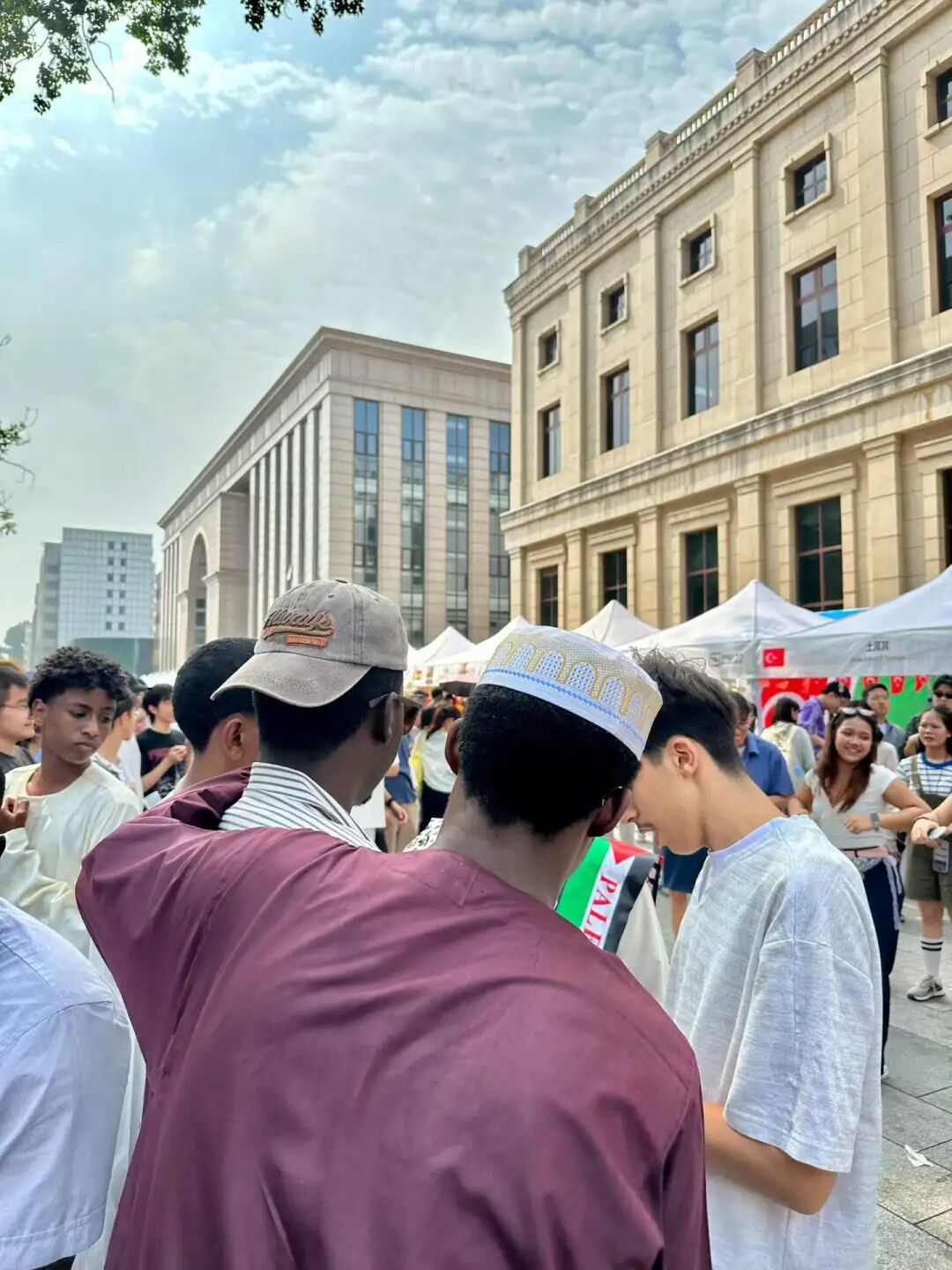
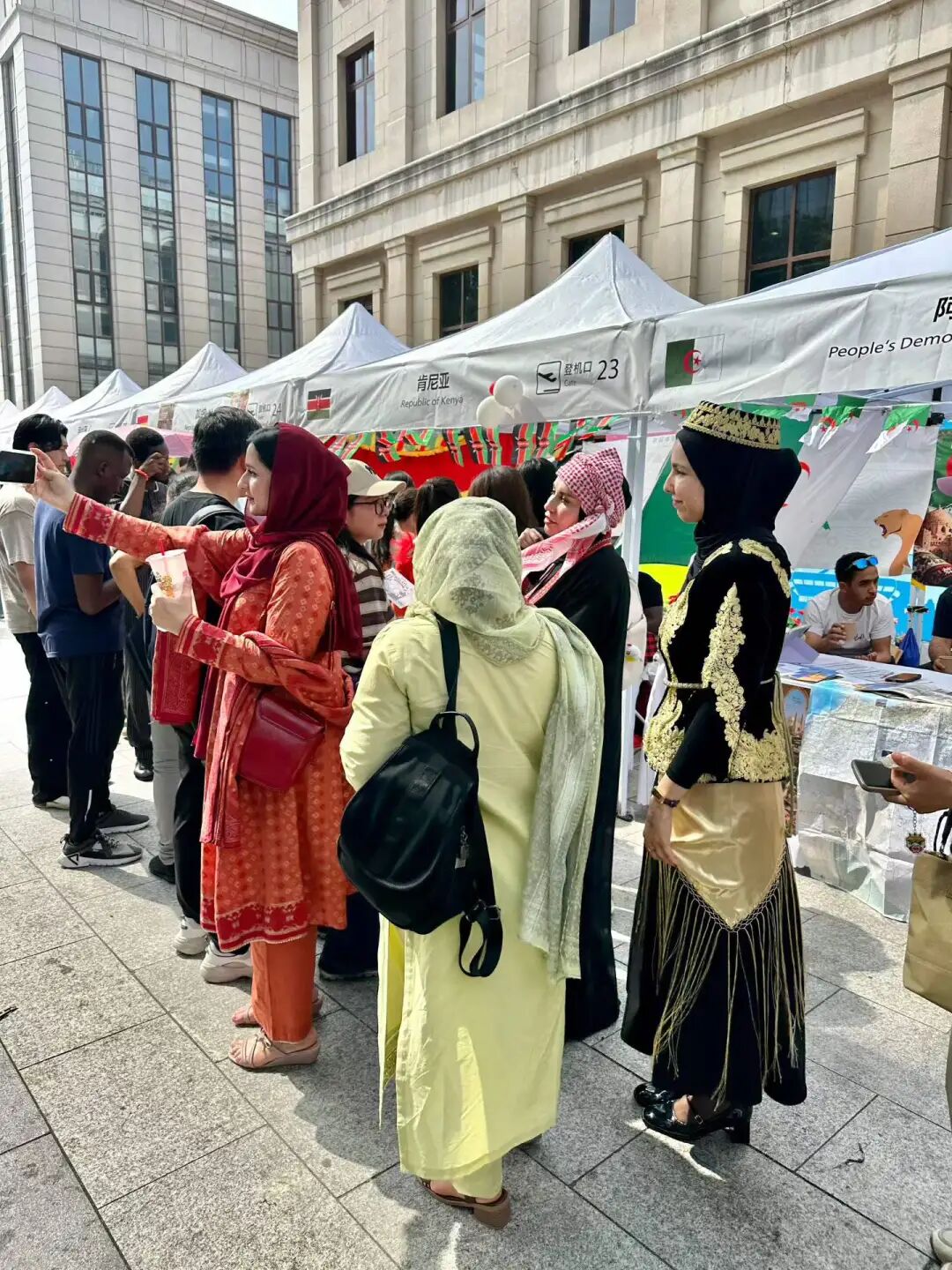
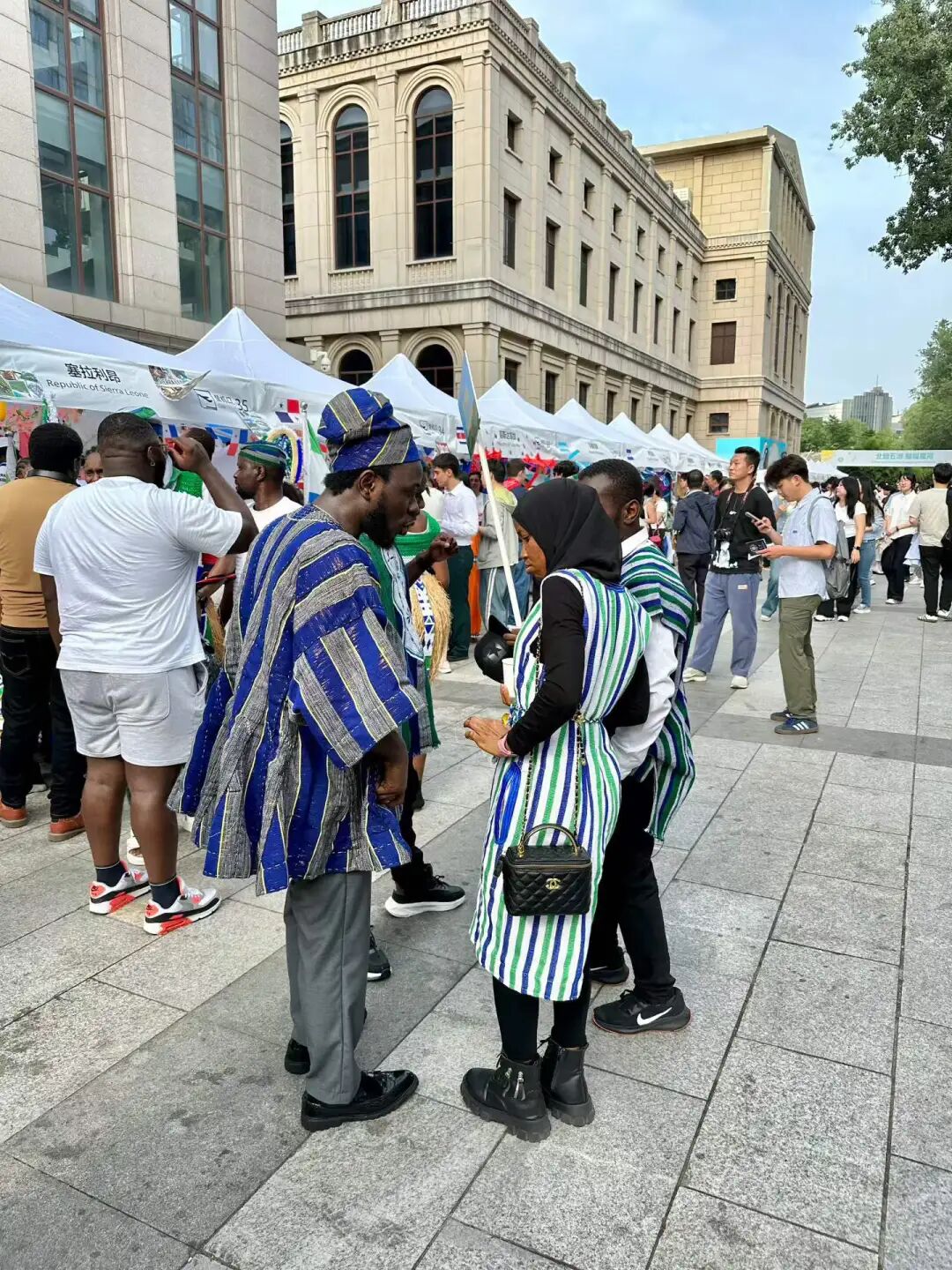
Since May, major universities in Beijing have held international culture festivals. International students showcased their home cultures, which was very interesting. Unfortunately, most school festivals were on weekdays, and some were not open to the public. On May 24, I finally made it to the Beihang University international culture festival.
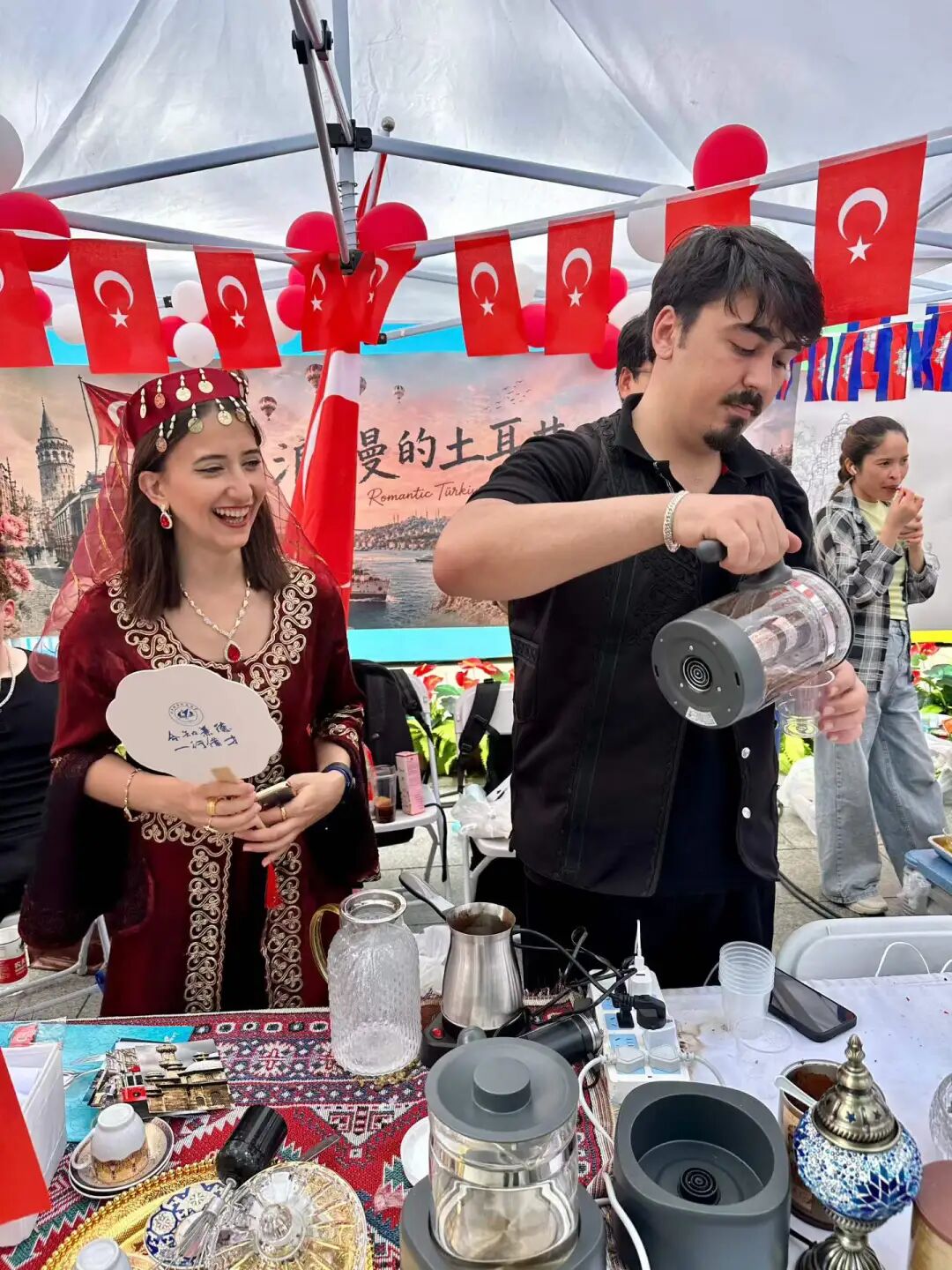
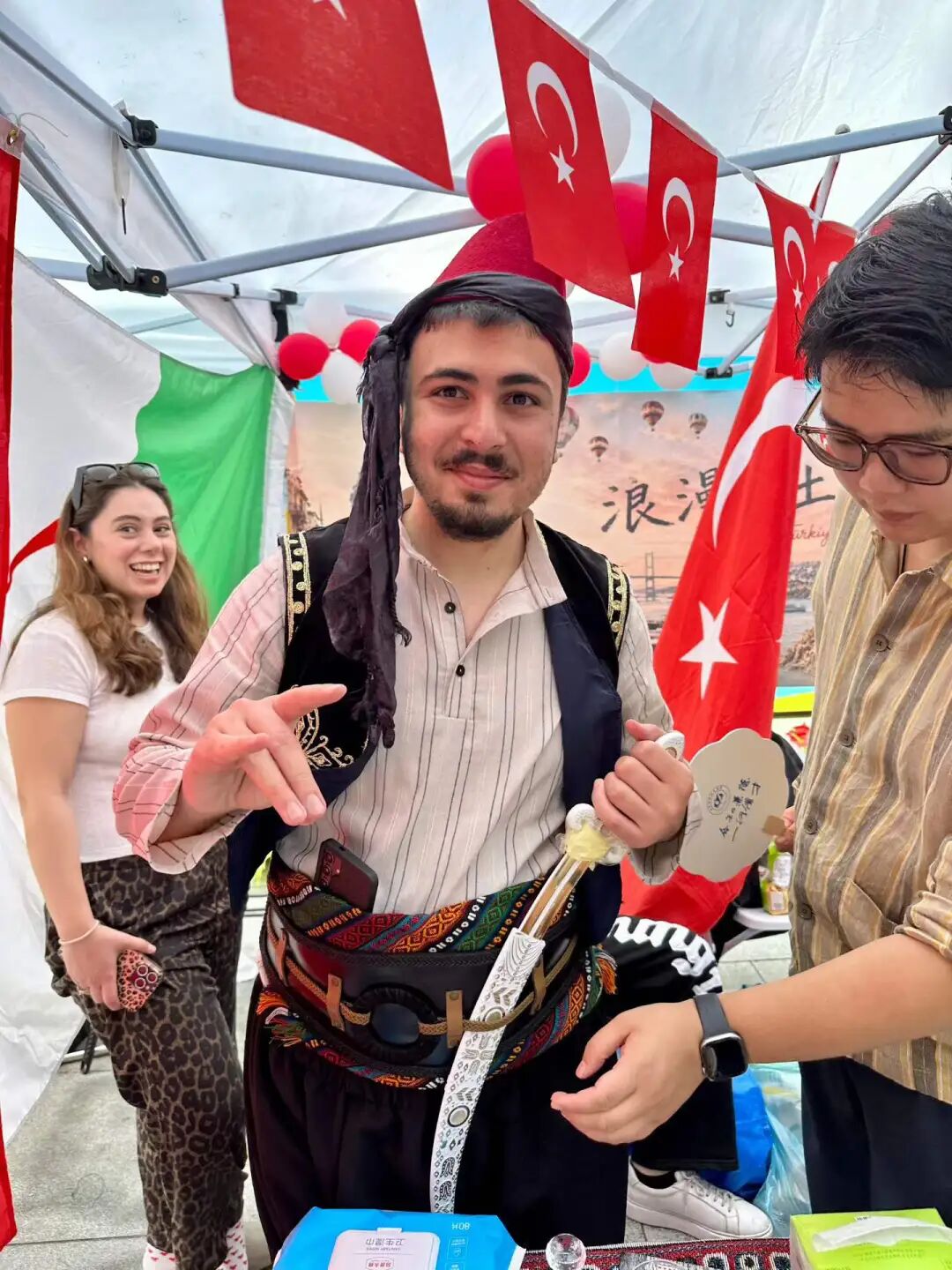
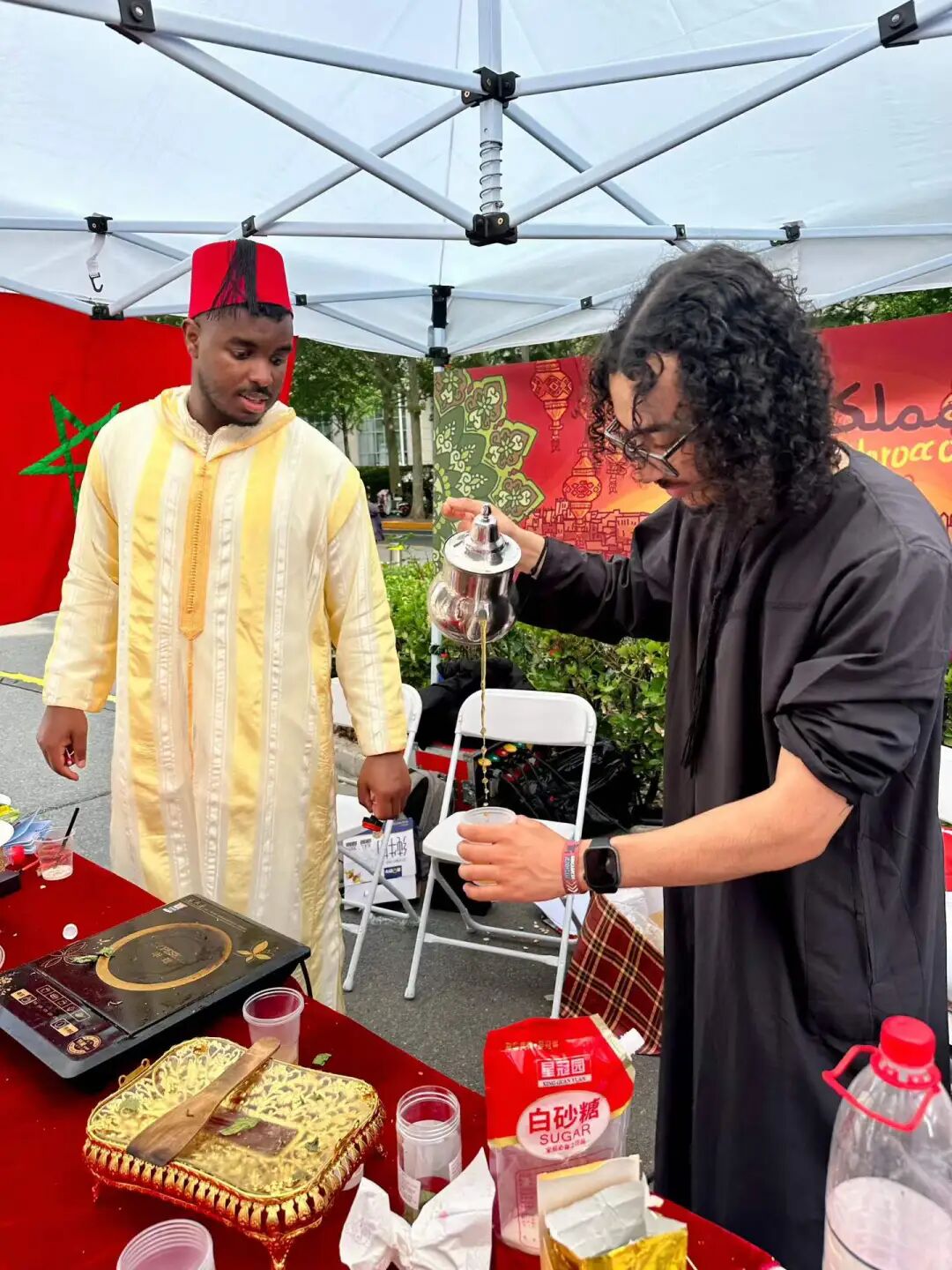
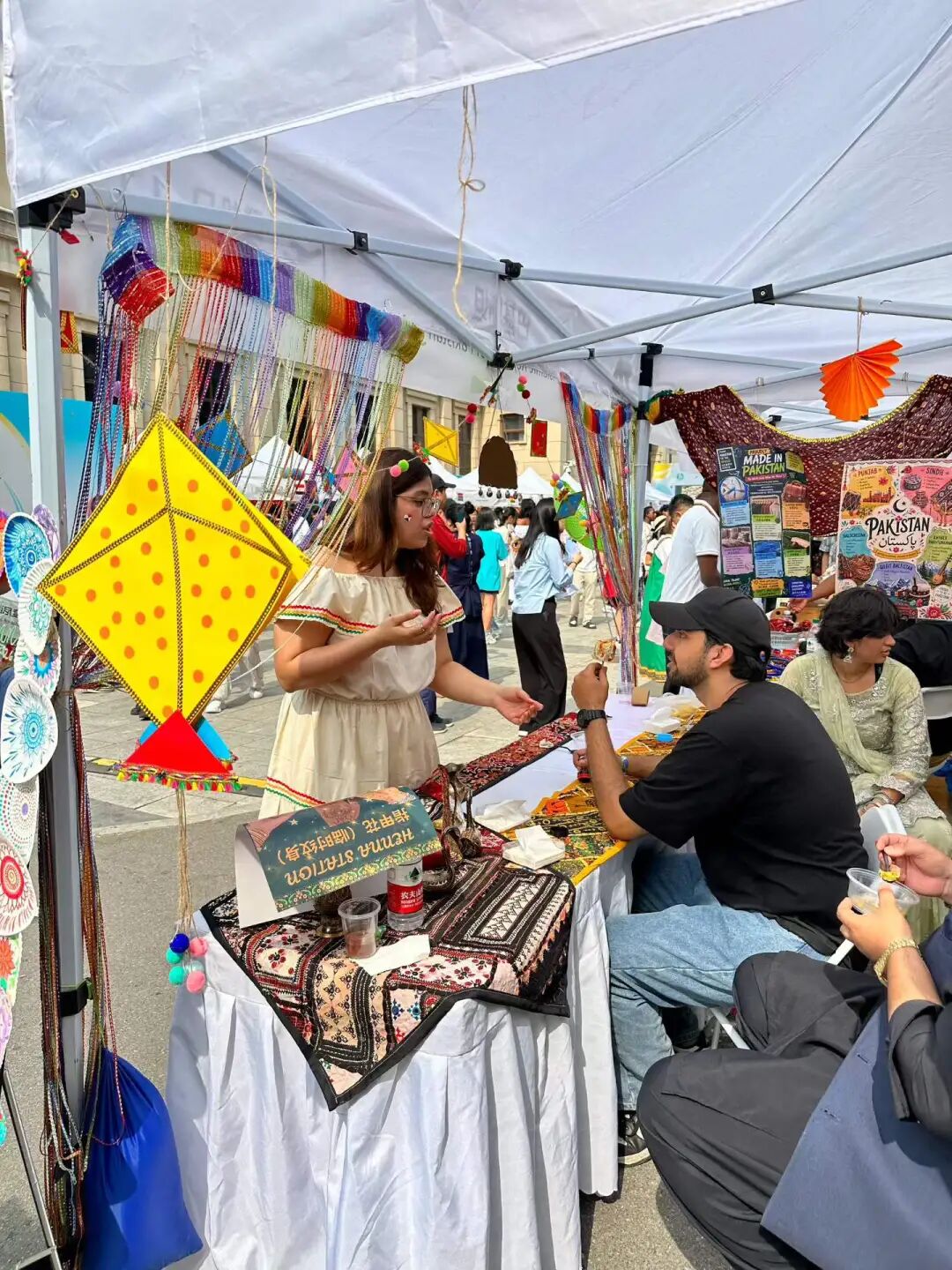
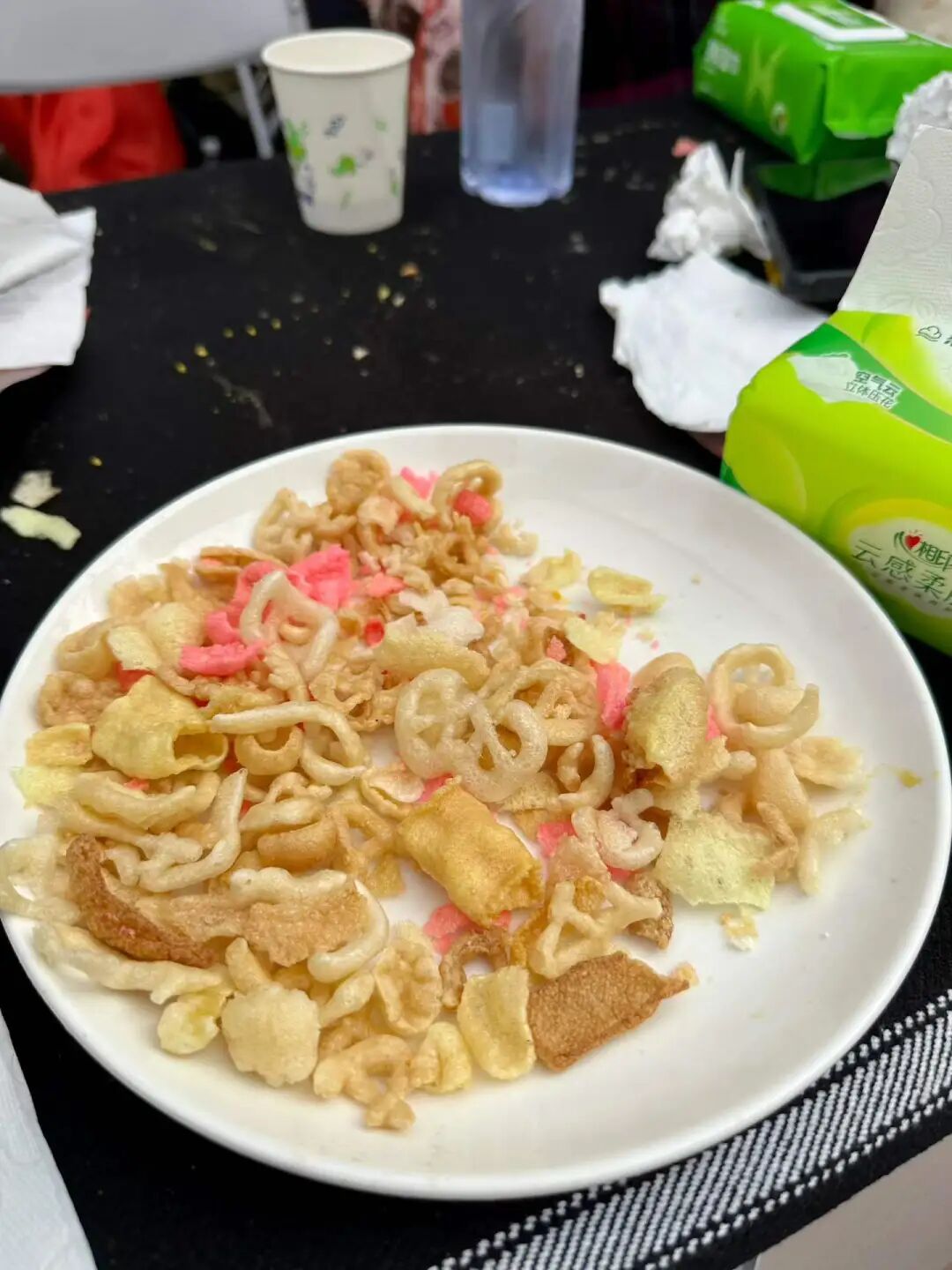
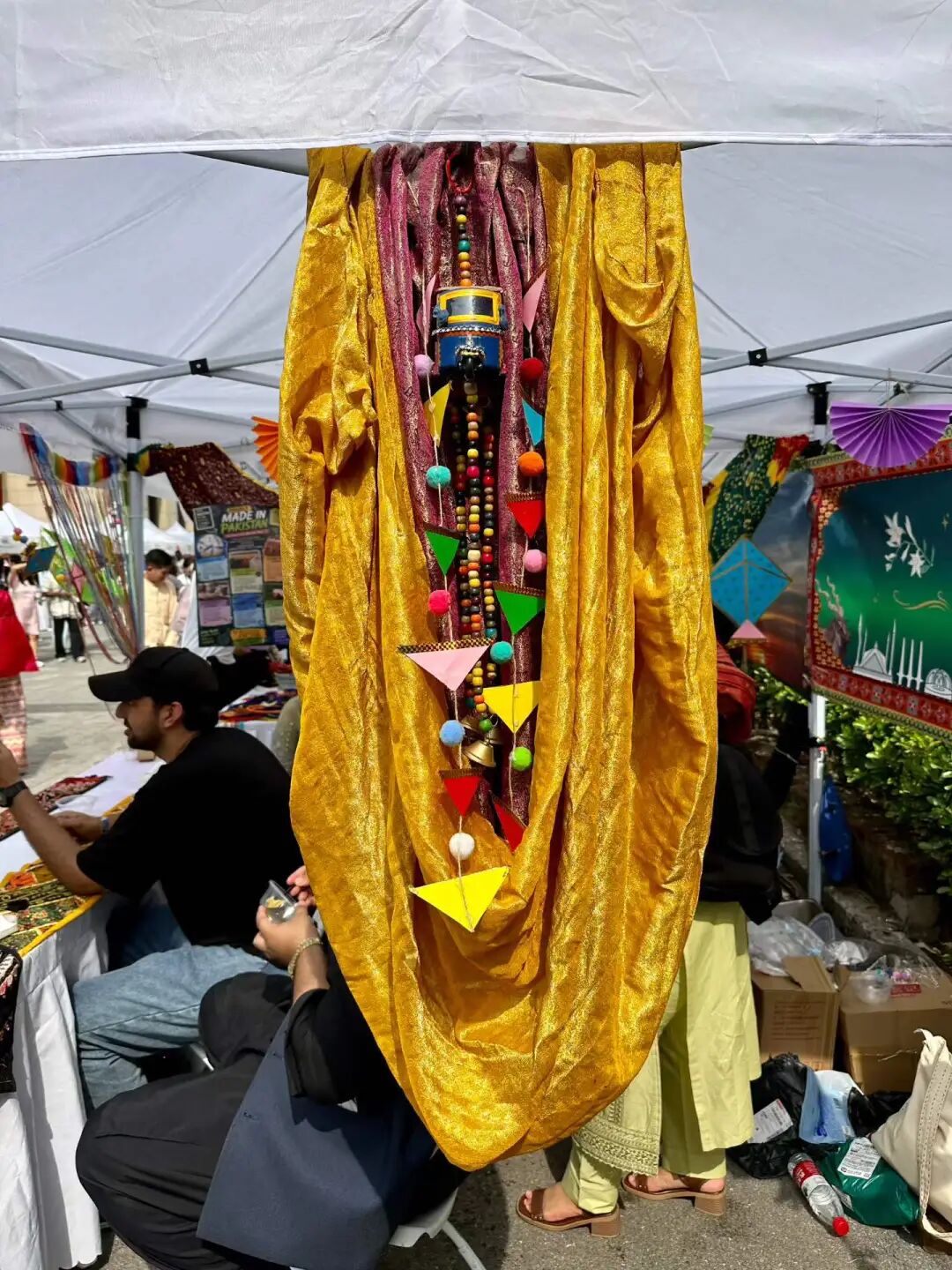
Although it was a culture festival rather than a food festival, I could still taste specialty drinks and snacks from several countries. We first drank Turkish black tea and Moroccan mint tea, then ate the Pakistani specialty noodle milk dish Pheni, which is also a classic Ramadan snack for Pakistanis.
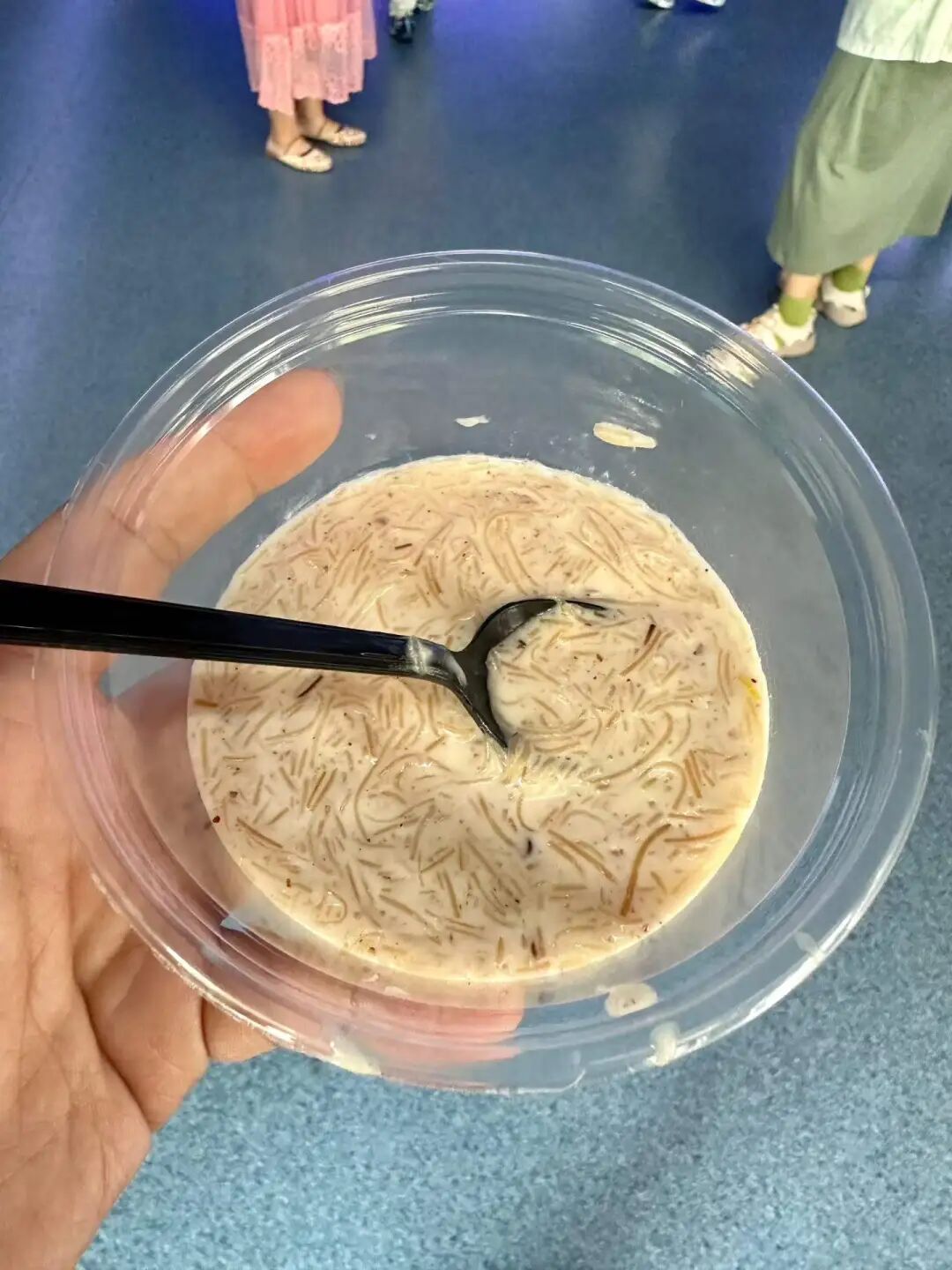
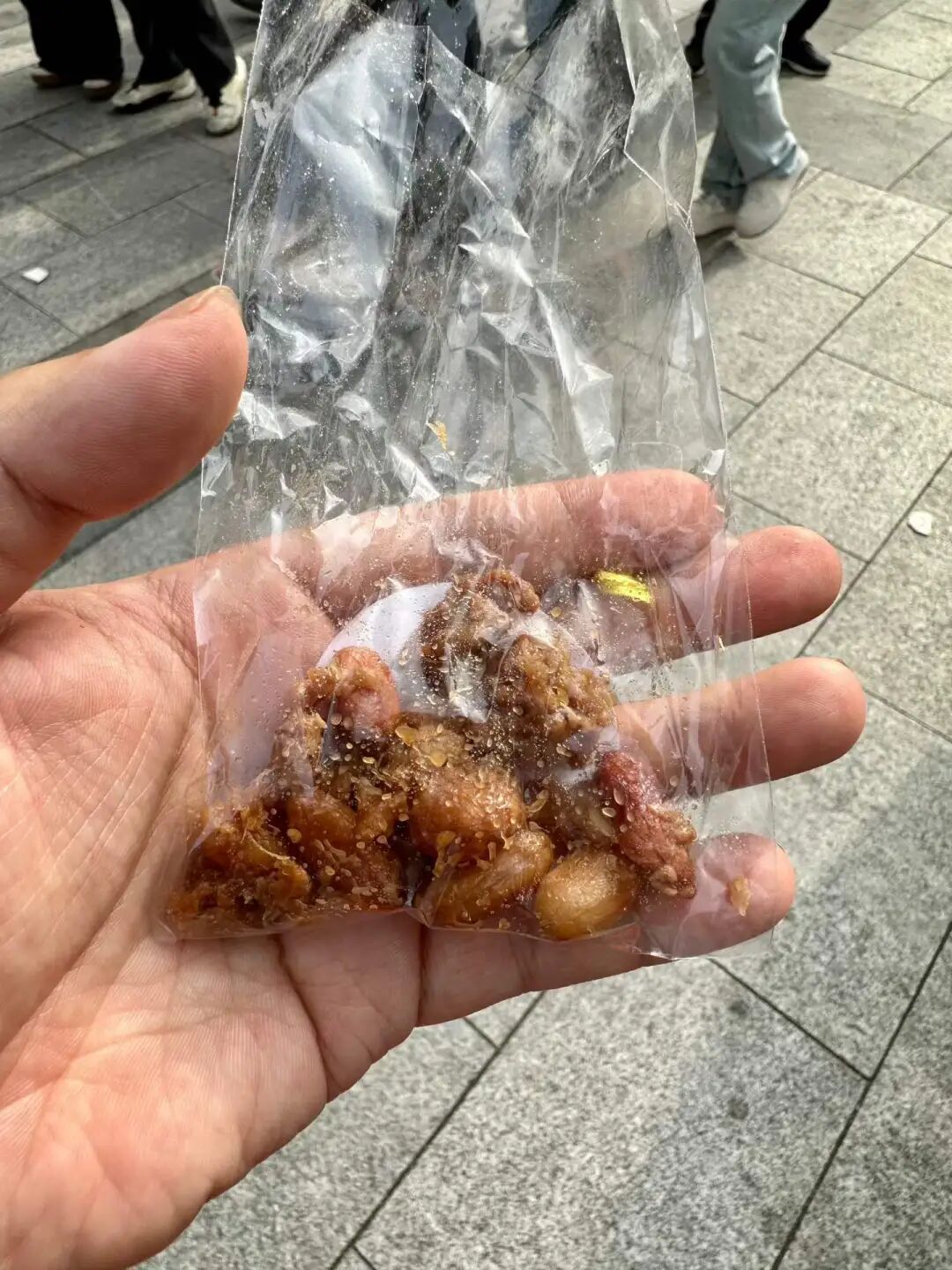
The highlight was eating spicy peanuts, Wonjo hibiscus tea, and the milk dessert Chakery from the Gambia. This was my first time tasting snacks from this country. The Gambia is located on the Atlantic coast of West Africa. It is the smallest country in all of Africa and one of the least developed countries in the world. As early as a thousand years ago, Arab merchants crossed the Sahara Desert to trade in the Gambia and brought Islam to the country in the 9th century. Today, 96% of Gambians belong to the Maliki school of Sunni Islam.
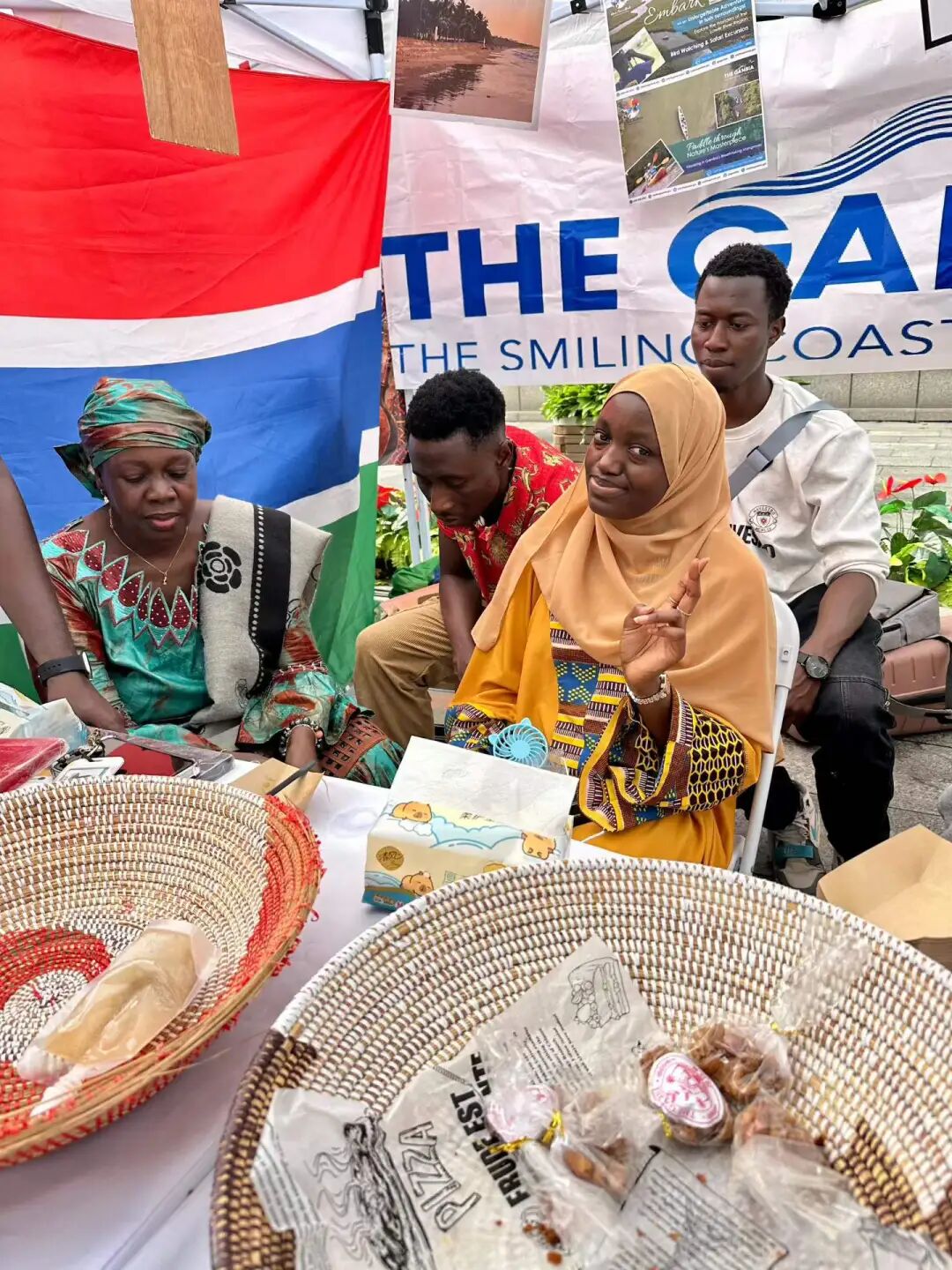
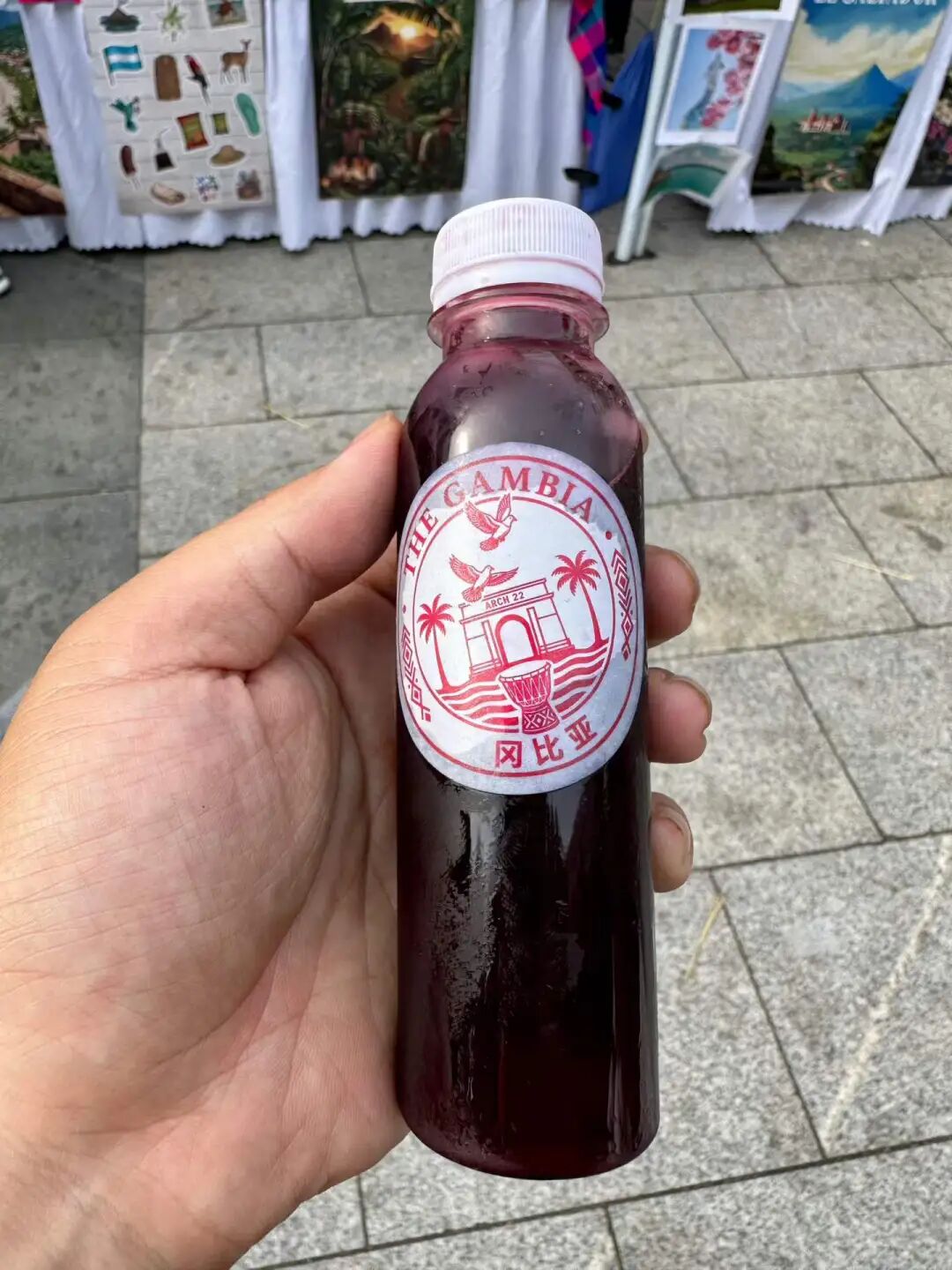
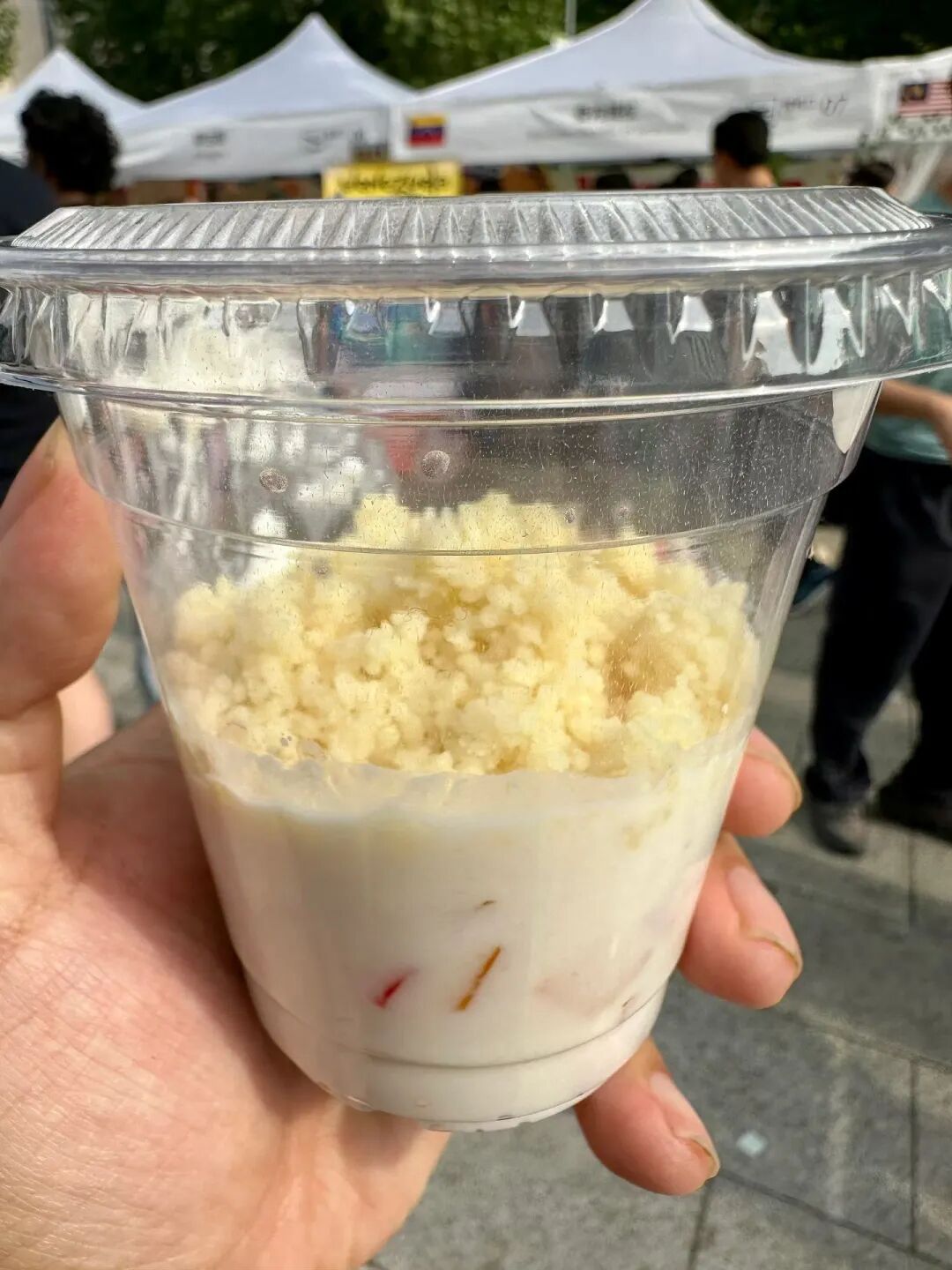
Wonjo is an iced drink made by soaking hibiscus flowers and adding sugar and mint. It is a classic summer chilled beverage for Gambians. The Gambia is one of the original homes of the hibiscus flower, and drinking hibiscus tea here has a very long history. Chakery is a milk dessert made with millet. It is a classic West African after-dinner treat. People of different faiths share Chakery with their neighbors after festivals, showing friendships that cross religious lines.
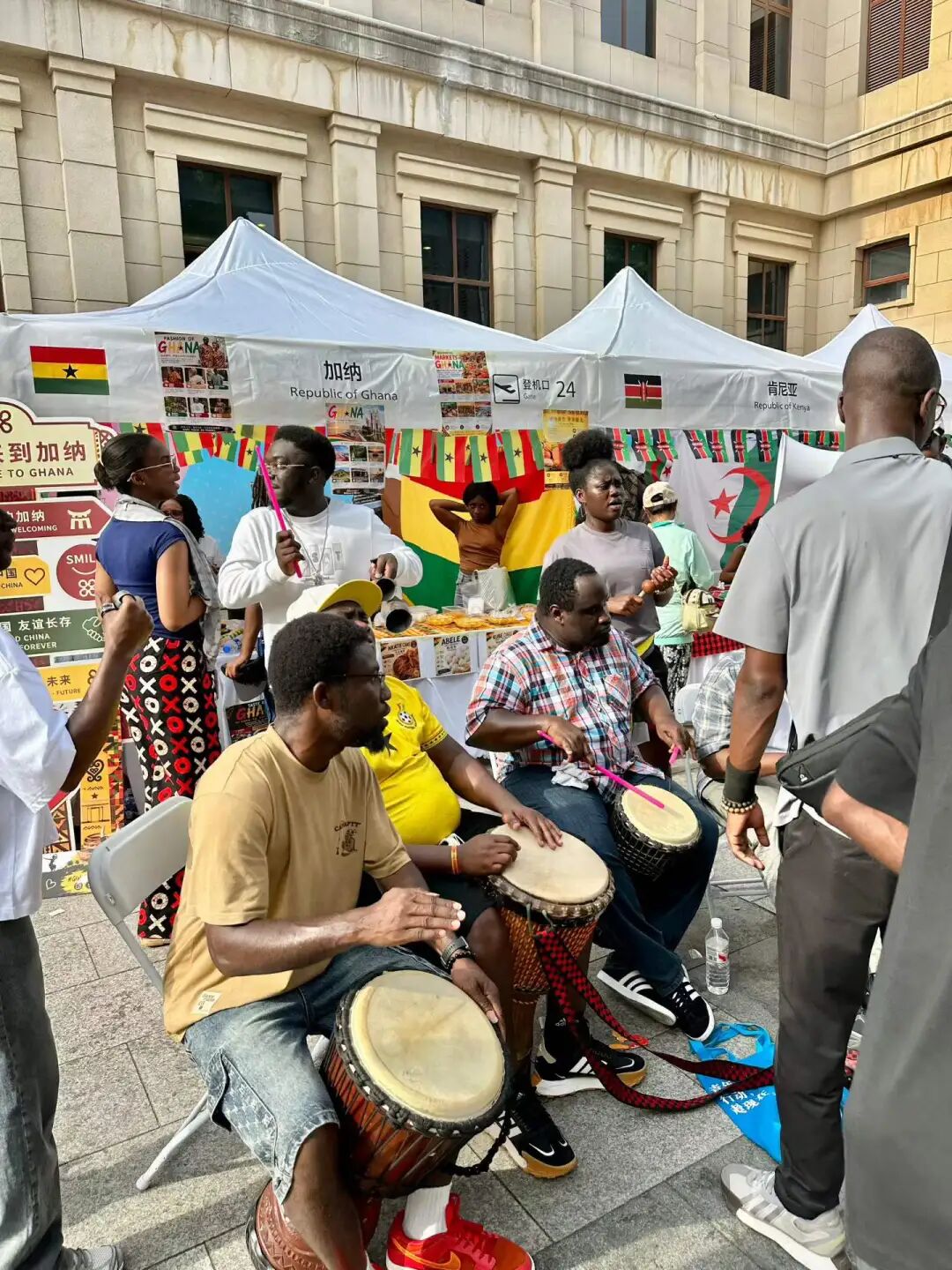
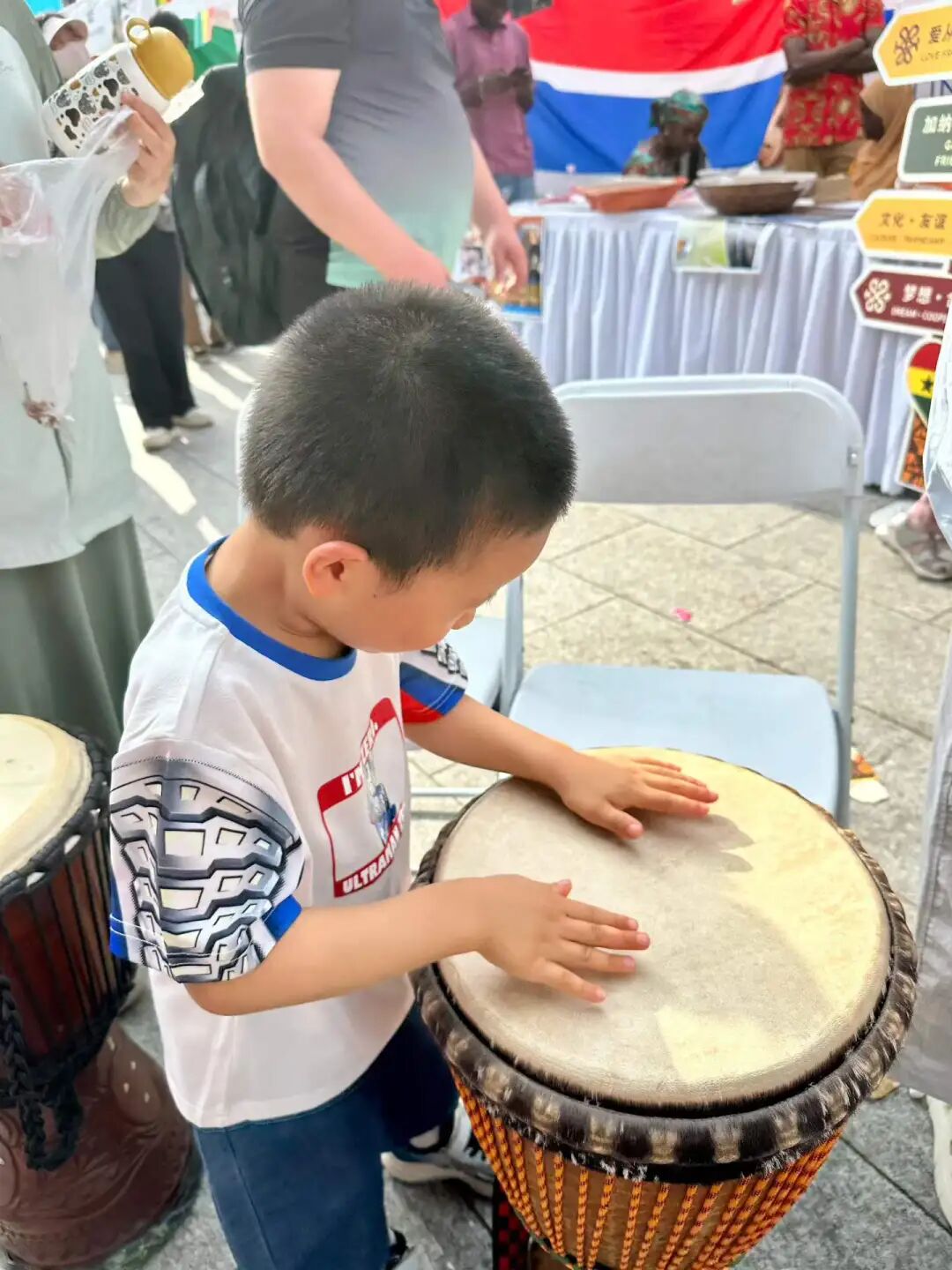
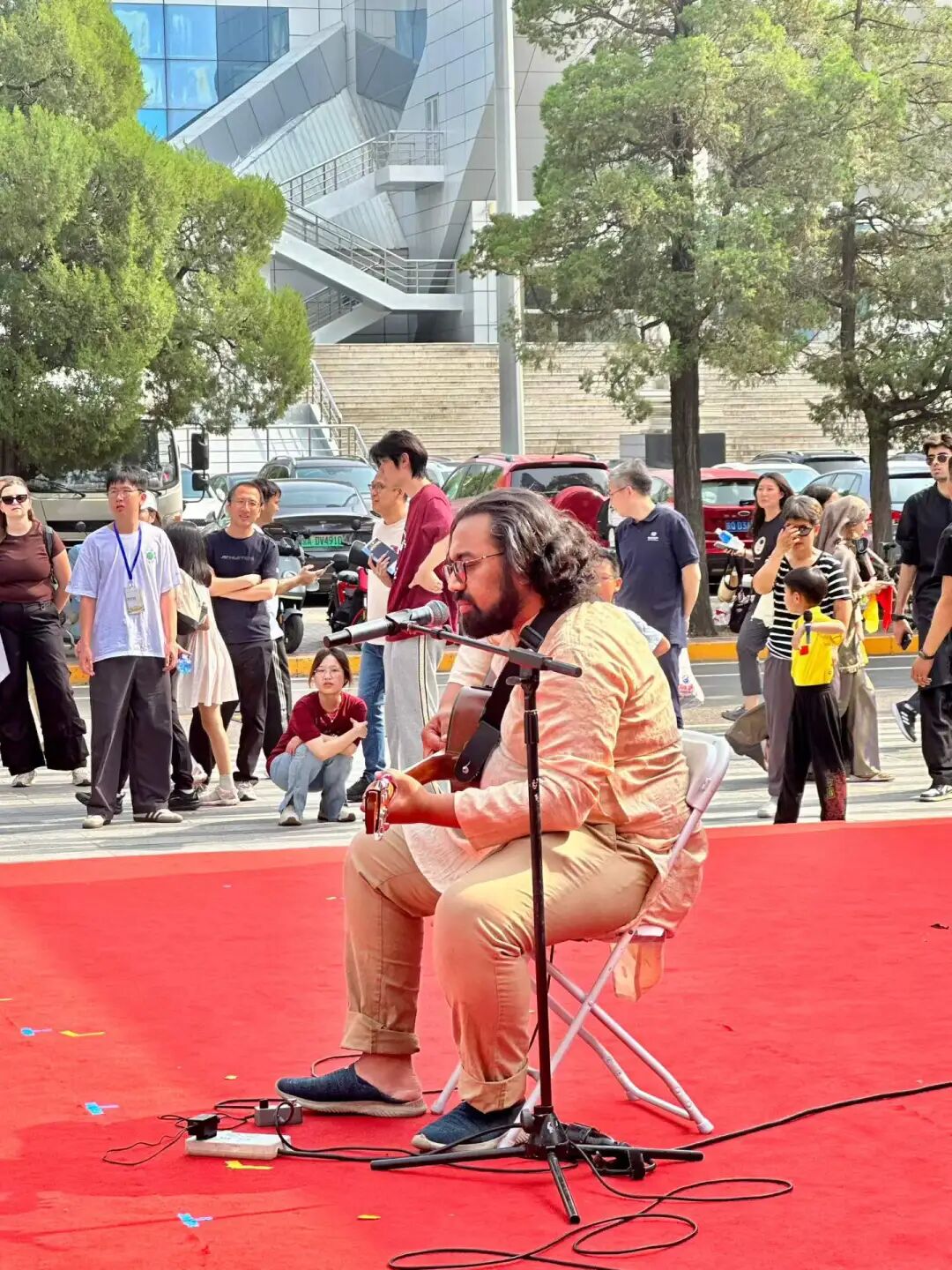
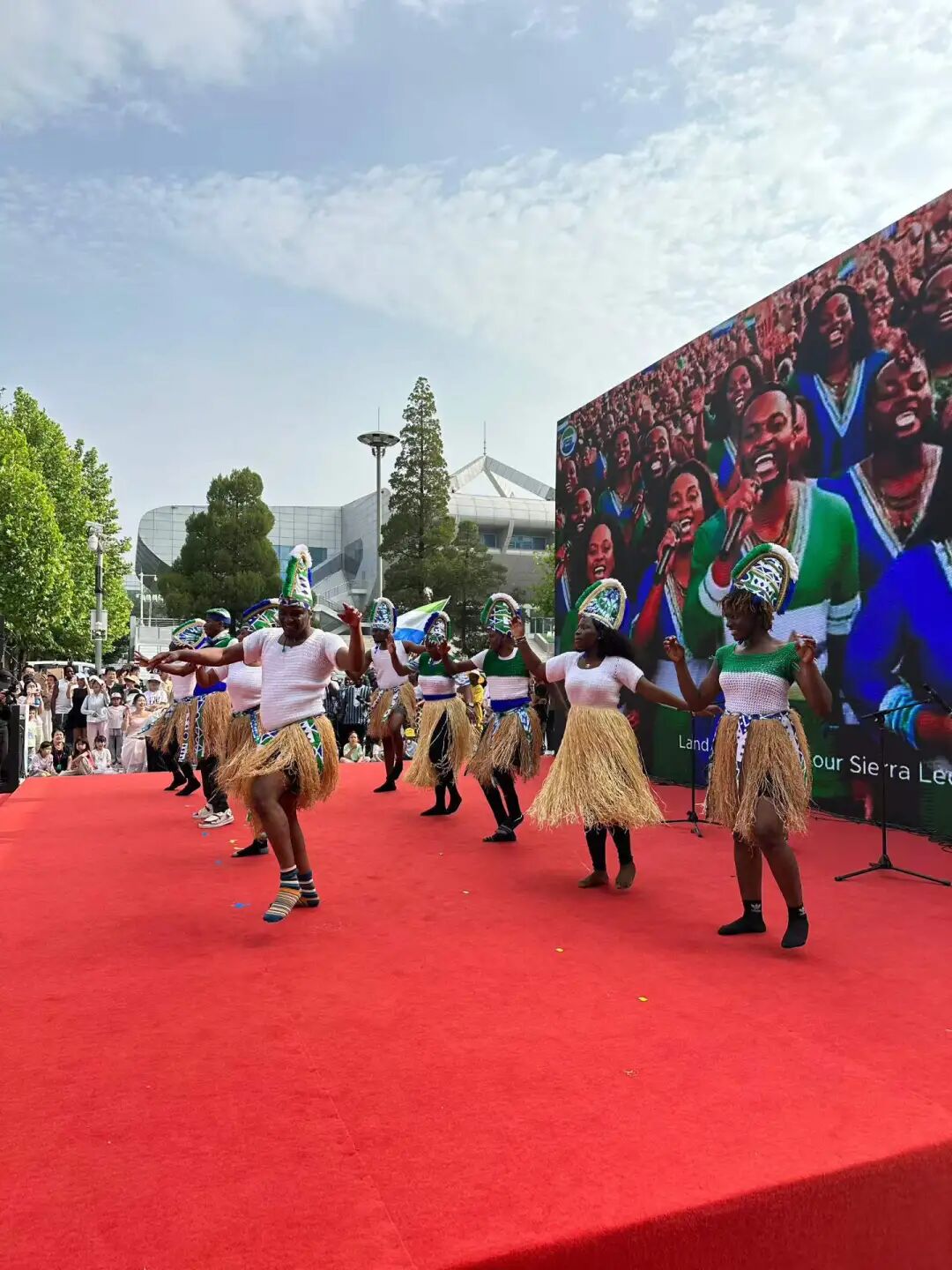
A young man from Bangladesh sang with deep emotion, a friend (dosti) from Senegal was full of energy, and brothers from Ghana played the drums. My son, Suleiman, also grew to love the African drums.
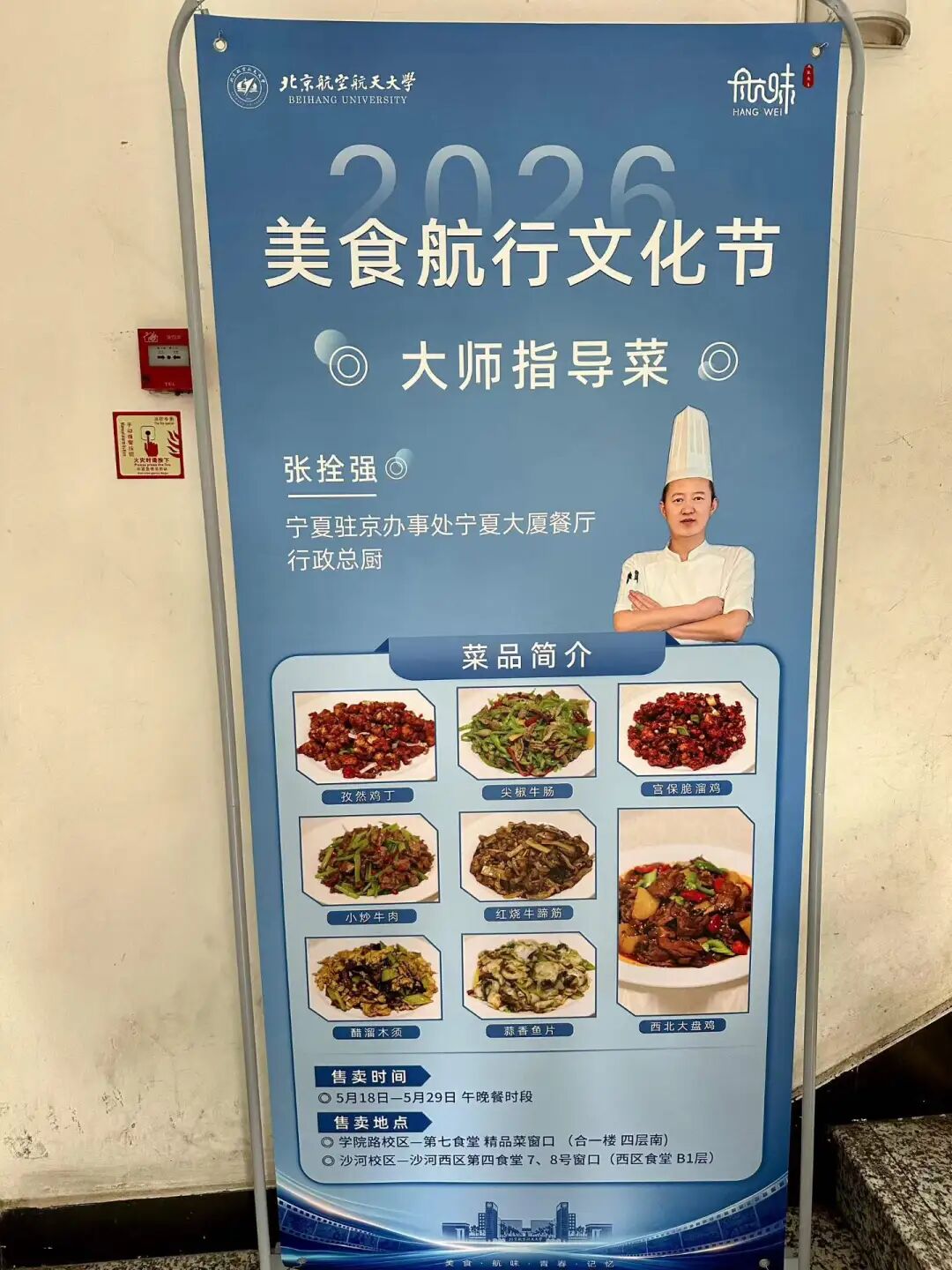
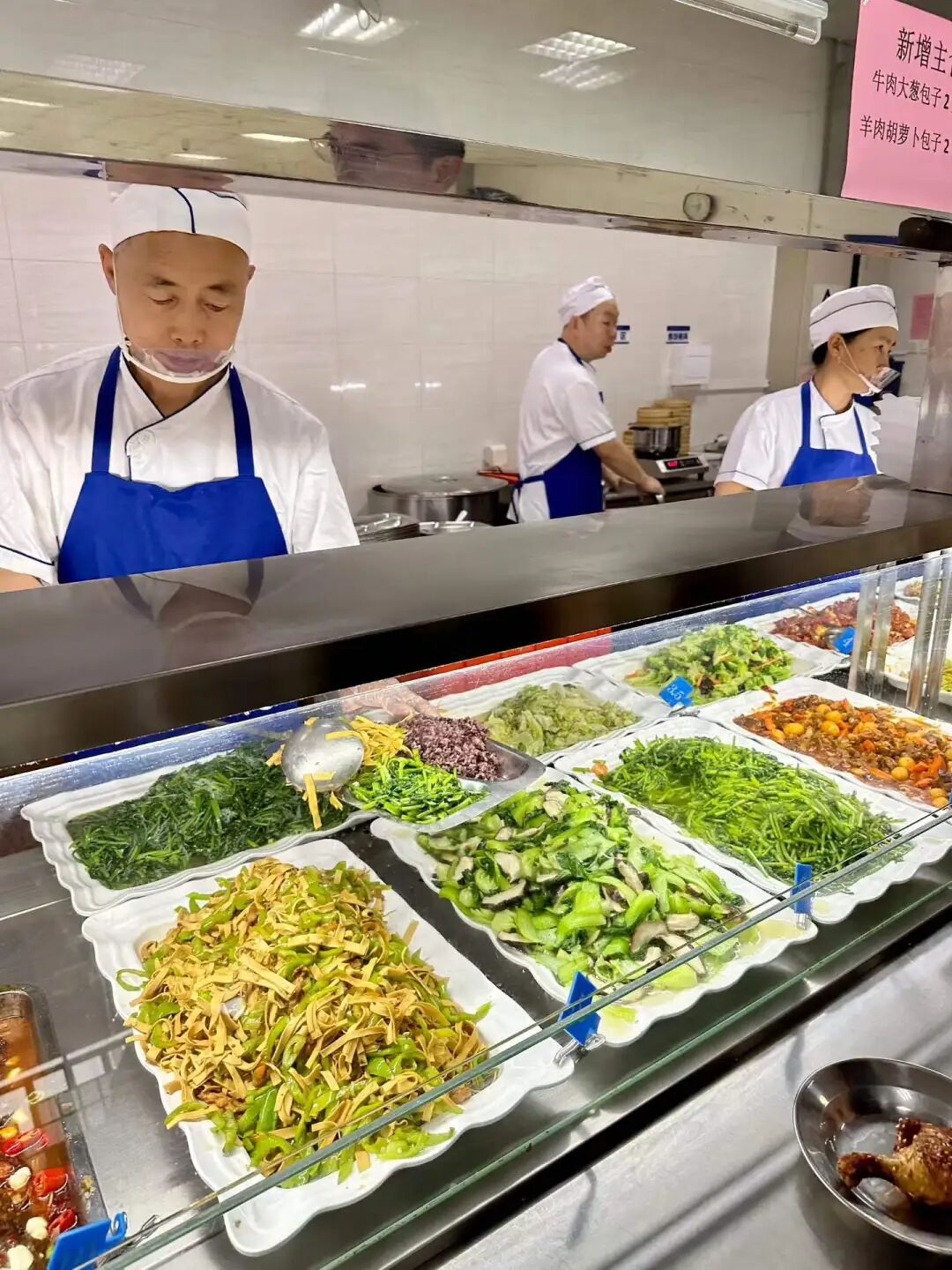
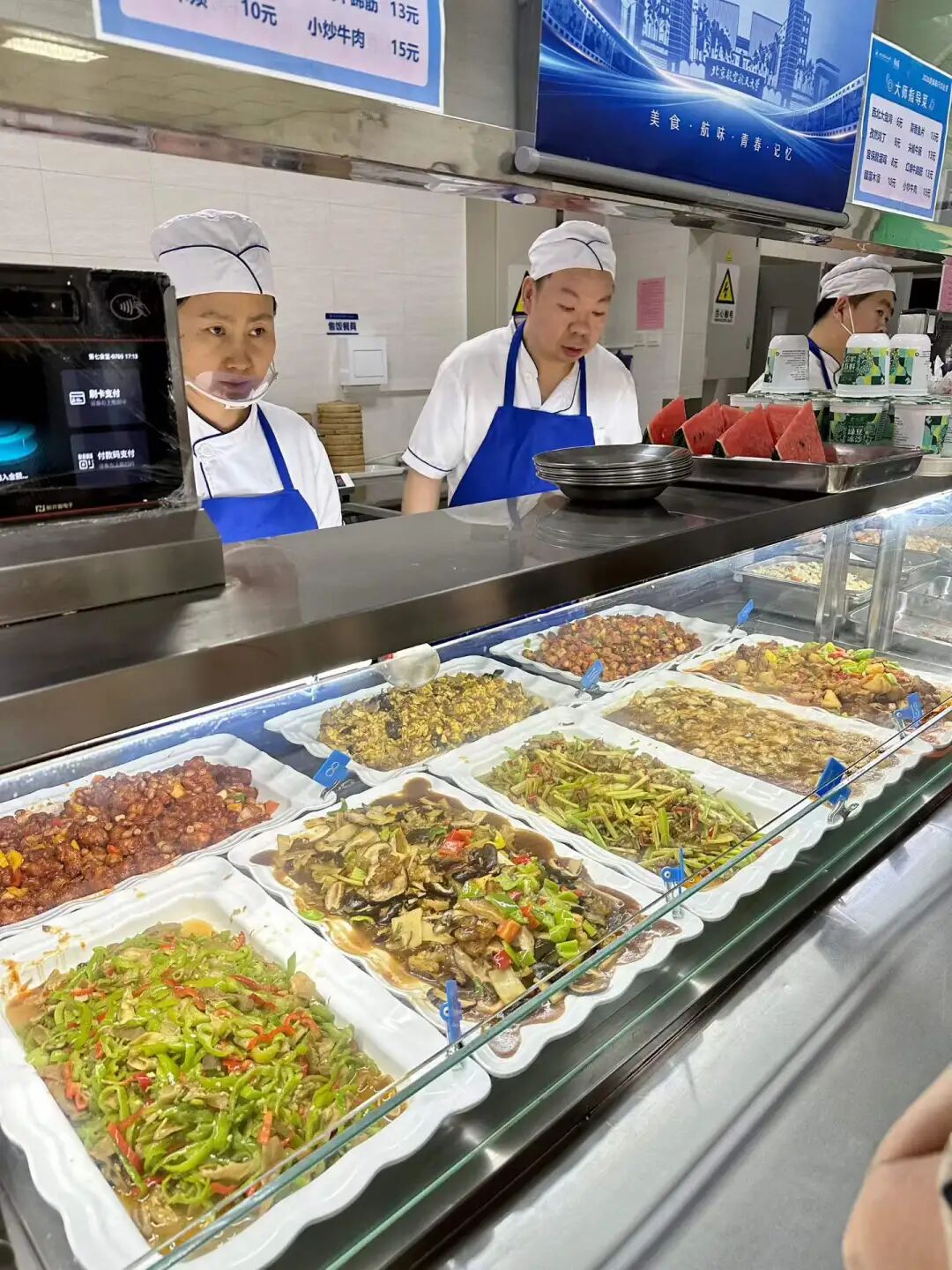
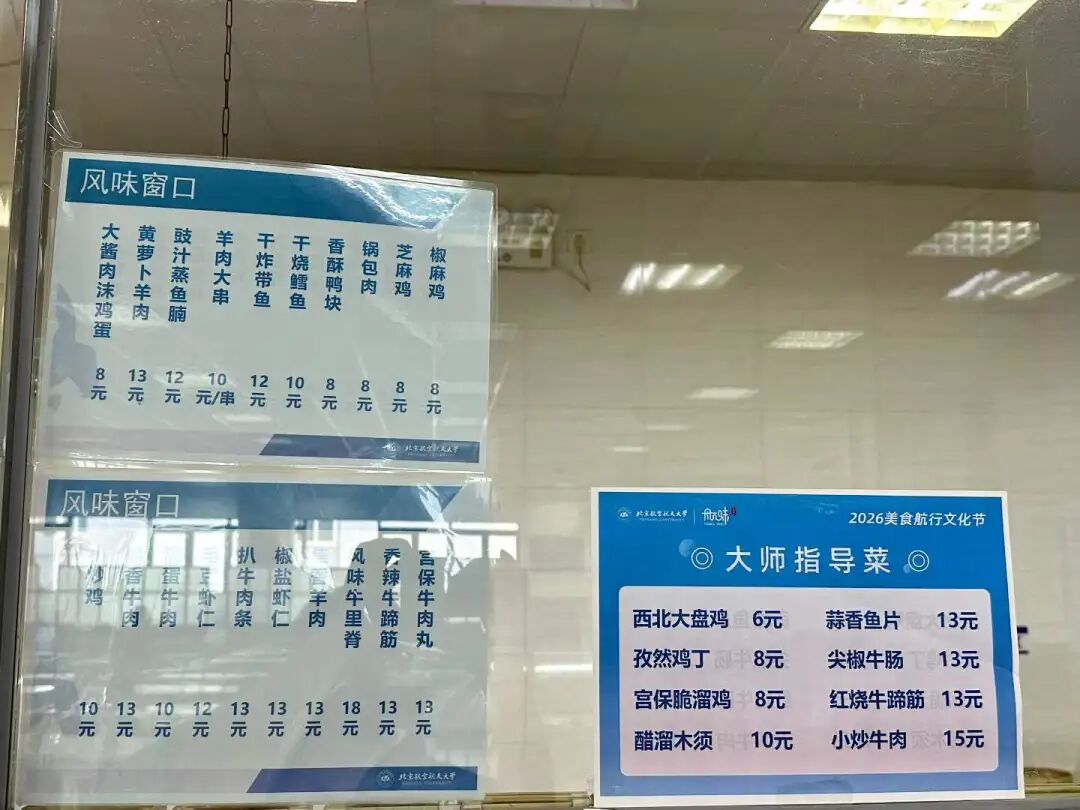
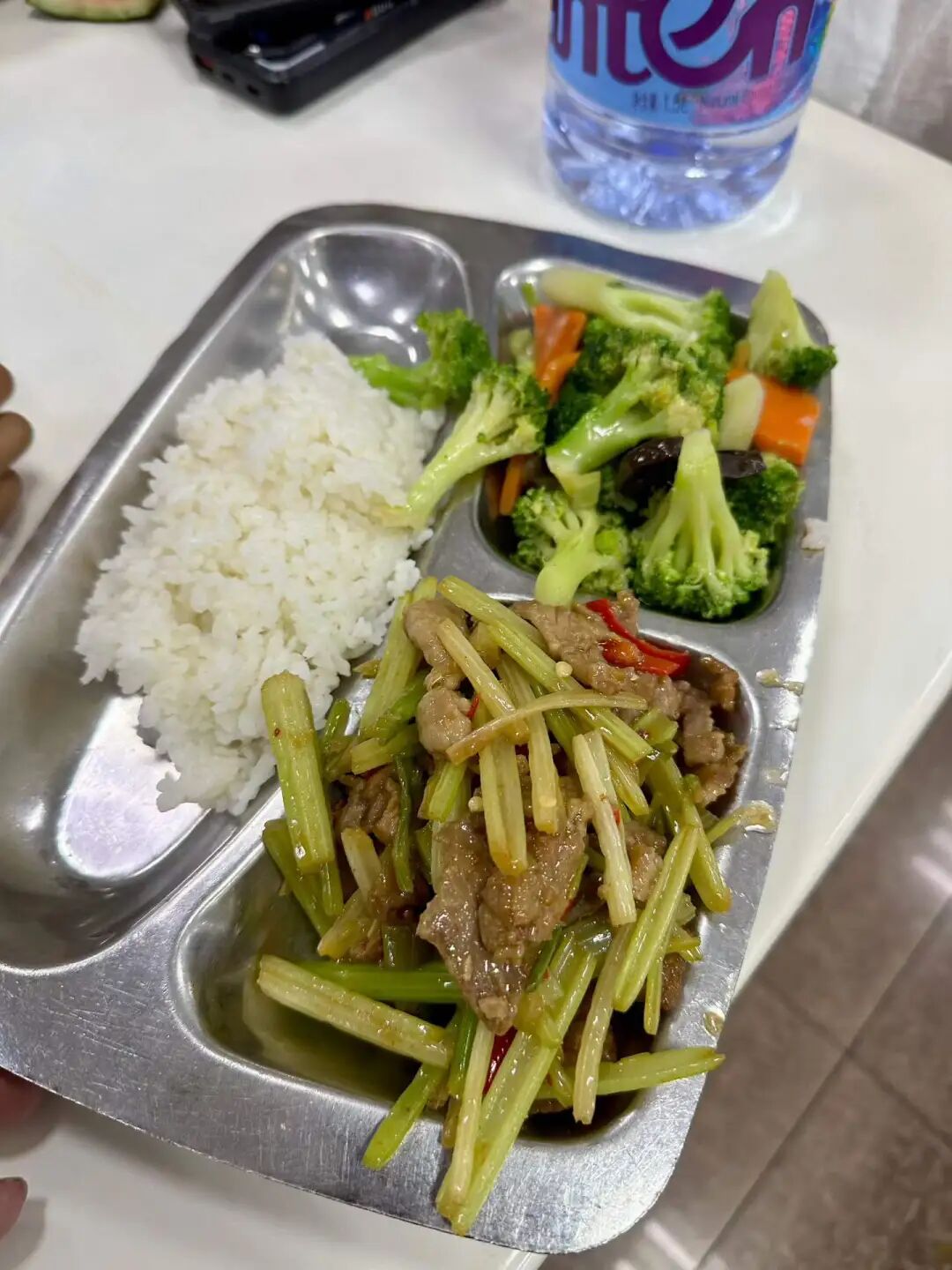
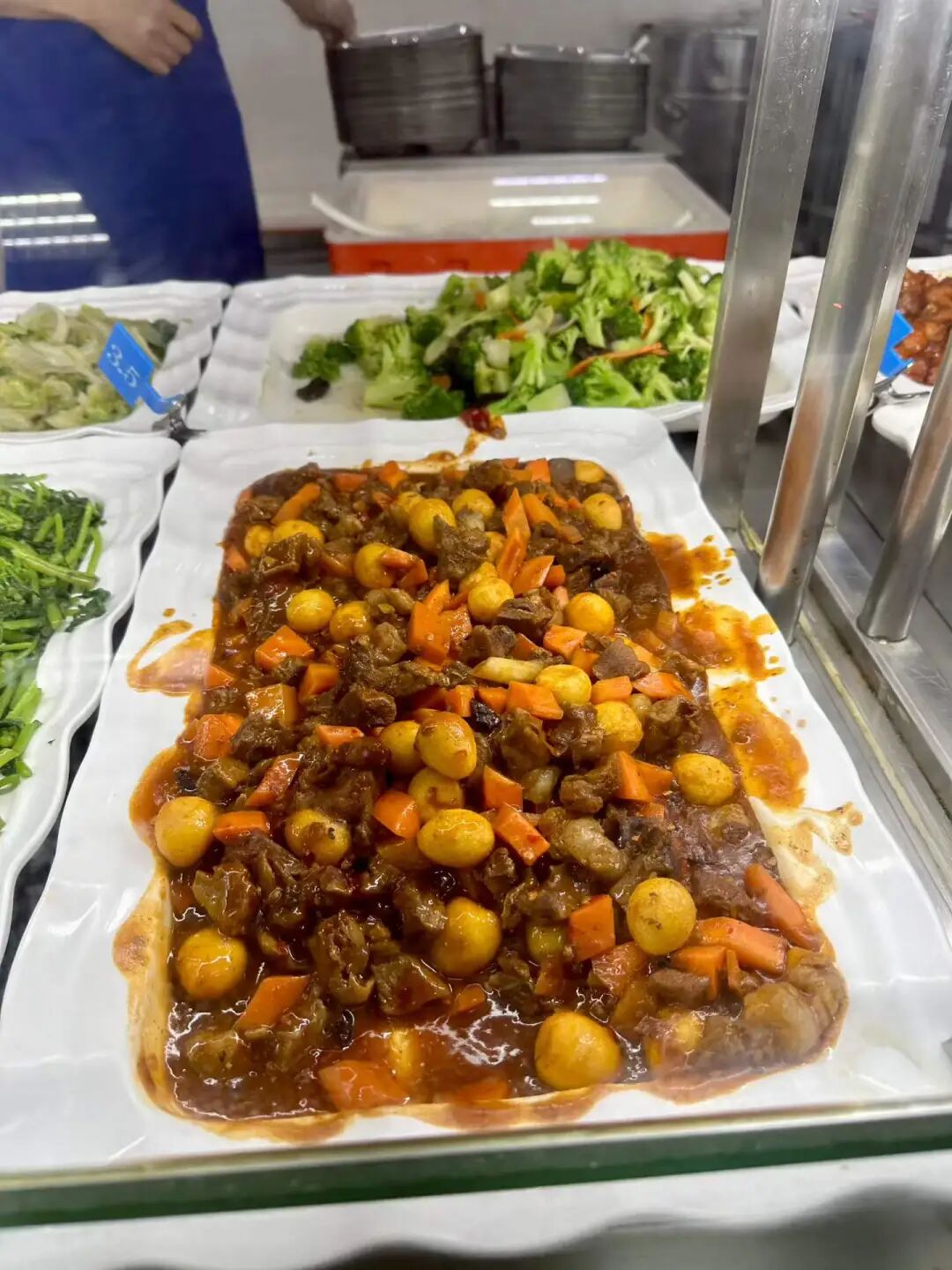
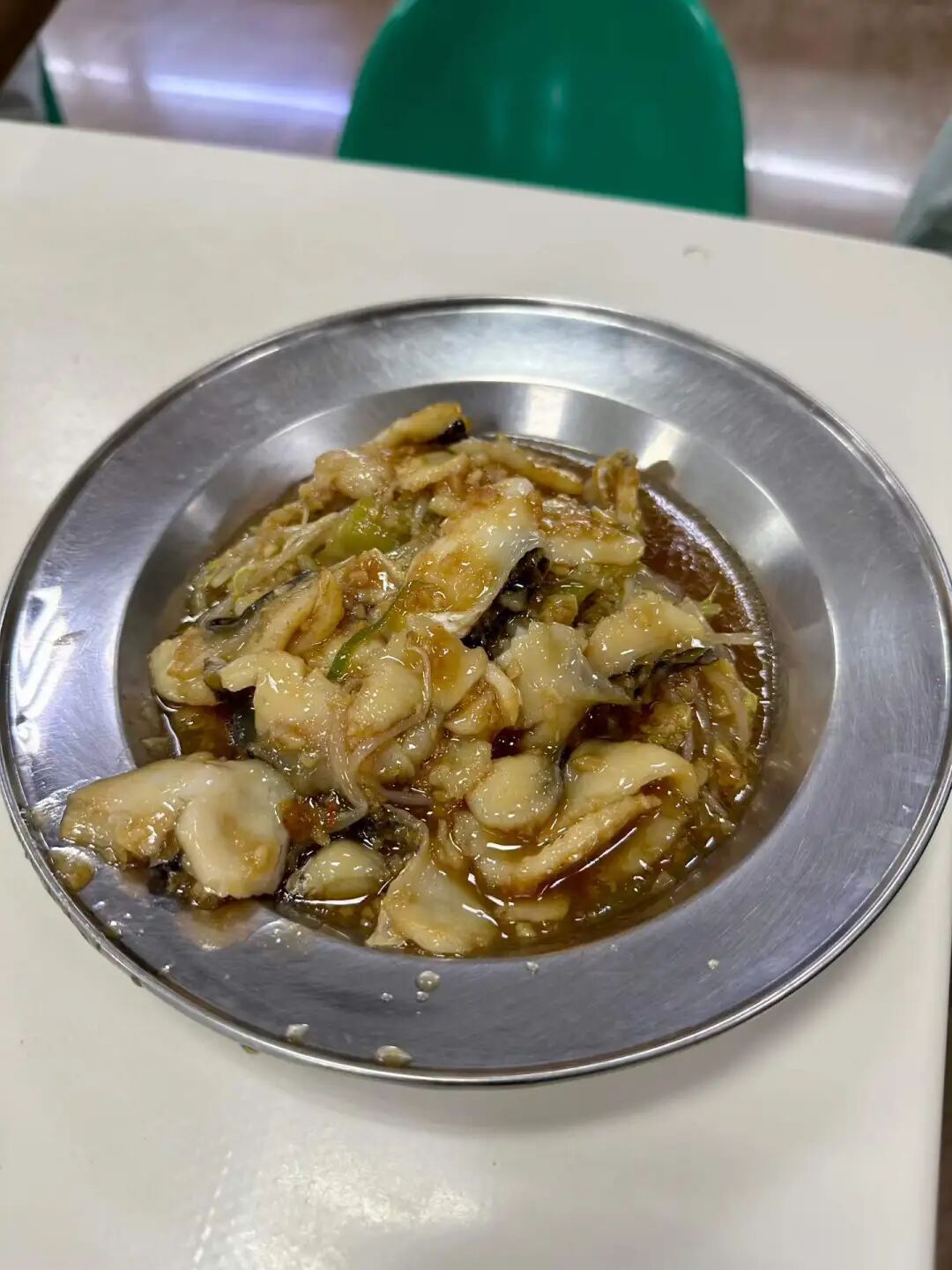
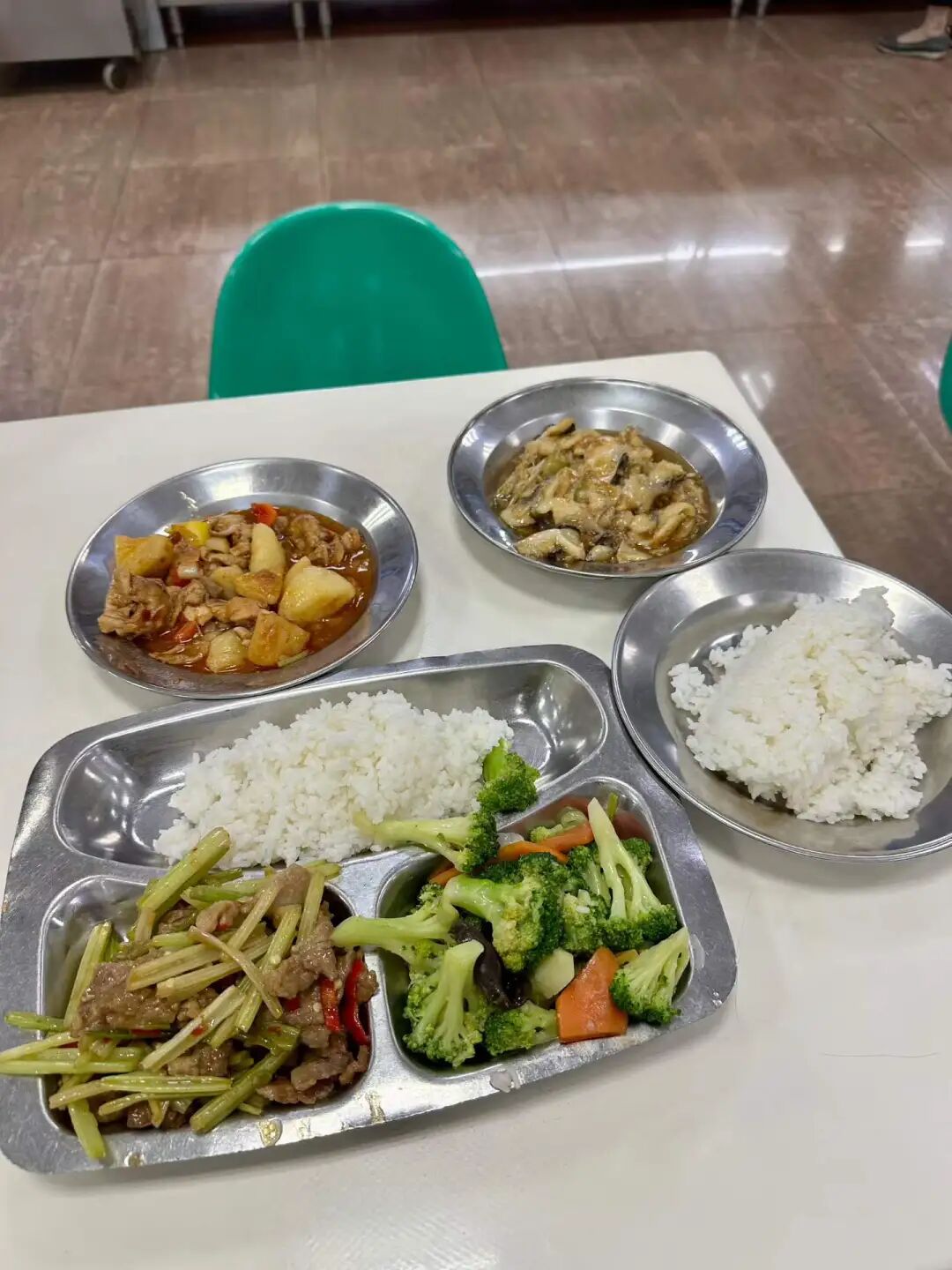
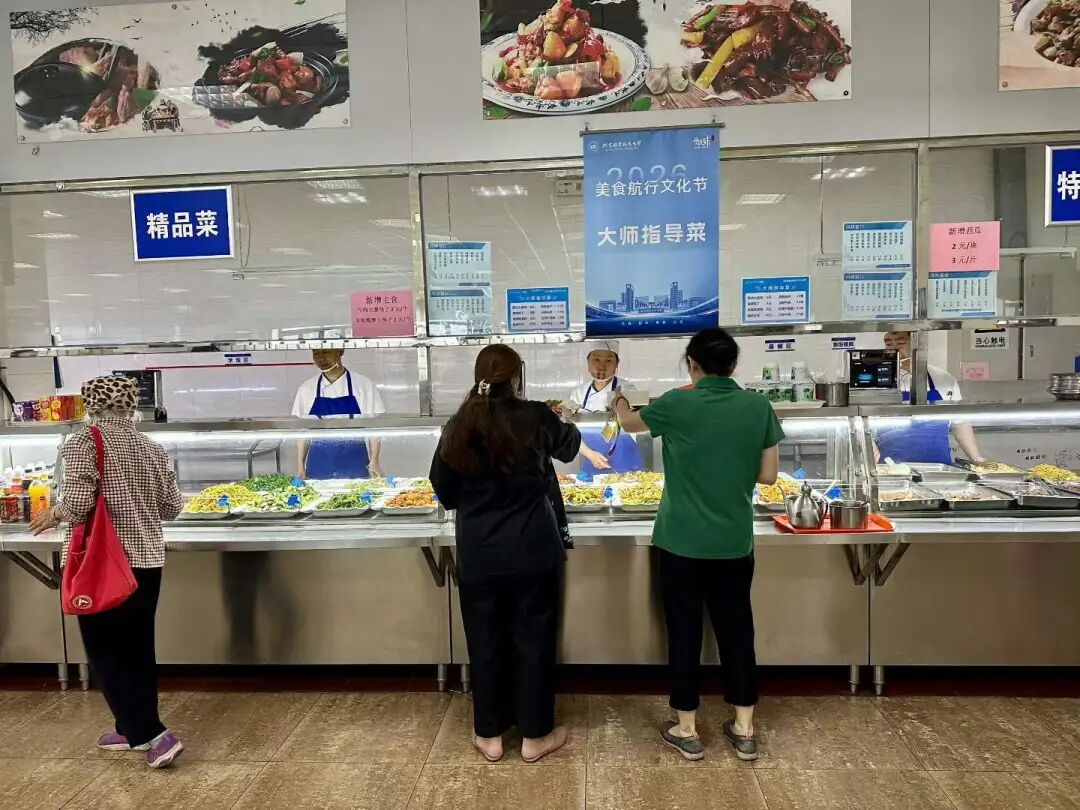
After leaving the Beihang International Culture Festival, we went to the fourth floor of the Seventh Canteen for dinner. They were hosting a Food Voyage Culture Festival and invited Zhang Shuanqiang, the executive chef of the Ningxia Building in Beijing, to guide the cooking. We ate stir-fried beef, garlic fish fillets, and big plate chicken (dapanji). Overall, it was very affordable. The stir-fried beef went great with rice, and the garlic fish fillets were very appetizing. I really envy the students and teachers at Beihang.
Summary: This Muslim traveler guide to Beijing follows an Africa Day food experience at Beihang University, with campus culture and local food details preserved.
This article summarizes the key points of tasting food from Africa's smallest country at Beihang University. It keeps the original paragraph and image order, making it suitable for readers interested in Muslim life, Islamic culture, and Chinese Islamic writing. It also helps with searching for content on Ramadan, history, and social observations.
Since May, major universities in Beijing have held international culture festivals. International students showcased their home cultures, which was very interesting. Unfortunately, most school festivals were on weekdays, and some were not open to the public. On May 24, I finally made it to the Beihang University international culture festival.
Although it was a culture festival rather than a food festival, I could still taste specialty drinks and snacks from several countries. We first drank Turkish black tea and Moroccan mint tea, then ate the Pakistani specialty noodle milk dish Pheni, which is also a classic Ramadan snack for Pakistanis.
The highlight was eating spicy peanuts, Wonjo hibiscus tea, and the milk dessert Chakery from the Gambia. This was my first time tasting snacks from this country. The Gambia is located on the Atlantic coast of West Africa. It is the smallest country in all of Africa and one of the least developed countries in the world. As early as a thousand years ago, Arab merchants crossed the Sahara Desert to trade in the Gambia and brought Islam to the country in the 9th century. Today, 96% of Gambians belong to the Maliki school of Sunni Islam.
Wonjo is an iced drink made by soaking hibiscus flowers and adding sugar and mint. It is a classic summer chilled beverage for Gambians. The Gambia is one of the original homes of the hibiscus flower, and drinking hibiscus tea here has a very long history. Chakery is a milk dessert made with millet. It is a classic West African after-dinner treat. People of different faiths share Chakery with their neighbors after festivals, showing friendships that cross religious lines.
A young man from Bangladesh sang with deep emotion, a friend (dosti) from Senegal was full of energy, and brothers from Ghana played the drums. My son, Suleiman, also grew to love the African drums.
After leaving the Beihang International Culture Festival, we went to the fourth floor of the Seventh Canteen for dinner. They were hosting a Food Voyage Culture Festival and invited Zhang Shuanqiang, the executive chef of the Ningxia Building in Beijing, to guide the cooking. We ate stir-fried beef, garlic fish fillets, and big plate chicken (dapanji). Overall, it was very affordable. The stir-fried beef went great with rice, and the garlic fish fillets were very appetizing. I really envy the students and teachers at Beihang.
