

Beijing
China Mosque Travel Guide: Mosque Plaques, Couplets, Islamic Calligraphy and Hui Muslim Heritage
Articles • yusuf908 posted the article • 0 comments • 348 views • 2026-06-22 06:27
Summary: This China mosque travel guide focuses on mosque plaques, couplets, Islamic calligraphy, Muslim heritage, and the original 151-200 item sequence.
This article summarizes the key points of "Appreciation of Islamic Plaques and Couplets (151-200)". It keeps the original paragraph and image order. It is for readers interested in Muslim life, Islamic culture, and Chinese Islamic writing. It also helps people search for namaz, Islamic plaque and couplet appreciation, and guides for mosques and prayer.
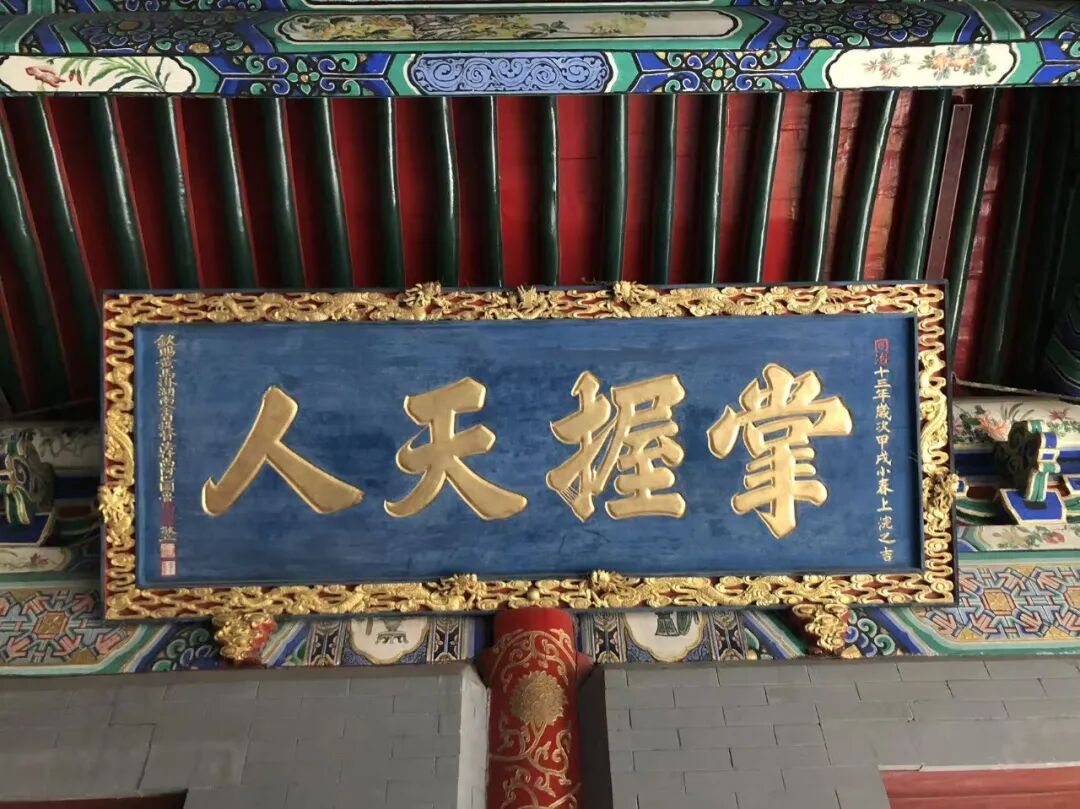
151. "Mastering Heaven and Man" at Niujie Mosque in Beijing.
An auspicious day in the early tenth lunar month of the Jiaxu year, the thirteenth year of the Tongzhi reign.
Respectfully erected by Ma Rulong, Imperial-bestowed Yellow Jacket wearer and Commander-in-Chief of Hunan Province, titled Fashishang'a Baturu.
Ma Rulong was a Hui Muslim from Jianshui, Yunnan. He started as a military scholar and served as Commander-in-Chief of Yunnan and later Hunan.
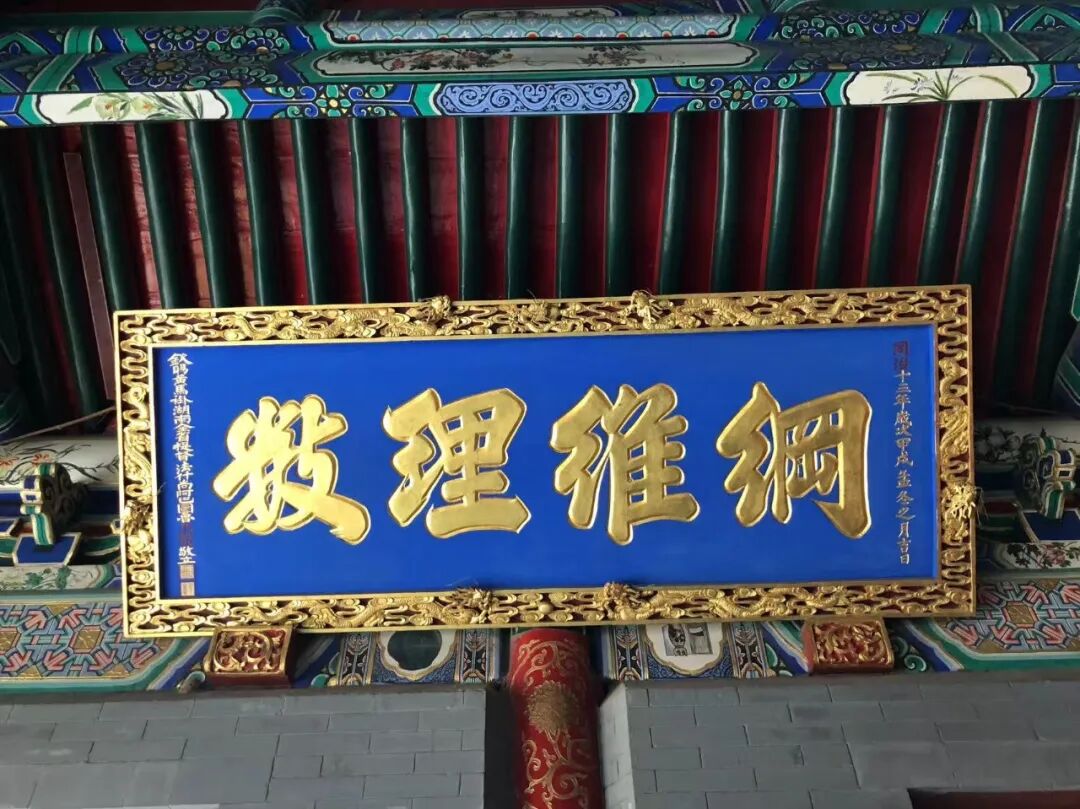
152. "Governing the Principles of Numbers" at Niujie Mosque in Beijing.
An auspicious day in the first month of winter, the Jiaxu year, the thirteenth year of the Tongzhi reign.
Respectfully erected by Ma Rulong, Imperial-bestowed Yellow Jacket wearer and Commander-in-Chief of Hunan Province, titled Fashishang'a Baturu.
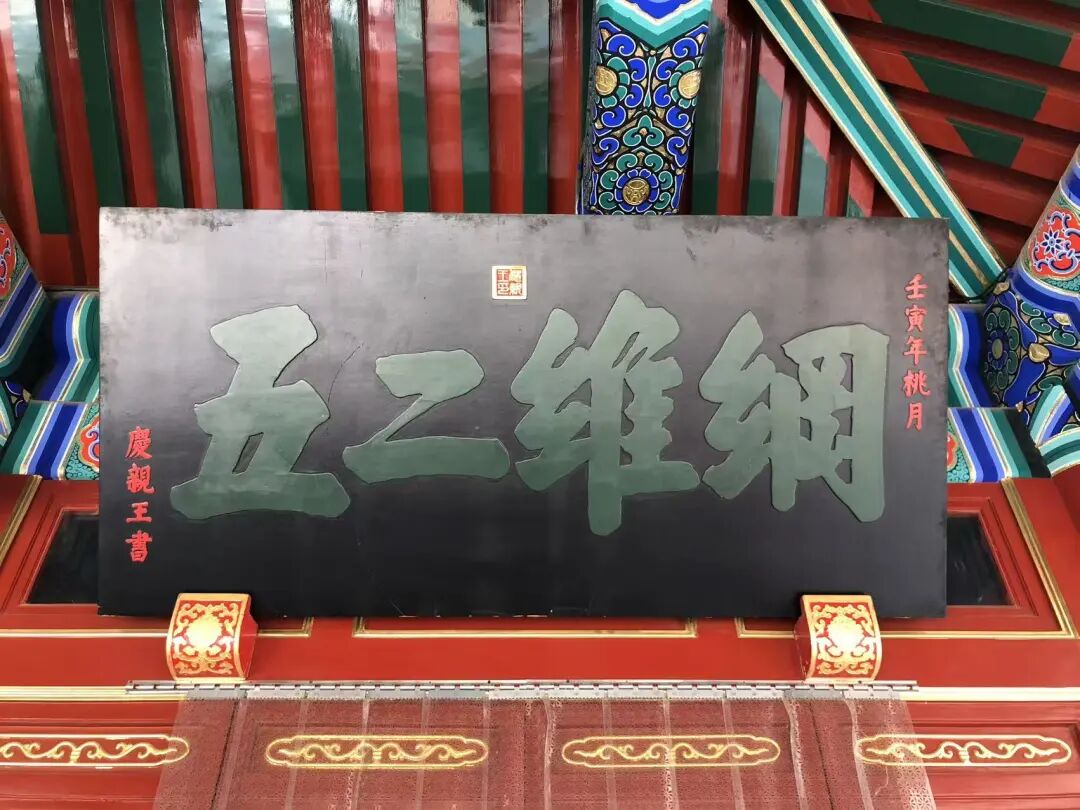
153. "Governing the Two and Five" at Nanxiapo Mosque in Beijing.
The third lunar month of the Renyin year (1902).
Calligraphy by Prince Qing.
The plaque is a replica. Yikuang was named Prince Qing in 1894 and served as a high official in the late Qing Dynasty.
Liu Zhi wrote in the Rites of Islam (Tianfang Dianli) that 'revering the five pillars fulfills the way of heaven;' 'upholding the five social relationships fulfills the way of man.' The five pillars are the declaration of faith, namaz, fasting, charity, and the pilgrimage, while the five relationships are ruler and subject, father and son, husband and wife, brothers, and friends.
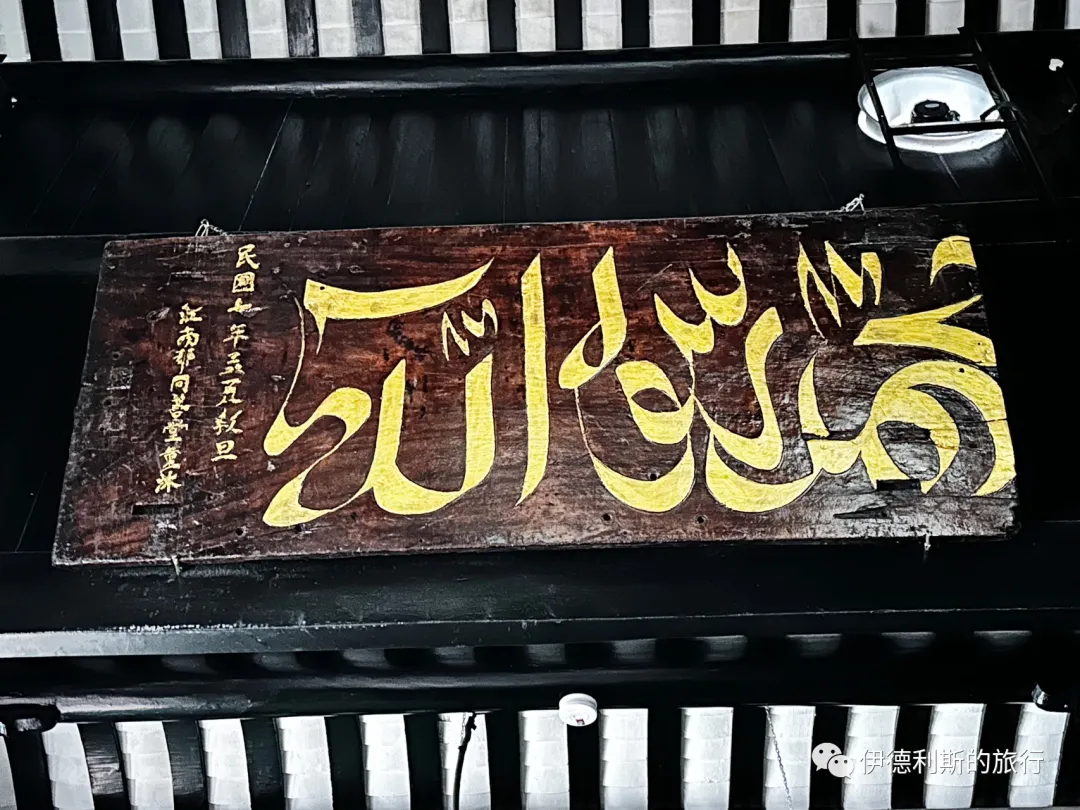
154. Arabic plaque at Haopan Mosque in Guangzhou
An auspicious day in the first month of summer, the seventh year of the Republic of China
Respectfully presented by the Jiangnan Tongshan Hall
During the Ming and Qing dynasties, many Hui Muslims from the Jiangsu, Zhejiang, and Shanghai regions came to Guangzhou for business. They often chose to live near the foreign trading houses on Haopan Street and the shops in the Xiguan area, which had a significant impact on Haopan Mosque.
155. Arabic plaque at Xiaodongying Mosque in Guangzhou
Erected on an auspicious day in the fifth lunar month of the Bingyin year, the fifth year of the Tongzhi reign
Respectfully inscribed by Li Chengyi from Dingyuan County, Fengyang Prefecture, Jiangnan
156. 'The Hundred-Word Eulogy to the Most Holy written by Emperor Taizu of Ming' at Xiaodongying Mosque in Guangzhou
Mid-third lunar month, spring of the sixth year of the Tongzhi reign of the Great Qing Dynasty, during the festival.
Respectfully written and erected by Zixiang Yang Yongchun after ritual cleansing.
157. Xiaodongying Mosque in Guangzhou, "The Teaching Has an Authentic Lineage."
An auspicious day in the eleventh lunar month, the thirty-fourth year of the Guangxu reign of the Great Qing Dynasty, which is 1,324 years after the passing of the Prophet.
Erected by Liao Shouqi, a member of the faith from Jiangxia County, Hubei, led by his son Dalian.
158. Wutong Mosque in Guilin, "All Things Reveal the Truth."
The second year of the Xuantong reign, Gengxu year, on an auspicious day.
Respectfully erected by Peng Jiahua.
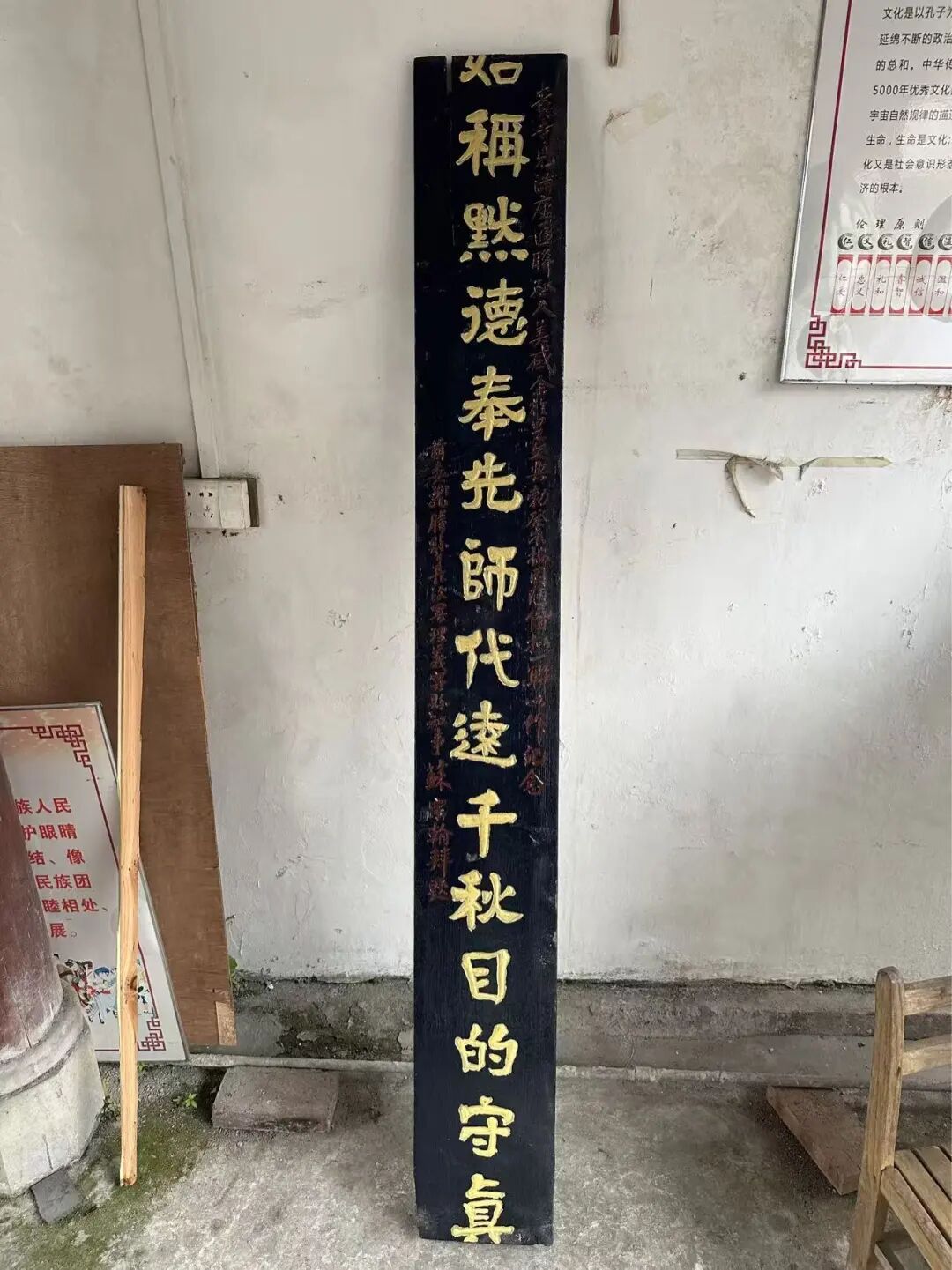
159. Wutong Mosque in Guilin.
Praising Muhammad to honor the ancient teacher, through the ages keeping the true purpose.
Seeing the mosque filled with plaques and couplets praising the Prophet, I felt inspired by the literature and, despite my limited knowledge, dared to compose a couplet as a memento.
Respectfully inscribed by Su Zonghan, former commissioner of Longteng County and acting magistrate of Yining County.
Yining County was located around Wutong Town in the Lingui District of Guilin, Guangxi. It was abolished and merged into Lingchuan in 1951. In the early Republic of China period, it had a county magistrate.
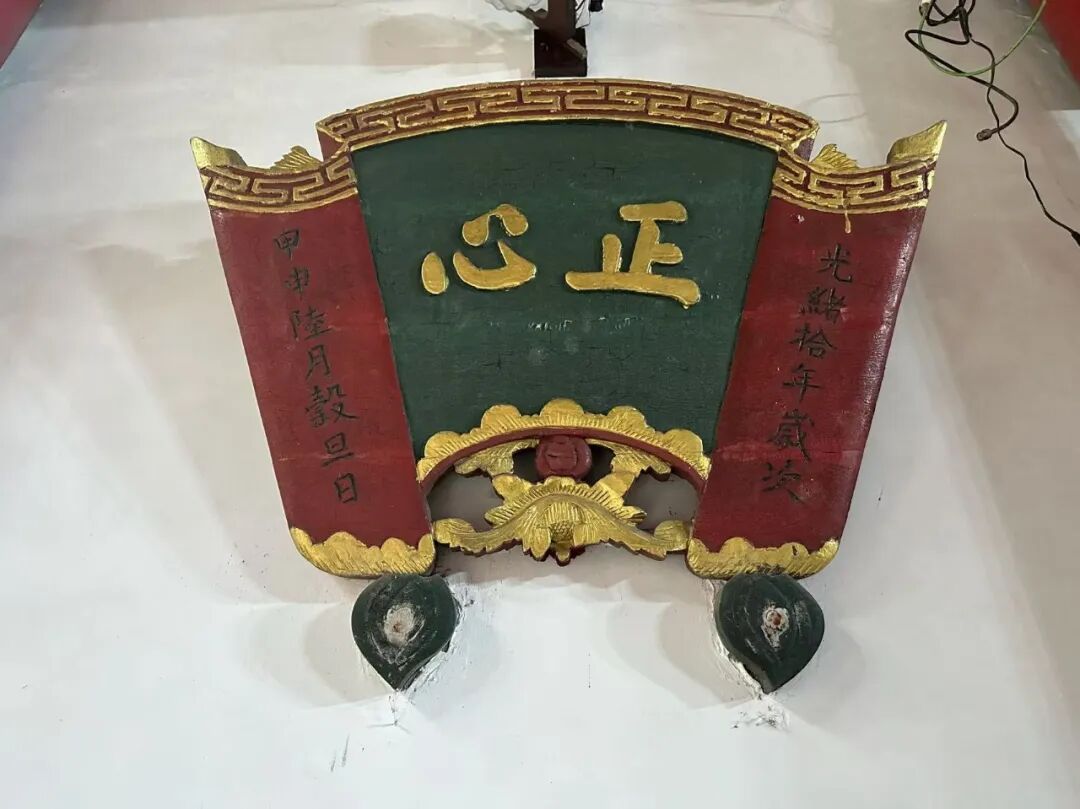
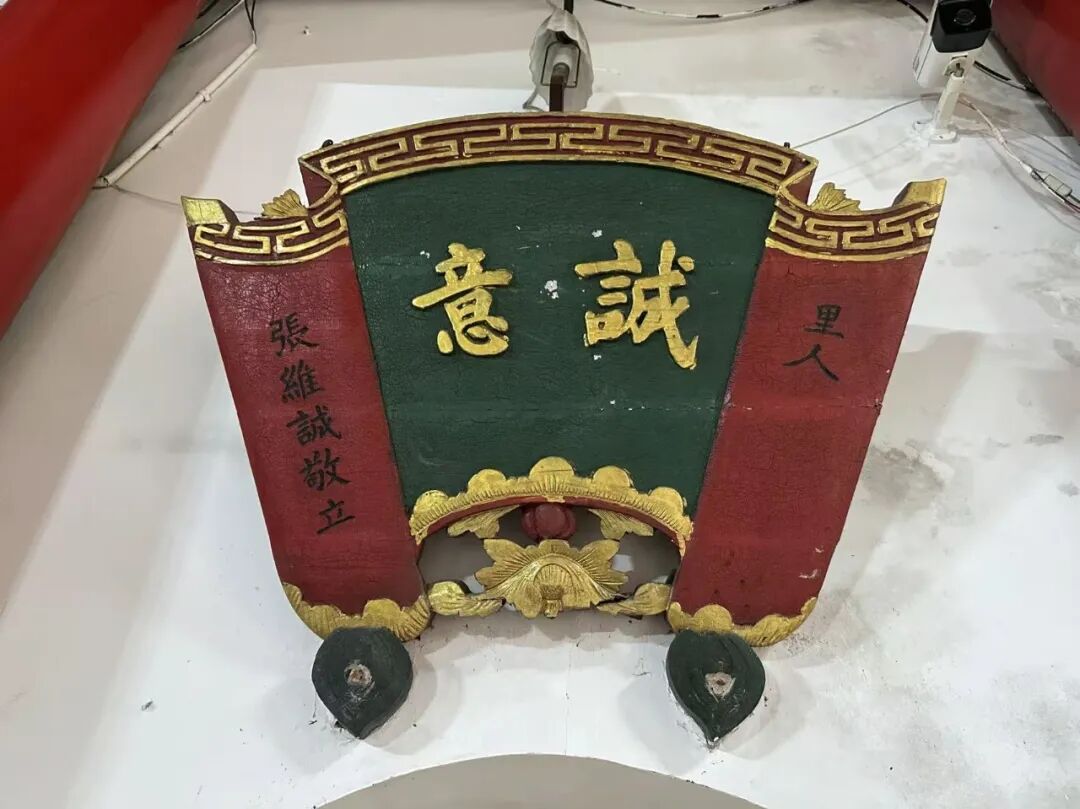
160. Chongshan Mosque (Chongshan Si) in Guilin: "Rectify the heart and be sincere."
An auspicious day in the sixth lunar month of the jiashen year, the tenth year of the Guangxu reign.
Respectfully erected by local resident Zhang Weicheng.
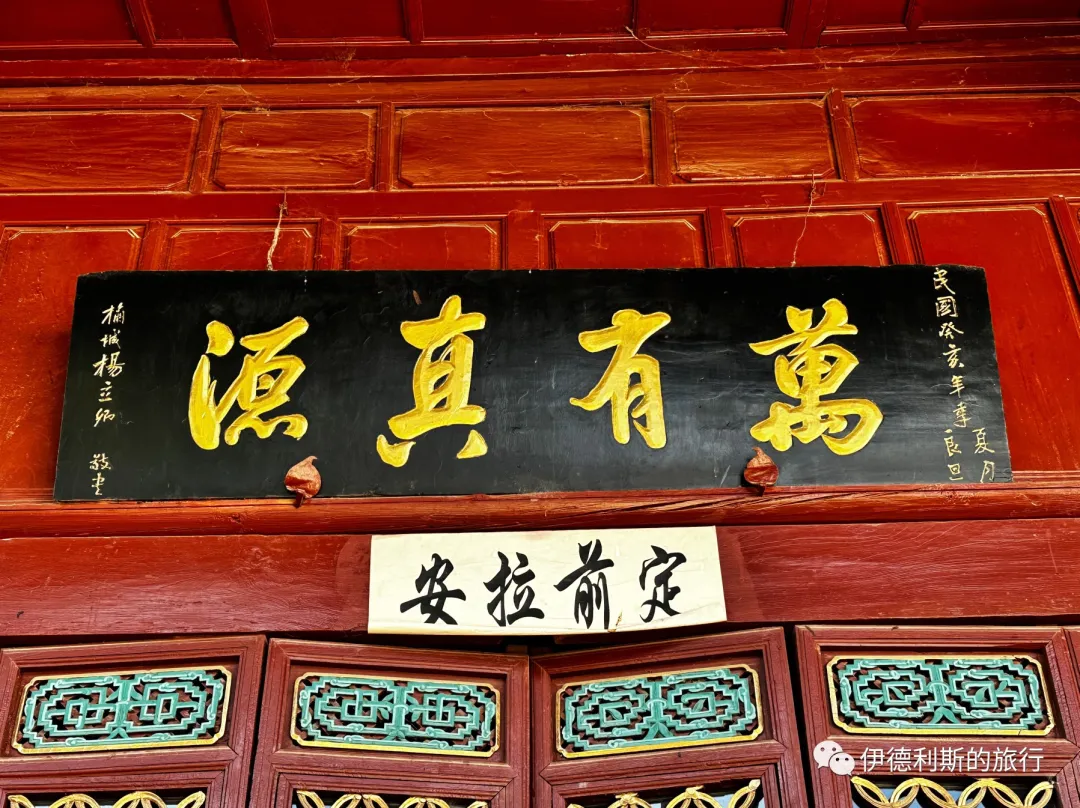
161. Binju Mosque (Binju Si) in Dali: "The true source of all things."
An auspicious day in the last month of summer in the guihai year of the Republic of China.
Respectfully written by Yang Liren from Nancheng.
162. Binju Mosque (Binju Si) in Dali.
Only one, only pure, the essence of the teaching encompasses all phenomena.
Not two, not mixed, the way of the truth connects heaven, earth, and humanity.
An auspicious day in the summer of the twelfth year of the Republic of China.
Respectfully written by Yang Liren from Nancheng.
163. Dawumaolin Mosque in Dali
Broaden your vision and open your heart, break through the void and clear away worldly appearances, explore the divine and understand transformation to reach the original source.
Leave behind worldly feelings with sincere will, forget the distinction between self and objects to unite humanity and heaven, return to the truth and align with the profound mystery.
Respectfully presented by Ma Yuanshan, principal of Yanzhen School, along with all his students.
An auspicious day in the middle of winter, the 25th year of the Republic of China.
164. Daoyuan Qingzhen Mosque of the Mi family in Mami Factory, Dali.
Respectfully erected by the imperial guard wearing a peacock feather, acting major of the Menghua Right Battalion, and commander of the second battalion of the Yunnan provincial patrol force...
The first month of spring, the first year of the Xuantong reign.
Everyone is welcome to read and leave comments.
165. Chengyi Buer Mosque in Donglianhua, Dali.
An auspicious day in the first month of summer, the Bingyin year, the 15th year of the Republic of China.
Qing dynasty appointed General Zhenwei, acting deputy brigade commander, specially conferred as colonel of the Weiyuan Battalion in Yunnan.
Respectfully erected by Republic of China Army Major General Yang Shengqi.
166. "Universal Mercy and All-Encompassing" (Puci Wanyou) at Tuogu Mosque in Zhaotong.
The first month of winter in the 11th year of the Qianlong reign of the Great Qing Dynasty.
Ye Daxiong, Imperial-appointed Commander of Zhaotong and Dongxiong in Yunnan, Hereditary Cavalry Commandant.
167. "Pure Truth and Elegant Transformation" (Qingzhen Yahua) at Tiejiawan Mosque in Zhaotong.
Respectfully erected by Tie Chengjin, acting officer of the second company of the left vanguard, Zhaotong Garrison, Yunnan, with a one-rank promotion.
An auspicious day in the last ten days of the eighth lunar month, 24th year of the Daoguang reign.
168. "Great Virtue and Simple Transformation" (Dade Dunhua) at Tiejiawan Mosque in Zhaotong.
An auspicious day in the third month of autumn, 15th year of the Jiaqing reign of the Great Qing Dynasty.
Respectfully inscribed by Ye Daxiong, Imperial-bestowed Commander-in-Chief of Zhaotong, Dongxiong, and surrounding areas, Hereditary Cavalry Commandant.
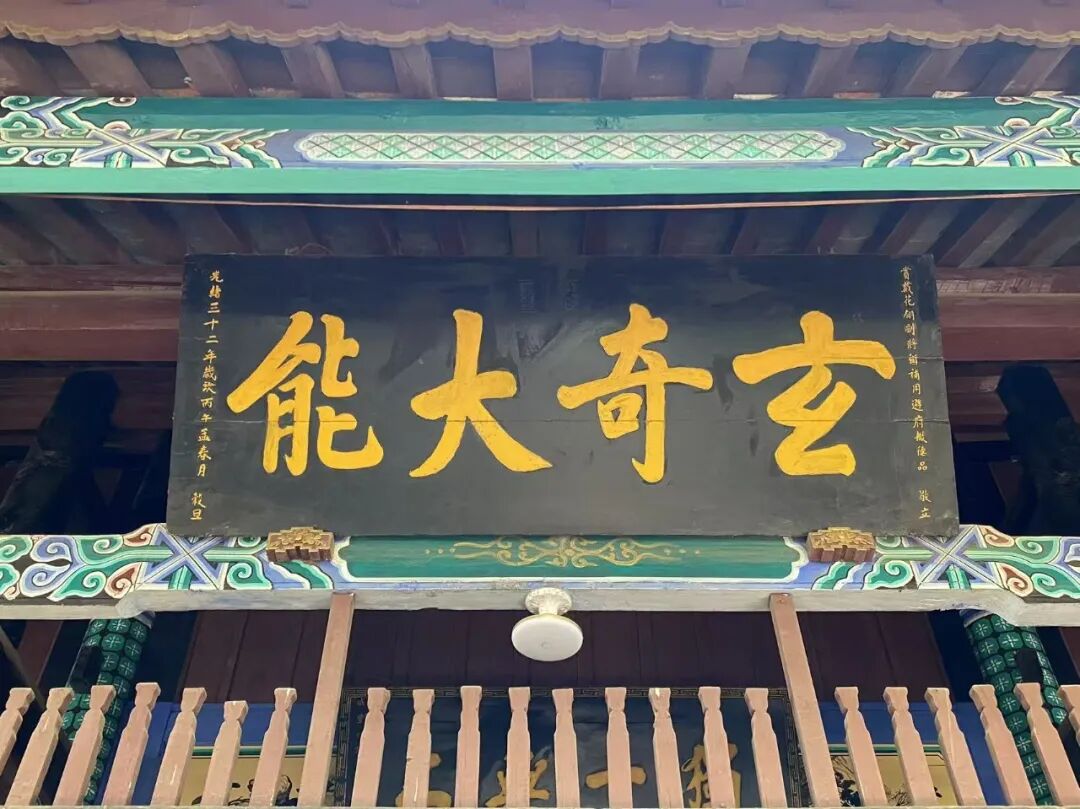
169. "Mysterious Wonder and Great Power" (Xuanqi Daneng) at Chachong Mosque in Zhaotong.
Respectfully erected by Sa Depin, Vice-General authorized to wear the peacock feather and expectant Assistant Regional Commander.
An auspicious day in the first month of the Bingwu year, the 32nd year of the Guangxu reign.
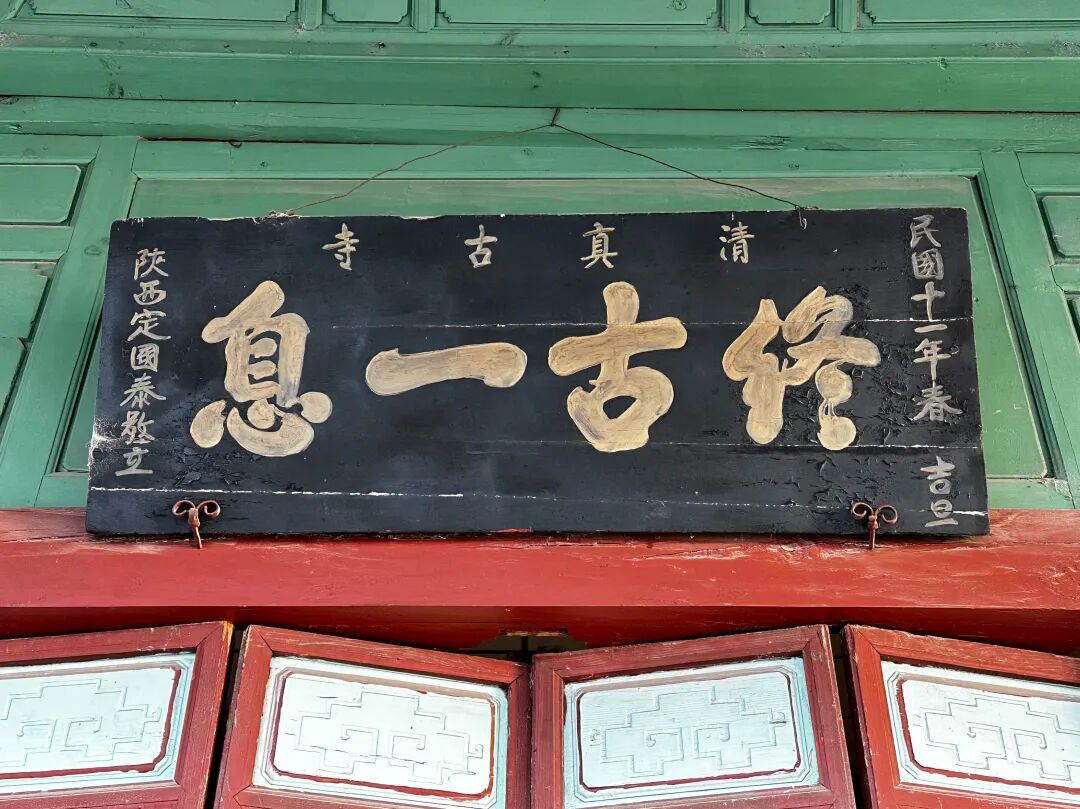
170. "Eternal Breath" at Fengming Mosque in Dali.
An auspicious day in the spring of the 11th year of the Republic of China.
Respectfully erected by Ding Guotai of Shaanxi.
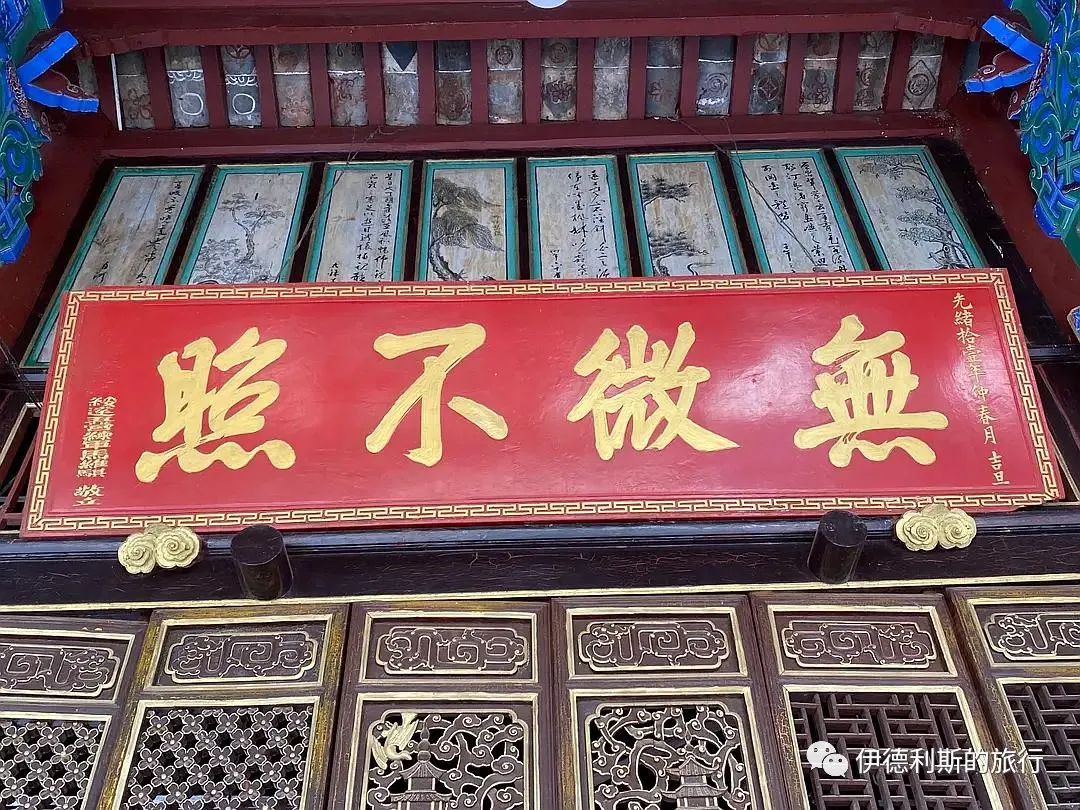
171. "Shining on Everything" at Dazhuang Mosque in Kaiyuan.
An auspicious day in the second month of the 11th year of the Guangxu reign.
... Erected by Ma Weiqi of the Suiyuan Left Battalion Training Army.
Ma Weiqi was a Hui Muslim from Dazhuang, Kaiyuan, Yunnan. He was skilled in calligraphy, following the style of Yan Zhenqing, with powerful brushwork and grand momentum. In the 9th year of the Guangxu reign, Ma Weiqi was ordered to Vietnam to resist the French. He defeated the French army many times and was promoted to the rank of vice-general for his military achievements, receiving the title "Boduo Huan Baturu".
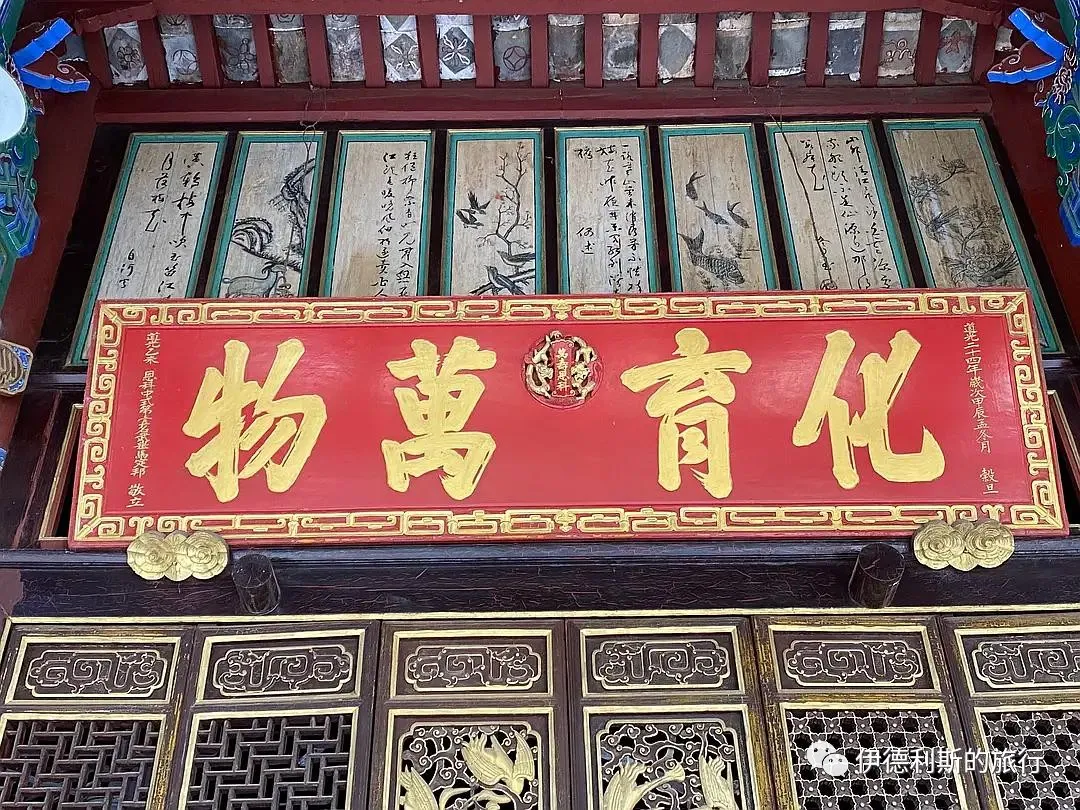
172. "Nurturing All Things" at Dazhuang Mosque in Kaiyuan.
An auspicious day in the first month of winter in the Jiachen year, the 24th year of the Daoguang reign.
Respectfully erected by Ma Dingbang, the top-ranked military graduate in the imperial examinations of the 15th year of the Daoguang reign.
173. Dazhuang Mosque in Kaiyuan, 'Praise be to Allah without end' (Yu Mu Bu Yi)
An auspicious day in the middle of winter, the third year of the Daoguang reign (1823)
Respectfully erected by Xu Yaozong, acting commander of the Linyuan and Chengjiang military districts
174. Dazhuang Mosque in Kaiyuan
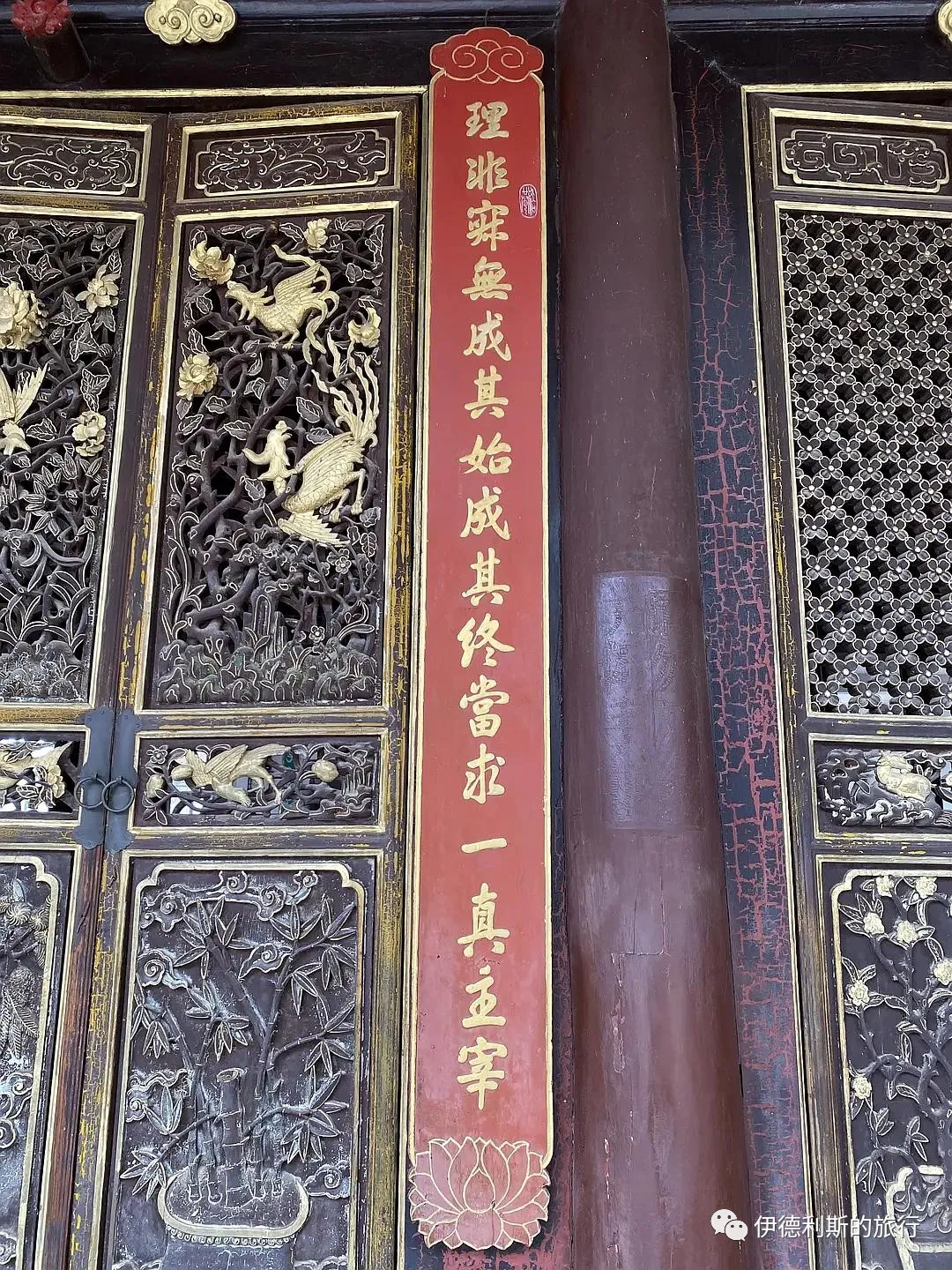
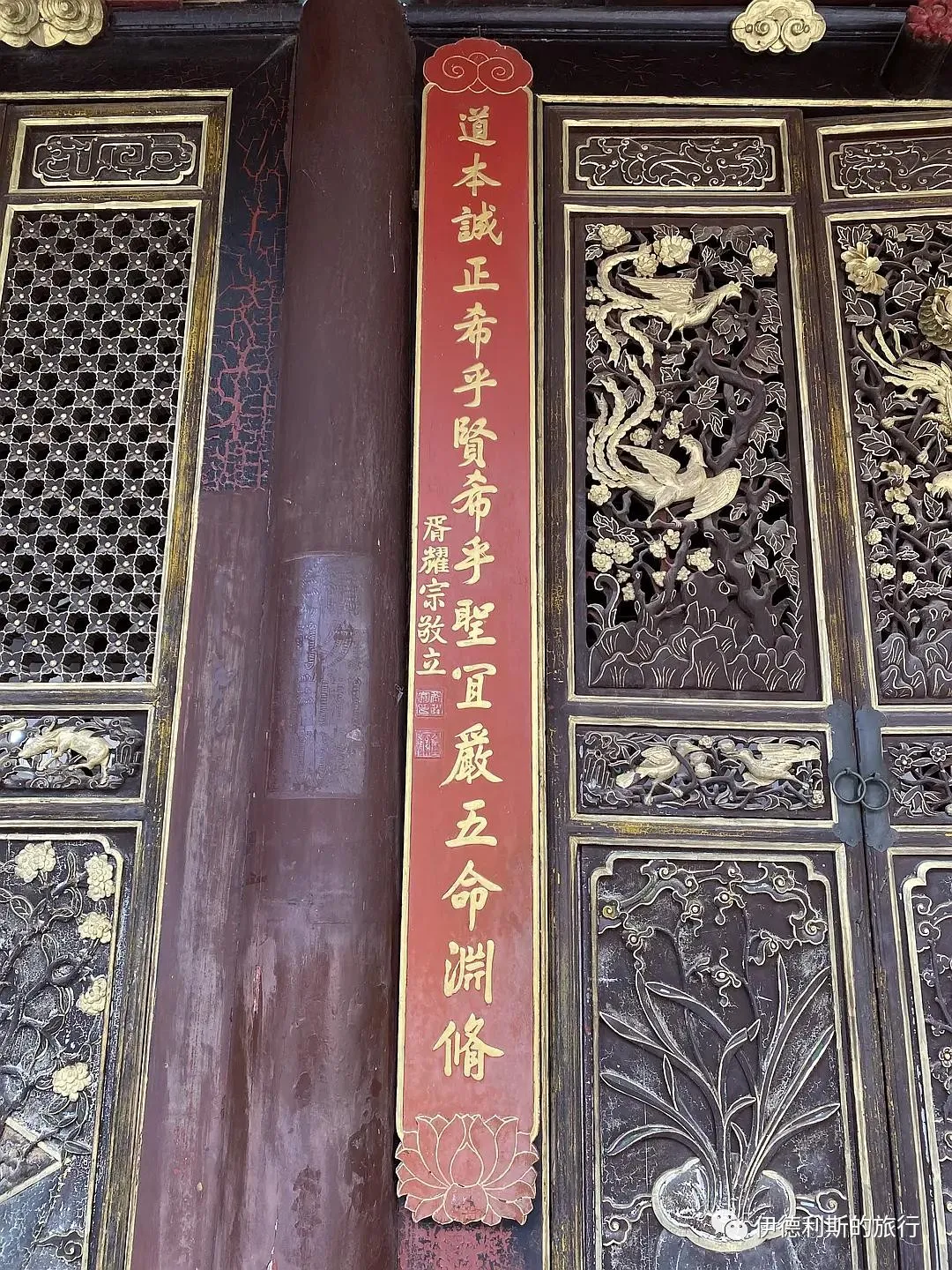
Reason is not found in sleep; to complete the beginning and the end, one must seek the one true Master
The Way is based on sincerity and uprightness; to emulate the virtuous and the holy, one must strictly observe the five daily prayers (namaz)
Respectfully erected by Xu Yaozong
175. Dazhuang Mosque in Kaiyuan
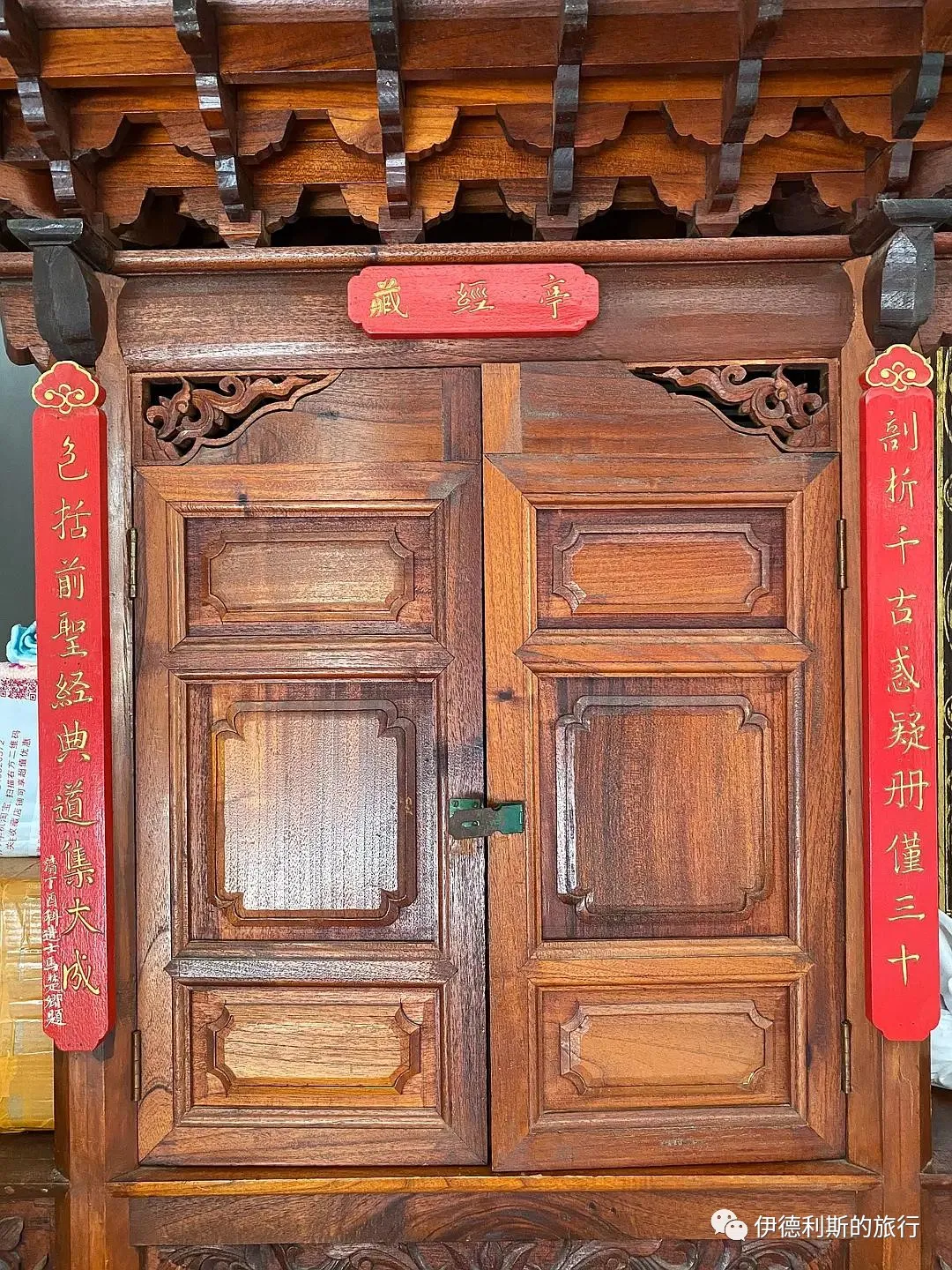
Analyzing ancient doubts and confusion in only thirty volumes
Including the scriptures of the former saints, a great collection of the Way
Inscribed by Ma Chuqing, a successful candidate in the imperial examinations during the Dingyou year of the Qing dynasty
176. 'Imperial Edict Platform' (Shengyu Tai) at Liren Mosque in Kunming
Erected in the 34th year of the Republic of China.
177. Tangzi Mosque in Xundian, Yunnan: "Ten Thousand Things from One Source" (Wanshu Yiben).
New Year's Day, 30th year of the Republic of China.
Respectfully gifted by Yunnan Army Major General Ma Deming.
178. Tangzi Mosque in Xundian, Yunnan: "The Only and the Pure" (Weiyi Weijing).
New Year's Day, 30th year of the Republic of China.
Respectfully gifted by Yunnan Army Lieutenant General Ma Cong.
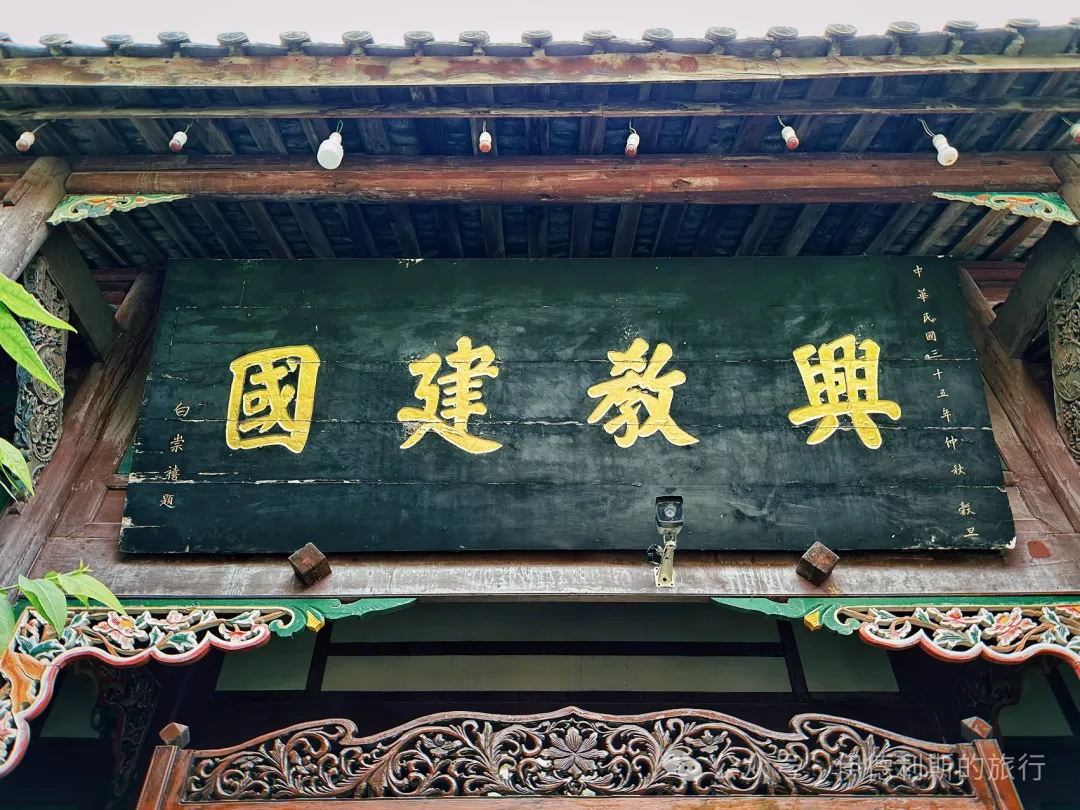
179. Tangzi Mosque in Xundian, Yunnan: "Promote Religion and Build the Nation" (Xingjiao Jianguo).
New Year's Day, 30th year of the Republic of China.
Inscribed by Bai Chongxi.
180. Beiyingjie Mosque in Xundian, Yunnan: "The Original Source of All Things" (Wanyou Yuanzong).
Respectfully inscribed by Jin Huaijin, a palace graduate (jinshi) and imperial guard, serving as deputy commander of the military camp with a rank promotion of three levels.
The first year of the Yongzheng reign, the year of Guimao, in the middle of the sixth lunar month, on an auspicious day.
181. Beiying Street Mosque in Xundian, Yunnan: 'The Only True Faith' (Qingzhen Bu'er).
Respectfully inscribed by Qian Dengxi, the Circuit Intendant of the Eastern Yunnan Military Defense.
Erected in the summer of the 24th year of the Guangxu reign.
182. Jinniudao Mosque in Kunming: 'The Way Spread from the West' (Dao Zi Xi Chuan).
The middle of the fourth lunar month, in the Yiwei year of the Guangxu reign of the Great Qing Dynasty, on an auspicious day.
Written by Ma Weiqi, the acting Regional Commander of the Linyuan and Chengjiang areas in Yunnan, who holds the title of Boduohuan Baturu.
Respectfully erected by Zhang Mingming, the top scholar (zhuangyuan) of the Jiaxu year, first-rank imperial guard, and specially appointed acting Deputy General of the Chuxiong Garrison in Yunnan and Deputy General of the Yunnan-Guizhou Governor's Command.
Everyone is welcome to add more information.
183. Tangjia Mosque in Chengdu: 'Ascending to the Shore of the Way' (Dao An Dan Deng).
An auspicious day in the first lunar month of the Bingshen year of the Guangxu reign.
Tang Chuanyou from Dongzou.
Tang Chuanyou was a Qing Dynasty calligrapher whose art was famous throughout the capital. His son, Tang Chenglie, worked as an official in Sichuan, so he brought his father there to spend his final years in comfort. The plaque text comes from the Book of Songs (Shijing) phrase 'first climb to the shore,' and Liu Zhi also wrote in Five Watch Moon (Wugeng Yue): 'From here, step by step forward, climb to the shore of the path to see the mystery.'
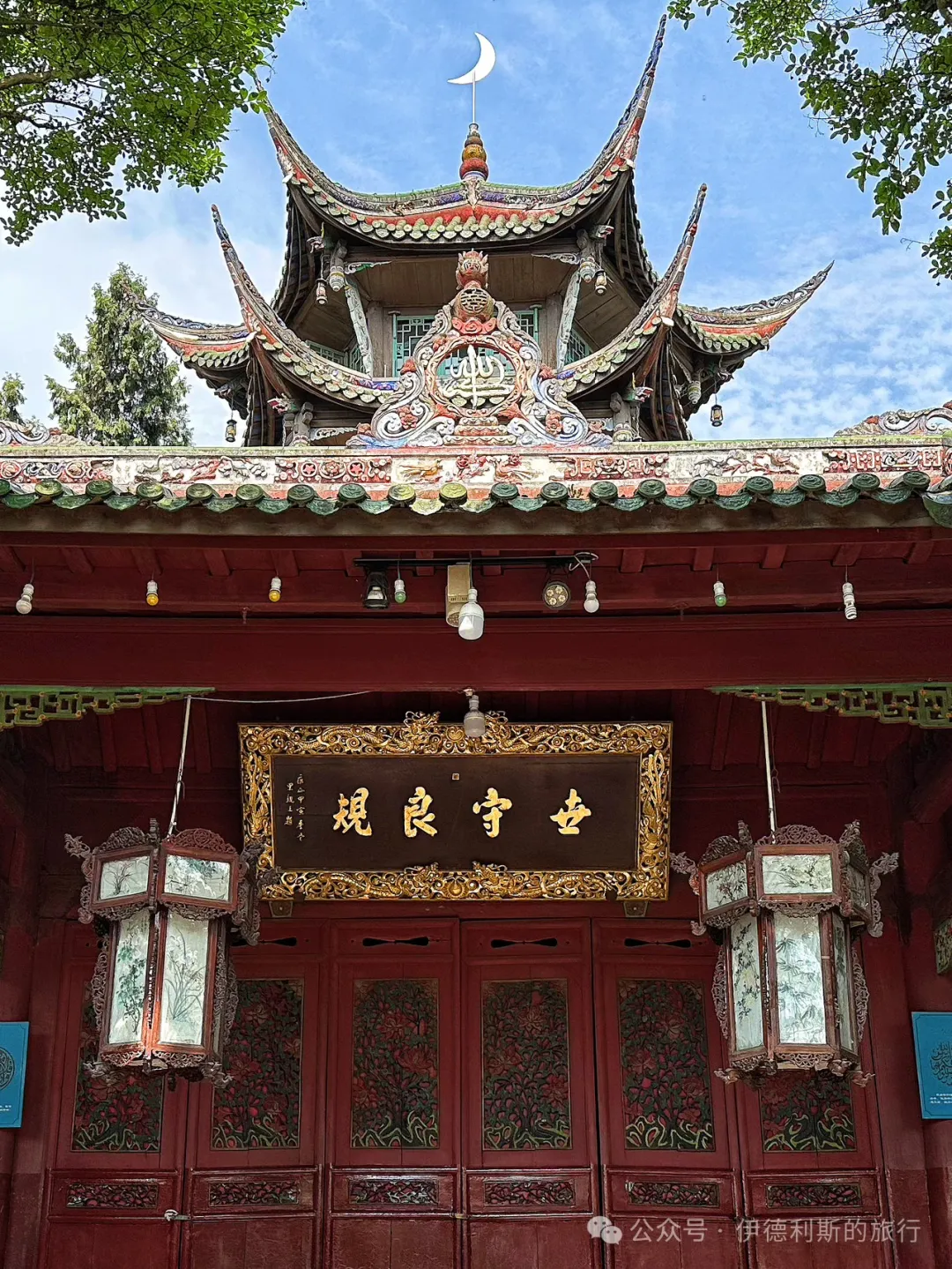
184. Tuqiao Shang Mosque in Chengdu: 'Uphold Good Rules Forever' (Shishou Lianggui)
Jiayin year of the Yongzheng reign
29th year of the Guangxu reign
Inscribed by Prince Guo
Respectfully erected by Ma Zhonglong, a third-rank guard with a peacock feather from Guizhou Province
In 1734 (the 12th year of the Yongzheng reign), Prince Guo Yunli, the 17th son of Emperor Kangxi, was ordered to go to Kangding to handle the return of the 7th Dalai Lama to Tibet. Before reaching Kangding, he inspected troops in Chengdu and gifted two plaques to Gulou Mosque: 'Uphold Good Rules Forever' (Shishou Lianggui) and 'Origin of Worldly Laws' (Shifa Yuanliu). The original 'Uphold Good Rules Forever' plaque was kept at Huangcheng Mosque but was destroyed in the 1960s and 1970s. The one at Tuqiao Mosque was made during the Guangxu reign.
185. Chengdu Tuqiao Shang Mosque: 'Wonderful Origin of Islam' (Miaoyuan Qingzhen)
Imperial-appointed Commander-in-Chief of Yunnan Province, Left Metropolitan Commander, Hereditary Cavalry Captain, recorded six times for military merit, oversaw the construction of the Great Hero Hall.
Imperial-appointed Commander-in-Chief of Yunnan Province, General-in-Chief, recorded five times for military merit, erected by Ma Hua.
An auspicious day in the middle of winter, in the year of Jisi, the 27th year of the Qianlong reign of the Great Qing Dynasty.
186. Chengdu Tuqiao Upper Mosque, 'Like Timely Rain'.
An auspicious day in the last ten days of the third month of autumn, in the year of Guisi, the 13th year of the Daoguang reign.
Respectfully inscribed by Ma Tenglong, the Imperial-appointed Regional Commander of Chongqing, Sichuan.
187. Chengdu Tuqiao Upper Mosque, 'Boundless Nurturing'.
188. Chengdu Tuqiao Upper Mosque, 'Revere the Righteous and Expel the Evil'.
The third month of spring, the first year of the Republic of China.
The humble followers of the community.
189. Chengdu Dujiangyan Mosque, 'Uphold Good Traditions for Generations'.
The last month of winter, in the year of Jiayin, during the Yongzheng reign.
Inscribed by Prince Guo
Prince Guo was the seventeenth son of the Kangxi Emperor. In the twelfth year of the Yongzheng reign, he traveled to Taining to escort the Dalai Lama back to Tibet. While inspecting provincial garrisons and Green Standard Army troops, he passed through Chengdu and wrote a plaque for Gulou Mosque. The Dujiangyan Mosque also made a copy of the plaque to keep inside the building.
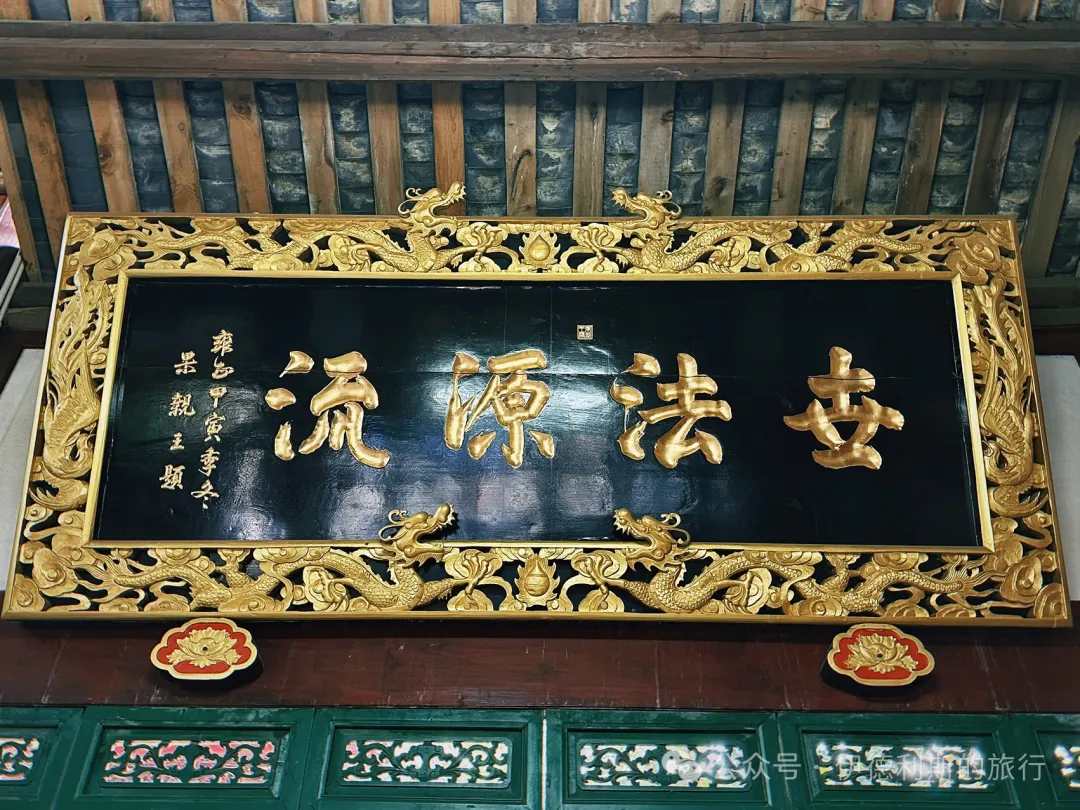
190. Dujiangyan Mosque in Chengdu: "Origin of Worldly Dharma"
The last month of winter, in the year of Jiayin, during the Yongzheng reign.
Inscribed by Prince Guo
191. Dujiangyan Mosque in Chengdu: "Success Through Non-Action"
Early summer of the Guimao year, the twenty-ninth year of the Guangxu reign of the Great Qing Dynasty.
Respectfully written and erected by Ma Weiqi, Commander-in-Chief of Sichuan.
Ma Weiqi was a Hui Muslim from Dazhuang, Kaiyuan, Yunnan. He was skilled in calligraphy, following the style of Yan Zhenqing, with powerful brushwork and grand momentum. In the 9th year of the Guangxu reign, Ma Weiqi was ordered to Vietnam to resist the French. He defeated the French army many times and was promoted to the rank of vice-general for his military achievements, receiving the title "Boduo Huan Baturu". While serving as Commander-in-Chief of Sichuan, Ma Weiqi led troops to suppress a rebellion by lamas and local chieftains in Batang, Tibet. He overcame snowstorms, dangerous terrain, and food shortages to restore peace to the entire region. He was rewarded with a first-rank button and granted the title of General Jianwei. During his time as Commander-in-Chief of Sichuan, Ma Weiqi greatly supported the local Muslim community. He recommended several imams for positions in Sichuan, including Imam Wang Jiapeng, who is known as one of the four great modern imams of Yunnan.
192. Dujiangyan Mosque in Chengdu: "Promote Religion and Build the Nation"
An auspicious day in the mid-autumn of the 35th year of the Republic of China.
Inscribed by Bai Chongxi.
Bai Chongxi wrote this in 1946 while visiting his in-law, Ma Jianqing, in Sichuan. Bai Chongxi was the Minister of National Defense of the Republic of China at the time. Bai Chongxi cared deeply about ethnic education. He built Northwest Middle School in Chengdu, Sichuan, and Jiansheng Middle School in Xichang.
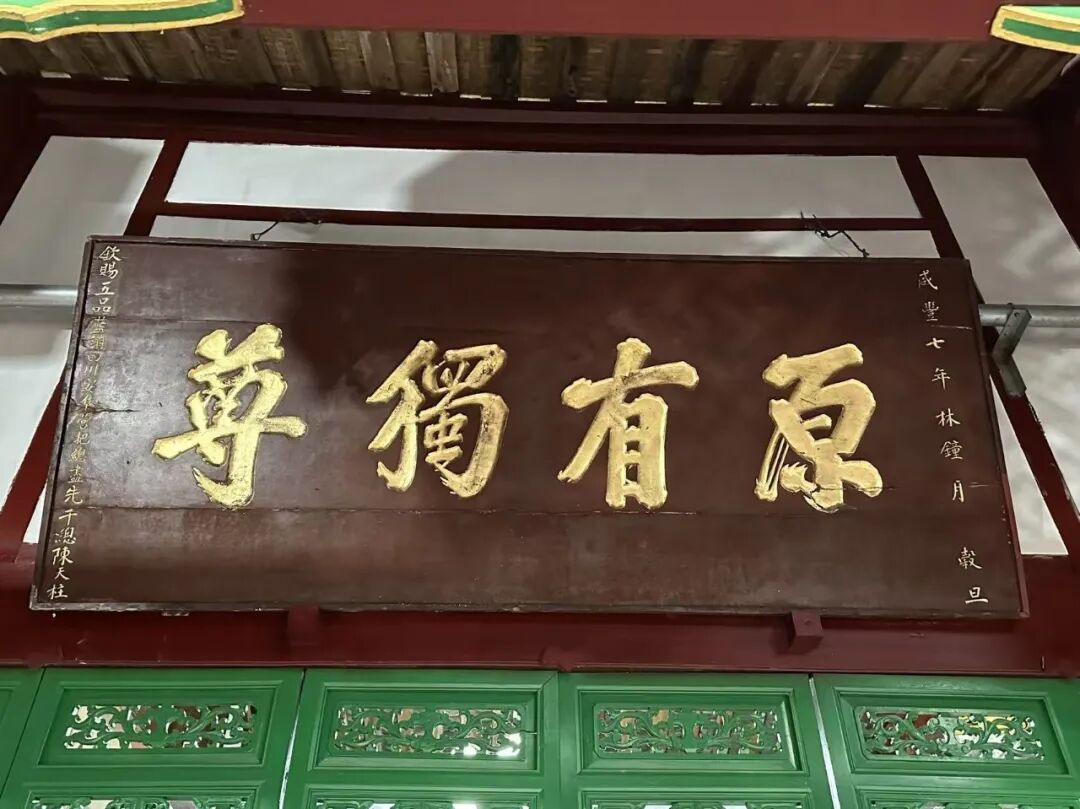
193. Dujiangyan Mosque in Chengdu: "Originality and Unique Respect"
An auspicious day in the seventh month of the lunar calendar in the seventh year of the Xianfeng reign.
Presented by Chen Tianzhu, a fifth-rank official with a blue feather and a battalion commander of the Anfu Camp in Sichuan, who held the priority rank of thousand-man commander.
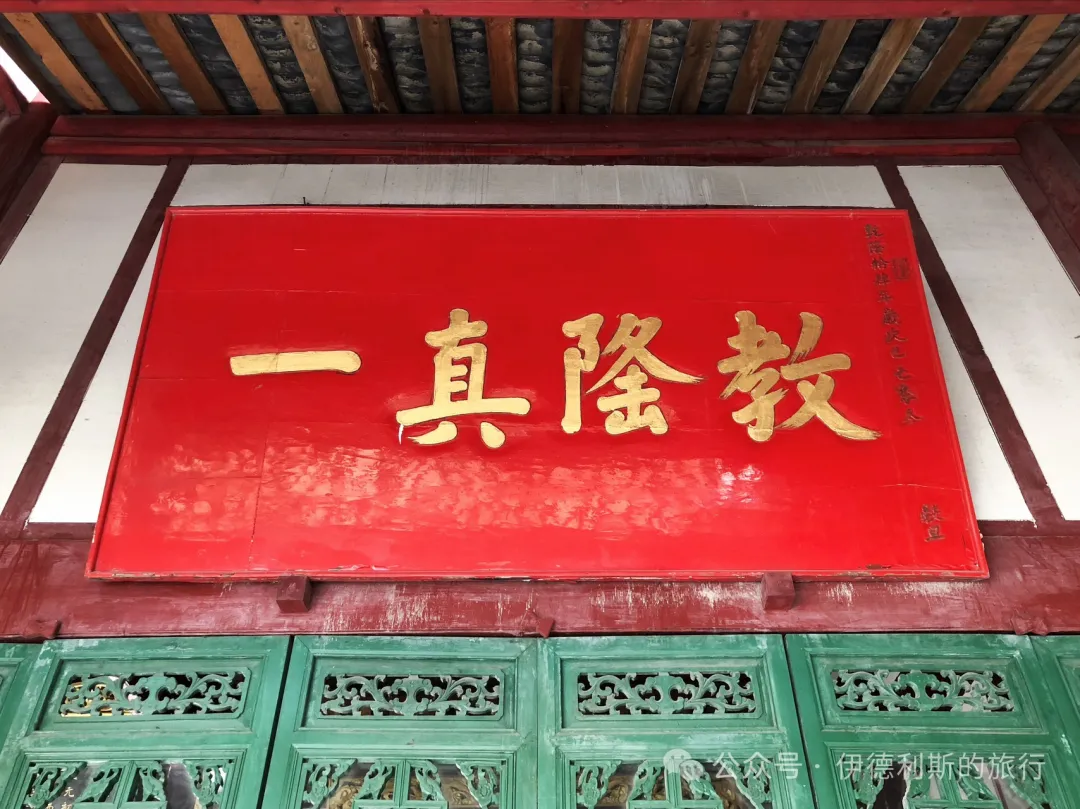
194. Dujiangyan Mosque in Chengdu: "The Religion Flourishes in True Unity"
An auspicious day in the last month of winter in the 14th year of the Qianlong reign (the year of Jisi).
The signature section was destroyed in the 1960s and 1970s. In 2019, I photographed it without the signature. When I returned in 2026, I found the signature had been added: Presented by Ha Panlong, an imperial-appointed top scholar, first-rank imperial guard, and commander of the Songpan Garrison.
Ha Panlong was a Hui Muslim from Suning, Hebei. He passed the provincial civil service exam in the 10th year of the Yongzheng reign and earned the top rank in the martial arts imperial examination in the second year of the Qianlong reign, after which he was appointed as a first-rank imperial guard. In the 13th year of the Qianlong reign, Ha Panlong was ordered to Jinchuan. As the commander of the Songpan garrison, he led troops to attack Meinuo Valley, Kezu Village, and Qiushui City, winning every battle. In the second month of the 14th year of the Qianlong reign, the Jinchuan campaign ended. Ha Panlong was promoted by three ranks and received two additional merit records.
195. Dujiangyan Mosque, Chengdu, "Ancient Mosque (Qingzhen Gusi)"
An auspicious day in the tenth lunar month of the Xinwei year of the Tongzhi reign.
The West Mosque of Guan County in Dujiangyan was located on Shaanxi Lane inside the ancient city of Guan County. It was built in 1862 (the first year of the Tongzhi reign) by Hui Muslims from Songpan, Sichuan. During the Xianfeng and Tongzhi years, Hui Muslims from Songpan with the surnames Jia, Qi, Mi, and Yu traveled south along the Songmao Ancient Road for business. They settled in the ancient city of Guan County and pooled their money to build the West Mosque of Guan County.
In 1959, the West Mosque of Guan County was torn down to build the Guan County People's Hospital. Today, the second gate of the Dujiangyan mosque displays a plaque from the tenth year of the Tongzhi reign that reads "Ancient Mosque (Qingzhen Gusi)." This is the original plaque that hung on the gate of the West Mosque.
196. Qinggang Mosque, Meishan, Sichuan, "Ancient Faith of the Beginning (Kaitian Gujiao)"
An auspicious day in the first ten days of the eleventh lunar month of the Guihai year of the Jiaqing reign.
Respectfully presented by Ma X Yan, a soldier of the Left Garrison of the Chengdu City Guard stationed at the Renshou outpost, who received a two-rank promotion for military merit and a one-rank promotion for imperial favor, plus a two-rank promotion from the Emperor.
It is not very clear, so please feel free to correct me.
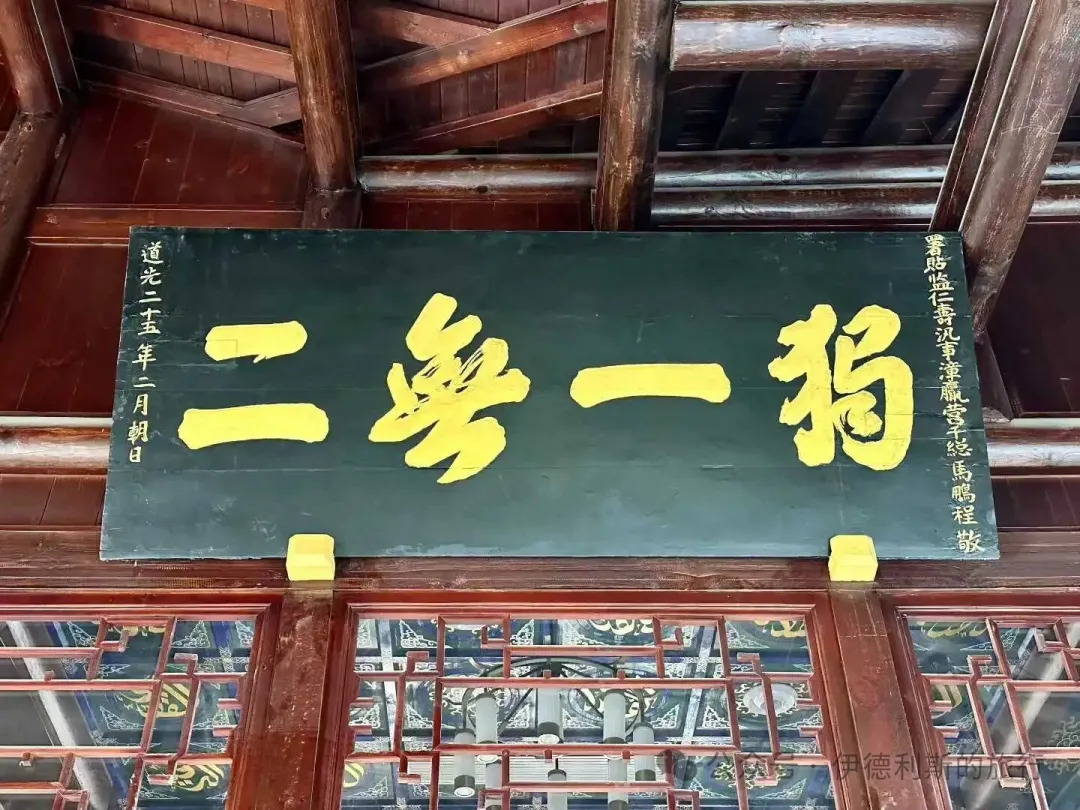
197. The "one and only" plaque at Qinggang Mosque in Meishan, Sichuan.
Respectfully presented by Ma Pengcheng, a battalion commander (qian zong) overseeing the Renshou garrison.
A lucky day in the second month of the 25th year of the Daoguang reign.
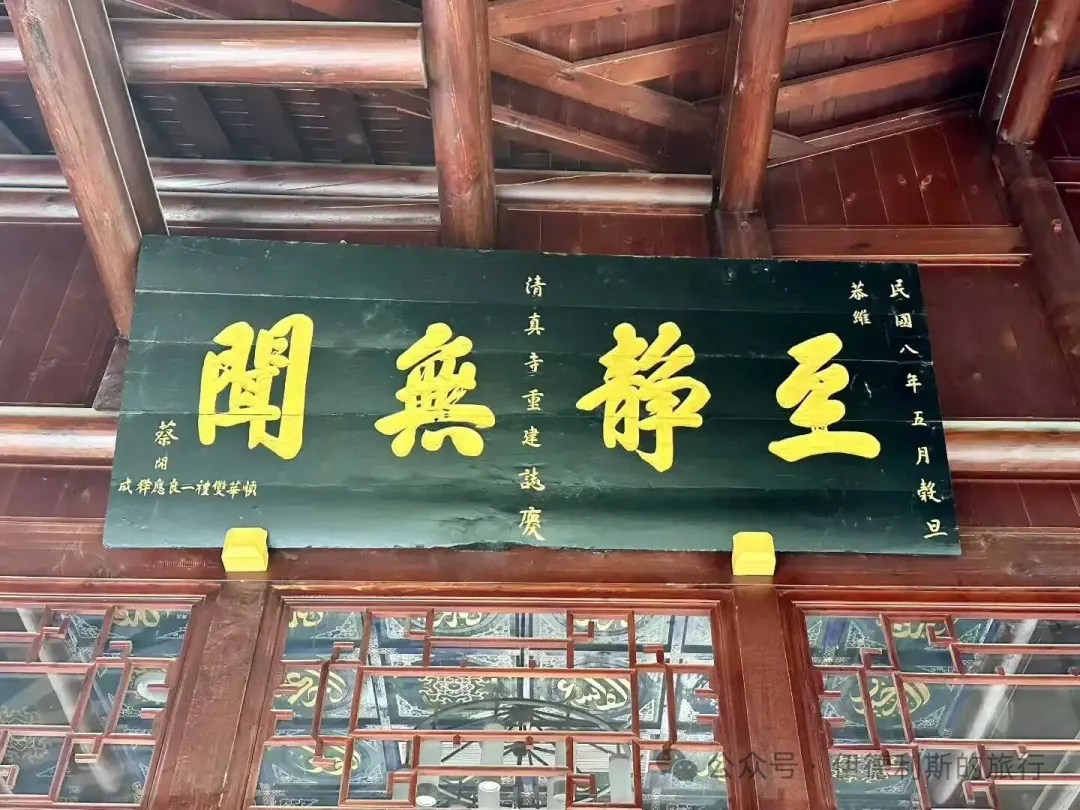
198. The "utmost silence and stillness" plaque at Qinggang Mosque in Meishan, Sichuan.
A lucky day in the fifth month of the eighth year of the Republic of China, respectfully presented.
In celebration of the mosque reconstruction.
Erected by nine members of the Cai family from the Kai generation.
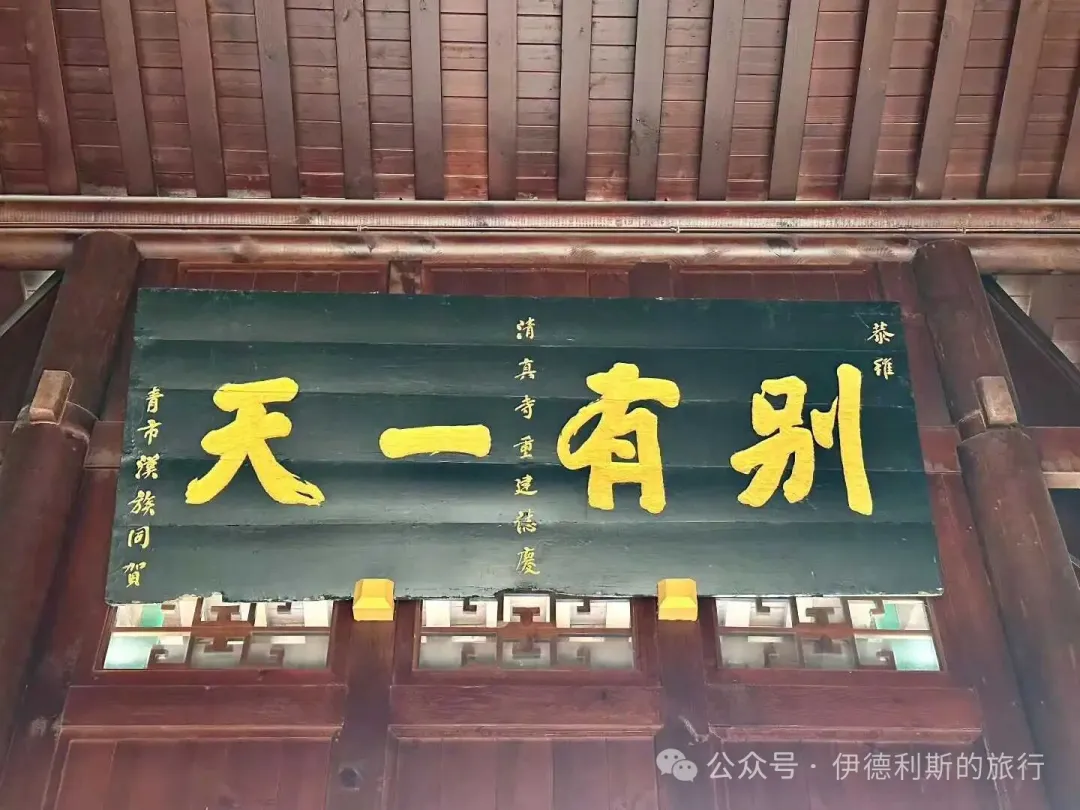
199. The "a world apart" plaque at Qinggang Mosque in Meishan, Sichuan.
Respectfully presented.
In celebration of the mosque reconstruction.
Congratulations from the Han people of Qingshi.
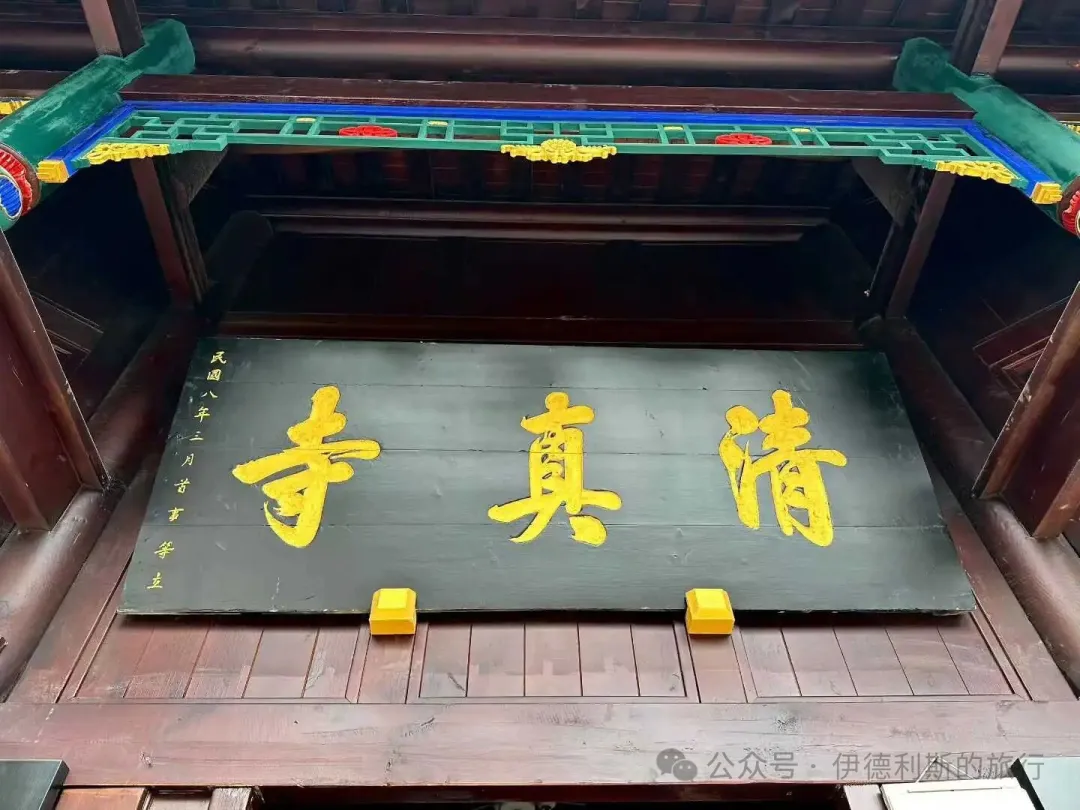
200. Qinggang Mosque (Qinggang Si) in Meishan, Sichuan.
Erected by the mosque leaders in the third month of the eighth year of the Republic of China (1919).
Appreciating mosque plaques and couplets (items 101-150).
Appreciating mosque plaques and couplets (items 51-100).
Appreciating mosque plaques and couplets (items 1-50). view all
Summary: This China mosque travel guide focuses on mosque plaques, couplets, Islamic calligraphy, Muslim heritage, and the original 151-200 item sequence.
This article summarizes the key points of "Appreciation of Islamic Plaques and Couplets (151-200)". It keeps the original paragraph and image order. It is for readers interested in Muslim life, Islamic culture, and Chinese Islamic writing. It also helps people search for namaz, Islamic plaque and couplet appreciation, and guides for mosques and prayer.
151. "Mastering Heaven and Man" at Niujie Mosque in Beijing.
An auspicious day in the early tenth lunar month of the Jiaxu year, the thirteenth year of the Tongzhi reign.
Respectfully erected by Ma Rulong, Imperial-bestowed Yellow Jacket wearer and Commander-in-Chief of Hunan Province, titled Fashishang'a Baturu.
Ma Rulong was a Hui Muslim from Jianshui, Yunnan. He started as a military scholar and served as Commander-in-Chief of Yunnan and later Hunan.
152. "Governing the Principles of Numbers" at Niujie Mosque in Beijing.
An auspicious day in the first month of winter, the Jiaxu year, the thirteenth year of the Tongzhi reign.
Respectfully erected by Ma Rulong, Imperial-bestowed Yellow Jacket wearer and Commander-in-Chief of Hunan Province, titled Fashishang'a Baturu.
153. "Governing the Two and Five" at Nanxiapo Mosque in Beijing.
The third lunar month of the Renyin year (1902).
Calligraphy by Prince Qing.
The plaque is a replica. Yikuang was named Prince Qing in 1894 and served as a high official in the late Qing Dynasty.
Liu Zhi wrote in the Rites of Islam (Tianfang Dianli) that 'revering the five pillars fulfills the way of heaven;' 'upholding the five social relationships fulfills the way of man.' The five pillars are the declaration of faith, namaz, fasting, charity, and the pilgrimage, while the five relationships are ruler and subject, father and son, husband and wife, brothers, and friends.
154. Arabic plaque at Haopan Mosque in Guangzhou
An auspicious day in the first month of summer, the seventh year of the Republic of China
Respectfully presented by the Jiangnan Tongshan Hall
During the Ming and Qing dynasties, many Hui Muslims from the Jiangsu, Zhejiang, and Shanghai regions came to Guangzhou for business. They often chose to live near the foreign trading houses on Haopan Street and the shops in the Xiguan area, which had a significant impact on Haopan Mosque.
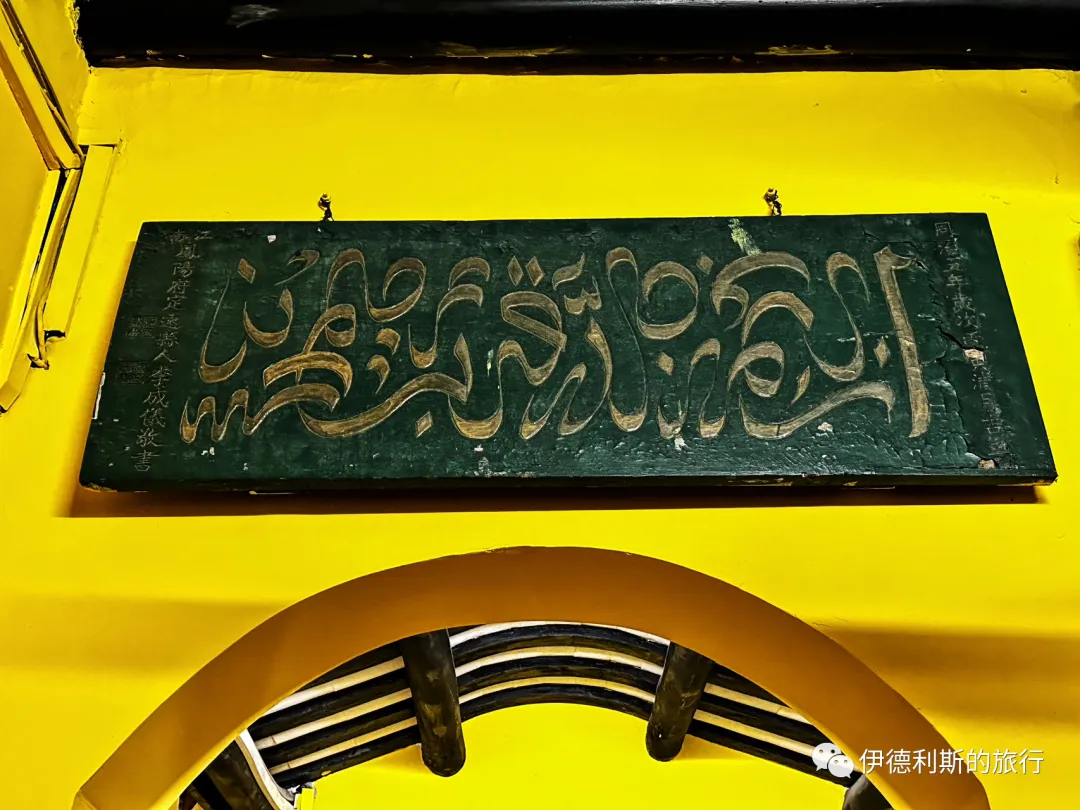
155. Arabic plaque at Xiaodongying Mosque in Guangzhou
Erected on an auspicious day in the fifth lunar month of the Bingyin year, the fifth year of the Tongzhi reign
Respectfully inscribed by Li Chengyi from Dingyuan County, Fengyang Prefecture, Jiangnan
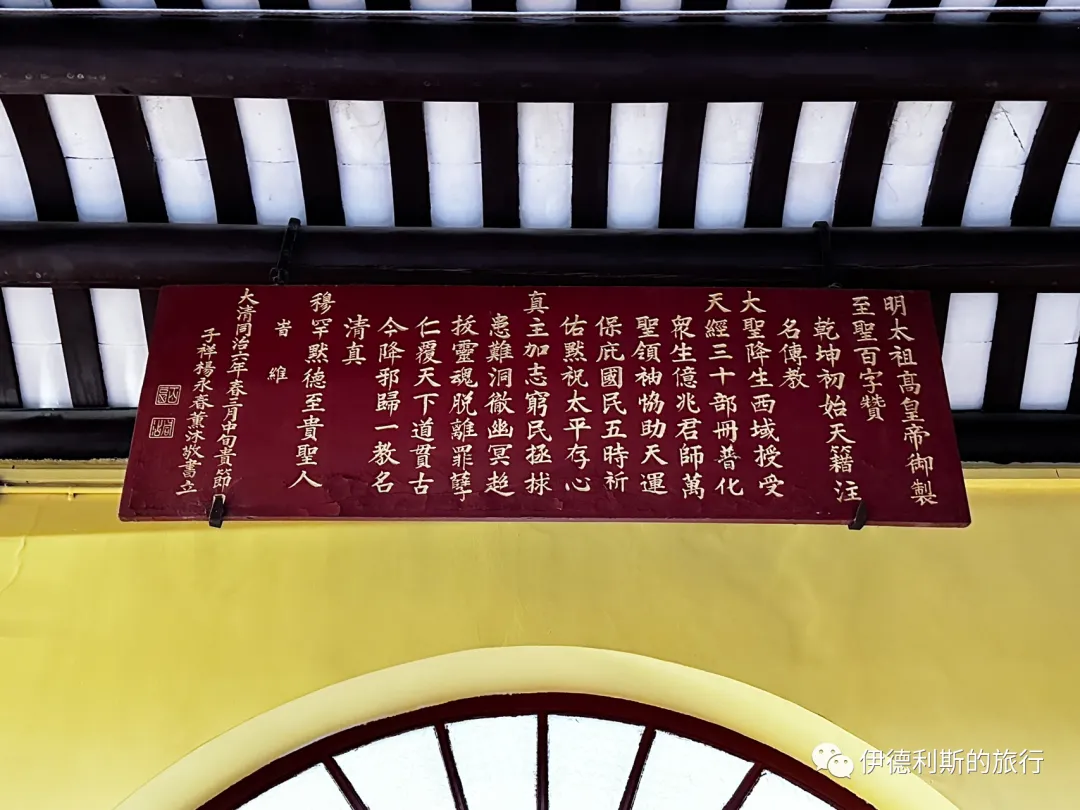
156. 'The Hundred-Word Eulogy to the Most Holy written by Emperor Taizu of Ming' at Xiaodongying Mosque in Guangzhou
Mid-third lunar month, spring of the sixth year of the Tongzhi reign of the Great Qing Dynasty, during the festival.
Respectfully written and erected by Zixiang Yang Yongchun after ritual cleansing.
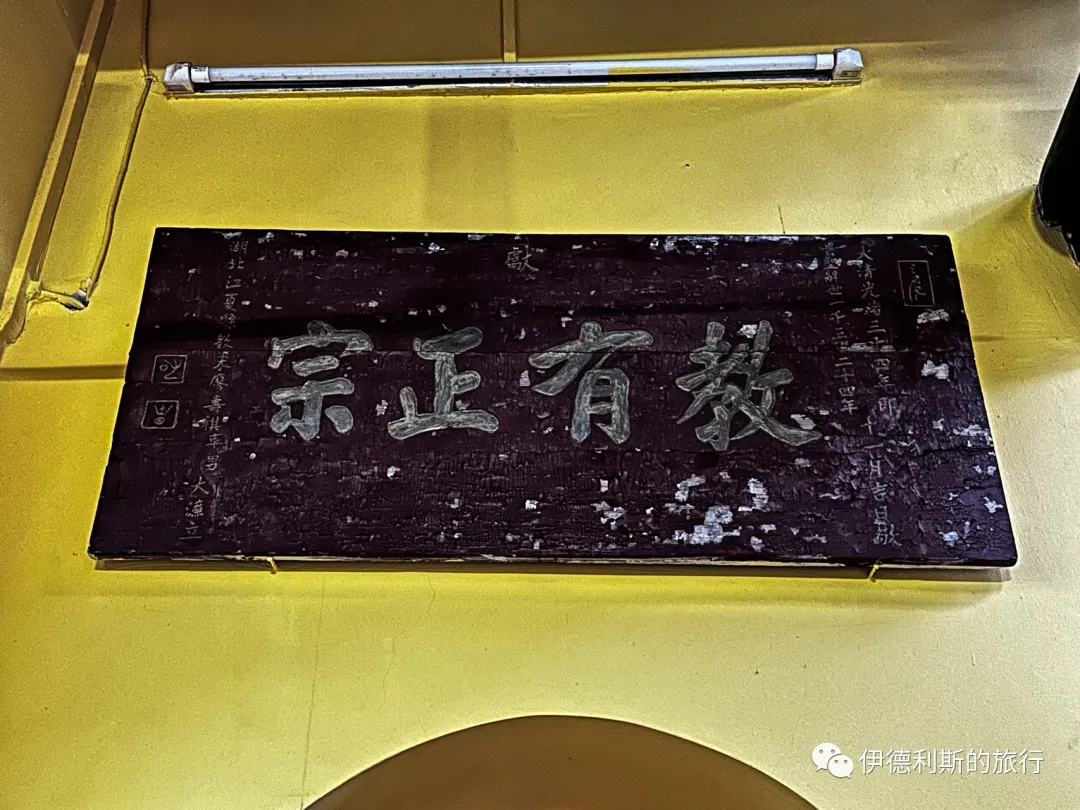
157. Xiaodongying Mosque in Guangzhou, "The Teaching Has an Authentic Lineage."
An auspicious day in the eleventh lunar month, the thirty-fourth year of the Guangxu reign of the Great Qing Dynasty, which is 1,324 years after the passing of the Prophet.
Erected by Liao Shouqi, a member of the faith from Jiangxia County, Hubei, led by his son Dalian.
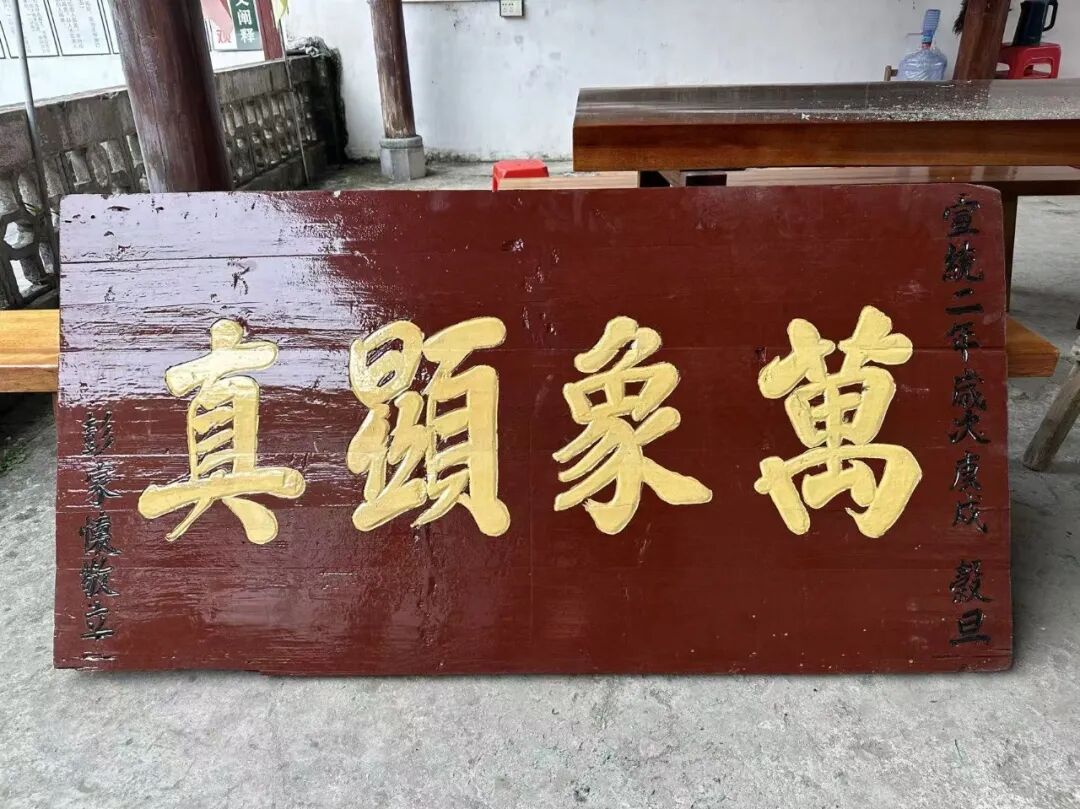
158. Wutong Mosque in Guilin, "All Things Reveal the Truth."
The second year of the Xuantong reign, Gengxu year, on an auspicious day.
Respectfully erected by Peng Jiahua.
159. Wutong Mosque in Guilin.
Praising Muhammad to honor the ancient teacher, through the ages keeping the true purpose.
Seeing the mosque filled with plaques and couplets praising the Prophet, I felt inspired by the literature and, despite my limited knowledge, dared to compose a couplet as a memento.
Respectfully inscribed by Su Zonghan, former commissioner of Longteng County and acting magistrate of Yining County.
Yining County was located around Wutong Town in the Lingui District of Guilin, Guangxi. It was abolished and merged into Lingchuan in 1951. In the early Republic of China period, it had a county magistrate.
160. Chongshan Mosque (Chongshan Si) in Guilin: "Rectify the heart and be sincere."
An auspicious day in the sixth lunar month of the jiashen year, the tenth year of the Guangxu reign.
Respectfully erected by local resident Zhang Weicheng.
161. Binju Mosque (Binju Si) in Dali: "The true source of all things."
An auspicious day in the last month of summer in the guihai year of the Republic of China.
Respectfully written by Yang Liren from Nancheng.
162. Binju Mosque (Binju Si) in Dali.
Only one, only pure, the essence of the teaching encompasses all phenomena.
Not two, not mixed, the way of the truth connects heaven, earth, and humanity.
An auspicious day in the summer of the twelfth year of the Republic of China.
Respectfully written by Yang Liren from Nancheng.
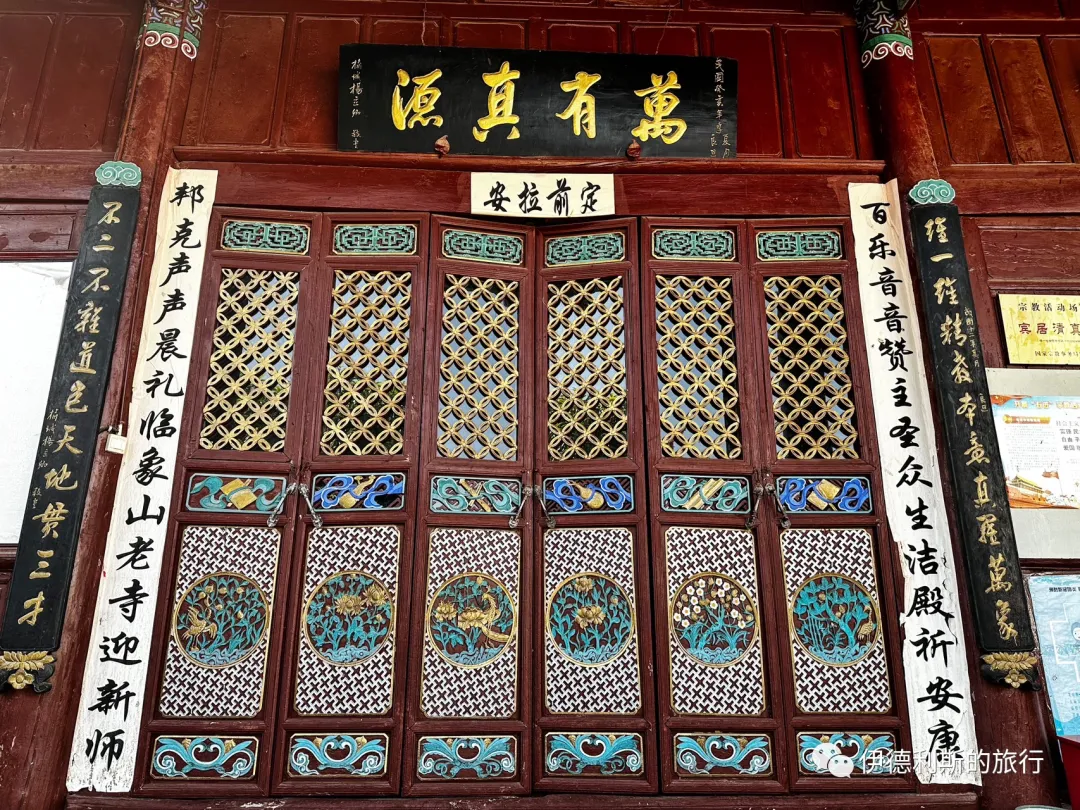
163. Dawumaolin Mosque in Dali
Broaden your vision and open your heart, break through the void and clear away worldly appearances, explore the divine and understand transformation to reach the original source.
Leave behind worldly feelings with sincere will, forget the distinction between self and objects to unite humanity and heaven, return to the truth and align with the profound mystery.
Respectfully presented by Ma Yuanshan, principal of Yanzhen School, along with all his students.
An auspicious day in the middle of winter, the 25th year of the Republic of China.
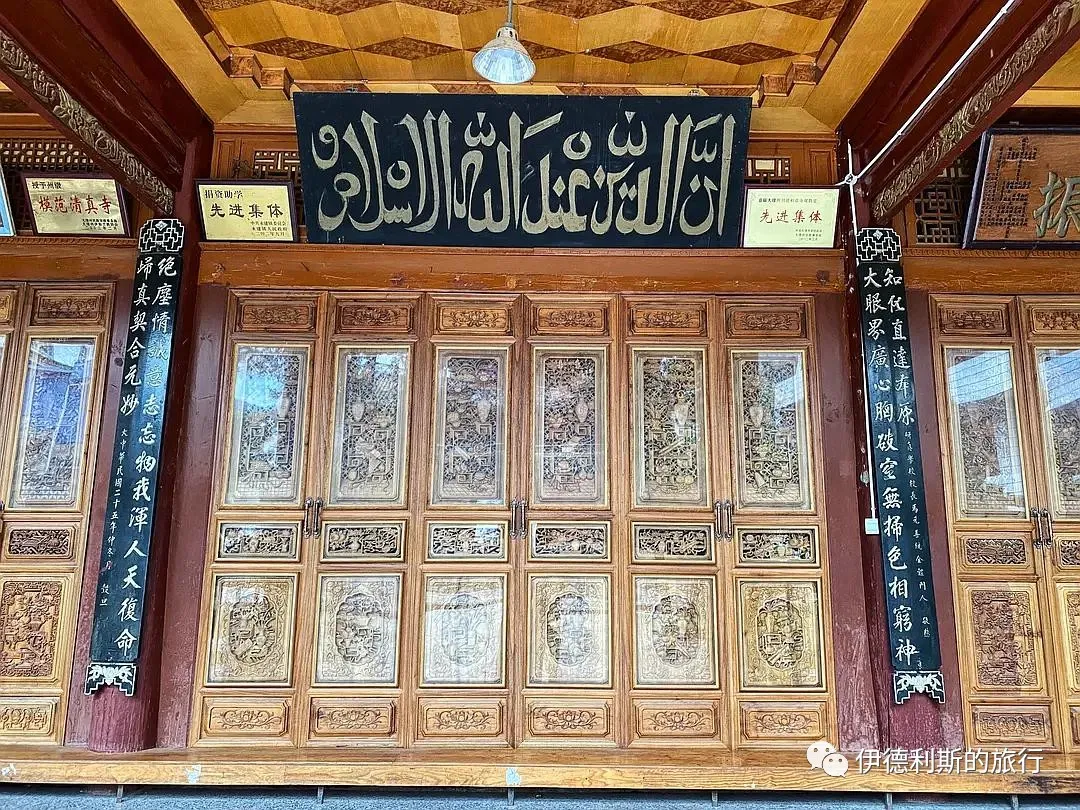
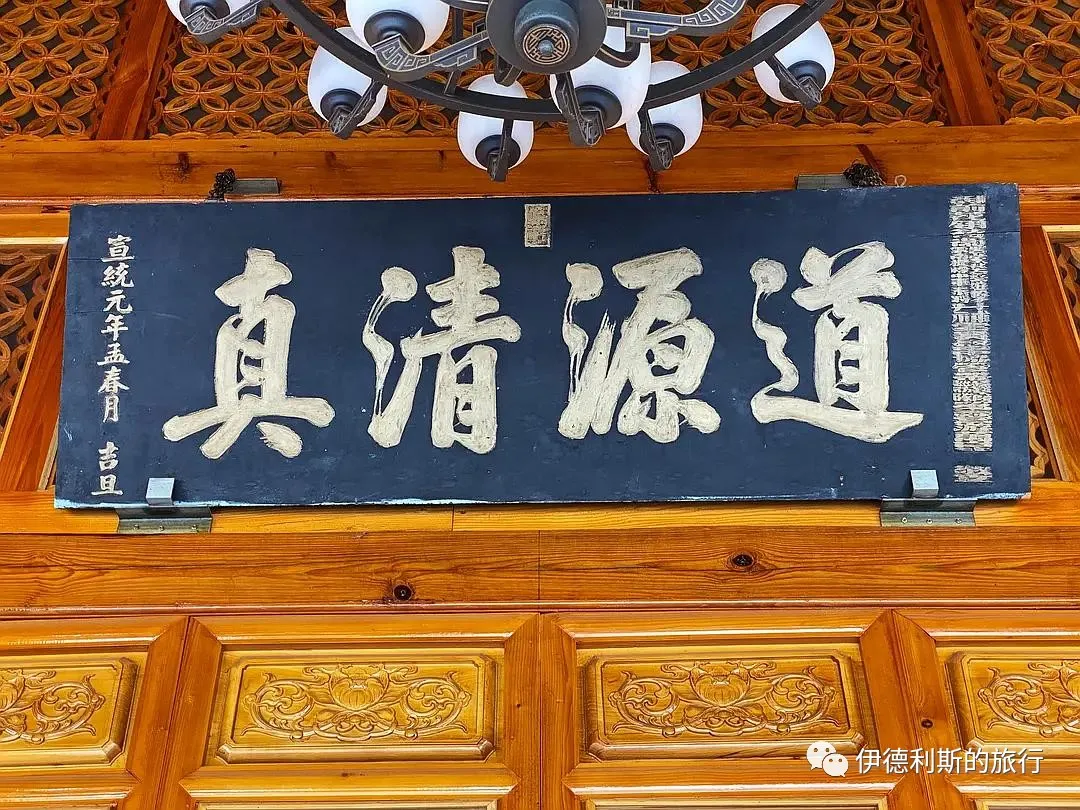
164. Daoyuan Qingzhen Mosque of the Mi family in Mami Factory, Dali.
Respectfully erected by the imperial guard wearing a peacock feather, acting major of the Menghua Right Battalion, and commander of the second battalion of the Yunnan provincial patrol force...
The first month of spring, the first year of the Xuantong reign.
Everyone is welcome to read and leave comments.
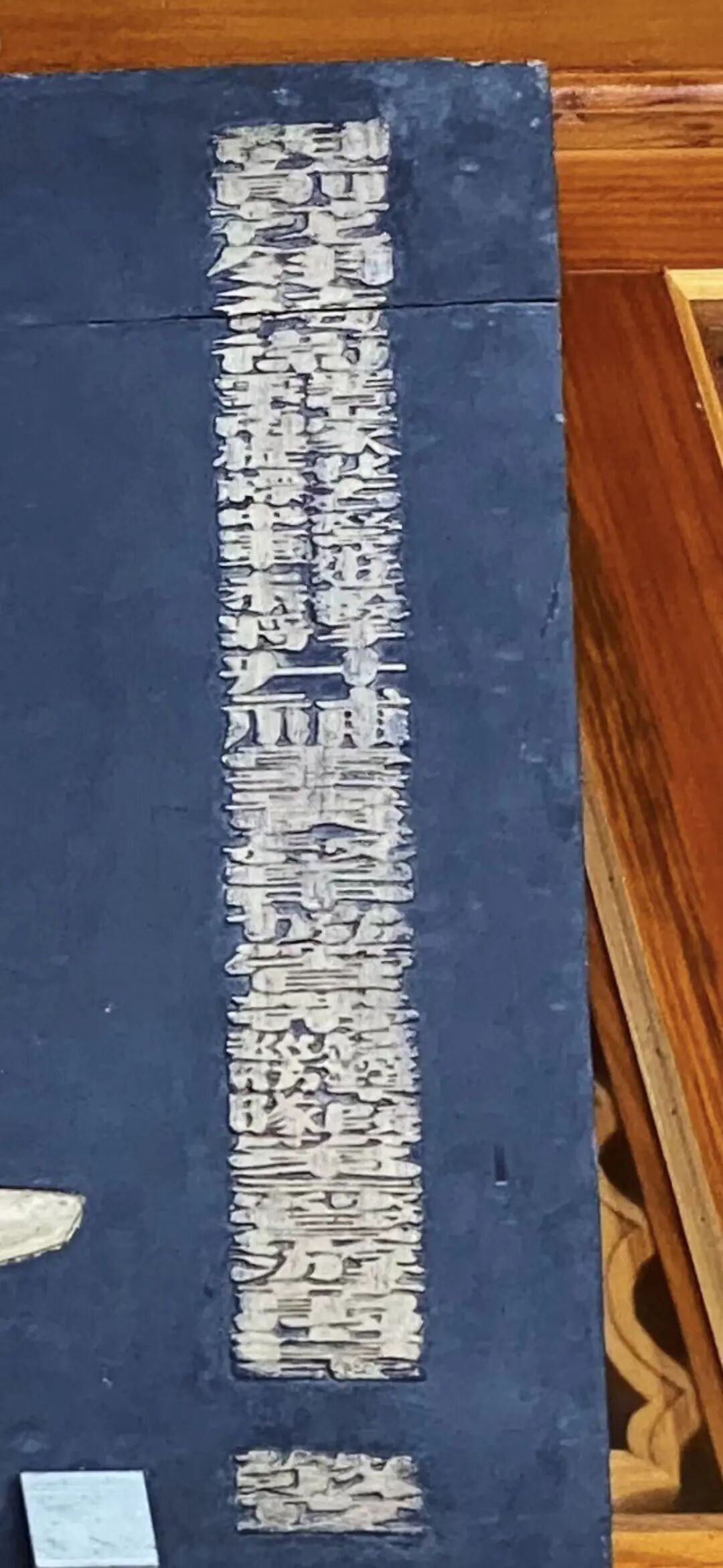
165. Chengyi Buer Mosque in Donglianhua, Dali.
An auspicious day in the first month of summer, the Bingyin year, the 15th year of the Republic of China.
Qing dynasty appointed General Zhenwei, acting deputy brigade commander, specially conferred as colonel of the Weiyuan Battalion in Yunnan.
Respectfully erected by Republic of China Army Major General Yang Shengqi.
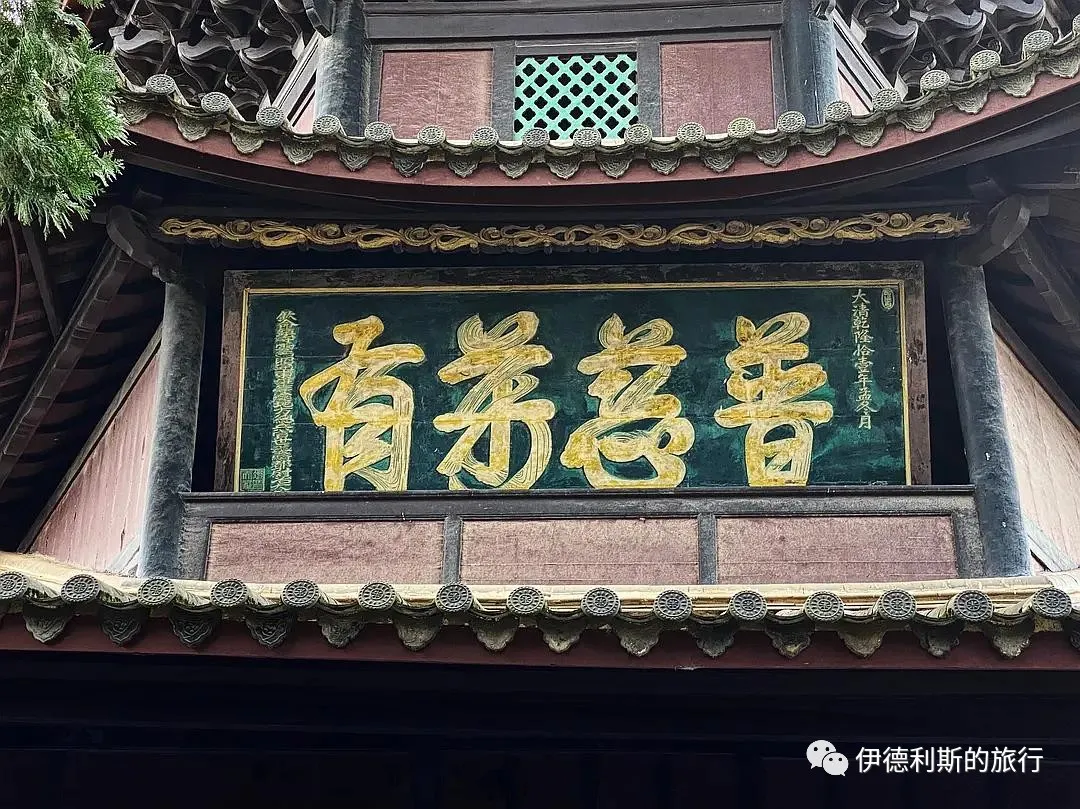
166. "Universal Mercy and All-Encompassing" (Puci Wanyou) at Tuogu Mosque in Zhaotong.
The first month of winter in the 11th year of the Qianlong reign of the Great Qing Dynasty.
Ye Daxiong, Imperial-appointed Commander of Zhaotong and Dongxiong in Yunnan, Hereditary Cavalry Commandant.
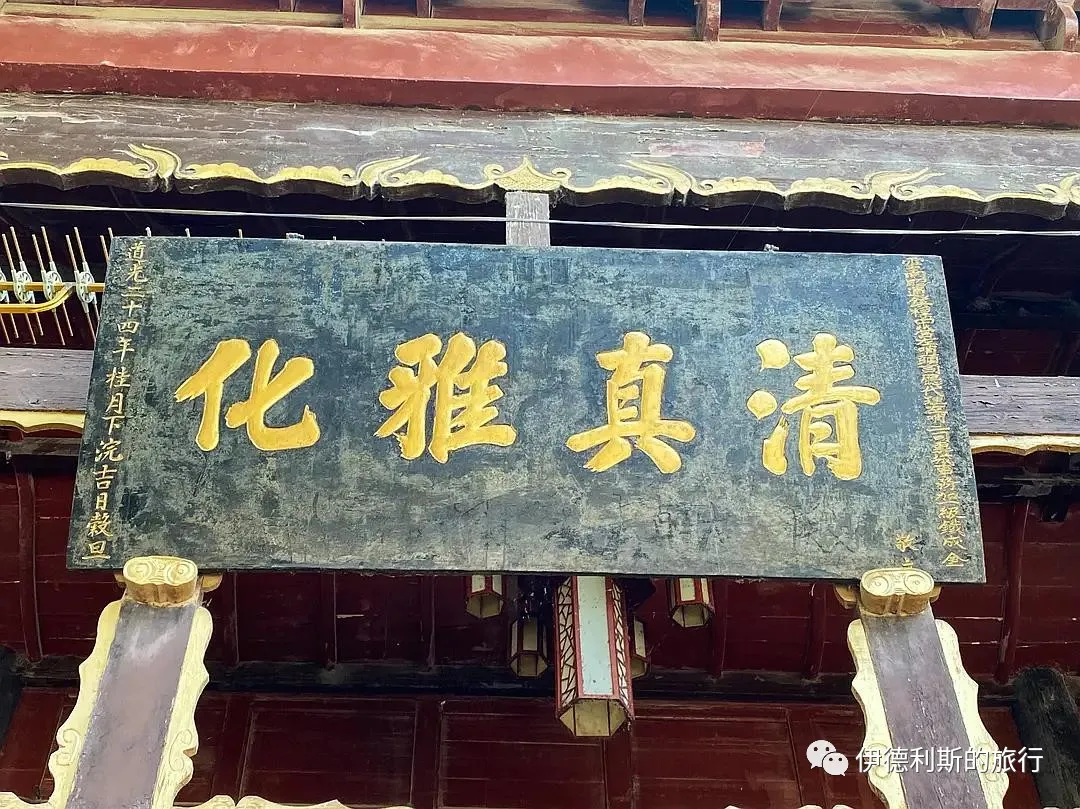
167. "Pure Truth and Elegant Transformation" (Qingzhen Yahua) at Tiejiawan Mosque in Zhaotong.
Respectfully erected by Tie Chengjin, acting officer of the second company of the left vanguard, Zhaotong Garrison, Yunnan, with a one-rank promotion.
An auspicious day in the last ten days of the eighth lunar month, 24th year of the Daoguang reign.
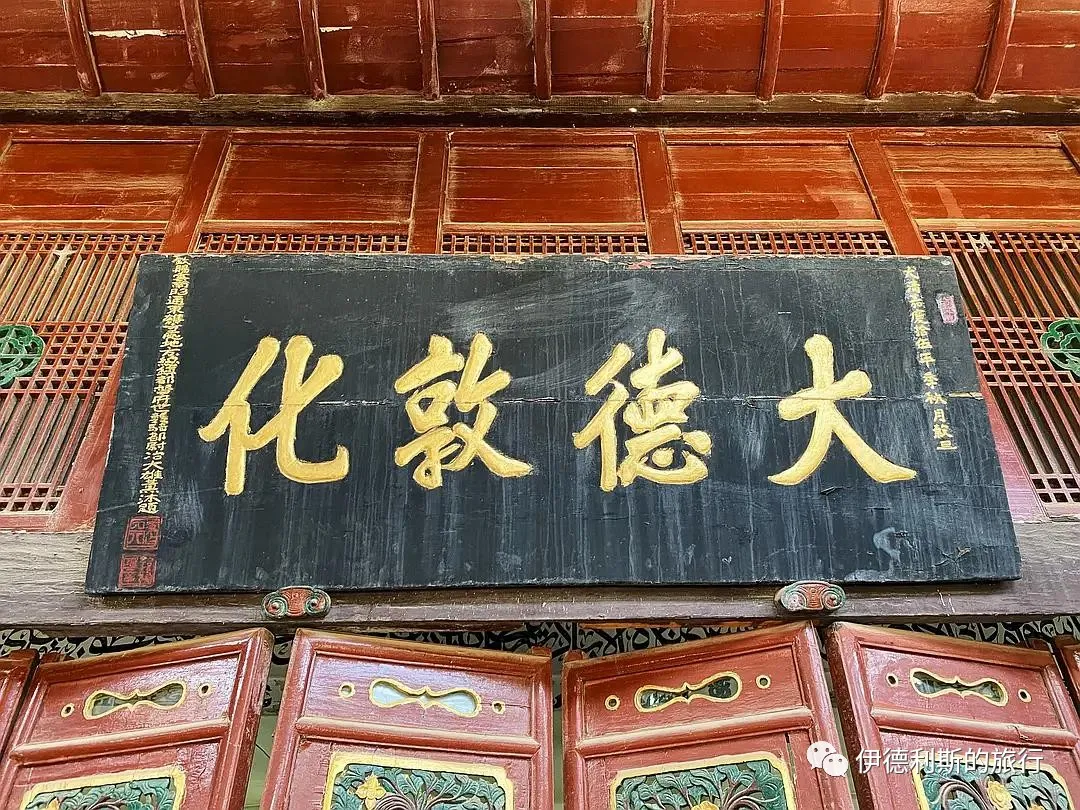
168. "Great Virtue and Simple Transformation" (Dade Dunhua) at Tiejiawan Mosque in Zhaotong.
An auspicious day in the third month of autumn, 15th year of the Jiaqing reign of the Great Qing Dynasty.
Respectfully inscribed by Ye Daxiong, Imperial-bestowed Commander-in-Chief of Zhaotong, Dongxiong, and surrounding areas, Hereditary Cavalry Commandant.
169. "Mysterious Wonder and Great Power" (Xuanqi Daneng) at Chachong Mosque in Zhaotong.
Respectfully erected by Sa Depin, Vice-General authorized to wear the peacock feather and expectant Assistant Regional Commander.
An auspicious day in the first month of the Bingwu year, the 32nd year of the Guangxu reign.
170. "Eternal Breath" at Fengming Mosque in Dali.
An auspicious day in the spring of the 11th year of the Republic of China.
Respectfully erected by Ding Guotai of Shaanxi.
171. "Shining on Everything" at Dazhuang Mosque in Kaiyuan.
An auspicious day in the second month of the 11th year of the Guangxu reign.
... Erected by Ma Weiqi of the Suiyuan Left Battalion Training Army.
Ma Weiqi was a Hui Muslim from Dazhuang, Kaiyuan, Yunnan. He was skilled in calligraphy, following the style of Yan Zhenqing, with powerful brushwork and grand momentum. In the 9th year of the Guangxu reign, Ma Weiqi was ordered to Vietnam to resist the French. He defeated the French army many times and was promoted to the rank of vice-general for his military achievements, receiving the title "Boduo Huan Baturu".
172. "Nurturing All Things" at Dazhuang Mosque in Kaiyuan.
An auspicious day in the first month of winter in the Jiachen year, the 24th year of the Daoguang reign.
Respectfully erected by Ma Dingbang, the top-ranked military graduate in the imperial examinations of the 15th year of the Daoguang reign.
173. Dazhuang Mosque in Kaiyuan, 'Praise be to Allah without end' (Yu Mu Bu Yi)
An auspicious day in the middle of winter, the third year of the Daoguang reign (1823)
Respectfully erected by Xu Yaozong, acting commander of the Linyuan and Chengjiang military districts
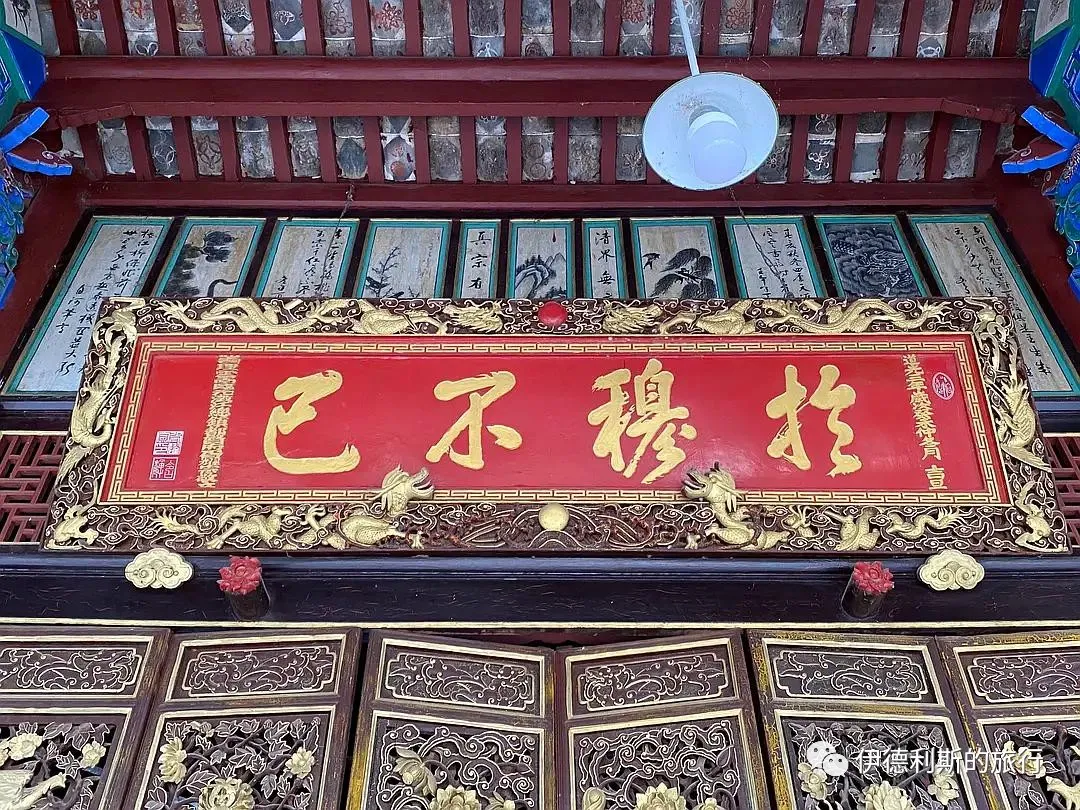
174. Dazhuang Mosque in Kaiyuan
Reason is not found in sleep; to complete the beginning and the end, one must seek the one true Master
The Way is based on sincerity and uprightness; to emulate the virtuous and the holy, one must strictly observe the five daily prayers (namaz)
Respectfully erected by Xu Yaozong
175. Dazhuang Mosque in Kaiyuan
Analyzing ancient doubts and confusion in only thirty volumes
Including the scriptures of the former saints, a great collection of the Way
Inscribed by Ma Chuqing, a successful candidate in the imperial examinations during the Dingyou year of the Qing dynasty
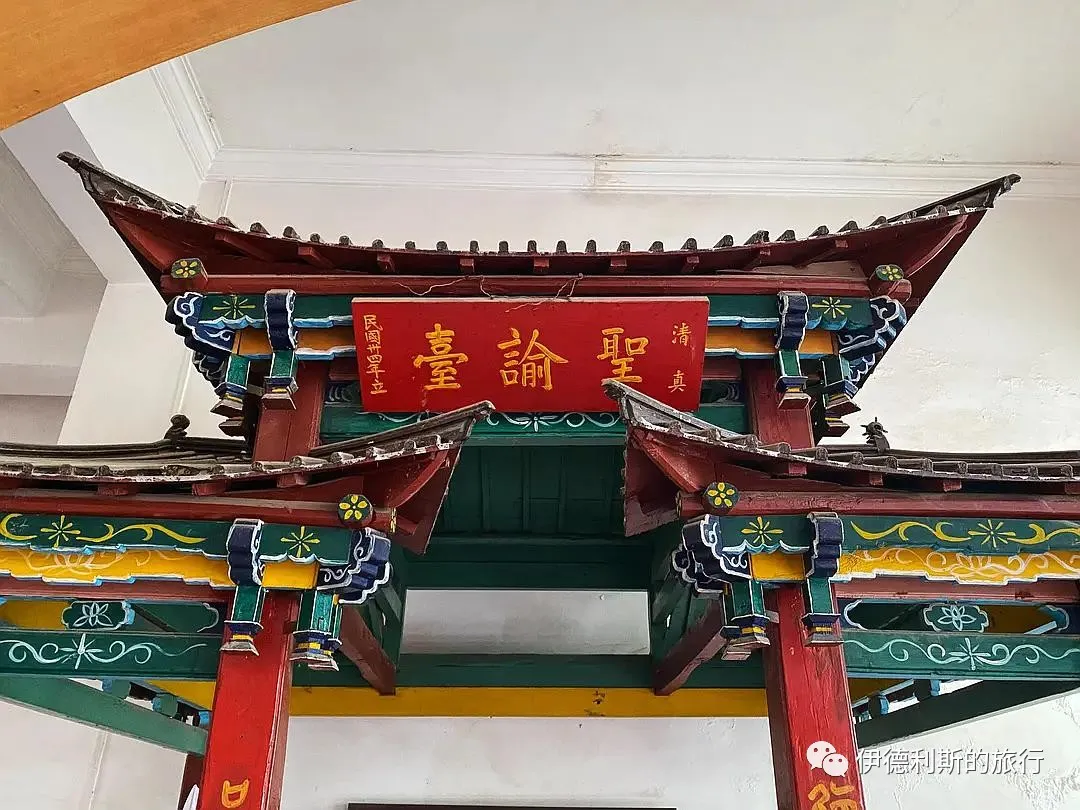
176. 'Imperial Edict Platform' (Shengyu Tai) at Liren Mosque in Kunming
Erected in the 34th year of the Republic of China.
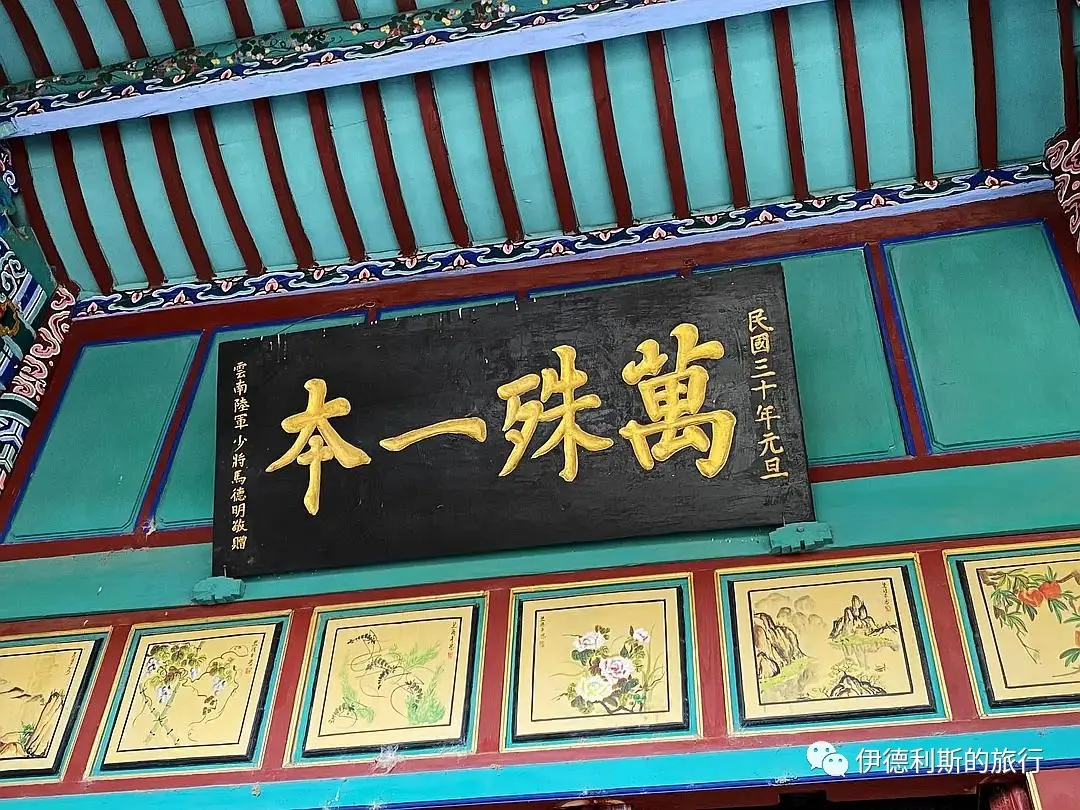
177. Tangzi Mosque in Xundian, Yunnan: "Ten Thousand Things from One Source" (Wanshu Yiben).
New Year's Day, 30th year of the Republic of China.
Respectfully gifted by Yunnan Army Major General Ma Deming.
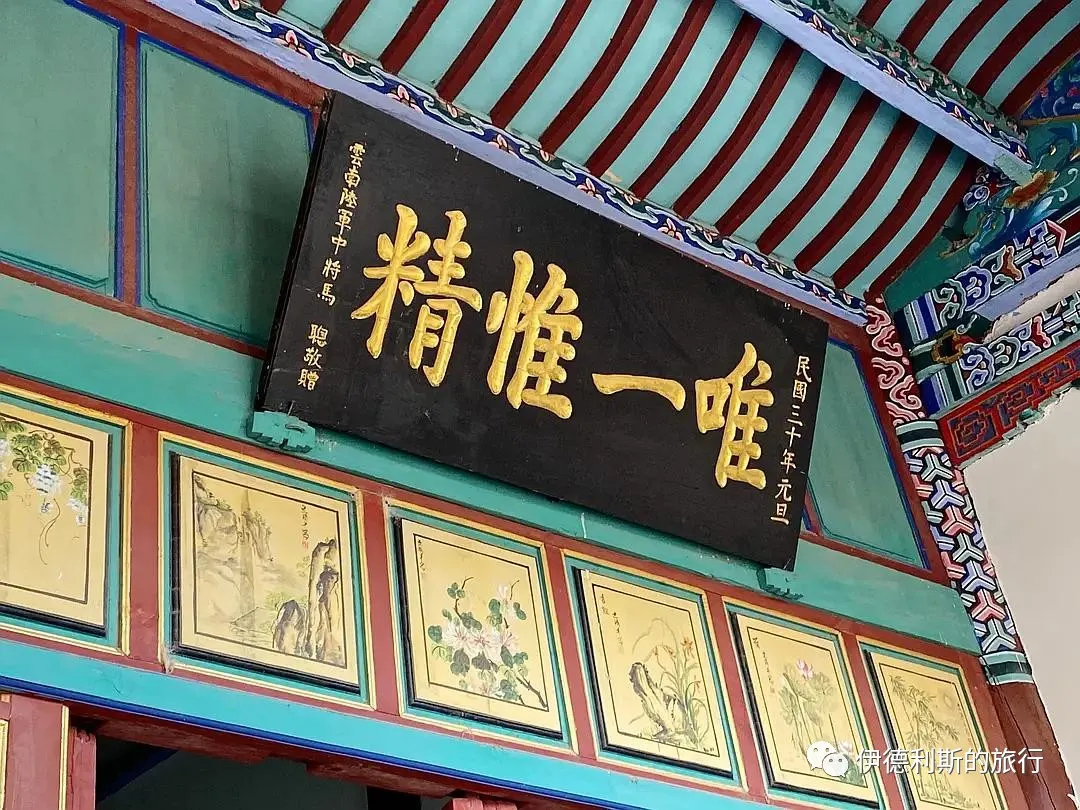
178. Tangzi Mosque in Xundian, Yunnan: "The Only and the Pure" (Weiyi Weijing).
New Year's Day, 30th year of the Republic of China.
Respectfully gifted by Yunnan Army Lieutenant General Ma Cong.
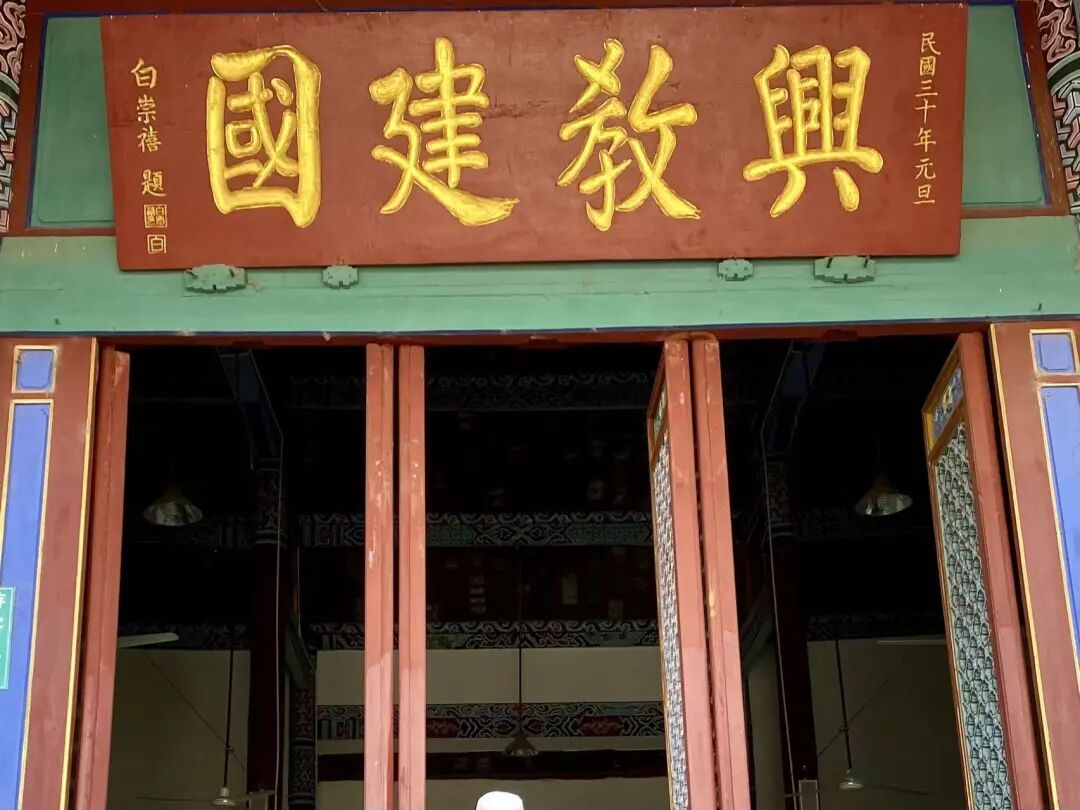
179. Tangzi Mosque in Xundian, Yunnan: "Promote Religion and Build the Nation" (Xingjiao Jianguo).
New Year's Day, 30th year of the Republic of China.
Inscribed by Bai Chongxi.
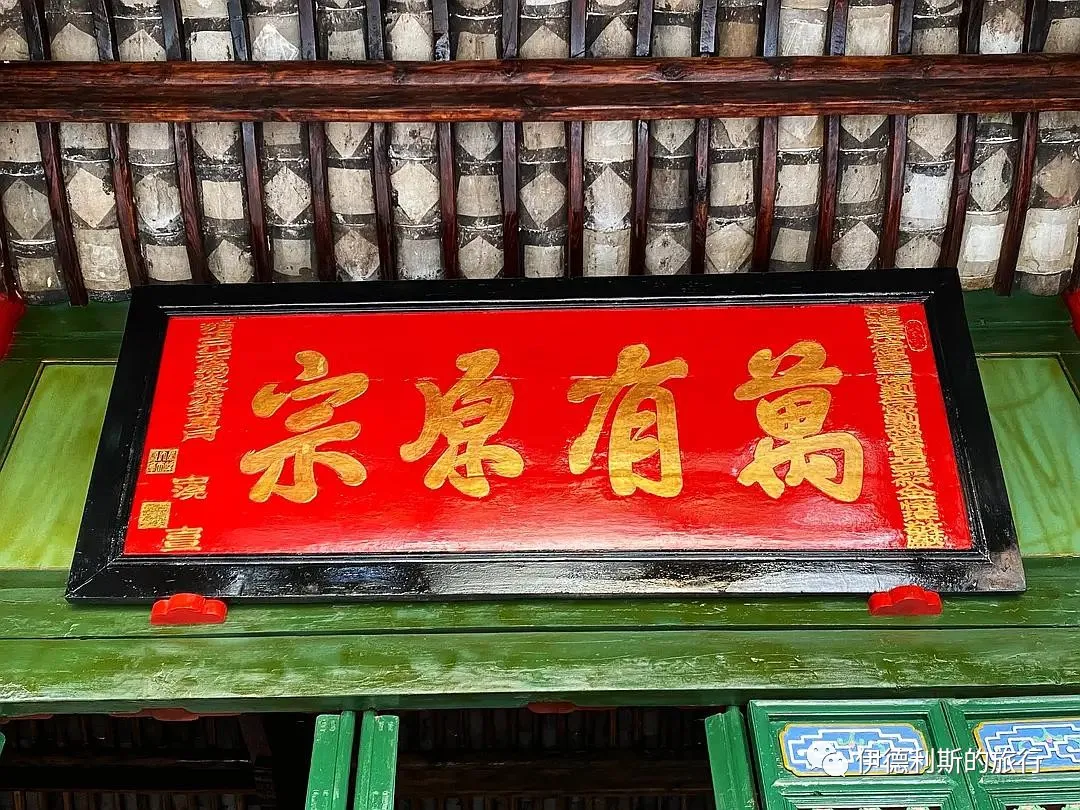
180. Beiyingjie Mosque in Xundian, Yunnan: "The Original Source of All Things" (Wanyou Yuanzong).
Respectfully inscribed by Jin Huaijin, a palace graduate (jinshi) and imperial guard, serving as deputy commander of the military camp with a rank promotion of three levels.
The first year of the Yongzheng reign, the year of Guimao, in the middle of the sixth lunar month, on an auspicious day.
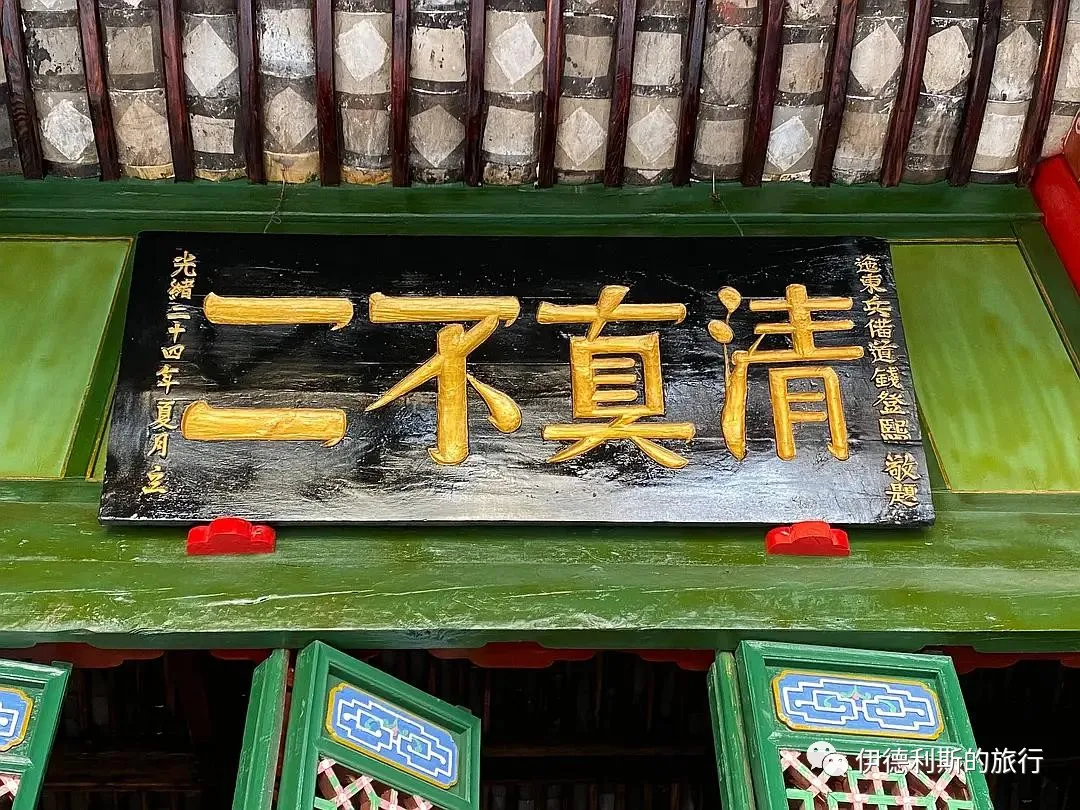
181. Beiying Street Mosque in Xundian, Yunnan: 'The Only True Faith' (Qingzhen Bu'er).
Respectfully inscribed by Qian Dengxi, the Circuit Intendant of the Eastern Yunnan Military Defense.
Erected in the summer of the 24th year of the Guangxu reign.
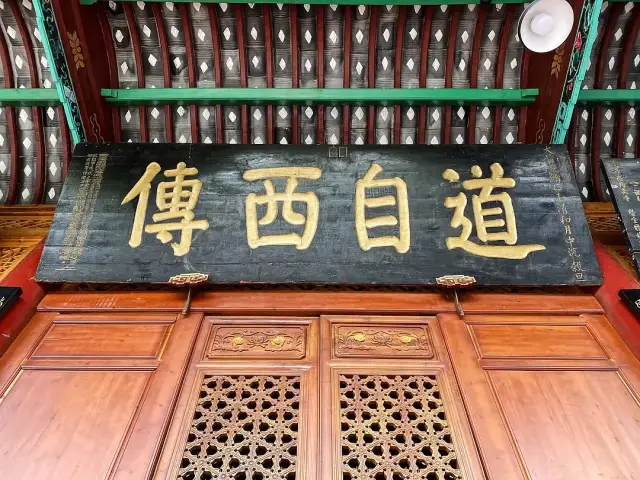
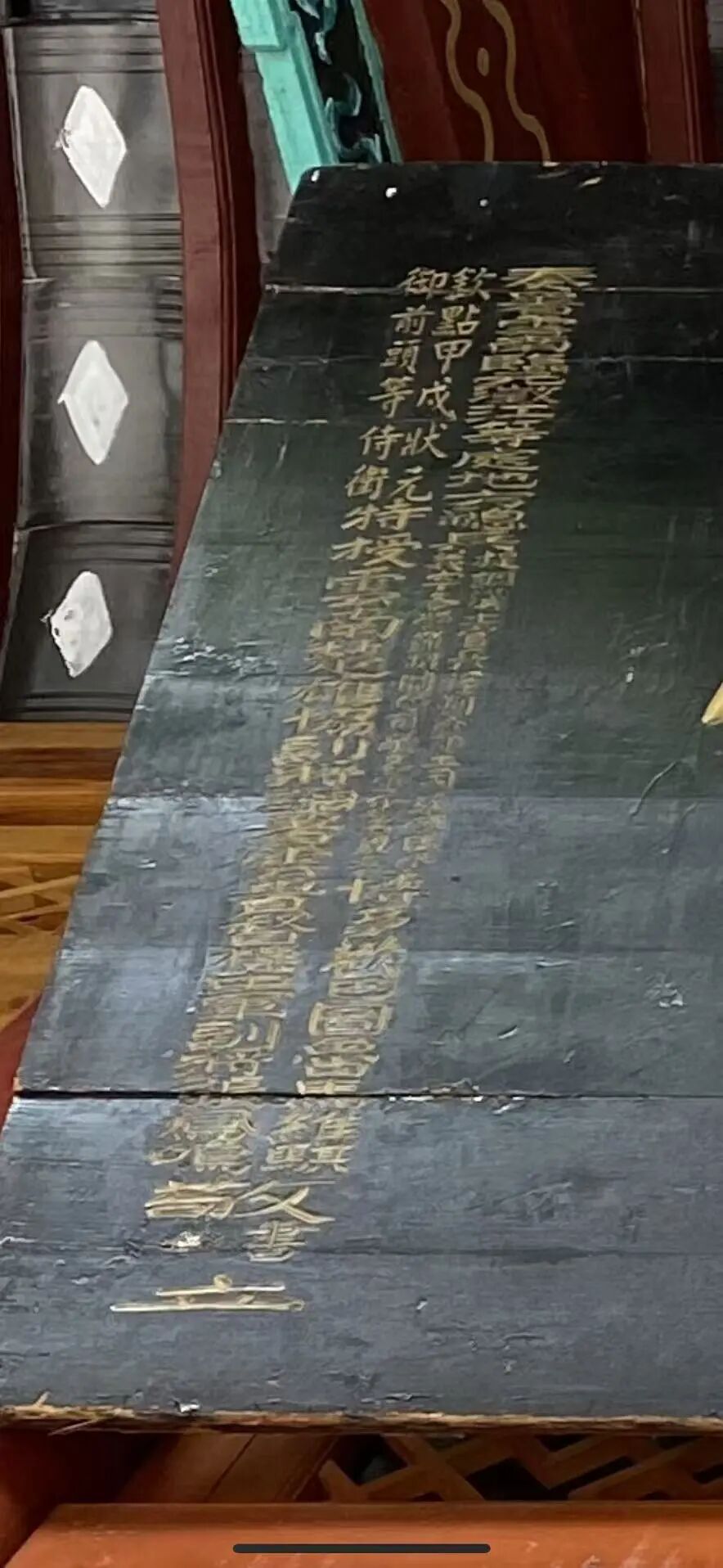
182. Jinniudao Mosque in Kunming: 'The Way Spread from the West' (Dao Zi Xi Chuan).
The middle of the fourth lunar month, in the Yiwei year of the Guangxu reign of the Great Qing Dynasty, on an auspicious day.
Written by Ma Weiqi, the acting Regional Commander of the Linyuan and Chengjiang areas in Yunnan, who holds the title of Boduohuan Baturu.
Respectfully erected by Zhang Mingming, the top scholar (zhuangyuan) of the Jiaxu year, first-rank imperial guard, and specially appointed acting Deputy General of the Chuxiong Garrison in Yunnan and Deputy General of the Yunnan-Guizhou Governor's Command.
Everyone is welcome to add more information.
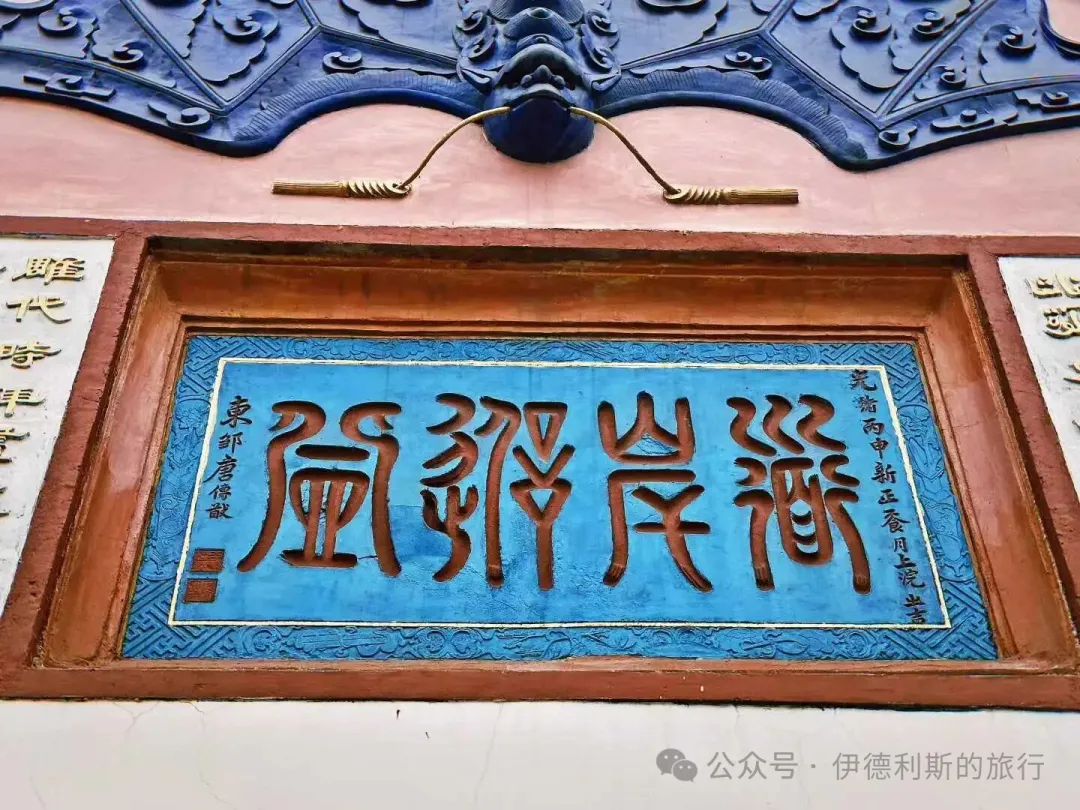
183. Tangjia Mosque in Chengdu: 'Ascending to the Shore of the Way' (Dao An Dan Deng).
An auspicious day in the first lunar month of the Bingshen year of the Guangxu reign.
Tang Chuanyou from Dongzou.
Tang Chuanyou was a Qing Dynasty calligrapher whose art was famous throughout the capital. His son, Tang Chenglie, worked as an official in Sichuan, so he brought his father there to spend his final years in comfort. The plaque text comes from the Book of Songs (Shijing) phrase 'first climb to the shore,' and Liu Zhi also wrote in Five Watch Moon (Wugeng Yue): 'From here, step by step forward, climb to the shore of the path to see the mystery.'
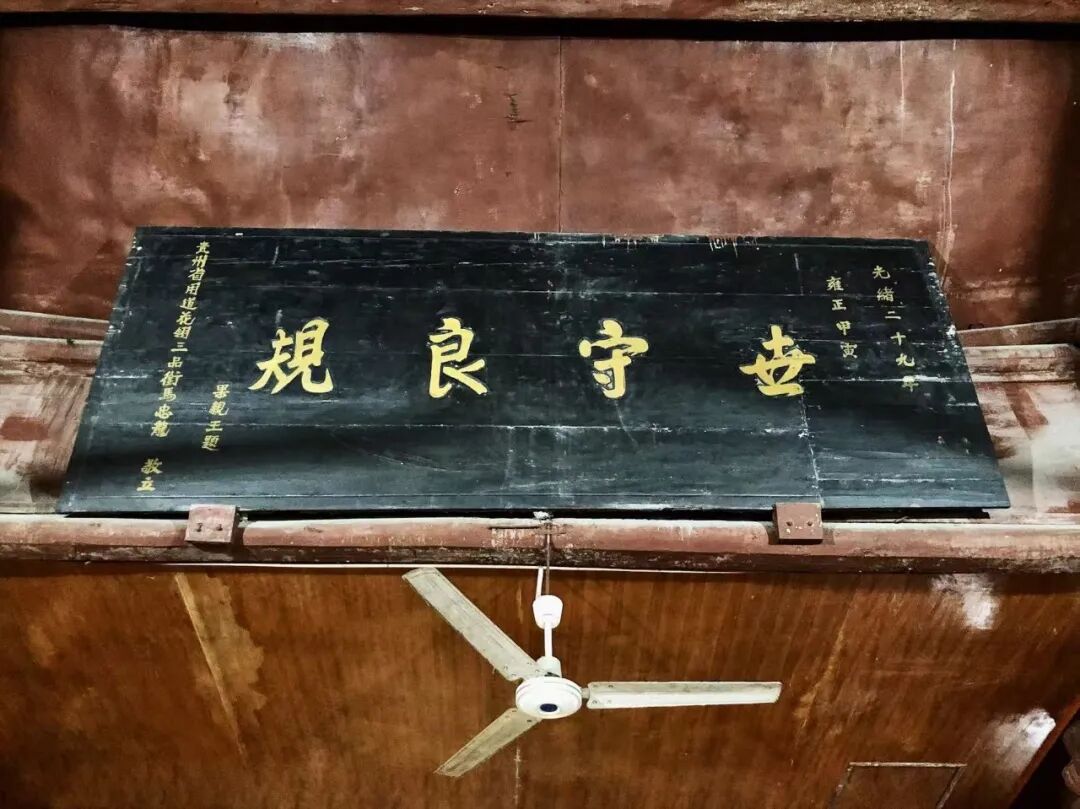
184. Tuqiao Shang Mosque in Chengdu: 'Uphold Good Rules Forever' (Shishou Lianggui)
Jiayin year of the Yongzheng reign
29th year of the Guangxu reign
Inscribed by Prince Guo
Respectfully erected by Ma Zhonglong, a third-rank guard with a peacock feather from Guizhou Province
In 1734 (the 12th year of the Yongzheng reign), Prince Guo Yunli, the 17th son of Emperor Kangxi, was ordered to go to Kangding to handle the return of the 7th Dalai Lama to Tibet. Before reaching Kangding, he inspected troops in Chengdu and gifted two plaques to Gulou Mosque: 'Uphold Good Rules Forever' (Shishou Lianggui) and 'Origin of Worldly Laws' (Shifa Yuanliu). The original 'Uphold Good Rules Forever' plaque was kept at Huangcheng Mosque but was destroyed in the 1960s and 1970s. The one at Tuqiao Mosque was made during the Guangxu reign.
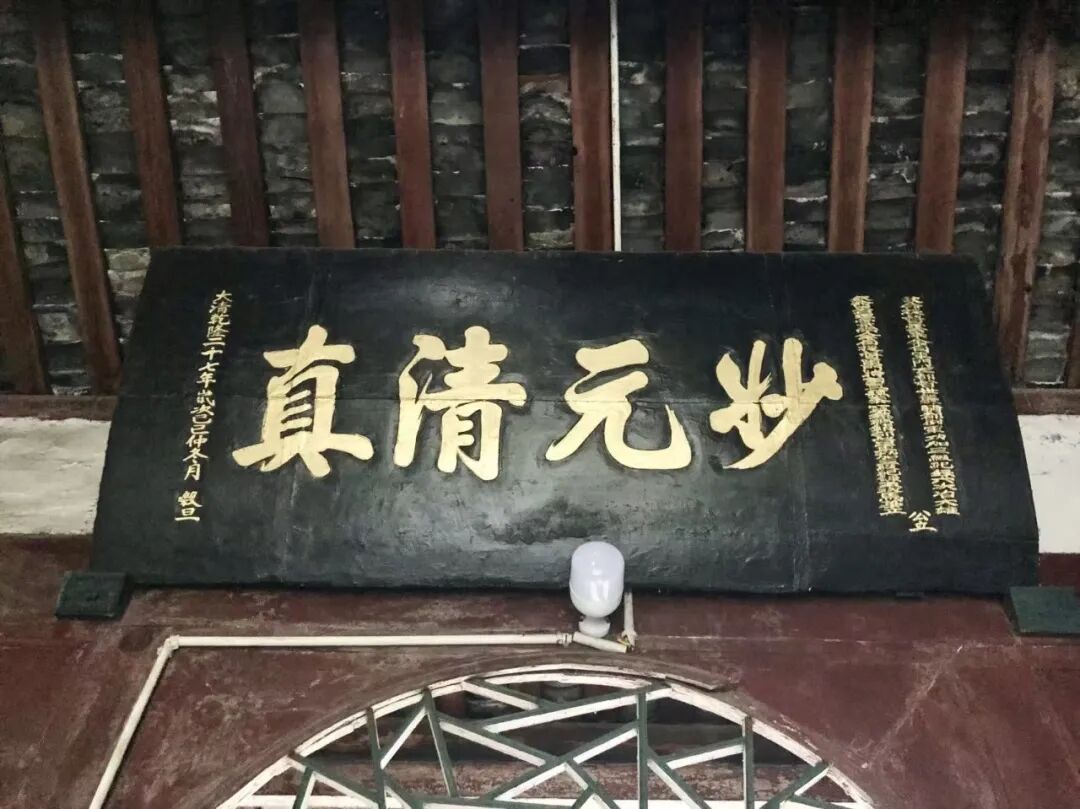
185. Chengdu Tuqiao Shang Mosque: 'Wonderful Origin of Islam' (Miaoyuan Qingzhen)
Imperial-appointed Commander-in-Chief of Yunnan Province, Left Metropolitan Commander, Hereditary Cavalry Captain, recorded six times for military merit, oversaw the construction of the Great Hero Hall.
Imperial-appointed Commander-in-Chief of Yunnan Province, General-in-Chief, recorded five times for military merit, erected by Ma Hua.
An auspicious day in the middle of winter, in the year of Jisi, the 27th year of the Qianlong reign of the Great Qing Dynasty.
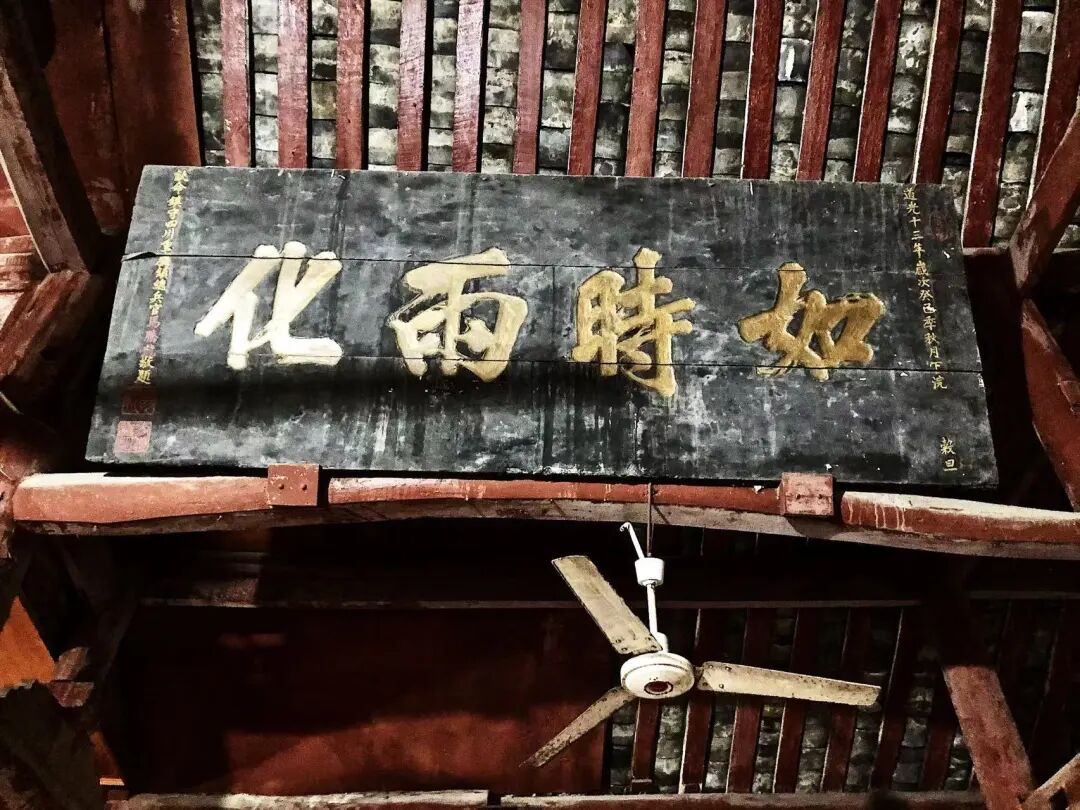
186. Chengdu Tuqiao Upper Mosque, 'Like Timely Rain'.
An auspicious day in the last ten days of the third month of autumn, in the year of Guisi, the 13th year of the Daoguang reign.
Respectfully inscribed by Ma Tenglong, the Imperial-appointed Regional Commander of Chongqing, Sichuan.
187. Chengdu Tuqiao Upper Mosque, 'Boundless Nurturing'.
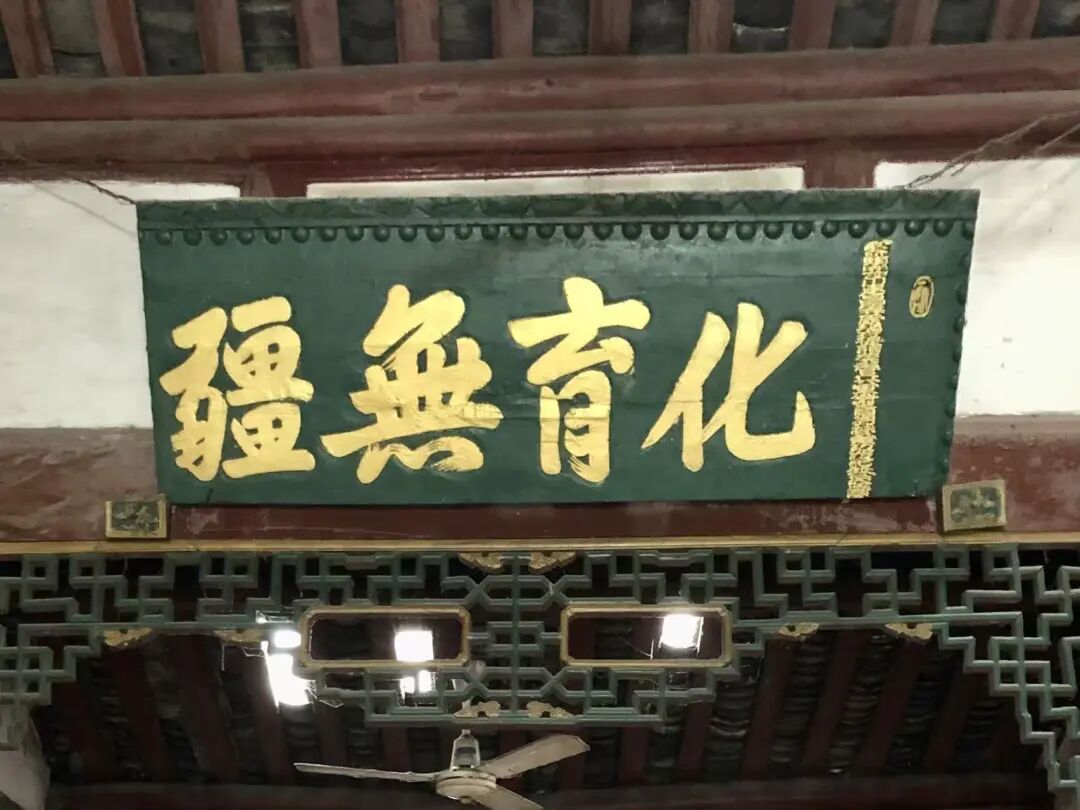
188. Chengdu Tuqiao Upper Mosque, 'Revere the Righteous and Expel the Evil'.
The third month of spring, the first year of the Republic of China.
The humble followers of the community.
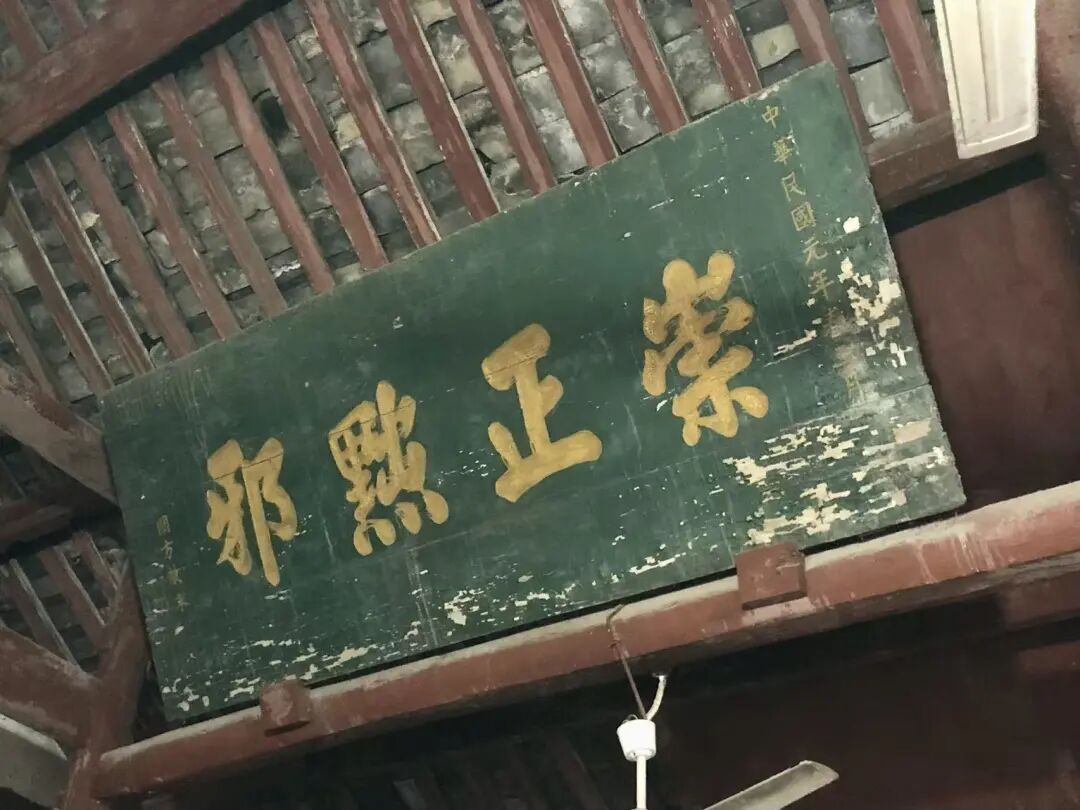
189. Chengdu Dujiangyan Mosque, 'Uphold Good Traditions for Generations'.
The last month of winter, in the year of Jiayin, during the Yongzheng reign.
Inscribed by Prince Guo
Prince Guo was the seventeenth son of the Kangxi Emperor. In the twelfth year of the Yongzheng reign, he traveled to Taining to escort the Dalai Lama back to Tibet. While inspecting provincial garrisons and Green Standard Army troops, he passed through Chengdu and wrote a plaque for Gulou Mosque. The Dujiangyan Mosque also made a copy of the plaque to keep inside the building.
190. Dujiangyan Mosque in Chengdu: "Origin of Worldly Dharma"
The last month of winter, in the year of Jiayin, during the Yongzheng reign.
Inscribed by Prince Guo
191. Dujiangyan Mosque in Chengdu: "Success Through Non-Action"
Early summer of the Guimao year, the twenty-ninth year of the Guangxu reign of the Great Qing Dynasty.
Respectfully written and erected by Ma Weiqi, Commander-in-Chief of Sichuan.
Ma Weiqi was a Hui Muslim from Dazhuang, Kaiyuan, Yunnan. He was skilled in calligraphy, following the style of Yan Zhenqing, with powerful brushwork and grand momentum. In the 9th year of the Guangxu reign, Ma Weiqi was ordered to Vietnam to resist the French. He defeated the French army many times and was promoted to the rank of vice-general for his military achievements, receiving the title "Boduo Huan Baturu". While serving as Commander-in-Chief of Sichuan, Ma Weiqi led troops to suppress a rebellion by lamas and local chieftains in Batang, Tibet. He overcame snowstorms, dangerous terrain, and food shortages to restore peace to the entire region. He was rewarded with a first-rank button and granted the title of General Jianwei. During his time as Commander-in-Chief of Sichuan, Ma Weiqi greatly supported the local Muslim community. He recommended several imams for positions in Sichuan, including Imam Wang Jiapeng, who is known as one of the four great modern imams of Yunnan.
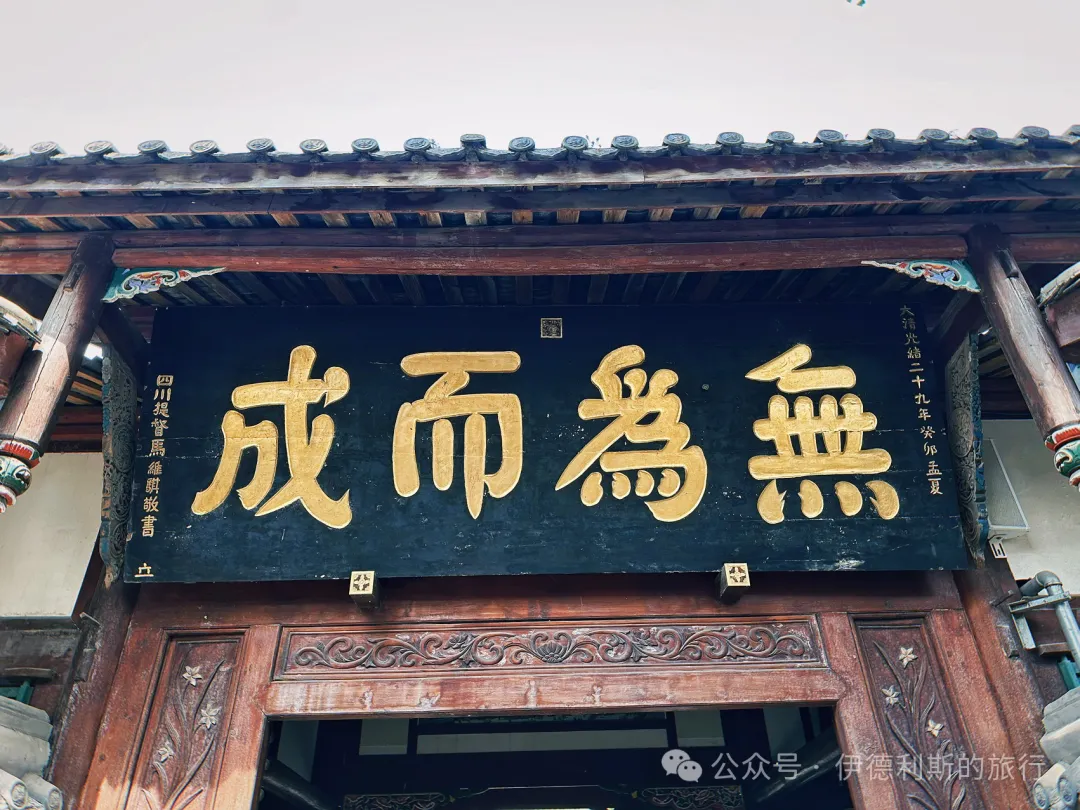
192. Dujiangyan Mosque in Chengdu: "Promote Religion and Build the Nation"
An auspicious day in the mid-autumn of the 35th year of the Republic of China.
Inscribed by Bai Chongxi.
Bai Chongxi wrote this in 1946 while visiting his in-law, Ma Jianqing, in Sichuan. Bai Chongxi was the Minister of National Defense of the Republic of China at the time. Bai Chongxi cared deeply about ethnic education. He built Northwest Middle School in Chengdu, Sichuan, and Jiansheng Middle School in Xichang.
193. Dujiangyan Mosque in Chengdu: "Originality and Unique Respect"
An auspicious day in the seventh month of the lunar calendar in the seventh year of the Xianfeng reign.
Presented by Chen Tianzhu, a fifth-rank official with a blue feather and a battalion commander of the Anfu Camp in Sichuan, who held the priority rank of thousand-man commander.
194. Dujiangyan Mosque in Chengdu: "The Religion Flourishes in True Unity"
An auspicious day in the last month of winter in the 14th year of the Qianlong reign (the year of Jisi).
The signature section was destroyed in the 1960s and 1970s. In 2019, I photographed it without the signature. When I returned in 2026, I found the signature had been added: Presented by Ha Panlong, an imperial-appointed top scholar, first-rank imperial guard, and commander of the Songpan Garrison.
Ha Panlong was a Hui Muslim from Suning, Hebei. He passed the provincial civil service exam in the 10th year of the Yongzheng reign and earned the top rank in the martial arts imperial examination in the second year of the Qianlong reign, after which he was appointed as a first-rank imperial guard. In the 13th year of the Qianlong reign, Ha Panlong was ordered to Jinchuan. As the commander of the Songpan garrison, he led troops to attack Meinuo Valley, Kezu Village, and Qiushui City, winning every battle. In the second month of the 14th year of the Qianlong reign, the Jinchuan campaign ended. Ha Panlong was promoted by three ranks and received two additional merit records.
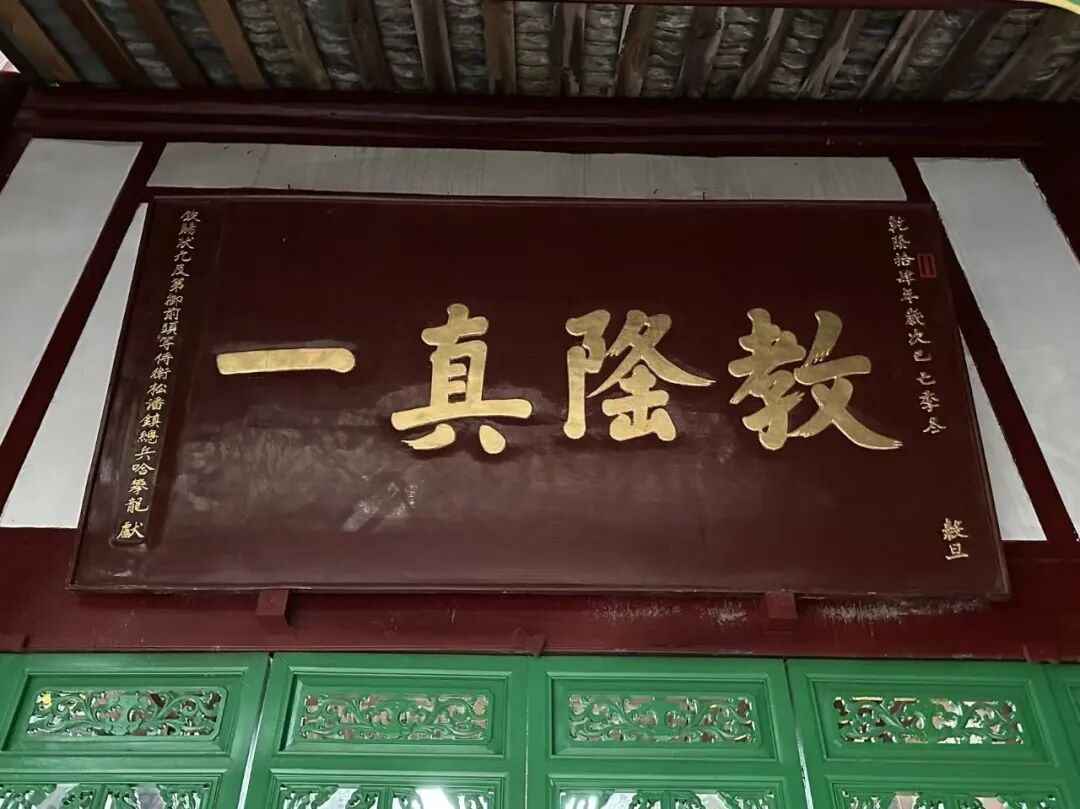
195. Dujiangyan Mosque, Chengdu, "Ancient Mosque (Qingzhen Gusi)"
An auspicious day in the tenth lunar month of the Xinwei year of the Tongzhi reign.
The West Mosque of Guan County in Dujiangyan was located on Shaanxi Lane inside the ancient city of Guan County. It was built in 1862 (the first year of the Tongzhi reign) by Hui Muslims from Songpan, Sichuan. During the Xianfeng and Tongzhi years, Hui Muslims from Songpan with the surnames Jia, Qi, Mi, and Yu traveled south along the Songmao Ancient Road for business. They settled in the ancient city of Guan County and pooled their money to build the West Mosque of Guan County.
In 1959, the West Mosque of Guan County was torn down to build the Guan County People's Hospital. Today, the second gate of the Dujiangyan mosque displays a plaque from the tenth year of the Tongzhi reign that reads "Ancient Mosque (Qingzhen Gusi)." This is the original plaque that hung on the gate of the West Mosque.
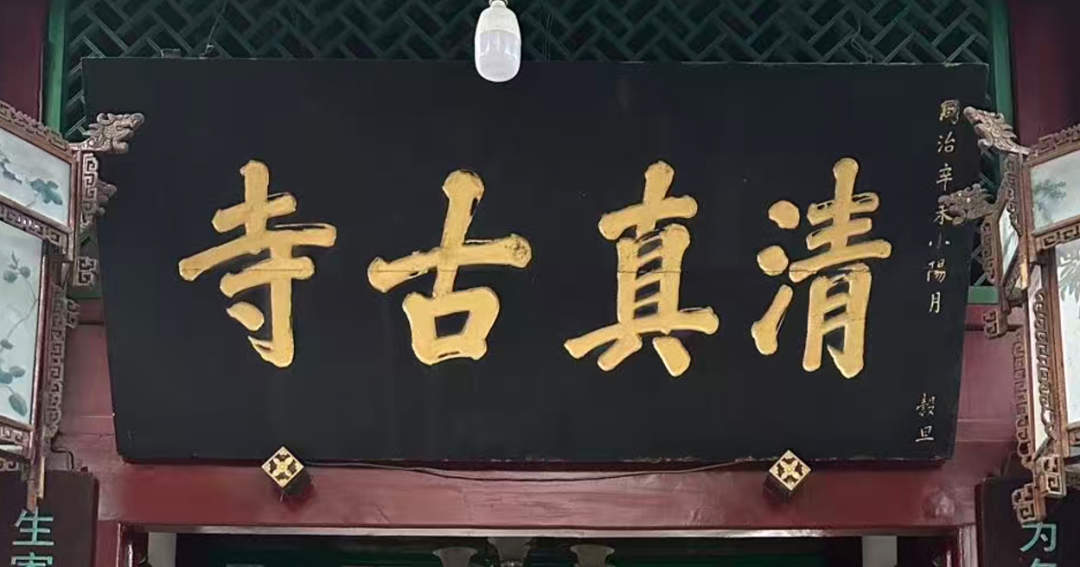
196. Qinggang Mosque, Meishan, Sichuan, "Ancient Faith of the Beginning (Kaitian Gujiao)"
An auspicious day in the first ten days of the eleventh lunar month of the Guihai year of the Jiaqing reign.
Respectfully presented by Ma X Yan, a soldier of the Left Garrison of the Chengdu City Guard stationed at the Renshou outpost, who received a two-rank promotion for military merit and a one-rank promotion for imperial favor, plus a two-rank promotion from the Emperor.
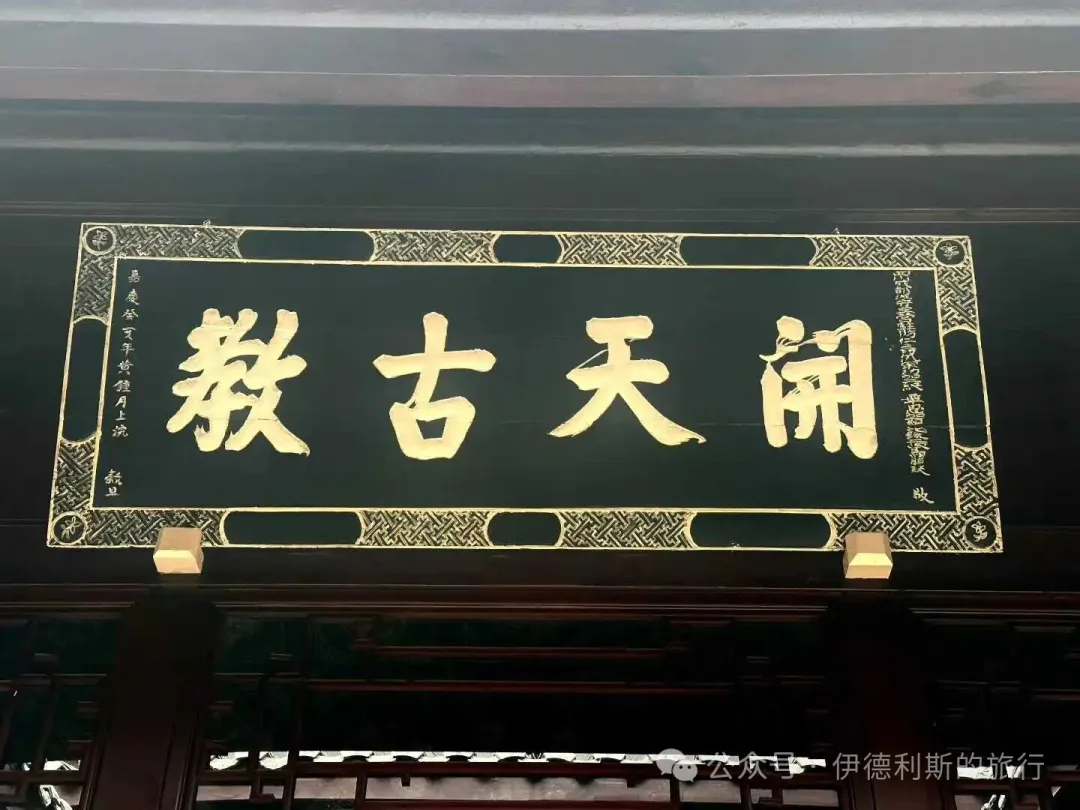
It is not very clear, so please feel free to correct me.
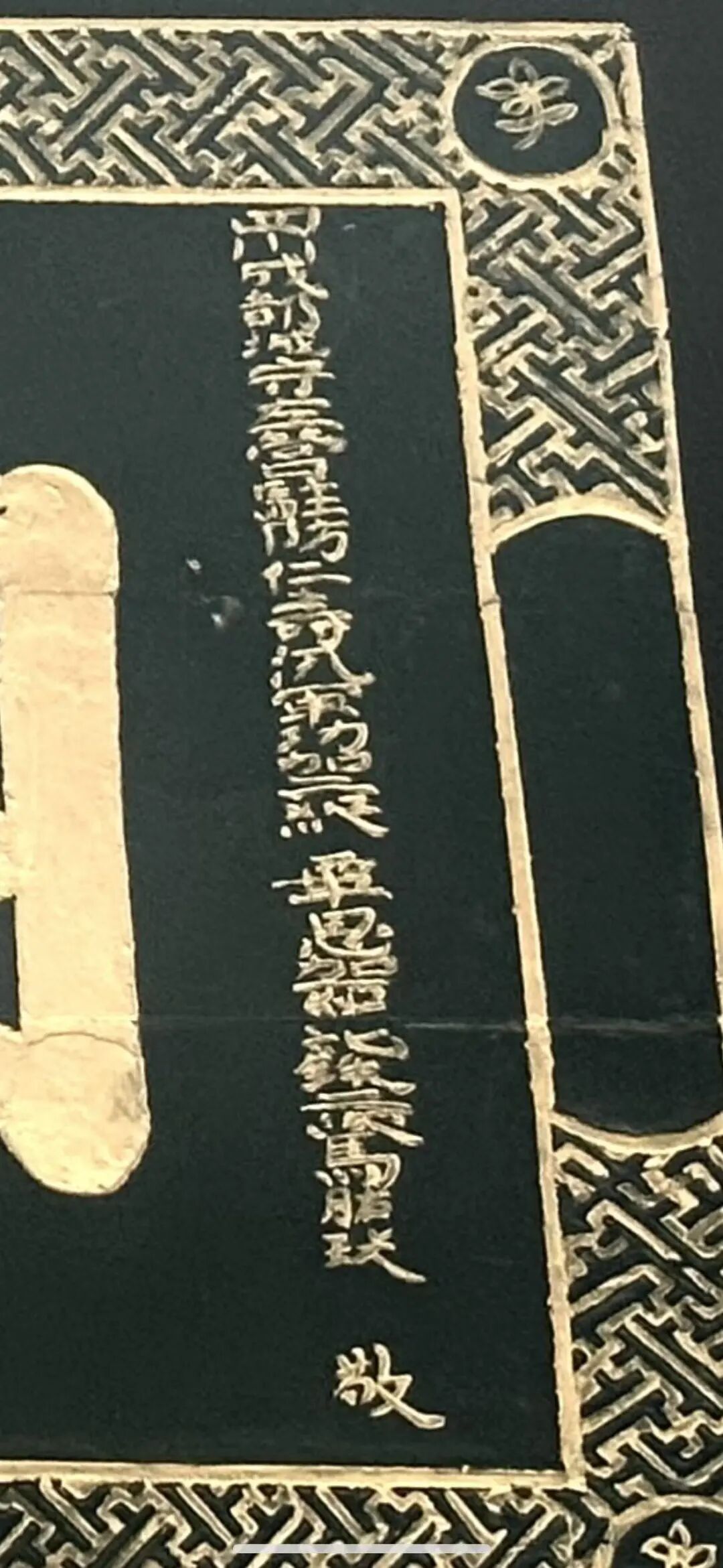
197. The "one and only" plaque at Qinggang Mosque in Meishan, Sichuan.
Respectfully presented by Ma Pengcheng, a battalion commander (qian zong) overseeing the Renshou garrison.
A lucky day in the second month of the 25th year of the Daoguang reign.
198. The "utmost silence and stillness" plaque at Qinggang Mosque in Meishan, Sichuan.
A lucky day in the fifth month of the eighth year of the Republic of China, respectfully presented.
In celebration of the mosque reconstruction.
Erected by nine members of the Cai family from the Kai generation.
199. The "a world apart" plaque at Qinggang Mosque in Meishan, Sichuan.
Respectfully presented.
In celebration of the mosque reconstruction.
Congratulations from the Han people of Qingshi.
200. Qinggang Mosque (Qinggang Si) in Meishan, Sichuan.
Erected by the mosque leaders in the third month of the eighth year of the Republic of China (1919).
Appreciating mosque plaques and couplets (items 101-150).
Appreciating mosque plaques and couplets (items 51-100).
Appreciating mosque plaques and couplets (items 1-50).
Halal Food Guide to Tianjin: Hui Muslim Tea Restaurants and Handmade Burger Shops
Articles • yusuf908 posted the article • 0 comments • 335 views • 2026-06-22 06:27
Summary: This halal food guide to Tianjin covers Hui Muslim tea restaurants, handmade burger shops, halal food in China, and local Muslim dining details.
This article covers two new tea restaurants and one handmade burger shop opened by Hui Muslims in Tianjin. It keeps the original paragraph and image order, making it perfect for readers interested in Muslim life, Islamic culture, and Chinese Islamic writing, as well as those searching for halal food in China.
I heard about two new tea restaurants and an American-style burger shop in Tianjin, so I went to try them out this weekend.
I took the intercity train to Tianjin West Station, then transferred to Line 4 to reach Tianmu. The new subway line was very empty. After leaving the Tianmu subway station, I crossed the street and saw the newly opened Cantonese tea restaurant, Hanmei, at the intersection. They used to sell rice noodle rolls (changfen) at the Shunyi Road night market before opening their own shop.
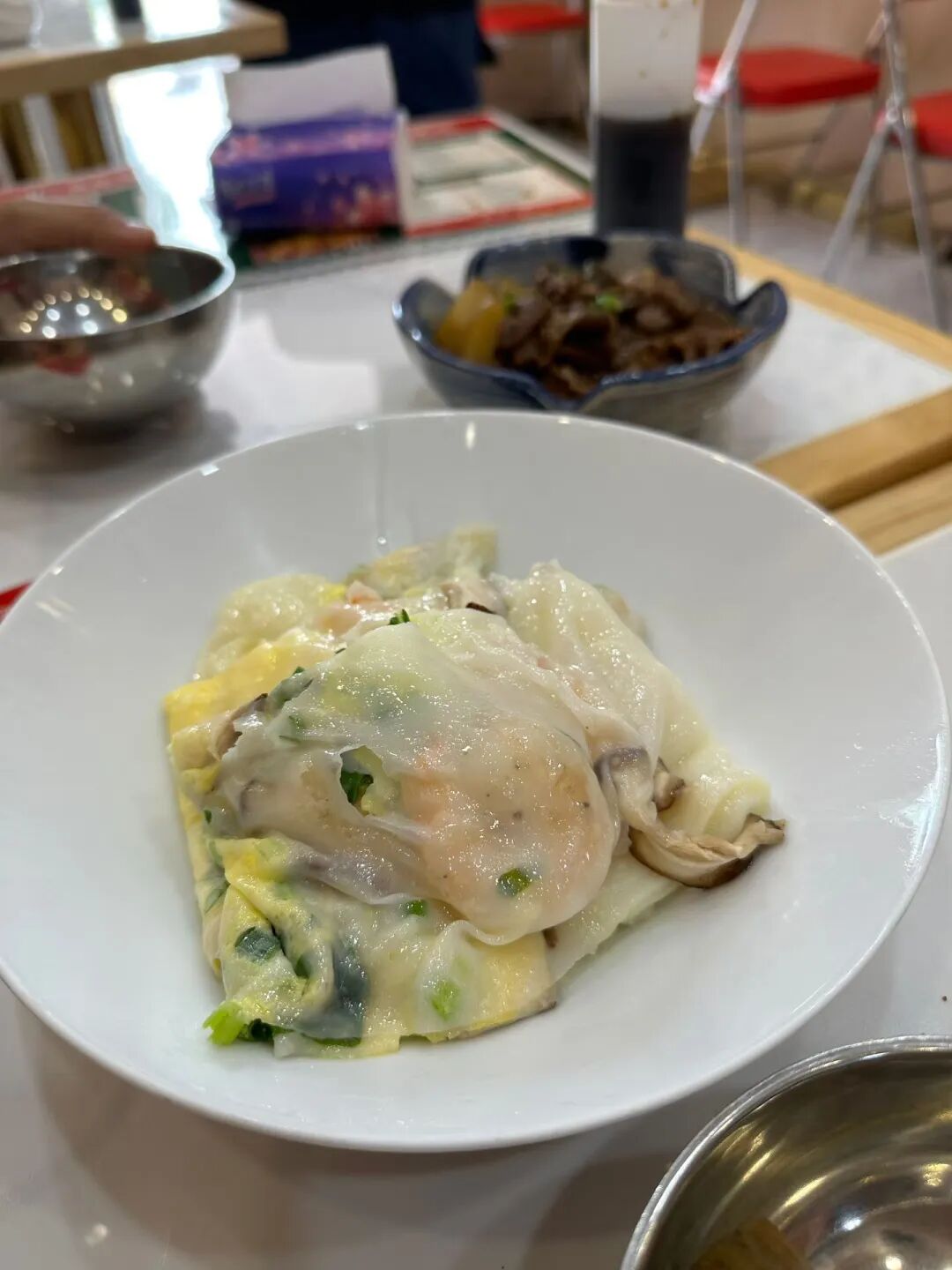
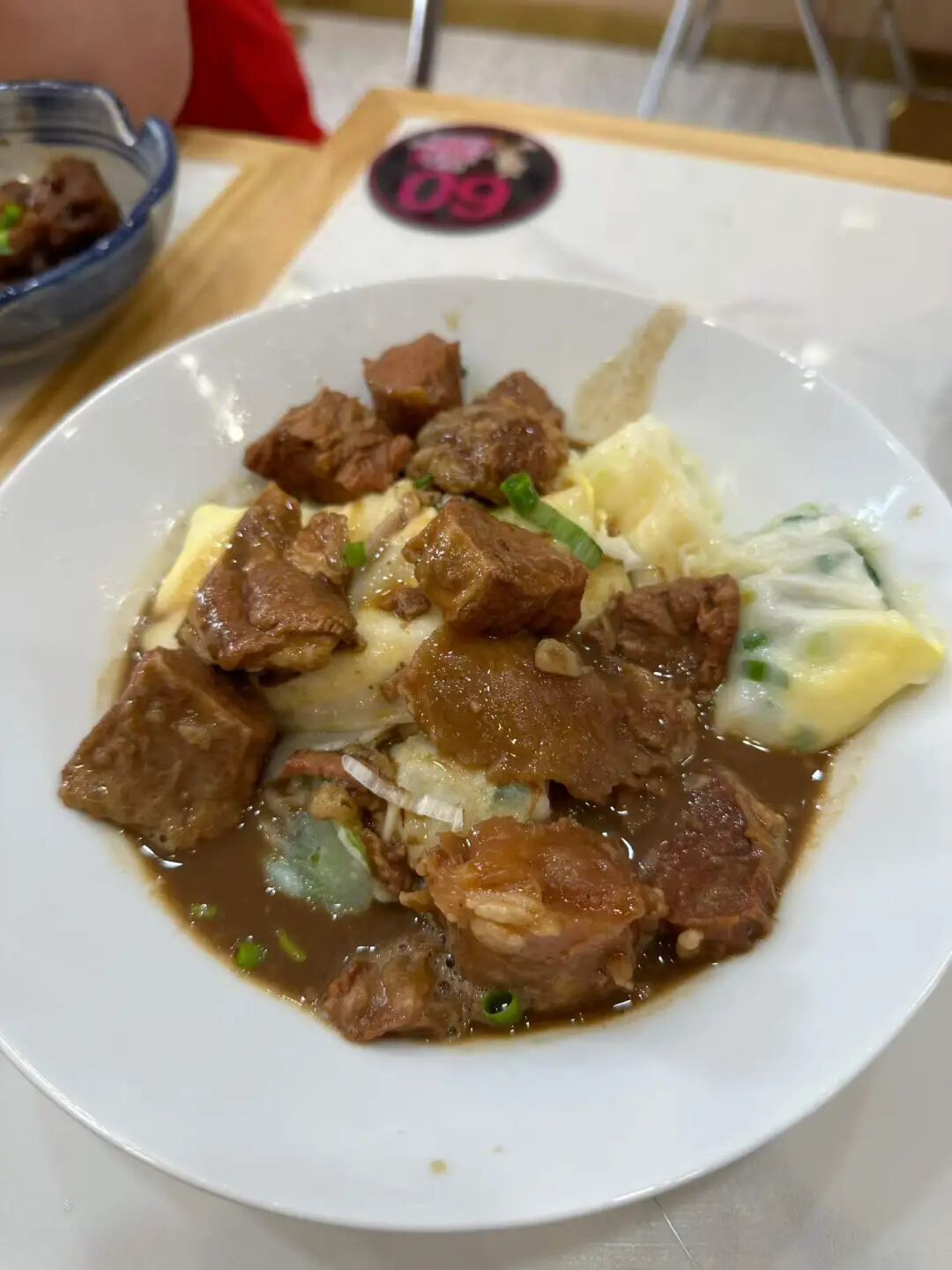
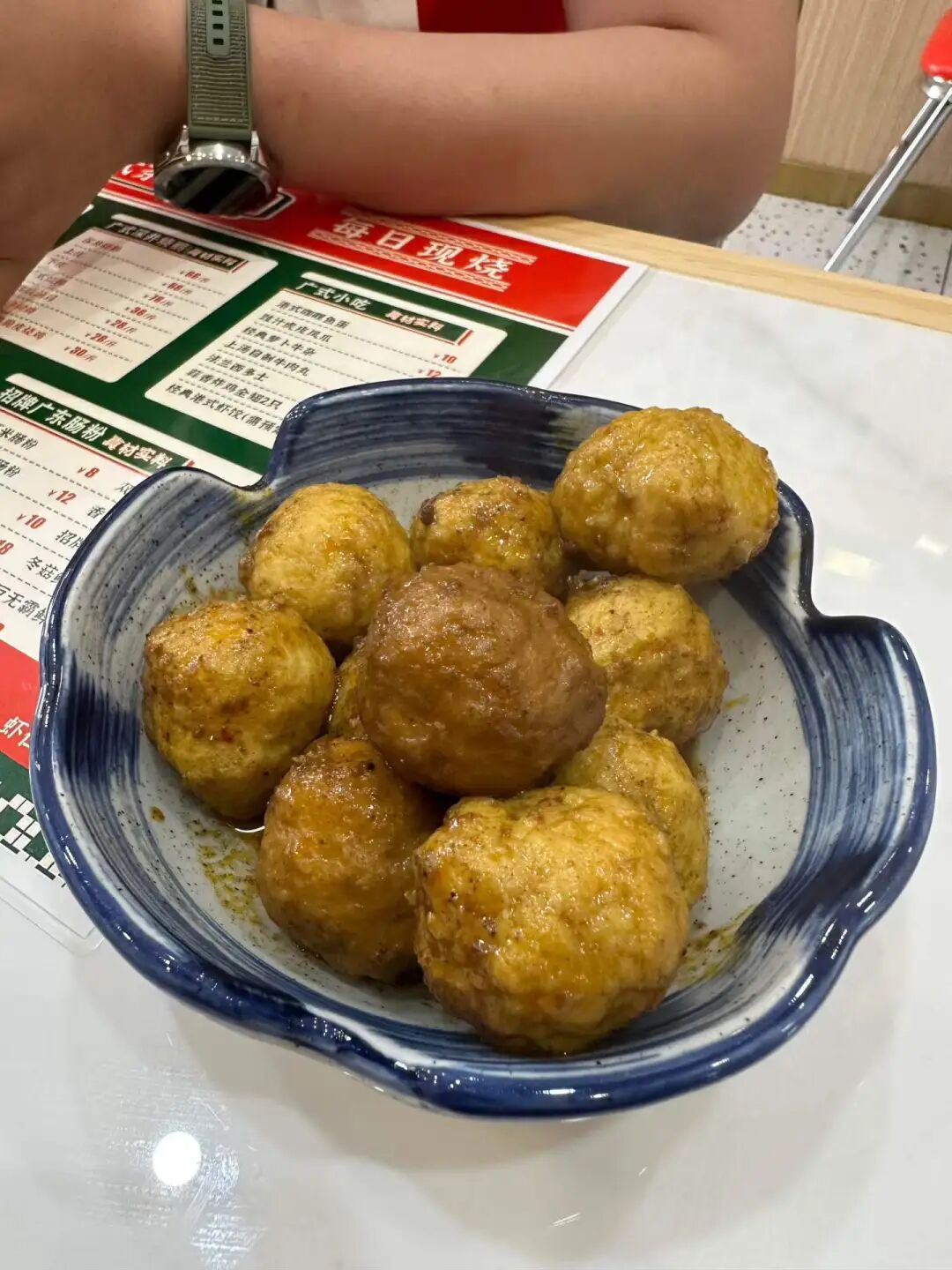
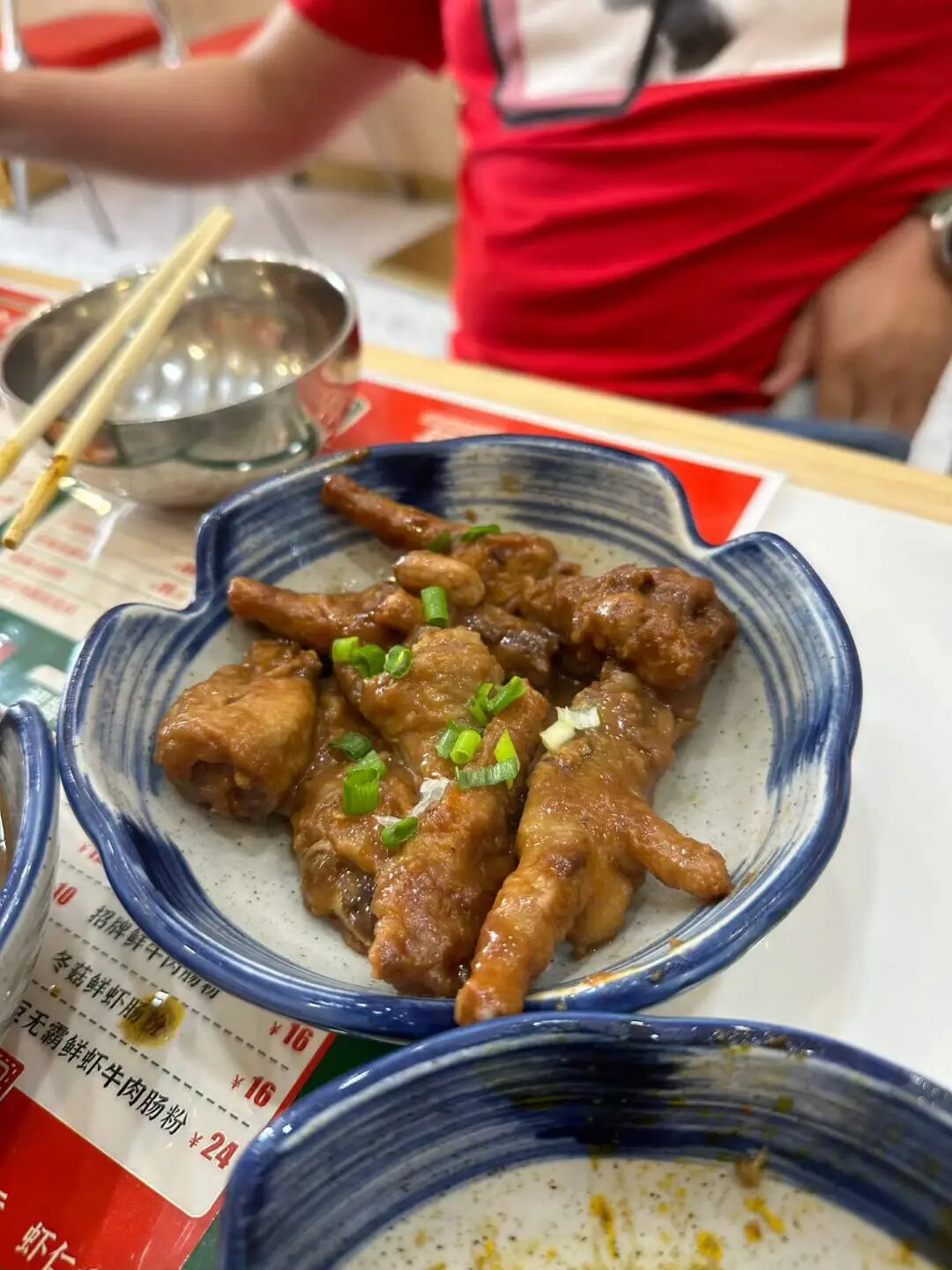
Their main dishes are roast goose and rice noodle rolls (changfen). We ordered half a roast goose, mushroom and shrimp rice noodle rolls, Cantonese-style beef rice noodle rolls, curry fish balls, tiger skin chicken feet, and radish beef offal. The roast goose tasted good, but the skin was quite fatty and felt more like the skin of Beijing roast duck. The shrimp tasted great, and the Cantonese-style beef tasted similar to the beef stew we Hui Muslims make, just a bit sweeter. The rice noodle roll skin was very thin and had a mild flavor. The curry fish balls were delicious, but the chicken feet felt a bit dry. The radish beef offal was not well-made, and the flavor was completely off. If you want to try Cantonese flavors, you can come here, but it still falls short compared to the Hui Muslim restaurants in Guangzhou or the restaurant in the Aiqun Hotel in Hong Kong. Next time I have a chance, I will come back to try their claypot rice (baozai fan).
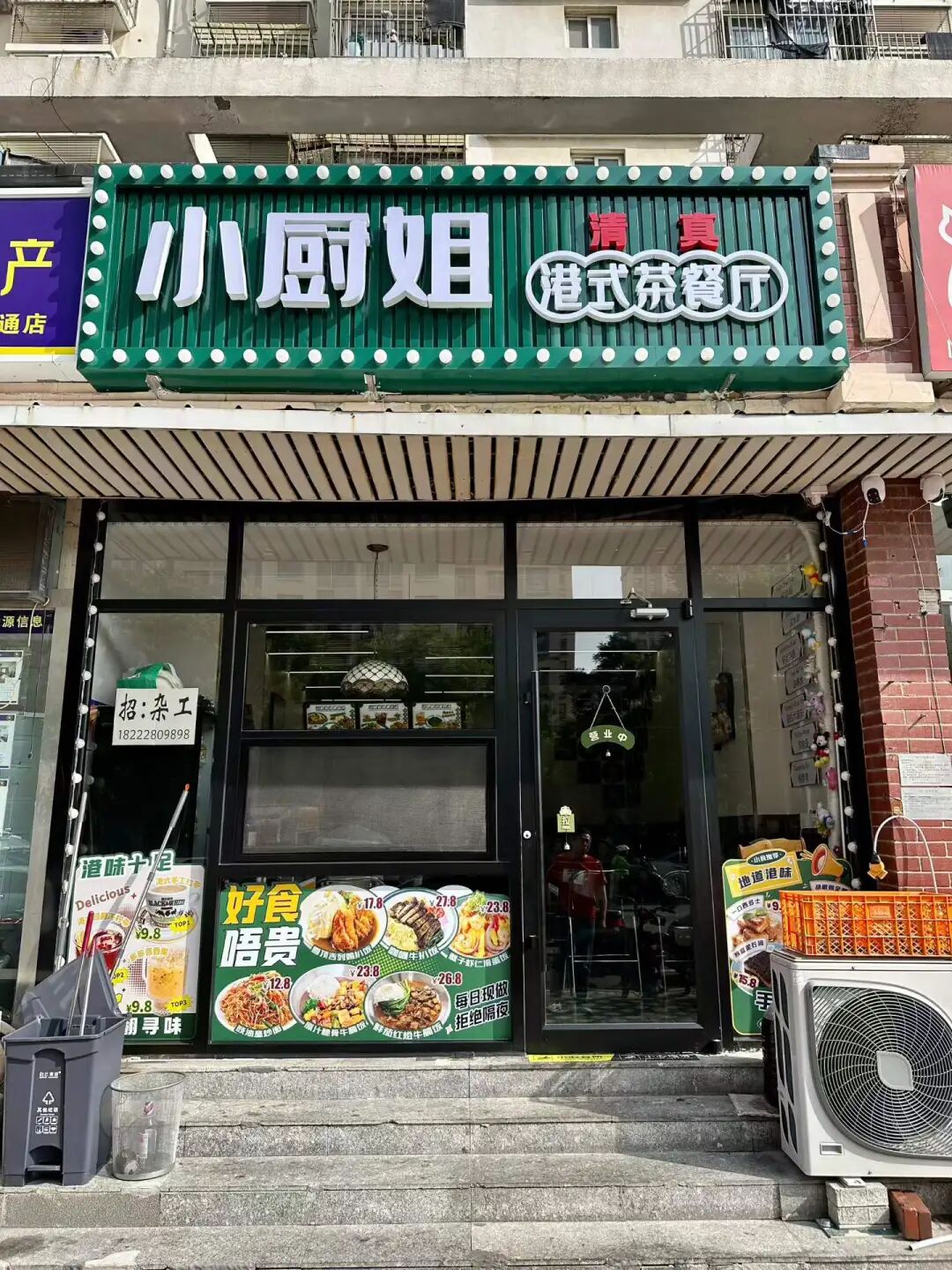
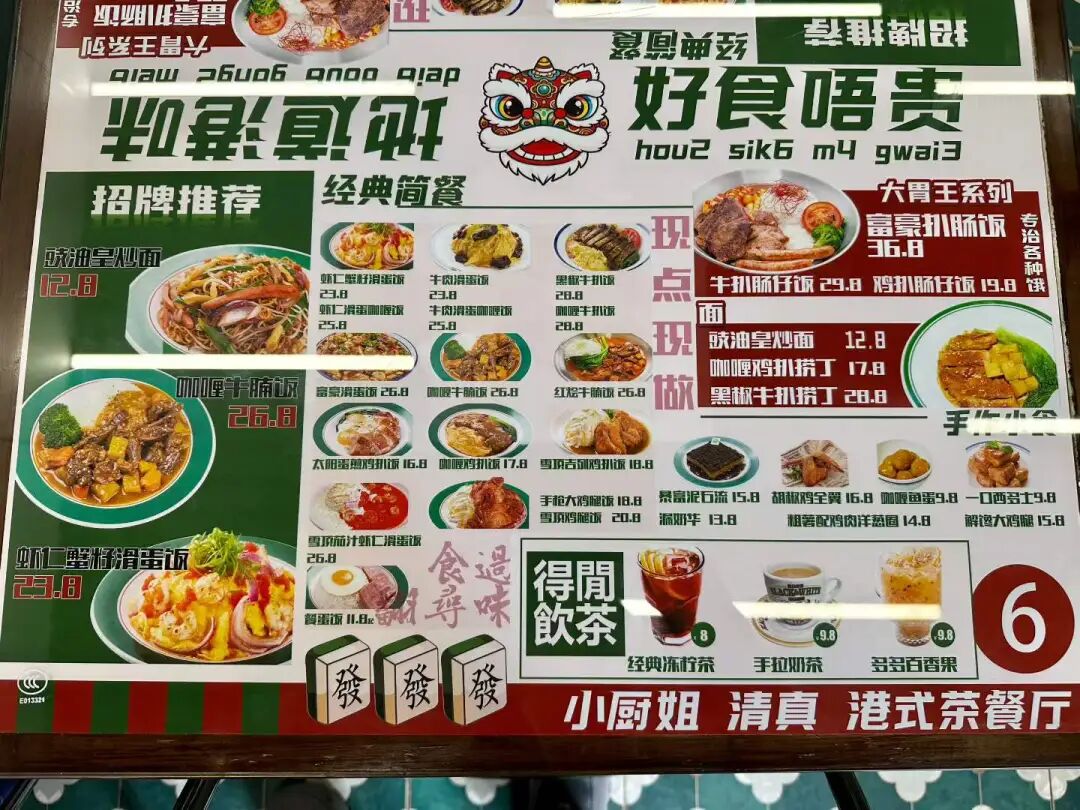
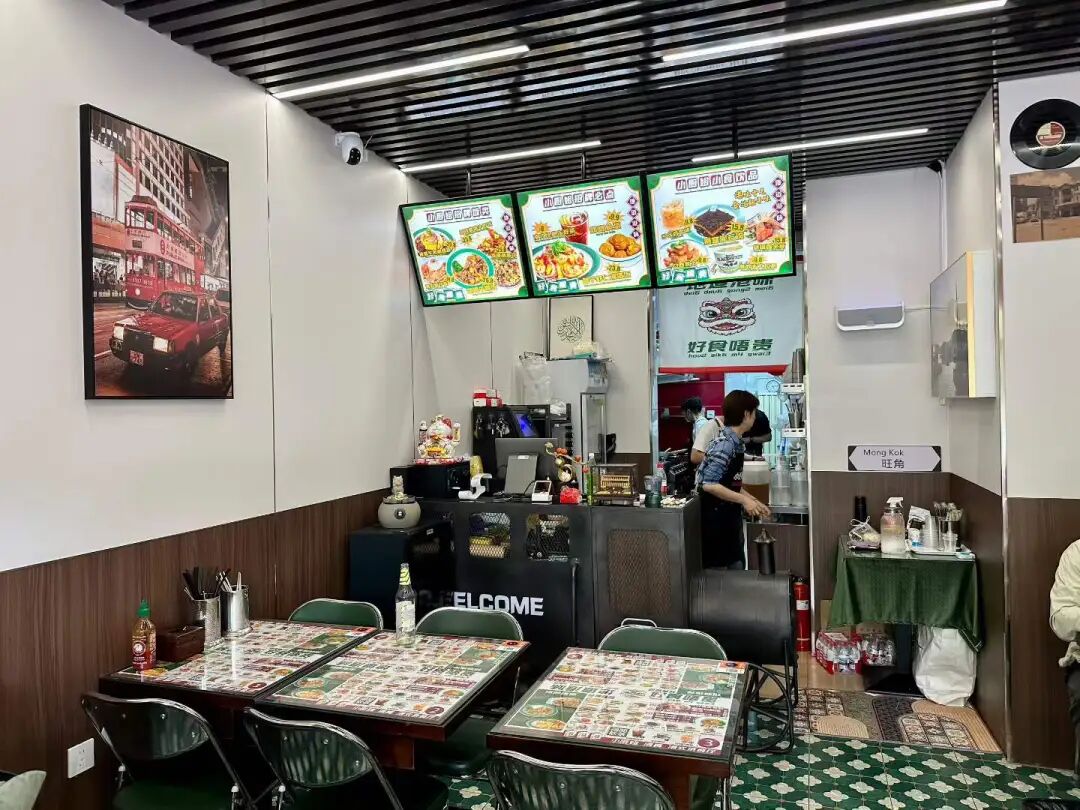
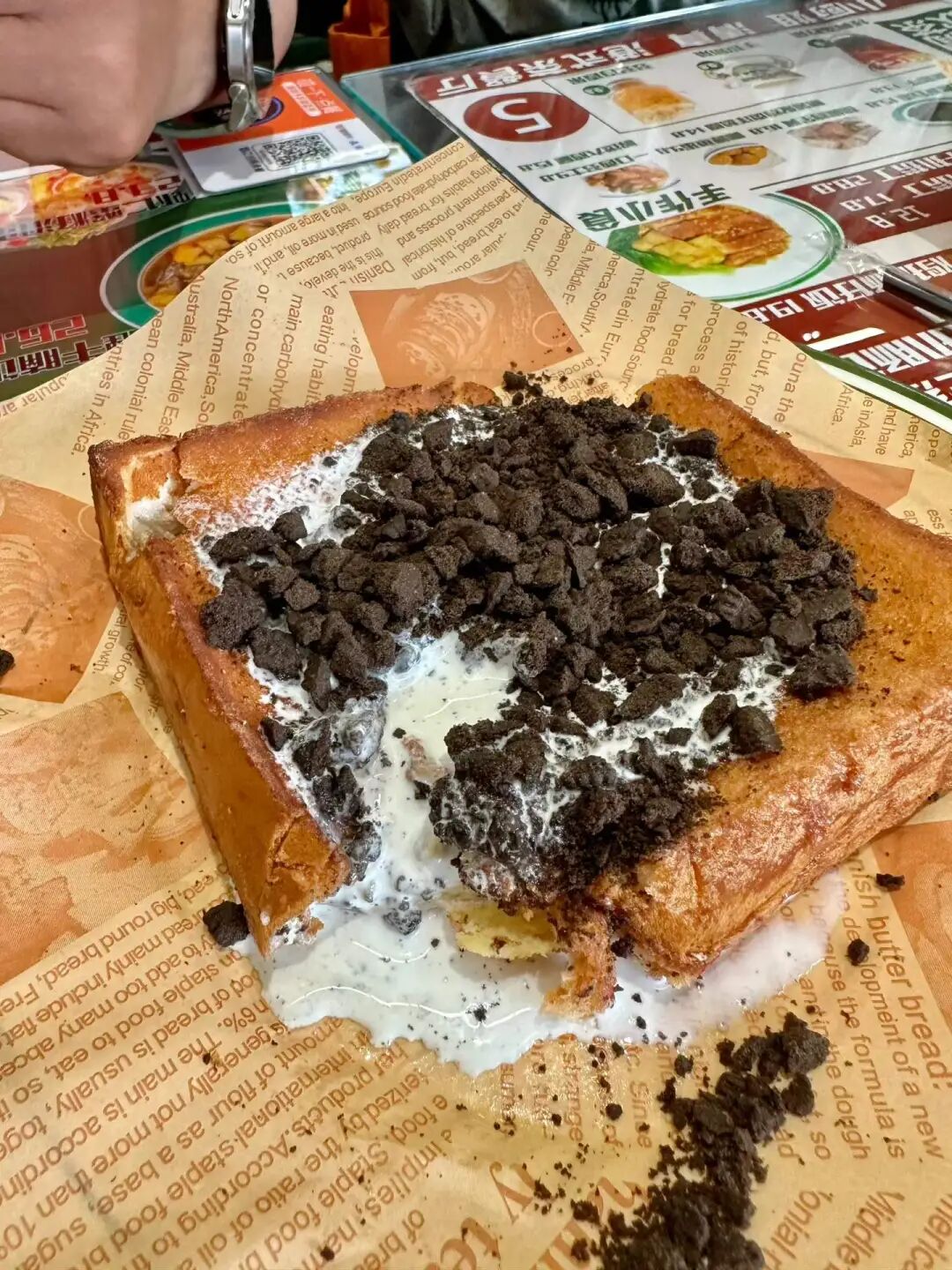
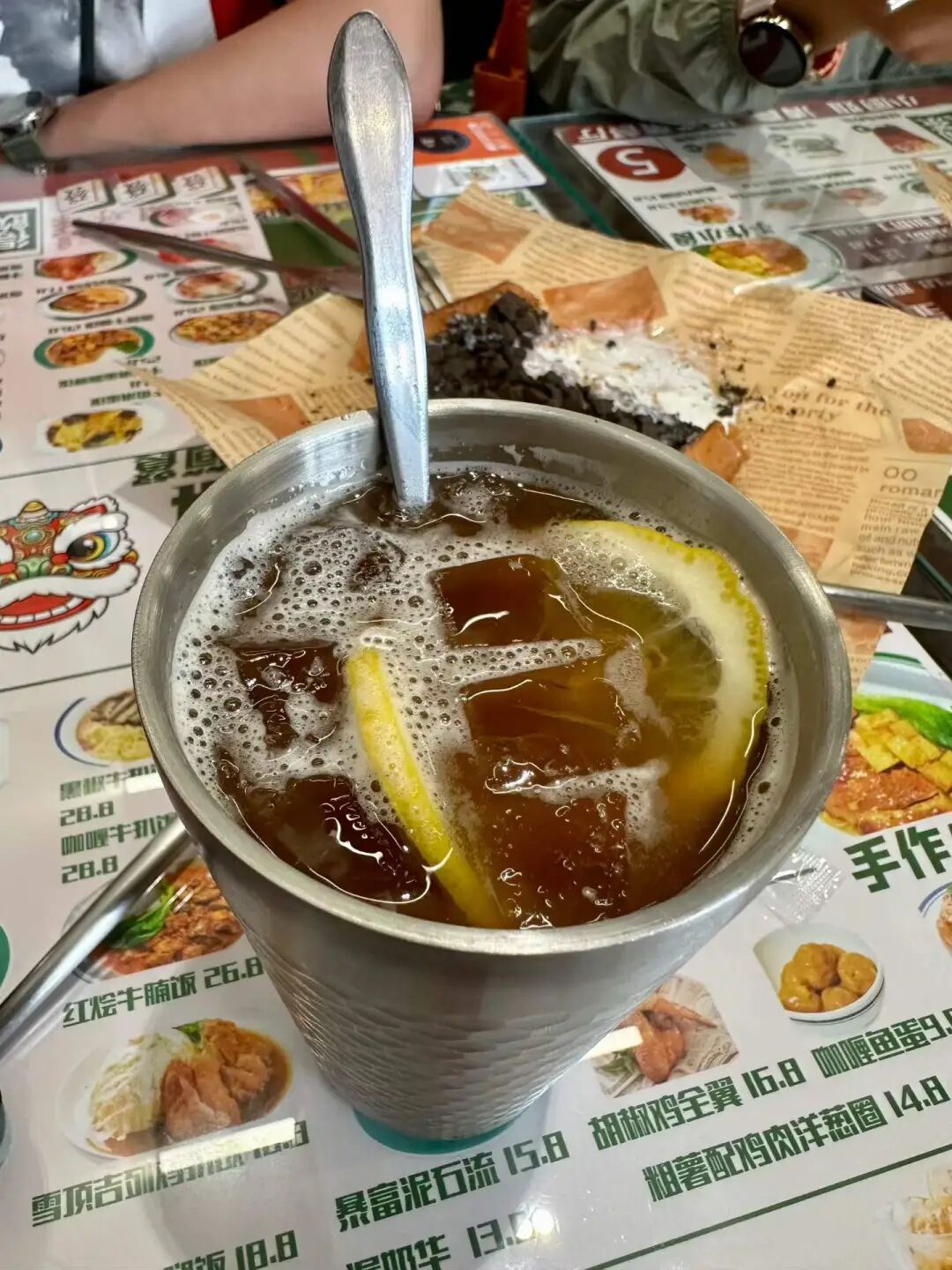
North of Tianmu in Tianjin is Tianzhong, which used to be the compound for the Tianjin Heavy Machinery Factory, and it has many different restaurants. A new Hong Kong-style tea restaurant called Xiao Chu Jie opened on Tianzhong Road. We ordered iced lemon tea, Hong Kong-style pulled milk tea, and passion fruit tea, and we ate the 'rich mudslide' dessert and the 'leaky milk' French toast (lounaihua). Their iced lemon tea is very refreshing, and the milk tea has a strong tea flavor that is very satisfying.
The leaky milk French toast is a viral dessert in Hong Kong-style tea restaurants, essentially a luxurious, exploding version of French toast (xiduoshi). To make it, they press a small dent into the top of two thick slices of toast and pour over a thick milk sauce made from milk, condensed milk, and butter, then sprinkle a thick layer of malt cocoa powder on top. When you cut into it, the milk sauce flows out like a mudslide. Because the malt cocoa powder used in Hong Kong-style tea restaurants is the Swiss brand Ovaltine, the dish gets its name 'leaky milk' (lounaihua).
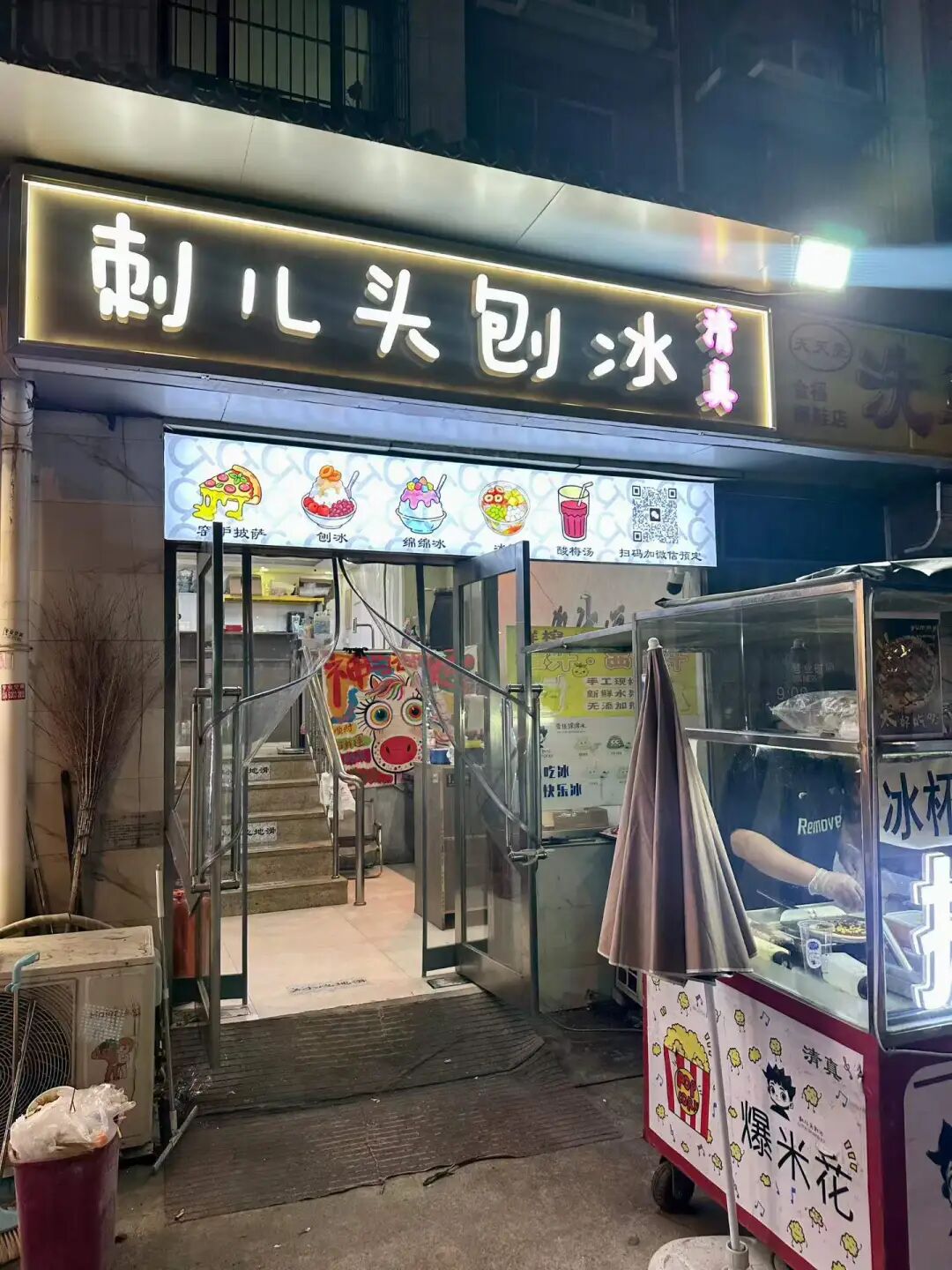
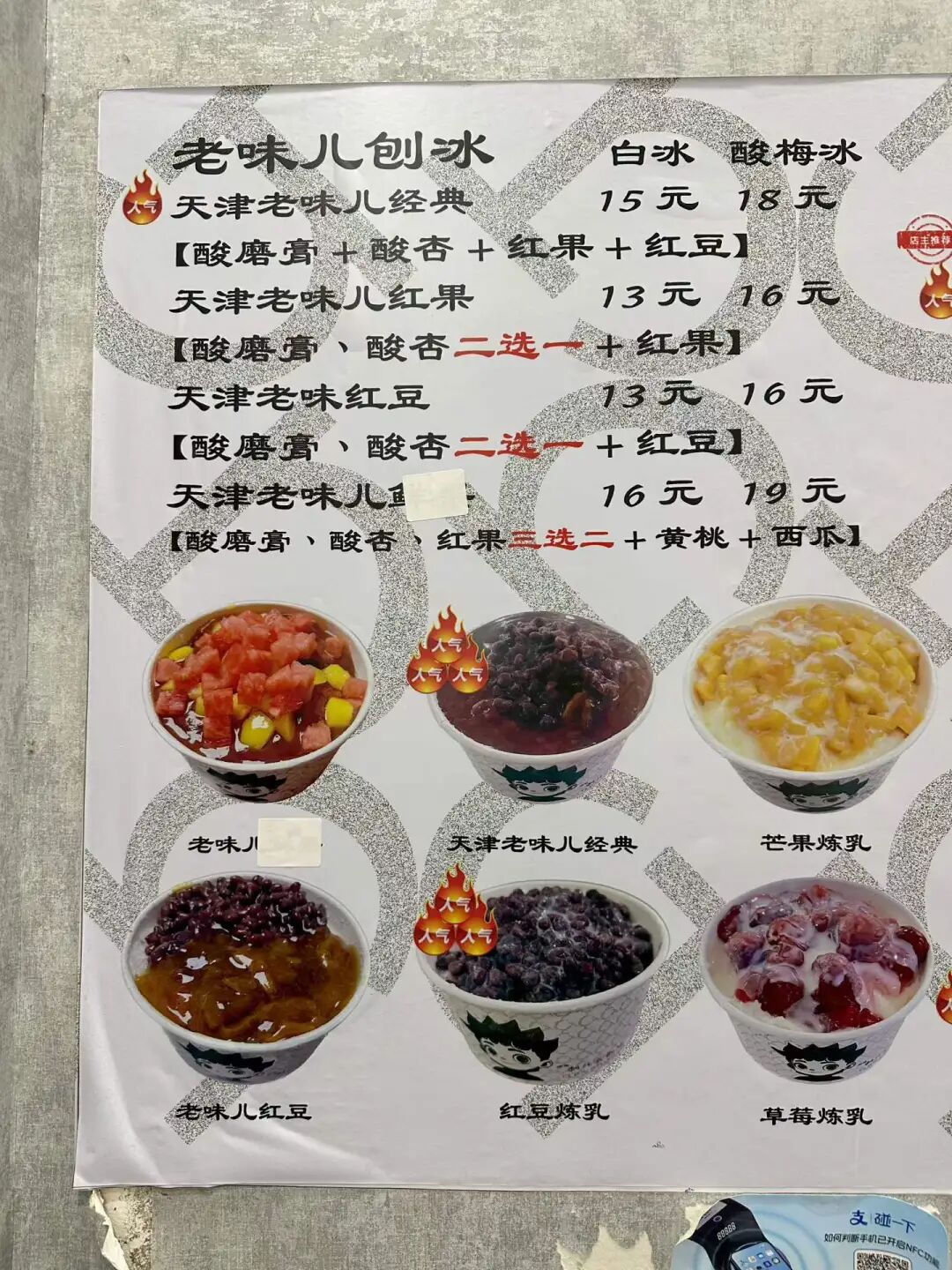
In the evening, I walked around the night market on Shunyi Road in Tianmu and ate shaved ice. Since Metro Line 4 opened, it is much easier to get to Tianmu, so I probably won't go to the Northwest Corner as often. I ate at this Ciertou Shaved Ice shop in Tianmu last year, and I came back to eat here again this time. I always order the old-fashioned shaved ice (baobing) I love, topped with sour hawthorn paste (suanmogao), sour apricots, red hawthorn berries, and red beans. It really whets the appetite. They also have fresh lychee milk ice, which is only sold during lychee season. When we arrived, the owner was just opening a crate of fresh lychees, and they looked very fresh indeed.
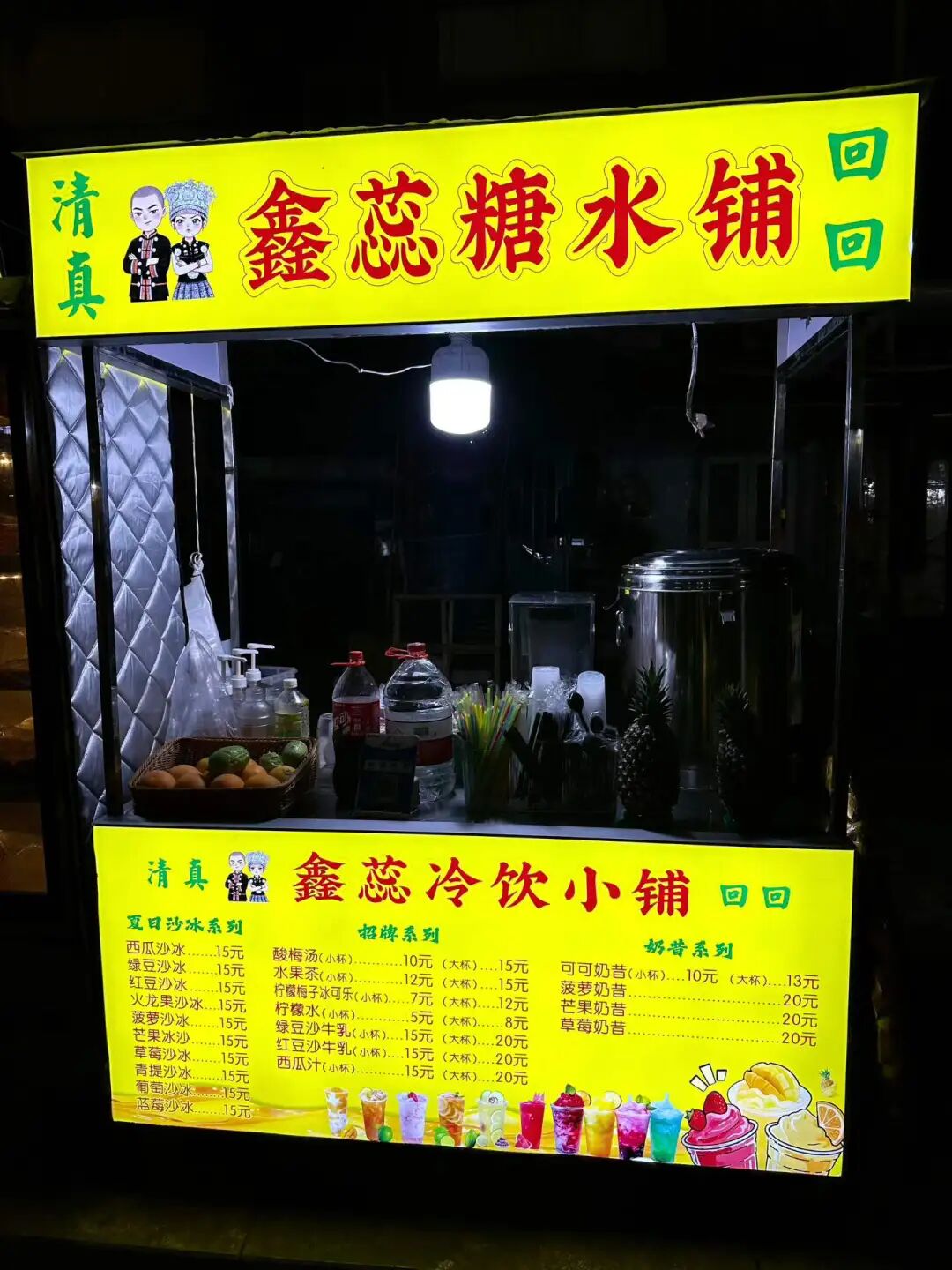
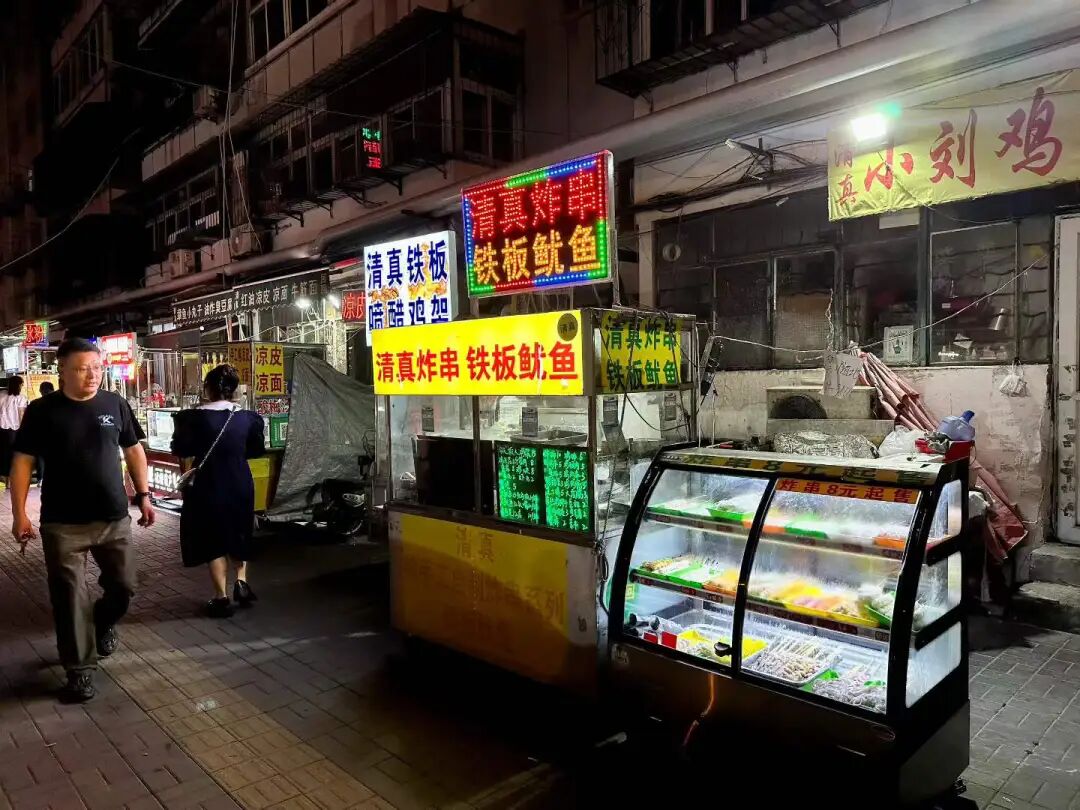
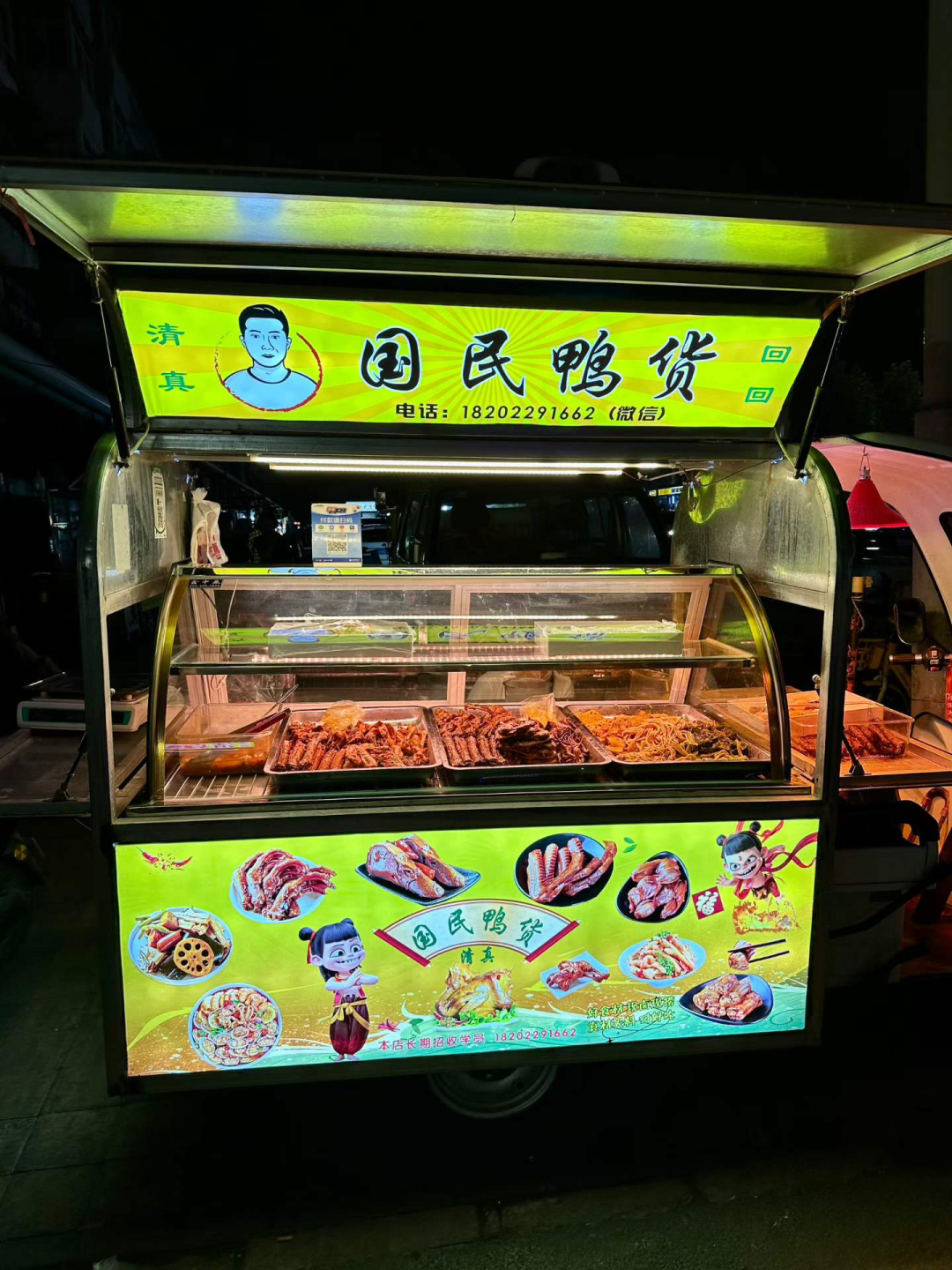
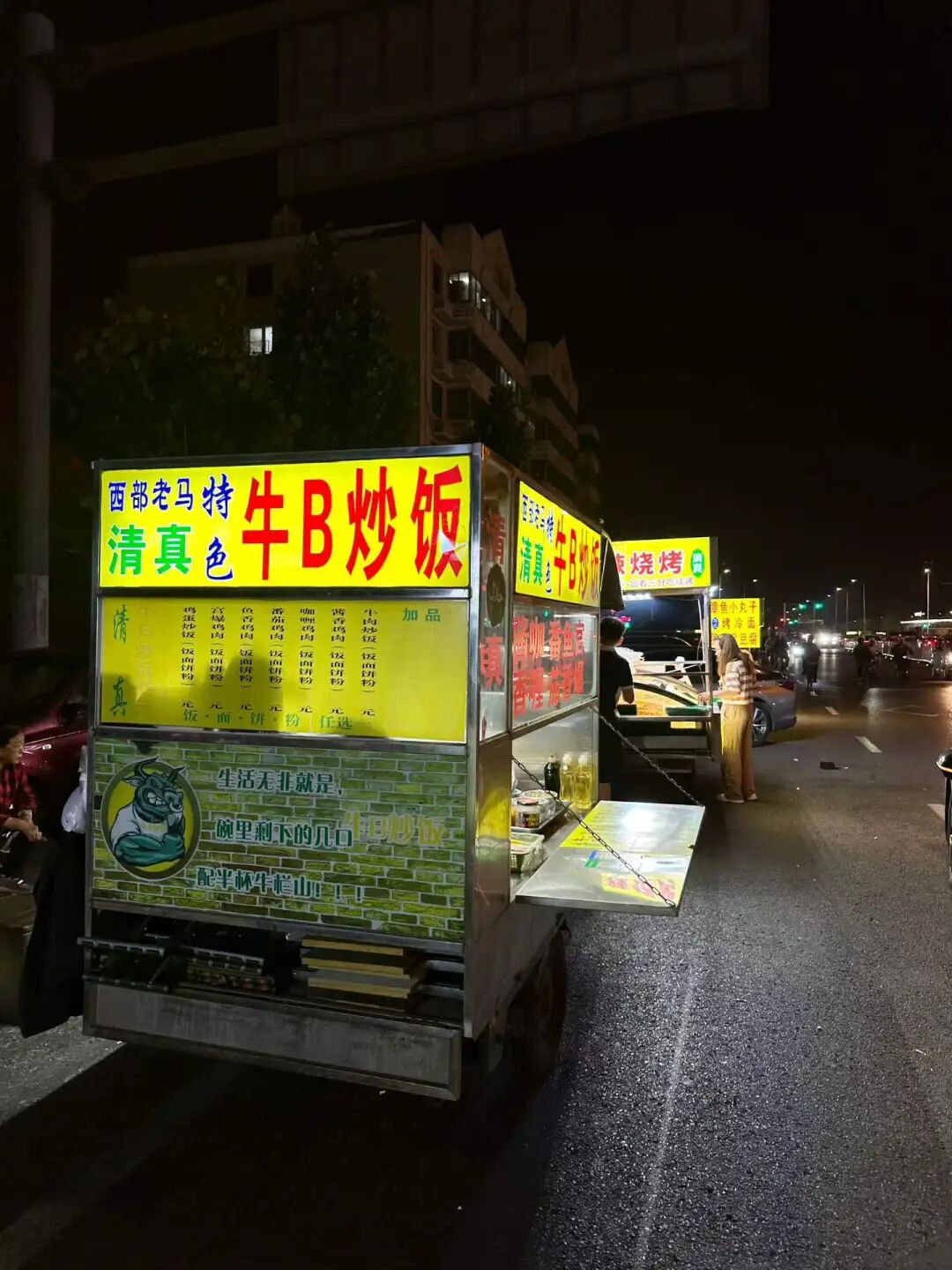
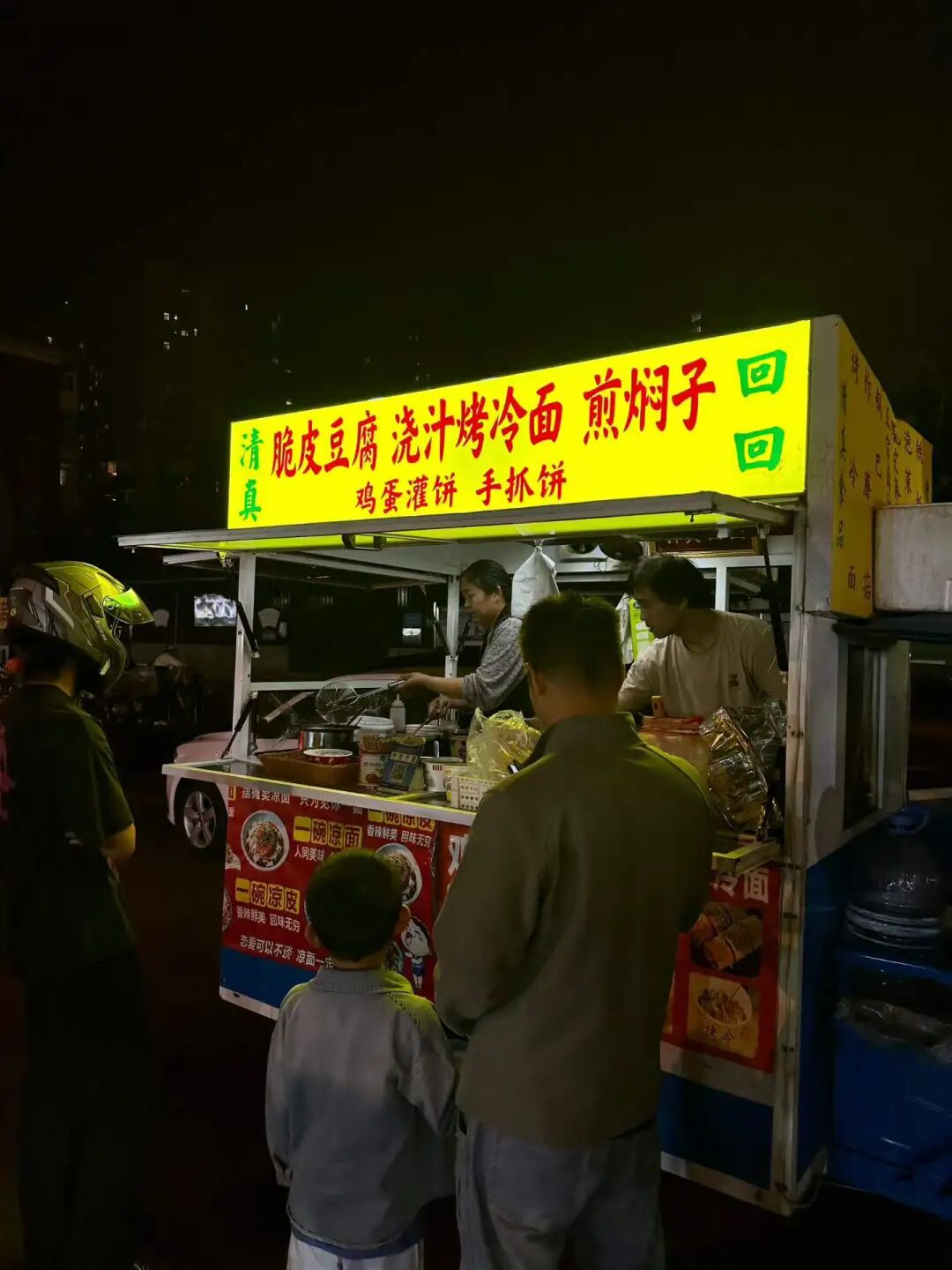
Shunyidao Night Market now has barbecue on one side and snacks on the other. It is great to walk around, with options like sweet soup (tangshui), teppanyaki squid, duck snacks, and octopus balls (takoyaki) available.
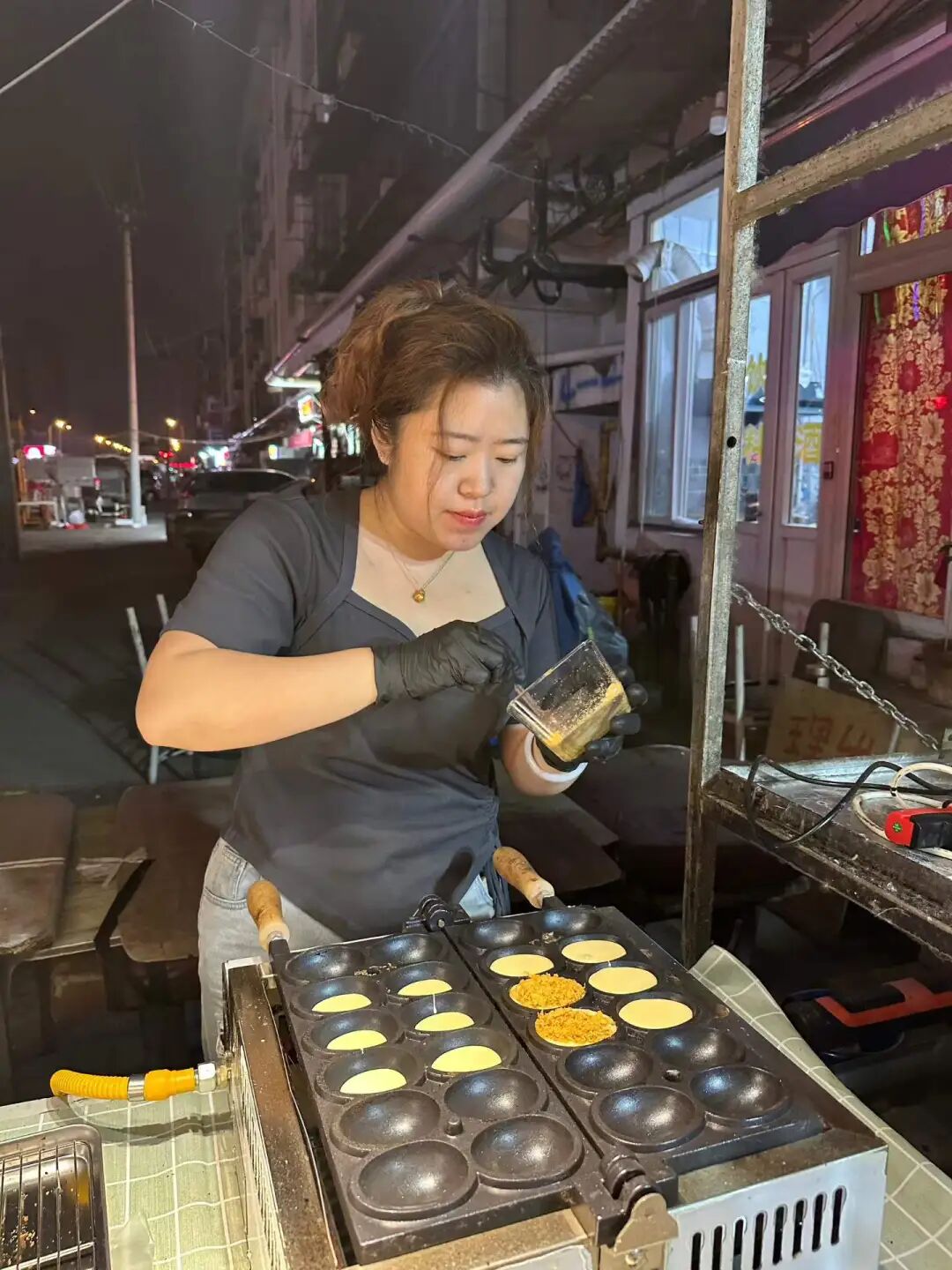
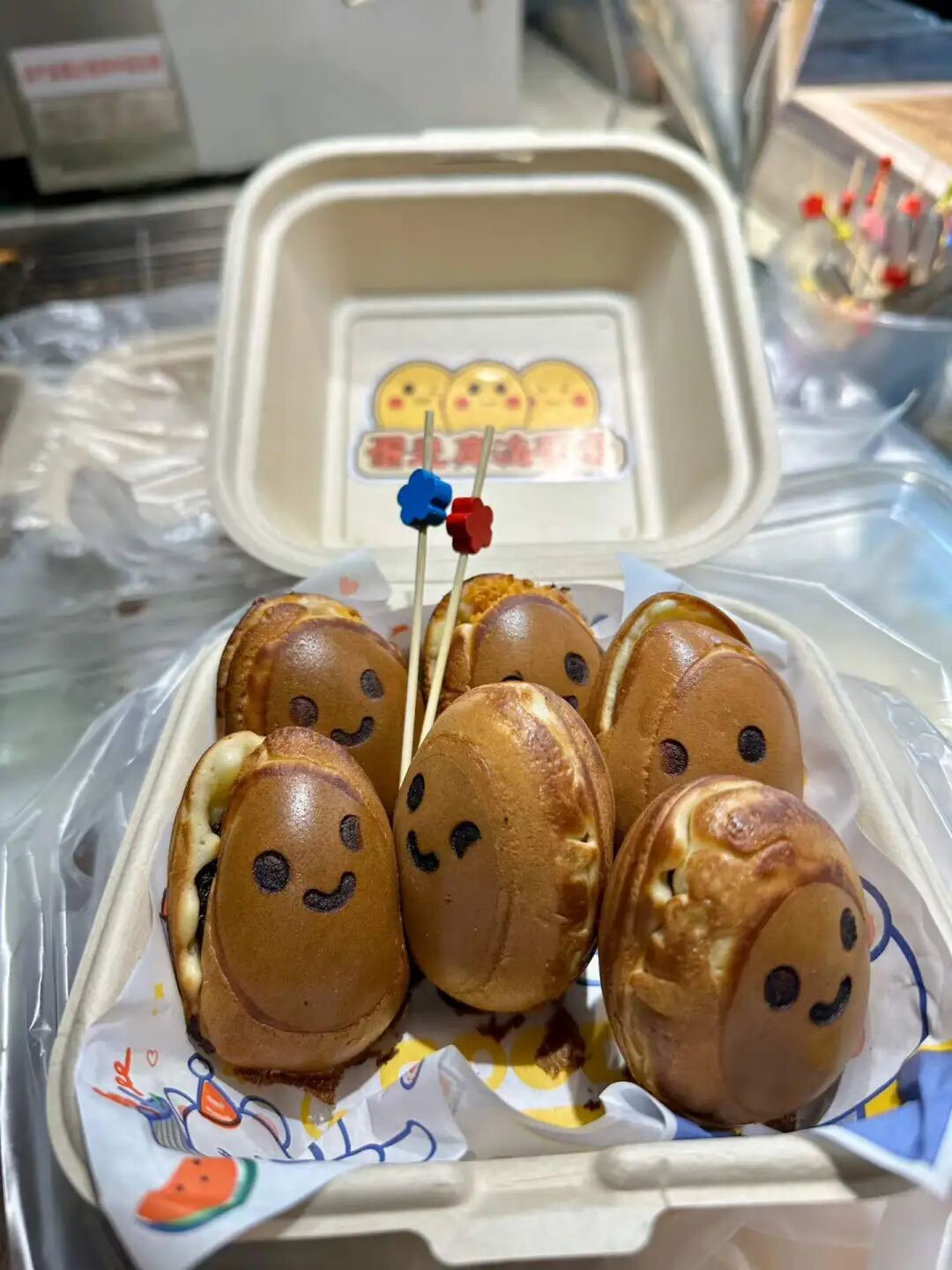
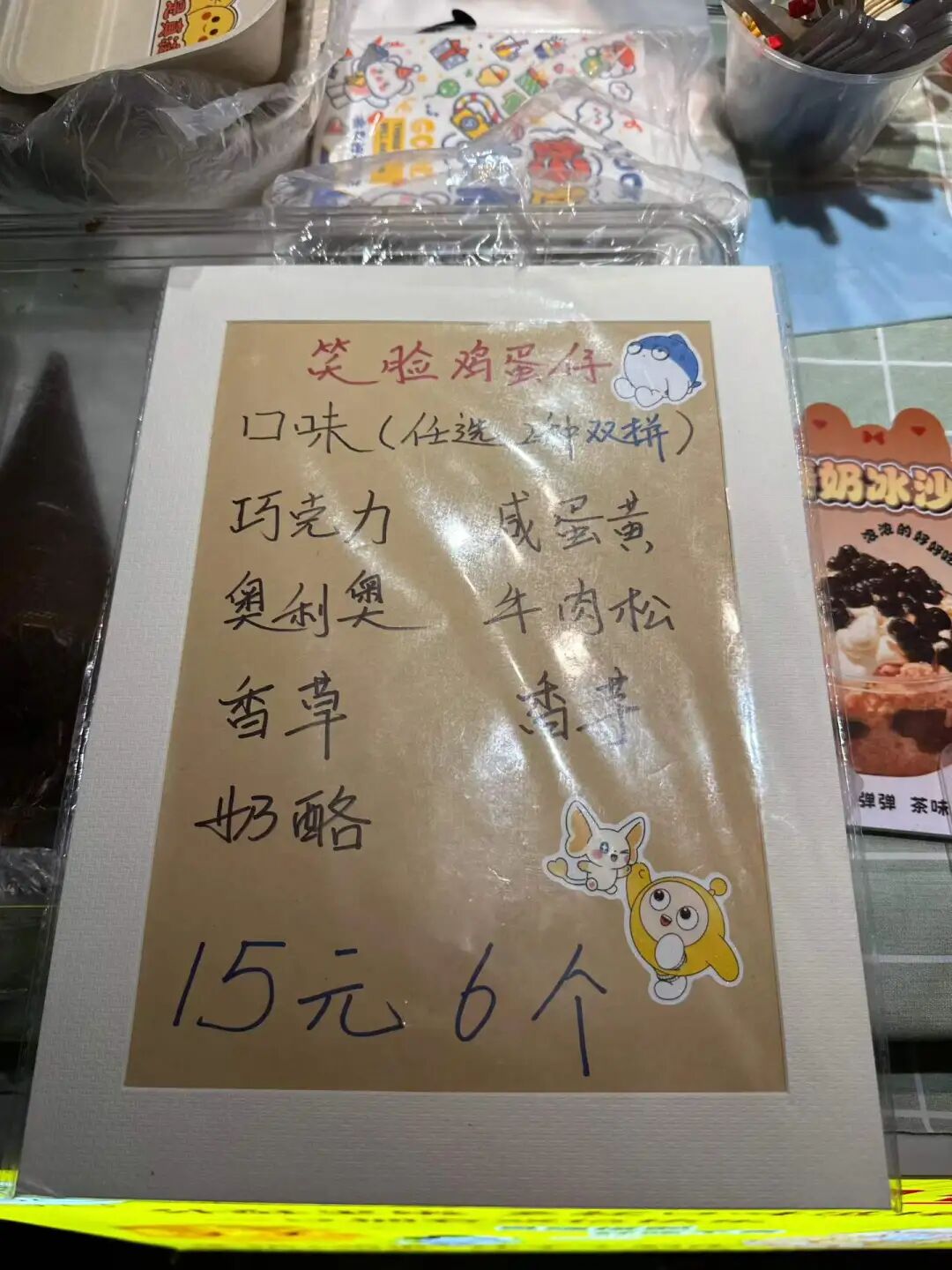
We kept walking through the Tianmu Shunyidao Night Market and bought some egg waffles (jidanzi). We got chocolate, beef floss, and original flavors. The egg and milk aroma was very strong. They were very hot when freshly made, so we had to let them cool down before eating. Suleiman really liked the chocolate flavor.
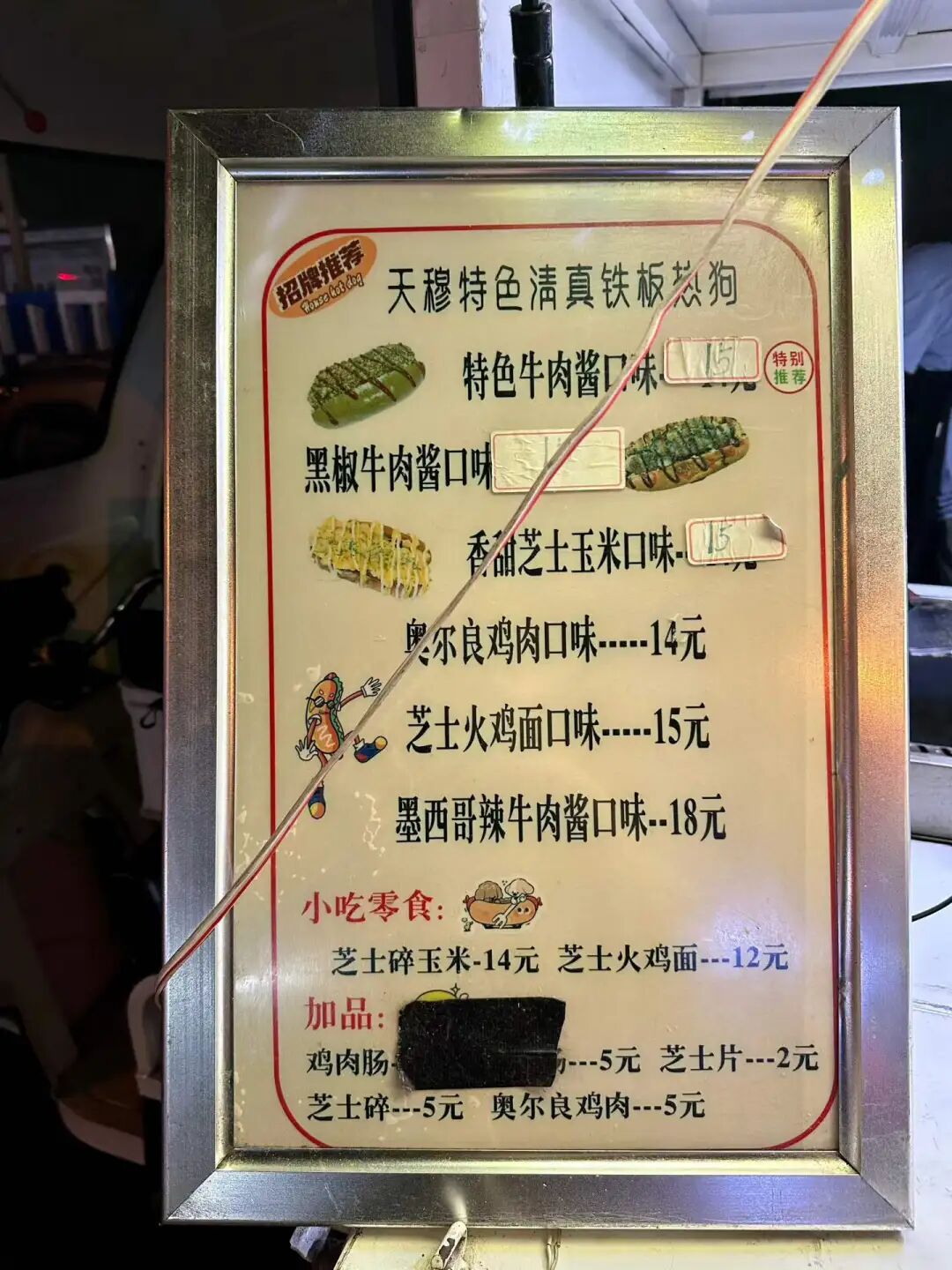
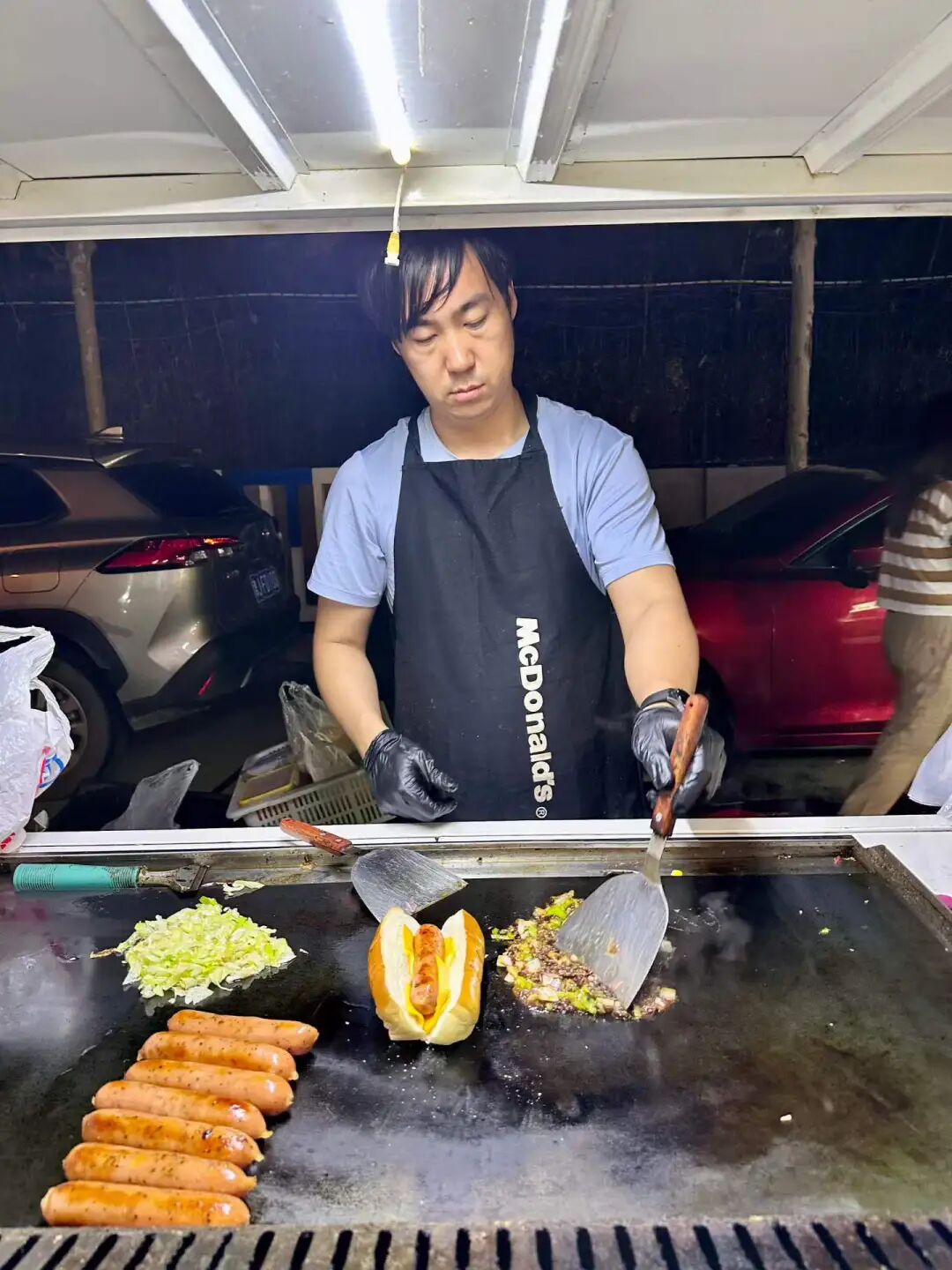
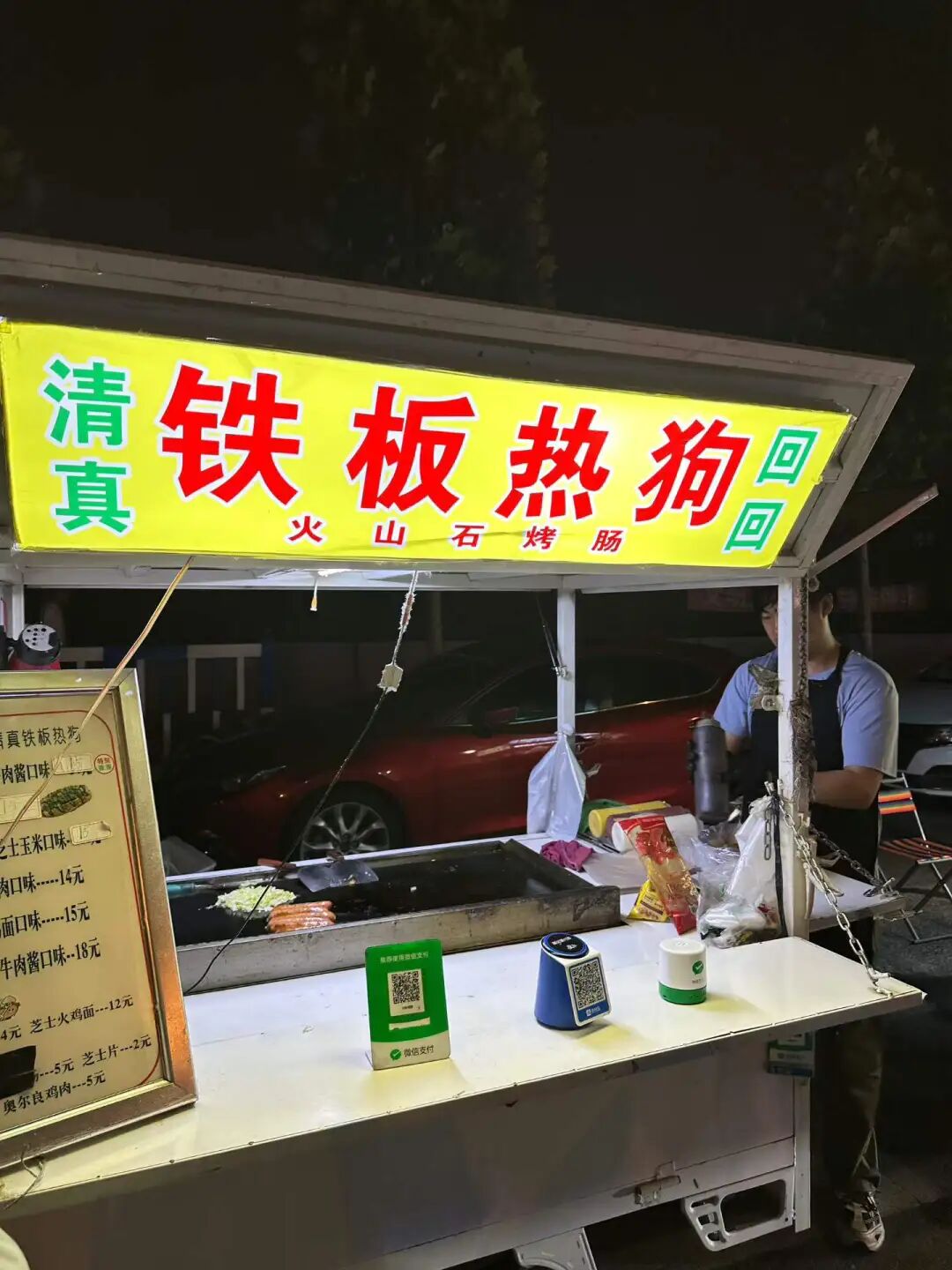
Then we bought some teppanyaki hot dogs, which were also very affordable.
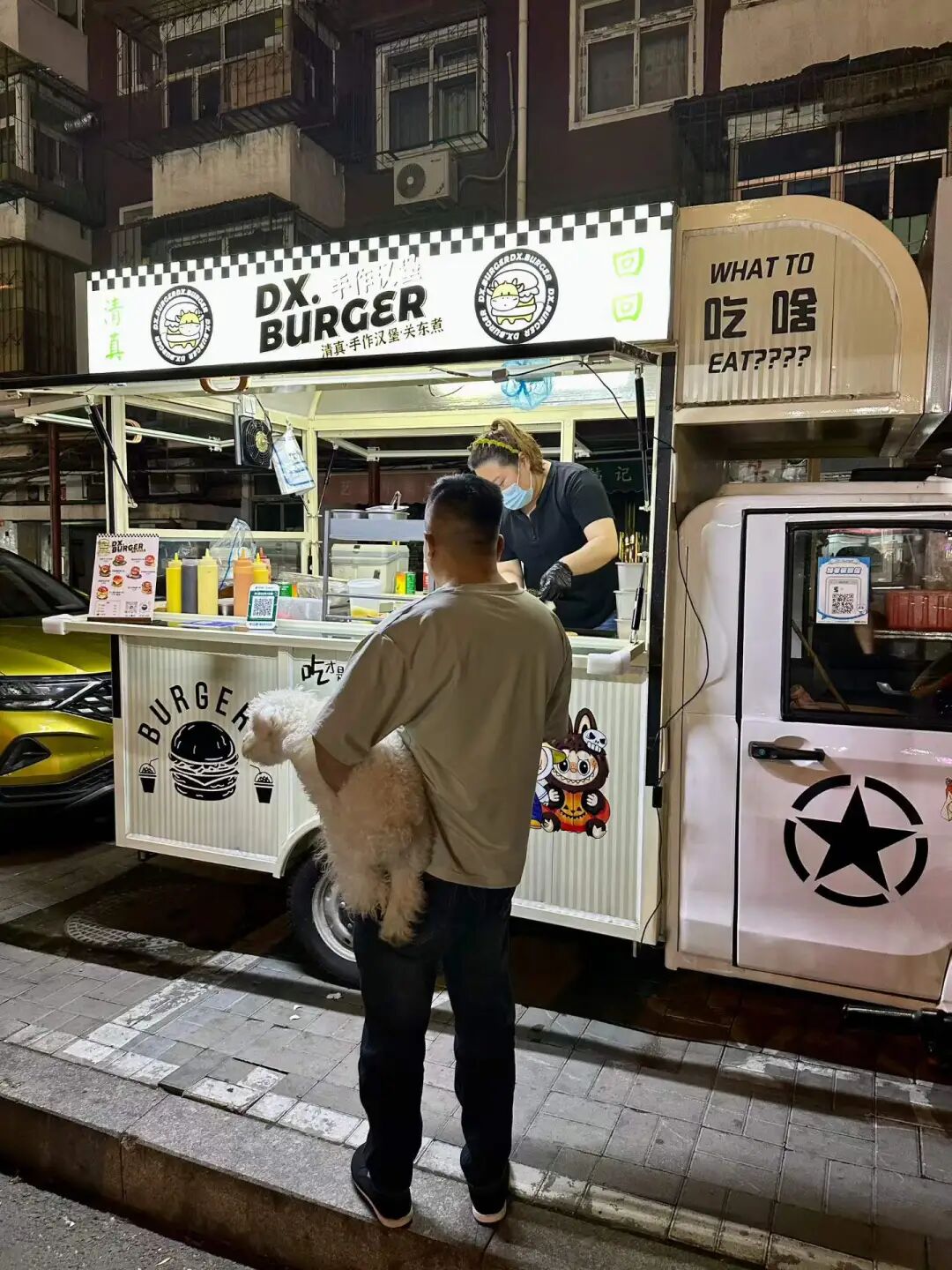
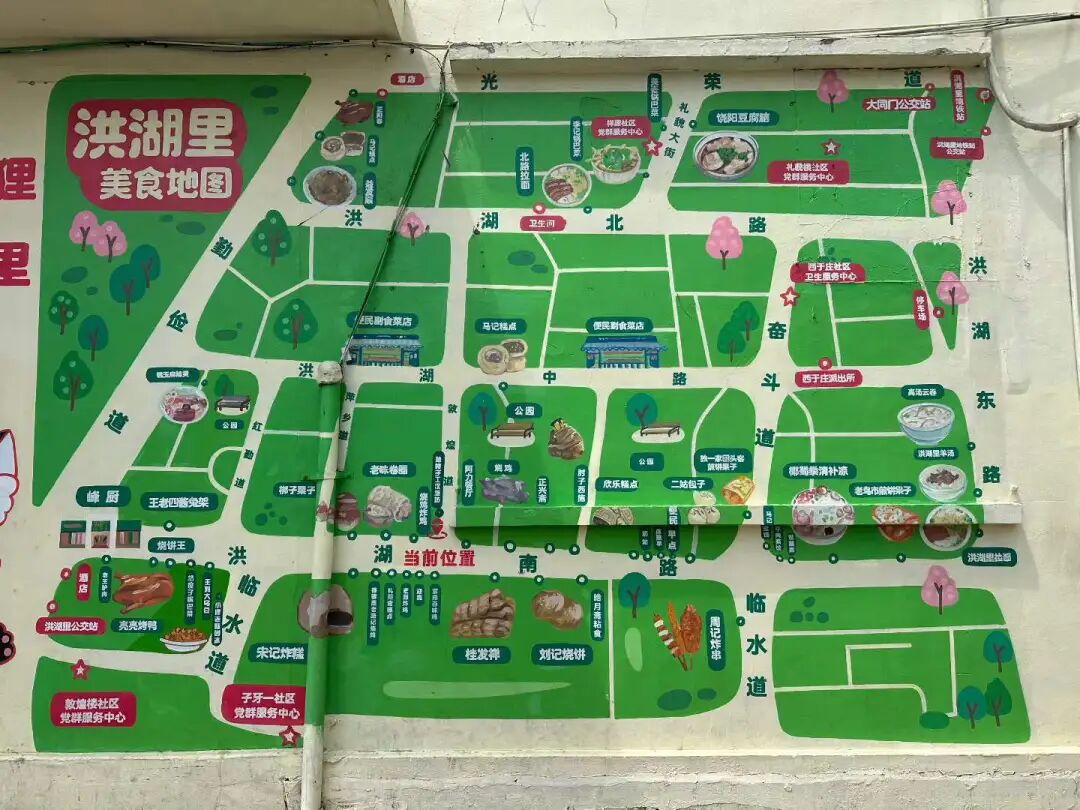
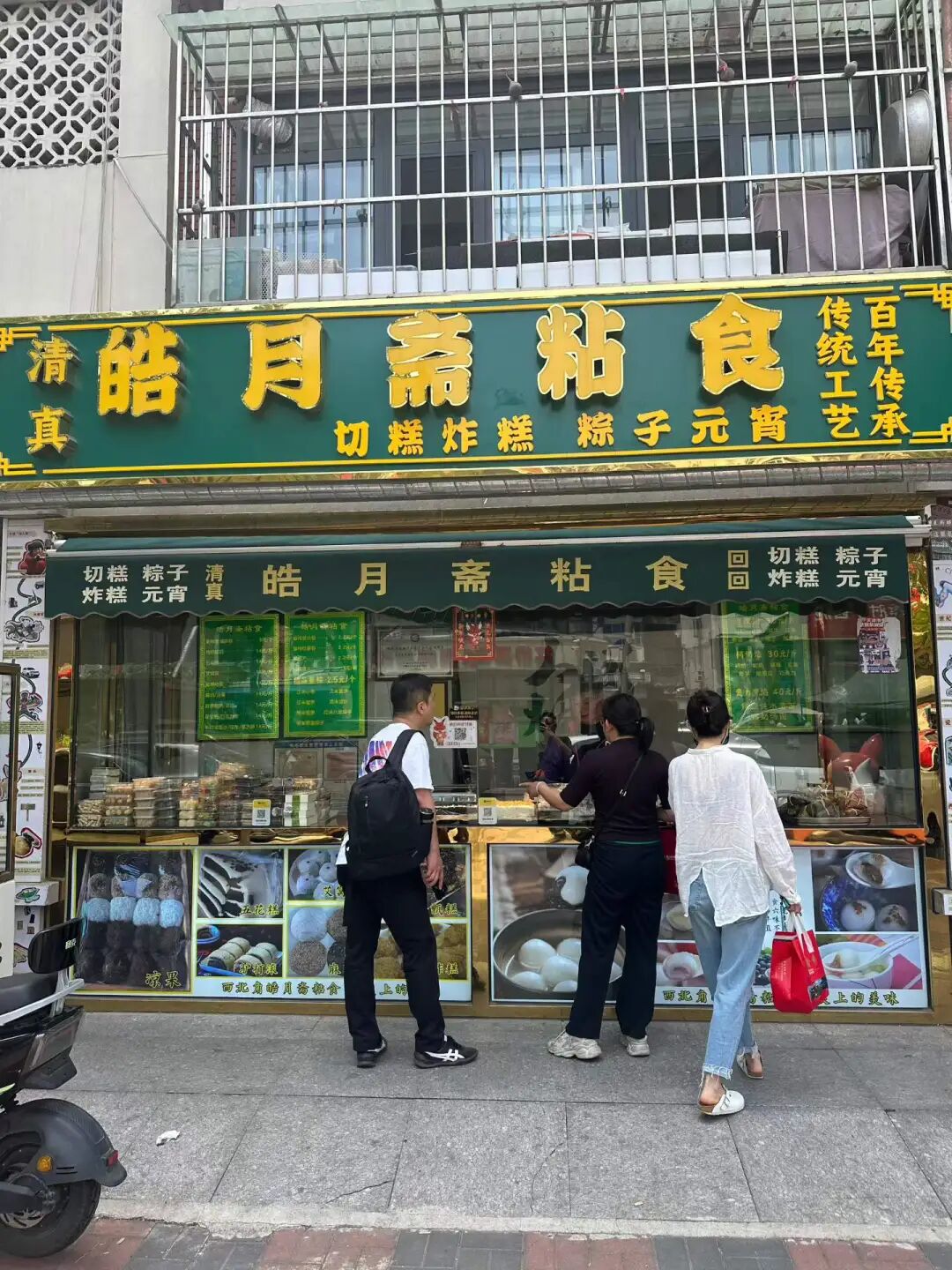
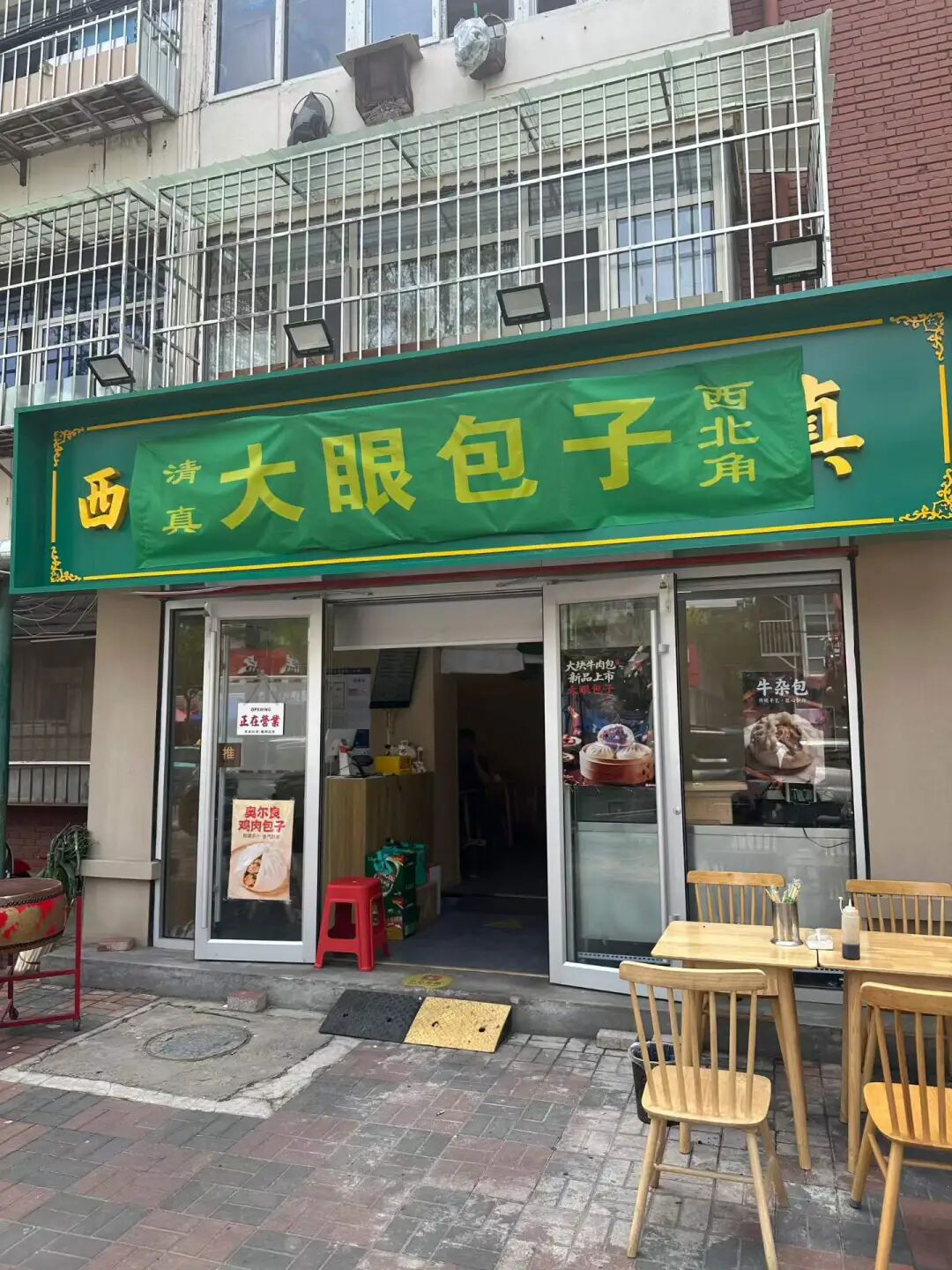
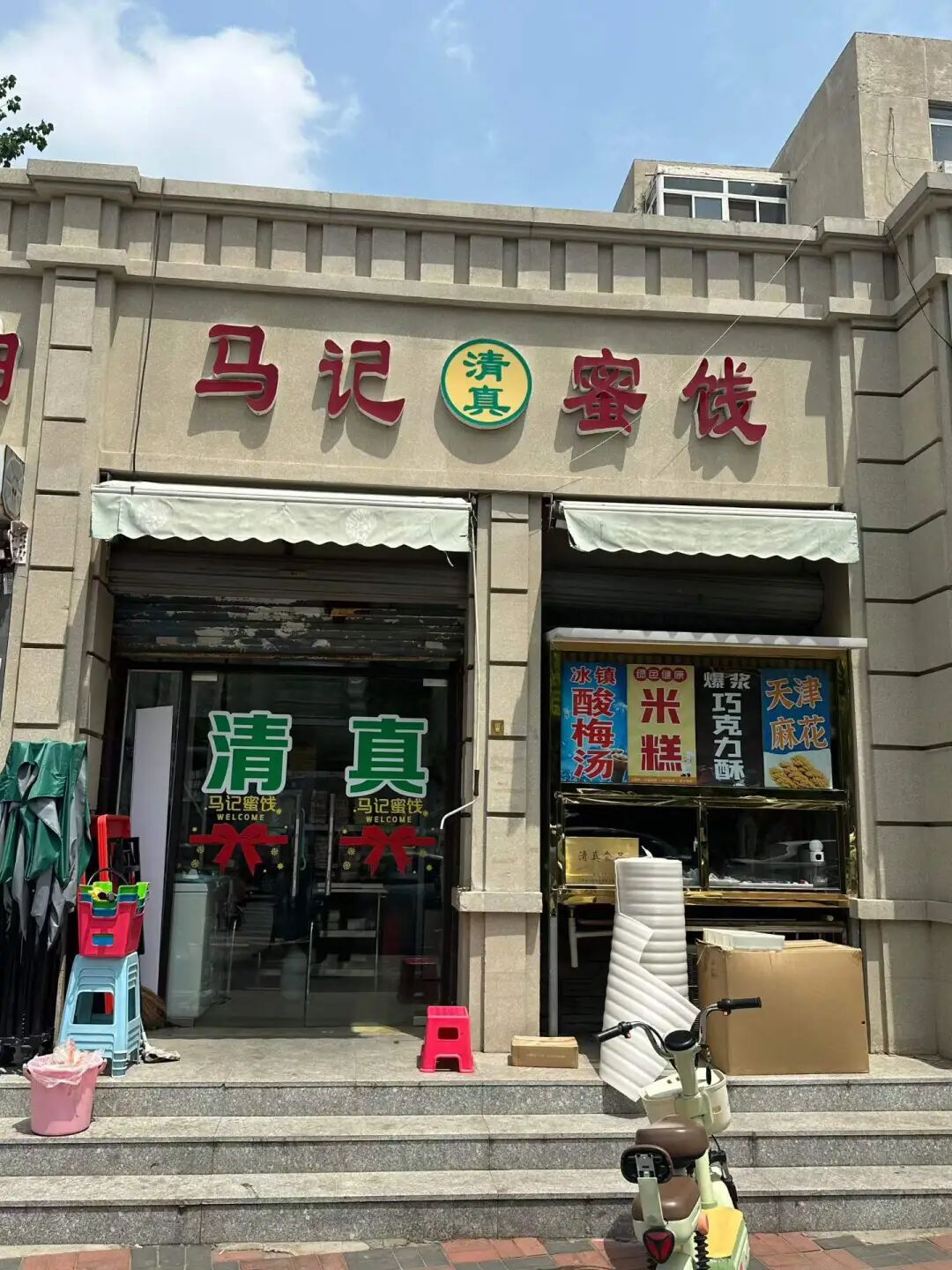
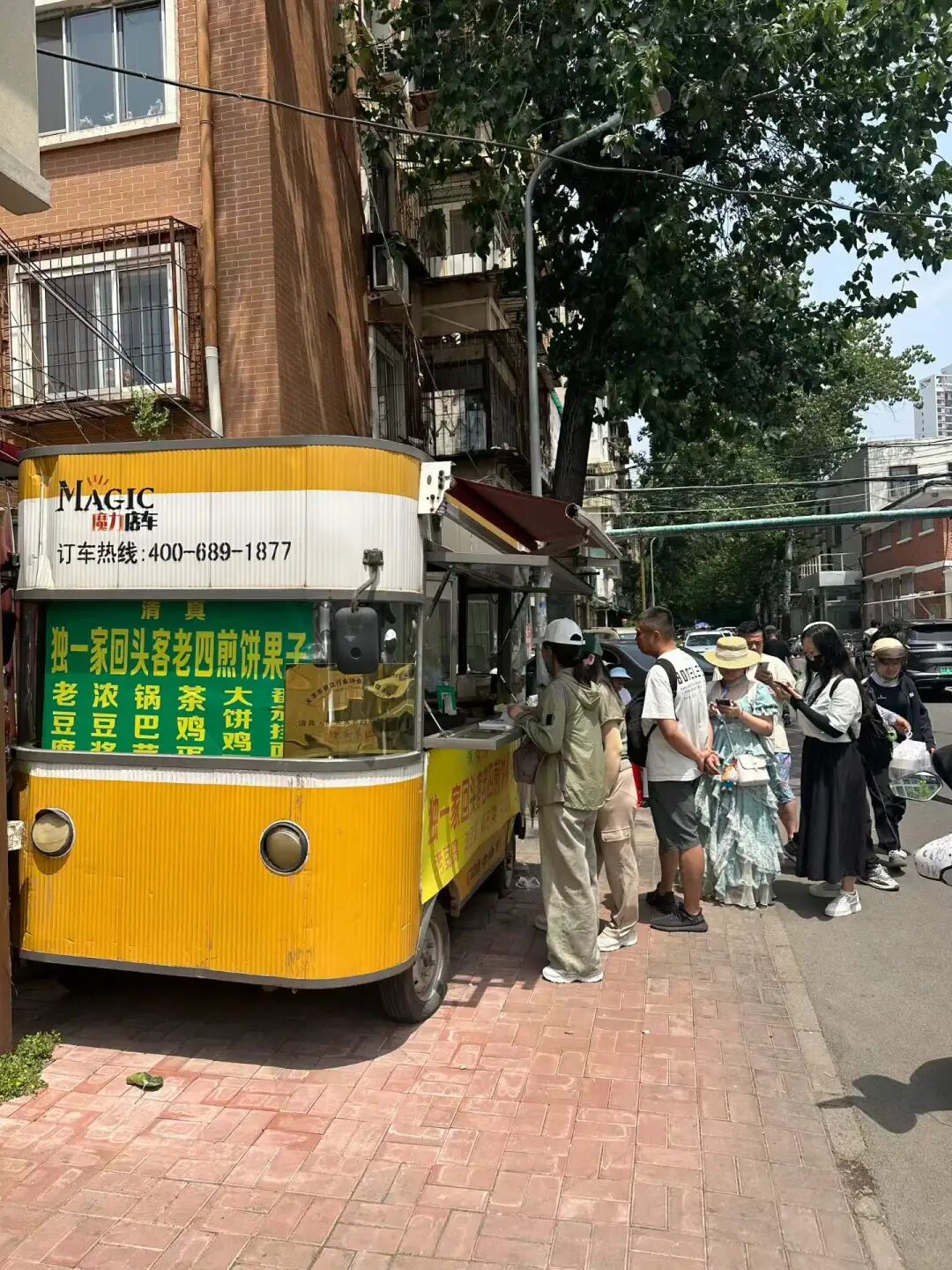
We came to the Honghuli Food Street in Tianjin on the weekend to try a newly opened American-style burger shop. Honghuli is an old-fashioned residential area built in the 1980s. It is only one subway stop away from Tianjin West Railway Station, making it very convenient to reach. There are many Hui Muslim restaurants here, both traditional and modern. Unlike the Northwest Corner, it is not very commercialized, and most of the customers are locals.
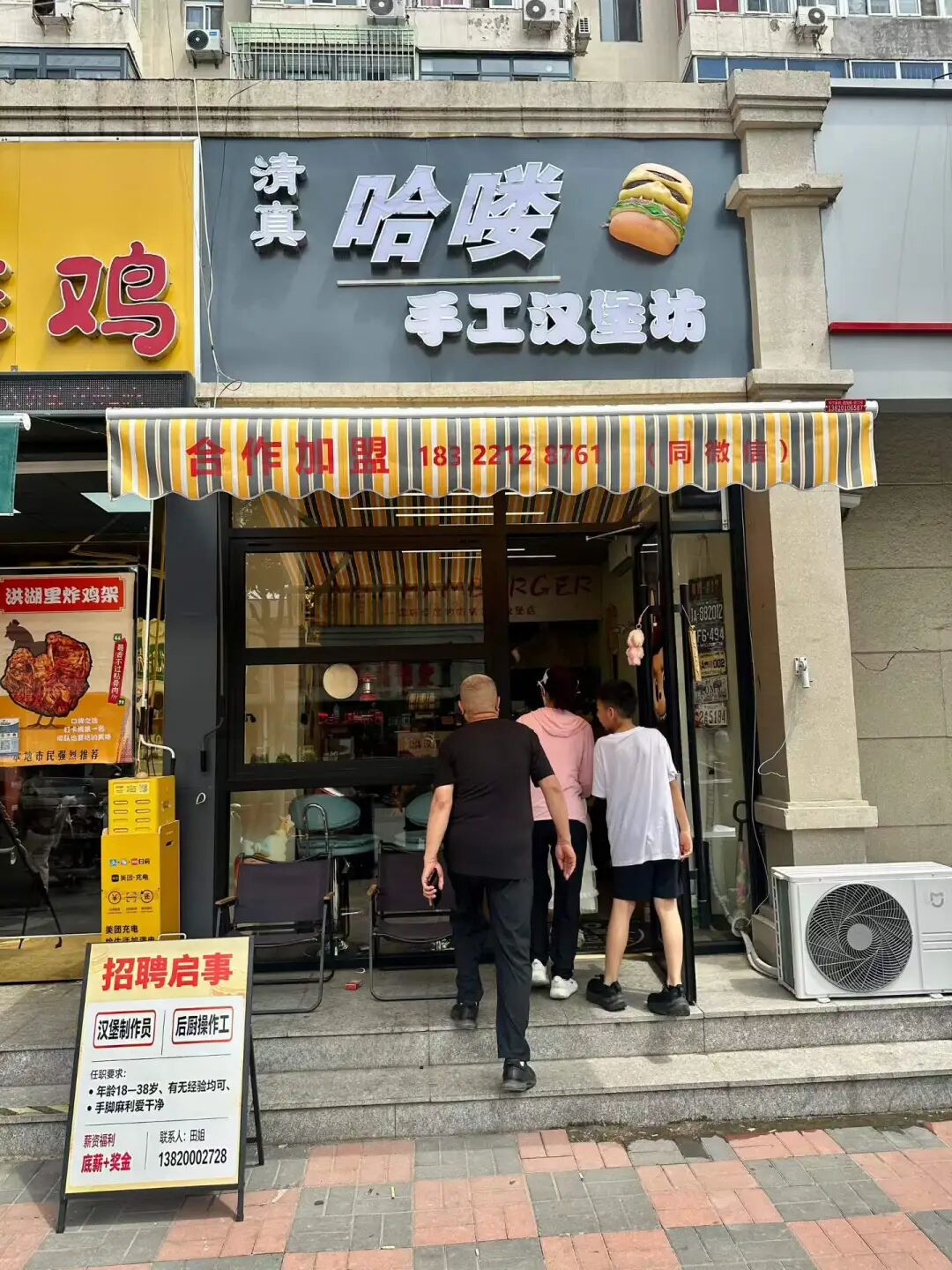
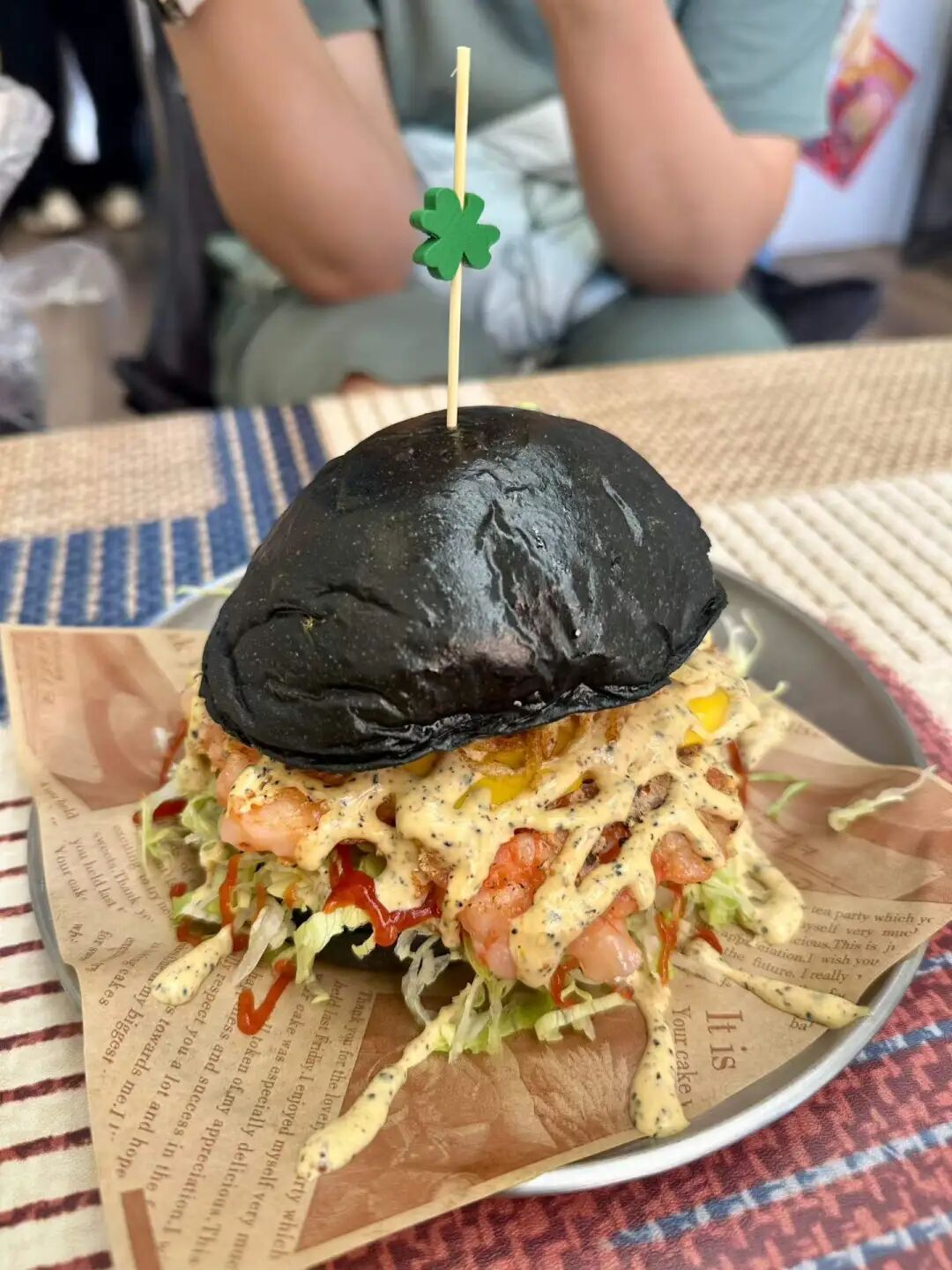
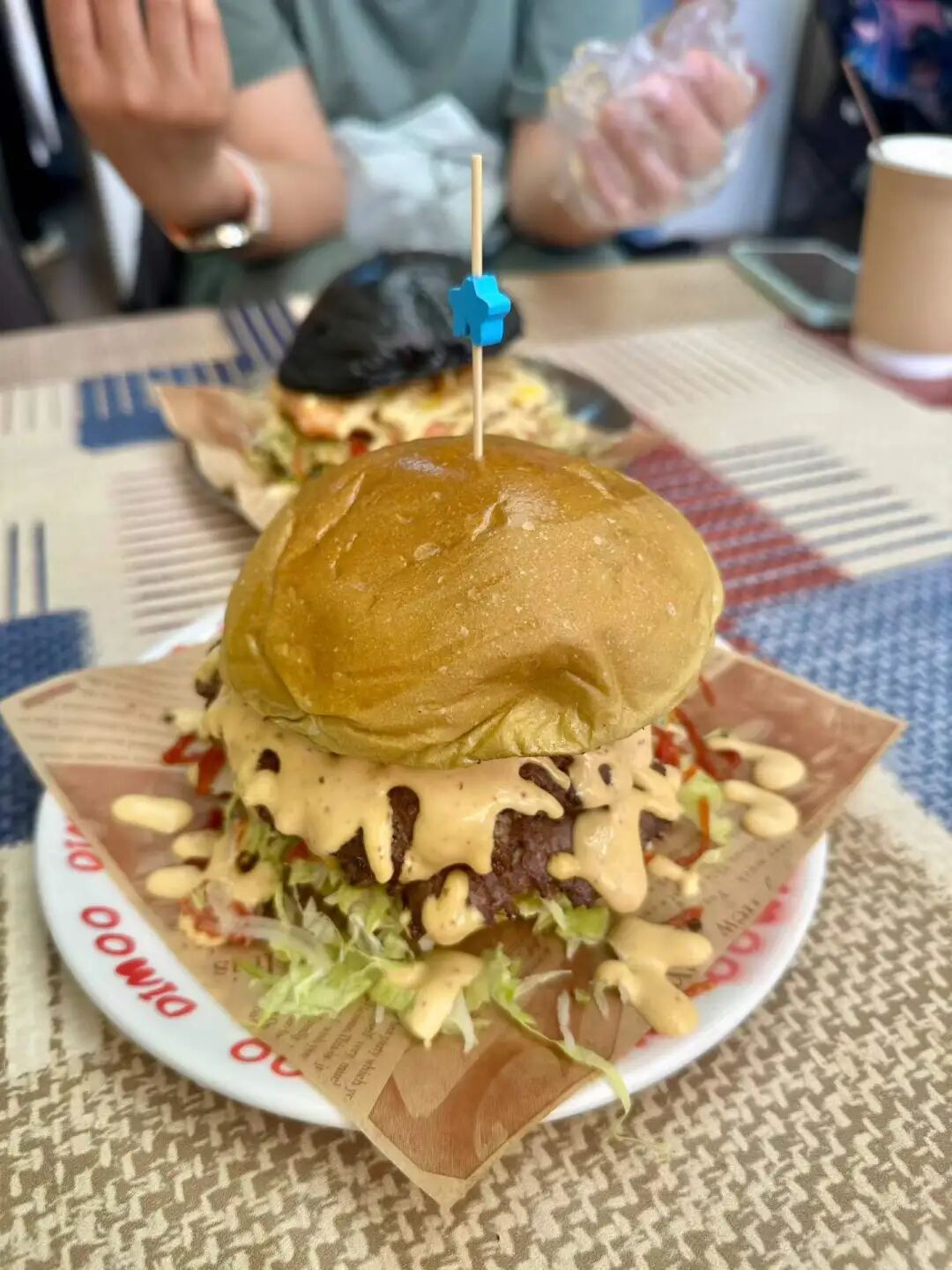
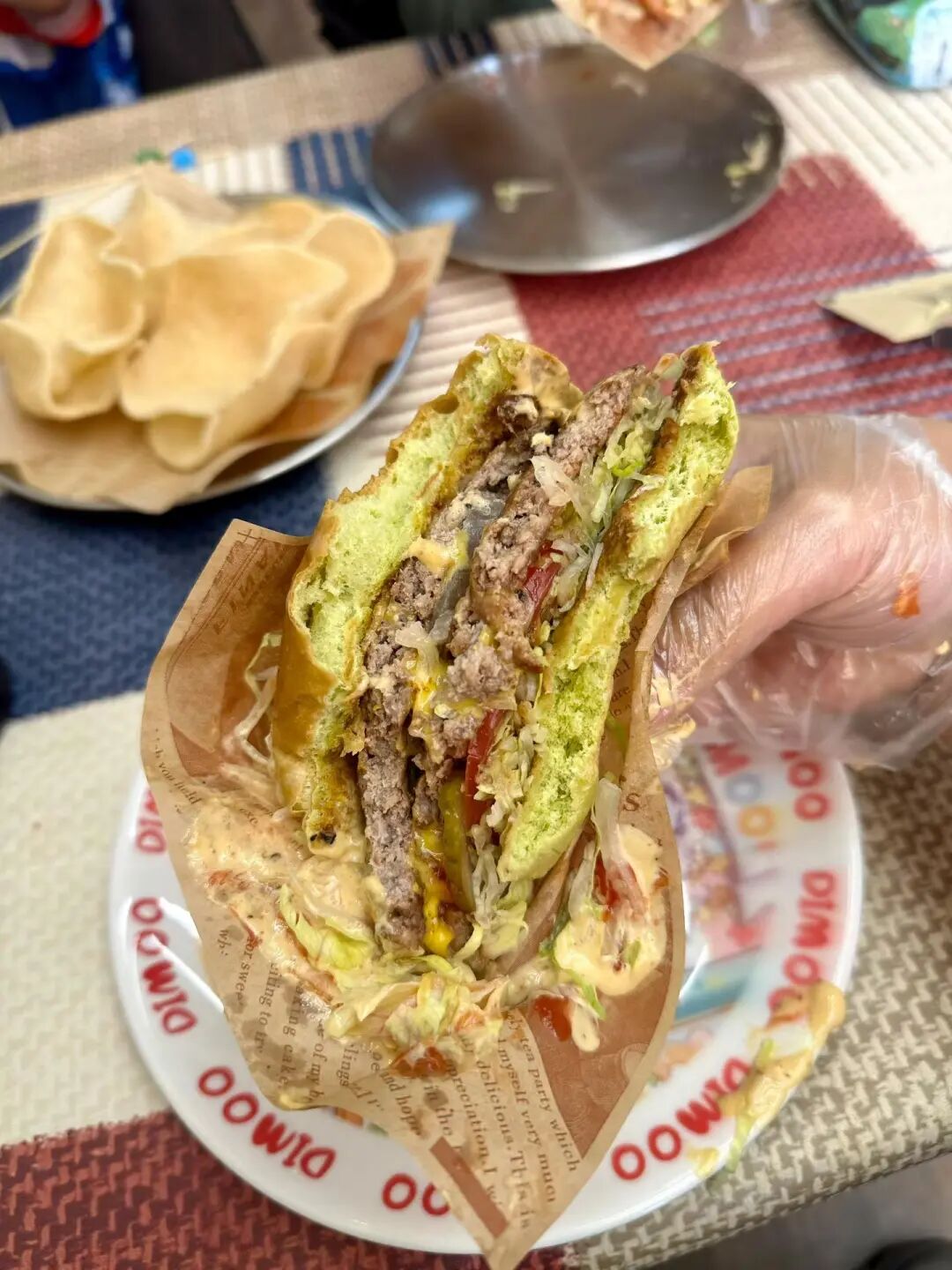
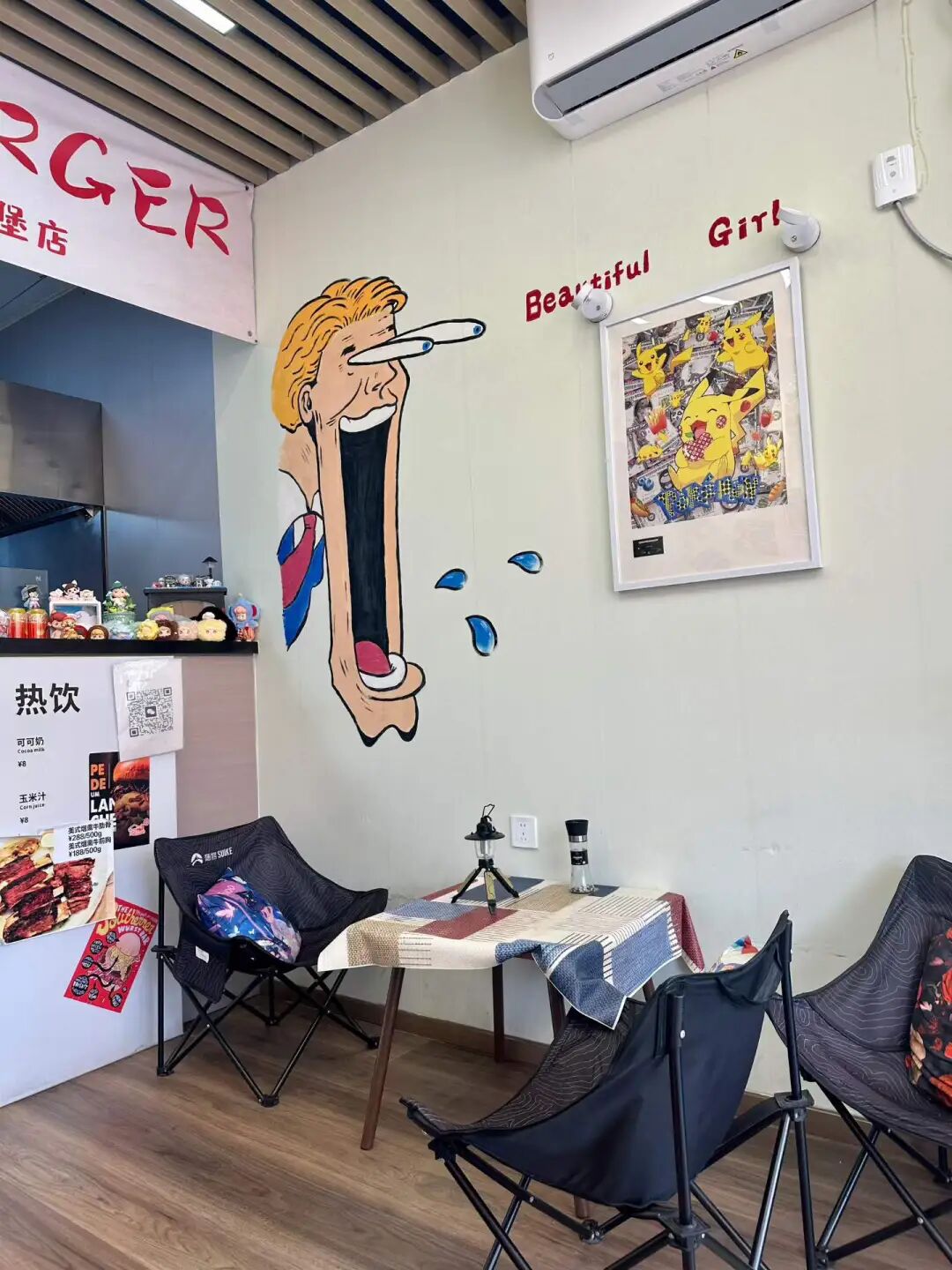
Hello Handmade Burger Shop is on Honghu South Road, surrounded by many other food spots. The owner is a relative of the imam at Fuxingzhuang Mosque, so the food is halal and the quality is guaranteed. We had the American-style double beef burger and the black truffle black tiger shrimp burger. Both were huge. Their burger buns are unique. The green ones are made with spinach powder and the black ones with squid ink. They are custom-made and have absolutely no preservatives.
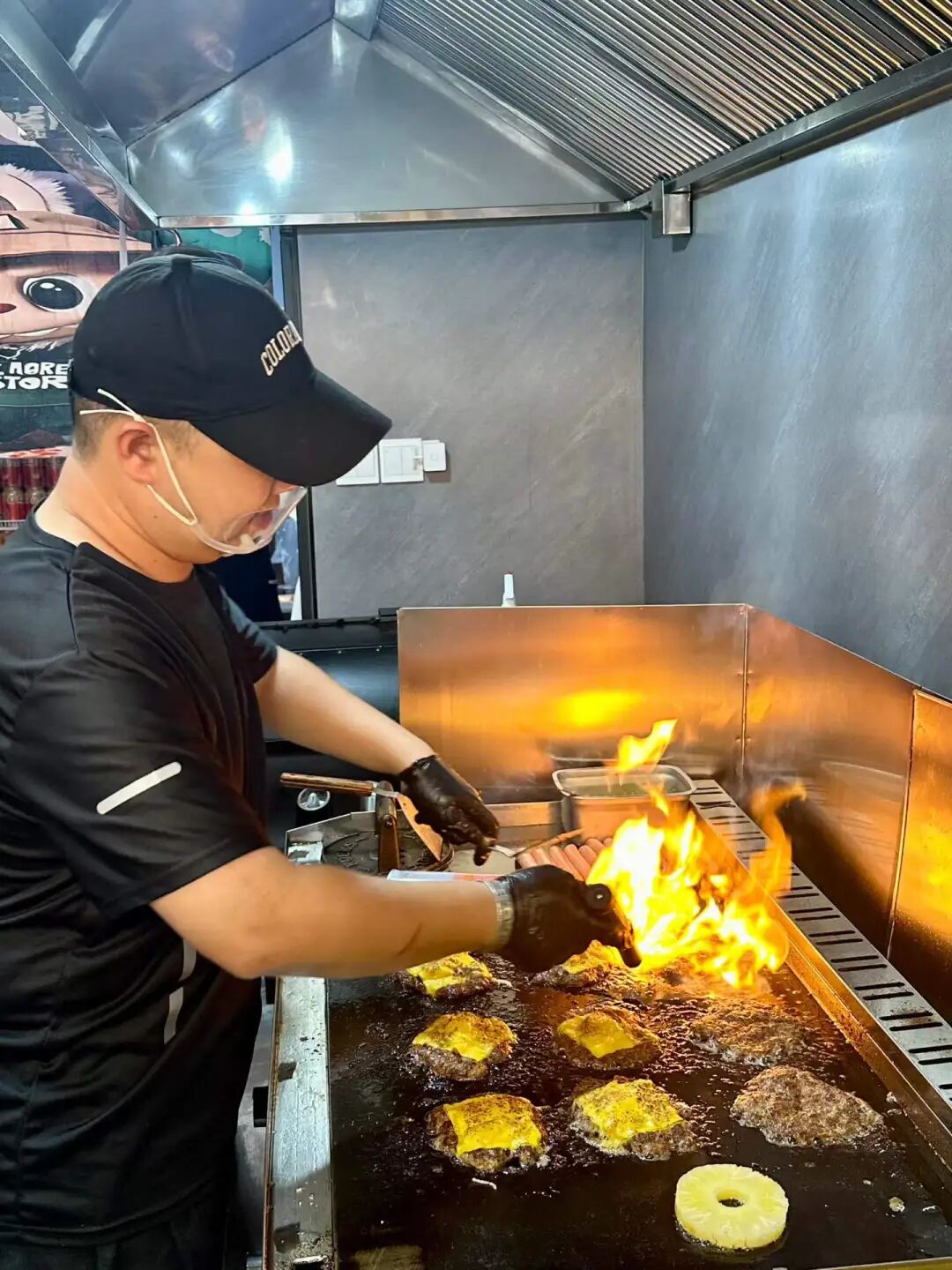
The beef patties are fresh and firm. After pan-frying, they are rich, fragrant, and juicy. The double patties give a great meaty texture, and with the sauce and toppings, the flavors build up and get better with every bite. The black tiger shrimp in the black truffle burger is plump and bouncy with a distinct sweet, fresh taste. It blends perfectly with the rich aroma of black truffle, creating a delicate yet chewy texture.
The shop is quite small, so you might have to wait for a table during meal times. If it is not too sunny, you can also eat outside by the door and chat while you eat.
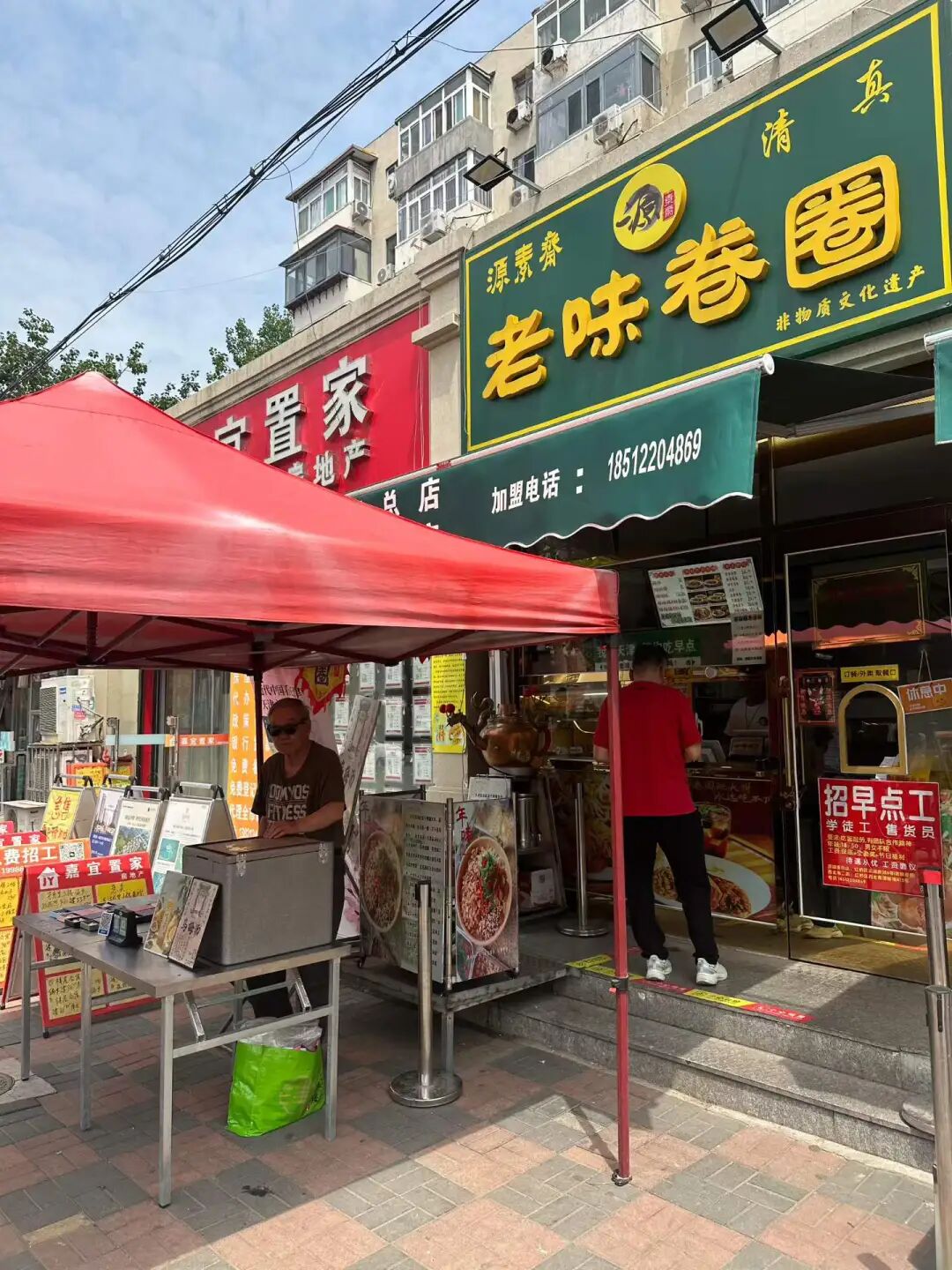
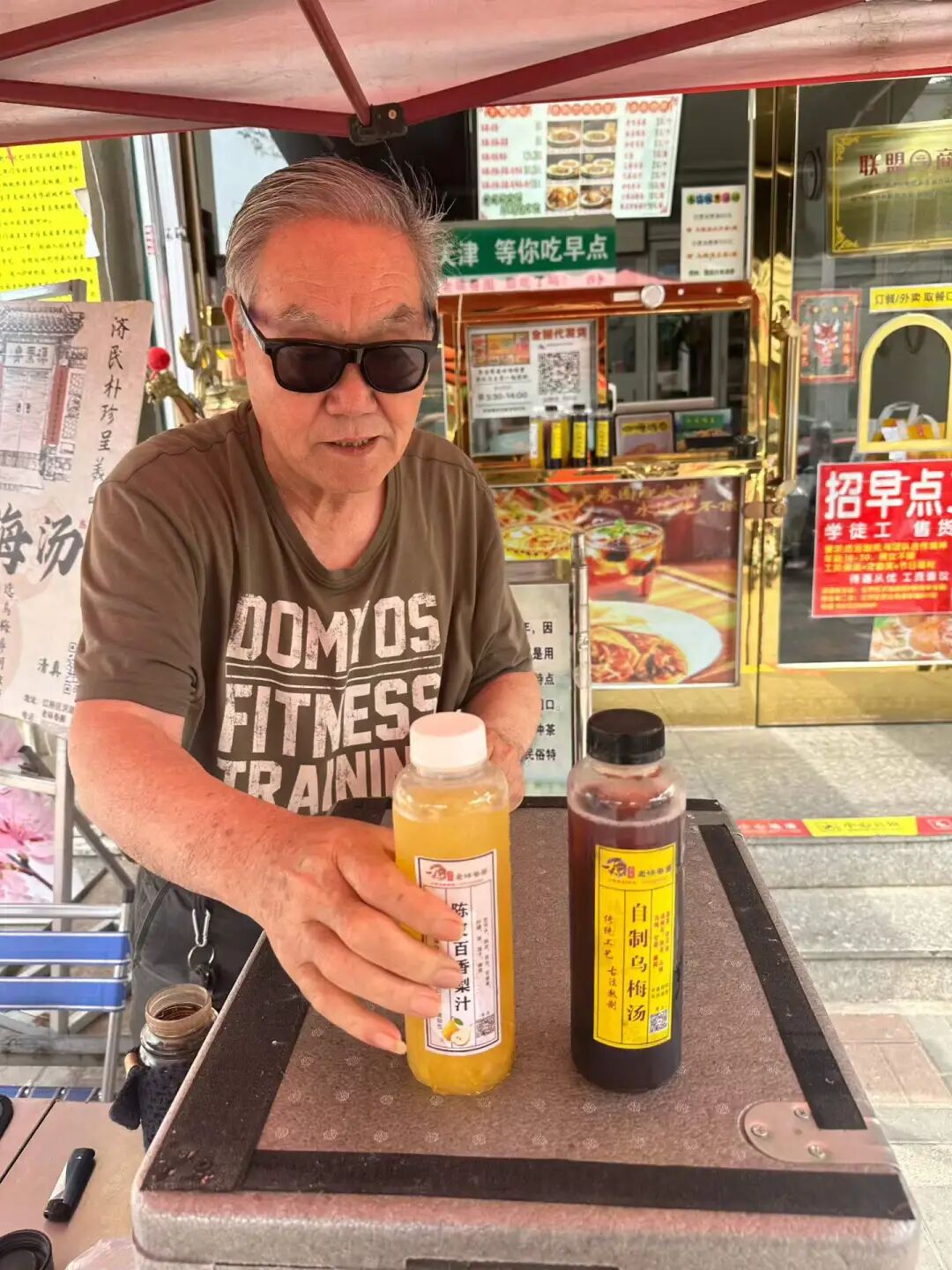
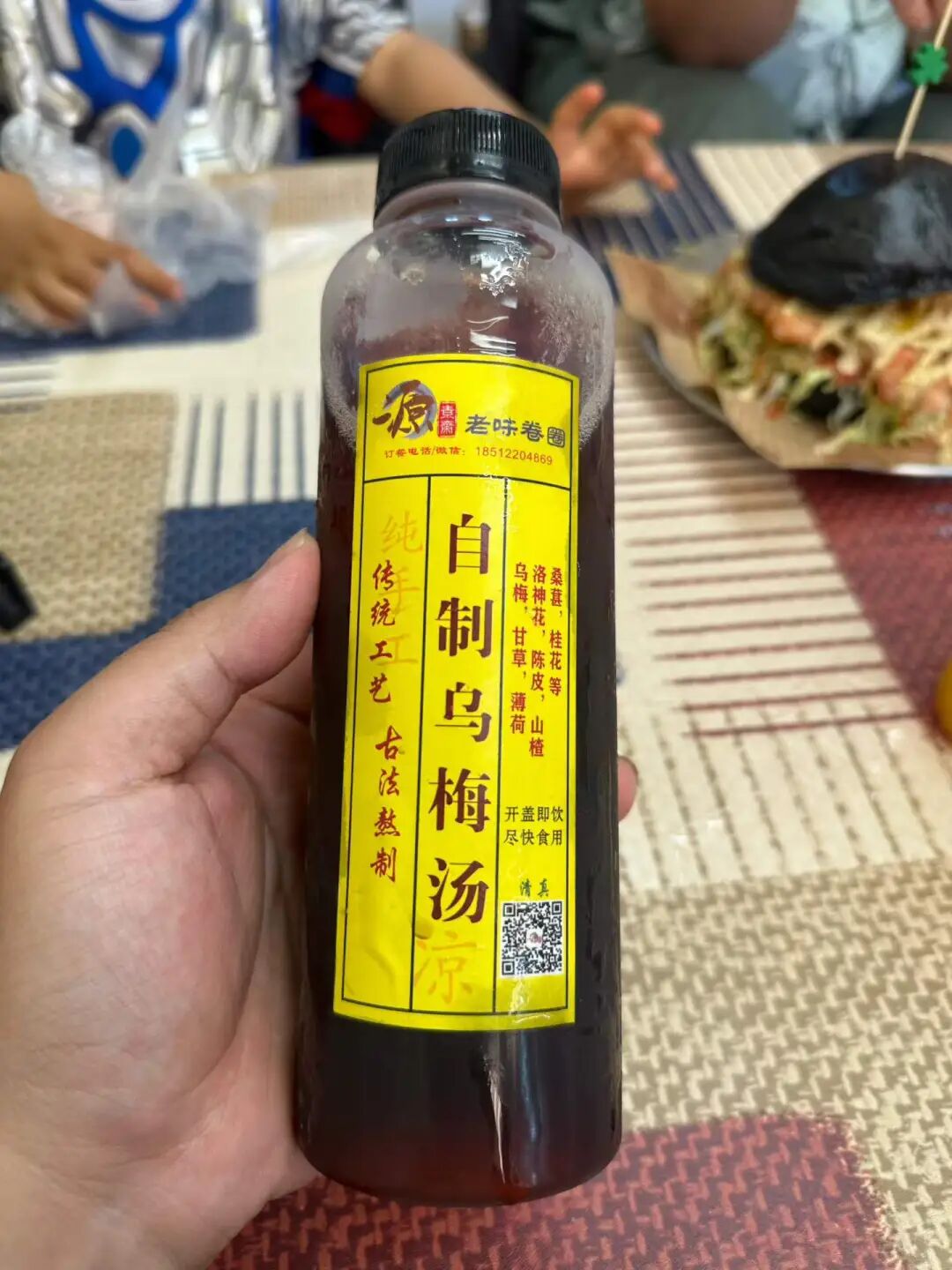
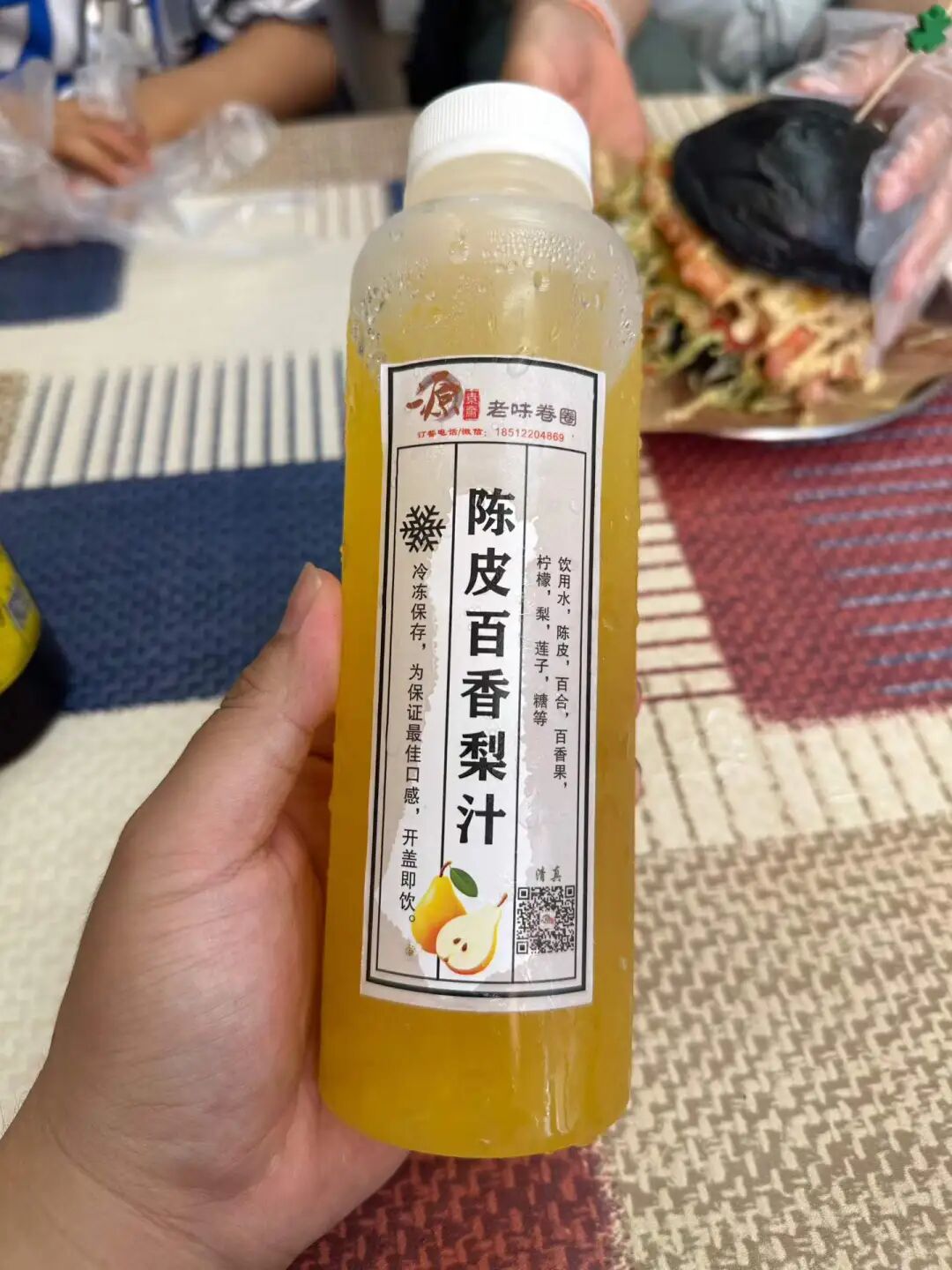
Next to the burger shop is Yuansu Zhai Lao Wei Juanquan. They sell homemade dark plum drink (wumeitang) and dried tangerine peel passion fruit pear juice. Both are all-natural and cannot be kept overnight. The dark plum drink contains licorice, mint, roselle, dried tangerine peel, hawthorn, mulberry, and osmanthus. The dried tangerine peel passion fruit pear juice contains lemon, lotus seeds, and lily bulbs. Both taste great. Cold drinks go really well with burgers.
Previous Tianjin food shares:
Taking the kids to Tianjin in the summer to see the sea and eat seafood.
Tianjin's halal food is so comprehensive: pasta, yakitori, Yemeni flatbread, Swiss cheese fondue, and rice balls.
Autumn food tour in Tianjin: Syrian food, giant river prawns (luoshi xia), yellow broth ramen, Turkish restaurants, and Xinjiang fresh milk ice cream.
Taking kids out to eat in Tianjin: Yemeni food, Algerian desserts, rice noodle rolls (changfen), Japanese food, and water caltrop soup (lingjiao tang).
Eating Arabic food in Tianjin: Syrian, Yemeni, Tunisian, and Algerian.
Between the mountains and the sea: from Huairou farmhouses to seaside Western restaurants. view all
Summary: This halal food guide to Tianjin covers Hui Muslim tea restaurants, handmade burger shops, halal food in China, and local Muslim dining details.
This article covers two new tea restaurants and one handmade burger shop opened by Hui Muslims in Tianjin. It keeps the original paragraph and image order, making it perfect for readers interested in Muslim life, Islamic culture, and Chinese Islamic writing, as well as those searching for halal food in China.
I heard about two new tea restaurants and an American-style burger shop in Tianjin, so I went to try them out this weekend.
I took the intercity train to Tianjin West Station, then transferred to Line 4 to reach Tianmu. The new subway line was very empty. After leaving the Tianmu subway station, I crossed the street and saw the newly opened Cantonese tea restaurant, Hanmei, at the intersection. They used to sell rice noodle rolls (changfen) at the Shunyi Road night market before opening their own shop.
Their main dishes are roast goose and rice noodle rolls (changfen). We ordered half a roast goose, mushroom and shrimp rice noodle rolls, Cantonese-style beef rice noodle rolls, curry fish balls, tiger skin chicken feet, and radish beef offal. The roast goose tasted good, but the skin was quite fatty and felt more like the skin of Beijing roast duck. The shrimp tasted great, and the Cantonese-style beef tasted similar to the beef stew we Hui Muslims make, just a bit sweeter. The rice noodle roll skin was very thin and had a mild flavor. The curry fish balls were delicious, but the chicken feet felt a bit dry. The radish beef offal was not well-made, and the flavor was completely off. If you want to try Cantonese flavors, you can come here, but it still falls short compared to the Hui Muslim restaurants in Guangzhou or the restaurant in the Aiqun Hotel in Hong Kong. Next time I have a chance, I will come back to try their claypot rice (baozai fan).
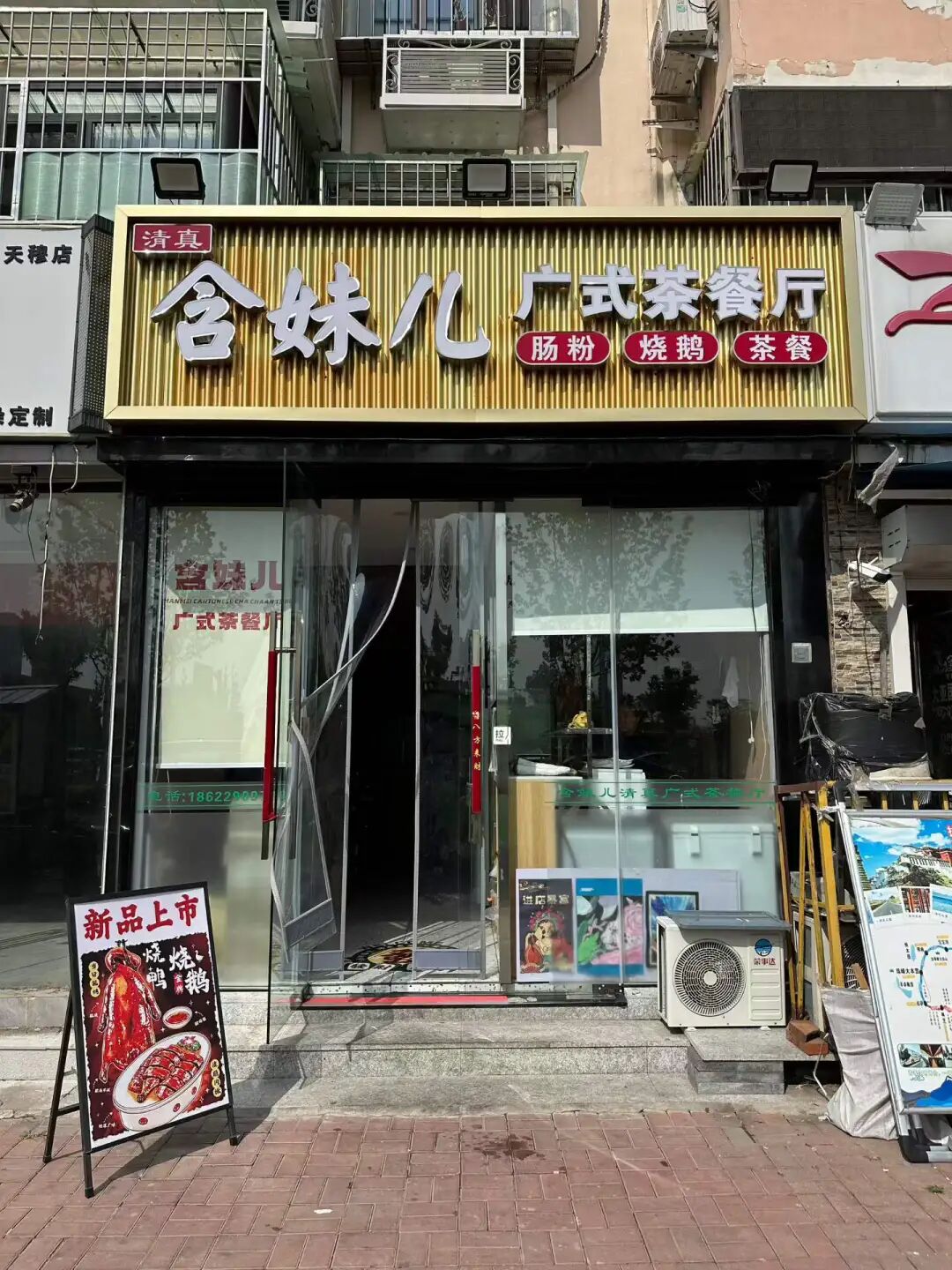
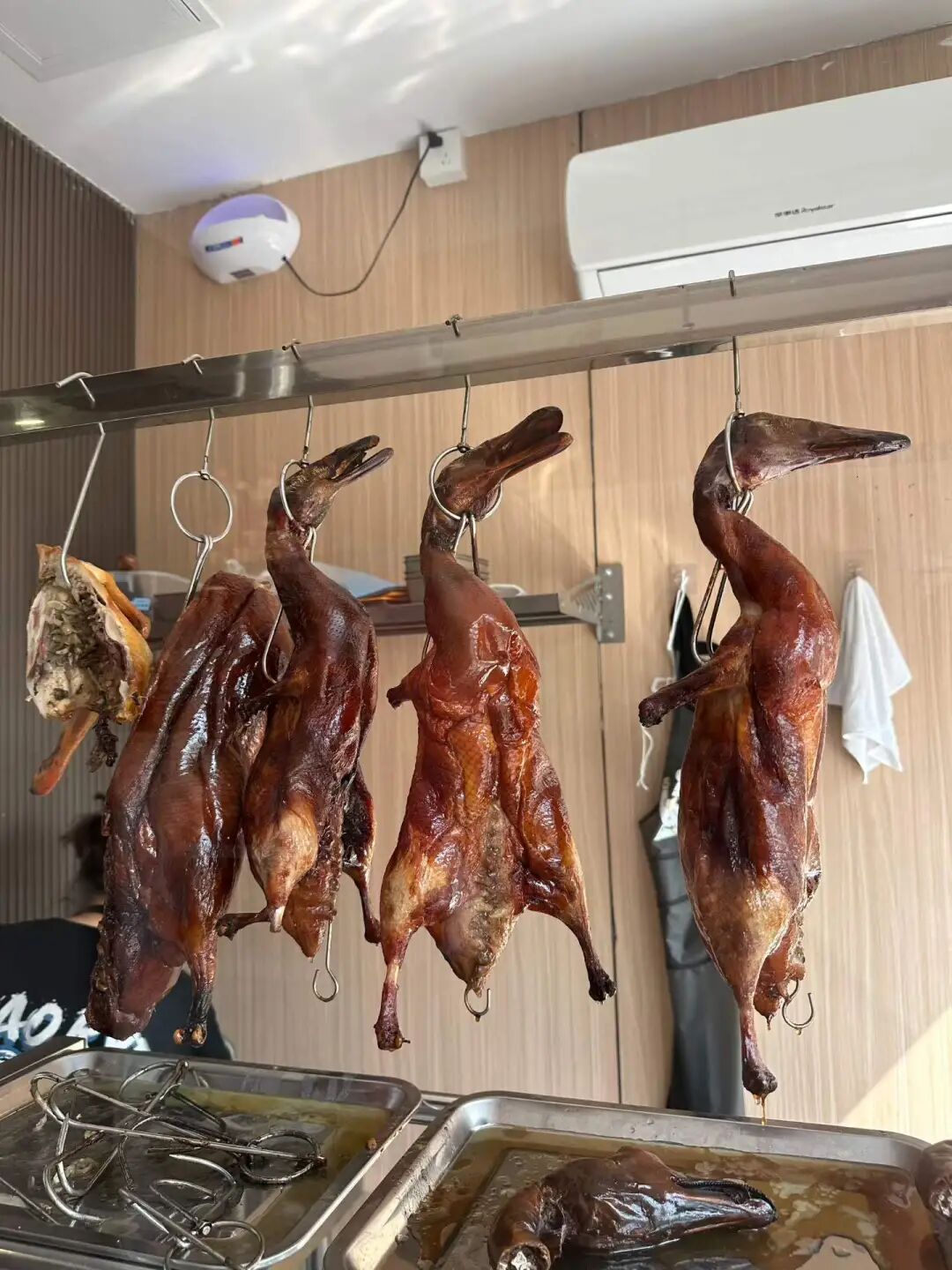
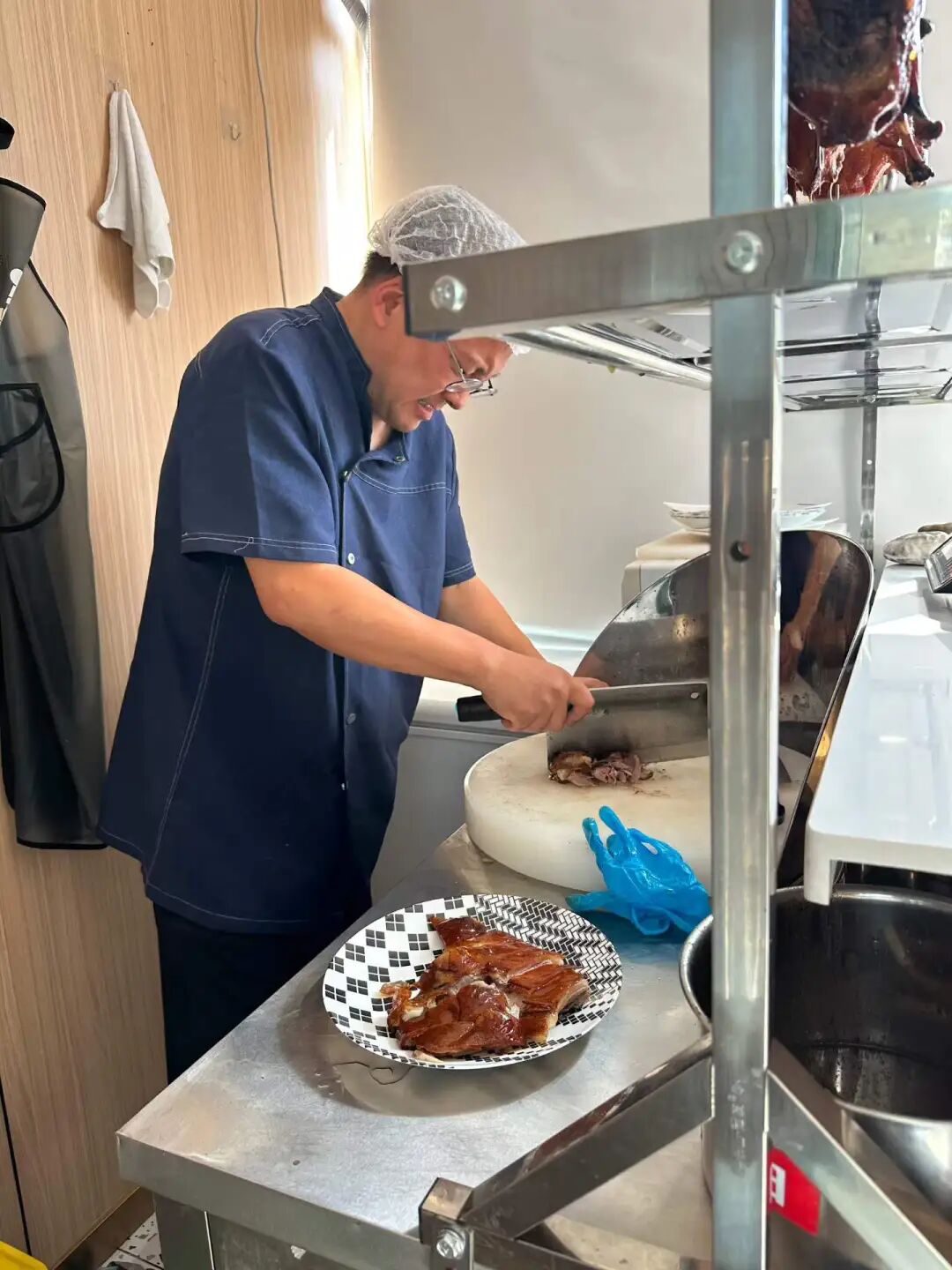
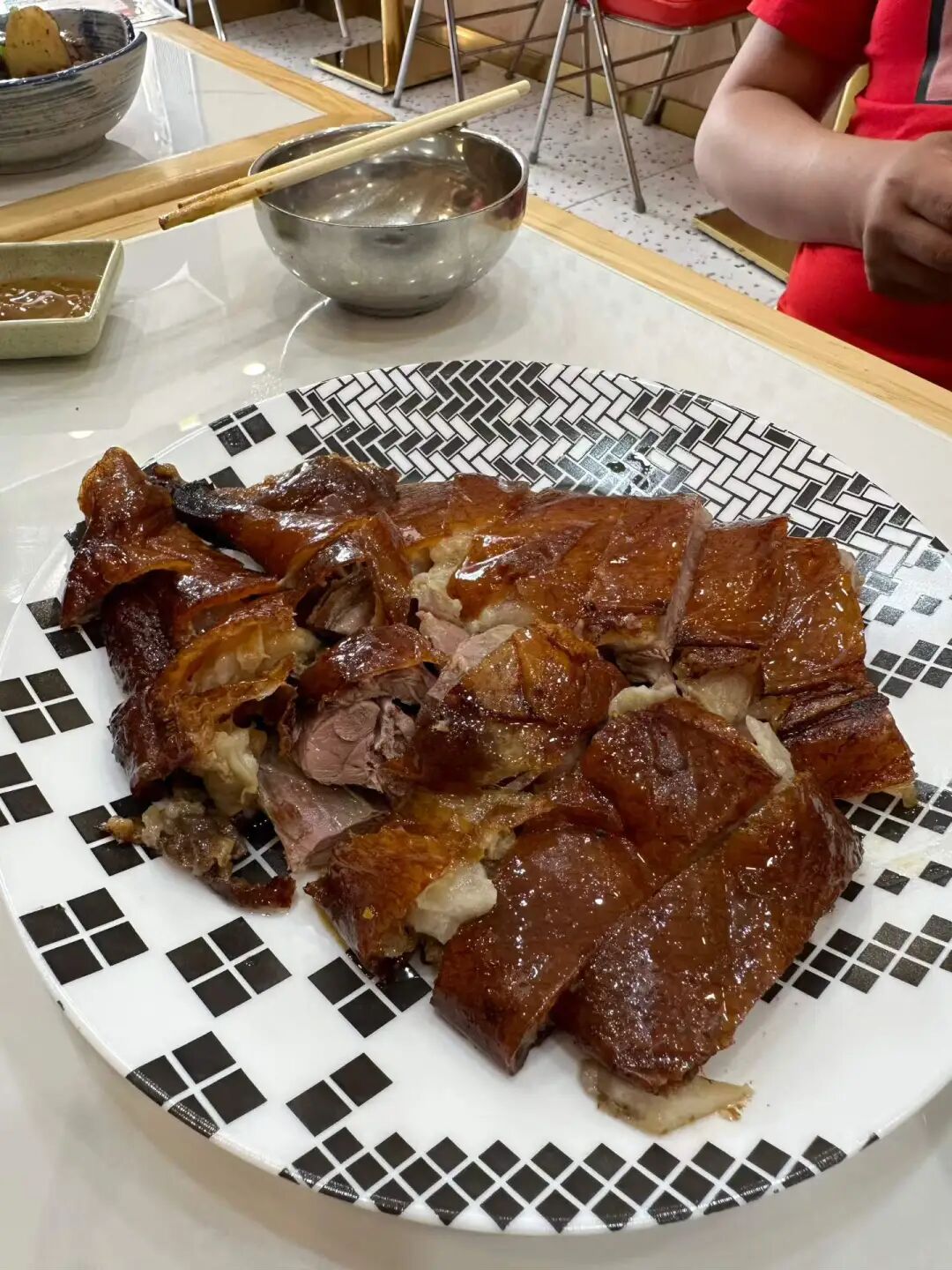
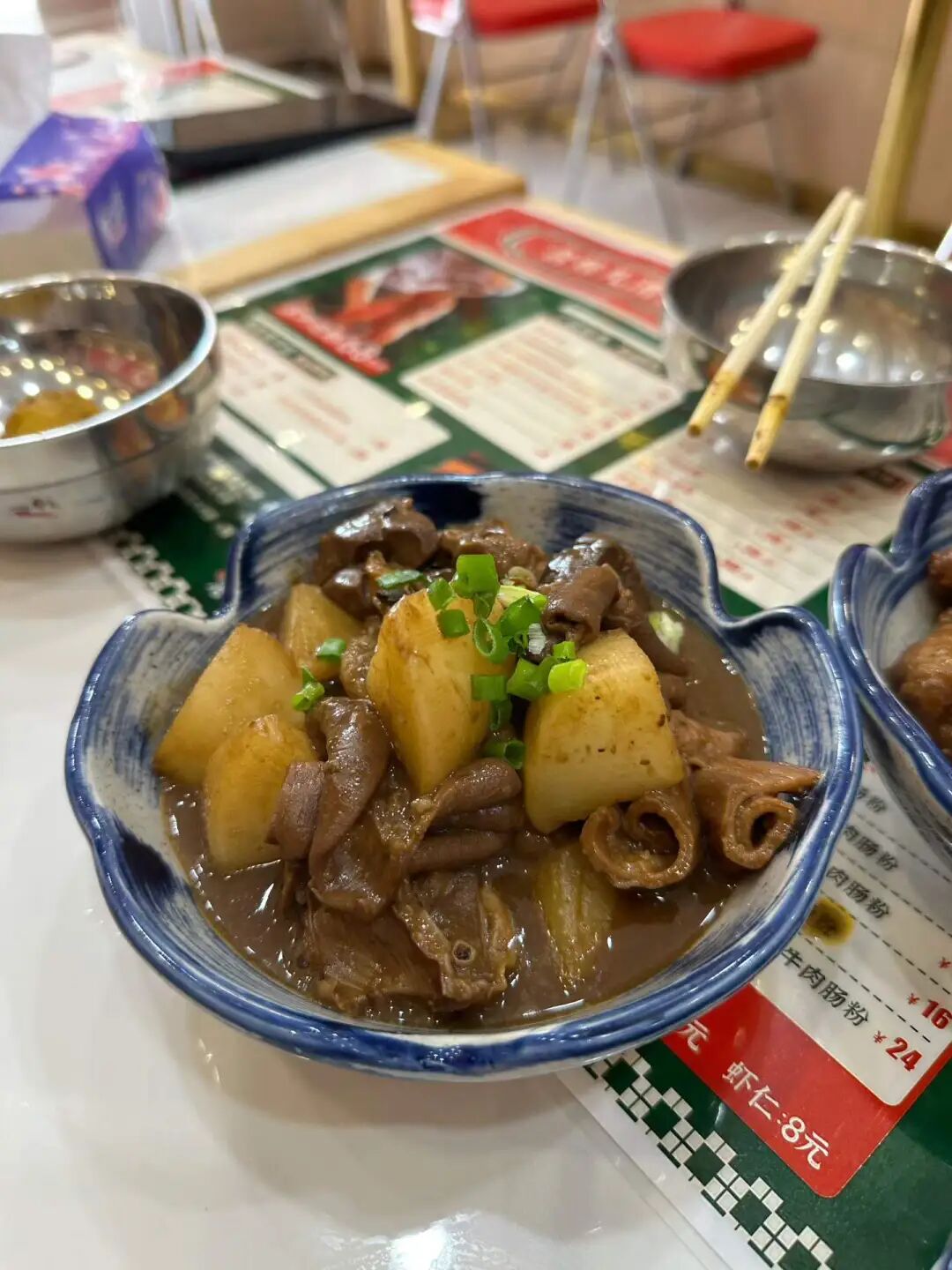
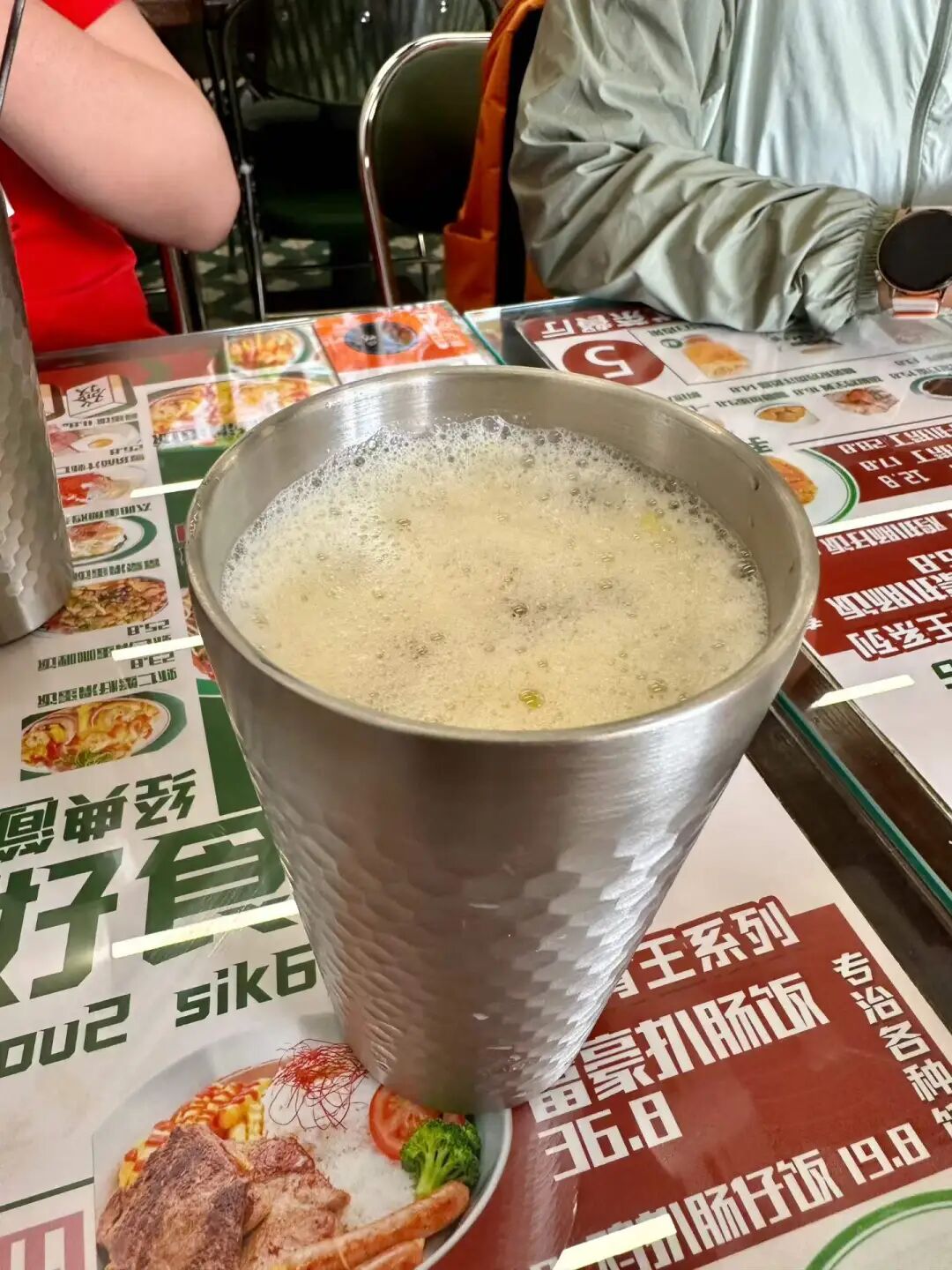
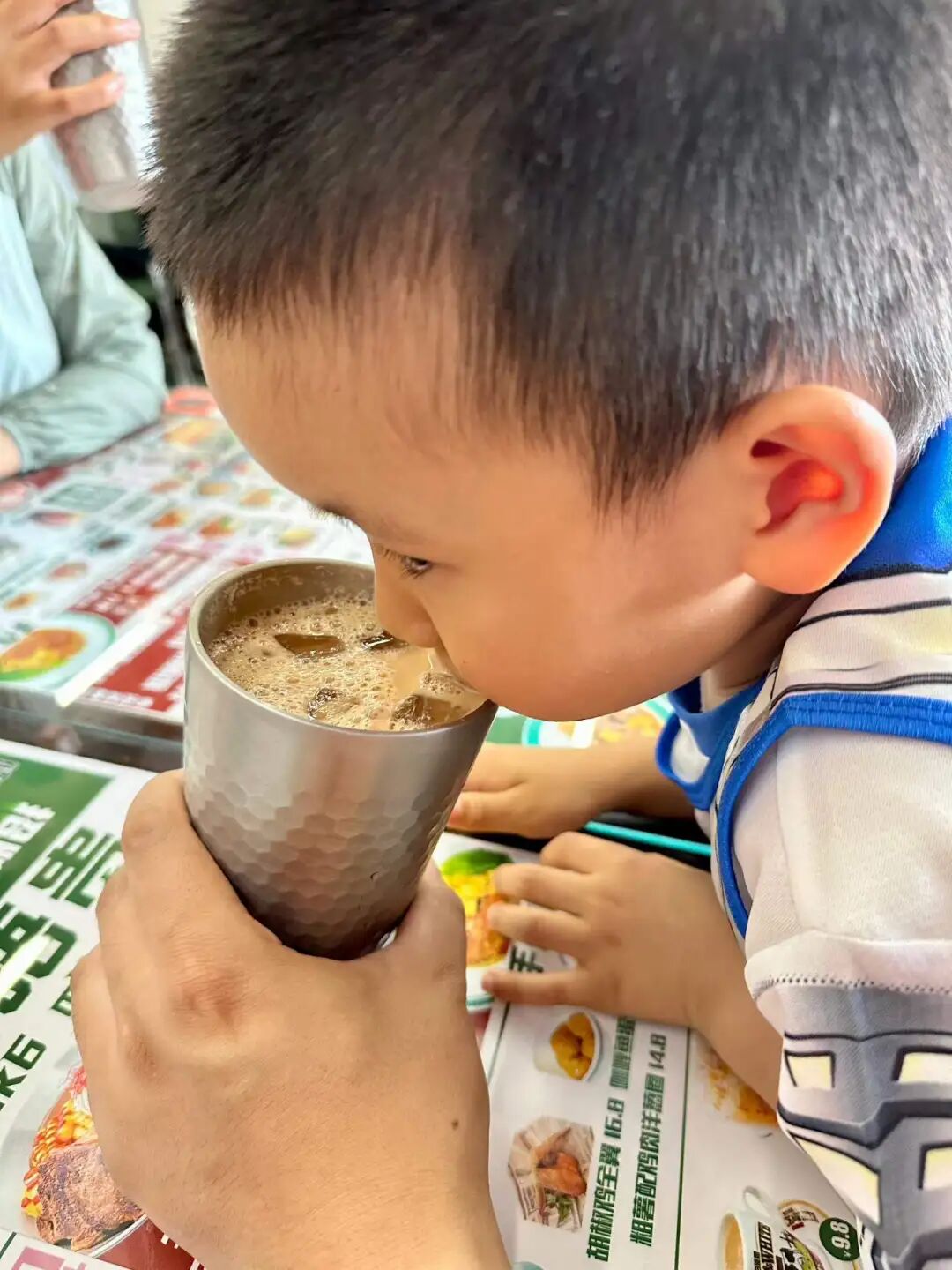
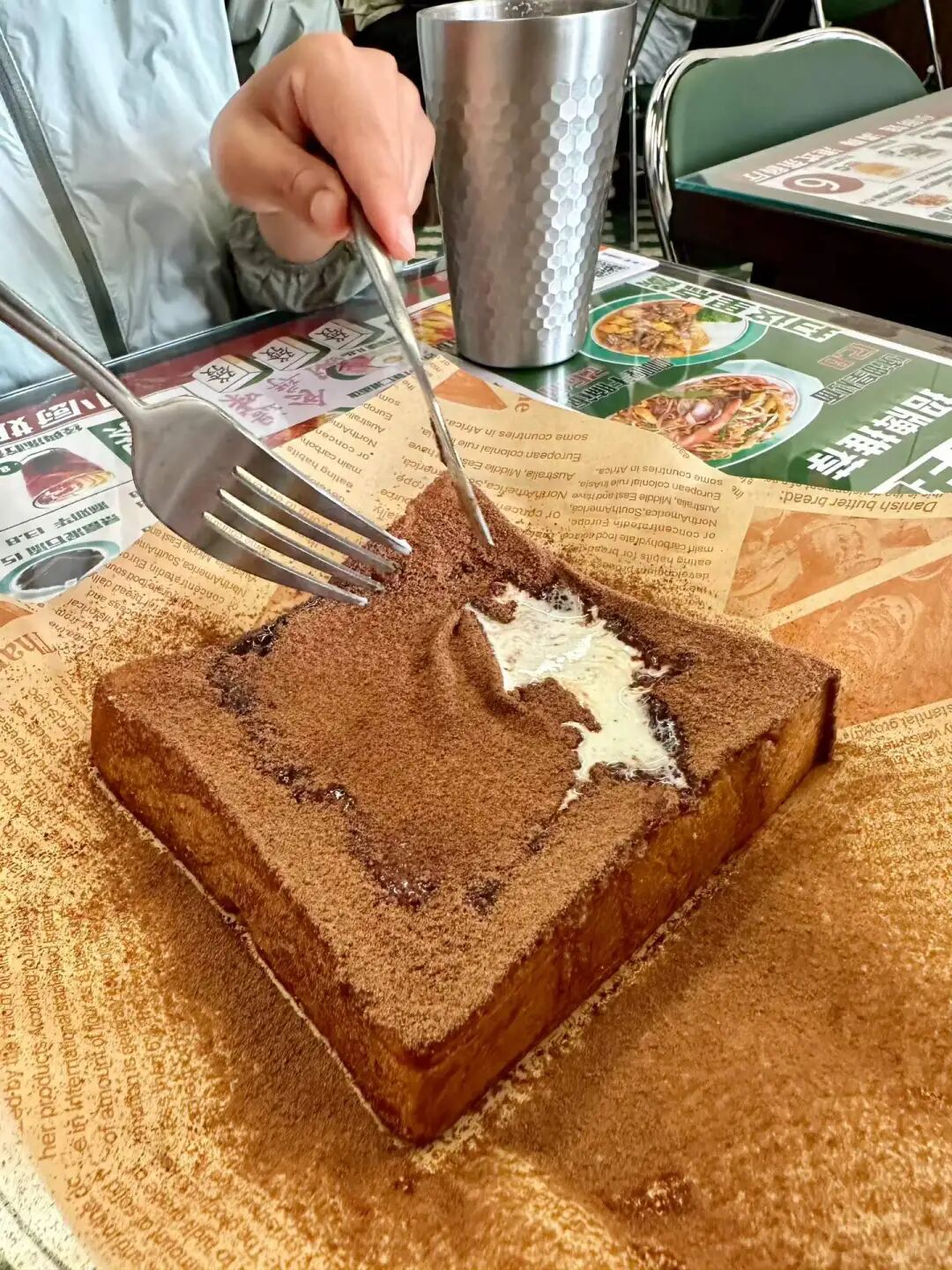
North of Tianmu in Tianjin is Tianzhong, which used to be the compound for the Tianjin Heavy Machinery Factory, and it has many different restaurants. A new Hong Kong-style tea restaurant called Xiao Chu Jie opened on Tianzhong Road. We ordered iced lemon tea, Hong Kong-style pulled milk tea, and passion fruit tea, and we ate the 'rich mudslide' dessert and the 'leaky milk' French toast (lounaihua). Their iced lemon tea is very refreshing, and the milk tea has a strong tea flavor that is very satisfying.
The leaky milk French toast is a viral dessert in Hong Kong-style tea restaurants, essentially a luxurious, exploding version of French toast (xiduoshi). To make it, they press a small dent into the top of two thick slices of toast and pour over a thick milk sauce made from milk, condensed milk, and butter, then sprinkle a thick layer of malt cocoa powder on top. When you cut into it, the milk sauce flows out like a mudslide. Because the malt cocoa powder used in Hong Kong-style tea restaurants is the Swiss brand Ovaltine, the dish gets its name 'leaky milk' (lounaihua).
In the evening, I walked around the night market on Shunyi Road in Tianmu and ate shaved ice. Since Metro Line 4 opened, it is much easier to get to Tianmu, so I probably won't go to the Northwest Corner as often. I ate at this Ciertou Shaved Ice shop in Tianmu last year, and I came back to eat here again this time. I always order the old-fashioned shaved ice (baobing) I love, topped with sour hawthorn paste (suanmogao), sour apricots, red hawthorn berries, and red beans. It really whets the appetite. They also have fresh lychee milk ice, which is only sold during lychee season. When we arrived, the owner was just opening a crate of fresh lychees, and they looked very fresh indeed.
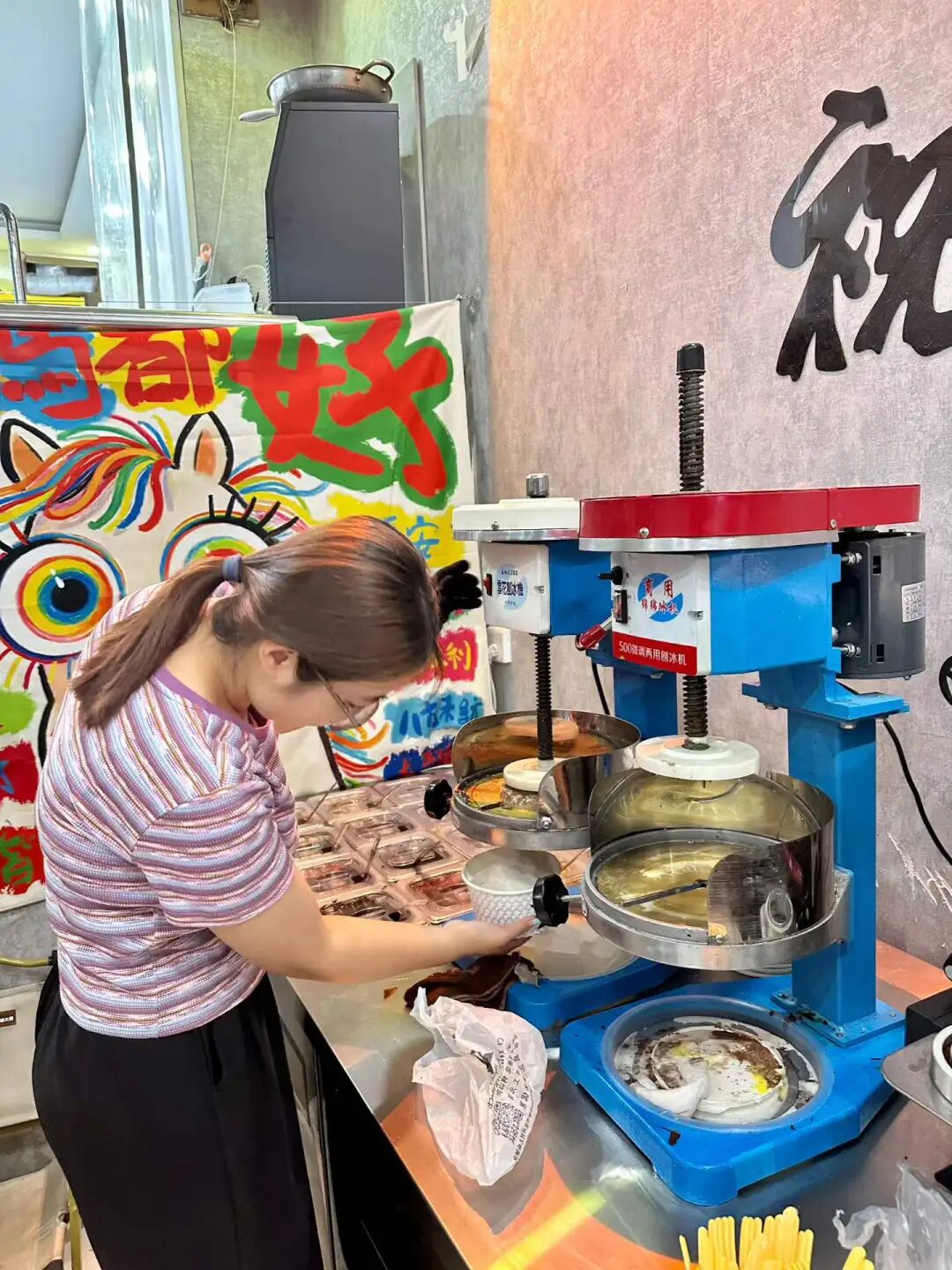
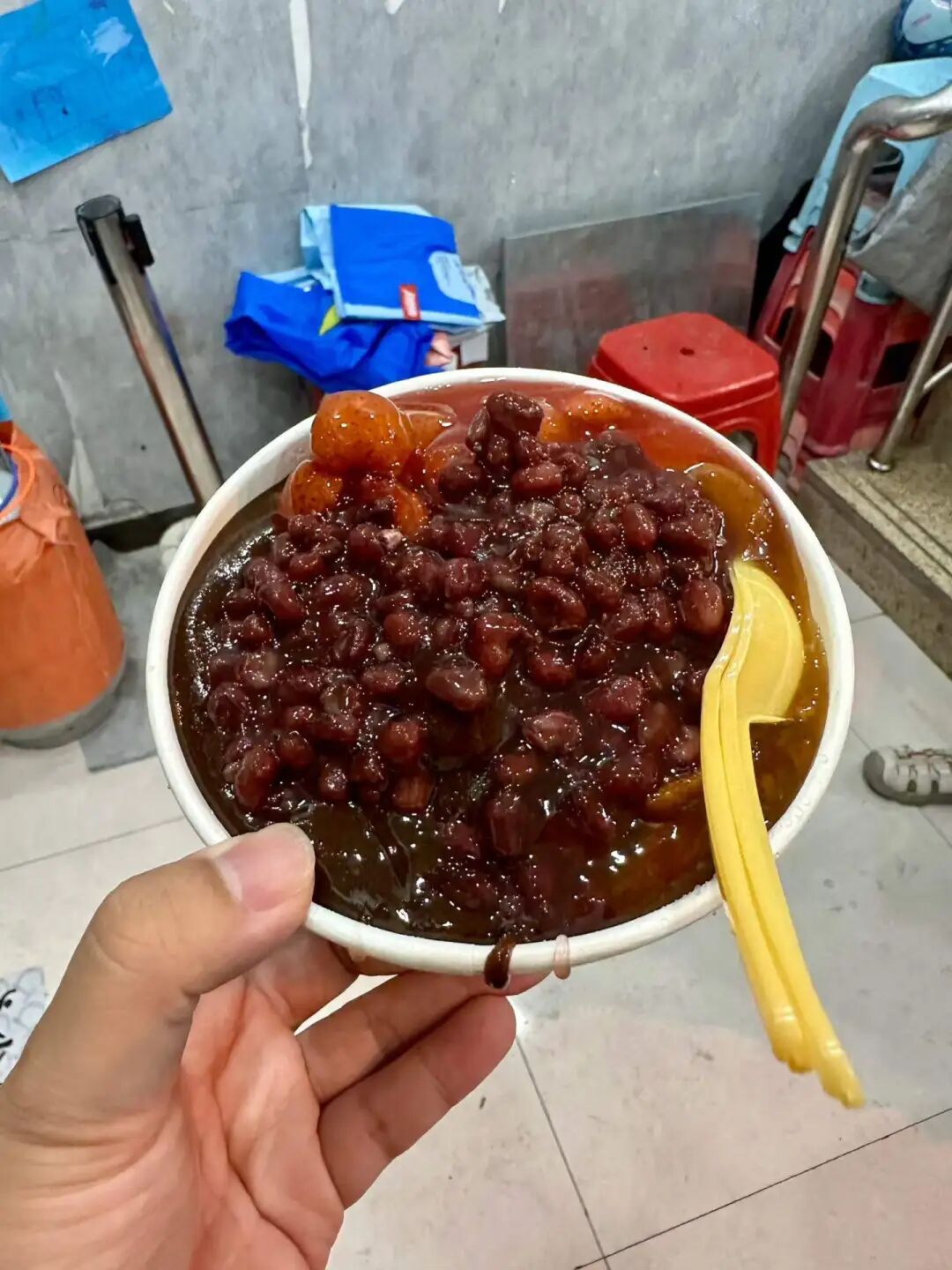
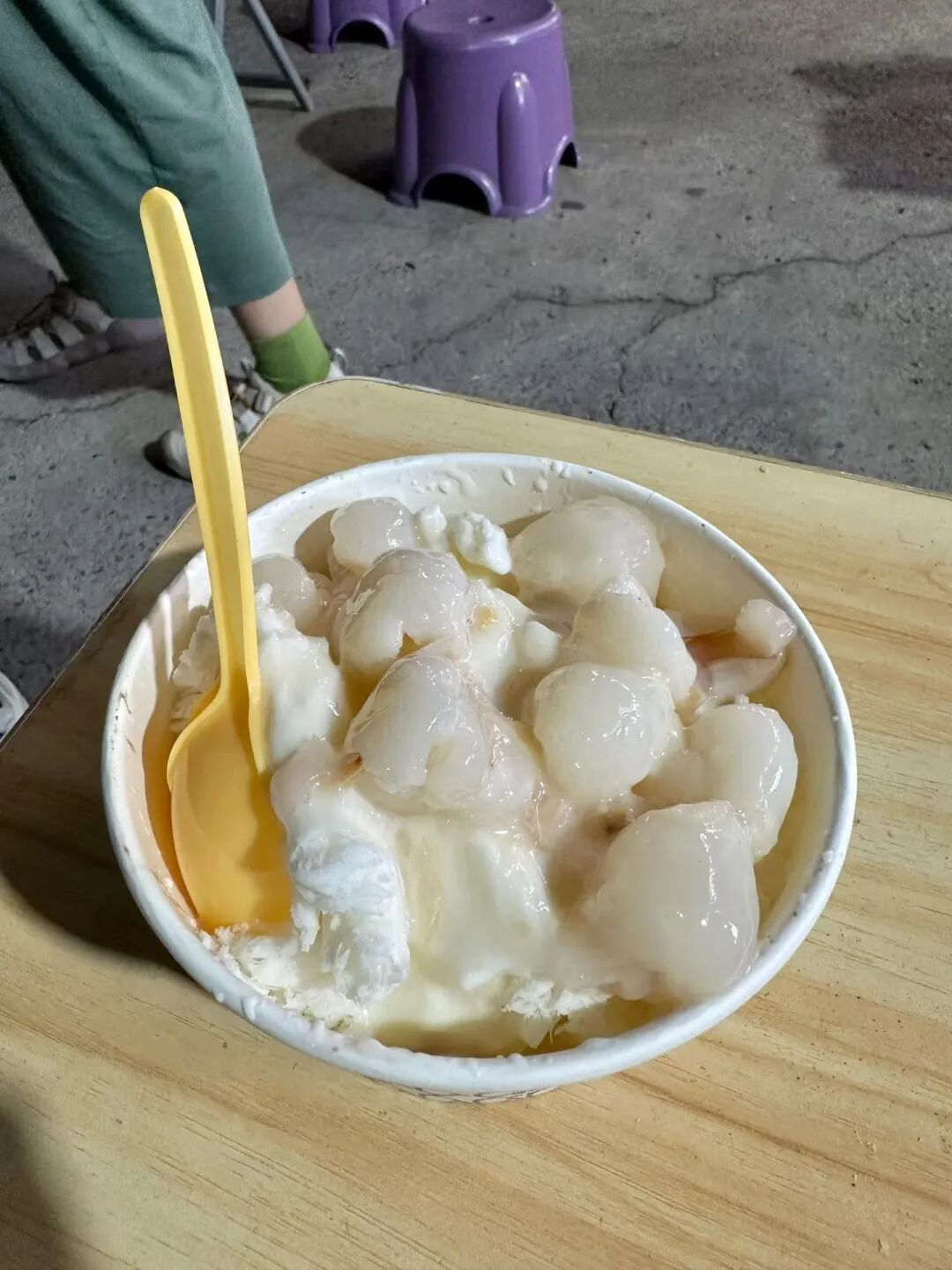
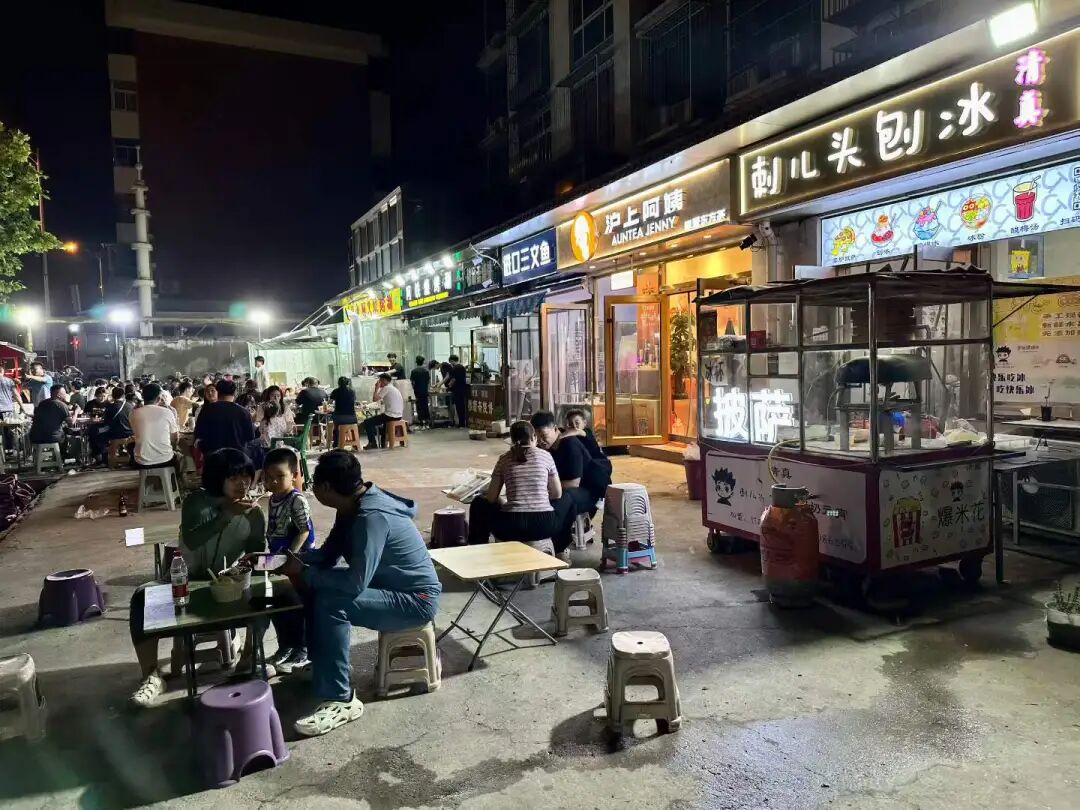
Shunyidao Night Market now has barbecue on one side and snacks on the other. It is great to walk around, with options like sweet soup (tangshui), teppanyaki squid, duck snacks, and octopus balls (takoyaki) available.
We kept walking through the Tianmu Shunyidao Night Market and bought some egg waffles (jidanzi). We got chocolate, beef floss, and original flavors. The egg and milk aroma was very strong. They were very hot when freshly made, so we had to let them cool down before eating. Suleiman really liked the chocolate flavor.
Then we bought some teppanyaki hot dogs, which were also very affordable.
We came to the Honghuli Food Street in Tianjin on the weekend to try a newly opened American-style burger shop. Honghuli is an old-fashioned residential area built in the 1980s. It is only one subway stop away from Tianjin West Railway Station, making it very convenient to reach. There are many Hui Muslim restaurants here, both traditional and modern. Unlike the Northwest Corner, it is not very commercialized, and most of the customers are locals.
Hello Handmade Burger Shop is on Honghu South Road, surrounded by many other food spots. The owner is a relative of the imam at Fuxingzhuang Mosque, so the food is halal and the quality is guaranteed. We had the American-style double beef burger and the black truffle black tiger shrimp burger. Both were huge. Their burger buns are unique. The green ones are made with spinach powder and the black ones with squid ink. They are custom-made and have absolutely no preservatives.
The beef patties are fresh and firm. After pan-frying, they are rich, fragrant, and juicy. The double patties give a great meaty texture, and with the sauce and toppings, the flavors build up and get better with every bite. The black tiger shrimp in the black truffle burger is plump and bouncy with a distinct sweet, fresh taste. It blends perfectly with the rich aroma of black truffle, creating a delicate yet chewy texture.
The shop is quite small, so you might have to wait for a table during meal times. If it is not too sunny, you can also eat outside by the door and chat while you eat.
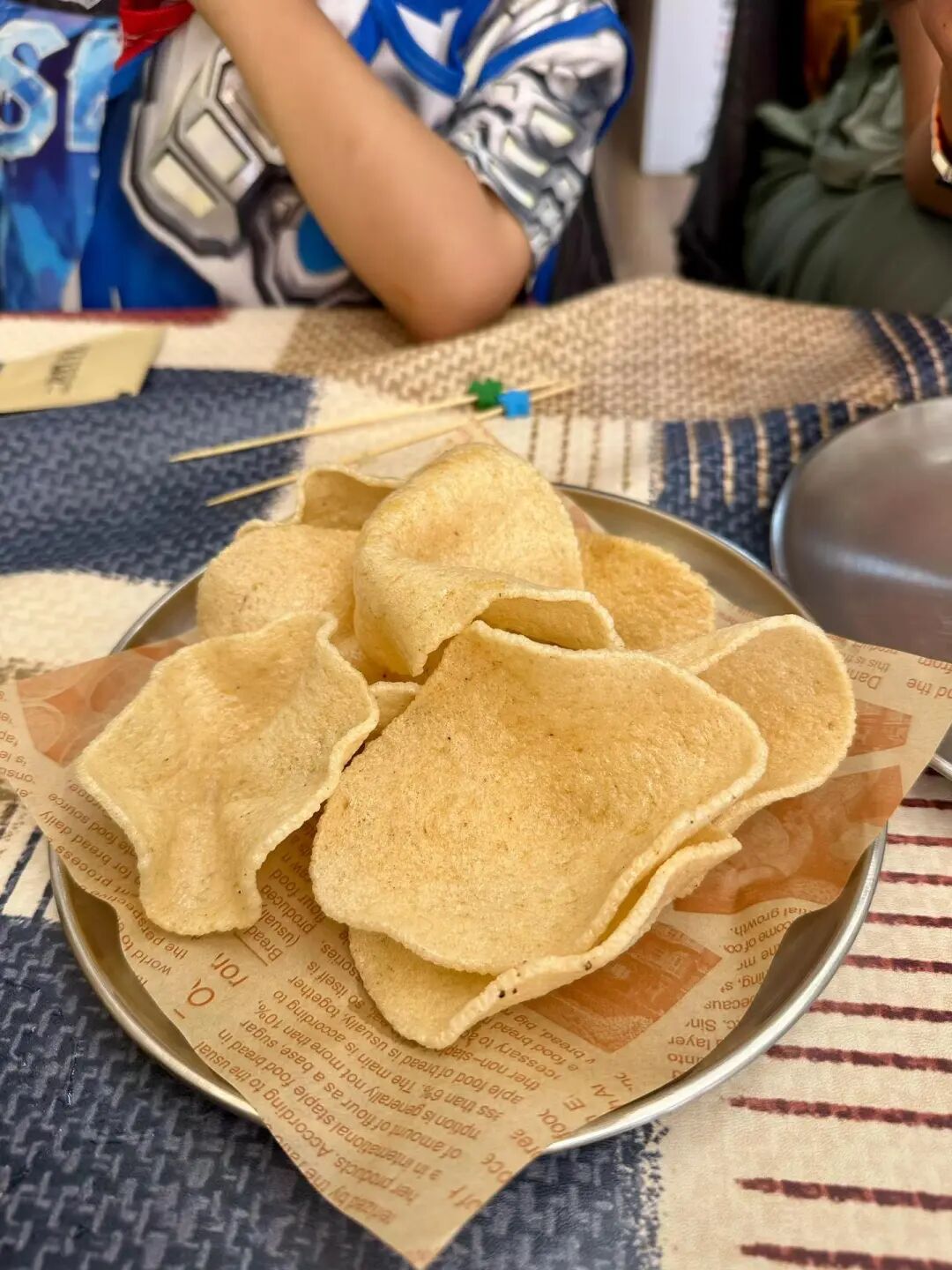
Next to the burger shop is Yuansu Zhai Lao Wei Juanquan. They sell homemade dark plum drink (wumeitang) and dried tangerine peel passion fruit pear juice. Both are all-natural and cannot be kept overnight. The dark plum drink contains licorice, mint, roselle, dried tangerine peel, hawthorn, mulberry, and osmanthus. The dried tangerine peel passion fruit pear juice contains lemon, lotus seeds, and lily bulbs. Both taste great. Cold drinks go really well with burgers.
Previous Tianjin food shares:
Taking the kids to Tianjin in the summer to see the sea and eat seafood.
Tianjin's halal food is so comprehensive: pasta, yakitori, Yemeni flatbread, Swiss cheese fondue, and rice balls.
Autumn food tour in Tianjin: Syrian food, giant river prawns (luoshi xia), yellow broth ramen, Turkish restaurants, and Xinjiang fresh milk ice cream.
Taking kids out to eat in Tianjin: Yemeni food, Algerian desserts, rice noodle rolls (changfen), Japanese food, and water caltrop soup (lingjiao tang).
Eating Arabic food in Tianjin: Syrian, Yemeni, Tunisian, and Algerian.
Between the mountains and the sea: from Huairou farmhouses to seaside Western restaurants.
Muslim Traveler Guide to Beijing: Halal Food and African Cuisine at Beihang University
Articles • yusuf908 posted the article • 0 comments • 234 views • 2026-06-22 06:27
Summary: This Muslim traveler guide to Beijing follows an Africa Day food experience at Beihang University, with campus culture and local food details preserved.
This article summarizes the key points of tasting food from Africa's smallest country at Beihang University. It keeps the original paragraph and image order, making it suitable for readers interested in Muslim life, Islamic culture, and Chinese Islamic writing. It also helps with searching for content on Ramadan, history, and social observations.
Since May, major universities in Beijing have held international culture festivals. International students showcased their home cultures, which was very interesting. Unfortunately, most school festivals were on weekdays, and some were not open to the public. On May 24, I finally made it to the Beihang University international culture festival.
Although it was a culture festival rather than a food festival, I could still taste specialty drinks and snacks from several countries. We first drank Turkish black tea and Moroccan mint tea, then ate the Pakistani specialty noodle milk dish Pheni, which is also a classic Ramadan snack for Pakistanis.
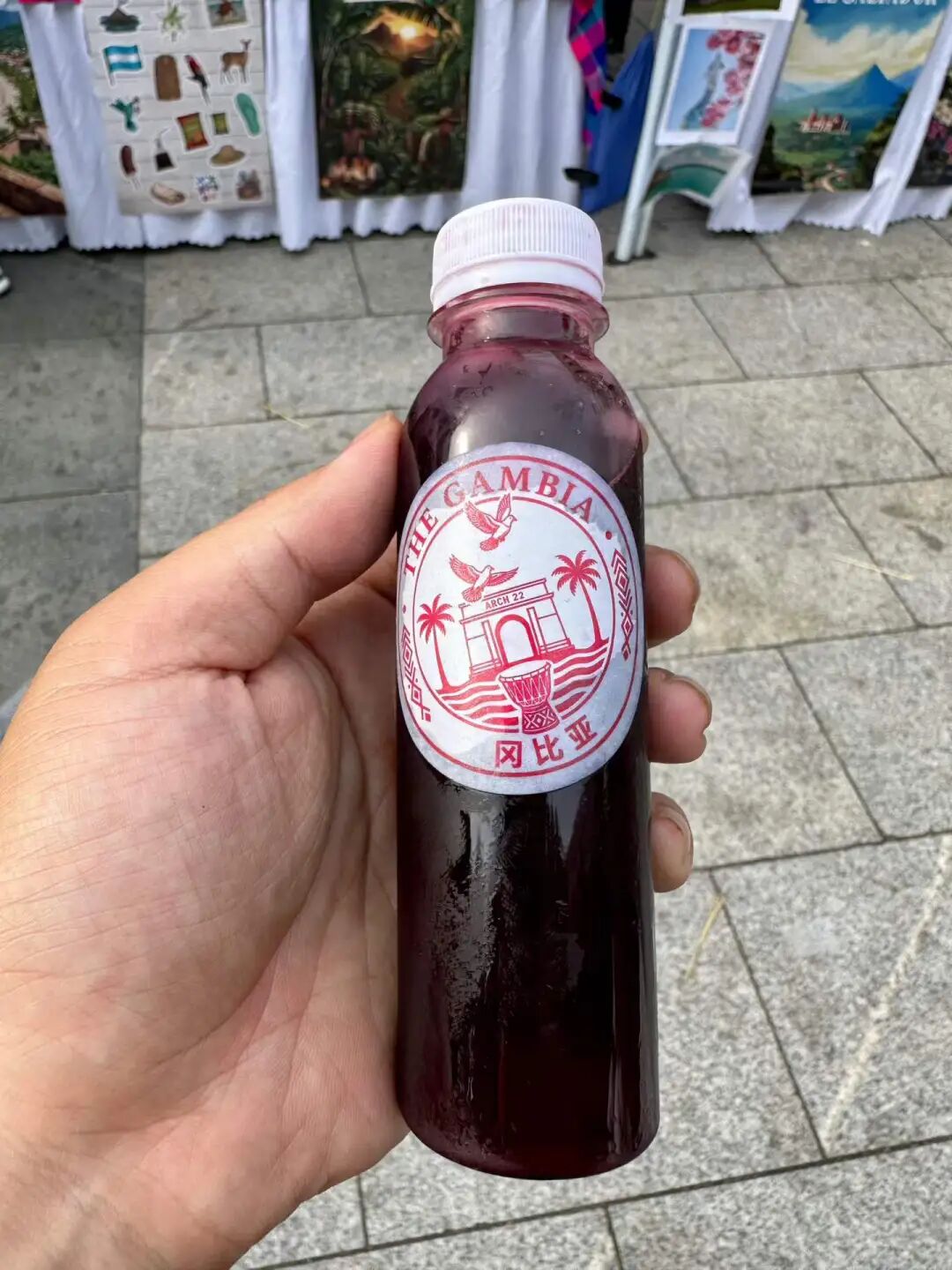
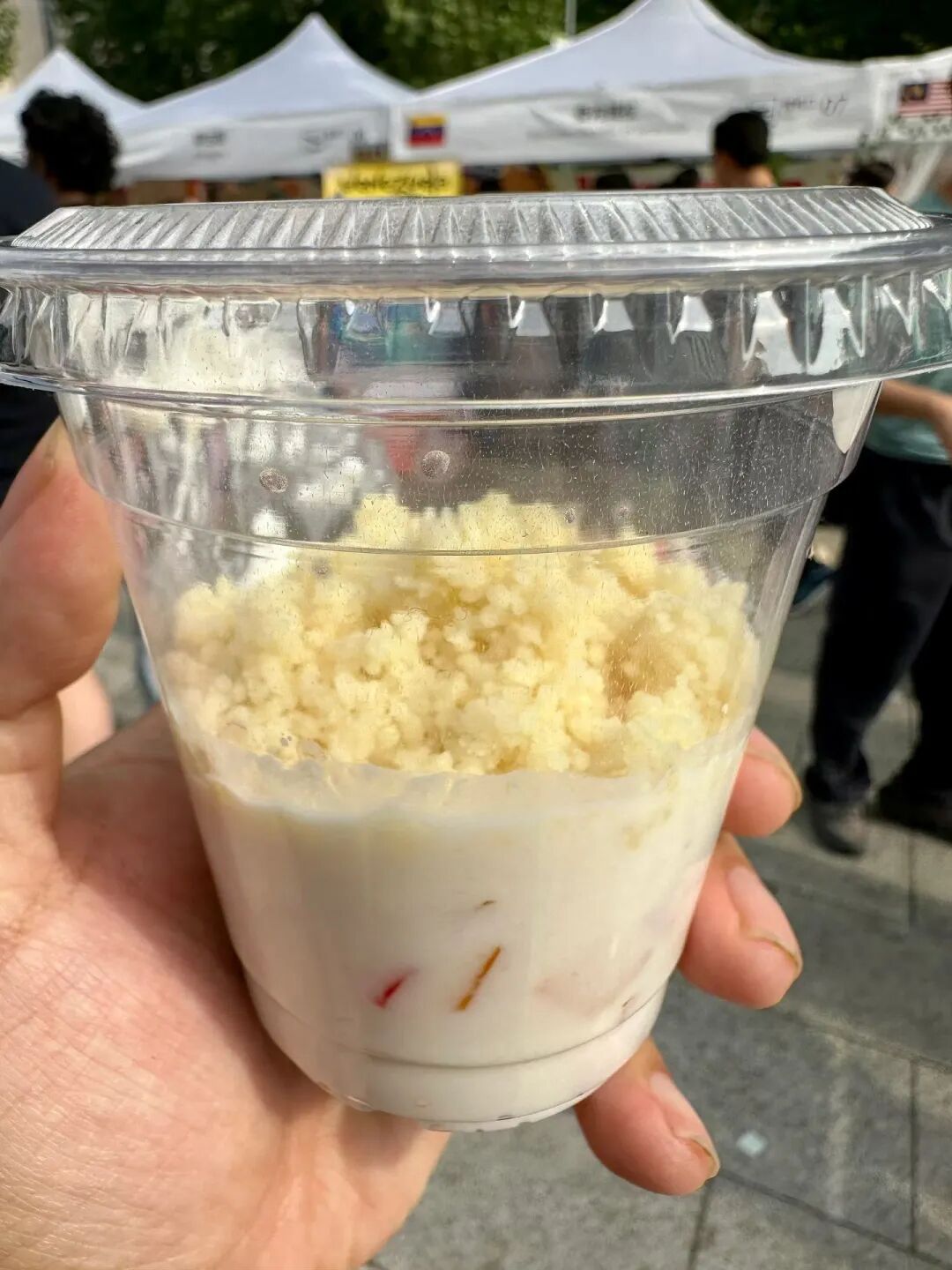
The highlight was eating spicy peanuts, Wonjo hibiscus tea, and the milk dessert Chakery from the Gambia. This was my first time tasting snacks from this country. The Gambia is located on the Atlantic coast of West Africa. It is the smallest country in all of Africa and one of the least developed countries in the world. As early as a thousand years ago, Arab merchants crossed the Sahara Desert to trade in the Gambia and brought Islam to the country in the 9th century. Today, 96% of Gambians belong to the Maliki school of Sunni Islam.
Wonjo is an iced drink made by soaking hibiscus flowers and adding sugar and mint. It is a classic summer chilled beverage for Gambians. The Gambia is one of the original homes of the hibiscus flower, and drinking hibiscus tea here has a very long history. Chakery is a milk dessert made with millet. It is a classic West African after-dinner treat. People of different faiths share Chakery with their neighbors after festivals, showing friendships that cross religious lines.
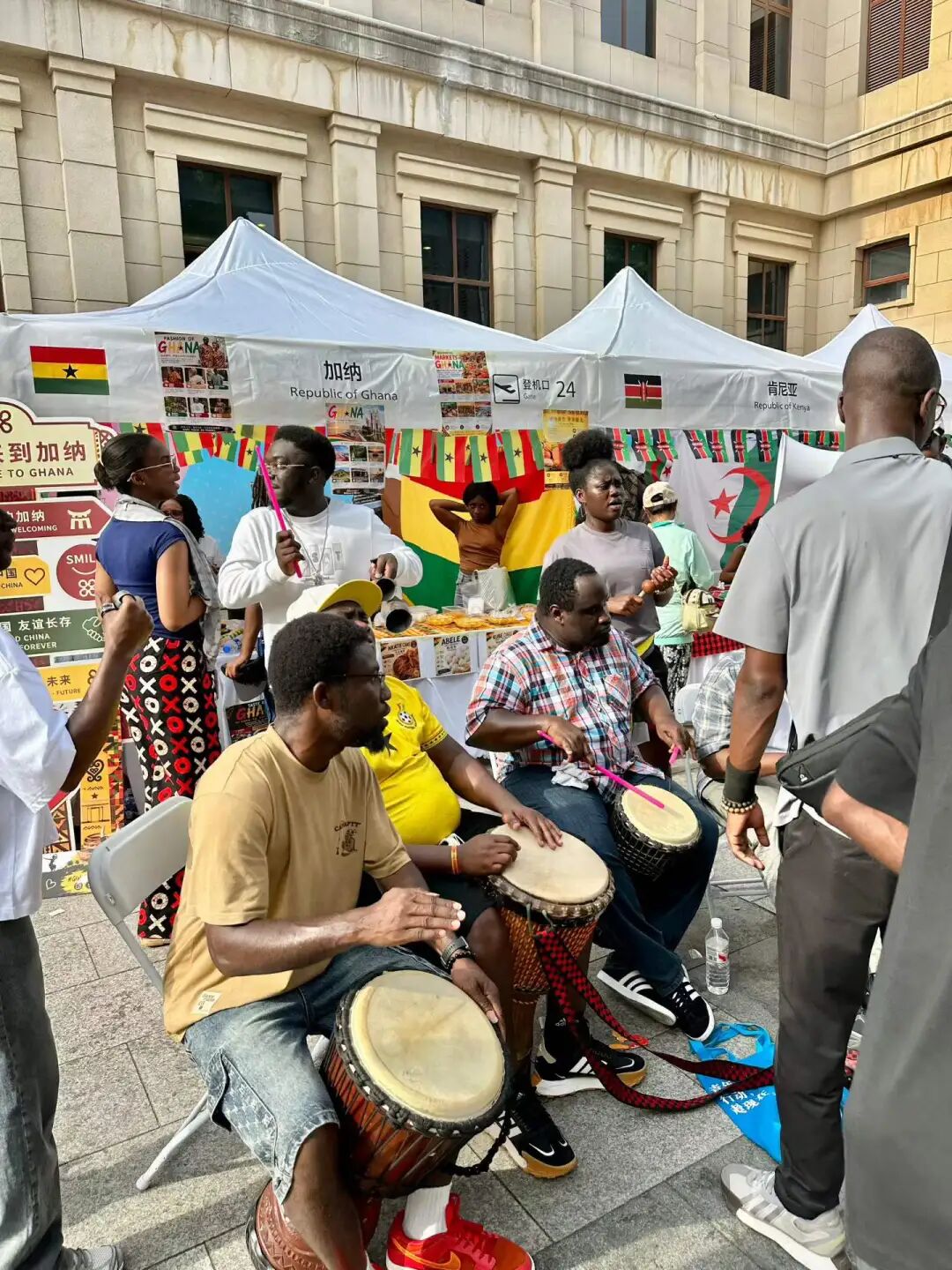
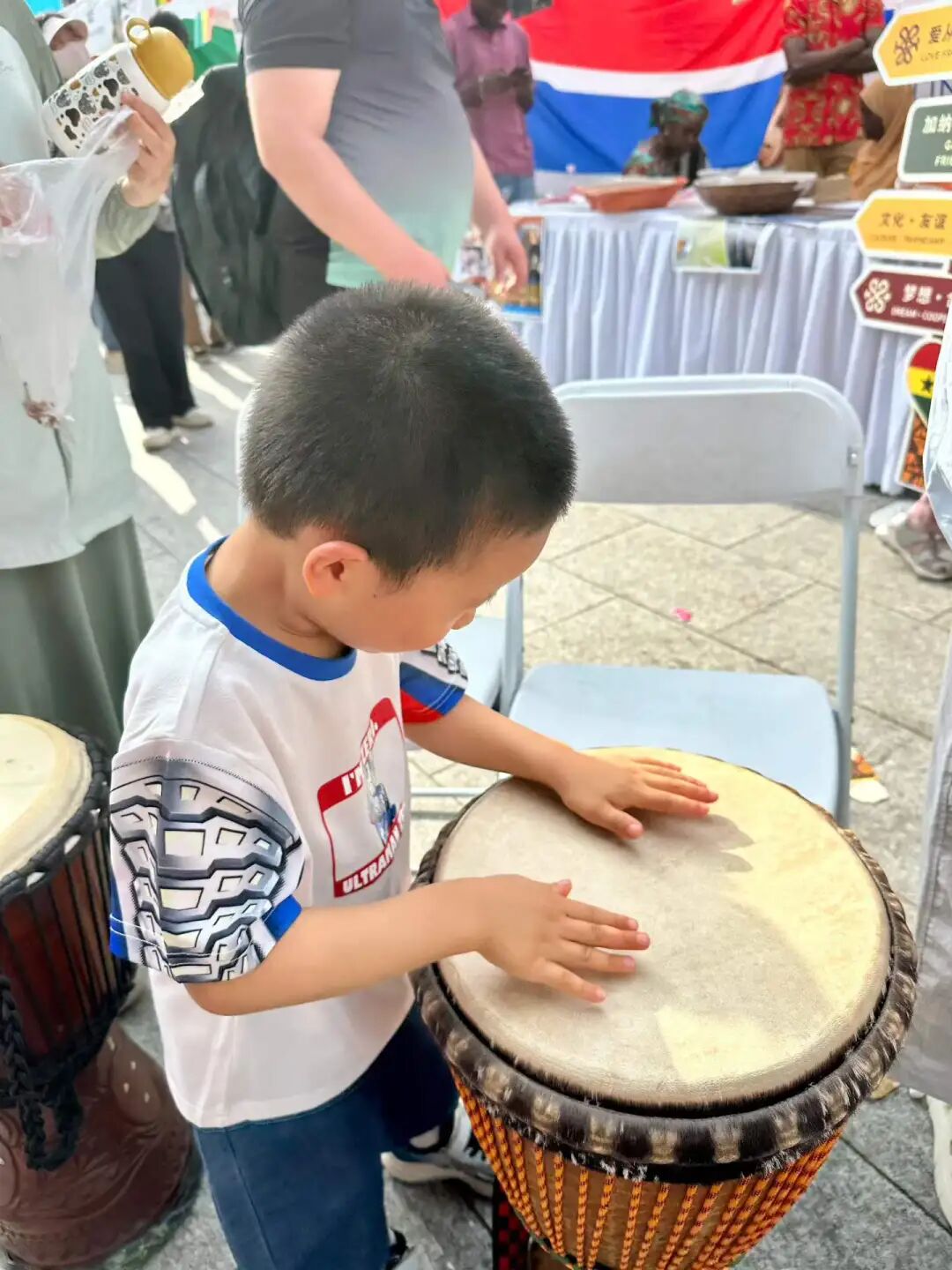
A young man from Bangladesh sang with deep emotion, a friend (dosti) from Senegal was full of energy, and brothers from Ghana played the drums. My son, Suleiman, also grew to love the African drums.
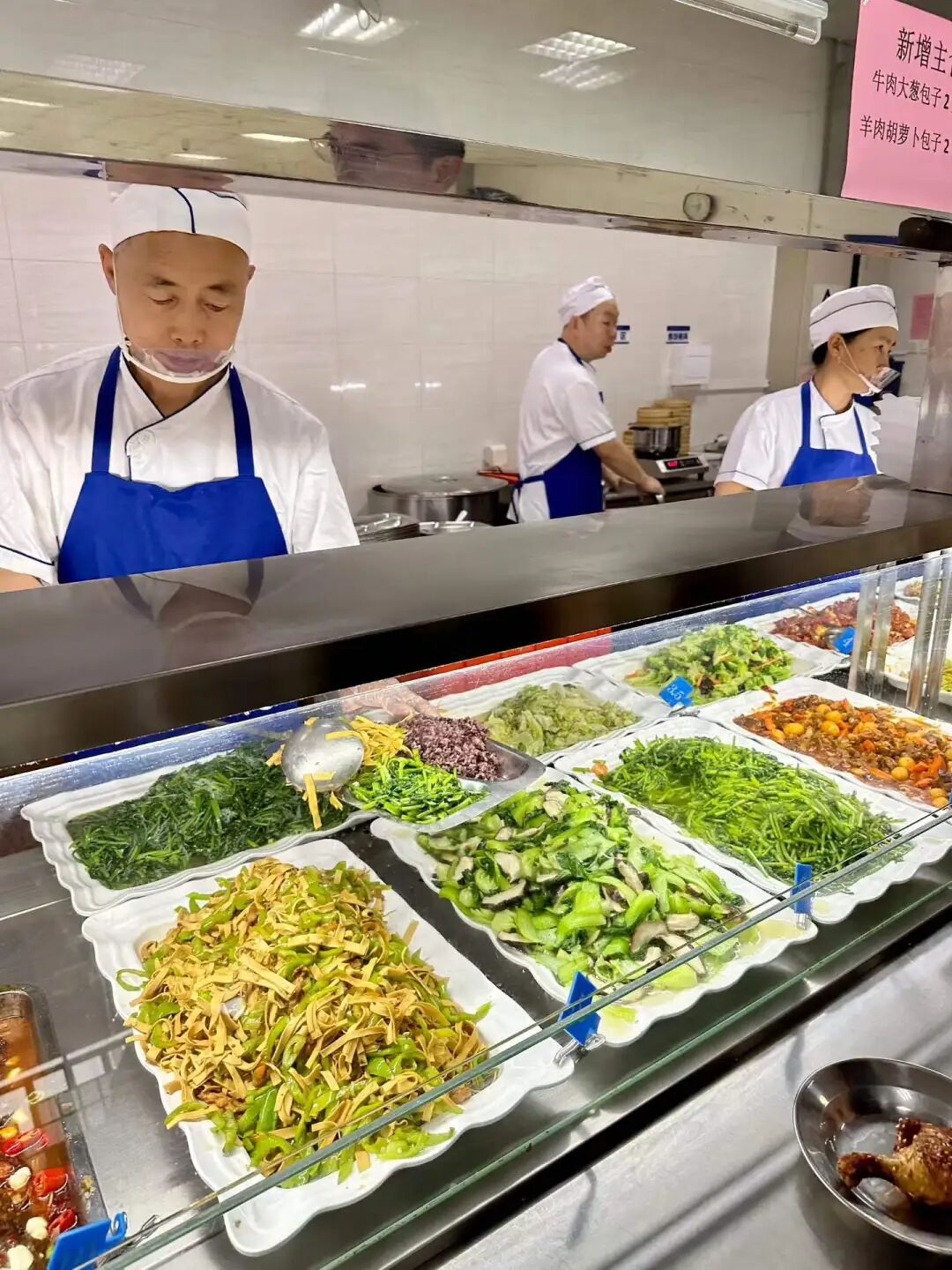
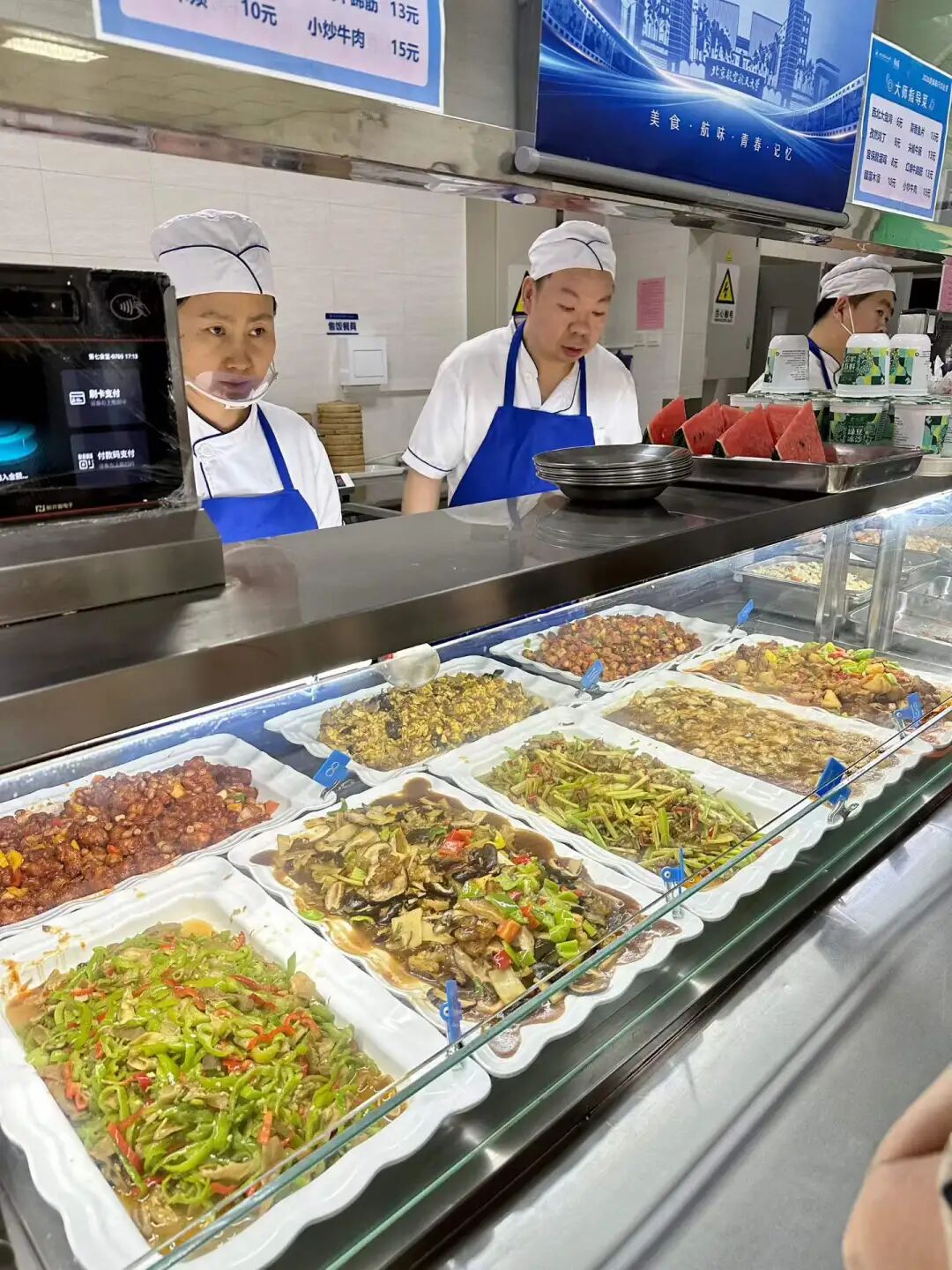
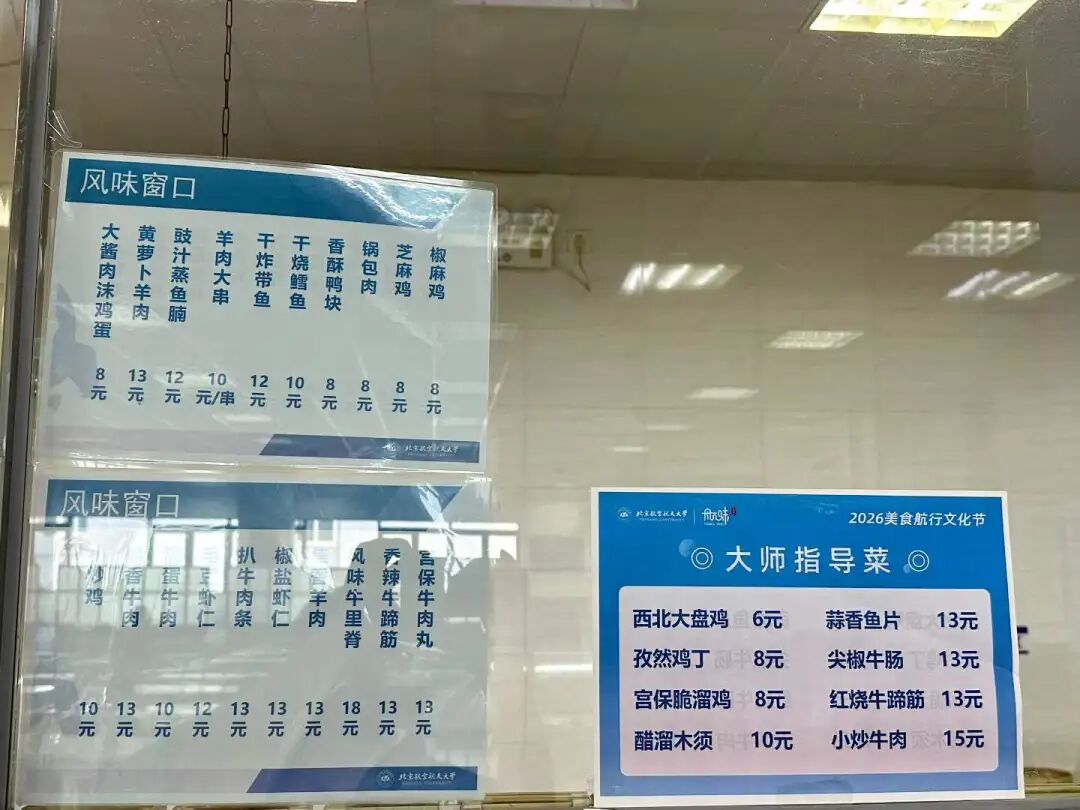
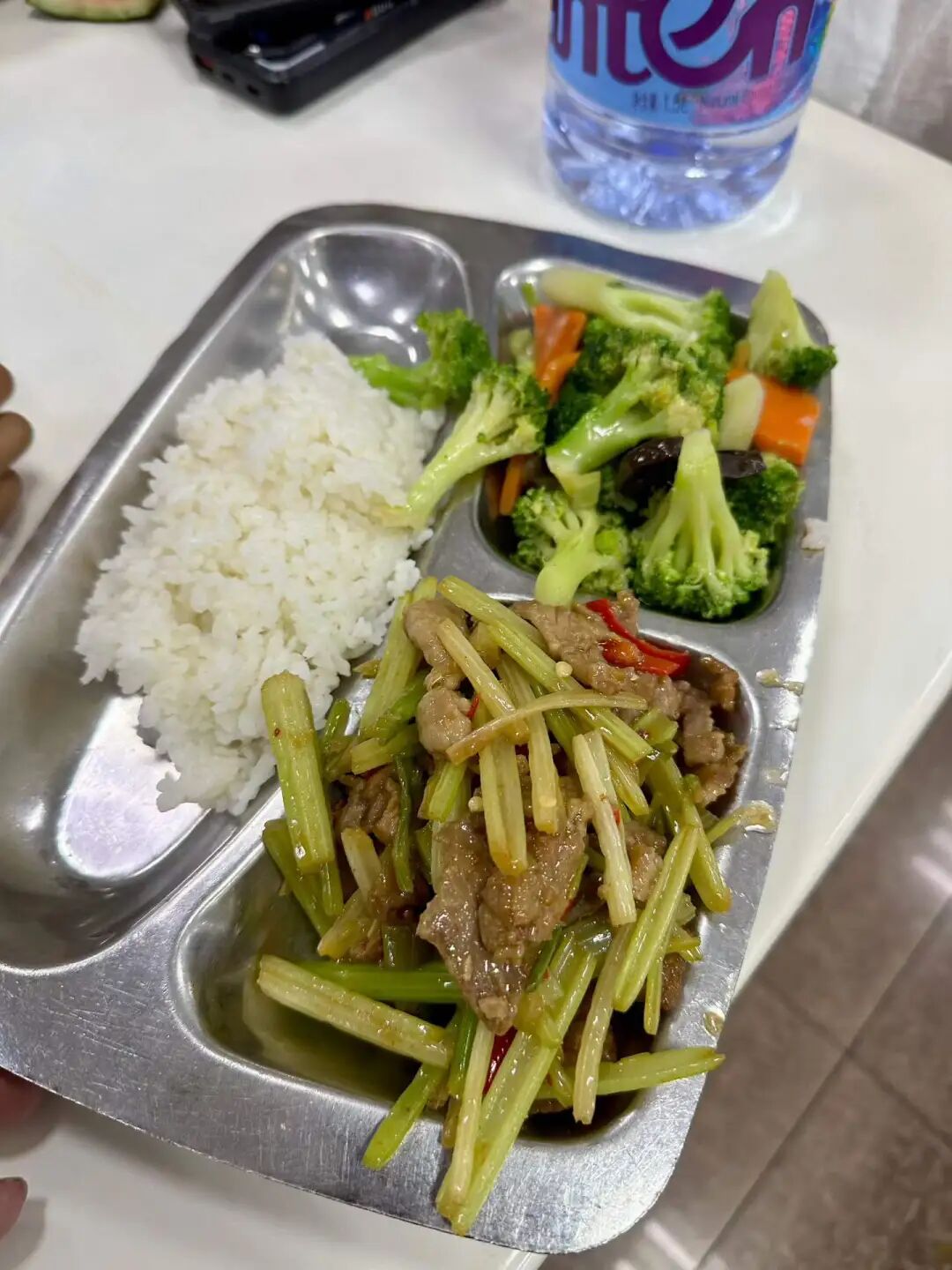
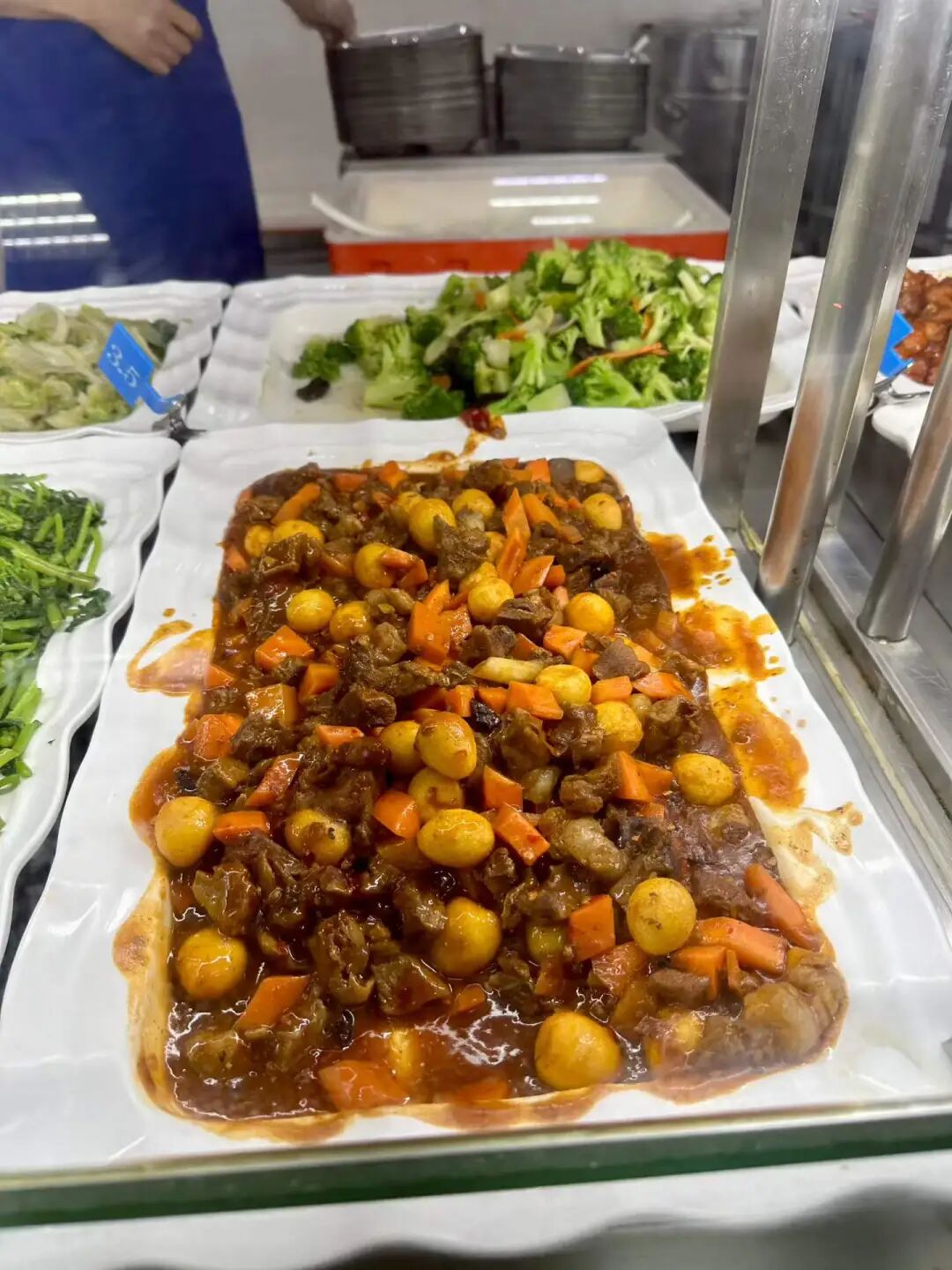
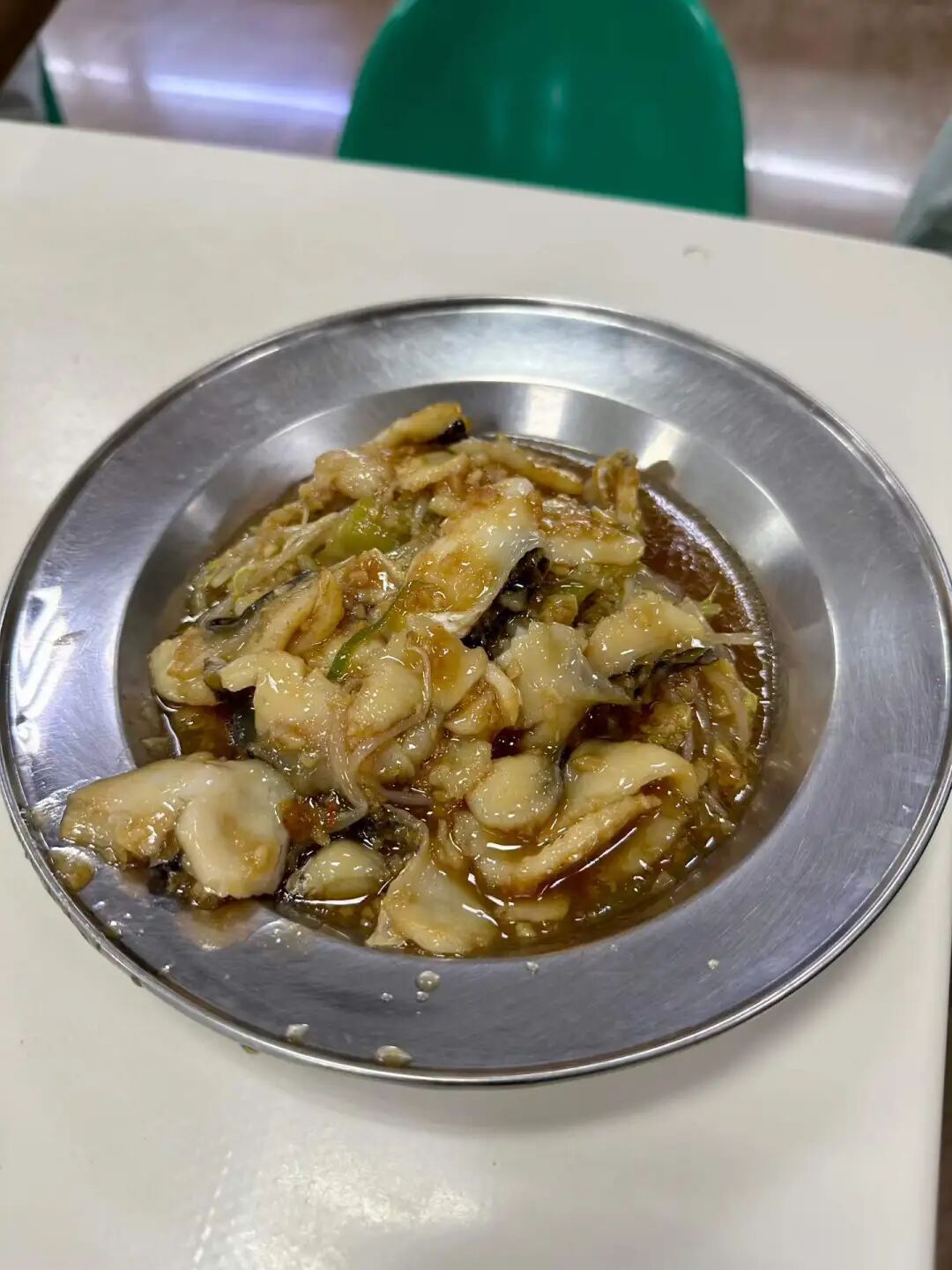
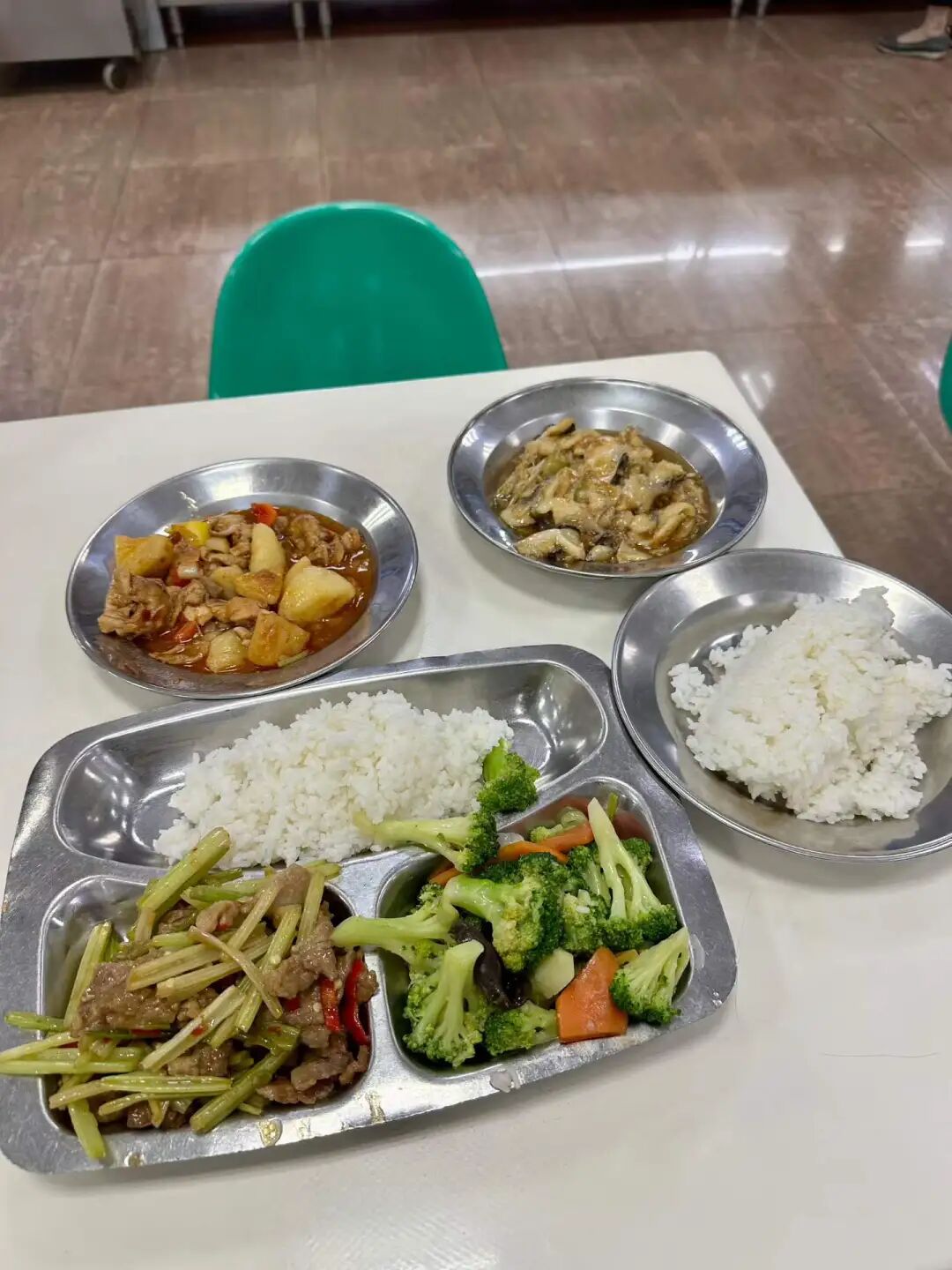
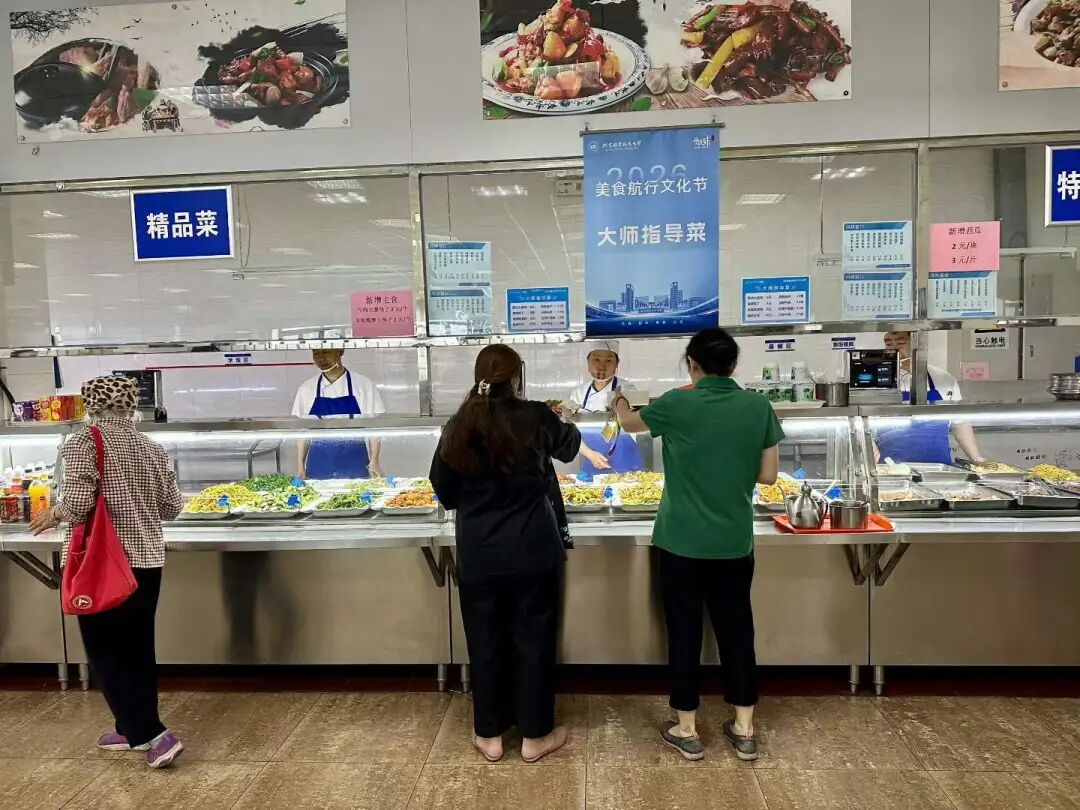
After leaving the Beihang International Culture Festival, we went to the fourth floor of the Seventh Canteen for dinner. They were hosting a Food Voyage Culture Festival and invited Zhang Shuanqiang, the executive chef of the Ningxia Building in Beijing, to guide the cooking. We ate stir-fried beef, garlic fish fillets, and big plate chicken (dapanji). Overall, it was very affordable. The stir-fried beef went great with rice, and the garlic fish fillets were very appetizing. I really envy the students and teachers at Beihang. view all
Summary: This Muslim traveler guide to Beijing follows an Africa Day food experience at Beihang University, with campus culture and local food details preserved.
This article summarizes the key points of tasting food from Africa's smallest country at Beihang University. It keeps the original paragraph and image order, making it suitable for readers interested in Muslim life, Islamic culture, and Chinese Islamic writing. It also helps with searching for content on Ramadan, history, and social observations.
Since May, major universities in Beijing have held international culture festivals. International students showcased their home cultures, which was very interesting. Unfortunately, most school festivals were on weekdays, and some were not open to the public. On May 24, I finally made it to the Beihang University international culture festival.
Although it was a culture festival rather than a food festival, I could still taste specialty drinks and snacks from several countries. We first drank Turkish black tea and Moroccan mint tea, then ate the Pakistani specialty noodle milk dish Pheni, which is also a classic Ramadan snack for Pakistanis.
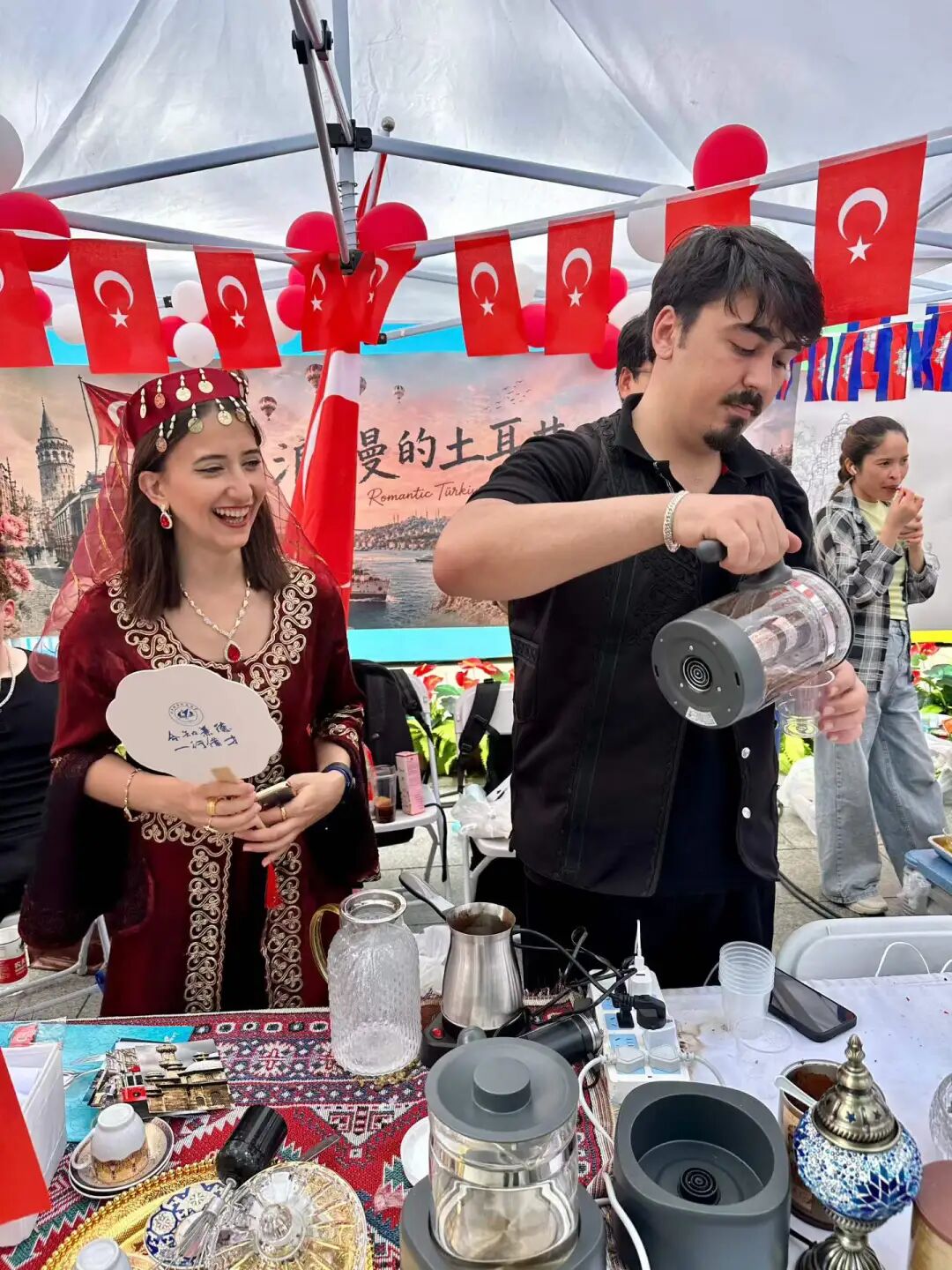
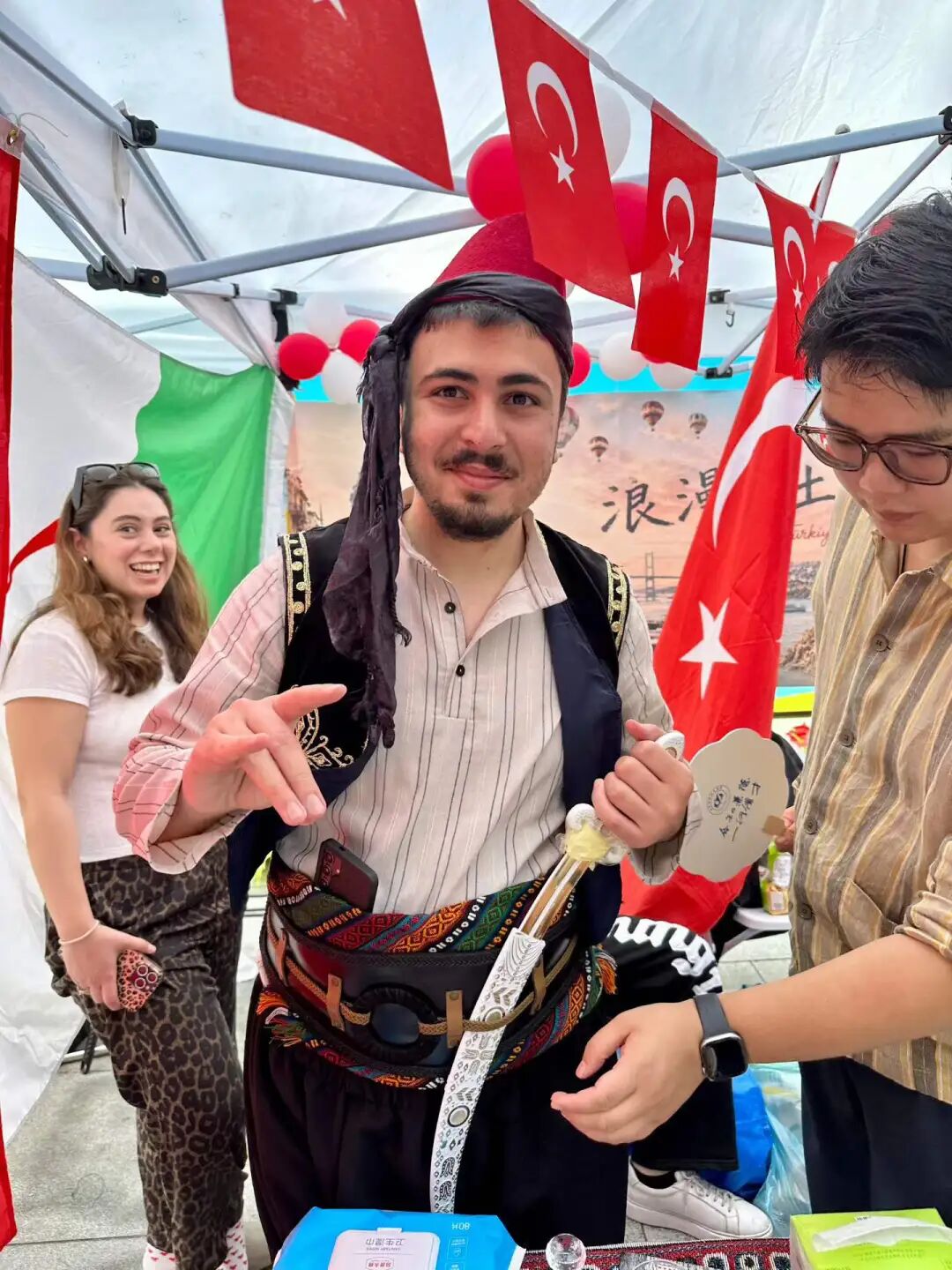
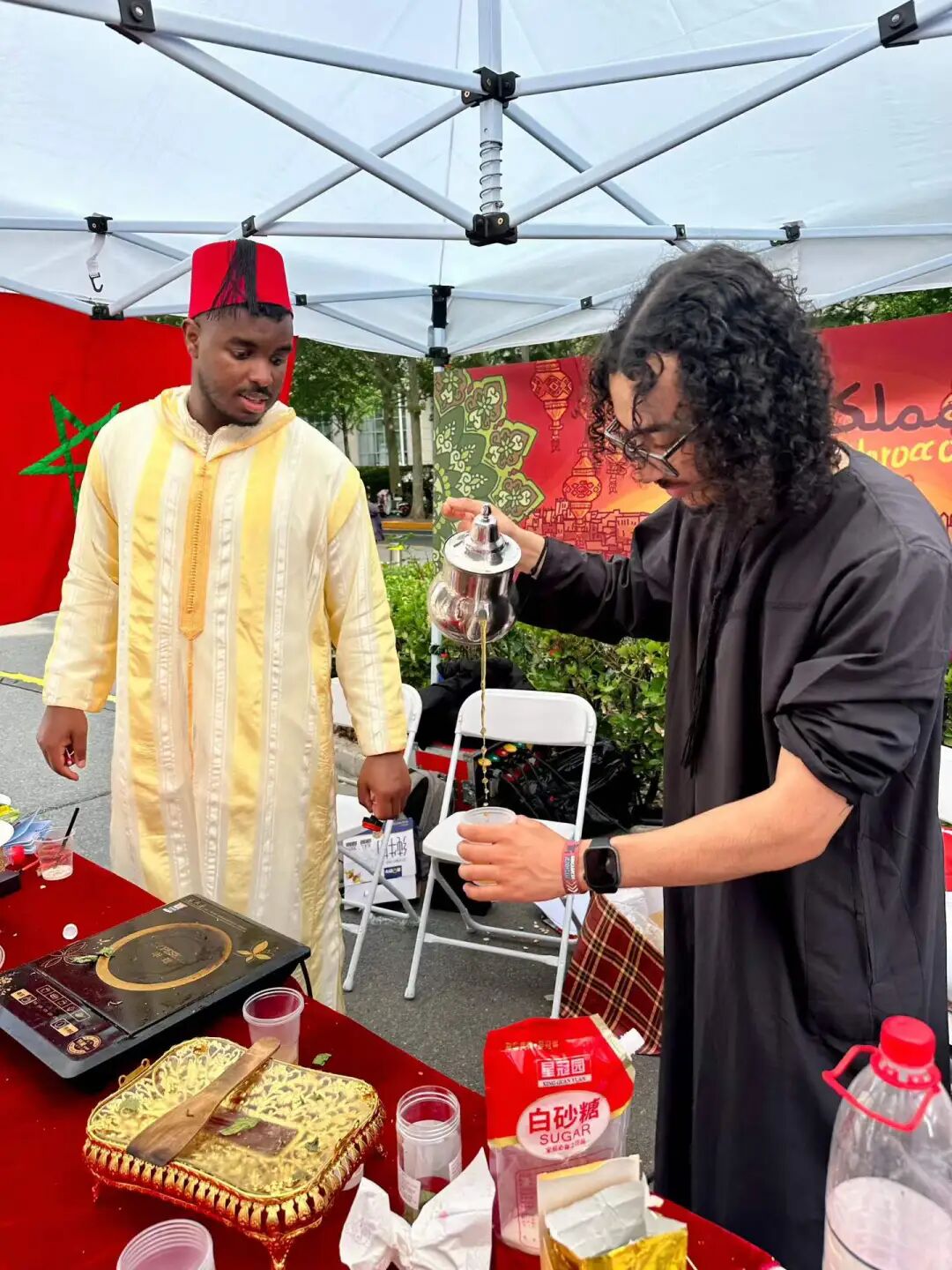
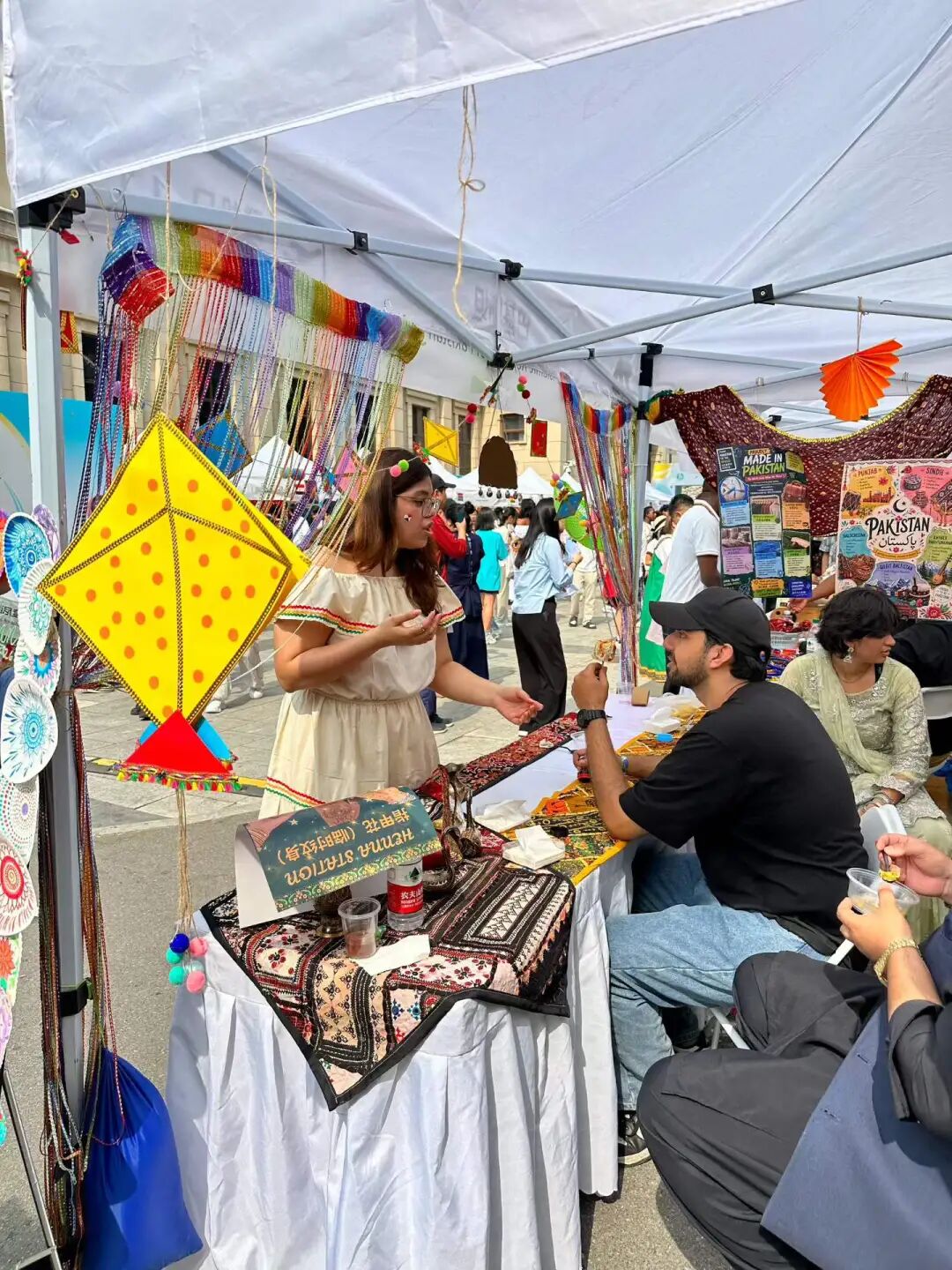
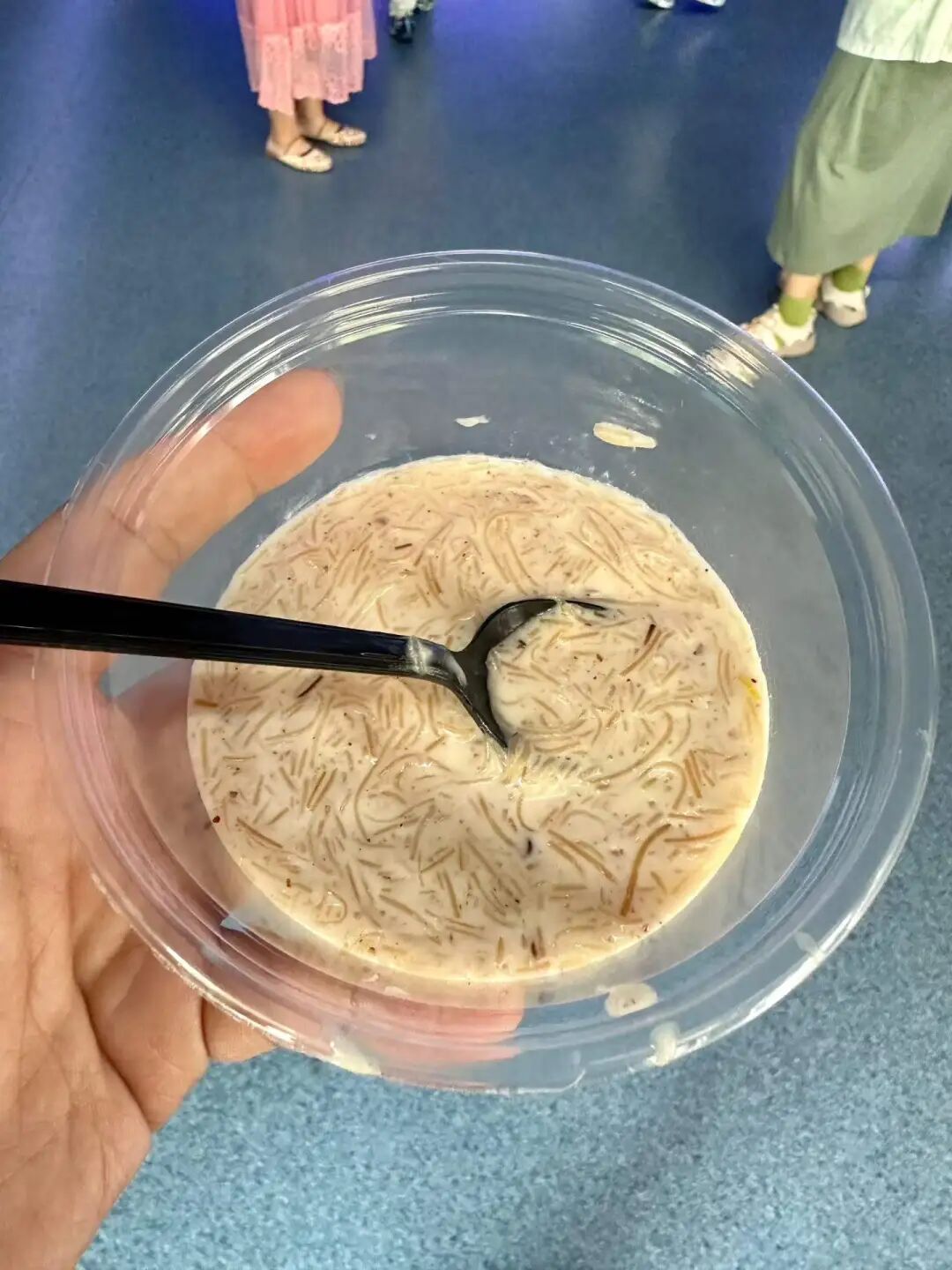
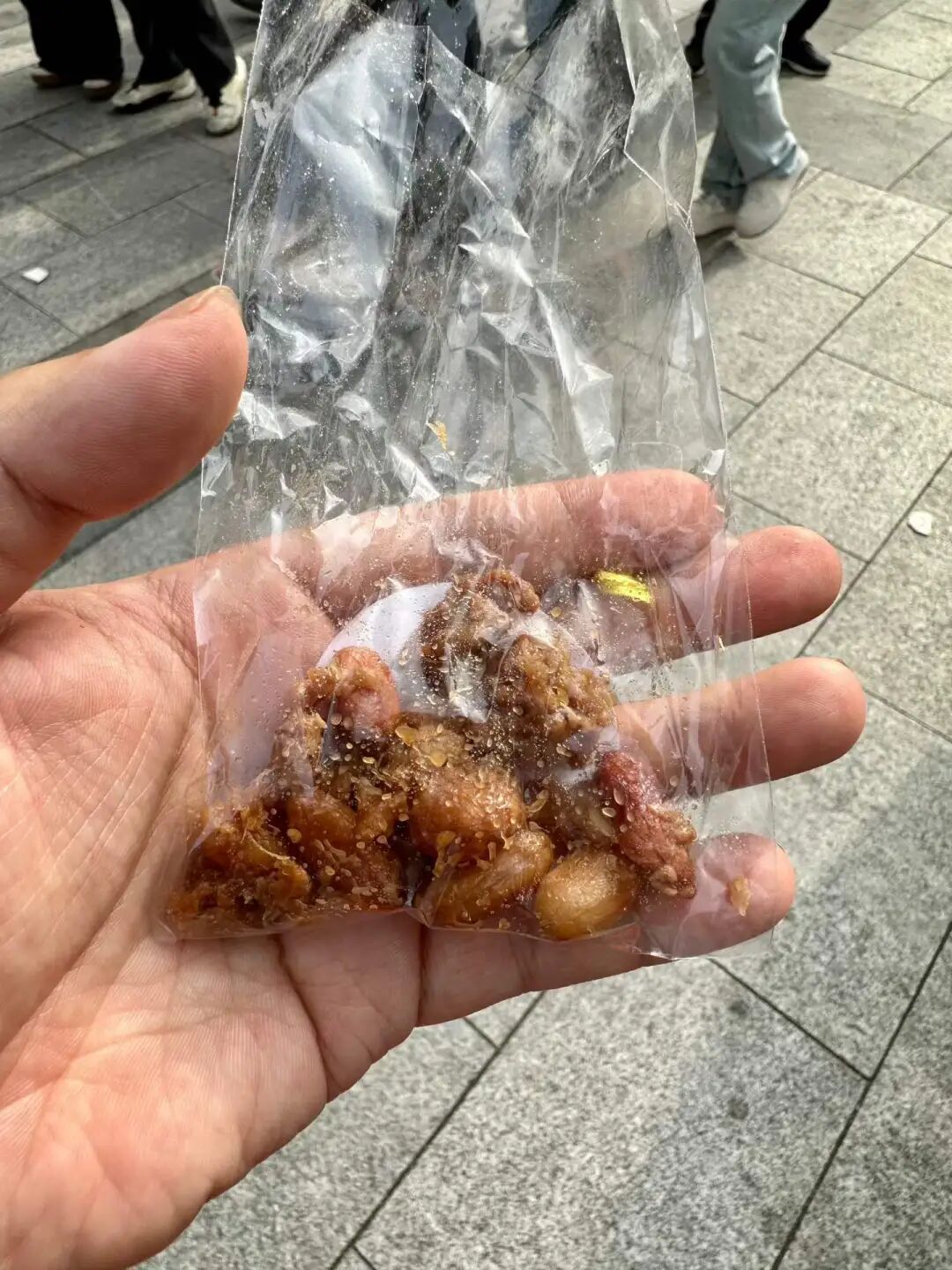
The highlight was eating spicy peanuts, Wonjo hibiscus tea, and the milk dessert Chakery from the Gambia. This was my first time tasting snacks from this country. The Gambia is located on the Atlantic coast of West Africa. It is the smallest country in all of Africa and one of the least developed countries in the world. As early as a thousand years ago, Arab merchants crossed the Sahara Desert to trade in the Gambia and brought Islam to the country in the 9th century. Today, 96% of Gambians belong to the Maliki school of Sunni Islam.
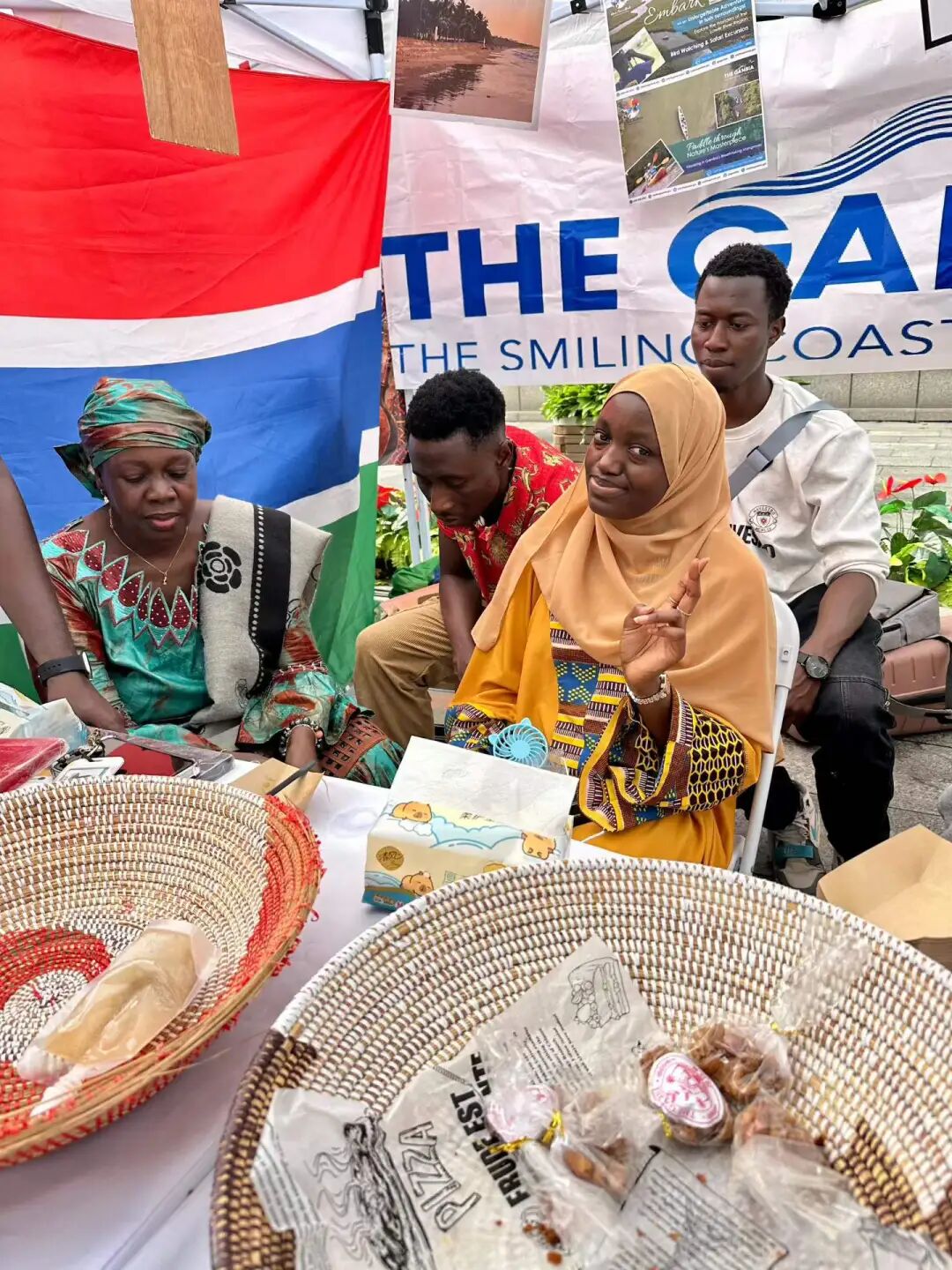
Wonjo is an iced drink made by soaking hibiscus flowers and adding sugar and mint. It is a classic summer chilled beverage for Gambians. The Gambia is one of the original homes of the hibiscus flower, and drinking hibiscus tea here has a very long history. Chakery is a milk dessert made with millet. It is a classic West African after-dinner treat. People of different faiths share Chakery with their neighbors after festivals, showing friendships that cross religious lines.
A young man from Bangladesh sang with deep emotion, a friend (dosti) from Senegal was full of energy, and brothers from Ghana played the drums. My son, Suleiman, also grew to love the African drums.
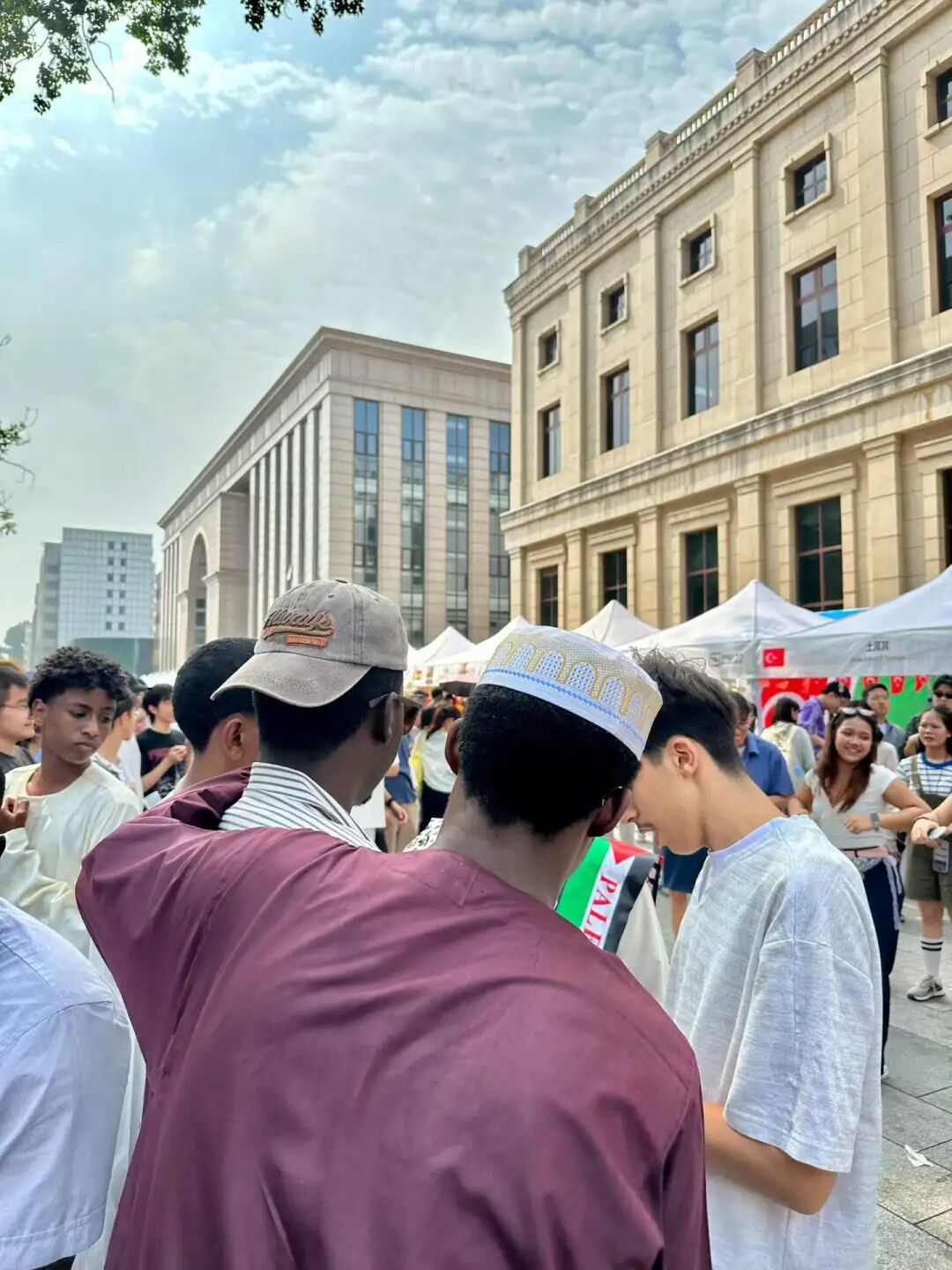
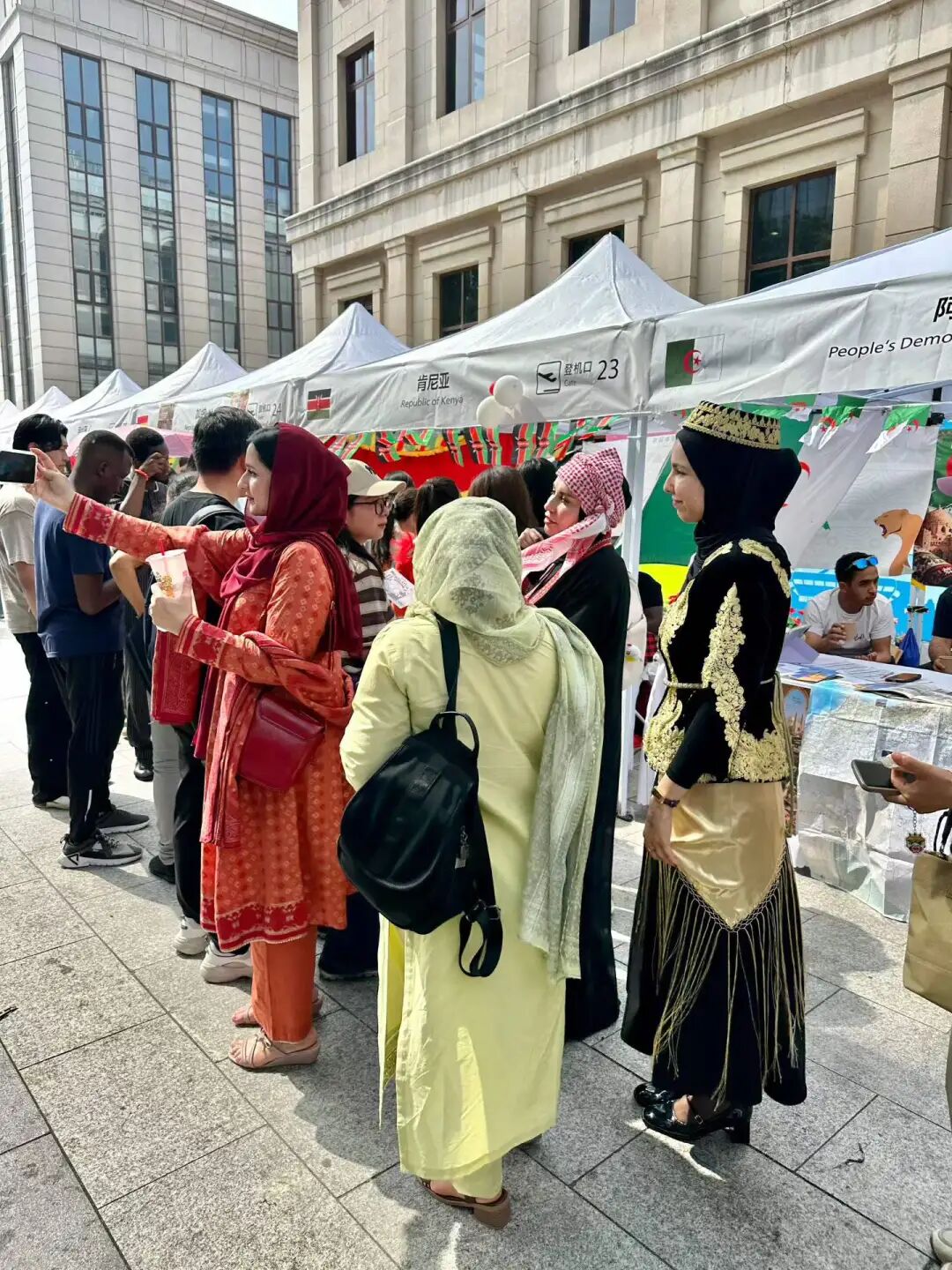
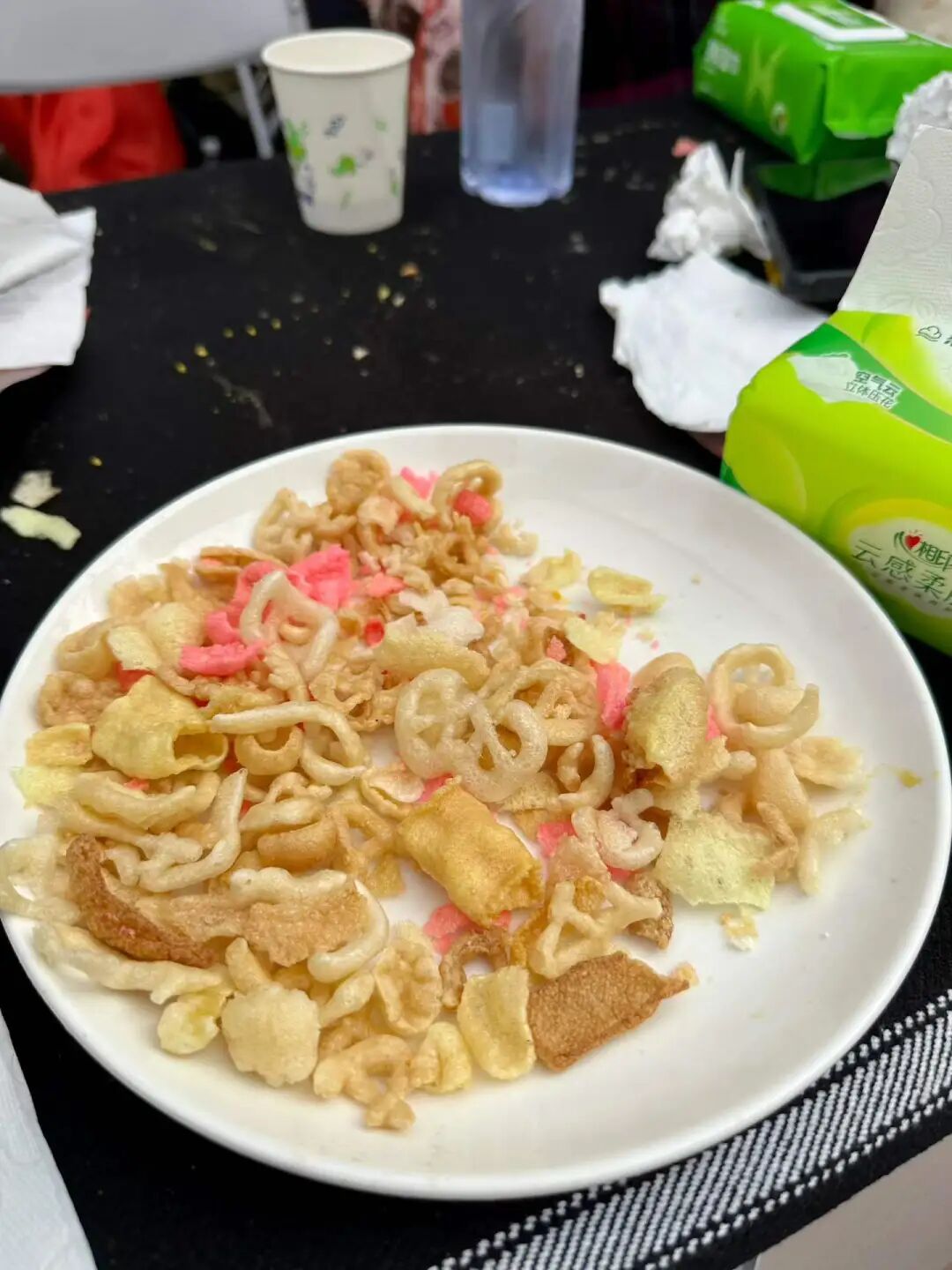
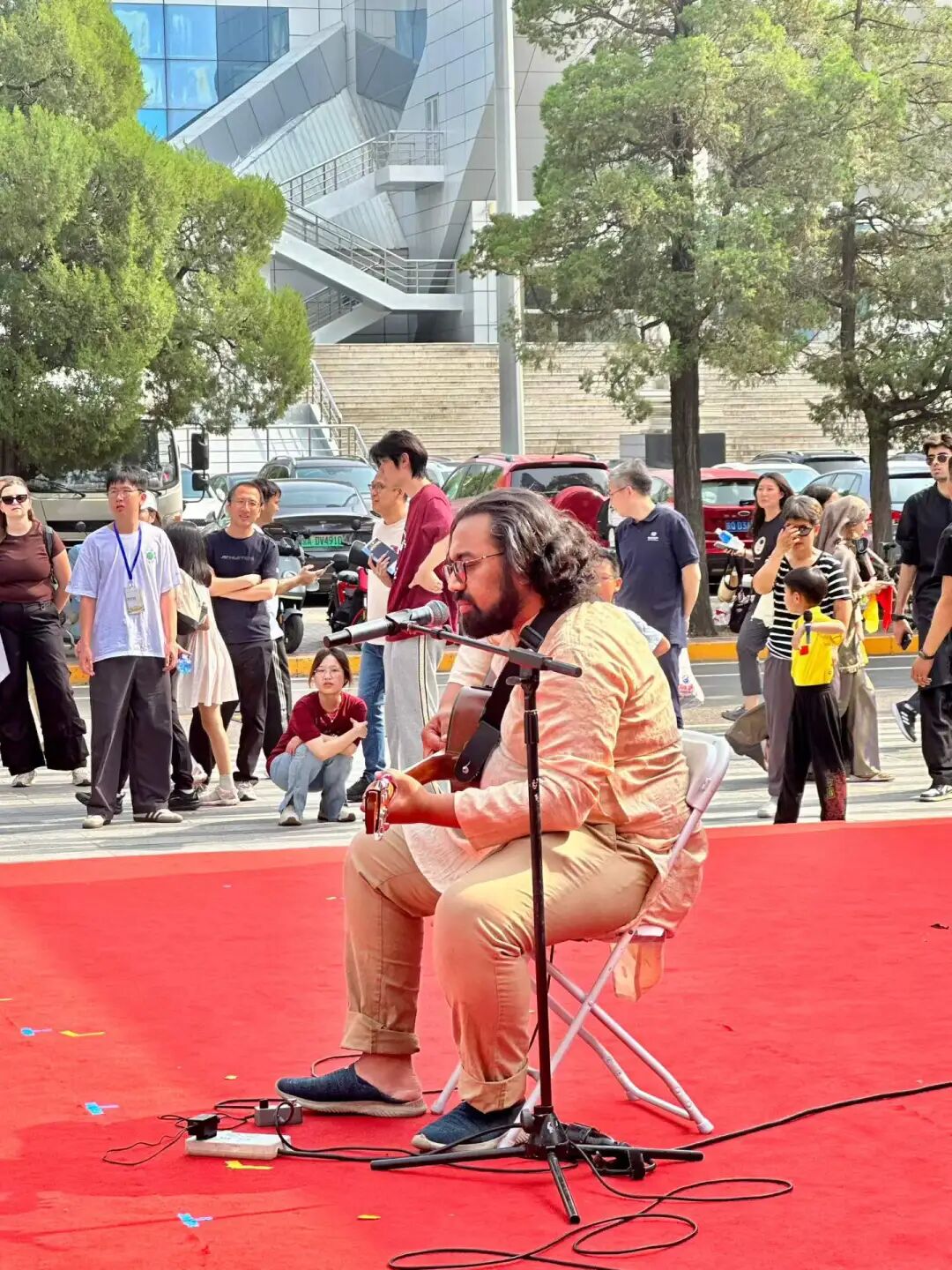
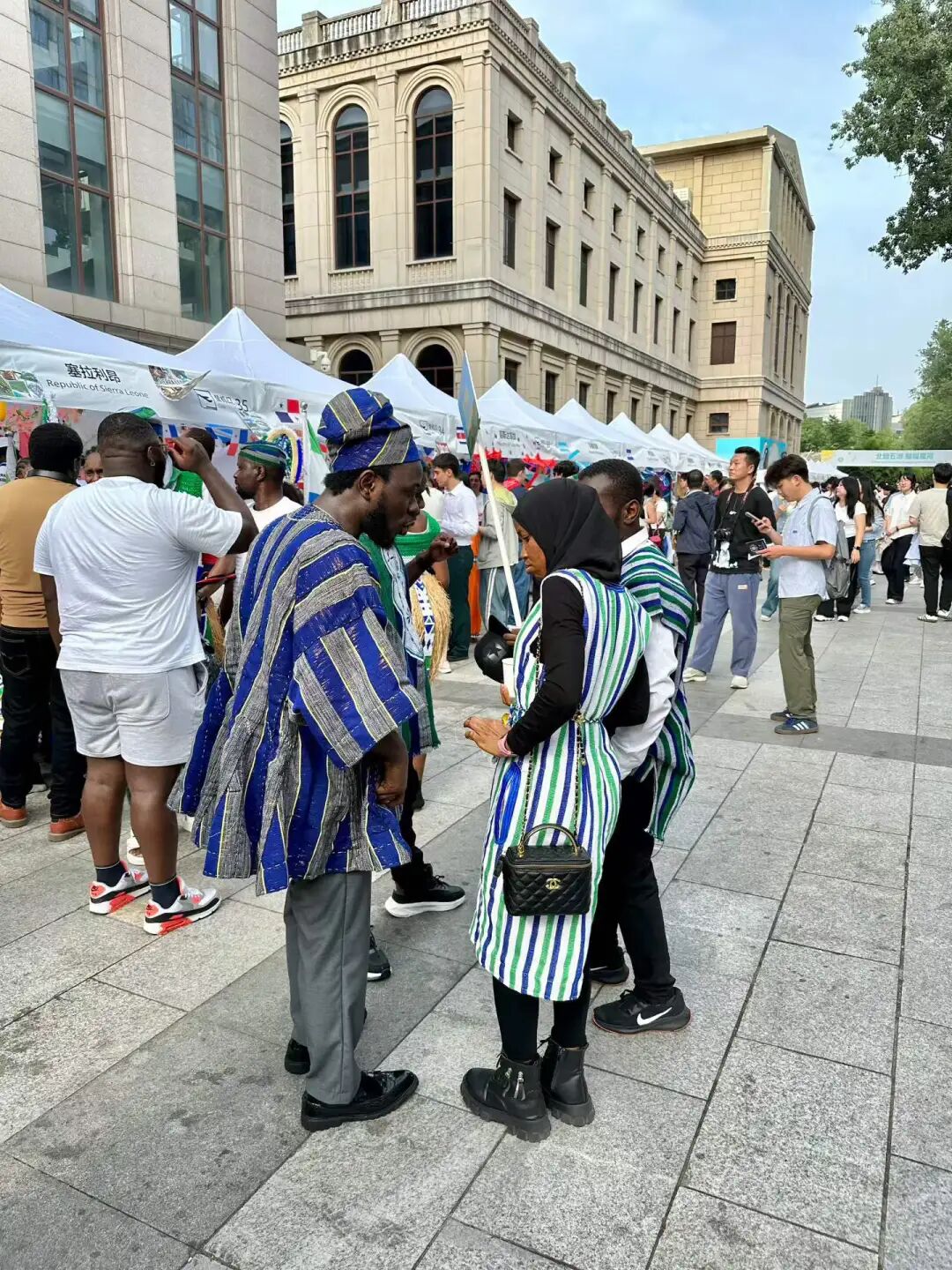
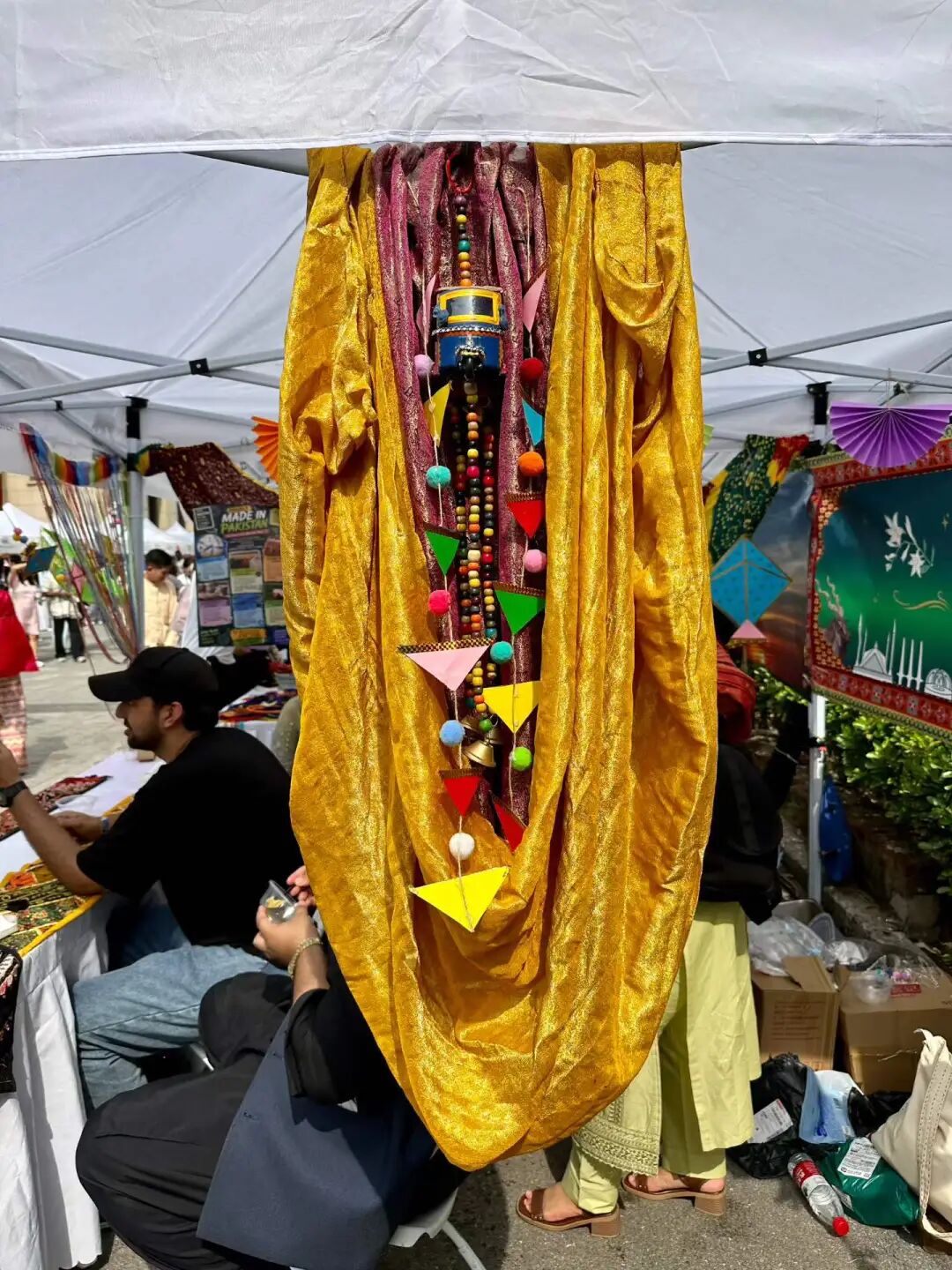
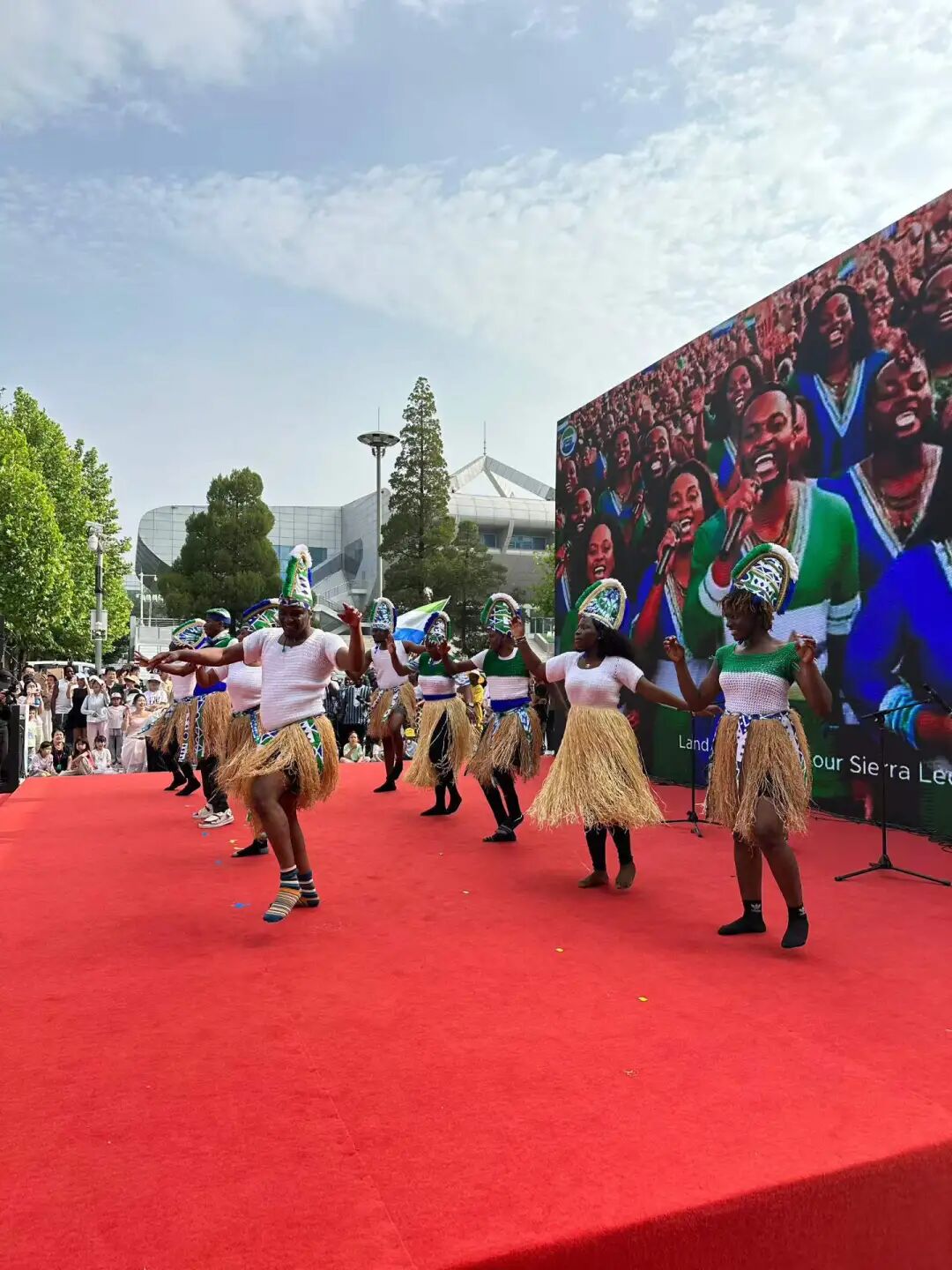
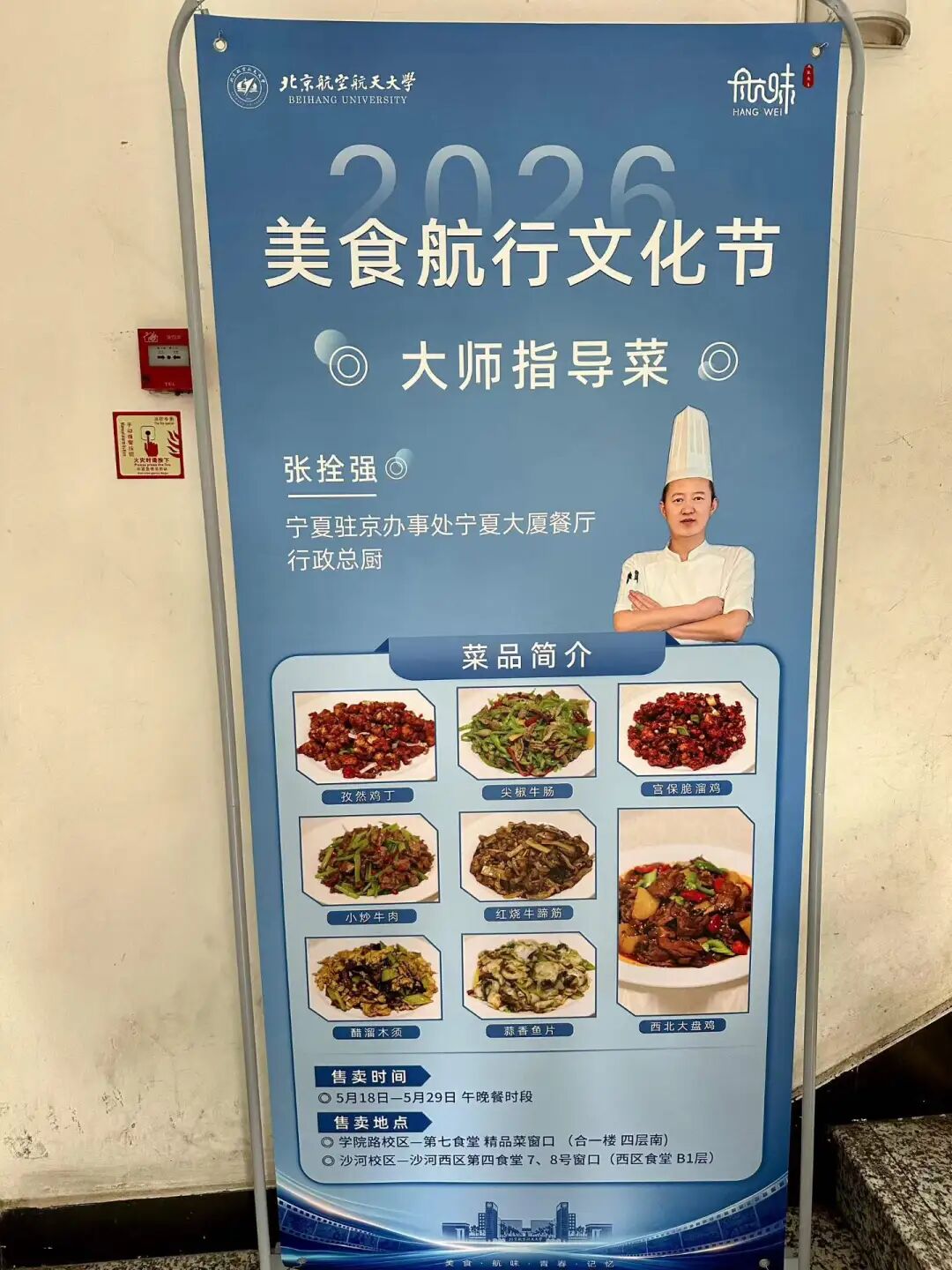
After leaving the Beihang International Culture Festival, we went to the fourth floor of the Seventh Canteen for dinner. They were hosting a Food Voyage Culture Festival and invited Zhang Shuanqiang, the executive chef of the Ningxia Building in Beijing, to guide the cooking. We ate stir-fried beef, garlic fish fillets, and big plate chicken (dapanji). Overall, it was very affordable. The stir-fried beef went great with rice, and the garlic fish fillets were very appetizing. I really envy the students and teachers at Beihang.
Culture Guide: Beijing - Persian Yalda Night and Winter Solstice Food
Articles • ali2007fr posted the article • 0 comments • 243 views • 2026-05-21 02:25
Summary: This Beijing culture note records a Persian Yalda Night winter-solstice gathering at Parkview Green outside Chaoyangmen on December 21, 2025. It keeps the source's food, event, music, people, and cultural details while presenting the scene in natural English.
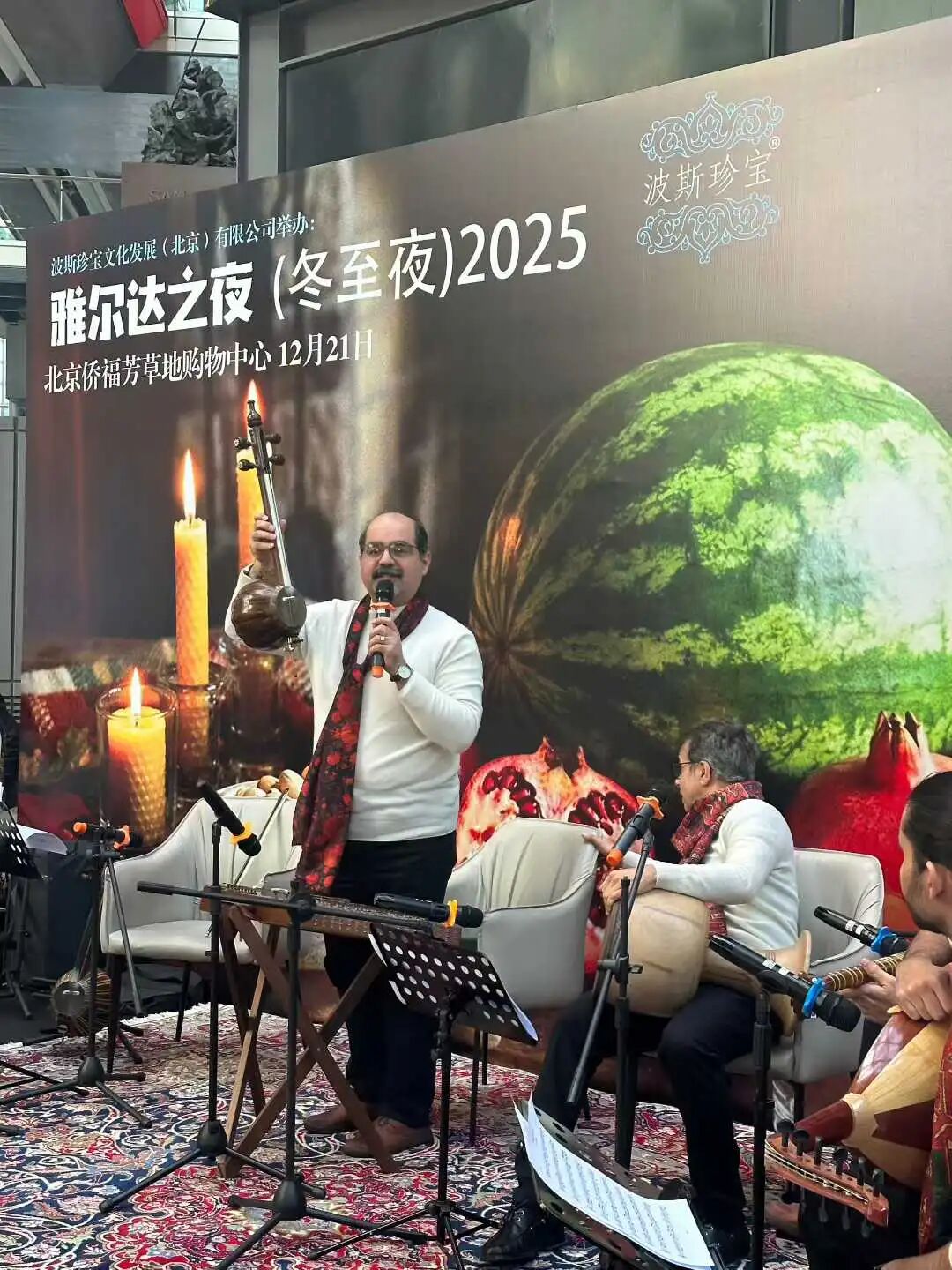
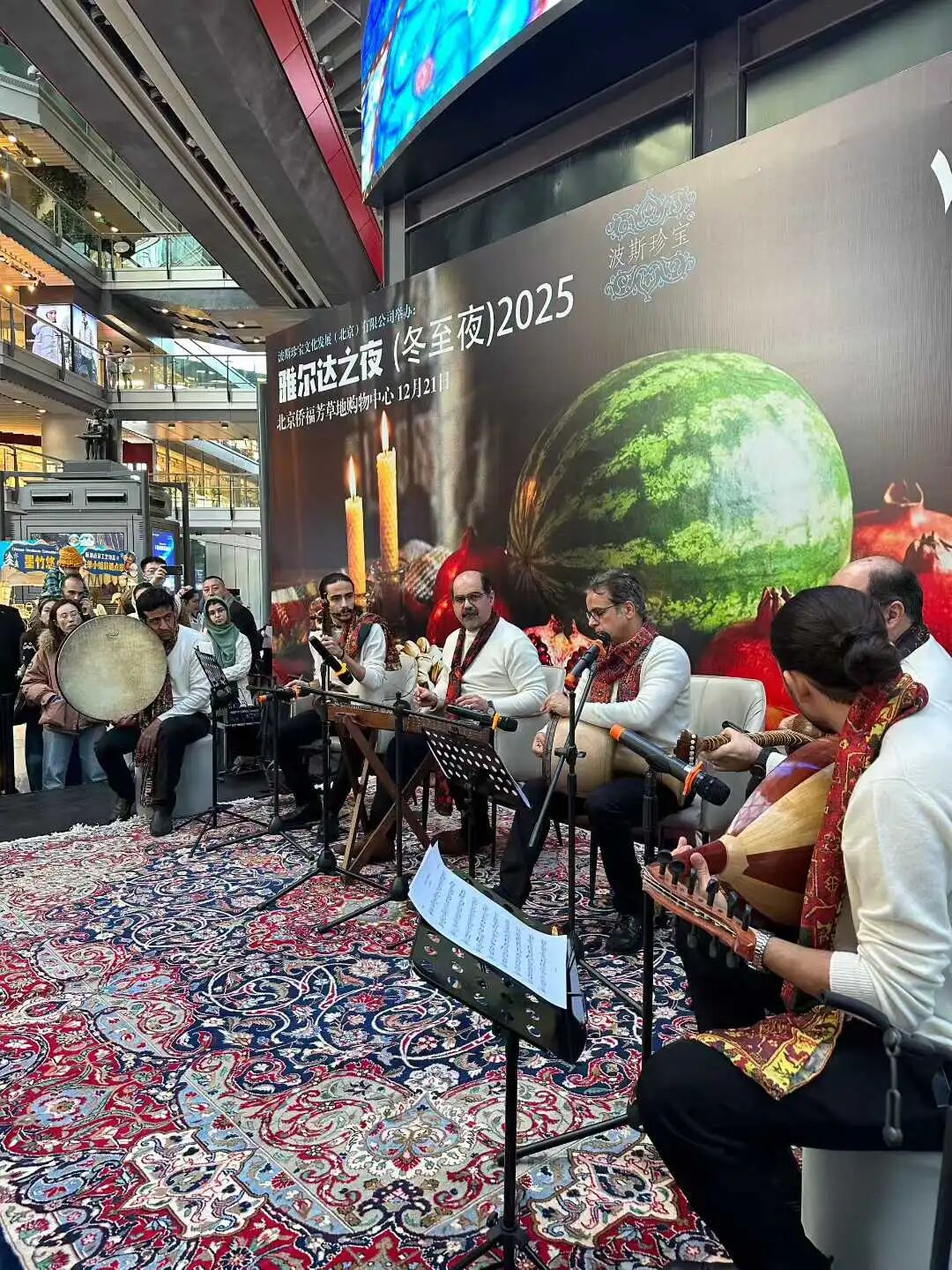
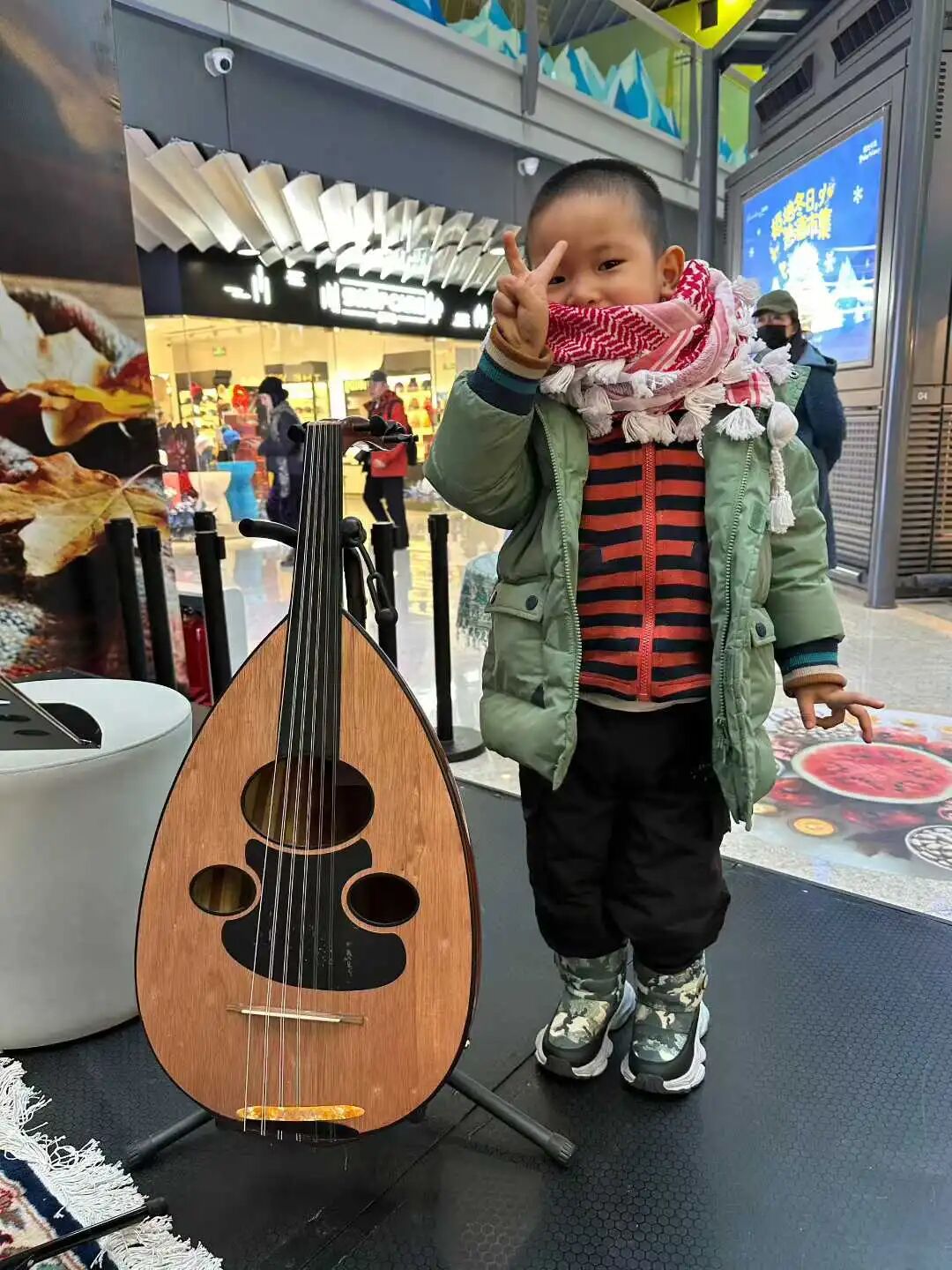
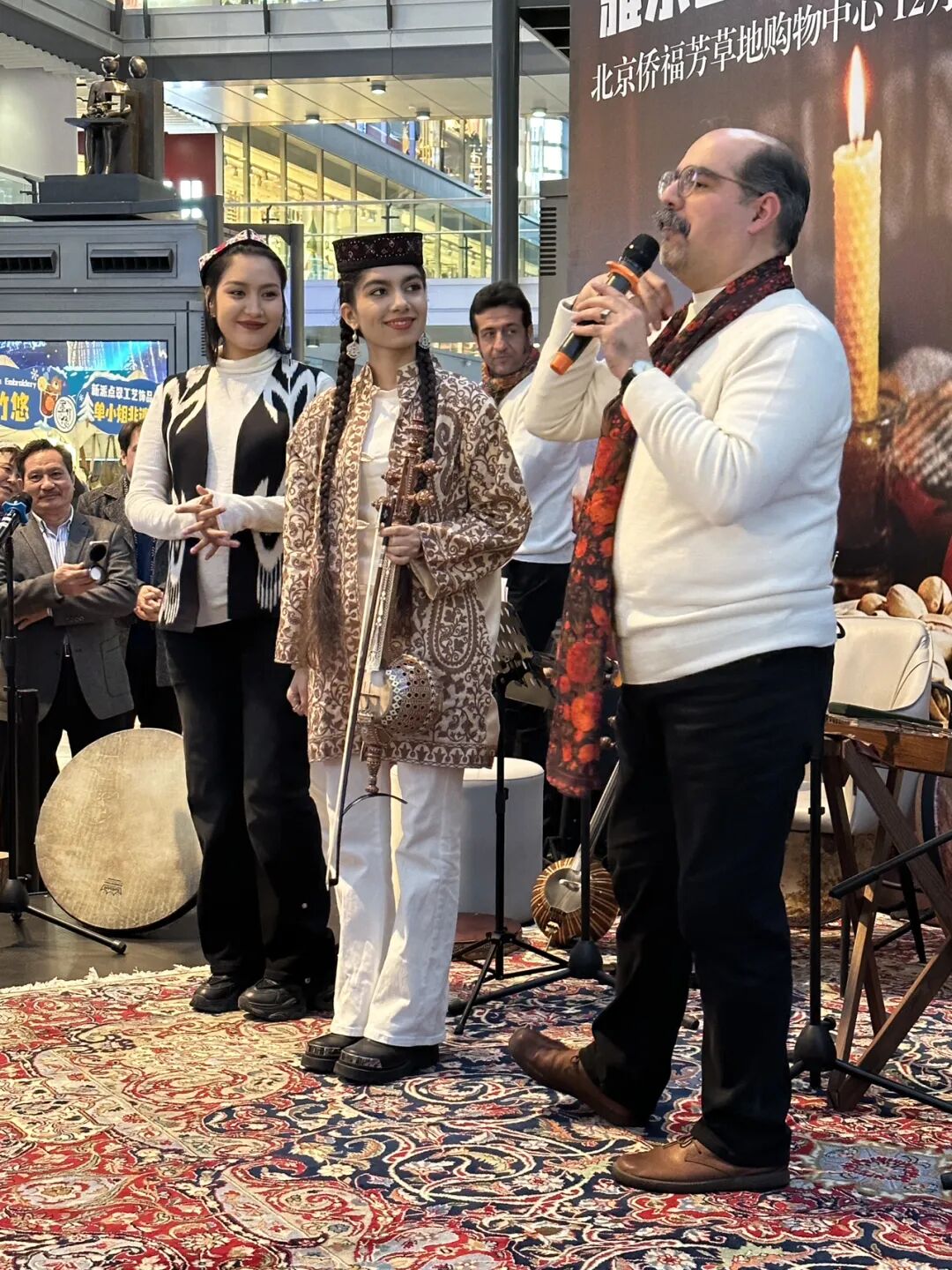
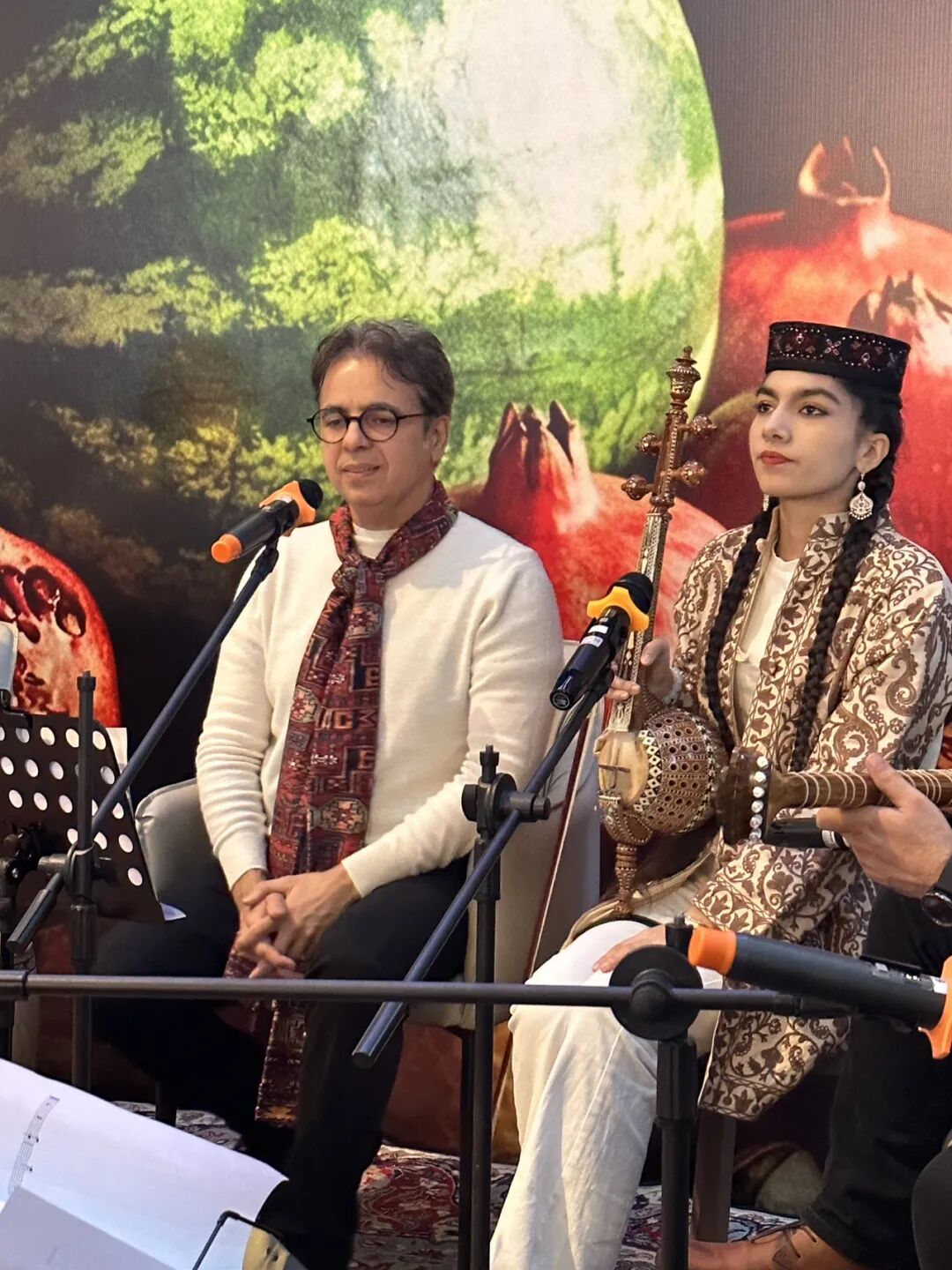
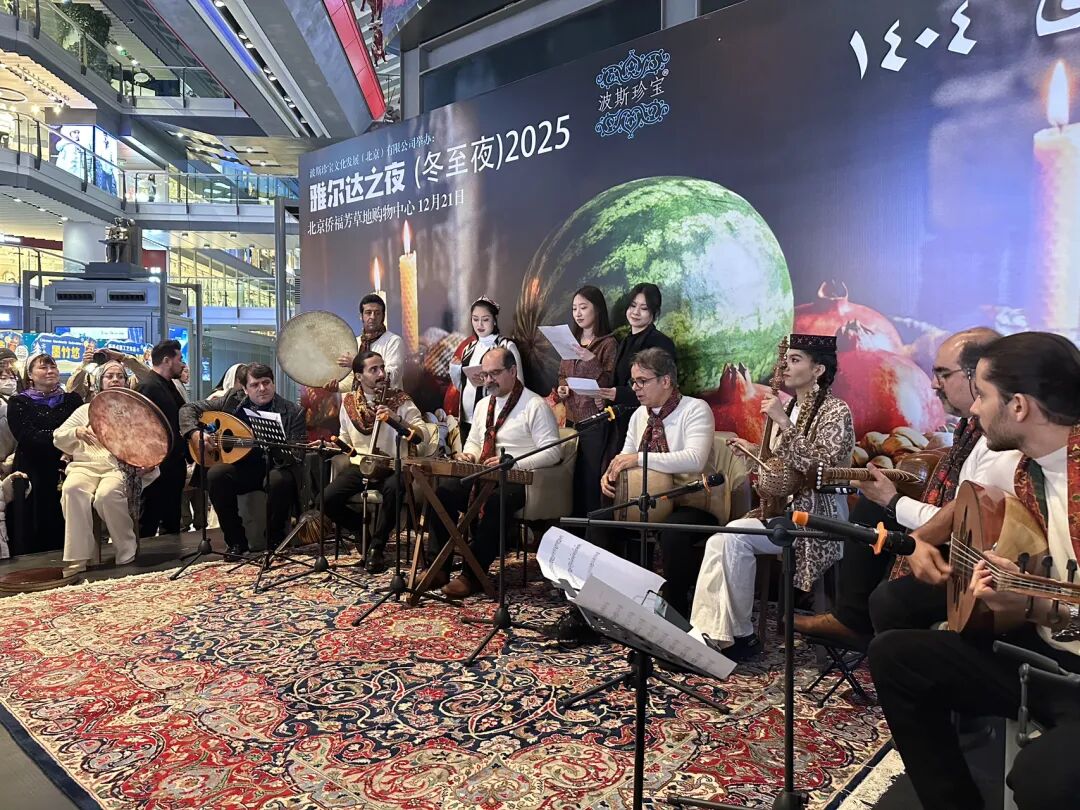
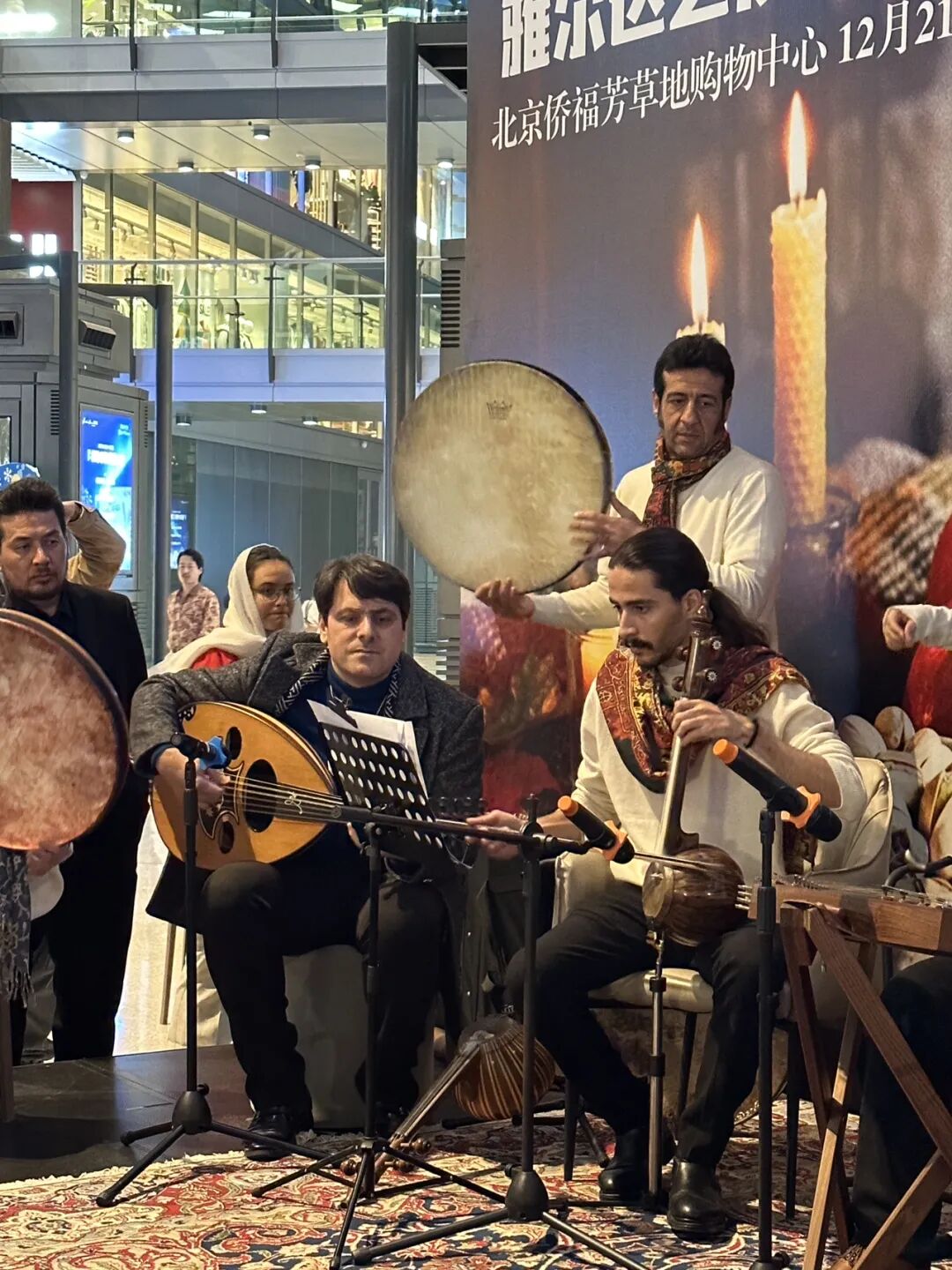
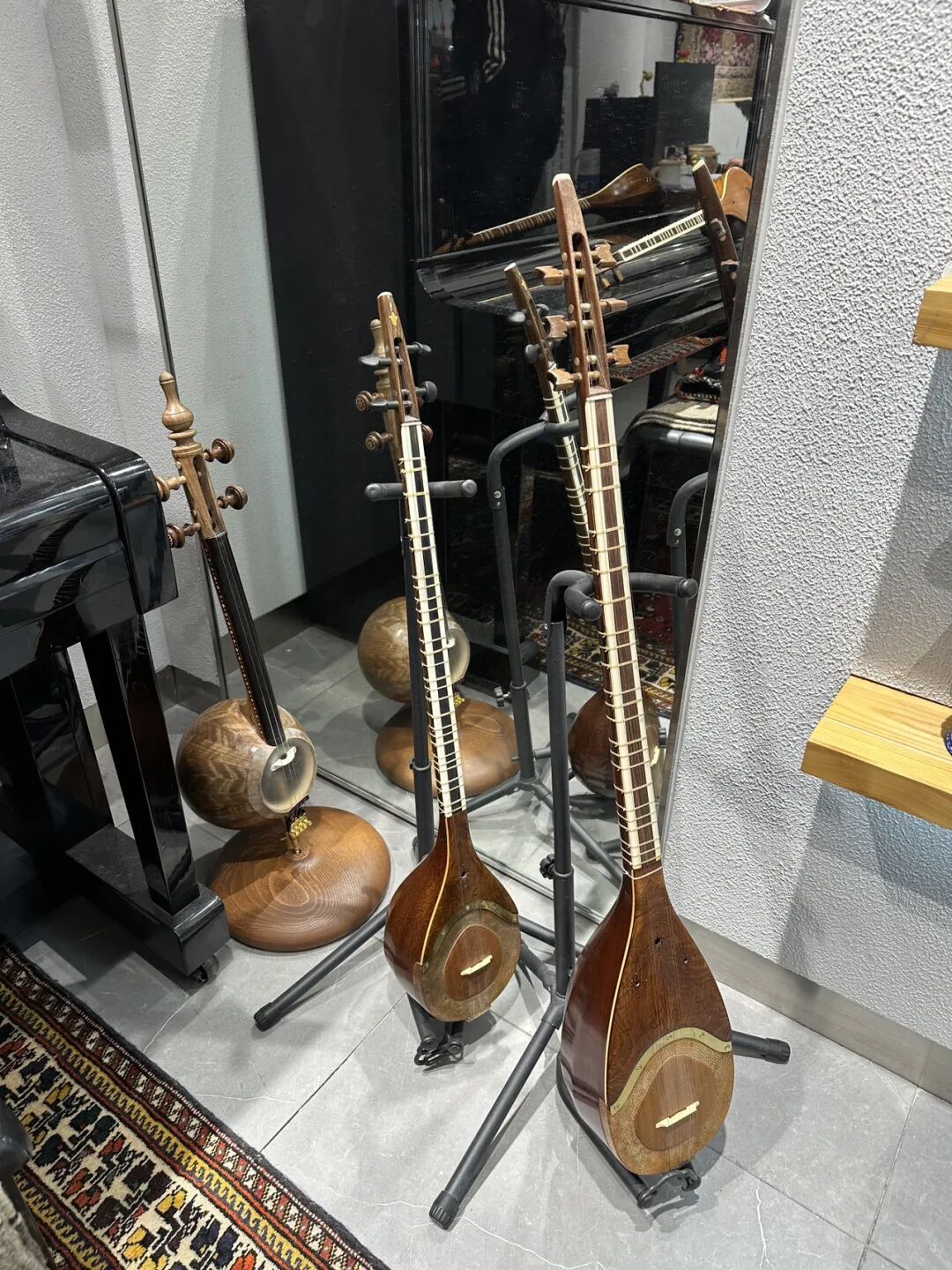
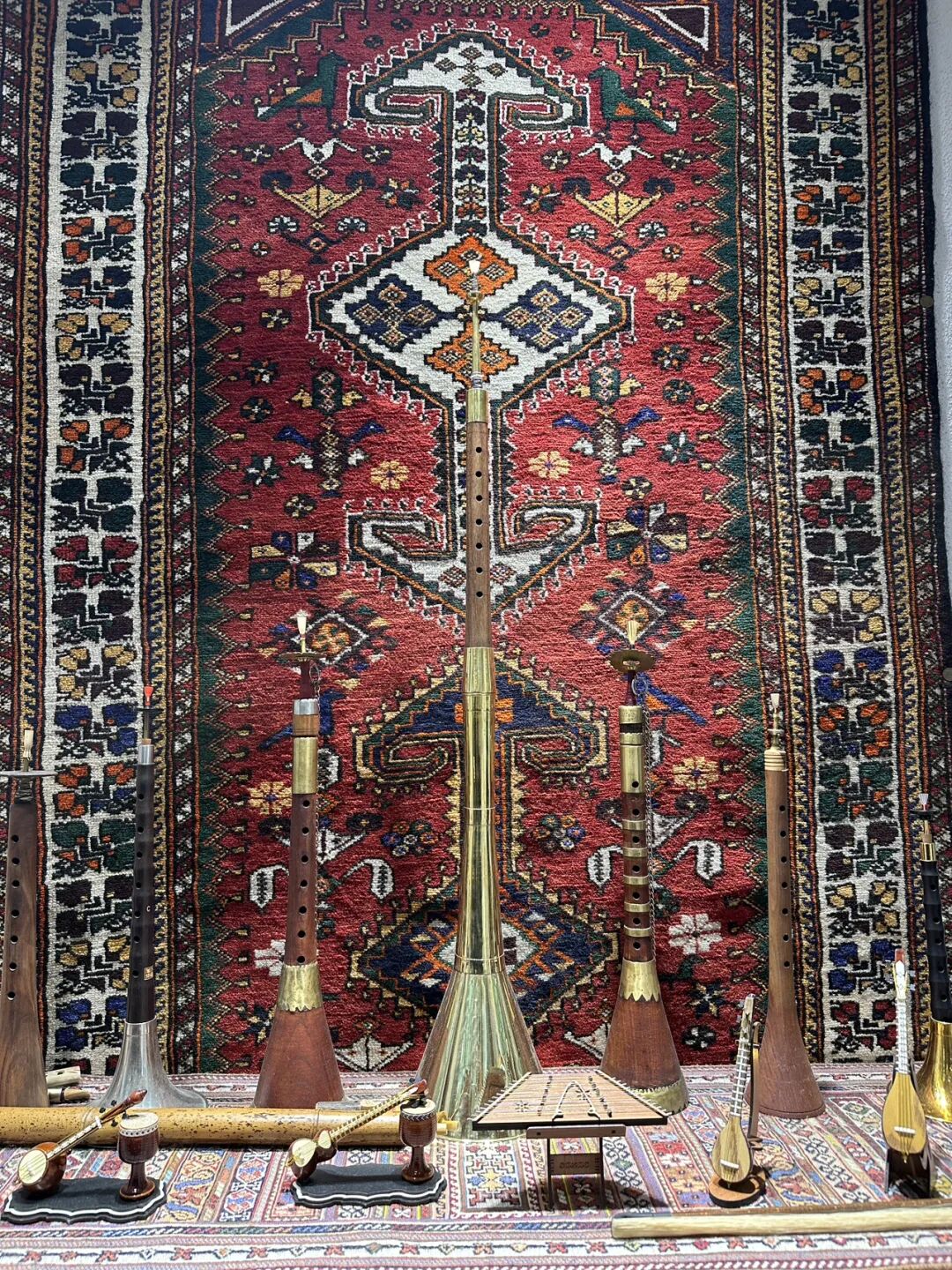
On December 21, 2025, we attended the Persian winter solstice festival, Yalda Night, at Parkview Green outside Chaoyangmen. Famous Iranian musicians performed traditional Persian songs: Arman on the oud, Armin on the kamancheh, Shahriyar on the tombak, Nabil on the daf, and two Beijing-based Iranian musicians, Majili and Maxingfu.
This night is the last night of the ninth month in the Persian calendar and the longest night of the year. According to Persian tradition, people gather on this night to recite poetry and eat pomegranates and watermelons, which symbolize the dawn. Yalda Night became an official Persian holiday in 500 BC during the reign of Darius I, and it remains a traditional festival for many groups, including Persians, Azerbaijanis, Kurds, Tajiks, and Pashtuns.
Everyone sang and danced. The music played featured traditional melodies from the Lurs, an ethnic minority in western Iran.
Tajik musicians collaborated with Persian musicians to perform Why Are the Flowers So Red.
Persian, Kurdish, Tajik, Uyghur, and Han people performed Persian songs together. I am truly grateful to have the chance to attend this kind of cultural event in Beijing.
Brothers Majili and Maxingfu are at their Persian treasure shop in Parkview Green. view all
Summary: This Beijing culture note records a Persian Yalda Night winter-solstice gathering at Parkview Green outside Chaoyangmen on December 21, 2025. It keeps the source's food, event, music, people, and cultural details while presenting the scene in natural English.
On December 21, 2025, we attended the Persian winter solstice festival, Yalda Night, at Parkview Green outside Chaoyangmen. Famous Iranian musicians performed traditional Persian songs: Arman on the oud, Armin on the kamancheh, Shahriyar on the tombak, Nabil on the daf, and two Beijing-based Iranian musicians, Majili and Maxingfu.
This night is the last night of the ninth month in the Persian calendar and the longest night of the year. According to Persian tradition, people gather on this night to recite poetry and eat pomegranates and watermelons, which symbolize the dawn. Yalda Night became an official Persian holiday in 500 BC during the reign of Darius I, and it remains a traditional festival for many groups, including Persians, Azerbaijanis, Kurds, Tajiks, and Pashtuns.
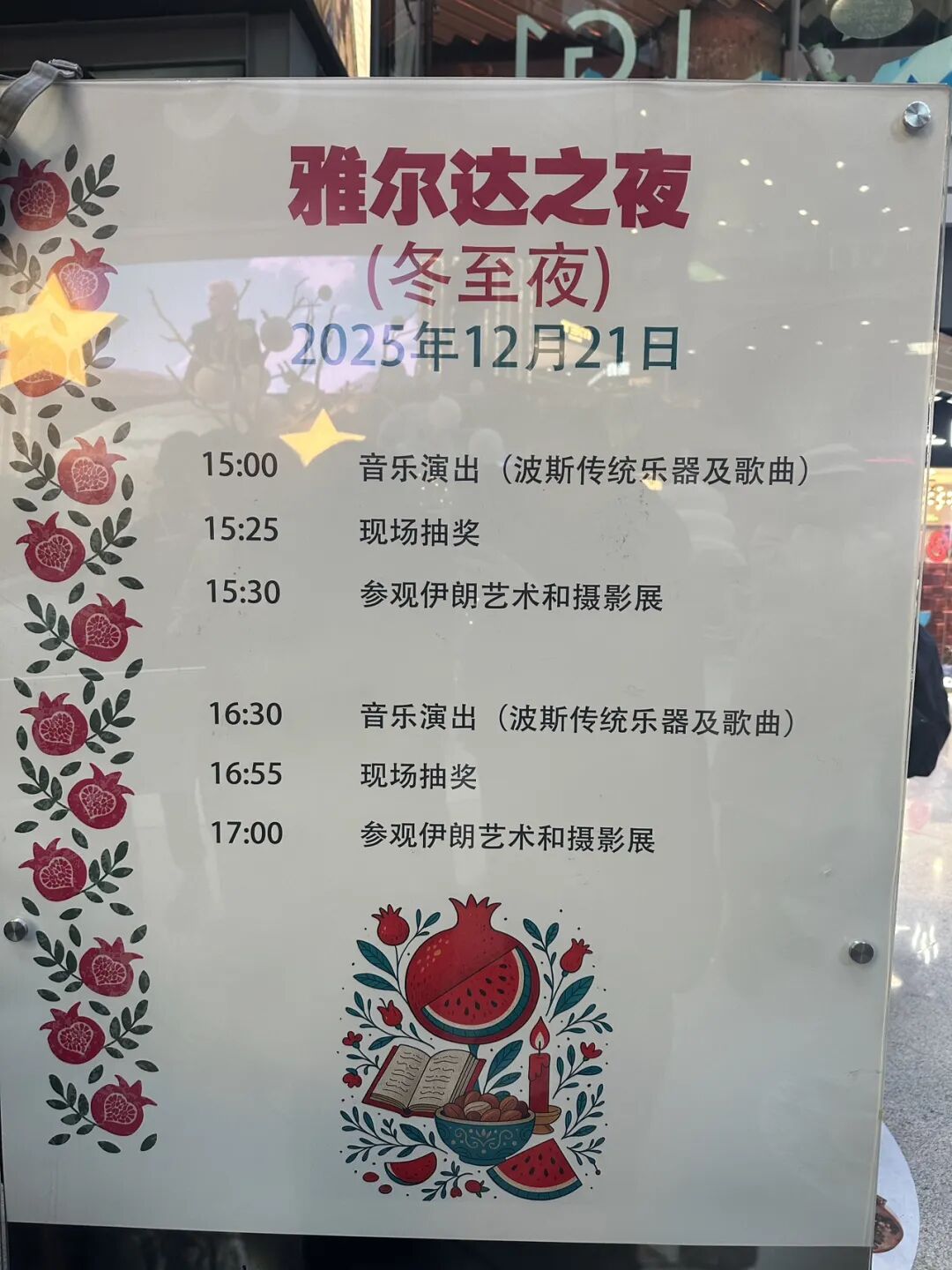
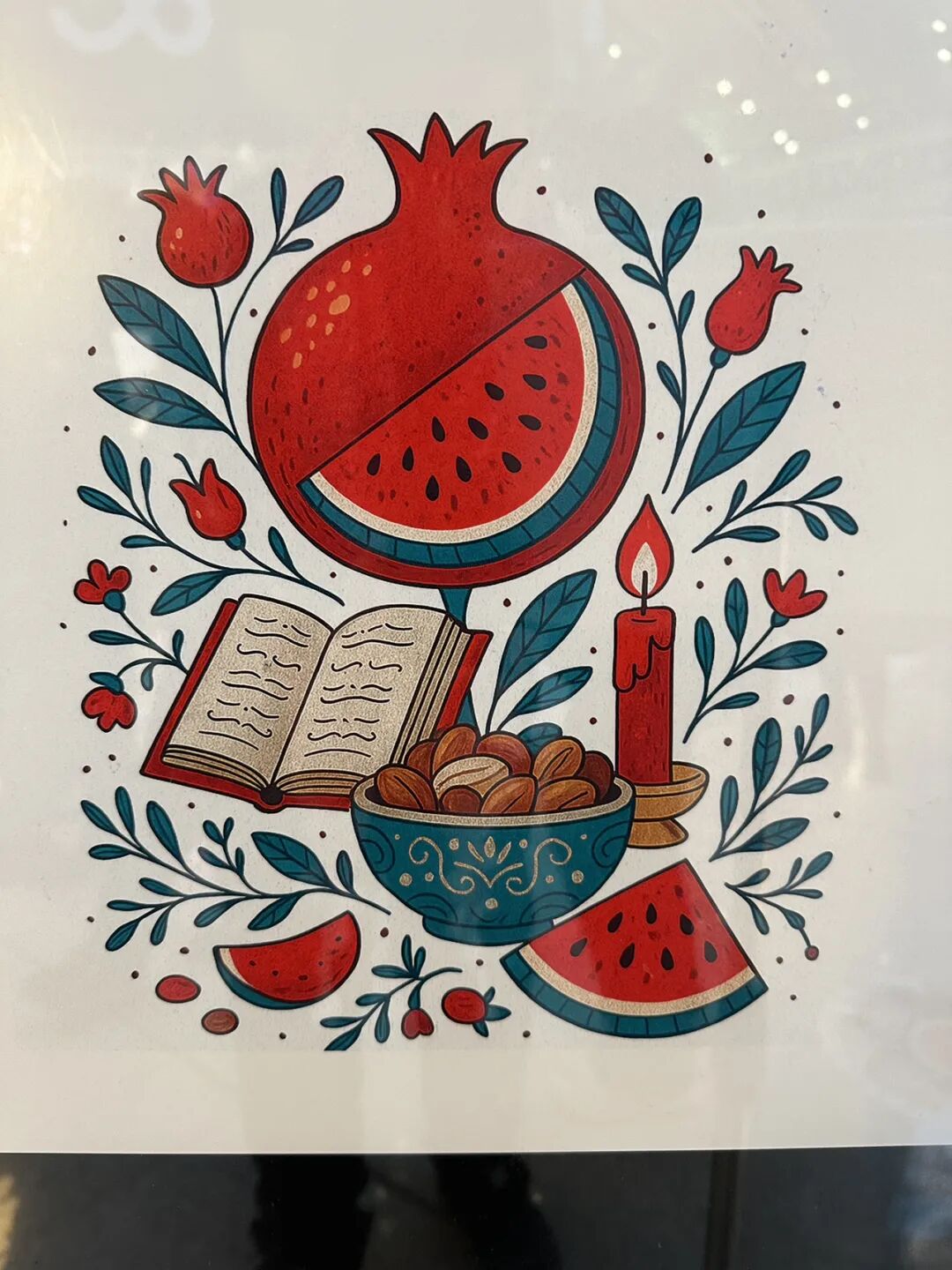
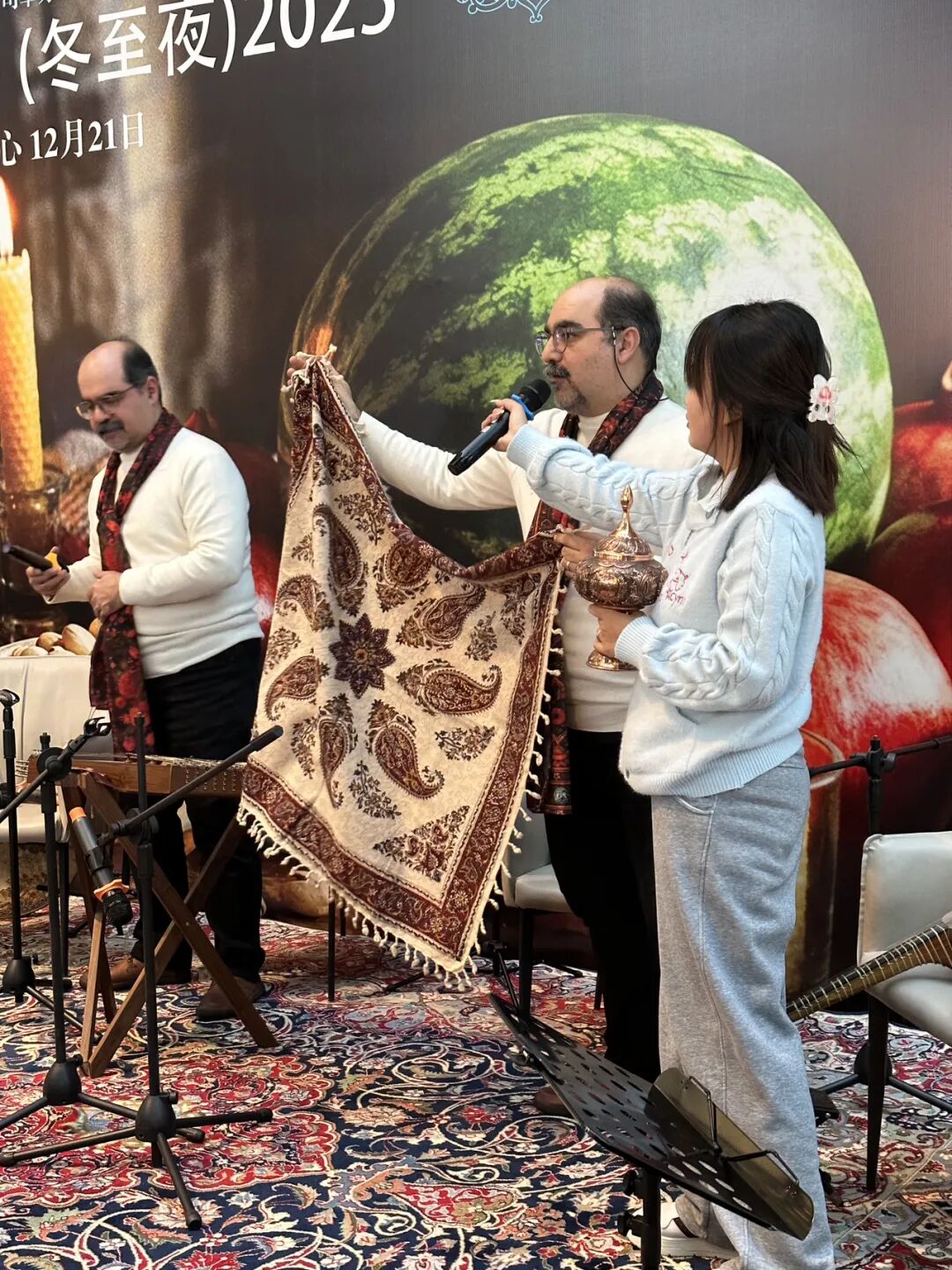
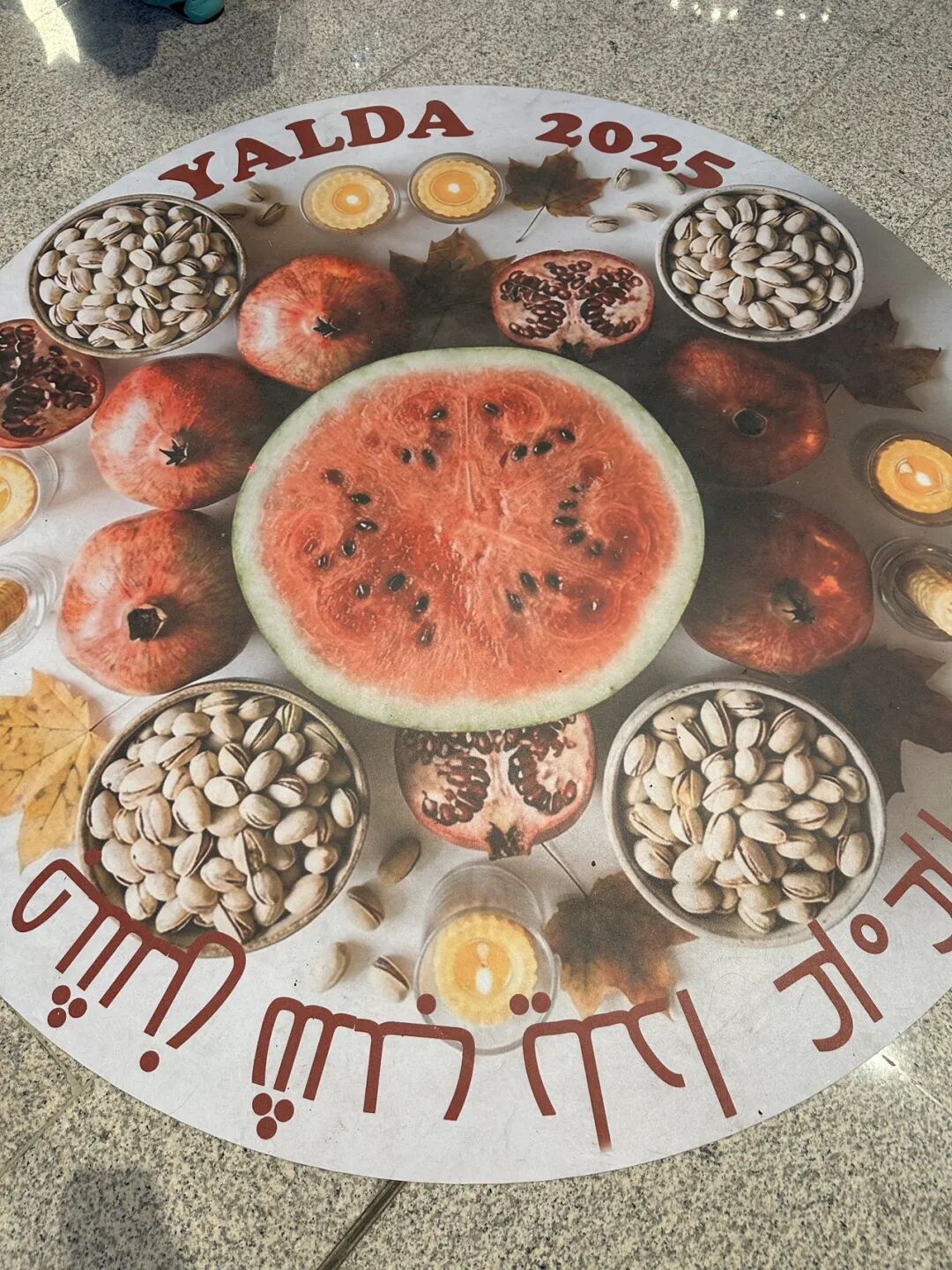
Everyone sang and danced. The music played featured traditional melodies from the Lurs, an ethnic minority in western Iran.
Tajik musicians collaborated with Persian musicians to perform Why Are the Flowers So Red.
Persian, Kurdish, Tajik, Uyghur, and Han people performed Persian songs together. I am truly grateful to have the chance to attend this kind of cultural event in Beijing.
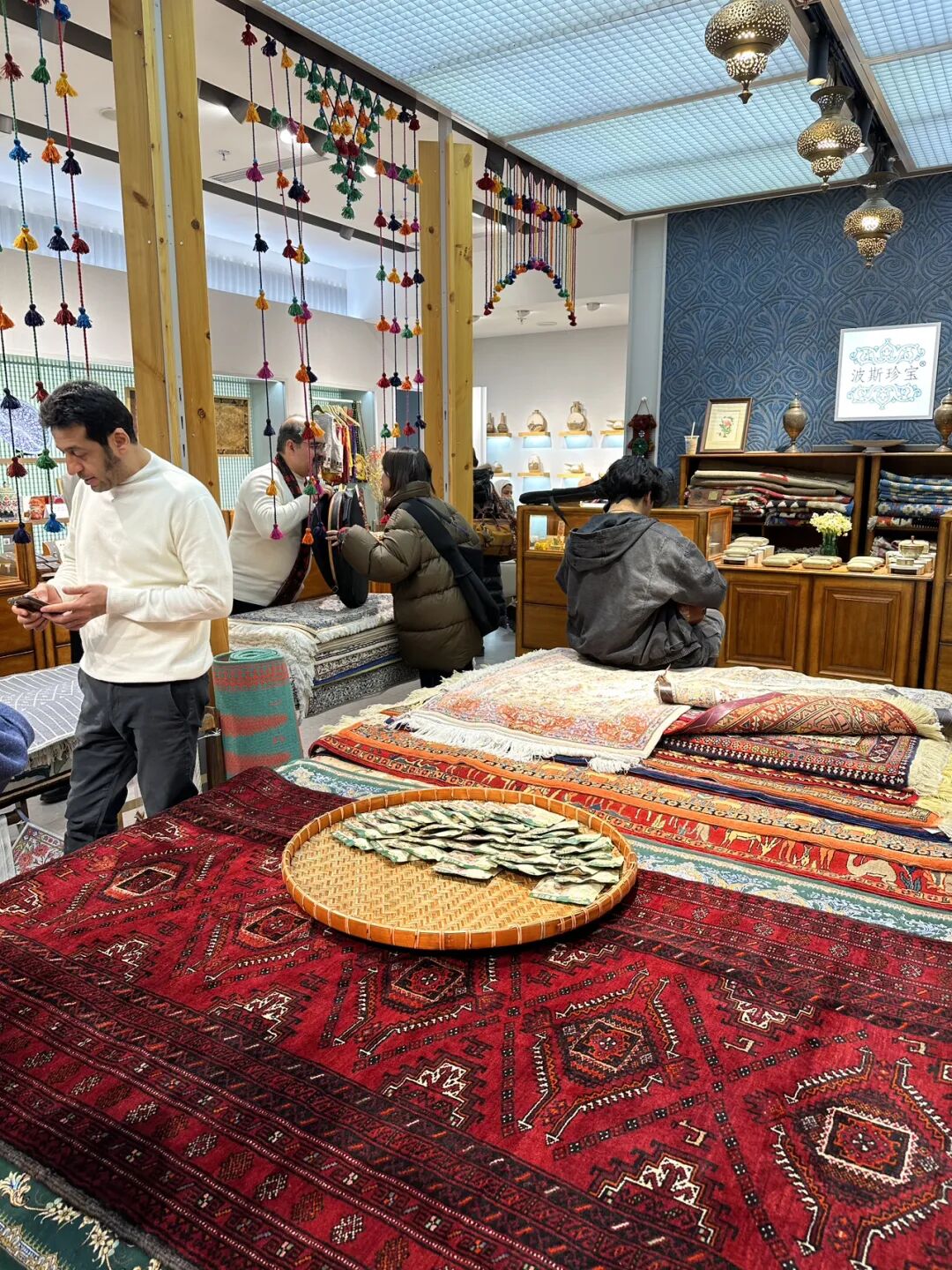
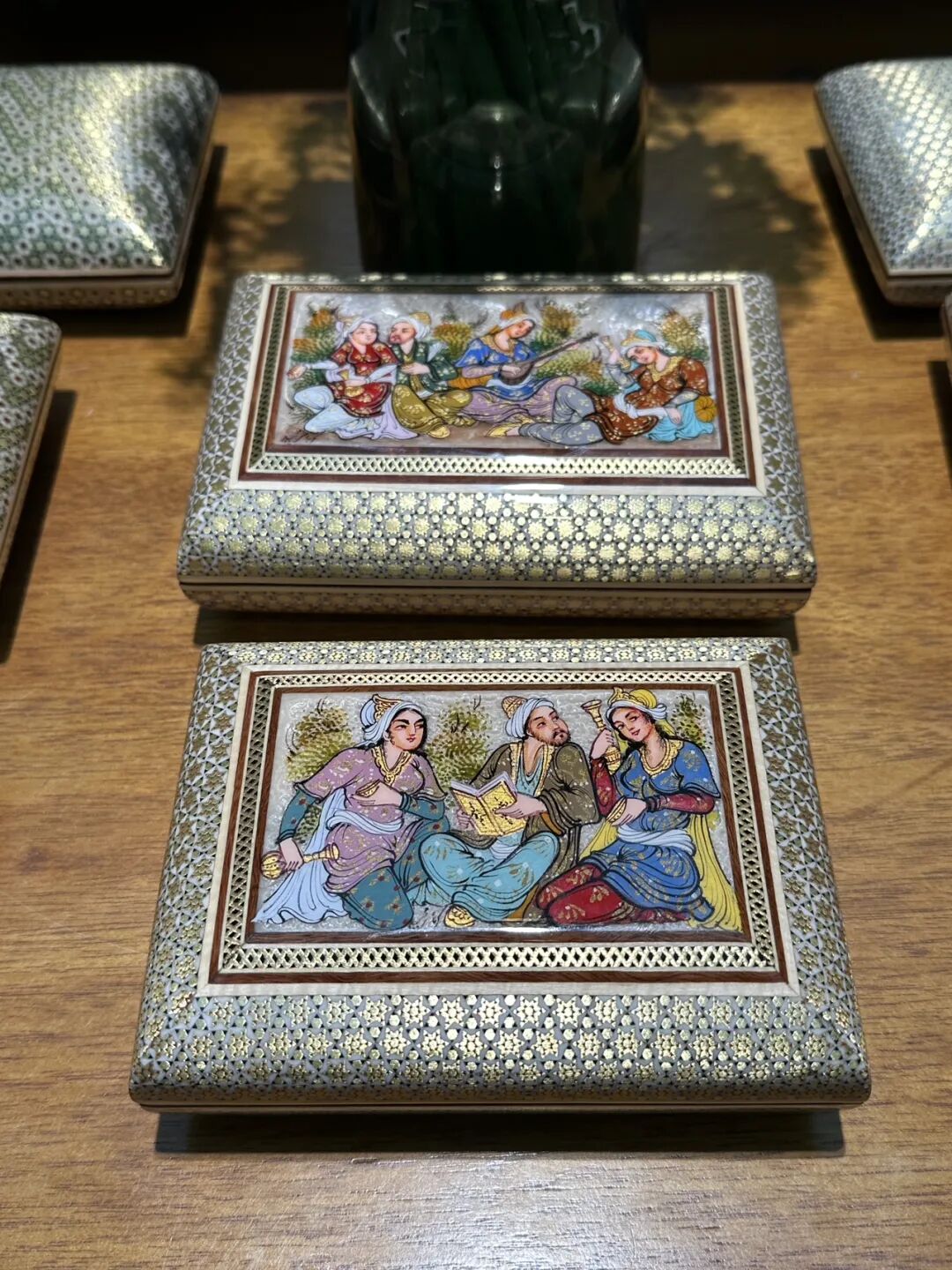
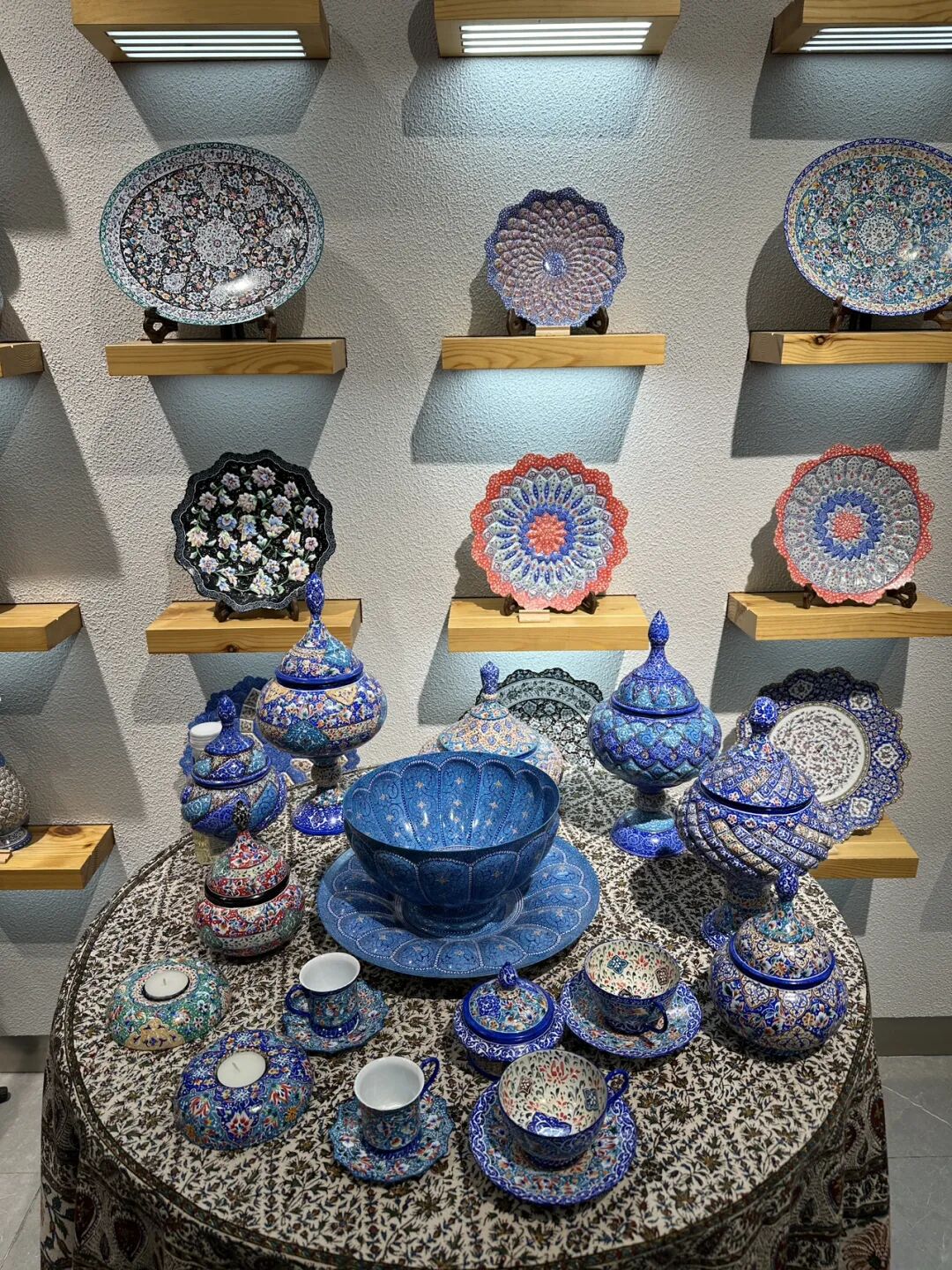
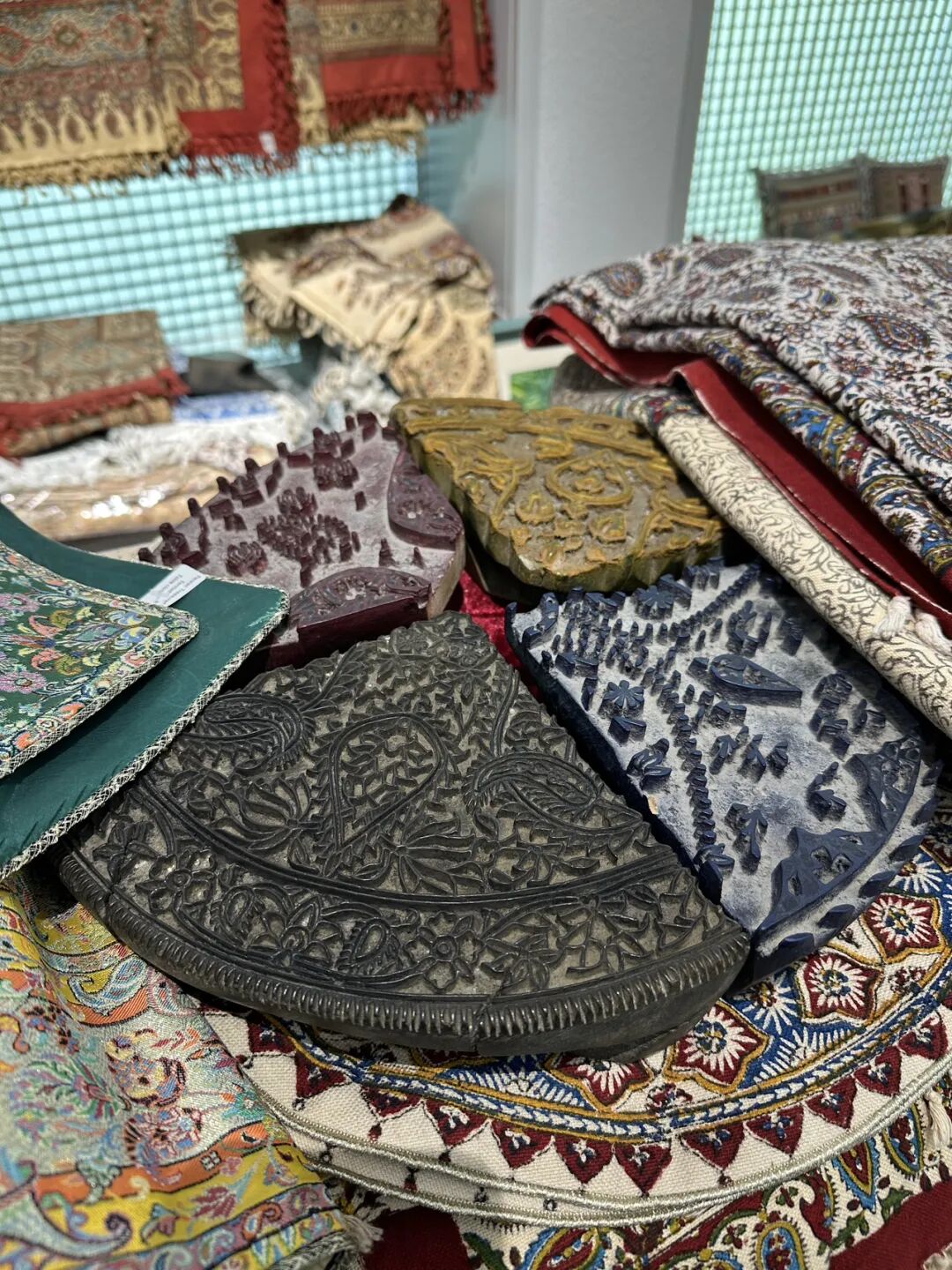
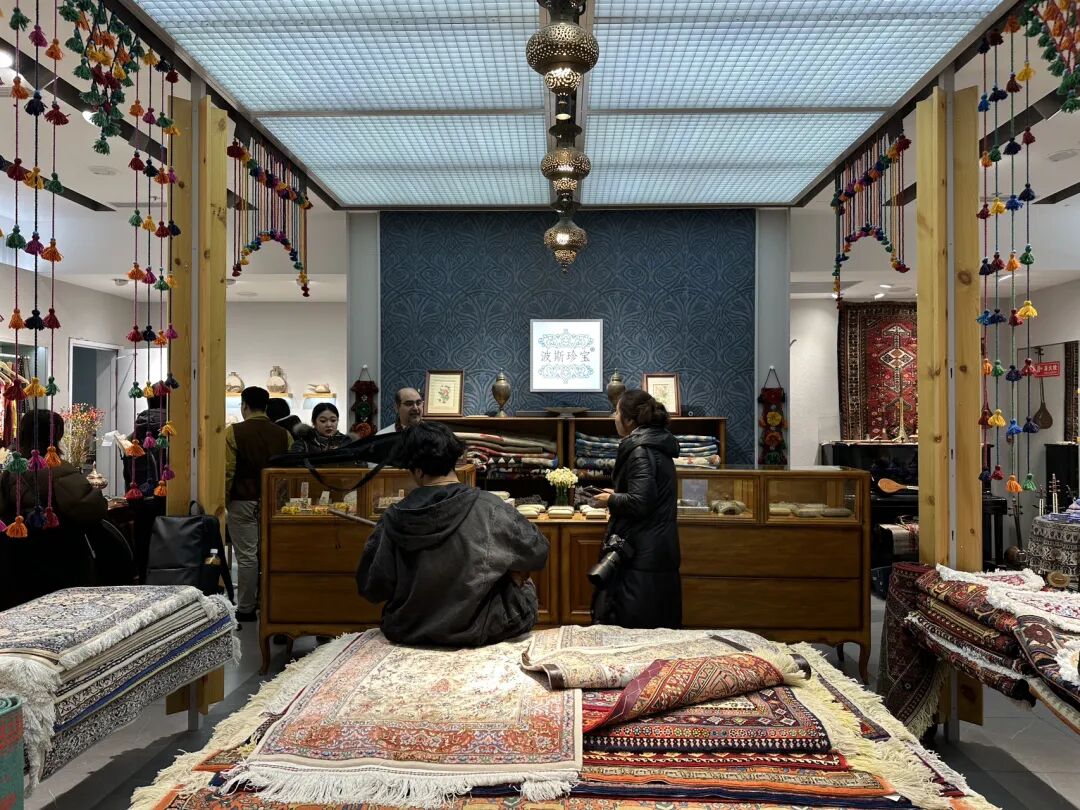
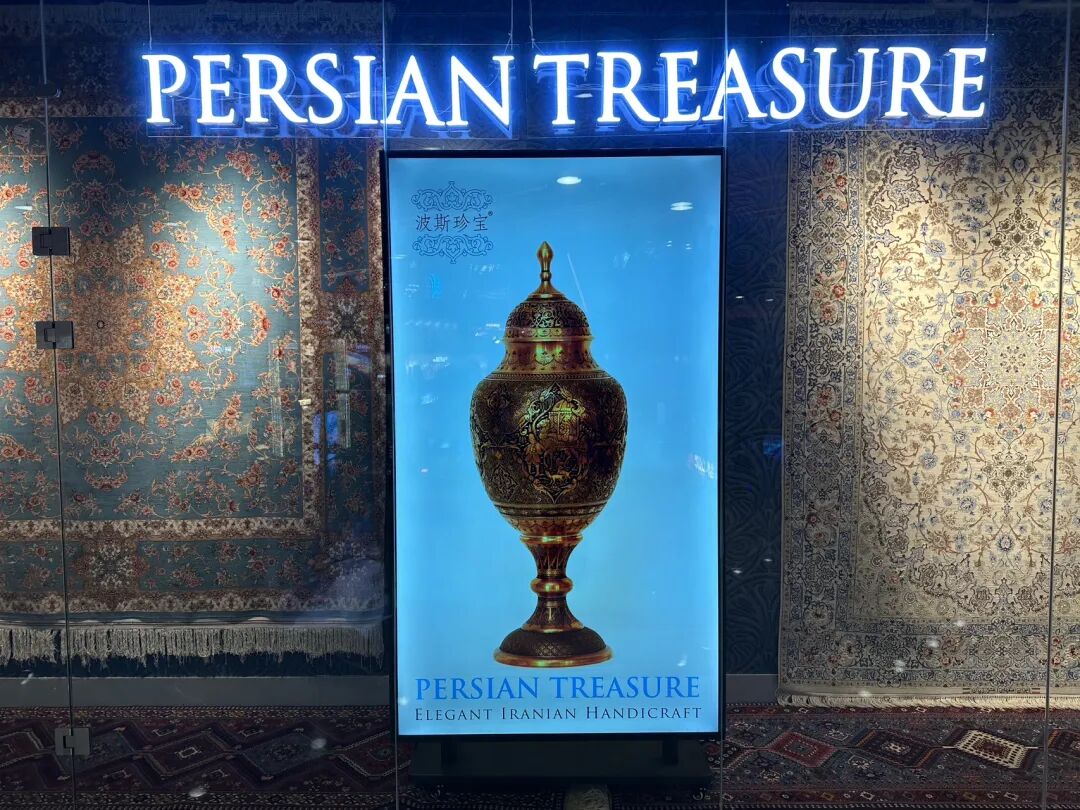
Brothers Majili and Maxingfu are at their Persian treasure shop in Parkview Green.
Halal Travel Guide: Beijing Central Axis - Islamic Heritage in the Buffer Zone
Articles • ali2007fr posted the article • 0 comments • 253 views • 2026-05-21 02:08
Summary: The Beijing Central Axis was added to the UNESCO World Heritage list in 2024, and its buffer zone includes important Islamic cultural heritage sites. This article records mosques, old Muslim community traces, monuments, streets, and heritage context preserved in the source.
Beijing Central Axis: A Masterpiece of China's Ideal Capital Order was added to the UNESCO World Heritage list in 2024, with designated heritage and buffer zones. I have visited several religious heritage sites within these buffer zones and would like to share them with you.
Houhai Mosque: Built in the Qing Dynasty, rebuilt in 1946.
Huiying Mosque: Built in 1759, relocated and rebuilt in 2010.
Qianmen Mosque: Built in the late Ming Dynasty, renovated in the Qing Dynasty.
Mishi Hutong Mosque: Renovated in 1940.
Dongsi Mosque: Built in 1447 (the 12th year of the Zhengtong reign of the Ming Dynasty).
Huashi Mosque: Built in 1414 (the 12th year of the Yongle reign of the Ming Dynasty).
Jiantang Wang Huihui Plaster Shop: Established during the Wanli reign of the Ming Dynasty.
Yipinxian Bathhouse: Republic of China era.
Ma Yinglong Eye Medicine Shop: 1923.
Dadao Wang Wu Yuanshun Security Firm: Early years of the Guangxu reign.
Houhai Mosque
Address: No. 18, East Bank of Xihai.
Date: Built in the Qing Dynasty, rebuilt in 1946.
Current status: Residential housing.
Houhai Mosque sits on the north bank of the river connecting Houhai and Xihai, east of Desheng Bridge, so it is also called Desheng Bridge Mosque. Houhai Mosque is said to have been built in the Qing Dynasty. The current building was rebuilt in 1946 and features a typical Western style from the Republic of China era. Due to history, it has now become a crowded residential compound.
The mosque gate faces south and is a Western-style gatehouse. Once inside, the main prayer hall is on the west side. The main hall has a modified hip roof. It originally had a front porch, but it is now enclosed, though traditional painted decorations remain on the porch. According to the Survey of Beijing Mosques, there were traces of the words "Qingzhensi" (Mosque) on the west wall of the hall, but when I visited, a building had been constructed outside the west wall, making it impossible to find a viewing angle.
When I visited, the owner of the southernmost room inside the main hall was renovating, which allowed me to see the interior. The biggest surprise was that the renovation removed the outer layer of the wall, revealing traditional calligraphy of scriptures on the wall facing the direction of prayer.
Huiying Mosque
Address: No. 24 Dong'anfu Hutong.
Date: Originally built in 1759, relocated and rebuilt in 2010.
Status: Not open to the public.
Huihuiying Mosque is the only mosque officially built by the Qing government. In 1759, after Emperor Qianlong defeated the White Mountain faction of the Khojas, he summoned the Hui Muslim leaders, led by the Eight Peers of the Hui Region, to the capital. The high-ranking nobles and begs among them were managed by the Lifan Yuan and lived in private residences, while the ordinary Hui Muslims were organized into the Hui People's Company under the Left Wing of the Plain White Banner of the Imperial Household Department, known in Manchu as hoise niru (Hui people's company), and settled in the Hui camp outside the West Chang'an Gate.
Construction of the Hui camp began in 1759 with 147 rooms, and after more Hui artisans and performers arrived in the capital, it was expanded to 310 rooms in 1763. After the Hui camp was built, Qianlong had a mosque constructed on its west side, which was completed in 1764. Qianlong inscribed the Stele of the Imperial-Built Hui People's Mosque and placed it in the mosque, writing: The Hui people gather here for prayer, and the begs who come to pay tribute every year all worship with joy, seeing something they have never seen in the Western Regions. Until the beg system was abolished in 1884, this was the place where begs from all over Xinjiang performed their religious duties during their annual visits to the capital.
The main hall of the Huihuiying Mosque is a square pavilion with a double-eaved, four-cornered pyramidal roof, which is unique among all mosques in Beijing.
In 1912, Yuan Shikai was elected President and chose Zhongnanhai as the presidential palace. Soon after, Zhu Qiqian, Minister of the Interior, oversaw the conversion of the Baoyue Tower at the southern end of Zhongnanhai into the Xinhua Gate, the main entrance to the presidential palace, while also expanding the street in front of the palace and building a decorative wall across the street. Because it was right next to the Baoyue Tower, the gate and main hall of the Huihuiying Mosque were forced to be demolished. After the main hall was demolished, the congregation had nowhere to pray, so they rebuilt a small hall on the original site.
Because the government stopped paying stipends to the banner people in the early Republic of China, the Huihuiying community lived in poverty, so the rebuilt hall was very small, consisting of two connected shed-roofed rooms, with the rear prayer niche also having a shed roof. Since the original north gate was blocked by the decorative wall, the mosque entrance had to be moved to the south, and the stone arch carved with lotus patterns from the original gate was placed above the new entrance.
After the founding of the People's Republic, the Huihuiying Mosque was occupied by the guard regiment for a long time until demolition began on the south side of West Chang'an Street in 2009. On June 8, 2010, the Republic-era main hall and gate of the Huihuiying Mosque were demolished. In 2011, the Xicheng District Cultural Committee rebuilt the mosque 200 meters west of the original site, and the Stele of the Imperial-Built Hui People's Mosque inscribed by Qianlong was placed back in the courtyard. Regrettably, the new mosque was not built according to the original design, and the only remaining stone arch was placed above the mihrab of the main hall. Although the new mosque has been built for over ten years, it has never been opened.
Qianmen Mosque
Address: No. 9 Yangwei Hutong.
Date: First built in the late Ming Dynasty, renovated during the Qing Dynasty.
Status: Open.
Qianmen Mosque was first built in the late Ming Dynasty and renovated in 1680 (the 19th year of the Kangxi reign) and 1795 (the 60th year of the Qianlong reign). It features the classic North China mosque architectural style of the Qing Dynasty and is very well preserved. In 1894 (the 20th year of the Guangxu reign), the famous modern Islamic educator Imam Wang Kuan served as the head imam at Qianmen Mosque. His student, the great Imam Da Pusheng, served as an imam here between 1909 and 1911. Another great imam, Wang Jingzhai, studied under the famous Qianmen Mosque teacher, Imam Yu Mianweng, when he was young.
From the Qing Dynasty to the Republican era, many Hui Muslims outside Qianmen worked in the jade, jewelry, and antique calligraphy and painting trades. The famous novel The Muslim Funeral is based on the lives of these Hui Muslim jade traders. Qianmen Mosque was very busy back then, but as times have changed, this century-old mosque has returned to peace.
Three-layered interlocking roof (san ceng gou lian da).
Imam Wang of Qianmen Mosque is from Niujie. He speaks with an authentic Xuannan Beijing accent and tells the history and culture of old Beijing Hui Muslims in a very vivid and thorough way.
I had an iftar meal at the mosque during Ramadan in 2025.
Mishi Hutong Mosque.
Address: Daji Lane West Gate.
Date: Renovated in 1940.
Status: Tea house.
During the Republican era, many friends (dosti) from the Northwest did business in the Xuannan area. In 1927, they donated funds to build Tianqiao Mosque and established the Association of Hui Muslim Fellow Townsmen from the Five Provinces of Shaanxi, Gansu, Qinghai, Ningxia, and Xinjiang in Beijing. After the 1930s, the Northwest dosti gradually settled in the Caishikou area. In 1937, the old Bianyifang restaurant on nearby Mishi Hutong closed down. The Northwest dosti living in Beijing pooled their money to buy the two-story building and officially converted it into Mishi Hutong Mosque in 1940. After that, the Northwest Five Provinces Association moved its office to Mishi Hutong Mosque. Imam Ye Liangpu of Tianqiao Mosque served as the imam for both, and Friday prayers (Jumu'ah) were held at both mosques on a rotating basis.
The street-facing rooms of Mishi Hutong Mosque were bought by a dosti named Qian. The north room of the outer courtyard served as the association office, while the north room of the inner courtyard held a primary school classroom, kitchen, and toilet. The west room by the back door was the water room (wudu area). The second floor of the small building was the main prayer hall. The west room on the first floor was a lecture hall, the north room was the imam's dormitory, the south room was a student lounge, and the north and south rooms in the outer corridor were student dormitories. A glass plaque reading "The Holy Path is Flourishing" (Shengdao Qiyang) hung in the outer corridor. It was donated by the elders of Tianqiao Mosque and inscribed by Zong Zheng.
When the Daji area was demolished, all other buildings of Mishi Hutong Mosque were torn down, leaving only the two-story building. The small building was built in the mid-to-late Qing Dynasty. It was originally an "L" shape made of a north building and a west building. When it was converted into a mosque in 1940, three south-facing open porch rooms were added, changing the "L" shape into a "U" shape. At the same time, a two-story flat-roofed open hall was added in the recessed area, connecting with the south porch. This created a semi-enclosed open space on the second floor to serve as the main prayer hall, which was a first for mosques (masjid) at that time.
After the 1960s, Mishi Hutong Mosque was turned into a toy factory dormitory and later became a residential compound. Today, the mosque at Mishi Hutong has become a teahouse. The tea is expensive, and you must book in advance.
Dongsi Mosque
Address: No. 13 Dongsi South Street
Date: Built in 1447 (the 12th year of the Zhengtong reign of the Ming Dynasty)
Status: Open.
Dongsi Mosque was one of the four major official mosques in Beijing during the Ming Dynasty. It was built in 1447 with funds donated by Chen You, a famous Hui Muslim military officer. In 1450, the Jingtai Emperor officially bestowed the name 'Qingzhensi' (Mosque) upon it.
During the Yongle reign, Chen You followed Zhu Di on two northern military campaigns against the Mongols and earned great merit. During the Xuande reign, he mainly worked on pacification efforts along the northern and northwestern borders of the Ming Empire. During the Zhengtong reign, tribute trade between the Ming Dynasty and the Mongols flourished. In 1436, Chen You became an envoy to the Oirat Mongols. Later, he led Oirat envoys to Beijing multiple times to present horses as tribute. Because of his service, he was promoted several times to the position of Assistant Commander of the Imperial Guard. In 1444, Chen You was appointed as a guerrilla general and began patrolling the borders in places like Ningxia. During this time, he defeated the Mongol army, earned significant military honors, and was promoted to Assistant Commissioner of the Rear Chief Military Commission, becoming a high-ranking military officer. He donated the funds to build Dongsi Mosque during this period.
In 1449, war broke out between the Ming Dynasty and the Oirats. Chen You followed the Ming Yingzong Emperor into battle, but they were defeated and the Emperor was captured. During the critical defense of Beijing, Chen You fought bravely, earned military merit, and was promoted to Vice Commissioner of the Rear Chief Military Commission. In 1450, the Jingtai Emperor sent Chen You to the Guizhou and Huguang regions to suppress the Miao uprising. He was promoted twice for his military achievements. It was during this time that the Jingtai Emperor bestowed the 'Qingzhensi' plaque upon Dongsi Mosque.
Because of his outstanding military service, Chen You was granted the title of Earl of Wuping in 1457, a title his descendants inherited. Afterward, Chen's descendants often served as officers in Beijing military camps and funded the repairs of several old mosques, including those in Dingzhou and Yizhou, Hebei.
Historical Records of Dongsi Mosque
In front of the main hall of Dongsi Mosque stands a stone tablet erected in 1579, titled 'The Hundred-Character Praise of the Islamic Faith' (Qingzhen Faming Baizi Shengzan). The text is largely similar to the 'Hundred-Character Praise of the Prophet' (Yuzhi Zhisheng Baizi Zan) written by the Hongwu Emperor. It is signed by a person who described themselves as a follower of the faith in ancient Yan who bathed and wrote this with donated salary. The side of the tablet is inscribed with the name of a military official from the Shandong Regional Military Commission. This unassuming stone tablet is the only remaining relic of the Ming Dynasty's imperial Faming Mosque. People say after a fire at Faming Mosque in the early Qing Dynasty, the tablet was moved to Dongsi Mosque.
Faming Mosque was located at No. 43 Jiaodaokou North Second Alley inside Andingmen. Its old address was No. 22 Andingmen Inner Great Second Alley, so it was also called the Great Second Alley Mosque. Faming Mosque is said to have been built in 1348 and was originally called a mosque. After being rebuilt in 1448, it was officially named Faming Mosque. Along with Dongsi Mosque, Niujie Mosque, and Pushou Mosque inside Fuchengmen, it was known as one of the 'Four Major Official Mosques of Ming Dynasty Beijing'. Official mosques refer to those where the imam of the mosque received an official certificate (zhafu) issued by the Department of Sacrificial Rites under the Ministry of Rites. According to Wang Daiyu in the True Explanation of the Orthodox Faith (Zhengjiao Zhenquan), after receiving the certificate, the imam was honored with official robes and exempted from corvee labor.
Faming Mosque was renovated many times during the Ming, Qing, and Republican periods, but it kept its Ming dynasty layout, which is quite similar to the Dongsi Mosque. On the Complete Map of the Qianlong Capital (Qianlong Jingcheng Quantu) finished in 1750 (the 15th year of the Qianlong reign), you can see that the main part of Faming Mosque consisted of a main prayer hall, north and south lecture halls, and a minaret (bangkelou). Like the Dongsi Mosque, the main hall of Faming Mosque consists of a front porch, a central hip-roofed hall, and a rear kiln-style hall, though it is slightly smaller in size. In 1966, Faming Mosque was occupied by a factory and later turned into a school. In 1984, the 600-year-old mosque was demolished by Jiaodaokou Middle School to make room for a classroom building and playground. Today, it is the Andingmen campus of the 22nd Middle School and a dormitory for the Sixth Hospital.
Huashi Mosque
Location: No. 80 Huashi West Street
Date: Founded in 1414 (the 12th year of the Yongle reign of the Ming dynasty)
Status: Open.
Huashi Mosque was founded in 1414 (the 12th year of the Yongle reign), renovated in 1628 (the first year of the Chongzhen reign), renovated again in 1702 (the 41st year of the Kangxi reign), and had an imperial stele pavilion built in 1729 (the 7th year of the Yongzheng reign). Local legend says that the Ming general Chang Yuchun shot an arrow to mark the site, ordered a residence to be built within the range of the arrow, and it was later converted from a residence into a mosque.
An imperial stele pavilion was built in the middle of the courtyard. It originally housed a stone carving of an imperial edict issued in 1729 (the 7th year of the Yongzheng reign), but the stone tablet was moved out in the 1930s when the pavilion was turned into a dormitory.
Jiantang Wang Huihui Plaster Shop storefront
Address: No. 70 Yangmeizhu Xiejie
Date: Founded during the Wanli reign of the Ming dynasty
Current status: Restaurant
The Jiantang Wang Huihui Plaster Shop is located on Yangmeizhu Xiejie outside Qianmen. The Wang family has run this plaster shop since the Ming dynasty Wanli reign, making it over 400 years old and a district-level intangible cultural heritage. In the old days, Jiantang had the shop in front and the factory in back, where several generations lived and worked. Today, the street-level storefront displays various artifacts from the old shop, the most precious being the original wooden plaque preserved on the second-floor terrace.
After the public-private partnership in 1956, Jiantang was merged into Tongrentang. The plaster shop on Yangmeizhu Xiejie closed and became staff housing, and the Wang family became employees of Tongrentang. After the 1960s, the Jiantang storefront was reclaimed. Through tireless efforts, the Wang family successfully got it back in 1997. After renovations, the family reopened the old storefront as a bookstore in 2004, naming it Jianzhai. In 2014, Yangmeizhu Xiejie became a pilot site for the Beijing Design Week. Jianzhai took this opportunity to upgrade into a coffee bookstore, which is still in business today. The owner is a 21st-generation descendant of Jiantang.
Their specialties include crab roe noodles and beef rice.
Yipinxian Bathhouse
Address: Zongshu Xiejie
Era: Republic of China
Current status: Only the gatehouse remains
Yipinxian Bathhouse is located on Zongshu Xiejie outside Qianmen. Zongshu Xiejie was originally called Wang Guafu Xiejie and Wang Guangfu Xiejie. It is one of the Eight Great Hutongs. During the Republic of China era, it was famous for its high-end brothels (qingyin xiaoban) and had many restaurants and bathhouses. Yipinxian was the most famous one among them.
Peking Opera master Ma Lianliang loved soaking at Yipinxian. Zhang Aiyi wrote in 'Past Stories of Actors' (Lingren Wangshi): 'Ma Lianliang loved to soak in baths.' Whenever he had a show in the evening, he would definitely go to the bathhouse in the afternoon. He first went to Yipinxian outside Qianmen, then later switched to Qinghuachi at Xizhushikou. Later on, he often went to Qinghuayuan at Bamiancao. After soaking, he would have a professional technician give him a pedicure. This was because he wore boots all year round for performing, which caused corns. Every time he went to the bathhouse, Ma Lianliang would bring cigarettes and tea to give to the technicians and workers.
Besides going alone, Ma Lianliang often went to Yipinxian with the 'King of Drum Singing' Liu Baoquan. Ma Lianliang wrote about this in 'Remembering Mr. Liu Baoquan' around the 1920s: 'After some time, through the introduction of the late famous Peking Opera actor Mr. Wang Yaoqing, I met Mr. Liu Baoquan.' We hit it off immediately and soon became best friends. For more than five years after that, we spent every day together and were inseparable. Every day I went to his home at Mianhua Jiutiao to find him. We would go for a walk together, then go to Yipinxian Bathhouse to bathe. In the afternoon, we would go to Liangyixuan to eat together. After eating, we would go to the theater together to watch performances by Yu Shuyan and Yang Xiaolou. This was basically our daily routine.
Yipinxian Bathhouse also continued to develop during the Republic of China era. You can see this by comparing the 'Revised Practical Beijing Guide' published by The Commercial Press in the 12th year of the Republic of China with the 'Beijing Travel Guide' published by Xinhua Bookstore in the 30th year of the Republic of China.
In the 12th year of the Republic of China, Yipinxian was not yet a first-class bathhouse. It was only ranked as 'second-tier' and used cement tubs and ceramic tubs: 'The second-tier ones include Yipinxian, Huayuan, Wenyayuan, Yuqing, Qingquan, Dongxing, Yuhua, Qihua, Xinhuachi, Baoquan, Yihe, etc.' The equipment was mostly cement basins and ceramic vats, with some enamel basins. Bath prices ranged from forty, thirty, twenty, to ten cents. Fees for back scrubbing and haircuts were twenty or ten cents.
By 1941, Yipinxang was already Beijing's most famous bathhouse, ranking alongside the well-known Qinghuachi. At that time, the ground floor of the bathhouse had five warm pools built with white ceramic tiles, while the upstairs had individual enamel bathtubs. At the same time, Yipinxang had the most popular foot-scraping master in Beijing, who specialized in treating athlete's foot: 'There are currently 123 bathhouses operating in the city.' In recent years, with the progress of the times, development has increased. As humans evolve, everyone knows the importance of cleanliness. Those in this business also know how to adapt and improve. Most pools have been changed to five warm pools built with white ceramic tiles. The pools are wide and deep, actually surpassing those in Shanghai, Wuhan, and Nanjing. Bathtubs have also changed from wood to enamel, which is much cleaner and more beautiful than before. The best-equipped places include Qinghuayuan and Yiheyuan in the East City, Huabaoyuan and Yuhuayuan in the West City, and Qinghuachi and Yipinxang in the Outer City. Business is very prosperous, and prices are divided by official basins, elegant seats, upstairs, and downstairs... The foot-scraper at Yipinxang is named Wei Wenxi, who has long been famous for this skill, and all bathhouses compete to hire him. Southerners living in Beijing who suffer from athlete's foot all look for little Wei, because once he scrapes their feet, they feel a great sense of relief. Because of this, little Wei is often too busy to keep up with the demand.
Additionally, according to the 1939 'Beijing Industrial and Commercial Guide' edited by the Zhengfeng Economic Society, the owner of Yipinxang was Wang Houqi, a native of Wanping, Hebei (which includes the western part of Beijing, including today's Xicheng District). However, I have not yet found more information about Wang Houqi and hope to have new discoveries in the future.
Ma Yinglong Eye Medicine Shop storefront
Address: Qianmen Xiheyuan Street
Year: 1923
Current status: Residential housing.
In 1875 (the first year of the Guangxu reign of the Qing Dynasty), Hui Muslim Ma Wanxing from Dingzhou, Hebei, moved the Ma family eye medicine shop from Dingzhou to Beijing and opened the 'Beijing Ma Yinglong Eye Medicine Shop' on Qianmen Xiheyuan. 'Ma Yinglong' was his father's name.
In 1923, Ma Wanxing's third son, Ma Liting, inherited the pharmacy and officially built the current Republic of China-era storefront on Qianmen Xiheyuan. There is a 'Ma Yinglong' plaque above the storefront, and the words 'Eye Medicine' are on the right, partially covered by an air conditioner. The plaque was inscribed by the Beiyang warlord and Baoding Hui Muslim, Ma Liang.
After the 1930s, Ma Yinglong successively set up branches across the country and expanded sales through mail order, even selling as far away as Europe. After the public-private partnership in 1957, Ma Liting served as the deputy section chief of the processing department of the Beijing Medicinal Materials Company. In 1966, his whole family was sent back to their ancestral home in Dingzhou, and Beijing Ma Yinglong gradually faded from history.
In 1919, Ma Wanxing's grand-nephew Ma Qishan opened a Ma Yinglong branch on Hanzheng Street in Hankou, later establishing the Ma Yinglong Shengji Pharmaceutical Factory. After the 1980s, they began to focus on hemorrhoid ointment, continuing the Ma Yinglong brand to this day.
Broadsword Wang Wu Yuanshun Escort Agency
Address: 13 West Banbi Street.
Date: Early years of the Guangxu reign.
Current status: Residential housing.
Big Knife Wang Wu, whose real name was Wang Zibin (1844-1900) and courtesy name Zhengyi, was a Han Chinese from Cangzhou, Hebei. He loved martial arts since he was a child and greatly admired Li Fenggang, the Hui Muslim manager of the Chengxing Escort Agency in Cangzhou. The Li family came from a line of Hui Muslim military households from the Ming Dynasty. They moved from Nanjing to settle in Cangzhou during the Yongle reign, and they kept up their martial arts tradition ever since. In the late Qing Dynasty, Li Fenggang's uncle, Li Guanming, learned the Six Harmonies boxing style (liuhe quanfa) from the Cao family of Hui Muslims in Botou. He founded the Six Harmonies School (liuhe men) in Cangzhou, which later grew into the largest martial arts school in the city. Li Guanming opened the Chengxing Escort Agency outside the south gate of Cangzhou. He had a high reputation in the martial arts world and almost never lost a shipment. Li Guanming later passed the agency to his nephew, Li Fenggang. Li Fenggang had followed his uncle to learn Six Harmonies boxing and weapons since he was young. He was skilled with double swords and was known as the Double Sword General.
Wang Wu really wanted to become Li Fenggang's student, but the Li family's Six Harmonies School only taught those of the Islamic faith according to their master's rules. Wang Wu made up his mind to convert, but his mother did not agree. According to the 1933 Cang County Gazetteer, Zhengyi's teacher was Li Fenggang. Fenggang was a follower of Islam (Tianfang jiao), and Zhengyi wanted to study under him. Fenggang would not teach him because he was not of the faith. Zhengyi wanted to convert to show his sincerity, but his mother would not allow it. Zhengyi knelt and begged her repeatedly for over ten years until she finally agreed. He then learned everything from Fenggang before going to the capital, where he was first called Little Wang Wu.
In the early years of the Guangxu reign, Wang Wu, then thirty years old, set out on his own and opened the Yuanshun Escort Agency at Zhushikou outside Beijing's Qianmen Gate. According to Liang Qichao's Poetry Talks from the Ice-Drinking Studio, Wang Wu was a great hero of the Youyan region who worked as an escort. His influence reached north to Shanhai Pass and south to Qingjiangpu, and he spent his life helping the weak and fighting the strong. The Yuanshun Escort Agency gradually became one of the eight major escort agencies in the capital, and Wang Wu became known as Big Knife Wang Wu because he was so skilled with a single sword. Pingjiang Buxiaosheng's The Tale of Modern Chivalrous Heroes, which began serialization in 1923, is the pioneering work of modern Chinese martial arts novels. The story features Big Knife Wang Wu and Huo Yuanjia. It depicts the deep friendship between Wang Wu and Tan Sitong, Wang Wu's heroic efforts to save Tan Sitong, and his brave sacrifice during the Eight-Nation Alliance's invasion of China, which made Wang Wu a beloved hero.
The Yuanshun Escort Agency faces north. The main gate was originally very wide to allow escort wagons to pass through, but now most of it is occupied by a restroom. Only the western half of the original gate remains, and the door knocker on it is the same one Tan Sitong used when he came to visit Big Knife Wang Wu.
Inside the courtyard was the original space for parking escort wagons and horses. On the west side, there are three connected side courtyards. The first was where Wang Wu would perform his ritual washing (wudu) for namaz. The second and third were living quarters for the escorts, and the back courtyard held the inner office, the storage room for goods, and guest rooms. After the public-private partnership reforms in the 1950s, the descendants of the Wang family only kept the south and north rooms of the back courtyard. The front courtyard became public property, and after renovations by the housing management office, it is now hard to recognize. view all
Summary: The Beijing Central Axis was added to the UNESCO World Heritage list in 2024, and its buffer zone includes important Islamic cultural heritage sites. This article records mosques, old Muslim community traces, monuments, streets, and heritage context preserved in the source.
Beijing Central Axis: A Masterpiece of China's Ideal Capital Order was added to the UNESCO World Heritage list in 2024, with designated heritage and buffer zones. I have visited several religious heritage sites within these buffer zones and would like to share them with you.
Houhai Mosque: Built in the Qing Dynasty, rebuilt in 1946.
Huiying Mosque: Built in 1759, relocated and rebuilt in 2010.
Qianmen Mosque: Built in the late Ming Dynasty, renovated in the Qing Dynasty.
Mishi Hutong Mosque: Renovated in 1940.
Dongsi Mosque: Built in 1447 (the 12th year of the Zhengtong reign of the Ming Dynasty).
Huashi Mosque: Built in 1414 (the 12th year of the Yongle reign of the Ming Dynasty).
Jiantang Wang Huihui Plaster Shop: Established during the Wanli reign of the Ming Dynasty.
Yipinxian Bathhouse: Republic of China era.
Ma Yinglong Eye Medicine Shop: 1923.
Dadao Wang Wu Yuanshun Security Firm: Early years of the Guangxu reign.
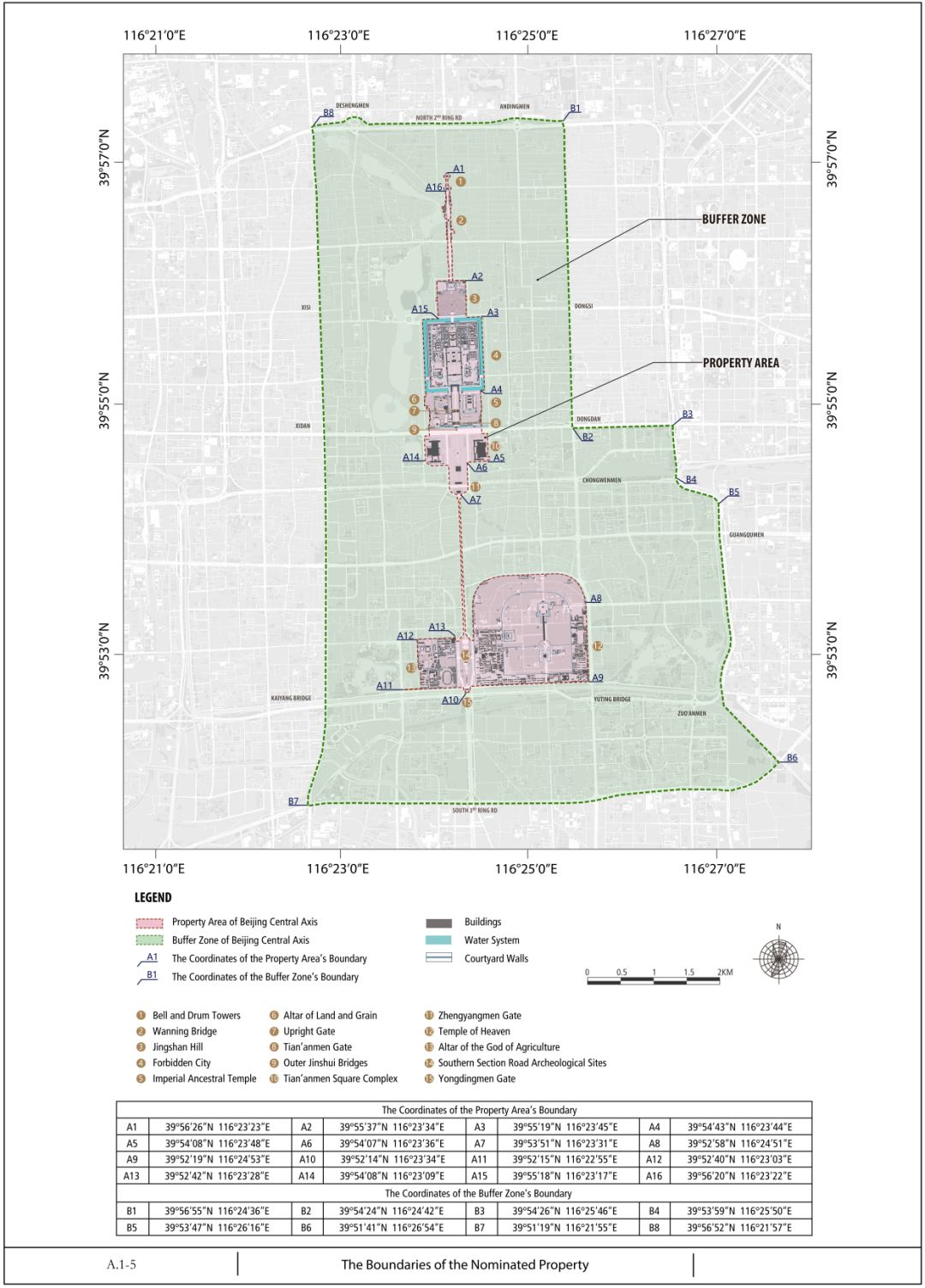
Houhai Mosque
Address: No. 18, East Bank of Xihai.
Date: Built in the Qing Dynasty, rebuilt in 1946.
Current status: Residential housing.
Houhai Mosque sits on the north bank of the river connecting Houhai and Xihai, east of Desheng Bridge, so it is also called Desheng Bridge Mosque. Houhai Mosque is said to have been built in the Qing Dynasty. The current building was rebuilt in 1946 and features a typical Western style from the Republic of China era. Due to history, it has now become a crowded residential compound.
The mosque gate faces south and is a Western-style gatehouse. Once inside, the main prayer hall is on the west side. The main hall has a modified hip roof. It originally had a front porch, but it is now enclosed, though traditional painted decorations remain on the porch. According to the Survey of Beijing Mosques, there were traces of the words "Qingzhensi" (Mosque) on the west wall of the hall, but when I visited, a building had been constructed outside the west wall, making it impossible to find a viewing angle.
When I visited, the owner of the southernmost room inside the main hall was renovating, which allowed me to see the interior. The biggest surprise was that the renovation removed the outer layer of the wall, revealing traditional calligraphy of scriptures on the wall facing the direction of prayer.
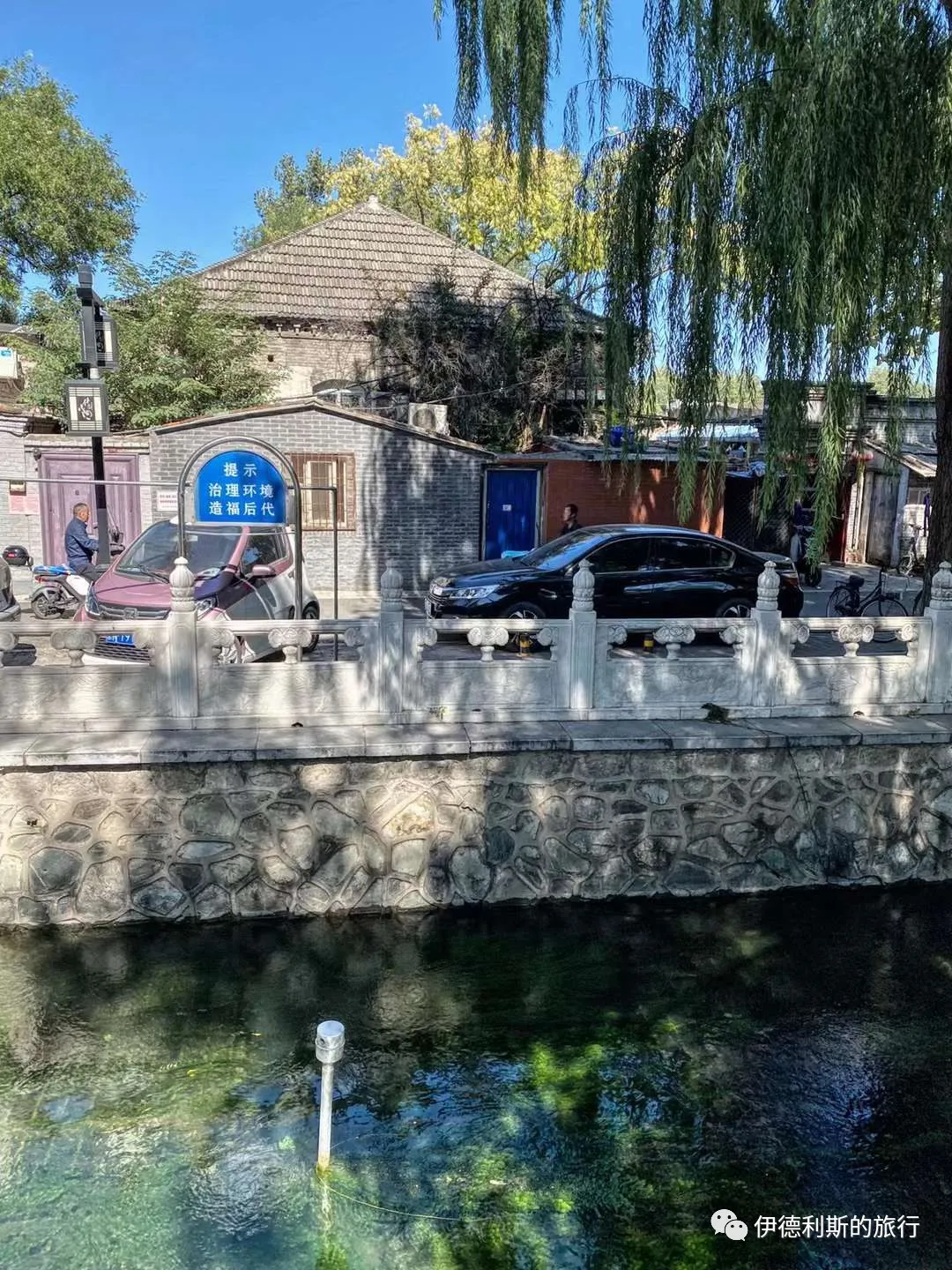
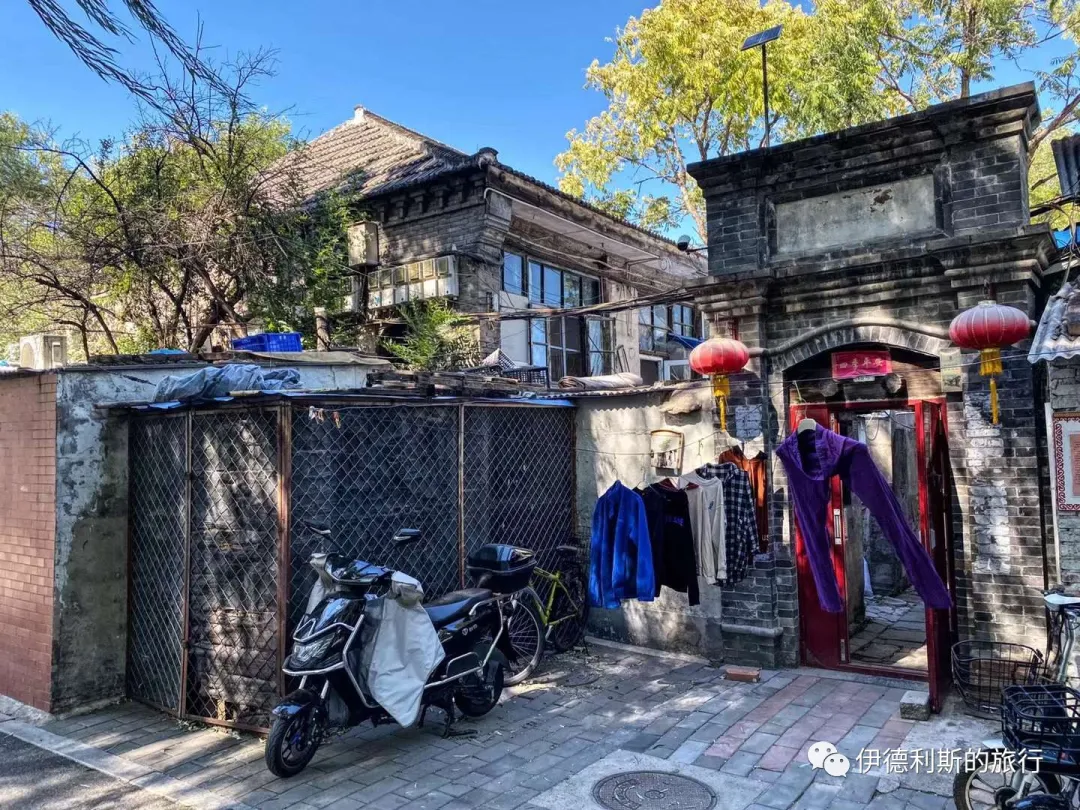
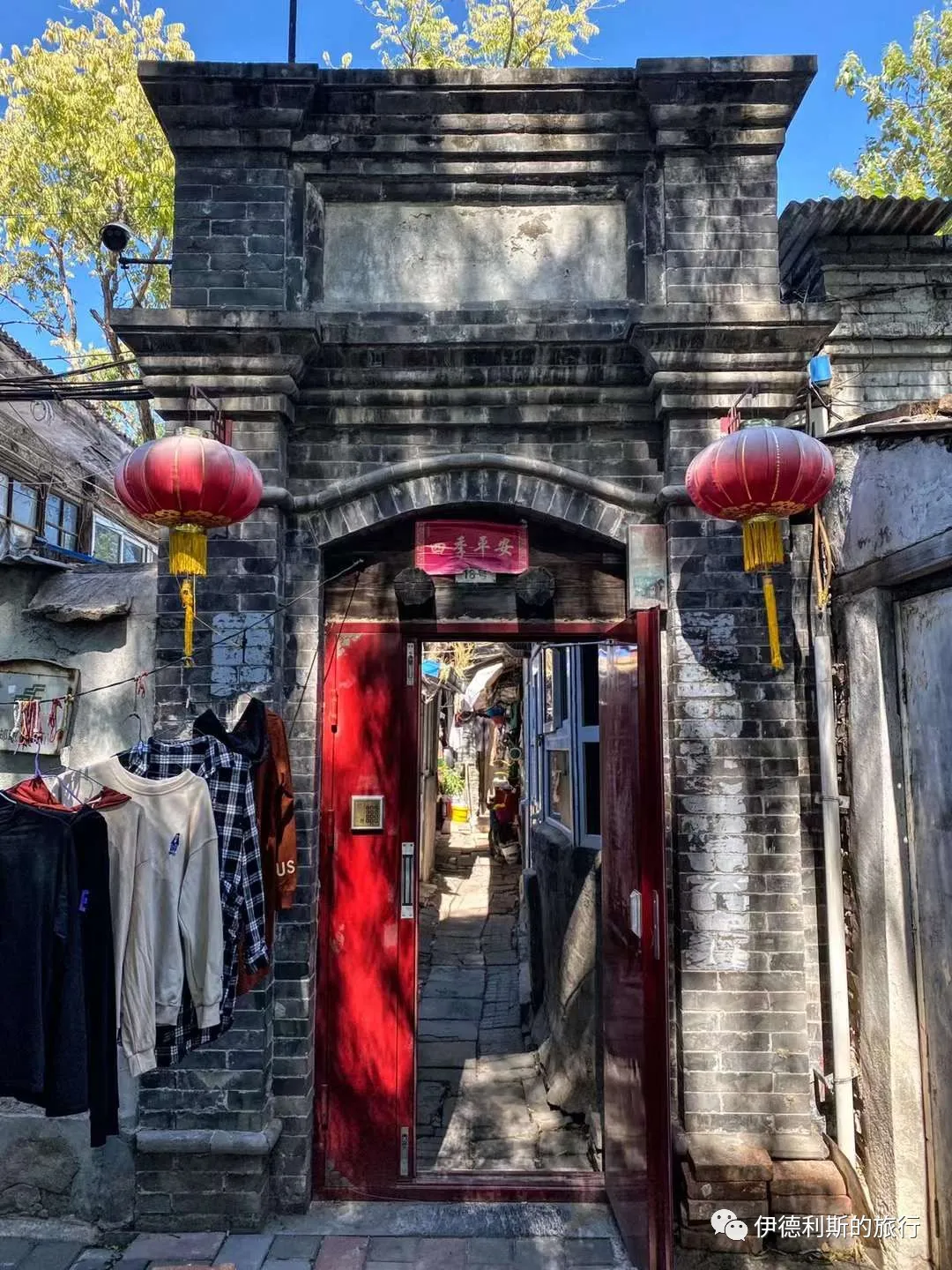
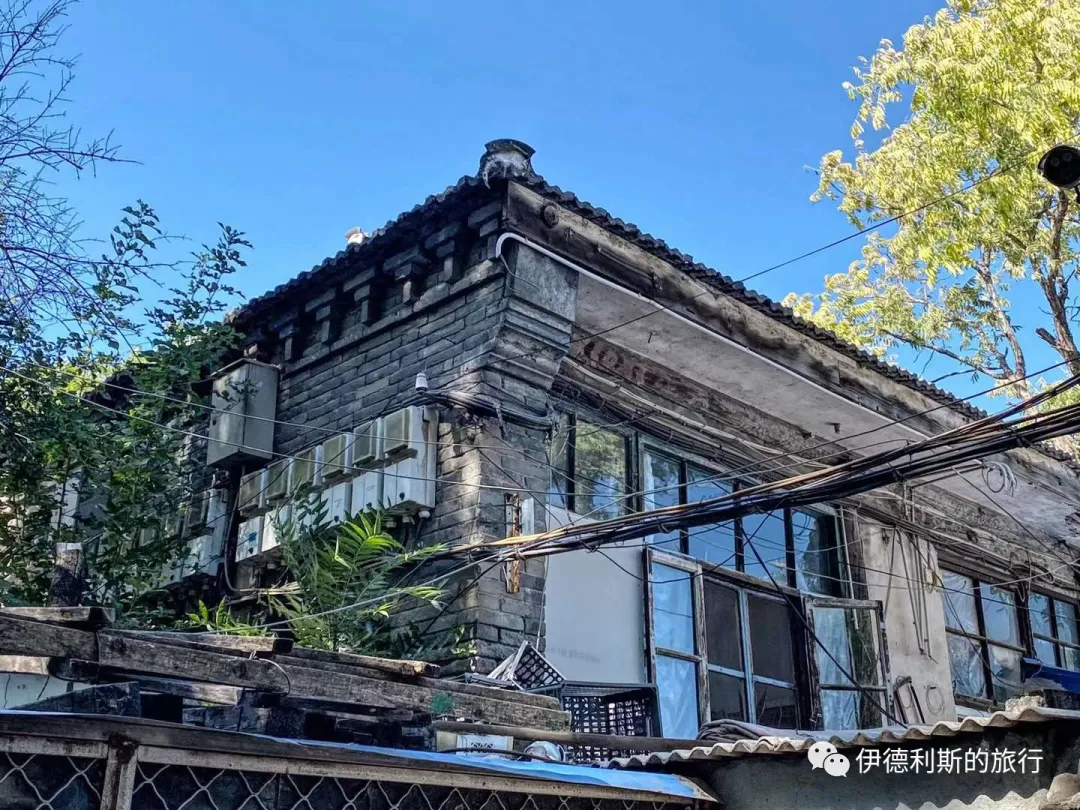
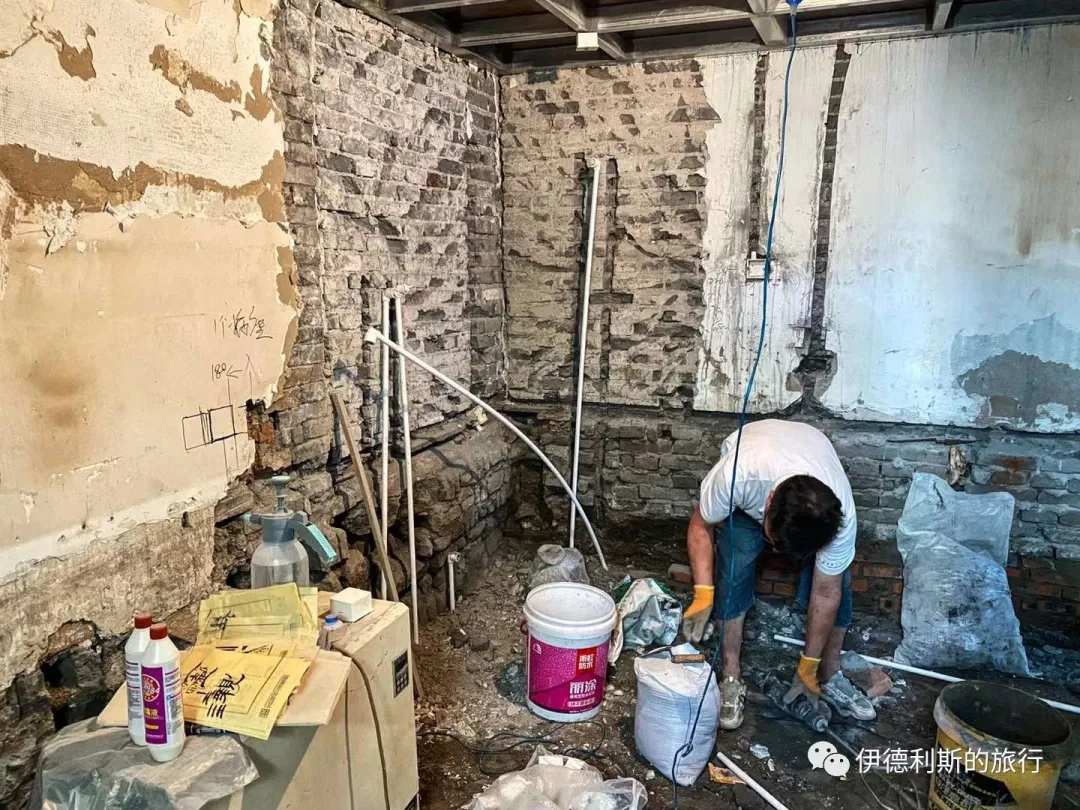
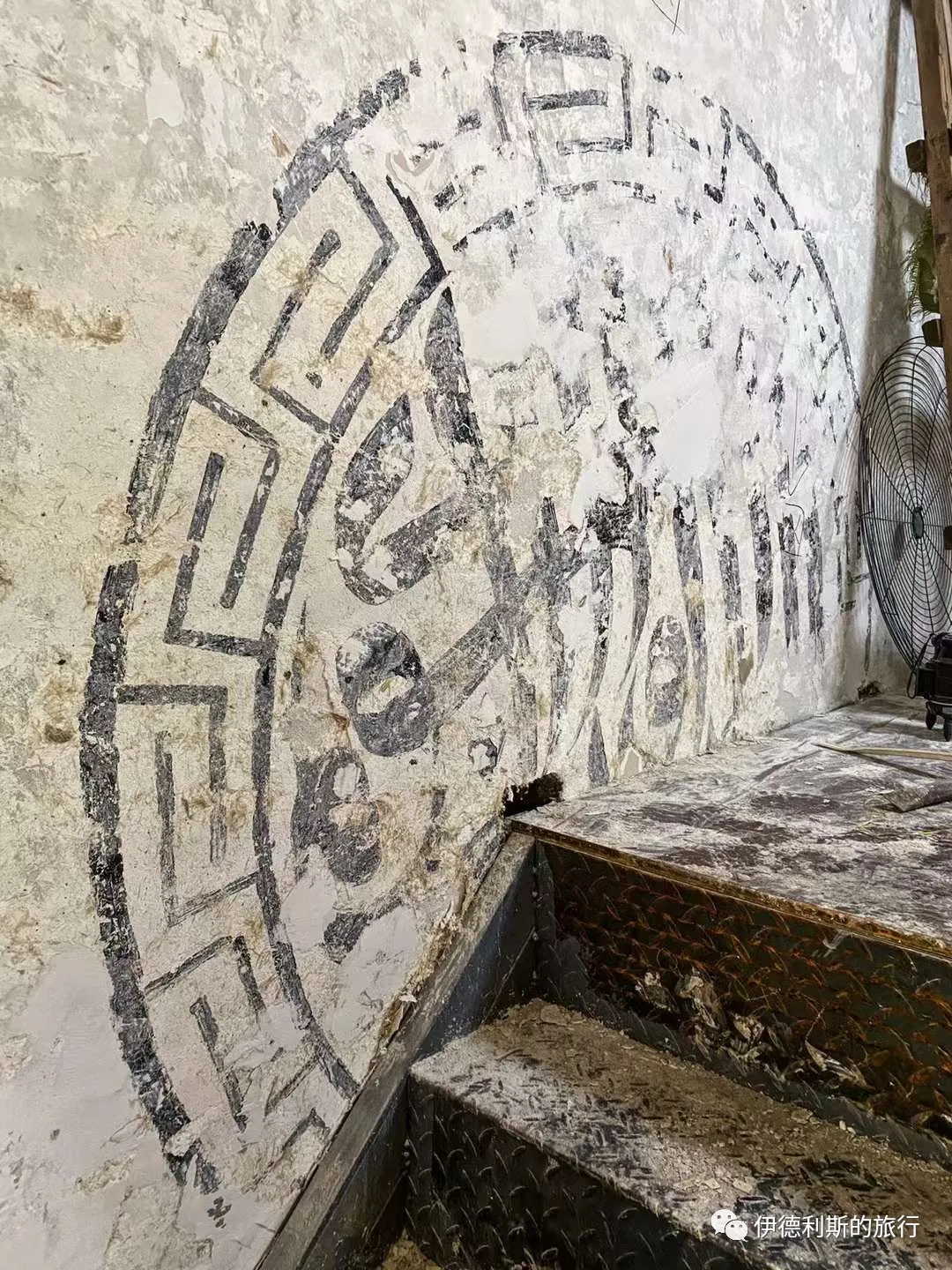
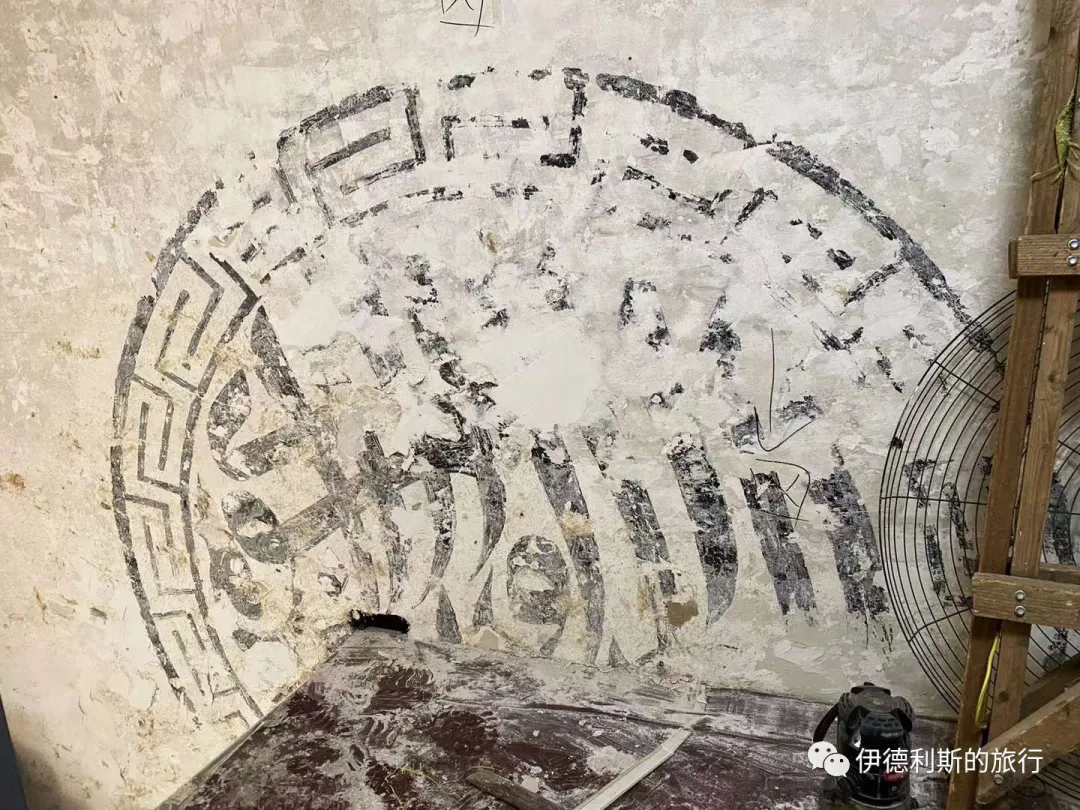
Huiying Mosque
Address: No. 24 Dong'anfu Hutong.
Date: Originally built in 1759, relocated and rebuilt in 2010.
Status: Not open to the public.
Huihuiying Mosque is the only mosque officially built by the Qing government. In 1759, after Emperor Qianlong defeated the White Mountain faction of the Khojas, he summoned the Hui Muslim leaders, led by the Eight Peers of the Hui Region, to the capital. The high-ranking nobles and begs among them were managed by the Lifan Yuan and lived in private residences, while the ordinary Hui Muslims were organized into the Hui People's Company under the Left Wing of the Plain White Banner of the Imperial Household Department, known in Manchu as hoise niru (Hui people's company), and settled in the Hui camp outside the West Chang'an Gate.
Construction of the Hui camp began in 1759 with 147 rooms, and after more Hui artisans and performers arrived in the capital, it was expanded to 310 rooms in 1763. After the Hui camp was built, Qianlong had a mosque constructed on its west side, which was completed in 1764. Qianlong inscribed the Stele of the Imperial-Built Hui People's Mosque and placed it in the mosque, writing: The Hui people gather here for prayer, and the begs who come to pay tribute every year all worship with joy, seeing something they have never seen in the Western Regions. Until the beg system was abolished in 1884, this was the place where begs from all over Xinjiang performed their religious duties during their annual visits to the capital.
The main hall of the Huihuiying Mosque is a square pavilion with a double-eaved, four-cornered pyramidal roof, which is unique among all mosques in Beijing.
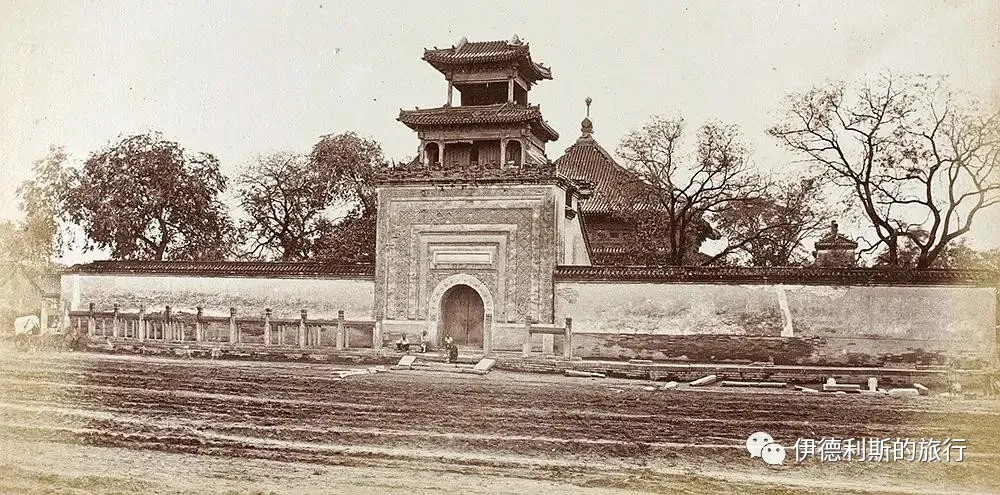
In 1912, Yuan Shikai was elected President and chose Zhongnanhai as the presidential palace. Soon after, Zhu Qiqian, Minister of the Interior, oversaw the conversion of the Baoyue Tower at the southern end of Zhongnanhai into the Xinhua Gate, the main entrance to the presidential palace, while also expanding the street in front of the palace and building a decorative wall across the street. Because it was right next to the Baoyue Tower, the gate and main hall of the Huihuiying Mosque were forced to be demolished. After the main hall was demolished, the congregation had nowhere to pray, so they rebuilt a small hall on the original site.
Because the government stopped paying stipends to the banner people in the early Republic of China, the Huihuiying community lived in poverty, so the rebuilt hall was very small, consisting of two connected shed-roofed rooms, with the rear prayer niche also having a shed roof. Since the original north gate was blocked by the decorative wall, the mosque entrance had to be moved to the south, and the stone arch carved with lotus patterns from the original gate was placed above the new entrance.
After the founding of the People's Republic, the Huihuiying Mosque was occupied by the guard regiment for a long time until demolition began on the south side of West Chang'an Street in 2009. On June 8, 2010, the Republic-era main hall and gate of the Huihuiying Mosque were demolished. In 2011, the Xicheng District Cultural Committee rebuilt the mosque 200 meters west of the original site, and the Stele of the Imperial-Built Hui People's Mosque inscribed by Qianlong was placed back in the courtyard. Regrettably, the new mosque was not built according to the original design, and the only remaining stone arch was placed above the mihrab of the main hall. Although the new mosque has been built for over ten years, it has never been opened.
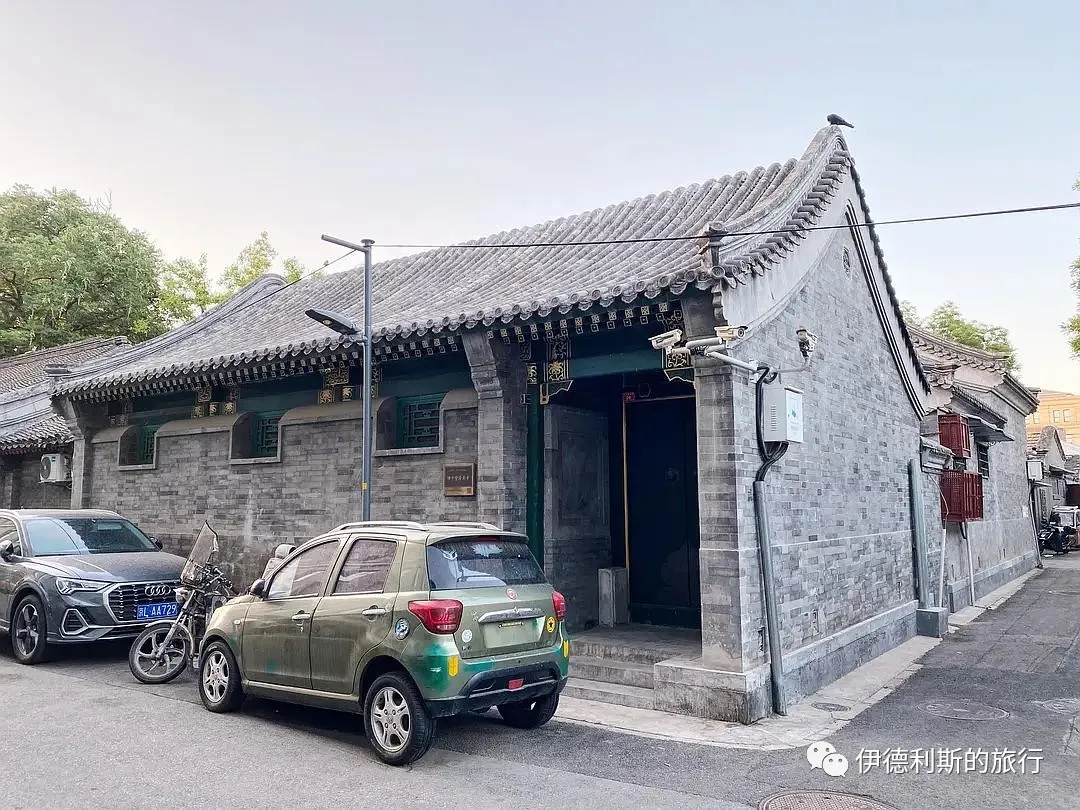
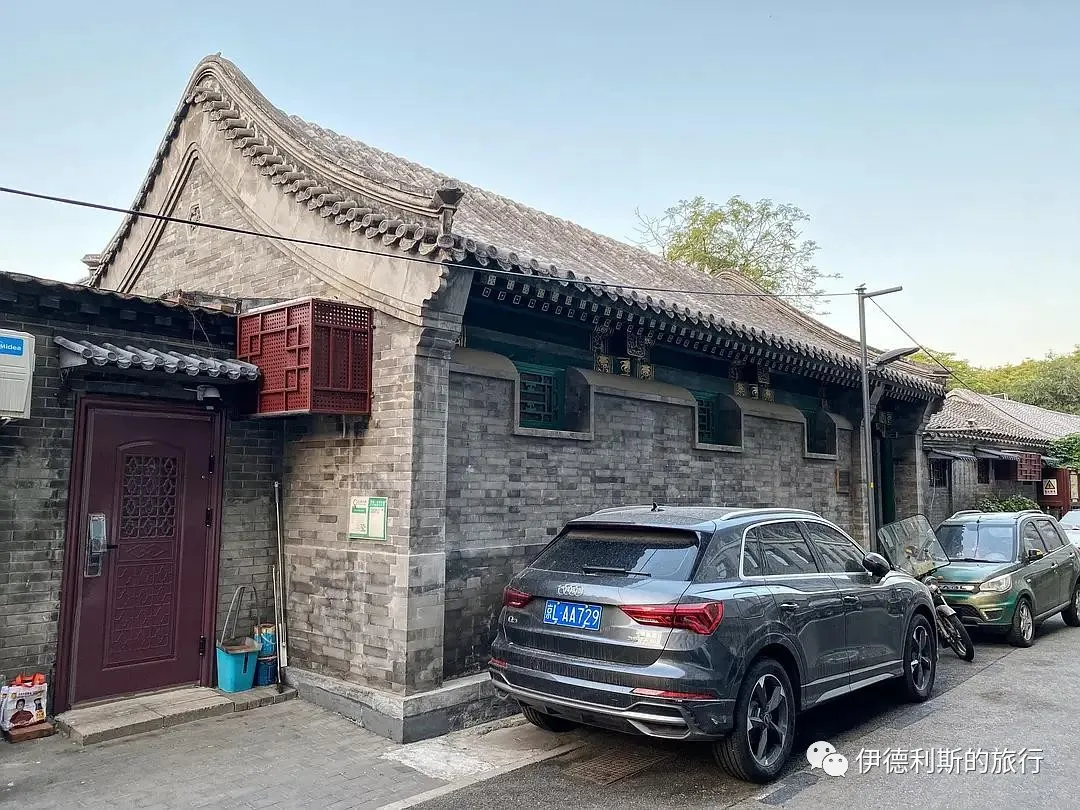
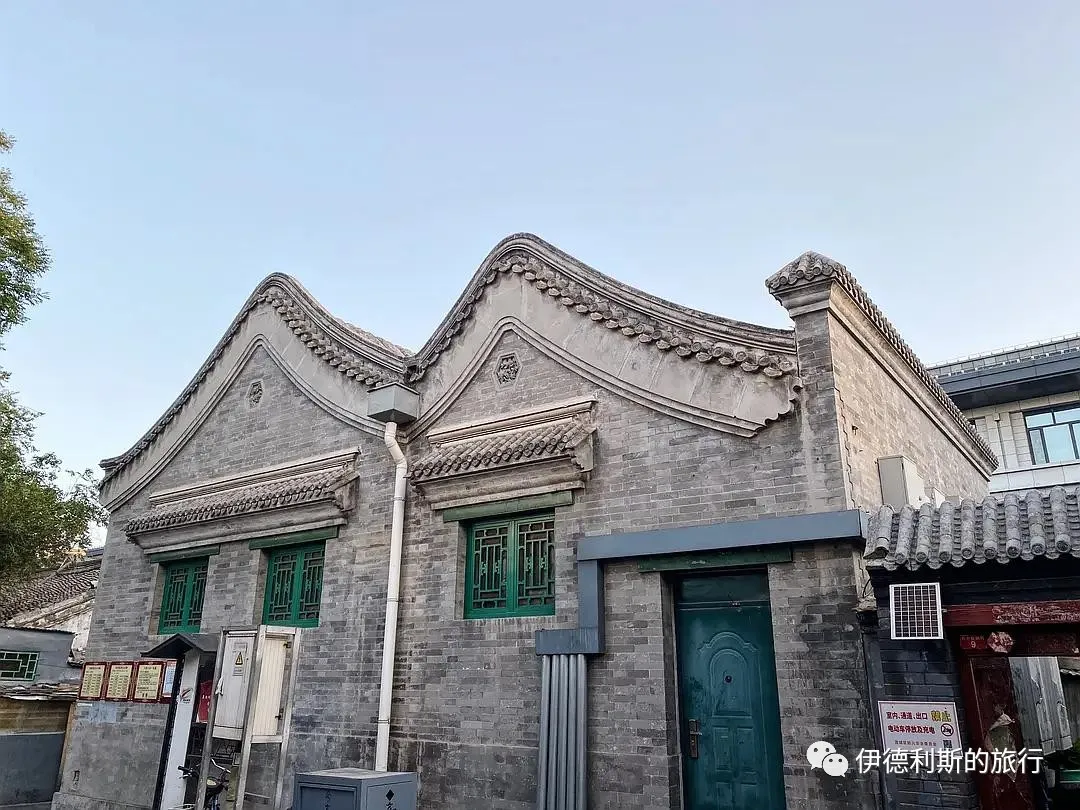
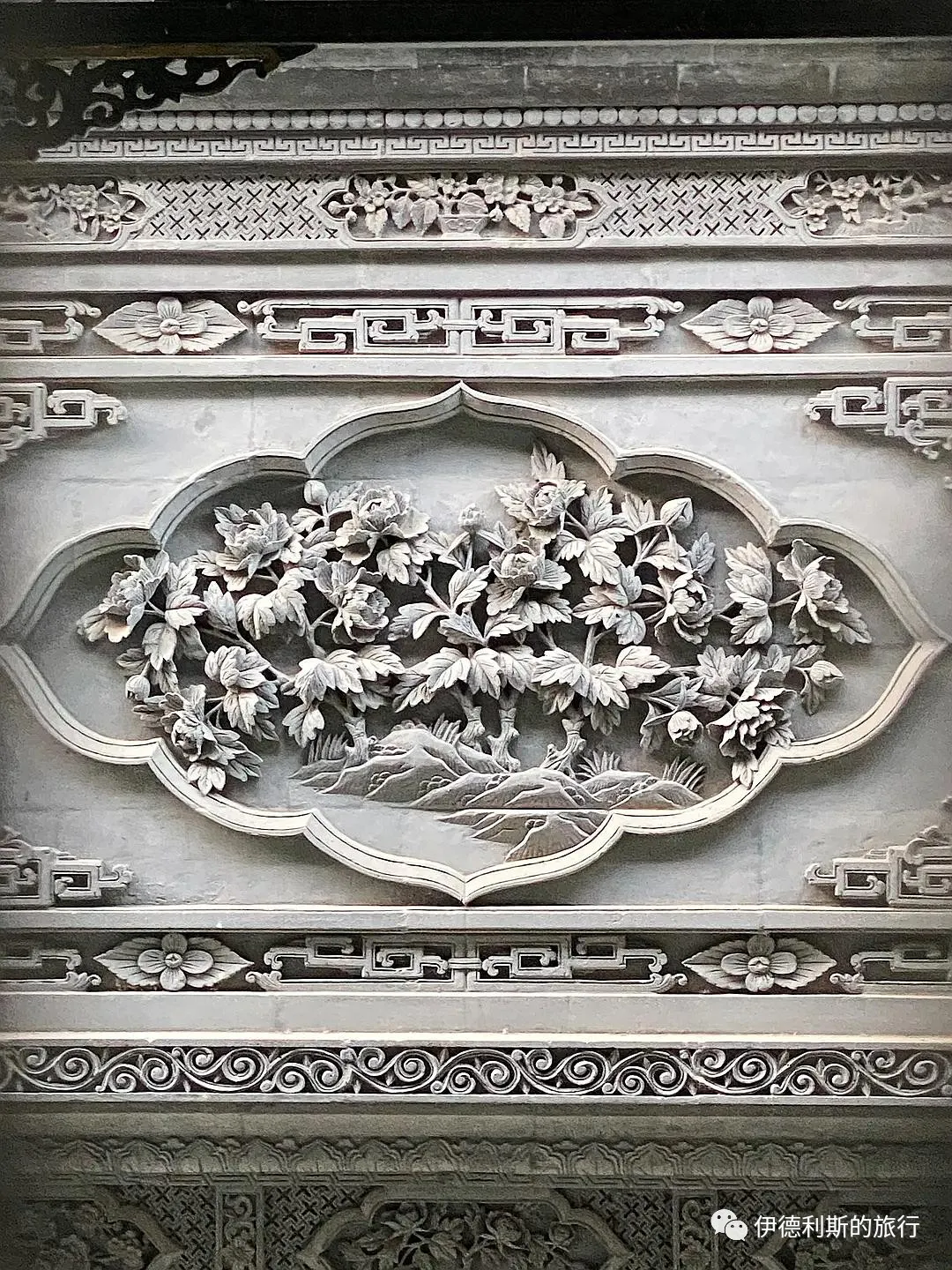
Qianmen Mosque
Address: No. 9 Yangwei Hutong.
Date: First built in the late Ming Dynasty, renovated during the Qing Dynasty.
Status: Open.
Qianmen Mosque was first built in the late Ming Dynasty and renovated in 1680 (the 19th year of the Kangxi reign) and 1795 (the 60th year of the Qianlong reign). It features the classic North China mosque architectural style of the Qing Dynasty and is very well preserved. In 1894 (the 20th year of the Guangxu reign), the famous modern Islamic educator Imam Wang Kuan served as the head imam at Qianmen Mosque. His student, the great Imam Da Pusheng, served as an imam here between 1909 and 1911. Another great imam, Wang Jingzhai, studied under the famous Qianmen Mosque teacher, Imam Yu Mianweng, when he was young.
From the Qing Dynasty to the Republican era, many Hui Muslims outside Qianmen worked in the jade, jewelry, and antique calligraphy and painting trades. The famous novel The Muslim Funeral is based on the lives of these Hui Muslim jade traders. Qianmen Mosque was very busy back then, but as times have changed, this century-old mosque has returned to peace.
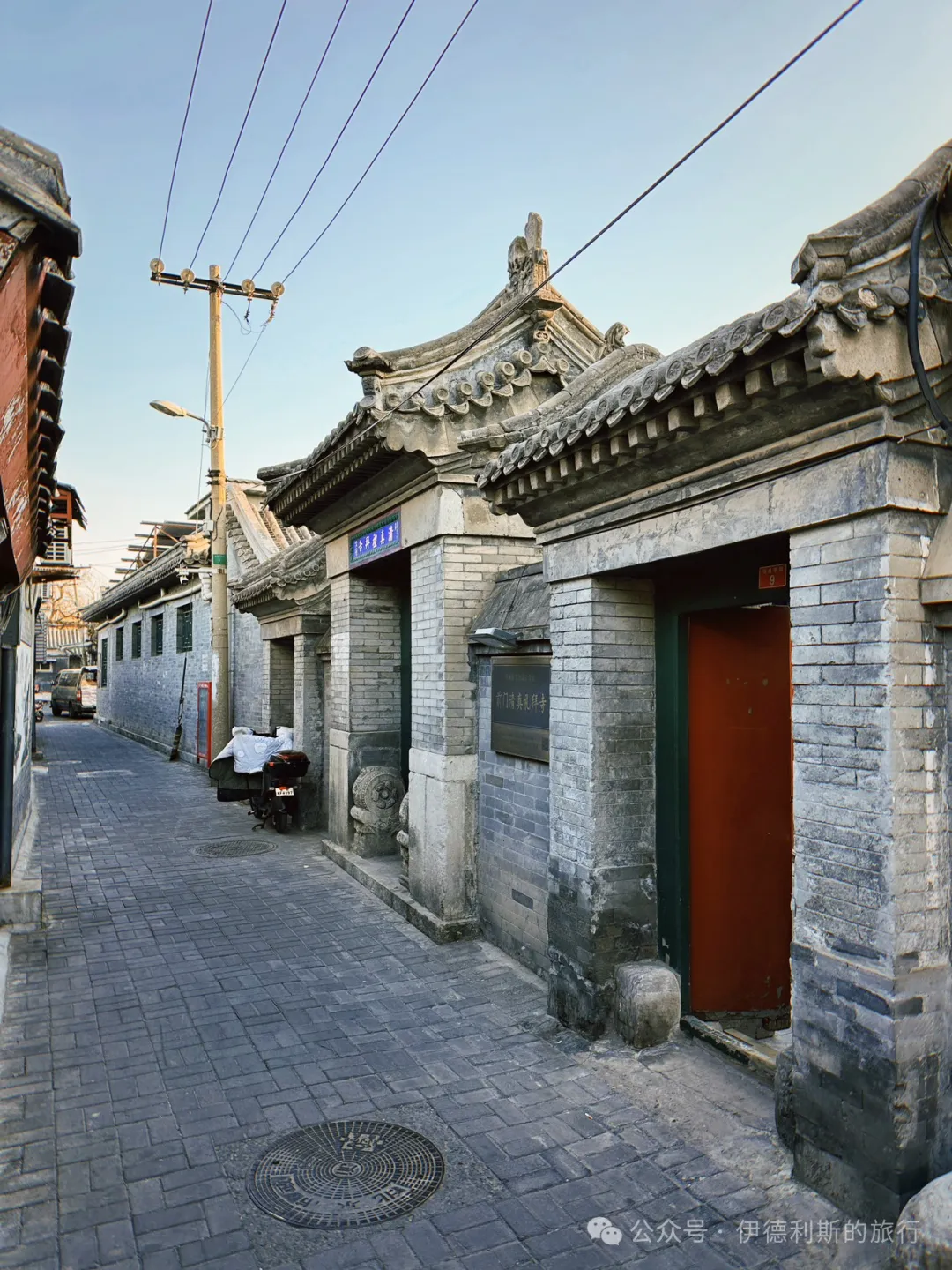
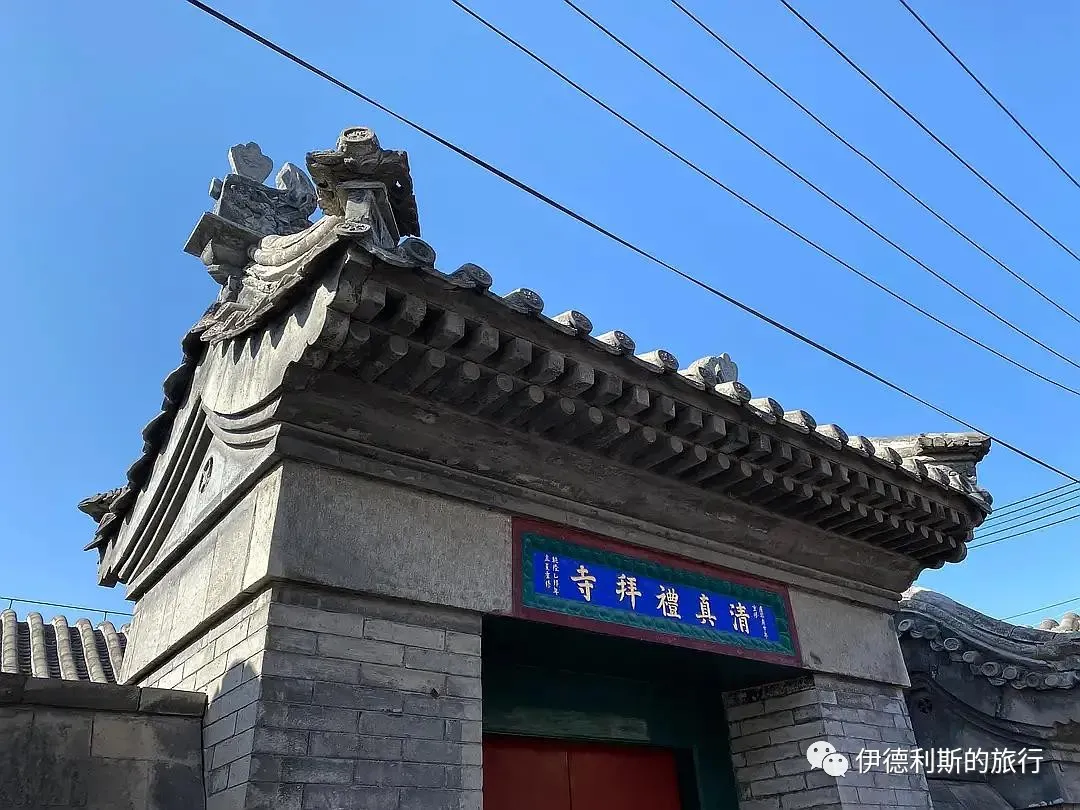
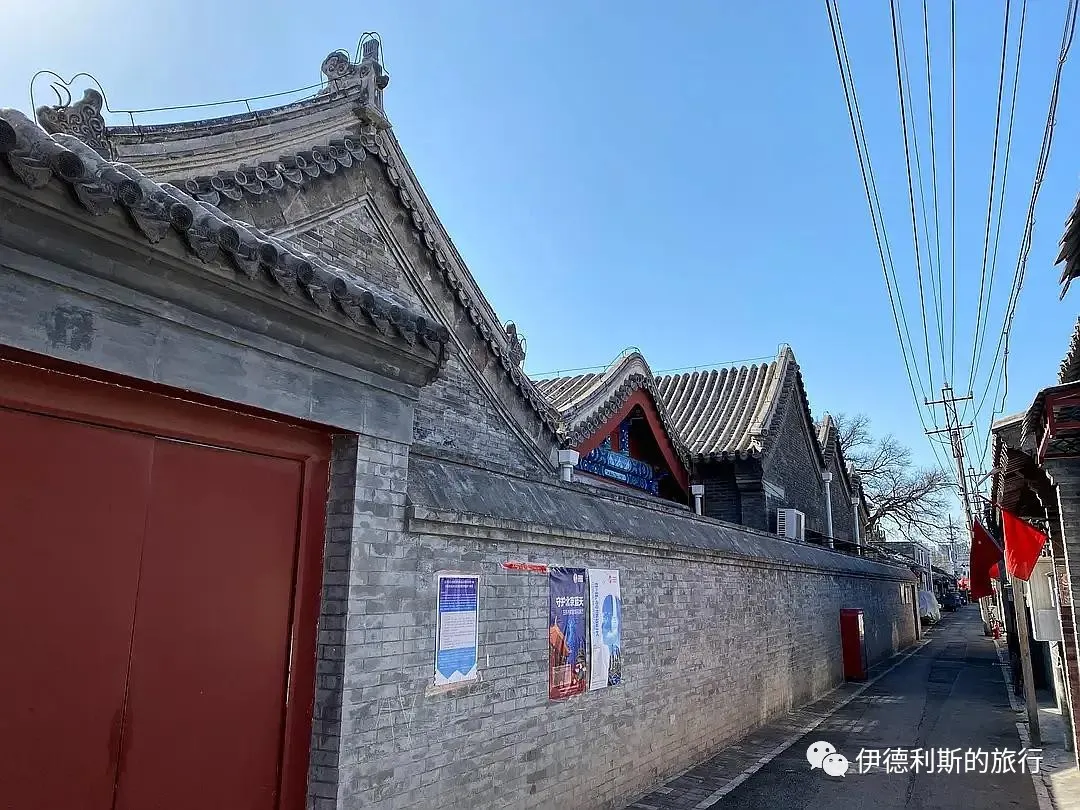
Three-layered interlocking roof (san ceng gou lian da).
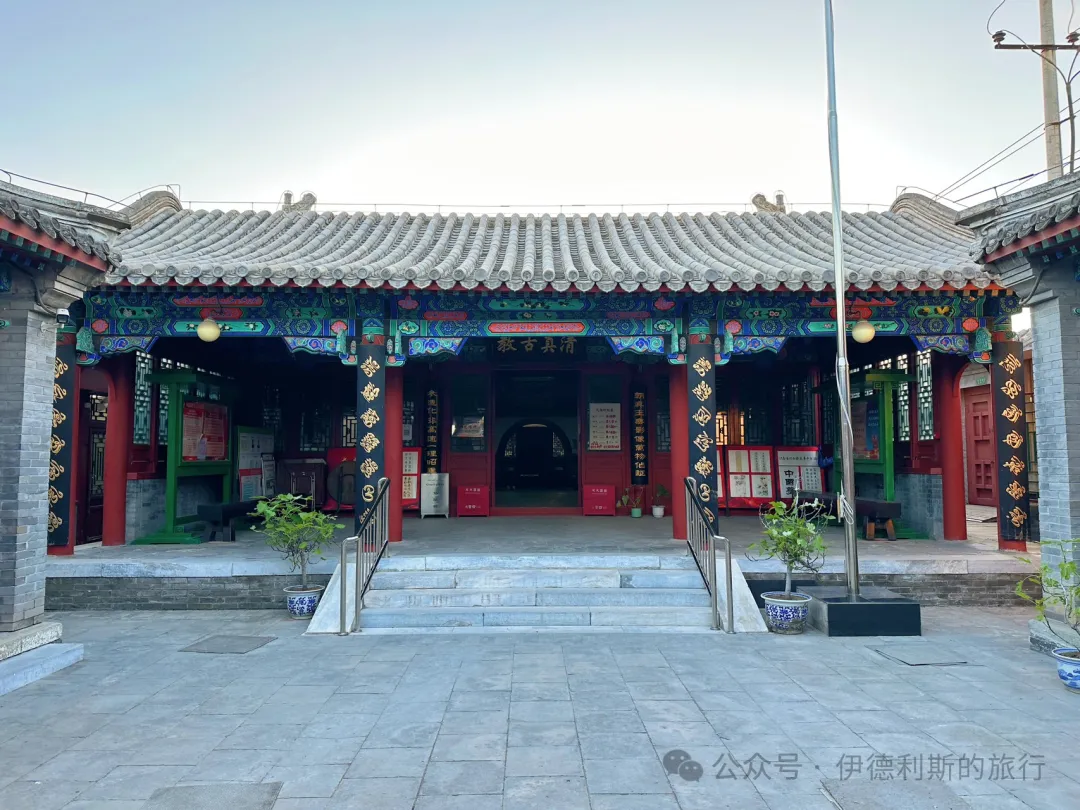
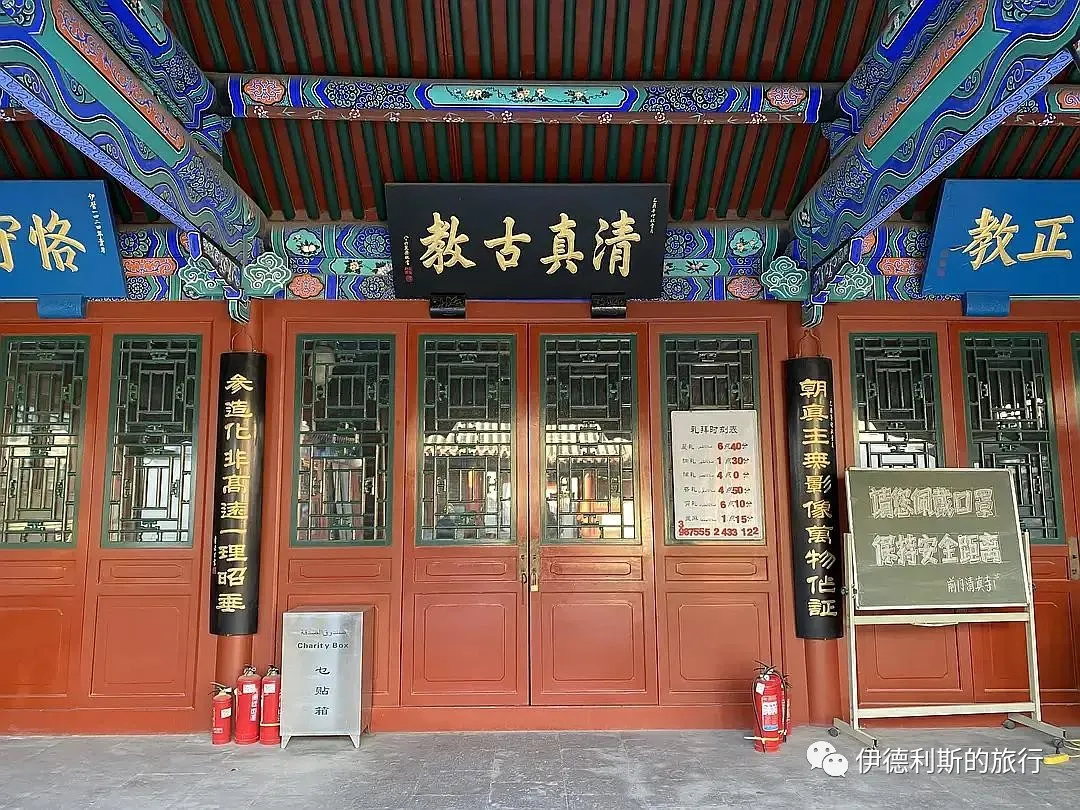
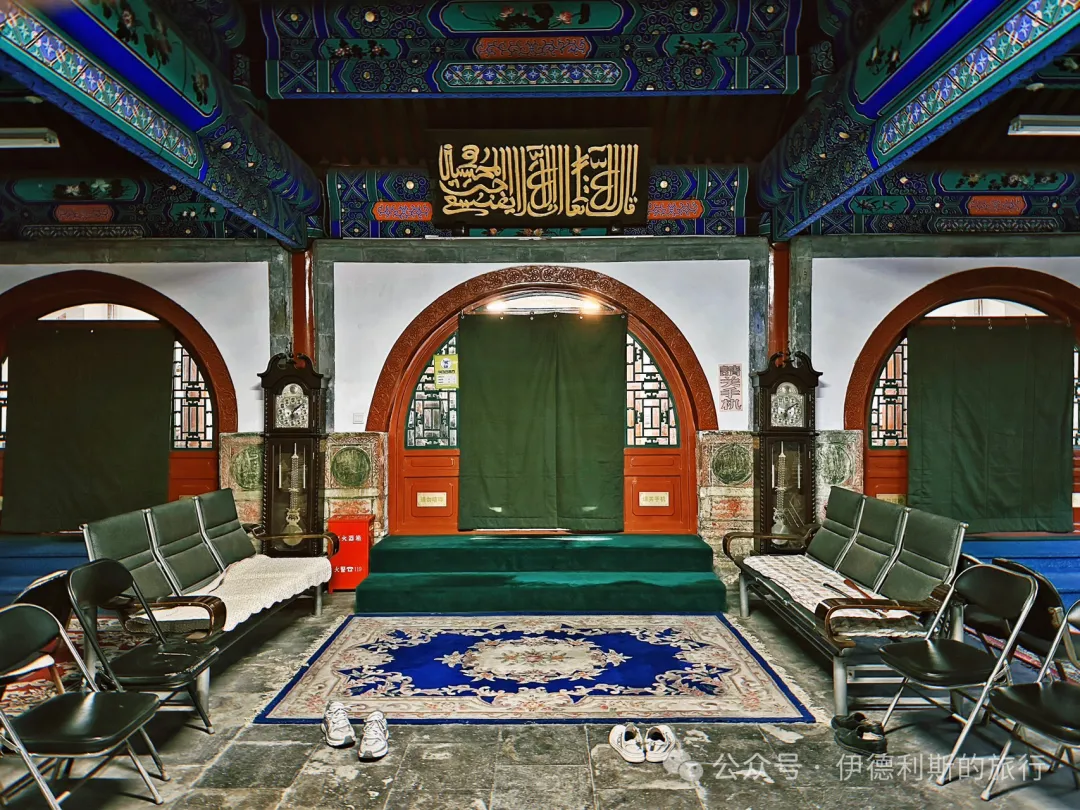
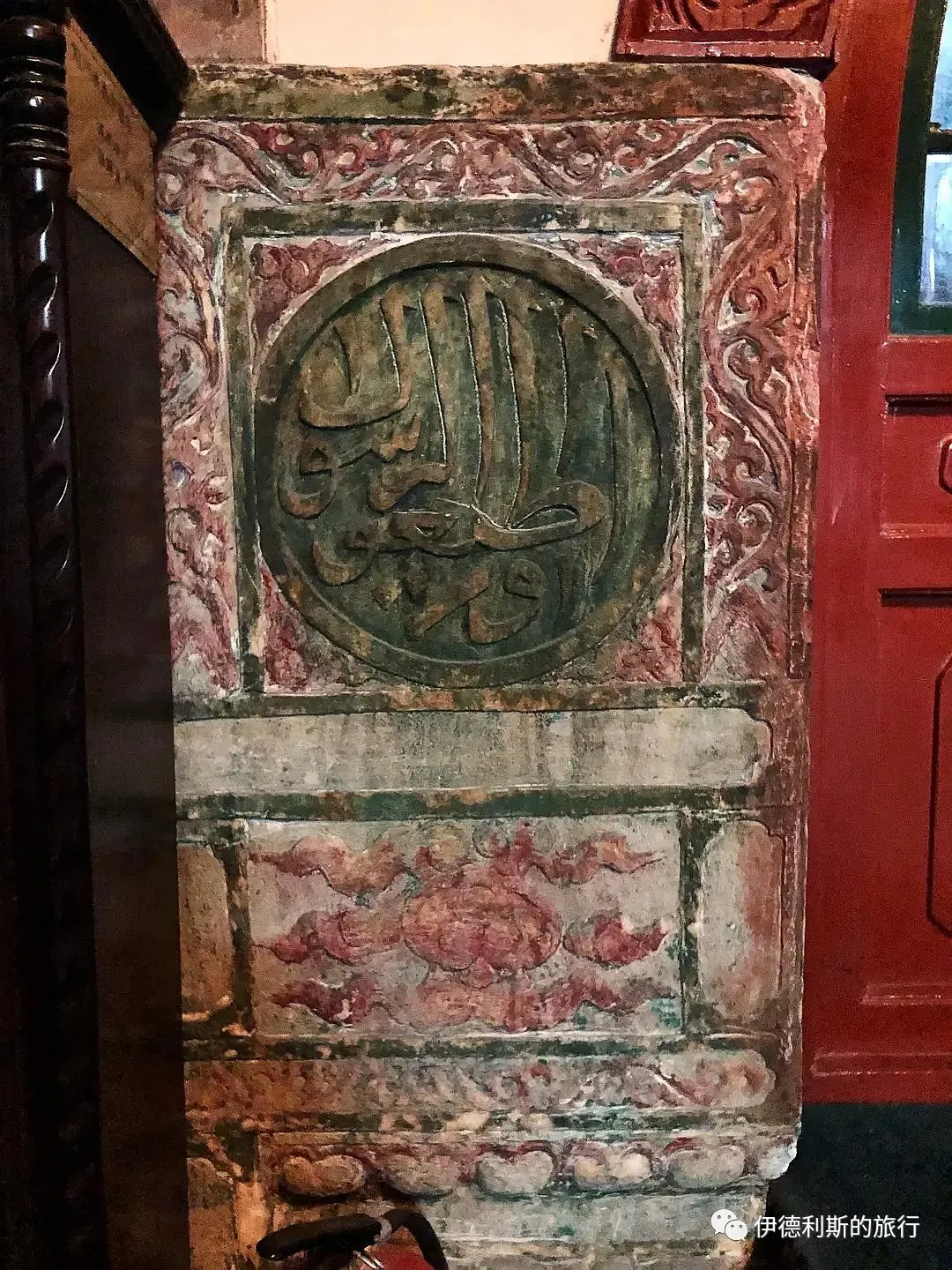
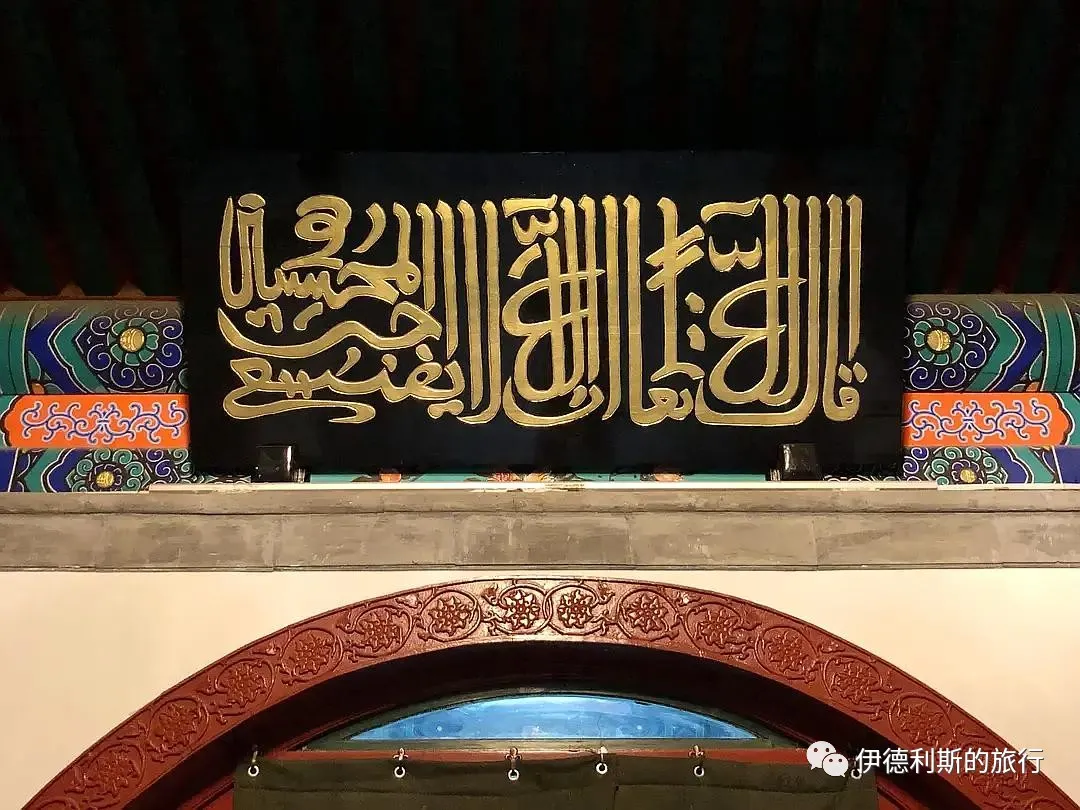
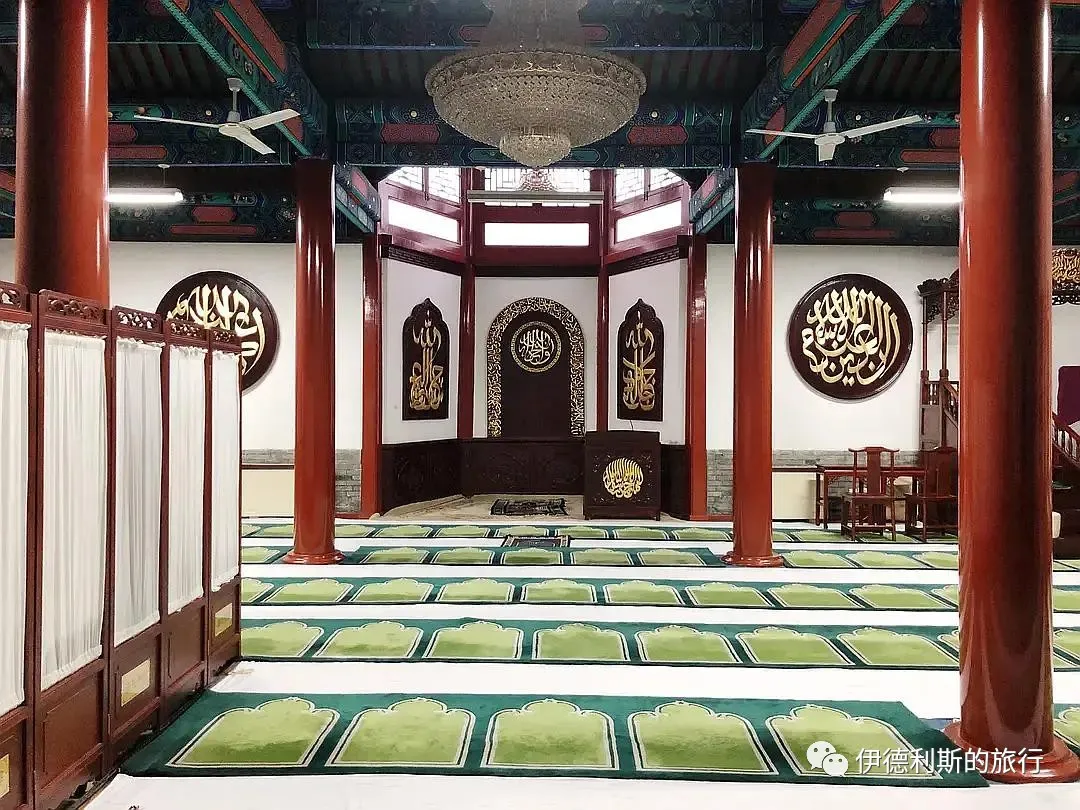
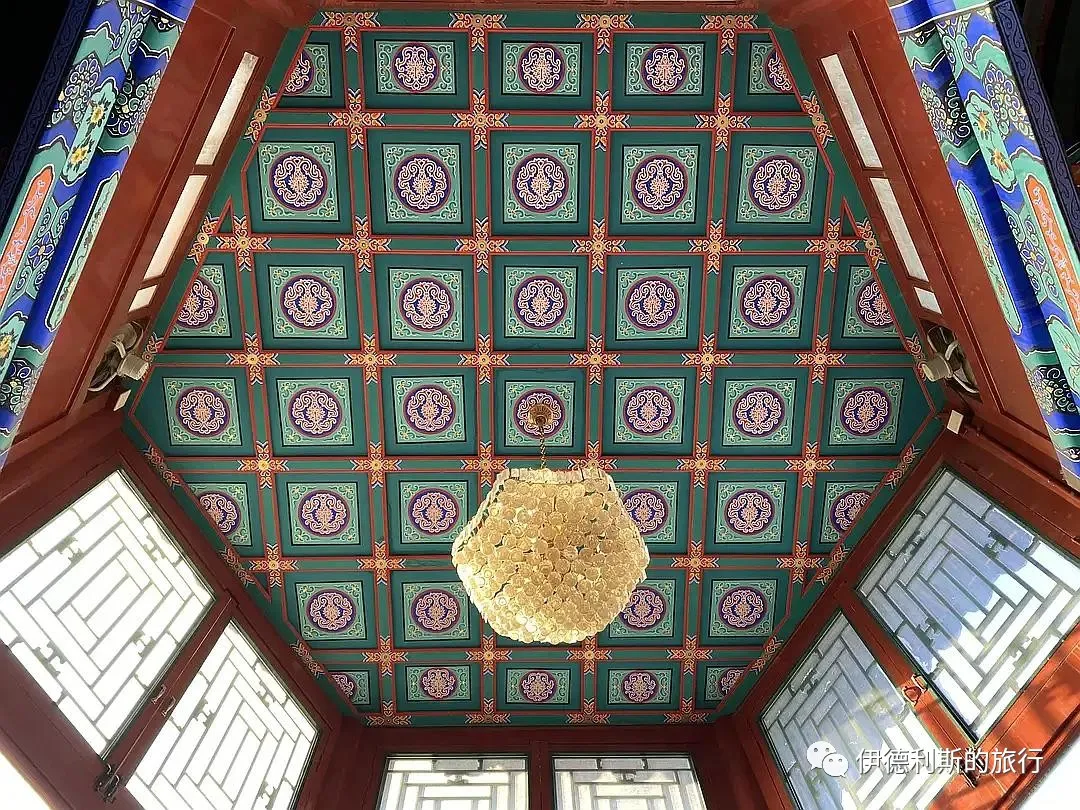
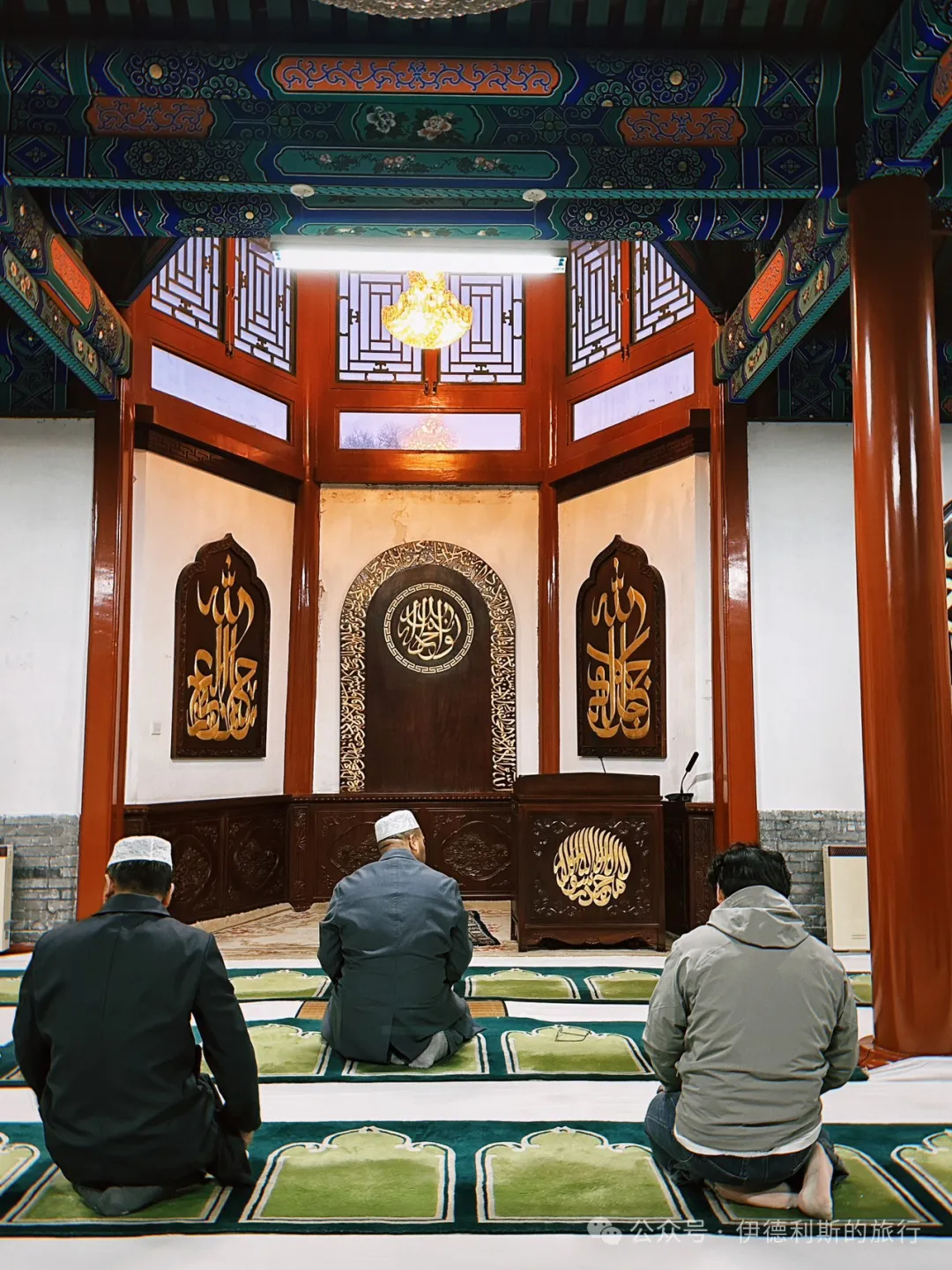
Imam Wang of Qianmen Mosque is from Niujie. He speaks with an authentic Xuannan Beijing accent and tells the history and culture of old Beijing Hui Muslims in a very vivid and thorough way.
I had an iftar meal at the mosque during Ramadan in 2025.
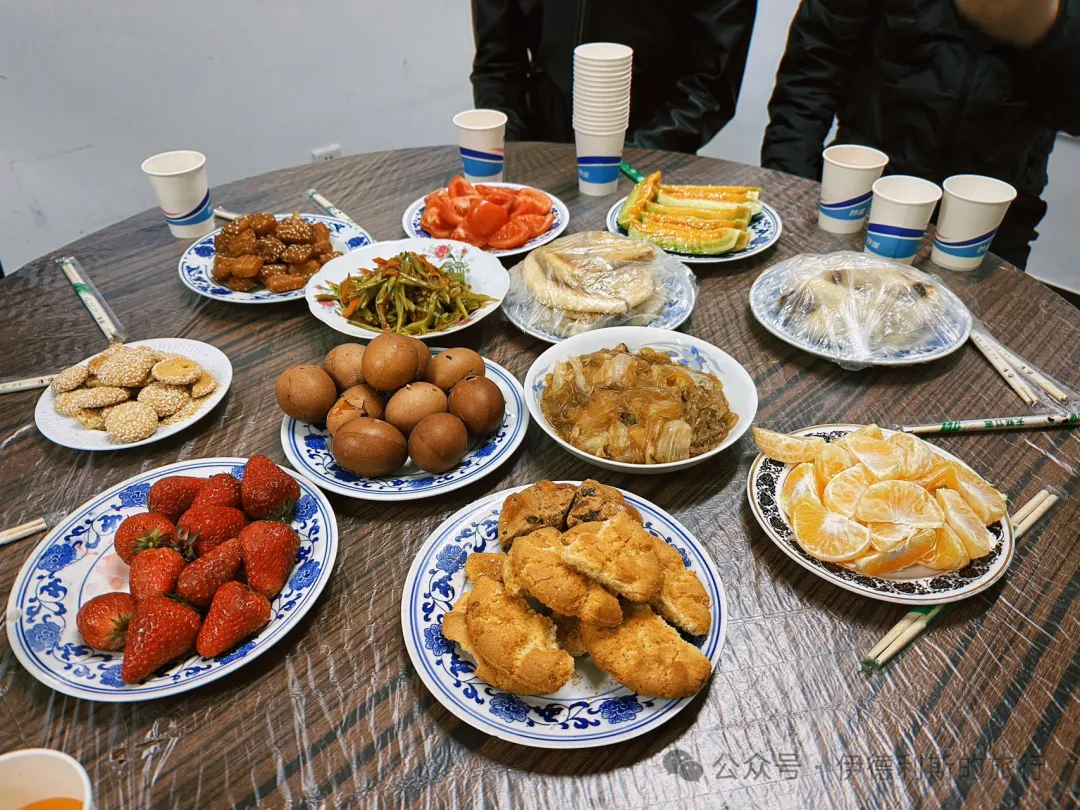
Mishi Hutong Mosque.
Address: Daji Lane West Gate.
Date: Renovated in 1940.
Status: Tea house.
During the Republican era, many friends (dosti) from the Northwest did business in the Xuannan area. In 1927, they donated funds to build Tianqiao Mosque and established the Association of Hui Muslim Fellow Townsmen from the Five Provinces of Shaanxi, Gansu, Qinghai, Ningxia, and Xinjiang in Beijing. After the 1930s, the Northwest dosti gradually settled in the Caishikou area. In 1937, the old Bianyifang restaurant on nearby Mishi Hutong closed down. The Northwest dosti living in Beijing pooled their money to buy the two-story building and officially converted it into Mishi Hutong Mosque in 1940. After that, the Northwest Five Provinces Association moved its office to Mishi Hutong Mosque. Imam Ye Liangpu of Tianqiao Mosque served as the imam for both, and Friday prayers (Jumu'ah) were held at both mosques on a rotating basis.
The street-facing rooms of Mishi Hutong Mosque were bought by a dosti named Qian. The north room of the outer courtyard served as the association office, while the north room of the inner courtyard held a primary school classroom, kitchen, and toilet. The west room by the back door was the water room (wudu area). The second floor of the small building was the main prayer hall. The west room on the first floor was a lecture hall, the north room was the imam's dormitory, the south room was a student lounge, and the north and south rooms in the outer corridor were student dormitories. A glass plaque reading "The Holy Path is Flourishing" (Shengdao Qiyang) hung in the outer corridor. It was donated by the elders of Tianqiao Mosque and inscribed by Zong Zheng.
When the Daji area was demolished, all other buildings of Mishi Hutong Mosque were torn down, leaving only the two-story building. The small building was built in the mid-to-late Qing Dynasty. It was originally an "L" shape made of a north building and a west building. When it was converted into a mosque in 1940, three south-facing open porch rooms were added, changing the "L" shape into a "U" shape. At the same time, a two-story flat-roofed open hall was added in the recessed area, connecting with the south porch. This created a semi-enclosed open space on the second floor to serve as the main prayer hall, which was a first for mosques (masjid) at that time.
After the 1960s, Mishi Hutong Mosque was turned into a toy factory dormitory and later became a residential compound. Today, the mosque at Mishi Hutong has become a teahouse. The tea is expensive, and you must book in advance.
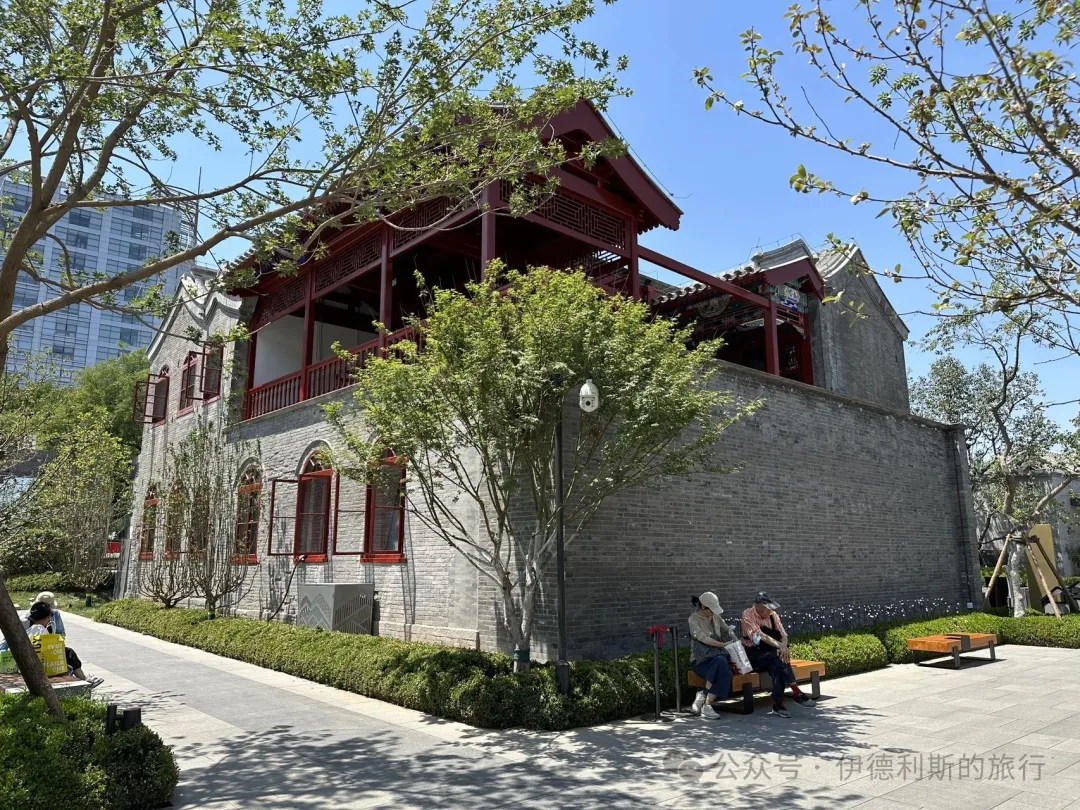
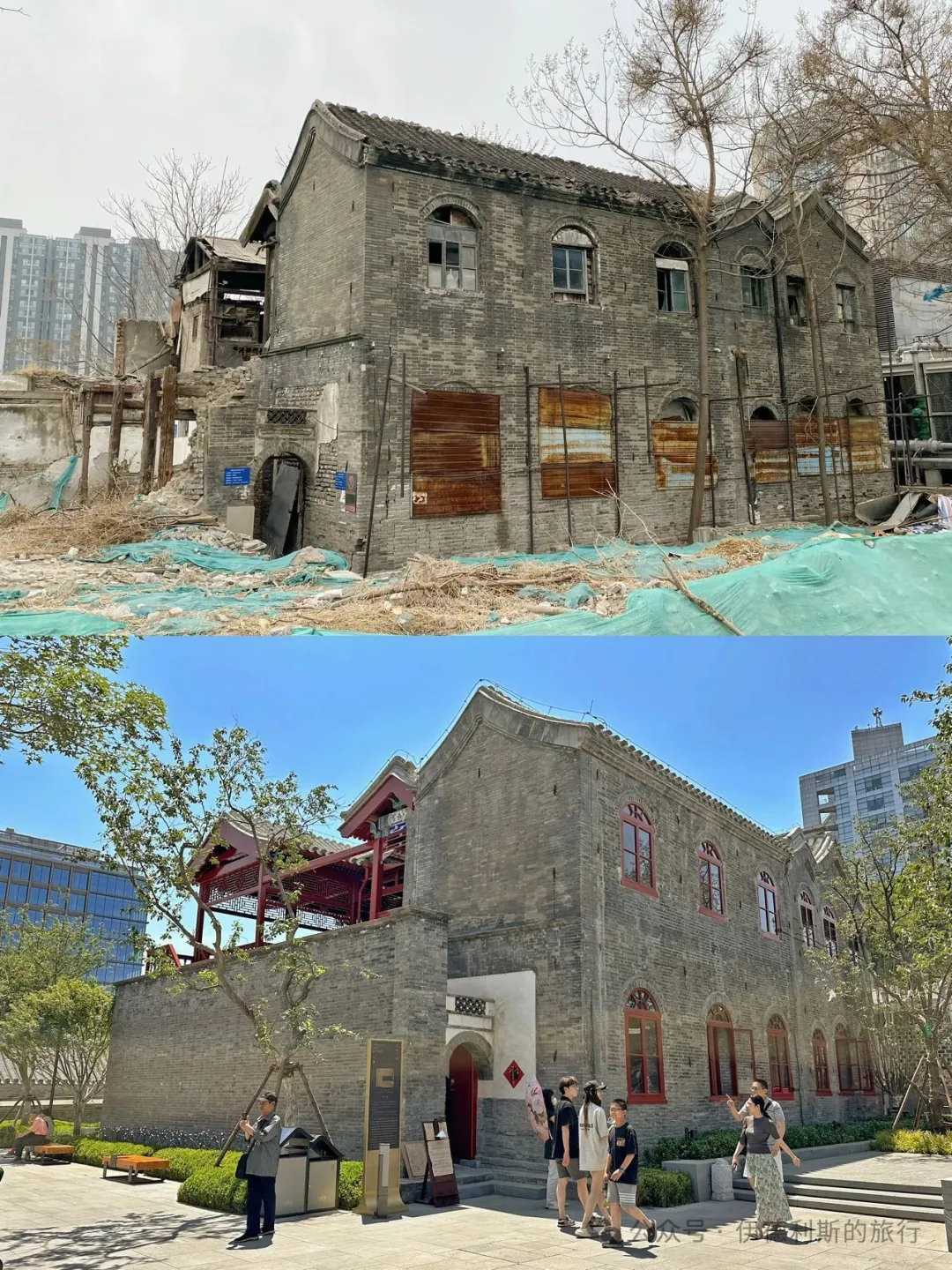
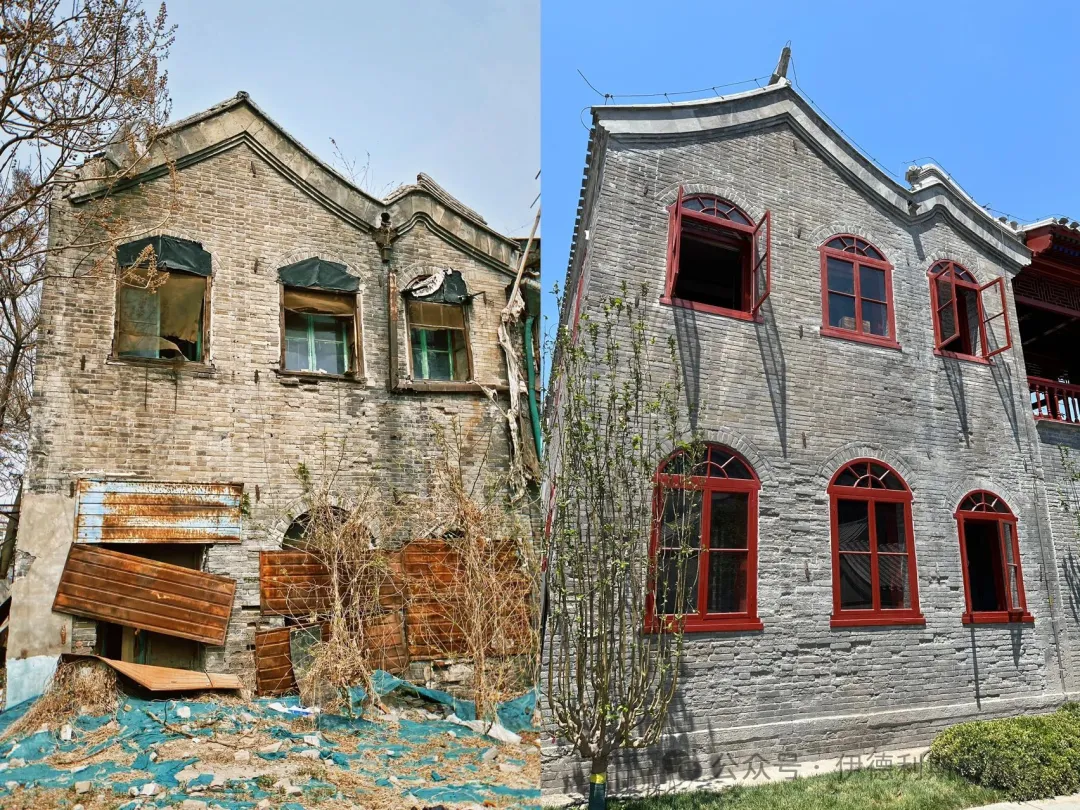
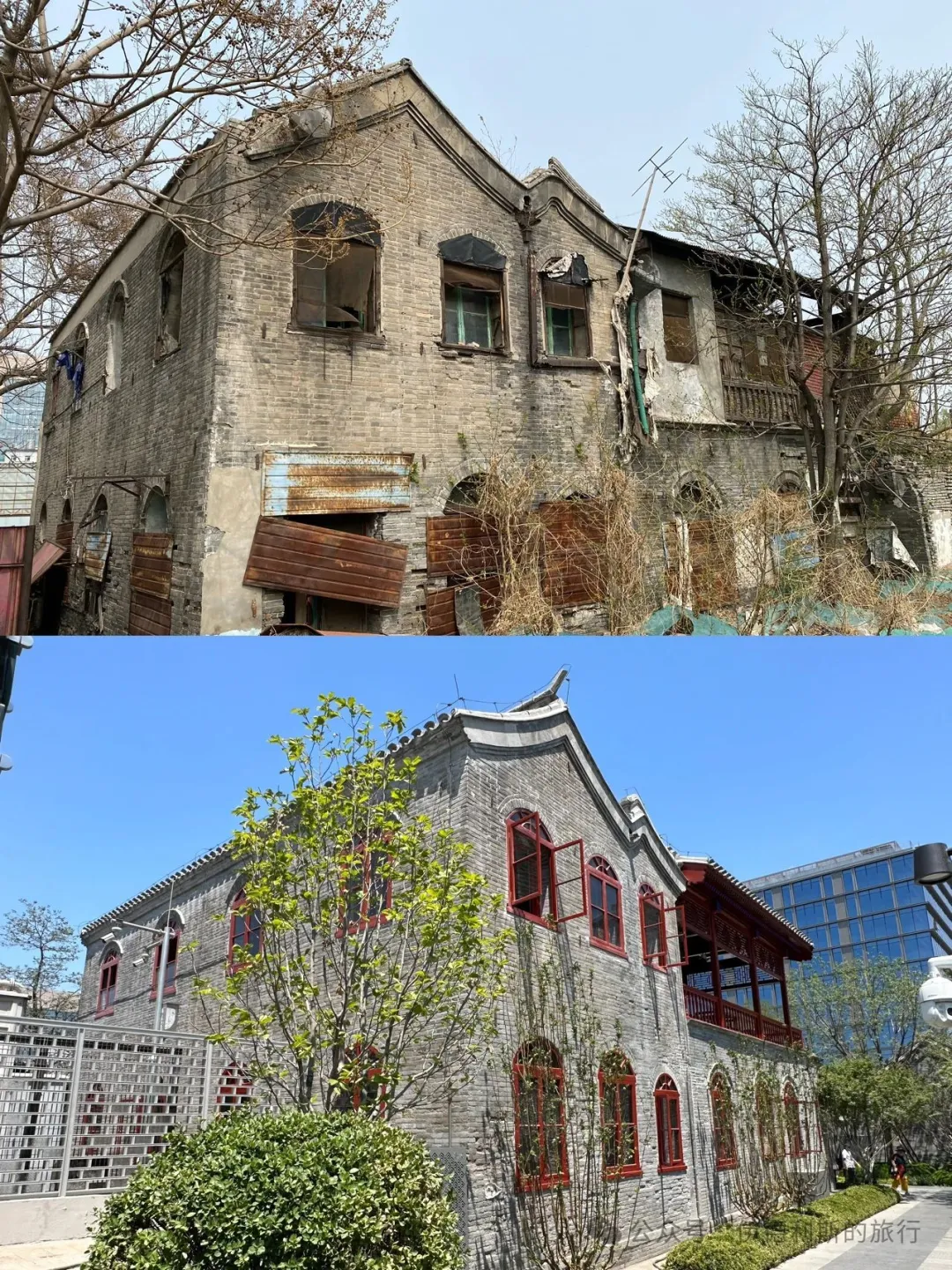
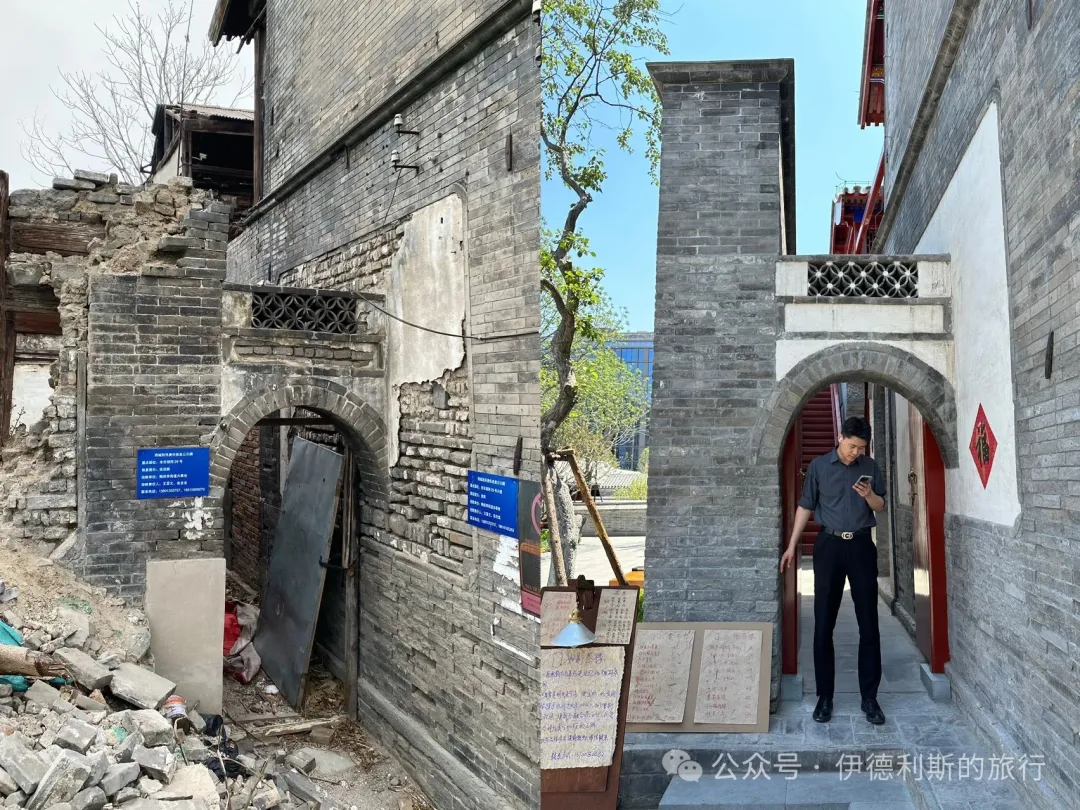
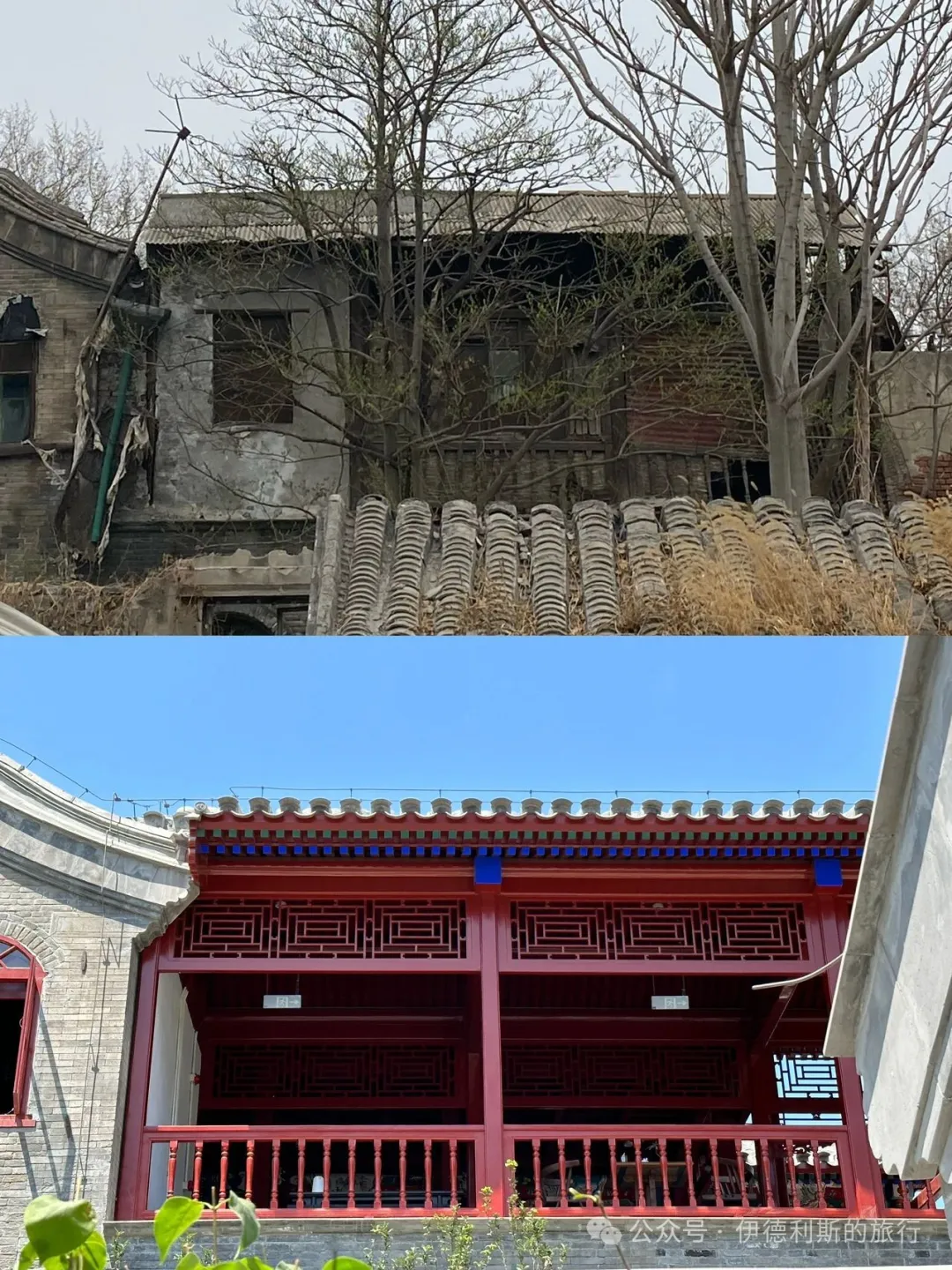
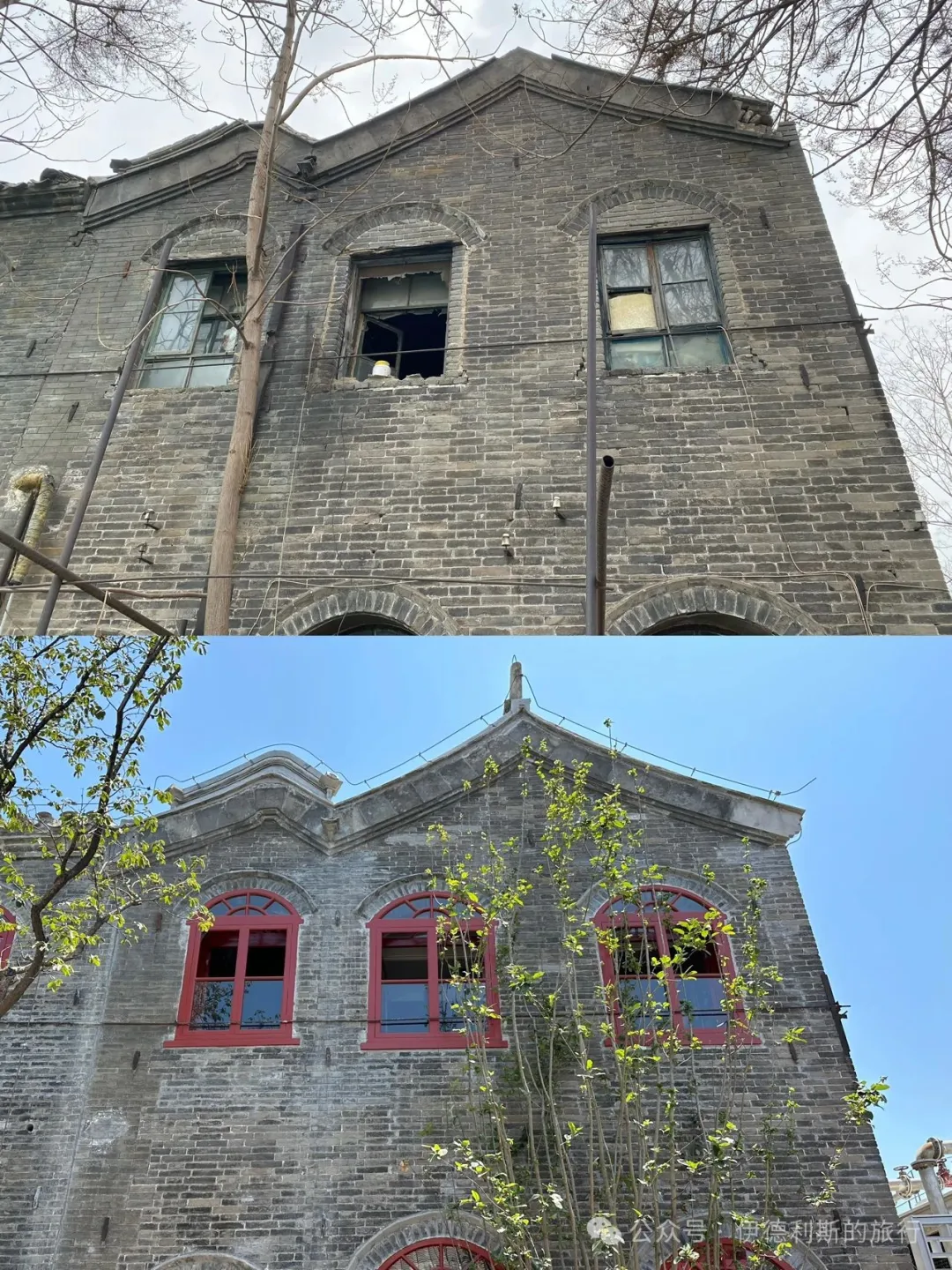
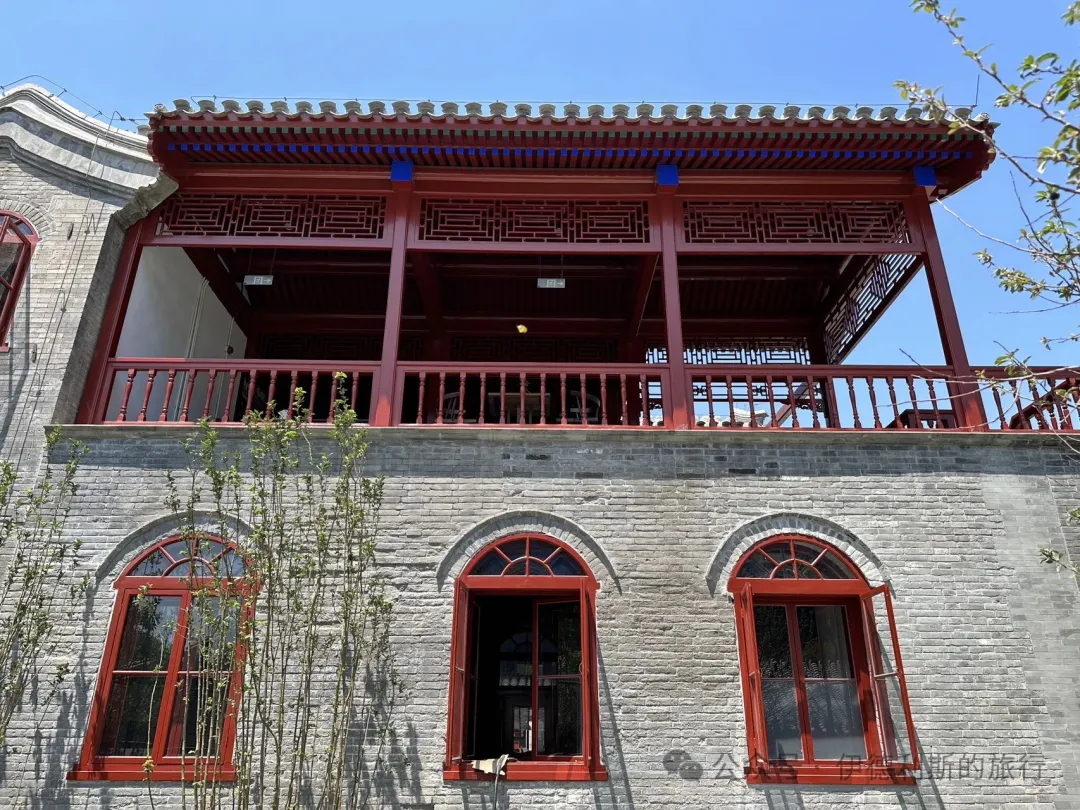
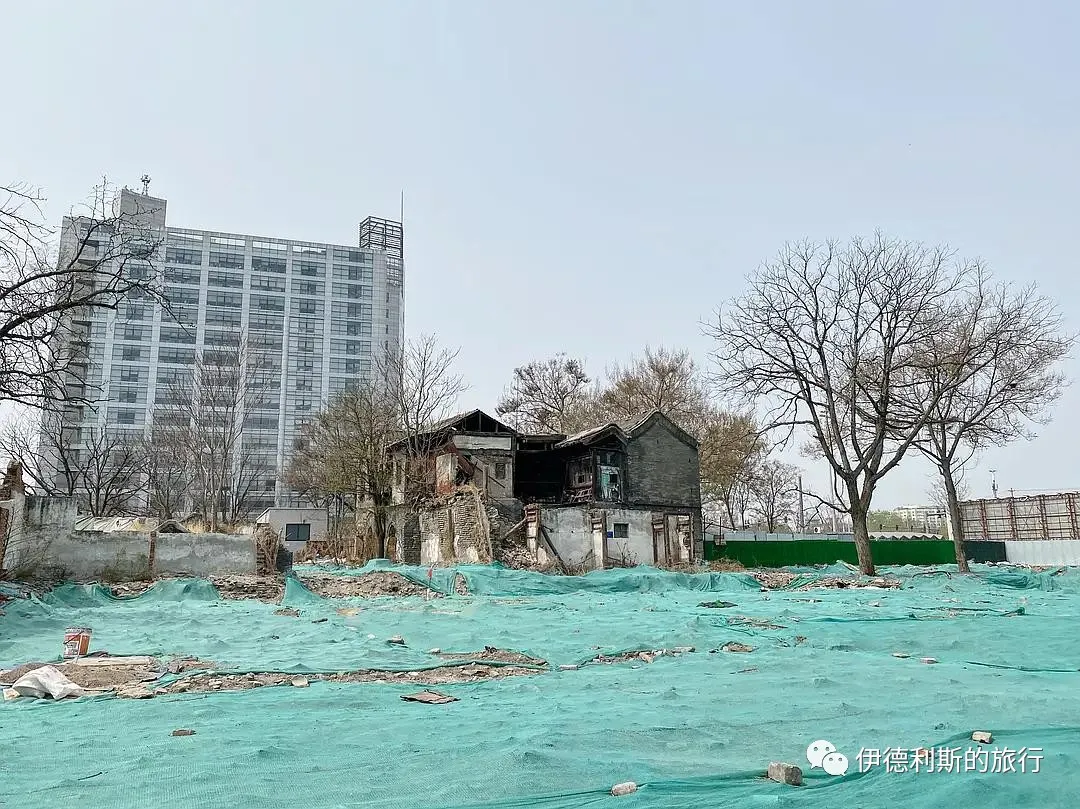
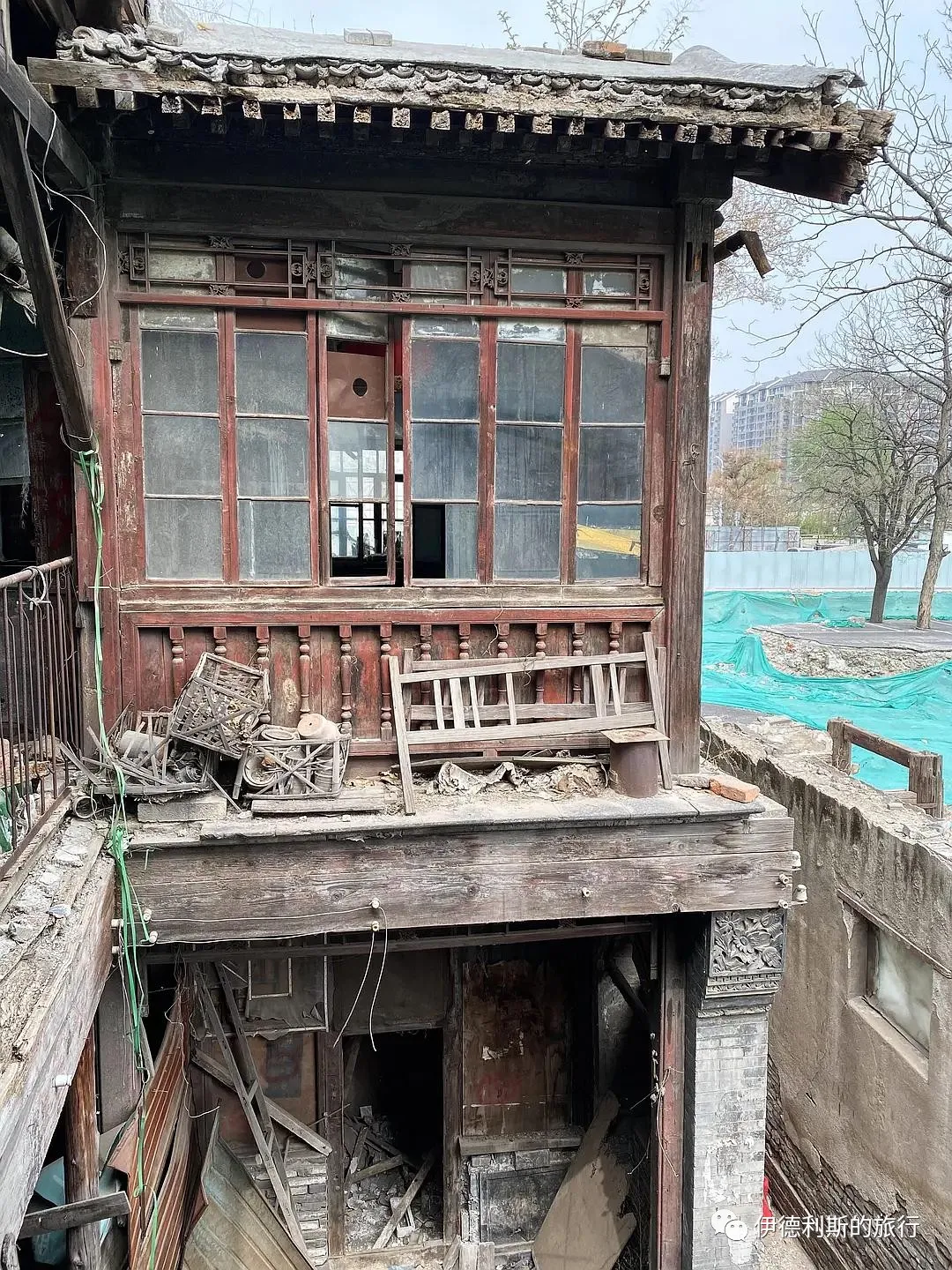
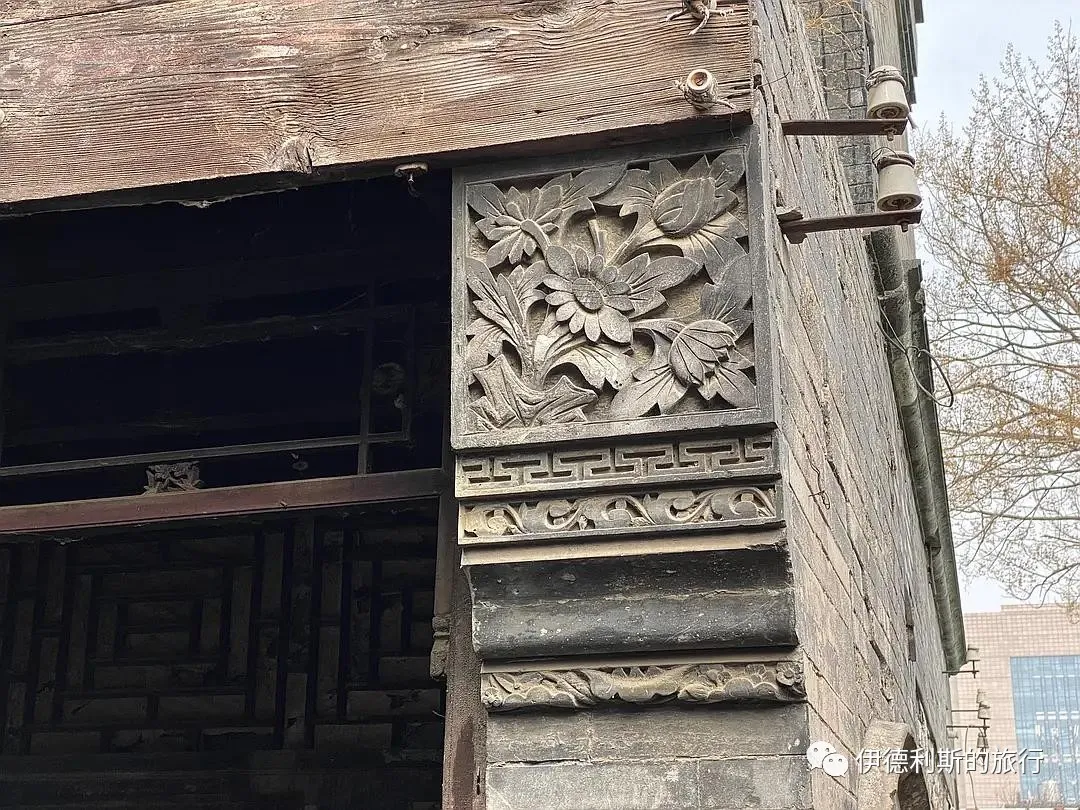
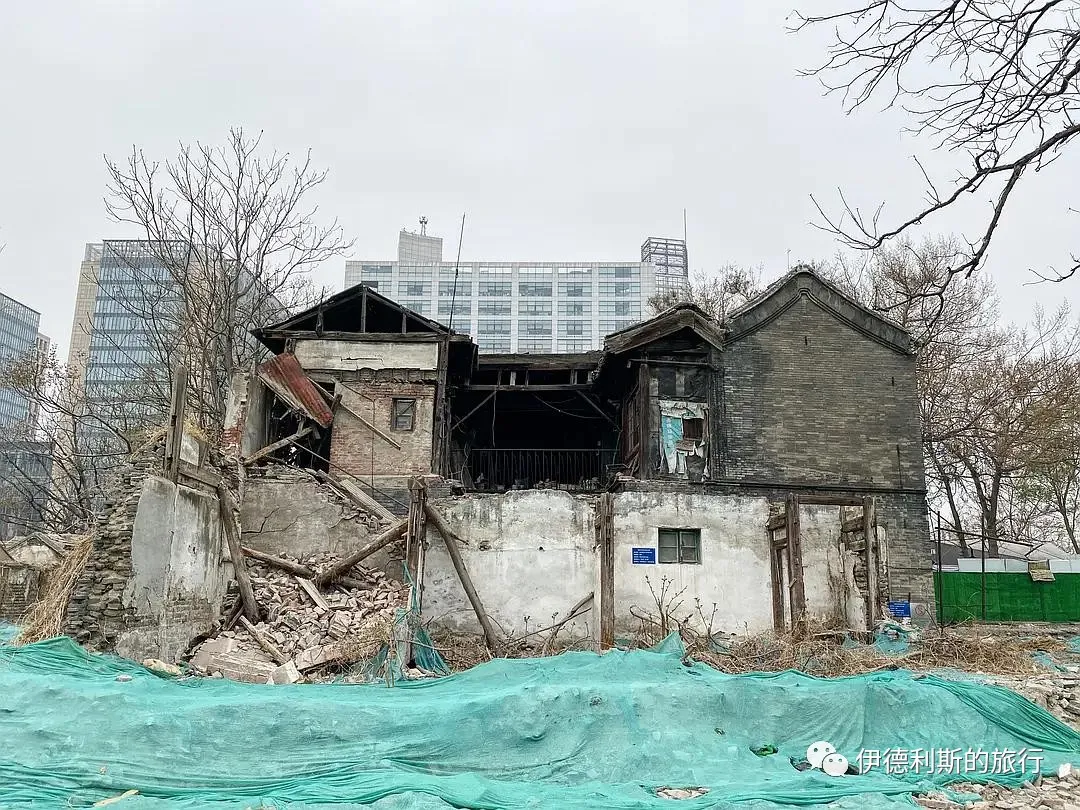
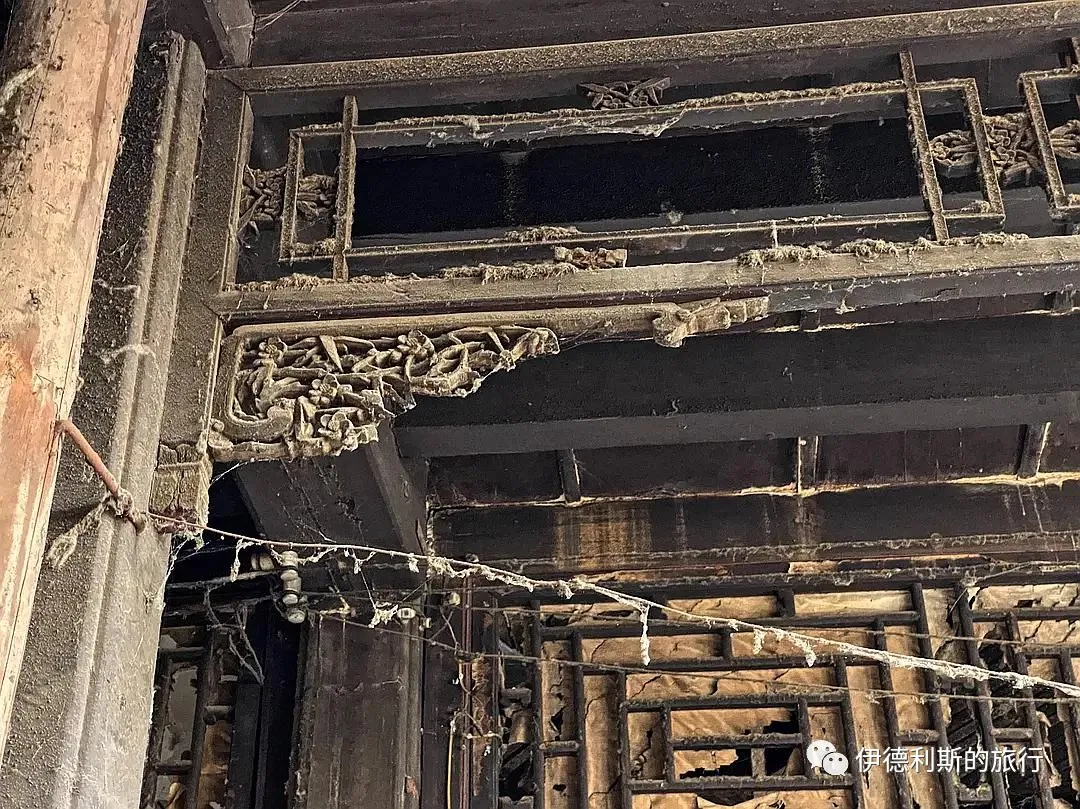
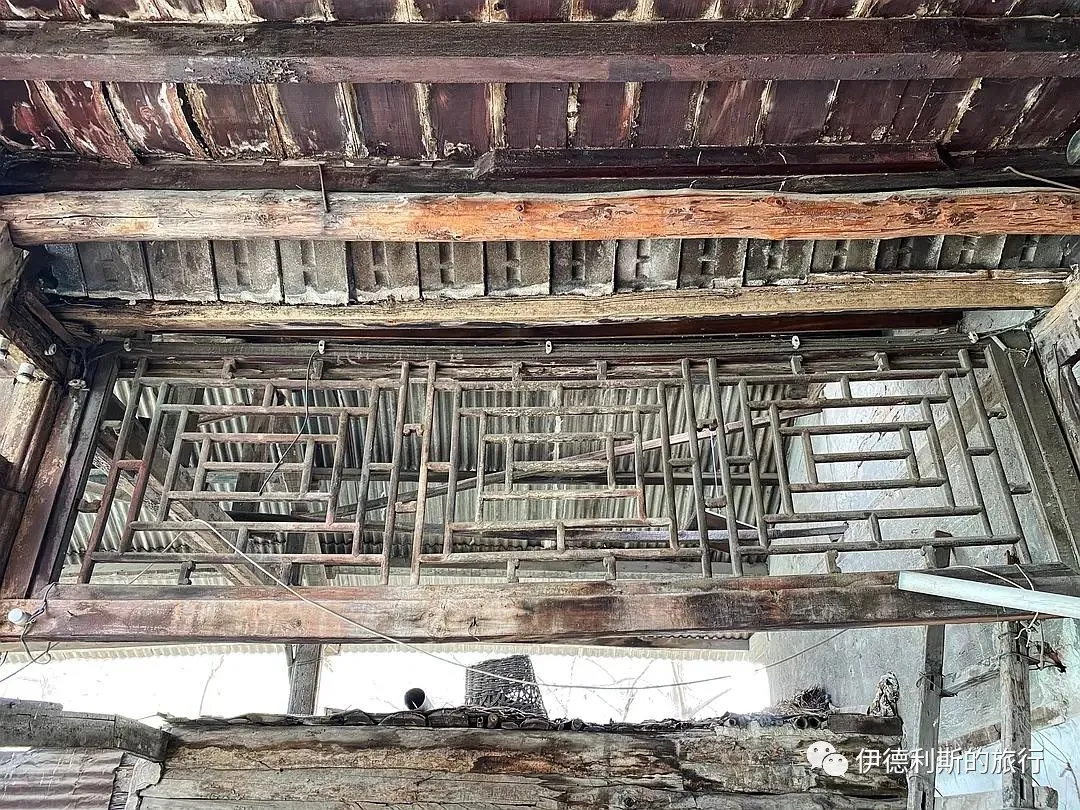
Dongsi Mosque
Address: No. 13 Dongsi South Street
Date: Built in 1447 (the 12th year of the Zhengtong reign of the Ming Dynasty)
Status: Open.
Dongsi Mosque was one of the four major official mosques in Beijing during the Ming Dynasty. It was built in 1447 with funds donated by Chen You, a famous Hui Muslim military officer. In 1450, the Jingtai Emperor officially bestowed the name 'Qingzhensi' (Mosque) upon it.
During the Yongle reign, Chen You followed Zhu Di on two northern military campaigns against the Mongols and earned great merit. During the Xuande reign, he mainly worked on pacification efforts along the northern and northwestern borders of the Ming Empire. During the Zhengtong reign, tribute trade between the Ming Dynasty and the Mongols flourished. In 1436, Chen You became an envoy to the Oirat Mongols. Later, he led Oirat envoys to Beijing multiple times to present horses as tribute. Because of his service, he was promoted several times to the position of Assistant Commander of the Imperial Guard. In 1444, Chen You was appointed as a guerrilla general and began patrolling the borders in places like Ningxia. During this time, he defeated the Mongol army, earned significant military honors, and was promoted to Assistant Commissioner of the Rear Chief Military Commission, becoming a high-ranking military officer. He donated the funds to build Dongsi Mosque during this period.
In 1449, war broke out between the Ming Dynasty and the Oirats. Chen You followed the Ming Yingzong Emperor into battle, but they were defeated and the Emperor was captured. During the critical defense of Beijing, Chen You fought bravely, earned military merit, and was promoted to Vice Commissioner of the Rear Chief Military Commission. In 1450, the Jingtai Emperor sent Chen You to the Guizhou and Huguang regions to suppress the Miao uprising. He was promoted twice for his military achievements. It was during this time that the Jingtai Emperor bestowed the 'Qingzhensi' plaque upon Dongsi Mosque.
Because of his outstanding military service, Chen You was granted the title of Earl of Wuping in 1457, a title his descendants inherited. Afterward, Chen's descendants often served as officers in Beijing military camps and funded the repairs of several old mosques, including those in Dingzhou and Yizhou, Hebei.
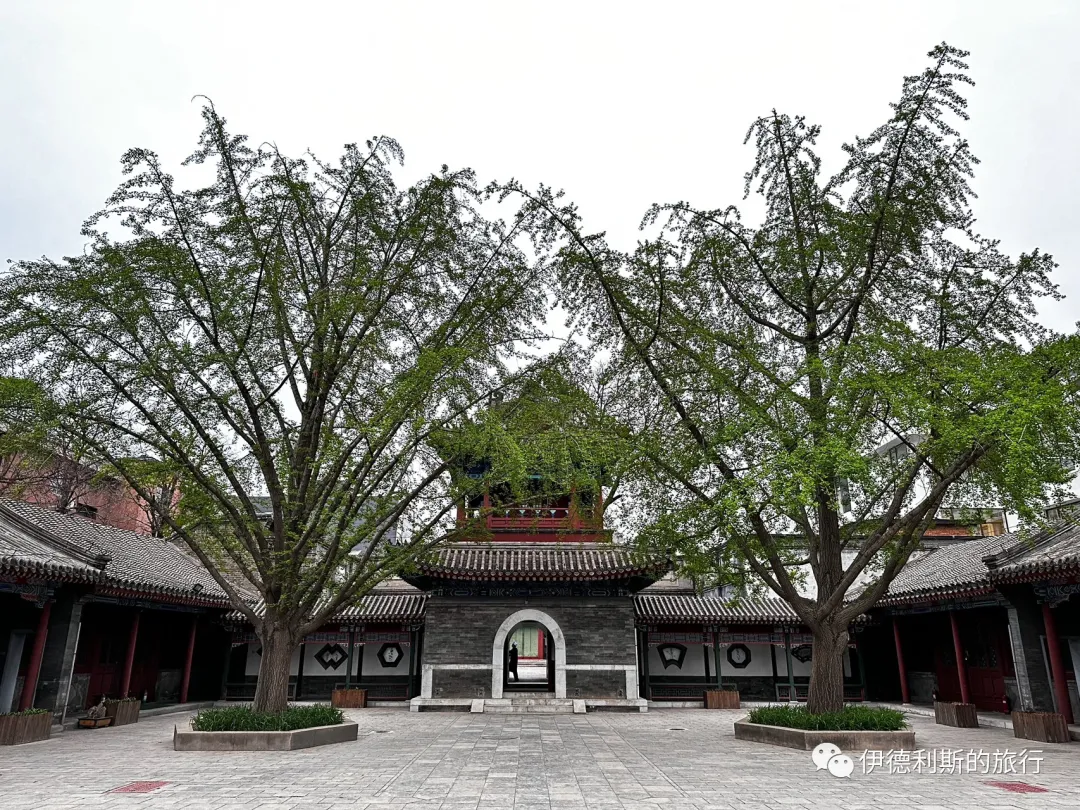
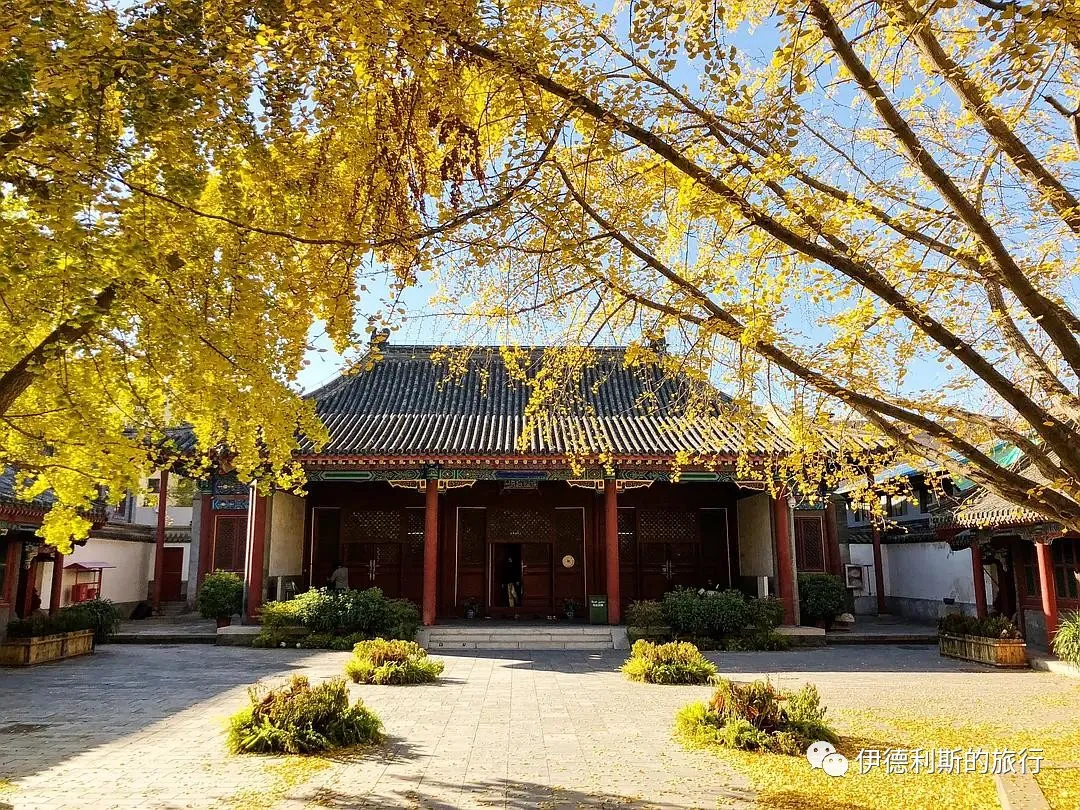
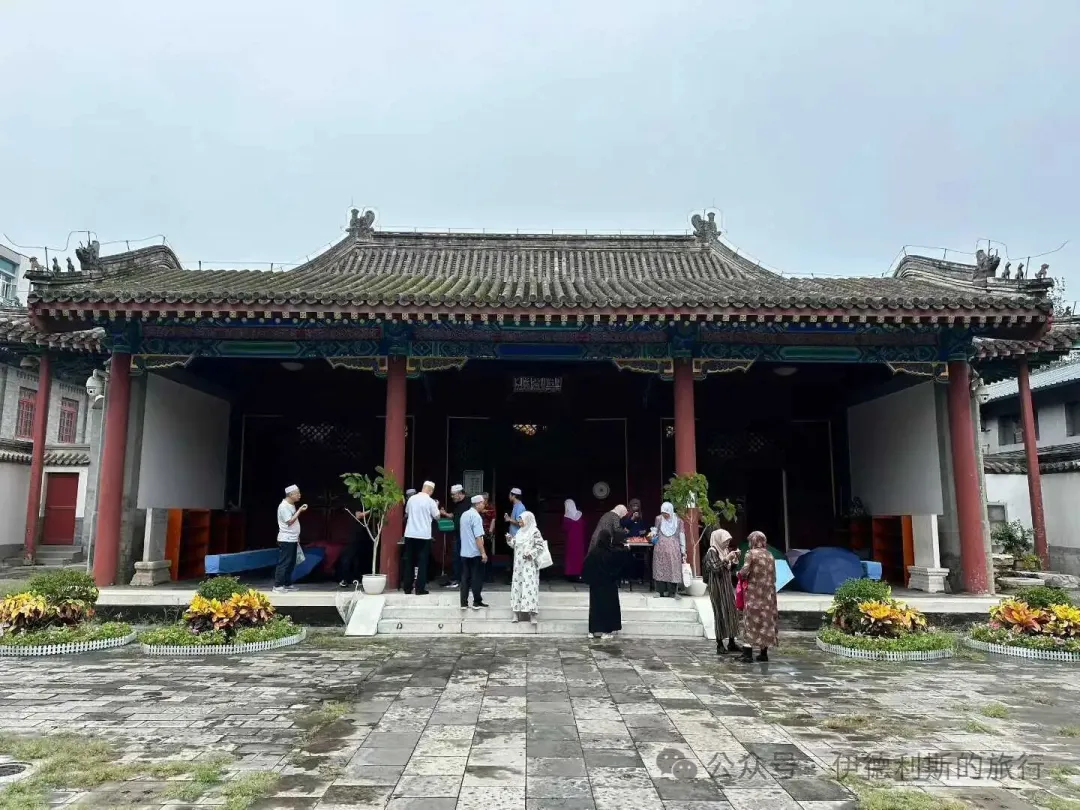
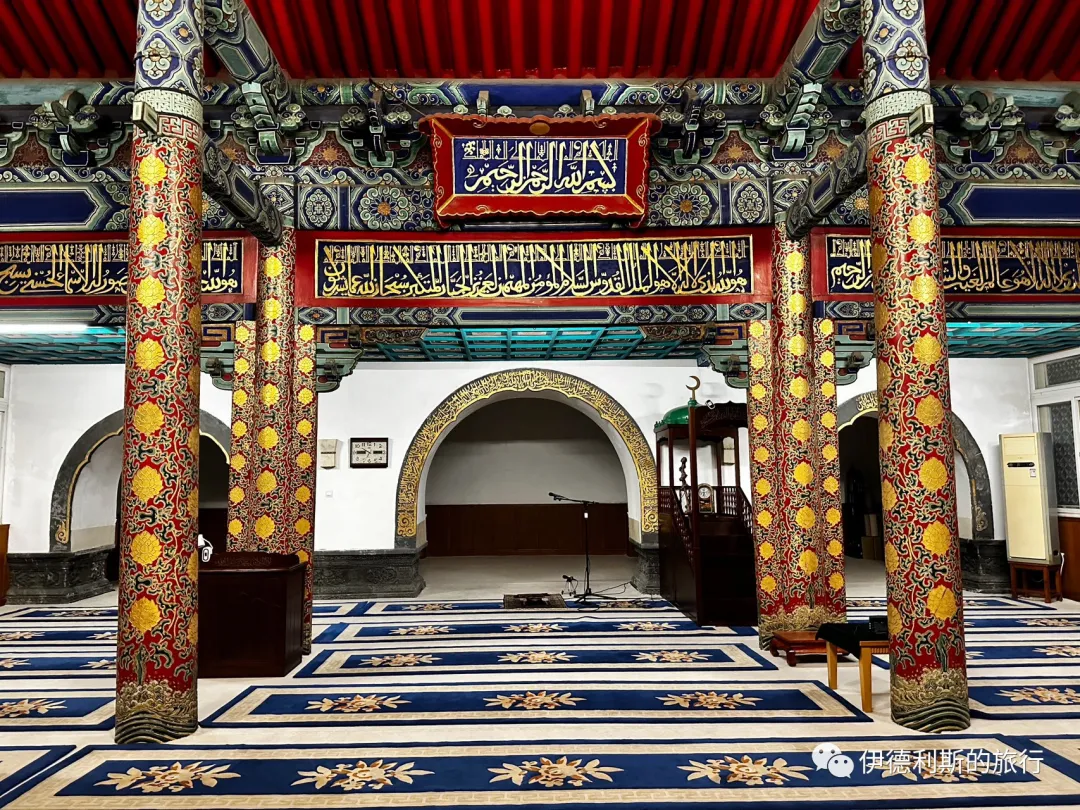
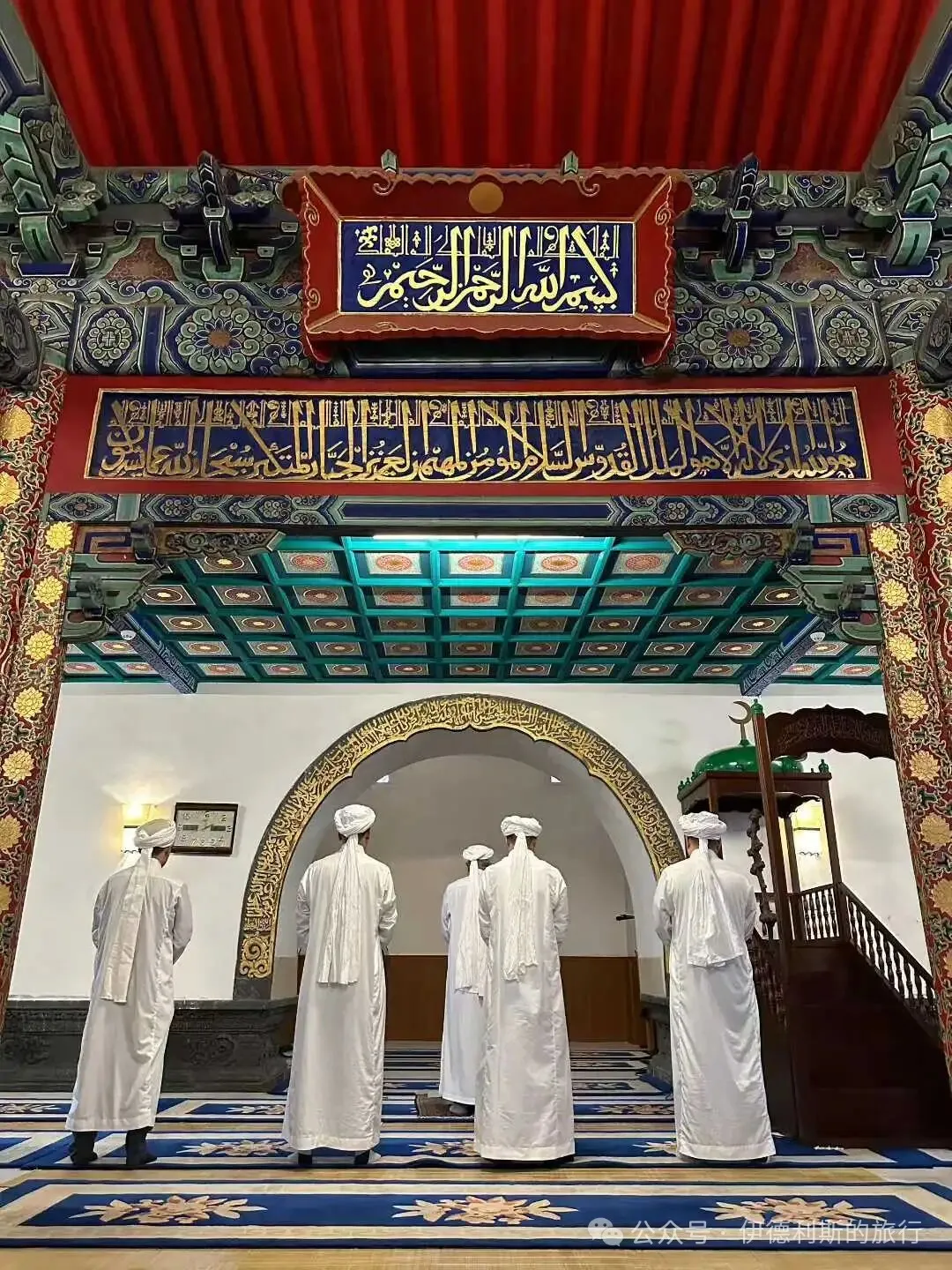
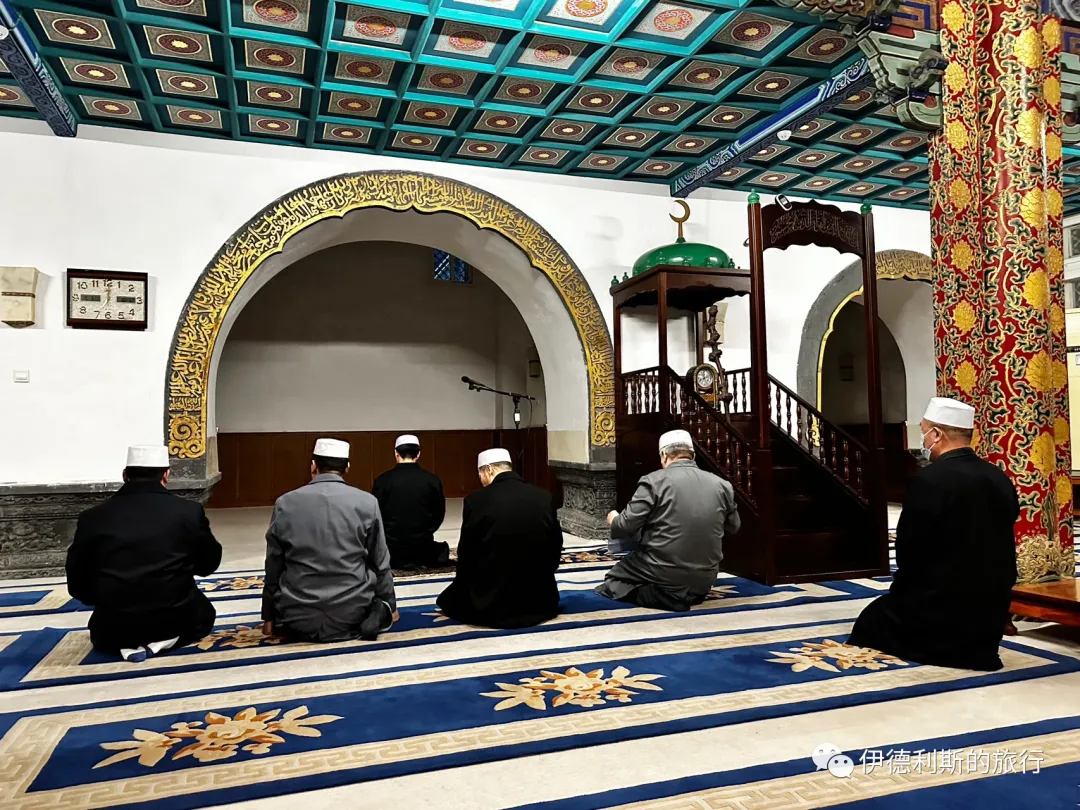
Historical Records of Dongsi Mosque
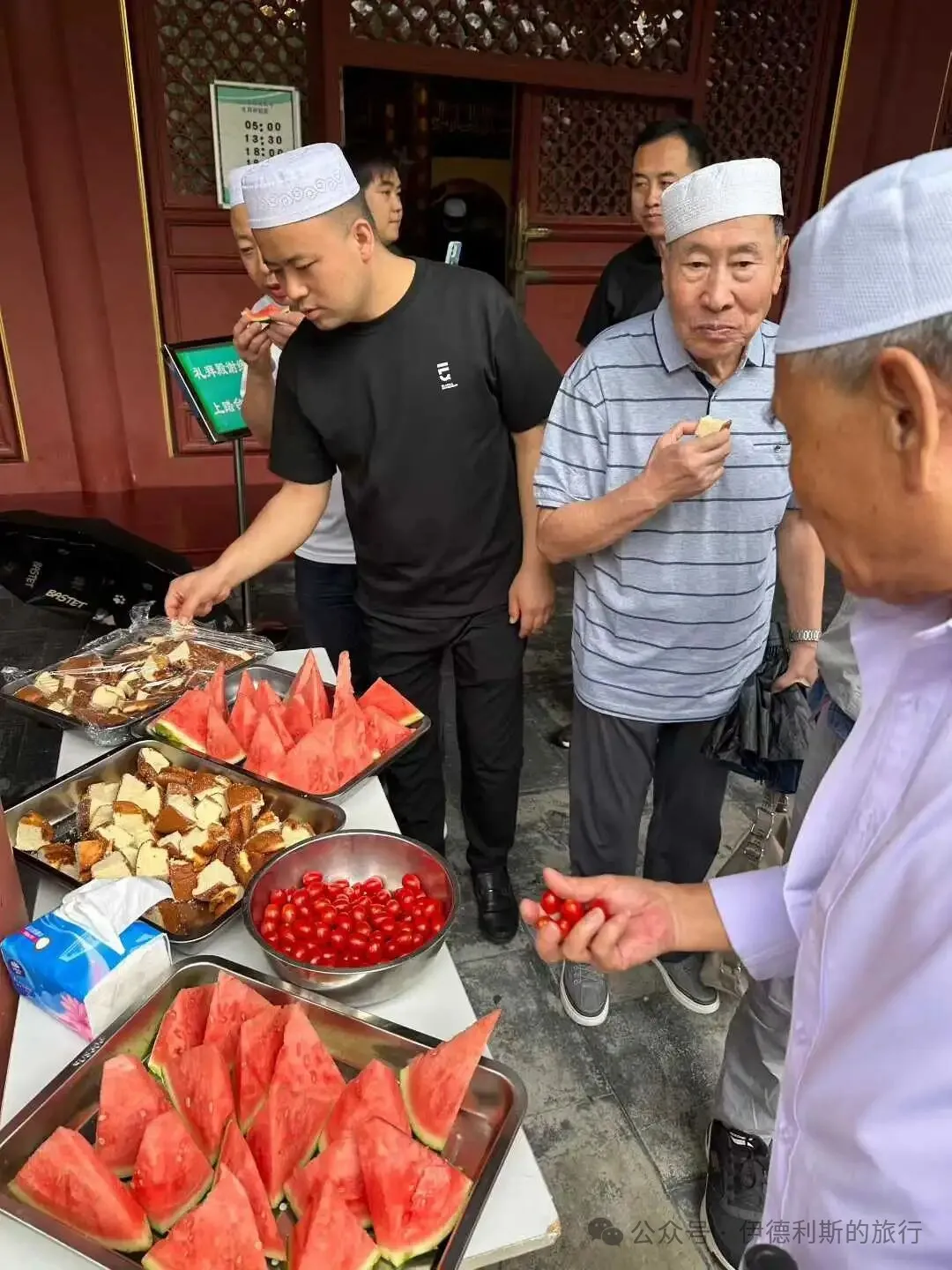
In front of the main hall of Dongsi Mosque stands a stone tablet erected in 1579, titled 'The Hundred-Character Praise of the Islamic Faith' (Qingzhen Faming Baizi Shengzan). The text is largely similar to the 'Hundred-Character Praise of the Prophet' (Yuzhi Zhisheng Baizi Zan) written by the Hongwu Emperor. It is signed by a person who described themselves as a follower of the faith in ancient Yan who bathed and wrote this with donated salary. The side of the tablet is inscribed with the name of a military official from the Shandong Regional Military Commission. This unassuming stone tablet is the only remaining relic of the Ming Dynasty's imperial Faming Mosque. People say after a fire at Faming Mosque in the early Qing Dynasty, the tablet was moved to Dongsi Mosque.
Faming Mosque was located at No. 43 Jiaodaokou North Second Alley inside Andingmen. Its old address was No. 22 Andingmen Inner Great Second Alley, so it was also called the Great Second Alley Mosque. Faming Mosque is said to have been built in 1348 and was originally called a mosque. After being rebuilt in 1448, it was officially named Faming Mosque. Along with Dongsi Mosque, Niujie Mosque, and Pushou Mosque inside Fuchengmen, it was known as one of the 'Four Major Official Mosques of Ming Dynasty Beijing'. Official mosques refer to those where the imam of the mosque received an official certificate (zhafu) issued by the Department of Sacrificial Rites under the Ministry of Rites. According to Wang Daiyu in the True Explanation of the Orthodox Faith (Zhengjiao Zhenquan), after receiving the certificate, the imam was honored with official robes and exempted from corvee labor.
Faming Mosque was renovated many times during the Ming, Qing, and Republican periods, but it kept its Ming dynasty layout, which is quite similar to the Dongsi Mosque. On the Complete Map of the Qianlong Capital (Qianlong Jingcheng Quantu) finished in 1750 (the 15th year of the Qianlong reign), you can see that the main part of Faming Mosque consisted of a main prayer hall, north and south lecture halls, and a minaret (bangkelou). Like the Dongsi Mosque, the main hall of Faming Mosque consists of a front porch, a central hip-roofed hall, and a rear kiln-style hall, though it is slightly smaller in size. In 1966, Faming Mosque was occupied by a factory and later turned into a school. In 1984, the 600-year-old mosque was demolished by Jiaodaokou Middle School to make room for a classroom building and playground. Today, it is the Andingmen campus of the 22nd Middle School and a dormitory for the Sixth Hospital.
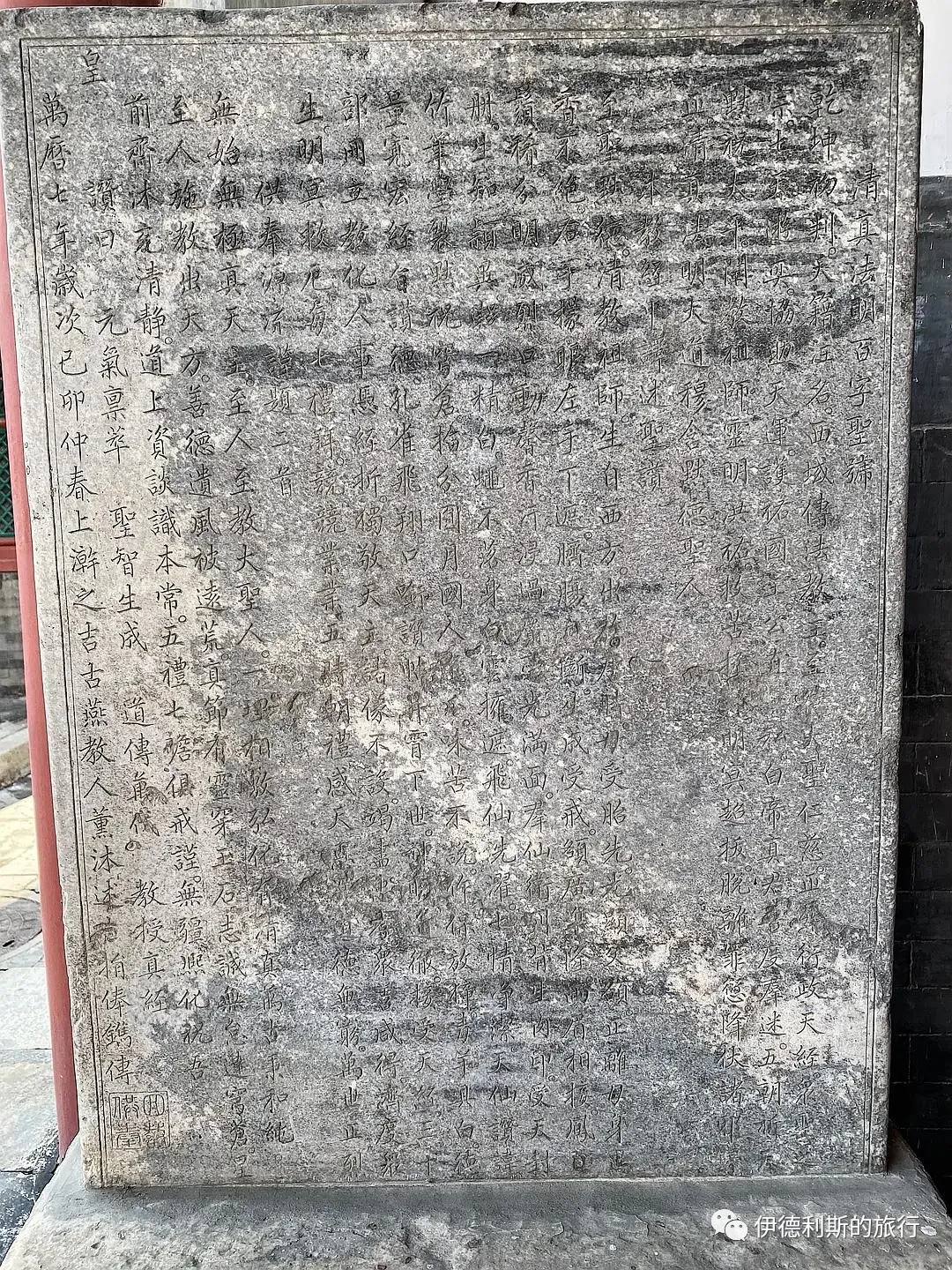
Huashi Mosque
Location: No. 80 Huashi West Street
Date: Founded in 1414 (the 12th year of the Yongle reign of the Ming dynasty)
Status: Open.
Huashi Mosque was founded in 1414 (the 12th year of the Yongle reign), renovated in 1628 (the first year of the Chongzhen reign), renovated again in 1702 (the 41st year of the Kangxi reign), and had an imperial stele pavilion built in 1729 (the 7th year of the Yongzheng reign). Local legend says that the Ming general Chang Yuchun shot an arrow to mark the site, ordered a residence to be built within the range of the arrow, and it was later converted from a residence into a mosque.
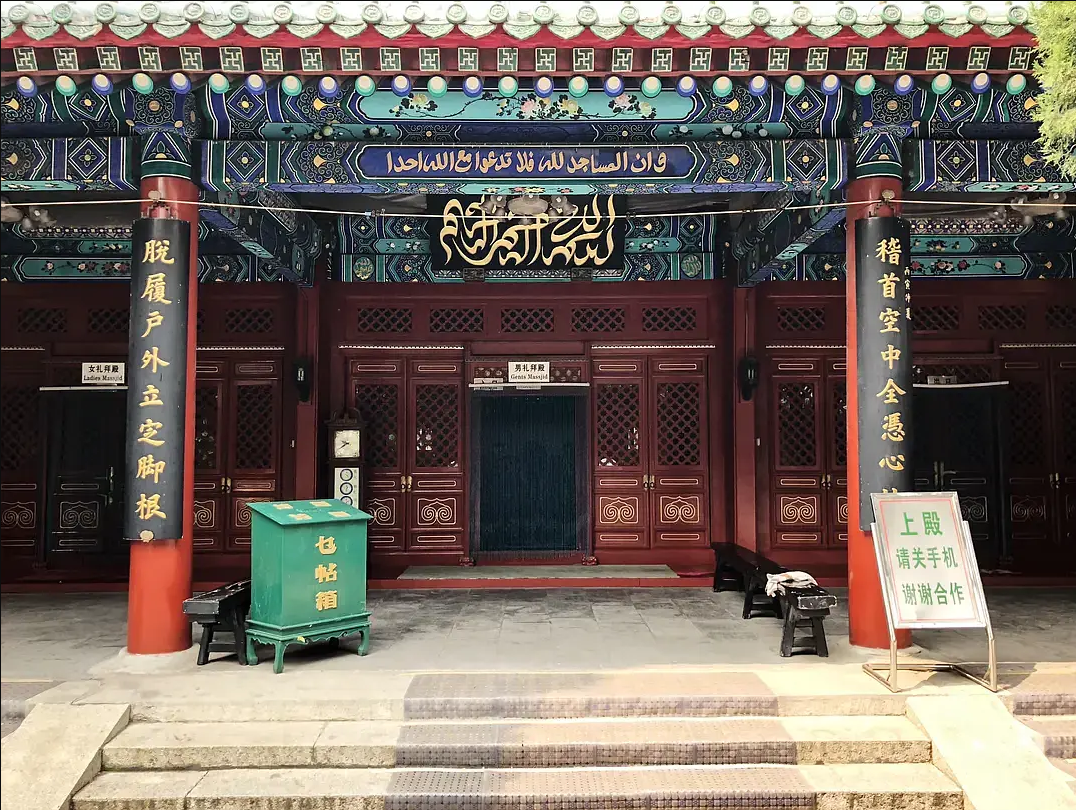
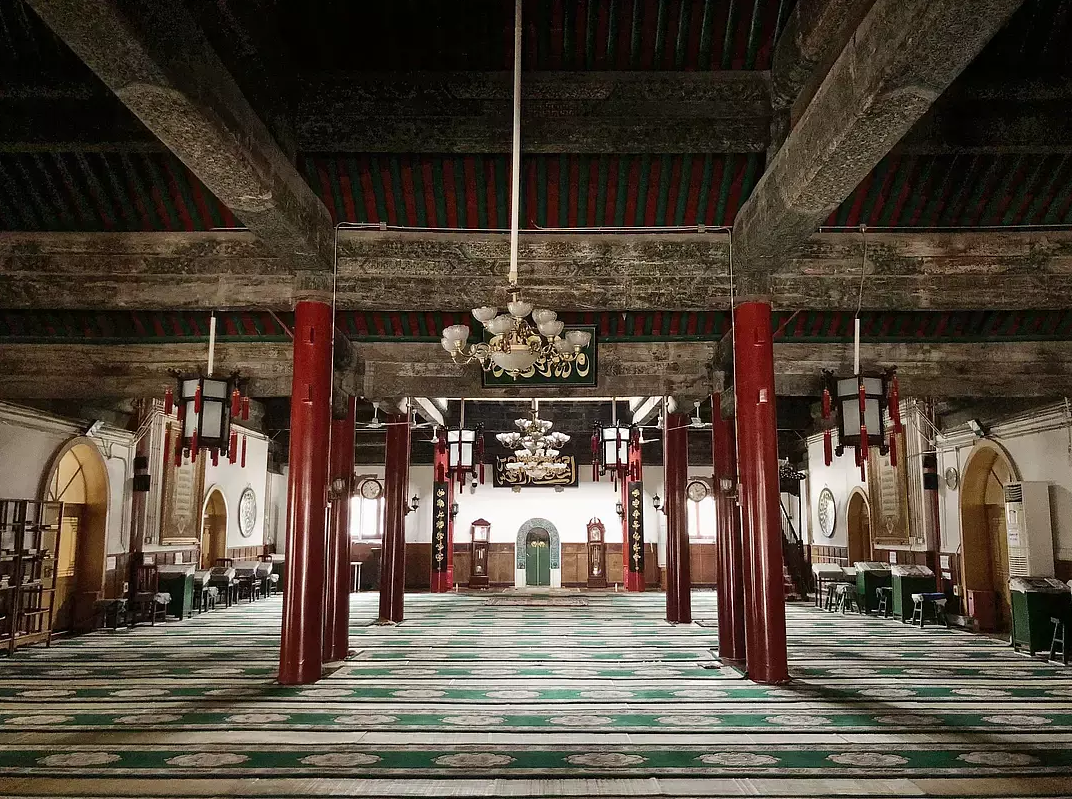
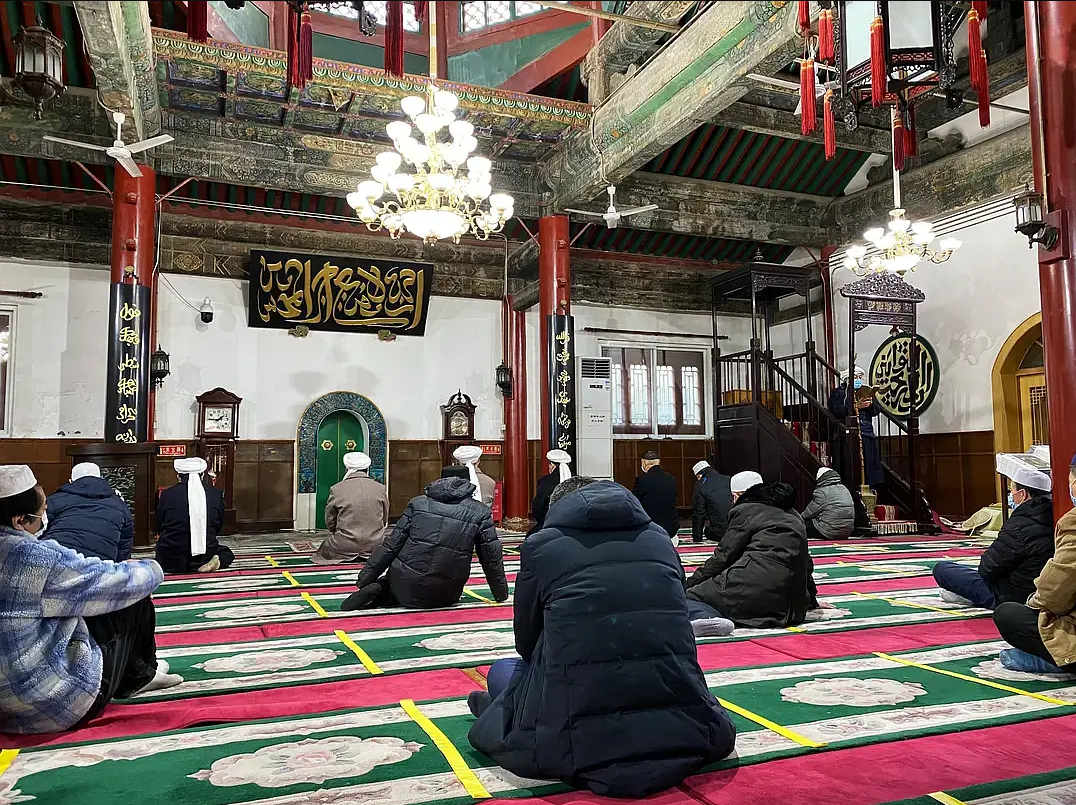
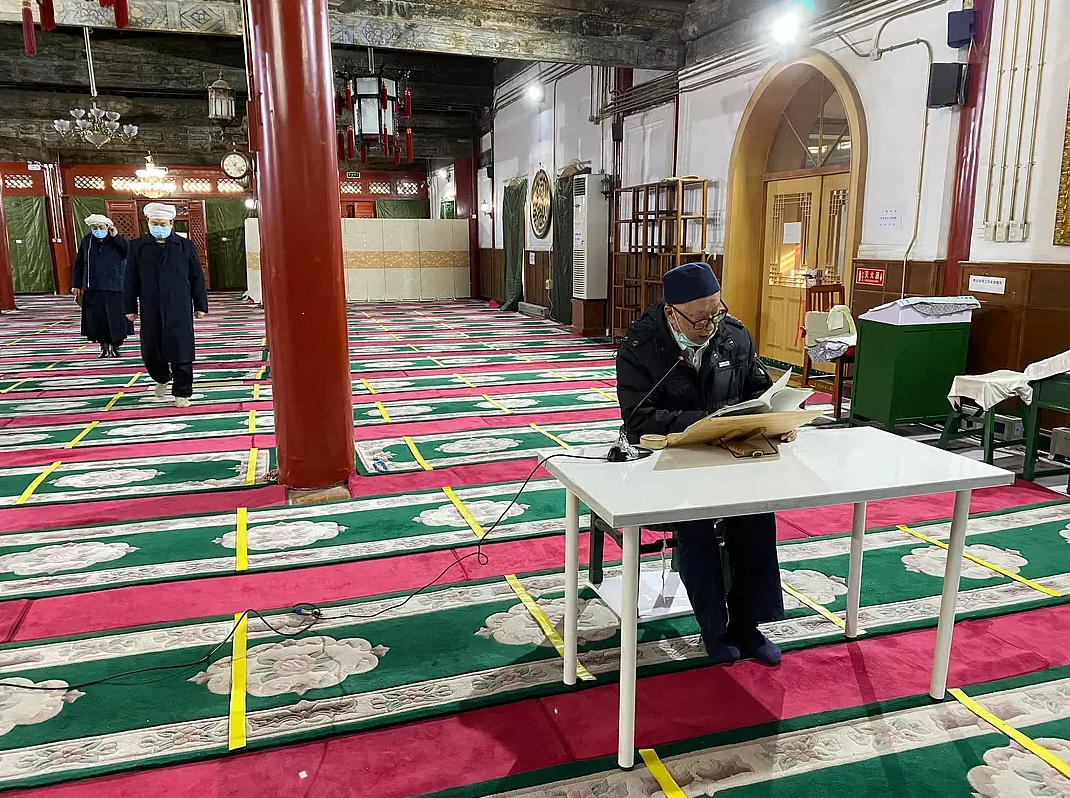
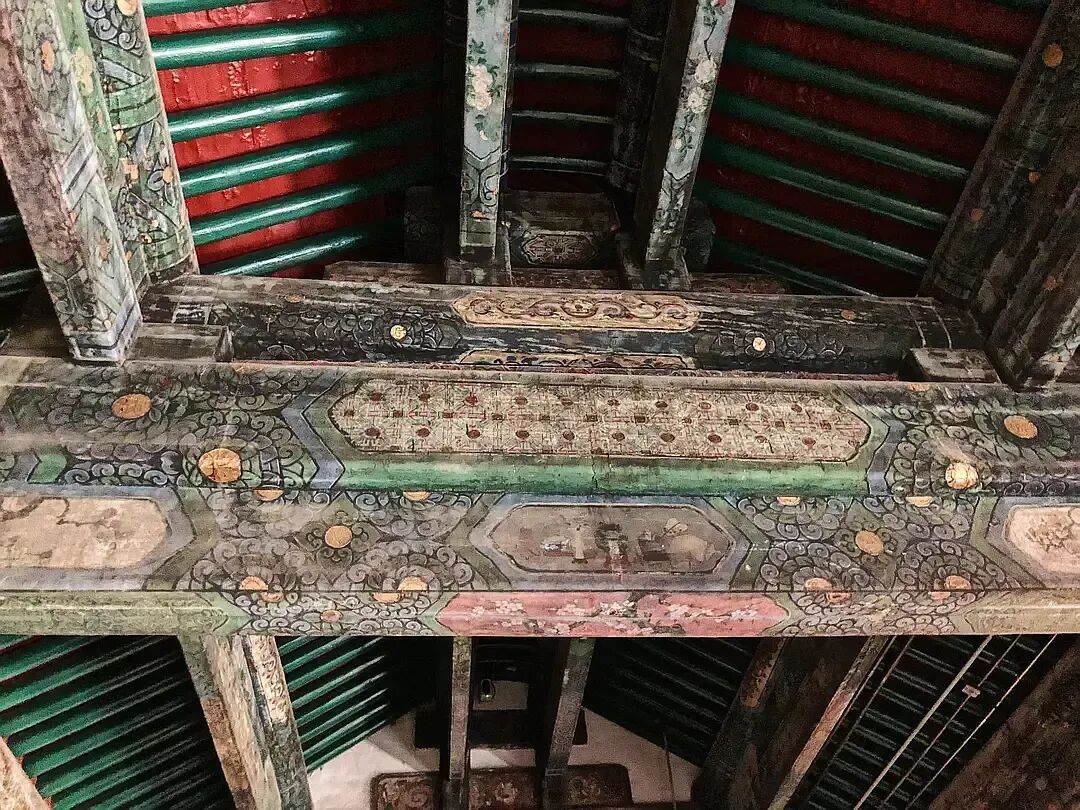
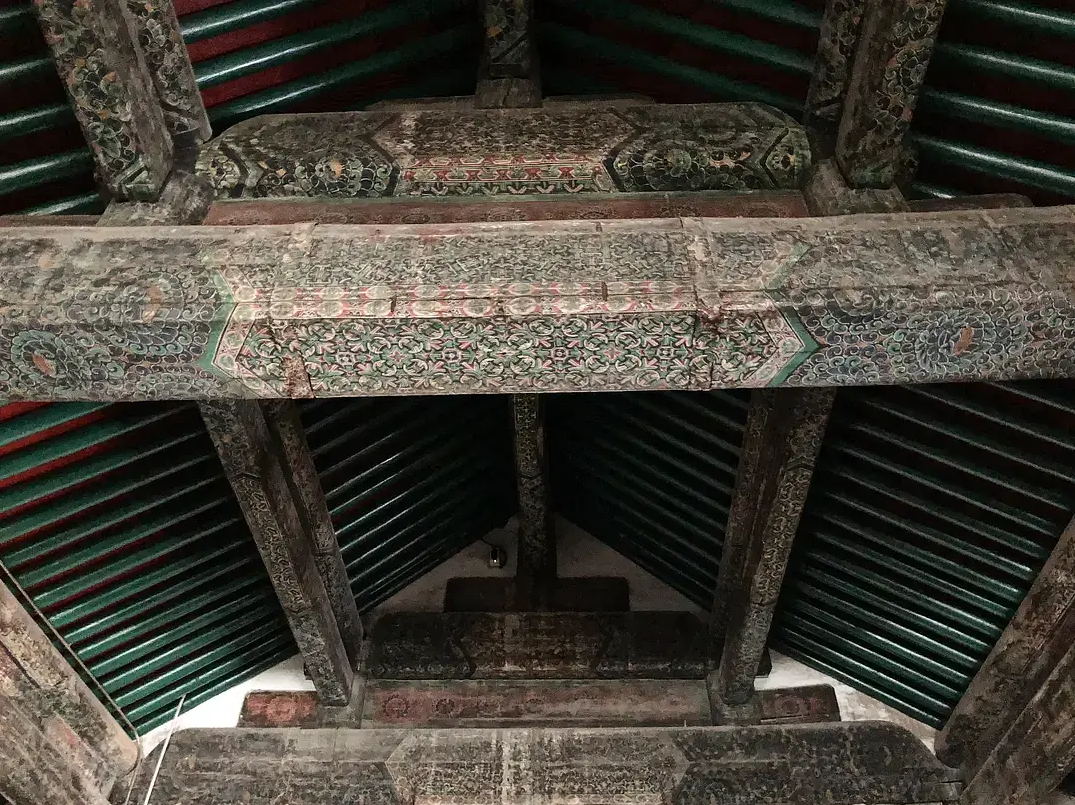
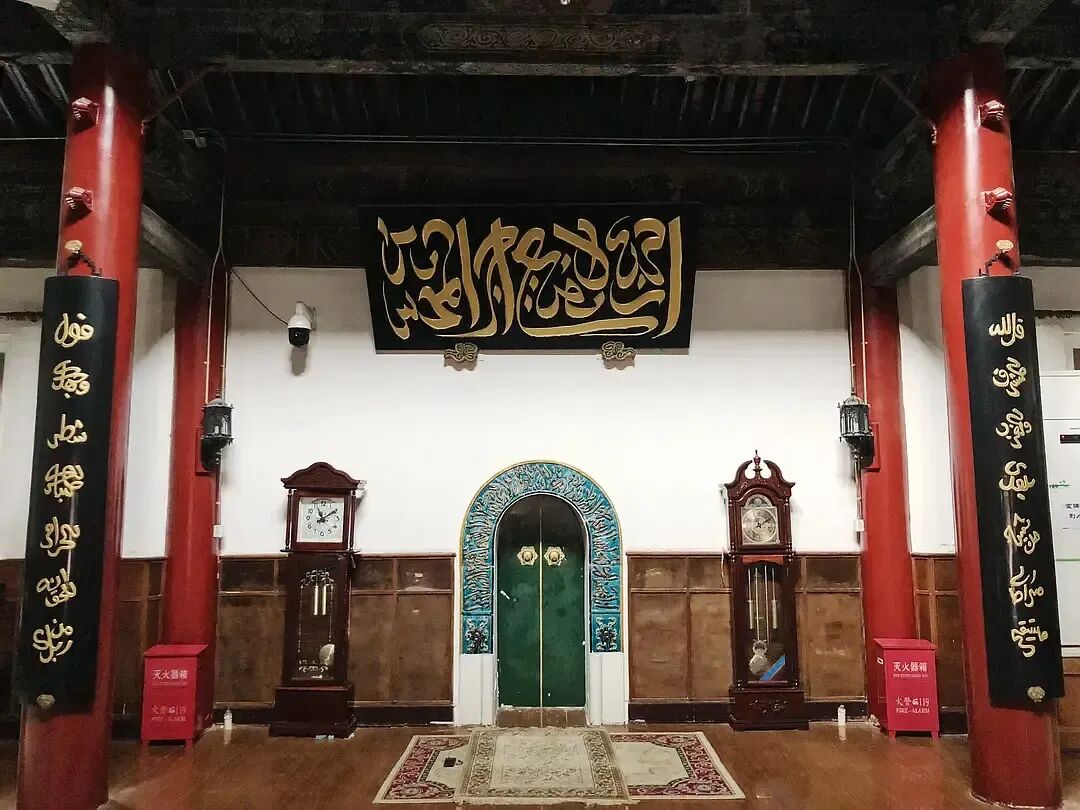
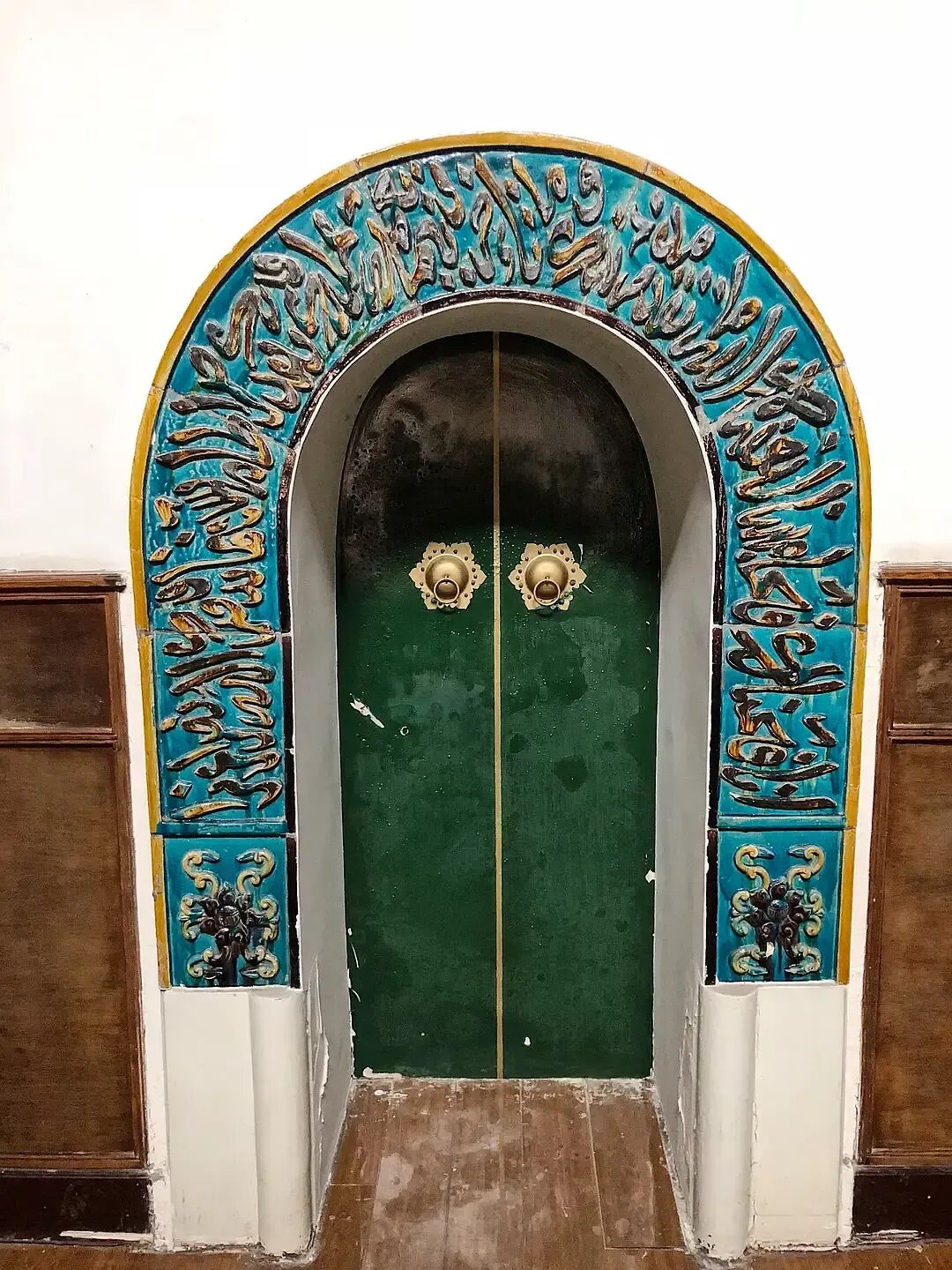
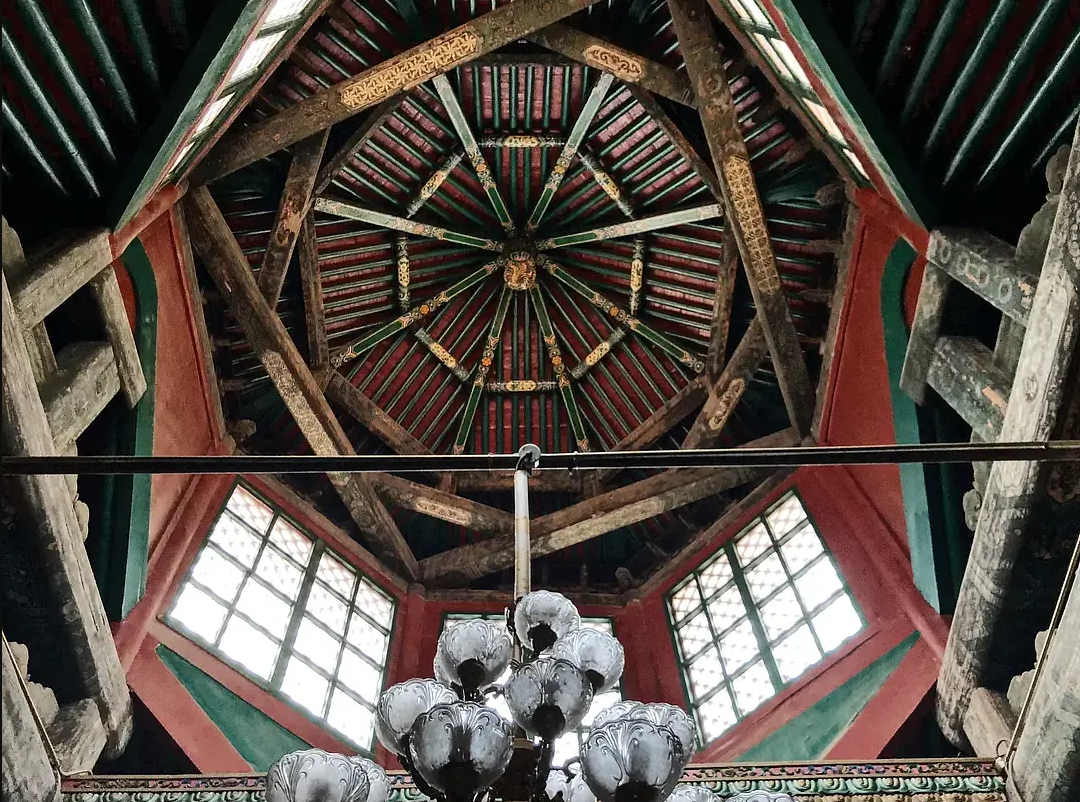
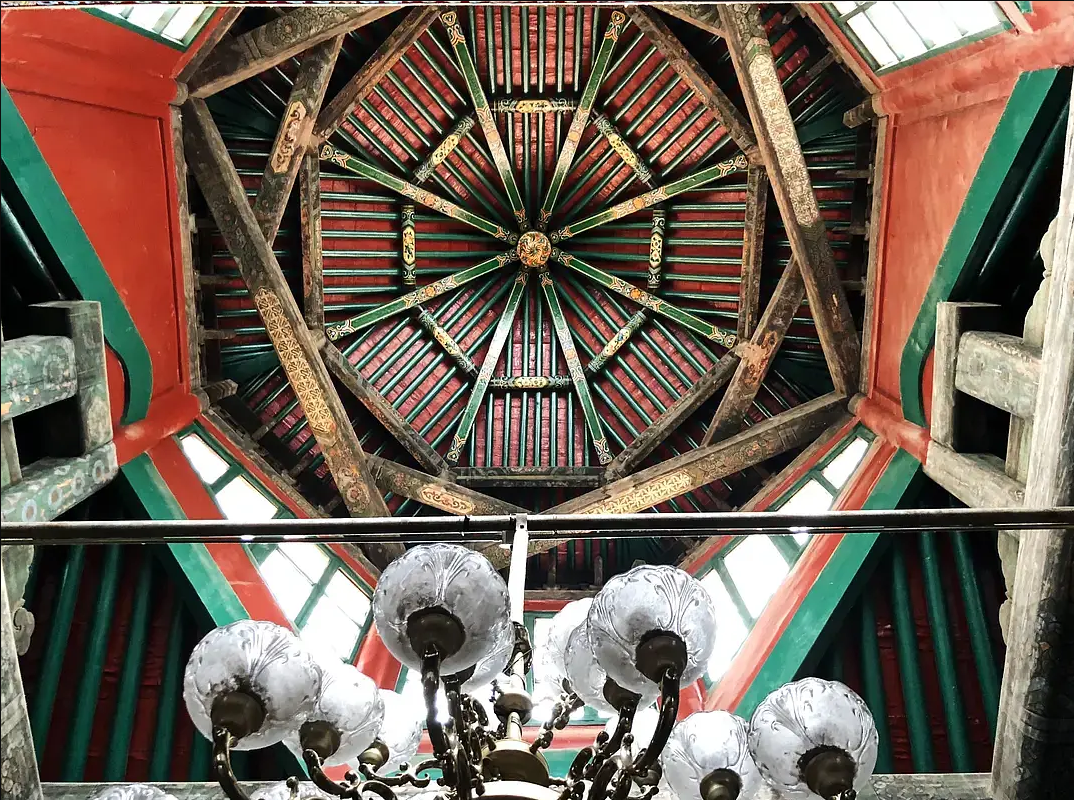
An imperial stele pavilion was built in the middle of the courtyard. It originally housed a stone carving of an imperial edict issued in 1729 (the 7th year of the Yongzheng reign), but the stone tablet was moved out in the 1930s when the pavilion was turned into a dormitory.
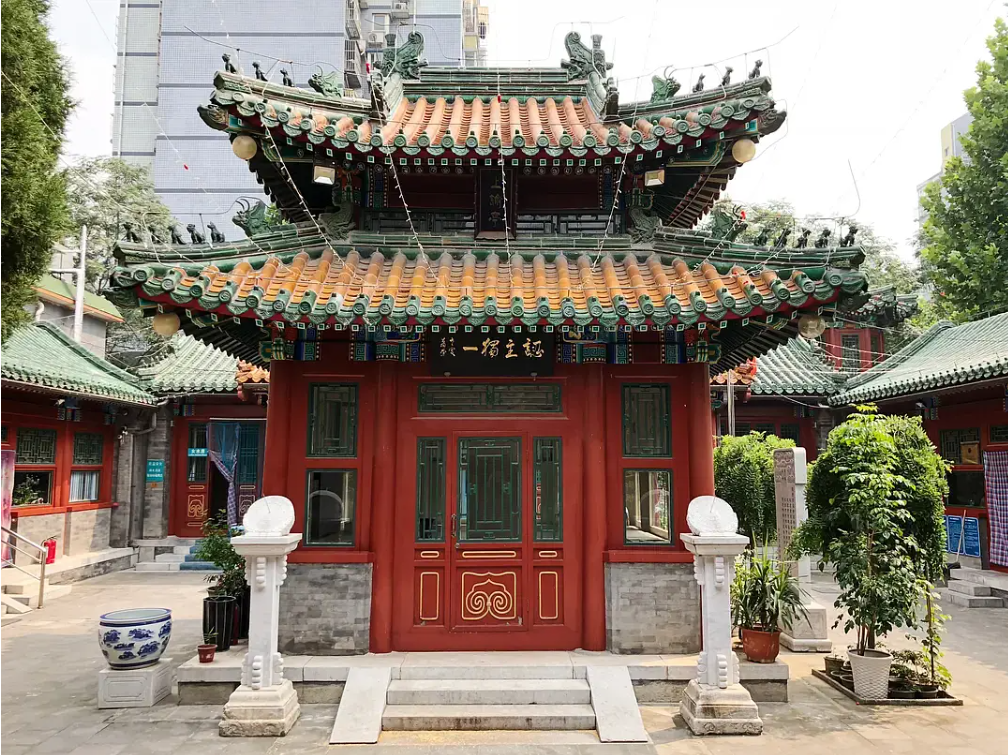
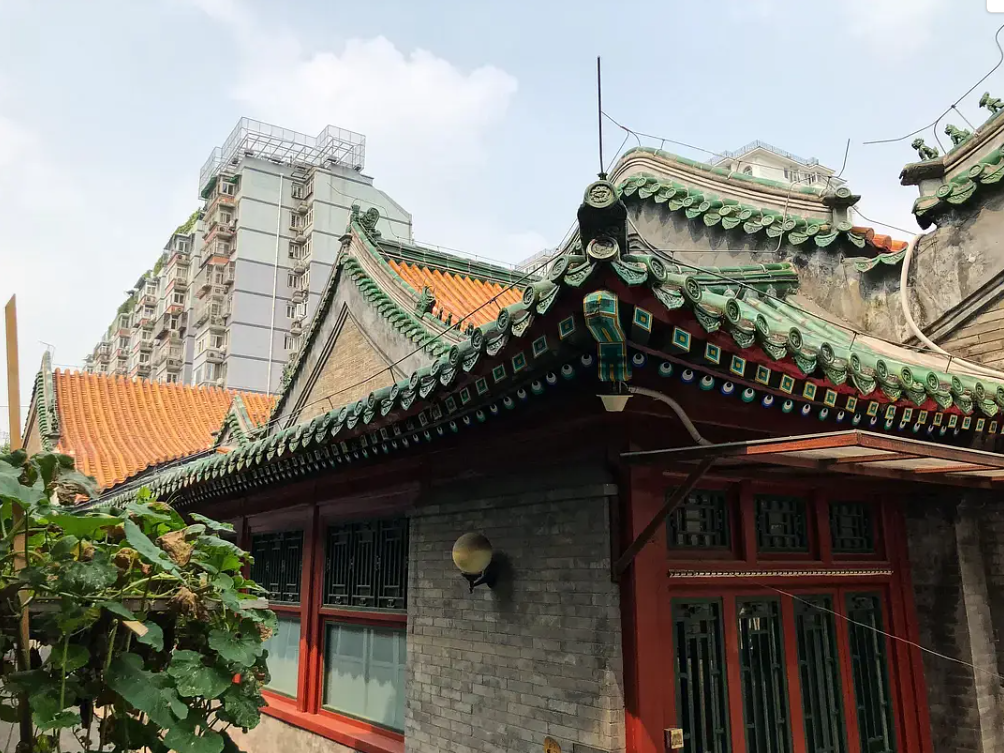
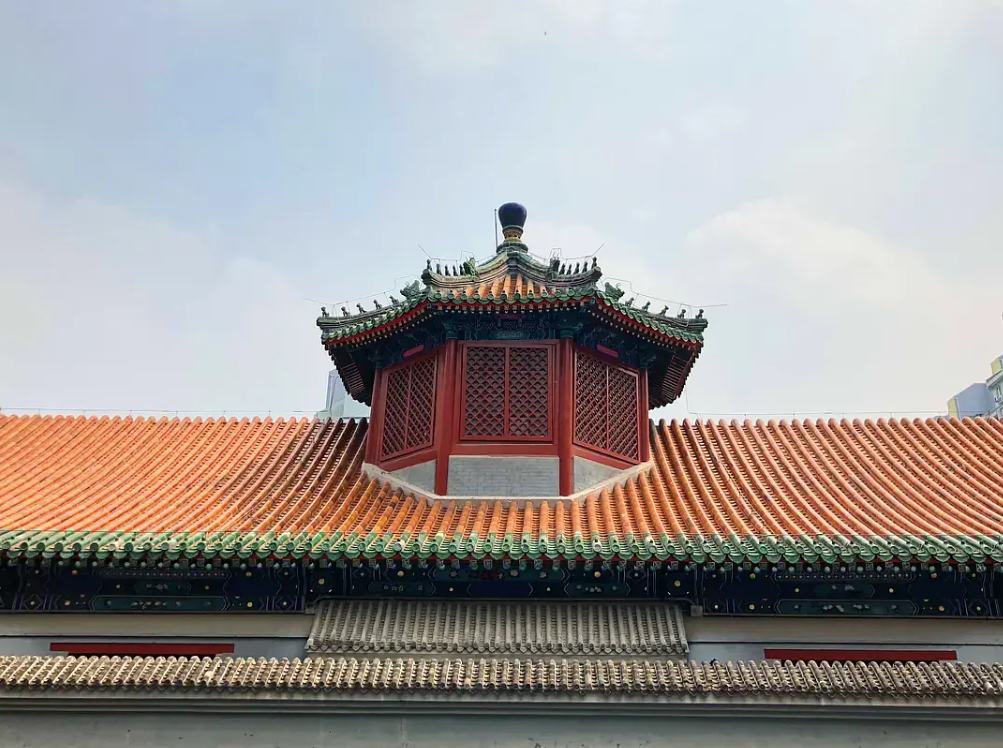
Jiantang Wang Huihui Plaster Shop storefront
Address: No. 70 Yangmeizhu Xiejie
Date: Founded during the Wanli reign of the Ming dynasty
Current status: Restaurant
The Jiantang Wang Huihui Plaster Shop is located on Yangmeizhu Xiejie outside Qianmen. The Wang family has run this plaster shop since the Ming dynasty Wanli reign, making it over 400 years old and a district-level intangible cultural heritage. In the old days, Jiantang had the shop in front and the factory in back, where several generations lived and worked. Today, the street-level storefront displays various artifacts from the old shop, the most precious being the original wooden plaque preserved on the second-floor terrace.
After the public-private partnership in 1956, Jiantang was merged into Tongrentang. The plaster shop on Yangmeizhu Xiejie closed and became staff housing, and the Wang family became employees of Tongrentang. After the 1960s, the Jiantang storefront was reclaimed. Through tireless efforts, the Wang family successfully got it back in 1997. After renovations, the family reopened the old storefront as a bookstore in 2004, naming it Jianzhai. In 2014, Yangmeizhu Xiejie became a pilot site for the Beijing Design Week. Jianzhai took this opportunity to upgrade into a coffee bookstore, which is still in business today. The owner is a 21st-generation descendant of Jiantang.
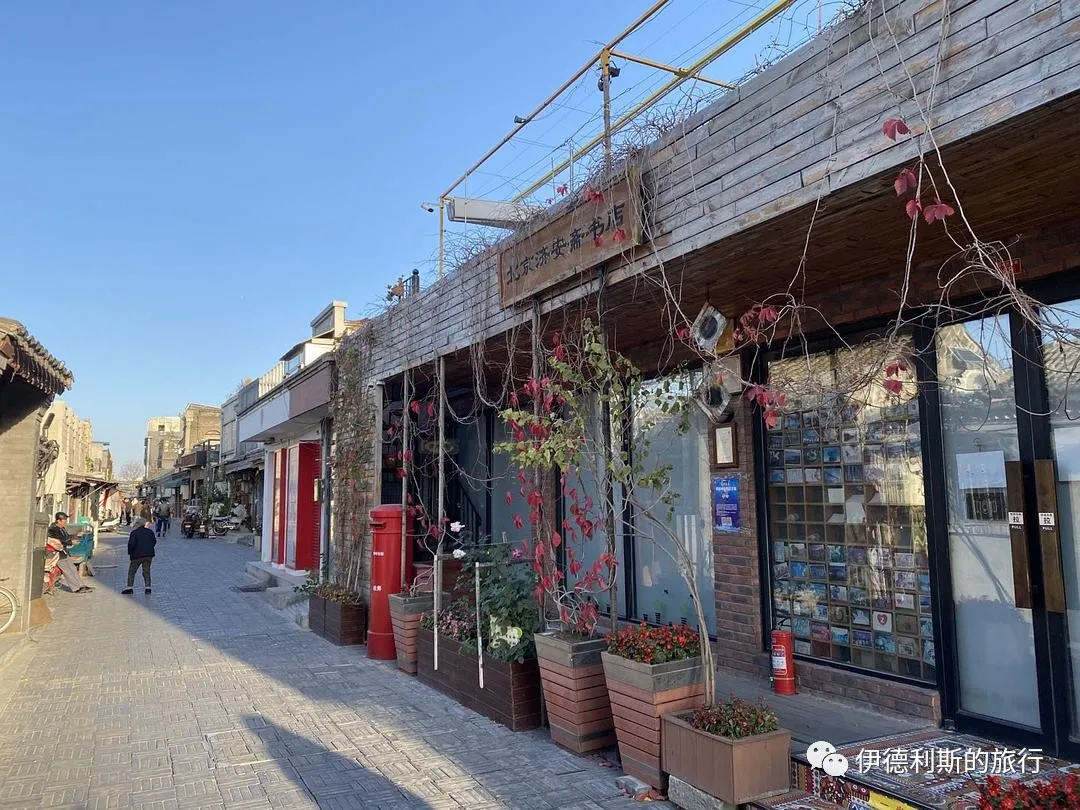
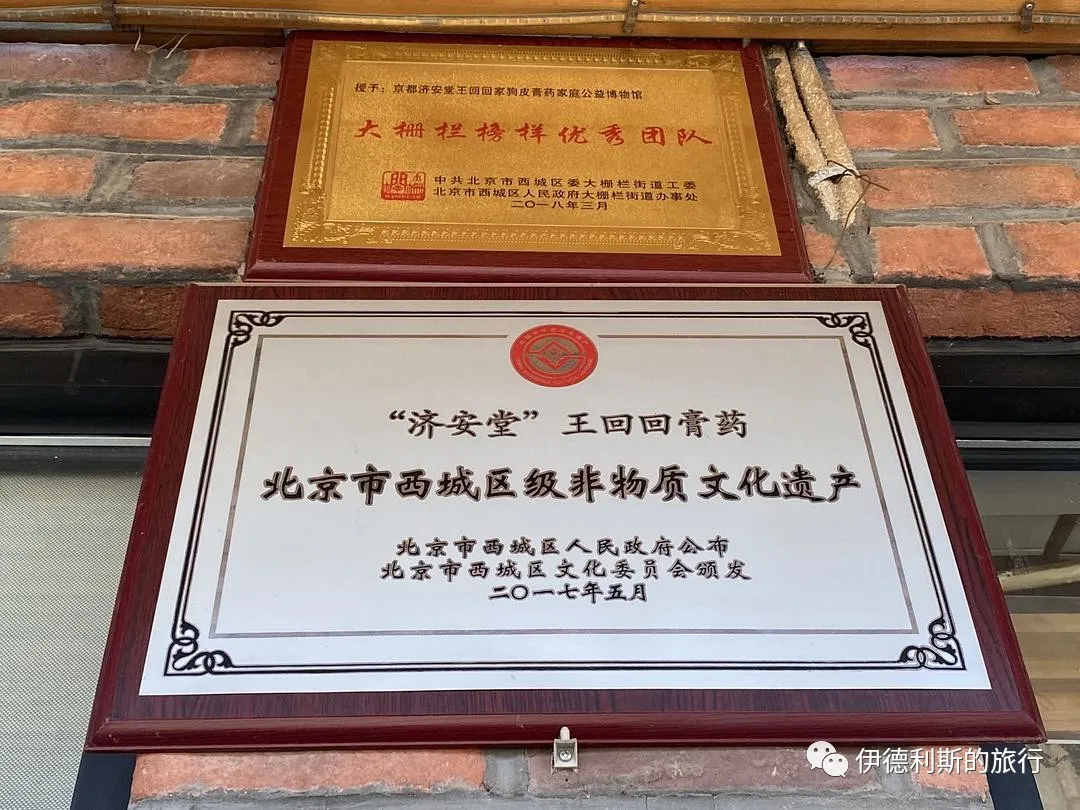
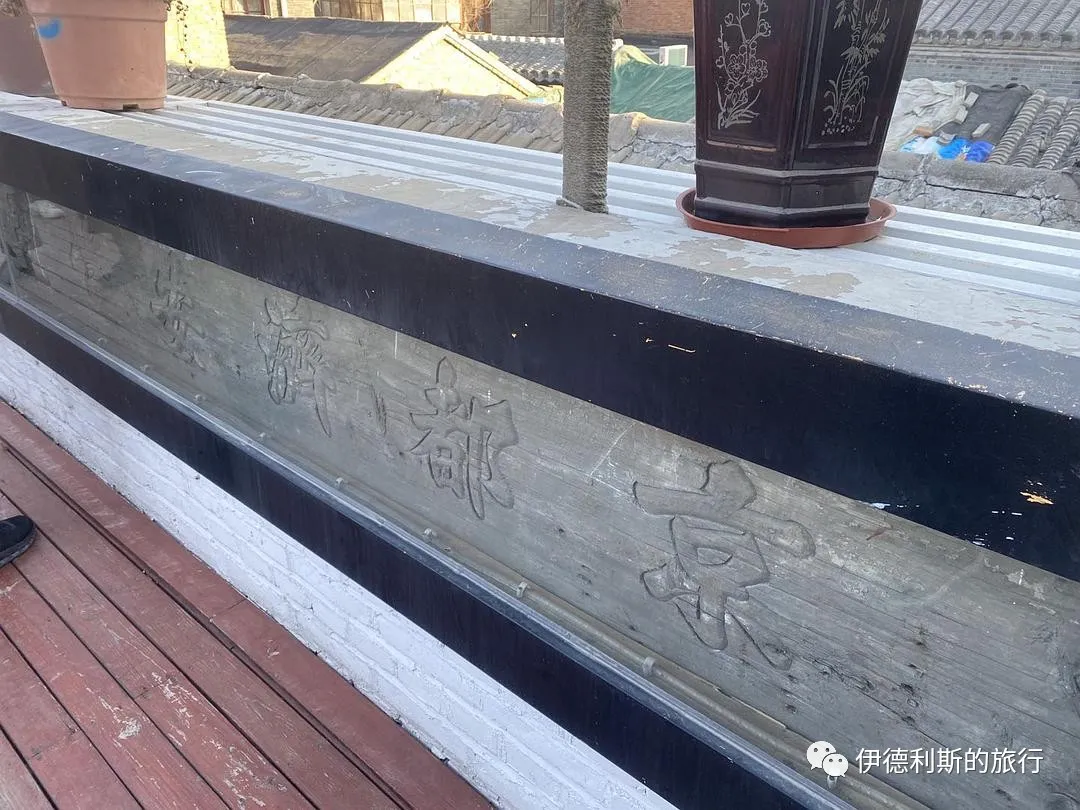
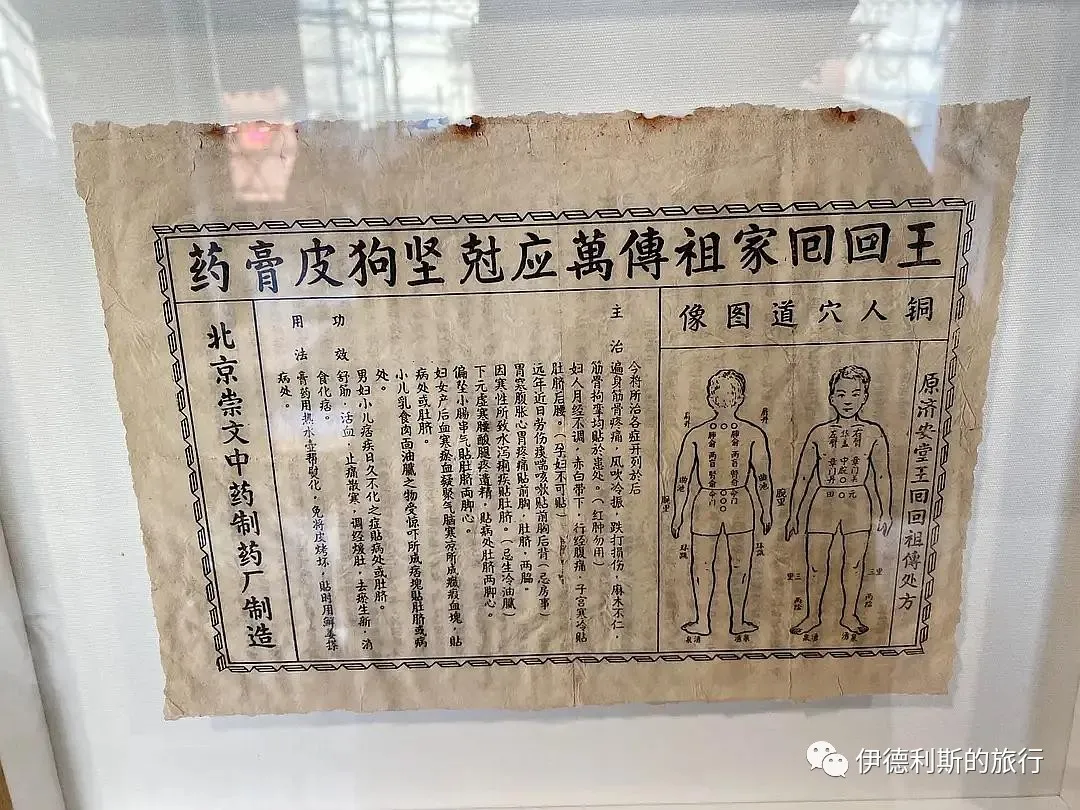
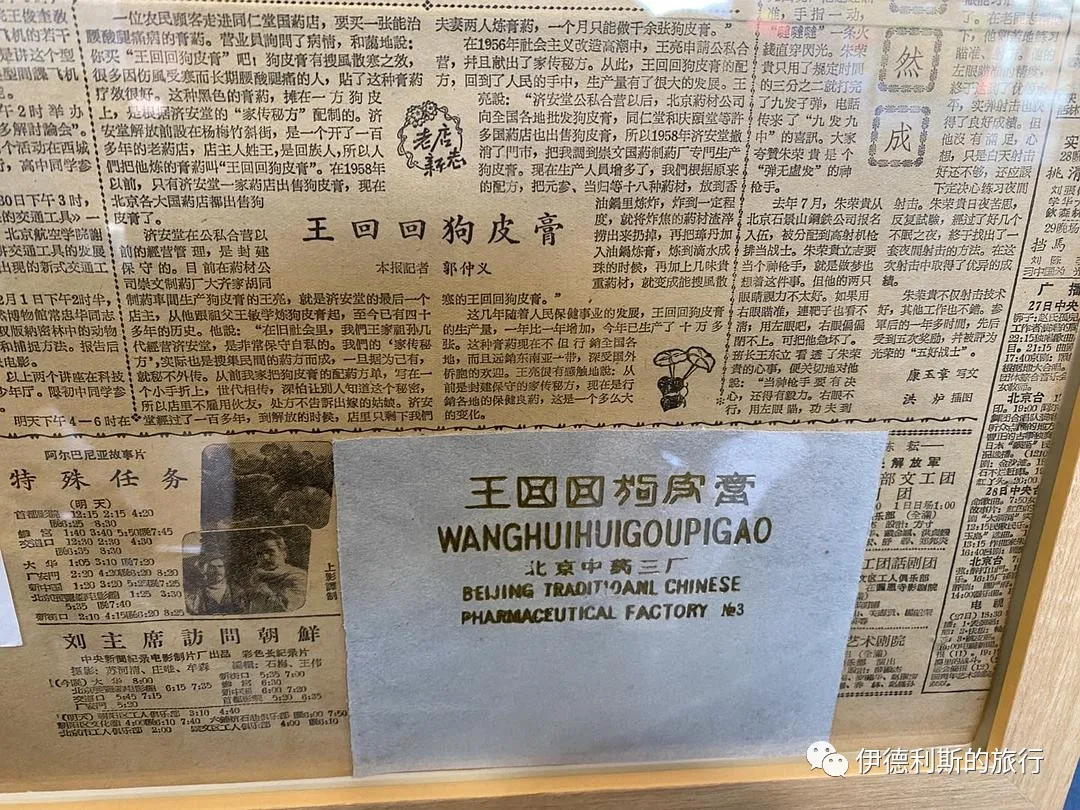
Their specialties include crab roe noodles and beef rice.
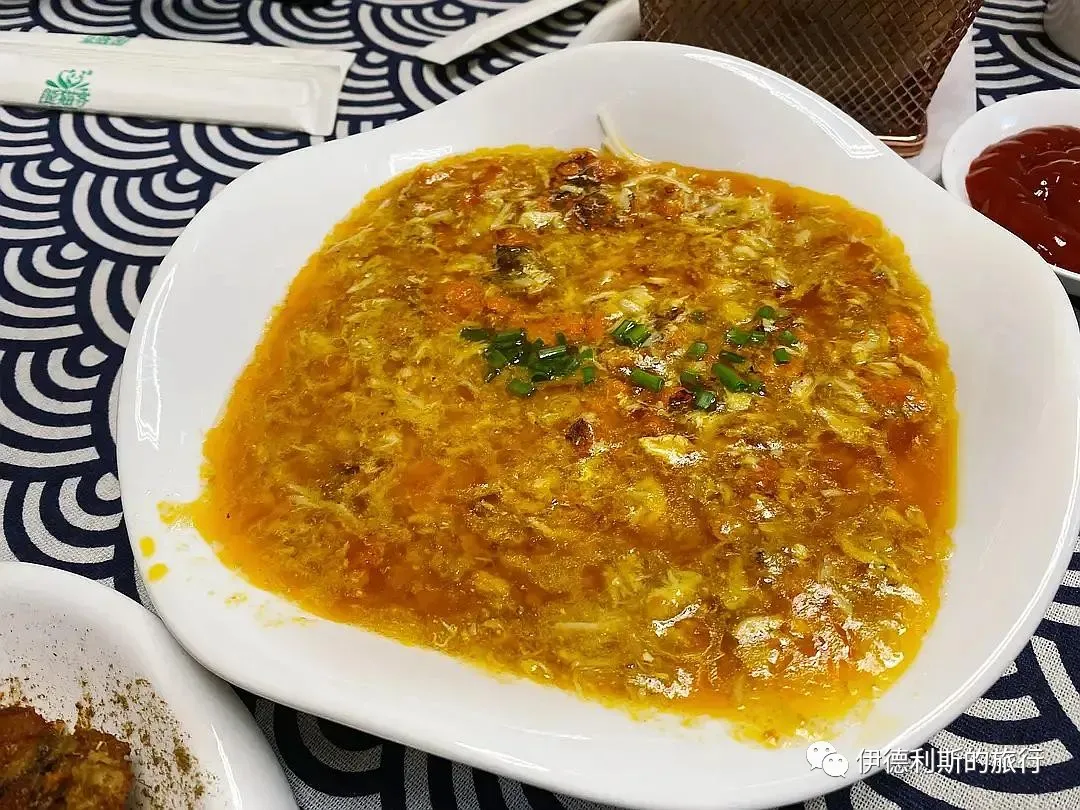
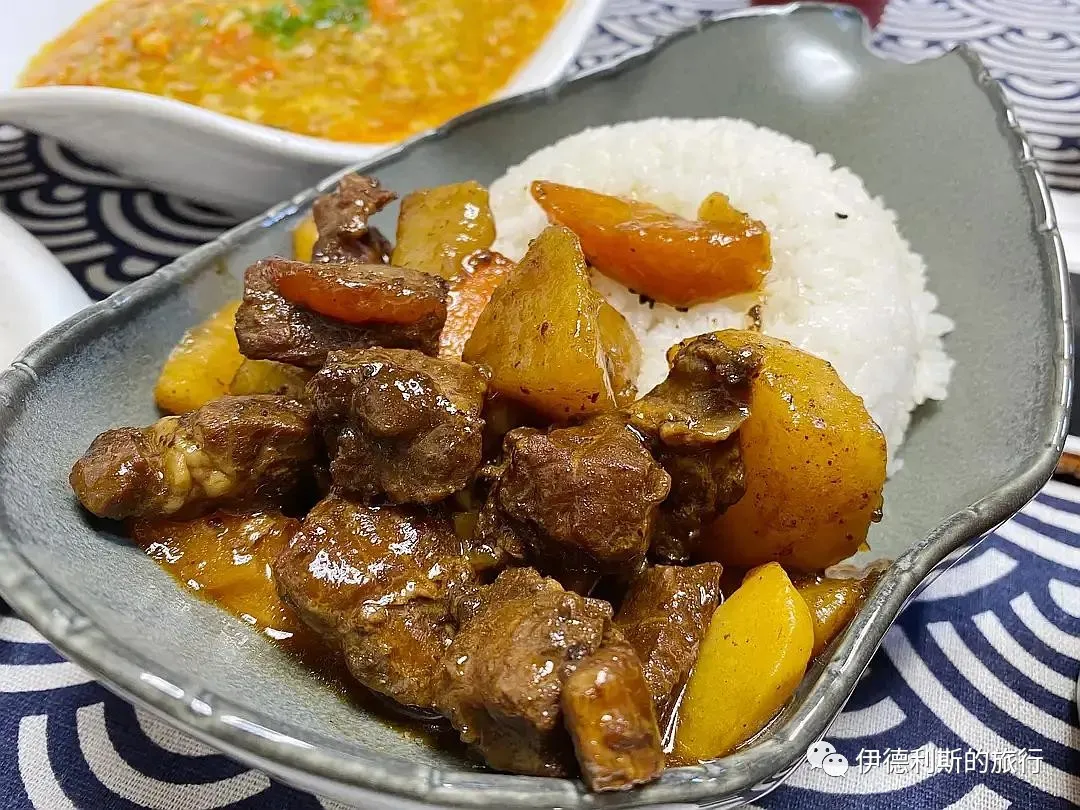
Yipinxian Bathhouse
Address: Zongshu Xiejie
Era: Republic of China
Current status: Only the gatehouse remains
Yipinxian Bathhouse is located on Zongshu Xiejie outside Qianmen. Zongshu Xiejie was originally called Wang Guafu Xiejie and Wang Guangfu Xiejie. It is one of the Eight Great Hutongs. During the Republic of China era, it was famous for its high-end brothels (qingyin xiaoban) and had many restaurants and bathhouses. Yipinxian was the most famous one among them.
Peking Opera master Ma Lianliang loved soaking at Yipinxian. Zhang Aiyi wrote in 'Past Stories of Actors' (Lingren Wangshi): 'Ma Lianliang loved to soak in baths.' Whenever he had a show in the evening, he would definitely go to the bathhouse in the afternoon. He first went to Yipinxian outside Qianmen, then later switched to Qinghuachi at Xizhushikou. Later on, he often went to Qinghuayuan at Bamiancao. After soaking, he would have a professional technician give him a pedicure. This was because he wore boots all year round for performing, which caused corns. Every time he went to the bathhouse, Ma Lianliang would bring cigarettes and tea to give to the technicians and workers.
Besides going alone, Ma Lianliang often went to Yipinxian with the 'King of Drum Singing' Liu Baoquan. Ma Lianliang wrote about this in 'Remembering Mr. Liu Baoquan' around the 1920s: 'After some time, through the introduction of the late famous Peking Opera actor Mr. Wang Yaoqing, I met Mr. Liu Baoquan.' We hit it off immediately and soon became best friends. For more than five years after that, we spent every day together and were inseparable. Every day I went to his home at Mianhua Jiutiao to find him. We would go for a walk together, then go to Yipinxian Bathhouse to bathe. In the afternoon, we would go to Liangyixuan to eat together. After eating, we would go to the theater together to watch performances by Yu Shuyan and Yang Xiaolou. This was basically our daily routine.
Yipinxian Bathhouse also continued to develop during the Republic of China era. You can see this by comparing the 'Revised Practical Beijing Guide' published by The Commercial Press in the 12th year of the Republic of China with the 'Beijing Travel Guide' published by Xinhua Bookstore in the 30th year of the Republic of China.
In the 12th year of the Republic of China, Yipinxian was not yet a first-class bathhouse. It was only ranked as 'second-tier' and used cement tubs and ceramic tubs: 'The second-tier ones include Yipinxian, Huayuan, Wenyayuan, Yuqing, Qingquan, Dongxing, Yuhua, Qihua, Xinhuachi, Baoquan, Yihe, etc.' The equipment was mostly cement basins and ceramic vats, with some enamel basins. Bath prices ranged from forty, thirty, twenty, to ten cents. Fees for back scrubbing and haircuts were twenty or ten cents.
By 1941, Yipinxang was already Beijing's most famous bathhouse, ranking alongside the well-known Qinghuachi. At that time, the ground floor of the bathhouse had five warm pools built with white ceramic tiles, while the upstairs had individual enamel bathtubs. At the same time, Yipinxang had the most popular foot-scraping master in Beijing, who specialized in treating athlete's foot: 'There are currently 123 bathhouses operating in the city.' In recent years, with the progress of the times, development has increased. As humans evolve, everyone knows the importance of cleanliness. Those in this business also know how to adapt and improve. Most pools have been changed to five warm pools built with white ceramic tiles. The pools are wide and deep, actually surpassing those in Shanghai, Wuhan, and Nanjing. Bathtubs have also changed from wood to enamel, which is much cleaner and more beautiful than before. The best-equipped places include Qinghuayuan and Yiheyuan in the East City, Huabaoyuan and Yuhuayuan in the West City, and Qinghuachi and Yipinxang in the Outer City. Business is very prosperous, and prices are divided by official basins, elegant seats, upstairs, and downstairs... The foot-scraper at Yipinxang is named Wei Wenxi, who has long been famous for this skill, and all bathhouses compete to hire him. Southerners living in Beijing who suffer from athlete's foot all look for little Wei, because once he scrapes their feet, they feel a great sense of relief. Because of this, little Wei is often too busy to keep up with the demand.
Additionally, according to the 1939 'Beijing Industrial and Commercial Guide' edited by the Zhengfeng Economic Society, the owner of Yipinxang was Wang Houqi, a native of Wanping, Hebei (which includes the western part of Beijing, including today's Xicheng District). However, I have not yet found more information about Wang Houqi and hope to have new discoveries in the future.
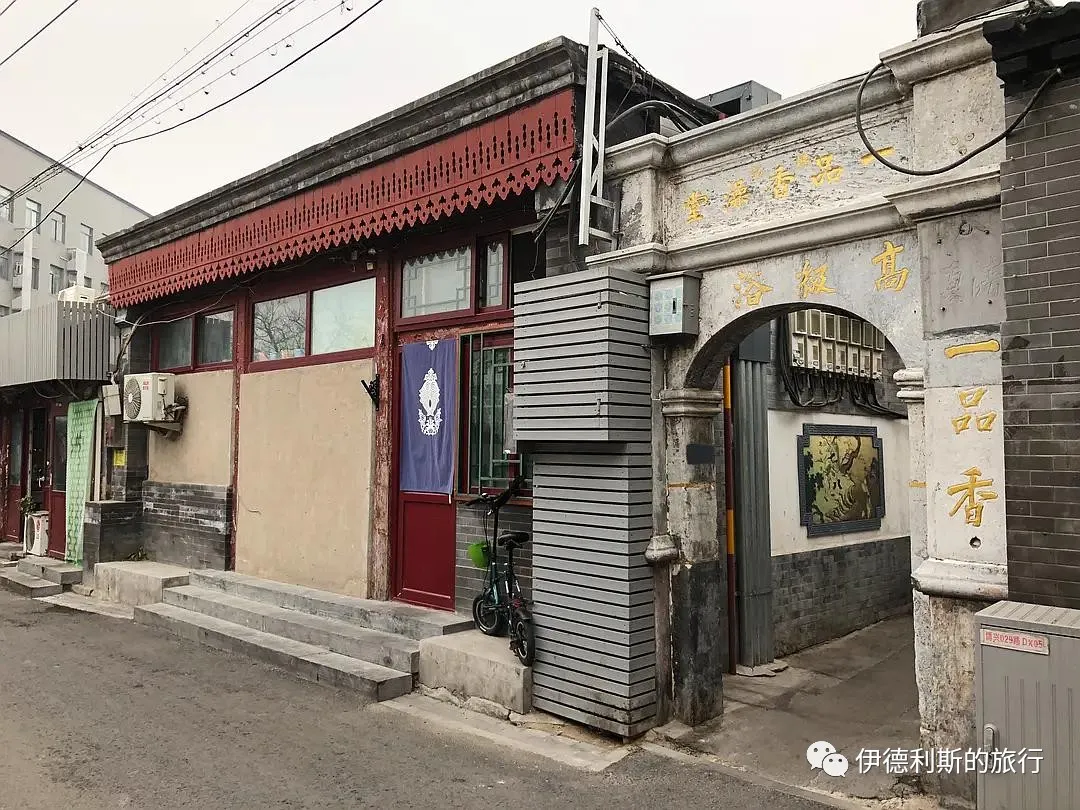
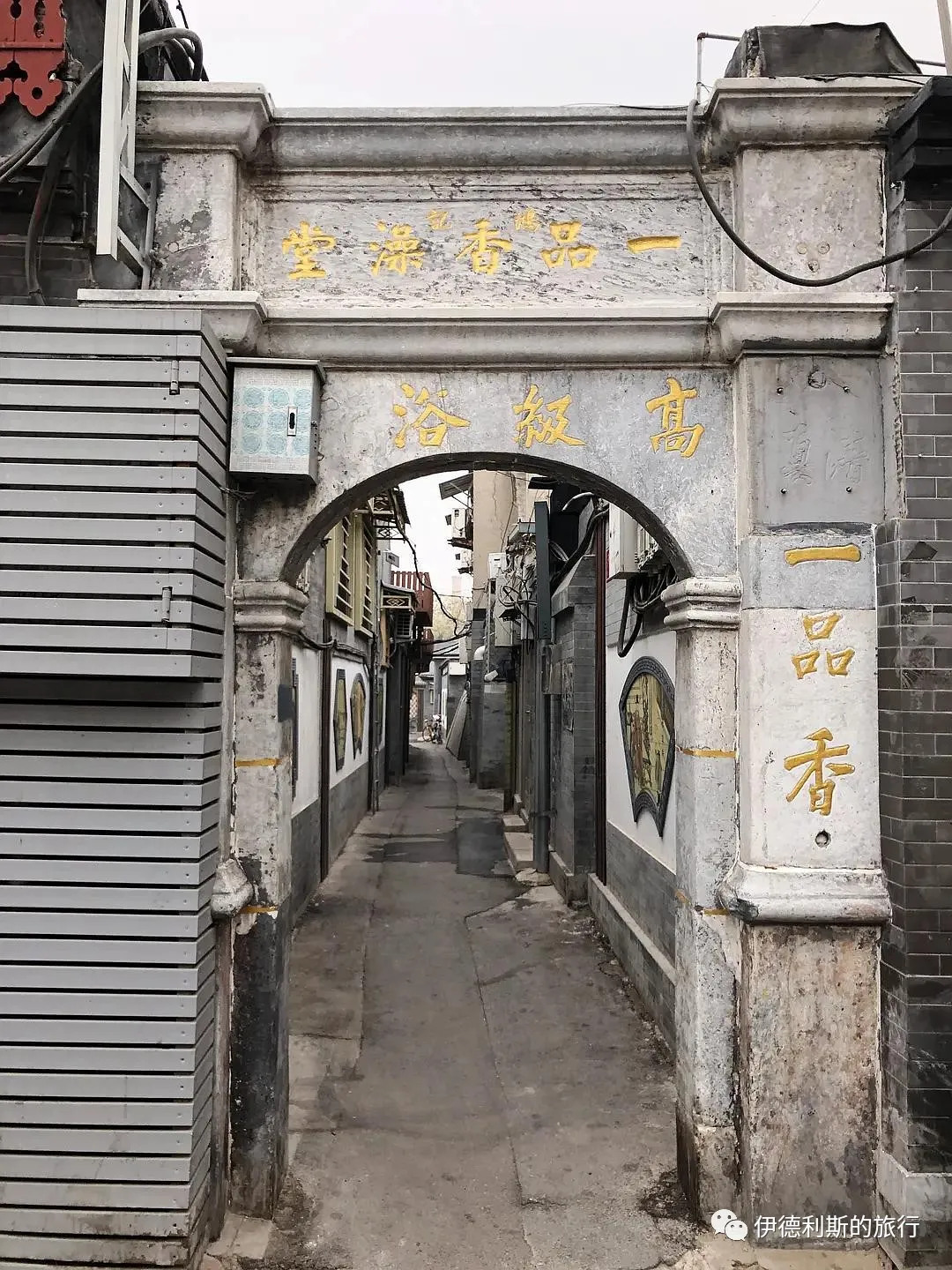
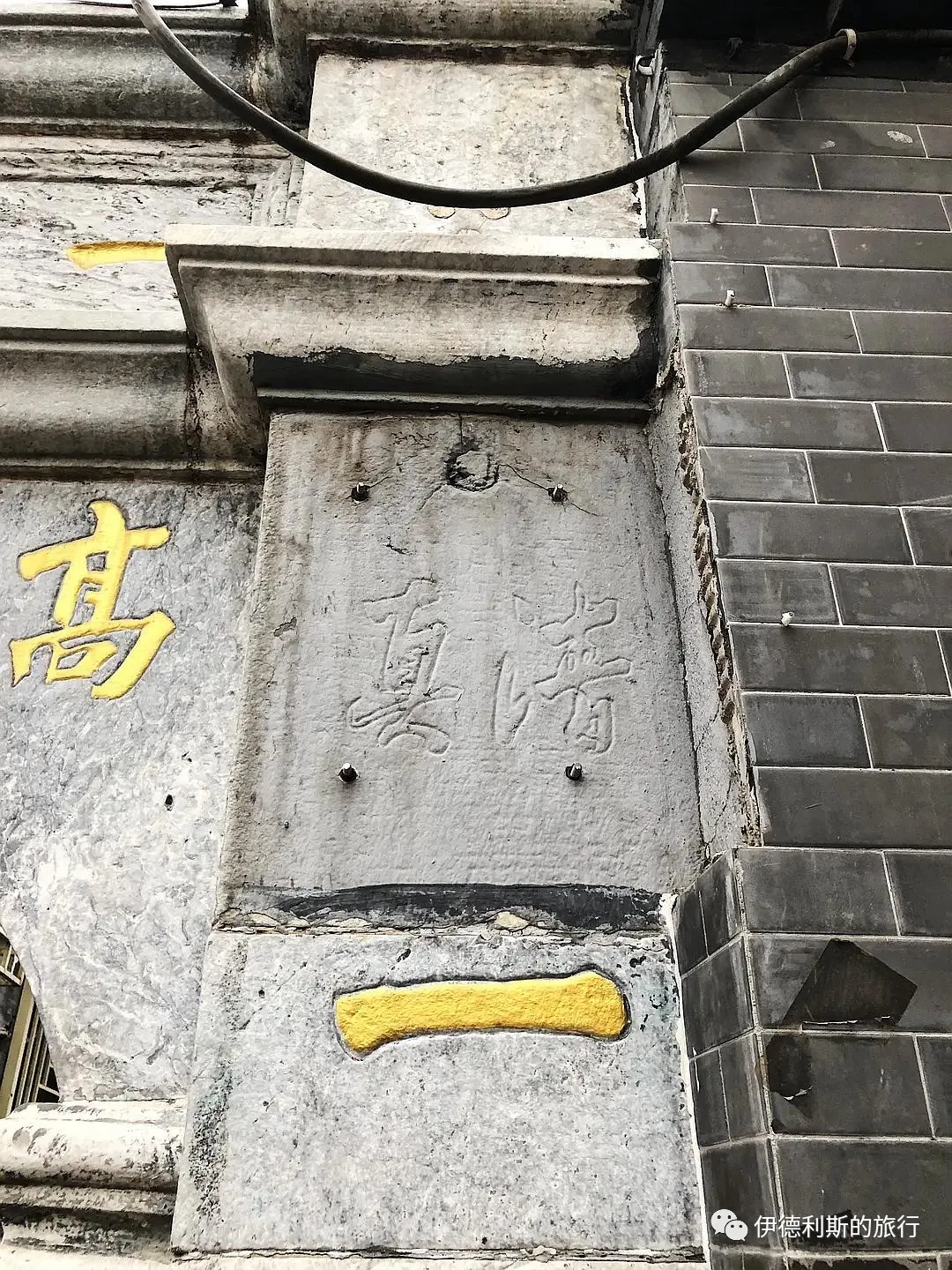
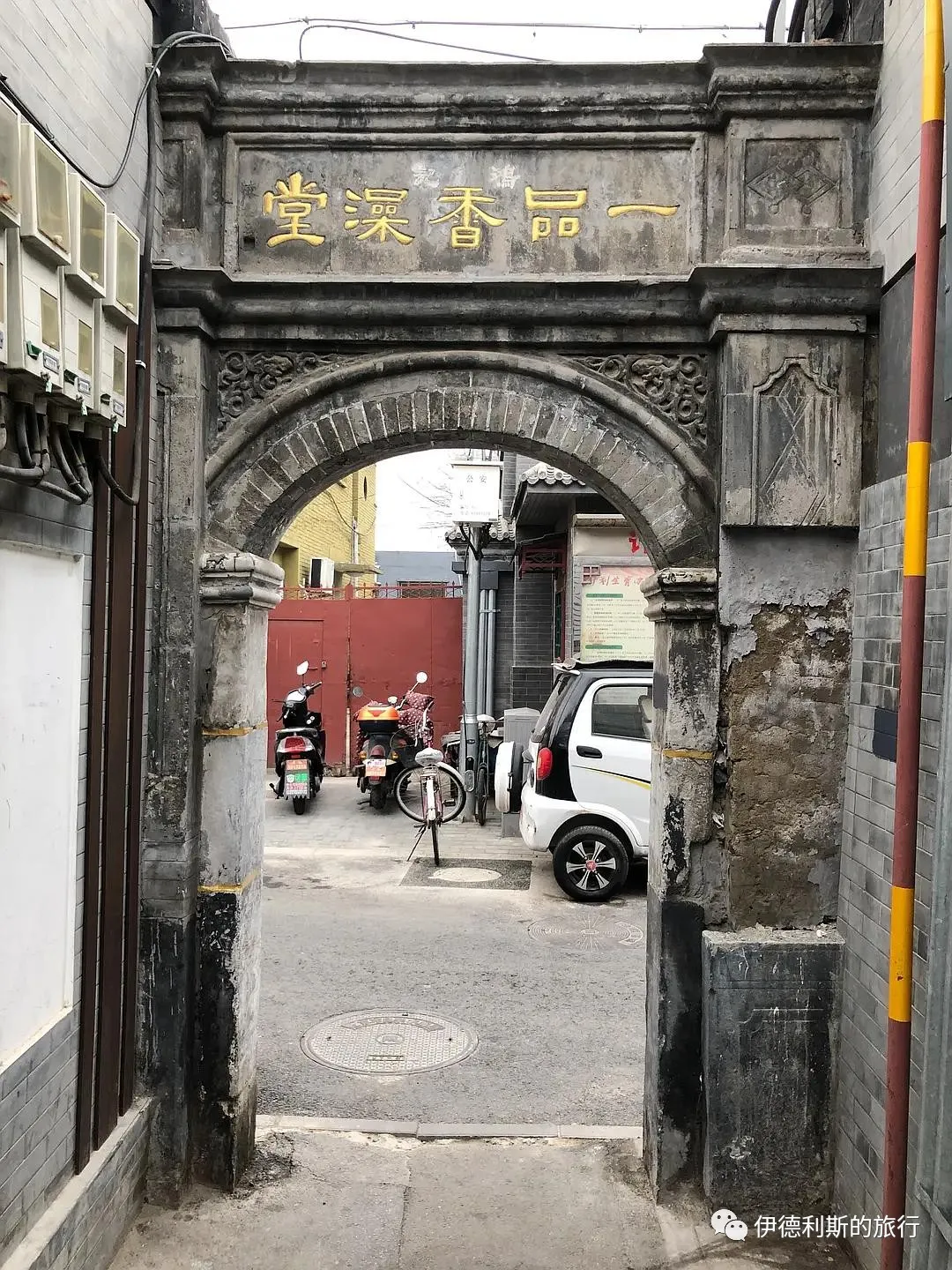
Ma Yinglong Eye Medicine Shop storefront
Address: Qianmen Xiheyuan Street
Year: 1923
Current status: Residential housing.
In 1875 (the first year of the Guangxu reign of the Qing Dynasty), Hui Muslim Ma Wanxing from Dingzhou, Hebei, moved the Ma family eye medicine shop from Dingzhou to Beijing and opened the 'Beijing Ma Yinglong Eye Medicine Shop' on Qianmen Xiheyuan. 'Ma Yinglong' was his father's name.
In 1923, Ma Wanxing's third son, Ma Liting, inherited the pharmacy and officially built the current Republic of China-era storefront on Qianmen Xiheyuan. There is a 'Ma Yinglong' plaque above the storefront, and the words 'Eye Medicine' are on the right, partially covered by an air conditioner. The plaque was inscribed by the Beiyang warlord and Baoding Hui Muslim, Ma Liang.
After the 1930s, Ma Yinglong successively set up branches across the country and expanded sales through mail order, even selling as far away as Europe. After the public-private partnership in 1957, Ma Liting served as the deputy section chief of the processing department of the Beijing Medicinal Materials Company. In 1966, his whole family was sent back to their ancestral home in Dingzhou, and Beijing Ma Yinglong gradually faded from history.
In 1919, Ma Wanxing's grand-nephew Ma Qishan opened a Ma Yinglong branch on Hanzheng Street in Hankou, later establishing the Ma Yinglong Shengji Pharmaceutical Factory. After the 1980s, they began to focus on hemorrhoid ointment, continuing the Ma Yinglong brand to this day.
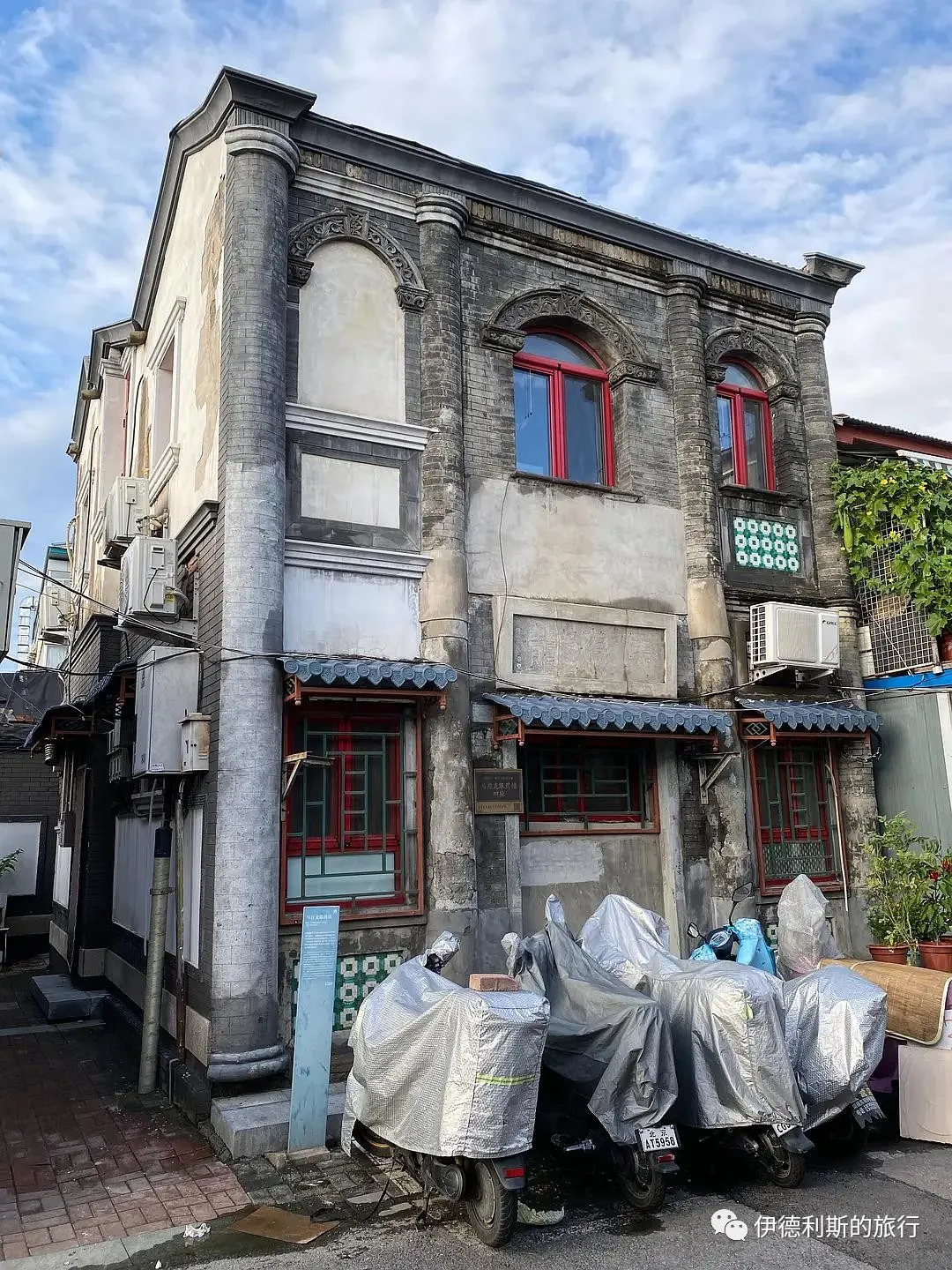
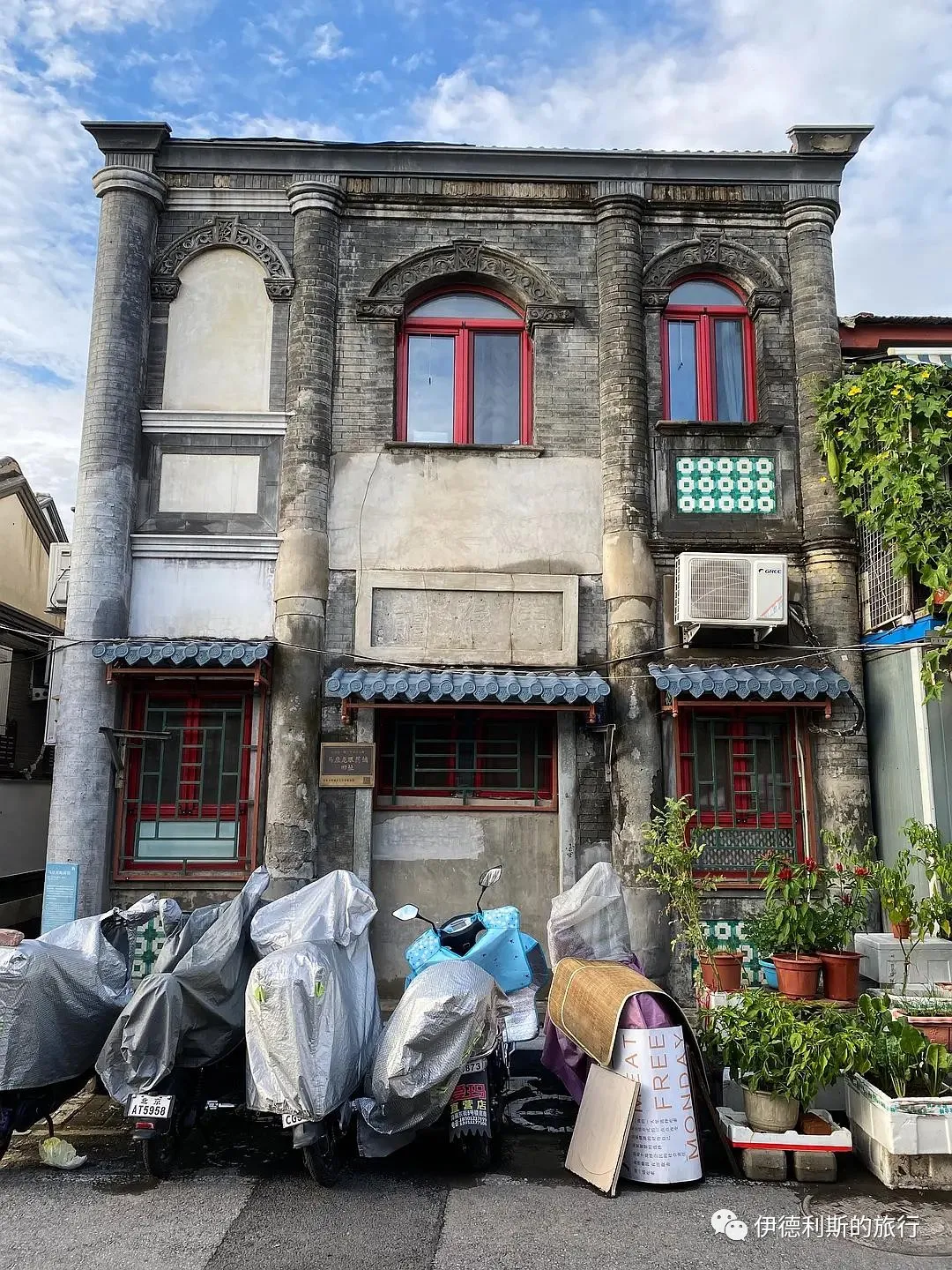
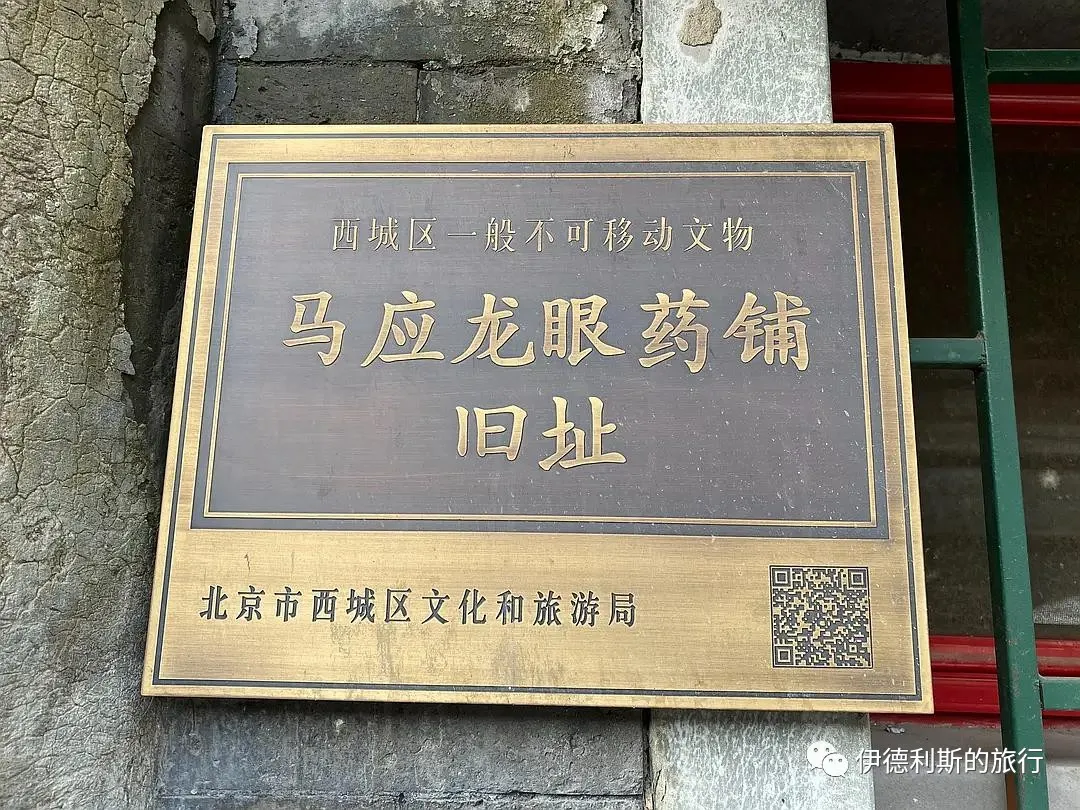
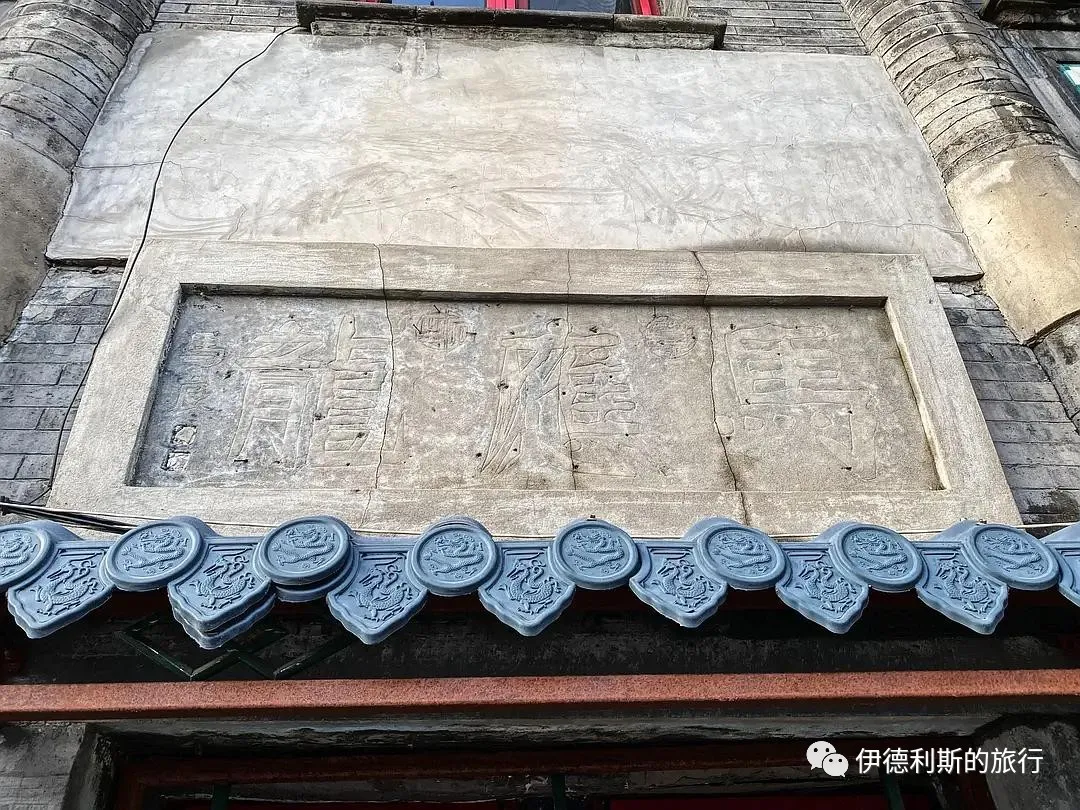
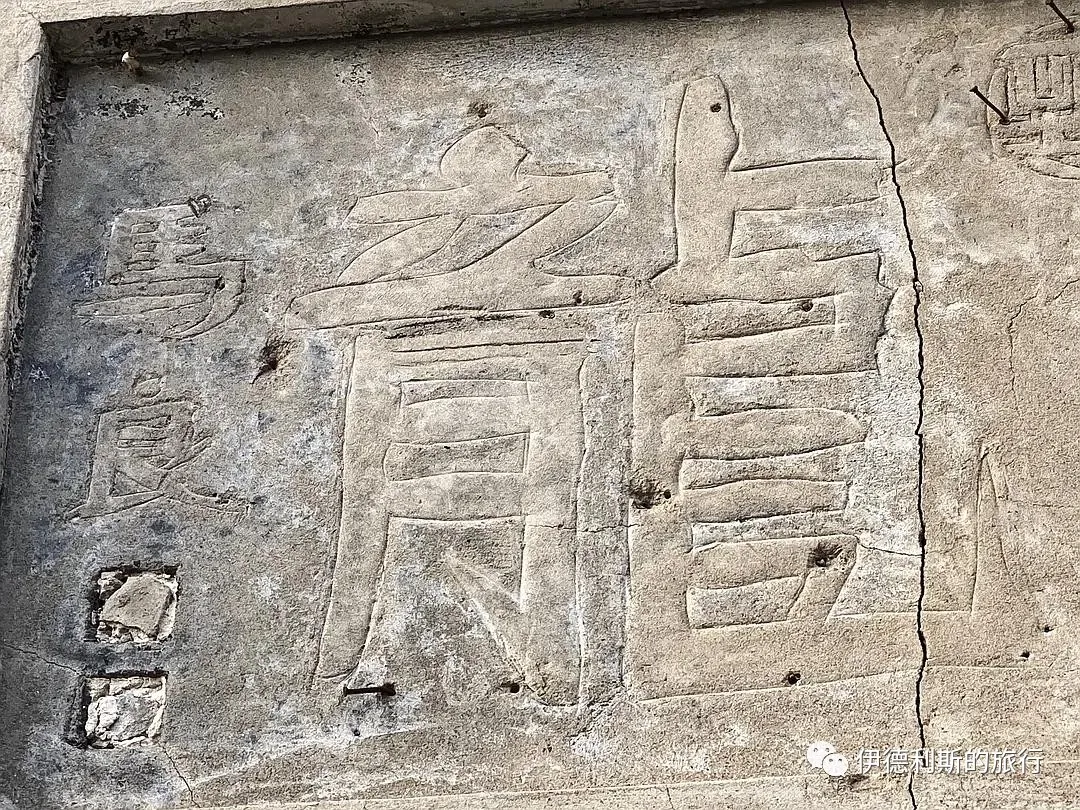
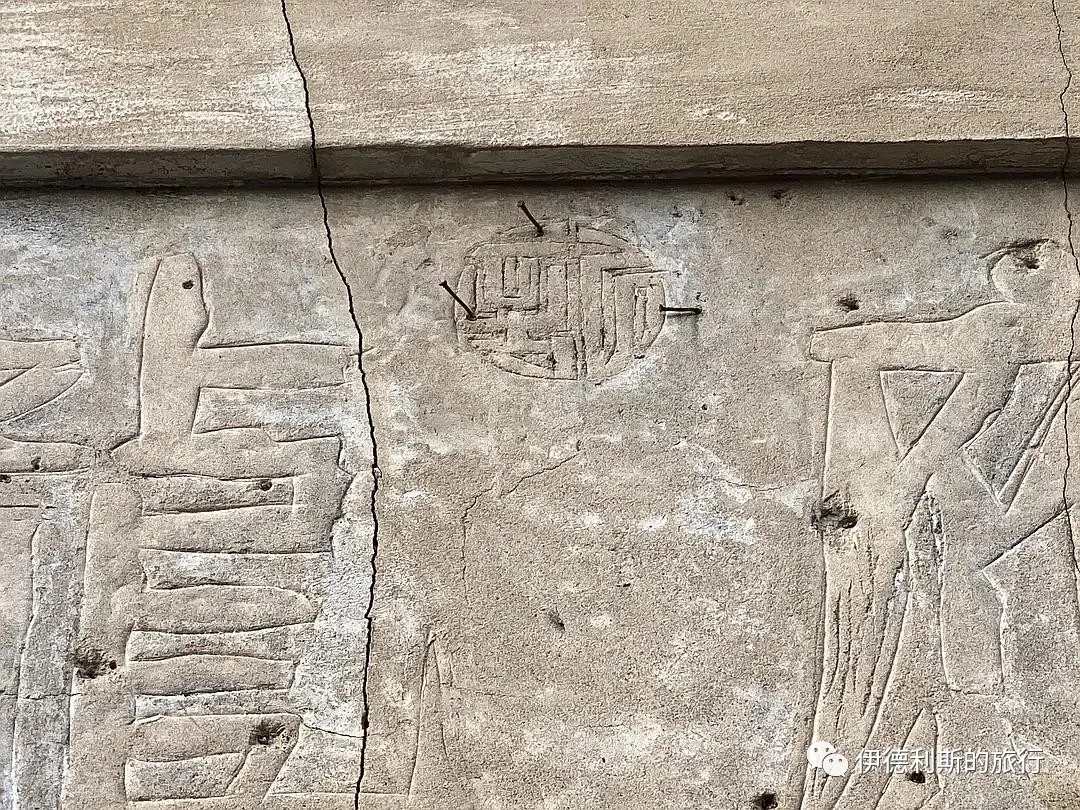
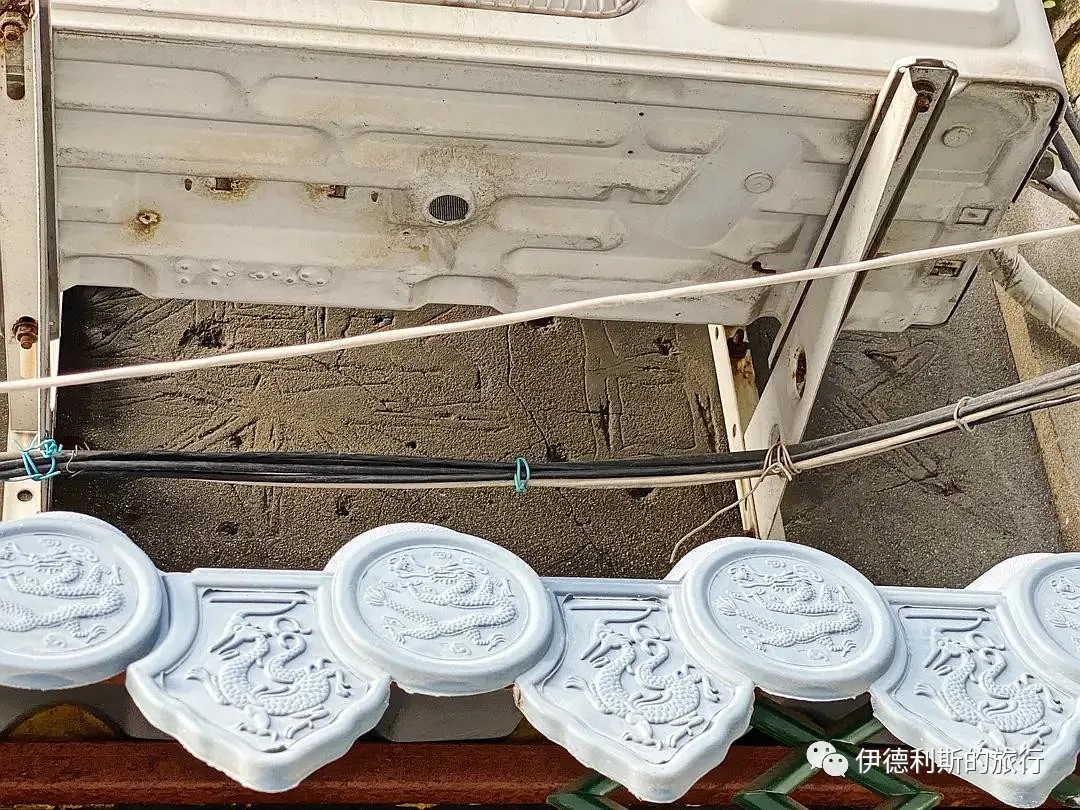
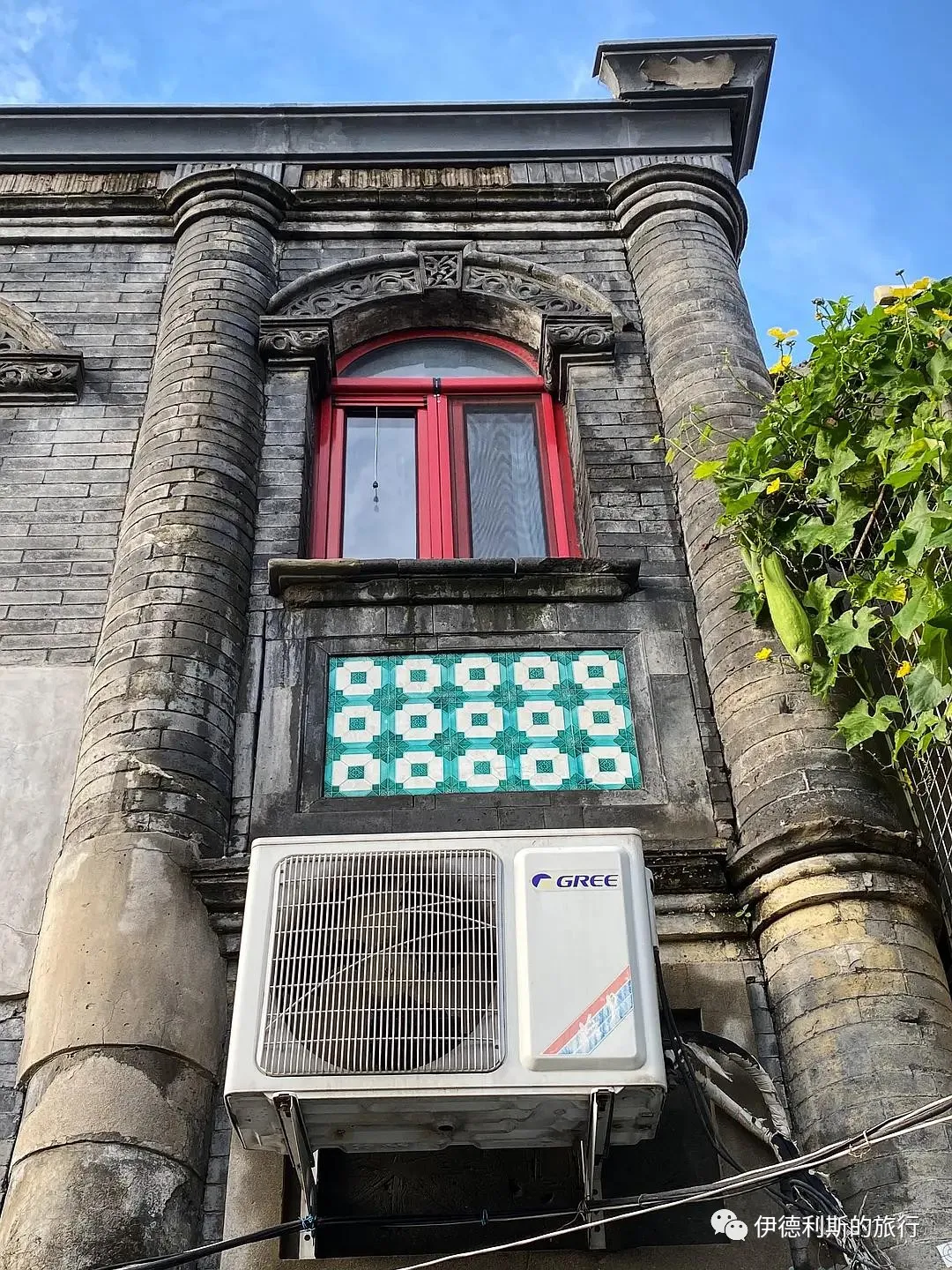
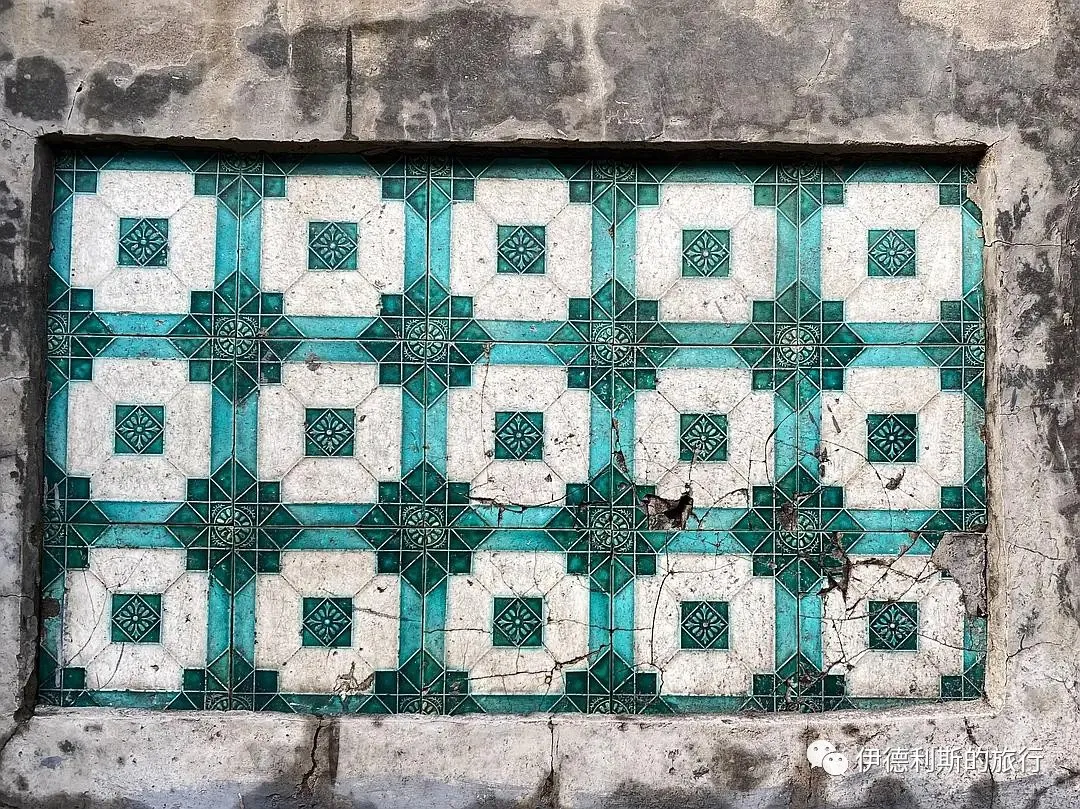
Broadsword Wang Wu Yuanshun Escort Agency
Address: 13 West Banbi Street.
Date: Early years of the Guangxu reign.
Current status: Residential housing.
Big Knife Wang Wu, whose real name was Wang Zibin (1844-1900) and courtesy name Zhengyi, was a Han Chinese from Cangzhou, Hebei. He loved martial arts since he was a child and greatly admired Li Fenggang, the Hui Muslim manager of the Chengxing Escort Agency in Cangzhou. The Li family came from a line of Hui Muslim military households from the Ming Dynasty. They moved from Nanjing to settle in Cangzhou during the Yongle reign, and they kept up their martial arts tradition ever since. In the late Qing Dynasty, Li Fenggang's uncle, Li Guanming, learned the Six Harmonies boxing style (liuhe quanfa) from the Cao family of Hui Muslims in Botou. He founded the Six Harmonies School (liuhe men) in Cangzhou, which later grew into the largest martial arts school in the city. Li Guanming opened the Chengxing Escort Agency outside the south gate of Cangzhou. He had a high reputation in the martial arts world and almost never lost a shipment. Li Guanming later passed the agency to his nephew, Li Fenggang. Li Fenggang had followed his uncle to learn Six Harmonies boxing and weapons since he was young. He was skilled with double swords and was known as the Double Sword General.
Wang Wu really wanted to become Li Fenggang's student, but the Li family's Six Harmonies School only taught those of the Islamic faith according to their master's rules. Wang Wu made up his mind to convert, but his mother did not agree. According to the 1933 Cang County Gazetteer, Zhengyi's teacher was Li Fenggang. Fenggang was a follower of Islam (Tianfang jiao), and Zhengyi wanted to study under him. Fenggang would not teach him because he was not of the faith. Zhengyi wanted to convert to show his sincerity, but his mother would not allow it. Zhengyi knelt and begged her repeatedly for over ten years until she finally agreed. He then learned everything from Fenggang before going to the capital, where he was first called Little Wang Wu.
In the early years of the Guangxu reign, Wang Wu, then thirty years old, set out on his own and opened the Yuanshun Escort Agency at Zhushikou outside Beijing's Qianmen Gate. According to Liang Qichao's Poetry Talks from the Ice-Drinking Studio, Wang Wu was a great hero of the Youyan region who worked as an escort. His influence reached north to Shanhai Pass and south to Qingjiangpu, and he spent his life helping the weak and fighting the strong. The Yuanshun Escort Agency gradually became one of the eight major escort agencies in the capital, and Wang Wu became known as Big Knife Wang Wu because he was so skilled with a single sword. Pingjiang Buxiaosheng's The Tale of Modern Chivalrous Heroes, which began serialization in 1923, is the pioneering work of modern Chinese martial arts novels. The story features Big Knife Wang Wu and Huo Yuanjia. It depicts the deep friendship between Wang Wu and Tan Sitong, Wang Wu's heroic efforts to save Tan Sitong, and his brave sacrifice during the Eight-Nation Alliance's invasion of China, which made Wang Wu a beloved hero.
The Yuanshun Escort Agency faces north. The main gate was originally very wide to allow escort wagons to pass through, but now most of it is occupied by a restroom. Only the western half of the original gate remains, and the door knocker on it is the same one Tan Sitong used when he came to visit Big Knife Wang Wu.
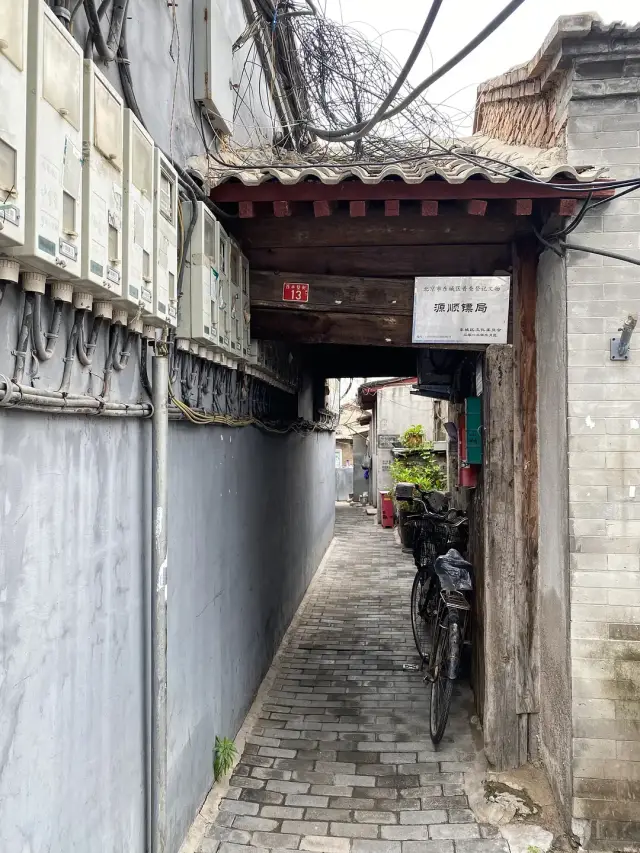
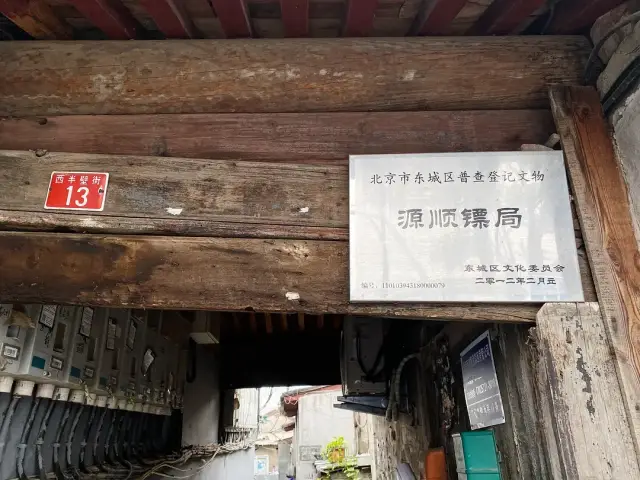
Inside the courtyard was the original space for parking escort wagons and horses. On the west side, there are three connected side courtyards. The first was where Wang Wu would perform his ritual washing (wudu) for namaz. The second and third were living quarters for the escorts, and the back courtyard held the inner office, the storage room for goods, and guest rooms. After the public-private partnership reforms in the 1950s, the descendants of the Wang family only kept the south and north rooms of the back courtyard. The front courtyard became public property, and after renovations by the housing management office, it is now hard to recognize.
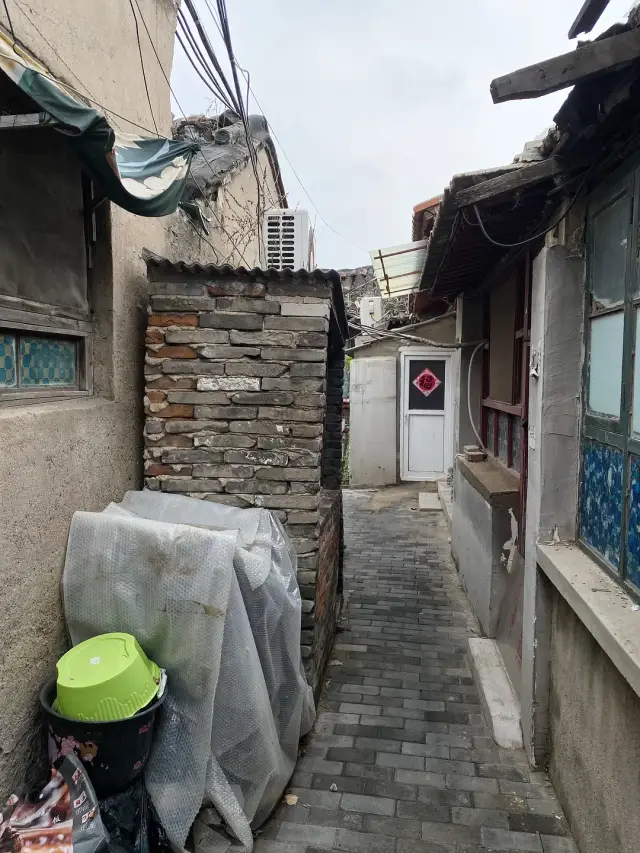
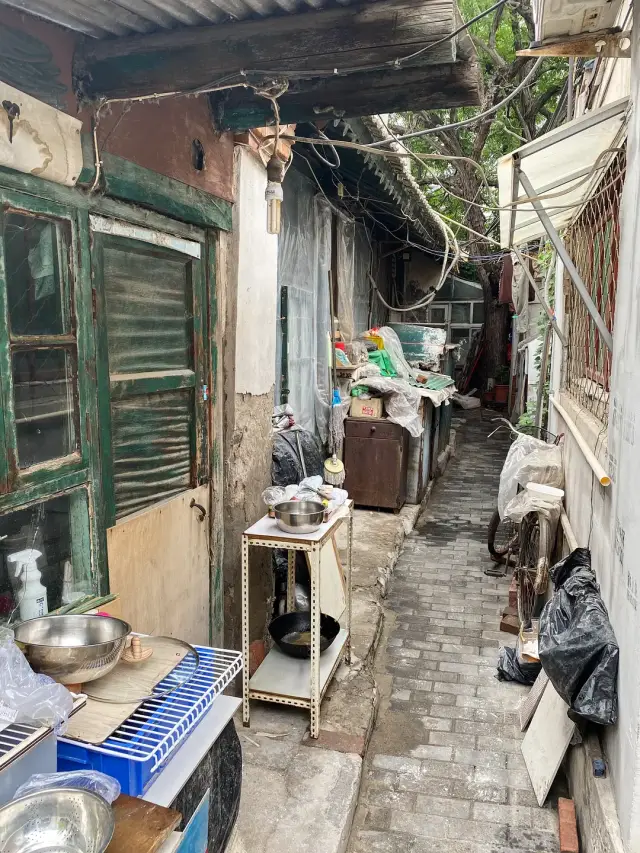
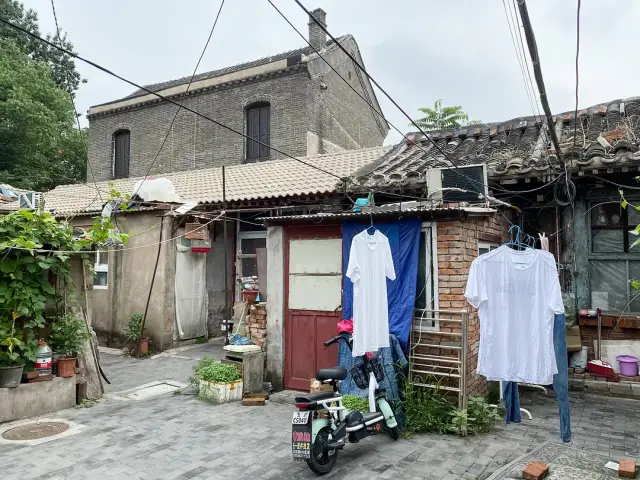
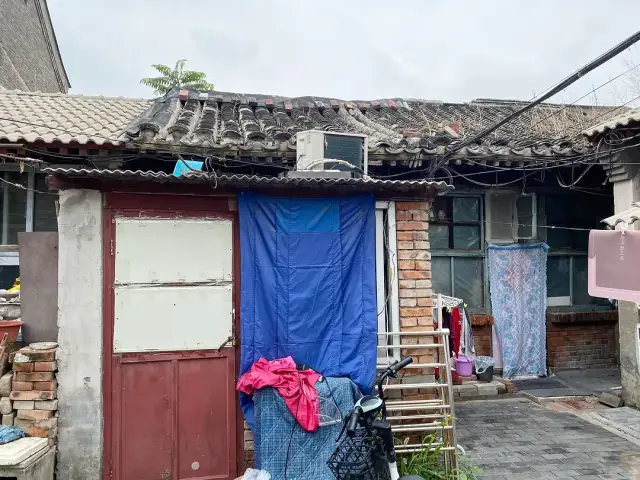
Halal Travel Guide: Ramadan Weekend 2025 — Beijing Nanxiapo and Tianjin Muslim Streets
Articles • ali2007fr posted the article • 0 comments • 158 views • 2026-05-20 00:57
Summary: The second weekend of Ramadan 2025 follows Muslim community spaces in Beijing Nanxiapo, Tianjin Xining Road, and Fuxingzhuang. This article preserves the original mosque visits, street scenes, food notes, and photographs in a single English travel account.
On Friday, March 7, I went to Nanxiapo near Chaowai after work. The iftar snacks and fruits at Shiqipan were very plentiful. I met a friend (dosti) wearing a traditional North China Gedimu six-piece cap. It is slightly different from the hexagonal cap worn by the Zhe sect, and it is now on the verge of disappearing. After the Maghrib prayer (shamu), a friend invited me to have iftar at a restaurant next to the mosque. The place was packed and very lively. We had stewed meat and flatbread (laobing) with two side dishes. It was simple and tasty.
A child wearing a six-piece cap in Niujie, Beijing, in 1942.
On Saturday night, I had iftar at the Xiningdao Mosque in Tianjin. For breaking the fast, we had sticky rice rolls (aiwowo) and fruit pastries. After the Maghrib prayer, we had braised beef, stir-fried cabbage, and stir-fried lettuce with meat. The mosque is not big, but it was crowded with seven large tables completely full.
Tianjin's Heping District once had four mosques: Chahaer Road Mosque (built in 1935), Puaili Mosque (built in 1938), Dunrenli Mosque (built in 1938), and Yingkou Road Mosque (built in 1953). After 1958, they were all converted for other uses, which made things very inconvenient for local Hui Muslims for a long time. The current Xiningdao Mosque was designed by Yao Fuxing, a Hui Muslim senior engineer from the First Design Institute of the Ministry of Chemical Industry, and was completed in 1992.
I had pilaf (zhuafan) at home on Sunday morning.
On Sunday night, I went to the Fuxingzhuang Mosque in the Hedong District of Tianjin. I met the imam (ahong) of the mosque when he was studying in Beijing. We met again in Tianjin; he is a promising young local imam. For iftar at the mosque, we had red bean porridge, various pastries, and fruits. After the Maghrib prayer, we ate traditional-style steamed dumplings (shaomai) filled with beef, egg, and two shrimp. The elders said it tasted like the old Nanshi area. Fuxingzhuang Mosque is less than ten minutes away from Tianjin Station by bike, making it very easy to reach.
Fuxingzhuang Mosque was first built in 1927. The land was donated by the famous Tianjin Hui Muslim doctor Liu Bingyi, and his son, Liu Jilan, the head of the Ping Bao newspaper, funded the construction. It was occupied in 1958, restored in 1982, and moved to its current location in 2003 due to real estate development. view all
Summary: The second weekend of Ramadan 2025 follows Muslim community spaces in Beijing Nanxiapo, Tianjin Xining Road, and Fuxingzhuang. This article preserves the original mosque visits, street scenes, food notes, and photographs in a single English travel account.
On Friday, March 7, I went to Nanxiapo near Chaowai after work. The iftar snacks and fruits at Shiqipan were very plentiful. I met a friend (dosti) wearing a traditional North China Gedimu six-piece cap. It is slightly different from the hexagonal cap worn by the Zhe sect, and it is now on the verge of disappearing. After the Maghrib prayer (shamu), a friend invited me to have iftar at a restaurant next to the mosque. The place was packed and very lively. We had stewed meat and flatbread (laobing) with two side dishes. It was simple and tasty.
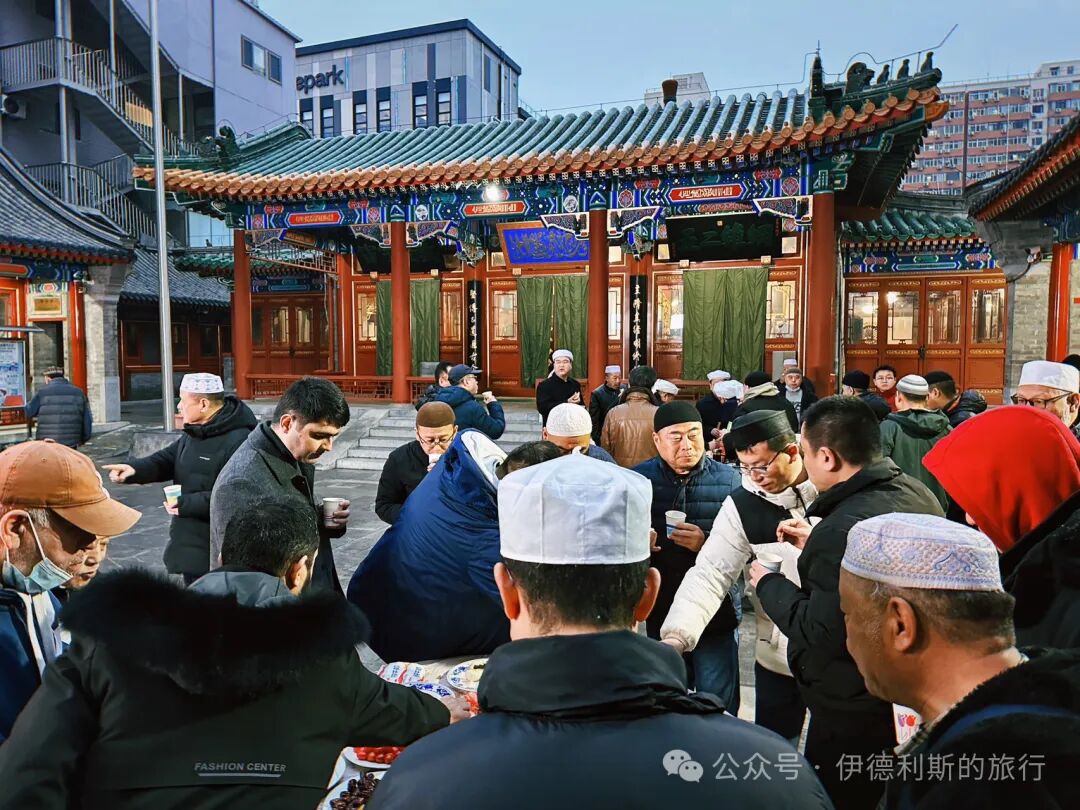
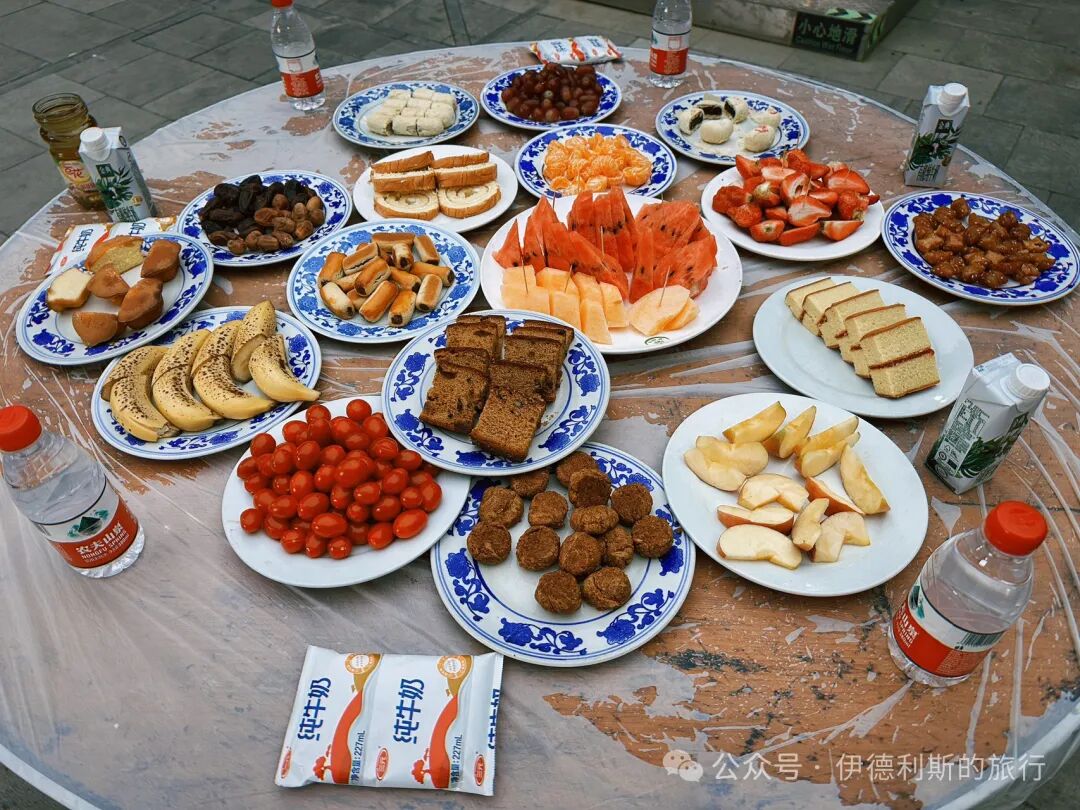
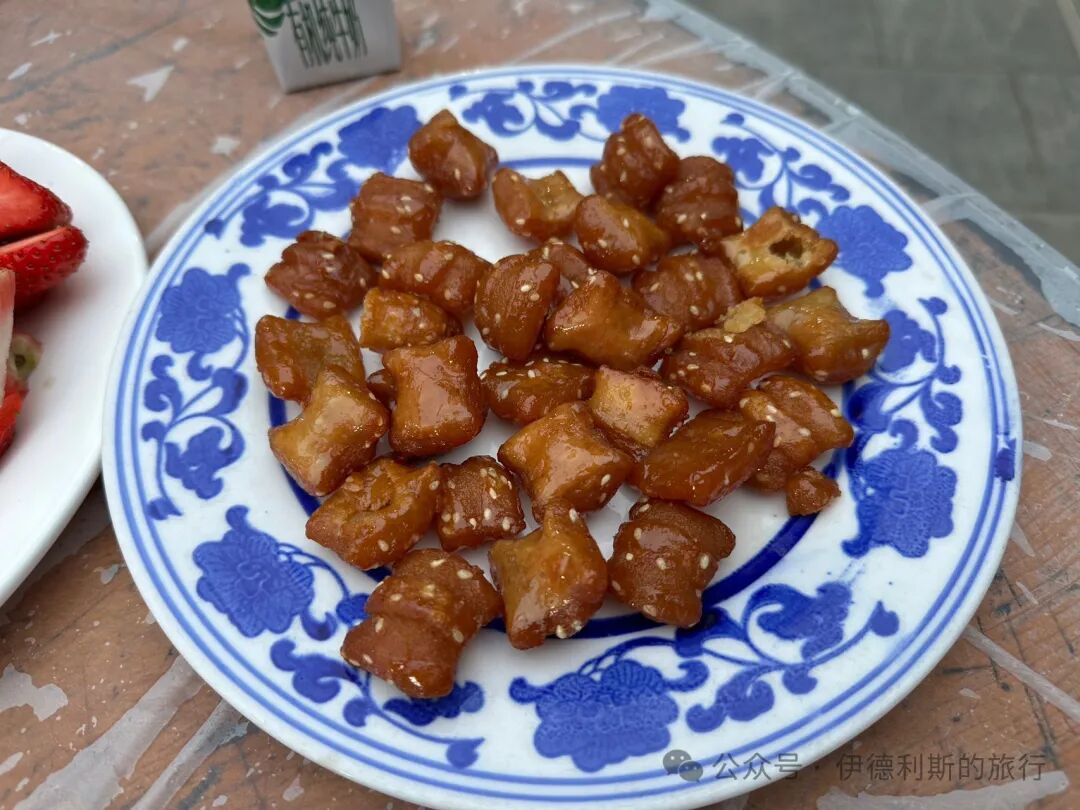
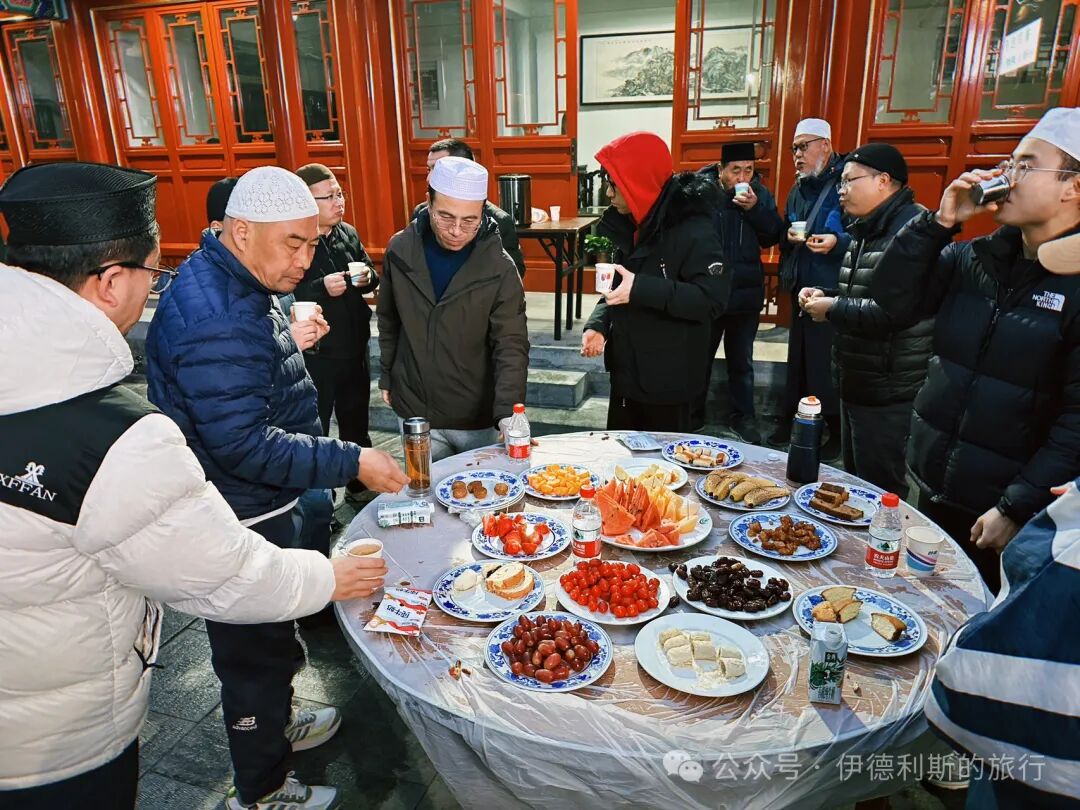
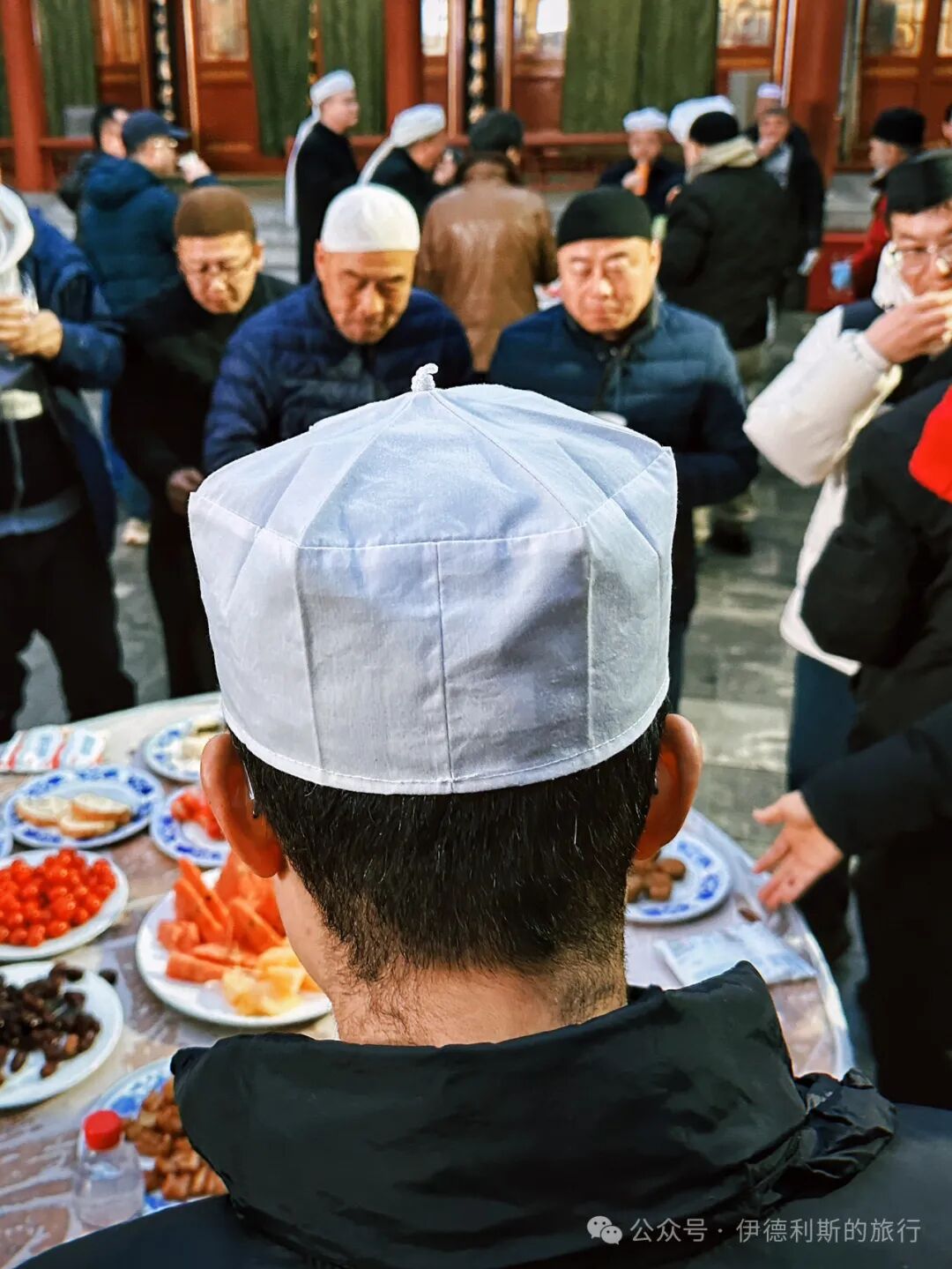
A child wearing a six-piece cap in Niujie, Beijing, in 1942.
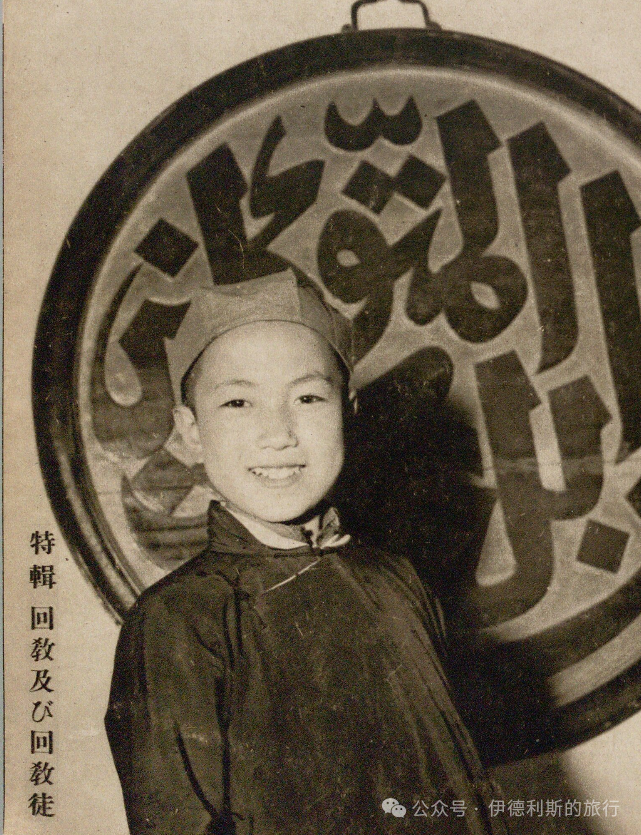
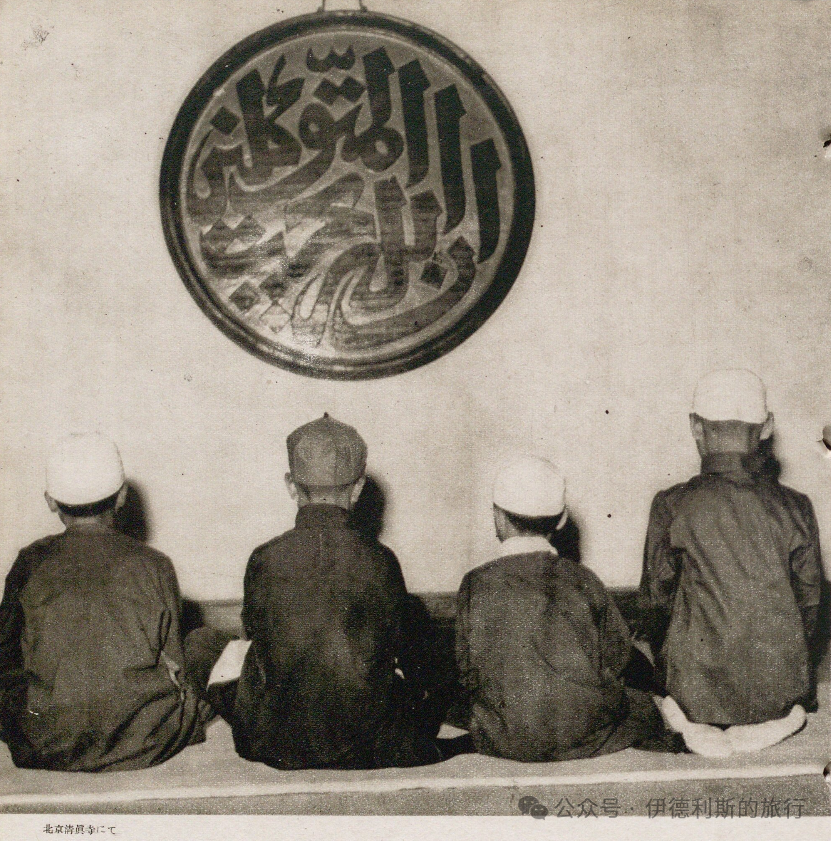
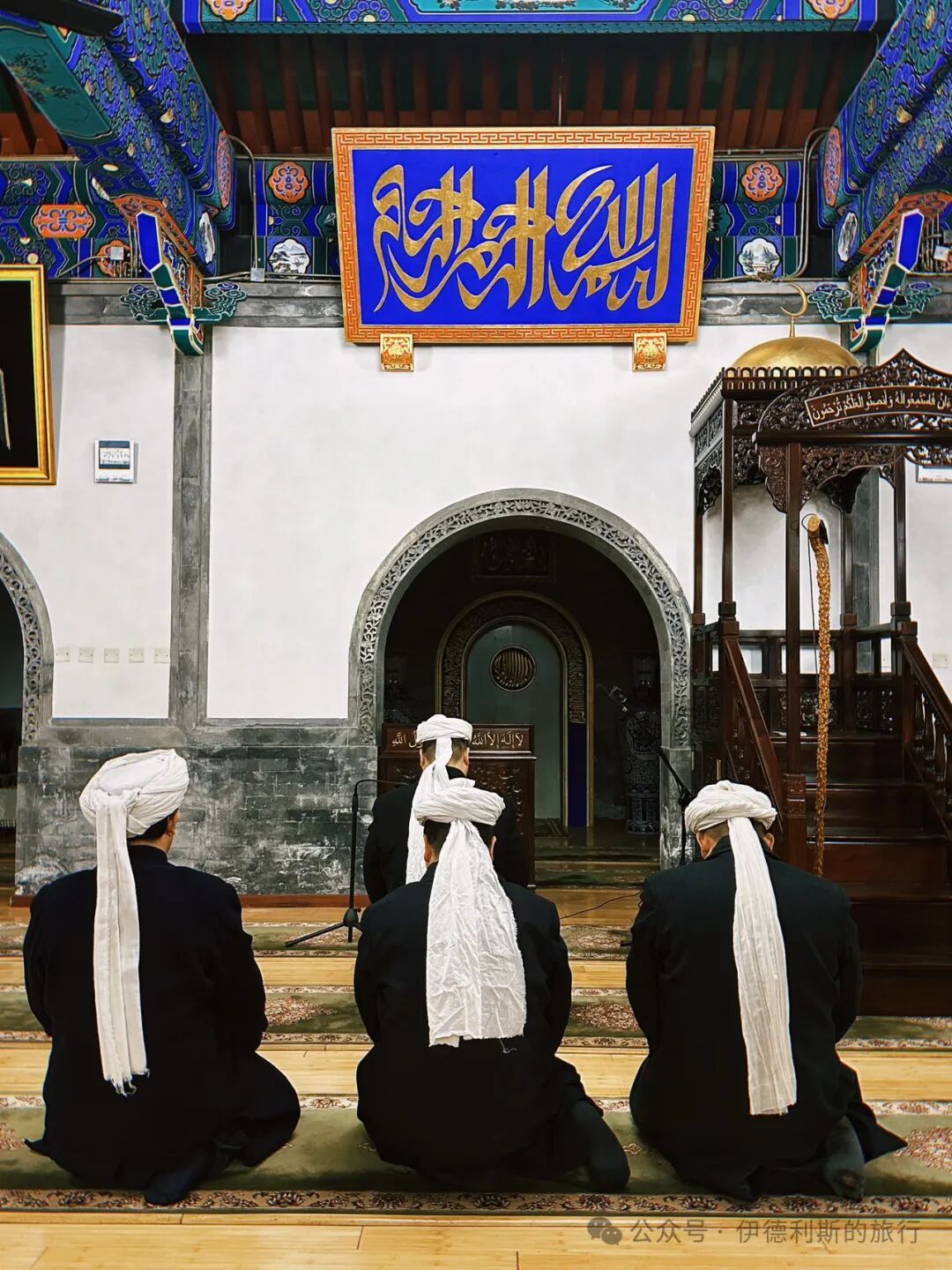
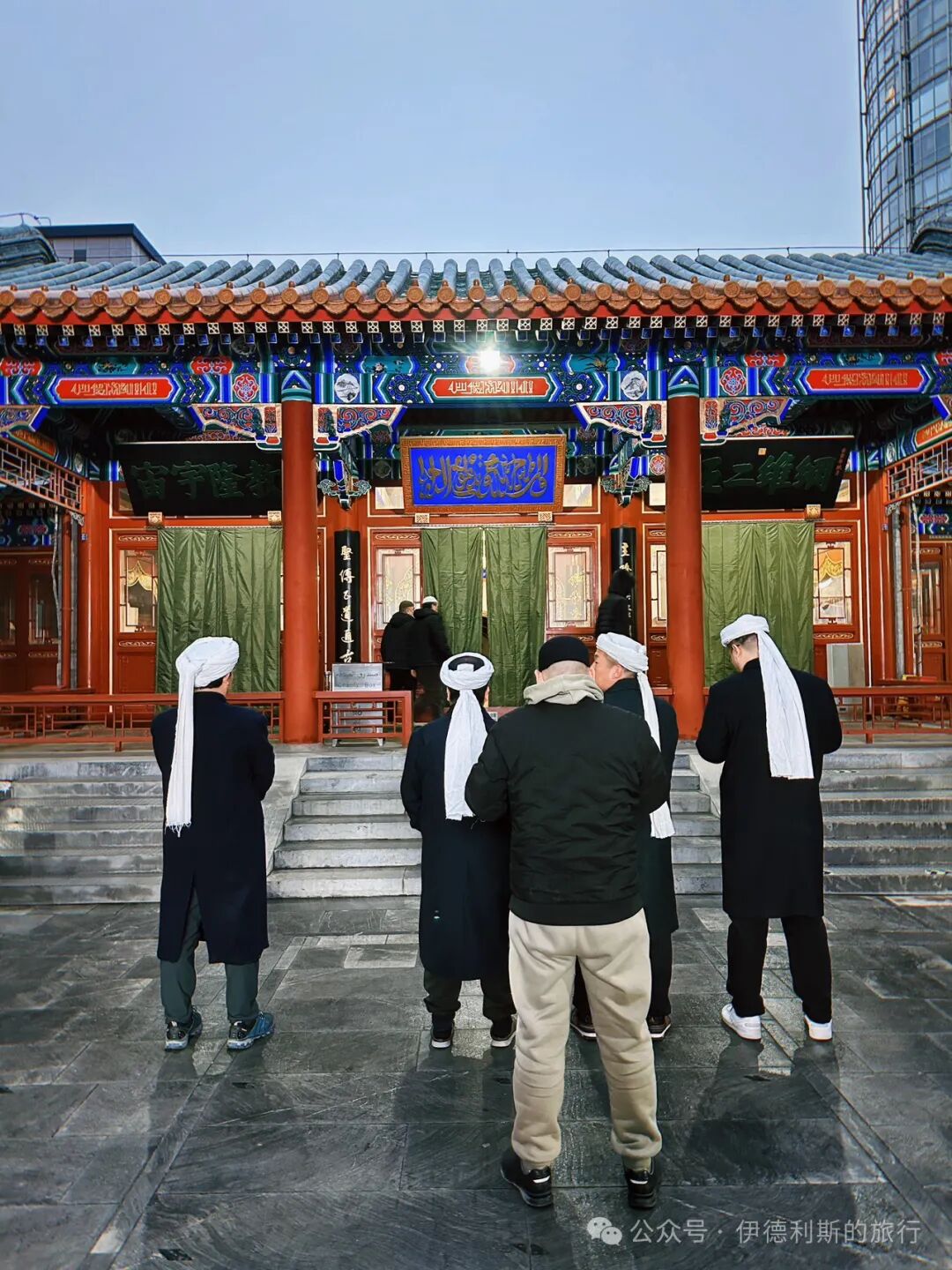
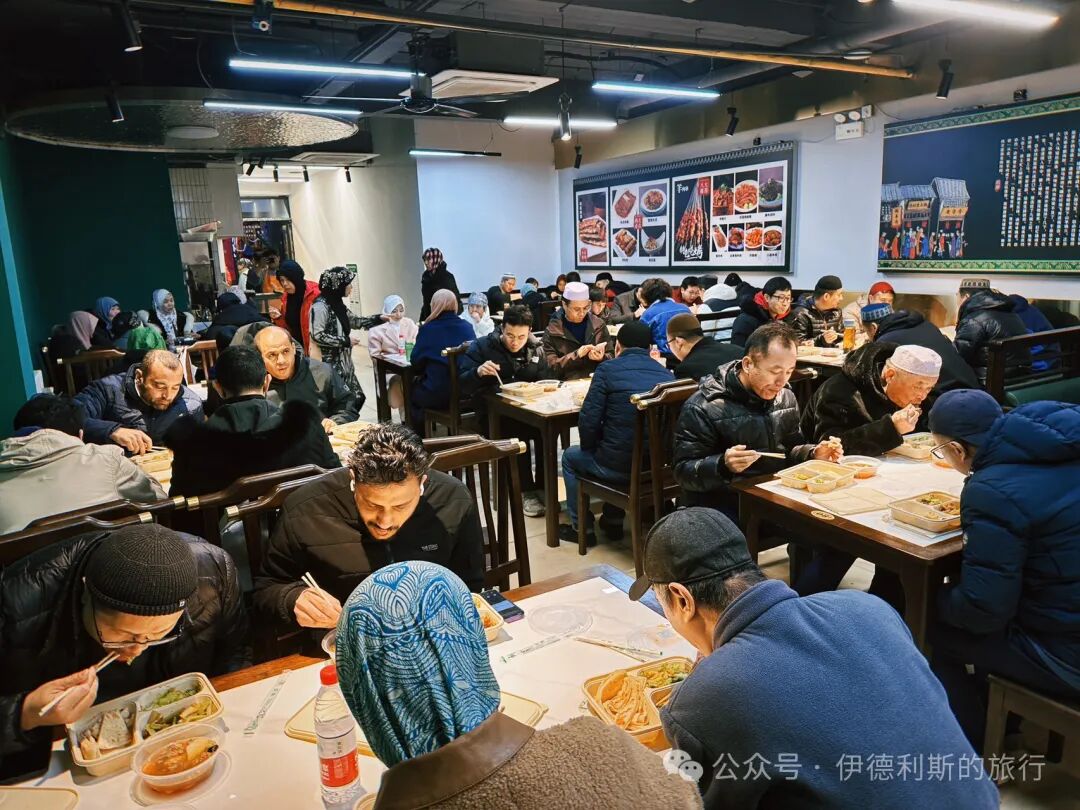
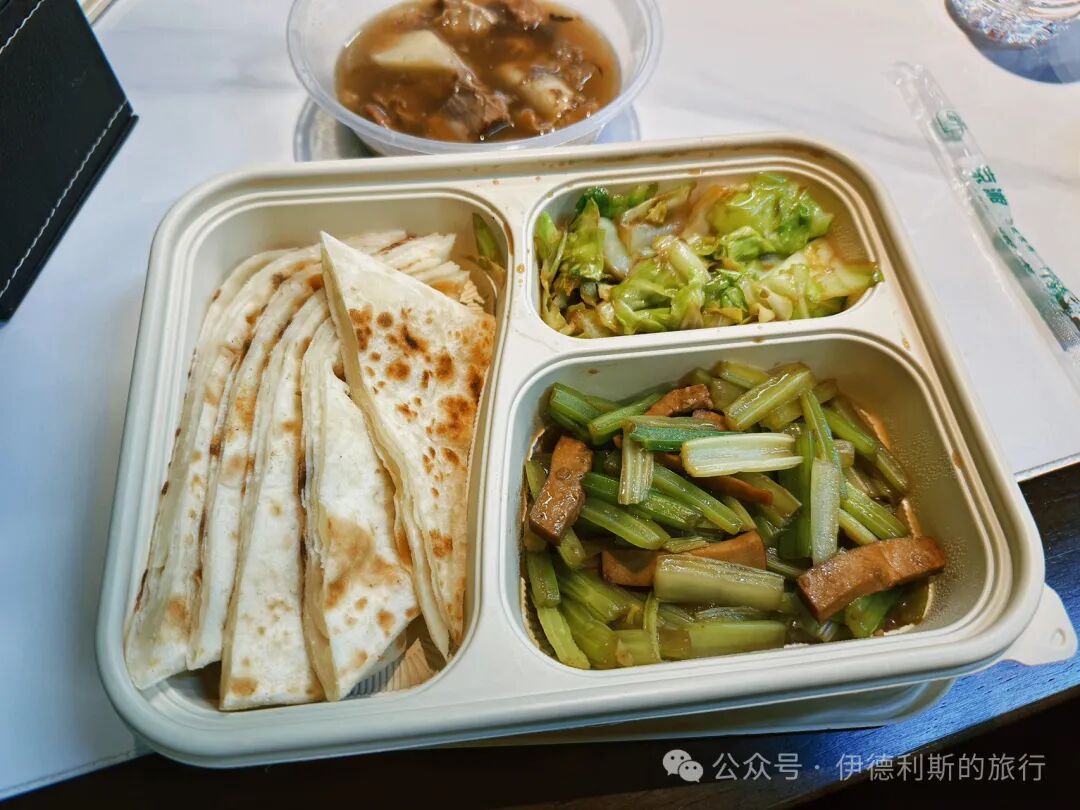
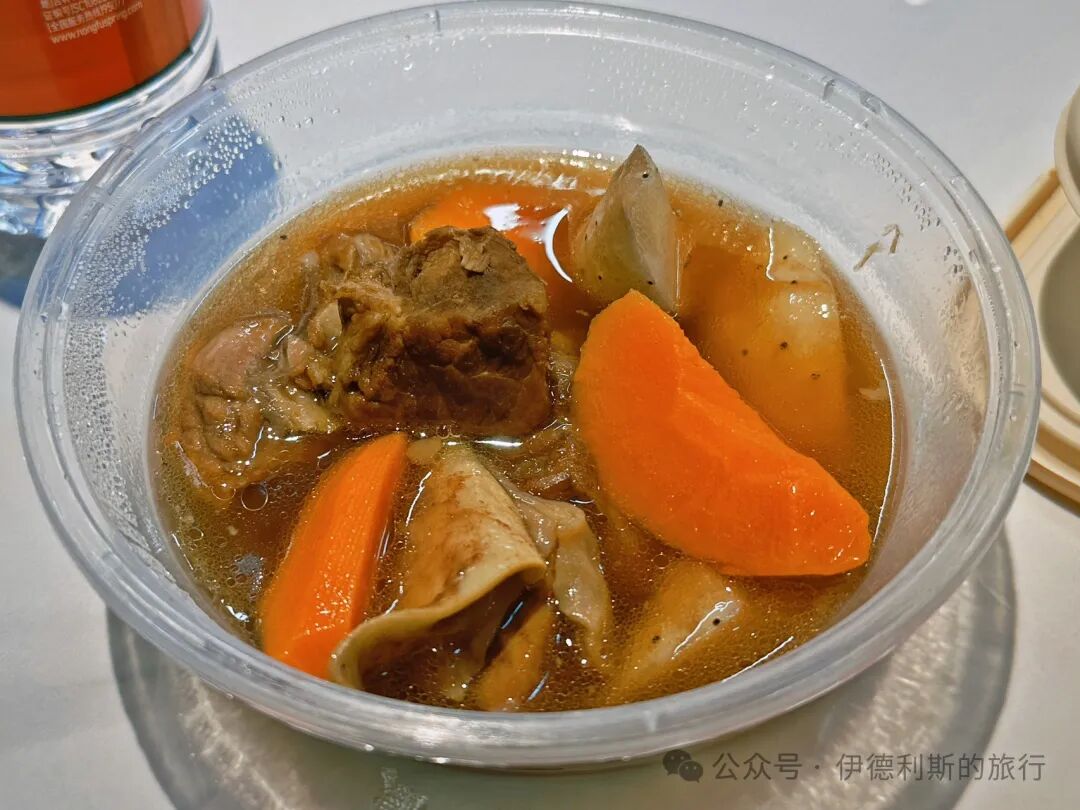
On Saturday night, I had iftar at the Xiningdao Mosque in Tianjin. For breaking the fast, we had sticky rice rolls (aiwowo) and fruit pastries. After the Maghrib prayer, we had braised beef, stir-fried cabbage, and stir-fried lettuce with meat. The mosque is not big, but it was crowded with seven large tables completely full.
Tianjin's Heping District once had four mosques: Chahaer Road Mosque (built in 1935), Puaili Mosque (built in 1938), Dunrenli Mosque (built in 1938), and Yingkou Road Mosque (built in 1953). After 1958, they were all converted for other uses, which made things very inconvenient for local Hui Muslims for a long time. The current Xiningdao Mosque was designed by Yao Fuxing, a Hui Muslim senior engineer from the First Design Institute of the Ministry of Chemical Industry, and was completed in 1992.
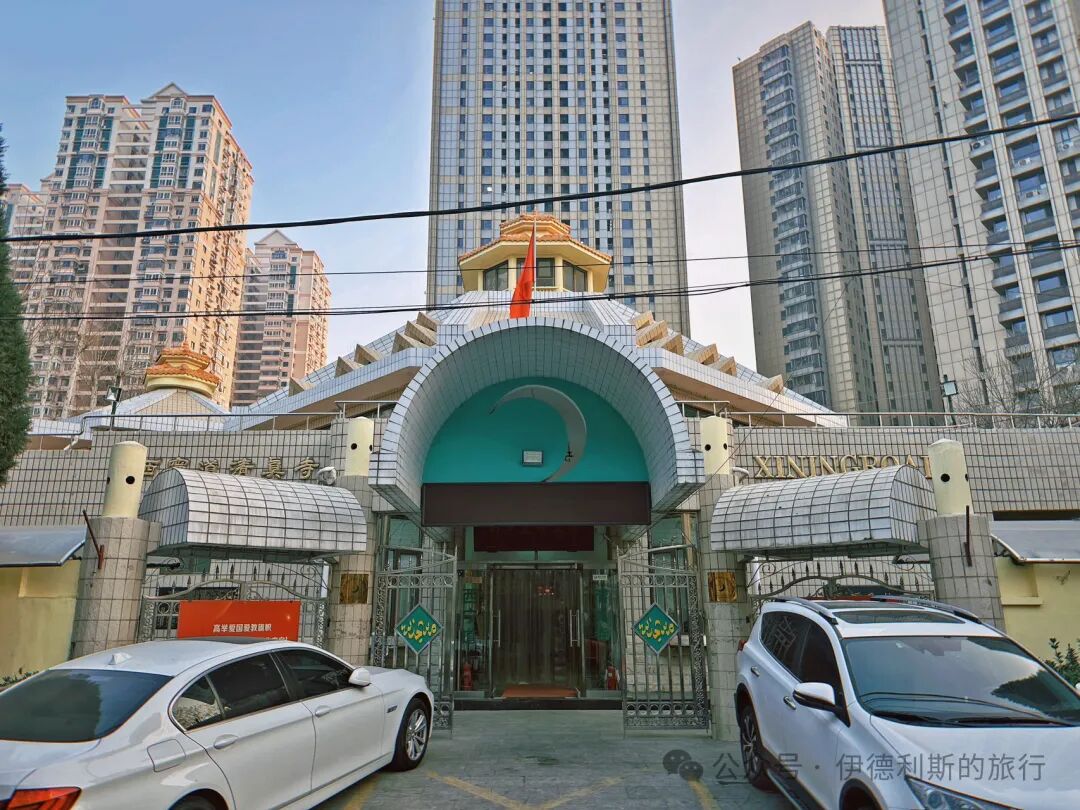
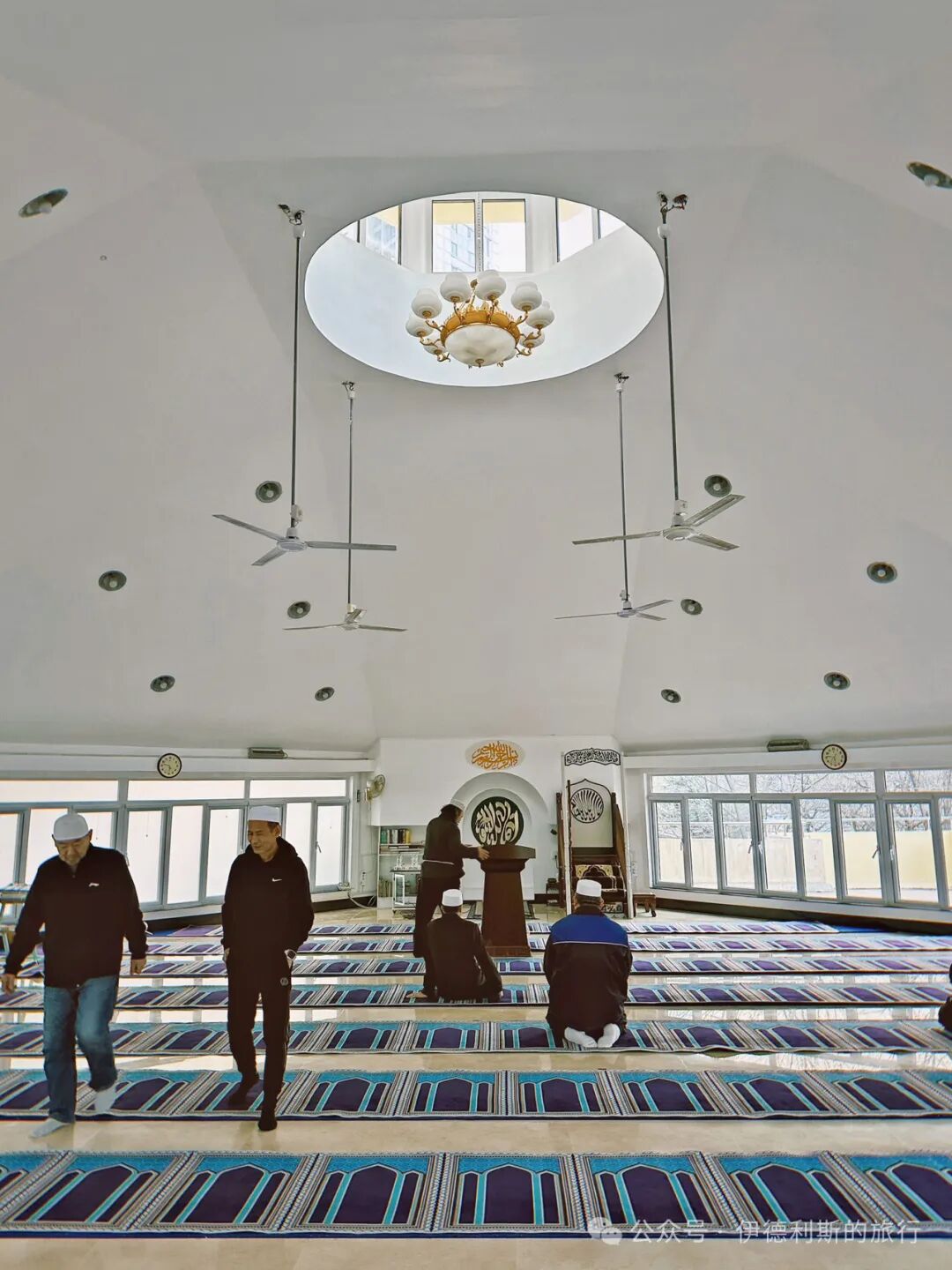
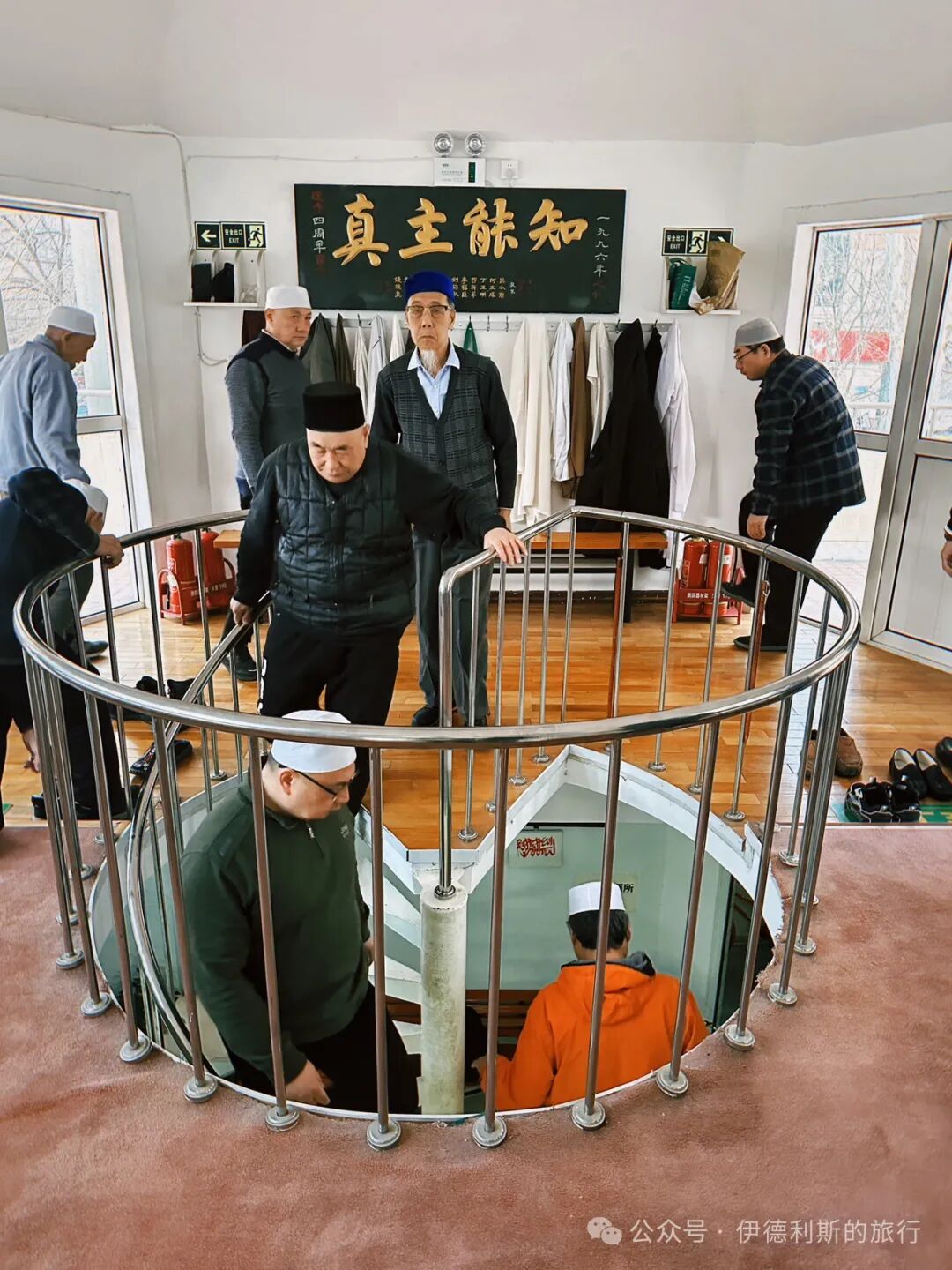
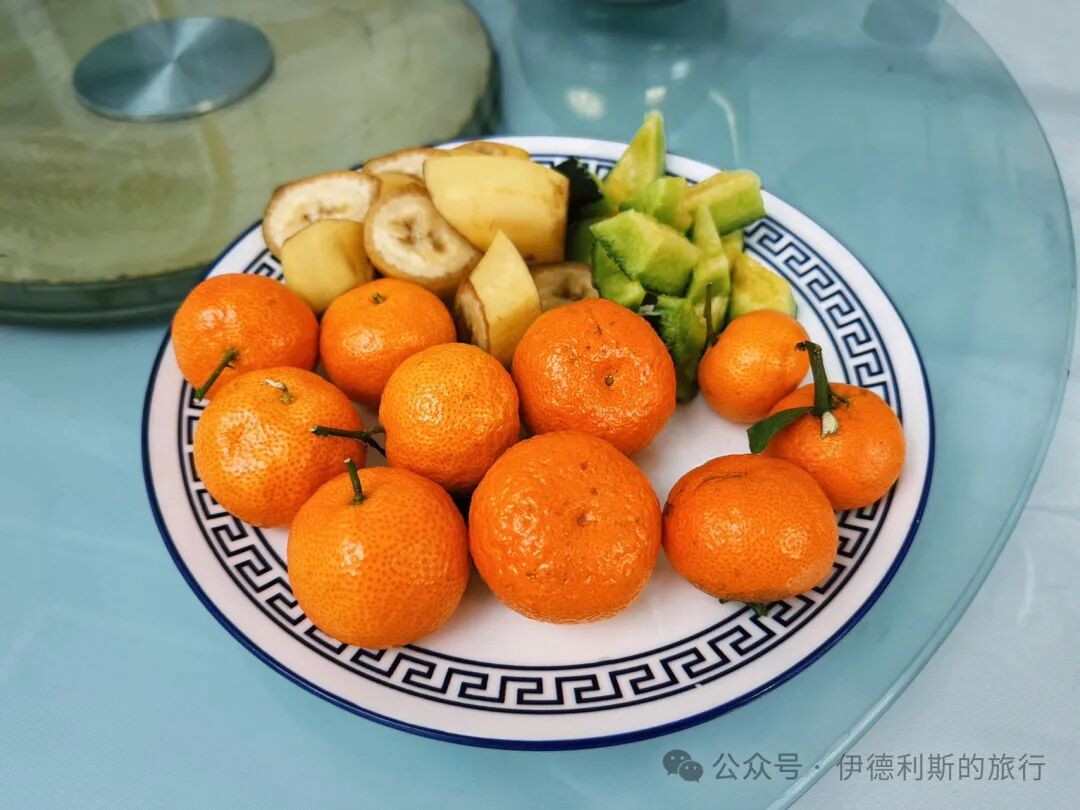
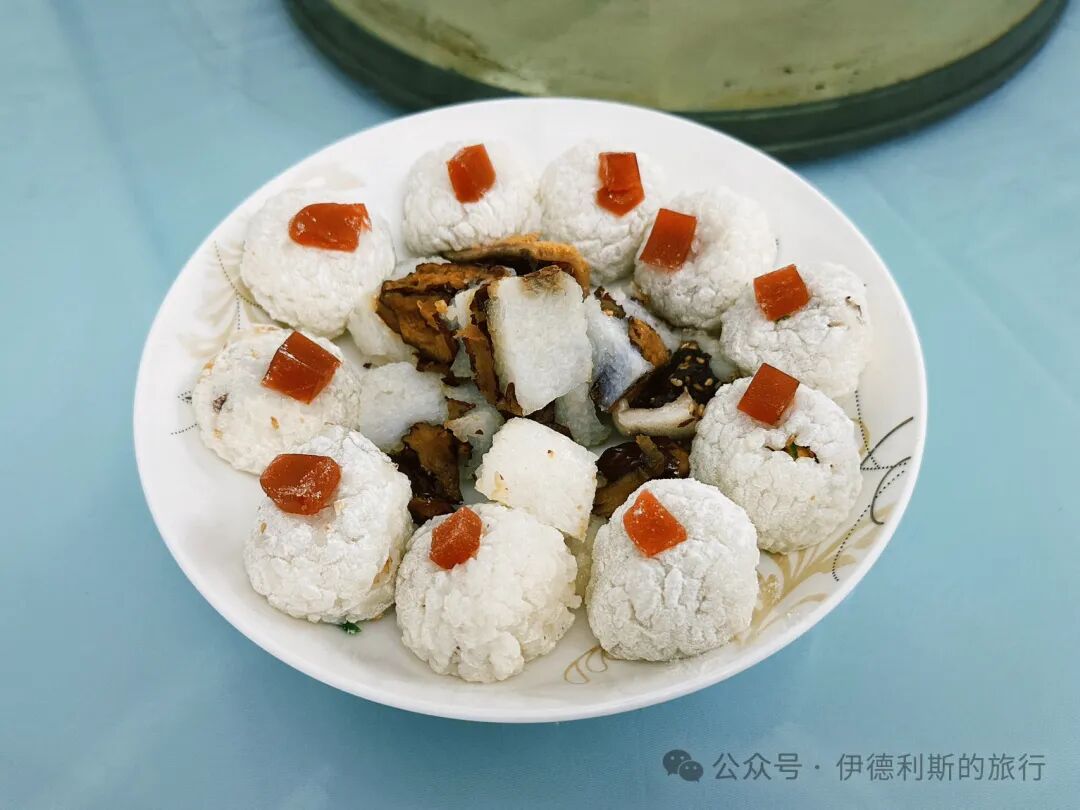
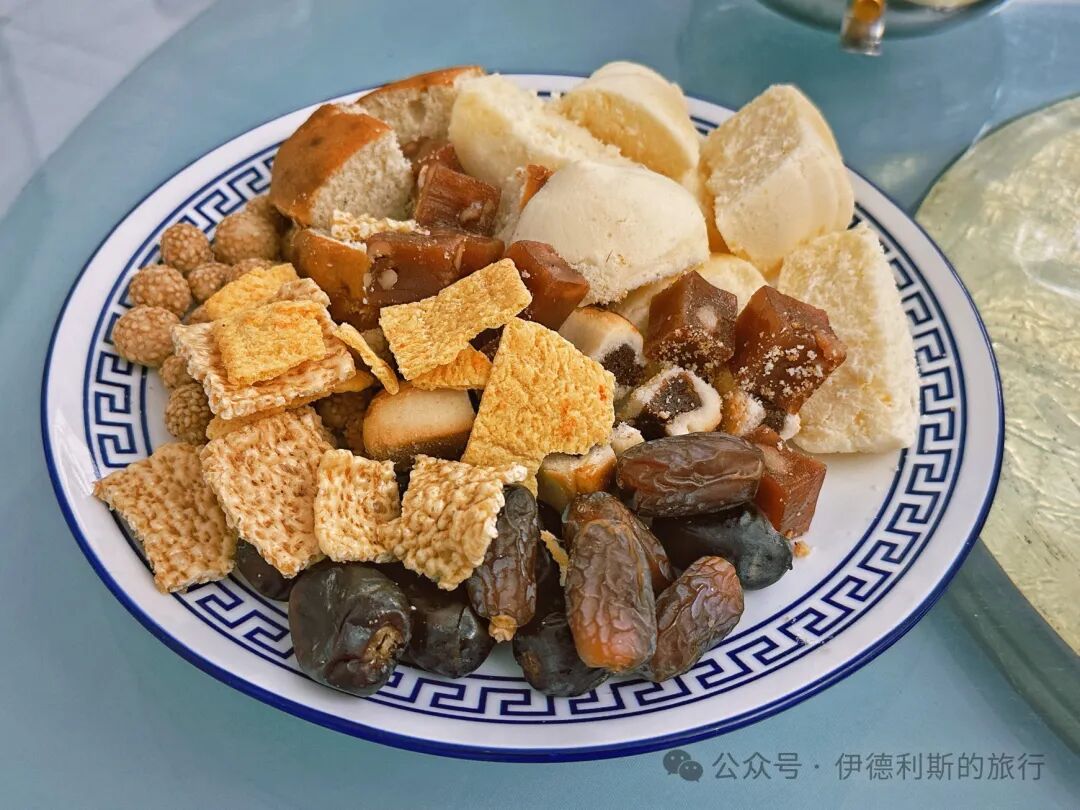
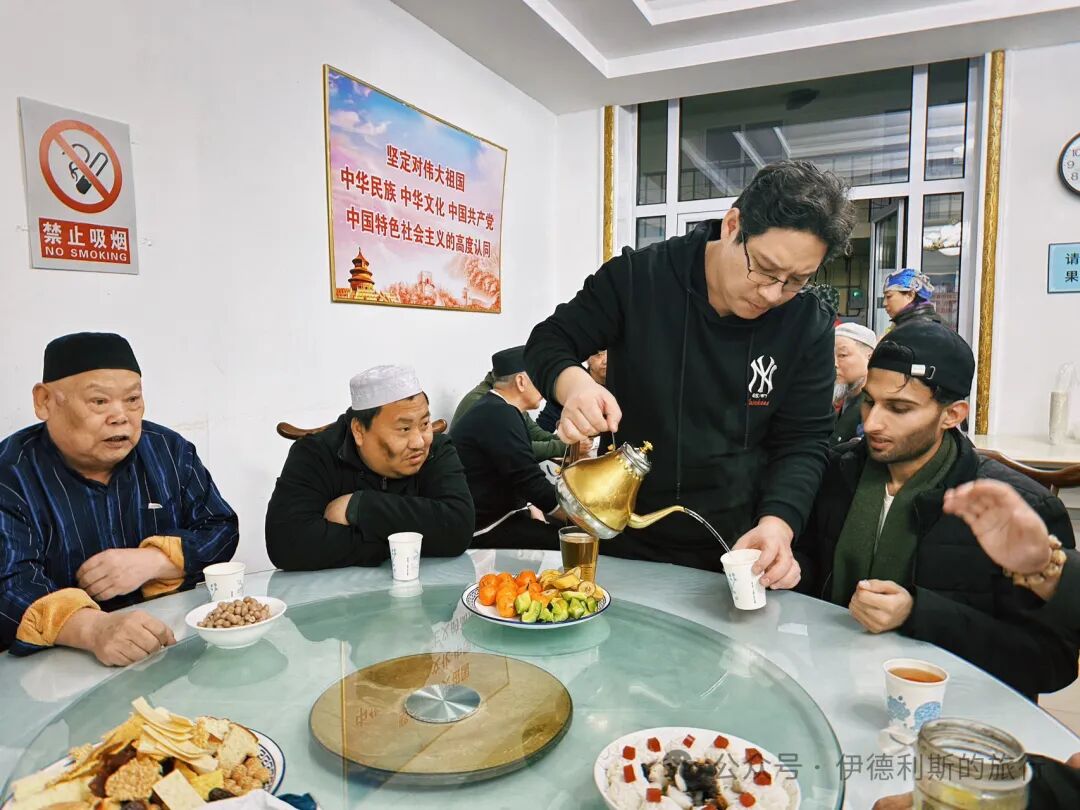
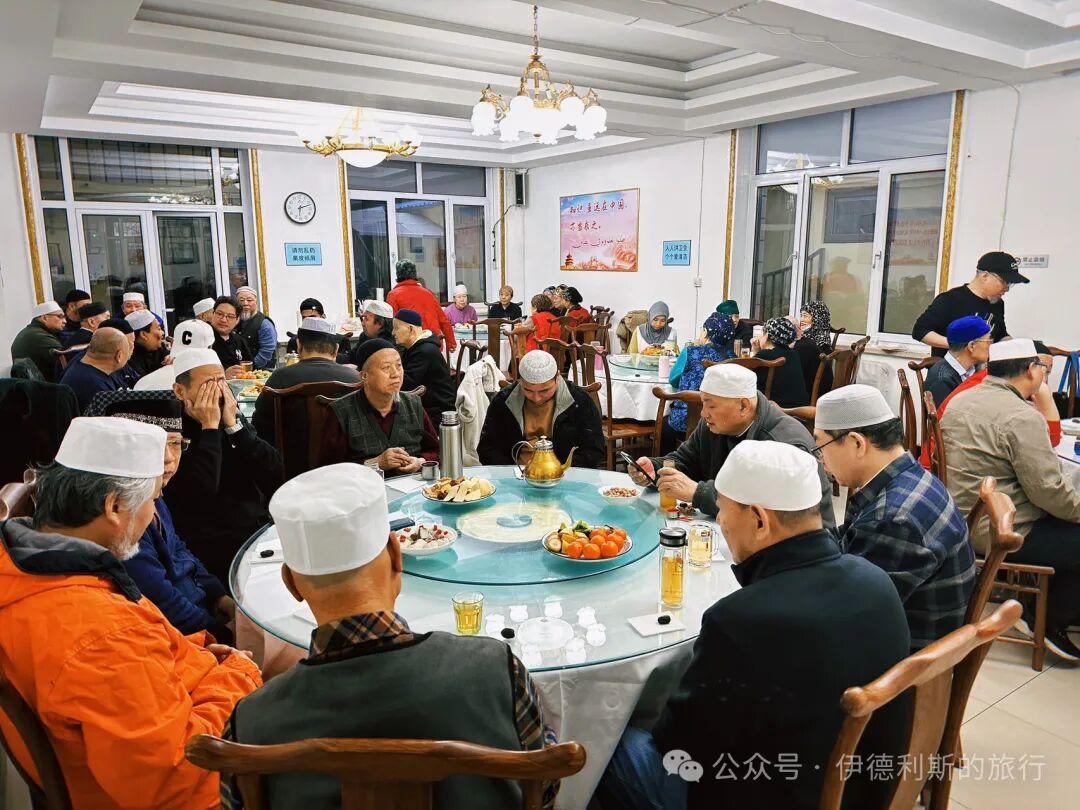
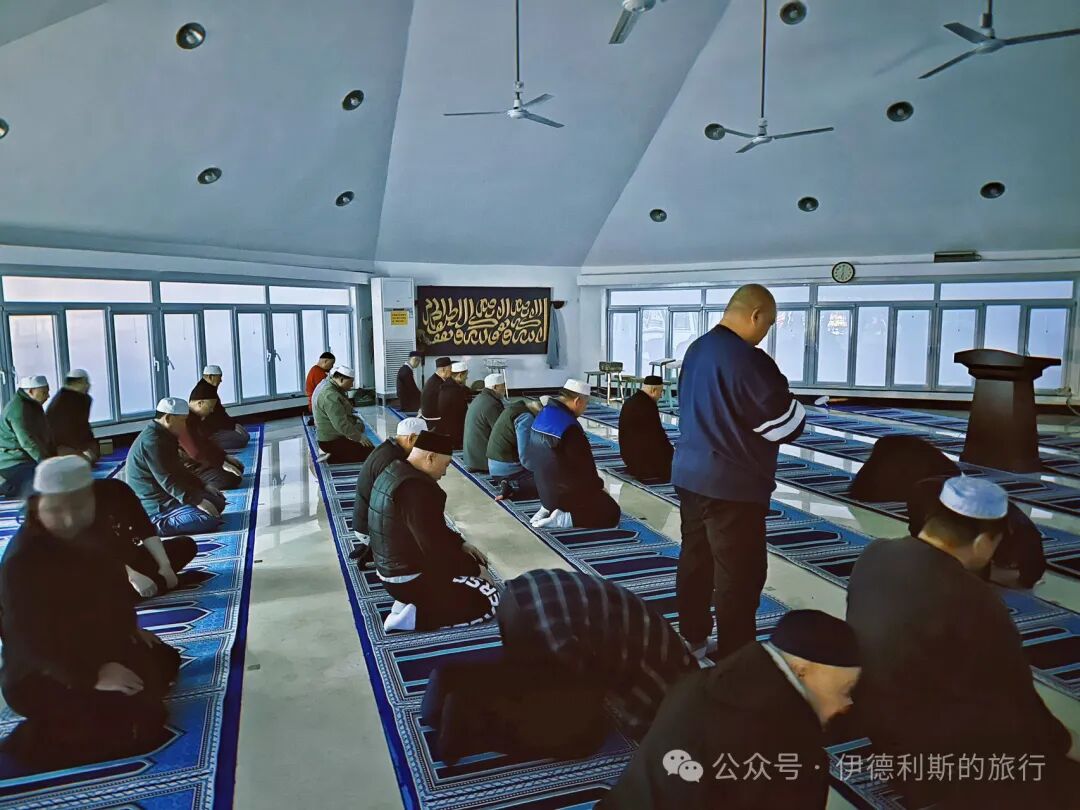
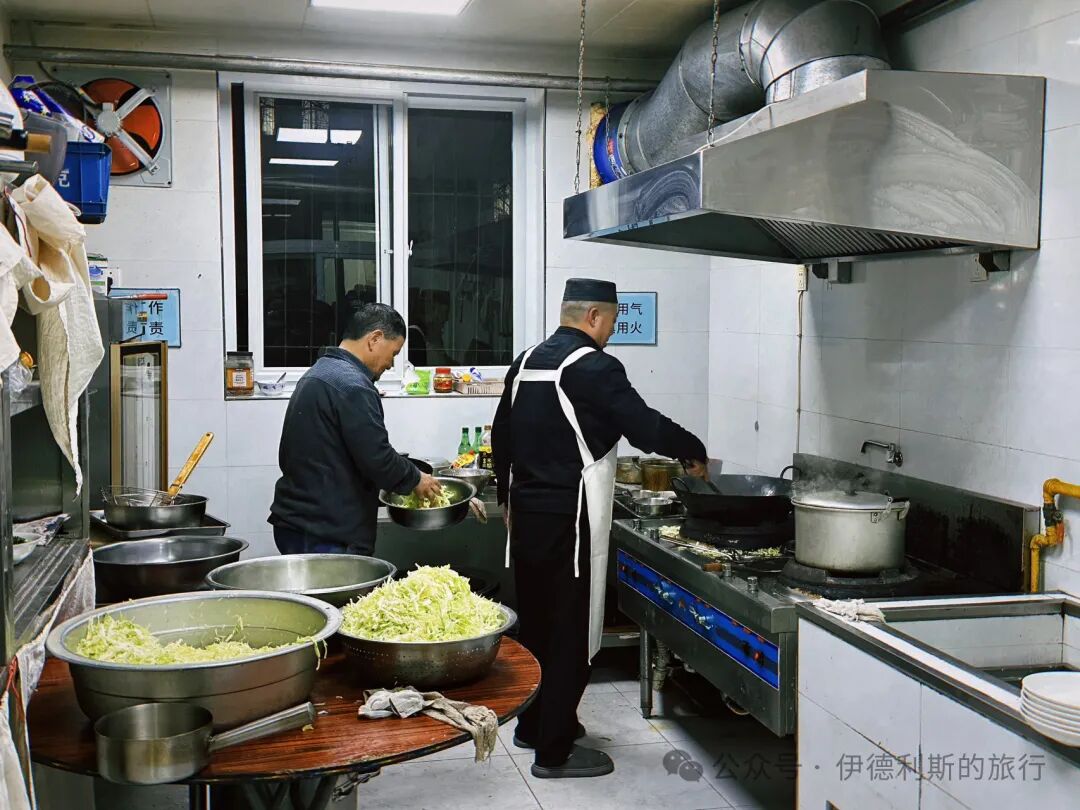
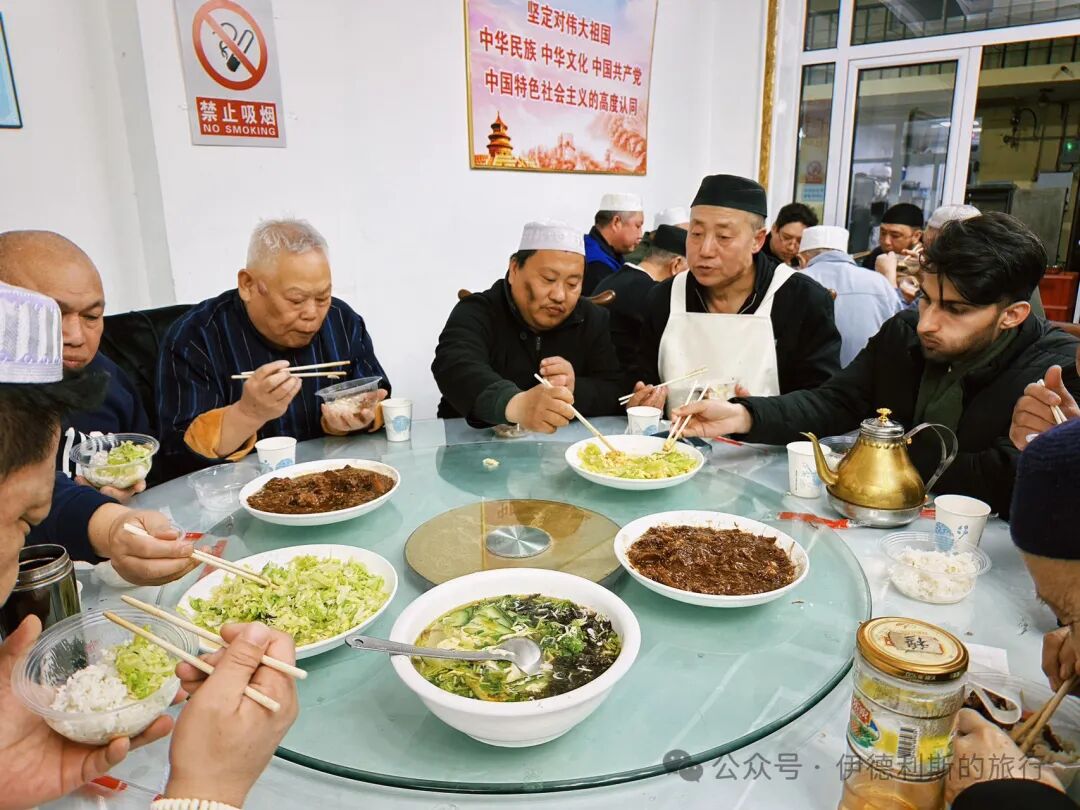
I had pilaf (zhuafan) at home on Sunday morning.
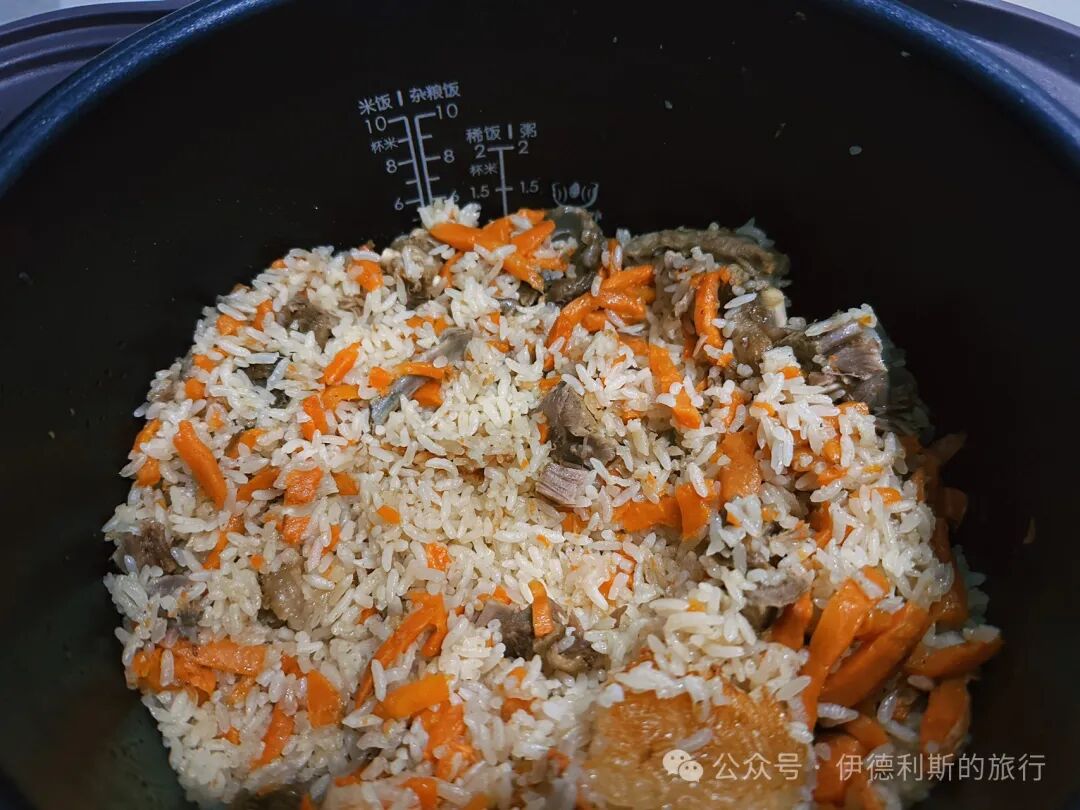
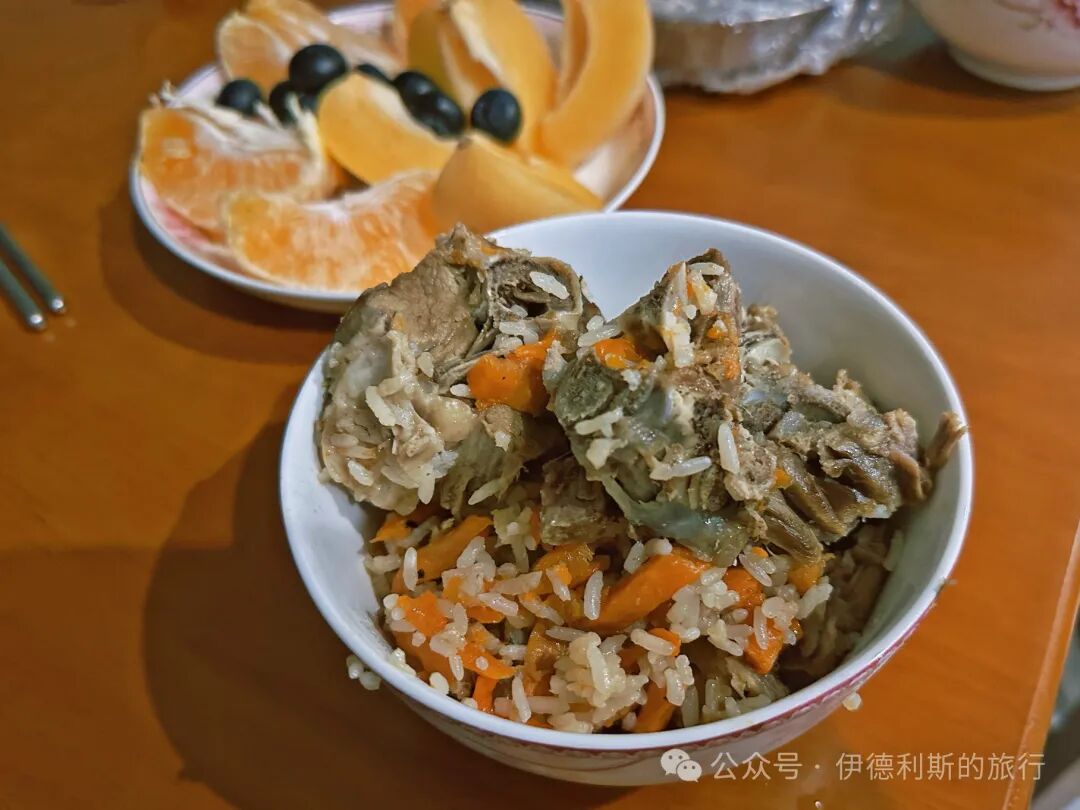
On Sunday night, I went to the Fuxingzhuang Mosque in the Hedong District of Tianjin. I met the imam (ahong) of the mosque when he was studying in Beijing. We met again in Tianjin; he is a promising young local imam. For iftar at the mosque, we had red bean porridge, various pastries, and fruits. After the Maghrib prayer, we ate traditional-style steamed dumplings (shaomai) filled with beef, egg, and two shrimp. The elders said it tasted like the old Nanshi area. Fuxingzhuang Mosque is less than ten minutes away from Tianjin Station by bike, making it very easy to reach.
Fuxingzhuang Mosque was first built in 1927. The land was donated by the famous Tianjin Hui Muslim doctor Liu Bingyi, and his son, Liu Jilan, the head of the Ping Bao newspaper, funded the construction. It was occupied in 1958, restored in 1982, and moved to its current location in 2003 due to real estate development.
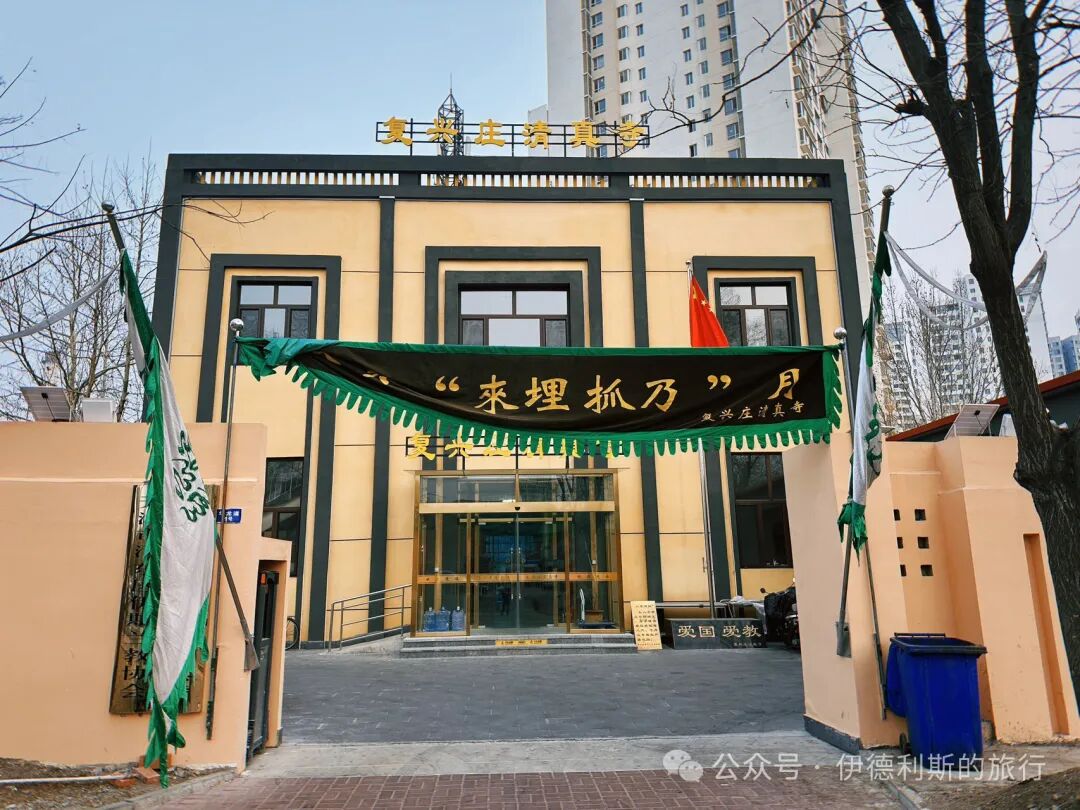
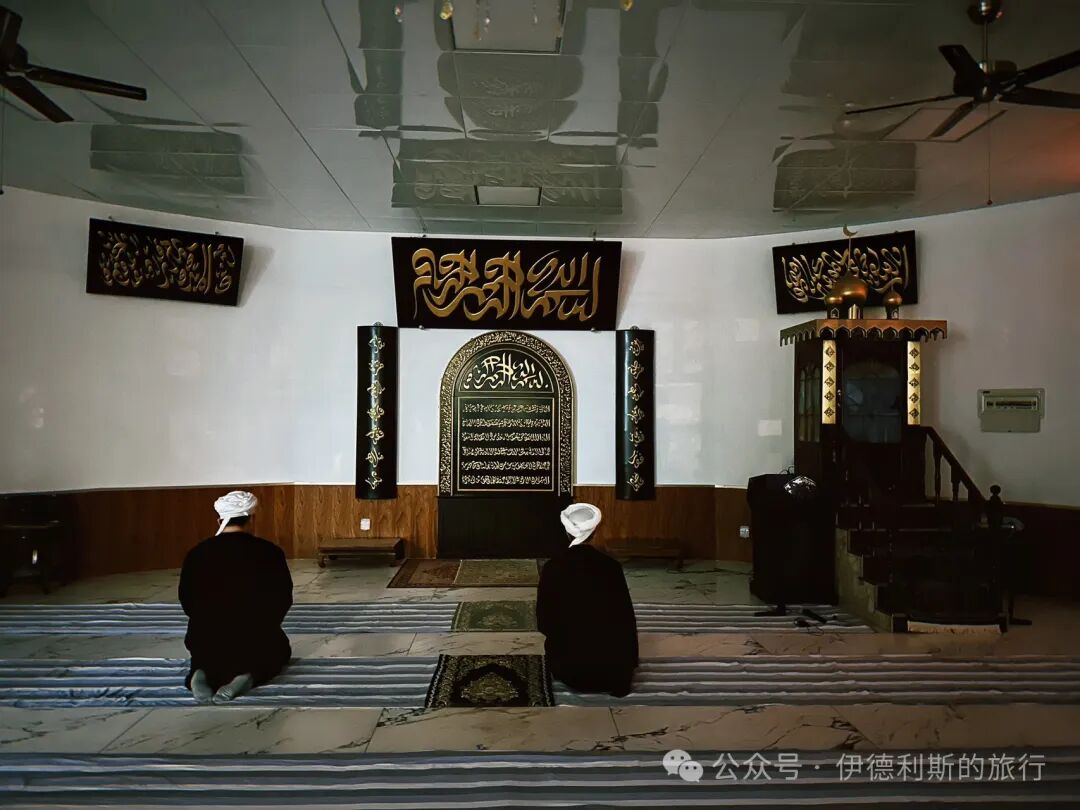
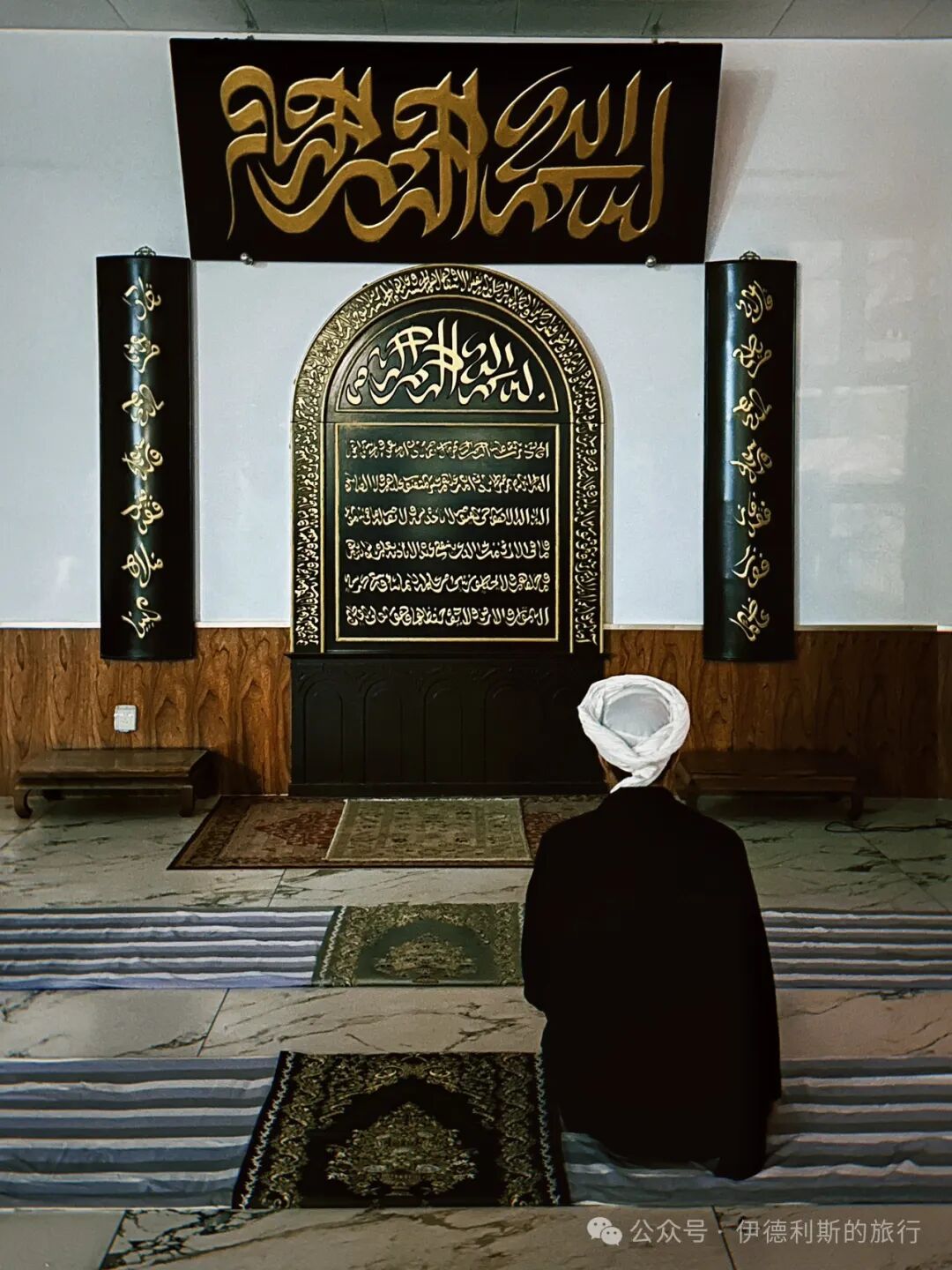
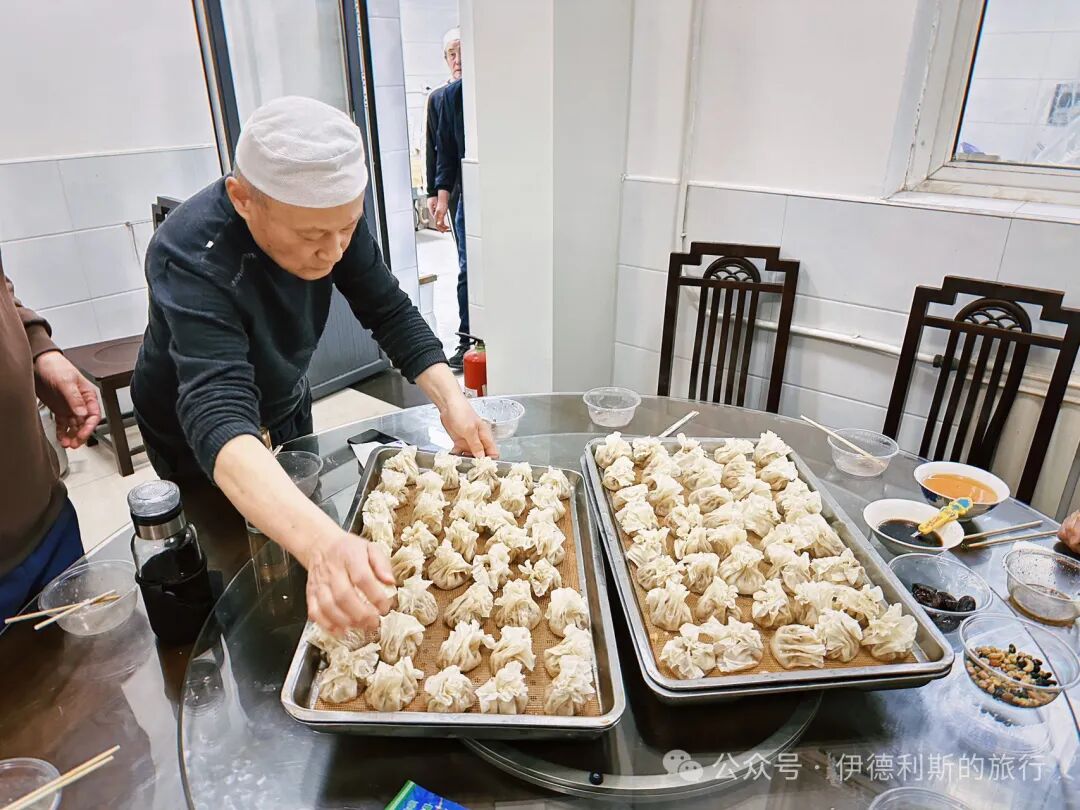
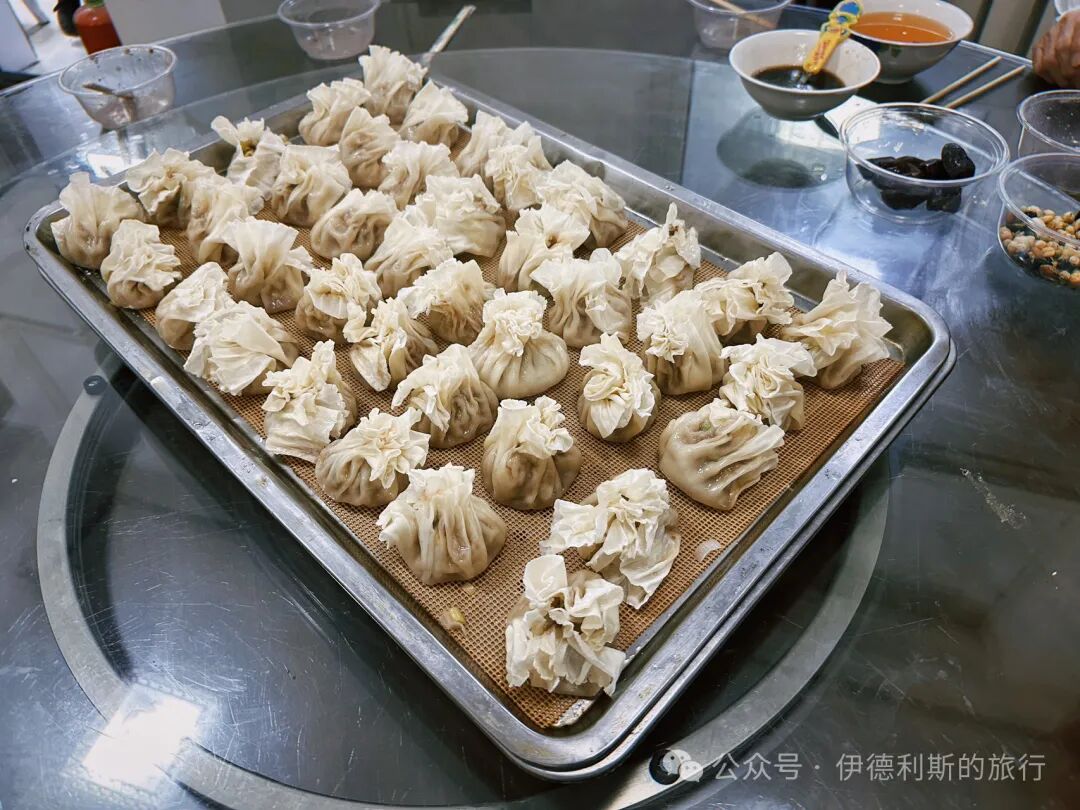
Halal Travel Guide: Ramadan Weekend 2025 — From Beijing to Tianjin
Articles • ali2007fr posted the article • 0 comments • 166 views • 2026-05-20 00:57
Summary: The first weekend of Ramadan 2025 took the writer from Beijing to Tianjin, with mosque visits, halal meals, and everyday scenes from Muslim life. The article keeps the original route, food details, photos, and local observations while presenting them in natural English.
February 28: Start of Ramadan.
Welcoming Ramadan, I prayed my first Taraweeh at the Dongsi Mosque in Beijing. I was pleasantly surprised when Imam He invited me to lead the recitation (suo'er).
March 1: First day.
I made a pot of Ashura bean porridge (ashura doudoufan) in advance. I added water and drank two big bowls in the morning, which felt great.
I went to Tianjin in the morning. In the evening, I prayed Maghrib (shamu) at the Northwest Corner Mosque (Xibeijiao Dasi). I was surprised to see only five or six people there. An elder (xianglao) gave me dates to break my fast. After prayer, I went to eat meat pies at Sangu Meat Pie (Sangu Roubing). I have been eating there for ten years, and it is as delicious as ever. The crust is crispy, and you can smell it from far away.
After dinner, I went to the Tianjin Great East Mosque (Dongdasi) to pray Taraweeh. Tianjin follows the 'old third day' tradition, so most mosques there start Ramadan one day later than in Beijing. The original site of the Great East Mosque was in Gujiao Hutong outside the South Gate. In 1915, Gao Hanting's grandfather donated the property, and it was organized by Zheng Yuande, Liu Haowei, Mu Xinglan, and others. In 2008, it moved from outside the South Gate to its current location on Nankai Second Road, right next to the Haiguangsi Station on Metro Line 1. This day happened to be the 'Dragon Raises Its Head' festival on the second day of the second lunar month. People in Tianjin like to set off fireworks and firecrackers. We prayed Taraweeh almost entirely to the sound of firecrackers, which made me feel the strength of my Iman even more. I also met Mr. Wu Peng from the 'Tianxia Huihui' program at the mosque. It turns out he is an elder at the Tianjin Great East Mosque.
March 2: Second day.
In the morning, my mother-in-law made big plate chicken (dapanji) and beef stew with potatoes served over rice.
In the evening, I went to the Tianjin Great East Mosque again to break my fast. Before Maghrib, Imam Ma gave a sermon (wa'erzi), then we recited dua, and I received pastries and fruit. After the recitation, we went into the main hall to pray Maghrib. There is a saying, 'From Nanjing to Beijing, the lights are only turned on after Maghrib.' The main hall looked especially solemn and dignified in the sunset. In North China, there is a tradition of wearing the old-style large millstone turban (damoshipan daistal) and the new-style cross-pattern turban (shizihua daistal). This large millstone style likely comes from Persia.
I returned to the dining hall after prayer and had braised eggplant, tomato and egg, beef stew, braised fish, stir-fried shrimp, sweet and sour pork, and tomato egg drop soup. It was a very rich meal with both meat and vegetables, and both dry and liquid dishes. Every day at the Great East Mosque, someone volunteers to host the fast-breaking meal. Imam Ma Ming hosted it on the first day, and I felt very grateful. view all
Summary: The first weekend of Ramadan 2025 took the writer from Beijing to Tianjin, with mosque visits, halal meals, and everyday scenes from Muslim life. The article keeps the original route, food details, photos, and local observations while presenting them in natural English.
February 28: Start of Ramadan.
Welcoming Ramadan, I prayed my first Taraweeh at the Dongsi Mosque in Beijing. I was pleasantly surprised when Imam He invited me to lead the recitation (suo'er).
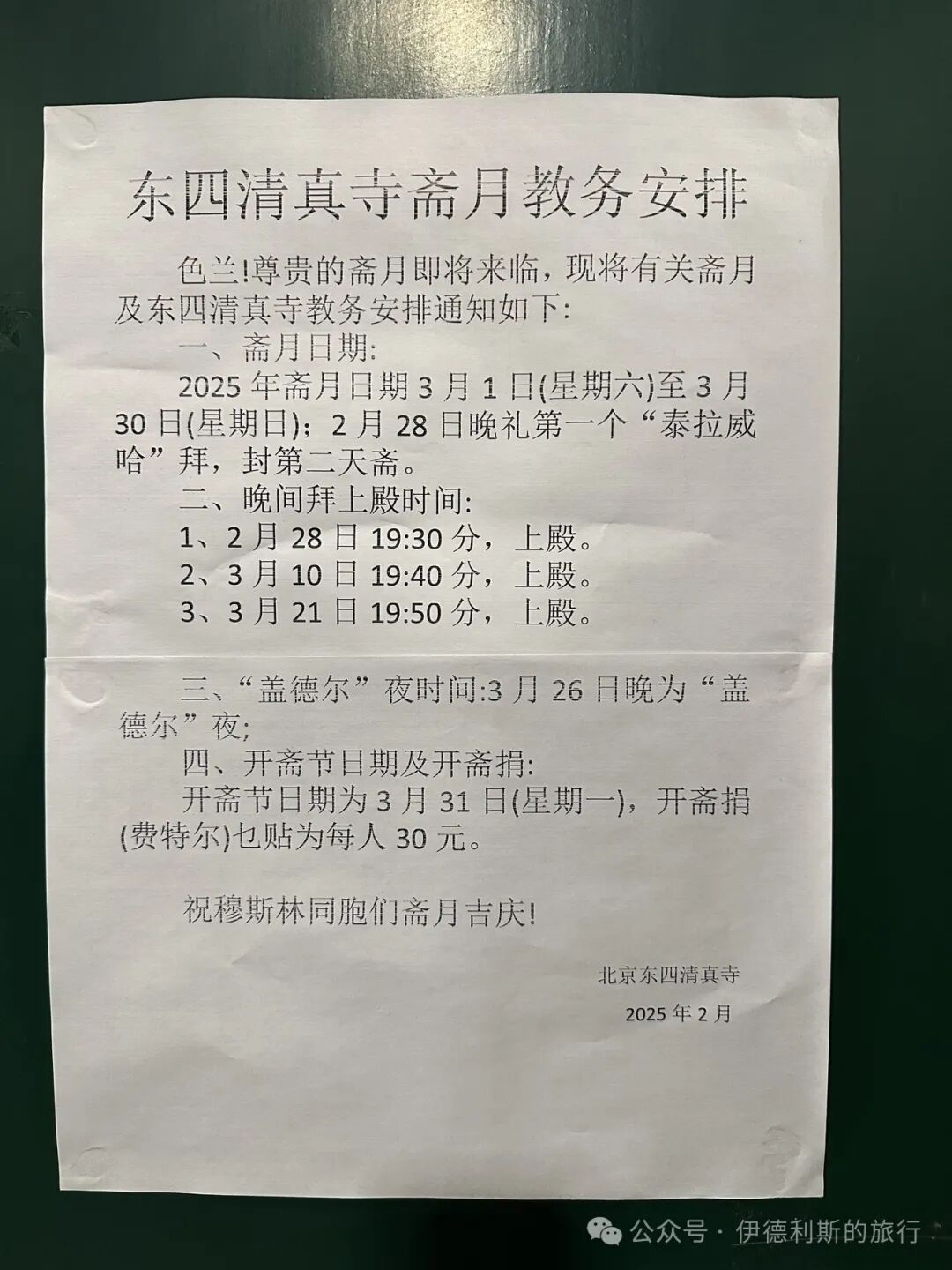
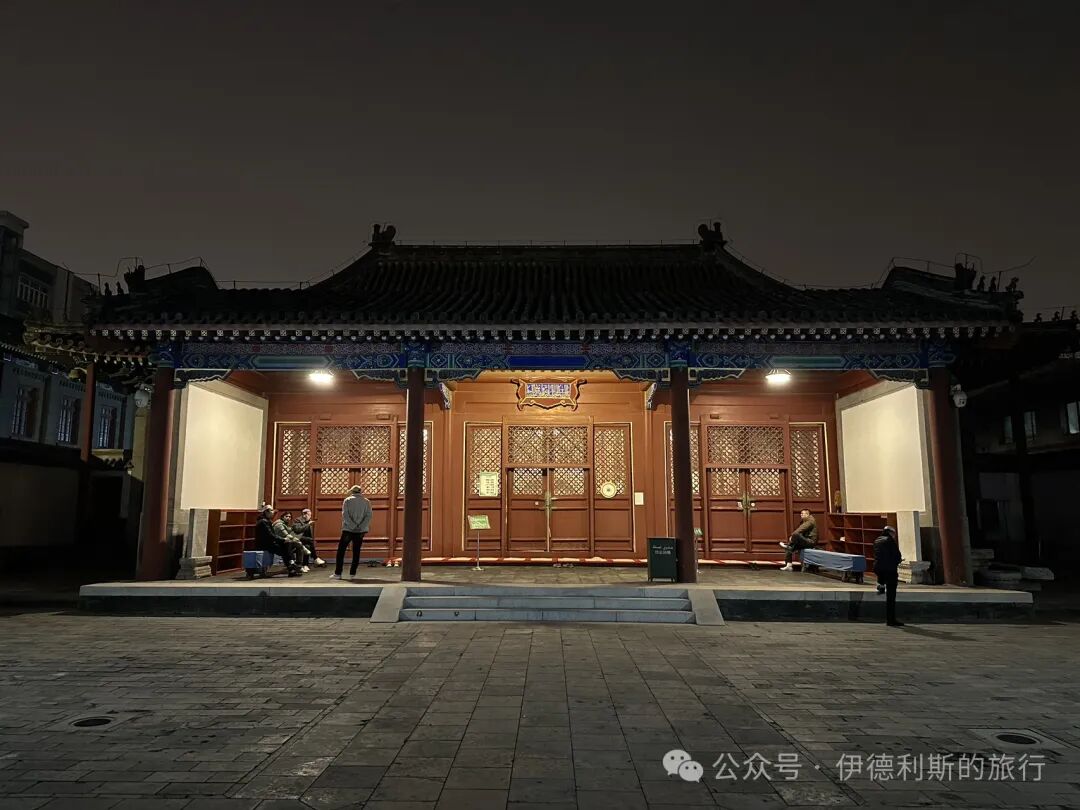
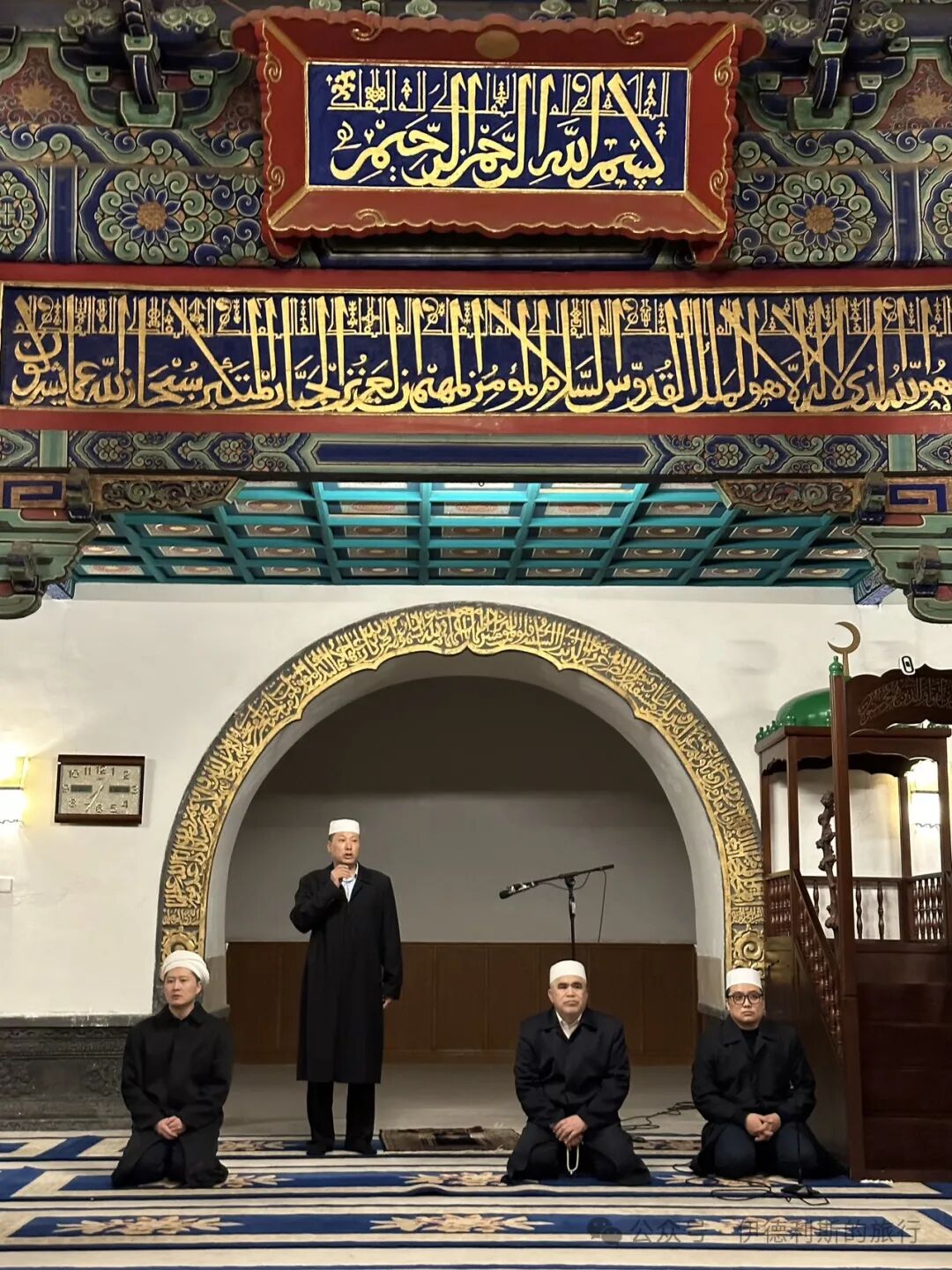
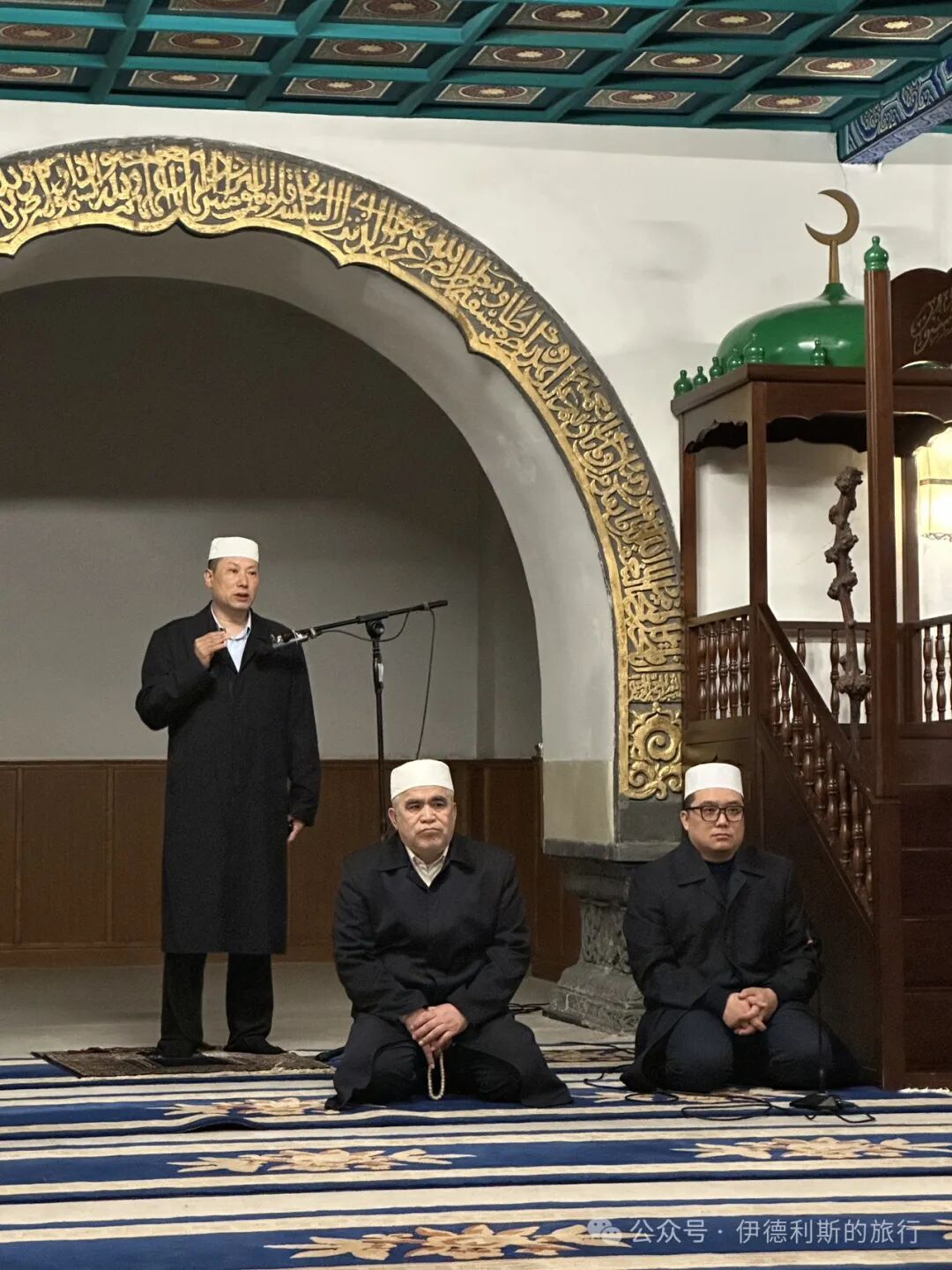
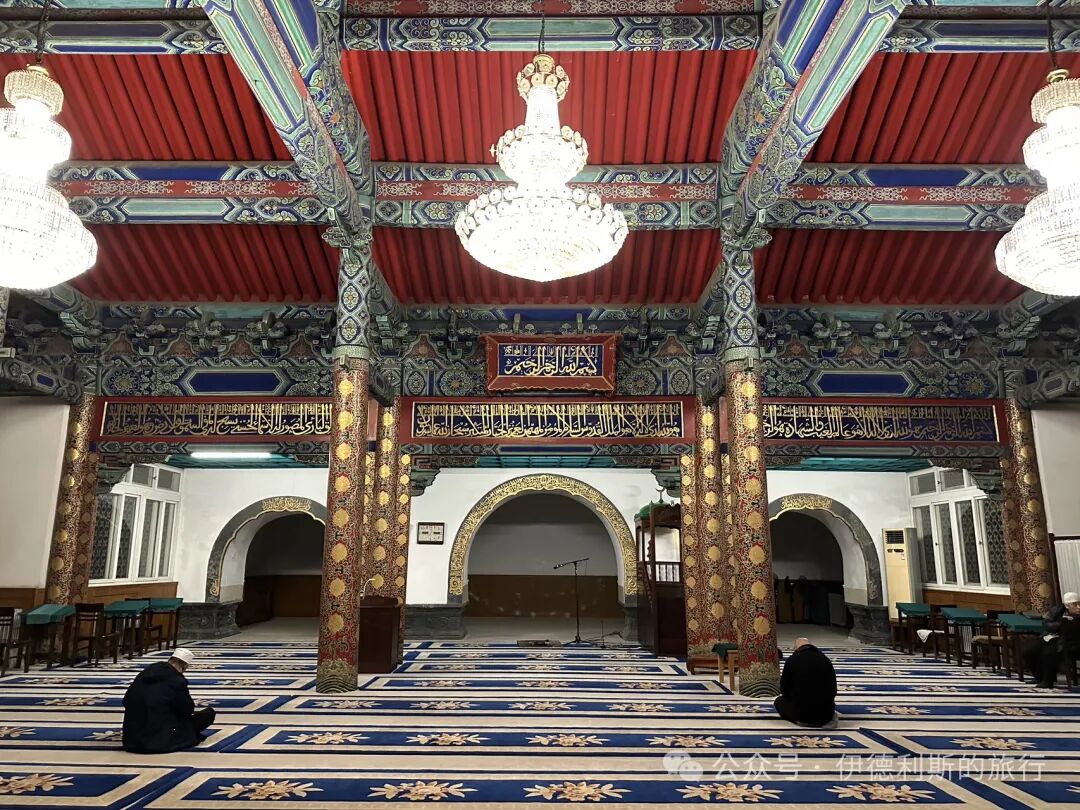
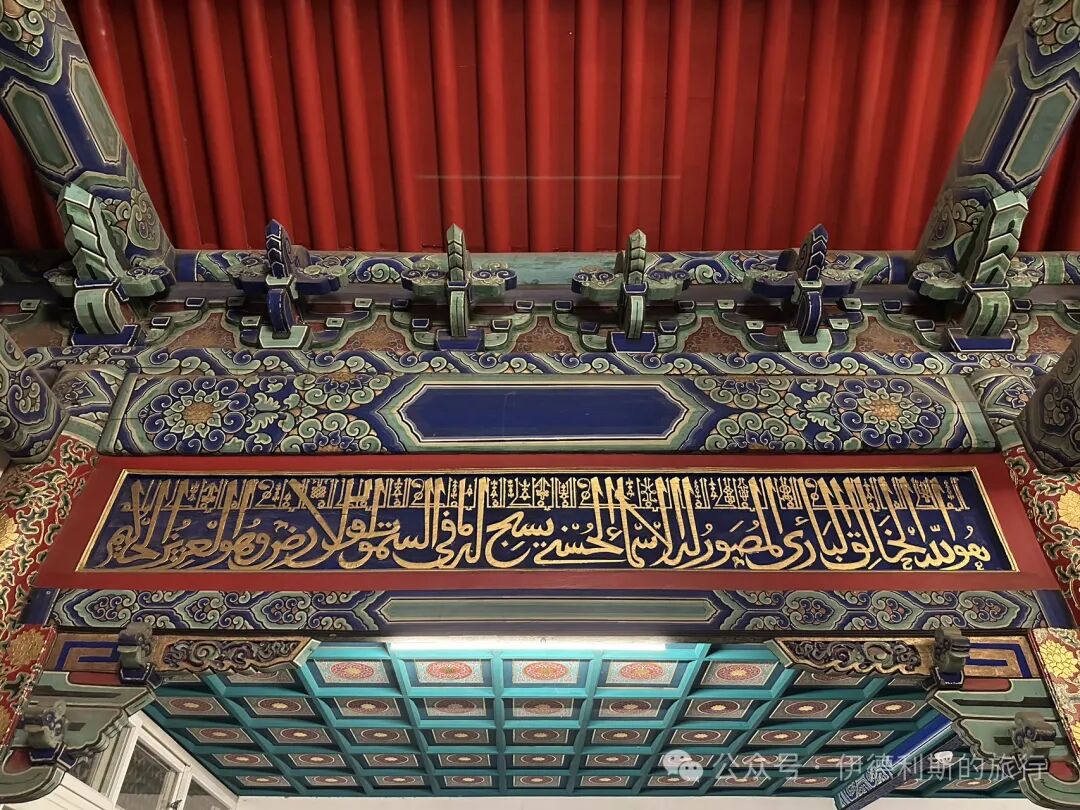
March 1: First day.
I made a pot of Ashura bean porridge (ashura doudoufan) in advance. I added water and drank two big bowls in the morning, which felt great.
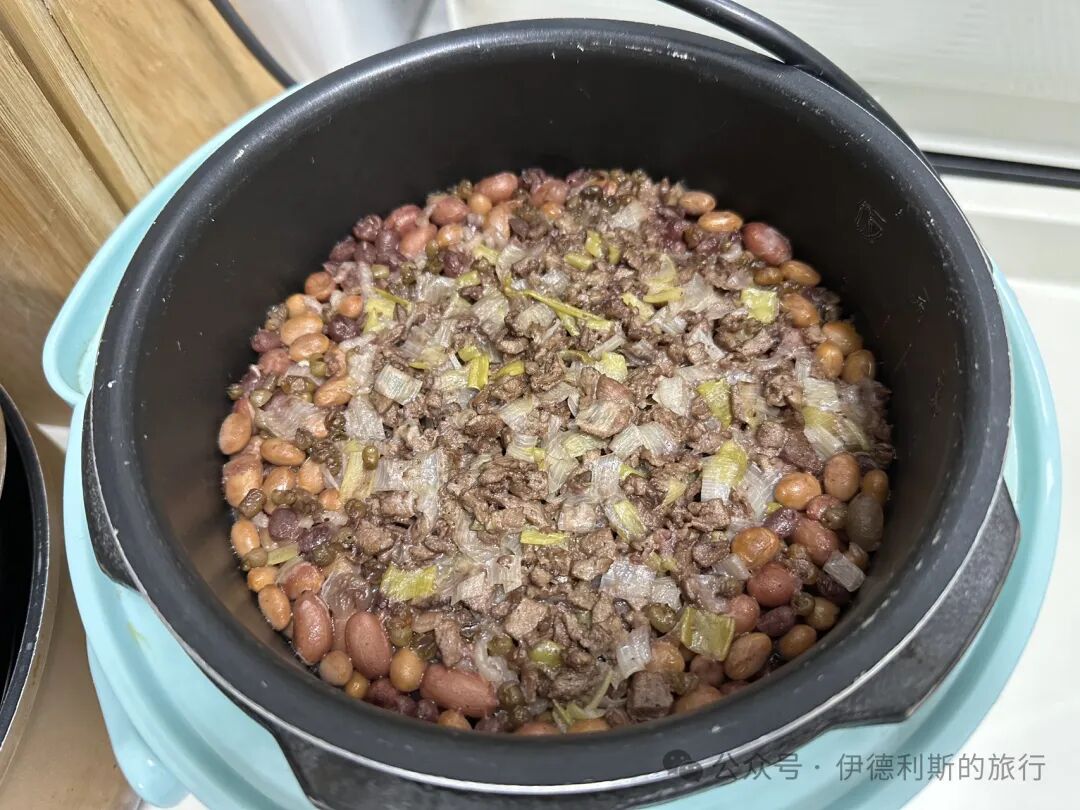
I went to Tianjin in the morning. In the evening, I prayed Maghrib (shamu) at the Northwest Corner Mosque (Xibeijiao Dasi). I was surprised to see only five or six people there. An elder (xianglao) gave me dates to break my fast. After prayer, I went to eat meat pies at Sangu Meat Pie (Sangu Roubing). I have been eating there for ten years, and it is as delicious as ever. The crust is crispy, and you can smell it from far away.
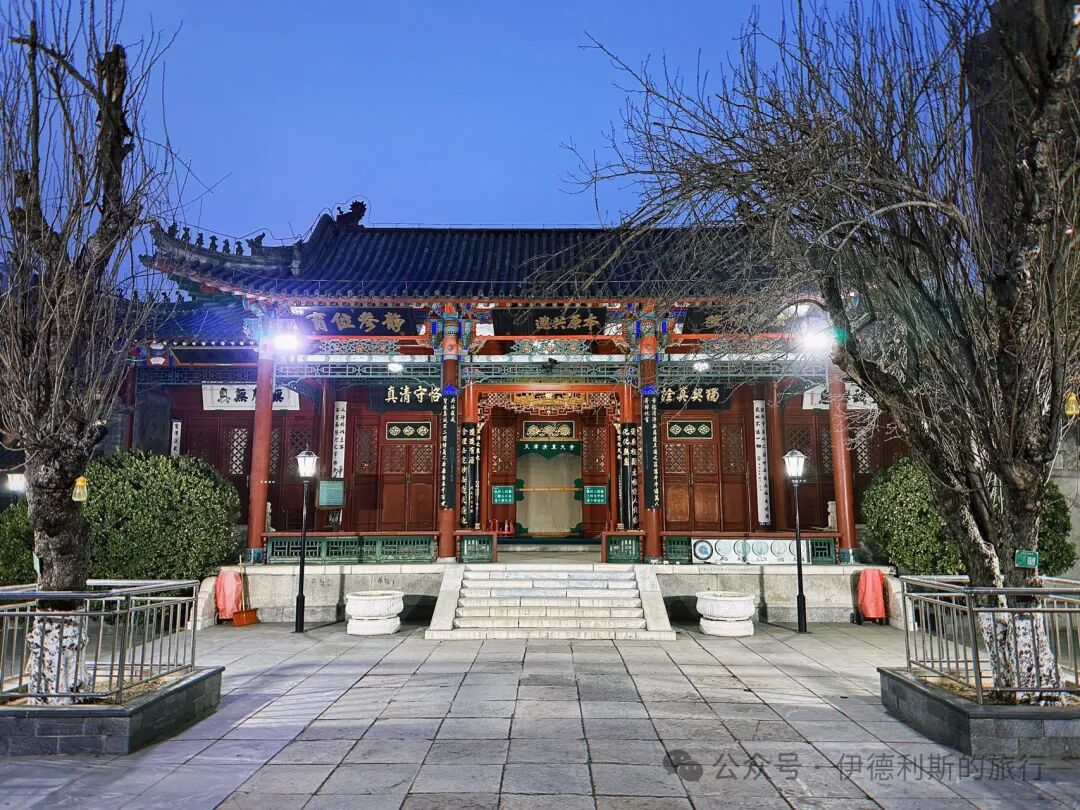
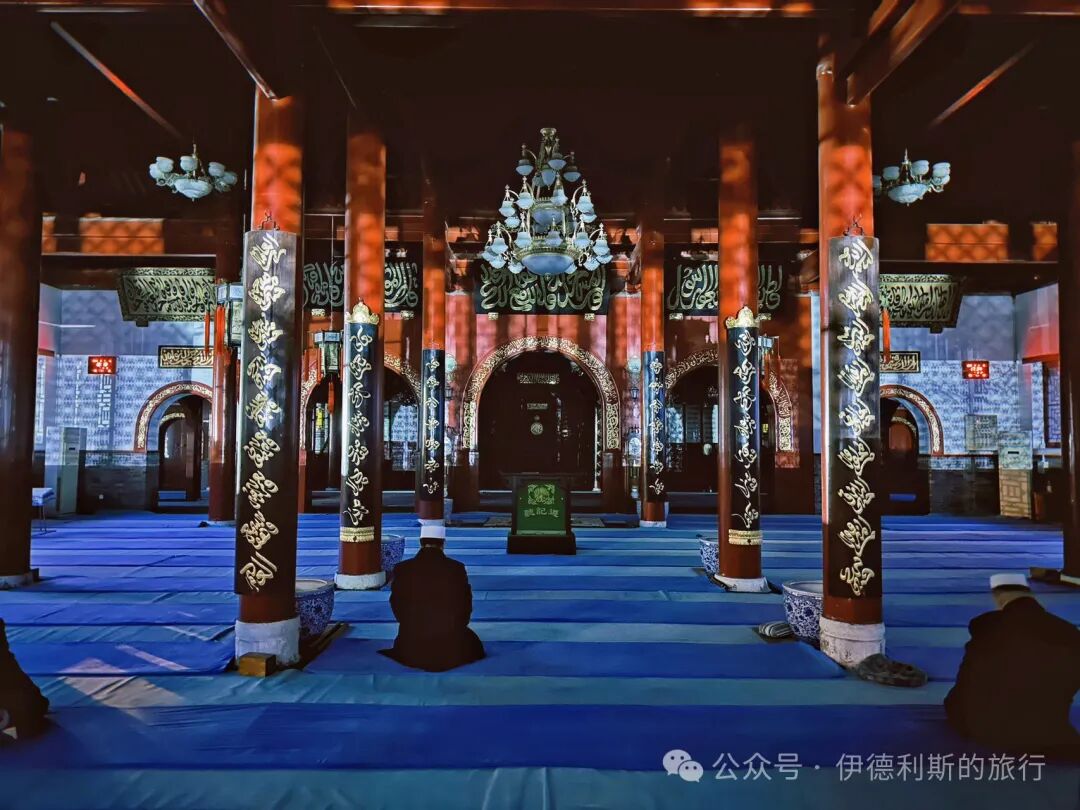
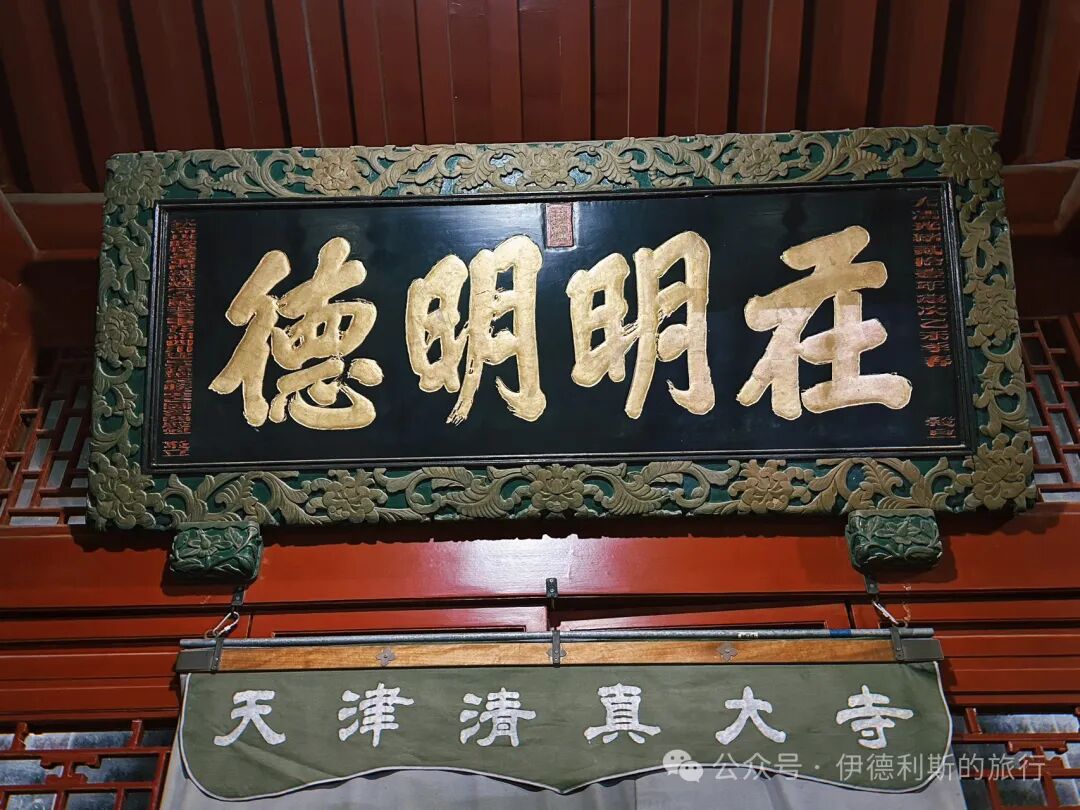
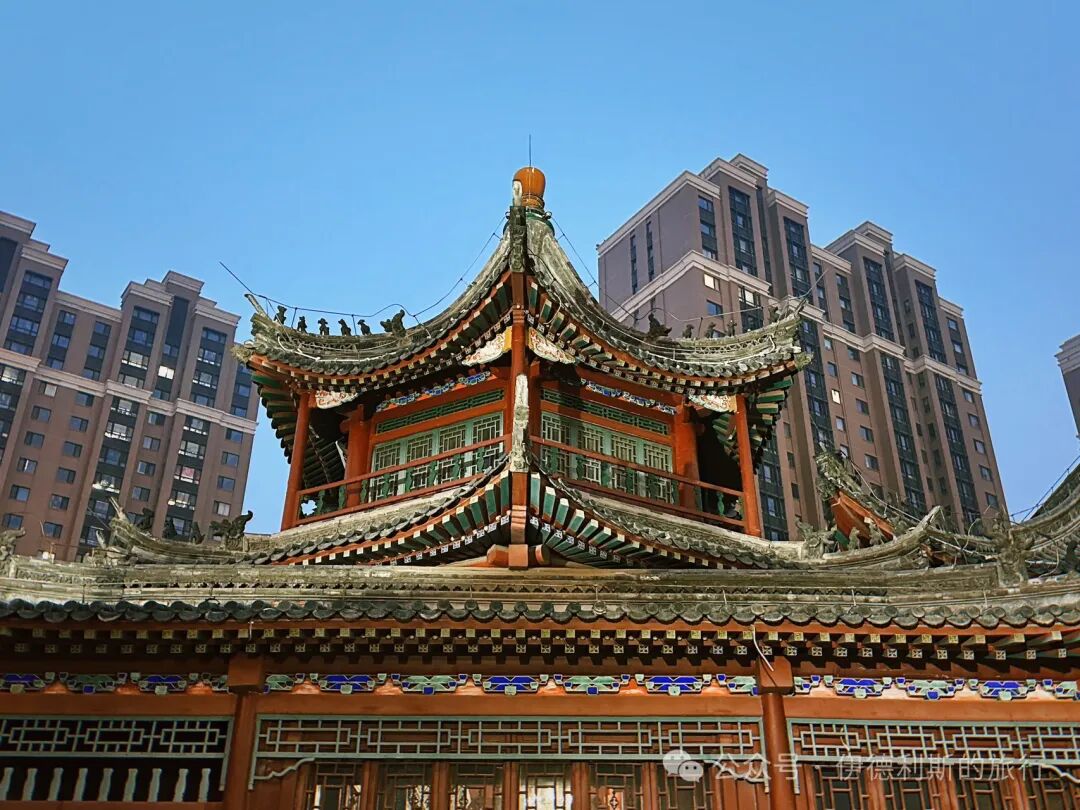
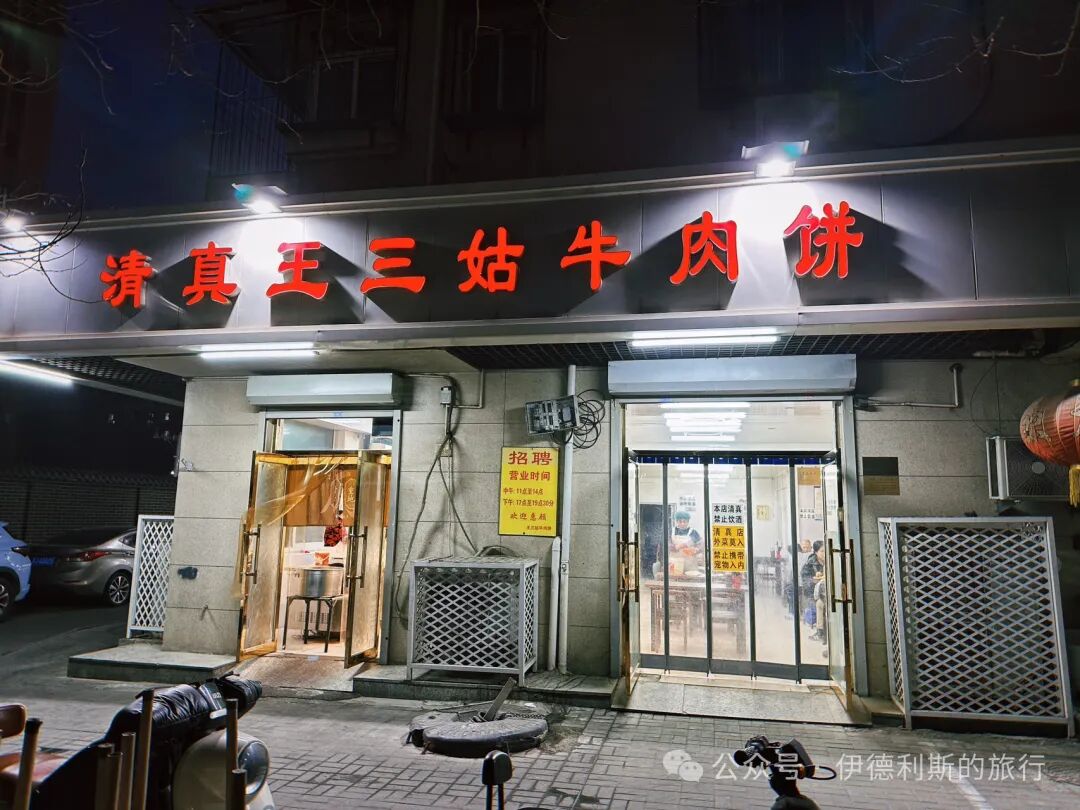
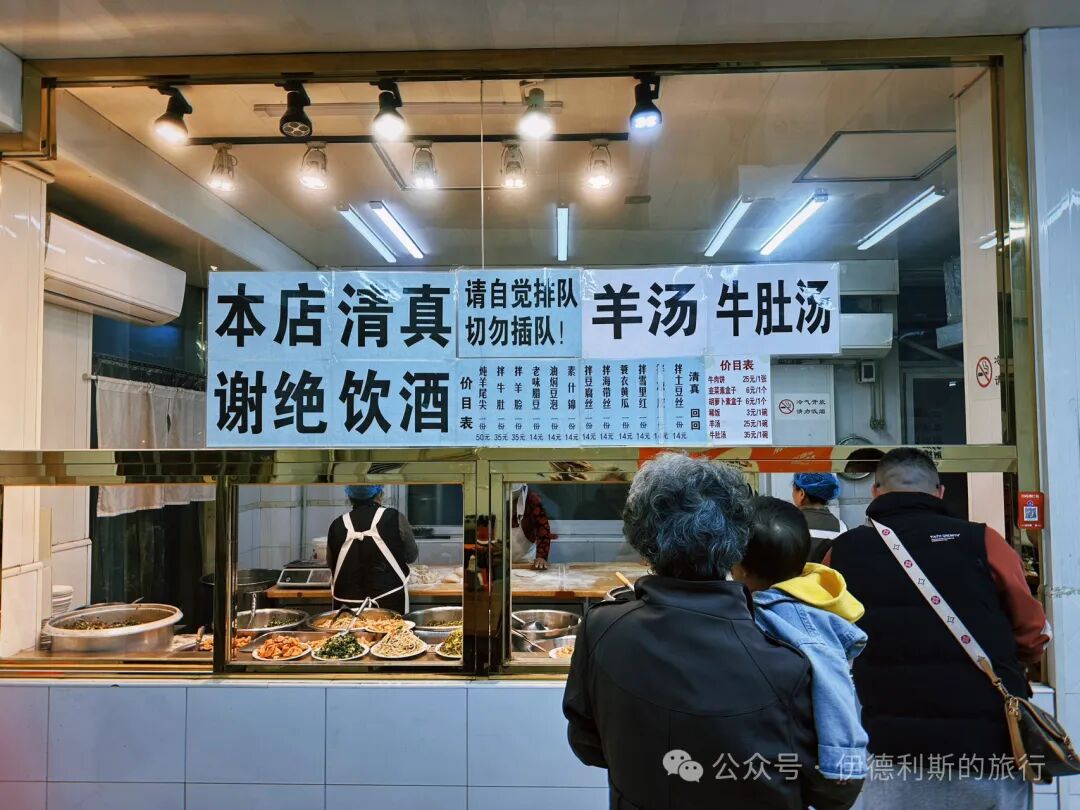
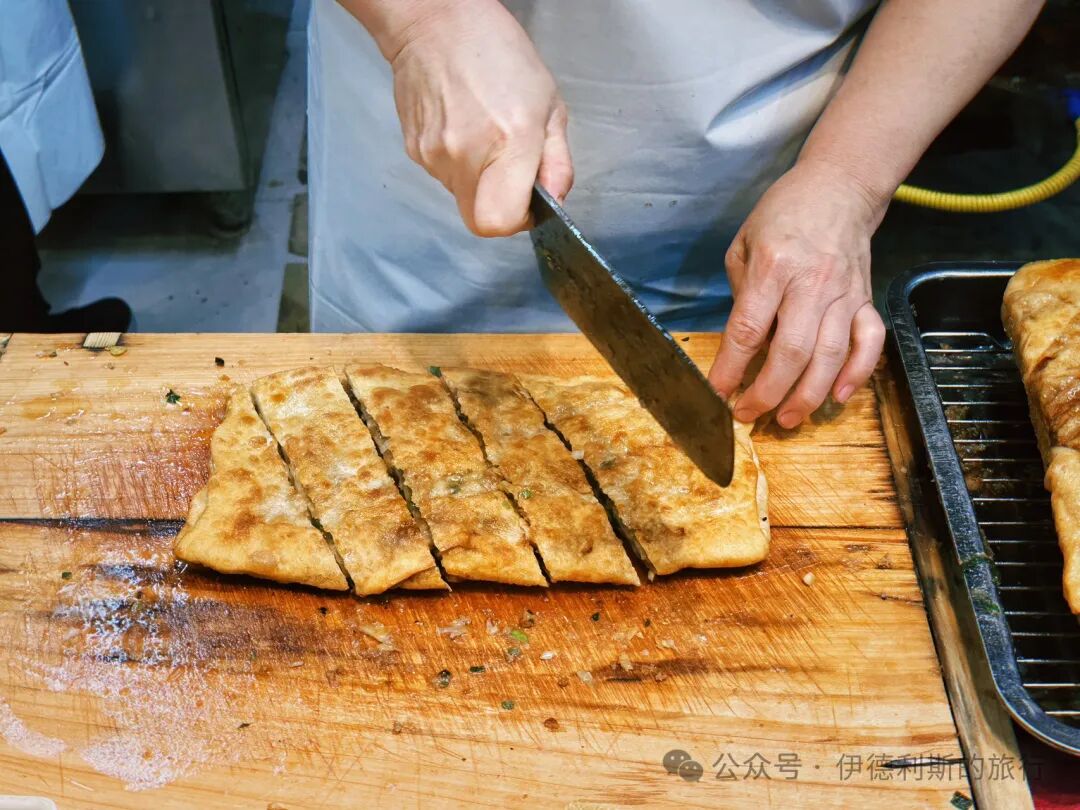
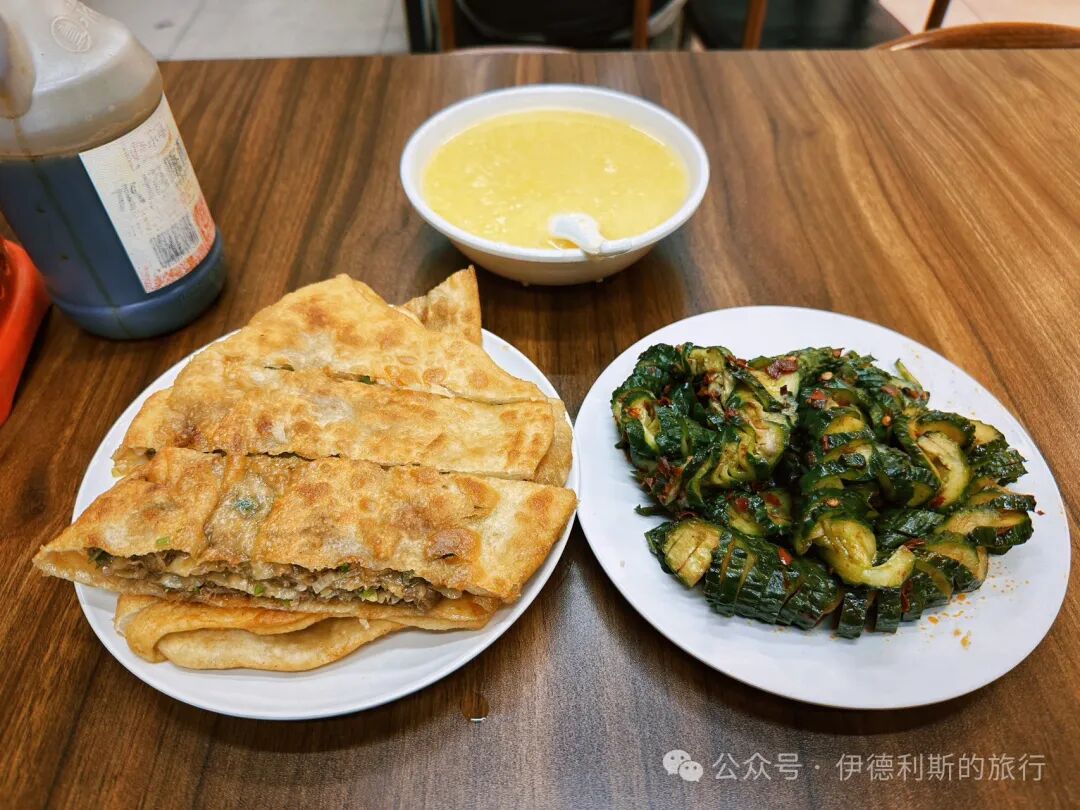
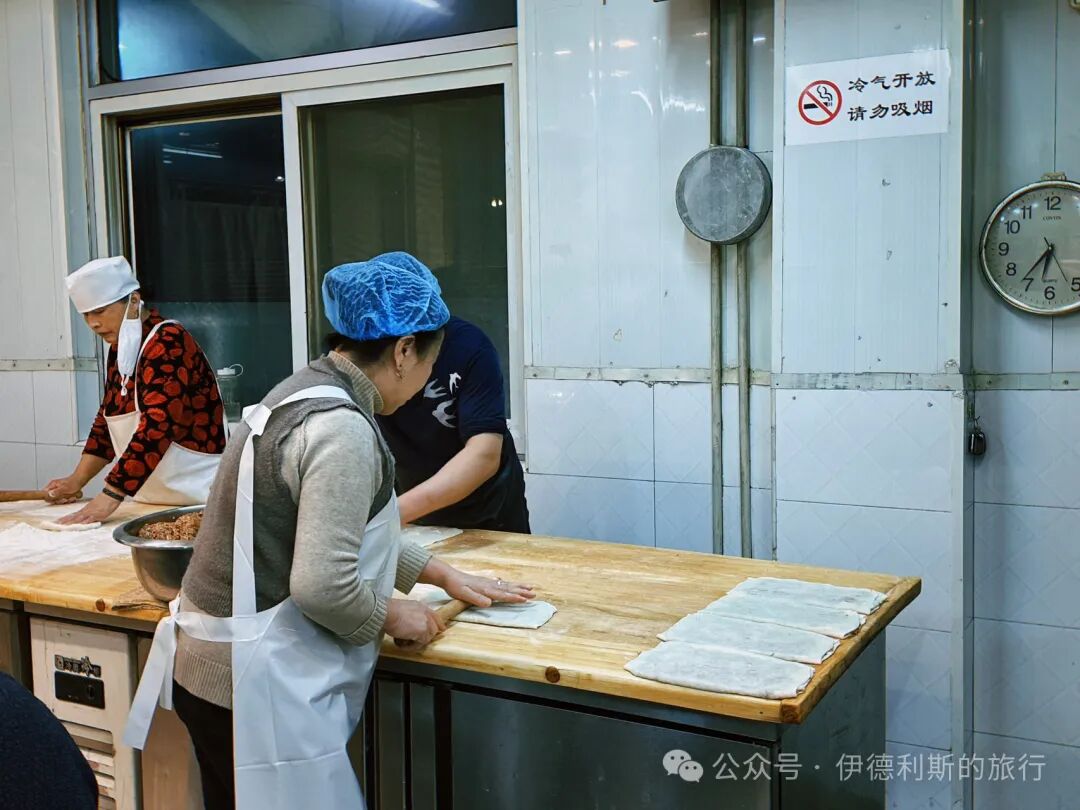
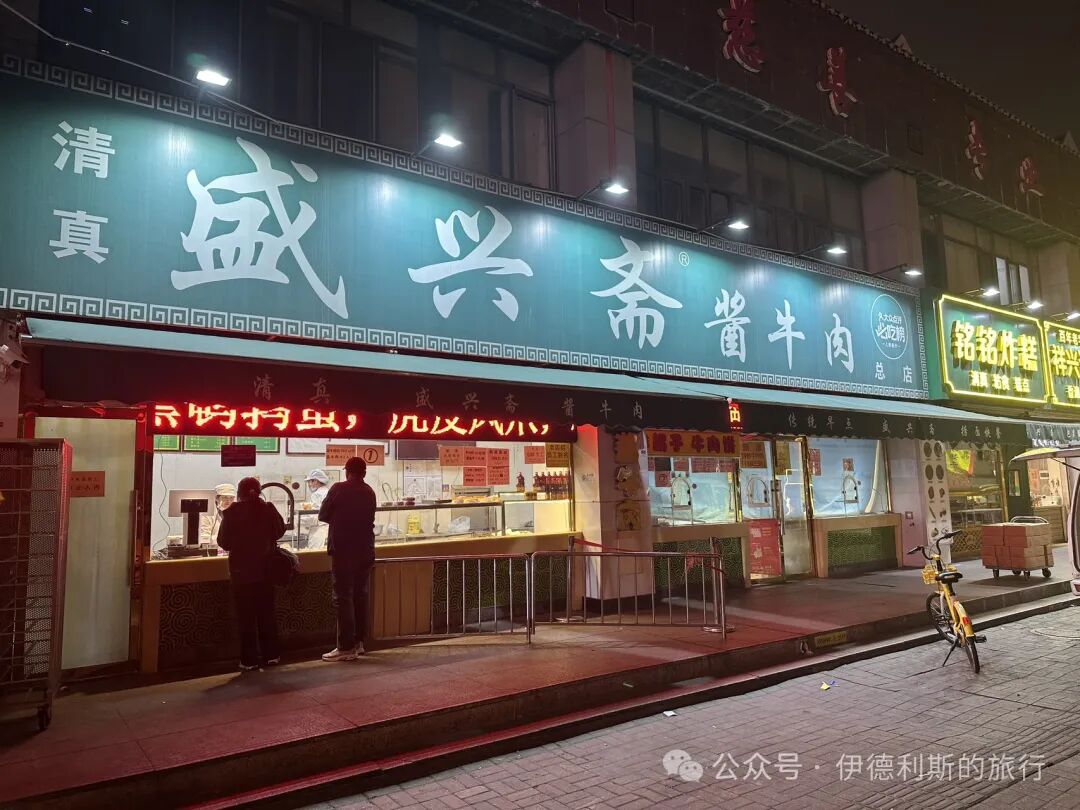
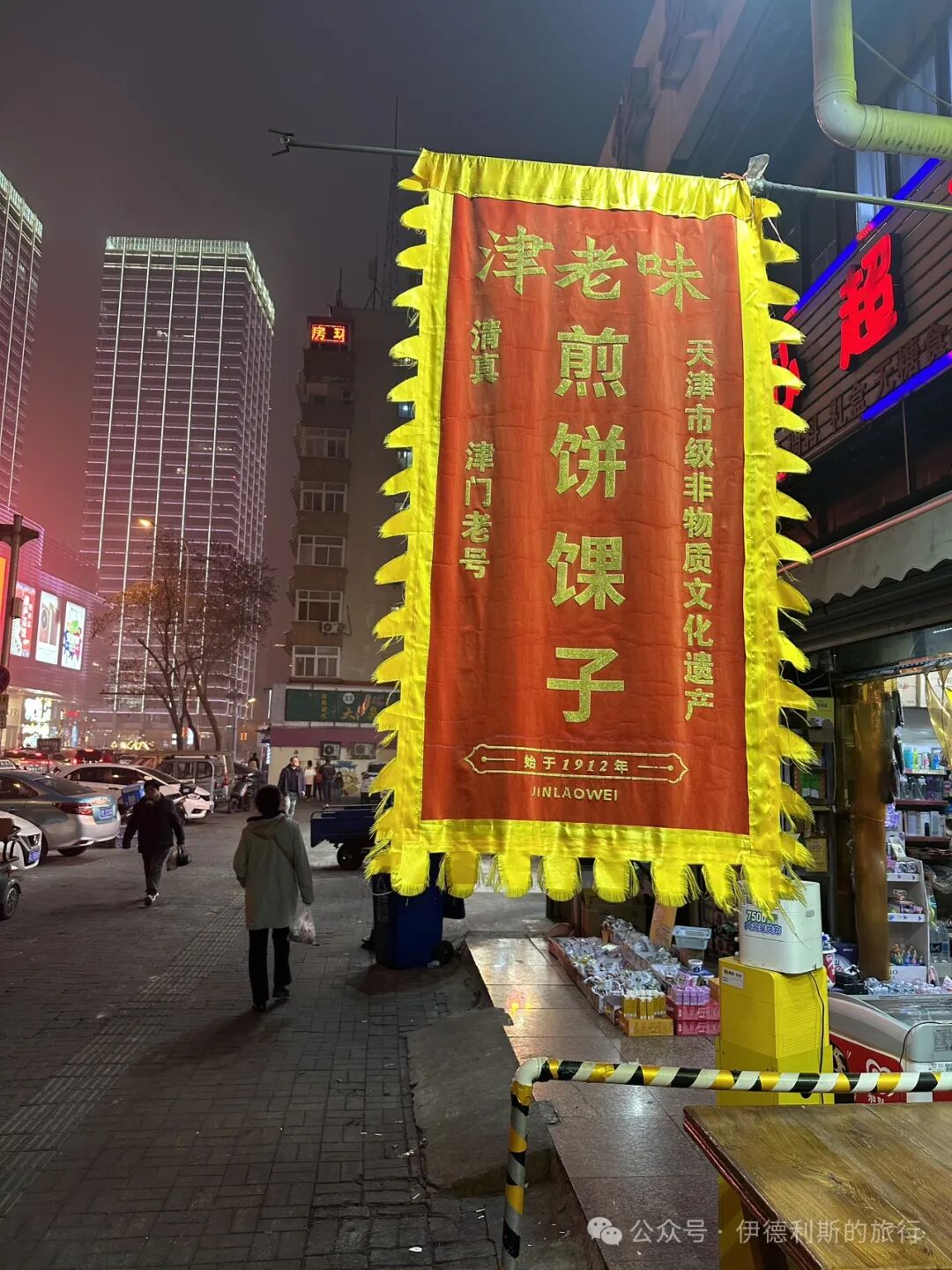
After dinner, I went to the Tianjin Great East Mosque (Dongdasi) to pray Taraweeh. Tianjin follows the 'old third day' tradition, so most mosques there start Ramadan one day later than in Beijing. The original site of the Great East Mosque was in Gujiao Hutong outside the South Gate. In 1915, Gao Hanting's grandfather donated the property, and it was organized by Zheng Yuande, Liu Haowei, Mu Xinglan, and others. In 2008, it moved from outside the South Gate to its current location on Nankai Second Road, right next to the Haiguangsi Station on Metro Line 1. This day happened to be the 'Dragon Raises Its Head' festival on the second day of the second lunar month. People in Tianjin like to set off fireworks and firecrackers. We prayed Taraweeh almost entirely to the sound of firecrackers, which made me feel the strength of my Iman even more. I also met Mr. Wu Peng from the 'Tianxia Huihui' program at the mosque. It turns out he is an elder at the Tianjin Great East Mosque.
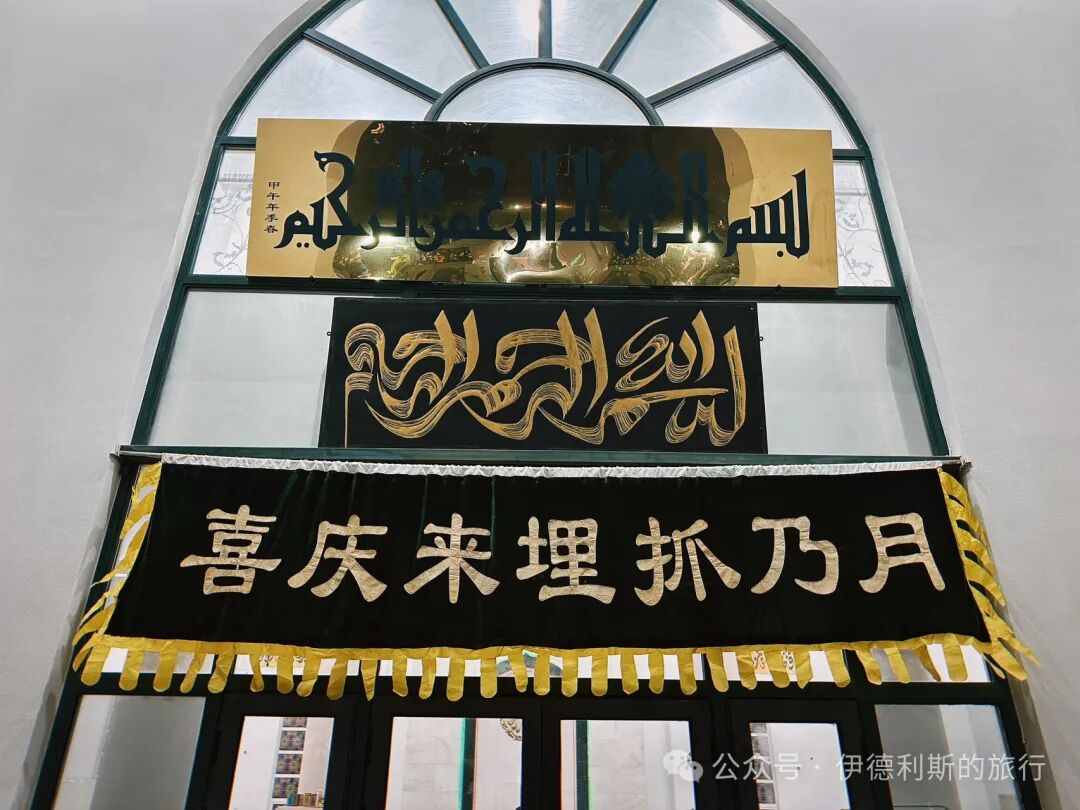
March 2: Second day.
In the morning, my mother-in-law made big plate chicken (dapanji) and beef stew with potatoes served over rice.
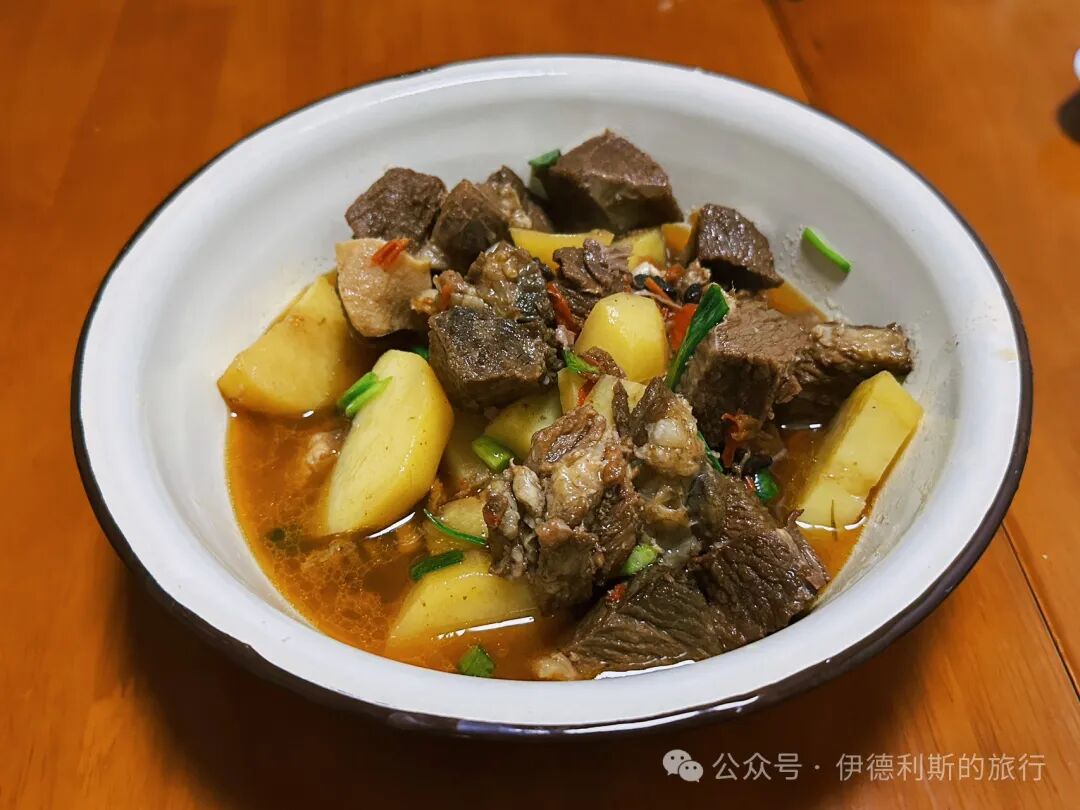
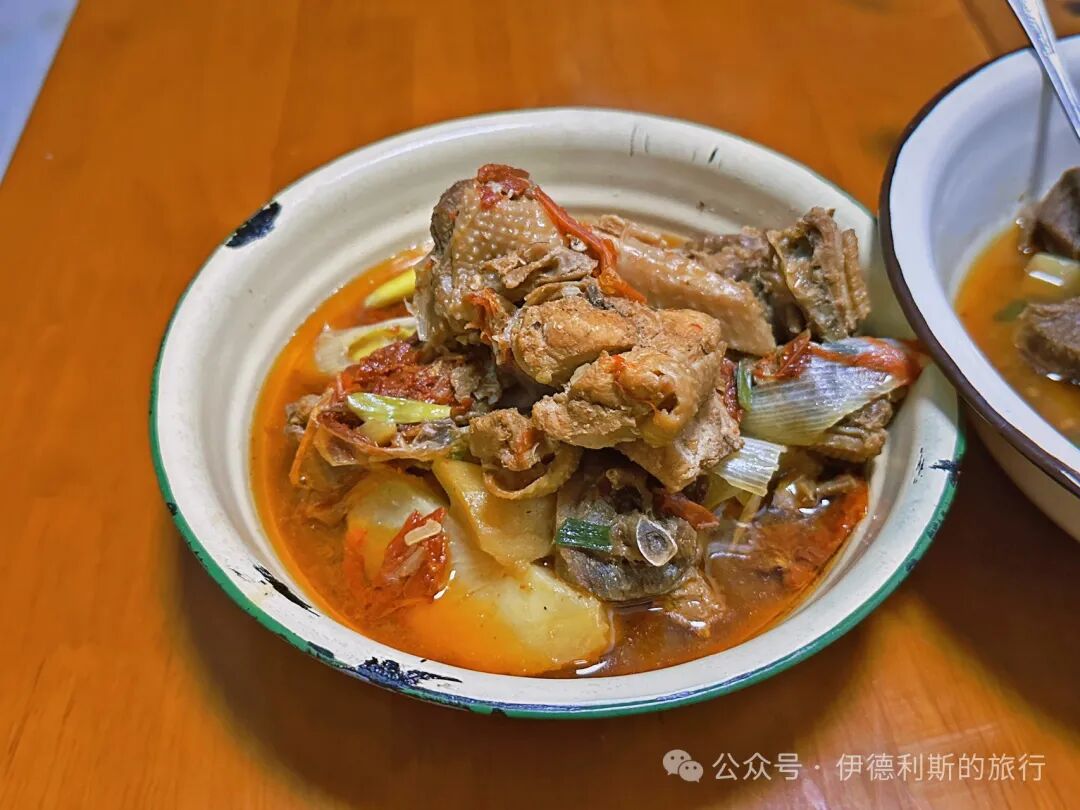
In the evening, I went to the Tianjin Great East Mosque again to break my fast. Before Maghrib, Imam Ma gave a sermon (wa'erzi), then we recited dua, and I received pastries and fruit. After the recitation, we went into the main hall to pray Maghrib. There is a saying, 'From Nanjing to Beijing, the lights are only turned on after Maghrib.' The main hall looked especially solemn and dignified in the sunset. In North China, there is a tradition of wearing the old-style large millstone turban (damoshipan daistal) and the new-style cross-pattern turban (shizihua daistal). This large millstone style likely comes from Persia.
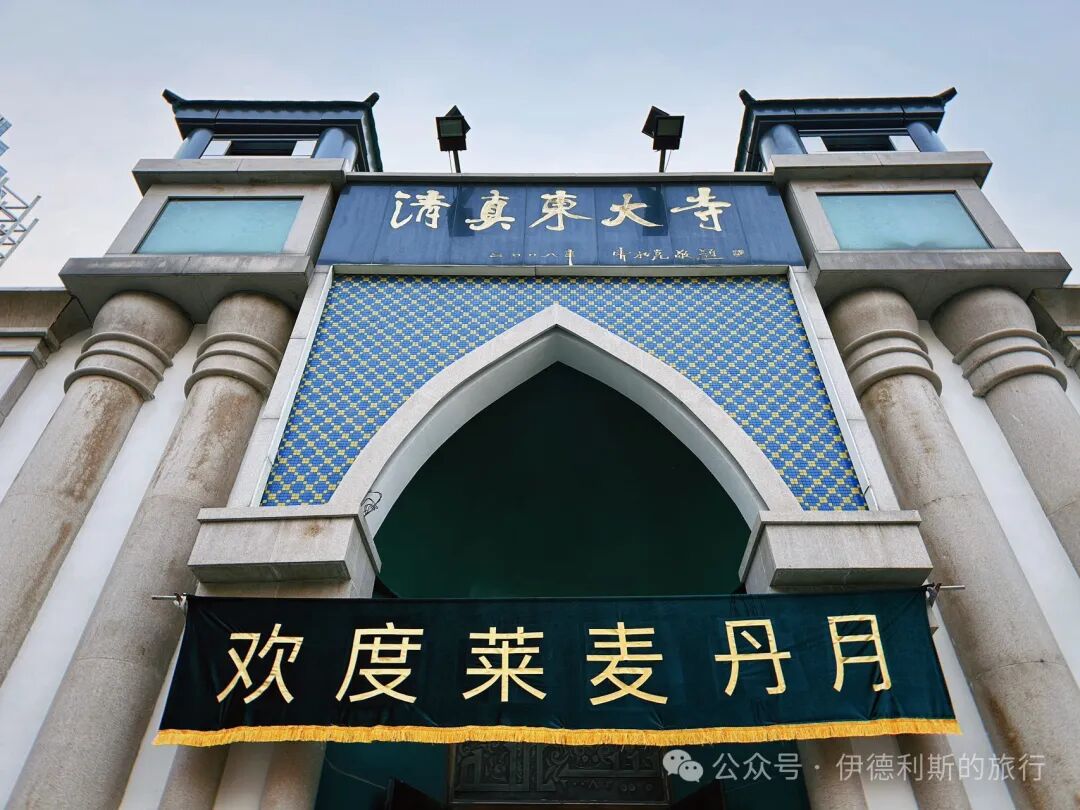
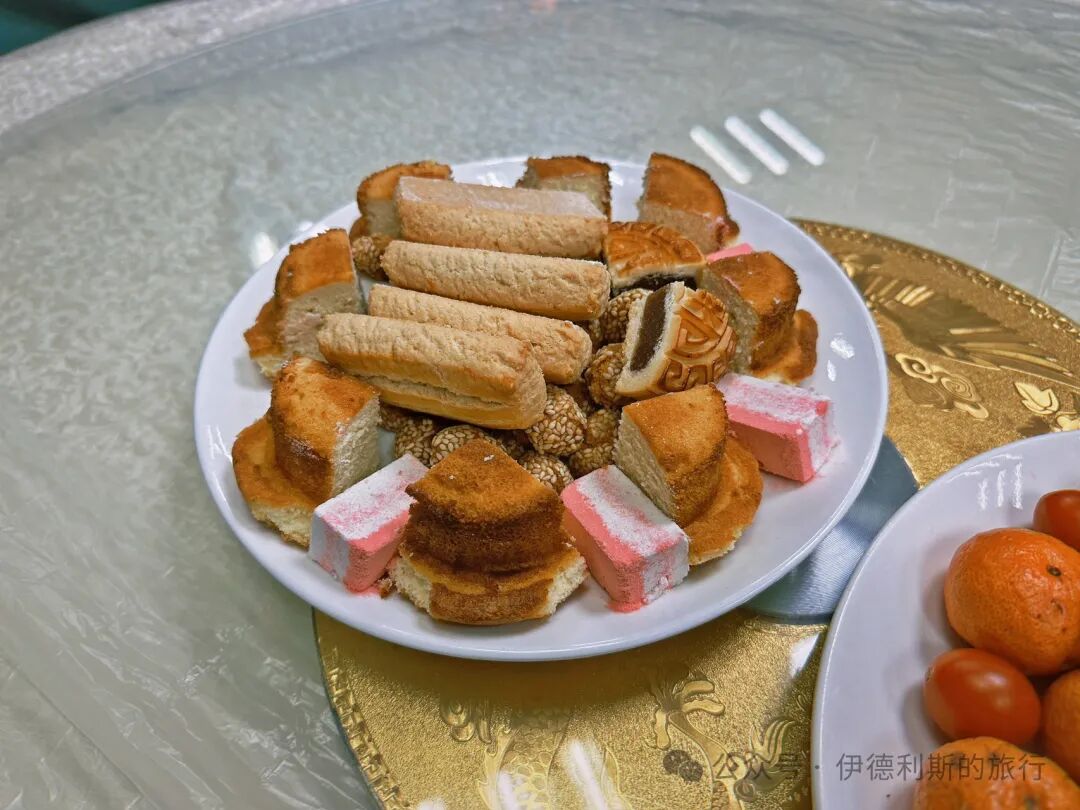
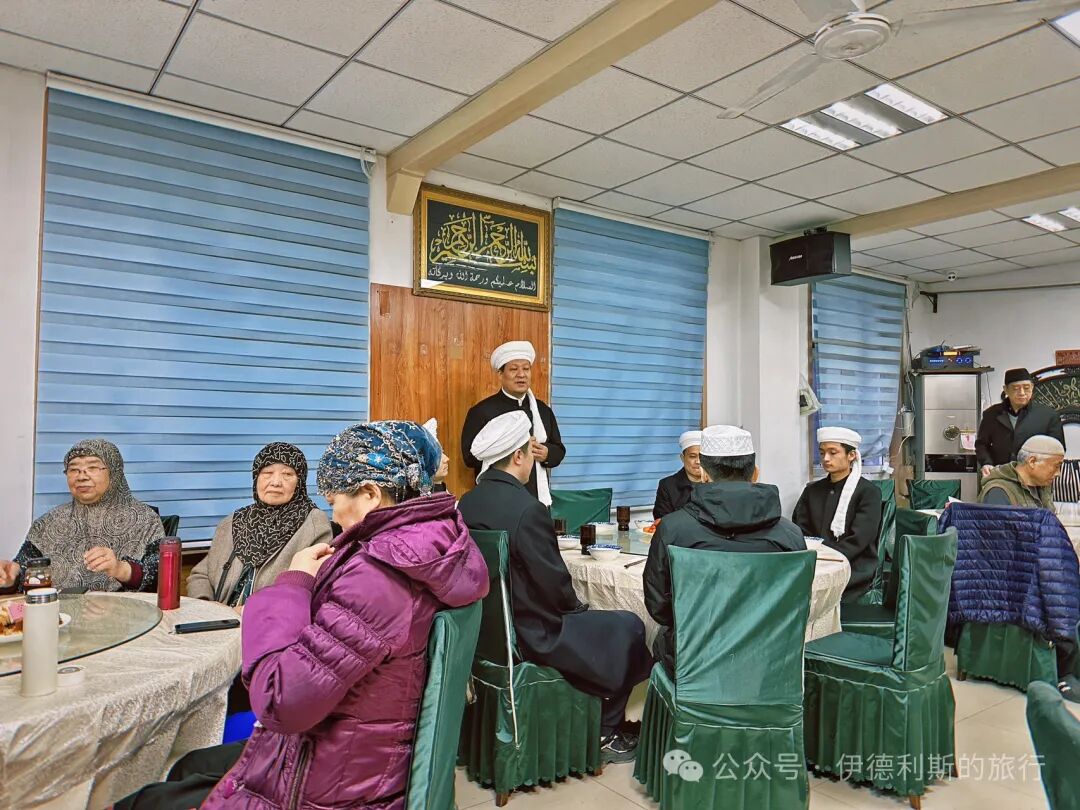
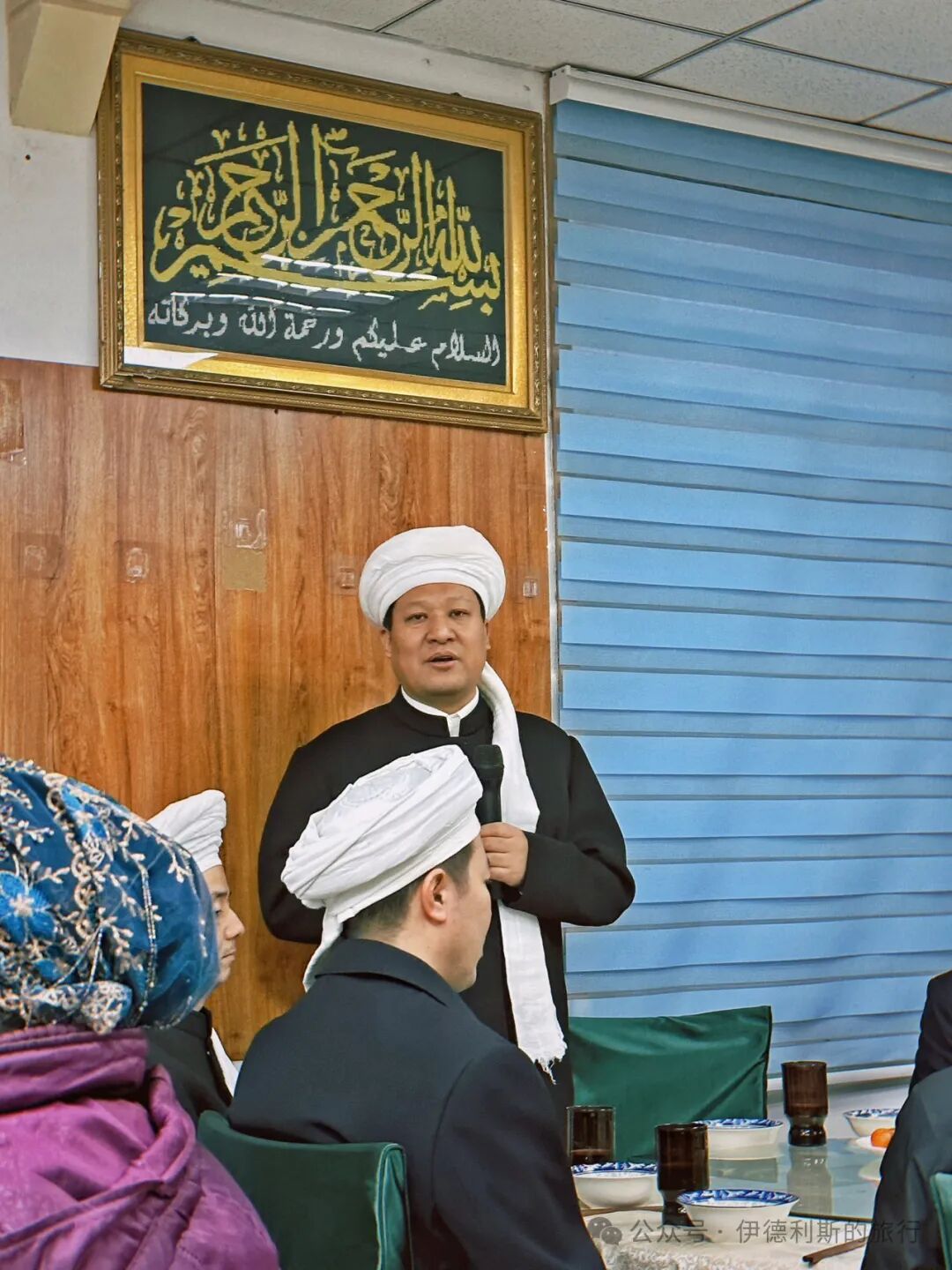
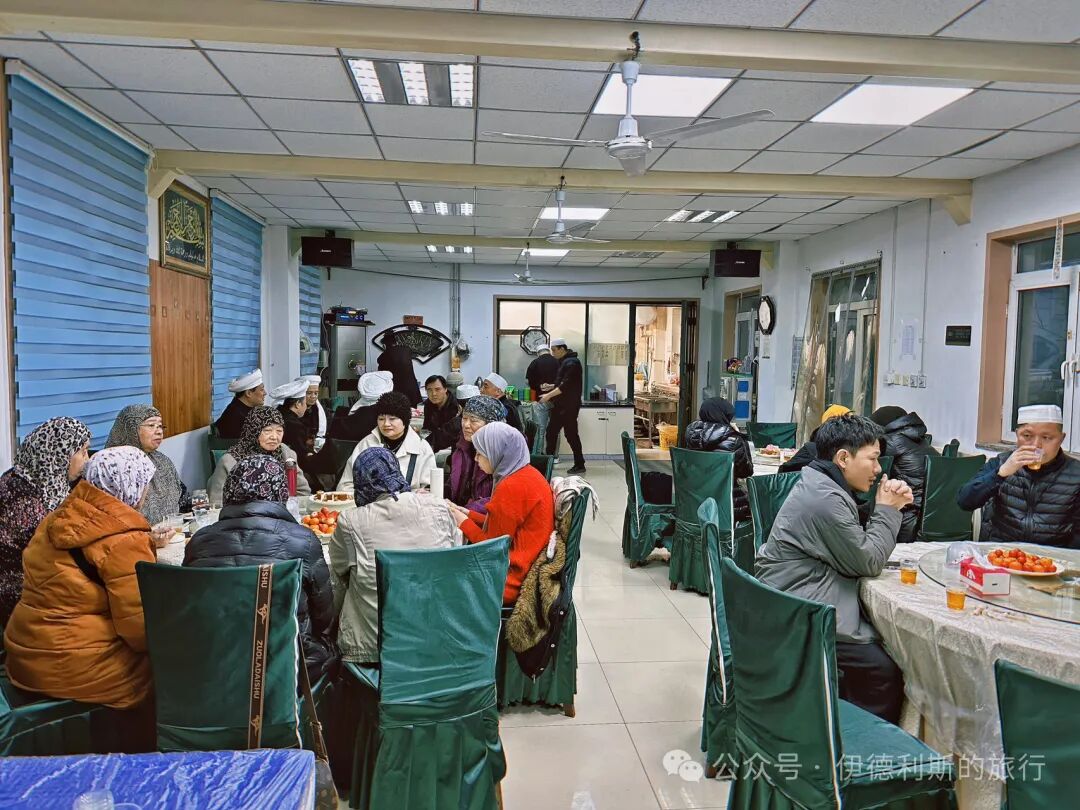
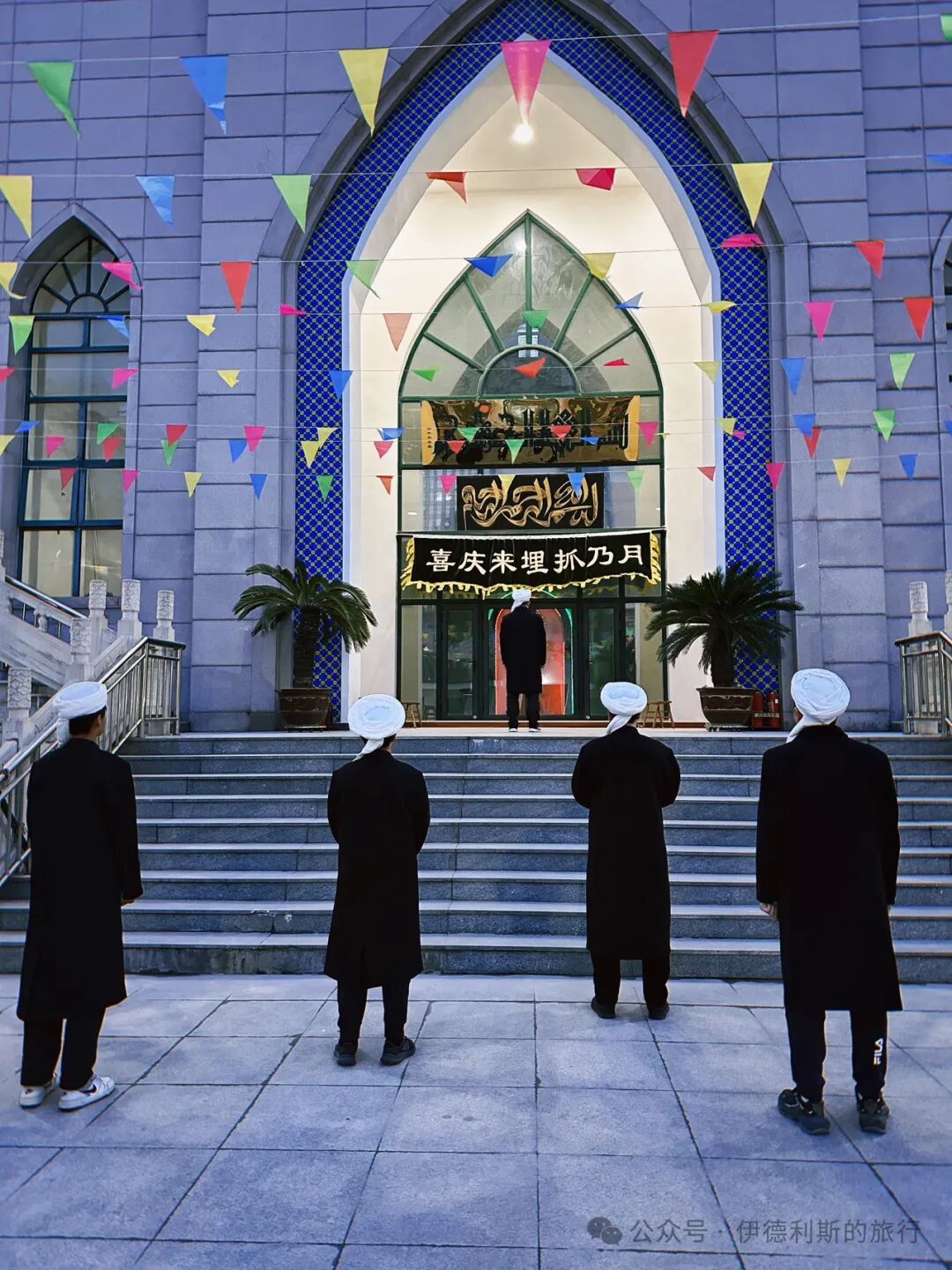
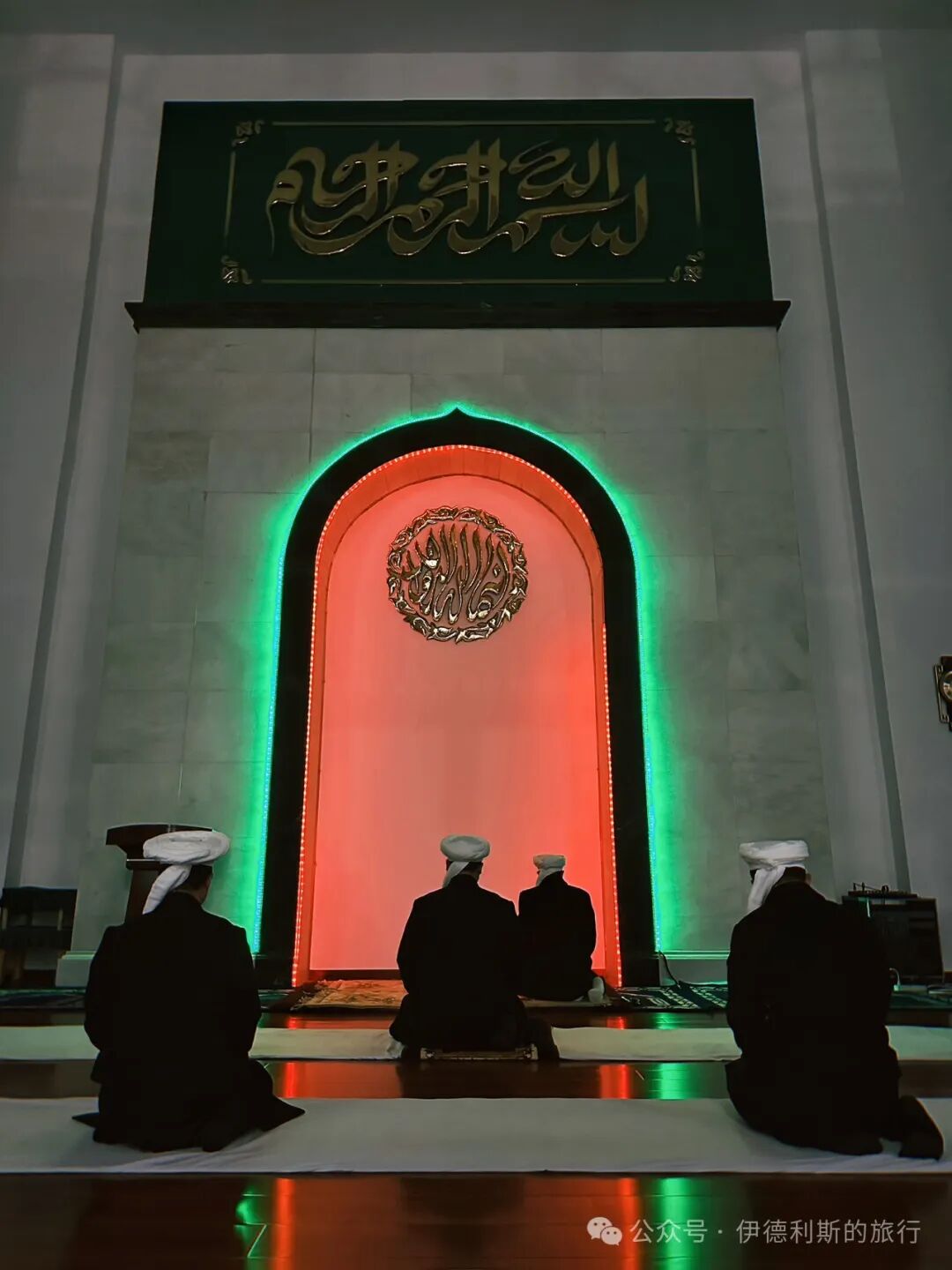
I returned to the dining hall after prayer and had braised eggplant, tomato and egg, beef stew, braised fish, stir-fried shrimp, sweet and sour pork, and tomato egg drop soup. It was a very rich meal with both meat and vegetables, and both dry and liquid dishes. Every day at the Great East Mosque, someone volunteers to host the fast-breaking meal. Imam Ma Ming hosted it on the first day, and I felt very grateful.
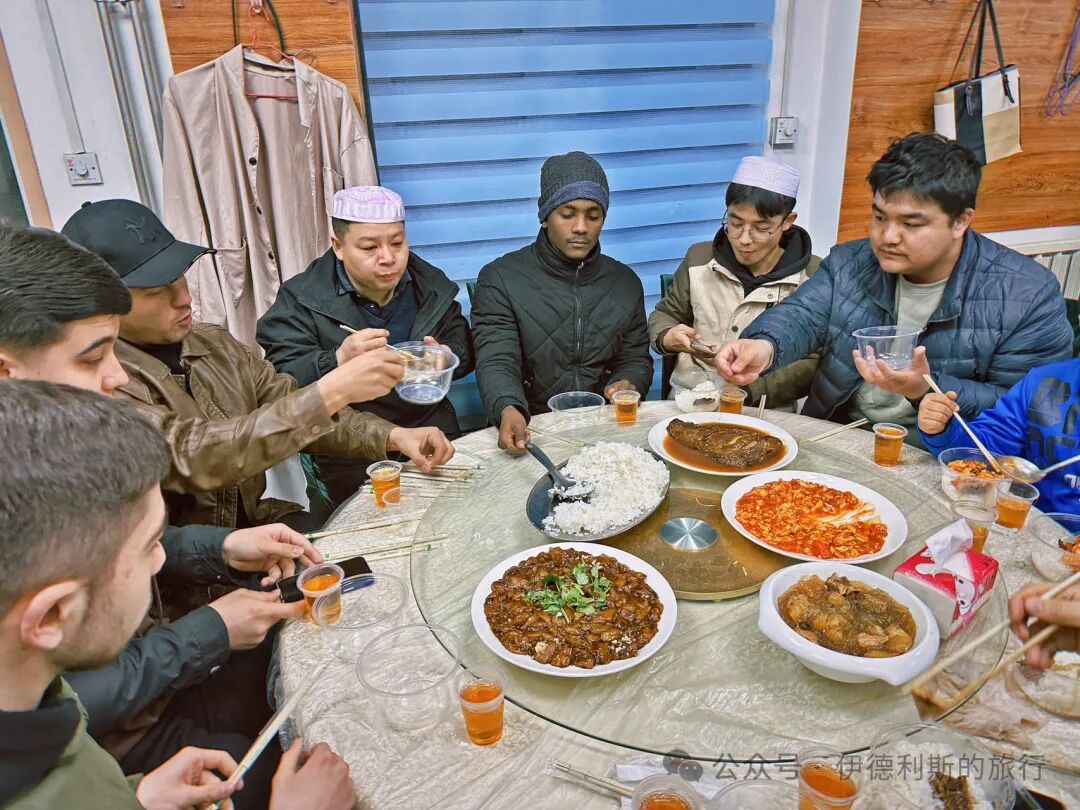
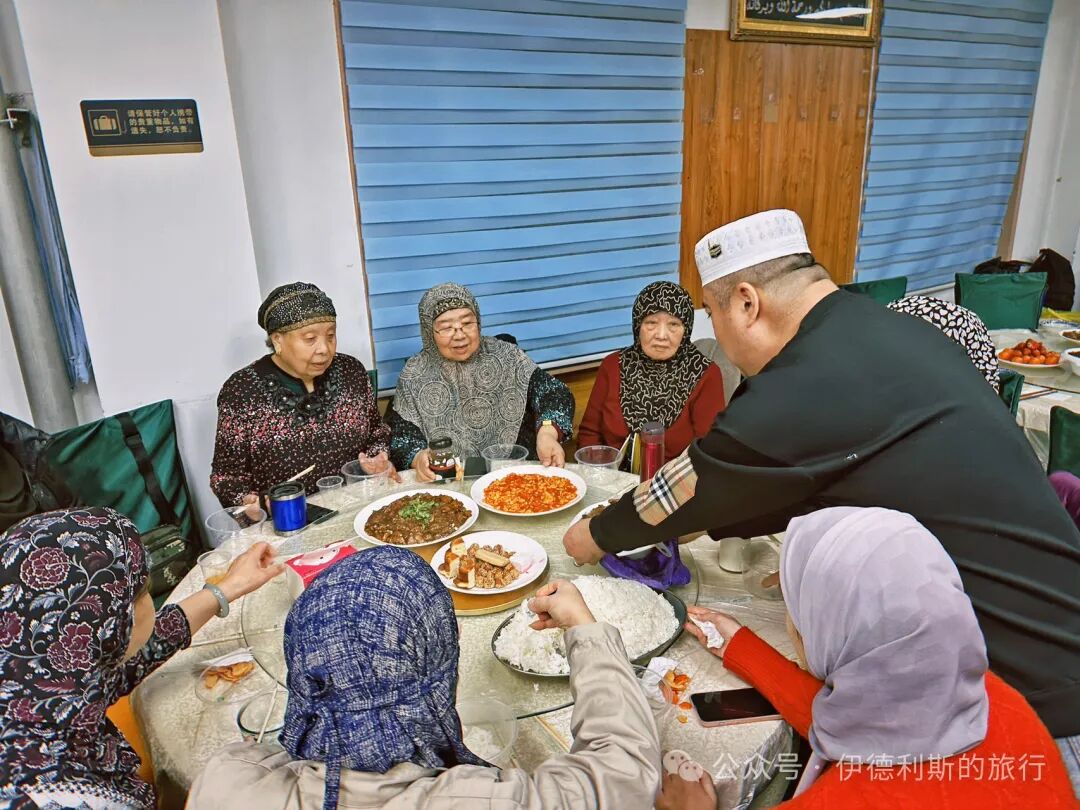
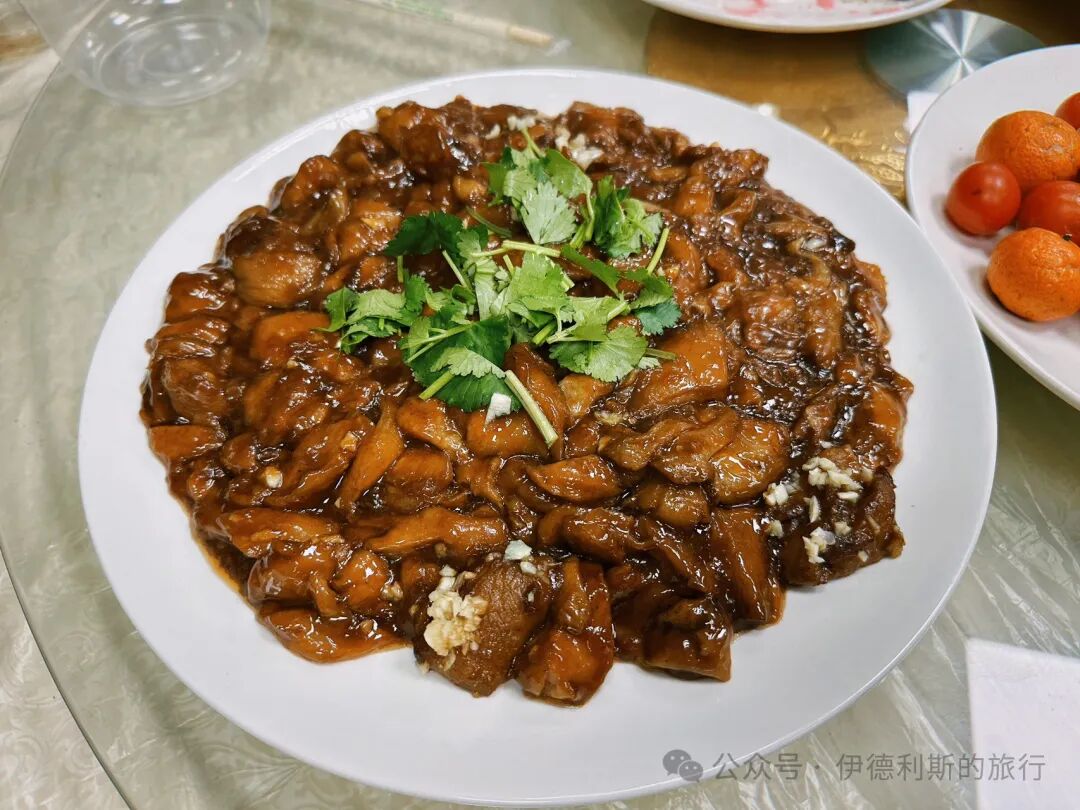
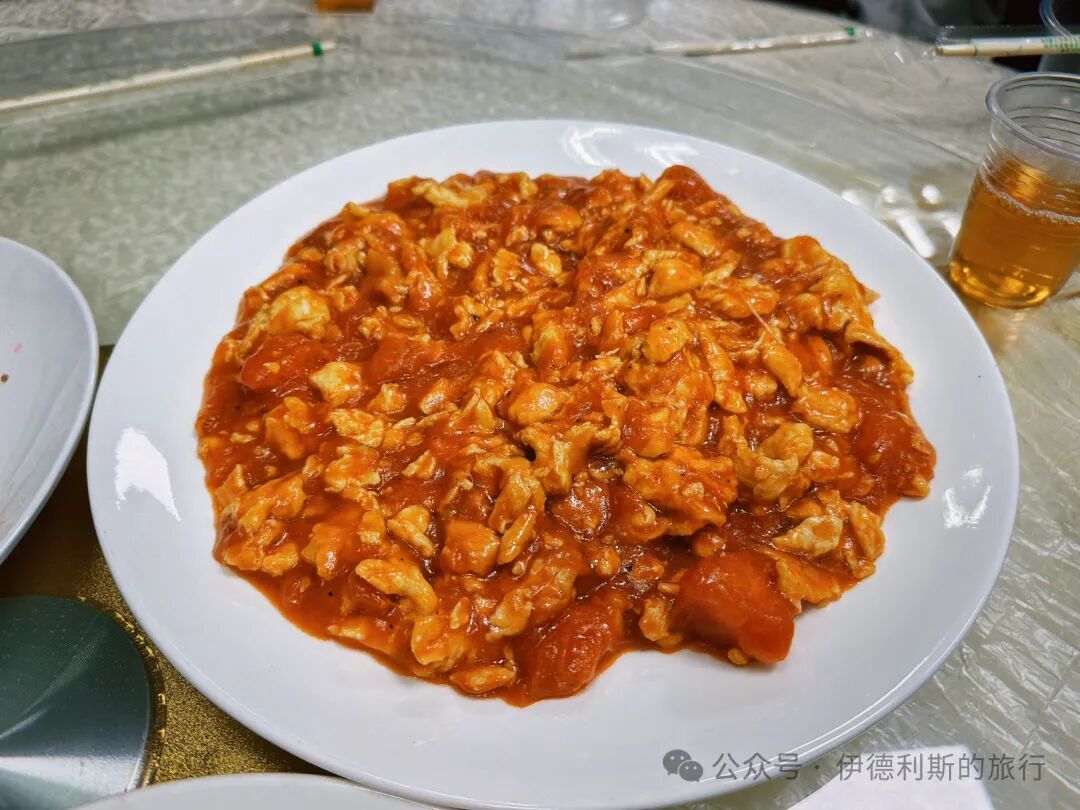
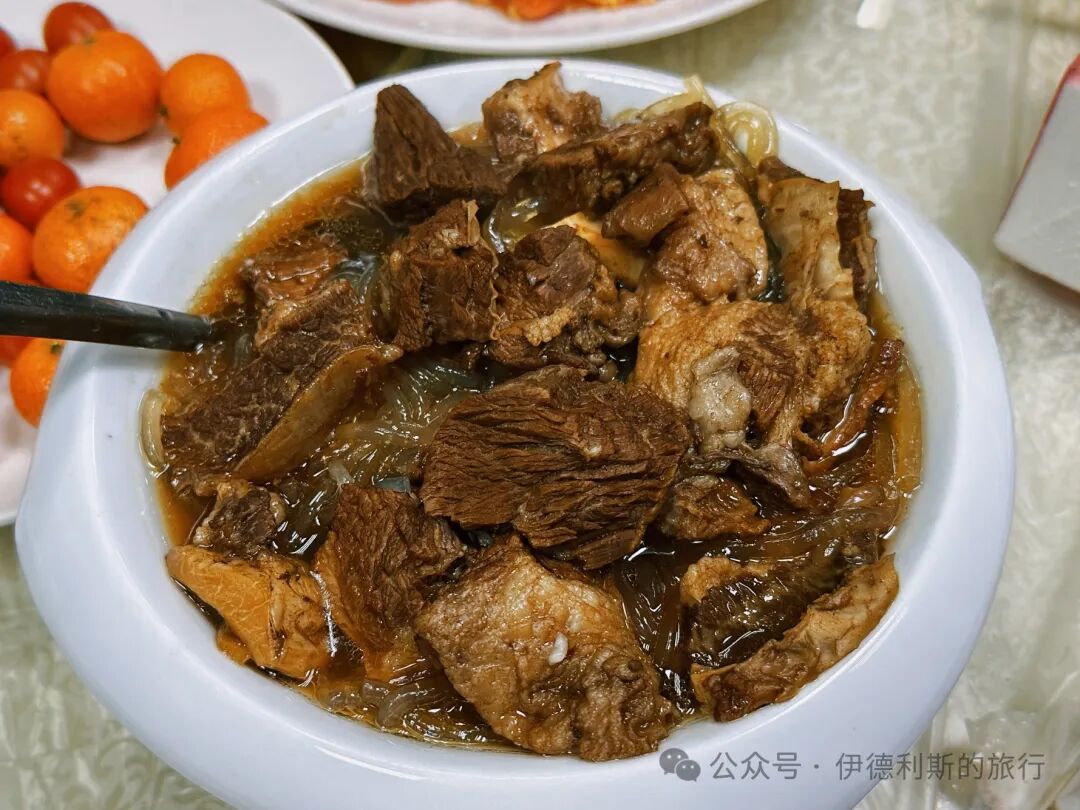
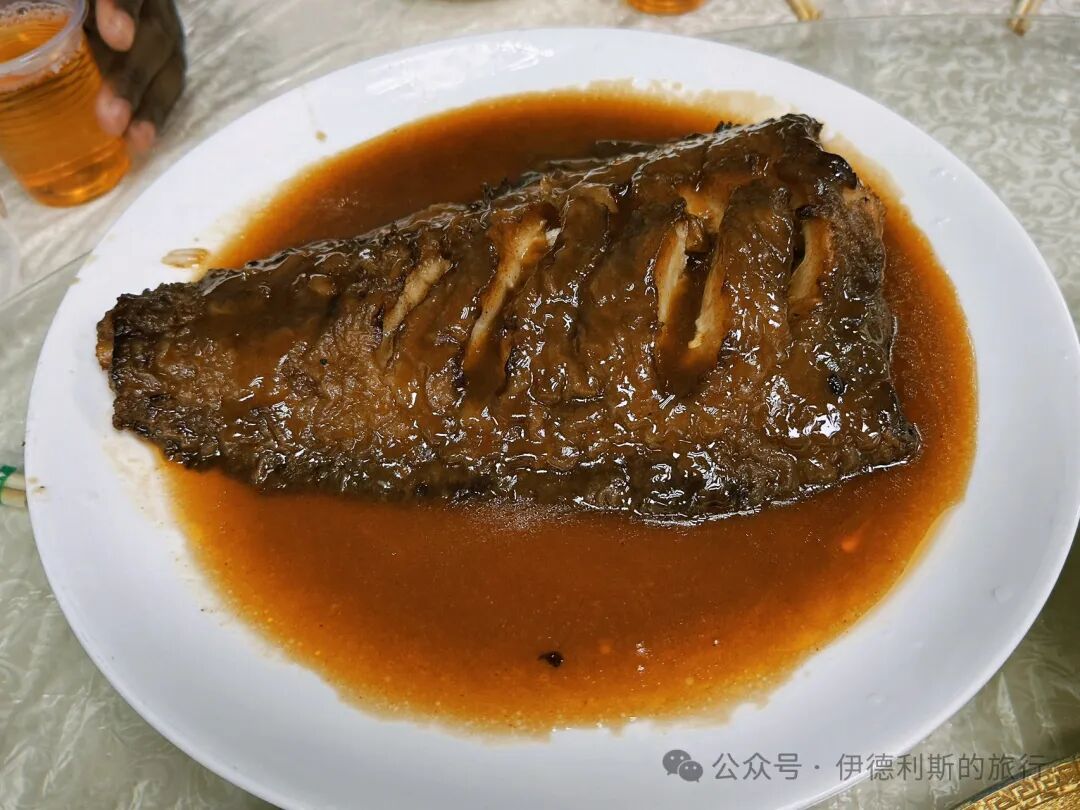
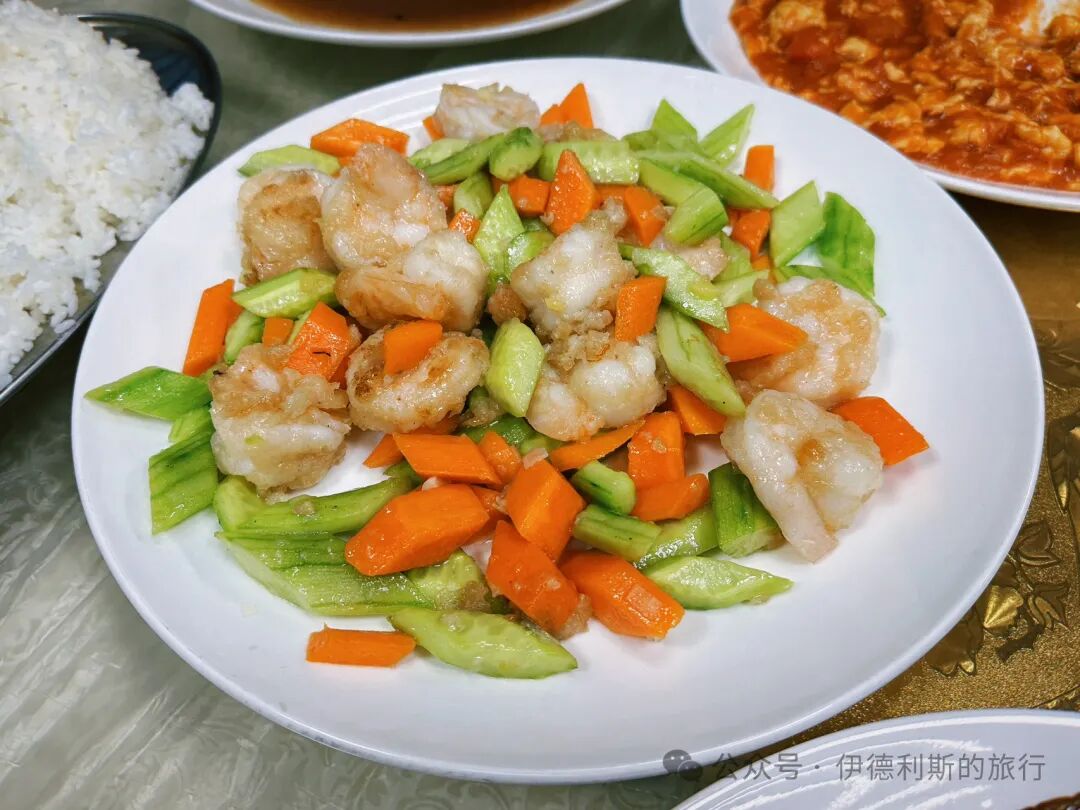
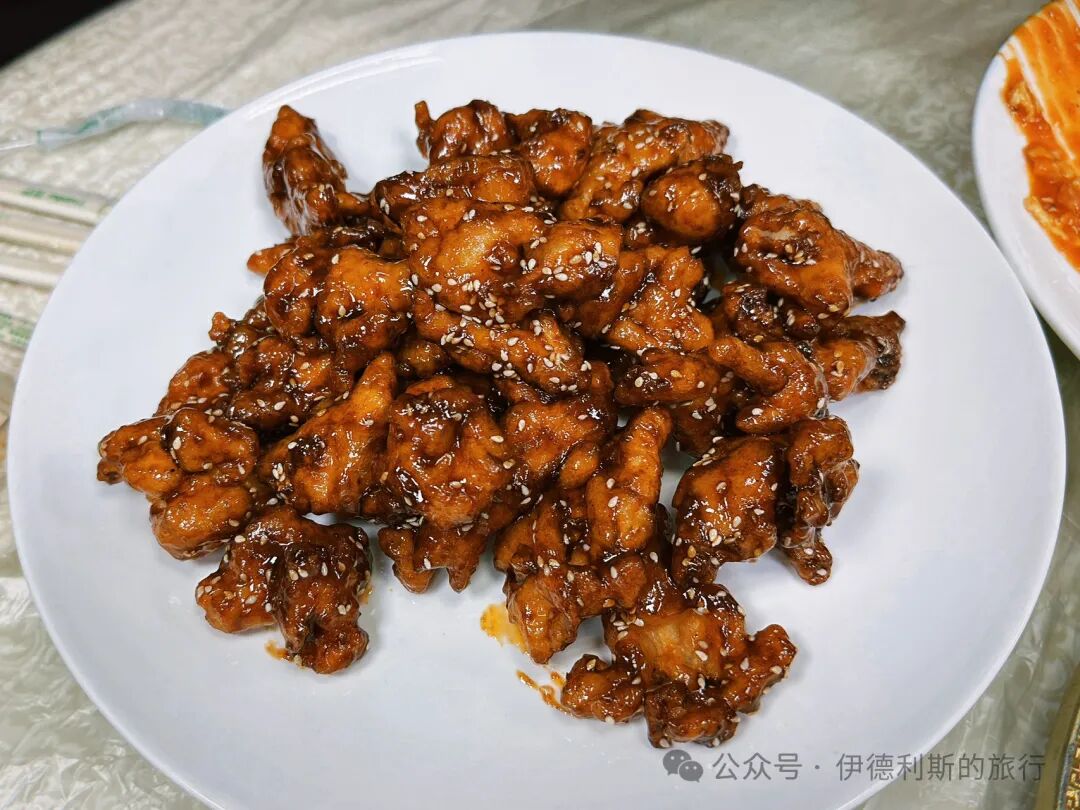
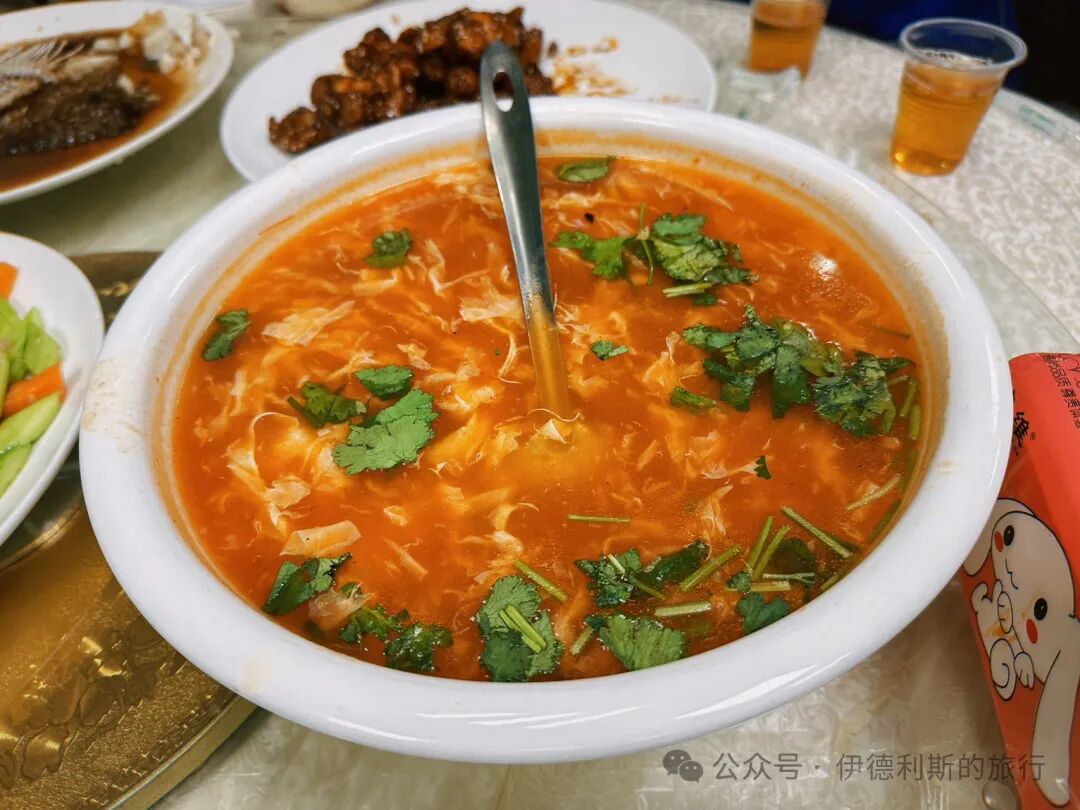
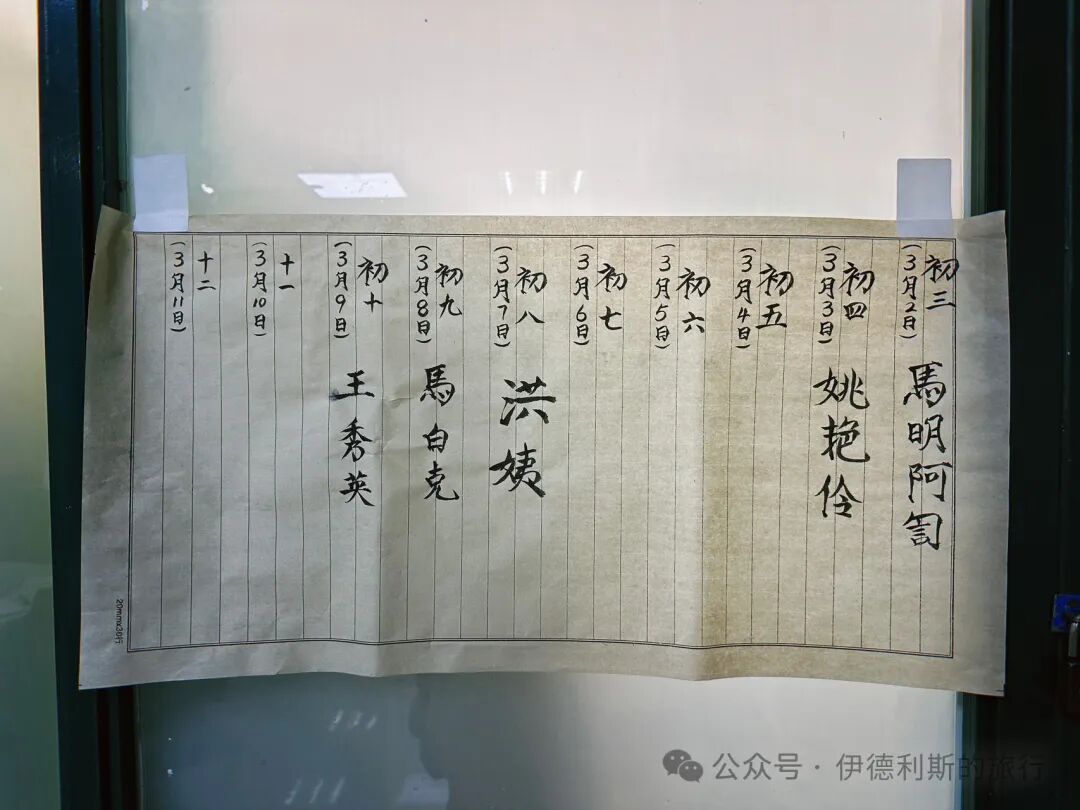
Muslim Culture Guide: Pakistan Embassy School International Culture Day
Articles • ali2007fr posted the article • 0 comments • 195 views • 2026-05-19 22:19
Summary: This article records a visit to International Culture Day at the Pakistan Embassy School, with food, performances, students, and community life at the center. It keeps the original event details, photographs, names, and cultural observations for readers interested in Pakistan and Muslim community events in Beijing.
On November 2, 2024, I attended the annual International Cultural Day at the Pakistan Embassy College in China.
The Commercial Counselor of the Palestinian Embassy in China was there to introduce Palestinian culture, and everyone wrote messages of support for Palestine on postcards.
The first booth inside was Azerbaijan. We started by eating the famous Ottoman dessert baklava (Paxlavası), which is a classic treat for major occasions like Nowruz. Different ethnic groups in Azerbaijan, such as Azerbaijanis, Lezgins, and Tats, all have their own style of making baklava. We ate a version made with walnuts, vanilla sugar, honey, and saffron, which was delicious.
They also had classic Azerbaijani dishes like rice pilaf (Plov), stuffed grape leaves (Dolma), stuffed chicken (Levengi), grilled vegetable salad (Mangal), herb-filled flatbread (Qutab), and vegetable yogurt soup (Dovga). Levengi is made by stuffing a chicken with walnuts, onions, and various spices before roasting it. Dovga is a classic drink served at Azerbaijani weddings, made by mixing yogurt with cilantro, dill, mint, spinach, and other vegetables.
The second booth was Yemen, where we drank Yemeni coffee and had some special desserts. Although coffee is now a popular drink everywhere, it actually originated in Yemeni Sufi lodges. According to current records, Yemeni Sufi lodges had already introduced coffee beans from Ethiopia to Yemen for cultivation by the 15th century. They were the first to roast the beans to make coffee, which helped them stay awake during night prayers (namaz). Mocha is an important Yemeni port on the Red Sea. From the 15th to the 17th century, it was the world's largest coffee trading center and even held a monopoly. Before the 20th century, Mocha referred to Yemeni coffee; it was only later that the term began to describe coffee mixed with chocolate.
Moving forward, we reached the Bangladesh booth, where we drank masala tea and ate a traditional Bangladeshi dessert called vermicelli pudding (Lachcha Shemai). This snack consists of thin noodles layered together and soaked in sweet milk, and it is a classic wedding dessert in Bangladesh.
Further inside were the Malaysia and Indonesia booths. At the Malaysia booth, we bought coconut rice (Nasi Lemak) and curry puffs (Karipap). At the Indonesia booth, we bought savory sticky rice rolls (Lemper) and shaved ice dessert (Cendol).
The coconut rice sold here was the most traditional and simple version, consisting of white rice with chili paste (sambal), dried anchovies, peanuts, and a boiled egg.
Karipap is a flaky curry puff that appeared in Malaysia during the 19th-century British colonial era, influenced by British pasties and Indian samosas, and later spread throughout Southeast Asia.
Lemper is a savory sticky rice roll filled with shredded chicken or fish floss, wrapped in a banana leaf.
Next were the Uzbekistan, Tajikistan, and Xinjiang booths.
Uzbekistan had flaky baked buns (samsa) and freshly cooked rice pilaf (plov), which my mother-in-law thought tasted very good.
The Tajikistan booth was probably the most impressive this time, with a huge pot full of chicken stew!
The man at the Xinjiang booth is from Hotan, though he was born in Pakistan. The fried dough twists (sanzi) at the booth were delicious, and Suleiman couldn't stop eating them.
Booths for three North African countries. I ate dates at the Libya booth, dried fruit at the Morocco booth, and the classic street food Koshary at the Egypt booth.
Koshary is a mix of pasta, macaroni, Egyptian rice, and lentils, topped with tomato sauce, garlic sauce, chickpeas, and fried onions. As early as ancient Egypt, people ate a dish called Koshir made from lentils, wheat, chickpeas, garlic, and onions cooked in clay pots. It only evolved into the modern Koshary after the introduction of pasta and tomatoes in the 19th century. This snack is vegan and very cheap, making it a typical Egyptian comfort food for the common people.
Moving further in, we found Turkey and Turkmenistan, where we kept trying all kinds of snacks.
The innermost area was the Pakistan section, featuring various foods and clothing displays, including famous Beijing Pakistani restaurants Khan Baba and Zamzam. We bought freshly grilled chicken skewers and a large pot of chicken biryani at Zamzam. Suleiman also ate a few chicken skewers; it seems he adapts quite well to Pakistani food.
We performed namaz at the embassy school. Pakistanis also mostly follow the Hanafi school of thought, so their movements are basically the same as ours. There was even a basket of caps at the entrance, which matches our custom of wearing a cap for namaz, unlike Arabs or Iranians who do not have this practice.
Children from all over the world showed off their traditional clothing.
I attended several foreign events in Beijing this year; you can often join different embassy activities in Beijing to experience cultures from around the world.
The Saudi Tourism Festival held by the Saudi Tourism Authority at the Temple of Heaven Park: Experience Arab culture at the Temple of Heaven Park.
The Rasa Malaysia festival held at Sanlitun Taikoo Li: Taste Malaysian food in Beijing—2024 Beijing Malaysia Festival.
The International Neighborhood Festival held at the Jianguomen Diplomatic Residence Compound: Taste food from Iran, Azerbaijan, and the Maldives at the International Neighborhood Festival.
Cultural exchange activities hosted by Saudi Arabia, the guest of honor at the Beijing International Book Fair in the China National Convention Center: Experience Saudi culture at the Beijing International Book Fair.
The Indonesian Cultural Festival held at the Indonesian Embassy: Attend the 2024 Indonesian Cultural Festival. view all
Summary: This article records a visit to International Culture Day at the Pakistan Embassy School, with food, performances, students, and community life at the center. It keeps the original event details, photographs, names, and cultural observations for readers interested in Pakistan and Muslim community events in Beijing.
On November 2, 2024, I attended the annual International Cultural Day at the Pakistan Embassy College in China.
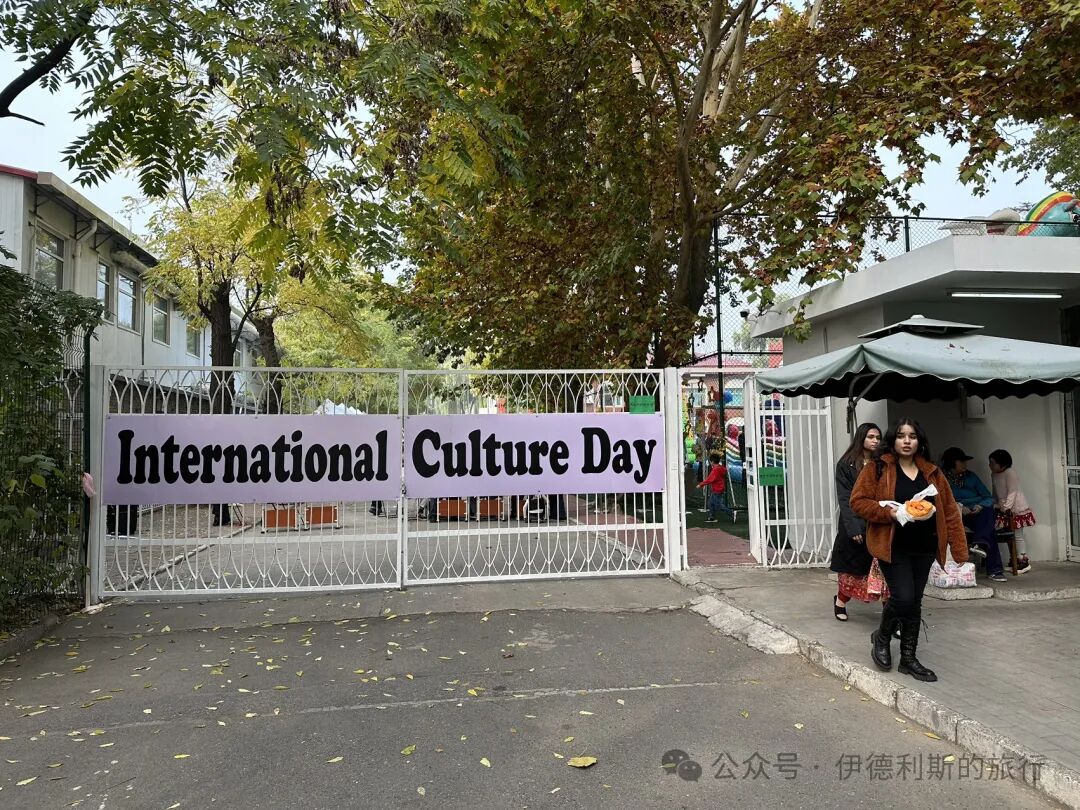
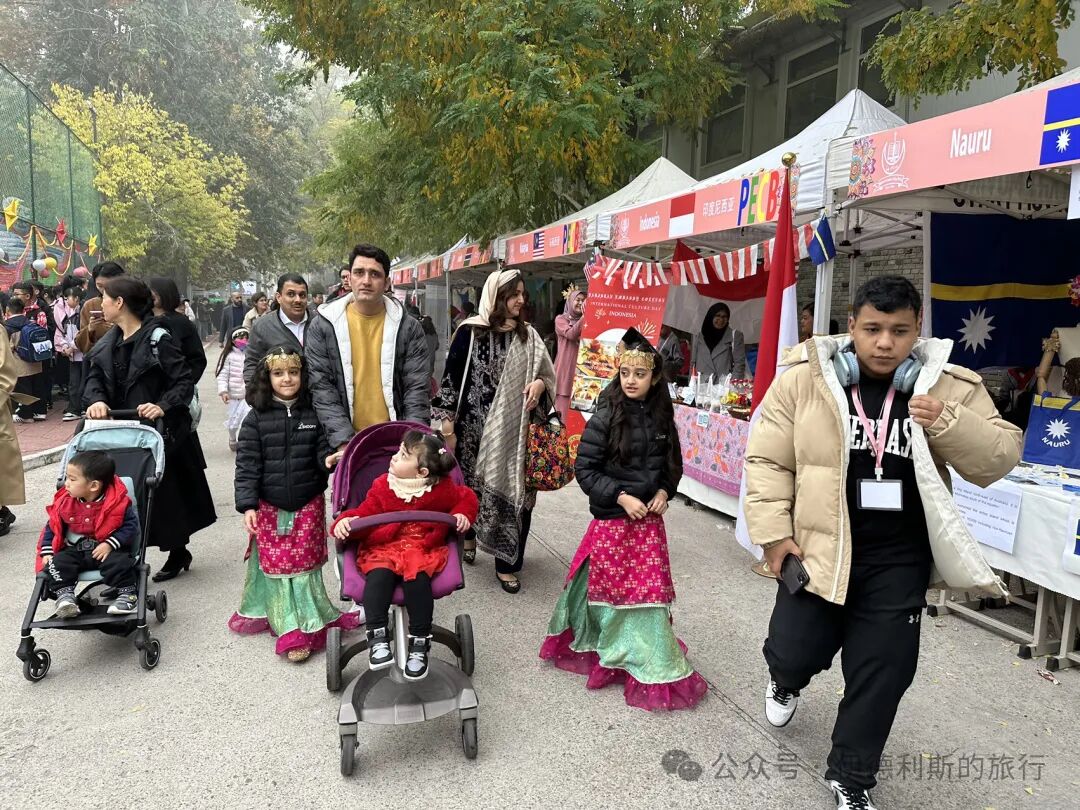
The Commercial Counselor of the Palestinian Embassy in China was there to introduce Palestinian culture, and everyone wrote messages of support for Palestine on postcards.
The first booth inside was Azerbaijan. We started by eating the famous Ottoman dessert baklava (Paxlavası), which is a classic treat for major occasions like Nowruz. Different ethnic groups in Azerbaijan, such as Azerbaijanis, Lezgins, and Tats, all have their own style of making baklava. We ate a version made with walnuts, vanilla sugar, honey, and saffron, which was delicious.
They also had classic Azerbaijani dishes like rice pilaf (Plov), stuffed grape leaves (Dolma), stuffed chicken (Levengi), grilled vegetable salad (Mangal), herb-filled flatbread (Qutab), and vegetable yogurt soup (Dovga). Levengi is made by stuffing a chicken with walnuts, onions, and various spices before roasting it. Dovga is a classic drink served at Azerbaijani weddings, made by mixing yogurt with cilantro, dill, mint, spinach, and other vegetables.
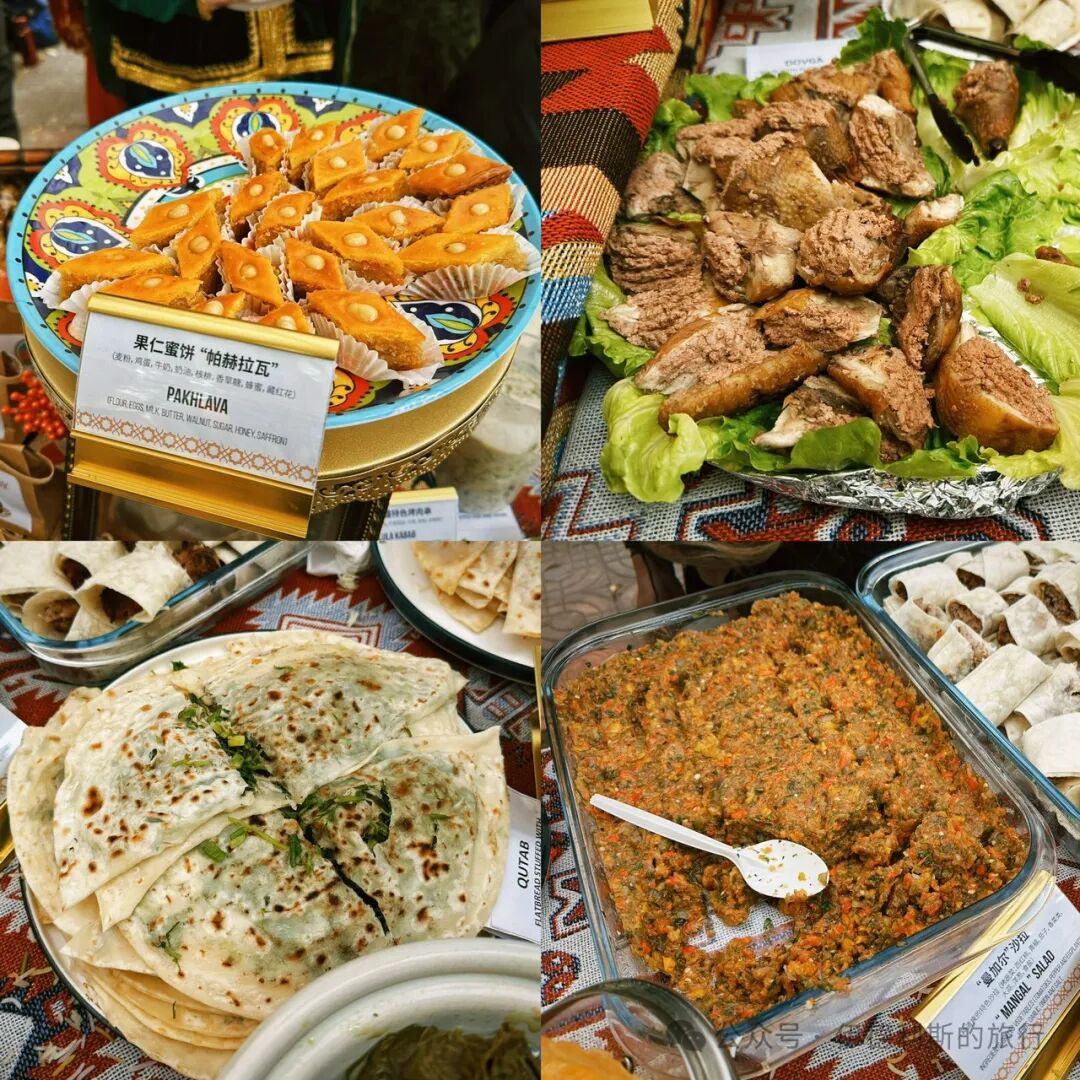
The second booth was Yemen, where we drank Yemeni coffee and had some special desserts. Although coffee is now a popular drink everywhere, it actually originated in Yemeni Sufi lodges. According to current records, Yemeni Sufi lodges had already introduced coffee beans from Ethiopia to Yemen for cultivation by the 15th century. They were the first to roast the beans to make coffee, which helped them stay awake during night prayers (namaz). Mocha is an important Yemeni port on the Red Sea. From the 15th to the 17th century, it was the world's largest coffee trading center and even held a monopoly. Before the 20th century, Mocha referred to Yemeni coffee; it was only later that the term began to describe coffee mixed with chocolate.
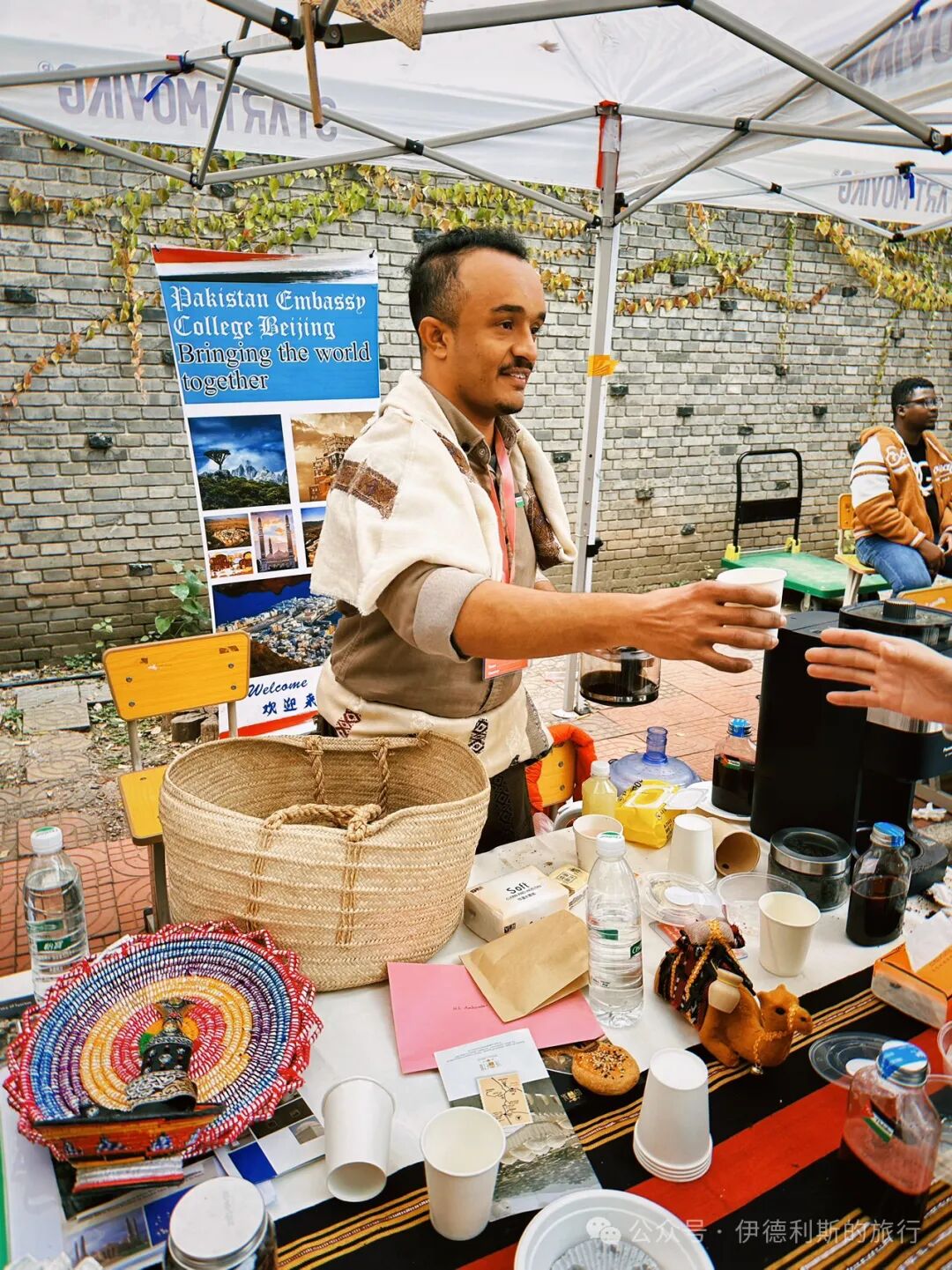
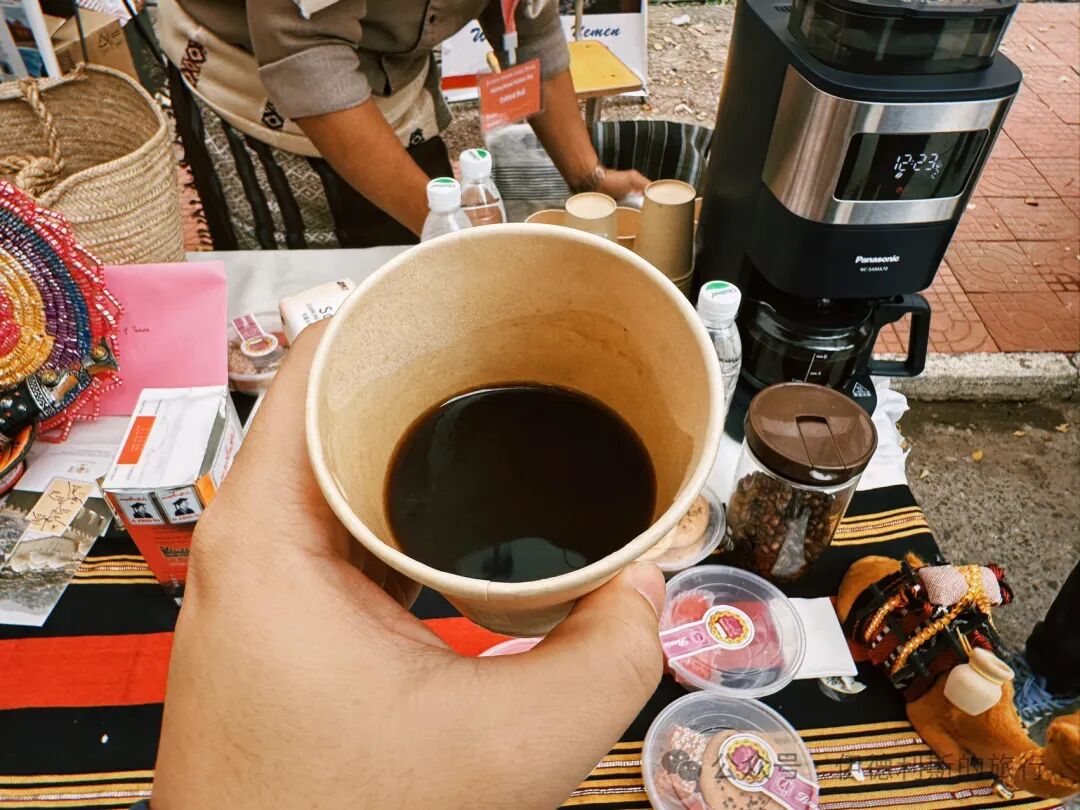
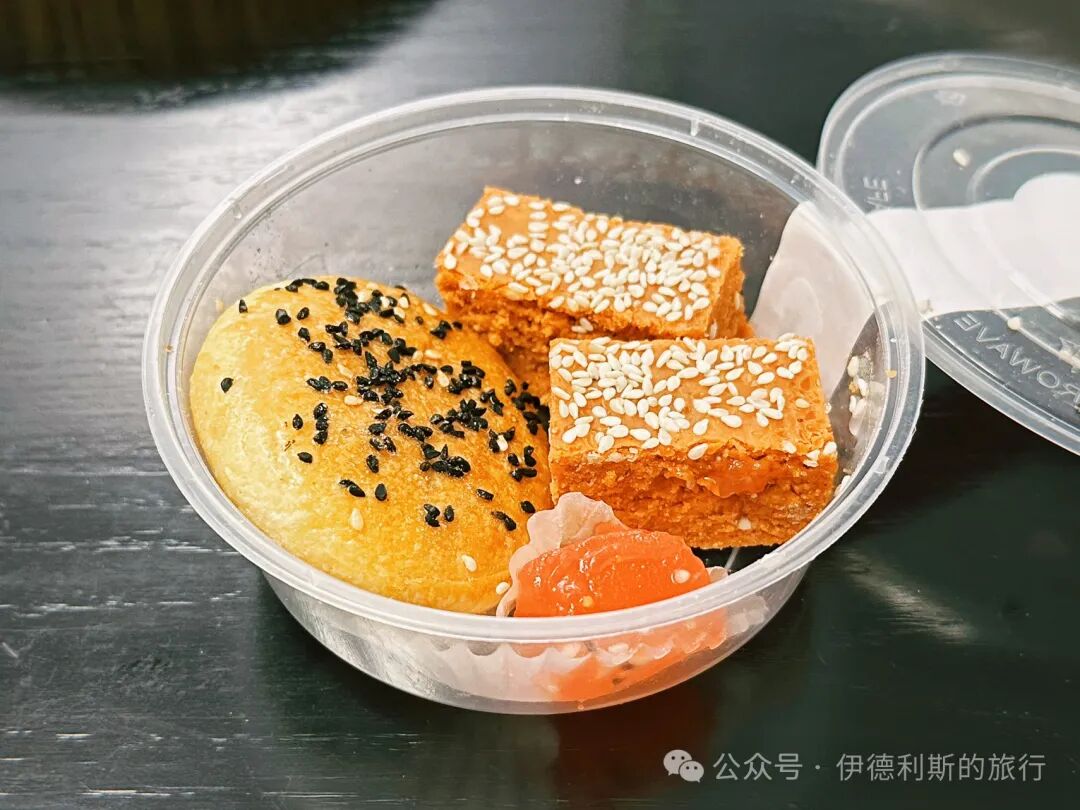
Moving forward, we reached the Bangladesh booth, where we drank masala tea and ate a traditional Bangladeshi dessert called vermicelli pudding (Lachcha Shemai). This snack consists of thin noodles layered together and soaked in sweet milk, and it is a classic wedding dessert in Bangladesh.
Further inside were the Malaysia and Indonesia booths. At the Malaysia booth, we bought coconut rice (Nasi Lemak) and curry puffs (Karipap). At the Indonesia booth, we bought savory sticky rice rolls (Lemper) and shaved ice dessert (Cendol).
The coconut rice sold here was the most traditional and simple version, consisting of white rice with chili paste (sambal), dried anchovies, peanuts, and a boiled egg.
Karipap is a flaky curry puff that appeared in Malaysia during the 19th-century British colonial era, influenced by British pasties and Indian samosas, and later spread throughout Southeast Asia.
Lemper is a savory sticky rice roll filled with shredded chicken or fish floss, wrapped in a banana leaf.
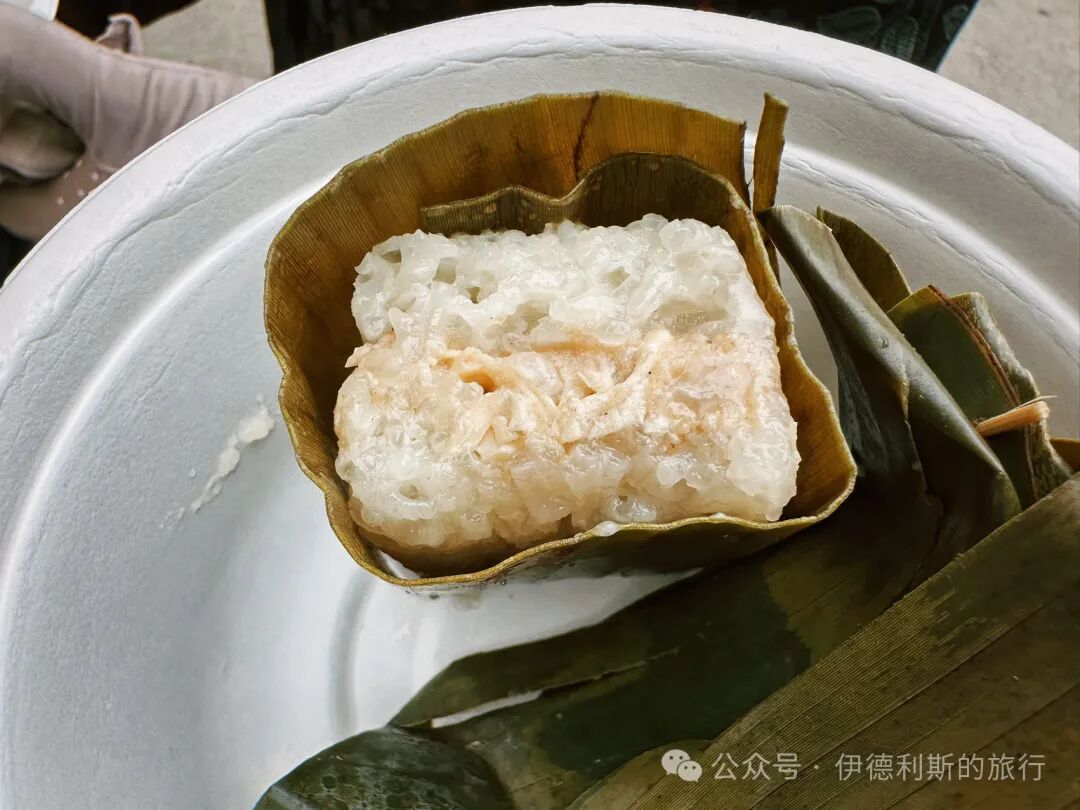
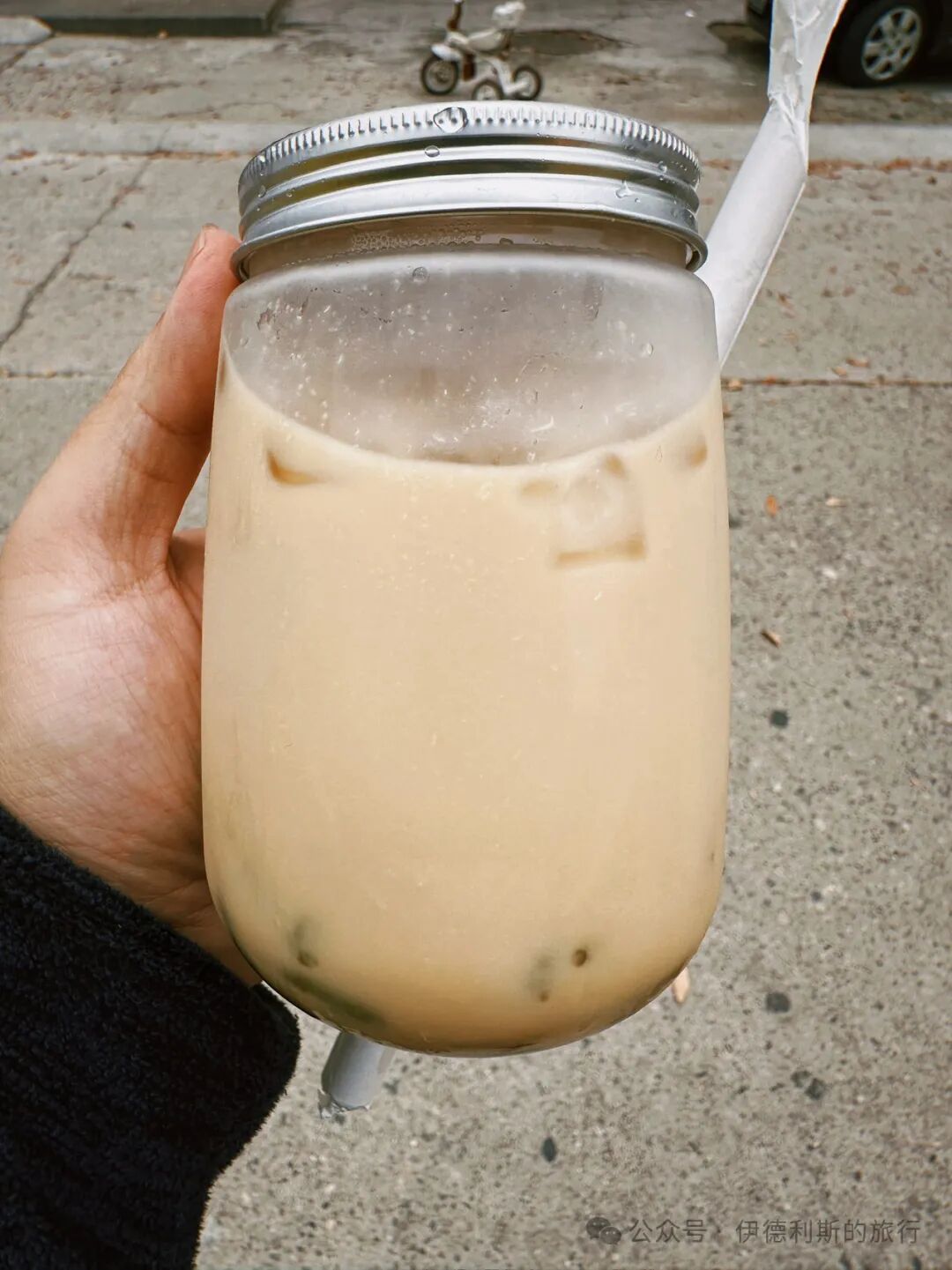
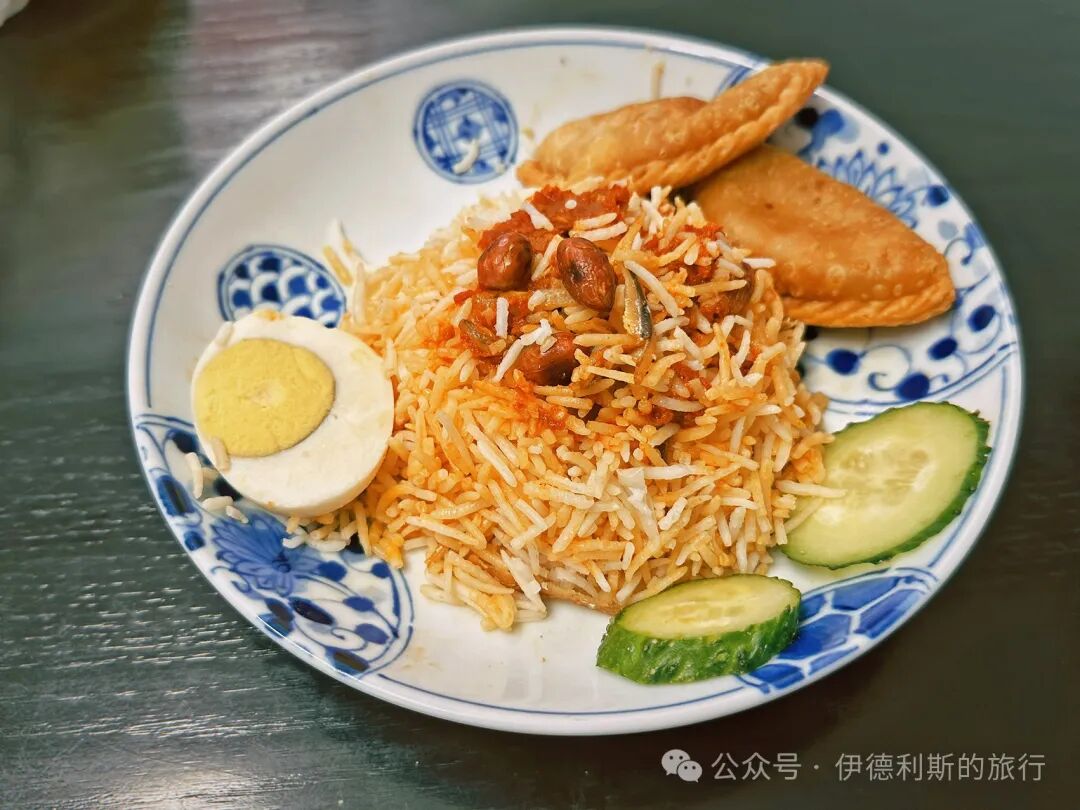
Next were the Uzbekistan, Tajikistan, and Xinjiang booths.
Uzbekistan had flaky baked buns (samsa) and freshly cooked rice pilaf (plov), which my mother-in-law thought tasted very good.
The Tajikistan booth was probably the most impressive this time, with a huge pot full of chicken stew!
The man at the Xinjiang booth is from Hotan, though he was born in Pakistan. The fried dough twists (sanzi) at the booth were delicious, and Suleiman couldn't stop eating them.
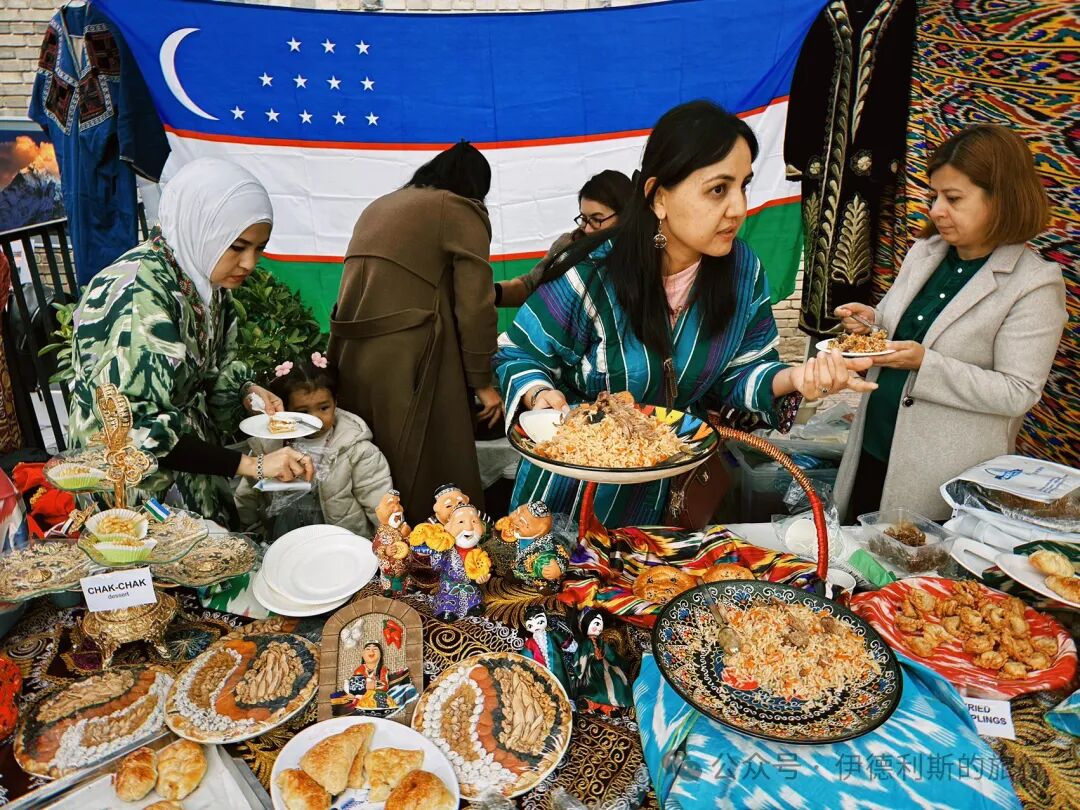
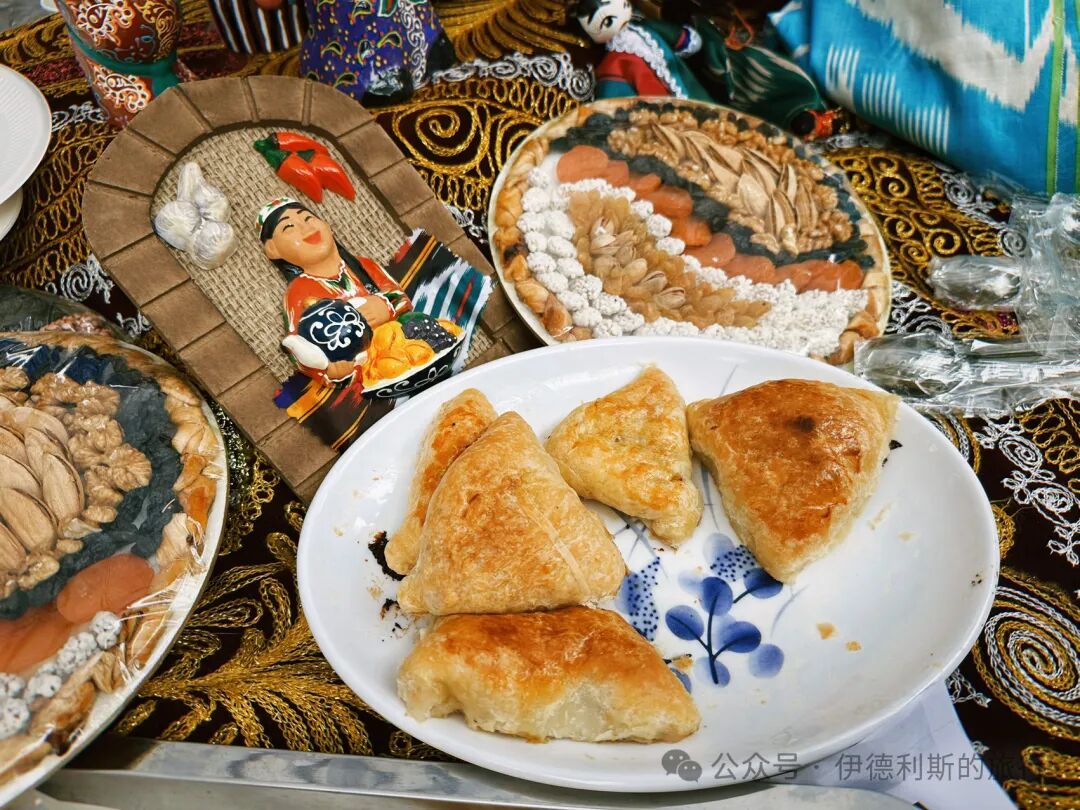
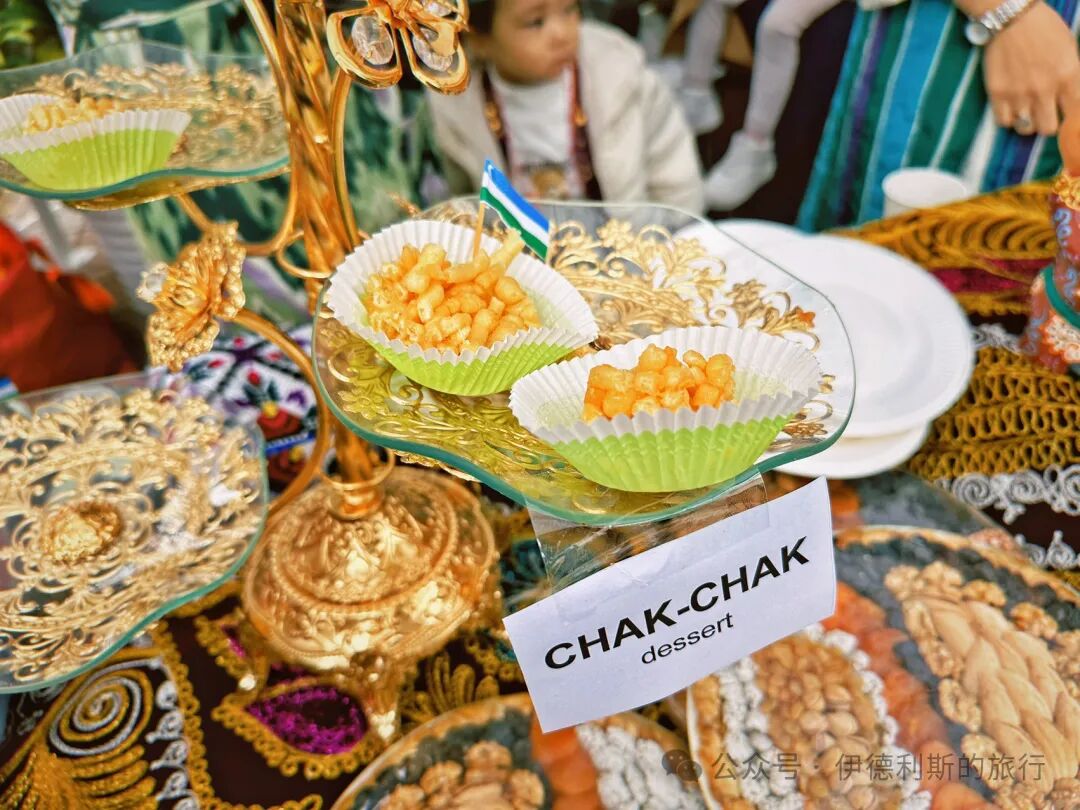
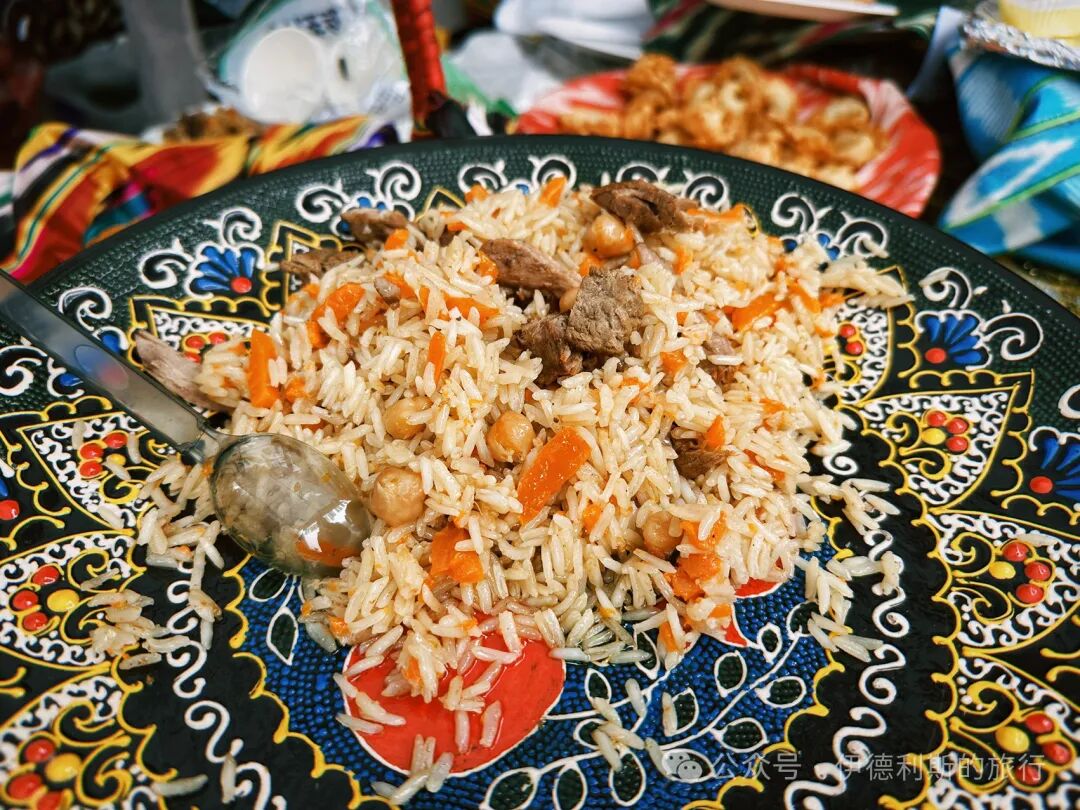
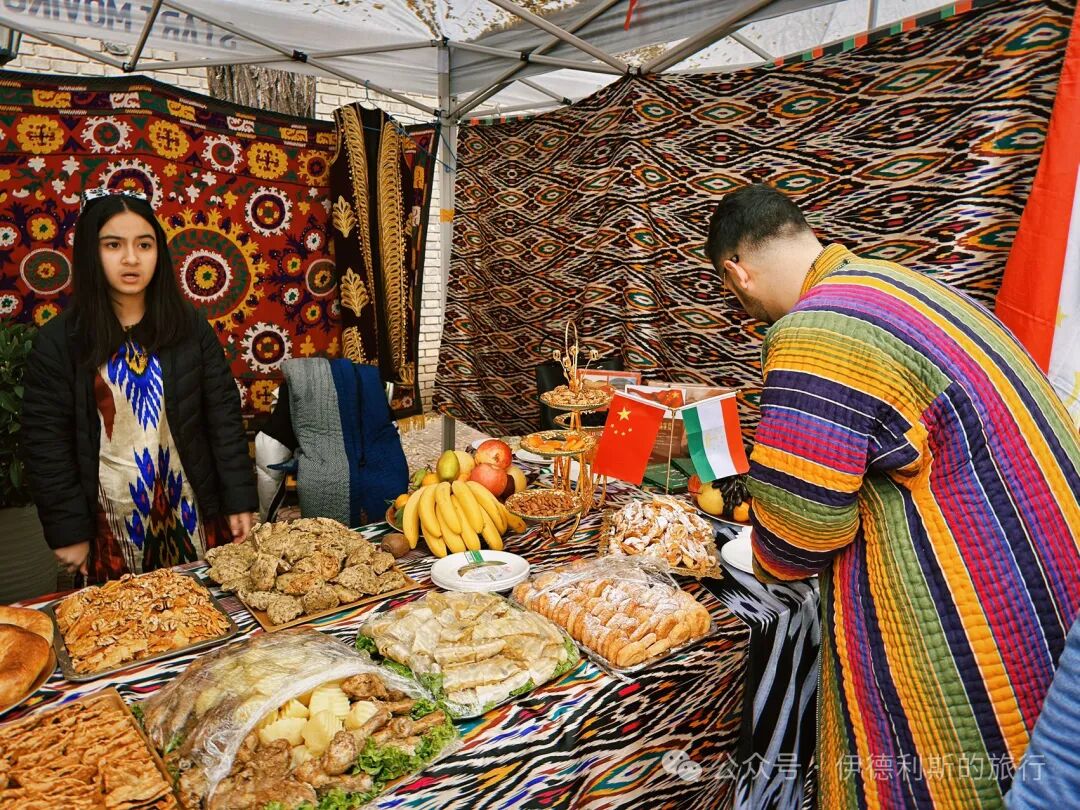
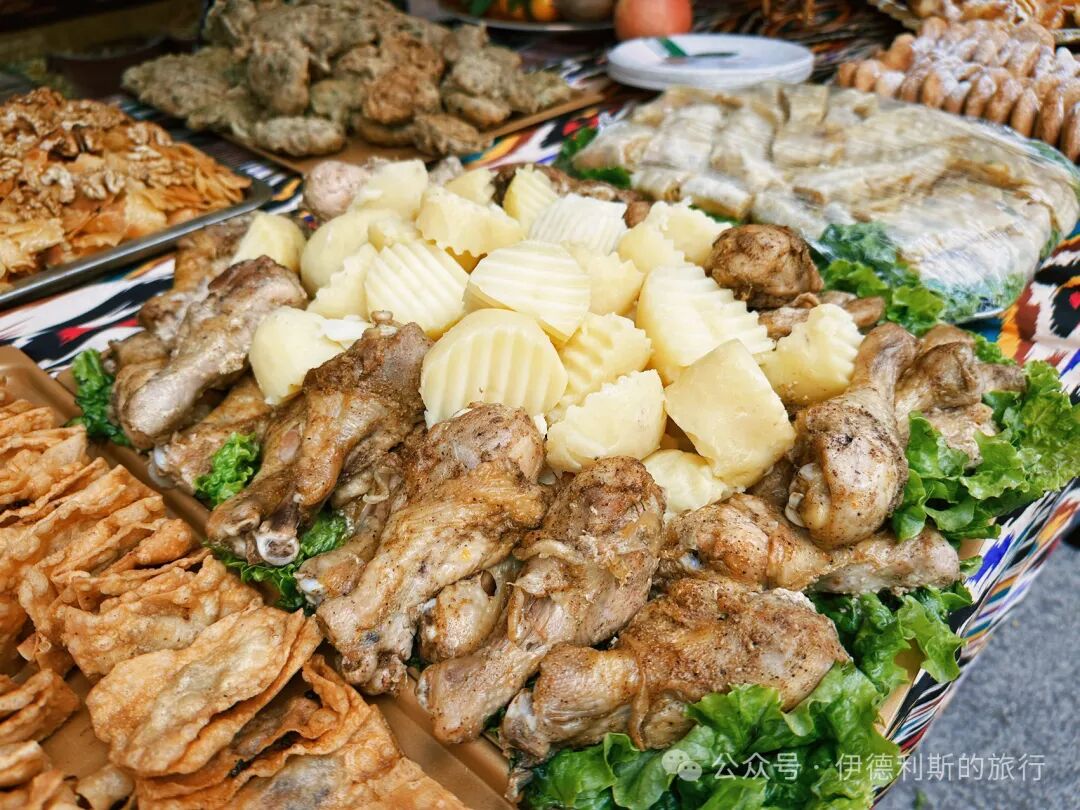
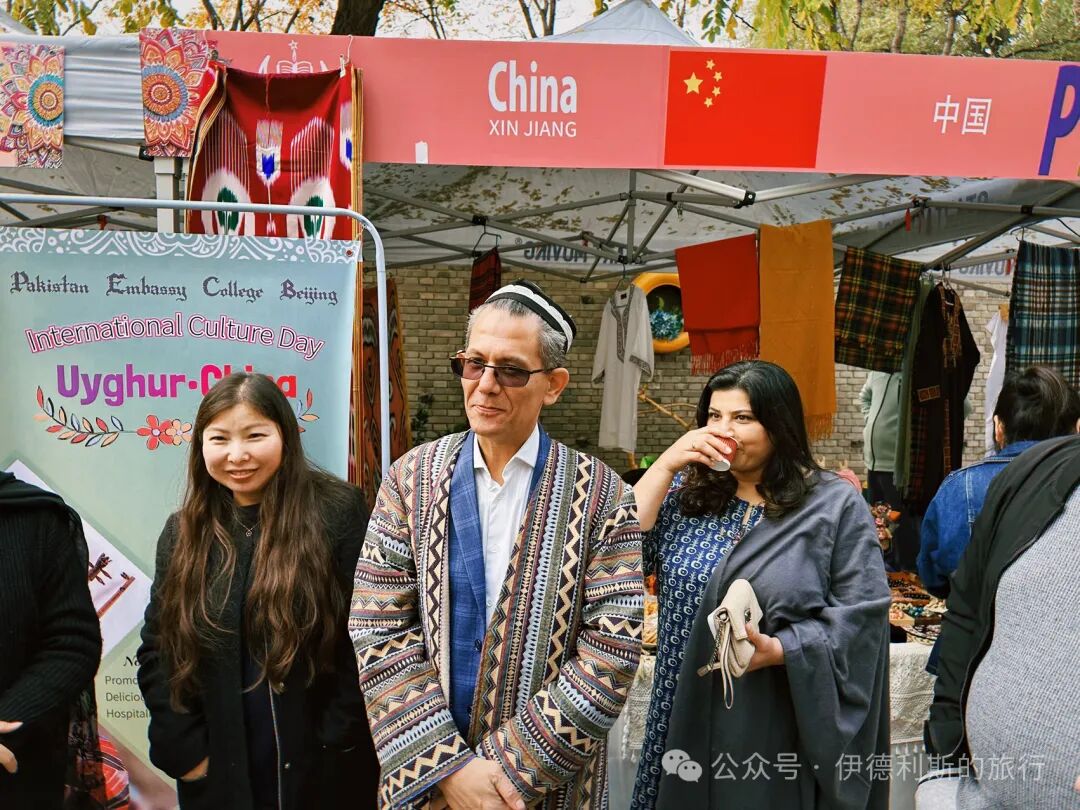
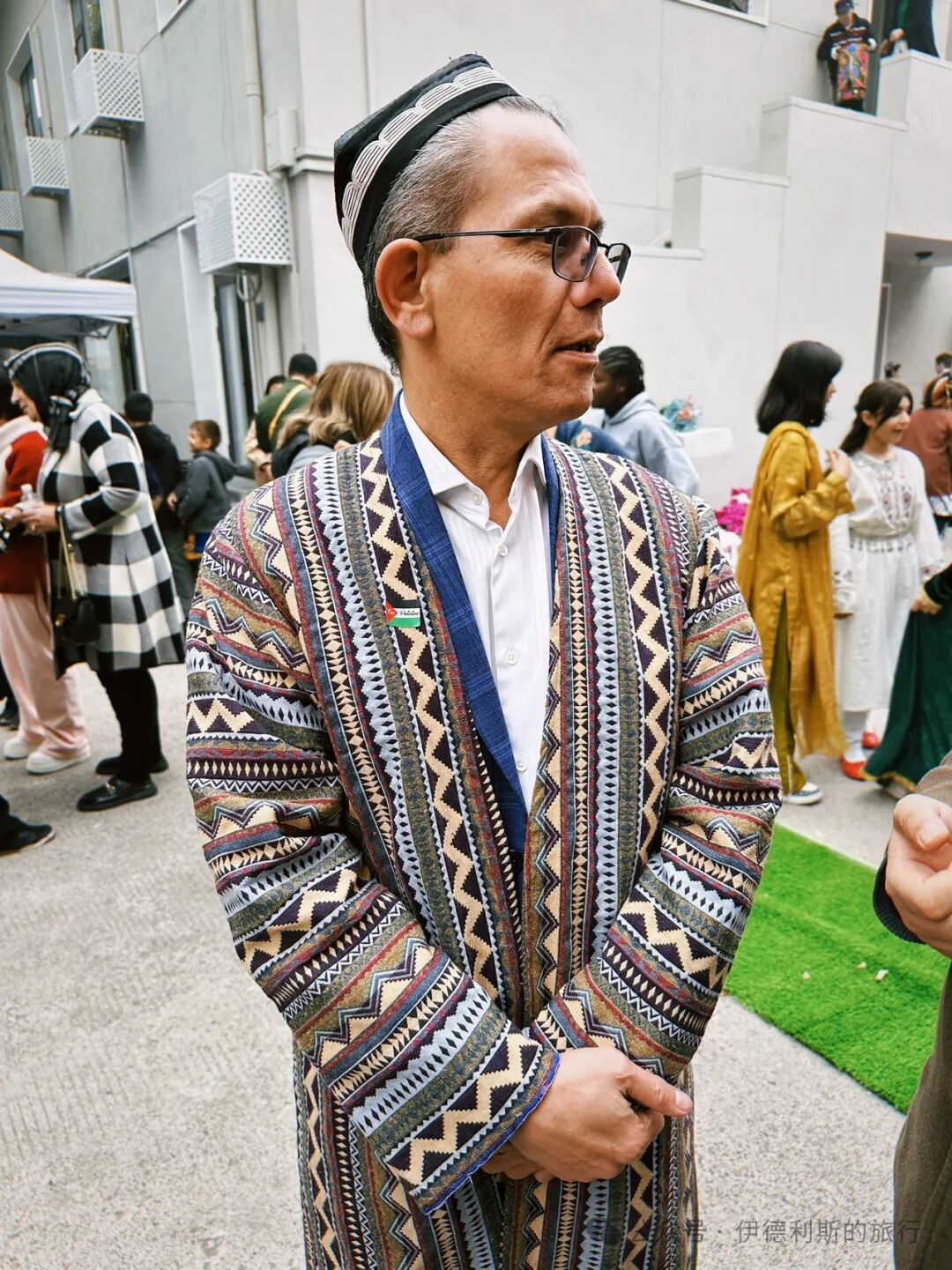
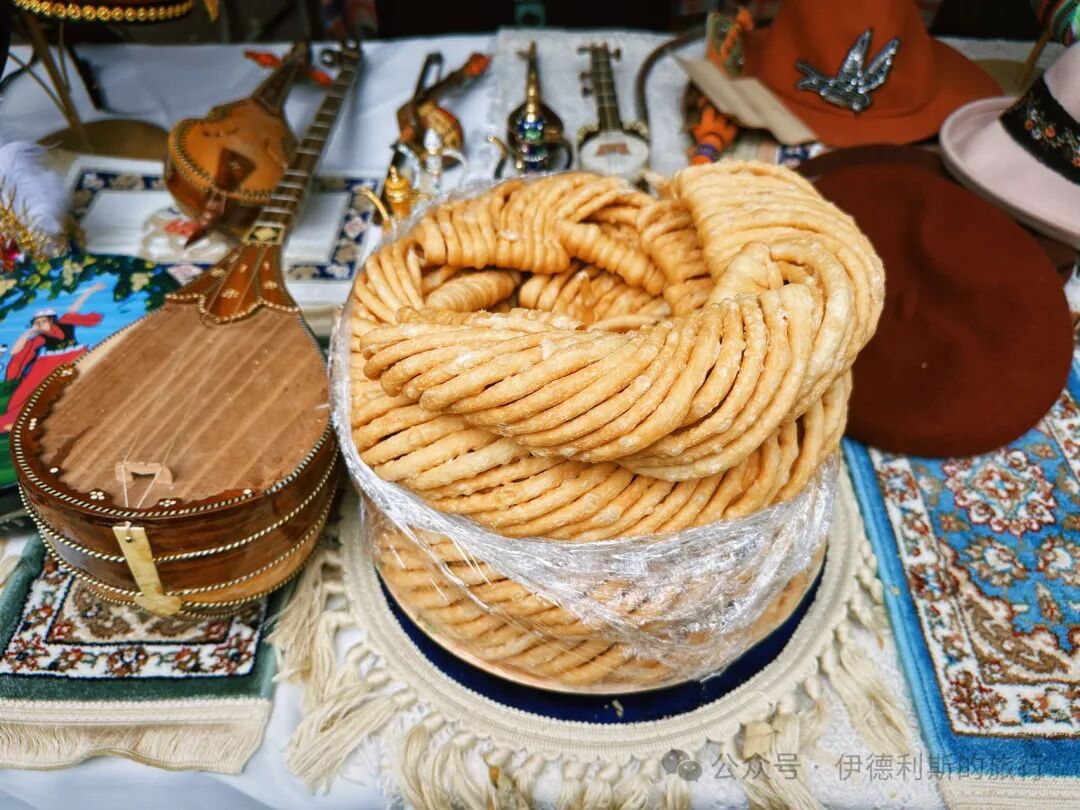
Booths for three North African countries. I ate dates at the Libya booth, dried fruit at the Morocco booth, and the classic street food Koshary at the Egypt booth.
Koshary is a mix of pasta, macaroni, Egyptian rice, and lentils, topped with tomato sauce, garlic sauce, chickpeas, and fried onions. As early as ancient Egypt, people ate a dish called Koshir made from lentils, wheat, chickpeas, garlic, and onions cooked in clay pots. It only evolved into the modern Koshary after the introduction of pasta and tomatoes in the 19th century. This snack is vegan and very cheap, making it a typical Egyptian comfort food for the common people.
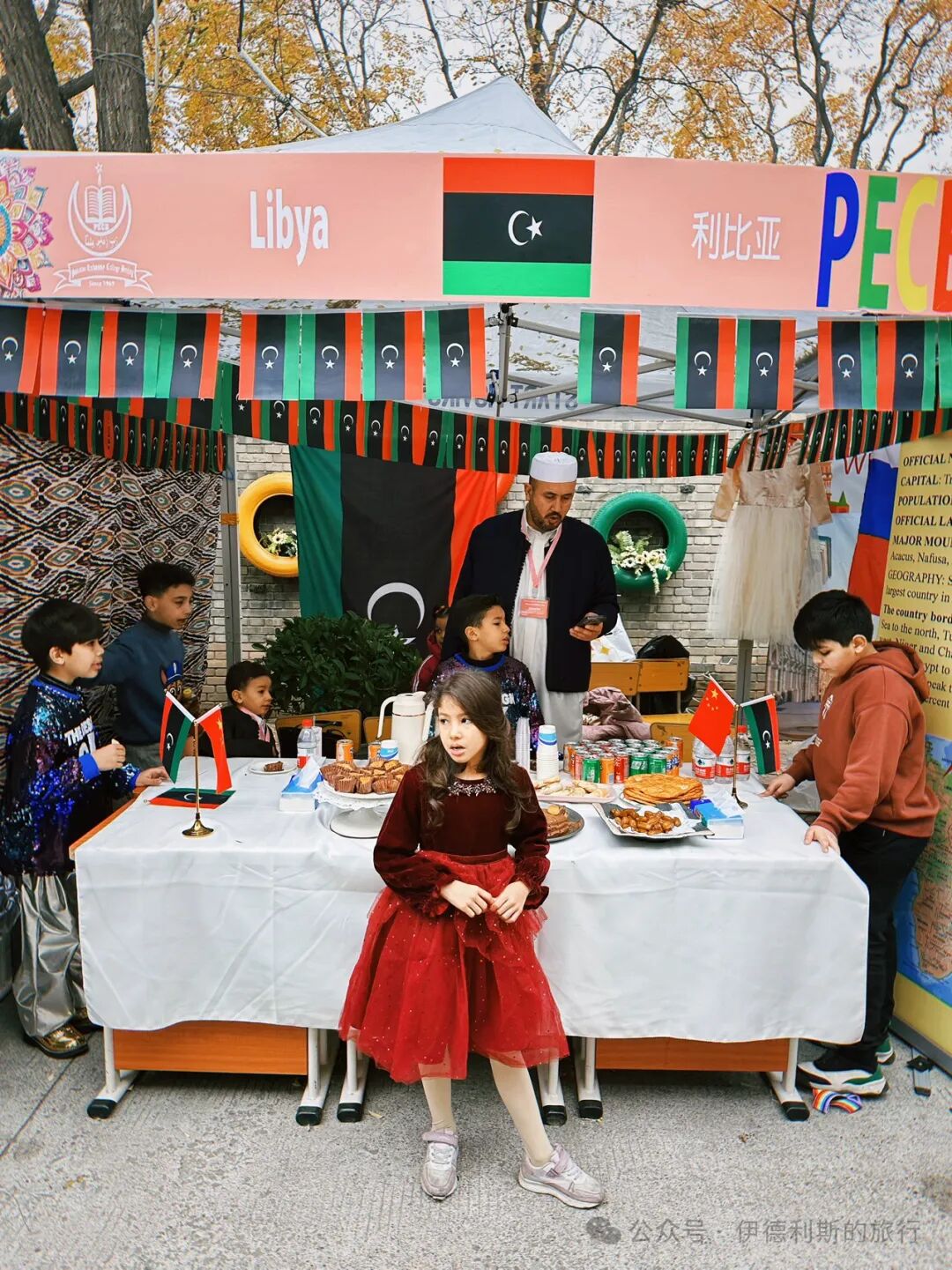
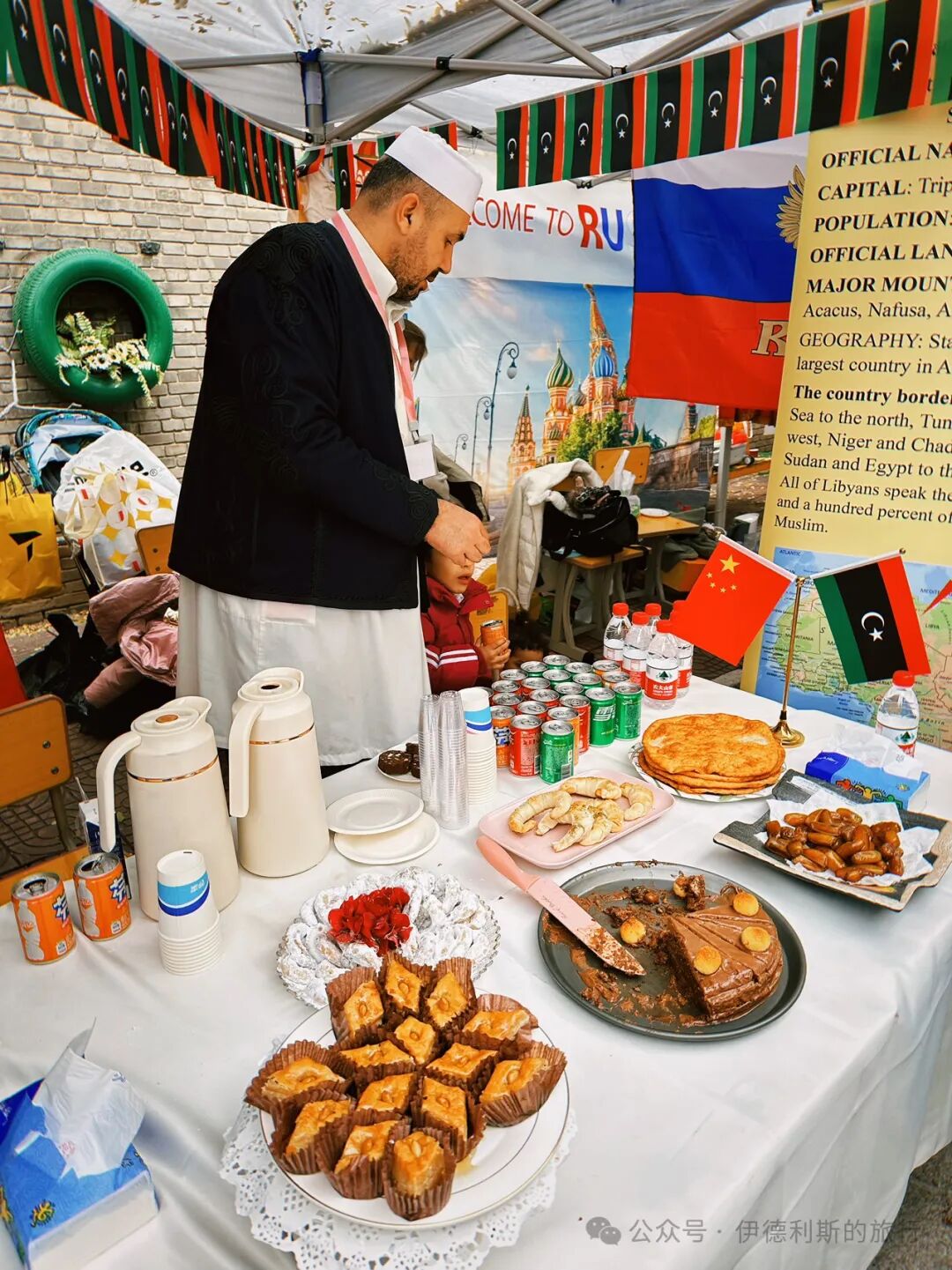
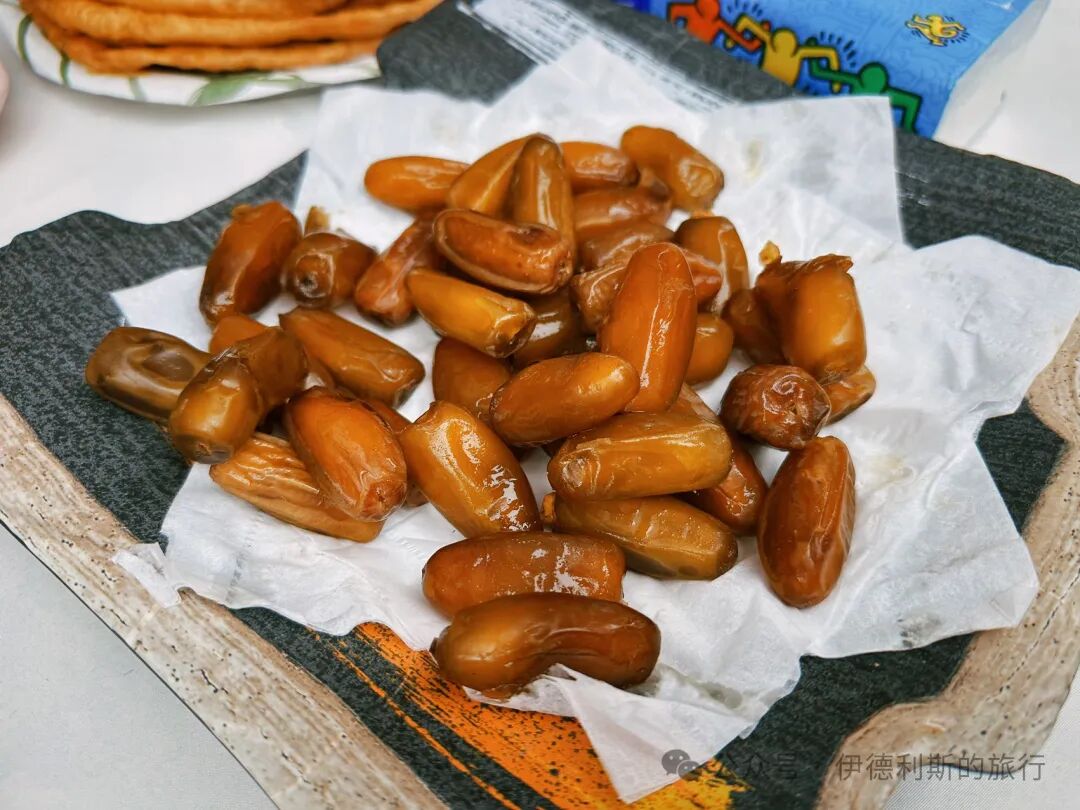
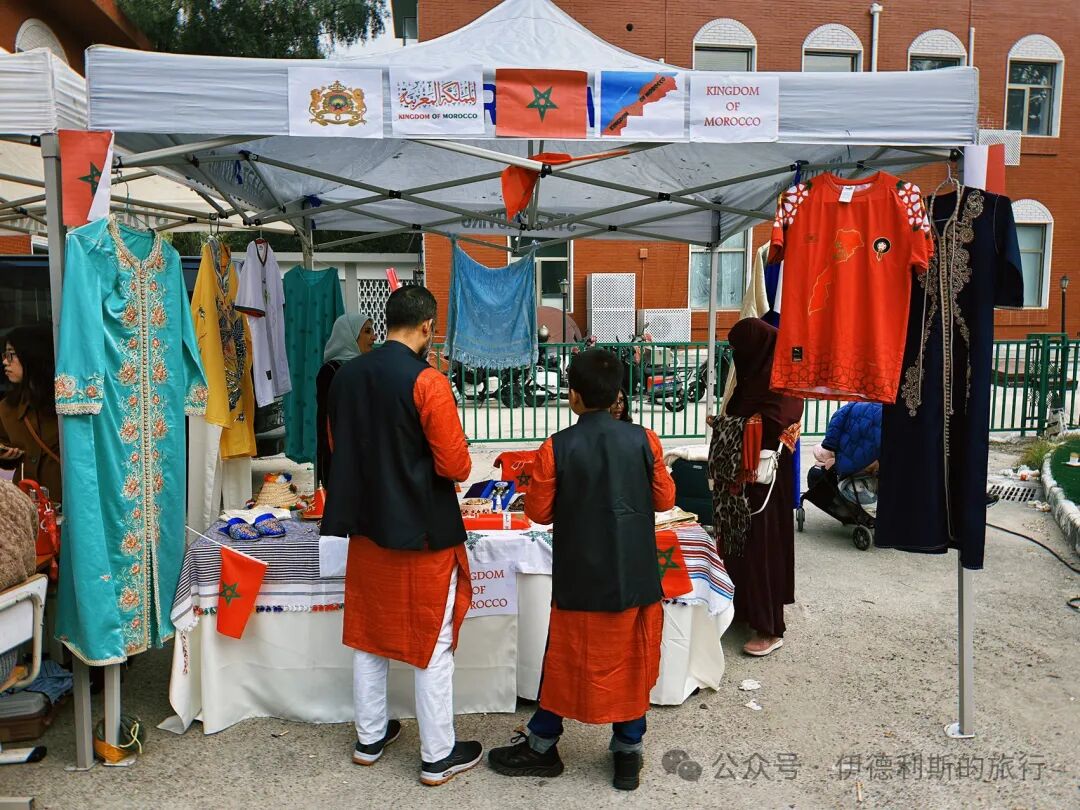
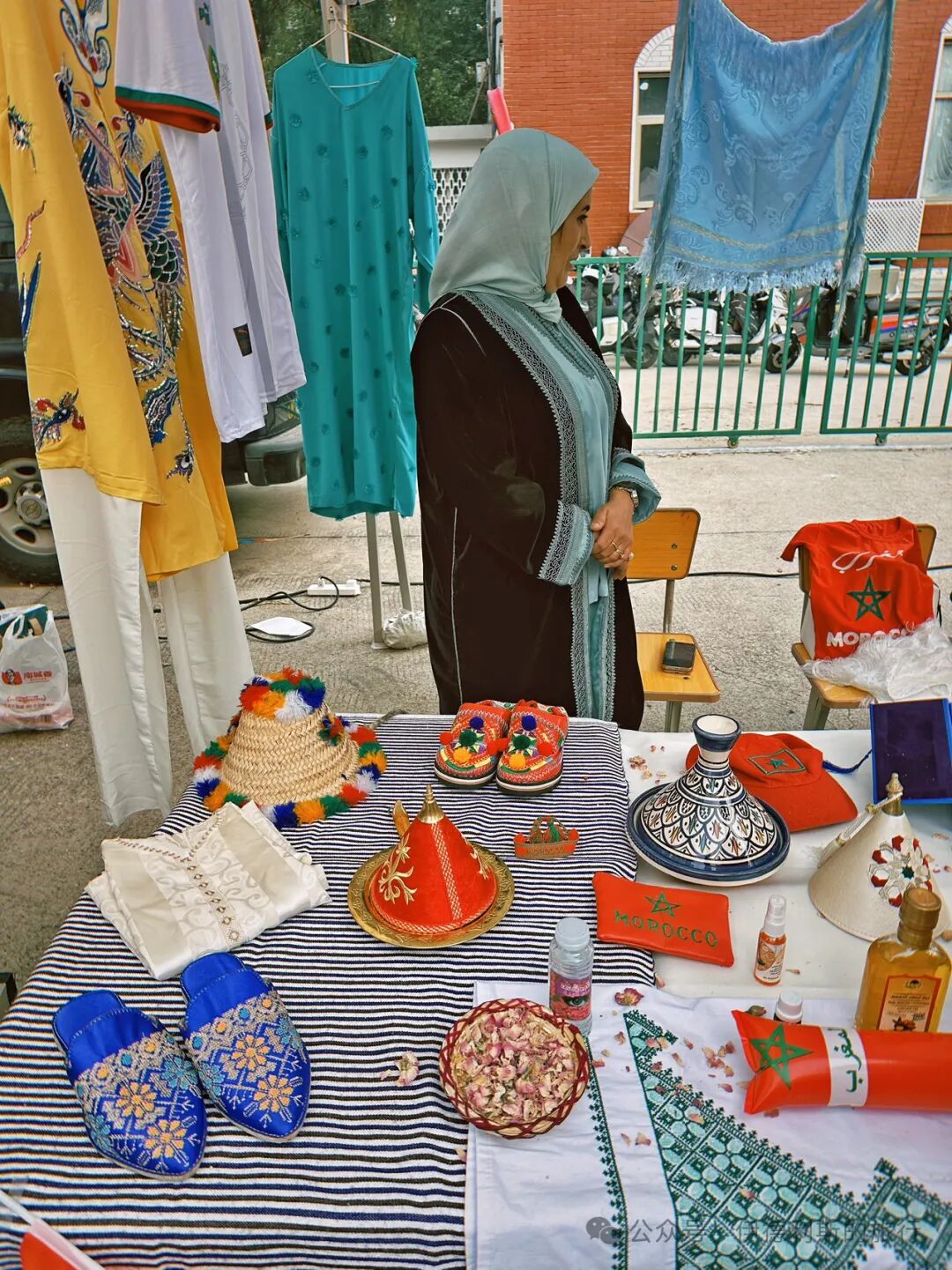
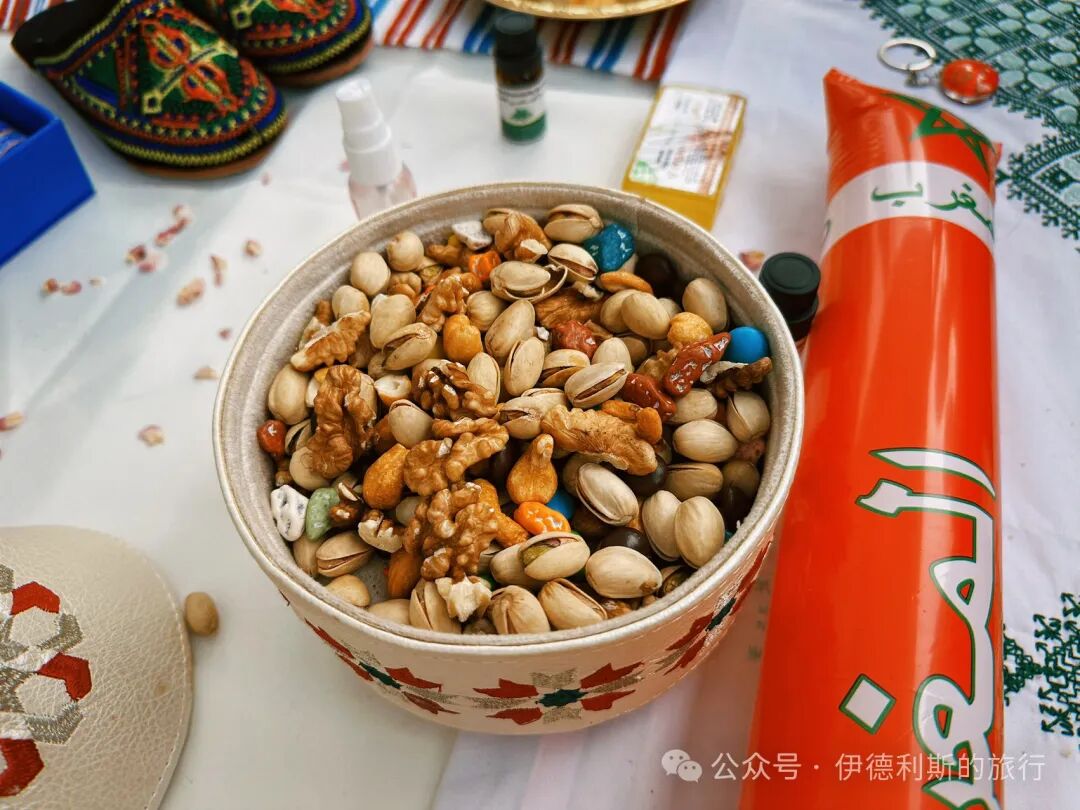
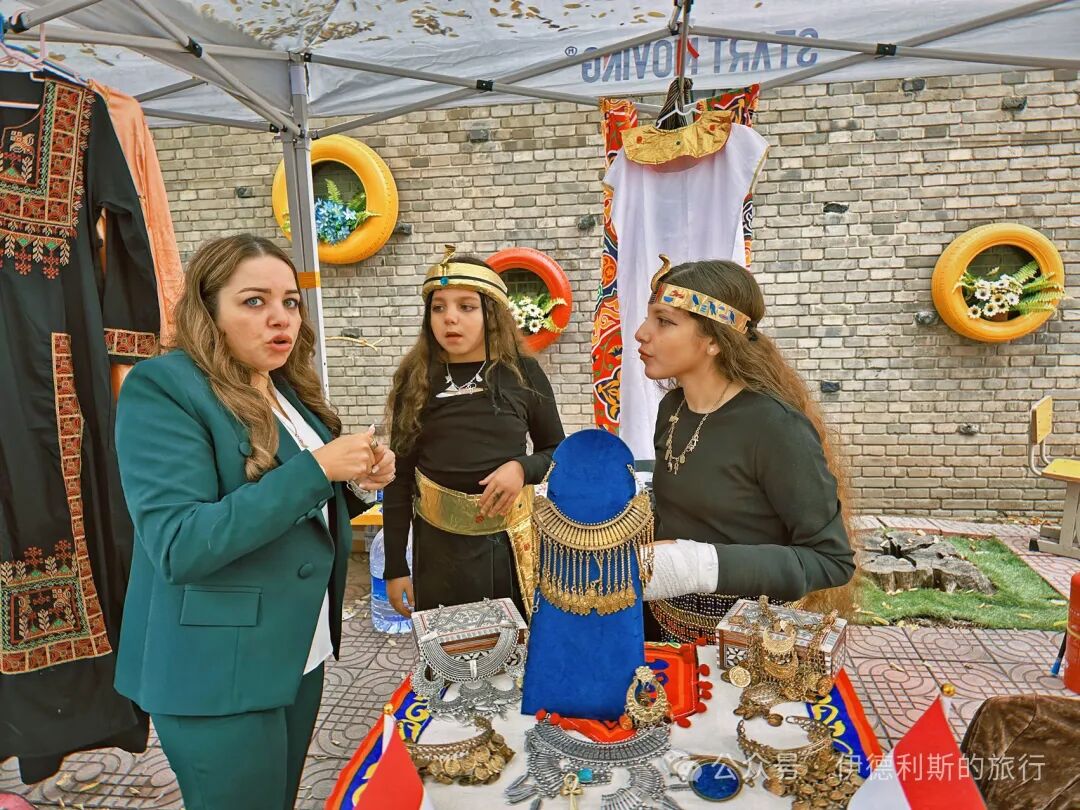
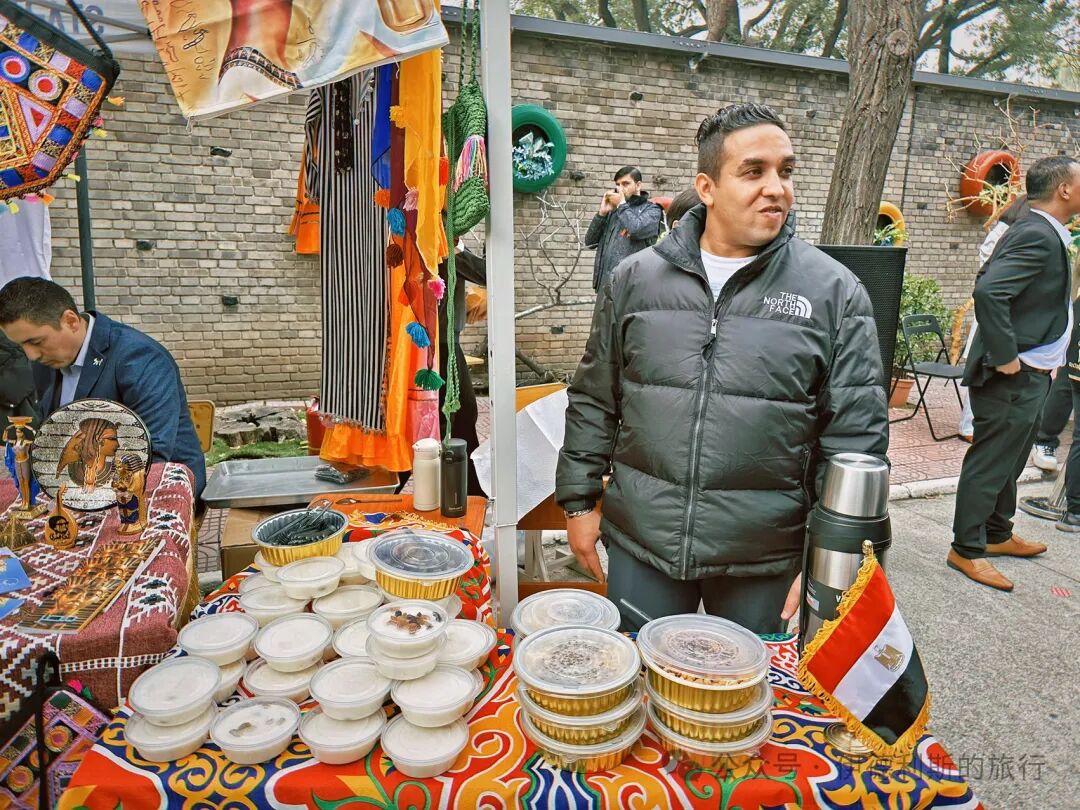
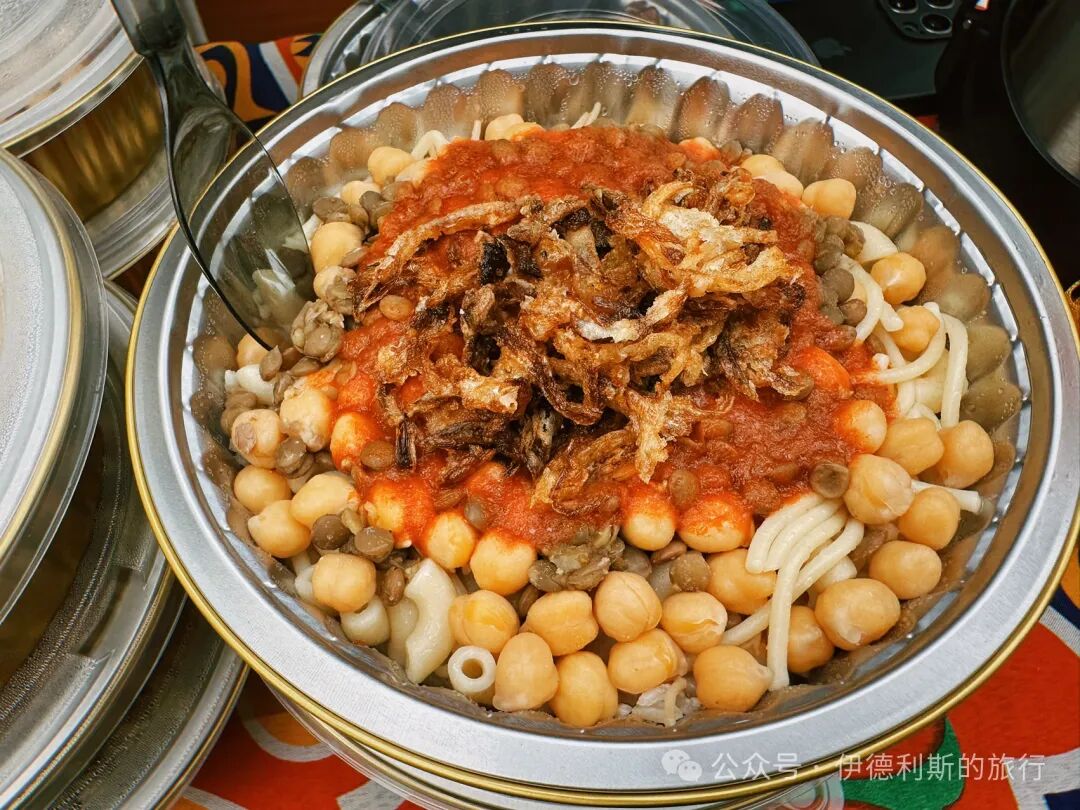
Moving further in, we found Turkey and Turkmenistan, where we kept trying all kinds of snacks.
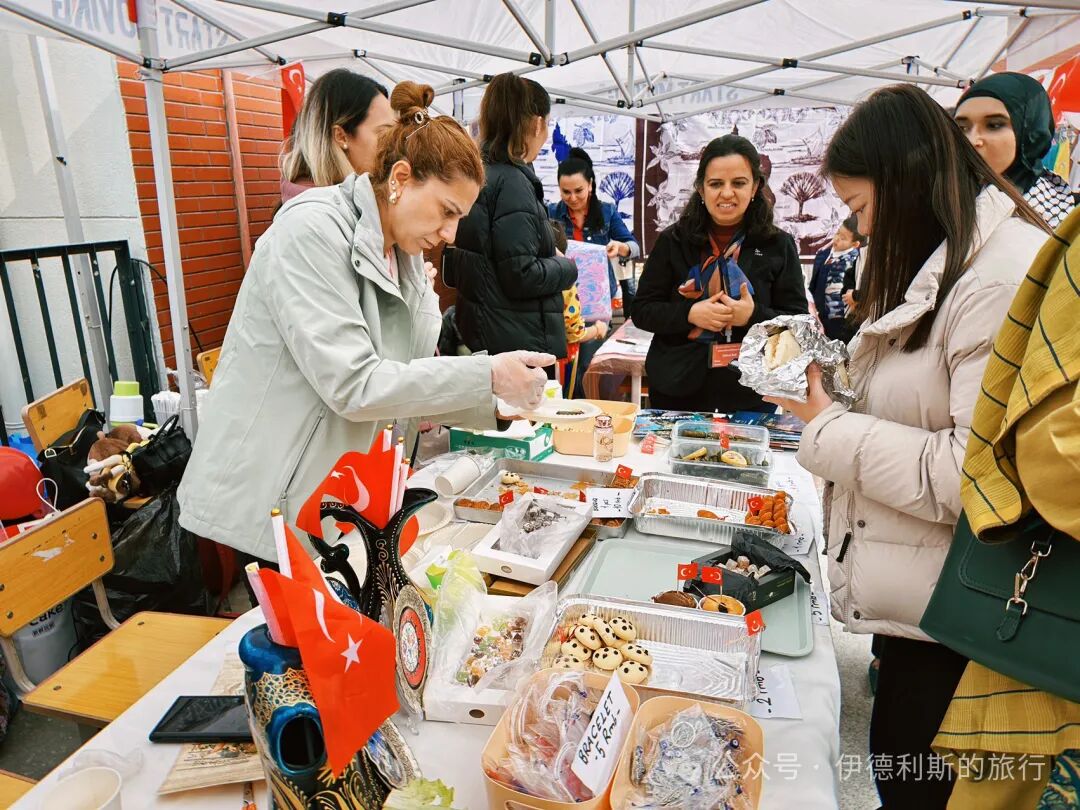
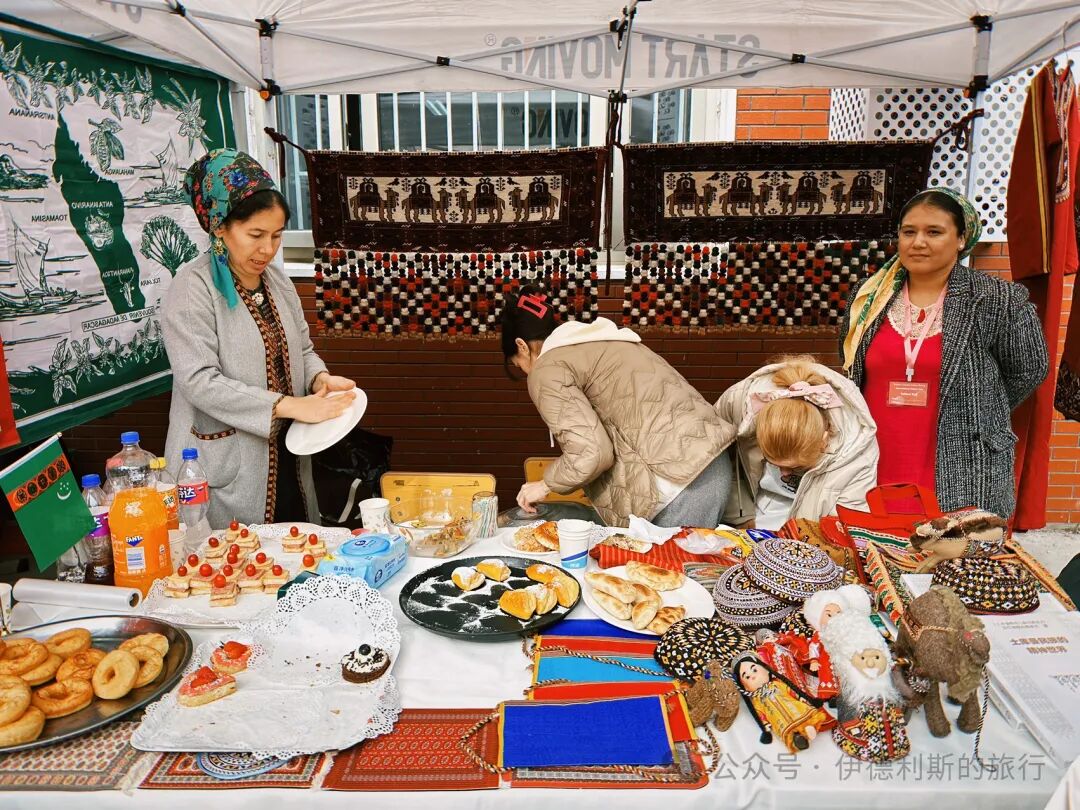
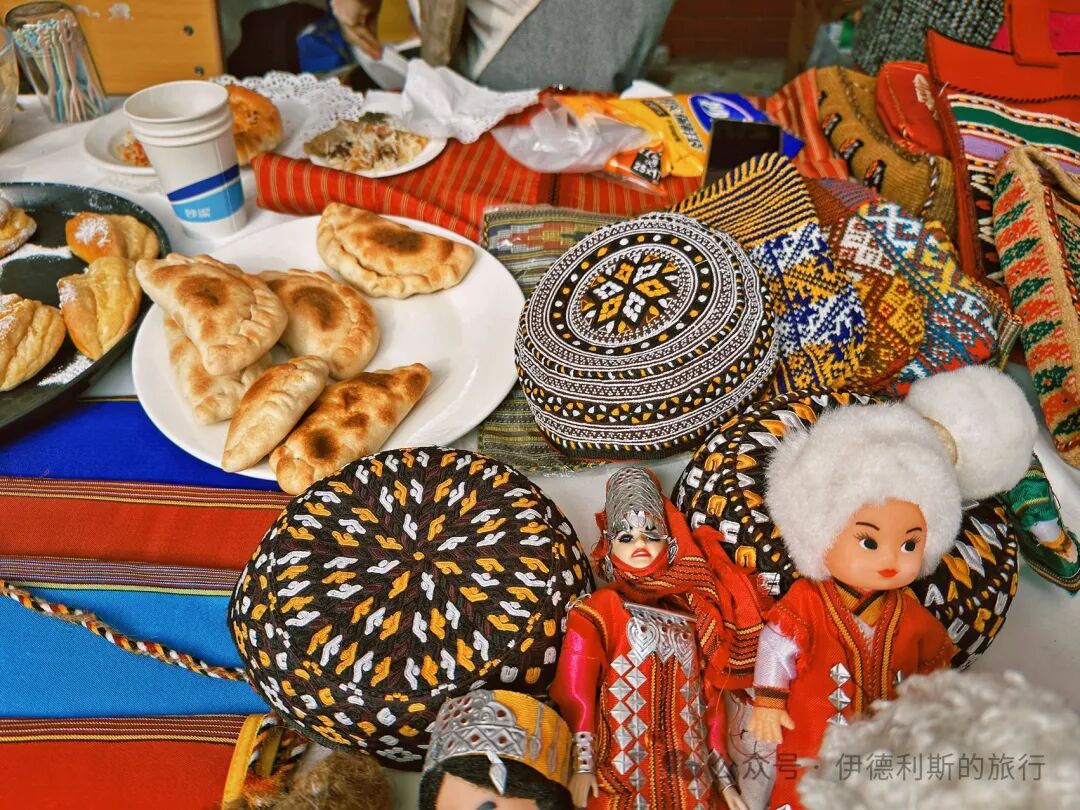
The innermost area was the Pakistan section, featuring various foods and clothing displays, including famous Beijing Pakistani restaurants Khan Baba and Zamzam. We bought freshly grilled chicken skewers and a large pot of chicken biryani at Zamzam. Suleiman also ate a few chicken skewers; it seems he adapts quite well to Pakistani food.
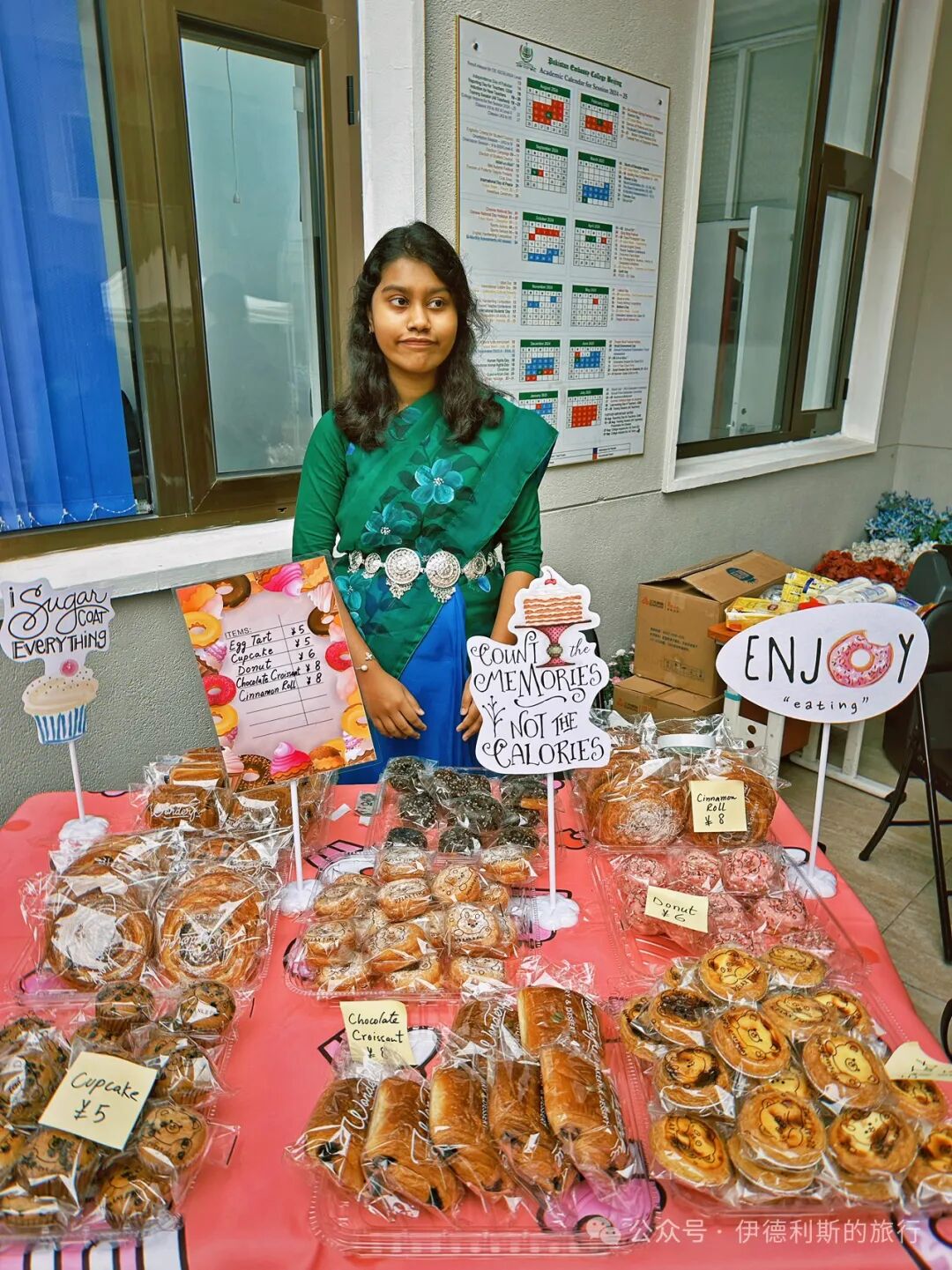
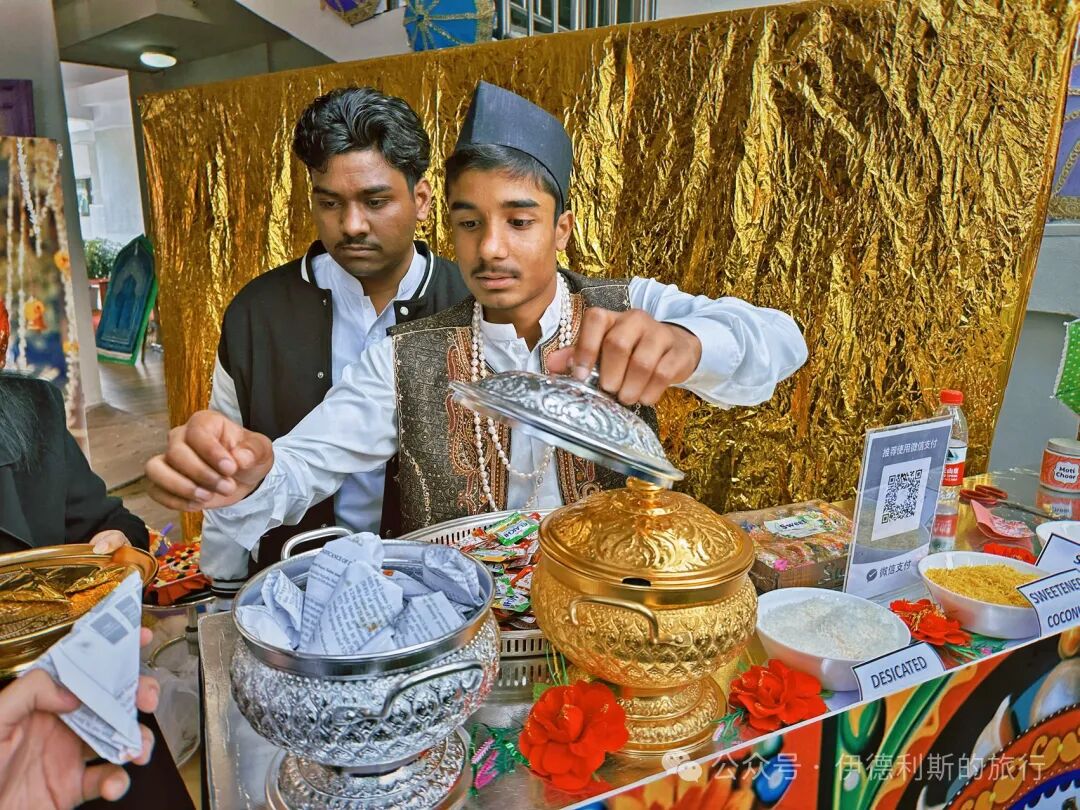
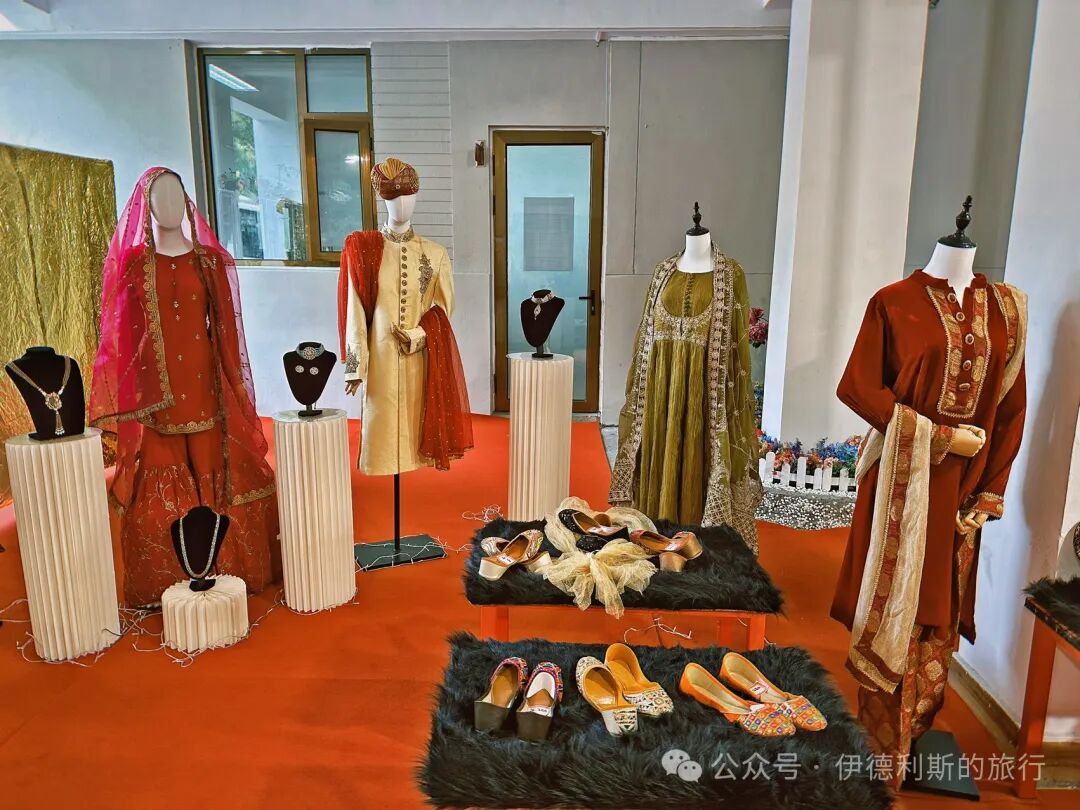
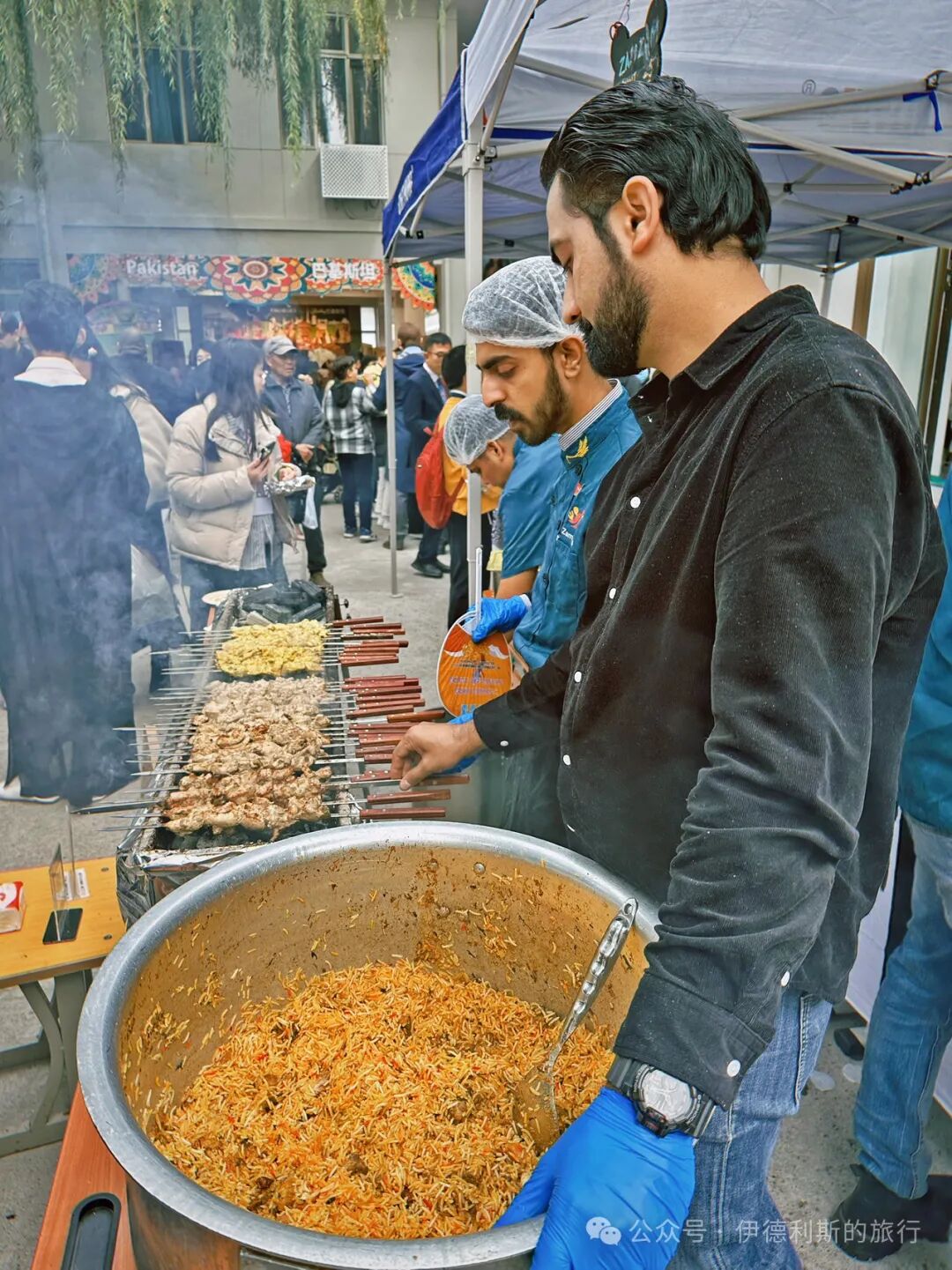
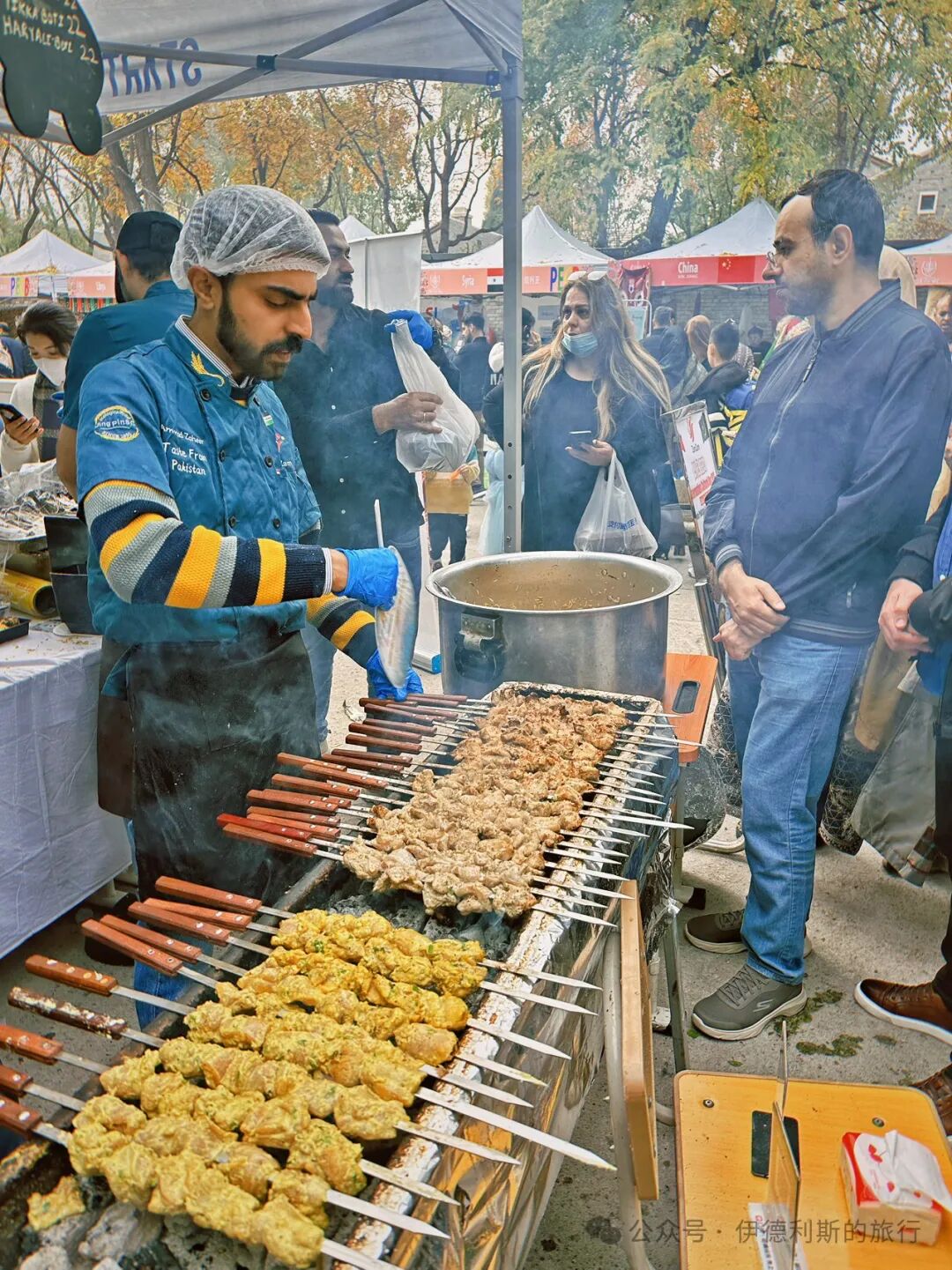
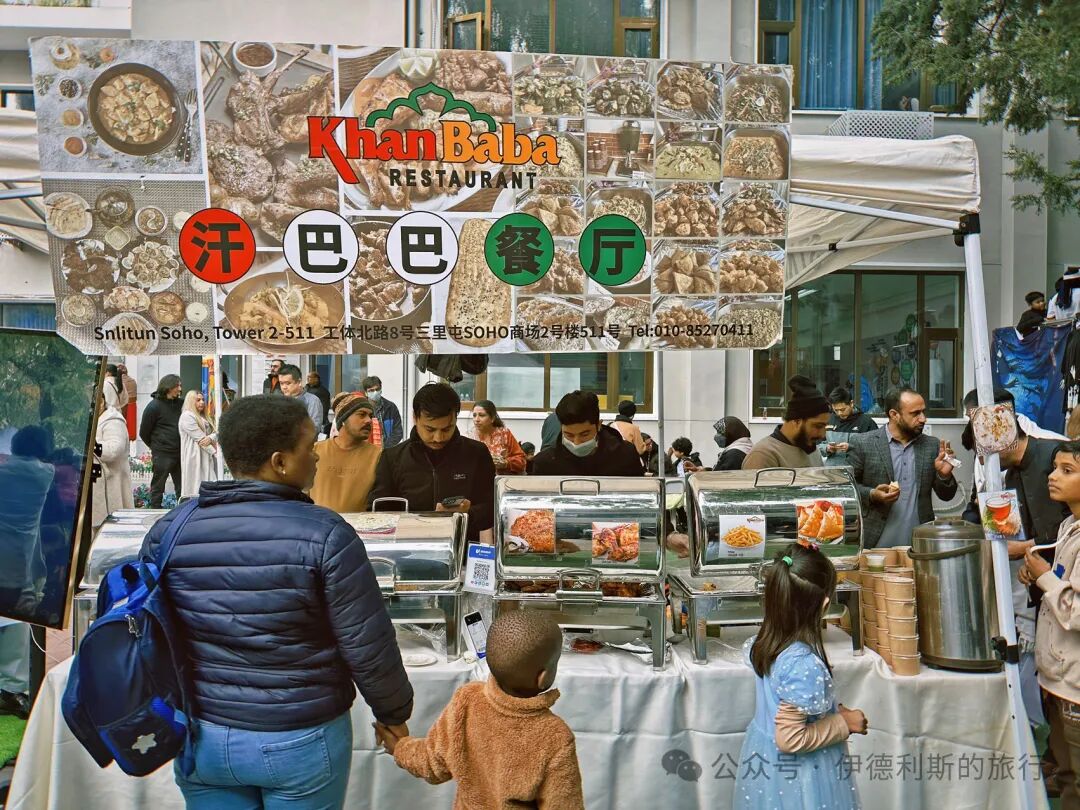
We performed namaz at the embassy school. Pakistanis also mostly follow the Hanafi school of thought, so their movements are basically the same as ours. There was even a basket of caps at the entrance, which matches our custom of wearing a cap for namaz, unlike Arabs or Iranians who do not have this practice.
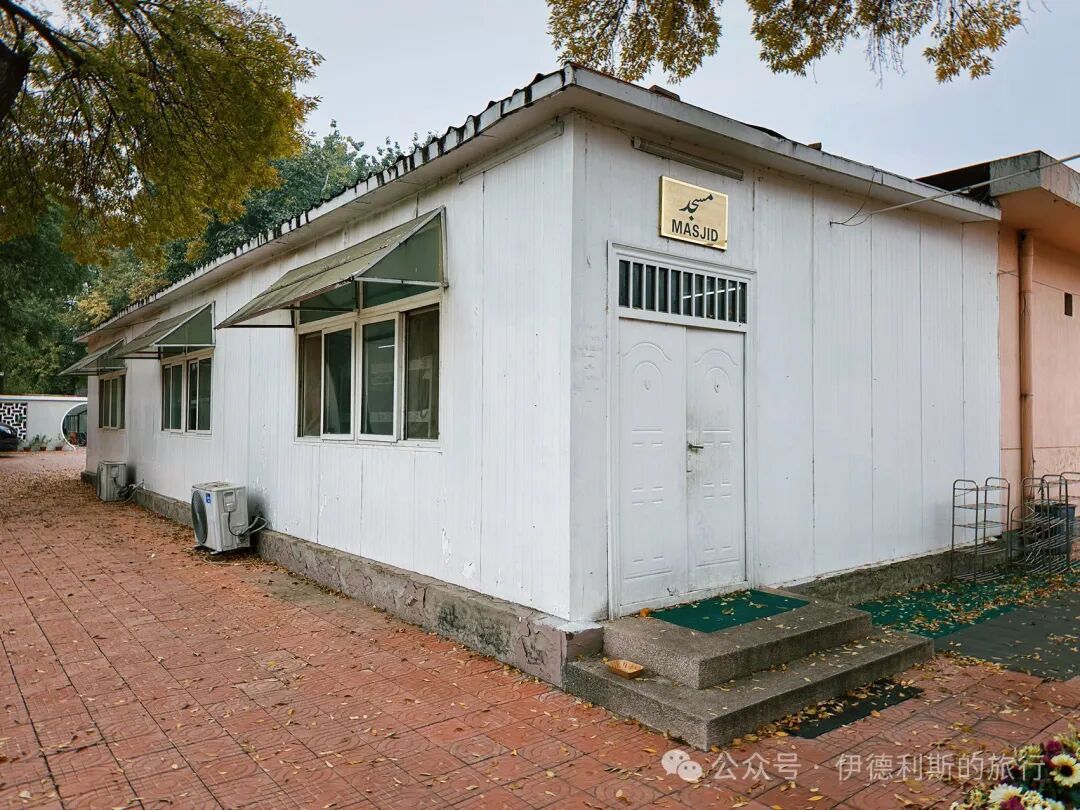
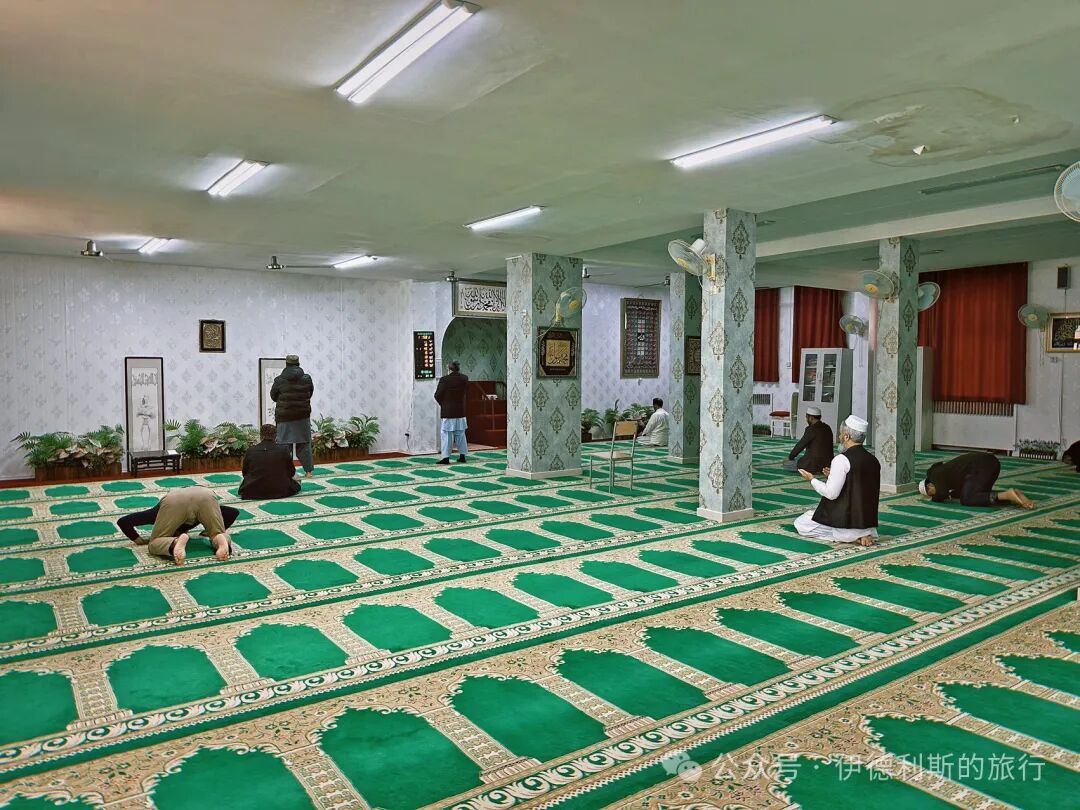
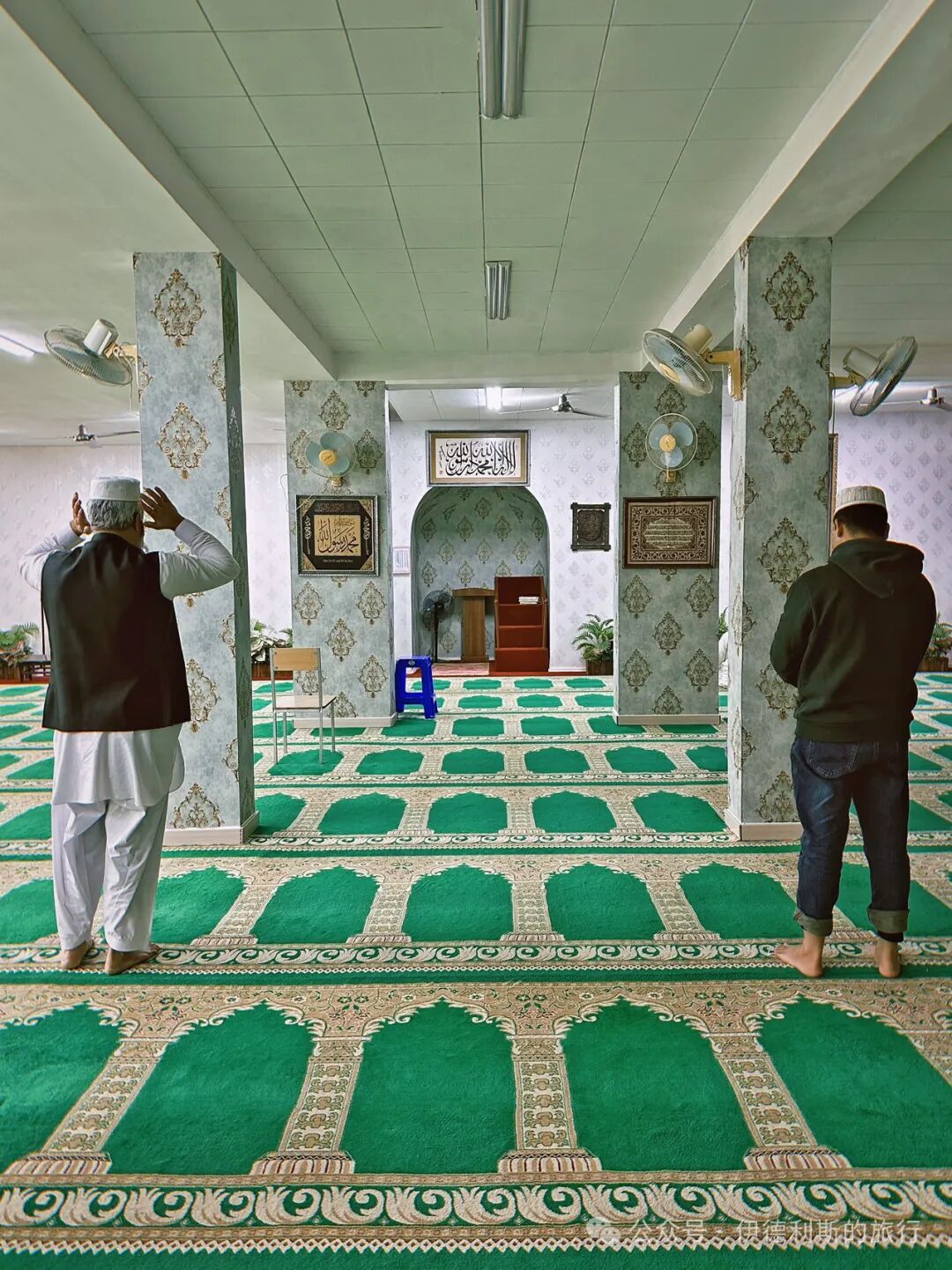
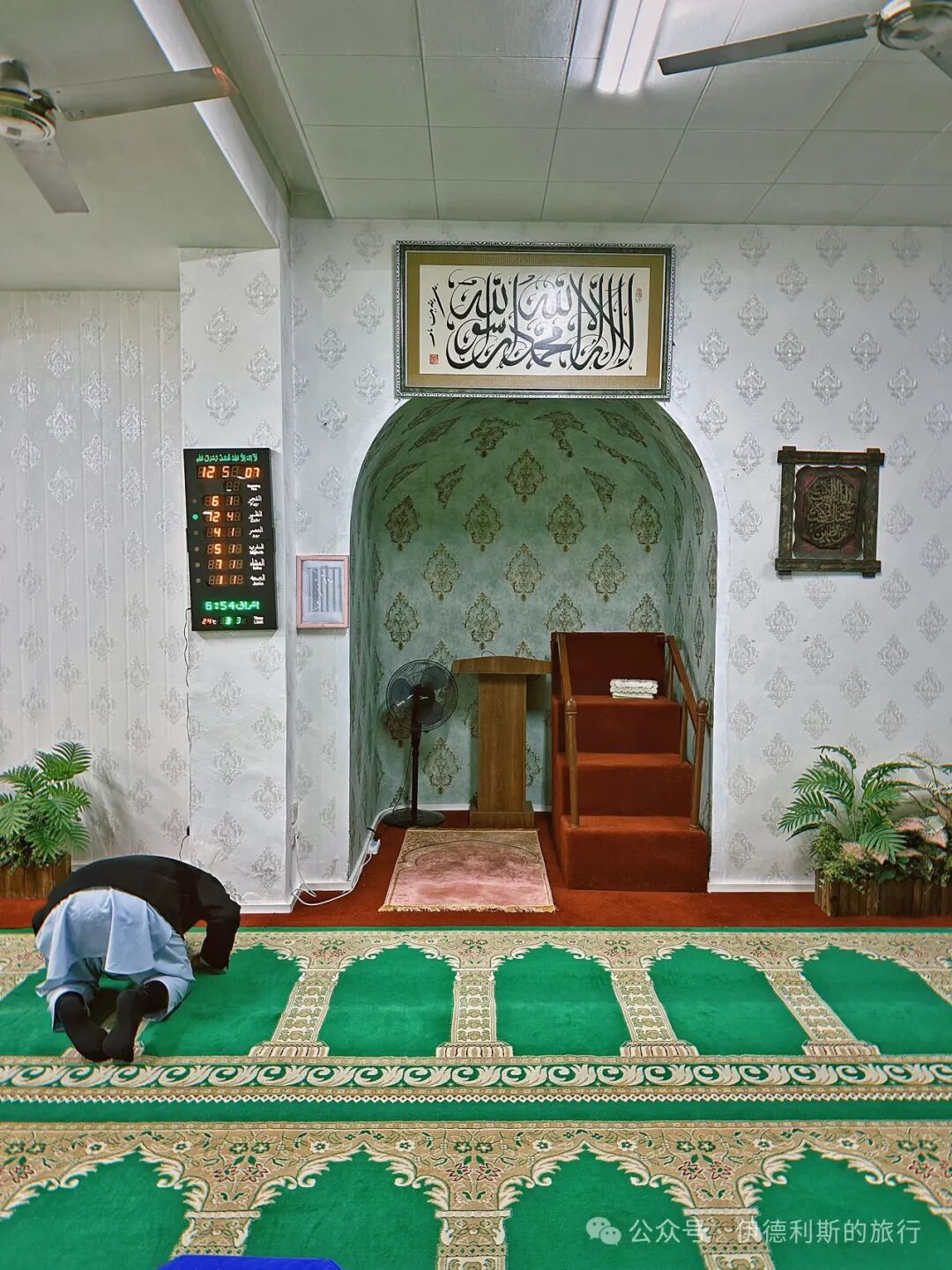
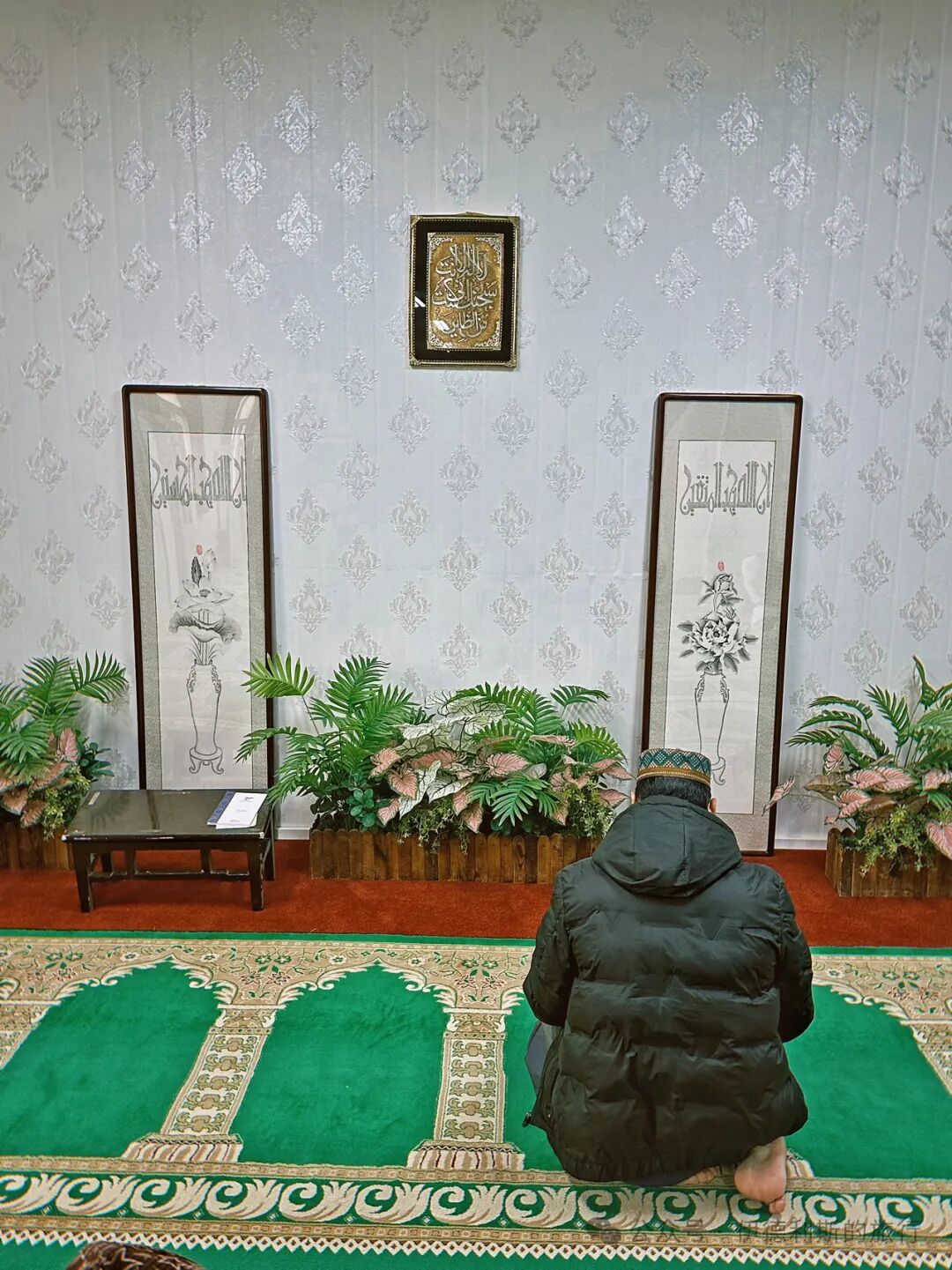
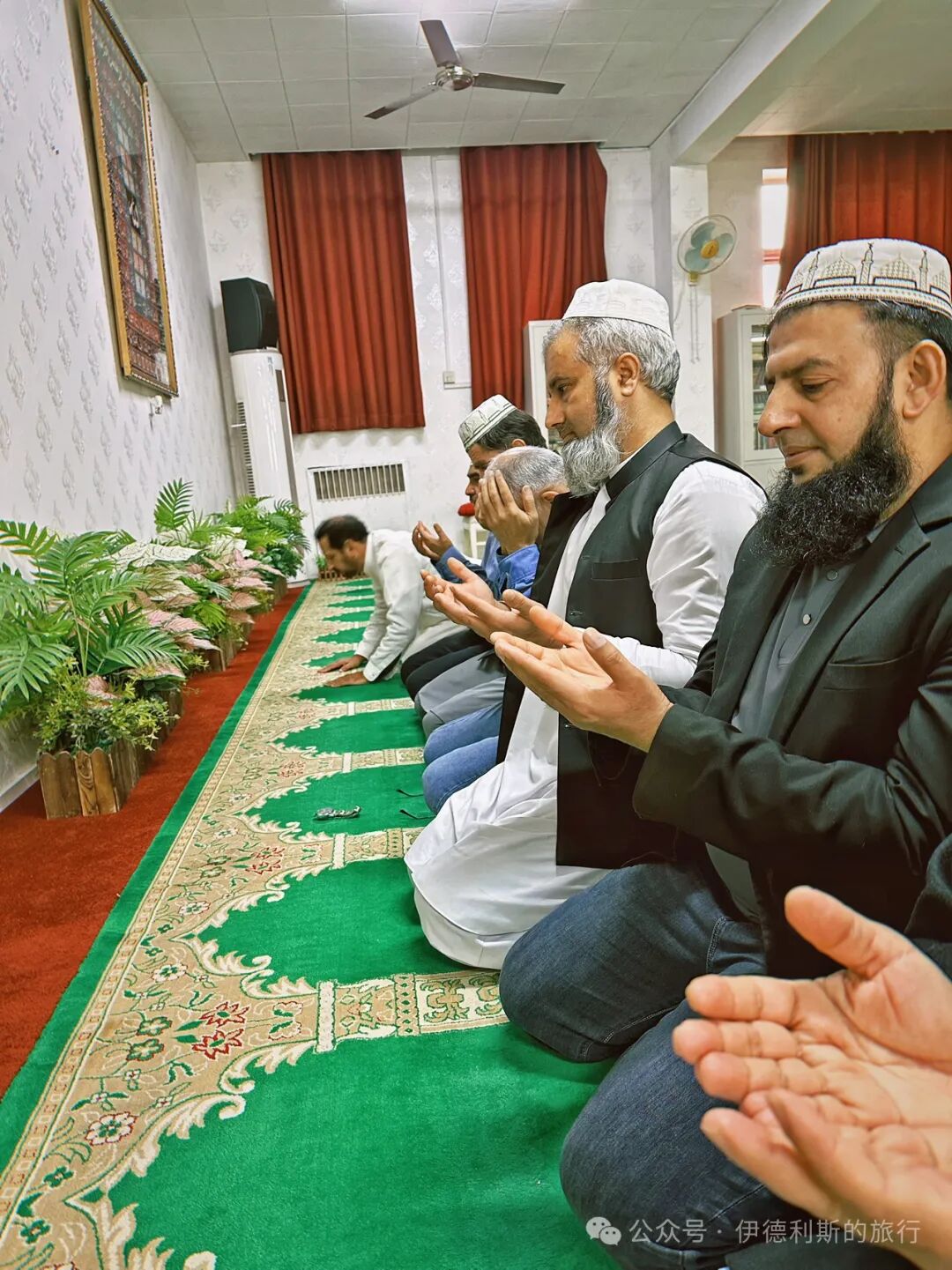
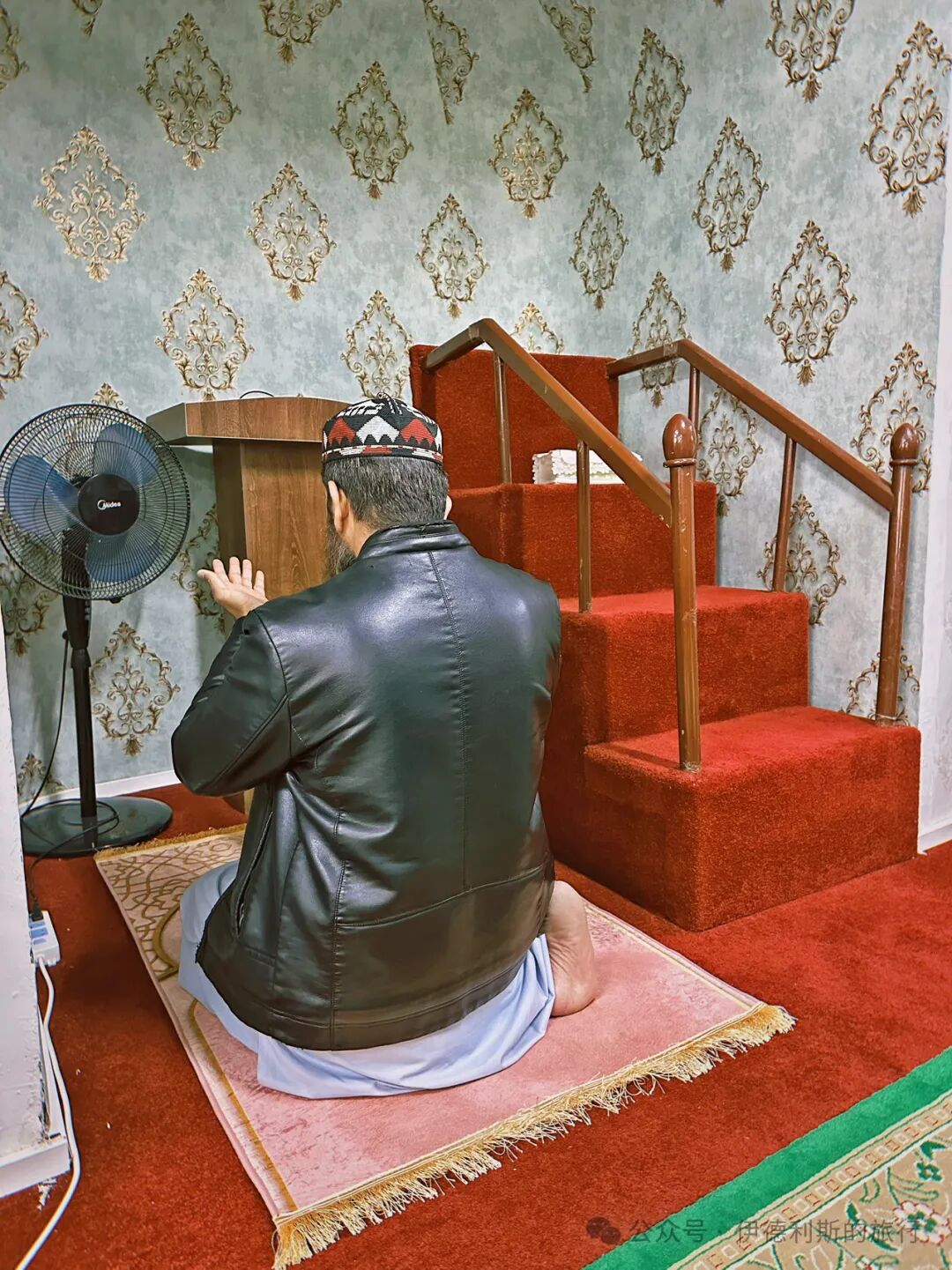
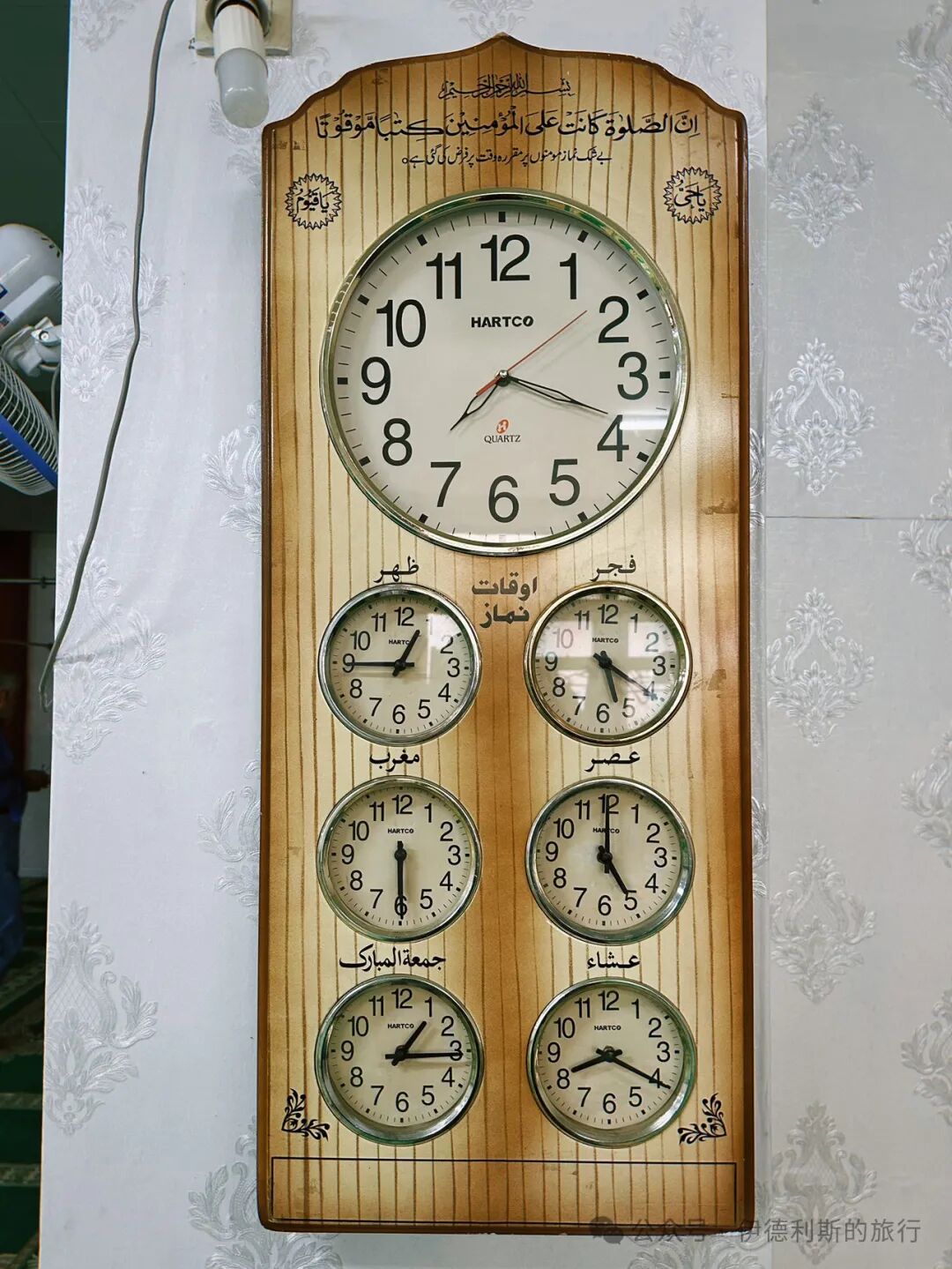
Children from all over the world showed off their traditional clothing.
I attended several foreign events in Beijing this year; you can often join different embassy activities in Beijing to experience cultures from around the world.
The Saudi Tourism Festival held by the Saudi Tourism Authority at the Temple of Heaven Park: Experience Arab culture at the Temple of Heaven Park.
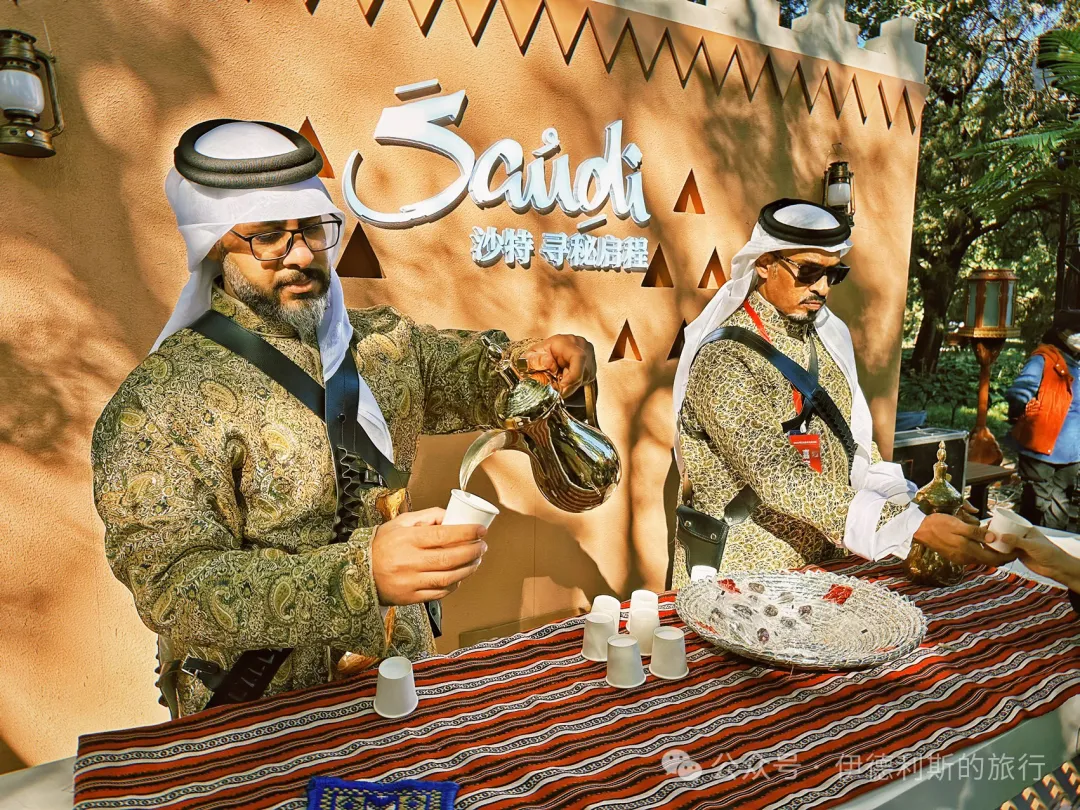
The Rasa Malaysia festival held at Sanlitun Taikoo Li: Taste Malaysian food in Beijing—2024 Beijing Malaysia Festival.
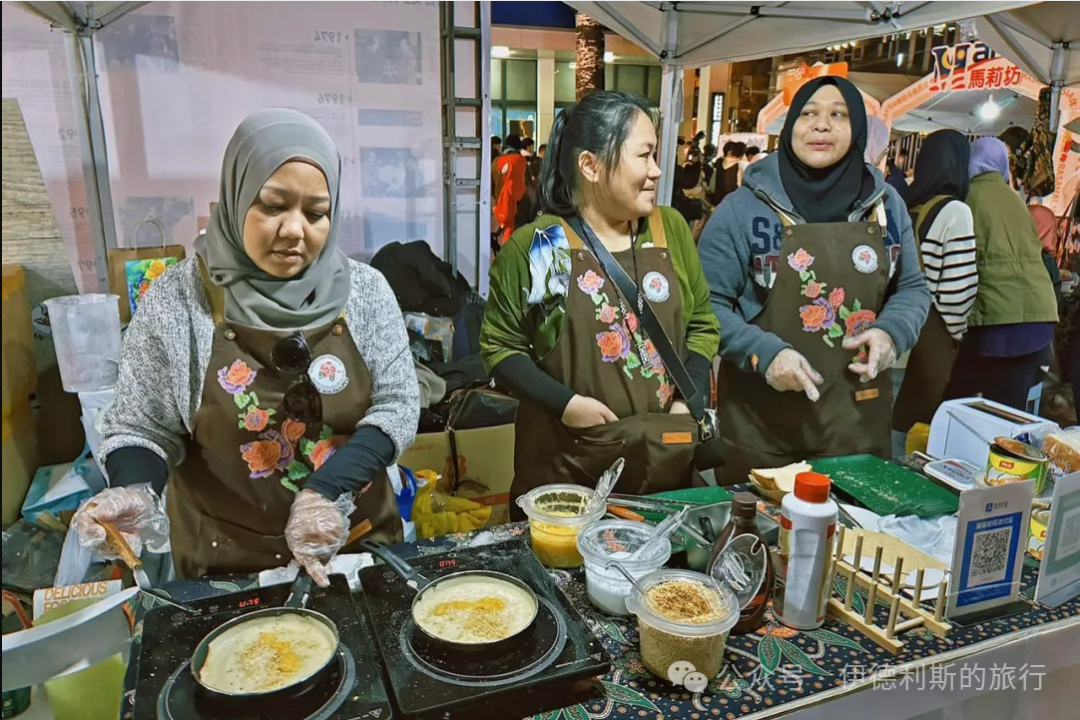
The International Neighborhood Festival held at the Jianguomen Diplomatic Residence Compound: Taste food from Iran, Azerbaijan, and the Maldives at the International Neighborhood Festival.
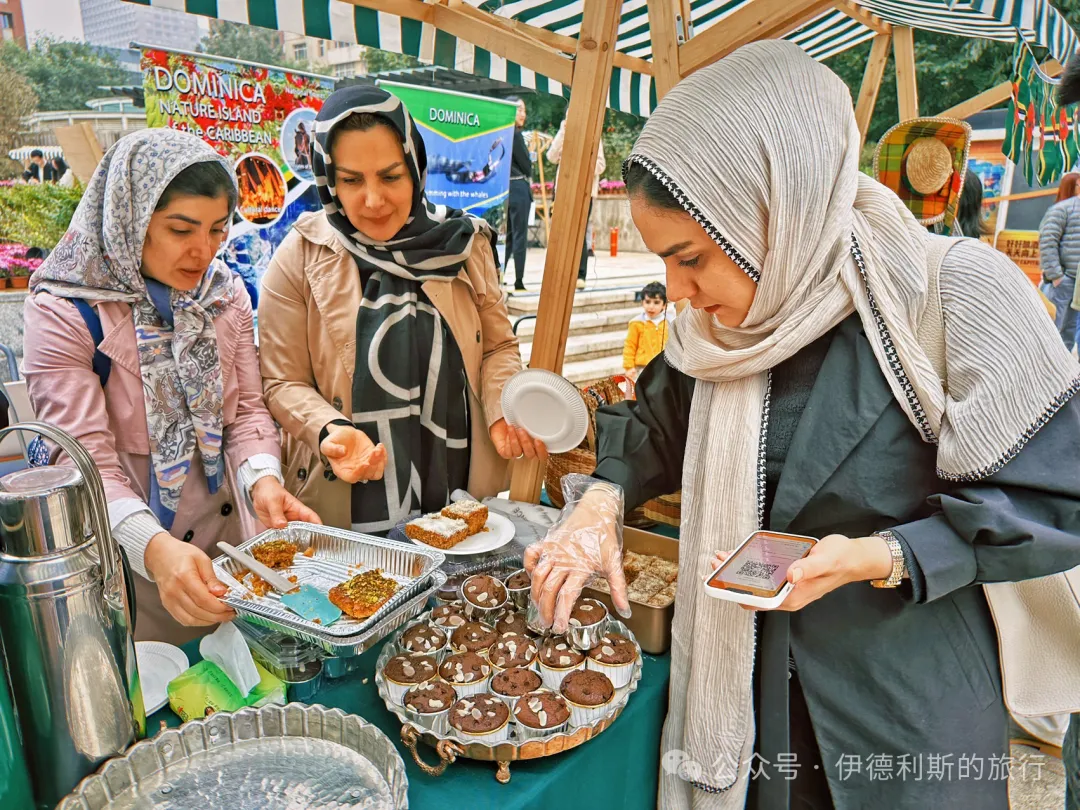
Cultural exchange activities hosted by Saudi Arabia, the guest of honor at the Beijing International Book Fair in the China National Convention Center: Experience Saudi culture at the Beijing International Book Fair.
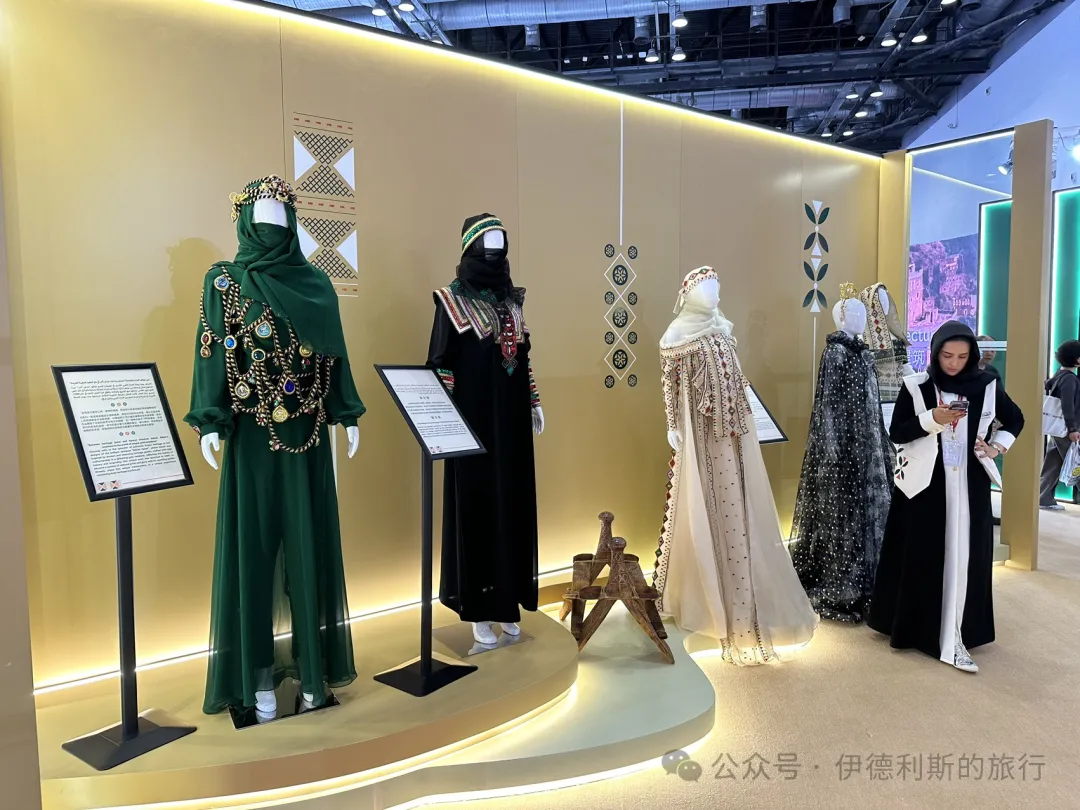
The Indonesian Cultural Festival held at the Indonesian Embassy: Attend the 2024 Indonesian Cultural Festival.
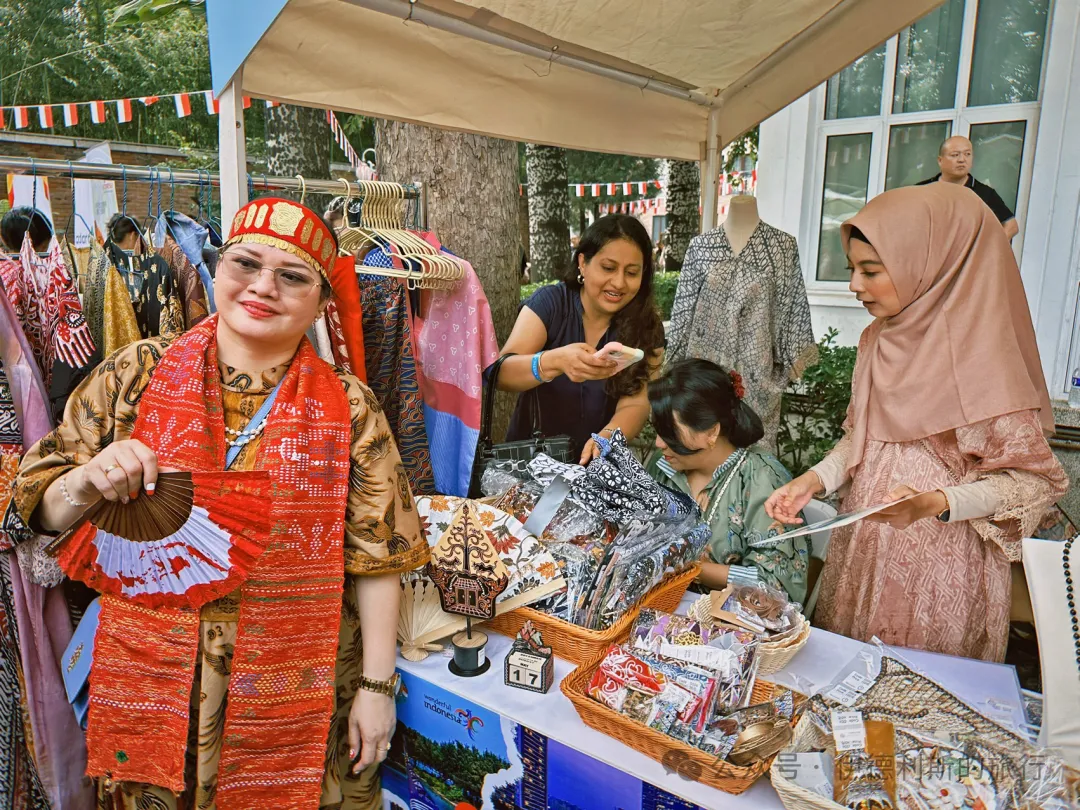
Muslim Culture Guide: Beijing Temple of Heaven Park - Arab Culture and Community
Articles • ali2007fr posted the article • 0 comments • 147 views • 2026-05-19 21:35
Summary: Beijing Temple of Heaven Park - Arab Culture and Community is presented as a clear English travel account for readers interested in Muslim life, halal food, architecture, and local history. The article keeps the original names, food details, photographs, and cultural context while focusing on Temple of Heaven, Arab Culture, Beijing.
Last Saturday at noon, we went to the Temple of Heaven Park for the Saudi Tourism Festival hosted by the Saudi Tourism Authority. It is located outside the East Gate of the Hall of Abstinence (Zhaigong) and runs from October 18 to 26.
The Temple of Heaven is always crowded on autumn weekends. When we arrived around one or two o'clock, there were lines for Arabic coffee, agarwood, trying on traditional clothing for photos, and getting names written in Arabic calligraphy. For other activities, staff members would remind people not to linger after watching for a while. However, some friends (dost) who went around three or four o'clock said they had already started limiting entry, and it stayed crowded until the evening. I expect it will be less crowded on weekdays.
Besides drinking Arabic coffee and taking photos in traditional clothes, you can listen to performances of the traditional Arabic oud, qanun, and kawala flute. There are also carpet weaving and flower crown making, so there is a wide variety of things to do.
Live demonstrations of the Arabic oud, qanun, and kawala flute. view all
Summary: Beijing Temple of Heaven Park - Arab Culture and Community is presented as a clear English travel account for readers interested in Muslim life, halal food, architecture, and local history. The article keeps the original names, food details, photographs, and cultural context while focusing on Temple of Heaven, Arab Culture, Beijing.
Last Saturday at noon, we went to the Temple of Heaven Park for the Saudi Tourism Festival hosted by the Saudi Tourism Authority. It is located outside the East Gate of the Hall of Abstinence (Zhaigong) and runs from October 18 to 26.
The Temple of Heaven is always crowded on autumn weekends. When we arrived around one or two o'clock, there were lines for Arabic coffee, agarwood, trying on traditional clothing for photos, and getting names written in Arabic calligraphy. For other activities, staff members would remind people not to linger after watching for a while. However, some friends (dost) who went around three or four o'clock said they had already started limiting entry, and it stayed crowded until the evening. I expect it will be less crowded on weekdays.
Besides drinking Arabic coffee and taking photos in traditional clothes, you can listen to performances of the traditional Arabic oud, qanun, and kawala flute. There are also carpet weaving and flower crown making, so there is a wide variety of things to do.
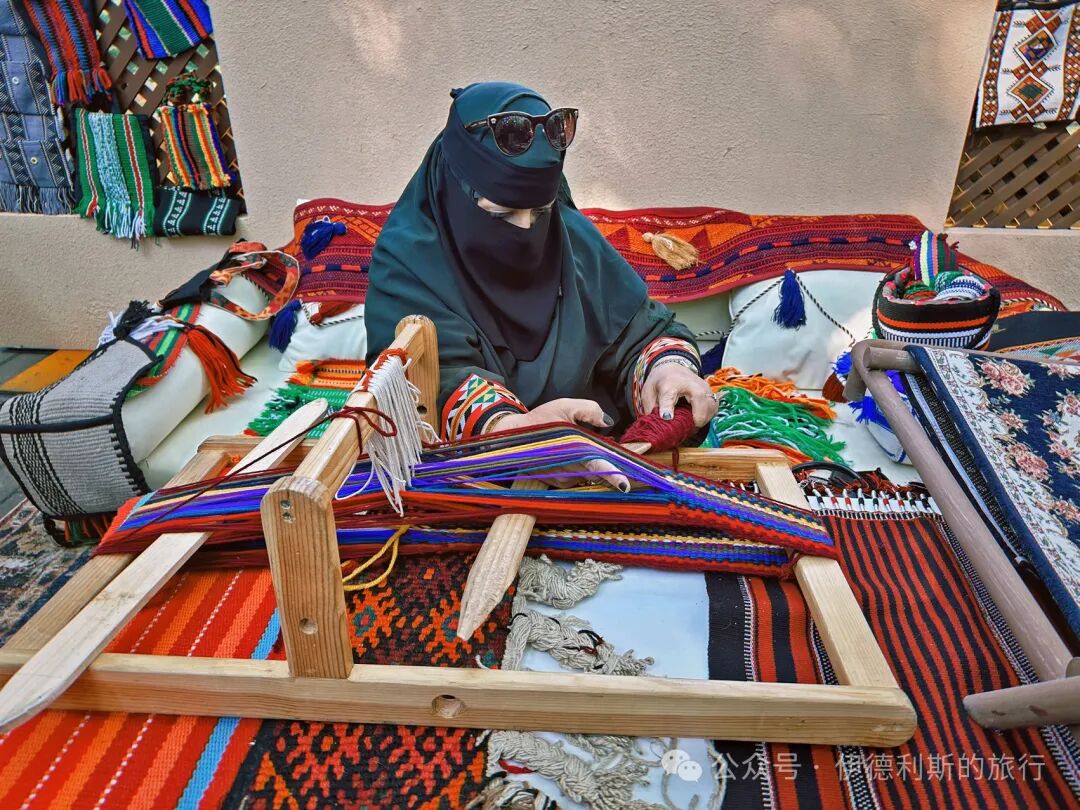
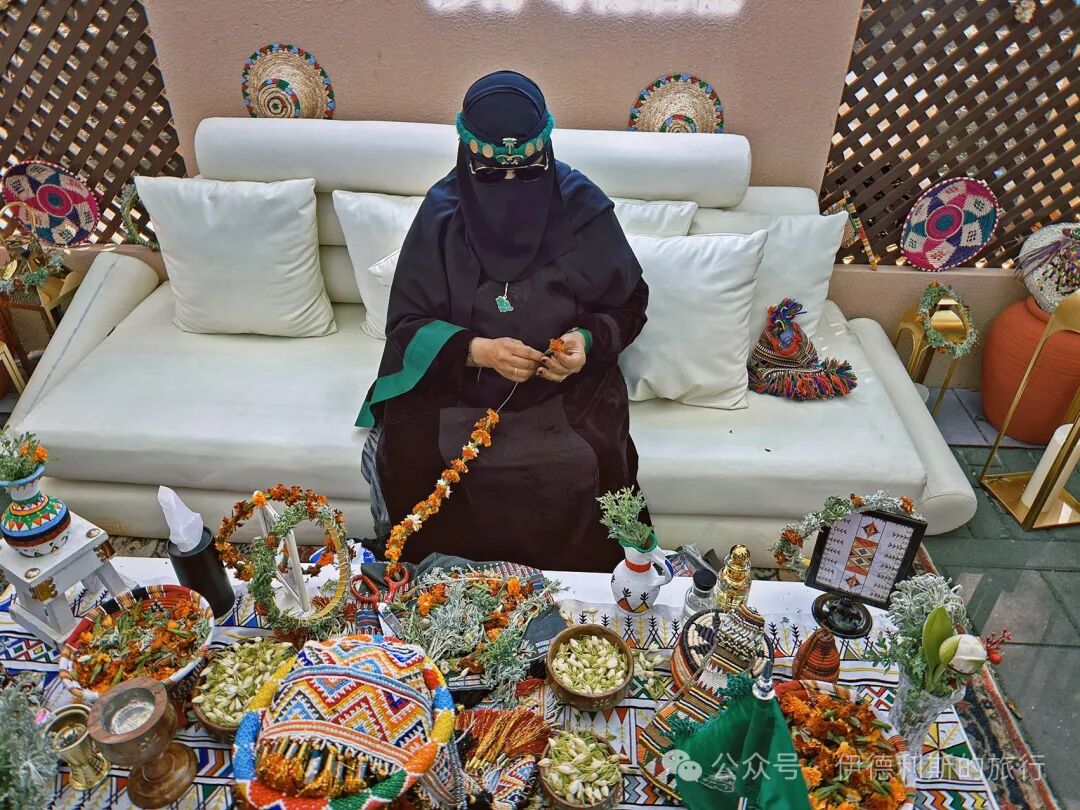
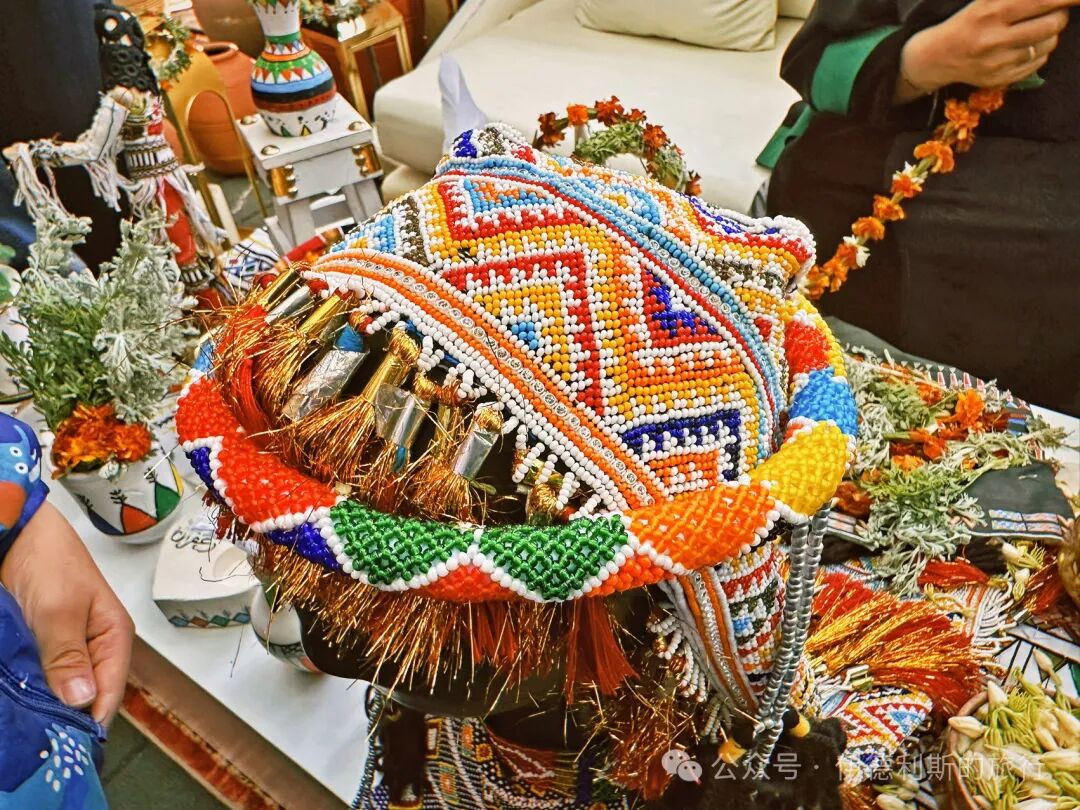
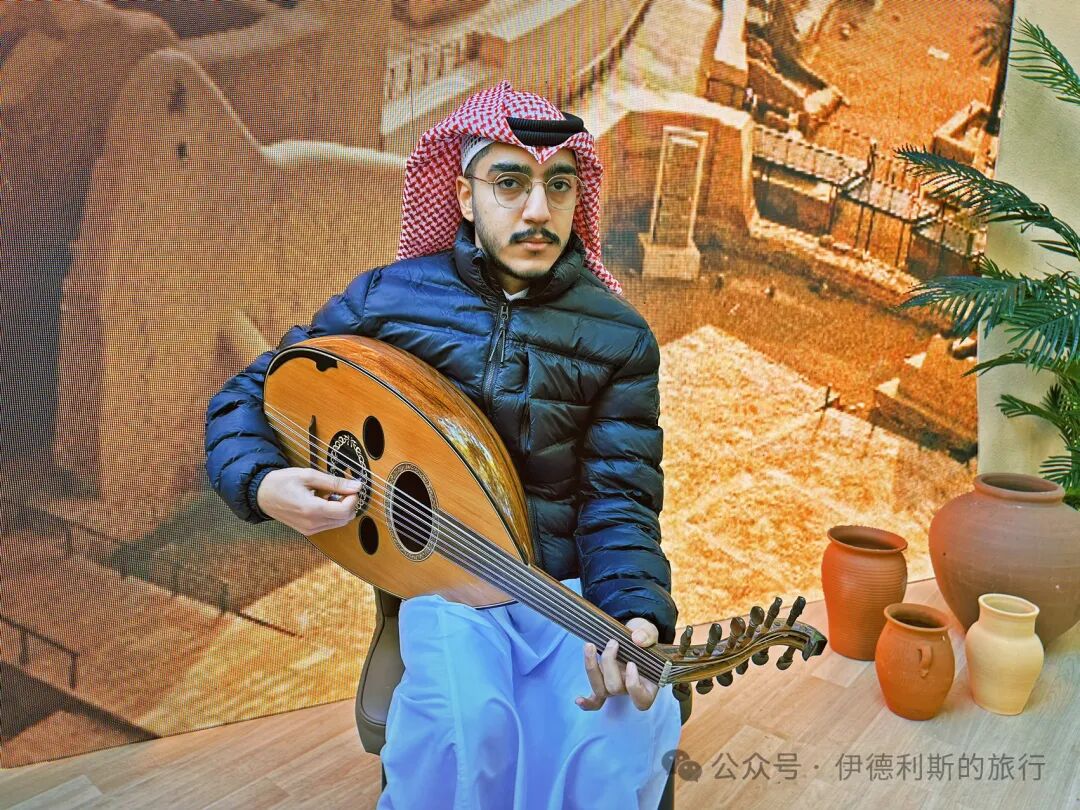
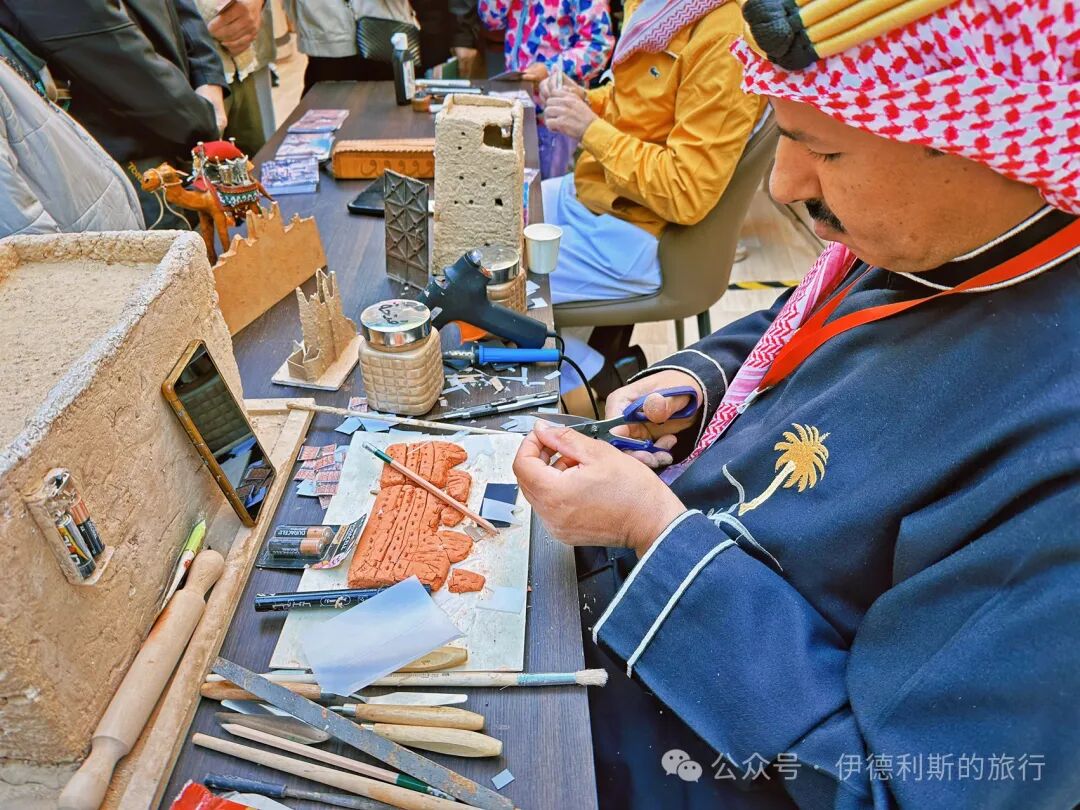
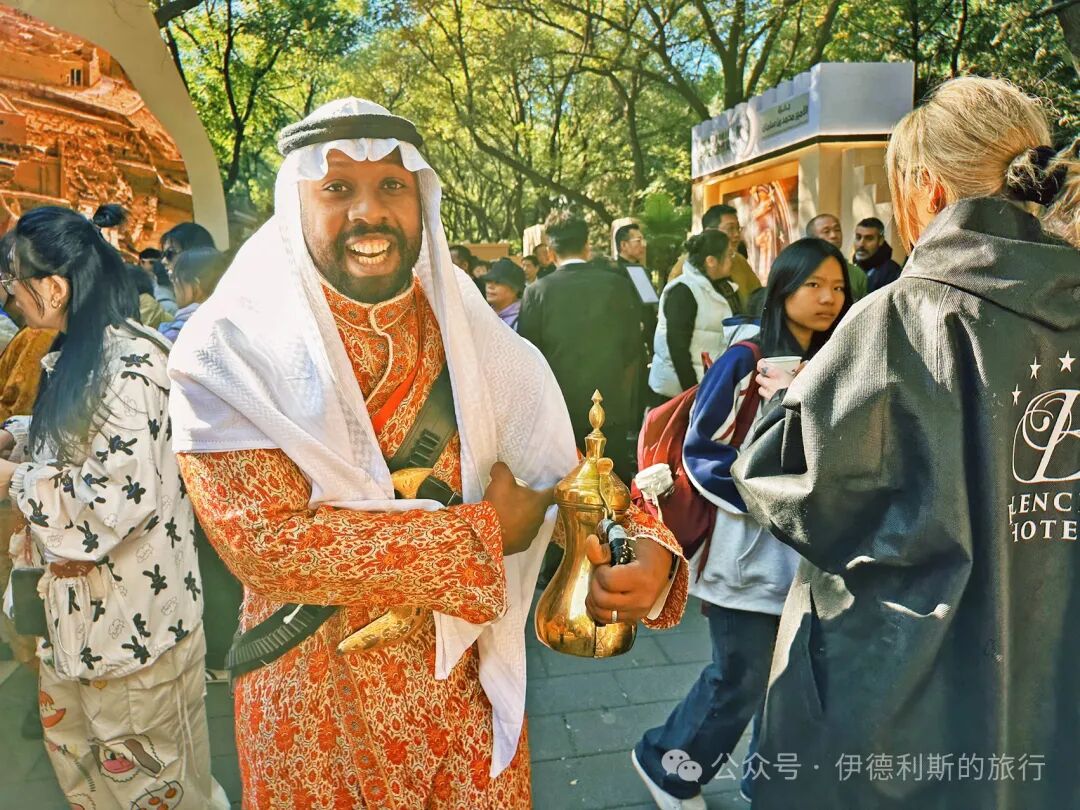
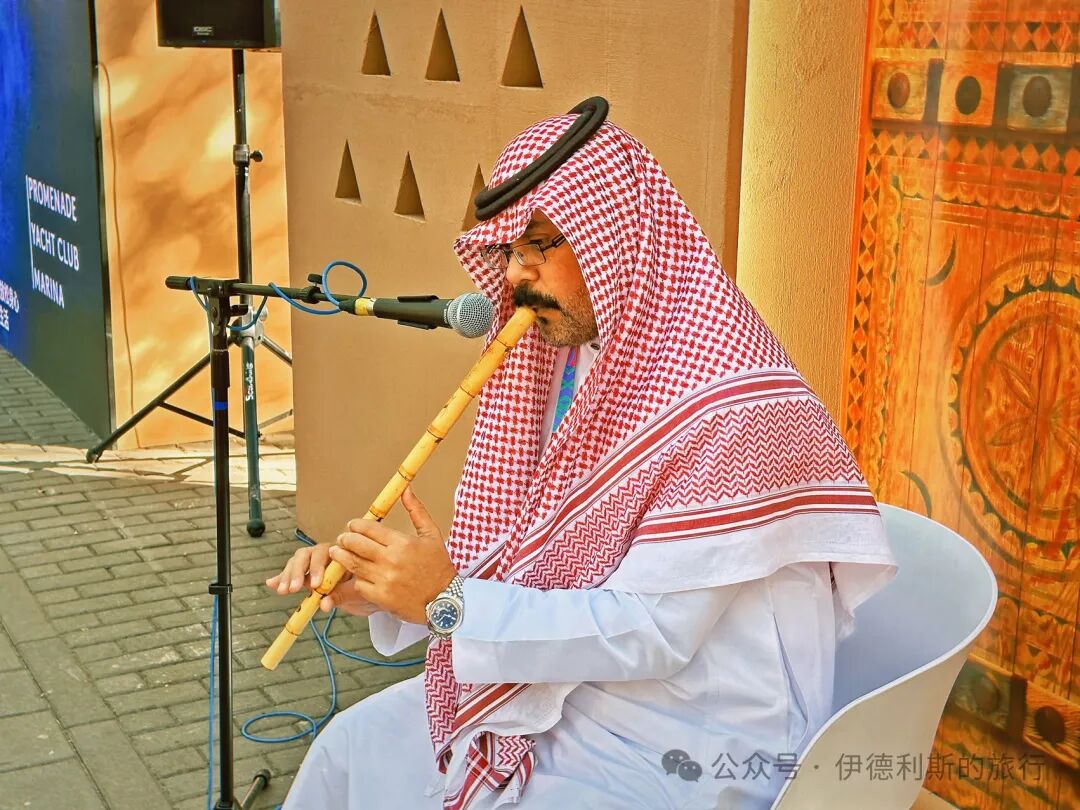
Live demonstrations of the Arabic oud, qanun, and kawala flute.
Halal Travel Guide: Beijing — Sheng Hui Gathering and Hui Muslim Community
Articles • ali2007fr posted the article • 0 comments • 176 views • 2026-05-19 03:44
Summary: A weekend Sheng Hui gathering in Beijing offers a close look at Hui Muslim religious life, shared meals, and community ties. This article keeps the original observations, religious terms, and photos while presenting them in clear English.
Today is the 12th day of the third month in the Islamic calendar, which is believed to be the birthday of the Prophet Muhammad. Around this day, Muslims all over the world hold events to commemorate the Prophet, known as Mawlid or Eid-e-Milad an-Nabi. In China, these are called Shengji, Shenghui, or Shengdan.
Commemorations of the Prophet's birth date back to the time of the Tabi'un, the followers of the Prophet's companions, though these were mostly private events in the early days. Large-scale commemorative events can be traced back to Egypt during the Fatimid Caliphate in the 12th century. In 1207, Saladin's brother-in-law Gökböri first established the Mawlid as a public holiday, which helped the celebration spread among Muslim communities. The Ottoman Empire made the Mawlid an official holiday in 1588, calling it Mevlid Kandili, which means the 'Candle Feast of the Prophet's Birthday'.
Starting last week, mosques across Beijing have been holding these commemorative gatherings, which will continue until October. Last weekend, I attended two such gatherings at the Nandouyacai Mosque inside Chaoyangmen and the Balizhuang Mosque outside Chaoyangmen, and I would like to share them with you.
Friday was Jumu'ah, and Imam Chen gave a sermon (wa'z) about the life of the Prophet. After the Jumu'ah prayer, everyone recited the Quran together, followed by enjoying fruit and tea.
After leaving the mosque, I had a bowl of beef noodles at Xinyuezhai near the entrance.
On Saturday morning, I attended the gathering at Balizhuang Mosque outside Chaoyangmen. First, Imam Ding recited the opening chapter of the Quran in the courtyard. Then, everyone went into the prayer hall where 14 imams performed the opening and closing recitations, followed by Imam Ding giving a sermon (wa'z) on the life of the Prophet. The mosque prepared meat porridge and fried dough (youxiang) for everyone, along with various teas and snacks. I really enjoyed the pea flour cake (wandouhuang) and steamed rice cake (aiwowo) made by the mosque elders; you cannot find this blessed taste in shops.
Besides commemorating the Prophet, these gatherings are a great opportunity to strengthen the unity of the mosque community. Friends (dosti) who rarely see each other during the week use this occasion (sabab) to gather, chat about daily life, and discuss the faith. It is truly a reason to be grateful (shukr).
The next day, you can continue to enjoy the meat porridge and fried dough (youxiang) at home to keep the blessings going. view all
Summary: A weekend Sheng Hui gathering in Beijing offers a close look at Hui Muslim religious life, shared meals, and community ties. This article keeps the original observations, religious terms, and photos while presenting them in clear English.
Today is the 12th day of the third month in the Islamic calendar, which is believed to be the birthday of the Prophet Muhammad. Around this day, Muslims all over the world hold events to commemorate the Prophet, known as Mawlid or Eid-e-Milad an-Nabi. In China, these are called Shengji, Shenghui, or Shengdan.
Commemorations of the Prophet's birth date back to the time of the Tabi'un, the followers of the Prophet's companions, though these were mostly private events in the early days. Large-scale commemorative events can be traced back to Egypt during the Fatimid Caliphate in the 12th century. In 1207, Saladin's brother-in-law Gökböri first established the Mawlid as a public holiday, which helped the celebration spread among Muslim communities. The Ottoman Empire made the Mawlid an official holiday in 1588, calling it Mevlid Kandili, which means the 'Candle Feast of the Prophet's Birthday'.
Starting last week, mosques across Beijing have been holding these commemorative gatherings, which will continue until October. Last weekend, I attended two such gatherings at the Nandouyacai Mosque inside Chaoyangmen and the Balizhuang Mosque outside Chaoyangmen, and I would like to share them with you.
Friday was Jumu'ah, and Imam Chen gave a sermon (wa'z) about the life of the Prophet. After the Jumu'ah prayer, everyone recited the Quran together, followed by enjoying fruit and tea.
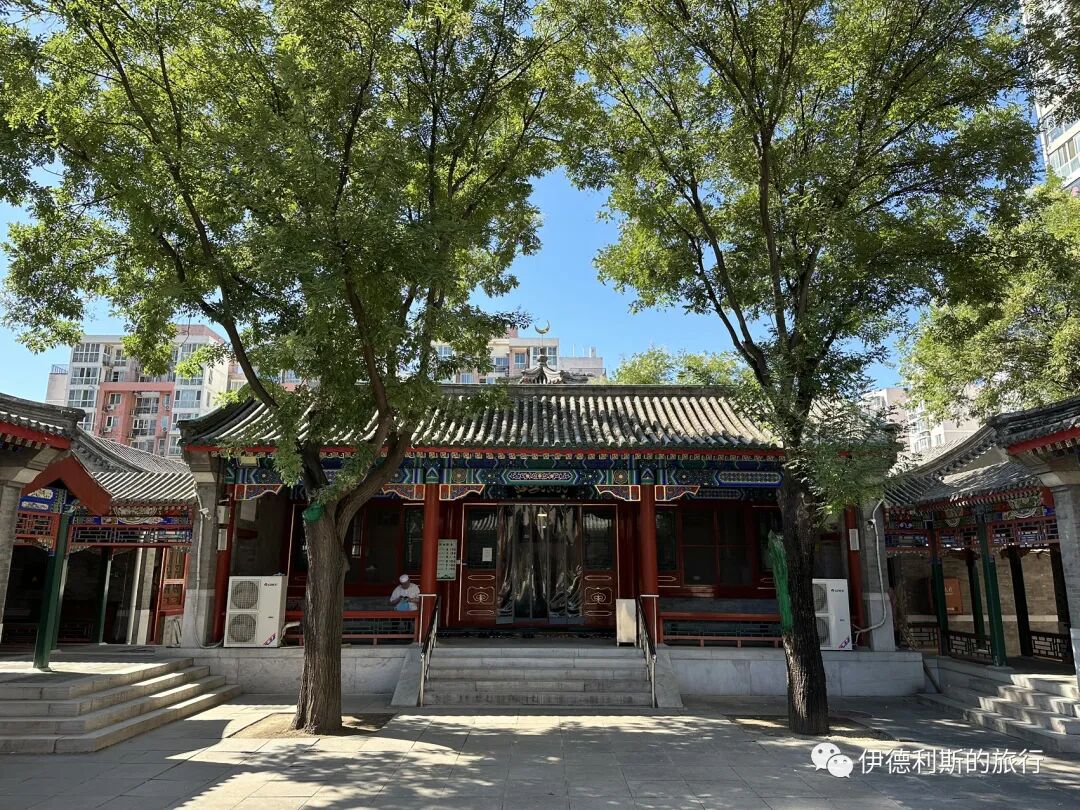
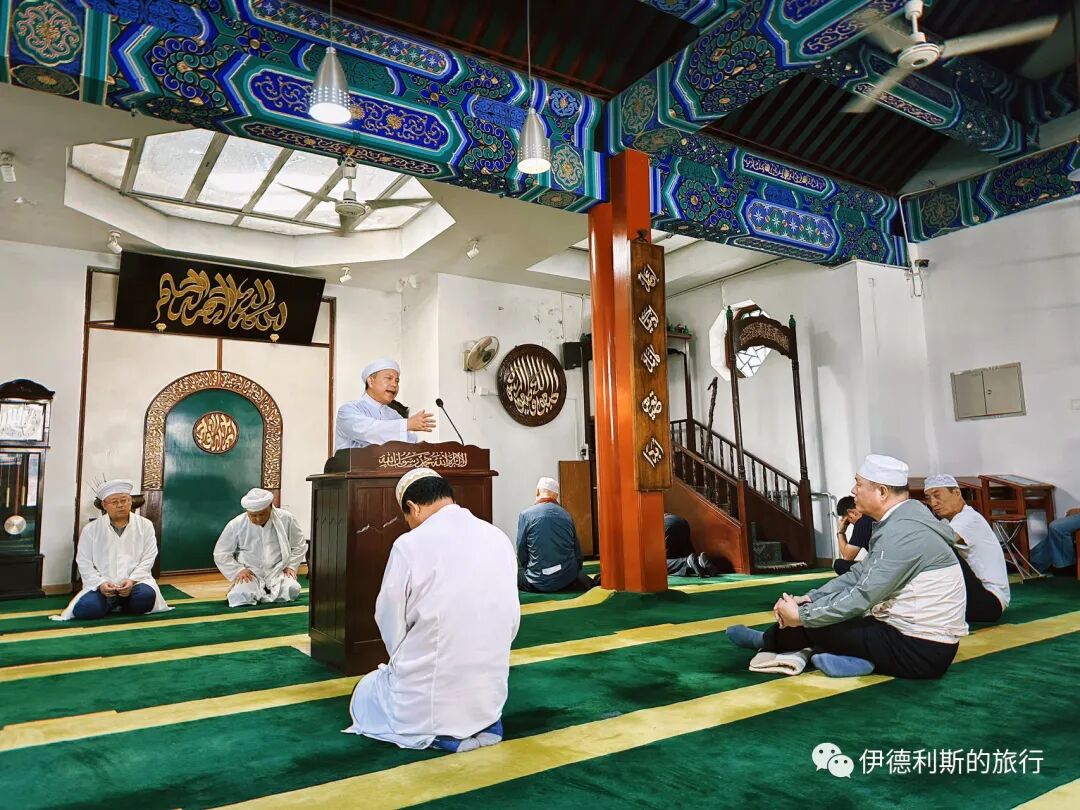
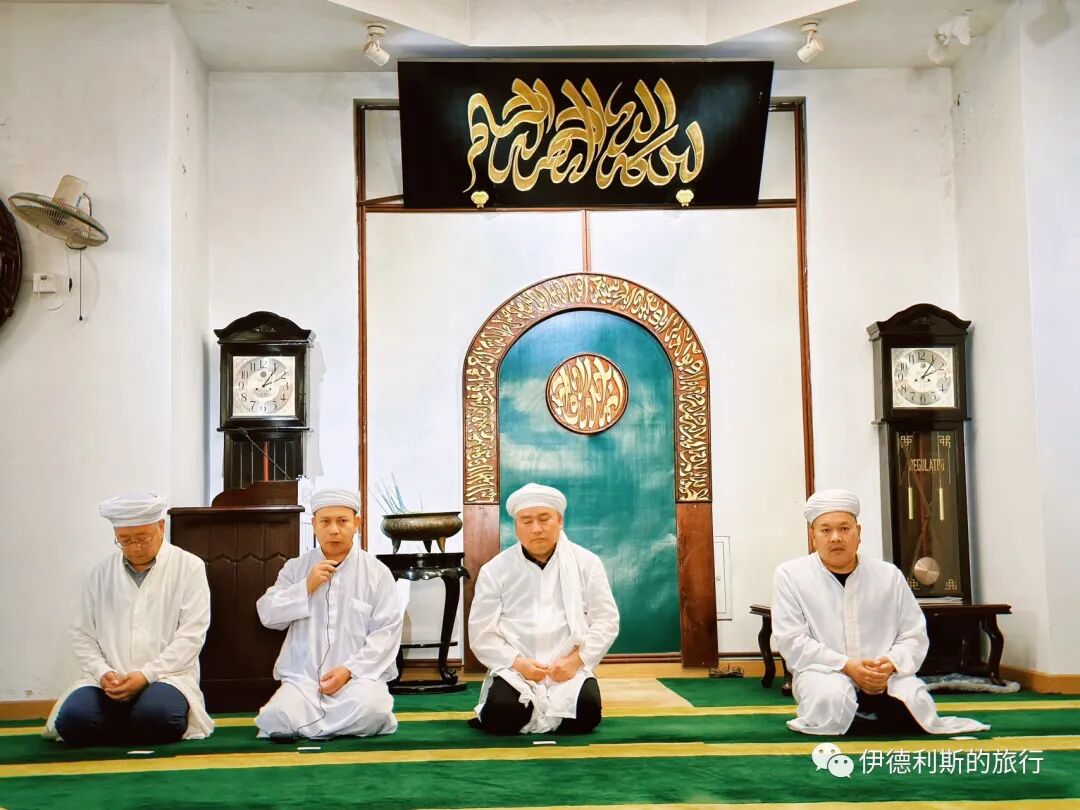
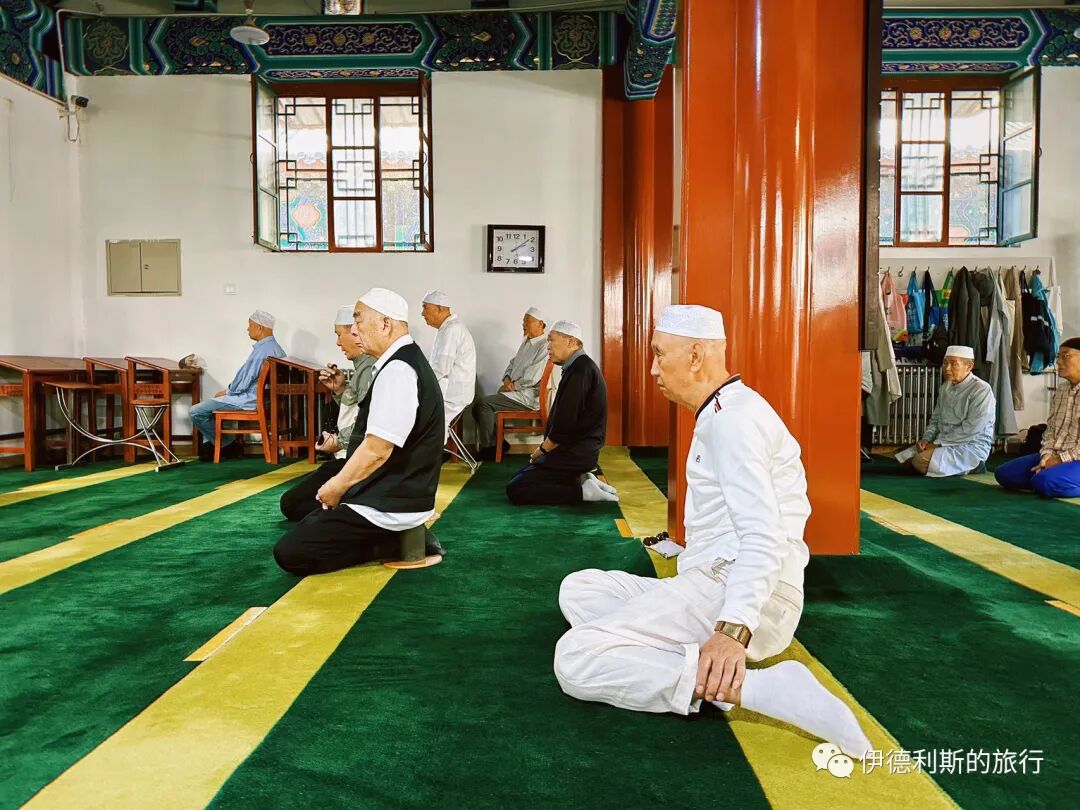
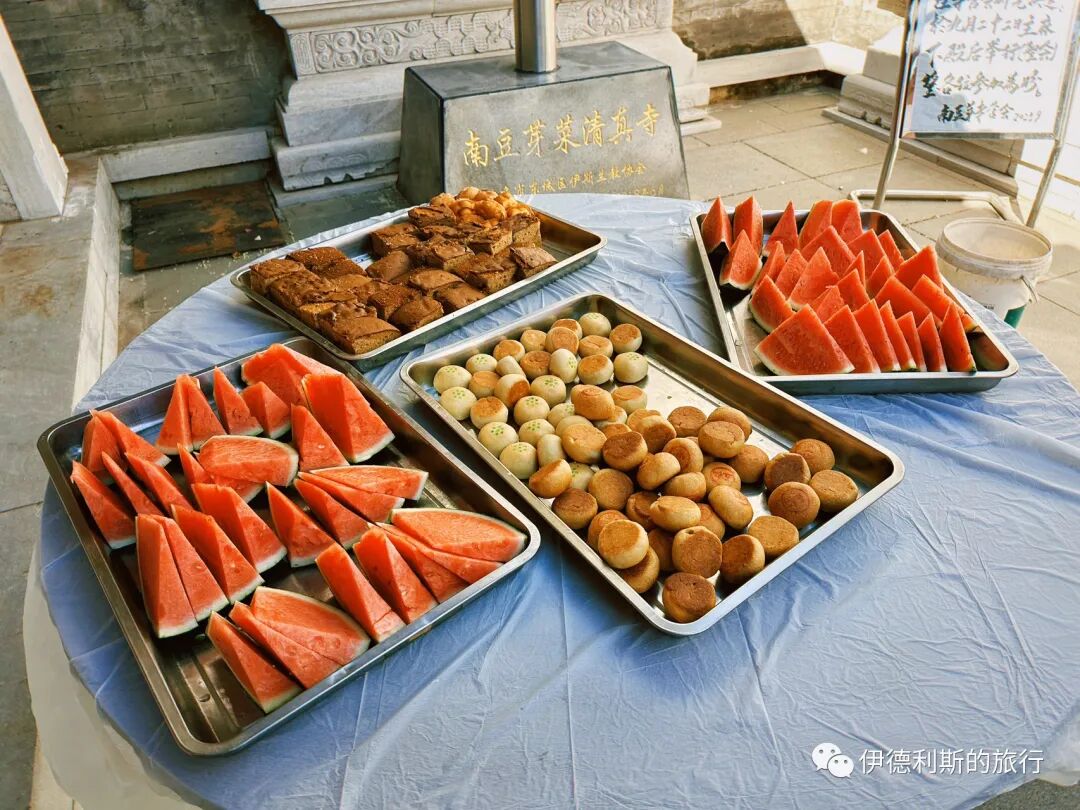
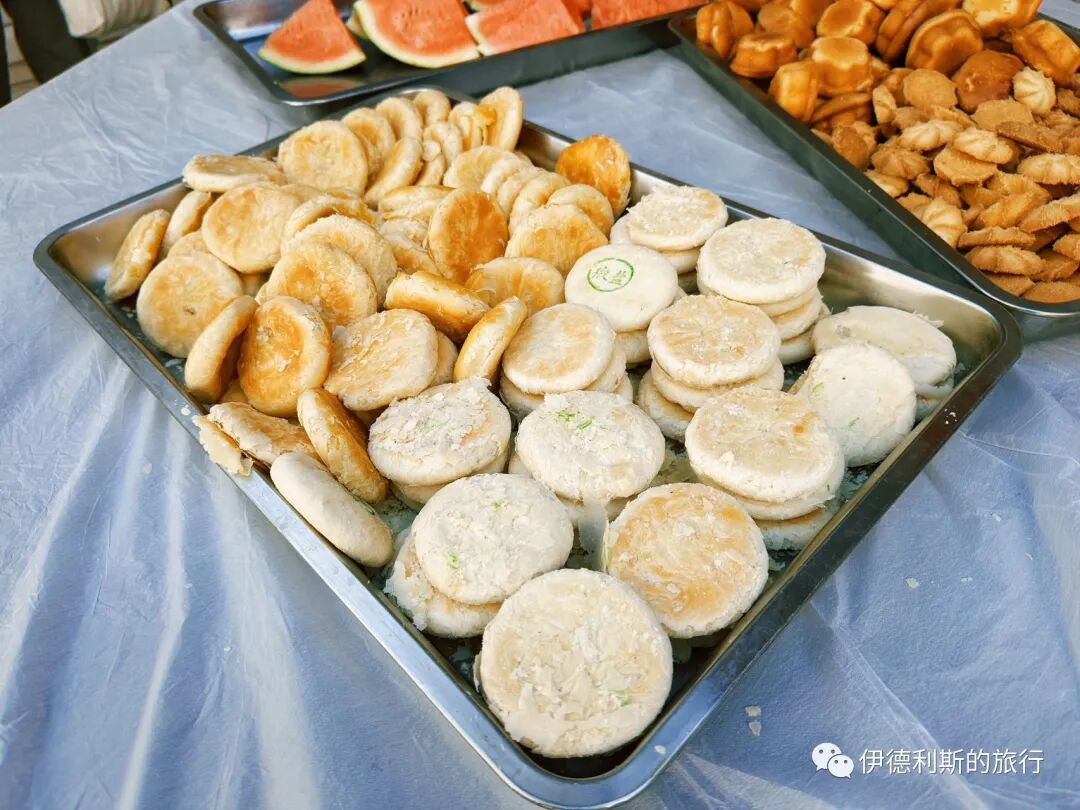
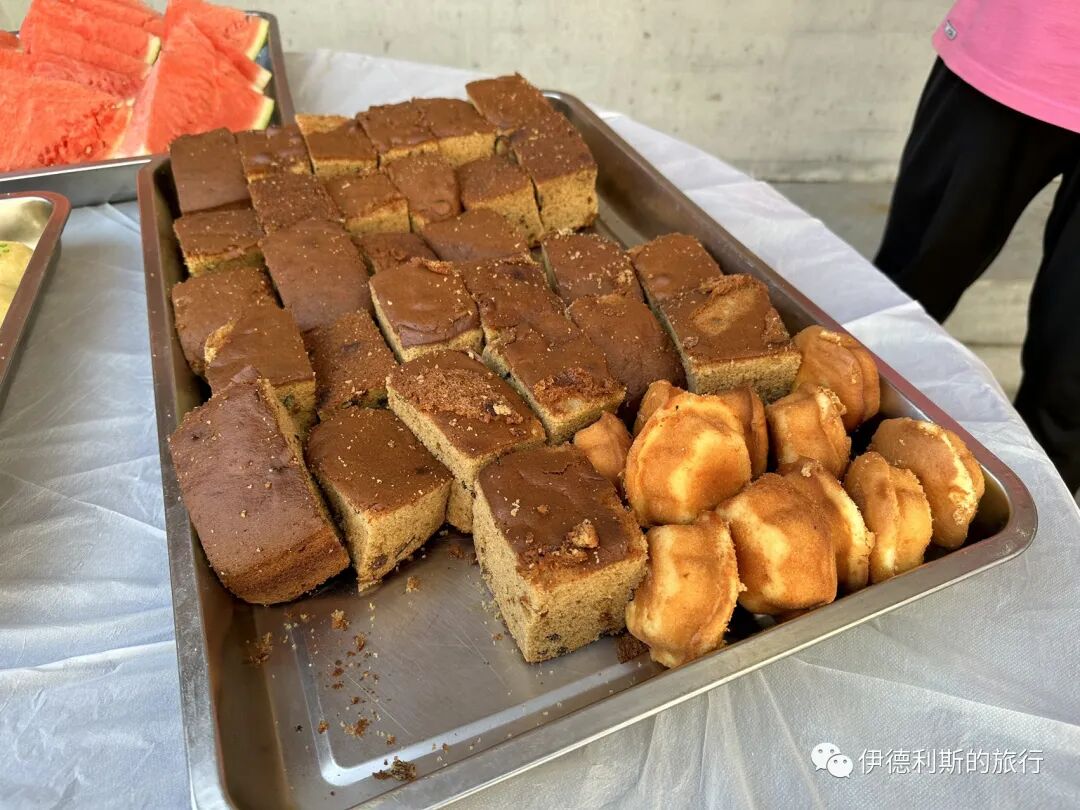
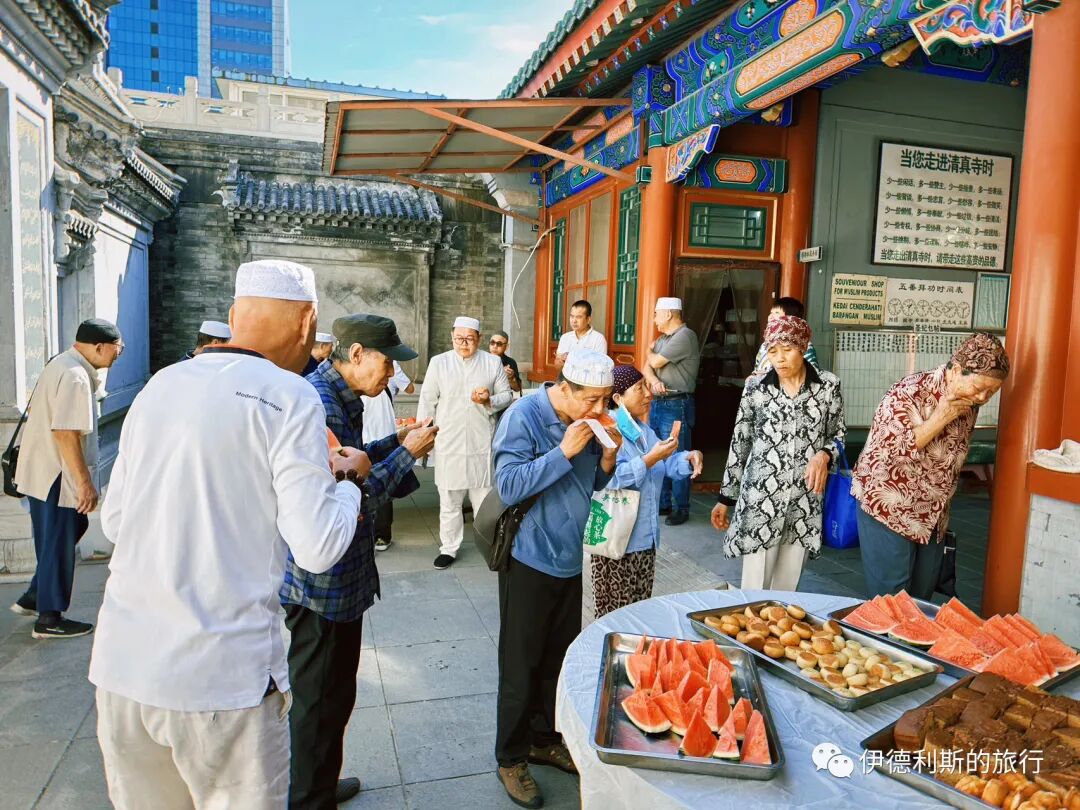
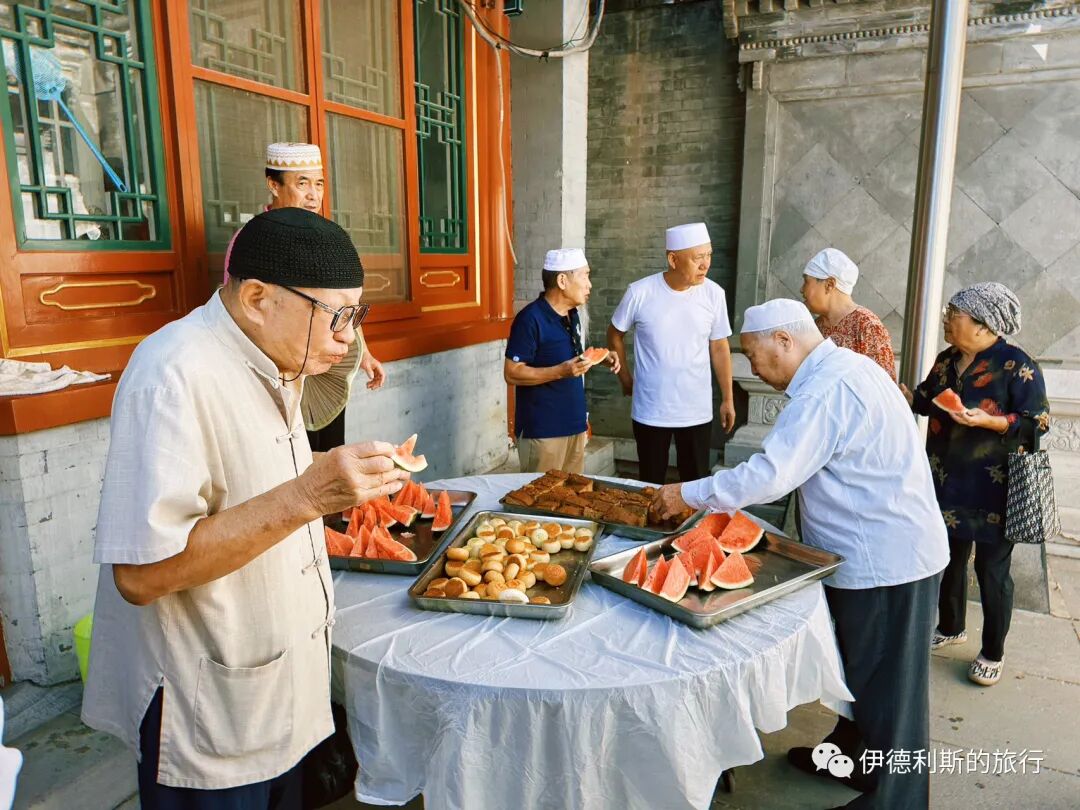
After leaving the mosque, I had a bowl of beef noodles at Xinyuezhai near the entrance.
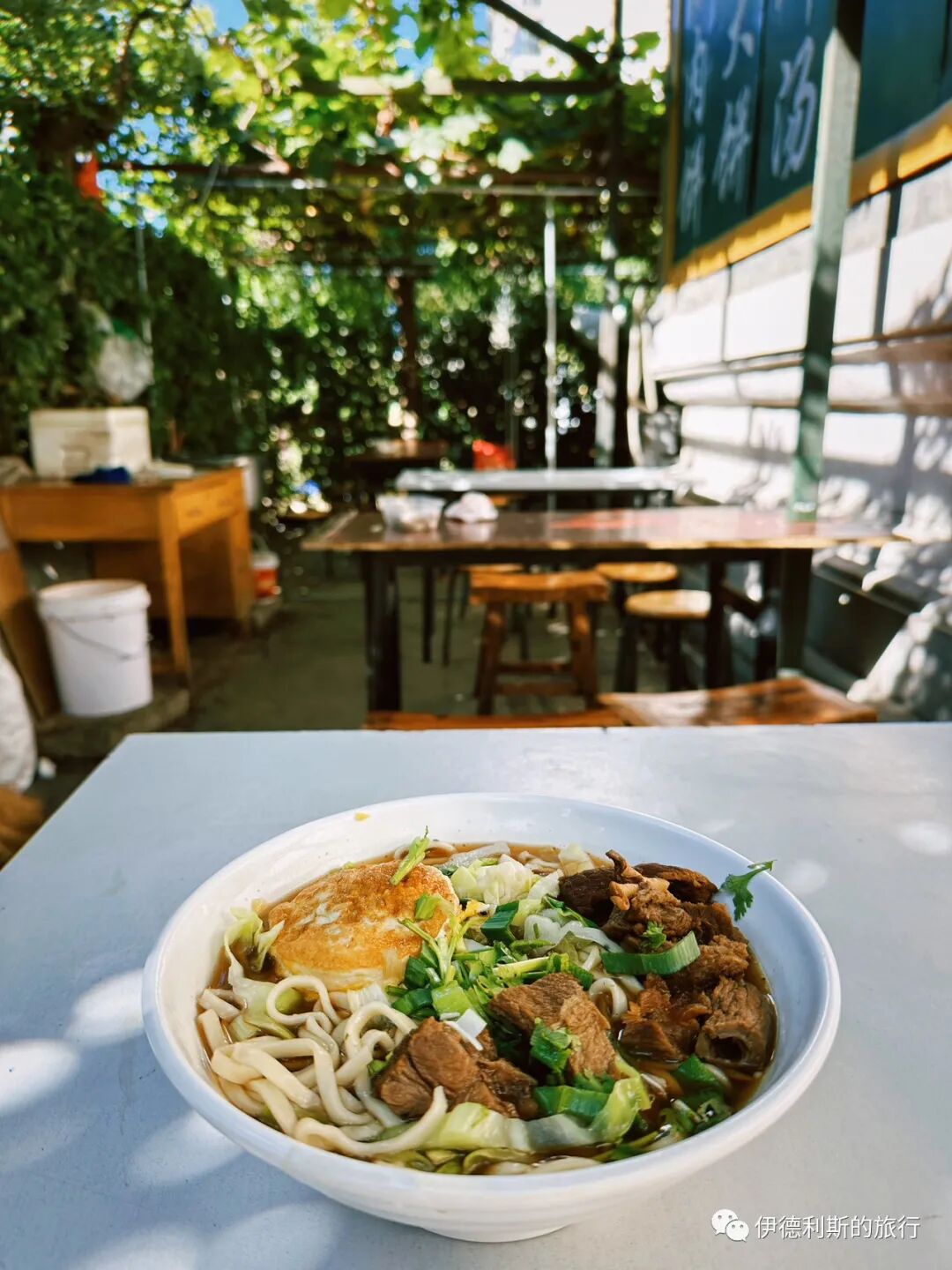
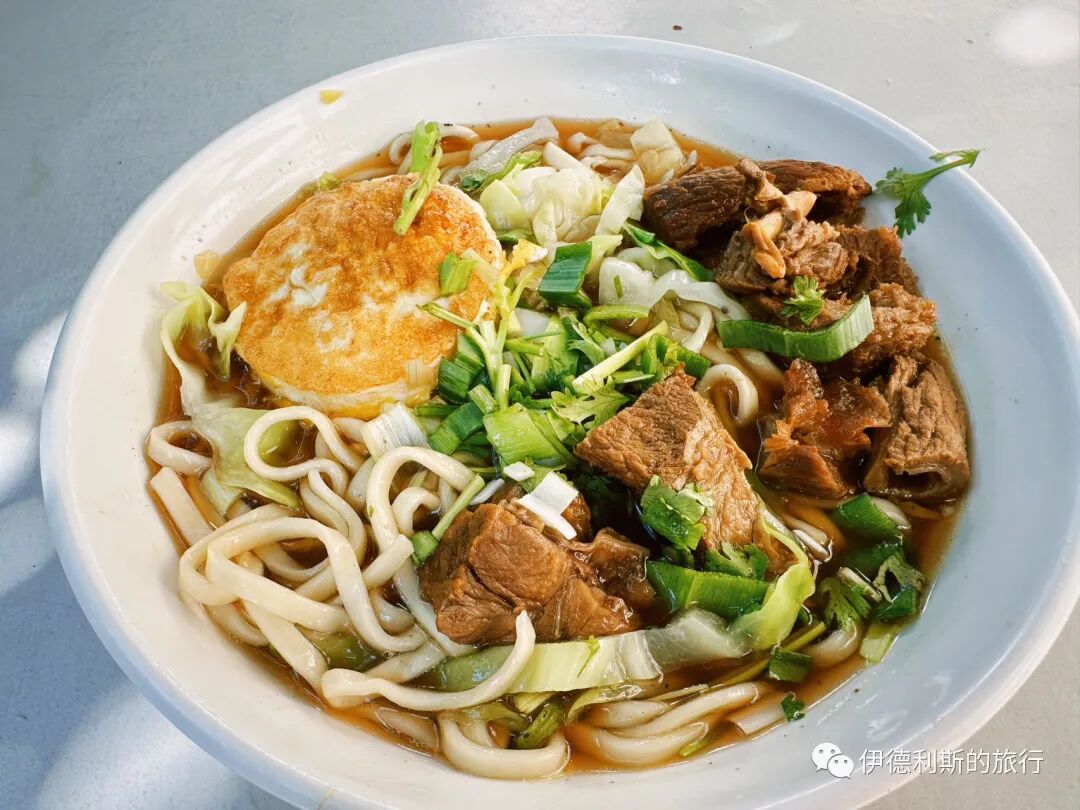
On Saturday morning, I attended the gathering at Balizhuang Mosque outside Chaoyangmen. First, Imam Ding recited the opening chapter of the Quran in the courtyard. Then, everyone went into the prayer hall where 14 imams performed the opening and closing recitations, followed by Imam Ding giving a sermon (wa'z) on the life of the Prophet. The mosque prepared meat porridge and fried dough (youxiang) for everyone, along with various teas and snacks. I really enjoyed the pea flour cake (wandouhuang) and steamed rice cake (aiwowo) made by the mosque elders; you cannot find this blessed taste in shops.
Besides commemorating the Prophet, these gatherings are a great opportunity to strengthen the unity of the mosque community. Friends (dosti) who rarely see each other during the week use this occasion (sabab) to gather, chat about daily life, and discuss the faith. It is truly a reason to be grateful (shukr).
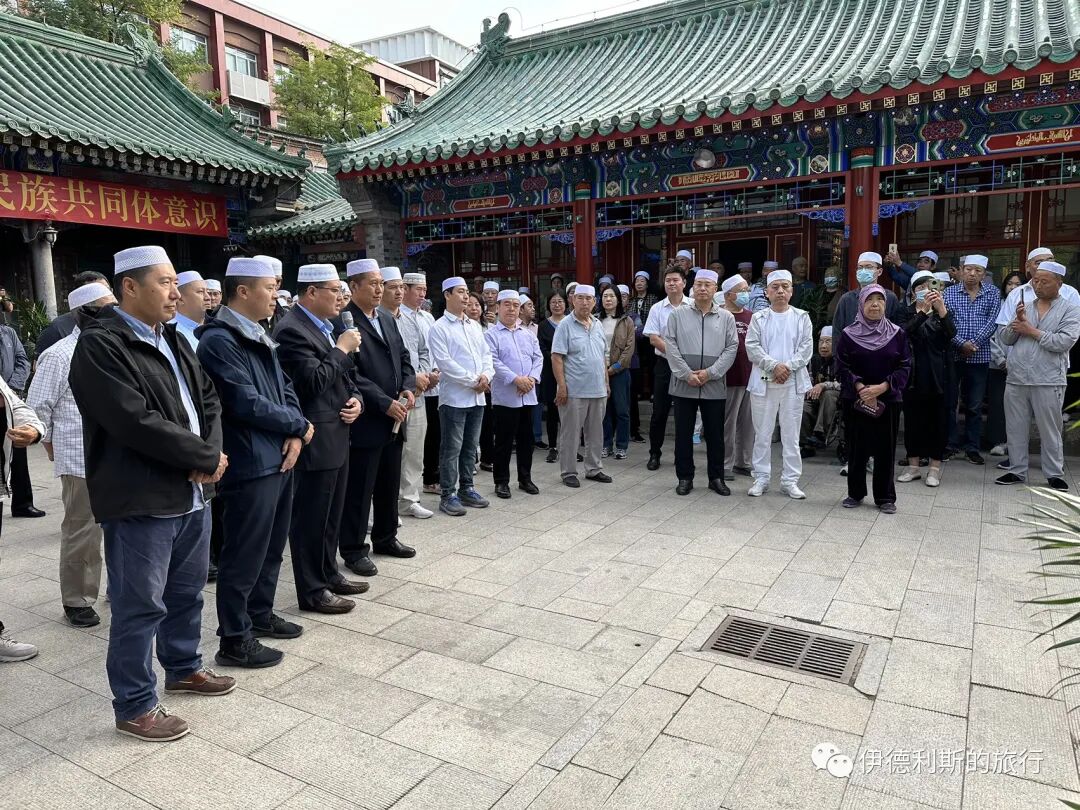
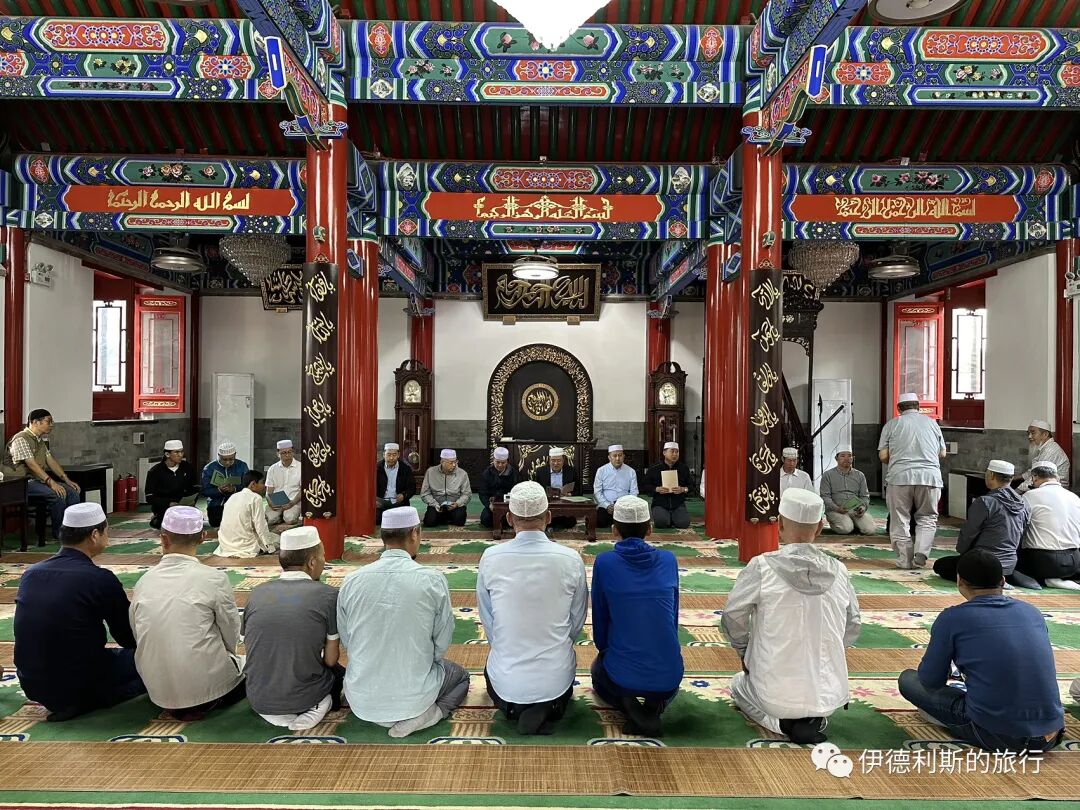
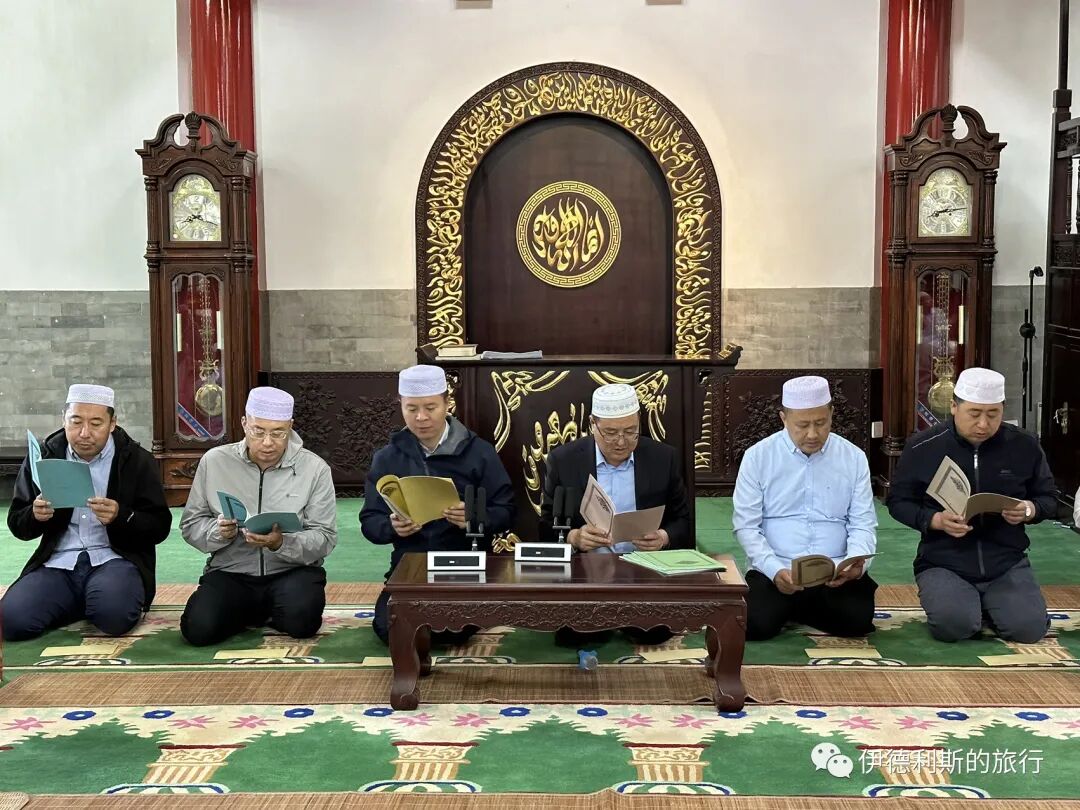
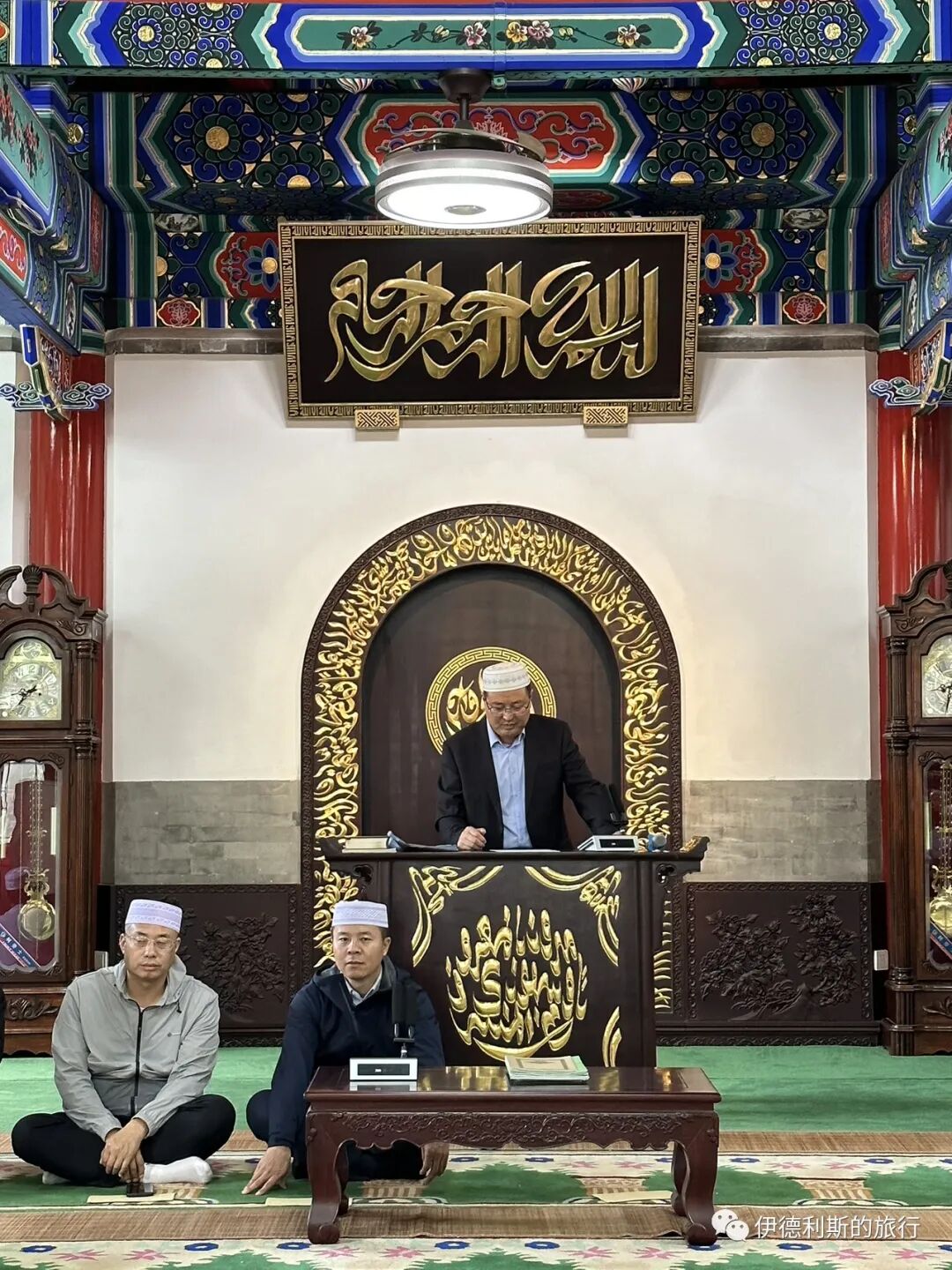
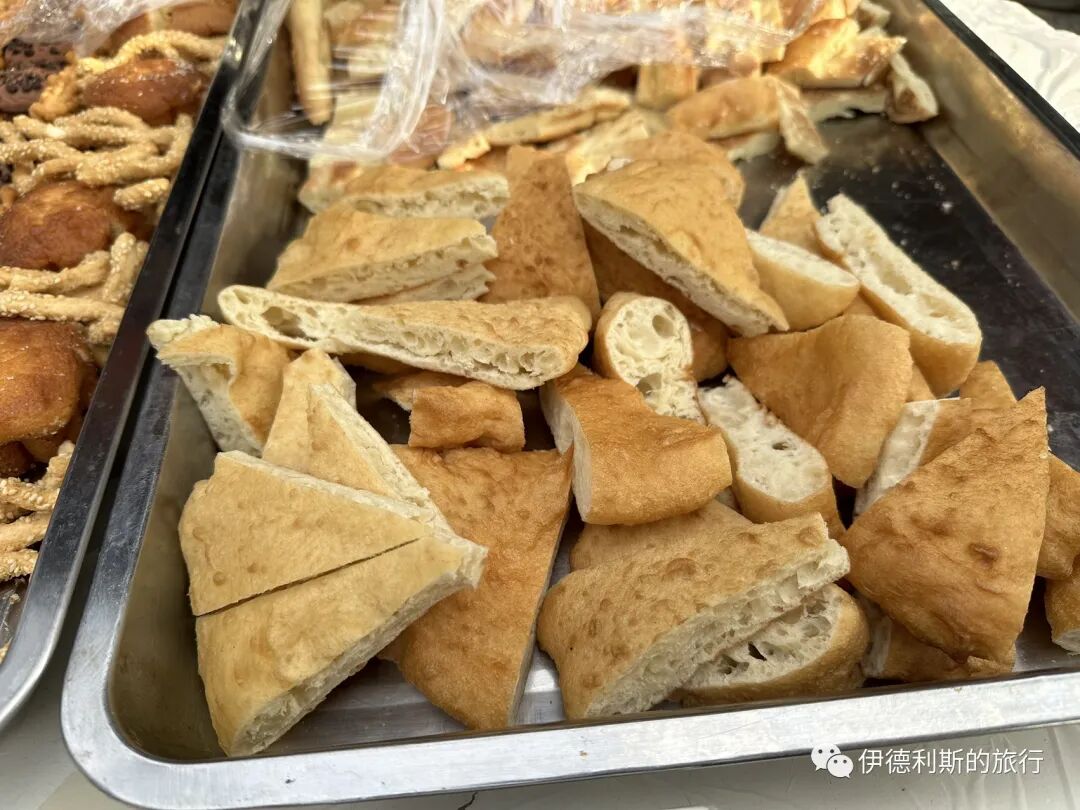
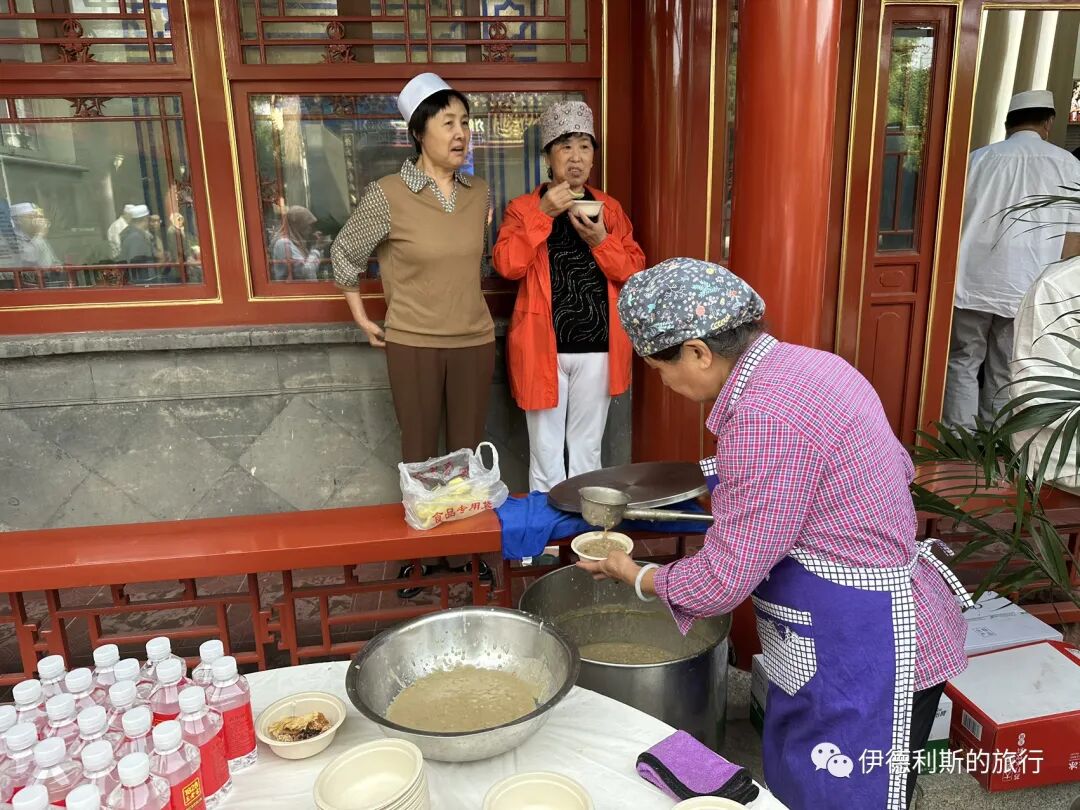
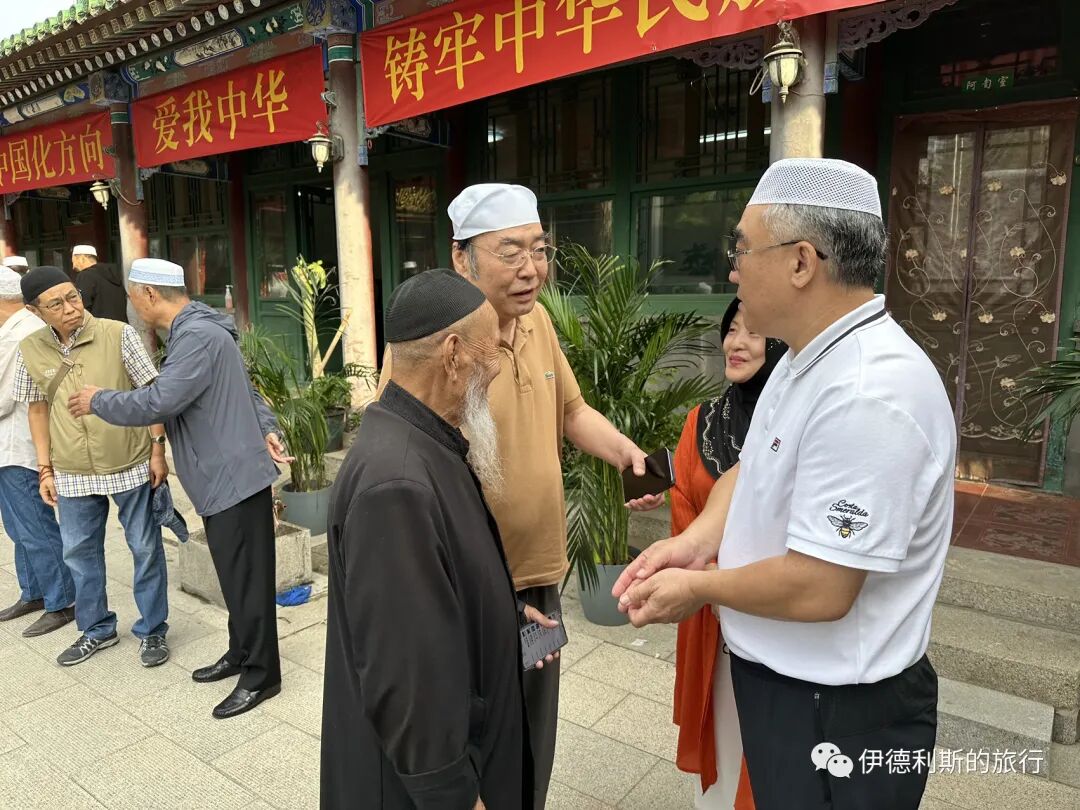
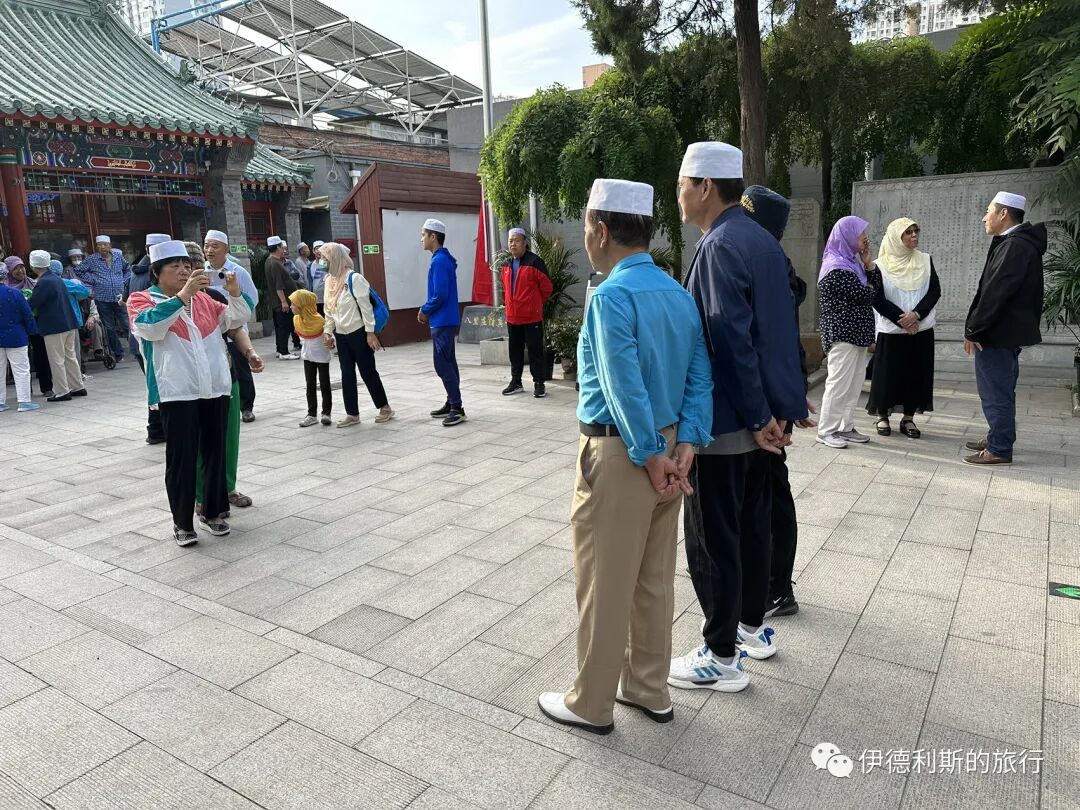
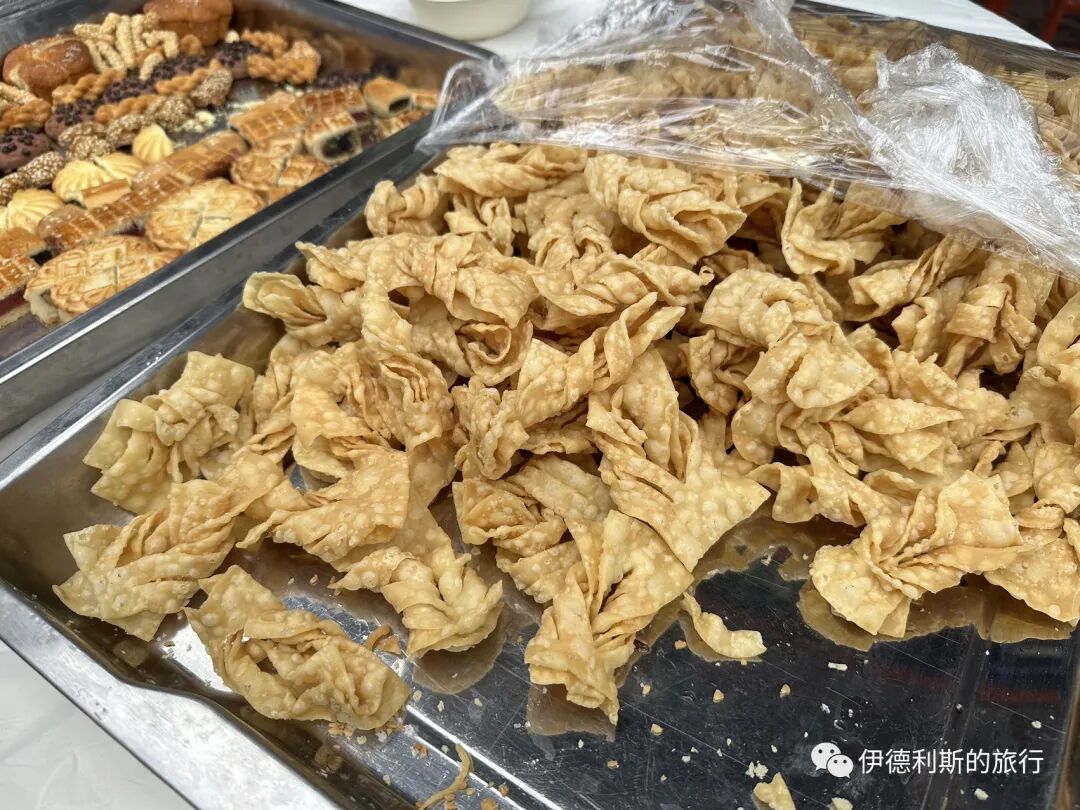
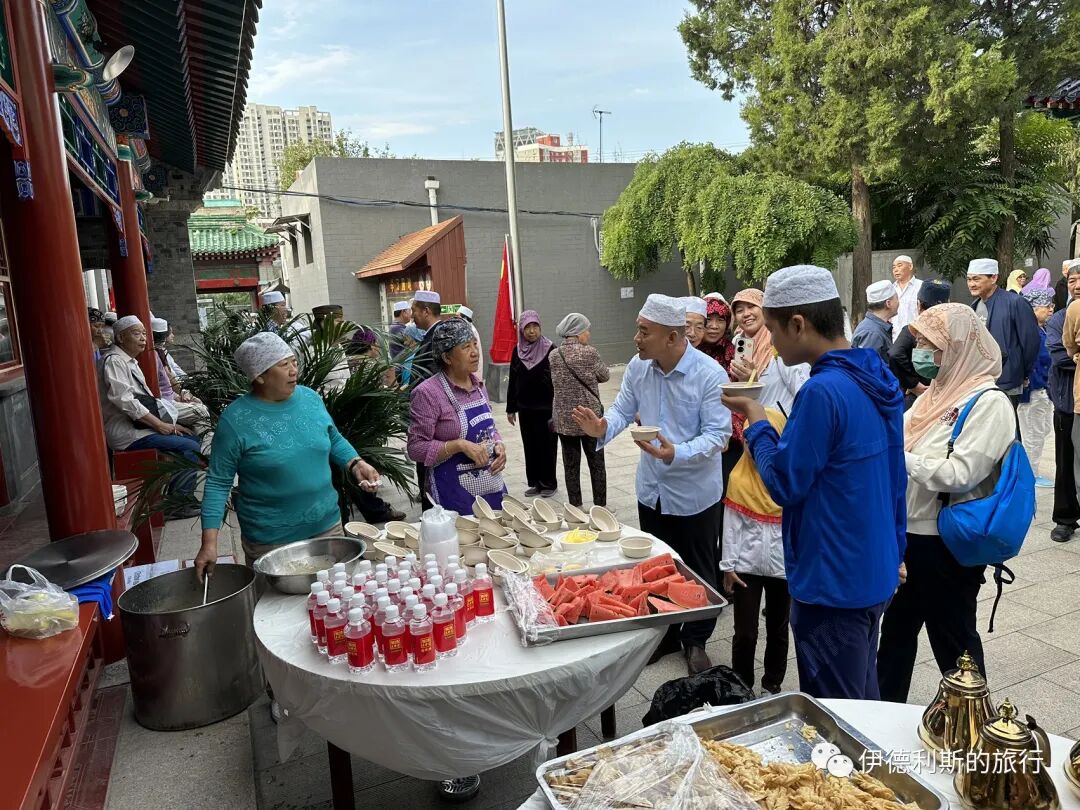
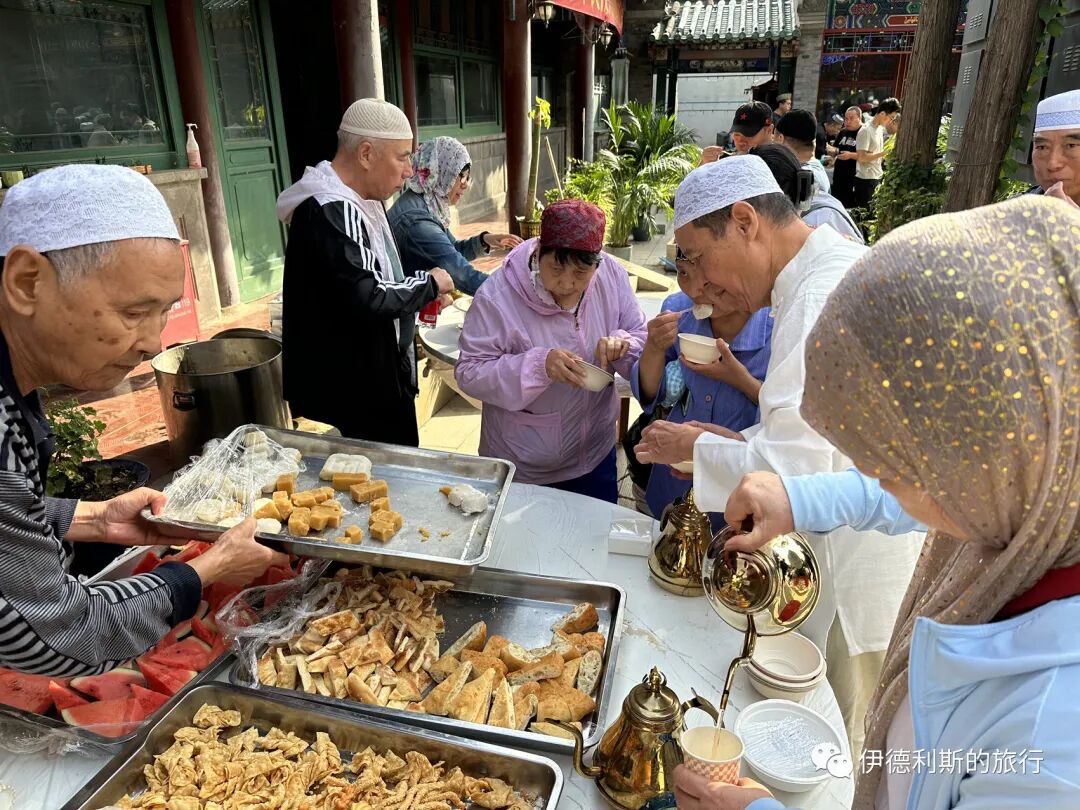
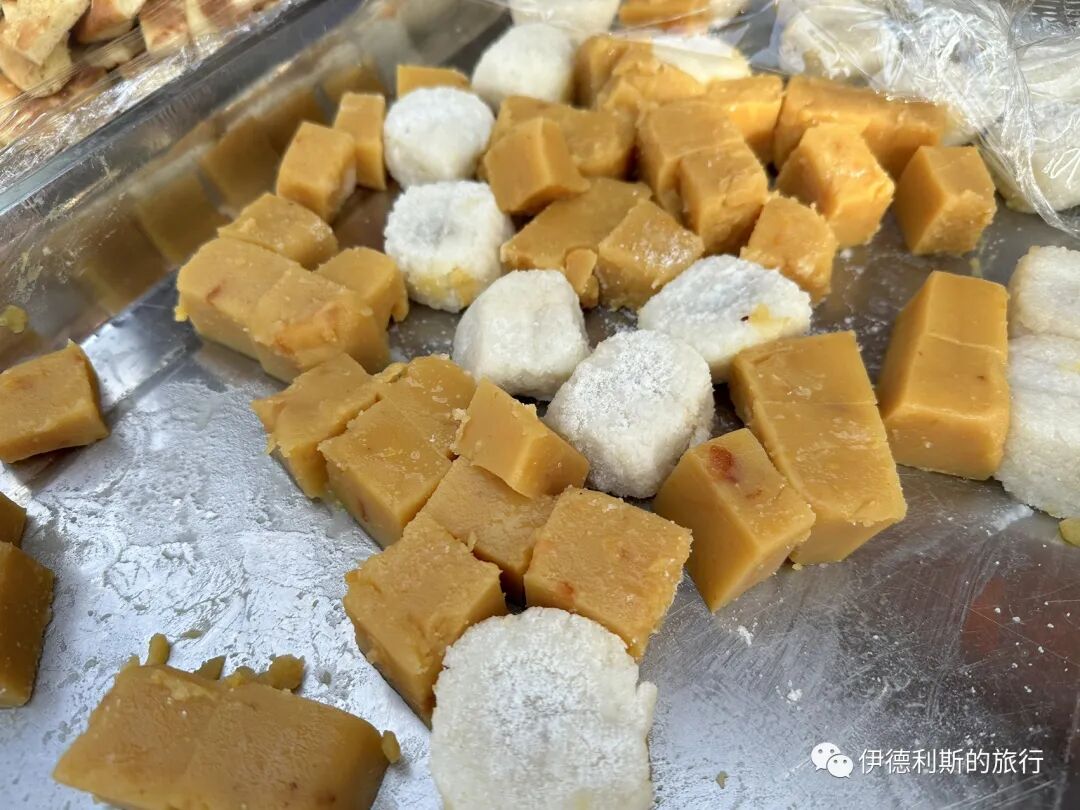
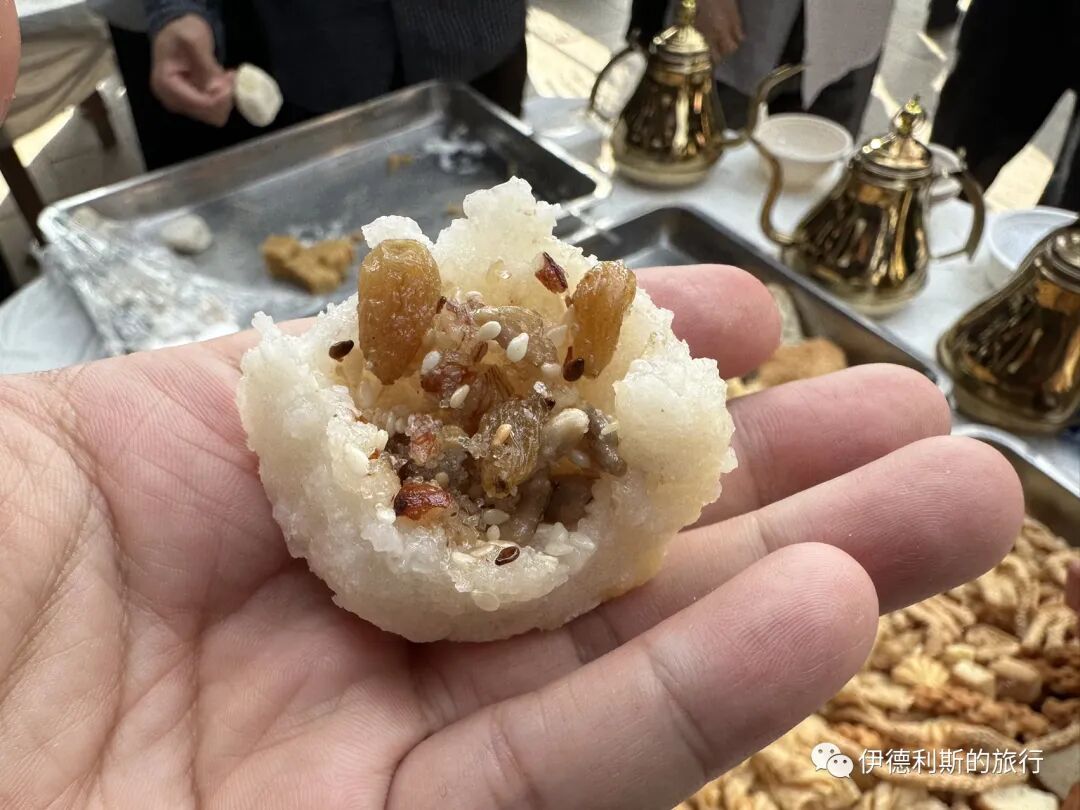
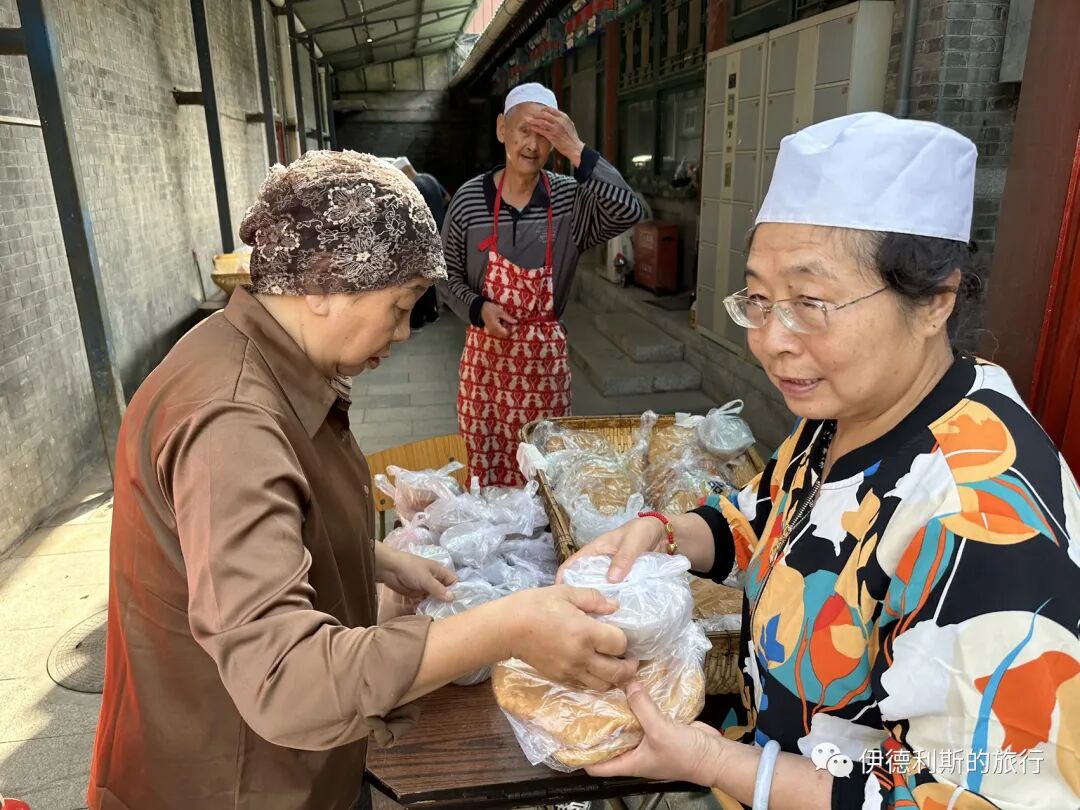
The next day, you can continue to enjoy the meat porridge and fried dough (youxiang) at home to keep the blessings going.
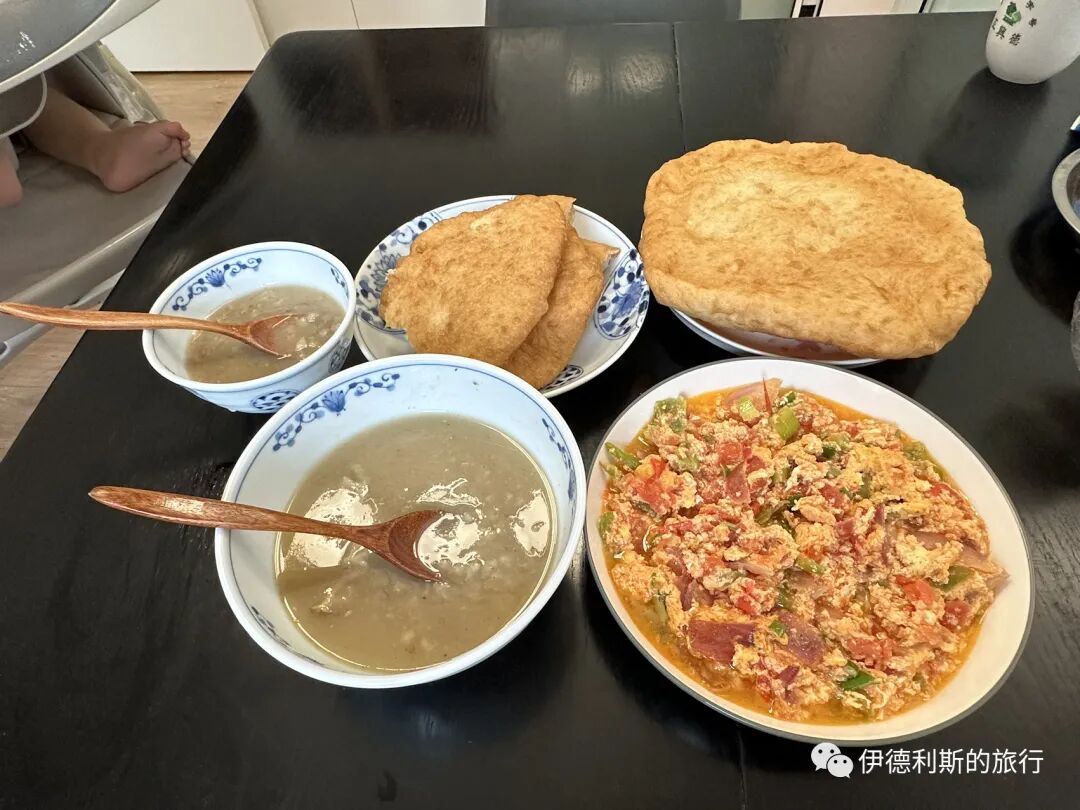
The Beijing Education Commission has issued a decree to completely remove "Halal" and "Hui" labels from school canteens, and to ban the use of any religious or ethnic elements.
News • napio posted the article • 0 comments • 644 views • 2025-10-29 01:22
• This is not mere "secularization," as some might call it; rather, it is a blatant policy of assimilation (or, in Arabic, tahawwul).
• 1: It prevents minority groups from openly expressing their dietary culture and their way of life (sunnah).
• 2: It is a complete erasure of the term Halal (the Divinely permissible) from the canteens, dining tables, and the entire campus environment.
• 3: It compels our Hui Muslim students to lose their separate space for their religious diet (Tayyib and Halal) by forcing them into a "mixed dining" arrangement.
• Internal Document (or: Confidential).
• The Beijing Municipal Education Commission (BMEC).
• Notice on Carrying out an Inspection, Investigation, and Rectification of School Canteens Involving Ethnic and Religious Matters.
• To the Education Committees of all Districts, Yanshan Education Committee, Social Affairs Bureau of the Economic Development Zone, all Universities and Colleges, all Secondary Vocational Schools, and all Directly-Affiliated Schools:
• Recently, some isolated localities and schools across the country have faced issues regarding the management of on-campus dining for ethnic minority teachers and students who observe Halal dietary practices, leading to some public controversy and media attention.
• Based on the requirements of relevant directives, and in order to ensure sound ethnic and religious work in schools, proactively resolve potential risks related to ethnic and religious issues in the education sector, and prevent the over-generalization (or "abuse") of the Halal concept, we are hereby issuing this notice regarding the inspection and rectification of issues in Halal canteen management:
I. Manifestation of Issues
• First, connecting the Halal diet exclusively to a specific ethnicity and simply labeling canteens as "Hui Canteens."
• Second, failing to consider the actual proportion of students in the school, and instead either exclusively running a Halal canteen or solely providing Halal meals.
• Third, using inappropriate language in canteen publicity materials, bidding announcements, and other procedures, which highlights religious factors like Halal or "Hui ethnicity."
II. Scope of Inspection
• A comprehensive investigation is to be launched across all types and levels of schools throughout the city to ascertain the complete situation, leaving no blind spots.
III. Principles for Rectification of Identified Issues
• First, Respect for Customs. This means respecting the customs and traditions of ethnic minorities and fulfilling the normal meal requirements of ethnic minority teachers and students who observe the Halal diet.
• In schools where Hui (Muslim) and other ethnic minority teachers and students are relatively concentrated, we should not impose a one-size-fits-all approach by providing only Halal meals. Instead, we must diversify the meal options through multiple channels to satisfy the dining needs of all ethnic groups, and promote mixed dining.
• Second, Accurate Definition. We must define and manage Halal food from the perspective of ethnic minority customs, strictly limiting Halal food to only those items containing animal meat or its derivatives.
• This must not be defined by Islamic religious law (Shari'ah). Food items that do not contain meat, animal fats, or dairy ingredients are not allowed to be labeled with the term "Halal."
• Third, Halal dining must not be tied to a specific ethnicity, and canteens should not be simply named "Hui Canteen" or similar.
• Fourth, for any current labeling such as Halal (Hui) Canteen, Hui (Muslim) Meal Counter, Halal (Hui) Cooking Area, or any other signs bearing the terms Halal or Hui, and any Islamic symbols (Shu'ur Islamiya), the school canteens must be thoroughly purged of these religious markers. These can be adjusted to be named Local (Ethnic) Restaurant, Local (Ethnic) Flavor Counter, or similar.
IV. Work Requirements
• First, Pay Attention to Methods. The inspection and rectification work is quite sensitive, so during the process, we must focus on the methods used, adhere to a cautious and stable approach, ensure meticulous planning and comprehensive coordination. We must adopt the principle of 'Do More, Say Less,' and 'Act, Don't Talk,' to prevent public controversy.
• Second, Ensure Harmony and Stability. All districts must strengthen policy guidance for key schools, and all units must genuinely engage in ideological work with teachers, students, and parents. We must use the summer break to actively and prudently advance the rectification to ensure harmony and stability.
• Third, Strict Deadlines. All units are requested to report the inspection results and the corresponding rectification of any issues (see Appendices 1 and 2) to the Commission via email by July 18th.
• The email subject line must specify "** School Canteen Inspection" or "** District Canteen Inspection," to be sent to the email address [email protected]. All district education committees must compile the information by district and then submit it to the Commission.
• Contact Person: Chang Yong (Higher Education) 55530245
• Zou Xiang (Primary and Secondary Schools) 55530249
• Cao Tiange (Information Submission) 1811570681
• Appendix: 1. Inspection Report Form (Primary and Secondary Schools)
1. Inspection Report Form (Higher Education)
• Beijing Municipal Education Commission
• July 15, 2025
view all
• This is not mere "secularization," as some might call it; rather, it is a blatant policy of assimilation (or, in Arabic, tahawwul).
• 1: It prevents minority groups from openly expressing their dietary culture and their way of life (sunnah).
• 2: It is a complete erasure of the term Halal (the Divinely permissible) from the canteens, dining tables, and the entire campus environment.
• 3: It compels our Hui Muslim students to lose their separate space for their religious diet (Tayyib and Halal) by forcing them into a "mixed dining" arrangement.
• Internal Document (or: Confidential).

• The Beijing Municipal Education Commission (BMEC).
• Notice on Carrying out an Inspection, Investigation, and Rectification of School Canteens Involving Ethnic and Religious Matters.
• To the Education Committees of all Districts, Yanshan Education Committee, Social Affairs Bureau of the Economic Development Zone, all Universities and Colleges, all Secondary Vocational Schools, and all Directly-Affiliated Schools:
• Recently, some isolated localities and schools across the country have faced issues regarding the management of on-campus dining for ethnic minority teachers and students who observe Halal dietary practices, leading to some public controversy and media attention.
• Based on the requirements of relevant directives, and in order to ensure sound ethnic and religious work in schools, proactively resolve potential risks related to ethnic and religious issues in the education sector, and prevent the over-generalization (or "abuse") of the Halal concept, we are hereby issuing this notice regarding the inspection and rectification of issues in Halal canteen management:
I. Manifestation of Issues
• First, connecting the Halal diet exclusively to a specific ethnicity and simply labeling canteens as "Hui Canteens."
• Second, failing to consider the actual proportion of students in the school, and instead either exclusively running a Halal canteen or solely providing Halal meals.
• Third, using inappropriate language in canteen publicity materials, bidding announcements, and other procedures, which highlights religious factors like Halal or "Hui ethnicity."

II. Scope of Inspection
• A comprehensive investigation is to be launched across all types and levels of schools throughout the city to ascertain the complete situation, leaving no blind spots.
III. Principles for Rectification of Identified Issues
• First, Respect for Customs. This means respecting the customs and traditions of ethnic minorities and fulfilling the normal meal requirements of ethnic minority teachers and students who observe the Halal diet.
• In schools where Hui (Muslim) and other ethnic minority teachers and students are relatively concentrated, we should not impose a one-size-fits-all approach by providing only Halal meals. Instead, we must diversify the meal options through multiple channels to satisfy the dining needs of all ethnic groups, and promote mixed dining.
• Second, Accurate Definition. We must define and manage Halal food from the perspective of ethnic minority customs, strictly limiting Halal food to only those items containing animal meat or its derivatives.
• This must not be defined by Islamic religious law (Shari'ah). Food items that do not contain meat, animal fats, or dairy ingredients are not allowed to be labeled with the term "Halal."
• Third, Halal dining must not be tied to a specific ethnicity, and canteens should not be simply named "Hui Canteen" or similar.

• Fourth, for any current labeling such as Halal (Hui) Canteen, Hui (Muslim) Meal Counter, Halal (Hui) Cooking Area, or any other signs bearing the terms Halal or Hui, and any Islamic symbols (Shu'ur Islamiya), the school canteens must be thoroughly purged of these religious markers. These can be adjusted to be named Local (Ethnic) Restaurant, Local (Ethnic) Flavor Counter, or similar.
IV. Work Requirements
• First, Pay Attention to Methods. The inspection and rectification work is quite sensitive, so during the process, we must focus on the methods used, adhere to a cautious and stable approach, ensure meticulous planning and comprehensive coordination. We must adopt the principle of 'Do More, Say Less,' and 'Act, Don't Talk,' to prevent public controversy.
• Second, Ensure Harmony and Stability. All districts must strengthen policy guidance for key schools, and all units must genuinely engage in ideological work with teachers, students, and parents. We must use the summer break to actively and prudently advance the rectification to ensure harmony and stability.
• Third, Strict Deadlines. All units are requested to report the inspection results and the corresponding rectification of any issues (see Appendices 1 and 2) to the Commission via email by July 18th.
• The email subject line must specify "** School Canteen Inspection" or "** District Canteen Inspection," to be sent to the email address [email protected]. All district education committees must compile the information by district and then submit it to the Commission.
• Contact Person: Chang Yong (Higher Education) 55530245
• Zou Xiang (Primary and Secondary Schools) 55530249
• Cao Tiange (Information Submission) 1811570681
• Appendix: 1. Inspection Report Form (Primary and Secondary Schools)
1. Inspection Report Form (Higher Education)
• Beijing Municipal Education Commission
• July 15, 2025
China Mosque Travel Guide: Mosque Plaques, Couplets, Islamic Calligraphy and Hui Muslim Heritage
Articles • yusuf908 posted the article • 0 comments • 348 views • 2026-06-22 06:27
Summary: This China mosque travel guide focuses on mosque plaques, couplets, Islamic calligraphy, Muslim heritage, and the original 151-200 item sequence.
This article summarizes the key points of "Appreciation of Islamic Plaques and Couplets (151-200)". It keeps the original paragraph and image order. It is for readers interested in Muslim life, Islamic culture, and Chinese Islamic writing. It also helps people search for namaz, Islamic plaque and couplet appreciation, and guides for mosques and prayer.
151. "Mastering Heaven and Man" at Niujie Mosque in Beijing.
An auspicious day in the early tenth lunar month of the Jiaxu year, the thirteenth year of the Tongzhi reign.
Respectfully erected by Ma Rulong, Imperial-bestowed Yellow Jacket wearer and Commander-in-Chief of Hunan Province, titled Fashishang'a Baturu.
Ma Rulong was a Hui Muslim from Jianshui, Yunnan. He started as a military scholar and served as Commander-in-Chief of Yunnan and later Hunan.
152. "Governing the Principles of Numbers" at Niujie Mosque in Beijing.
An auspicious day in the first month of winter, the Jiaxu year, the thirteenth year of the Tongzhi reign.
Respectfully erected by Ma Rulong, Imperial-bestowed Yellow Jacket wearer and Commander-in-Chief of Hunan Province, titled Fashishang'a Baturu.
153. "Governing the Two and Five" at Nanxiapo Mosque in Beijing.
The third lunar month of the Renyin year (1902).
Calligraphy by Prince Qing.
The plaque is a replica. Yikuang was named Prince Qing in 1894 and served as a high official in the late Qing Dynasty.
Liu Zhi wrote in the Rites of Islam (Tianfang Dianli) that 'revering the five pillars fulfills the way of heaven;' 'upholding the five social relationships fulfills the way of man.' The five pillars are the declaration of faith, namaz, fasting, charity, and the pilgrimage, while the five relationships are ruler and subject, father and son, husband and wife, brothers, and friends.
154. Arabic plaque at Haopan Mosque in Guangzhou
An auspicious day in the first month of summer, the seventh year of the Republic of China
Respectfully presented by the Jiangnan Tongshan Hall
During the Ming and Qing dynasties, many Hui Muslims from the Jiangsu, Zhejiang, and Shanghai regions came to Guangzhou for business. They often chose to live near the foreign trading houses on Haopan Street and the shops in the Xiguan area, which had a significant impact on Haopan Mosque.
155. Arabic plaque at Xiaodongying Mosque in Guangzhou
Erected on an auspicious day in the fifth lunar month of the Bingyin year, the fifth year of the Tongzhi reign
Respectfully inscribed by Li Chengyi from Dingyuan County, Fengyang Prefecture, Jiangnan
156. 'The Hundred-Word Eulogy to the Most Holy written by Emperor Taizu of Ming' at Xiaodongying Mosque in Guangzhou
Mid-third lunar month, spring of the sixth year of the Tongzhi reign of the Great Qing Dynasty, during the festival.
Respectfully written and erected by Zixiang Yang Yongchun after ritual cleansing.
157. Xiaodongying Mosque in Guangzhou, "The Teaching Has an Authentic Lineage."
An auspicious day in the eleventh lunar month, the thirty-fourth year of the Guangxu reign of the Great Qing Dynasty, which is 1,324 years after the passing of the Prophet.
Erected by Liao Shouqi, a member of the faith from Jiangxia County, Hubei, led by his son Dalian.
158. Wutong Mosque in Guilin, "All Things Reveal the Truth."
The second year of the Xuantong reign, Gengxu year, on an auspicious day.
Respectfully erected by Peng Jiahua.
159. Wutong Mosque in Guilin.
Praising Muhammad to honor the ancient teacher, through the ages keeping the true purpose.
Seeing the mosque filled with plaques and couplets praising the Prophet, I felt inspired by the literature and, despite my limited knowledge, dared to compose a couplet as a memento.
Respectfully inscribed by Su Zonghan, former commissioner of Longteng County and acting magistrate of Yining County.
Yining County was located around Wutong Town in the Lingui District of Guilin, Guangxi. It was abolished and merged into Lingchuan in 1951. In the early Republic of China period, it had a county magistrate.
160. Chongshan Mosque (Chongshan Si) in Guilin: "Rectify the heart and be sincere."
An auspicious day in the sixth lunar month of the jiashen year, the tenth year of the Guangxu reign.
Respectfully erected by local resident Zhang Weicheng.
161. Binju Mosque (Binju Si) in Dali: "The true source of all things."
An auspicious day in the last month of summer in the guihai year of the Republic of China.
Respectfully written by Yang Liren from Nancheng.
162. Binju Mosque (Binju Si) in Dali.
Only one, only pure, the essence of the teaching encompasses all phenomena.
Not two, not mixed, the way of the truth connects heaven, earth, and humanity.
An auspicious day in the summer of the twelfth year of the Republic of China.
Respectfully written by Yang Liren from Nancheng.
163. Dawumaolin Mosque in Dali
Broaden your vision and open your heart, break through the void and clear away worldly appearances, explore the divine and understand transformation to reach the original source.
Leave behind worldly feelings with sincere will, forget the distinction between self and objects to unite humanity and heaven, return to the truth and align with the profound mystery.
Respectfully presented by Ma Yuanshan, principal of Yanzhen School, along with all his students.
An auspicious day in the middle of winter, the 25th year of the Republic of China.
164. Daoyuan Qingzhen Mosque of the Mi family in Mami Factory, Dali.
Respectfully erected by the imperial guard wearing a peacock feather, acting major of the Menghua Right Battalion, and commander of the second battalion of the Yunnan provincial patrol force...
The first month of spring, the first year of the Xuantong reign.
Everyone is welcome to read and leave comments.
165. Chengyi Buer Mosque in Donglianhua, Dali.
An auspicious day in the first month of summer, the Bingyin year, the 15th year of the Republic of China.
Qing dynasty appointed General Zhenwei, acting deputy brigade commander, specially conferred as colonel of the Weiyuan Battalion in Yunnan.
Respectfully erected by Republic of China Army Major General Yang Shengqi.
166. "Universal Mercy and All-Encompassing" (Puci Wanyou) at Tuogu Mosque in Zhaotong.
The first month of winter in the 11th year of the Qianlong reign of the Great Qing Dynasty.
Ye Daxiong, Imperial-appointed Commander of Zhaotong and Dongxiong in Yunnan, Hereditary Cavalry Commandant.
167. "Pure Truth and Elegant Transformation" (Qingzhen Yahua) at Tiejiawan Mosque in Zhaotong.
Respectfully erected by Tie Chengjin, acting officer of the second company of the left vanguard, Zhaotong Garrison, Yunnan, with a one-rank promotion.
An auspicious day in the last ten days of the eighth lunar month, 24th year of the Daoguang reign.
168. "Great Virtue and Simple Transformation" (Dade Dunhua) at Tiejiawan Mosque in Zhaotong.
An auspicious day in the third month of autumn, 15th year of the Jiaqing reign of the Great Qing Dynasty.
Respectfully inscribed by Ye Daxiong, Imperial-bestowed Commander-in-Chief of Zhaotong, Dongxiong, and surrounding areas, Hereditary Cavalry Commandant.
169. "Mysterious Wonder and Great Power" (Xuanqi Daneng) at Chachong Mosque in Zhaotong.
Respectfully erected by Sa Depin, Vice-General authorized to wear the peacock feather and expectant Assistant Regional Commander.
An auspicious day in the first month of the Bingwu year, the 32nd year of the Guangxu reign.
170. "Eternal Breath" at Fengming Mosque in Dali.
An auspicious day in the spring of the 11th year of the Republic of China.
Respectfully erected by Ding Guotai of Shaanxi.
171. "Shining on Everything" at Dazhuang Mosque in Kaiyuan.
An auspicious day in the second month of the 11th year of the Guangxu reign.
... Erected by Ma Weiqi of the Suiyuan Left Battalion Training Army.
Ma Weiqi was a Hui Muslim from Dazhuang, Kaiyuan, Yunnan. He was skilled in calligraphy, following the style of Yan Zhenqing, with powerful brushwork and grand momentum. In the 9th year of the Guangxu reign, Ma Weiqi was ordered to Vietnam to resist the French. He defeated the French army many times and was promoted to the rank of vice-general for his military achievements, receiving the title "Boduo Huan Baturu".
172. "Nurturing All Things" at Dazhuang Mosque in Kaiyuan.
An auspicious day in the first month of winter in the Jiachen year, the 24th year of the Daoguang reign.
Respectfully erected by Ma Dingbang, the top-ranked military graduate in the imperial examinations of the 15th year of the Daoguang reign.
173. Dazhuang Mosque in Kaiyuan, 'Praise be to Allah without end' (Yu Mu Bu Yi)
An auspicious day in the middle of winter, the third year of the Daoguang reign (1823)
Respectfully erected by Xu Yaozong, acting commander of the Linyuan and Chengjiang military districts
174. Dazhuang Mosque in Kaiyuan
Reason is not found in sleep; to complete the beginning and the end, one must seek the one true Master
The Way is based on sincerity and uprightness; to emulate the virtuous and the holy, one must strictly observe the five daily prayers (namaz)
Respectfully erected by Xu Yaozong
175. Dazhuang Mosque in Kaiyuan
Analyzing ancient doubts and confusion in only thirty volumes
Including the scriptures of the former saints, a great collection of the Way
Inscribed by Ma Chuqing, a successful candidate in the imperial examinations during the Dingyou year of the Qing dynasty
176. 'Imperial Edict Platform' (Shengyu Tai) at Liren Mosque in Kunming
Erected in the 34th year of the Republic of China.
177. Tangzi Mosque in Xundian, Yunnan: "Ten Thousand Things from One Source" (Wanshu Yiben).
New Year's Day, 30th year of the Republic of China.
Respectfully gifted by Yunnan Army Major General Ma Deming.
178. Tangzi Mosque in Xundian, Yunnan: "The Only and the Pure" (Weiyi Weijing).
New Year's Day, 30th year of the Republic of China.
Respectfully gifted by Yunnan Army Lieutenant General Ma Cong.
179. Tangzi Mosque in Xundian, Yunnan: "Promote Religion and Build the Nation" (Xingjiao Jianguo).
New Year's Day, 30th year of the Republic of China.
Inscribed by Bai Chongxi.
180. Beiyingjie Mosque in Xundian, Yunnan: "The Original Source of All Things" (Wanyou Yuanzong).
Respectfully inscribed by Jin Huaijin, a palace graduate (jinshi) and imperial guard, serving as deputy commander of the military camp with a rank promotion of three levels.
The first year of the Yongzheng reign, the year of Guimao, in the middle of the sixth lunar month, on an auspicious day.
181. Beiying Street Mosque in Xundian, Yunnan: 'The Only True Faith' (Qingzhen Bu'er).
Respectfully inscribed by Qian Dengxi, the Circuit Intendant of the Eastern Yunnan Military Defense.
Erected in the summer of the 24th year of the Guangxu reign.
182. Jinniudao Mosque in Kunming: 'The Way Spread from the West' (Dao Zi Xi Chuan).
The middle of the fourth lunar month, in the Yiwei year of the Guangxu reign of the Great Qing Dynasty, on an auspicious day.
Written by Ma Weiqi, the acting Regional Commander of the Linyuan and Chengjiang areas in Yunnan, who holds the title of Boduohuan Baturu.
Respectfully erected by Zhang Mingming, the top scholar (zhuangyuan) of the Jiaxu year, first-rank imperial guard, and specially appointed acting Deputy General of the Chuxiong Garrison in Yunnan and Deputy General of the Yunnan-Guizhou Governor's Command.
Everyone is welcome to add more information.
183. Tangjia Mosque in Chengdu: 'Ascending to the Shore of the Way' (Dao An Dan Deng).
An auspicious day in the first lunar month of the Bingshen year of the Guangxu reign.
Tang Chuanyou from Dongzou.
Tang Chuanyou was a Qing Dynasty calligrapher whose art was famous throughout the capital. His son, Tang Chenglie, worked as an official in Sichuan, so he brought his father there to spend his final years in comfort. The plaque text comes from the Book of Songs (Shijing) phrase 'first climb to the shore,' and Liu Zhi also wrote in Five Watch Moon (Wugeng Yue): 'From here, step by step forward, climb to the shore of the path to see the mystery.'
184. Tuqiao Shang Mosque in Chengdu: 'Uphold Good Rules Forever' (Shishou Lianggui)
Jiayin year of the Yongzheng reign
29th year of the Guangxu reign
Inscribed by Prince Guo
Respectfully erected by Ma Zhonglong, a third-rank guard with a peacock feather from Guizhou Province
In 1734 (the 12th year of the Yongzheng reign), Prince Guo Yunli, the 17th son of Emperor Kangxi, was ordered to go to Kangding to handle the return of the 7th Dalai Lama to Tibet. Before reaching Kangding, he inspected troops in Chengdu and gifted two plaques to Gulou Mosque: 'Uphold Good Rules Forever' (Shishou Lianggui) and 'Origin of Worldly Laws' (Shifa Yuanliu). The original 'Uphold Good Rules Forever' plaque was kept at Huangcheng Mosque but was destroyed in the 1960s and 1970s. The one at Tuqiao Mosque was made during the Guangxu reign.
185. Chengdu Tuqiao Shang Mosque: 'Wonderful Origin of Islam' (Miaoyuan Qingzhen)
Imperial-appointed Commander-in-Chief of Yunnan Province, Left Metropolitan Commander, Hereditary Cavalry Captain, recorded six times for military merit, oversaw the construction of the Great Hero Hall.
Imperial-appointed Commander-in-Chief of Yunnan Province, General-in-Chief, recorded five times for military merit, erected by Ma Hua.
An auspicious day in the middle of winter, in the year of Jisi, the 27th year of the Qianlong reign of the Great Qing Dynasty.
186. Chengdu Tuqiao Upper Mosque, 'Like Timely Rain'.
An auspicious day in the last ten days of the third month of autumn, in the year of Guisi, the 13th year of the Daoguang reign.
Respectfully inscribed by Ma Tenglong, the Imperial-appointed Regional Commander of Chongqing, Sichuan.
187. Chengdu Tuqiao Upper Mosque, 'Boundless Nurturing'.
188. Chengdu Tuqiao Upper Mosque, 'Revere the Righteous and Expel the Evil'.
The third month of spring, the first year of the Republic of China.
The humble followers of the community.
189. Chengdu Dujiangyan Mosque, 'Uphold Good Traditions for Generations'.
The last month of winter, in the year of Jiayin, during the Yongzheng reign.
Inscribed by Prince Guo
Prince Guo was the seventeenth son of the Kangxi Emperor. In the twelfth year of the Yongzheng reign, he traveled to Taining to escort the Dalai Lama back to Tibet. While inspecting provincial garrisons and Green Standard Army troops, he passed through Chengdu and wrote a plaque for Gulou Mosque. The Dujiangyan Mosque also made a copy of the plaque to keep inside the building.
190. Dujiangyan Mosque in Chengdu: "Origin of Worldly Dharma"
The last month of winter, in the year of Jiayin, during the Yongzheng reign.
Inscribed by Prince Guo
191. Dujiangyan Mosque in Chengdu: "Success Through Non-Action"
Early summer of the Guimao year, the twenty-ninth year of the Guangxu reign of the Great Qing Dynasty.
Respectfully written and erected by Ma Weiqi, Commander-in-Chief of Sichuan.
Ma Weiqi was a Hui Muslim from Dazhuang, Kaiyuan, Yunnan. He was skilled in calligraphy, following the style of Yan Zhenqing, with powerful brushwork and grand momentum. In the 9th year of the Guangxu reign, Ma Weiqi was ordered to Vietnam to resist the French. He defeated the French army many times and was promoted to the rank of vice-general for his military achievements, receiving the title "Boduo Huan Baturu". While serving as Commander-in-Chief of Sichuan, Ma Weiqi led troops to suppress a rebellion by lamas and local chieftains in Batang, Tibet. He overcame snowstorms, dangerous terrain, and food shortages to restore peace to the entire region. He was rewarded with a first-rank button and granted the title of General Jianwei. During his time as Commander-in-Chief of Sichuan, Ma Weiqi greatly supported the local Muslim community. He recommended several imams for positions in Sichuan, including Imam Wang Jiapeng, who is known as one of the four great modern imams of Yunnan.
192. Dujiangyan Mosque in Chengdu: "Promote Religion and Build the Nation"
An auspicious day in the mid-autumn of the 35th year of the Republic of China.
Inscribed by Bai Chongxi.
Bai Chongxi wrote this in 1946 while visiting his in-law, Ma Jianqing, in Sichuan. Bai Chongxi was the Minister of National Defense of the Republic of China at the time. Bai Chongxi cared deeply about ethnic education. He built Northwest Middle School in Chengdu, Sichuan, and Jiansheng Middle School in Xichang.
193. Dujiangyan Mosque in Chengdu: "Originality and Unique Respect"
An auspicious day in the seventh month of the lunar calendar in the seventh year of the Xianfeng reign.
Presented by Chen Tianzhu, a fifth-rank official with a blue feather and a battalion commander of the Anfu Camp in Sichuan, who held the priority rank of thousand-man commander.
194. Dujiangyan Mosque in Chengdu: "The Religion Flourishes in True Unity"
An auspicious day in the last month of winter in the 14th year of the Qianlong reign (the year of Jisi).
The signature section was destroyed in the 1960s and 1970s. In 2019, I photographed it without the signature. When I returned in 2026, I found the signature had been added: Presented by Ha Panlong, an imperial-appointed top scholar, first-rank imperial guard, and commander of the Songpan Garrison.
Ha Panlong was a Hui Muslim from Suning, Hebei. He passed the provincial civil service exam in the 10th year of the Yongzheng reign and earned the top rank in the martial arts imperial examination in the second year of the Qianlong reign, after which he was appointed as a first-rank imperial guard. In the 13th year of the Qianlong reign, Ha Panlong was ordered to Jinchuan. As the commander of the Songpan garrison, he led troops to attack Meinuo Valley, Kezu Village, and Qiushui City, winning every battle. In the second month of the 14th year of the Qianlong reign, the Jinchuan campaign ended. Ha Panlong was promoted by three ranks and received two additional merit records.
195. Dujiangyan Mosque, Chengdu, "Ancient Mosque (Qingzhen Gusi)"
An auspicious day in the tenth lunar month of the Xinwei year of the Tongzhi reign.
The West Mosque of Guan County in Dujiangyan was located on Shaanxi Lane inside the ancient city of Guan County. It was built in 1862 (the first year of the Tongzhi reign) by Hui Muslims from Songpan, Sichuan. During the Xianfeng and Tongzhi years, Hui Muslims from Songpan with the surnames Jia, Qi, Mi, and Yu traveled south along the Songmao Ancient Road for business. They settled in the ancient city of Guan County and pooled their money to build the West Mosque of Guan County.
In 1959, the West Mosque of Guan County was torn down to build the Guan County People's Hospital. Today, the second gate of the Dujiangyan mosque displays a plaque from the tenth year of the Tongzhi reign that reads "Ancient Mosque (Qingzhen Gusi)." This is the original plaque that hung on the gate of the West Mosque.
196. Qinggang Mosque, Meishan, Sichuan, "Ancient Faith of the Beginning (Kaitian Gujiao)"
An auspicious day in the first ten days of the eleventh lunar month of the Guihai year of the Jiaqing reign.
Respectfully presented by Ma X Yan, a soldier of the Left Garrison of the Chengdu City Guard stationed at the Renshou outpost, who received a two-rank promotion for military merit and a one-rank promotion for imperial favor, plus a two-rank promotion from the Emperor.
It is not very clear, so please feel free to correct me.
197. The "one and only" plaque at Qinggang Mosque in Meishan, Sichuan.
Respectfully presented by Ma Pengcheng, a battalion commander (qian zong) overseeing the Renshou garrison.
A lucky day in the second month of the 25th year of the Daoguang reign.
198. The "utmost silence and stillness" plaque at Qinggang Mosque in Meishan, Sichuan.
A lucky day in the fifth month of the eighth year of the Republic of China, respectfully presented.
In celebration of the mosque reconstruction.
Erected by nine members of the Cai family from the Kai generation.
199. The "a world apart" plaque at Qinggang Mosque in Meishan, Sichuan.
Respectfully presented.
In celebration of the mosque reconstruction.
Congratulations from the Han people of Qingshi.
200. Qinggang Mosque (Qinggang Si) in Meishan, Sichuan.
Erected by the mosque leaders in the third month of the eighth year of the Republic of China (1919).
Appreciating mosque plaques and couplets (items 101-150).
Appreciating mosque plaques and couplets (items 51-100).
Appreciating mosque plaques and couplets (items 1-50). view all
Summary: This China mosque travel guide focuses on mosque plaques, couplets, Islamic calligraphy, Muslim heritage, and the original 151-200 item sequence.
This article summarizes the key points of "Appreciation of Islamic Plaques and Couplets (151-200)". It keeps the original paragraph and image order. It is for readers interested in Muslim life, Islamic culture, and Chinese Islamic writing. It also helps people search for namaz, Islamic plaque and couplet appreciation, and guides for mosques and prayer.
151. "Mastering Heaven and Man" at Niujie Mosque in Beijing.
An auspicious day in the early tenth lunar month of the Jiaxu year, the thirteenth year of the Tongzhi reign.
Respectfully erected by Ma Rulong, Imperial-bestowed Yellow Jacket wearer and Commander-in-Chief of Hunan Province, titled Fashishang'a Baturu.
Ma Rulong was a Hui Muslim from Jianshui, Yunnan. He started as a military scholar and served as Commander-in-Chief of Yunnan and later Hunan.
152. "Governing the Principles of Numbers" at Niujie Mosque in Beijing.
An auspicious day in the first month of winter, the Jiaxu year, the thirteenth year of the Tongzhi reign.
Respectfully erected by Ma Rulong, Imperial-bestowed Yellow Jacket wearer and Commander-in-Chief of Hunan Province, titled Fashishang'a Baturu.
153. "Governing the Two and Five" at Nanxiapo Mosque in Beijing.
The third lunar month of the Renyin year (1902).
Calligraphy by Prince Qing.
The plaque is a replica. Yikuang was named Prince Qing in 1894 and served as a high official in the late Qing Dynasty.
Liu Zhi wrote in the Rites of Islam (Tianfang Dianli) that 'revering the five pillars fulfills the way of heaven;' 'upholding the five social relationships fulfills the way of man.' The five pillars are the declaration of faith, namaz, fasting, charity, and the pilgrimage, while the five relationships are ruler and subject, father and son, husband and wife, brothers, and friends.
154. Arabic plaque at Haopan Mosque in Guangzhou
An auspicious day in the first month of summer, the seventh year of the Republic of China
Respectfully presented by the Jiangnan Tongshan Hall
During the Ming and Qing dynasties, many Hui Muslims from the Jiangsu, Zhejiang, and Shanghai regions came to Guangzhou for business. They often chose to live near the foreign trading houses on Haopan Street and the shops in the Xiguan area, which had a significant impact on Haopan Mosque.
155. Arabic plaque at Xiaodongying Mosque in Guangzhou
Erected on an auspicious day in the fifth lunar month of the Bingyin year, the fifth year of the Tongzhi reign
Respectfully inscribed by Li Chengyi from Dingyuan County, Fengyang Prefecture, Jiangnan
156. 'The Hundred-Word Eulogy to the Most Holy written by Emperor Taizu of Ming' at Xiaodongying Mosque in Guangzhou
Mid-third lunar month, spring of the sixth year of the Tongzhi reign of the Great Qing Dynasty, during the festival.
Respectfully written and erected by Zixiang Yang Yongchun after ritual cleansing.
157. Xiaodongying Mosque in Guangzhou, "The Teaching Has an Authentic Lineage."
An auspicious day in the eleventh lunar month, the thirty-fourth year of the Guangxu reign of the Great Qing Dynasty, which is 1,324 years after the passing of the Prophet.
Erected by Liao Shouqi, a member of the faith from Jiangxia County, Hubei, led by his son Dalian.
158. Wutong Mosque in Guilin, "All Things Reveal the Truth."
The second year of the Xuantong reign, Gengxu year, on an auspicious day.
Respectfully erected by Peng Jiahua.
159. Wutong Mosque in Guilin.
Praising Muhammad to honor the ancient teacher, through the ages keeping the true purpose.
Seeing the mosque filled with plaques and couplets praising the Prophet, I felt inspired by the literature and, despite my limited knowledge, dared to compose a couplet as a memento.
Respectfully inscribed by Su Zonghan, former commissioner of Longteng County and acting magistrate of Yining County.
Yining County was located around Wutong Town in the Lingui District of Guilin, Guangxi. It was abolished and merged into Lingchuan in 1951. In the early Republic of China period, it had a county magistrate.
160. Chongshan Mosque (Chongshan Si) in Guilin: "Rectify the heart and be sincere."
An auspicious day in the sixth lunar month of the jiashen year, the tenth year of the Guangxu reign.
Respectfully erected by local resident Zhang Weicheng.
161. Binju Mosque (Binju Si) in Dali: "The true source of all things."
An auspicious day in the last month of summer in the guihai year of the Republic of China.
Respectfully written by Yang Liren from Nancheng.
162. Binju Mosque (Binju Si) in Dali.
Only one, only pure, the essence of the teaching encompasses all phenomena.
Not two, not mixed, the way of the truth connects heaven, earth, and humanity.
An auspicious day in the summer of the twelfth year of the Republic of China.
Respectfully written by Yang Liren from Nancheng.
163. Dawumaolin Mosque in Dali
Broaden your vision and open your heart, break through the void and clear away worldly appearances, explore the divine and understand transformation to reach the original source.
Leave behind worldly feelings with sincere will, forget the distinction between self and objects to unite humanity and heaven, return to the truth and align with the profound mystery.
Respectfully presented by Ma Yuanshan, principal of Yanzhen School, along with all his students.
An auspicious day in the middle of winter, the 25th year of the Republic of China.
164. Daoyuan Qingzhen Mosque of the Mi family in Mami Factory, Dali.
Respectfully erected by the imperial guard wearing a peacock feather, acting major of the Menghua Right Battalion, and commander of the second battalion of the Yunnan provincial patrol force...
The first month of spring, the first year of the Xuantong reign.
Everyone is welcome to read and leave comments.
165. Chengyi Buer Mosque in Donglianhua, Dali.
An auspicious day in the first month of summer, the Bingyin year, the 15th year of the Republic of China.
Qing dynasty appointed General Zhenwei, acting deputy brigade commander, specially conferred as colonel of the Weiyuan Battalion in Yunnan.
Respectfully erected by Republic of China Army Major General Yang Shengqi.
166. "Universal Mercy and All-Encompassing" (Puci Wanyou) at Tuogu Mosque in Zhaotong.
The first month of winter in the 11th year of the Qianlong reign of the Great Qing Dynasty.
Ye Daxiong, Imperial-appointed Commander of Zhaotong and Dongxiong in Yunnan, Hereditary Cavalry Commandant.
167. "Pure Truth and Elegant Transformation" (Qingzhen Yahua) at Tiejiawan Mosque in Zhaotong.
Respectfully erected by Tie Chengjin, acting officer of the second company of the left vanguard, Zhaotong Garrison, Yunnan, with a one-rank promotion.
An auspicious day in the last ten days of the eighth lunar month, 24th year of the Daoguang reign.
168. "Great Virtue and Simple Transformation" (Dade Dunhua) at Tiejiawan Mosque in Zhaotong.
An auspicious day in the third month of autumn, 15th year of the Jiaqing reign of the Great Qing Dynasty.
Respectfully inscribed by Ye Daxiong, Imperial-bestowed Commander-in-Chief of Zhaotong, Dongxiong, and surrounding areas, Hereditary Cavalry Commandant.
169. "Mysterious Wonder and Great Power" (Xuanqi Daneng) at Chachong Mosque in Zhaotong.
Respectfully erected by Sa Depin, Vice-General authorized to wear the peacock feather and expectant Assistant Regional Commander.
An auspicious day in the first month of the Bingwu year, the 32nd year of the Guangxu reign.
170. "Eternal Breath" at Fengming Mosque in Dali.
An auspicious day in the spring of the 11th year of the Republic of China.
Respectfully erected by Ding Guotai of Shaanxi.
171. "Shining on Everything" at Dazhuang Mosque in Kaiyuan.
An auspicious day in the second month of the 11th year of the Guangxu reign.
... Erected by Ma Weiqi of the Suiyuan Left Battalion Training Army.
Ma Weiqi was a Hui Muslim from Dazhuang, Kaiyuan, Yunnan. He was skilled in calligraphy, following the style of Yan Zhenqing, with powerful brushwork and grand momentum. In the 9th year of the Guangxu reign, Ma Weiqi was ordered to Vietnam to resist the French. He defeated the French army many times and was promoted to the rank of vice-general for his military achievements, receiving the title "Boduo Huan Baturu".
172. "Nurturing All Things" at Dazhuang Mosque in Kaiyuan.
An auspicious day in the first month of winter in the Jiachen year, the 24th year of the Daoguang reign.
Respectfully erected by Ma Dingbang, the top-ranked military graduate in the imperial examinations of the 15th year of the Daoguang reign.
173. Dazhuang Mosque in Kaiyuan, 'Praise be to Allah without end' (Yu Mu Bu Yi)
An auspicious day in the middle of winter, the third year of the Daoguang reign (1823)
Respectfully erected by Xu Yaozong, acting commander of the Linyuan and Chengjiang military districts
174. Dazhuang Mosque in Kaiyuan
Reason is not found in sleep; to complete the beginning and the end, one must seek the one true Master
The Way is based on sincerity and uprightness; to emulate the virtuous and the holy, one must strictly observe the five daily prayers (namaz)
Respectfully erected by Xu Yaozong
175. Dazhuang Mosque in Kaiyuan
Analyzing ancient doubts and confusion in only thirty volumes
Including the scriptures of the former saints, a great collection of the Way
Inscribed by Ma Chuqing, a successful candidate in the imperial examinations during the Dingyou year of the Qing dynasty
176. 'Imperial Edict Platform' (Shengyu Tai) at Liren Mosque in Kunming
Erected in the 34th year of the Republic of China.
177. Tangzi Mosque in Xundian, Yunnan: "Ten Thousand Things from One Source" (Wanshu Yiben).
New Year's Day, 30th year of the Republic of China.
Respectfully gifted by Yunnan Army Major General Ma Deming.
178. Tangzi Mosque in Xundian, Yunnan: "The Only and the Pure" (Weiyi Weijing).
New Year's Day, 30th year of the Republic of China.
Respectfully gifted by Yunnan Army Lieutenant General Ma Cong.
179. Tangzi Mosque in Xundian, Yunnan: "Promote Religion and Build the Nation" (Xingjiao Jianguo).
New Year's Day, 30th year of the Republic of China.
Inscribed by Bai Chongxi.
180. Beiyingjie Mosque in Xundian, Yunnan: "The Original Source of All Things" (Wanyou Yuanzong).
Respectfully inscribed by Jin Huaijin, a palace graduate (jinshi) and imperial guard, serving as deputy commander of the military camp with a rank promotion of three levels.
The first year of the Yongzheng reign, the year of Guimao, in the middle of the sixth lunar month, on an auspicious day.
181. Beiying Street Mosque in Xundian, Yunnan: 'The Only True Faith' (Qingzhen Bu'er).
Respectfully inscribed by Qian Dengxi, the Circuit Intendant of the Eastern Yunnan Military Defense.
Erected in the summer of the 24th year of the Guangxu reign.
182. Jinniudao Mosque in Kunming: 'The Way Spread from the West' (Dao Zi Xi Chuan).
The middle of the fourth lunar month, in the Yiwei year of the Guangxu reign of the Great Qing Dynasty, on an auspicious day.
Written by Ma Weiqi, the acting Regional Commander of the Linyuan and Chengjiang areas in Yunnan, who holds the title of Boduohuan Baturu.
Respectfully erected by Zhang Mingming, the top scholar (zhuangyuan) of the Jiaxu year, first-rank imperial guard, and specially appointed acting Deputy General of the Chuxiong Garrison in Yunnan and Deputy General of the Yunnan-Guizhou Governor's Command.
Everyone is welcome to add more information.
183. Tangjia Mosque in Chengdu: 'Ascending to the Shore of the Way' (Dao An Dan Deng).
An auspicious day in the first lunar month of the Bingshen year of the Guangxu reign.
Tang Chuanyou from Dongzou.
Tang Chuanyou was a Qing Dynasty calligrapher whose art was famous throughout the capital. His son, Tang Chenglie, worked as an official in Sichuan, so he brought his father there to spend his final years in comfort. The plaque text comes from the Book of Songs (Shijing) phrase 'first climb to the shore,' and Liu Zhi also wrote in Five Watch Moon (Wugeng Yue): 'From here, step by step forward, climb to the shore of the path to see the mystery.'
184. Tuqiao Shang Mosque in Chengdu: 'Uphold Good Rules Forever' (Shishou Lianggui)
Jiayin year of the Yongzheng reign
29th year of the Guangxu reign
Inscribed by Prince Guo
Respectfully erected by Ma Zhonglong, a third-rank guard with a peacock feather from Guizhou Province
In 1734 (the 12th year of the Yongzheng reign), Prince Guo Yunli, the 17th son of Emperor Kangxi, was ordered to go to Kangding to handle the return of the 7th Dalai Lama to Tibet. Before reaching Kangding, he inspected troops in Chengdu and gifted two plaques to Gulou Mosque: 'Uphold Good Rules Forever' (Shishou Lianggui) and 'Origin of Worldly Laws' (Shifa Yuanliu). The original 'Uphold Good Rules Forever' plaque was kept at Huangcheng Mosque but was destroyed in the 1960s and 1970s. The one at Tuqiao Mosque was made during the Guangxu reign.
185. Chengdu Tuqiao Shang Mosque: 'Wonderful Origin of Islam' (Miaoyuan Qingzhen)
Imperial-appointed Commander-in-Chief of Yunnan Province, Left Metropolitan Commander, Hereditary Cavalry Captain, recorded six times for military merit, oversaw the construction of the Great Hero Hall.
Imperial-appointed Commander-in-Chief of Yunnan Province, General-in-Chief, recorded five times for military merit, erected by Ma Hua.
An auspicious day in the middle of winter, in the year of Jisi, the 27th year of the Qianlong reign of the Great Qing Dynasty.
186. Chengdu Tuqiao Upper Mosque, 'Like Timely Rain'.
An auspicious day in the last ten days of the third month of autumn, in the year of Guisi, the 13th year of the Daoguang reign.
Respectfully inscribed by Ma Tenglong, the Imperial-appointed Regional Commander of Chongqing, Sichuan.
187. Chengdu Tuqiao Upper Mosque, 'Boundless Nurturing'.
188. Chengdu Tuqiao Upper Mosque, 'Revere the Righteous and Expel the Evil'.
The third month of spring, the first year of the Republic of China.
The humble followers of the community.
189. Chengdu Dujiangyan Mosque, 'Uphold Good Traditions for Generations'.
The last month of winter, in the year of Jiayin, during the Yongzheng reign.
Inscribed by Prince Guo
Prince Guo was the seventeenth son of the Kangxi Emperor. In the twelfth year of the Yongzheng reign, he traveled to Taining to escort the Dalai Lama back to Tibet. While inspecting provincial garrisons and Green Standard Army troops, he passed through Chengdu and wrote a plaque for Gulou Mosque. The Dujiangyan Mosque also made a copy of the plaque to keep inside the building.
190. Dujiangyan Mosque in Chengdu: "Origin of Worldly Dharma"
The last month of winter, in the year of Jiayin, during the Yongzheng reign.
Inscribed by Prince Guo
191. Dujiangyan Mosque in Chengdu: "Success Through Non-Action"
Early summer of the Guimao year, the twenty-ninth year of the Guangxu reign of the Great Qing Dynasty.
Respectfully written and erected by Ma Weiqi, Commander-in-Chief of Sichuan.
Ma Weiqi was a Hui Muslim from Dazhuang, Kaiyuan, Yunnan. He was skilled in calligraphy, following the style of Yan Zhenqing, with powerful brushwork and grand momentum. In the 9th year of the Guangxu reign, Ma Weiqi was ordered to Vietnam to resist the French. He defeated the French army many times and was promoted to the rank of vice-general for his military achievements, receiving the title "Boduo Huan Baturu". While serving as Commander-in-Chief of Sichuan, Ma Weiqi led troops to suppress a rebellion by lamas and local chieftains in Batang, Tibet. He overcame snowstorms, dangerous terrain, and food shortages to restore peace to the entire region. He was rewarded with a first-rank button and granted the title of General Jianwei. During his time as Commander-in-Chief of Sichuan, Ma Weiqi greatly supported the local Muslim community. He recommended several imams for positions in Sichuan, including Imam Wang Jiapeng, who is known as one of the four great modern imams of Yunnan.
192. Dujiangyan Mosque in Chengdu: "Promote Religion and Build the Nation"
An auspicious day in the mid-autumn of the 35th year of the Republic of China.
Inscribed by Bai Chongxi.
Bai Chongxi wrote this in 1946 while visiting his in-law, Ma Jianqing, in Sichuan. Bai Chongxi was the Minister of National Defense of the Republic of China at the time. Bai Chongxi cared deeply about ethnic education. He built Northwest Middle School in Chengdu, Sichuan, and Jiansheng Middle School in Xichang.
193. Dujiangyan Mosque in Chengdu: "Originality and Unique Respect"
An auspicious day in the seventh month of the lunar calendar in the seventh year of the Xianfeng reign.
Presented by Chen Tianzhu, a fifth-rank official with a blue feather and a battalion commander of the Anfu Camp in Sichuan, who held the priority rank of thousand-man commander.
194. Dujiangyan Mosque in Chengdu: "The Religion Flourishes in True Unity"
An auspicious day in the last month of winter in the 14th year of the Qianlong reign (the year of Jisi).
The signature section was destroyed in the 1960s and 1970s. In 2019, I photographed it without the signature. When I returned in 2026, I found the signature had been added: Presented by Ha Panlong, an imperial-appointed top scholar, first-rank imperial guard, and commander of the Songpan Garrison.
Ha Panlong was a Hui Muslim from Suning, Hebei. He passed the provincial civil service exam in the 10th year of the Yongzheng reign and earned the top rank in the martial arts imperial examination in the second year of the Qianlong reign, after which he was appointed as a first-rank imperial guard. In the 13th year of the Qianlong reign, Ha Panlong was ordered to Jinchuan. As the commander of the Songpan garrison, he led troops to attack Meinuo Valley, Kezu Village, and Qiushui City, winning every battle. In the second month of the 14th year of the Qianlong reign, the Jinchuan campaign ended. Ha Panlong was promoted by three ranks and received two additional merit records.
195. Dujiangyan Mosque, Chengdu, "Ancient Mosque (Qingzhen Gusi)"
An auspicious day in the tenth lunar month of the Xinwei year of the Tongzhi reign.
The West Mosque of Guan County in Dujiangyan was located on Shaanxi Lane inside the ancient city of Guan County. It was built in 1862 (the first year of the Tongzhi reign) by Hui Muslims from Songpan, Sichuan. During the Xianfeng and Tongzhi years, Hui Muslims from Songpan with the surnames Jia, Qi, Mi, and Yu traveled south along the Songmao Ancient Road for business. They settled in the ancient city of Guan County and pooled their money to build the West Mosque of Guan County.
In 1959, the West Mosque of Guan County was torn down to build the Guan County People's Hospital. Today, the second gate of the Dujiangyan mosque displays a plaque from the tenth year of the Tongzhi reign that reads "Ancient Mosque (Qingzhen Gusi)." This is the original plaque that hung on the gate of the West Mosque.
196. Qinggang Mosque, Meishan, Sichuan, "Ancient Faith of the Beginning (Kaitian Gujiao)"
An auspicious day in the first ten days of the eleventh lunar month of the Guihai year of the Jiaqing reign.
Respectfully presented by Ma X Yan, a soldier of the Left Garrison of the Chengdu City Guard stationed at the Renshou outpost, who received a two-rank promotion for military merit and a one-rank promotion for imperial favor, plus a two-rank promotion from the Emperor.
It is not very clear, so please feel free to correct me.
197. The "one and only" plaque at Qinggang Mosque in Meishan, Sichuan.
Respectfully presented by Ma Pengcheng, a battalion commander (qian zong) overseeing the Renshou garrison.
A lucky day in the second month of the 25th year of the Daoguang reign.
198. The "utmost silence and stillness" plaque at Qinggang Mosque in Meishan, Sichuan.
A lucky day in the fifth month of the eighth year of the Republic of China, respectfully presented.
In celebration of the mosque reconstruction.
Erected by nine members of the Cai family from the Kai generation.
199. The "a world apart" plaque at Qinggang Mosque in Meishan, Sichuan.
Respectfully presented.
In celebration of the mosque reconstruction.
Congratulations from the Han people of Qingshi.
200. Qinggang Mosque (Qinggang Si) in Meishan, Sichuan.
Erected by the mosque leaders in the third month of the eighth year of the Republic of China (1919).
Appreciating mosque plaques and couplets (items 101-150).
Appreciating mosque plaques and couplets (items 51-100).
Appreciating mosque plaques and couplets (items 1-50).
Halal Food Guide to Tianjin: Hui Muslim Tea Restaurants and Handmade Burger Shops
Articles • yusuf908 posted the article • 0 comments • 335 views • 2026-06-22 06:27
Summary: This halal food guide to Tianjin covers Hui Muslim tea restaurants, handmade burger shops, halal food in China, and local Muslim dining details.
This article covers two new tea restaurants and one handmade burger shop opened by Hui Muslims in Tianjin. It keeps the original paragraph and image order, making it perfect for readers interested in Muslim life, Islamic culture, and Chinese Islamic writing, as well as those searching for halal food in China.
I heard about two new tea restaurants and an American-style burger shop in Tianjin, so I went to try them out this weekend.
I took the intercity train to Tianjin West Station, then transferred to Line 4 to reach Tianmu. The new subway line was very empty. After leaving the Tianmu subway station, I crossed the street and saw the newly opened Cantonese tea restaurant, Hanmei, at the intersection. They used to sell rice noodle rolls (changfen) at the Shunyi Road night market before opening their own shop.
Their main dishes are roast goose and rice noodle rolls (changfen). We ordered half a roast goose, mushroom and shrimp rice noodle rolls, Cantonese-style beef rice noodle rolls, curry fish balls, tiger skin chicken feet, and radish beef offal. The roast goose tasted good, but the skin was quite fatty and felt more like the skin of Beijing roast duck. The shrimp tasted great, and the Cantonese-style beef tasted similar to the beef stew we Hui Muslims make, just a bit sweeter. The rice noodle roll skin was very thin and had a mild flavor. The curry fish balls were delicious, but the chicken feet felt a bit dry. The radish beef offal was not well-made, and the flavor was completely off. If you want to try Cantonese flavors, you can come here, but it still falls short compared to the Hui Muslim restaurants in Guangzhou or the restaurant in the Aiqun Hotel in Hong Kong. Next time I have a chance, I will come back to try their claypot rice (baozai fan).
North of Tianmu in Tianjin is Tianzhong, which used to be the compound for the Tianjin Heavy Machinery Factory, and it has many different restaurants. A new Hong Kong-style tea restaurant called Xiao Chu Jie opened on Tianzhong Road. We ordered iced lemon tea, Hong Kong-style pulled milk tea, and passion fruit tea, and we ate the 'rich mudslide' dessert and the 'leaky milk' French toast (lounaihua). Their iced lemon tea is very refreshing, and the milk tea has a strong tea flavor that is very satisfying.
The leaky milk French toast is a viral dessert in Hong Kong-style tea restaurants, essentially a luxurious, exploding version of French toast (xiduoshi). To make it, they press a small dent into the top of two thick slices of toast and pour over a thick milk sauce made from milk, condensed milk, and butter, then sprinkle a thick layer of malt cocoa powder on top. When you cut into it, the milk sauce flows out like a mudslide. Because the malt cocoa powder used in Hong Kong-style tea restaurants is the Swiss brand Ovaltine, the dish gets its name 'leaky milk' (lounaihua).
In the evening, I walked around the night market on Shunyi Road in Tianmu and ate shaved ice. Since Metro Line 4 opened, it is much easier to get to Tianmu, so I probably won't go to the Northwest Corner as often. I ate at this Ciertou Shaved Ice shop in Tianmu last year, and I came back to eat here again this time. I always order the old-fashioned shaved ice (baobing) I love, topped with sour hawthorn paste (suanmogao), sour apricots, red hawthorn berries, and red beans. It really whets the appetite. They also have fresh lychee milk ice, which is only sold during lychee season. When we arrived, the owner was just opening a crate of fresh lychees, and they looked very fresh indeed.
Shunyidao Night Market now has barbecue on one side and snacks on the other. It is great to walk around, with options like sweet soup (tangshui), teppanyaki squid, duck snacks, and octopus balls (takoyaki) available.
We kept walking through the Tianmu Shunyidao Night Market and bought some egg waffles (jidanzi). We got chocolate, beef floss, and original flavors. The egg and milk aroma was very strong. They were very hot when freshly made, so we had to let them cool down before eating. Suleiman really liked the chocolate flavor.
Then we bought some teppanyaki hot dogs, which were also very affordable.
We came to the Honghuli Food Street in Tianjin on the weekend to try a newly opened American-style burger shop. Honghuli is an old-fashioned residential area built in the 1980s. It is only one subway stop away from Tianjin West Railway Station, making it very convenient to reach. There are many Hui Muslim restaurants here, both traditional and modern. Unlike the Northwest Corner, it is not very commercialized, and most of the customers are locals.
Hello Handmade Burger Shop is on Honghu South Road, surrounded by many other food spots. The owner is a relative of the imam at Fuxingzhuang Mosque, so the food is halal and the quality is guaranteed. We had the American-style double beef burger and the black truffle black tiger shrimp burger. Both were huge. Their burger buns are unique. The green ones are made with spinach powder and the black ones with squid ink. They are custom-made and have absolutely no preservatives.
The beef patties are fresh and firm. After pan-frying, they are rich, fragrant, and juicy. The double patties give a great meaty texture, and with the sauce and toppings, the flavors build up and get better with every bite. The black tiger shrimp in the black truffle burger is plump and bouncy with a distinct sweet, fresh taste. It blends perfectly with the rich aroma of black truffle, creating a delicate yet chewy texture.
The shop is quite small, so you might have to wait for a table during meal times. If it is not too sunny, you can also eat outside by the door and chat while you eat.
Next to the burger shop is Yuansu Zhai Lao Wei Juanquan. They sell homemade dark plum drink (wumeitang) and dried tangerine peel passion fruit pear juice. Both are all-natural and cannot be kept overnight. The dark plum drink contains licorice, mint, roselle, dried tangerine peel, hawthorn, mulberry, and osmanthus. The dried tangerine peel passion fruit pear juice contains lemon, lotus seeds, and lily bulbs. Both taste great. Cold drinks go really well with burgers.
Previous Tianjin food shares:
Taking the kids to Tianjin in the summer to see the sea and eat seafood.
Tianjin's halal food is so comprehensive: pasta, yakitori, Yemeni flatbread, Swiss cheese fondue, and rice balls.
Autumn food tour in Tianjin: Syrian food, giant river prawns (luoshi xia), yellow broth ramen, Turkish restaurants, and Xinjiang fresh milk ice cream.
Taking kids out to eat in Tianjin: Yemeni food, Algerian desserts, rice noodle rolls (changfen), Japanese food, and water caltrop soup (lingjiao tang).
Eating Arabic food in Tianjin: Syrian, Yemeni, Tunisian, and Algerian.
Between the mountains and the sea: from Huairou farmhouses to seaside Western restaurants. view all
Summary: This halal food guide to Tianjin covers Hui Muslim tea restaurants, handmade burger shops, halal food in China, and local Muslim dining details.
This article covers two new tea restaurants and one handmade burger shop opened by Hui Muslims in Tianjin. It keeps the original paragraph and image order, making it perfect for readers interested in Muslim life, Islamic culture, and Chinese Islamic writing, as well as those searching for halal food in China.
I heard about two new tea restaurants and an American-style burger shop in Tianjin, so I went to try them out this weekend.
I took the intercity train to Tianjin West Station, then transferred to Line 4 to reach Tianmu. The new subway line was very empty. After leaving the Tianmu subway station, I crossed the street and saw the newly opened Cantonese tea restaurant, Hanmei, at the intersection. They used to sell rice noodle rolls (changfen) at the Shunyi Road night market before opening their own shop.
Their main dishes are roast goose and rice noodle rolls (changfen). We ordered half a roast goose, mushroom and shrimp rice noodle rolls, Cantonese-style beef rice noodle rolls, curry fish balls, tiger skin chicken feet, and radish beef offal. The roast goose tasted good, but the skin was quite fatty and felt more like the skin of Beijing roast duck. The shrimp tasted great, and the Cantonese-style beef tasted similar to the beef stew we Hui Muslims make, just a bit sweeter. The rice noodle roll skin was very thin and had a mild flavor. The curry fish balls were delicious, but the chicken feet felt a bit dry. The radish beef offal was not well-made, and the flavor was completely off. If you want to try Cantonese flavors, you can come here, but it still falls short compared to the Hui Muslim restaurants in Guangzhou or the restaurant in the Aiqun Hotel in Hong Kong. Next time I have a chance, I will come back to try their claypot rice (baozai fan).
North of Tianmu in Tianjin is Tianzhong, which used to be the compound for the Tianjin Heavy Machinery Factory, and it has many different restaurants. A new Hong Kong-style tea restaurant called Xiao Chu Jie opened on Tianzhong Road. We ordered iced lemon tea, Hong Kong-style pulled milk tea, and passion fruit tea, and we ate the 'rich mudslide' dessert and the 'leaky milk' French toast (lounaihua). Their iced lemon tea is very refreshing, and the milk tea has a strong tea flavor that is very satisfying.
The leaky milk French toast is a viral dessert in Hong Kong-style tea restaurants, essentially a luxurious, exploding version of French toast (xiduoshi). To make it, they press a small dent into the top of two thick slices of toast and pour over a thick milk sauce made from milk, condensed milk, and butter, then sprinkle a thick layer of malt cocoa powder on top. When you cut into it, the milk sauce flows out like a mudslide. Because the malt cocoa powder used in Hong Kong-style tea restaurants is the Swiss brand Ovaltine, the dish gets its name 'leaky milk' (lounaihua).
In the evening, I walked around the night market on Shunyi Road in Tianmu and ate shaved ice. Since Metro Line 4 opened, it is much easier to get to Tianmu, so I probably won't go to the Northwest Corner as often. I ate at this Ciertou Shaved Ice shop in Tianmu last year, and I came back to eat here again this time. I always order the old-fashioned shaved ice (baobing) I love, topped with sour hawthorn paste (suanmogao), sour apricots, red hawthorn berries, and red beans. It really whets the appetite. They also have fresh lychee milk ice, which is only sold during lychee season. When we arrived, the owner was just opening a crate of fresh lychees, and they looked very fresh indeed.
Shunyidao Night Market now has barbecue on one side and snacks on the other. It is great to walk around, with options like sweet soup (tangshui), teppanyaki squid, duck snacks, and octopus balls (takoyaki) available.
We kept walking through the Tianmu Shunyidao Night Market and bought some egg waffles (jidanzi). We got chocolate, beef floss, and original flavors. The egg and milk aroma was very strong. They were very hot when freshly made, so we had to let them cool down before eating. Suleiman really liked the chocolate flavor.
Then we bought some teppanyaki hot dogs, which were also very affordable.
We came to the Honghuli Food Street in Tianjin on the weekend to try a newly opened American-style burger shop. Honghuli is an old-fashioned residential area built in the 1980s. It is only one subway stop away from Tianjin West Railway Station, making it very convenient to reach. There are many Hui Muslim restaurants here, both traditional and modern. Unlike the Northwest Corner, it is not very commercialized, and most of the customers are locals.
Hello Handmade Burger Shop is on Honghu South Road, surrounded by many other food spots. The owner is a relative of the imam at Fuxingzhuang Mosque, so the food is halal and the quality is guaranteed. We had the American-style double beef burger and the black truffle black tiger shrimp burger. Both were huge. Their burger buns are unique. The green ones are made with spinach powder and the black ones with squid ink. They are custom-made and have absolutely no preservatives.
The beef patties are fresh and firm. After pan-frying, they are rich, fragrant, and juicy. The double patties give a great meaty texture, and with the sauce and toppings, the flavors build up and get better with every bite. The black tiger shrimp in the black truffle burger is plump and bouncy with a distinct sweet, fresh taste. It blends perfectly with the rich aroma of black truffle, creating a delicate yet chewy texture.
The shop is quite small, so you might have to wait for a table during meal times. If it is not too sunny, you can also eat outside by the door and chat while you eat.
Next to the burger shop is Yuansu Zhai Lao Wei Juanquan. They sell homemade dark plum drink (wumeitang) and dried tangerine peel passion fruit pear juice. Both are all-natural and cannot be kept overnight. The dark plum drink contains licorice, mint, roselle, dried tangerine peel, hawthorn, mulberry, and osmanthus. The dried tangerine peel passion fruit pear juice contains lemon, lotus seeds, and lily bulbs. Both taste great. Cold drinks go really well with burgers.
Previous Tianjin food shares:
Taking the kids to Tianjin in the summer to see the sea and eat seafood.
Tianjin's halal food is so comprehensive: pasta, yakitori, Yemeni flatbread, Swiss cheese fondue, and rice balls.
Autumn food tour in Tianjin: Syrian food, giant river prawns (luoshi xia), yellow broth ramen, Turkish restaurants, and Xinjiang fresh milk ice cream.
Taking kids out to eat in Tianjin: Yemeni food, Algerian desserts, rice noodle rolls (changfen), Japanese food, and water caltrop soup (lingjiao tang).
Eating Arabic food in Tianjin: Syrian, Yemeni, Tunisian, and Algerian.
Between the mountains and the sea: from Huairou farmhouses to seaside Western restaurants.
Muslim Traveler Guide to Beijing: Halal Food and African Cuisine at Beihang University
Articles • yusuf908 posted the article • 0 comments • 234 views • 2026-06-22 06:27
Summary: This Muslim traveler guide to Beijing follows an Africa Day food experience at Beihang University, with campus culture and local food details preserved.
This article summarizes the key points of tasting food from Africa's smallest country at Beihang University. It keeps the original paragraph and image order, making it suitable for readers interested in Muslim life, Islamic culture, and Chinese Islamic writing. It also helps with searching for content on Ramadan, history, and social observations.
Since May, major universities in Beijing have held international culture festivals. International students showcased their home cultures, which was very interesting. Unfortunately, most school festivals were on weekdays, and some were not open to the public. On May 24, I finally made it to the Beihang University international culture festival.
Although it was a culture festival rather than a food festival, I could still taste specialty drinks and snacks from several countries. We first drank Turkish black tea and Moroccan mint tea, then ate the Pakistani specialty noodle milk dish Pheni, which is also a classic Ramadan snack for Pakistanis.
The highlight was eating spicy peanuts, Wonjo hibiscus tea, and the milk dessert Chakery from the Gambia. This was my first time tasting snacks from this country. The Gambia is located on the Atlantic coast of West Africa. It is the smallest country in all of Africa and one of the least developed countries in the world. As early as a thousand years ago, Arab merchants crossed the Sahara Desert to trade in the Gambia and brought Islam to the country in the 9th century. Today, 96% of Gambians belong to the Maliki school of Sunni Islam.
Wonjo is an iced drink made by soaking hibiscus flowers and adding sugar and mint. It is a classic summer chilled beverage for Gambians. The Gambia is one of the original homes of the hibiscus flower, and drinking hibiscus tea here has a very long history. Chakery is a milk dessert made with millet. It is a classic West African after-dinner treat. People of different faiths share Chakery with their neighbors after festivals, showing friendships that cross religious lines.
A young man from Bangladesh sang with deep emotion, a friend (dosti) from Senegal was full of energy, and brothers from Ghana played the drums. My son, Suleiman, also grew to love the African drums.
After leaving the Beihang International Culture Festival, we went to the fourth floor of the Seventh Canteen for dinner. They were hosting a Food Voyage Culture Festival and invited Zhang Shuanqiang, the executive chef of the Ningxia Building in Beijing, to guide the cooking. We ate stir-fried beef, garlic fish fillets, and big plate chicken (dapanji). Overall, it was very affordable. The stir-fried beef went great with rice, and the garlic fish fillets were very appetizing. I really envy the students and teachers at Beihang. view all
Summary: This Muslim traveler guide to Beijing follows an Africa Day food experience at Beihang University, with campus culture and local food details preserved.
This article summarizes the key points of tasting food from Africa's smallest country at Beihang University. It keeps the original paragraph and image order, making it suitable for readers interested in Muslim life, Islamic culture, and Chinese Islamic writing. It also helps with searching for content on Ramadan, history, and social observations.
Since May, major universities in Beijing have held international culture festivals. International students showcased their home cultures, which was very interesting. Unfortunately, most school festivals were on weekdays, and some were not open to the public. On May 24, I finally made it to the Beihang University international culture festival.
Although it was a culture festival rather than a food festival, I could still taste specialty drinks and snacks from several countries. We first drank Turkish black tea and Moroccan mint tea, then ate the Pakistani specialty noodle milk dish Pheni, which is also a classic Ramadan snack for Pakistanis.
The highlight was eating spicy peanuts, Wonjo hibiscus tea, and the milk dessert Chakery from the Gambia. This was my first time tasting snacks from this country. The Gambia is located on the Atlantic coast of West Africa. It is the smallest country in all of Africa and one of the least developed countries in the world. As early as a thousand years ago, Arab merchants crossed the Sahara Desert to trade in the Gambia and brought Islam to the country in the 9th century. Today, 96% of Gambians belong to the Maliki school of Sunni Islam.
Wonjo is an iced drink made by soaking hibiscus flowers and adding sugar and mint. It is a classic summer chilled beverage for Gambians. The Gambia is one of the original homes of the hibiscus flower, and drinking hibiscus tea here has a very long history. Chakery is a milk dessert made with millet. It is a classic West African after-dinner treat. People of different faiths share Chakery with their neighbors after festivals, showing friendships that cross religious lines.
A young man from Bangladesh sang with deep emotion, a friend (dosti) from Senegal was full of energy, and brothers from Ghana played the drums. My son, Suleiman, also grew to love the African drums.
After leaving the Beihang International Culture Festival, we went to the fourth floor of the Seventh Canteen for dinner. They were hosting a Food Voyage Culture Festival and invited Zhang Shuanqiang, the executive chef of the Ningxia Building in Beijing, to guide the cooking. We ate stir-fried beef, garlic fish fillets, and big plate chicken (dapanji). Overall, it was very affordable. The stir-fried beef went great with rice, and the garlic fish fillets were very appetizing. I really envy the students and teachers at Beihang.
Culture Guide: Beijing - Persian Yalda Night and Winter Solstice Food
Articles • ali2007fr posted the article • 0 comments • 243 views • 2026-05-21 02:25
Summary: This Beijing culture note records a Persian Yalda Night winter-solstice gathering at Parkview Green outside Chaoyangmen on December 21, 2025. It keeps the source's food, event, music, people, and cultural details while presenting the scene in natural English.
On December 21, 2025, we attended the Persian winter solstice festival, Yalda Night, at Parkview Green outside Chaoyangmen. Famous Iranian musicians performed traditional Persian songs: Arman on the oud, Armin on the kamancheh, Shahriyar on the tombak, Nabil on the daf, and two Beijing-based Iranian musicians, Majili and Maxingfu.
This night is the last night of the ninth month in the Persian calendar and the longest night of the year. According to Persian tradition, people gather on this night to recite poetry and eat pomegranates and watermelons, which symbolize the dawn. Yalda Night became an official Persian holiday in 500 BC during the reign of Darius I, and it remains a traditional festival for many groups, including Persians, Azerbaijanis, Kurds, Tajiks, and Pashtuns.
Everyone sang and danced. The music played featured traditional melodies from the Lurs, an ethnic minority in western Iran.
Tajik musicians collaborated with Persian musicians to perform Why Are the Flowers So Red.
Persian, Kurdish, Tajik, Uyghur, and Han people performed Persian songs together. I am truly grateful to have the chance to attend this kind of cultural event in Beijing.
Brothers Majili and Maxingfu are at their Persian treasure shop in Parkview Green. view all
Summary: This Beijing culture note records a Persian Yalda Night winter-solstice gathering at Parkview Green outside Chaoyangmen on December 21, 2025. It keeps the source's food, event, music, people, and cultural details while presenting the scene in natural English.
On December 21, 2025, we attended the Persian winter solstice festival, Yalda Night, at Parkview Green outside Chaoyangmen. Famous Iranian musicians performed traditional Persian songs: Arman on the oud, Armin on the kamancheh, Shahriyar on the tombak, Nabil on the daf, and two Beijing-based Iranian musicians, Majili and Maxingfu.
This night is the last night of the ninth month in the Persian calendar and the longest night of the year. According to Persian tradition, people gather on this night to recite poetry and eat pomegranates and watermelons, which symbolize the dawn. Yalda Night became an official Persian holiday in 500 BC during the reign of Darius I, and it remains a traditional festival for many groups, including Persians, Azerbaijanis, Kurds, Tajiks, and Pashtuns.
Everyone sang and danced. The music played featured traditional melodies from the Lurs, an ethnic minority in western Iran.
Tajik musicians collaborated with Persian musicians to perform Why Are the Flowers So Red.
Persian, Kurdish, Tajik, Uyghur, and Han people performed Persian songs together. I am truly grateful to have the chance to attend this kind of cultural event in Beijing.
Brothers Majili and Maxingfu are at their Persian treasure shop in Parkview Green.
Halal Travel Guide: Beijing Central Axis - Islamic Heritage in the Buffer Zone
Articles • ali2007fr posted the article • 0 comments • 253 views • 2026-05-21 02:08
Summary: The Beijing Central Axis was added to the UNESCO World Heritage list in 2024, and its buffer zone includes important Islamic cultural heritage sites. This article records mosques, old Muslim community traces, monuments, streets, and heritage context preserved in the source.
Beijing Central Axis: A Masterpiece of China's Ideal Capital Order was added to the UNESCO World Heritage list in 2024, with designated heritage and buffer zones. I have visited several religious heritage sites within these buffer zones and would like to share them with you.
Houhai Mosque: Built in the Qing Dynasty, rebuilt in 1946.
Huiying Mosque: Built in 1759, relocated and rebuilt in 2010.
Qianmen Mosque: Built in the late Ming Dynasty, renovated in the Qing Dynasty.
Mishi Hutong Mosque: Renovated in 1940.
Dongsi Mosque: Built in 1447 (the 12th year of the Zhengtong reign of the Ming Dynasty).
Huashi Mosque: Built in 1414 (the 12th year of the Yongle reign of the Ming Dynasty).
Jiantang Wang Huihui Plaster Shop: Established during the Wanli reign of the Ming Dynasty.
Yipinxian Bathhouse: Republic of China era.
Ma Yinglong Eye Medicine Shop: 1923.
Dadao Wang Wu Yuanshun Security Firm: Early years of the Guangxu reign.
Houhai Mosque
Address: No. 18, East Bank of Xihai.
Date: Built in the Qing Dynasty, rebuilt in 1946.
Current status: Residential housing.
Houhai Mosque sits on the north bank of the river connecting Houhai and Xihai, east of Desheng Bridge, so it is also called Desheng Bridge Mosque. Houhai Mosque is said to have been built in the Qing Dynasty. The current building was rebuilt in 1946 and features a typical Western style from the Republic of China era. Due to history, it has now become a crowded residential compound.
The mosque gate faces south and is a Western-style gatehouse. Once inside, the main prayer hall is on the west side. The main hall has a modified hip roof. It originally had a front porch, but it is now enclosed, though traditional painted decorations remain on the porch. According to the Survey of Beijing Mosques, there were traces of the words "Qingzhensi" (Mosque) on the west wall of the hall, but when I visited, a building had been constructed outside the west wall, making it impossible to find a viewing angle.
When I visited, the owner of the southernmost room inside the main hall was renovating, which allowed me to see the interior. The biggest surprise was that the renovation removed the outer layer of the wall, revealing traditional calligraphy of scriptures on the wall facing the direction of prayer.
Huiying Mosque
Address: No. 24 Dong'anfu Hutong.
Date: Originally built in 1759, relocated and rebuilt in 2010.
Status: Not open to the public.
Huihuiying Mosque is the only mosque officially built by the Qing government. In 1759, after Emperor Qianlong defeated the White Mountain faction of the Khojas, he summoned the Hui Muslim leaders, led by the Eight Peers of the Hui Region, to the capital. The high-ranking nobles and begs among them were managed by the Lifan Yuan and lived in private residences, while the ordinary Hui Muslims were organized into the Hui People's Company under the Left Wing of the Plain White Banner of the Imperial Household Department, known in Manchu as hoise niru (Hui people's company), and settled in the Hui camp outside the West Chang'an Gate.
Construction of the Hui camp began in 1759 with 147 rooms, and after more Hui artisans and performers arrived in the capital, it was expanded to 310 rooms in 1763. After the Hui camp was built, Qianlong had a mosque constructed on its west side, which was completed in 1764. Qianlong inscribed the Stele of the Imperial-Built Hui People's Mosque and placed it in the mosque, writing: The Hui people gather here for prayer, and the begs who come to pay tribute every year all worship with joy, seeing something they have never seen in the Western Regions. Until the beg system was abolished in 1884, this was the place where begs from all over Xinjiang performed their religious duties during their annual visits to the capital.
The main hall of the Huihuiying Mosque is a square pavilion with a double-eaved, four-cornered pyramidal roof, which is unique among all mosques in Beijing.
In 1912, Yuan Shikai was elected President and chose Zhongnanhai as the presidential palace. Soon after, Zhu Qiqian, Minister of the Interior, oversaw the conversion of the Baoyue Tower at the southern end of Zhongnanhai into the Xinhua Gate, the main entrance to the presidential palace, while also expanding the street in front of the palace and building a decorative wall across the street. Because it was right next to the Baoyue Tower, the gate and main hall of the Huihuiying Mosque were forced to be demolished. After the main hall was demolished, the congregation had nowhere to pray, so they rebuilt a small hall on the original site.
Because the government stopped paying stipends to the banner people in the early Republic of China, the Huihuiying community lived in poverty, so the rebuilt hall was very small, consisting of two connected shed-roofed rooms, with the rear prayer niche also having a shed roof. Since the original north gate was blocked by the decorative wall, the mosque entrance had to be moved to the south, and the stone arch carved with lotus patterns from the original gate was placed above the new entrance.
After the founding of the People's Republic, the Huihuiying Mosque was occupied by the guard regiment for a long time until demolition began on the south side of West Chang'an Street in 2009. On June 8, 2010, the Republic-era main hall and gate of the Huihuiying Mosque were demolished. In 2011, the Xicheng District Cultural Committee rebuilt the mosque 200 meters west of the original site, and the Stele of the Imperial-Built Hui People's Mosque inscribed by Qianlong was placed back in the courtyard. Regrettably, the new mosque was not built according to the original design, and the only remaining stone arch was placed above the mihrab of the main hall. Although the new mosque has been built for over ten years, it has never been opened.
Qianmen Mosque
Address: No. 9 Yangwei Hutong.
Date: First built in the late Ming Dynasty, renovated during the Qing Dynasty.
Status: Open.
Qianmen Mosque was first built in the late Ming Dynasty and renovated in 1680 (the 19th year of the Kangxi reign) and 1795 (the 60th year of the Qianlong reign). It features the classic North China mosque architectural style of the Qing Dynasty and is very well preserved. In 1894 (the 20th year of the Guangxu reign), the famous modern Islamic educator Imam Wang Kuan served as the head imam at Qianmen Mosque. His student, the great Imam Da Pusheng, served as an imam here between 1909 and 1911. Another great imam, Wang Jingzhai, studied under the famous Qianmen Mosque teacher, Imam Yu Mianweng, when he was young.
From the Qing Dynasty to the Republican era, many Hui Muslims outside Qianmen worked in the jade, jewelry, and antique calligraphy and painting trades. The famous novel The Muslim Funeral is based on the lives of these Hui Muslim jade traders. Qianmen Mosque was very busy back then, but as times have changed, this century-old mosque has returned to peace.
Three-layered interlocking roof (san ceng gou lian da).
Imam Wang of Qianmen Mosque is from Niujie. He speaks with an authentic Xuannan Beijing accent and tells the history and culture of old Beijing Hui Muslims in a very vivid and thorough way.
I had an iftar meal at the mosque during Ramadan in 2025.
Mishi Hutong Mosque.
Address: Daji Lane West Gate.
Date: Renovated in 1940.
Status: Tea house.
During the Republican era, many friends (dosti) from the Northwest did business in the Xuannan area. In 1927, they donated funds to build Tianqiao Mosque and established the Association of Hui Muslim Fellow Townsmen from the Five Provinces of Shaanxi, Gansu, Qinghai, Ningxia, and Xinjiang in Beijing. After the 1930s, the Northwest dosti gradually settled in the Caishikou area. In 1937, the old Bianyifang restaurant on nearby Mishi Hutong closed down. The Northwest dosti living in Beijing pooled their money to buy the two-story building and officially converted it into Mishi Hutong Mosque in 1940. After that, the Northwest Five Provinces Association moved its office to Mishi Hutong Mosque. Imam Ye Liangpu of Tianqiao Mosque served as the imam for both, and Friday prayers (Jumu'ah) were held at both mosques on a rotating basis.
The street-facing rooms of Mishi Hutong Mosque were bought by a dosti named Qian. The north room of the outer courtyard served as the association office, while the north room of the inner courtyard held a primary school classroom, kitchen, and toilet. The west room by the back door was the water room (wudu area). The second floor of the small building was the main prayer hall. The west room on the first floor was a lecture hall, the north room was the imam's dormitory, the south room was a student lounge, and the north and south rooms in the outer corridor were student dormitories. A glass plaque reading "The Holy Path is Flourishing" (Shengdao Qiyang) hung in the outer corridor. It was donated by the elders of Tianqiao Mosque and inscribed by Zong Zheng.
When the Daji area was demolished, all other buildings of Mishi Hutong Mosque were torn down, leaving only the two-story building. The small building was built in the mid-to-late Qing Dynasty. It was originally an "L" shape made of a north building and a west building. When it was converted into a mosque in 1940, three south-facing open porch rooms were added, changing the "L" shape into a "U" shape. At the same time, a two-story flat-roofed open hall was added in the recessed area, connecting with the south porch. This created a semi-enclosed open space on the second floor to serve as the main prayer hall, which was a first for mosques (masjid) at that time.
After the 1960s, Mishi Hutong Mosque was turned into a toy factory dormitory and later became a residential compound. Today, the mosque at Mishi Hutong has become a teahouse. The tea is expensive, and you must book in advance.
Dongsi Mosque
Address: No. 13 Dongsi South Street
Date: Built in 1447 (the 12th year of the Zhengtong reign of the Ming Dynasty)
Status: Open.
Dongsi Mosque was one of the four major official mosques in Beijing during the Ming Dynasty. It was built in 1447 with funds donated by Chen You, a famous Hui Muslim military officer. In 1450, the Jingtai Emperor officially bestowed the name 'Qingzhensi' (Mosque) upon it.
During the Yongle reign, Chen You followed Zhu Di on two northern military campaigns against the Mongols and earned great merit. During the Xuande reign, he mainly worked on pacification efforts along the northern and northwestern borders of the Ming Empire. During the Zhengtong reign, tribute trade between the Ming Dynasty and the Mongols flourished. In 1436, Chen You became an envoy to the Oirat Mongols. Later, he led Oirat envoys to Beijing multiple times to present horses as tribute. Because of his service, he was promoted several times to the position of Assistant Commander of the Imperial Guard. In 1444, Chen You was appointed as a guerrilla general and began patrolling the borders in places like Ningxia. During this time, he defeated the Mongol army, earned significant military honors, and was promoted to Assistant Commissioner of the Rear Chief Military Commission, becoming a high-ranking military officer. He donated the funds to build Dongsi Mosque during this period.
In 1449, war broke out between the Ming Dynasty and the Oirats. Chen You followed the Ming Yingzong Emperor into battle, but they were defeated and the Emperor was captured. During the critical defense of Beijing, Chen You fought bravely, earned military merit, and was promoted to Vice Commissioner of the Rear Chief Military Commission. In 1450, the Jingtai Emperor sent Chen You to the Guizhou and Huguang regions to suppress the Miao uprising. He was promoted twice for his military achievements. It was during this time that the Jingtai Emperor bestowed the 'Qingzhensi' plaque upon Dongsi Mosque.
Because of his outstanding military service, Chen You was granted the title of Earl of Wuping in 1457, a title his descendants inherited. Afterward, Chen's descendants often served as officers in Beijing military camps and funded the repairs of several old mosques, including those in Dingzhou and Yizhou, Hebei.
Historical Records of Dongsi Mosque
In front of the main hall of Dongsi Mosque stands a stone tablet erected in 1579, titled 'The Hundred-Character Praise of the Islamic Faith' (Qingzhen Faming Baizi Shengzan). The text is largely similar to the 'Hundred-Character Praise of the Prophet' (Yuzhi Zhisheng Baizi Zan) written by the Hongwu Emperor. It is signed by a person who described themselves as a follower of the faith in ancient Yan who bathed and wrote this with donated salary. The side of the tablet is inscribed with the name of a military official from the Shandong Regional Military Commission. This unassuming stone tablet is the only remaining relic of the Ming Dynasty's imperial Faming Mosque. People say after a fire at Faming Mosque in the early Qing Dynasty, the tablet was moved to Dongsi Mosque.
Faming Mosque was located at No. 43 Jiaodaokou North Second Alley inside Andingmen. Its old address was No. 22 Andingmen Inner Great Second Alley, so it was also called the Great Second Alley Mosque. Faming Mosque is said to have been built in 1348 and was originally called a mosque. After being rebuilt in 1448, it was officially named Faming Mosque. Along with Dongsi Mosque, Niujie Mosque, and Pushou Mosque inside Fuchengmen, it was known as one of the 'Four Major Official Mosques of Ming Dynasty Beijing'. Official mosques refer to those where the imam of the mosque received an official certificate (zhafu) issued by the Department of Sacrificial Rites under the Ministry of Rites. According to Wang Daiyu in the True Explanation of the Orthodox Faith (Zhengjiao Zhenquan), after receiving the certificate, the imam was honored with official robes and exempted from corvee labor.
Faming Mosque was renovated many times during the Ming, Qing, and Republican periods, but it kept its Ming dynasty layout, which is quite similar to the Dongsi Mosque. On the Complete Map of the Qianlong Capital (Qianlong Jingcheng Quantu) finished in 1750 (the 15th year of the Qianlong reign), you can see that the main part of Faming Mosque consisted of a main prayer hall, north and south lecture halls, and a minaret (bangkelou). Like the Dongsi Mosque, the main hall of Faming Mosque consists of a front porch, a central hip-roofed hall, and a rear kiln-style hall, though it is slightly smaller in size. In 1966, Faming Mosque was occupied by a factory and later turned into a school. In 1984, the 600-year-old mosque was demolished by Jiaodaokou Middle School to make room for a classroom building and playground. Today, it is the Andingmen campus of the 22nd Middle School and a dormitory for the Sixth Hospital.
Huashi Mosque
Location: No. 80 Huashi West Street
Date: Founded in 1414 (the 12th year of the Yongle reign of the Ming dynasty)
Status: Open.
Huashi Mosque was founded in 1414 (the 12th year of the Yongle reign), renovated in 1628 (the first year of the Chongzhen reign), renovated again in 1702 (the 41st year of the Kangxi reign), and had an imperial stele pavilion built in 1729 (the 7th year of the Yongzheng reign). Local legend says that the Ming general Chang Yuchun shot an arrow to mark the site, ordered a residence to be built within the range of the arrow, and it was later converted from a residence into a mosque.
An imperial stele pavilion was built in the middle of the courtyard. It originally housed a stone carving of an imperial edict issued in 1729 (the 7th year of the Yongzheng reign), but the stone tablet was moved out in the 1930s when the pavilion was turned into a dormitory.
Jiantang Wang Huihui Plaster Shop storefront
Address: No. 70 Yangmeizhu Xiejie
Date: Founded during the Wanli reign of the Ming dynasty
Current status: Restaurant
The Jiantang Wang Huihui Plaster Shop is located on Yangmeizhu Xiejie outside Qianmen. The Wang family has run this plaster shop since the Ming dynasty Wanli reign, making it over 400 years old and a district-level intangible cultural heritage. In the old days, Jiantang had the shop in front and the factory in back, where several generations lived and worked. Today, the street-level storefront displays various artifacts from the old shop, the most precious being the original wooden plaque preserved on the second-floor terrace.
After the public-private partnership in 1956, Jiantang was merged into Tongrentang. The plaster shop on Yangmeizhu Xiejie closed and became staff housing, and the Wang family became employees of Tongrentang. After the 1960s, the Jiantang storefront was reclaimed. Through tireless efforts, the Wang family successfully got it back in 1997. After renovations, the family reopened the old storefront as a bookstore in 2004, naming it Jianzhai. In 2014, Yangmeizhu Xiejie became a pilot site for the Beijing Design Week. Jianzhai took this opportunity to upgrade into a coffee bookstore, which is still in business today. The owner is a 21st-generation descendant of Jiantang.
Their specialties include crab roe noodles and beef rice.
Yipinxian Bathhouse
Address: Zongshu Xiejie
Era: Republic of China
Current status: Only the gatehouse remains
Yipinxian Bathhouse is located on Zongshu Xiejie outside Qianmen. Zongshu Xiejie was originally called Wang Guafu Xiejie and Wang Guangfu Xiejie. It is one of the Eight Great Hutongs. During the Republic of China era, it was famous for its high-end brothels (qingyin xiaoban) and had many restaurants and bathhouses. Yipinxian was the most famous one among them.
Peking Opera master Ma Lianliang loved soaking at Yipinxian. Zhang Aiyi wrote in 'Past Stories of Actors' (Lingren Wangshi): 'Ma Lianliang loved to soak in baths.' Whenever he had a show in the evening, he would definitely go to the bathhouse in the afternoon. He first went to Yipinxian outside Qianmen, then later switched to Qinghuachi at Xizhushikou. Later on, he often went to Qinghuayuan at Bamiancao. After soaking, he would have a professional technician give him a pedicure. This was because he wore boots all year round for performing, which caused corns. Every time he went to the bathhouse, Ma Lianliang would bring cigarettes and tea to give to the technicians and workers.
Besides going alone, Ma Lianliang often went to Yipinxian with the 'King of Drum Singing' Liu Baoquan. Ma Lianliang wrote about this in 'Remembering Mr. Liu Baoquan' around the 1920s: 'After some time, through the introduction of the late famous Peking Opera actor Mr. Wang Yaoqing, I met Mr. Liu Baoquan.' We hit it off immediately and soon became best friends. For more than five years after that, we spent every day together and were inseparable. Every day I went to his home at Mianhua Jiutiao to find him. We would go for a walk together, then go to Yipinxian Bathhouse to bathe. In the afternoon, we would go to Liangyixuan to eat together. After eating, we would go to the theater together to watch performances by Yu Shuyan and Yang Xiaolou. This was basically our daily routine.
Yipinxian Bathhouse also continued to develop during the Republic of China era. You can see this by comparing the 'Revised Practical Beijing Guide' published by The Commercial Press in the 12th year of the Republic of China with the 'Beijing Travel Guide' published by Xinhua Bookstore in the 30th year of the Republic of China.
In the 12th year of the Republic of China, Yipinxian was not yet a first-class bathhouse. It was only ranked as 'second-tier' and used cement tubs and ceramic tubs: 'The second-tier ones include Yipinxian, Huayuan, Wenyayuan, Yuqing, Qingquan, Dongxing, Yuhua, Qihua, Xinhuachi, Baoquan, Yihe, etc.' The equipment was mostly cement basins and ceramic vats, with some enamel basins. Bath prices ranged from forty, thirty, twenty, to ten cents. Fees for back scrubbing and haircuts were twenty or ten cents.
By 1941, Yipinxang was already Beijing's most famous bathhouse, ranking alongside the well-known Qinghuachi. At that time, the ground floor of the bathhouse had five warm pools built with white ceramic tiles, while the upstairs had individual enamel bathtubs. At the same time, Yipinxang had the most popular foot-scraping master in Beijing, who specialized in treating athlete's foot: 'There are currently 123 bathhouses operating in the city.' In recent years, with the progress of the times, development has increased. As humans evolve, everyone knows the importance of cleanliness. Those in this business also know how to adapt and improve. Most pools have been changed to five warm pools built with white ceramic tiles. The pools are wide and deep, actually surpassing those in Shanghai, Wuhan, and Nanjing. Bathtubs have also changed from wood to enamel, which is much cleaner and more beautiful than before. The best-equipped places include Qinghuayuan and Yiheyuan in the East City, Huabaoyuan and Yuhuayuan in the West City, and Qinghuachi and Yipinxang in the Outer City. Business is very prosperous, and prices are divided by official basins, elegant seats, upstairs, and downstairs... The foot-scraper at Yipinxang is named Wei Wenxi, who has long been famous for this skill, and all bathhouses compete to hire him. Southerners living in Beijing who suffer from athlete's foot all look for little Wei, because once he scrapes their feet, they feel a great sense of relief. Because of this, little Wei is often too busy to keep up with the demand.
Additionally, according to the 1939 'Beijing Industrial and Commercial Guide' edited by the Zhengfeng Economic Society, the owner of Yipinxang was Wang Houqi, a native of Wanping, Hebei (which includes the western part of Beijing, including today's Xicheng District). However, I have not yet found more information about Wang Houqi and hope to have new discoveries in the future.
Ma Yinglong Eye Medicine Shop storefront
Address: Qianmen Xiheyuan Street
Year: 1923
Current status: Residential housing.
In 1875 (the first year of the Guangxu reign of the Qing Dynasty), Hui Muslim Ma Wanxing from Dingzhou, Hebei, moved the Ma family eye medicine shop from Dingzhou to Beijing and opened the 'Beijing Ma Yinglong Eye Medicine Shop' on Qianmen Xiheyuan. 'Ma Yinglong' was his father's name.
In 1923, Ma Wanxing's third son, Ma Liting, inherited the pharmacy and officially built the current Republic of China-era storefront on Qianmen Xiheyuan. There is a 'Ma Yinglong' plaque above the storefront, and the words 'Eye Medicine' are on the right, partially covered by an air conditioner. The plaque was inscribed by the Beiyang warlord and Baoding Hui Muslim, Ma Liang.
After the 1930s, Ma Yinglong successively set up branches across the country and expanded sales through mail order, even selling as far away as Europe. After the public-private partnership in 1957, Ma Liting served as the deputy section chief of the processing department of the Beijing Medicinal Materials Company. In 1966, his whole family was sent back to their ancestral home in Dingzhou, and Beijing Ma Yinglong gradually faded from history.
In 1919, Ma Wanxing's grand-nephew Ma Qishan opened a Ma Yinglong branch on Hanzheng Street in Hankou, later establishing the Ma Yinglong Shengji Pharmaceutical Factory. After the 1980s, they began to focus on hemorrhoid ointment, continuing the Ma Yinglong brand to this day.
Broadsword Wang Wu Yuanshun Escort Agency
Address: 13 West Banbi Street.
Date: Early years of the Guangxu reign.
Current status: Residential housing.
Big Knife Wang Wu, whose real name was Wang Zibin (1844-1900) and courtesy name Zhengyi, was a Han Chinese from Cangzhou, Hebei. He loved martial arts since he was a child and greatly admired Li Fenggang, the Hui Muslim manager of the Chengxing Escort Agency in Cangzhou. The Li family came from a line of Hui Muslim military households from the Ming Dynasty. They moved from Nanjing to settle in Cangzhou during the Yongle reign, and they kept up their martial arts tradition ever since. In the late Qing Dynasty, Li Fenggang's uncle, Li Guanming, learned the Six Harmonies boxing style (liuhe quanfa) from the Cao family of Hui Muslims in Botou. He founded the Six Harmonies School (liuhe men) in Cangzhou, which later grew into the largest martial arts school in the city. Li Guanming opened the Chengxing Escort Agency outside the south gate of Cangzhou. He had a high reputation in the martial arts world and almost never lost a shipment. Li Guanming later passed the agency to his nephew, Li Fenggang. Li Fenggang had followed his uncle to learn Six Harmonies boxing and weapons since he was young. He was skilled with double swords and was known as the Double Sword General.
Wang Wu really wanted to become Li Fenggang's student, but the Li family's Six Harmonies School only taught those of the Islamic faith according to their master's rules. Wang Wu made up his mind to convert, but his mother did not agree. According to the 1933 Cang County Gazetteer, Zhengyi's teacher was Li Fenggang. Fenggang was a follower of Islam (Tianfang jiao), and Zhengyi wanted to study under him. Fenggang would not teach him because he was not of the faith. Zhengyi wanted to convert to show his sincerity, but his mother would not allow it. Zhengyi knelt and begged her repeatedly for over ten years until she finally agreed. He then learned everything from Fenggang before going to the capital, where he was first called Little Wang Wu.
In the early years of the Guangxu reign, Wang Wu, then thirty years old, set out on his own and opened the Yuanshun Escort Agency at Zhushikou outside Beijing's Qianmen Gate. According to Liang Qichao's Poetry Talks from the Ice-Drinking Studio, Wang Wu was a great hero of the Youyan region who worked as an escort. His influence reached north to Shanhai Pass and south to Qingjiangpu, and he spent his life helping the weak and fighting the strong. The Yuanshun Escort Agency gradually became one of the eight major escort agencies in the capital, and Wang Wu became known as Big Knife Wang Wu because he was so skilled with a single sword. Pingjiang Buxiaosheng's The Tale of Modern Chivalrous Heroes, which began serialization in 1923, is the pioneering work of modern Chinese martial arts novels. The story features Big Knife Wang Wu and Huo Yuanjia. It depicts the deep friendship between Wang Wu and Tan Sitong, Wang Wu's heroic efforts to save Tan Sitong, and his brave sacrifice during the Eight-Nation Alliance's invasion of China, which made Wang Wu a beloved hero.
The Yuanshun Escort Agency faces north. The main gate was originally very wide to allow escort wagons to pass through, but now most of it is occupied by a restroom. Only the western half of the original gate remains, and the door knocker on it is the same one Tan Sitong used when he came to visit Big Knife Wang Wu.
Inside the courtyard was the original space for parking escort wagons and horses. On the west side, there are three connected side courtyards. The first was where Wang Wu would perform his ritual washing (wudu) for namaz. The second and third were living quarters for the escorts, and the back courtyard held the inner office, the storage room for goods, and guest rooms. After the public-private partnership reforms in the 1950s, the descendants of the Wang family only kept the south and north rooms of the back courtyard. The front courtyard became public property, and after renovations by the housing management office, it is now hard to recognize. view all
Summary: The Beijing Central Axis was added to the UNESCO World Heritage list in 2024, and its buffer zone includes important Islamic cultural heritage sites. This article records mosques, old Muslim community traces, monuments, streets, and heritage context preserved in the source.
Beijing Central Axis: A Masterpiece of China's Ideal Capital Order was added to the UNESCO World Heritage list in 2024, with designated heritage and buffer zones. I have visited several religious heritage sites within these buffer zones and would like to share them with you.
Houhai Mosque: Built in the Qing Dynasty, rebuilt in 1946.
Huiying Mosque: Built in 1759, relocated and rebuilt in 2010.
Qianmen Mosque: Built in the late Ming Dynasty, renovated in the Qing Dynasty.
Mishi Hutong Mosque: Renovated in 1940.
Dongsi Mosque: Built in 1447 (the 12th year of the Zhengtong reign of the Ming Dynasty).
Huashi Mosque: Built in 1414 (the 12th year of the Yongle reign of the Ming Dynasty).
Jiantang Wang Huihui Plaster Shop: Established during the Wanli reign of the Ming Dynasty.
Yipinxian Bathhouse: Republic of China era.
Ma Yinglong Eye Medicine Shop: 1923.
Dadao Wang Wu Yuanshun Security Firm: Early years of the Guangxu reign.
Houhai Mosque
Address: No. 18, East Bank of Xihai.
Date: Built in the Qing Dynasty, rebuilt in 1946.
Current status: Residential housing.
Houhai Mosque sits on the north bank of the river connecting Houhai and Xihai, east of Desheng Bridge, so it is also called Desheng Bridge Mosque. Houhai Mosque is said to have been built in the Qing Dynasty. The current building was rebuilt in 1946 and features a typical Western style from the Republic of China era. Due to history, it has now become a crowded residential compound.
The mosque gate faces south and is a Western-style gatehouse. Once inside, the main prayer hall is on the west side. The main hall has a modified hip roof. It originally had a front porch, but it is now enclosed, though traditional painted decorations remain on the porch. According to the Survey of Beijing Mosques, there were traces of the words "Qingzhensi" (Mosque) on the west wall of the hall, but when I visited, a building had been constructed outside the west wall, making it impossible to find a viewing angle.
When I visited, the owner of the southernmost room inside the main hall was renovating, which allowed me to see the interior. The biggest surprise was that the renovation removed the outer layer of the wall, revealing traditional calligraphy of scriptures on the wall facing the direction of prayer.
Huiying Mosque
Address: No. 24 Dong'anfu Hutong.
Date: Originally built in 1759, relocated and rebuilt in 2010.
Status: Not open to the public.
Huihuiying Mosque is the only mosque officially built by the Qing government. In 1759, after Emperor Qianlong defeated the White Mountain faction of the Khojas, he summoned the Hui Muslim leaders, led by the Eight Peers of the Hui Region, to the capital. The high-ranking nobles and begs among them were managed by the Lifan Yuan and lived in private residences, while the ordinary Hui Muslims were organized into the Hui People's Company under the Left Wing of the Plain White Banner of the Imperial Household Department, known in Manchu as hoise niru (Hui people's company), and settled in the Hui camp outside the West Chang'an Gate.
Construction of the Hui camp began in 1759 with 147 rooms, and after more Hui artisans and performers arrived in the capital, it was expanded to 310 rooms in 1763. After the Hui camp was built, Qianlong had a mosque constructed on its west side, which was completed in 1764. Qianlong inscribed the Stele of the Imperial-Built Hui People's Mosque and placed it in the mosque, writing: The Hui people gather here for prayer, and the begs who come to pay tribute every year all worship with joy, seeing something they have never seen in the Western Regions. Until the beg system was abolished in 1884, this was the place where begs from all over Xinjiang performed their religious duties during their annual visits to the capital.
The main hall of the Huihuiying Mosque is a square pavilion with a double-eaved, four-cornered pyramidal roof, which is unique among all mosques in Beijing.
In 1912, Yuan Shikai was elected President and chose Zhongnanhai as the presidential palace. Soon after, Zhu Qiqian, Minister of the Interior, oversaw the conversion of the Baoyue Tower at the southern end of Zhongnanhai into the Xinhua Gate, the main entrance to the presidential palace, while also expanding the street in front of the palace and building a decorative wall across the street. Because it was right next to the Baoyue Tower, the gate and main hall of the Huihuiying Mosque were forced to be demolished. After the main hall was demolished, the congregation had nowhere to pray, so they rebuilt a small hall on the original site.
Because the government stopped paying stipends to the banner people in the early Republic of China, the Huihuiying community lived in poverty, so the rebuilt hall was very small, consisting of two connected shed-roofed rooms, with the rear prayer niche also having a shed roof. Since the original north gate was blocked by the decorative wall, the mosque entrance had to be moved to the south, and the stone arch carved with lotus patterns from the original gate was placed above the new entrance.
After the founding of the People's Republic, the Huihuiying Mosque was occupied by the guard regiment for a long time until demolition began on the south side of West Chang'an Street in 2009. On June 8, 2010, the Republic-era main hall and gate of the Huihuiying Mosque were demolished. In 2011, the Xicheng District Cultural Committee rebuilt the mosque 200 meters west of the original site, and the Stele of the Imperial-Built Hui People's Mosque inscribed by Qianlong was placed back in the courtyard. Regrettably, the new mosque was not built according to the original design, and the only remaining stone arch was placed above the mihrab of the main hall. Although the new mosque has been built for over ten years, it has never been opened.
Qianmen Mosque
Address: No. 9 Yangwei Hutong.
Date: First built in the late Ming Dynasty, renovated during the Qing Dynasty.
Status: Open.
Qianmen Mosque was first built in the late Ming Dynasty and renovated in 1680 (the 19th year of the Kangxi reign) and 1795 (the 60th year of the Qianlong reign). It features the classic North China mosque architectural style of the Qing Dynasty and is very well preserved. In 1894 (the 20th year of the Guangxu reign), the famous modern Islamic educator Imam Wang Kuan served as the head imam at Qianmen Mosque. His student, the great Imam Da Pusheng, served as an imam here between 1909 and 1911. Another great imam, Wang Jingzhai, studied under the famous Qianmen Mosque teacher, Imam Yu Mianweng, when he was young.
From the Qing Dynasty to the Republican era, many Hui Muslims outside Qianmen worked in the jade, jewelry, and antique calligraphy and painting trades. The famous novel The Muslim Funeral is based on the lives of these Hui Muslim jade traders. Qianmen Mosque was very busy back then, but as times have changed, this century-old mosque has returned to peace.
Three-layered interlocking roof (san ceng gou lian da).
Imam Wang of Qianmen Mosque is from Niujie. He speaks with an authentic Xuannan Beijing accent and tells the history and culture of old Beijing Hui Muslims in a very vivid and thorough way.
I had an iftar meal at the mosque during Ramadan in 2025.
Mishi Hutong Mosque.
Address: Daji Lane West Gate.
Date: Renovated in 1940.
Status: Tea house.
During the Republican era, many friends (dosti) from the Northwest did business in the Xuannan area. In 1927, they donated funds to build Tianqiao Mosque and established the Association of Hui Muslim Fellow Townsmen from the Five Provinces of Shaanxi, Gansu, Qinghai, Ningxia, and Xinjiang in Beijing. After the 1930s, the Northwest dosti gradually settled in the Caishikou area. In 1937, the old Bianyifang restaurant on nearby Mishi Hutong closed down. The Northwest dosti living in Beijing pooled their money to buy the two-story building and officially converted it into Mishi Hutong Mosque in 1940. After that, the Northwest Five Provinces Association moved its office to Mishi Hutong Mosque. Imam Ye Liangpu of Tianqiao Mosque served as the imam for both, and Friday prayers (Jumu'ah) were held at both mosques on a rotating basis.
The street-facing rooms of Mishi Hutong Mosque were bought by a dosti named Qian. The north room of the outer courtyard served as the association office, while the north room of the inner courtyard held a primary school classroom, kitchen, and toilet. The west room by the back door was the water room (wudu area). The second floor of the small building was the main prayer hall. The west room on the first floor was a lecture hall, the north room was the imam's dormitory, the south room was a student lounge, and the north and south rooms in the outer corridor were student dormitories. A glass plaque reading "The Holy Path is Flourishing" (Shengdao Qiyang) hung in the outer corridor. It was donated by the elders of Tianqiao Mosque and inscribed by Zong Zheng.
When the Daji area was demolished, all other buildings of Mishi Hutong Mosque were torn down, leaving only the two-story building. The small building was built in the mid-to-late Qing Dynasty. It was originally an "L" shape made of a north building and a west building. When it was converted into a mosque in 1940, three south-facing open porch rooms were added, changing the "L" shape into a "U" shape. At the same time, a two-story flat-roofed open hall was added in the recessed area, connecting with the south porch. This created a semi-enclosed open space on the second floor to serve as the main prayer hall, which was a first for mosques (masjid) at that time.
After the 1960s, Mishi Hutong Mosque was turned into a toy factory dormitory and later became a residential compound. Today, the mosque at Mishi Hutong has become a teahouse. The tea is expensive, and you must book in advance.
Dongsi Mosque
Address: No. 13 Dongsi South Street
Date: Built in 1447 (the 12th year of the Zhengtong reign of the Ming Dynasty)
Status: Open.
Dongsi Mosque was one of the four major official mosques in Beijing during the Ming Dynasty. It was built in 1447 with funds donated by Chen You, a famous Hui Muslim military officer. In 1450, the Jingtai Emperor officially bestowed the name 'Qingzhensi' (Mosque) upon it.
During the Yongle reign, Chen You followed Zhu Di on two northern military campaigns against the Mongols and earned great merit. During the Xuande reign, he mainly worked on pacification efforts along the northern and northwestern borders of the Ming Empire. During the Zhengtong reign, tribute trade between the Ming Dynasty and the Mongols flourished. In 1436, Chen You became an envoy to the Oirat Mongols. Later, he led Oirat envoys to Beijing multiple times to present horses as tribute. Because of his service, he was promoted several times to the position of Assistant Commander of the Imperial Guard. In 1444, Chen You was appointed as a guerrilla general and began patrolling the borders in places like Ningxia. During this time, he defeated the Mongol army, earned significant military honors, and was promoted to Assistant Commissioner of the Rear Chief Military Commission, becoming a high-ranking military officer. He donated the funds to build Dongsi Mosque during this period.
In 1449, war broke out between the Ming Dynasty and the Oirats. Chen You followed the Ming Yingzong Emperor into battle, but they were defeated and the Emperor was captured. During the critical defense of Beijing, Chen You fought bravely, earned military merit, and was promoted to Vice Commissioner of the Rear Chief Military Commission. In 1450, the Jingtai Emperor sent Chen You to the Guizhou and Huguang regions to suppress the Miao uprising. He was promoted twice for his military achievements. It was during this time that the Jingtai Emperor bestowed the 'Qingzhensi' plaque upon Dongsi Mosque.
Because of his outstanding military service, Chen You was granted the title of Earl of Wuping in 1457, a title his descendants inherited. Afterward, Chen's descendants often served as officers in Beijing military camps and funded the repairs of several old mosques, including those in Dingzhou and Yizhou, Hebei.
Historical Records of Dongsi Mosque
In front of the main hall of Dongsi Mosque stands a stone tablet erected in 1579, titled 'The Hundred-Character Praise of the Islamic Faith' (Qingzhen Faming Baizi Shengzan). The text is largely similar to the 'Hundred-Character Praise of the Prophet' (Yuzhi Zhisheng Baizi Zan) written by the Hongwu Emperor. It is signed by a person who described themselves as a follower of the faith in ancient Yan who bathed and wrote this with donated salary. The side of the tablet is inscribed with the name of a military official from the Shandong Regional Military Commission. This unassuming stone tablet is the only remaining relic of the Ming Dynasty's imperial Faming Mosque. People say after a fire at Faming Mosque in the early Qing Dynasty, the tablet was moved to Dongsi Mosque.
Faming Mosque was located at No. 43 Jiaodaokou North Second Alley inside Andingmen. Its old address was No. 22 Andingmen Inner Great Second Alley, so it was also called the Great Second Alley Mosque. Faming Mosque is said to have been built in 1348 and was originally called a mosque. After being rebuilt in 1448, it was officially named Faming Mosque. Along with Dongsi Mosque, Niujie Mosque, and Pushou Mosque inside Fuchengmen, it was known as one of the 'Four Major Official Mosques of Ming Dynasty Beijing'. Official mosques refer to those where the imam of the mosque received an official certificate (zhafu) issued by the Department of Sacrificial Rites under the Ministry of Rites. According to Wang Daiyu in the True Explanation of the Orthodox Faith (Zhengjiao Zhenquan), after receiving the certificate, the imam was honored with official robes and exempted from corvee labor.
Faming Mosque was renovated many times during the Ming, Qing, and Republican periods, but it kept its Ming dynasty layout, which is quite similar to the Dongsi Mosque. On the Complete Map of the Qianlong Capital (Qianlong Jingcheng Quantu) finished in 1750 (the 15th year of the Qianlong reign), you can see that the main part of Faming Mosque consisted of a main prayer hall, north and south lecture halls, and a minaret (bangkelou). Like the Dongsi Mosque, the main hall of Faming Mosque consists of a front porch, a central hip-roofed hall, and a rear kiln-style hall, though it is slightly smaller in size. In 1966, Faming Mosque was occupied by a factory and later turned into a school. In 1984, the 600-year-old mosque was demolished by Jiaodaokou Middle School to make room for a classroom building and playground. Today, it is the Andingmen campus of the 22nd Middle School and a dormitory for the Sixth Hospital.
Huashi Mosque
Location: No. 80 Huashi West Street
Date: Founded in 1414 (the 12th year of the Yongle reign of the Ming dynasty)
Status: Open.
Huashi Mosque was founded in 1414 (the 12th year of the Yongle reign), renovated in 1628 (the first year of the Chongzhen reign), renovated again in 1702 (the 41st year of the Kangxi reign), and had an imperial stele pavilion built in 1729 (the 7th year of the Yongzheng reign). Local legend says that the Ming general Chang Yuchun shot an arrow to mark the site, ordered a residence to be built within the range of the arrow, and it was later converted from a residence into a mosque.
An imperial stele pavilion was built in the middle of the courtyard. It originally housed a stone carving of an imperial edict issued in 1729 (the 7th year of the Yongzheng reign), but the stone tablet was moved out in the 1930s when the pavilion was turned into a dormitory.
Jiantang Wang Huihui Plaster Shop storefront
Address: No. 70 Yangmeizhu Xiejie
Date: Founded during the Wanli reign of the Ming dynasty
Current status: Restaurant
The Jiantang Wang Huihui Plaster Shop is located on Yangmeizhu Xiejie outside Qianmen. The Wang family has run this plaster shop since the Ming dynasty Wanli reign, making it over 400 years old and a district-level intangible cultural heritage. In the old days, Jiantang had the shop in front and the factory in back, where several generations lived and worked. Today, the street-level storefront displays various artifacts from the old shop, the most precious being the original wooden plaque preserved on the second-floor terrace.
After the public-private partnership in 1956, Jiantang was merged into Tongrentang. The plaster shop on Yangmeizhu Xiejie closed and became staff housing, and the Wang family became employees of Tongrentang. After the 1960s, the Jiantang storefront was reclaimed. Through tireless efforts, the Wang family successfully got it back in 1997. After renovations, the family reopened the old storefront as a bookstore in 2004, naming it Jianzhai. In 2014, Yangmeizhu Xiejie became a pilot site for the Beijing Design Week. Jianzhai took this opportunity to upgrade into a coffee bookstore, which is still in business today. The owner is a 21st-generation descendant of Jiantang.
Their specialties include crab roe noodles and beef rice.
Yipinxian Bathhouse
Address: Zongshu Xiejie
Era: Republic of China
Current status: Only the gatehouse remains
Yipinxian Bathhouse is located on Zongshu Xiejie outside Qianmen. Zongshu Xiejie was originally called Wang Guafu Xiejie and Wang Guangfu Xiejie. It is one of the Eight Great Hutongs. During the Republic of China era, it was famous for its high-end brothels (qingyin xiaoban) and had many restaurants and bathhouses. Yipinxian was the most famous one among them.
Peking Opera master Ma Lianliang loved soaking at Yipinxian. Zhang Aiyi wrote in 'Past Stories of Actors' (Lingren Wangshi): 'Ma Lianliang loved to soak in baths.' Whenever he had a show in the evening, he would definitely go to the bathhouse in the afternoon. He first went to Yipinxian outside Qianmen, then later switched to Qinghuachi at Xizhushikou. Later on, he often went to Qinghuayuan at Bamiancao. After soaking, he would have a professional technician give him a pedicure. This was because he wore boots all year round for performing, which caused corns. Every time he went to the bathhouse, Ma Lianliang would bring cigarettes and tea to give to the technicians and workers.
Besides going alone, Ma Lianliang often went to Yipinxian with the 'King of Drum Singing' Liu Baoquan. Ma Lianliang wrote about this in 'Remembering Mr. Liu Baoquan' around the 1920s: 'After some time, through the introduction of the late famous Peking Opera actor Mr. Wang Yaoqing, I met Mr. Liu Baoquan.' We hit it off immediately and soon became best friends. For more than five years after that, we spent every day together and were inseparable. Every day I went to his home at Mianhua Jiutiao to find him. We would go for a walk together, then go to Yipinxian Bathhouse to bathe. In the afternoon, we would go to Liangyixuan to eat together. After eating, we would go to the theater together to watch performances by Yu Shuyan and Yang Xiaolou. This was basically our daily routine.
Yipinxian Bathhouse also continued to develop during the Republic of China era. You can see this by comparing the 'Revised Practical Beijing Guide' published by The Commercial Press in the 12th year of the Republic of China with the 'Beijing Travel Guide' published by Xinhua Bookstore in the 30th year of the Republic of China.
In the 12th year of the Republic of China, Yipinxian was not yet a first-class bathhouse. It was only ranked as 'second-tier' and used cement tubs and ceramic tubs: 'The second-tier ones include Yipinxian, Huayuan, Wenyayuan, Yuqing, Qingquan, Dongxing, Yuhua, Qihua, Xinhuachi, Baoquan, Yihe, etc.' The equipment was mostly cement basins and ceramic vats, with some enamel basins. Bath prices ranged from forty, thirty, twenty, to ten cents. Fees for back scrubbing and haircuts were twenty or ten cents.
By 1941, Yipinxang was already Beijing's most famous bathhouse, ranking alongside the well-known Qinghuachi. At that time, the ground floor of the bathhouse had five warm pools built with white ceramic tiles, while the upstairs had individual enamel bathtubs. At the same time, Yipinxang had the most popular foot-scraping master in Beijing, who specialized in treating athlete's foot: 'There are currently 123 bathhouses operating in the city.' In recent years, with the progress of the times, development has increased. As humans evolve, everyone knows the importance of cleanliness. Those in this business also know how to adapt and improve. Most pools have been changed to five warm pools built with white ceramic tiles. The pools are wide and deep, actually surpassing those in Shanghai, Wuhan, and Nanjing. Bathtubs have also changed from wood to enamel, which is much cleaner and more beautiful than before. The best-equipped places include Qinghuayuan and Yiheyuan in the East City, Huabaoyuan and Yuhuayuan in the West City, and Qinghuachi and Yipinxang in the Outer City. Business is very prosperous, and prices are divided by official basins, elegant seats, upstairs, and downstairs... The foot-scraper at Yipinxang is named Wei Wenxi, who has long been famous for this skill, and all bathhouses compete to hire him. Southerners living in Beijing who suffer from athlete's foot all look for little Wei, because once he scrapes their feet, they feel a great sense of relief. Because of this, little Wei is often too busy to keep up with the demand.
Additionally, according to the 1939 'Beijing Industrial and Commercial Guide' edited by the Zhengfeng Economic Society, the owner of Yipinxang was Wang Houqi, a native of Wanping, Hebei (which includes the western part of Beijing, including today's Xicheng District). However, I have not yet found more information about Wang Houqi and hope to have new discoveries in the future.
Ma Yinglong Eye Medicine Shop storefront
Address: Qianmen Xiheyuan Street
Year: 1923
Current status: Residential housing.
In 1875 (the first year of the Guangxu reign of the Qing Dynasty), Hui Muslim Ma Wanxing from Dingzhou, Hebei, moved the Ma family eye medicine shop from Dingzhou to Beijing and opened the 'Beijing Ma Yinglong Eye Medicine Shop' on Qianmen Xiheyuan. 'Ma Yinglong' was his father's name.
In 1923, Ma Wanxing's third son, Ma Liting, inherited the pharmacy and officially built the current Republic of China-era storefront on Qianmen Xiheyuan. There is a 'Ma Yinglong' plaque above the storefront, and the words 'Eye Medicine' are on the right, partially covered by an air conditioner. The plaque was inscribed by the Beiyang warlord and Baoding Hui Muslim, Ma Liang.
After the 1930s, Ma Yinglong successively set up branches across the country and expanded sales through mail order, even selling as far away as Europe. After the public-private partnership in 1957, Ma Liting served as the deputy section chief of the processing department of the Beijing Medicinal Materials Company. In 1966, his whole family was sent back to their ancestral home in Dingzhou, and Beijing Ma Yinglong gradually faded from history.
In 1919, Ma Wanxing's grand-nephew Ma Qishan opened a Ma Yinglong branch on Hanzheng Street in Hankou, later establishing the Ma Yinglong Shengji Pharmaceutical Factory. After the 1980s, they began to focus on hemorrhoid ointment, continuing the Ma Yinglong brand to this day.
Broadsword Wang Wu Yuanshun Escort Agency
Address: 13 West Banbi Street.
Date: Early years of the Guangxu reign.
Current status: Residential housing.
Big Knife Wang Wu, whose real name was Wang Zibin (1844-1900) and courtesy name Zhengyi, was a Han Chinese from Cangzhou, Hebei. He loved martial arts since he was a child and greatly admired Li Fenggang, the Hui Muslim manager of the Chengxing Escort Agency in Cangzhou. The Li family came from a line of Hui Muslim military households from the Ming Dynasty. They moved from Nanjing to settle in Cangzhou during the Yongle reign, and they kept up their martial arts tradition ever since. In the late Qing Dynasty, Li Fenggang's uncle, Li Guanming, learned the Six Harmonies boxing style (liuhe quanfa) from the Cao family of Hui Muslims in Botou. He founded the Six Harmonies School (liuhe men) in Cangzhou, which later grew into the largest martial arts school in the city. Li Guanming opened the Chengxing Escort Agency outside the south gate of Cangzhou. He had a high reputation in the martial arts world and almost never lost a shipment. Li Guanming later passed the agency to his nephew, Li Fenggang. Li Fenggang had followed his uncle to learn Six Harmonies boxing and weapons since he was young. He was skilled with double swords and was known as the Double Sword General.
Wang Wu really wanted to become Li Fenggang's student, but the Li family's Six Harmonies School only taught those of the Islamic faith according to their master's rules. Wang Wu made up his mind to convert, but his mother did not agree. According to the 1933 Cang County Gazetteer, Zhengyi's teacher was Li Fenggang. Fenggang was a follower of Islam (Tianfang jiao), and Zhengyi wanted to study under him. Fenggang would not teach him because he was not of the faith. Zhengyi wanted to convert to show his sincerity, but his mother would not allow it. Zhengyi knelt and begged her repeatedly for over ten years until she finally agreed. He then learned everything from Fenggang before going to the capital, where he was first called Little Wang Wu.
In the early years of the Guangxu reign, Wang Wu, then thirty years old, set out on his own and opened the Yuanshun Escort Agency at Zhushikou outside Beijing's Qianmen Gate. According to Liang Qichao's Poetry Talks from the Ice-Drinking Studio, Wang Wu was a great hero of the Youyan region who worked as an escort. His influence reached north to Shanhai Pass and south to Qingjiangpu, and he spent his life helping the weak and fighting the strong. The Yuanshun Escort Agency gradually became one of the eight major escort agencies in the capital, and Wang Wu became known as Big Knife Wang Wu because he was so skilled with a single sword. Pingjiang Buxiaosheng's The Tale of Modern Chivalrous Heroes, which began serialization in 1923, is the pioneering work of modern Chinese martial arts novels. The story features Big Knife Wang Wu and Huo Yuanjia. It depicts the deep friendship between Wang Wu and Tan Sitong, Wang Wu's heroic efforts to save Tan Sitong, and his brave sacrifice during the Eight-Nation Alliance's invasion of China, which made Wang Wu a beloved hero.
The Yuanshun Escort Agency faces north. The main gate was originally very wide to allow escort wagons to pass through, but now most of it is occupied by a restroom. Only the western half of the original gate remains, and the door knocker on it is the same one Tan Sitong used when he came to visit Big Knife Wang Wu.
Inside the courtyard was the original space for parking escort wagons and horses. On the west side, there are three connected side courtyards. The first was where Wang Wu would perform his ritual washing (wudu) for namaz. The second and third were living quarters for the escorts, and the back courtyard held the inner office, the storage room for goods, and guest rooms. After the public-private partnership reforms in the 1950s, the descendants of the Wang family only kept the south and north rooms of the back courtyard. The front courtyard became public property, and after renovations by the housing management office, it is now hard to recognize.
Halal Travel Guide: Ramadan Weekend 2025 — Beijing Nanxiapo and Tianjin Muslim Streets
Articles • ali2007fr posted the article • 0 comments • 158 views • 2026-05-20 00:57
Summary: The second weekend of Ramadan 2025 follows Muslim community spaces in Beijing Nanxiapo, Tianjin Xining Road, and Fuxingzhuang. This article preserves the original mosque visits, street scenes, food notes, and photographs in a single English travel account.
On Friday, March 7, I went to Nanxiapo near Chaowai after work. The iftar snacks and fruits at Shiqipan were very plentiful. I met a friend (dosti) wearing a traditional North China Gedimu six-piece cap. It is slightly different from the hexagonal cap worn by the Zhe sect, and it is now on the verge of disappearing. After the Maghrib prayer (shamu), a friend invited me to have iftar at a restaurant next to the mosque. The place was packed and very lively. We had stewed meat and flatbread (laobing) with two side dishes. It was simple and tasty.
A child wearing a six-piece cap in Niujie, Beijing, in 1942.
On Saturday night, I had iftar at the Xiningdao Mosque in Tianjin. For breaking the fast, we had sticky rice rolls (aiwowo) and fruit pastries. After the Maghrib prayer, we had braised beef, stir-fried cabbage, and stir-fried lettuce with meat. The mosque is not big, but it was crowded with seven large tables completely full.
Tianjin's Heping District once had four mosques: Chahaer Road Mosque (built in 1935), Puaili Mosque (built in 1938), Dunrenli Mosque (built in 1938), and Yingkou Road Mosque (built in 1953). After 1958, they were all converted for other uses, which made things very inconvenient for local Hui Muslims for a long time. The current Xiningdao Mosque was designed by Yao Fuxing, a Hui Muslim senior engineer from the First Design Institute of the Ministry of Chemical Industry, and was completed in 1992.
I had pilaf (zhuafan) at home on Sunday morning.
On Sunday night, I went to the Fuxingzhuang Mosque in the Hedong District of Tianjin. I met the imam (ahong) of the mosque when he was studying in Beijing. We met again in Tianjin; he is a promising young local imam. For iftar at the mosque, we had red bean porridge, various pastries, and fruits. After the Maghrib prayer, we ate traditional-style steamed dumplings (shaomai) filled with beef, egg, and two shrimp. The elders said it tasted like the old Nanshi area. Fuxingzhuang Mosque is less than ten minutes away from Tianjin Station by bike, making it very easy to reach.
Fuxingzhuang Mosque was first built in 1927. The land was donated by the famous Tianjin Hui Muslim doctor Liu Bingyi, and his son, Liu Jilan, the head of the Ping Bao newspaper, funded the construction. It was occupied in 1958, restored in 1982, and moved to its current location in 2003 due to real estate development. view all
Summary: The second weekend of Ramadan 2025 follows Muslim community spaces in Beijing Nanxiapo, Tianjin Xining Road, and Fuxingzhuang. This article preserves the original mosque visits, street scenes, food notes, and photographs in a single English travel account.
On Friday, March 7, I went to Nanxiapo near Chaowai after work. The iftar snacks and fruits at Shiqipan were very plentiful. I met a friend (dosti) wearing a traditional North China Gedimu six-piece cap. It is slightly different from the hexagonal cap worn by the Zhe sect, and it is now on the verge of disappearing. After the Maghrib prayer (shamu), a friend invited me to have iftar at a restaurant next to the mosque. The place was packed and very lively. We had stewed meat and flatbread (laobing) with two side dishes. It was simple and tasty.
A child wearing a six-piece cap in Niujie, Beijing, in 1942.
On Saturday night, I had iftar at the Xiningdao Mosque in Tianjin. For breaking the fast, we had sticky rice rolls (aiwowo) and fruit pastries. After the Maghrib prayer, we had braised beef, stir-fried cabbage, and stir-fried lettuce with meat. The mosque is not big, but it was crowded with seven large tables completely full.
Tianjin's Heping District once had four mosques: Chahaer Road Mosque (built in 1935), Puaili Mosque (built in 1938), Dunrenli Mosque (built in 1938), and Yingkou Road Mosque (built in 1953). After 1958, they were all converted for other uses, which made things very inconvenient for local Hui Muslims for a long time. The current Xiningdao Mosque was designed by Yao Fuxing, a Hui Muslim senior engineer from the First Design Institute of the Ministry of Chemical Industry, and was completed in 1992.
I had pilaf (zhuafan) at home on Sunday morning.
On Sunday night, I went to the Fuxingzhuang Mosque in the Hedong District of Tianjin. I met the imam (ahong) of the mosque when he was studying in Beijing. We met again in Tianjin; he is a promising young local imam. For iftar at the mosque, we had red bean porridge, various pastries, and fruits. After the Maghrib prayer, we ate traditional-style steamed dumplings (shaomai) filled with beef, egg, and two shrimp. The elders said it tasted like the old Nanshi area. Fuxingzhuang Mosque is less than ten minutes away from Tianjin Station by bike, making it very easy to reach.
Fuxingzhuang Mosque was first built in 1927. The land was donated by the famous Tianjin Hui Muslim doctor Liu Bingyi, and his son, Liu Jilan, the head of the Ping Bao newspaper, funded the construction. It was occupied in 1958, restored in 1982, and moved to its current location in 2003 due to real estate development.
Halal Travel Guide: Ramadan Weekend 2025 — From Beijing to Tianjin
Articles • ali2007fr posted the article • 0 comments • 166 views • 2026-05-20 00:57
Summary: The first weekend of Ramadan 2025 took the writer from Beijing to Tianjin, with mosque visits, halal meals, and everyday scenes from Muslim life. The article keeps the original route, food details, photos, and local observations while presenting them in natural English.
February 28: Start of Ramadan.
Welcoming Ramadan, I prayed my first Taraweeh at the Dongsi Mosque in Beijing. I was pleasantly surprised when Imam He invited me to lead the recitation (suo'er).
March 1: First day.
I made a pot of Ashura bean porridge (ashura doudoufan) in advance. I added water and drank two big bowls in the morning, which felt great.
I went to Tianjin in the morning. In the evening, I prayed Maghrib (shamu) at the Northwest Corner Mosque (Xibeijiao Dasi). I was surprised to see only five or six people there. An elder (xianglao) gave me dates to break my fast. After prayer, I went to eat meat pies at Sangu Meat Pie (Sangu Roubing). I have been eating there for ten years, and it is as delicious as ever. The crust is crispy, and you can smell it from far away.
After dinner, I went to the Tianjin Great East Mosque (Dongdasi) to pray Taraweeh. Tianjin follows the 'old third day' tradition, so most mosques there start Ramadan one day later than in Beijing. The original site of the Great East Mosque was in Gujiao Hutong outside the South Gate. In 1915, Gao Hanting's grandfather donated the property, and it was organized by Zheng Yuande, Liu Haowei, Mu Xinglan, and others. In 2008, it moved from outside the South Gate to its current location on Nankai Second Road, right next to the Haiguangsi Station on Metro Line 1. This day happened to be the 'Dragon Raises Its Head' festival on the second day of the second lunar month. People in Tianjin like to set off fireworks and firecrackers. We prayed Taraweeh almost entirely to the sound of firecrackers, which made me feel the strength of my Iman even more. I also met Mr. Wu Peng from the 'Tianxia Huihui' program at the mosque. It turns out he is an elder at the Tianjin Great East Mosque.
March 2: Second day.
In the morning, my mother-in-law made big plate chicken (dapanji) and beef stew with potatoes served over rice.
In the evening, I went to the Tianjin Great East Mosque again to break my fast. Before Maghrib, Imam Ma gave a sermon (wa'erzi), then we recited dua, and I received pastries and fruit. After the recitation, we went into the main hall to pray Maghrib. There is a saying, 'From Nanjing to Beijing, the lights are only turned on after Maghrib.' The main hall looked especially solemn and dignified in the sunset. In North China, there is a tradition of wearing the old-style large millstone turban (damoshipan daistal) and the new-style cross-pattern turban (shizihua daistal). This large millstone style likely comes from Persia.
I returned to the dining hall after prayer and had braised eggplant, tomato and egg, beef stew, braised fish, stir-fried shrimp, sweet and sour pork, and tomato egg drop soup. It was a very rich meal with both meat and vegetables, and both dry and liquid dishes. Every day at the Great East Mosque, someone volunteers to host the fast-breaking meal. Imam Ma Ming hosted it on the first day, and I felt very grateful. view all
Summary: The first weekend of Ramadan 2025 took the writer from Beijing to Tianjin, with mosque visits, halal meals, and everyday scenes from Muslim life. The article keeps the original route, food details, photos, and local observations while presenting them in natural English.
February 28: Start of Ramadan.
Welcoming Ramadan, I prayed my first Taraweeh at the Dongsi Mosque in Beijing. I was pleasantly surprised when Imam He invited me to lead the recitation (suo'er).
March 1: First day.
I made a pot of Ashura bean porridge (ashura doudoufan) in advance. I added water and drank two big bowls in the morning, which felt great.
I went to Tianjin in the morning. In the evening, I prayed Maghrib (shamu) at the Northwest Corner Mosque (Xibeijiao Dasi). I was surprised to see only five or six people there. An elder (xianglao) gave me dates to break my fast. After prayer, I went to eat meat pies at Sangu Meat Pie (Sangu Roubing). I have been eating there for ten years, and it is as delicious as ever. The crust is crispy, and you can smell it from far away.
After dinner, I went to the Tianjin Great East Mosque (Dongdasi) to pray Taraweeh. Tianjin follows the 'old third day' tradition, so most mosques there start Ramadan one day later than in Beijing. The original site of the Great East Mosque was in Gujiao Hutong outside the South Gate. In 1915, Gao Hanting's grandfather donated the property, and it was organized by Zheng Yuande, Liu Haowei, Mu Xinglan, and others. In 2008, it moved from outside the South Gate to its current location on Nankai Second Road, right next to the Haiguangsi Station on Metro Line 1. This day happened to be the 'Dragon Raises Its Head' festival on the second day of the second lunar month. People in Tianjin like to set off fireworks and firecrackers. We prayed Taraweeh almost entirely to the sound of firecrackers, which made me feel the strength of my Iman even more. I also met Mr. Wu Peng from the 'Tianxia Huihui' program at the mosque. It turns out he is an elder at the Tianjin Great East Mosque.
March 2: Second day.
In the morning, my mother-in-law made big plate chicken (dapanji) and beef stew with potatoes served over rice.
In the evening, I went to the Tianjin Great East Mosque again to break my fast. Before Maghrib, Imam Ma gave a sermon (wa'erzi), then we recited dua, and I received pastries and fruit. After the recitation, we went into the main hall to pray Maghrib. There is a saying, 'From Nanjing to Beijing, the lights are only turned on after Maghrib.' The main hall looked especially solemn and dignified in the sunset. In North China, there is a tradition of wearing the old-style large millstone turban (damoshipan daistal) and the new-style cross-pattern turban (shizihua daistal). This large millstone style likely comes from Persia.
I returned to the dining hall after prayer and had braised eggplant, tomato and egg, beef stew, braised fish, stir-fried shrimp, sweet and sour pork, and tomato egg drop soup. It was a very rich meal with both meat and vegetables, and both dry and liquid dishes. Every day at the Great East Mosque, someone volunteers to host the fast-breaking meal. Imam Ma Ming hosted it on the first day, and I felt very grateful.
Muslim Culture Guide: Pakistan Embassy School International Culture Day
Articles • ali2007fr posted the article • 0 comments • 195 views • 2026-05-19 22:19
Summary: This article records a visit to International Culture Day at the Pakistan Embassy School, with food, performances, students, and community life at the center. It keeps the original event details, photographs, names, and cultural observations for readers interested in Pakistan and Muslim community events in Beijing.
On November 2, 2024, I attended the annual International Cultural Day at the Pakistan Embassy College in China.
The Commercial Counselor of the Palestinian Embassy in China was there to introduce Palestinian culture, and everyone wrote messages of support for Palestine on postcards.
The first booth inside was Azerbaijan. We started by eating the famous Ottoman dessert baklava (Paxlavası), which is a classic treat for major occasions like Nowruz. Different ethnic groups in Azerbaijan, such as Azerbaijanis, Lezgins, and Tats, all have their own style of making baklava. We ate a version made with walnuts, vanilla sugar, honey, and saffron, which was delicious.
They also had classic Azerbaijani dishes like rice pilaf (Plov), stuffed grape leaves (Dolma), stuffed chicken (Levengi), grilled vegetable salad (Mangal), herb-filled flatbread (Qutab), and vegetable yogurt soup (Dovga). Levengi is made by stuffing a chicken with walnuts, onions, and various spices before roasting it. Dovga is a classic drink served at Azerbaijani weddings, made by mixing yogurt with cilantro, dill, mint, spinach, and other vegetables.
The second booth was Yemen, where we drank Yemeni coffee and had some special desserts. Although coffee is now a popular drink everywhere, it actually originated in Yemeni Sufi lodges. According to current records, Yemeni Sufi lodges had already introduced coffee beans from Ethiopia to Yemen for cultivation by the 15th century. They were the first to roast the beans to make coffee, which helped them stay awake during night prayers (namaz). Mocha is an important Yemeni port on the Red Sea. From the 15th to the 17th century, it was the world's largest coffee trading center and even held a monopoly. Before the 20th century, Mocha referred to Yemeni coffee; it was only later that the term began to describe coffee mixed with chocolate.
Moving forward, we reached the Bangladesh booth, where we drank masala tea and ate a traditional Bangladeshi dessert called vermicelli pudding (Lachcha Shemai). This snack consists of thin noodles layered together and soaked in sweet milk, and it is a classic wedding dessert in Bangladesh.
Further inside were the Malaysia and Indonesia booths. At the Malaysia booth, we bought coconut rice (Nasi Lemak) and curry puffs (Karipap). At the Indonesia booth, we bought savory sticky rice rolls (Lemper) and shaved ice dessert (Cendol).
The coconut rice sold here was the most traditional and simple version, consisting of white rice with chili paste (sambal), dried anchovies, peanuts, and a boiled egg.
Karipap is a flaky curry puff that appeared in Malaysia during the 19th-century British colonial era, influenced by British pasties and Indian samosas, and later spread throughout Southeast Asia.
Lemper is a savory sticky rice roll filled with shredded chicken or fish floss, wrapped in a banana leaf.
Next were the Uzbekistan, Tajikistan, and Xinjiang booths.
Uzbekistan had flaky baked buns (samsa) and freshly cooked rice pilaf (plov), which my mother-in-law thought tasted very good.
The Tajikistan booth was probably the most impressive this time, with a huge pot full of chicken stew!
The man at the Xinjiang booth is from Hotan, though he was born in Pakistan. The fried dough twists (sanzi) at the booth were delicious, and Suleiman couldn't stop eating them.
Booths for three North African countries. I ate dates at the Libya booth, dried fruit at the Morocco booth, and the classic street food Koshary at the Egypt booth.
Koshary is a mix of pasta, macaroni, Egyptian rice, and lentils, topped with tomato sauce, garlic sauce, chickpeas, and fried onions. As early as ancient Egypt, people ate a dish called Koshir made from lentils, wheat, chickpeas, garlic, and onions cooked in clay pots. It only evolved into the modern Koshary after the introduction of pasta and tomatoes in the 19th century. This snack is vegan and very cheap, making it a typical Egyptian comfort food for the common people.
Moving further in, we found Turkey and Turkmenistan, where we kept trying all kinds of snacks.
The innermost area was the Pakistan section, featuring various foods and clothing displays, including famous Beijing Pakistani restaurants Khan Baba and Zamzam. We bought freshly grilled chicken skewers and a large pot of chicken biryani at Zamzam. Suleiman also ate a few chicken skewers; it seems he adapts quite well to Pakistani food.
We performed namaz at the embassy school. Pakistanis also mostly follow the Hanafi school of thought, so their movements are basically the same as ours. There was even a basket of caps at the entrance, which matches our custom of wearing a cap for namaz, unlike Arabs or Iranians who do not have this practice.
Children from all over the world showed off their traditional clothing.
I attended several foreign events in Beijing this year; you can often join different embassy activities in Beijing to experience cultures from around the world.
The Saudi Tourism Festival held by the Saudi Tourism Authority at the Temple of Heaven Park: Experience Arab culture at the Temple of Heaven Park.
The Rasa Malaysia festival held at Sanlitun Taikoo Li: Taste Malaysian food in Beijing—2024 Beijing Malaysia Festival.
The International Neighborhood Festival held at the Jianguomen Diplomatic Residence Compound: Taste food from Iran, Azerbaijan, and the Maldives at the International Neighborhood Festival.
Cultural exchange activities hosted by Saudi Arabia, the guest of honor at the Beijing International Book Fair in the China National Convention Center: Experience Saudi culture at the Beijing International Book Fair.
The Indonesian Cultural Festival held at the Indonesian Embassy: Attend the 2024 Indonesian Cultural Festival. view all
Summary: This article records a visit to International Culture Day at the Pakistan Embassy School, with food, performances, students, and community life at the center. It keeps the original event details, photographs, names, and cultural observations for readers interested in Pakistan and Muslim community events in Beijing.
On November 2, 2024, I attended the annual International Cultural Day at the Pakistan Embassy College in China.
The Commercial Counselor of the Palestinian Embassy in China was there to introduce Palestinian culture, and everyone wrote messages of support for Palestine on postcards.
The first booth inside was Azerbaijan. We started by eating the famous Ottoman dessert baklava (Paxlavası), which is a classic treat for major occasions like Nowruz. Different ethnic groups in Azerbaijan, such as Azerbaijanis, Lezgins, and Tats, all have their own style of making baklava. We ate a version made with walnuts, vanilla sugar, honey, and saffron, which was delicious.
They also had classic Azerbaijani dishes like rice pilaf (Plov), stuffed grape leaves (Dolma), stuffed chicken (Levengi), grilled vegetable salad (Mangal), herb-filled flatbread (Qutab), and vegetable yogurt soup (Dovga). Levengi is made by stuffing a chicken with walnuts, onions, and various spices before roasting it. Dovga is a classic drink served at Azerbaijani weddings, made by mixing yogurt with cilantro, dill, mint, spinach, and other vegetables.
The second booth was Yemen, where we drank Yemeni coffee and had some special desserts. Although coffee is now a popular drink everywhere, it actually originated in Yemeni Sufi lodges. According to current records, Yemeni Sufi lodges had already introduced coffee beans from Ethiopia to Yemen for cultivation by the 15th century. They were the first to roast the beans to make coffee, which helped them stay awake during night prayers (namaz). Mocha is an important Yemeni port on the Red Sea. From the 15th to the 17th century, it was the world's largest coffee trading center and even held a monopoly. Before the 20th century, Mocha referred to Yemeni coffee; it was only later that the term began to describe coffee mixed with chocolate.
Moving forward, we reached the Bangladesh booth, where we drank masala tea and ate a traditional Bangladeshi dessert called vermicelli pudding (Lachcha Shemai). This snack consists of thin noodles layered together and soaked in sweet milk, and it is a classic wedding dessert in Bangladesh.
Further inside were the Malaysia and Indonesia booths. At the Malaysia booth, we bought coconut rice (Nasi Lemak) and curry puffs (Karipap). At the Indonesia booth, we bought savory sticky rice rolls (Lemper) and shaved ice dessert (Cendol).
The coconut rice sold here was the most traditional and simple version, consisting of white rice with chili paste (sambal), dried anchovies, peanuts, and a boiled egg.
Karipap is a flaky curry puff that appeared in Malaysia during the 19th-century British colonial era, influenced by British pasties and Indian samosas, and later spread throughout Southeast Asia.
Lemper is a savory sticky rice roll filled with shredded chicken or fish floss, wrapped in a banana leaf.
Next were the Uzbekistan, Tajikistan, and Xinjiang booths.
Uzbekistan had flaky baked buns (samsa) and freshly cooked rice pilaf (plov), which my mother-in-law thought tasted very good.
The Tajikistan booth was probably the most impressive this time, with a huge pot full of chicken stew!
The man at the Xinjiang booth is from Hotan, though he was born in Pakistan. The fried dough twists (sanzi) at the booth were delicious, and Suleiman couldn't stop eating them.
Booths for three North African countries. I ate dates at the Libya booth, dried fruit at the Morocco booth, and the classic street food Koshary at the Egypt booth.
Koshary is a mix of pasta, macaroni, Egyptian rice, and lentils, topped with tomato sauce, garlic sauce, chickpeas, and fried onions. As early as ancient Egypt, people ate a dish called Koshir made from lentils, wheat, chickpeas, garlic, and onions cooked in clay pots. It only evolved into the modern Koshary after the introduction of pasta and tomatoes in the 19th century. This snack is vegan and very cheap, making it a typical Egyptian comfort food for the common people.
Moving further in, we found Turkey and Turkmenistan, where we kept trying all kinds of snacks.
The innermost area was the Pakistan section, featuring various foods and clothing displays, including famous Beijing Pakistani restaurants Khan Baba and Zamzam. We bought freshly grilled chicken skewers and a large pot of chicken biryani at Zamzam. Suleiman also ate a few chicken skewers; it seems he adapts quite well to Pakistani food.
We performed namaz at the embassy school. Pakistanis also mostly follow the Hanafi school of thought, so their movements are basically the same as ours. There was even a basket of caps at the entrance, which matches our custom of wearing a cap for namaz, unlike Arabs or Iranians who do not have this practice.
Children from all over the world showed off their traditional clothing.
I attended several foreign events in Beijing this year; you can often join different embassy activities in Beijing to experience cultures from around the world.
The Saudi Tourism Festival held by the Saudi Tourism Authority at the Temple of Heaven Park: Experience Arab culture at the Temple of Heaven Park.
The Rasa Malaysia festival held at Sanlitun Taikoo Li: Taste Malaysian food in Beijing—2024 Beijing Malaysia Festival.
The International Neighborhood Festival held at the Jianguomen Diplomatic Residence Compound: Taste food from Iran, Azerbaijan, and the Maldives at the International Neighborhood Festival.
Cultural exchange activities hosted by Saudi Arabia, the guest of honor at the Beijing International Book Fair in the China National Convention Center: Experience Saudi culture at the Beijing International Book Fair.
The Indonesian Cultural Festival held at the Indonesian Embassy: Attend the 2024 Indonesian Cultural Festival.
Muslim Culture Guide: Beijing Temple of Heaven Park - Arab Culture and Community
Articles • ali2007fr posted the article • 0 comments • 147 views • 2026-05-19 21:35
Summary: Beijing Temple of Heaven Park - Arab Culture and Community is presented as a clear English travel account for readers interested in Muslim life, halal food, architecture, and local history. The article keeps the original names, food details, photographs, and cultural context while focusing on Temple of Heaven, Arab Culture, Beijing.
Last Saturday at noon, we went to the Temple of Heaven Park for the Saudi Tourism Festival hosted by the Saudi Tourism Authority. It is located outside the East Gate of the Hall of Abstinence (Zhaigong) and runs from October 18 to 26.
The Temple of Heaven is always crowded on autumn weekends. When we arrived around one or two o'clock, there were lines for Arabic coffee, agarwood, trying on traditional clothing for photos, and getting names written in Arabic calligraphy. For other activities, staff members would remind people not to linger after watching for a while. However, some friends (dost) who went around three or four o'clock said they had already started limiting entry, and it stayed crowded until the evening. I expect it will be less crowded on weekdays.
Besides drinking Arabic coffee and taking photos in traditional clothes, you can listen to performances of the traditional Arabic oud, qanun, and kawala flute. There are also carpet weaving and flower crown making, so there is a wide variety of things to do.
Live demonstrations of the Arabic oud, qanun, and kawala flute. view all
Summary: Beijing Temple of Heaven Park - Arab Culture and Community is presented as a clear English travel account for readers interested in Muslim life, halal food, architecture, and local history. The article keeps the original names, food details, photographs, and cultural context while focusing on Temple of Heaven, Arab Culture, Beijing.
Last Saturday at noon, we went to the Temple of Heaven Park for the Saudi Tourism Festival hosted by the Saudi Tourism Authority. It is located outside the East Gate of the Hall of Abstinence (Zhaigong) and runs from October 18 to 26.
The Temple of Heaven is always crowded on autumn weekends. When we arrived around one or two o'clock, there were lines for Arabic coffee, agarwood, trying on traditional clothing for photos, and getting names written in Arabic calligraphy. For other activities, staff members would remind people not to linger after watching for a while. However, some friends (dost) who went around three or four o'clock said they had already started limiting entry, and it stayed crowded until the evening. I expect it will be less crowded on weekdays.
Besides drinking Arabic coffee and taking photos in traditional clothes, you can listen to performances of the traditional Arabic oud, qanun, and kawala flute. There are also carpet weaving and flower crown making, so there is a wide variety of things to do.
Live demonstrations of the Arabic oud, qanun, and kawala flute.
Halal Travel Guide: Beijing — Sheng Hui Gathering and Hui Muslim Community
Articles • ali2007fr posted the article • 0 comments • 176 views • 2026-05-19 03:44
Summary: A weekend Sheng Hui gathering in Beijing offers a close look at Hui Muslim religious life, shared meals, and community ties. This article keeps the original observations, religious terms, and photos while presenting them in clear English.
Today is the 12th day of the third month in the Islamic calendar, which is believed to be the birthday of the Prophet Muhammad. Around this day, Muslims all over the world hold events to commemorate the Prophet, known as Mawlid or Eid-e-Milad an-Nabi. In China, these are called Shengji, Shenghui, or Shengdan.
Commemorations of the Prophet's birth date back to the time of the Tabi'un, the followers of the Prophet's companions, though these were mostly private events in the early days. Large-scale commemorative events can be traced back to Egypt during the Fatimid Caliphate in the 12th century. In 1207, Saladin's brother-in-law Gökböri first established the Mawlid as a public holiday, which helped the celebration spread among Muslim communities. The Ottoman Empire made the Mawlid an official holiday in 1588, calling it Mevlid Kandili, which means the 'Candle Feast of the Prophet's Birthday'.
Starting last week, mosques across Beijing have been holding these commemorative gatherings, which will continue until October. Last weekend, I attended two such gatherings at the Nandouyacai Mosque inside Chaoyangmen and the Balizhuang Mosque outside Chaoyangmen, and I would like to share them with you.
Friday was Jumu'ah, and Imam Chen gave a sermon (wa'z) about the life of the Prophet. After the Jumu'ah prayer, everyone recited the Quran together, followed by enjoying fruit and tea.
After leaving the mosque, I had a bowl of beef noodles at Xinyuezhai near the entrance.
On Saturday morning, I attended the gathering at Balizhuang Mosque outside Chaoyangmen. First, Imam Ding recited the opening chapter of the Quran in the courtyard. Then, everyone went into the prayer hall where 14 imams performed the opening and closing recitations, followed by Imam Ding giving a sermon (wa'z) on the life of the Prophet. The mosque prepared meat porridge and fried dough (youxiang) for everyone, along with various teas and snacks. I really enjoyed the pea flour cake (wandouhuang) and steamed rice cake (aiwowo) made by the mosque elders; you cannot find this blessed taste in shops.
Besides commemorating the Prophet, these gatherings are a great opportunity to strengthen the unity of the mosque community. Friends (dosti) who rarely see each other during the week use this occasion (sabab) to gather, chat about daily life, and discuss the faith. It is truly a reason to be grateful (shukr).
The next day, you can continue to enjoy the meat porridge and fried dough (youxiang) at home to keep the blessings going. view all
Summary: A weekend Sheng Hui gathering in Beijing offers a close look at Hui Muslim religious life, shared meals, and community ties. This article keeps the original observations, religious terms, and photos while presenting them in clear English.
Today is the 12th day of the third month in the Islamic calendar, which is believed to be the birthday of the Prophet Muhammad. Around this day, Muslims all over the world hold events to commemorate the Prophet, known as Mawlid or Eid-e-Milad an-Nabi. In China, these are called Shengji, Shenghui, or Shengdan.
Commemorations of the Prophet's birth date back to the time of the Tabi'un, the followers of the Prophet's companions, though these were mostly private events in the early days. Large-scale commemorative events can be traced back to Egypt during the Fatimid Caliphate in the 12th century. In 1207, Saladin's brother-in-law Gökböri first established the Mawlid as a public holiday, which helped the celebration spread among Muslim communities. The Ottoman Empire made the Mawlid an official holiday in 1588, calling it Mevlid Kandili, which means the 'Candle Feast of the Prophet's Birthday'.
Starting last week, mosques across Beijing have been holding these commemorative gatherings, which will continue until October. Last weekend, I attended two such gatherings at the Nandouyacai Mosque inside Chaoyangmen and the Balizhuang Mosque outside Chaoyangmen, and I would like to share them with you.
Friday was Jumu'ah, and Imam Chen gave a sermon (wa'z) about the life of the Prophet. After the Jumu'ah prayer, everyone recited the Quran together, followed by enjoying fruit and tea.
After leaving the mosque, I had a bowl of beef noodles at Xinyuezhai near the entrance.
On Saturday morning, I attended the gathering at Balizhuang Mosque outside Chaoyangmen. First, Imam Ding recited the opening chapter of the Quran in the courtyard. Then, everyone went into the prayer hall where 14 imams performed the opening and closing recitations, followed by Imam Ding giving a sermon (wa'z) on the life of the Prophet. The mosque prepared meat porridge and fried dough (youxiang) for everyone, along with various teas and snacks. I really enjoyed the pea flour cake (wandouhuang) and steamed rice cake (aiwowo) made by the mosque elders; you cannot find this blessed taste in shops.
Besides commemorating the Prophet, these gatherings are a great opportunity to strengthen the unity of the mosque community. Friends (dosti) who rarely see each other during the week use this occasion (sabab) to gather, chat about daily life, and discuss the faith. It is truly a reason to be grateful (shukr).
The next day, you can continue to enjoy the meat porridge and fried dough (youxiang) at home to keep the blessings going.
The Beijing Education Commission has issued a decree to completely remove "Halal" and "Hui" labels from school canteens, and to ban the use of any religious or ethnic elements.
News • napio posted the article • 0 comments • 644 views • 2025-10-29 01:22
• This is not mere "secularization," as some might call it; rather, it is a blatant policy of assimilation (or, in Arabic, tahawwul).
• 1: It prevents minority groups from openly expressing their dietary culture and their way of life (sunnah).
• 2: It is a complete erasure of the term Halal (the Divinely permissible) from the canteens, dining tables, and the entire campus environment.
• 3: It compels our Hui Muslim students to lose their separate space for their religious diet (Tayyib and Halal) by forcing them into a "mixed dining" arrangement.
• Internal Document (or: Confidential).
• The Beijing Municipal Education Commission (BMEC).
• Notice on Carrying out an Inspection, Investigation, and Rectification of School Canteens Involving Ethnic and Religious Matters.
• To the Education Committees of all Districts, Yanshan Education Committee, Social Affairs Bureau of the Economic Development Zone, all Universities and Colleges, all Secondary Vocational Schools, and all Directly-Affiliated Schools:
• Recently, some isolated localities and schools across the country have faced issues regarding the management of on-campus dining for ethnic minority teachers and students who observe Halal dietary practices, leading to some public controversy and media attention.
• Based on the requirements of relevant directives, and in order to ensure sound ethnic and religious work in schools, proactively resolve potential risks related to ethnic and religious issues in the education sector, and prevent the over-generalization (or "abuse") of the Halal concept, we are hereby issuing this notice regarding the inspection and rectification of issues in Halal canteen management:
I. Manifestation of Issues
• First, connecting the Halal diet exclusively to a specific ethnicity and simply labeling canteens as "Hui Canteens."
• Second, failing to consider the actual proportion of students in the school, and instead either exclusively running a Halal canteen or solely providing Halal meals.
• Third, using inappropriate language in canteen publicity materials, bidding announcements, and other procedures, which highlights religious factors like Halal or "Hui ethnicity."
II. Scope of Inspection
• A comprehensive investigation is to be launched across all types and levels of schools throughout the city to ascertain the complete situation, leaving no blind spots.
III. Principles for Rectification of Identified Issues
• First, Respect for Customs. This means respecting the customs and traditions of ethnic minorities and fulfilling the normal meal requirements of ethnic minority teachers and students who observe the Halal diet.
• In schools where Hui (Muslim) and other ethnic minority teachers and students are relatively concentrated, we should not impose a one-size-fits-all approach by providing only Halal meals. Instead, we must diversify the meal options through multiple channels to satisfy the dining needs of all ethnic groups, and promote mixed dining.
• Second, Accurate Definition. We must define and manage Halal food from the perspective of ethnic minority customs, strictly limiting Halal food to only those items containing animal meat or its derivatives.
• This must not be defined by Islamic religious law (Shari'ah). Food items that do not contain meat, animal fats, or dairy ingredients are not allowed to be labeled with the term "Halal."
• Third, Halal dining must not be tied to a specific ethnicity, and canteens should not be simply named "Hui Canteen" or similar.
• Fourth, for any current labeling such as Halal (Hui) Canteen, Hui (Muslim) Meal Counter, Halal (Hui) Cooking Area, or any other signs bearing the terms Halal or Hui, and any Islamic symbols (Shu'ur Islamiya), the school canteens must be thoroughly purged of these religious markers. These can be adjusted to be named Local (Ethnic) Restaurant, Local (Ethnic) Flavor Counter, or similar.
IV. Work Requirements
• First, Pay Attention to Methods. The inspection and rectification work is quite sensitive, so during the process, we must focus on the methods used, adhere to a cautious and stable approach, ensure meticulous planning and comprehensive coordination. We must adopt the principle of 'Do More, Say Less,' and 'Act, Don't Talk,' to prevent public controversy.
• Second, Ensure Harmony and Stability. All districts must strengthen policy guidance for key schools, and all units must genuinely engage in ideological work with teachers, students, and parents. We must use the summer break to actively and prudently advance the rectification to ensure harmony and stability.
• Third, Strict Deadlines. All units are requested to report the inspection results and the corresponding rectification of any issues (see Appendices 1 and 2) to the Commission via email by July 18th.
• The email subject line must specify "** School Canteen Inspection" or "** District Canteen Inspection," to be sent to the email address [email protected]. All district education committees must compile the information by district and then submit it to the Commission.
• Contact Person: Chang Yong (Higher Education) 55530245
• Zou Xiang (Primary and Secondary Schools) 55530249
• Cao Tiange (Information Submission) 1811570681
• Appendix: 1. Inspection Report Form (Primary and Secondary Schools)
1. Inspection Report Form (Higher Education)
• Beijing Municipal Education Commission
• July 15, 2025
view all
• This is not mere "secularization," as some might call it; rather, it is a blatant policy of assimilation (or, in Arabic, tahawwul).
• 1: It prevents minority groups from openly expressing their dietary culture and their way of life (sunnah).
• 2: It is a complete erasure of the term Halal (the Divinely permissible) from the canteens, dining tables, and the entire campus environment.
• 3: It compels our Hui Muslim students to lose their separate space for their religious diet (Tayyib and Halal) by forcing them into a "mixed dining" arrangement.
• Internal Document (or: Confidential).
• The Beijing Municipal Education Commission (BMEC).
• Notice on Carrying out an Inspection, Investigation, and Rectification of School Canteens Involving Ethnic and Religious Matters.
• To the Education Committees of all Districts, Yanshan Education Committee, Social Affairs Bureau of the Economic Development Zone, all Universities and Colleges, all Secondary Vocational Schools, and all Directly-Affiliated Schools:
• Recently, some isolated localities and schools across the country have faced issues regarding the management of on-campus dining for ethnic minority teachers and students who observe Halal dietary practices, leading to some public controversy and media attention.
• Based on the requirements of relevant directives, and in order to ensure sound ethnic and religious work in schools, proactively resolve potential risks related to ethnic and religious issues in the education sector, and prevent the over-generalization (or "abuse") of the Halal concept, we are hereby issuing this notice regarding the inspection and rectification of issues in Halal canteen management:
I. Manifestation of Issues
• First, connecting the Halal diet exclusively to a specific ethnicity and simply labeling canteens as "Hui Canteens."
• Second, failing to consider the actual proportion of students in the school, and instead either exclusively running a Halal canteen or solely providing Halal meals.
• Third, using inappropriate language in canteen publicity materials, bidding announcements, and other procedures, which highlights religious factors like Halal or "Hui ethnicity."
II. Scope of Inspection
• A comprehensive investigation is to be launched across all types and levels of schools throughout the city to ascertain the complete situation, leaving no blind spots.
III. Principles for Rectification of Identified Issues
• First, Respect for Customs. This means respecting the customs and traditions of ethnic minorities and fulfilling the normal meal requirements of ethnic minority teachers and students who observe the Halal diet.
• In schools where Hui (Muslim) and other ethnic minority teachers and students are relatively concentrated, we should not impose a one-size-fits-all approach by providing only Halal meals. Instead, we must diversify the meal options through multiple channels to satisfy the dining needs of all ethnic groups, and promote mixed dining.
• Second, Accurate Definition. We must define and manage Halal food from the perspective of ethnic minority customs, strictly limiting Halal food to only those items containing animal meat or its derivatives.
• This must not be defined by Islamic religious law (Shari'ah). Food items that do not contain meat, animal fats, or dairy ingredients are not allowed to be labeled with the term "Halal."
• Third, Halal dining must not be tied to a specific ethnicity, and canteens should not be simply named "Hui Canteen" or similar.
• Fourth, for any current labeling such as Halal (Hui) Canteen, Hui (Muslim) Meal Counter, Halal (Hui) Cooking Area, or any other signs bearing the terms Halal or Hui, and any Islamic symbols (Shu'ur Islamiya), the school canteens must be thoroughly purged of these religious markers. These can be adjusted to be named Local (Ethnic) Restaurant, Local (Ethnic) Flavor Counter, or similar.
IV. Work Requirements
• First, Pay Attention to Methods. The inspection and rectification work is quite sensitive, so during the process, we must focus on the methods used, adhere to a cautious and stable approach, ensure meticulous planning and comprehensive coordination. We must adopt the principle of 'Do More, Say Less,' and 'Act, Don't Talk,' to prevent public controversy.
• Second, Ensure Harmony and Stability. All districts must strengthen policy guidance for key schools, and all units must genuinely engage in ideological work with teachers, students, and parents. We must use the summer break to actively and prudently advance the rectification to ensure harmony and stability.
• Third, Strict Deadlines. All units are requested to report the inspection results and the corresponding rectification of any issues (see Appendices 1 and 2) to the Commission via email by July 18th.
• The email subject line must specify "** School Canteen Inspection" or "** District Canteen Inspection," to be sent to the email address [email protected]. All district education committees must compile the information by district and then submit it to the Commission.
• Contact Person: Chang Yong (Higher Education) 55530245
• Zou Xiang (Primary and Secondary Schools) 55530249
• Cao Tiange (Information Submission) 1811570681
• Appendix: 1. Inspection Report Form (Primary and Secondary Schools)
1. Inspection Report Form (Higher Education)
• Beijing Municipal Education Commission
• July 15, 2025