
Halal Travel Guide: Beijing Central Axis - Islamic Heritage in the Buffer Zone
Reposted from the web
Summary: The Beijing Central Axis was added to the UNESCO World Heritage list in 2024, and its buffer zone includes important Islamic cultural heritage sites. This article records mosques, old Muslim community traces, monuments, streets, and heritage context preserved in the source.
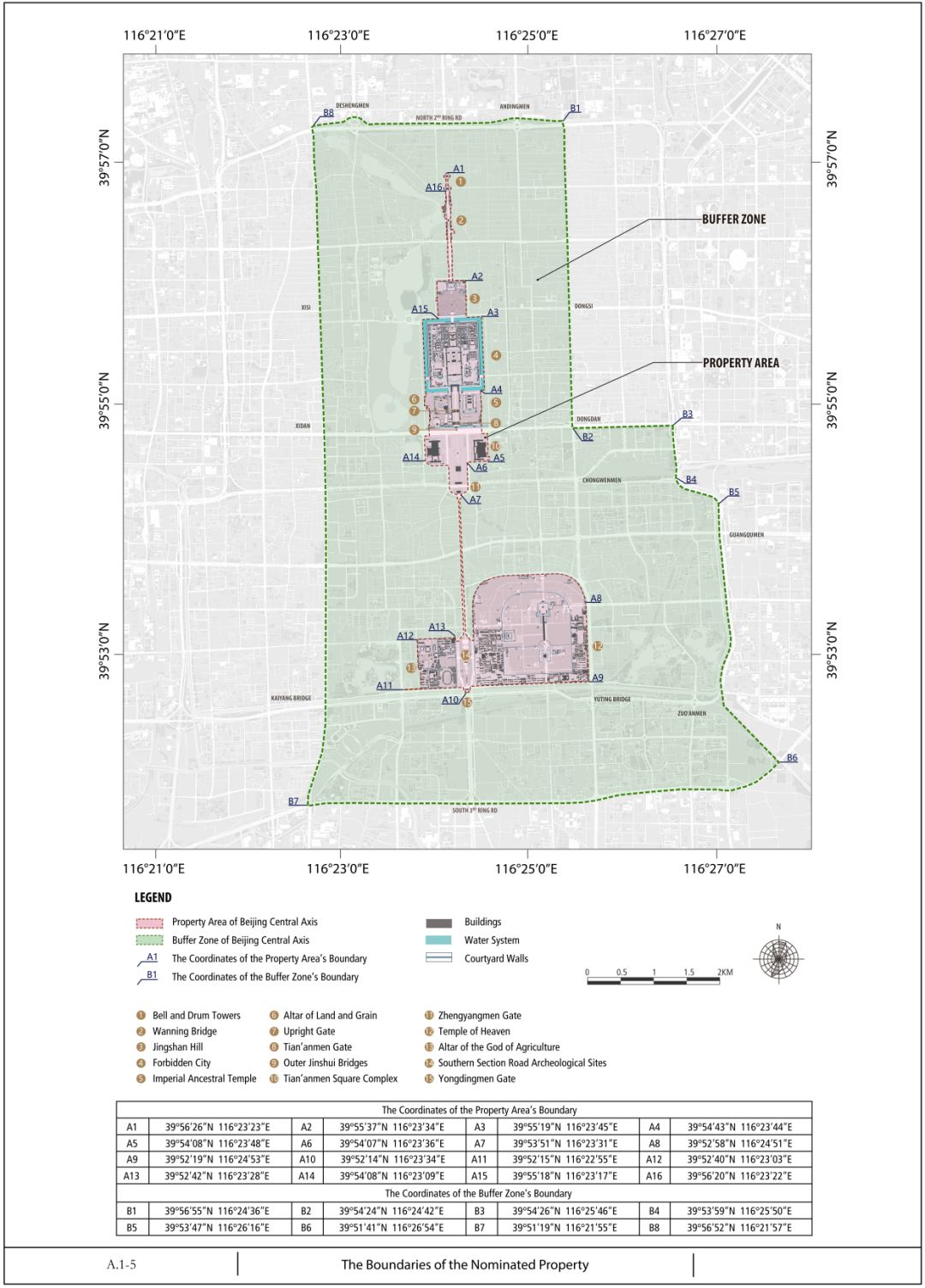
Beijing Central Axis: A Masterpiece of China's Ideal Capital Order was added to the UNESCO World Heritage list in 2024, with designated heritage and buffer zones. I have visited several religious heritage sites within these buffer zones and would like to share them with you.
Houhai Mosque: Built in the Qing Dynasty, rebuilt in 1946.
Huiying Mosque: Built in 1759, relocated and rebuilt in 2010.
Qianmen Mosque: Built in the late Ming Dynasty, renovated in the Qing Dynasty.
Mishi Hutong Mosque: Renovated in 1940.
Dongsi Mosque: Built in 1447 (the 12th year of the Zhengtong reign of the Ming Dynasty).
Huashi Mosque: Built in 1414 (the 12th year of the Yongle reign of the Ming Dynasty).
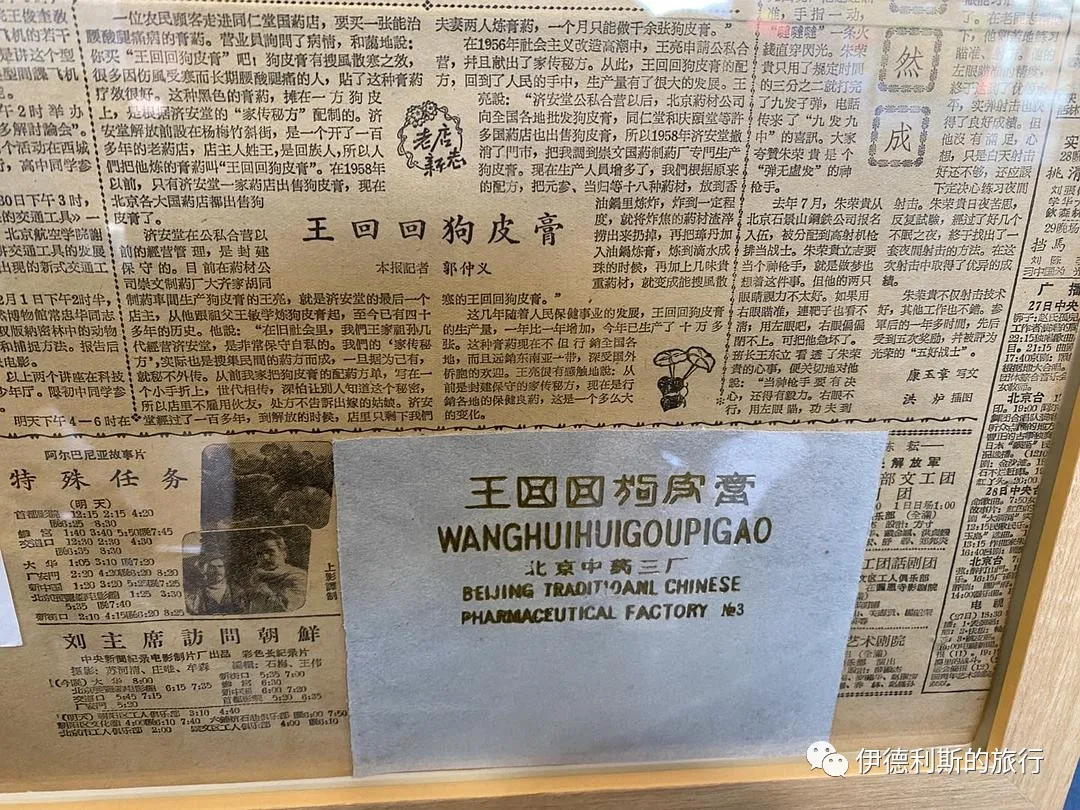
Jiantang Wang Huihui Plaster Shop: Established during the Wanli reign of the Ming Dynasty.
Yipinxian Bathhouse: Republic of China era.
Ma Yinglong Eye Medicine Shop: 1923.
Dadao Wang Wu Yuanshun Security Firm: Early years of the Guangxu reign.
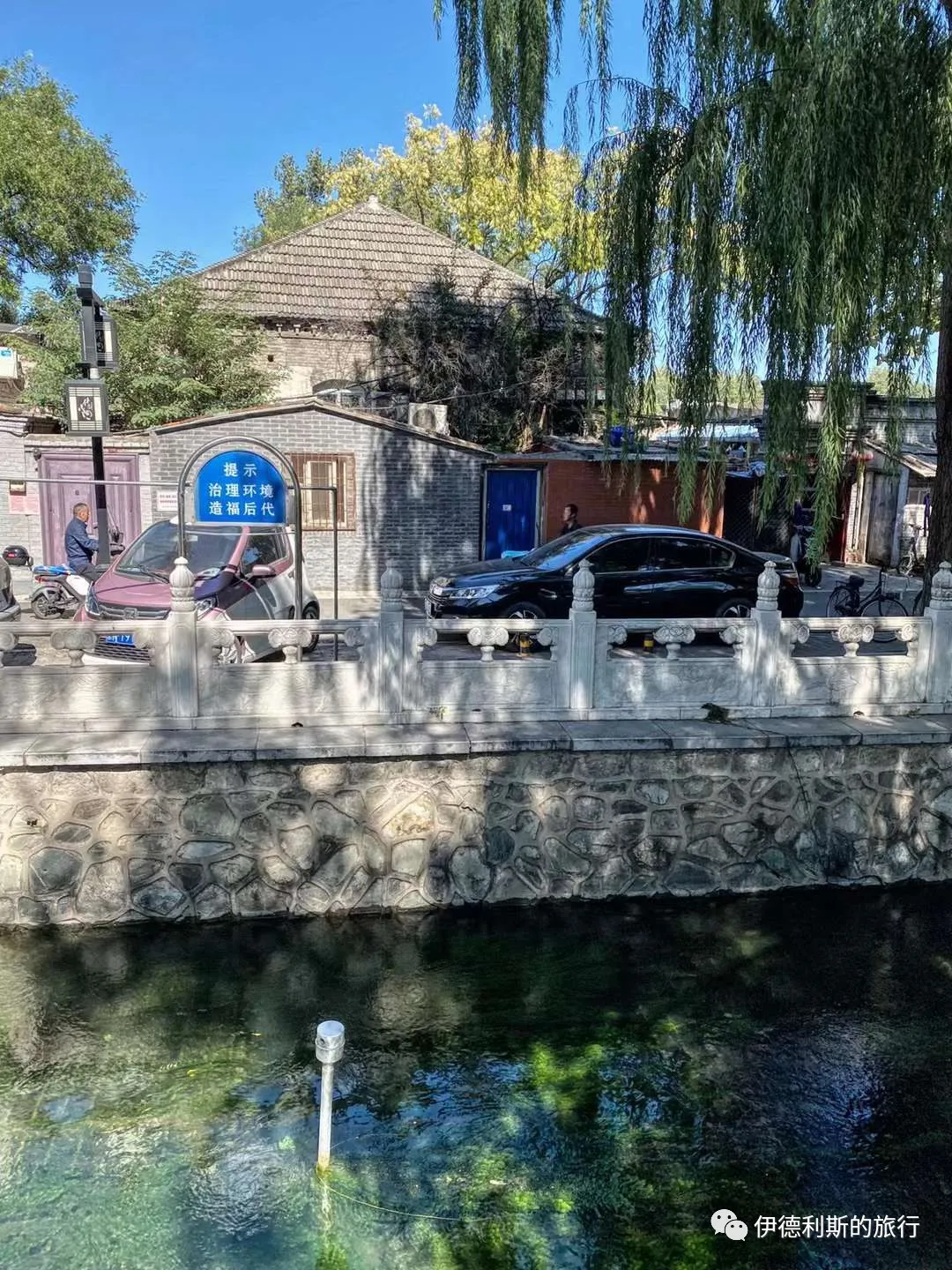
Houhai Mosque
Address: No. 18, East Bank of Xihai.
Date: Built in the Qing Dynasty, rebuilt in 1946.
Current status: Residential housing.
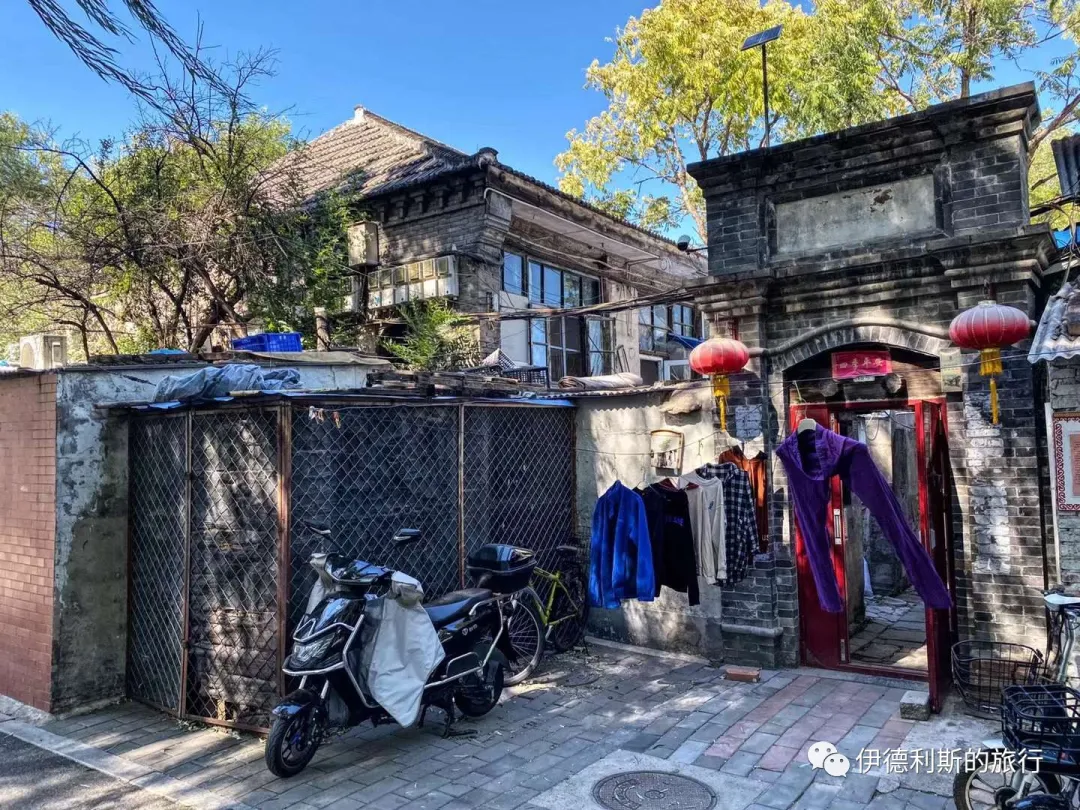
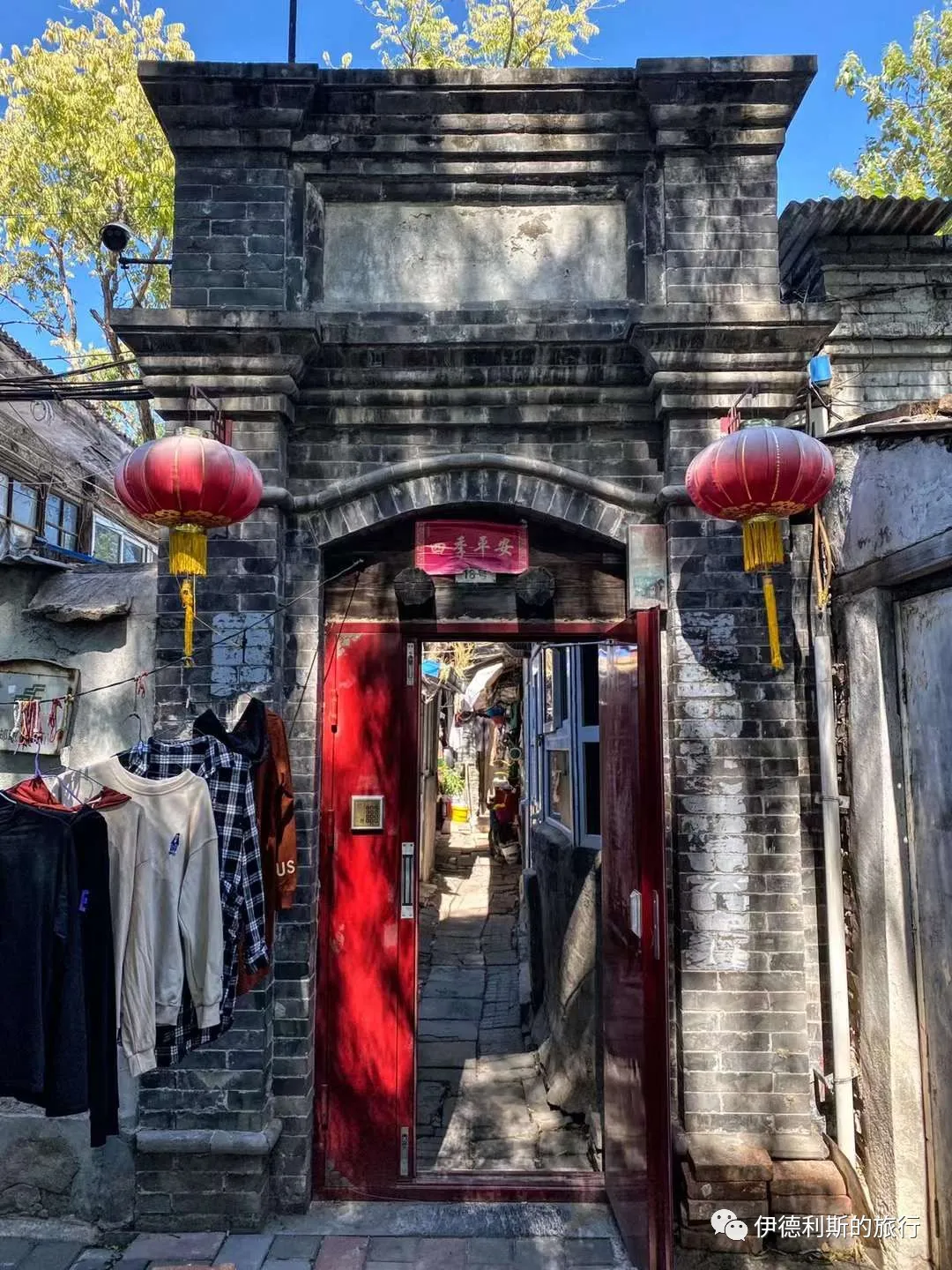
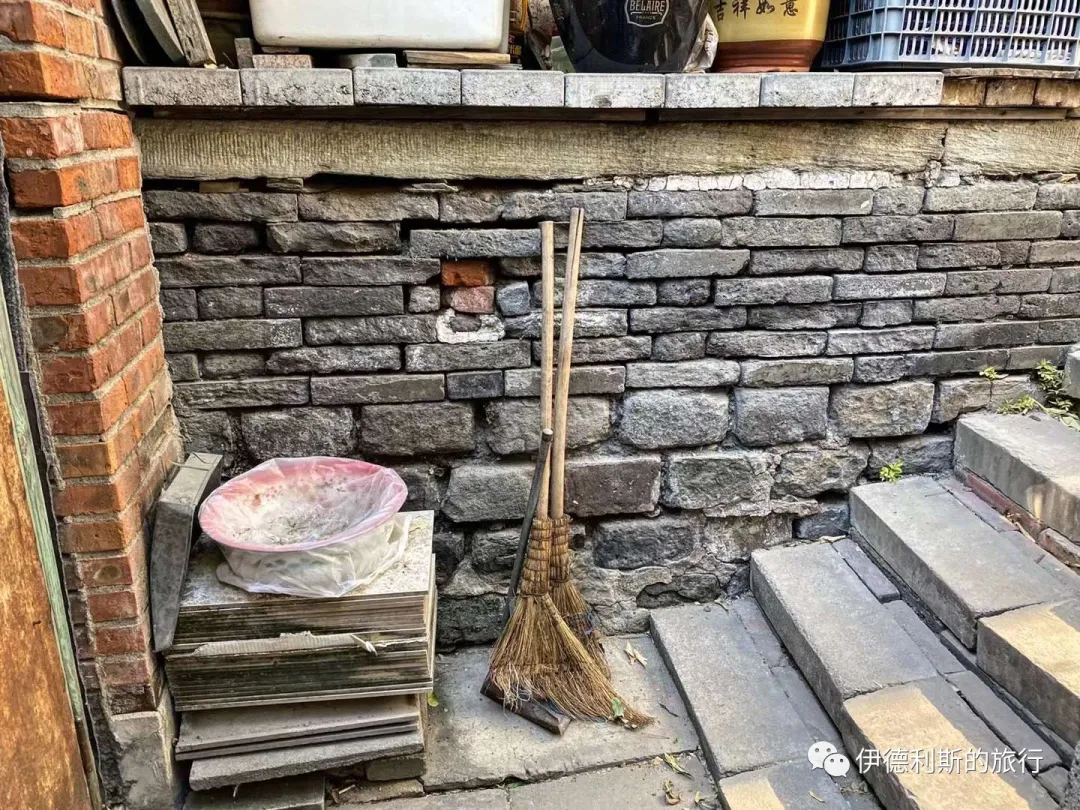
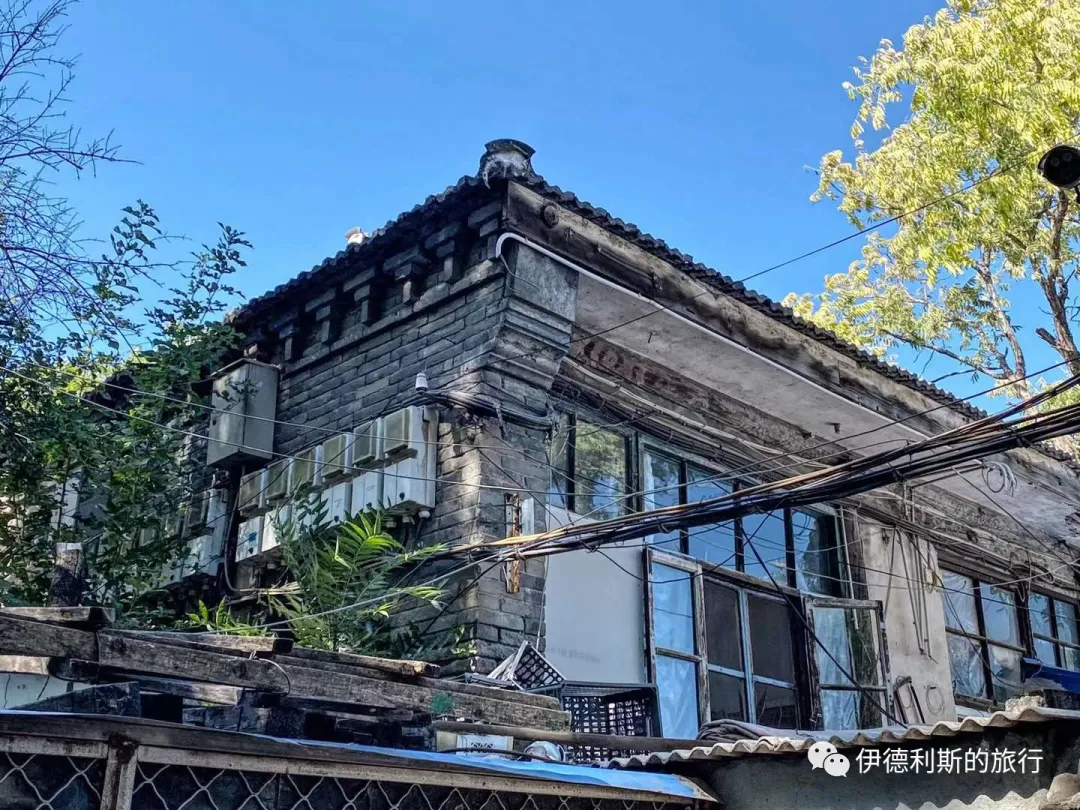
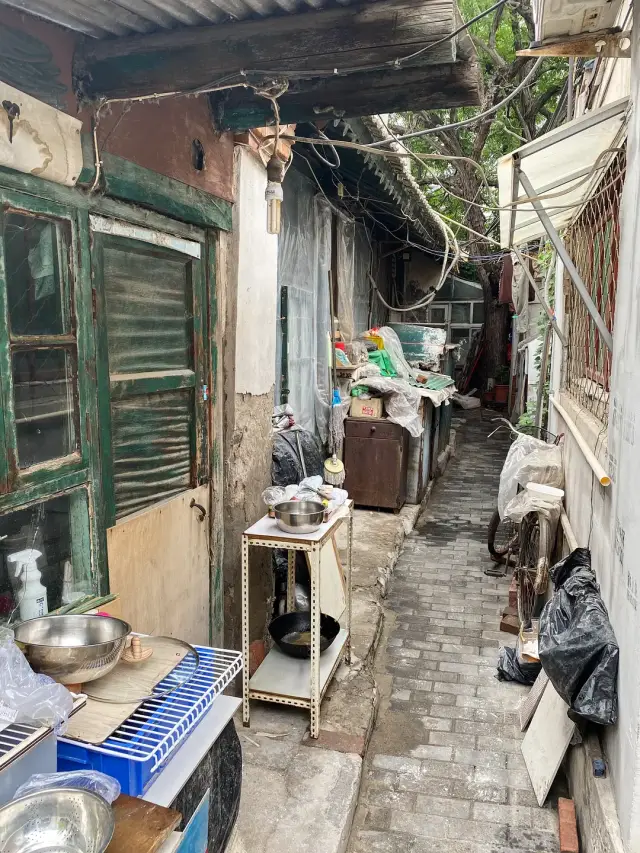
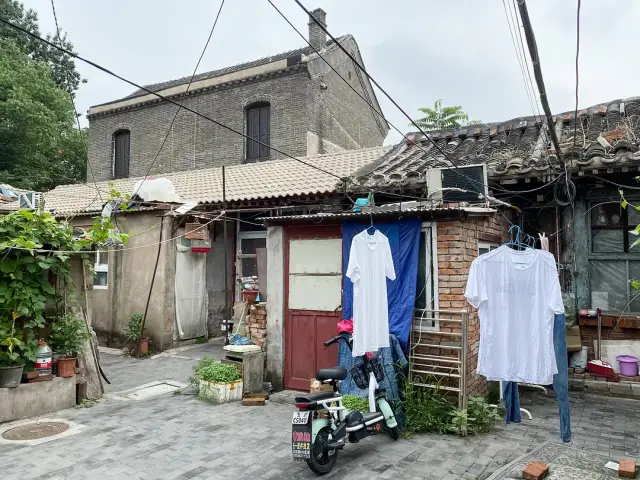
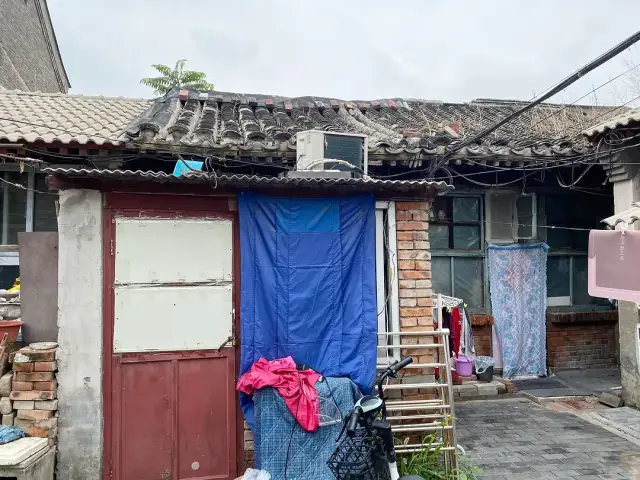
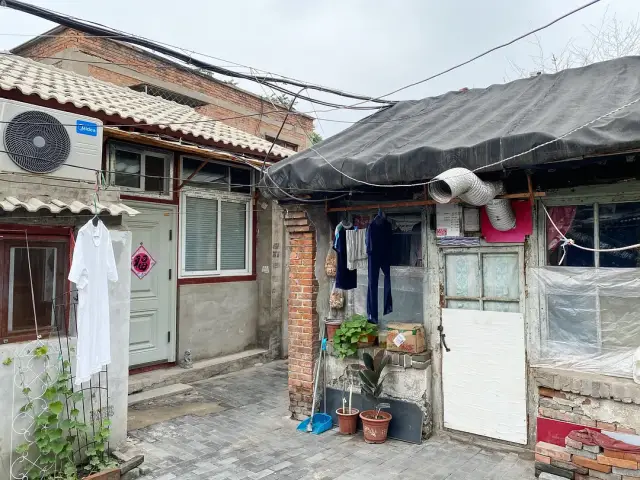
Houhai Mosque sits on the north bank of the river connecting Houhai and Xihai, east of Desheng Bridge, so it is also called Desheng Bridge Mosque. Houhai Mosque is said to have been built in the Qing Dynasty. The current building was rebuilt in 1946 and features a typical Western style from the Republic of China era. Due to history, it has now become a crowded residential compound.
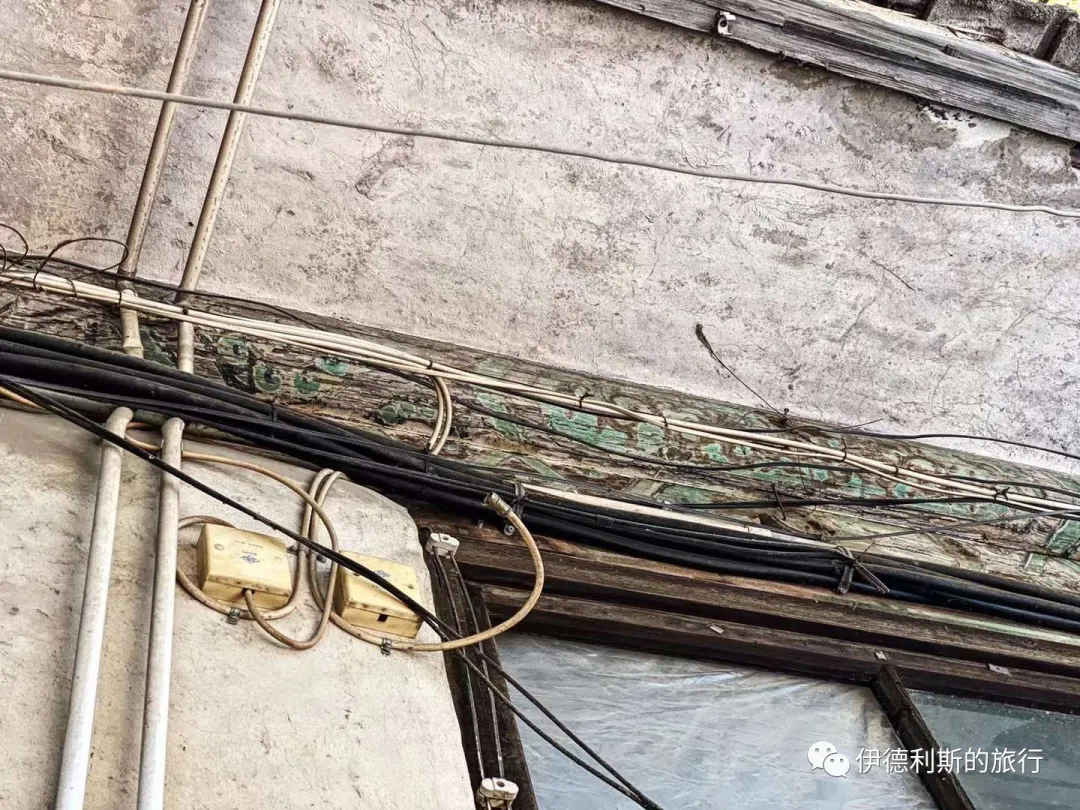
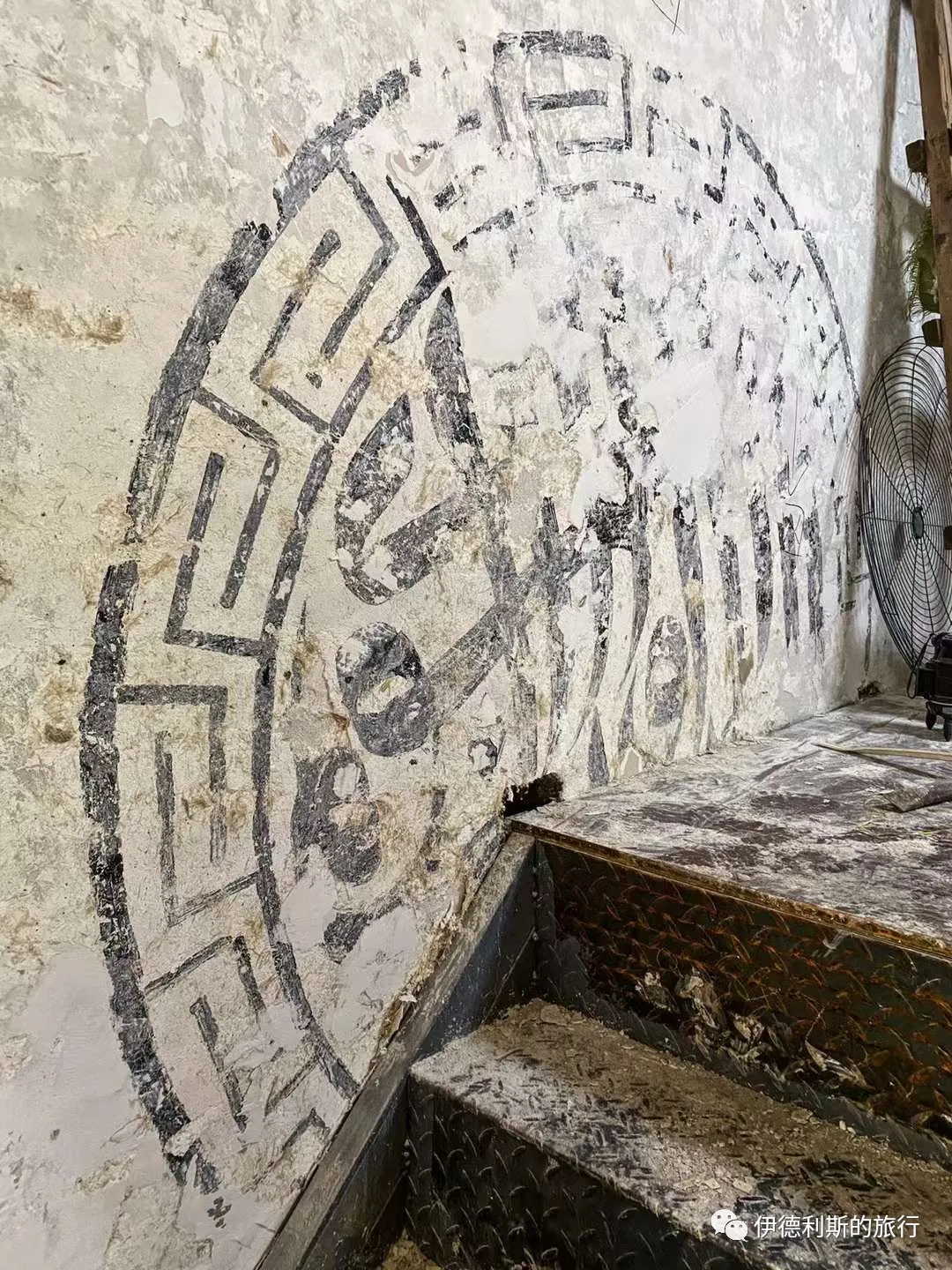
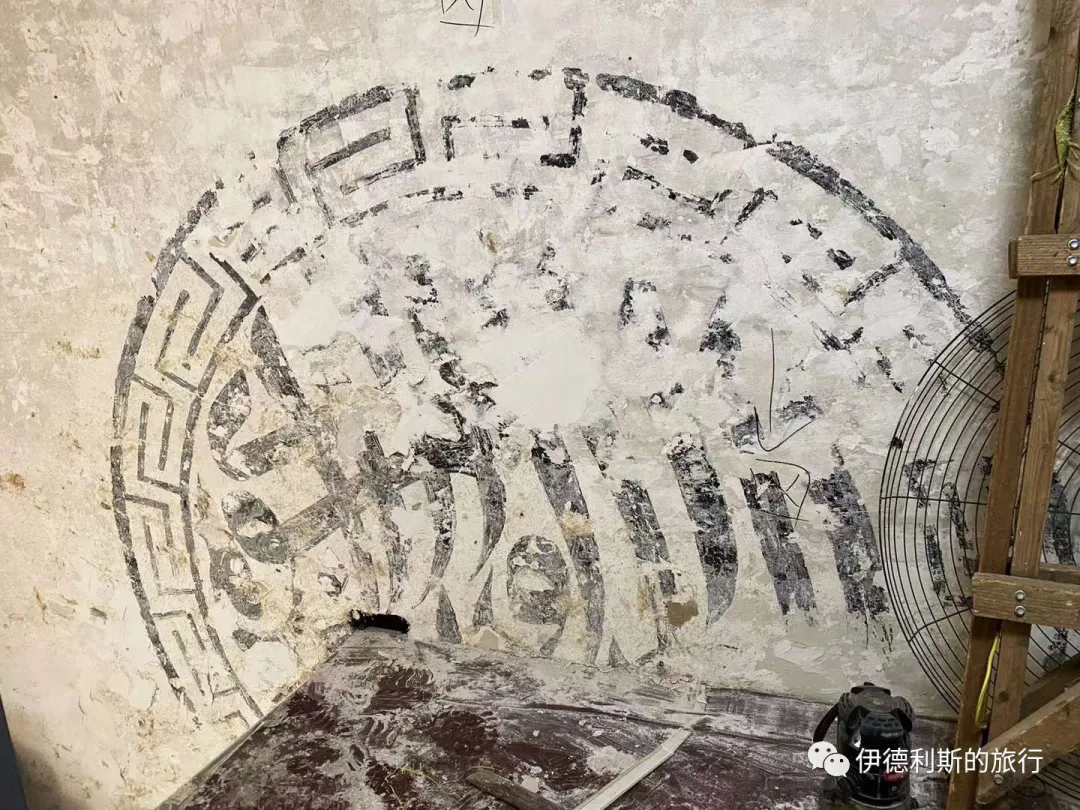
The mosque gate faces south and is a Western-style gatehouse. Once inside, the main prayer hall is on the west side. The main hall has a modified hip roof. It originally had a front porch, but it is now enclosed, though traditional painted decorations remain on the porch. According to the Survey of Beijing Mosques, there were traces of the words "Qingzhensi" (Mosque) on the west wall of the hall, but when I visited, a building had been constructed outside the west wall, making it impossible to find a viewing angle.
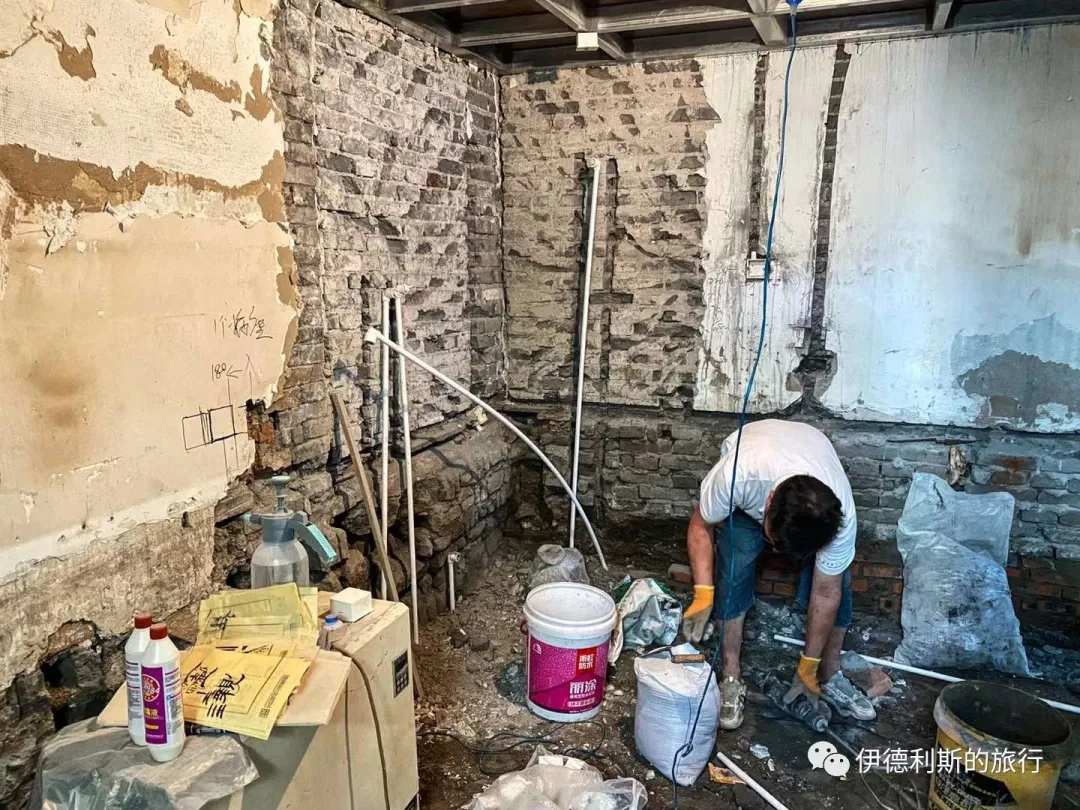
When I visited, the owner of the southernmost room inside the main hall was renovating, which allowed me to see the interior. The biggest surprise was that the renovation removed the outer layer of the wall, revealing traditional calligraphy of scriptures on the wall facing the direction of prayer.
Huiying Mosque
Address: No. 24 Dong'anfu Hutong.
Date: Originally built in 1759, relocated and rebuilt in 2010.
Status: Not open to the public.
Huihuiying Mosque is the only mosque officially built by the Qing government. In 1759, after Emperor Qianlong defeated the White Mountain faction of the Khojas, he summoned the Hui Muslim leaders, led by the Eight Peers of the Hui Region, to the capital. The high-ranking nobles and begs among them were managed by the Lifan Yuan and lived in private residences, while the ordinary Hui Muslims were organized into the Hui People's Company under the Left Wing of the Plain White Banner of the Imperial Household Department, known in Manchu as hoise niru (Hui people's company), and settled in the Hui camp outside the West Chang'an Gate.
Construction of the Hui camp began in 1759 with 147 rooms, and after more Hui artisans and performers arrived in the capital, it was expanded to 310 rooms in 1763. After the Hui camp was built, Qianlong had a mosque constructed on its west side, which was completed in 1764. Qianlong inscribed the Stele of the Imperial-Built Hui People's Mosque and placed it in the mosque, writing: The Hui people gather here for prayer, and the begs who come to pay tribute every year all worship with joy, seeing something they have never seen in the Western Regions. Until the beg system was abolished in 1884, this was the place where begs from all over Xinjiang performed their religious duties during their annual visits to the capital.
The main hall of the Huihuiying Mosque is a square pavilion with a double-eaved, four-cornered pyramidal roof, which is unique among all mosques in Beijing.
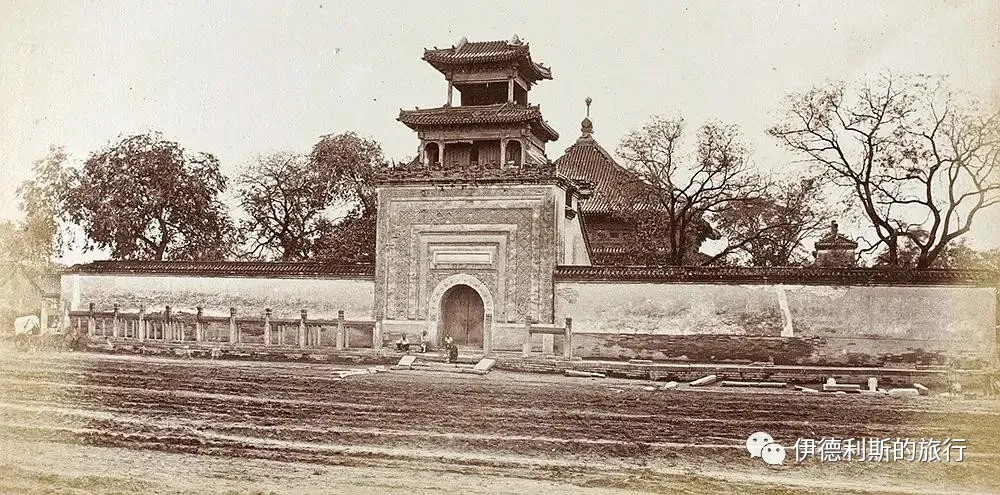
In 1912, Yuan Shikai was elected President and chose Zhongnanhai as the presidential palace. Soon after, Zhu Qiqian, Minister of the Interior, oversaw the conversion of the Baoyue Tower at the southern end of Zhongnanhai into the Xinhua Gate, the main entrance to the presidential palace, while also expanding the street in front of the palace and building a decorative wall across the street. Because it was right next to the Baoyue Tower, the gate and main hall of the Huihuiying Mosque were forced to be demolished. After the main hall was demolished, the congregation had nowhere to pray, so they rebuilt a small hall on the original site.
Because the government stopped paying stipends to the banner people in the early Republic of China, the Huihuiying community lived in poverty, so the rebuilt hall was very small, consisting of two connected shed-roofed rooms, with the rear prayer niche also having a shed roof. Since the original north gate was blocked by the decorative wall, the mosque entrance had to be moved to the south, and the stone arch carved with lotus patterns from the original gate was placed above the new entrance.
After the founding of the People's Republic, the Huihuiying Mosque was occupied by the guard regiment for a long time until demolition began on the south side of West Chang'an Street in 2009. On June 8, 2010, the Republic-era main hall and gate of the Huihuiying Mosque were demolished. In 2011, the Xicheng District Cultural Committee rebuilt the mosque 200 meters west of the original site, and the Stele of the Imperial-Built Hui People's Mosque inscribed by Qianlong was placed back in the courtyard. Regrettably, the new mosque was not built according to the original design, and the only remaining stone arch was placed above the mihrab of the main hall. Although the new mosque has been built for over ten years, it has never been opened.
Qianmen Mosque
Address: No. 9 Yangwei Hutong.
Date: First built in the late Ming Dynasty, renovated during the Qing Dynasty.
Status: Open.
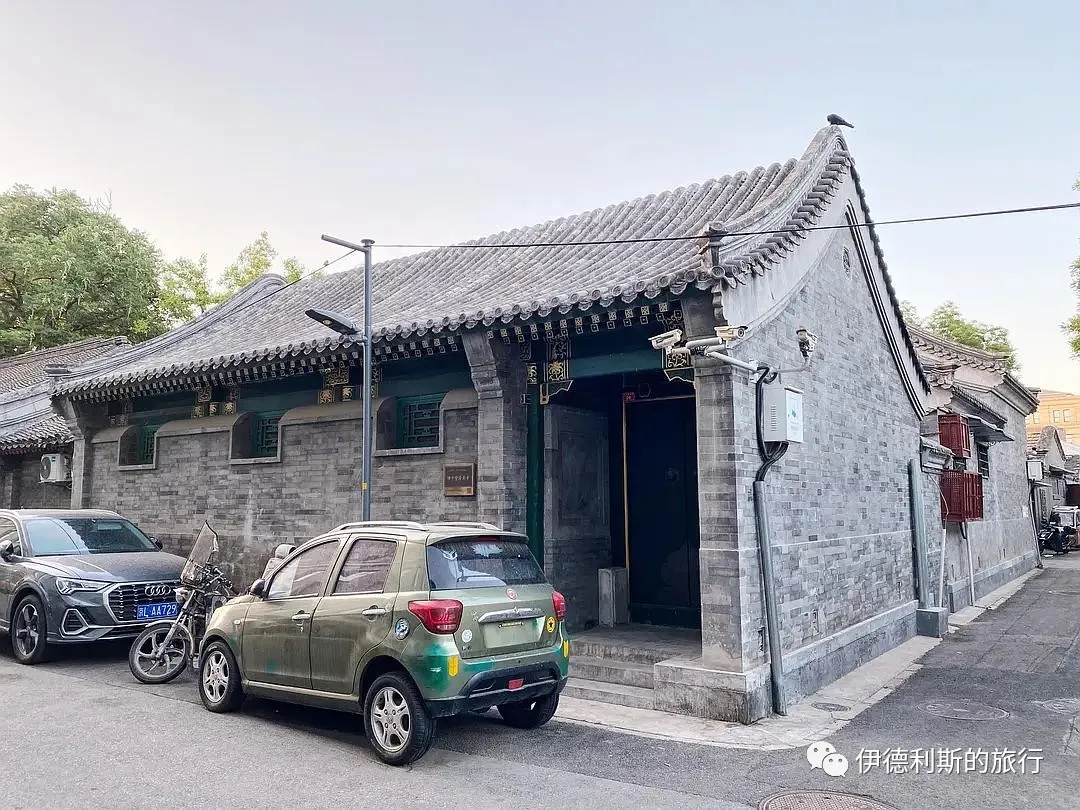
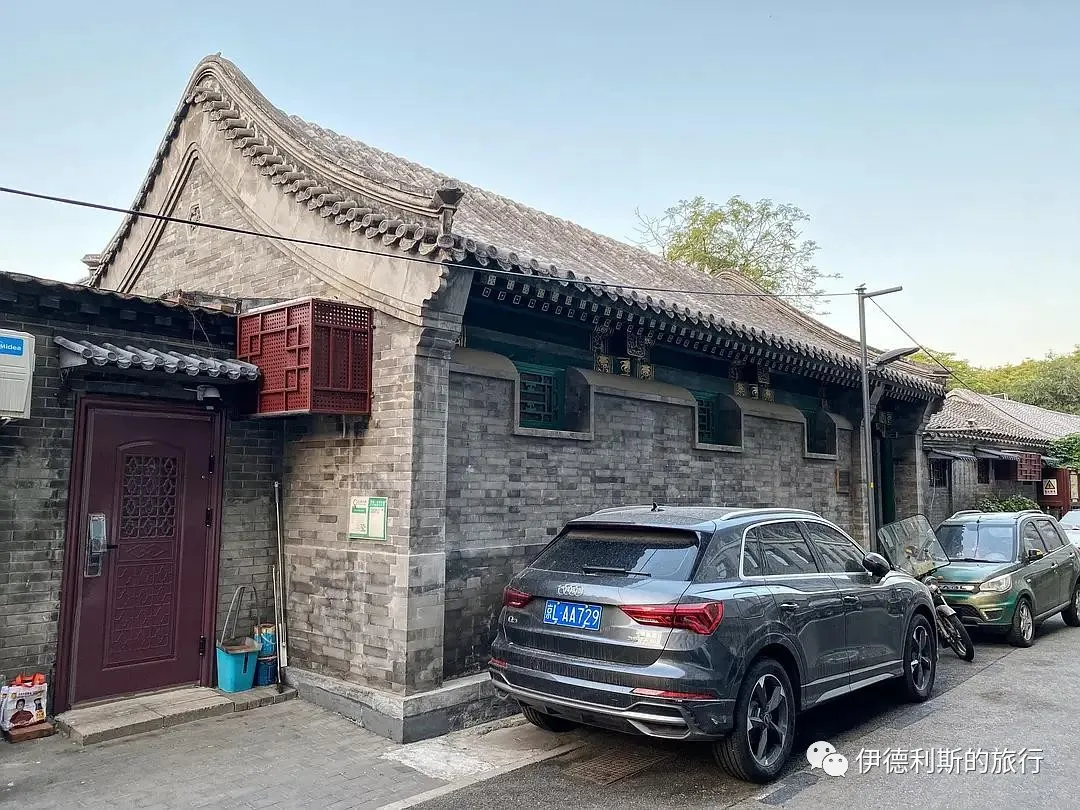
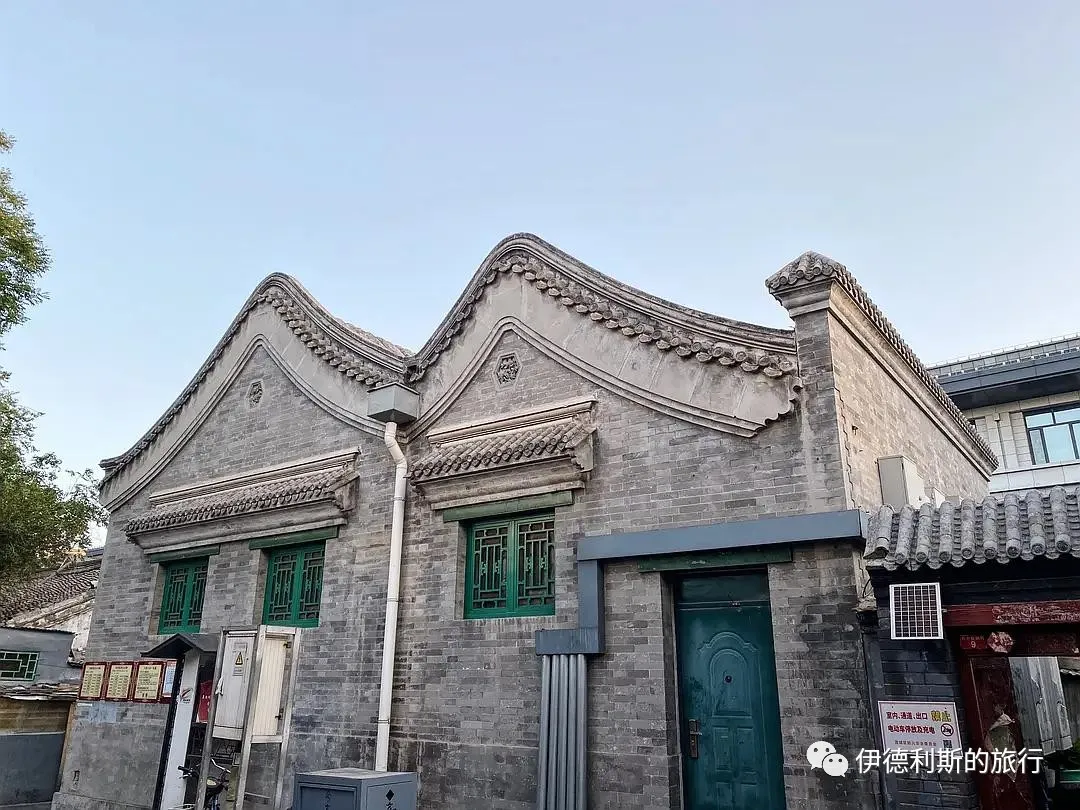
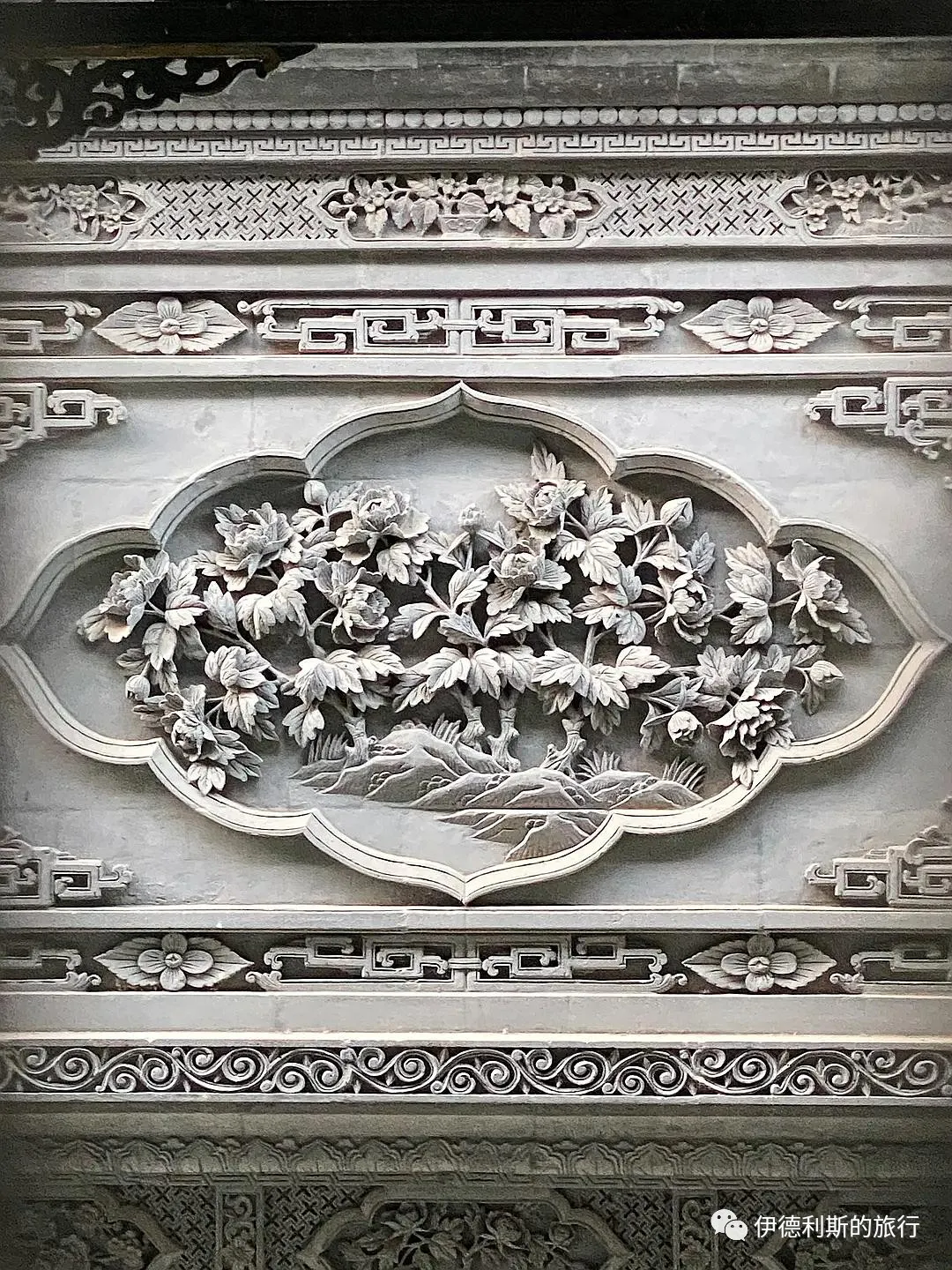
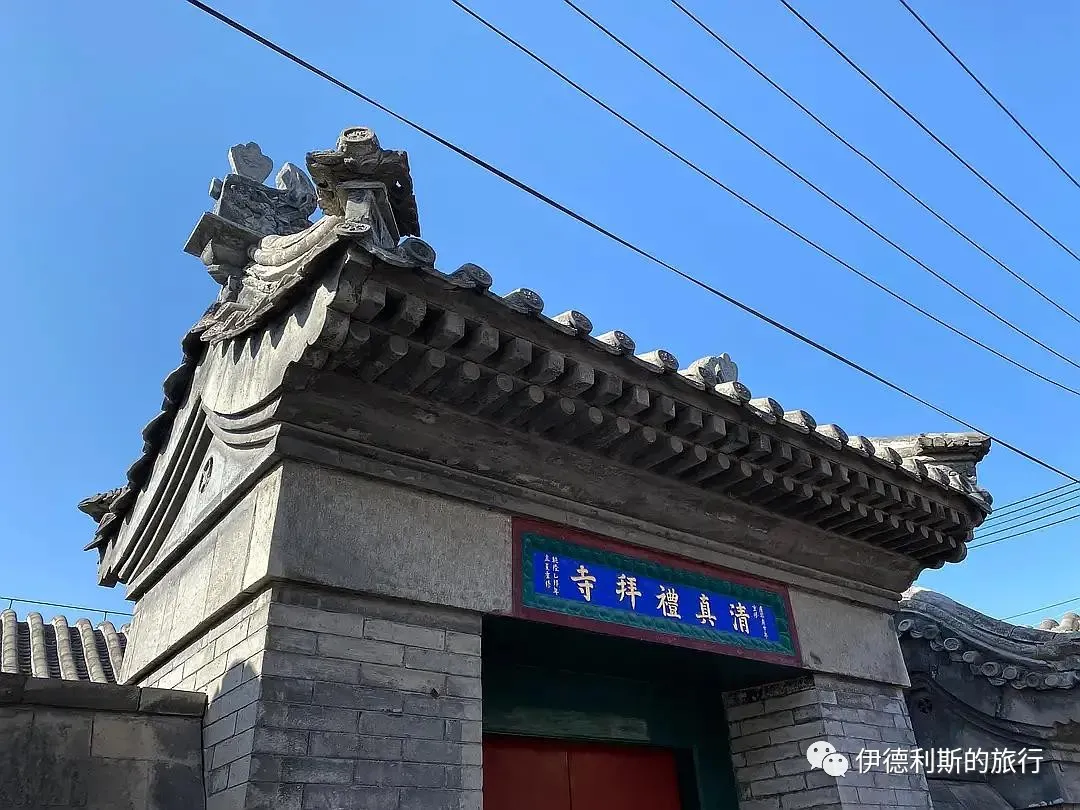
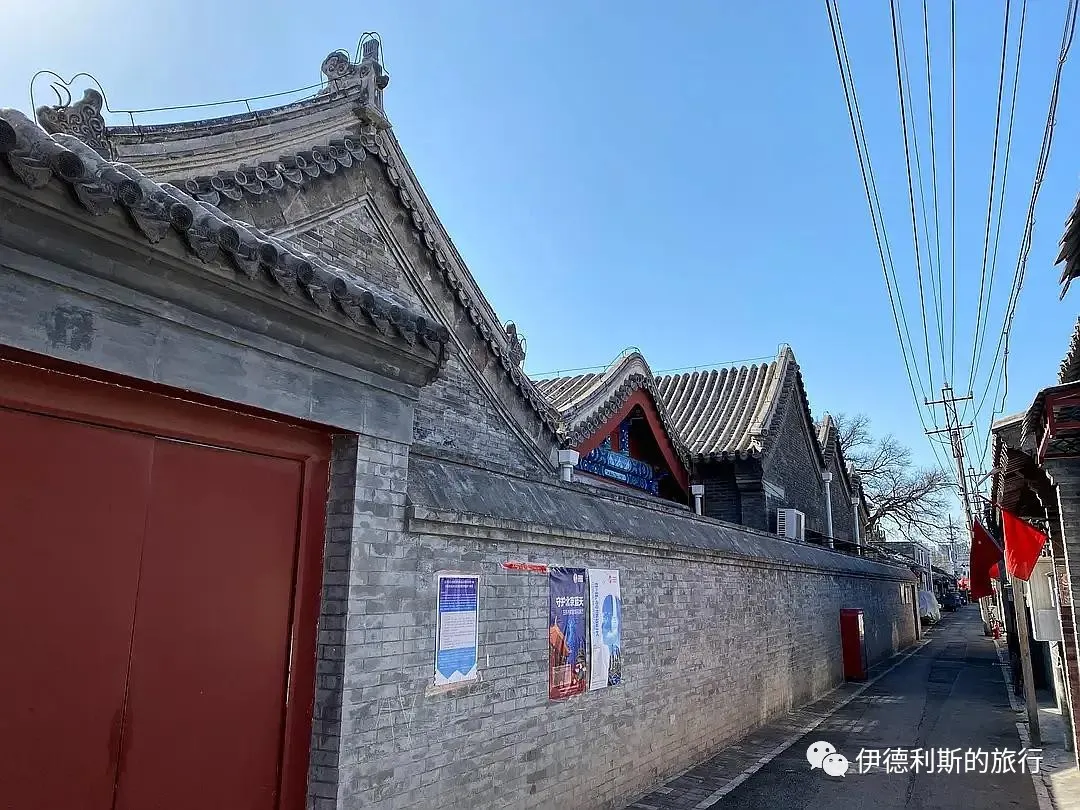
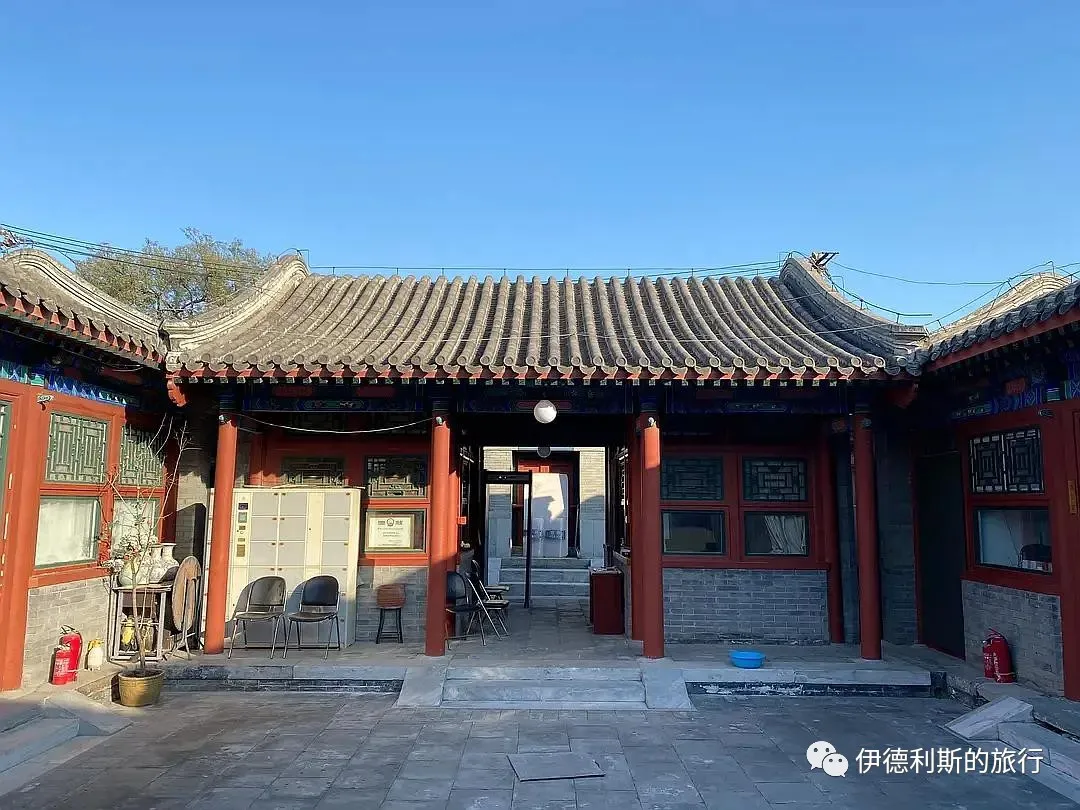
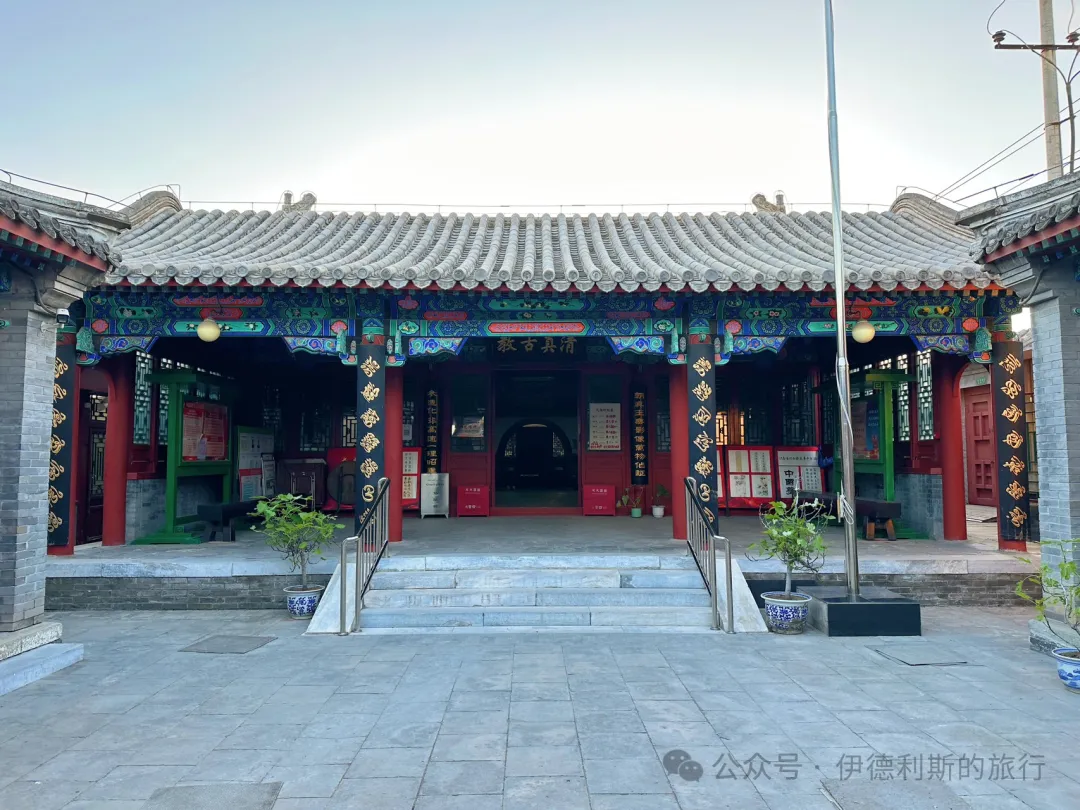
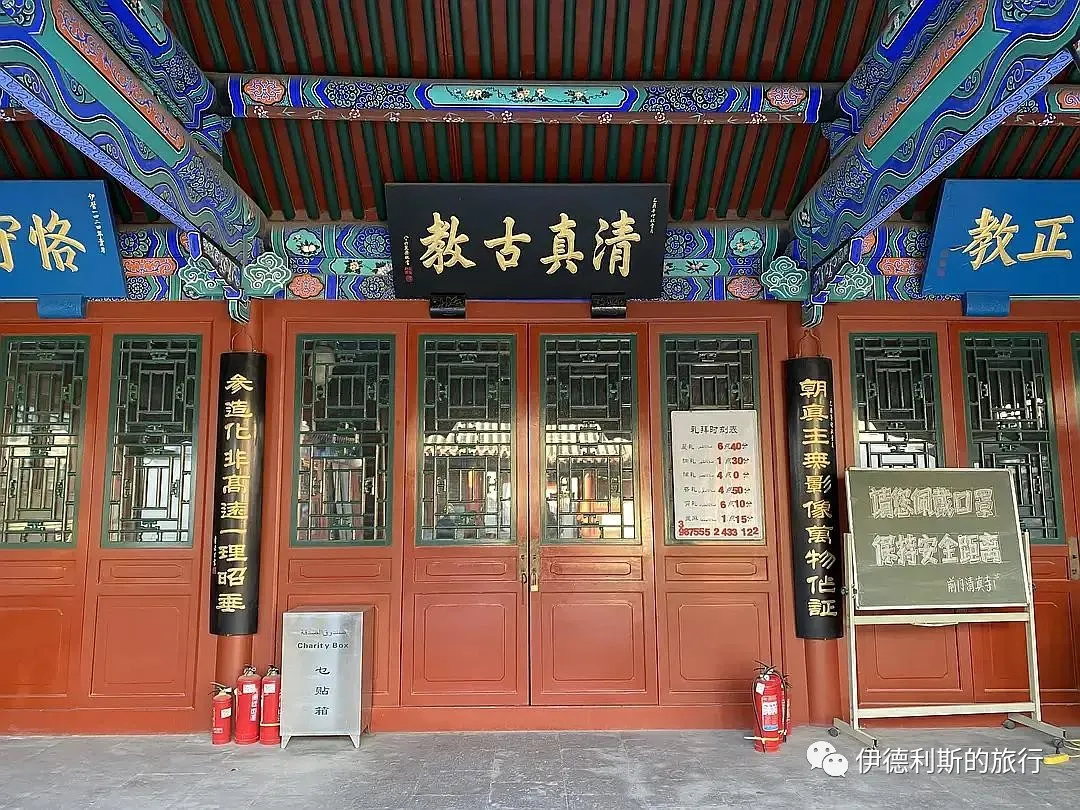
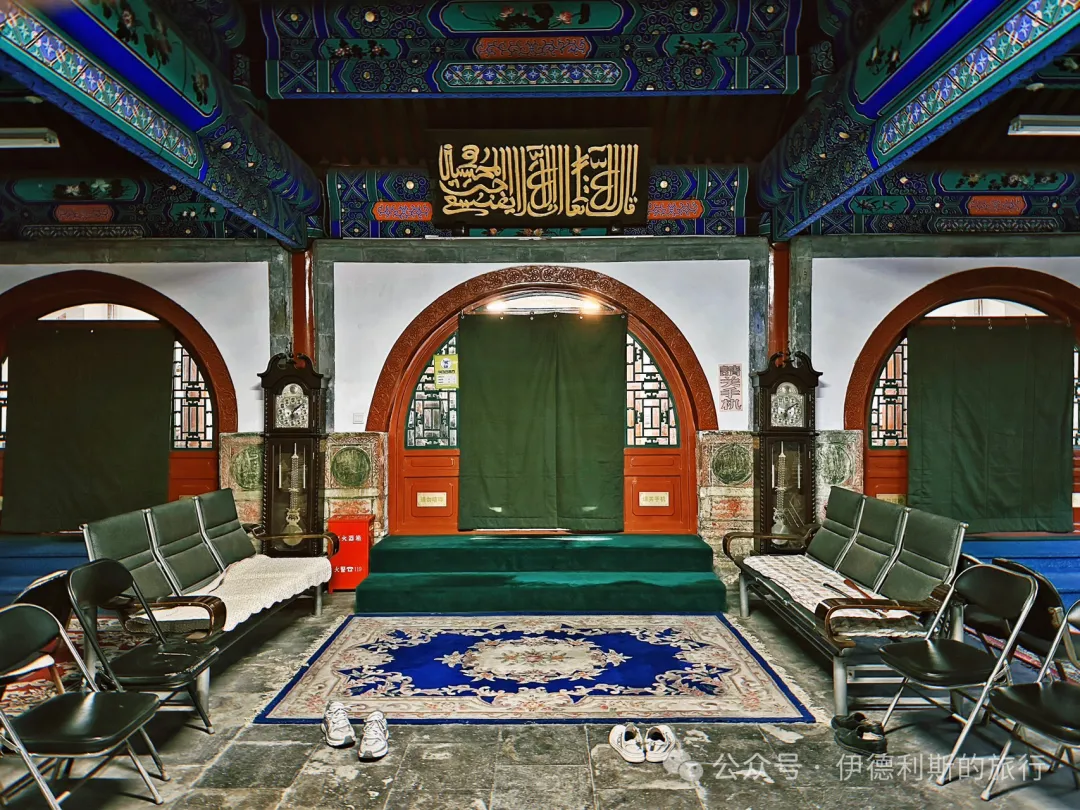
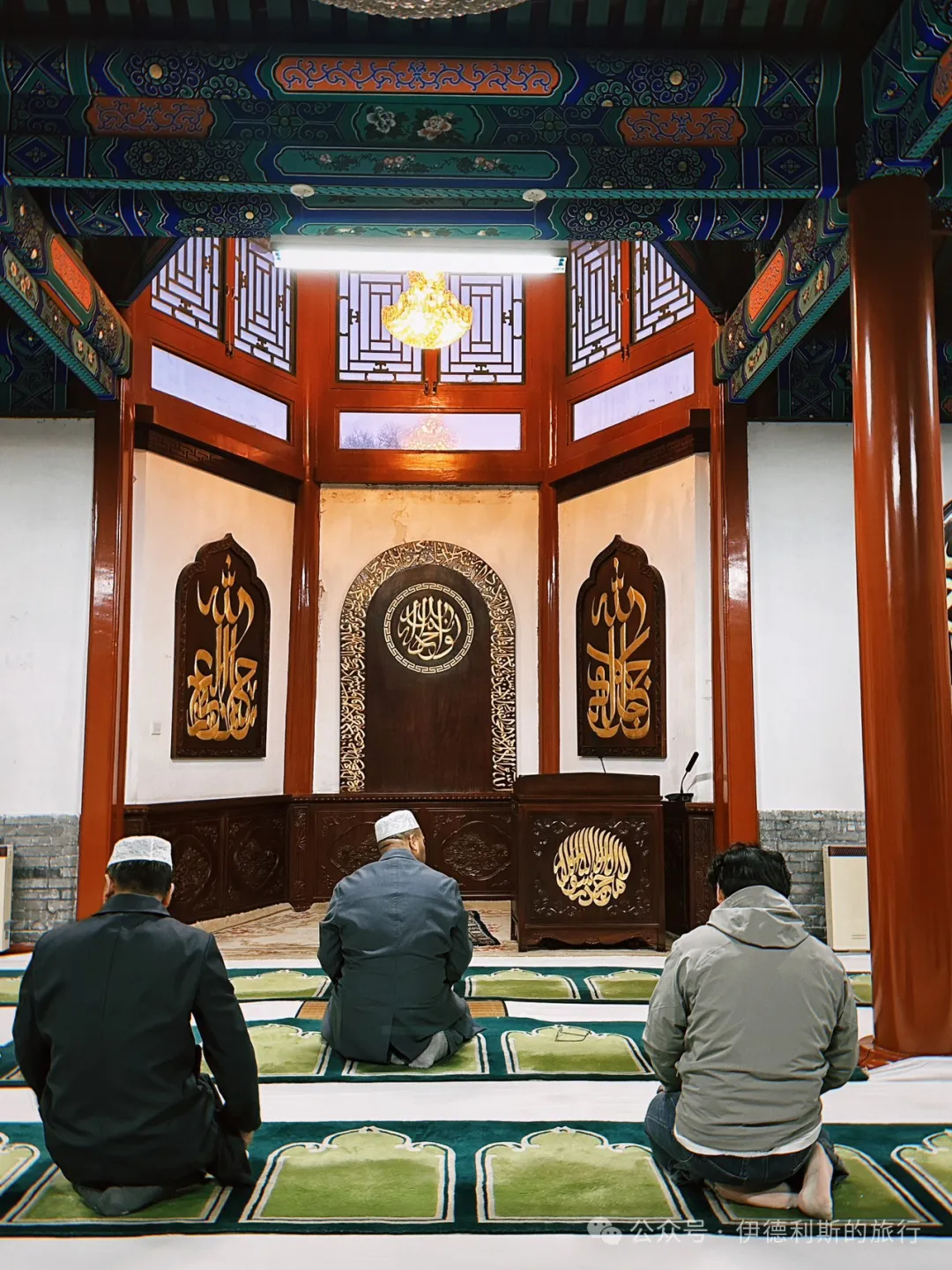
Qianmen Mosque was first built in the late Ming Dynasty and renovated in 1680 (the 19th year of the Kangxi reign) and 1795 (the 60th year of the Qianlong reign). It features the classic North China mosque architectural style of the Qing Dynasty and is very well preserved. In 1894 (the 20th year of the Guangxu reign), the famous modern Islamic educator Imam Wang Kuan served as the head imam at Qianmen Mosque. His student, the great Imam Da Pusheng, served as an imam here between 1909 and 1911. Another great imam, Wang Jingzhai, studied under the famous Qianmen Mosque teacher, Imam Yu Mianweng, when he was young.
From the Qing Dynasty to the Republican era, many Hui Muslims outside Qianmen worked in the jade, jewelry, and antique calligraphy and painting trades. The famous novel The Muslim Funeral is based on the lives of these Hui Muslim jade traders. Qianmen Mosque was very busy back then, but as times have changed, this century-old mosque has returned to peace.
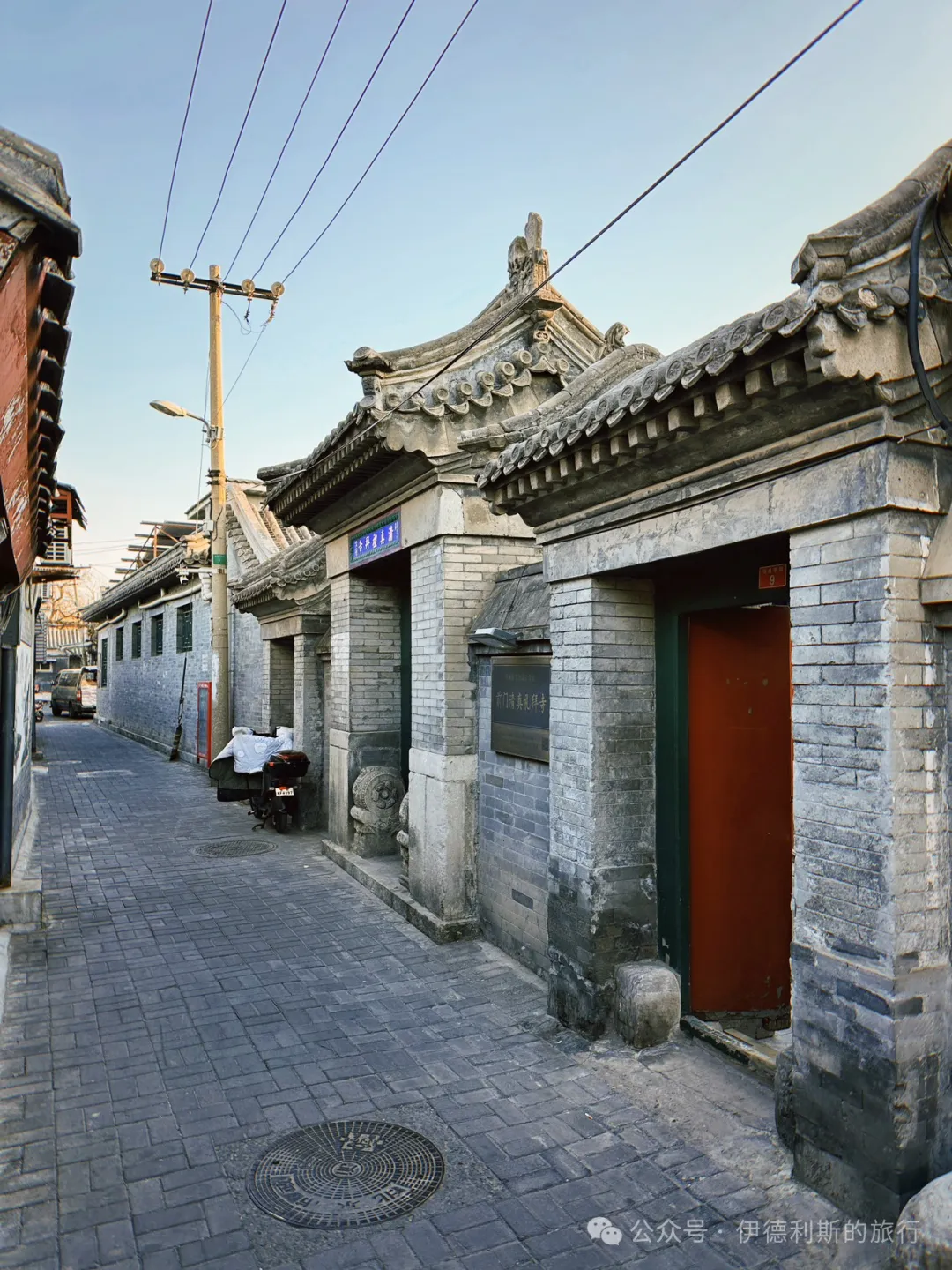
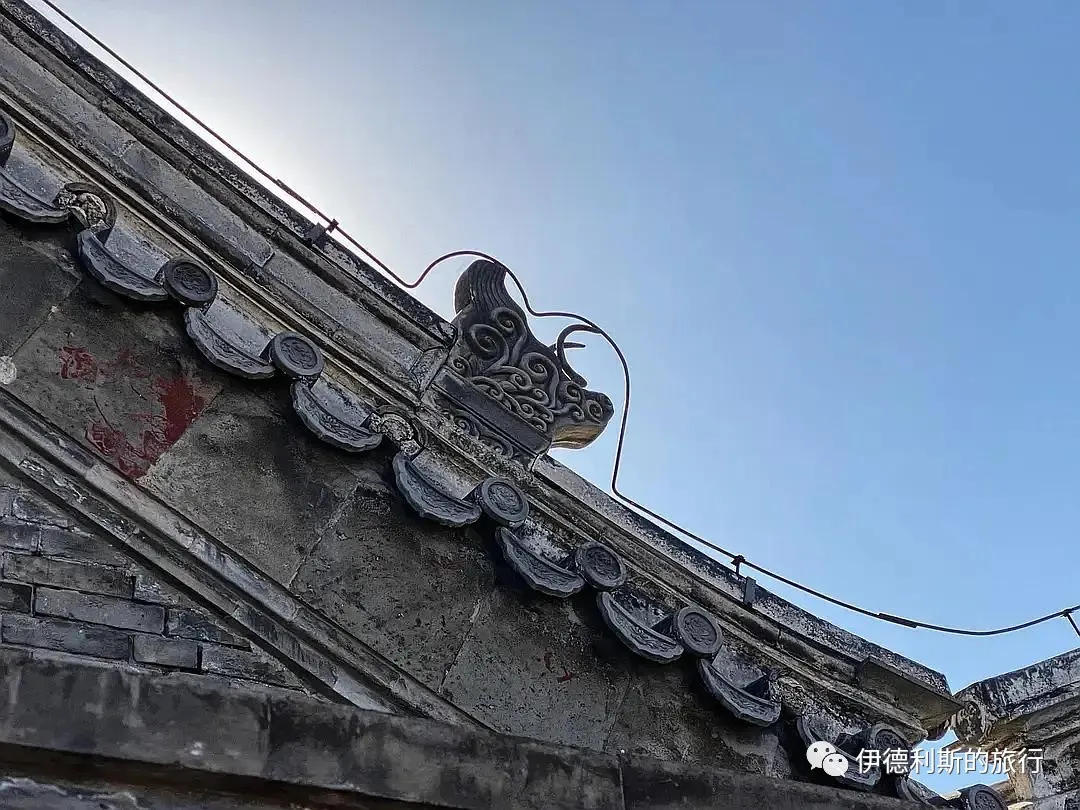
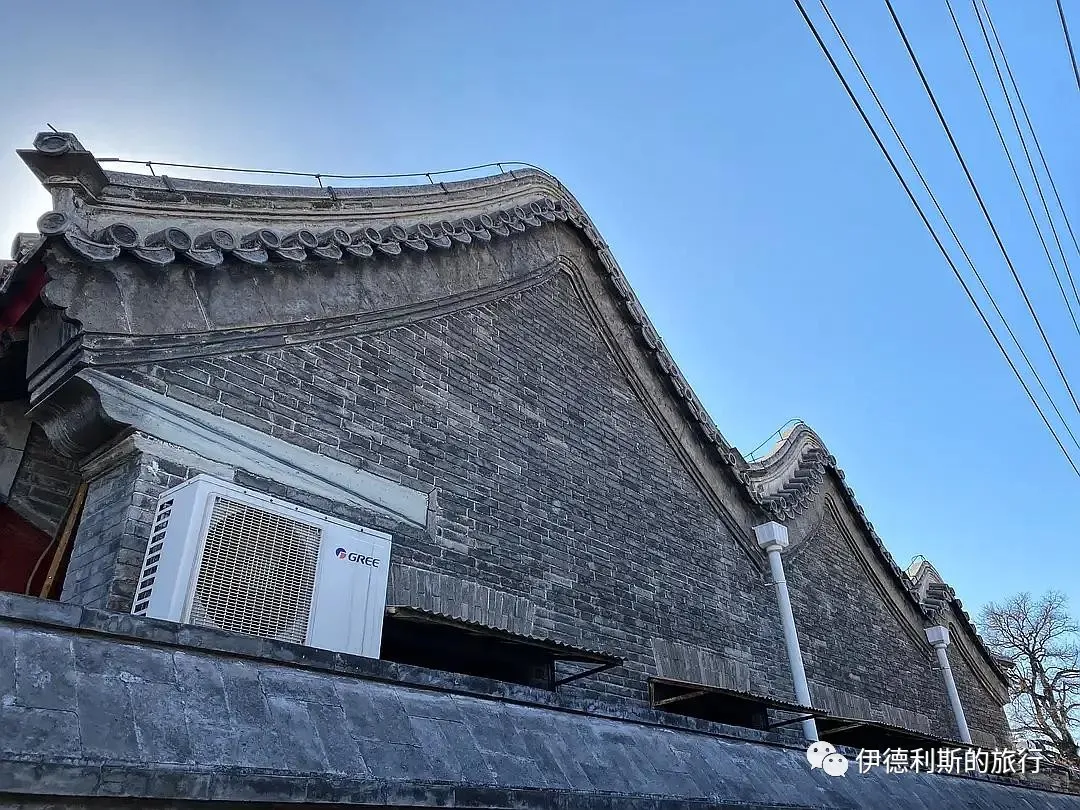
Three-layered interlocking roof (san ceng gou lian da).
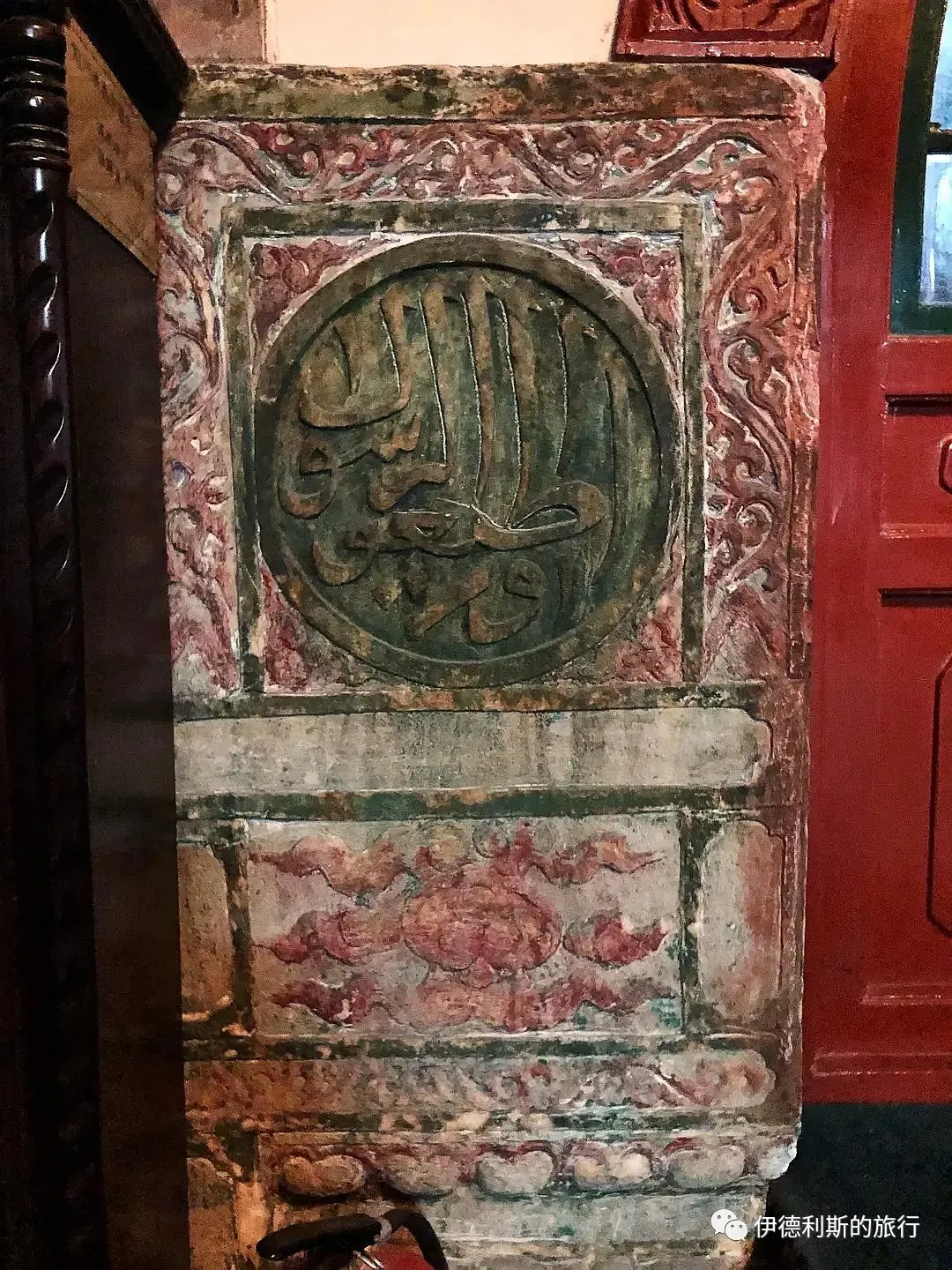
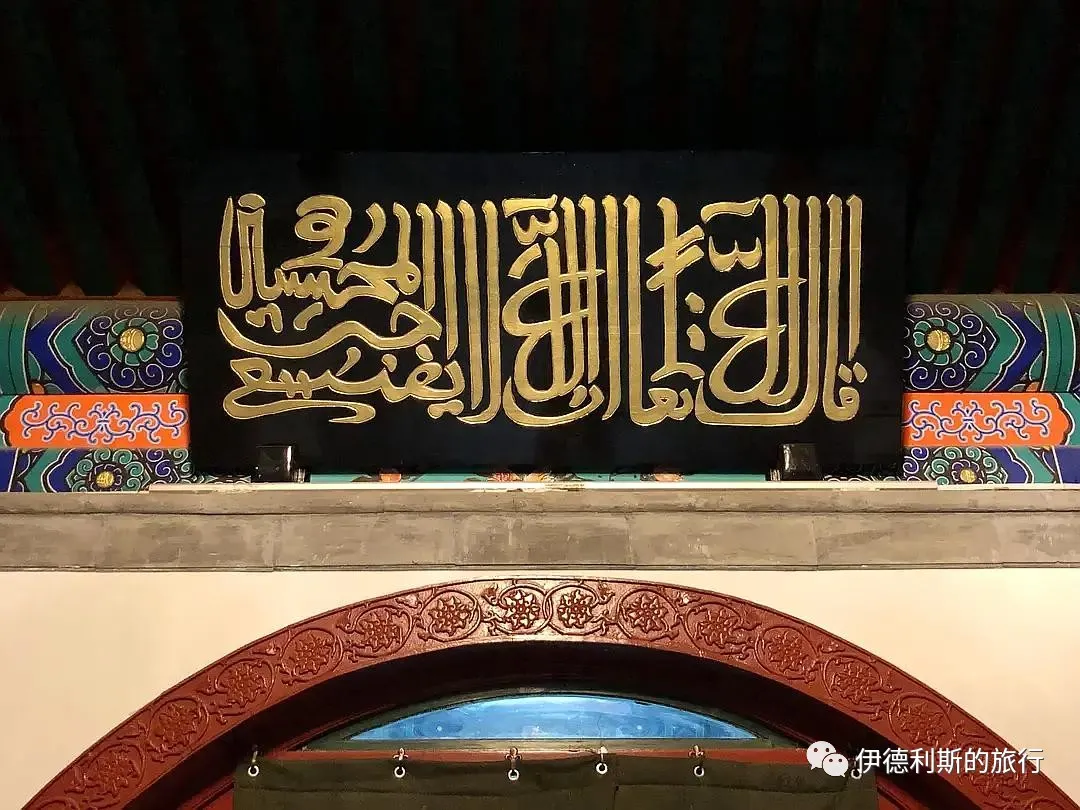
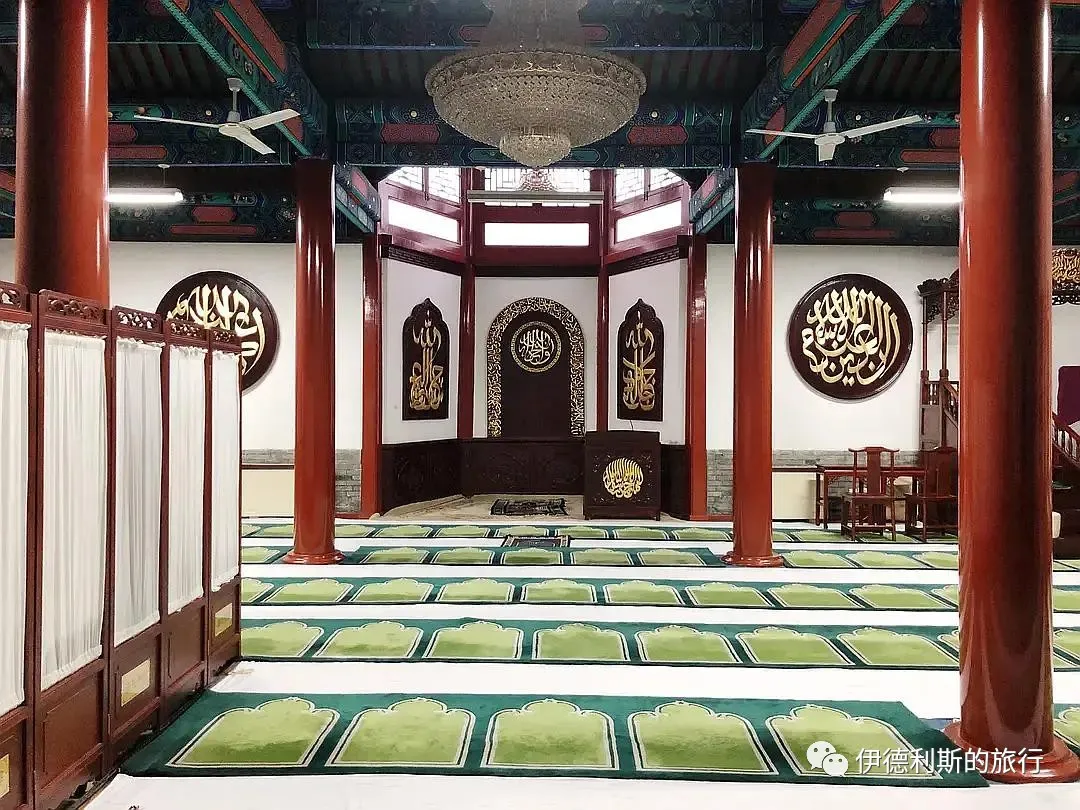
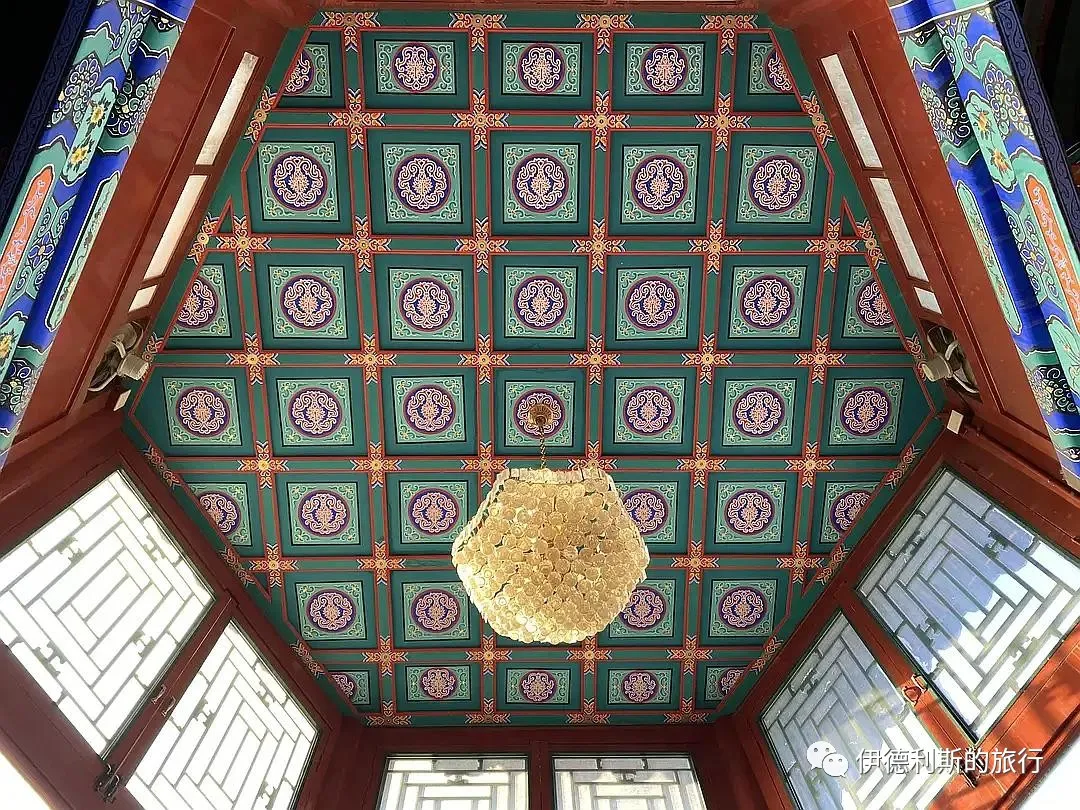
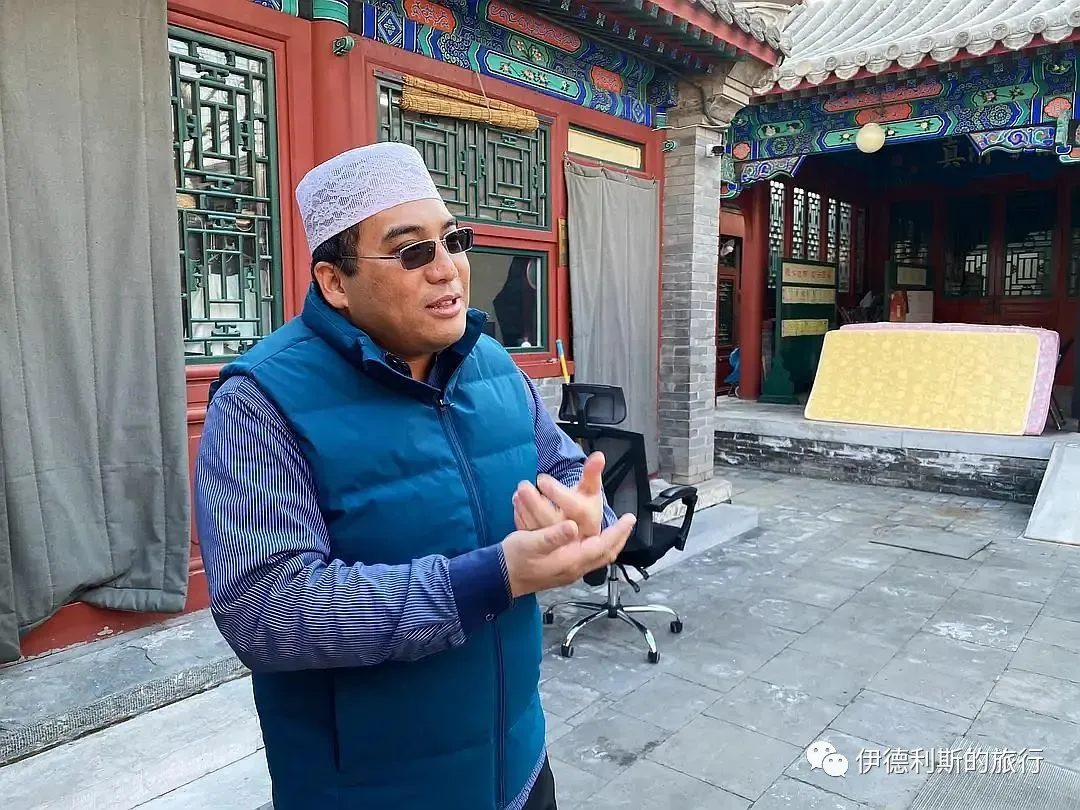
Imam Wang of Qianmen Mosque is from Niujie. He speaks with an authentic Xuannan Beijing accent and tells the history and culture of old Beijing Hui Muslims in a very vivid and thorough way.
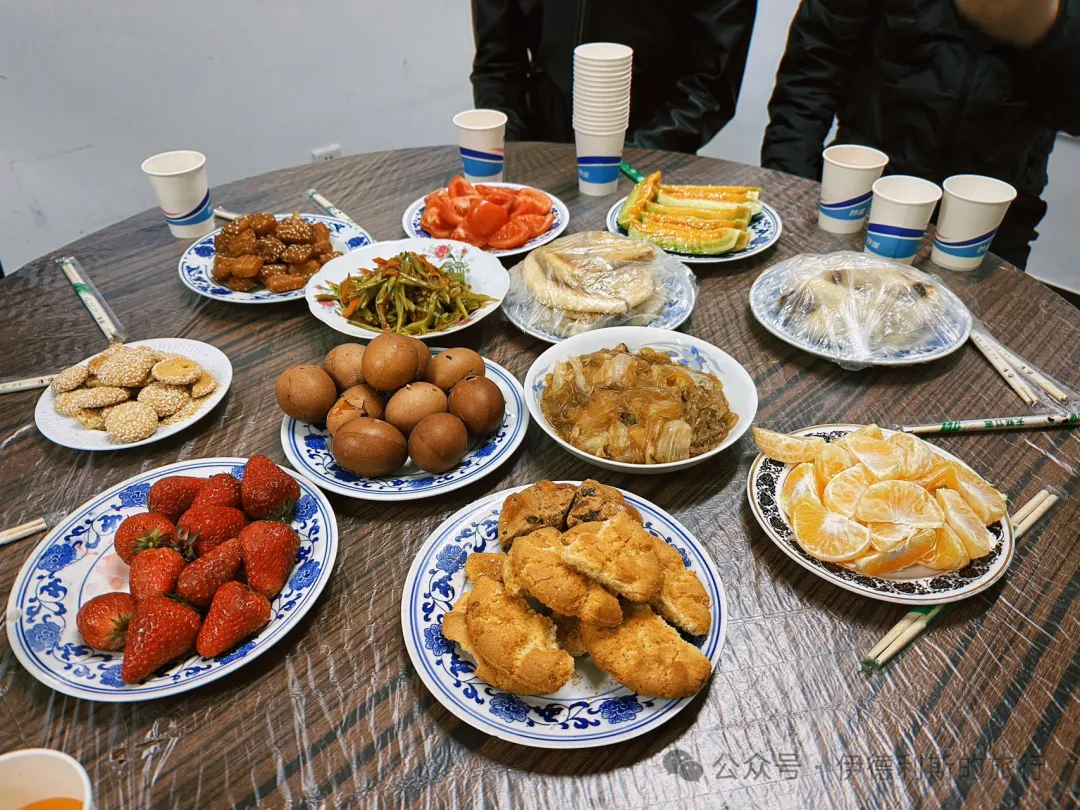
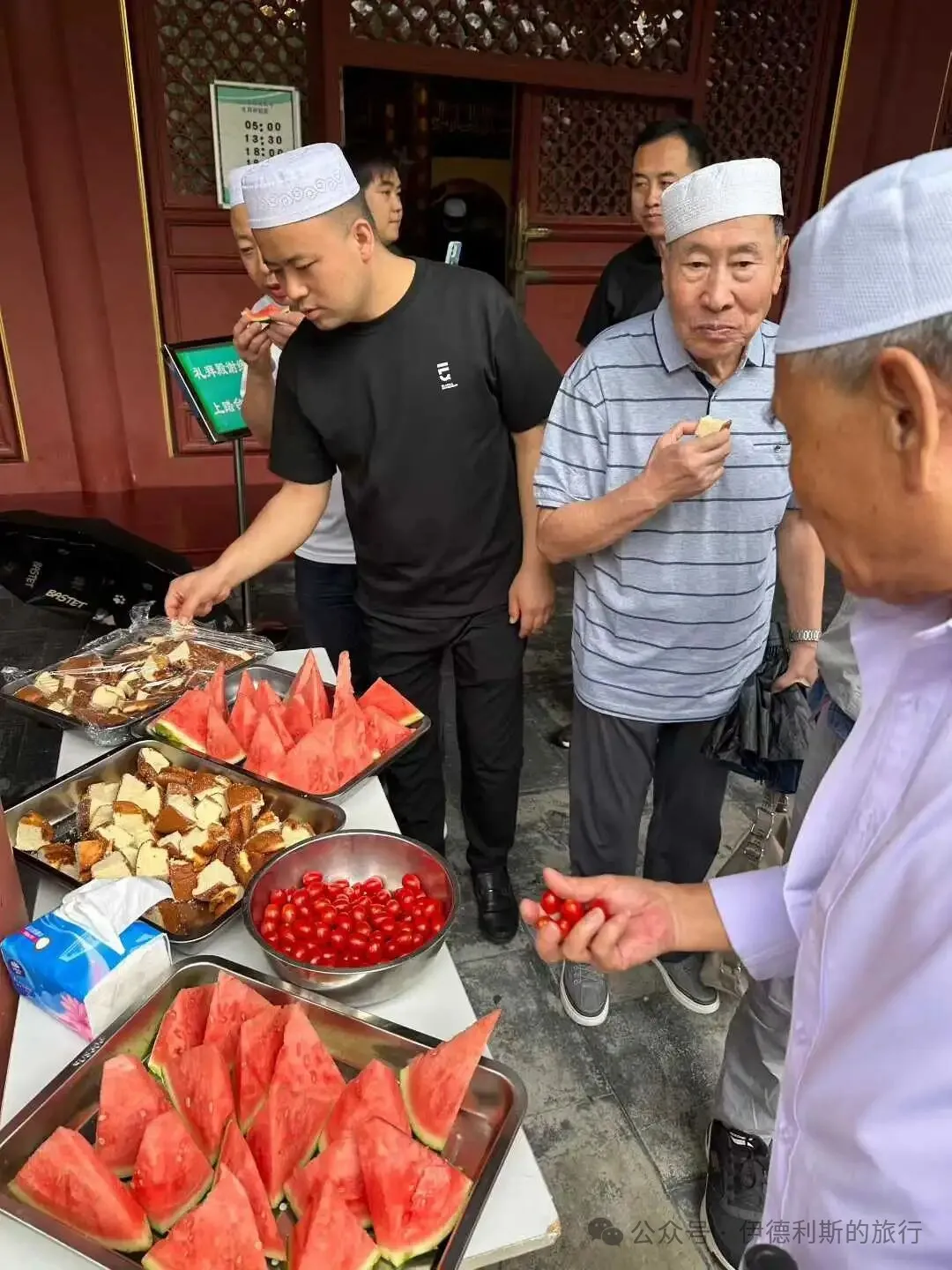
I had an iftar meal at the mosque during Ramadan in 2025.
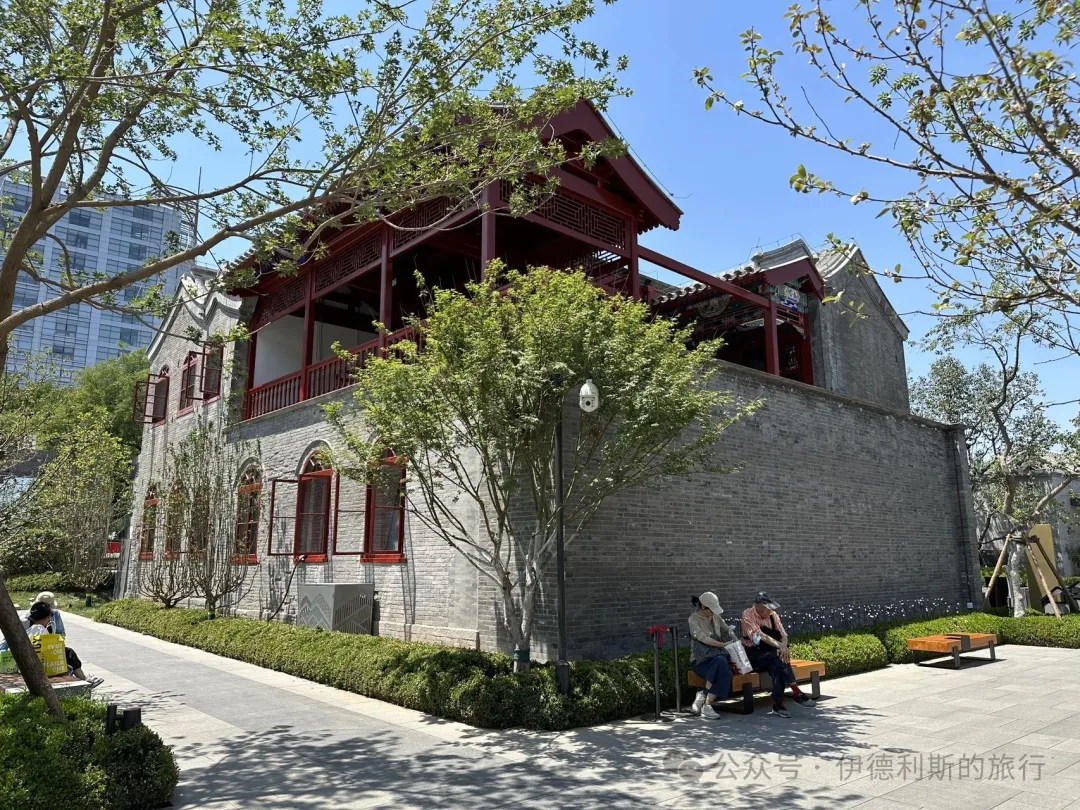
Mishi Hutong Mosque.
Address: Daji Lane West Gate.
Date: Renovated in 1940.
Status: Tea house.
During the Republican era, many friends (dosti) from the Northwest did business in the Xuannan area. In 1927, they donated funds to build Tianqiao Mosque and established the Association of Hui Muslim Fellow Townsmen from the Five Provinces of Shaanxi, Gansu, Qinghai, Ningxia, and Xinjiang in Beijing. After the 1930s, the Northwest dosti gradually settled in the Caishikou area. In 1937, the old Bianyifang restaurant on nearby Mishi Hutong closed down. The Northwest dosti living in Beijing pooled their money to buy the two-story building and officially converted it into Mishi Hutong Mosque in 1940. After that, the Northwest Five Provinces Association moved its office to Mishi Hutong Mosque. Imam Ye Liangpu of Tianqiao Mosque served as the imam for both, and Friday prayers (Jumu'ah) were held at both mosques on a rotating basis.
The street-facing rooms of Mishi Hutong Mosque were bought by a dosti named Qian. The north room of the outer courtyard served as the association office, while the north room of the inner courtyard held a primary school classroom, kitchen, and toilet. The west room by the back door was the water room (wudu area). The second floor of the small building was the main prayer hall. The west room on the first floor was a lecture hall, the north room was the imam's dormitory, the south room was a student lounge, and the north and south rooms in the outer corridor were student dormitories. A glass plaque reading "The Holy Path is Flourishing" (Shengdao Qiyang) hung in the outer corridor. It was donated by the elders of Tianqiao Mosque and inscribed by Zong Zheng.
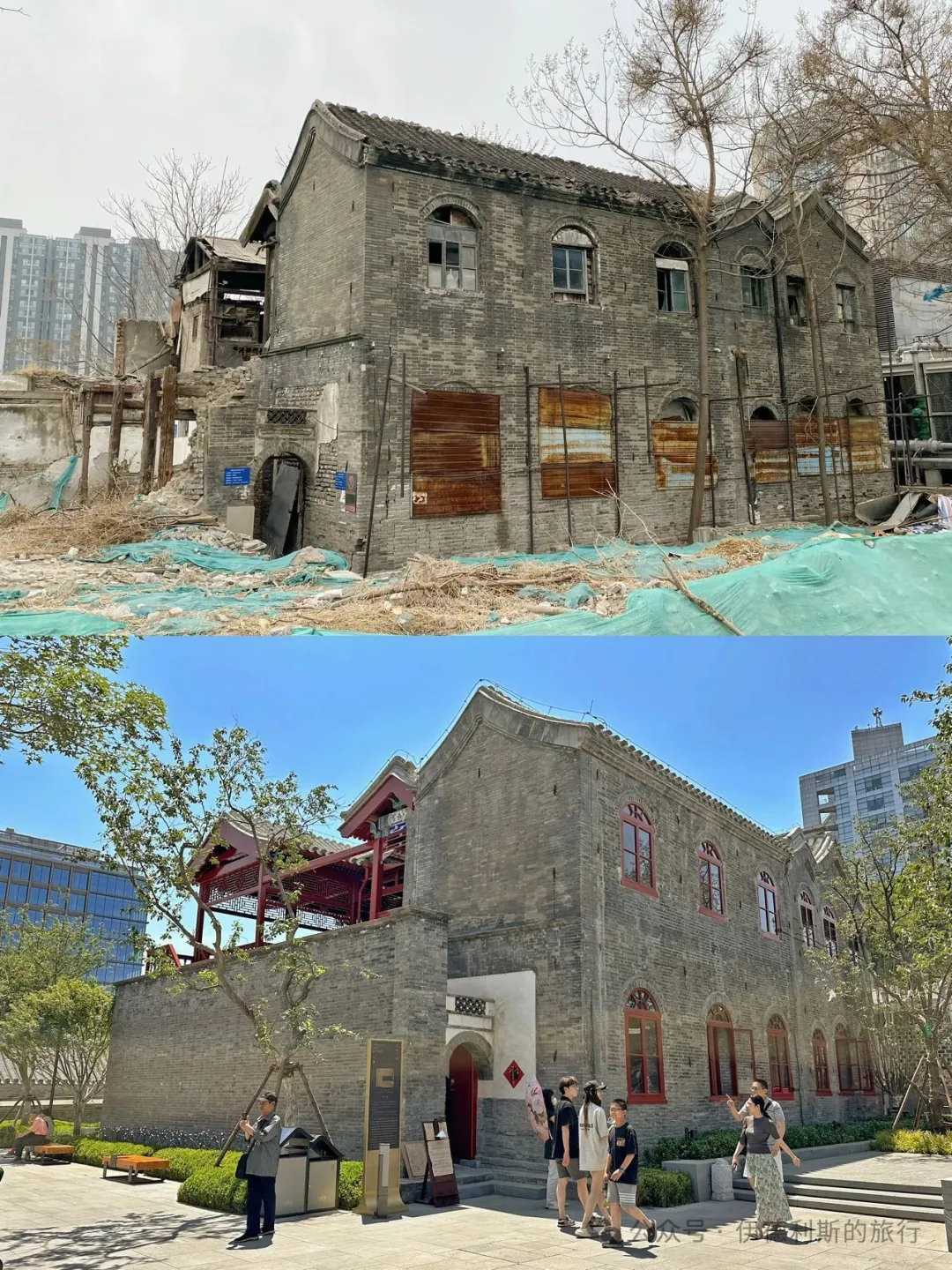
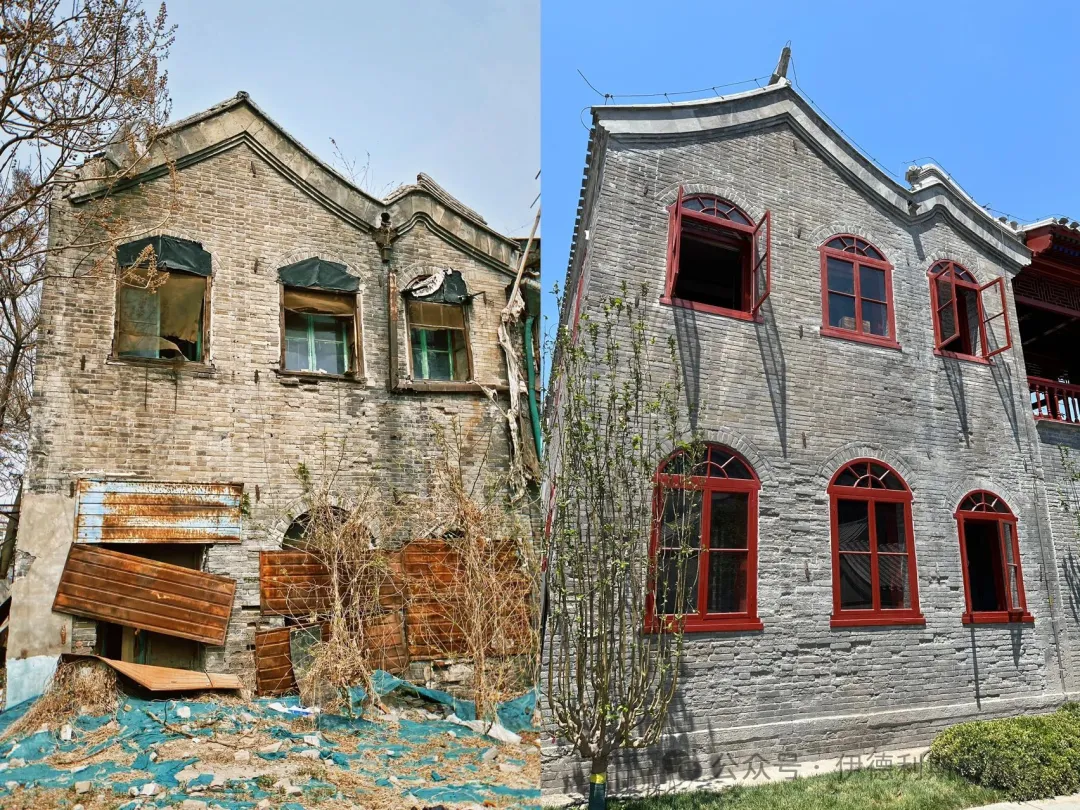
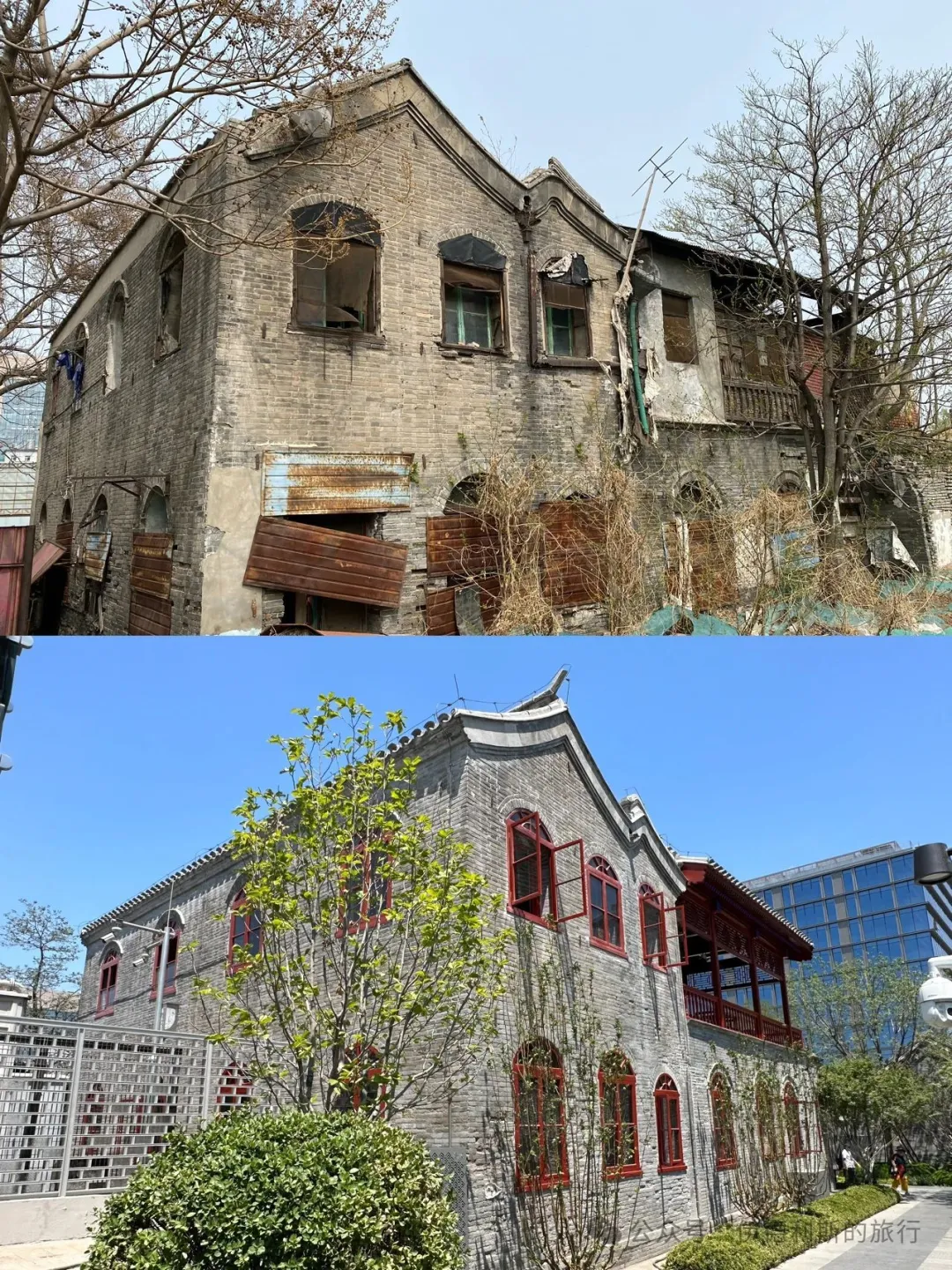
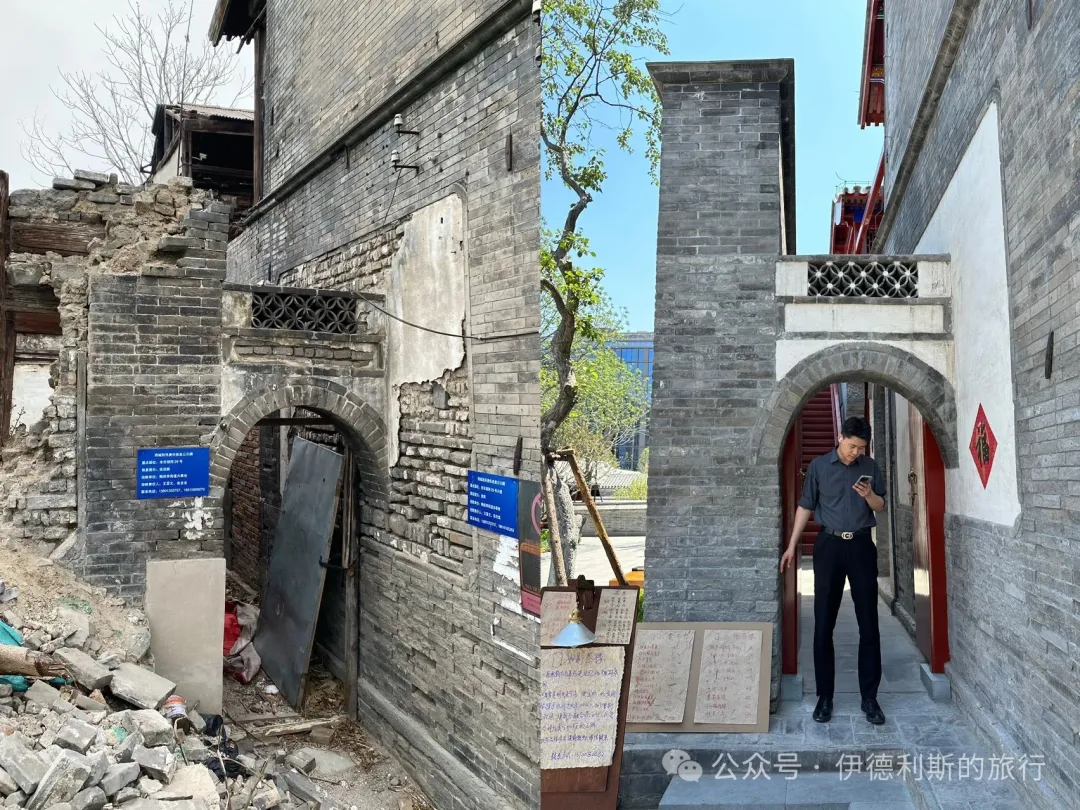
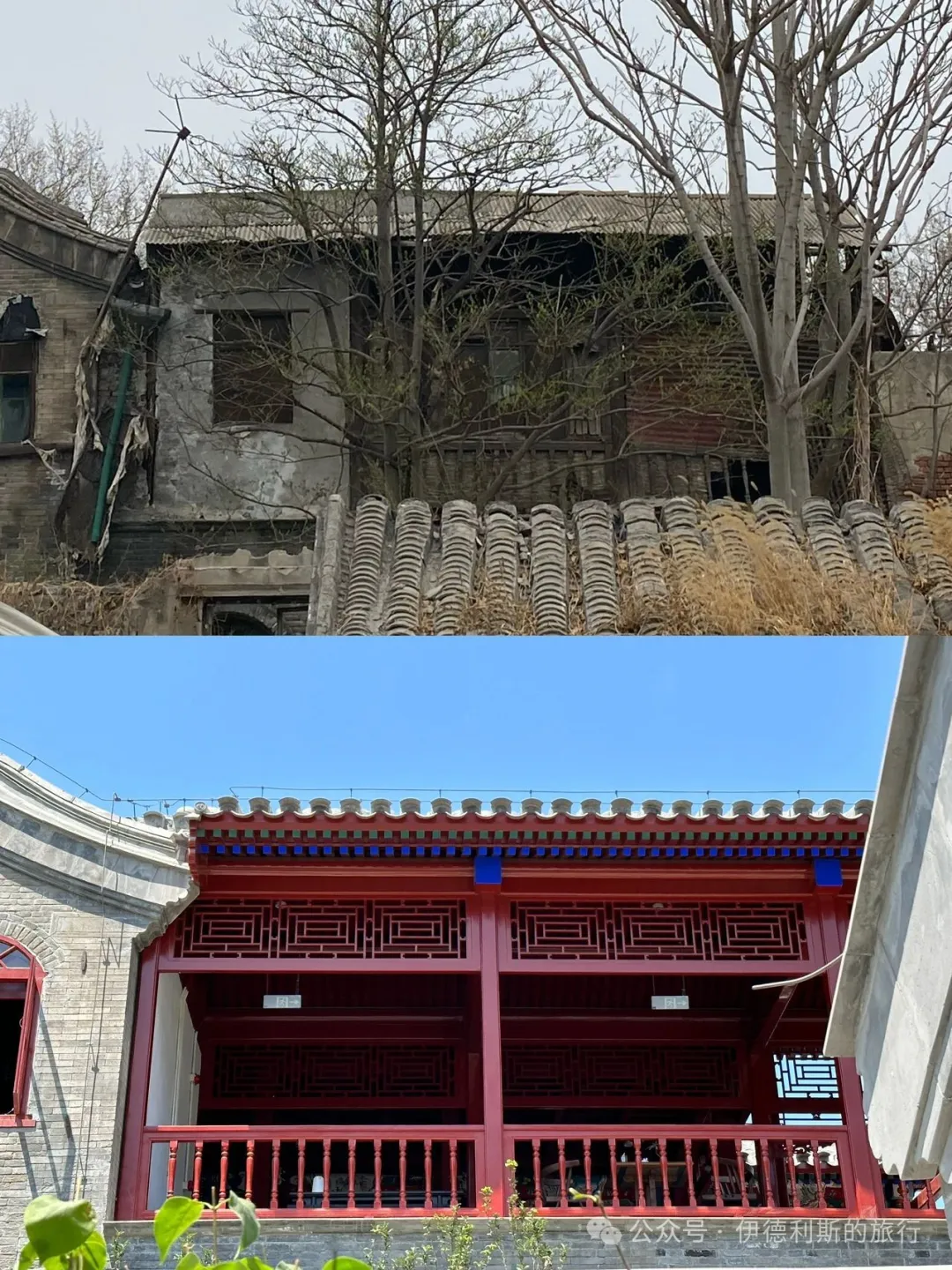
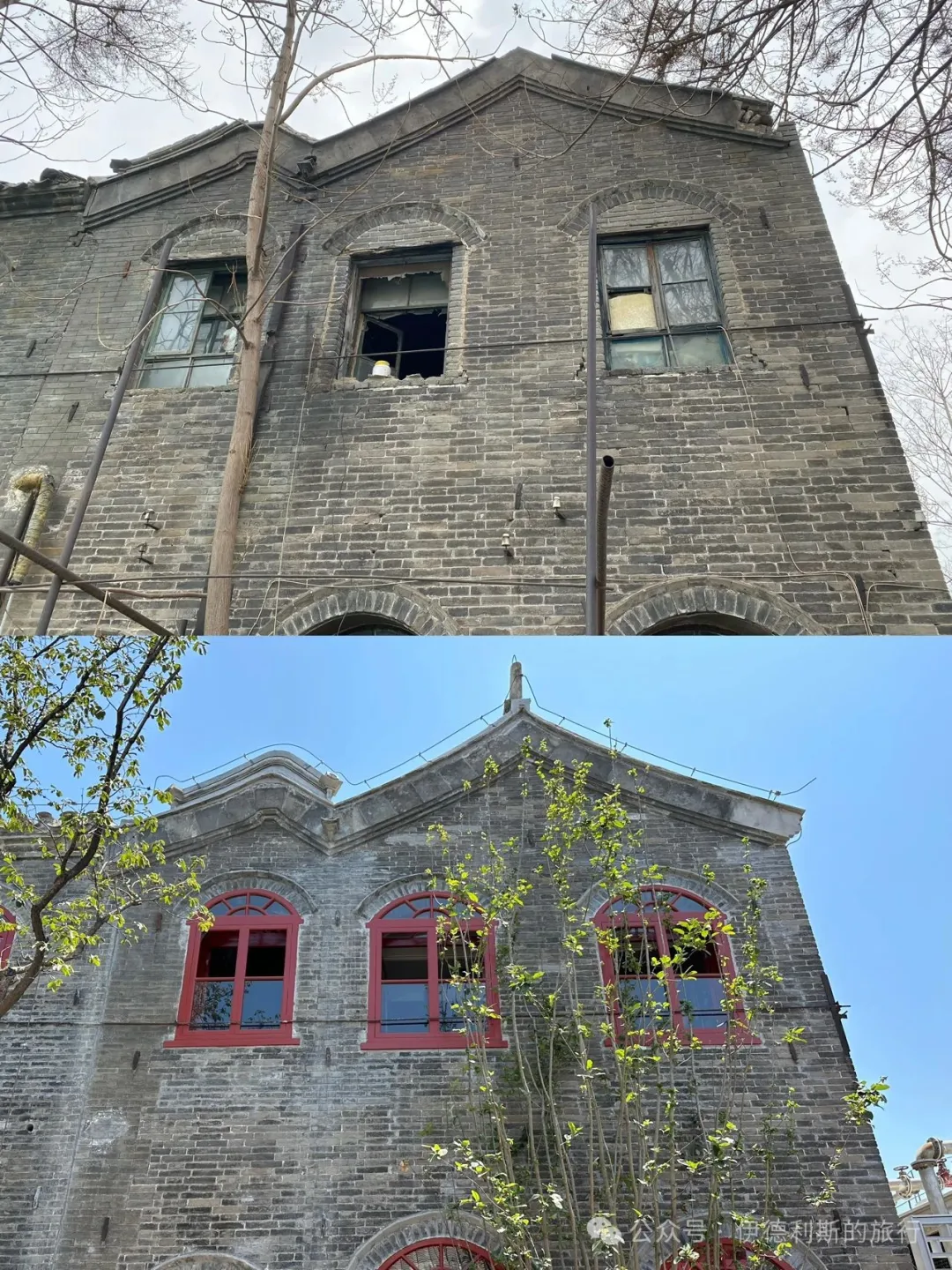
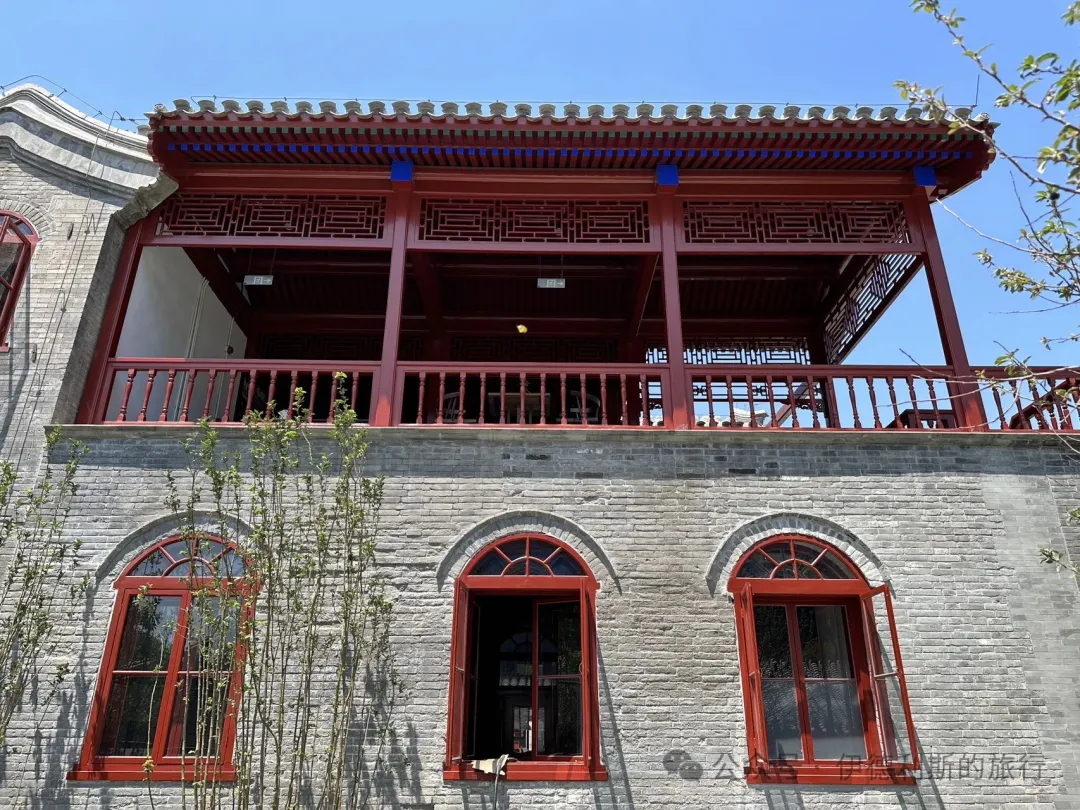
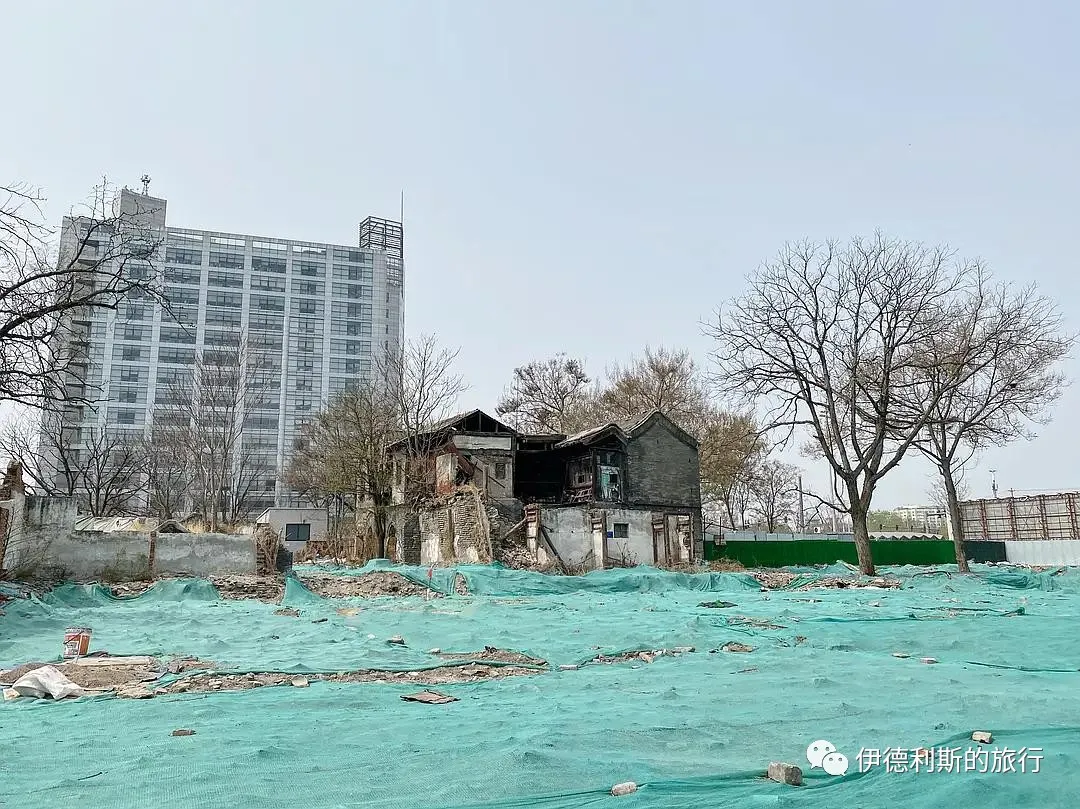
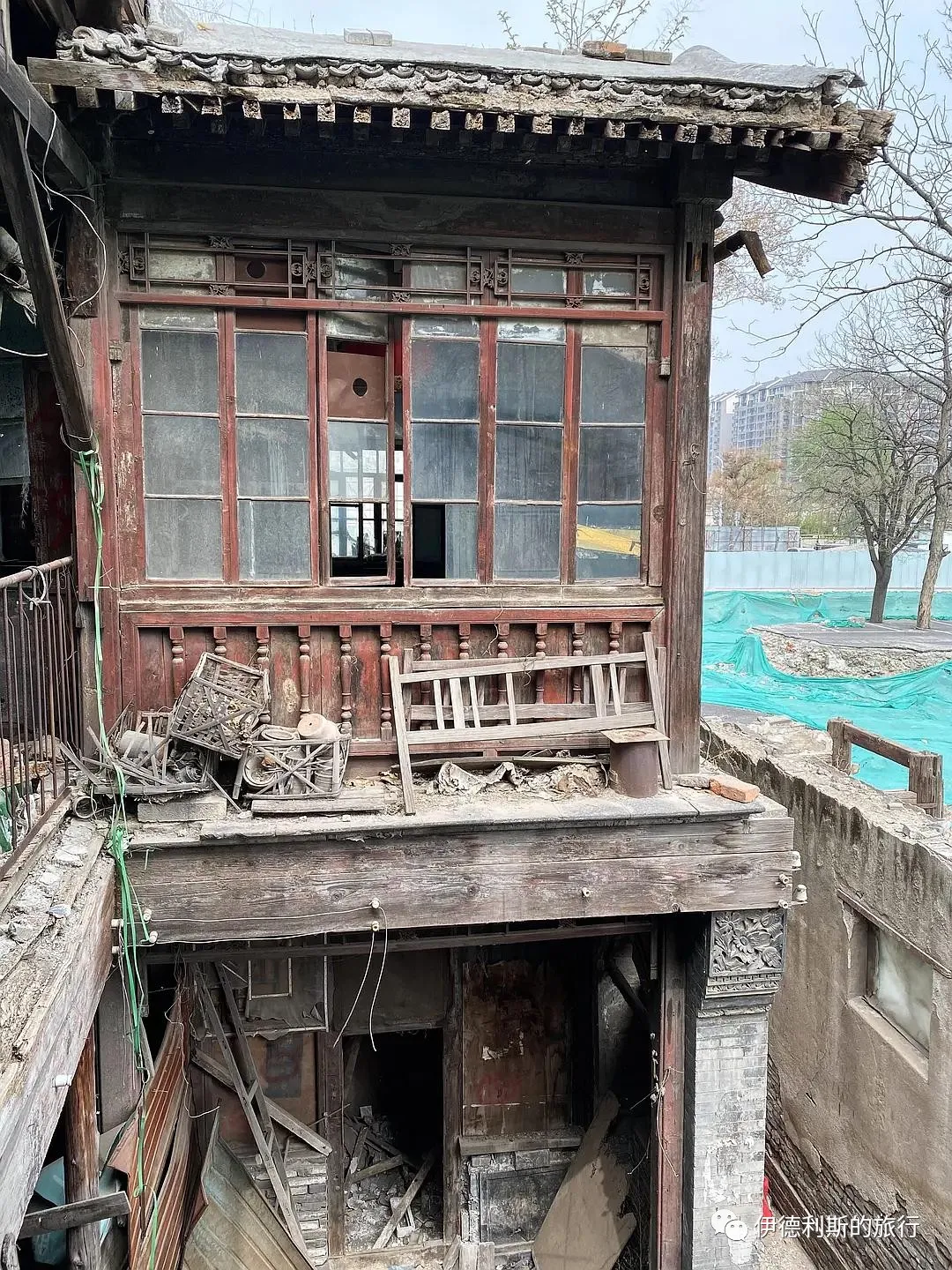
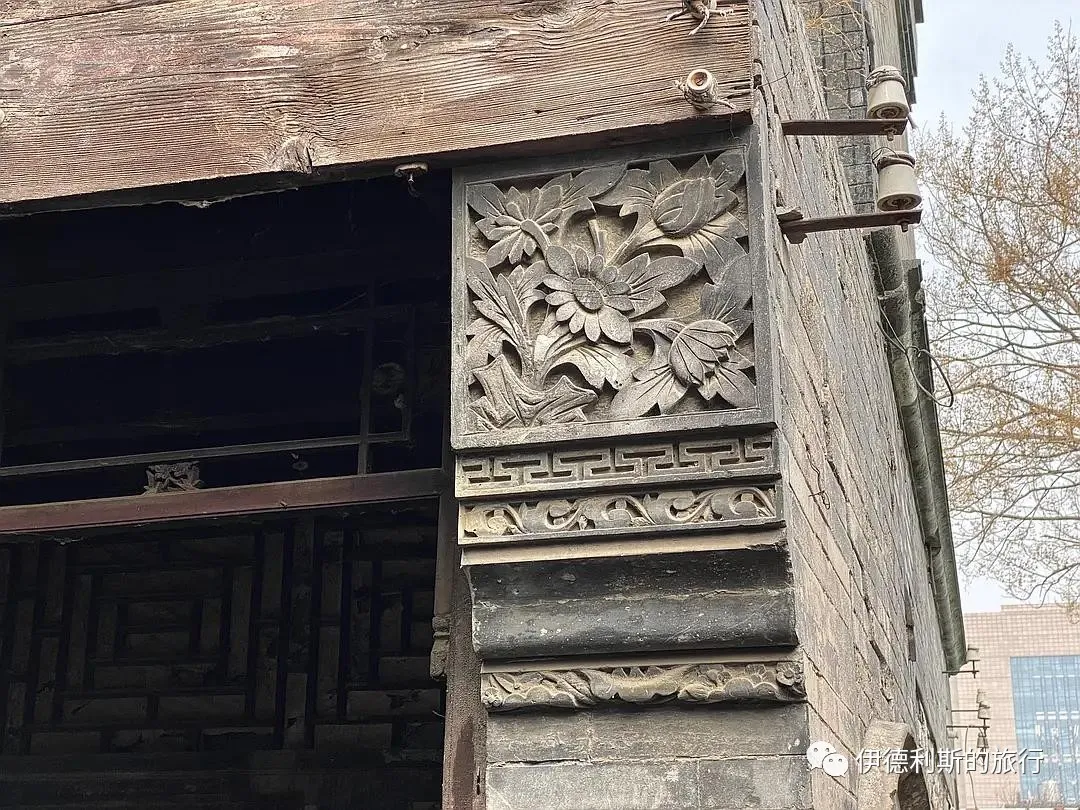
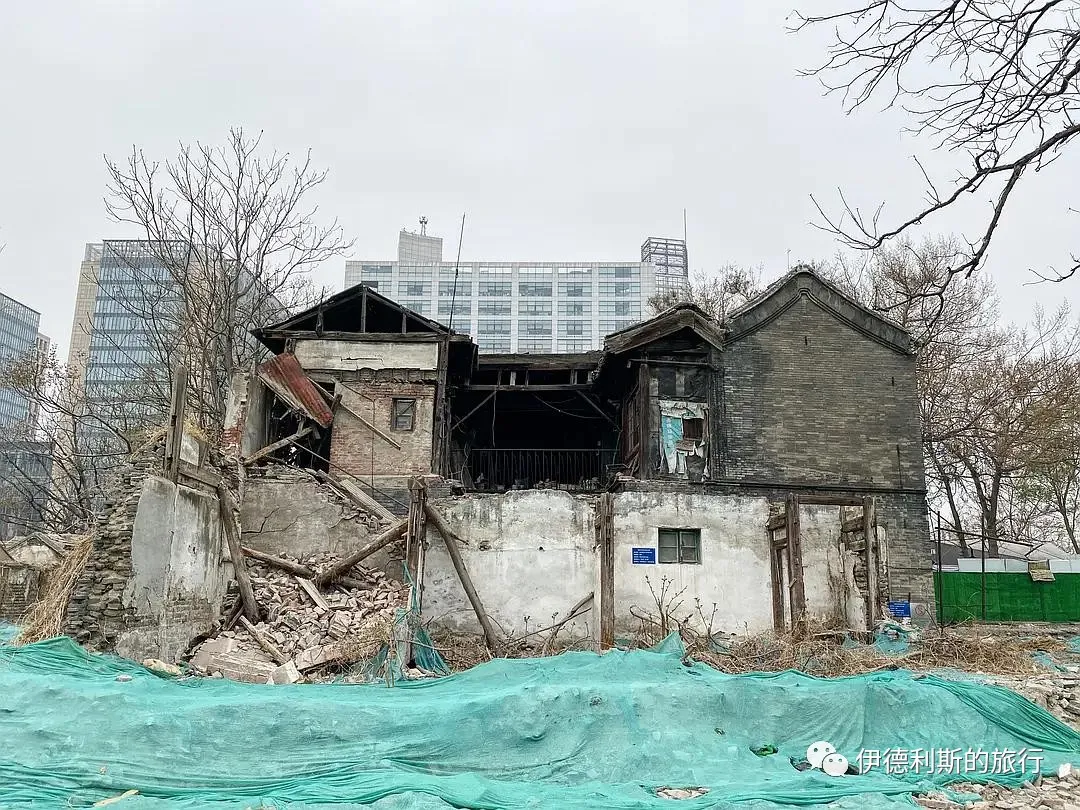
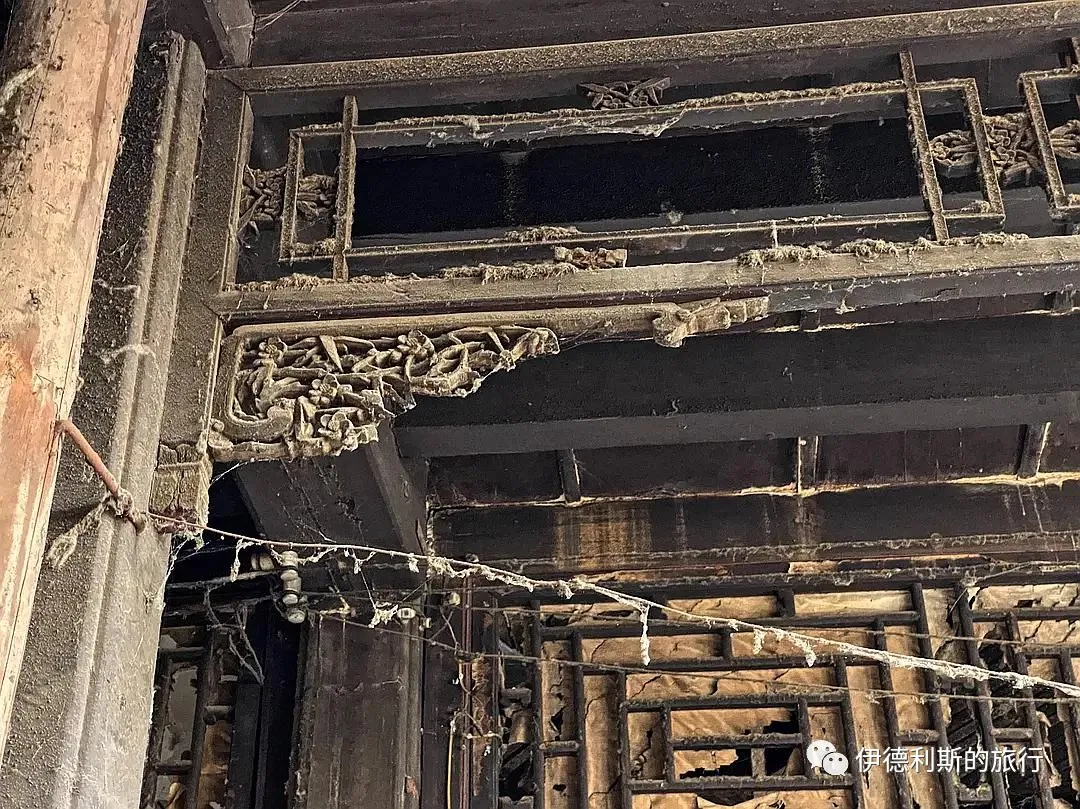
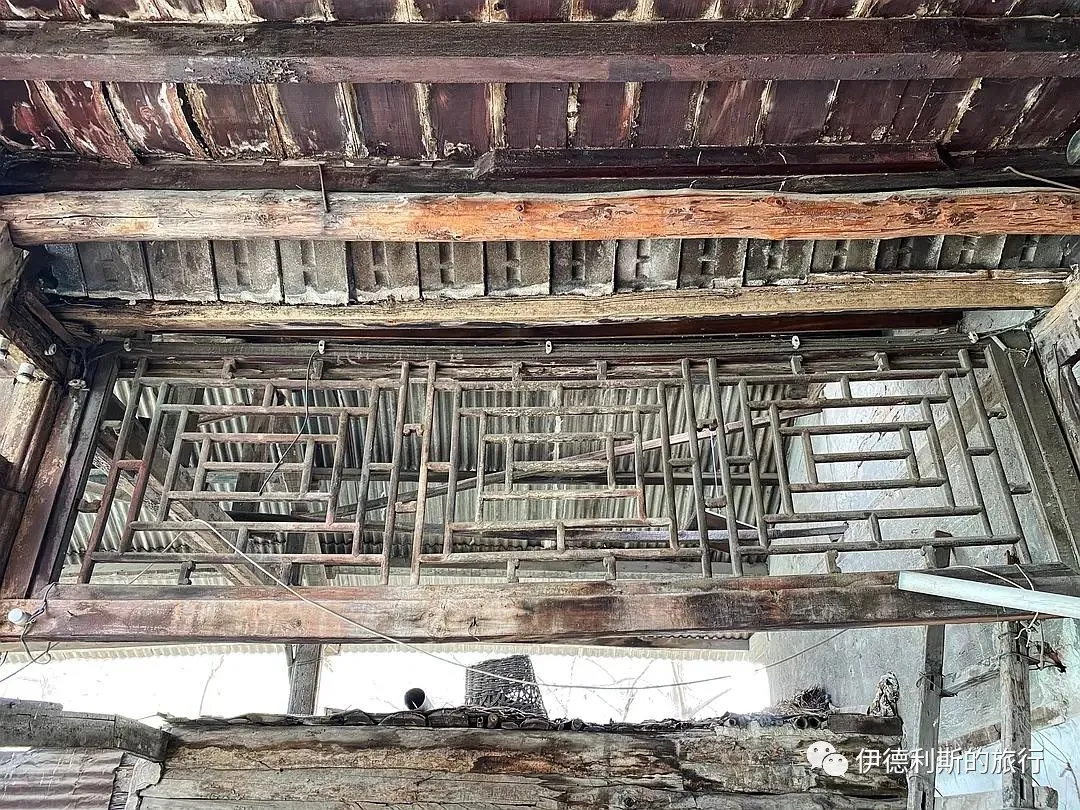
When the Daji area was demolished, all other buildings of Mishi Hutong Mosque were torn down, leaving only the two-story building. The small building was built in the mid-to-late Qing Dynasty. It was originally an "L" shape made of a north building and a west building. When it was converted into a mosque in 1940, three south-facing open porch rooms were added, changing the "L" shape into a "U" shape. At the same time, a two-story flat-roofed open hall was added in the recessed area, connecting with the south porch. This created a semi-enclosed open space on the second floor to serve as the main prayer hall, which was a first for mosques (masjid) at that time.
After the 1960s, Mishi Hutong Mosque was turned into a toy factory dormitory and later became a residential compound. Today, the mosque at Mishi Hutong has become a teahouse. The tea is expensive, and you must book in advance.
Dongsi Mosque
Address: No. 13 Dongsi South Street
Date: Built in 1447 (the 12th year of the Zhengtong reign of the Ming Dynasty)
Status: Open.
Dongsi Mosque was one of the four major official mosques in Beijing during the Ming Dynasty. It was built in 1447 with funds donated by Chen You, a famous Hui Muslim military officer. In 1450, the Jingtai Emperor officially bestowed the name 'Qingzhensi' (Mosque) upon it.
During the Yongle reign, Chen You followed Zhu Di on two northern military campaigns against the Mongols and earned great merit. During the Xuande reign, he mainly worked on pacification efforts along the northern and northwestern borders of the Ming Empire. During the Zhengtong reign, tribute trade between the Ming Dynasty and the Mongols flourished. In 1436, Chen You became an envoy to the Oirat Mongols. Later, he led Oirat envoys to Beijing multiple times to present horses as tribute. Because of his service, he was promoted several times to the position of Assistant Commander of the Imperial Guard. In 1444, Chen You was appointed as a guerrilla general and began patrolling the borders in places like Ningxia. During this time, he defeated the Mongol army, earned significant military honors, and was promoted to Assistant Commissioner of the Rear Chief Military Commission, becoming a high-ranking military officer. He donated the funds to build Dongsi Mosque during this period.
In 1449, war broke out between the Ming Dynasty and the Oirats. Chen You followed the Ming Yingzong Emperor into battle, but they were defeated and the Emperor was captured. During the critical defense of Beijing, Chen You fought bravely, earned military merit, and was promoted to Vice Commissioner of the Rear Chief Military Commission. In 1450, the Jingtai Emperor sent Chen You to the Guizhou and Huguang regions to suppress the Miao uprising. He was promoted twice for his military achievements. It was during this time that the Jingtai Emperor bestowed the 'Qingzhensi' plaque upon Dongsi Mosque.
Because of his outstanding military service, Chen You was granted the title of Earl of Wuping in 1457, a title his descendants inherited. Afterward, Chen's descendants often served as officers in Beijing military camps and funded the repairs of several old mosques, including those in Dingzhou and Yizhou, Hebei.
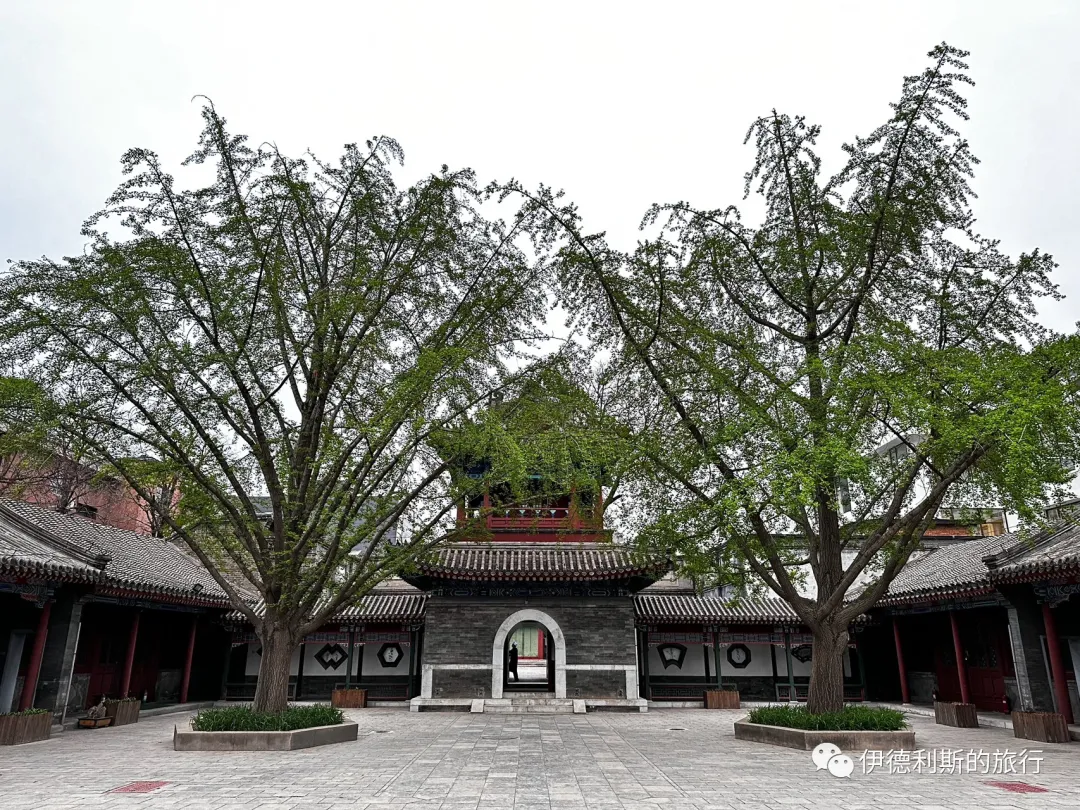
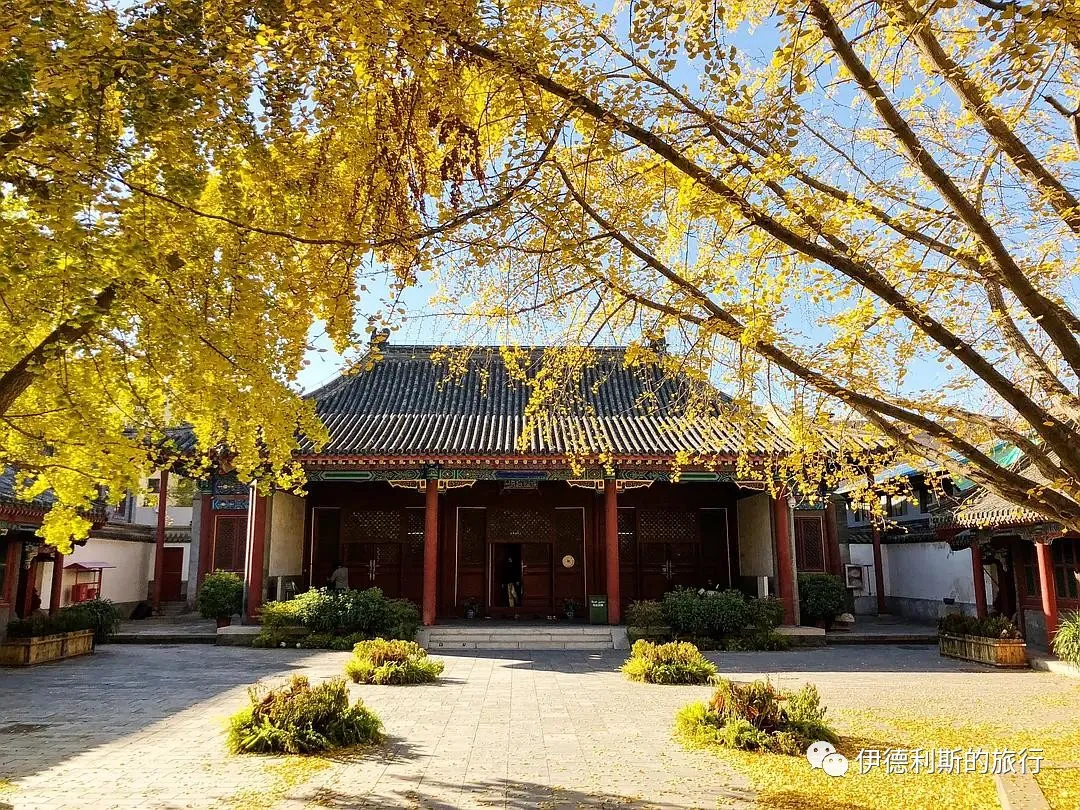
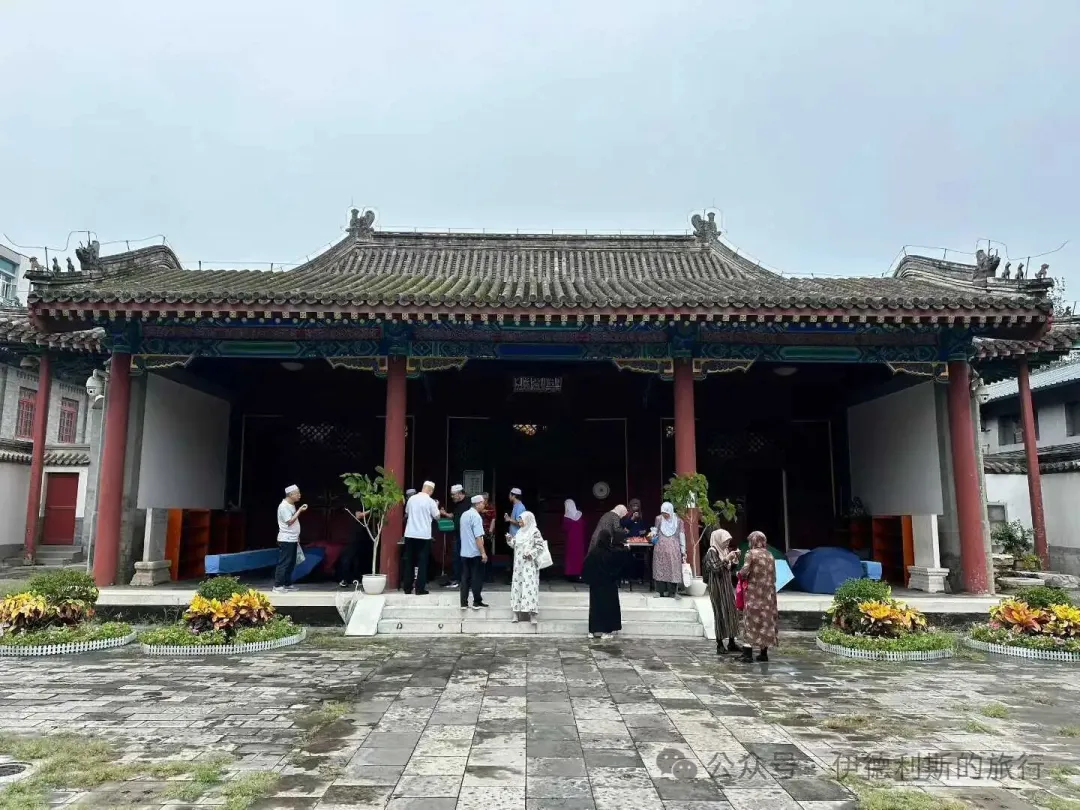
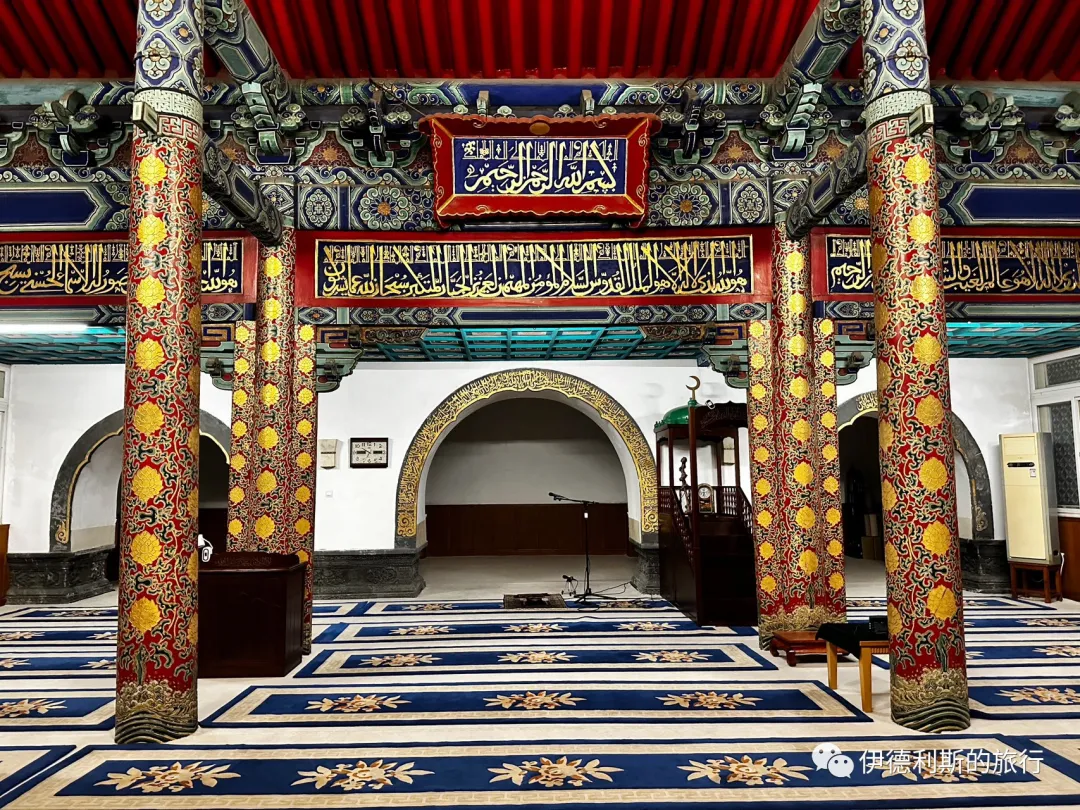
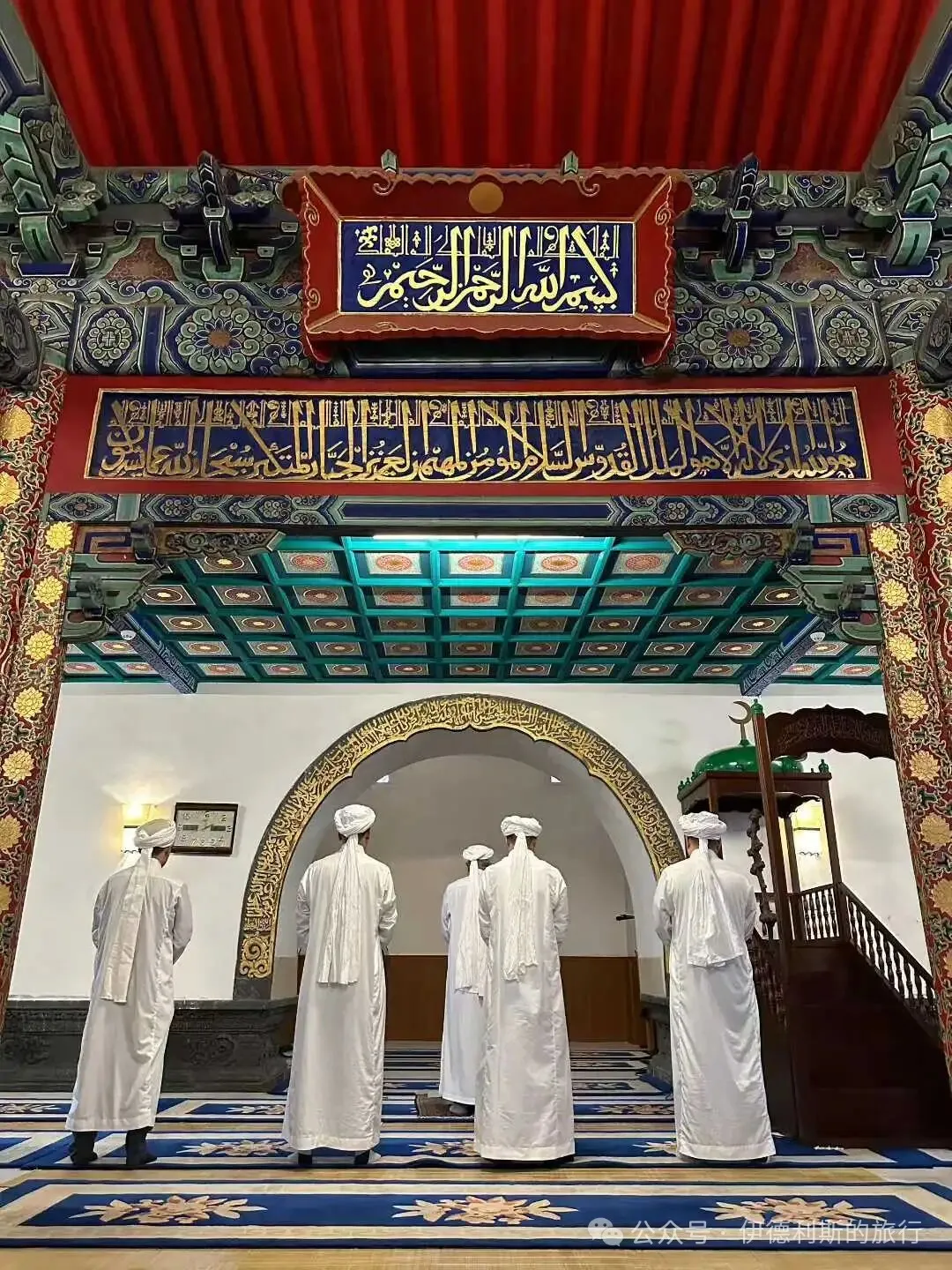
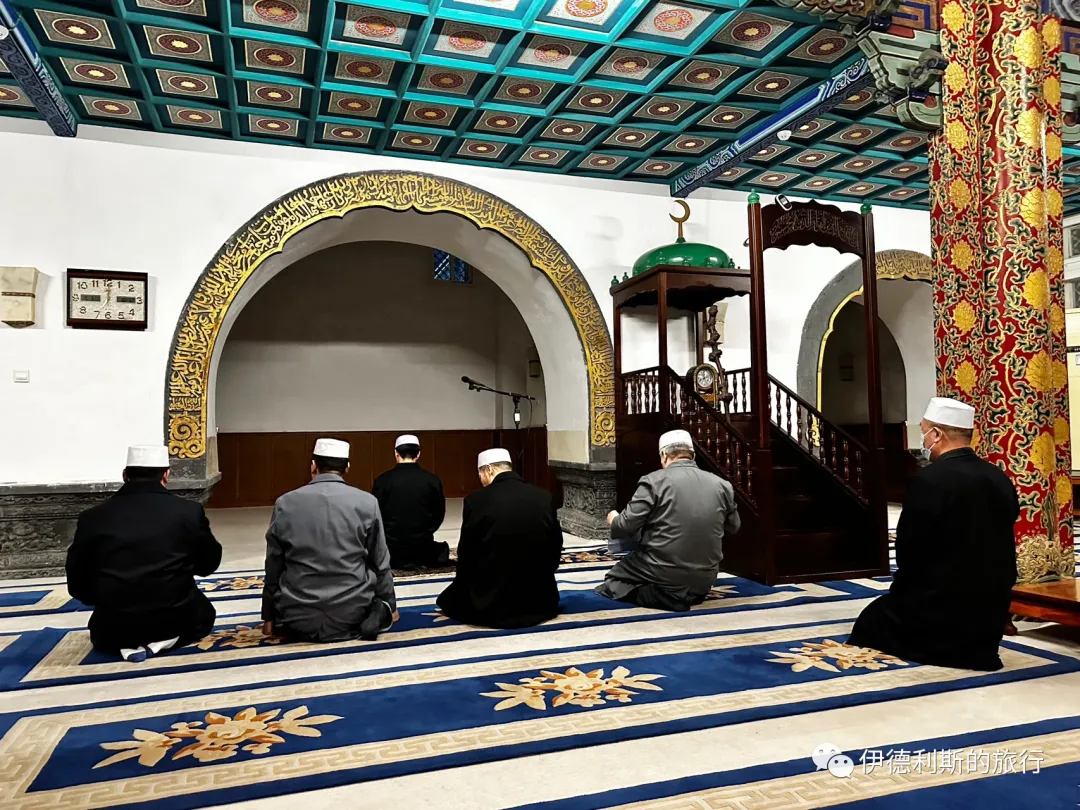
Historical Records of Dongsi Mosque
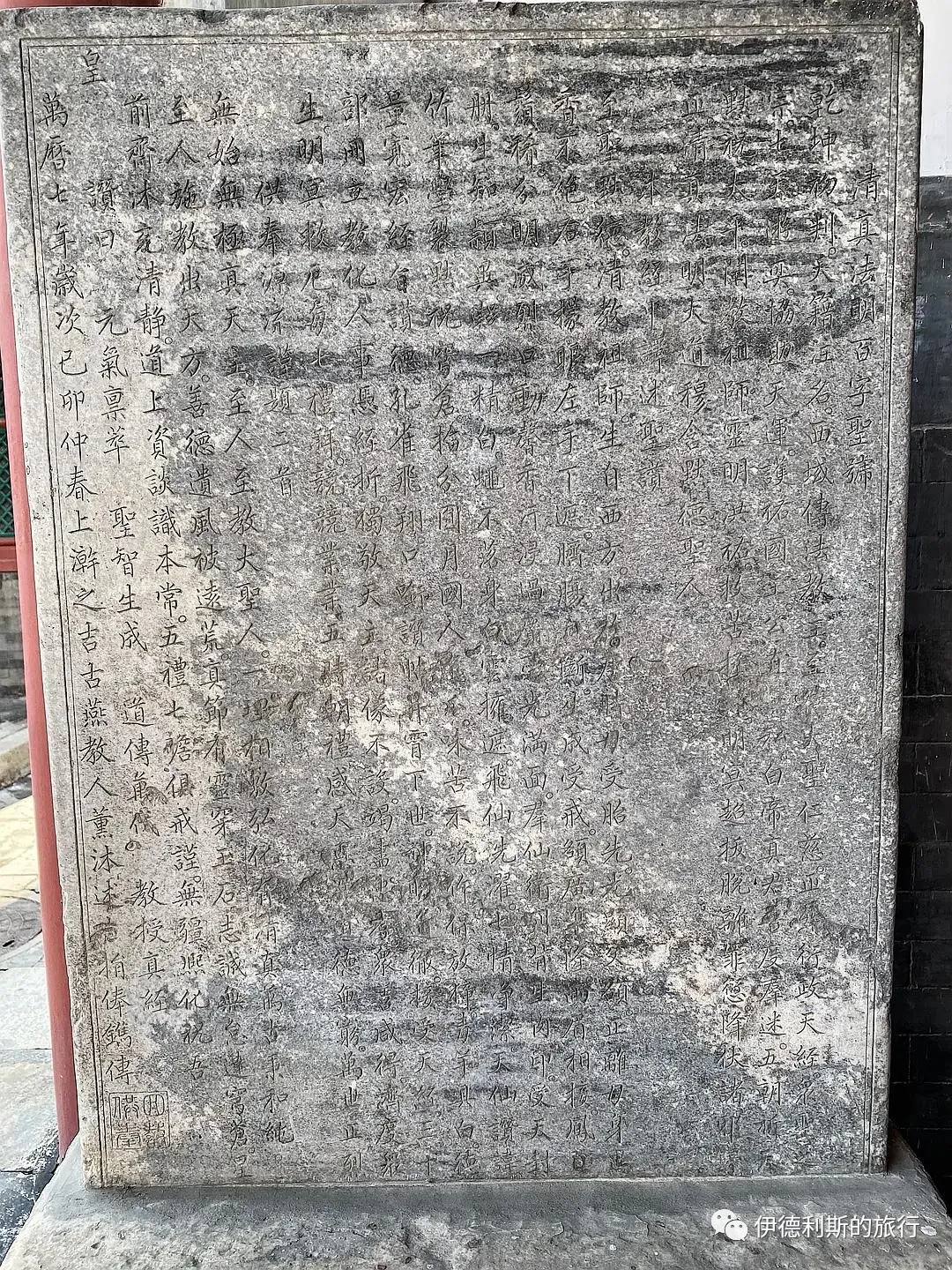
In front of the main hall of Dongsi Mosque stands a stone tablet erected in 1579, titled 'The Hundred-Character Praise of the Islamic Faith' (Qingzhen Faming Baizi Shengzan). The text is largely similar to the 'Hundred-Character Praise of the Prophet' (Yuzhi Zhisheng Baizi Zan) written by the Hongwu Emperor. It is signed by a person who described themselves as a follower of the faith in ancient Yan who bathed and wrote this with donated salary. The side of the tablet is inscribed with the name of a military official from the Shandong Regional Military Commission. This unassuming stone tablet is the only remaining relic of the Ming Dynasty's imperial Faming Mosque. People say after a fire at Faming Mosque in the early Qing Dynasty, the tablet was moved to Dongsi Mosque.
Faming Mosque was located at No. 43 Jiaodaokou North Second Alley inside Andingmen. Its old address was No. 22 Andingmen Inner Great Second Alley, so it was also called the Great Second Alley Mosque. Faming Mosque is said to have been built in 1348 and was originally called a mosque. After being rebuilt in 1448, it was officially named Faming Mosque. Along with Dongsi Mosque, Niujie Mosque, and Pushou Mosque inside Fuchengmen, it was known as one of the 'Four Major Official Mosques of Ming Dynasty Beijing'. Official mosques refer to those where the imam of the mosque received an official certificate (zhafu) issued by the Department of Sacrificial Rites under the Ministry of Rites. According to Wang Daiyu in the True Explanation of the Orthodox Faith (Zhengjiao Zhenquan), after receiving the certificate, the imam was honored with official robes and exempted from corvee labor.
Faming Mosque was renovated many times during the Ming, Qing, and Republican periods, but it kept its Ming dynasty layout, which is quite similar to the Dongsi Mosque. On the Complete Map of the Qianlong Capital (Qianlong Jingcheng Quantu) finished in 1750 (the 15th year of the Qianlong reign), you can see that the main part of Faming Mosque consisted of a main prayer hall, north and south lecture halls, and a minaret (bangkelou). Like the Dongsi Mosque, the main hall of Faming Mosque consists of a front porch, a central hip-roofed hall, and a rear kiln-style hall, though it is slightly smaller in size. In 1966, Faming Mosque was occupied by a factory and later turned into a school. In 1984, the 600-year-old mosque was demolished by Jiaodaokou Middle School to make room for a classroom building and playground. Today, it is the Andingmen campus of the 22nd Middle School and a dormitory for the Sixth Hospital.
Huashi Mosque
Location: No. 80 Huashi West Street
Date: Founded in 1414 (the 12th year of the Yongle reign of the Ming dynasty)
Status: Open.
Huashi Mosque was founded in 1414 (the 12th year of the Yongle reign), renovated in 1628 (the first year of the Chongzhen reign), renovated again in 1702 (the 41st year of the Kangxi reign), and had an imperial stele pavilion built in 1729 (the 7th year of the Yongzheng reign). Local legend says that the Ming general Chang Yuchun shot an arrow to mark the site, ordered a residence to be built within the range of the arrow, and it was later converted from a residence into a mosque.
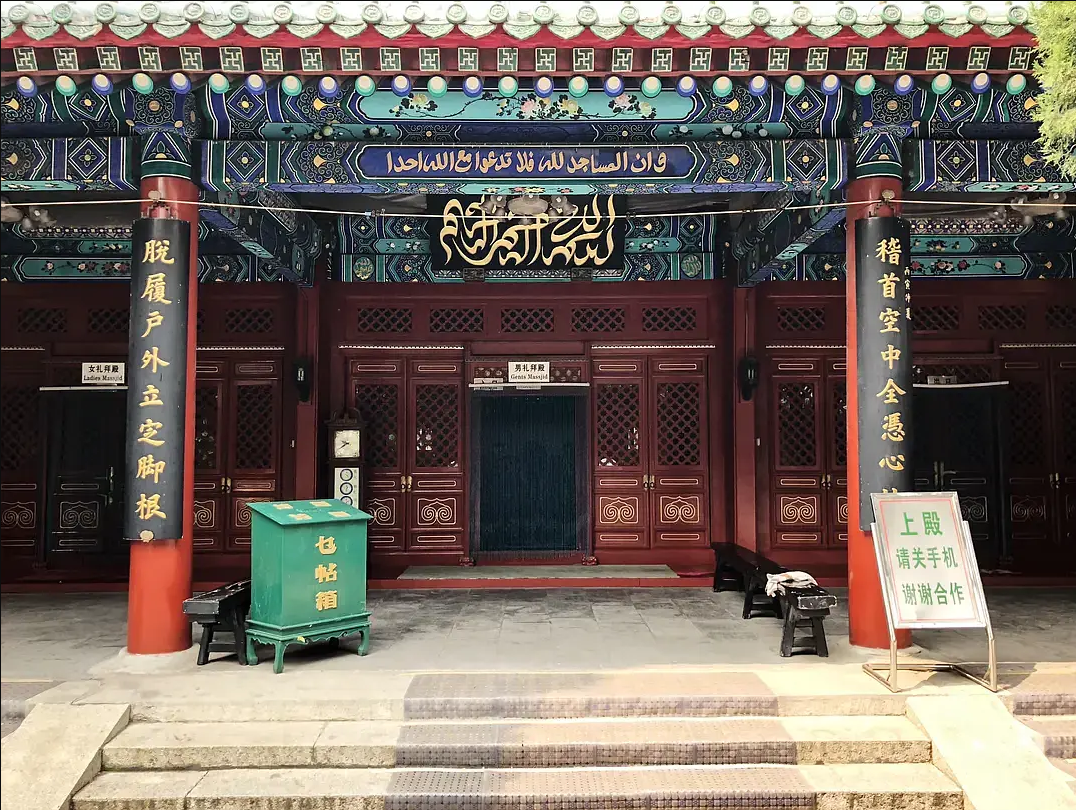
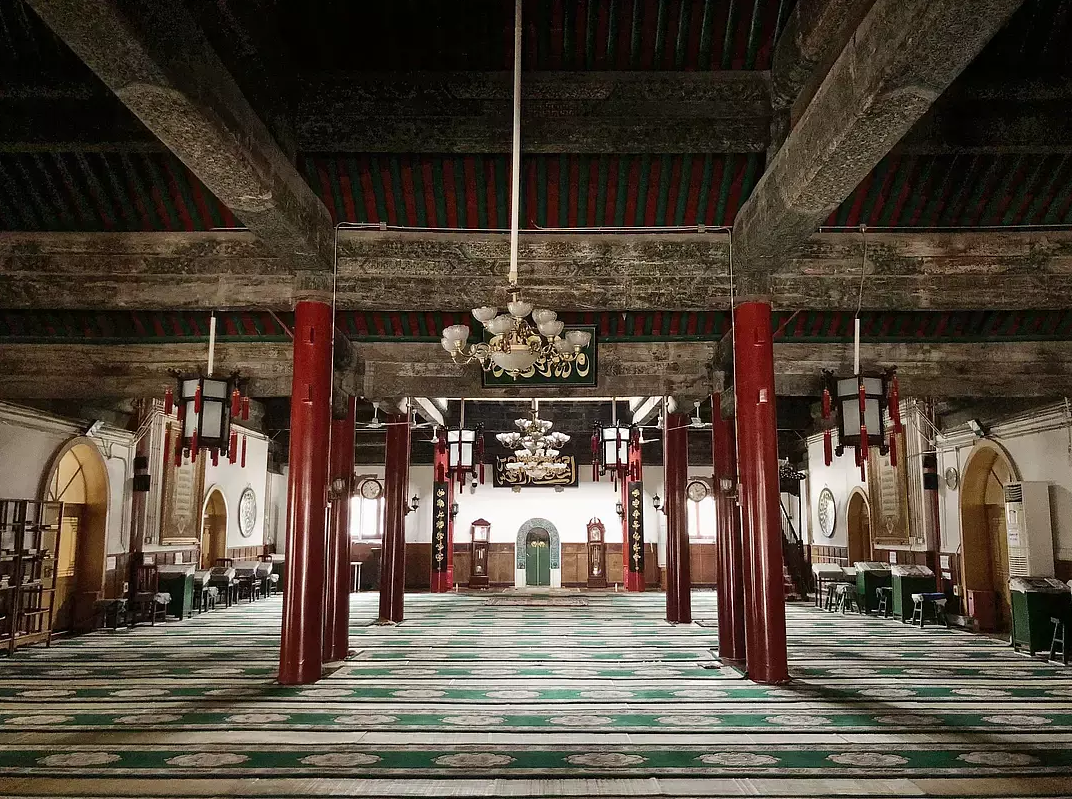
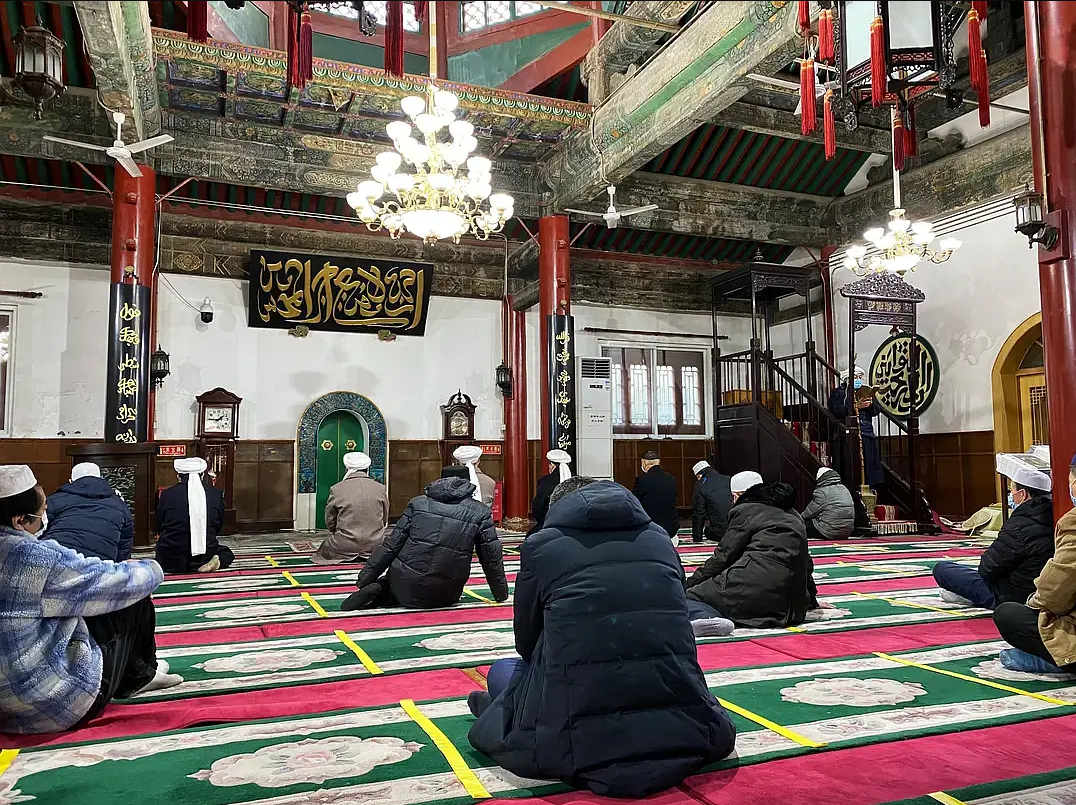
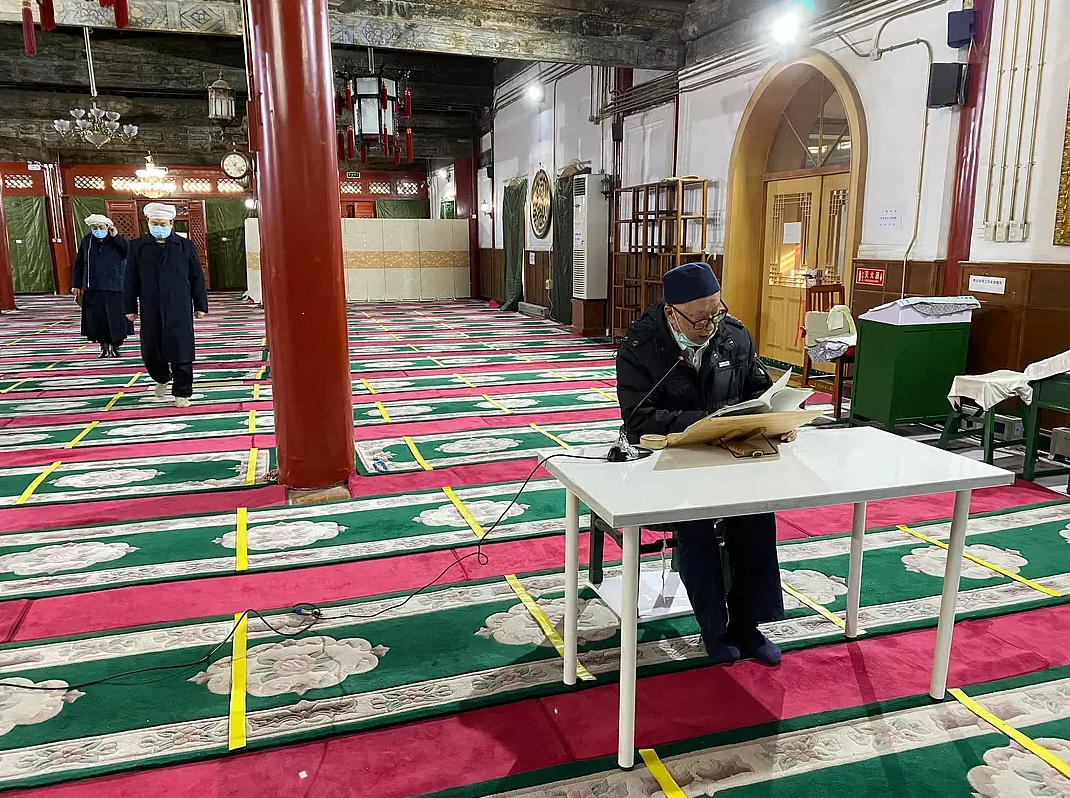
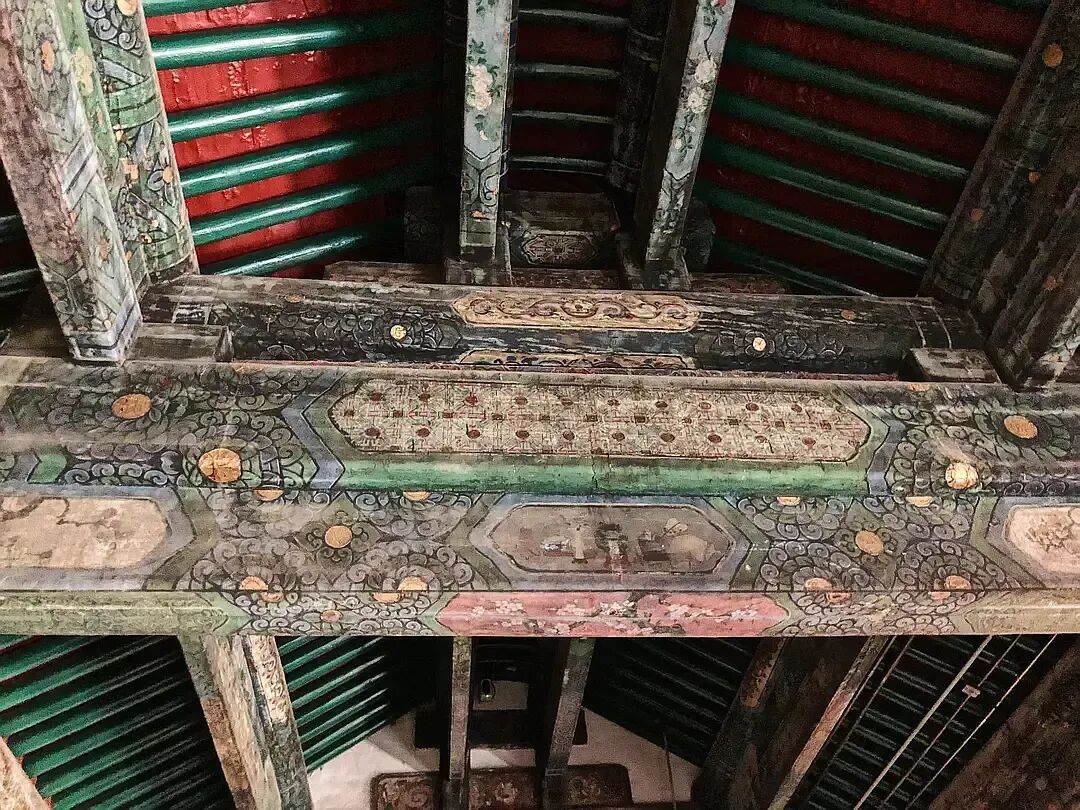
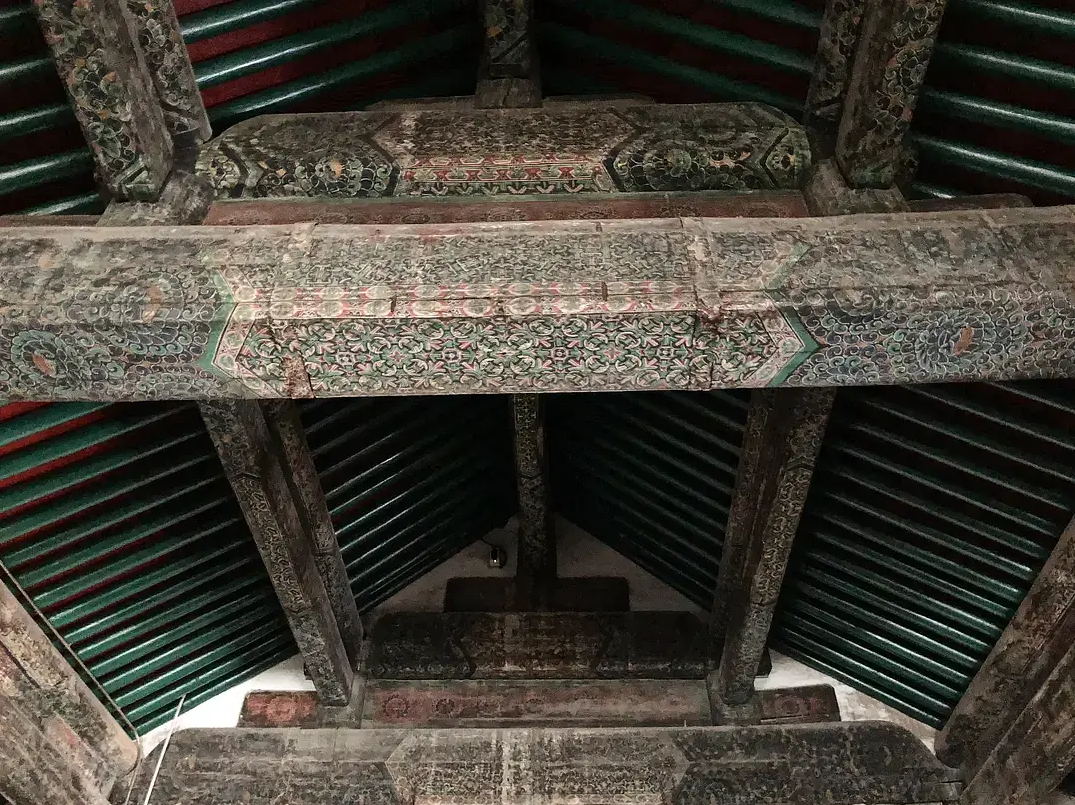
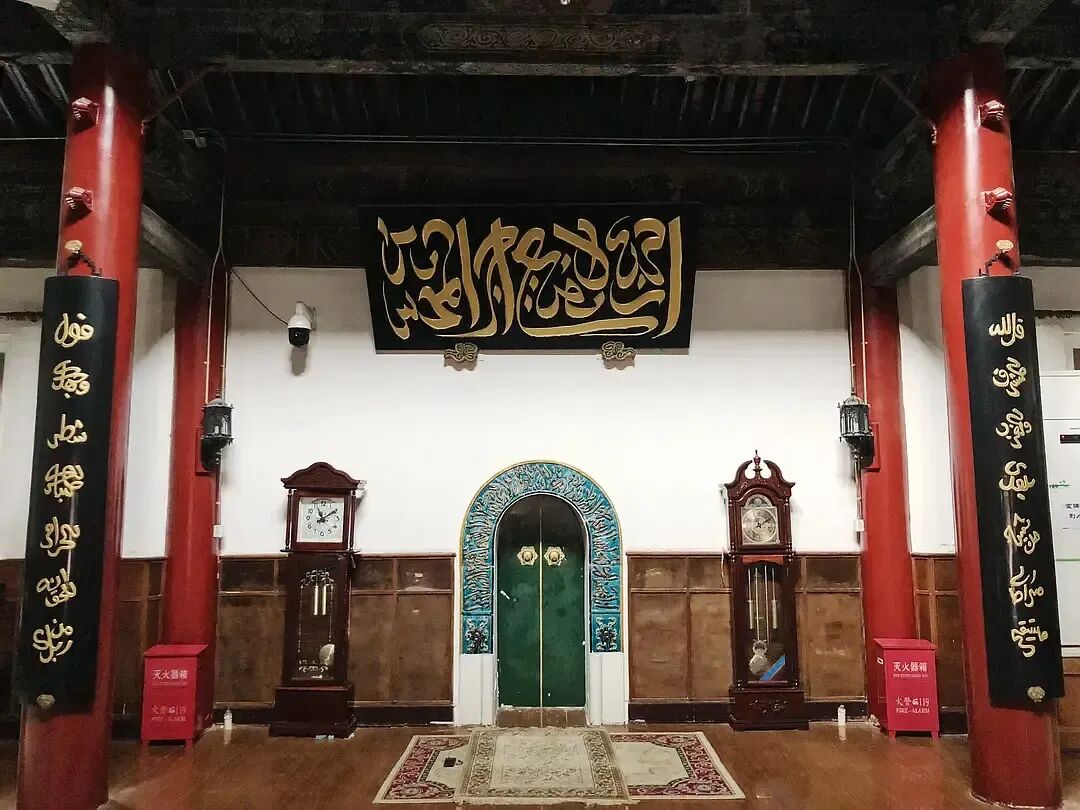
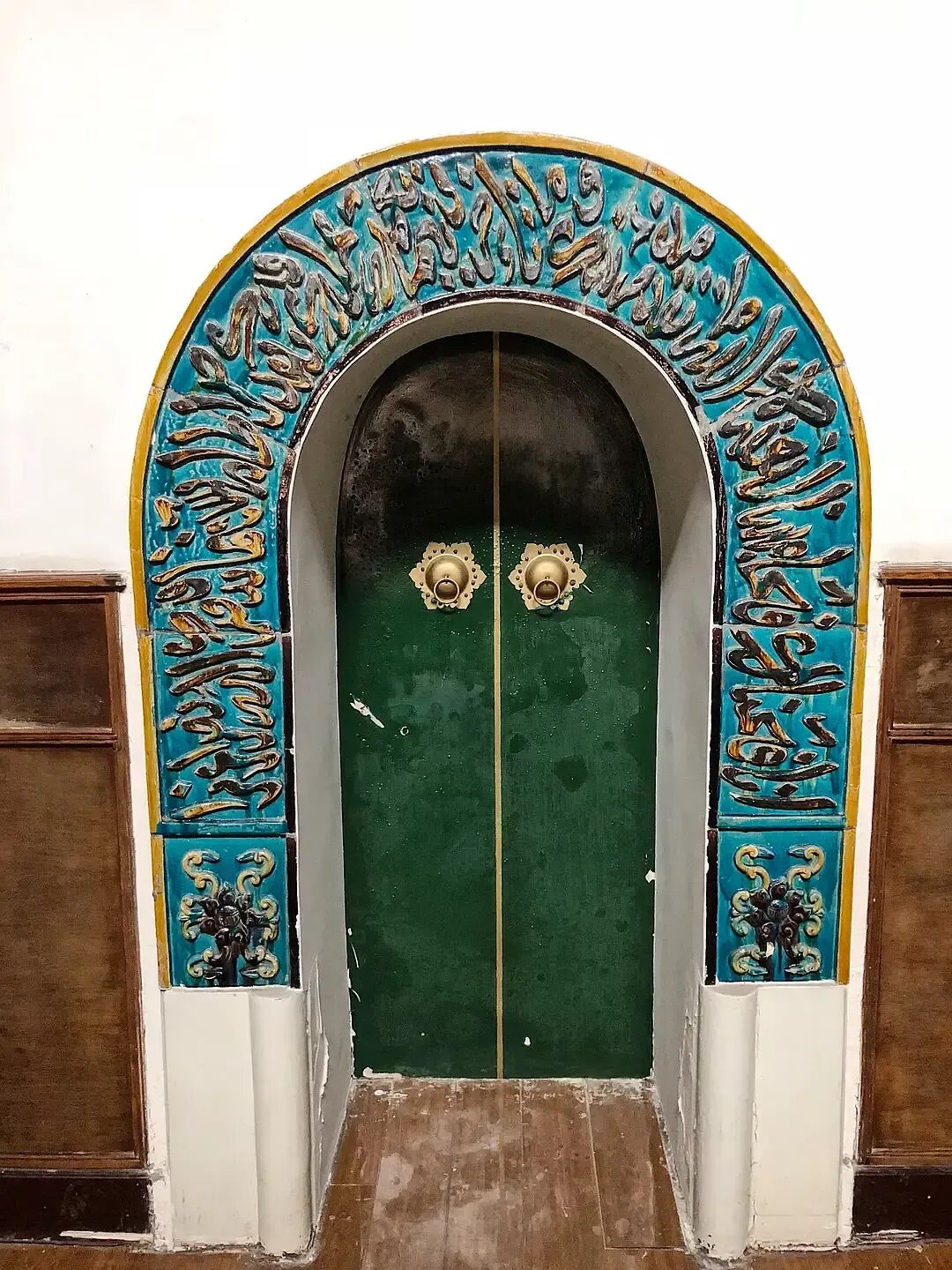
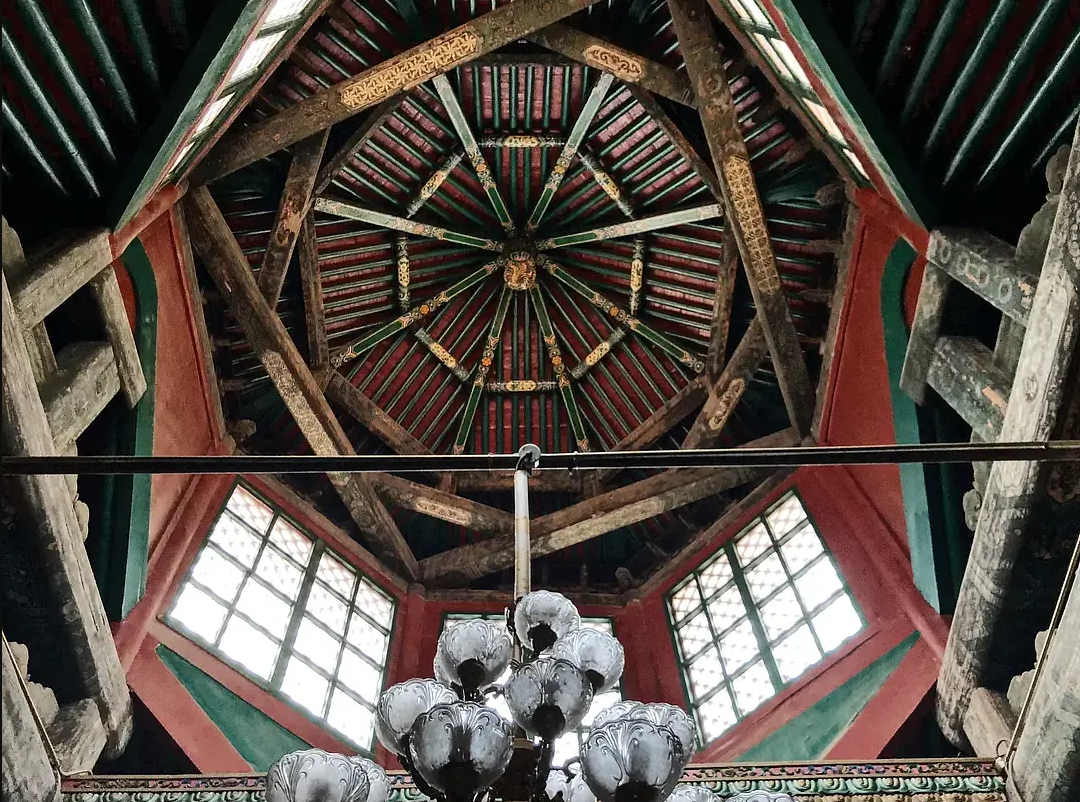
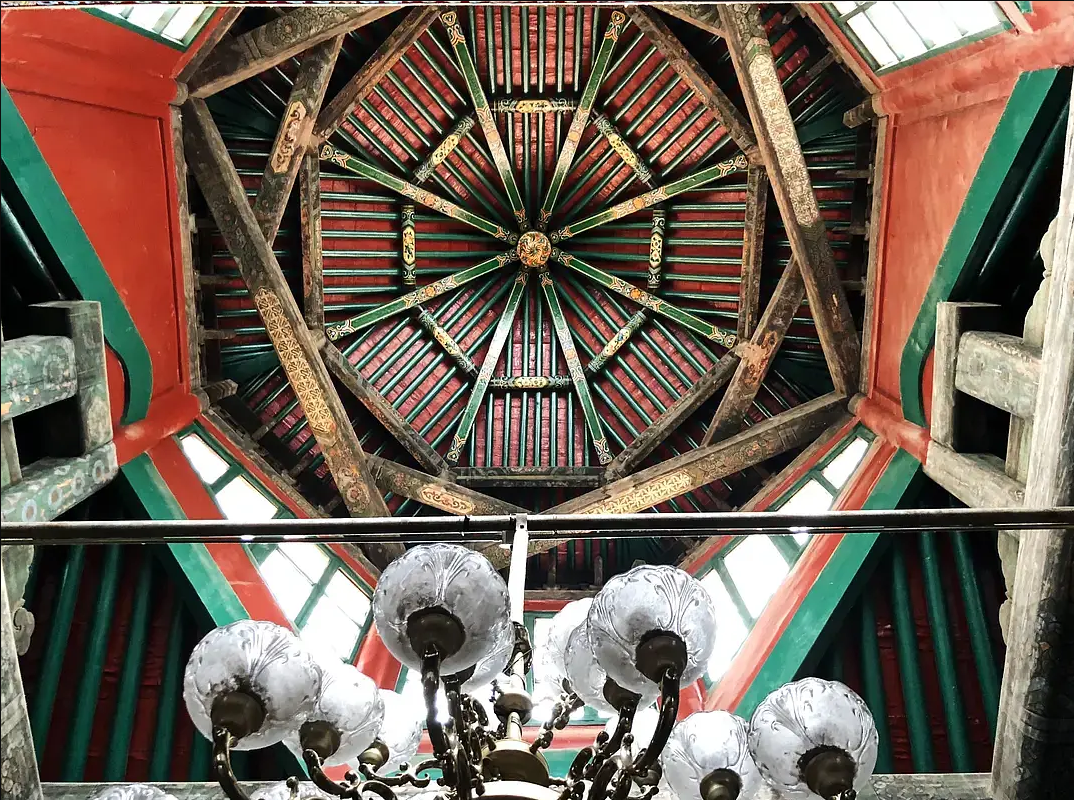
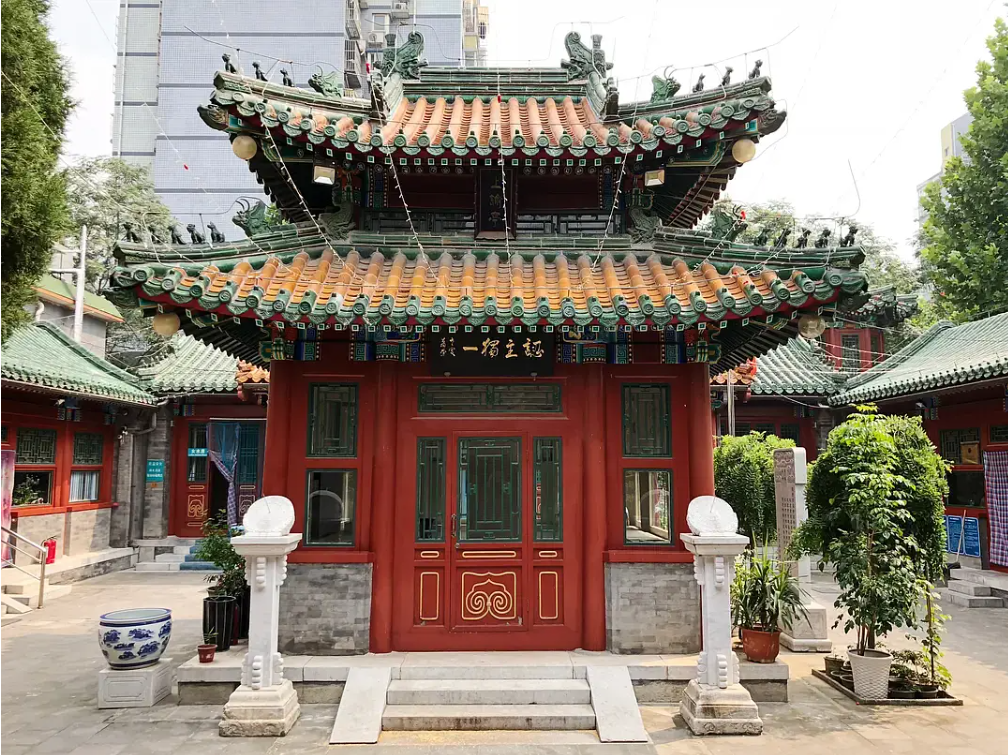
An imperial stele pavilion was built in the middle of the courtyard. It originally housed a stone carving of an imperial edict issued in 1729 (the 7th year of the Yongzheng reign), but the stone tablet was moved out in the 1930s when the pavilion was turned into a dormitory.
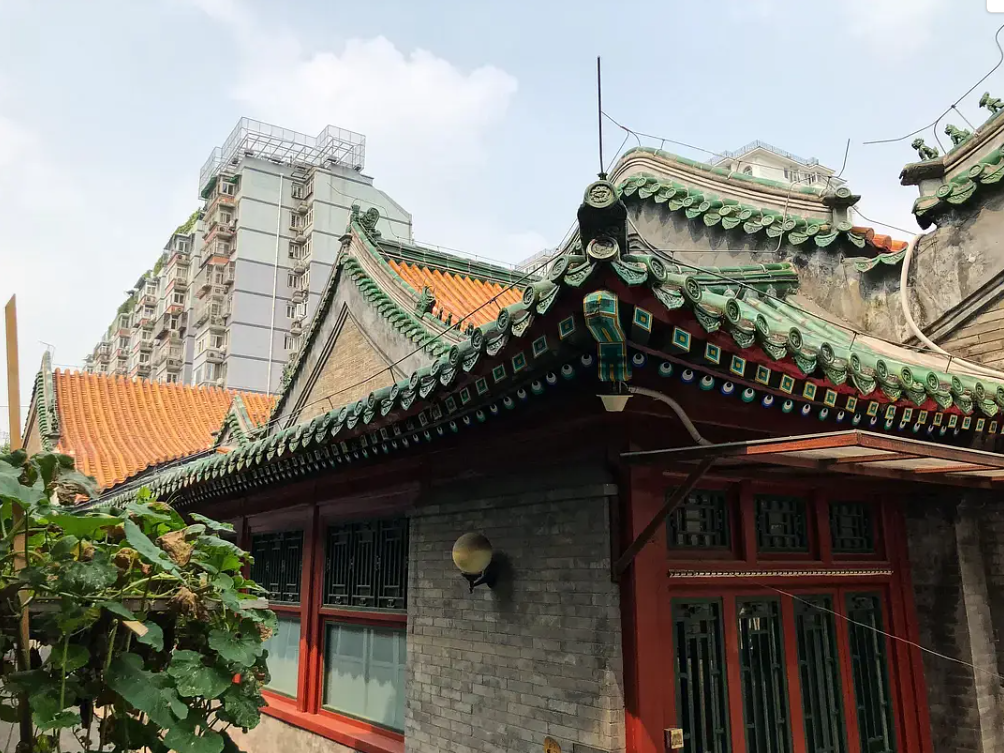
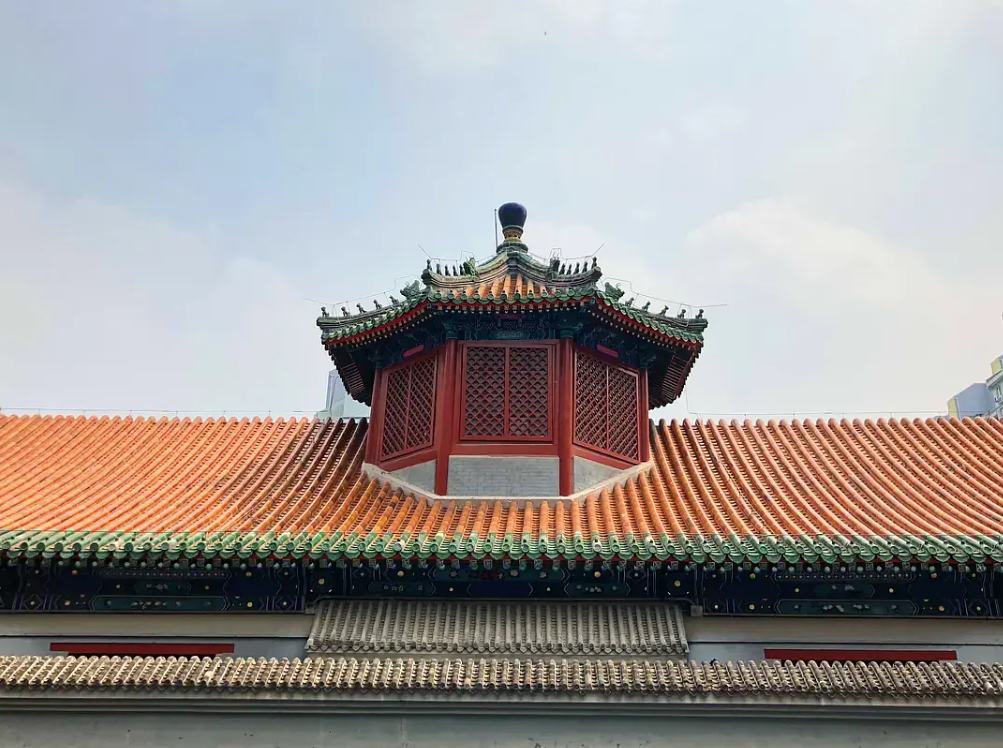
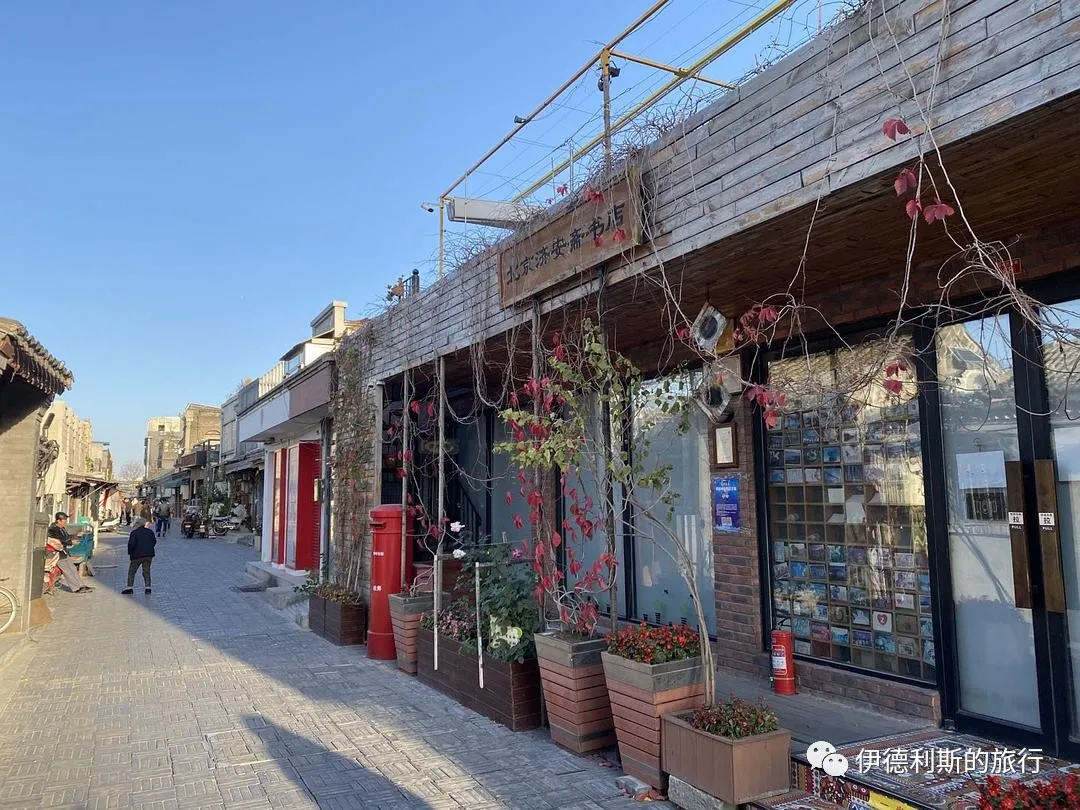
Jiantang Wang Huihui Plaster Shop storefront
Address: No. 70 Yangmeizhu Xiejie
Date: Founded during the Wanli reign of the Ming dynasty
Current status: Restaurant
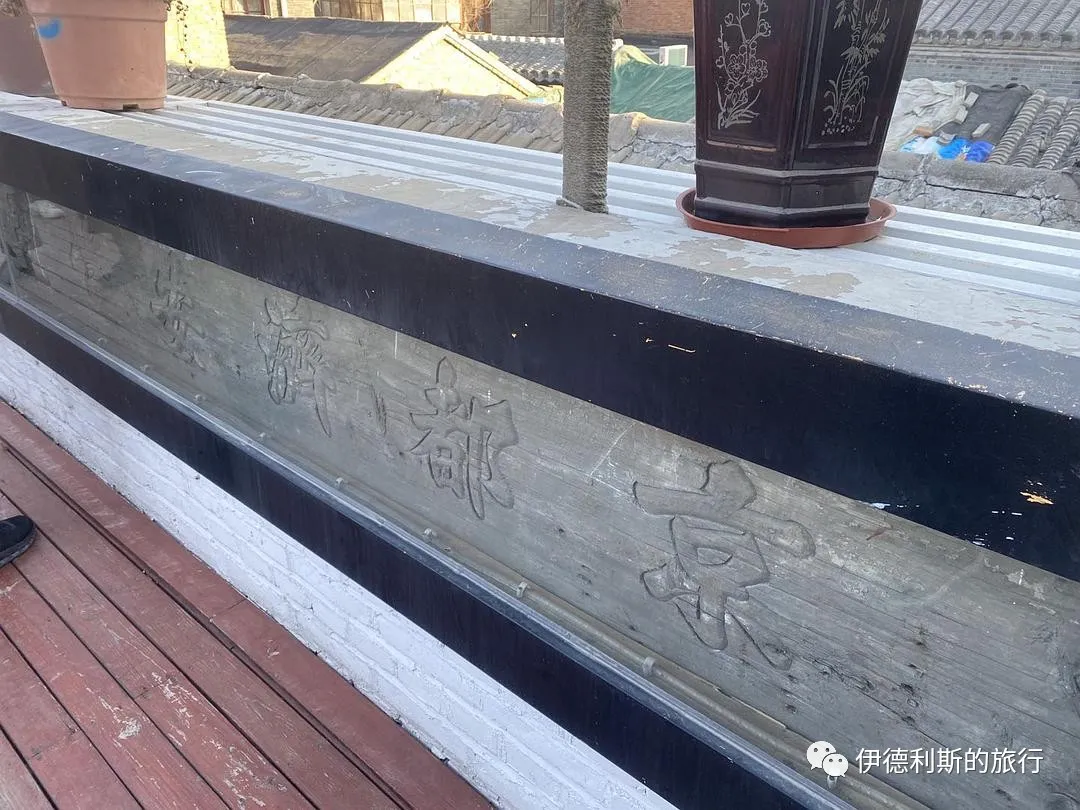
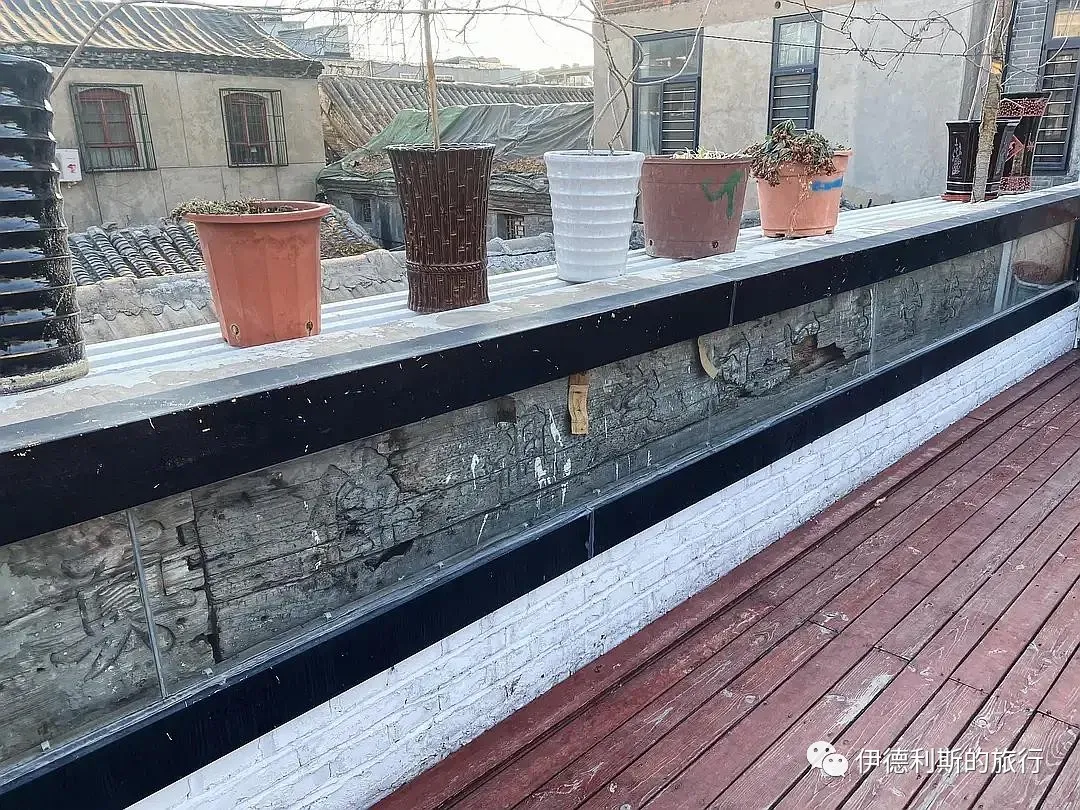
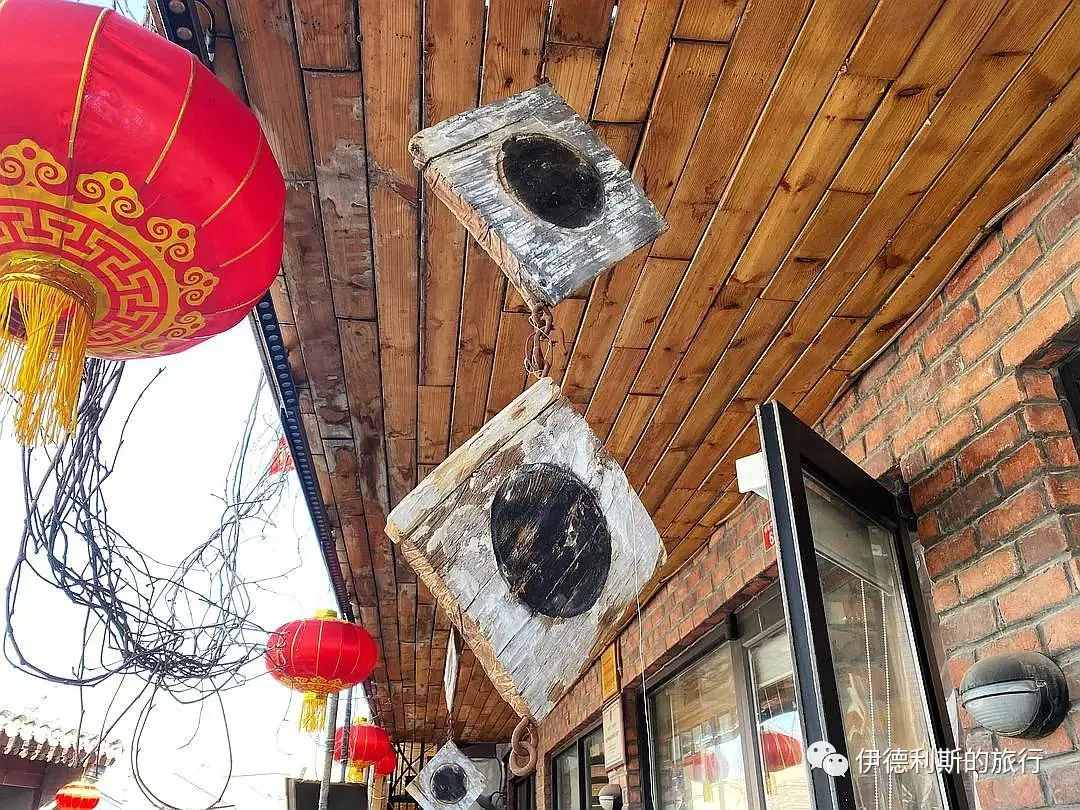
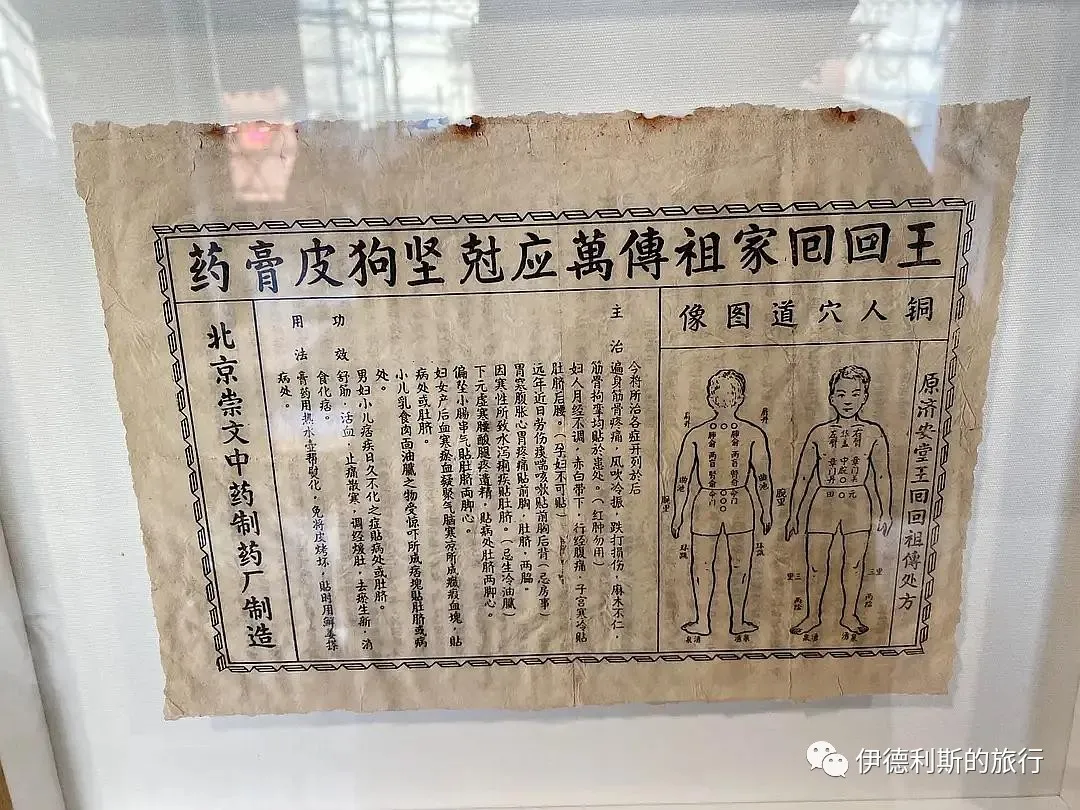
The Jiantang Wang Huihui Plaster Shop is located on Yangmeizhu Xiejie outside Qianmen. The Wang family has run this plaster shop since the Ming dynasty Wanli reign, making it over 400 years old and a district-level intangible cultural heritage. In the old days, Jiantang had the shop in front and the factory in back, where several generations lived and worked. Today, the street-level storefront displays various artifacts from the old shop, the most precious being the original wooden plaque preserved on the second-floor terrace.
After the public-private partnership in 1956, Jiantang was merged into Tongrentang. The plaster shop on Yangmeizhu Xiejie closed and became staff housing, and the Wang family became employees of Tongrentang. After the 1960s, the Jiantang storefront was reclaimed. Through tireless efforts, the Wang family successfully got it back in 1997. After renovations, the family reopened the old storefront as a bookstore in 2004, naming it Jianzhai. In 2014, Yangmeizhu Xiejie became a pilot site for the Beijing Design Week. Jianzhai took this opportunity to upgrade into a coffee bookstore, which is still in business today. The owner is a 21st-generation descendant of Jiantang.
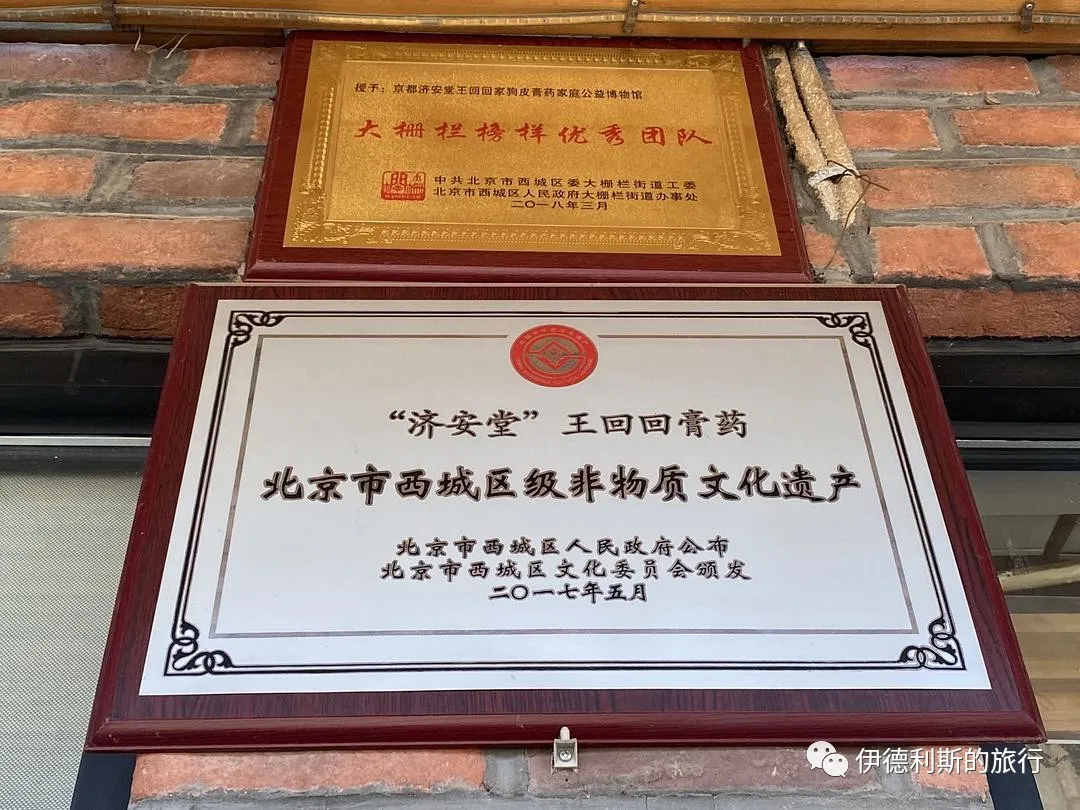
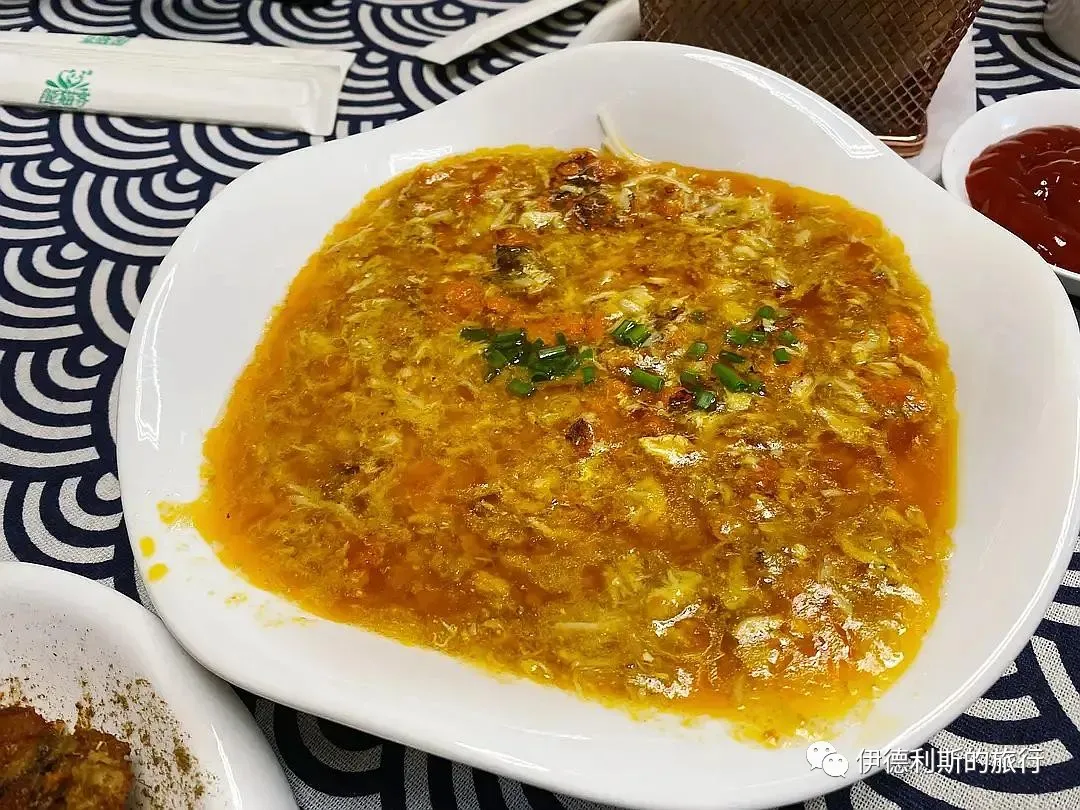
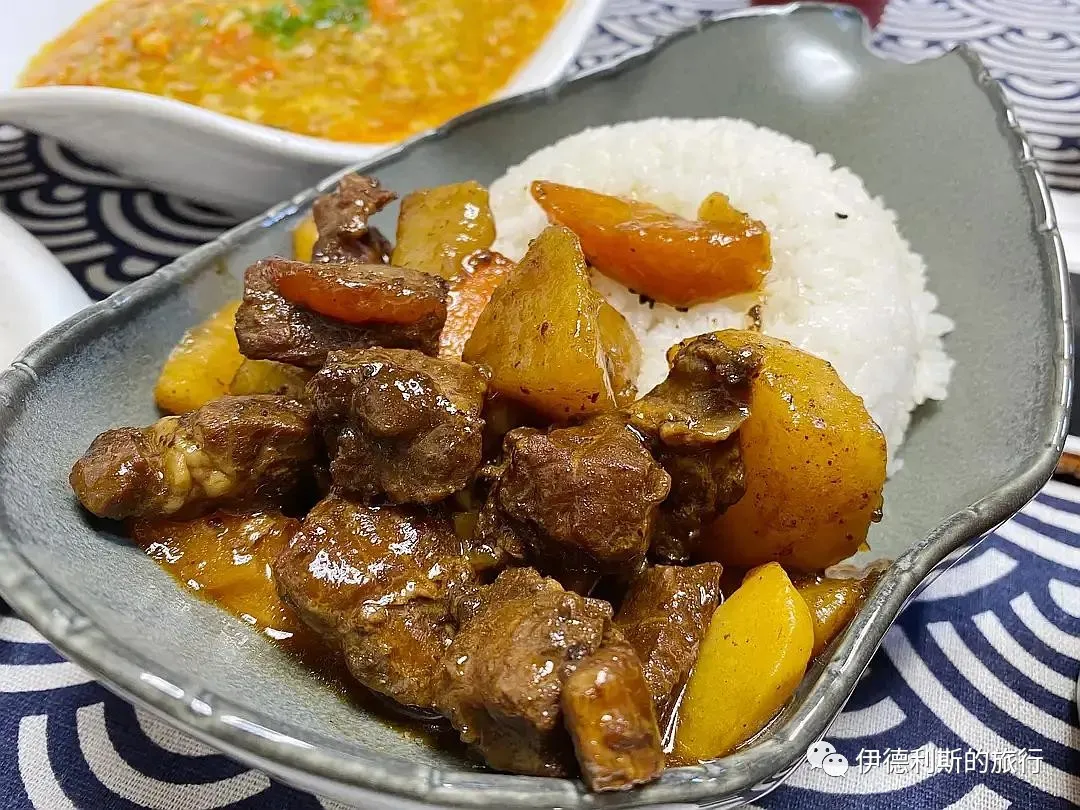
Their specialties include crab roe noodles and beef rice.
Yipinxian Bathhouse
Address: Zongshu Xiejie
Era: Republic of China
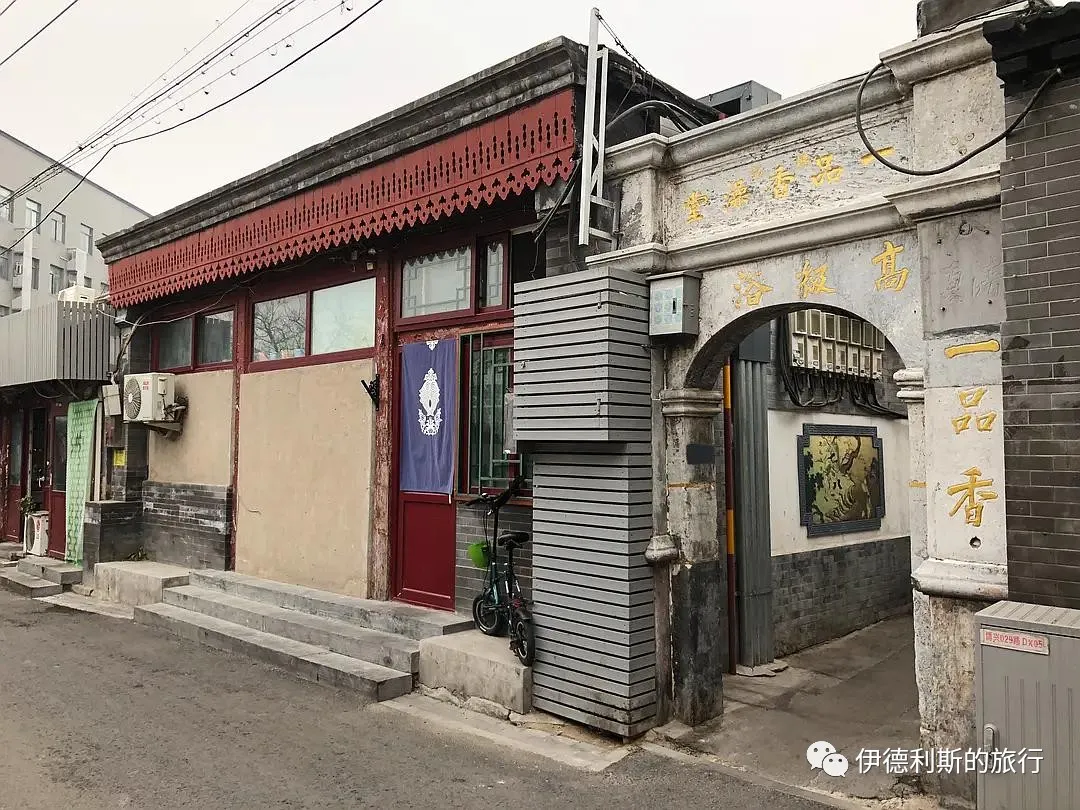
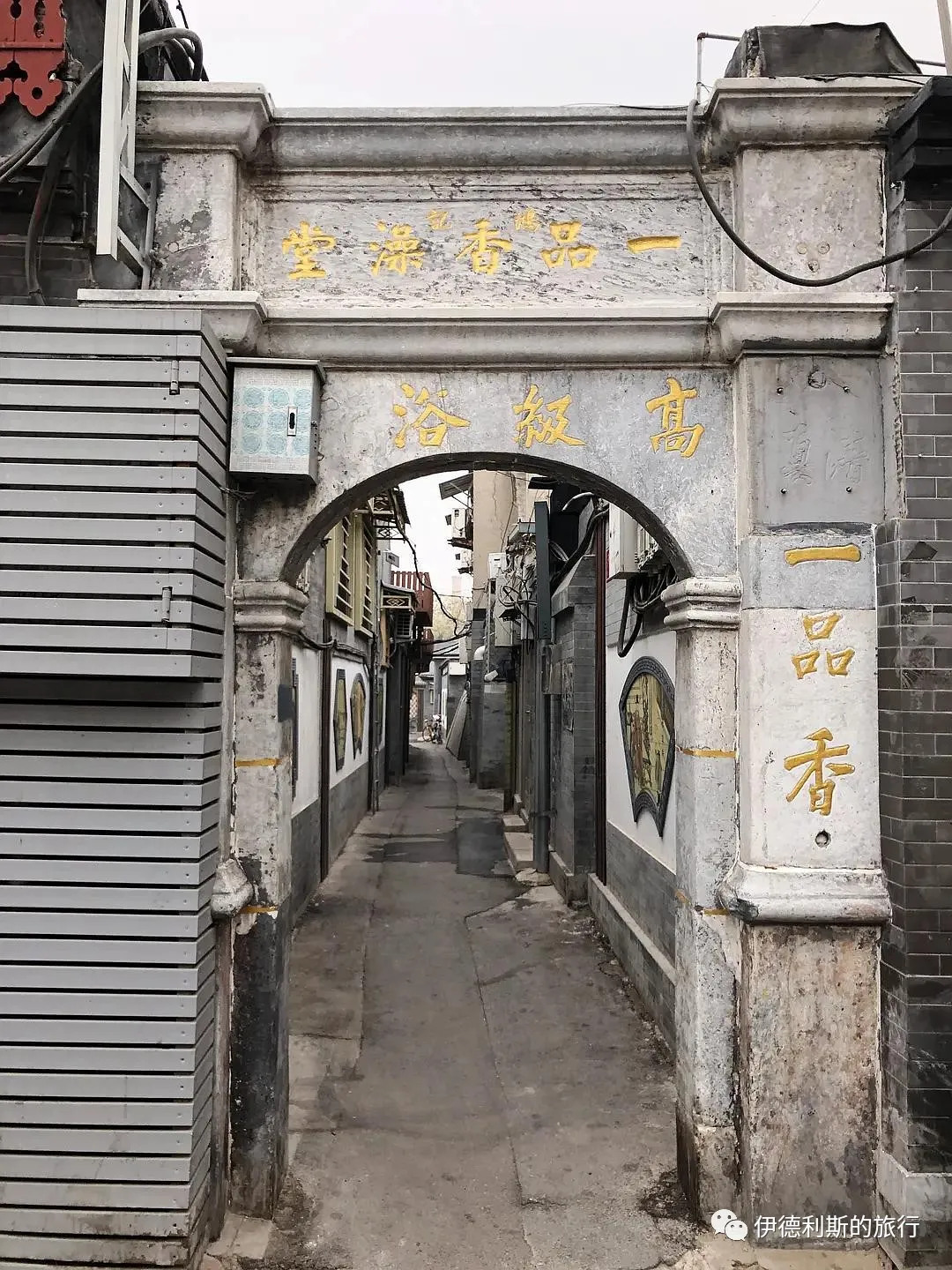
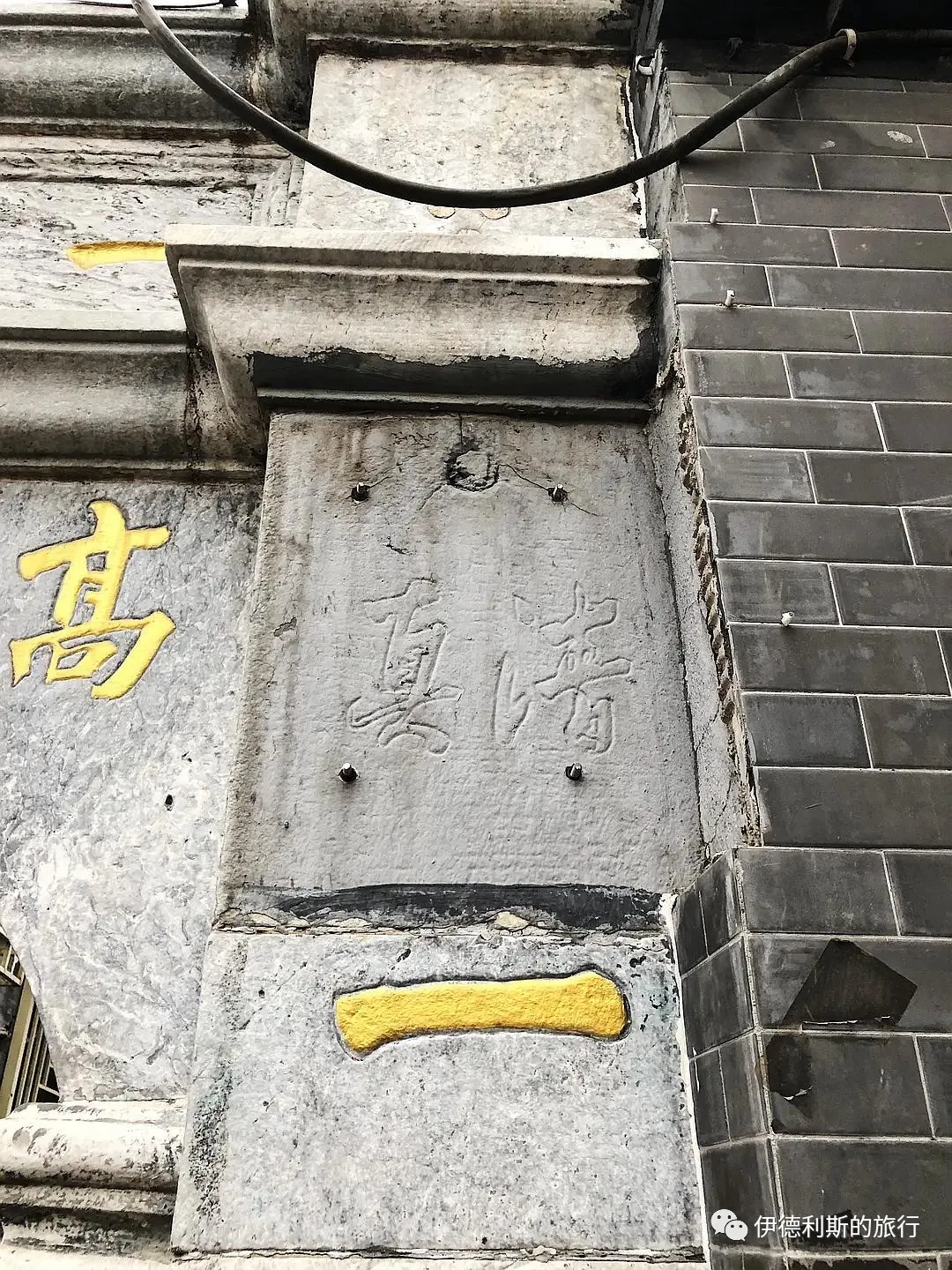
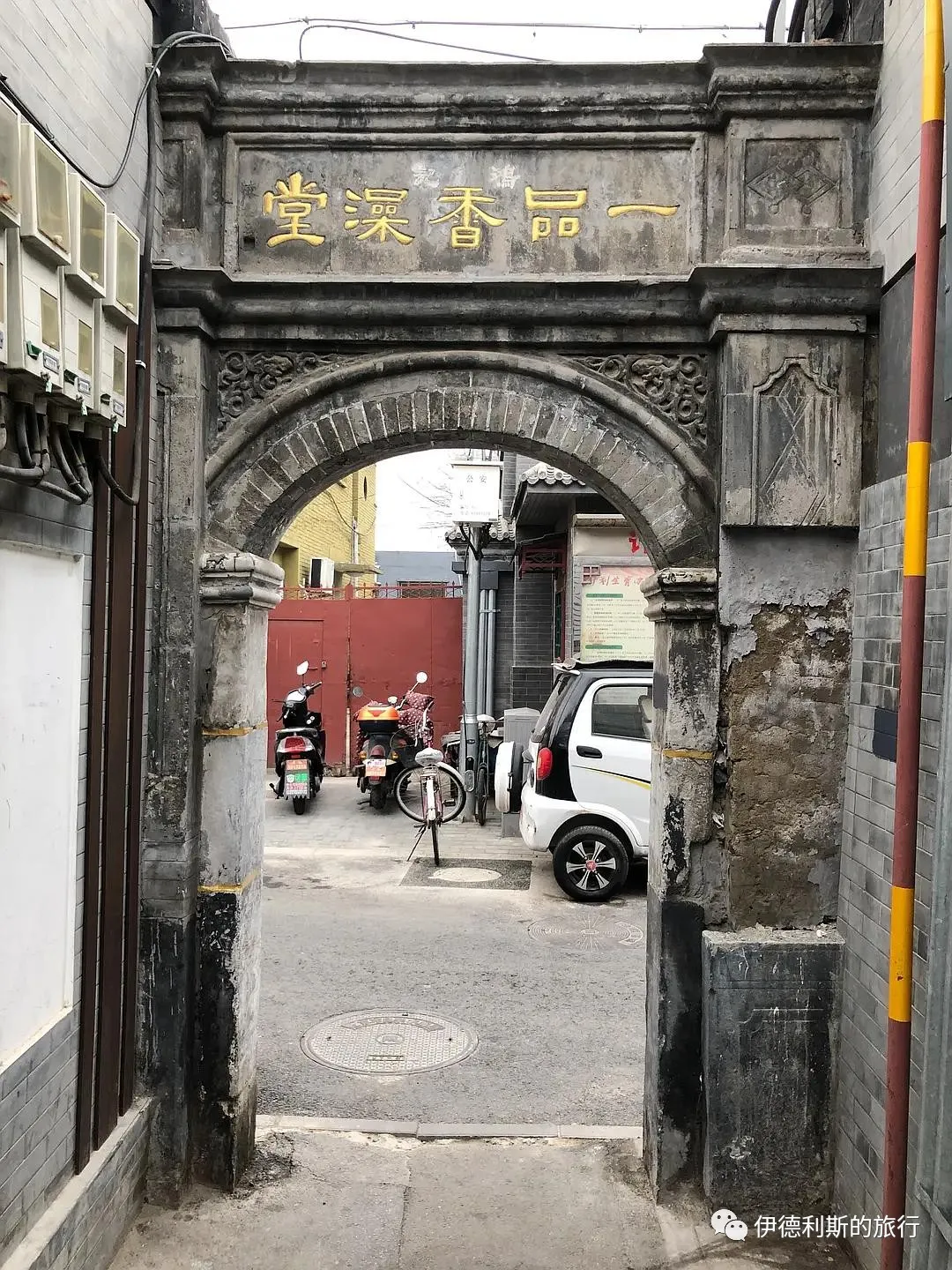
Current status: Only the gatehouse remains
Yipinxian Bathhouse is located on Zongshu Xiejie outside Qianmen. Zongshu Xiejie was originally called Wang Guafu Xiejie and Wang Guangfu Xiejie. It is one of the Eight Great Hutongs. During the Republic of China era, it was famous for its high-end brothels (qingyin xiaoban) and had many restaurants and bathhouses. Yipinxian was the most famous one among them.
Peking Opera master Ma Lianliang loved soaking at Yipinxian. Zhang Aiyi wrote in 'Past Stories of Actors' (Lingren Wangshi): 'Ma Lianliang loved to soak in baths.' Whenever he had a show in the evening, he would definitely go to the bathhouse in the afternoon. He first went to Yipinxian outside Qianmen, then later switched to Qinghuachi at Xizhushikou. Later on, he often went to Qinghuayuan at Bamiancao. After soaking, he would have a professional technician give him a pedicure. This was because he wore boots all year round for performing, which caused corns. Every time he went to the bathhouse, Ma Lianliang would bring cigarettes and tea to give to the technicians and workers.
Besides going alone, Ma Lianliang often went to Yipinxian with the 'King of Drum Singing' Liu Baoquan. Ma Lianliang wrote about this in 'Remembering Mr. Liu Baoquan' around the 1920s: 'After some time, through the introduction of the late famous Peking Opera actor Mr. Wang Yaoqing, I met Mr. Liu Baoquan.' We hit it off immediately and soon became best friends. For more than five years after that, we spent every day together and were inseparable. Every day I went to his home at Mianhua Jiutiao to find him. We would go for a walk together, then go to Yipinxian Bathhouse to bathe. In the afternoon, we would go to Liangyixuan to eat together. After eating, we would go to the theater together to watch performances by Yu Shuyan and Yang Xiaolou. This was basically our daily routine.
Yipinxian Bathhouse also continued to develop during the Republic of China era. You can see this by comparing the 'Revised Practical Beijing Guide' published by The Commercial Press in the 12th year of the Republic of China with the 'Beijing Travel Guide' published by Xinhua Bookstore in the 30th year of the Republic of China.
In the 12th year of the Republic of China, Yipinxian was not yet a first-class bathhouse. It was only ranked as 'second-tier' and used cement tubs and ceramic tubs: 'The second-tier ones include Yipinxian, Huayuan, Wenyayuan, Yuqing, Qingquan, Dongxing, Yuhua, Qihua, Xinhuachi, Baoquan, Yihe, etc.' The equipment was mostly cement basins and ceramic vats, with some enamel basins. Bath prices ranged from forty, thirty, twenty, to ten cents. Fees for back scrubbing and haircuts were twenty or ten cents.
By 1941, Yipinxang was already Beijing's most famous bathhouse, ranking alongside the well-known Qinghuachi. At that time, the ground floor of the bathhouse had five warm pools built with white ceramic tiles, while the upstairs had individual enamel bathtubs. At the same time, Yipinxang had the most popular foot-scraping master in Beijing, who specialized in treating athlete's foot: 'There are currently 123 bathhouses operating in the city.' In recent years, with the progress of the times, development has increased. As humans evolve, everyone knows the importance of cleanliness. Those in this business also know how to adapt and improve. Most pools have been changed to five warm pools built with white ceramic tiles. The pools are wide and deep, actually surpassing those in Shanghai, Wuhan, and Nanjing. Bathtubs have also changed from wood to enamel, which is much cleaner and more beautiful than before. The best-equipped places include Qinghuayuan and Yiheyuan in the East City, Huabaoyuan and Yuhuayuan in the West City, and Qinghuachi and Yipinxang in the Outer City. Business is very prosperous, and prices are divided by official basins, elegant seats, upstairs, and downstairs... The foot-scraper at Yipinxang is named Wei Wenxi, who has long been famous for this skill, and all bathhouses compete to hire him. Southerners living in Beijing who suffer from athlete's foot all look for little Wei, because once he scrapes their feet, they feel a great sense of relief. Because of this, little Wei is often too busy to keep up with the demand.
Additionally, according to the 1939 'Beijing Industrial and Commercial Guide' edited by the Zhengfeng Economic Society, the owner of Yipinxang was Wang Houqi, a native of Wanping, Hebei (which includes the western part of Beijing, including today's Xicheng District). However, I have not yet found more information about Wang Houqi and hope to have new discoveries in the future.
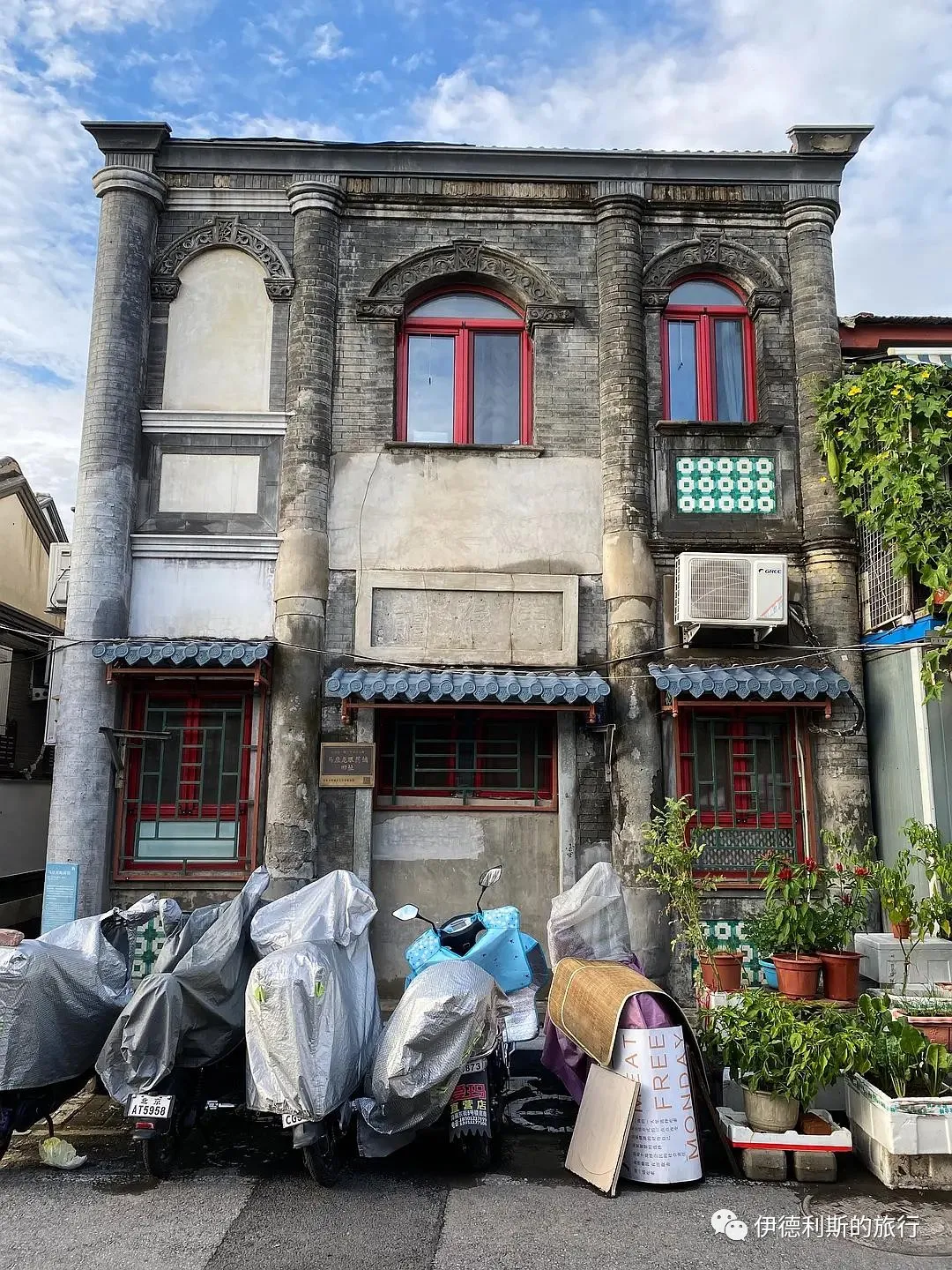
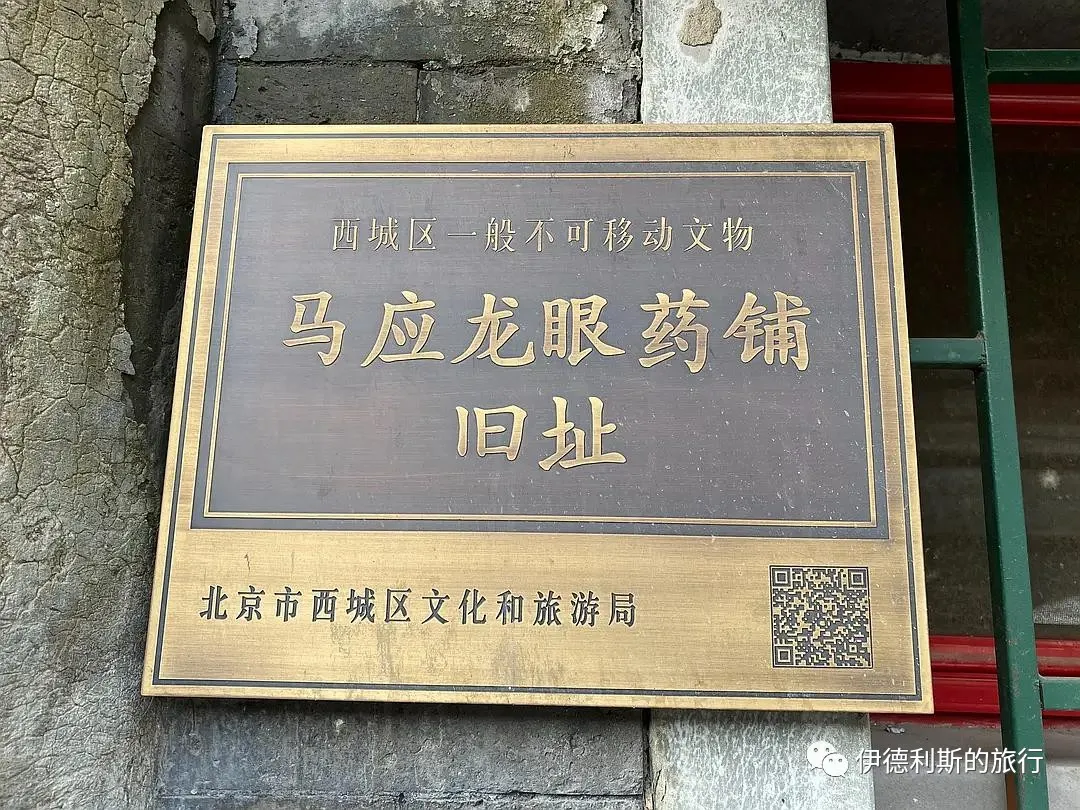
Ma Yinglong Eye Medicine Shop storefront
Address: Qianmen Xiheyuan Street
Year: 1923
Current status: Residential housing.
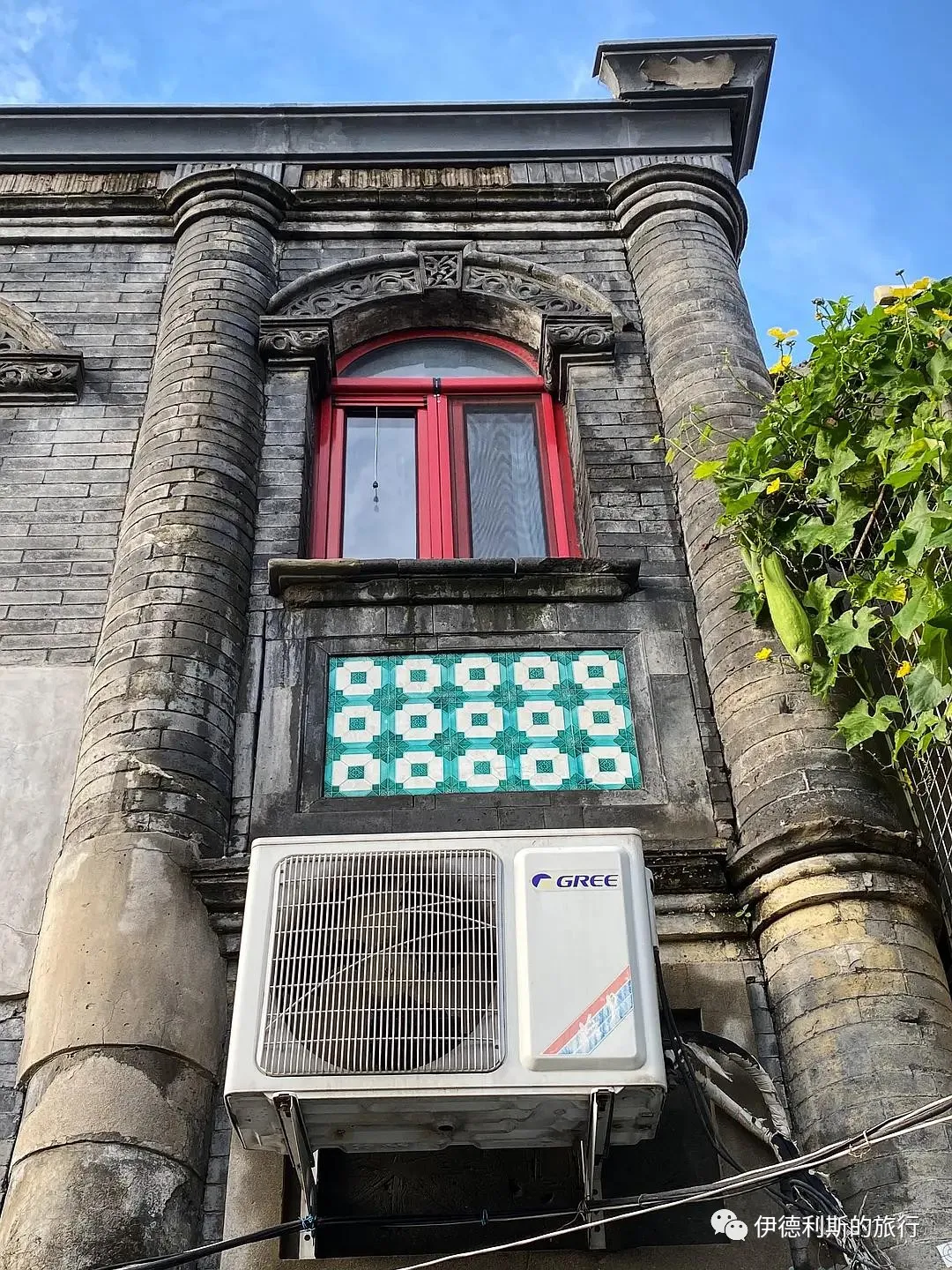
In 1875 (the first year of the Guangxu reign of the Qing Dynasty), Hui Muslim Ma Wanxing from Dingzhou, Hebei, moved the Ma family eye medicine shop from Dingzhou to Beijing and opened the 'Beijing Ma Yinglong Eye Medicine Shop' on Qianmen Xiheyuan. 'Ma Yinglong' was his father's name.
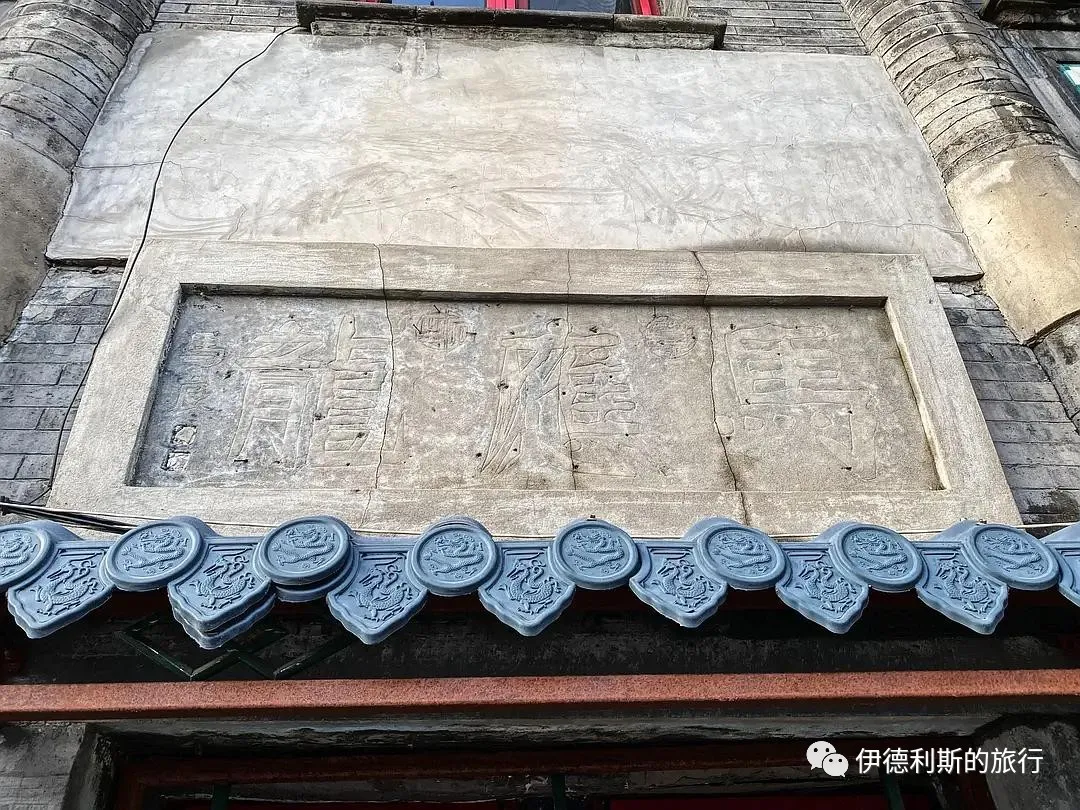
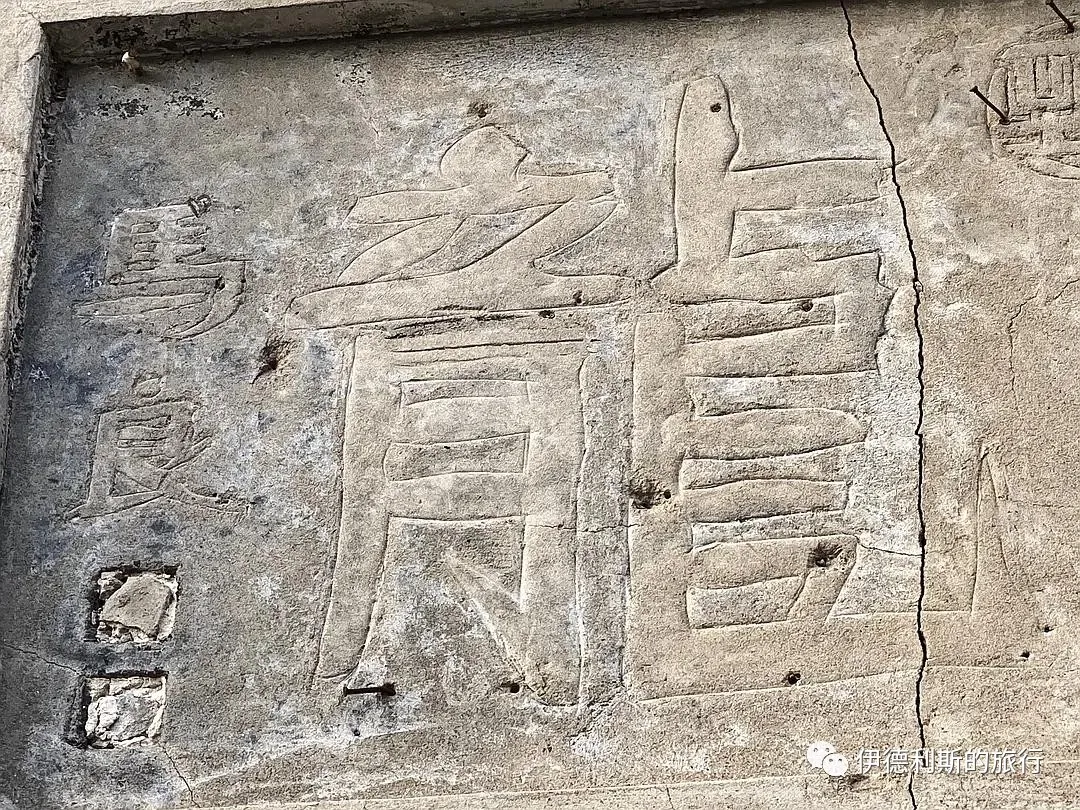
In 1923, Ma Wanxing's third son, Ma Liting, inherited the pharmacy and officially built the current Republic of China-era storefront on Qianmen Xiheyuan. There is a 'Ma Yinglong' plaque above the storefront, and the words 'Eye Medicine' are on the right, partially covered by an air conditioner. The plaque was inscribed by the Beiyang warlord and Baoding Hui Muslim, Ma Liang.
After the 1930s, Ma Yinglong successively set up branches across the country and expanded sales through mail order, even selling as far away as Europe. After the public-private partnership in 1957, Ma Liting served as the deputy section chief of the processing department of the Beijing Medicinal Materials Company. In 1966, his whole family was sent back to their ancestral home in Dingzhou, and Beijing Ma Yinglong gradually faded from history.
In 1919, Ma Wanxing's grand-nephew Ma Qishan opened a Ma Yinglong branch on Hanzheng Street in Hankou, later establishing the Ma Yinglong Shengji Pharmaceutical Factory. After the 1980s, they began to focus on hemorrhoid ointment, continuing the Ma Yinglong brand to this day.
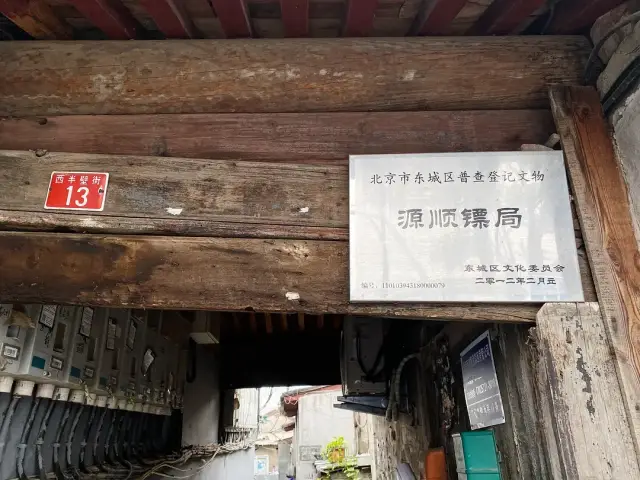
Broadsword Wang Wu Yuanshun Escort Agency
Address: 13 West Banbi Street.
Date: Early years of the Guangxu reign.
Current status: Residential housing.
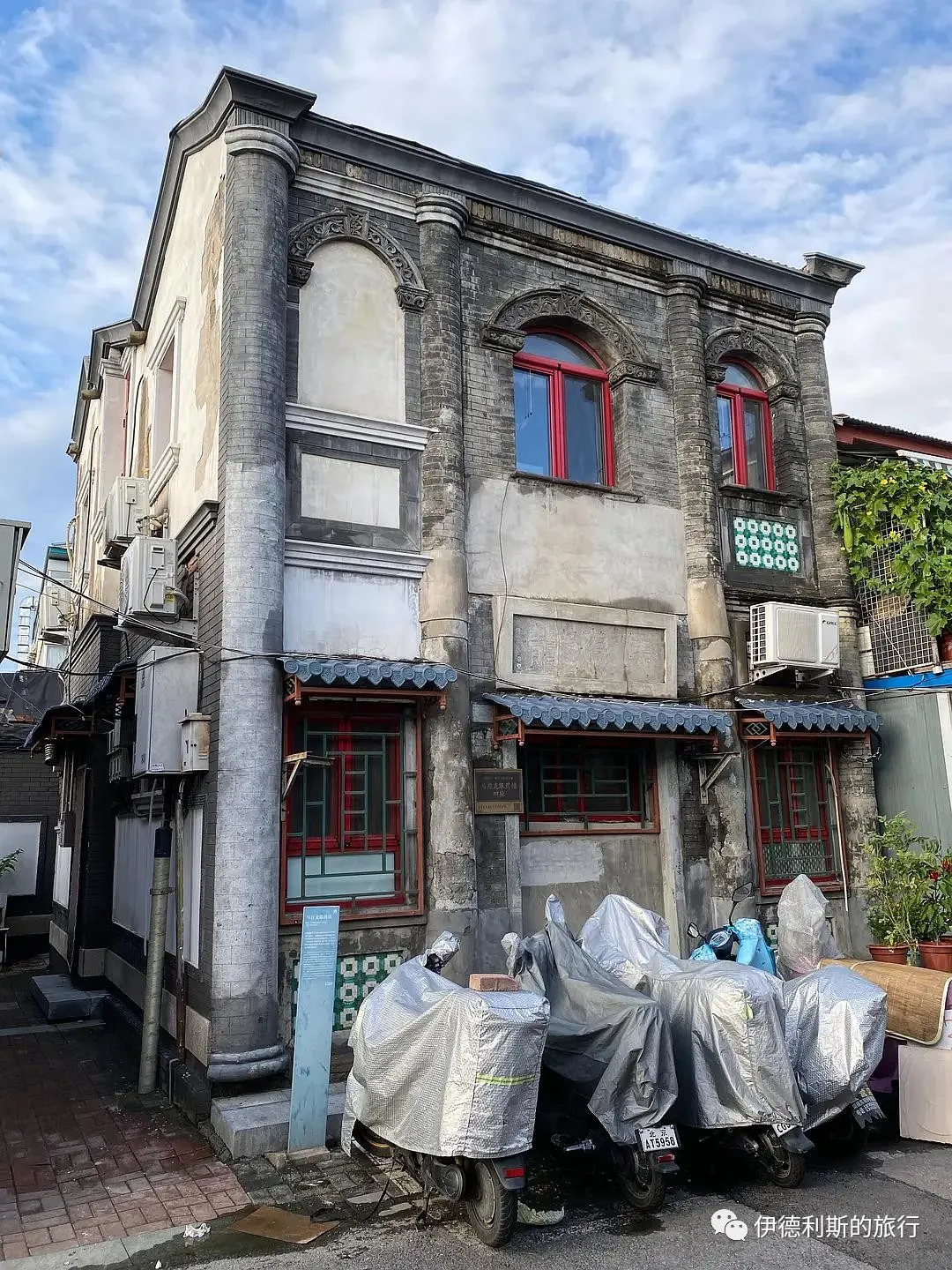
Big Knife Wang Wu, whose real name was Wang Zibin (1844-1900) and courtesy name Zhengyi, was a Han Chinese from Cangzhou, Hebei. He loved martial arts since he was a child and greatly admired Li Fenggang, the Hui Muslim manager of the Chengxing Escort Agency in Cangzhou. The Li family came from a line of Hui Muslim military households from the Ming Dynasty. They moved from Nanjing to settle in Cangzhou during the Yongle reign, and they kept up their martial arts tradition ever since. In the late Qing Dynasty, Li Fenggang's uncle, Li Guanming, learned the Six Harmonies boxing style (liuhe quanfa) from the Cao family of Hui Muslims in Botou. He founded the Six Harmonies School (liuhe men) in Cangzhou, which later grew into the largest martial arts school in the city. Li Guanming opened the Chengxing Escort Agency outside the south gate of Cangzhou. He had a high reputation in the martial arts world and almost never lost a shipment. Li Guanming later passed the agency to his nephew, Li Fenggang. Li Fenggang had followed his uncle to learn Six Harmonies boxing and weapons since he was young. He was skilled with double swords and was known as the Double Sword General.
Wang Wu really wanted to become Li Fenggang's student, but the Li family's Six Harmonies School only taught those of the Islamic faith according to their master's rules. Wang Wu made up his mind to convert, but his mother did not agree. According to the 1933 Cang County Gazetteer, Zhengyi's teacher was Li Fenggang. Fenggang was a follower of Islam (Tianfang jiao), and Zhengyi wanted to study under him. Fenggang would not teach him because he was not of the faith. Zhengyi wanted to convert to show his sincerity, but his mother would not allow it. Zhengyi knelt and begged her repeatedly for over ten years until she finally agreed. He then learned everything from Fenggang before going to the capital, where he was first called Little Wang Wu.
In the early years of the Guangxu reign, Wang Wu, then thirty years old, set out on his own and opened the Yuanshun Escort Agency at Zhushikou outside Beijing's Qianmen Gate. According to Liang Qichao's Poetry Talks from the Ice-Drinking Studio, Wang Wu was a great hero of the Youyan region who worked as an escort. His influence reached north to Shanhai Pass and south to Qingjiangpu, and he spent his life helping the weak and fighting the strong. The Yuanshun Escort Agency gradually became one of the eight major escort agencies in the capital, and Wang Wu became known as Big Knife Wang Wu because he was so skilled with a single sword. Pingjiang Buxiaosheng's The Tale of Modern Chivalrous Heroes, which began serialization in 1923, is the pioneering work of modern Chinese martial arts novels. The story features Big Knife Wang Wu and Huo Yuanjia. It depicts the deep friendship between Wang Wu and Tan Sitong, Wang Wu's heroic efforts to save Tan Sitong, and his brave sacrifice during the Eight-Nation Alliance's invasion of China, which made Wang Wu a beloved hero.
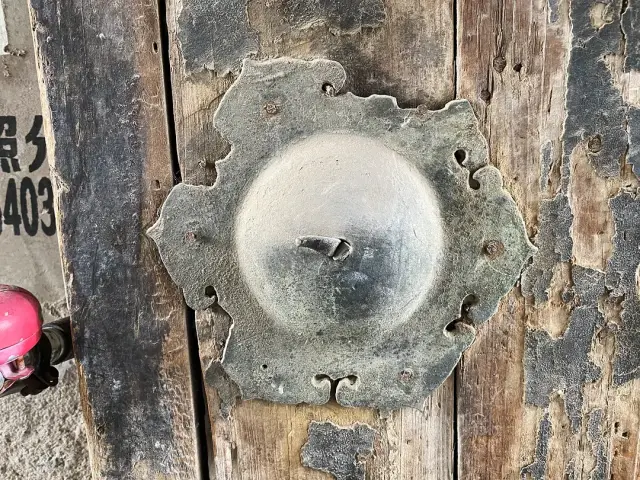
The Yuanshun Escort Agency faces north. The main gate was originally very wide to allow escort wagons to pass through, but now most of it is occupied by a restroom. Only the western half of the original gate remains, and the door knocker on it is the same one Tan Sitong used when he came to visit Big Knife Wang Wu.
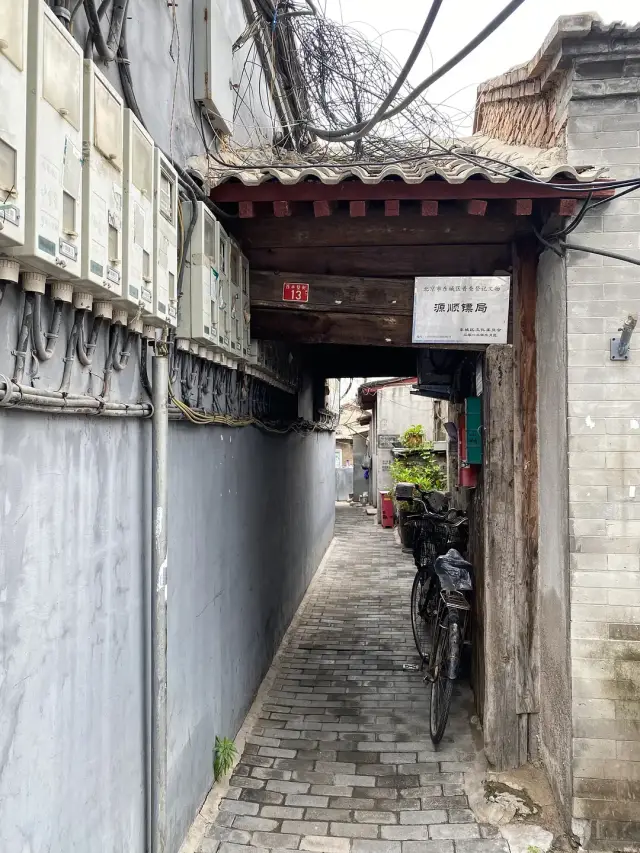
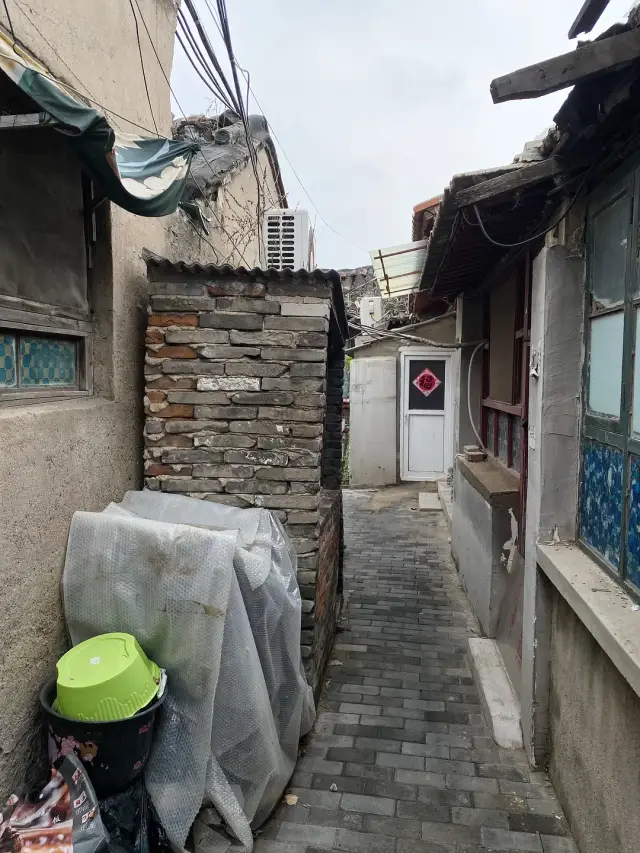
Inside the courtyard was the original space for parking escort wagons and horses. On the west side, there are three connected side courtyards. The first was where Wang Wu would perform his ritual washing (wudu) for namaz. The second and third were living quarters for the escorts, and the back courtyard held the inner office, the storage room for goods, and guest rooms. After the public-private partnership reforms in the 1950s, the descendants of the Wang family only kept the south and north rooms of the back courtyard. The front courtyard became public property, and after renovations by the housing management office, it is now hard to recognize.
Summary: The Beijing Central Axis was added to the UNESCO World Heritage list in 2024, and its buffer zone includes important Islamic cultural heritage sites. This article records mosques, old Muslim community traces, monuments, streets, and heritage context preserved in the source.
Beijing Central Axis: A Masterpiece of China's Ideal Capital Order was added to the UNESCO World Heritage list in 2024, with designated heritage and buffer zones. I have visited several religious heritage sites within these buffer zones and would like to share them with you.
Houhai Mosque: Built in the Qing Dynasty, rebuilt in 1946.
Huiying Mosque: Built in 1759, relocated and rebuilt in 2010.
Qianmen Mosque: Built in the late Ming Dynasty, renovated in the Qing Dynasty.
Mishi Hutong Mosque: Renovated in 1940.
Dongsi Mosque: Built in 1447 (the 12th year of the Zhengtong reign of the Ming Dynasty).
Huashi Mosque: Built in 1414 (the 12th year of the Yongle reign of the Ming Dynasty).
Jiantang Wang Huihui Plaster Shop: Established during the Wanli reign of the Ming Dynasty.
Yipinxian Bathhouse: Republic of China era.
Ma Yinglong Eye Medicine Shop: 1923.
Dadao Wang Wu Yuanshun Security Firm: Early years of the Guangxu reign.
Houhai Mosque
Address: No. 18, East Bank of Xihai.
Date: Built in the Qing Dynasty, rebuilt in 1946.
Current status: Residential housing.
Houhai Mosque sits on the north bank of the river connecting Houhai and Xihai, east of Desheng Bridge, so it is also called Desheng Bridge Mosque. Houhai Mosque is said to have been built in the Qing Dynasty. The current building was rebuilt in 1946 and features a typical Western style from the Republic of China era. Due to history, it has now become a crowded residential compound.
The mosque gate faces south and is a Western-style gatehouse. Once inside, the main prayer hall is on the west side. The main hall has a modified hip roof. It originally had a front porch, but it is now enclosed, though traditional painted decorations remain on the porch. According to the Survey of Beijing Mosques, there were traces of the words "Qingzhensi" (Mosque) on the west wall of the hall, but when I visited, a building had been constructed outside the west wall, making it impossible to find a viewing angle.
When I visited, the owner of the southernmost room inside the main hall was renovating, which allowed me to see the interior. The biggest surprise was that the renovation removed the outer layer of the wall, revealing traditional calligraphy of scriptures on the wall facing the direction of prayer.
Huiying Mosque
Address: No. 24 Dong'anfu Hutong.
Date: Originally built in 1759, relocated and rebuilt in 2010.
Status: Not open to the public.
Huihuiying Mosque is the only mosque officially built by the Qing government. In 1759, after Emperor Qianlong defeated the White Mountain faction of the Khojas, he summoned the Hui Muslim leaders, led by the Eight Peers of the Hui Region, to the capital. The high-ranking nobles and begs among them were managed by the Lifan Yuan and lived in private residences, while the ordinary Hui Muslims were organized into the Hui People's Company under the Left Wing of the Plain White Banner of the Imperial Household Department, known in Manchu as hoise niru (Hui people's company), and settled in the Hui camp outside the West Chang'an Gate.
Construction of the Hui camp began in 1759 with 147 rooms, and after more Hui artisans and performers arrived in the capital, it was expanded to 310 rooms in 1763. After the Hui camp was built, Qianlong had a mosque constructed on its west side, which was completed in 1764. Qianlong inscribed the Stele of the Imperial-Built Hui People's Mosque and placed it in the mosque, writing: The Hui people gather here for prayer, and the begs who come to pay tribute every year all worship with joy, seeing something they have never seen in the Western Regions. Until the beg system was abolished in 1884, this was the place where begs from all over Xinjiang performed their religious duties during their annual visits to the capital.
The main hall of the Huihuiying Mosque is a square pavilion with a double-eaved, four-cornered pyramidal roof, which is unique among all mosques in Beijing.
In 1912, Yuan Shikai was elected President and chose Zhongnanhai as the presidential palace. Soon after, Zhu Qiqian, Minister of the Interior, oversaw the conversion of the Baoyue Tower at the southern end of Zhongnanhai into the Xinhua Gate, the main entrance to the presidential palace, while also expanding the street in front of the palace and building a decorative wall across the street. Because it was right next to the Baoyue Tower, the gate and main hall of the Huihuiying Mosque were forced to be demolished. After the main hall was demolished, the congregation had nowhere to pray, so they rebuilt a small hall on the original site.
Because the government stopped paying stipends to the banner people in the early Republic of China, the Huihuiying community lived in poverty, so the rebuilt hall was very small, consisting of two connected shed-roofed rooms, with the rear prayer niche also having a shed roof. Since the original north gate was blocked by the decorative wall, the mosque entrance had to be moved to the south, and the stone arch carved with lotus patterns from the original gate was placed above the new entrance.
After the founding of the People's Republic, the Huihuiying Mosque was occupied by the guard regiment for a long time until demolition began on the south side of West Chang'an Street in 2009. On June 8, 2010, the Republic-era main hall and gate of the Huihuiying Mosque were demolished. In 2011, the Xicheng District Cultural Committee rebuilt the mosque 200 meters west of the original site, and the Stele of the Imperial-Built Hui People's Mosque inscribed by Qianlong was placed back in the courtyard. Regrettably, the new mosque was not built according to the original design, and the only remaining stone arch was placed above the mihrab of the main hall. Although the new mosque has been built for over ten years, it has never been opened.
Qianmen Mosque
Address: No. 9 Yangwei Hutong.
Date: First built in the late Ming Dynasty, renovated during the Qing Dynasty.
Status: Open.
Qianmen Mosque was first built in the late Ming Dynasty and renovated in 1680 (the 19th year of the Kangxi reign) and 1795 (the 60th year of the Qianlong reign). It features the classic North China mosque architectural style of the Qing Dynasty and is very well preserved. In 1894 (the 20th year of the Guangxu reign), the famous modern Islamic educator Imam Wang Kuan served as the head imam at Qianmen Mosque. His student, the great Imam Da Pusheng, served as an imam here between 1909 and 1911. Another great imam, Wang Jingzhai, studied under the famous Qianmen Mosque teacher, Imam Yu Mianweng, when he was young.
From the Qing Dynasty to the Republican era, many Hui Muslims outside Qianmen worked in the jade, jewelry, and antique calligraphy and painting trades. The famous novel The Muslim Funeral is based on the lives of these Hui Muslim jade traders. Qianmen Mosque was very busy back then, but as times have changed, this century-old mosque has returned to peace.
Three-layered interlocking roof (san ceng gou lian da).
Imam Wang of Qianmen Mosque is from Niujie. He speaks with an authentic Xuannan Beijing accent and tells the history and culture of old Beijing Hui Muslims in a very vivid and thorough way.
I had an iftar meal at the mosque during Ramadan in 2025.
Mishi Hutong Mosque.
Address: Daji Lane West Gate.
Date: Renovated in 1940.
Status: Tea house.
During the Republican era, many friends (dosti) from the Northwest did business in the Xuannan area. In 1927, they donated funds to build Tianqiao Mosque and established the Association of Hui Muslim Fellow Townsmen from the Five Provinces of Shaanxi, Gansu, Qinghai, Ningxia, and Xinjiang in Beijing. After the 1930s, the Northwest dosti gradually settled in the Caishikou area. In 1937, the old Bianyifang restaurant on nearby Mishi Hutong closed down. The Northwest dosti living in Beijing pooled their money to buy the two-story building and officially converted it into Mishi Hutong Mosque in 1940. After that, the Northwest Five Provinces Association moved its office to Mishi Hutong Mosque. Imam Ye Liangpu of Tianqiao Mosque served as the imam for both, and Friday prayers (Jumu'ah) were held at both mosques on a rotating basis.
The street-facing rooms of Mishi Hutong Mosque were bought by a dosti named Qian. The north room of the outer courtyard served as the association office, while the north room of the inner courtyard held a primary school classroom, kitchen, and toilet. The west room by the back door was the water room (wudu area). The second floor of the small building was the main prayer hall. The west room on the first floor was a lecture hall, the north room was the imam's dormitory, the south room was a student lounge, and the north and south rooms in the outer corridor were student dormitories. A glass plaque reading "The Holy Path is Flourishing" (Shengdao Qiyang) hung in the outer corridor. It was donated by the elders of Tianqiao Mosque and inscribed by Zong Zheng.
When the Daji area was demolished, all other buildings of Mishi Hutong Mosque were torn down, leaving only the two-story building. The small building was built in the mid-to-late Qing Dynasty. It was originally an "L" shape made of a north building and a west building. When it was converted into a mosque in 1940, three south-facing open porch rooms were added, changing the "L" shape into a "U" shape. At the same time, a two-story flat-roofed open hall was added in the recessed area, connecting with the south porch. This created a semi-enclosed open space on the second floor to serve as the main prayer hall, which was a first for mosques (masjid) at that time.
After the 1960s, Mishi Hutong Mosque was turned into a toy factory dormitory and later became a residential compound. Today, the mosque at Mishi Hutong has become a teahouse. The tea is expensive, and you must book in advance.
Dongsi Mosque
Address: No. 13 Dongsi South Street
Date: Built in 1447 (the 12th year of the Zhengtong reign of the Ming Dynasty)
Status: Open.
Dongsi Mosque was one of the four major official mosques in Beijing during the Ming Dynasty. It was built in 1447 with funds donated by Chen You, a famous Hui Muslim military officer. In 1450, the Jingtai Emperor officially bestowed the name 'Qingzhensi' (Mosque) upon it.
During the Yongle reign, Chen You followed Zhu Di on two northern military campaigns against the Mongols and earned great merit. During the Xuande reign, he mainly worked on pacification efforts along the northern and northwestern borders of the Ming Empire. During the Zhengtong reign, tribute trade between the Ming Dynasty and the Mongols flourished. In 1436, Chen You became an envoy to the Oirat Mongols. Later, he led Oirat envoys to Beijing multiple times to present horses as tribute. Because of his service, he was promoted several times to the position of Assistant Commander of the Imperial Guard. In 1444, Chen You was appointed as a guerrilla general and began patrolling the borders in places like Ningxia. During this time, he defeated the Mongol army, earned significant military honors, and was promoted to Assistant Commissioner of the Rear Chief Military Commission, becoming a high-ranking military officer. He donated the funds to build Dongsi Mosque during this period.
In 1449, war broke out between the Ming Dynasty and the Oirats. Chen You followed the Ming Yingzong Emperor into battle, but they were defeated and the Emperor was captured. During the critical defense of Beijing, Chen You fought bravely, earned military merit, and was promoted to Vice Commissioner of the Rear Chief Military Commission. In 1450, the Jingtai Emperor sent Chen You to the Guizhou and Huguang regions to suppress the Miao uprising. He was promoted twice for his military achievements. It was during this time that the Jingtai Emperor bestowed the 'Qingzhensi' plaque upon Dongsi Mosque.
Because of his outstanding military service, Chen You was granted the title of Earl of Wuping in 1457, a title his descendants inherited. Afterward, Chen's descendants often served as officers in Beijing military camps and funded the repairs of several old mosques, including those in Dingzhou and Yizhou, Hebei.
Historical Records of Dongsi Mosque
In front of the main hall of Dongsi Mosque stands a stone tablet erected in 1579, titled 'The Hundred-Character Praise of the Islamic Faith' (Qingzhen Faming Baizi Shengzan). The text is largely similar to the 'Hundred-Character Praise of the Prophet' (Yuzhi Zhisheng Baizi Zan) written by the Hongwu Emperor. It is signed by a person who described themselves as a follower of the faith in ancient Yan who bathed and wrote this with donated salary. The side of the tablet is inscribed with the name of a military official from the Shandong Regional Military Commission. This unassuming stone tablet is the only remaining relic of the Ming Dynasty's imperial Faming Mosque. People say after a fire at Faming Mosque in the early Qing Dynasty, the tablet was moved to Dongsi Mosque.
Faming Mosque was located at No. 43 Jiaodaokou North Second Alley inside Andingmen. Its old address was No. 22 Andingmen Inner Great Second Alley, so it was also called the Great Second Alley Mosque. Faming Mosque is said to have been built in 1348 and was originally called a mosque. After being rebuilt in 1448, it was officially named Faming Mosque. Along with Dongsi Mosque, Niujie Mosque, and Pushou Mosque inside Fuchengmen, it was known as one of the 'Four Major Official Mosques of Ming Dynasty Beijing'. Official mosques refer to those where the imam of the mosque received an official certificate (zhafu) issued by the Department of Sacrificial Rites under the Ministry of Rites. According to Wang Daiyu in the True Explanation of the Orthodox Faith (Zhengjiao Zhenquan), after receiving the certificate, the imam was honored with official robes and exempted from corvee labor.
Faming Mosque was renovated many times during the Ming, Qing, and Republican periods, but it kept its Ming dynasty layout, which is quite similar to the Dongsi Mosque. On the Complete Map of the Qianlong Capital (Qianlong Jingcheng Quantu) finished in 1750 (the 15th year of the Qianlong reign), you can see that the main part of Faming Mosque consisted of a main prayer hall, north and south lecture halls, and a minaret (bangkelou). Like the Dongsi Mosque, the main hall of Faming Mosque consists of a front porch, a central hip-roofed hall, and a rear kiln-style hall, though it is slightly smaller in size. In 1966, Faming Mosque was occupied by a factory and later turned into a school. In 1984, the 600-year-old mosque was demolished by Jiaodaokou Middle School to make room for a classroom building and playground. Today, it is the Andingmen campus of the 22nd Middle School and a dormitory for the Sixth Hospital.
Huashi Mosque
Location: No. 80 Huashi West Street
Date: Founded in 1414 (the 12th year of the Yongle reign of the Ming dynasty)
Status: Open.
Huashi Mosque was founded in 1414 (the 12th year of the Yongle reign), renovated in 1628 (the first year of the Chongzhen reign), renovated again in 1702 (the 41st year of the Kangxi reign), and had an imperial stele pavilion built in 1729 (the 7th year of the Yongzheng reign). Local legend says that the Ming general Chang Yuchun shot an arrow to mark the site, ordered a residence to be built within the range of the arrow, and it was later converted from a residence into a mosque.
An imperial stele pavilion was built in the middle of the courtyard. It originally housed a stone carving of an imperial edict issued in 1729 (the 7th year of the Yongzheng reign), but the stone tablet was moved out in the 1930s when the pavilion was turned into a dormitory.
Jiantang Wang Huihui Plaster Shop storefront
Address: No. 70 Yangmeizhu Xiejie
Date: Founded during the Wanli reign of the Ming dynasty
Current status: Restaurant
The Jiantang Wang Huihui Plaster Shop is located on Yangmeizhu Xiejie outside Qianmen. The Wang family has run this plaster shop since the Ming dynasty Wanli reign, making it over 400 years old and a district-level intangible cultural heritage. In the old days, Jiantang had the shop in front and the factory in back, where several generations lived and worked. Today, the street-level storefront displays various artifacts from the old shop, the most precious being the original wooden plaque preserved on the second-floor terrace.
After the public-private partnership in 1956, Jiantang was merged into Tongrentang. The plaster shop on Yangmeizhu Xiejie closed and became staff housing, and the Wang family became employees of Tongrentang. After the 1960s, the Jiantang storefront was reclaimed. Through tireless efforts, the Wang family successfully got it back in 1997. After renovations, the family reopened the old storefront as a bookstore in 2004, naming it Jianzhai. In 2014, Yangmeizhu Xiejie became a pilot site for the Beijing Design Week. Jianzhai took this opportunity to upgrade into a coffee bookstore, which is still in business today. The owner is a 21st-generation descendant of Jiantang.
Their specialties include crab roe noodles and beef rice.
Yipinxian Bathhouse
Address: Zongshu Xiejie
Era: Republic of China
Current status: Only the gatehouse remains
Yipinxian Bathhouse is located on Zongshu Xiejie outside Qianmen. Zongshu Xiejie was originally called Wang Guafu Xiejie and Wang Guangfu Xiejie. It is one of the Eight Great Hutongs. During the Republic of China era, it was famous for its high-end brothels (qingyin xiaoban) and had many restaurants and bathhouses. Yipinxian was the most famous one among them.
Peking Opera master Ma Lianliang loved soaking at Yipinxian. Zhang Aiyi wrote in 'Past Stories of Actors' (Lingren Wangshi): 'Ma Lianliang loved to soak in baths.' Whenever he had a show in the evening, he would definitely go to the bathhouse in the afternoon. He first went to Yipinxian outside Qianmen, then later switched to Qinghuachi at Xizhushikou. Later on, he often went to Qinghuayuan at Bamiancao. After soaking, he would have a professional technician give him a pedicure. This was because he wore boots all year round for performing, which caused corns. Every time he went to the bathhouse, Ma Lianliang would bring cigarettes and tea to give to the technicians and workers.
Besides going alone, Ma Lianliang often went to Yipinxian with the 'King of Drum Singing' Liu Baoquan. Ma Lianliang wrote about this in 'Remembering Mr. Liu Baoquan' around the 1920s: 'After some time, through the introduction of the late famous Peking Opera actor Mr. Wang Yaoqing, I met Mr. Liu Baoquan.' We hit it off immediately and soon became best friends. For more than five years after that, we spent every day together and were inseparable. Every day I went to his home at Mianhua Jiutiao to find him. We would go for a walk together, then go to Yipinxian Bathhouse to bathe. In the afternoon, we would go to Liangyixuan to eat together. After eating, we would go to the theater together to watch performances by Yu Shuyan and Yang Xiaolou. This was basically our daily routine.
Yipinxian Bathhouse also continued to develop during the Republic of China era. You can see this by comparing the 'Revised Practical Beijing Guide' published by The Commercial Press in the 12th year of the Republic of China with the 'Beijing Travel Guide' published by Xinhua Bookstore in the 30th year of the Republic of China.
In the 12th year of the Republic of China, Yipinxian was not yet a first-class bathhouse. It was only ranked as 'second-tier' and used cement tubs and ceramic tubs: 'The second-tier ones include Yipinxian, Huayuan, Wenyayuan, Yuqing, Qingquan, Dongxing, Yuhua, Qihua, Xinhuachi, Baoquan, Yihe, etc.' The equipment was mostly cement basins and ceramic vats, with some enamel basins. Bath prices ranged from forty, thirty, twenty, to ten cents. Fees for back scrubbing and haircuts were twenty or ten cents.
By 1941, Yipinxang was already Beijing's most famous bathhouse, ranking alongside the well-known Qinghuachi. At that time, the ground floor of the bathhouse had five warm pools built with white ceramic tiles, while the upstairs had individual enamel bathtubs. At the same time, Yipinxang had the most popular foot-scraping master in Beijing, who specialized in treating athlete's foot: 'There are currently 123 bathhouses operating in the city.' In recent years, with the progress of the times, development has increased. As humans evolve, everyone knows the importance of cleanliness. Those in this business also know how to adapt and improve. Most pools have been changed to five warm pools built with white ceramic tiles. The pools are wide and deep, actually surpassing those in Shanghai, Wuhan, and Nanjing. Bathtubs have also changed from wood to enamel, which is much cleaner and more beautiful than before. The best-equipped places include Qinghuayuan and Yiheyuan in the East City, Huabaoyuan and Yuhuayuan in the West City, and Qinghuachi and Yipinxang in the Outer City. Business is very prosperous, and prices are divided by official basins, elegant seats, upstairs, and downstairs... The foot-scraper at Yipinxang is named Wei Wenxi, who has long been famous for this skill, and all bathhouses compete to hire him. Southerners living in Beijing who suffer from athlete's foot all look for little Wei, because once he scrapes their feet, they feel a great sense of relief. Because of this, little Wei is often too busy to keep up with the demand.
Additionally, according to the 1939 'Beijing Industrial and Commercial Guide' edited by the Zhengfeng Economic Society, the owner of Yipinxang was Wang Houqi, a native of Wanping, Hebei (which includes the western part of Beijing, including today's Xicheng District). However, I have not yet found more information about Wang Houqi and hope to have new discoveries in the future.
Ma Yinglong Eye Medicine Shop storefront
Address: Qianmen Xiheyuan Street
Year: 1923
Current status: Residential housing.
In 1875 (the first year of the Guangxu reign of the Qing Dynasty), Hui Muslim Ma Wanxing from Dingzhou, Hebei, moved the Ma family eye medicine shop from Dingzhou to Beijing and opened the 'Beijing Ma Yinglong Eye Medicine Shop' on Qianmen Xiheyuan. 'Ma Yinglong' was his father's name.
In 1923, Ma Wanxing's third son, Ma Liting, inherited the pharmacy and officially built the current Republic of China-era storefront on Qianmen Xiheyuan. There is a 'Ma Yinglong' plaque above the storefront, and the words 'Eye Medicine' are on the right, partially covered by an air conditioner. The plaque was inscribed by the Beiyang warlord and Baoding Hui Muslim, Ma Liang.
After the 1930s, Ma Yinglong successively set up branches across the country and expanded sales through mail order, even selling as far away as Europe. After the public-private partnership in 1957, Ma Liting served as the deputy section chief of the processing department of the Beijing Medicinal Materials Company. In 1966, his whole family was sent back to their ancestral home in Dingzhou, and Beijing Ma Yinglong gradually faded from history.
In 1919, Ma Wanxing's grand-nephew Ma Qishan opened a Ma Yinglong branch on Hanzheng Street in Hankou, later establishing the Ma Yinglong Shengji Pharmaceutical Factory. After the 1980s, they began to focus on hemorrhoid ointment, continuing the Ma Yinglong brand to this day.
Broadsword Wang Wu Yuanshun Escort Agency
Address: 13 West Banbi Street.
Date: Early years of the Guangxu reign.
Current status: Residential housing.
Big Knife Wang Wu, whose real name was Wang Zibin (1844-1900) and courtesy name Zhengyi, was a Han Chinese from Cangzhou, Hebei. He loved martial arts since he was a child and greatly admired Li Fenggang, the Hui Muslim manager of the Chengxing Escort Agency in Cangzhou. The Li family came from a line of Hui Muslim military households from the Ming Dynasty. They moved from Nanjing to settle in Cangzhou during the Yongle reign, and they kept up their martial arts tradition ever since. In the late Qing Dynasty, Li Fenggang's uncle, Li Guanming, learned the Six Harmonies boxing style (liuhe quanfa) from the Cao family of Hui Muslims in Botou. He founded the Six Harmonies School (liuhe men) in Cangzhou, which later grew into the largest martial arts school in the city. Li Guanming opened the Chengxing Escort Agency outside the south gate of Cangzhou. He had a high reputation in the martial arts world and almost never lost a shipment. Li Guanming later passed the agency to his nephew, Li Fenggang. Li Fenggang had followed his uncle to learn Six Harmonies boxing and weapons since he was young. He was skilled with double swords and was known as the Double Sword General.
Wang Wu really wanted to become Li Fenggang's student, but the Li family's Six Harmonies School only taught those of the Islamic faith according to their master's rules. Wang Wu made up his mind to convert, but his mother did not agree. According to the 1933 Cang County Gazetteer, Zhengyi's teacher was Li Fenggang. Fenggang was a follower of Islam (Tianfang jiao), and Zhengyi wanted to study under him. Fenggang would not teach him because he was not of the faith. Zhengyi wanted to convert to show his sincerity, but his mother would not allow it. Zhengyi knelt and begged her repeatedly for over ten years until she finally agreed. He then learned everything from Fenggang before going to the capital, where he was first called Little Wang Wu.
In the early years of the Guangxu reign, Wang Wu, then thirty years old, set out on his own and opened the Yuanshun Escort Agency at Zhushikou outside Beijing's Qianmen Gate. According to Liang Qichao's Poetry Talks from the Ice-Drinking Studio, Wang Wu was a great hero of the Youyan region who worked as an escort. His influence reached north to Shanhai Pass and south to Qingjiangpu, and he spent his life helping the weak and fighting the strong. The Yuanshun Escort Agency gradually became one of the eight major escort agencies in the capital, and Wang Wu became known as Big Knife Wang Wu because he was so skilled with a single sword. Pingjiang Buxiaosheng's The Tale of Modern Chivalrous Heroes, which began serialization in 1923, is the pioneering work of modern Chinese martial arts novels. The story features Big Knife Wang Wu and Huo Yuanjia. It depicts the deep friendship between Wang Wu and Tan Sitong, Wang Wu's heroic efforts to save Tan Sitong, and his brave sacrifice during the Eight-Nation Alliance's invasion of China, which made Wang Wu a beloved hero.
The Yuanshun Escort Agency faces north. The main gate was originally very wide to allow escort wagons to pass through, but now most of it is occupied by a restroom. Only the western half of the original gate remains, and the door knocker on it is the same one Tan Sitong used when he came to visit Big Knife Wang Wu.
Inside the courtyard was the original space for parking escort wagons and horses. On the west side, there are three connected side courtyards. The first was where Wang Wu would perform his ritual washing (wudu) for namaz. The second and third were living quarters for the escorts, and the back courtyard held the inner office, the storage room for goods, and guest rooms. After the public-private partnership reforms in the 1950s, the descendants of the Wang family only kept the south and north rooms of the back courtyard. The front courtyard became public property, and after renovations by the housing management office, it is now hard to recognize.
