
Muslim Culture Guide: Pakistan Embassy School International Culture Day
Reposted from the web
Summary: This article records a visit to International Culture Day at the Pakistan Embassy School, with food, performances, students, and community life at the center. It keeps the original event details, photographs, names, and cultural observations for readers interested in Pakistan and Muslim community events in Beijing.
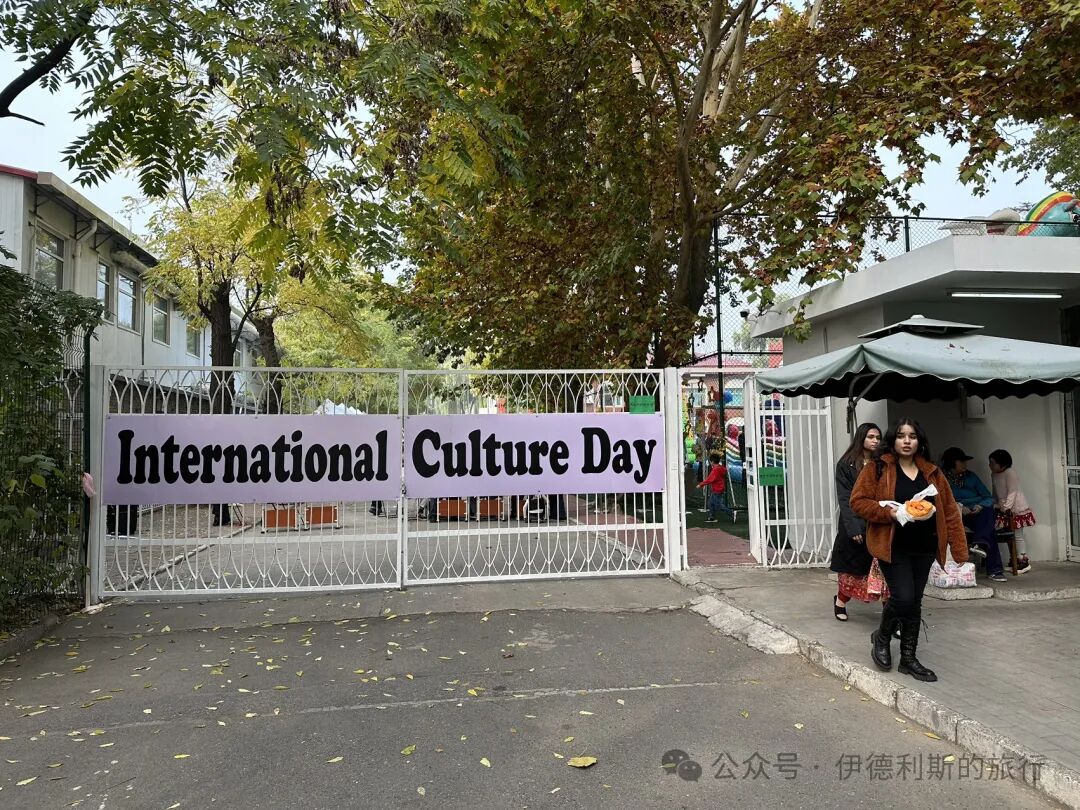
On November 2, 2024, I attended the annual International Cultural Day at the Pakistan Embassy College in China.
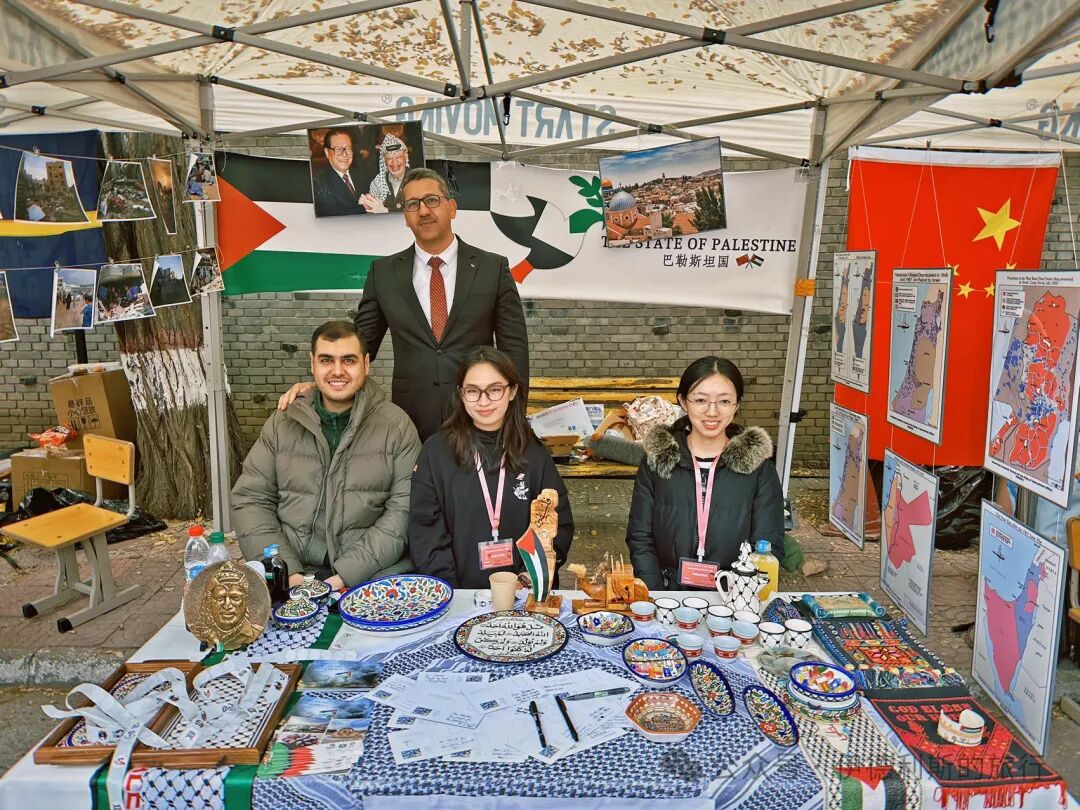
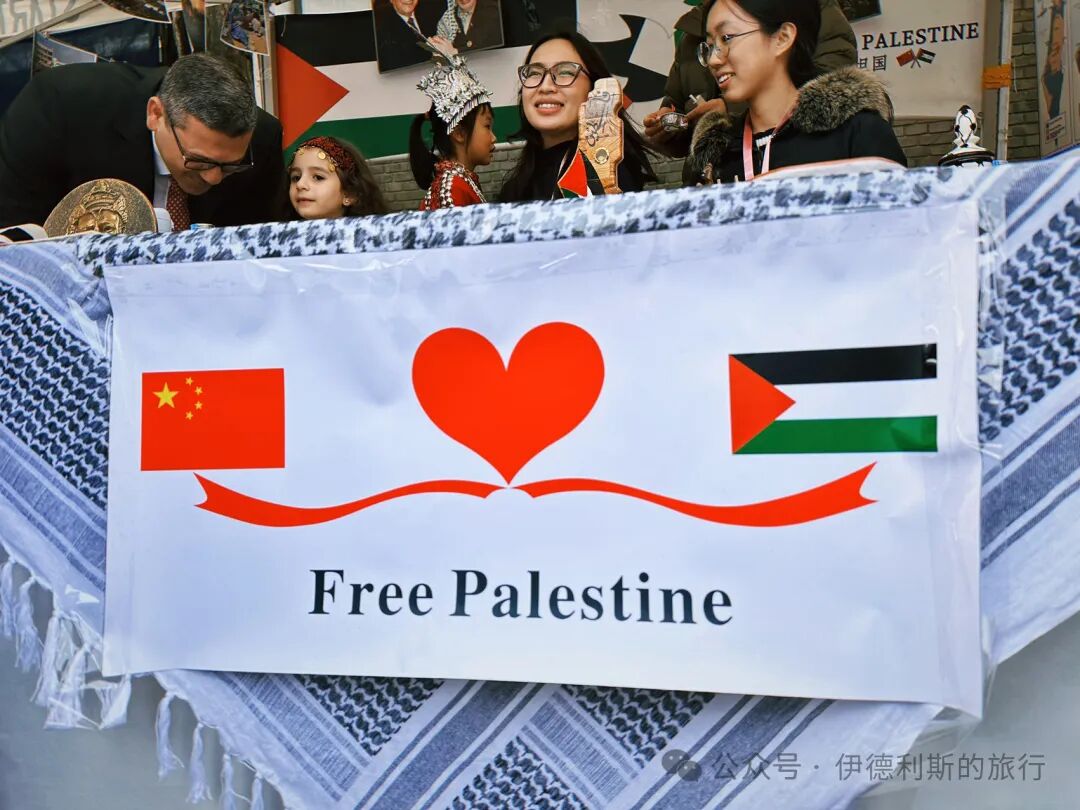
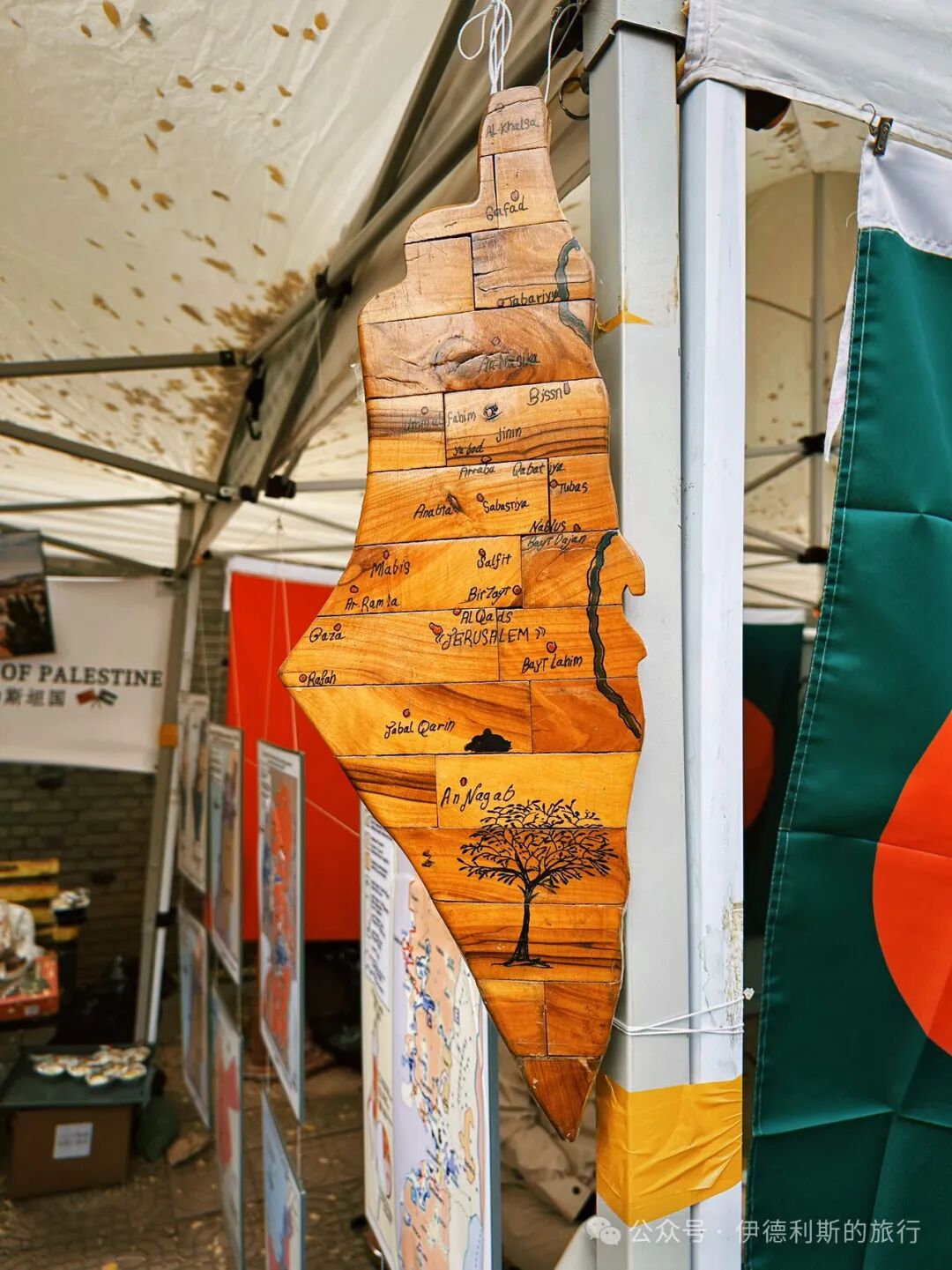
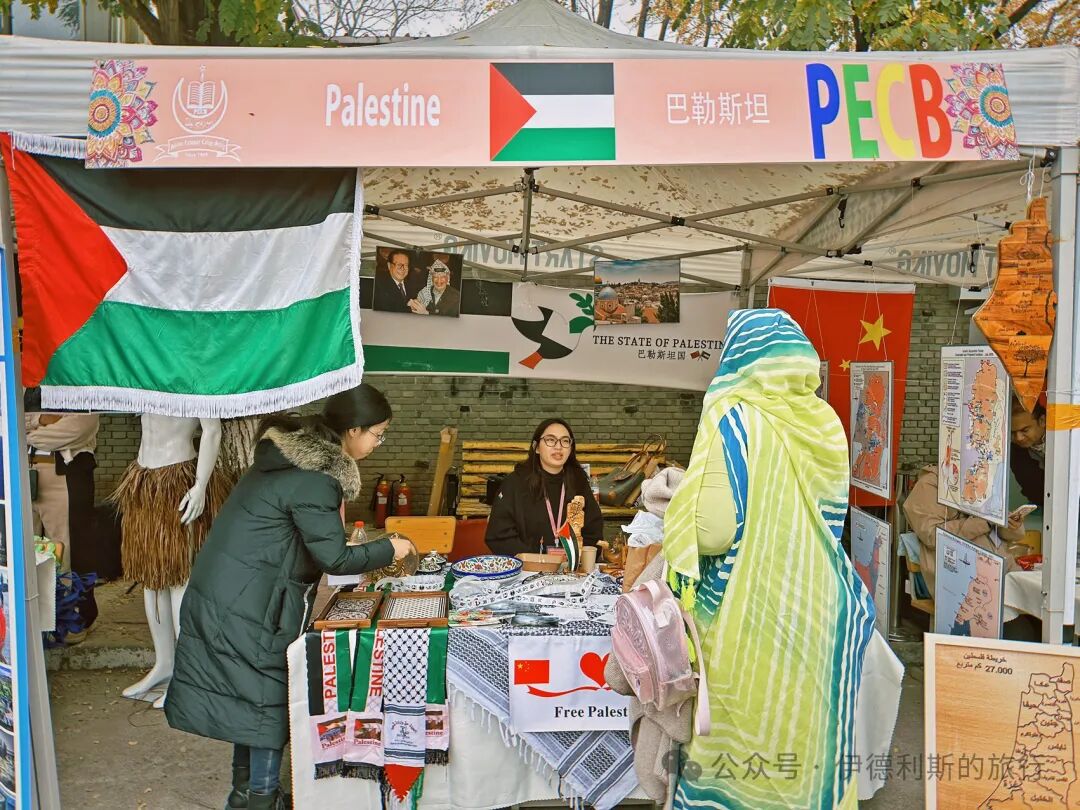
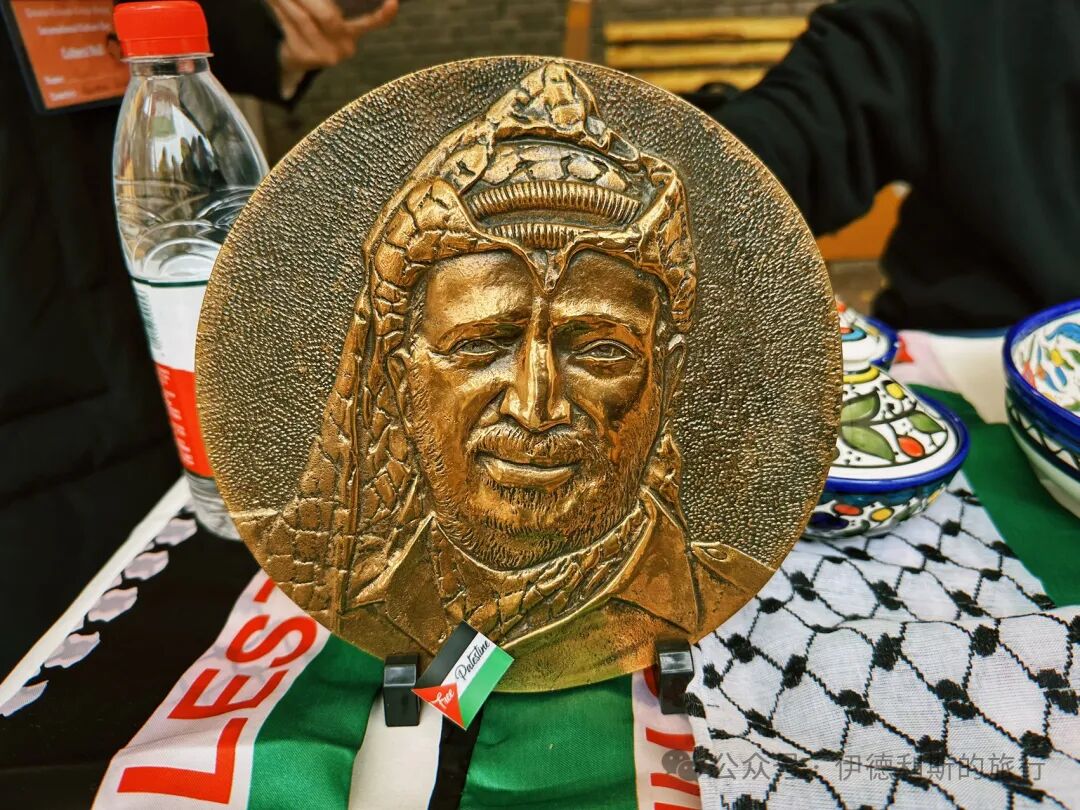
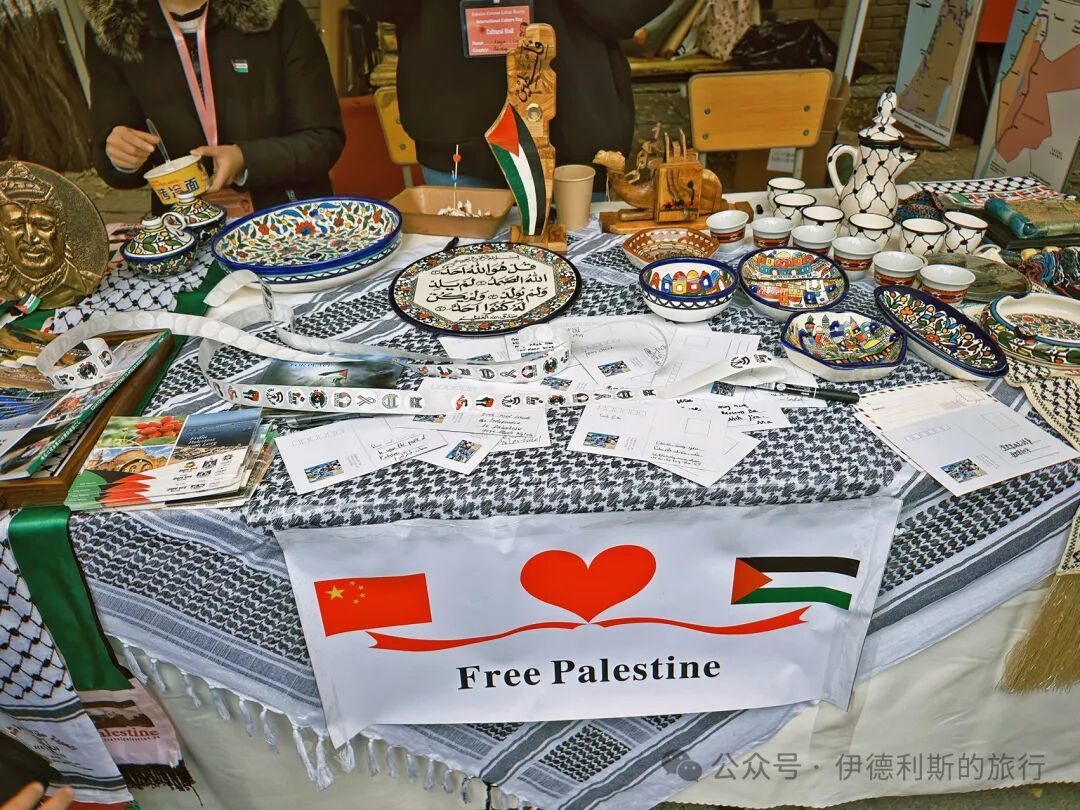
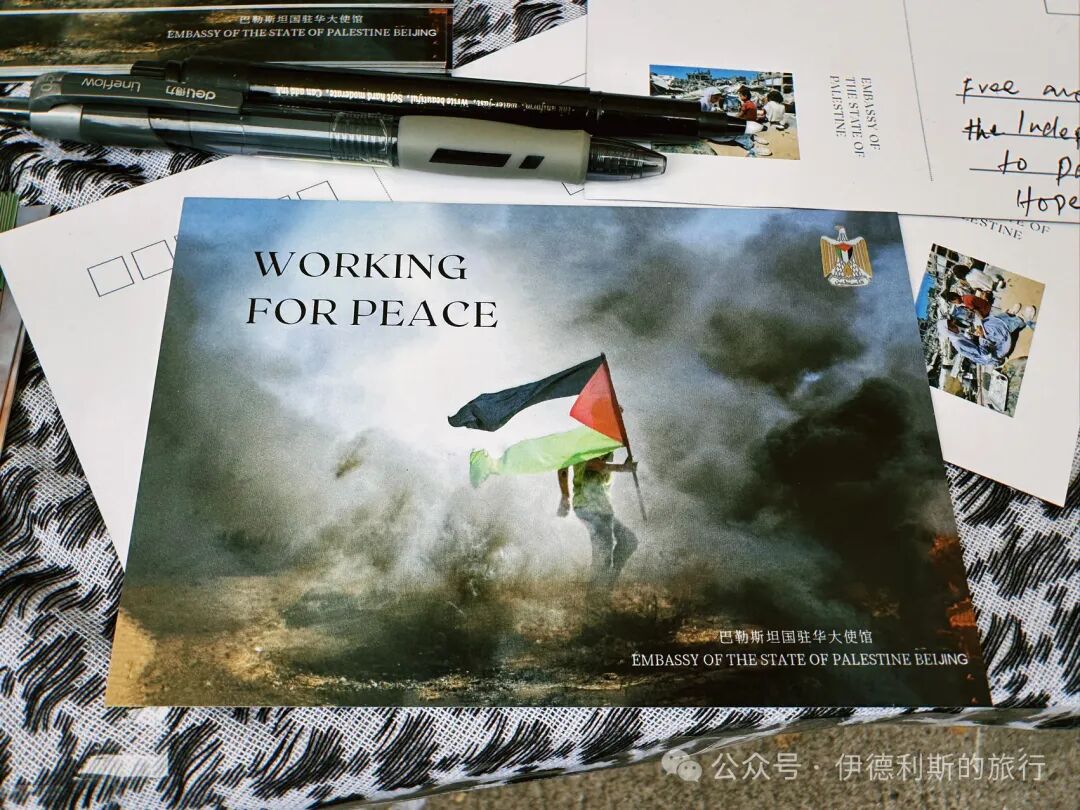
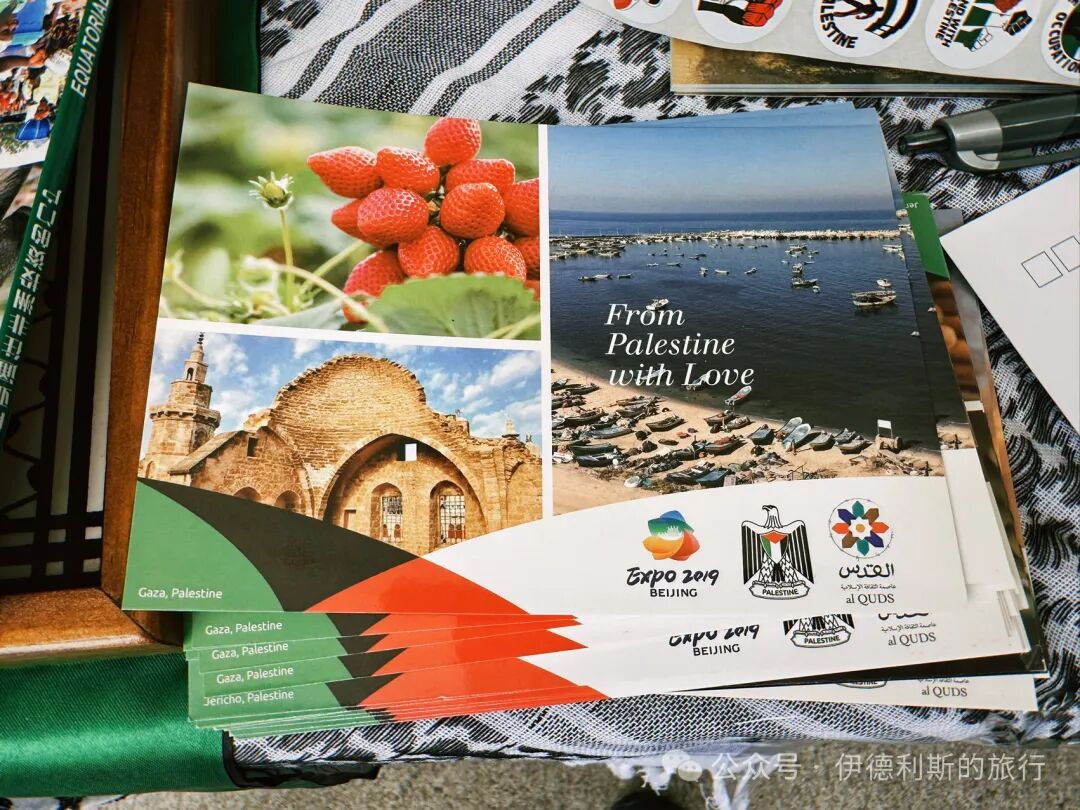
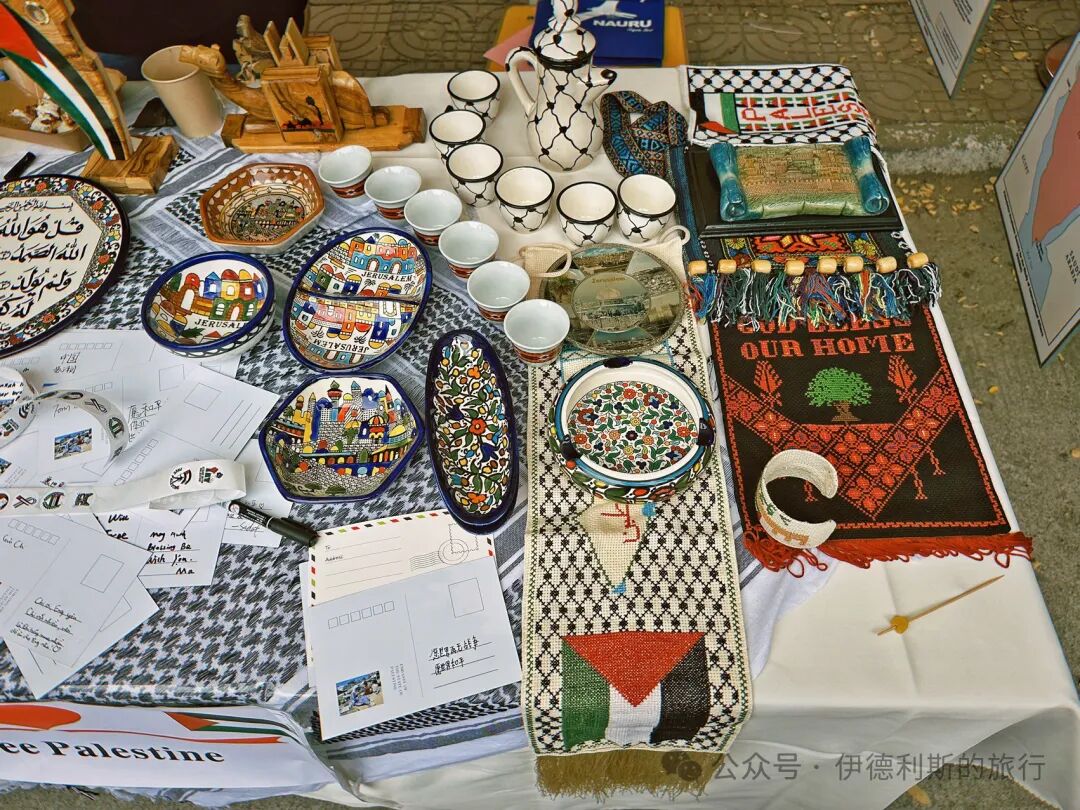
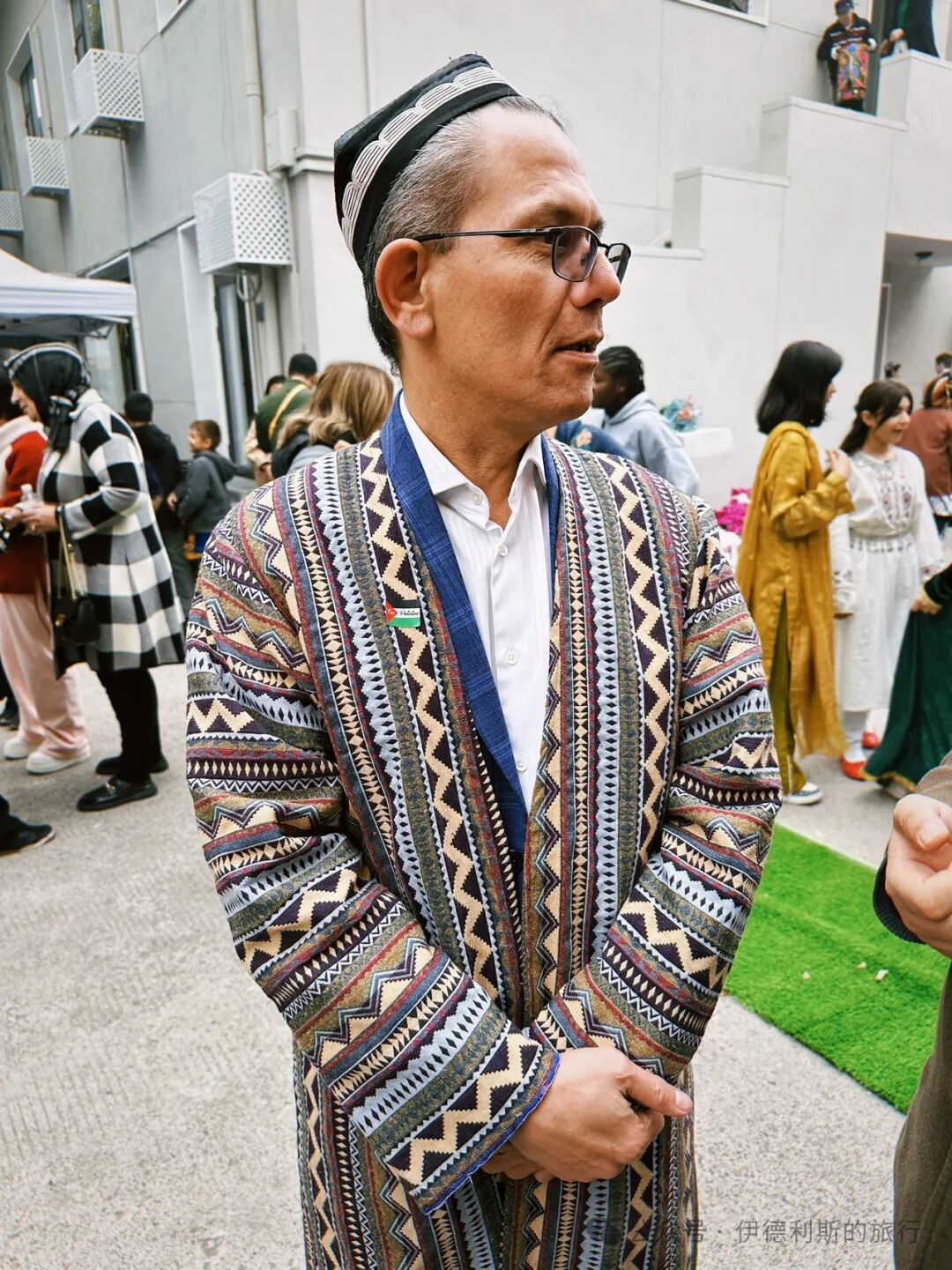
The Commercial Counselor of the Palestinian Embassy in China was there to introduce Palestinian culture, and everyone wrote messages of support for Palestine on postcards.
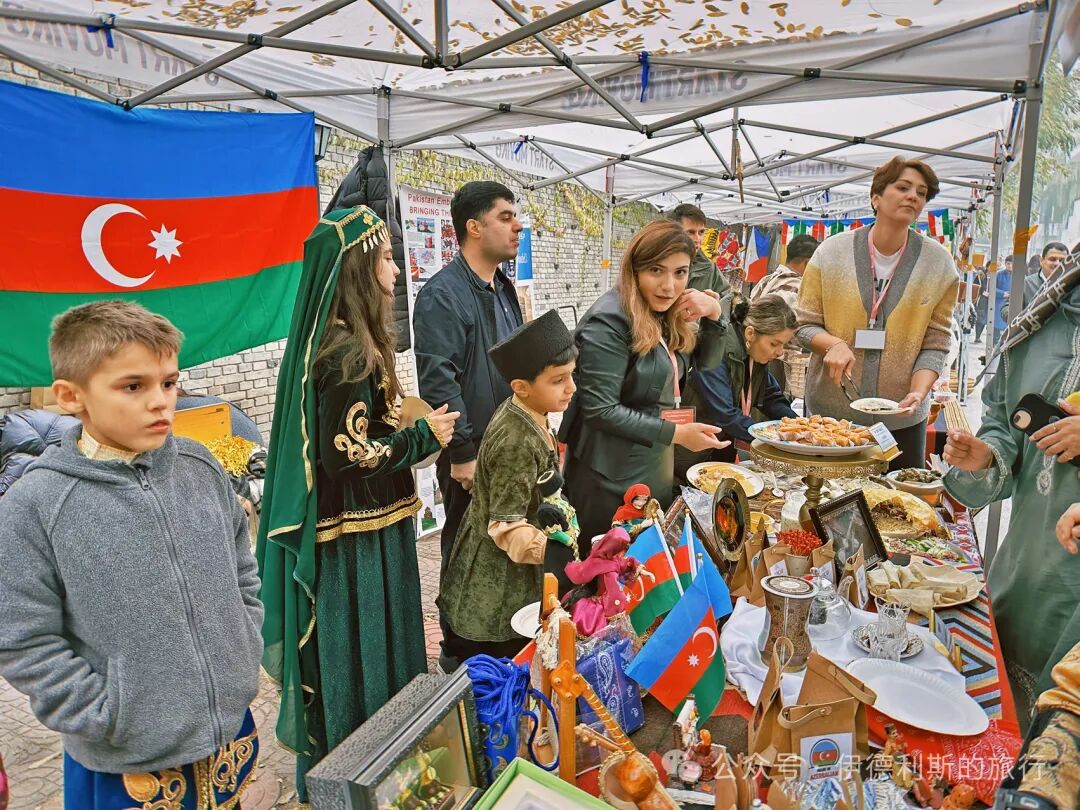
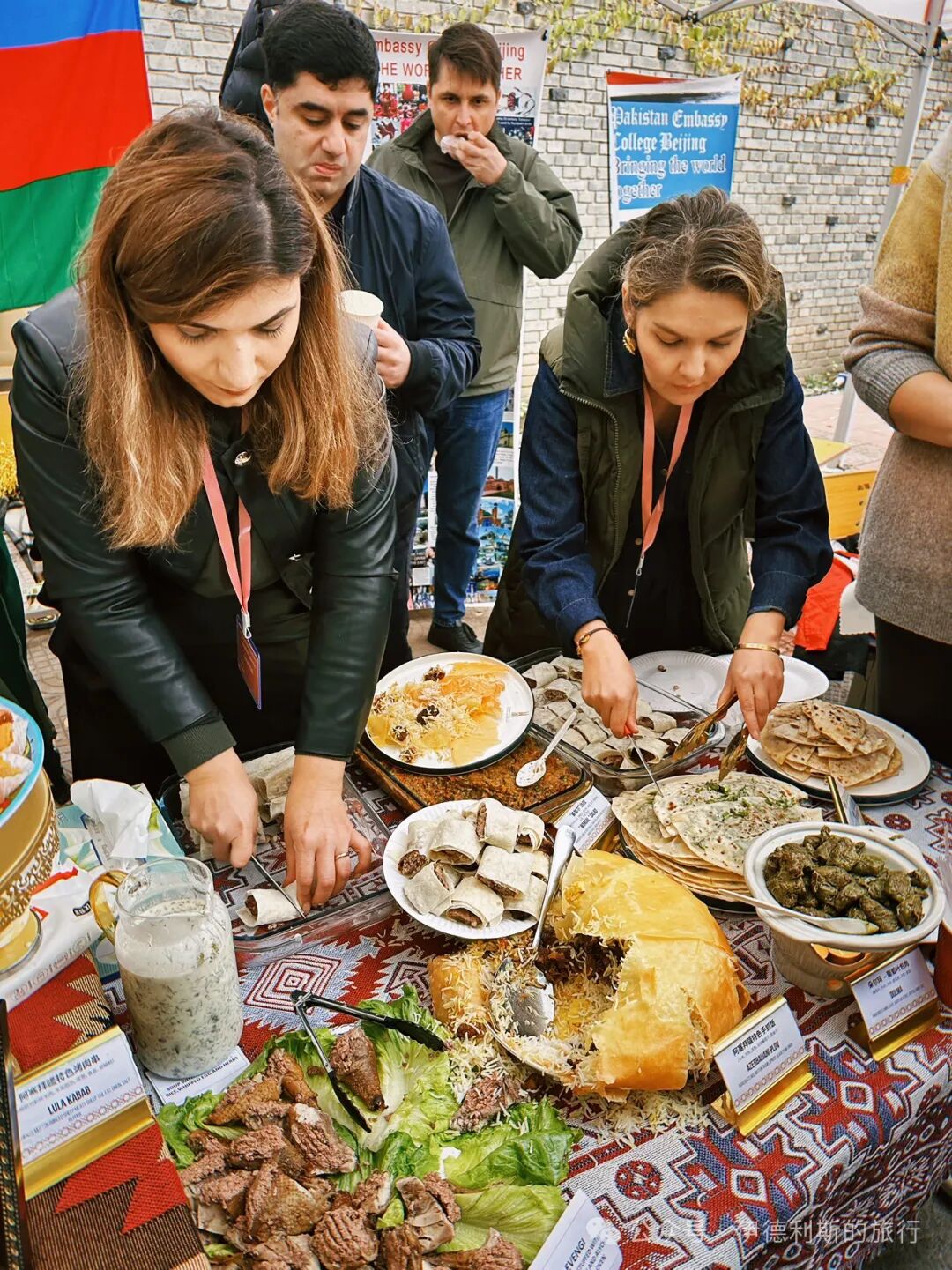
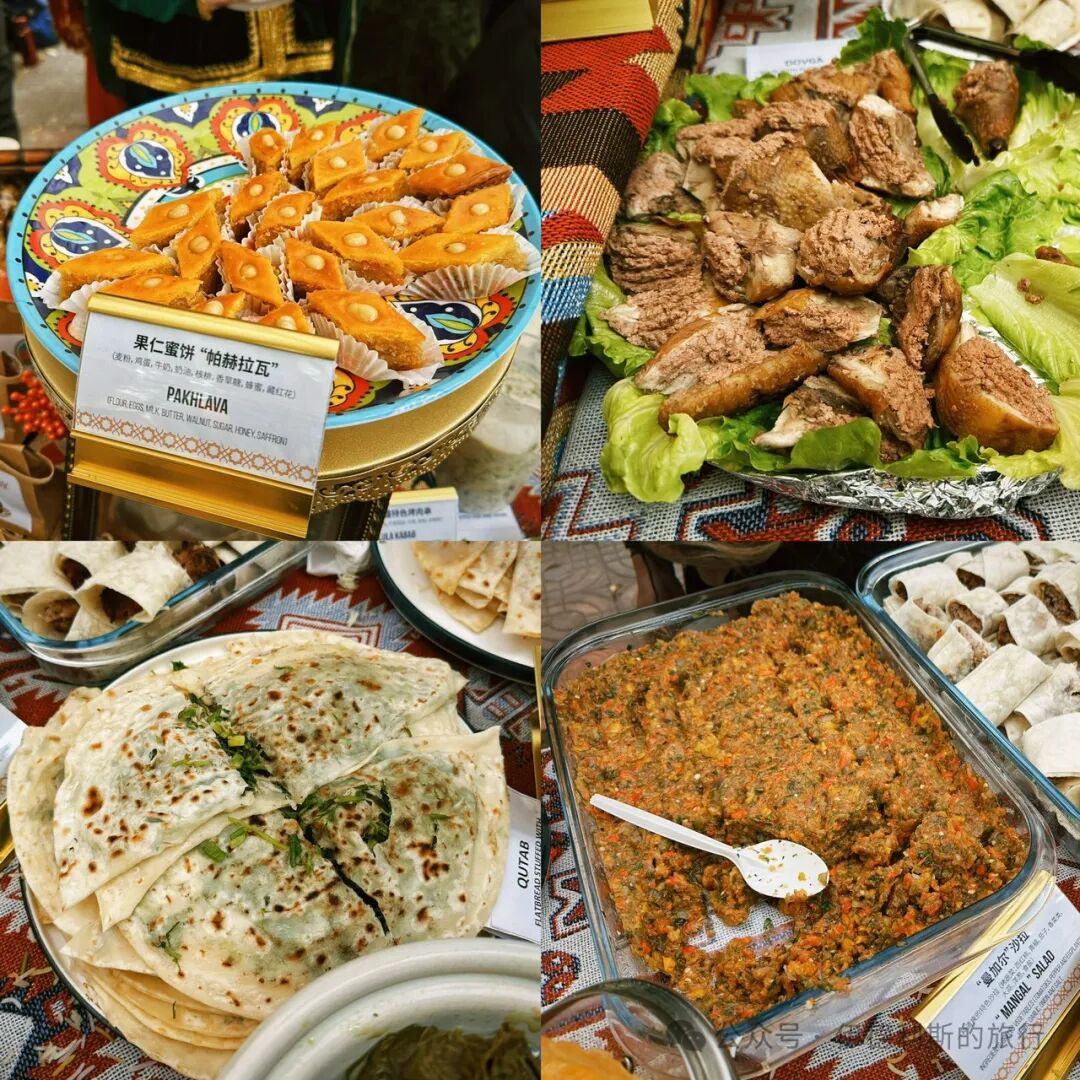
The first booth inside was Azerbaijan. We started by eating the famous Ottoman dessert baklava (Paxlavası), which is a classic treat for major occasions like Nowruz. Different ethnic groups in Azerbaijan, such as Azerbaijanis, Lezgins, and Tats, all have their own style of making baklava. We ate a version made with walnuts, vanilla sugar, honey, and saffron, which was delicious.
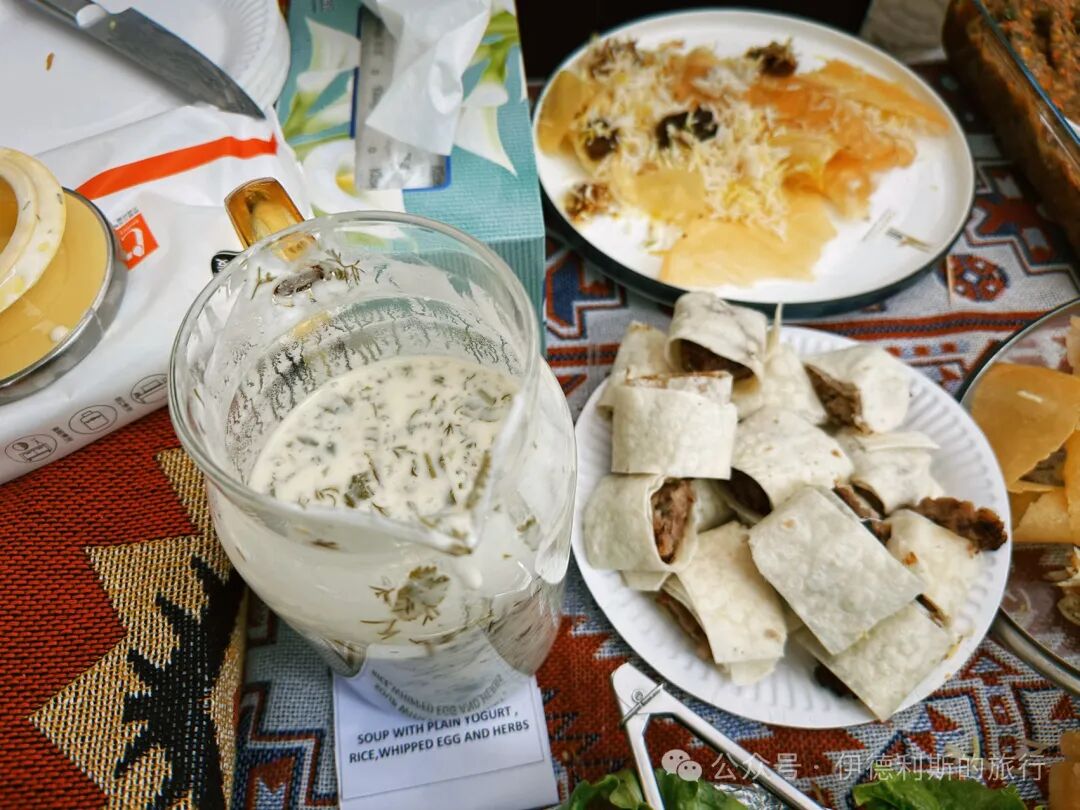
They also had classic Azerbaijani dishes like rice pilaf (Plov), stuffed grape leaves (Dolma), stuffed chicken (Levengi), grilled vegetable salad (Mangal), herb-filled flatbread (Qutab), and vegetable yogurt soup (Dovga). Levengi is made by stuffing a chicken with walnuts, onions, and various spices before roasting it. Dovga is a classic drink served at Azerbaijani weddings, made by mixing yogurt with cilantro, dill, mint, spinach, and other vegetables.
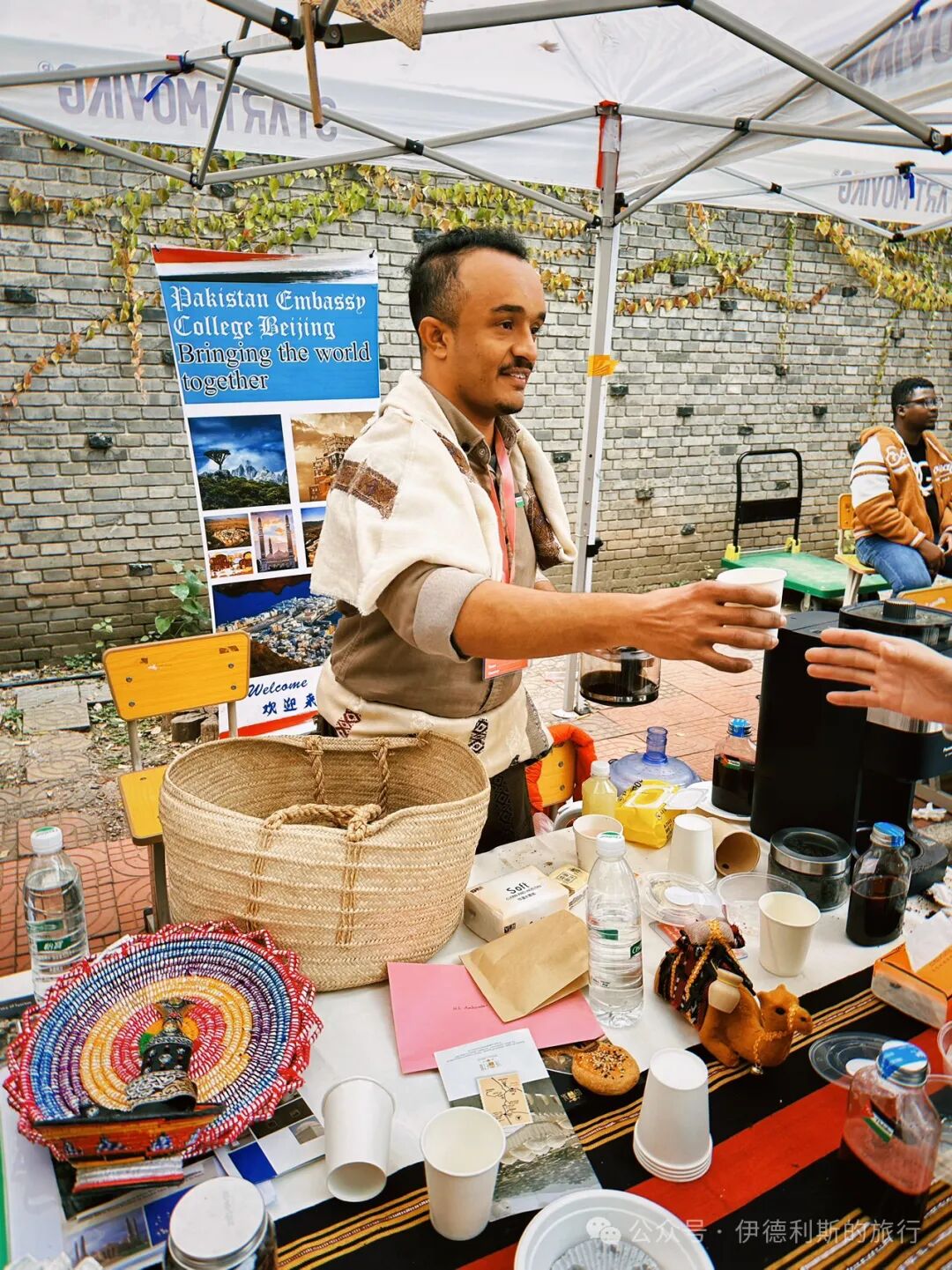
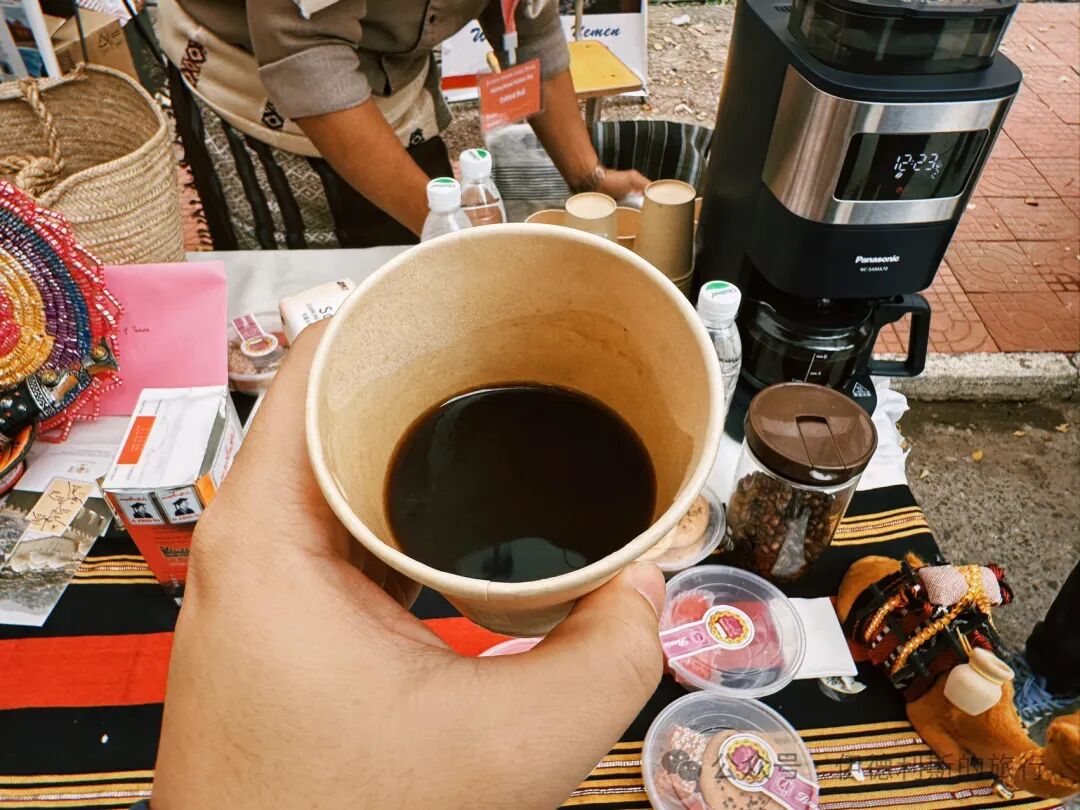
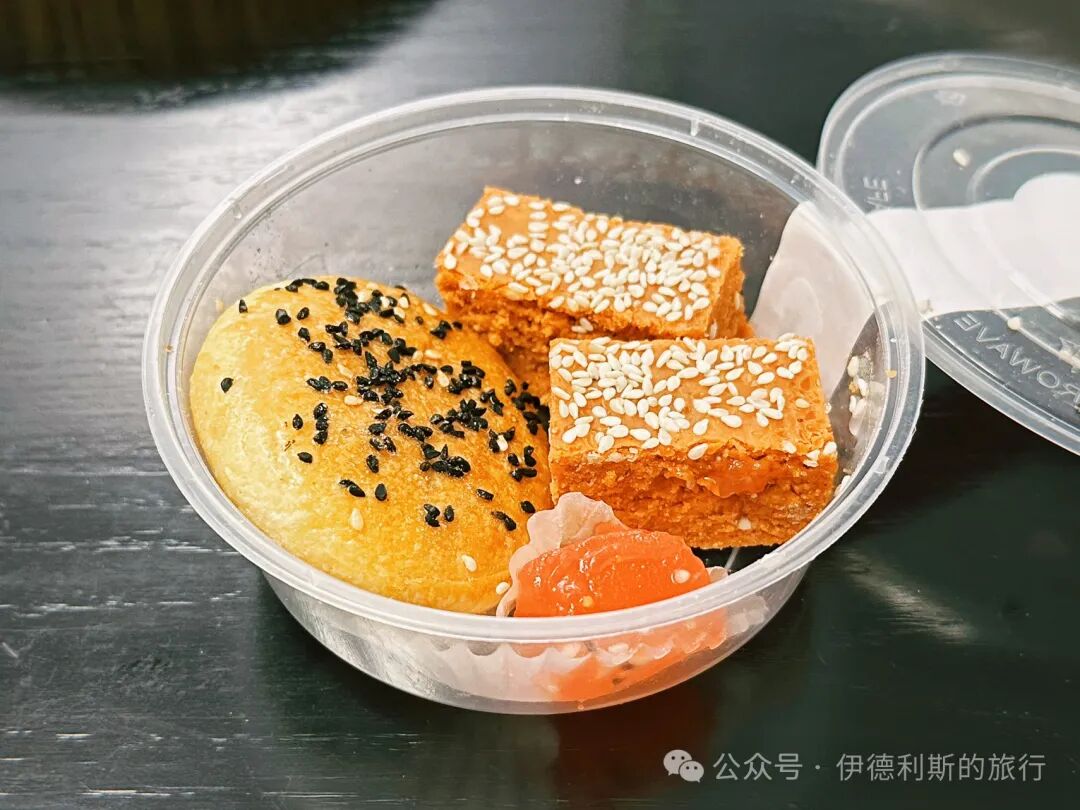
The second booth was Yemen, where we drank Yemeni coffee and had some special desserts. Although coffee is now a popular drink everywhere, it actually originated in Yemeni Sufi lodges. According to current records, Yemeni Sufi lodges had already introduced coffee beans from Ethiopia to Yemen for cultivation by the 15th century. They were the first to roast the beans to make coffee, which helped them stay awake during night prayers (namaz). Mocha is an important Yemeni port on the Red Sea. From the 15th to the 17th century, it was the world's largest coffee trading center and even held a monopoly. Before the 20th century, Mocha referred to Yemeni coffee; it was only later that the term began to describe coffee mixed with chocolate.
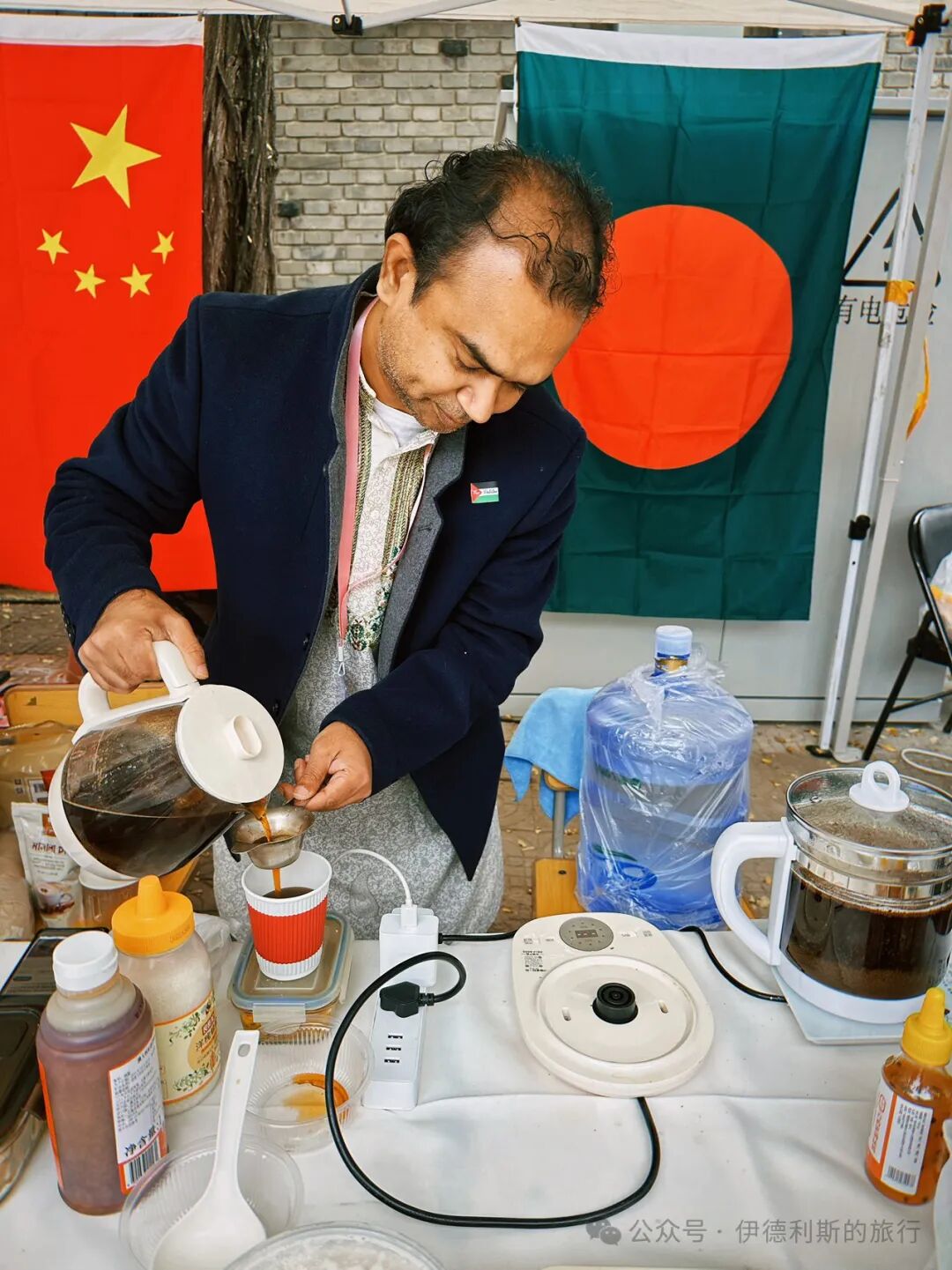
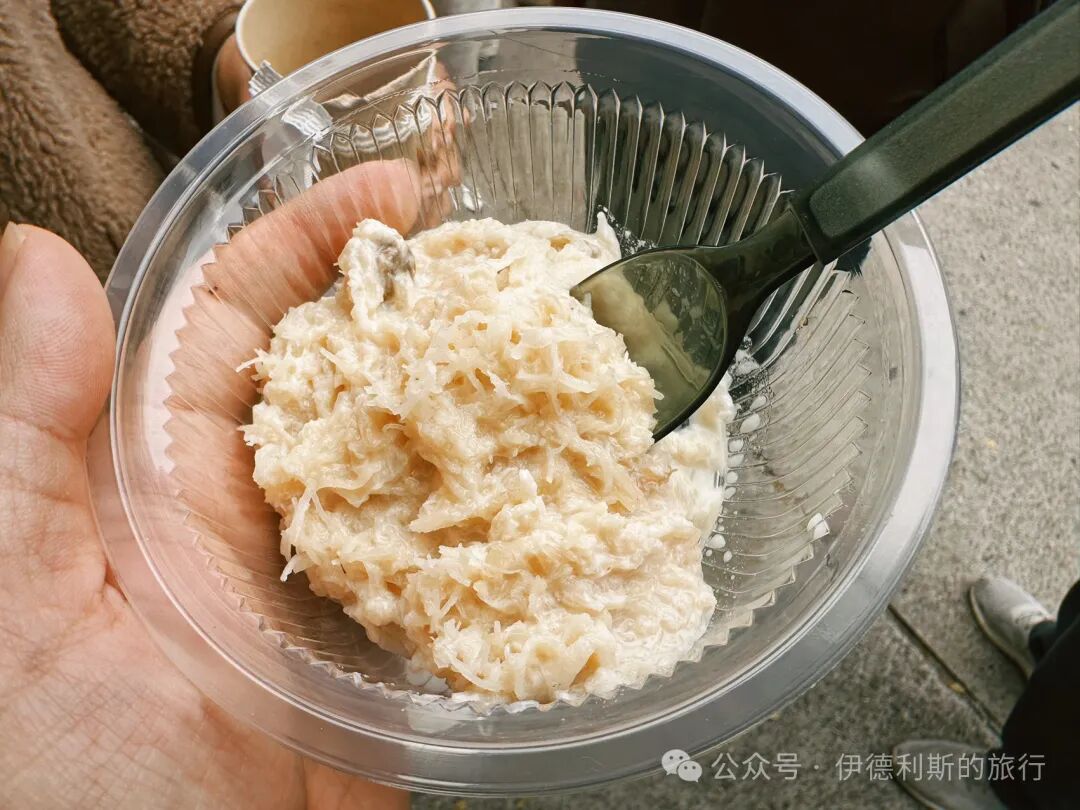
Moving forward, we reached the Bangladesh booth, where we drank masala tea and ate a traditional Bangladeshi dessert called vermicelli pudding (Lachcha Shemai). This snack consists of thin noodles layered together and soaked in sweet milk, and it is a classic wedding dessert in Bangladesh.
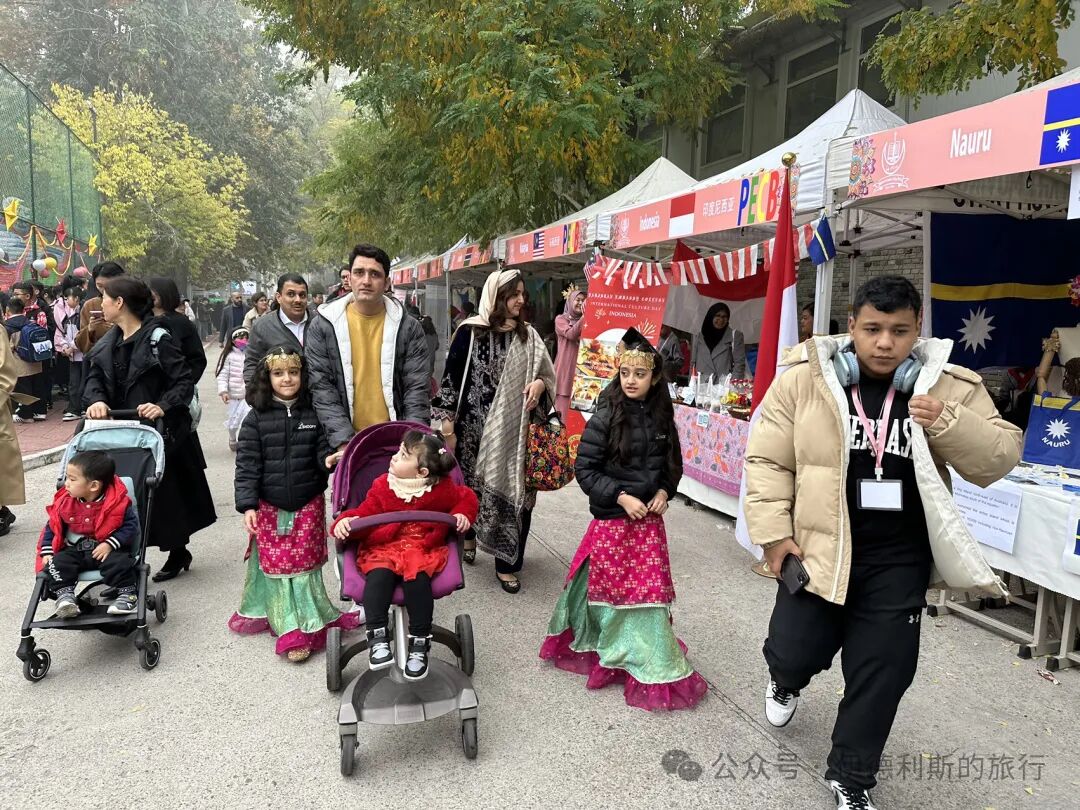
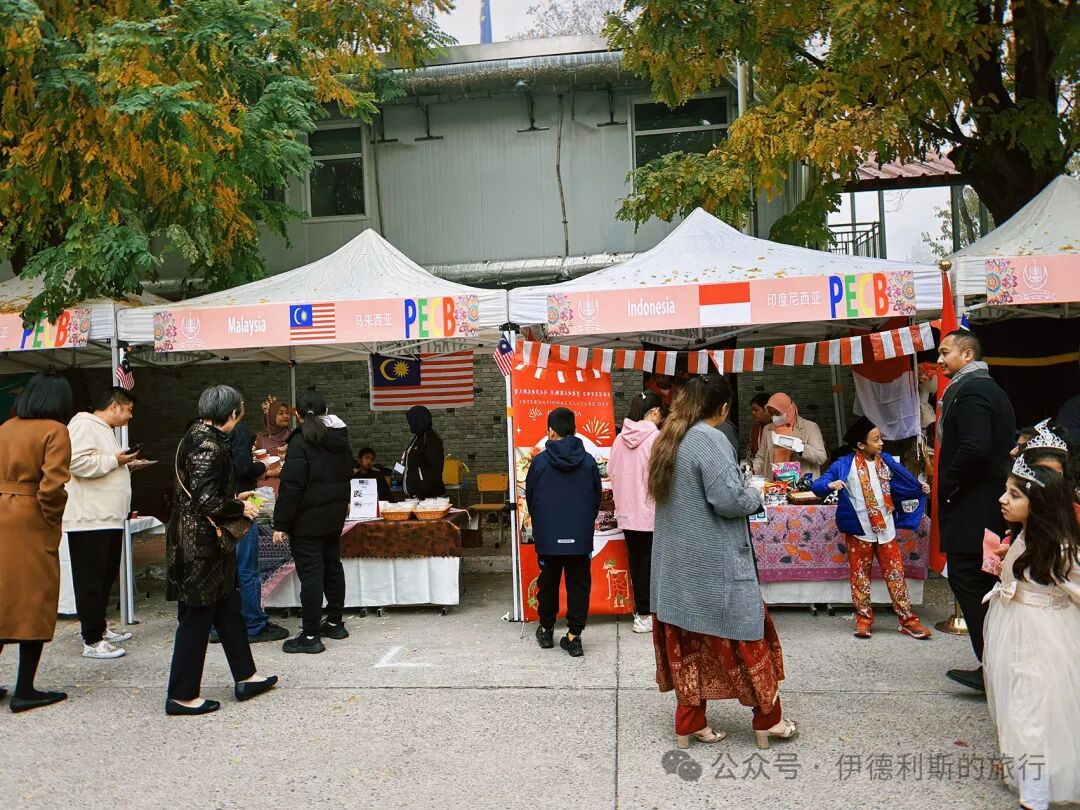
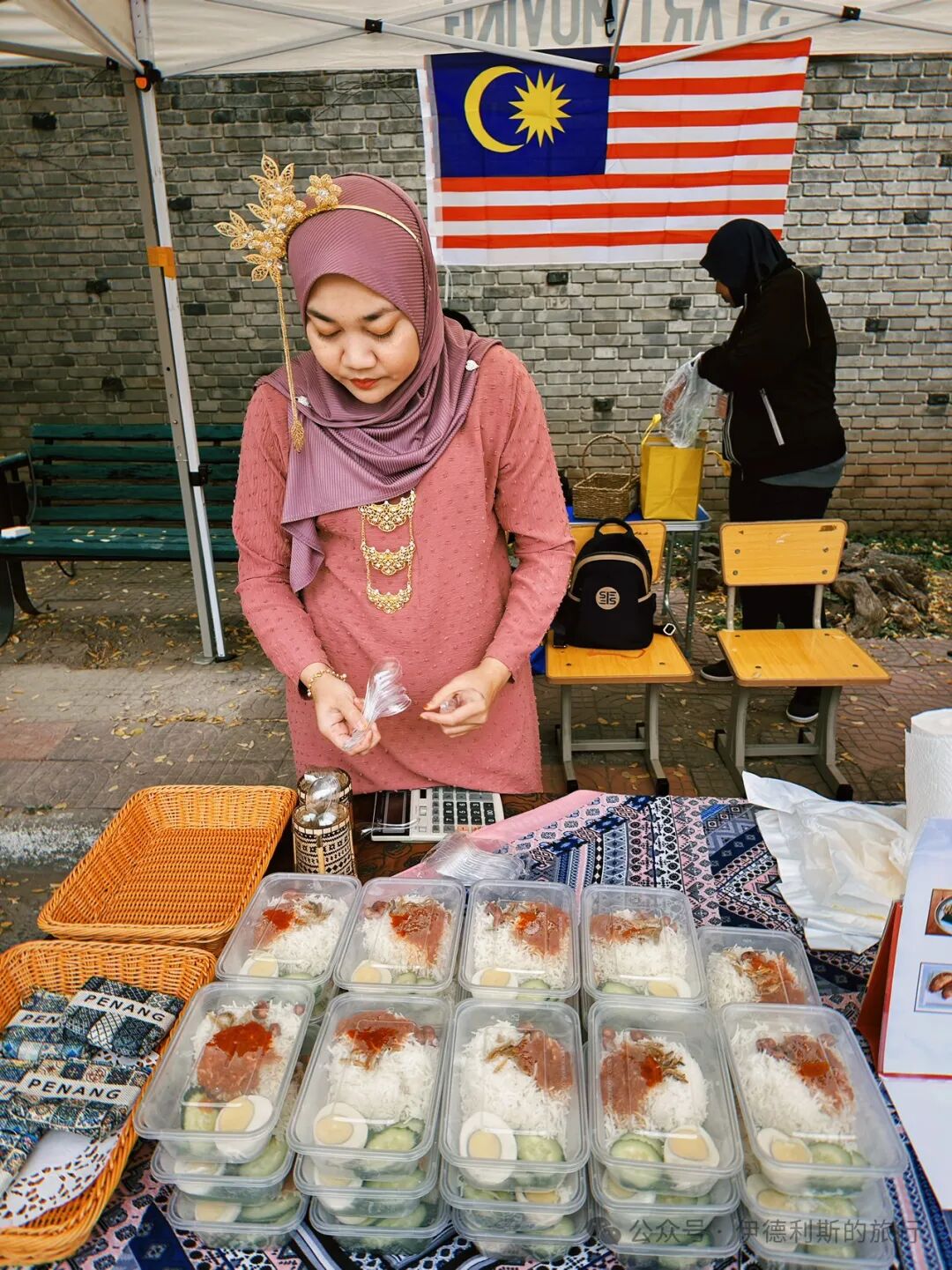
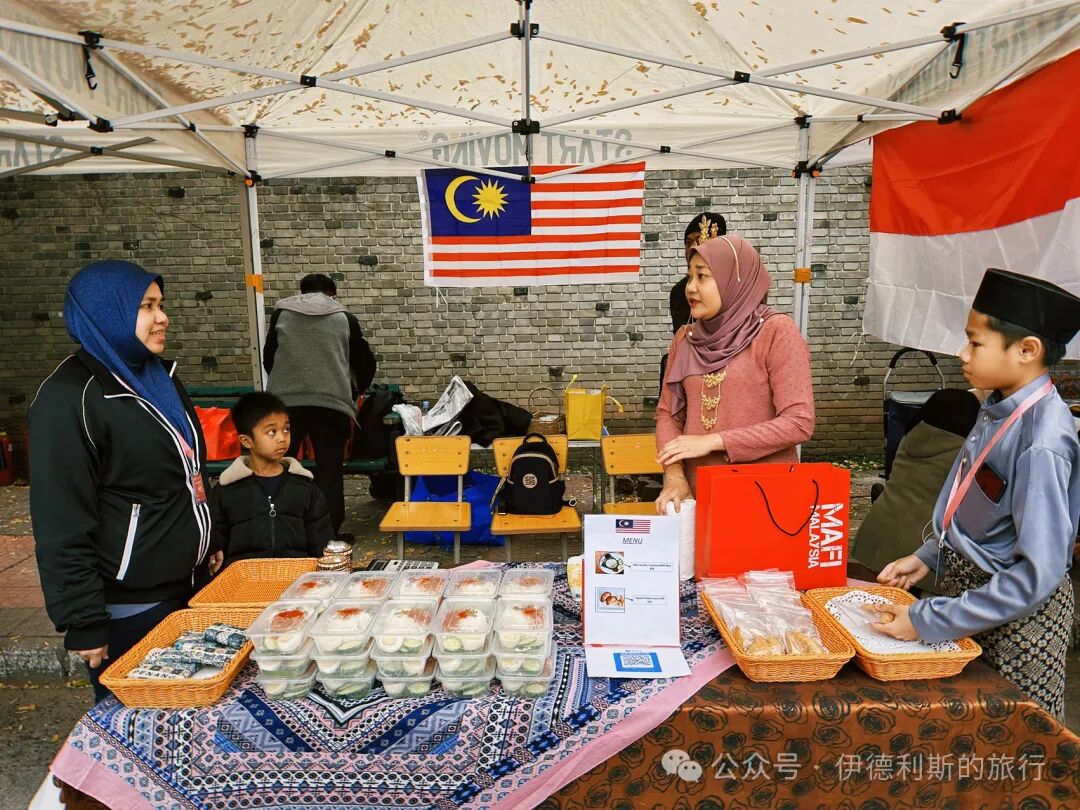
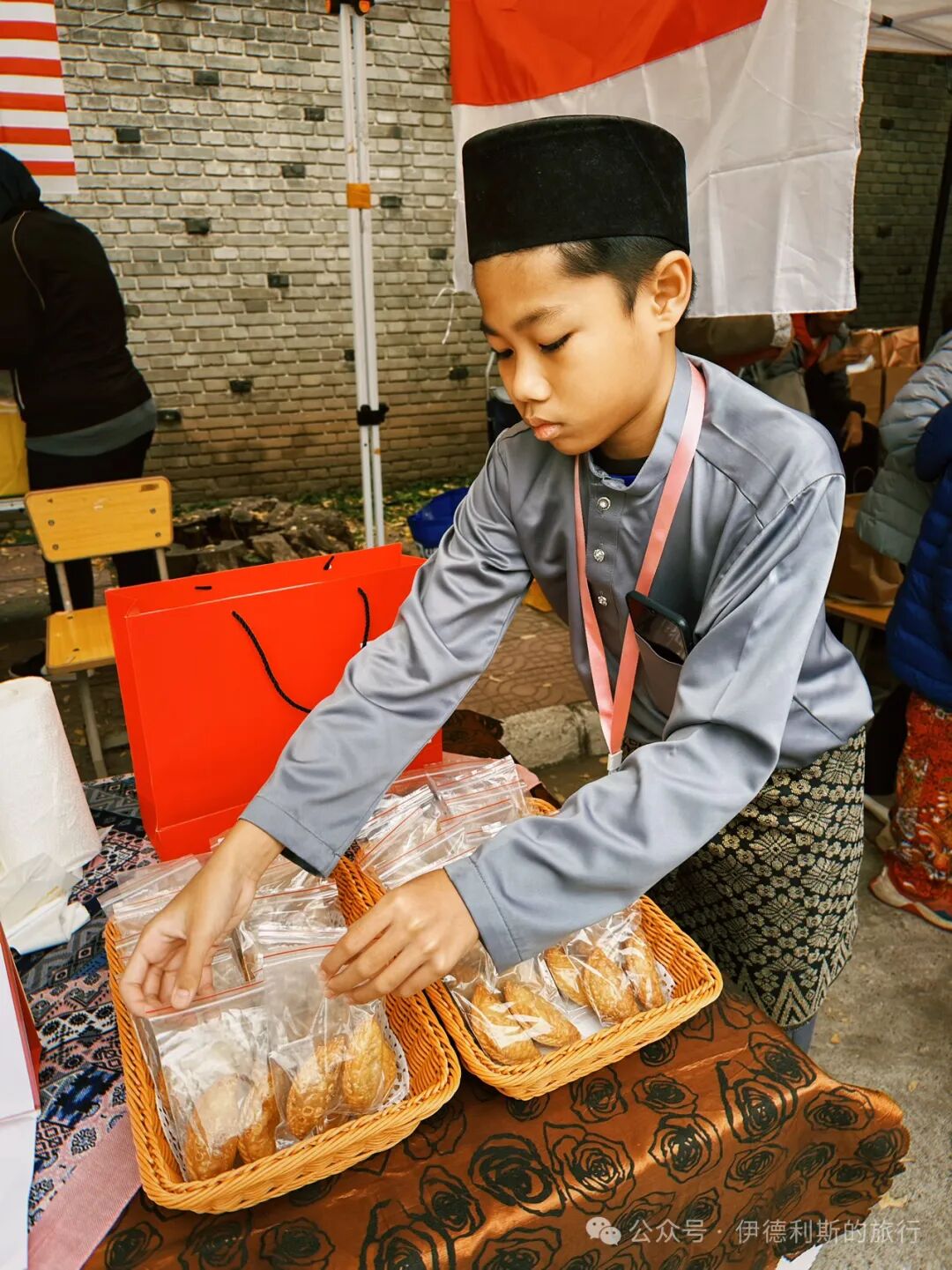
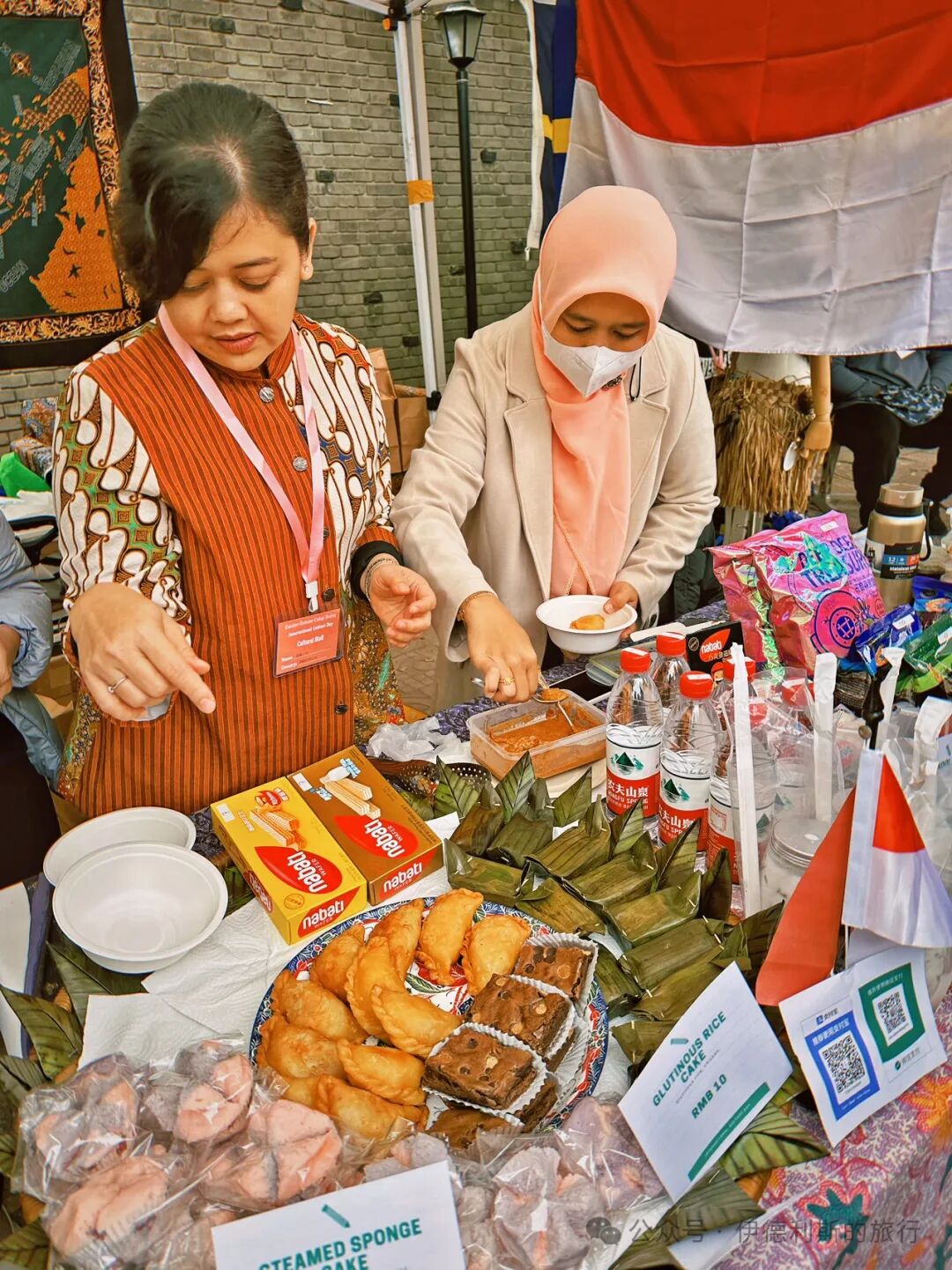
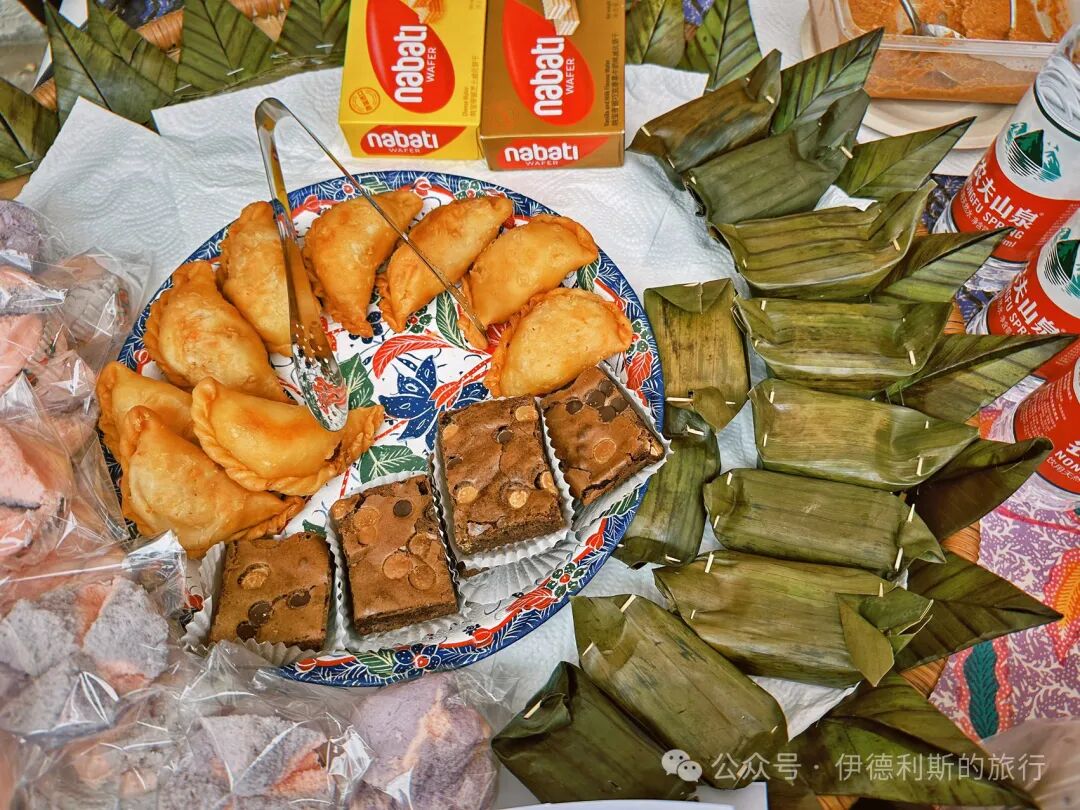
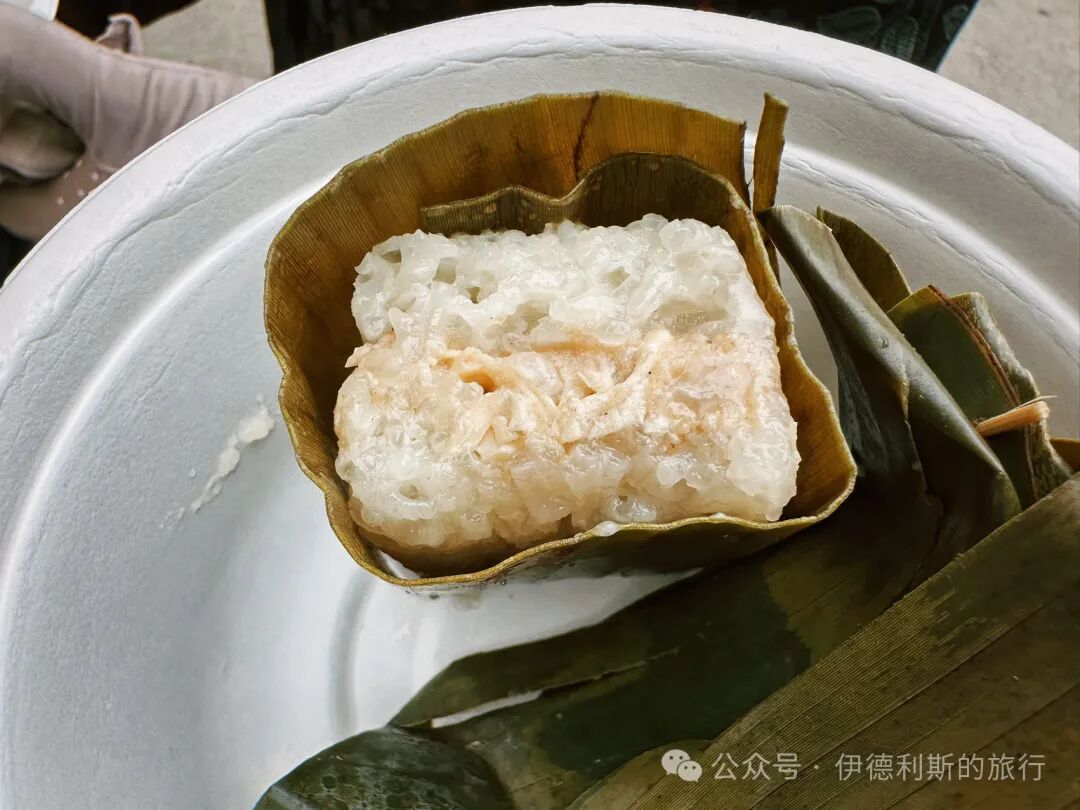
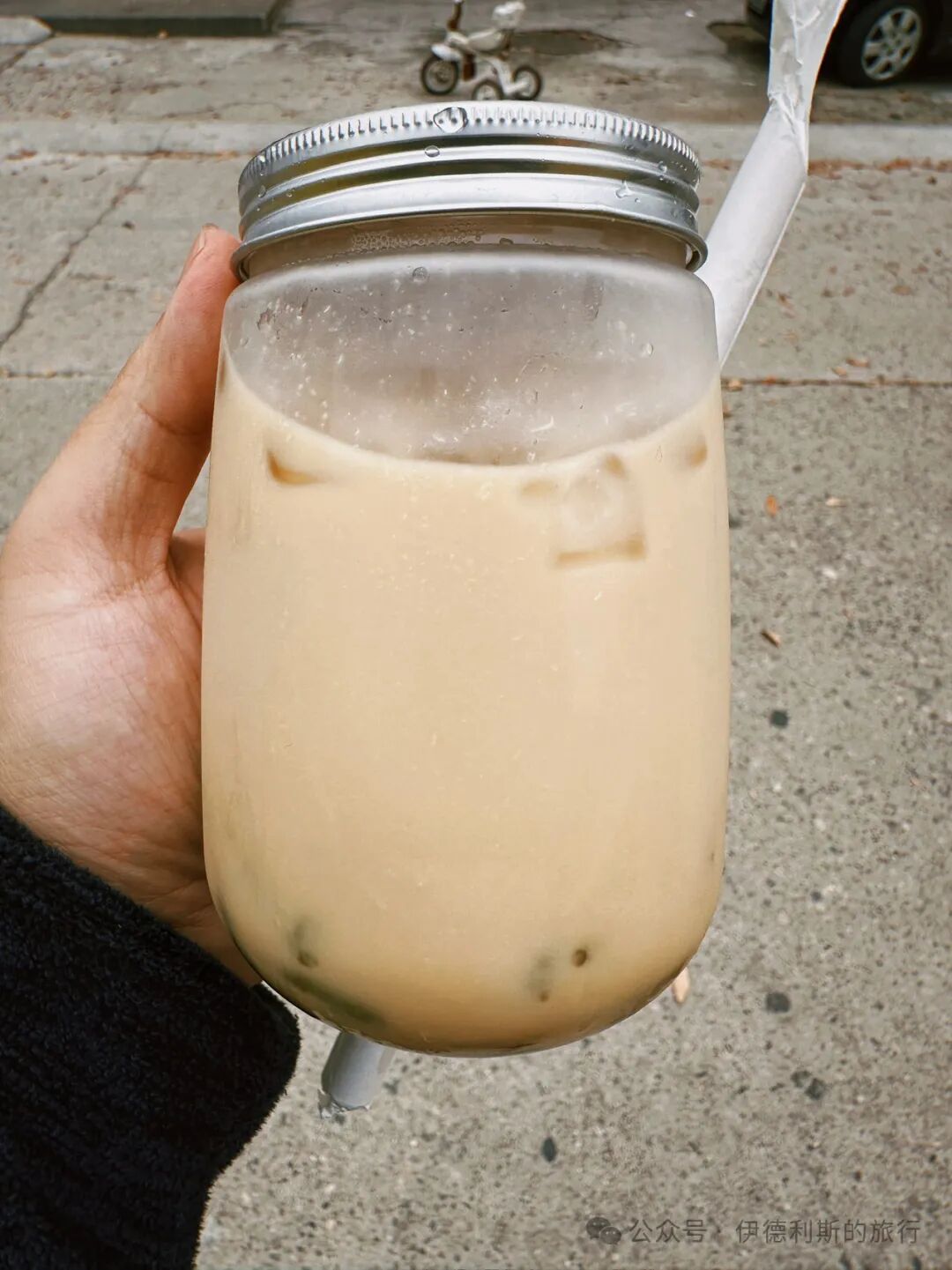
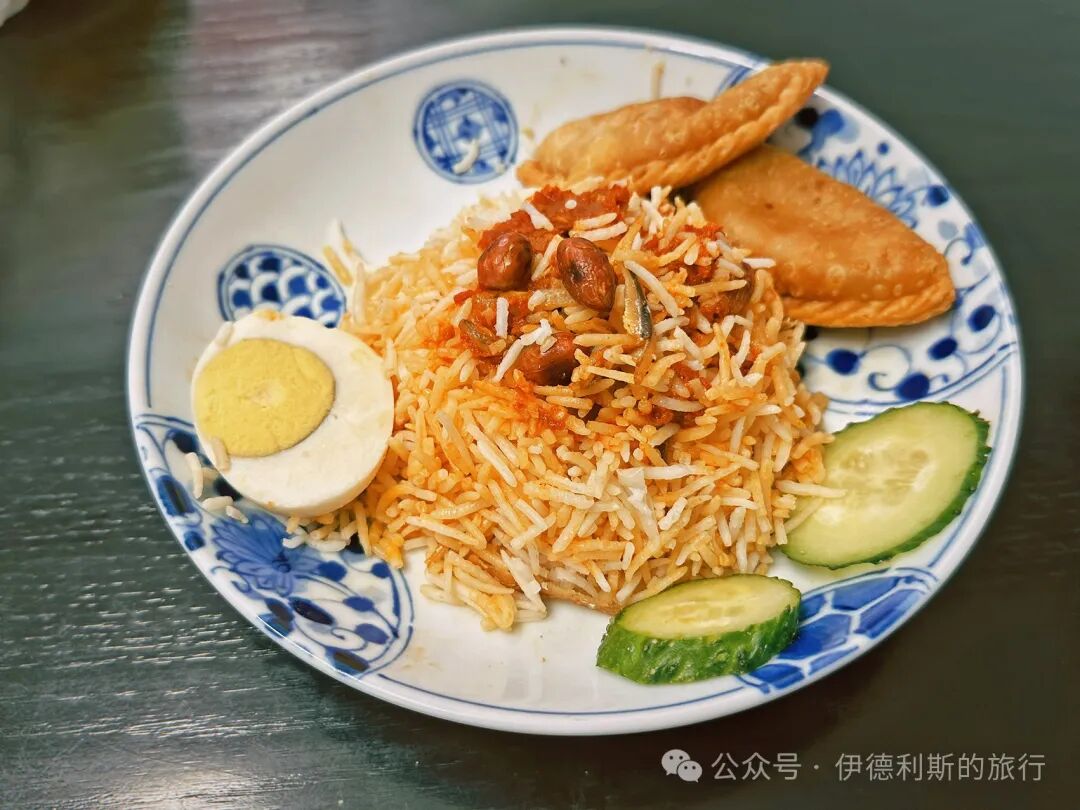
Further inside were the Malaysia and Indonesia booths. At the Malaysia booth, we bought coconut rice (Nasi Lemak) and curry puffs (Karipap). At the Indonesia booth, we bought savory sticky rice rolls (Lemper) and shaved ice dessert (Cendol).
The coconut rice sold here was the most traditional and simple version, consisting of white rice with chili paste (sambal), dried anchovies, peanuts, and a boiled egg.
Karipap is a flaky curry puff that appeared in Malaysia during the 19th-century British colonial era, influenced by British pasties and Indian samosas, and later spread throughout Southeast Asia.
Lemper is a savory sticky rice roll filled with shredded chicken or fish floss, wrapped in a banana leaf.
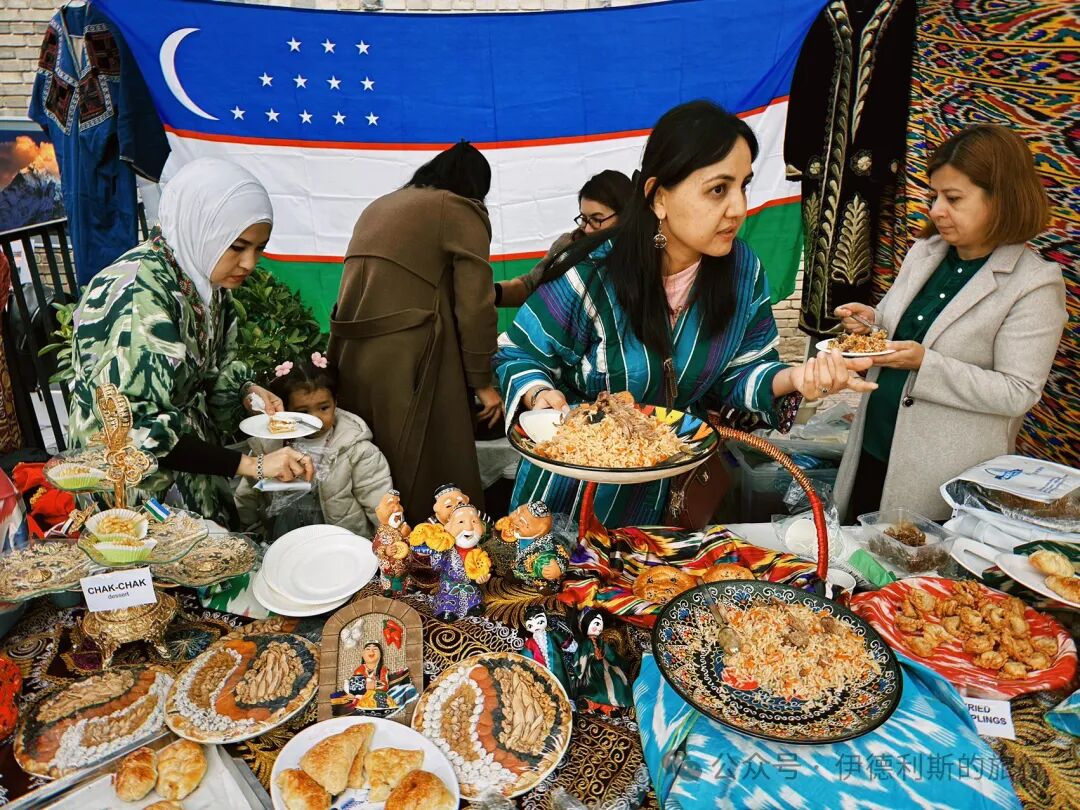
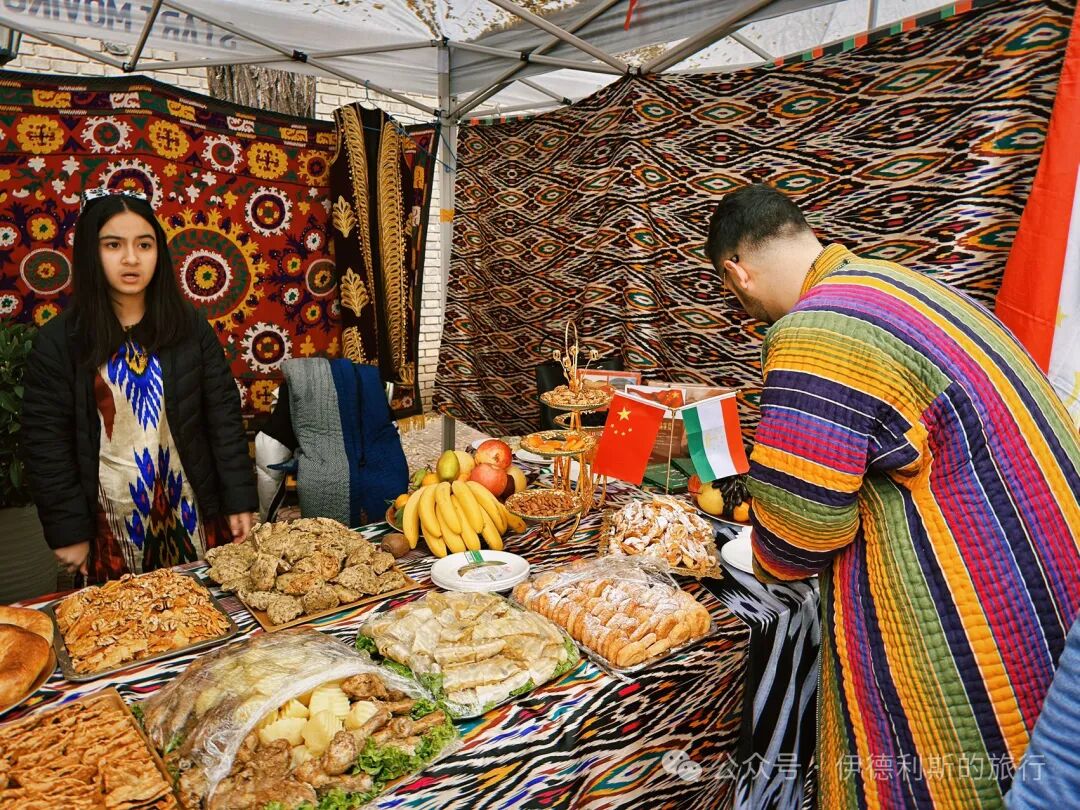
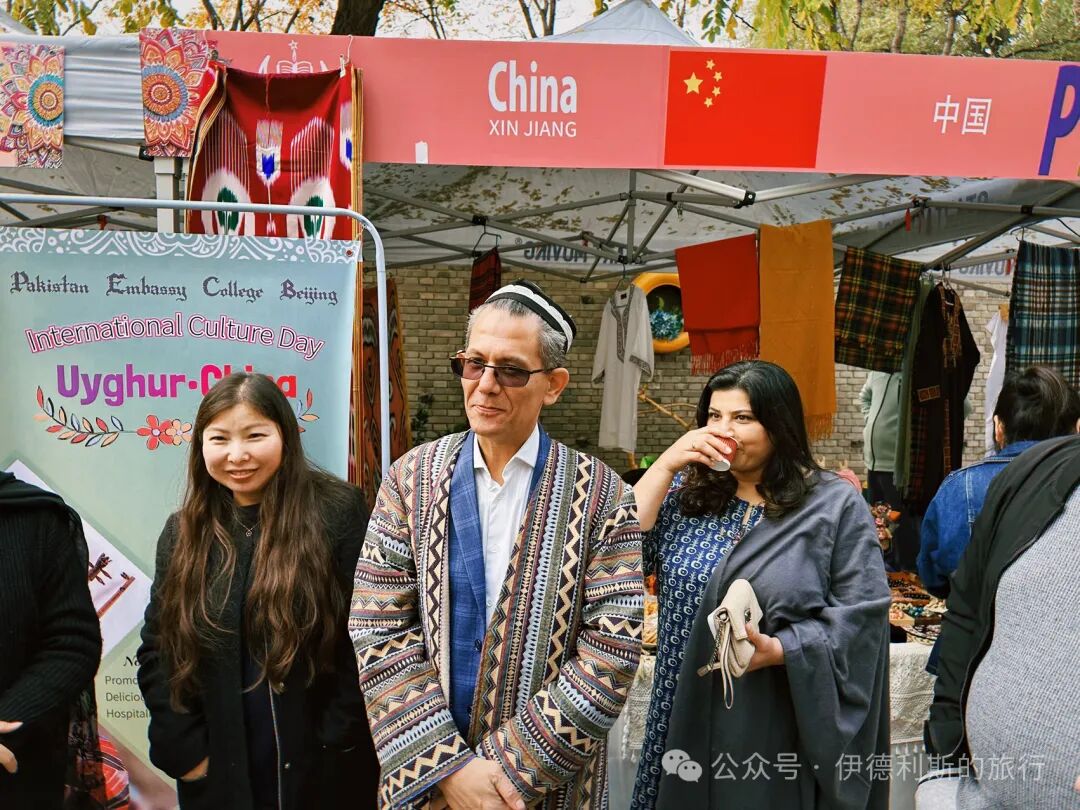
Next were the Uzbekistan, Tajikistan, and Xinjiang booths.
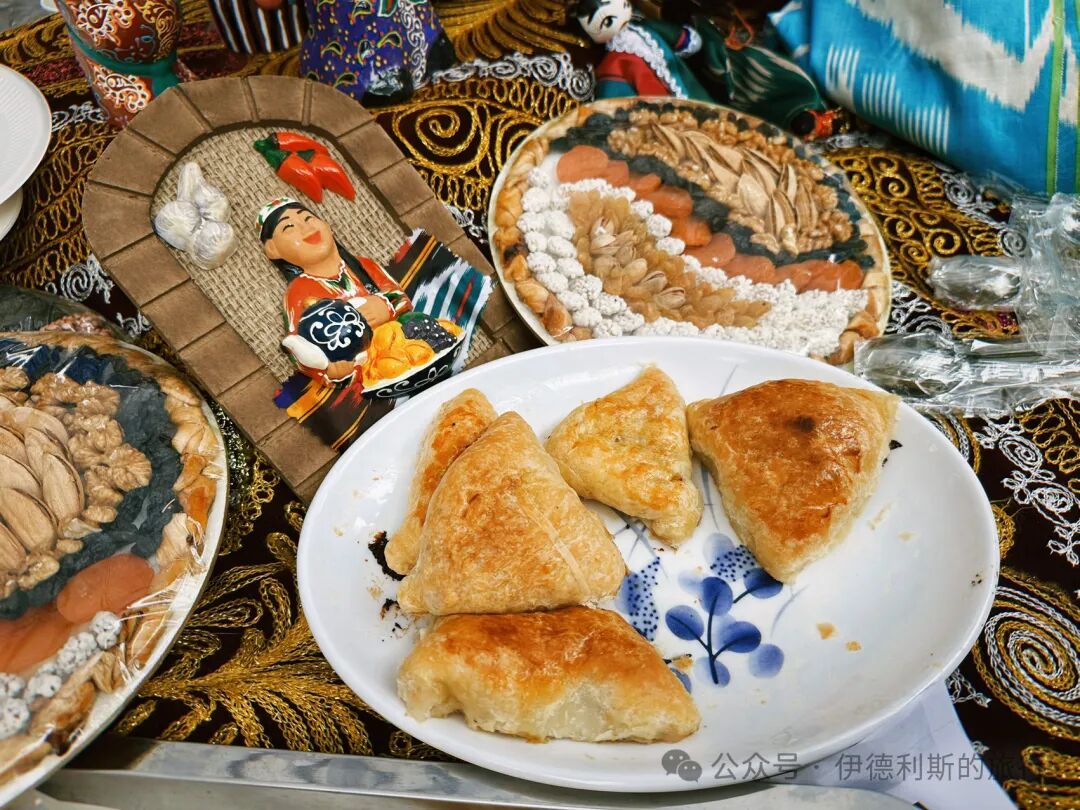
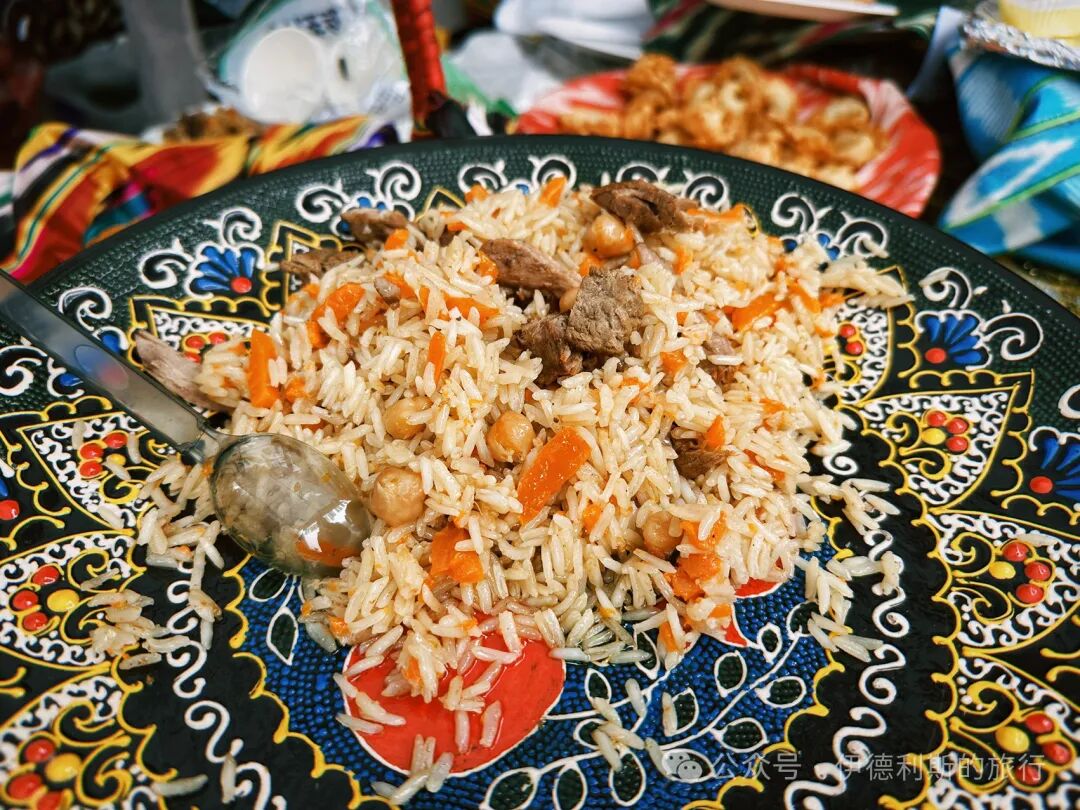
Uzbekistan had flaky baked buns (samsa) and freshly cooked rice pilaf (plov), which my mother-in-law thought tasted very good.
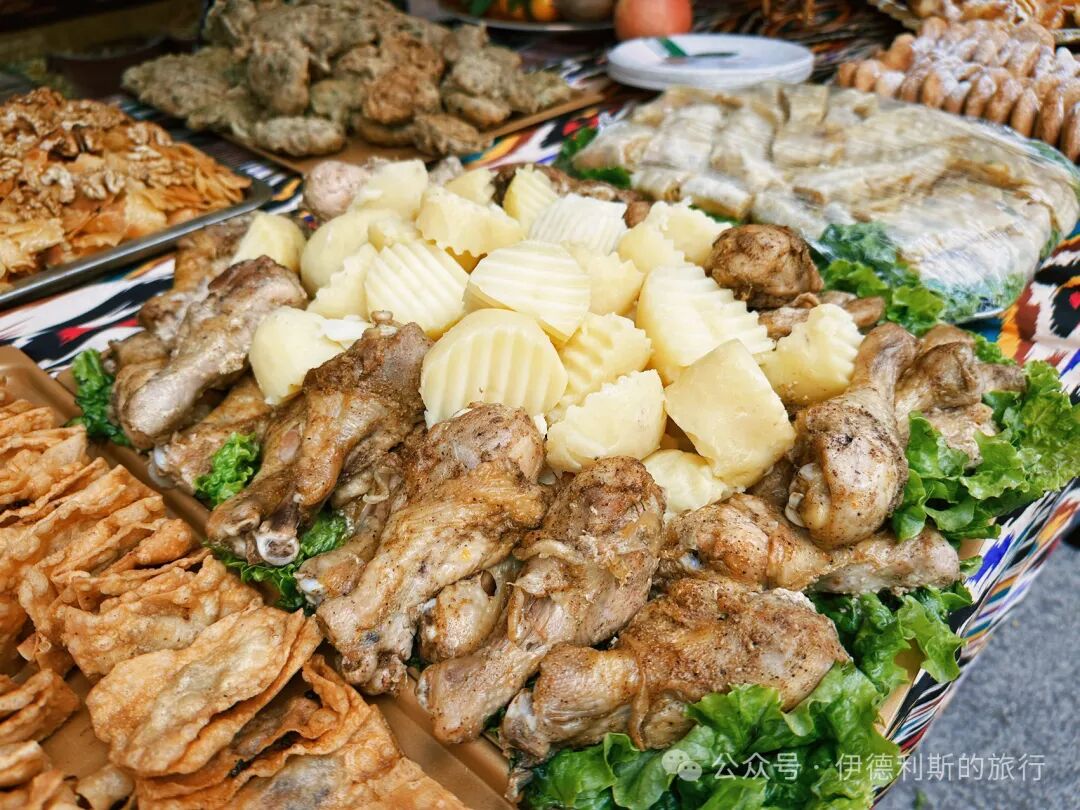
The Tajikistan booth was probably the most impressive this time, with a huge pot full of chicken stew!
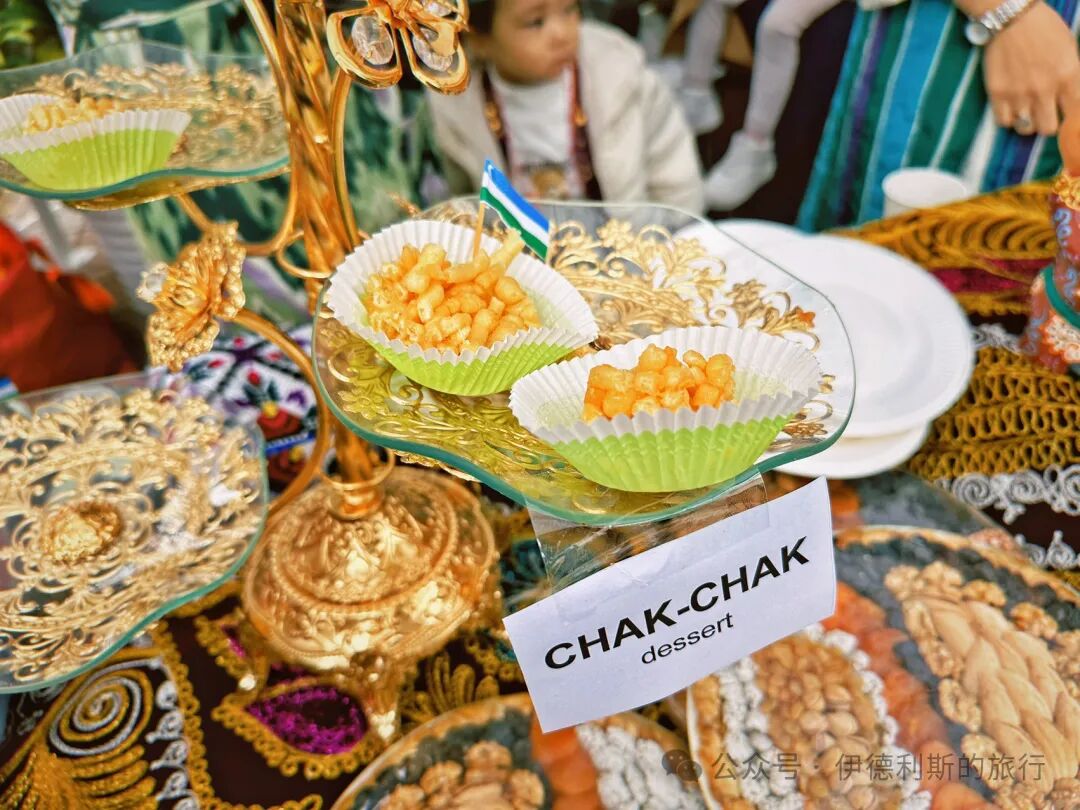
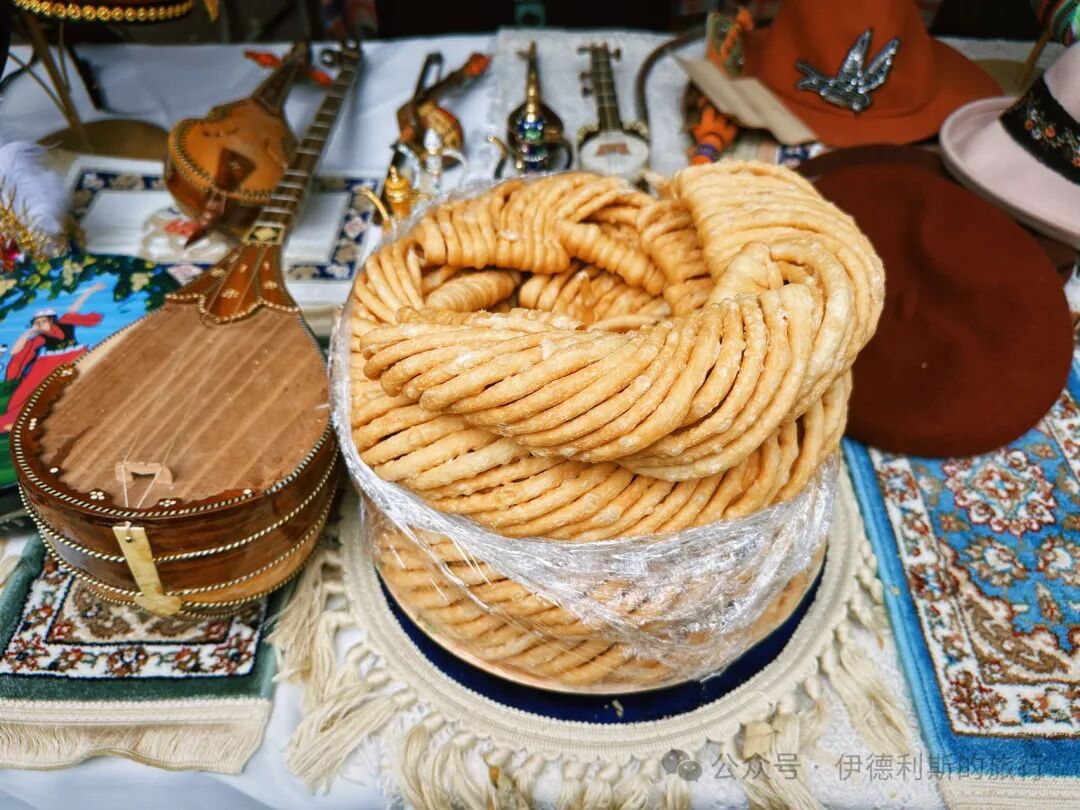
The man at the Xinjiang booth is from Hotan, though he was born in Pakistan. The fried dough twists (sanzi) at the booth were delicious, and Suleiman couldn't stop eating them.
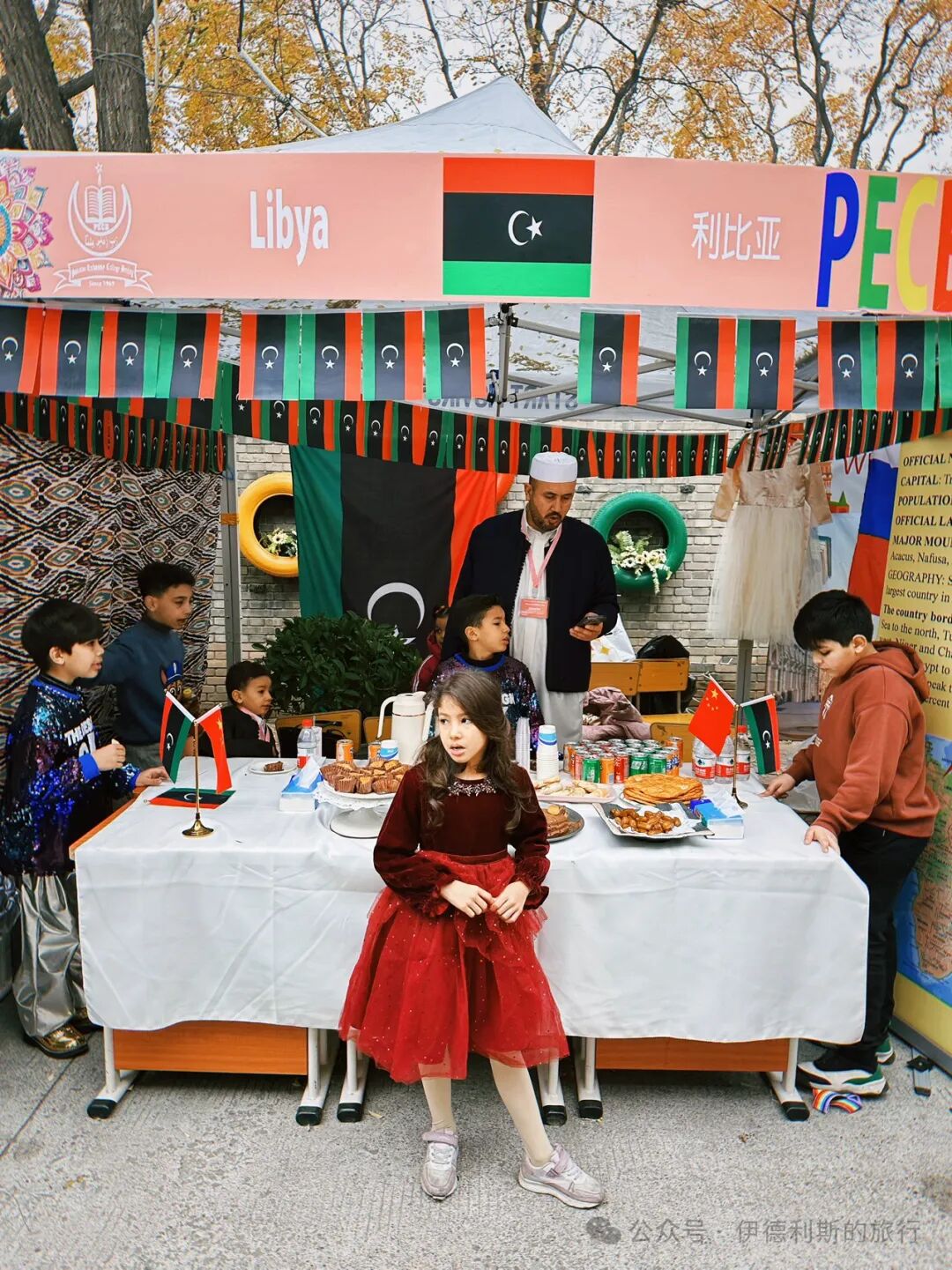
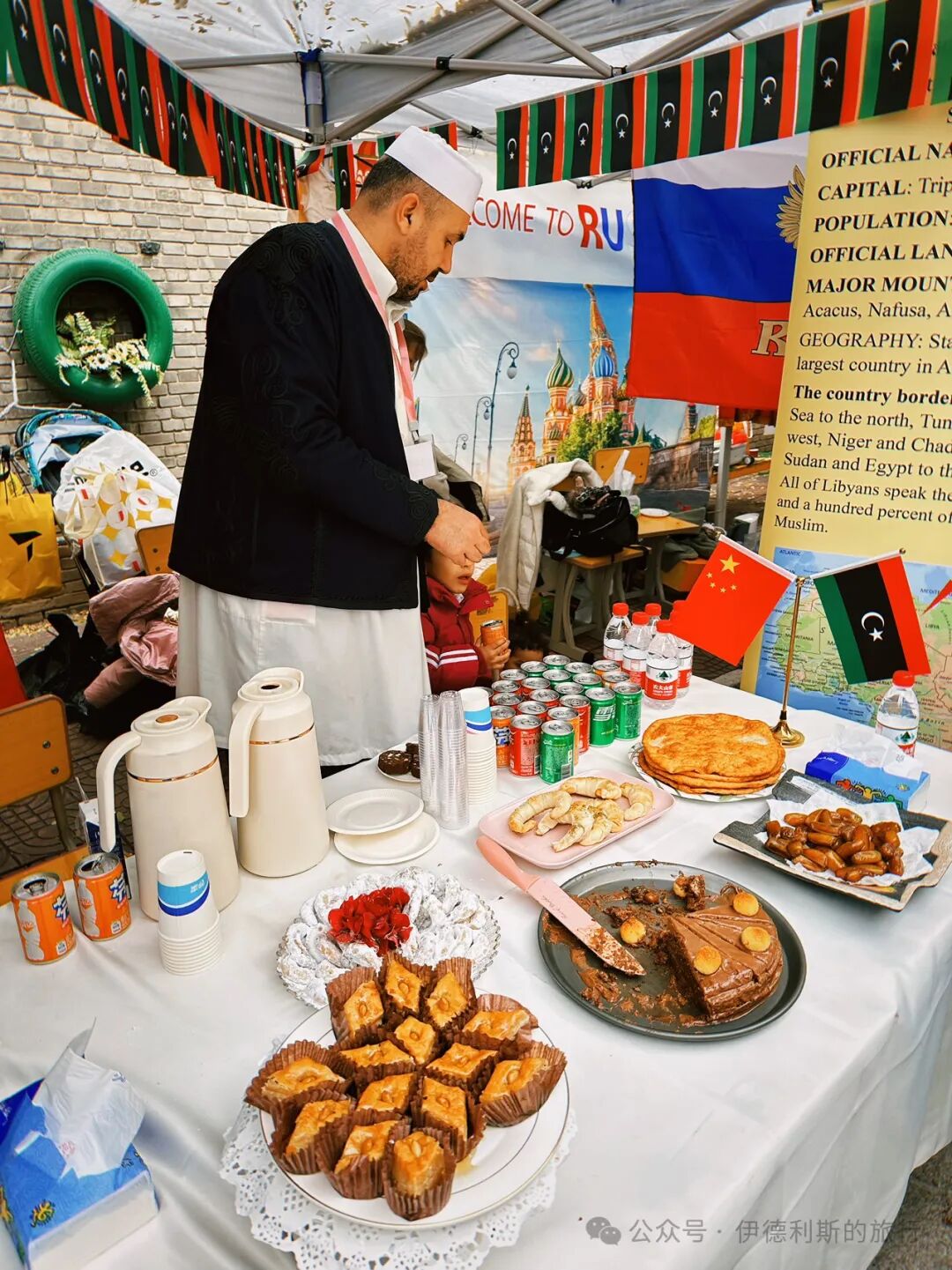
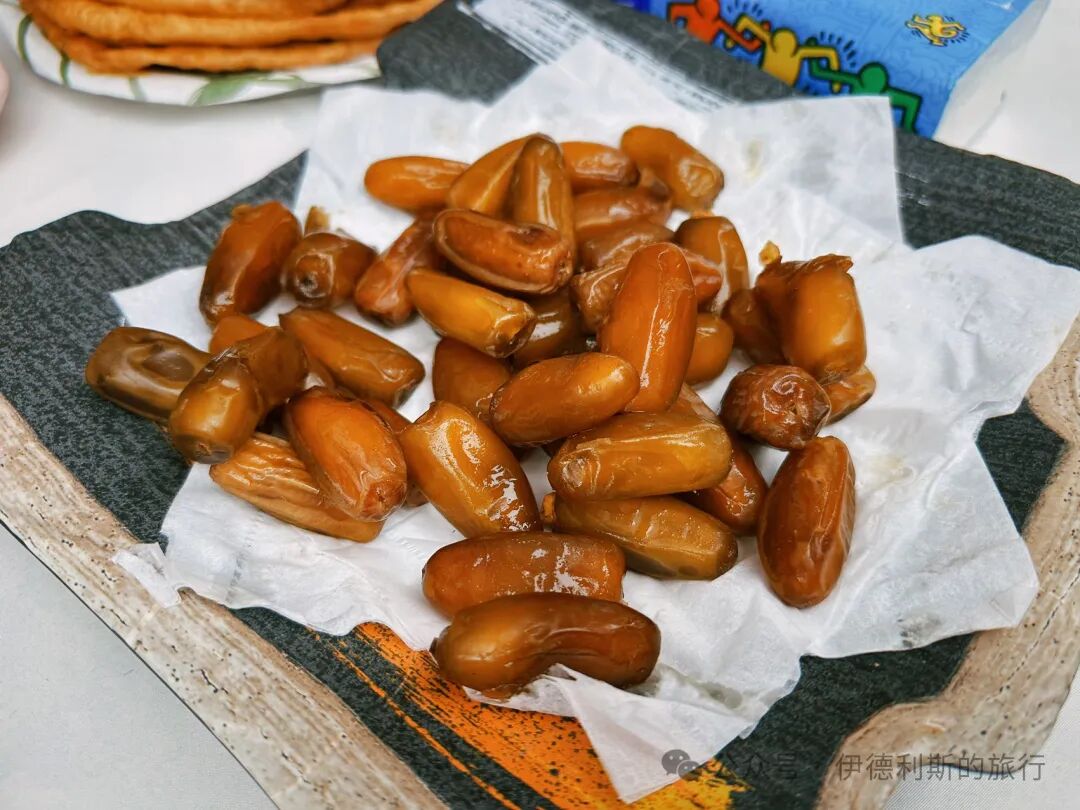
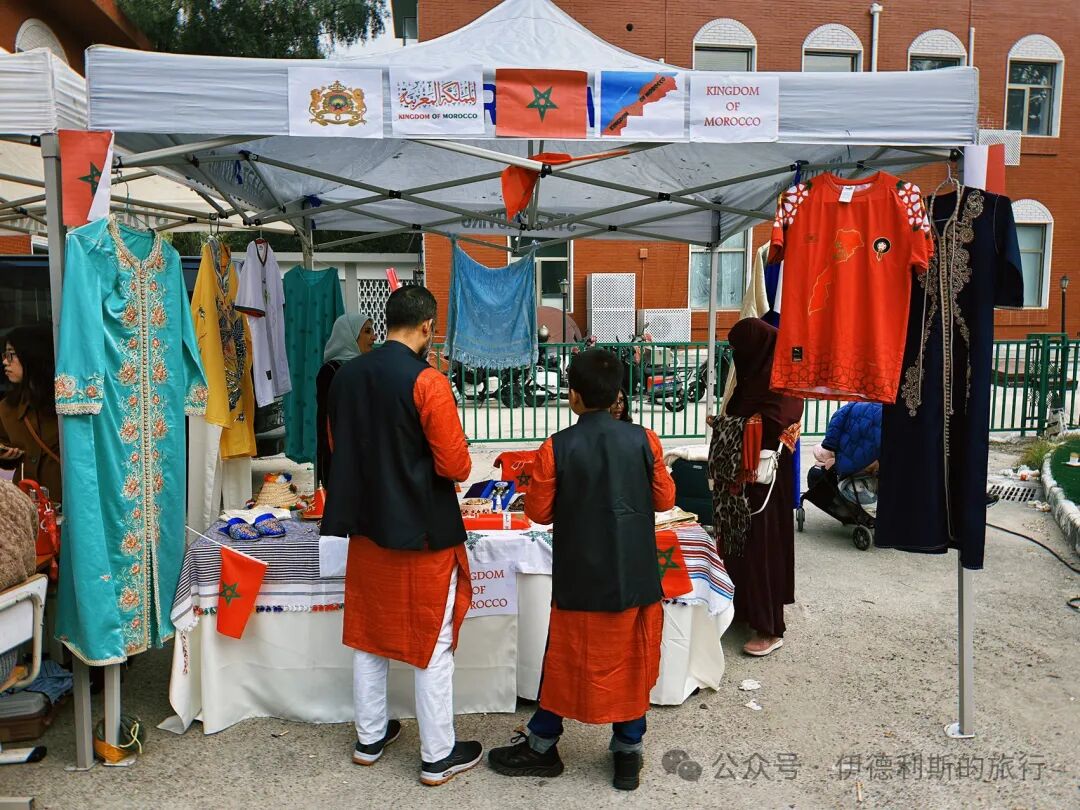
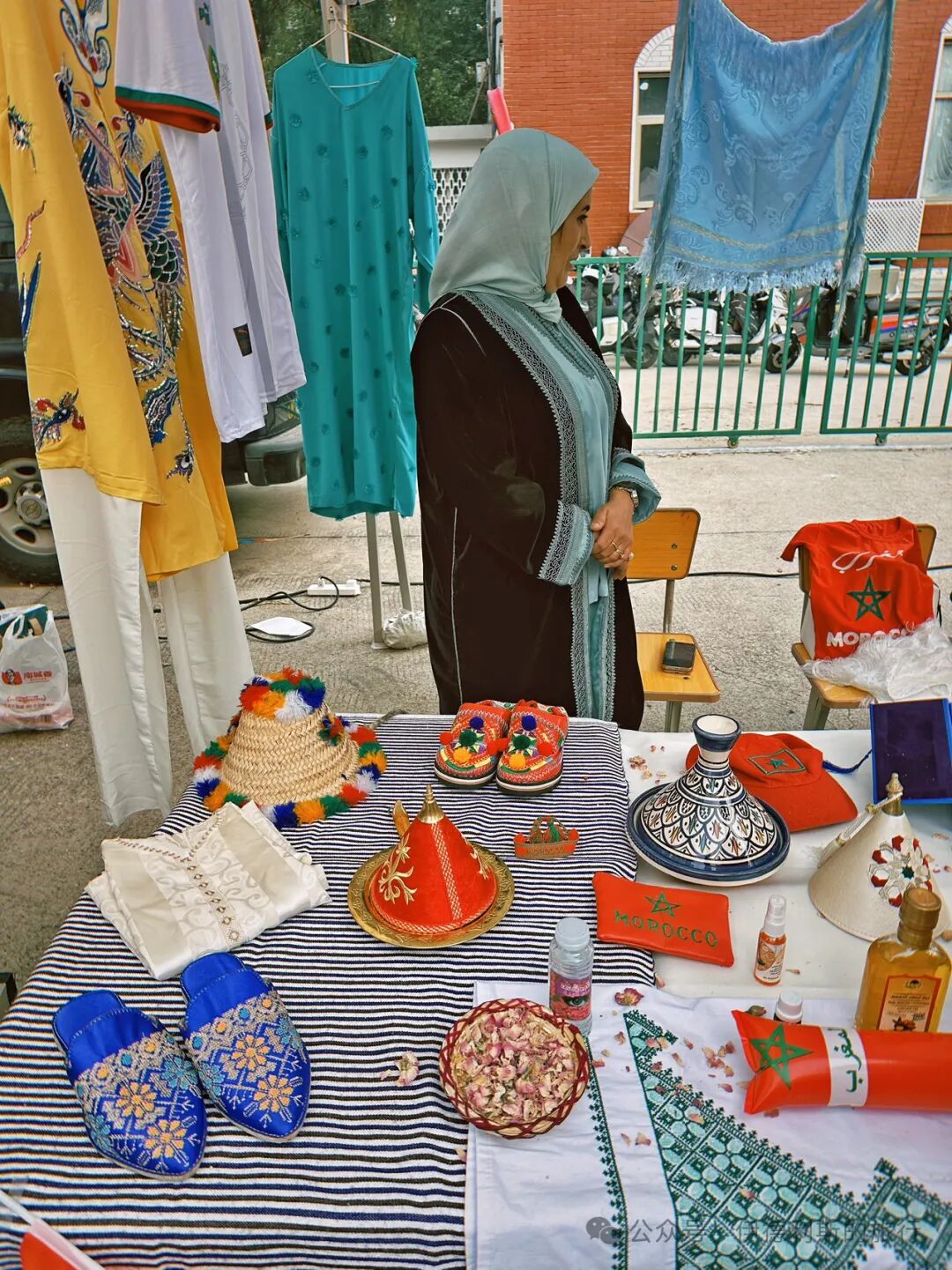
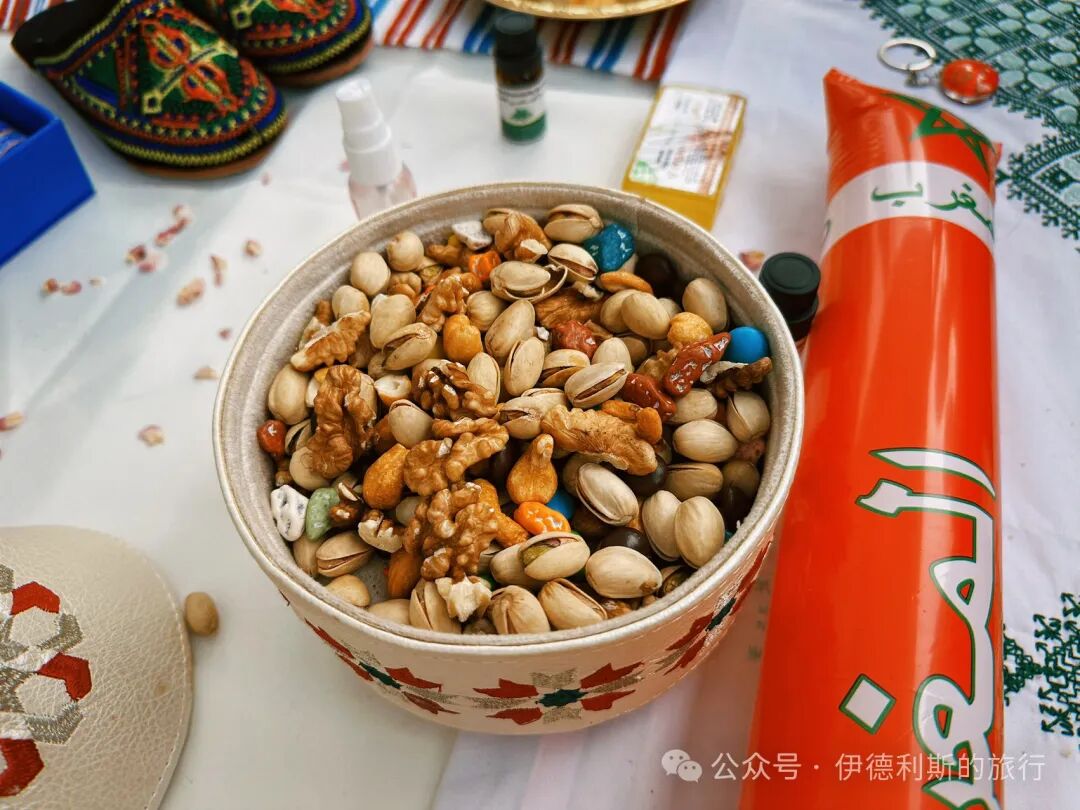
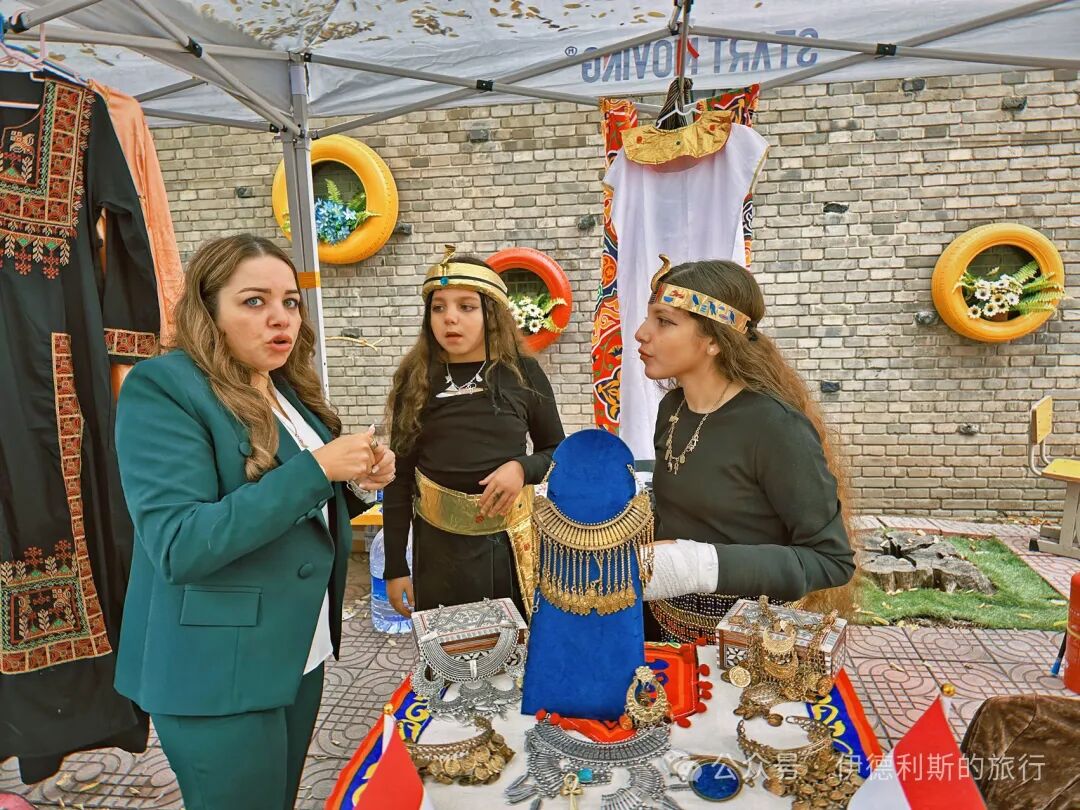
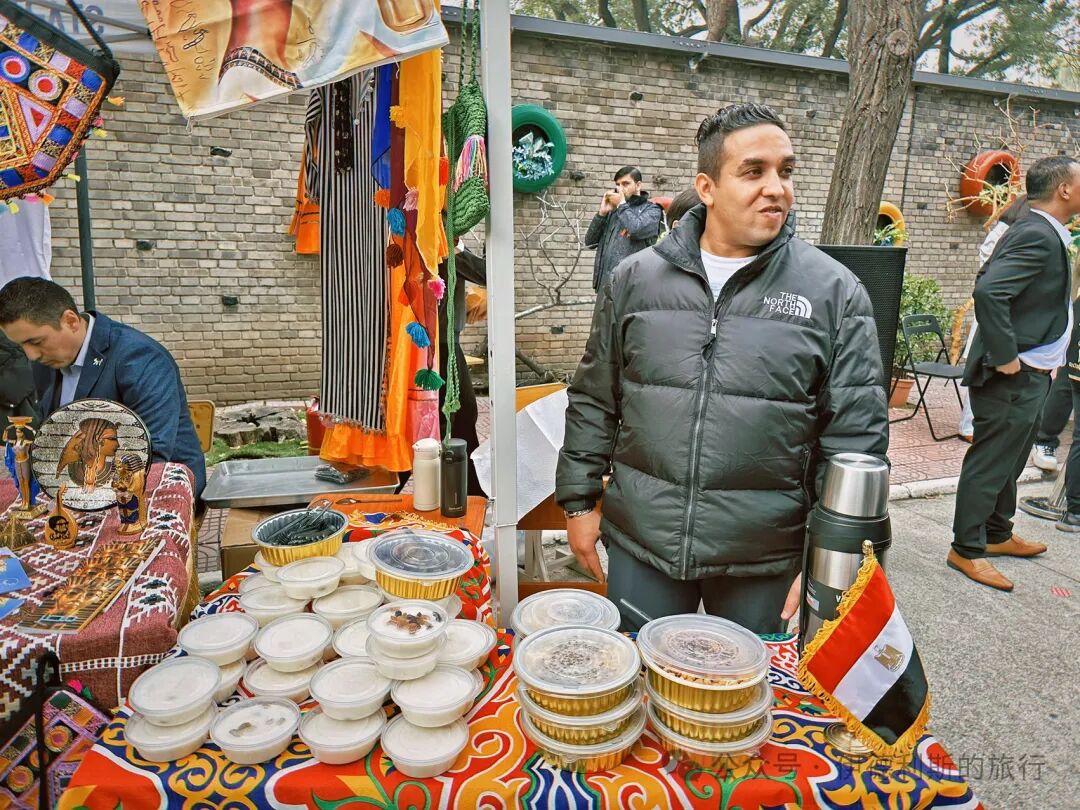
Booths for three North African countries. I ate dates at the Libya booth, dried fruit at the Morocco booth, and the classic street food Koshary at the Egypt booth.
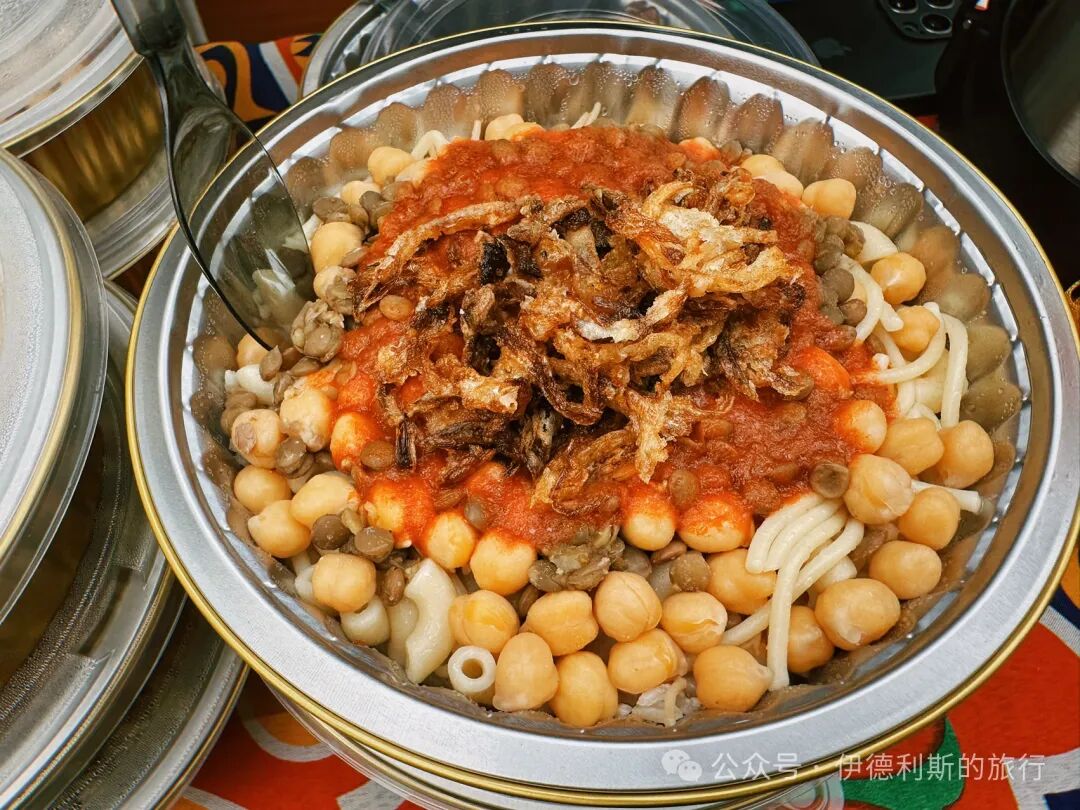
Koshary is a mix of pasta, macaroni, Egyptian rice, and lentils, topped with tomato sauce, garlic sauce, chickpeas, and fried onions. As early as ancient Egypt, people ate a dish called Koshir made from lentils, wheat, chickpeas, garlic, and onions cooked in clay pots. It only evolved into the modern Koshary after the introduction of pasta and tomatoes in the 19th century. This snack is vegan and very cheap, making it a typical Egyptian comfort food for the common people.
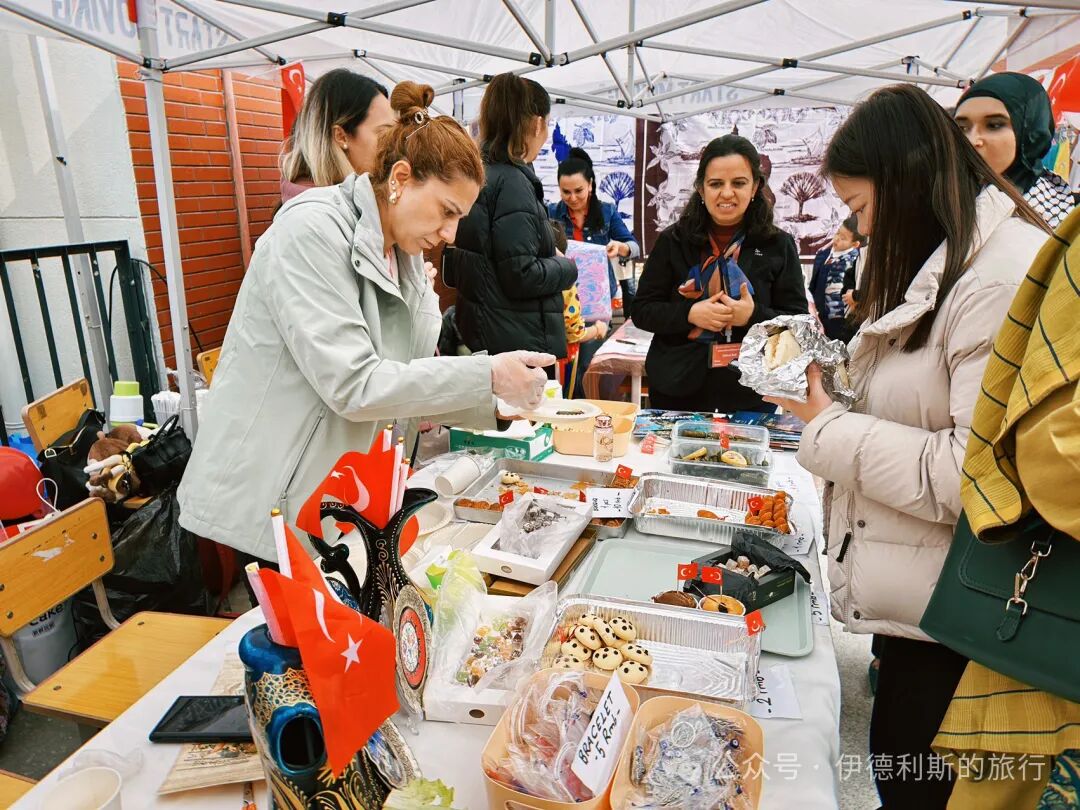
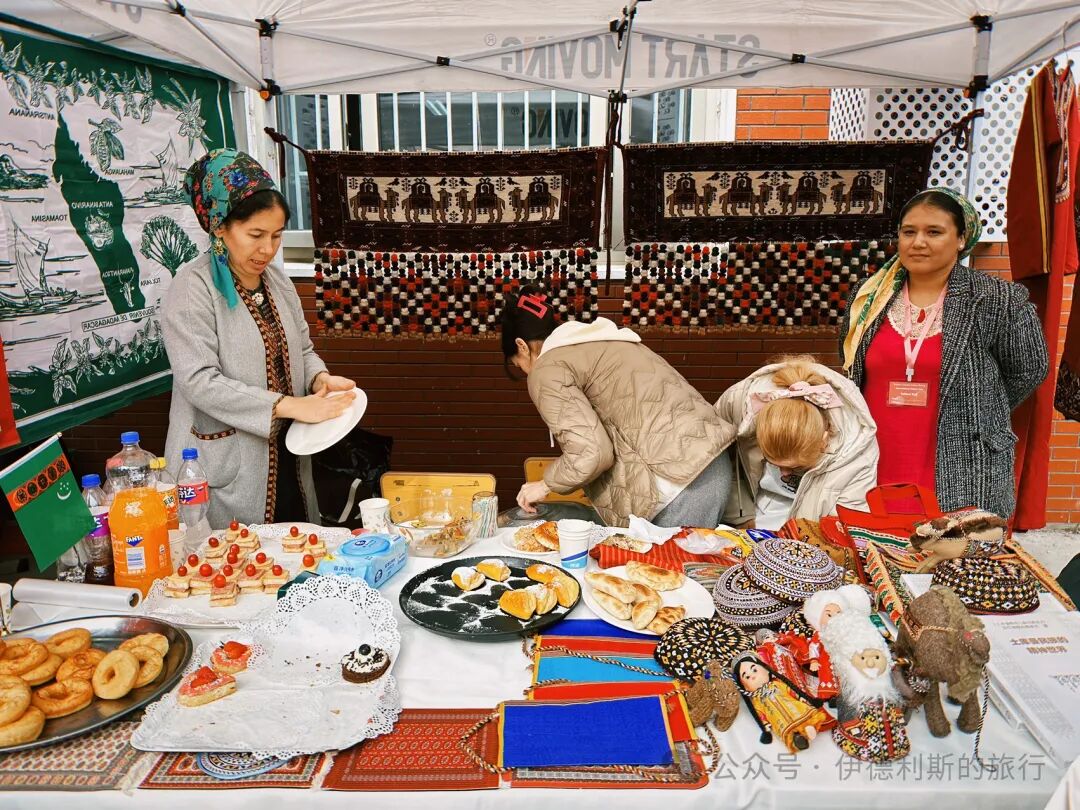
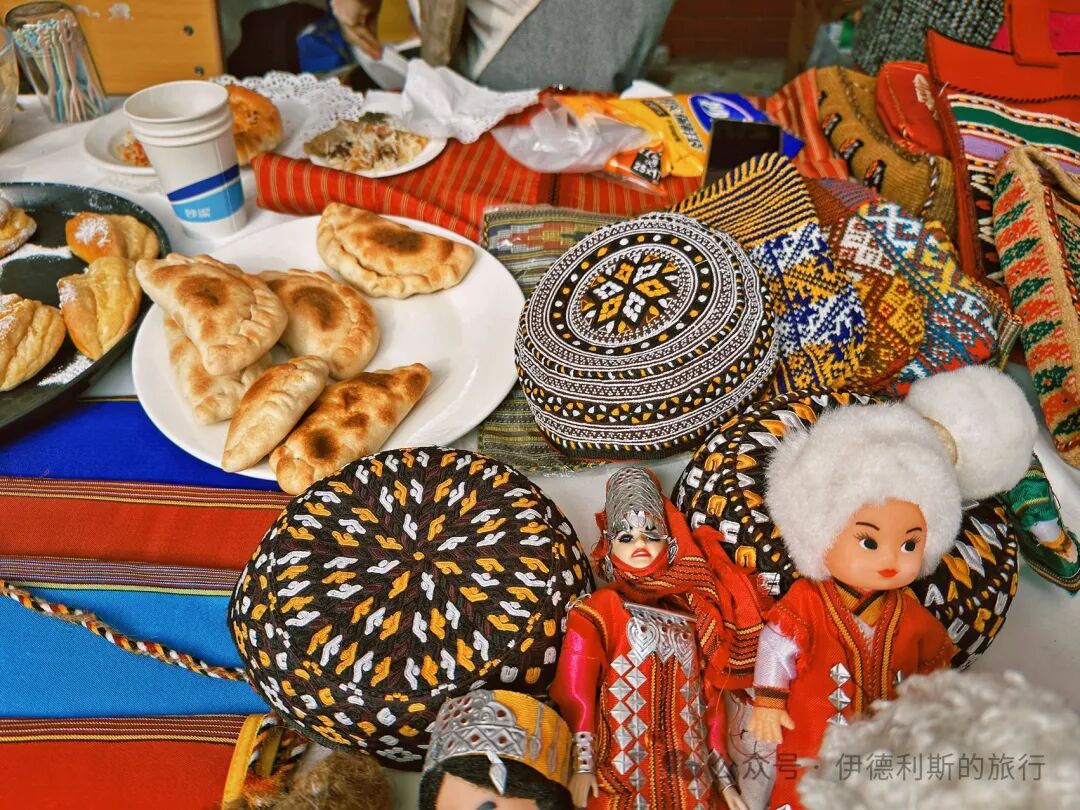
Moving further in, we found Turkey and Turkmenistan, where we kept trying all kinds of snacks.
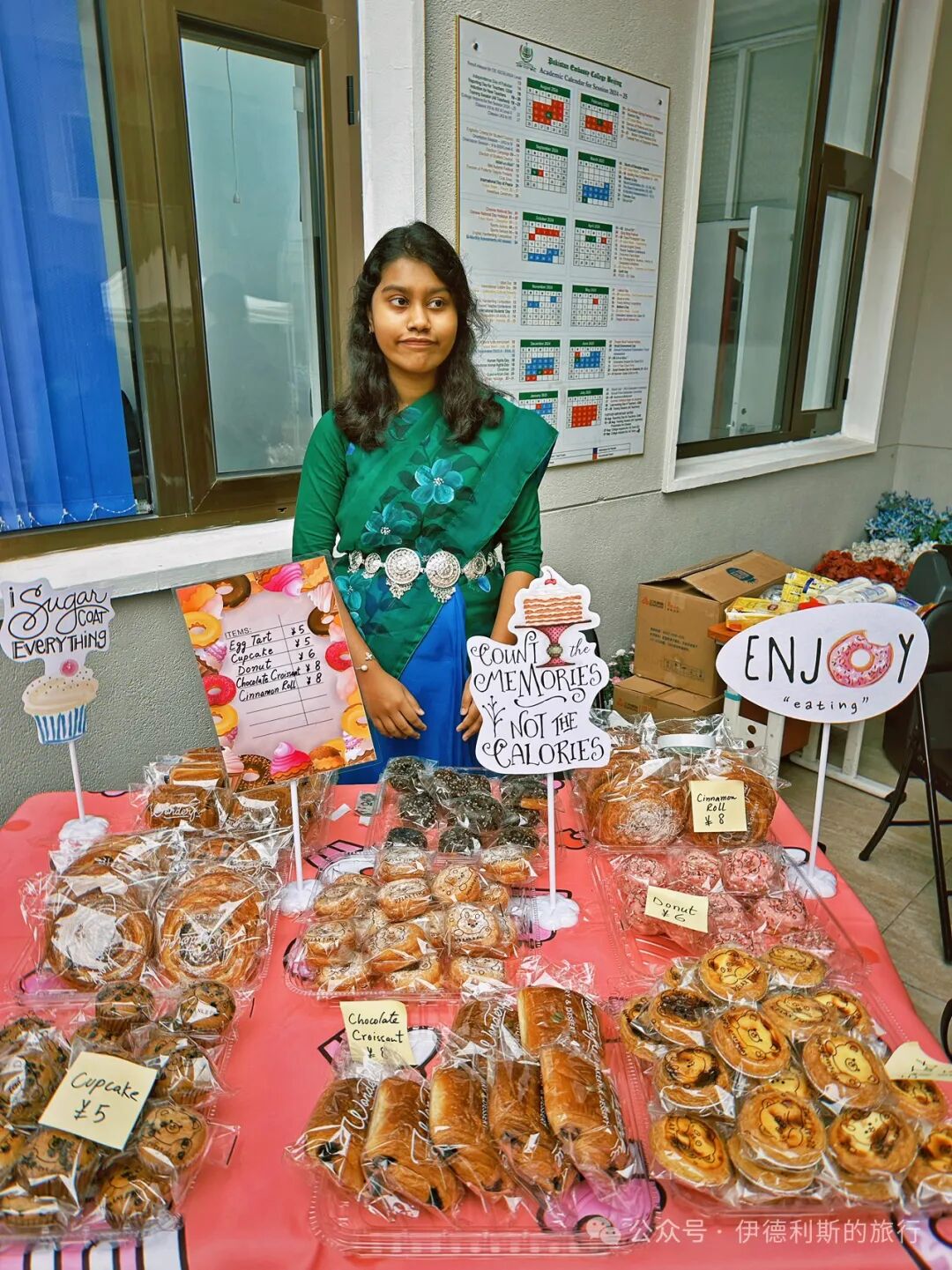
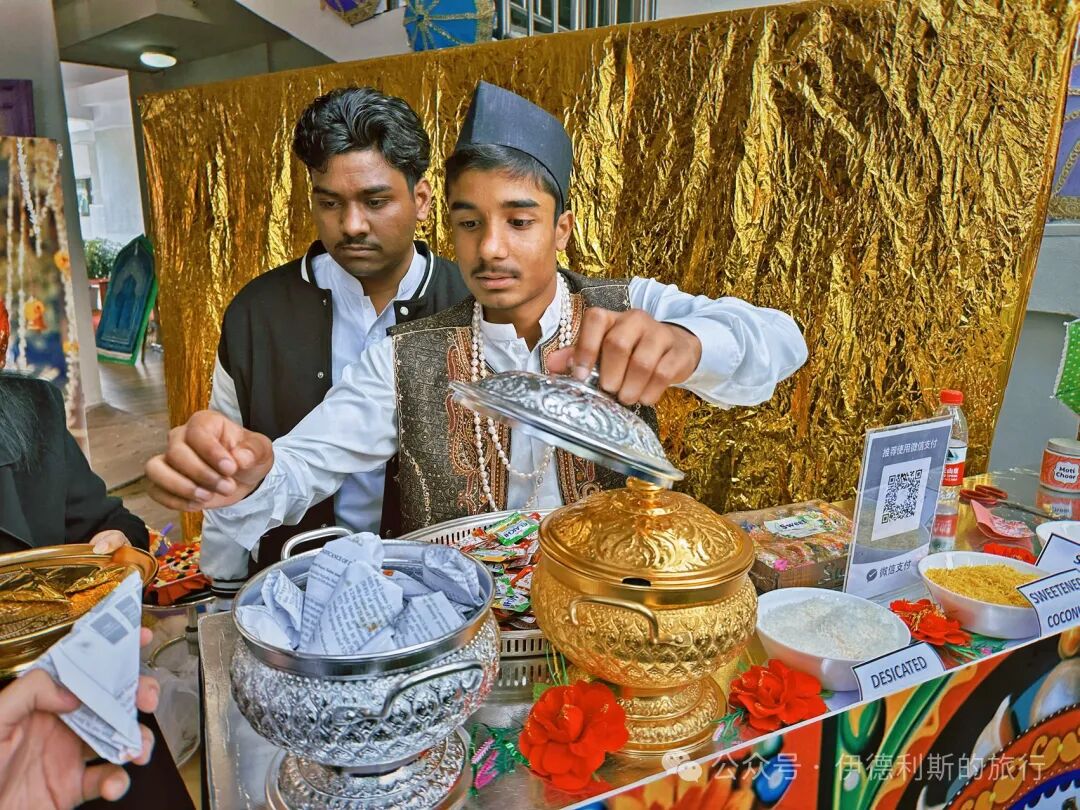
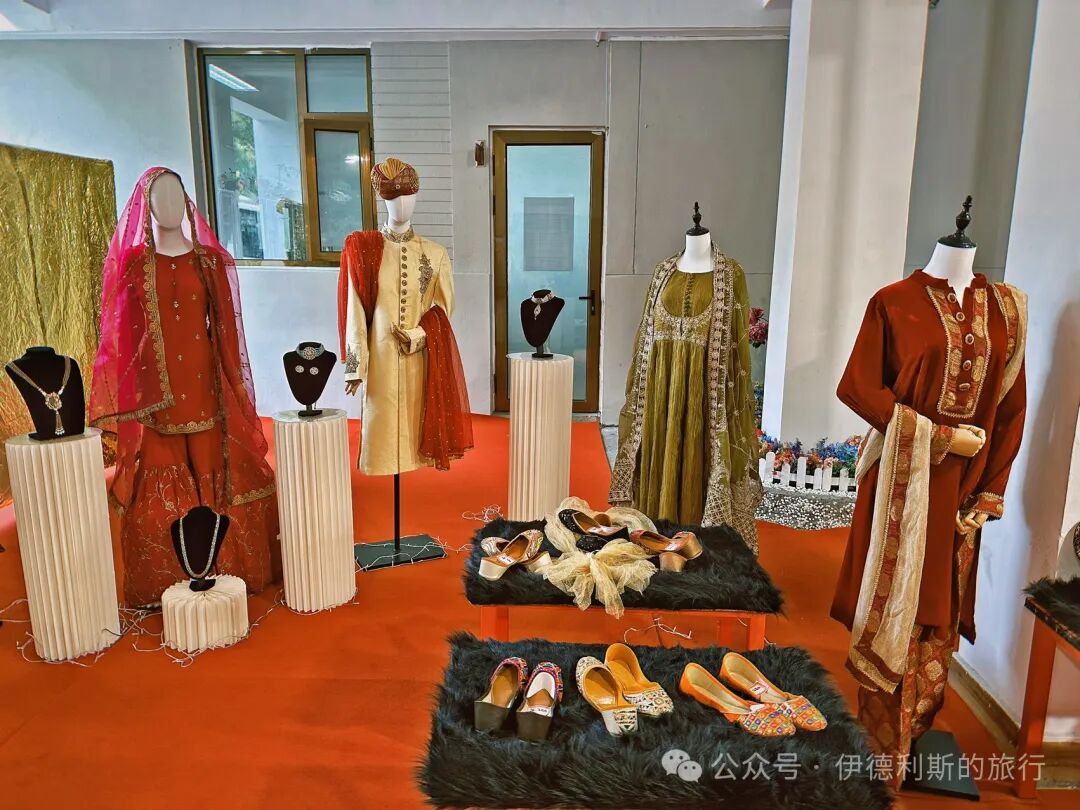
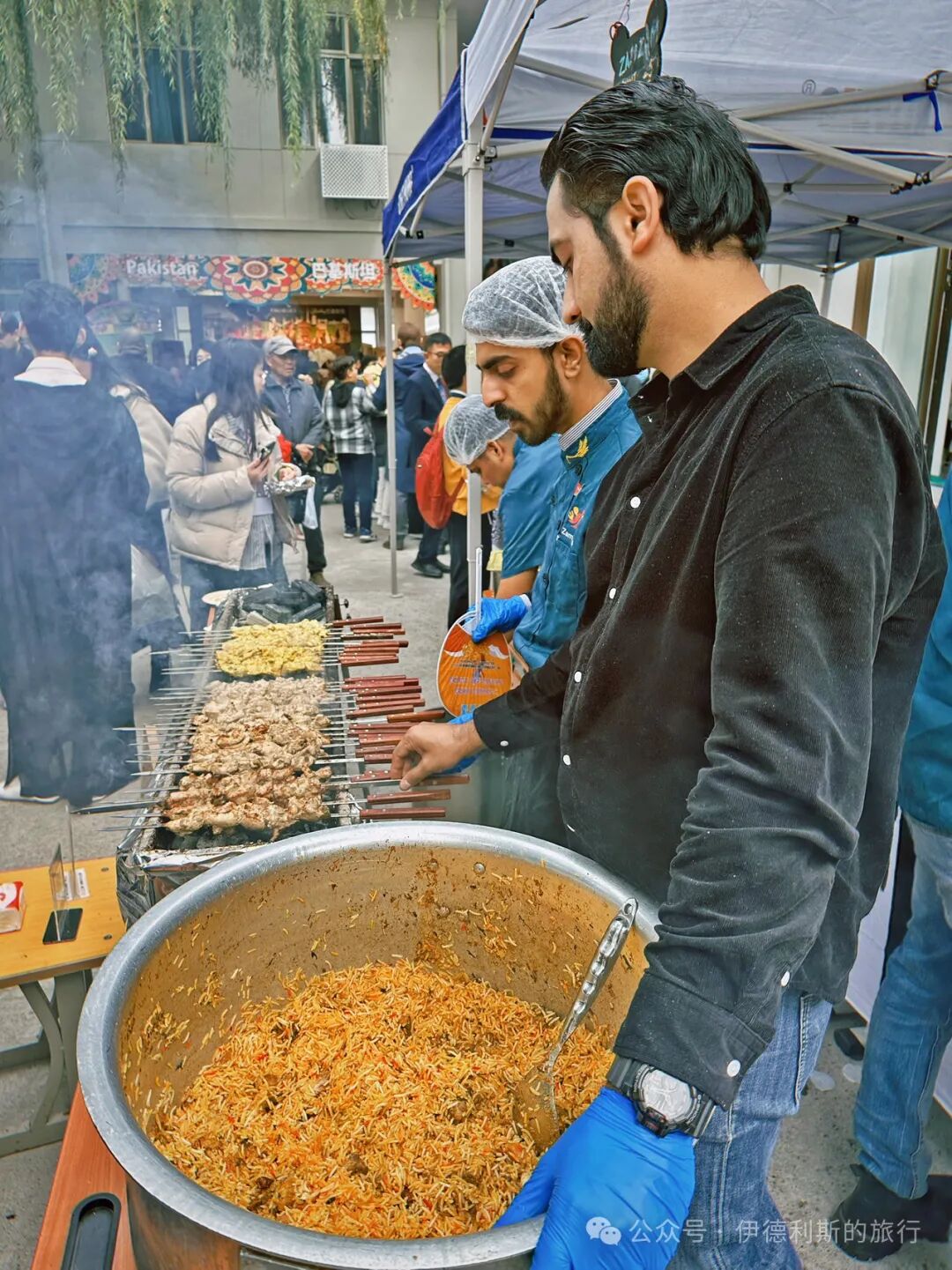
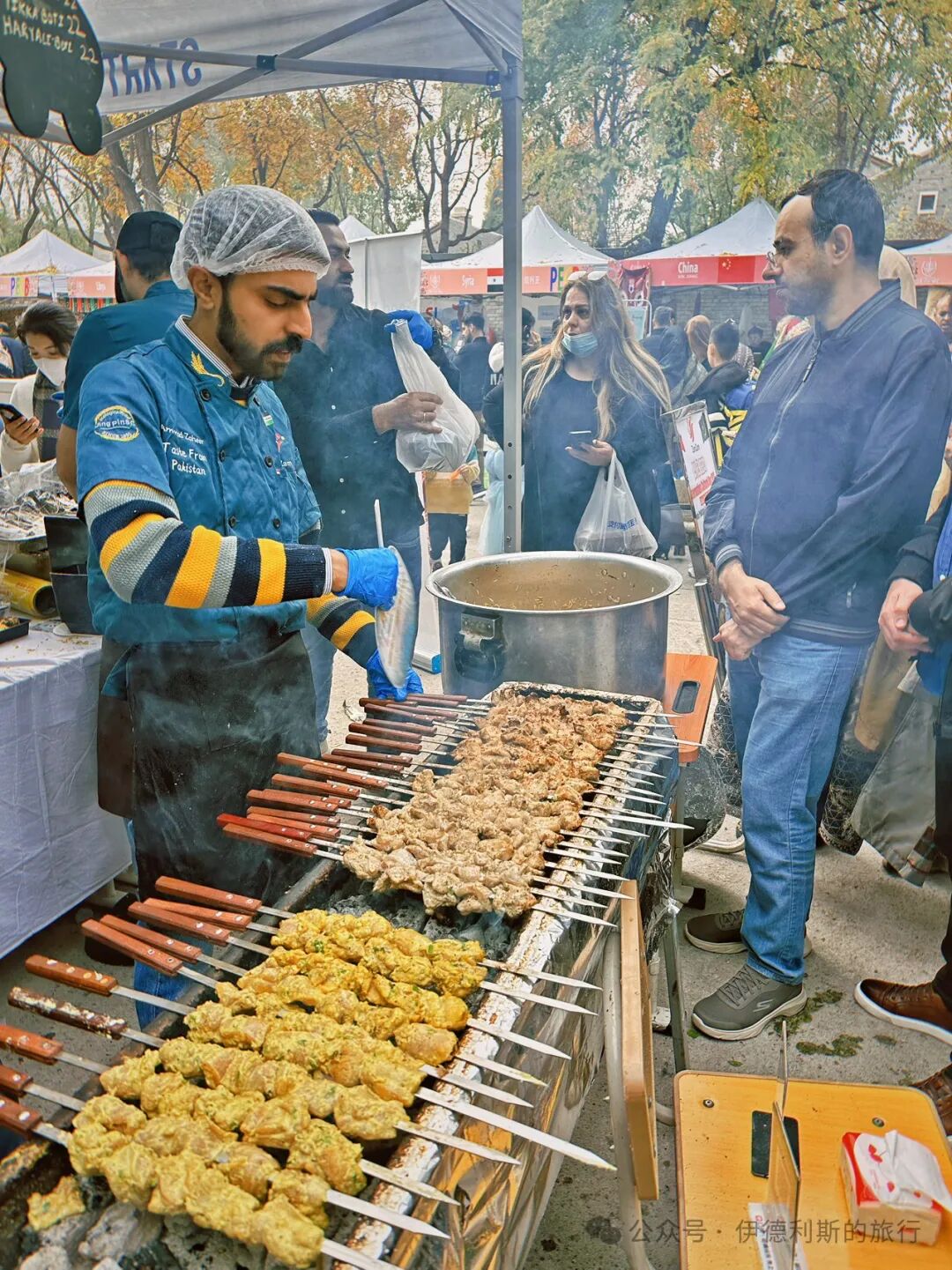
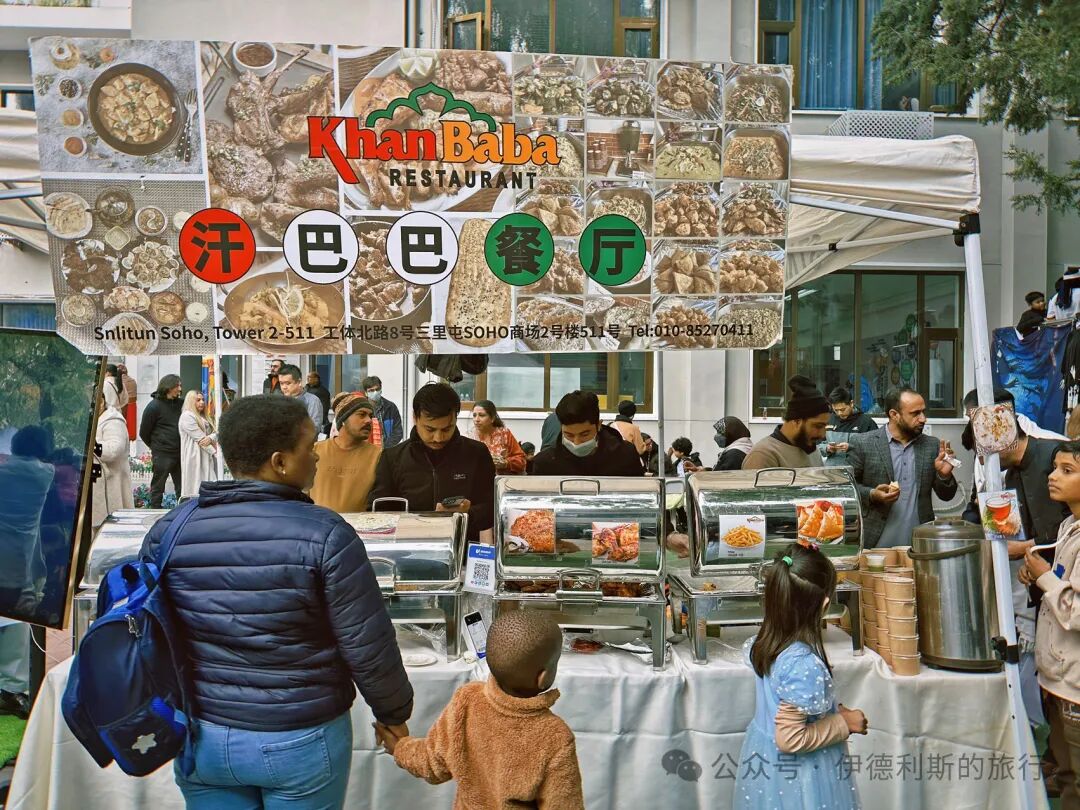
The innermost area was the Pakistan section, featuring various foods and clothing displays, including famous Beijing Pakistani restaurants Khan Baba and Zamzam. We bought freshly grilled chicken skewers and a large pot of chicken biryani at Zamzam. Suleiman also ate a few chicken skewers; it seems he adapts quite well to Pakistani food.
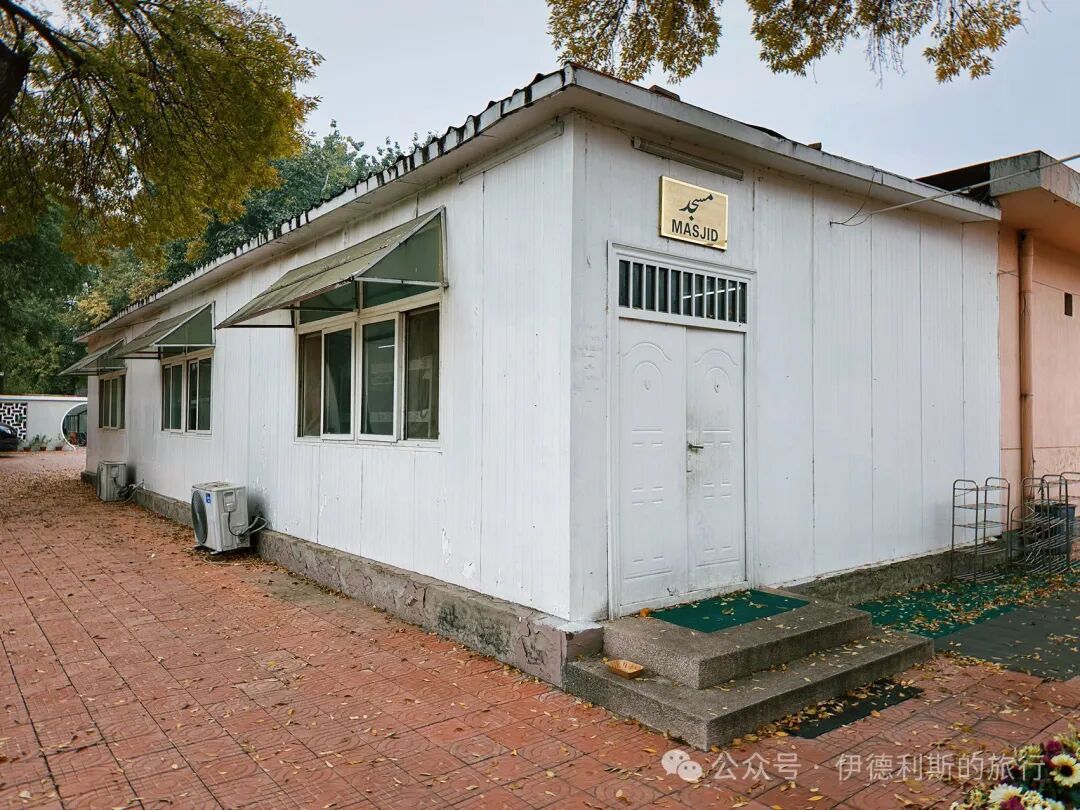
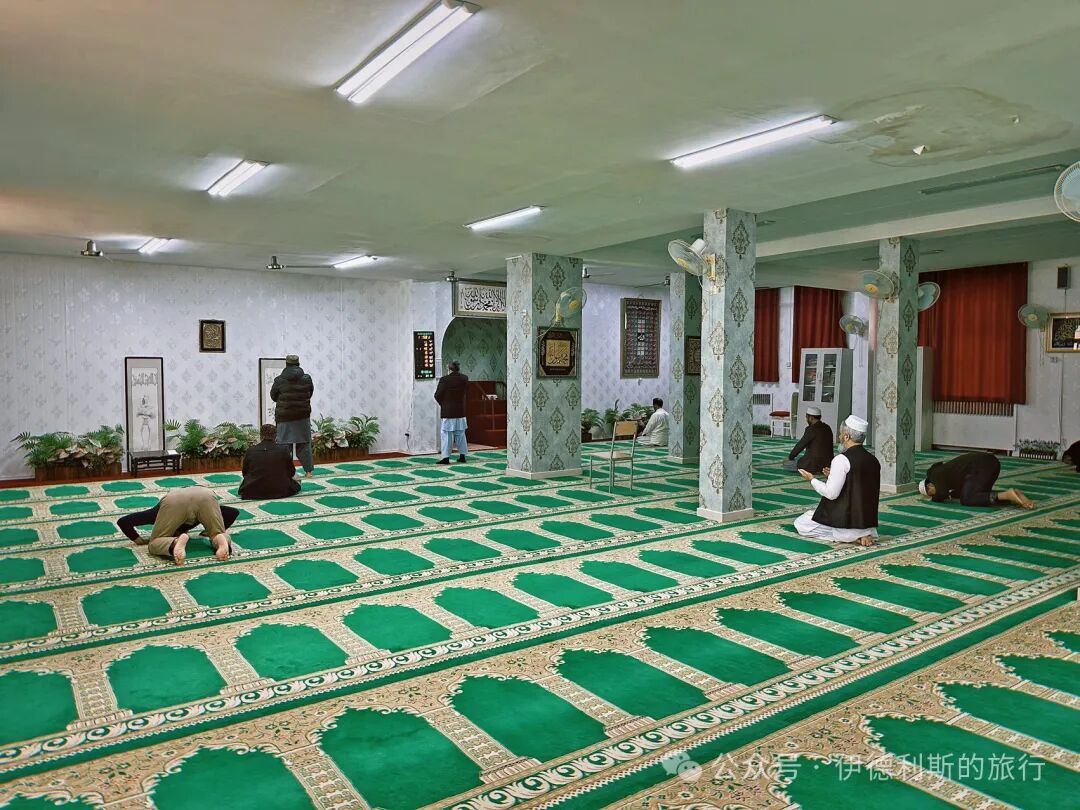
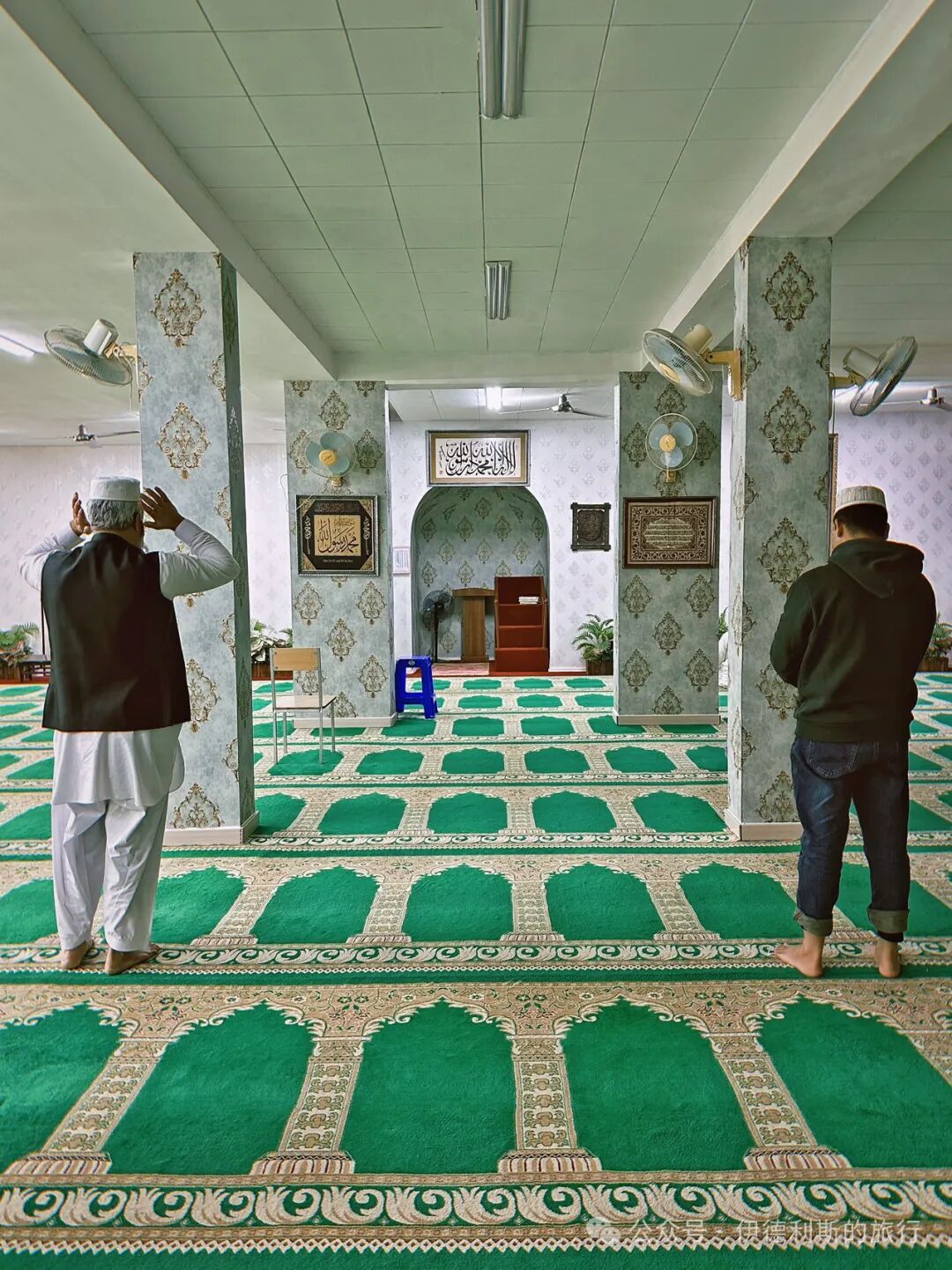
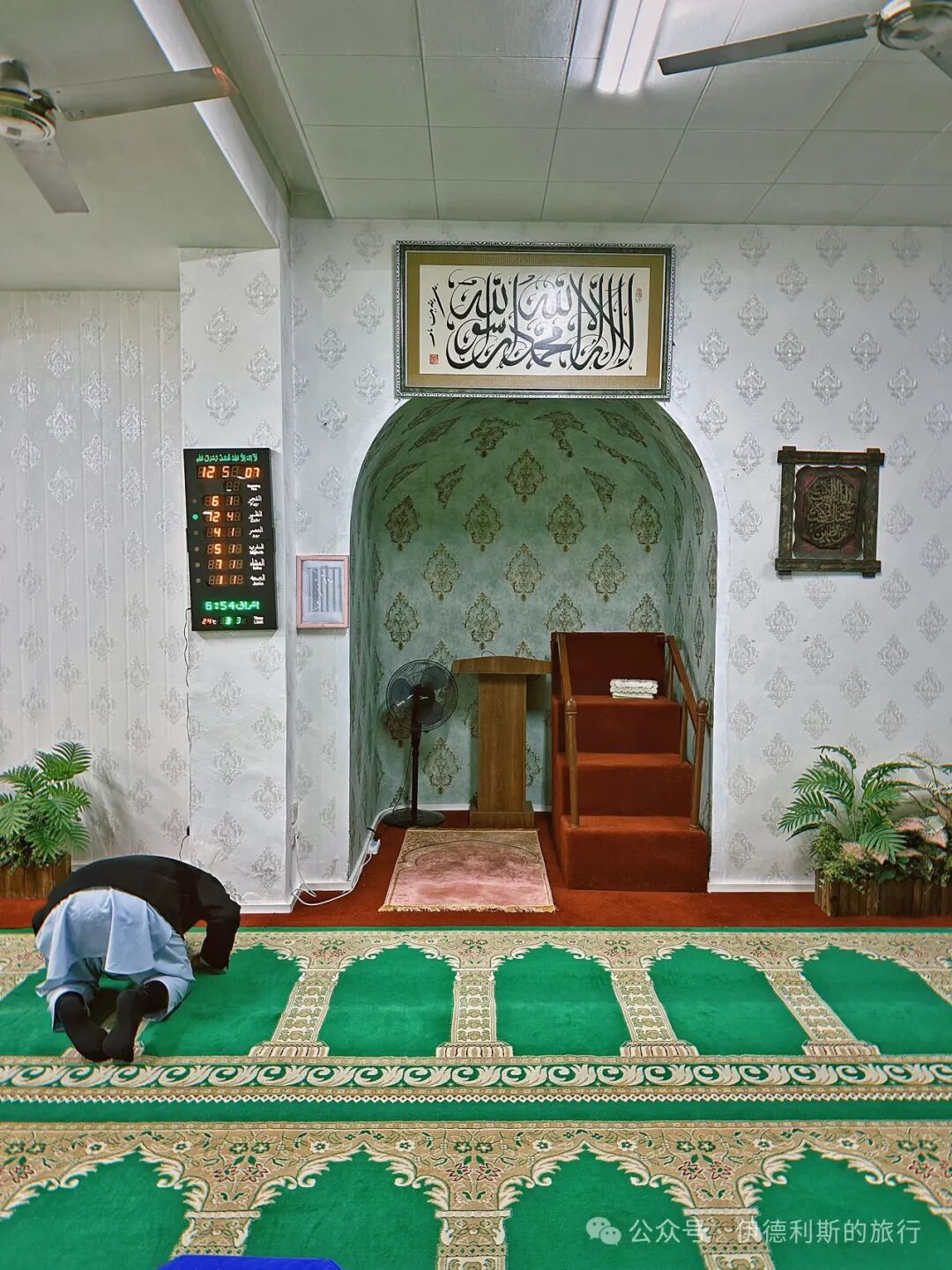
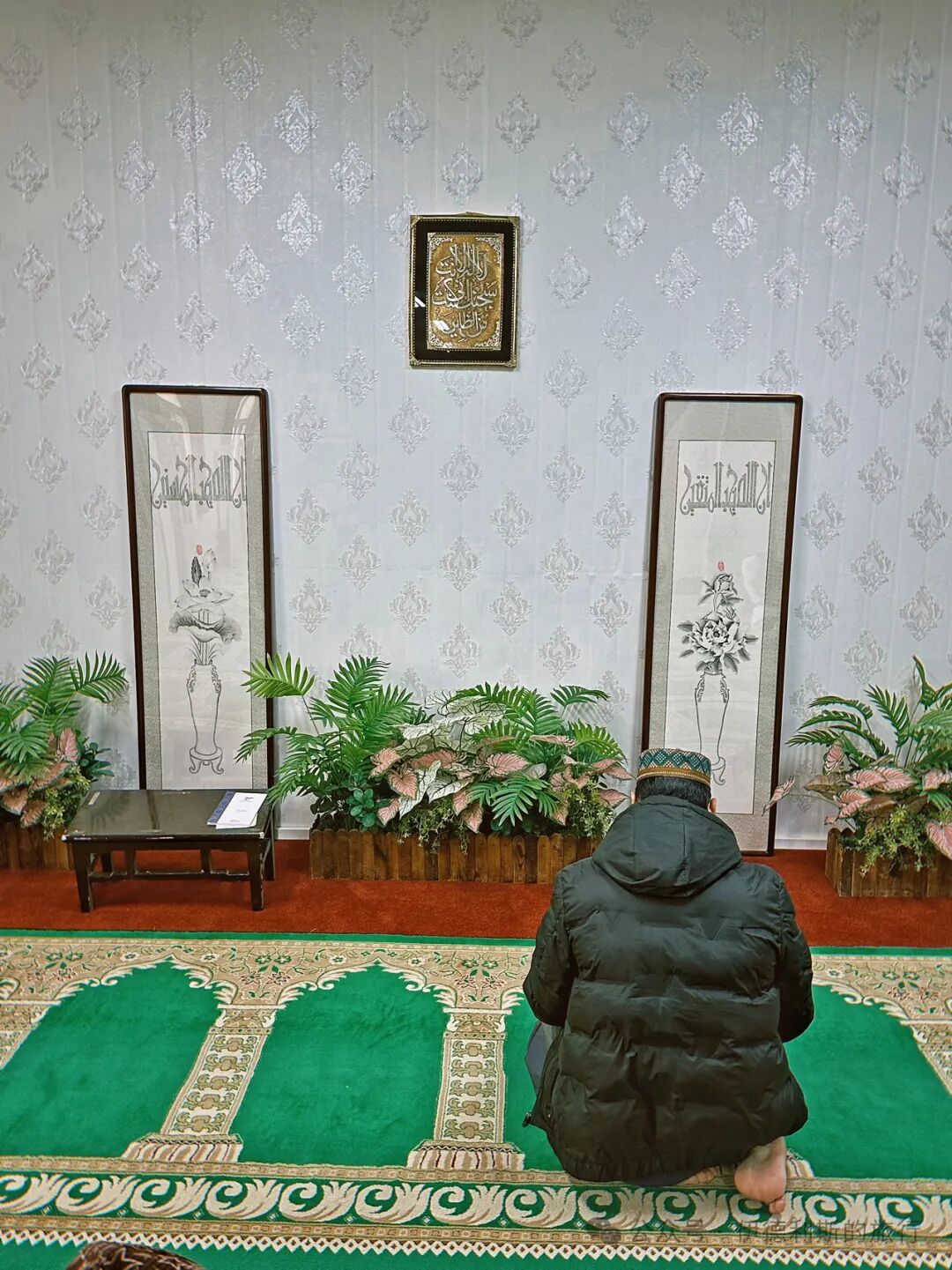
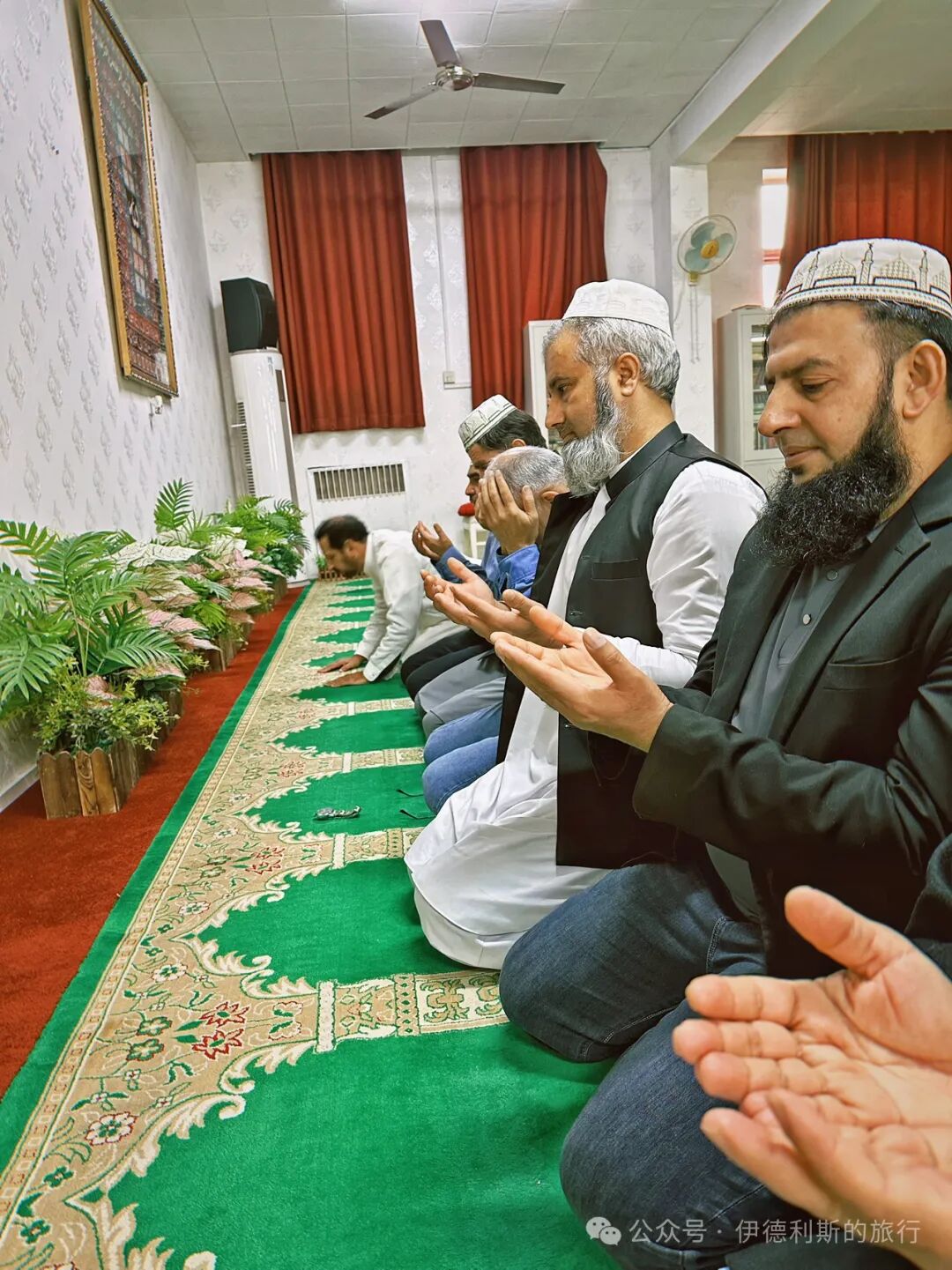
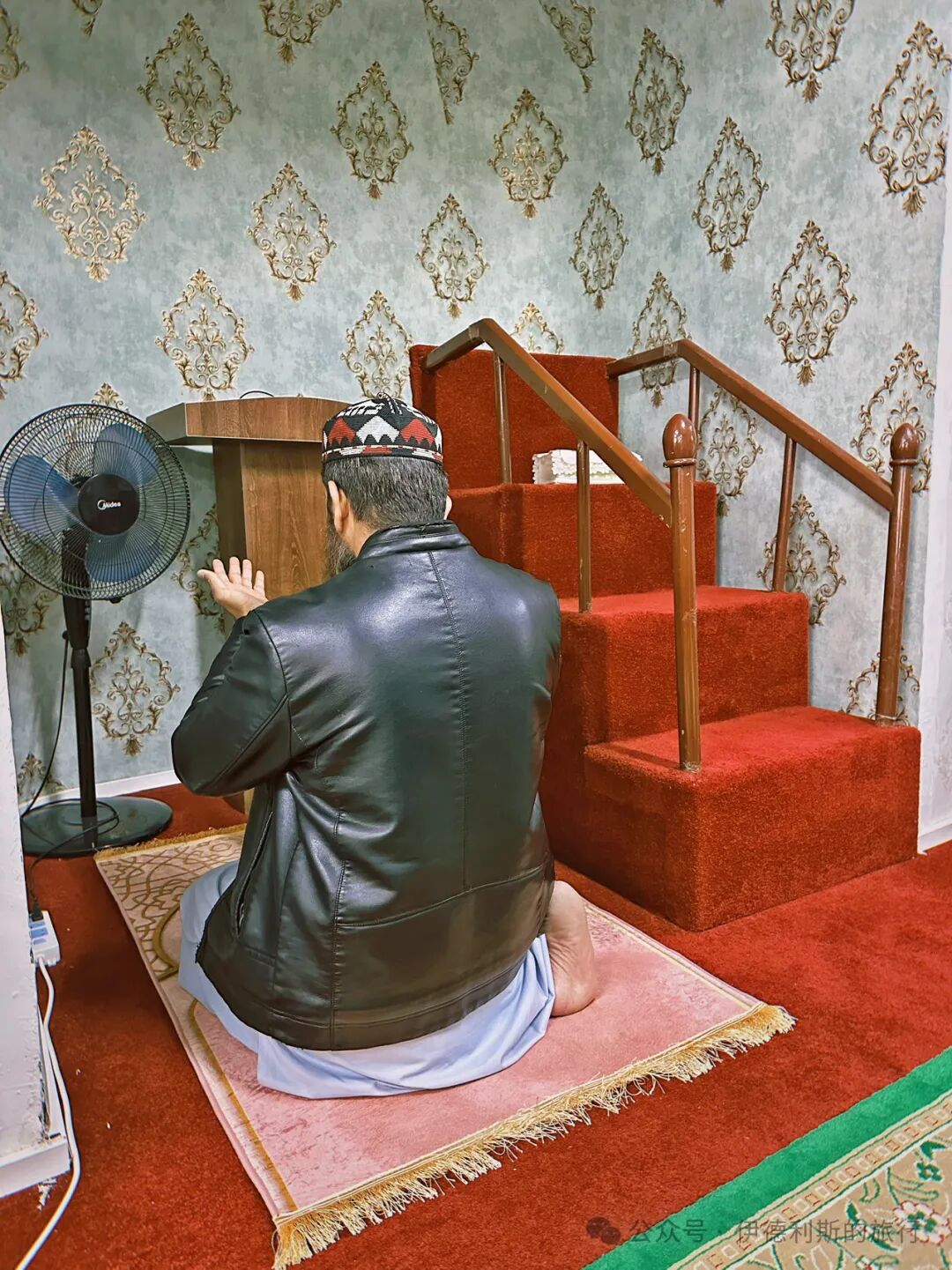
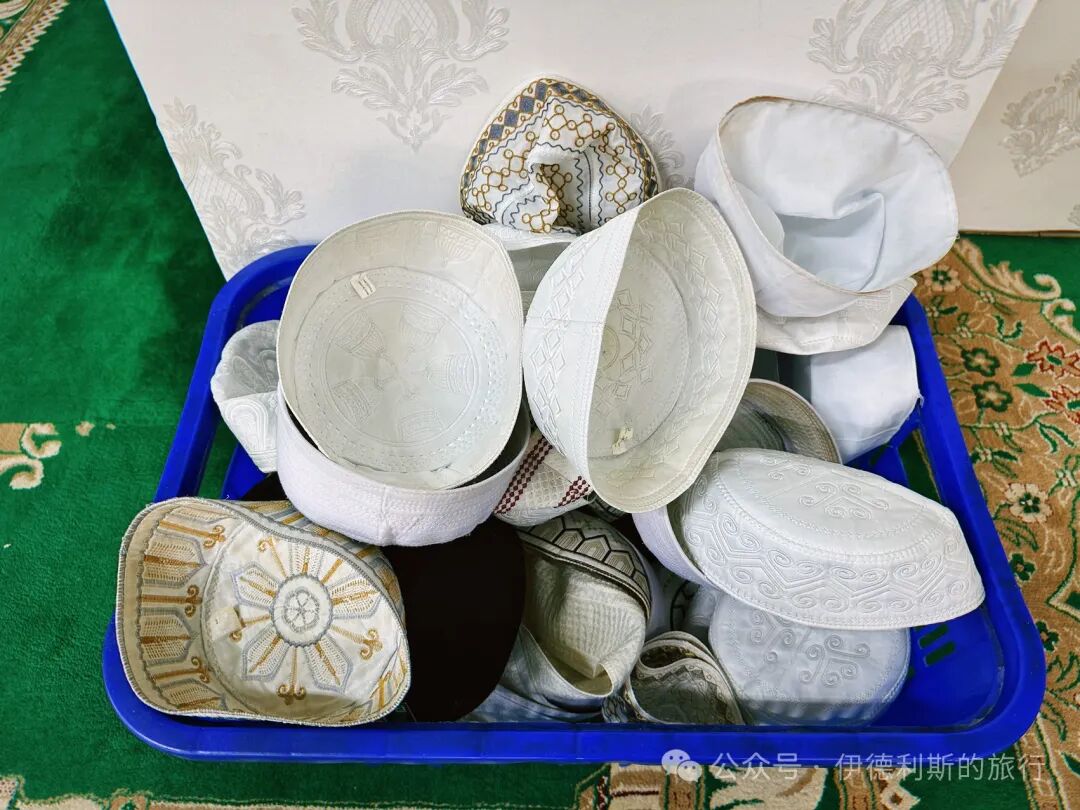
We performed namaz at the embassy school. Pakistanis also mostly follow the Hanafi school of thought, so their movements are basically the same as ours. There was even a basket of caps at the entrance, which matches our custom of wearing a cap for namaz, unlike Arabs or Iranians who do not have this practice.
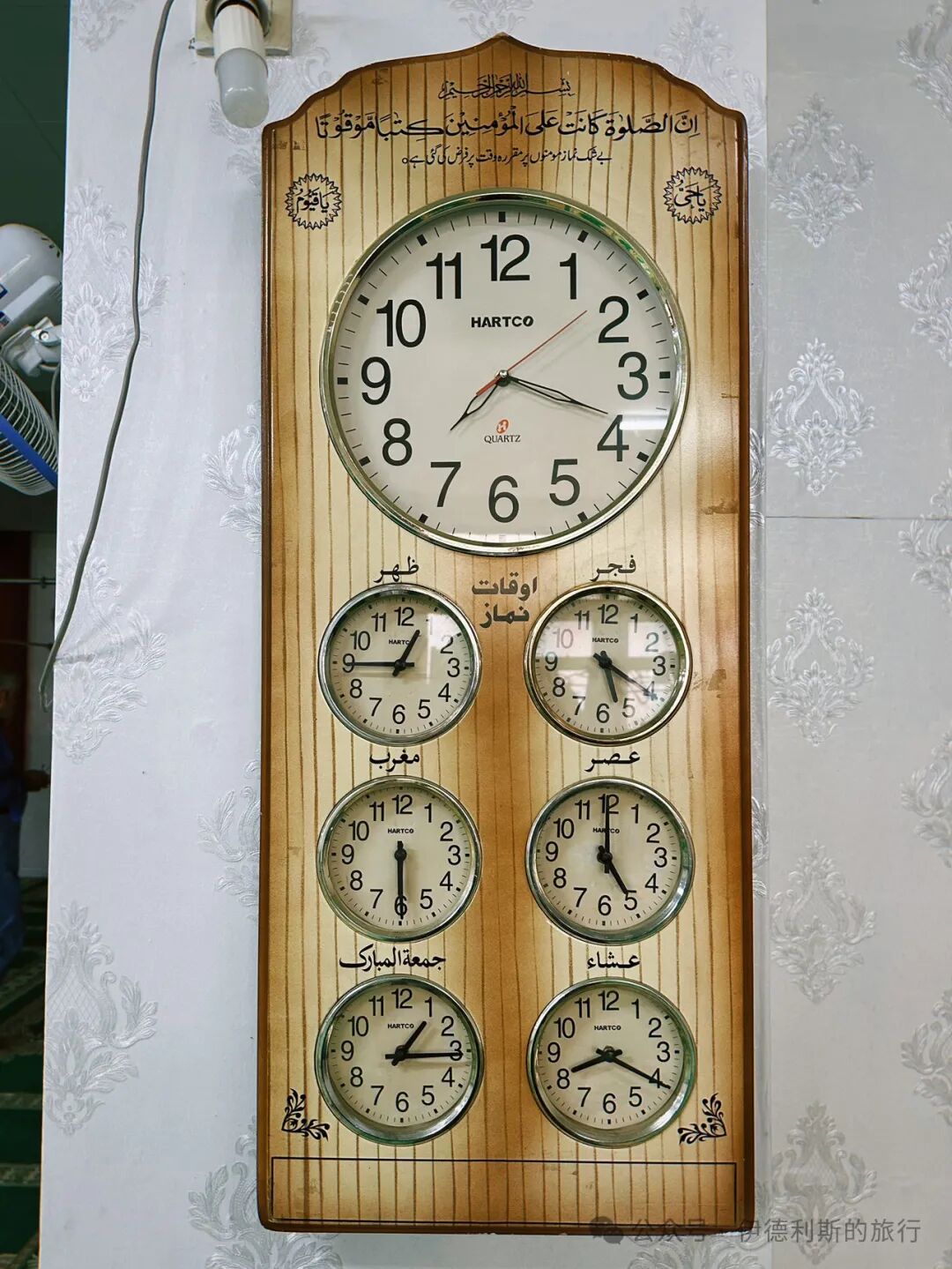
Children from all over the world showed off their traditional clothing.
I attended several foreign events in Beijing this year; you can often join different embassy activities in Beijing to experience cultures from around the world.
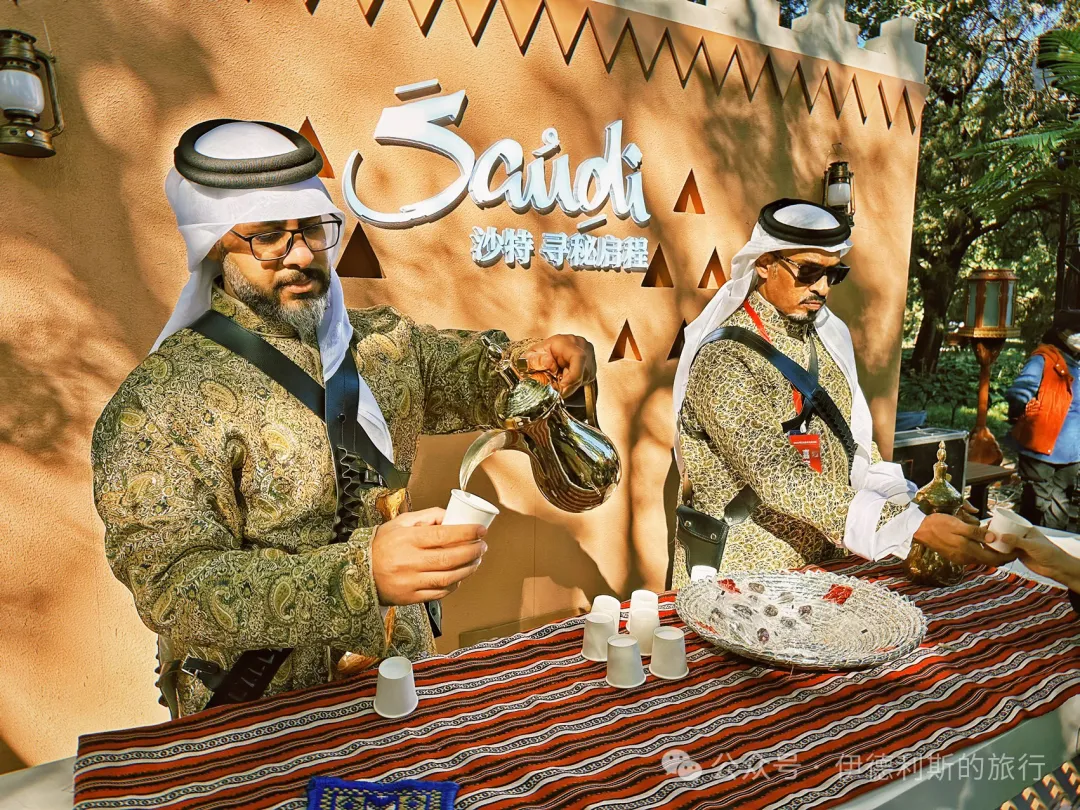
The Saudi Tourism Festival held by the Saudi Tourism Authority at the Temple of Heaven Park: Experience Arab culture at the Temple of Heaven Park.
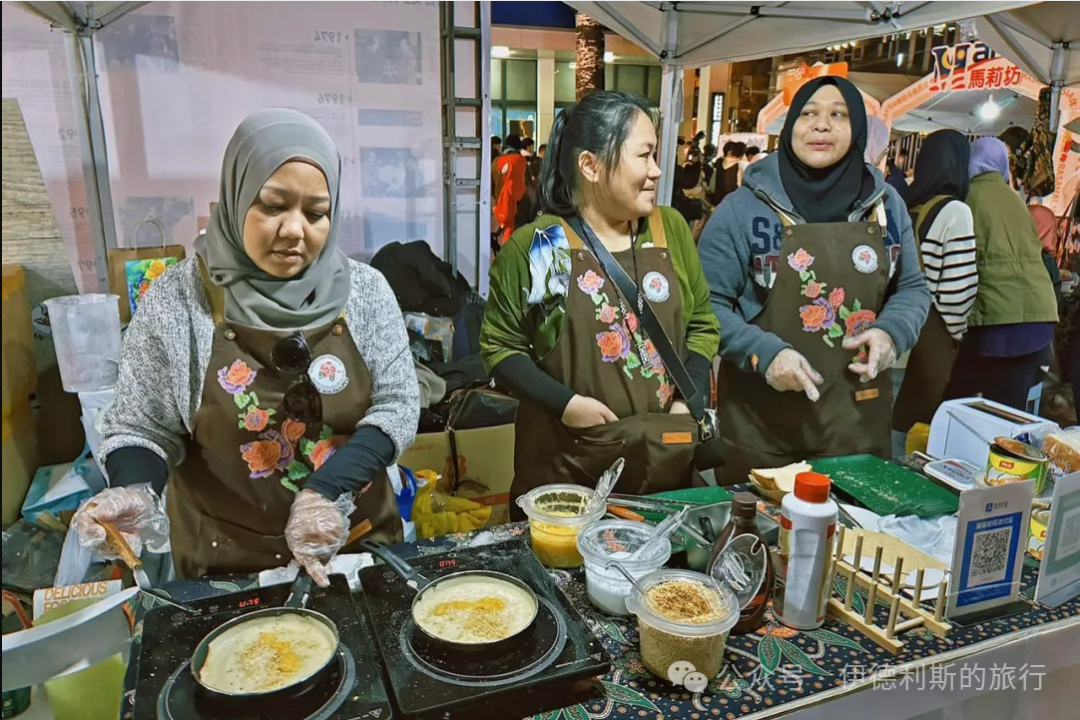
The Rasa Malaysia festival held at Sanlitun Taikoo Li: Taste Malaysian food in Beijing—2024 Beijing Malaysia Festival.
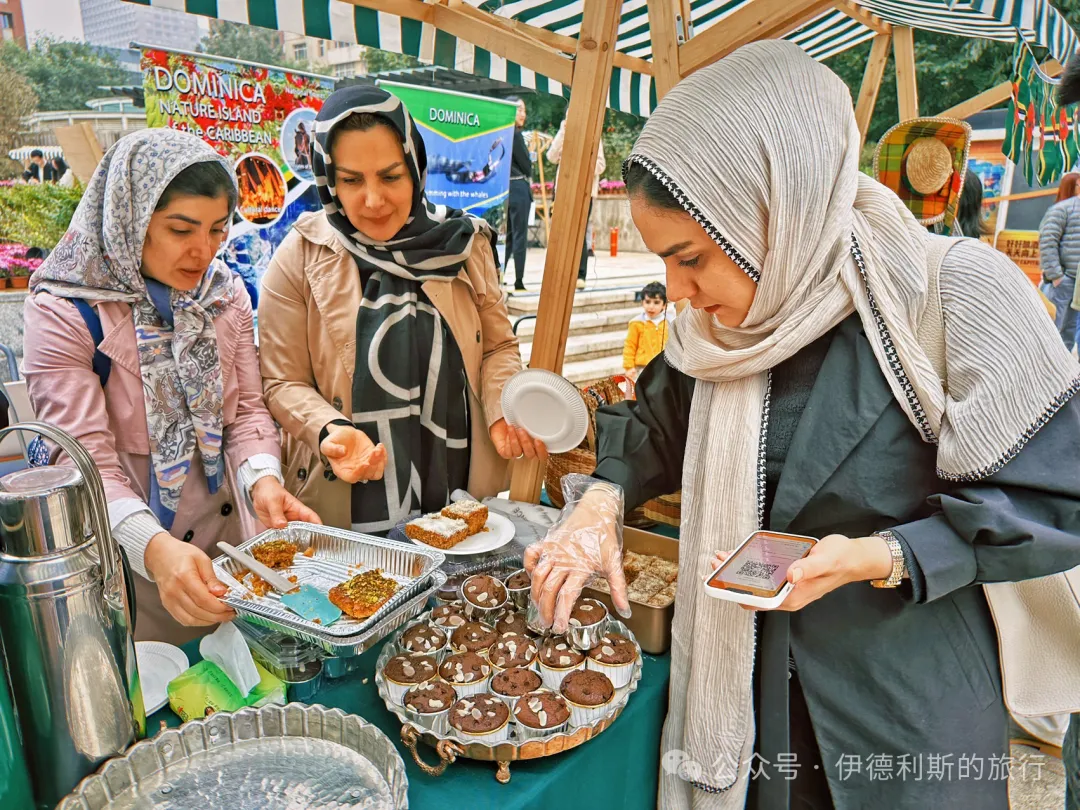
The International Neighborhood Festival held at the Jianguomen Diplomatic Residence Compound: Taste food from Iran, Azerbaijan, and the Maldives at the International Neighborhood Festival.
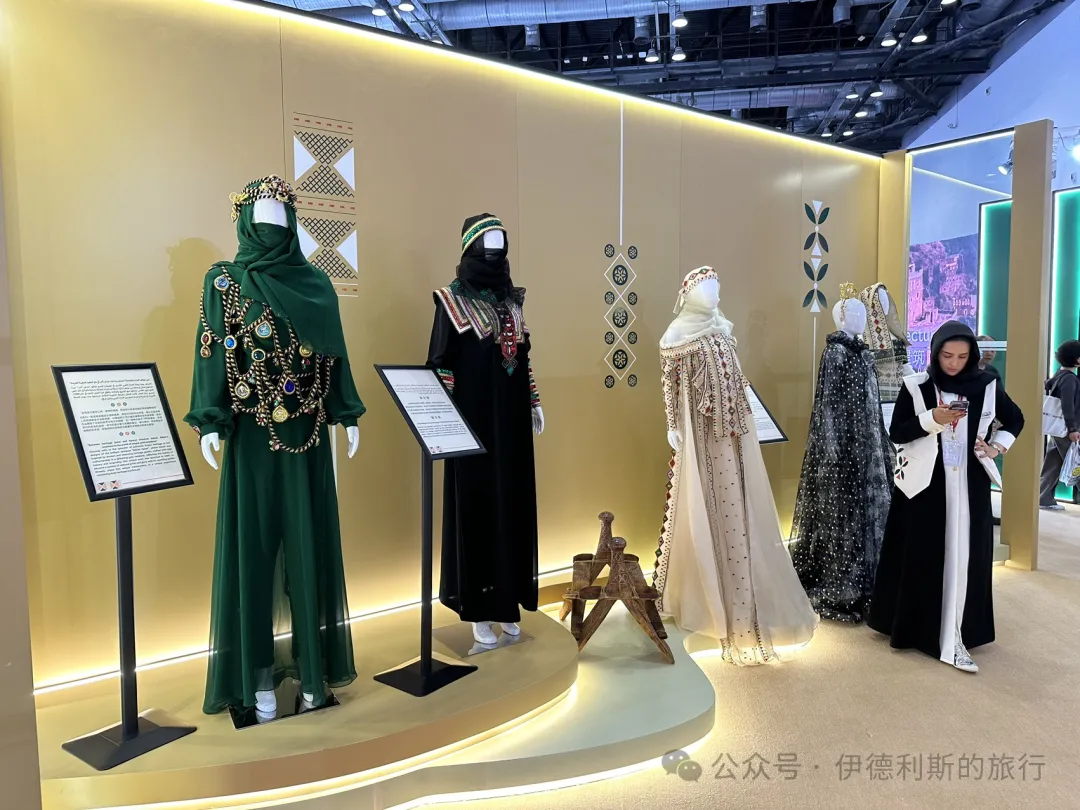
Cultural exchange activities hosted by Saudi Arabia, the guest of honor at the Beijing International Book Fair in the China National Convention Center: Experience Saudi culture at the Beijing International Book Fair.
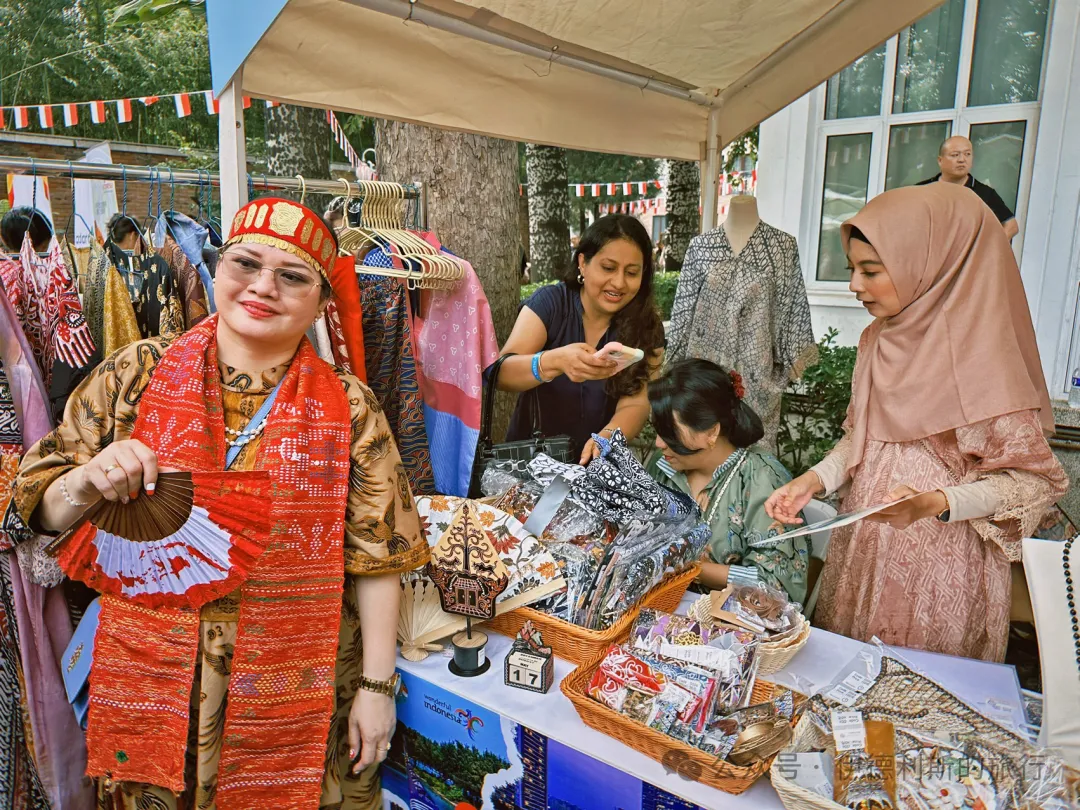
The Indonesian Cultural Festival held at the Indonesian Embassy: Attend the 2024 Indonesian Cultural Festival.
Summary: This article records a visit to International Culture Day at the Pakistan Embassy School, with food, performances, students, and community life at the center. It keeps the original event details, photographs, names, and cultural observations for readers interested in Pakistan and Muslim community events in Beijing.
On November 2, 2024, I attended the annual International Cultural Day at the Pakistan Embassy College in China.
The Commercial Counselor of the Palestinian Embassy in China was there to introduce Palestinian culture, and everyone wrote messages of support for Palestine on postcards.
The first booth inside was Azerbaijan. We started by eating the famous Ottoman dessert baklava (Paxlavası), which is a classic treat for major occasions like Nowruz. Different ethnic groups in Azerbaijan, such as Azerbaijanis, Lezgins, and Tats, all have their own style of making baklava. We ate a version made with walnuts, vanilla sugar, honey, and saffron, which was delicious.
They also had classic Azerbaijani dishes like rice pilaf (Plov), stuffed grape leaves (Dolma), stuffed chicken (Levengi), grilled vegetable salad (Mangal), herb-filled flatbread (Qutab), and vegetable yogurt soup (Dovga). Levengi is made by stuffing a chicken with walnuts, onions, and various spices before roasting it. Dovga is a classic drink served at Azerbaijani weddings, made by mixing yogurt with cilantro, dill, mint, spinach, and other vegetables.
The second booth was Yemen, where we drank Yemeni coffee and had some special desserts. Although coffee is now a popular drink everywhere, it actually originated in Yemeni Sufi lodges. According to current records, Yemeni Sufi lodges had already introduced coffee beans from Ethiopia to Yemen for cultivation by the 15th century. They were the first to roast the beans to make coffee, which helped them stay awake during night prayers (namaz). Mocha is an important Yemeni port on the Red Sea. From the 15th to the 17th century, it was the world's largest coffee trading center and even held a monopoly. Before the 20th century, Mocha referred to Yemeni coffee; it was only later that the term began to describe coffee mixed with chocolate.
Moving forward, we reached the Bangladesh booth, where we drank masala tea and ate a traditional Bangladeshi dessert called vermicelli pudding (Lachcha Shemai). This snack consists of thin noodles layered together and soaked in sweet milk, and it is a classic wedding dessert in Bangladesh.
Further inside were the Malaysia and Indonesia booths. At the Malaysia booth, we bought coconut rice (Nasi Lemak) and curry puffs (Karipap). At the Indonesia booth, we bought savory sticky rice rolls (Lemper) and shaved ice dessert (Cendol).
The coconut rice sold here was the most traditional and simple version, consisting of white rice with chili paste (sambal), dried anchovies, peanuts, and a boiled egg.
Karipap is a flaky curry puff that appeared in Malaysia during the 19th-century British colonial era, influenced by British pasties and Indian samosas, and later spread throughout Southeast Asia.
Lemper is a savory sticky rice roll filled with shredded chicken or fish floss, wrapped in a banana leaf.
Next were the Uzbekistan, Tajikistan, and Xinjiang booths.
Uzbekistan had flaky baked buns (samsa) and freshly cooked rice pilaf (plov), which my mother-in-law thought tasted very good.
The Tajikistan booth was probably the most impressive this time, with a huge pot full of chicken stew!
The man at the Xinjiang booth is from Hotan, though he was born in Pakistan. The fried dough twists (sanzi) at the booth were delicious, and Suleiman couldn't stop eating them.
Booths for three North African countries. I ate dates at the Libya booth, dried fruit at the Morocco booth, and the classic street food Koshary at the Egypt booth.
Koshary is a mix of pasta, macaroni, Egyptian rice, and lentils, topped with tomato sauce, garlic sauce, chickpeas, and fried onions. As early as ancient Egypt, people ate a dish called Koshir made from lentils, wheat, chickpeas, garlic, and onions cooked in clay pots. It only evolved into the modern Koshary after the introduction of pasta and tomatoes in the 19th century. This snack is vegan and very cheap, making it a typical Egyptian comfort food for the common people.
Moving further in, we found Turkey and Turkmenistan, where we kept trying all kinds of snacks.
The innermost area was the Pakistan section, featuring various foods and clothing displays, including famous Beijing Pakistani restaurants Khan Baba and Zamzam. We bought freshly grilled chicken skewers and a large pot of chicken biryani at Zamzam. Suleiman also ate a few chicken skewers; it seems he adapts quite well to Pakistani food.
We performed namaz at the embassy school. Pakistanis also mostly follow the Hanafi school of thought, so their movements are basically the same as ours. There was even a basket of caps at the entrance, which matches our custom of wearing a cap for namaz, unlike Arabs or Iranians who do not have this practice.
Children from all over the world showed off their traditional clothing.
I attended several foreign events in Beijing this year; you can often join different embassy activities in Beijing to experience cultures from around the world.
The Saudi Tourism Festival held by the Saudi Tourism Authority at the Temple of Heaven Park: Experience Arab culture at the Temple of Heaven Park.
The Rasa Malaysia festival held at Sanlitun Taikoo Li: Taste Malaysian food in Beijing—2024 Beijing Malaysia Festival.
The International Neighborhood Festival held at the Jianguomen Diplomatic Residence Compound: Taste food from Iran, Azerbaijan, and the Maldives at the International Neighborhood Festival.
Cultural exchange activities hosted by Saudi Arabia, the guest of honor at the Beijing International Book Fair in the China National Convention Center: Experience Saudi culture at the Beijing International Book Fair.
The Indonesian Cultural Festival held at the Indonesian Embassy: Attend the 2024 Indonesian Cultural Festival.
