
Halal Travel Guide: Beijing — Sheng Hui Gathering and Hui Muslim Community
Reposted from the web
Summary: A weekend Sheng Hui gathering in Beijing offers a close look at Hui Muslim religious life, shared meals, and community ties. This article keeps the original observations, religious terms, and photos while presenting them in clear English.
Today is the 12th day of the third month in the Islamic calendar, which is believed to be the birthday of the Prophet Muhammad. Around this day, Muslims all over the world hold events to commemorate the Prophet, known as Mawlid or Eid-e-Milad an-Nabi. In China, these are called Shengji, Shenghui, or Shengdan.
Commemorations of the Prophet's birth date back to the time of the Tabi'un, the followers of the Prophet's companions, though these were mostly private events in the early days. Large-scale commemorative events can be traced back to Egypt during the Fatimid Caliphate in the 12th century. In 1207, Saladin's brother-in-law Gökböri first established the Mawlid as a public holiday, which helped the celebration spread among Muslim communities. The Ottoman Empire made the Mawlid an official holiday in 1588, calling it Mevlid Kandili, which means the 'Candle Feast of the Prophet's Birthday'.
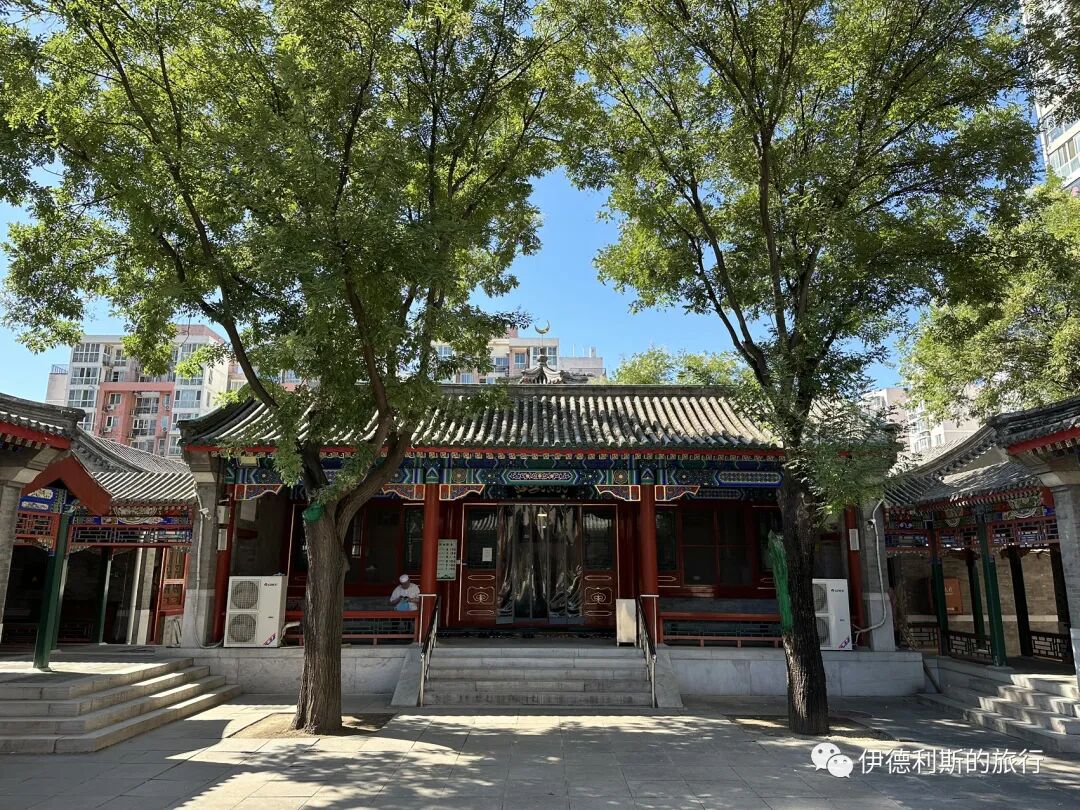
Starting last week, mosques across Beijing have been holding these commemorative gatherings, which will continue until October. Last weekend, I attended two such gatherings at the Nandouyacai Mosque inside Chaoyangmen and the Balizhuang Mosque outside Chaoyangmen, and I would like to share them with you.
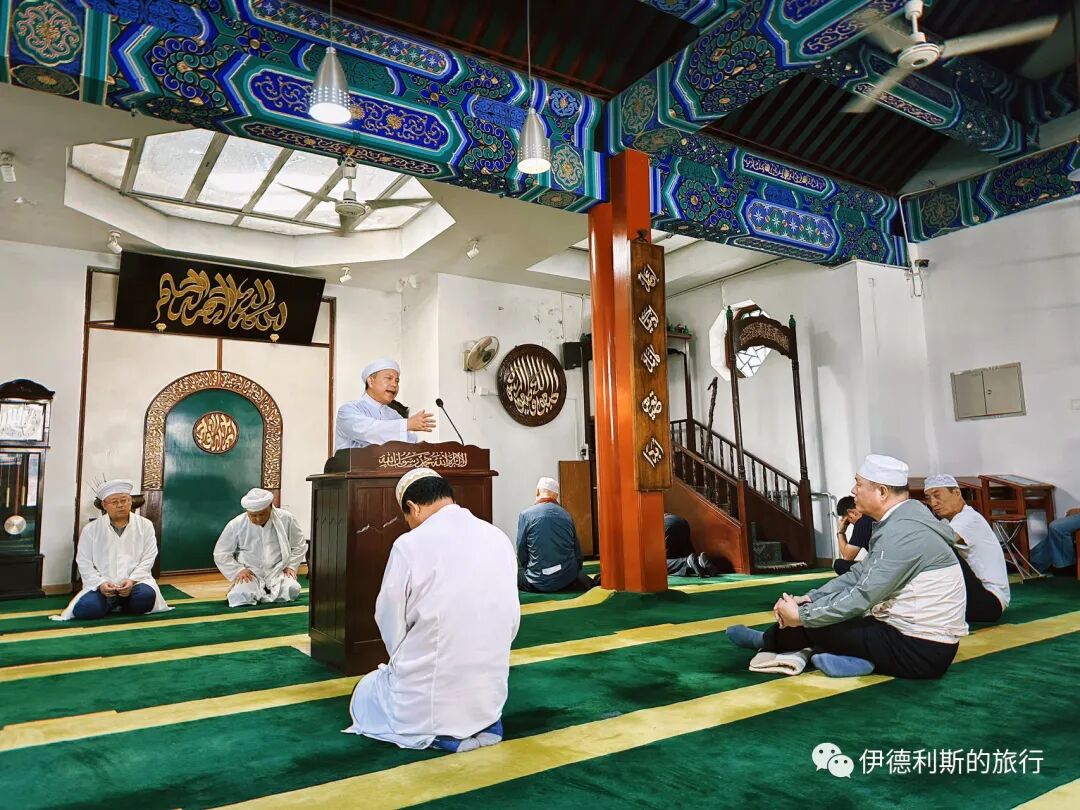
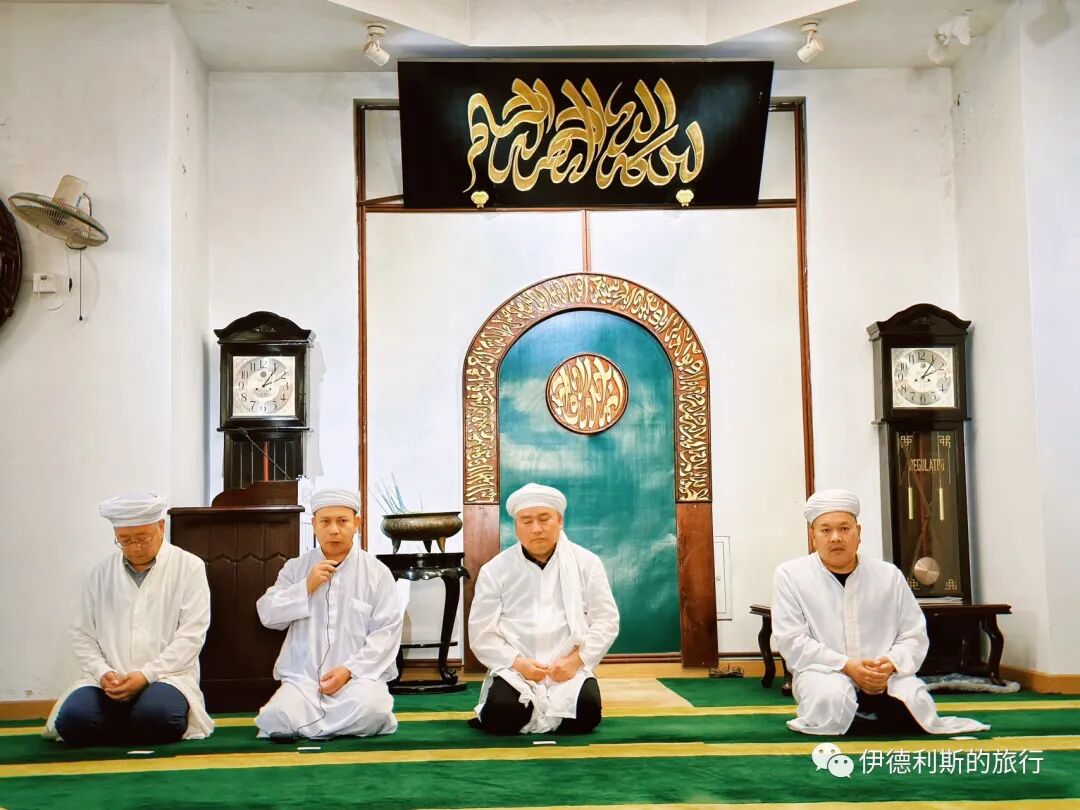
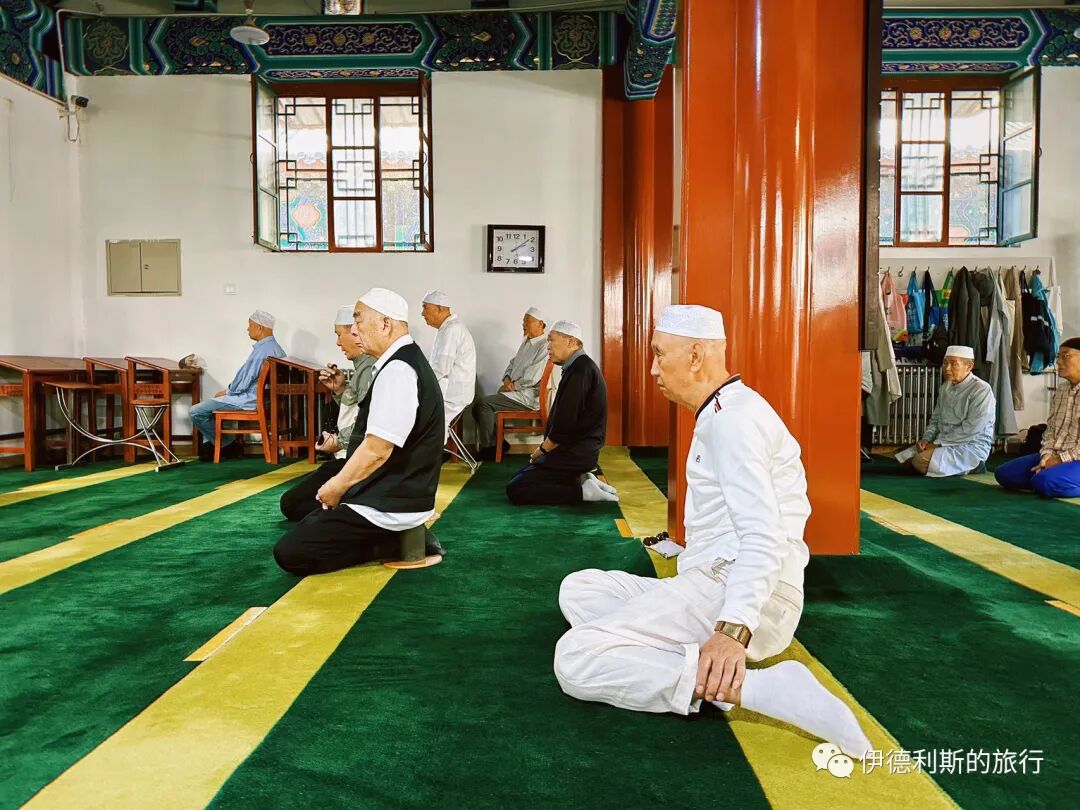
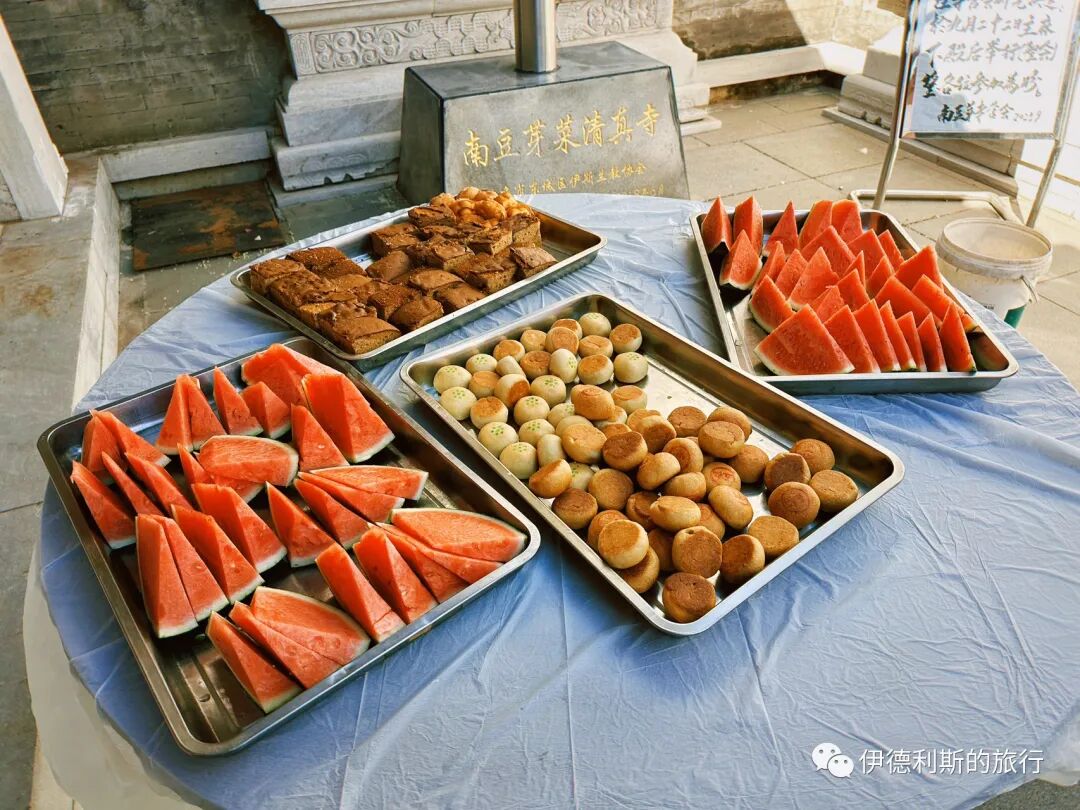
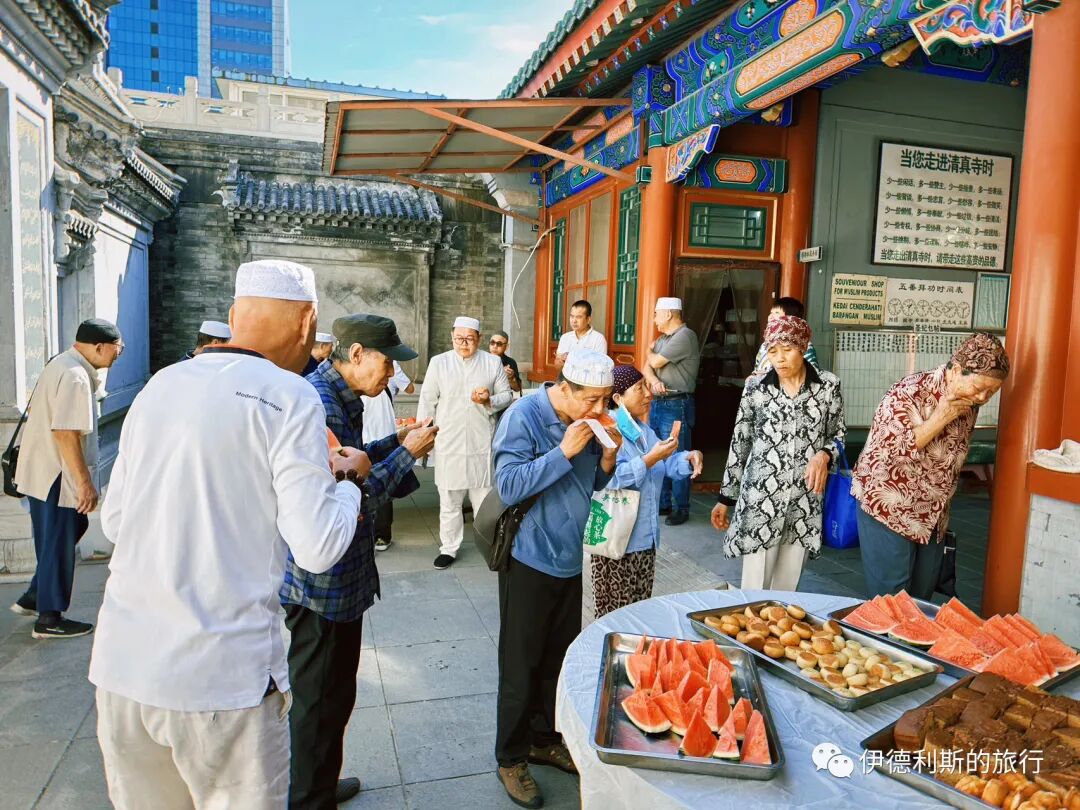
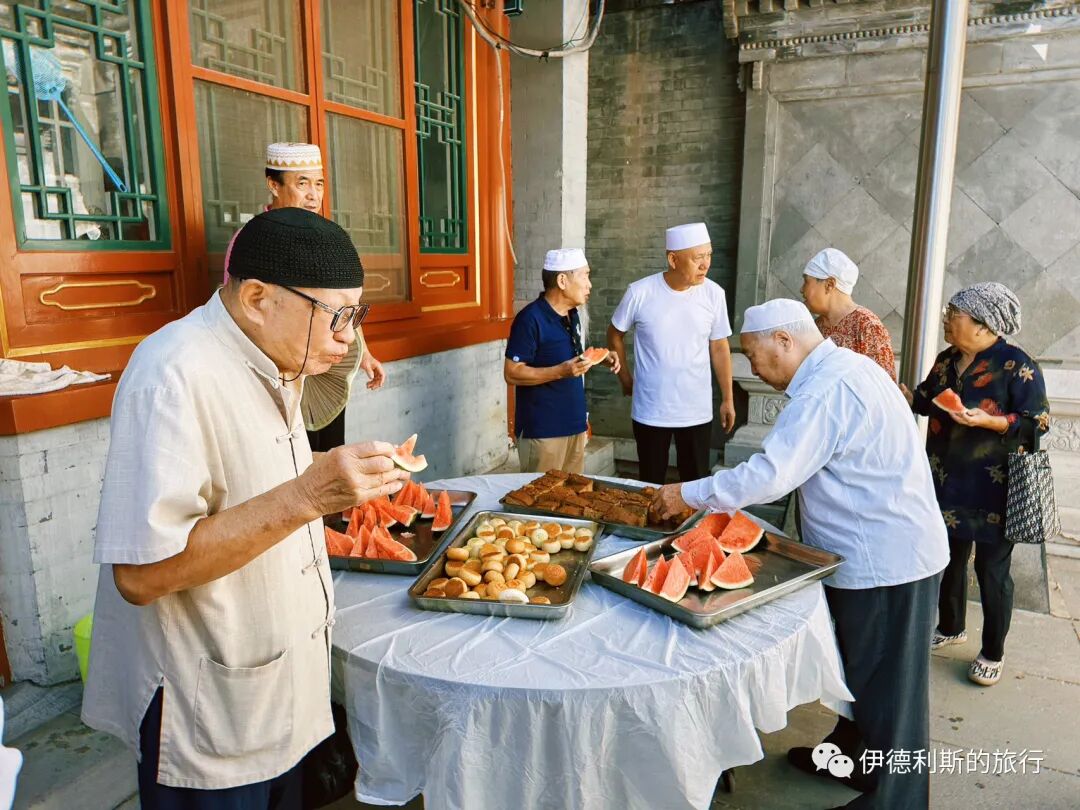
Friday was Jumu'ah, and Imam Chen gave a sermon (wa'z) about the life of the Prophet. After the Jumu'ah prayer, everyone recited the Quran together, followed by enjoying fruit and tea.
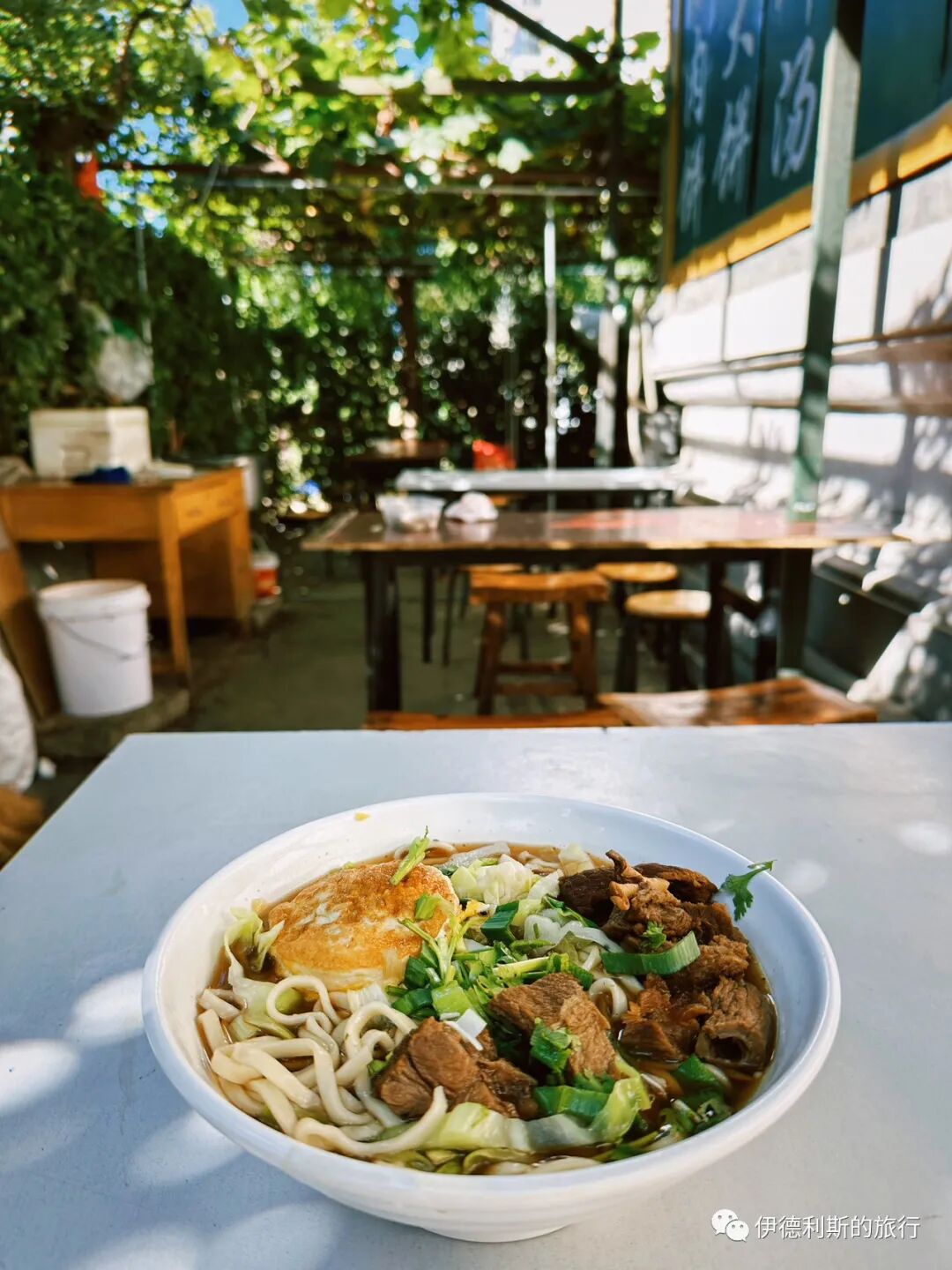
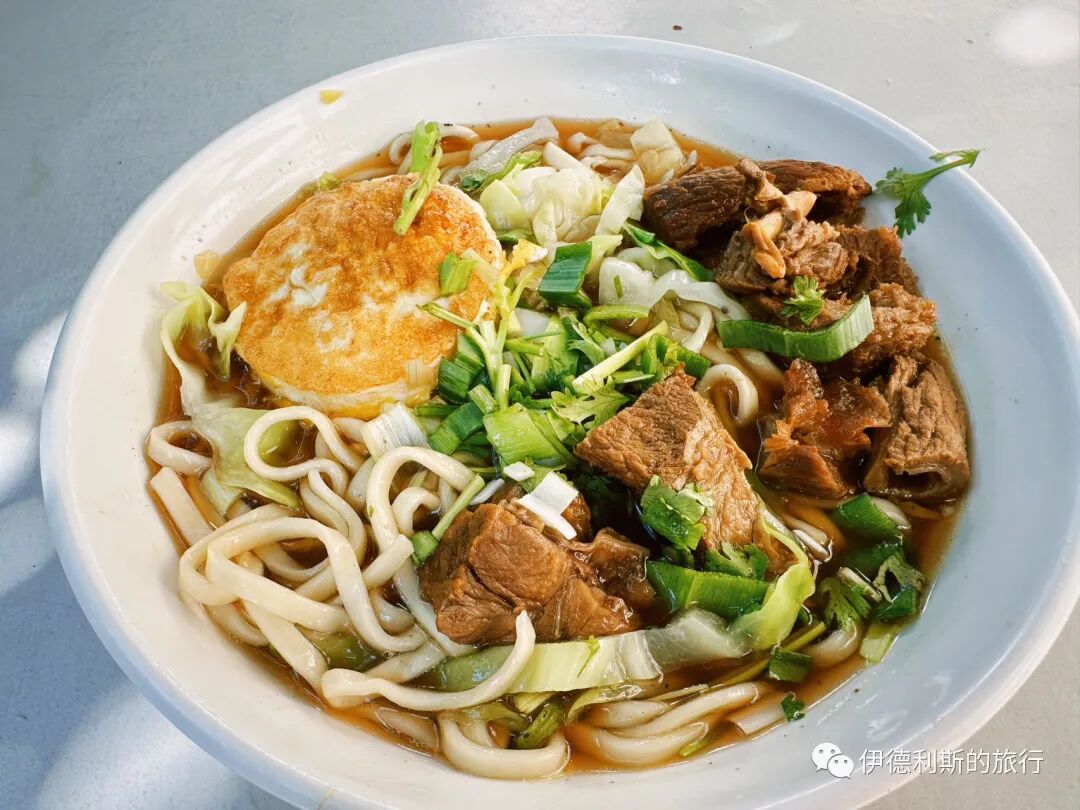
After leaving the mosque, I had a bowl of beef noodles at Xinyuezhai near the entrance.
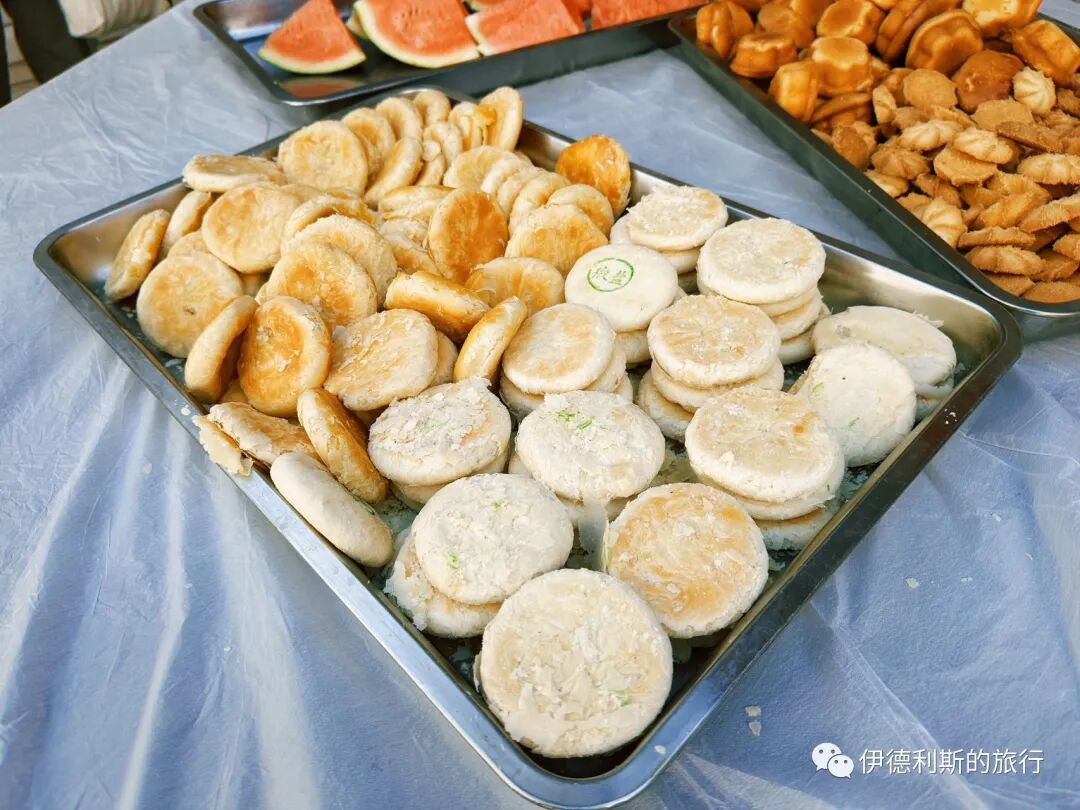
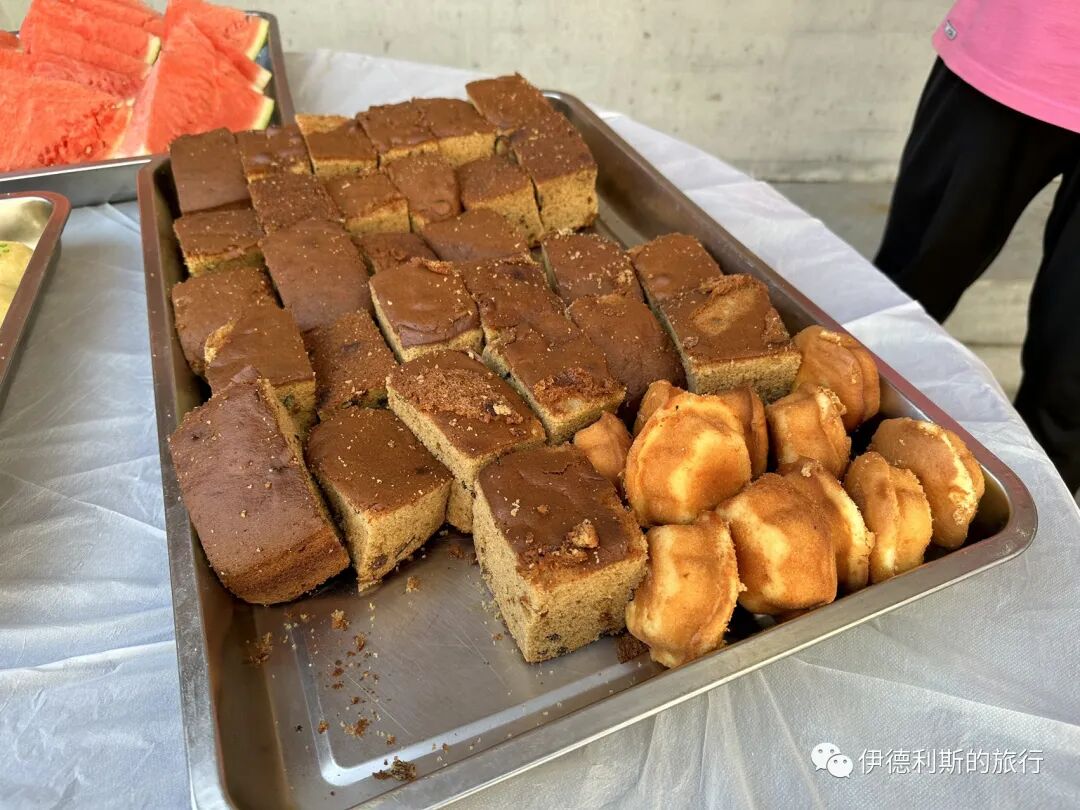
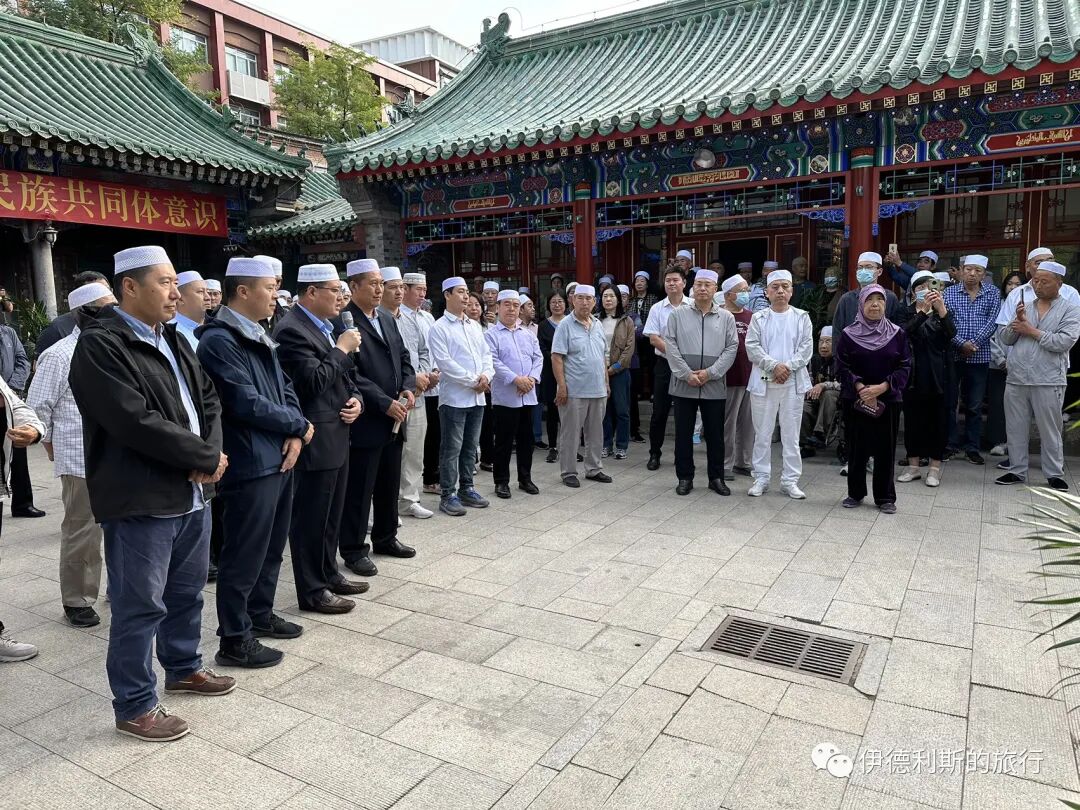
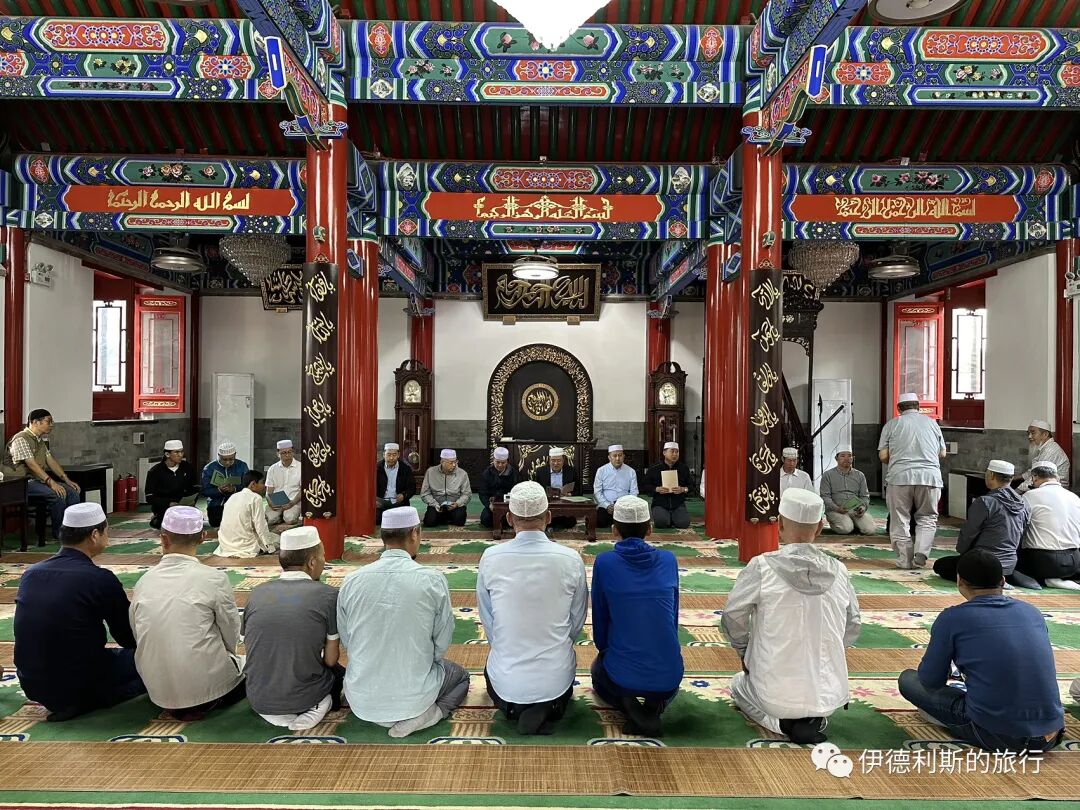
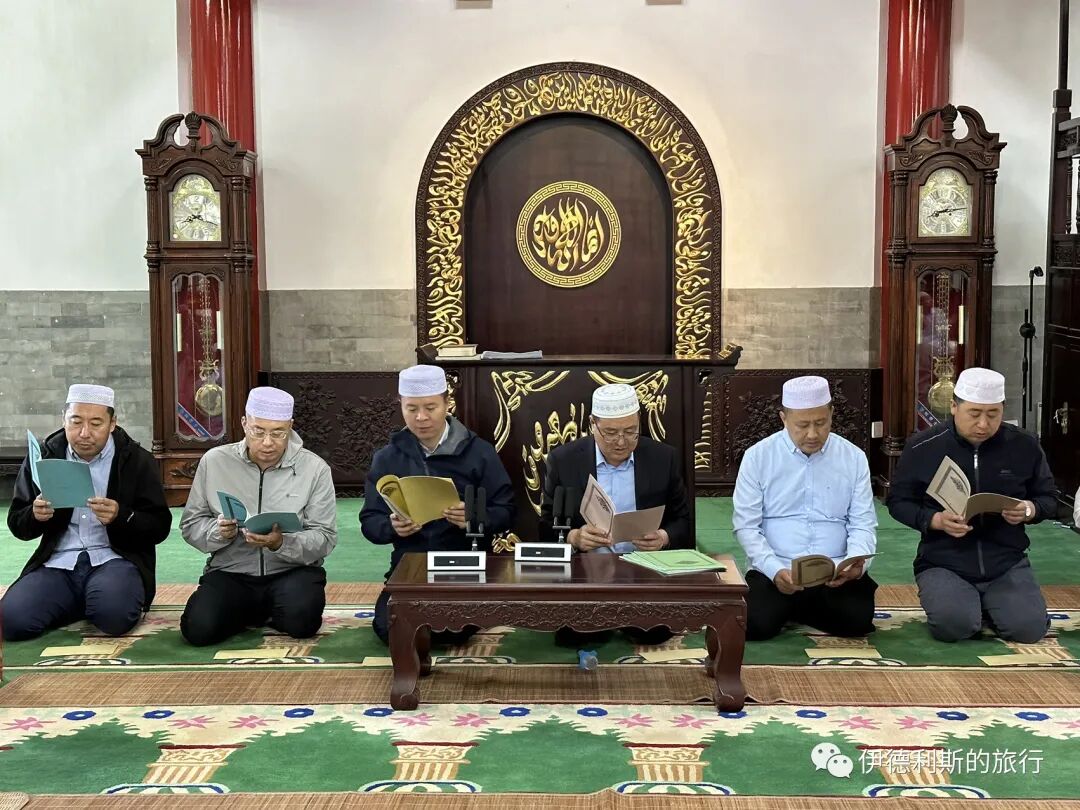
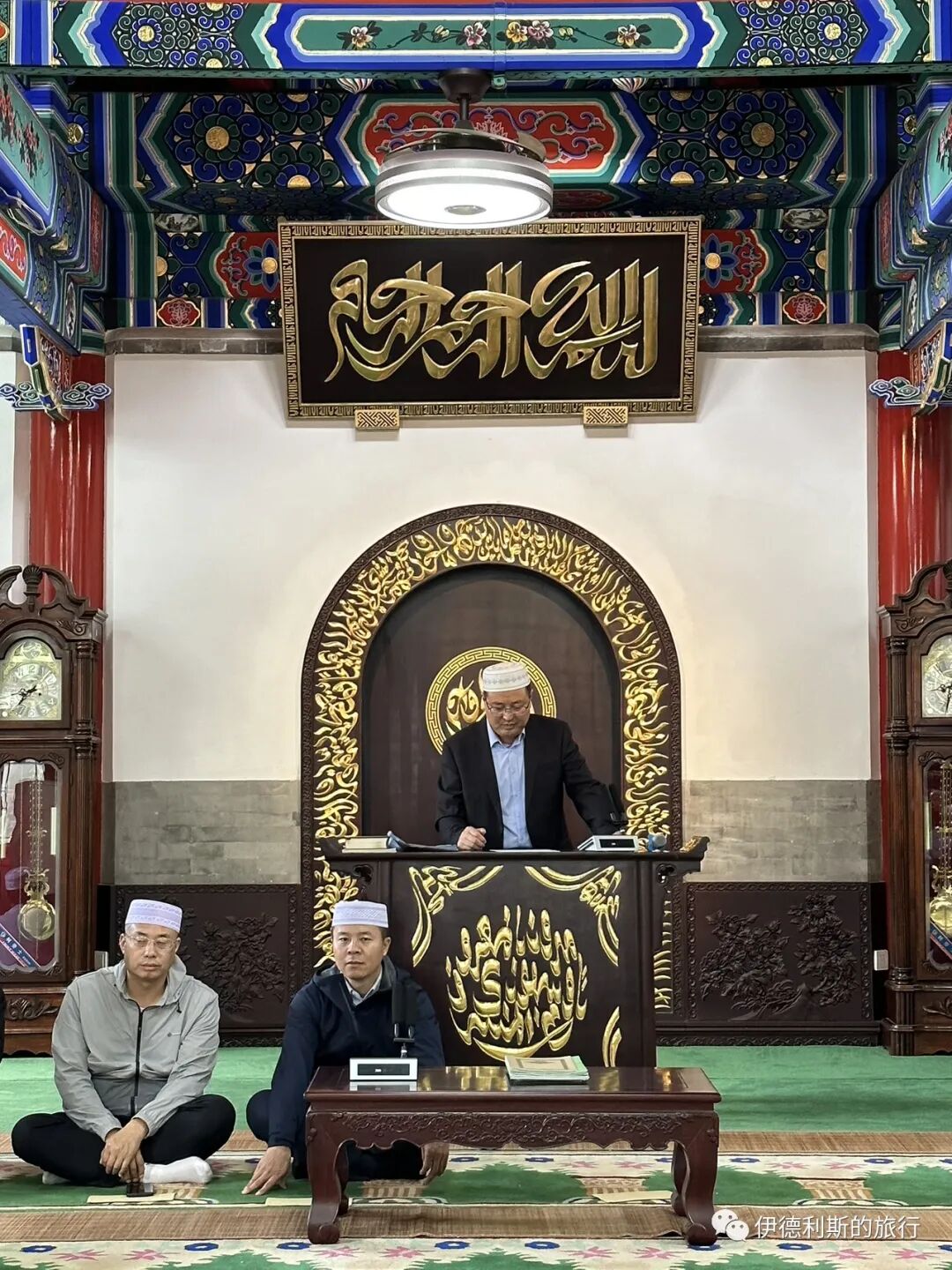
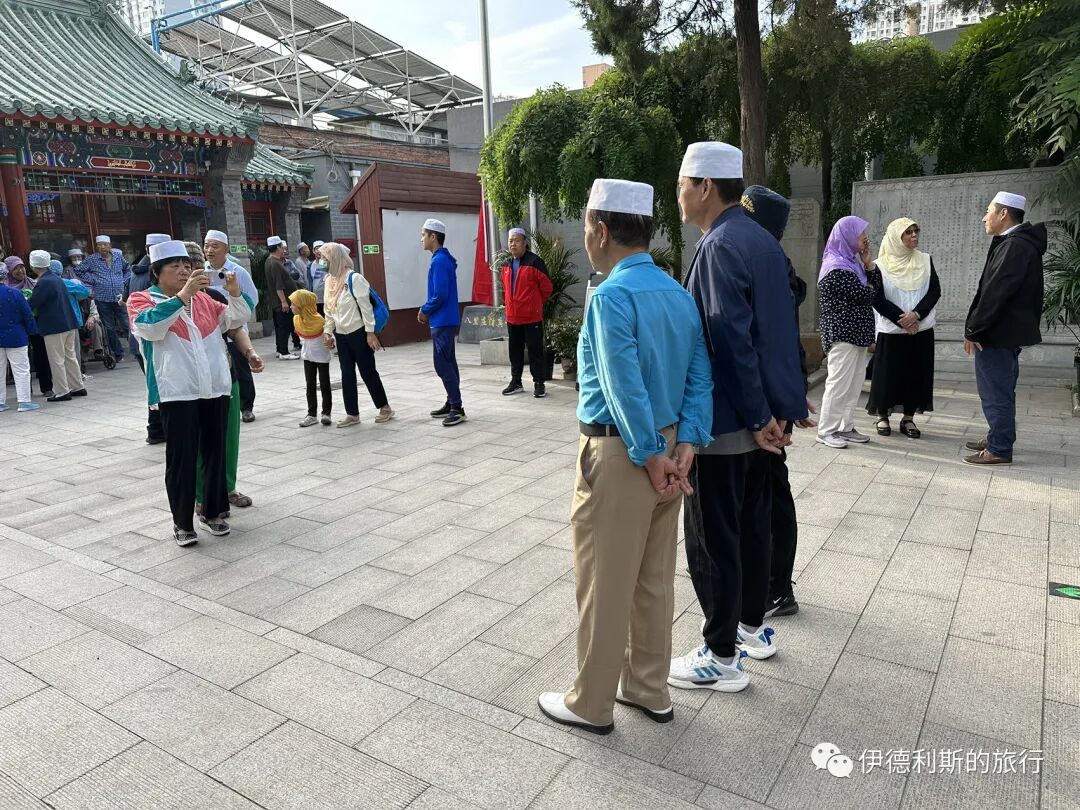
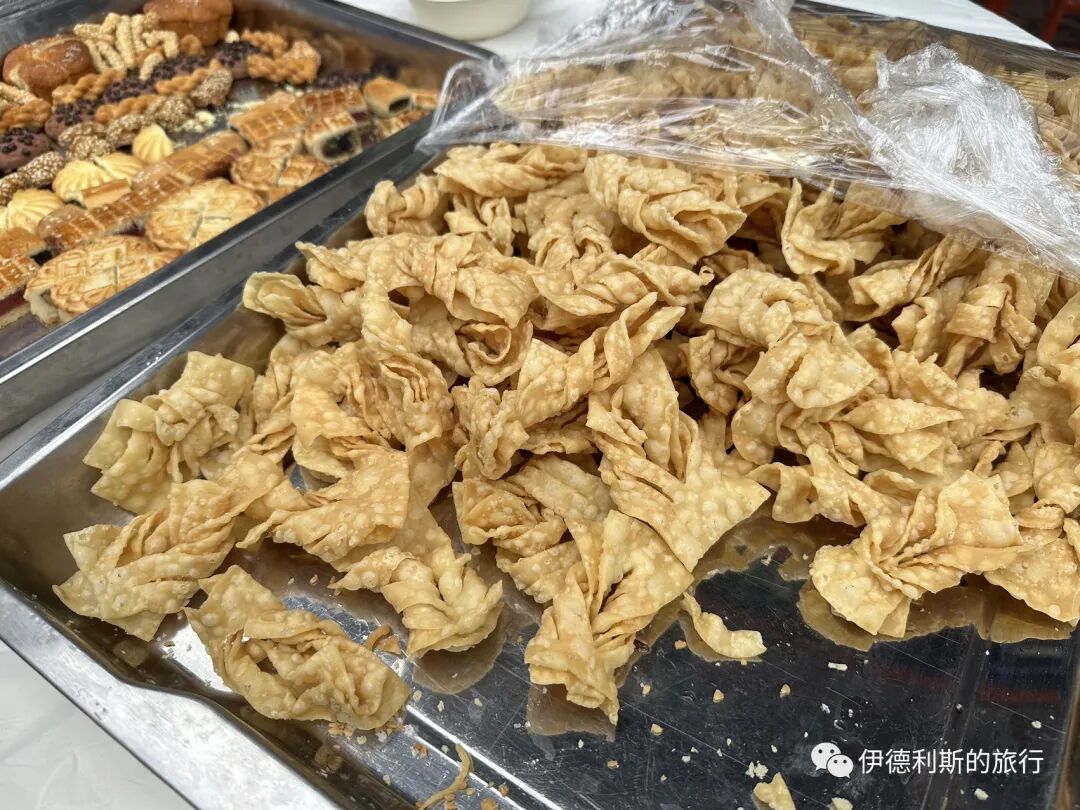
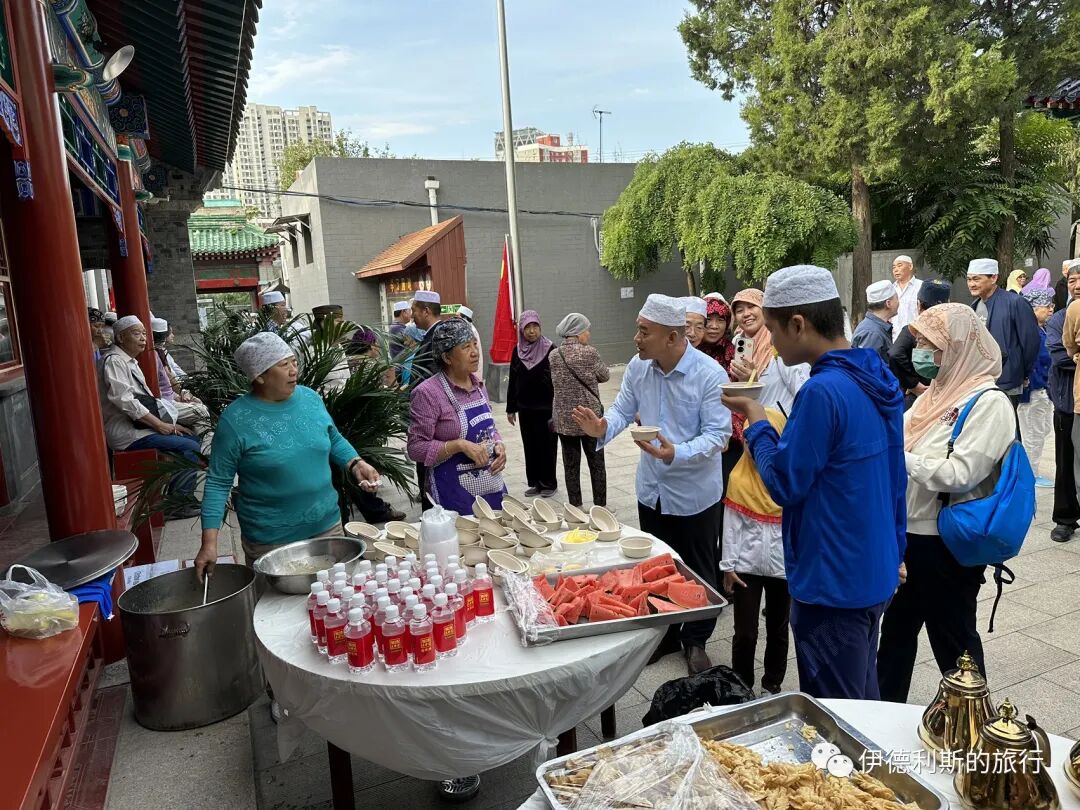
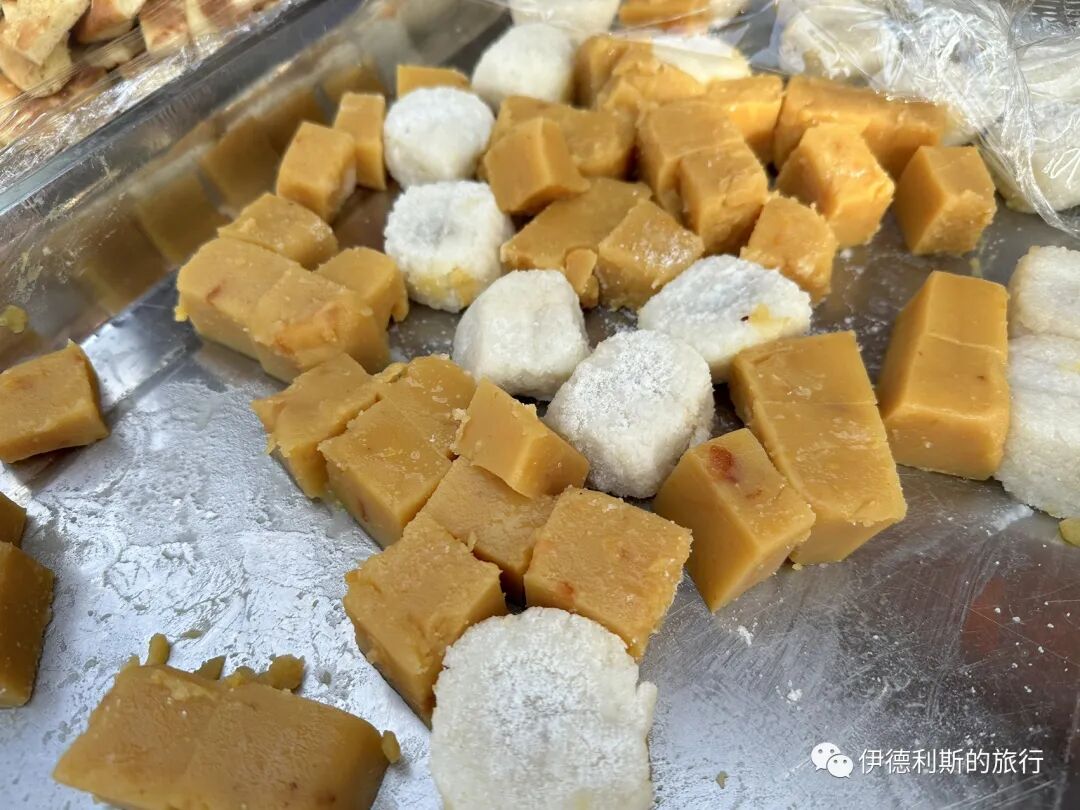
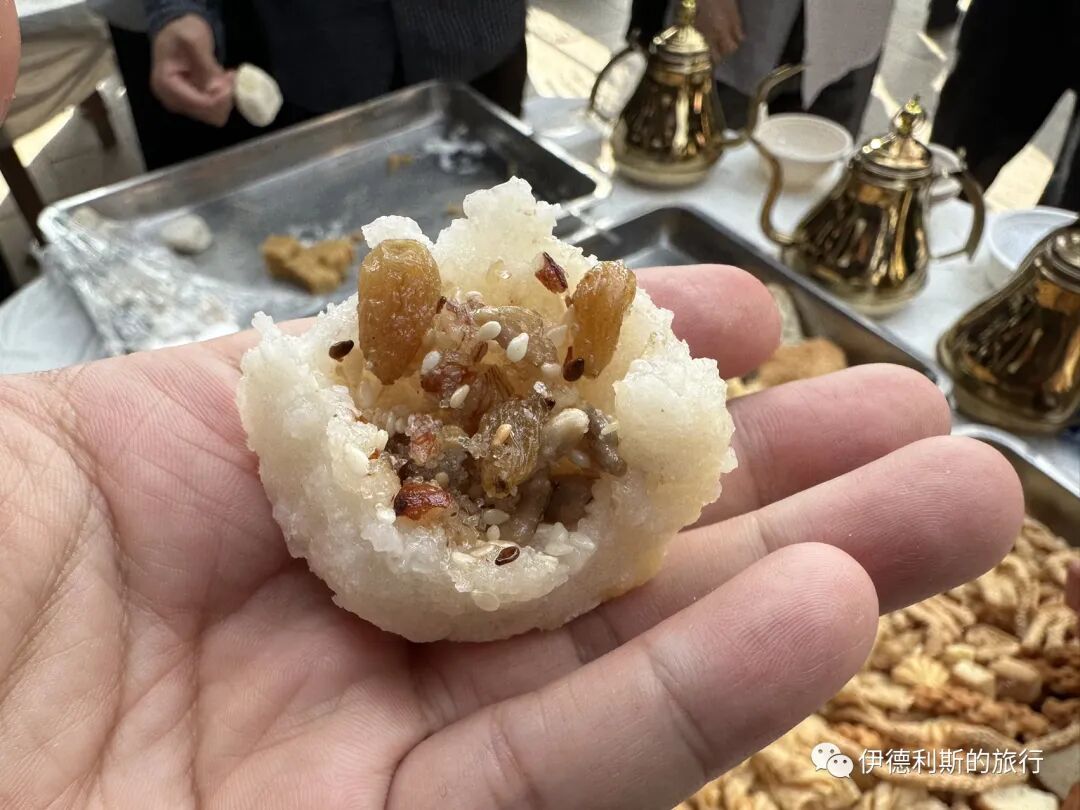
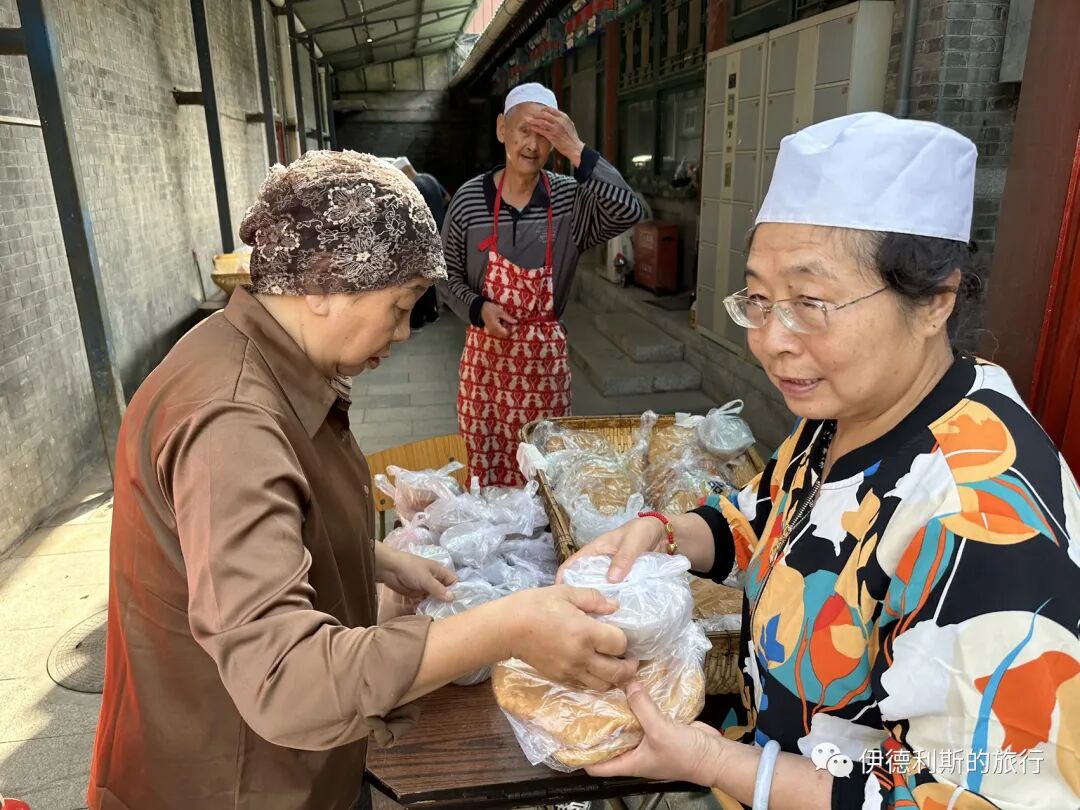
On Saturday morning, I attended the gathering at Balizhuang Mosque outside Chaoyangmen. First, Imam Ding recited the opening chapter of the Quran in the courtyard. Then, everyone went into the prayer hall where 14 imams performed the opening and closing recitations, followed by Imam Ding giving a sermon (wa'z) on the life of the Prophet. The mosque prepared meat porridge and fried dough (youxiang) for everyone, along with various teas and snacks. I really enjoyed the pea flour cake (wandouhuang) and steamed rice cake (aiwowo) made by the mosque elders; you cannot find this blessed taste in shops.
Besides commemorating the Prophet, these gatherings are a great opportunity to strengthen the unity of the mosque community. Friends (dosti) who rarely see each other during the week use this occasion (sabab) to gather, chat about daily life, and discuss the faith. It is truly a reason to be grateful (shukr).
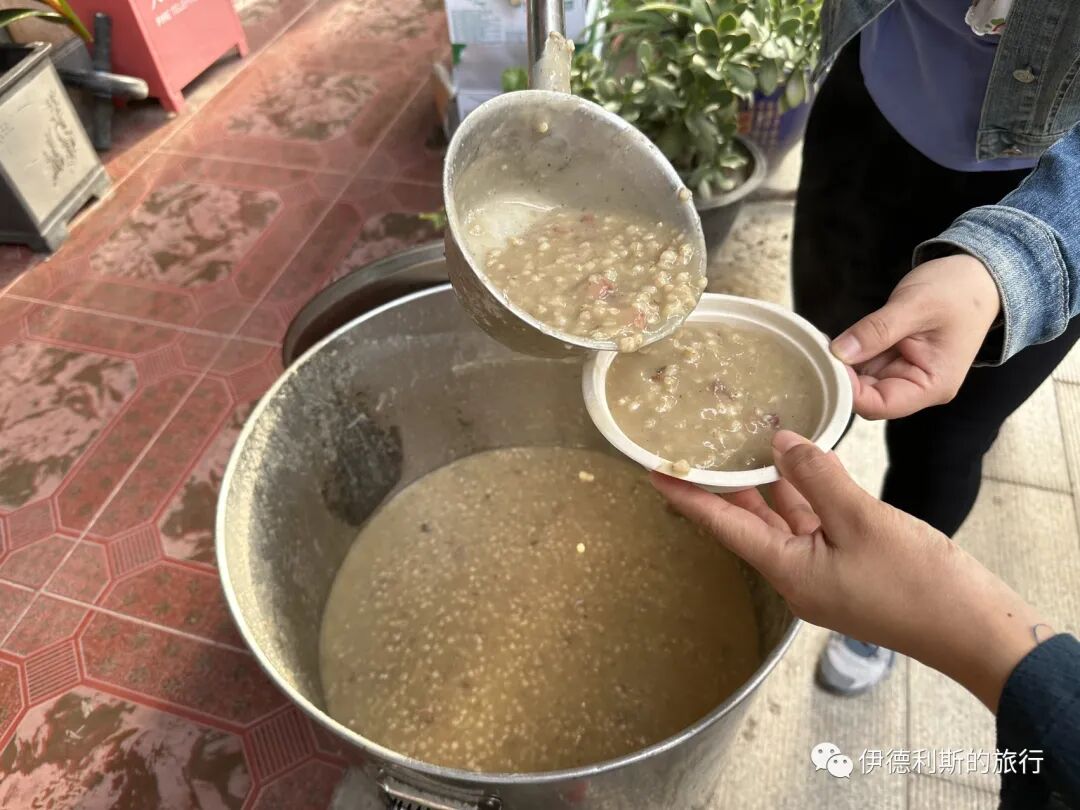
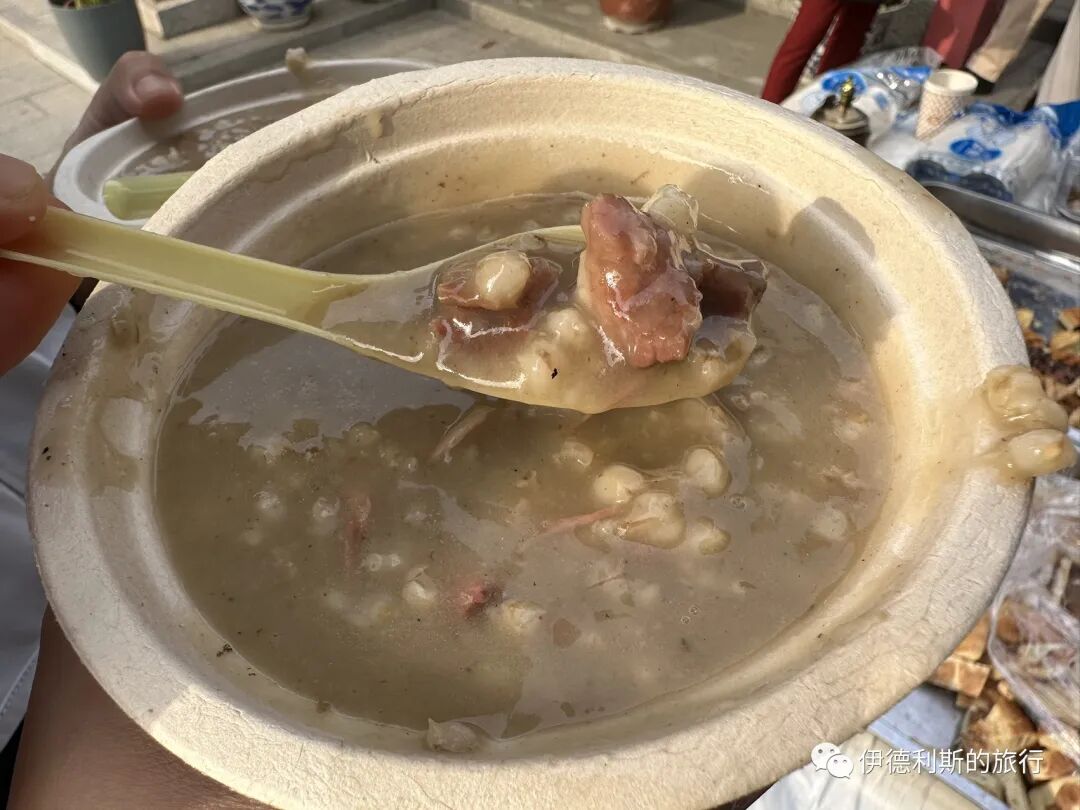
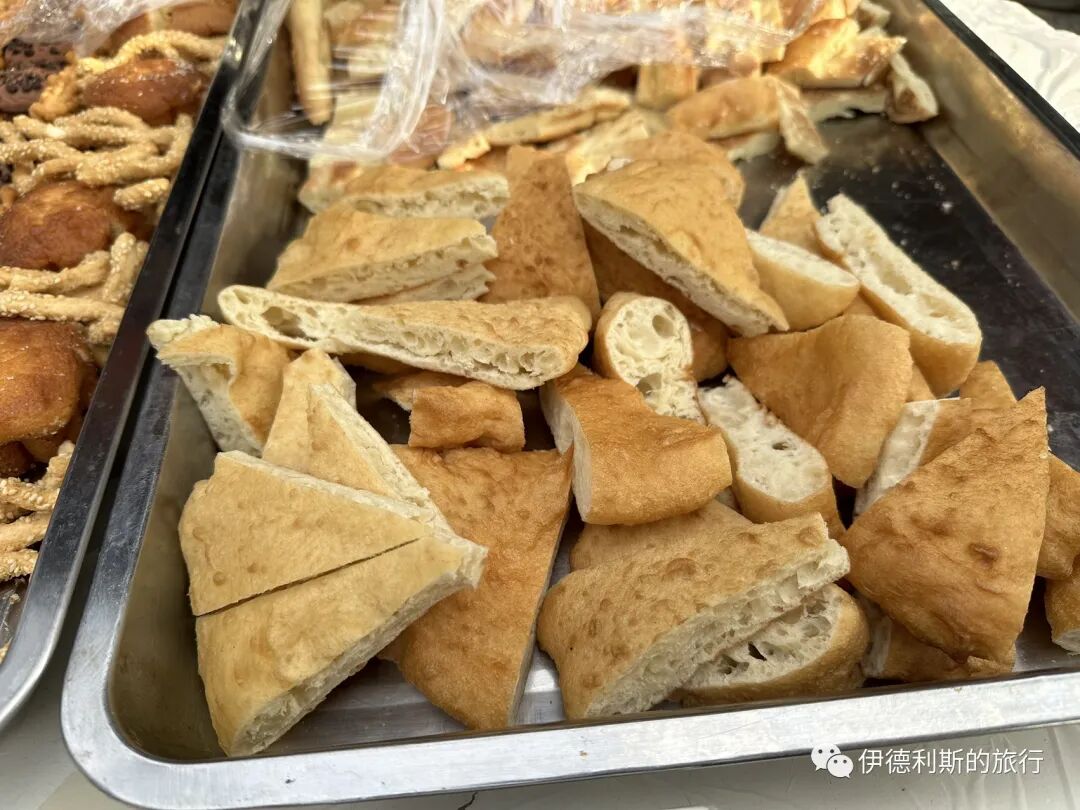
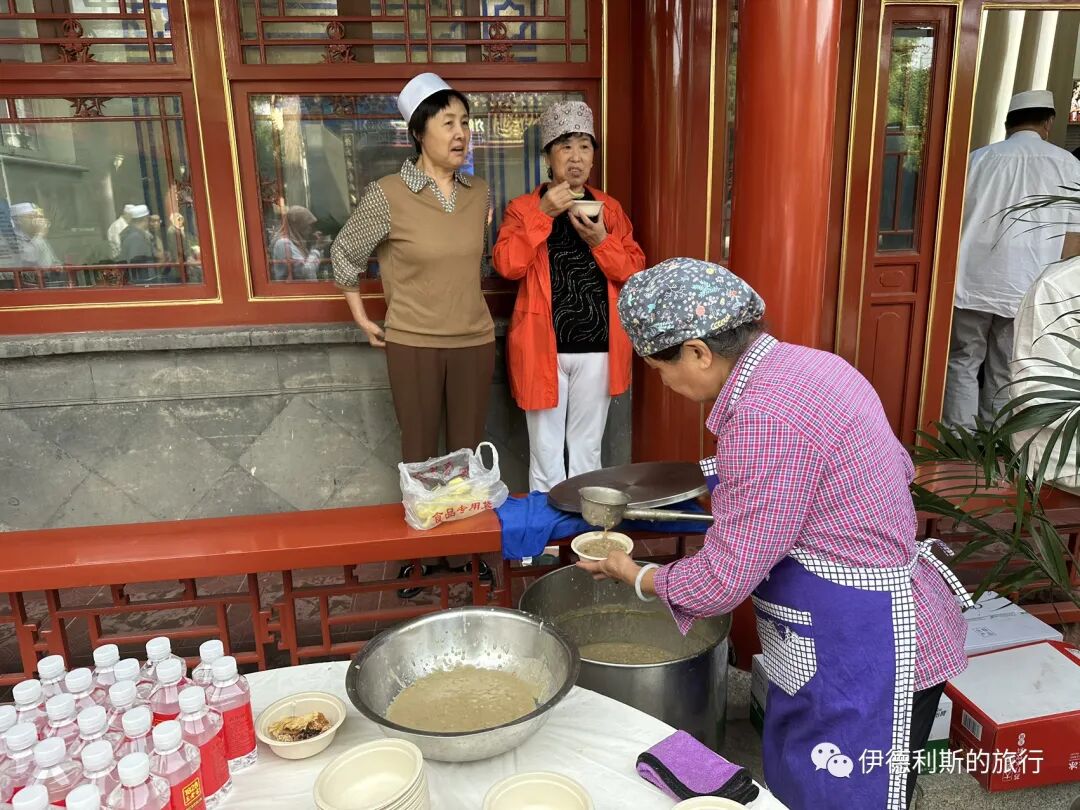
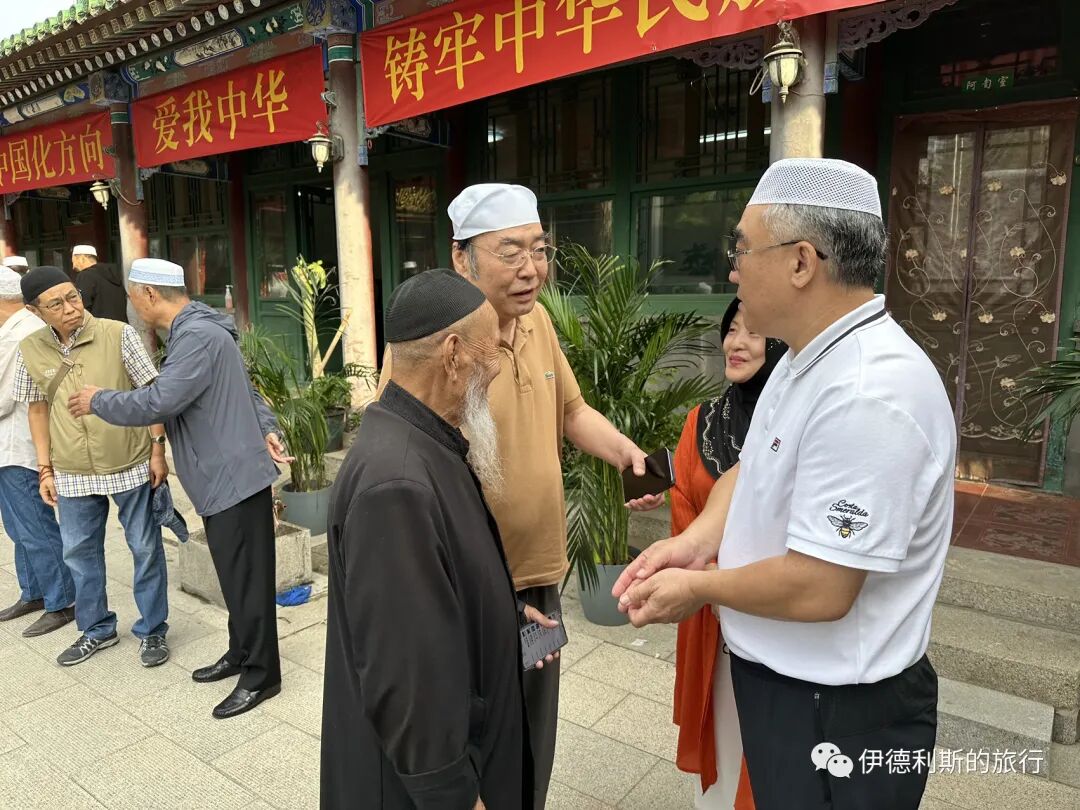
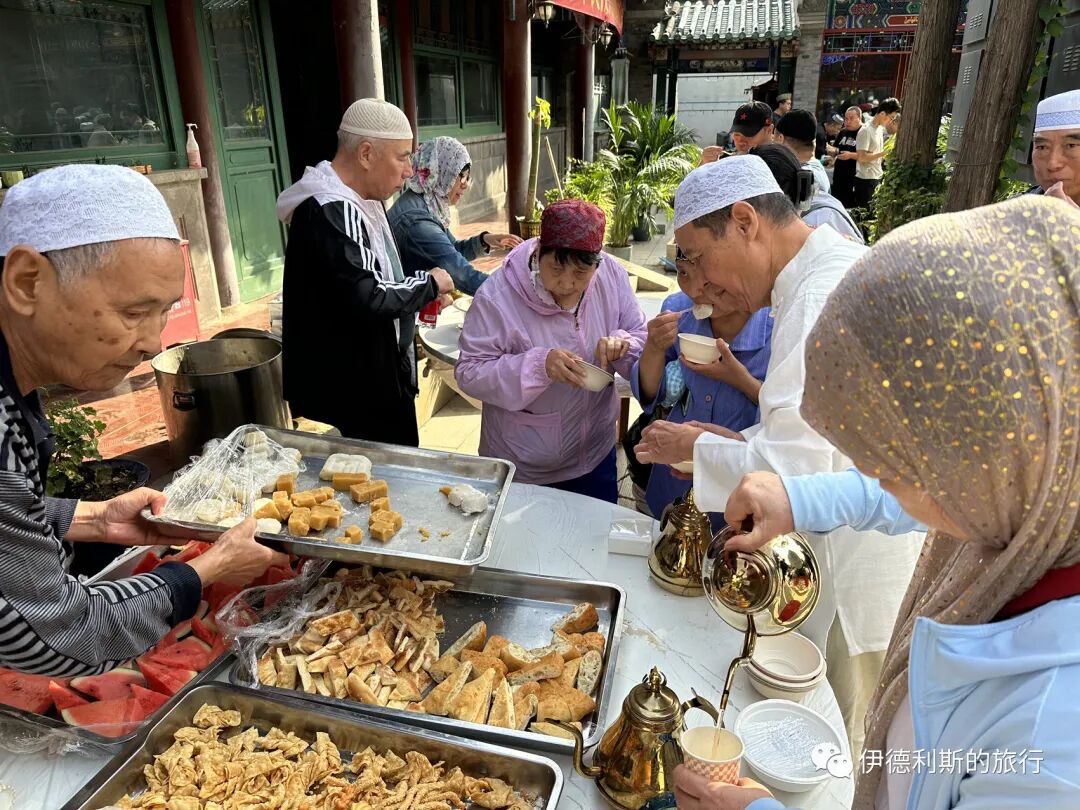
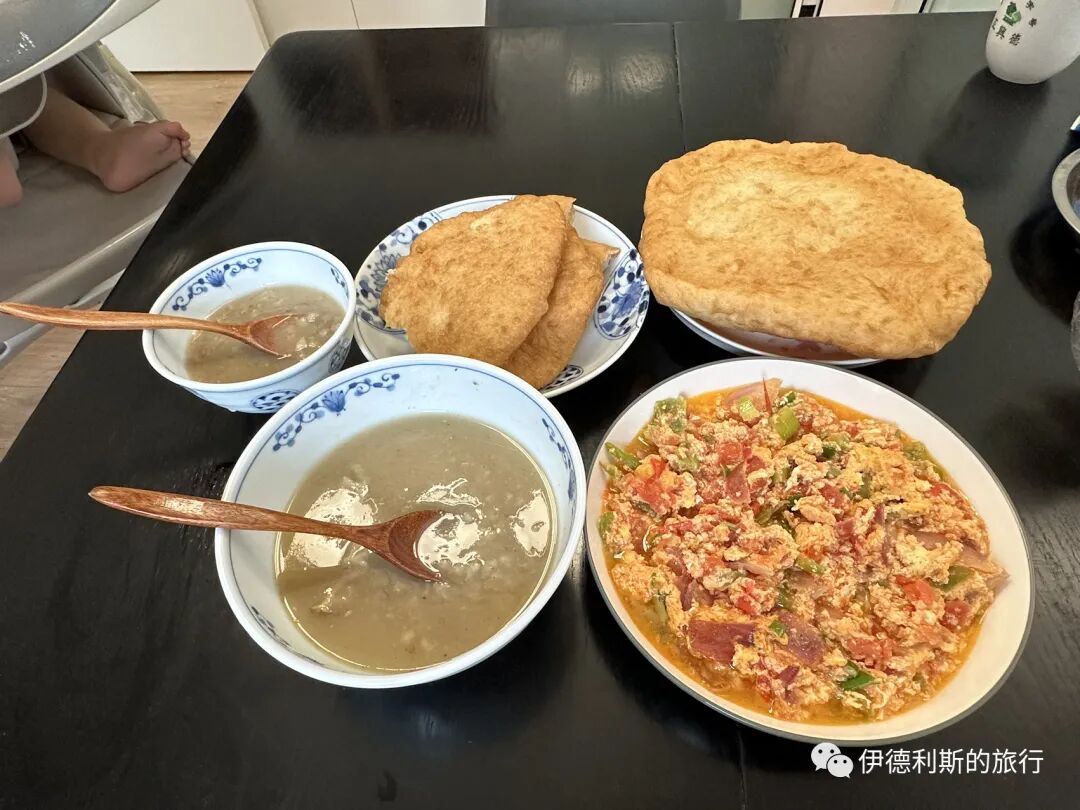
The next day, you can continue to enjoy the meat porridge and fried dough (youxiang) at home to keep the blessings going.
Summary: A weekend Sheng Hui gathering in Beijing offers a close look at Hui Muslim religious life, shared meals, and community ties. This article keeps the original observations, religious terms, and photos while presenting them in clear English.
Today is the 12th day of the third month in the Islamic calendar, which is believed to be the birthday of the Prophet Muhammad. Around this day, Muslims all over the world hold events to commemorate the Prophet, known as Mawlid or Eid-e-Milad an-Nabi. In China, these are called Shengji, Shenghui, or Shengdan.
Commemorations of the Prophet's birth date back to the time of the Tabi'un, the followers of the Prophet's companions, though these were mostly private events in the early days. Large-scale commemorative events can be traced back to Egypt during the Fatimid Caliphate in the 12th century. In 1207, Saladin's brother-in-law Gökböri first established the Mawlid as a public holiday, which helped the celebration spread among Muslim communities. The Ottoman Empire made the Mawlid an official holiday in 1588, calling it Mevlid Kandili, which means the 'Candle Feast of the Prophet's Birthday'.
Starting last week, mosques across Beijing have been holding these commemorative gatherings, which will continue until October. Last weekend, I attended two such gatherings at the Nandouyacai Mosque inside Chaoyangmen and the Balizhuang Mosque outside Chaoyangmen, and I would like to share them with you.
Friday was Jumu'ah, and Imam Chen gave a sermon (wa'z) about the life of the Prophet. After the Jumu'ah prayer, everyone recited the Quran together, followed by enjoying fruit and tea.
After leaving the mosque, I had a bowl of beef noodles at Xinyuezhai near the entrance.
On Saturday morning, I attended the gathering at Balizhuang Mosque outside Chaoyangmen. First, Imam Ding recited the opening chapter of the Quran in the courtyard. Then, everyone went into the prayer hall where 14 imams performed the opening and closing recitations, followed by Imam Ding giving a sermon (wa'z) on the life of the Prophet. The mosque prepared meat porridge and fried dough (youxiang) for everyone, along with various teas and snacks. I really enjoyed the pea flour cake (wandouhuang) and steamed rice cake (aiwowo) made by the mosque elders; you cannot find this blessed taste in shops.
Besides commemorating the Prophet, these gatherings are a great opportunity to strengthen the unity of the mosque community. Friends (dosti) who rarely see each other during the week use this occasion (sabab) to gather, chat about daily life, and discuss the faith. It is truly a reason to be grateful (shukr).
The next day, you can continue to enjoy the meat porridge and fried dough (youxiang) at home to keep the blessings going.
