
China Mosque Travel Guide: Mosque Plaques, Couplets, Islamic Calligraphy and Hui Muslim Heritage
Reposted from the web
Summary: This China mosque travel guide focuses on mosque plaques, couplets, Islamic calligraphy, Muslim heritage, and the original 151-200 item sequence.
This article summarizes the key points of "Appreciation of Islamic Plaques and Couplets (151-200)". It keeps the original paragraph and image order. It is for readers interested in Muslim life, Islamic culture, and Chinese Islamic writing. It also helps people search for namaz, Islamic plaque and couplet appreciation, and guides for mosques and prayer.
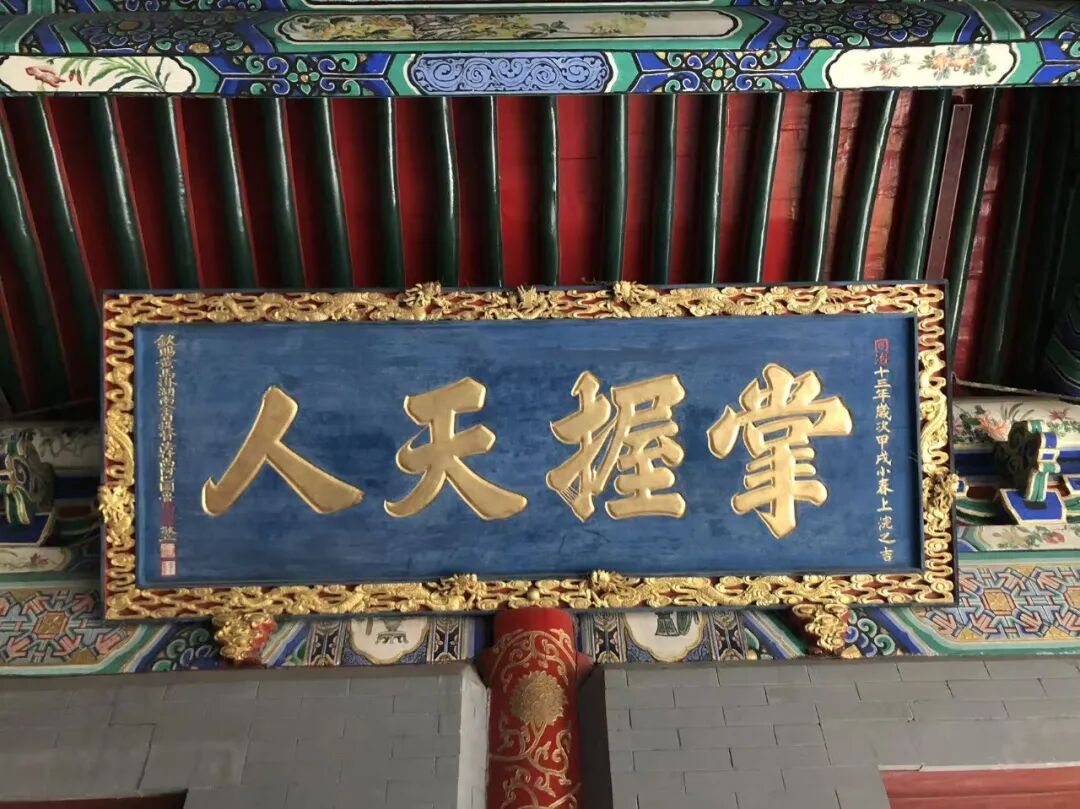
151. "Mastering Heaven and Man" at Niujie Mosque in Beijing.
An auspicious day in the early tenth lunar month of the Jiaxu year, the thirteenth year of the Tongzhi reign.
Respectfully erected by Ma Rulong, Imperial-bestowed Yellow Jacket wearer and Commander-in-Chief of Hunan Province, titled Fashishang'a Baturu.
Ma Rulong was a Hui Muslim from Jianshui, Yunnan. He started as a military scholar and served as Commander-in-Chief of Yunnan and later Hunan.
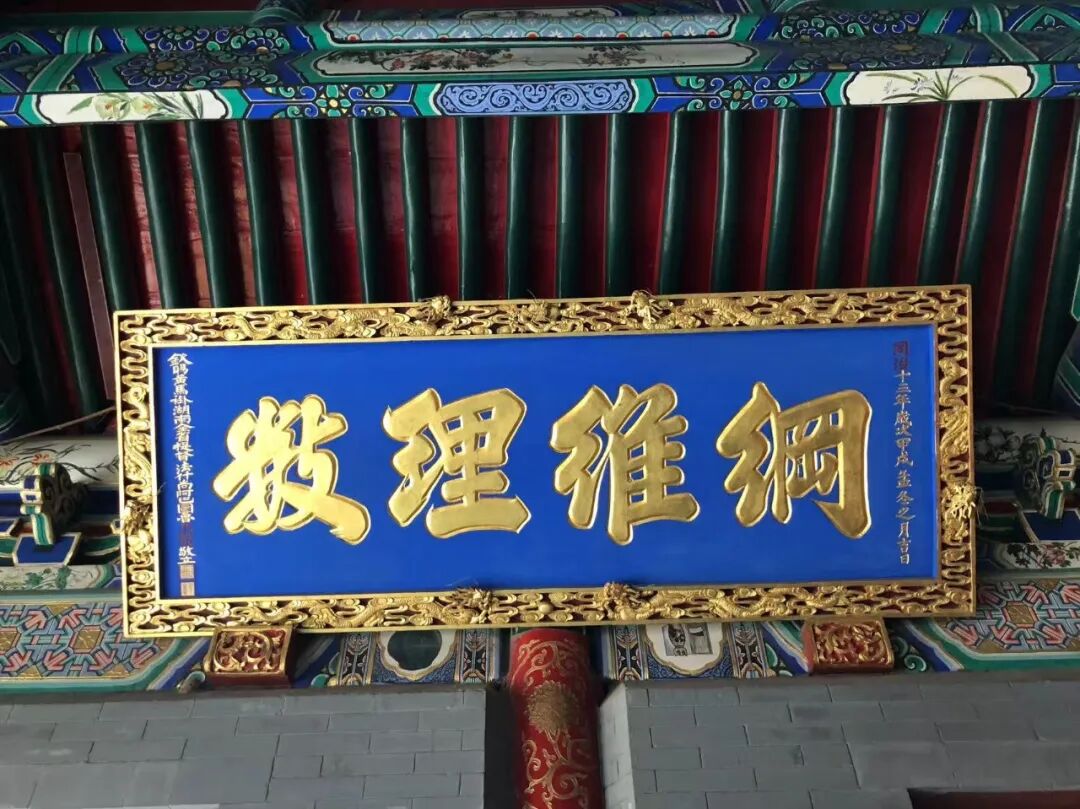
152. "Governing the Principles of Numbers" at Niujie Mosque in Beijing.
An auspicious day in the first month of winter, the Jiaxu year, the thirteenth year of the Tongzhi reign.
Respectfully erected by Ma Rulong, Imperial-bestowed Yellow Jacket wearer and Commander-in-Chief of Hunan Province, titled Fashishang'a Baturu.
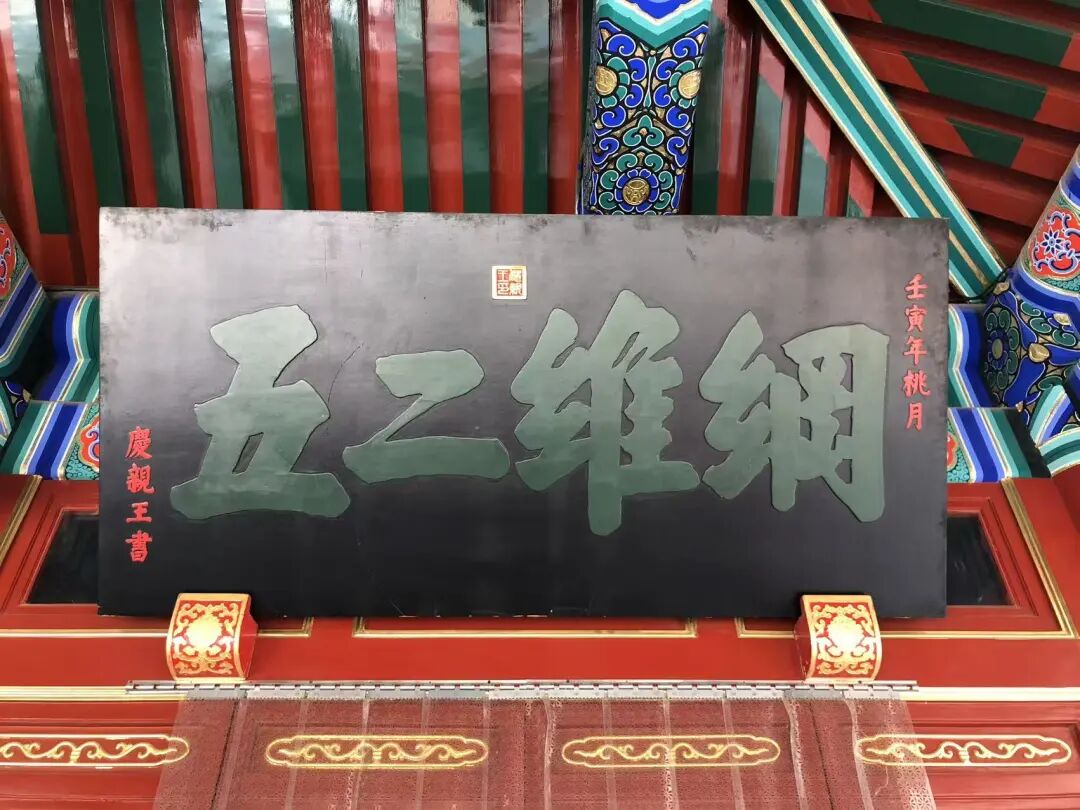
153. "Governing the Two and Five" at Nanxiapo Mosque in Beijing.
The third lunar month of the Renyin year (1902).
Calligraphy by Prince Qing.
The plaque is a replica. Yikuang was named Prince Qing in 1894 and served as a high official in the late Qing Dynasty.
Liu Zhi wrote in the Rites of Islam (Tianfang Dianli) that 'revering the five pillars fulfills the way of heaven;' 'upholding the five social relationships fulfills the way of man.' The five pillars are the declaration of faith, namaz, fasting, charity, and the pilgrimage, while the five relationships are ruler and subject, father and son, husband and wife, brothers, and friends.
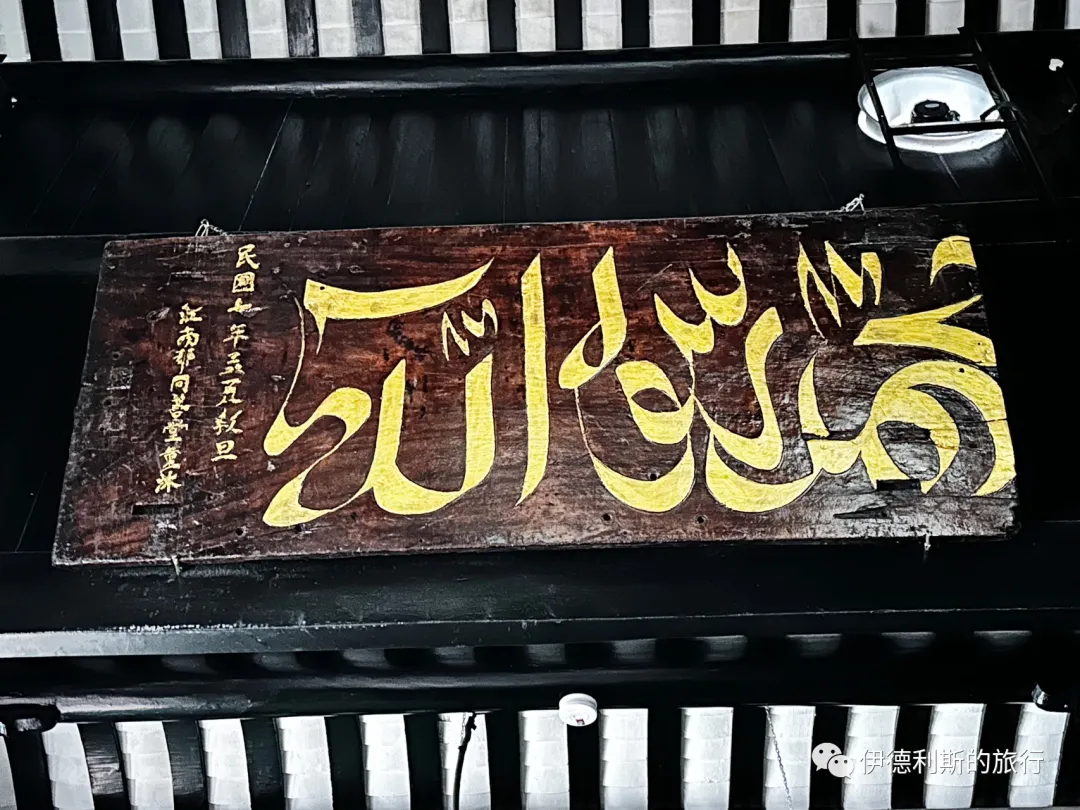
154. Arabic plaque at Haopan Mosque in Guangzhou
An auspicious day in the first month of summer, the seventh year of the Republic of China
Respectfully presented by the Jiangnan Tongshan Hall
During the Ming and Qing dynasties, many Hui Muslims from the Jiangsu, Zhejiang, and Shanghai regions came to Guangzhou for business. They often chose to live near the foreign trading houses on Haopan Street and the shops in the Xiguan area, which had a significant impact on Haopan Mosque.
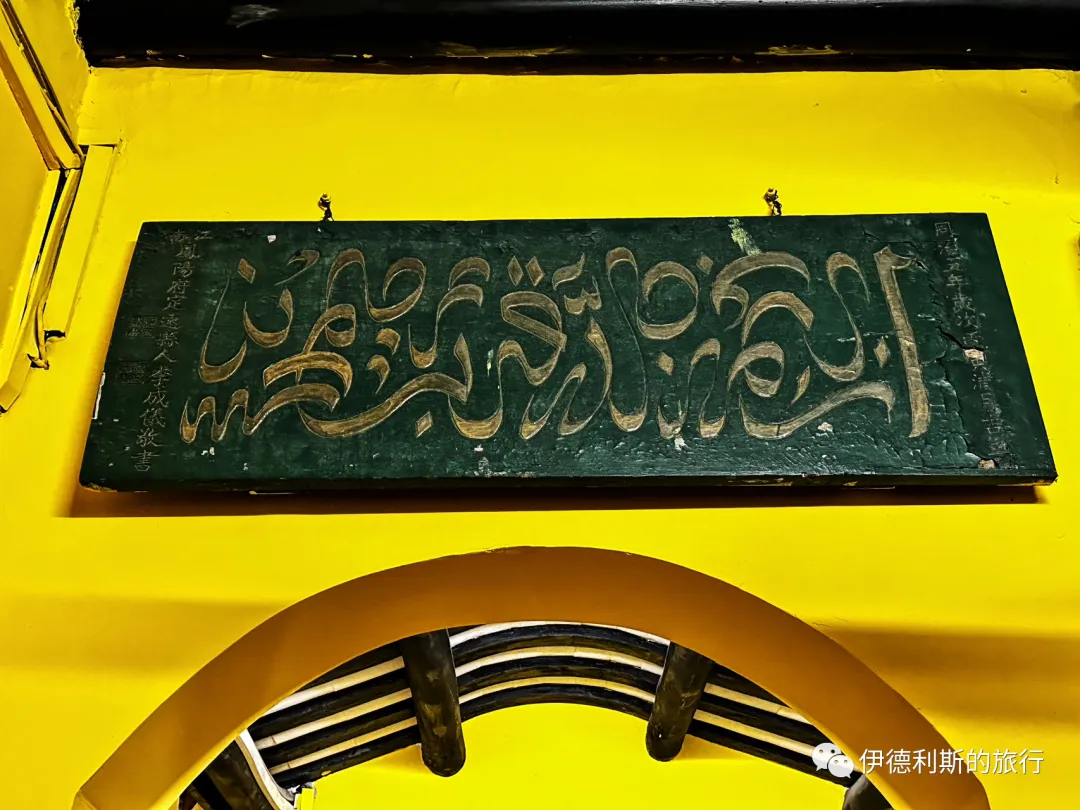
155. Arabic plaque at Xiaodongying Mosque in Guangzhou
Erected on an auspicious day in the fifth lunar month of the Bingyin year, the fifth year of the Tongzhi reign
Respectfully inscribed by Li Chengyi from Dingyuan County, Fengyang Prefecture, Jiangnan
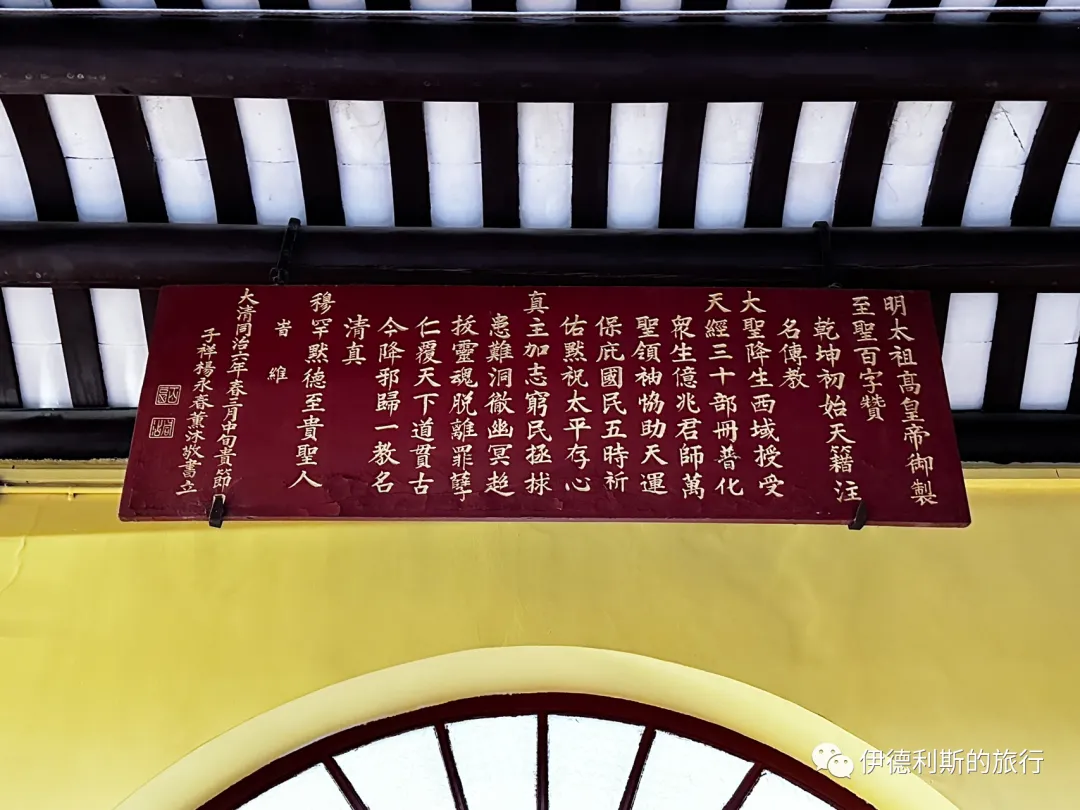
156. 'The Hundred-Word Eulogy to the Most Holy written by Emperor Taizu of Ming' at Xiaodongying Mosque in Guangzhou
Mid-third lunar month, spring of the sixth year of the Tongzhi reign of the Great Qing Dynasty, during the festival.
Respectfully written and erected by Zixiang Yang Yongchun after ritual cleansing.
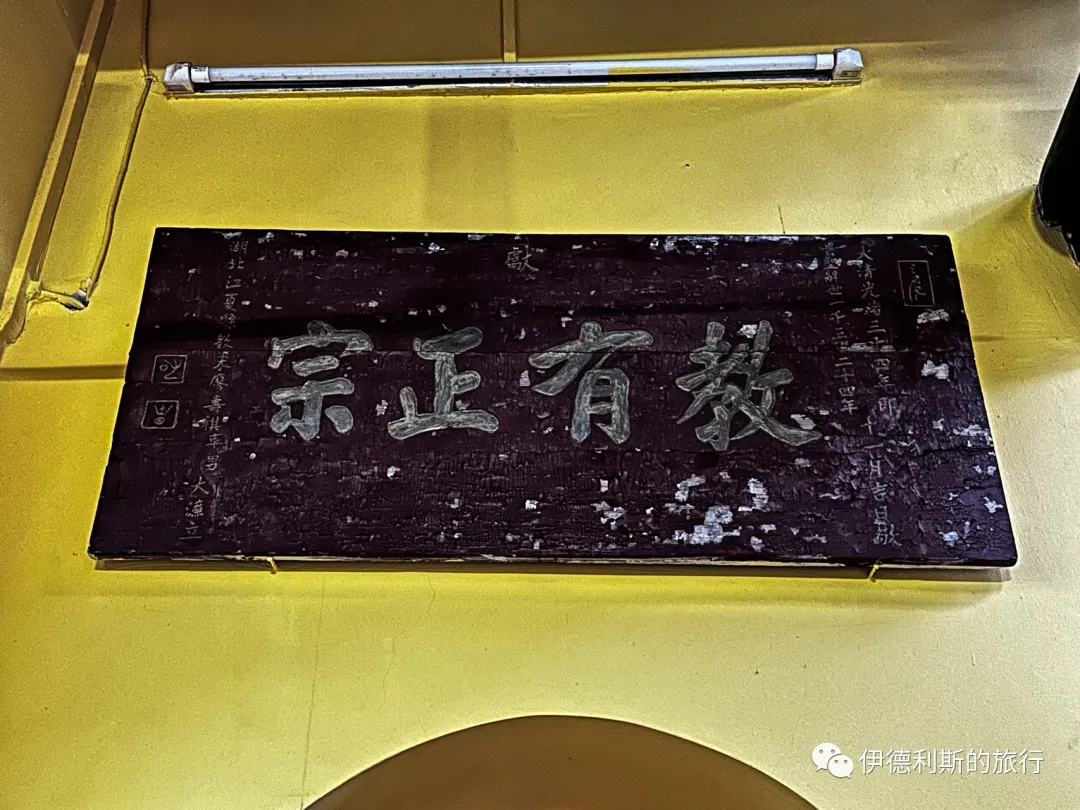
157. Xiaodongying Mosque in Guangzhou, "The Teaching Has an Authentic Lineage."
An auspicious day in the eleventh lunar month, the thirty-fourth year of the Guangxu reign of the Great Qing Dynasty, which is 1,324 years after the passing of the Prophet.
Erected by Liao Shouqi, a member of the faith from Jiangxia County, Hubei, led by his son Dalian.
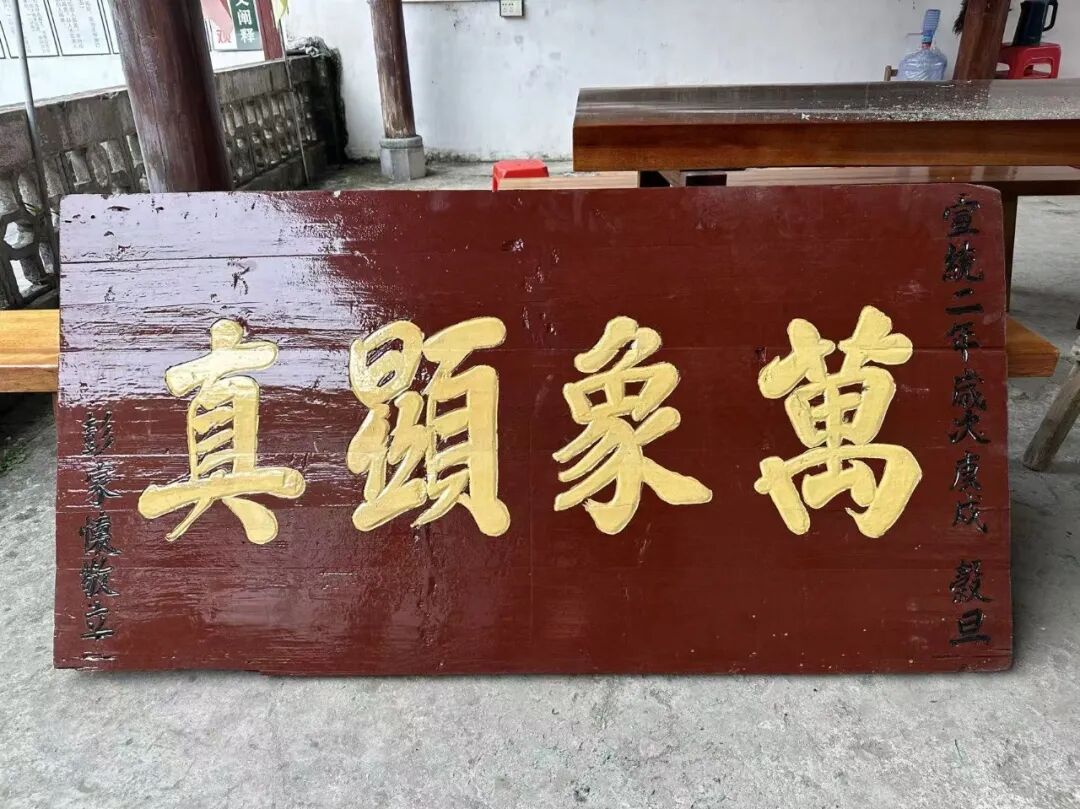
158. Wutong Mosque in Guilin, "All Things Reveal the Truth."
The second year of the Xuantong reign, Gengxu year, on an auspicious day.
Respectfully erected by Peng Jiahua.
159. Wutong Mosque in Guilin.
Praising Muhammad to honor the ancient teacher, through the ages keeping the true purpose.
Seeing the mosque filled with plaques and couplets praising the Prophet, I felt inspired by the literature and, despite my limited knowledge, dared to compose a couplet as a memento.
Respectfully inscribed by Su Zonghan, former commissioner of Longteng County and acting magistrate of Yining County.
Yining County was located around Wutong Town in the Lingui District of Guilin, Guangxi. It was abolished and merged into Lingchuan in 1951. In the early Republic of China period, it had a county magistrate.
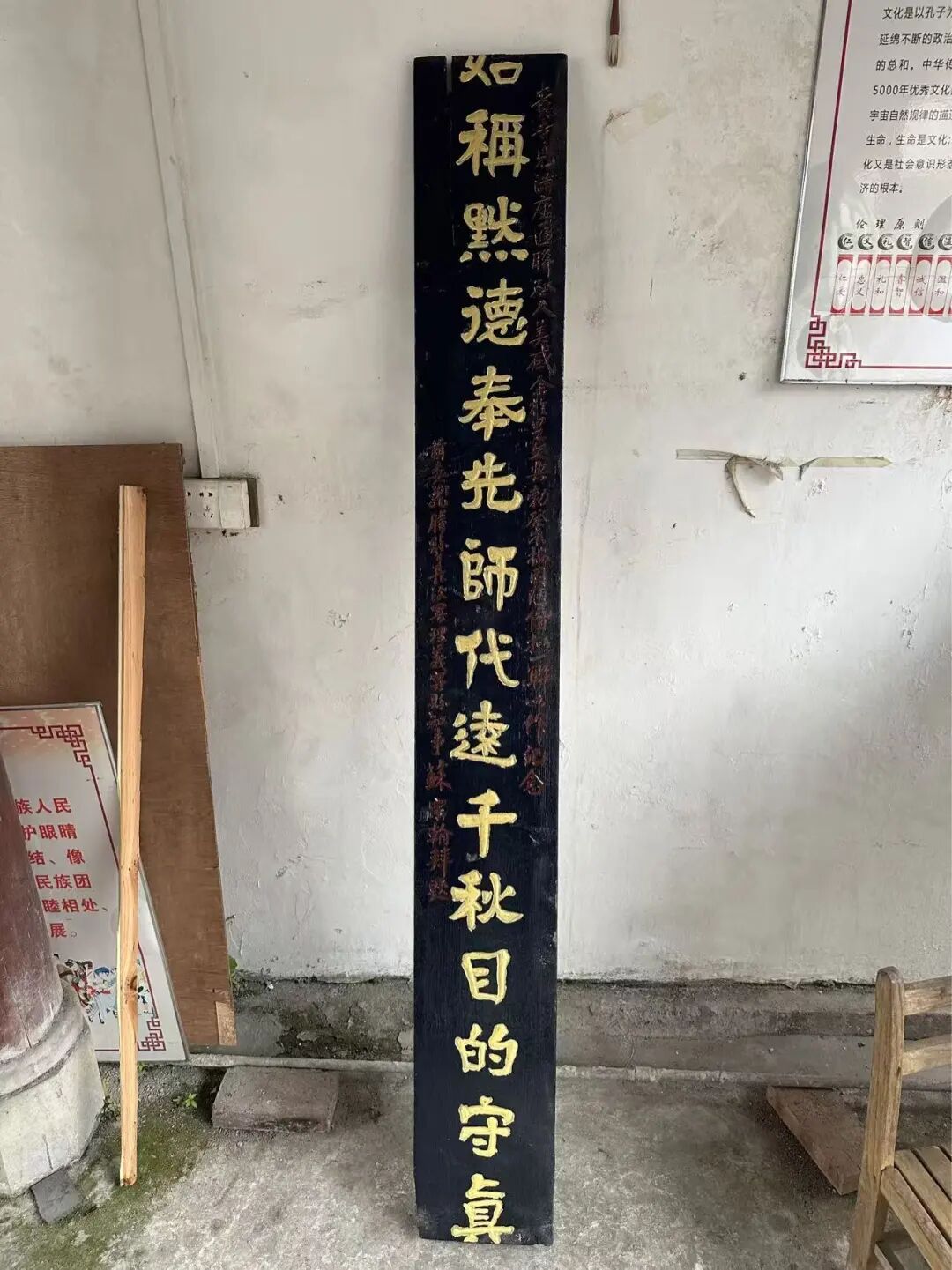
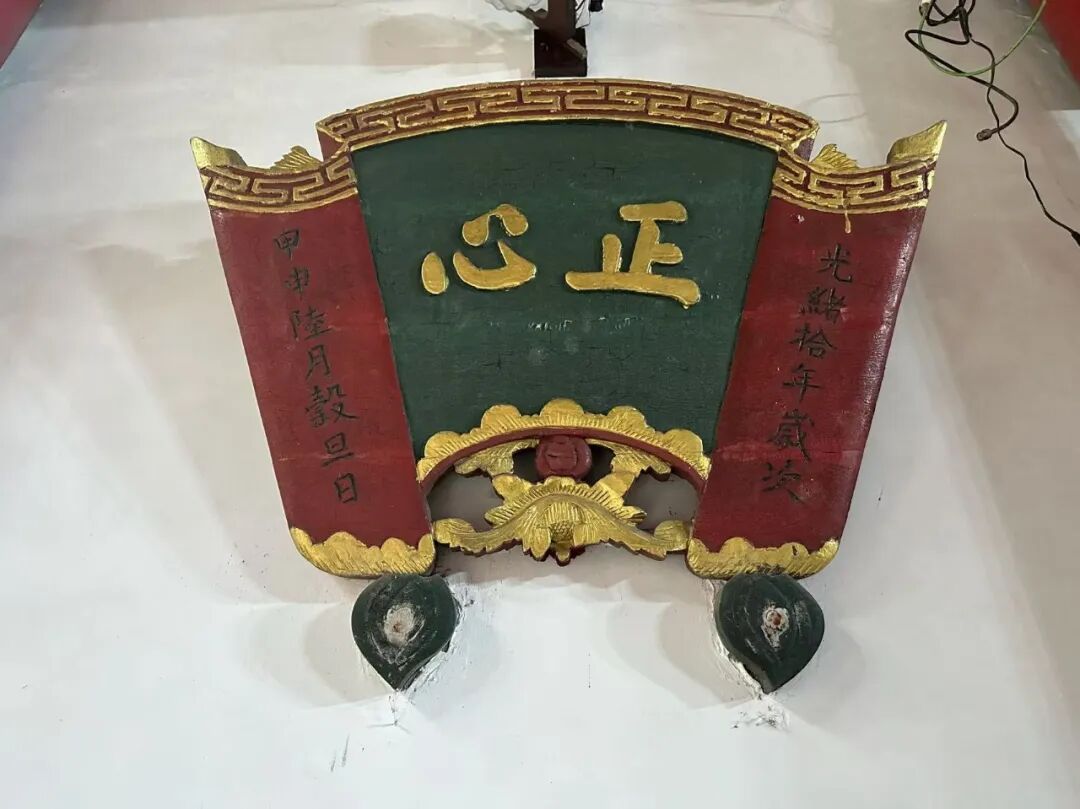
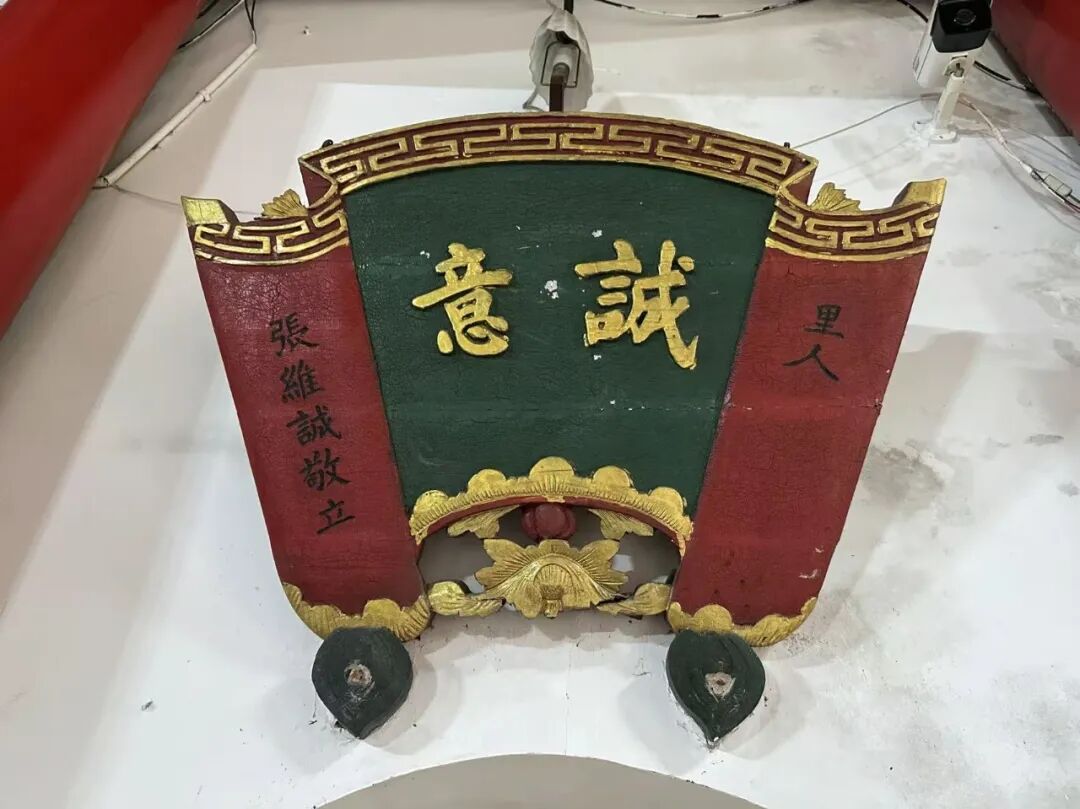
160. Chongshan Mosque (Chongshan Si) in Guilin: "Rectify the heart and be sincere."
An auspicious day in the sixth lunar month of the jiashen year, the tenth year of the Guangxu reign.
Respectfully erected by local resident Zhang Weicheng.
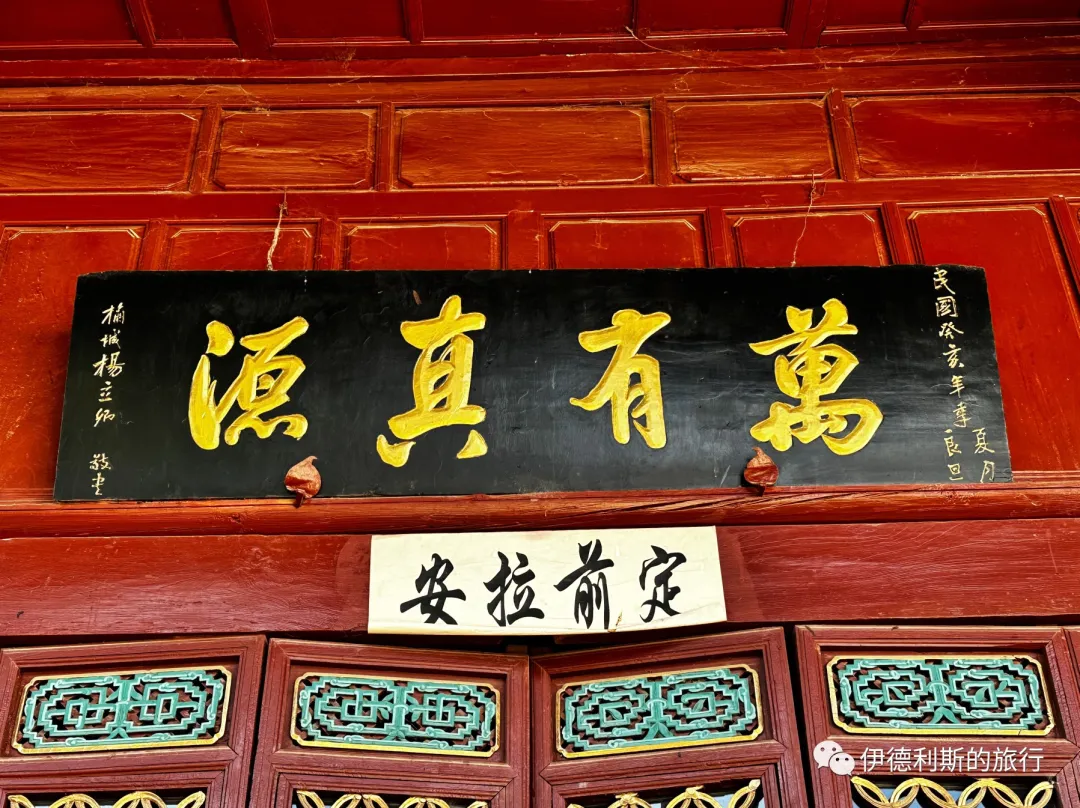
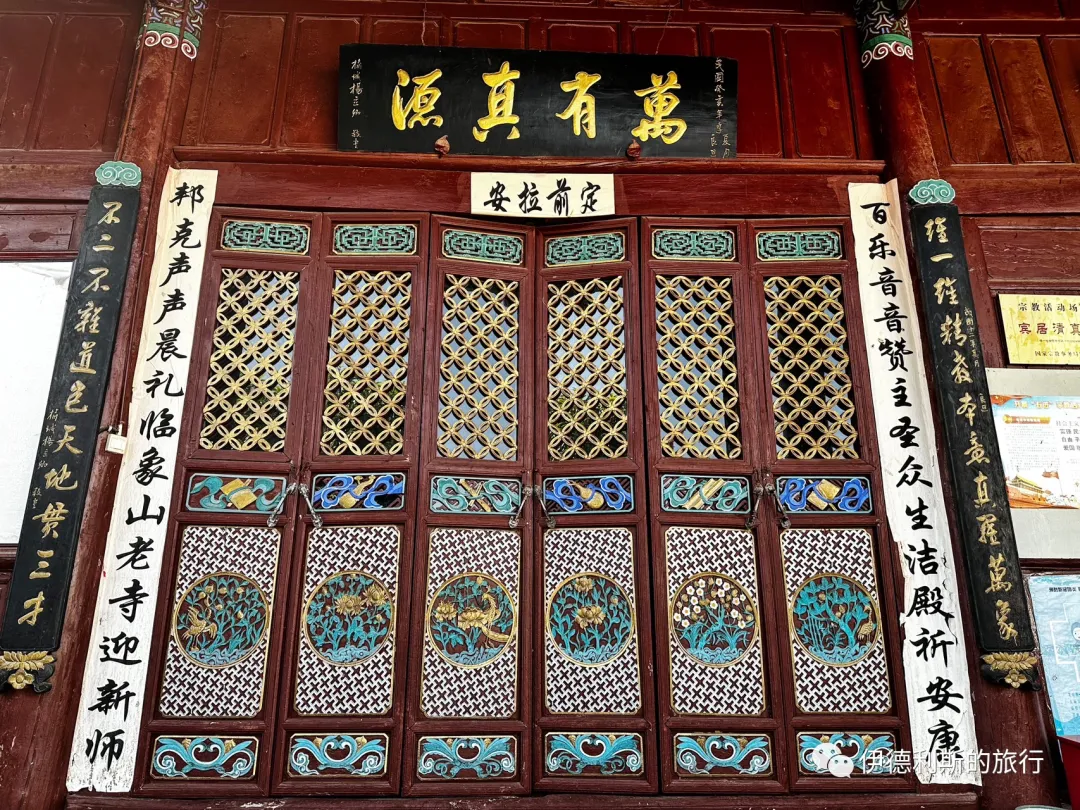
161. Binju Mosque (Binju Si) in Dali: "The true source of all things."
An auspicious day in the last month of summer in the guihai year of the Republic of China.
Respectfully written by Yang Liren from Nancheng.
162. Binju Mosque (Binju Si) in Dali.
Only one, only pure, the essence of the teaching encompasses all phenomena.
Not two, not mixed, the way of the truth connects heaven, earth, and humanity.
An auspicious day in the summer of the twelfth year of the Republic of China.
Respectfully written by Yang Liren from Nancheng.
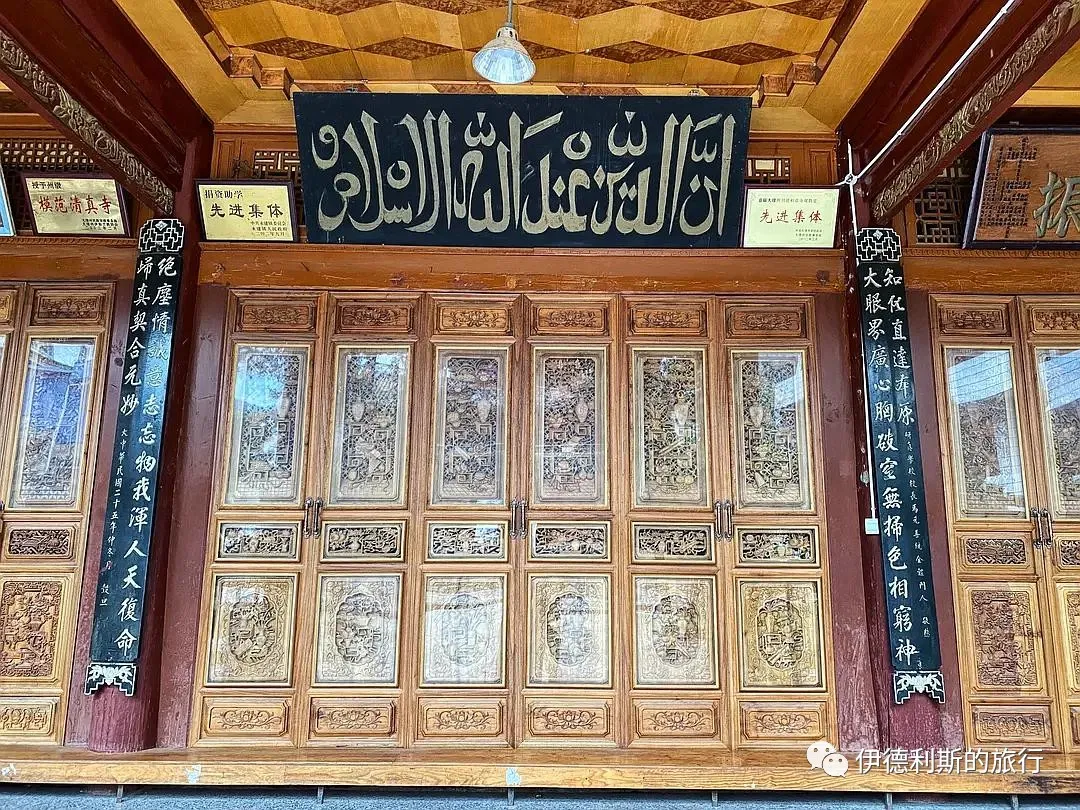
163. Dawumaolin Mosque in Dali
Broaden your vision and open your heart, break through the void and clear away worldly appearances, explore the divine and understand transformation to reach the original source.
Leave behind worldly feelings with sincere will, forget the distinction between self and objects to unite humanity and heaven, return to the truth and align with the profound mystery.
Respectfully presented by Ma Yuanshan, principal of Yanzhen School, along with all his students.
An auspicious day in the middle of winter, the 25th year of the Republic of China.
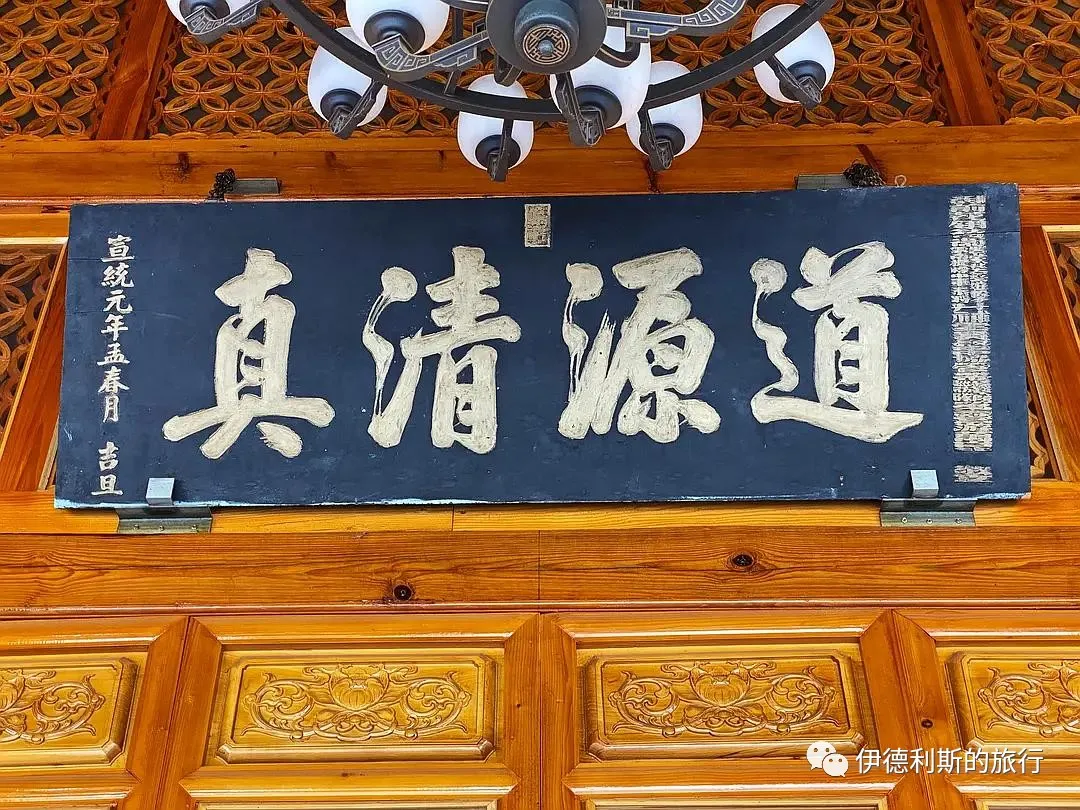
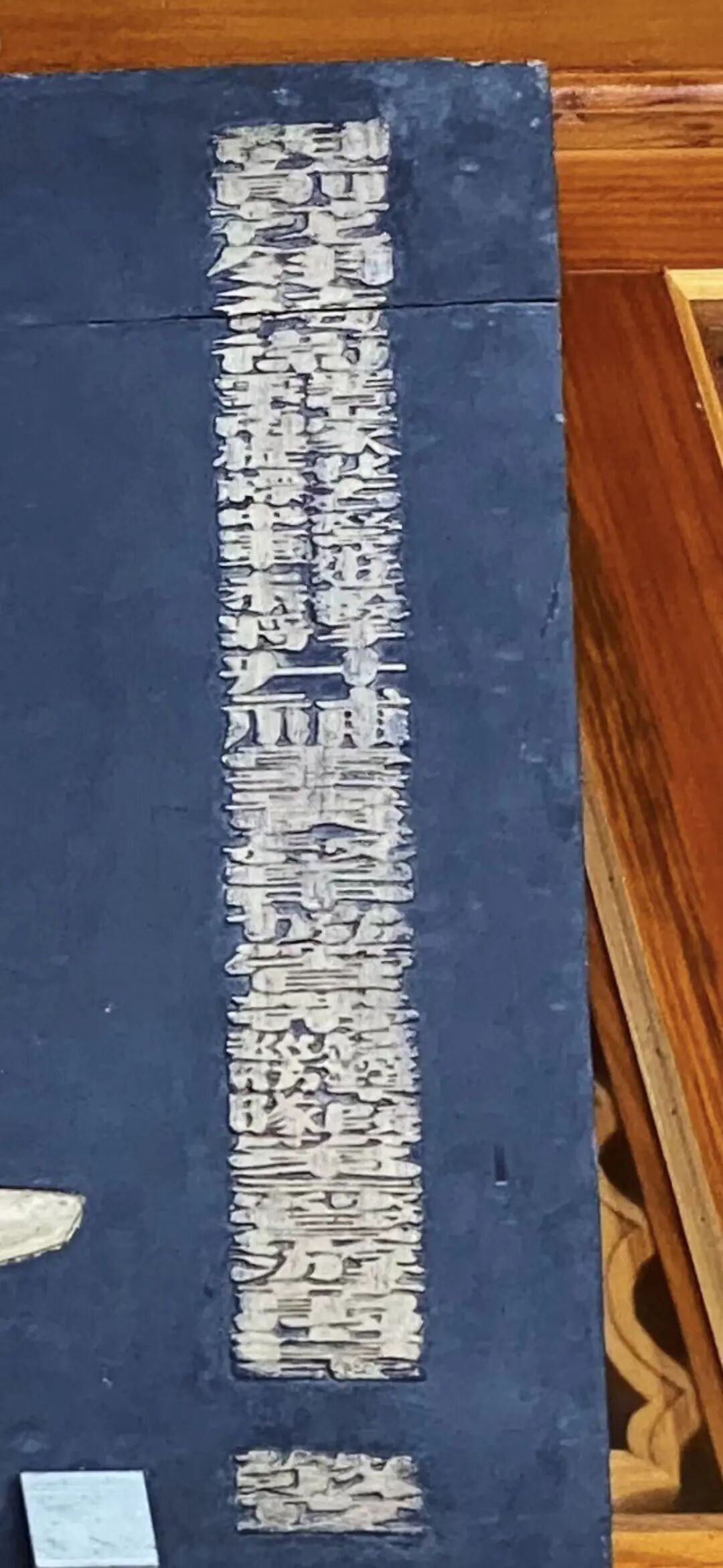
164. Daoyuan Qingzhen Mosque of the Mi family in Mami Factory, Dali.
Respectfully erected by the imperial guard wearing a peacock feather, acting major of the Menghua Right Battalion, and commander of the second battalion of the Yunnan provincial patrol force...
The first month of spring, the first year of the Xuantong reign.
Everyone is welcome to read and leave comments.
165. Chengyi Buer Mosque in Donglianhua, Dali.
An auspicious day in the first month of summer, the Bingyin year, the 15th year of the Republic of China.
Qing dynasty appointed General Zhenwei, acting deputy brigade commander, specially conferred as colonel of the Weiyuan Battalion in Yunnan.
Respectfully erected by Republic of China Army Major General Yang Shengqi.
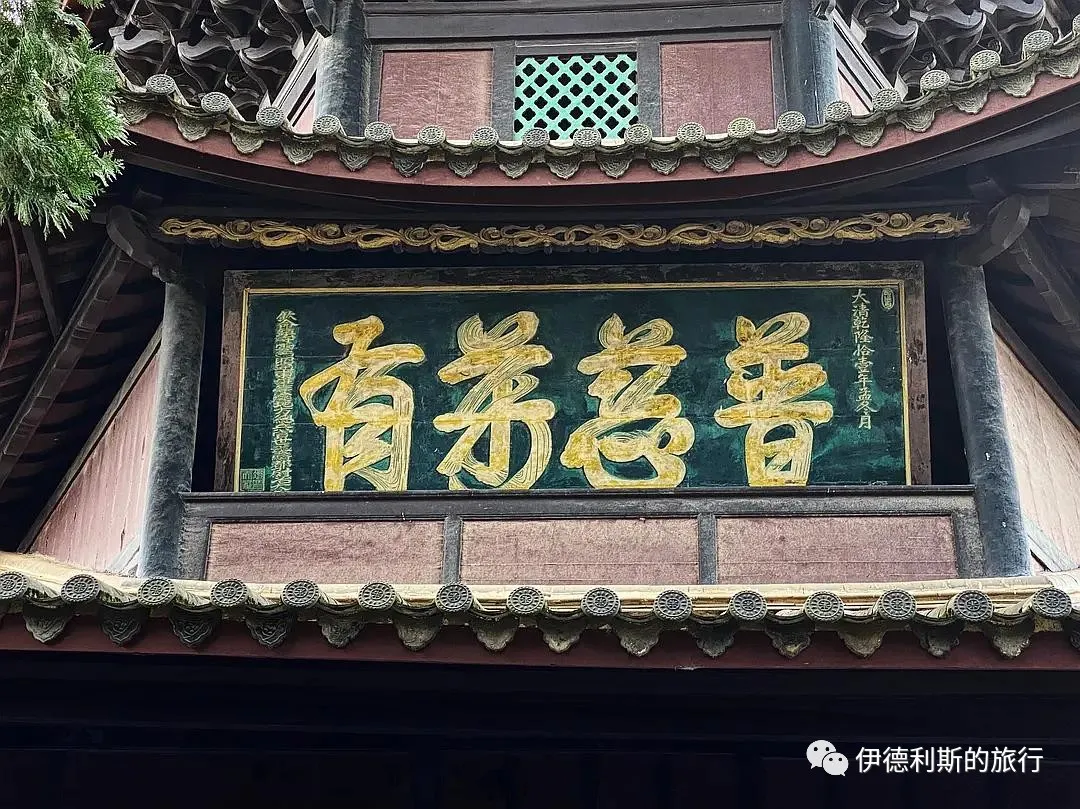
166. "Universal Mercy and All-Encompassing" (Puci Wanyou) at Tuogu Mosque in Zhaotong.
The first month of winter in the 11th year of the Qianlong reign of the Great Qing Dynasty.
Ye Daxiong, Imperial-appointed Commander of Zhaotong and Dongxiong in Yunnan, Hereditary Cavalry Commandant.
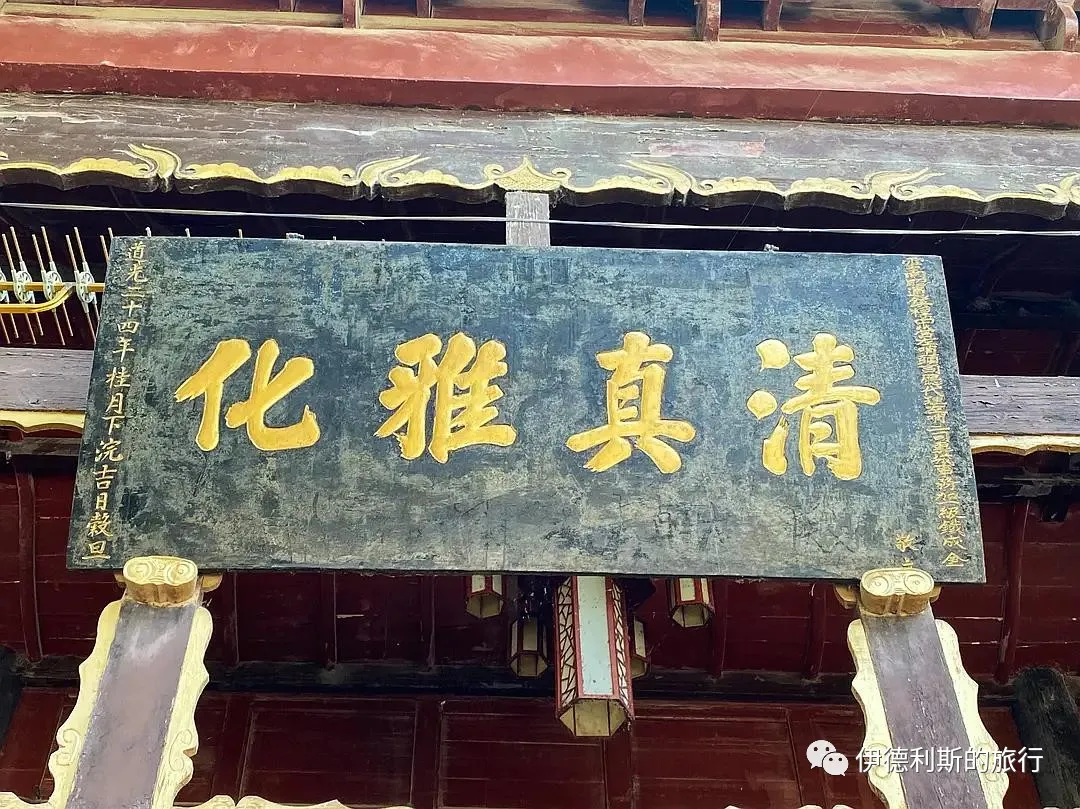
167. "Pure Truth and Elegant Transformation" (Qingzhen Yahua) at Tiejiawan Mosque in Zhaotong.
Respectfully erected by Tie Chengjin, acting officer of the second company of the left vanguard, Zhaotong Garrison, Yunnan, with a one-rank promotion.
An auspicious day in the last ten days of the eighth lunar month, 24th year of the Daoguang reign.
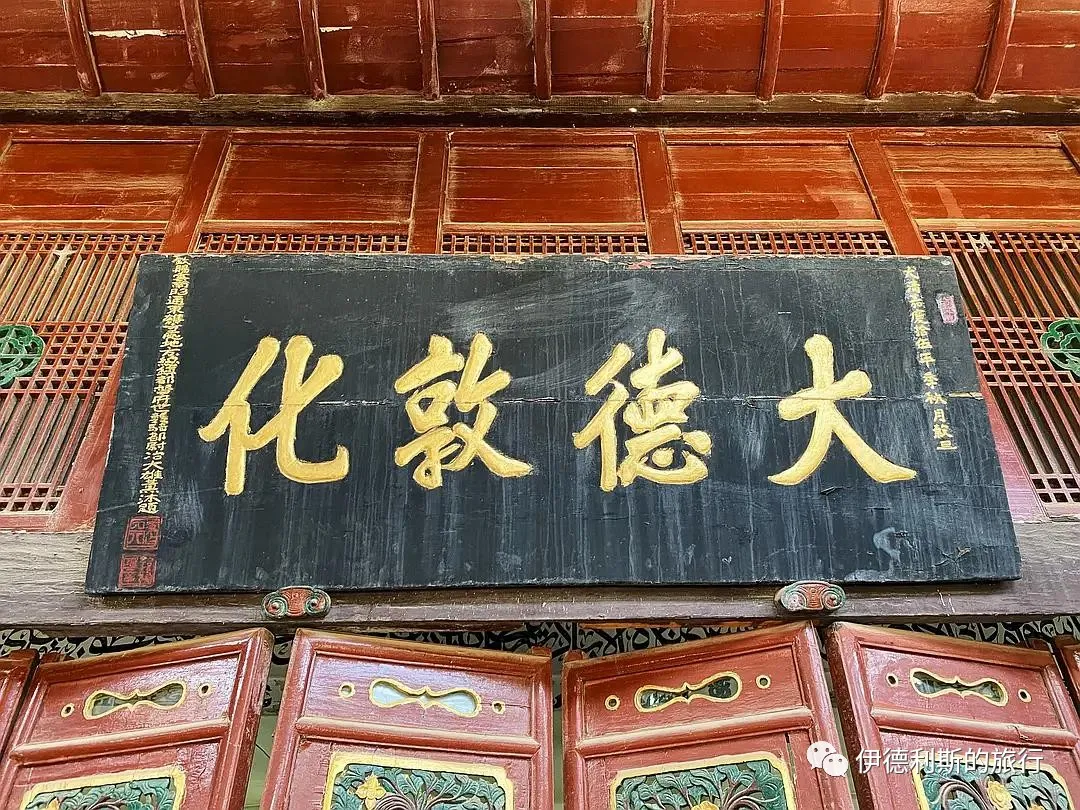
168. "Great Virtue and Simple Transformation" (Dade Dunhua) at Tiejiawan Mosque in Zhaotong.
An auspicious day in the third month of autumn, 15th year of the Jiaqing reign of the Great Qing Dynasty.
Respectfully inscribed by Ye Daxiong, Imperial-bestowed Commander-in-Chief of Zhaotong, Dongxiong, and surrounding areas, Hereditary Cavalry Commandant.
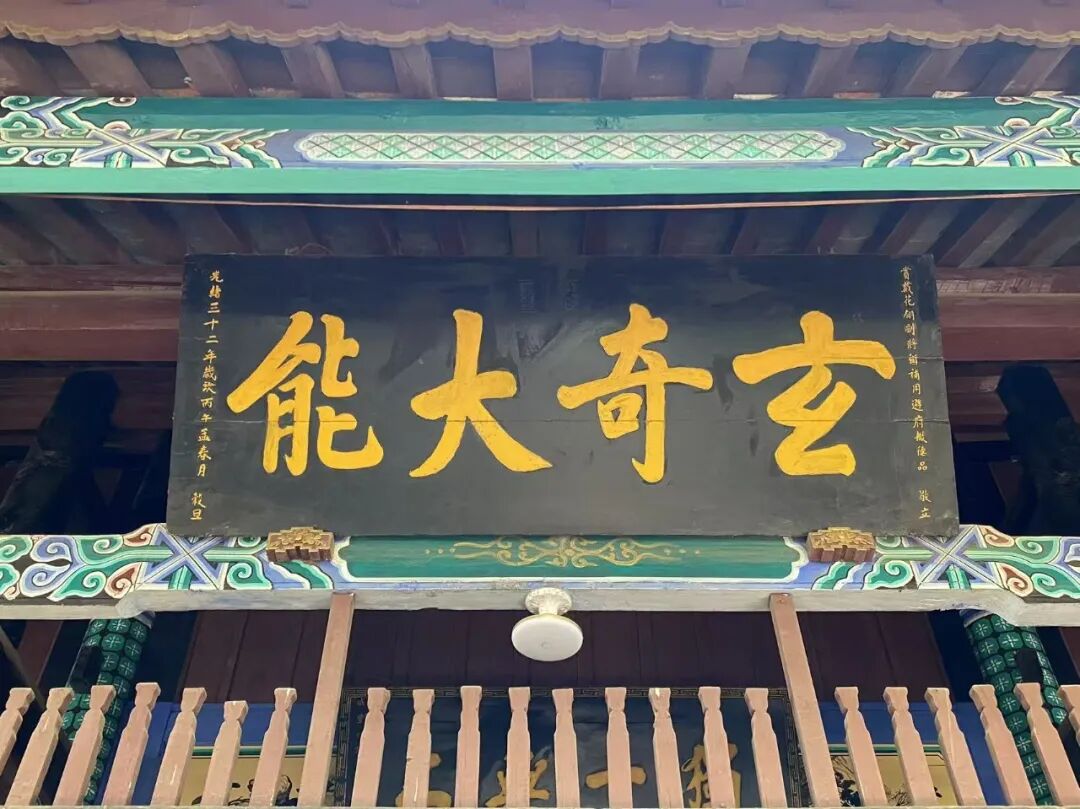
169. "Mysterious Wonder and Great Power" (Xuanqi Daneng) at Chachong Mosque in Zhaotong.
Respectfully erected by Sa Depin, Vice-General authorized to wear the peacock feather and expectant Assistant Regional Commander.
An auspicious day in the first month of the Bingwu year, the 32nd year of the Guangxu reign.
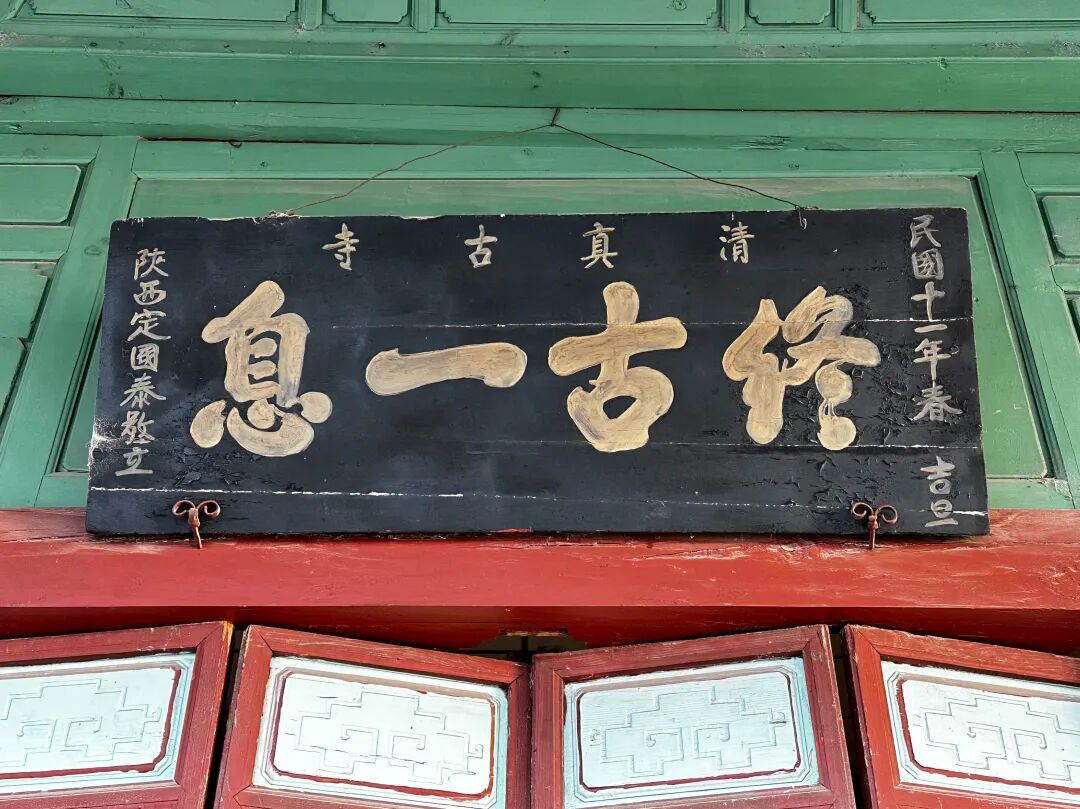
170. "Eternal Breath" at Fengming Mosque in Dali.
An auspicious day in the spring of the 11th year of the Republic of China.
Respectfully erected by Ding Guotai of Shaanxi.
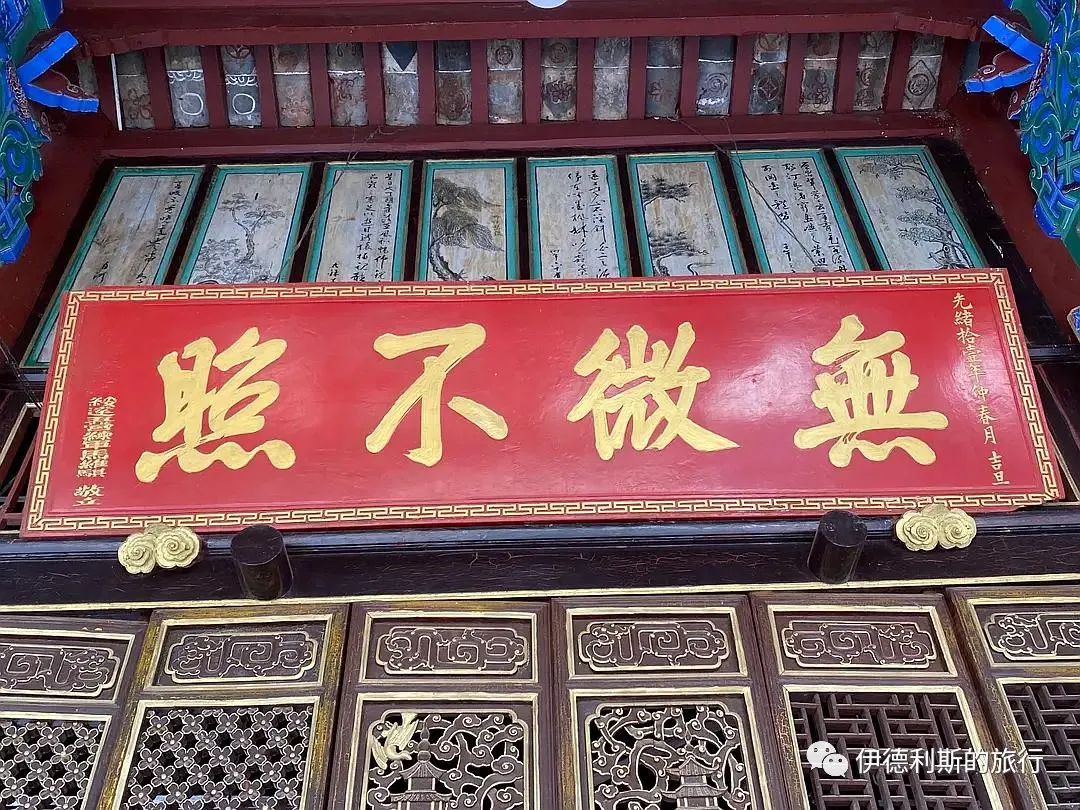
171. "Shining on Everything" at Dazhuang Mosque in Kaiyuan.
An auspicious day in the second month of the 11th year of the Guangxu reign.
... Erected by Ma Weiqi of the Suiyuan Left Battalion Training Army.
Ma Weiqi was a Hui Muslim from Dazhuang, Kaiyuan, Yunnan. He was skilled in calligraphy, following the style of Yan Zhenqing, with powerful brushwork and grand momentum. In the 9th year of the Guangxu reign, Ma Weiqi was ordered to Vietnam to resist the French. He defeated the French army many times and was promoted to the rank of vice-general for his military achievements, receiving the title "Boduo Huan Baturu".
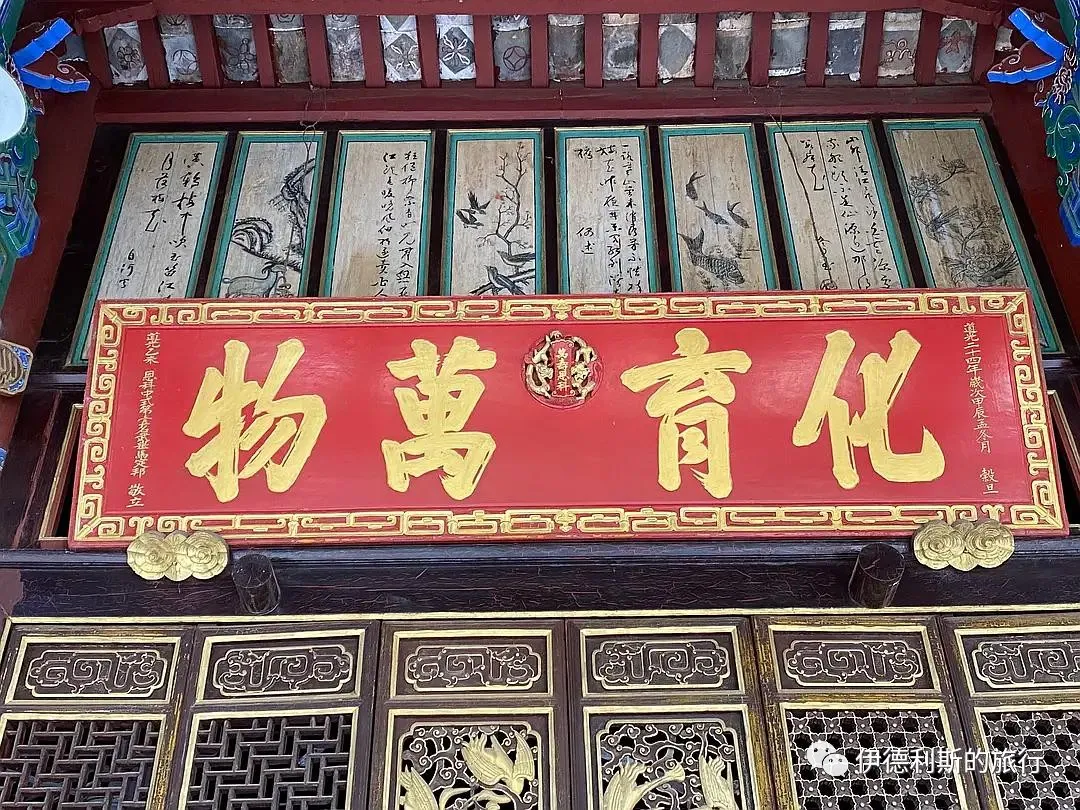
172. "Nurturing All Things" at Dazhuang Mosque in Kaiyuan.
An auspicious day in the first month of winter in the Jiachen year, the 24th year of the Daoguang reign.
Respectfully erected by Ma Dingbang, the top-ranked military graduate in the imperial examinations of the 15th year of the Daoguang reign.
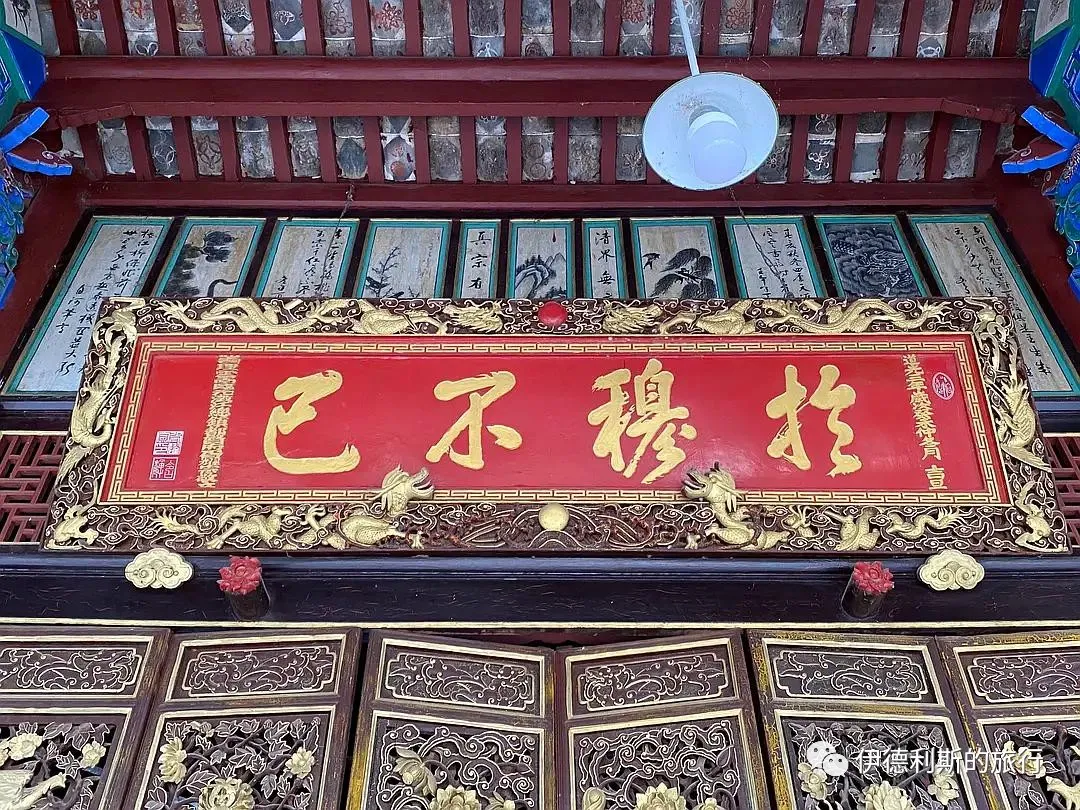
173. Dazhuang Mosque in Kaiyuan, 'Praise be to Allah without end' (Yu Mu Bu Yi)
An auspicious day in the middle of winter, the third year of the Daoguang reign (1823)
Respectfully erected by Xu Yaozong, acting commander of the Linyuan and Chengjiang military districts
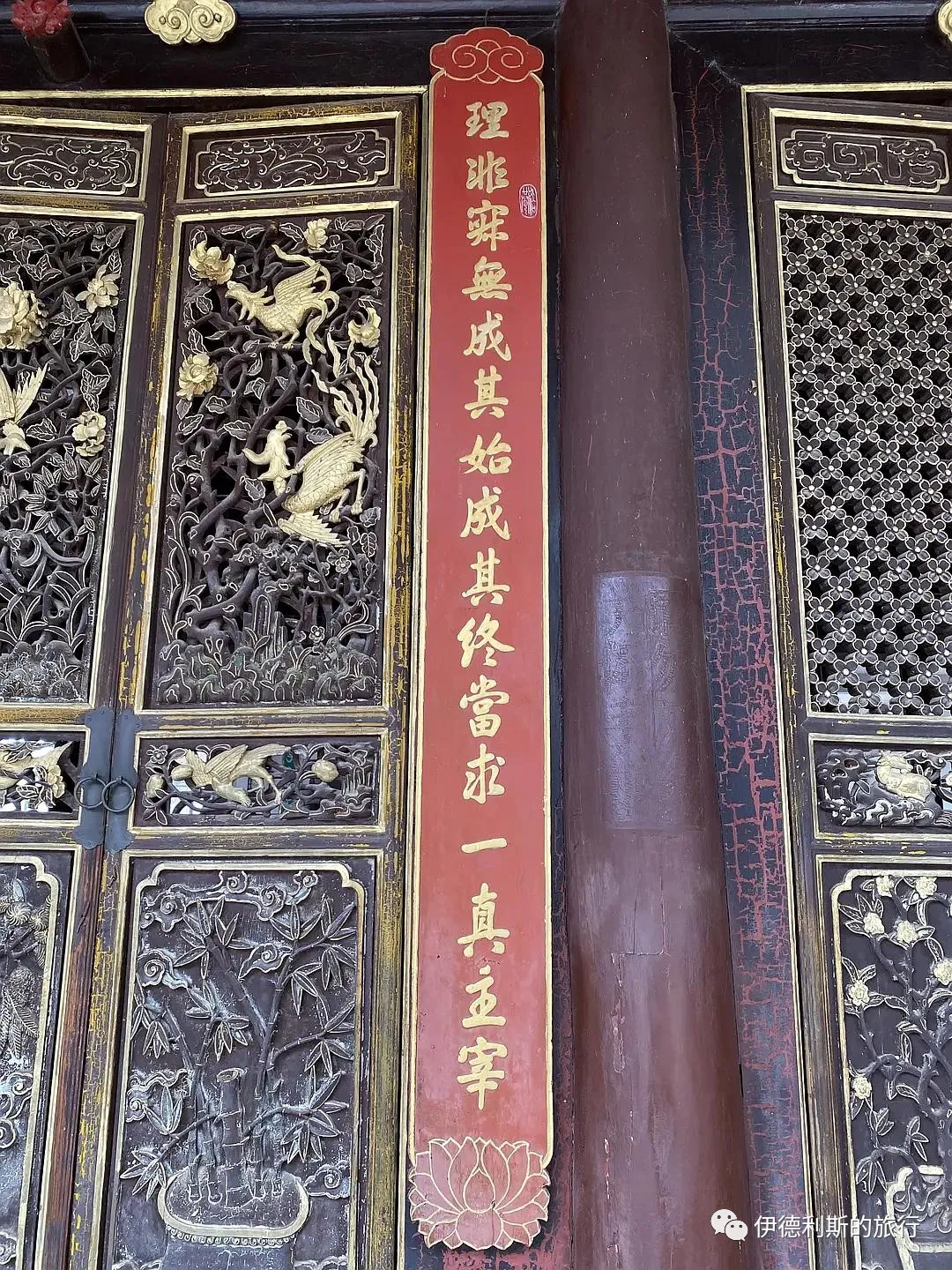
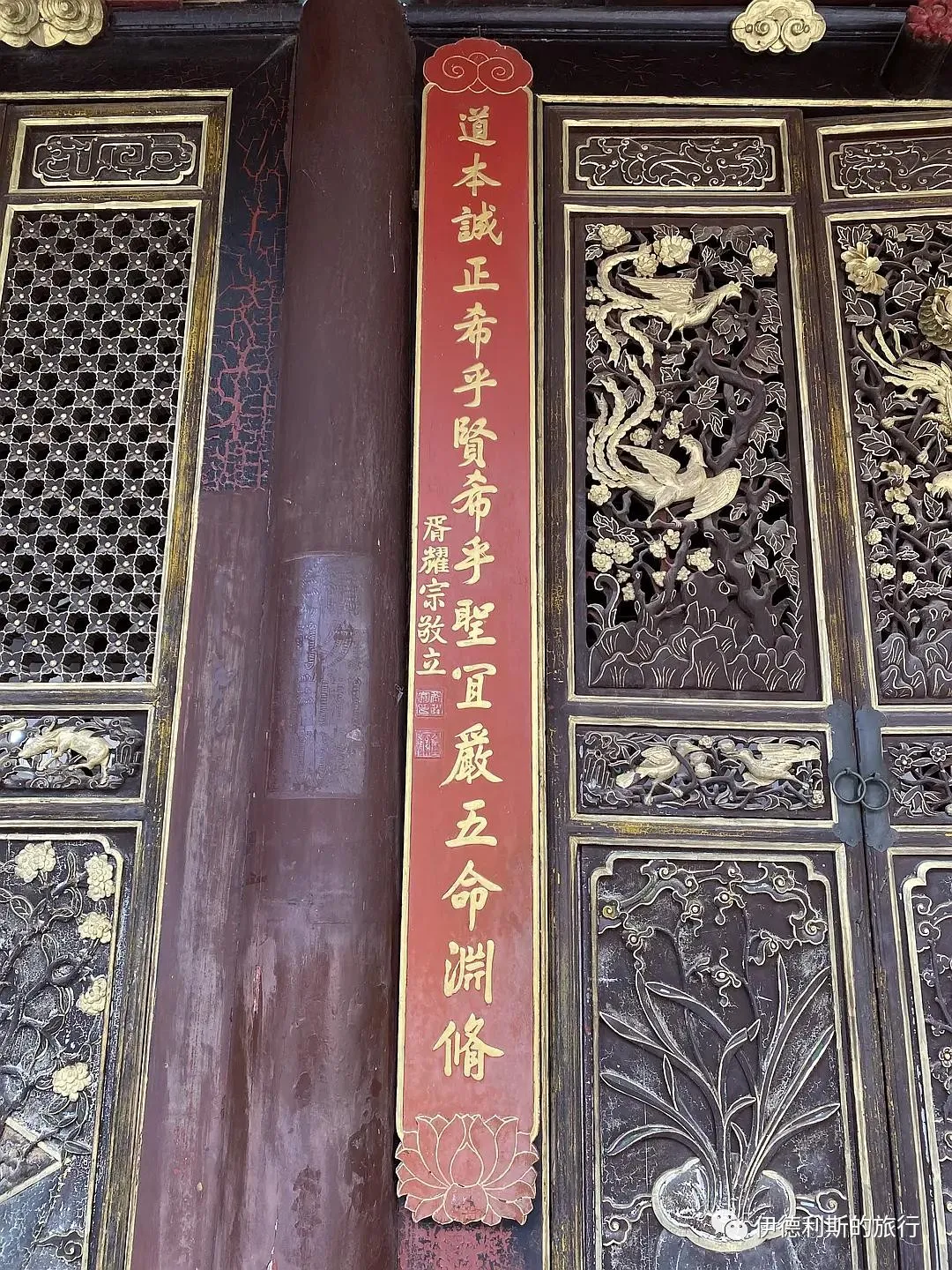
174. Dazhuang Mosque in Kaiyuan
Reason is not found in sleep; to complete the beginning and the end, one must seek the one true Master
The Way is based on sincerity and uprightness; to emulate the virtuous and the holy, one must strictly observe the five daily prayers (namaz)
Respectfully erected by Xu Yaozong
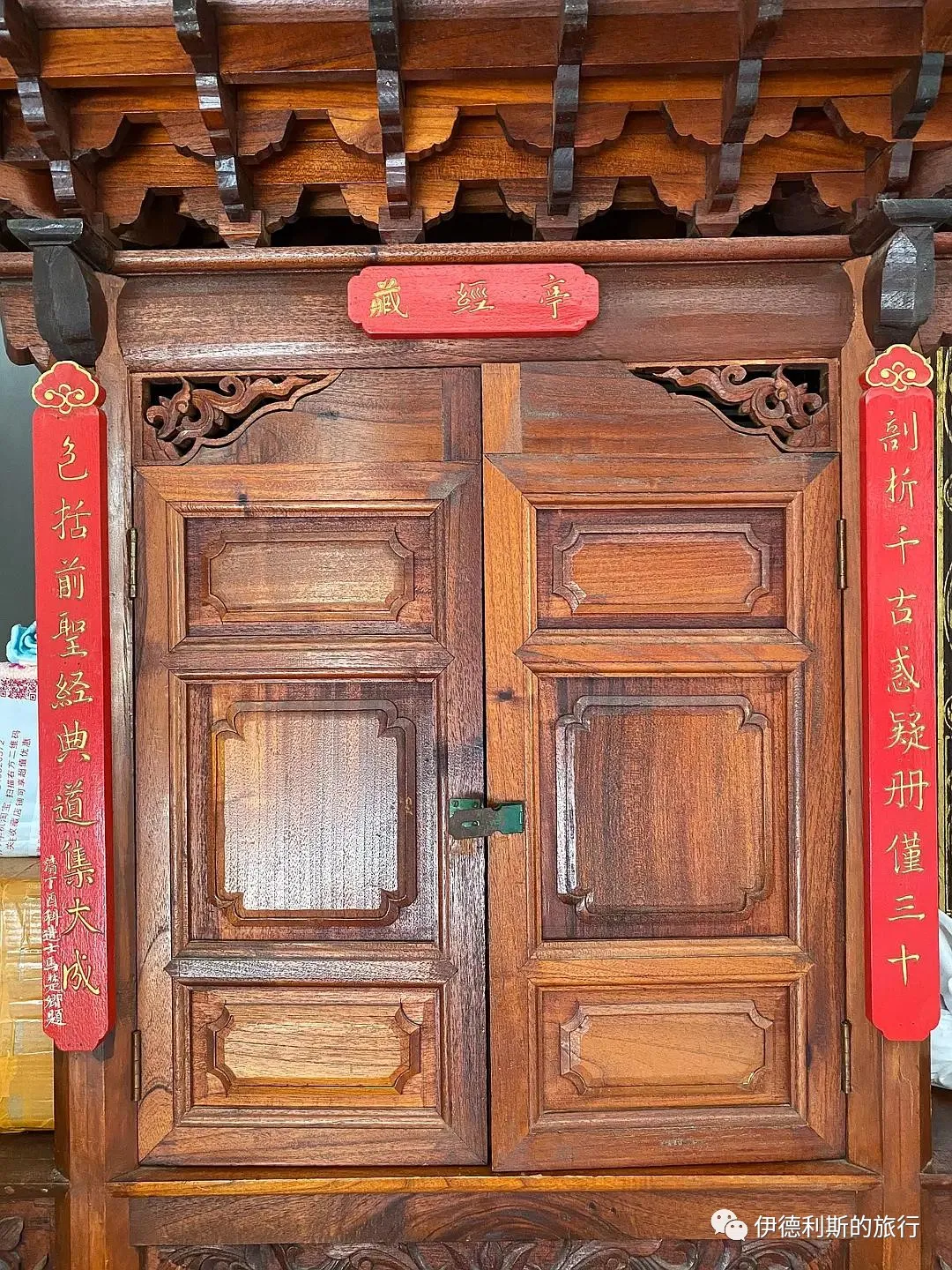
175. Dazhuang Mosque in Kaiyuan
Analyzing ancient doubts and confusion in only thirty volumes
Including the scriptures of the former saints, a great collection of the Way
Inscribed by Ma Chuqing, a successful candidate in the imperial examinations during the Dingyou year of the Qing dynasty
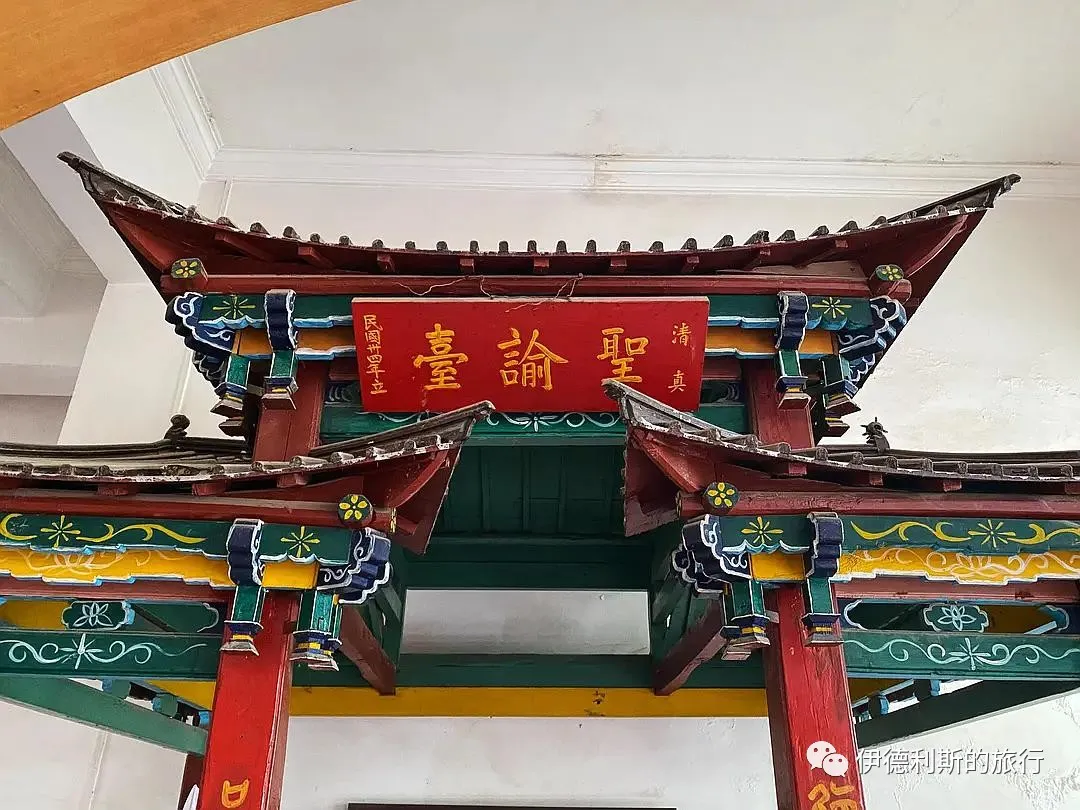
176. 'Imperial Edict Platform' (Shengyu Tai) at Liren Mosque in Kunming
Erected in the 34th year of the Republic of China.
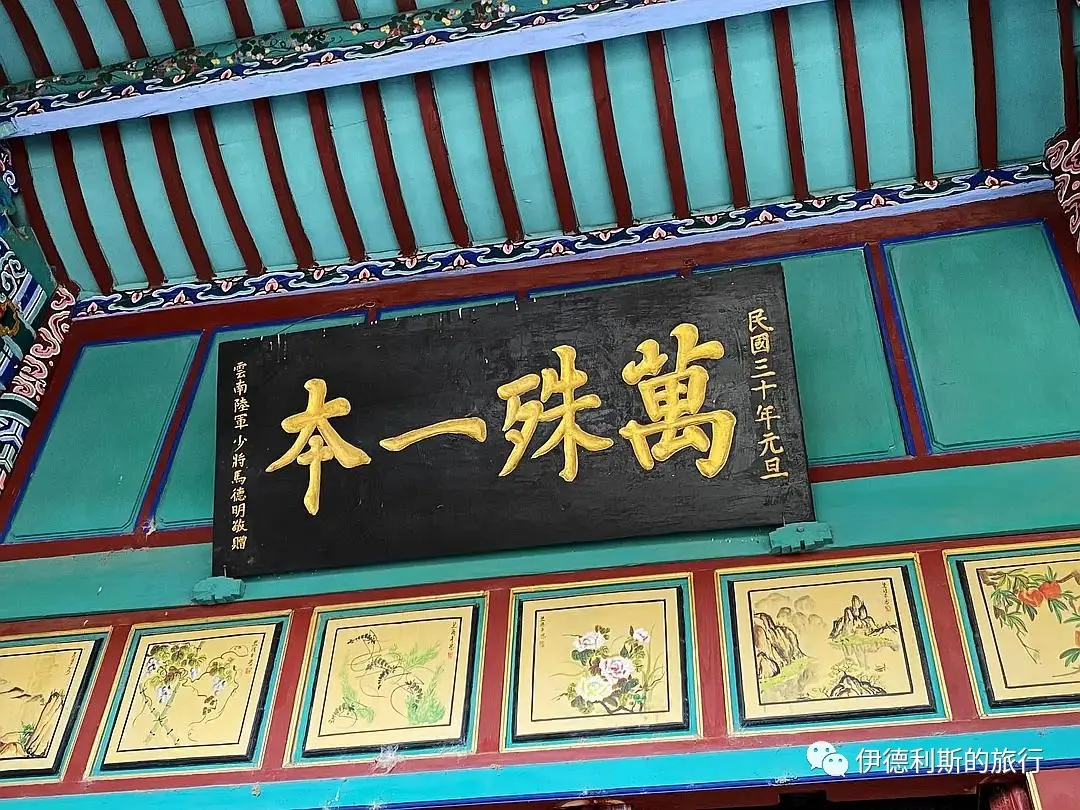
177. Tangzi Mosque in Xundian, Yunnan: "Ten Thousand Things from One Source" (Wanshu Yiben).
New Year's Day, 30th year of the Republic of China.
Respectfully gifted by Yunnan Army Major General Ma Deming.
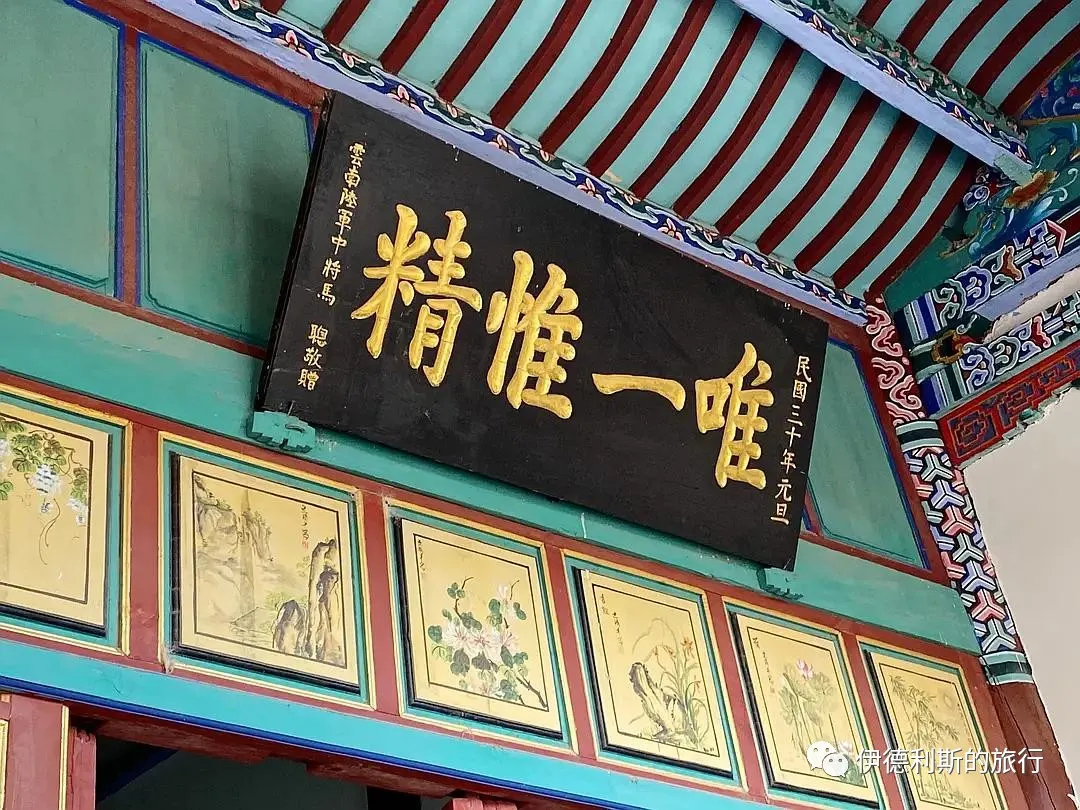
178. Tangzi Mosque in Xundian, Yunnan: "The Only and the Pure" (Weiyi Weijing).
New Year's Day, 30th year of the Republic of China.
Respectfully gifted by Yunnan Army Lieutenant General Ma Cong.
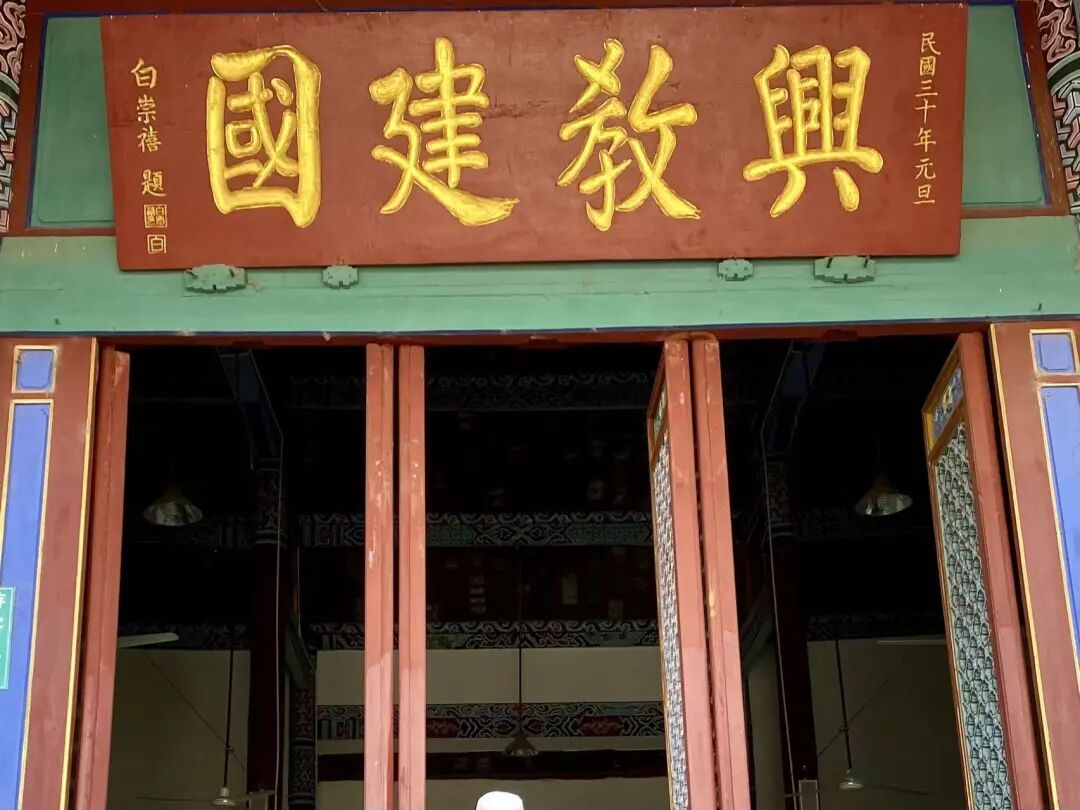
179. Tangzi Mosque in Xundian, Yunnan: "Promote Religion and Build the Nation" (Xingjiao Jianguo).
New Year's Day, 30th year of the Republic of China.
Inscribed by Bai Chongxi.
180. Beiyingjie Mosque in Xundian, Yunnan: "The Original Source of All Things" (Wanyou Yuanzong).
Respectfully inscribed by Jin Huaijin, a palace graduate (jinshi) and imperial guard, serving as deputy commander of the military camp with a rank promotion of three levels.
The first year of the Yongzheng reign, the year of Guimao, in the middle of the sixth lunar month, on an auspicious day.
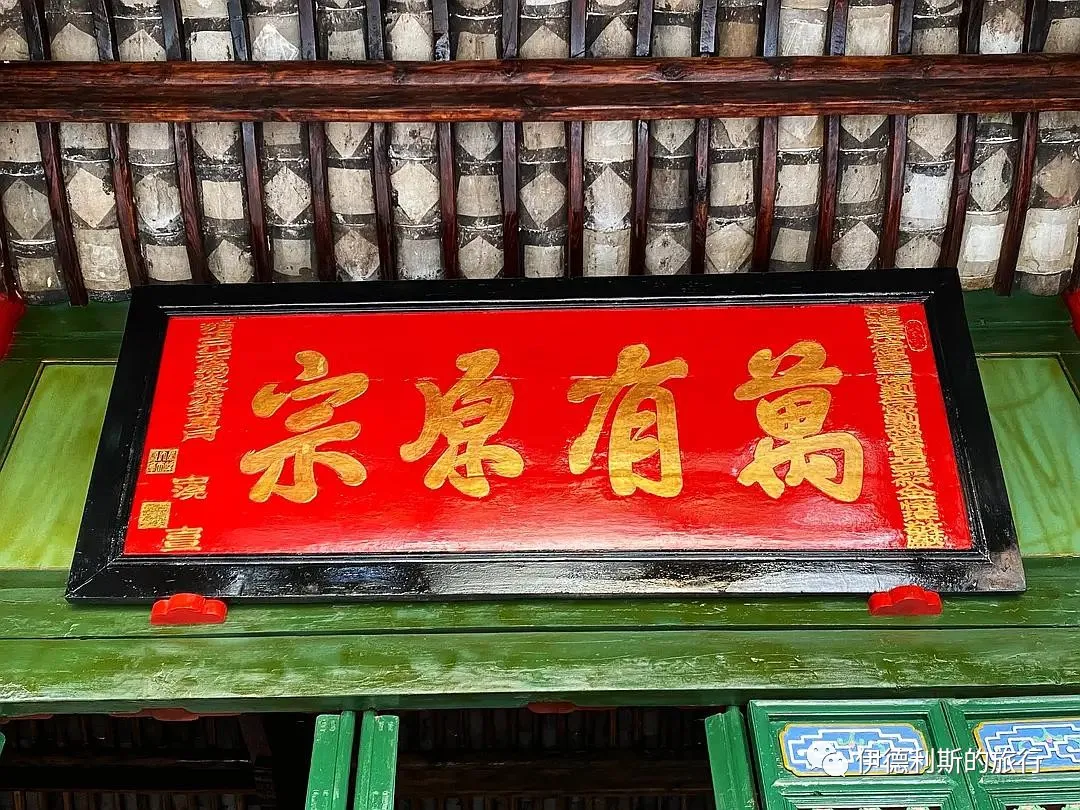
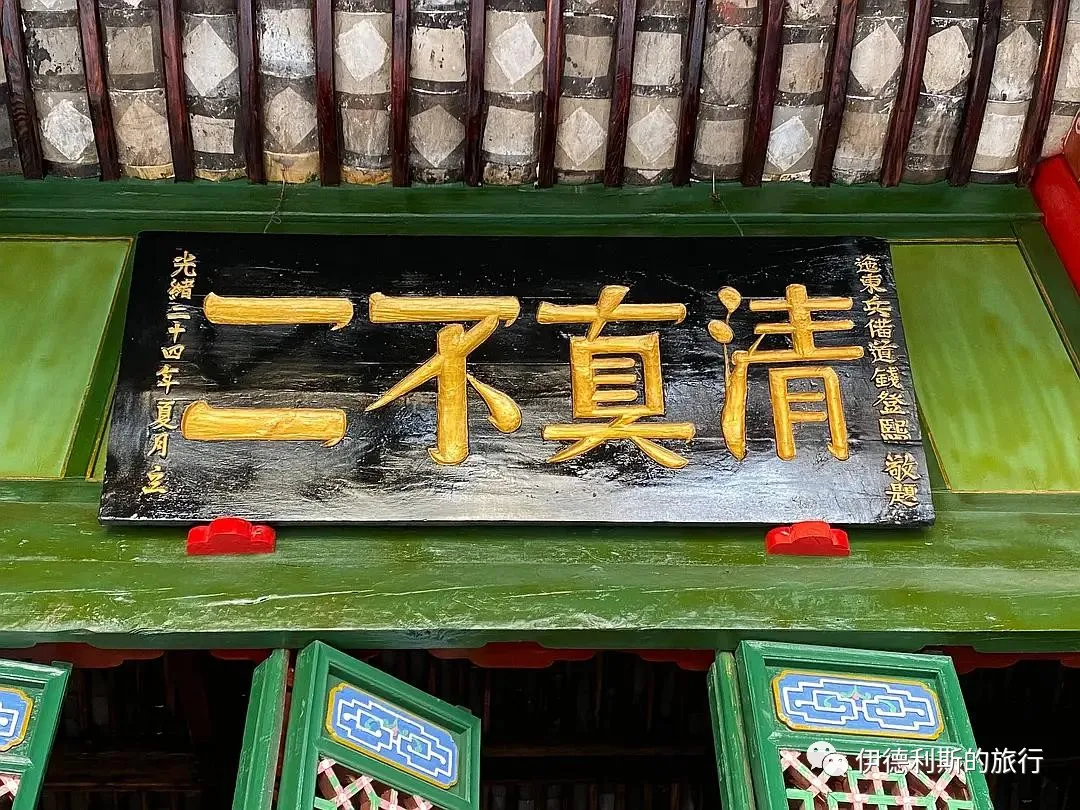
181. Beiying Street Mosque in Xundian, Yunnan: 'The Only True Faith' (Qingzhen Bu'er).
Respectfully inscribed by Qian Dengxi, the Circuit Intendant of the Eastern Yunnan Military Defense.
Erected in the summer of the 24th year of the Guangxu reign.
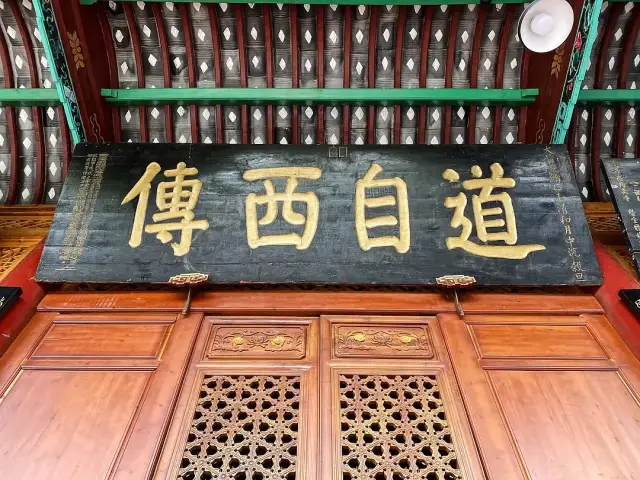
182. Jinniudao Mosque in Kunming: 'The Way Spread from the West' (Dao Zi Xi Chuan).
The middle of the fourth lunar month, in the Yiwei year of the Guangxu reign of the Great Qing Dynasty, on an auspicious day.
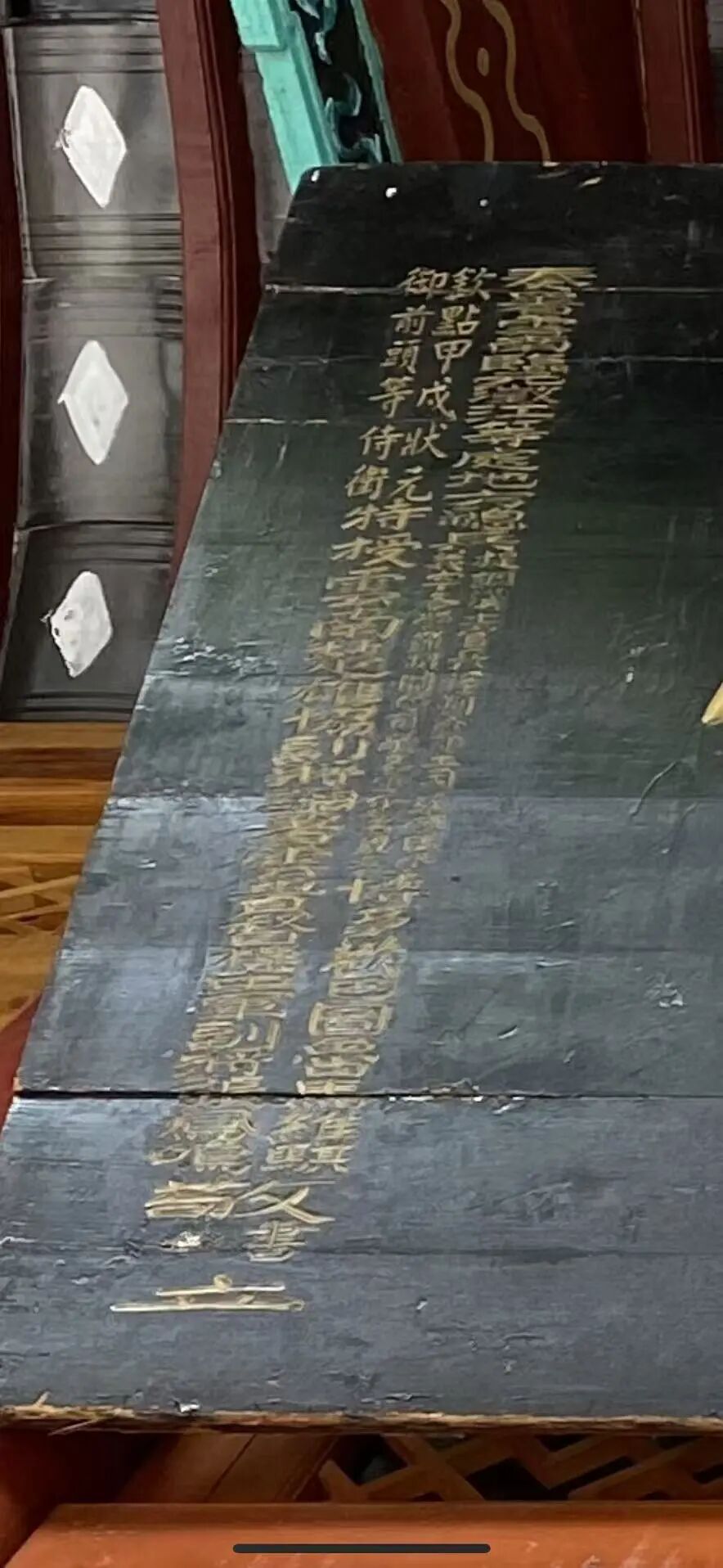
Written by Ma Weiqi, the acting Regional Commander of the Linyuan and Chengjiang areas in Yunnan, who holds the title of Boduohuan Baturu.
Respectfully erected by Zhang Mingming, the top scholar (zhuangyuan) of the Jiaxu year, first-rank imperial guard, and specially appointed acting Deputy General of the Chuxiong Garrison in Yunnan and Deputy General of the Yunnan-Guizhou Governor's Command.
Everyone is welcome to add more information.
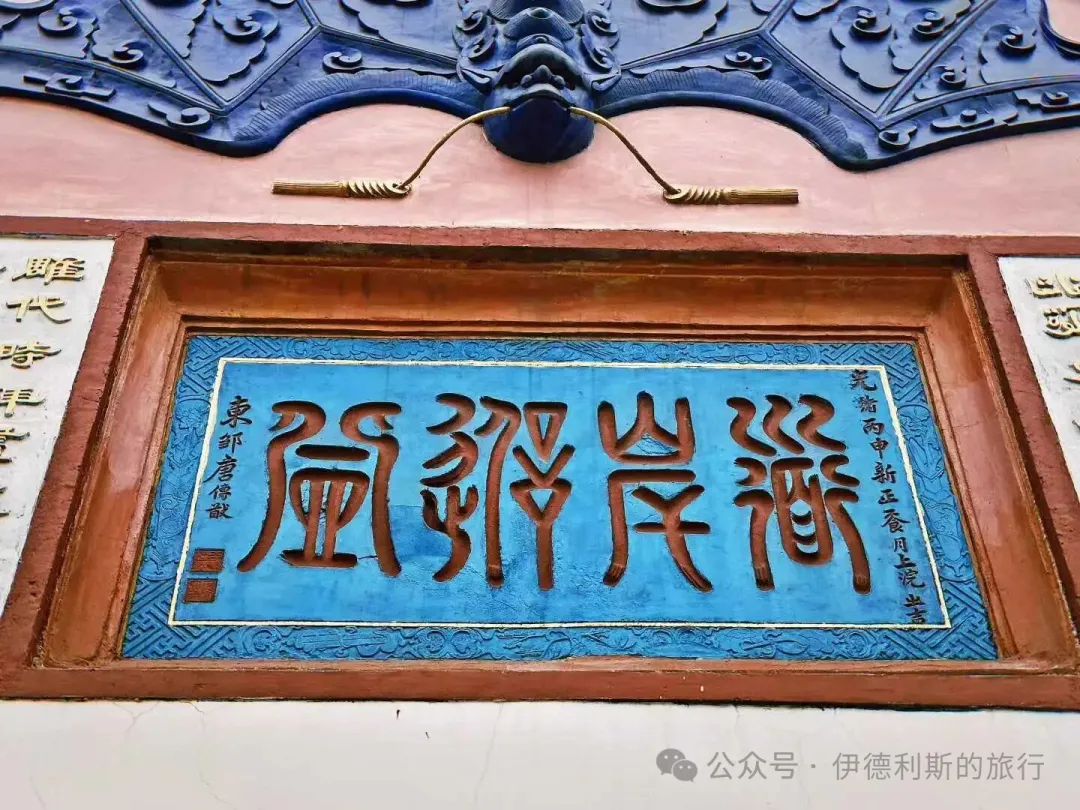
183. Tangjia Mosque in Chengdu: 'Ascending to the Shore of the Way' (Dao An Dan Deng).
An auspicious day in the first lunar month of the Bingshen year of the Guangxu reign.
Tang Chuanyou from Dongzou.
Tang Chuanyou was a Qing Dynasty calligrapher whose art was famous throughout the capital. His son, Tang Chenglie, worked as an official in Sichuan, so he brought his father there to spend his final years in comfort. The plaque text comes from the Book of Songs (Shijing) phrase 'first climb to the shore,' and Liu Zhi also wrote in Five Watch Moon (Wugeng Yue): 'From here, step by step forward, climb to the shore of the path to see the mystery.'
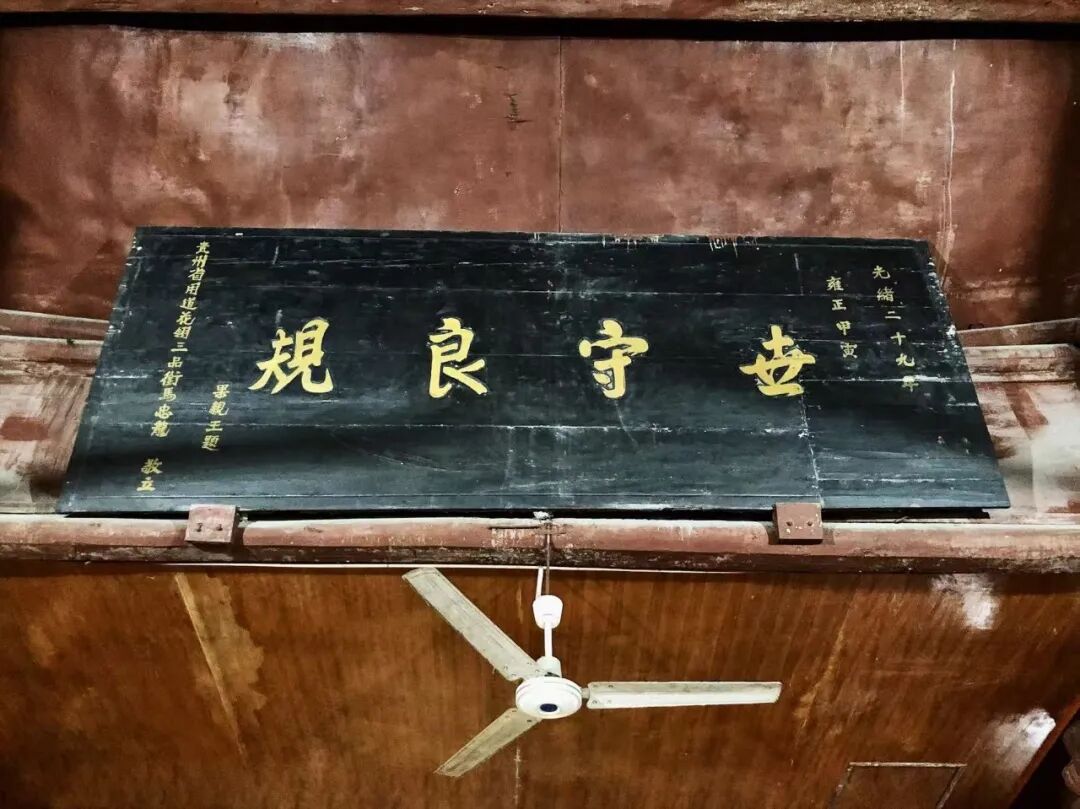
184. Tuqiao Shang Mosque in Chengdu: 'Uphold Good Rules Forever' (Shishou Lianggui)
Jiayin year of the Yongzheng reign
29th year of the Guangxu reign
Inscribed by Prince Guo
Respectfully erected by Ma Zhonglong, a third-rank guard with a peacock feather from Guizhou Province
In 1734 (the 12th year of the Yongzheng reign), Prince Guo Yunli, the 17th son of Emperor Kangxi, was ordered to go to Kangding to handle the return of the 7th Dalai Lama to Tibet. Before reaching Kangding, he inspected troops in Chengdu and gifted two plaques to Gulou Mosque: 'Uphold Good Rules Forever' (Shishou Lianggui) and 'Origin of Worldly Laws' (Shifa Yuanliu). The original 'Uphold Good Rules Forever' plaque was kept at Huangcheng Mosque but was destroyed in the 1960s and 1970s. The one at Tuqiao Mosque was made during the Guangxu reign.
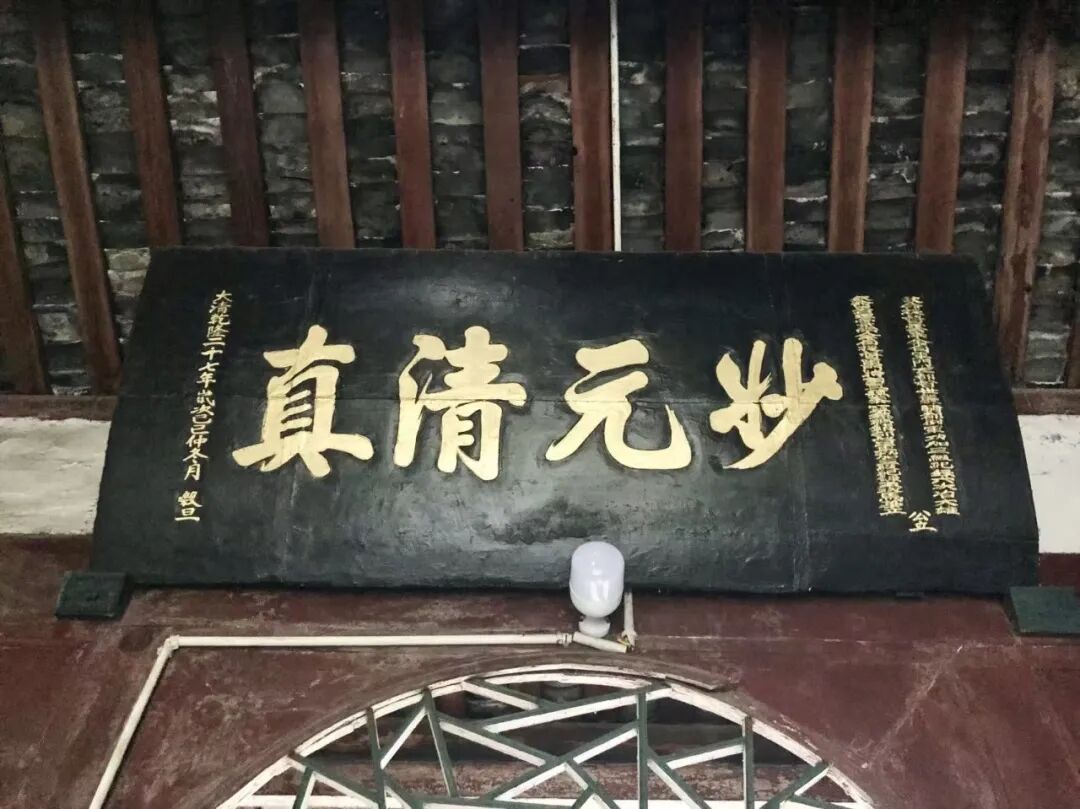
185. Chengdu Tuqiao Shang Mosque: 'Wonderful Origin of Islam' (Miaoyuan Qingzhen)
Imperial-appointed Commander-in-Chief of Yunnan Province, Left Metropolitan Commander, Hereditary Cavalry Captain, recorded six times for military merit, oversaw the construction of the Great Hero Hall.
Imperial-appointed Commander-in-Chief of Yunnan Province, General-in-Chief, recorded five times for military merit, erected by Ma Hua.
An auspicious day in the middle of winter, in the year of Jisi, the 27th year of the Qianlong reign of the Great Qing Dynasty.
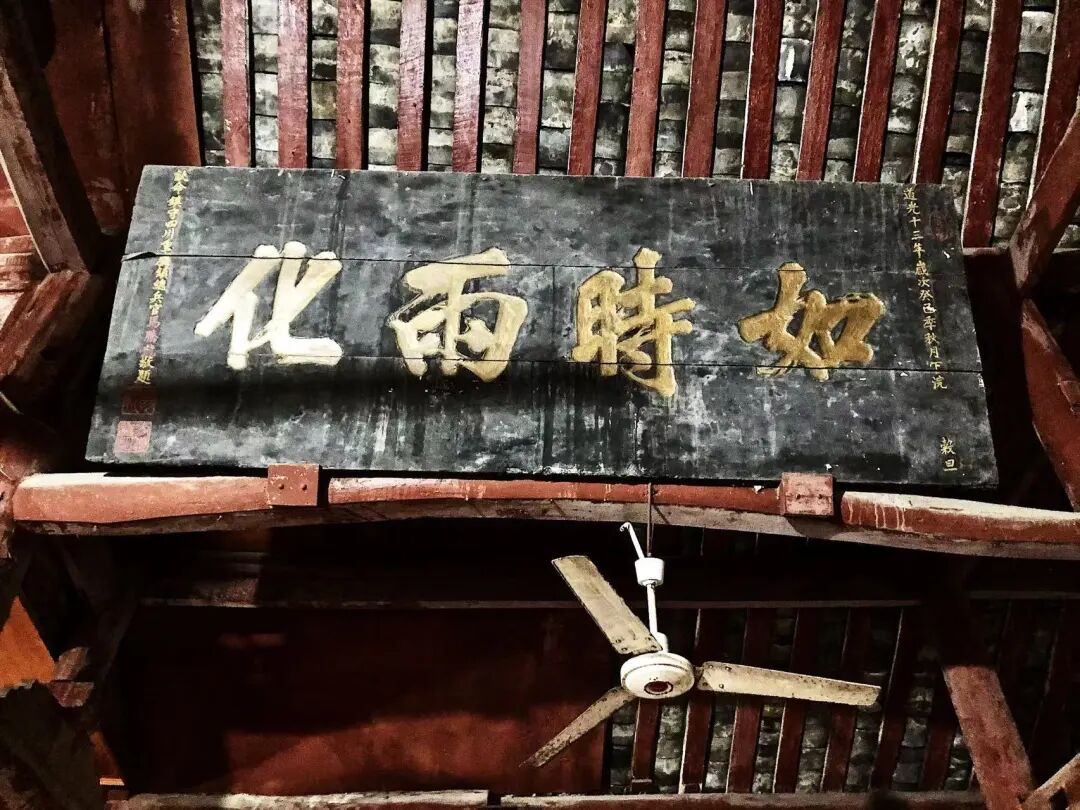
186. Chengdu Tuqiao Upper Mosque, 'Like Timely Rain'.
An auspicious day in the last ten days of the third month of autumn, in the year of Guisi, the 13th year of the Daoguang reign.
Respectfully inscribed by Ma Tenglong, the Imperial-appointed Regional Commander of Chongqing, Sichuan.
187. Chengdu Tuqiao Upper Mosque, 'Boundless Nurturing'.
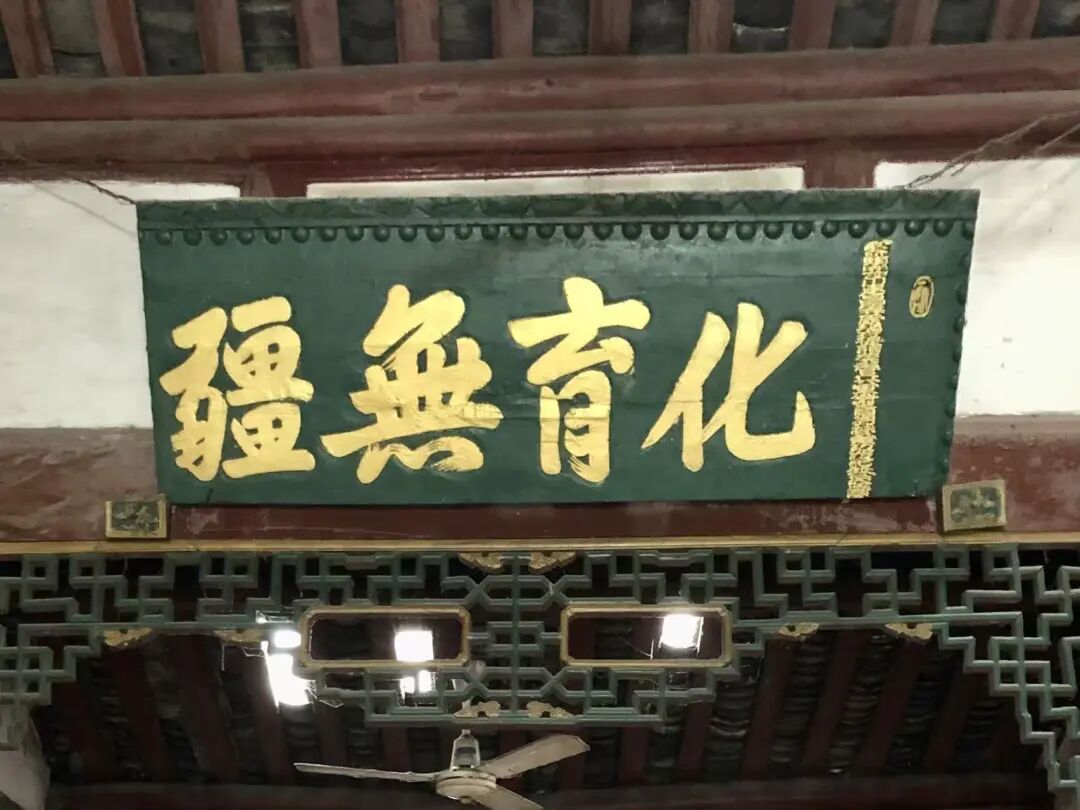
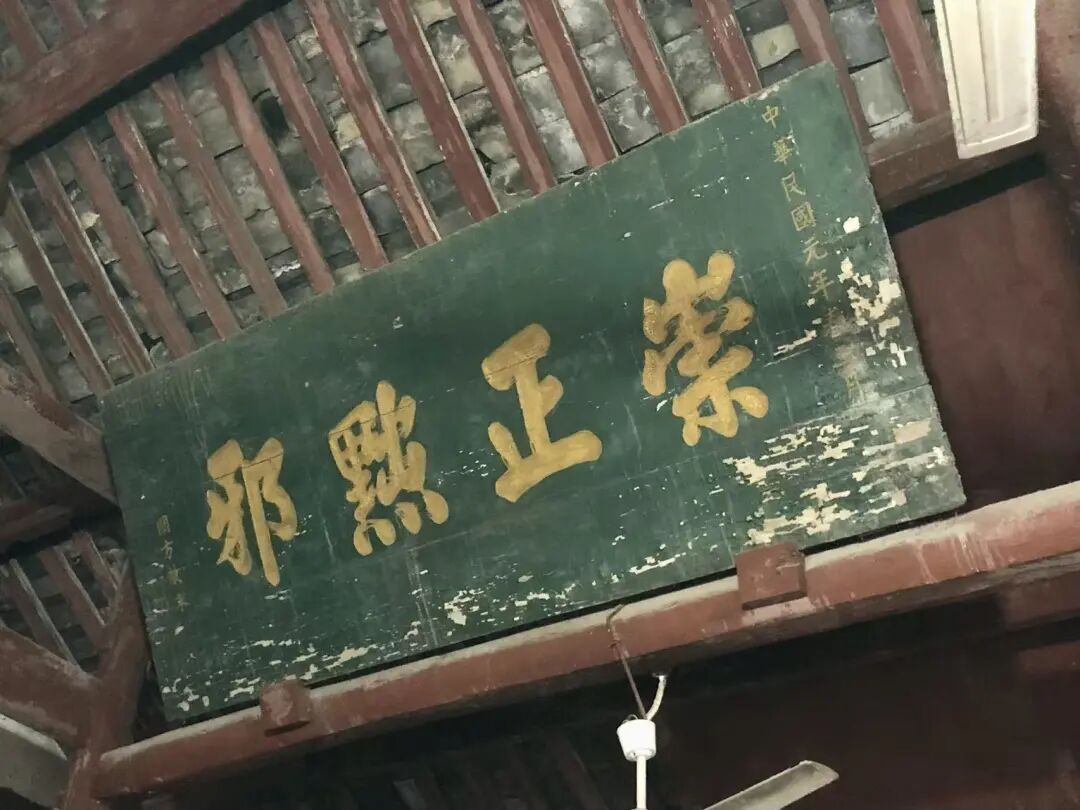
188. Chengdu Tuqiao Upper Mosque, 'Revere the Righteous and Expel the Evil'.
The third month of spring, the first year of the Republic of China.
The humble followers of the community.
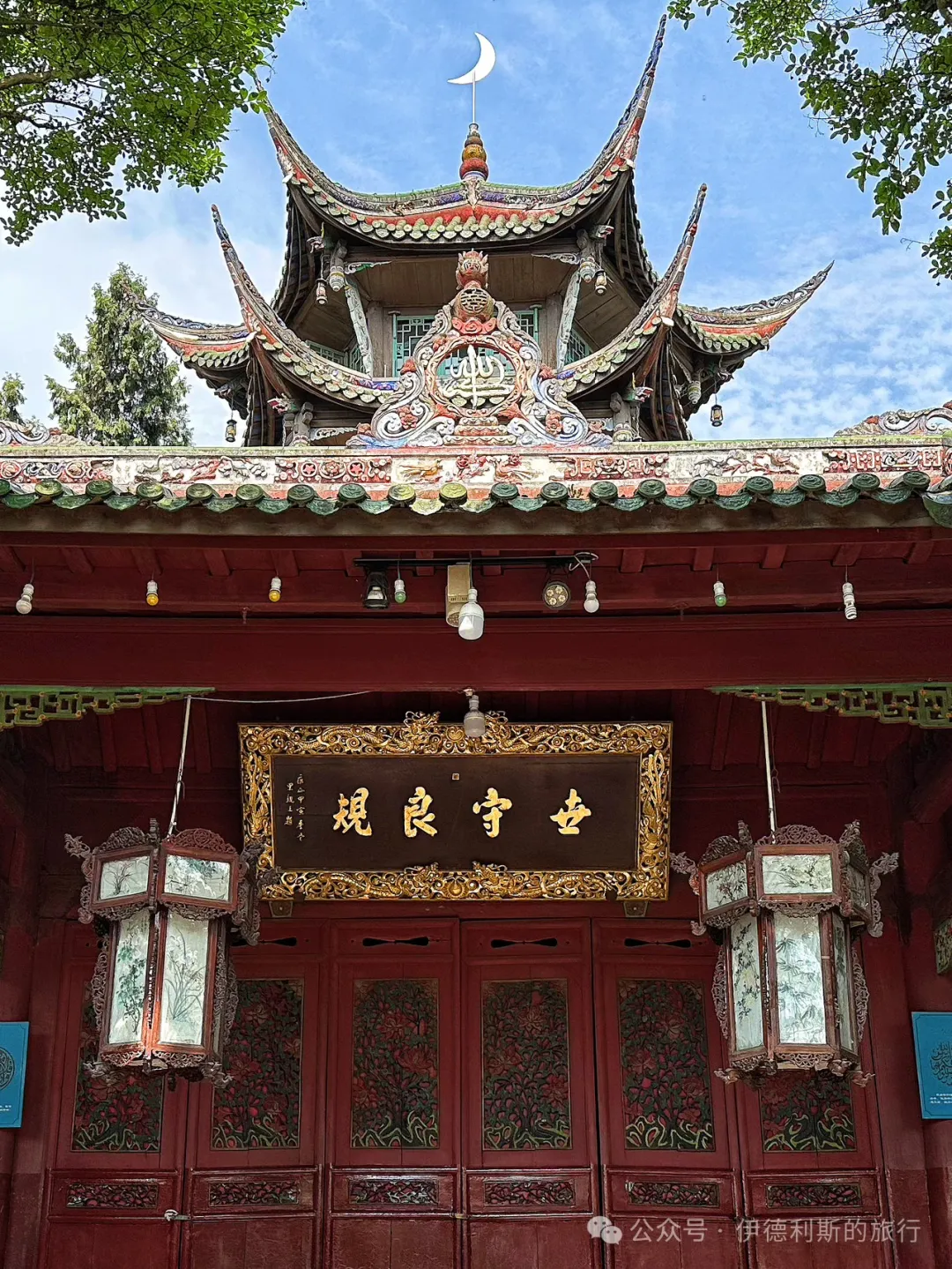
189. Chengdu Dujiangyan Mosque, 'Uphold Good Traditions for Generations'.
The last month of winter, in the year of Jiayin, during the Yongzheng reign.
Inscribed by Prince Guo
Prince Guo was the seventeenth son of the Kangxi Emperor. In the twelfth year of the Yongzheng reign, he traveled to Taining to escort the Dalai Lama back to Tibet. While inspecting provincial garrisons and Green Standard Army troops, he passed through Chengdu and wrote a plaque for Gulou Mosque. The Dujiangyan Mosque also made a copy of the plaque to keep inside the building.
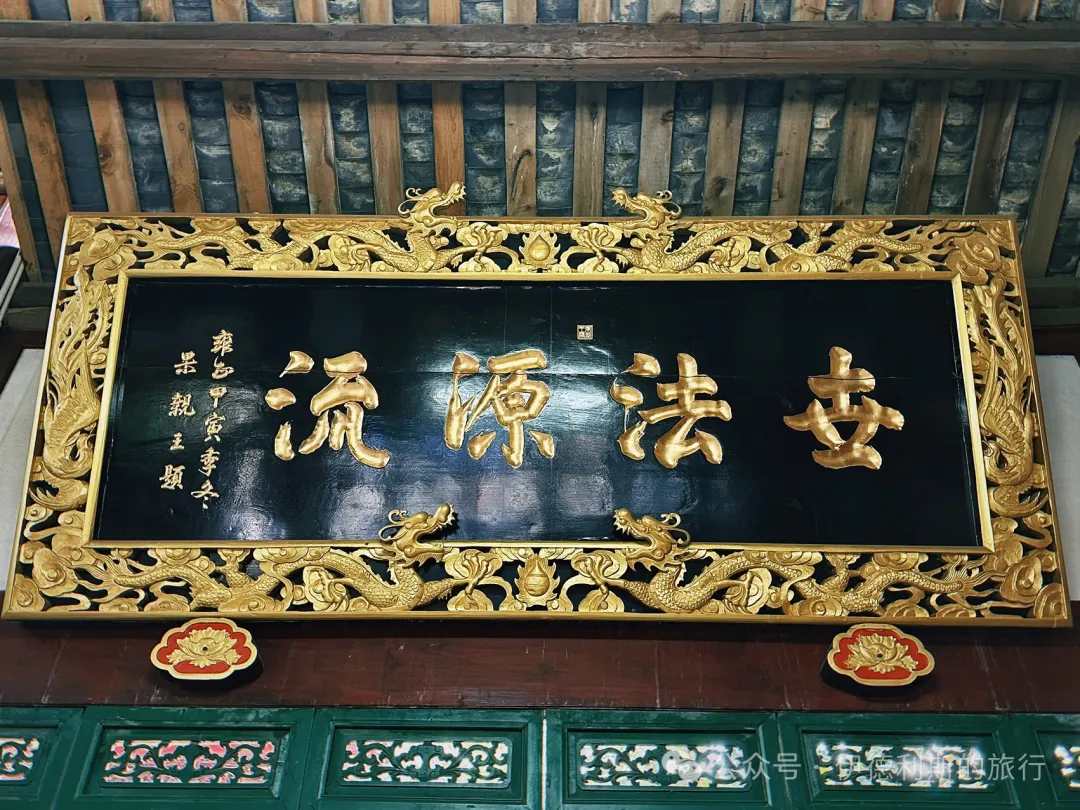
190. Dujiangyan Mosque in Chengdu: "Origin of Worldly Dharma"
The last month of winter, in the year of Jiayin, during the Yongzheng reign.
Inscribed by Prince Guo
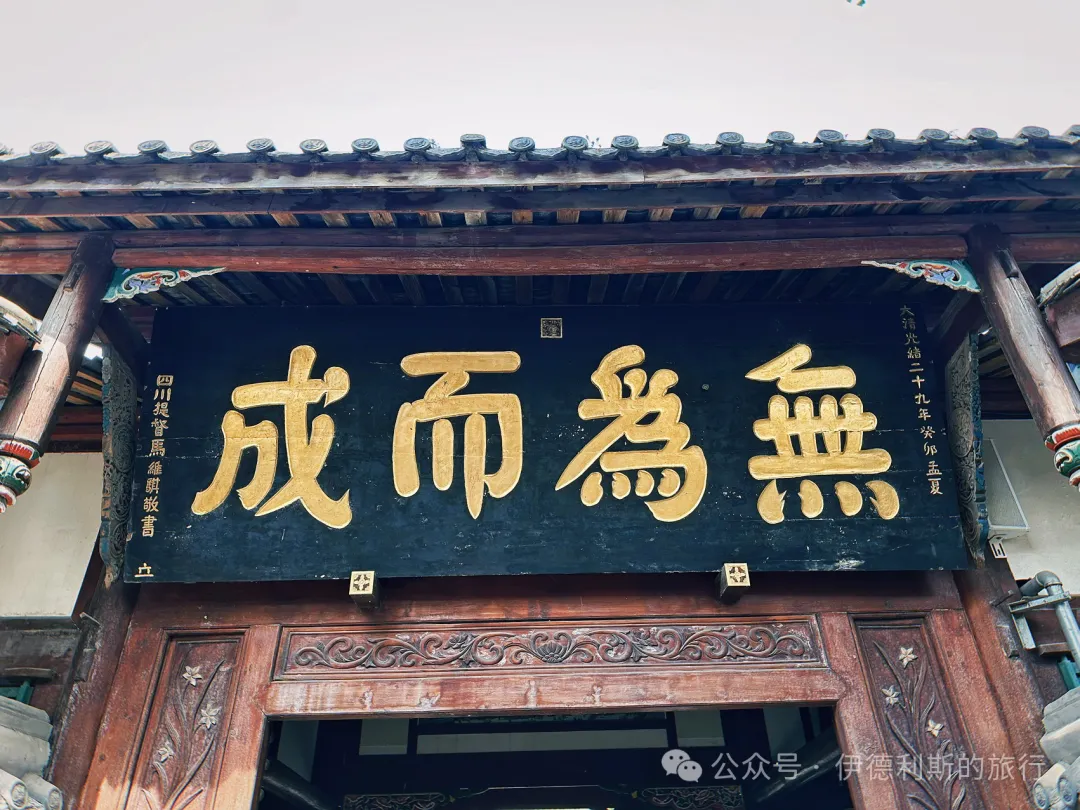
191. Dujiangyan Mosque in Chengdu: "Success Through Non-Action"
Early summer of the Guimao year, the twenty-ninth year of the Guangxu reign of the Great Qing Dynasty.
Respectfully written and erected by Ma Weiqi, Commander-in-Chief of Sichuan.
Ma Weiqi was a Hui Muslim from Dazhuang, Kaiyuan, Yunnan. He was skilled in calligraphy, following the style of Yan Zhenqing, with powerful brushwork and grand momentum. In the 9th year of the Guangxu reign, Ma Weiqi was ordered to Vietnam to resist the French. He defeated the French army many times and was promoted to the rank of vice-general for his military achievements, receiving the title "Boduo Huan Baturu". While serving as Commander-in-Chief of Sichuan, Ma Weiqi led troops to suppress a rebellion by lamas and local chieftains in Batang, Tibet. He overcame snowstorms, dangerous terrain, and food shortages to restore peace to the entire region. He was rewarded with a first-rank button and granted the title of General Jianwei. During his time as Commander-in-Chief of Sichuan, Ma Weiqi greatly supported the local Muslim community. He recommended several imams for positions in Sichuan, including Imam Wang Jiapeng, who is known as one of the four great modern imams of Yunnan.
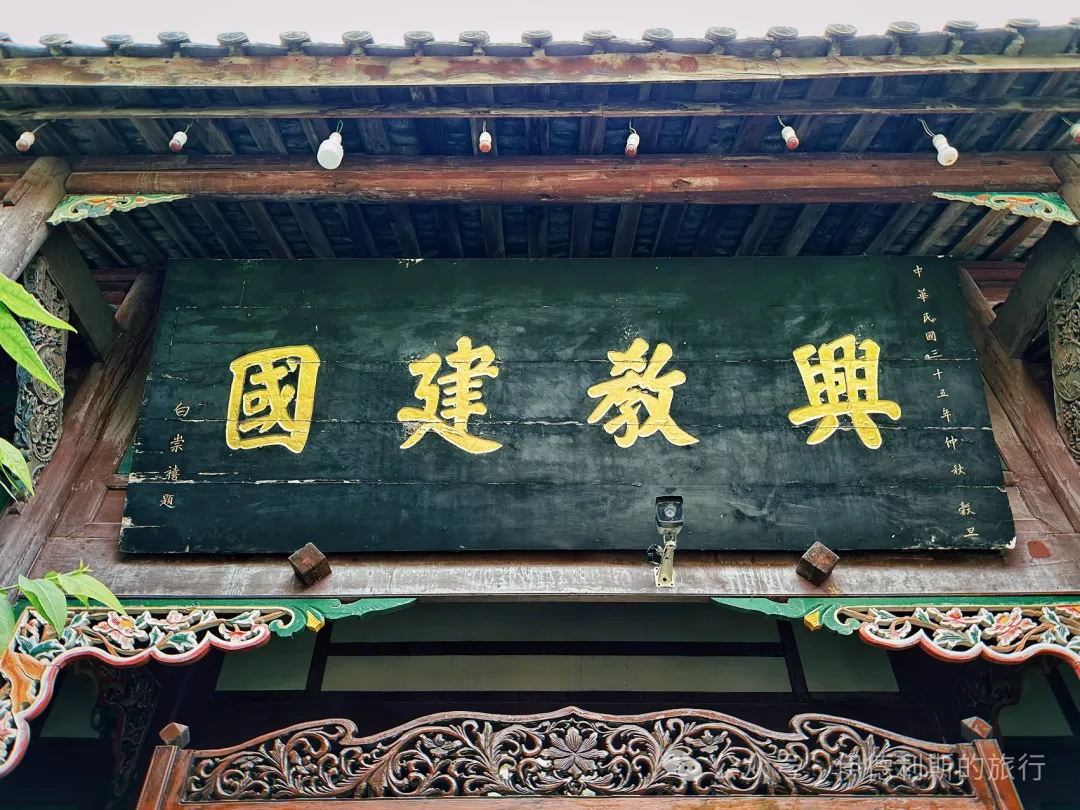
192. Dujiangyan Mosque in Chengdu: "Promote Religion and Build the Nation"
An auspicious day in the mid-autumn of the 35th year of the Republic of China.
Inscribed by Bai Chongxi.
Bai Chongxi wrote this in 1946 while visiting his in-law, Ma Jianqing, in Sichuan. Bai Chongxi was the Minister of National Defense of the Republic of China at the time. Bai Chongxi cared deeply about ethnic education. He built Northwest Middle School in Chengdu, Sichuan, and Jiansheng Middle School in Xichang.
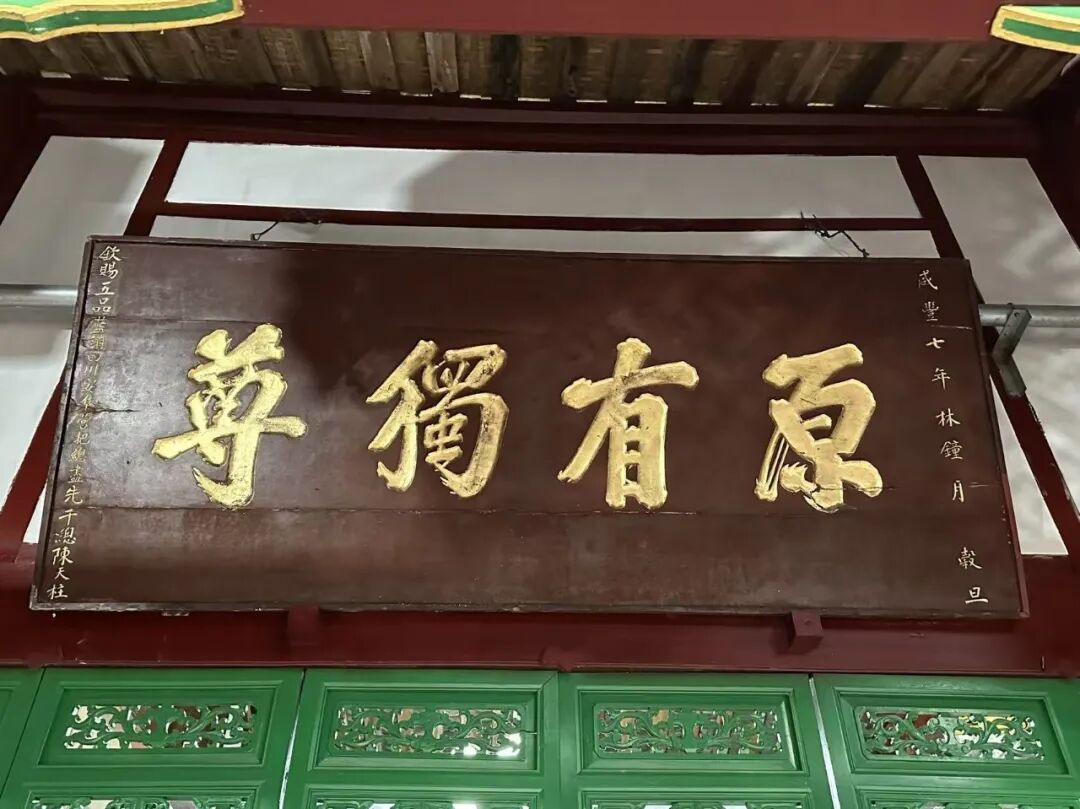
193. Dujiangyan Mosque in Chengdu: "Originality and Unique Respect"
An auspicious day in the seventh month of the lunar calendar in the seventh year of the Xianfeng reign.
Presented by Chen Tianzhu, a fifth-rank official with a blue feather and a battalion commander of the Anfu Camp in Sichuan, who held the priority rank of thousand-man commander.
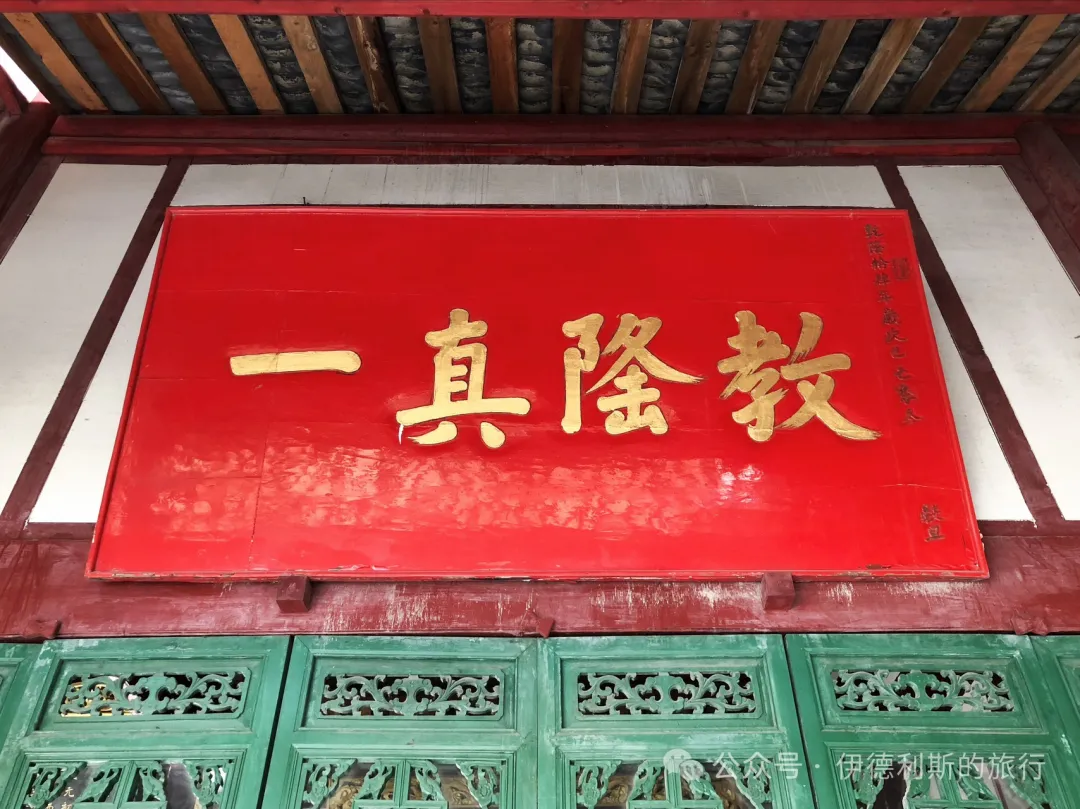
194. Dujiangyan Mosque in Chengdu: "The Religion Flourishes in True Unity"
An auspicious day in the last month of winter in the 14th year of the Qianlong reign (the year of Jisi).
The signature section was destroyed in the 1960s and 1970s. In 2019, I photographed it without the signature. When I returned in 2026, I found the signature had been added: Presented by Ha Panlong, an imperial-appointed top scholar, first-rank imperial guard, and commander of the Songpan Garrison.
Ha Panlong was a Hui Muslim from Suning, Hebei. He passed the provincial civil service exam in the 10th year of the Yongzheng reign and earned the top rank in the martial arts imperial examination in the second year of the Qianlong reign, after which he was appointed as a first-rank imperial guard. In the 13th year of the Qianlong reign, Ha Panlong was ordered to Jinchuan. As the commander of the Songpan garrison, he led troops to attack Meinuo Valley, Kezu Village, and Qiushui City, winning every battle. In the second month of the 14th year of the Qianlong reign, the Jinchuan campaign ended. Ha Panlong was promoted by three ranks and received two additional merit records.
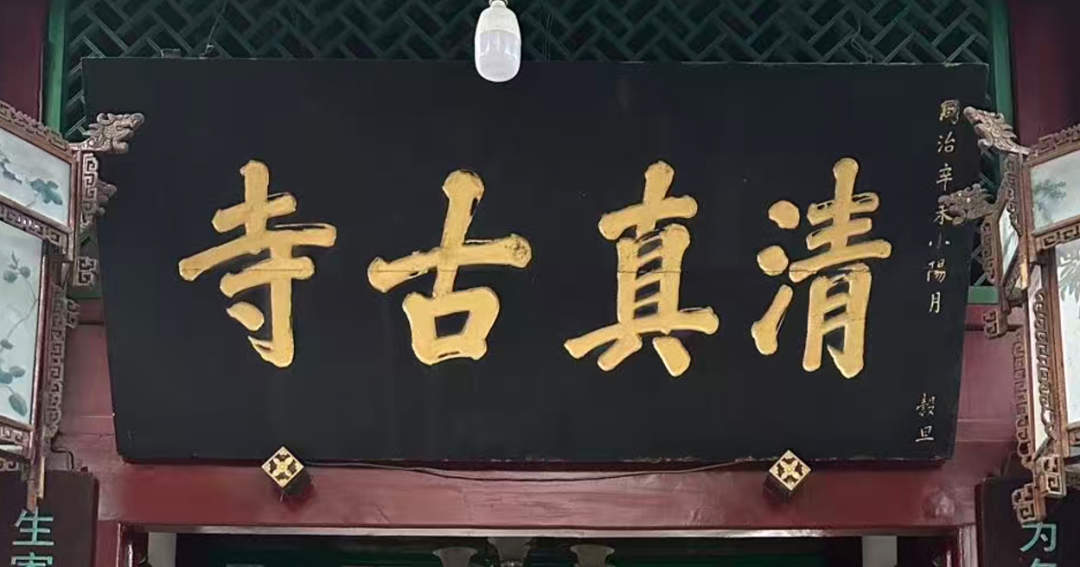
195. Dujiangyan Mosque, Chengdu, "Ancient Mosque (Qingzhen Gusi)"
An auspicious day in the tenth lunar month of the Xinwei year of the Tongzhi reign.
The West Mosque of Guan County in Dujiangyan was located on Shaanxi Lane inside the ancient city of Guan County. It was built in 1862 (the first year of the Tongzhi reign) by Hui Muslims from Songpan, Sichuan. During the Xianfeng and Tongzhi years, Hui Muslims from Songpan with the surnames Jia, Qi, Mi, and Yu traveled south along the Songmao Ancient Road for business. They settled in the ancient city of Guan County and pooled their money to build the West Mosque of Guan County.
In 1959, the West Mosque of Guan County was torn down to build the Guan County People's Hospital. Today, the second gate of the Dujiangyan mosque displays a plaque from the tenth year of the Tongzhi reign that reads "Ancient Mosque (Qingzhen Gusi)." This is the original plaque that hung on the gate of the West Mosque.
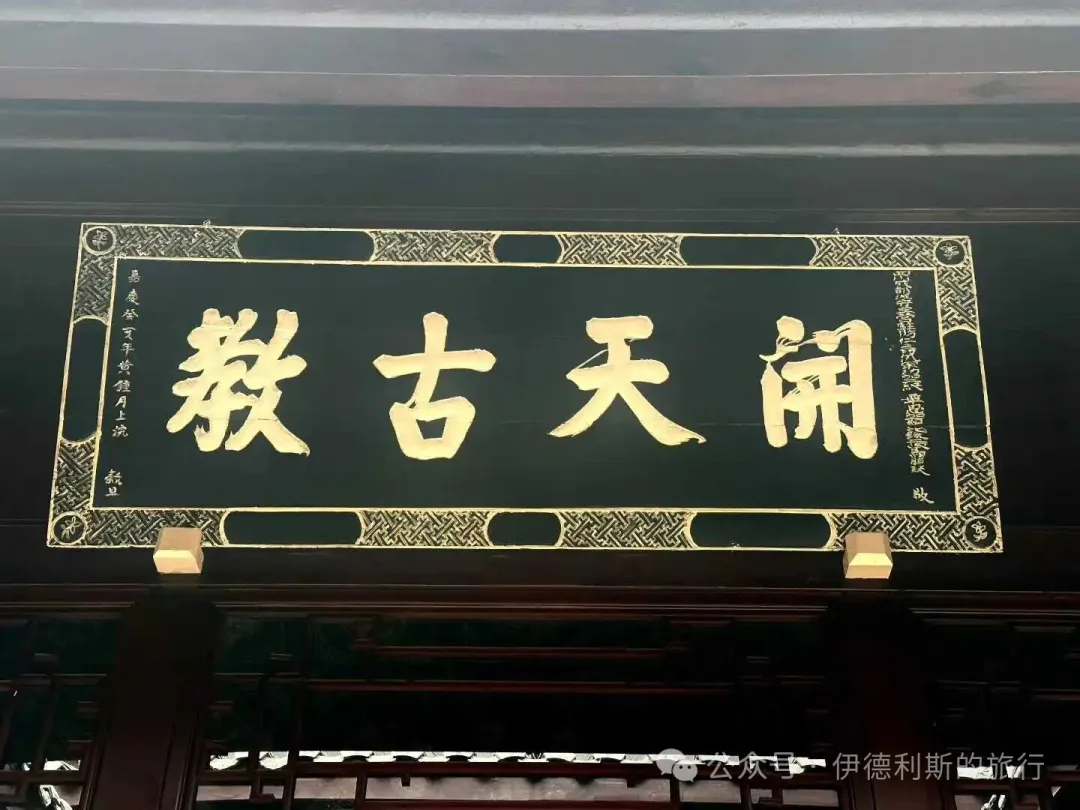
196. Qinggang Mosque, Meishan, Sichuan, "Ancient Faith of the Beginning (Kaitian Gujiao)"
An auspicious day in the first ten days of the eleventh lunar month of the Guihai year of the Jiaqing reign.
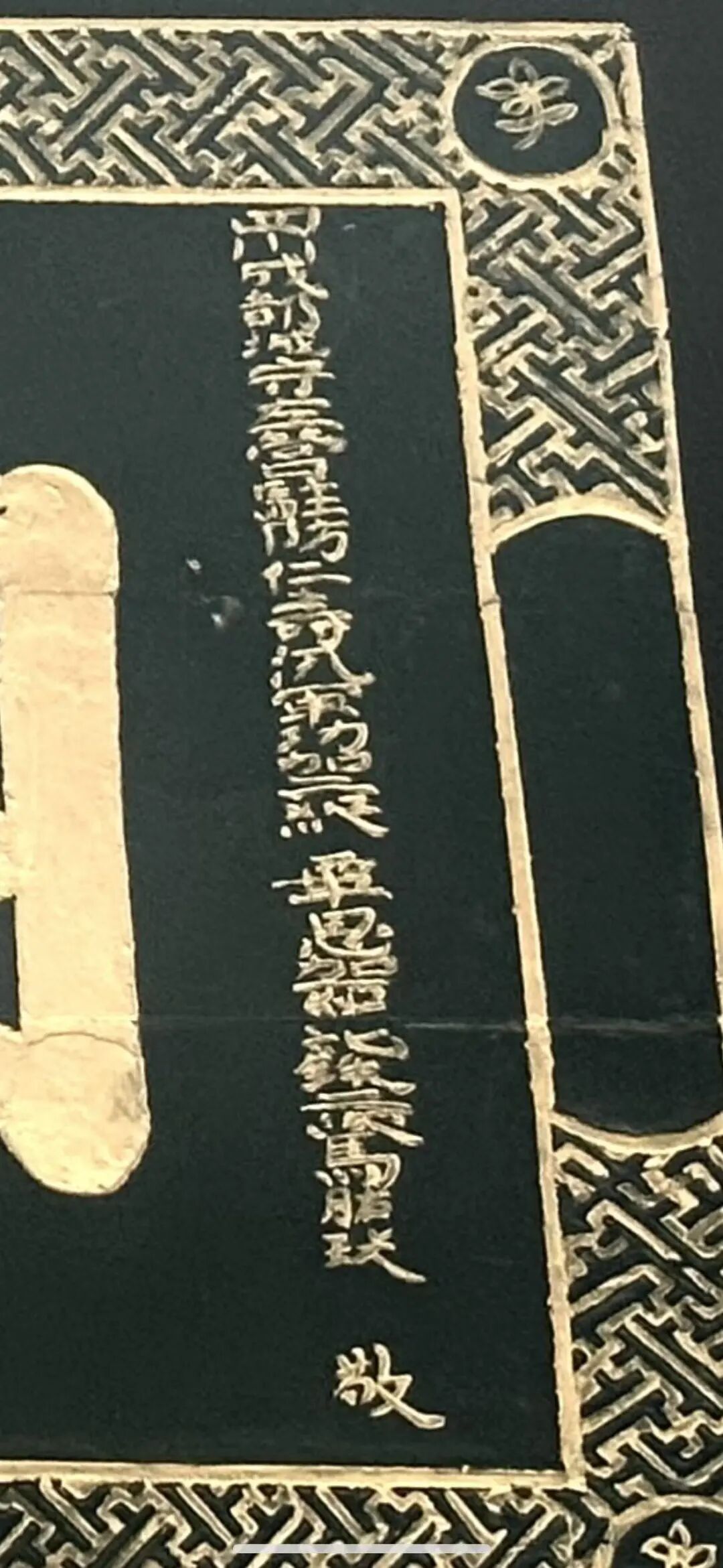
Respectfully presented by Ma X Yan, a soldier of the Left Garrison of the Chengdu City Guard stationed at the Renshou outpost, who received a two-rank promotion for military merit and a one-rank promotion for imperial favor, plus a two-rank promotion from the Emperor.
It is not very clear, so please feel free to correct me.
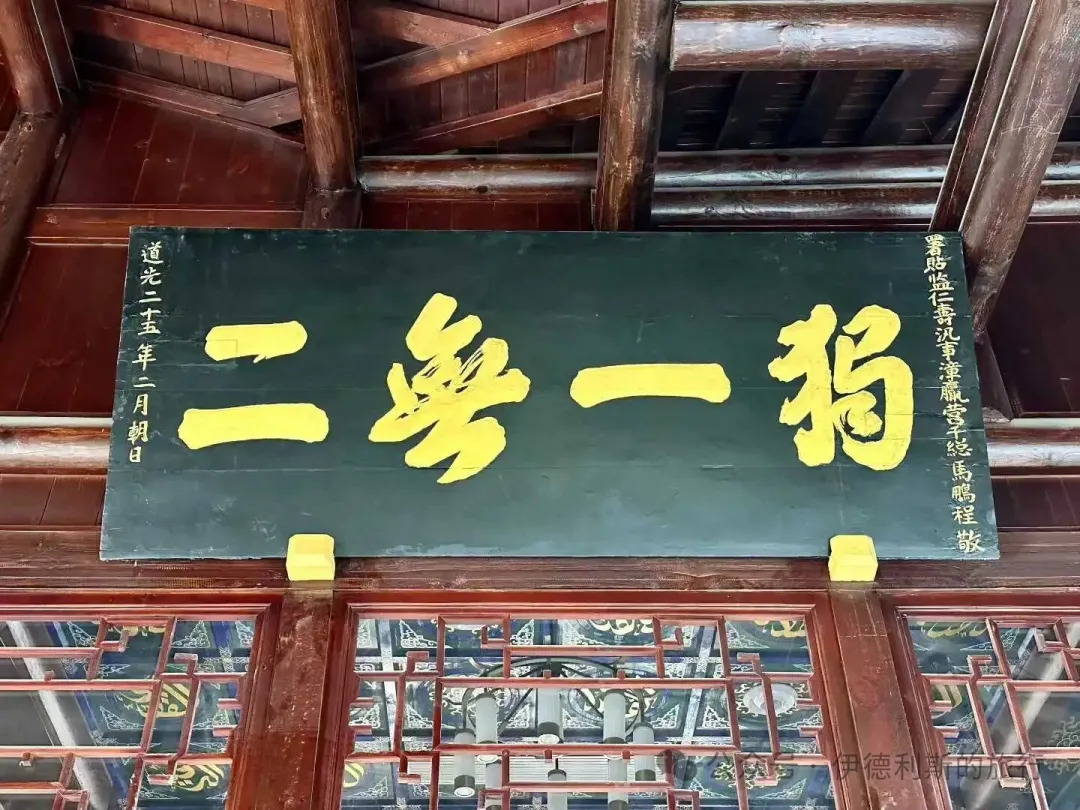
197. The "one and only" plaque at Qinggang Mosque in Meishan, Sichuan.
Respectfully presented by Ma Pengcheng, a battalion commander (qian zong) overseeing the Renshou garrison.
A lucky day in the second month of the 25th year of the Daoguang reign.
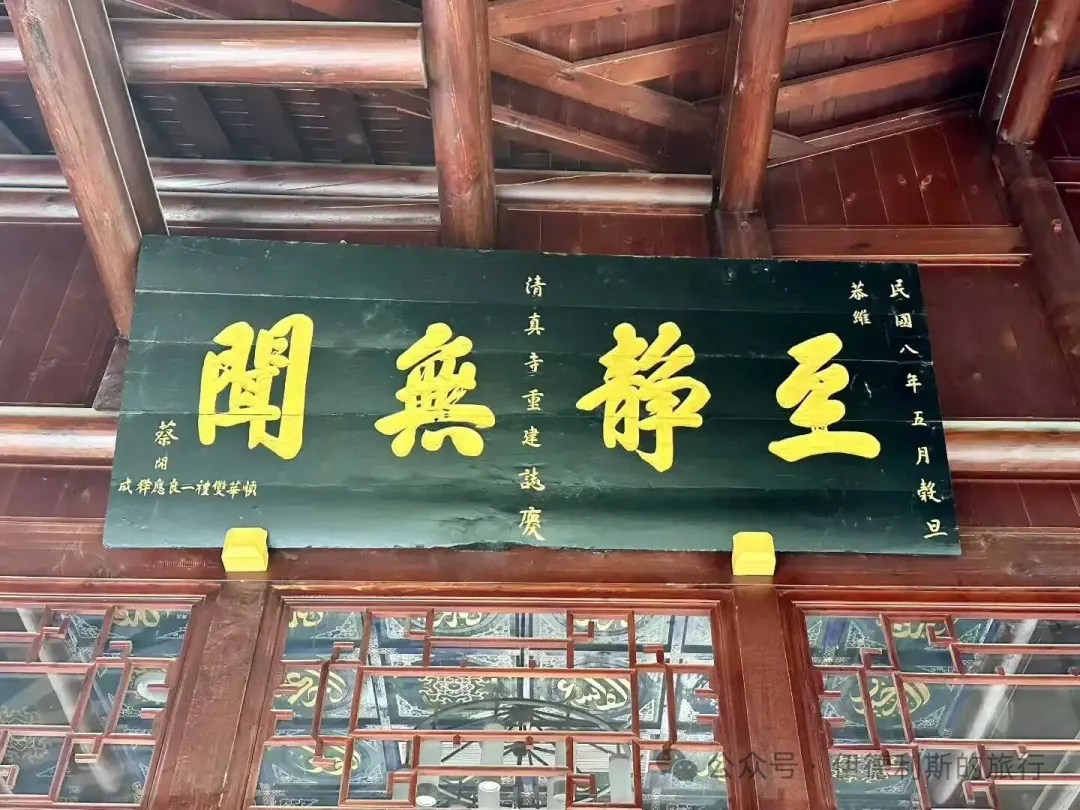
198. The "utmost silence and stillness" plaque at Qinggang Mosque in Meishan, Sichuan.
A lucky day in the fifth month of the eighth year of the Republic of China, respectfully presented.
In celebration of the mosque reconstruction.
Erected by nine members of the Cai family from the Kai generation.
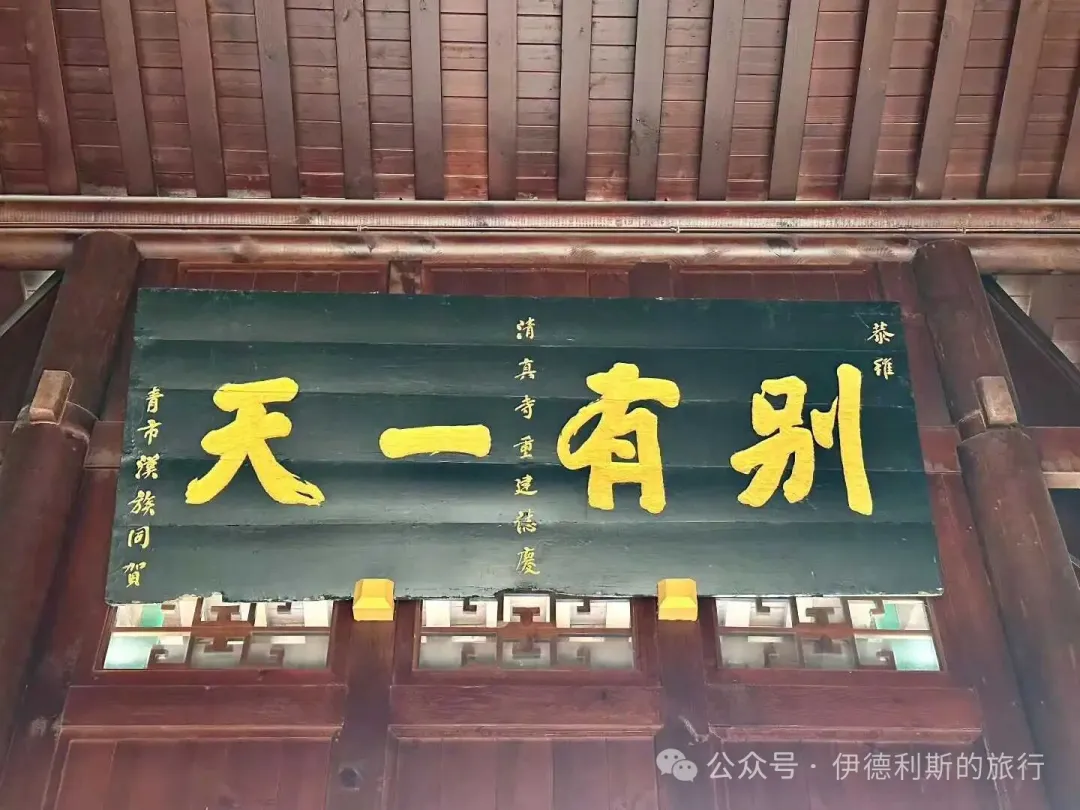
199. The "a world apart" plaque at Qinggang Mosque in Meishan, Sichuan.
Respectfully presented.
In celebration of the mosque reconstruction.
Congratulations from the Han people of Qingshi.
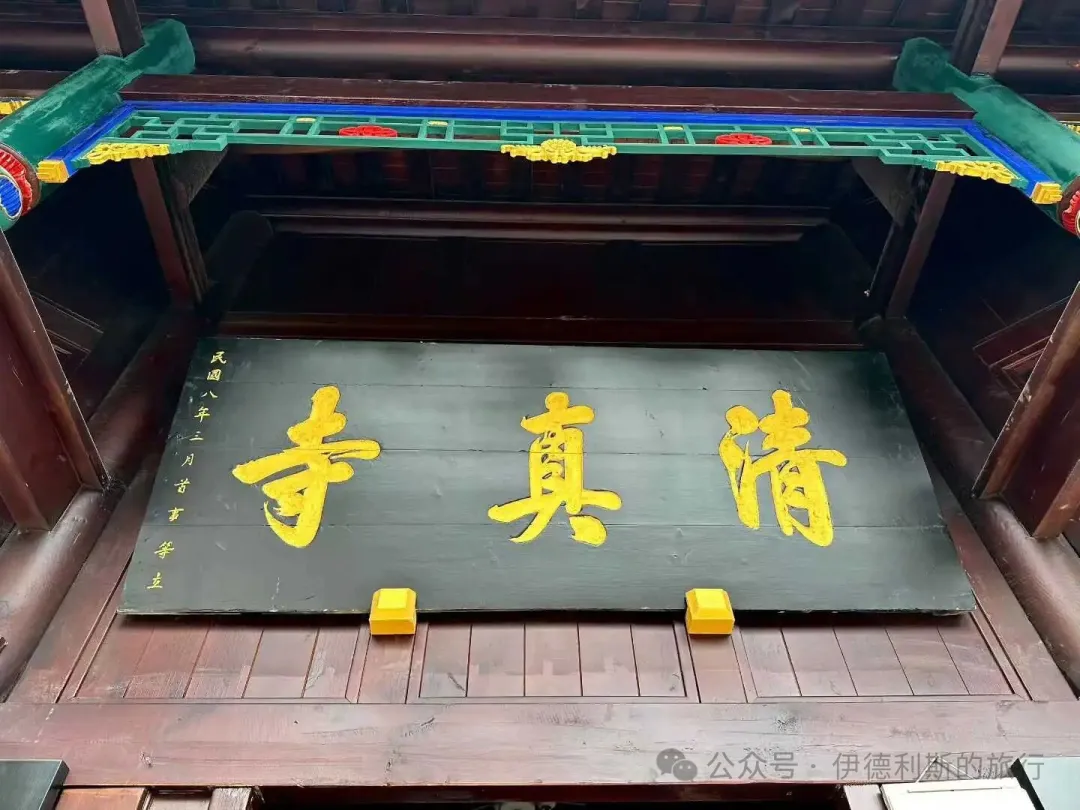
200. Qinggang Mosque (Qinggang Si) in Meishan, Sichuan.
Erected by the mosque leaders in the third month of the eighth year of the Republic of China (1919).
Appreciating mosque plaques and couplets (items 101-150).
Appreciating mosque plaques and couplets (items 51-100).
Appreciating mosque plaques and couplets (items 1-50).
Summary: This China mosque travel guide focuses on mosque plaques, couplets, Islamic calligraphy, Muslim heritage, and the original 151-200 item sequence.
This article summarizes the key points of "Appreciation of Islamic Plaques and Couplets (151-200)". It keeps the original paragraph and image order. It is for readers interested in Muslim life, Islamic culture, and Chinese Islamic writing. It also helps people search for namaz, Islamic plaque and couplet appreciation, and guides for mosques and prayer.
151. "Mastering Heaven and Man" at Niujie Mosque in Beijing.
An auspicious day in the early tenth lunar month of the Jiaxu year, the thirteenth year of the Tongzhi reign.
Respectfully erected by Ma Rulong, Imperial-bestowed Yellow Jacket wearer and Commander-in-Chief of Hunan Province, titled Fashishang'a Baturu.
Ma Rulong was a Hui Muslim from Jianshui, Yunnan. He started as a military scholar and served as Commander-in-Chief of Yunnan and later Hunan.
152. "Governing the Principles of Numbers" at Niujie Mosque in Beijing.
An auspicious day in the first month of winter, the Jiaxu year, the thirteenth year of the Tongzhi reign.
Respectfully erected by Ma Rulong, Imperial-bestowed Yellow Jacket wearer and Commander-in-Chief of Hunan Province, titled Fashishang'a Baturu.
153. "Governing the Two and Five" at Nanxiapo Mosque in Beijing.
The third lunar month of the Renyin year (1902).
Calligraphy by Prince Qing.
The plaque is a replica. Yikuang was named Prince Qing in 1894 and served as a high official in the late Qing Dynasty.
Liu Zhi wrote in the Rites of Islam (Tianfang Dianli) that 'revering the five pillars fulfills the way of heaven;' 'upholding the five social relationships fulfills the way of man.' The five pillars are the declaration of faith, namaz, fasting, charity, and the pilgrimage, while the five relationships are ruler and subject, father and son, husband and wife, brothers, and friends.
154. Arabic plaque at Haopan Mosque in Guangzhou
An auspicious day in the first month of summer, the seventh year of the Republic of China
Respectfully presented by the Jiangnan Tongshan Hall
During the Ming and Qing dynasties, many Hui Muslims from the Jiangsu, Zhejiang, and Shanghai regions came to Guangzhou for business. They often chose to live near the foreign trading houses on Haopan Street and the shops in the Xiguan area, which had a significant impact on Haopan Mosque.
155. Arabic plaque at Xiaodongying Mosque in Guangzhou
Erected on an auspicious day in the fifth lunar month of the Bingyin year, the fifth year of the Tongzhi reign
Respectfully inscribed by Li Chengyi from Dingyuan County, Fengyang Prefecture, Jiangnan
156. 'The Hundred-Word Eulogy to the Most Holy written by Emperor Taizu of Ming' at Xiaodongying Mosque in Guangzhou
Mid-third lunar month, spring of the sixth year of the Tongzhi reign of the Great Qing Dynasty, during the festival.
Respectfully written and erected by Zixiang Yang Yongchun after ritual cleansing.
157. Xiaodongying Mosque in Guangzhou, "The Teaching Has an Authentic Lineage."
An auspicious day in the eleventh lunar month, the thirty-fourth year of the Guangxu reign of the Great Qing Dynasty, which is 1,324 years after the passing of the Prophet.
Erected by Liao Shouqi, a member of the faith from Jiangxia County, Hubei, led by his son Dalian.
158. Wutong Mosque in Guilin, "All Things Reveal the Truth."
The second year of the Xuantong reign, Gengxu year, on an auspicious day.
Respectfully erected by Peng Jiahua.
159. Wutong Mosque in Guilin.
Praising Muhammad to honor the ancient teacher, through the ages keeping the true purpose.
Seeing the mosque filled with plaques and couplets praising the Prophet, I felt inspired by the literature and, despite my limited knowledge, dared to compose a couplet as a memento.
Respectfully inscribed by Su Zonghan, former commissioner of Longteng County and acting magistrate of Yining County.
Yining County was located around Wutong Town in the Lingui District of Guilin, Guangxi. It was abolished and merged into Lingchuan in 1951. In the early Republic of China period, it had a county magistrate.
160. Chongshan Mosque (Chongshan Si) in Guilin: "Rectify the heart and be sincere."
An auspicious day in the sixth lunar month of the jiashen year, the tenth year of the Guangxu reign.
Respectfully erected by local resident Zhang Weicheng.
161. Binju Mosque (Binju Si) in Dali: "The true source of all things."
An auspicious day in the last month of summer in the guihai year of the Republic of China.
Respectfully written by Yang Liren from Nancheng.
162. Binju Mosque (Binju Si) in Dali.
Only one, only pure, the essence of the teaching encompasses all phenomena.
Not two, not mixed, the way of the truth connects heaven, earth, and humanity.
An auspicious day in the summer of the twelfth year of the Republic of China.
Respectfully written by Yang Liren from Nancheng.
163. Dawumaolin Mosque in Dali
Broaden your vision and open your heart, break through the void and clear away worldly appearances, explore the divine and understand transformation to reach the original source.
Leave behind worldly feelings with sincere will, forget the distinction between self and objects to unite humanity and heaven, return to the truth and align with the profound mystery.
Respectfully presented by Ma Yuanshan, principal of Yanzhen School, along with all his students.
An auspicious day in the middle of winter, the 25th year of the Republic of China.
164. Daoyuan Qingzhen Mosque of the Mi family in Mami Factory, Dali.
Respectfully erected by the imperial guard wearing a peacock feather, acting major of the Menghua Right Battalion, and commander of the second battalion of the Yunnan provincial patrol force...
The first month of spring, the first year of the Xuantong reign.
Everyone is welcome to read and leave comments.
165. Chengyi Buer Mosque in Donglianhua, Dali.
An auspicious day in the first month of summer, the Bingyin year, the 15th year of the Republic of China.
Qing dynasty appointed General Zhenwei, acting deputy brigade commander, specially conferred as colonel of the Weiyuan Battalion in Yunnan.
Respectfully erected by Republic of China Army Major General Yang Shengqi.
166. "Universal Mercy and All-Encompassing" (Puci Wanyou) at Tuogu Mosque in Zhaotong.
The first month of winter in the 11th year of the Qianlong reign of the Great Qing Dynasty.
Ye Daxiong, Imperial-appointed Commander of Zhaotong and Dongxiong in Yunnan, Hereditary Cavalry Commandant.
167. "Pure Truth and Elegant Transformation" (Qingzhen Yahua) at Tiejiawan Mosque in Zhaotong.
Respectfully erected by Tie Chengjin, acting officer of the second company of the left vanguard, Zhaotong Garrison, Yunnan, with a one-rank promotion.
An auspicious day in the last ten days of the eighth lunar month, 24th year of the Daoguang reign.
168. "Great Virtue and Simple Transformation" (Dade Dunhua) at Tiejiawan Mosque in Zhaotong.
An auspicious day in the third month of autumn, 15th year of the Jiaqing reign of the Great Qing Dynasty.
Respectfully inscribed by Ye Daxiong, Imperial-bestowed Commander-in-Chief of Zhaotong, Dongxiong, and surrounding areas, Hereditary Cavalry Commandant.
169. "Mysterious Wonder and Great Power" (Xuanqi Daneng) at Chachong Mosque in Zhaotong.
Respectfully erected by Sa Depin, Vice-General authorized to wear the peacock feather and expectant Assistant Regional Commander.
An auspicious day in the first month of the Bingwu year, the 32nd year of the Guangxu reign.
170. "Eternal Breath" at Fengming Mosque in Dali.
An auspicious day in the spring of the 11th year of the Republic of China.
Respectfully erected by Ding Guotai of Shaanxi.
171. "Shining on Everything" at Dazhuang Mosque in Kaiyuan.
An auspicious day in the second month of the 11th year of the Guangxu reign.
... Erected by Ma Weiqi of the Suiyuan Left Battalion Training Army.
Ma Weiqi was a Hui Muslim from Dazhuang, Kaiyuan, Yunnan. He was skilled in calligraphy, following the style of Yan Zhenqing, with powerful brushwork and grand momentum. In the 9th year of the Guangxu reign, Ma Weiqi was ordered to Vietnam to resist the French. He defeated the French army many times and was promoted to the rank of vice-general for his military achievements, receiving the title "Boduo Huan Baturu".
172. "Nurturing All Things" at Dazhuang Mosque in Kaiyuan.
An auspicious day in the first month of winter in the Jiachen year, the 24th year of the Daoguang reign.
Respectfully erected by Ma Dingbang, the top-ranked military graduate in the imperial examinations of the 15th year of the Daoguang reign.
173. Dazhuang Mosque in Kaiyuan, 'Praise be to Allah without end' (Yu Mu Bu Yi)
An auspicious day in the middle of winter, the third year of the Daoguang reign (1823)
Respectfully erected by Xu Yaozong, acting commander of the Linyuan and Chengjiang military districts
174. Dazhuang Mosque in Kaiyuan
Reason is not found in sleep; to complete the beginning and the end, one must seek the one true Master
The Way is based on sincerity and uprightness; to emulate the virtuous and the holy, one must strictly observe the five daily prayers (namaz)
Respectfully erected by Xu Yaozong
175. Dazhuang Mosque in Kaiyuan
Analyzing ancient doubts and confusion in only thirty volumes
Including the scriptures of the former saints, a great collection of the Way
Inscribed by Ma Chuqing, a successful candidate in the imperial examinations during the Dingyou year of the Qing dynasty
176. 'Imperial Edict Platform' (Shengyu Tai) at Liren Mosque in Kunming
Erected in the 34th year of the Republic of China.
177. Tangzi Mosque in Xundian, Yunnan: "Ten Thousand Things from One Source" (Wanshu Yiben).
New Year's Day, 30th year of the Republic of China.
Respectfully gifted by Yunnan Army Major General Ma Deming.
178. Tangzi Mosque in Xundian, Yunnan: "The Only and the Pure" (Weiyi Weijing).
New Year's Day, 30th year of the Republic of China.
Respectfully gifted by Yunnan Army Lieutenant General Ma Cong.
179. Tangzi Mosque in Xundian, Yunnan: "Promote Religion and Build the Nation" (Xingjiao Jianguo).
New Year's Day, 30th year of the Republic of China.
Inscribed by Bai Chongxi.
180. Beiyingjie Mosque in Xundian, Yunnan: "The Original Source of All Things" (Wanyou Yuanzong).
Respectfully inscribed by Jin Huaijin, a palace graduate (jinshi) and imperial guard, serving as deputy commander of the military camp with a rank promotion of three levels.
The first year of the Yongzheng reign, the year of Guimao, in the middle of the sixth lunar month, on an auspicious day.
181. Beiying Street Mosque in Xundian, Yunnan: 'The Only True Faith' (Qingzhen Bu'er).
Respectfully inscribed by Qian Dengxi, the Circuit Intendant of the Eastern Yunnan Military Defense.
Erected in the summer of the 24th year of the Guangxu reign.
182. Jinniudao Mosque in Kunming: 'The Way Spread from the West' (Dao Zi Xi Chuan).
The middle of the fourth lunar month, in the Yiwei year of the Guangxu reign of the Great Qing Dynasty, on an auspicious day.
Written by Ma Weiqi, the acting Regional Commander of the Linyuan and Chengjiang areas in Yunnan, who holds the title of Boduohuan Baturu.
Respectfully erected by Zhang Mingming, the top scholar (zhuangyuan) of the Jiaxu year, first-rank imperial guard, and specially appointed acting Deputy General of the Chuxiong Garrison in Yunnan and Deputy General of the Yunnan-Guizhou Governor's Command.
Everyone is welcome to add more information.
183. Tangjia Mosque in Chengdu: 'Ascending to the Shore of the Way' (Dao An Dan Deng).
An auspicious day in the first lunar month of the Bingshen year of the Guangxu reign.
Tang Chuanyou from Dongzou.
Tang Chuanyou was a Qing Dynasty calligrapher whose art was famous throughout the capital. His son, Tang Chenglie, worked as an official in Sichuan, so he brought his father there to spend his final years in comfort. The plaque text comes from the Book of Songs (Shijing) phrase 'first climb to the shore,' and Liu Zhi also wrote in Five Watch Moon (Wugeng Yue): 'From here, step by step forward, climb to the shore of the path to see the mystery.'
184. Tuqiao Shang Mosque in Chengdu: 'Uphold Good Rules Forever' (Shishou Lianggui)
Jiayin year of the Yongzheng reign
29th year of the Guangxu reign
Inscribed by Prince Guo
Respectfully erected by Ma Zhonglong, a third-rank guard with a peacock feather from Guizhou Province
In 1734 (the 12th year of the Yongzheng reign), Prince Guo Yunli, the 17th son of Emperor Kangxi, was ordered to go to Kangding to handle the return of the 7th Dalai Lama to Tibet. Before reaching Kangding, he inspected troops in Chengdu and gifted two plaques to Gulou Mosque: 'Uphold Good Rules Forever' (Shishou Lianggui) and 'Origin of Worldly Laws' (Shifa Yuanliu). The original 'Uphold Good Rules Forever' plaque was kept at Huangcheng Mosque but was destroyed in the 1960s and 1970s. The one at Tuqiao Mosque was made during the Guangxu reign.
185. Chengdu Tuqiao Shang Mosque: 'Wonderful Origin of Islam' (Miaoyuan Qingzhen)
Imperial-appointed Commander-in-Chief of Yunnan Province, Left Metropolitan Commander, Hereditary Cavalry Captain, recorded six times for military merit, oversaw the construction of the Great Hero Hall.
Imperial-appointed Commander-in-Chief of Yunnan Province, General-in-Chief, recorded five times for military merit, erected by Ma Hua.
An auspicious day in the middle of winter, in the year of Jisi, the 27th year of the Qianlong reign of the Great Qing Dynasty.
186. Chengdu Tuqiao Upper Mosque, 'Like Timely Rain'.
An auspicious day in the last ten days of the third month of autumn, in the year of Guisi, the 13th year of the Daoguang reign.
Respectfully inscribed by Ma Tenglong, the Imperial-appointed Regional Commander of Chongqing, Sichuan.
187. Chengdu Tuqiao Upper Mosque, 'Boundless Nurturing'.
188. Chengdu Tuqiao Upper Mosque, 'Revere the Righteous and Expel the Evil'.
The third month of spring, the first year of the Republic of China.
The humble followers of the community.
189. Chengdu Dujiangyan Mosque, 'Uphold Good Traditions for Generations'.
The last month of winter, in the year of Jiayin, during the Yongzheng reign.
Inscribed by Prince Guo
Prince Guo was the seventeenth son of the Kangxi Emperor. In the twelfth year of the Yongzheng reign, he traveled to Taining to escort the Dalai Lama back to Tibet. While inspecting provincial garrisons and Green Standard Army troops, he passed through Chengdu and wrote a plaque for Gulou Mosque. The Dujiangyan Mosque also made a copy of the plaque to keep inside the building.
190. Dujiangyan Mosque in Chengdu: "Origin of Worldly Dharma"
The last month of winter, in the year of Jiayin, during the Yongzheng reign.
Inscribed by Prince Guo
191. Dujiangyan Mosque in Chengdu: "Success Through Non-Action"
Early summer of the Guimao year, the twenty-ninth year of the Guangxu reign of the Great Qing Dynasty.
Respectfully written and erected by Ma Weiqi, Commander-in-Chief of Sichuan.
Ma Weiqi was a Hui Muslim from Dazhuang, Kaiyuan, Yunnan. He was skilled in calligraphy, following the style of Yan Zhenqing, with powerful brushwork and grand momentum. In the 9th year of the Guangxu reign, Ma Weiqi was ordered to Vietnam to resist the French. He defeated the French army many times and was promoted to the rank of vice-general for his military achievements, receiving the title "Boduo Huan Baturu". While serving as Commander-in-Chief of Sichuan, Ma Weiqi led troops to suppress a rebellion by lamas and local chieftains in Batang, Tibet. He overcame snowstorms, dangerous terrain, and food shortages to restore peace to the entire region. He was rewarded with a first-rank button and granted the title of General Jianwei. During his time as Commander-in-Chief of Sichuan, Ma Weiqi greatly supported the local Muslim community. He recommended several imams for positions in Sichuan, including Imam Wang Jiapeng, who is known as one of the four great modern imams of Yunnan.
192. Dujiangyan Mosque in Chengdu: "Promote Religion and Build the Nation"
An auspicious day in the mid-autumn of the 35th year of the Republic of China.
Inscribed by Bai Chongxi.
Bai Chongxi wrote this in 1946 while visiting his in-law, Ma Jianqing, in Sichuan. Bai Chongxi was the Minister of National Defense of the Republic of China at the time. Bai Chongxi cared deeply about ethnic education. He built Northwest Middle School in Chengdu, Sichuan, and Jiansheng Middle School in Xichang.
193. Dujiangyan Mosque in Chengdu: "Originality and Unique Respect"
An auspicious day in the seventh month of the lunar calendar in the seventh year of the Xianfeng reign.
Presented by Chen Tianzhu, a fifth-rank official with a blue feather and a battalion commander of the Anfu Camp in Sichuan, who held the priority rank of thousand-man commander.
194. Dujiangyan Mosque in Chengdu: "The Religion Flourishes in True Unity"
An auspicious day in the last month of winter in the 14th year of the Qianlong reign (the year of Jisi).
The signature section was destroyed in the 1960s and 1970s. In 2019, I photographed it without the signature. When I returned in 2026, I found the signature had been added: Presented by Ha Panlong, an imperial-appointed top scholar, first-rank imperial guard, and commander of the Songpan Garrison.
Ha Panlong was a Hui Muslim from Suning, Hebei. He passed the provincial civil service exam in the 10th year of the Yongzheng reign and earned the top rank in the martial arts imperial examination in the second year of the Qianlong reign, after which he was appointed as a first-rank imperial guard. In the 13th year of the Qianlong reign, Ha Panlong was ordered to Jinchuan. As the commander of the Songpan garrison, he led troops to attack Meinuo Valley, Kezu Village, and Qiushui City, winning every battle. In the second month of the 14th year of the Qianlong reign, the Jinchuan campaign ended. Ha Panlong was promoted by three ranks and received two additional merit records.
195. Dujiangyan Mosque, Chengdu, "Ancient Mosque (Qingzhen Gusi)"
An auspicious day in the tenth lunar month of the Xinwei year of the Tongzhi reign.
The West Mosque of Guan County in Dujiangyan was located on Shaanxi Lane inside the ancient city of Guan County. It was built in 1862 (the first year of the Tongzhi reign) by Hui Muslims from Songpan, Sichuan. During the Xianfeng and Tongzhi years, Hui Muslims from Songpan with the surnames Jia, Qi, Mi, and Yu traveled south along the Songmao Ancient Road for business. They settled in the ancient city of Guan County and pooled their money to build the West Mosque of Guan County.
In 1959, the West Mosque of Guan County was torn down to build the Guan County People's Hospital. Today, the second gate of the Dujiangyan mosque displays a plaque from the tenth year of the Tongzhi reign that reads "Ancient Mosque (Qingzhen Gusi)." This is the original plaque that hung on the gate of the West Mosque.
196. Qinggang Mosque, Meishan, Sichuan, "Ancient Faith of the Beginning (Kaitian Gujiao)"
An auspicious day in the first ten days of the eleventh lunar month of the Guihai year of the Jiaqing reign.
Respectfully presented by Ma X Yan, a soldier of the Left Garrison of the Chengdu City Guard stationed at the Renshou outpost, who received a two-rank promotion for military merit and a one-rank promotion for imperial favor, plus a two-rank promotion from the Emperor.
It is not very clear, so please feel free to correct me.
197. The "one and only" plaque at Qinggang Mosque in Meishan, Sichuan.
Respectfully presented by Ma Pengcheng, a battalion commander (qian zong) overseeing the Renshou garrison.
A lucky day in the second month of the 25th year of the Daoguang reign.
198. The "utmost silence and stillness" plaque at Qinggang Mosque in Meishan, Sichuan.
A lucky day in the fifth month of the eighth year of the Republic of China, respectfully presented.
In celebration of the mosque reconstruction.
Erected by nine members of the Cai family from the Kai generation.
199. The "a world apart" plaque at Qinggang Mosque in Meishan, Sichuan.
Respectfully presented.
In celebration of the mosque reconstruction.
Congratulations from the Han people of Qingshi.
200. Qinggang Mosque (Qinggang Si) in Meishan, Sichuan.
Erected by the mosque leaders in the third month of the eighth year of the Republic of China (1919).
Appreciating mosque plaques and couplets (items 101-150).
Appreciating mosque plaques and couplets (items 51-100).
Appreciating mosque plaques and couplets (items 1-50).
