
Halal Travel Guide: Ramadan Weekend 2025 — Beijing Nanxiapo and Tianjin Muslim Streets
Reposted from the web
Summary: The second weekend of Ramadan 2025 follows Muslim community spaces in Beijing Nanxiapo, Tianjin Xining Road, and Fuxingzhuang. This article preserves the original mosque visits, street scenes, food notes, and photographs in a single English travel account.
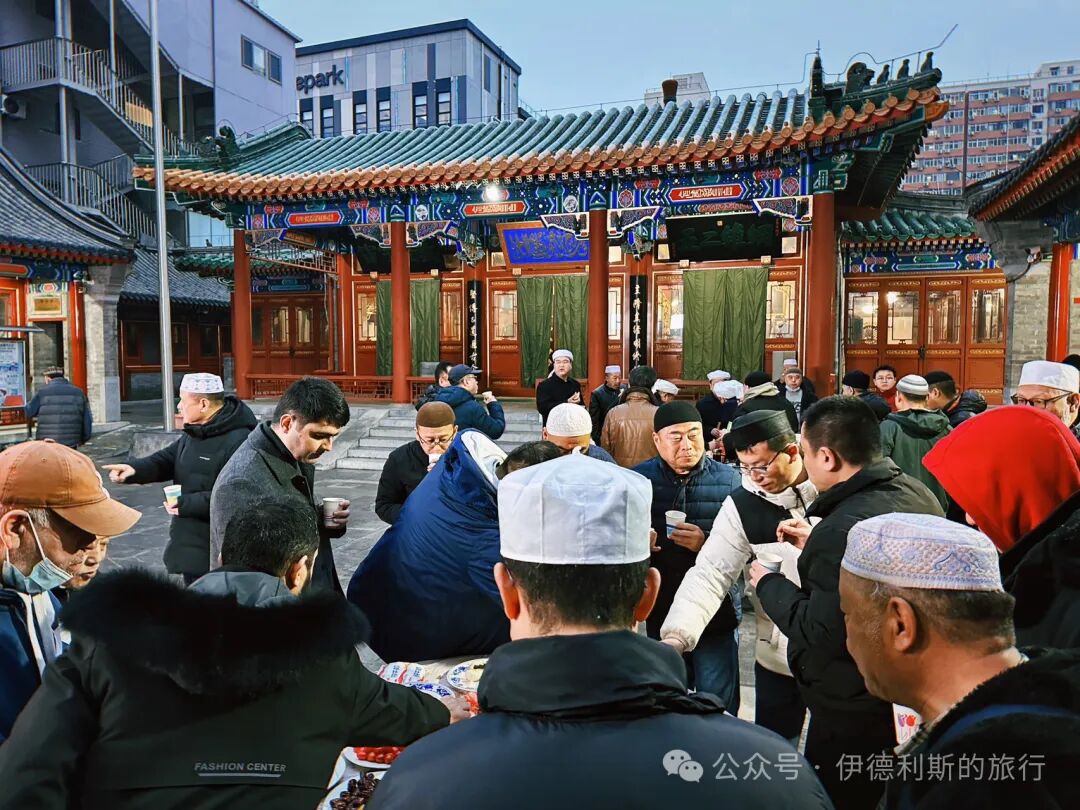
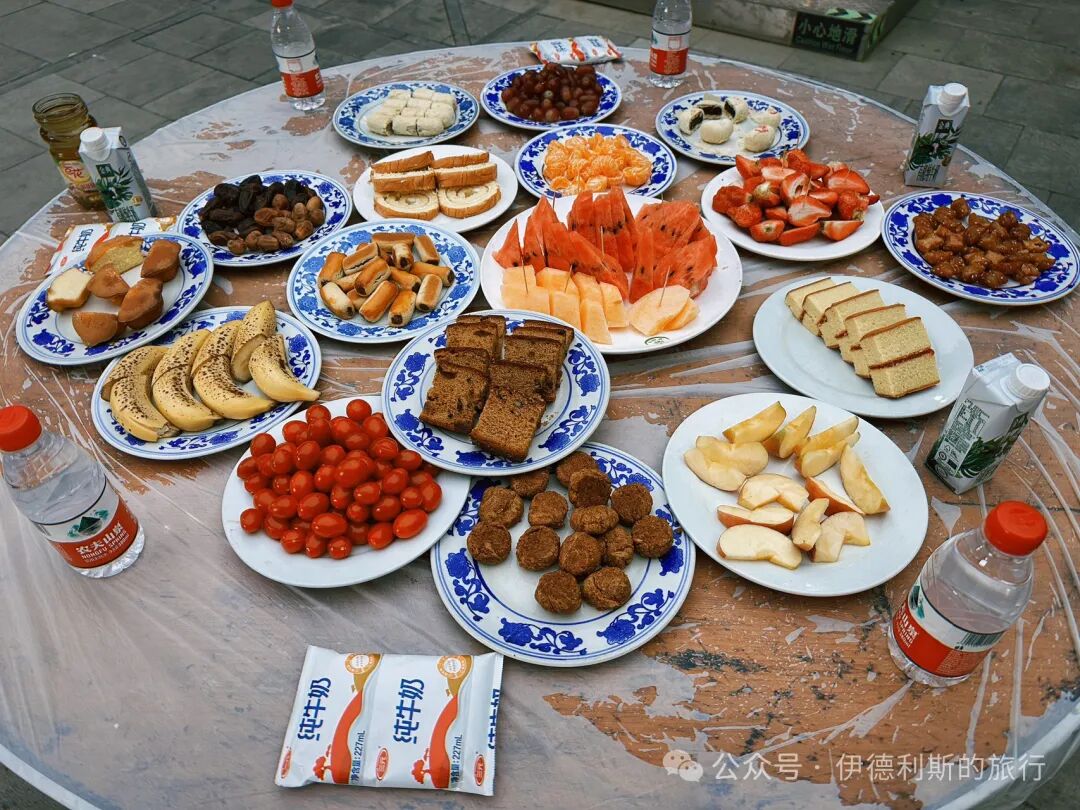
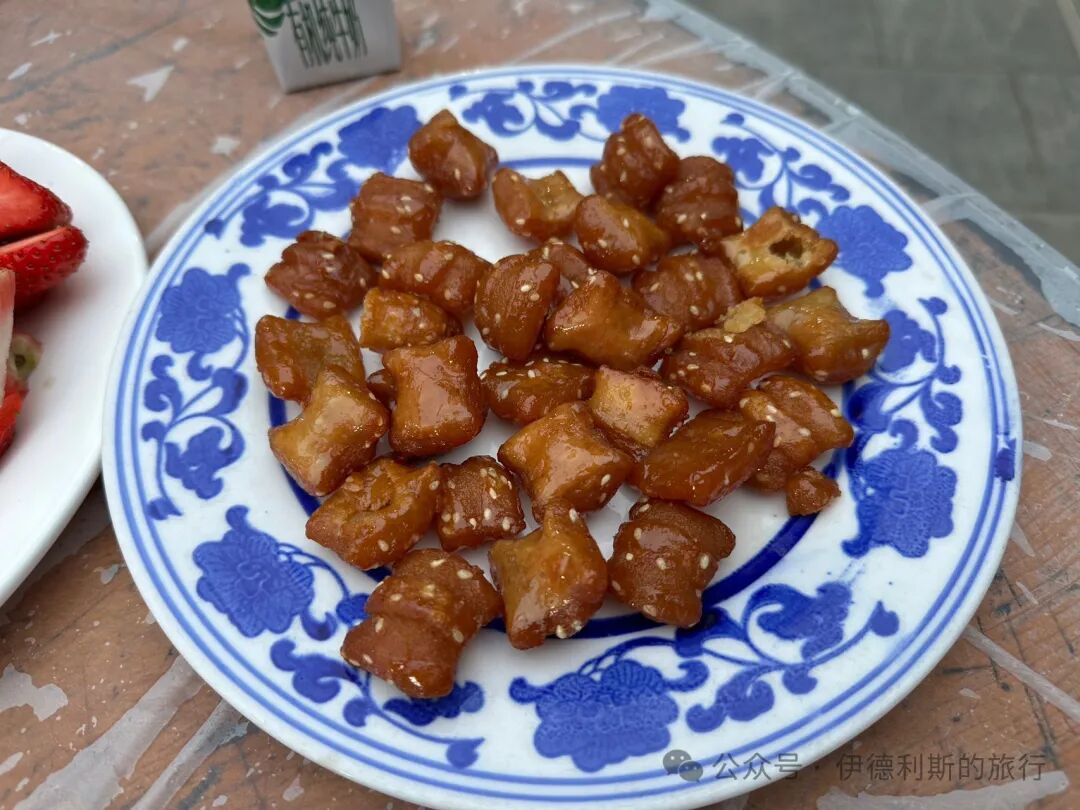
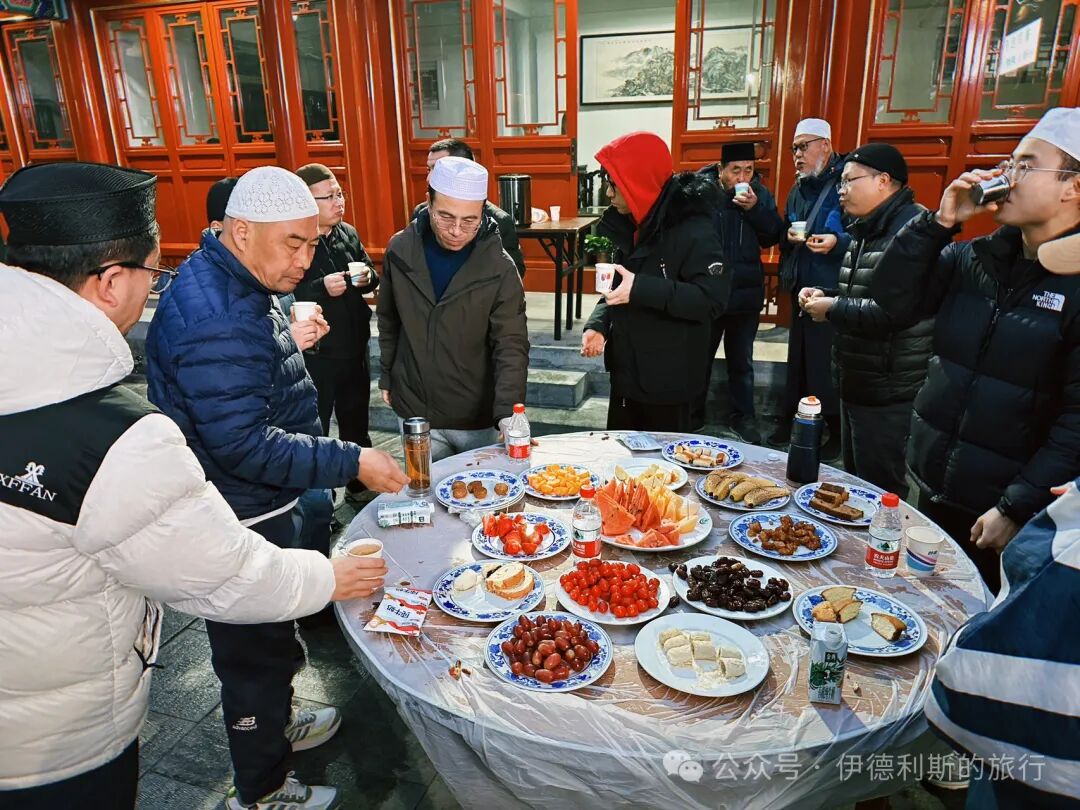
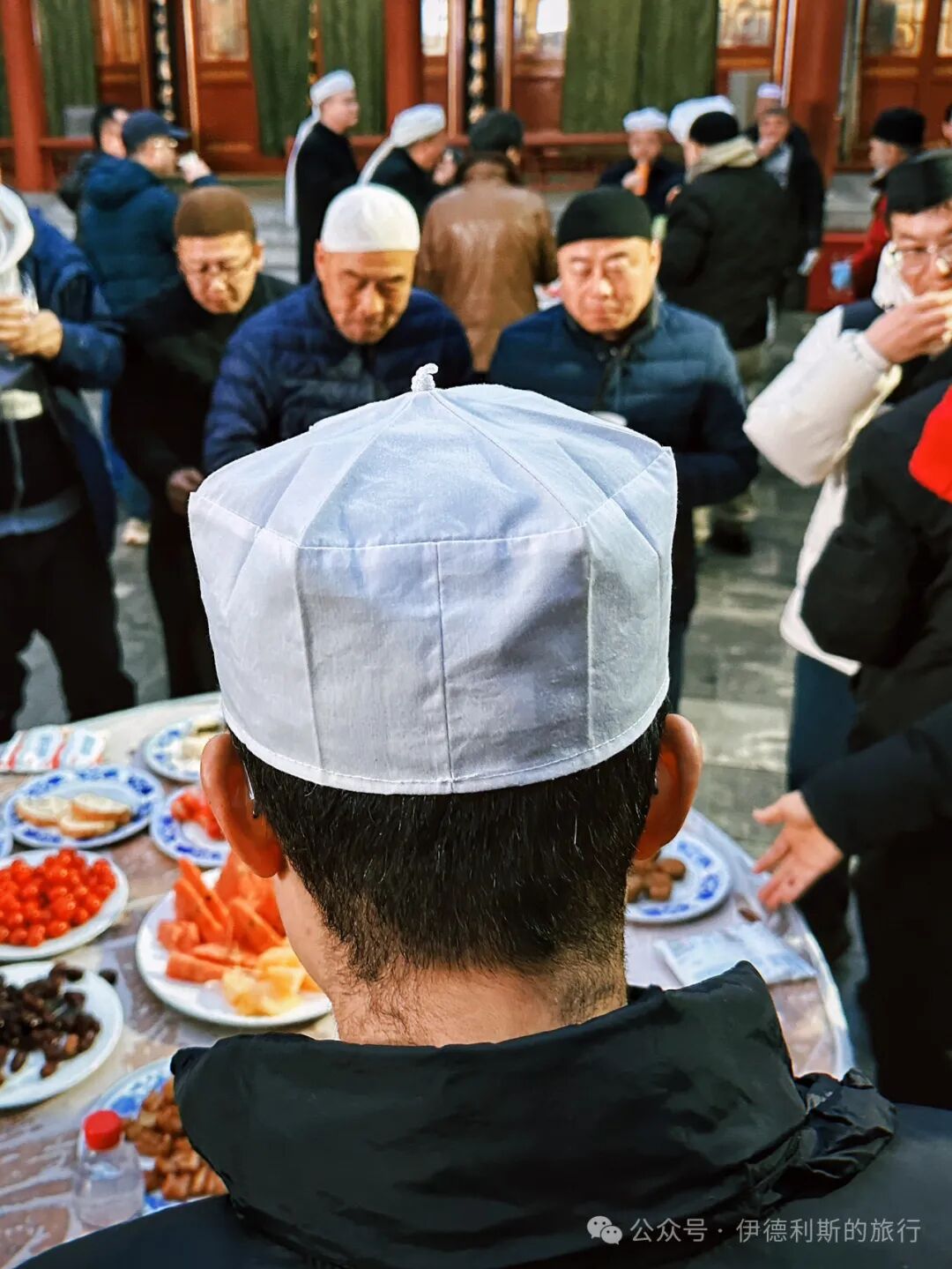
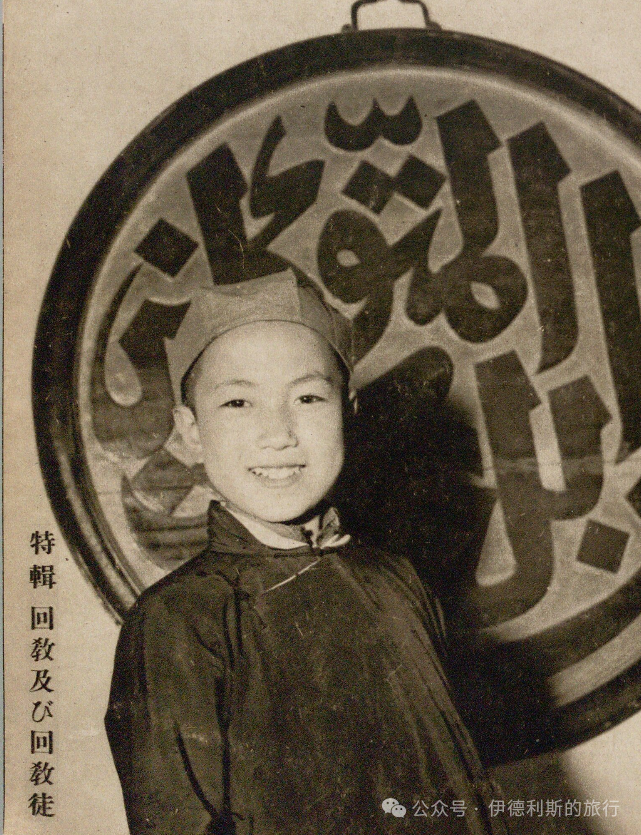
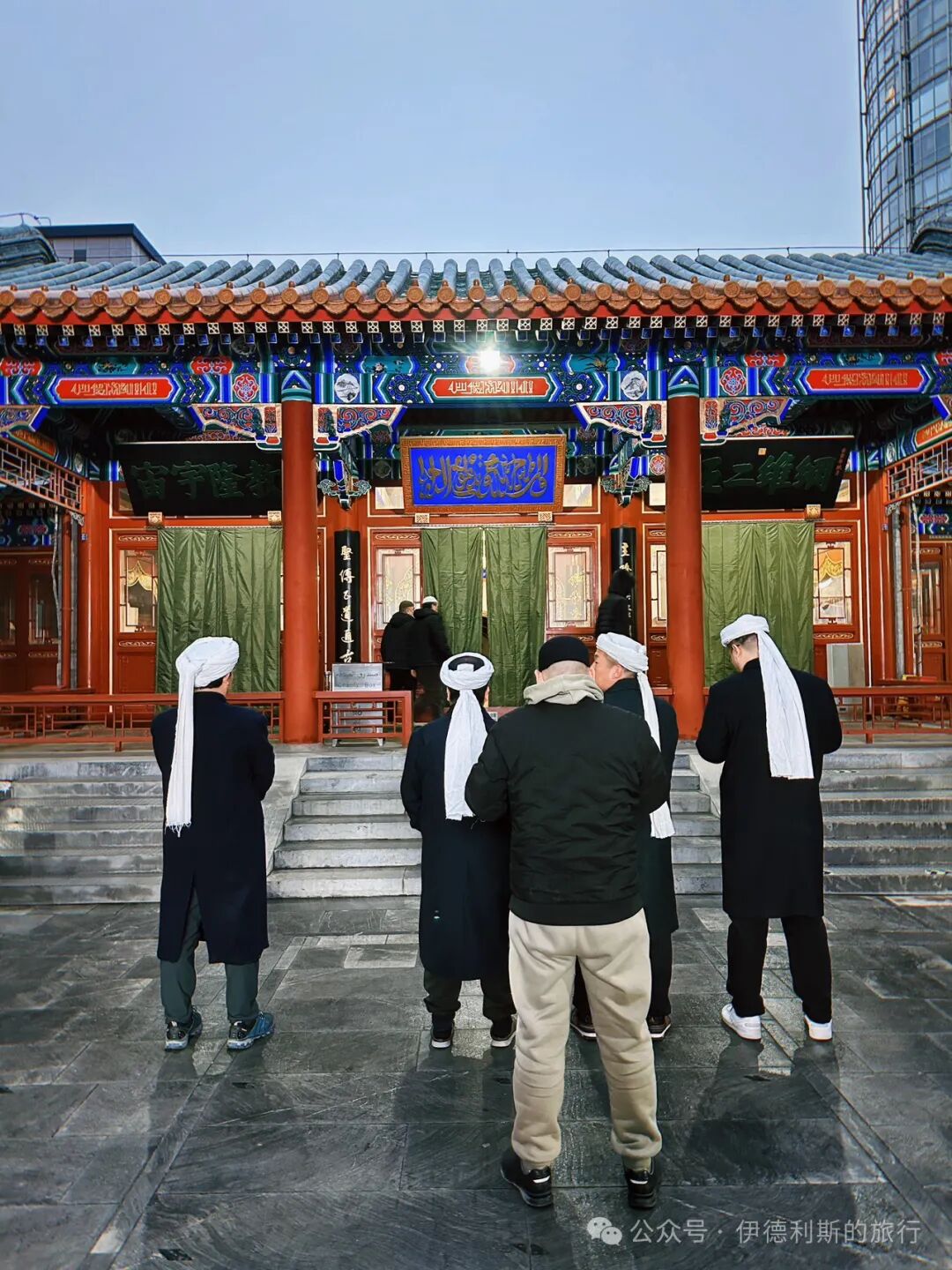
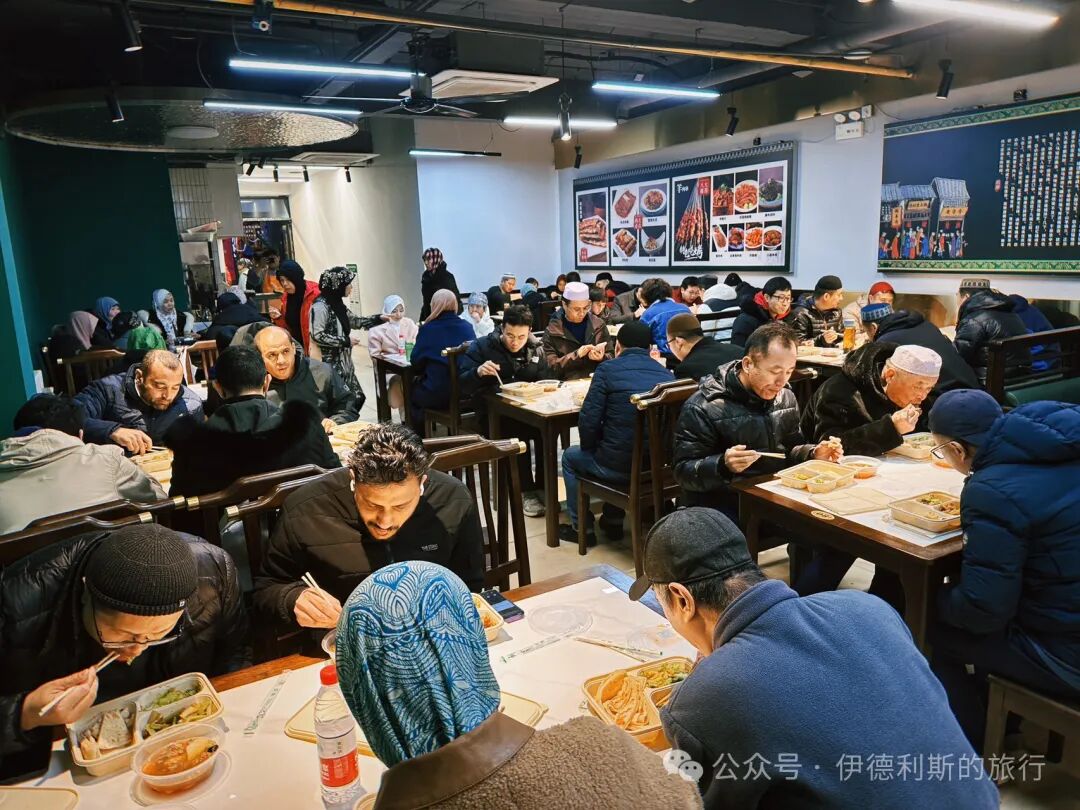
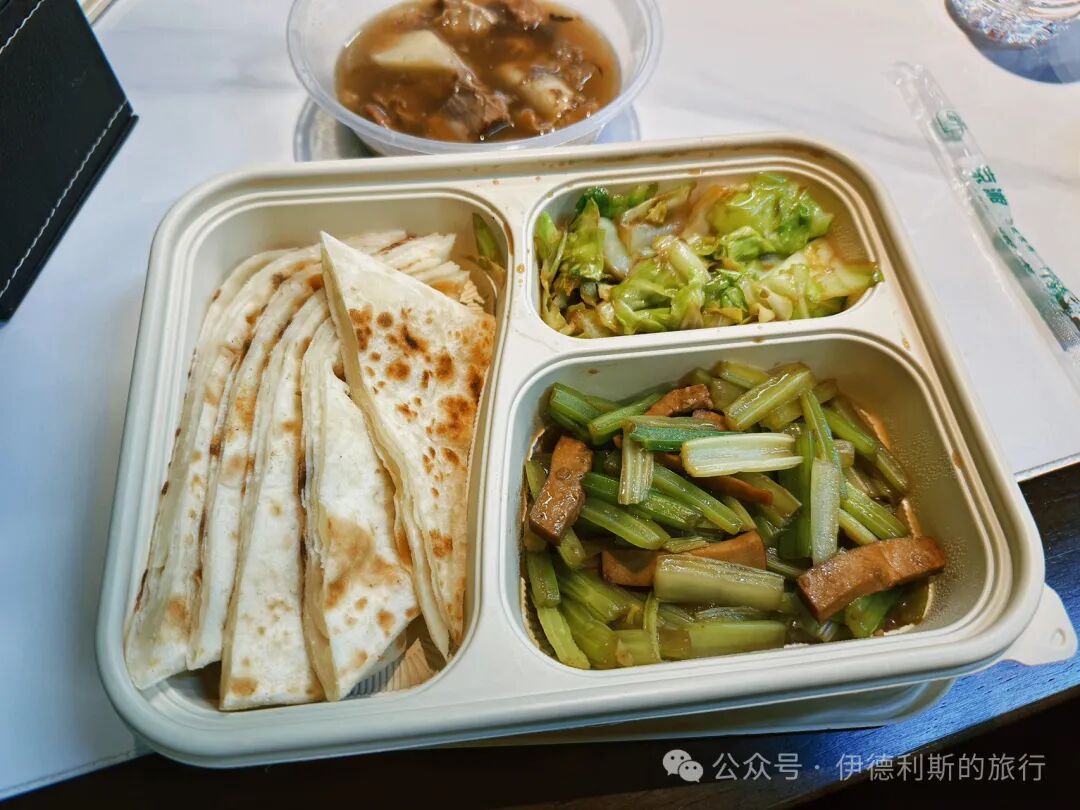
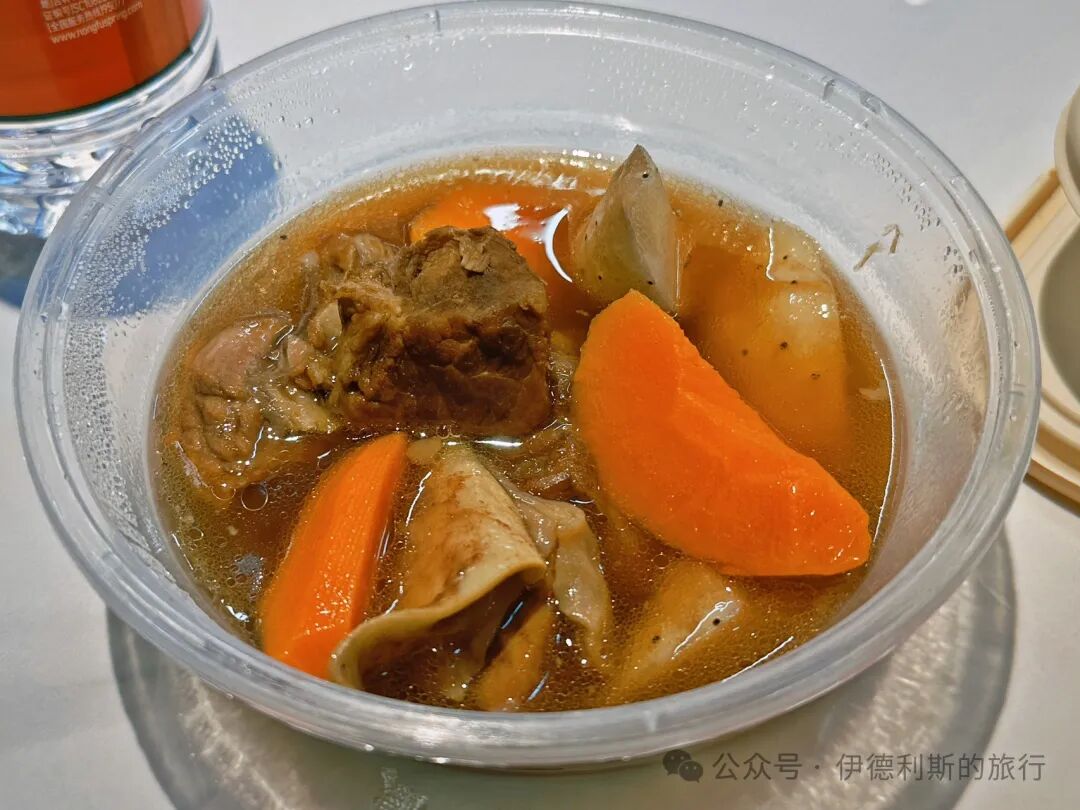
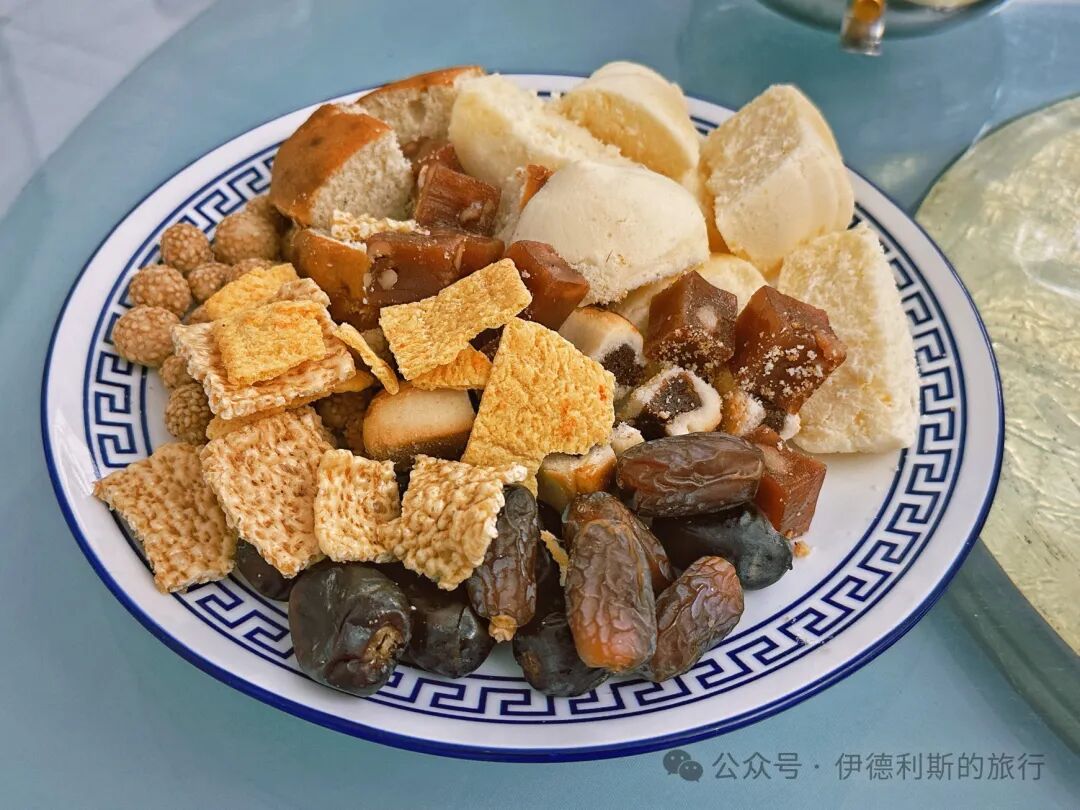
On Friday, March 7, I went to Nanxiapo near Chaowai after work. The iftar snacks and fruits at Shiqipan were very plentiful. I met a friend (dosti) wearing a traditional North China Gedimu six-piece cap. It is slightly different from the hexagonal cap worn by the Zhe sect, and it is now on the verge of disappearing. After the Maghrib prayer (shamu), a friend invited me to have iftar at a restaurant next to the mosque. The place was packed and very lively. We had stewed meat and flatbread (laobing) with two side dishes. It was simple and tasty.
A child wearing a six-piece cap in Niujie, Beijing, in 1942.
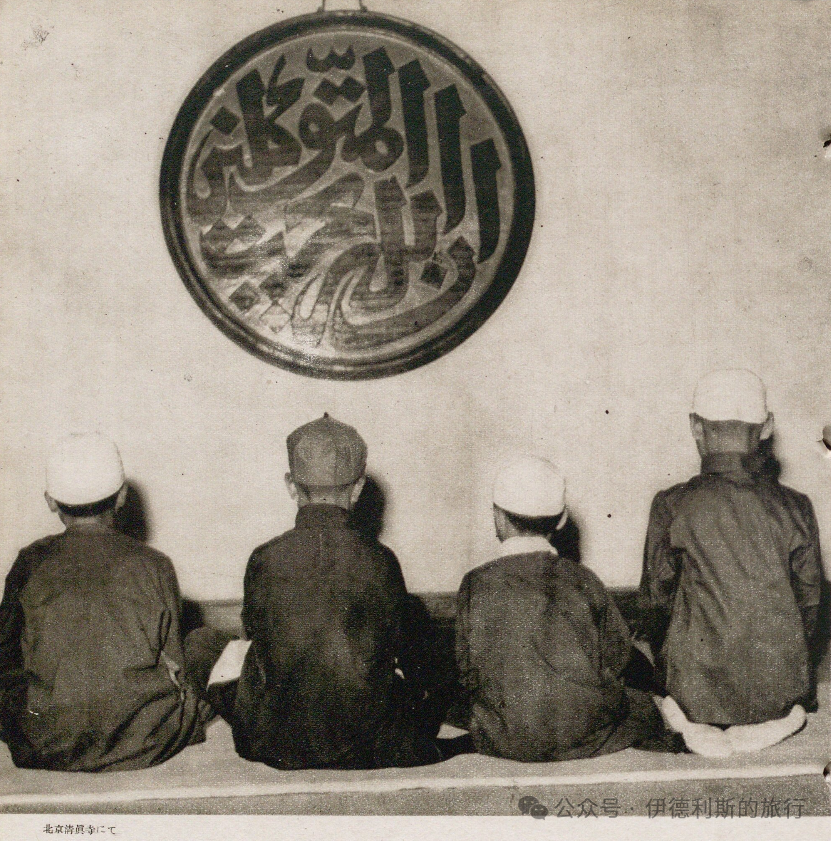
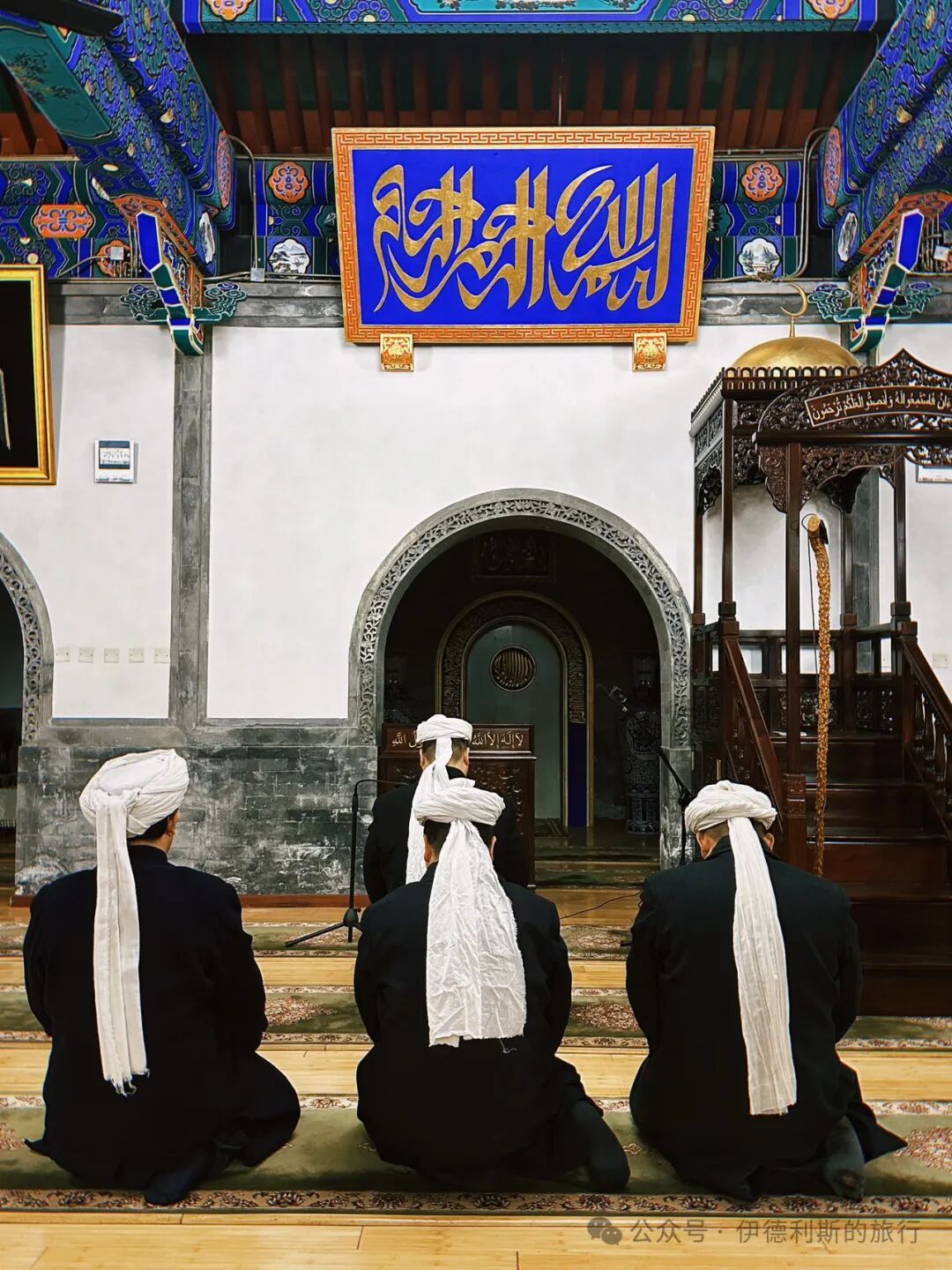
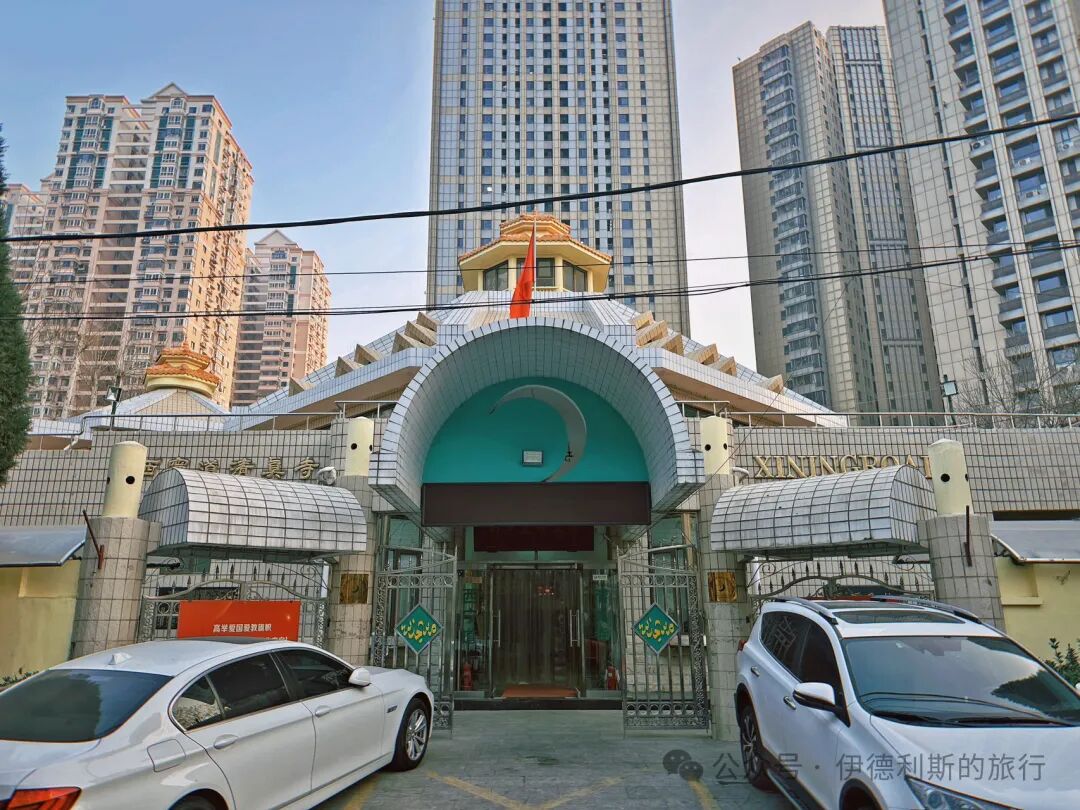
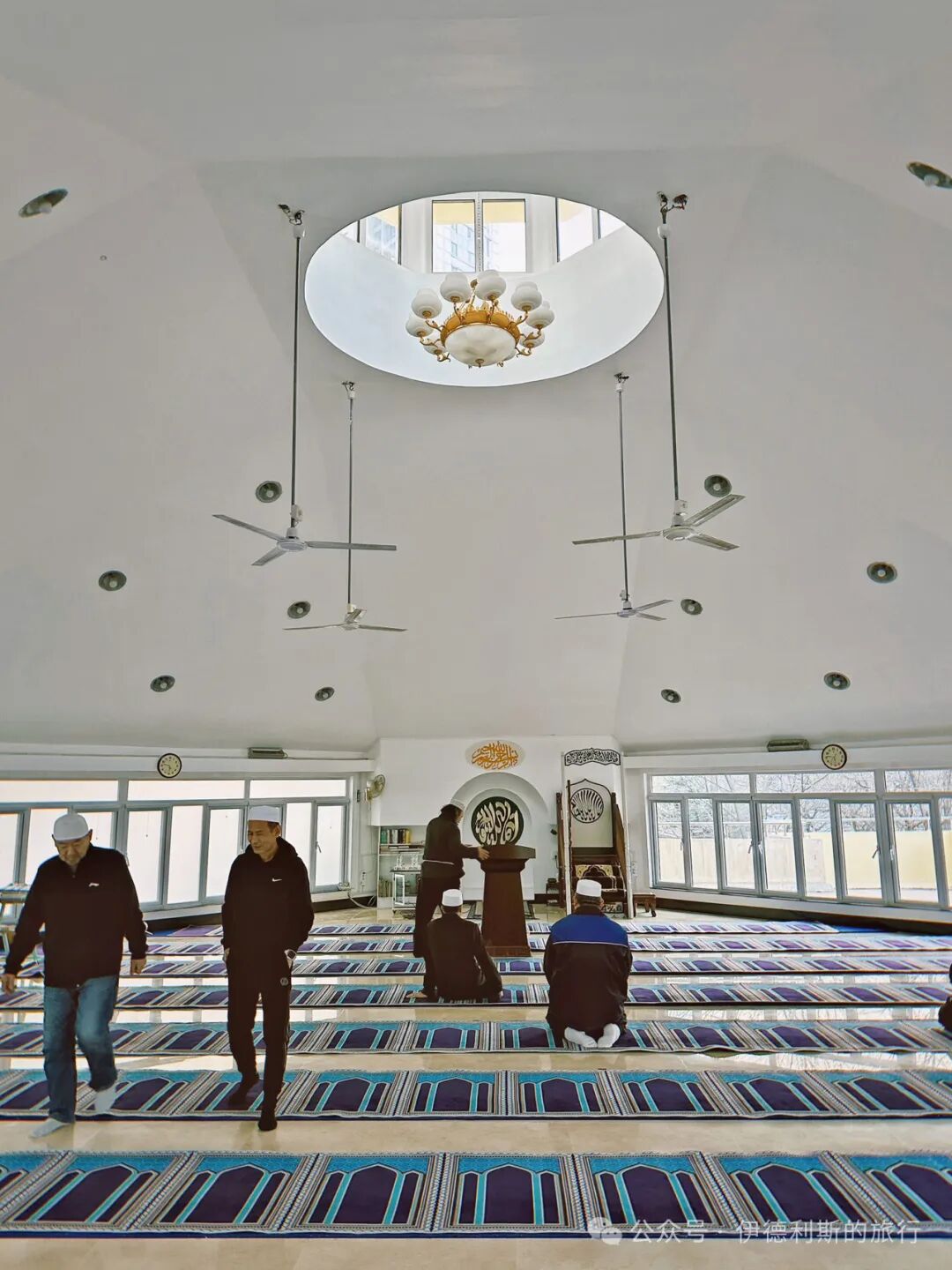
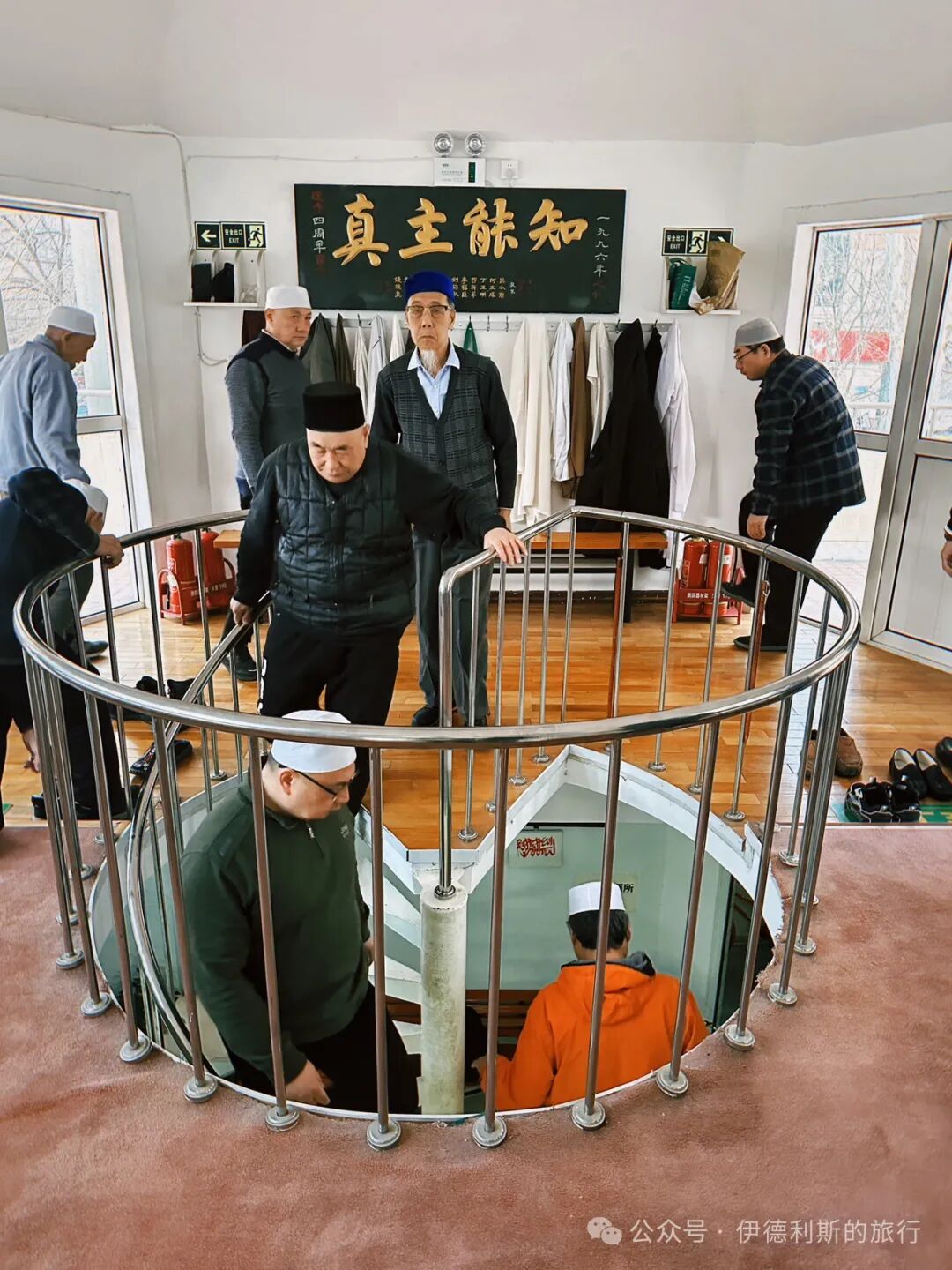
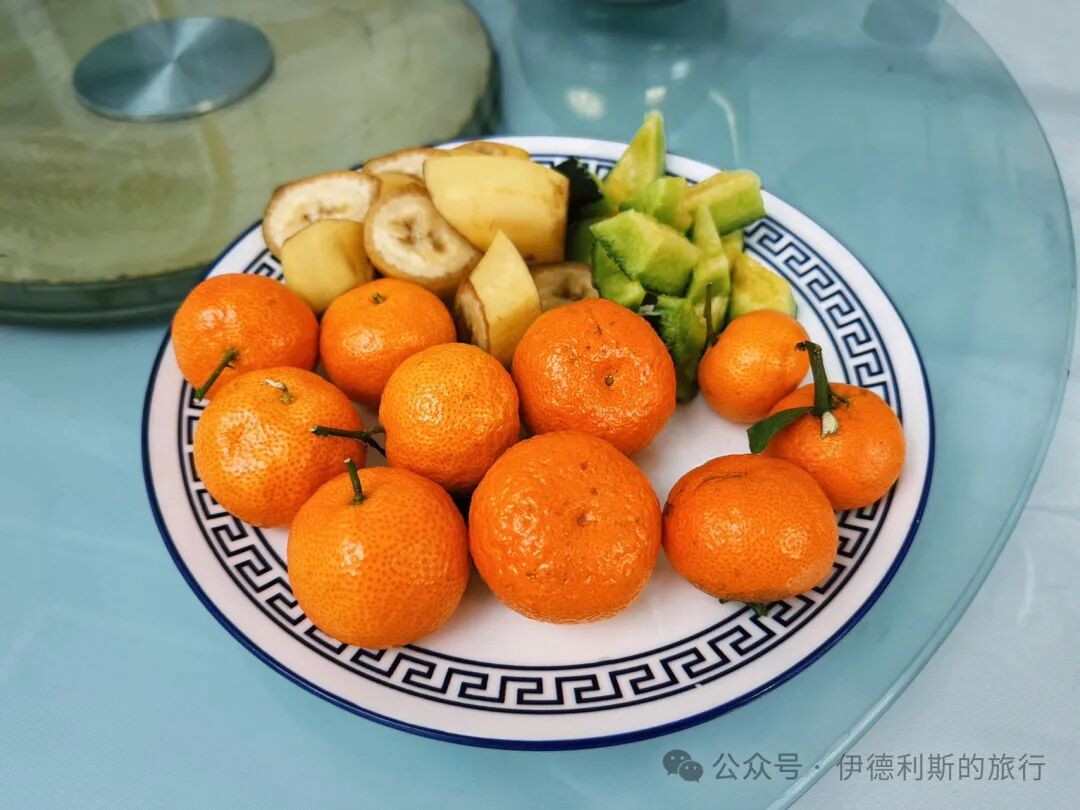
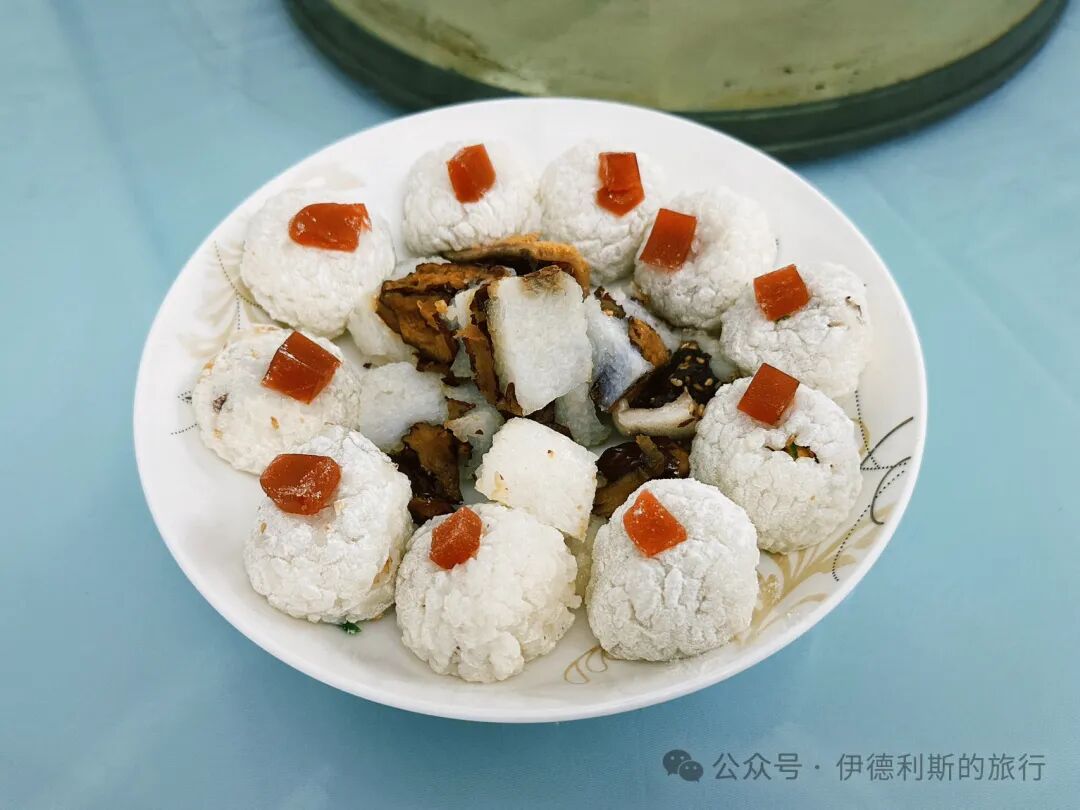
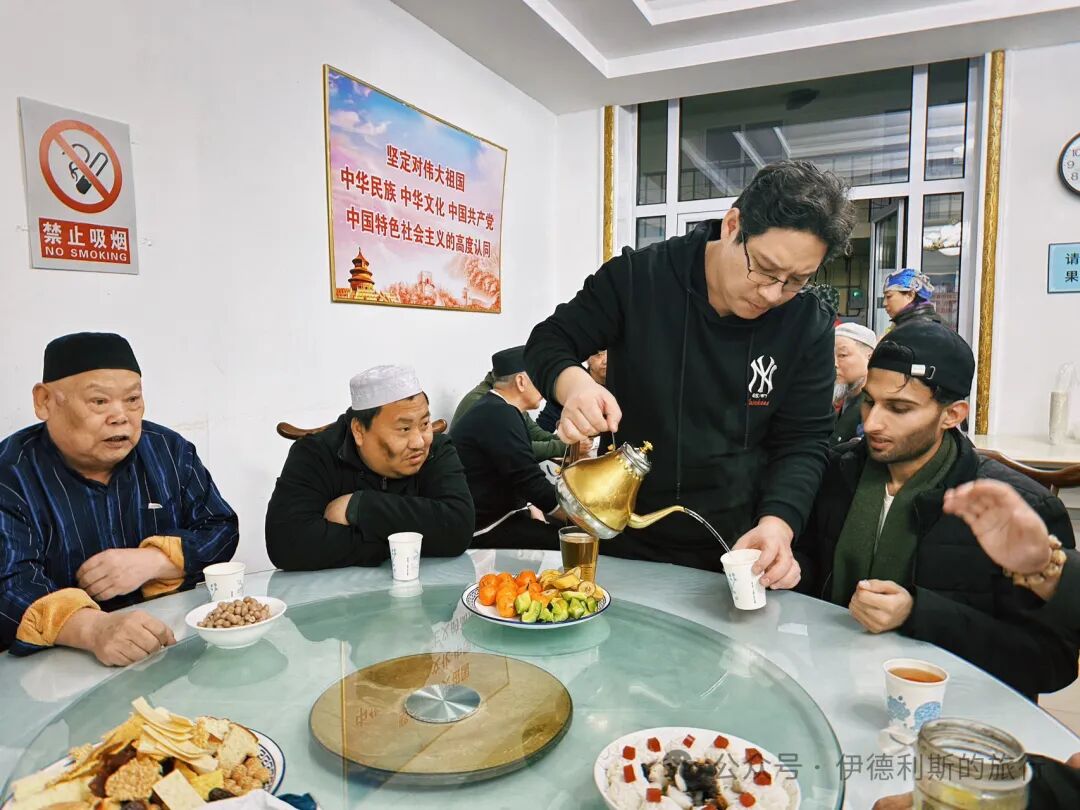
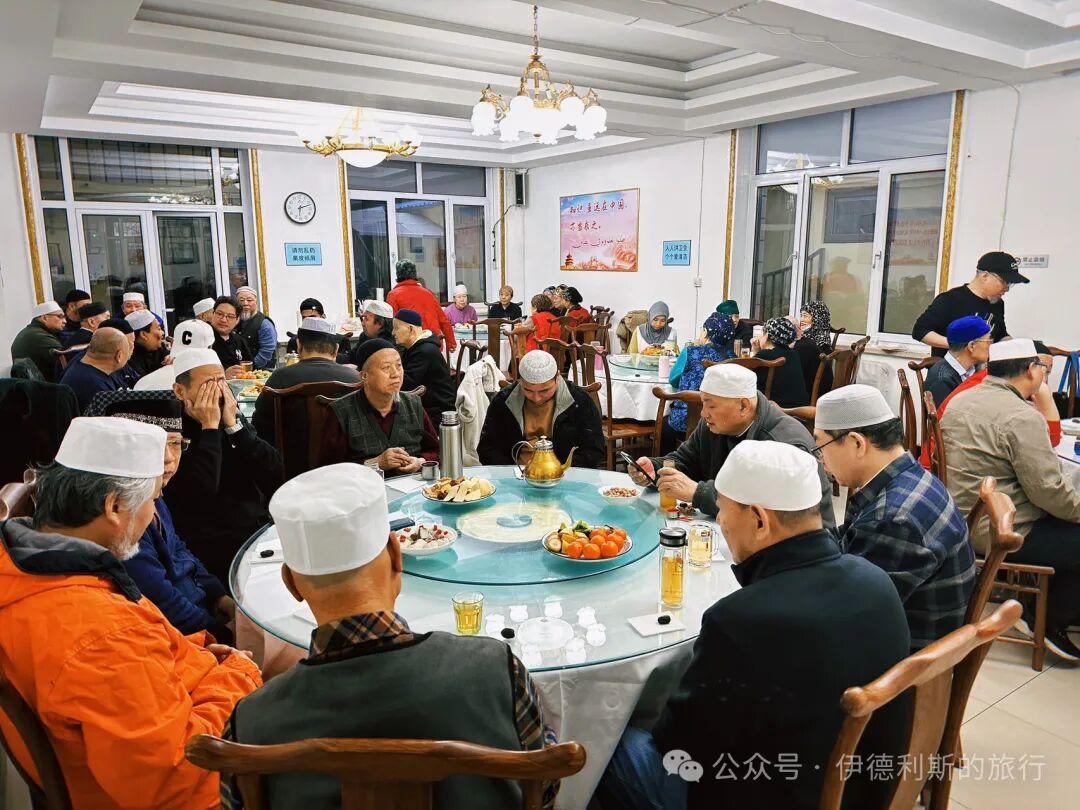
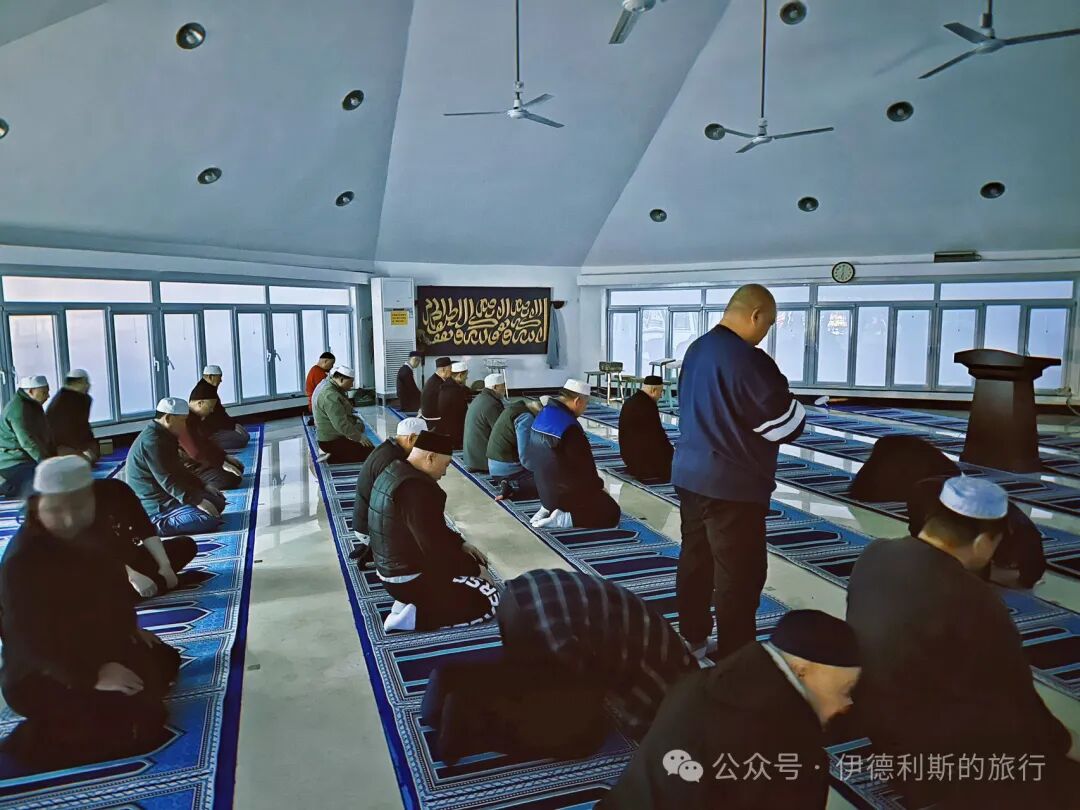
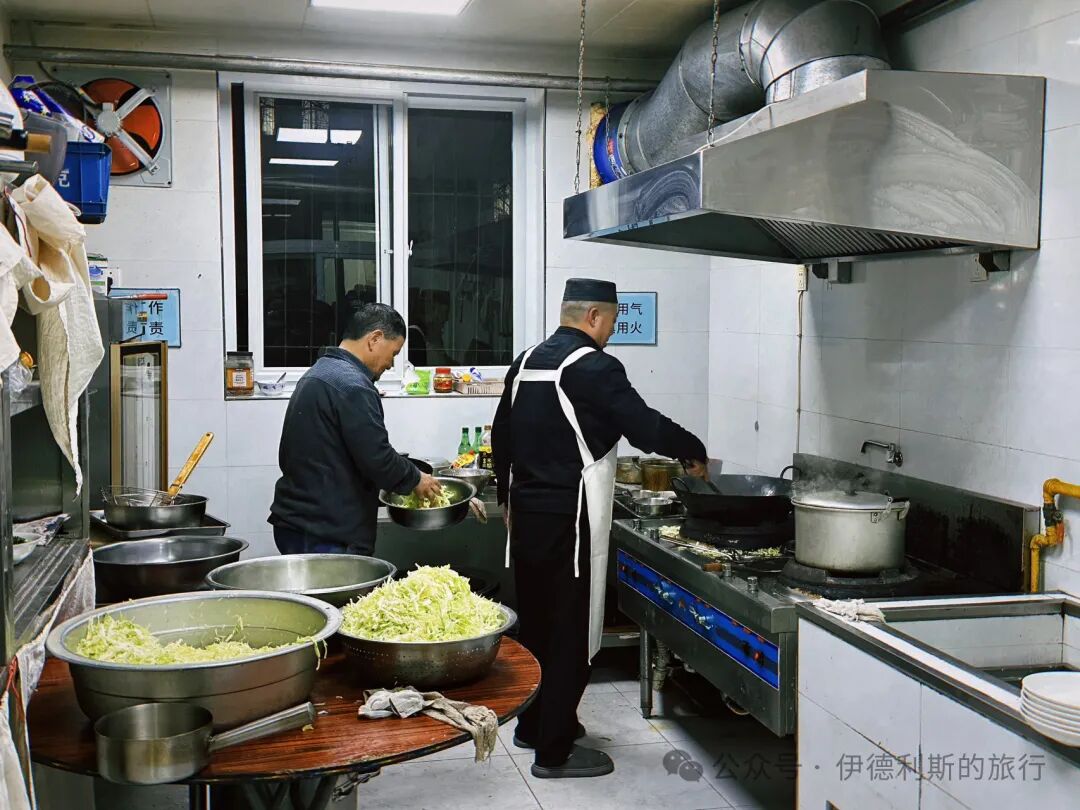
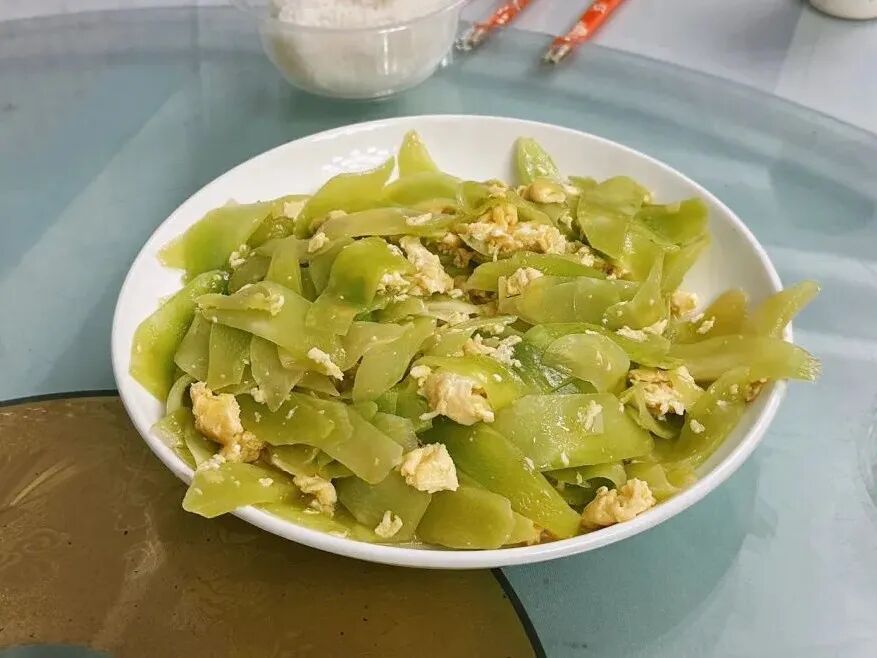
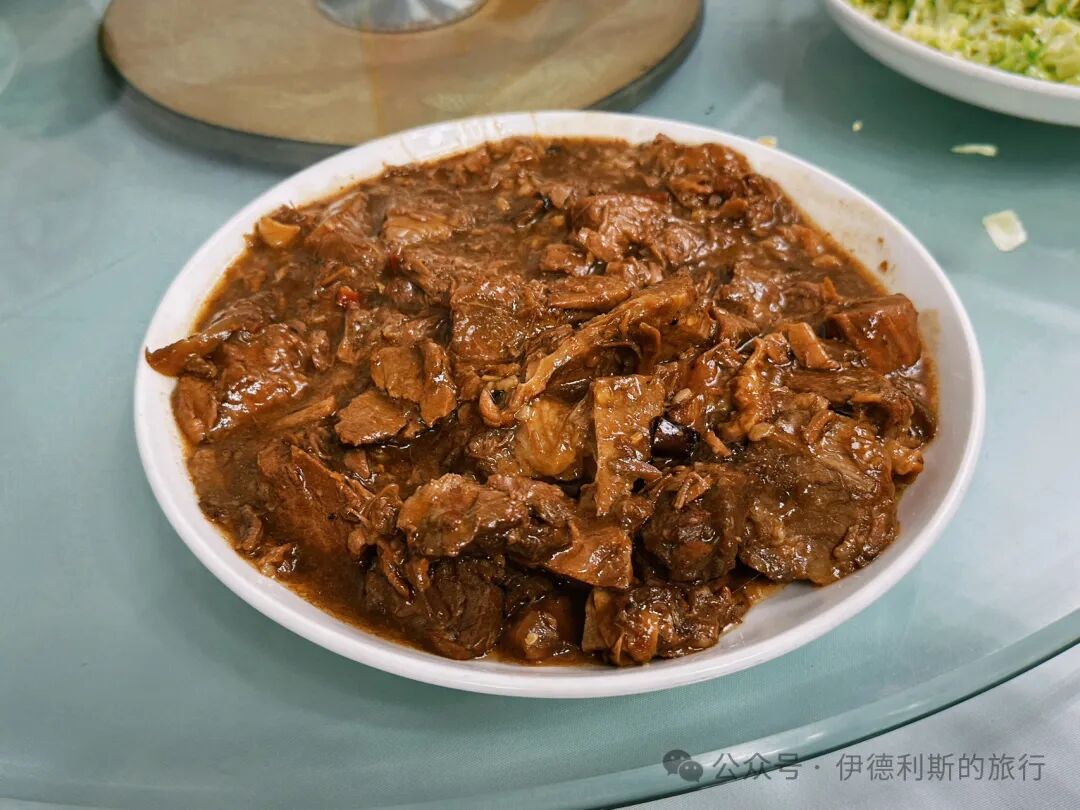
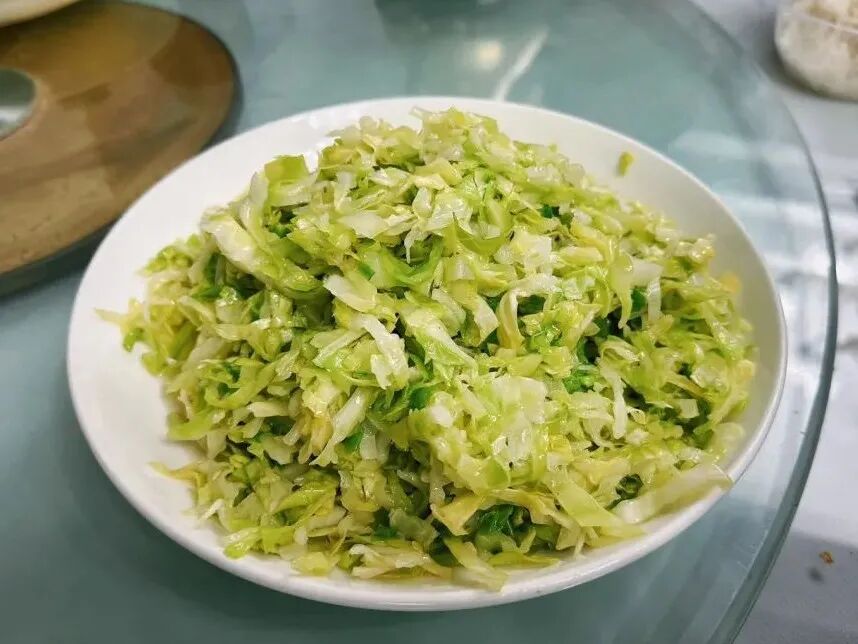
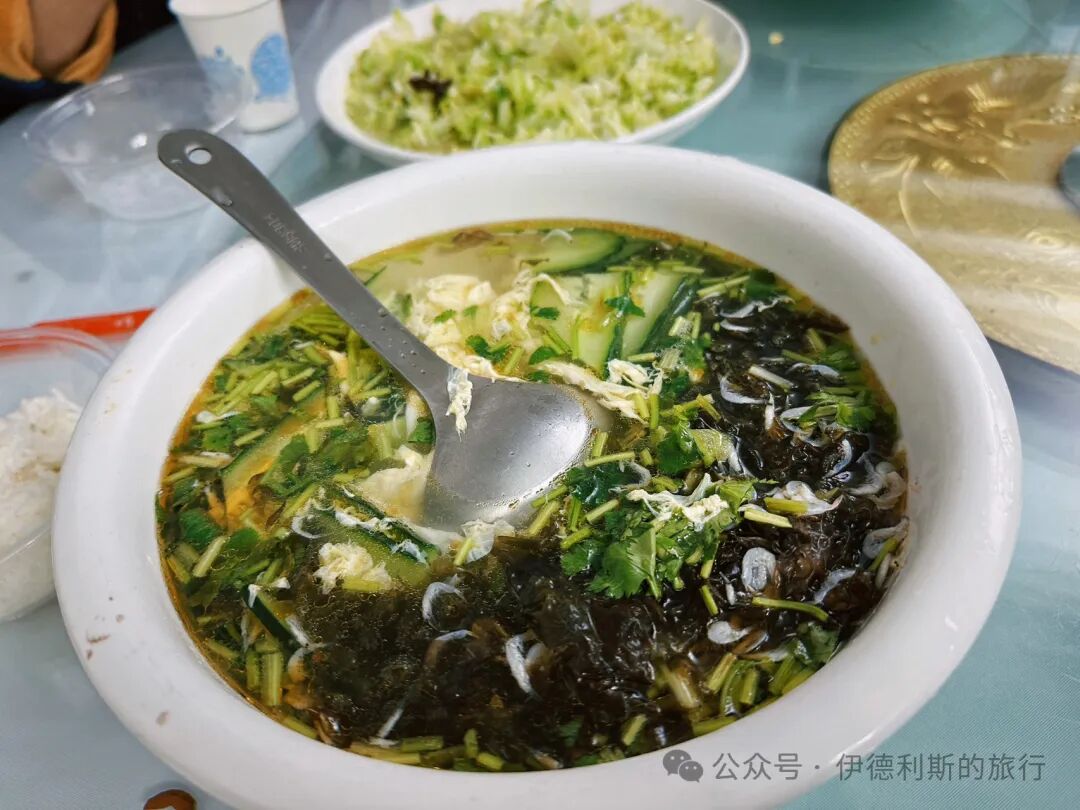
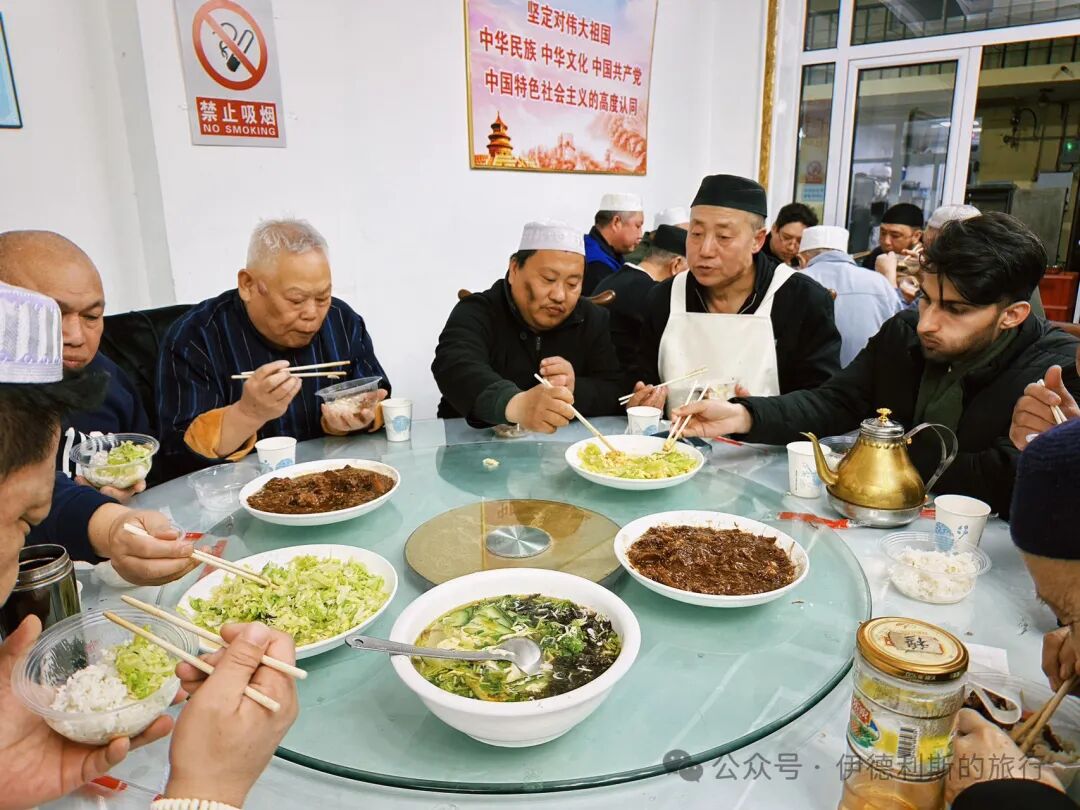
On Saturday night, I had iftar at the Xiningdao Mosque in Tianjin. For breaking the fast, we had sticky rice rolls (aiwowo) and fruit pastries. After the Maghrib prayer, we had braised beef, stir-fried cabbage, and stir-fried lettuce with meat. The mosque is not big, but it was crowded with seven large tables completely full.
Tianjin's Heping District once had four mosques: Chahaer Road Mosque (built in 1935), Puaili Mosque (built in 1938), Dunrenli Mosque (built in 1938), and Yingkou Road Mosque (built in 1953). After 1958, they were all converted for other uses, which made things very inconvenient for local Hui Muslims for a long time. The current Xiningdao Mosque was designed by Yao Fuxing, a Hui Muslim senior engineer from the First Design Institute of the Ministry of Chemical Industry, and was completed in 1992.
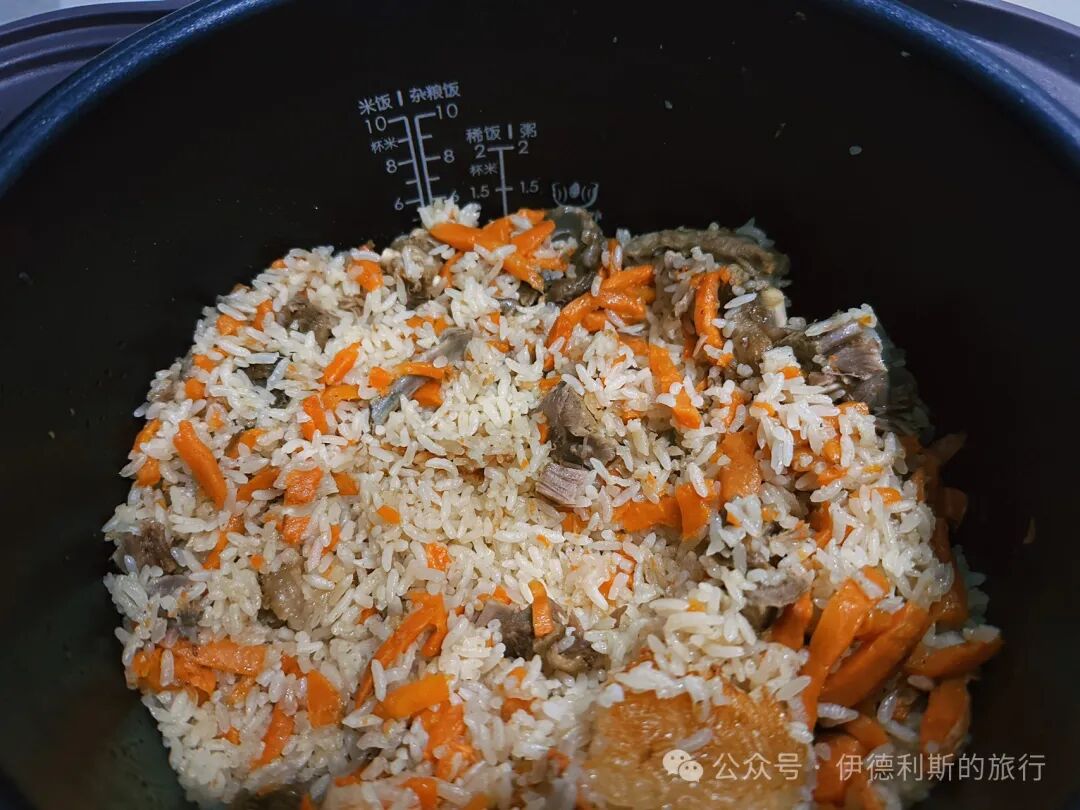
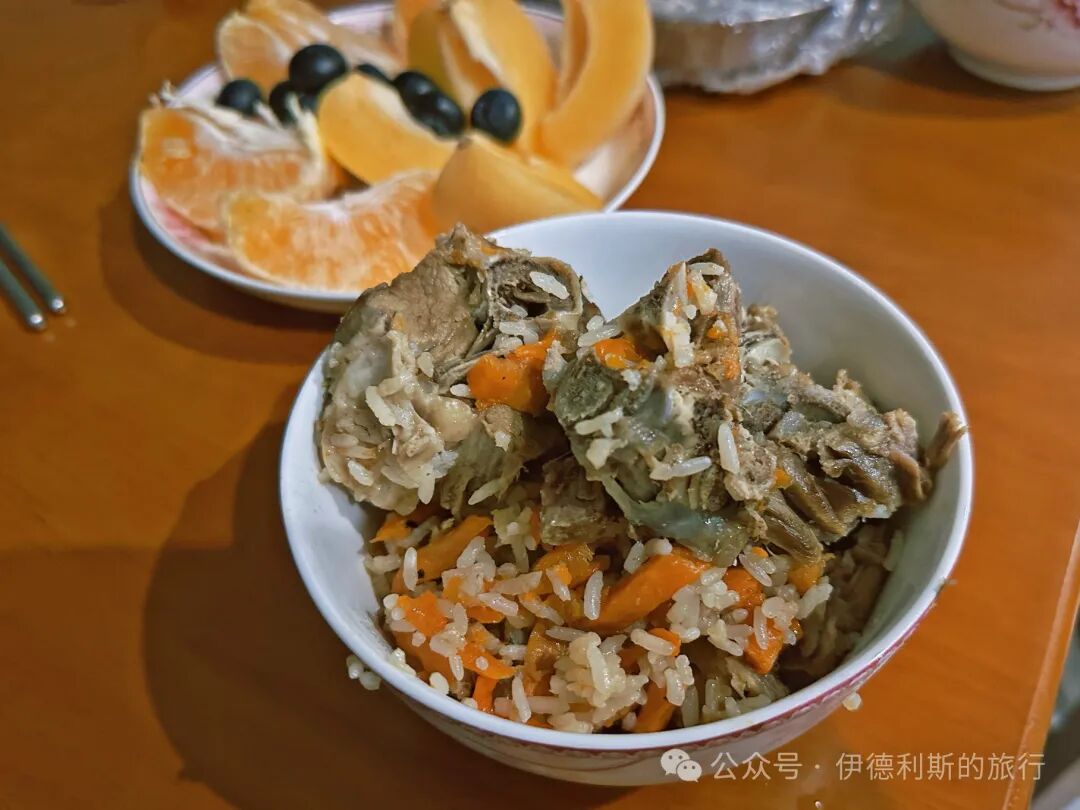
I had pilaf (zhuafan) at home on Sunday morning.
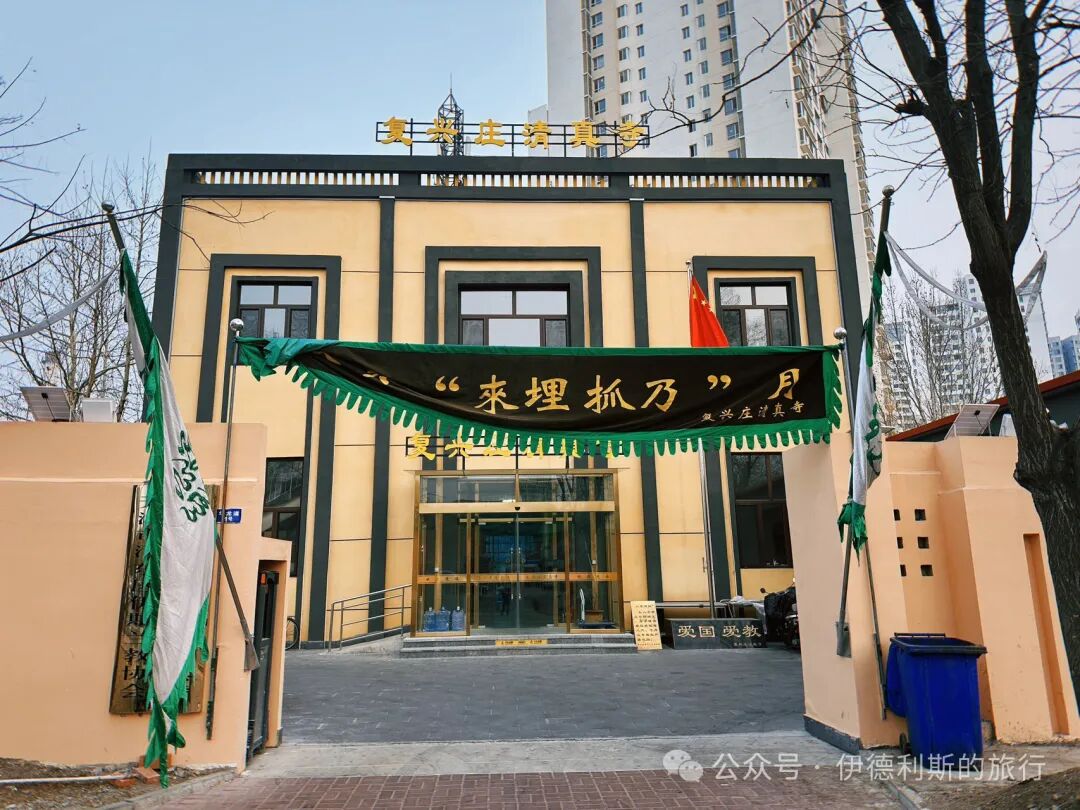
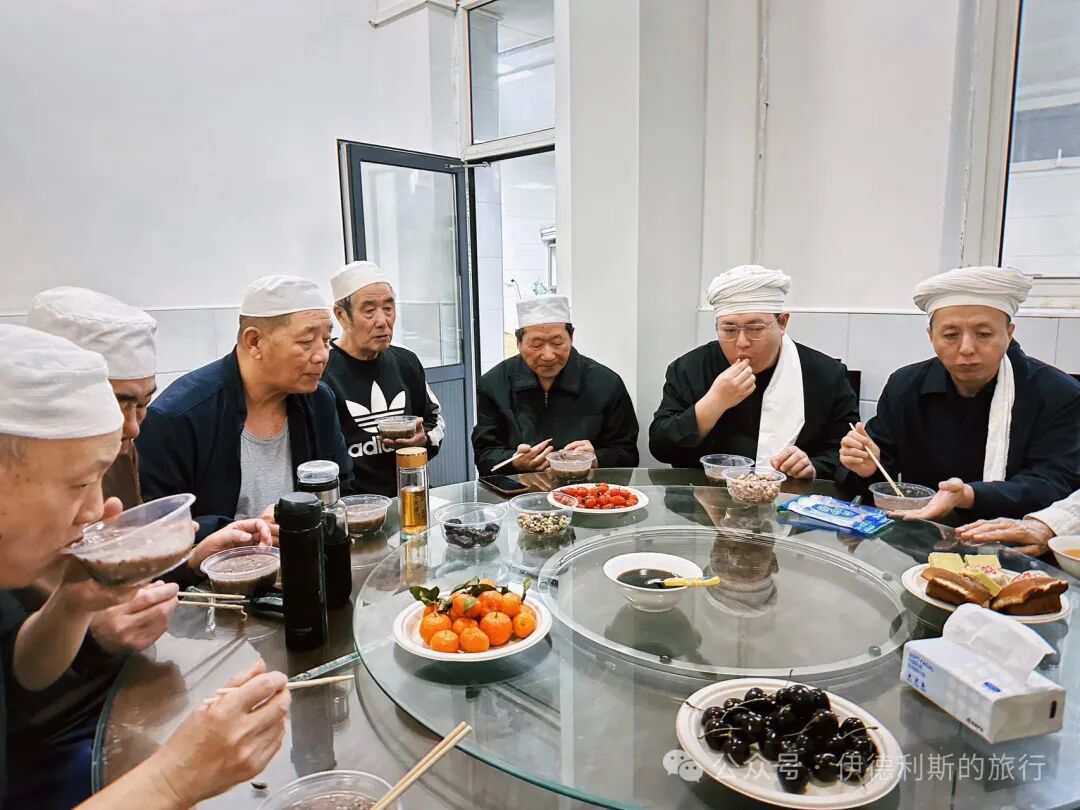
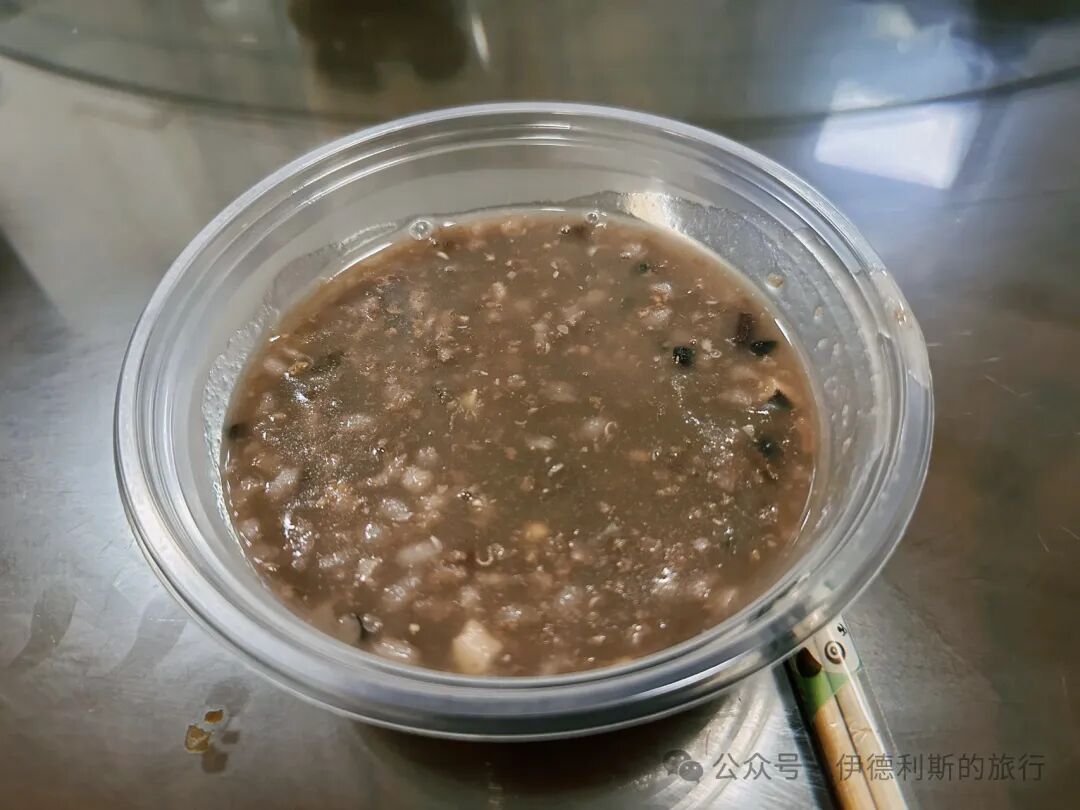
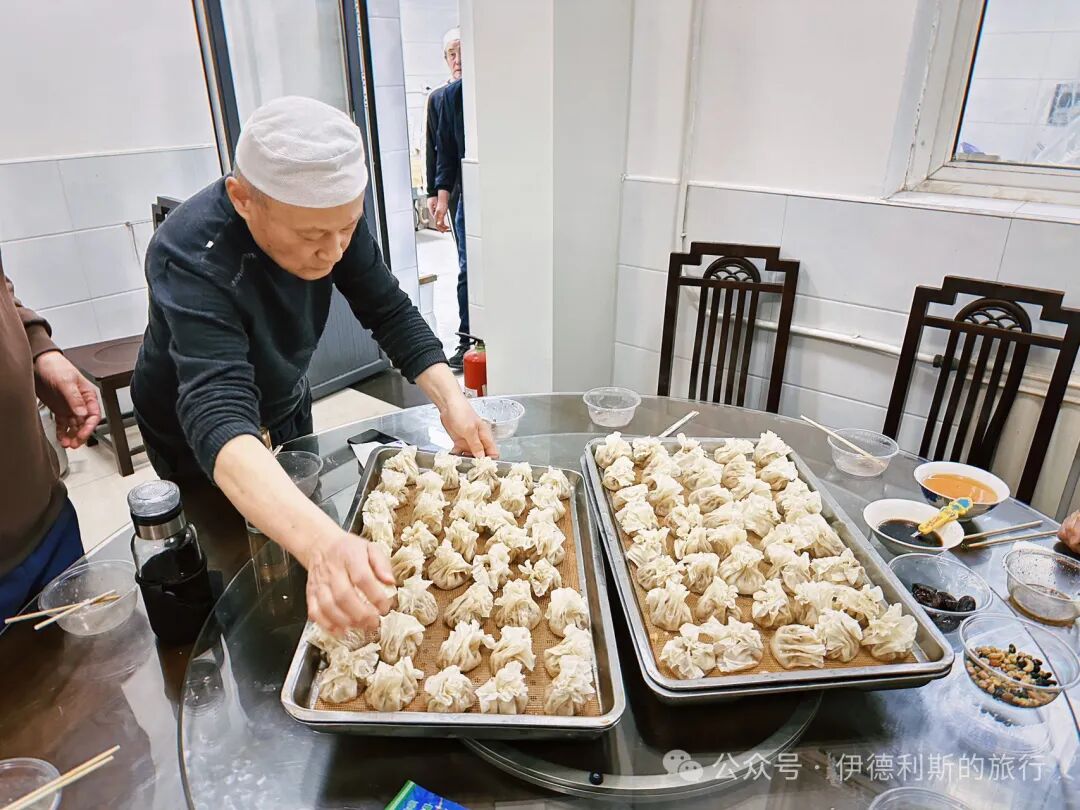
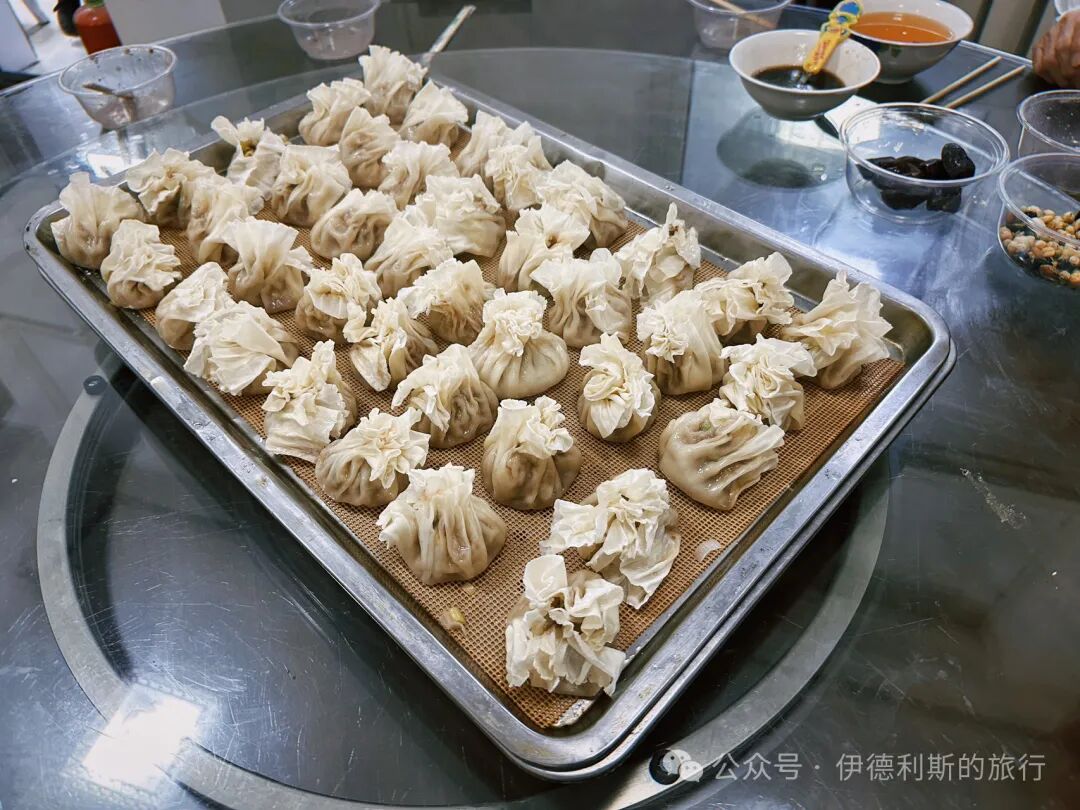
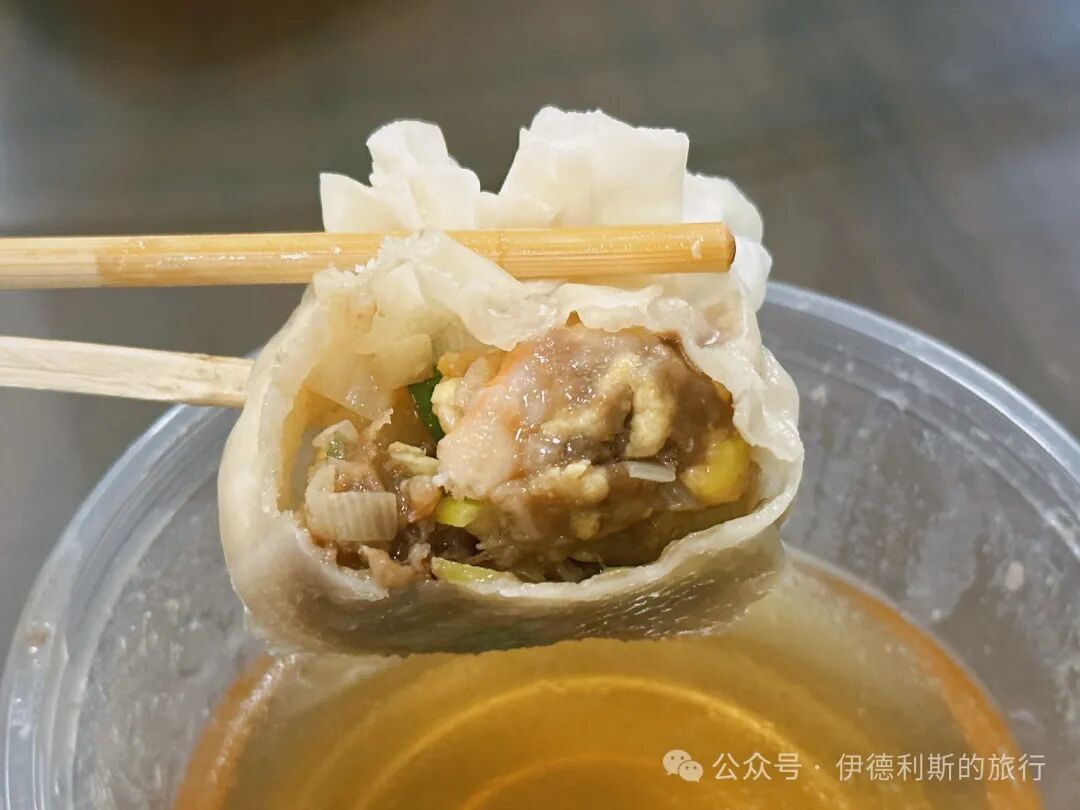
On Sunday night, I went to the Fuxingzhuang Mosque in the Hedong District of Tianjin. I met the imam (ahong) of the mosque when he was studying in Beijing. We met again in Tianjin; he is a promising young local imam. For iftar at the mosque, we had red bean porridge, various pastries, and fruits. After the Maghrib prayer, we ate traditional-style steamed dumplings (shaomai) filled with beef, egg, and two shrimp. The elders said it tasted like the old Nanshi area. Fuxingzhuang Mosque is less than ten minutes away from Tianjin Station by bike, making it very easy to reach.
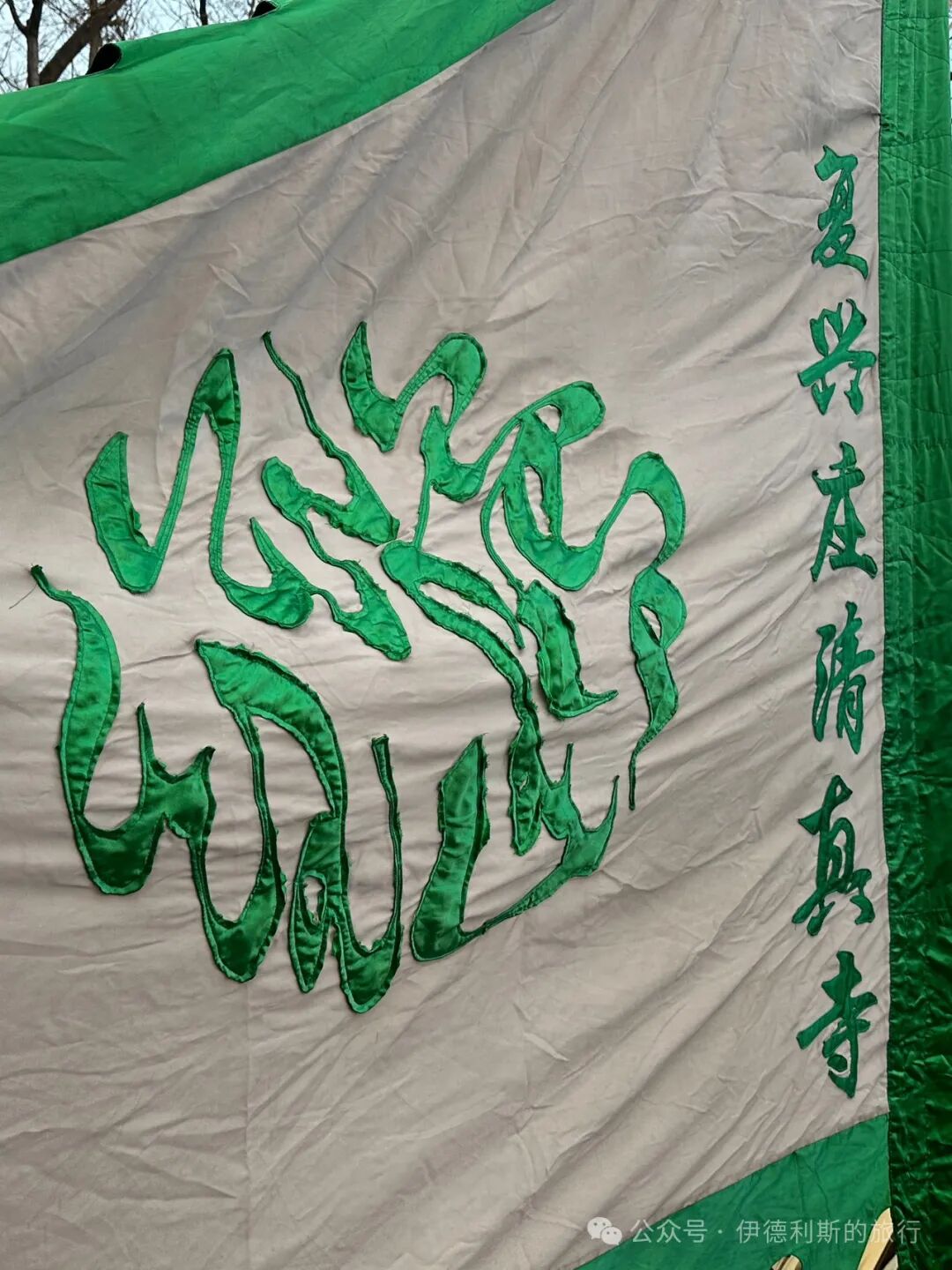
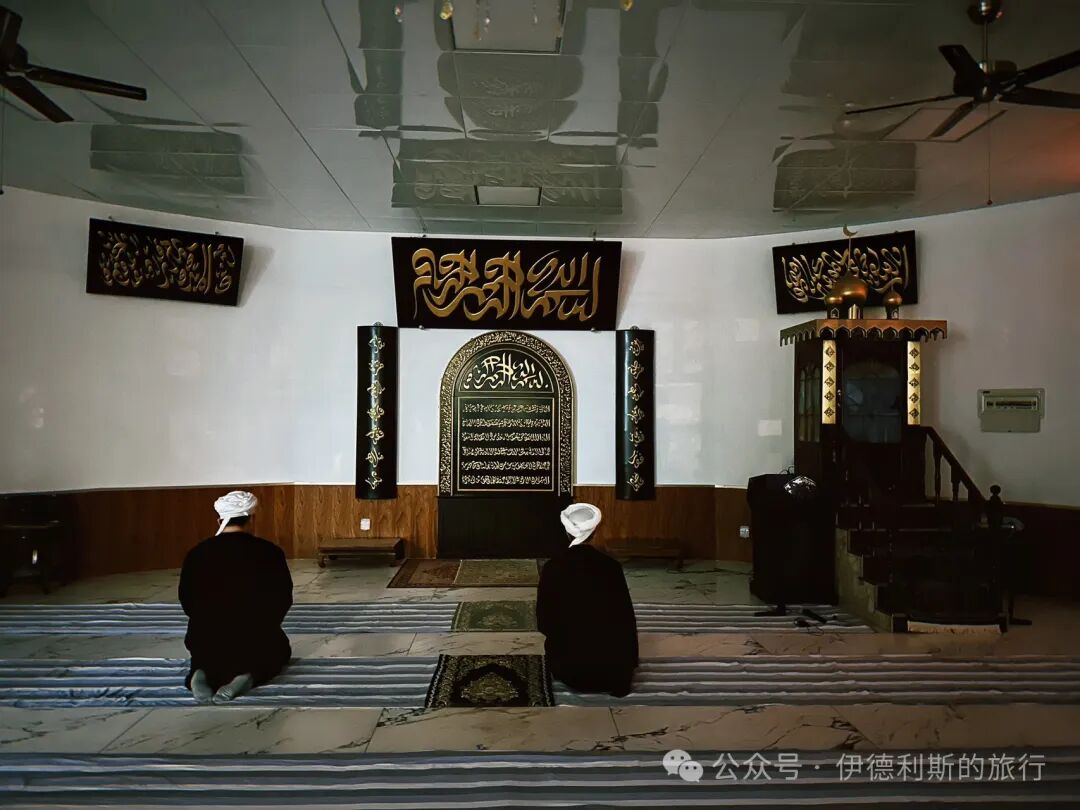
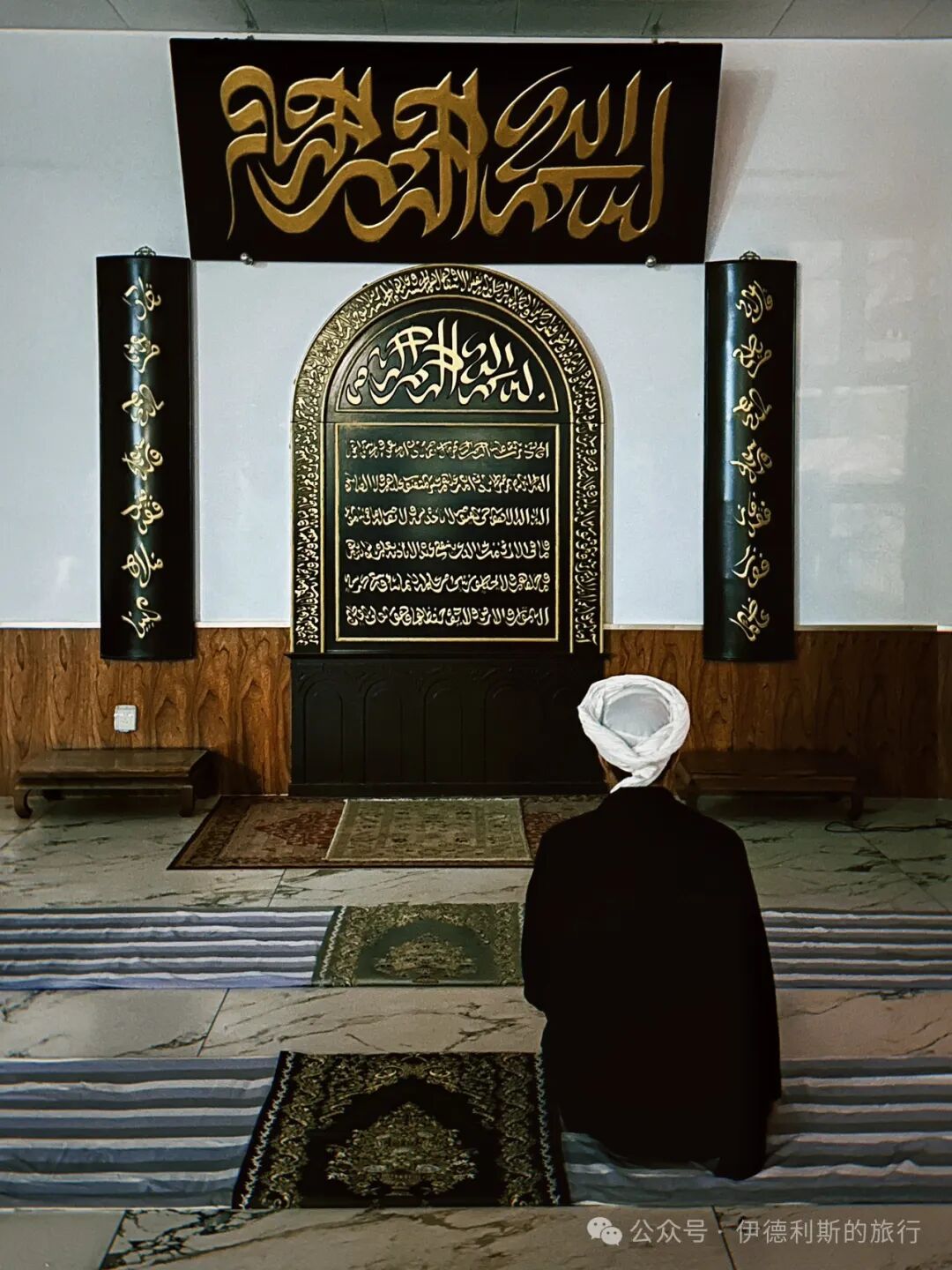
Fuxingzhuang Mosque was first built in 1927. The land was donated by the famous Tianjin Hui Muslim doctor Liu Bingyi, and his son, Liu Jilan, the head of the Ping Bao newspaper, funded the construction. It was occupied in 1958, restored in 1982, and moved to its current location in 2003 due to real estate development.
Summary: The second weekend of Ramadan 2025 follows Muslim community spaces in Beijing Nanxiapo, Tianjin Xining Road, and Fuxingzhuang. This article preserves the original mosque visits, street scenes, food notes, and photographs in a single English travel account.
On Friday, March 7, I went to Nanxiapo near Chaowai after work. The iftar snacks and fruits at Shiqipan were very plentiful. I met a friend (dosti) wearing a traditional North China Gedimu six-piece cap. It is slightly different from the hexagonal cap worn by the Zhe sect, and it is now on the verge of disappearing. After the Maghrib prayer (shamu), a friend invited me to have iftar at a restaurant next to the mosque. The place was packed and very lively. We had stewed meat and flatbread (laobing) with two side dishes. It was simple and tasty.
A child wearing a six-piece cap in Niujie, Beijing, in 1942.
On Saturday night, I had iftar at the Xiningdao Mosque in Tianjin. For breaking the fast, we had sticky rice rolls (aiwowo) and fruit pastries. After the Maghrib prayer, we had braised beef, stir-fried cabbage, and stir-fried lettuce with meat. The mosque is not big, but it was crowded with seven large tables completely full.
Tianjin's Heping District once had four mosques: Chahaer Road Mosque (built in 1935), Puaili Mosque (built in 1938), Dunrenli Mosque (built in 1938), and Yingkou Road Mosque (built in 1953). After 1958, they were all converted for other uses, which made things very inconvenient for local Hui Muslims for a long time. The current Xiningdao Mosque was designed by Yao Fuxing, a Hui Muslim senior engineer from the First Design Institute of the Ministry of Chemical Industry, and was completed in 1992.
I had pilaf (zhuafan) at home on Sunday morning.
On Sunday night, I went to the Fuxingzhuang Mosque in the Hedong District of Tianjin. I met the imam (ahong) of the mosque when he was studying in Beijing. We met again in Tianjin; he is a promising young local imam. For iftar at the mosque, we had red bean porridge, various pastries, and fruits. After the Maghrib prayer, we ate traditional-style steamed dumplings (shaomai) filled with beef, egg, and two shrimp. The elders said it tasted like the old Nanshi area. Fuxingzhuang Mosque is less than ten minutes away from Tianjin Station by bike, making it very easy to reach.
Fuxingzhuang Mosque was first built in 1927. The land was donated by the famous Tianjin Hui Muslim doctor Liu Bingyi, and his son, Liu Jilan, the head of the Ping Bao newspaper, funded the construction. It was occupied in 1958, restored in 1982, and moved to its current location in 2003 due to real estate development.
