

Tianjin
Halal Travel Guide: Ramadan Weekend 2025 — Tianjin Liulin and Northwest Corner
Articles • ali2007fr posted the article • 0 comments • 129 views • 2026-05-20 00:58
Summary: The third weekend of Ramadan 2025 centers on Tianjin’s Liulin area and Northwest Corner, with mosques, food, and neighborhood scenes. This article keeps the original photos, shop notes, street details, and Muslim community observations.
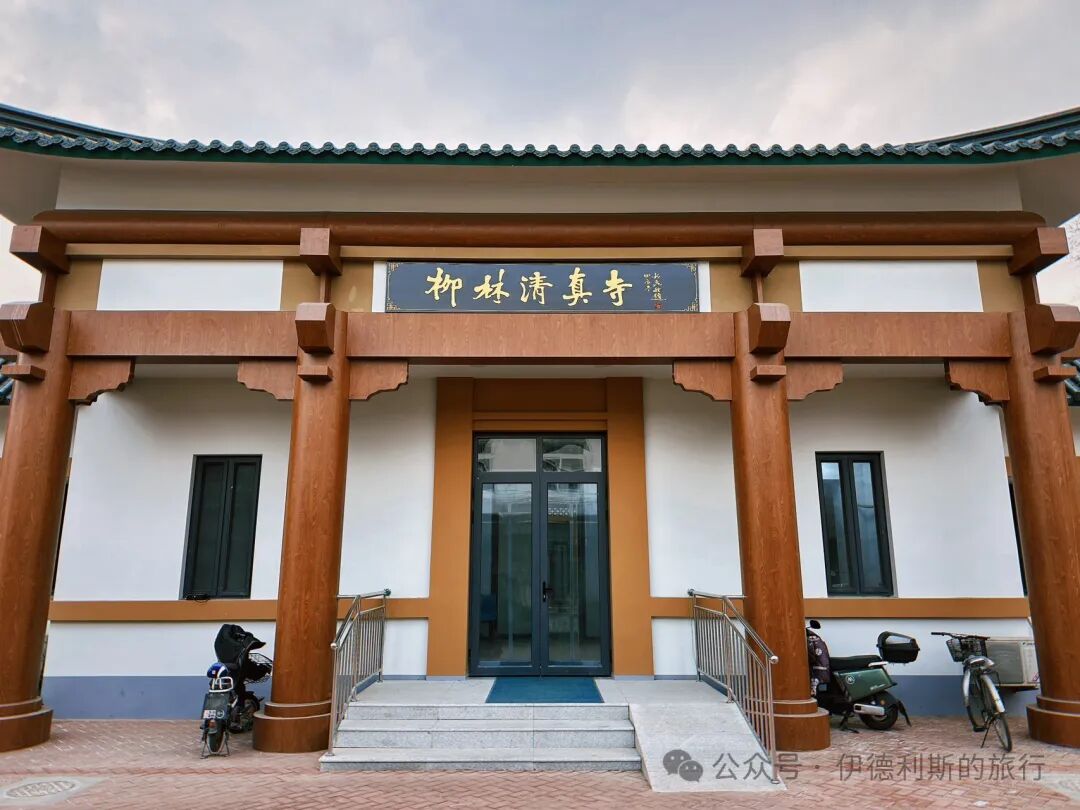
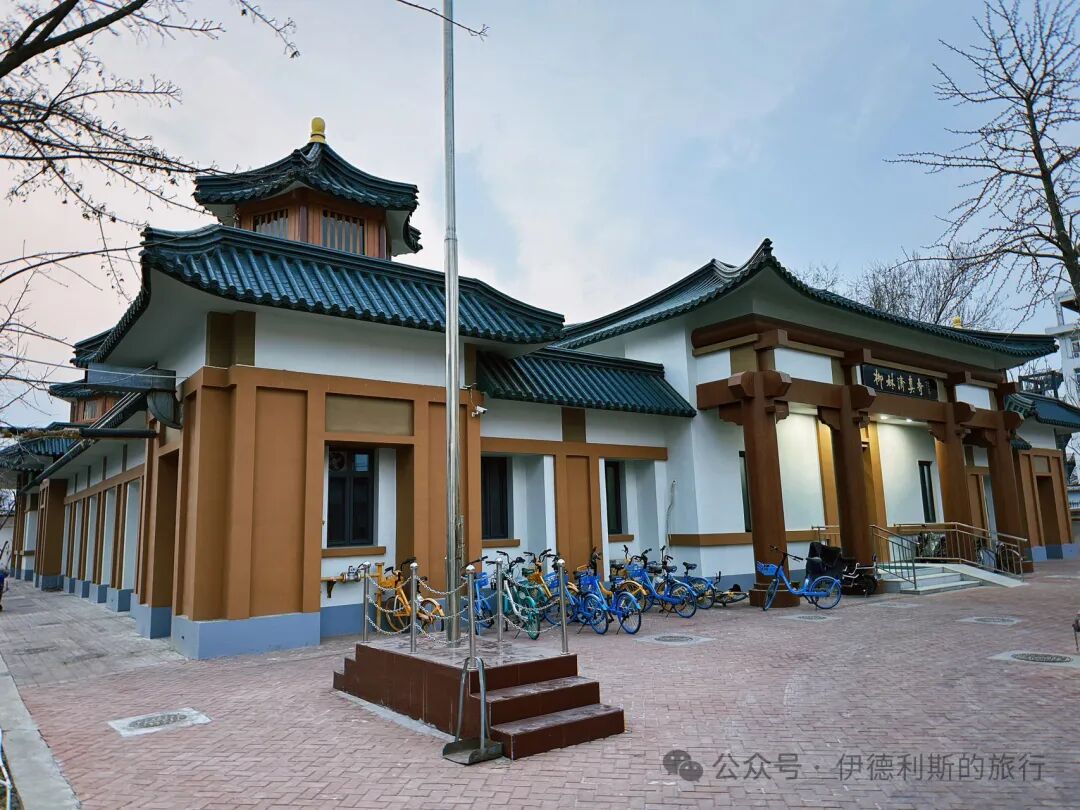
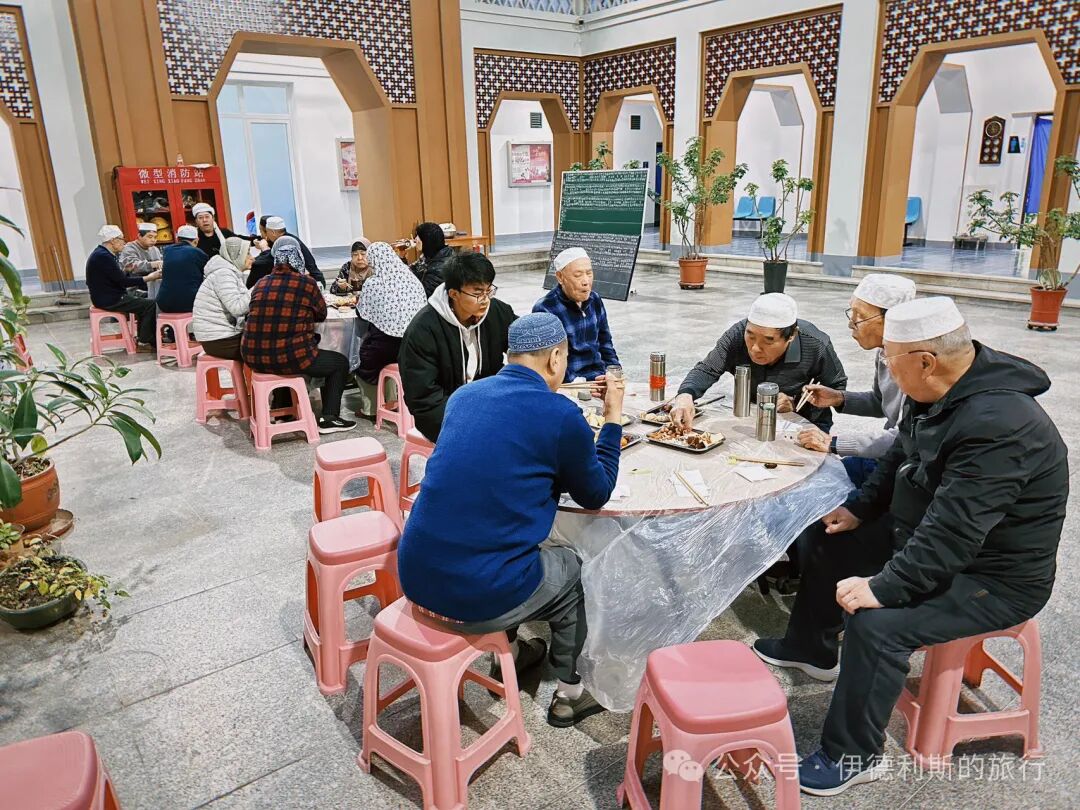
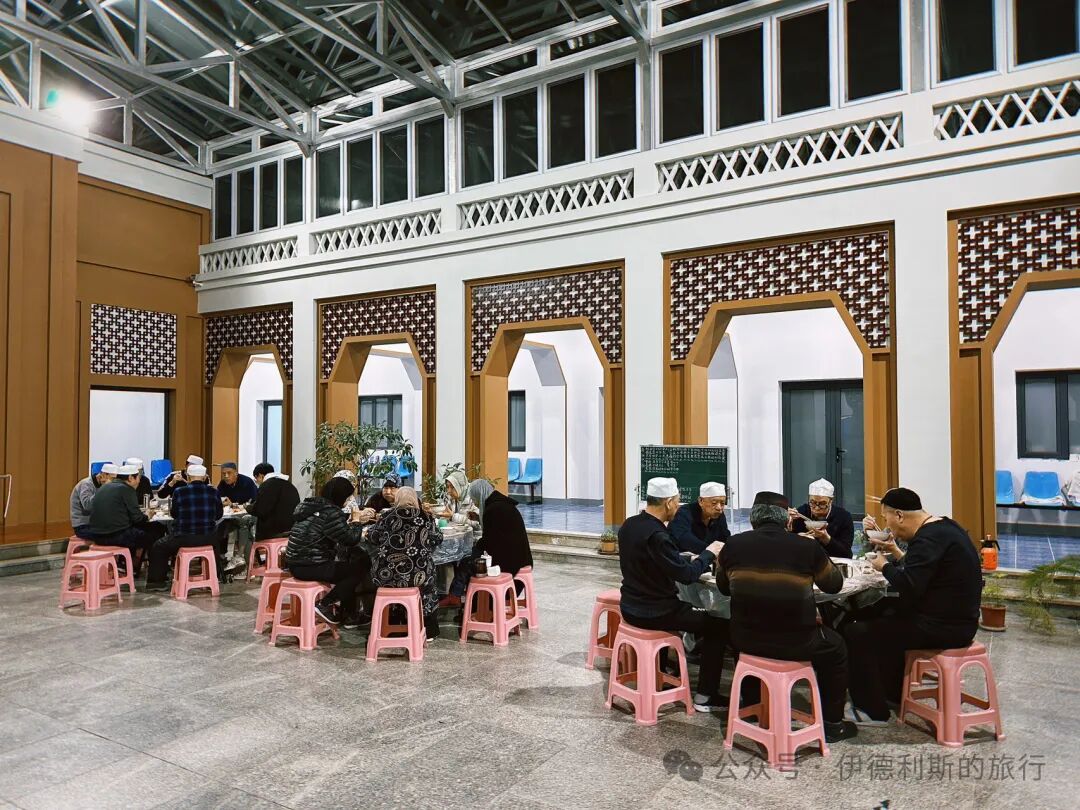
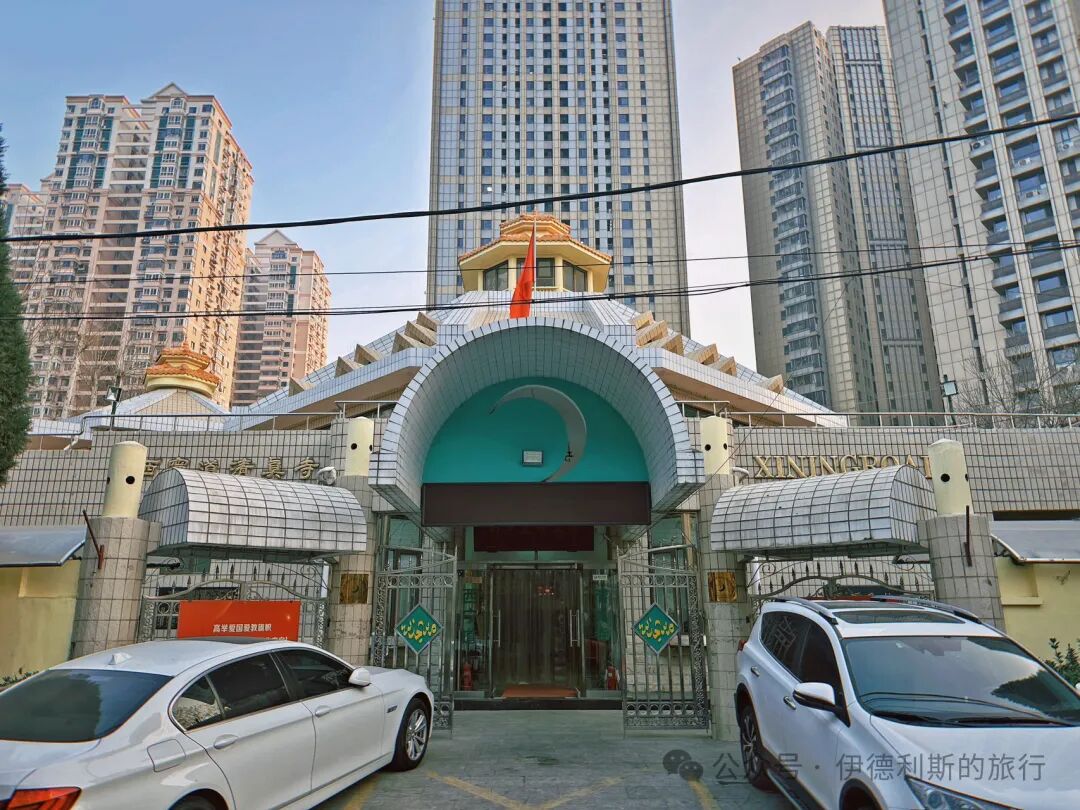
On Saturday, I went to Liulin Mosque (Liulin Si) in the Hexi District of Tianjin to break my fast. In 1994, the Qiandezhuang area in Hexi District was demolished, and all the Hui Muslims moved to Qianfuli in Xiaohaidi. Later, when the Northwest Corner was demolished, more Hui Muslims moved to Xiaohaidi, leading to the construction of the current Liulin Mosque in 2005.
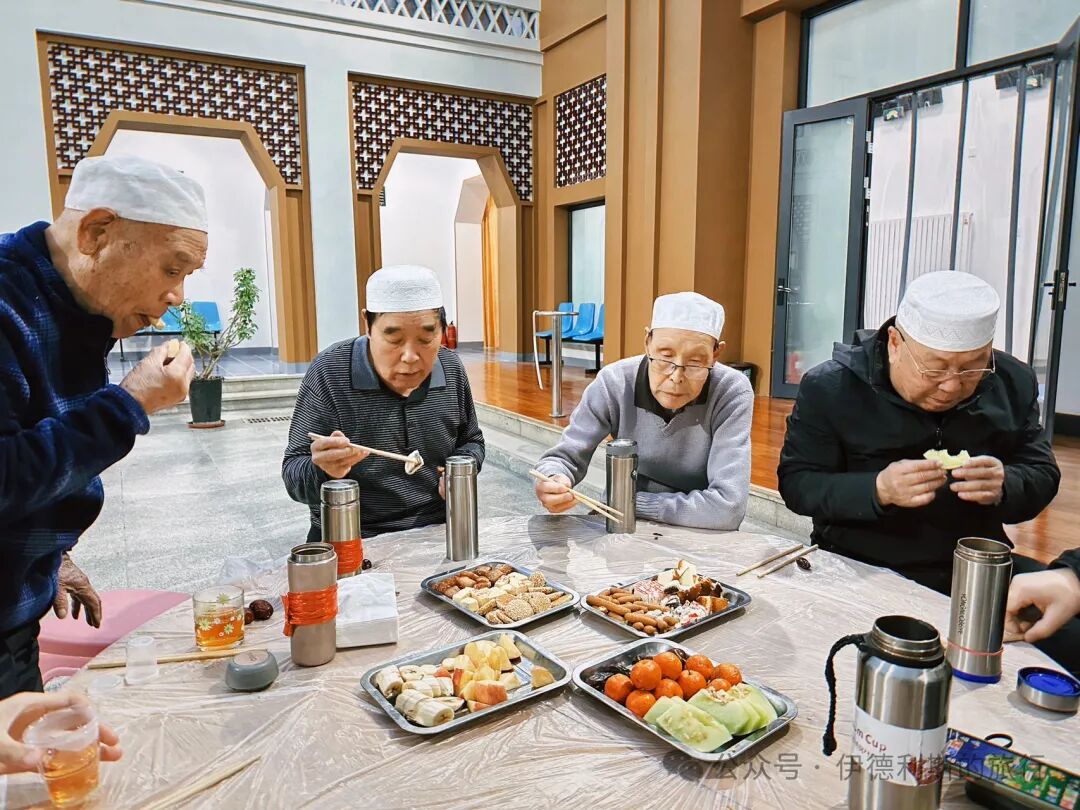
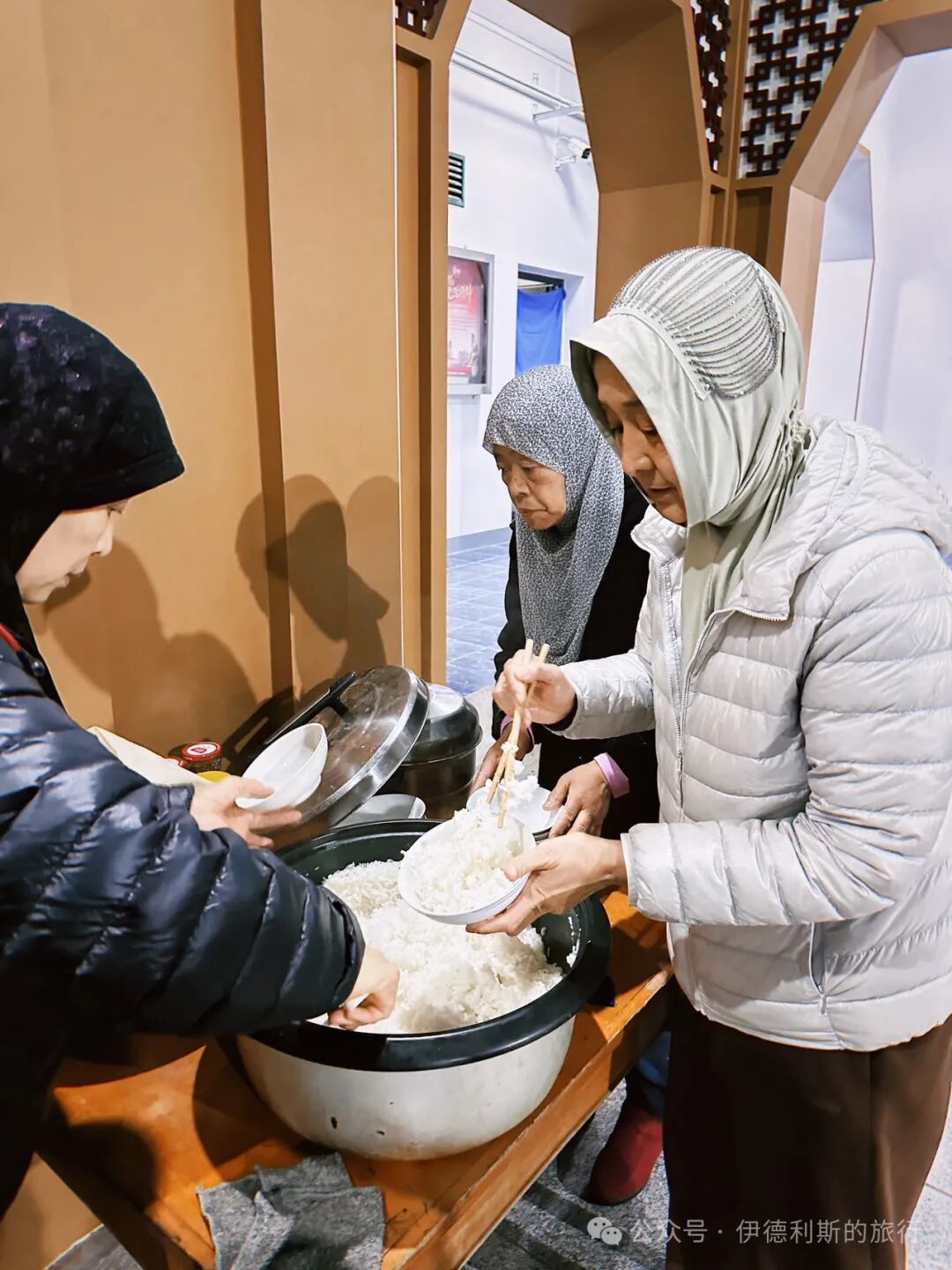
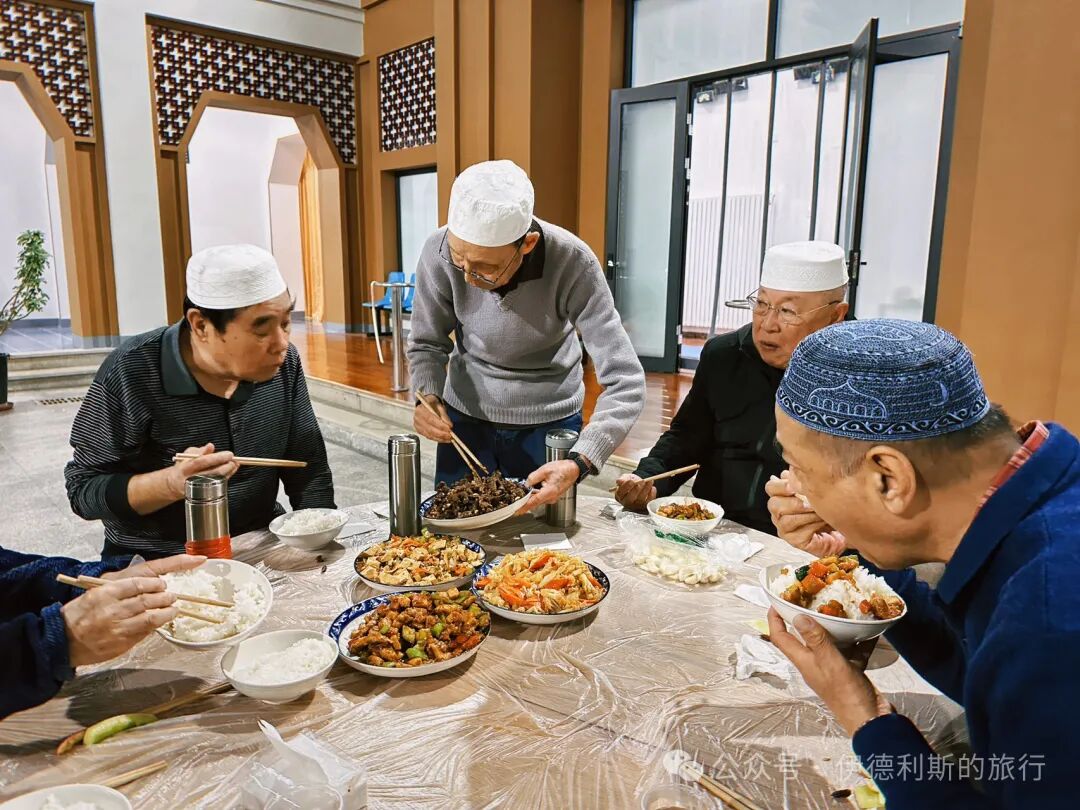
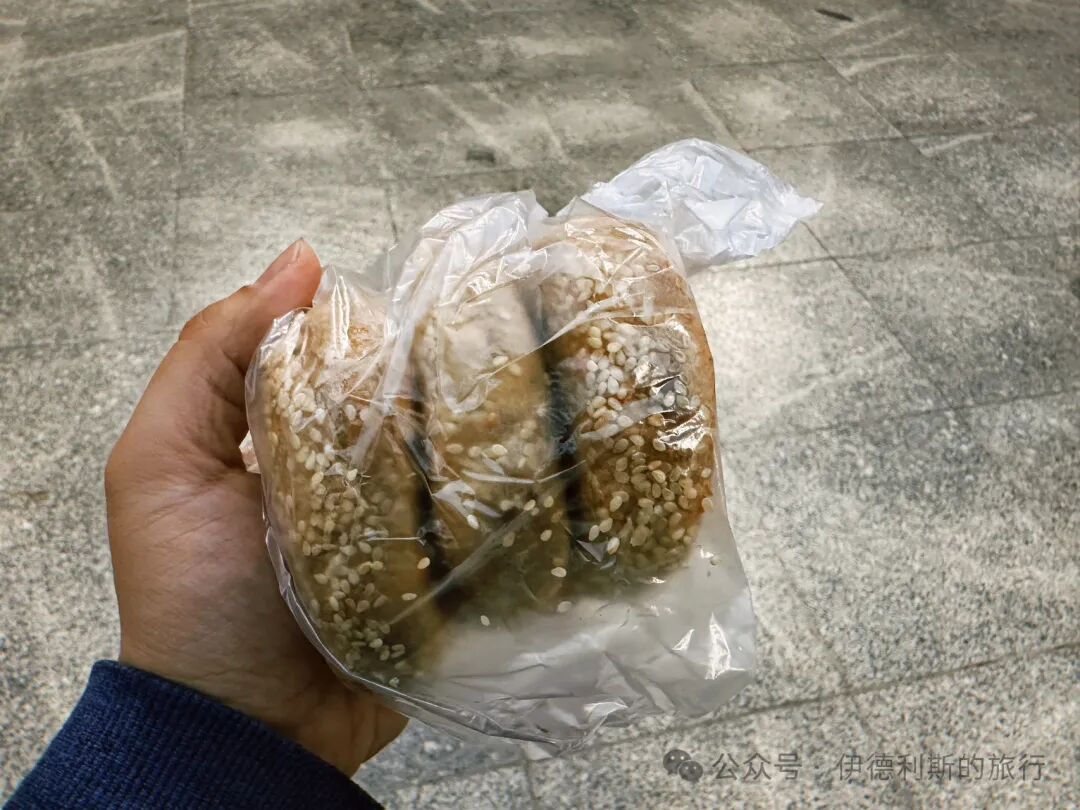
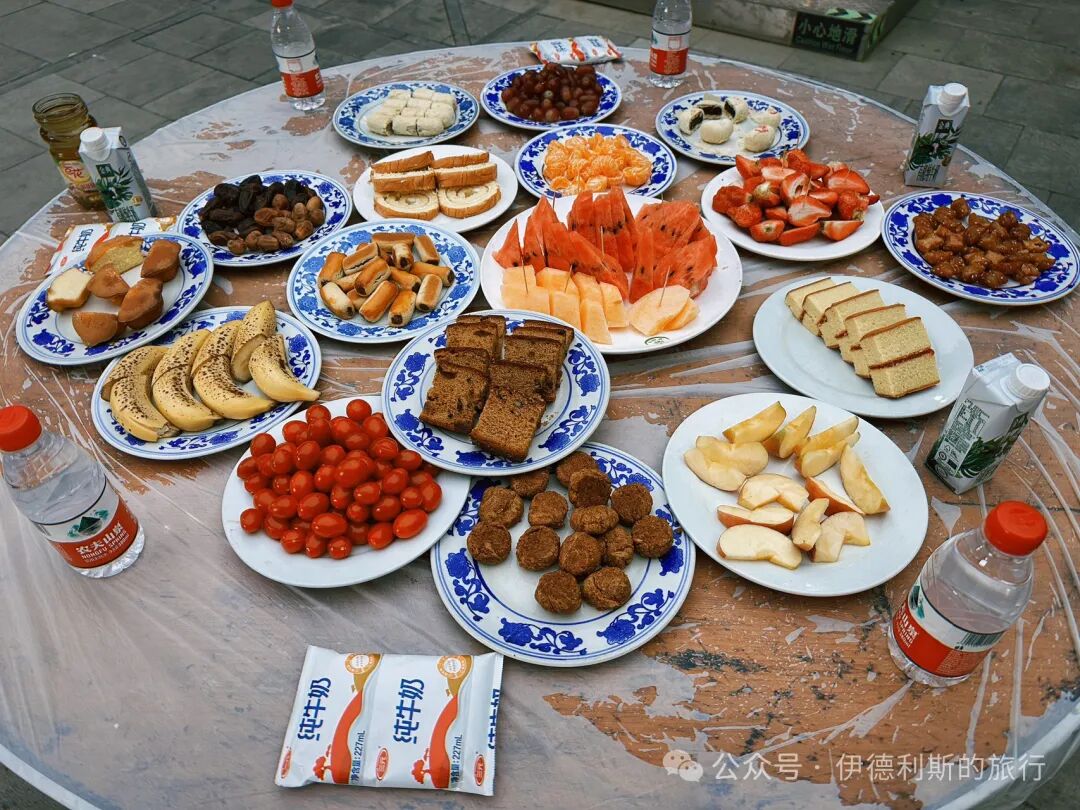
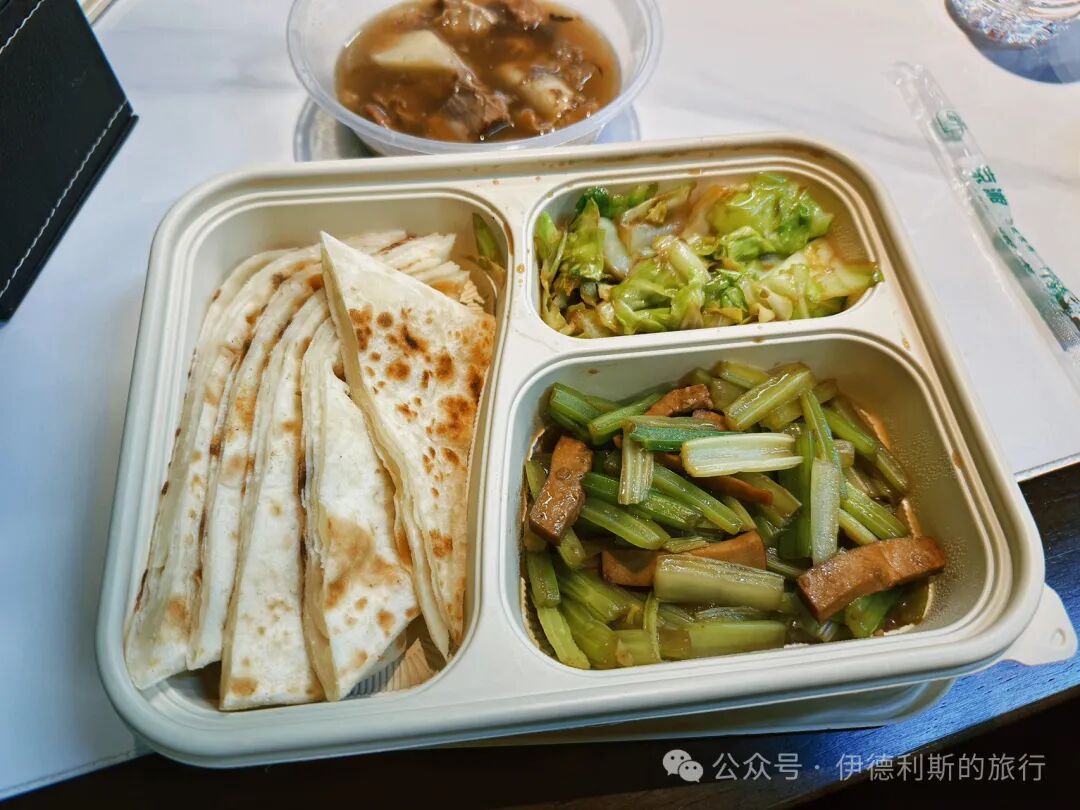
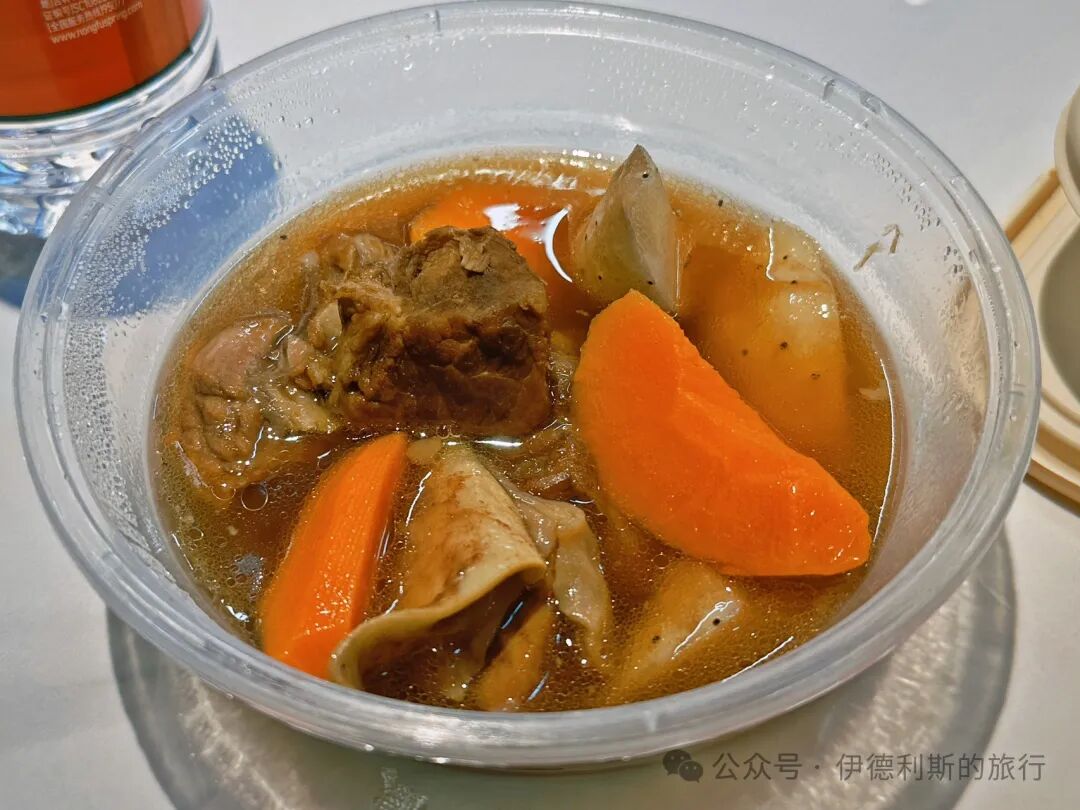
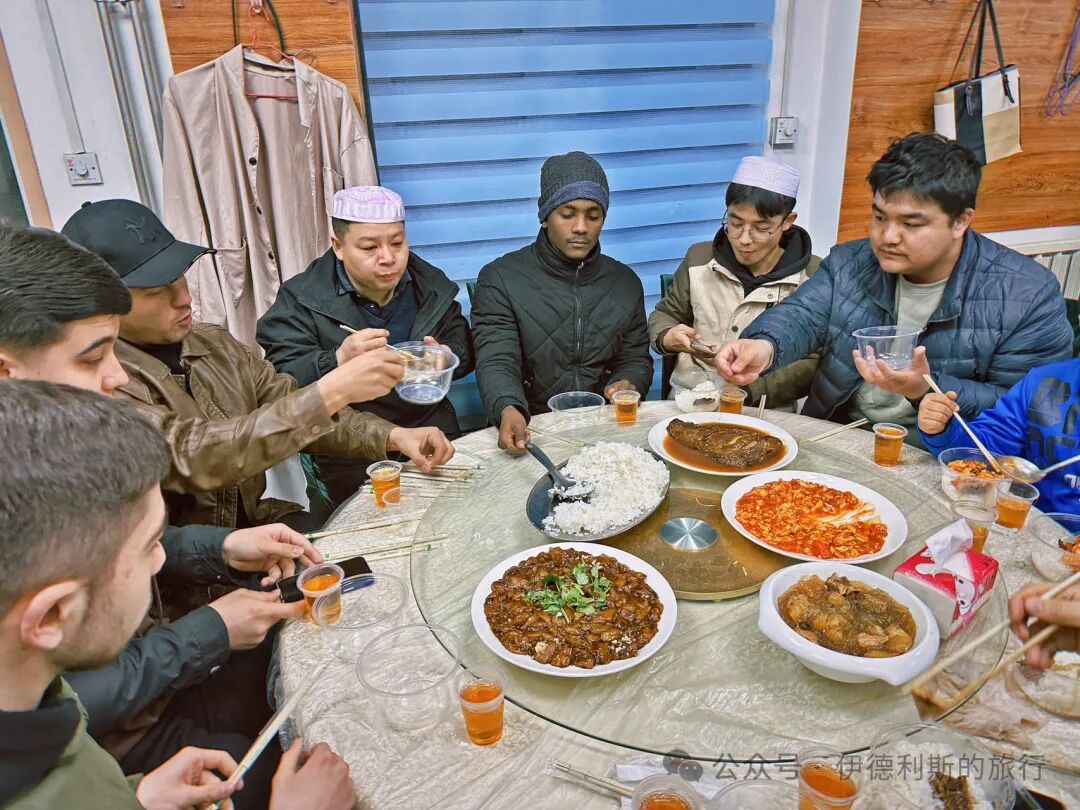
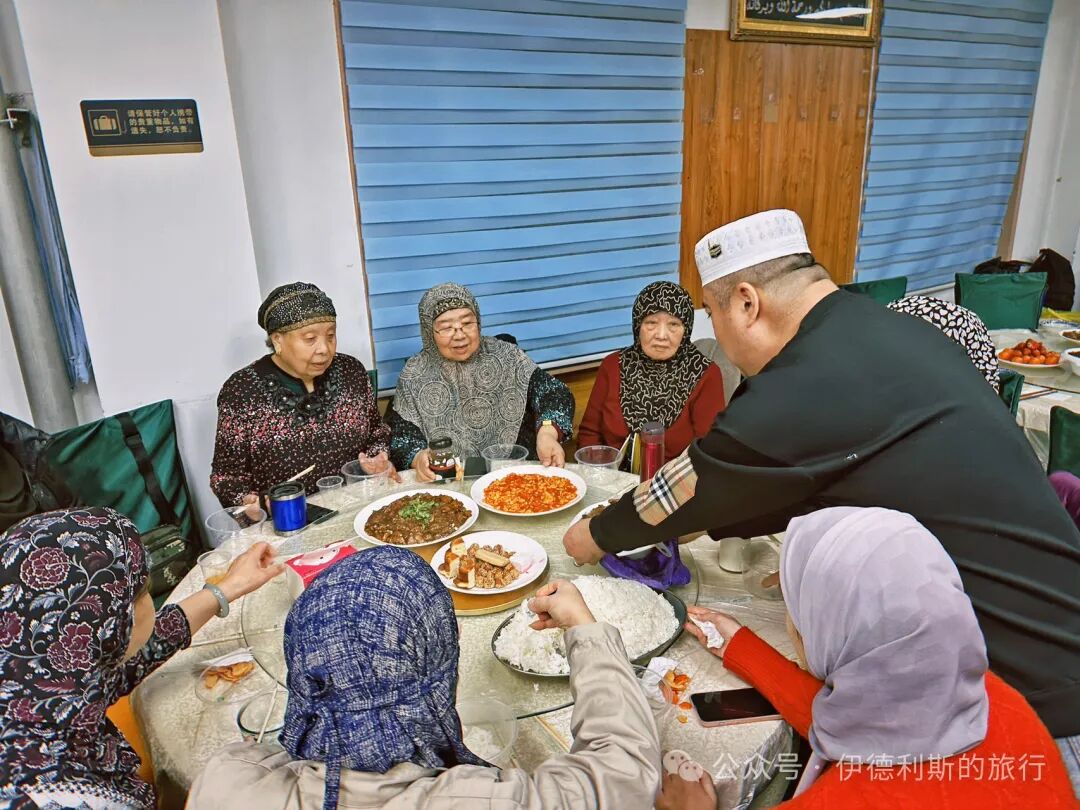
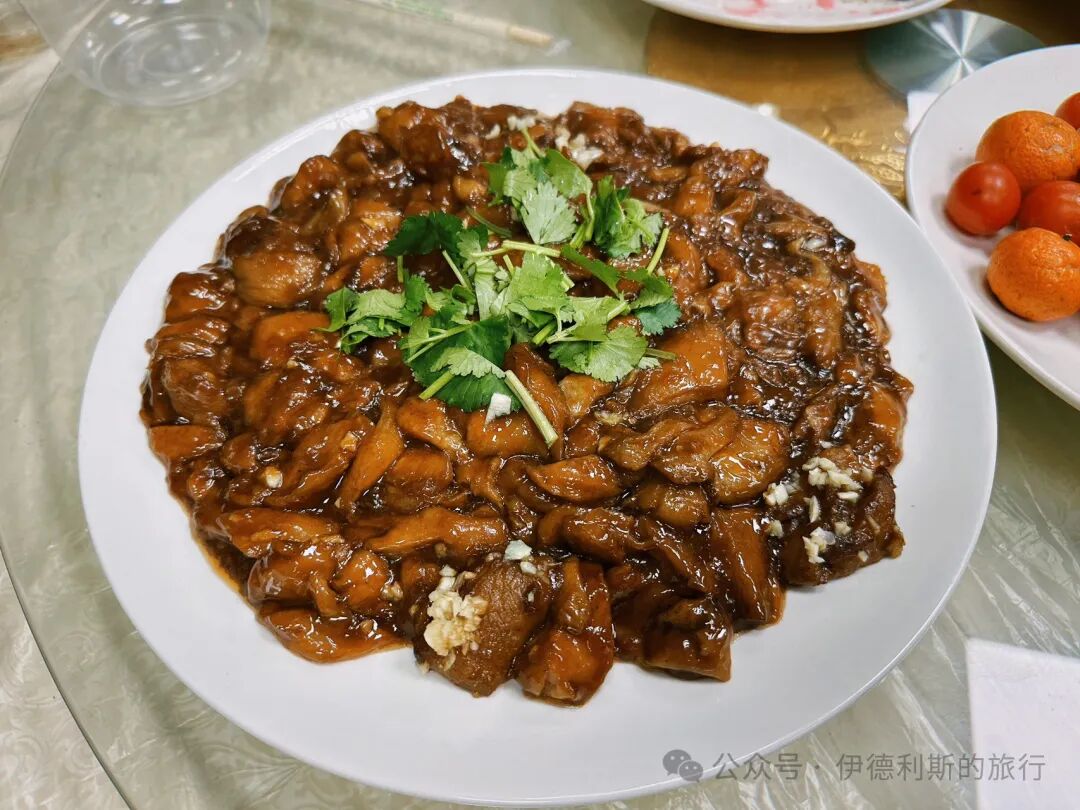
For iftar, we had four dishes and one soup, including the Tianjin specialty stir-stir-fried meat liver, kidney, and heart (laobao san), as well as chicken with winter bamboo shoots, stir-fried cauliflower, and stir-fried tofu. We also had egg and tofu soup, and received sesame flatbread (shaobing) distributed by the mosque.
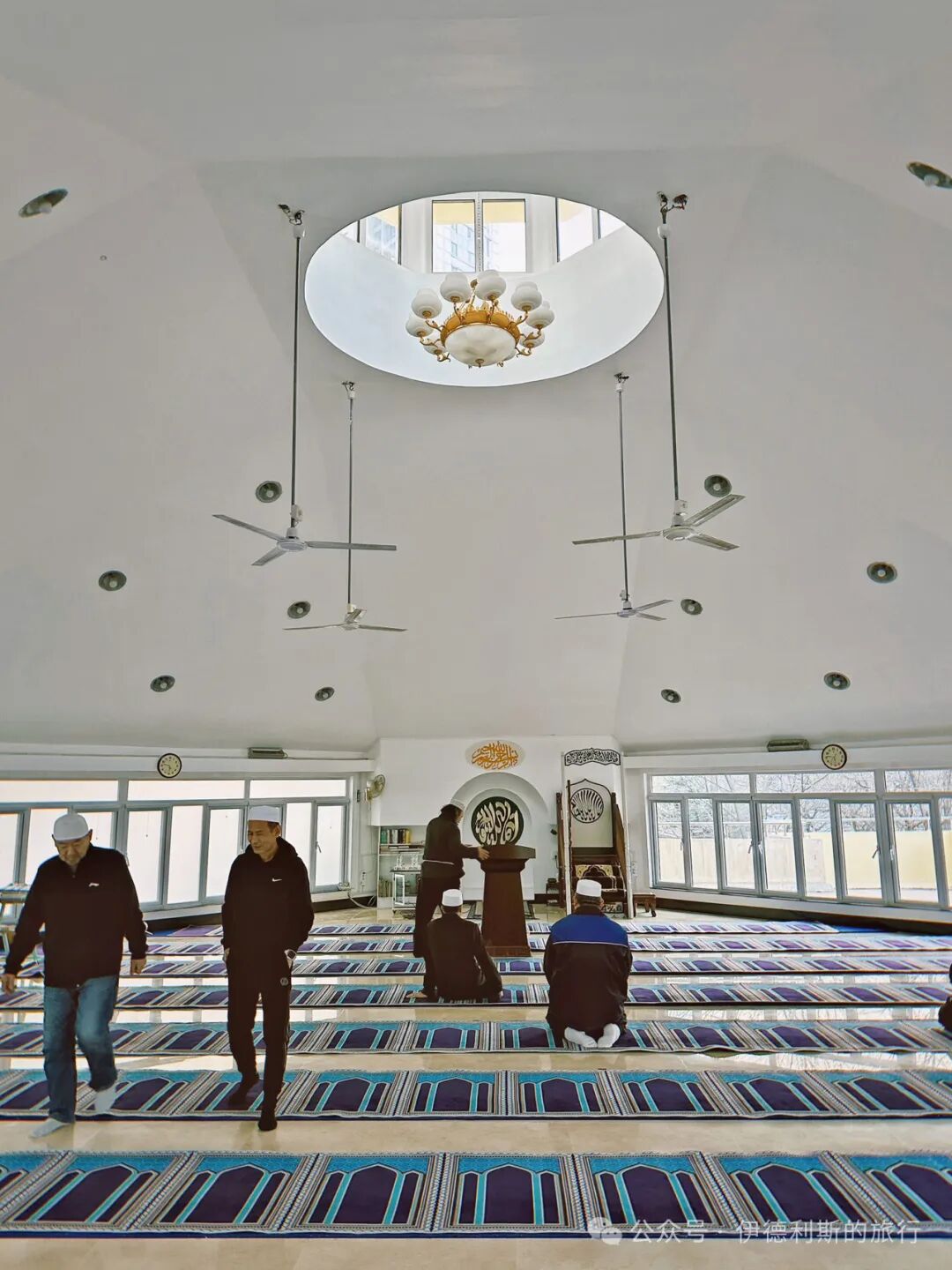
The elder calling the adhan at the mosque wore a traditional North China Gedimu six-paneled cap (liupianwa). The Tianjin six-paneled cap has no corners at all, which is the biggest difference from the hexagonal caps worn by the Jahriyya order.
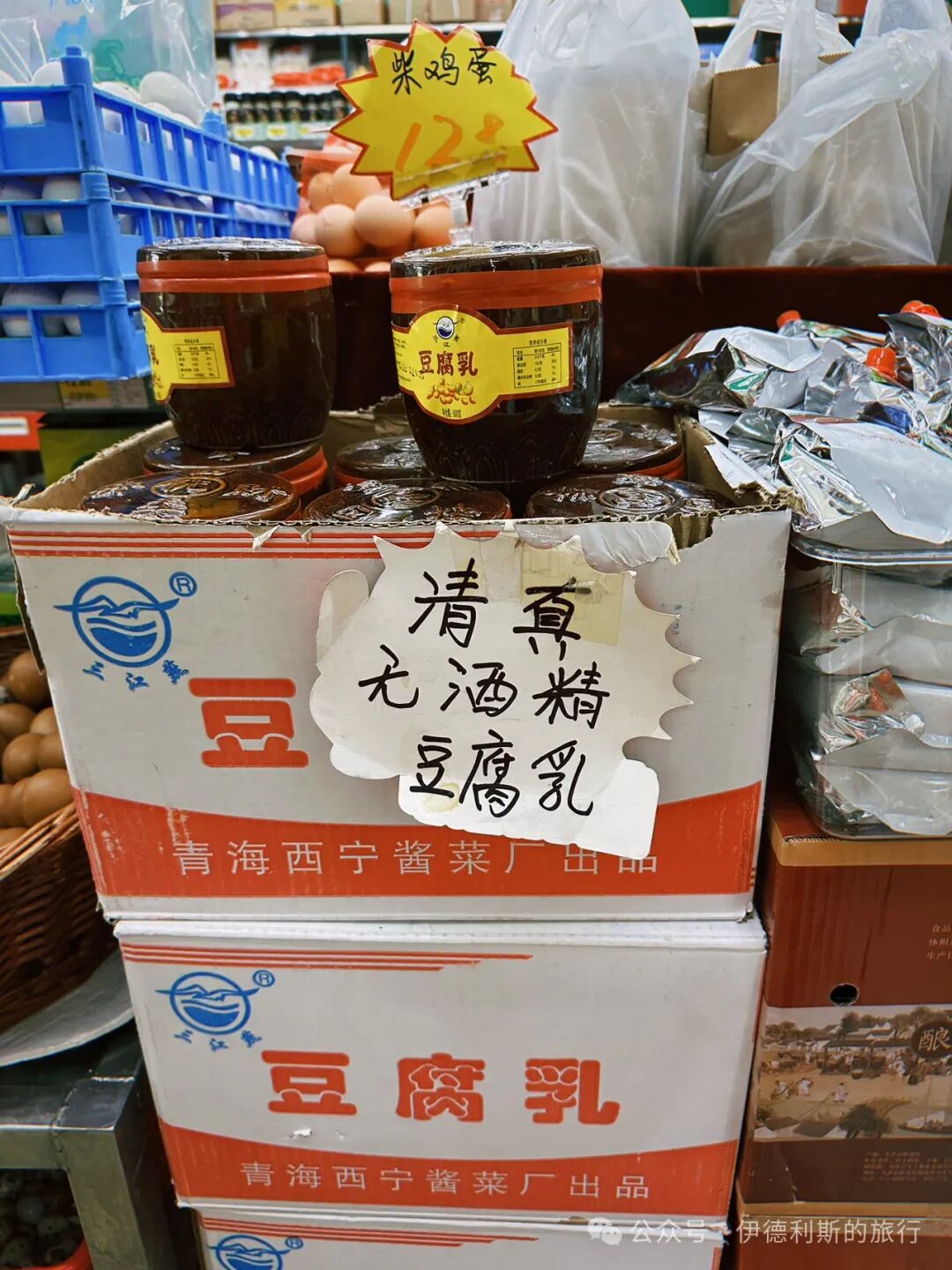
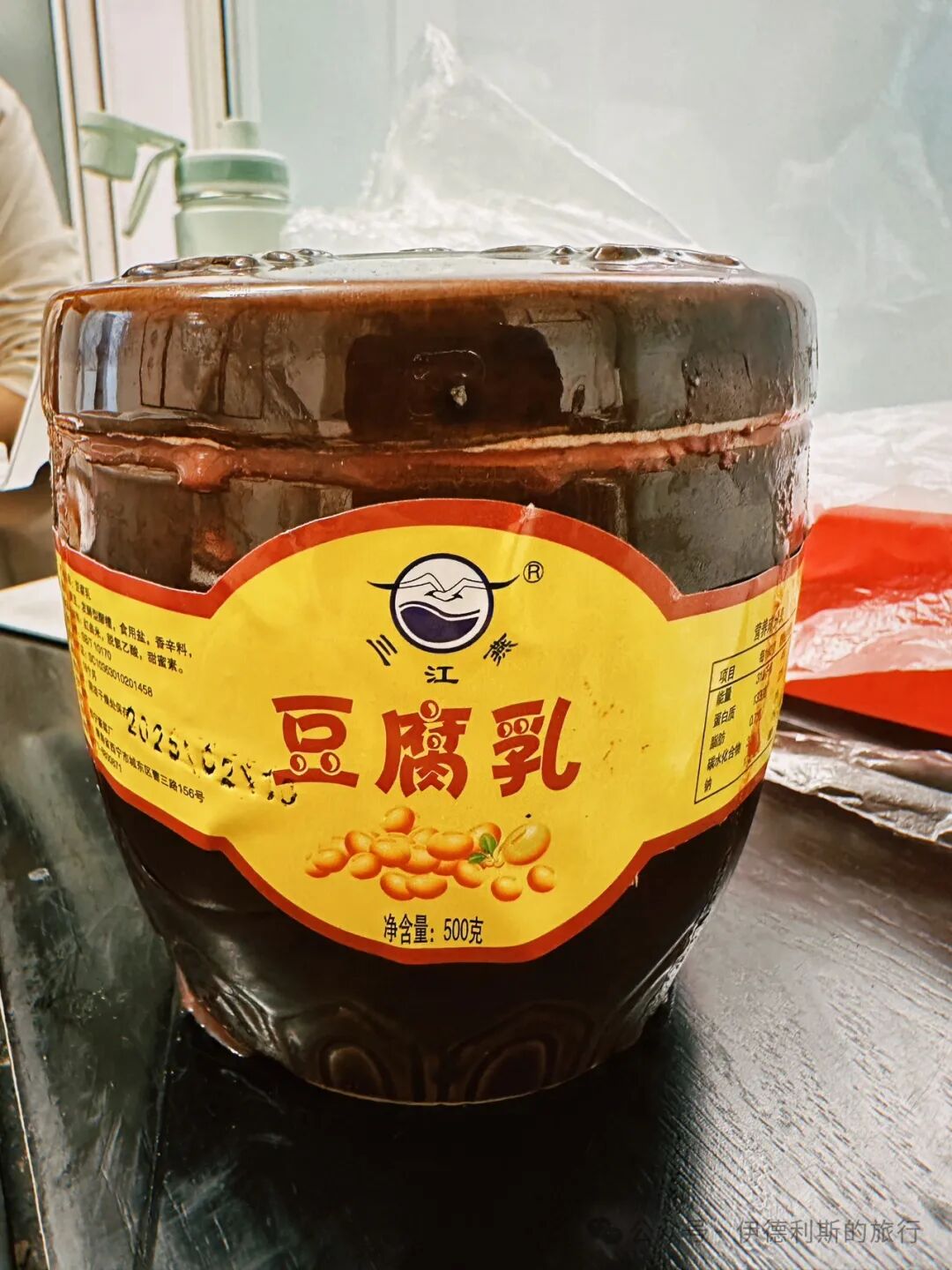
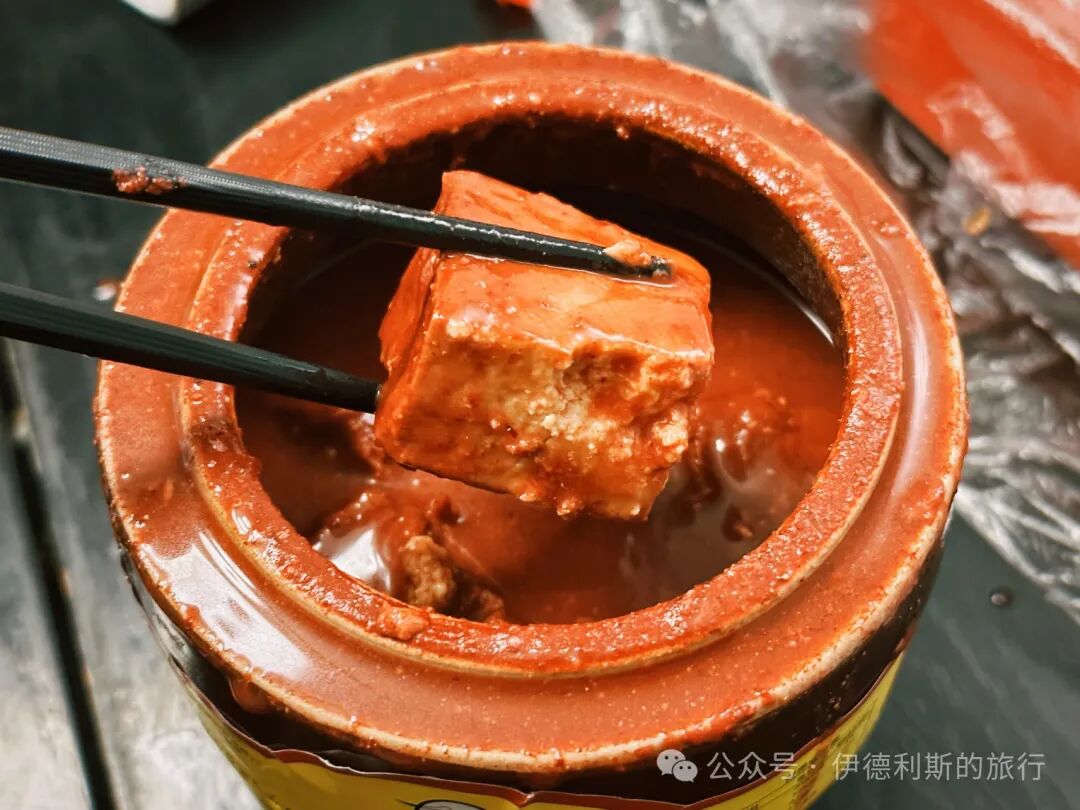
On Sunday, I went to the Northwest Corner of Tianjin. I bought some non-alcoholic fermented bean curd (doufurui) made by the Xining Pickles Factory at Mumin Supermarket. It tasted very good and suits the palate of people from the north.
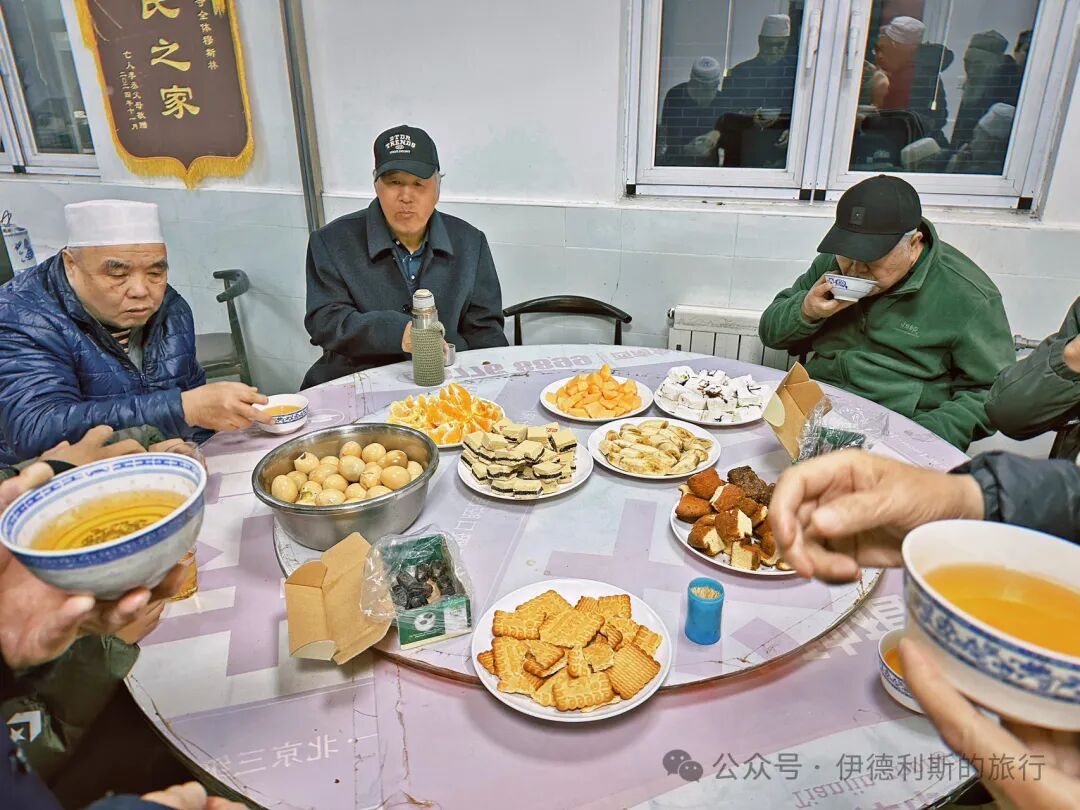
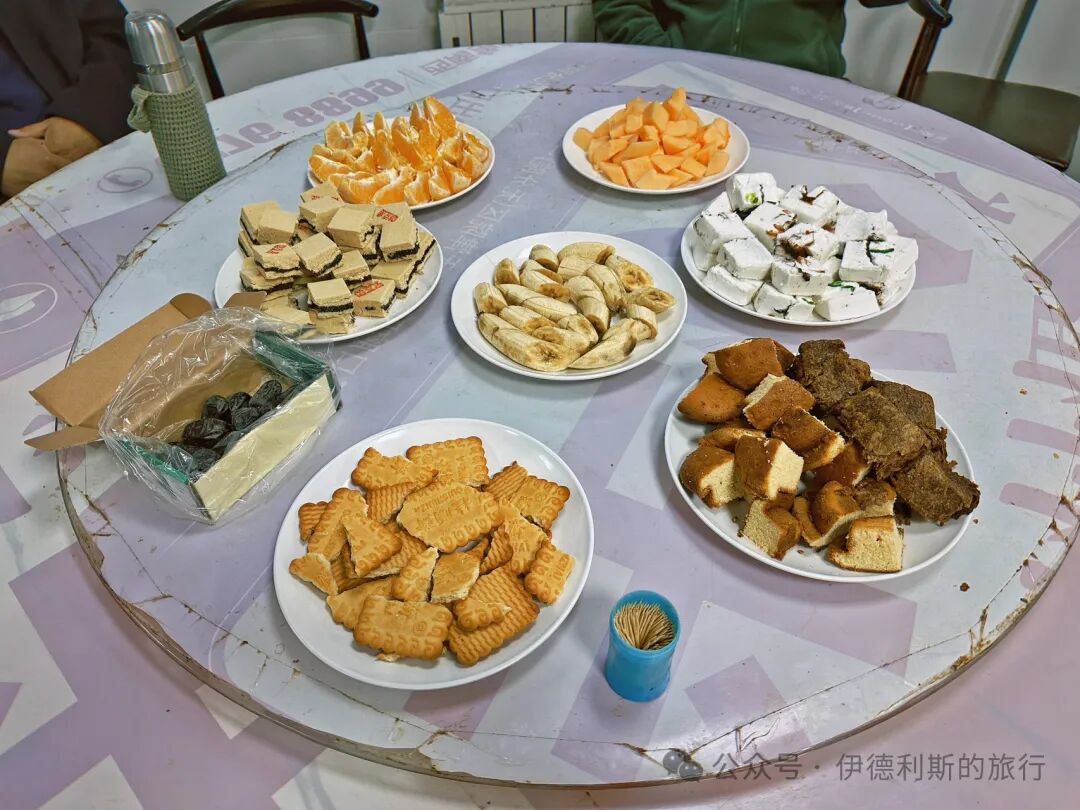
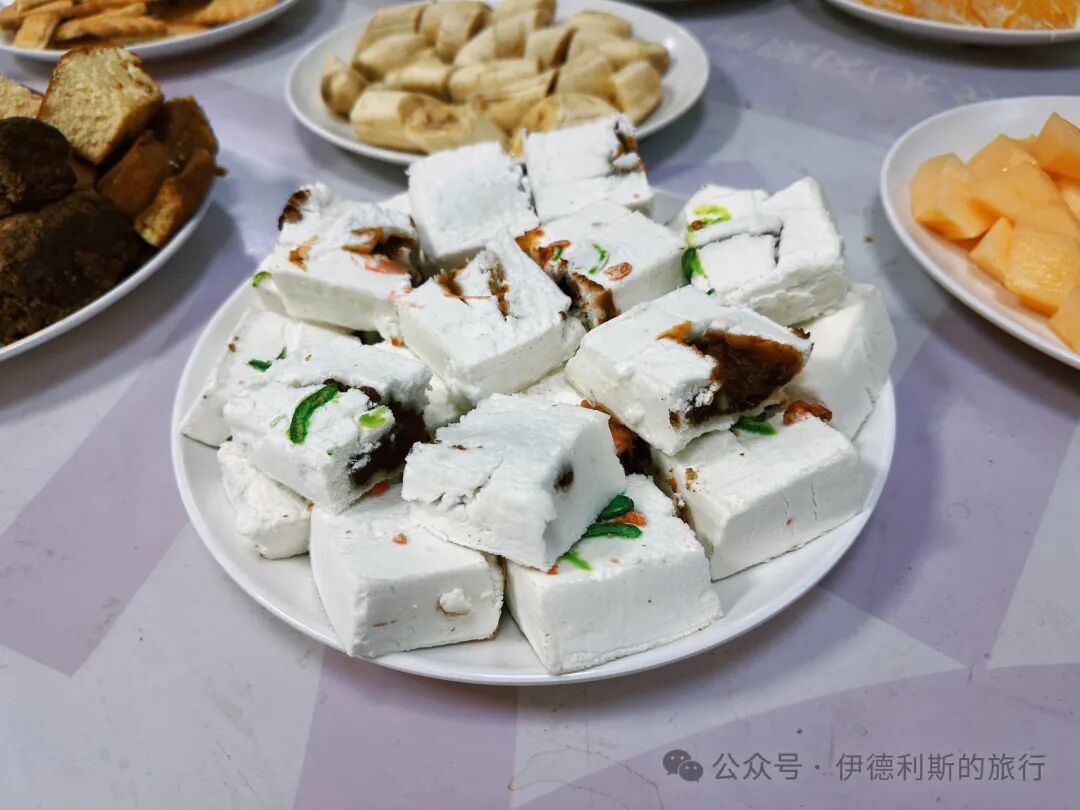
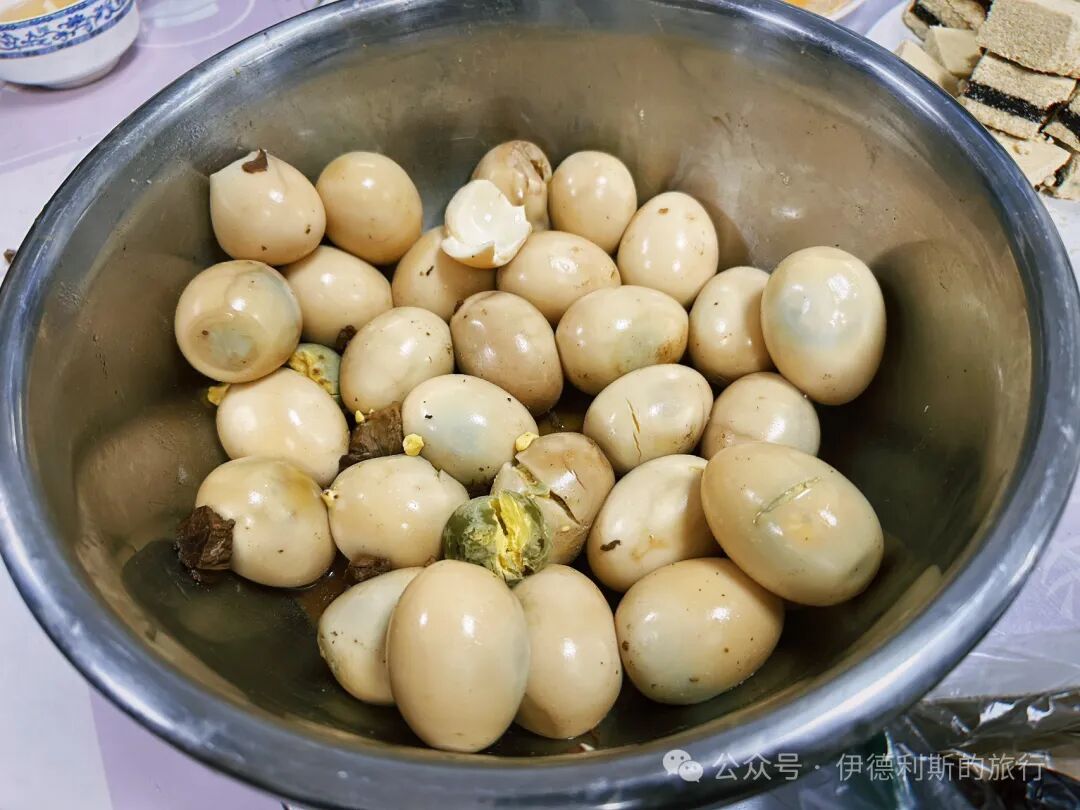
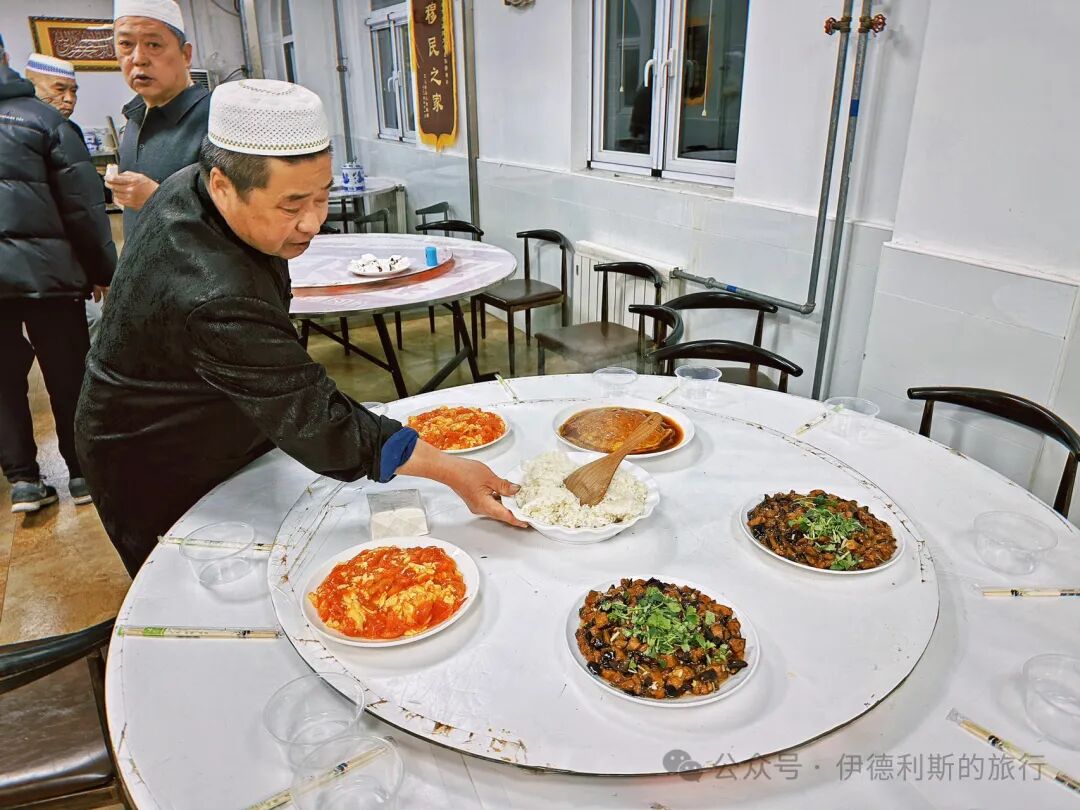
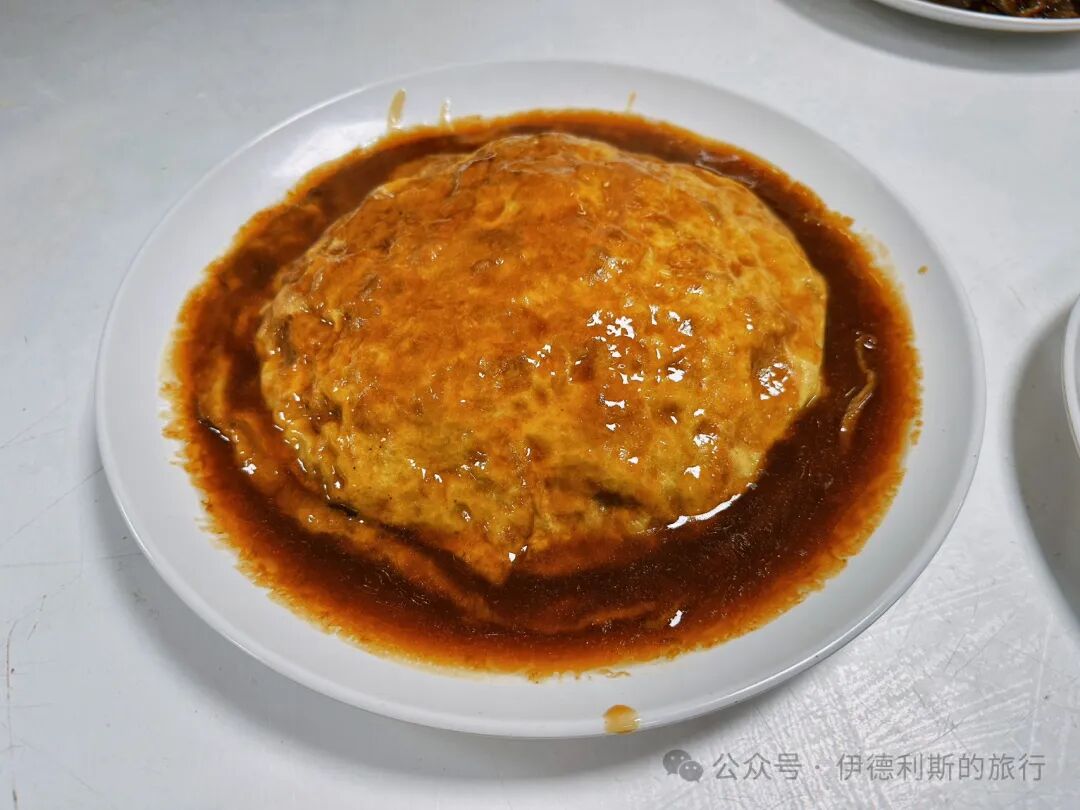
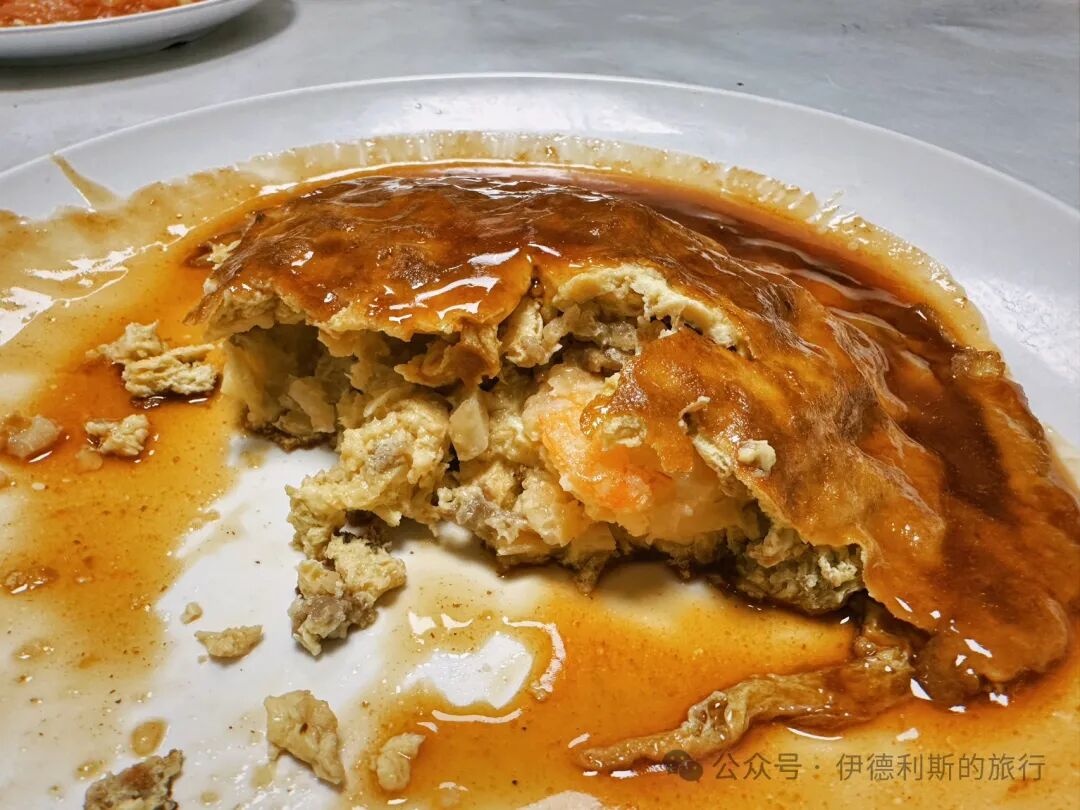
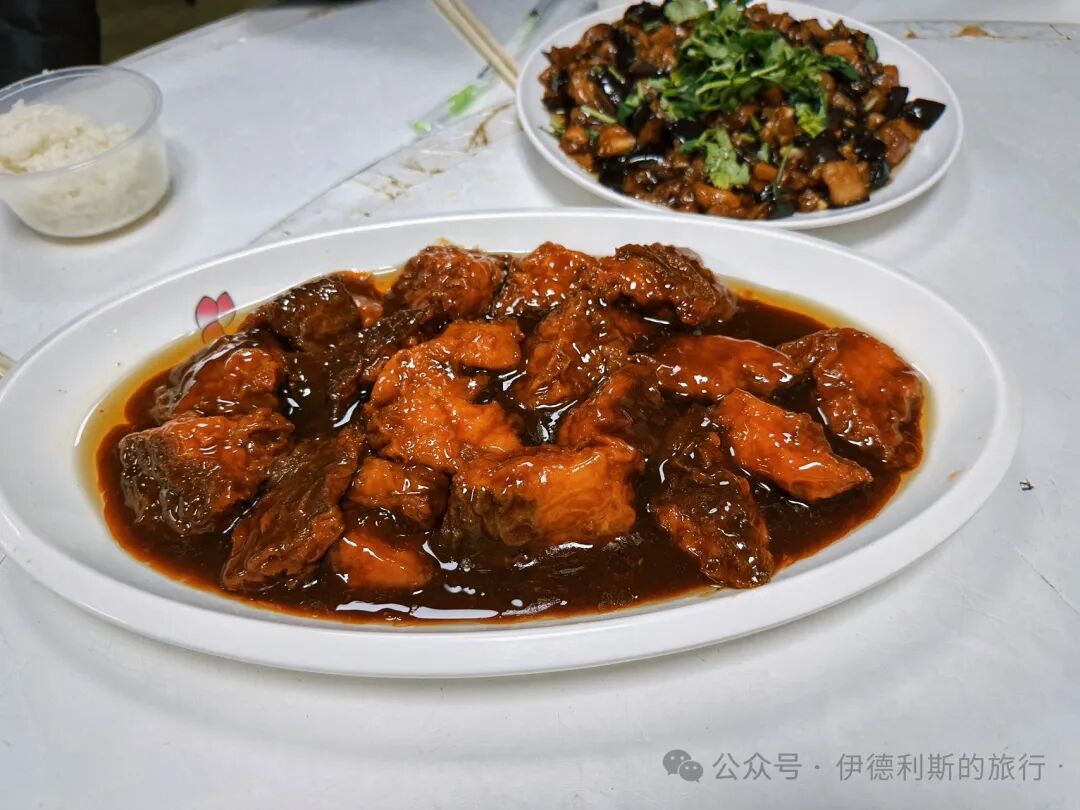
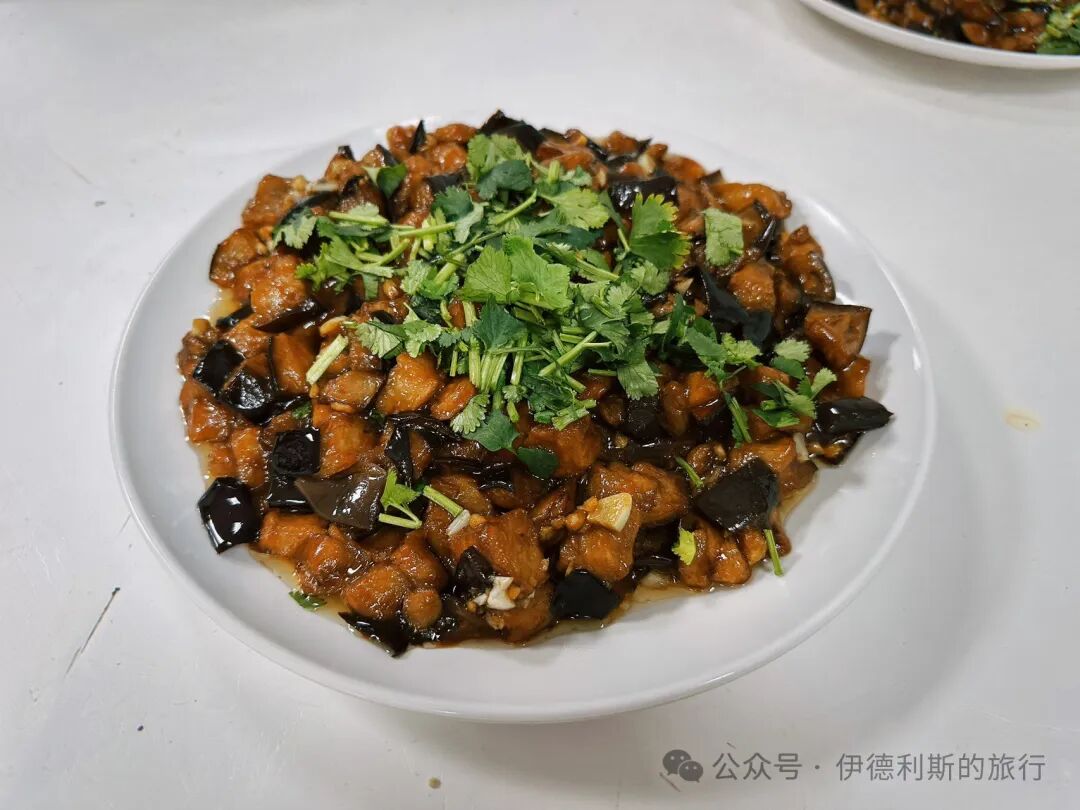
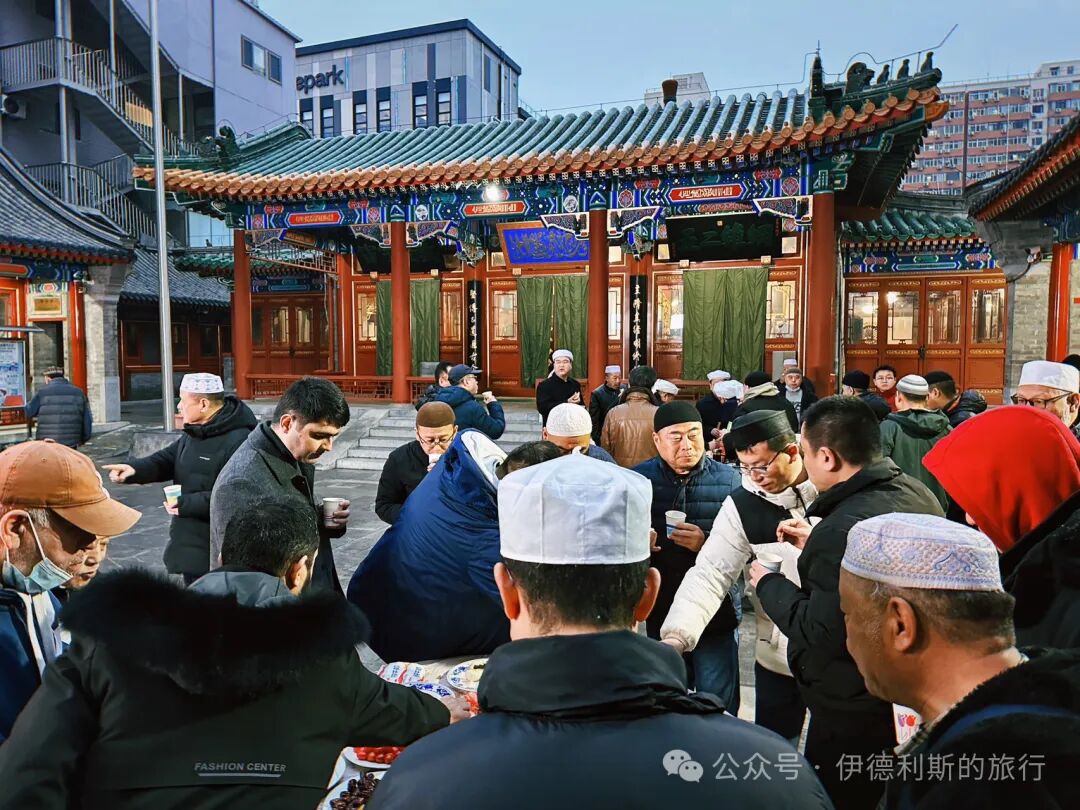
In the evening, I broke my fast at the Great Mosque of the Northwest Corner (Nandasi). We had rice cakes (gaogan), two types of pan-fried egg-battered patties (guota) made with beef and shrimp, braised eggplant, braised butterfly fish, and eggs boiled in beef broth. An elder warned me not to buy snacks at the mosque gate randomly, saying many of them have no authentic roots. It is true that since the Northwest Corner became popular in recent years, I do not recognize many of the shops anymore. However, some of the old shops are still fine.
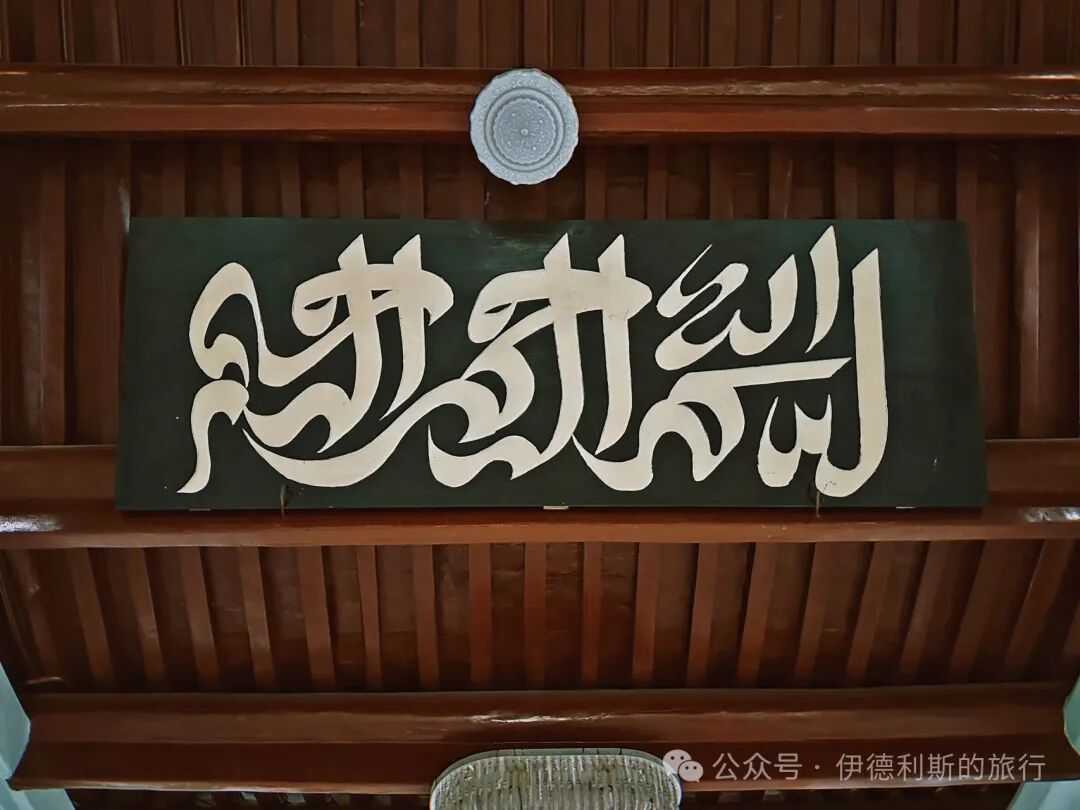
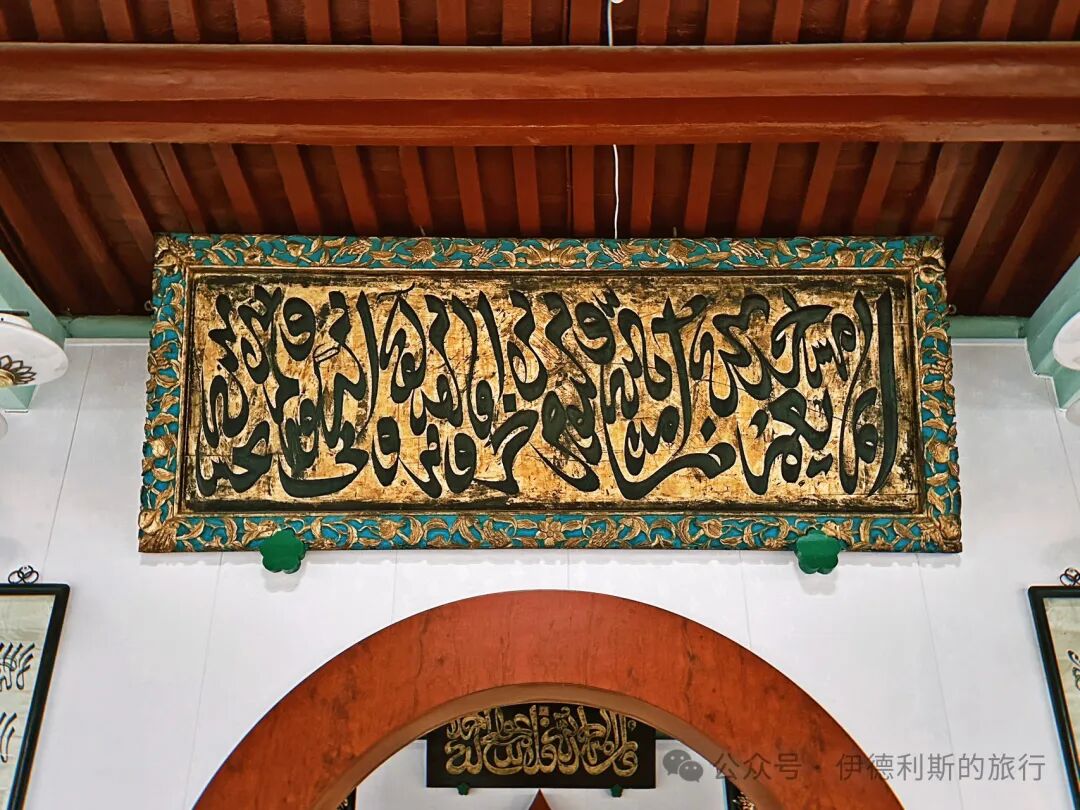
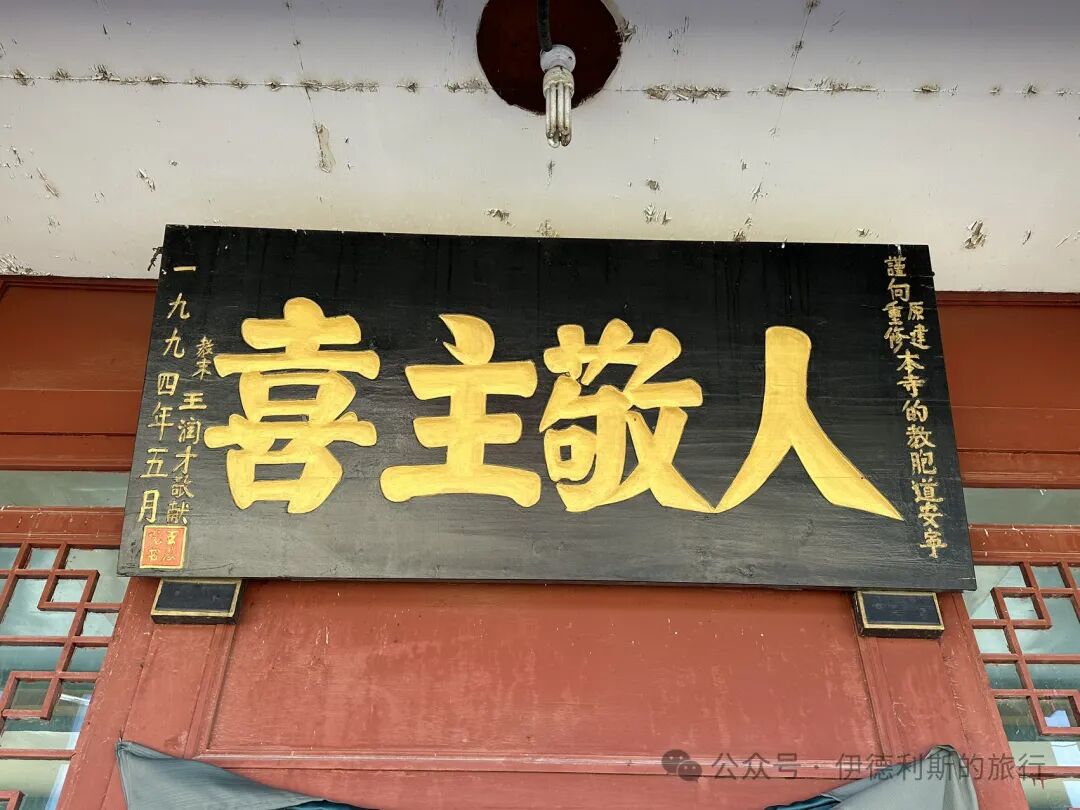
Ancient Islamic Teaching (Qingzhen Gujiao).
An auspicious day in the spring of the Gengxu year of the Xuantong reign.
Taiping Street, Hebei Avenue, Xiaohuo Lane, Shanghebeiguan.
Zhugan Lane, Gangdian Street, Santiaoshi, Xiabebeiguan.
Gangshi Street, Qudian Street, Liangjiazui, Dahuohuo Lane.
Erected by the gentry and merchants.
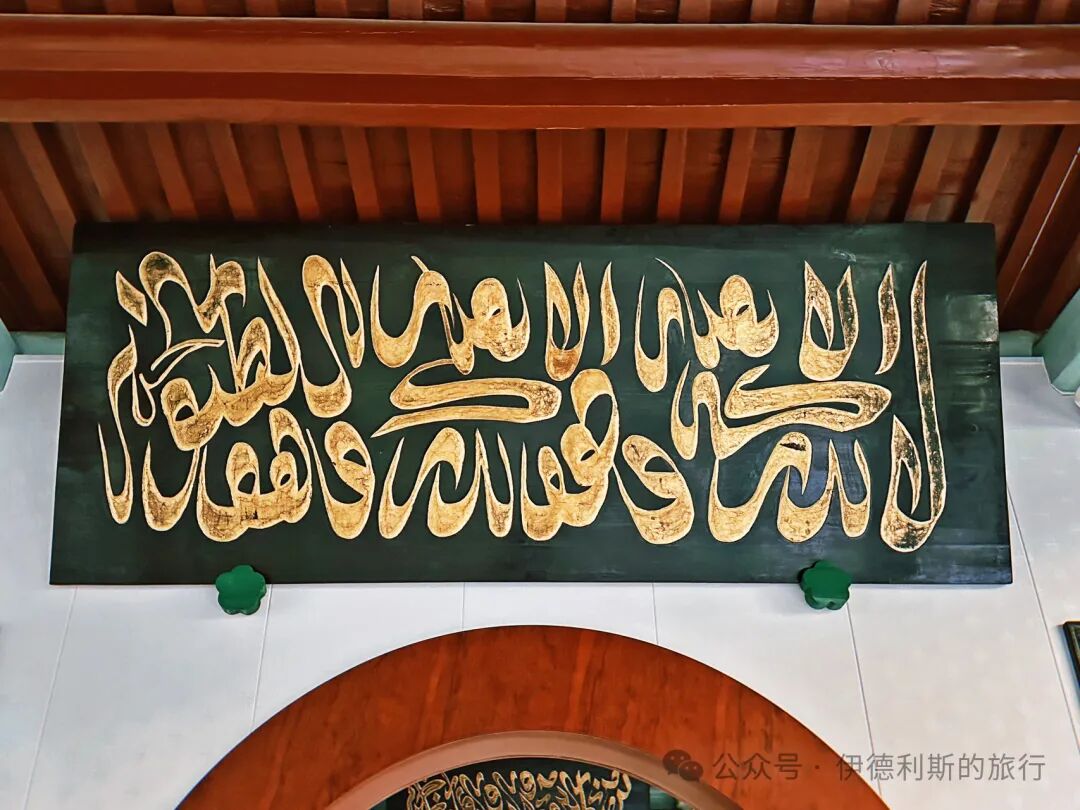
Truth without falsehood.
An auspicious day in the ninth month of the sixth year of the Guangxu reign.
Respectfully erected by Zuo Baogui, a registered Admiral of the Military Gate, Commander of the Feng Army's Right and Middle Cavalry and Infantry Battalions, and concurrently Commander of the Jiesheng Battalion's Eighth Brigade Cavalry, titled Kengse Baturu.
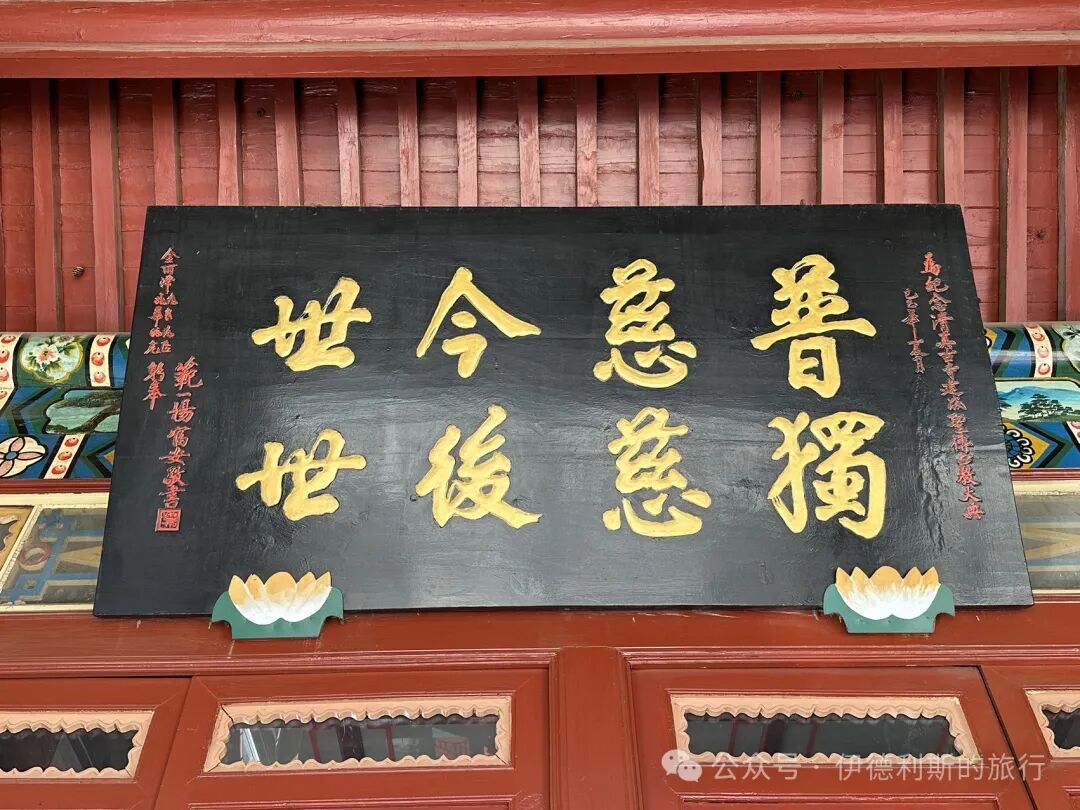
Virtue and kindness bestowed.
Erected in the apricot month of the Gengshen year, the ninth year of the Republic of China.
Respectfully inscribed by Zhang Chunhua, a follower of the Islamic faith.
Creation originates from the Infinite.
Respectfully inscribed by Peng Yuwen, a Zhongxian Grand Master and official of the Tianjin Circuit in Zhili.
An auspicious day in the seventh lunar month of the Bingwu year, the 26th year of the Daoguang reign.
Respectfully erected by Zhang Yunbiao and Guang Rui of Tianjin, along with their sons Jindong and Bang.
Ancient Islamic Teaching (Qingzhen Gujiao).
An auspicious day in the Gengyin year of the Guangxu reign of the Great Qing Dynasty.
Respectfully offered by Hei Zhaorong, a river battalion commander (qian zong) of Tianjin Prefecture, granted the fourth-rank title and the right to wear a blue feather.
Ancient Islamic Teaching (Qingzhen Gujiao).
An auspicious day in the Gengyin year of the Guangxu reign of the Great Qing Dynasty.
Respectfully offered by Hei Zhaorong, a river battalion commander (qian zong) of Tianjin Prefecture, granted the fourth-rank title and the right to wear a blue feather.
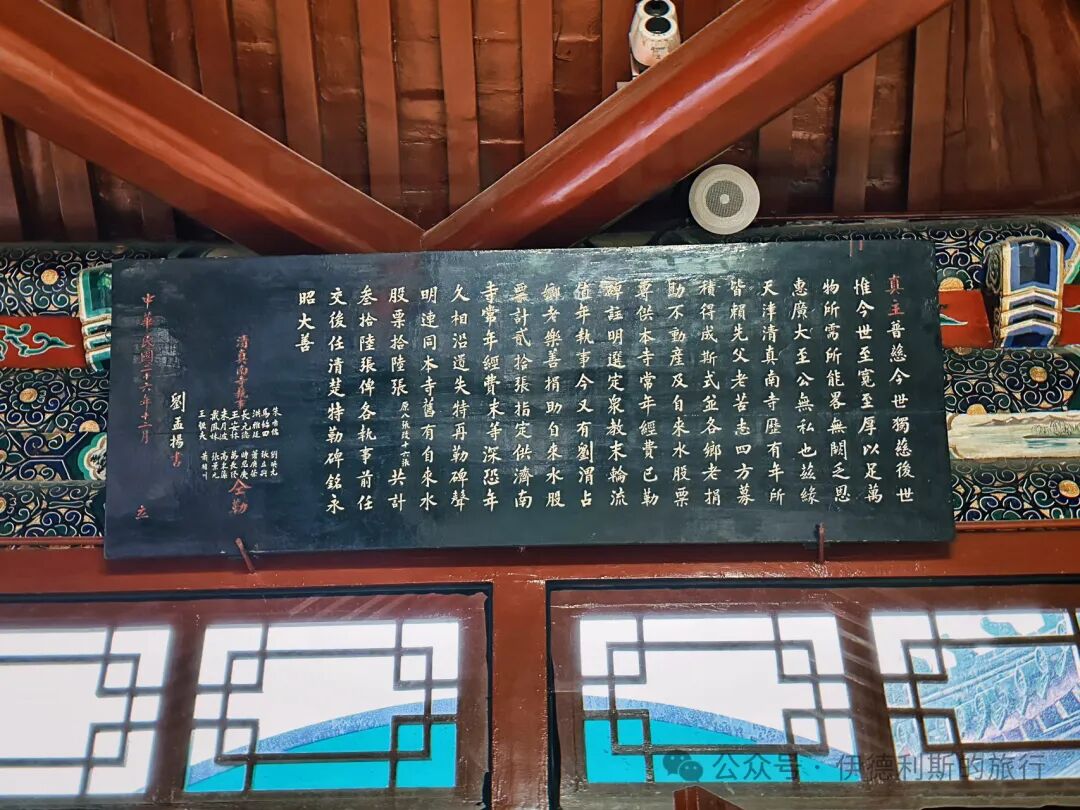
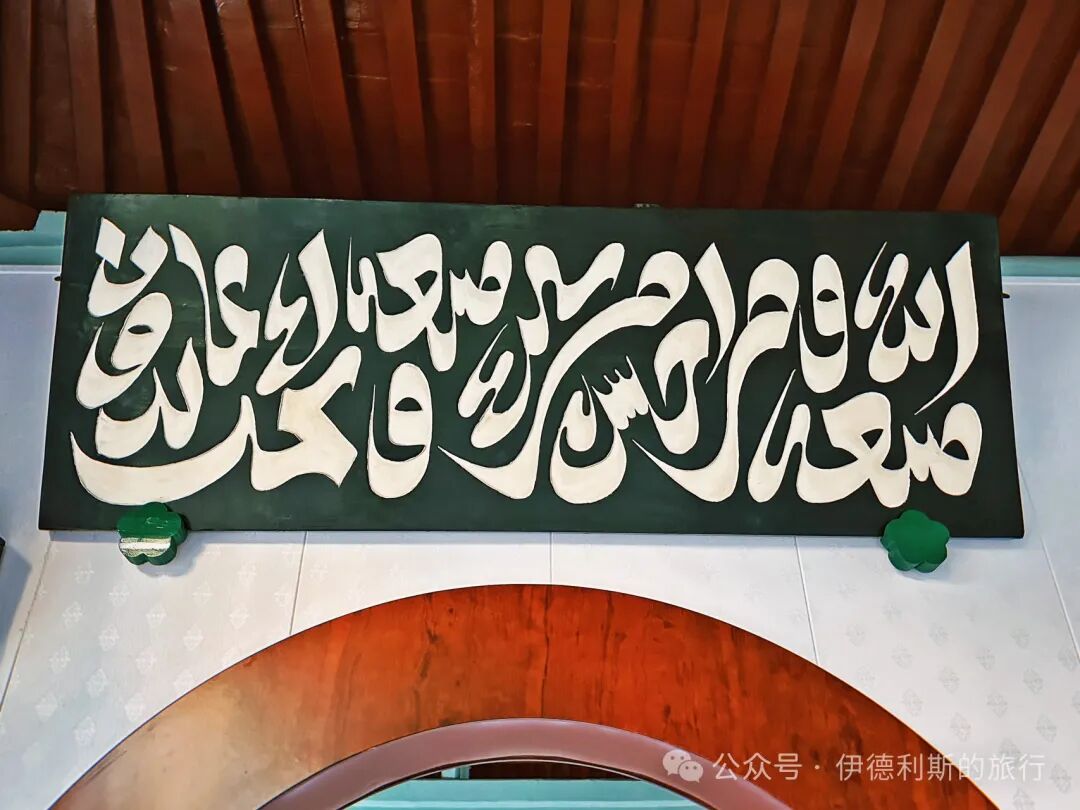
Allah is Most Merciful in this world and the next. He is generous and kind in this life, providing for all things without lack, showing grace that is vast, fair, and selfless. The Tianjin South Mosque has stood for many years, built through the hard work of our elders who traveled far to raise funds. The mosque's property and water company shares, which cover its annual expenses, were already recorded on a stone tablet. The mosque committee members take turns managing these affairs. Now, Elder Liu Weizhan has kindly donated 20 water company shares to support the mosque's annual expenses. We fear these records might be lost over time, so we have inscribed this new tablet. Together with the mosque's original 16 shares (the original 8 were increased to 16), there are now 36 shares in total. This ensures that each committee member can clearly hand over duties to their successor, and this great act of charity will be remembered forever.
Inscribed by the committee members of the South Mosque (names omitted).
Written by Liu Mengyang.
Erected in December of the 26th year of the Republic of China.
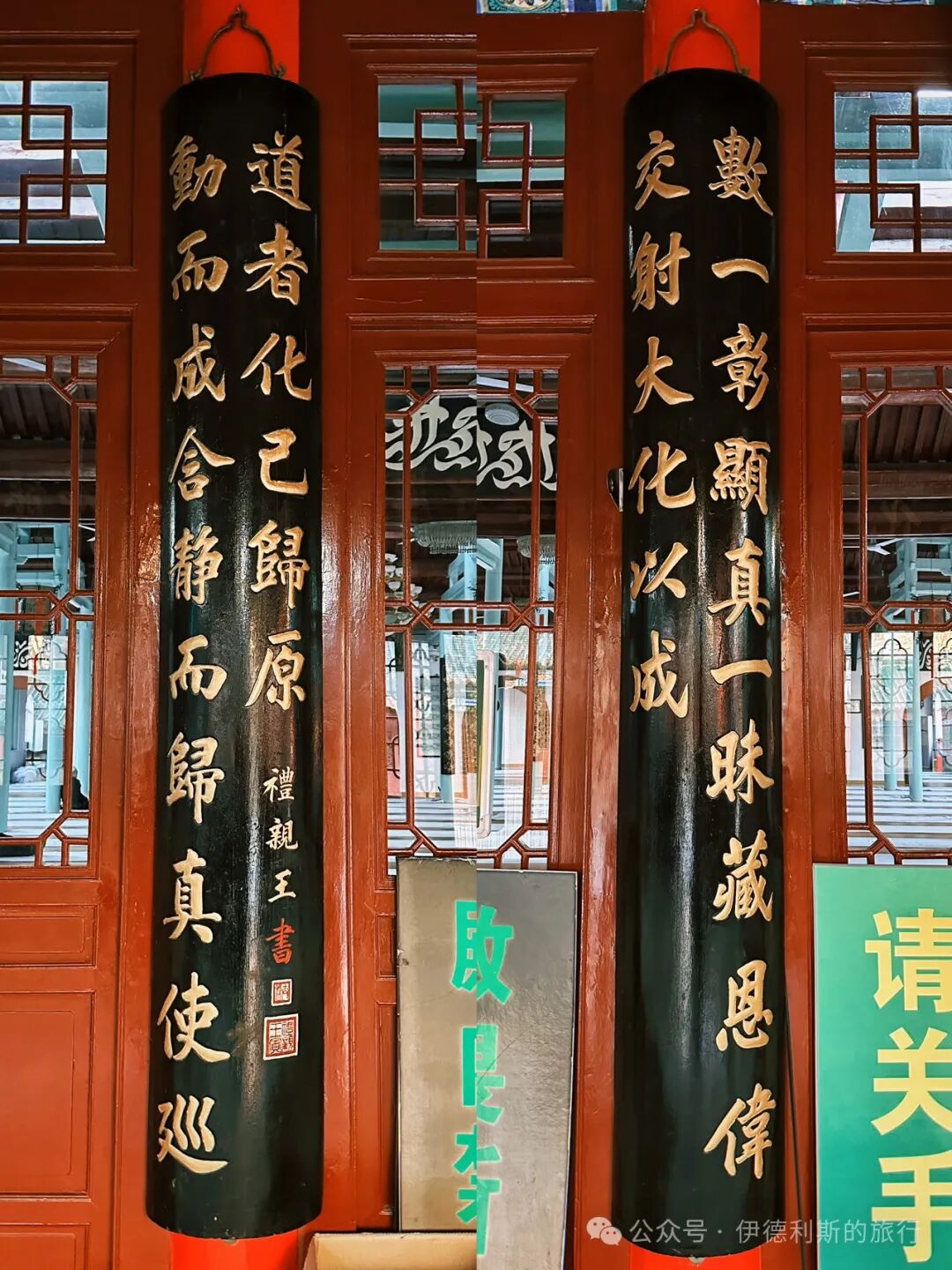
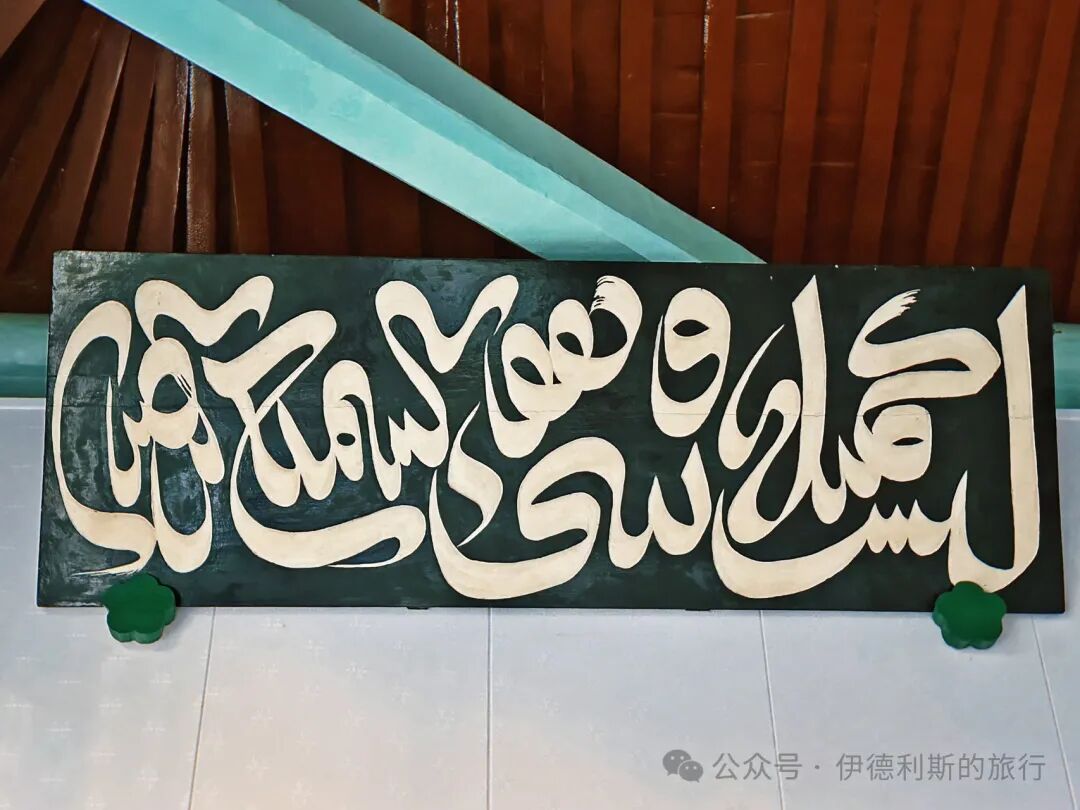
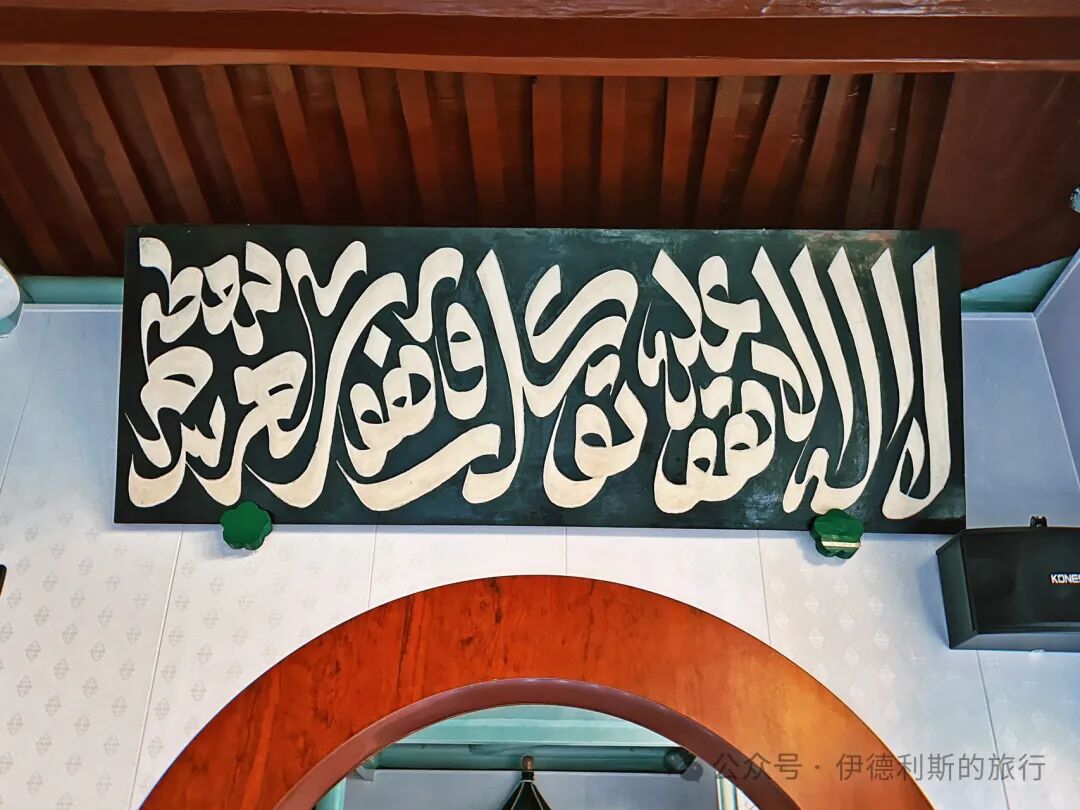
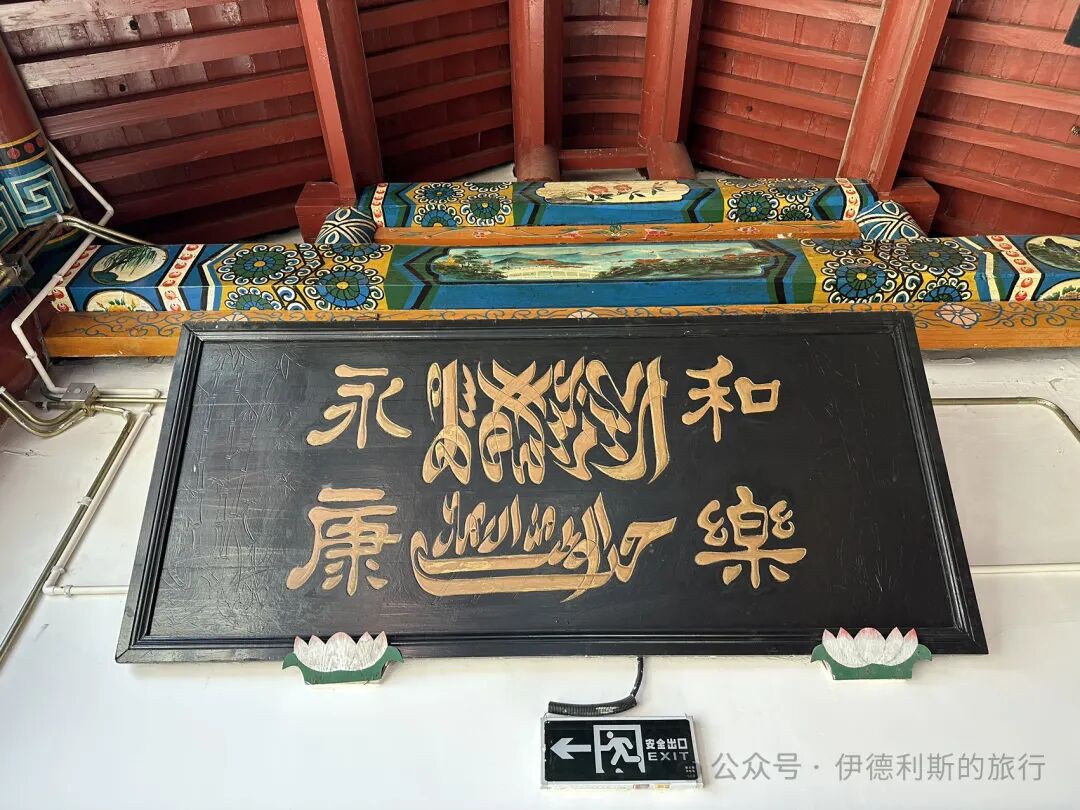
The number one reveals the essence of the Truth, hiding great grace to influence and complete all things.
Movement creates words, stillness returns to the Truth, guiding those on the path to transform themselves and return to the Source.
Written by Prince Li.
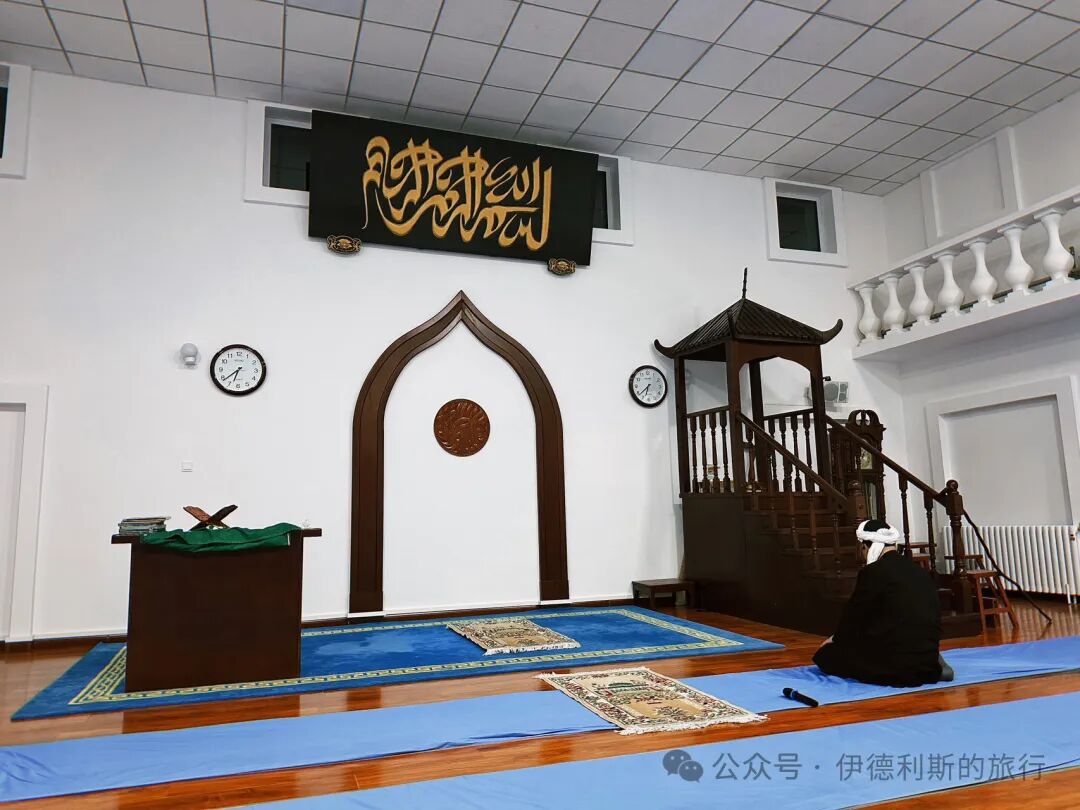
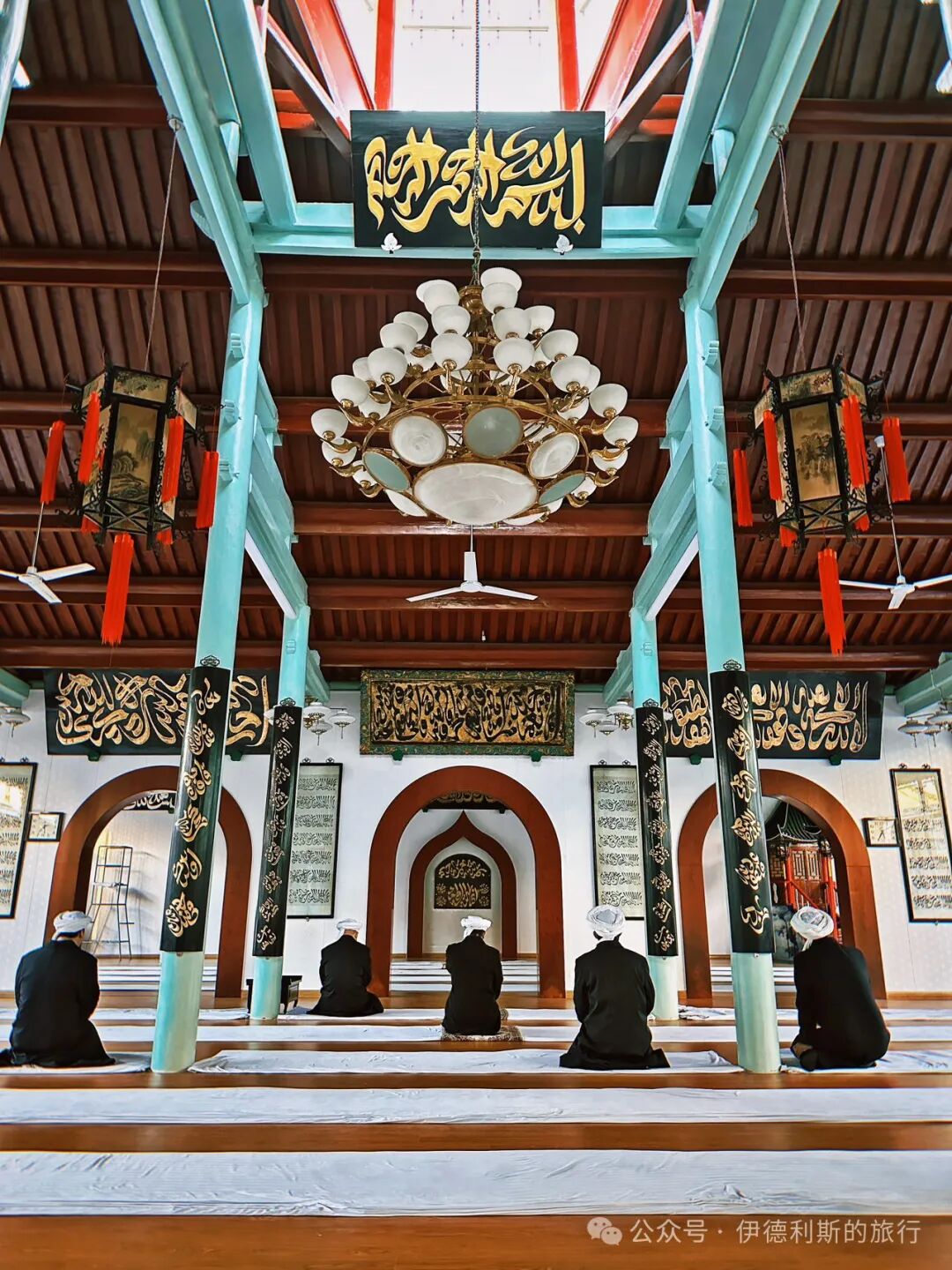
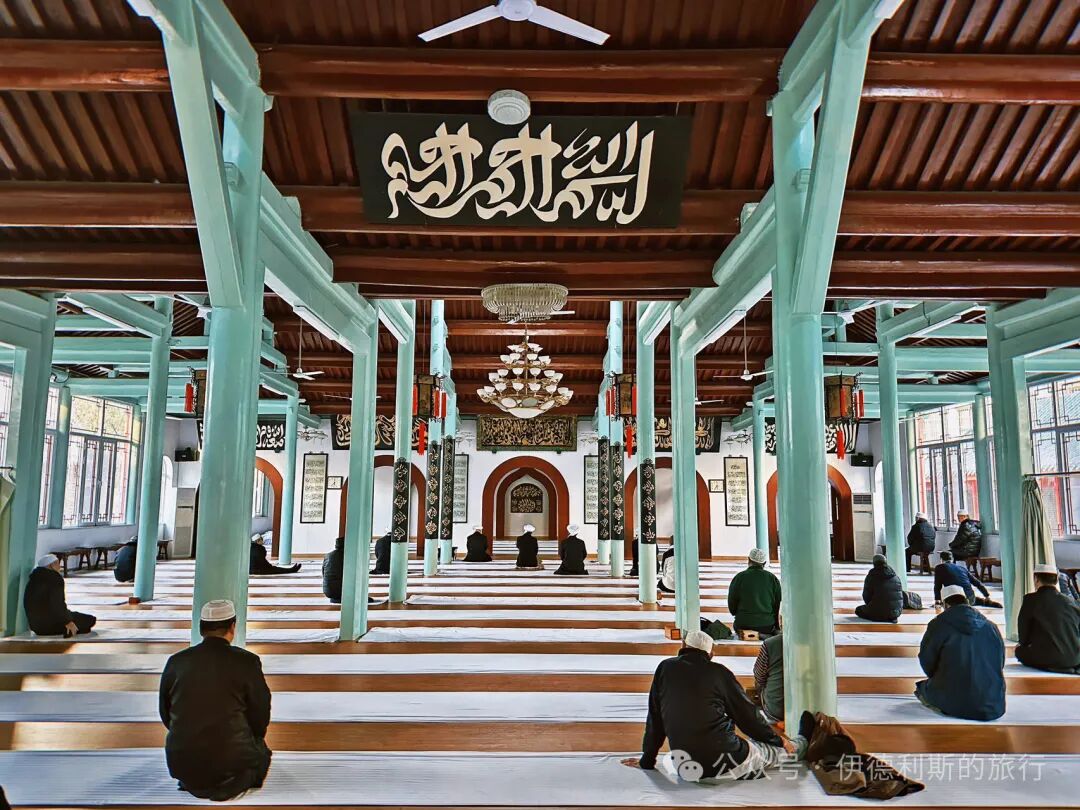
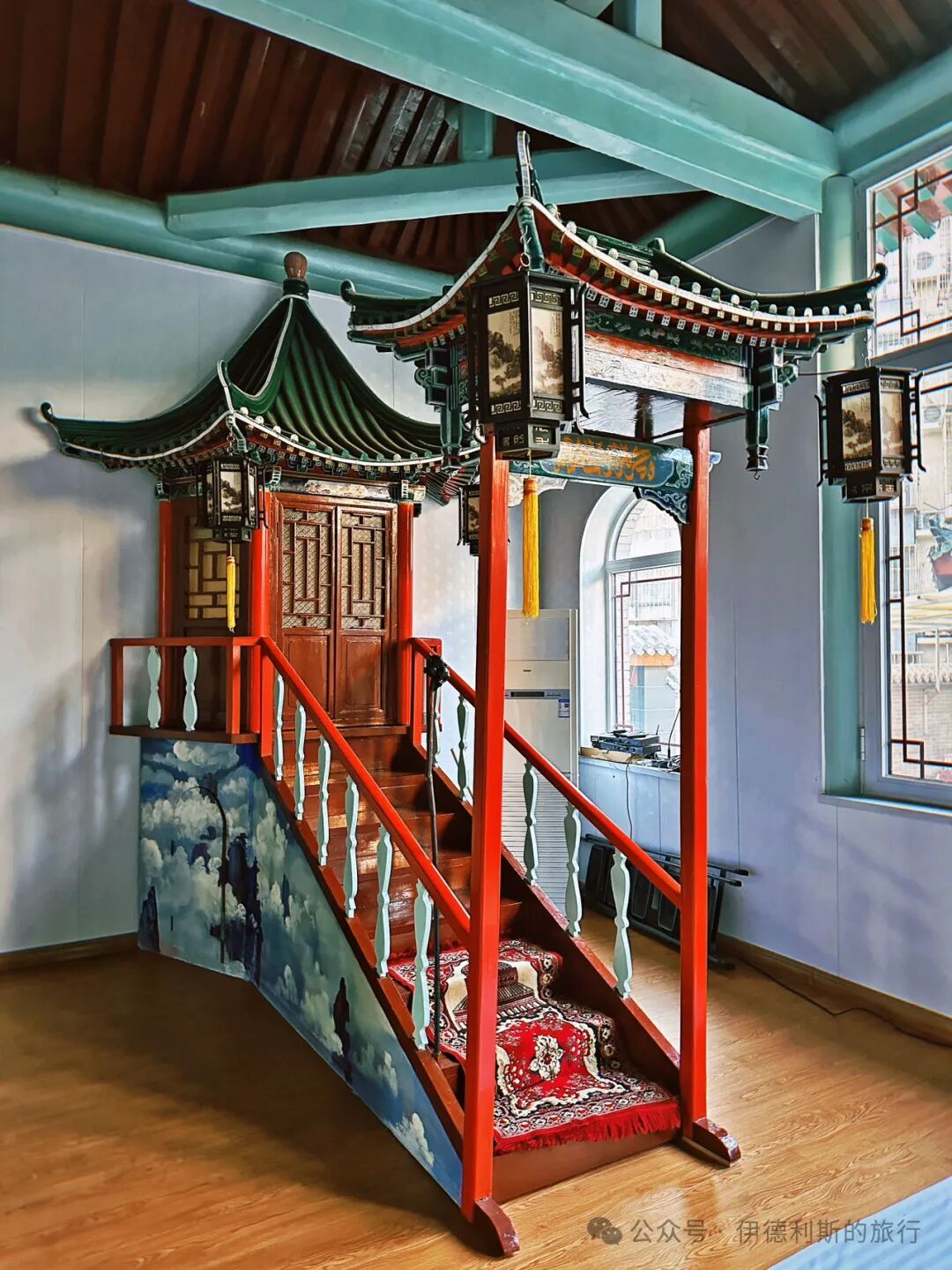
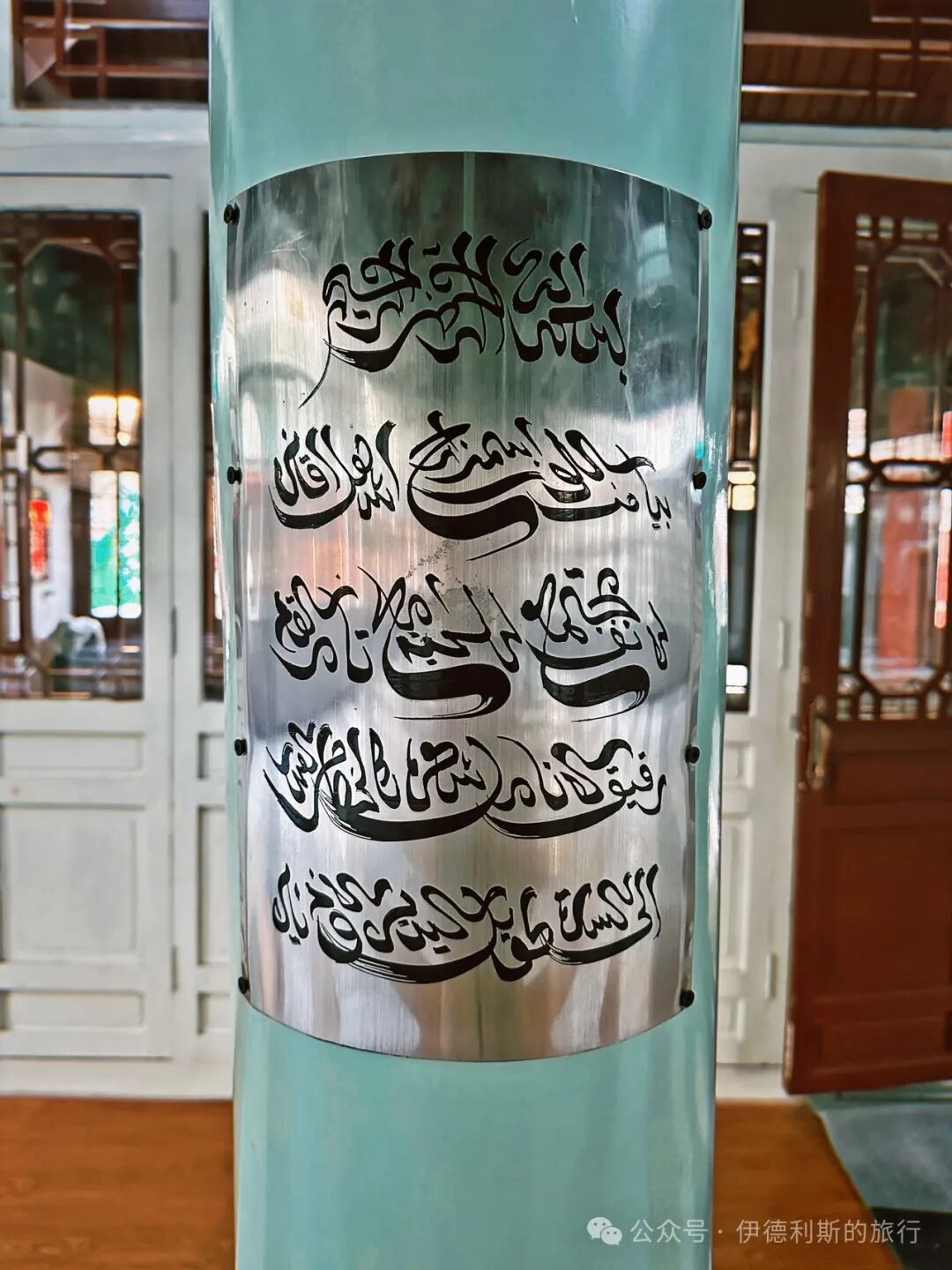
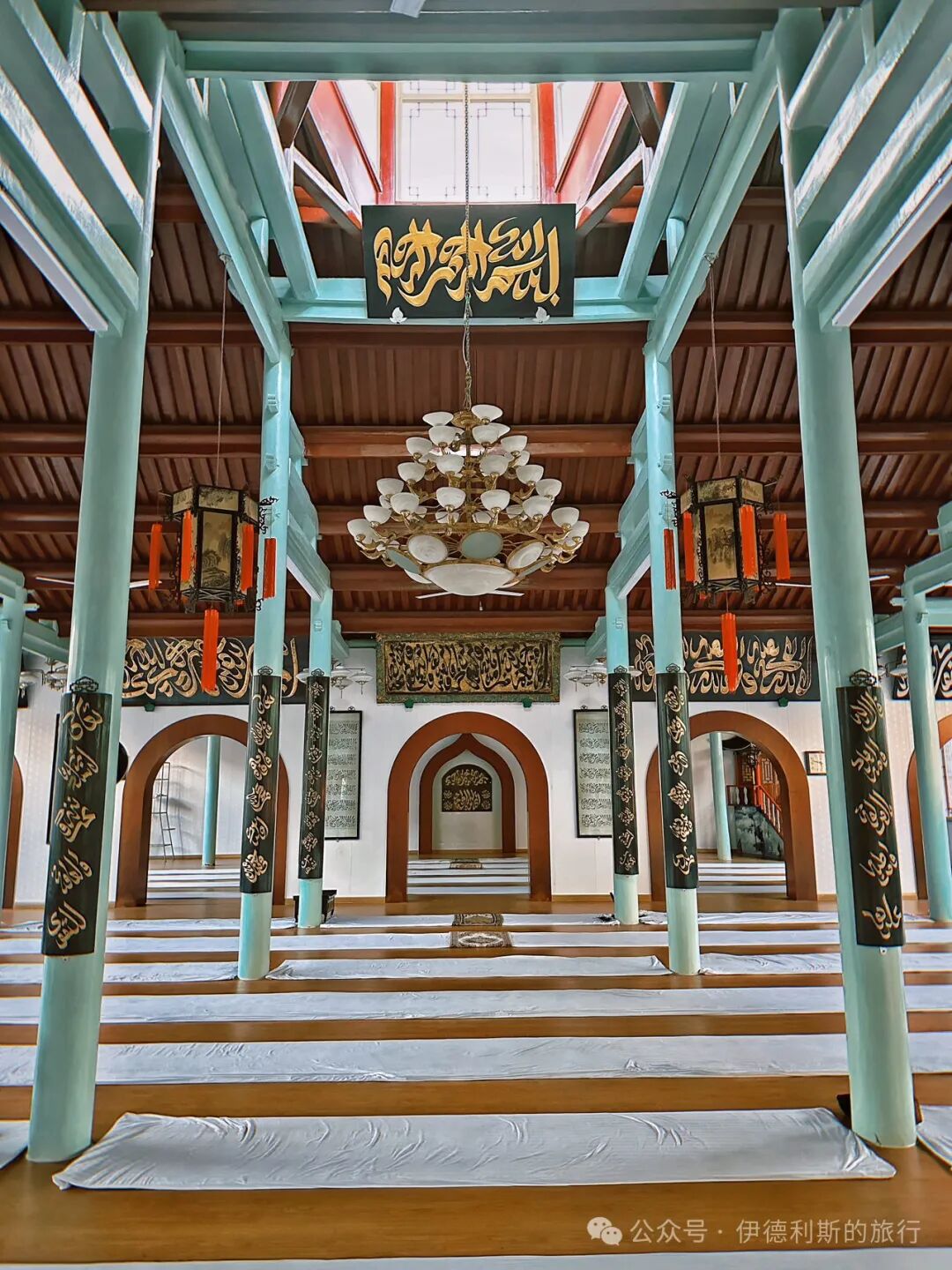
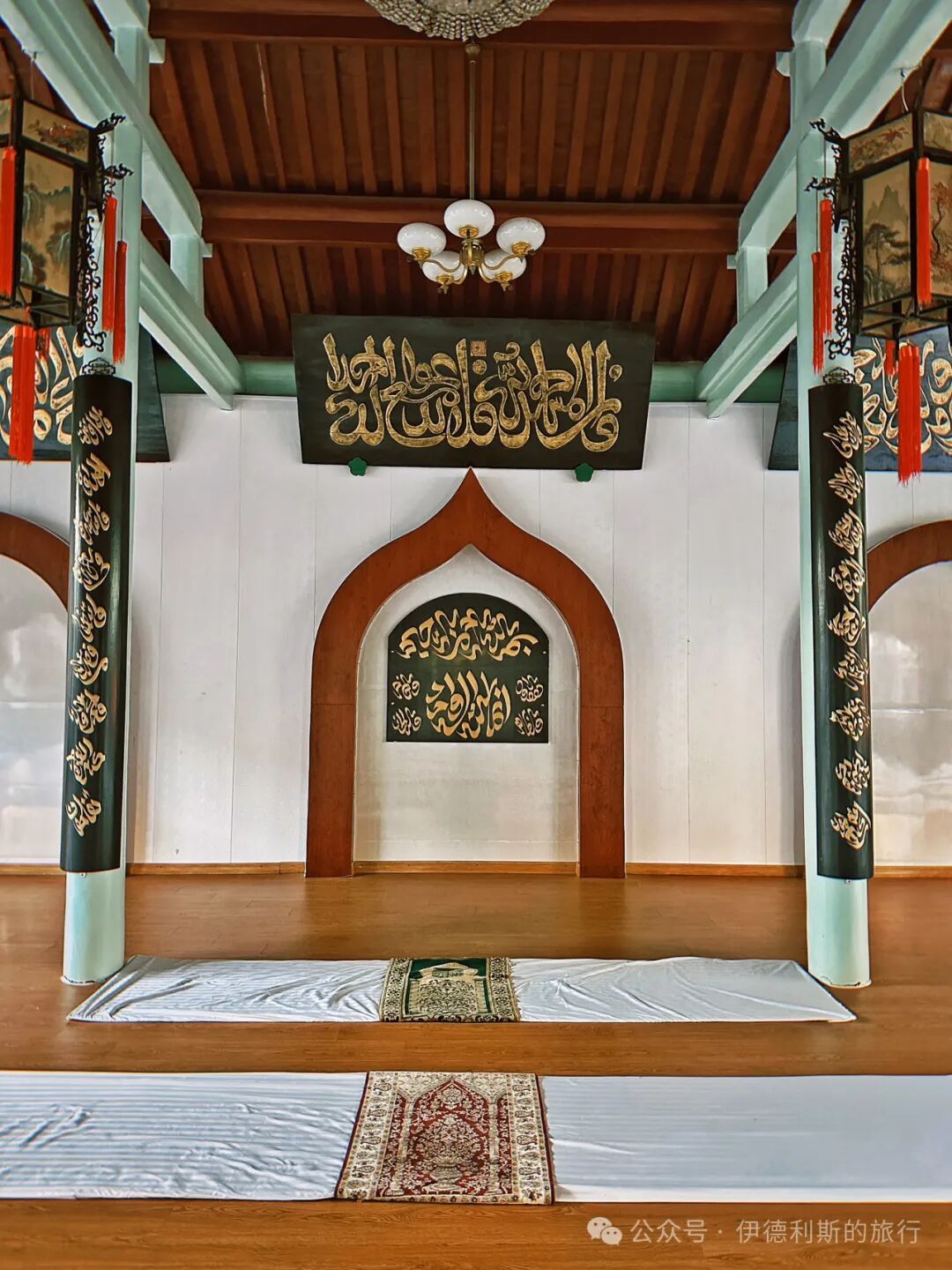
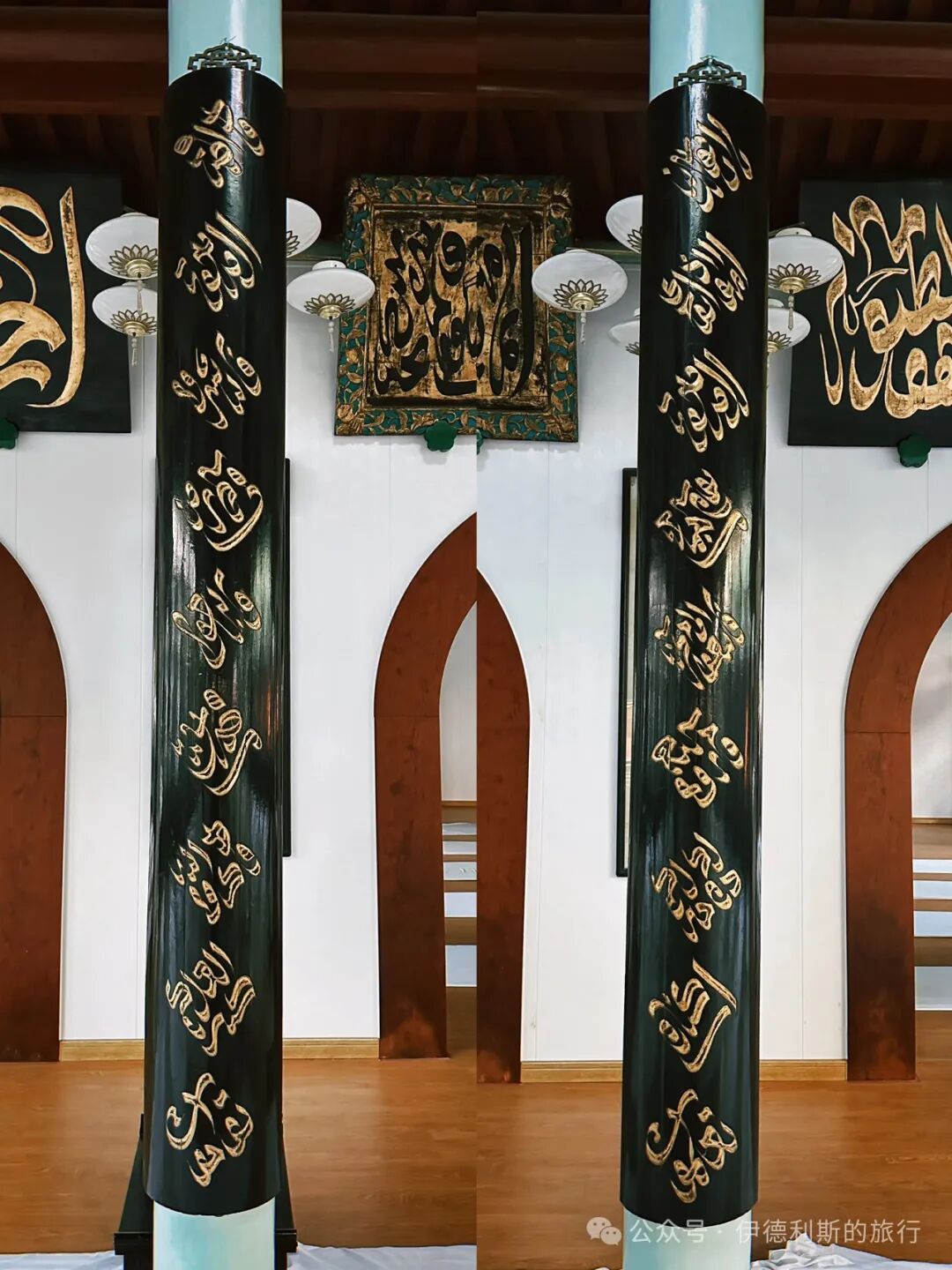
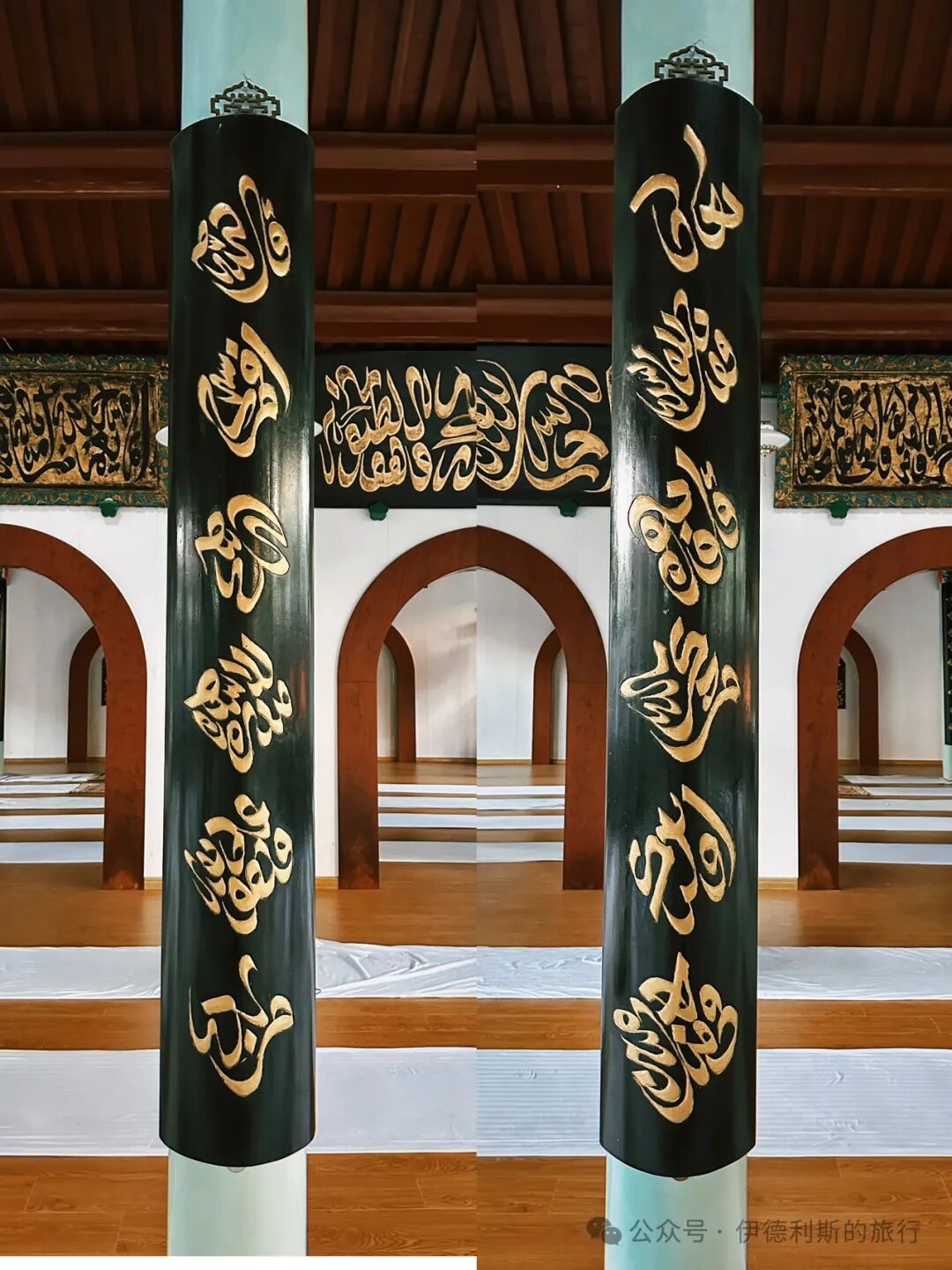
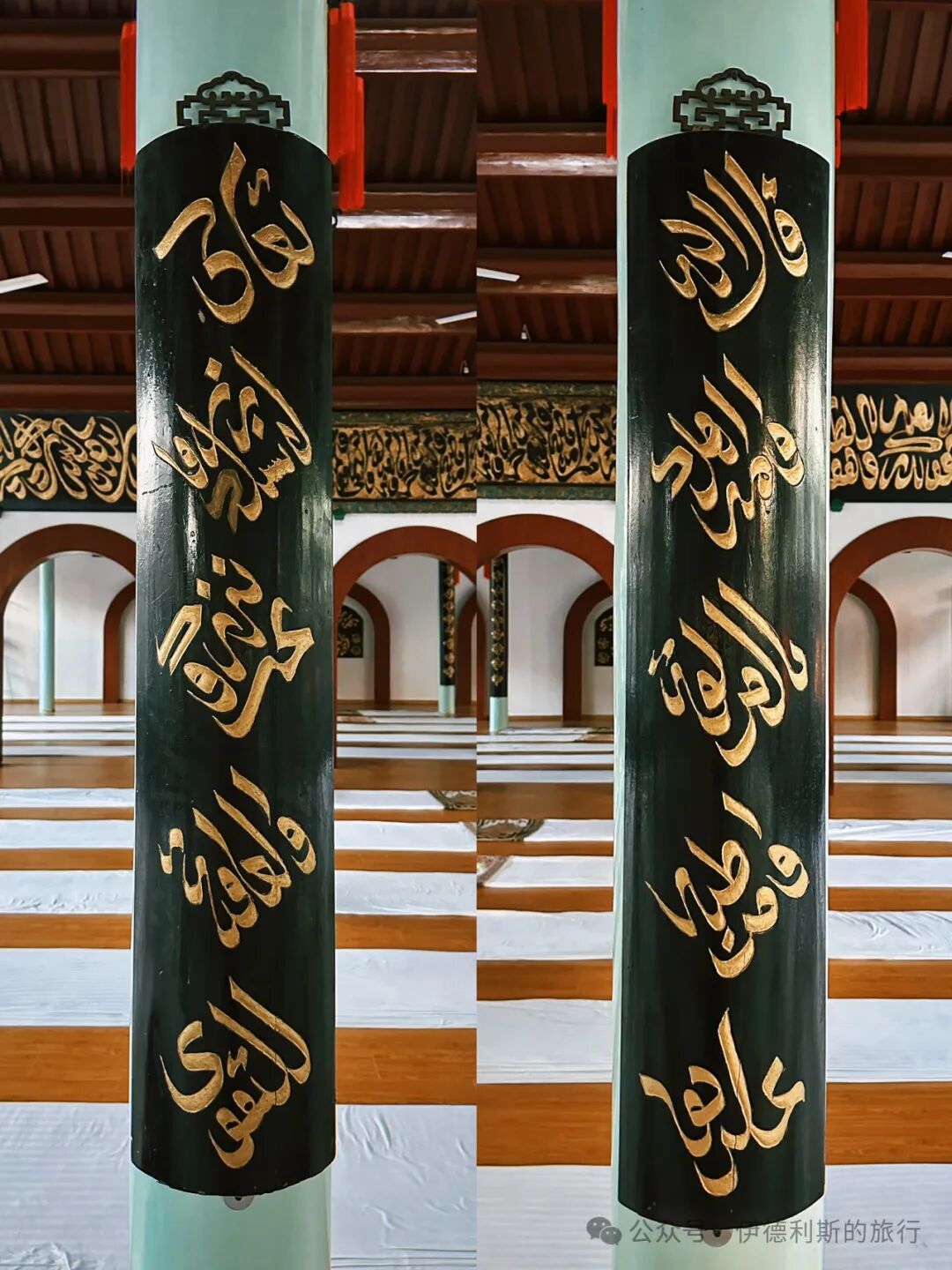
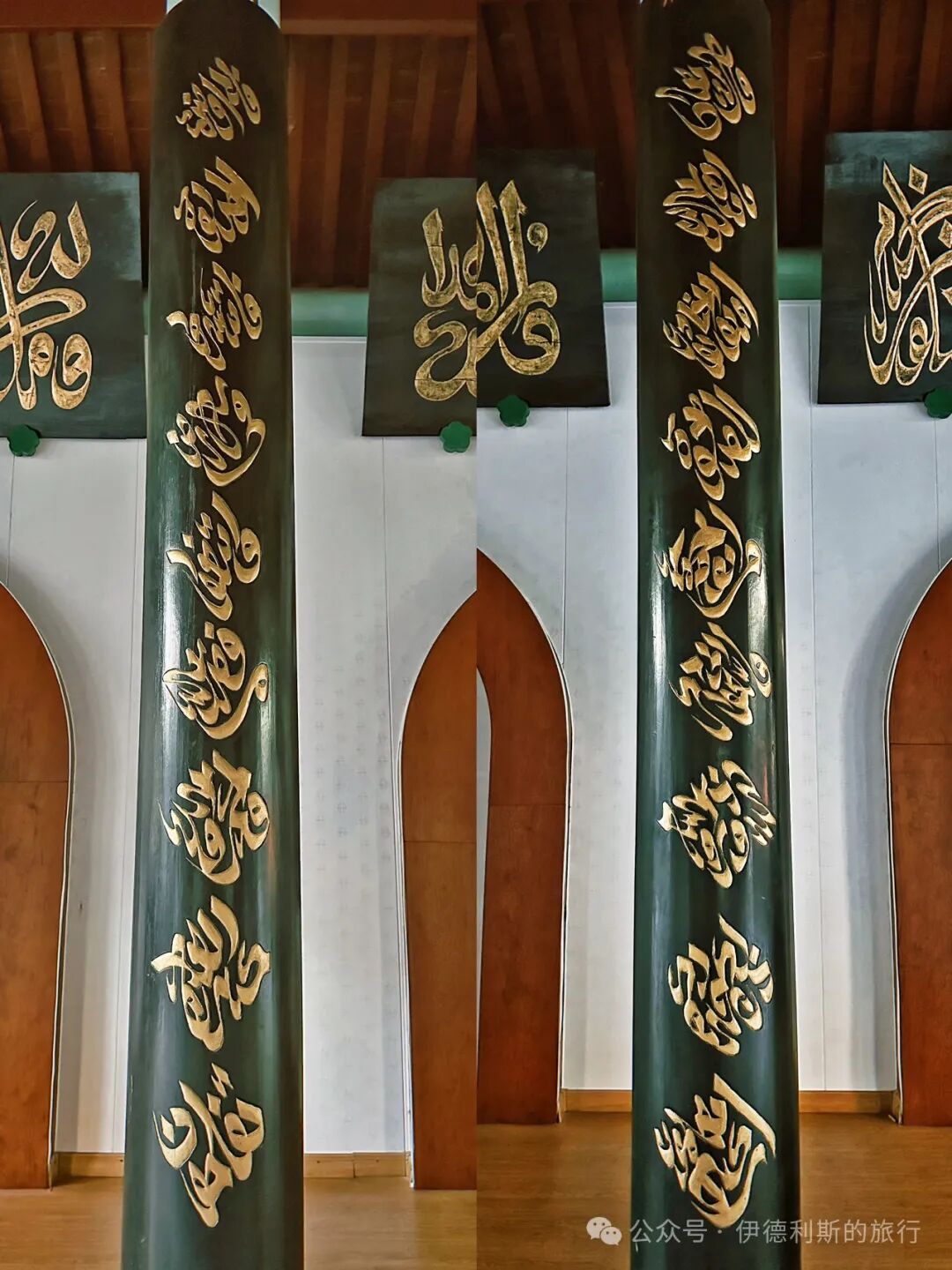
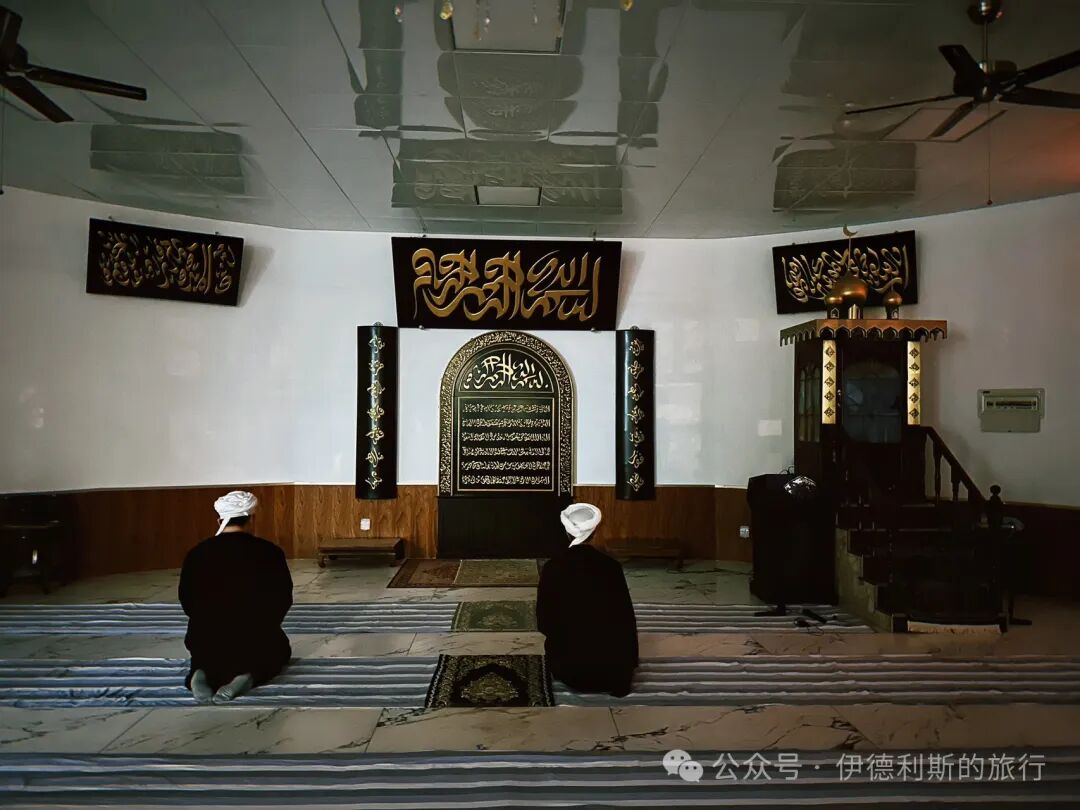
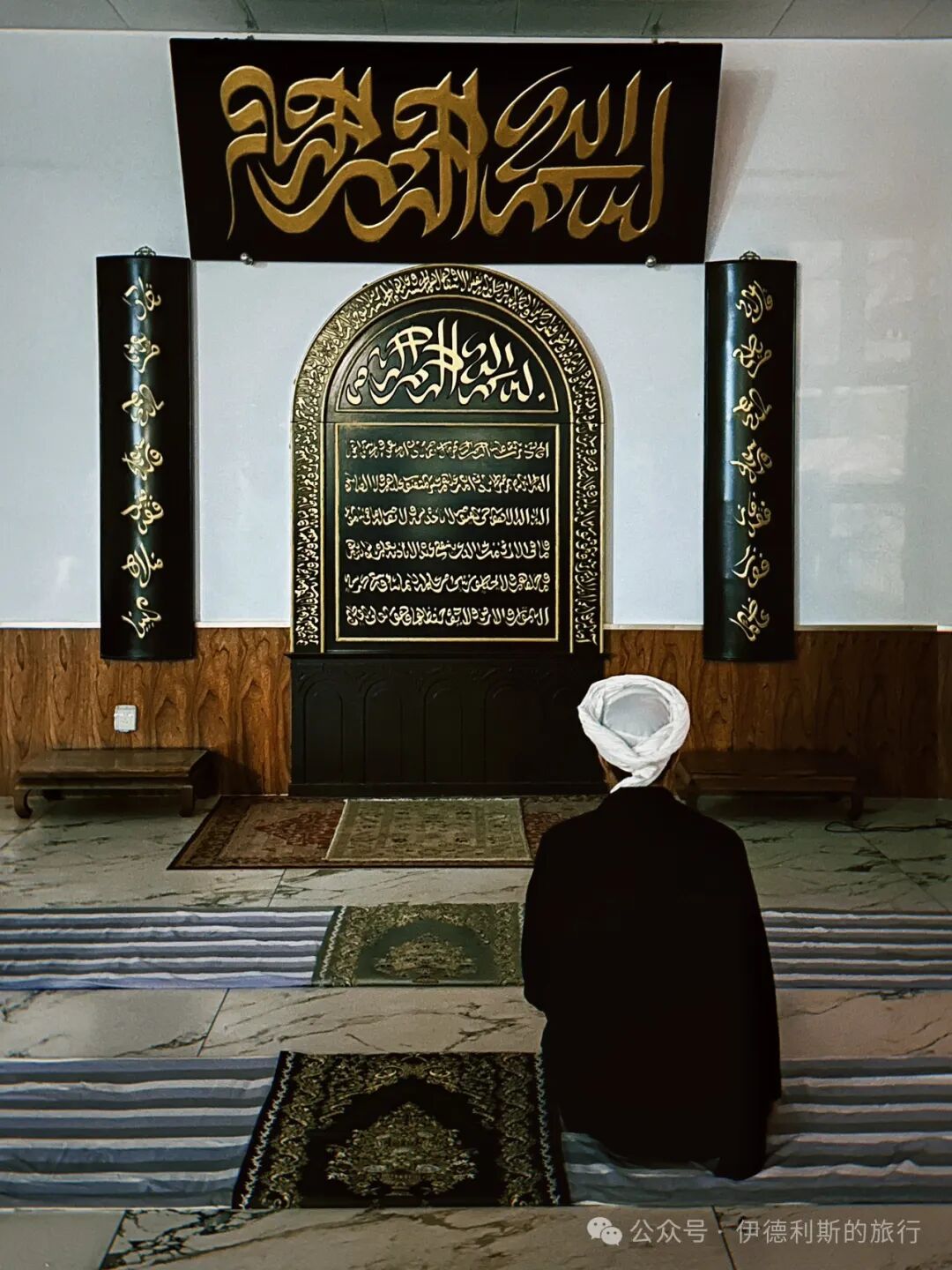
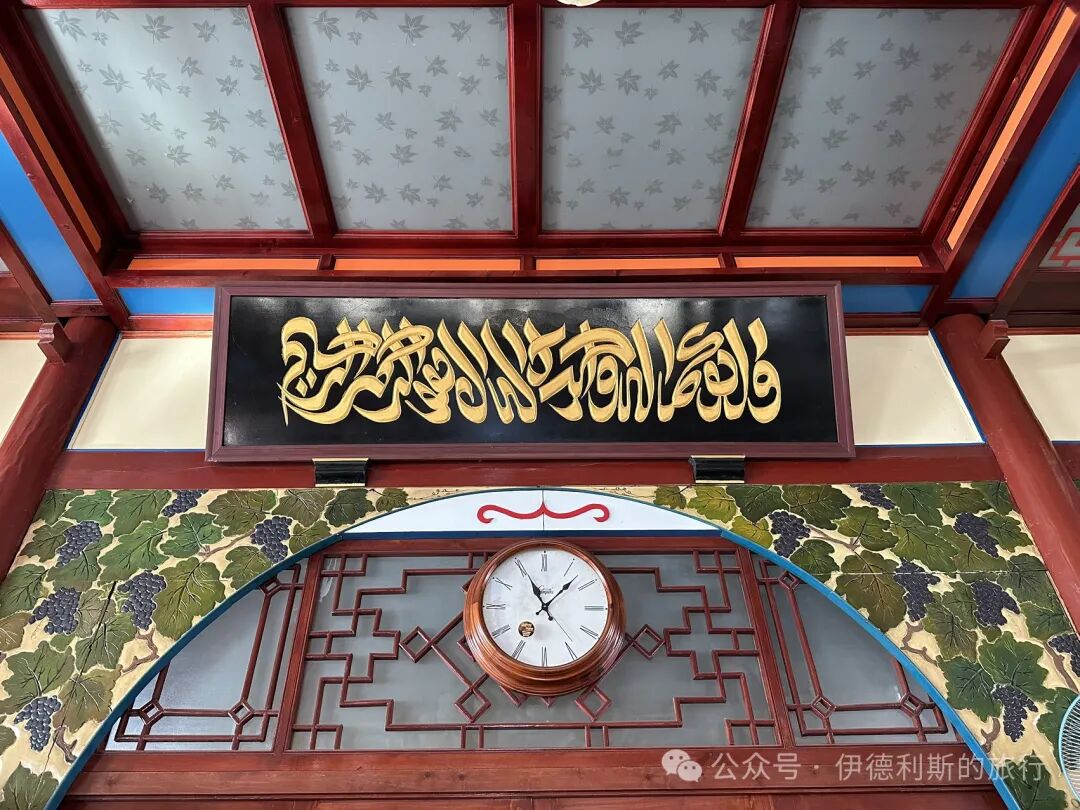
Arabic plaques and couplets inside the main prayer hall. view all
Summary: The third weekend of Ramadan 2025 centers on Tianjin’s Liulin area and Northwest Corner, with mosques, food, and neighborhood scenes. This article keeps the original photos, shop notes, street details, and Muslim community observations.
On Saturday, I went to Liulin Mosque (Liulin Si) in the Hexi District of Tianjin to break my fast. In 1994, the Qiandezhuang area in Hexi District was demolished, and all the Hui Muslims moved to Qianfuli in Xiaohaidi. Later, when the Northwest Corner was demolished, more Hui Muslims moved to Xiaohaidi, leading to the construction of the current Liulin Mosque in 2005.
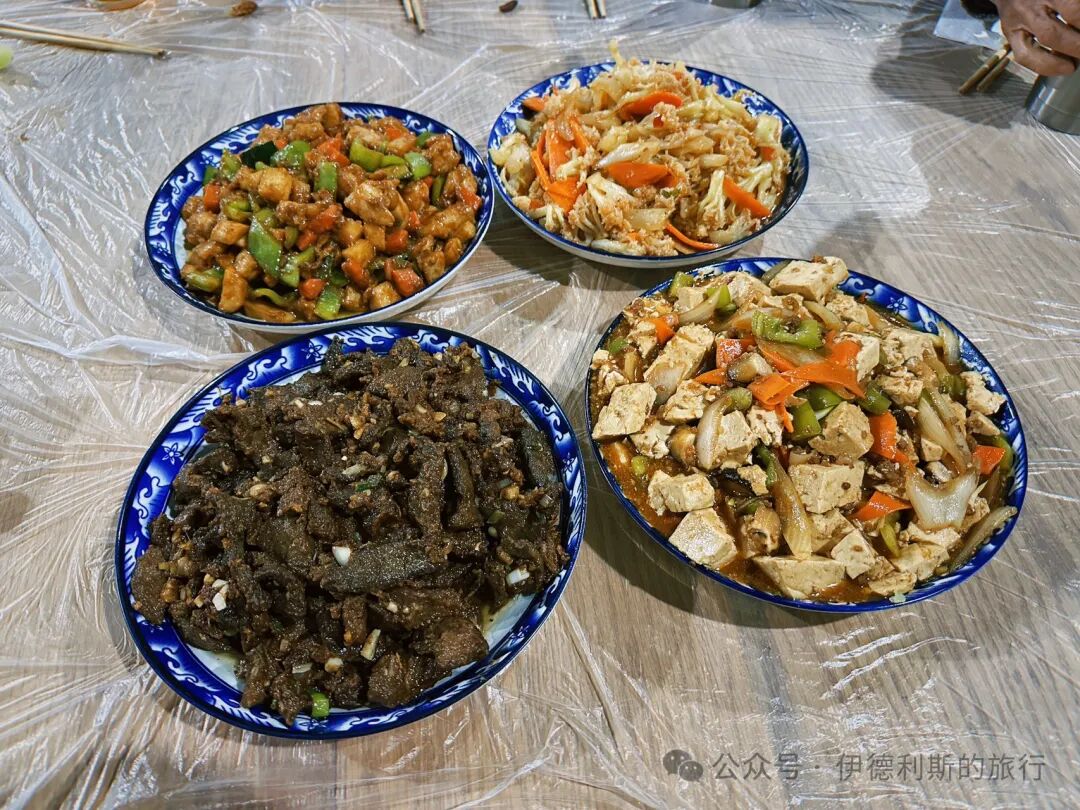
For iftar, we had four dishes and one soup, including the Tianjin specialty stir-stir-fried meat liver, kidney, and heart (laobao san), as well as chicken with winter bamboo shoots, stir-fried cauliflower, and stir-fried tofu. We also had egg and tofu soup, and received sesame flatbread (shaobing) distributed by the mosque.
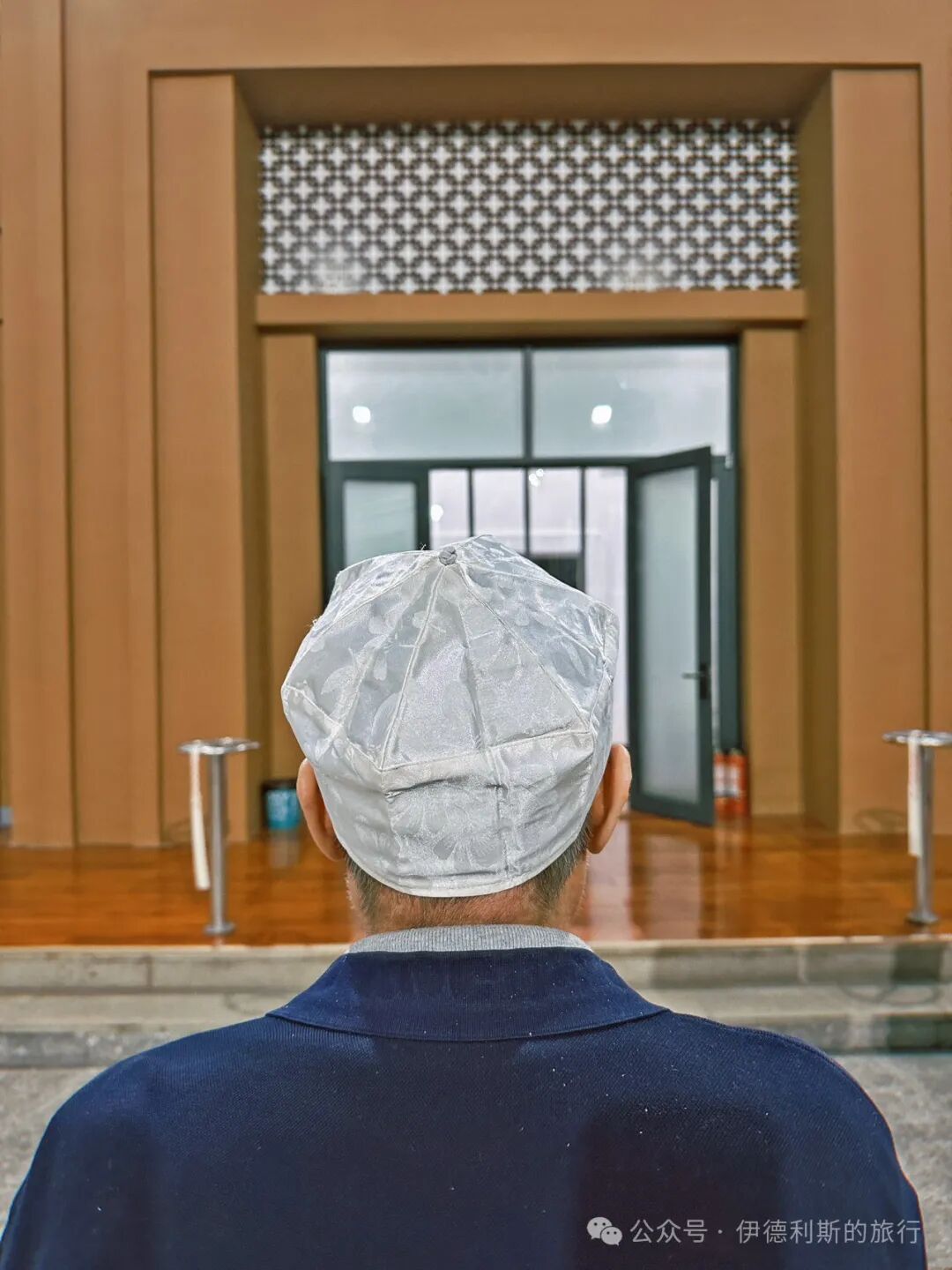
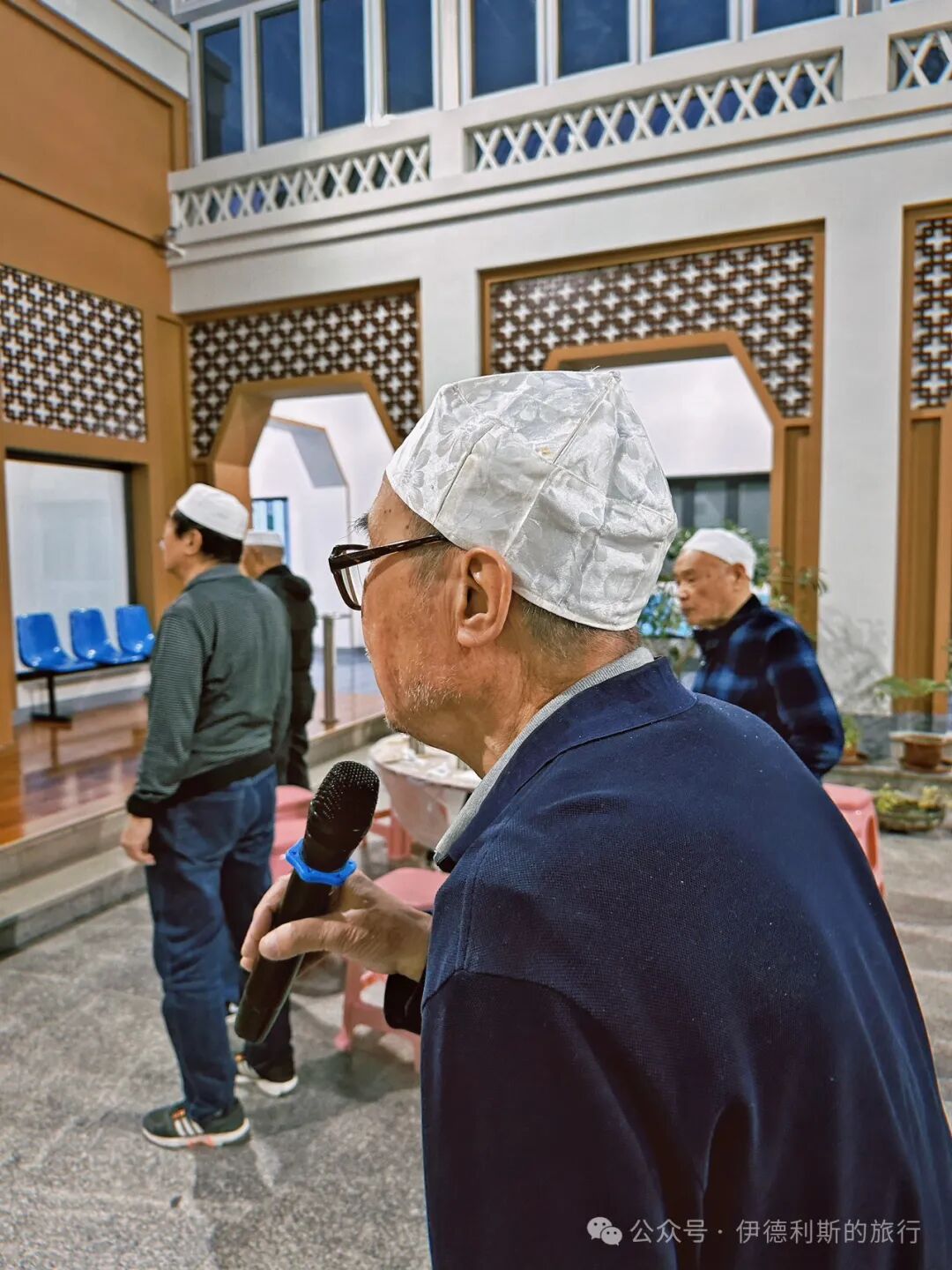
The elder calling the adhan at the mosque wore a traditional North China Gedimu six-paneled cap (liupianwa). The Tianjin six-paneled cap has no corners at all, which is the biggest difference from the hexagonal caps worn by the Jahriyya order.
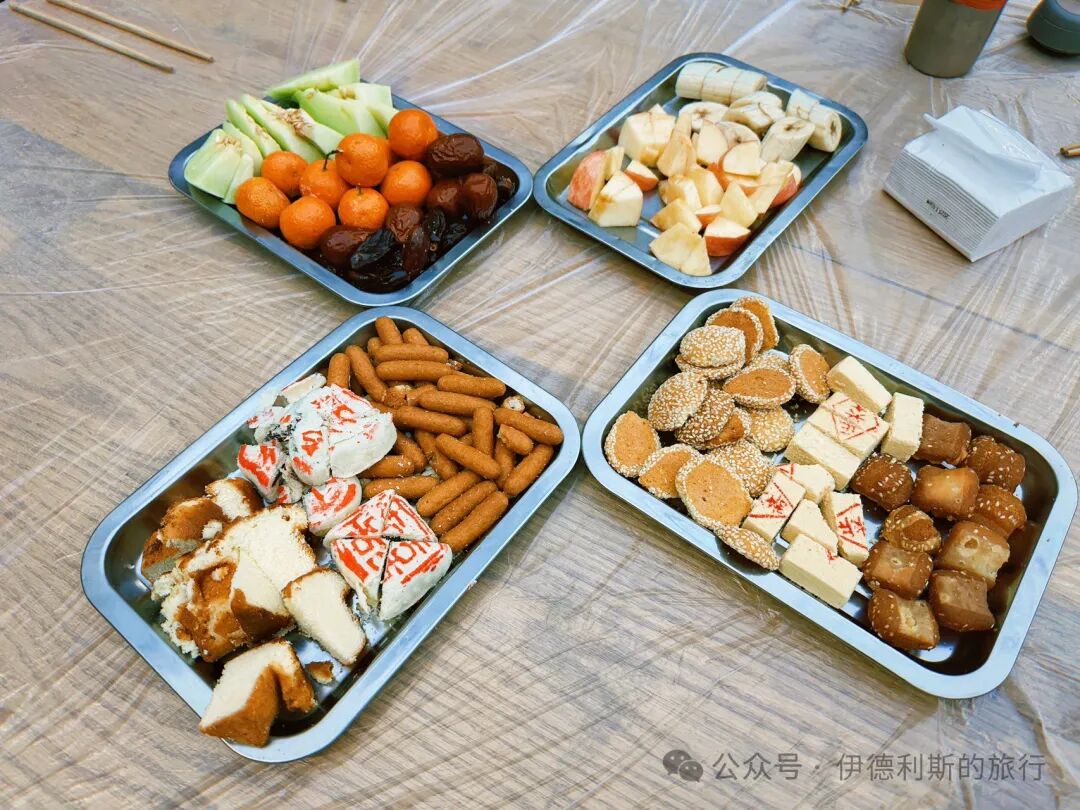
On Sunday, I went to the Northwest Corner of Tianjin. I bought some non-alcoholic fermented bean curd (doufurui) made by the Xining Pickles Factory at Mumin Supermarket. It tasted very good and suits the palate of people from the north.
In the evening, I broke my fast at the Great Mosque of the Northwest Corner (Nandasi). We had rice cakes (gaogan), two types of pan-fried egg-battered patties (guota) made with beef and shrimp, braised eggplant, braised butterfly fish, and eggs boiled in beef broth. An elder warned me not to buy snacks at the mosque gate randomly, saying many of them have no authentic roots. It is true that since the Northwest Corner became popular in recent years, I do not recognize many of the shops anymore. However, some of the old shops are still fine.
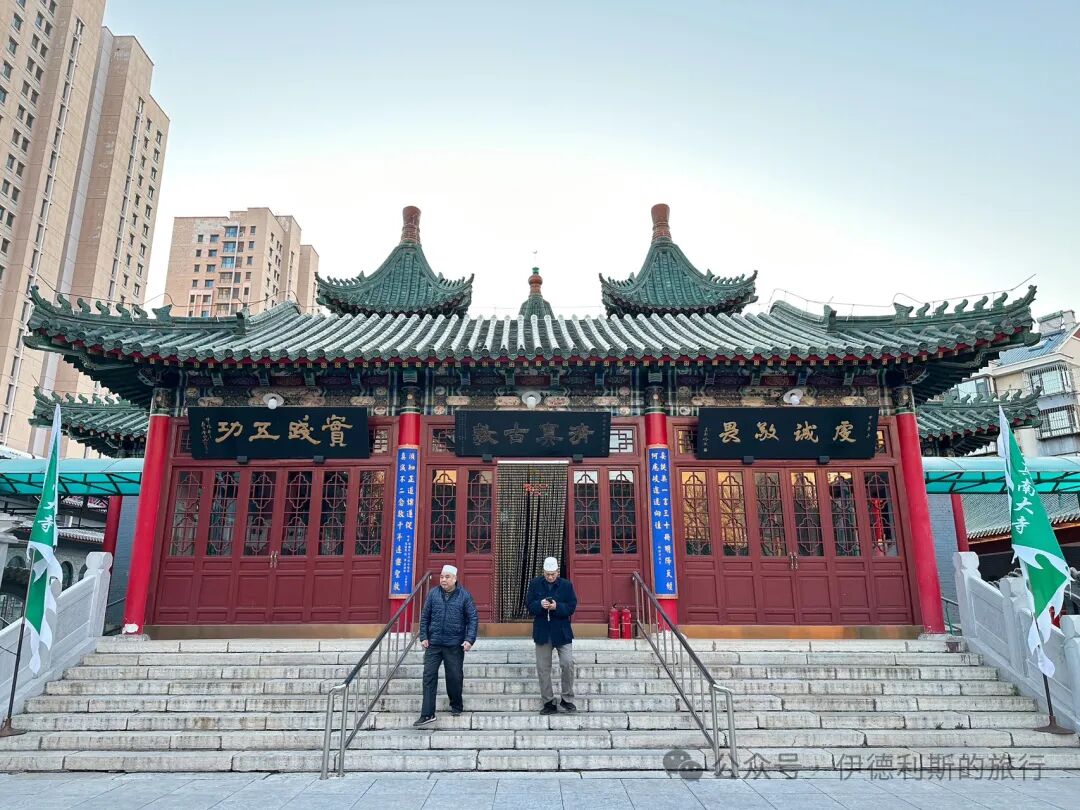
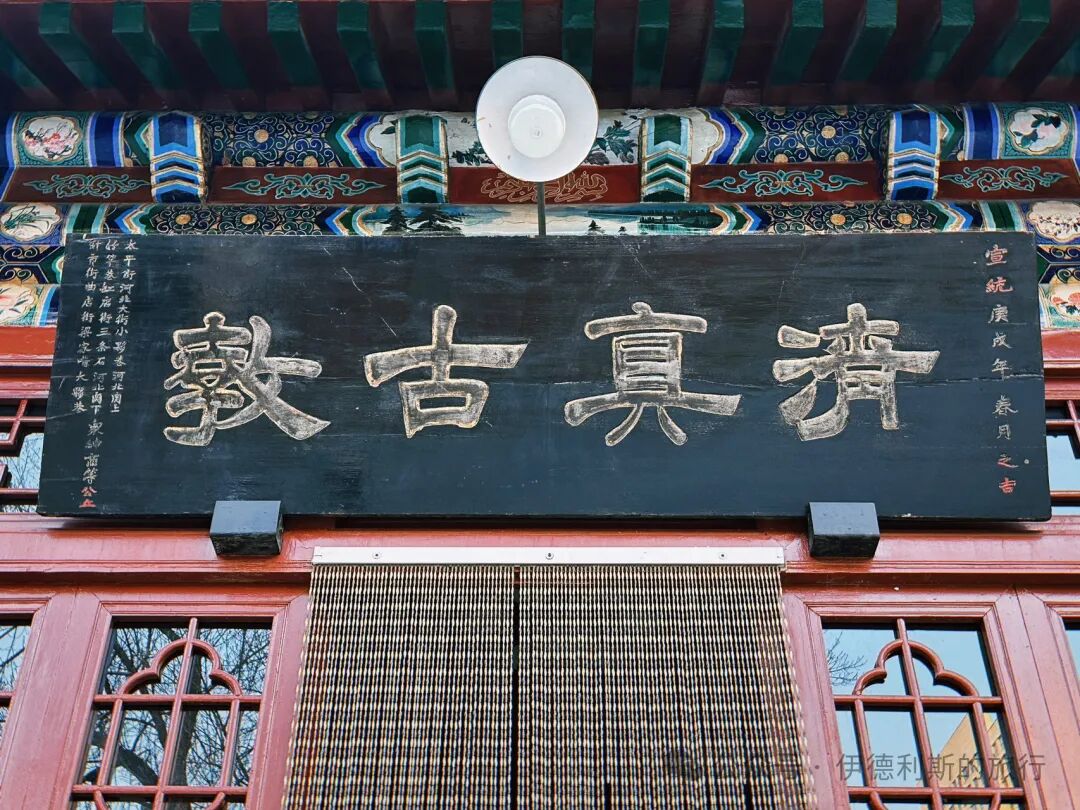
Ancient Islamic Teaching (Qingzhen Gujiao).
An auspicious day in the spring of the Gengxu year of the Xuantong reign.
Taiping Street, Hebei Avenue, Xiaohuo Lane, Shanghebeiguan.
Zhugan Lane, Gangdian Street, Santiaoshi, Xiabebeiguan.
Gangshi Street, Qudian Street, Liangjiazui, Dahuohuo Lane.
Erected by the gentry and merchants.
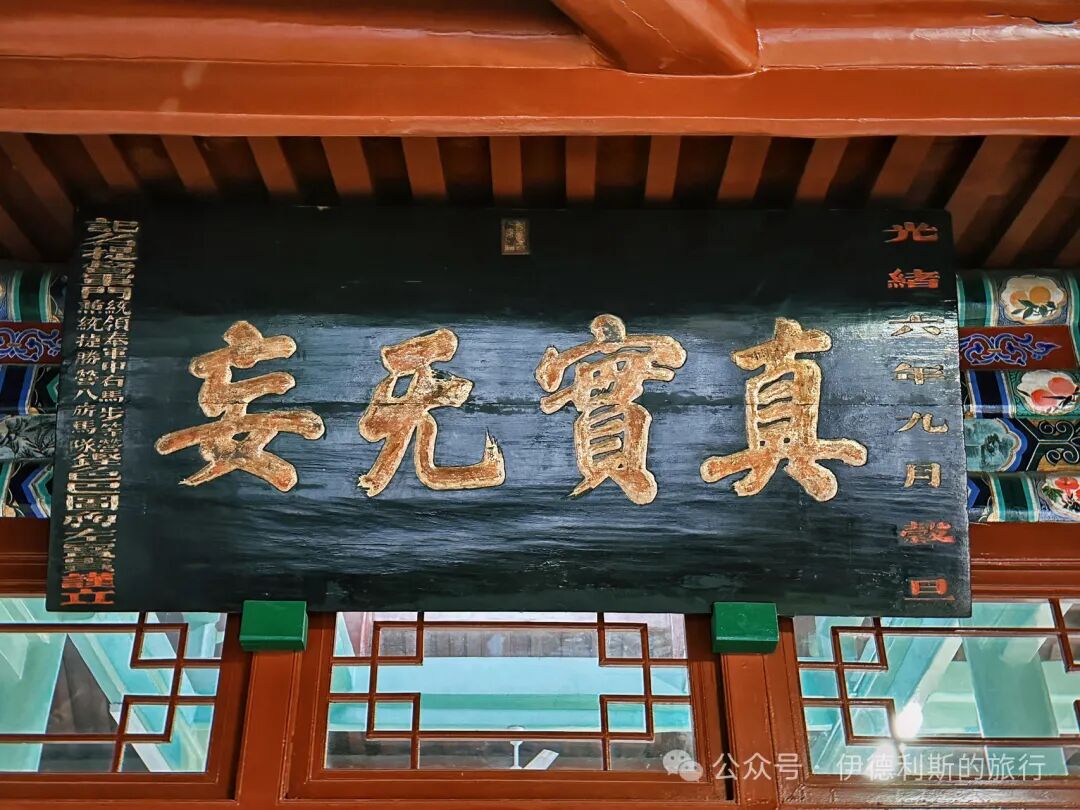
Truth without falsehood.
An auspicious day in the ninth month of the sixth year of the Guangxu reign.
Respectfully erected by Zuo Baogui, a registered Admiral of the Military Gate, Commander of the Feng Army's Right and Middle Cavalry and Infantry Battalions, and concurrently Commander of the Jiesheng Battalion's Eighth Brigade Cavalry, titled Kengse Baturu.
Virtue and kindness bestowed.
Erected in the apricot month of the Gengshen year, the ninth year of the Republic of China.
Respectfully inscribed by Zhang Chunhua, a follower of the Islamic faith.
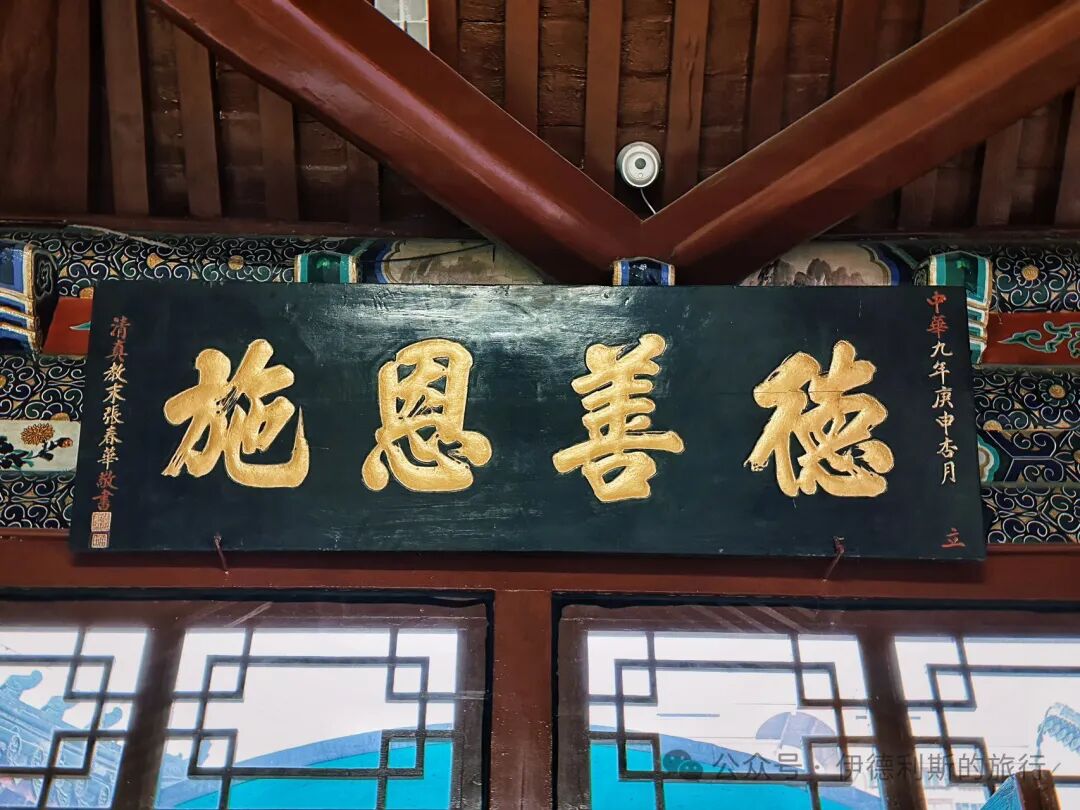
Creation originates from the Infinite.
Respectfully inscribed by Peng Yuwen, a Zhongxian Grand Master and official of the Tianjin Circuit in Zhili.
An auspicious day in the seventh lunar month of the Bingwu year, the 26th year of the Daoguang reign.
Respectfully erected by Zhang Yunbiao and Guang Rui of Tianjin, along with their sons Jindong and Bang.
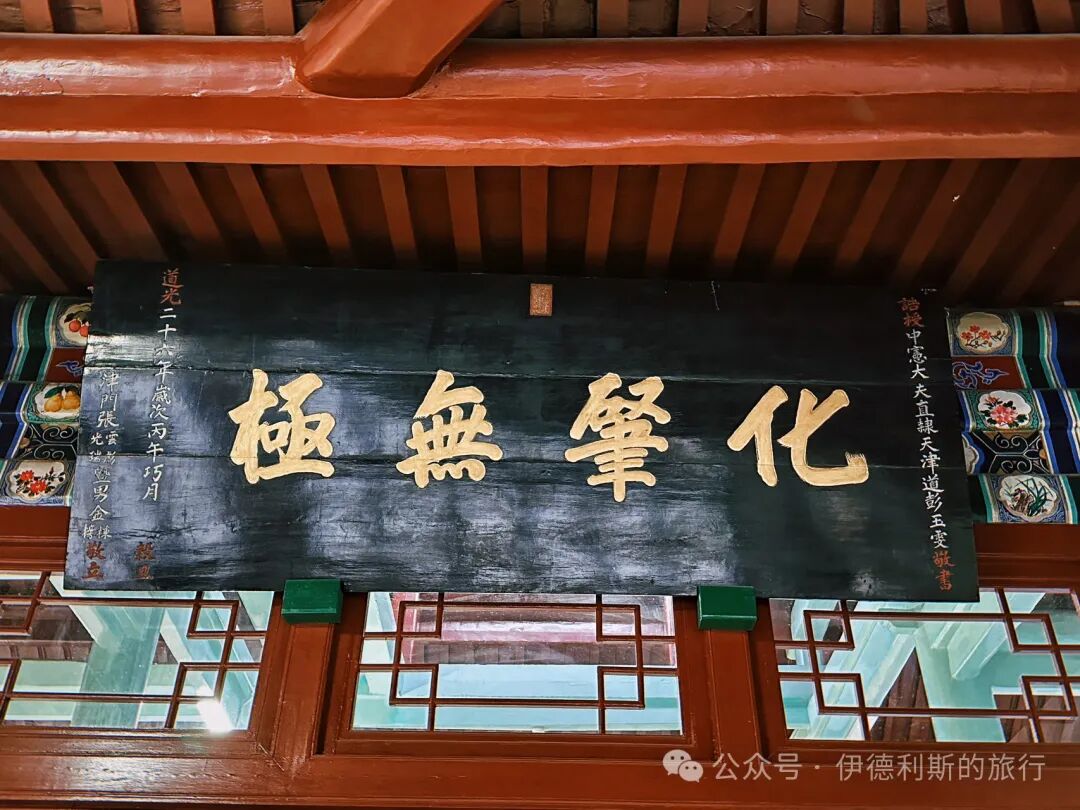
Ancient Islamic Teaching (Qingzhen Gujiao).
An auspicious day in the Gengyin year of the Guangxu reign of the Great Qing Dynasty.
Respectfully offered by Hei Zhaorong, a river battalion commander (qian zong) of Tianjin Prefecture, granted the fourth-rank title and the right to wear a blue feather.
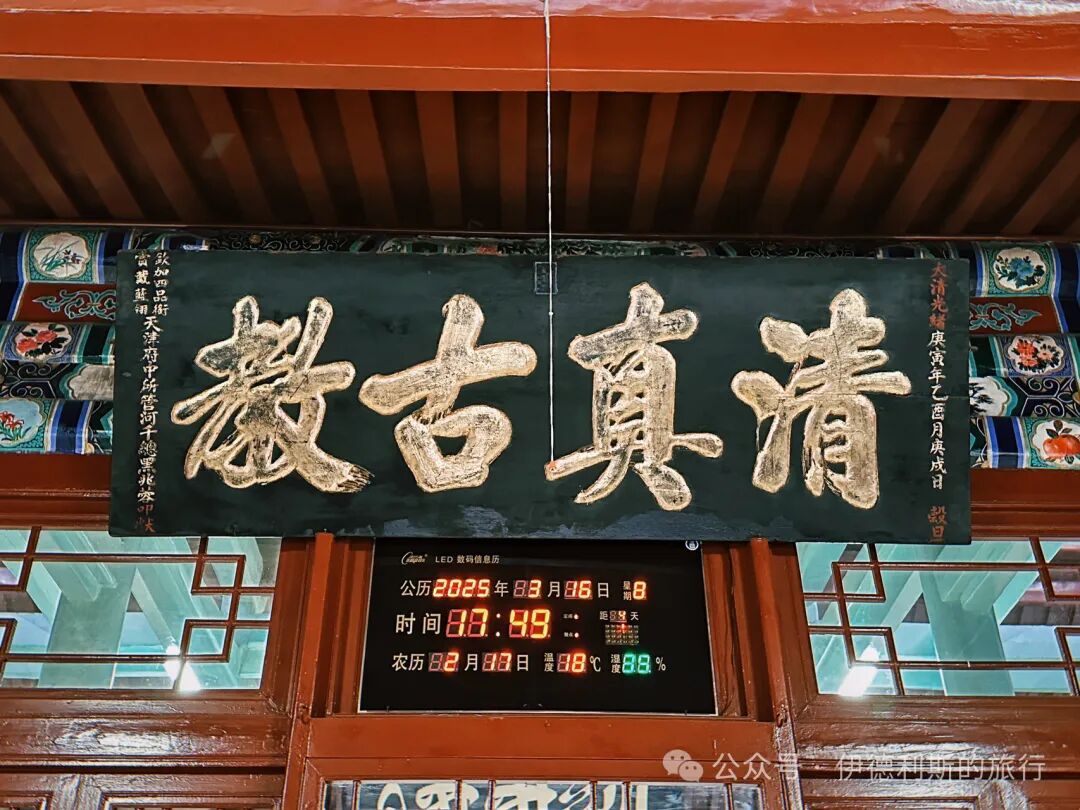
Ancient Islamic Teaching (Qingzhen Gujiao).
An auspicious day in the Gengyin year of the Guangxu reign of the Great Qing Dynasty.
Respectfully offered by Hei Zhaorong, a river battalion commander (qian zong) of Tianjin Prefecture, granted the fourth-rank title and the right to wear a blue feather.
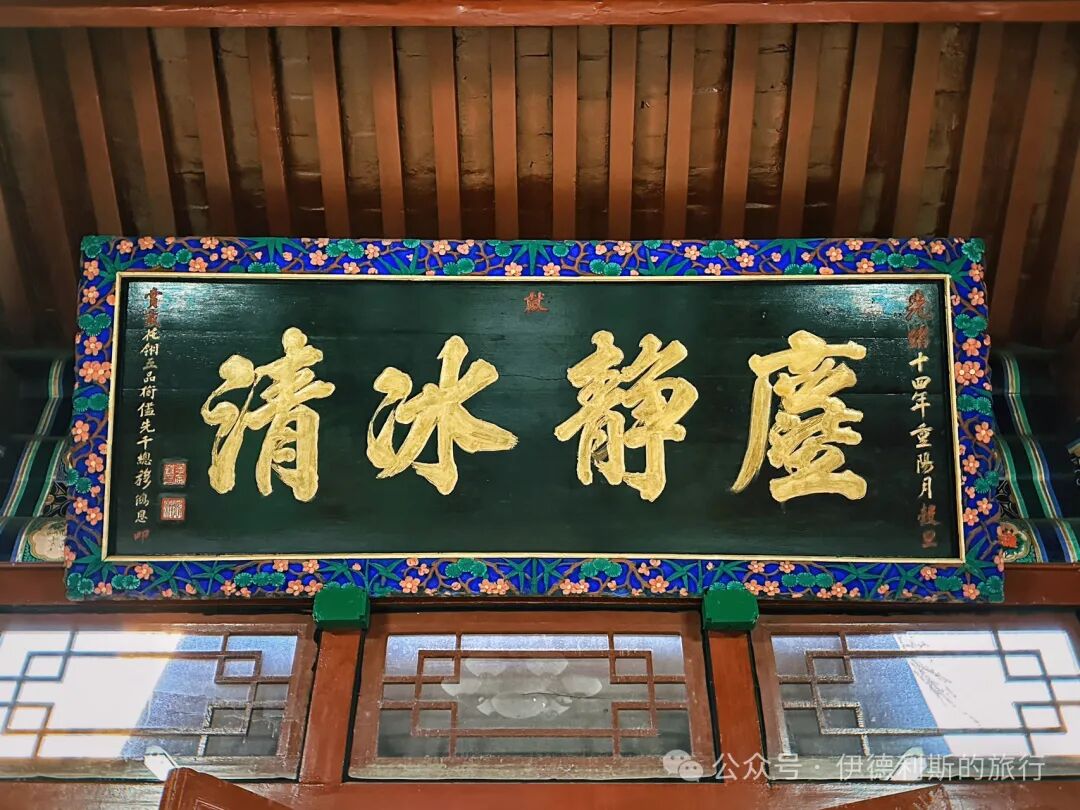
Allah is Most Merciful in this world and the next. He is generous and kind in this life, providing for all things without lack, showing grace that is vast, fair, and selfless. The Tianjin South Mosque has stood for many years, built through the hard work of our elders who traveled far to raise funds. The mosque's property and water company shares, which cover its annual expenses, were already recorded on a stone tablet. The mosque committee members take turns managing these affairs. Now, Elder Liu Weizhan has kindly donated 20 water company shares to support the mosque's annual expenses. We fear these records might be lost over time, so we have inscribed this new tablet. Together with the mosque's original 16 shares (the original 8 were increased to 16), there are now 36 shares in total. This ensures that each committee member can clearly hand over duties to their successor, and this great act of charity will be remembered forever.
Inscribed by the committee members of the South Mosque (names omitted).
Written by Liu Mengyang.
Erected in December of the 26th year of the Republic of China.
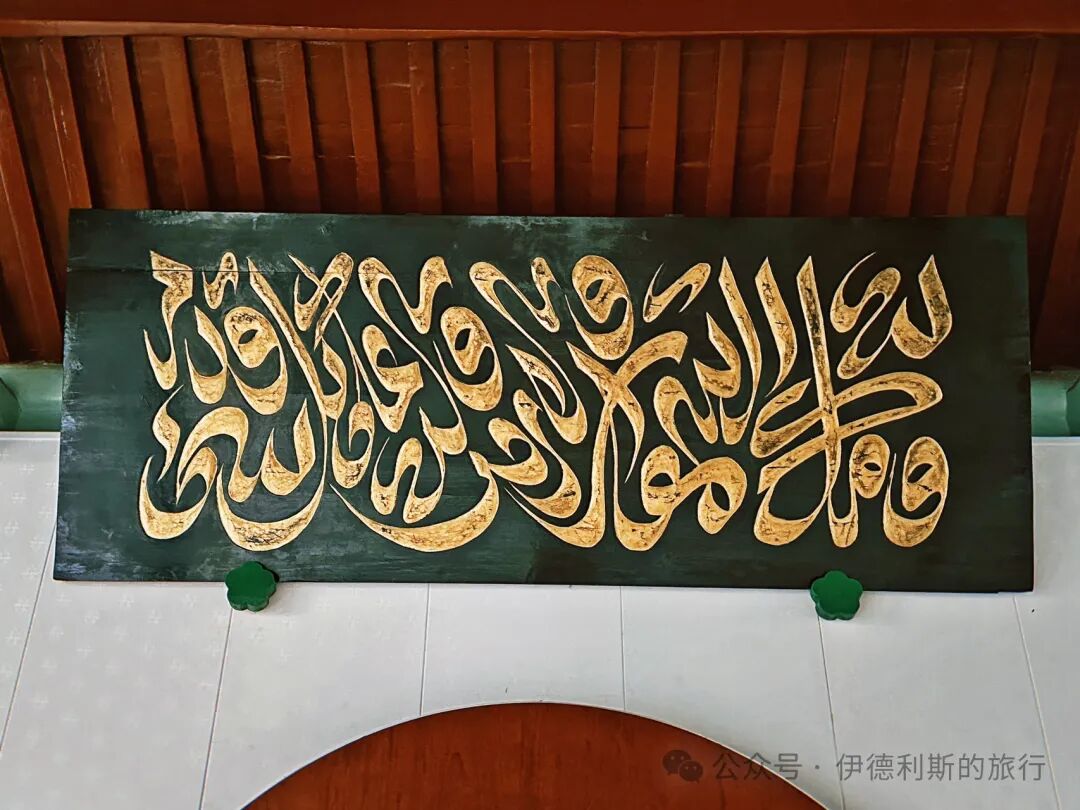
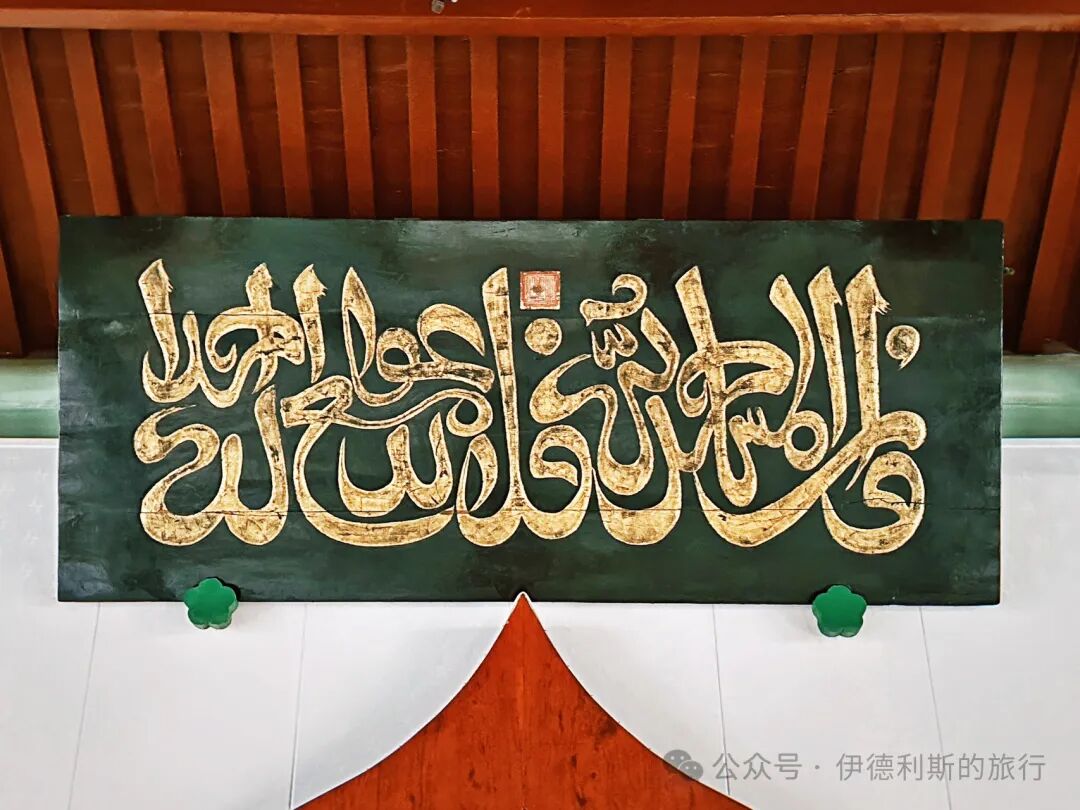
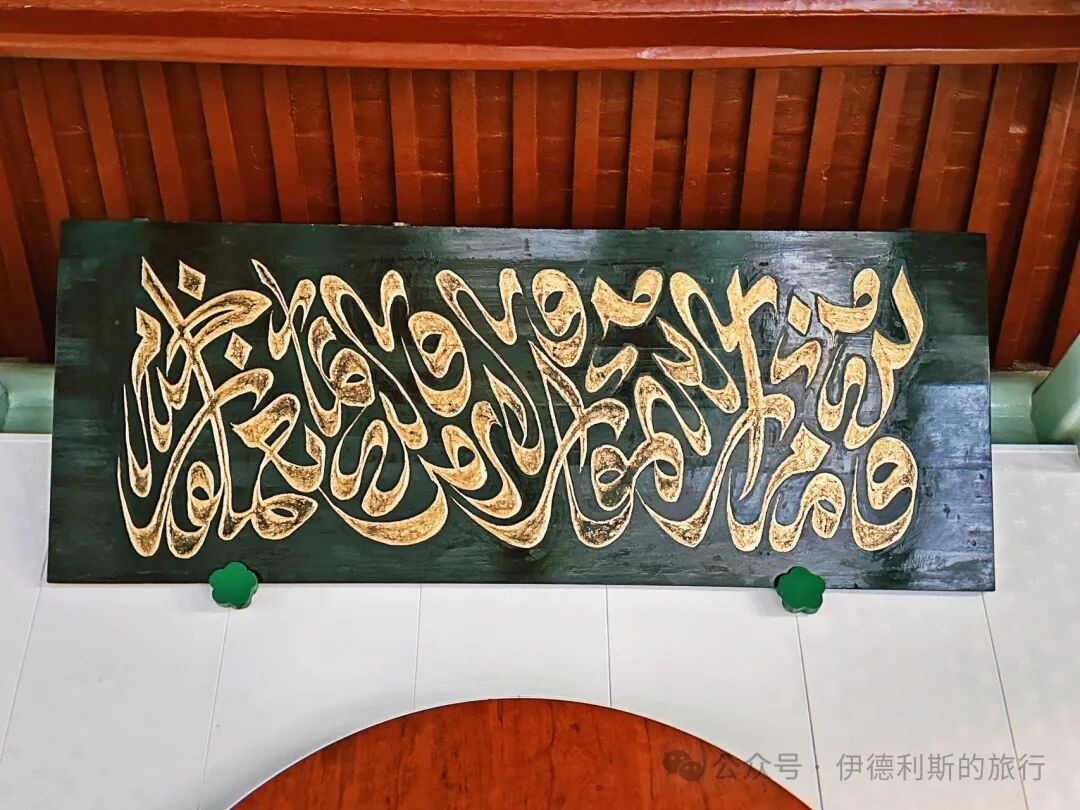
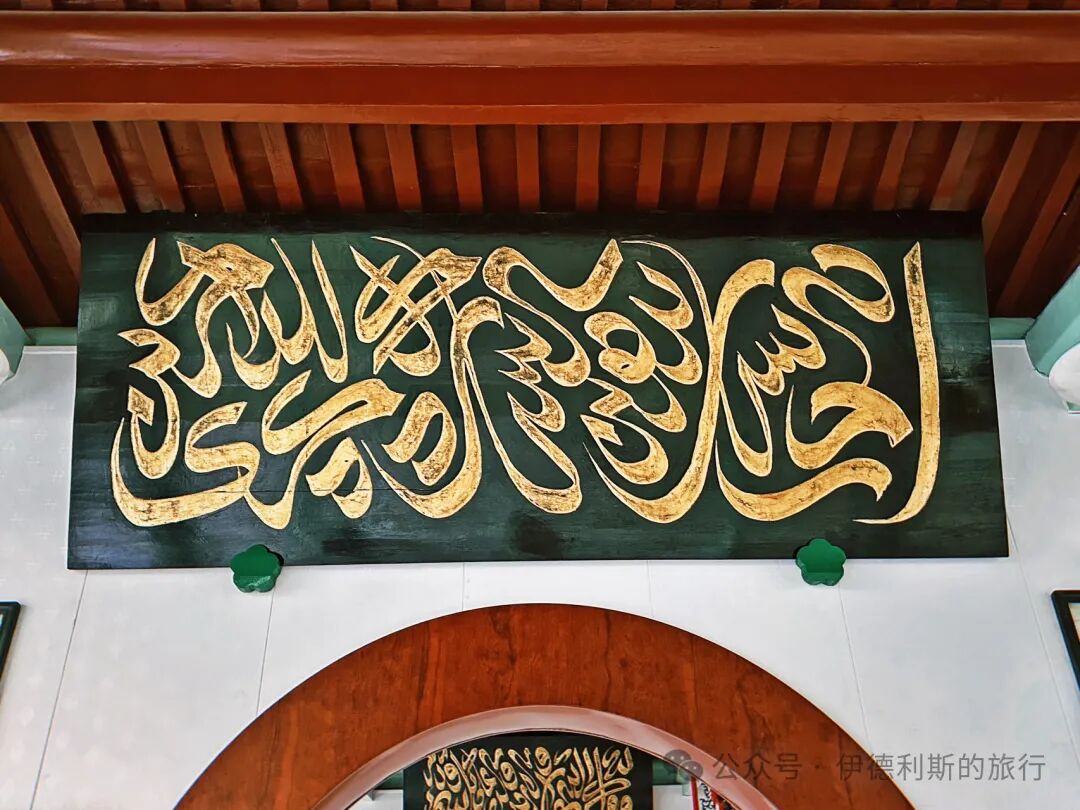
The number one reveals the essence of the Truth, hiding great grace to influence and complete all things.
Movement creates words, stillness returns to the Truth, guiding those on the path to transform themselves and return to the Source.
Written by Prince Li.
Arabic plaques and couplets inside the main prayer hall.
Halal Travel Guide: Ramadan Weekend 2025 — Beijing Nanxiapo and Tianjin Muslim Streets
Articles • ali2007fr posted the article • 0 comments • 156 views • 2026-05-20 00:57
Summary: The second weekend of Ramadan 2025 follows Muslim community spaces in Beijing Nanxiapo, Tianjin Xining Road, and Fuxingzhuang. This article preserves the original mosque visits, street scenes, food notes, and photographs in a single English travel account.
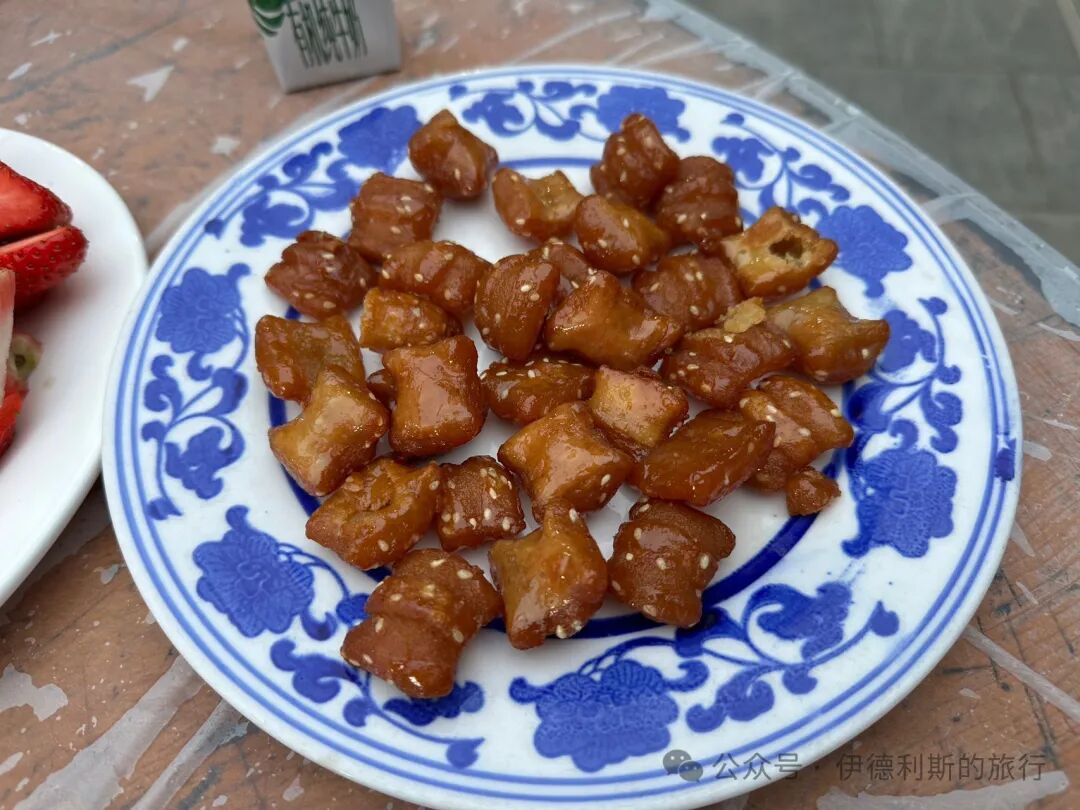
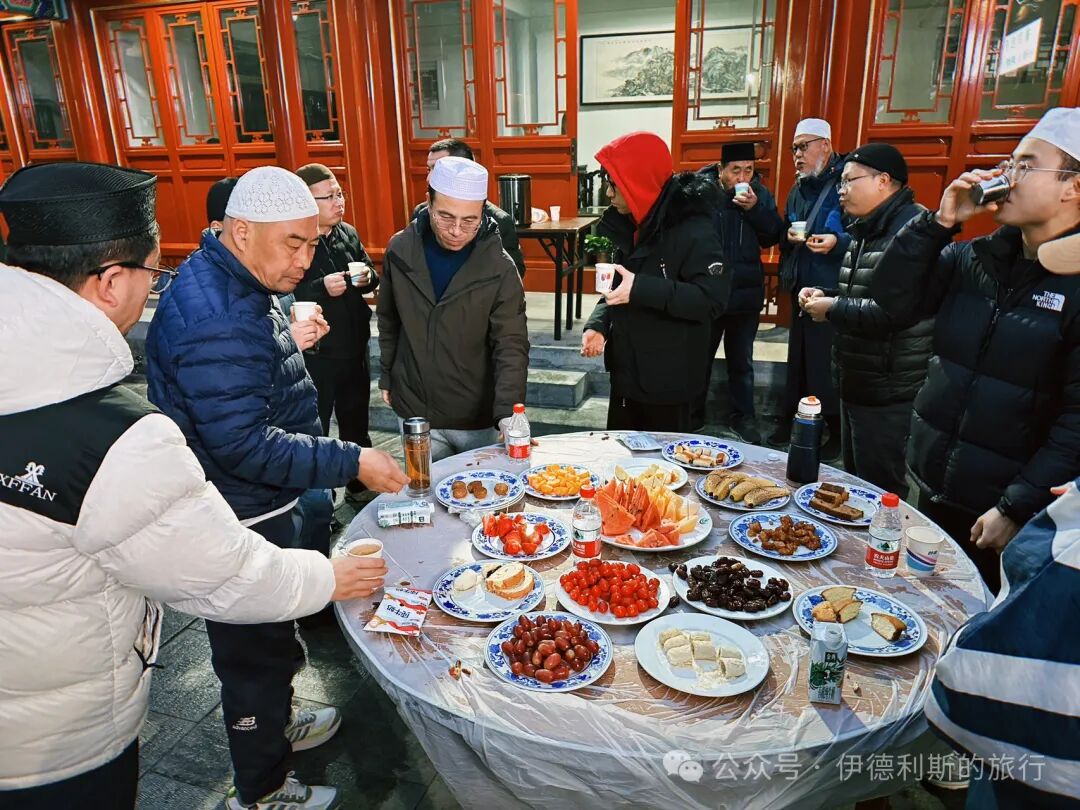
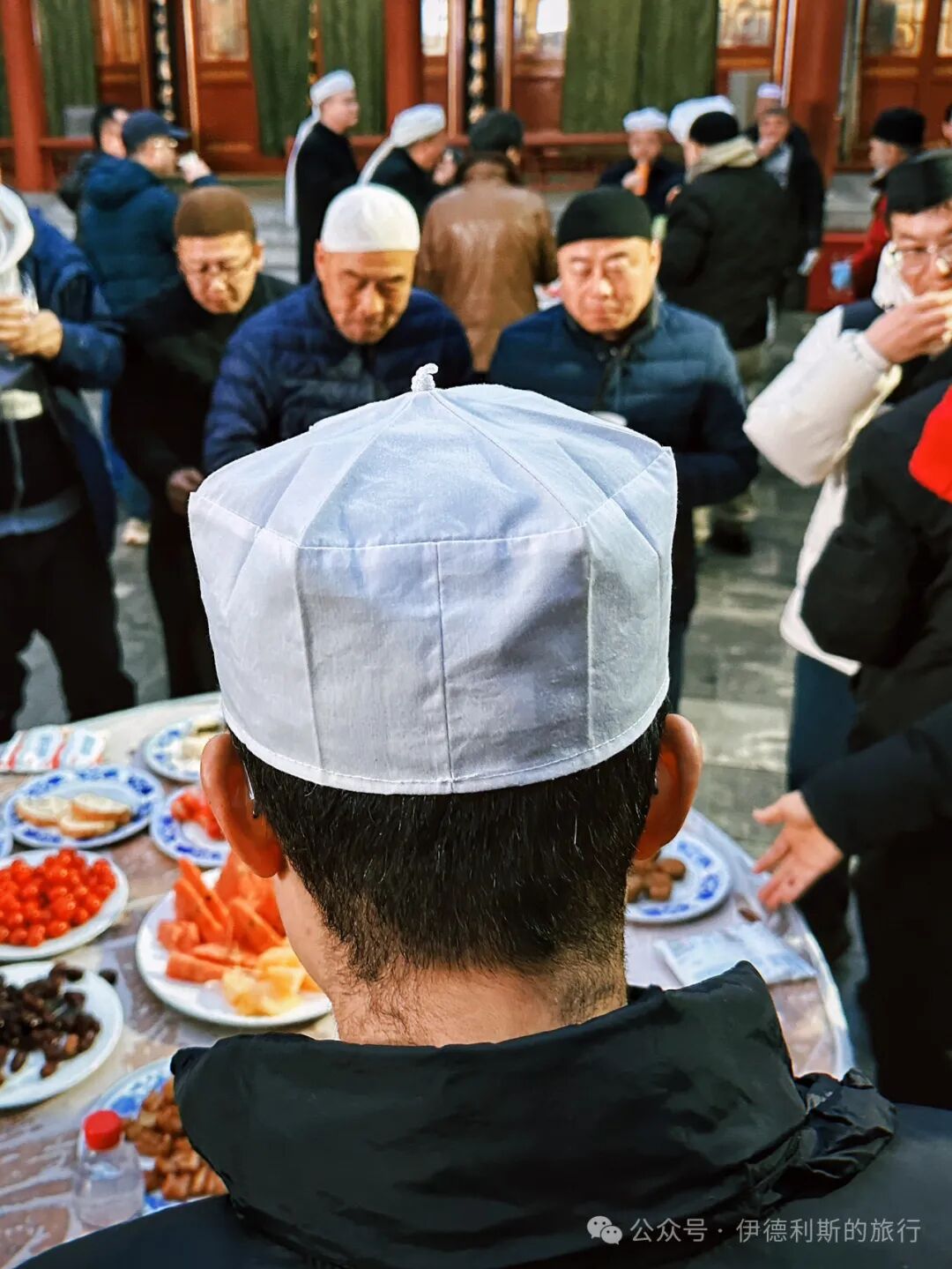
On Friday, March 7, I went to Nanxiapo near Chaowai after work. The iftar snacks and fruits at Shiqipan were very plentiful. I met a friend (dosti) wearing a traditional North China Gedimu six-piece cap. It is slightly different from the hexagonal cap worn by the Zhe sect, and it is now on the verge of disappearing. After the Maghrib prayer (shamu), a friend invited me to have iftar at a restaurant next to the mosque. The place was packed and very lively. We had stewed meat and flatbread (laobing) with two side dishes. It was simple and tasty.
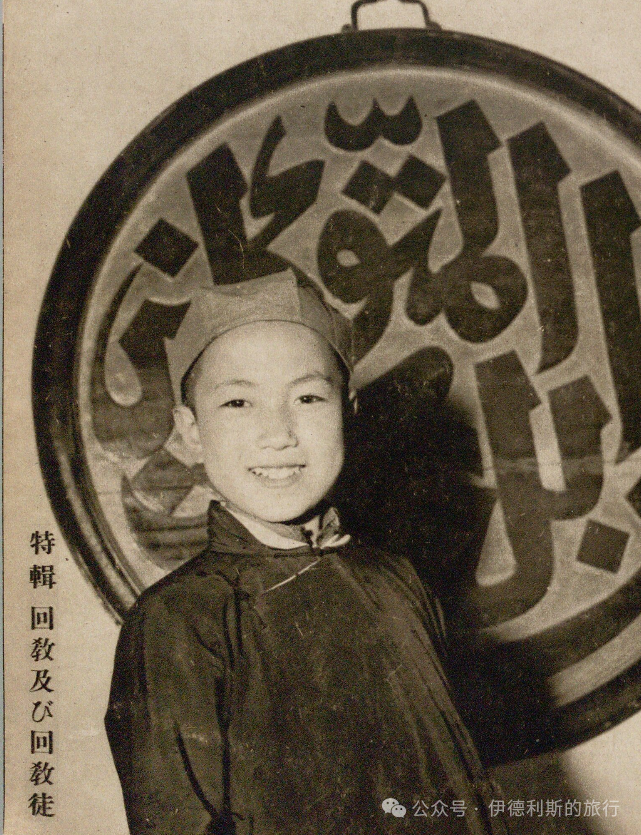
A child wearing a six-piece cap in Niujie, Beijing, in 1942.
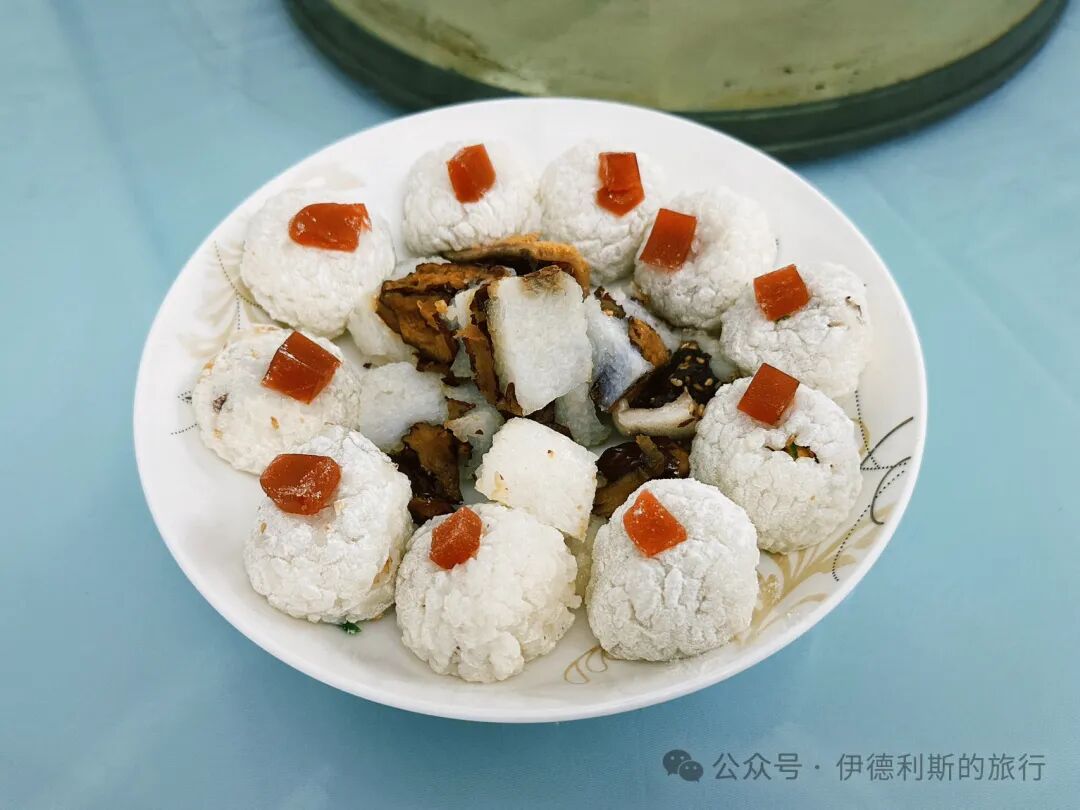
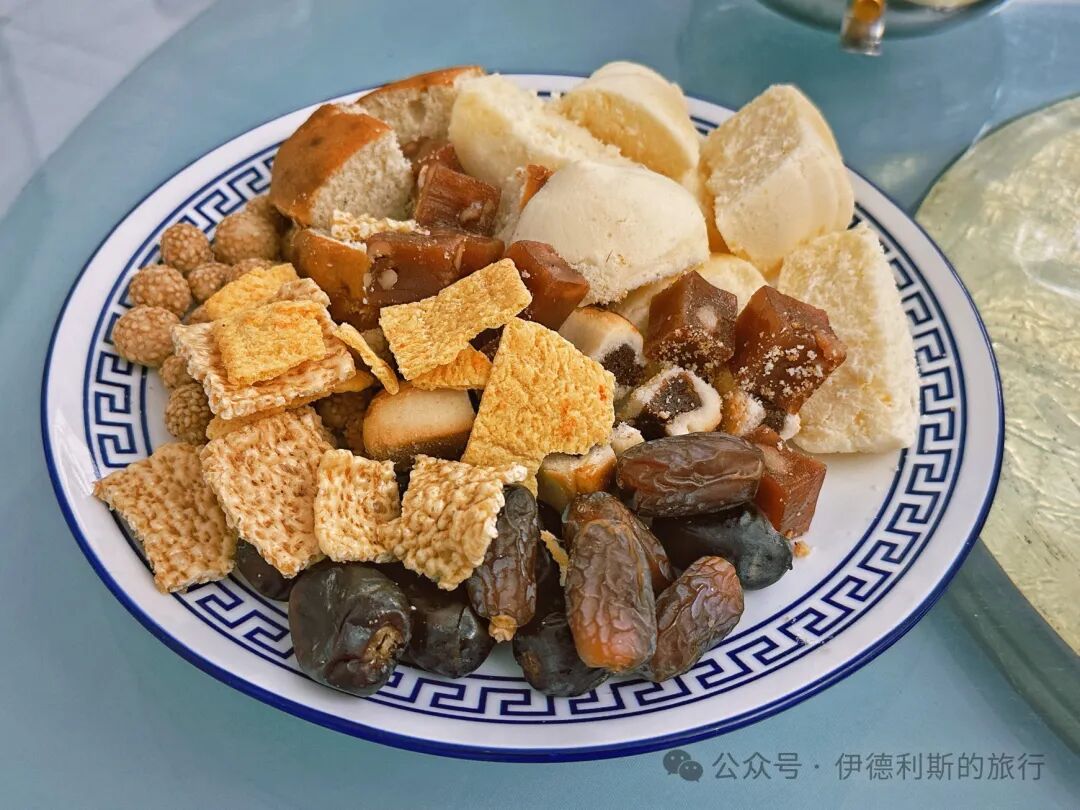
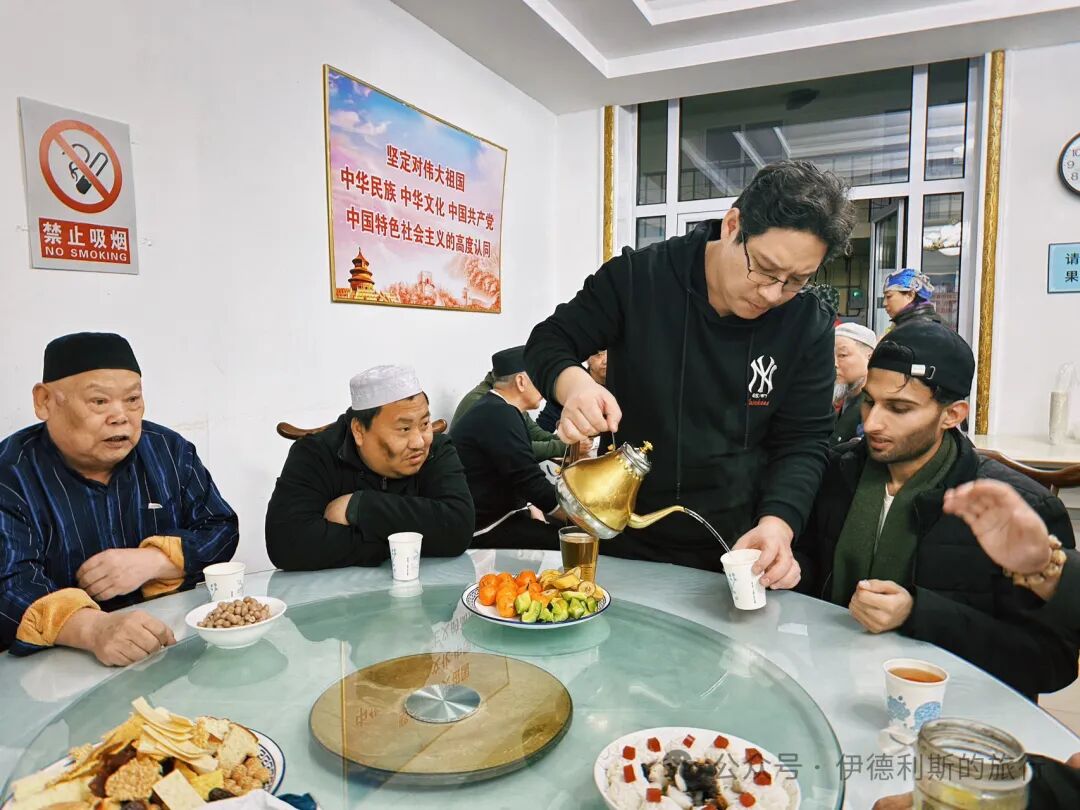
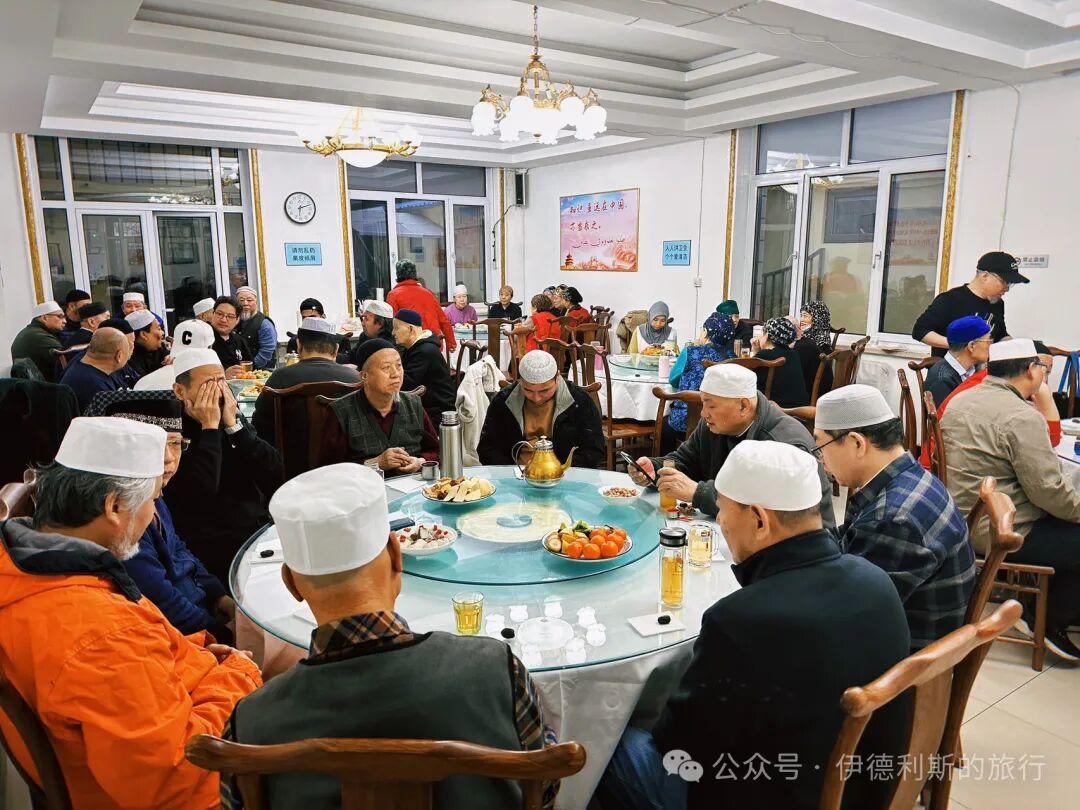
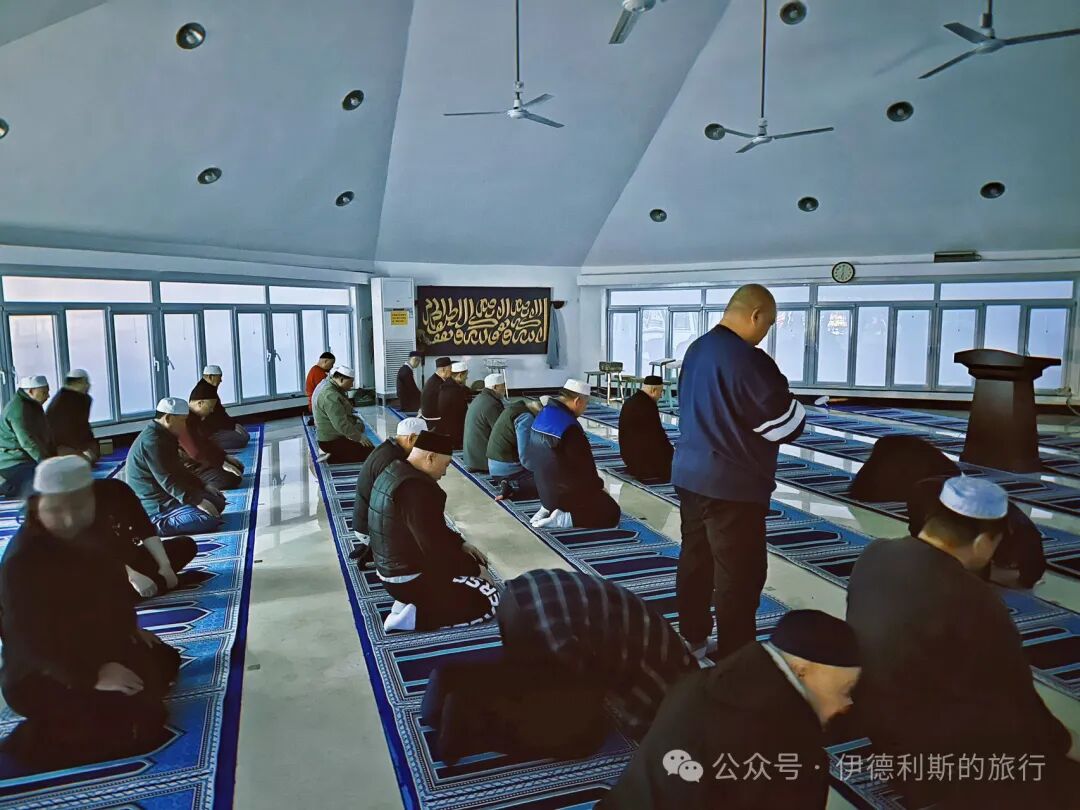
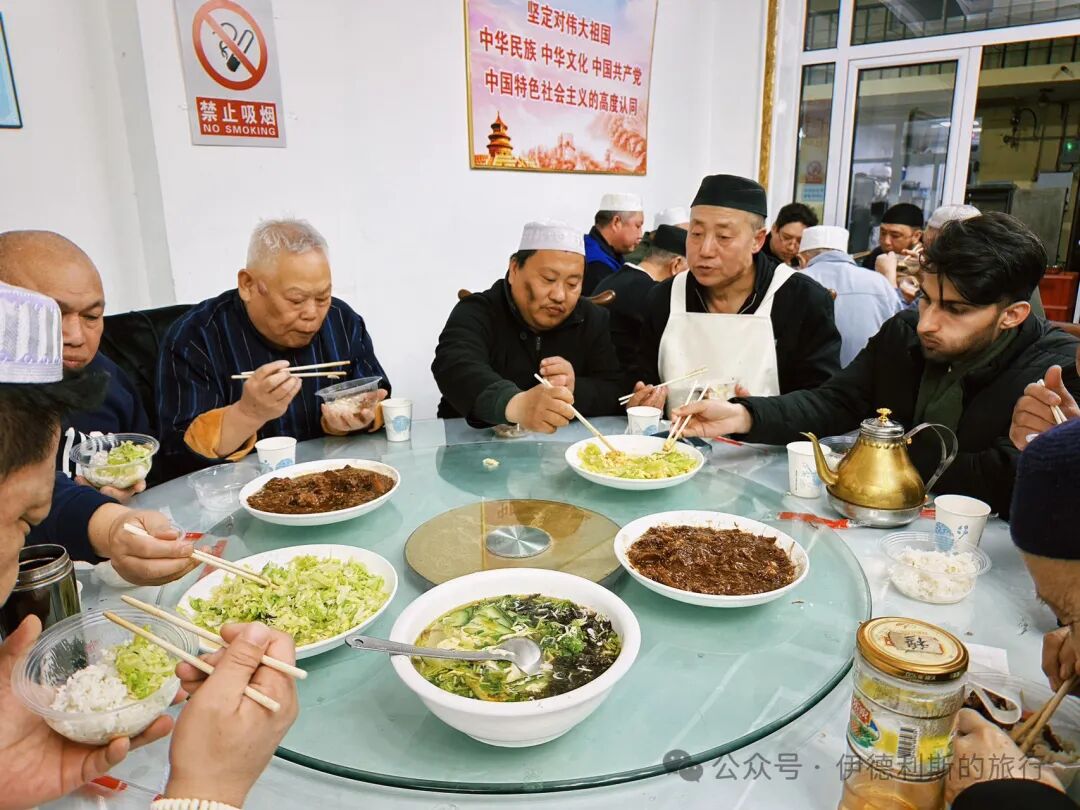
On Saturday night, I had iftar at the Xiningdao Mosque in Tianjin. For breaking the fast, we had sticky rice rolls (aiwowo) and fruit pastries. After the Maghrib prayer, we had braised beef, stir-fried cabbage, and stir-fried lettuce with meat. The mosque is not big, but it was crowded with seven large tables completely full.
Tianjin's Heping District once had four mosques: Chahaer Road Mosque (built in 1935), Puaili Mosque (built in 1938), Dunrenli Mosque (built in 1938), and Yingkou Road Mosque (built in 1953). After 1958, they were all converted for other uses, which made things very inconvenient for local Hui Muslims for a long time. The current Xiningdao Mosque was designed by Yao Fuxing, a Hui Muslim senior engineer from the First Design Institute of the Ministry of Chemical Industry, and was completed in 1992.
I had pilaf (zhuafan) at home on Sunday morning.
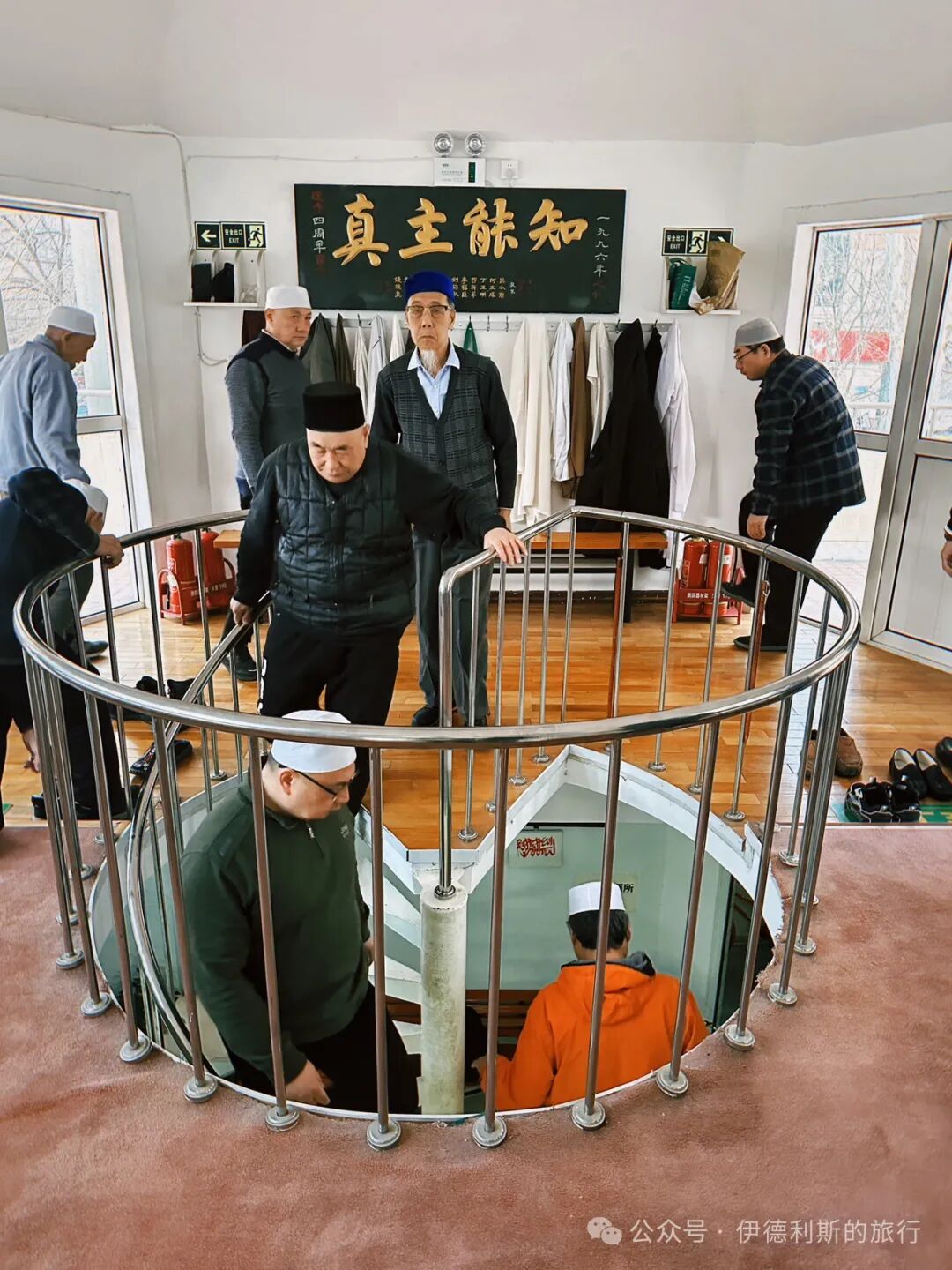
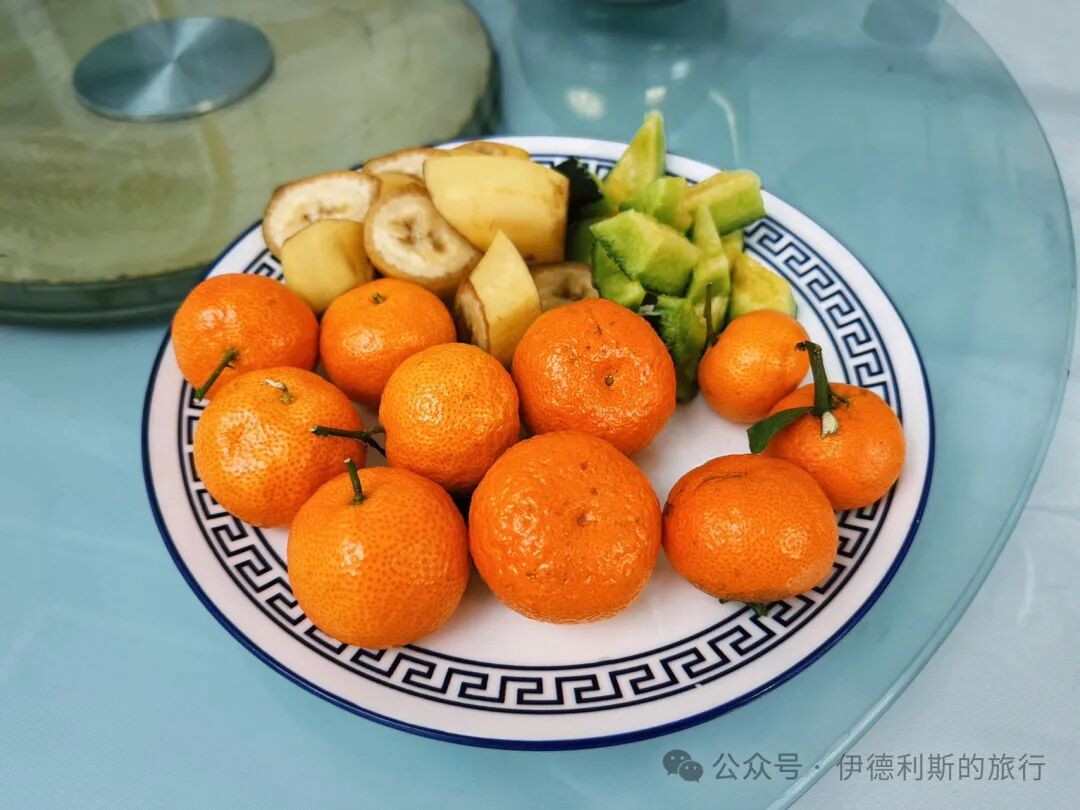
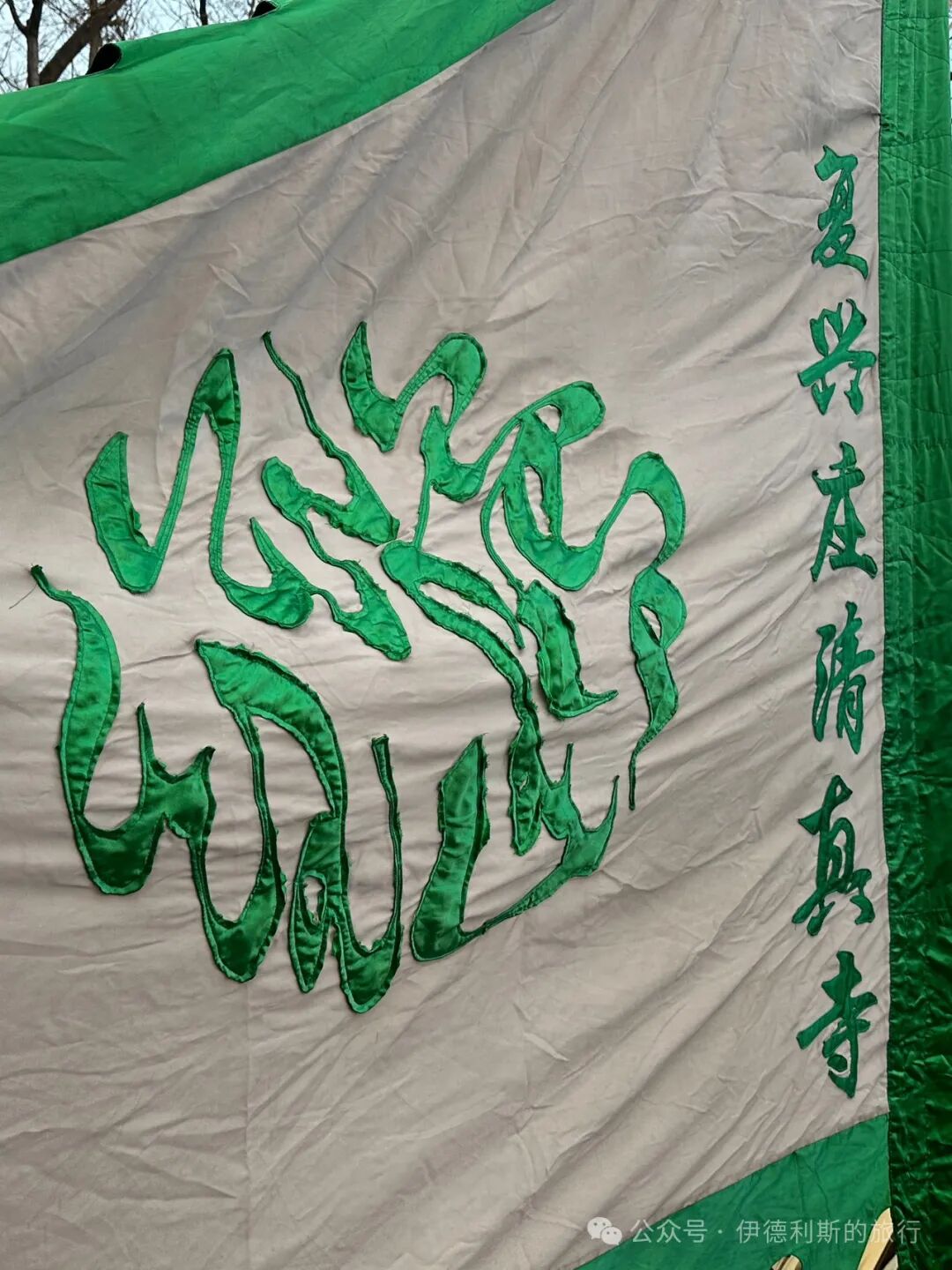
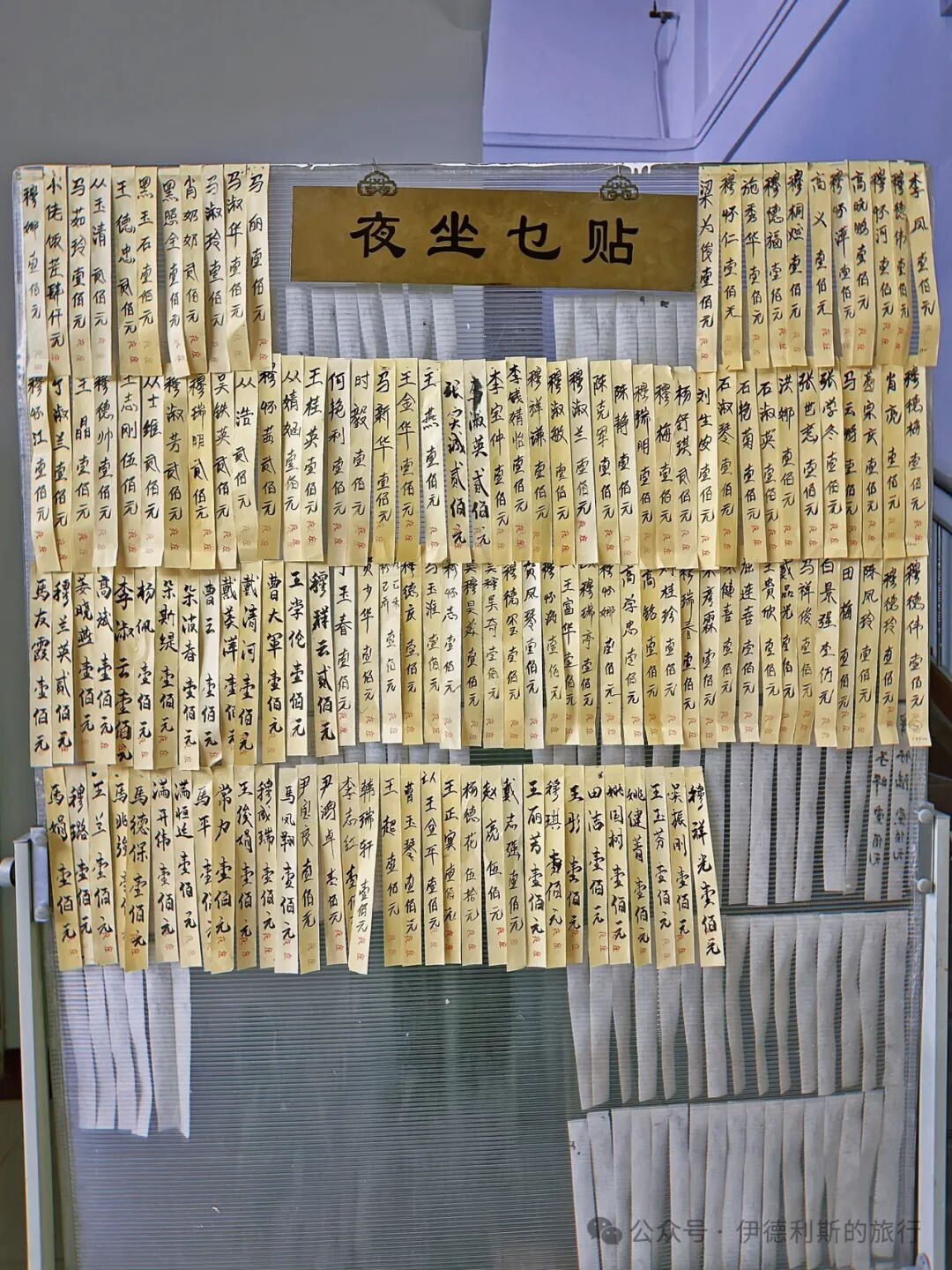
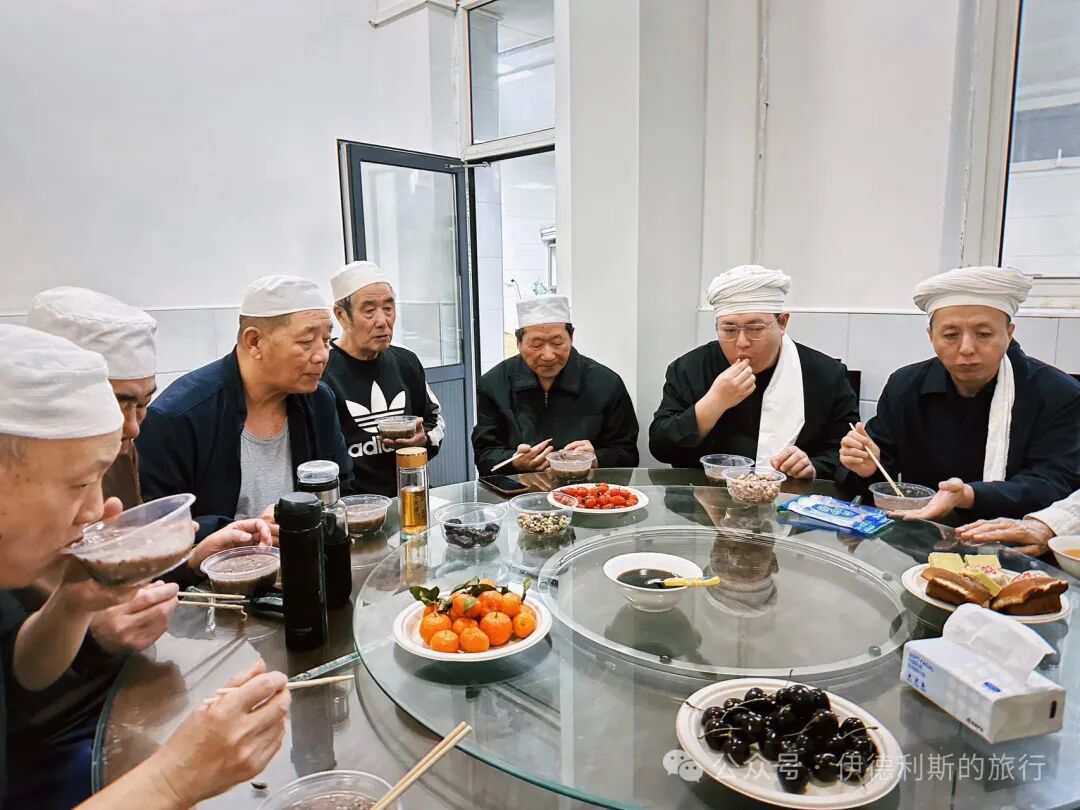
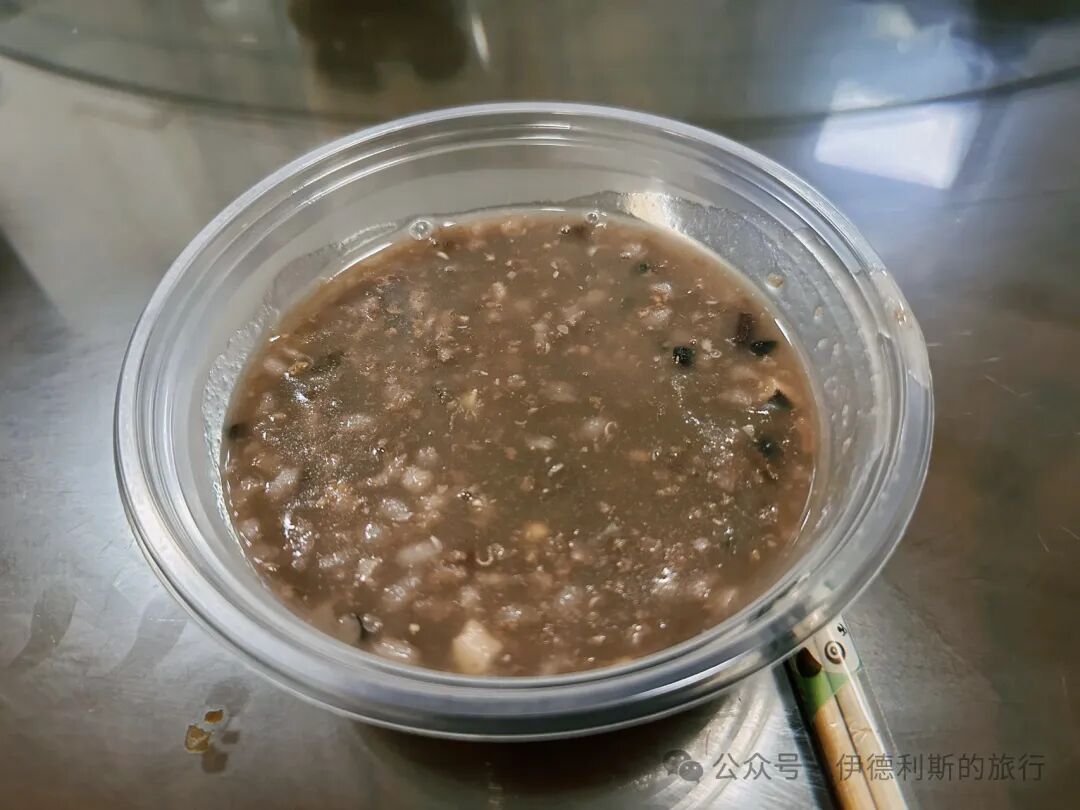
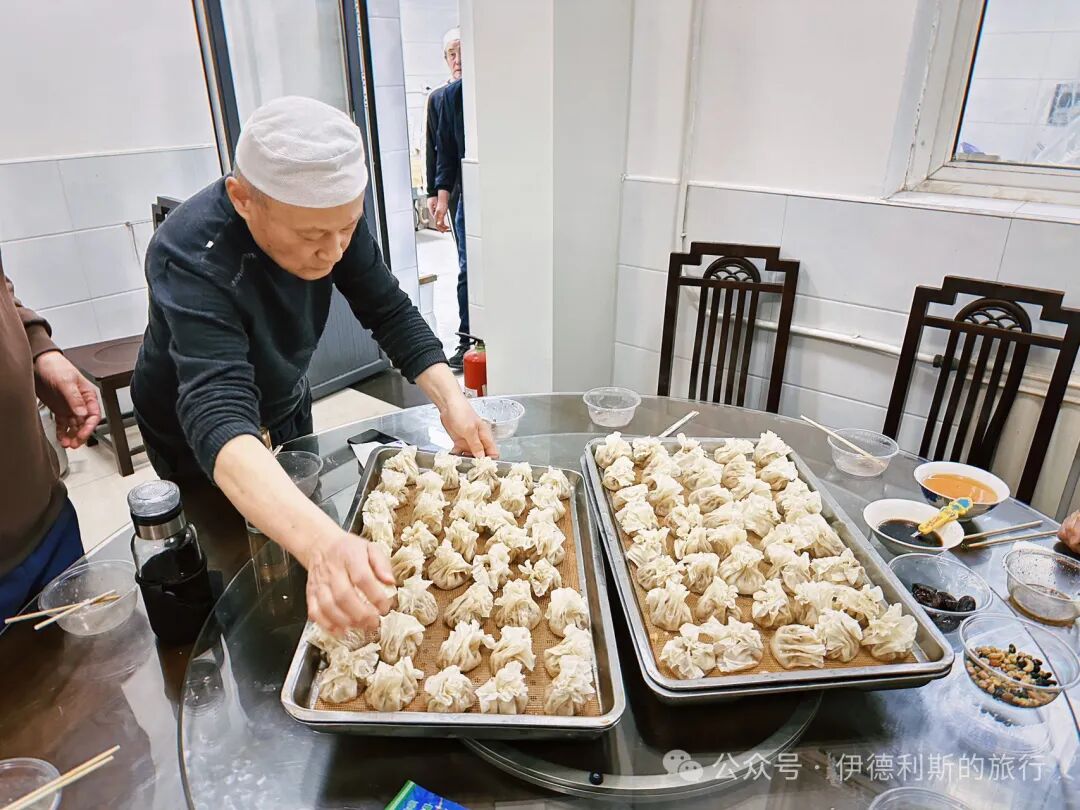
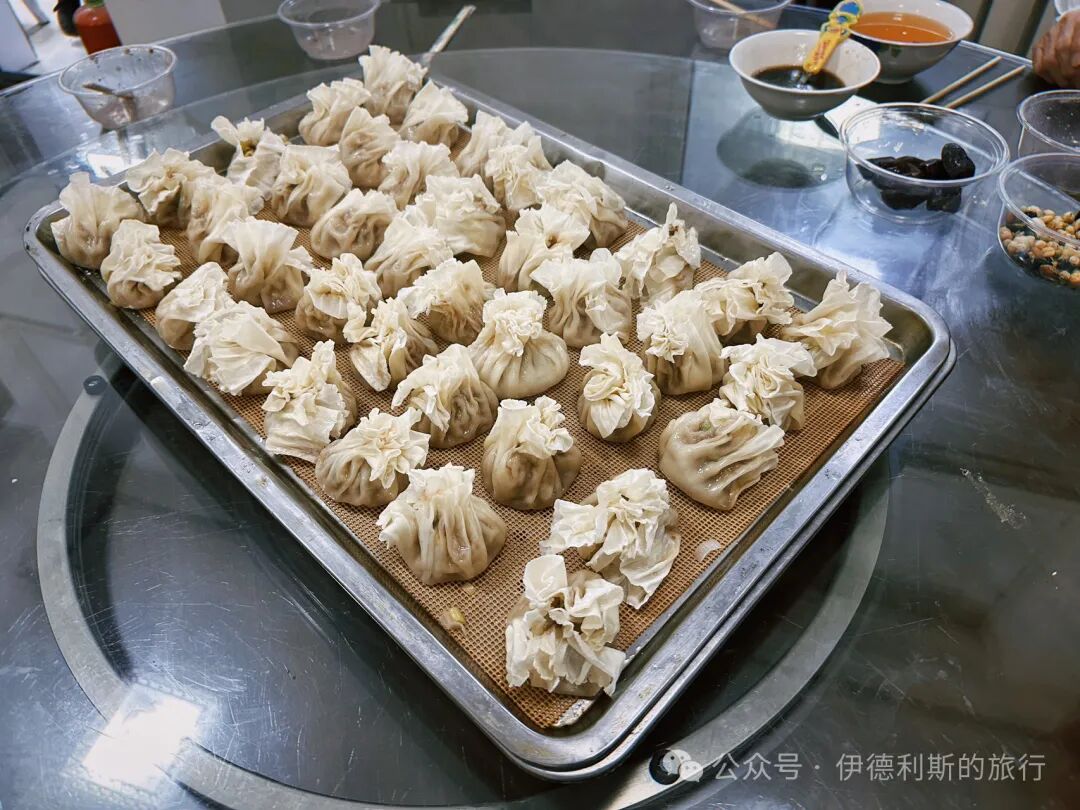
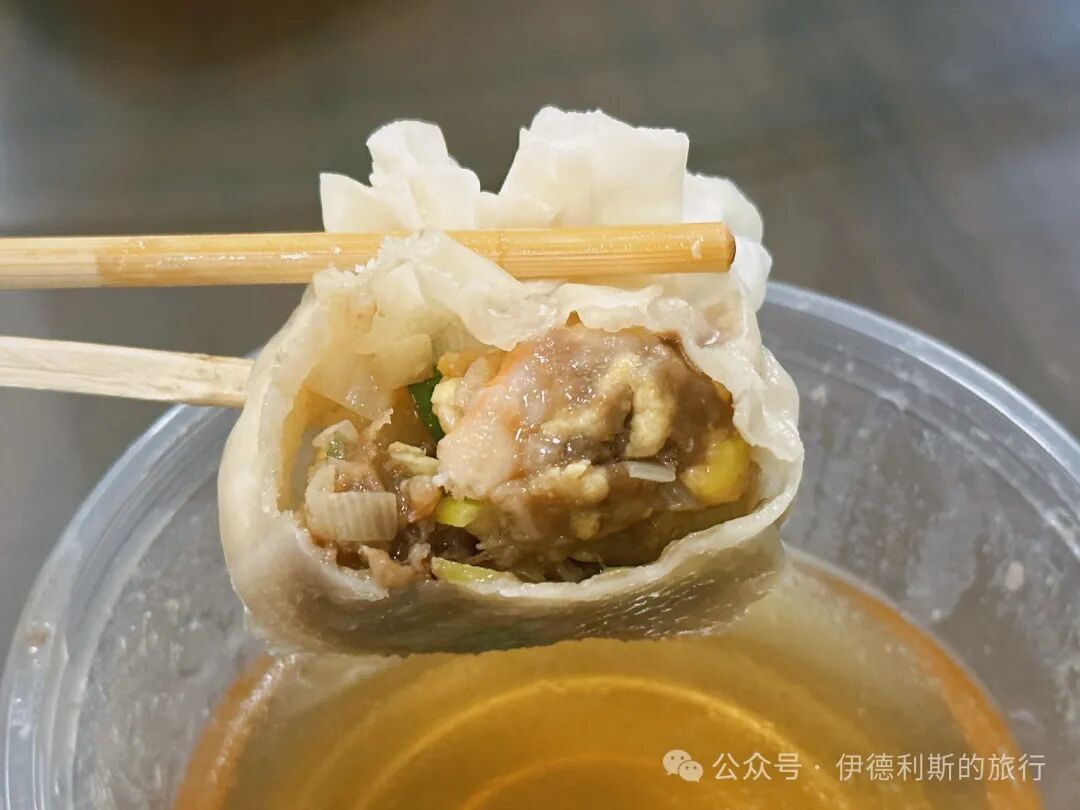
On Sunday night, I went to the Fuxingzhuang Mosque in the Hedong District of Tianjin. I met the imam (ahong) of the mosque when he was studying in Beijing. We met again in Tianjin; he is a promising young local imam. For iftar at the mosque, we had red bean porridge, various pastries, and fruits. After the Maghrib prayer, we ate traditional-style steamed dumplings (shaomai) filled with beef, egg, and two shrimp. The elders said it tasted like the old Nanshi area. Fuxingzhuang Mosque is less than ten minutes away from Tianjin Station by bike, making it very easy to reach.
Fuxingzhuang Mosque was first built in 1927. The land was donated by the famous Tianjin Hui Muslim doctor Liu Bingyi, and his son, Liu Jilan, the head of the Ping Bao newspaper, funded the construction. It was occupied in 1958, restored in 1982, and moved to its current location in 2003 due to real estate development. view all
Summary: The second weekend of Ramadan 2025 follows Muslim community spaces in Beijing Nanxiapo, Tianjin Xining Road, and Fuxingzhuang. This article preserves the original mosque visits, street scenes, food notes, and photographs in a single English travel account.
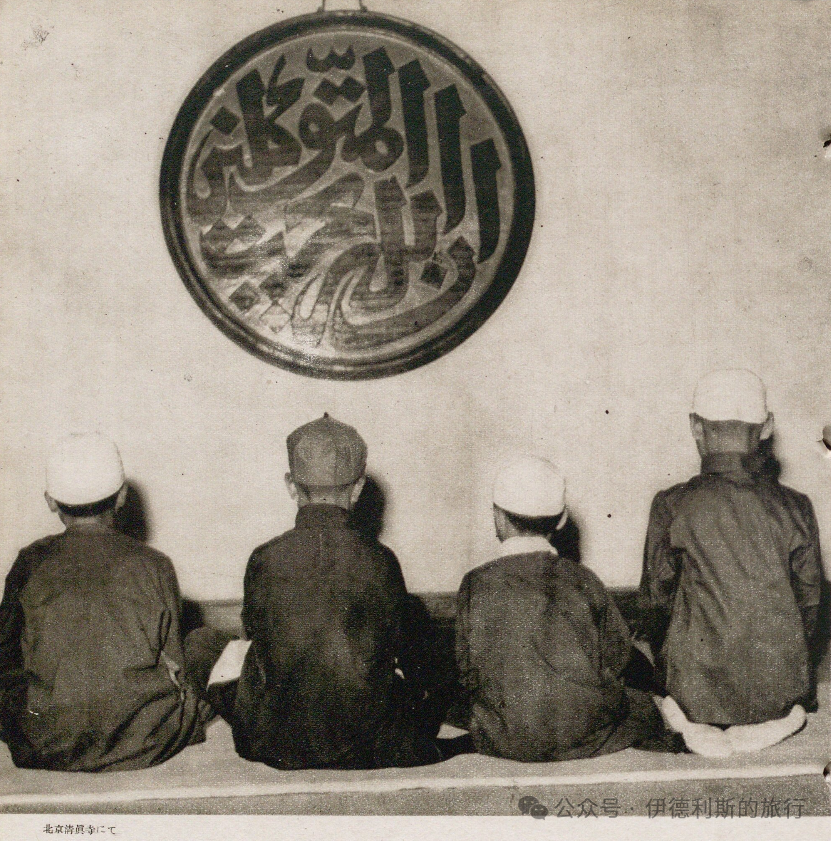
On Friday, March 7, I went to Nanxiapo near Chaowai after work. The iftar snacks and fruits at Shiqipan were very plentiful. I met a friend (dosti) wearing a traditional North China Gedimu six-piece cap. It is slightly different from the hexagonal cap worn by the Zhe sect, and it is now on the verge of disappearing. After the Maghrib prayer (shamu), a friend invited me to have iftar at a restaurant next to the mosque. The place was packed and very lively. We had stewed meat and flatbread (laobing) with two side dishes. It was simple and tasty.
A child wearing a six-piece cap in Niujie, Beijing, in 1942.
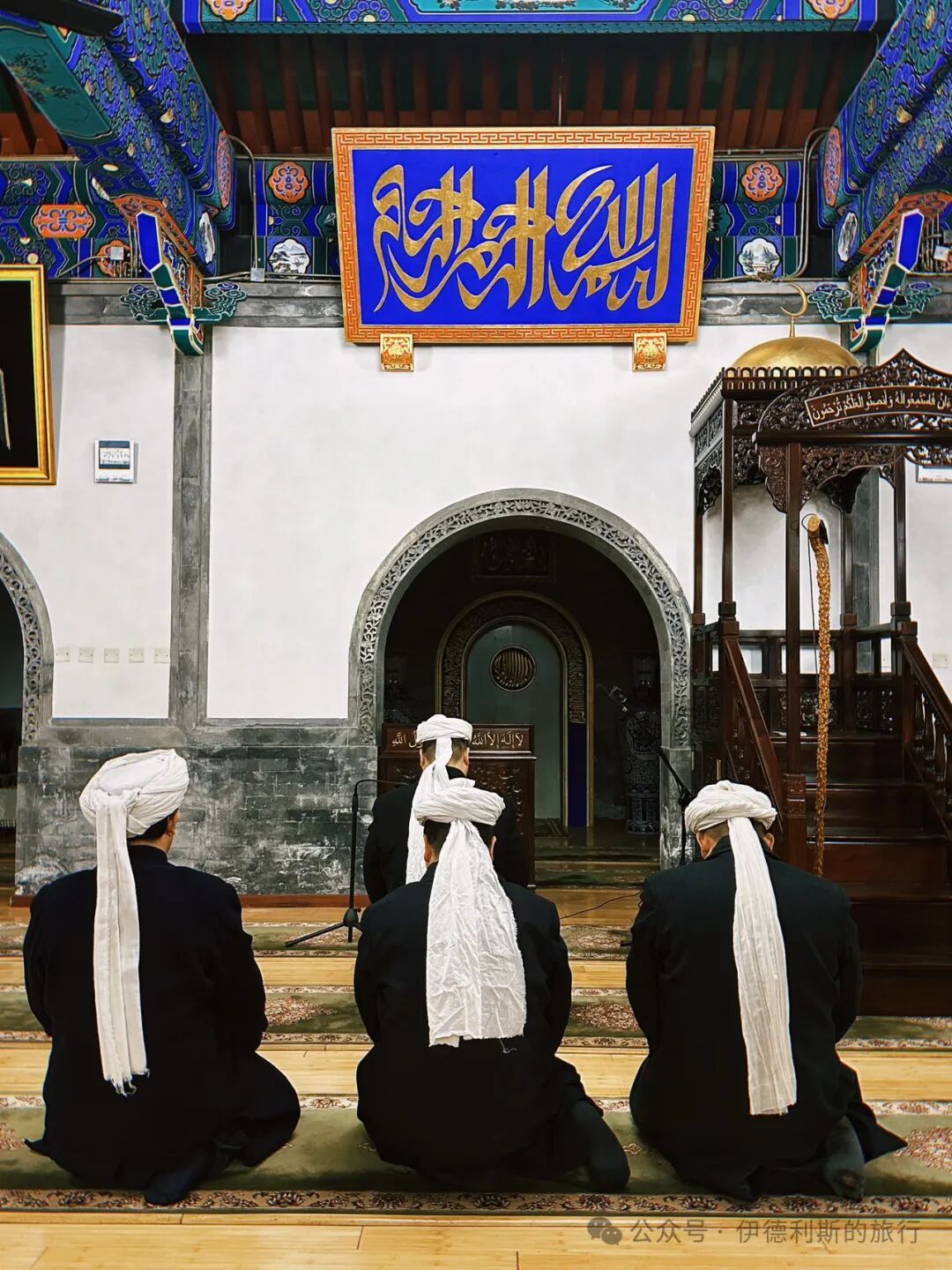
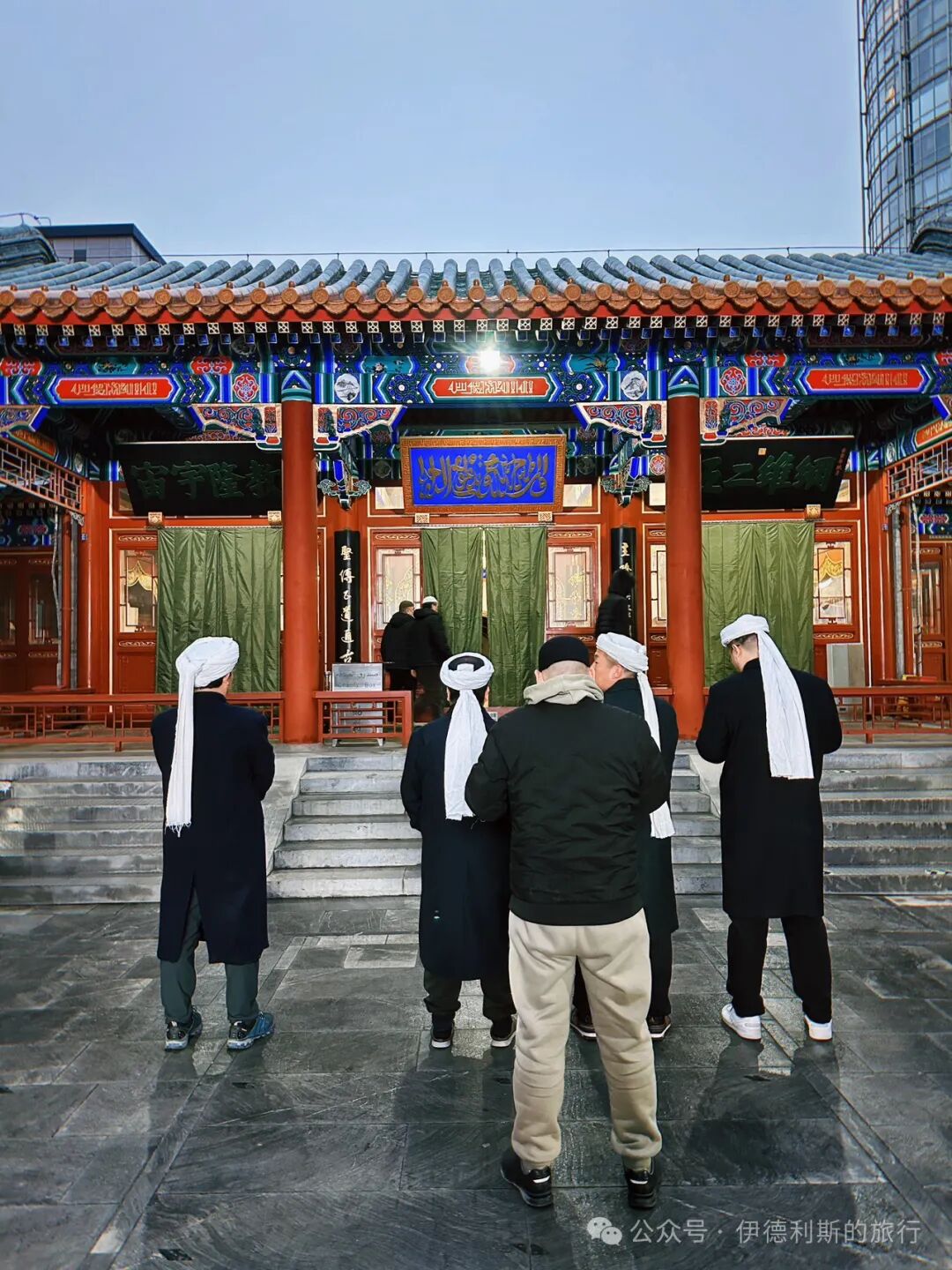
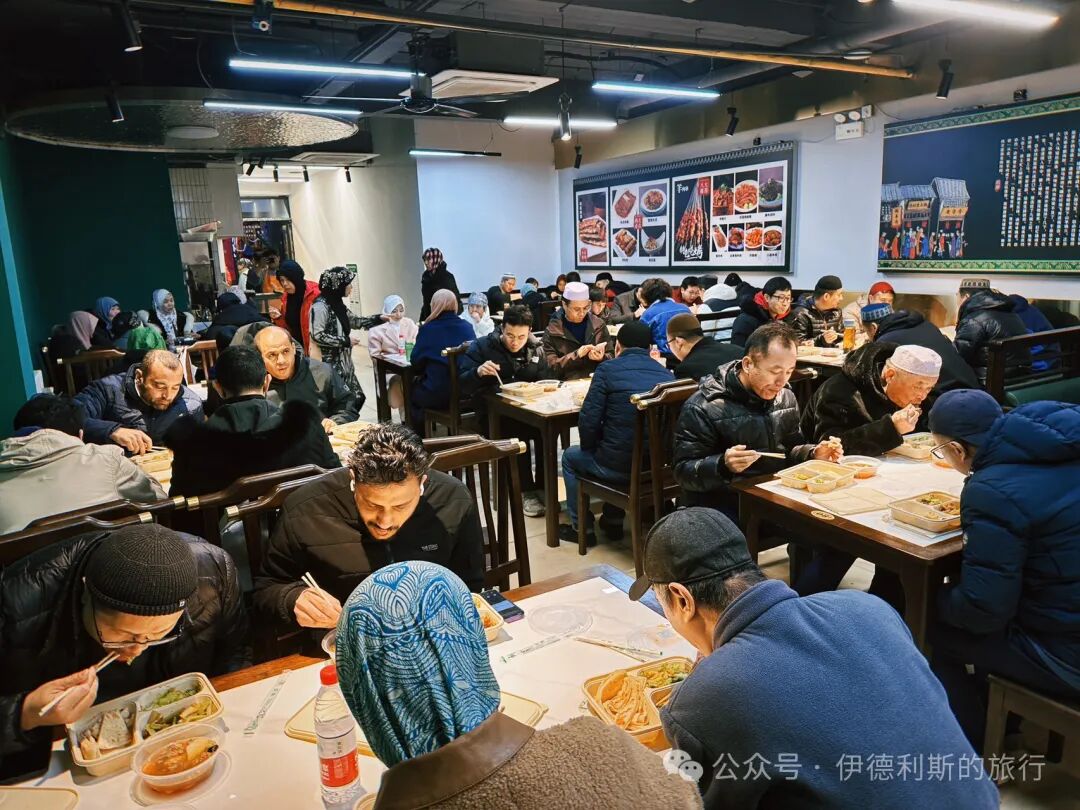
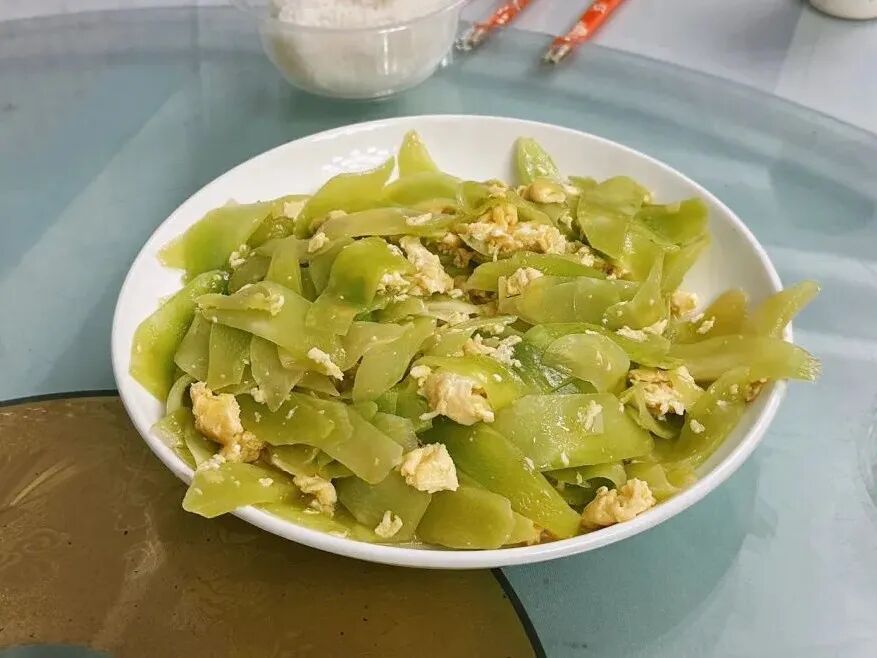
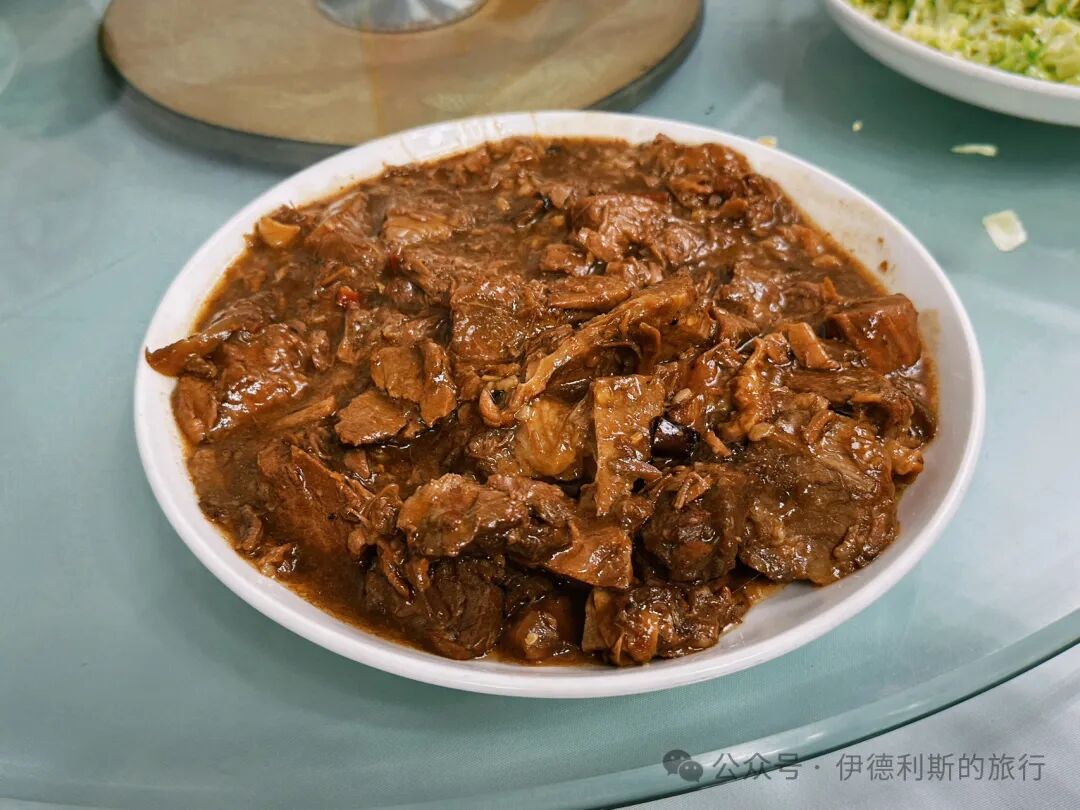
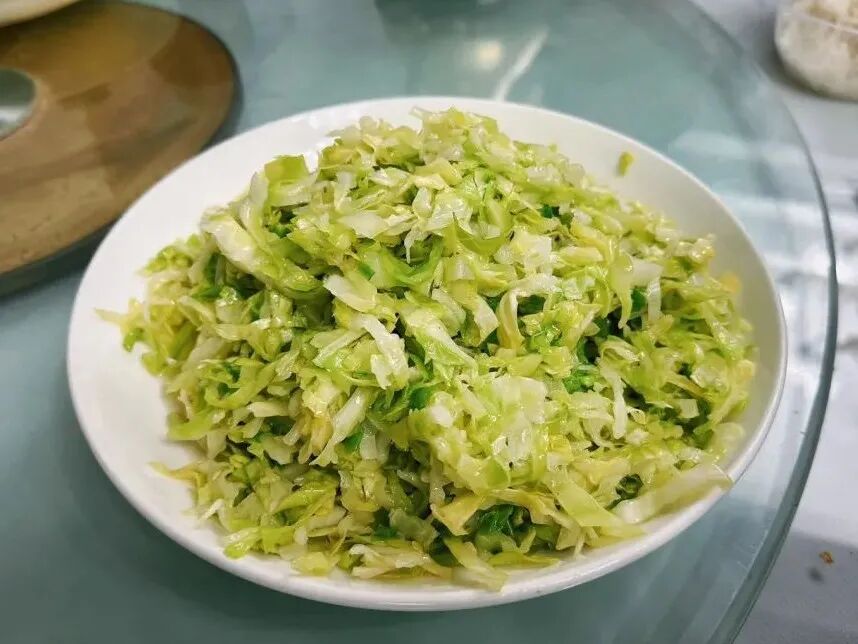
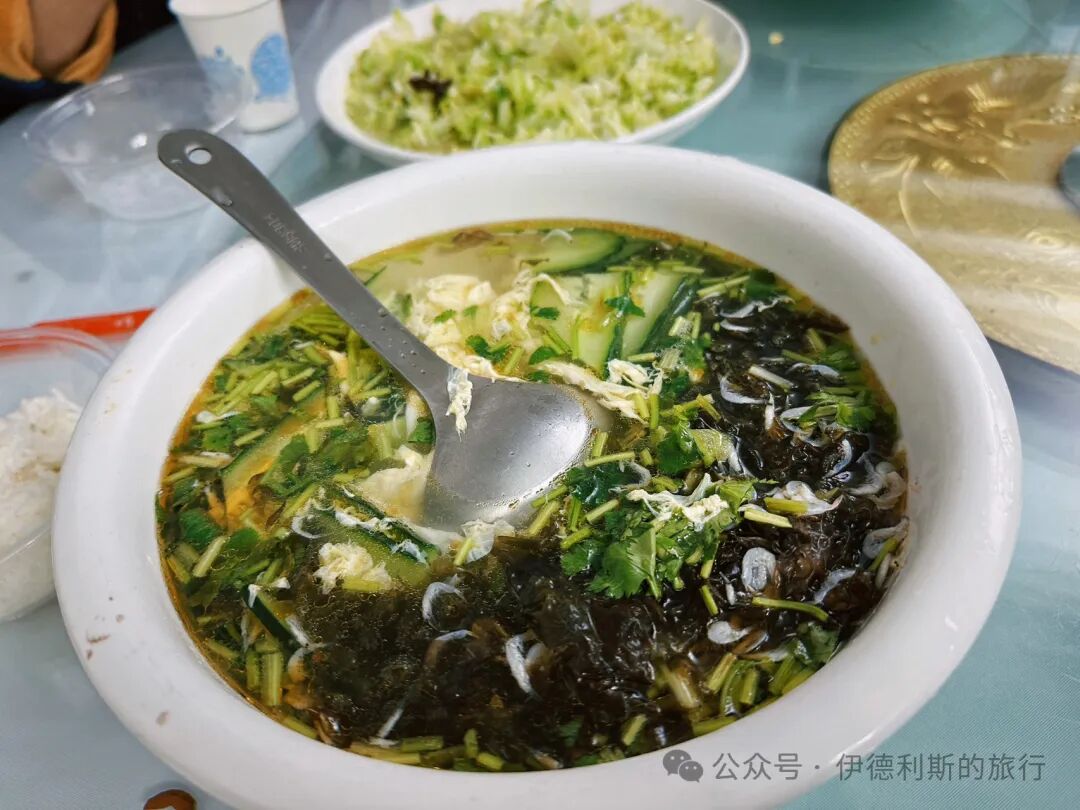
On Saturday night, I had iftar at the Xiningdao Mosque in Tianjin. For breaking the fast, we had sticky rice rolls (aiwowo) and fruit pastries. After the Maghrib prayer, we had braised beef, stir-fried cabbage, and stir-fried lettuce with meat. The mosque is not big, but it was crowded with seven large tables completely full.
Tianjin's Heping District once had four mosques: Chahaer Road Mosque (built in 1935), Puaili Mosque (built in 1938), Dunrenli Mosque (built in 1938), and Yingkou Road Mosque (built in 1953). After 1958, they were all converted for other uses, which made things very inconvenient for local Hui Muslims for a long time. The current Xiningdao Mosque was designed by Yao Fuxing, a Hui Muslim senior engineer from the First Design Institute of the Ministry of Chemical Industry, and was completed in 1992.
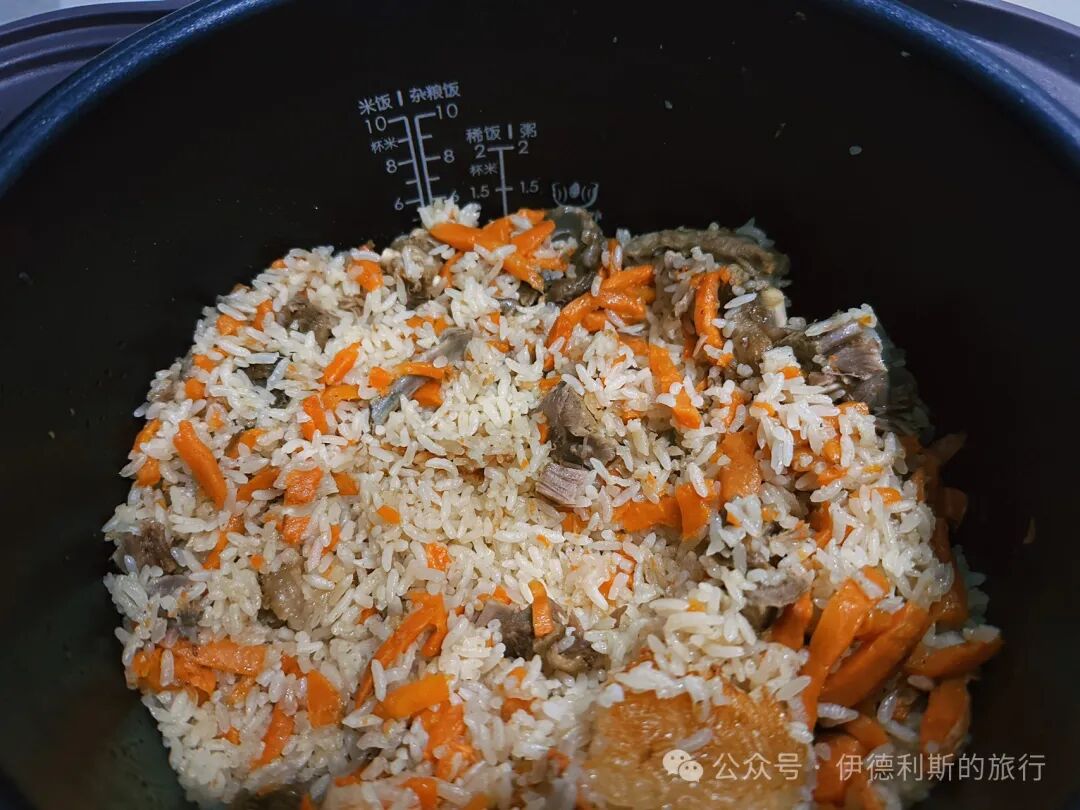
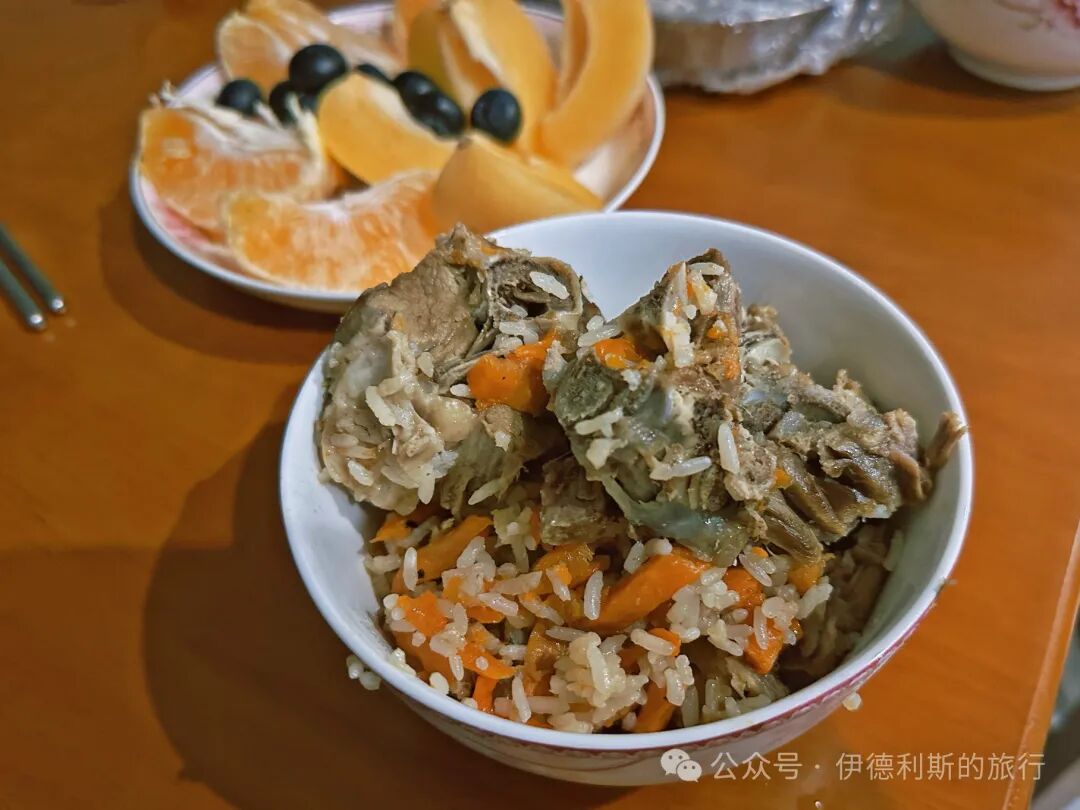
I had pilaf (zhuafan) at home on Sunday morning.
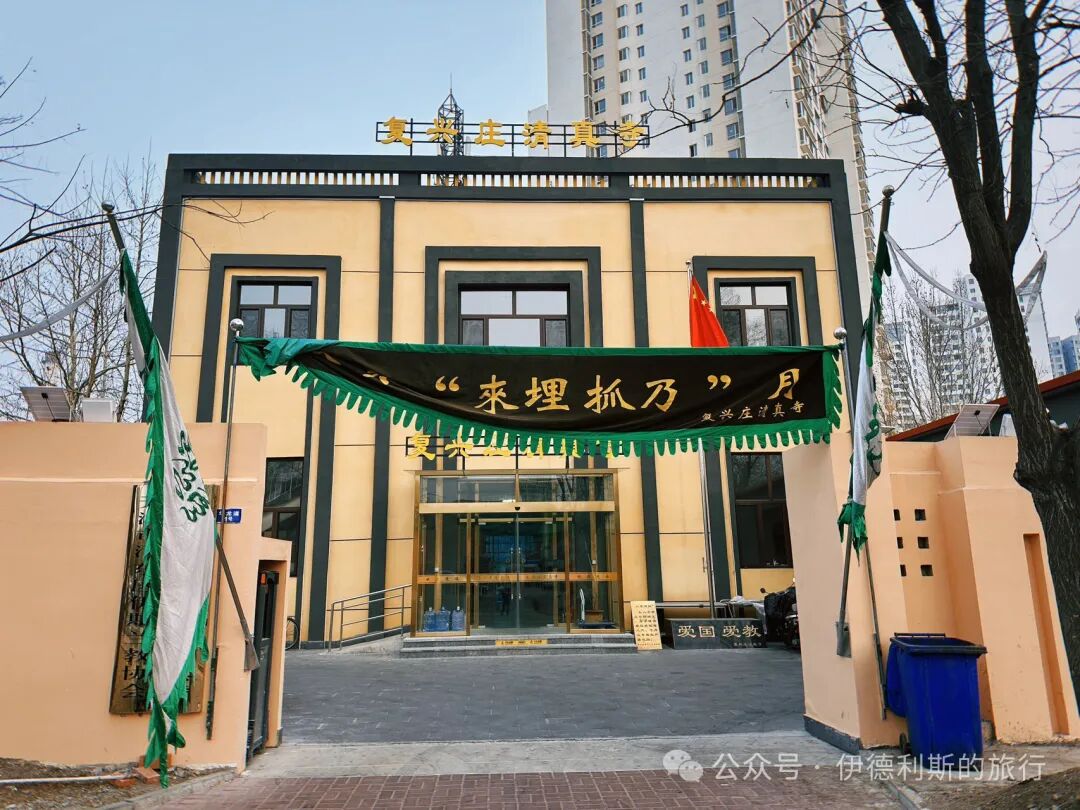
On Sunday night, I went to the Fuxingzhuang Mosque in the Hedong District of Tianjin. I met the imam (ahong) of the mosque when he was studying in Beijing. We met again in Tianjin; he is a promising young local imam. For iftar at the mosque, we had red bean porridge, various pastries, and fruits. After the Maghrib prayer, we ate traditional-style steamed dumplings (shaomai) filled with beef, egg, and two shrimp. The elders said it tasted like the old Nanshi area. Fuxingzhuang Mosque is less than ten minutes away from Tianjin Station by bike, making it very easy to reach.
Fuxingzhuang Mosque was first built in 1927. The land was donated by the famous Tianjin Hui Muslim doctor Liu Bingyi, and his son, Liu Jilan, the head of the Ping Bao newspaper, funded the construction. It was occupied in 1958, restored in 1982, and moved to its current location in 2003 due to real estate development.
Halal Travel Guide: Ramadan Weekend 2025 — From Beijing to Tianjin
Articles • ali2007fr posted the article • 0 comments • 166 views • 2026-05-20 00:57
Summary: The first weekend of Ramadan 2025 took the writer from Beijing to Tianjin, with mosque visits, halal meals, and everyday scenes from Muslim life. The article keeps the original route, food details, photos, and local observations while presenting them in natural English.
February 28: Start of Ramadan.
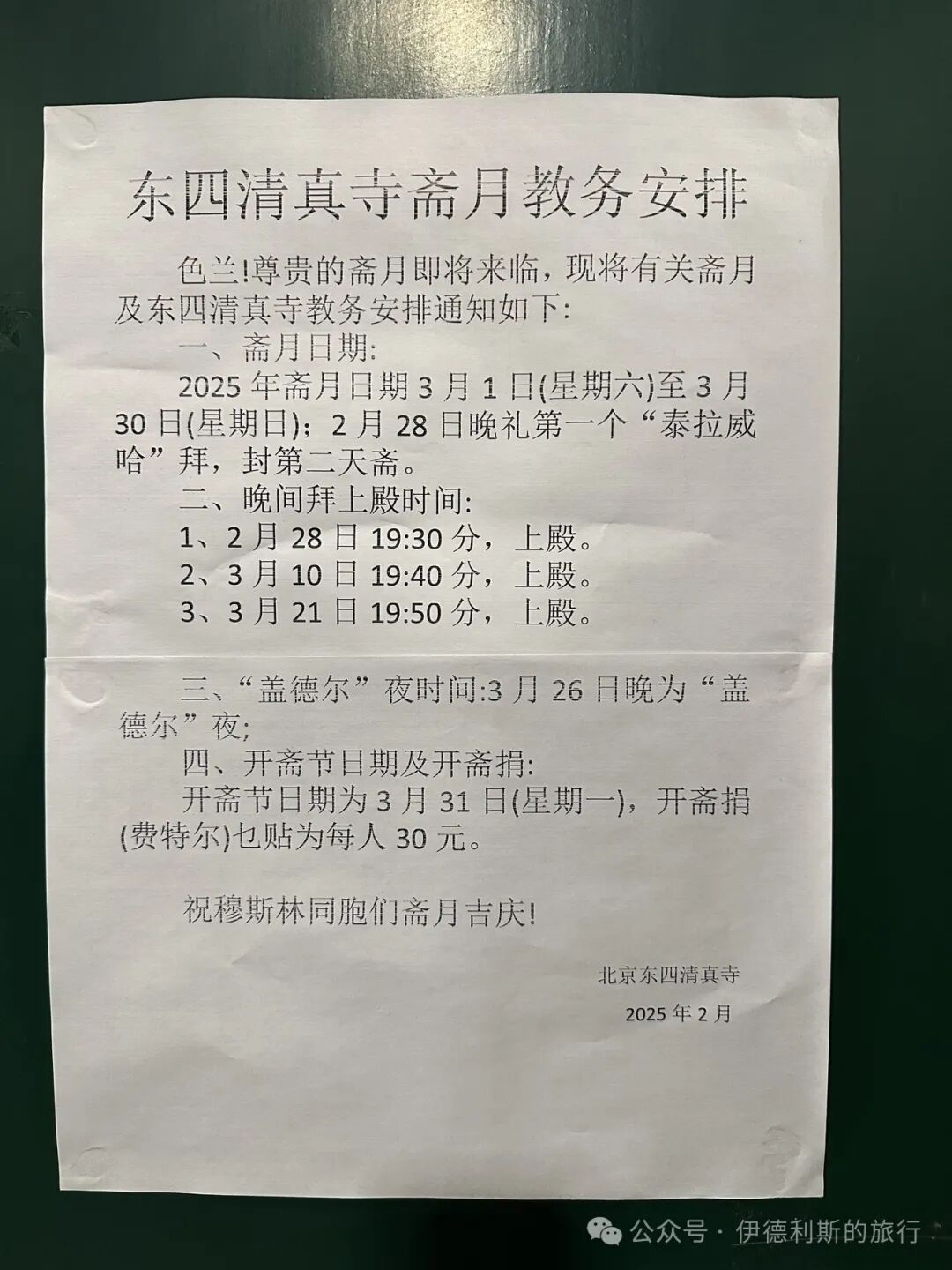
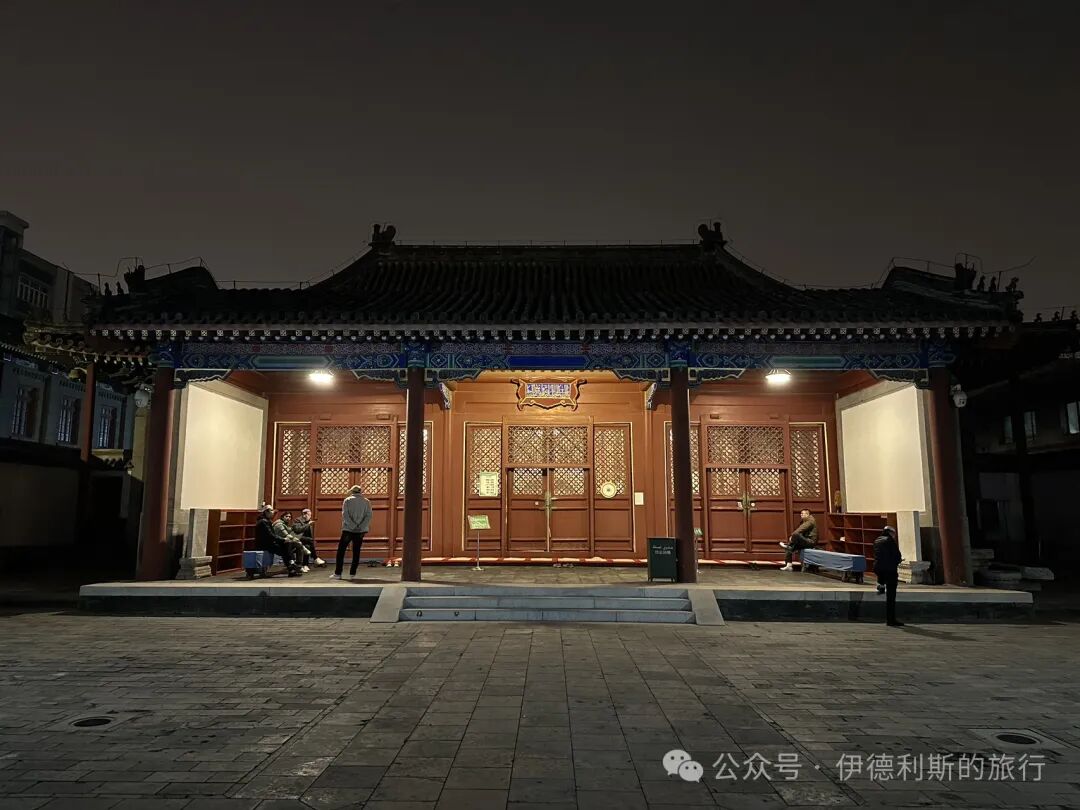
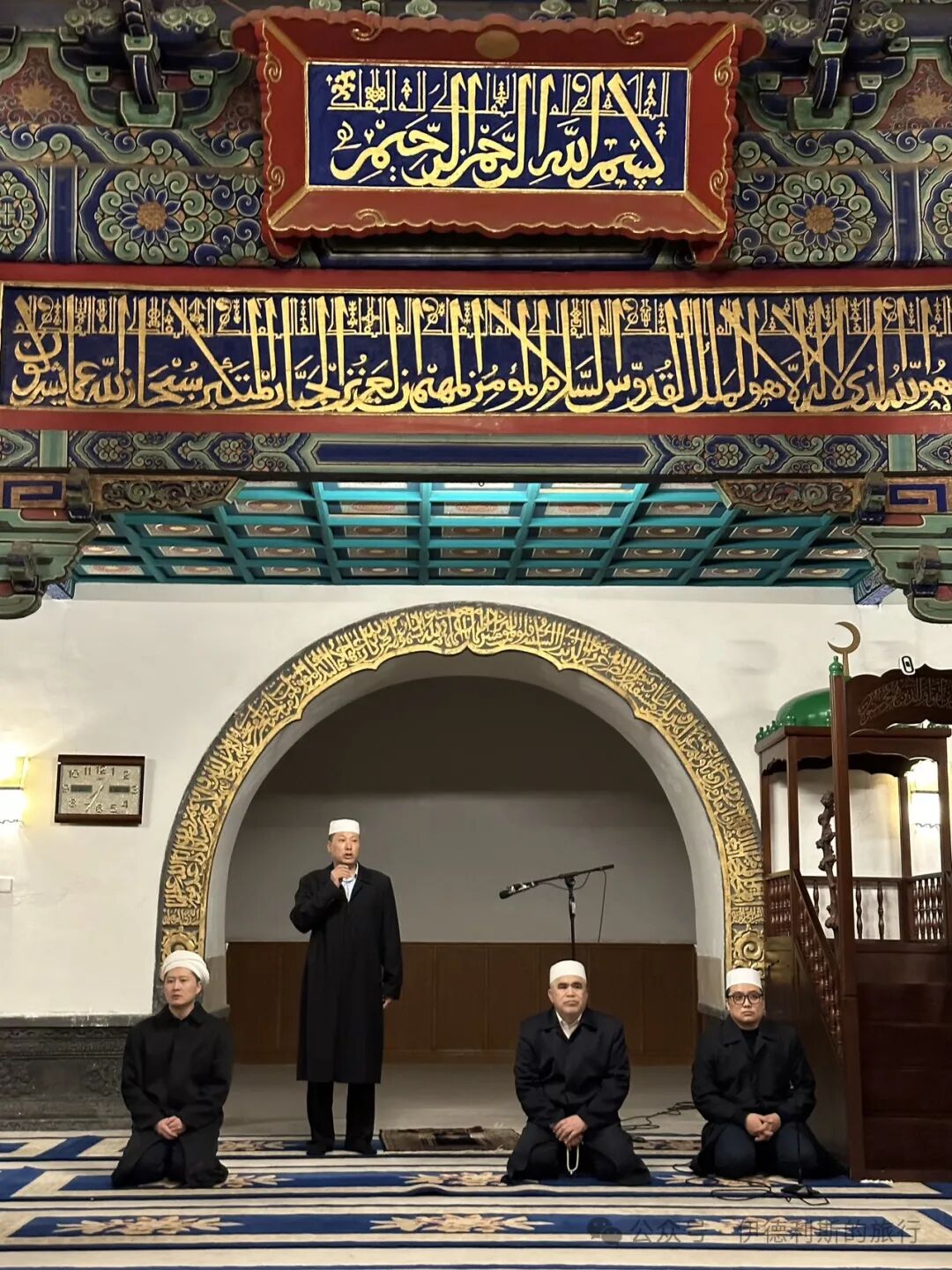
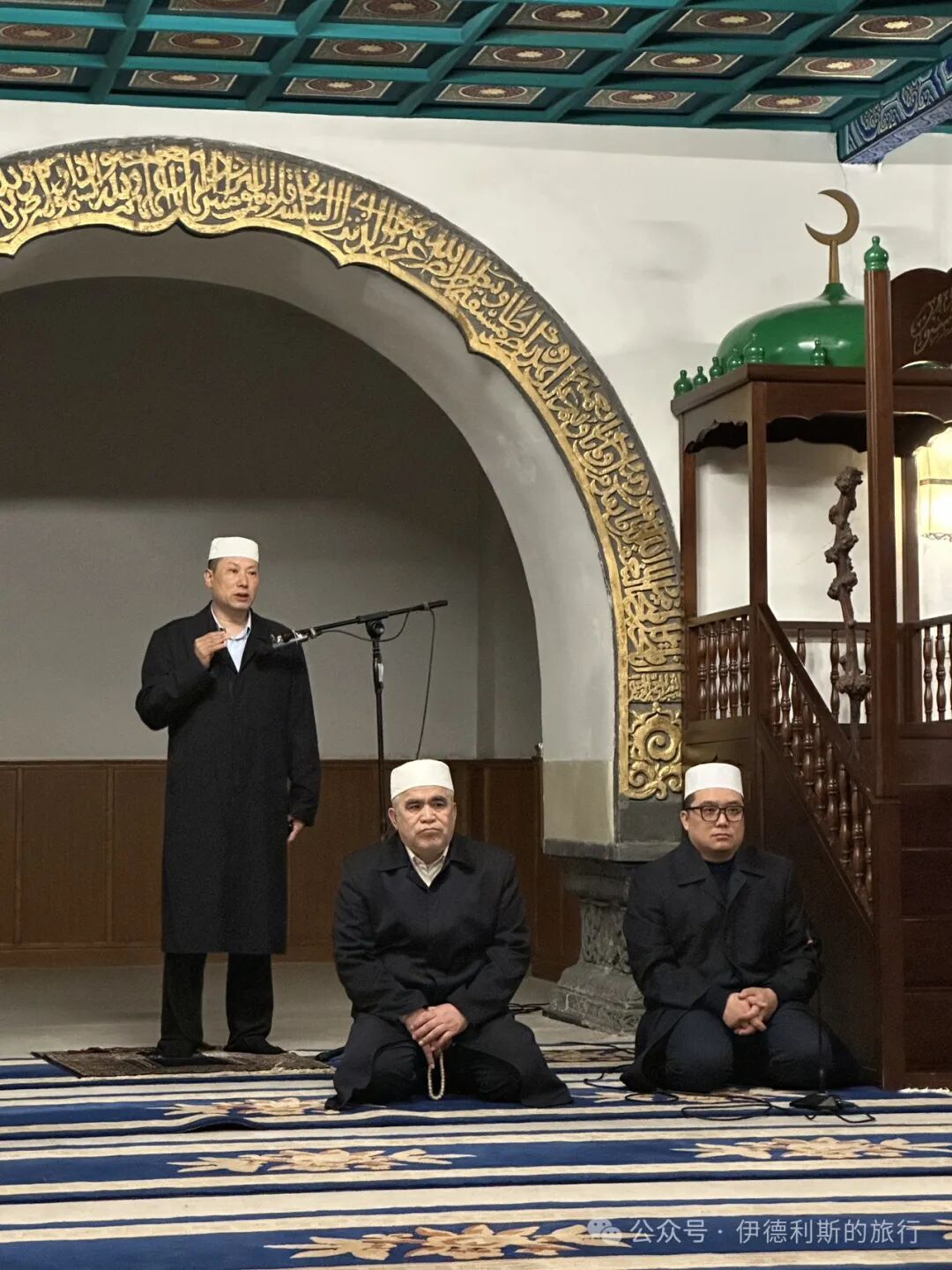
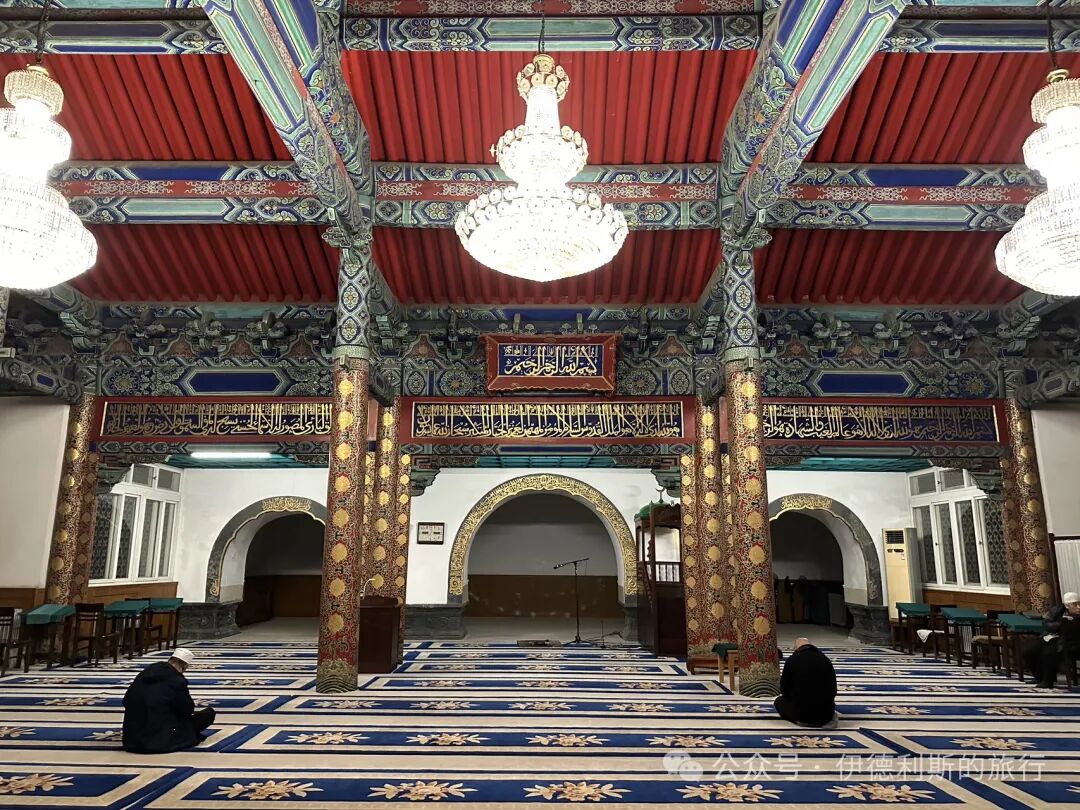
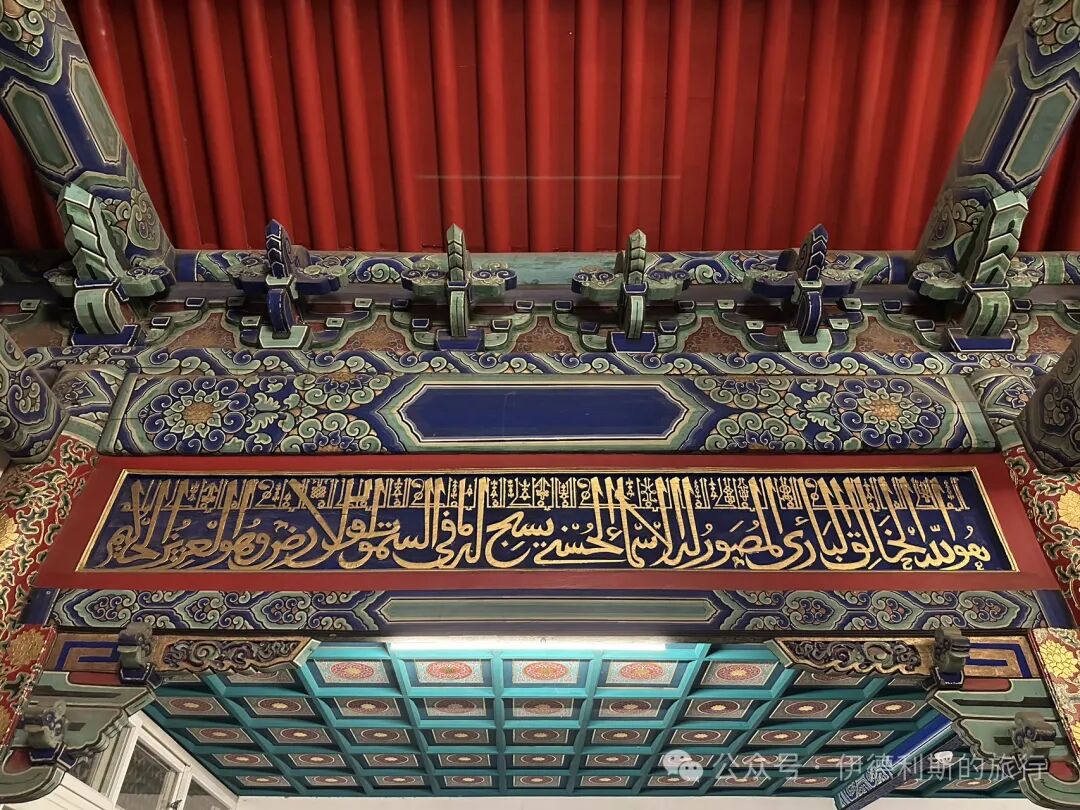
Welcoming Ramadan, I prayed my first Taraweeh at the Dongsi Mosque in Beijing. I was pleasantly surprised when Imam He invited me to lead the recitation (suo'er).
March 1: First day.
I made a pot of Ashura bean porridge (ashura doudoufan) in advance. I added water and drank two big bowls in the morning, which felt great.
I went to Tianjin in the morning. In the evening, I prayed Maghrib (shamu) at the Northwest Corner Mosque (Xibeijiao Dasi). I was surprised to see only five or six people there. An elder (xianglao) gave me dates to break my fast. After prayer, I went to eat meat pies at Sangu Meat Pie (Sangu Roubing). I have been eating there for ten years, and it is as delicious as ever. The crust is crispy, and you can smell it from far away.
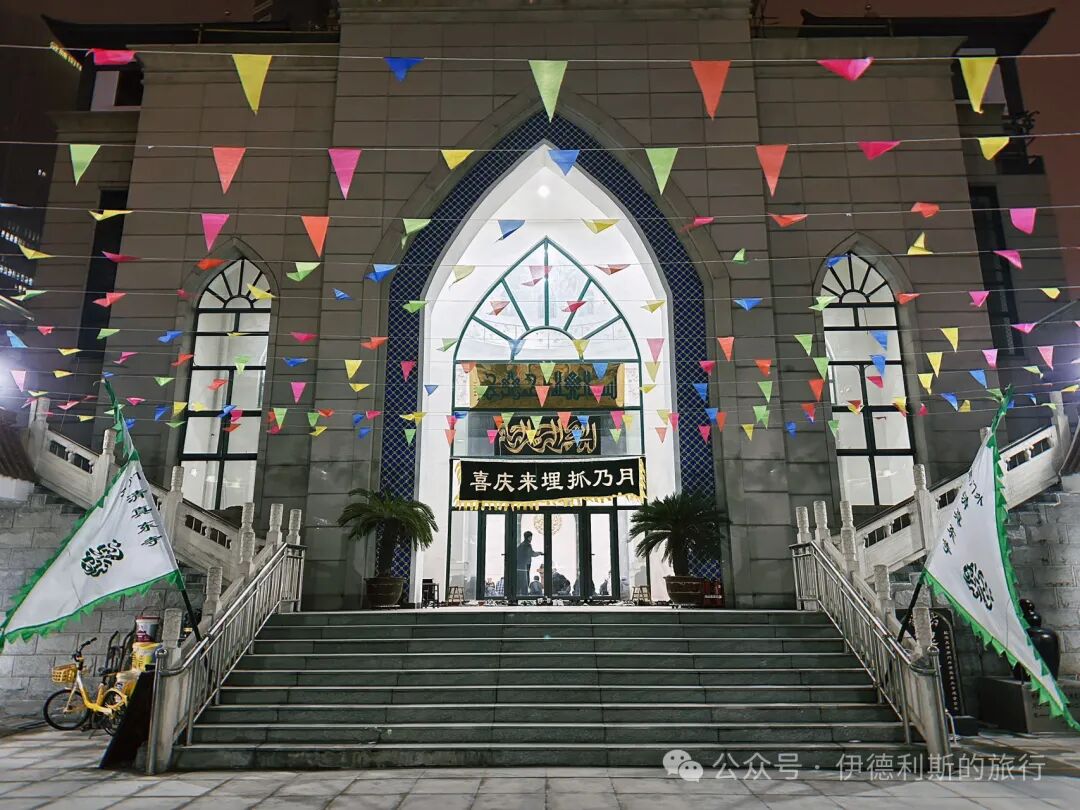
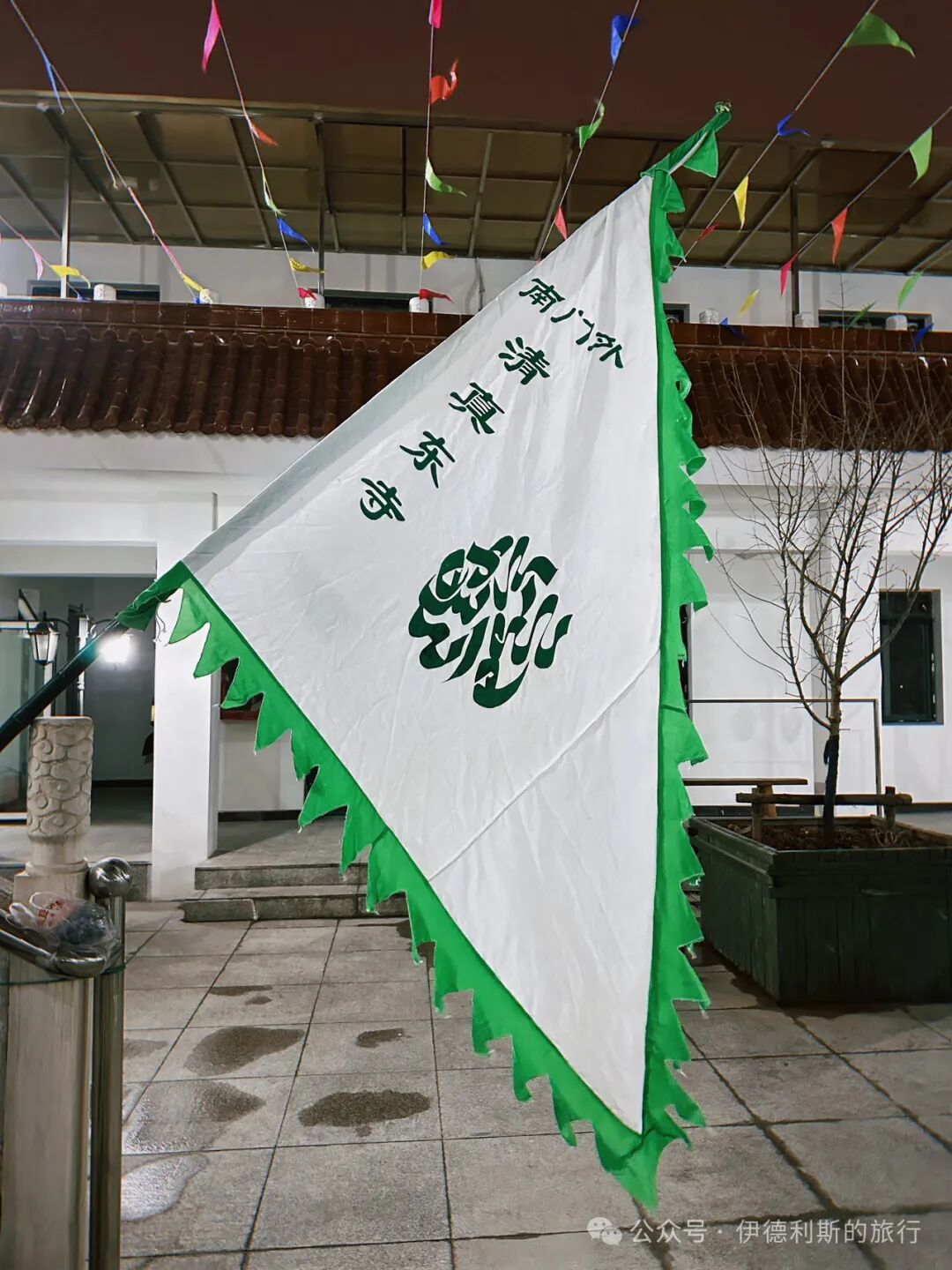
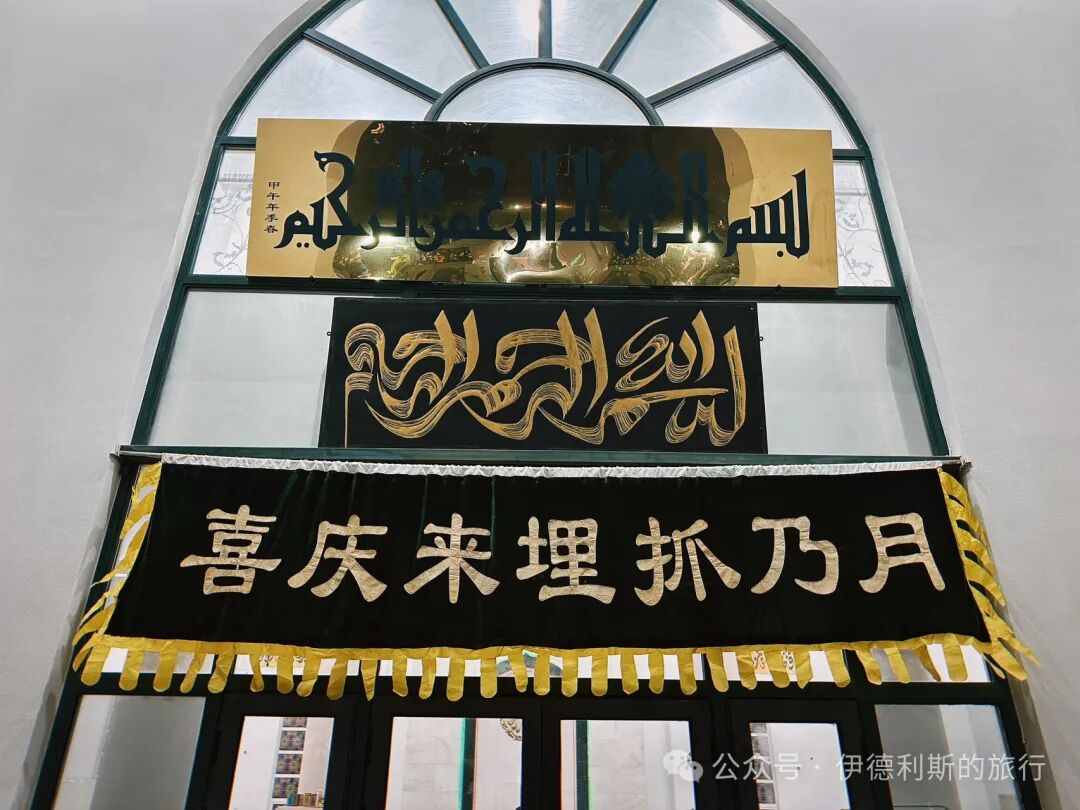
After dinner, I went to the Tianjin Great East Mosque (Dongdasi) to pray Taraweeh. Tianjin follows the 'old third day' tradition, so most mosques there start Ramadan one day later than in Beijing. The original site of the Great East Mosque was in Gujiao Hutong outside the South Gate. In 1915, Gao Hanting's grandfather donated the property, and it was organized by Zheng Yuande, Liu Haowei, Mu Xinglan, and others. In 2008, it moved from outside the South Gate to its current location on Nankai Second Road, right next to the Haiguangsi Station on Metro Line 1. This day happened to be the 'Dragon Raises Its Head' festival on the second day of the second lunar month. People in Tianjin like to set off fireworks and firecrackers. We prayed Taraweeh almost entirely to the sound of firecrackers, which made me feel the strength of my Iman even more. I also met Mr. Wu Peng from the 'Tianxia Huihui' program at the mosque. It turns out he is an elder at the Tianjin Great East Mosque.
March 2: Second day.
In the morning, my mother-in-law made big plate chicken (dapanji) and beef stew with potatoes served over rice.
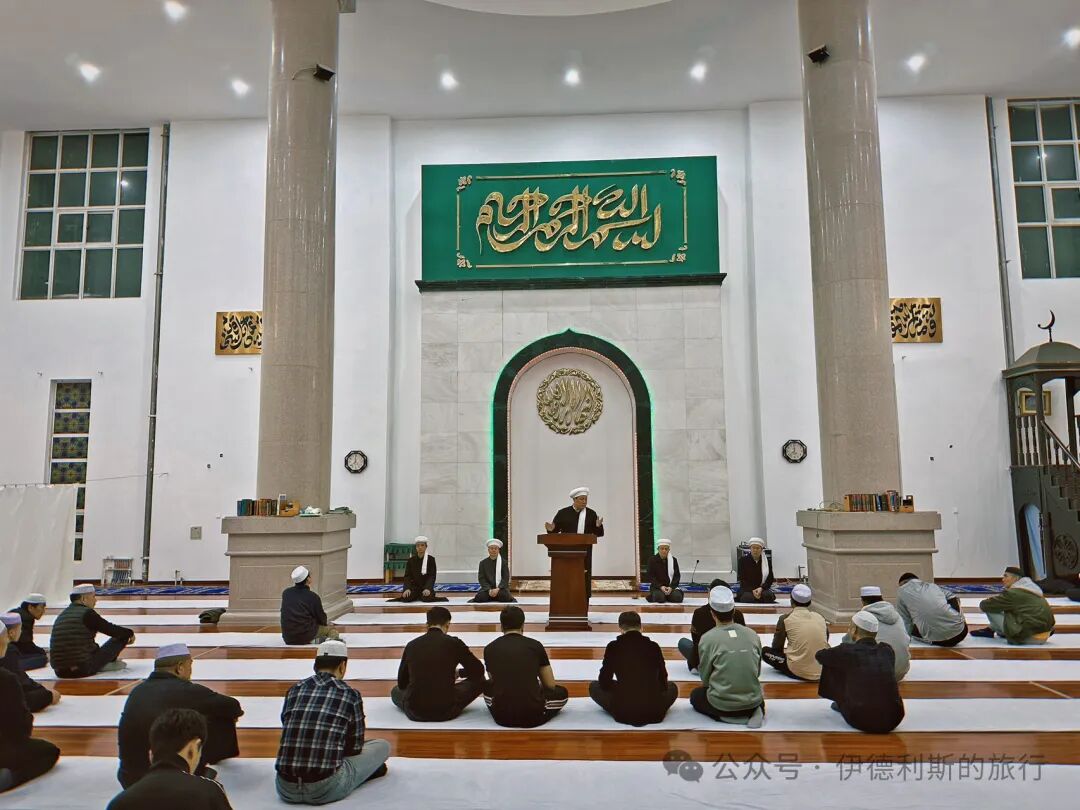
In the evening, I went to the Tianjin Great East Mosque again to break my fast. Before Maghrib, Imam Ma gave a sermon (wa'erzi), then we recited dua, and I received pastries and fruit. After the recitation, we went into the main hall to pray Maghrib. There is a saying, 'From Nanjing to Beijing, the lights are only turned on after Maghrib.' The main hall looked especially solemn and dignified in the sunset. In North China, there is a tradition of wearing the old-style large millstone turban (damoshipan daistal) and the new-style cross-pattern turban (shizihua daistal). This large millstone style likely comes from Persia.
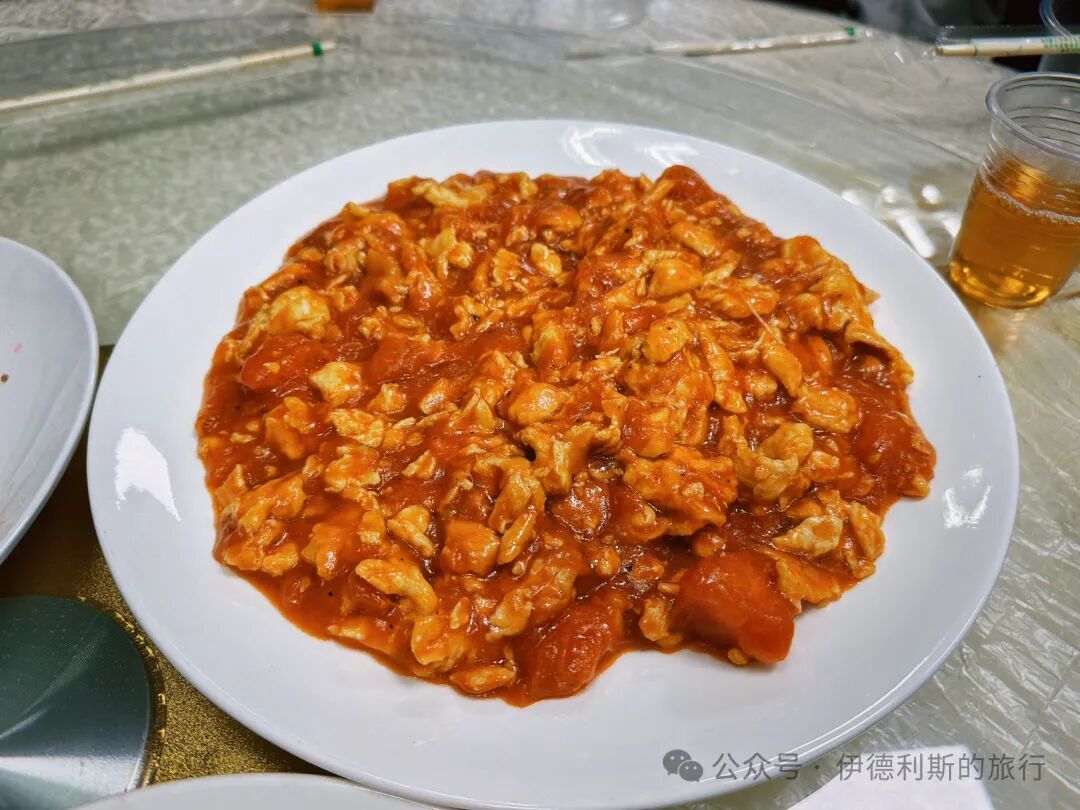
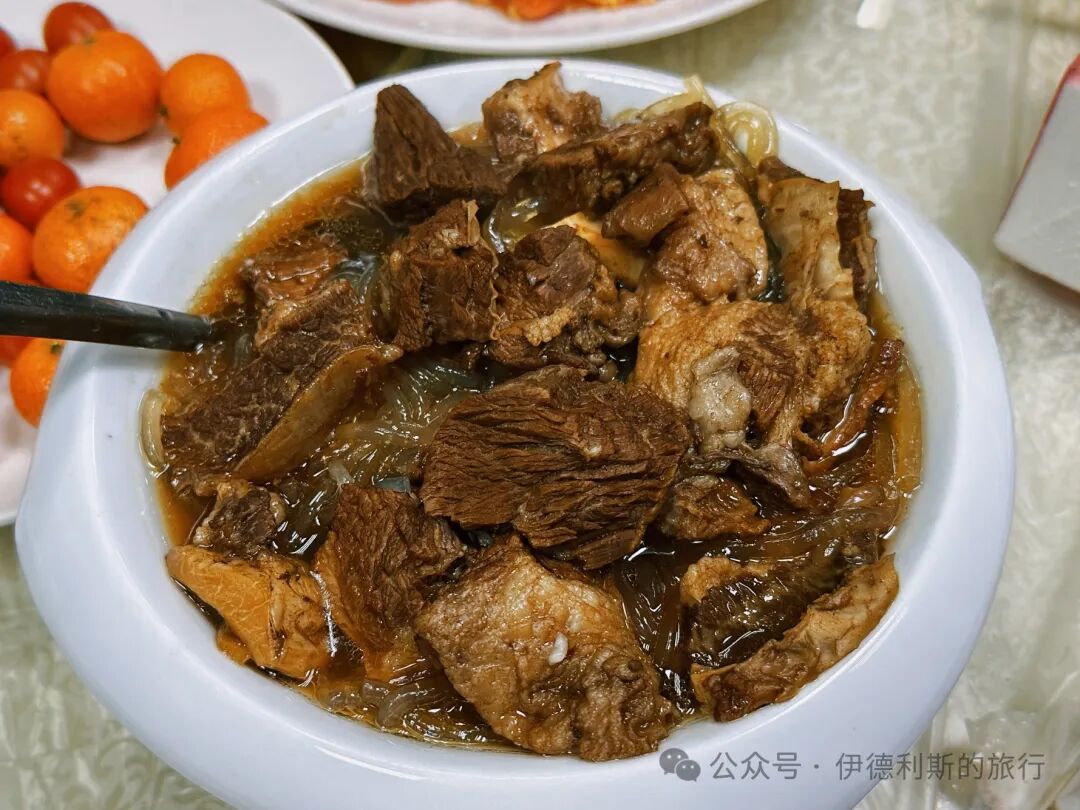
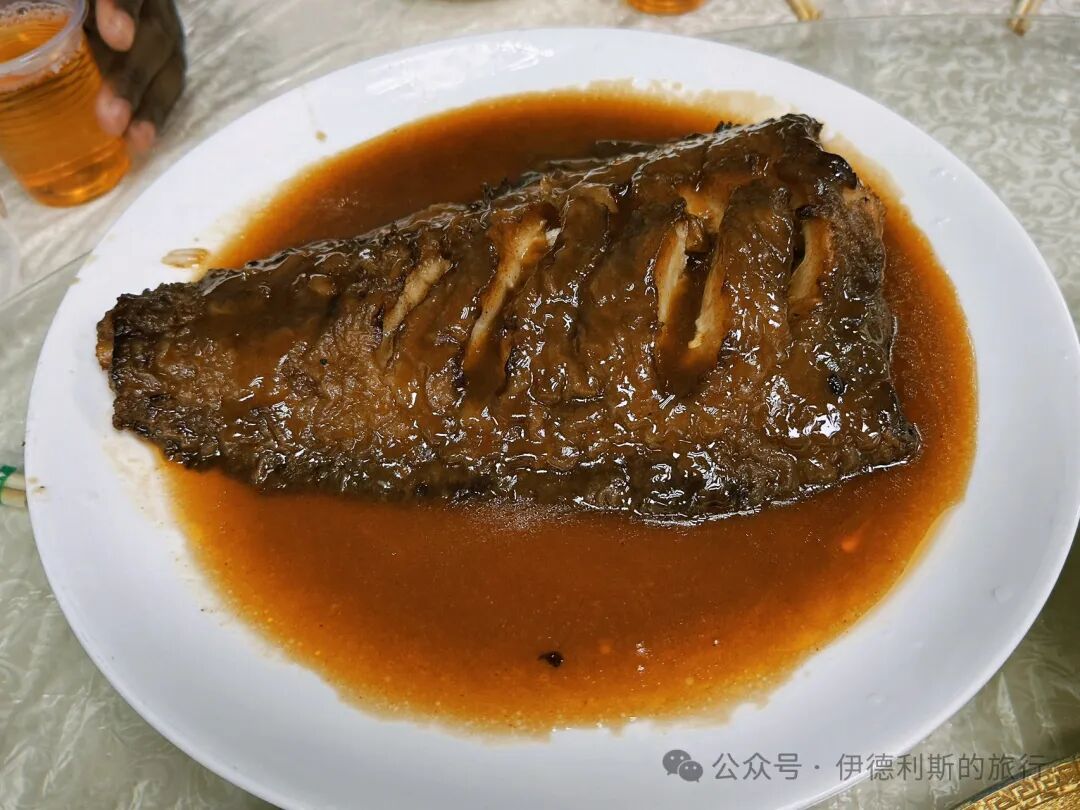
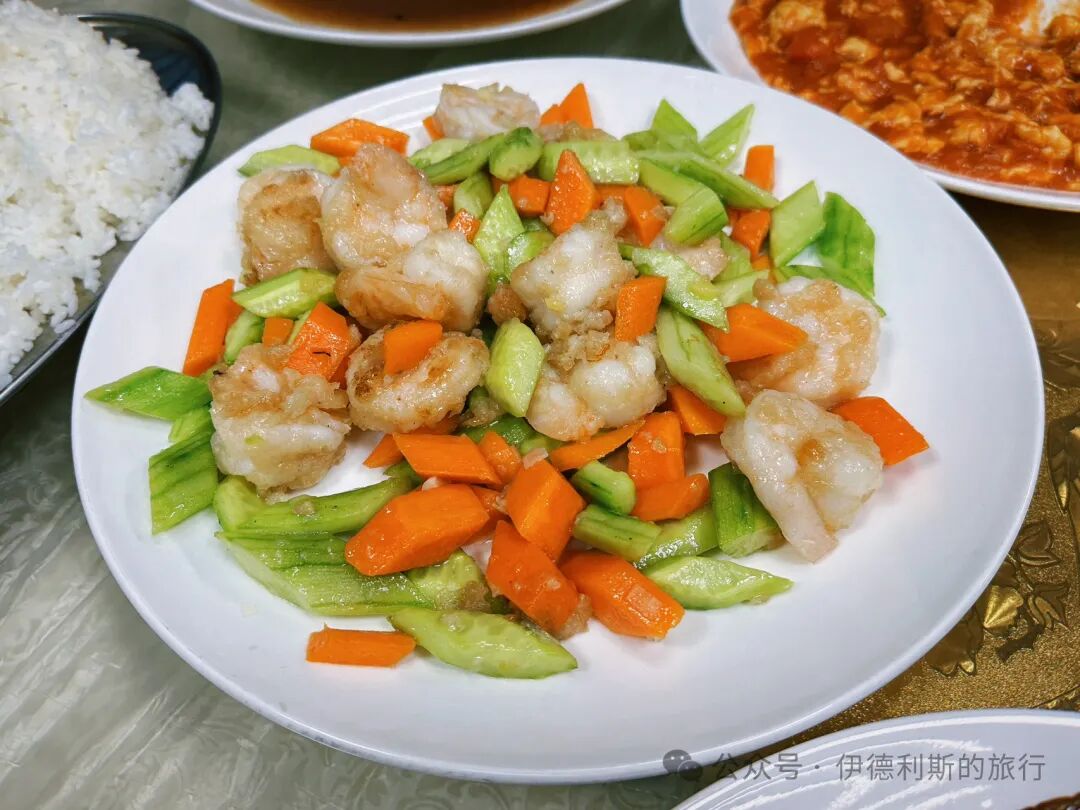
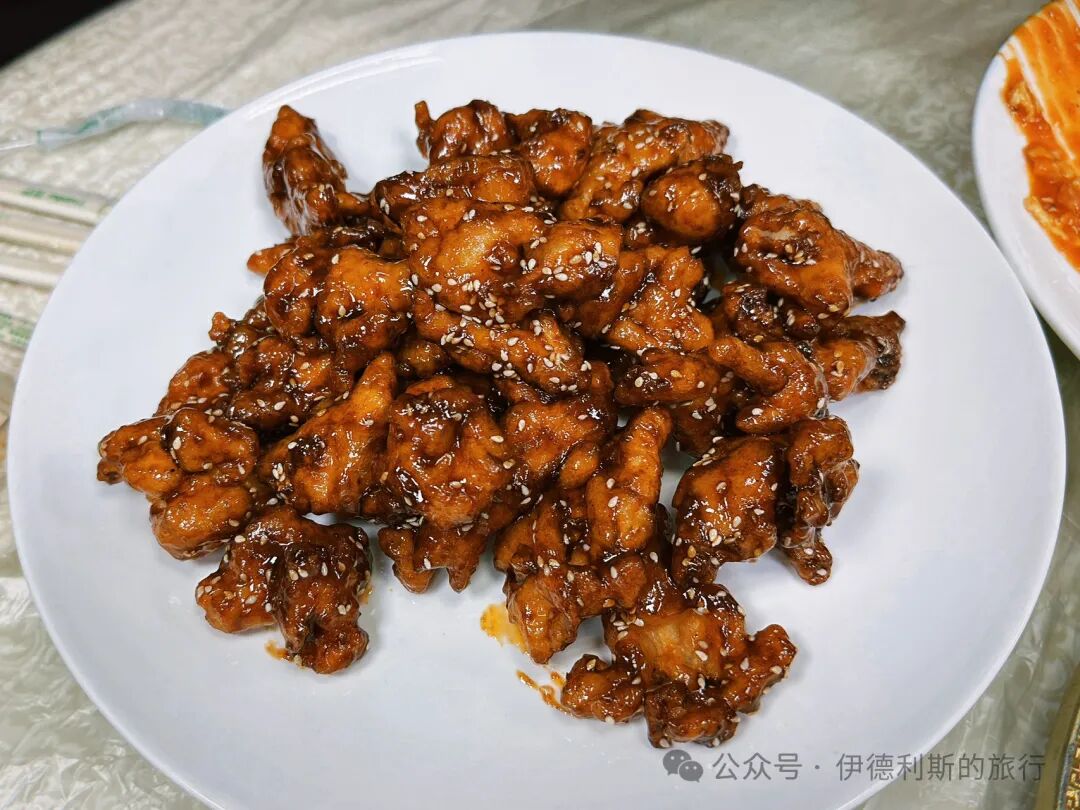
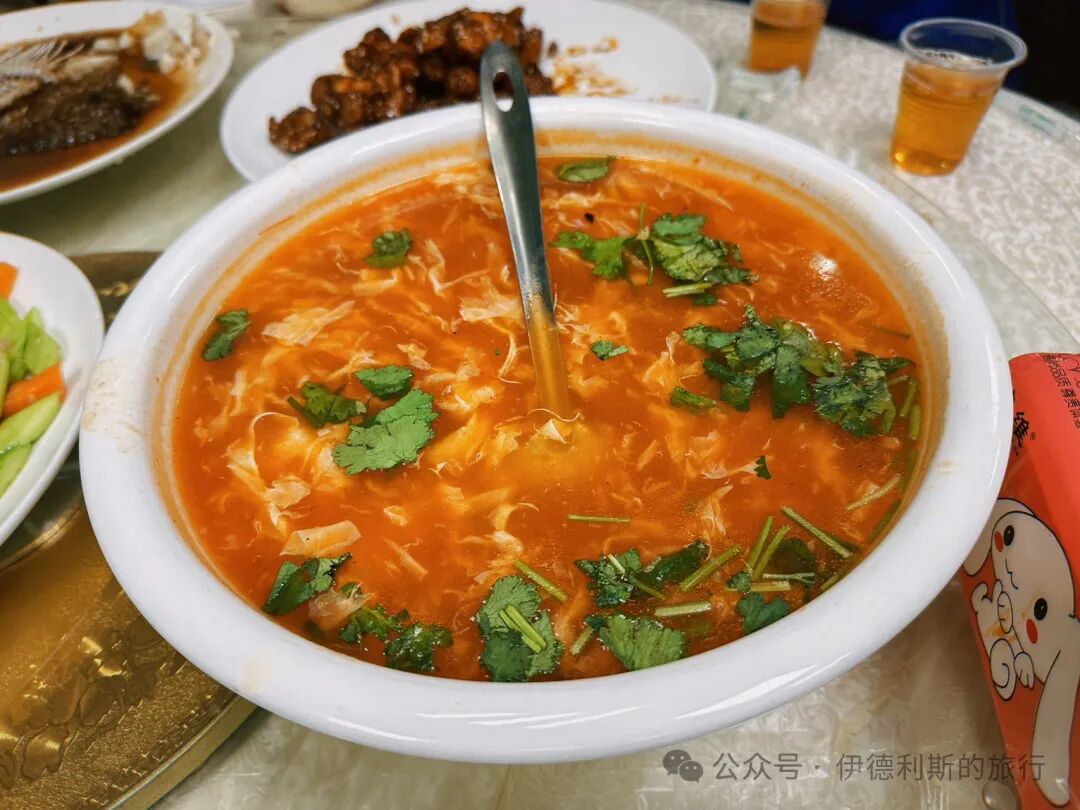
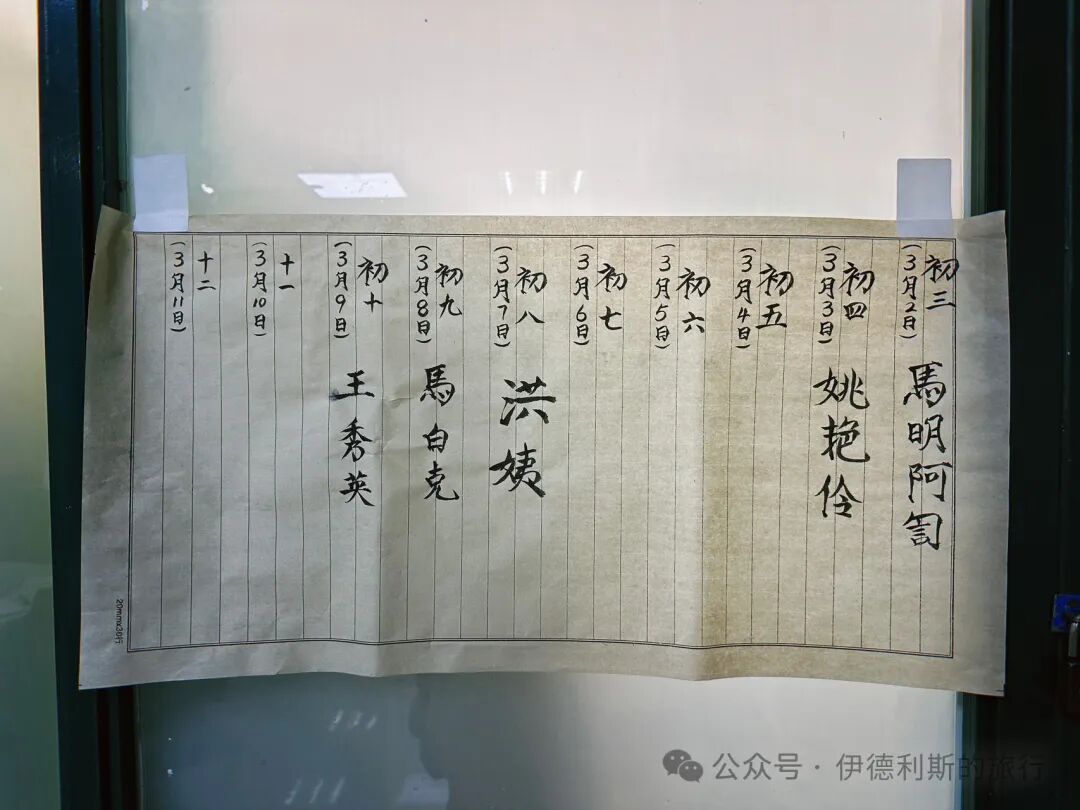
I returned to the dining hall after prayer and had braised eggplant, tomato and egg, beef stew, braised fish, stir-fried shrimp, sweet and sour pork, and tomato egg drop soup. It was a very rich meal with both meat and vegetables, and both dry and liquid dishes. Every day at the Great East Mosque, someone volunteers to host the fast-breaking meal. Imam Ma Ming hosted it on the first day, and I felt very grateful. view all
Summary: The first weekend of Ramadan 2025 took the writer from Beijing to Tianjin, with mosque visits, halal meals, and everyday scenes from Muslim life. The article keeps the original route, food details, photos, and local observations while presenting them in natural English.
February 28: Start of Ramadan.
Welcoming Ramadan, I prayed my first Taraweeh at the Dongsi Mosque in Beijing. I was pleasantly surprised when Imam He invited me to lead the recitation (suo'er).
March 1: First day.
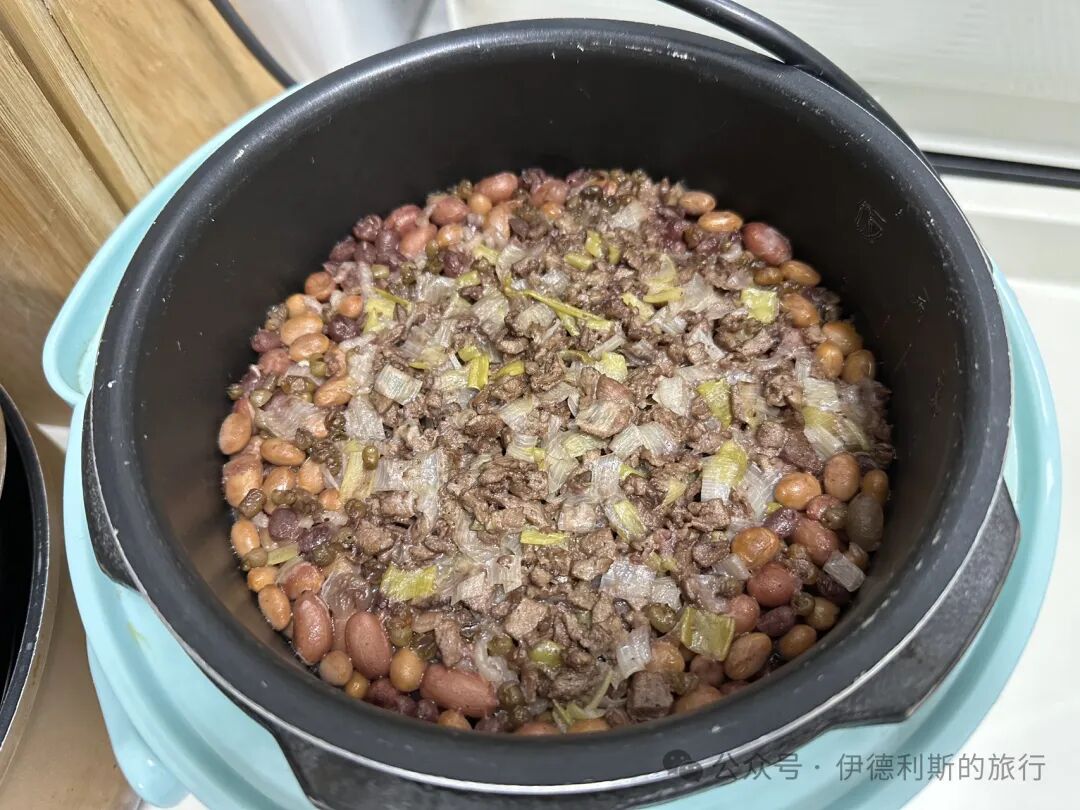
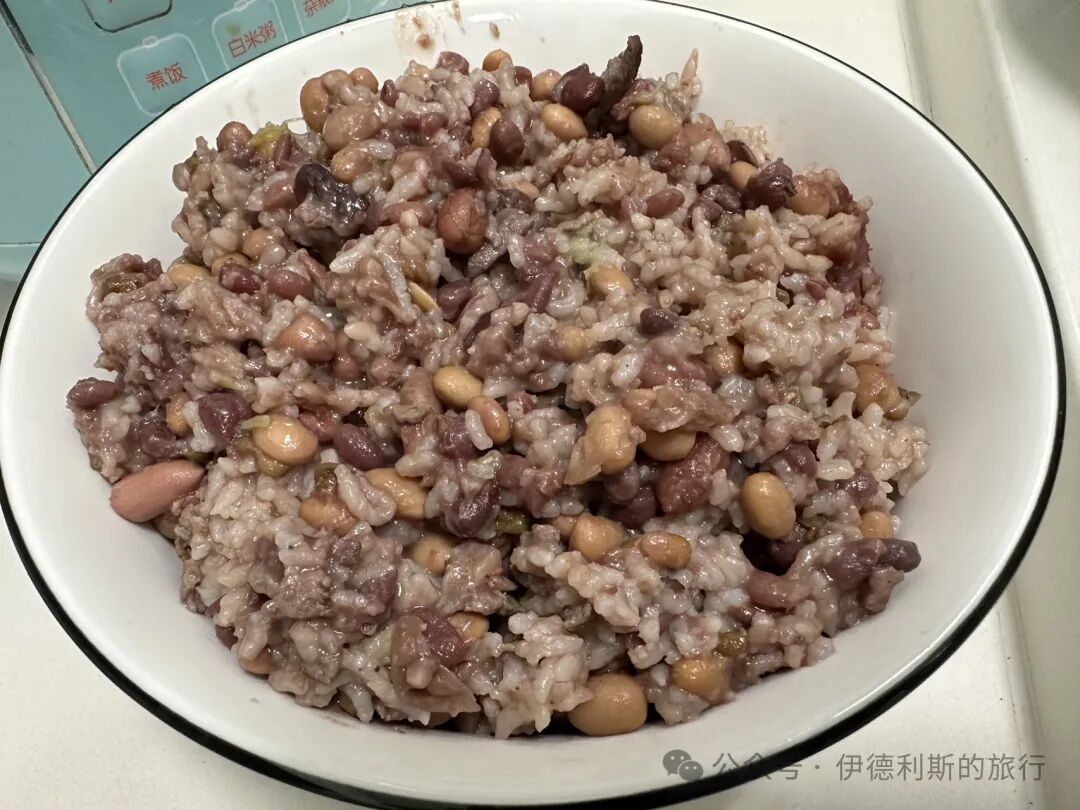
I made a pot of Ashura bean porridge (ashura doudoufan) in advance. I added water and drank two big bowls in the morning, which felt great.
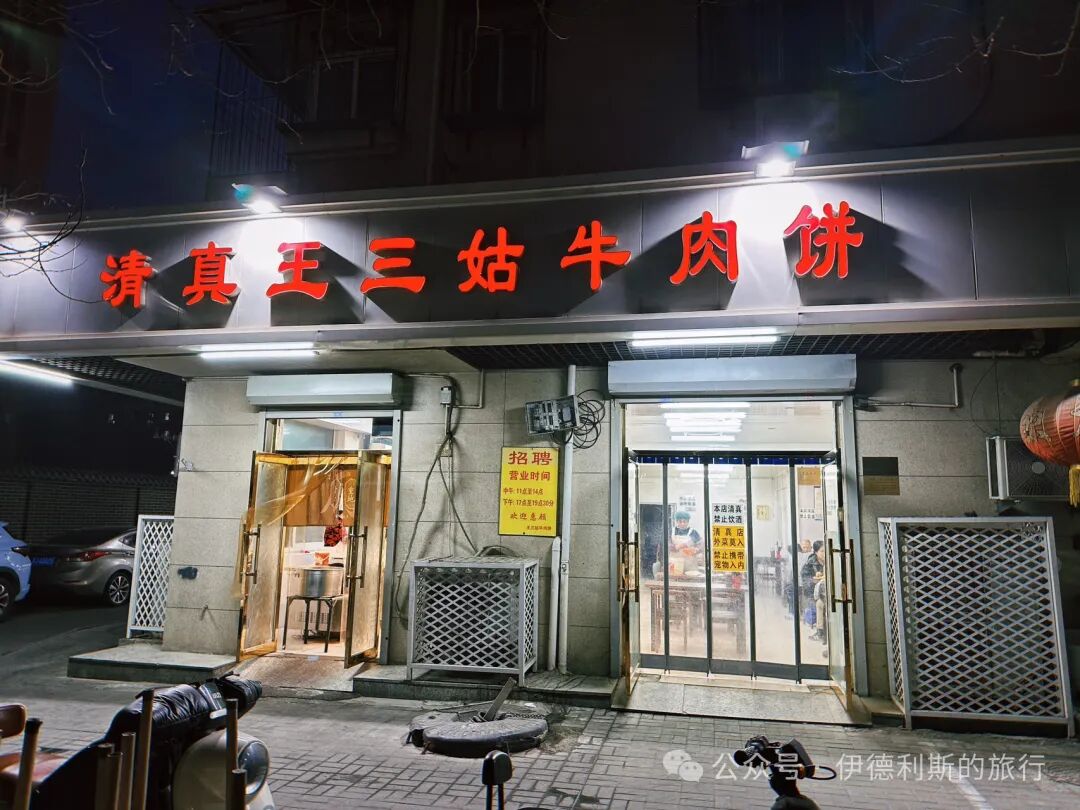
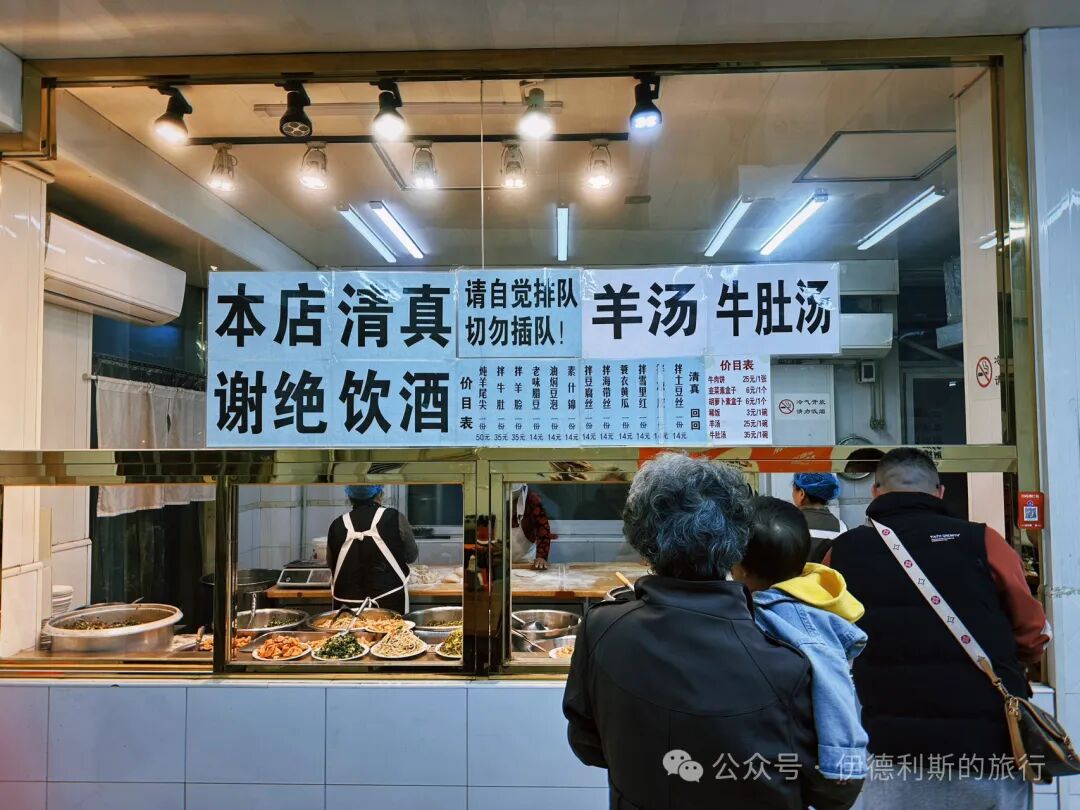
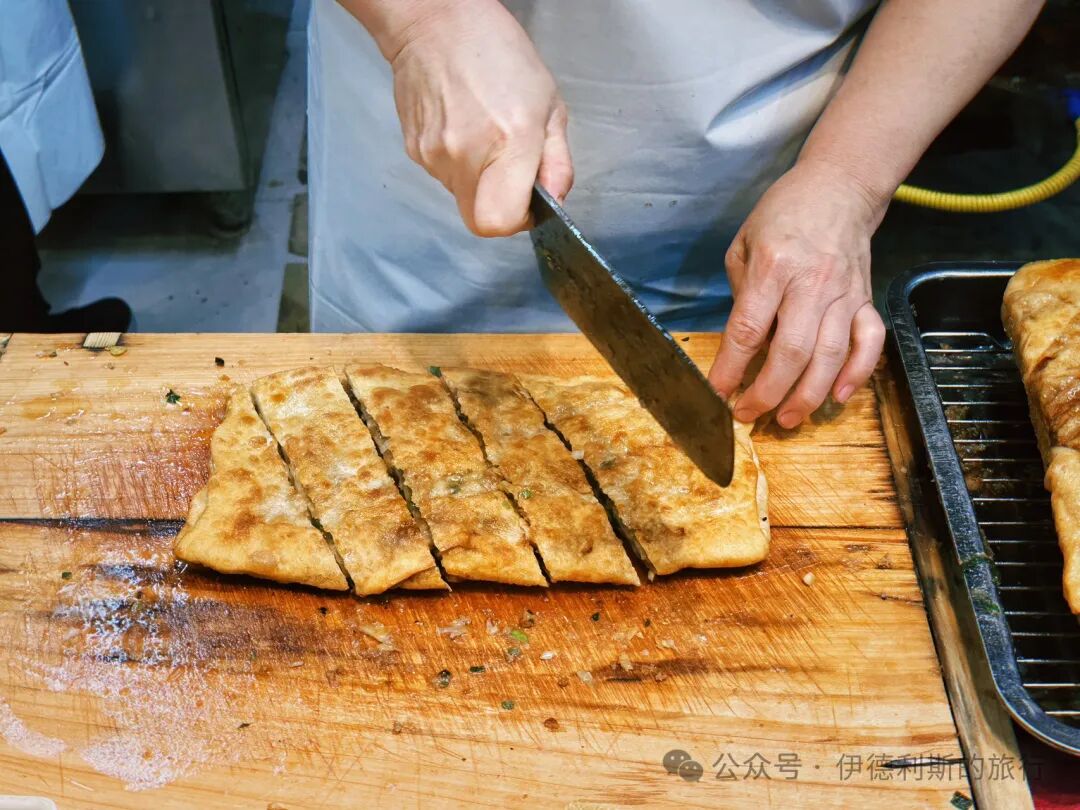
I went to Tianjin in the morning. In the evening, I prayed Maghrib (shamu) at the Northwest Corner Mosque (Xibeijiao Dasi). I was surprised to see only five or six people there. An elder (xianglao) gave me dates to break my fast. After prayer, I went to eat meat pies at Sangu Meat Pie (Sangu Roubing). I have been eating there for ten years, and it is as delicious as ever. The crust is crispy, and you can smell it from far away.
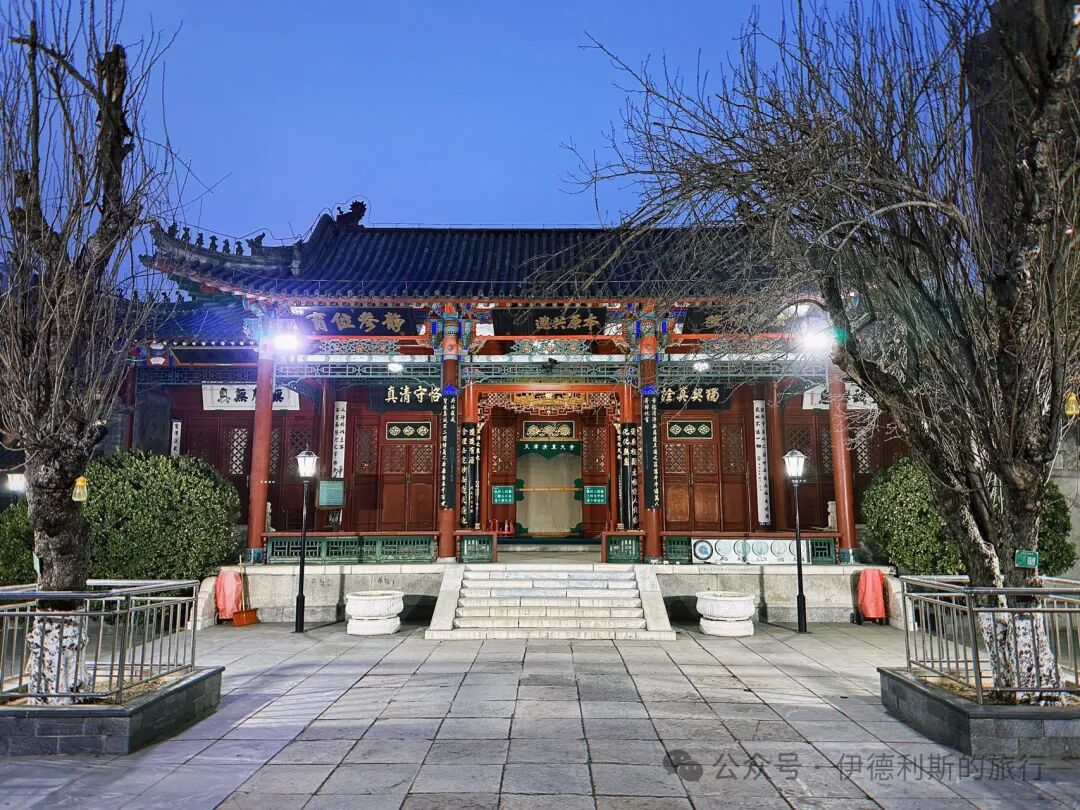
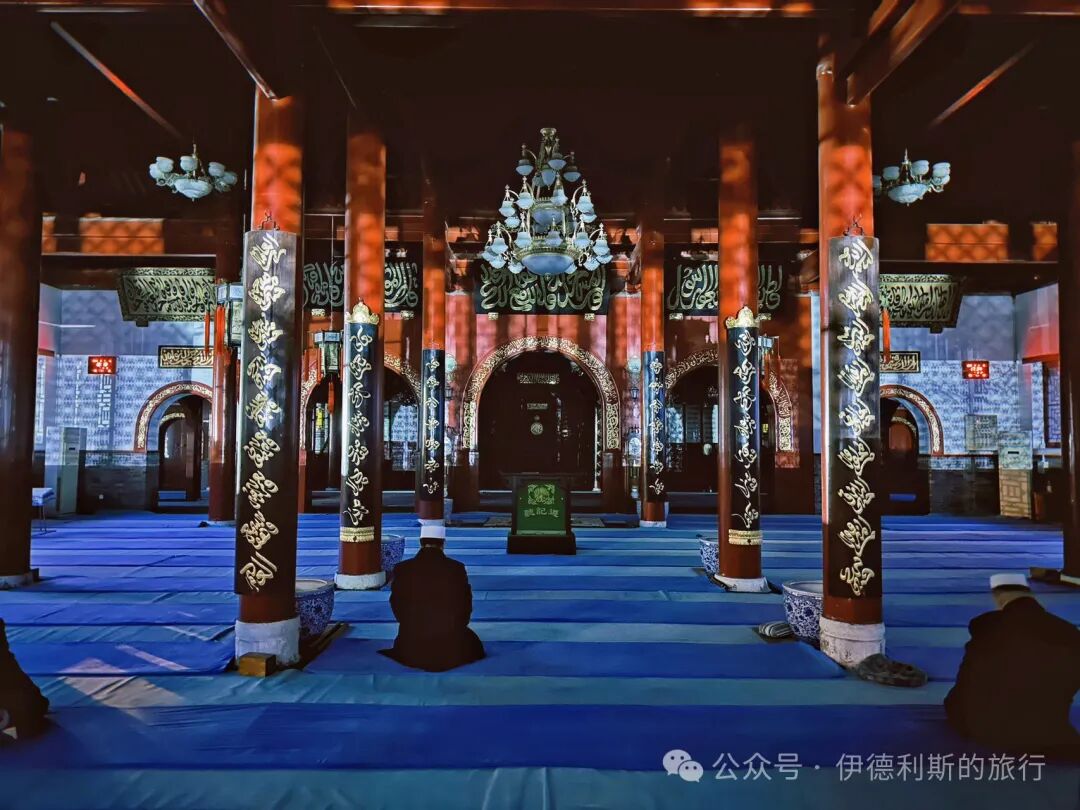
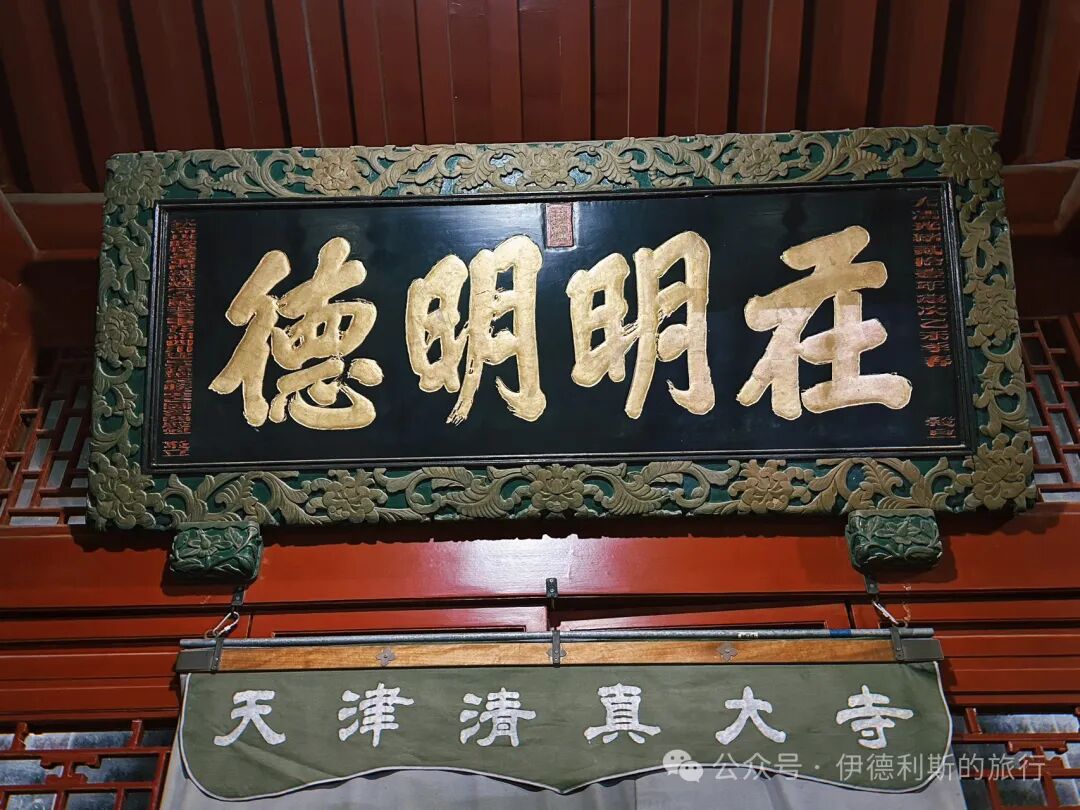
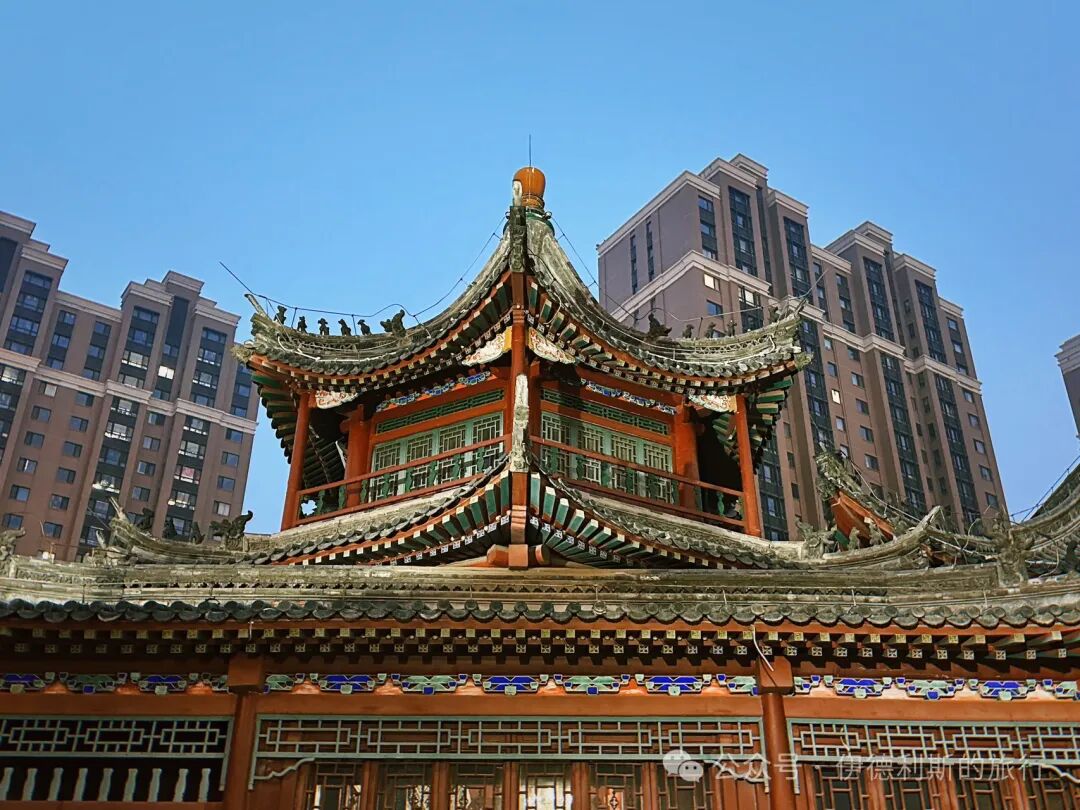
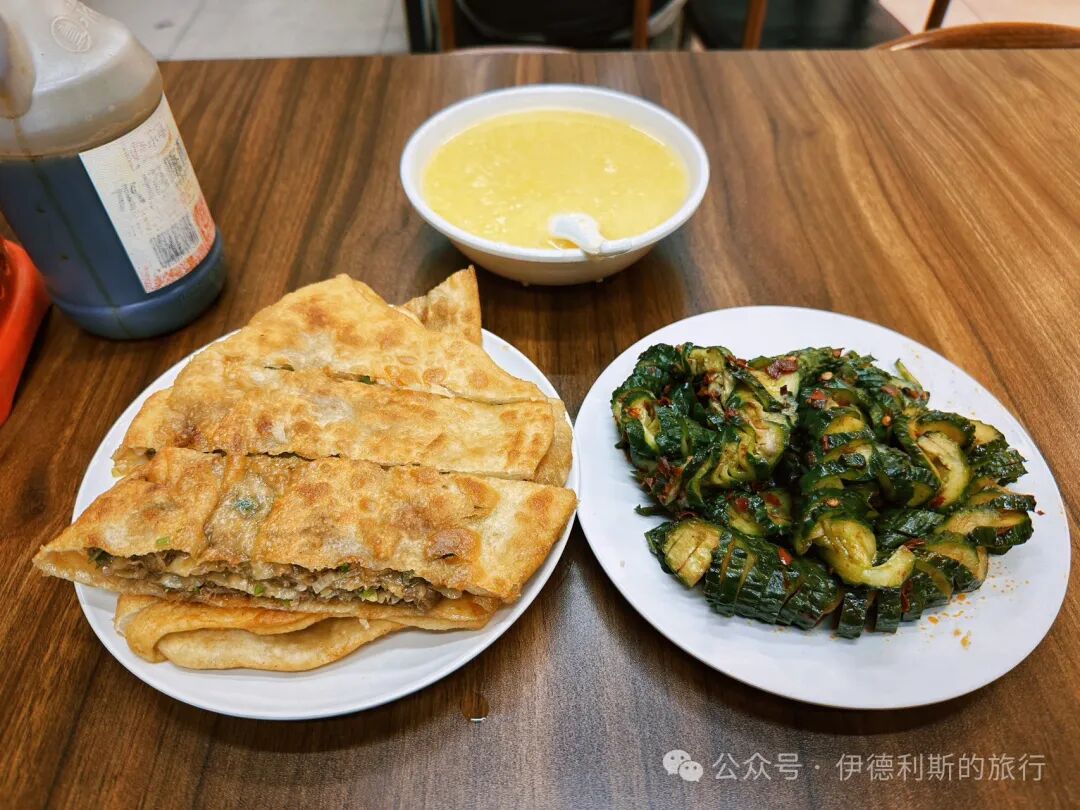
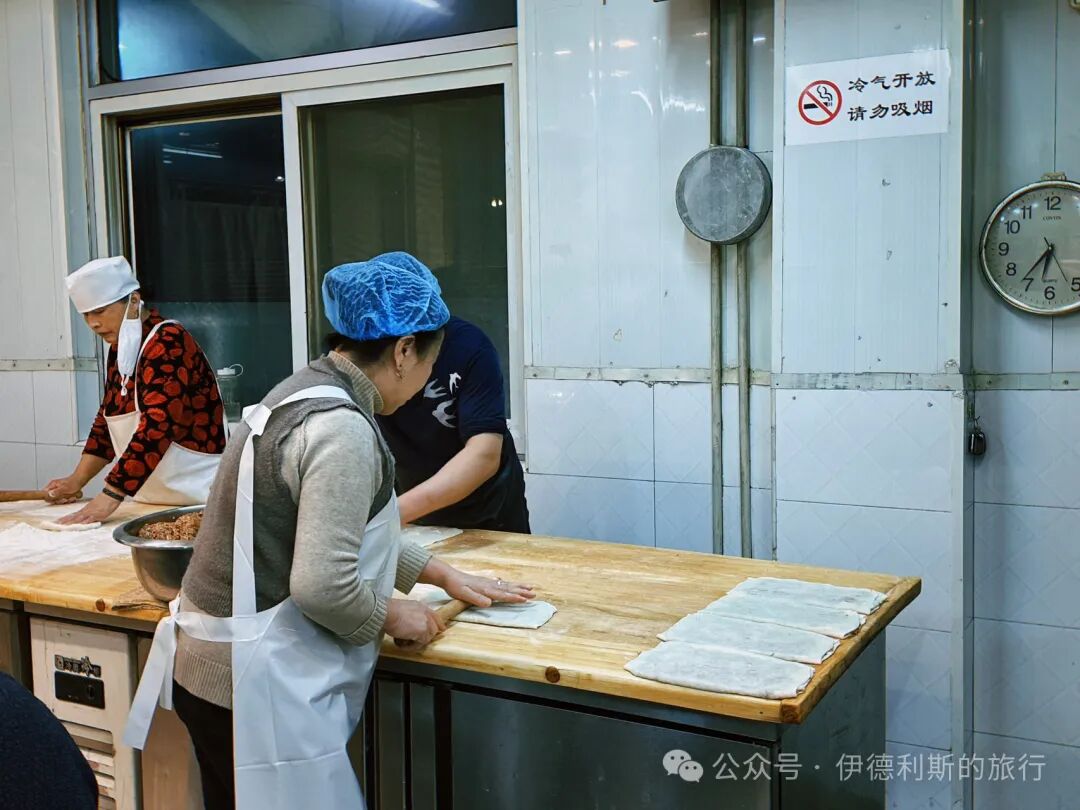
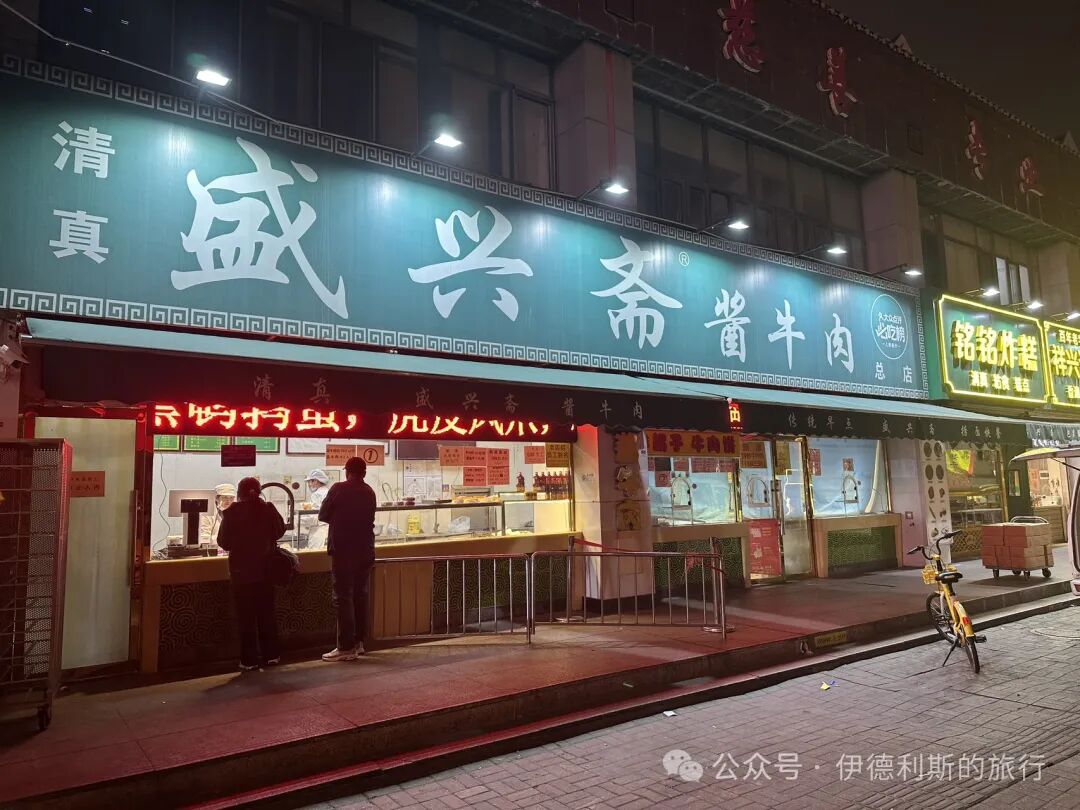
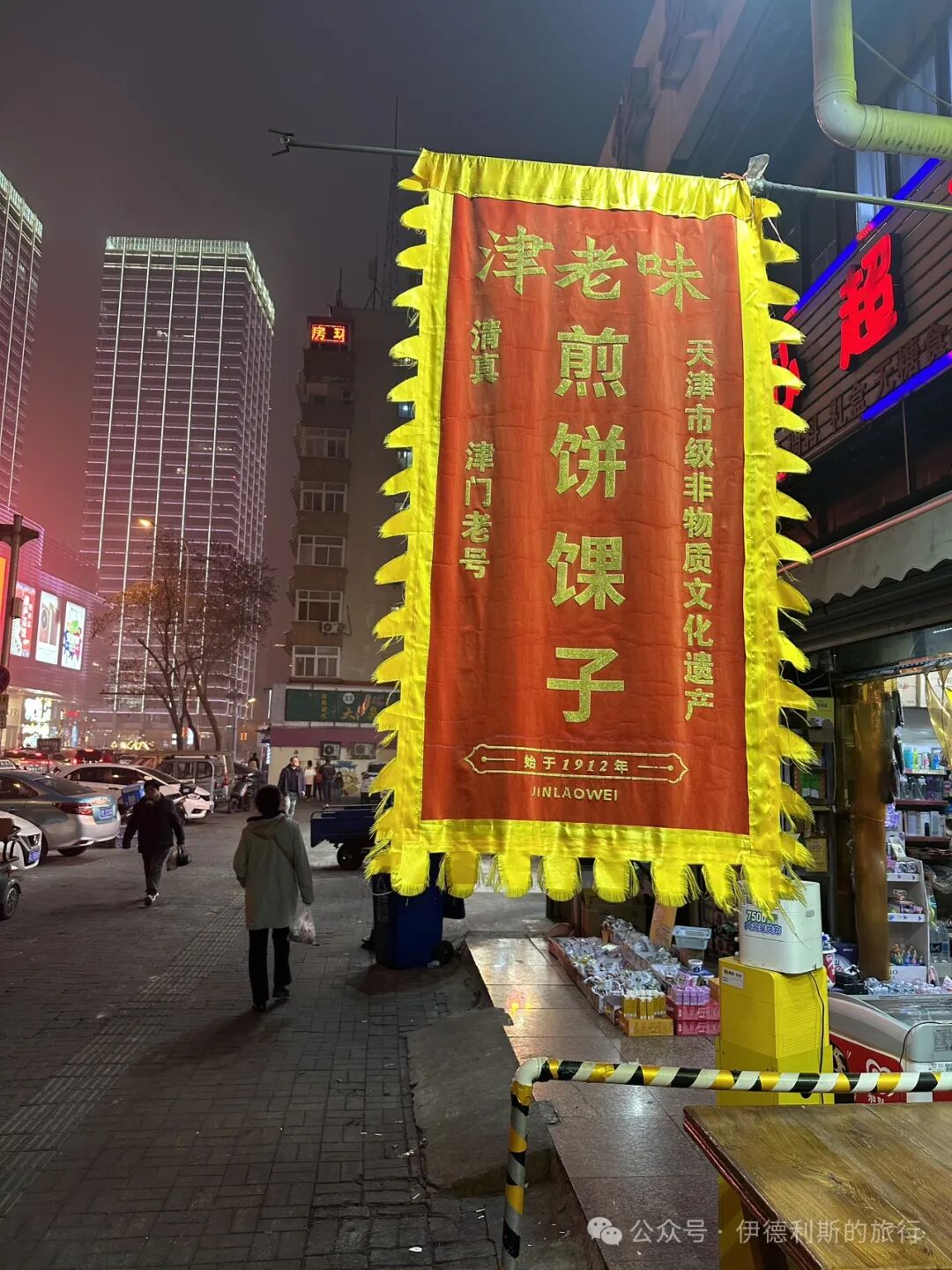
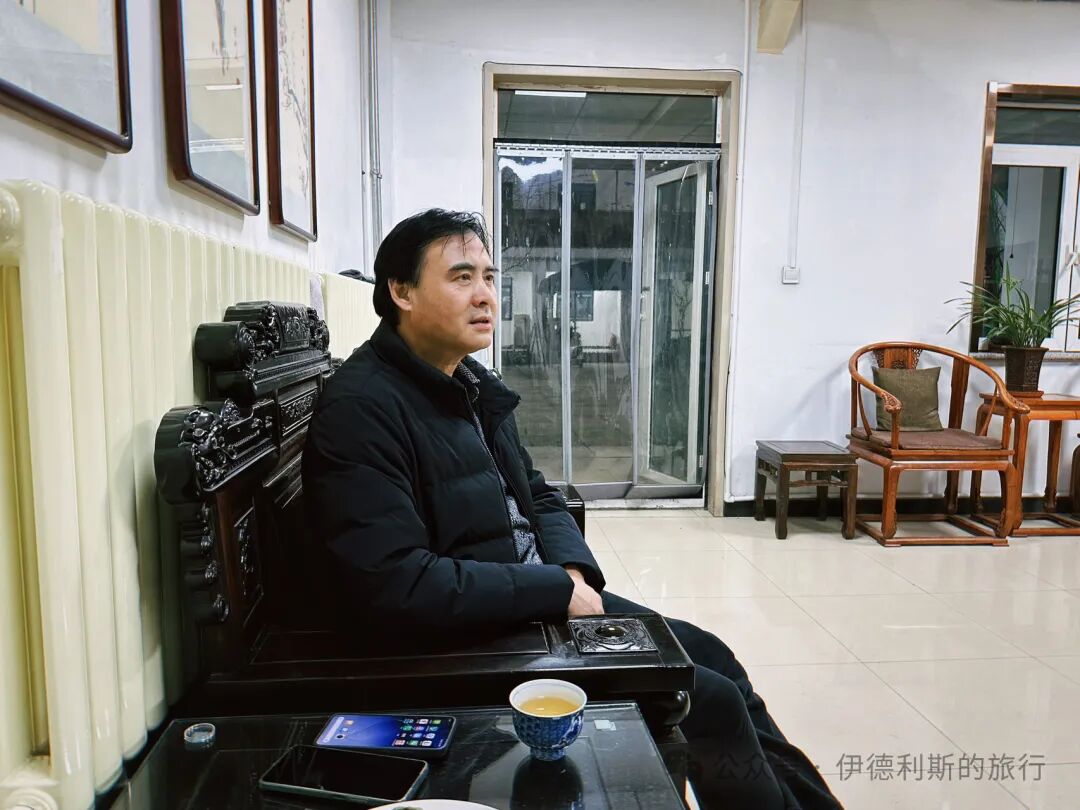
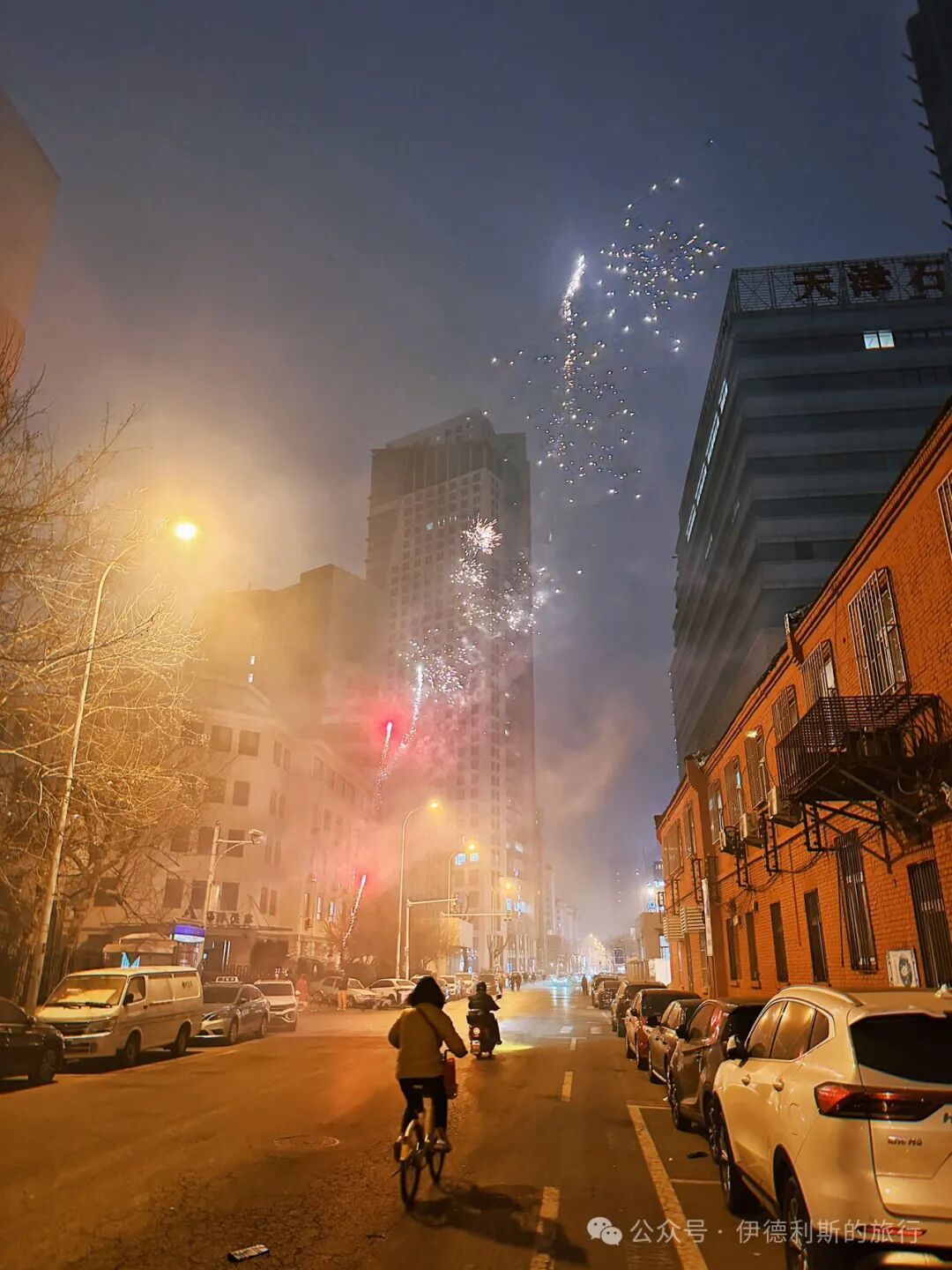
After dinner, I went to the Tianjin Great East Mosque (Dongdasi) to pray Taraweeh. Tianjin follows the 'old third day' tradition, so most mosques there start Ramadan one day later than in Beijing. The original site of the Great East Mosque was in Gujiao Hutong outside the South Gate. In 1915, Gao Hanting's grandfather donated the property, and it was organized by Zheng Yuande, Liu Haowei, Mu Xinglan, and others. In 2008, it moved from outside the South Gate to its current location on Nankai Second Road, right next to the Haiguangsi Station on Metro Line 1. This day happened to be the 'Dragon Raises Its Head' festival on the second day of the second lunar month. People in Tianjin like to set off fireworks and firecrackers. We prayed Taraweeh almost entirely to the sound of firecrackers, which made me feel the strength of my Iman even more. I also met Mr. Wu Peng from the 'Tianxia Huihui' program at the mosque. It turns out he is an elder at the Tianjin Great East Mosque.
March 2: Second day.
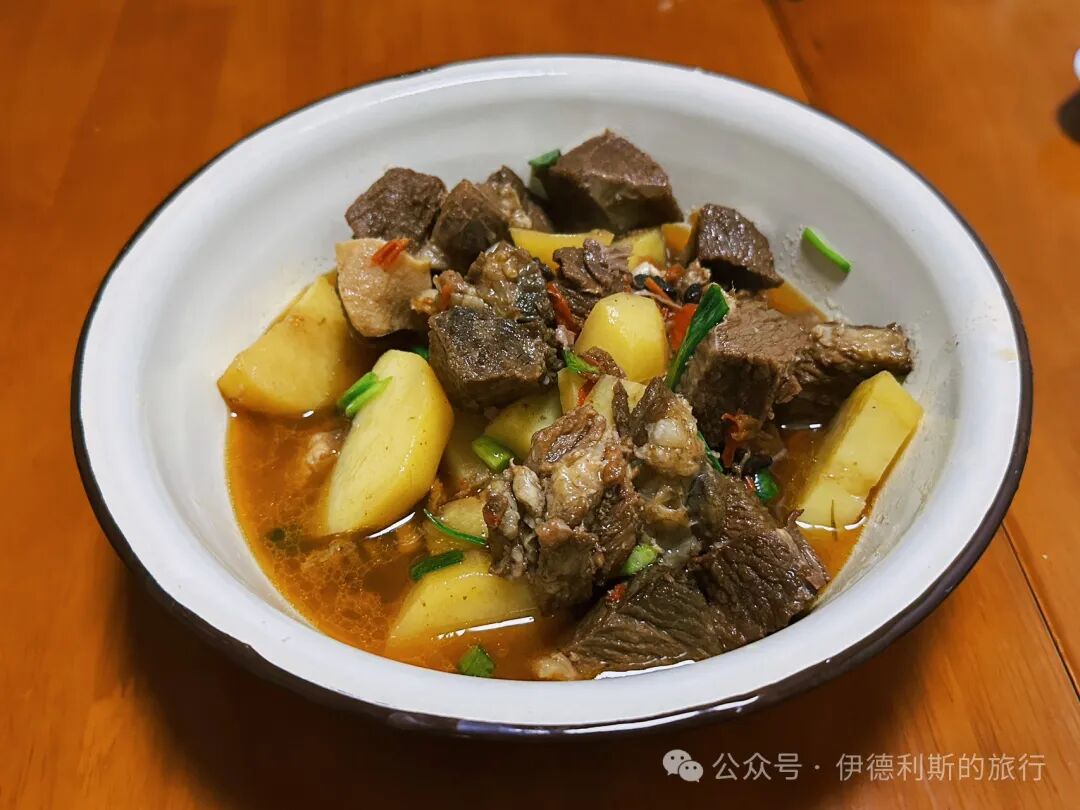
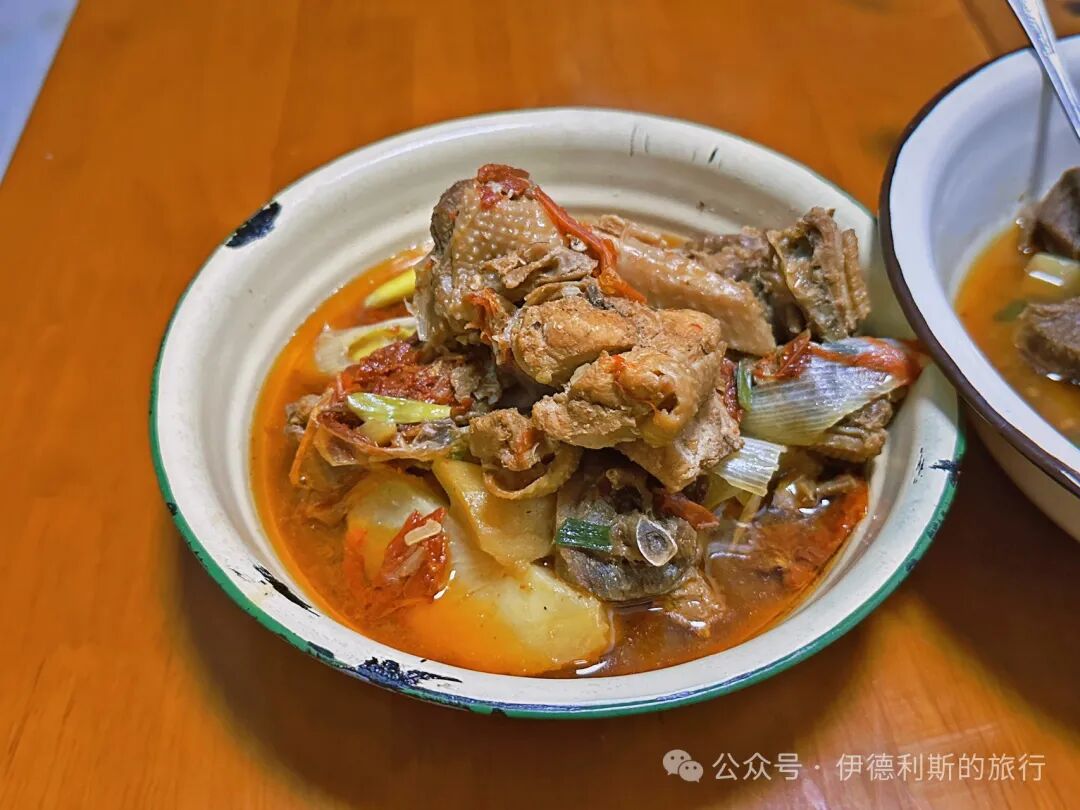
In the morning, my mother-in-law made big plate chicken (dapanji) and beef stew with potatoes served over rice.
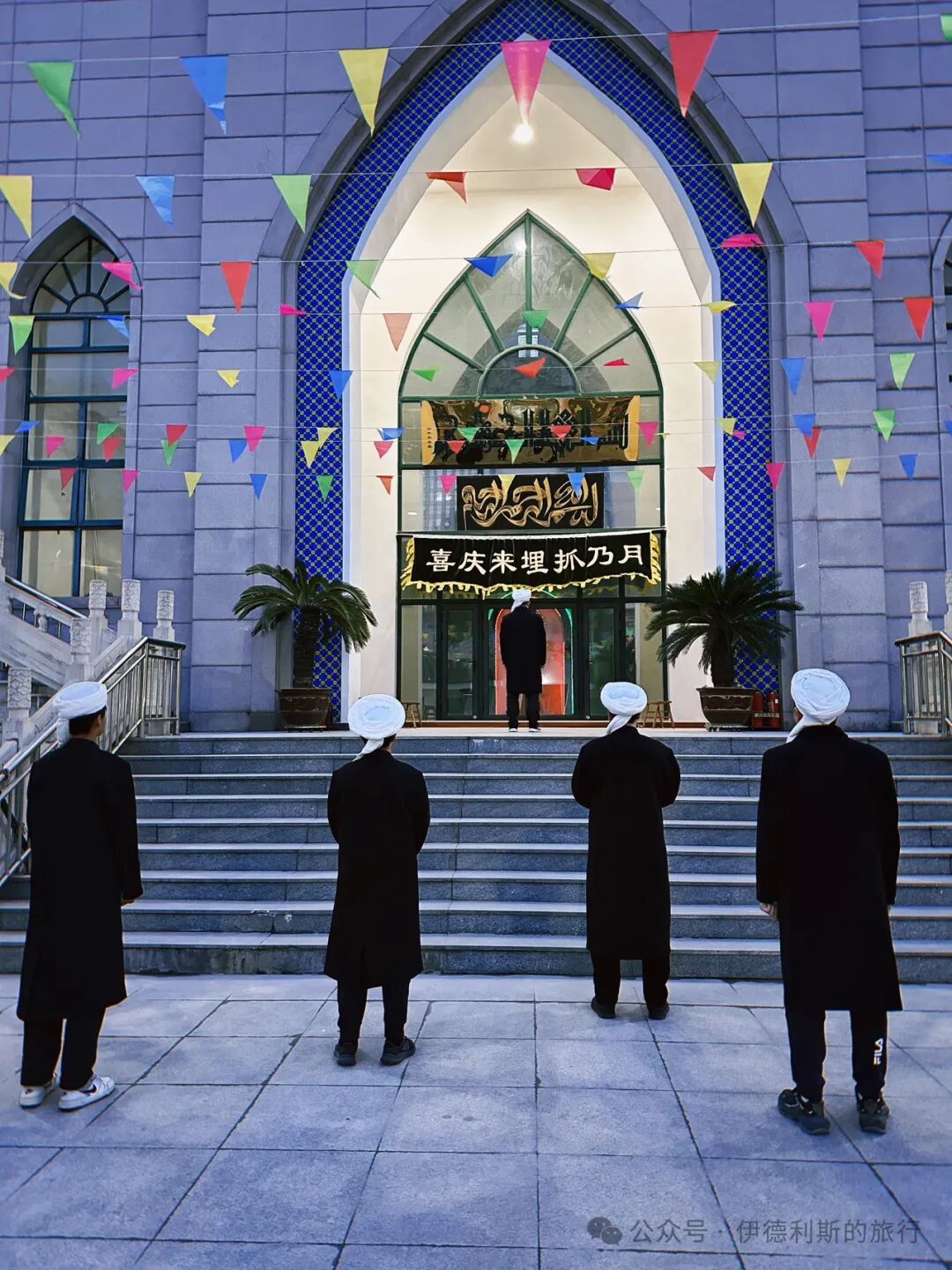
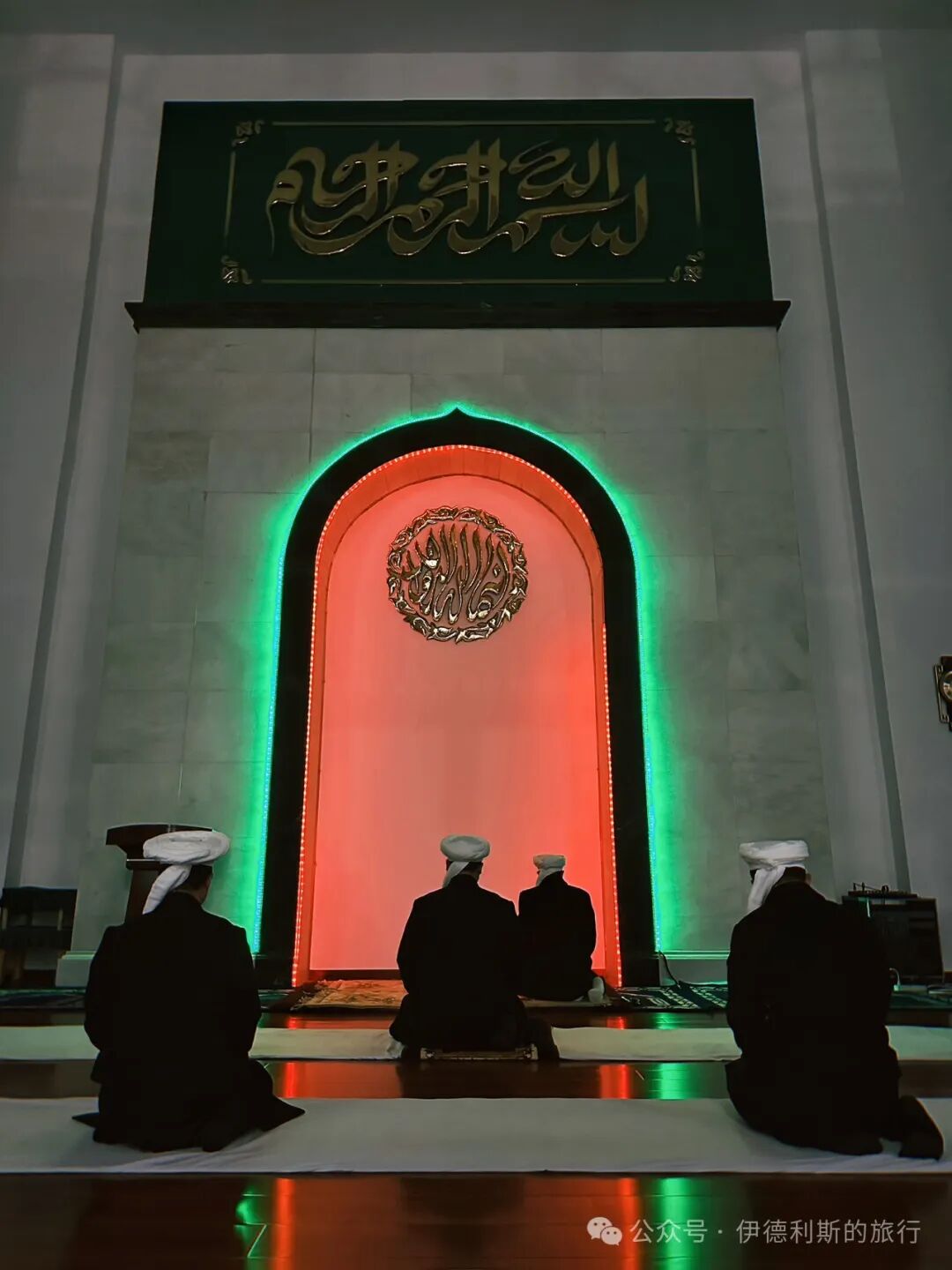
In the evening, I went to the Tianjin Great East Mosque again to break my fast. Before Maghrib, Imam Ma gave a sermon (wa'erzi), then we recited dua, and I received pastries and fruit. After the recitation, we went into the main hall to pray Maghrib. There is a saying, 'From Nanjing to Beijing, the lights are only turned on after Maghrib.' The main hall looked especially solemn and dignified in the sunset. In North China, there is a tradition of wearing the old-style large millstone turban (damoshipan daistal) and the new-style cross-pattern turban (shizihua daistal). This large millstone style likely comes from Persia.
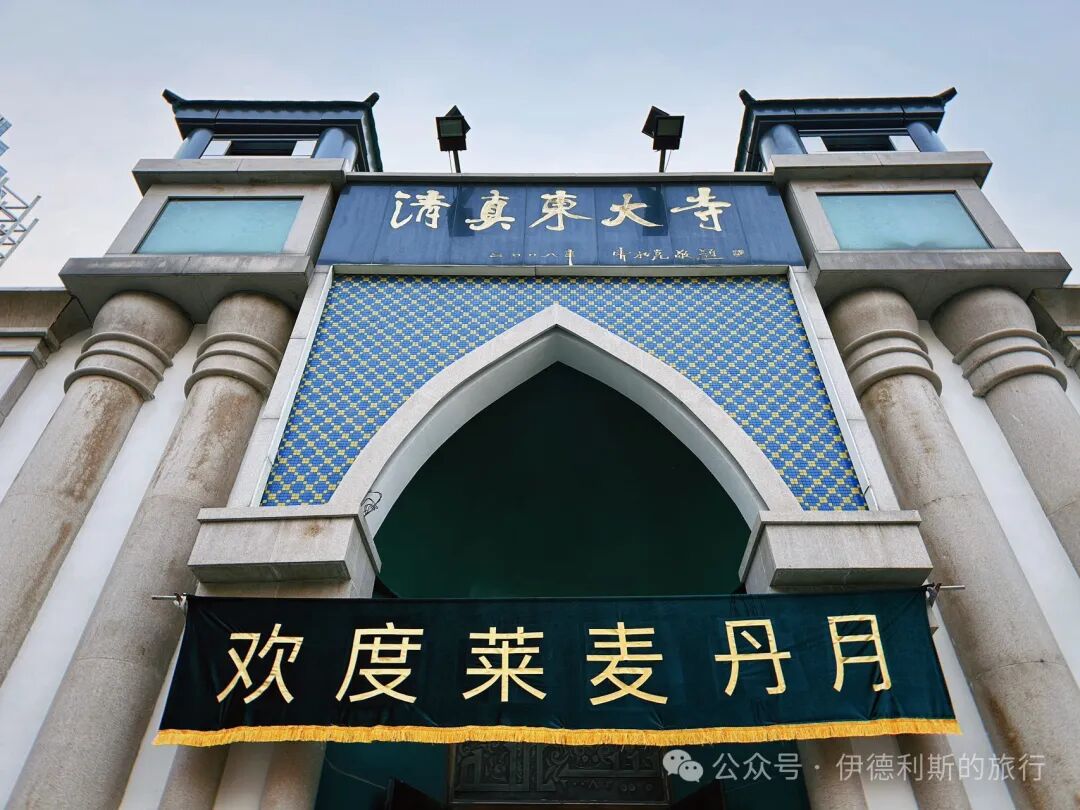
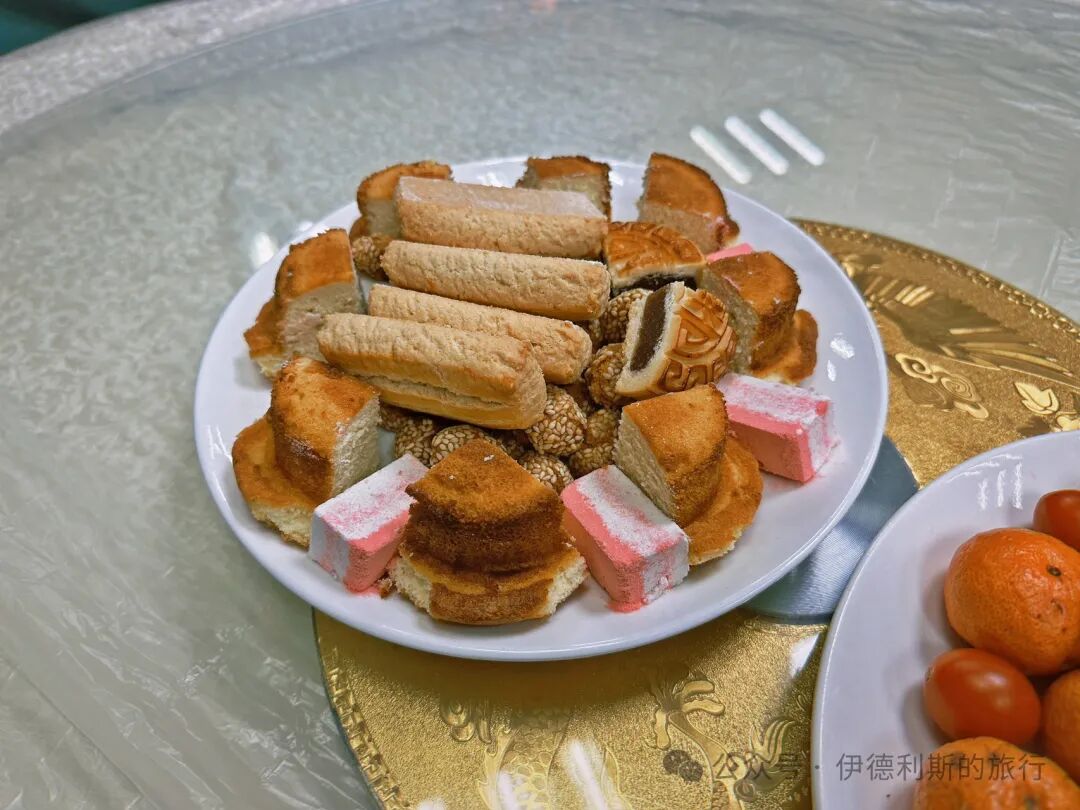
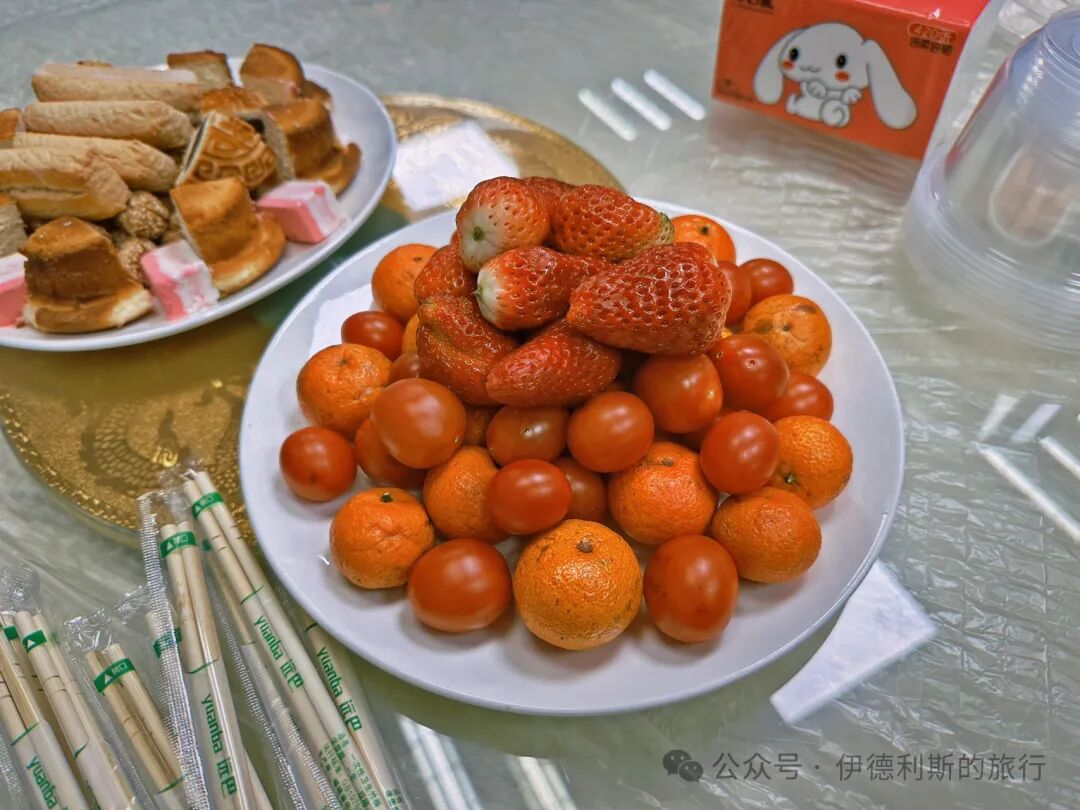
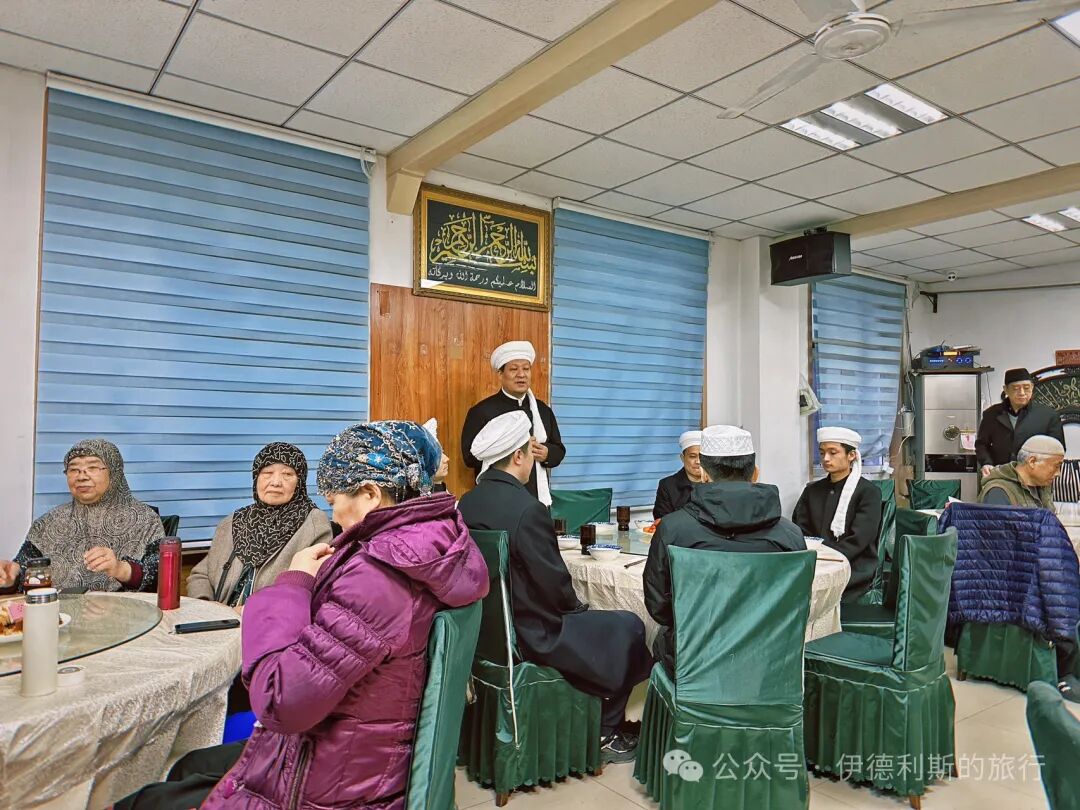
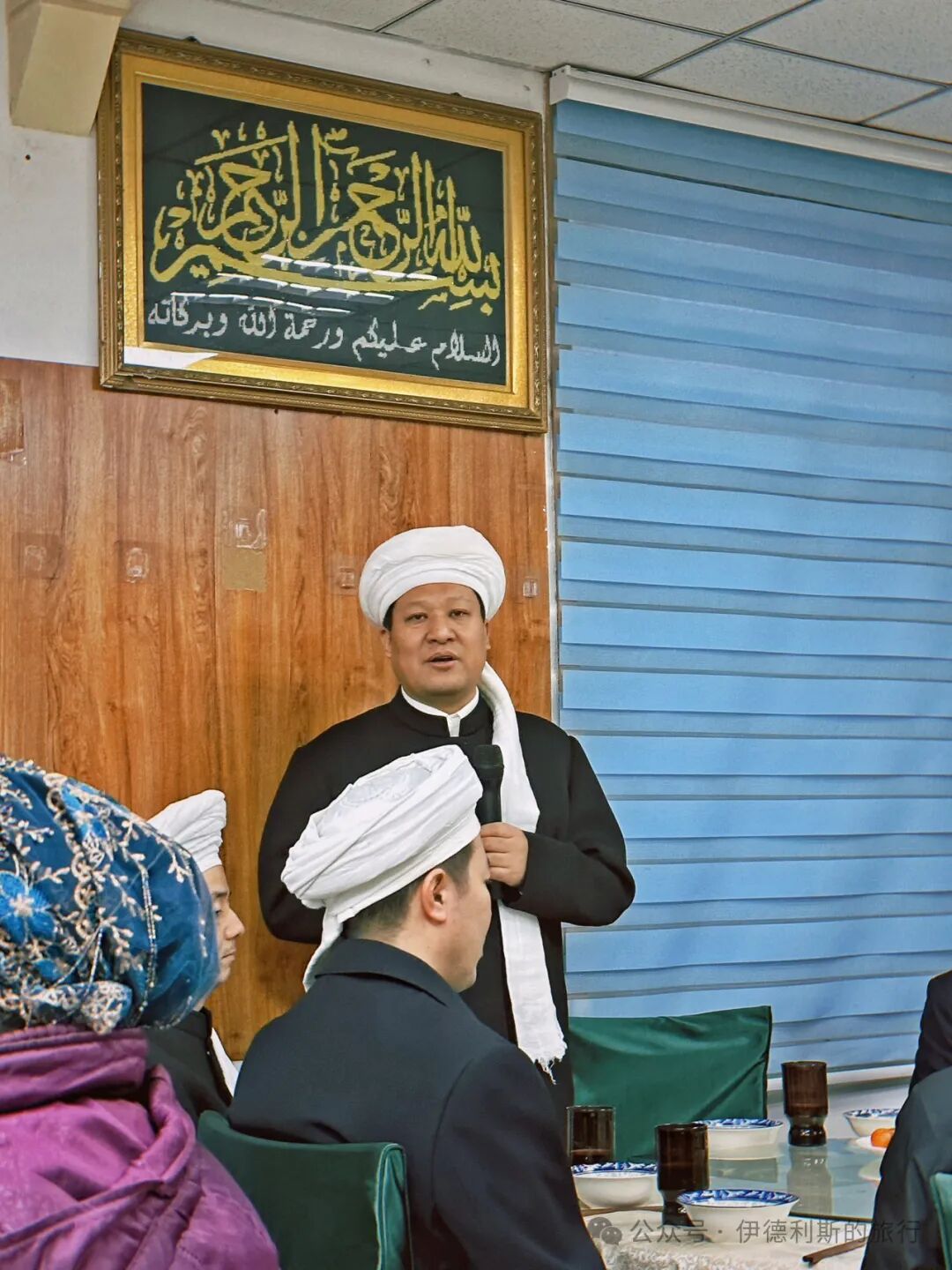
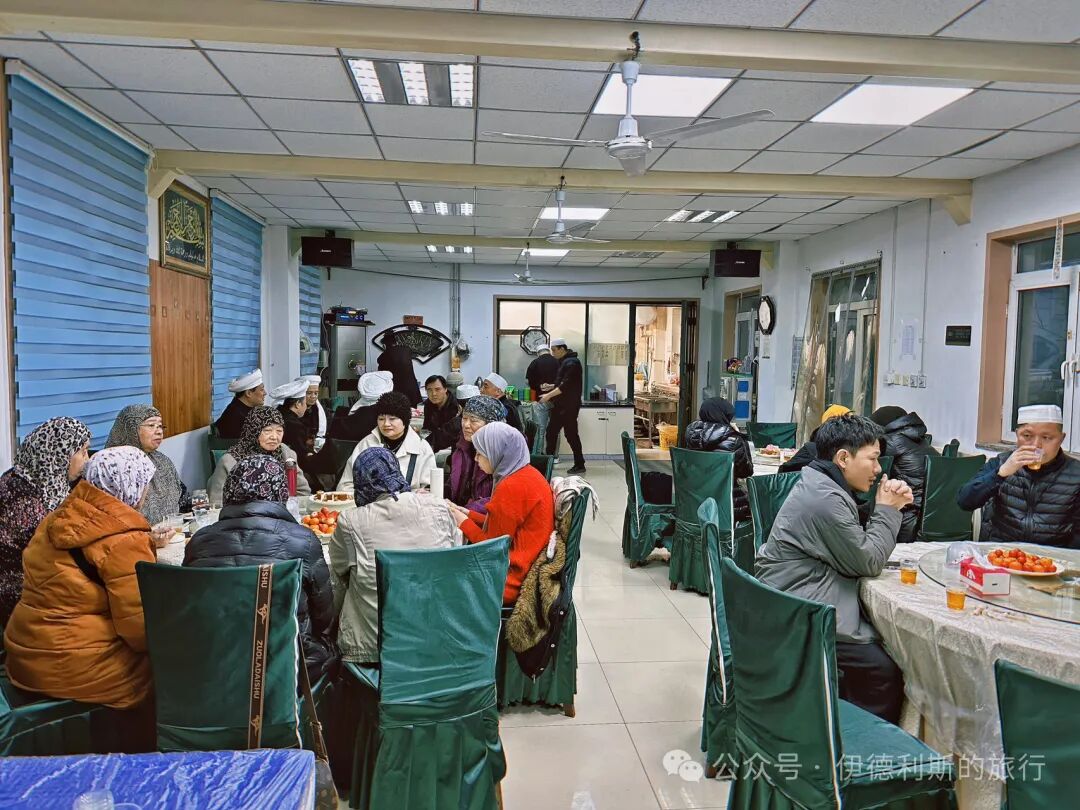
I returned to the dining hall after prayer and had braised eggplant, tomato and egg, beef stew, braised fish, stir-fried shrimp, sweet and sour pork, and tomato egg drop soup. It was a very rich meal with both meat and vegetables, and both dry and liquid dishes. Every day at the Great East Mosque, someone volunteers to host the fast-breaking meal. Imam Ma Ming hosted it on the first day, and I felt very grateful.
Islamic Art Guide: Tianjin Hui Muslim Brick Carvings - Ma Family and Liu
Articles • ali2007fr posted the article • 0 comments • 143 views • 2026-05-19 22:19
Summary: This article introduces the refined brick carvings of the Hui Muslim Ma family and Liu brick-carving tradition from Tianjin's Northwest Corner. It keeps the original artisan names, exhibition details, photographs, and cultural background for readers interested in Hui Muslim craftsmanship.
The Tianjin Museum displays exquisite brick carvings by the Hui Muslim families known as the 'Fancy Work Ma Family' (Huahuo Majia) and 'Brick Carver Liu' (Kezhuan Liu) from the Northwest Corner.
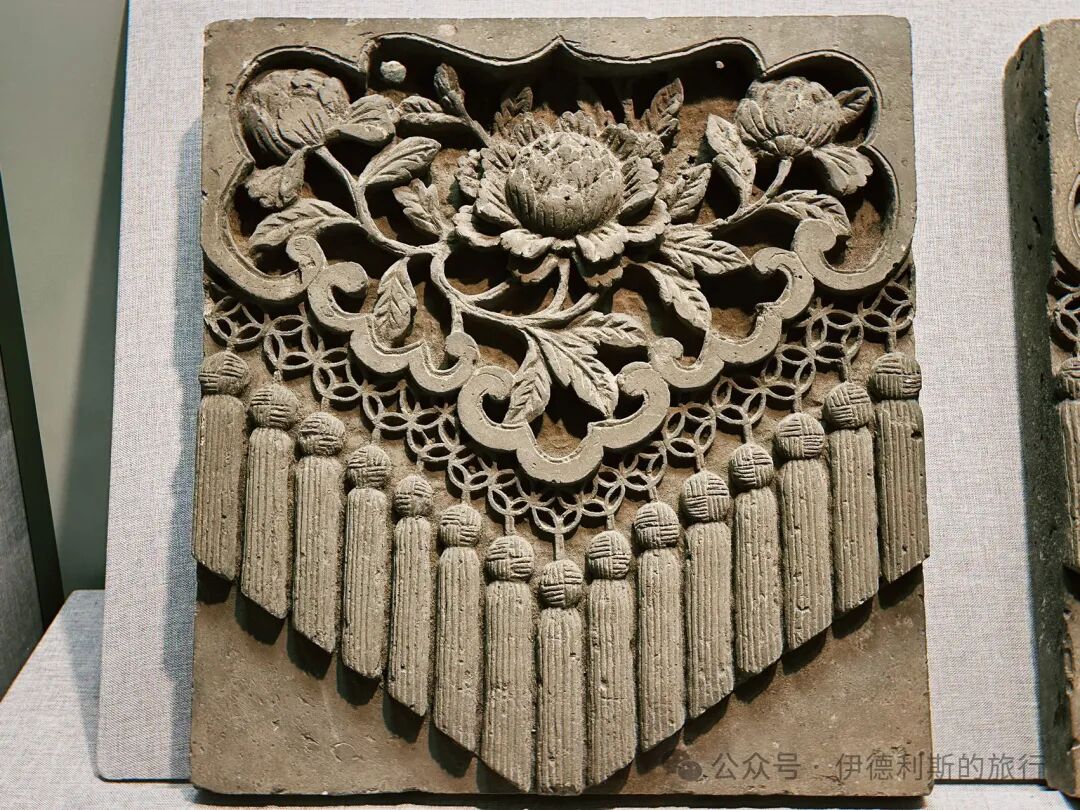
During the Jiaqing and Daoguang periods of the Qing Dynasty, wealthy merchants like the 'Eight Great Families' of Tianjin built many homes, leading to higher demands for fine brick carvings. During the Daoguang period, a Hui Muslim mason from the Northwest Corner named Ma Shunqing focused on brick carving techniques, known in the trade as 'fancy work' (huahuo), and gradually developed Tianjin brick carving into an independent form of arts and crafts. He created the 'brick-pasting method' (tiezhuan fa), which uses an adhesive made of rosin and yellow wax to attach small bricks onto a brick surface, giving the carvings clear layers for near, middle, and far views.
While creating his own carvings, Ma Shunqing trained a professional team of Hui Muslim brick carvers known as the 'Fancy Work Ma Family' (Huahuo Majia), which included his sons Ma Shaode and Ma Shaoqing, and apprentices like Mu Chenglin and He Baotian. Ma Shaode kept his father's techniques while adding his own style, and Ma Shaoqing further developed the brick-pasting method; both became famous brick carving masters in Tianjin.
During the Republic of China era, Ma Shunqing's grandson Liu Fengming became the standout of the third generation of the 'Fancy Work Ma Family' and was known as 'Brick Carver Liu' (Kezhuan Liu). Liu Fengming began learning brick carving from his grandfather Ma Shunqing and uncle Ma Shaoqing at age 15; his work is rich in content, bold in spirit, and features delicate, skilled knife work that is very artistic. Liu Fengming evolved Ma Shunqing's original method of pasting a single brick into a 'stack-pasting method' (duitie fa) that pastes multiple bricks as needed, making the images more three-dimensional and realistic.
Peonies carved by Ma Shunqing.
Flowers and birds carved by Ma Shaoqing.
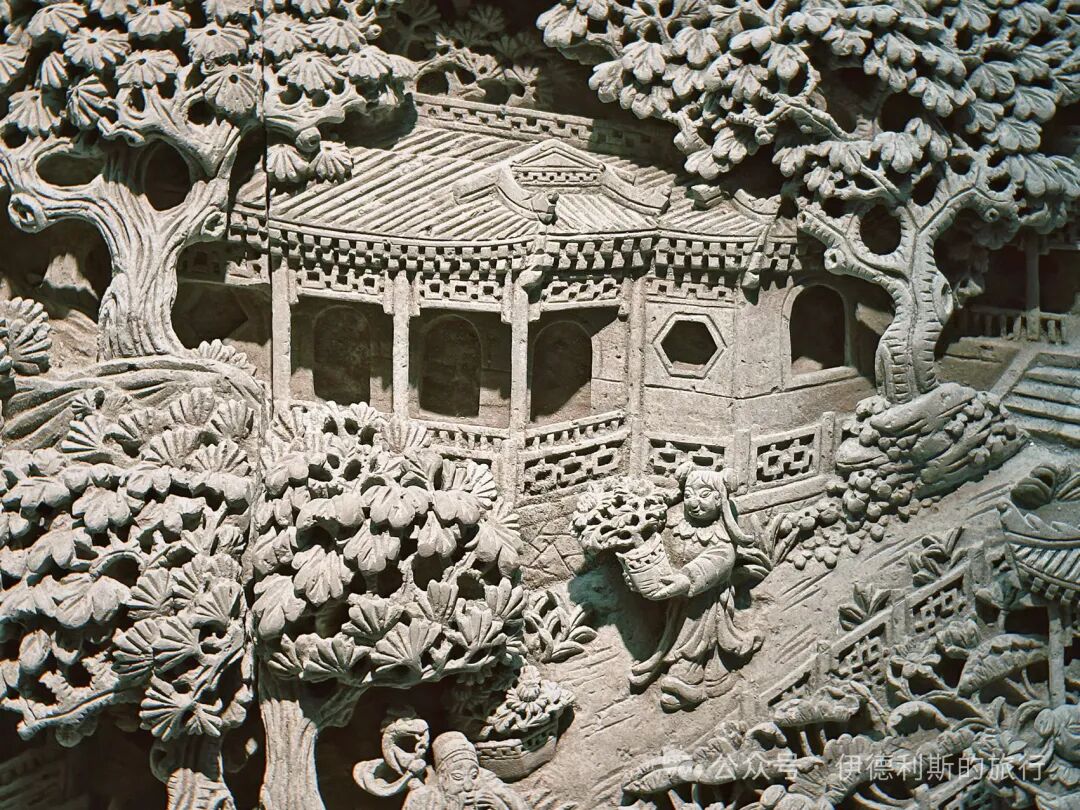
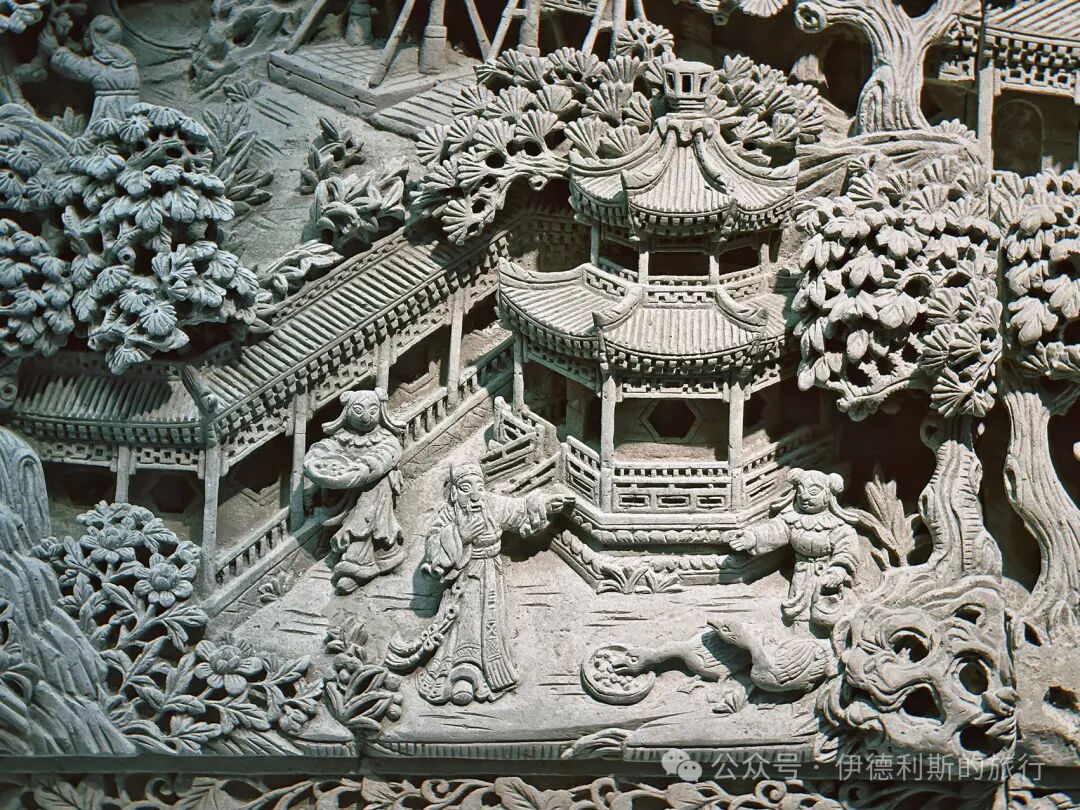
The 'Four Loves' (Si'ai Tu) carved by Liu Fengming, featuring Wang Xizhi loving geese, Tao Yuanming loving chrysanthemums, Lin Hejing, and Zhou Dunyi loving lotus flowers.
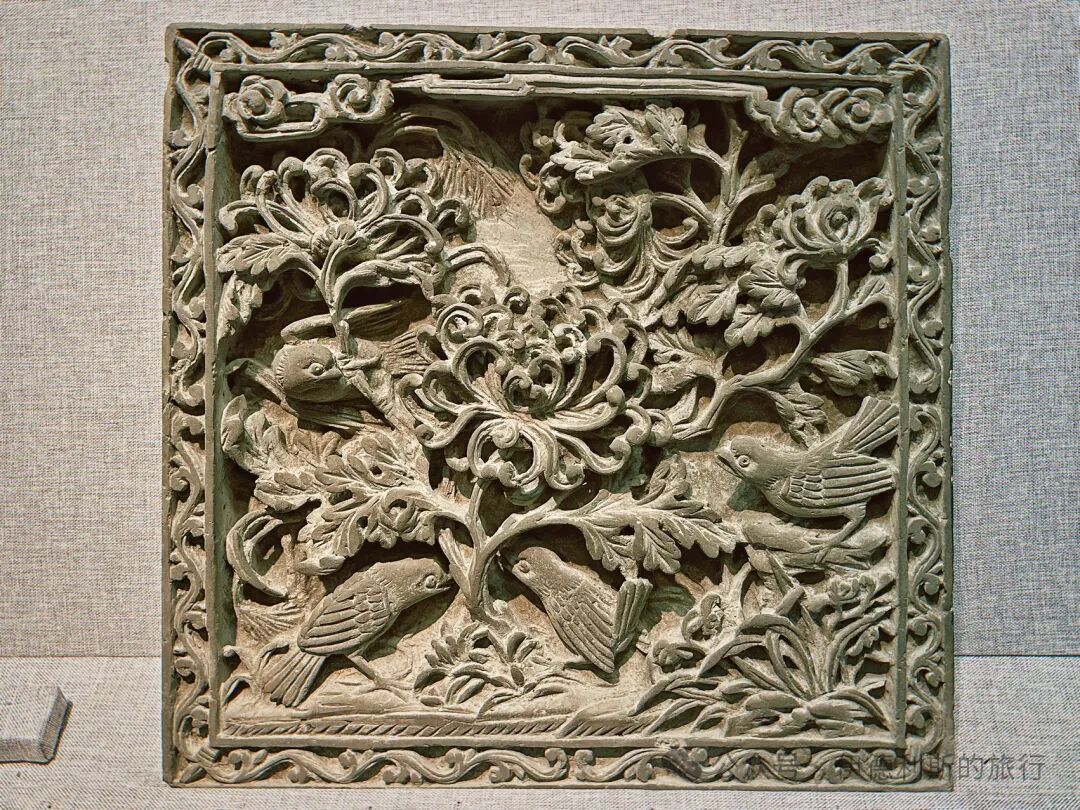
Flowers and birds carved by Liu Fengming.
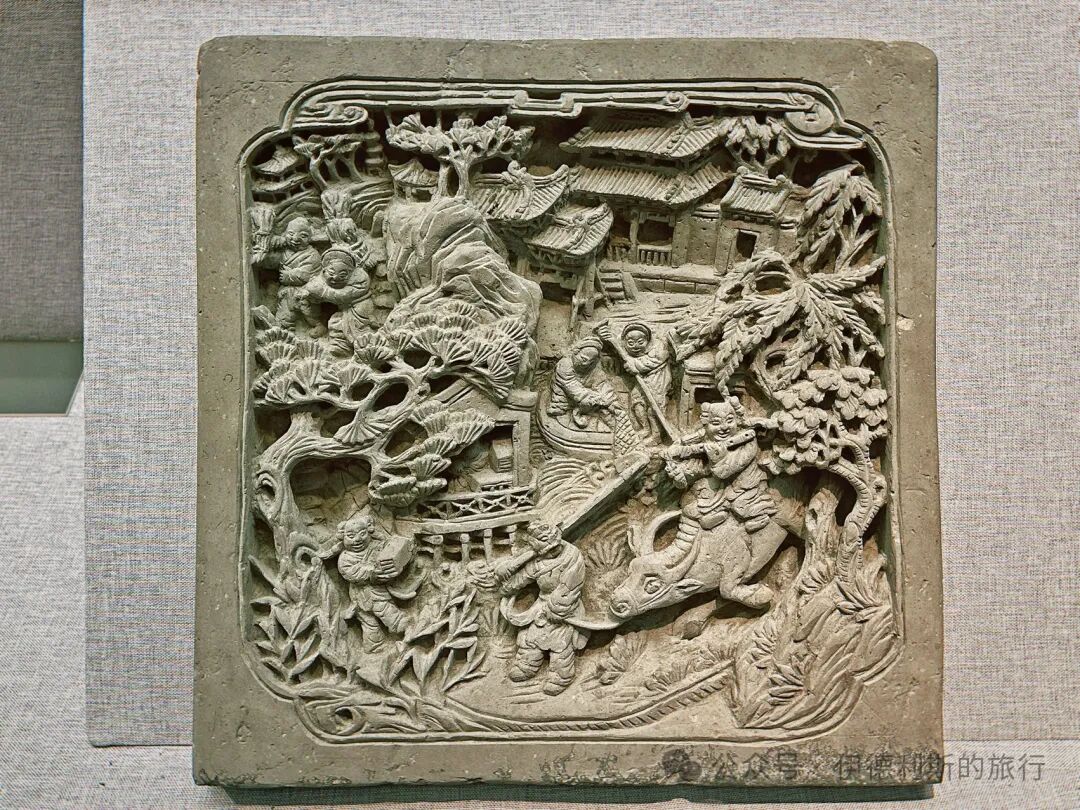
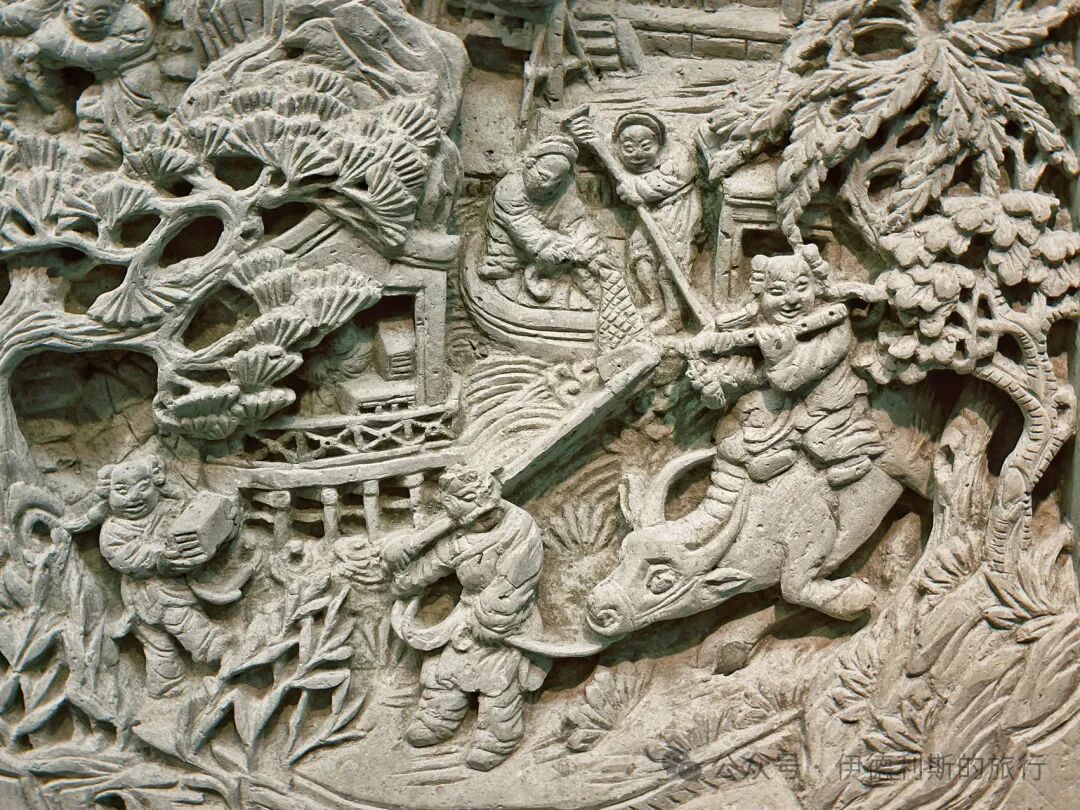
Fisherman, woodcutter, farmer, and scholar (yuqiaogengdu) carved by Liu Fengming. view all
Summary: This article introduces the refined brick carvings of the Hui Muslim Ma family and Liu brick-carving tradition from Tianjin's Northwest Corner. It keeps the original artisan names, exhibition details, photographs, and cultural background for readers interested in Hui Muslim craftsmanship.
The Tianjin Museum displays exquisite brick carvings by the Hui Muslim families known as the 'Fancy Work Ma Family' (Huahuo Majia) and 'Brick Carver Liu' (Kezhuan Liu) from the Northwest Corner.
During the Jiaqing and Daoguang periods of the Qing Dynasty, wealthy merchants like the 'Eight Great Families' of Tianjin built many homes, leading to higher demands for fine brick carvings. During the Daoguang period, a Hui Muslim mason from the Northwest Corner named Ma Shunqing focused on brick carving techniques, known in the trade as 'fancy work' (huahuo), and gradually developed Tianjin brick carving into an independent form of arts and crafts. He created the 'brick-pasting method' (tiezhuan fa), which uses an adhesive made of rosin and yellow wax to attach small bricks onto a brick surface, giving the carvings clear layers for near, middle, and far views.
While creating his own carvings, Ma Shunqing trained a professional team of Hui Muslim brick carvers known as the 'Fancy Work Ma Family' (Huahuo Majia), which included his sons Ma Shaode and Ma Shaoqing, and apprentices like Mu Chenglin and He Baotian. Ma Shaode kept his father's techniques while adding his own style, and Ma Shaoqing further developed the brick-pasting method; both became famous brick carving masters in Tianjin.
During the Republic of China era, Ma Shunqing's grandson Liu Fengming became the standout of the third generation of the 'Fancy Work Ma Family' and was known as 'Brick Carver Liu' (Kezhuan Liu). Liu Fengming began learning brick carving from his grandfather Ma Shunqing and uncle Ma Shaoqing at age 15; his work is rich in content, bold in spirit, and features delicate, skilled knife work that is very artistic. Liu Fengming evolved Ma Shunqing's original method of pasting a single brick into a 'stack-pasting method' (duitie fa) that pastes multiple bricks as needed, making the images more three-dimensional and realistic.
Peonies carved by Ma Shunqing.
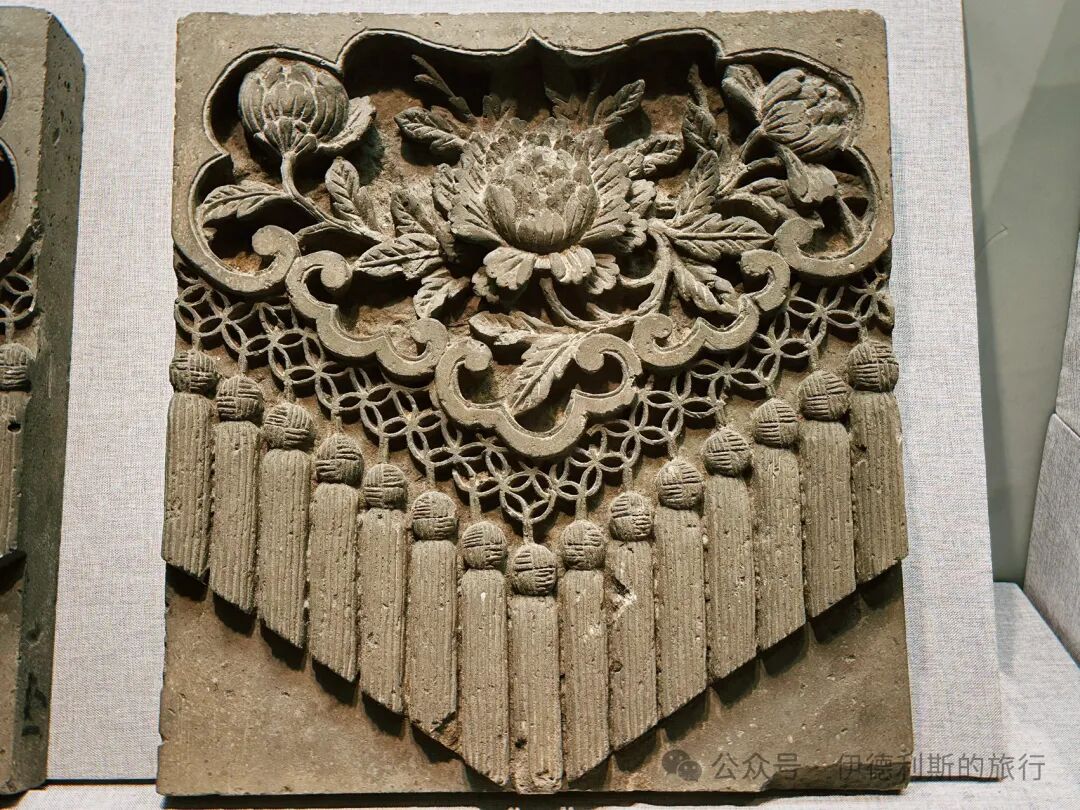
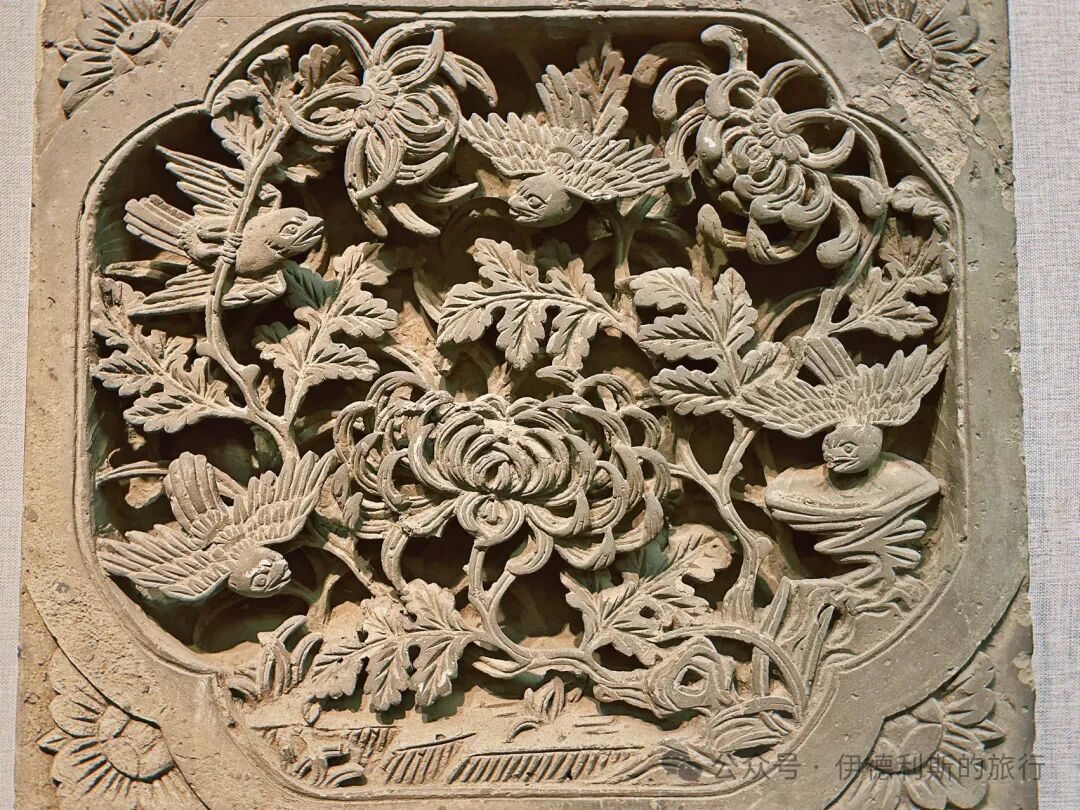
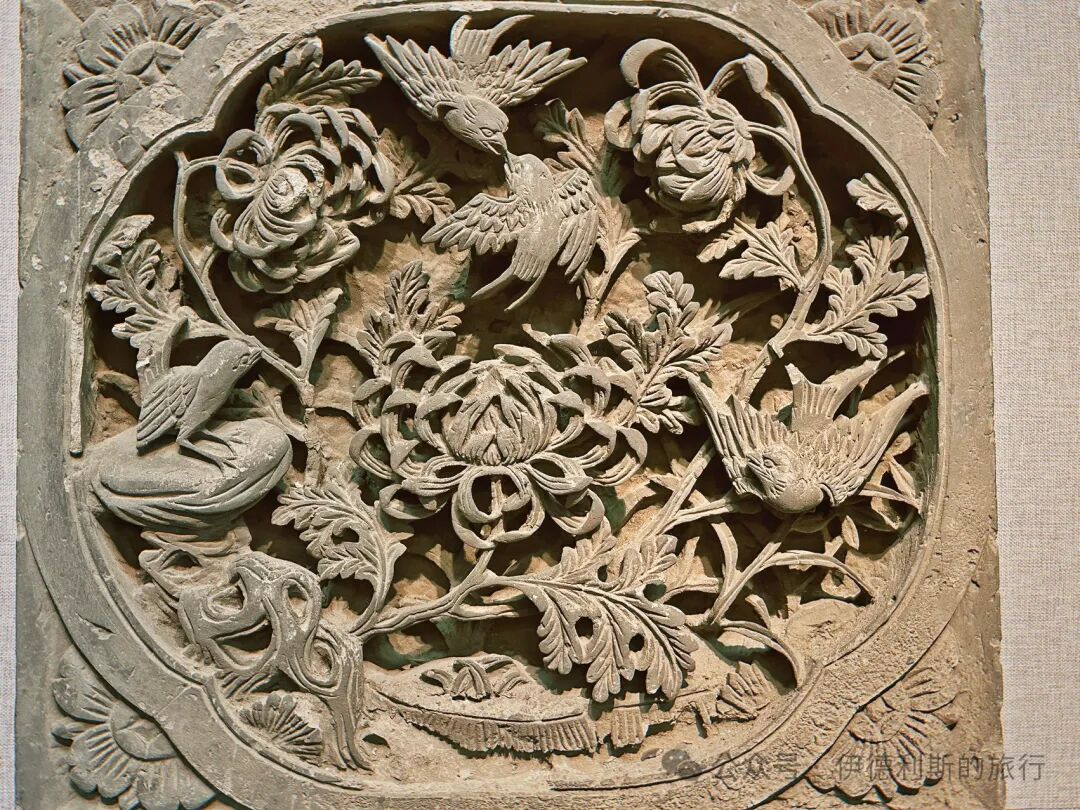
Flowers and birds carved by Ma Shaoqing.
The 'Four Loves' (Si'ai Tu) carved by Liu Fengming, featuring Wang Xizhi loving geese, Tao Yuanming loving chrysanthemums, Lin Hejing, and Zhou Dunyi loving lotus flowers.
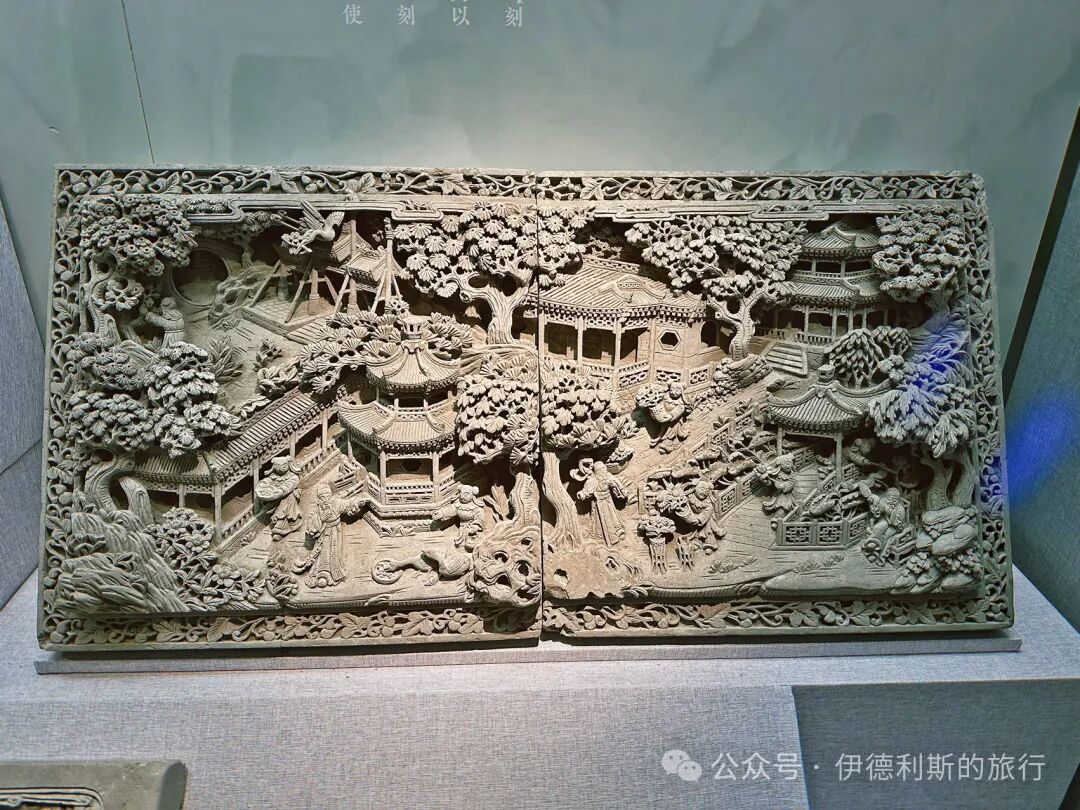
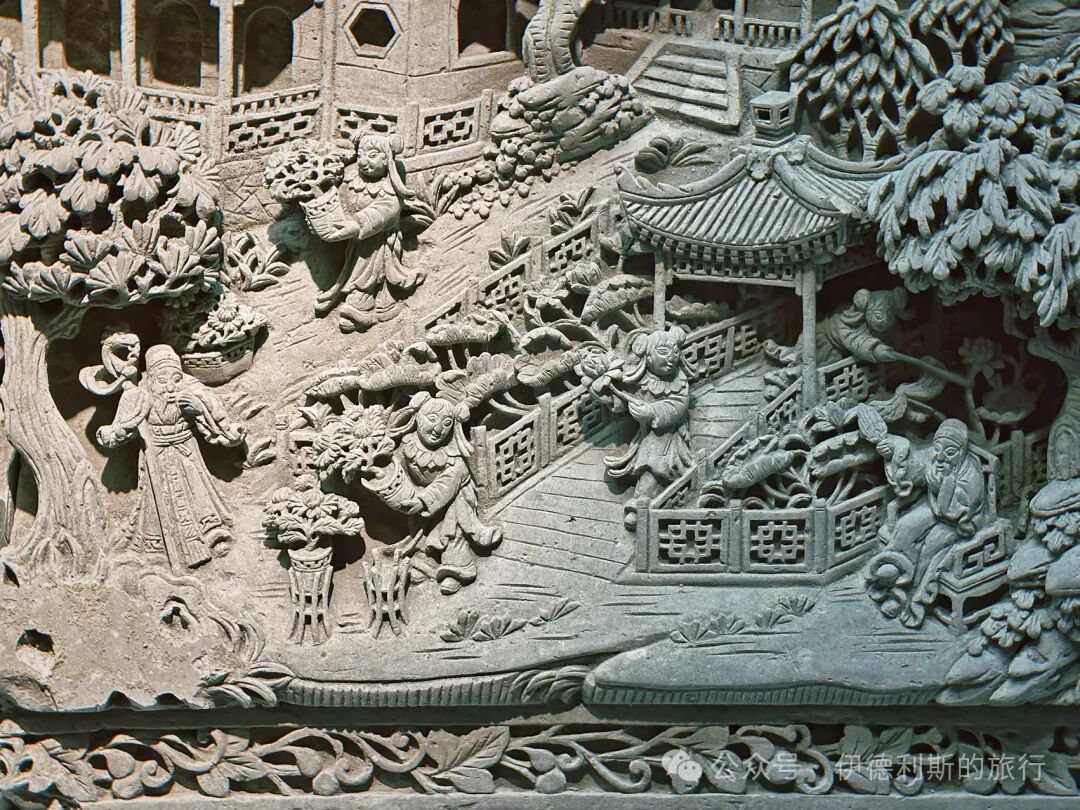
Flowers and birds carved by Liu Fengming.
Fisherman, woodcutter, farmer, and scholar (yuqiaogengdu) carved by Liu Fengming.
Halal Travel Guide: Hexiwu, Tianjin - Hometown Memories, Mosques and Hui Muslims
Articles • ali2007fr posted the article • 0 comments • 145 views • 2026-05-19 08:53
Summary: Halal Travel Guide: Hexiwu, Tianjin - Hometown Memories, Mosques and Hui Muslims is presented here as a firsthand travel account in clear, natural English. The account focuses on Tianjin, Hui Muslims, Mosques while preserving the names, places, food, photos, and historical details from the Chinese source.
On Saturday, I went back to my hometown with my family in Hexiwu Town, Wuqing District, Tianjin. My family farmed in Hexiwu Town for generations. After 1949, my grandfather answered the call to help build Beijing. He moved to the city and became a construction worker who helped build the Great Hall of the People and the National Museum of China.
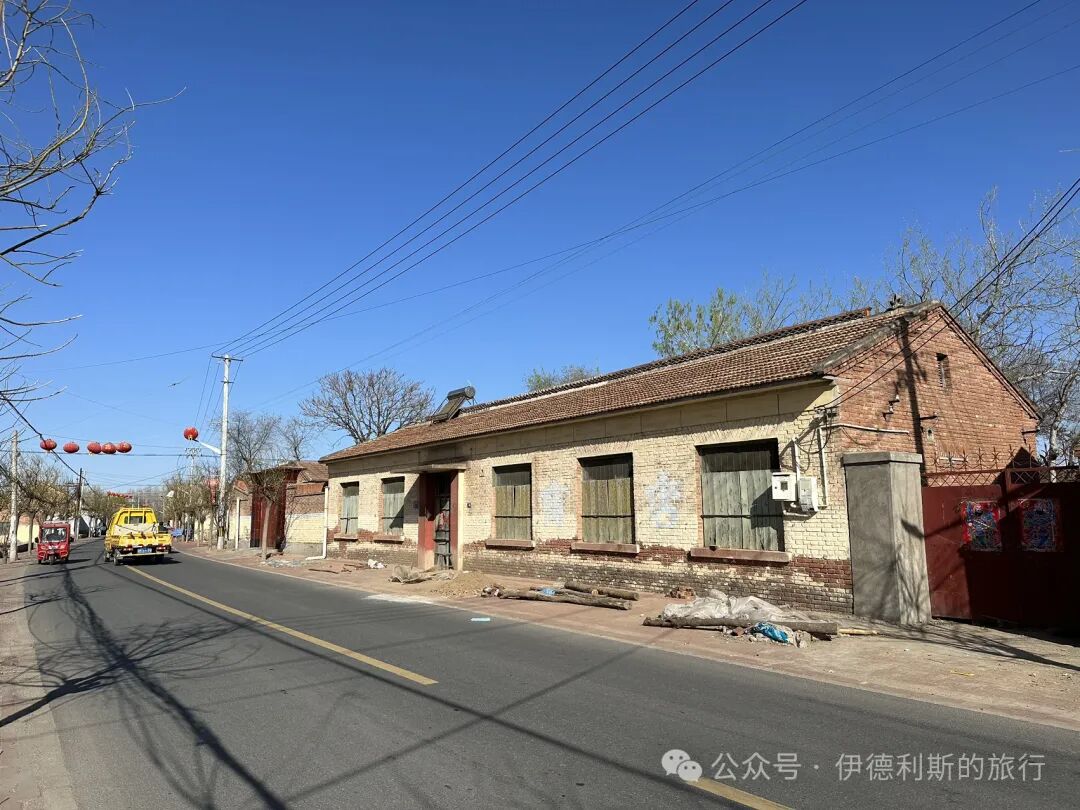
The house in the picture is the site of my family's old ancestral home. In the 1950s, my grandfather sold it to the supply and marketing cooperative so he could buy a house inside Fuchengmen in Beijing.
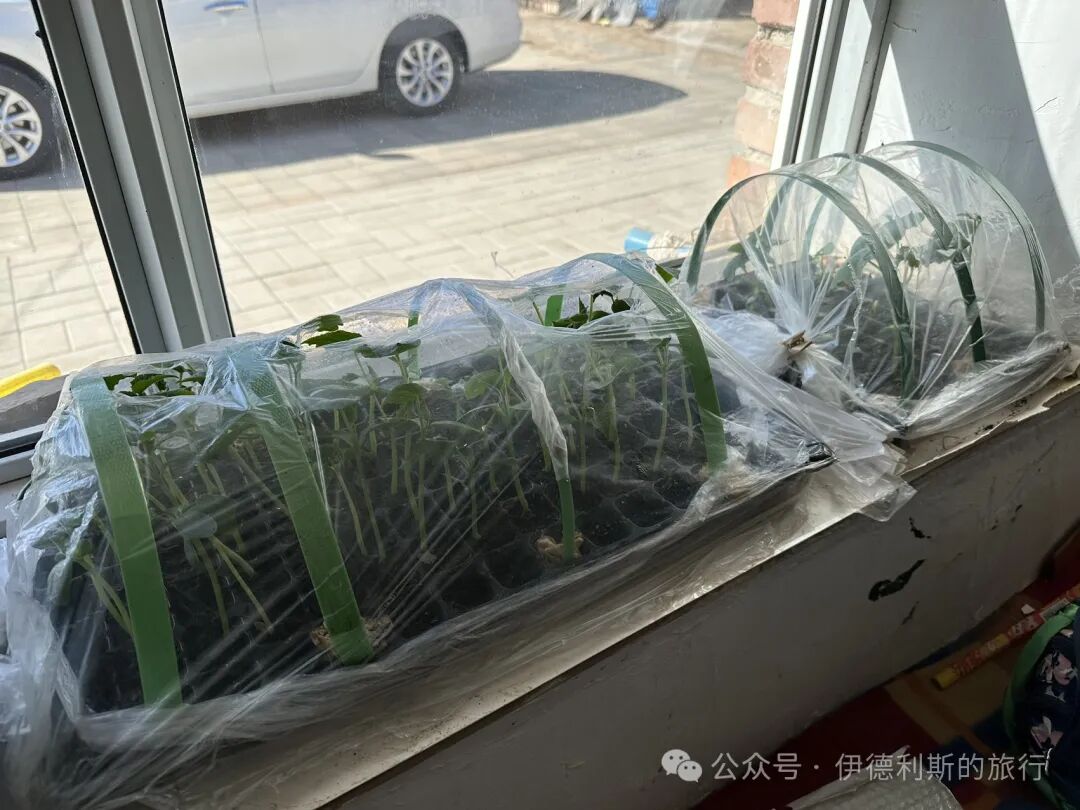
A small greenhouse at my uncle's house (my great-uncle's son).
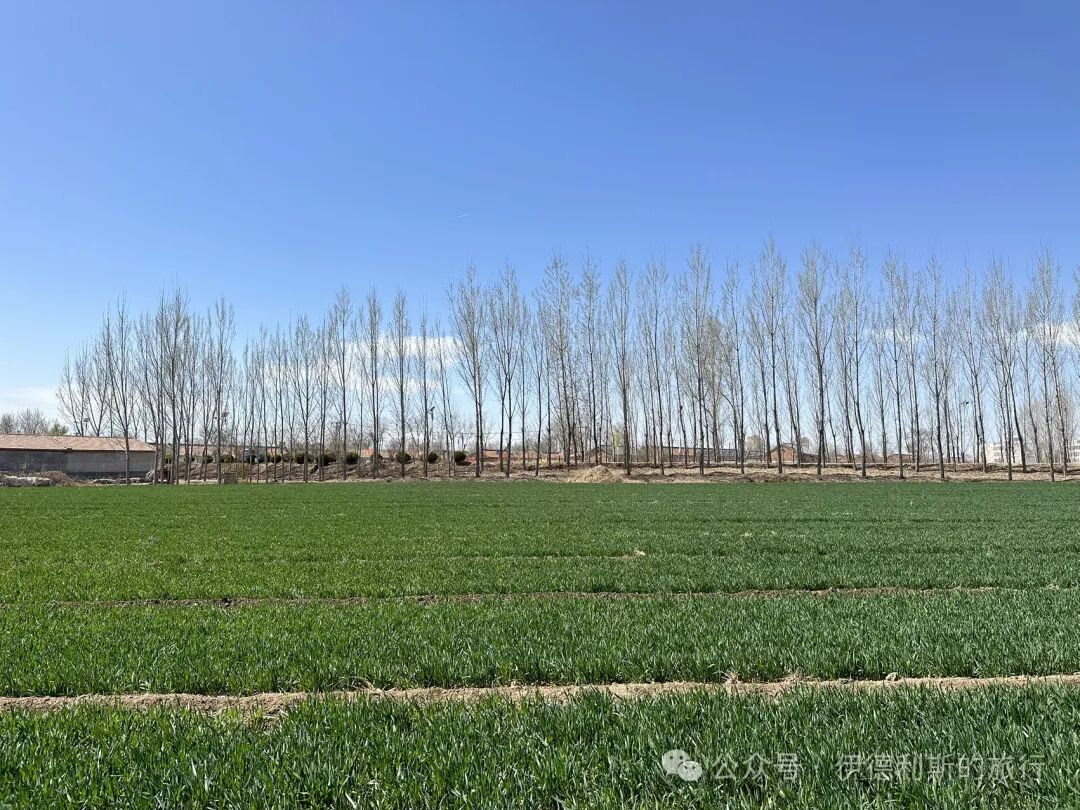
The wheat fields in my hometown. Everything is lush and green right now.
The Grand Canal section in Hexiwu. Hexiwu is known as the First Post Station of Tianjin, as it was the first stop for the Grand Canal when entering the city.
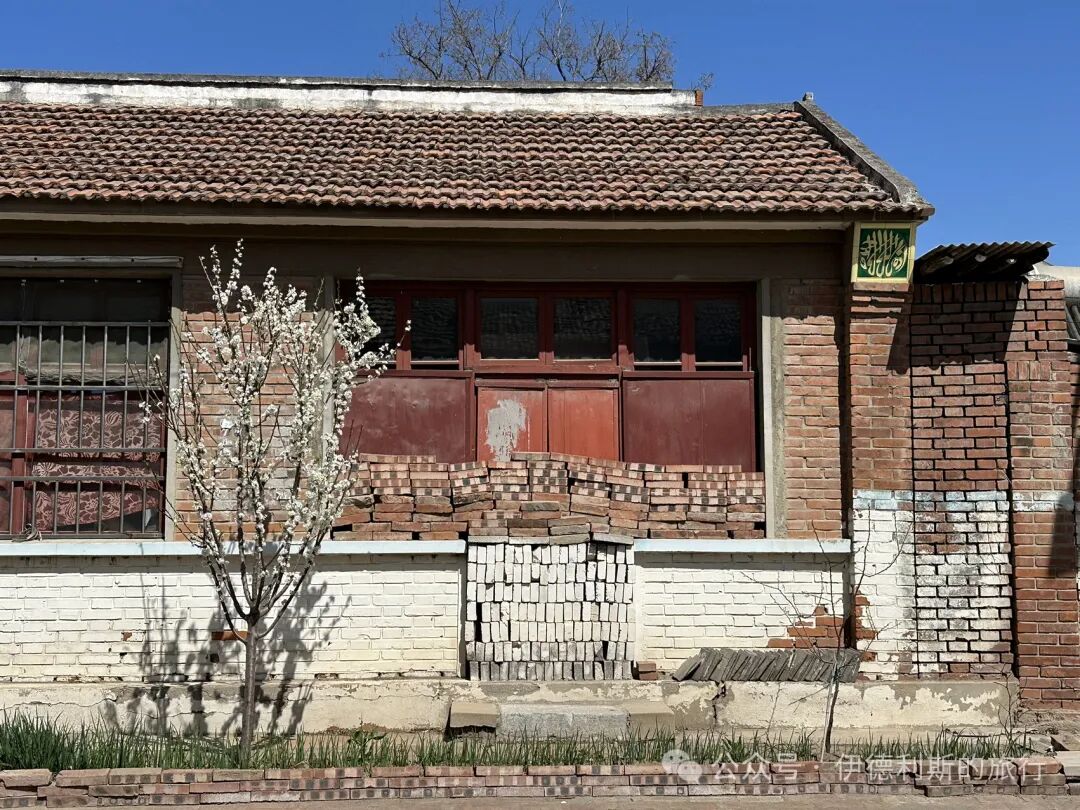
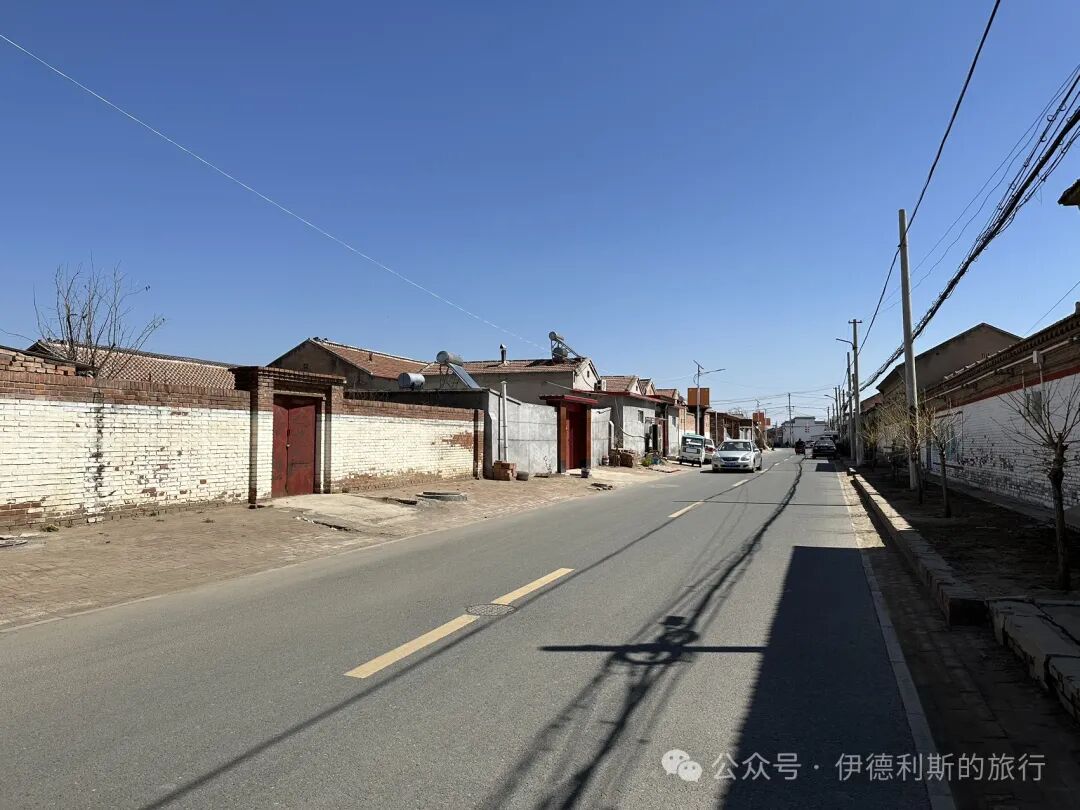
The view of the Hui Muslims' street in Hexiwu Town. Because it was a key hub for water transport, many Hui Muslim merchants lived in Hexiwu Town during the Ming and Qing dynasties. There was even a Hui Muslim camp to the southwest of the town, and many people eventually settled there.
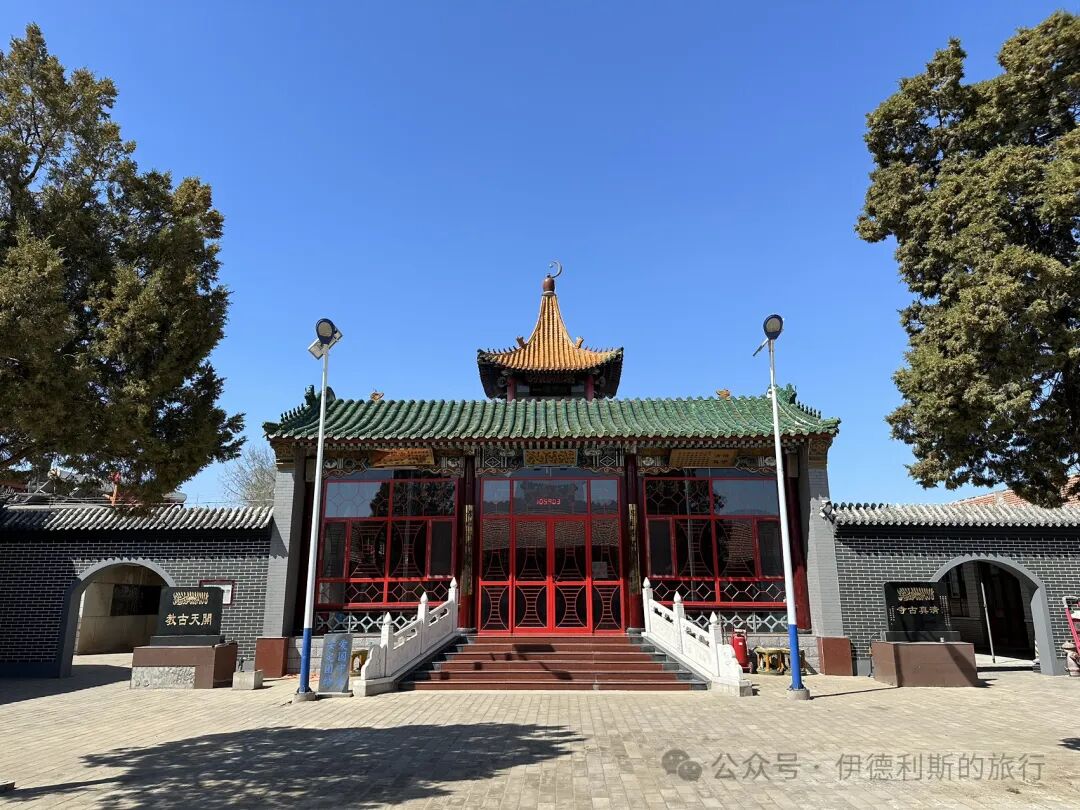
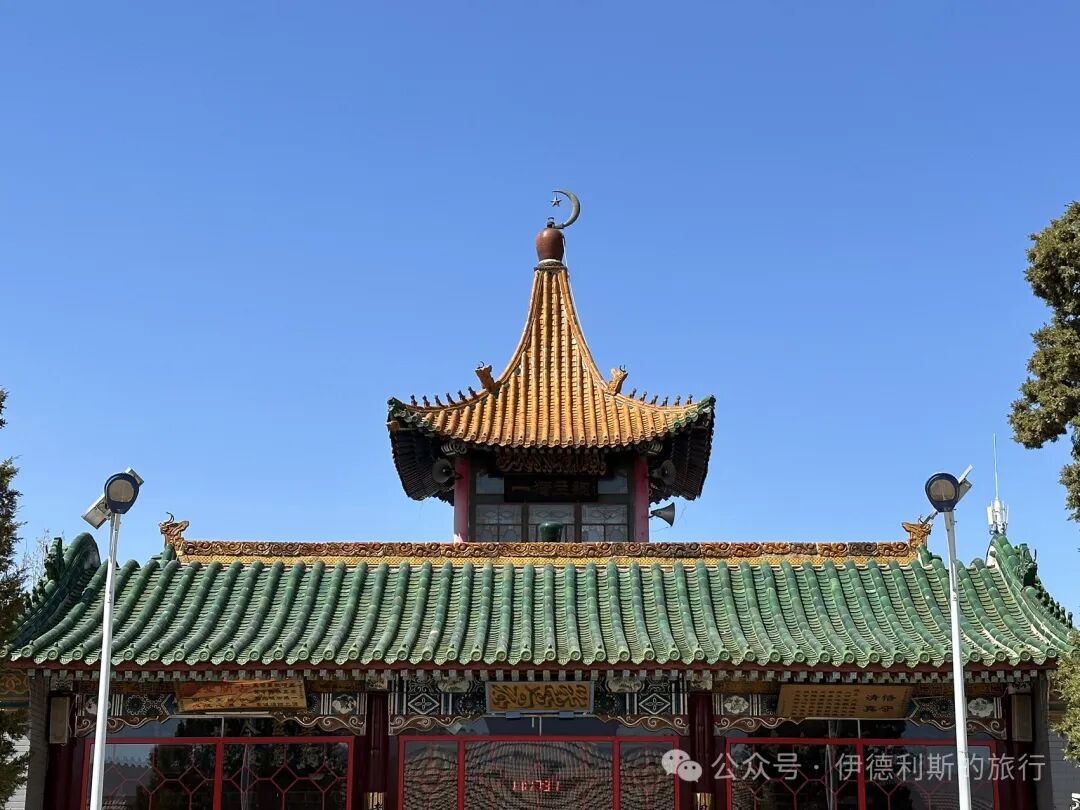
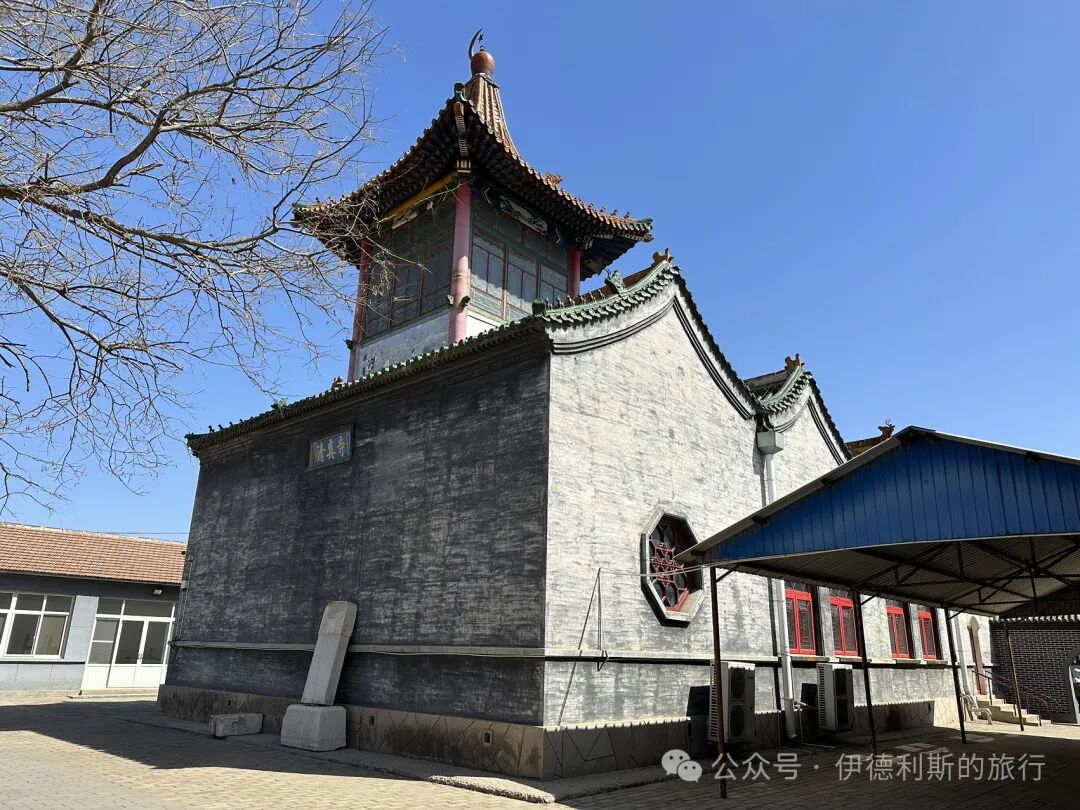
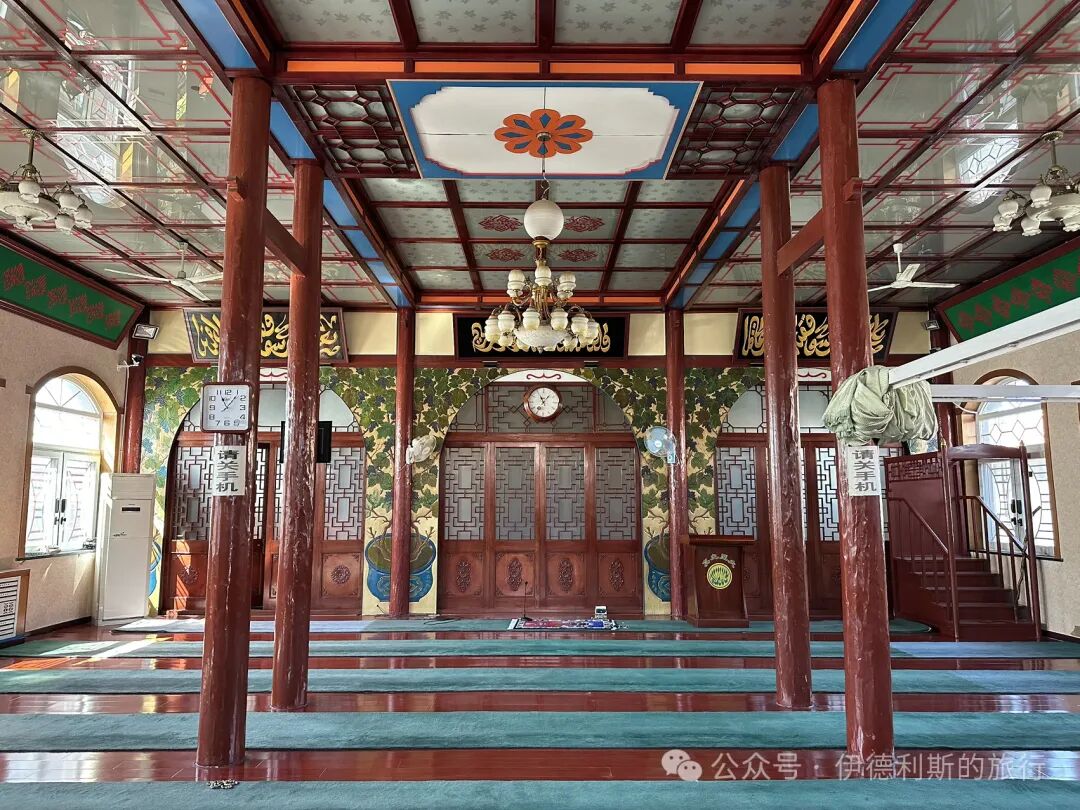
The Hexiwu Mosque was first built in the early years of the Yongle reign of the Ming Dynasty. It was expanded during the Longqing reign, destroyed by a flood in the seventh year of the Kangxi reign, and rebuilt in the eighth year. It was renovated again in the third year of the Xuantong reign and in 1949. The mosque suffered severe damage between 1966 and 1976 and was destroyed after the 1976 Tangshan earthquake. It was rebuilt on the original site in 1988 and completed in 1990.
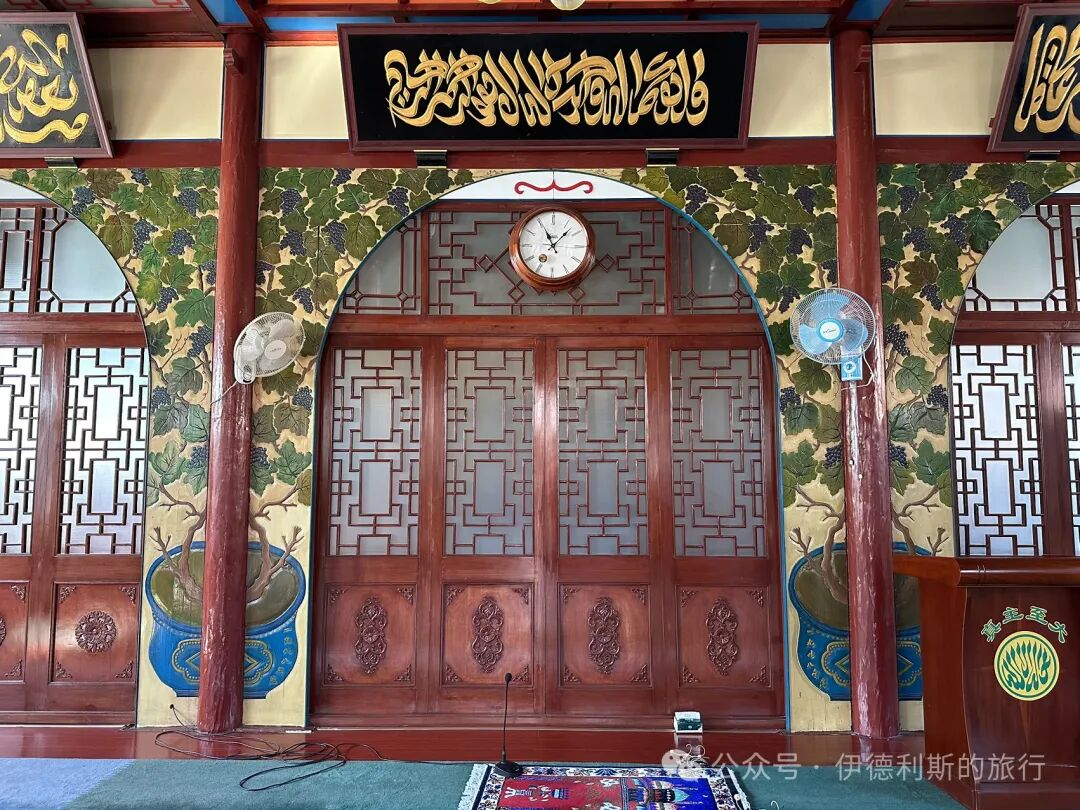
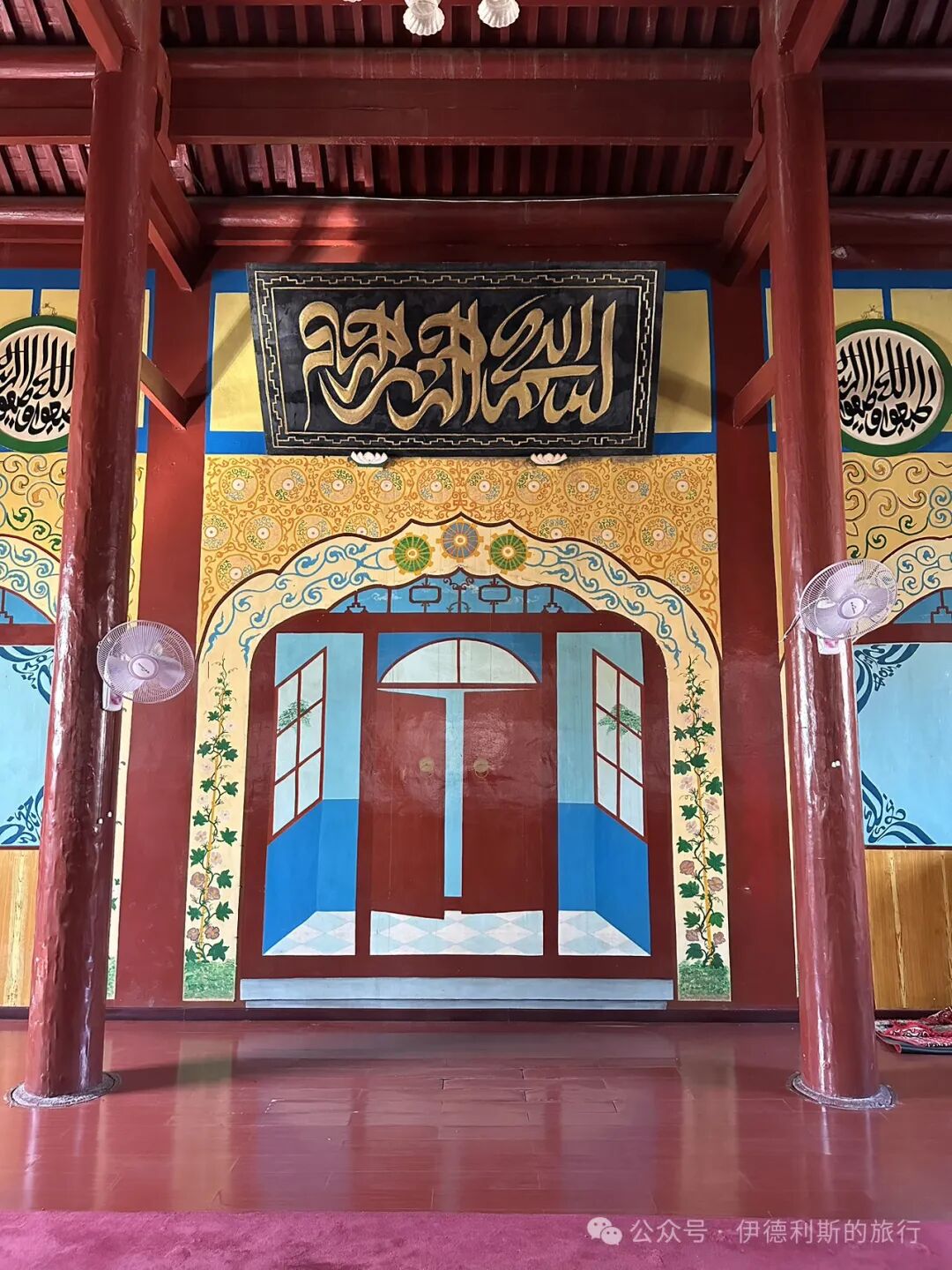
The mosque houses an important artifact: a plaque reading "Wu Tai Gui Yi" (The Truth Returns to One) dedicated by Jin Yuqi, a third-rank official in the Xuantong reign.
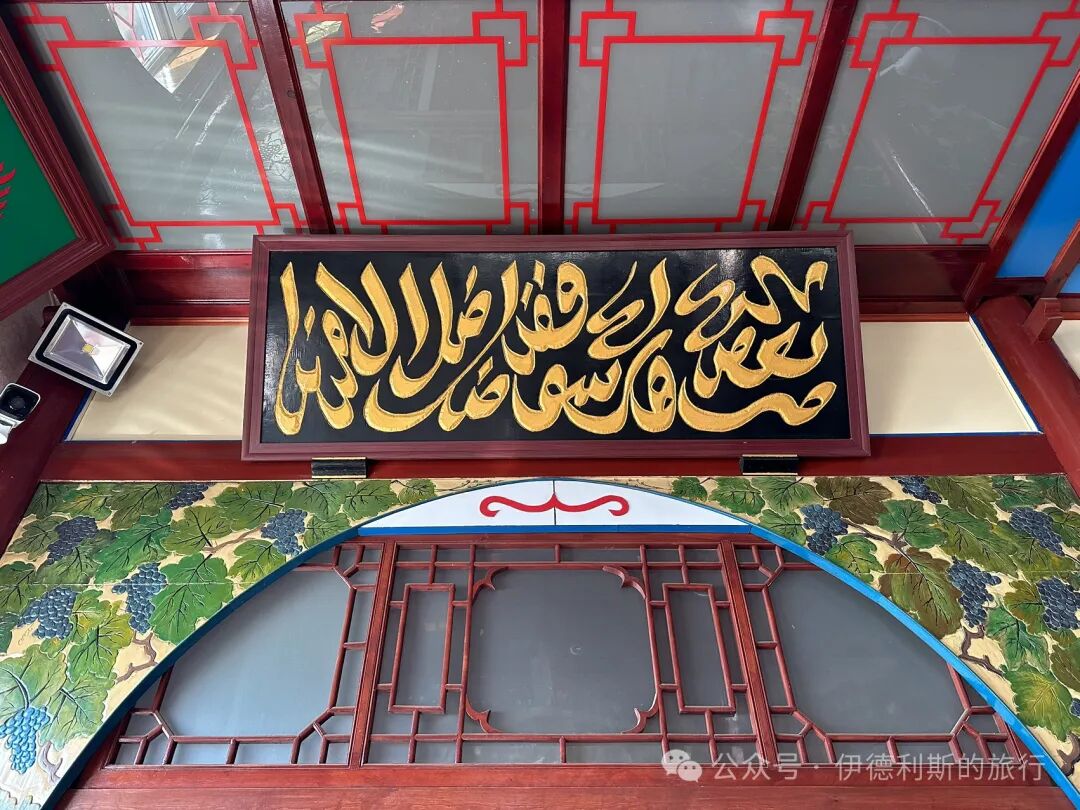
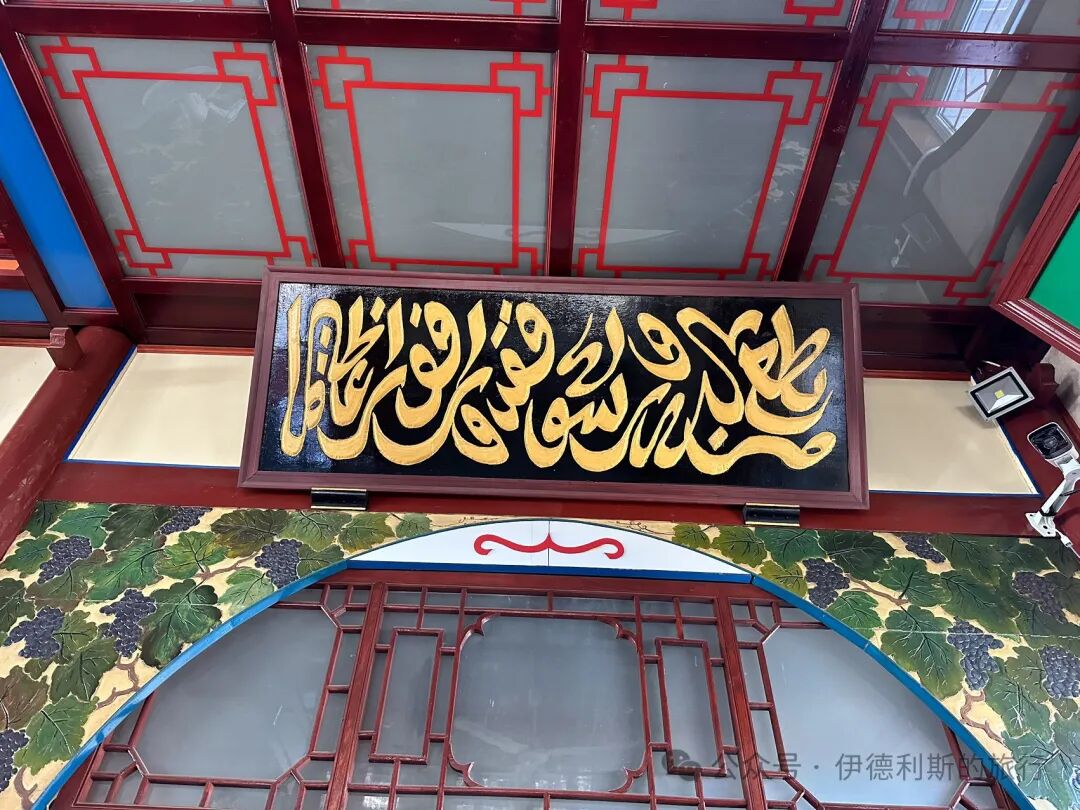
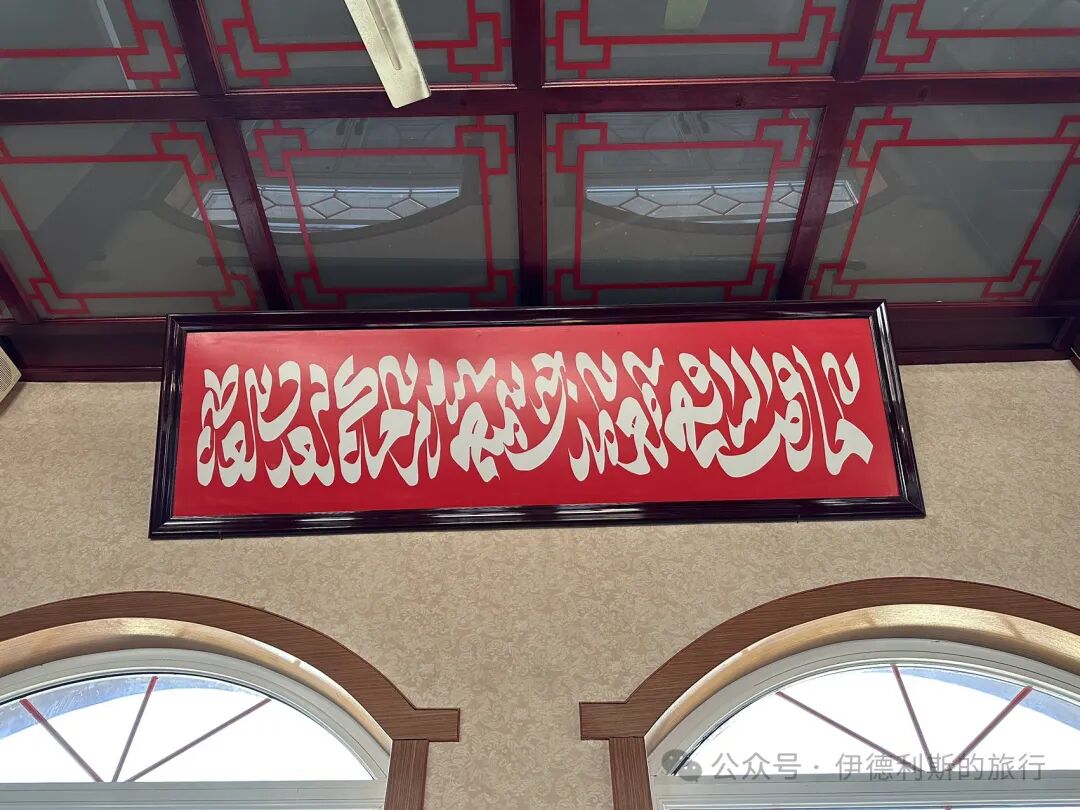
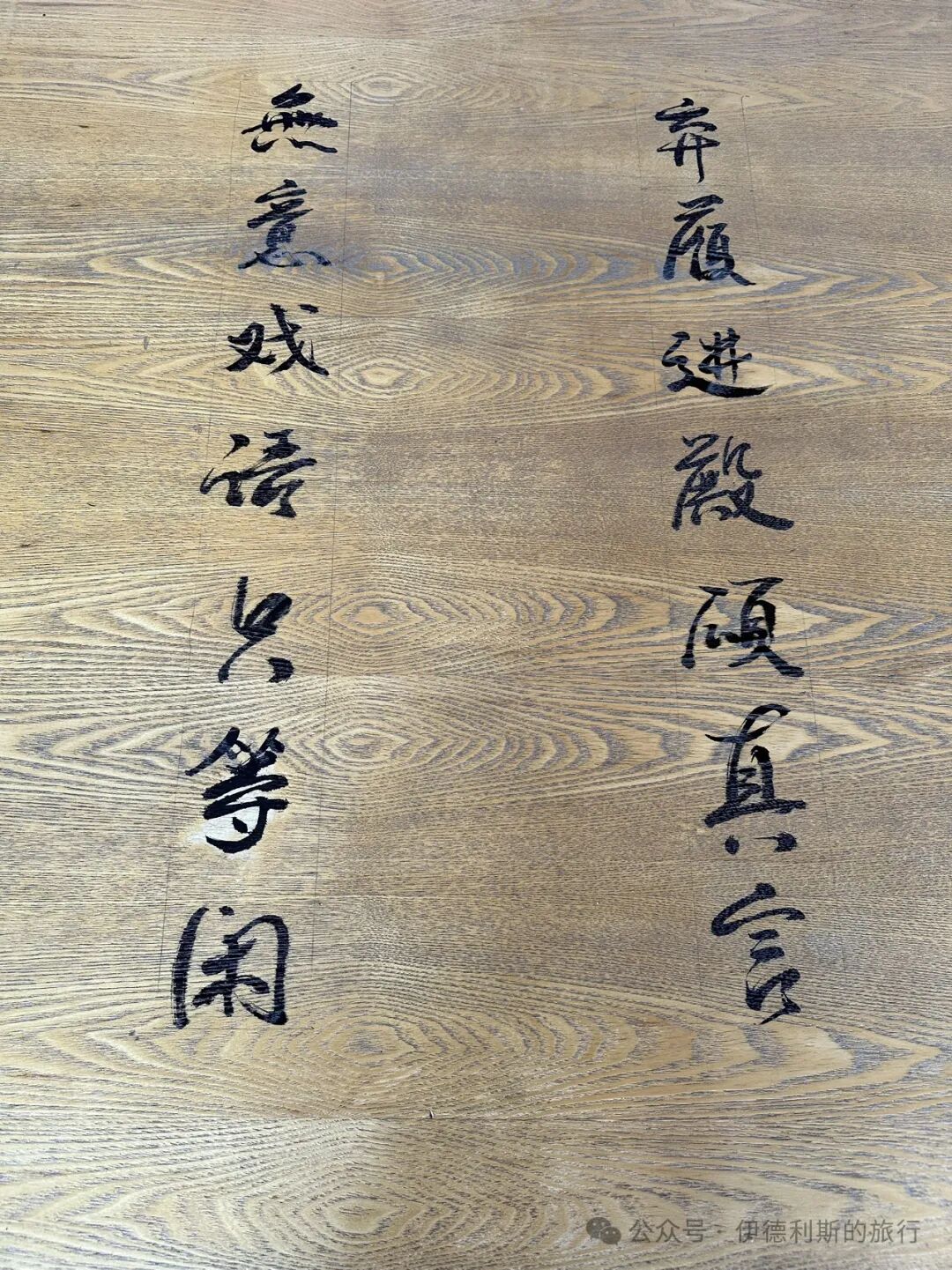
The Chinese-Arabic plaque and the sign about slippers in front of the main prayer hall are also quite interesting.
After leaving the mosque, we bought some food to pack and take home for our fast.
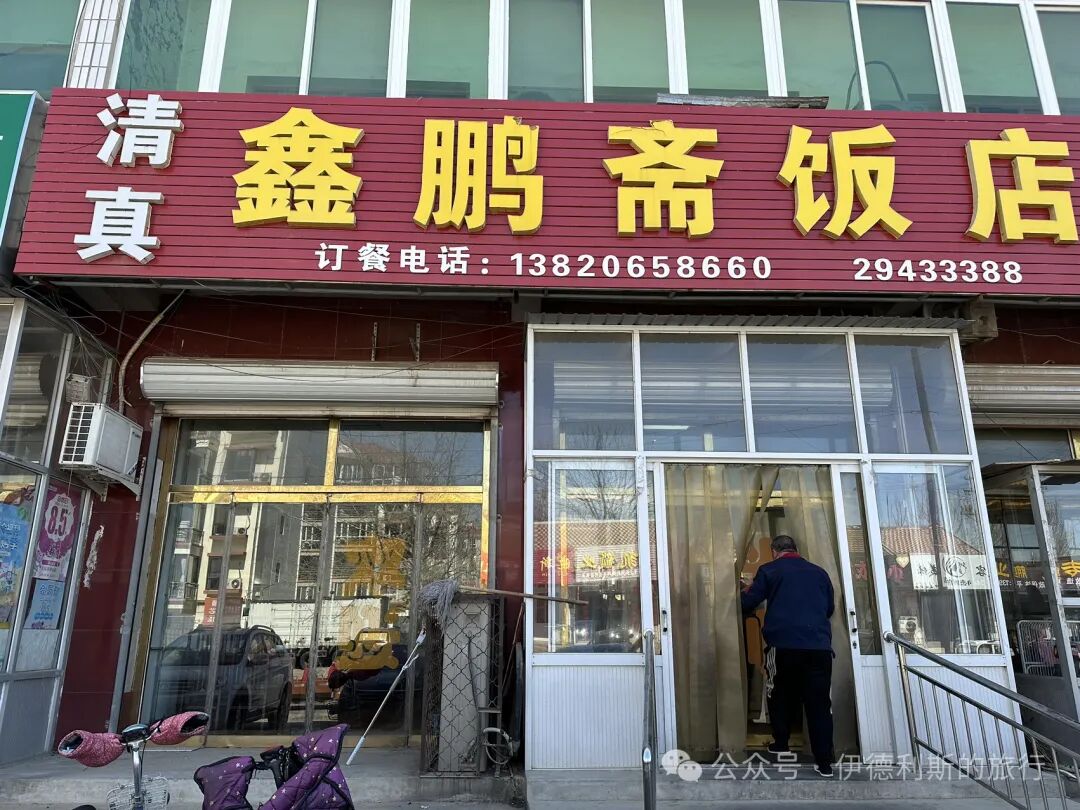
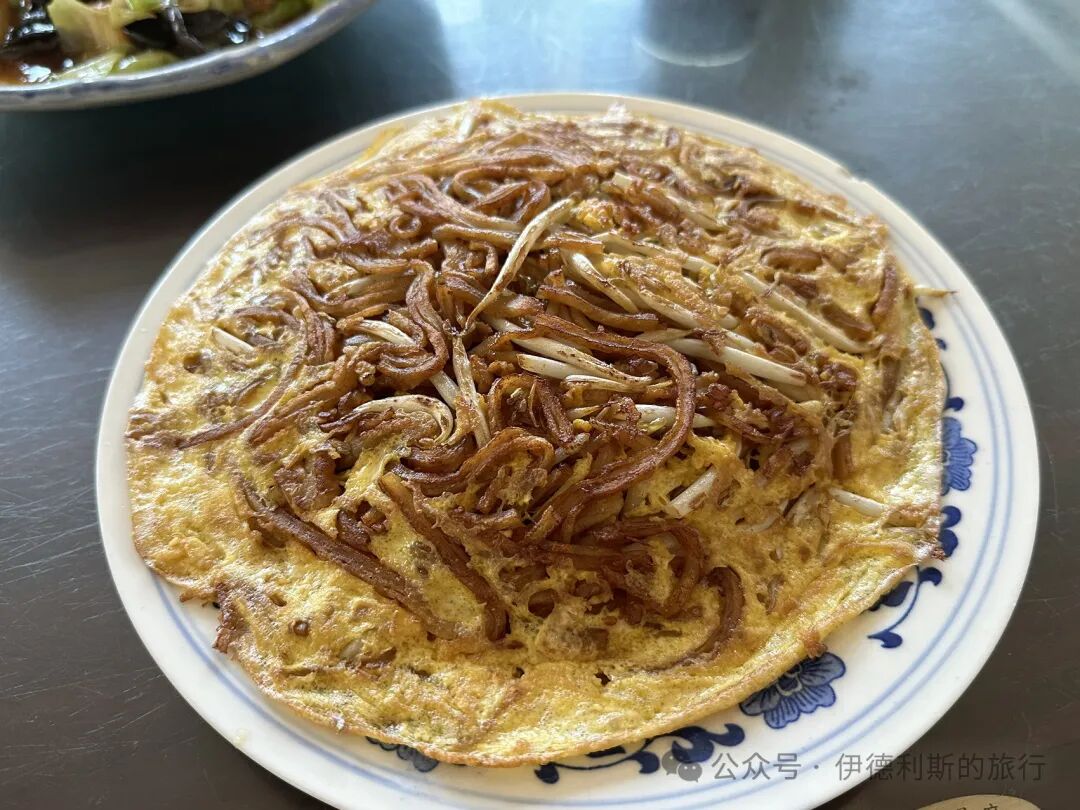
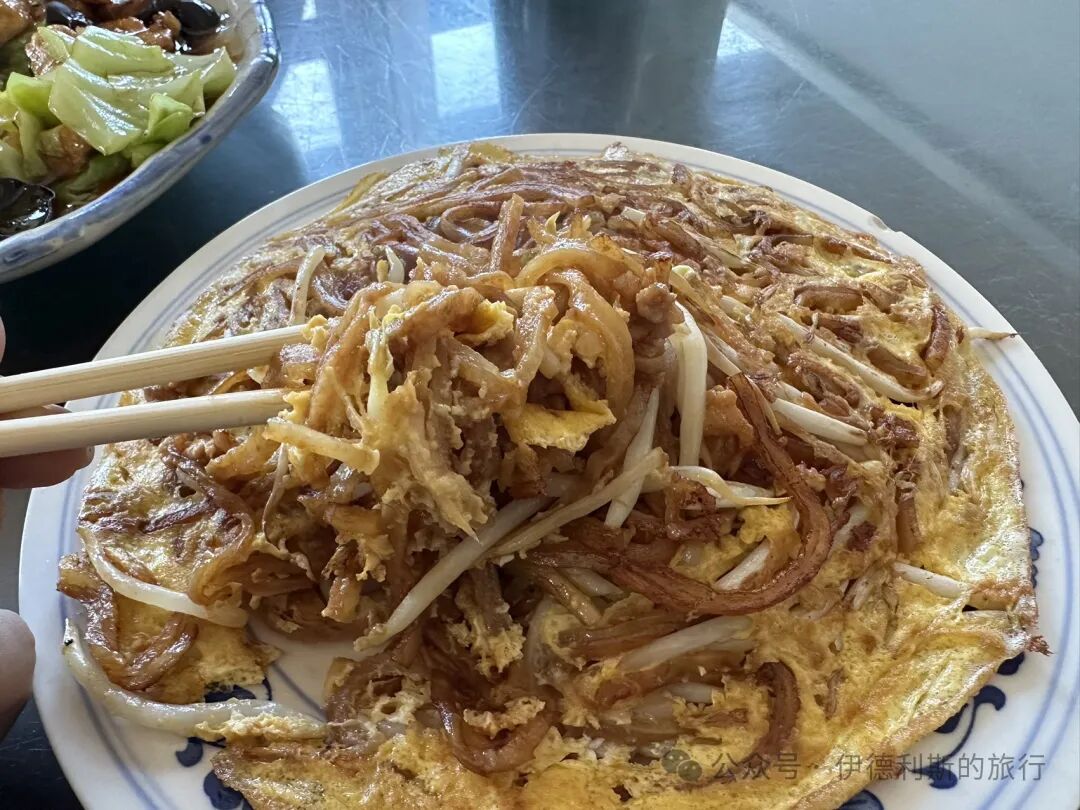
We first went to Xinpengzhai Restaurant to buy their specialty, golden-rimmed braised pancakes (jinbian koumen), which is beef and bean sprouts braised with pancakes and topped with fried egg. The egg was very fragrant. It was my first time eating braised pancakes this way, and it tasted great.
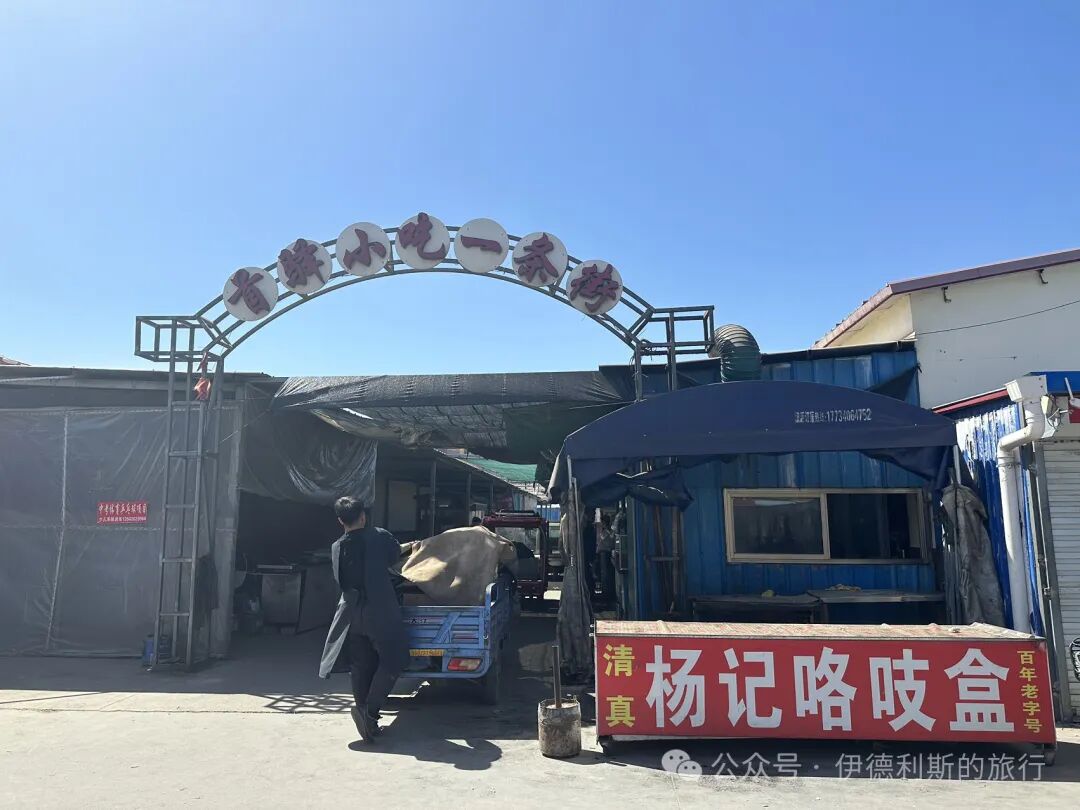
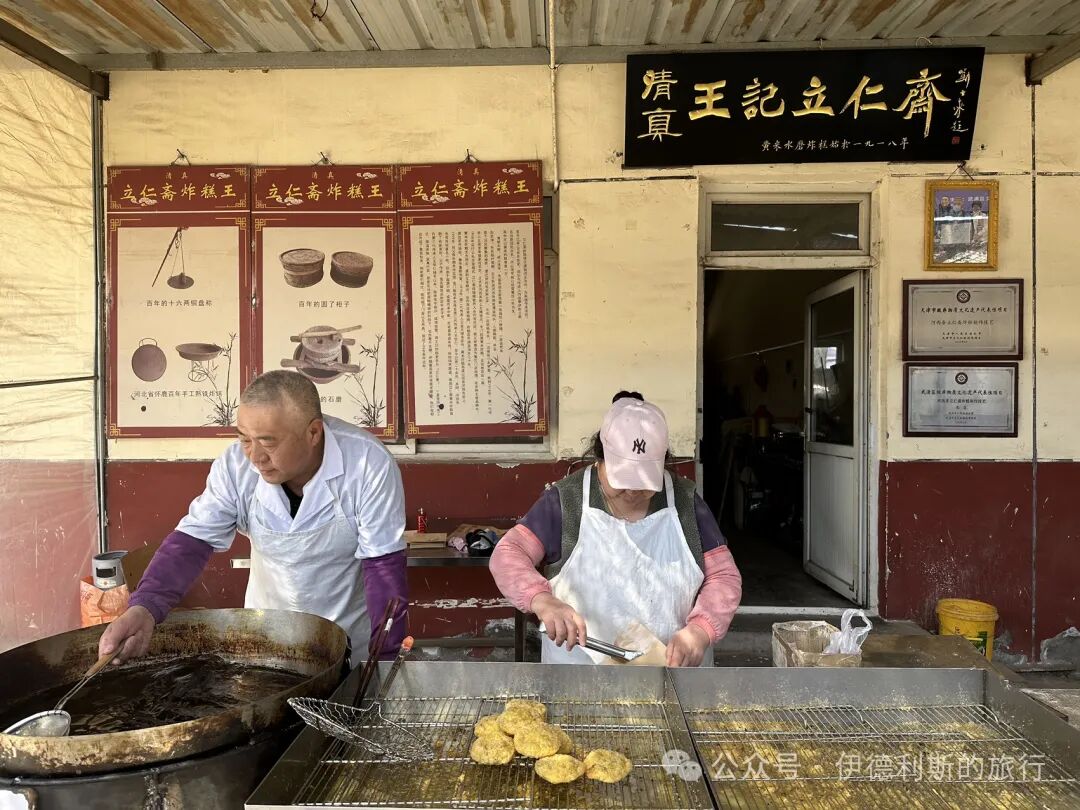
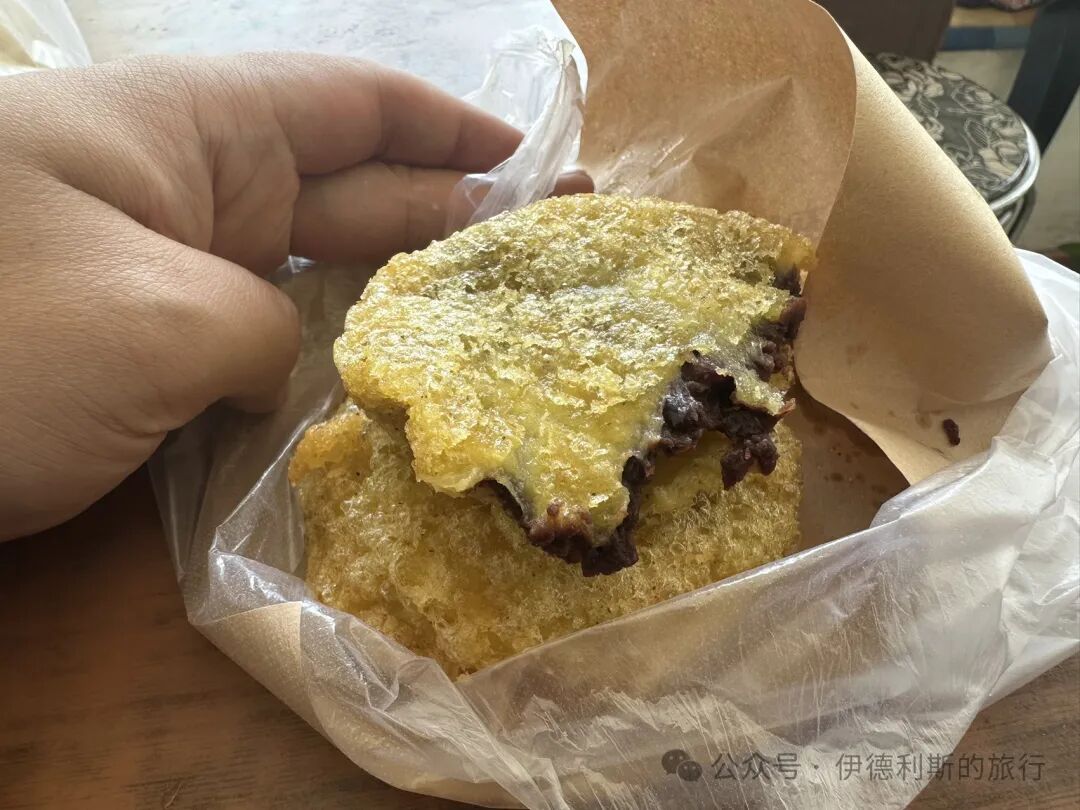
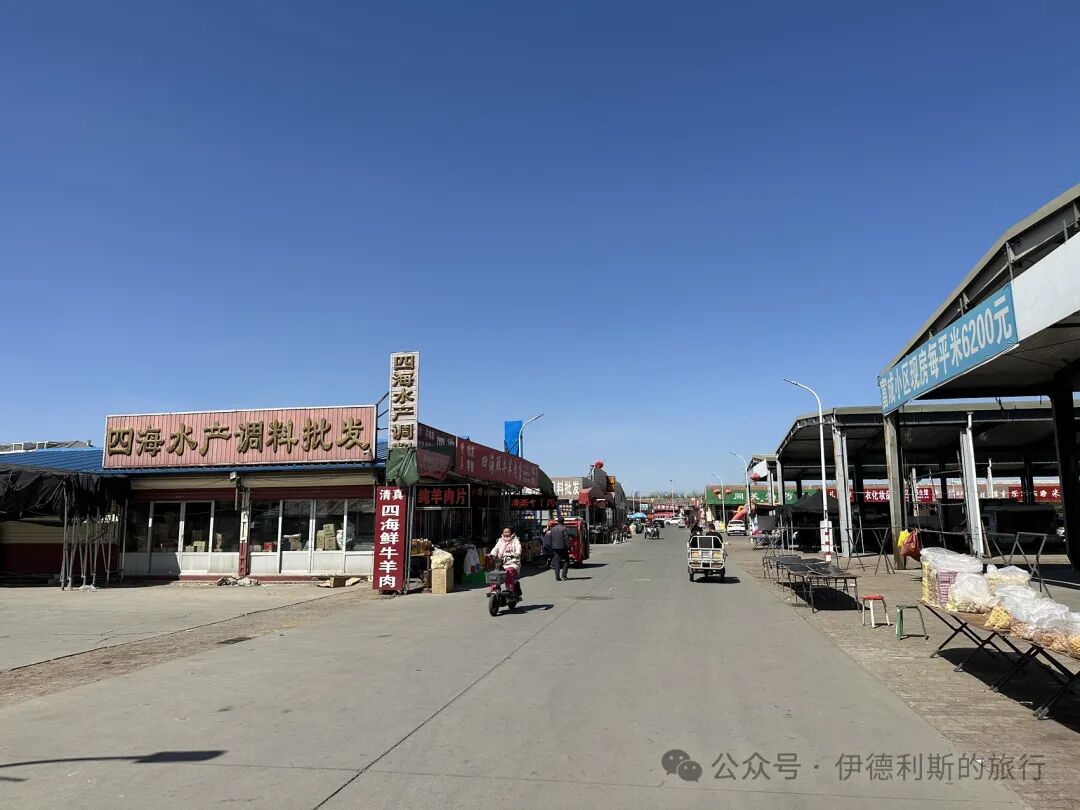
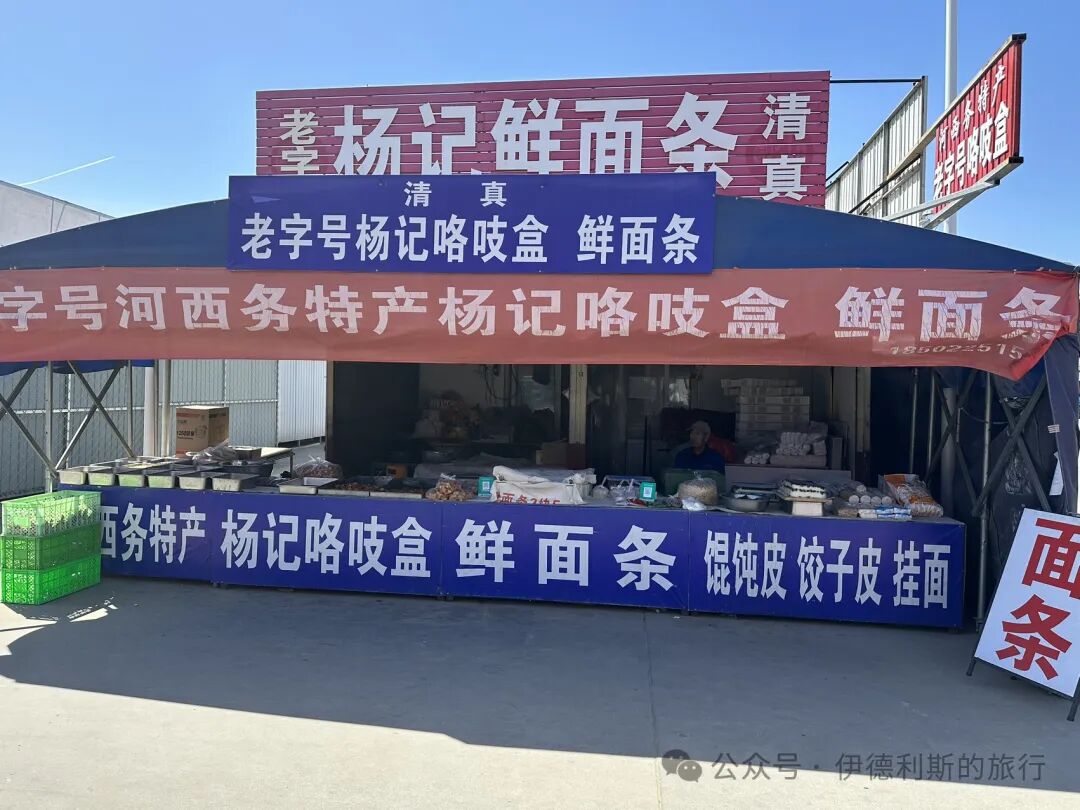
Then we went to the First Post Station Snack Street inside the Hexiwu farmers' market. The most famous item there is the yellow rice fried cake (huangmi zhagao) from the century-old shop Wangji Lirenzhai. We arrived a bit late, and the shop closed at 1:00 PM, so we just bought all the remaining fried cakes (zhagao).
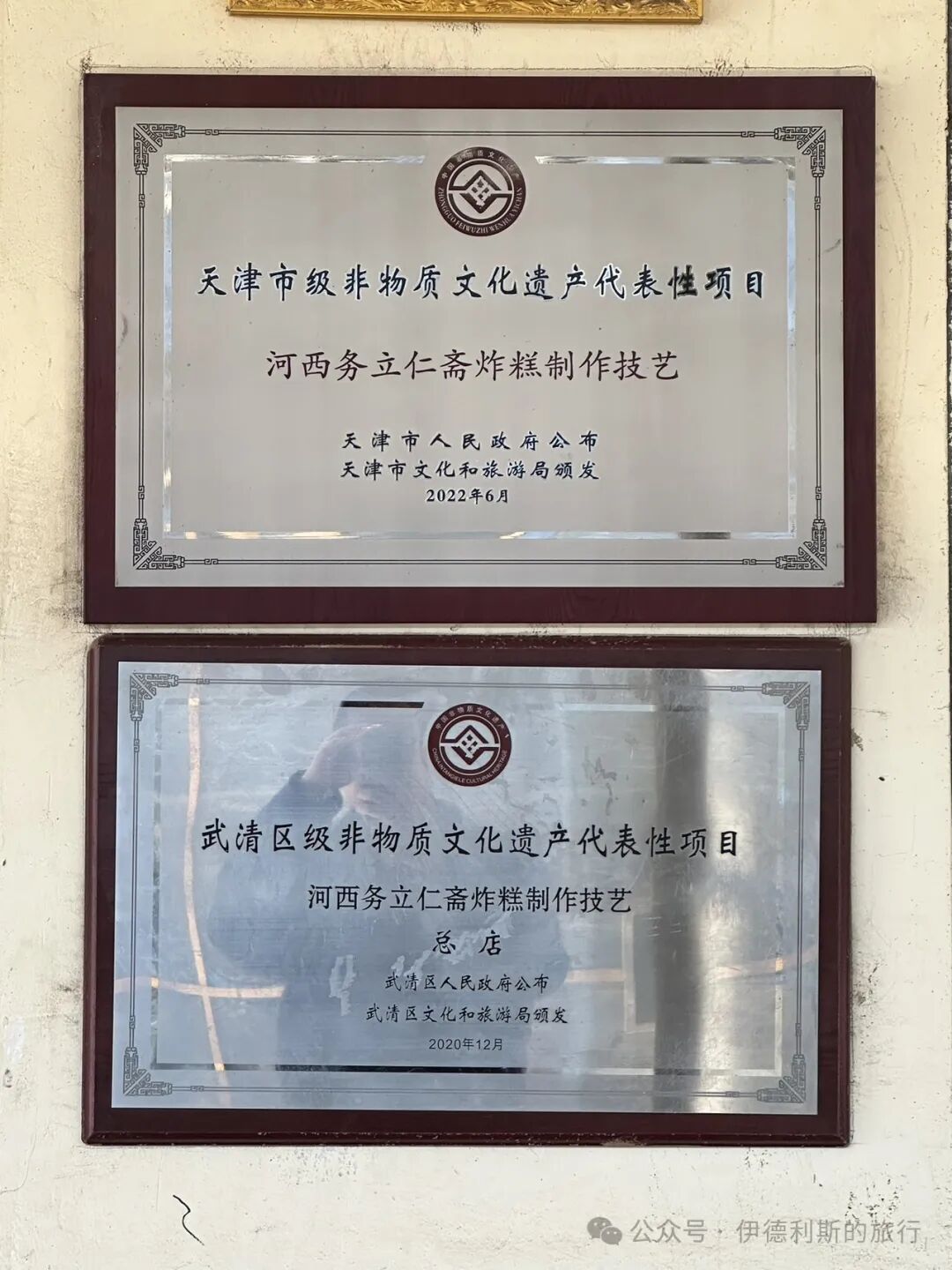
Lirenzhai is a Tianjin intangible cultural heritage site for the craft of making Hexiwu Lirenzhai fried cakes (zhagao). The Wang family's ancestral home is in Cangzhou, Hebei. In the late Qing Dynasty, they fled the war and arrived in Wuqing, first settling in Yangcun. Later, they heard that Hexiwu was densely populated and had a large community of Hui Muslims, so they moved to Hexiwu to settle down. In 1918, Wang Zhenlong inherited the family craft and officially set up a stall in Hexiwu, specializing in yellow rice fried cakes (zhagao). After 1958, the Wang family's fried cake business was merged into a cooperative store, and it was shut down after the 1960s. It was not until 1979 that the second-generation successor, Wang Jinyuan, inherited the family business and brought back the Wang family fried cakes. In 1999, the third-generation successor, Wang Xueren, took over and renamed it Lirenzhai, which is the name it uses today.
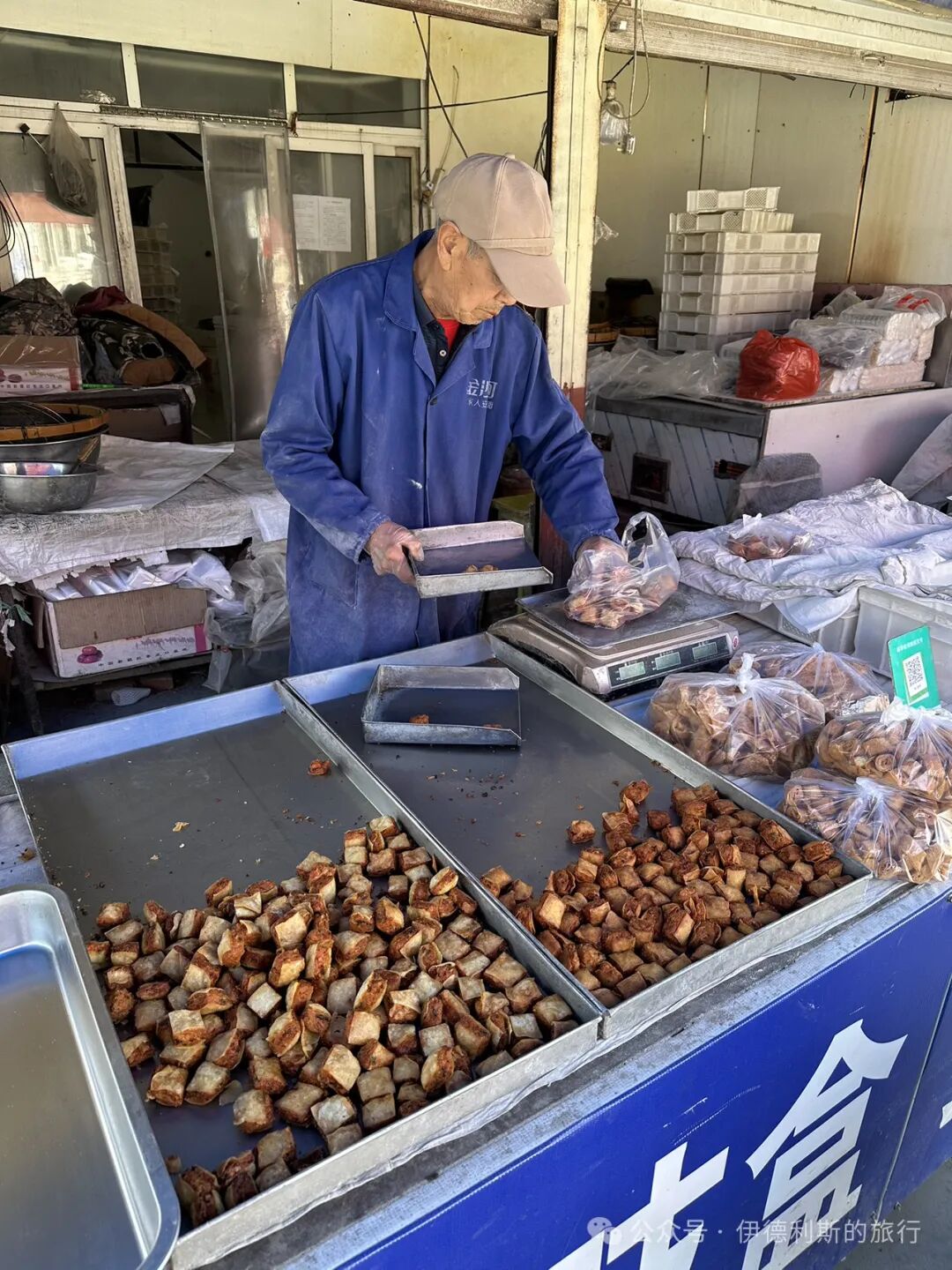
Besides yellow rice fried cakes (zhagao), the fried crispy rolls (gezhe he) in Hexiwu are also very famous. Unlike the common version, the fried crispy rolls (gezhe he) here have fillings. They come in mung bean flour and white flour varieties, giving them a richer texture than the standard ones. view all
Summary: Halal Travel Guide: Hexiwu, Tianjin - Hometown Memories, Mosques and Hui Muslims is presented here as a firsthand travel account in clear, natural English. The account focuses on Tianjin, Hui Muslims, Mosques while preserving the names, places, food, photos, and historical details from the Chinese source.
On Saturday, I went back to my hometown with my family in Hexiwu Town, Wuqing District, Tianjin. My family farmed in Hexiwu Town for generations. After 1949, my grandfather answered the call to help build Beijing. He moved to the city and became a construction worker who helped build the Great Hall of the People and the National Museum of China.
The house in the picture is the site of my family's old ancestral home. In the 1950s, my grandfather sold it to the supply and marketing cooperative so he could buy a house inside Fuchengmen in Beijing.
A small greenhouse at my uncle's house (my great-uncle's son).
The wheat fields in my hometown. Everything is lush and green right now.
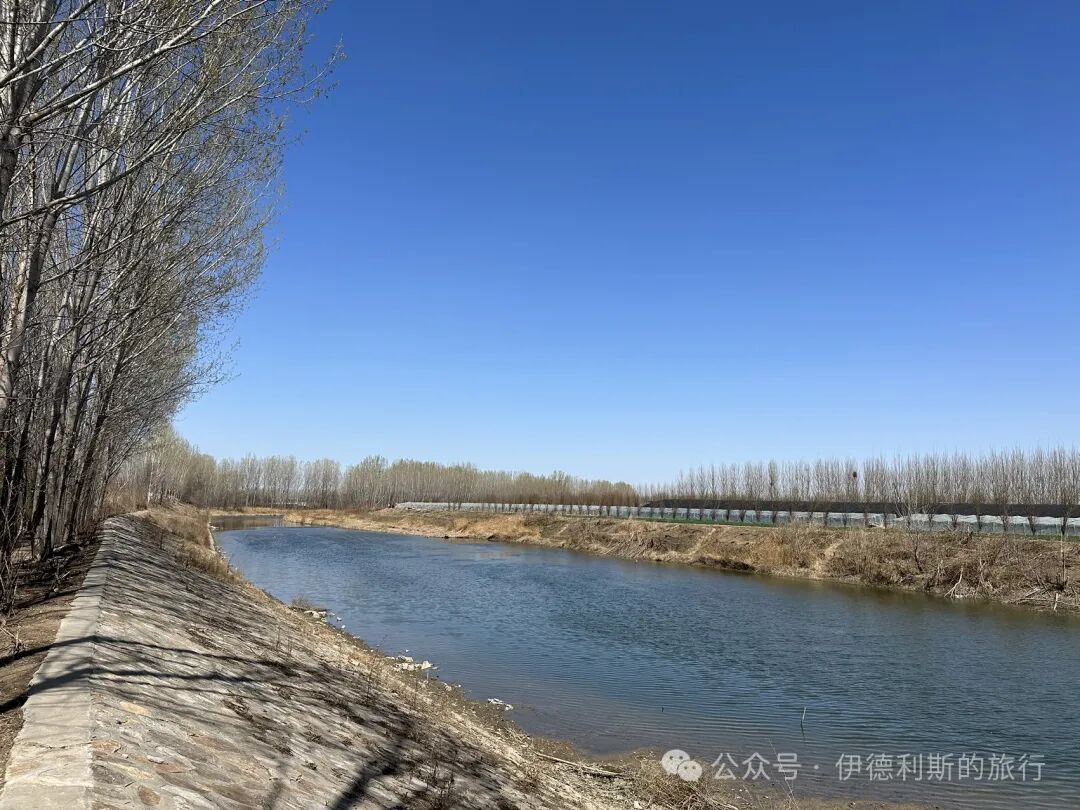
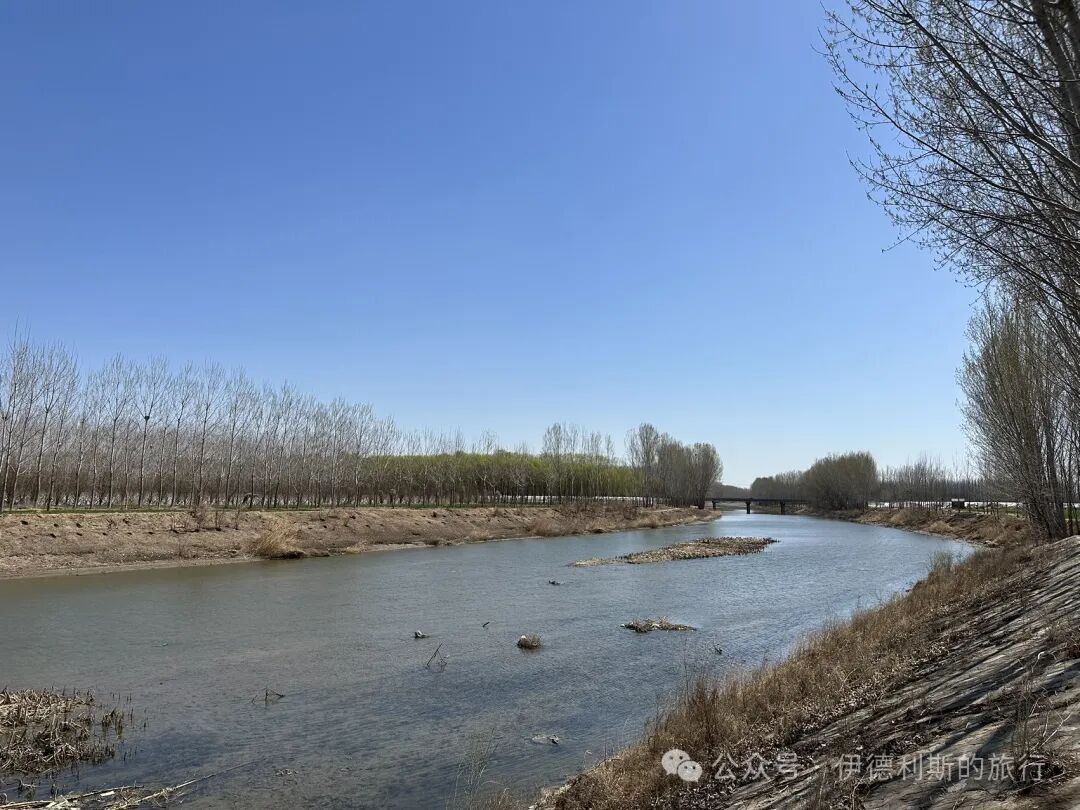
The Grand Canal section in Hexiwu. Hexiwu is known as the First Post Station of Tianjin, as it was the first stop for the Grand Canal when entering the city.
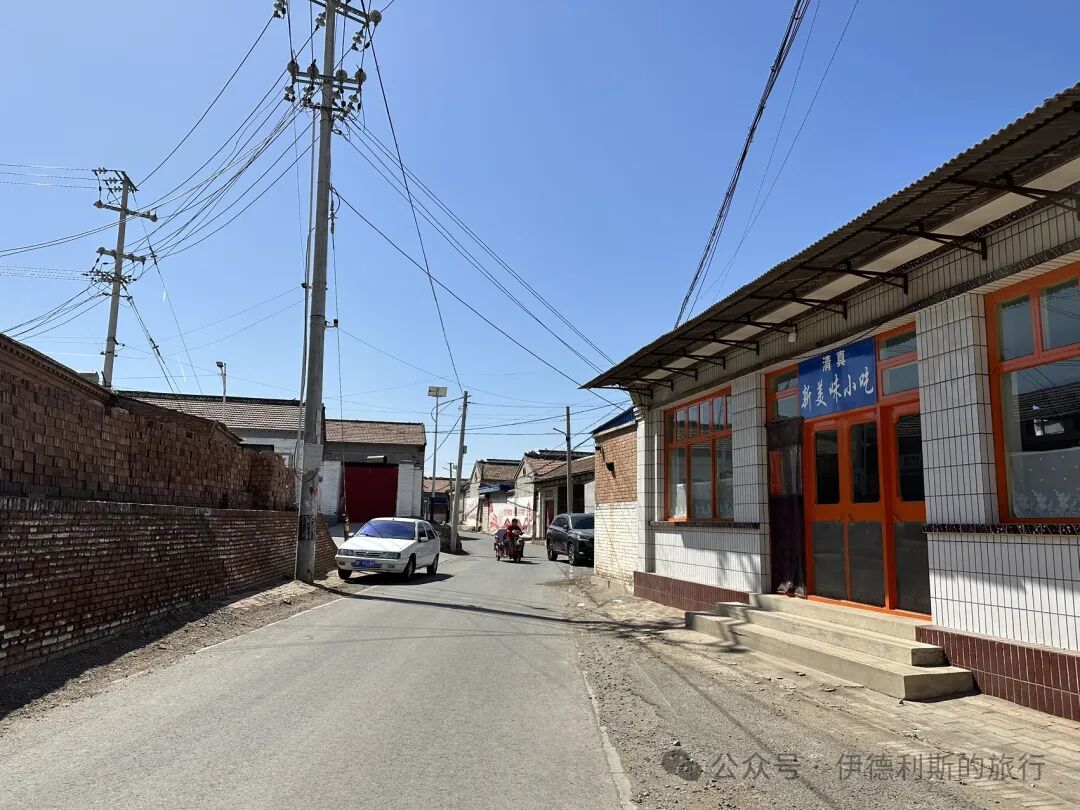
The view of the Hui Muslims' street in Hexiwu Town. Because it was a key hub for water transport, many Hui Muslim merchants lived in Hexiwu Town during the Ming and Qing dynasties. There was even a Hui Muslim camp to the southwest of the town, and many people eventually settled there.
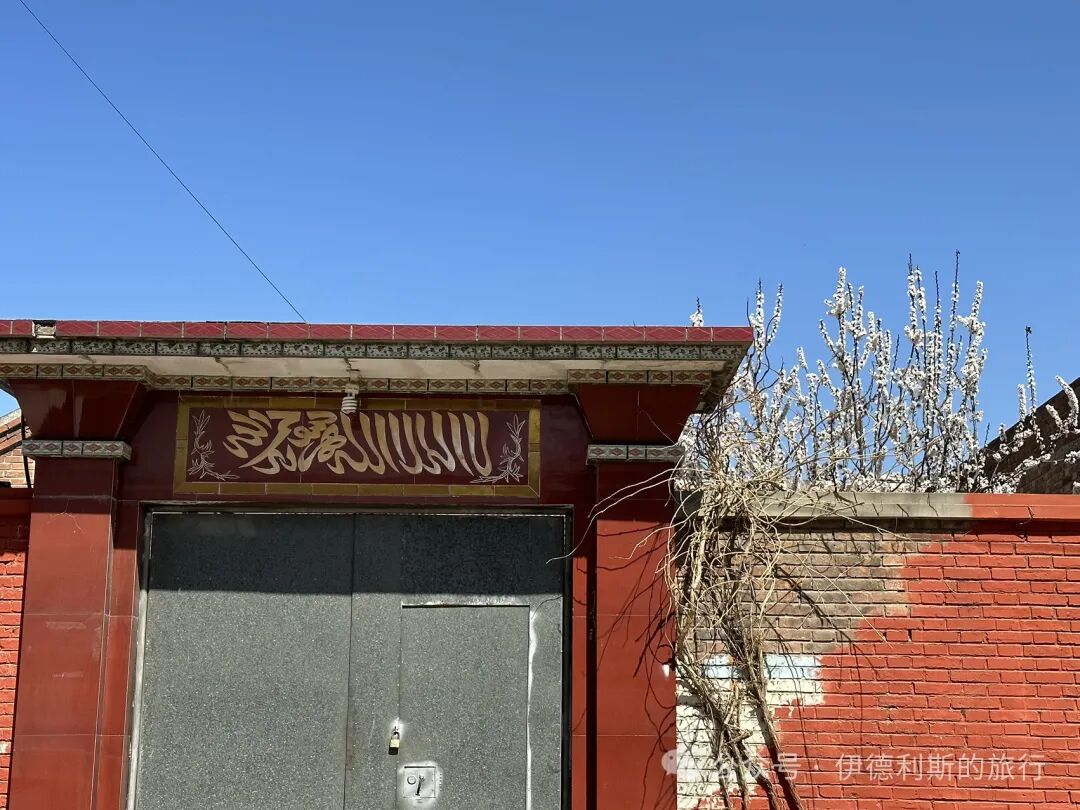
The Hexiwu Mosque was first built in the early years of the Yongle reign of the Ming Dynasty. It was expanded during the Longqing reign, destroyed by a flood in the seventh year of the Kangxi reign, and rebuilt in the eighth year. It was renovated again in the third year of the Xuantong reign and in 1949. The mosque suffered severe damage between 1966 and 1976 and was destroyed after the 1976 Tangshan earthquake. It was rebuilt on the original site in 1988 and completed in 1990.
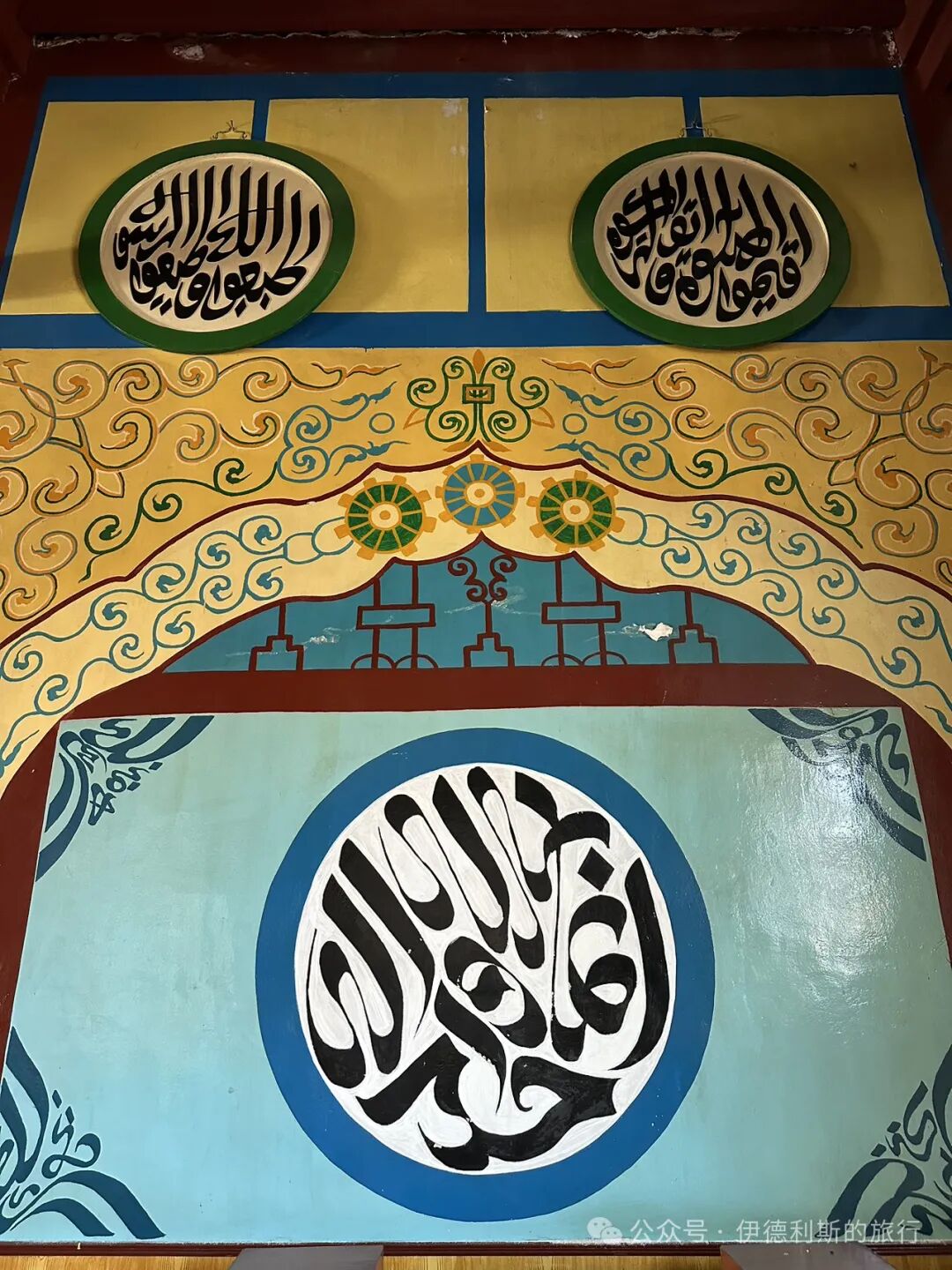
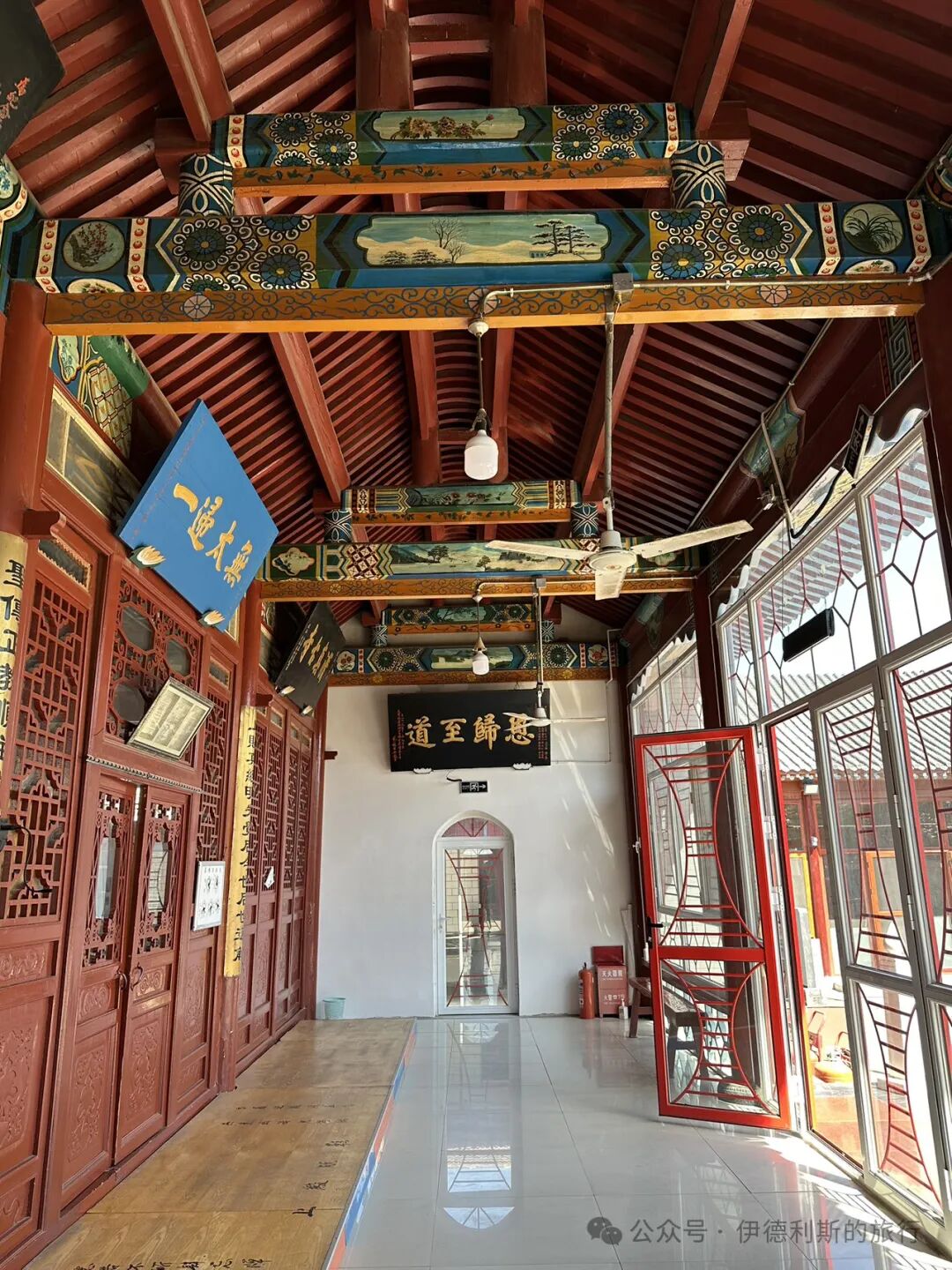
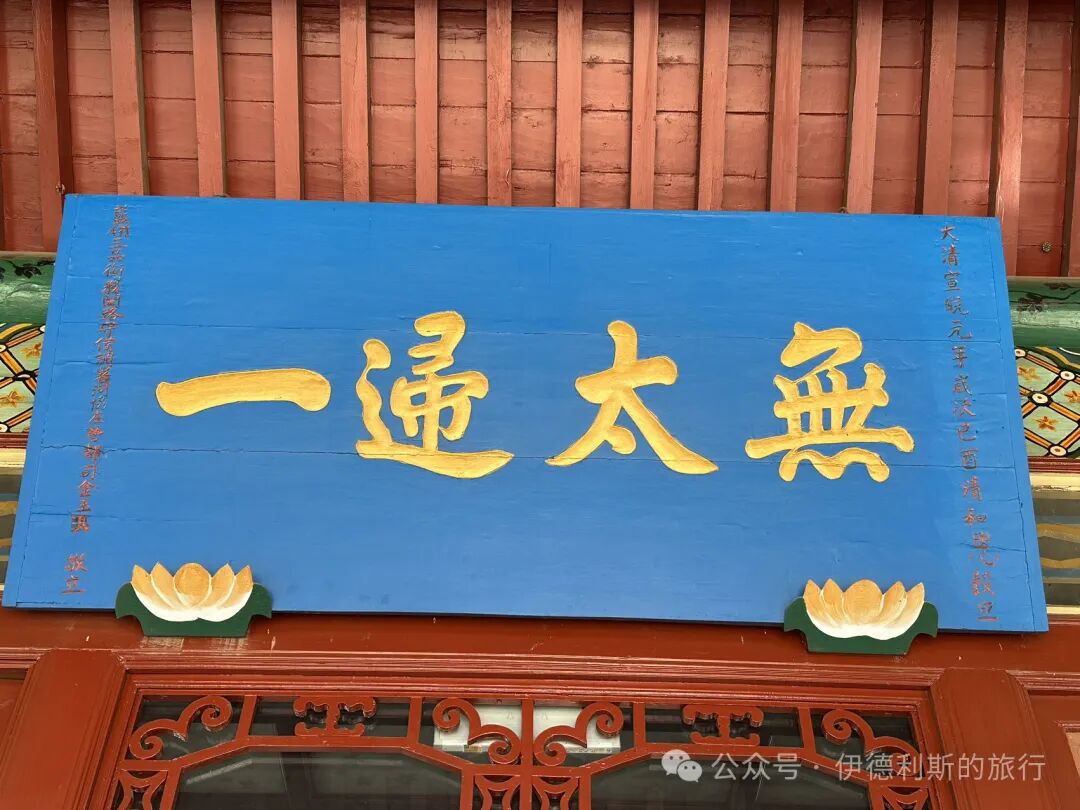
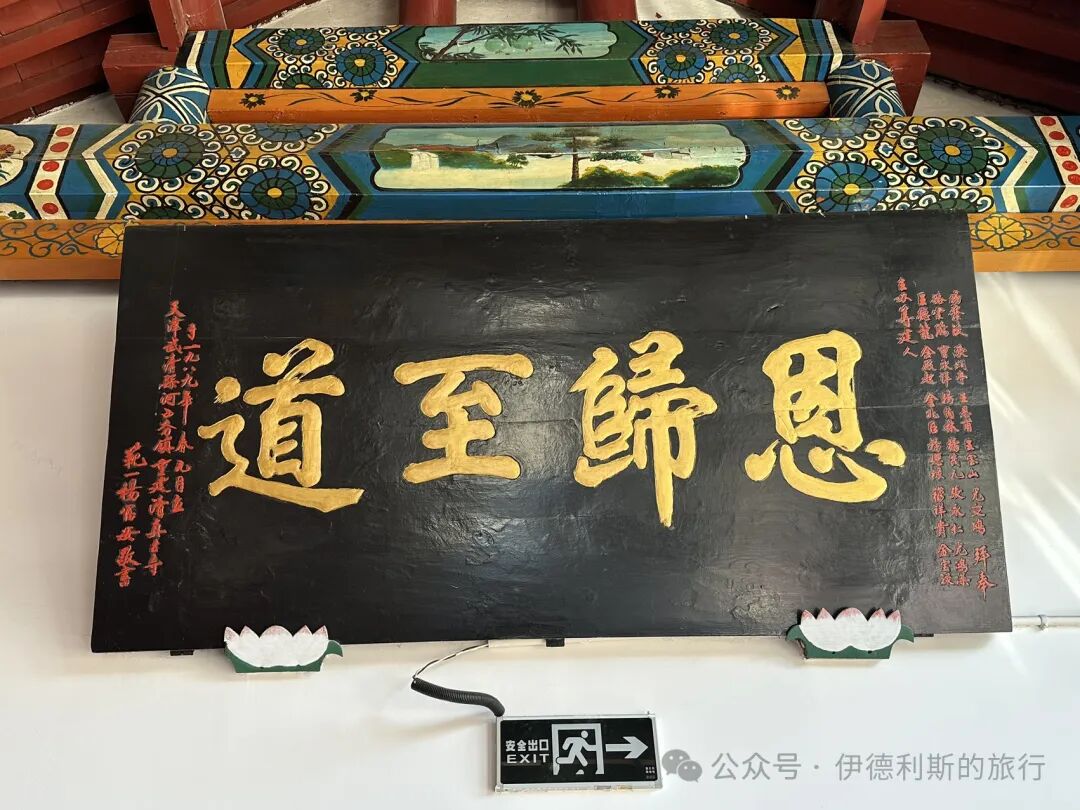
The mosque houses an important artifact: a plaque reading "Wu Tai Gui Yi" (The Truth Returns to One) dedicated by Jin Yuqi, a third-rank official in the Xuantong reign.
The Chinese-Arabic plaque and the sign about slippers in front of the main prayer hall are also quite interesting.
After leaving the mosque, we bought some food to pack and take home for our fast.
We first went to Xinpengzhai Restaurant to buy their specialty, golden-rimmed braised pancakes (jinbian koumen), which is beef and bean sprouts braised with pancakes and topped with fried egg. The egg was very fragrant. It was my first time eating braised pancakes this way, and it tasted great.
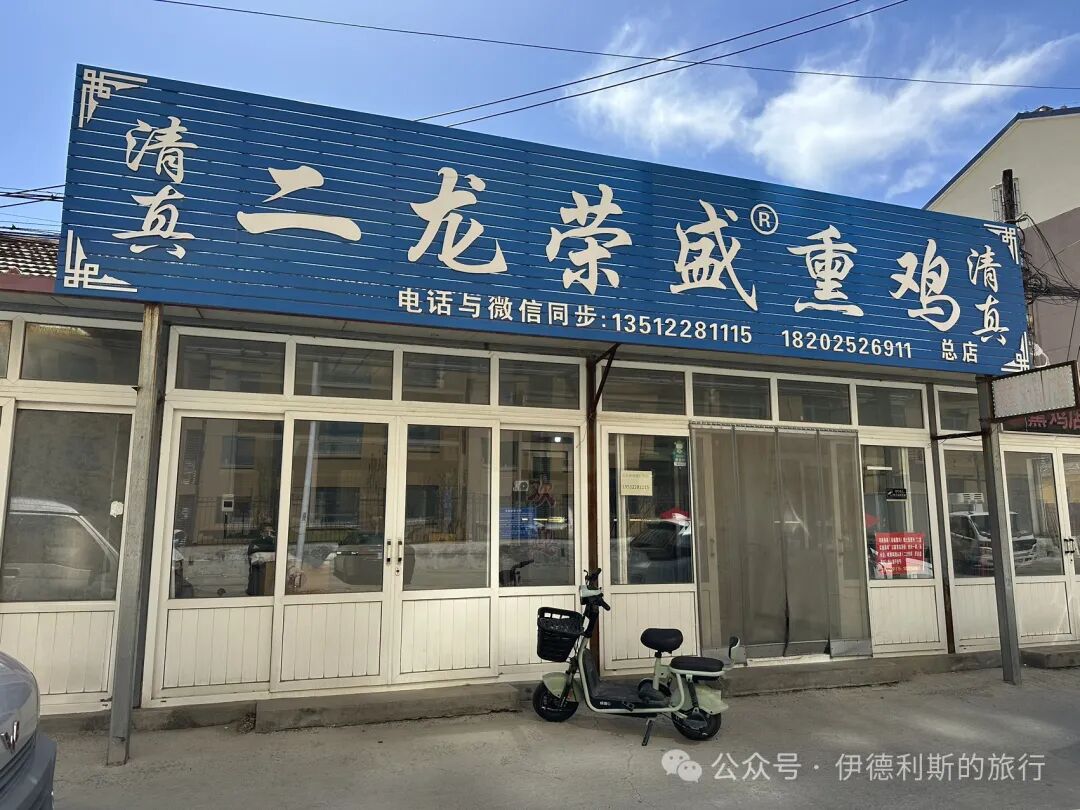
Then we went to the First Post Station Snack Street inside the Hexiwu farmers' market. The most famous item there is the yellow rice fried cake (huangmi zhagao) from the century-old shop Wangji Lirenzhai. We arrived a bit late, and the shop closed at 1:00 PM, so we just bought all the remaining fried cakes (zhagao).
Lirenzhai is a Tianjin intangible cultural heritage site for the craft of making Hexiwu Lirenzhai fried cakes (zhagao). The Wang family's ancestral home is in Cangzhou, Hebei. In the late Qing Dynasty, they fled the war and arrived in Wuqing, first settling in Yangcun. Later, they heard that Hexiwu was densely populated and had a large community of Hui Muslims, so they moved to Hexiwu to settle down. In 1918, Wang Zhenlong inherited the family craft and officially set up a stall in Hexiwu, specializing in yellow rice fried cakes (zhagao). After 1958, the Wang family's fried cake business was merged into a cooperative store, and it was shut down after the 1960s. It was not until 1979 that the second-generation successor, Wang Jinyuan, inherited the family business and brought back the Wang family fried cakes. In 1999, the third-generation successor, Wang Xueren, took over and renamed it Lirenzhai, which is the name it uses today.
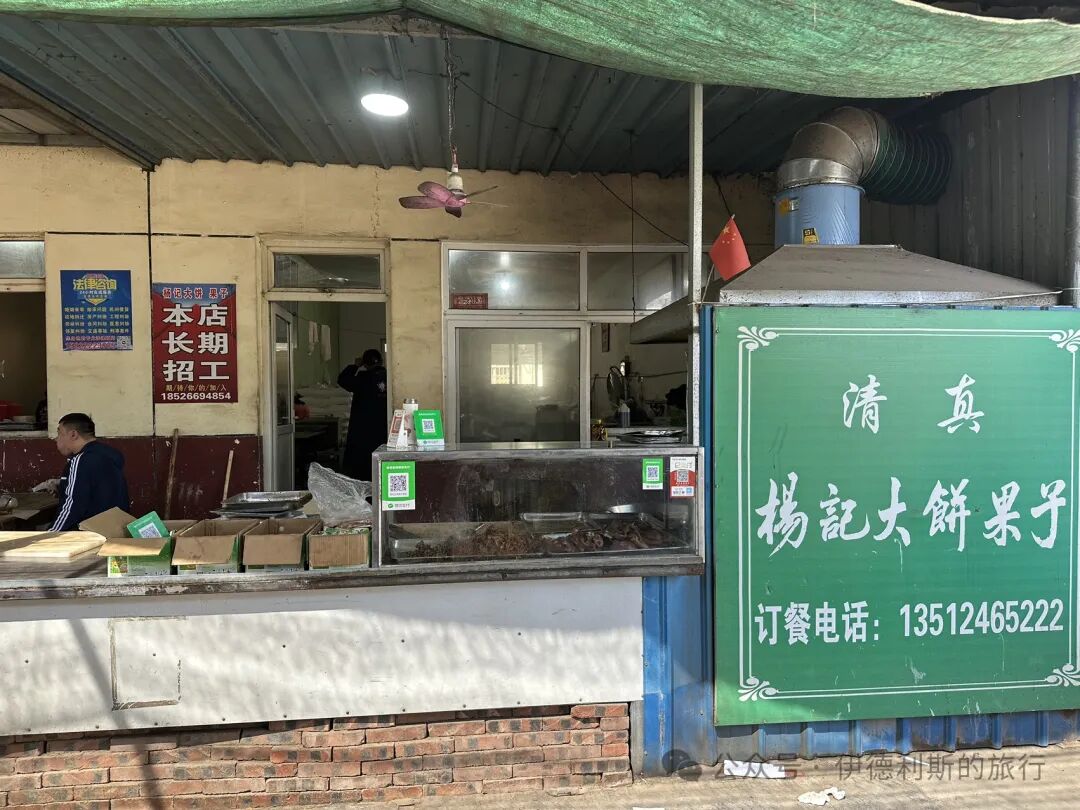
Besides yellow rice fried cakes (zhagao), the fried crispy rolls (gezhe he) in Hexiwu are also very famous. Unlike the common version, the fried crispy rolls (gezhe he) here have fillings. They come in mung bean flour and white flour varieties, giving them a richer texture than the standard ones.
Halal Travel Guide: Ramadan Weekend 2025 — Tianjin Liulin and Northwest Corner
Articles • ali2007fr posted the article • 0 comments • 129 views • 2026-05-20 00:58
Summary: The third weekend of Ramadan 2025 centers on Tianjin’s Liulin area and Northwest Corner, with mosques, food, and neighborhood scenes. This article keeps the original photos, shop notes, street details, and Muslim community observations.
On Saturday, I went to Liulin Mosque (Liulin Si) in the Hexi District of Tianjin to break my fast. In 1994, the Qiandezhuang area in Hexi District was demolished, and all the Hui Muslims moved to Qianfuli in Xiaohaidi. Later, when the Northwest Corner was demolished, more Hui Muslims moved to Xiaohaidi, leading to the construction of the current Liulin Mosque in 2005.
For iftar, we had four dishes and one soup, including the Tianjin specialty stir-stir-fried meat liver, kidney, and heart (laobao san), as well as chicken with winter bamboo shoots, stir-fried cauliflower, and stir-fried tofu. We also had egg and tofu soup, and received sesame flatbread (shaobing) distributed by the mosque.
The elder calling the adhan at the mosque wore a traditional North China Gedimu six-paneled cap (liupianwa). The Tianjin six-paneled cap has no corners at all, which is the biggest difference from the hexagonal caps worn by the Jahriyya order.
On Sunday, I went to the Northwest Corner of Tianjin. I bought some non-alcoholic fermented bean curd (doufurui) made by the Xining Pickles Factory at Mumin Supermarket. It tasted very good and suits the palate of people from the north.
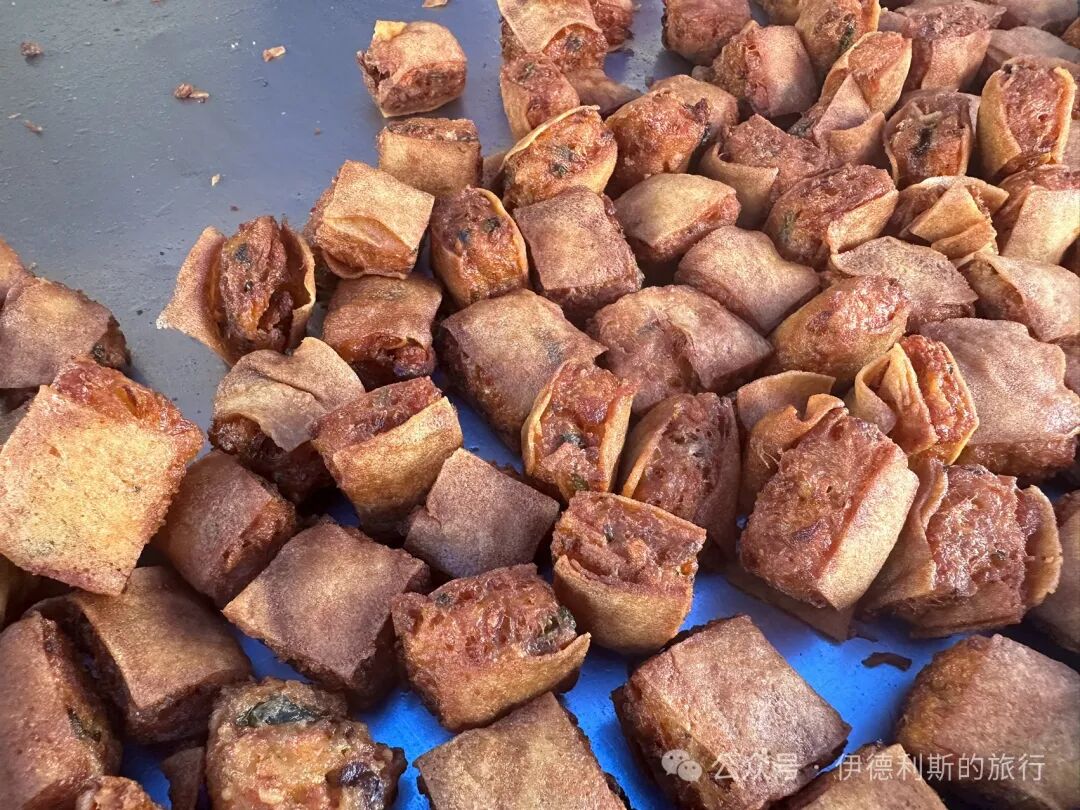
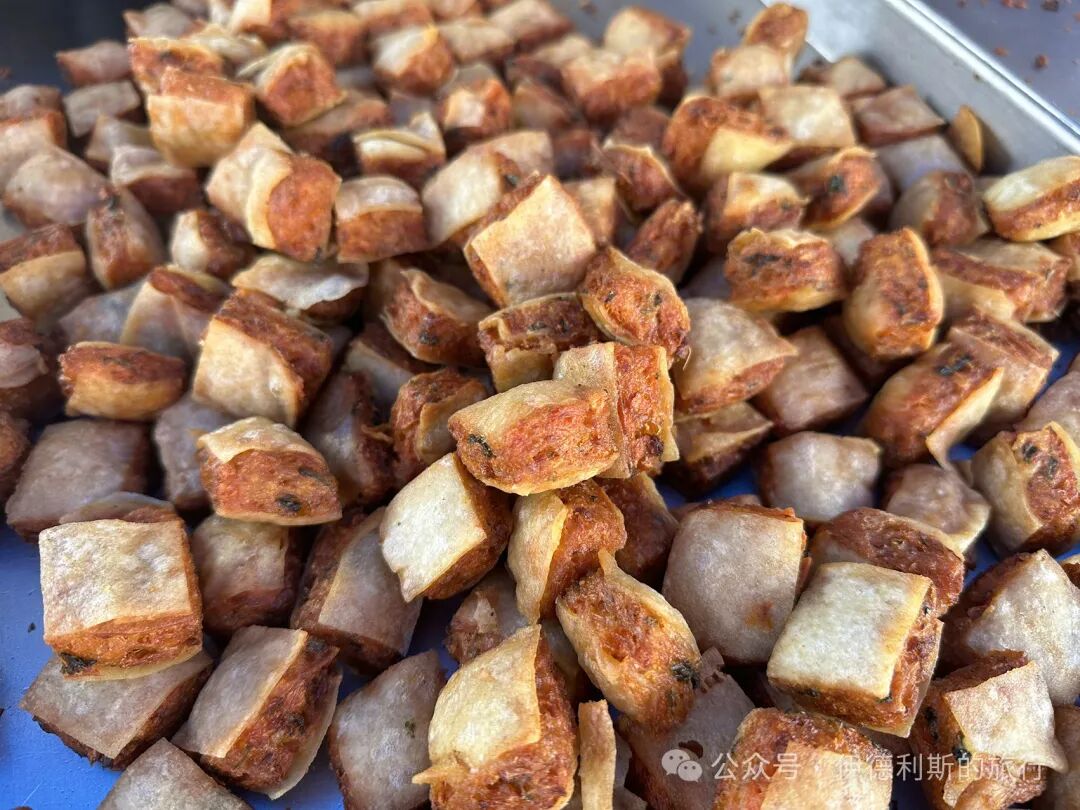
In the evening, I broke my fast at the Great Mosque of the Northwest Corner (Nandasi). We had rice cakes (gaogan), two types of pan-fried egg-battered patties (guota) made with beef and shrimp, braised eggplant, braised butterfly fish, and eggs boiled in beef broth. An elder warned me not to buy snacks at the mosque gate randomly, saying many of them have no authentic roots. It is true that since the Northwest Corner became popular in recent years, I do not recognize many of the shops anymore. However, some of the old shops are still fine.
Ancient Islamic Teaching (Qingzhen Gujiao).
An auspicious day in the spring of the Gengxu year of the Xuantong reign.
Taiping Street, Hebei Avenue, Xiaohuo Lane, Shanghebeiguan.
Zhugan Lane, Gangdian Street, Santiaoshi, Xiabebeiguan.
Gangshi Street, Qudian Street, Liangjiazui, Dahuohuo Lane.
Erected by the gentry and merchants.
Truth without falsehood.
An auspicious day in the ninth month of the sixth year of the Guangxu reign.
Respectfully erected by Zuo Baogui, a registered Admiral of the Military Gate, Commander of the Feng Army's Right and Middle Cavalry and Infantry Battalions, and concurrently Commander of the Jiesheng Battalion's Eighth Brigade Cavalry, titled Kengse Baturu.
Virtue and kindness bestowed.
Erected in the apricot month of the Gengshen year, the ninth year of the Republic of China.
Respectfully inscribed by Zhang Chunhua, a follower of the Islamic faith.
Creation originates from the Infinite.
Respectfully inscribed by Peng Yuwen, a Zhongxian Grand Master and official of the Tianjin Circuit in Zhili.
An auspicious day in the seventh lunar month of the Bingwu year, the 26th year of the Daoguang reign.
Respectfully erected by Zhang Yunbiao and Guang Rui of Tianjin, along with their sons Jindong and Bang.
Ancient Islamic Teaching (Qingzhen Gujiao).
An auspicious day in the Gengyin year of the Guangxu reign of the Great Qing Dynasty.
Respectfully offered by Hei Zhaorong, a river battalion commander (qian zong) of Tianjin Prefecture, granted the fourth-rank title and the right to wear a blue feather.
Ancient Islamic Teaching (Qingzhen Gujiao).
An auspicious day in the Gengyin year of the Guangxu reign of the Great Qing Dynasty.
Respectfully offered by Hei Zhaorong, a river battalion commander (qian zong) of Tianjin Prefecture, granted the fourth-rank title and the right to wear a blue feather.
Allah is Most Merciful in this world and the next. He is generous and kind in this life, providing for all things without lack, showing grace that is vast, fair, and selfless. The Tianjin South Mosque has stood for many years, built through the hard work of our elders who traveled far to raise funds. The mosque's property and water company shares, which cover its annual expenses, were already recorded on a stone tablet. The mosque committee members take turns managing these affairs. Now, Elder Liu Weizhan has kindly donated 20 water company shares to support the mosque's annual expenses. We fear these records might be lost over time, so we have inscribed this new tablet. Together with the mosque's original 16 shares (the original 8 were increased to 16), there are now 36 shares in total. This ensures that each committee member can clearly hand over duties to their successor, and this great act of charity will be remembered forever.
Inscribed by the committee members of the South Mosque (names omitted).
Written by Liu Mengyang.
Erected in December of the 26th year of the Republic of China.
The number one reveals the essence of the Truth, hiding great grace to influence and complete all things.
Movement creates words, stillness returns to the Truth, guiding those on the path to transform themselves and return to the Source.
Written by Prince Li.
Arabic plaques and couplets inside the main prayer hall. view all
Summary: The third weekend of Ramadan 2025 centers on Tianjin’s Liulin area and Northwest Corner, with mosques, food, and neighborhood scenes. This article keeps the original photos, shop notes, street details, and Muslim community observations.
On Saturday, I went to Liulin Mosque (Liulin Si) in the Hexi District of Tianjin to break my fast. In 1994, the Qiandezhuang area in Hexi District was demolished, and all the Hui Muslims moved to Qianfuli in Xiaohaidi. Later, when the Northwest Corner was demolished, more Hui Muslims moved to Xiaohaidi, leading to the construction of the current Liulin Mosque in 2005.
For iftar, we had four dishes and one soup, including the Tianjin specialty stir-stir-fried meat liver, kidney, and heart (laobao san), as well as chicken with winter bamboo shoots, stir-fried cauliflower, and stir-fried tofu. We also had egg and tofu soup, and received sesame flatbread (shaobing) distributed by the mosque.
The elder calling the adhan at the mosque wore a traditional North China Gedimu six-paneled cap (liupianwa). The Tianjin six-paneled cap has no corners at all, which is the biggest difference from the hexagonal caps worn by the Jahriyya order.
On Sunday, I went to the Northwest Corner of Tianjin. I bought some non-alcoholic fermented bean curd (doufurui) made by the Xining Pickles Factory at Mumin Supermarket. It tasted very good and suits the palate of people from the north.
In the evening, I broke my fast at the Great Mosque of the Northwest Corner (Nandasi). We had rice cakes (gaogan), two types of pan-fried egg-battered patties (guota) made with beef and shrimp, braised eggplant, braised butterfly fish, and eggs boiled in beef broth. An elder warned me not to buy snacks at the mosque gate randomly, saying many of them have no authentic roots. It is true that since the Northwest Corner became popular in recent years, I do not recognize many of the shops anymore. However, some of the old shops are still fine.
Ancient Islamic Teaching (Qingzhen Gujiao).
An auspicious day in the spring of the Gengxu year of the Xuantong reign.
Taiping Street, Hebei Avenue, Xiaohuo Lane, Shanghebeiguan.
Zhugan Lane, Gangdian Street, Santiaoshi, Xiabebeiguan.
Gangshi Street, Qudian Street, Liangjiazui, Dahuohuo Lane.
Erected by the gentry and merchants.
Truth without falsehood.
An auspicious day in the ninth month of the sixth year of the Guangxu reign.
Respectfully erected by Zuo Baogui, a registered Admiral of the Military Gate, Commander of the Feng Army's Right and Middle Cavalry and Infantry Battalions, and concurrently Commander of the Jiesheng Battalion's Eighth Brigade Cavalry, titled Kengse Baturu.
Virtue and kindness bestowed.
Erected in the apricot month of the Gengshen year, the ninth year of the Republic of China.
Respectfully inscribed by Zhang Chunhua, a follower of the Islamic faith.
Creation originates from the Infinite.
Respectfully inscribed by Peng Yuwen, a Zhongxian Grand Master and official of the Tianjin Circuit in Zhili.
An auspicious day in the seventh lunar month of the Bingwu year, the 26th year of the Daoguang reign.
Respectfully erected by Zhang Yunbiao and Guang Rui of Tianjin, along with their sons Jindong and Bang.
Ancient Islamic Teaching (Qingzhen Gujiao).
An auspicious day in the Gengyin year of the Guangxu reign of the Great Qing Dynasty.
Respectfully offered by Hei Zhaorong, a river battalion commander (qian zong) of Tianjin Prefecture, granted the fourth-rank title and the right to wear a blue feather.
Ancient Islamic Teaching (Qingzhen Gujiao).
An auspicious day in the Gengyin year of the Guangxu reign of the Great Qing Dynasty.
Respectfully offered by Hei Zhaorong, a river battalion commander (qian zong) of Tianjin Prefecture, granted the fourth-rank title and the right to wear a blue feather.
Allah is Most Merciful in this world and the next. He is generous and kind in this life, providing for all things without lack, showing grace that is vast, fair, and selfless. The Tianjin South Mosque has stood for many years, built through the hard work of our elders who traveled far to raise funds. The mosque's property and water company shares, which cover its annual expenses, were already recorded on a stone tablet. The mosque committee members take turns managing these affairs. Now, Elder Liu Weizhan has kindly donated 20 water company shares to support the mosque's annual expenses. We fear these records might be lost over time, so we have inscribed this new tablet. Together with the mosque's original 16 shares (the original 8 were increased to 16), there are now 36 shares in total. This ensures that each committee member can clearly hand over duties to their successor, and this great act of charity will be remembered forever.
Inscribed by the committee members of the South Mosque (names omitted).
Written by Liu Mengyang.
Erected in December of the 26th year of the Republic of China.
The number one reveals the essence of the Truth, hiding great grace to influence and complete all things.
Movement creates words, stillness returns to the Truth, guiding those on the path to transform themselves and return to the Source.
Written by Prince Li.
Arabic plaques and couplets inside the main prayer hall.
Halal Travel Guide: Ramadan Weekend 2025 — Beijing Nanxiapo and Tianjin Muslim Streets
Articles • ali2007fr posted the article • 0 comments • 156 views • 2026-05-20 00:57
Summary: The second weekend of Ramadan 2025 follows Muslim community spaces in Beijing Nanxiapo, Tianjin Xining Road, and Fuxingzhuang. This article preserves the original mosque visits, street scenes, food notes, and photographs in a single English travel account.
On Friday, March 7, I went to Nanxiapo near Chaowai after work. The iftar snacks and fruits at Shiqipan were very plentiful. I met a friend (dosti) wearing a traditional North China Gedimu six-piece cap. It is slightly different from the hexagonal cap worn by the Zhe sect, and it is now on the verge of disappearing. After the Maghrib prayer (shamu), a friend invited me to have iftar at a restaurant next to the mosque. The place was packed and very lively. We had stewed meat and flatbread (laobing) with two side dishes. It was simple and tasty.
A child wearing a six-piece cap in Niujie, Beijing, in 1942.
On Saturday night, I had iftar at the Xiningdao Mosque in Tianjin. For breaking the fast, we had sticky rice rolls (aiwowo) and fruit pastries. After the Maghrib prayer, we had braised beef, stir-fried cabbage, and stir-fried lettuce with meat. The mosque is not big, but it was crowded with seven large tables completely full.
Tianjin's Heping District once had four mosques: Chahaer Road Mosque (built in 1935), Puaili Mosque (built in 1938), Dunrenli Mosque (built in 1938), and Yingkou Road Mosque (built in 1953). After 1958, they were all converted for other uses, which made things very inconvenient for local Hui Muslims for a long time. The current Xiningdao Mosque was designed by Yao Fuxing, a Hui Muslim senior engineer from the First Design Institute of the Ministry of Chemical Industry, and was completed in 1992.
I had pilaf (zhuafan) at home on Sunday morning.
On Sunday night, I went to the Fuxingzhuang Mosque in the Hedong District of Tianjin. I met the imam (ahong) of the mosque when he was studying in Beijing. We met again in Tianjin; he is a promising young local imam. For iftar at the mosque, we had red bean porridge, various pastries, and fruits. After the Maghrib prayer, we ate traditional-style steamed dumplings (shaomai) filled with beef, egg, and two shrimp. The elders said it tasted like the old Nanshi area. Fuxingzhuang Mosque is less than ten minutes away from Tianjin Station by bike, making it very easy to reach.
Fuxingzhuang Mosque was first built in 1927. The land was donated by the famous Tianjin Hui Muslim doctor Liu Bingyi, and his son, Liu Jilan, the head of the Ping Bao newspaper, funded the construction. It was occupied in 1958, restored in 1982, and moved to its current location in 2003 due to real estate development. view all
Summary: The second weekend of Ramadan 2025 follows Muslim community spaces in Beijing Nanxiapo, Tianjin Xining Road, and Fuxingzhuang. This article preserves the original mosque visits, street scenes, food notes, and photographs in a single English travel account.
On Friday, March 7, I went to Nanxiapo near Chaowai after work. The iftar snacks and fruits at Shiqipan were very plentiful. I met a friend (dosti) wearing a traditional North China Gedimu six-piece cap. It is slightly different from the hexagonal cap worn by the Zhe sect, and it is now on the verge of disappearing. After the Maghrib prayer (shamu), a friend invited me to have iftar at a restaurant next to the mosque. The place was packed and very lively. We had stewed meat and flatbread (laobing) with two side dishes. It was simple and tasty.
A child wearing a six-piece cap in Niujie, Beijing, in 1942.
On Saturday night, I had iftar at the Xiningdao Mosque in Tianjin. For breaking the fast, we had sticky rice rolls (aiwowo) and fruit pastries. After the Maghrib prayer, we had braised beef, stir-fried cabbage, and stir-fried lettuce with meat. The mosque is not big, but it was crowded with seven large tables completely full.
Tianjin's Heping District once had four mosques: Chahaer Road Mosque (built in 1935), Puaili Mosque (built in 1938), Dunrenli Mosque (built in 1938), and Yingkou Road Mosque (built in 1953). After 1958, they were all converted for other uses, which made things very inconvenient for local Hui Muslims for a long time. The current Xiningdao Mosque was designed by Yao Fuxing, a Hui Muslim senior engineer from the First Design Institute of the Ministry of Chemical Industry, and was completed in 1992.
I had pilaf (zhuafan) at home on Sunday morning.
On Sunday night, I went to the Fuxingzhuang Mosque in the Hedong District of Tianjin. I met the imam (ahong) of the mosque when he was studying in Beijing. We met again in Tianjin; he is a promising young local imam. For iftar at the mosque, we had red bean porridge, various pastries, and fruits. After the Maghrib prayer, we ate traditional-style steamed dumplings (shaomai) filled with beef, egg, and two shrimp. The elders said it tasted like the old Nanshi area. Fuxingzhuang Mosque is less than ten minutes away from Tianjin Station by bike, making it very easy to reach.
Fuxingzhuang Mosque was first built in 1927. The land was donated by the famous Tianjin Hui Muslim doctor Liu Bingyi, and his son, Liu Jilan, the head of the Ping Bao newspaper, funded the construction. It was occupied in 1958, restored in 1982, and moved to its current location in 2003 due to real estate development.
Halal Travel Guide: Ramadan Weekend 2025 — From Beijing to Tianjin
Articles • ali2007fr posted the article • 0 comments • 166 views • 2026-05-20 00:57
Summary: The first weekend of Ramadan 2025 took the writer from Beijing to Tianjin, with mosque visits, halal meals, and everyday scenes from Muslim life. The article keeps the original route, food details, photos, and local observations while presenting them in natural English.
February 28: Start of Ramadan.
Welcoming Ramadan, I prayed my first Taraweeh at the Dongsi Mosque in Beijing. I was pleasantly surprised when Imam He invited me to lead the recitation (suo'er).
March 1: First day.
I made a pot of Ashura bean porridge (ashura doudoufan) in advance. I added water and drank two big bowls in the morning, which felt great.
I went to Tianjin in the morning. In the evening, I prayed Maghrib (shamu) at the Northwest Corner Mosque (Xibeijiao Dasi). I was surprised to see only five or six people there. An elder (xianglao) gave me dates to break my fast. After prayer, I went to eat meat pies at Sangu Meat Pie (Sangu Roubing). I have been eating there for ten years, and it is as delicious as ever. The crust is crispy, and you can smell it from far away.
After dinner, I went to the Tianjin Great East Mosque (Dongdasi) to pray Taraweeh. Tianjin follows the 'old third day' tradition, so most mosques there start Ramadan one day later than in Beijing. The original site of the Great East Mosque was in Gujiao Hutong outside the South Gate. In 1915, Gao Hanting's grandfather donated the property, and it was organized by Zheng Yuande, Liu Haowei, Mu Xinglan, and others. In 2008, it moved from outside the South Gate to its current location on Nankai Second Road, right next to the Haiguangsi Station on Metro Line 1. This day happened to be the 'Dragon Raises Its Head' festival on the second day of the second lunar month. People in Tianjin like to set off fireworks and firecrackers. We prayed Taraweeh almost entirely to the sound of firecrackers, which made me feel the strength of my Iman even more. I also met Mr. Wu Peng from the 'Tianxia Huihui' program at the mosque. It turns out he is an elder at the Tianjin Great East Mosque.
March 2: Second day.
In the morning, my mother-in-law made big plate chicken (dapanji) and beef stew with potatoes served over rice.
In the evening, I went to the Tianjin Great East Mosque again to break my fast. Before Maghrib, Imam Ma gave a sermon (wa'erzi), then we recited dua, and I received pastries and fruit. After the recitation, we went into the main hall to pray Maghrib. There is a saying, 'From Nanjing to Beijing, the lights are only turned on after Maghrib.' The main hall looked especially solemn and dignified in the sunset. In North China, there is a tradition of wearing the old-style large millstone turban (damoshipan daistal) and the new-style cross-pattern turban (shizihua daistal). This large millstone style likely comes from Persia.
I returned to the dining hall after prayer and had braised eggplant, tomato and egg, beef stew, braised fish, stir-fried shrimp, sweet and sour pork, and tomato egg drop soup. It was a very rich meal with both meat and vegetables, and both dry and liquid dishes. Every day at the Great East Mosque, someone volunteers to host the fast-breaking meal. Imam Ma Ming hosted it on the first day, and I felt very grateful. view all
Summary: The first weekend of Ramadan 2025 took the writer from Beijing to Tianjin, with mosque visits, halal meals, and everyday scenes from Muslim life. The article keeps the original route, food details, photos, and local observations while presenting them in natural English.
February 28: Start of Ramadan.
Welcoming Ramadan, I prayed my first Taraweeh at the Dongsi Mosque in Beijing. I was pleasantly surprised when Imam He invited me to lead the recitation (suo'er).
March 1: First day.
I made a pot of Ashura bean porridge (ashura doudoufan) in advance. I added water and drank two big bowls in the morning, which felt great.
I went to Tianjin in the morning. In the evening, I prayed Maghrib (shamu) at the Northwest Corner Mosque (Xibeijiao Dasi). I was surprised to see only five or six people there. An elder (xianglao) gave me dates to break my fast. After prayer, I went to eat meat pies at Sangu Meat Pie (Sangu Roubing). I have been eating there for ten years, and it is as delicious as ever. The crust is crispy, and you can smell it from far away.
After dinner, I went to the Tianjin Great East Mosque (Dongdasi) to pray Taraweeh. Tianjin follows the 'old third day' tradition, so most mosques there start Ramadan one day later than in Beijing. The original site of the Great East Mosque was in Gujiao Hutong outside the South Gate. In 1915, Gao Hanting's grandfather donated the property, and it was organized by Zheng Yuande, Liu Haowei, Mu Xinglan, and others. In 2008, it moved from outside the South Gate to its current location on Nankai Second Road, right next to the Haiguangsi Station on Metro Line 1. This day happened to be the 'Dragon Raises Its Head' festival on the second day of the second lunar month. People in Tianjin like to set off fireworks and firecrackers. We prayed Taraweeh almost entirely to the sound of firecrackers, which made me feel the strength of my Iman even more. I also met Mr. Wu Peng from the 'Tianxia Huihui' program at the mosque. It turns out he is an elder at the Tianjin Great East Mosque.
March 2: Second day.
In the morning, my mother-in-law made big plate chicken (dapanji) and beef stew with potatoes served over rice.
In the evening, I went to the Tianjin Great East Mosque again to break my fast. Before Maghrib, Imam Ma gave a sermon (wa'erzi), then we recited dua, and I received pastries and fruit. After the recitation, we went into the main hall to pray Maghrib. There is a saying, 'From Nanjing to Beijing, the lights are only turned on after Maghrib.' The main hall looked especially solemn and dignified in the sunset. In North China, there is a tradition of wearing the old-style large millstone turban (damoshipan daistal) and the new-style cross-pattern turban (shizihua daistal). This large millstone style likely comes from Persia.
I returned to the dining hall after prayer and had braised eggplant, tomato and egg, beef stew, braised fish, stir-fried shrimp, sweet and sour pork, and tomato egg drop soup. It was a very rich meal with both meat and vegetables, and both dry and liquid dishes. Every day at the Great East Mosque, someone volunteers to host the fast-breaking meal. Imam Ma Ming hosted it on the first day, and I felt very grateful.
Islamic Art Guide: Tianjin Hui Muslim Brick Carvings - Ma Family and Liu
Articles • ali2007fr posted the article • 0 comments • 143 views • 2026-05-19 22:19
Summary: This article introduces the refined brick carvings of the Hui Muslim Ma family and Liu brick-carving tradition from Tianjin's Northwest Corner. It keeps the original artisan names, exhibition details, photographs, and cultural background for readers interested in Hui Muslim craftsmanship.
The Tianjin Museum displays exquisite brick carvings by the Hui Muslim families known as the 'Fancy Work Ma Family' (Huahuo Majia) and 'Brick Carver Liu' (Kezhuan Liu) from the Northwest Corner.
During the Jiaqing and Daoguang periods of the Qing Dynasty, wealthy merchants like the 'Eight Great Families' of Tianjin built many homes, leading to higher demands for fine brick carvings. During the Daoguang period, a Hui Muslim mason from the Northwest Corner named Ma Shunqing focused on brick carving techniques, known in the trade as 'fancy work' (huahuo), and gradually developed Tianjin brick carving into an independent form of arts and crafts. He created the 'brick-pasting method' (tiezhuan fa), which uses an adhesive made of rosin and yellow wax to attach small bricks onto a brick surface, giving the carvings clear layers for near, middle, and far views.
While creating his own carvings, Ma Shunqing trained a professional team of Hui Muslim brick carvers known as the 'Fancy Work Ma Family' (Huahuo Majia), which included his sons Ma Shaode and Ma Shaoqing, and apprentices like Mu Chenglin and He Baotian. Ma Shaode kept his father's techniques while adding his own style, and Ma Shaoqing further developed the brick-pasting method; both became famous brick carving masters in Tianjin.
During the Republic of China era, Ma Shunqing's grandson Liu Fengming became the standout of the third generation of the 'Fancy Work Ma Family' and was known as 'Brick Carver Liu' (Kezhuan Liu). Liu Fengming began learning brick carving from his grandfather Ma Shunqing and uncle Ma Shaoqing at age 15; his work is rich in content, bold in spirit, and features delicate, skilled knife work that is very artistic. Liu Fengming evolved Ma Shunqing's original method of pasting a single brick into a 'stack-pasting method' (duitie fa) that pastes multiple bricks as needed, making the images more three-dimensional and realistic.
Peonies carved by Ma Shunqing.
Flowers and birds carved by Ma Shaoqing.
The 'Four Loves' (Si'ai Tu) carved by Liu Fengming, featuring Wang Xizhi loving geese, Tao Yuanming loving chrysanthemums, Lin Hejing, and Zhou Dunyi loving lotus flowers.
Flowers and birds carved by Liu Fengming.
Fisherman, woodcutter, farmer, and scholar (yuqiaogengdu) carved by Liu Fengming. view all
Summary: This article introduces the refined brick carvings of the Hui Muslim Ma family and Liu brick-carving tradition from Tianjin's Northwest Corner. It keeps the original artisan names, exhibition details, photographs, and cultural background for readers interested in Hui Muslim craftsmanship.
The Tianjin Museum displays exquisite brick carvings by the Hui Muslim families known as the 'Fancy Work Ma Family' (Huahuo Majia) and 'Brick Carver Liu' (Kezhuan Liu) from the Northwest Corner.
During the Jiaqing and Daoguang periods of the Qing Dynasty, wealthy merchants like the 'Eight Great Families' of Tianjin built many homes, leading to higher demands for fine brick carvings. During the Daoguang period, a Hui Muslim mason from the Northwest Corner named Ma Shunqing focused on brick carving techniques, known in the trade as 'fancy work' (huahuo), and gradually developed Tianjin brick carving into an independent form of arts and crafts. He created the 'brick-pasting method' (tiezhuan fa), which uses an adhesive made of rosin and yellow wax to attach small bricks onto a brick surface, giving the carvings clear layers for near, middle, and far views.
While creating his own carvings, Ma Shunqing trained a professional team of Hui Muslim brick carvers known as the 'Fancy Work Ma Family' (Huahuo Majia), which included his sons Ma Shaode and Ma Shaoqing, and apprentices like Mu Chenglin and He Baotian. Ma Shaode kept his father's techniques while adding his own style, and Ma Shaoqing further developed the brick-pasting method; both became famous brick carving masters in Tianjin.
During the Republic of China era, Ma Shunqing's grandson Liu Fengming became the standout of the third generation of the 'Fancy Work Ma Family' and was known as 'Brick Carver Liu' (Kezhuan Liu). Liu Fengming began learning brick carving from his grandfather Ma Shunqing and uncle Ma Shaoqing at age 15; his work is rich in content, bold in spirit, and features delicate, skilled knife work that is very artistic. Liu Fengming evolved Ma Shunqing's original method of pasting a single brick into a 'stack-pasting method' (duitie fa) that pastes multiple bricks as needed, making the images more three-dimensional and realistic.
Peonies carved by Ma Shunqing.
Flowers and birds carved by Ma Shaoqing.
The 'Four Loves' (Si'ai Tu) carved by Liu Fengming, featuring Wang Xizhi loving geese, Tao Yuanming loving chrysanthemums, Lin Hejing, and Zhou Dunyi loving lotus flowers.
Flowers and birds carved by Liu Fengming.
Fisherman, woodcutter, farmer, and scholar (yuqiaogengdu) carved by Liu Fengming.
Halal Travel Guide: Hexiwu, Tianjin - Hometown Memories, Mosques and Hui Muslims
Articles • ali2007fr posted the article • 0 comments • 145 views • 2026-05-19 08:53
Summary: Halal Travel Guide: Hexiwu, Tianjin - Hometown Memories, Mosques and Hui Muslims is presented here as a firsthand travel account in clear, natural English. The account focuses on Tianjin, Hui Muslims, Mosques while preserving the names, places, food, photos, and historical details from the Chinese source.
On Saturday, I went back to my hometown with my family in Hexiwu Town, Wuqing District, Tianjin. My family farmed in Hexiwu Town for generations. After 1949, my grandfather answered the call to help build Beijing. He moved to the city and became a construction worker who helped build the Great Hall of the People and the National Museum of China.
The house in the picture is the site of my family's old ancestral home. In the 1950s, my grandfather sold it to the supply and marketing cooperative so he could buy a house inside Fuchengmen in Beijing.
A small greenhouse at my uncle's house (my great-uncle's son).
The wheat fields in my hometown. Everything is lush and green right now.
The Grand Canal section in Hexiwu. Hexiwu is known as the First Post Station of Tianjin, as it was the first stop for the Grand Canal when entering the city.
The view of the Hui Muslims' street in Hexiwu Town. Because it was a key hub for water transport, many Hui Muslim merchants lived in Hexiwu Town during the Ming and Qing dynasties. There was even a Hui Muslim camp to the southwest of the town, and many people eventually settled there.
The Hexiwu Mosque was first built in the early years of the Yongle reign of the Ming Dynasty. It was expanded during the Longqing reign, destroyed by a flood in the seventh year of the Kangxi reign, and rebuilt in the eighth year. It was renovated again in the third year of the Xuantong reign and in 1949. The mosque suffered severe damage between 1966 and 1976 and was destroyed after the 1976 Tangshan earthquake. It was rebuilt on the original site in 1988 and completed in 1990.
The mosque houses an important artifact: a plaque reading "Wu Tai Gui Yi" (The Truth Returns to One) dedicated by Jin Yuqi, a third-rank official in the Xuantong reign.
The Chinese-Arabic plaque and the sign about slippers in front of the main prayer hall are also quite interesting.
After leaving the mosque, we bought some food to pack and take home for our fast.
We first went to Xinpengzhai Restaurant to buy their specialty, golden-rimmed braised pancakes (jinbian koumen), which is beef and bean sprouts braised with pancakes and topped with fried egg. The egg was very fragrant. It was my first time eating braised pancakes this way, and it tasted great.
Then we went to the First Post Station Snack Street inside the Hexiwu farmers' market. The most famous item there is the yellow rice fried cake (huangmi zhagao) from the century-old shop Wangji Lirenzhai. We arrived a bit late, and the shop closed at 1:00 PM, so we just bought all the remaining fried cakes (zhagao).
Lirenzhai is a Tianjin intangible cultural heritage site for the craft of making Hexiwu Lirenzhai fried cakes (zhagao). The Wang family's ancestral home is in Cangzhou, Hebei. In the late Qing Dynasty, they fled the war and arrived in Wuqing, first settling in Yangcun. Later, they heard that Hexiwu was densely populated and had a large community of Hui Muslims, so they moved to Hexiwu to settle down. In 1918, Wang Zhenlong inherited the family craft and officially set up a stall in Hexiwu, specializing in yellow rice fried cakes (zhagao). After 1958, the Wang family's fried cake business was merged into a cooperative store, and it was shut down after the 1960s. It was not until 1979 that the second-generation successor, Wang Jinyuan, inherited the family business and brought back the Wang family fried cakes. In 1999, the third-generation successor, Wang Xueren, took over and renamed it Lirenzhai, which is the name it uses today.
Besides yellow rice fried cakes (zhagao), the fried crispy rolls (gezhe he) in Hexiwu are also very famous. Unlike the common version, the fried crispy rolls (gezhe he) here have fillings. They come in mung bean flour and white flour varieties, giving them a richer texture than the standard ones. view all
Summary: Halal Travel Guide: Hexiwu, Tianjin - Hometown Memories, Mosques and Hui Muslims is presented here as a firsthand travel account in clear, natural English. The account focuses on Tianjin, Hui Muslims, Mosques while preserving the names, places, food, photos, and historical details from the Chinese source.
On Saturday, I went back to my hometown with my family in Hexiwu Town, Wuqing District, Tianjin. My family farmed in Hexiwu Town for generations. After 1949, my grandfather answered the call to help build Beijing. He moved to the city and became a construction worker who helped build the Great Hall of the People and the National Museum of China.
The house in the picture is the site of my family's old ancestral home. In the 1950s, my grandfather sold it to the supply and marketing cooperative so he could buy a house inside Fuchengmen in Beijing.
A small greenhouse at my uncle's house (my great-uncle's son).
The wheat fields in my hometown. Everything is lush and green right now.
The Grand Canal section in Hexiwu. Hexiwu is known as the First Post Station of Tianjin, as it was the first stop for the Grand Canal when entering the city.
The view of the Hui Muslims' street in Hexiwu Town. Because it was a key hub for water transport, many Hui Muslim merchants lived in Hexiwu Town during the Ming and Qing dynasties. There was even a Hui Muslim camp to the southwest of the town, and many people eventually settled there.
The Hexiwu Mosque was first built in the early years of the Yongle reign of the Ming Dynasty. It was expanded during the Longqing reign, destroyed by a flood in the seventh year of the Kangxi reign, and rebuilt in the eighth year. It was renovated again in the third year of the Xuantong reign and in 1949. The mosque suffered severe damage between 1966 and 1976 and was destroyed after the 1976 Tangshan earthquake. It was rebuilt on the original site in 1988 and completed in 1990.
The mosque houses an important artifact: a plaque reading "Wu Tai Gui Yi" (The Truth Returns to One) dedicated by Jin Yuqi, a third-rank official in the Xuantong reign.
The Chinese-Arabic plaque and the sign about slippers in front of the main prayer hall are also quite interesting.
After leaving the mosque, we bought some food to pack and take home for our fast.
We first went to Xinpengzhai Restaurant to buy their specialty, golden-rimmed braised pancakes (jinbian koumen), which is beef and bean sprouts braised with pancakes and topped with fried egg. The egg was very fragrant. It was my first time eating braised pancakes this way, and it tasted great.
Then we went to the First Post Station Snack Street inside the Hexiwu farmers' market. The most famous item there is the yellow rice fried cake (huangmi zhagao) from the century-old shop Wangji Lirenzhai. We arrived a bit late, and the shop closed at 1:00 PM, so we just bought all the remaining fried cakes (zhagao).
Lirenzhai is a Tianjin intangible cultural heritage site for the craft of making Hexiwu Lirenzhai fried cakes (zhagao). The Wang family's ancestral home is in Cangzhou, Hebei. In the late Qing Dynasty, they fled the war and arrived in Wuqing, first settling in Yangcun. Later, they heard that Hexiwu was densely populated and had a large community of Hui Muslims, so they moved to Hexiwu to settle down. In 1918, Wang Zhenlong inherited the family craft and officially set up a stall in Hexiwu, specializing in yellow rice fried cakes (zhagao). After 1958, the Wang family's fried cake business was merged into a cooperative store, and it was shut down after the 1960s. It was not until 1979 that the second-generation successor, Wang Jinyuan, inherited the family business and brought back the Wang family fried cakes. In 1999, the third-generation successor, Wang Xueren, took over and renamed it Lirenzhai, which is the name it uses today.
Besides yellow rice fried cakes (zhagao), the fried crispy rolls (gezhe he) in Hexiwu are also very famous. Unlike the common version, the fried crispy rolls (gezhe he) here have fillings. They come in mung bean flour and white flour varieties, giving them a richer texture than the standard ones.