
Halal Travel Guide: Hexiwu, Tianjin - Hometown Memories, Mosques and Hui Muslims
Reposted from the web
Summary: Halal Travel Guide: Hexiwu, Tianjin - Hometown Memories, Mosques and Hui Muslims is presented here as a firsthand travel account in clear, natural English. The account focuses on Tianjin, Hui Muslims, Mosques while preserving the names, places, food, photos, and historical details from the Chinese source.
On Saturday, I went back to my hometown with my family in Hexiwu Town, Wuqing District, Tianjin. My family farmed in Hexiwu Town for generations. After 1949, my grandfather answered the call to help build Beijing. He moved to the city and became a construction worker who helped build the Great Hall of the People and the National Museum of China.
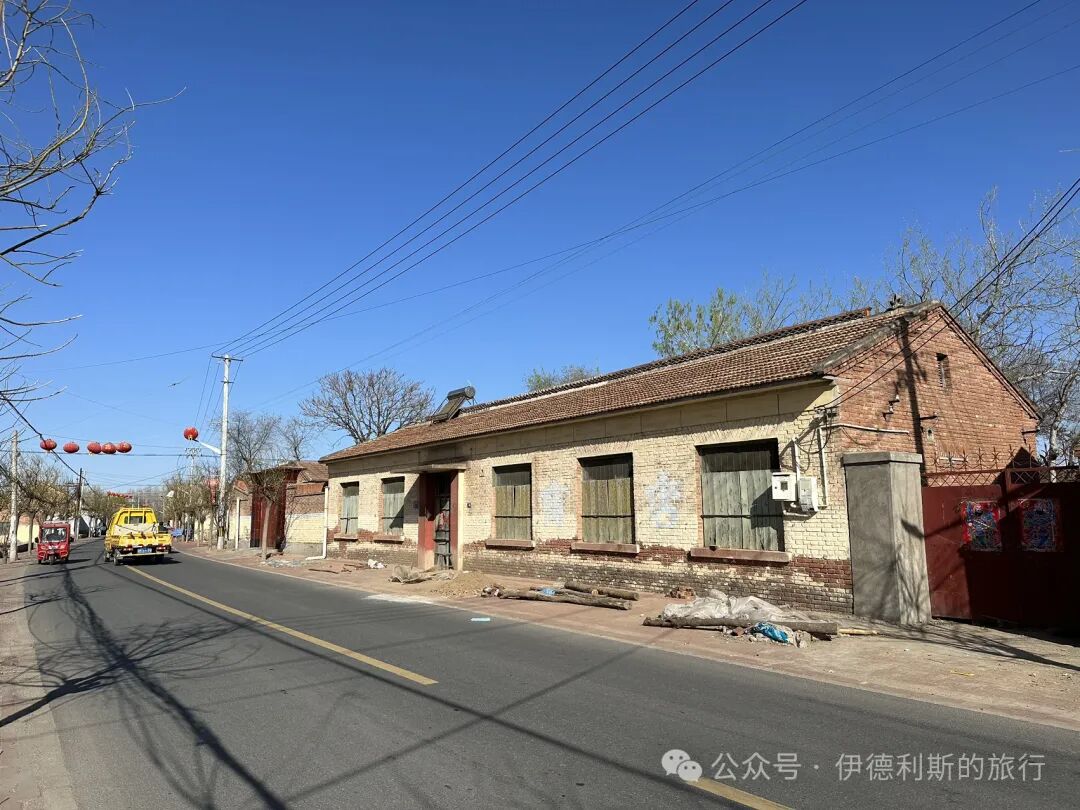
The house in the picture is the site of my family's old ancestral home. In the 1950s, my grandfather sold it to the supply and marketing cooperative so he could buy a house inside Fuchengmen in Beijing.
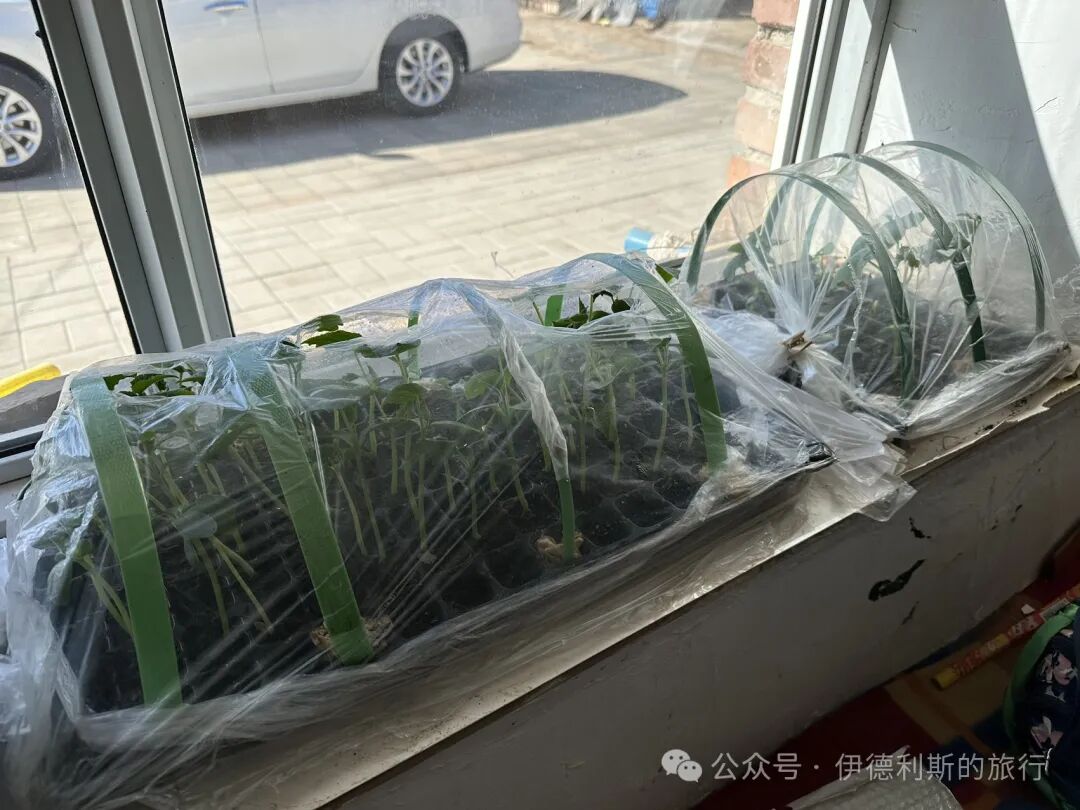
A small greenhouse at my uncle's house (my great-uncle's son).
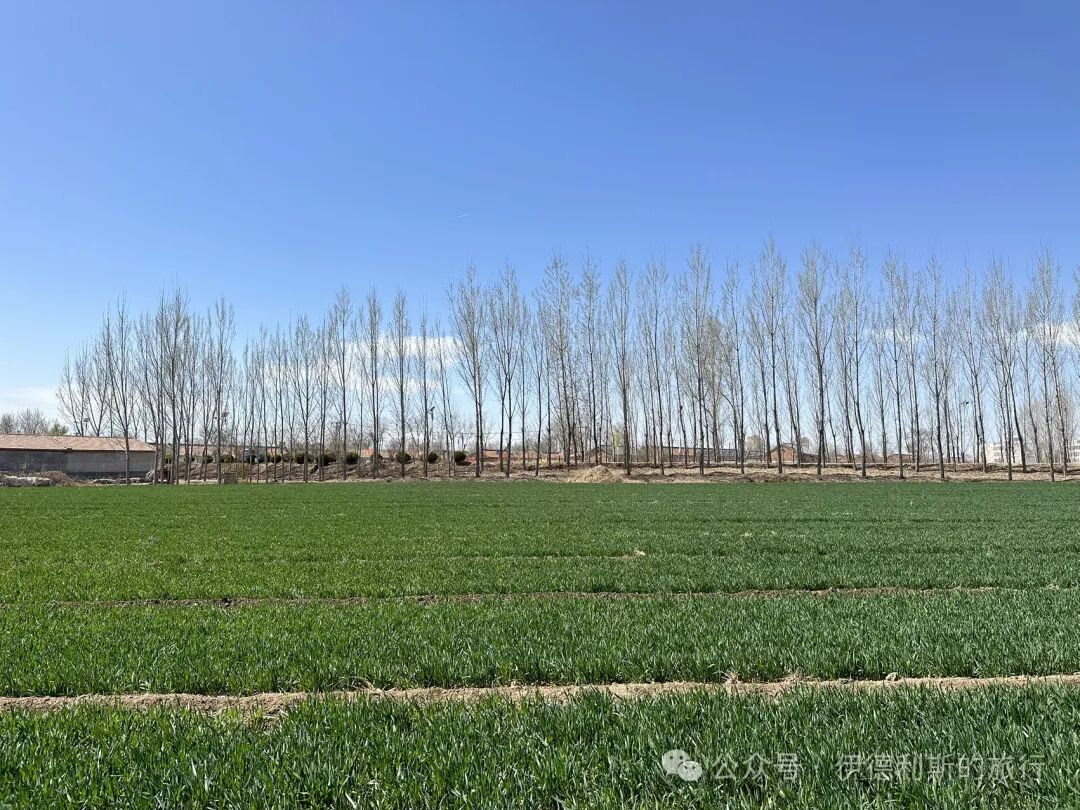
The wheat fields in my hometown. Everything is lush and green right now.
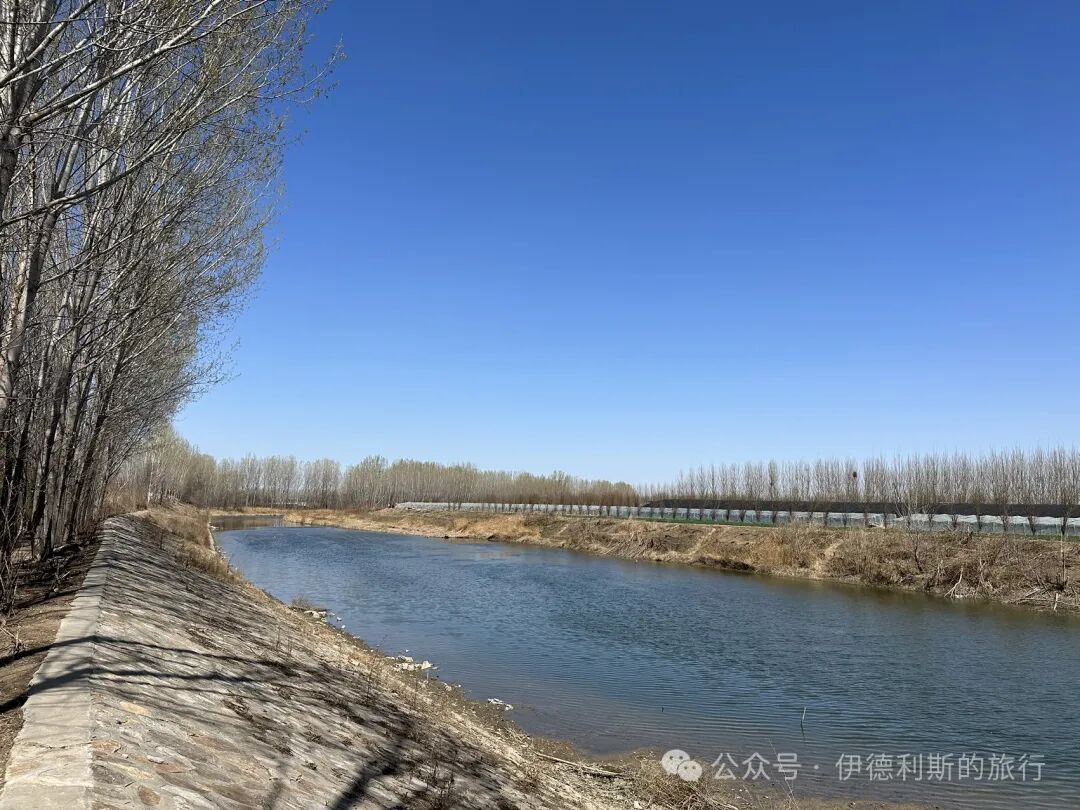
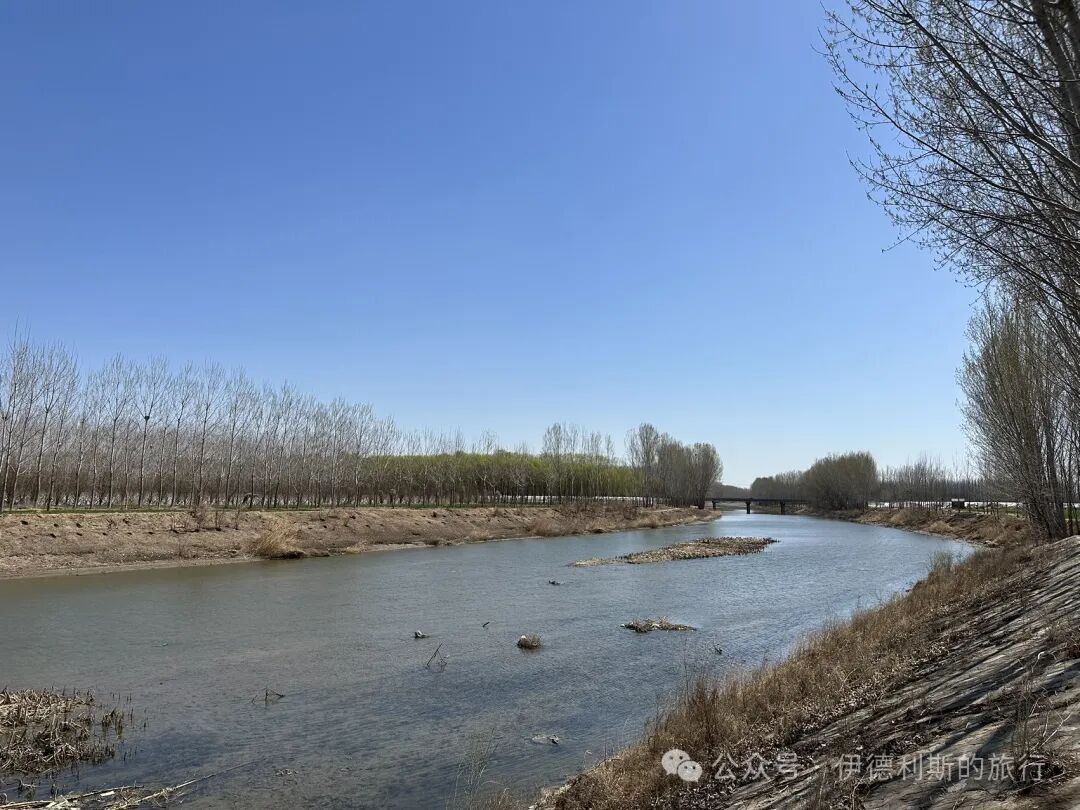
The Grand Canal section in Hexiwu. Hexiwu is known as the First Post Station of Tianjin, as it was the first stop for the Grand Canal when entering the city.
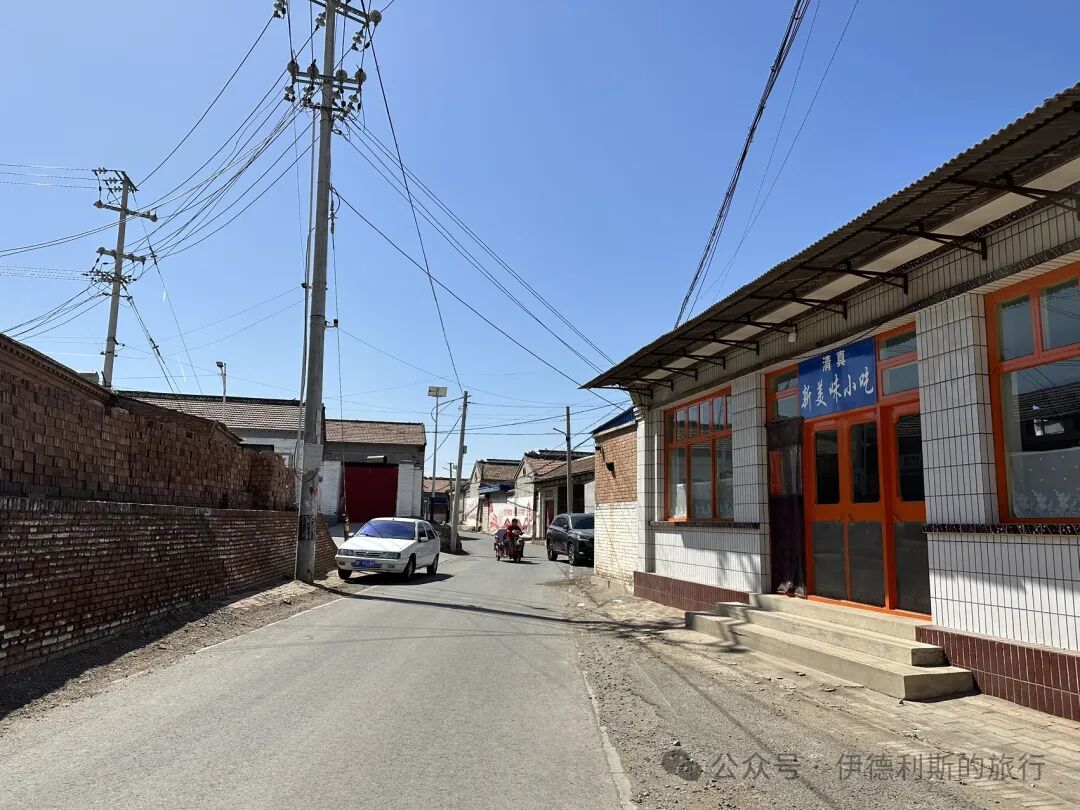
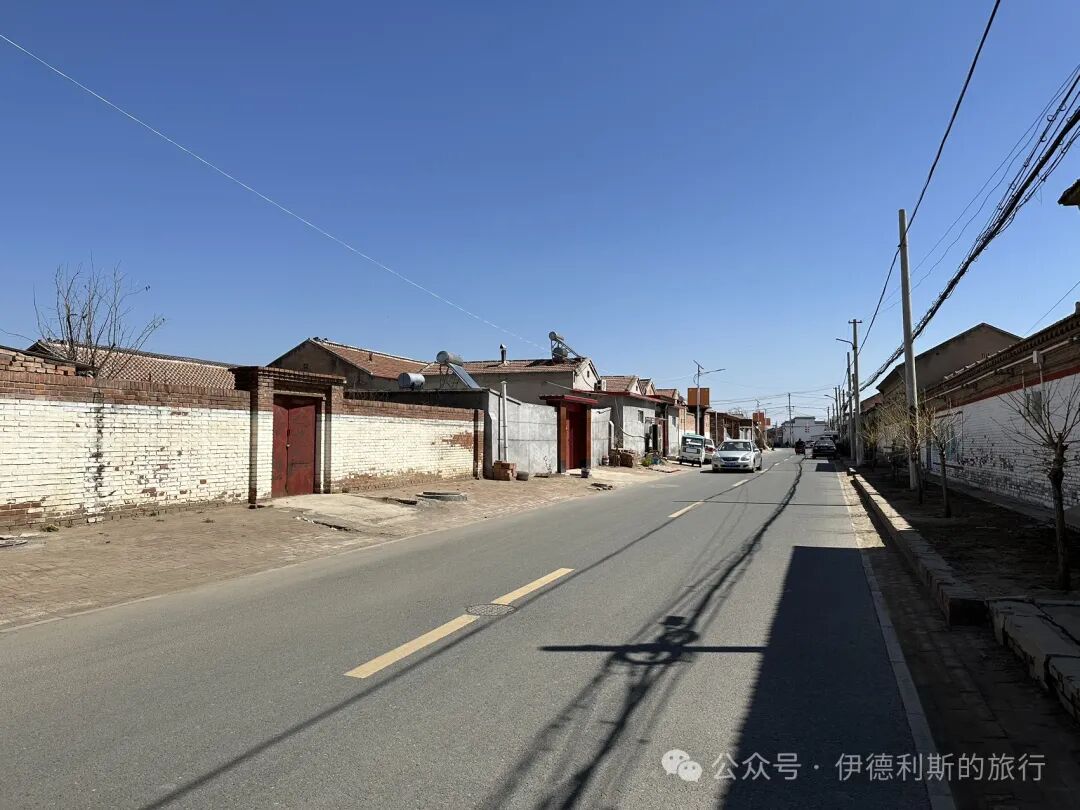
The view of the Hui Muslims' street in Hexiwu Town. Because it was a key hub for water transport, many Hui Muslim merchants lived in Hexiwu Town during the Ming and Qing dynasties. There was even a Hui Muslim camp to the southwest of the town, and many people eventually settled there.
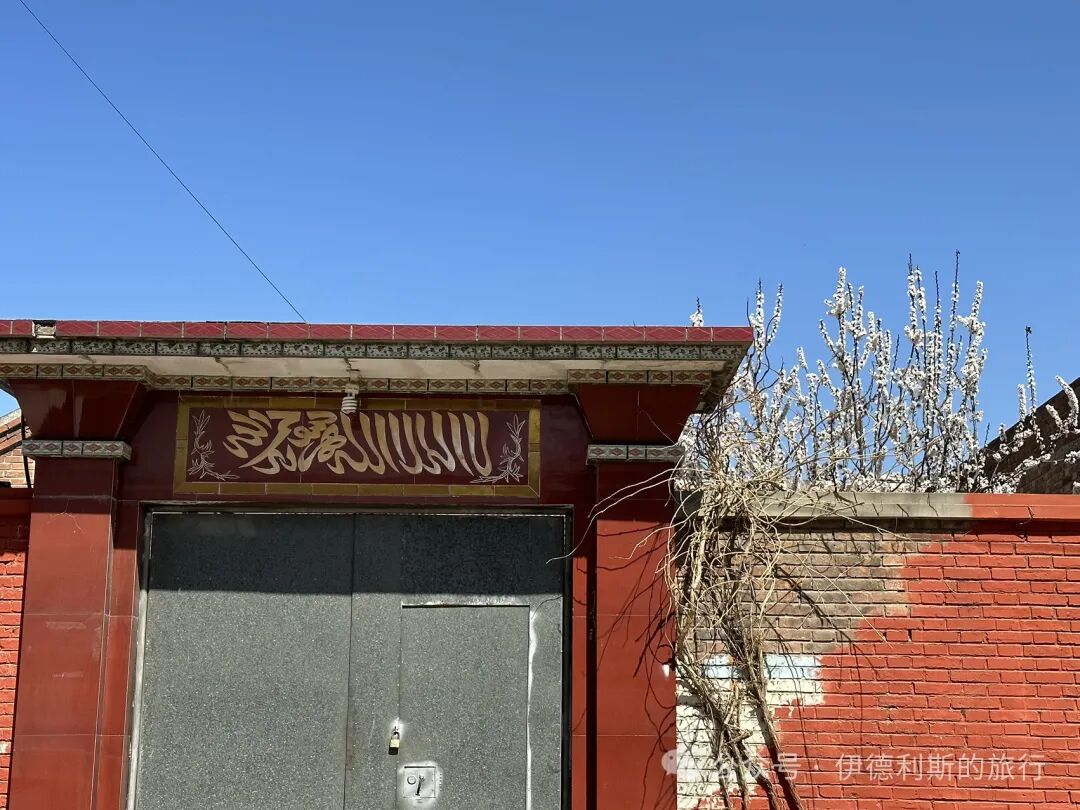
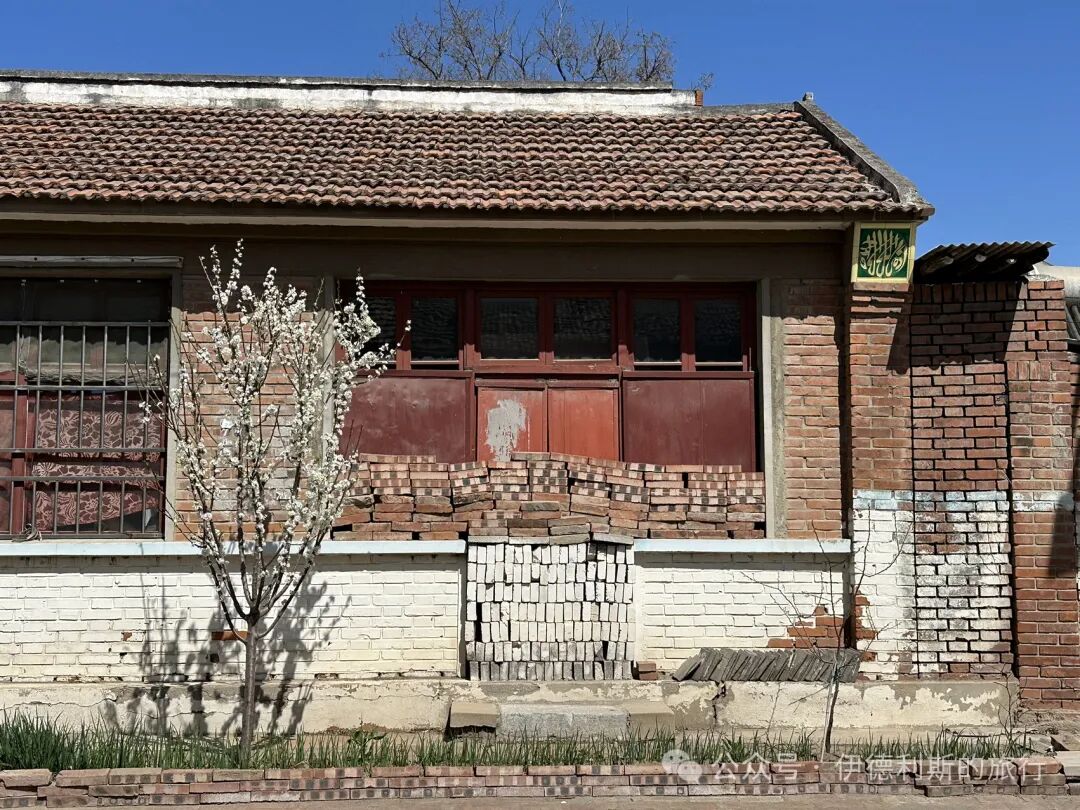
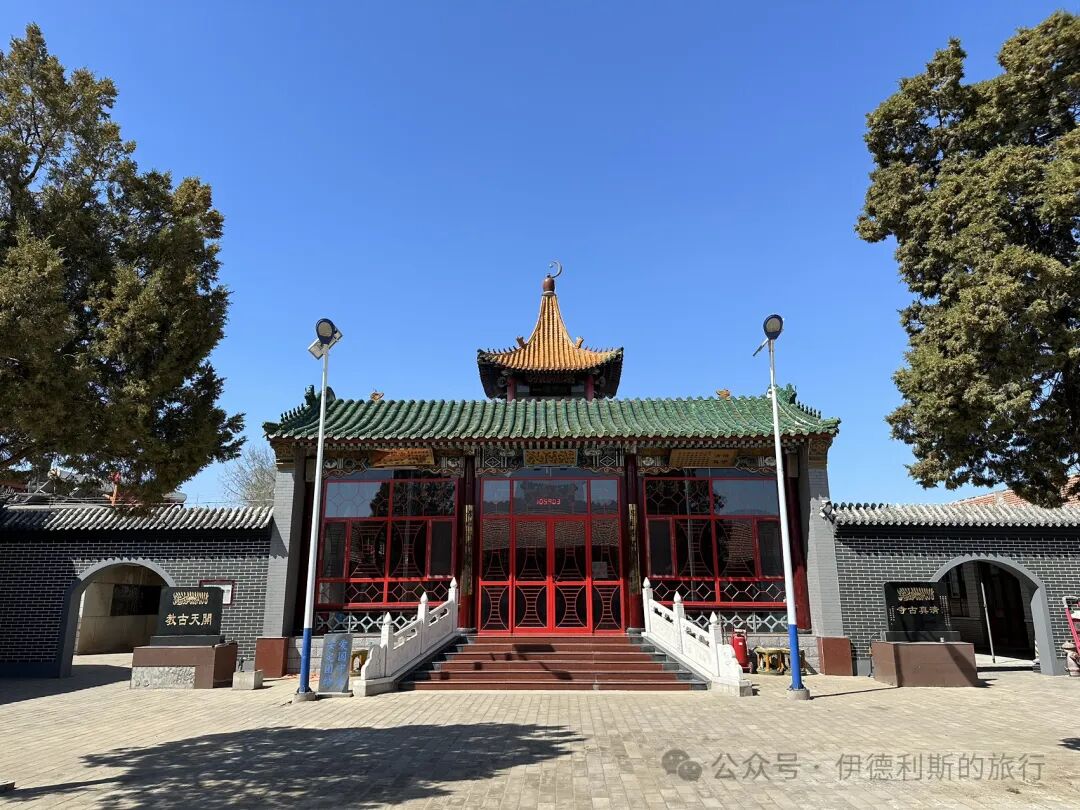
The Hexiwu Mosque was first built in the early years of the Yongle reign of the Ming Dynasty. It was expanded during the Longqing reign, destroyed by a flood in the seventh year of the Kangxi reign, and rebuilt in the eighth year. It was renovated again in the third year of the Xuantong reign and in 1949. The mosque suffered severe damage between 1966 and 1976 and was destroyed after the 1976 Tangshan earthquake. It was rebuilt on the original site in 1988 and completed in 1990.
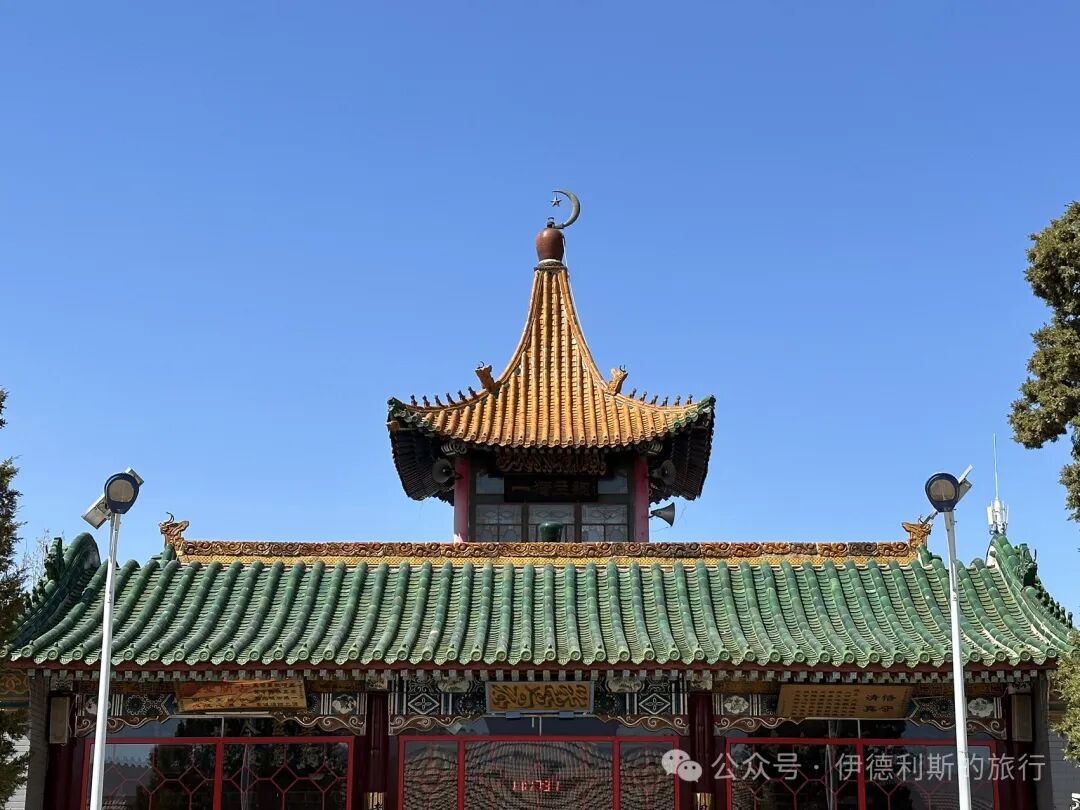
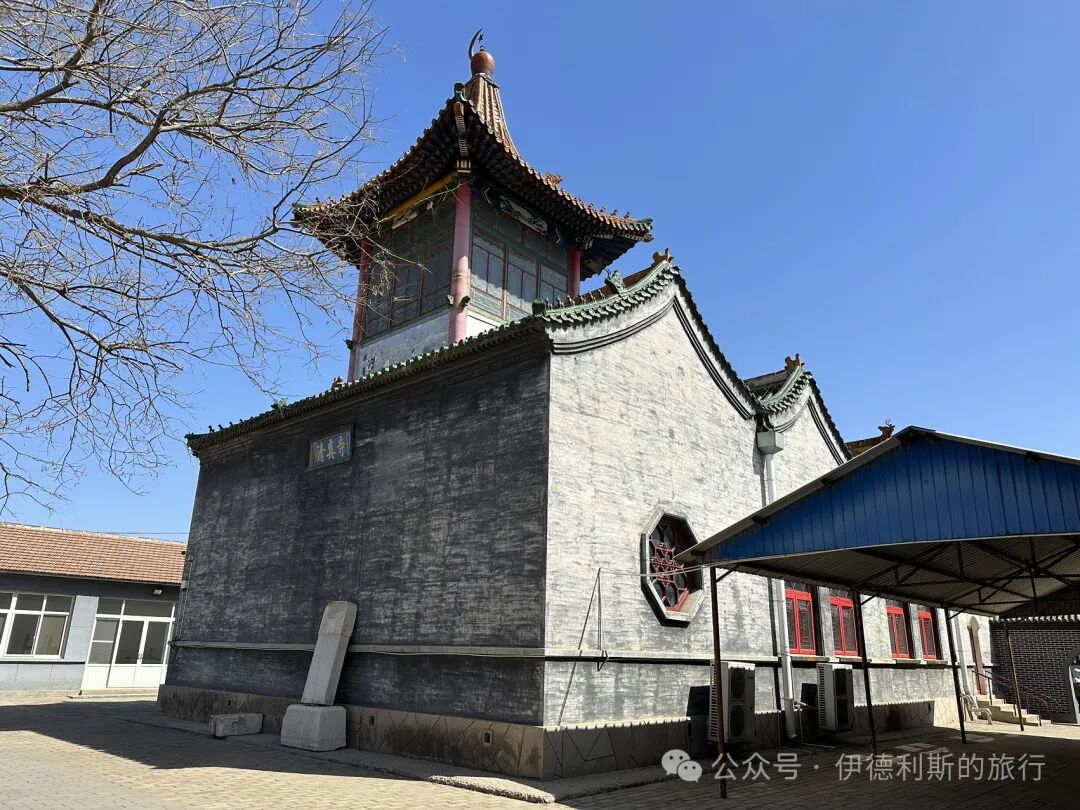
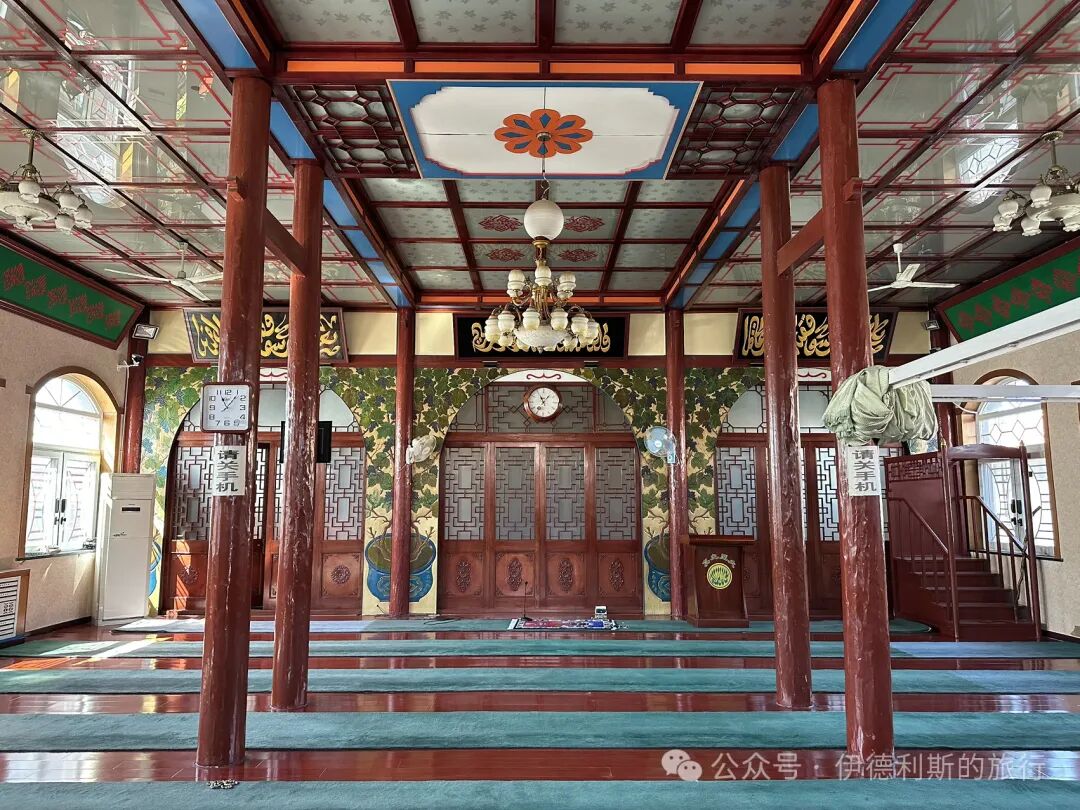
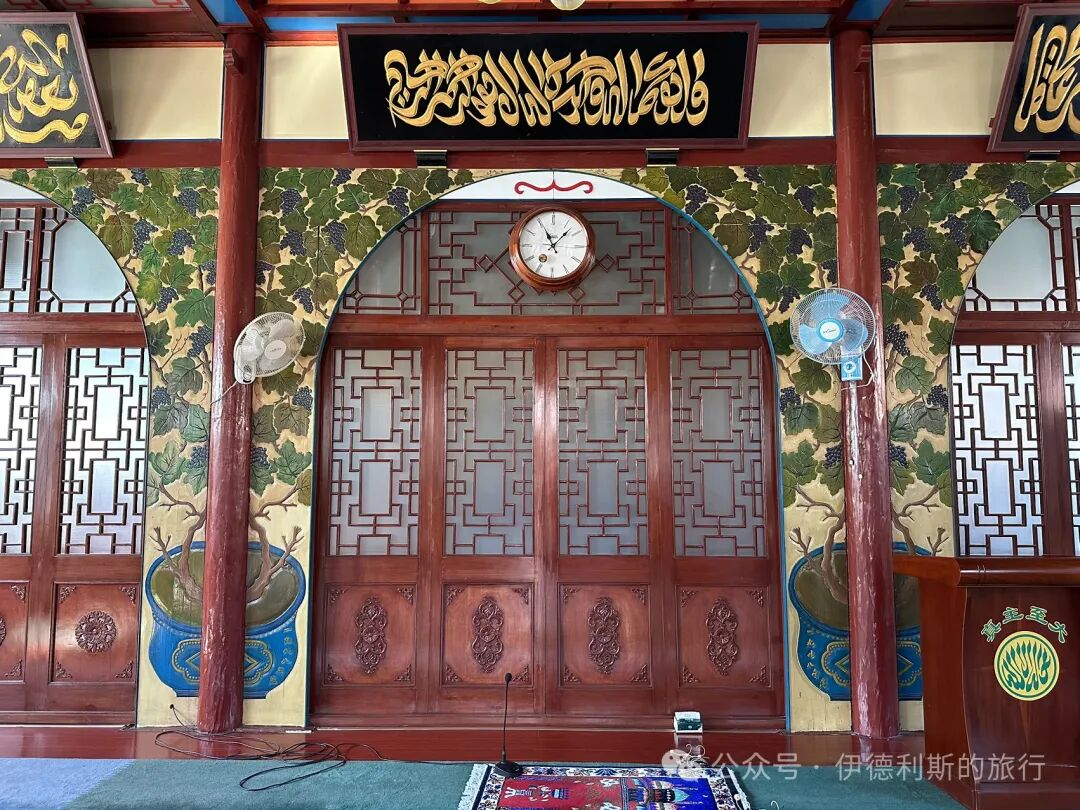
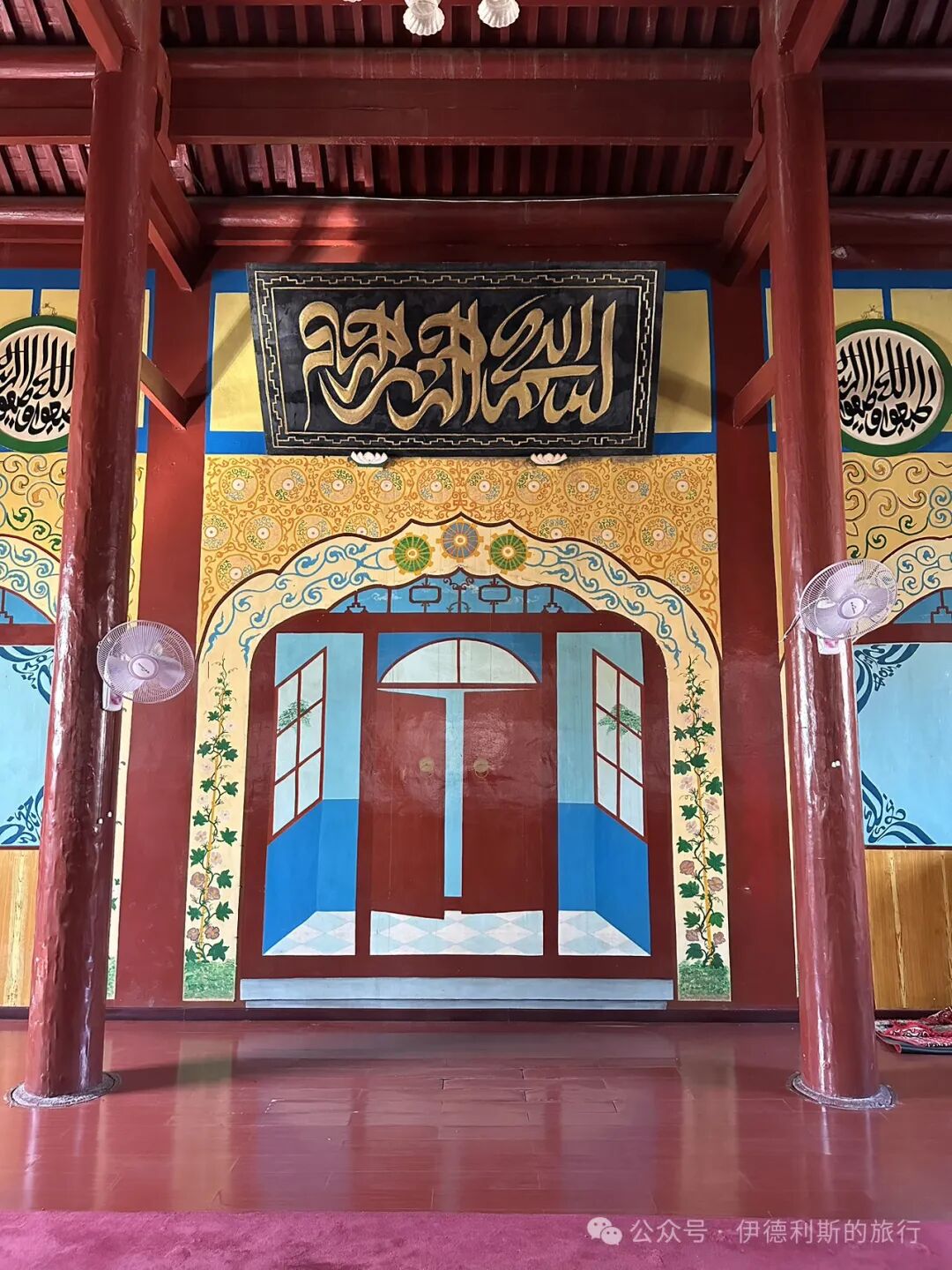
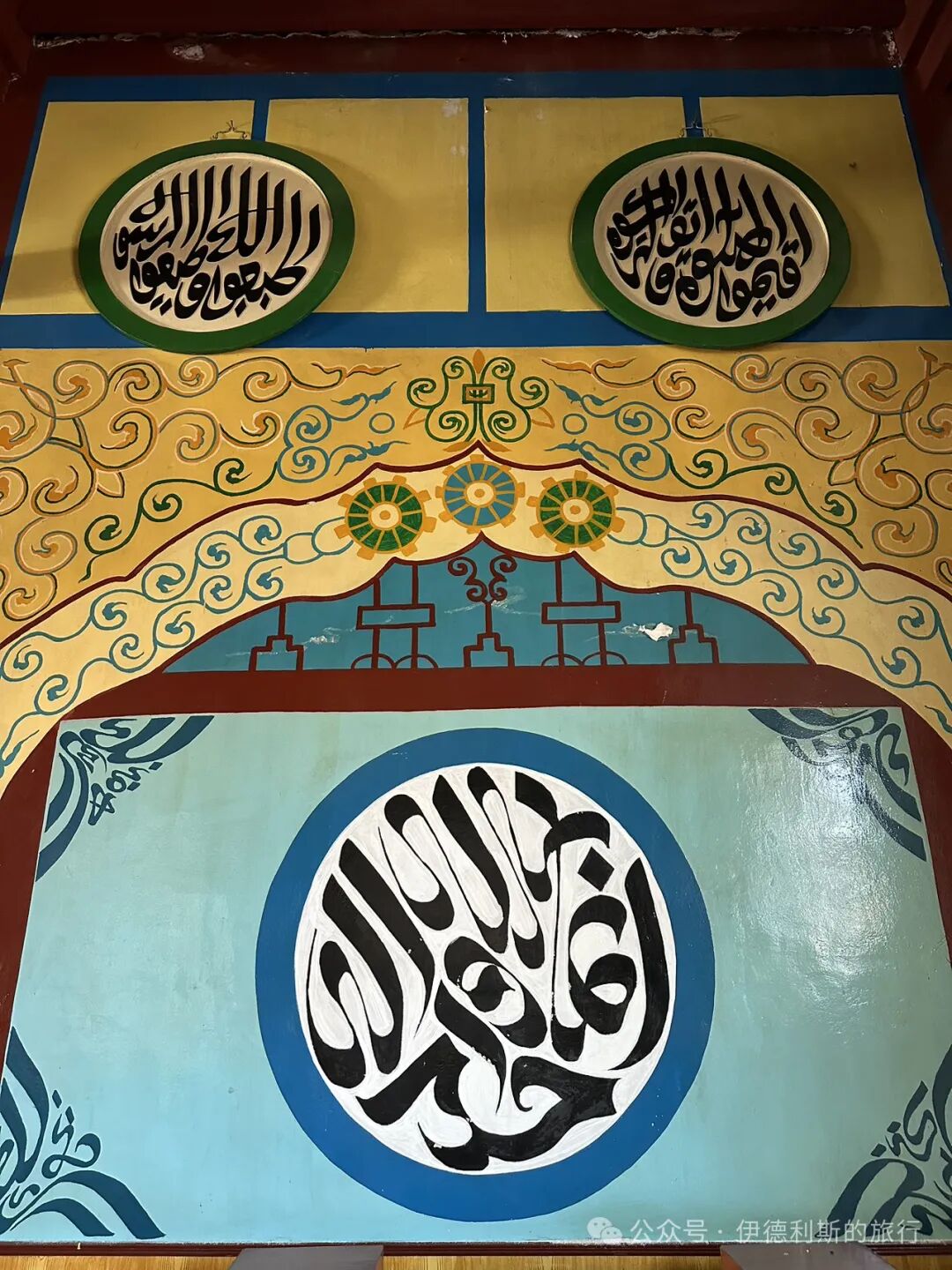
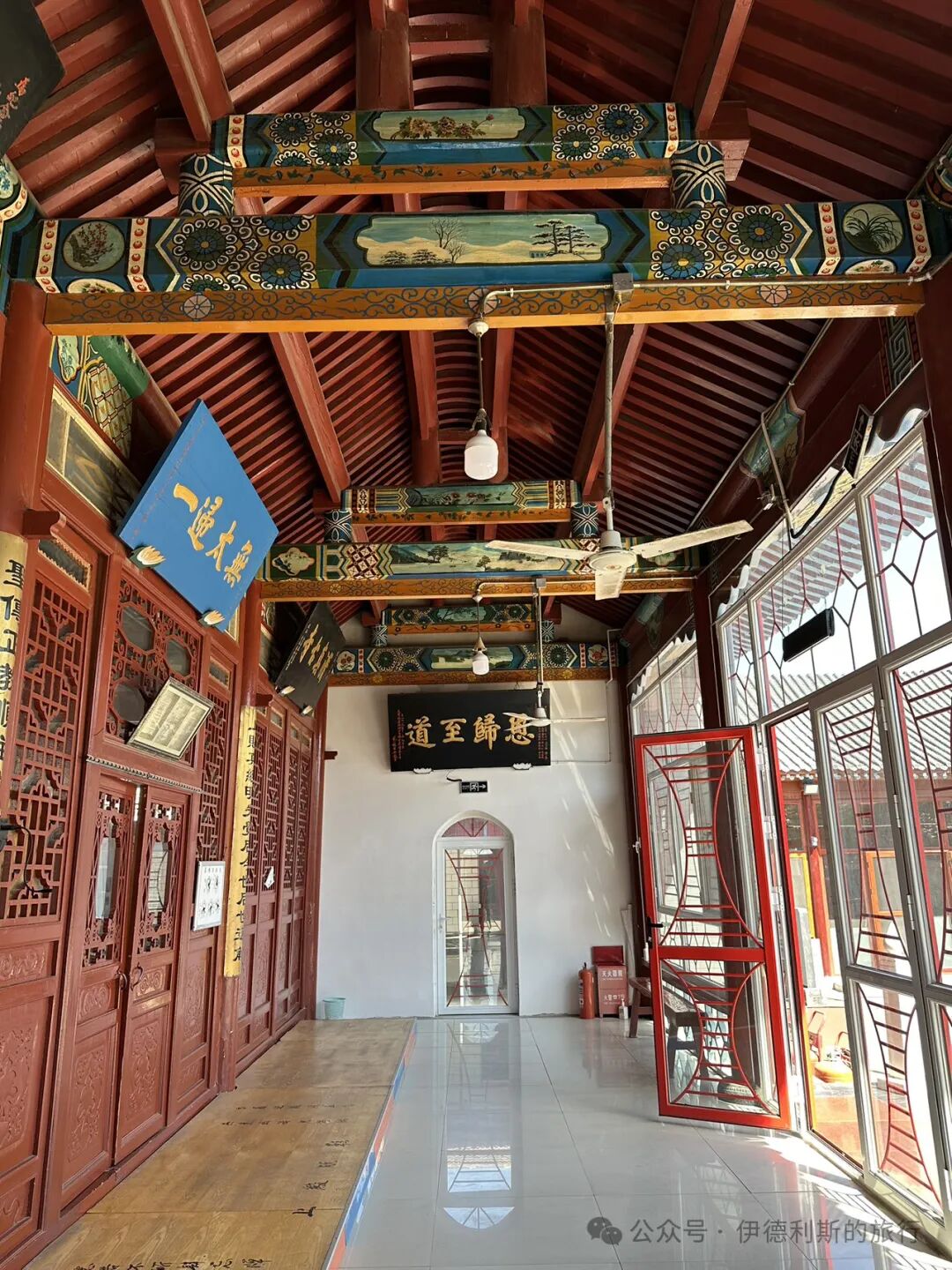
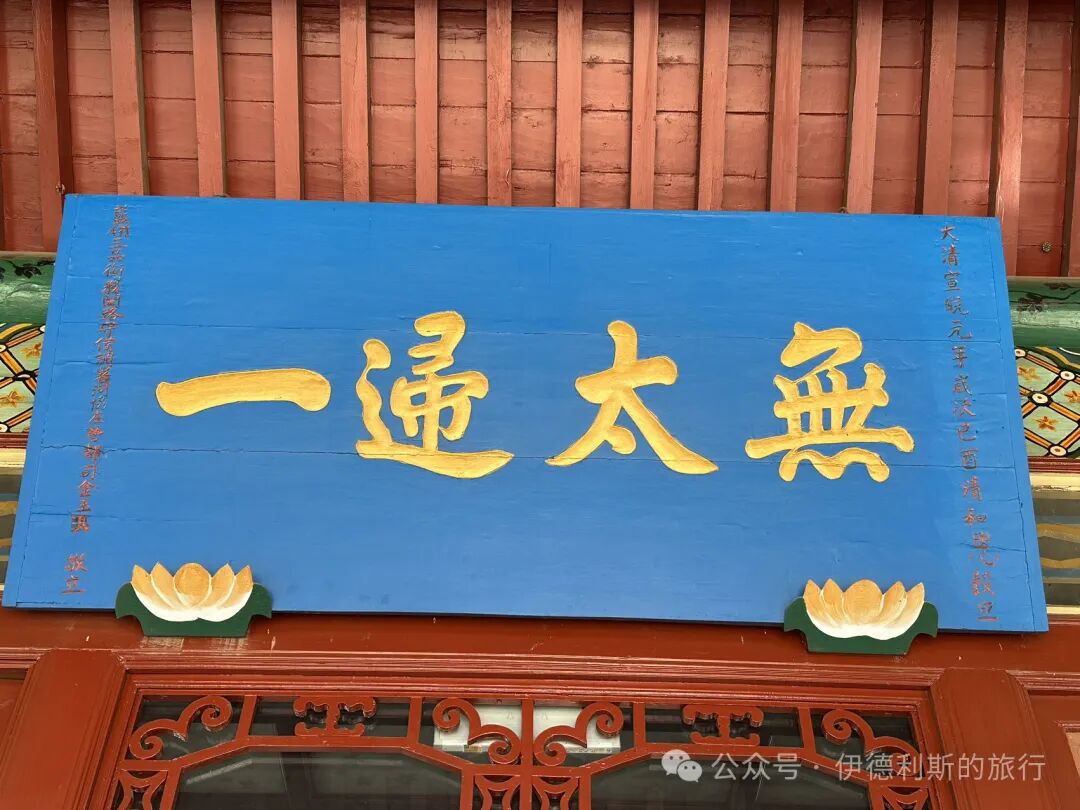
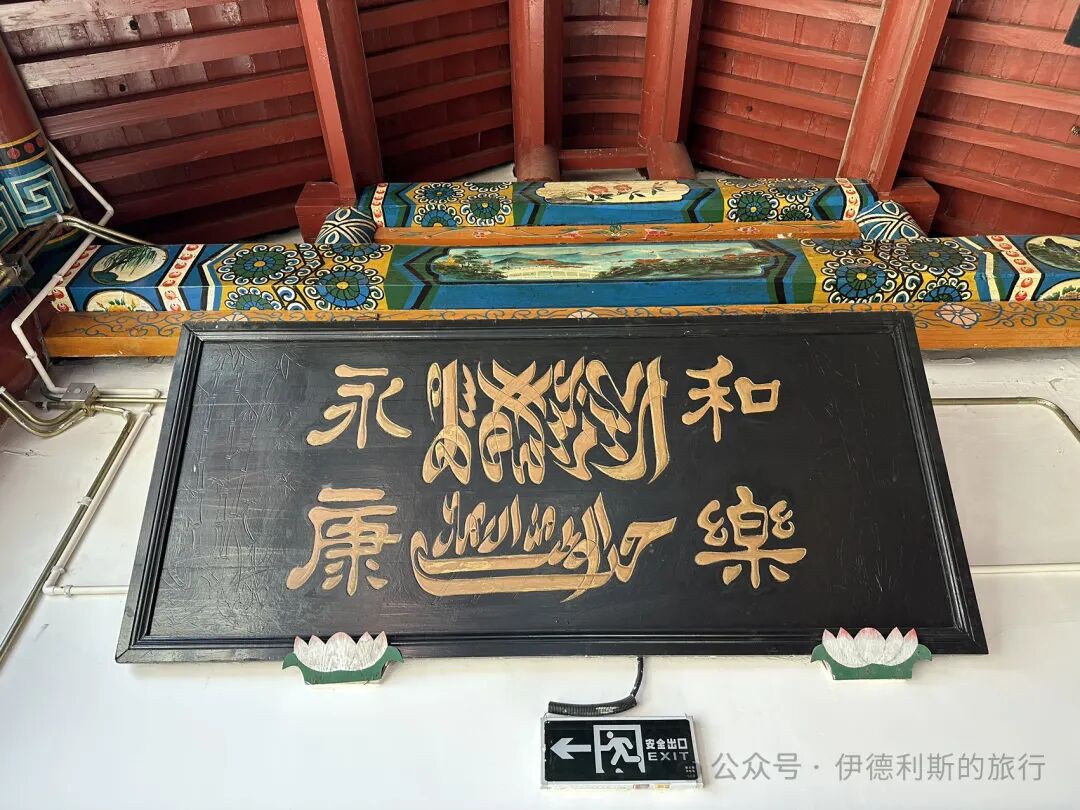
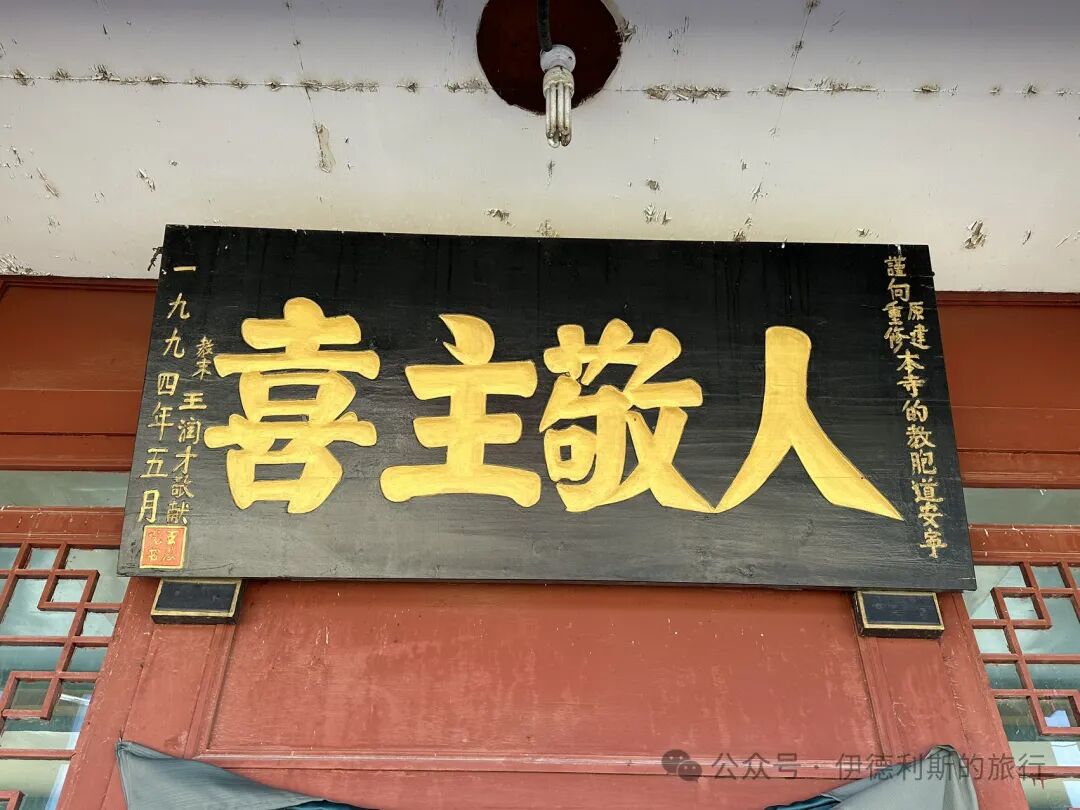
The mosque houses an important artifact: a plaque reading "Wu Tai Gui Yi" (The Truth Returns to One) dedicated by Jin Yuqi, a third-rank official in the Xuantong reign.
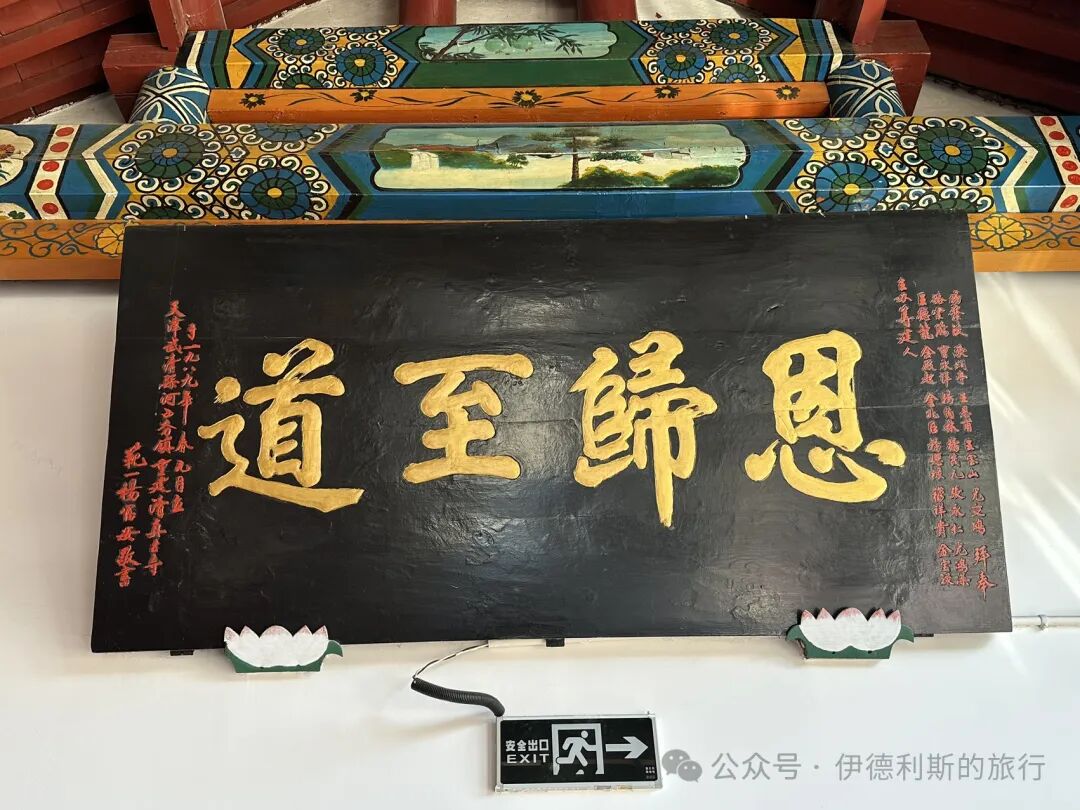
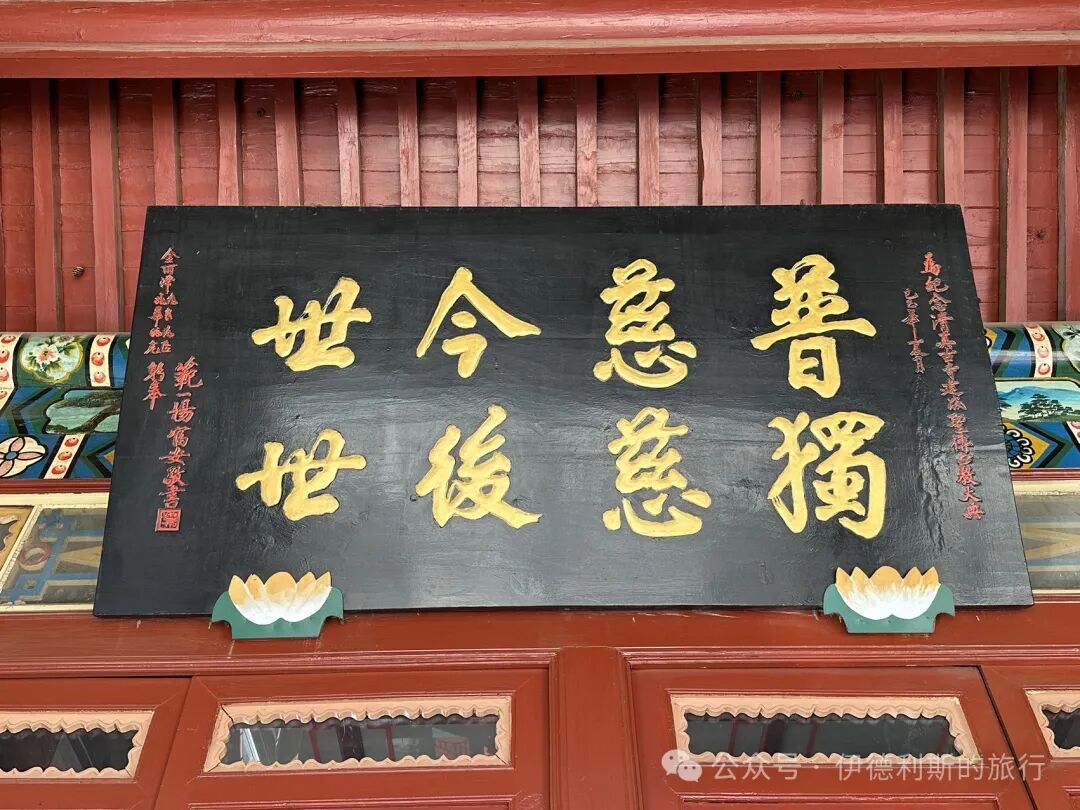
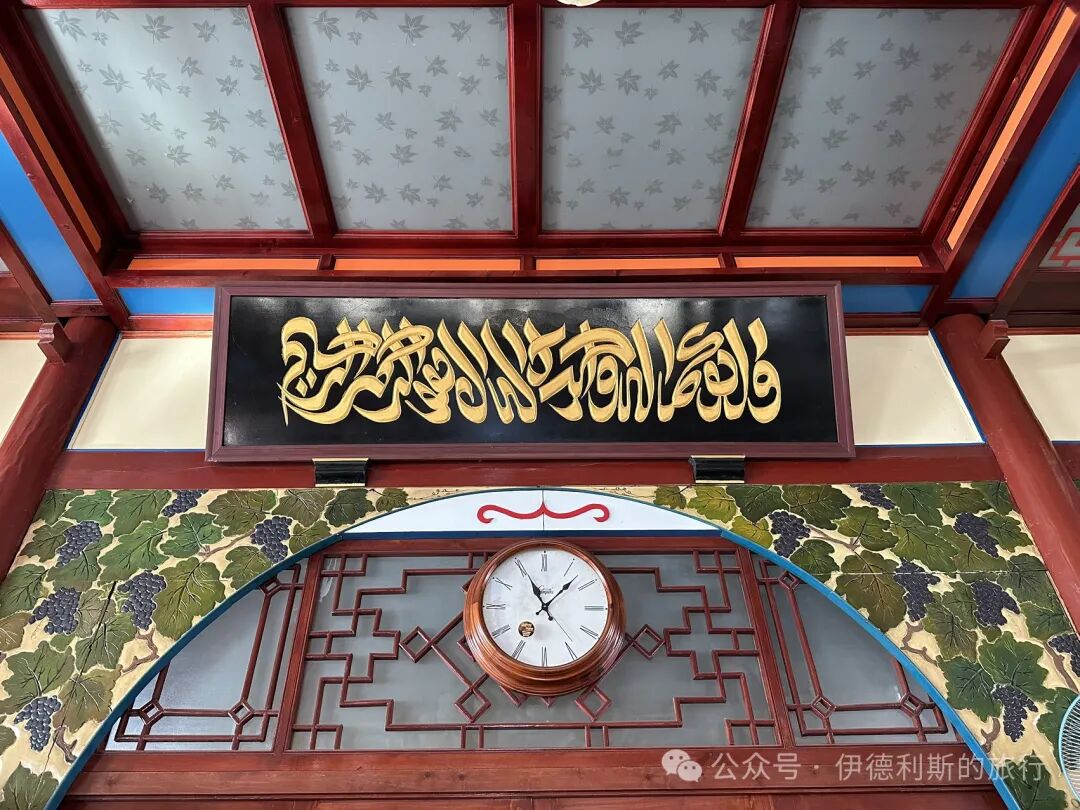
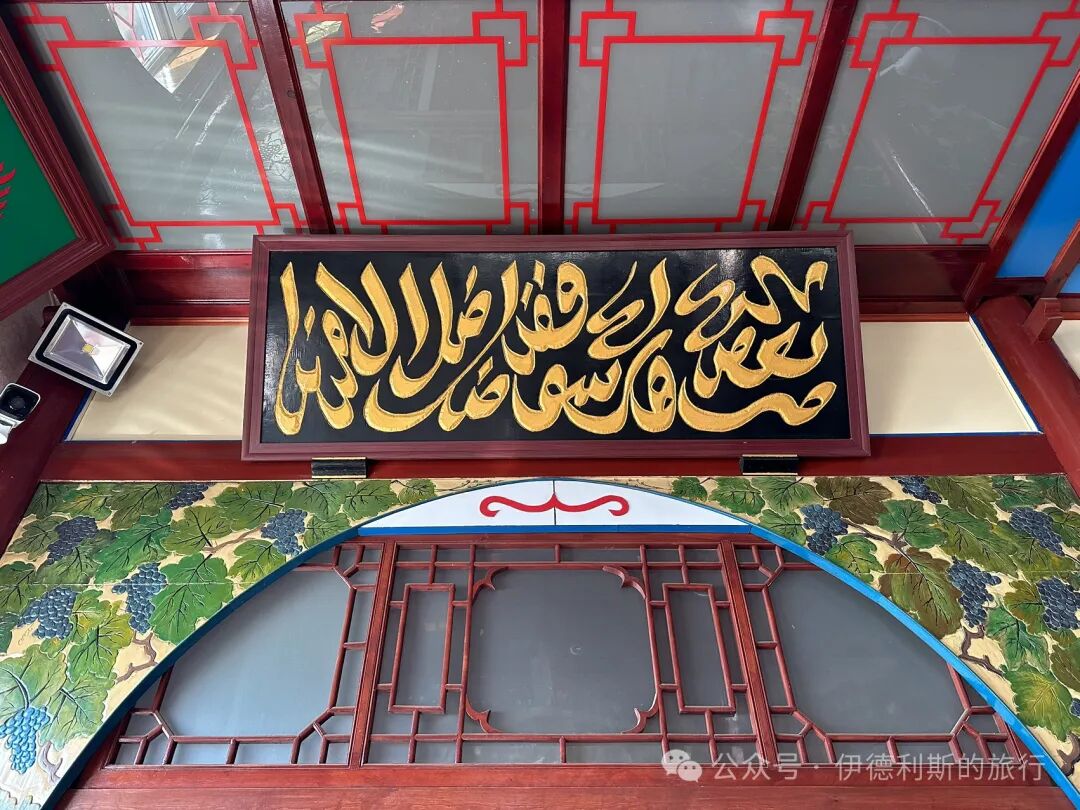
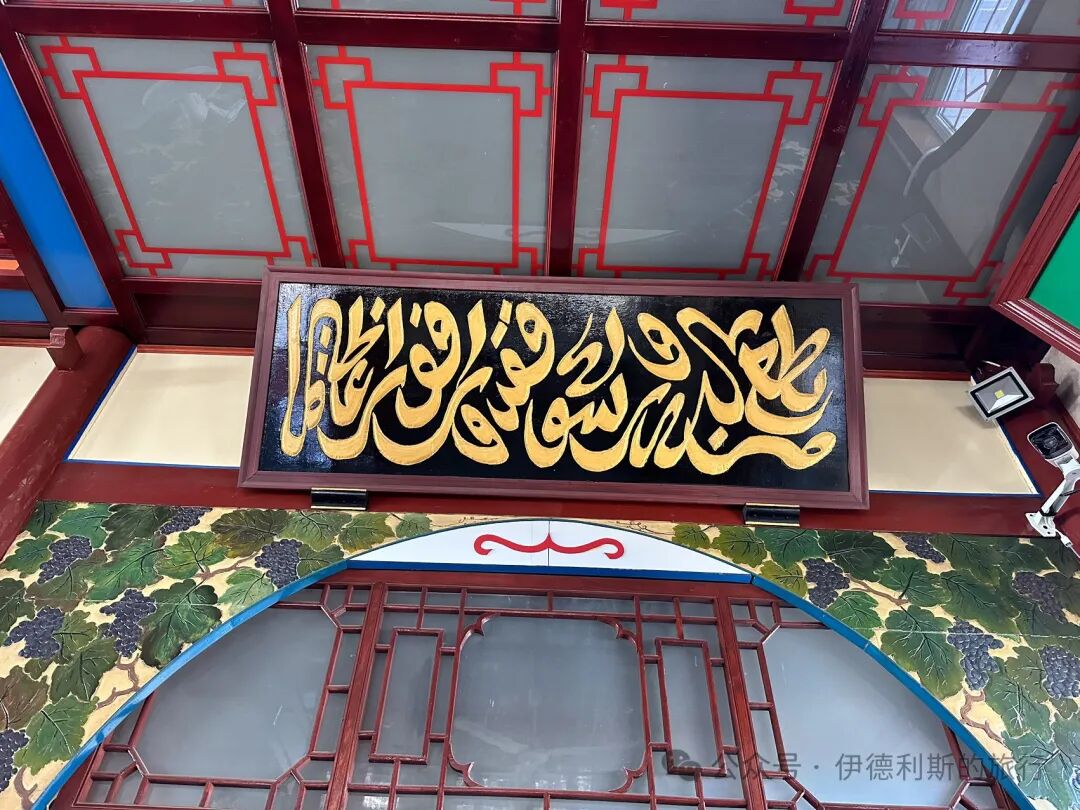
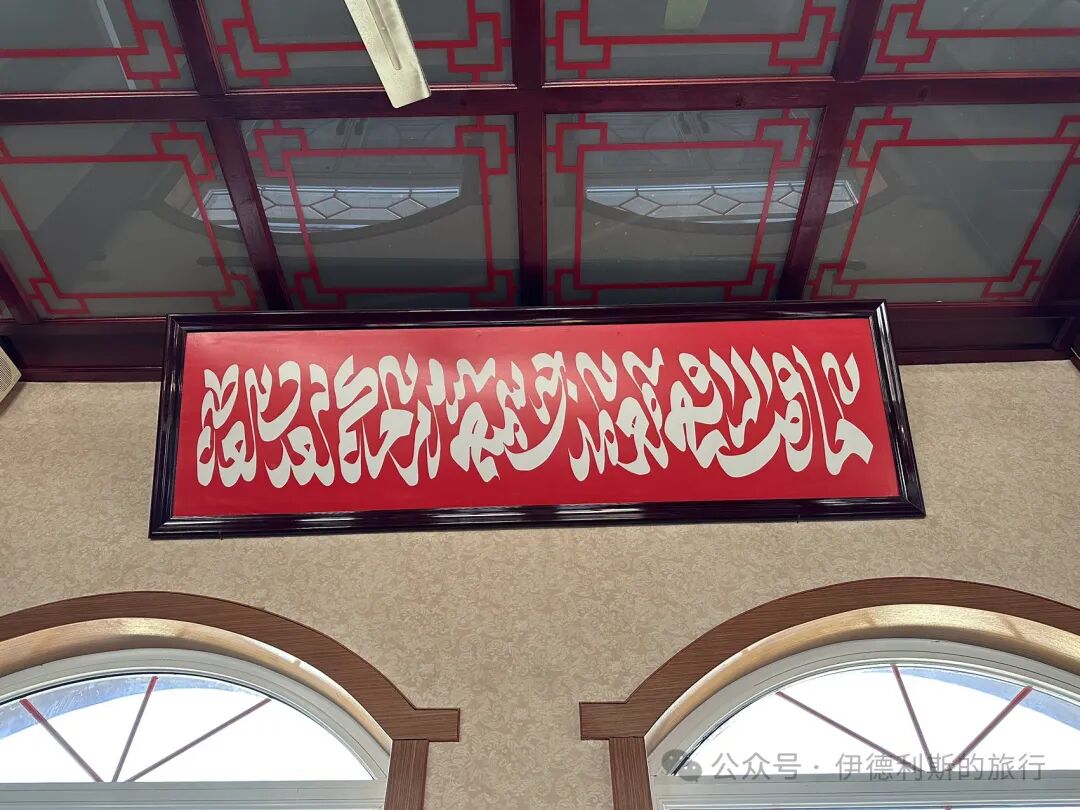
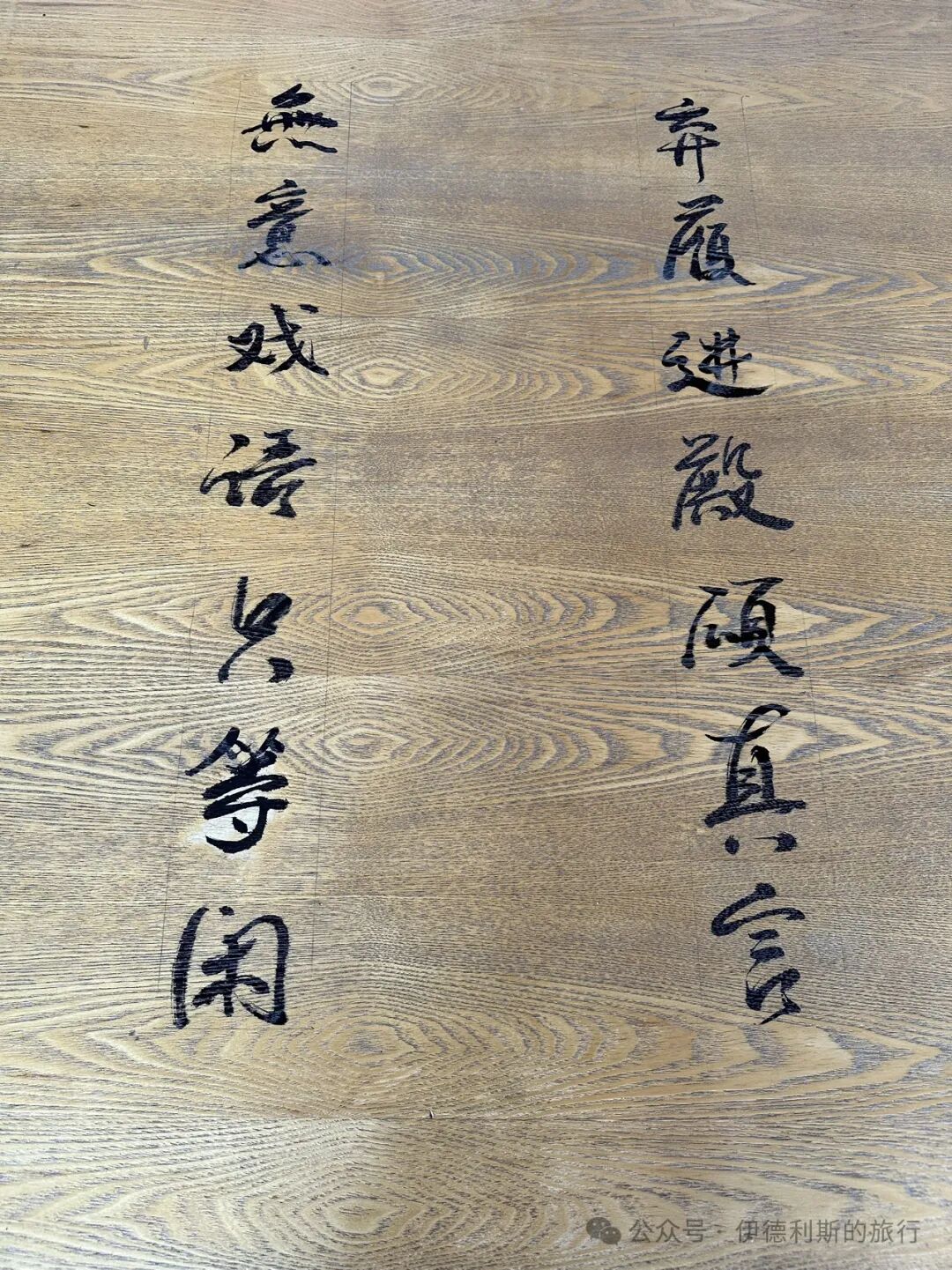
The Chinese-Arabic plaque and the sign about slippers in front of the main prayer hall are also quite interesting.
After leaving the mosque, we bought some food to pack and take home for our fast.
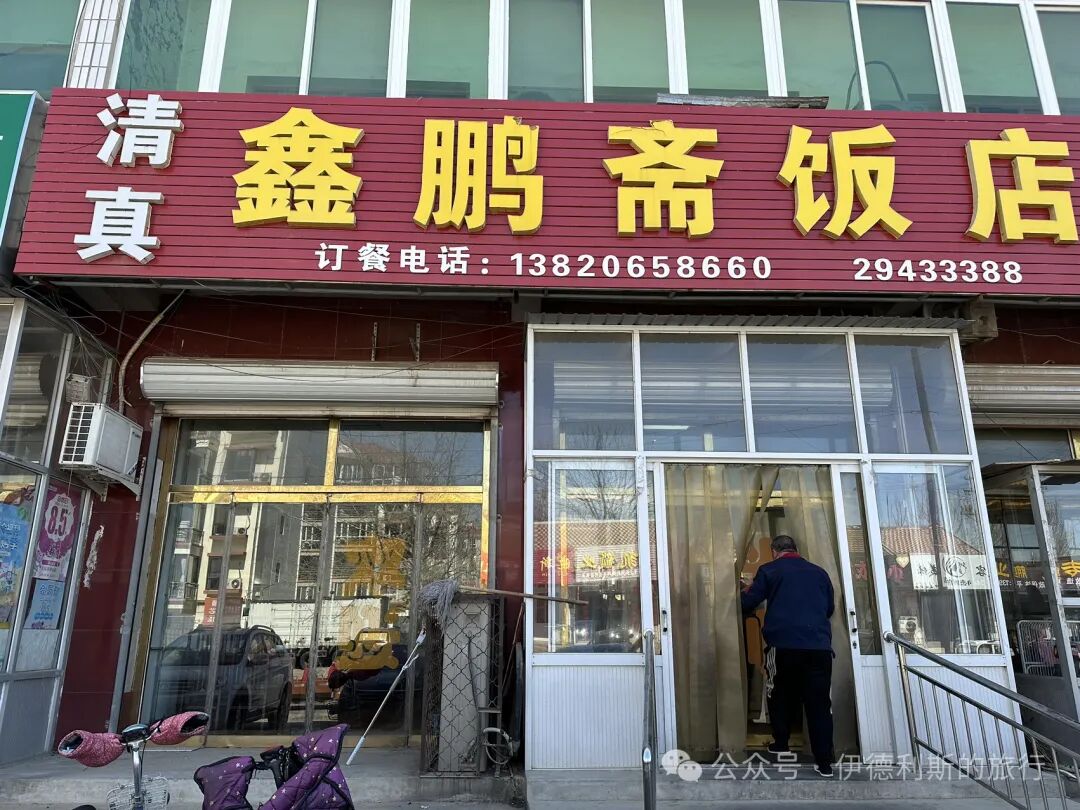
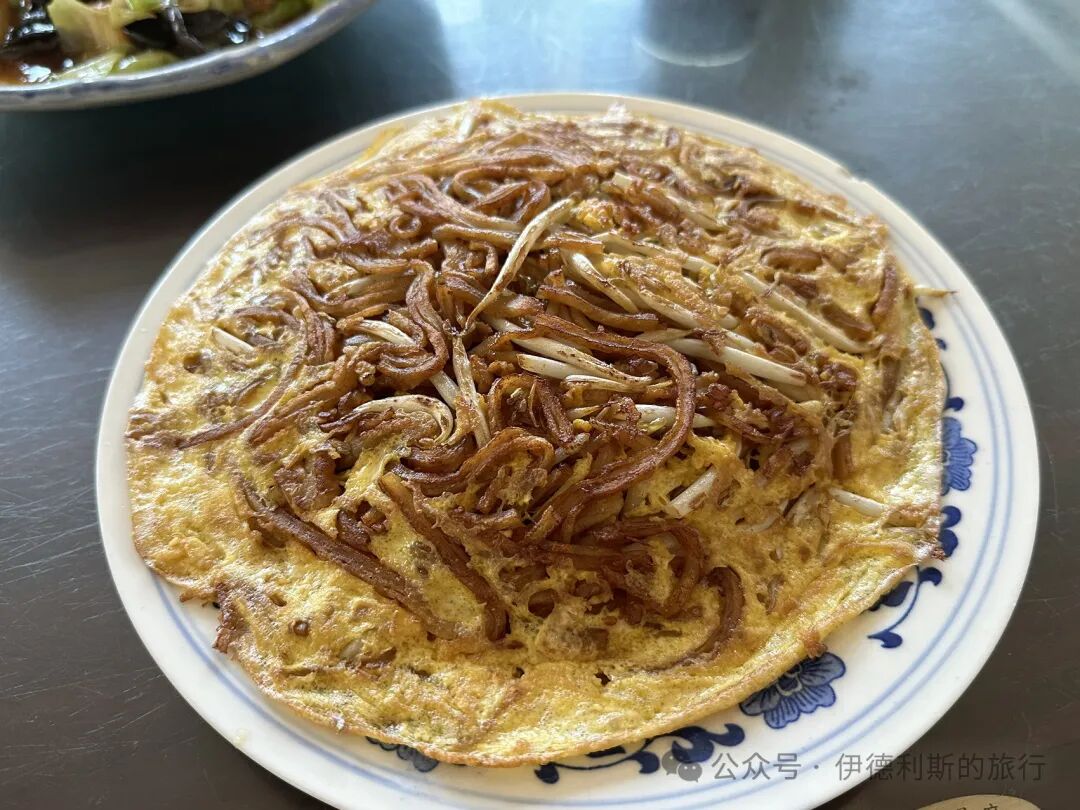
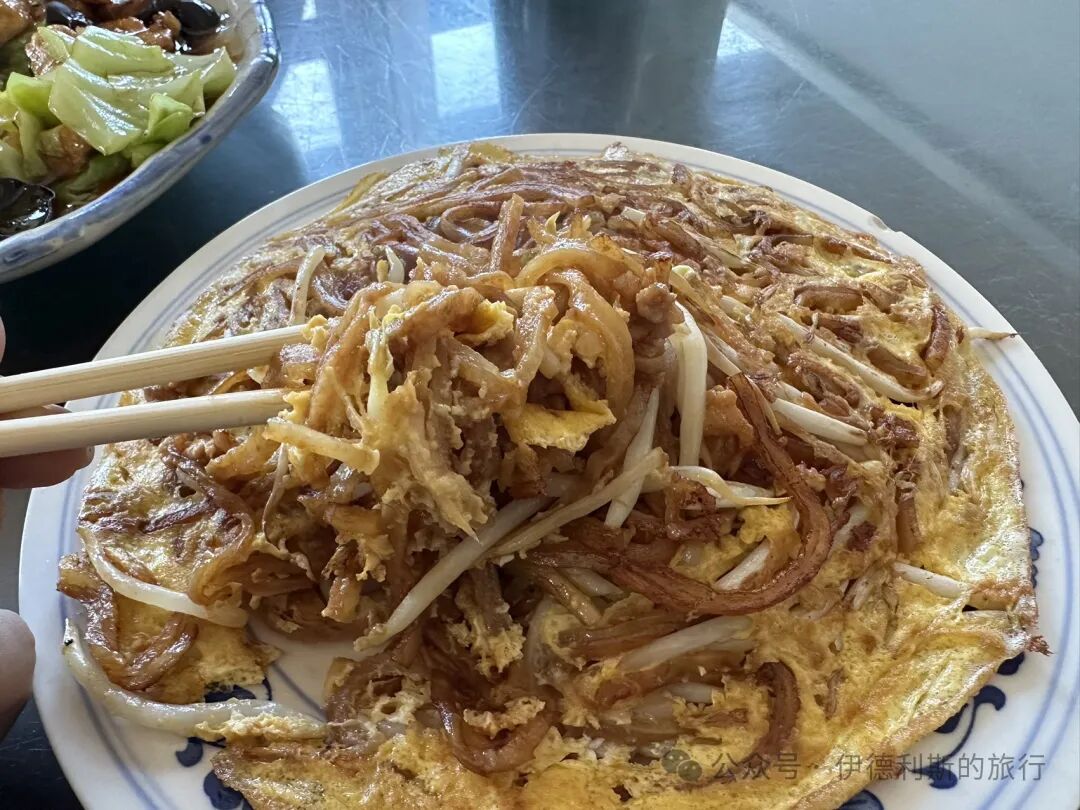
We first went to Xinpengzhai Restaurant to buy their specialty, golden-rimmed braised pancakes (jinbian koumen), which is beef and bean sprouts braised with pancakes and topped with fried egg. The egg was very fragrant. It was my first time eating braised pancakes this way, and it tasted great.
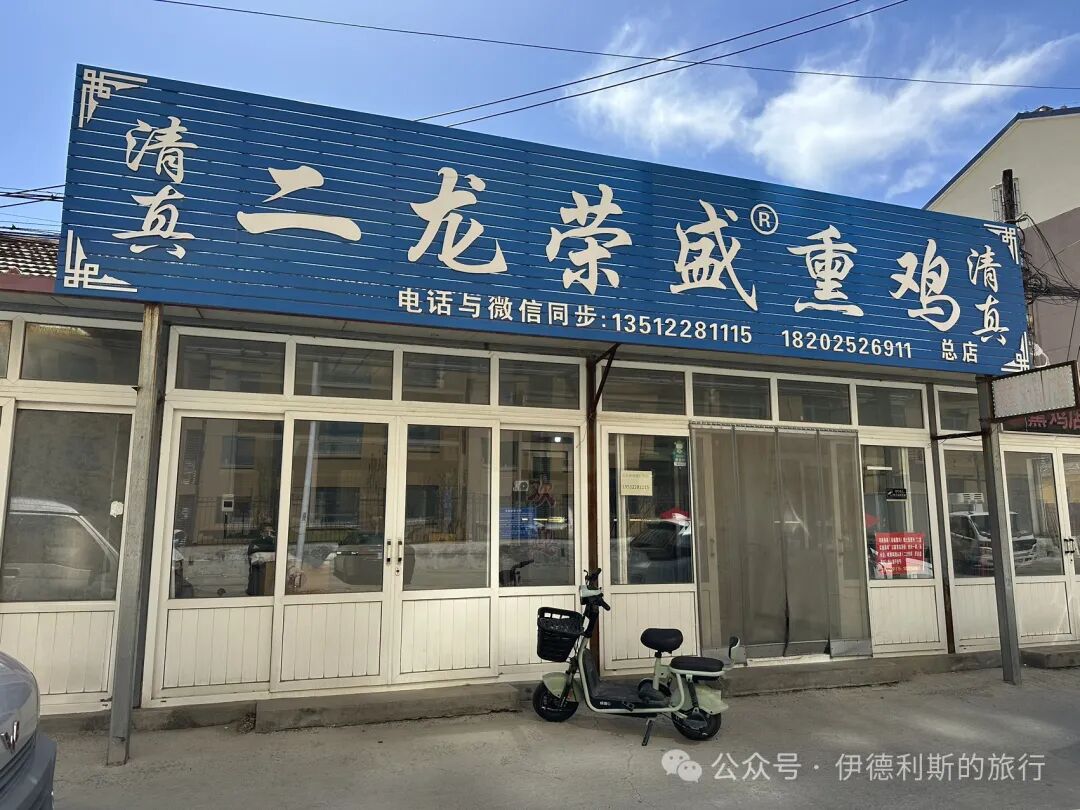
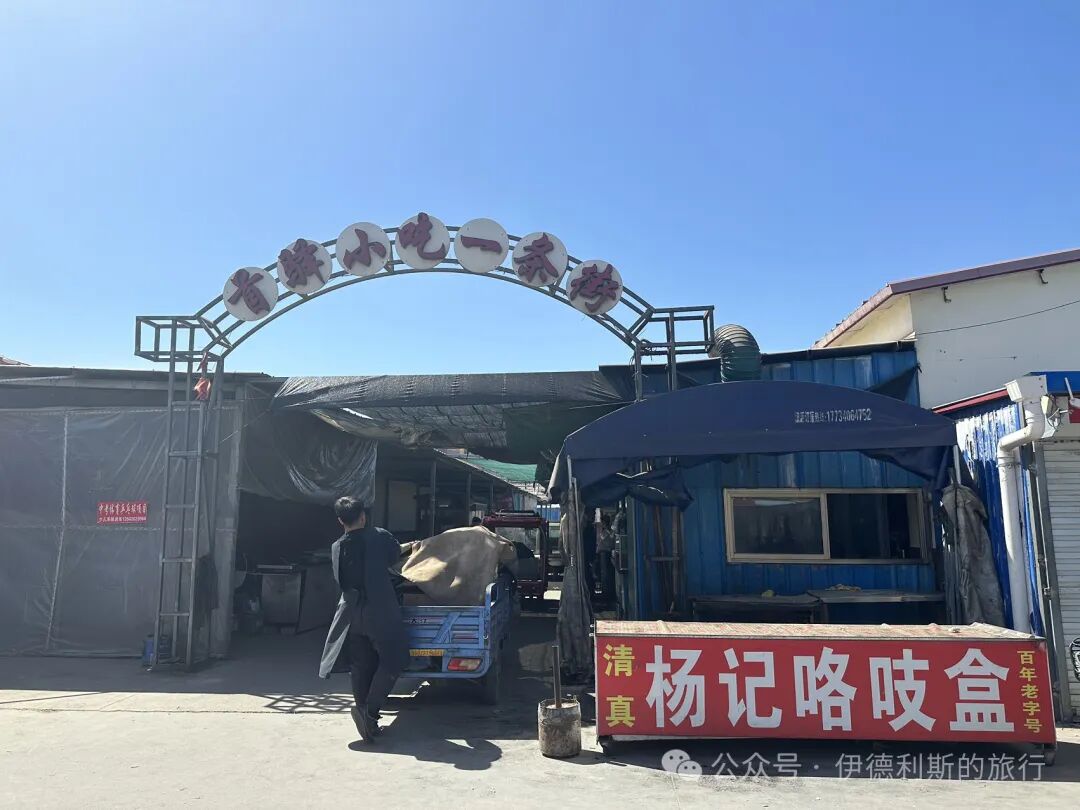
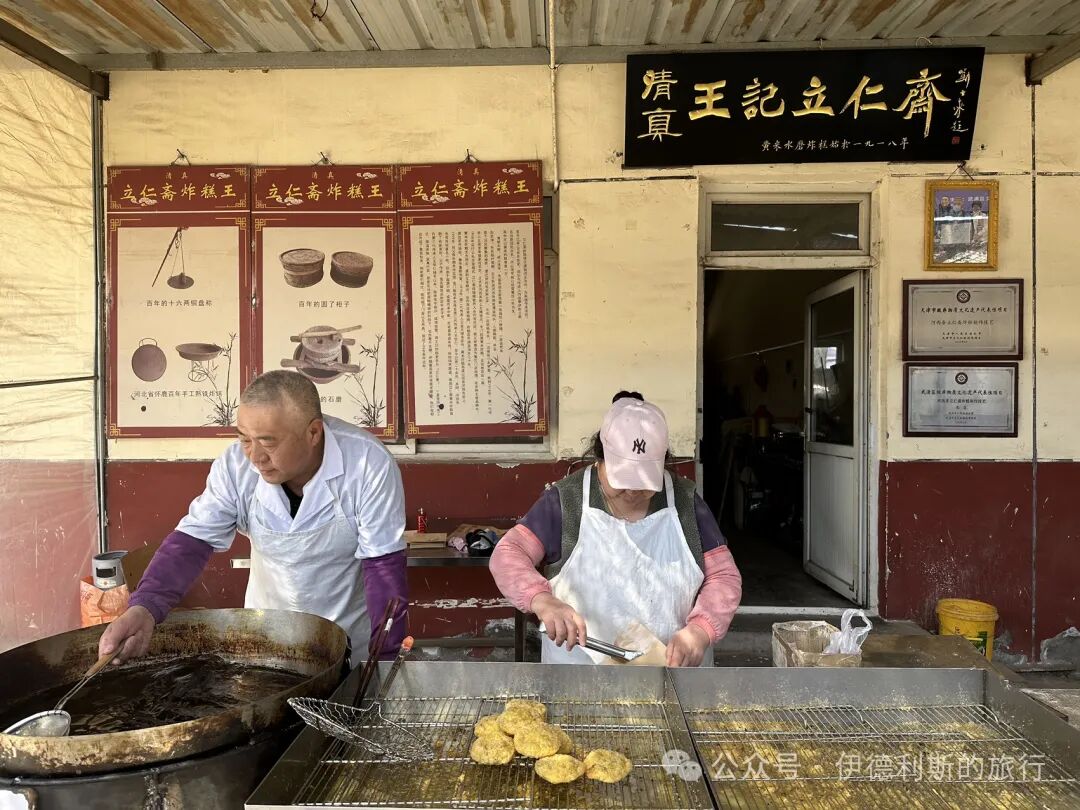
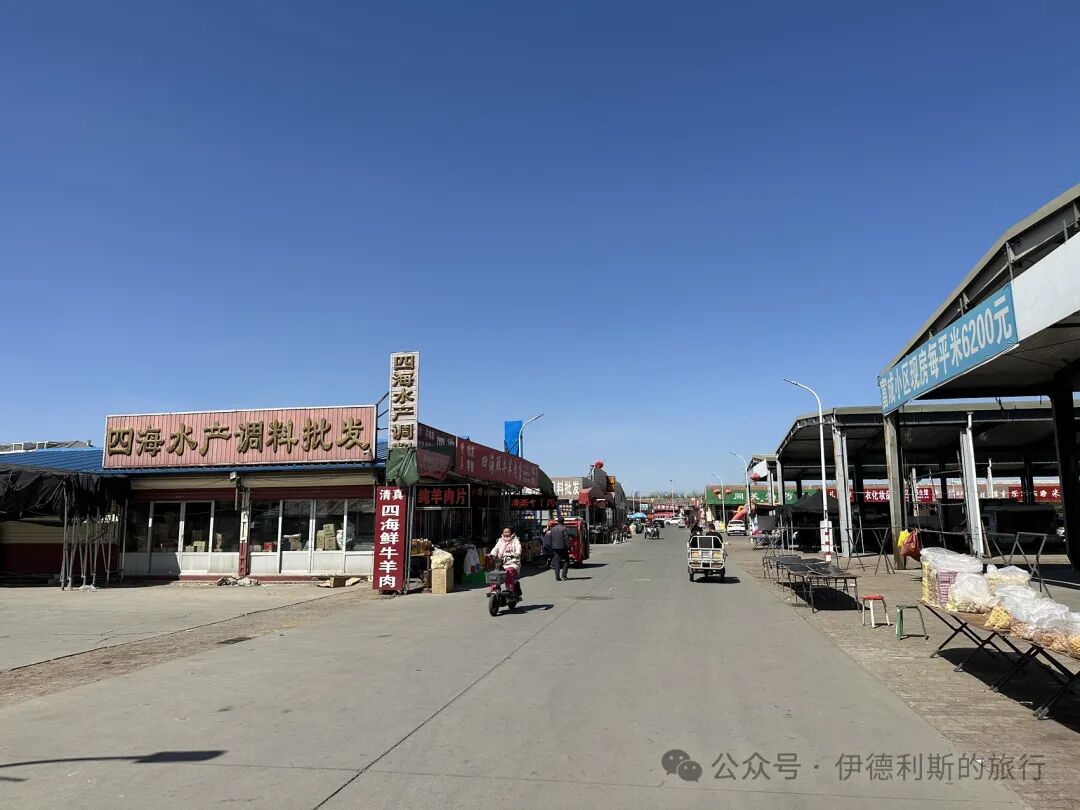
Then we went to the First Post Station Snack Street inside the Hexiwu farmers' market. The most famous item there is the yellow rice fried cake (huangmi zhagao) from the century-old shop Wangji Lirenzhai. We arrived a bit late, and the shop closed at 1:00 PM, so we just bought all the remaining fried cakes (zhagao).
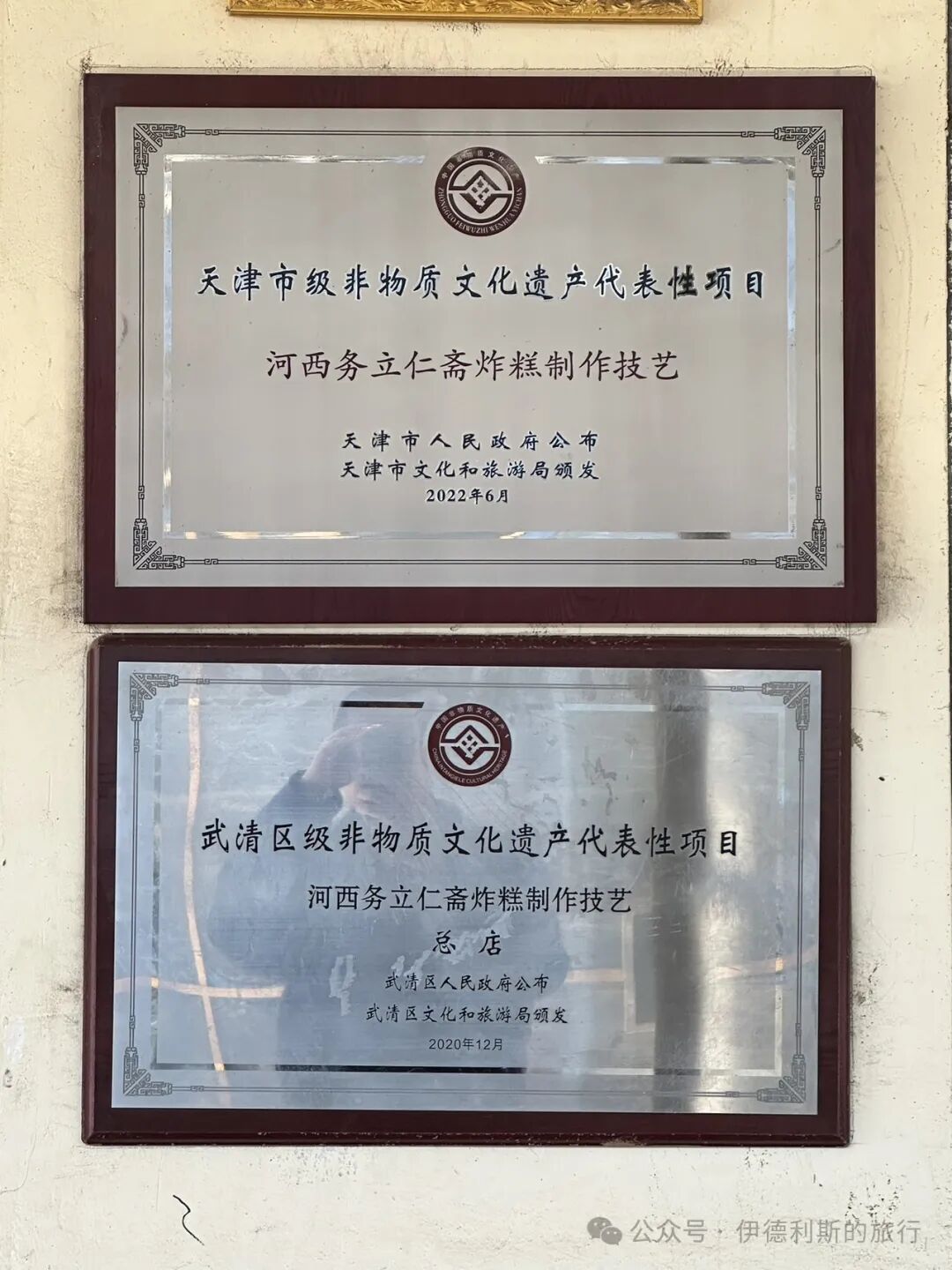
Lirenzhai is a Tianjin intangible cultural heritage site for the craft of making Hexiwu Lirenzhai fried cakes (zhagao). The Wang family's ancestral home is in Cangzhou, Hebei. In the late Qing Dynasty, they fled the war and arrived in Wuqing, first settling in Yangcun. Later, they heard that Hexiwu was densely populated and had a large community of Hui Muslims, so they moved to Hexiwu to settle down. In 1918, Wang Zhenlong inherited the family craft and officially set up a stall in Hexiwu, specializing in yellow rice fried cakes (zhagao). After 1958, the Wang family's fried cake business was merged into a cooperative store, and it was shut down after the 1960s. It was not until 1979 that the second-generation successor, Wang Jinyuan, inherited the family business and brought back the Wang family fried cakes. In 1999, the third-generation successor, Wang Xueren, took over and renamed it Lirenzhai, which is the name it uses today.
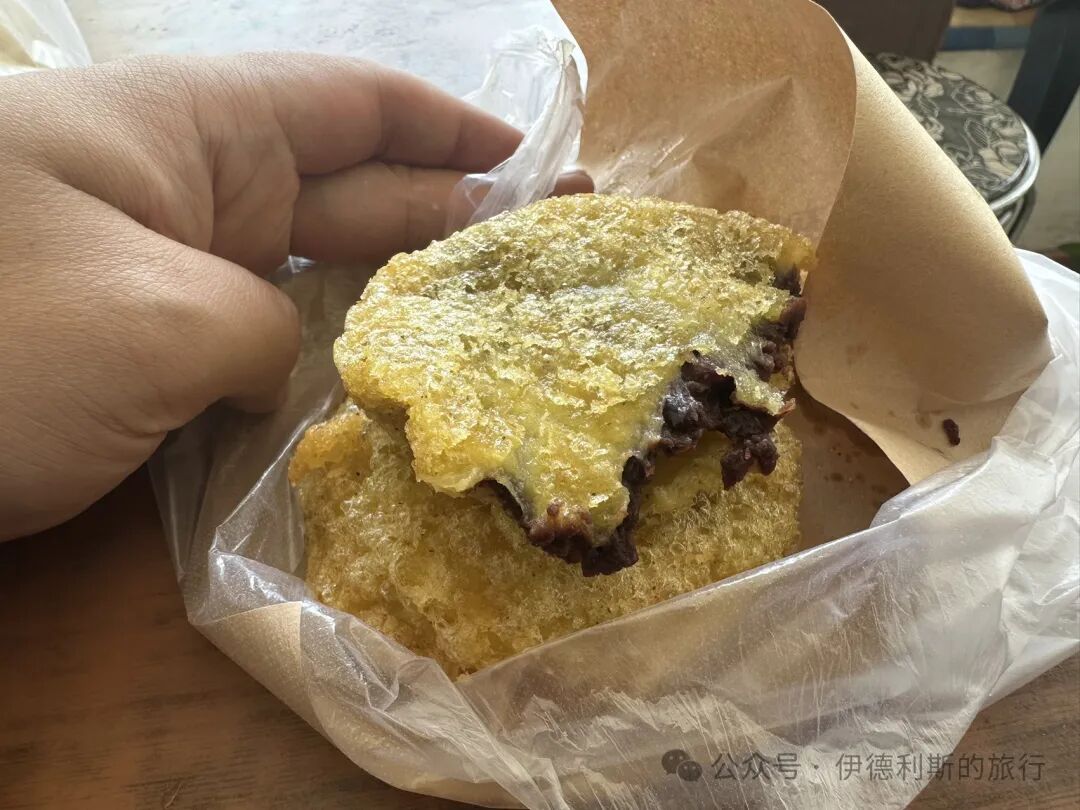
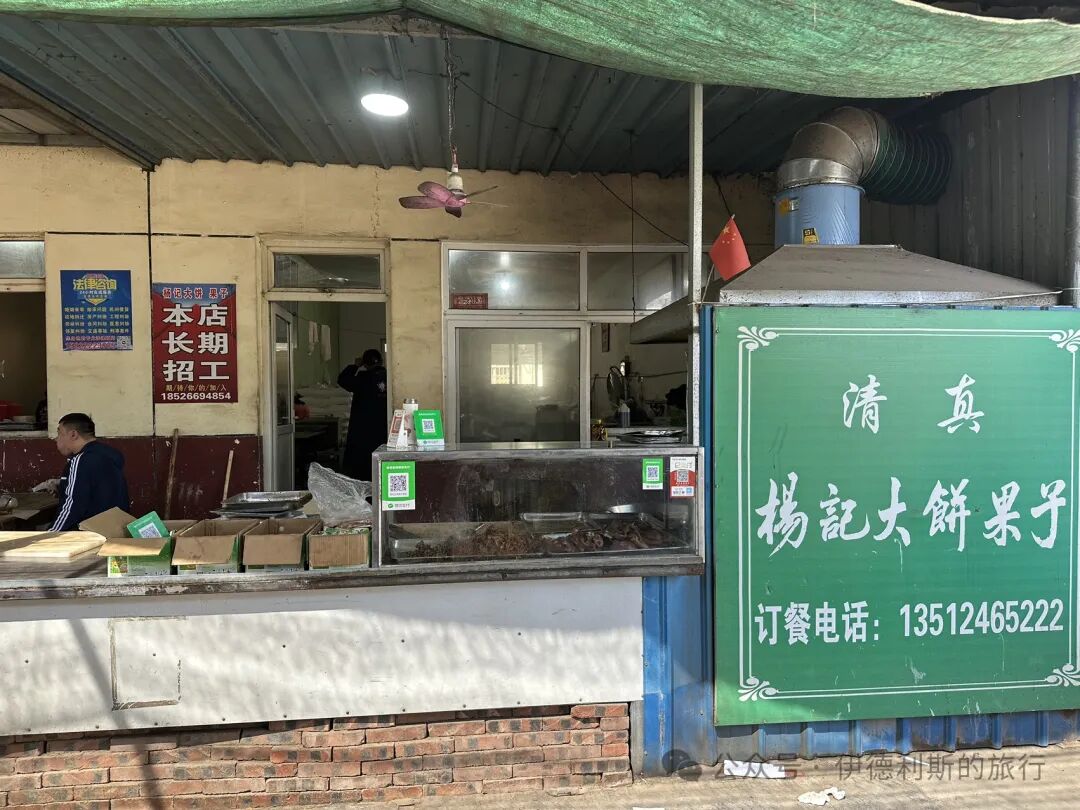
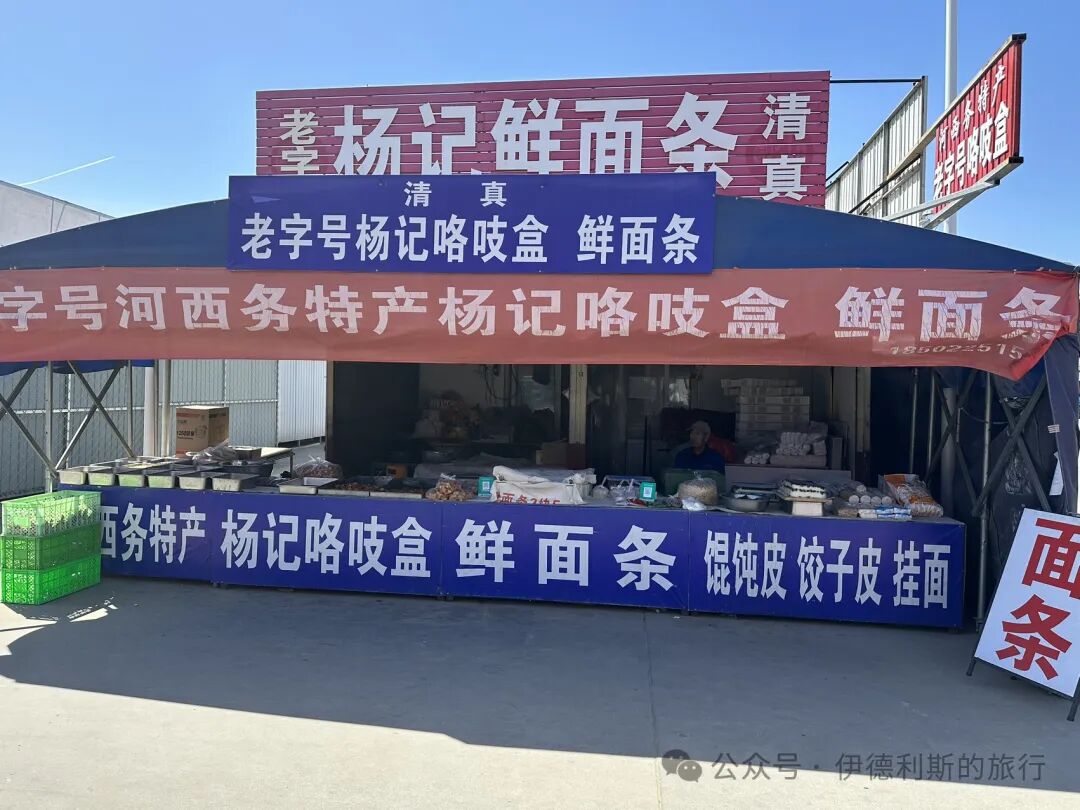
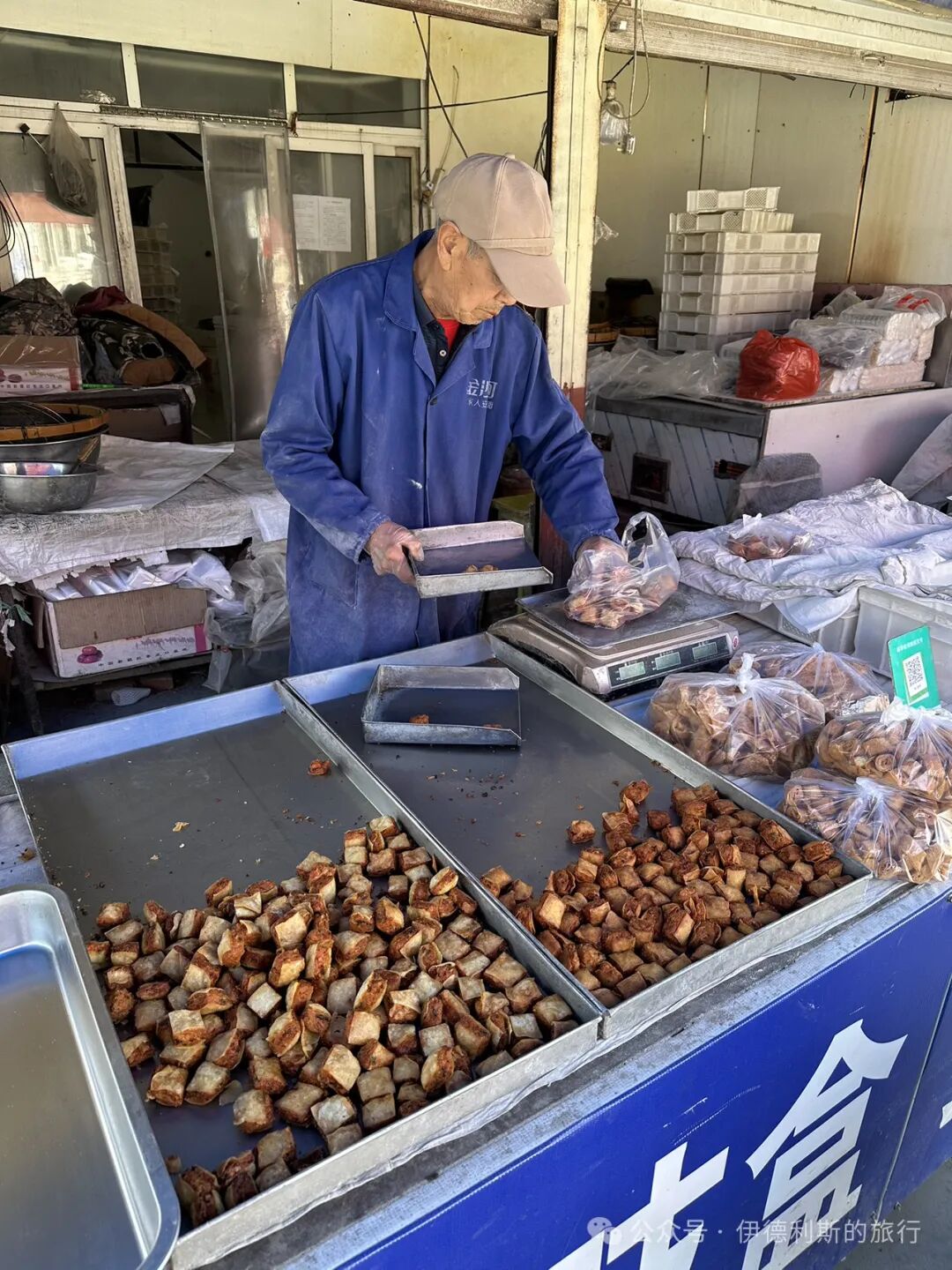
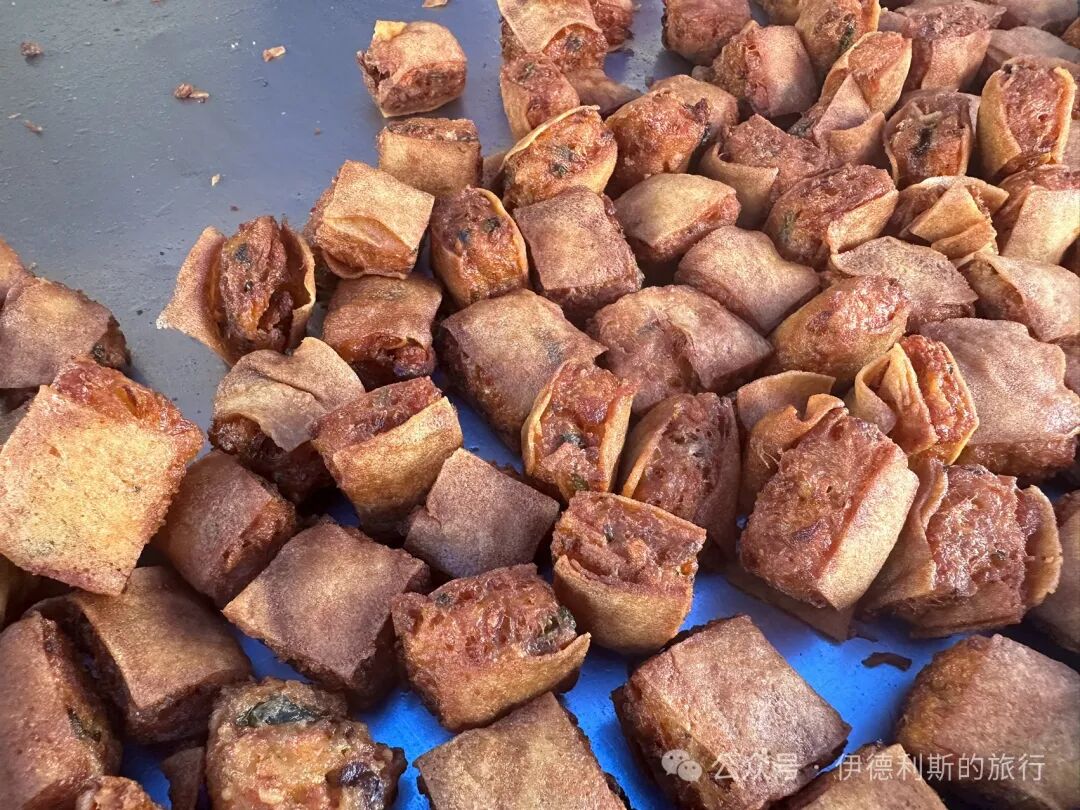
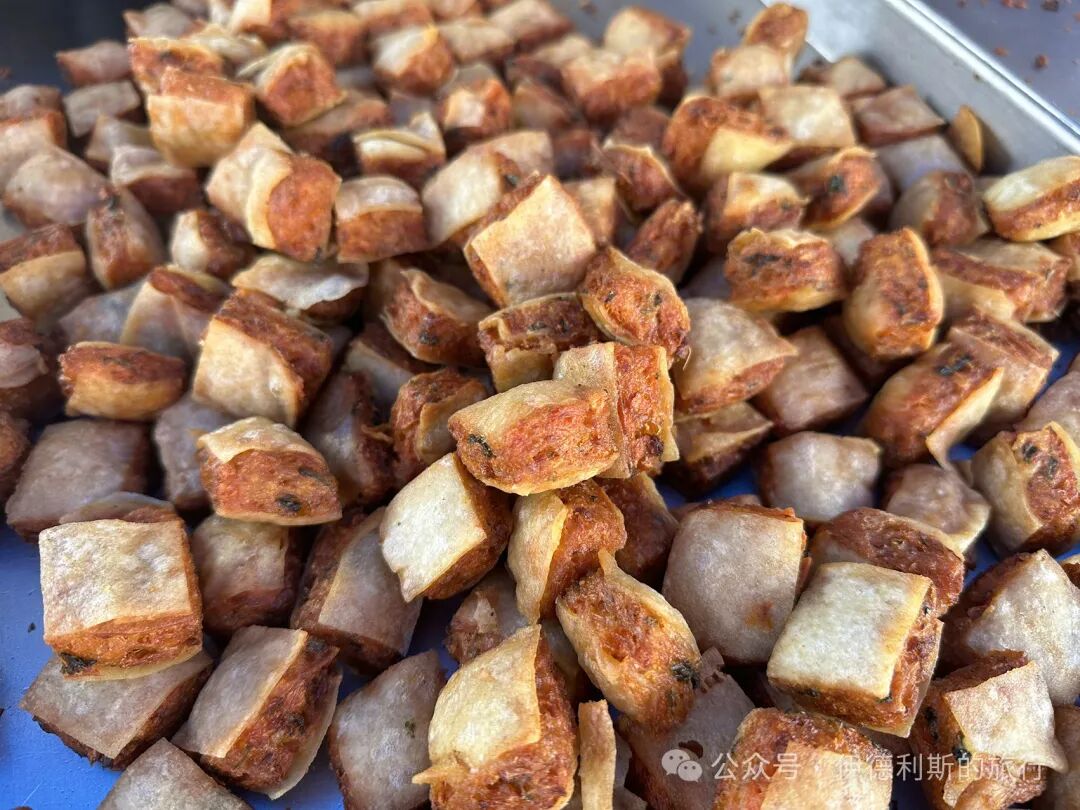
Besides yellow rice fried cakes (zhagao), the fried crispy rolls (gezhe he) in Hexiwu are also very famous. Unlike the common version, the fried crispy rolls (gezhe he) here have fillings. They come in mung bean flour and white flour varieties, giving them a richer texture than the standard ones.
Summary: Halal Travel Guide: Hexiwu, Tianjin - Hometown Memories, Mosques and Hui Muslims is presented here as a firsthand travel account in clear, natural English. The account focuses on Tianjin, Hui Muslims, Mosques while preserving the names, places, food, photos, and historical details from the Chinese source.
On Saturday, I went back to my hometown with my family in Hexiwu Town, Wuqing District, Tianjin. My family farmed in Hexiwu Town for generations. After 1949, my grandfather answered the call to help build Beijing. He moved to the city and became a construction worker who helped build the Great Hall of the People and the National Museum of China.
The house in the picture is the site of my family's old ancestral home. In the 1950s, my grandfather sold it to the supply and marketing cooperative so he could buy a house inside Fuchengmen in Beijing.
A small greenhouse at my uncle's house (my great-uncle's son).
The wheat fields in my hometown. Everything is lush and green right now.
The Grand Canal section in Hexiwu. Hexiwu is known as the First Post Station of Tianjin, as it was the first stop for the Grand Canal when entering the city.
The view of the Hui Muslims' street in Hexiwu Town. Because it was a key hub for water transport, many Hui Muslim merchants lived in Hexiwu Town during the Ming and Qing dynasties. There was even a Hui Muslim camp to the southwest of the town, and many people eventually settled there.
The Hexiwu Mosque was first built in the early years of the Yongle reign of the Ming Dynasty. It was expanded during the Longqing reign, destroyed by a flood in the seventh year of the Kangxi reign, and rebuilt in the eighth year. It was renovated again in the third year of the Xuantong reign and in 1949. The mosque suffered severe damage between 1966 and 1976 and was destroyed after the 1976 Tangshan earthquake. It was rebuilt on the original site in 1988 and completed in 1990.
The mosque houses an important artifact: a plaque reading "Wu Tai Gui Yi" (The Truth Returns to One) dedicated by Jin Yuqi, a third-rank official in the Xuantong reign.
The Chinese-Arabic plaque and the sign about slippers in front of the main prayer hall are also quite interesting.
After leaving the mosque, we bought some food to pack and take home for our fast.
We first went to Xinpengzhai Restaurant to buy their specialty, golden-rimmed braised pancakes (jinbian koumen), which is beef and bean sprouts braised with pancakes and topped with fried egg. The egg was very fragrant. It was my first time eating braised pancakes this way, and it tasted great.
Then we went to the First Post Station Snack Street inside the Hexiwu farmers' market. The most famous item there is the yellow rice fried cake (huangmi zhagao) from the century-old shop Wangji Lirenzhai. We arrived a bit late, and the shop closed at 1:00 PM, so we just bought all the remaining fried cakes (zhagao).
Lirenzhai is a Tianjin intangible cultural heritage site for the craft of making Hexiwu Lirenzhai fried cakes (zhagao). The Wang family's ancestral home is in Cangzhou, Hebei. In the late Qing Dynasty, they fled the war and arrived in Wuqing, first settling in Yangcun. Later, they heard that Hexiwu was densely populated and had a large community of Hui Muslims, so they moved to Hexiwu to settle down. In 1918, Wang Zhenlong inherited the family craft and officially set up a stall in Hexiwu, specializing in yellow rice fried cakes (zhagao). After 1958, the Wang family's fried cake business was merged into a cooperative store, and it was shut down after the 1960s. It was not until 1979 that the second-generation successor, Wang Jinyuan, inherited the family business and brought back the Wang family fried cakes. In 1999, the third-generation successor, Wang Xueren, took over and renamed it Lirenzhai, which is the name it uses today.
Besides yellow rice fried cakes (zhagao), the fried crispy rolls (gezhe he) in Hexiwu are also very famous. Unlike the common version, the fried crispy rolls (gezhe he) here have fillings. They come in mung bean flour and white flour varieties, giving them a richer texture than the standard ones.
