
Halal Travel Guide: Ramadan Weekend 2025 — From Beijing to Tianjin
Reposted from the web
Summary: The first weekend of Ramadan 2025 took the writer from Beijing to Tianjin, with mosque visits, halal meals, and everyday scenes from Muslim life. The article keeps the original route, food details, photos, and local observations while presenting them in natural English.
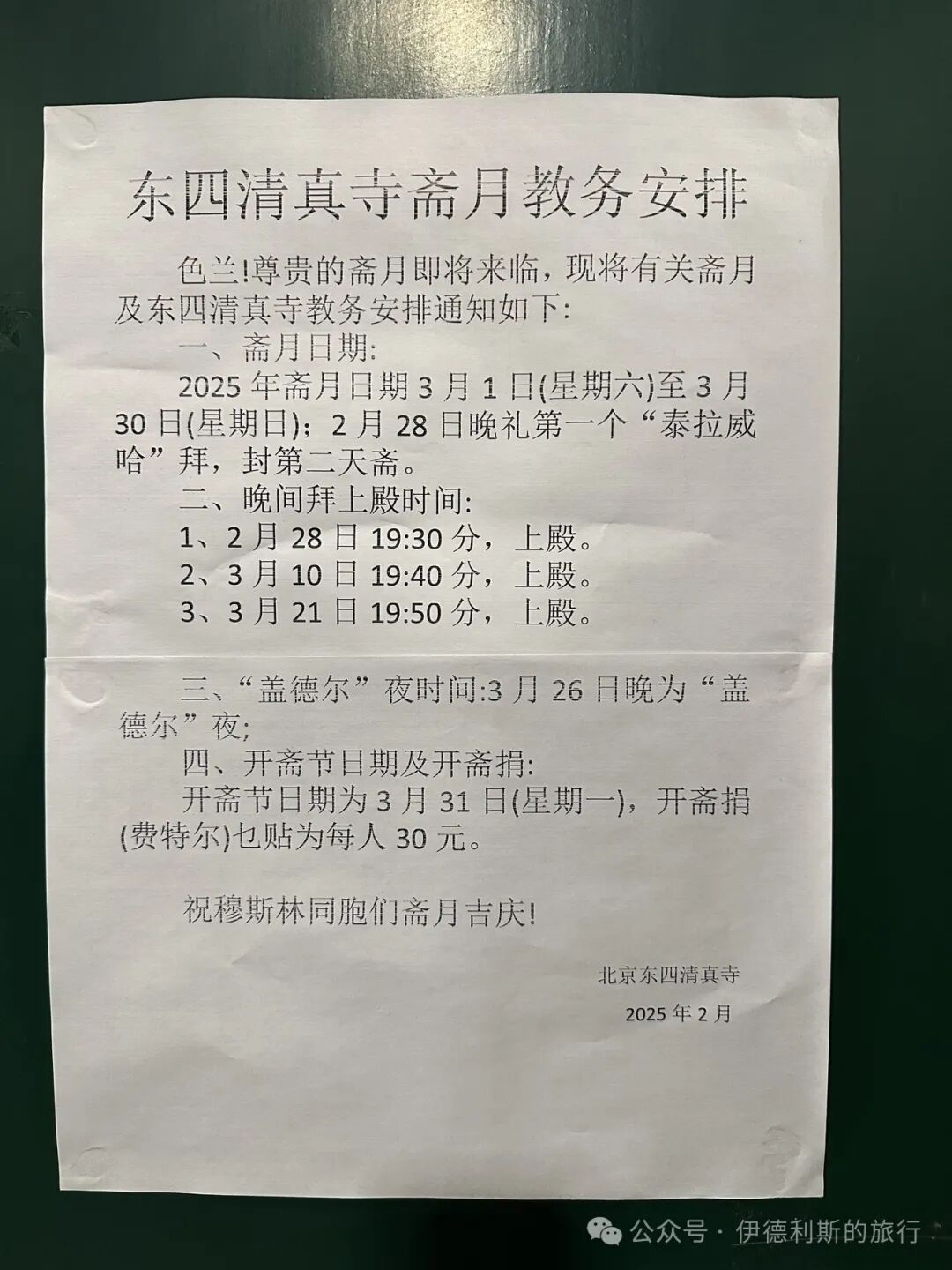
February 28: Start of Ramadan.
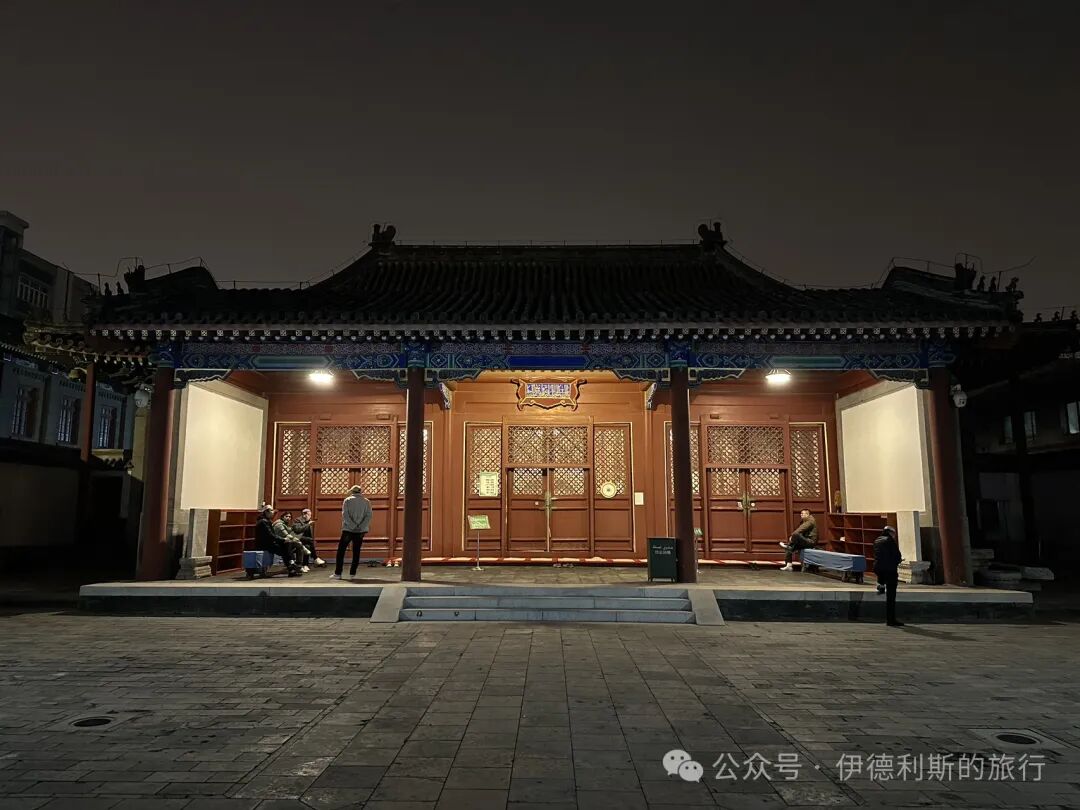
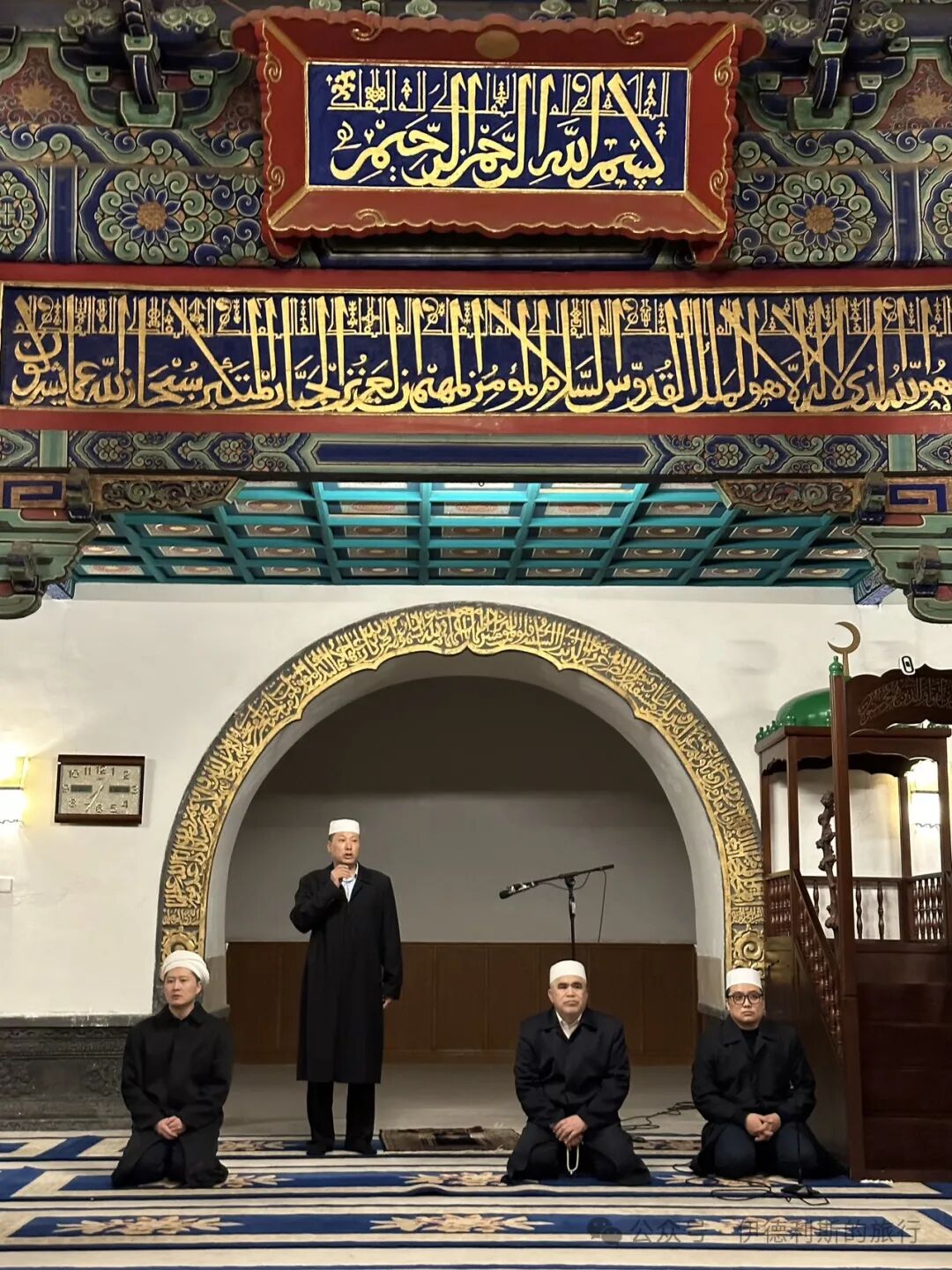
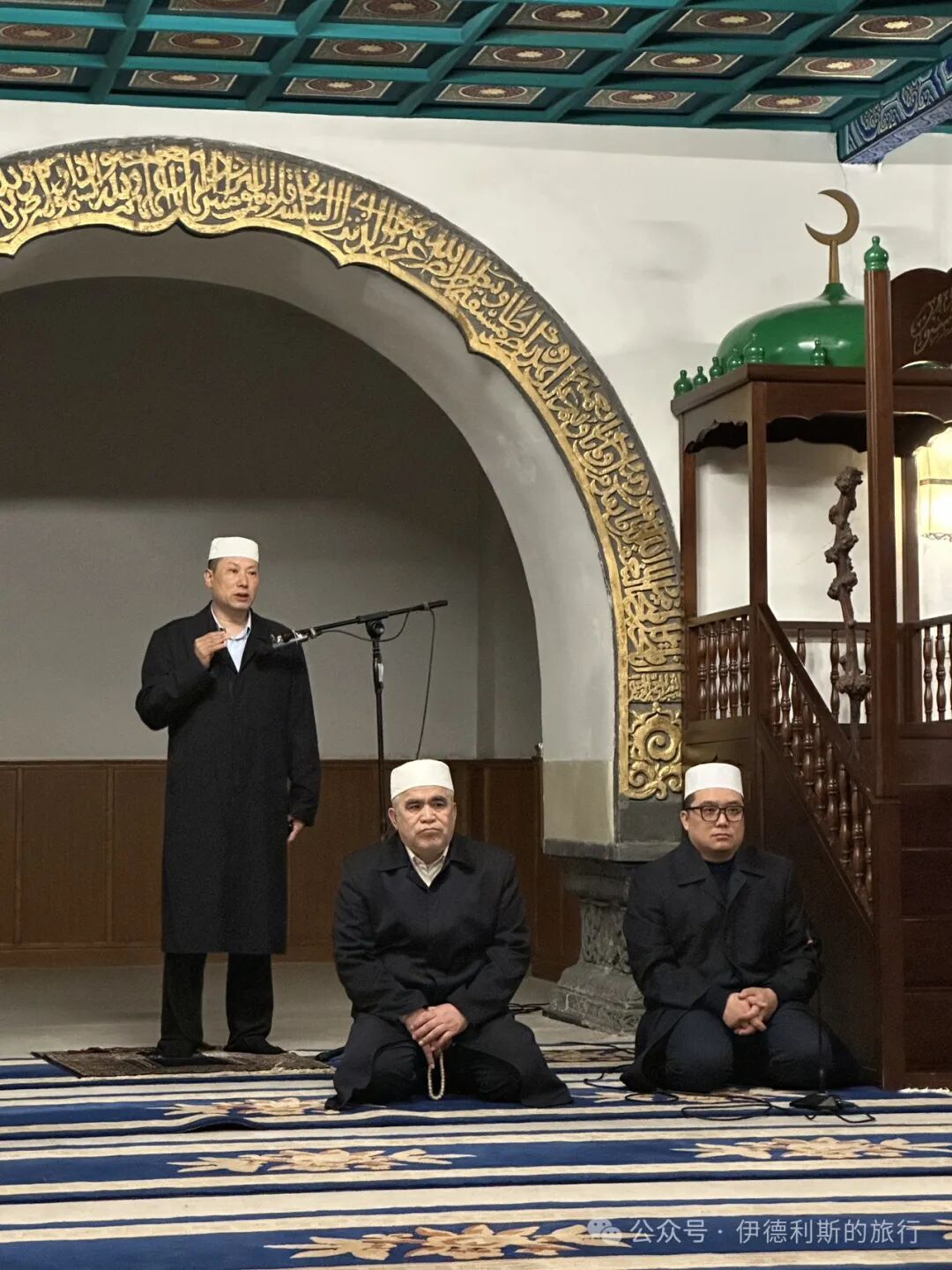
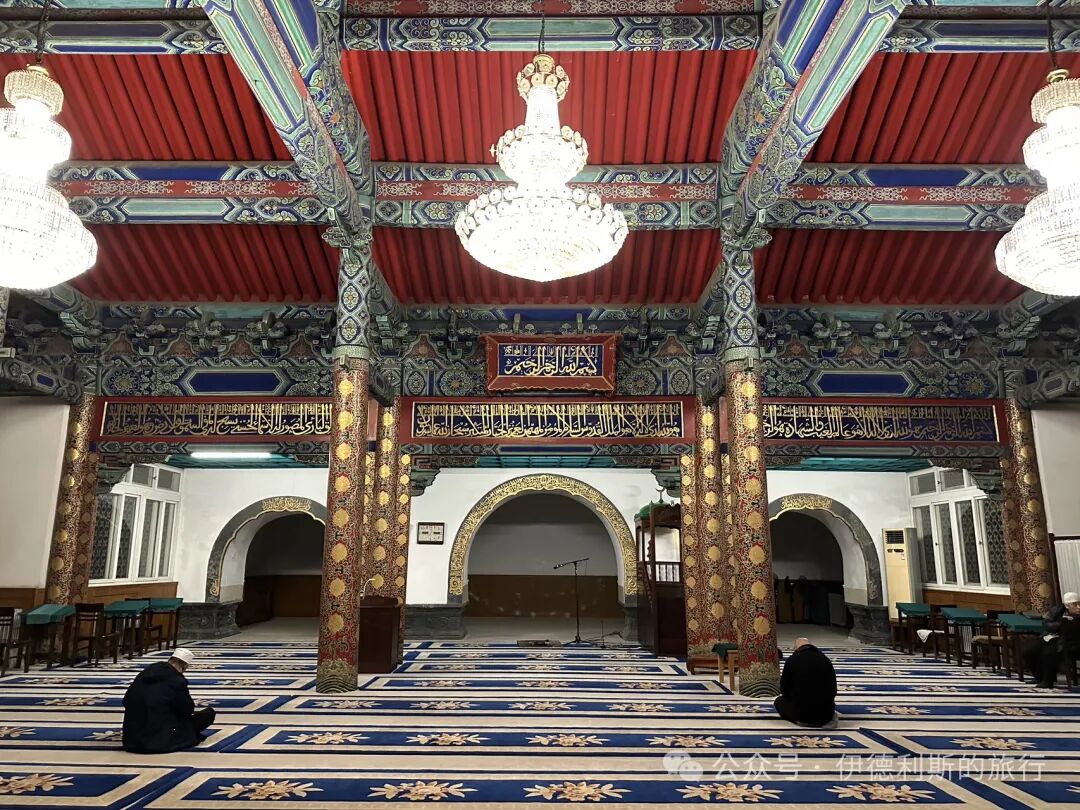
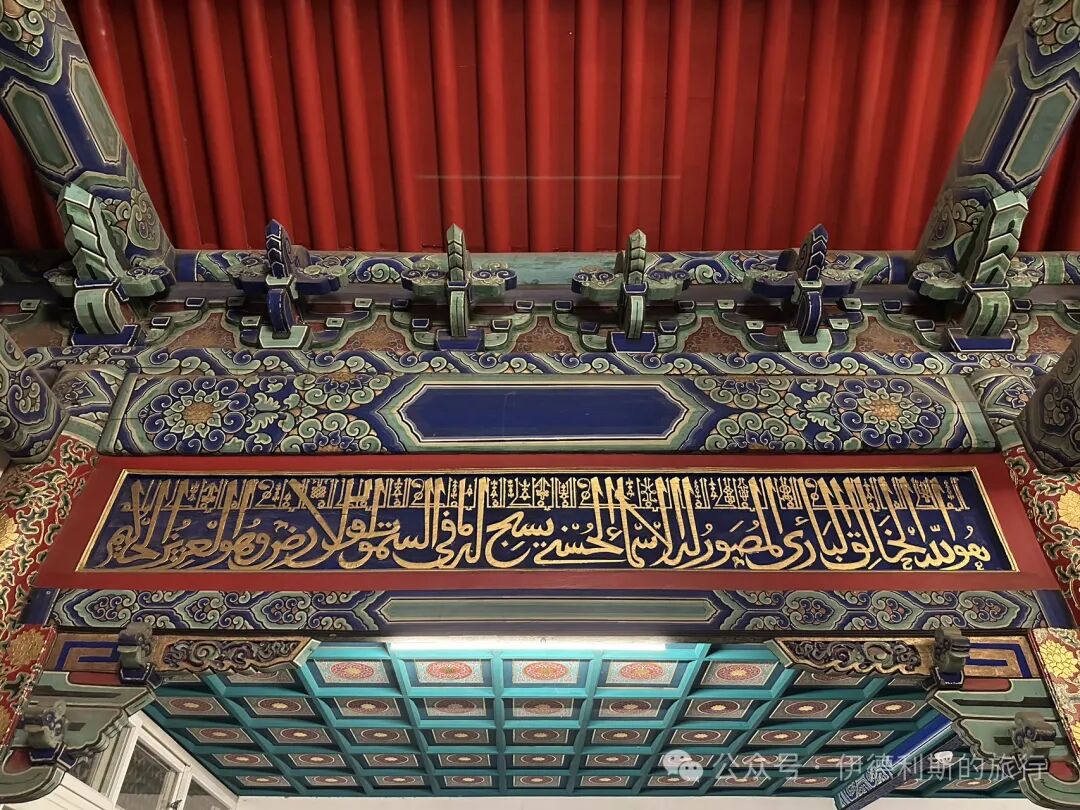
Welcoming Ramadan, I prayed my first Taraweeh at the Dongsi Mosque in Beijing. I was pleasantly surprised when Imam He invited me to lead the recitation (suo'er).
March 1: First day.
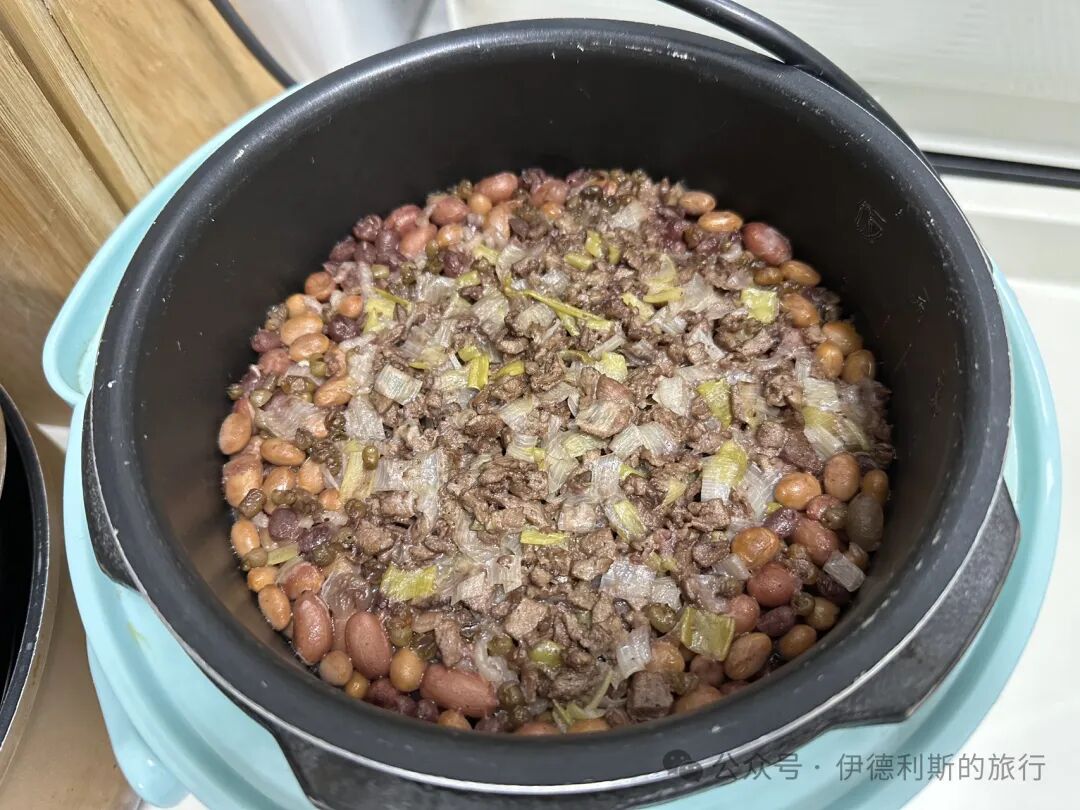
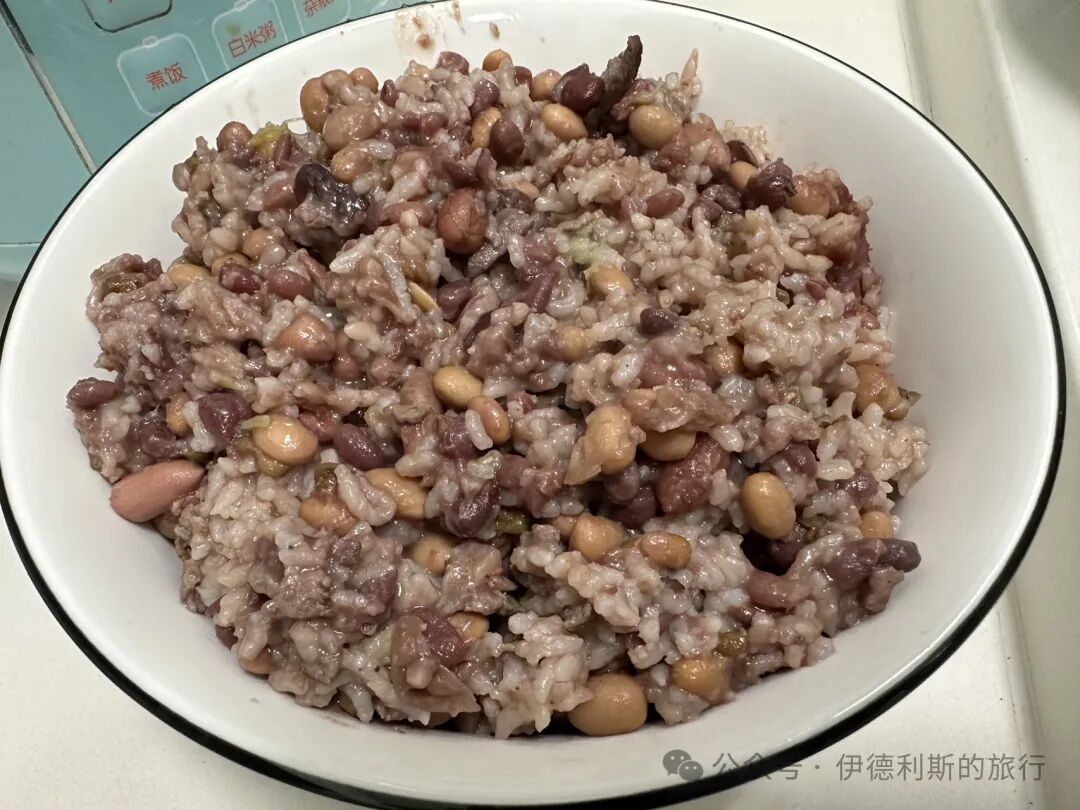
I made a pot of Ashura bean porridge (ashura doudoufan) in advance. I added water and drank two big bowls in the morning, which felt great.
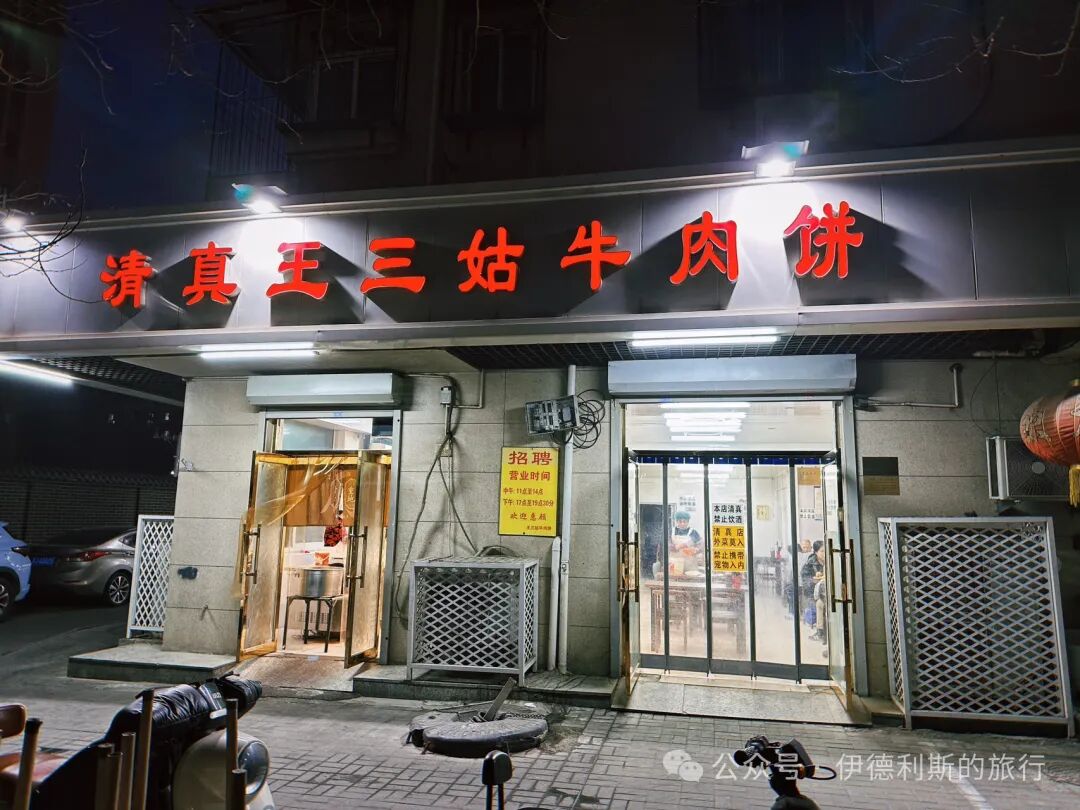
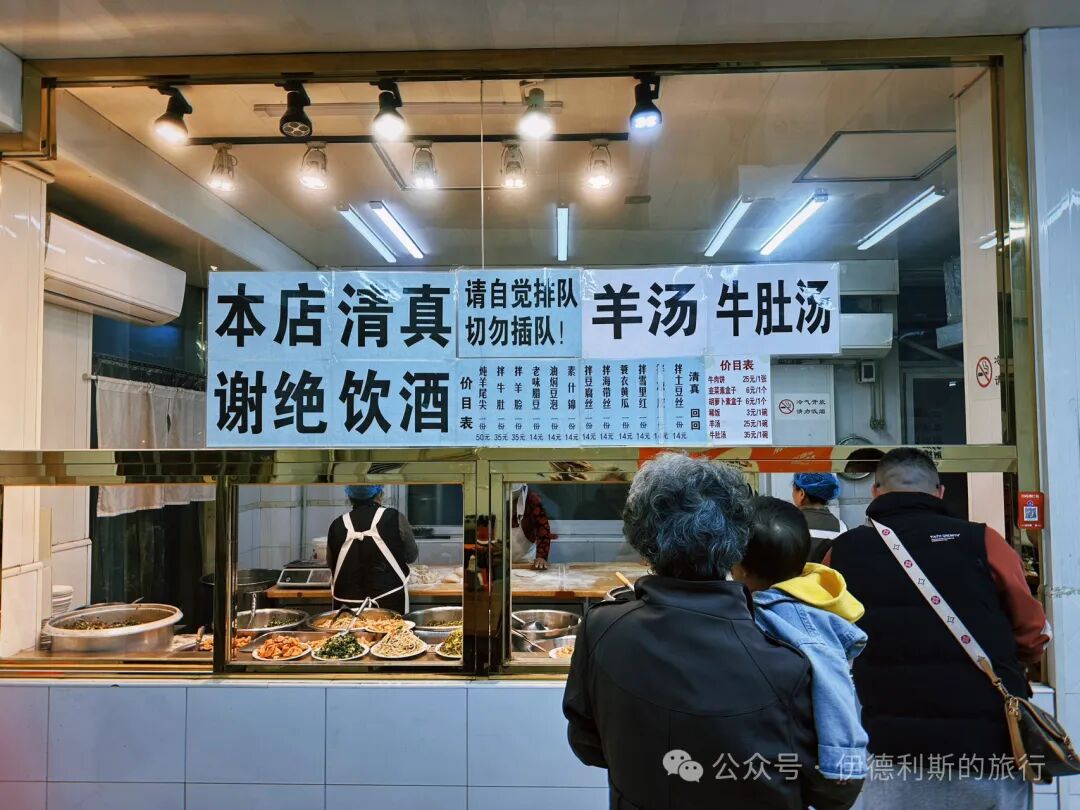
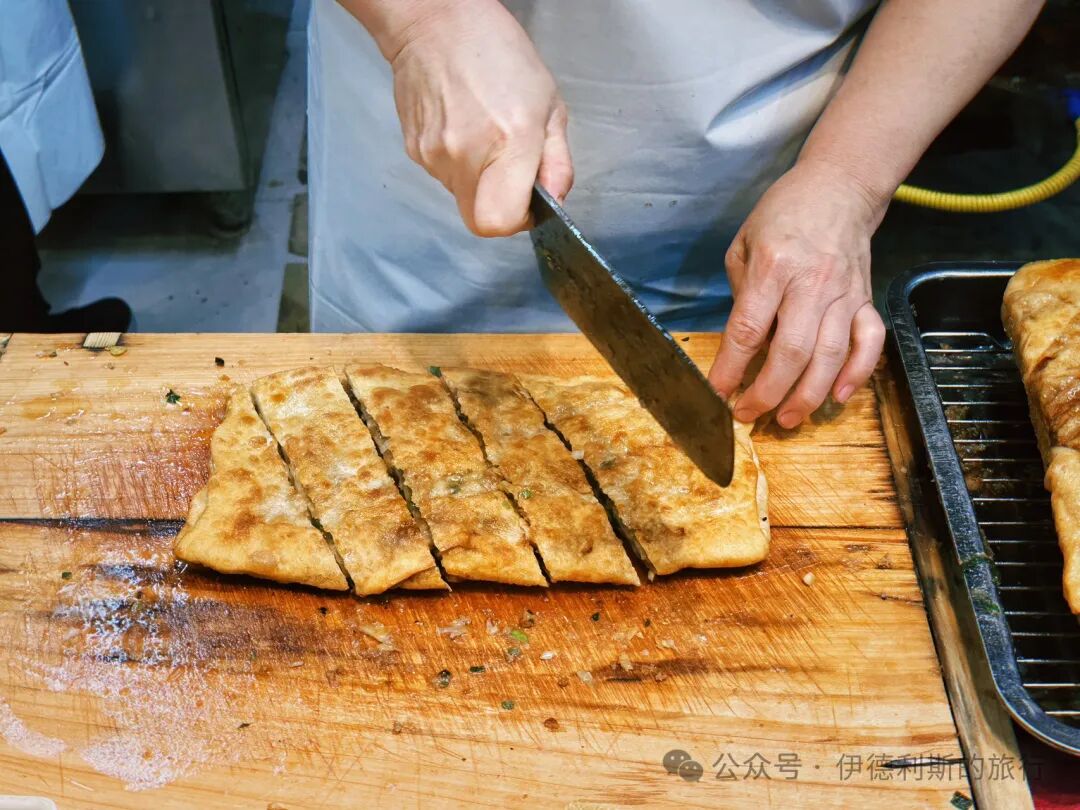
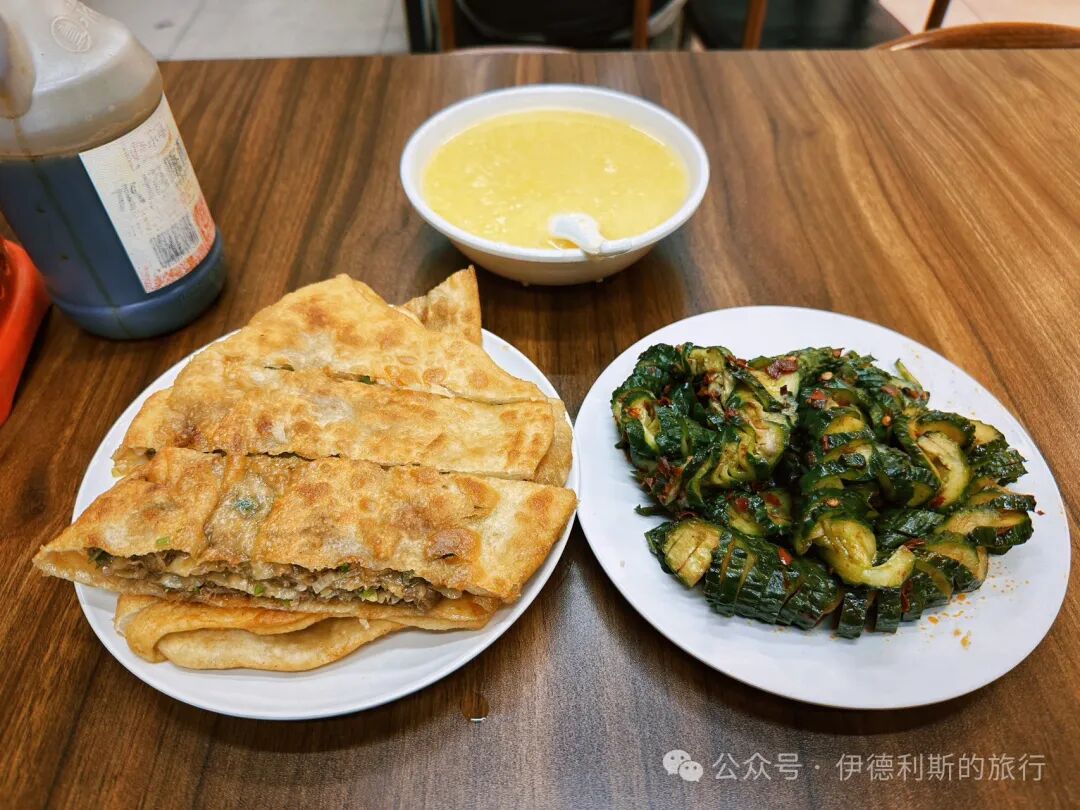
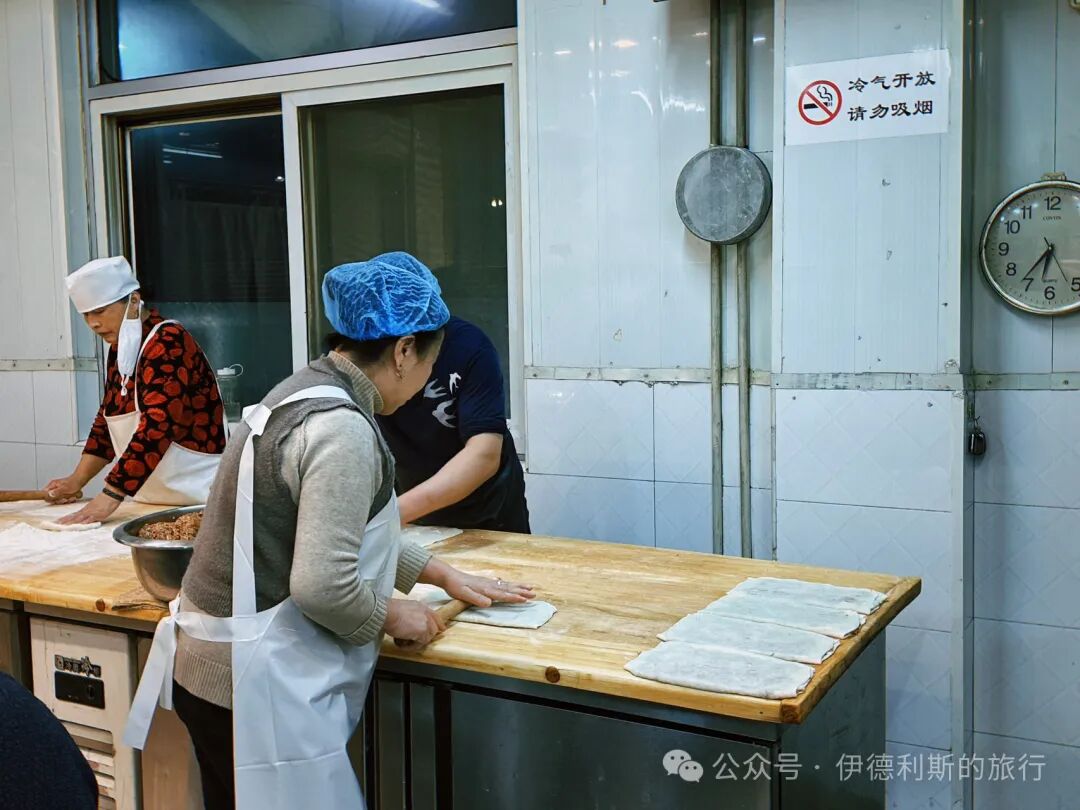
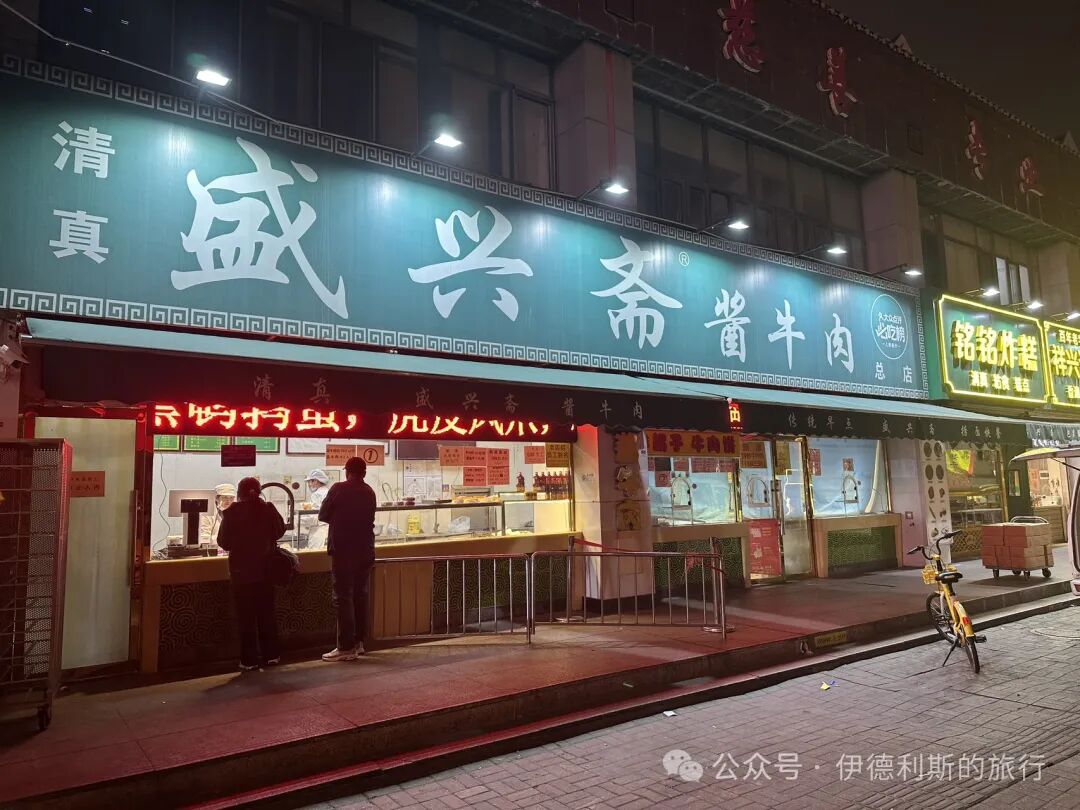
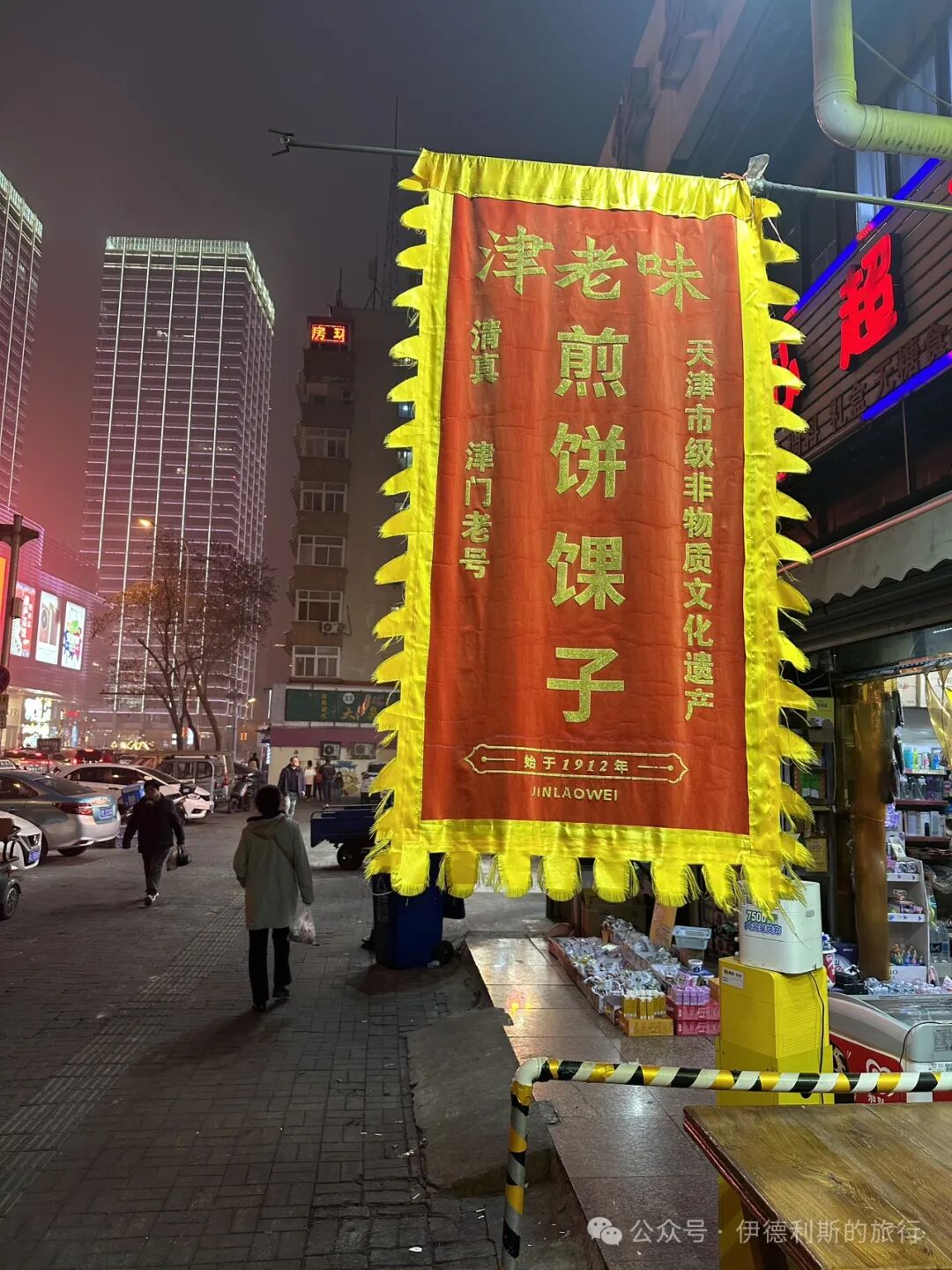
I went to Tianjin in the morning. In the evening, I prayed Maghrib (shamu) at the Northwest Corner Mosque (Xibeijiao Dasi). I was surprised to see only five or six people there. An elder (xianglao) gave me dates to break my fast. After prayer, I went to eat meat pies at Sangu Meat Pie (Sangu Roubing). I have been eating there for ten years, and it is as delicious as ever. The crust is crispy, and you can smell it from far away.
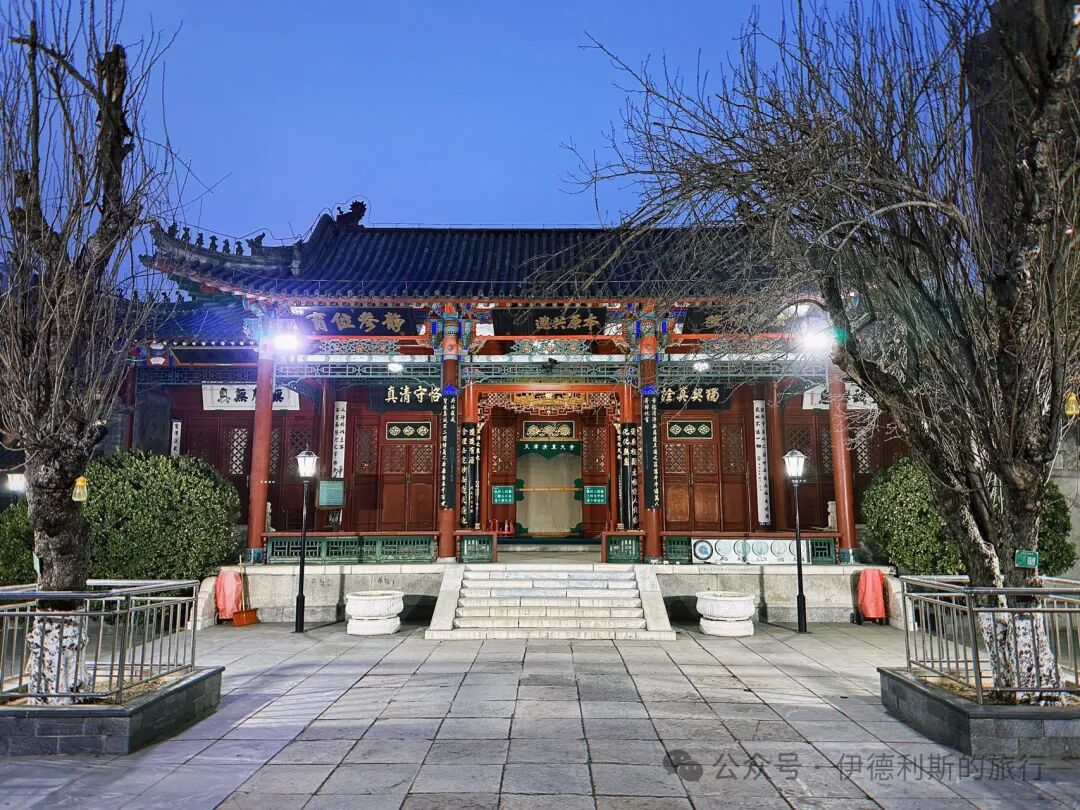
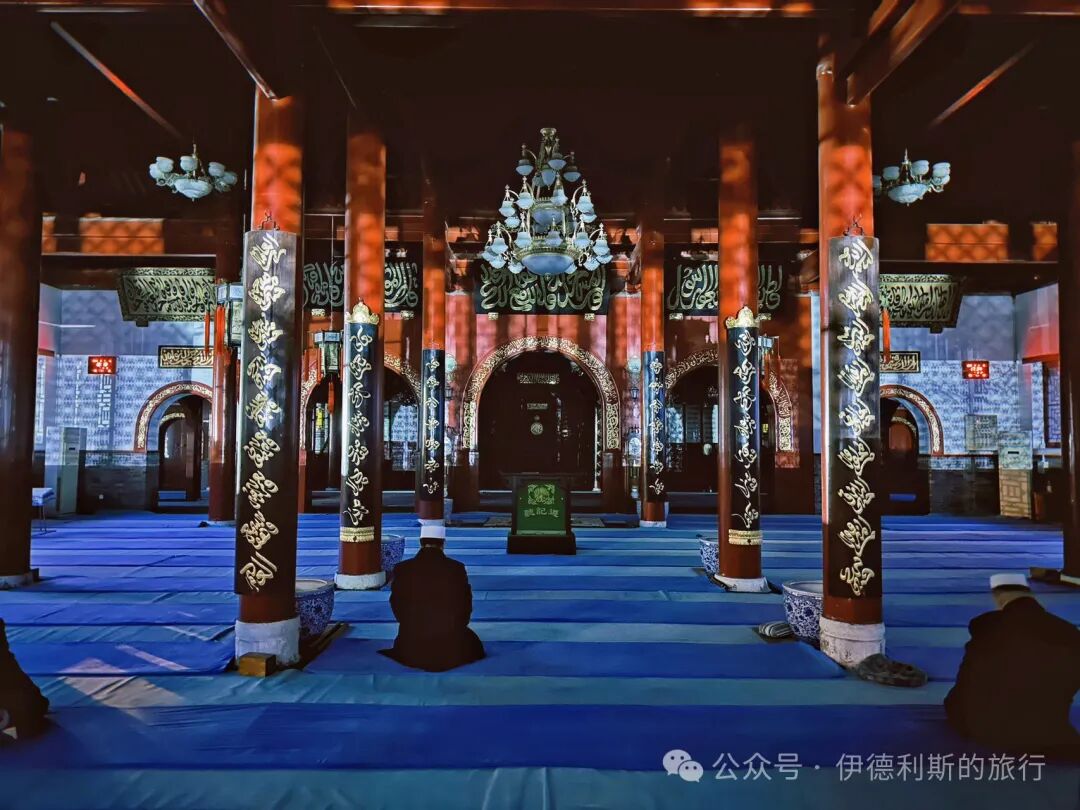
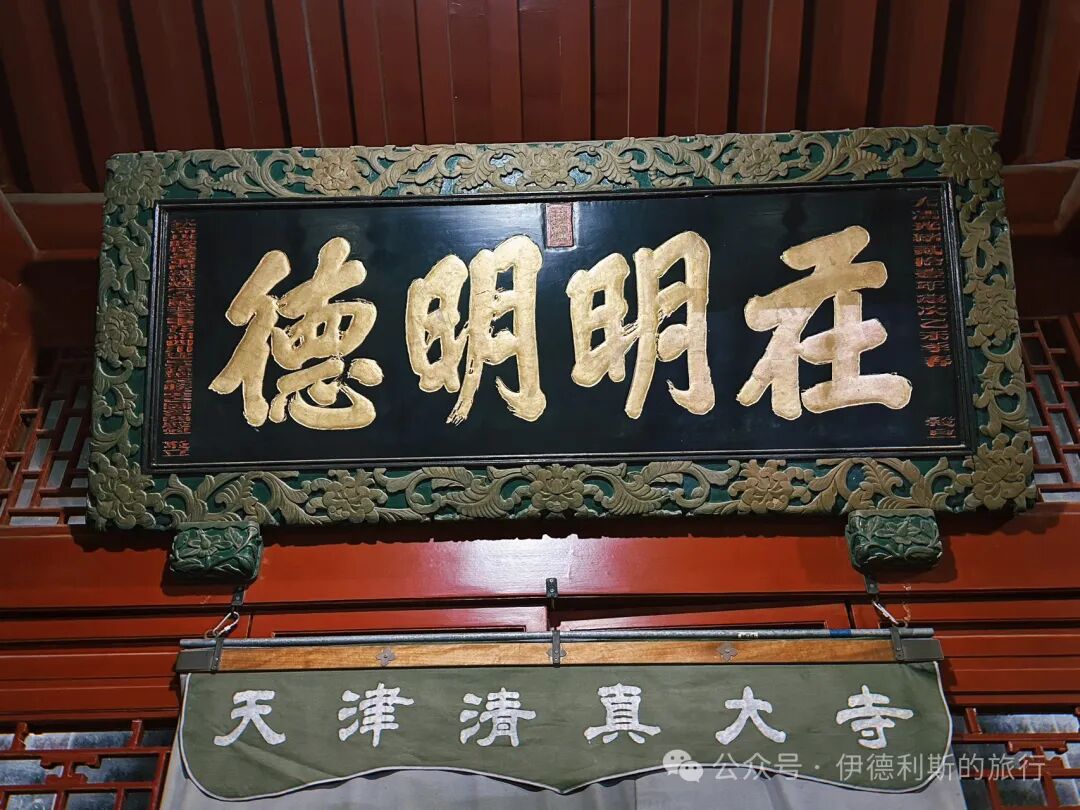
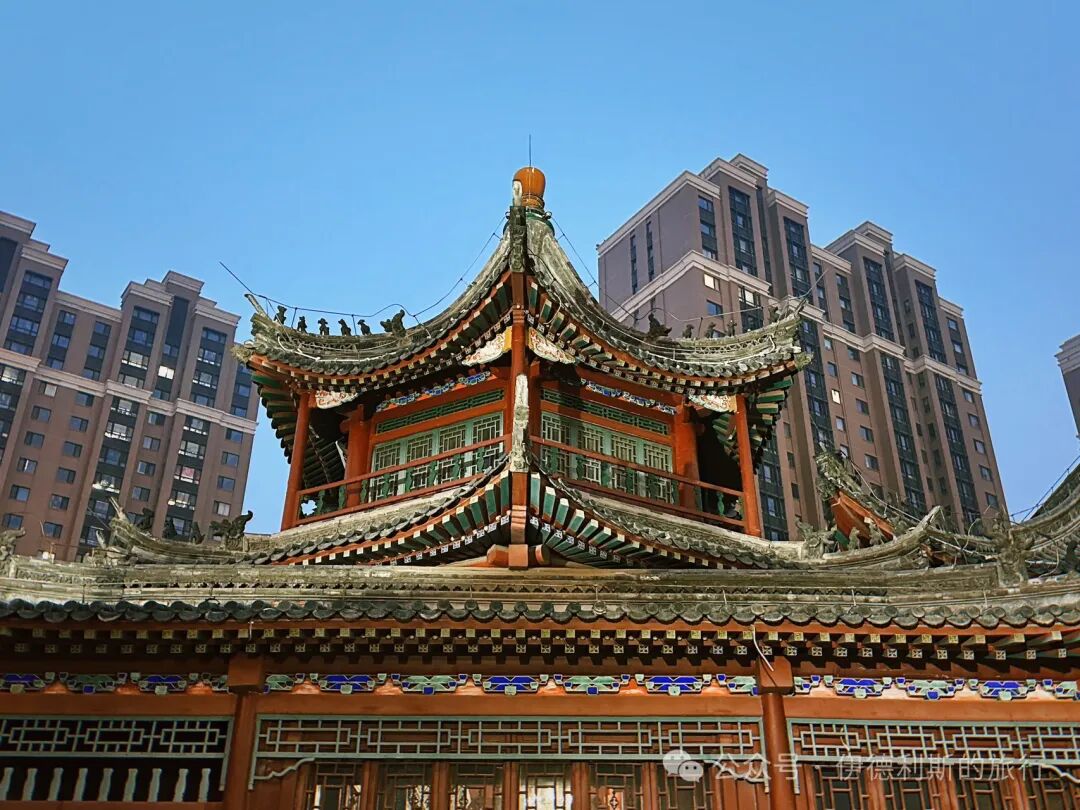
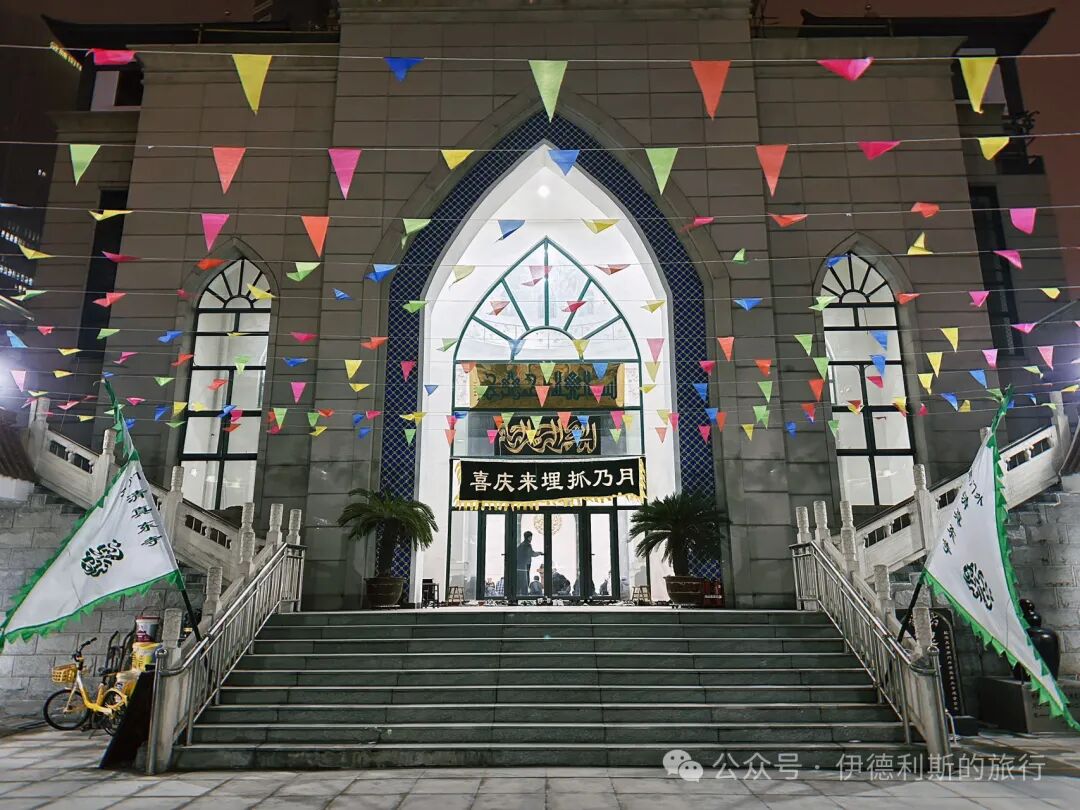
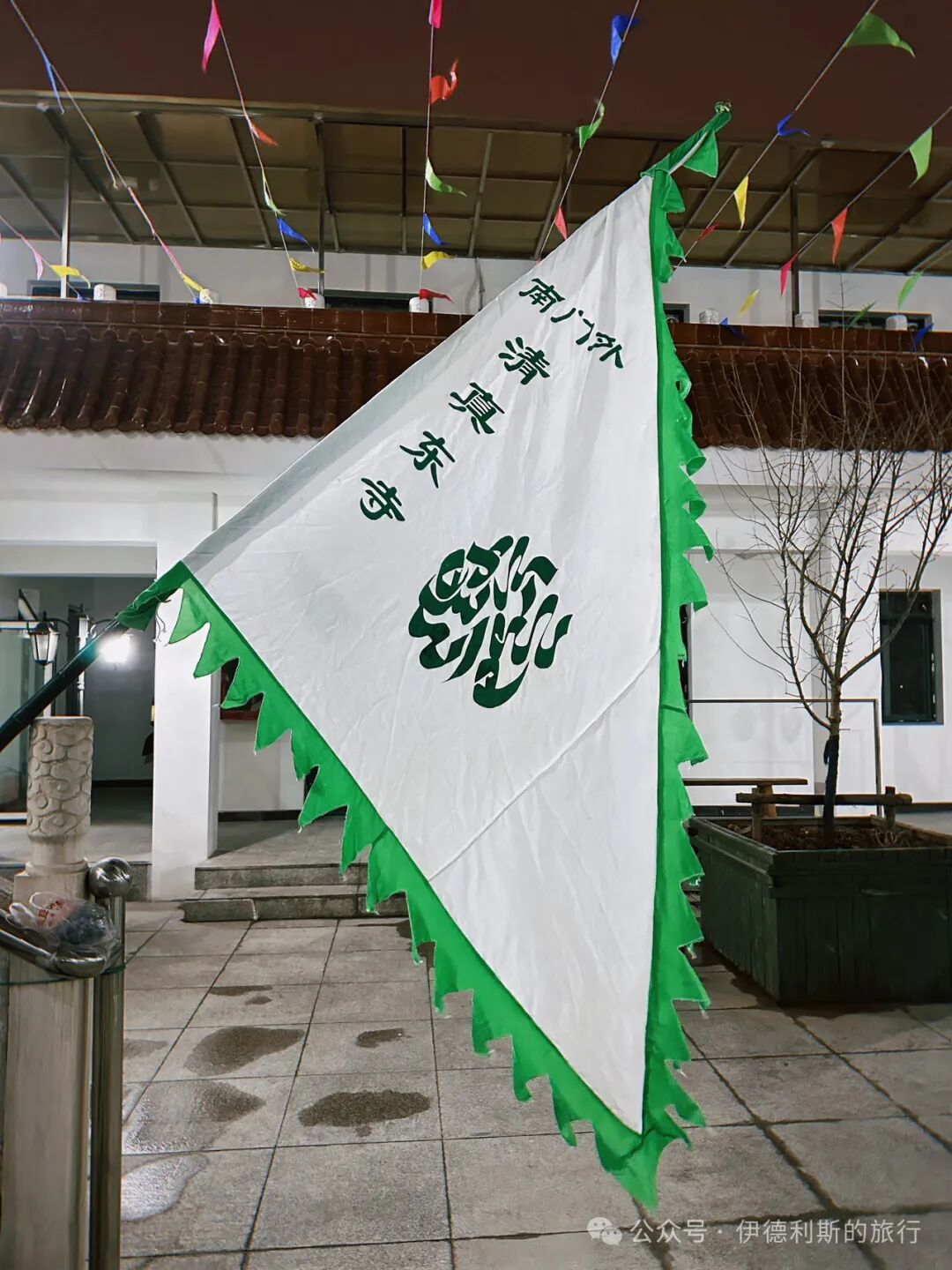
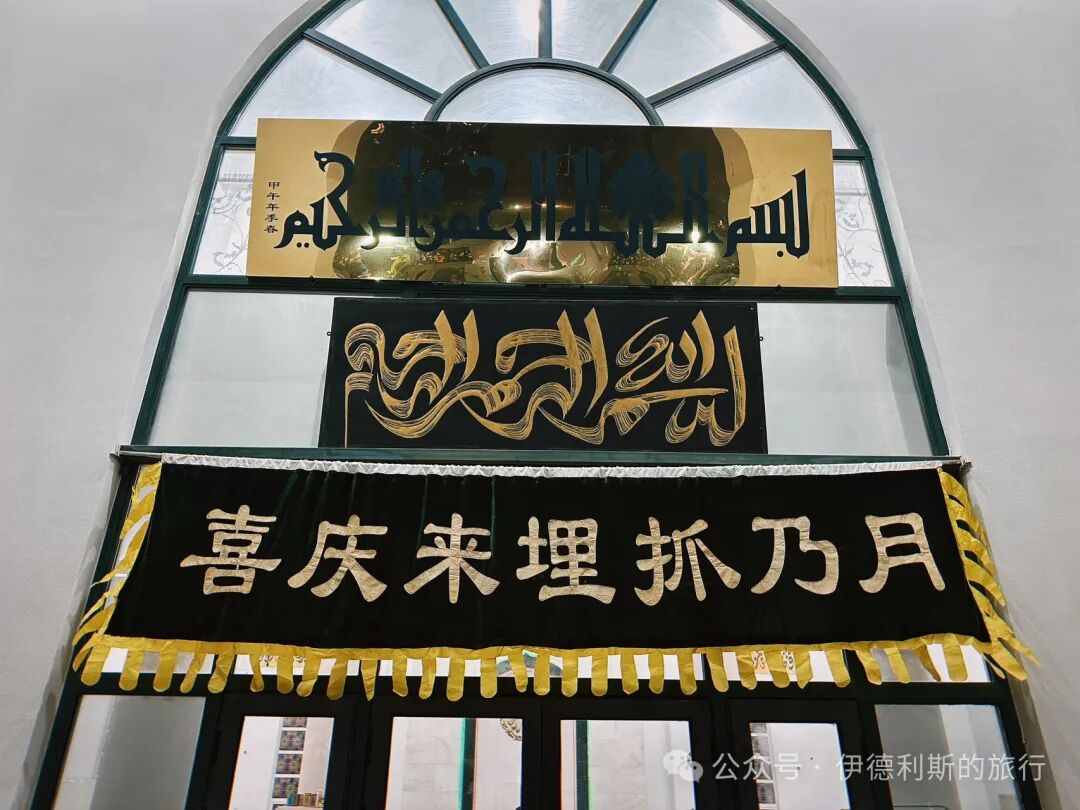
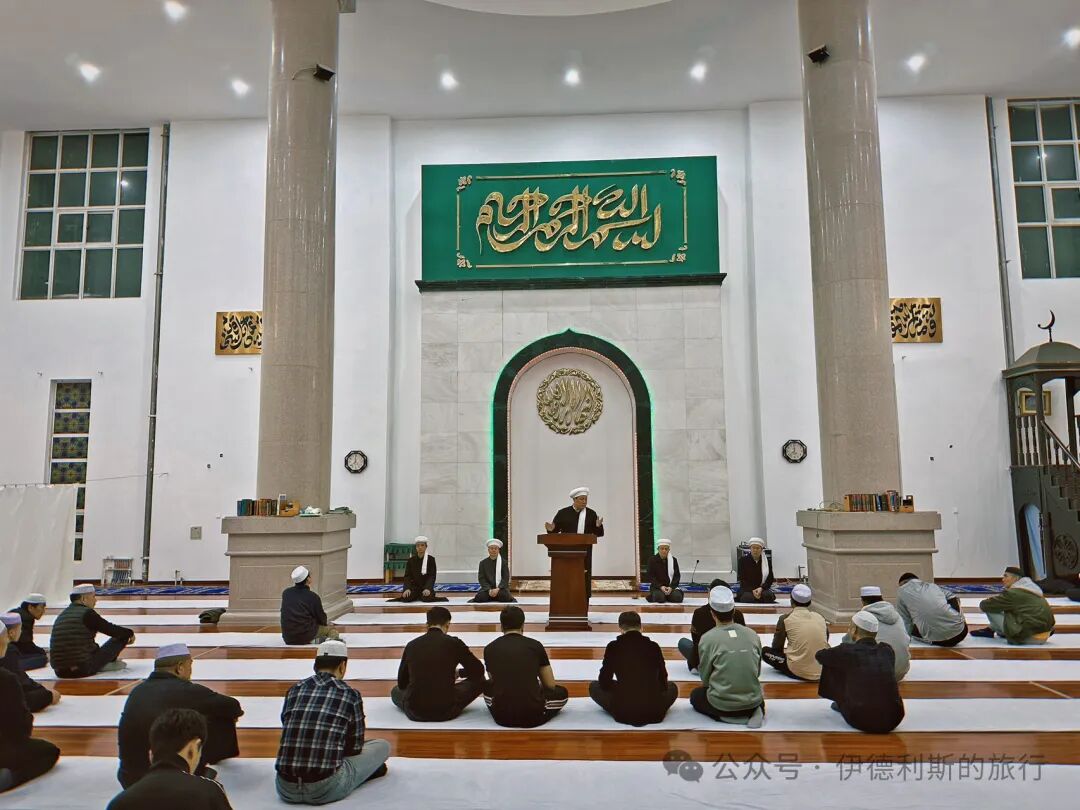
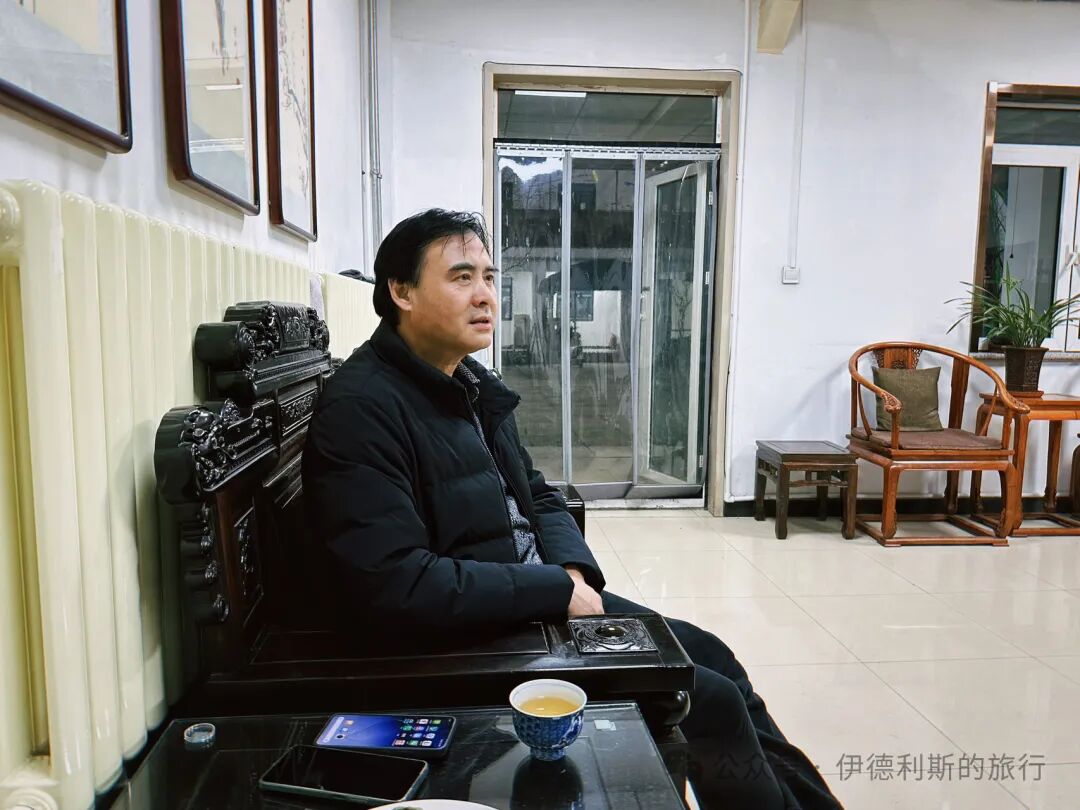
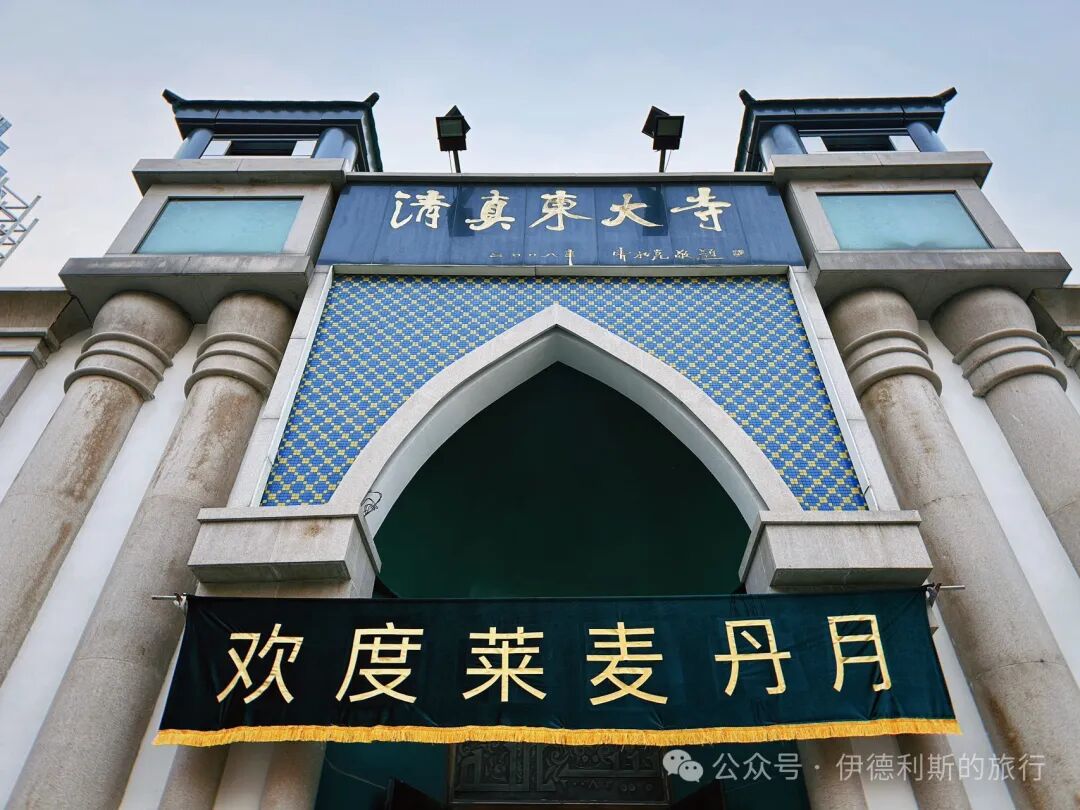
After dinner, I went to the Tianjin Great East Mosque (Dongdasi) to pray Taraweeh. Tianjin follows the 'old third day' tradition, so most mosques there start Ramadan one day later than in Beijing. The original site of the Great East Mosque was in Gujiao Hutong outside the South Gate. In 1915, Gao Hanting's grandfather donated the property, and it was organized by Zheng Yuande, Liu Haowei, Mu Xinglan, and others. In 2008, it moved from outside the South Gate to its current location on Nankai Second Road, right next to the Haiguangsi Station on Metro Line 1. This day happened to be the 'Dragon Raises Its Head' festival on the second day of the second lunar month. People in Tianjin like to set off fireworks and firecrackers. We prayed Taraweeh almost entirely to the sound of firecrackers, which made me feel the strength of my Iman even more. I also met Mr. Wu Peng from the 'Tianxia Huihui' program at the mosque. It turns out he is an elder at the Tianjin Great East Mosque.
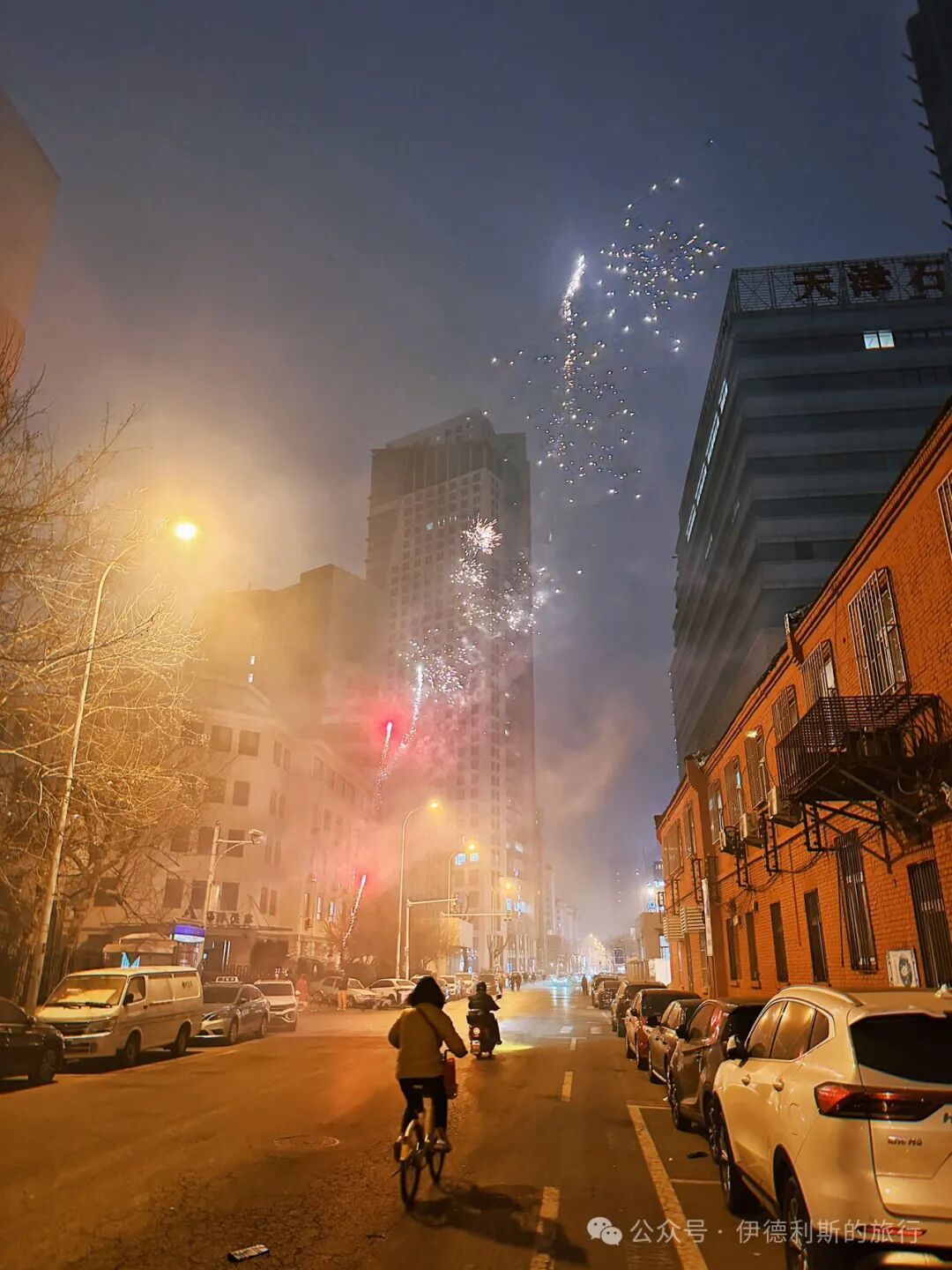
March 2: Second day.
In the morning, my mother-in-law made big plate chicken (dapanji) and beef stew with potatoes served over rice.
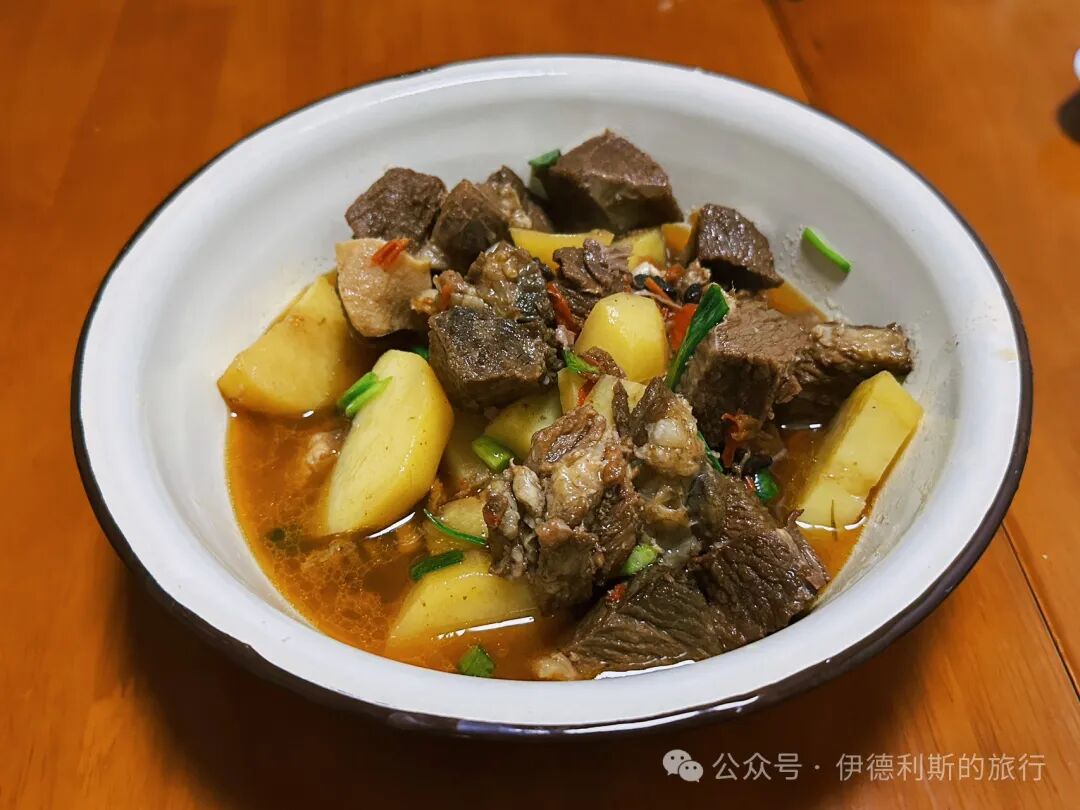
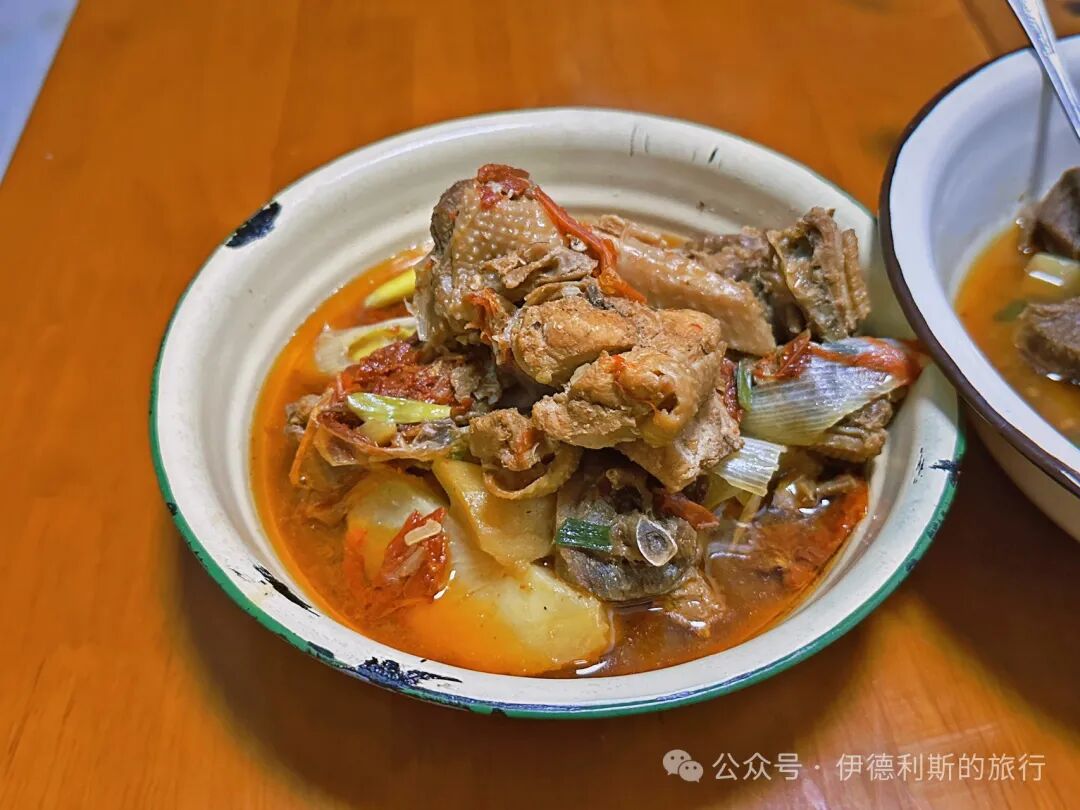
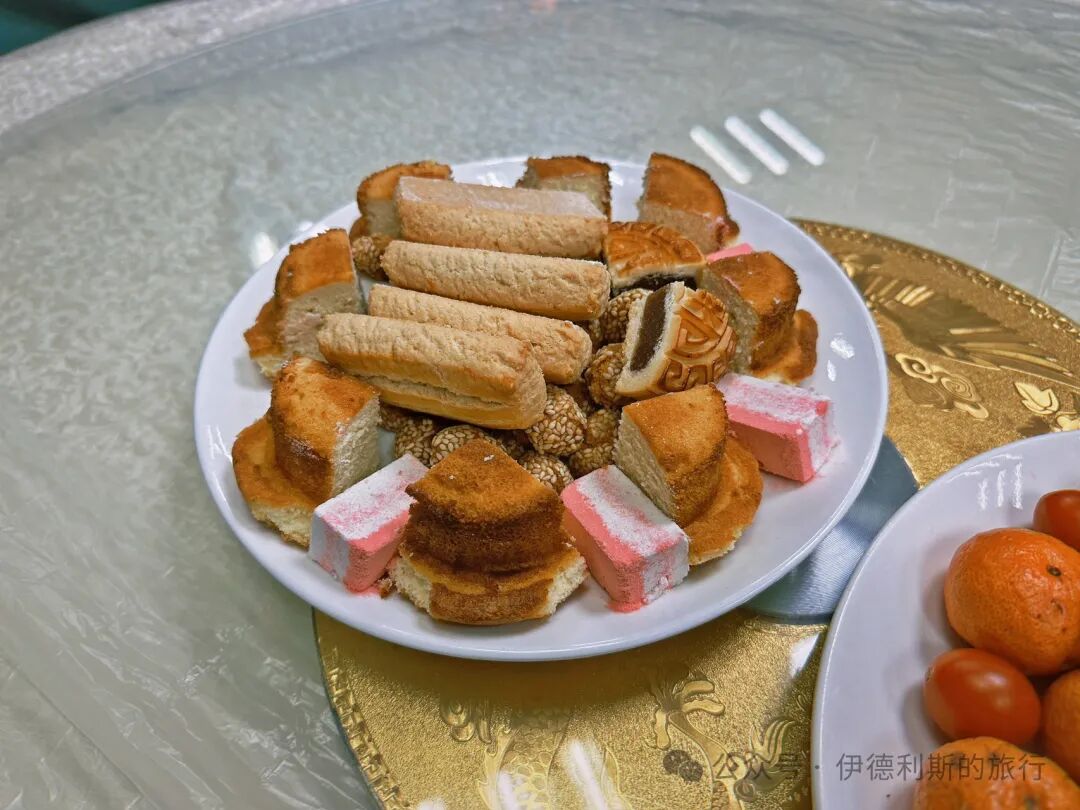
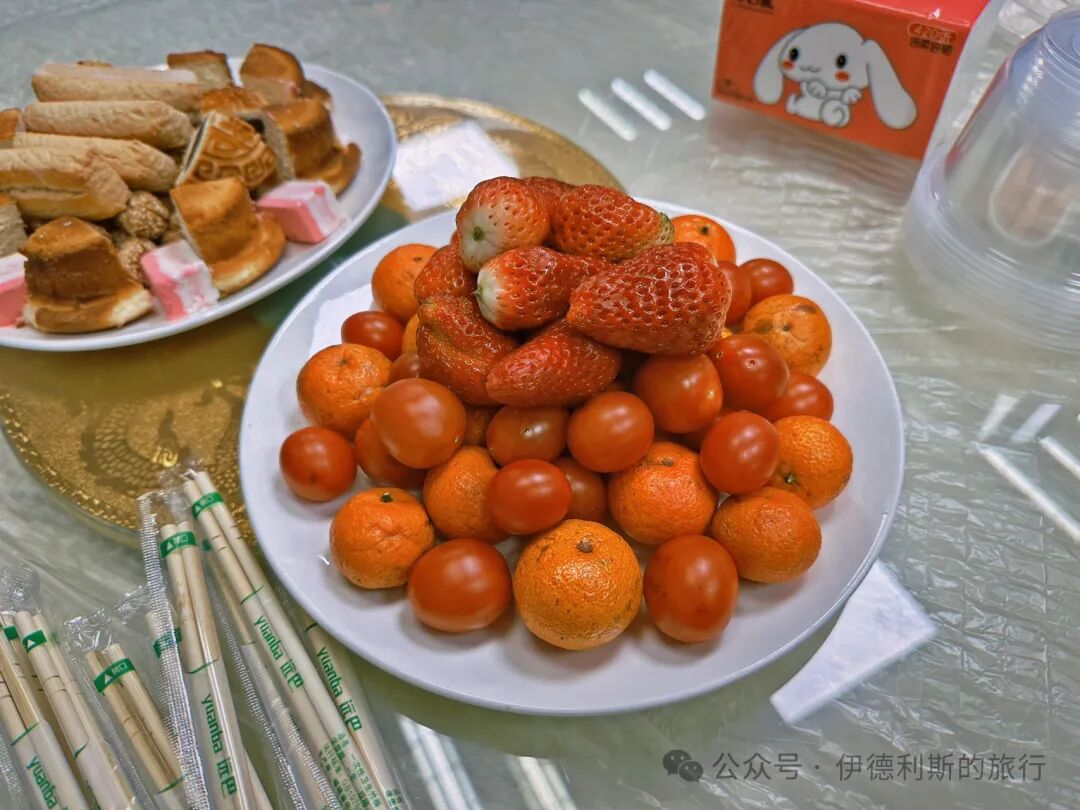
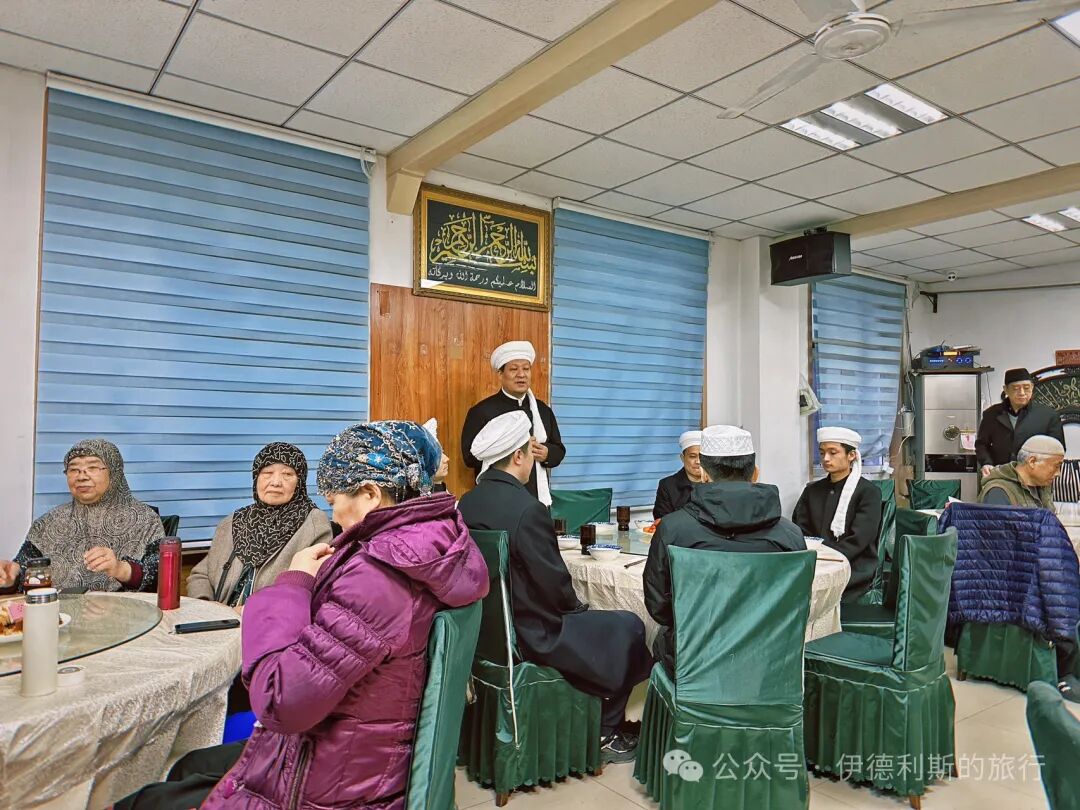
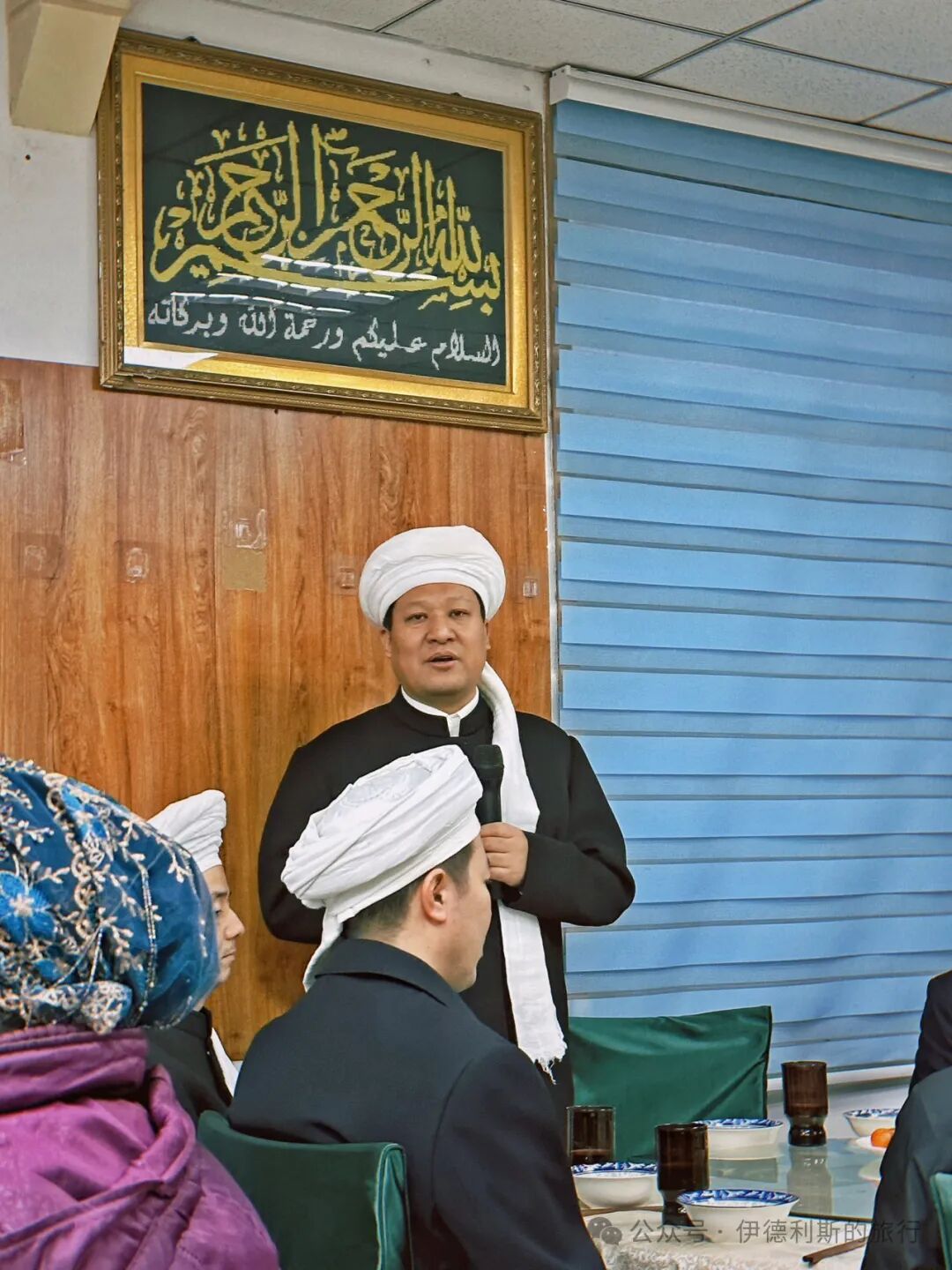
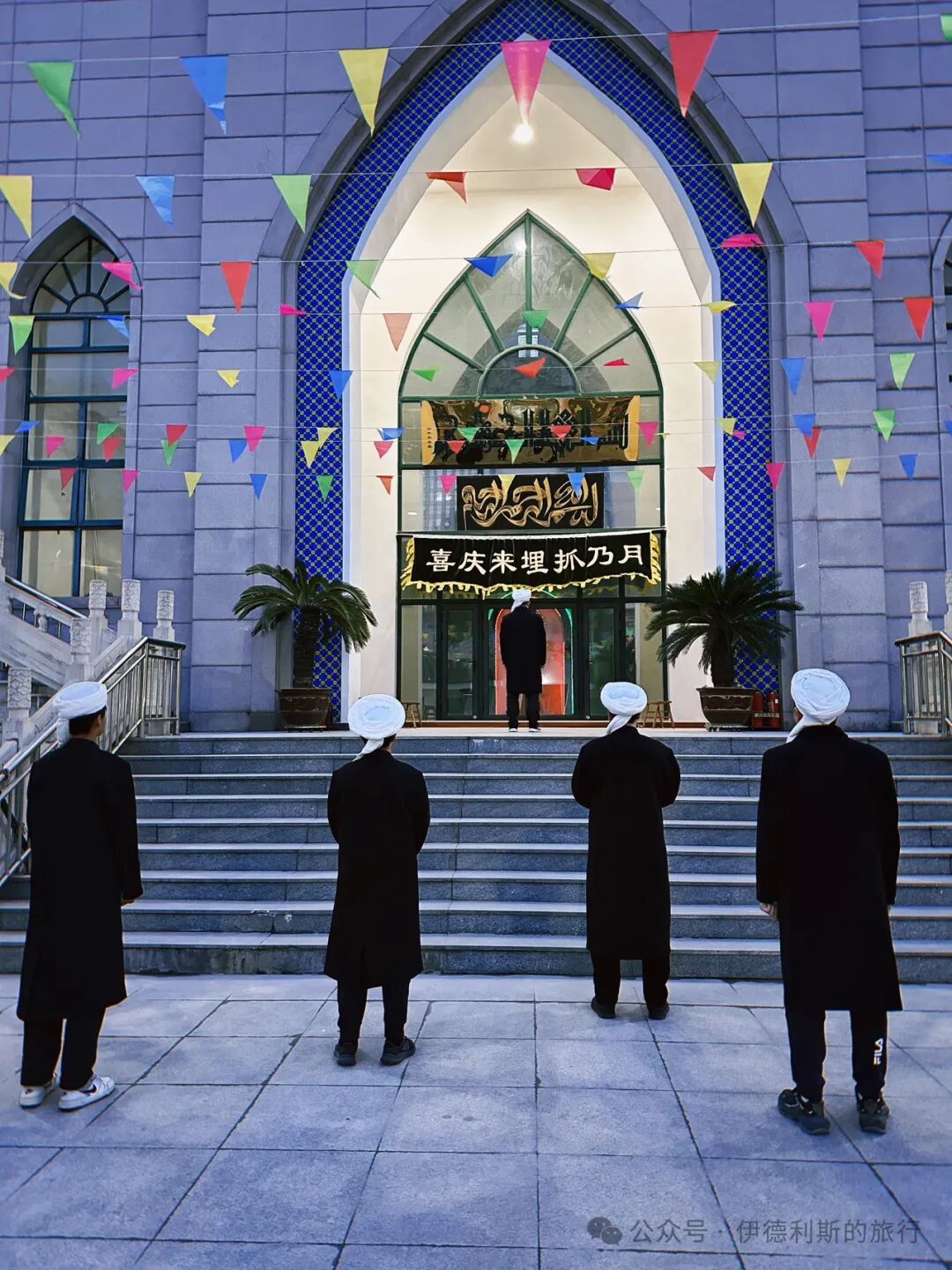
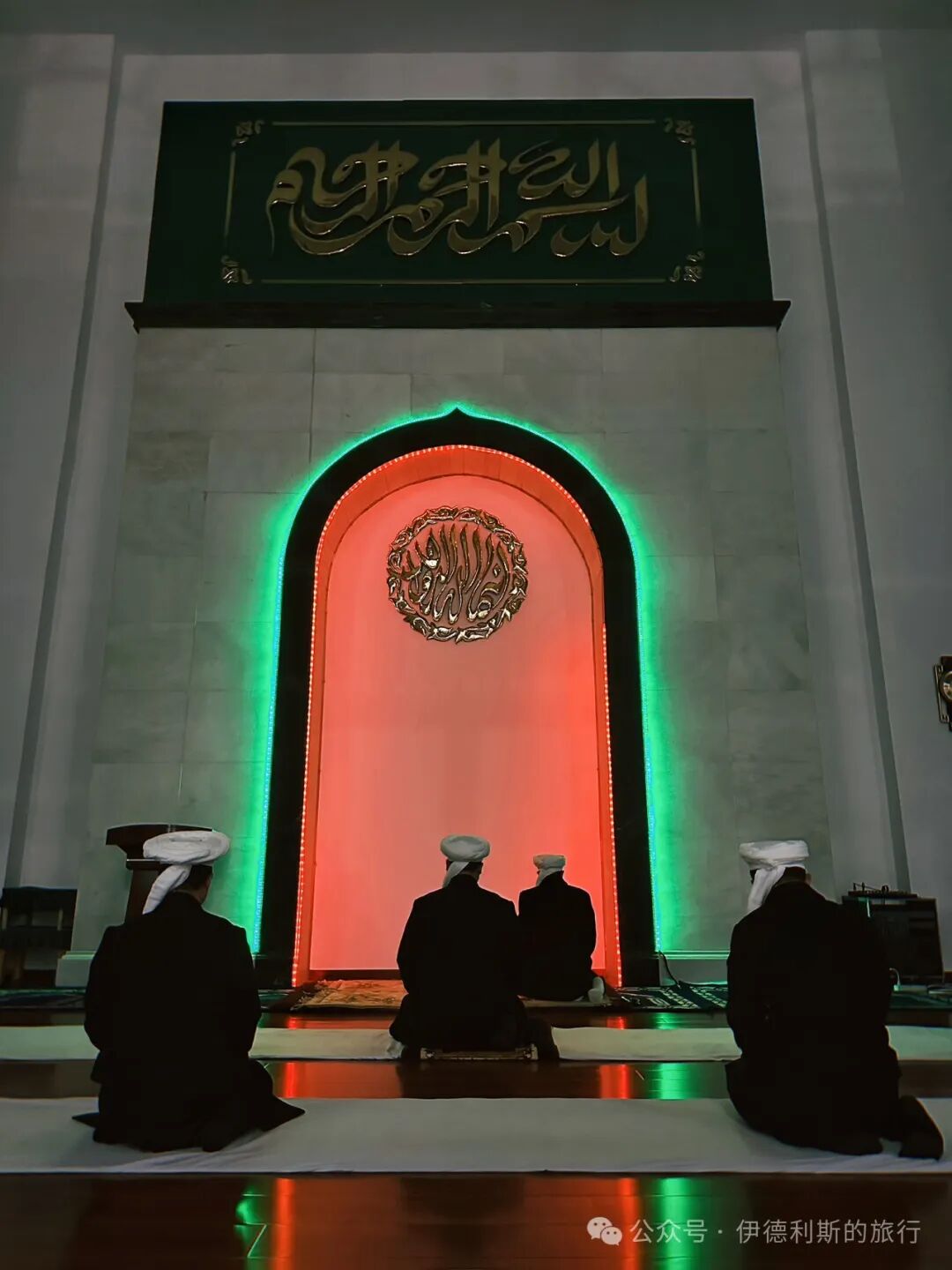
In the evening, I went to the Tianjin Great East Mosque again to break my fast. Before Maghrib, Imam Ma gave a sermon (wa'erzi), then we recited dua, and I received pastries and fruit. After the recitation, we went into the main hall to pray Maghrib. There is a saying, 'From Nanjing to Beijing, the lights are only turned on after Maghrib.' The main hall looked especially solemn and dignified in the sunset. In North China, there is a tradition of wearing the old-style large millstone turban (damoshipan daistal) and the new-style cross-pattern turban (shizihua daistal). This large millstone style likely comes from Persia.
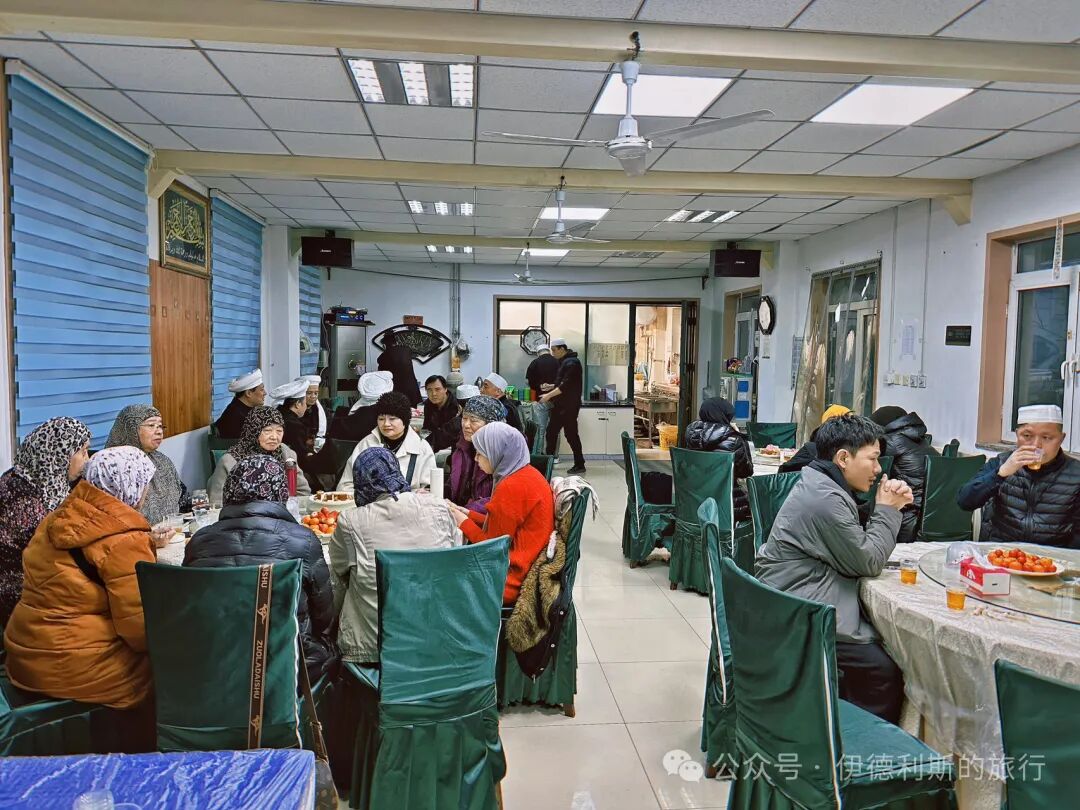
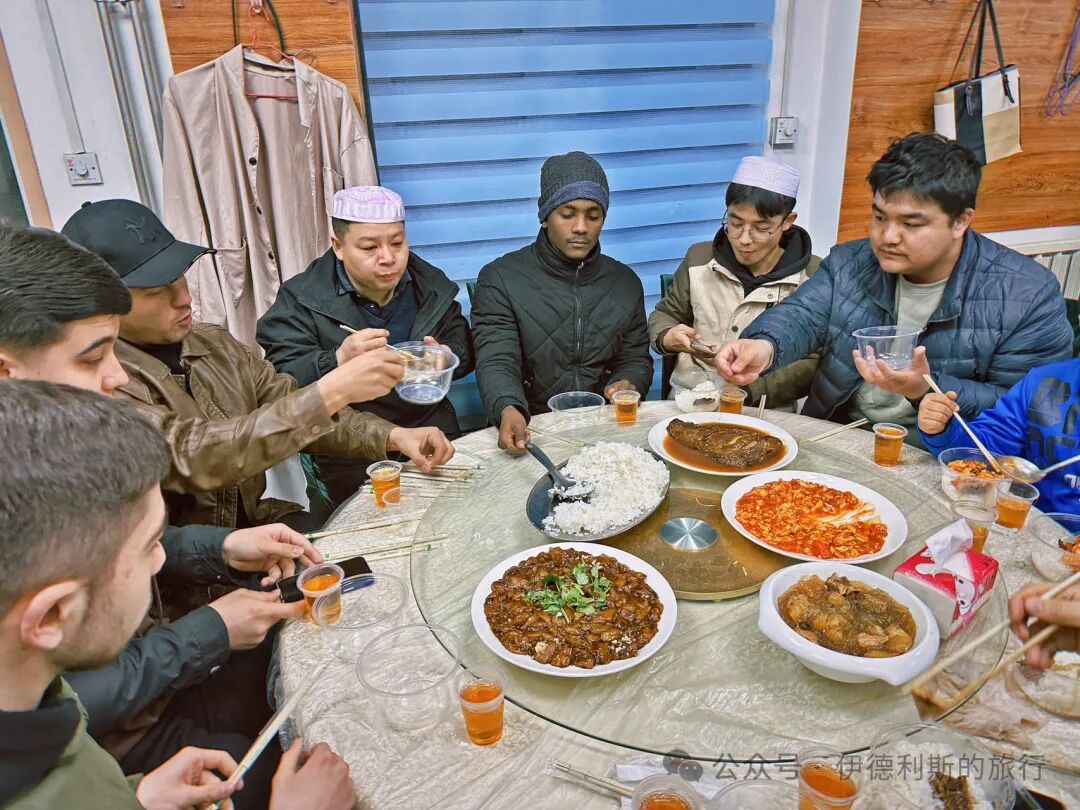
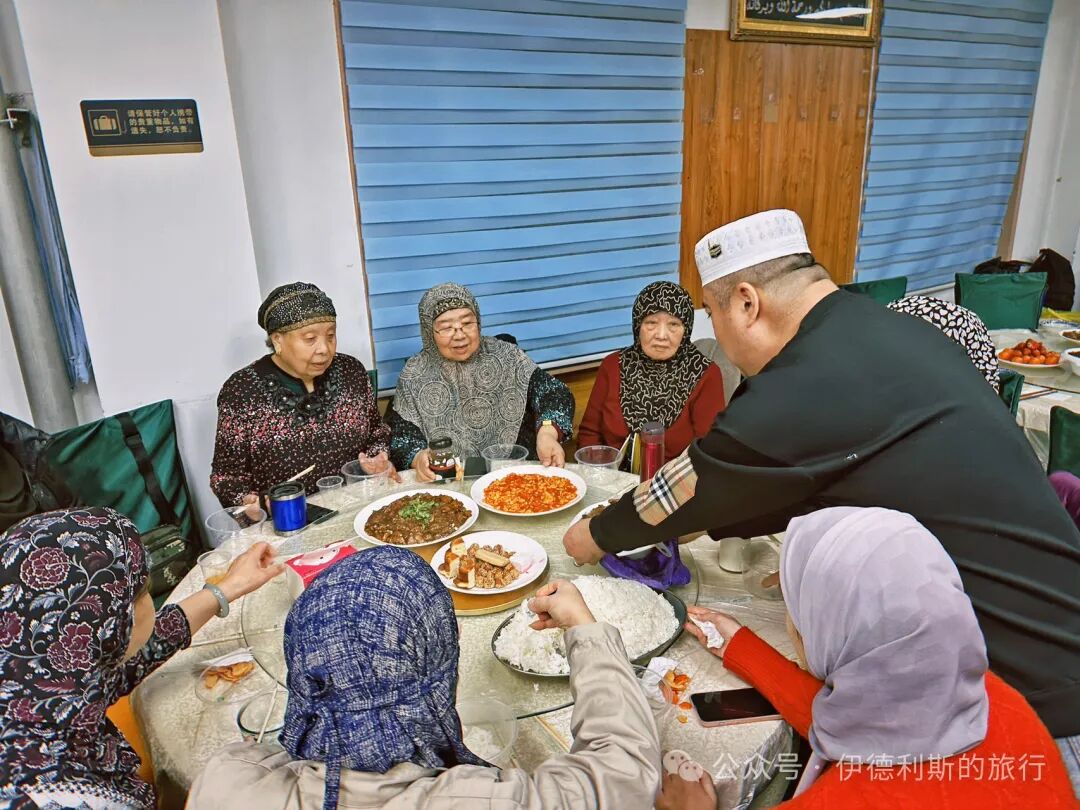
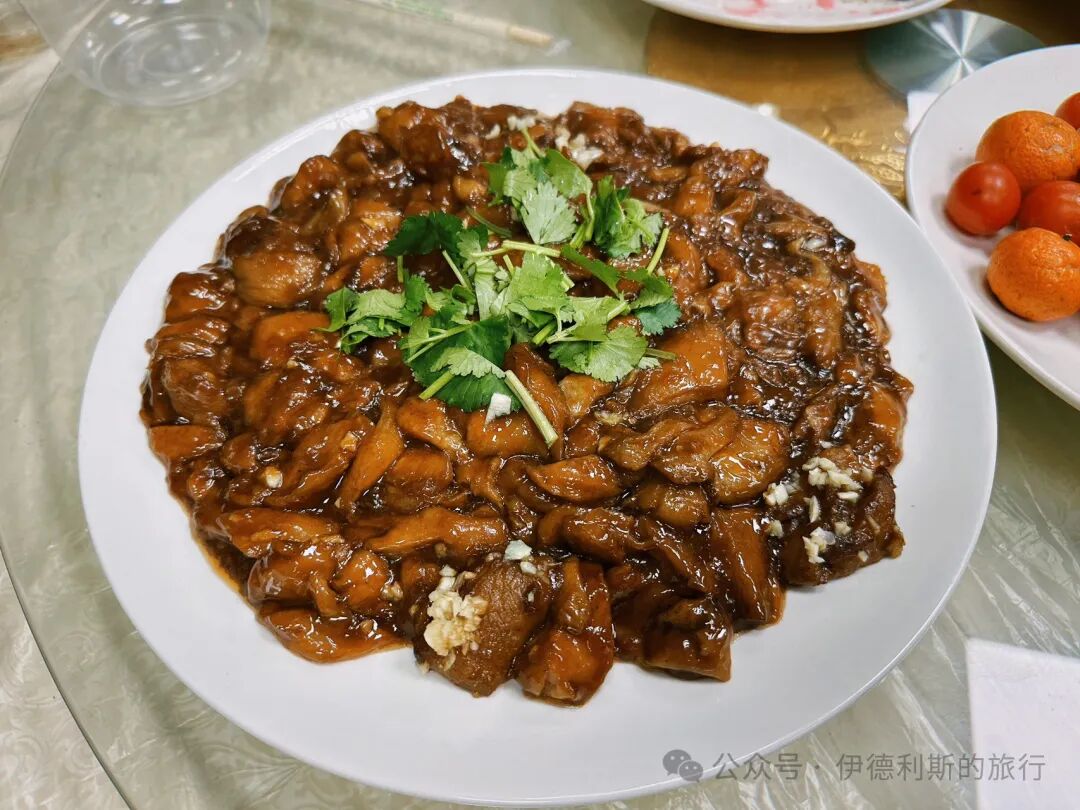
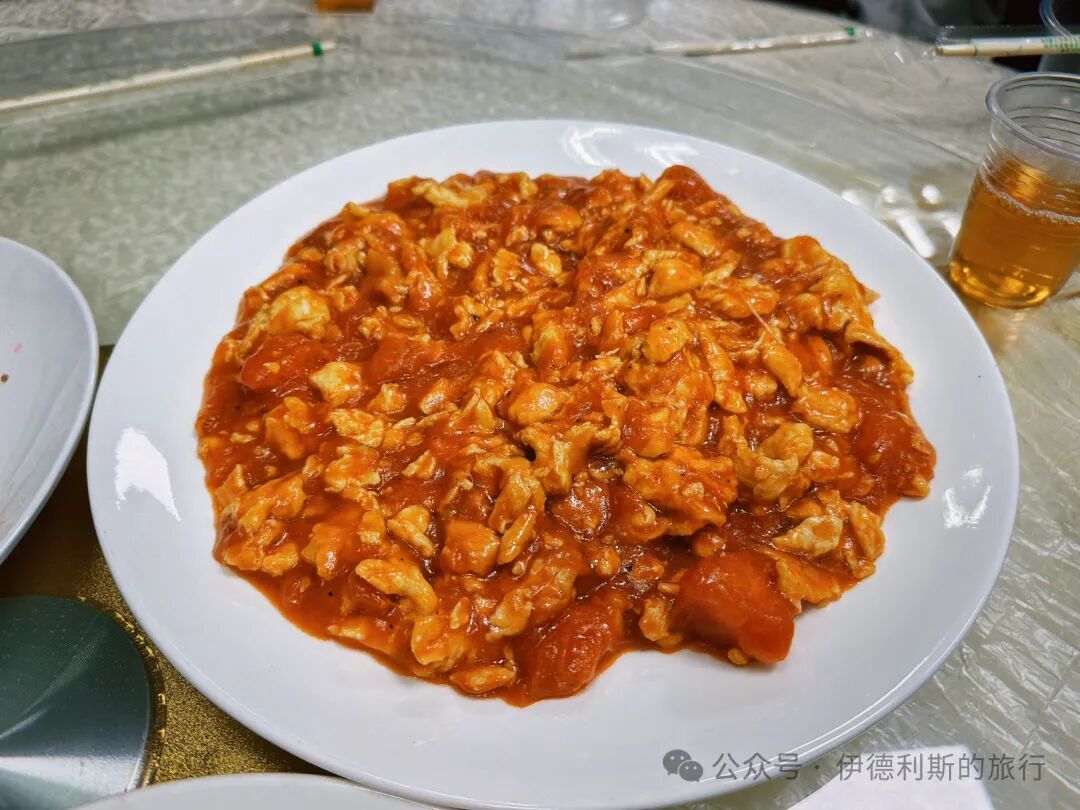
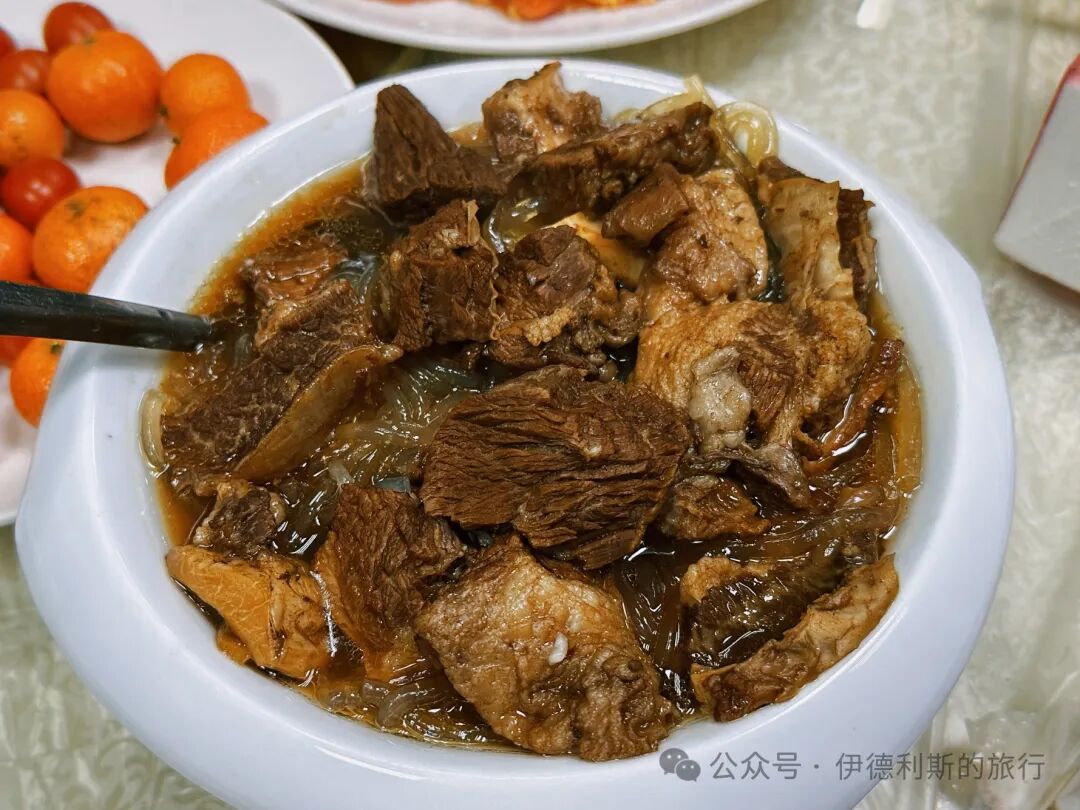
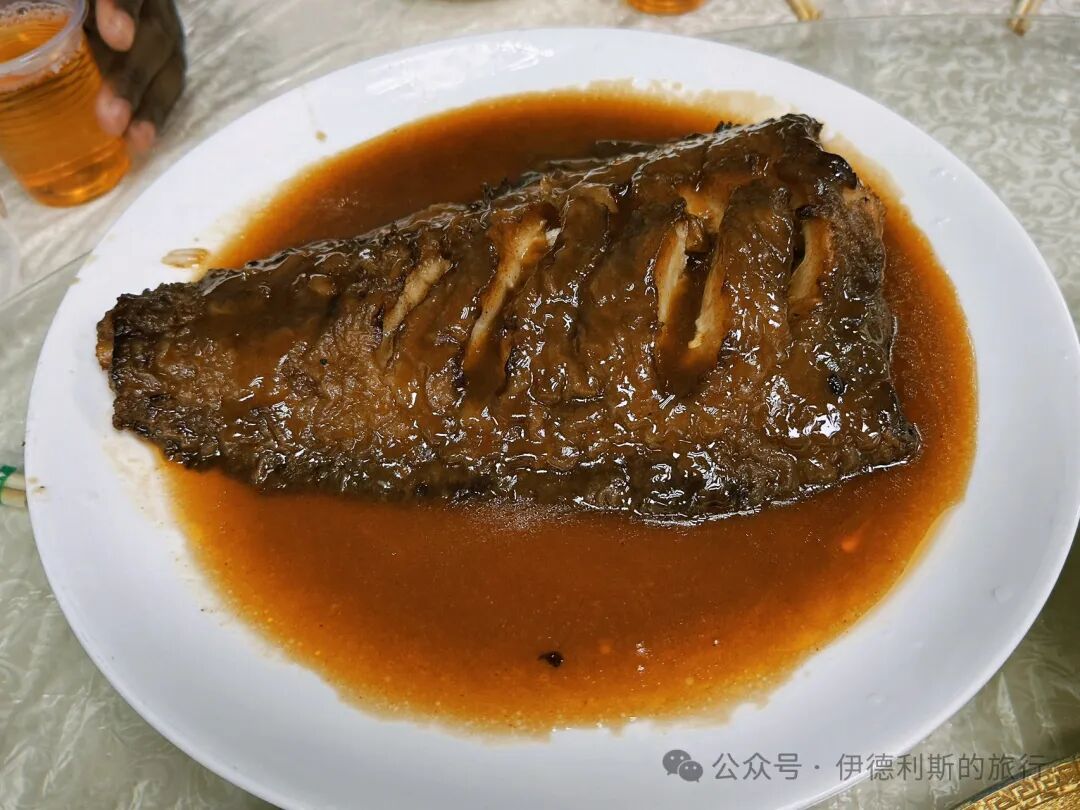
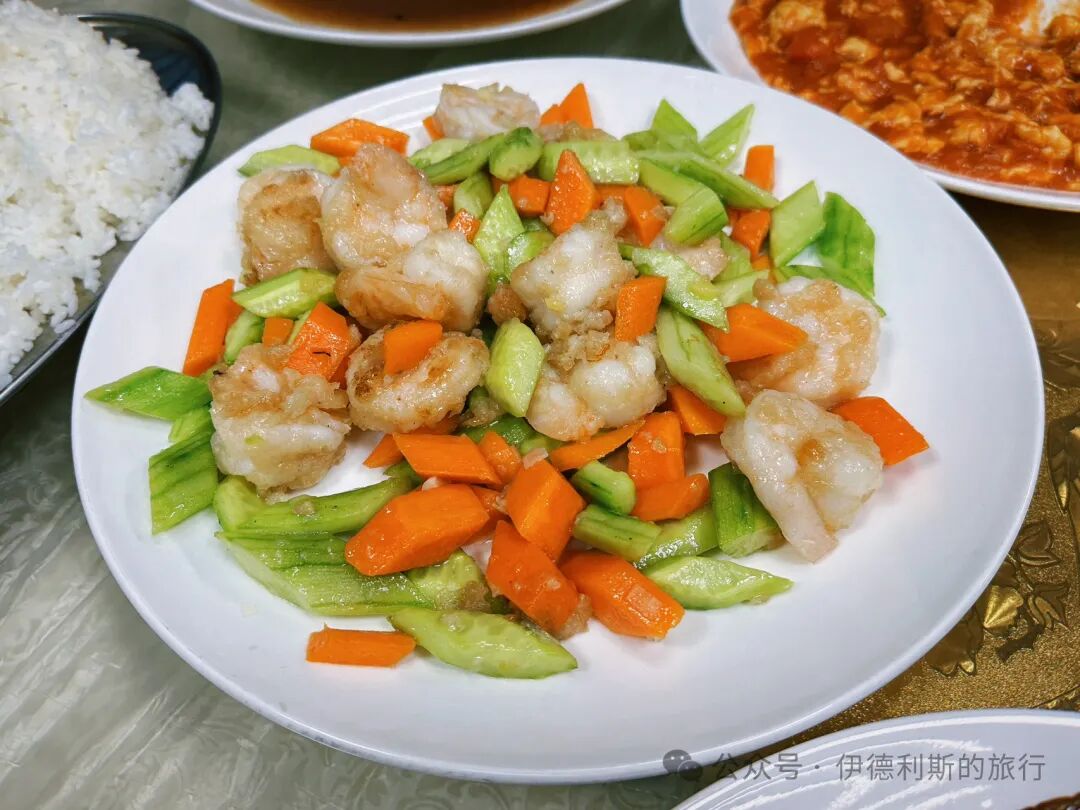
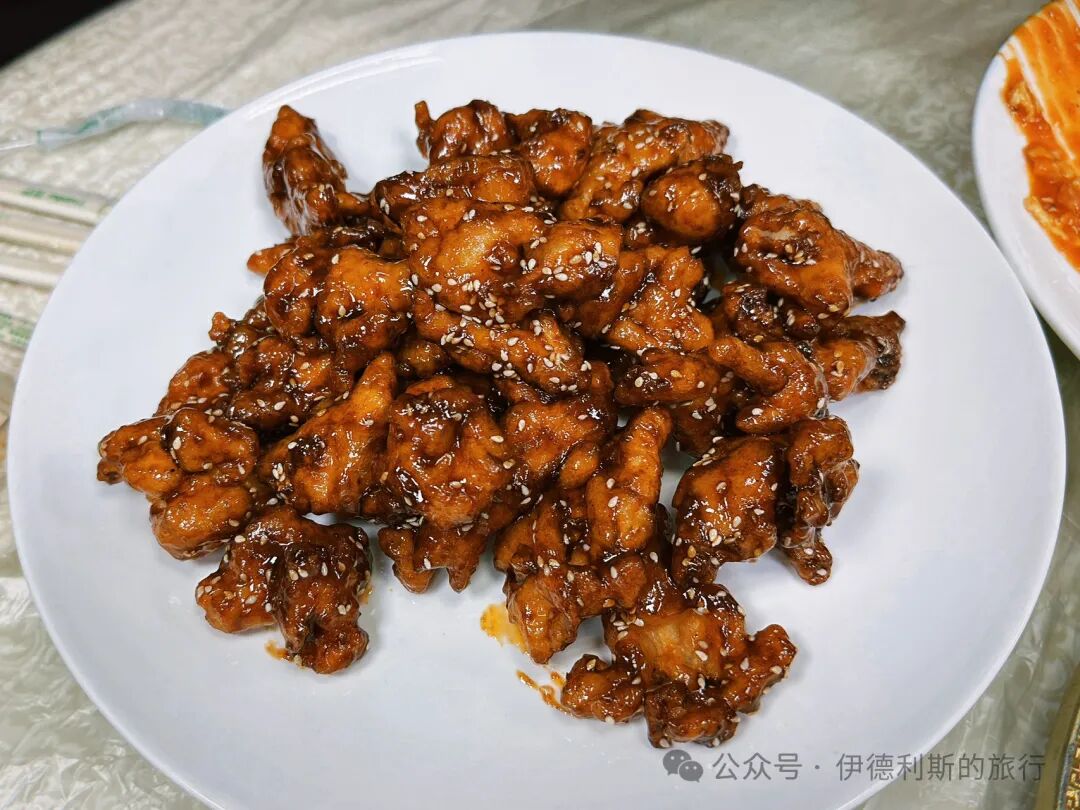
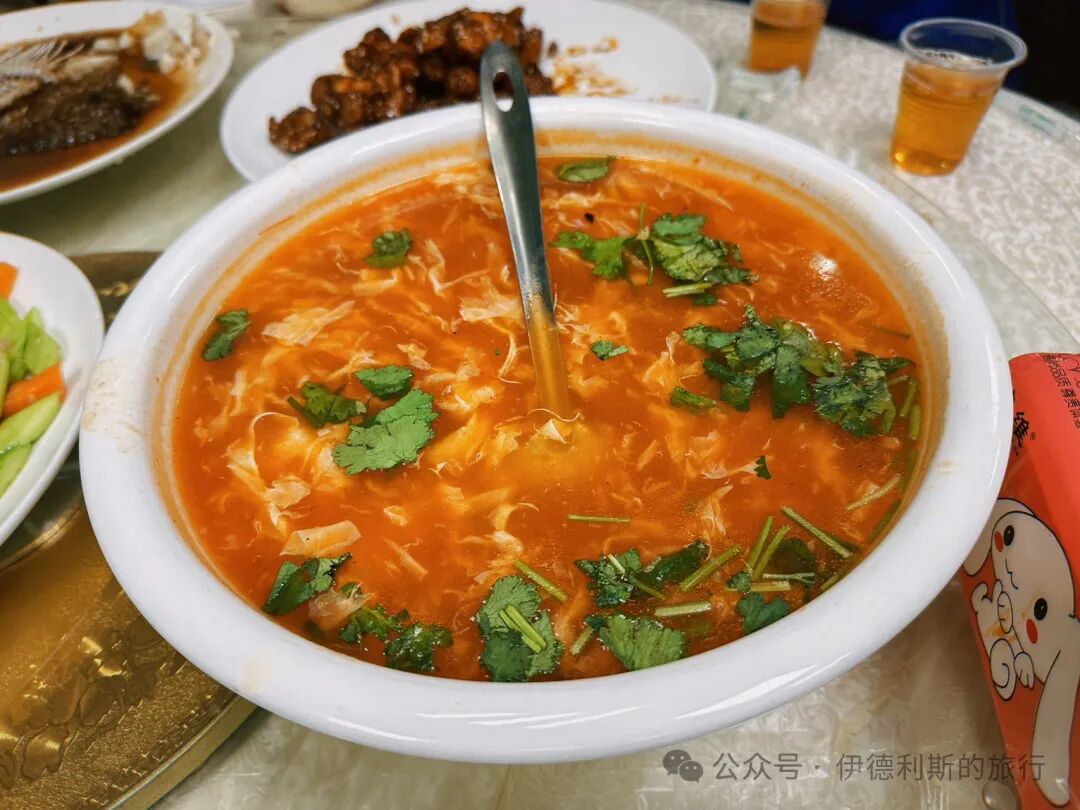
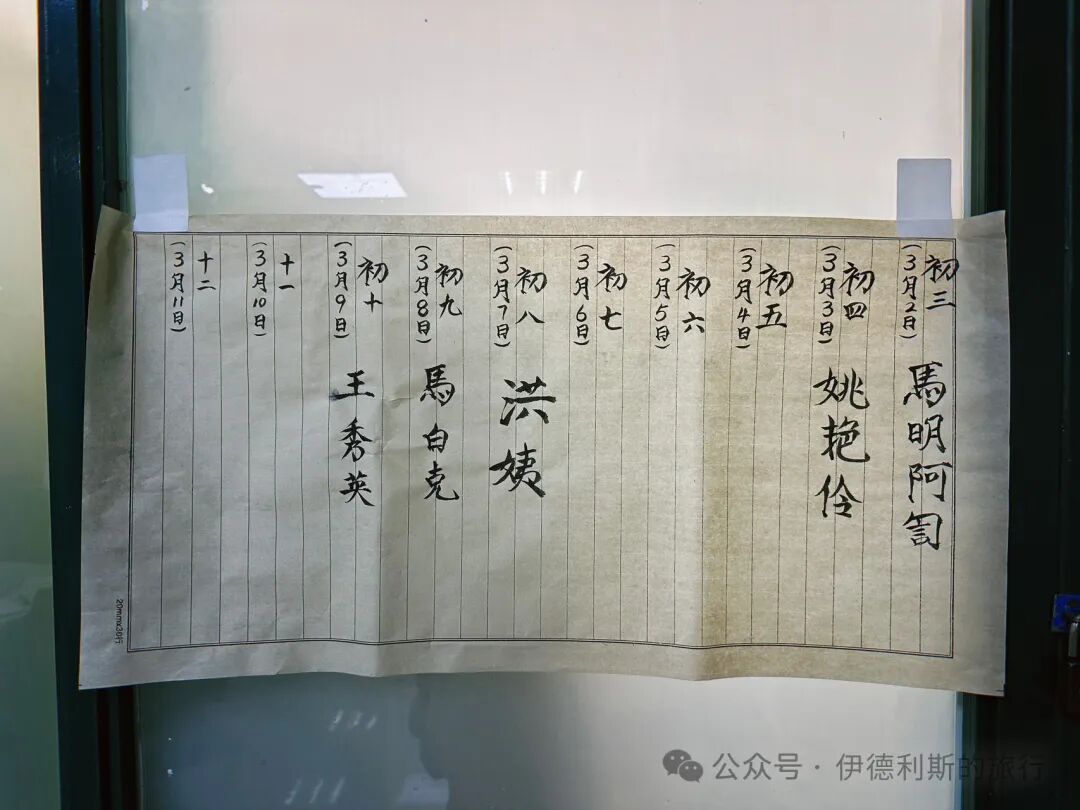
I returned to the dining hall after prayer and had braised eggplant, tomato and egg, beef stew, braised fish, stir-fried shrimp, sweet and sour pork, and tomato egg drop soup. It was a very rich meal with both meat and vegetables, and both dry and liquid dishes. Every day at the Great East Mosque, someone volunteers to host the fast-breaking meal. Imam Ma Ming hosted it on the first day, and I felt very grateful.
Summary: The first weekend of Ramadan 2025 took the writer from Beijing to Tianjin, with mosque visits, halal meals, and everyday scenes from Muslim life. The article keeps the original route, food details, photos, and local observations while presenting them in natural English.
February 28: Start of Ramadan.
Welcoming Ramadan, I prayed my first Taraweeh at the Dongsi Mosque in Beijing. I was pleasantly surprised when Imam He invited me to lead the recitation (suo'er).
March 1: First day.
I made a pot of Ashura bean porridge (ashura doudoufan) in advance. I added water and drank two big bowls in the morning, which felt great.
I went to Tianjin in the morning. In the evening, I prayed Maghrib (shamu) at the Northwest Corner Mosque (Xibeijiao Dasi). I was surprised to see only five or six people there. An elder (xianglao) gave me dates to break my fast. After prayer, I went to eat meat pies at Sangu Meat Pie (Sangu Roubing). I have been eating there for ten years, and it is as delicious as ever. The crust is crispy, and you can smell it from far away.
After dinner, I went to the Tianjin Great East Mosque (Dongdasi) to pray Taraweeh. Tianjin follows the 'old third day' tradition, so most mosques there start Ramadan one day later than in Beijing. The original site of the Great East Mosque was in Gujiao Hutong outside the South Gate. In 1915, Gao Hanting's grandfather donated the property, and it was organized by Zheng Yuande, Liu Haowei, Mu Xinglan, and others. In 2008, it moved from outside the South Gate to its current location on Nankai Second Road, right next to the Haiguangsi Station on Metro Line 1. This day happened to be the 'Dragon Raises Its Head' festival on the second day of the second lunar month. People in Tianjin like to set off fireworks and firecrackers. We prayed Taraweeh almost entirely to the sound of firecrackers, which made me feel the strength of my Iman even more. I also met Mr. Wu Peng from the 'Tianxia Huihui' program at the mosque. It turns out he is an elder at the Tianjin Great East Mosque.
March 2: Second day.
In the morning, my mother-in-law made big plate chicken (dapanji) and beef stew with potatoes served over rice.
In the evening, I went to the Tianjin Great East Mosque again to break my fast. Before Maghrib, Imam Ma gave a sermon (wa'erzi), then we recited dua, and I received pastries and fruit. After the recitation, we went into the main hall to pray Maghrib. There is a saying, 'From Nanjing to Beijing, the lights are only turned on after Maghrib.' The main hall looked especially solemn and dignified in the sunset. In North China, there is a tradition of wearing the old-style large millstone turban (damoshipan daistal) and the new-style cross-pattern turban (shizihua daistal). This large millstone style likely comes from Persia.
I returned to the dining hall after prayer and had braised eggplant, tomato and egg, beef stew, braised fish, stir-fried shrimp, sweet and sour pork, and tomato egg drop soup. It was a very rich meal with both meat and vegetables, and both dry and liquid dishes. Every day at the Great East Mosque, someone volunteers to host the fast-breaking meal. Imam Ma Ming hosted it on the first day, and I felt very grateful.
