
Islamic Art Guide: Tianjin Hui Muslim Brick Carvings - Ma Family and Liu
Reposted from the web
Summary: This article introduces the refined brick carvings of the Hui Muslim Ma family and Liu brick-carving tradition from Tianjin's Northwest Corner. It keeps the original artisan names, exhibition details, photographs, and cultural background for readers interested in Hui Muslim craftsmanship.
The Tianjin Museum displays exquisite brick carvings by the Hui Muslim families known as the 'Fancy Work Ma Family' (Huahuo Majia) and 'Brick Carver Liu' (Kezhuan Liu) from the Northwest Corner.
During the Jiaqing and Daoguang periods of the Qing Dynasty, wealthy merchants like the 'Eight Great Families' of Tianjin built many homes, leading to higher demands for fine brick carvings. During the Daoguang period, a Hui Muslim mason from the Northwest Corner named Ma Shunqing focused on brick carving techniques, known in the trade as 'fancy work' (huahuo), and gradually developed Tianjin brick carving into an independent form of arts and crafts. He created the 'brick-pasting method' (tiezhuan fa), which uses an adhesive made of rosin and yellow wax to attach small bricks onto a brick surface, giving the carvings clear layers for near, middle, and far views.
While creating his own carvings, Ma Shunqing trained a professional team of Hui Muslim brick carvers known as the 'Fancy Work Ma Family' (Huahuo Majia), which included his sons Ma Shaode and Ma Shaoqing, and apprentices like Mu Chenglin and He Baotian. Ma Shaode kept his father's techniques while adding his own style, and Ma Shaoqing further developed the brick-pasting method; both became famous brick carving masters in Tianjin.
During the Republic of China era, Ma Shunqing's grandson Liu Fengming became the standout of the third generation of the 'Fancy Work Ma Family' and was known as 'Brick Carver Liu' (Kezhuan Liu). Liu Fengming began learning brick carving from his grandfather Ma Shunqing and uncle Ma Shaoqing at age 15; his work is rich in content, bold in spirit, and features delicate, skilled knife work that is very artistic. Liu Fengming evolved Ma Shunqing's original method of pasting a single brick into a 'stack-pasting method' (duitie fa) that pastes multiple bricks as needed, making the images more three-dimensional and realistic.
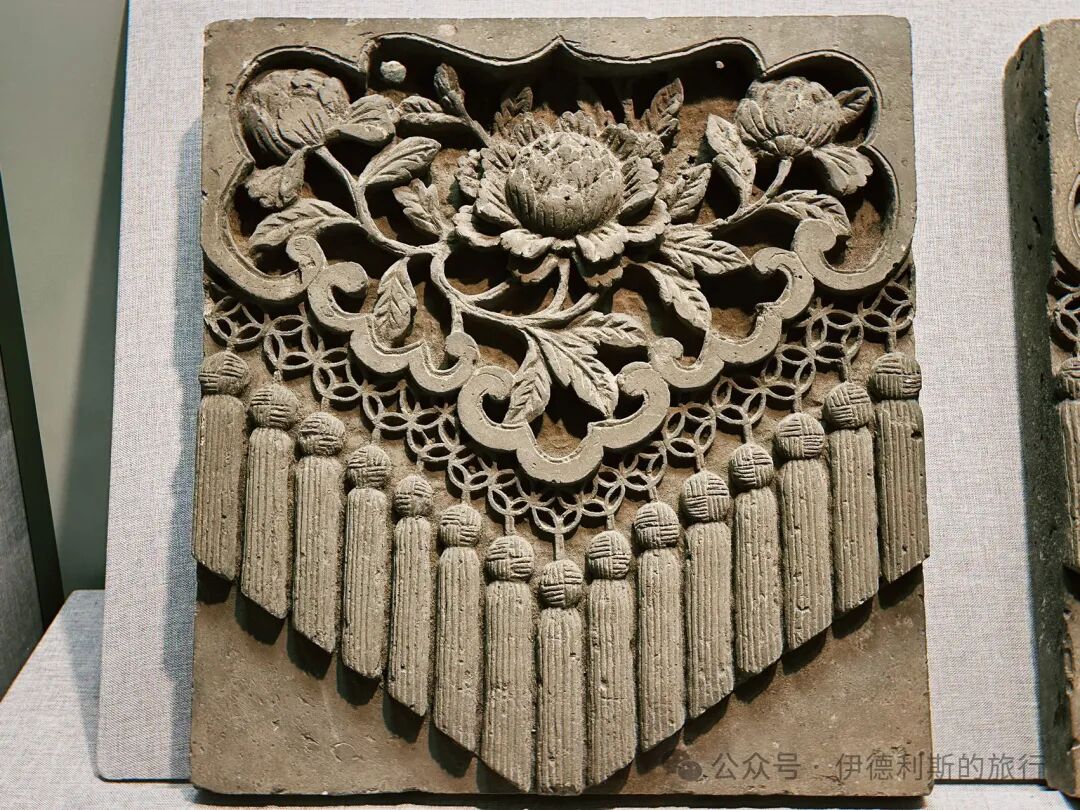
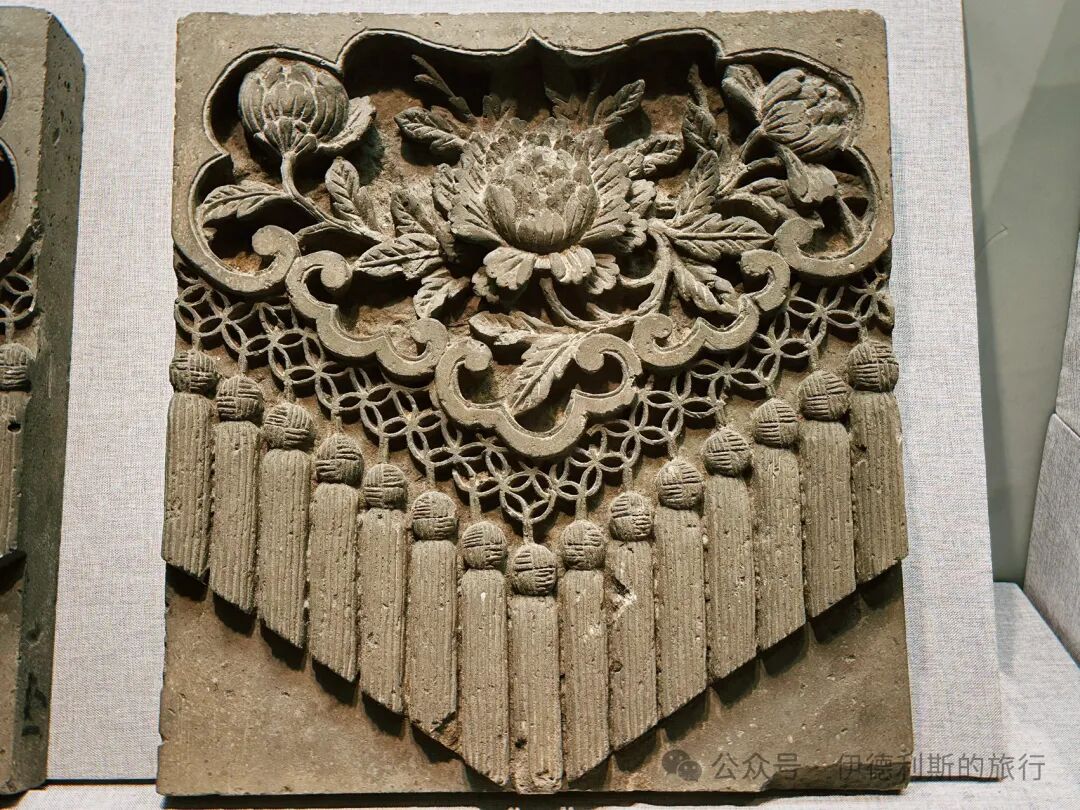
Peonies carved by Ma Shunqing.
Flowers and birds carved by Ma Shaoqing.
The 'Four Loves' (Si'ai Tu) carved by Liu Fengming, featuring Wang Xizhi loving geese, Tao Yuanming loving chrysanthemums, Lin Hejing, and Zhou Dunyi loving lotus flowers.
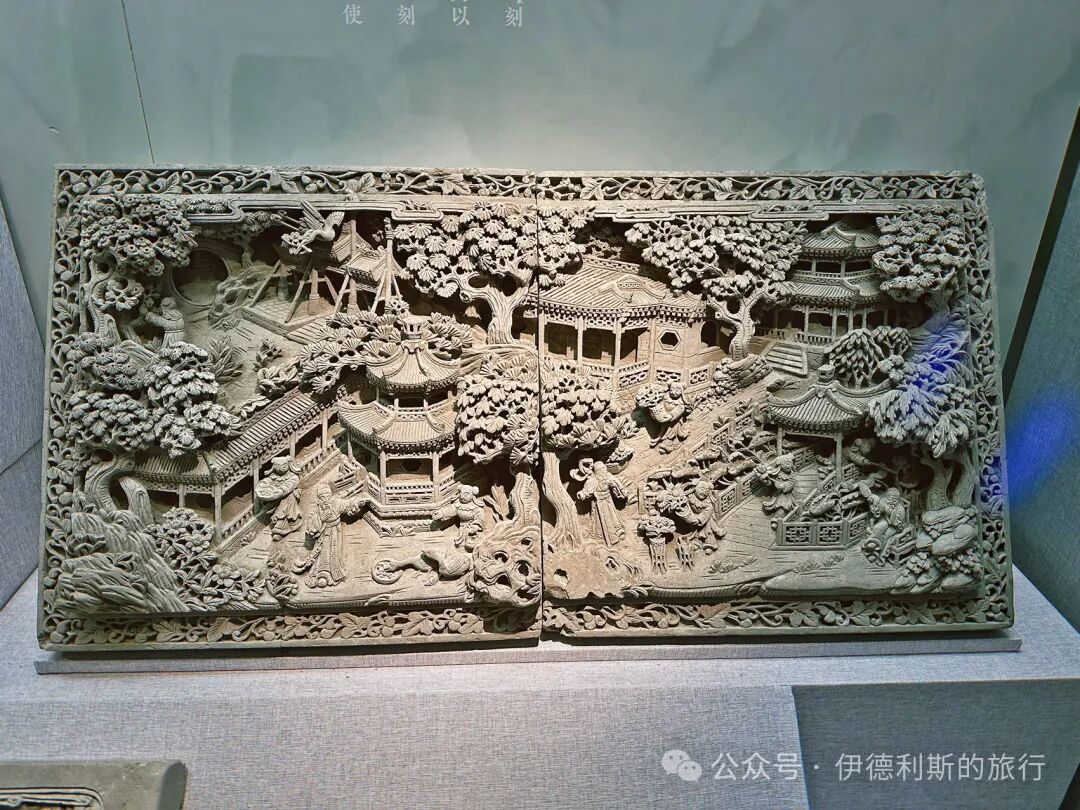
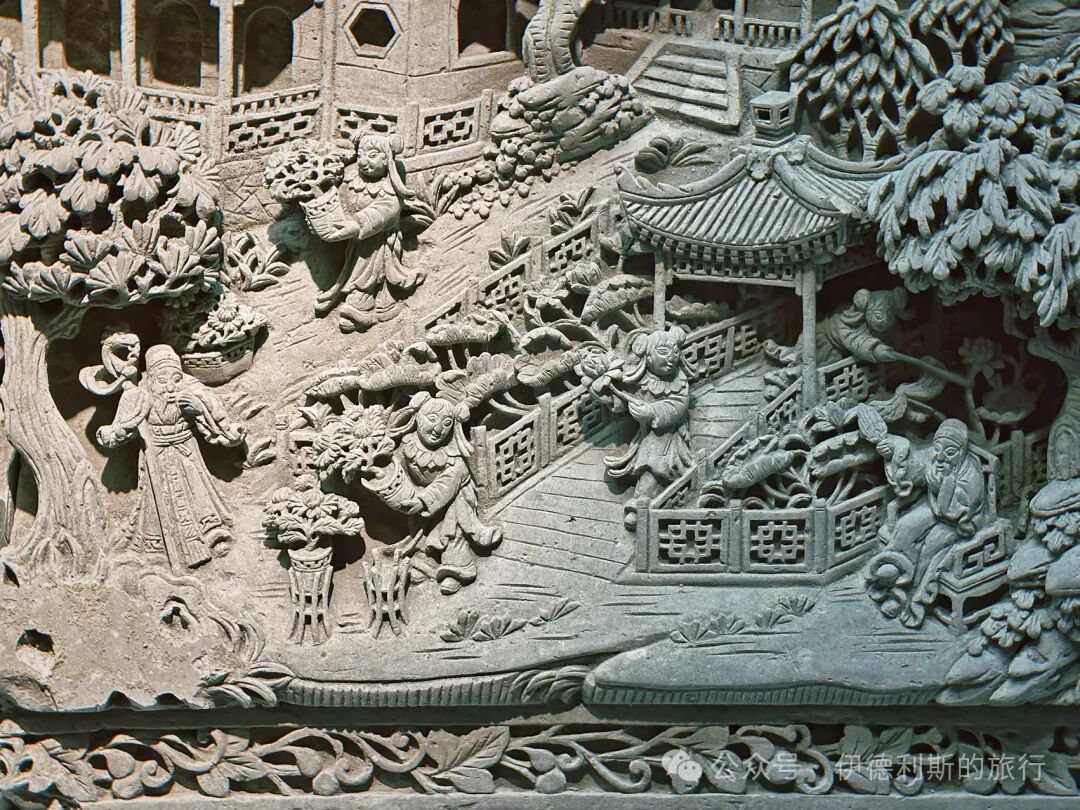
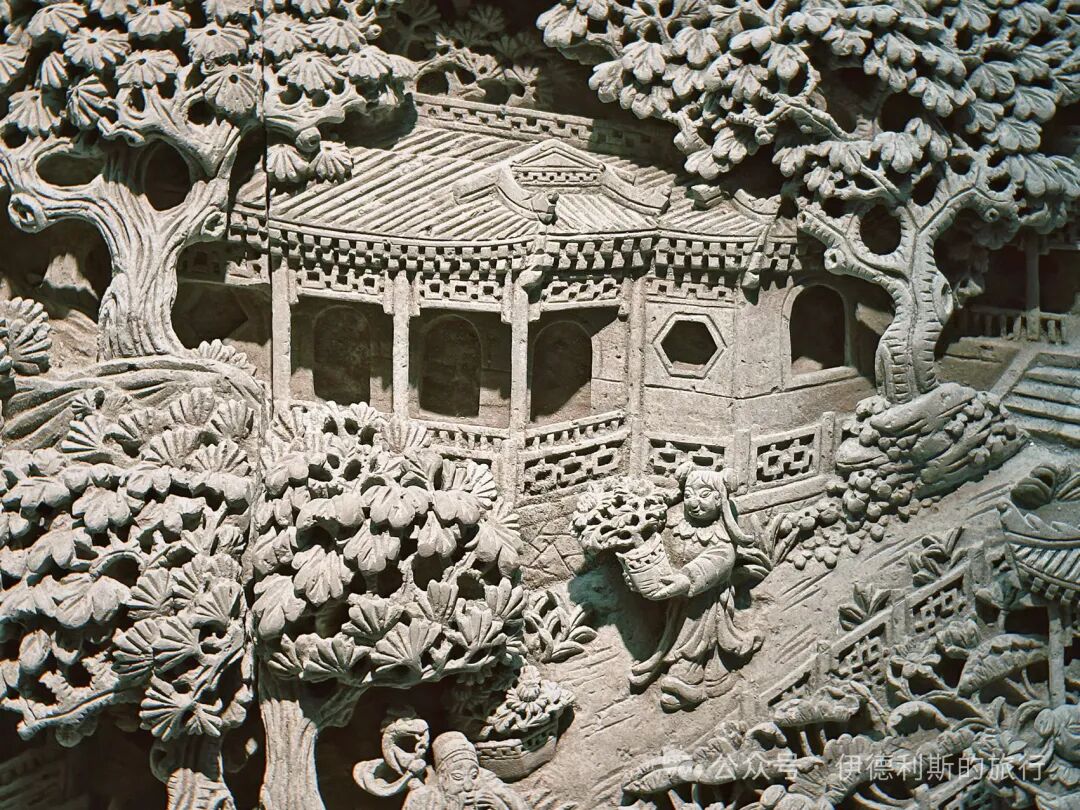
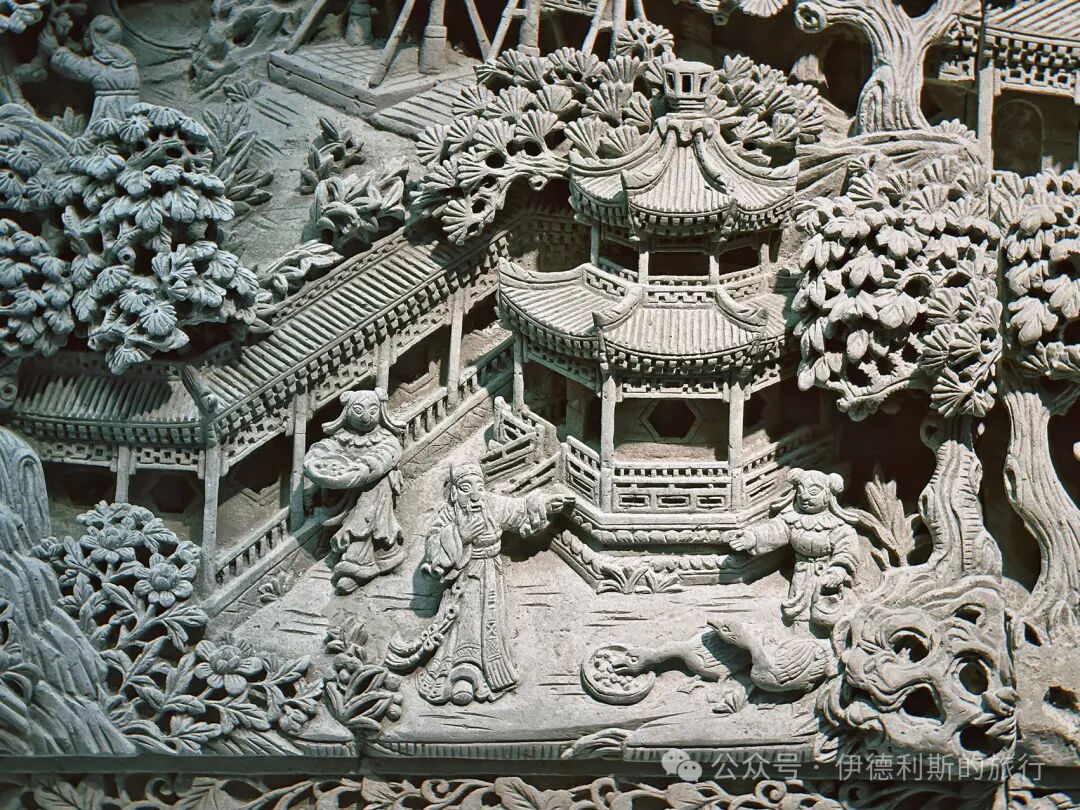
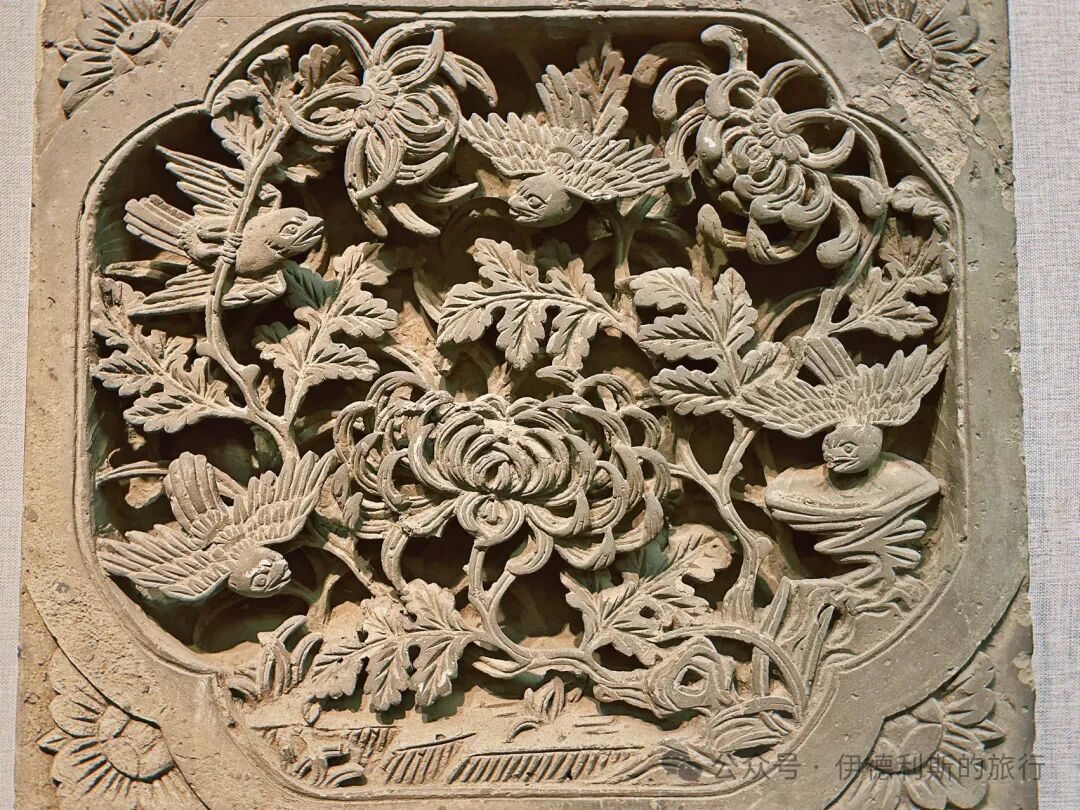
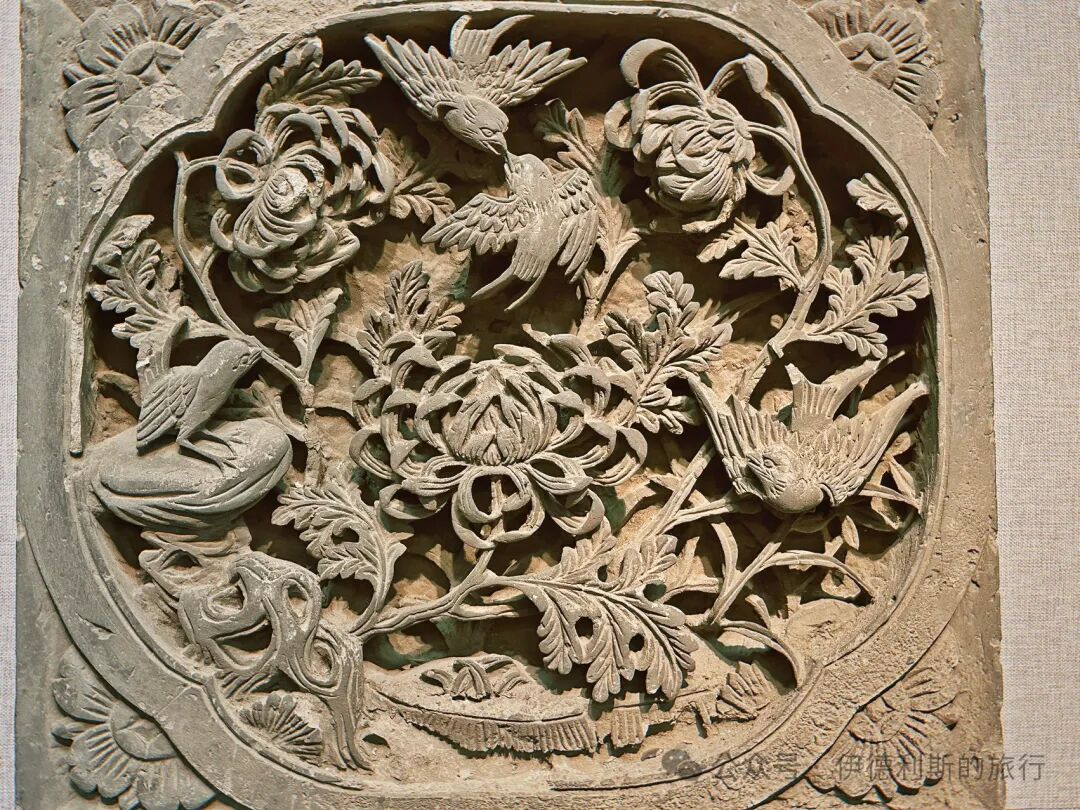
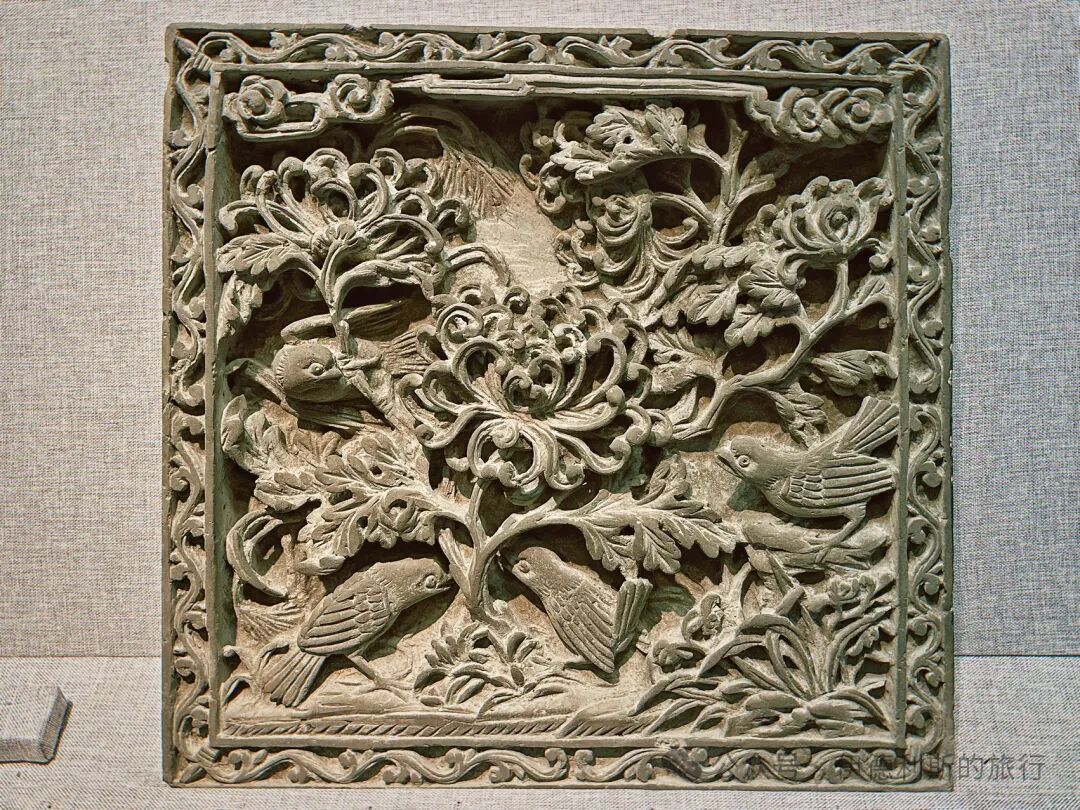
Flowers and birds carved by Liu Fengming.
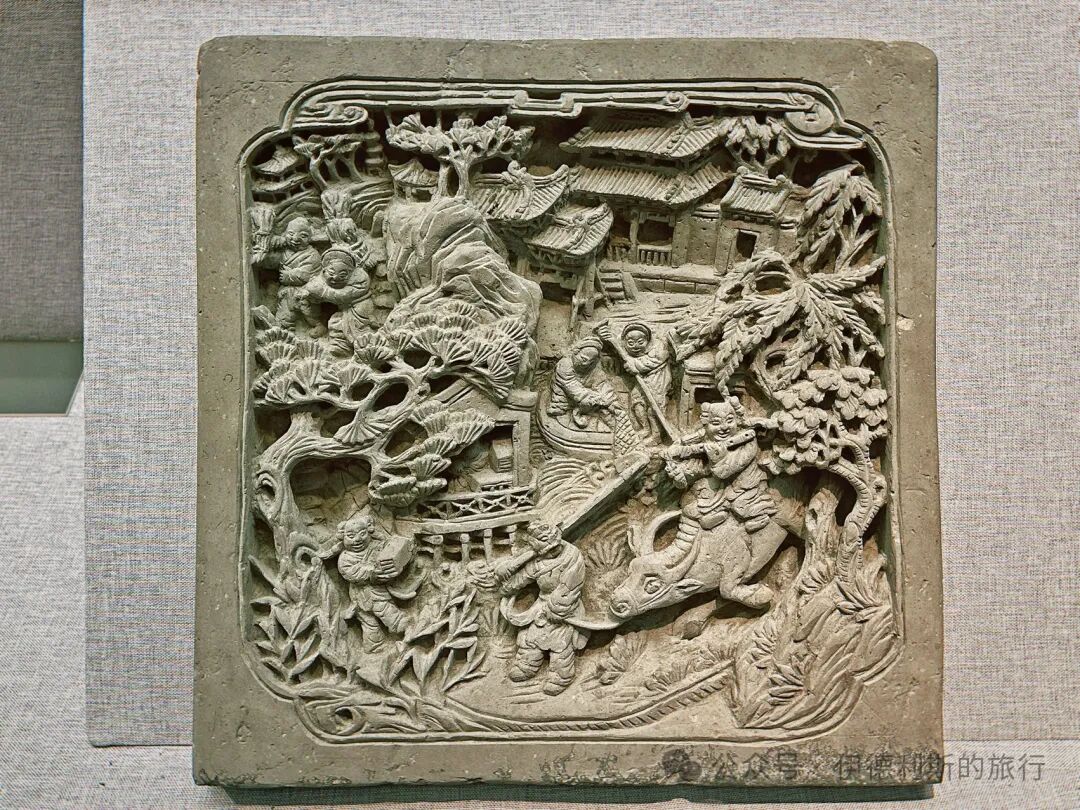
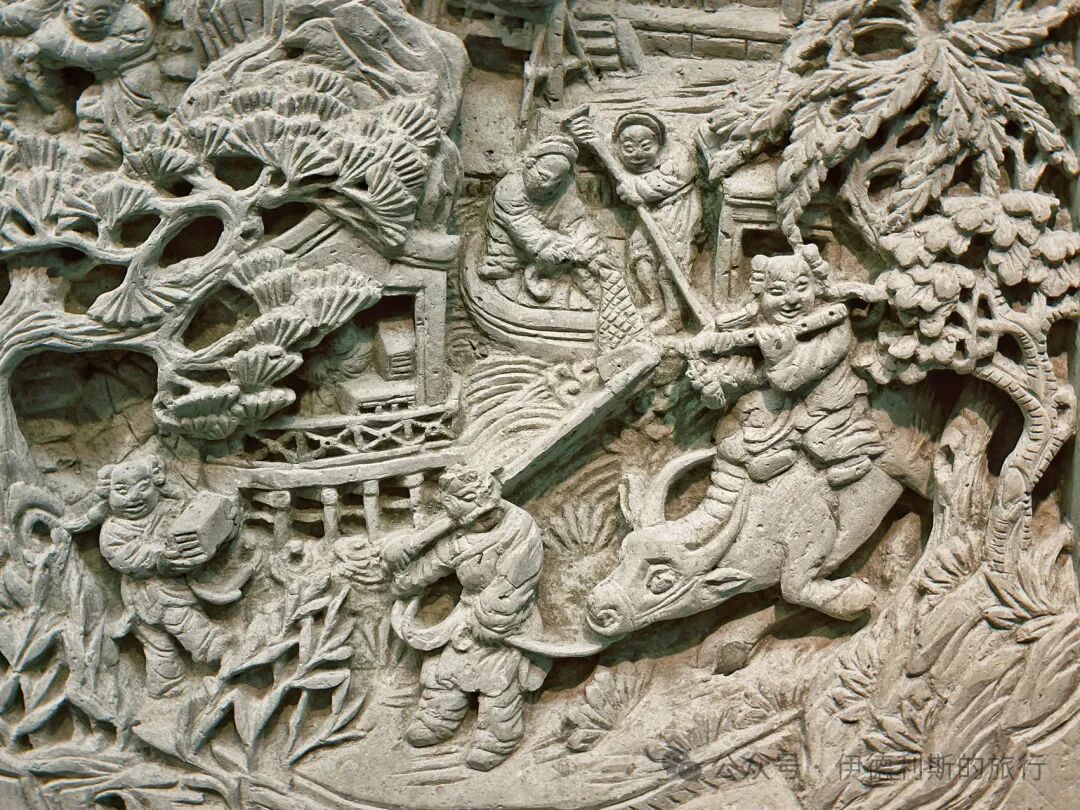
Fisherman, woodcutter, farmer, and scholar (yuqiaogengdu) carved by Liu Fengming.
Summary: This article introduces the refined brick carvings of the Hui Muslim Ma family and Liu brick-carving tradition from Tianjin's Northwest Corner. It keeps the original artisan names, exhibition details, photographs, and cultural background for readers interested in Hui Muslim craftsmanship.
The Tianjin Museum displays exquisite brick carvings by the Hui Muslim families known as the 'Fancy Work Ma Family' (Huahuo Majia) and 'Brick Carver Liu' (Kezhuan Liu) from the Northwest Corner.
During the Jiaqing and Daoguang periods of the Qing Dynasty, wealthy merchants like the 'Eight Great Families' of Tianjin built many homes, leading to higher demands for fine brick carvings. During the Daoguang period, a Hui Muslim mason from the Northwest Corner named Ma Shunqing focused on brick carving techniques, known in the trade as 'fancy work' (huahuo), and gradually developed Tianjin brick carving into an independent form of arts and crafts. He created the 'brick-pasting method' (tiezhuan fa), which uses an adhesive made of rosin and yellow wax to attach small bricks onto a brick surface, giving the carvings clear layers for near, middle, and far views.
While creating his own carvings, Ma Shunqing trained a professional team of Hui Muslim brick carvers known as the 'Fancy Work Ma Family' (Huahuo Majia), which included his sons Ma Shaode and Ma Shaoqing, and apprentices like Mu Chenglin and He Baotian. Ma Shaode kept his father's techniques while adding his own style, and Ma Shaoqing further developed the brick-pasting method; both became famous brick carving masters in Tianjin.
During the Republic of China era, Ma Shunqing's grandson Liu Fengming became the standout of the third generation of the 'Fancy Work Ma Family' and was known as 'Brick Carver Liu' (Kezhuan Liu). Liu Fengming began learning brick carving from his grandfather Ma Shunqing and uncle Ma Shaoqing at age 15; his work is rich in content, bold in spirit, and features delicate, skilled knife work that is very artistic. Liu Fengming evolved Ma Shunqing's original method of pasting a single brick into a 'stack-pasting method' (duitie fa) that pastes multiple bricks as needed, making the images more three-dimensional and realistic.
Peonies carved by Ma Shunqing.
Flowers and birds carved by Ma Shaoqing.
The 'Four Loves' (Si'ai Tu) carved by Liu Fengming, featuring Wang Xizhi loving geese, Tao Yuanming loving chrysanthemums, Lin Hejing, and Zhou Dunyi loving lotus flowers.
Flowers and birds carved by Liu Fengming.
Fisherman, woodcutter, farmer, and scholar (yuqiaogengdu) carved by Liu Fengming.
