

Hui Muslim Art
Halal Travel Guide: Hui Muslim Paintings from the 1980s
Articles • ali2007fr posted the article • 0 comments • 128 views • 2026-05-20 08:14
Reposted from the web
Summary: A 1985 book of Hui Muslim calligraphy and painting offers a rare look at how Muslim life in China was drawn and remembered in the 1980s. This account keeps the artist names, artwork notes, and image order from the original post.
Yesterday at the China Bookstore in Dengshikou, Beijing, I found a copy of the 1985 book Collection of Chinese Muslim Calligraphy and Painting. I want to share some of the works from it with you.
The Holy Prophet's Horse (Zhisheng Xianma) was painted by Yang Zhaosan, a Hui Muslim from Lingyuan, Liaoning. He was the deputy editor-in-chief of the China Environment News.
The Prophet's Cave of Refuge (Musheng Binandong) was painted by Ma Zhaoren, a Hui Muslim from Beijing. He was an art designer at the Beijing Film Studio.
Friday Sermon (Zhuma Ri Xuanjiang) was painted by Ma Fanghua, a Hui Muslim from Lanzhou. She was an art editor for the Feitian monthly magazine at the Gansu Federation of Literary and Art Circles.
Niujie Mosque (Niujie Libaisi) was painted by Wu Biduan, a Hui Muslim from Nanjing. He was a professor and the head of the Printmaking Department at the Central Academy of Fine Arts.
Tongxin Mosque (Tongxin Qingzhensi) was painted by Ma Ying, a Hui Muslim from Tongxin, Ningxia. He was the director of the Tongxin County Cultural Center.
Lanzhou Floating Mosque (Lanzhou Shuishang Qingzhensi) was painted by Gao Zhiguo, a Hui Muslim from Lanzhou. He was a worker at the Gansu 3512 Factory.
Springtime at Niujie (Niujie Chunguang) was painted by Wang Daguan, a Hui Muslim from Beijing. He was an executive director of the China Railway Literary Association.
New Look of Shadian (Shadian Xinmao) was painted by Yan Fu, a specially invited painter for the Cultural Group of the Yunnan Provincial Committee of the CPPCC.
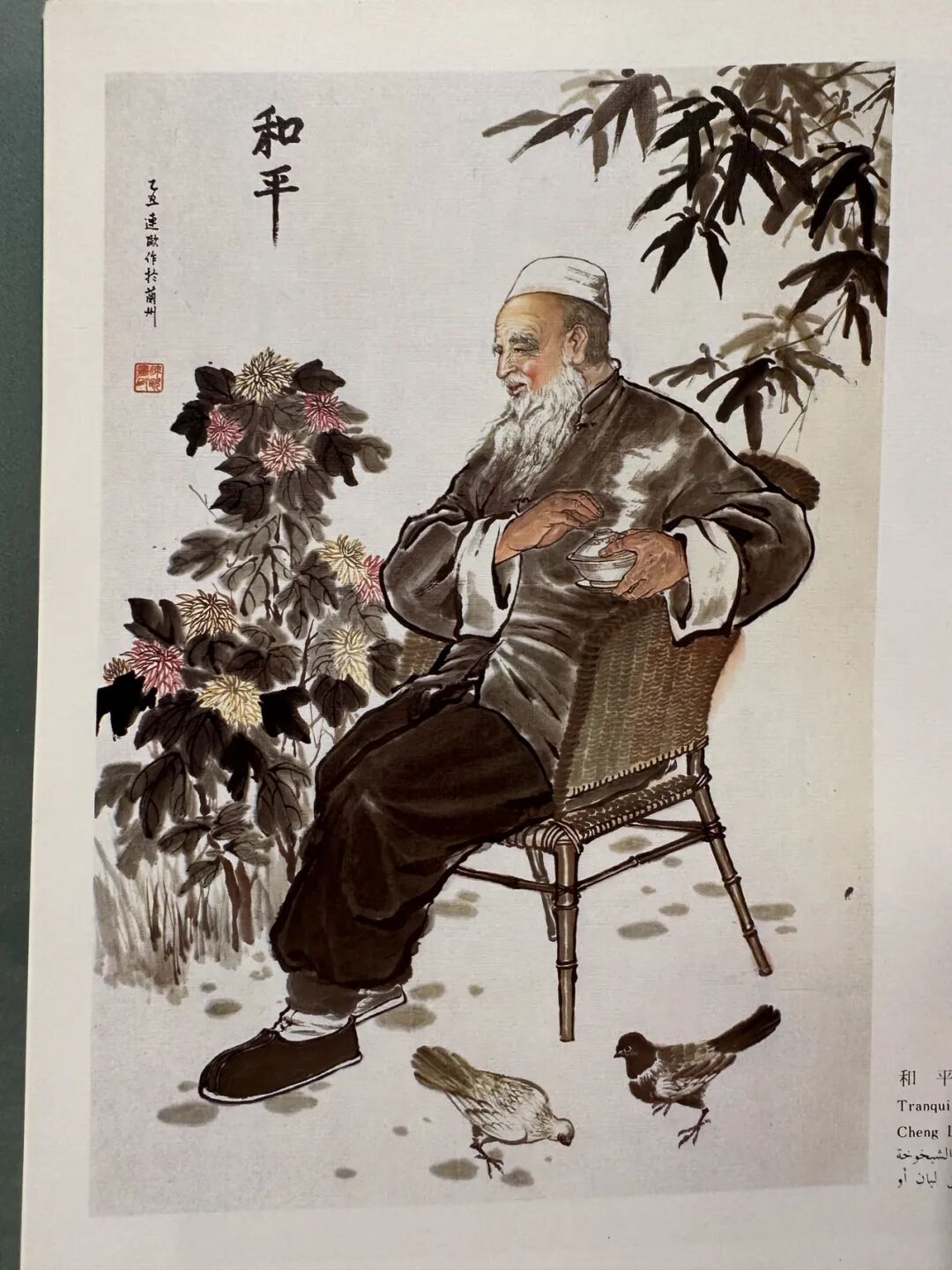
Visiting the Market (Guang Jishi) and Peace (Heping) were painted by Cheng Lian'ou, a Hui Muslim from Xinjiang, Shanxi. He was a labor union official at the Lanzhou Electric Power Repair and Manufacturing Plant.
Light Reflecting the Galaxy, Spirit Soaring to the Heavens (Guang Ying Xinghe Qi Chong Xiaohan) was painted by Sun Jingxiu, a professor at the Shandong University of Arts. view all
Summary: A 1985 book of Hui Muslim calligraphy and painting offers a rare look at how Muslim life in China was drawn and remembered in the 1980s. This account keeps the artist names, artwork notes, and image order from the original post.
Yesterday at the China Bookstore in Dengshikou, Beijing, I found a copy of the 1985 book Collection of Chinese Muslim Calligraphy and Painting. I want to share some of the works from it with you.
The Holy Prophet's Horse (Zhisheng Xianma) was painted by Yang Zhaosan, a Hui Muslim from Lingyuan, Liaoning. He was the deputy editor-in-chief of the China Environment News.
The Prophet's Cave of Refuge (Musheng Binandong) was painted by Ma Zhaoren, a Hui Muslim from Beijing. He was an art designer at the Beijing Film Studio.
Friday Sermon (Zhuma Ri Xuanjiang) was painted by Ma Fanghua, a Hui Muslim from Lanzhou. She was an art editor for the Feitian monthly magazine at the Gansu Federation of Literary and Art Circles.
Niujie Mosque (Niujie Libaisi) was painted by Wu Biduan, a Hui Muslim from Nanjing. He was a professor and the head of the Printmaking Department at the Central Academy of Fine Arts.
Tongxin Mosque (Tongxin Qingzhensi) was painted by Ma Ying, a Hui Muslim from Tongxin, Ningxia. He was the director of the Tongxin County Cultural Center.
Lanzhou Floating Mosque (Lanzhou Shuishang Qingzhensi) was painted by Gao Zhiguo, a Hui Muslim from Lanzhou. He was a worker at the Gansu 3512 Factory.
Springtime at Niujie (Niujie Chunguang) was painted by Wang Daguan, a Hui Muslim from Beijing. He was an executive director of the China Railway Literary Association.
New Look of Shadian (Shadian Xinmao) was painted by Yan Fu, a specially invited painter for the Cultural Group of the Yunnan Provincial Committee of the CPPCC.
Visiting the Market (Guang Jishi) and Peace (Heping) were painted by Cheng Lian'ou, a Hui Muslim from Xinjiang, Shanxi. He was a labor union official at the Lanzhou Electric Power Repair and Manufacturing Plant.
Light Reflecting the Galaxy, Spirit Soaring to the Heavens (Guang Ying Xinghe Qi Chong Xiaohan) was painted by Sun Jingxiu, a professor at the Shandong University of Arts. view all
Reposted from the web
Summary: A 1985 book of Hui Muslim calligraphy and painting offers a rare look at how Muslim life in China was drawn and remembered in the 1980s. This account keeps the artist names, artwork notes, and image order from the original post.
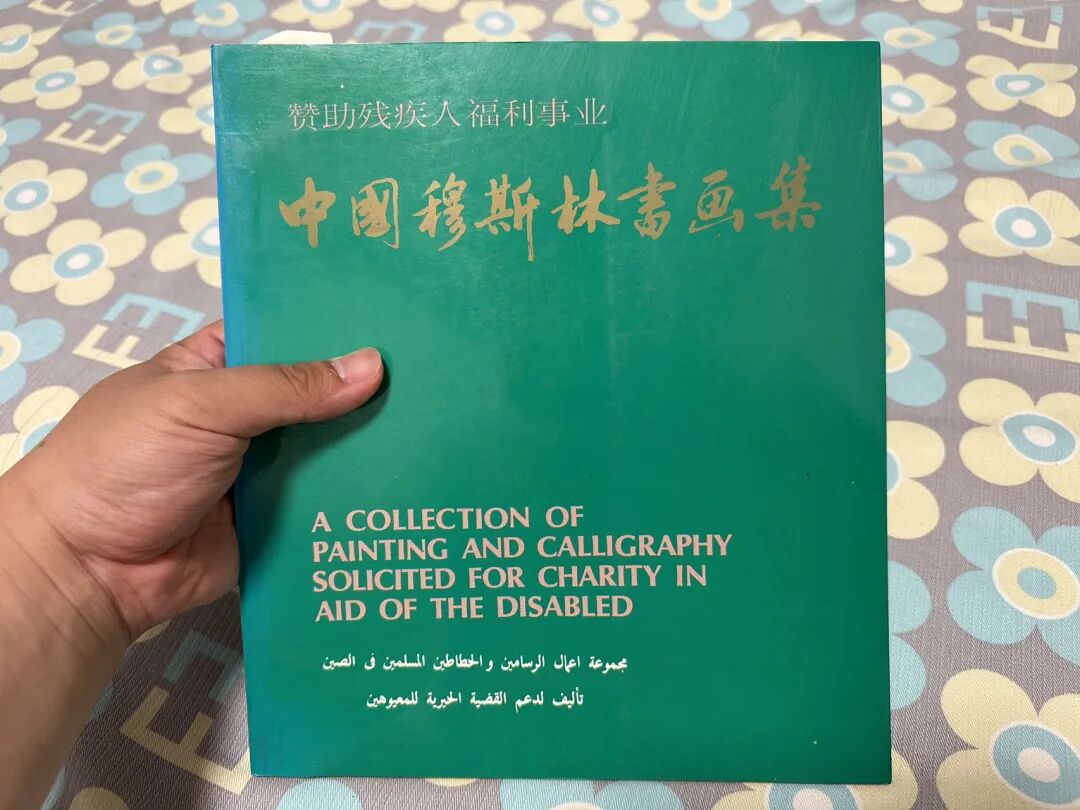
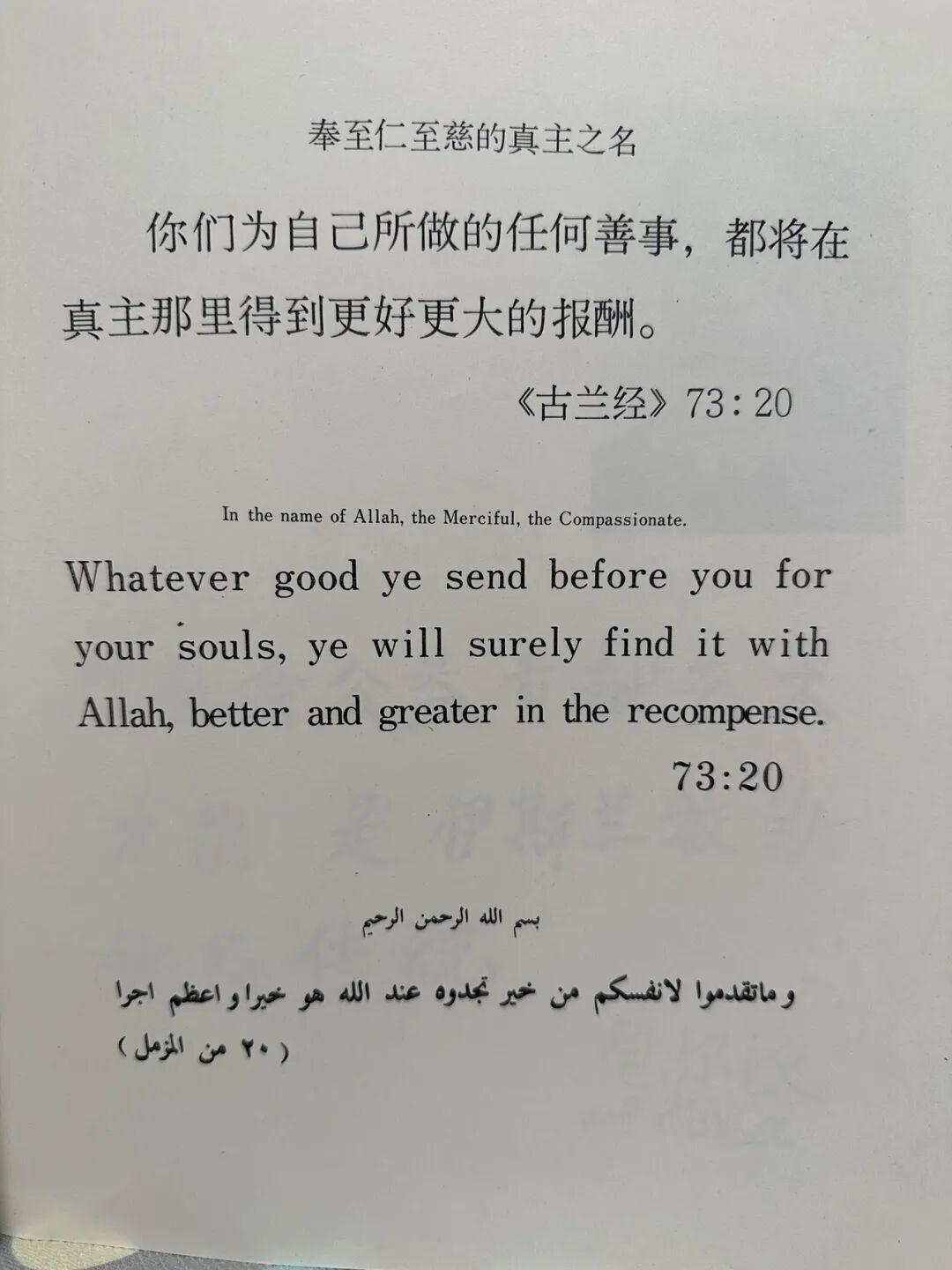
Yesterday at the China Bookstore in Dengshikou, Beijing, I found a copy of the 1985 book Collection of Chinese Muslim Calligraphy and Painting. I want to share some of the works from it with you.
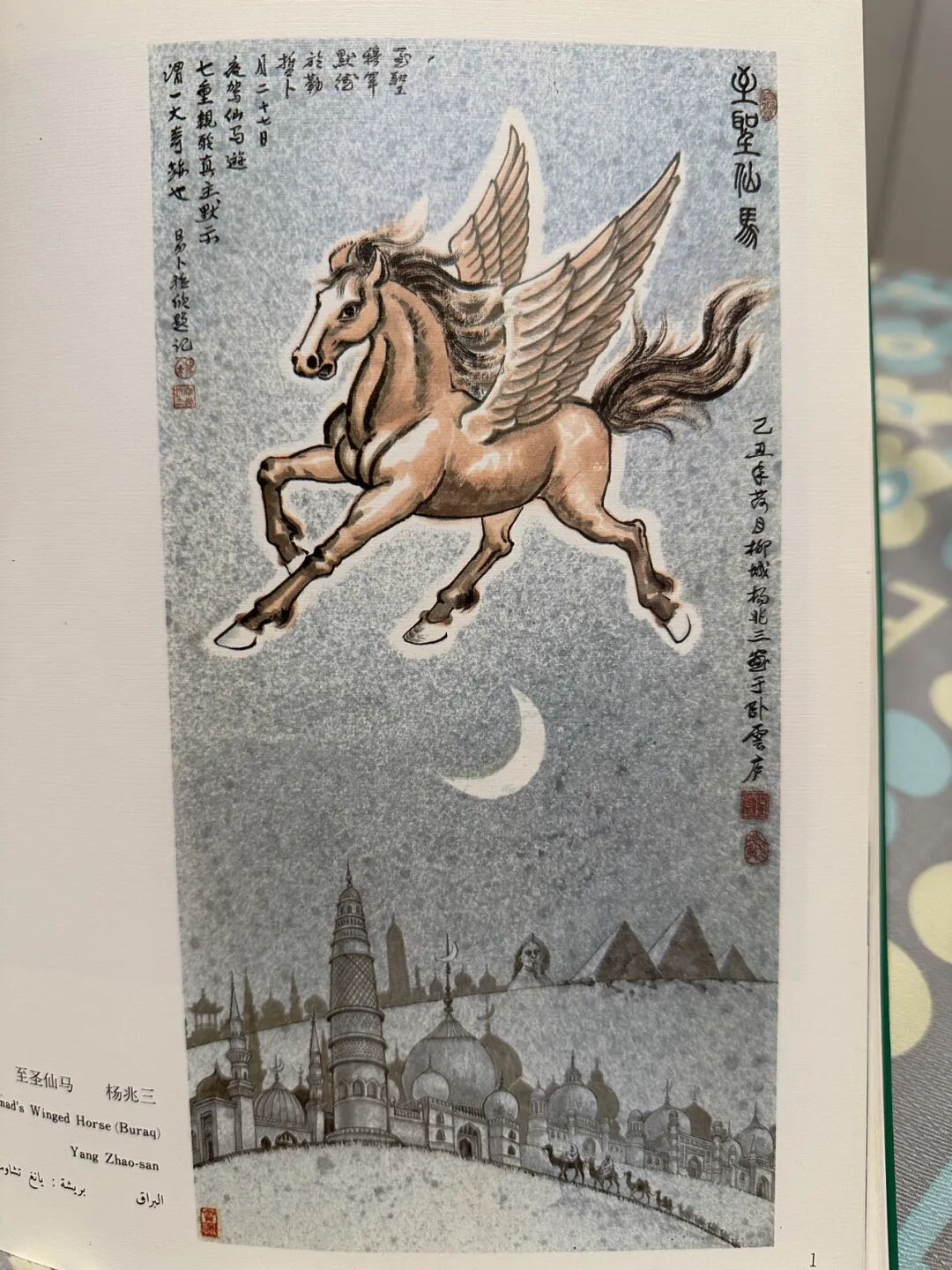
The Holy Prophet's Horse (Zhisheng Xianma) was painted by Yang Zhaosan, a Hui Muslim from Lingyuan, Liaoning. He was the deputy editor-in-chief of the China Environment News.
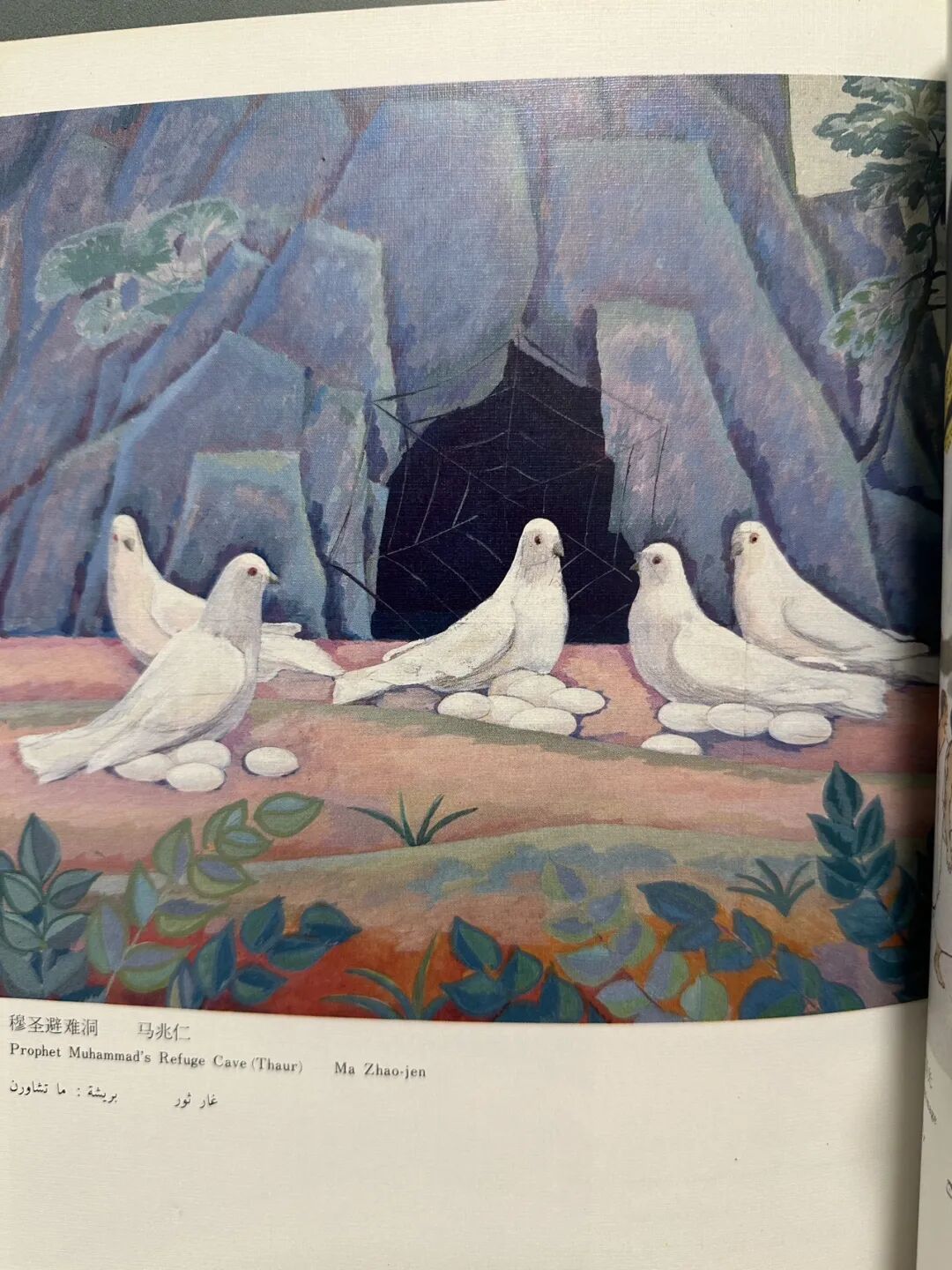
The Prophet's Cave of Refuge (Musheng Binandong) was painted by Ma Zhaoren, a Hui Muslim from Beijing. He was an art designer at the Beijing Film Studio.
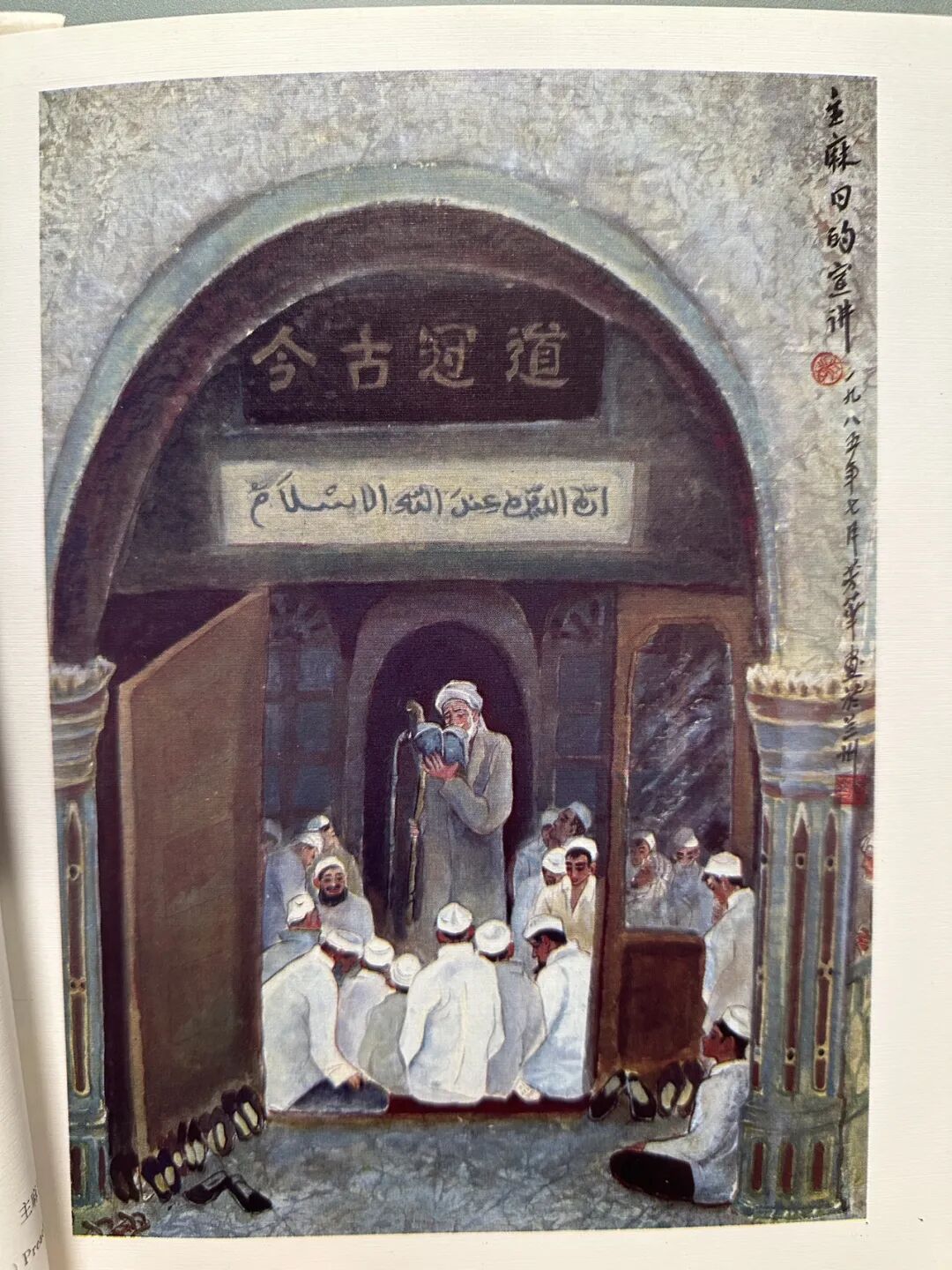
Friday Sermon (Zhuma Ri Xuanjiang) was painted by Ma Fanghua, a Hui Muslim from Lanzhou. She was an art editor for the Feitian monthly magazine at the Gansu Federation of Literary and Art Circles.
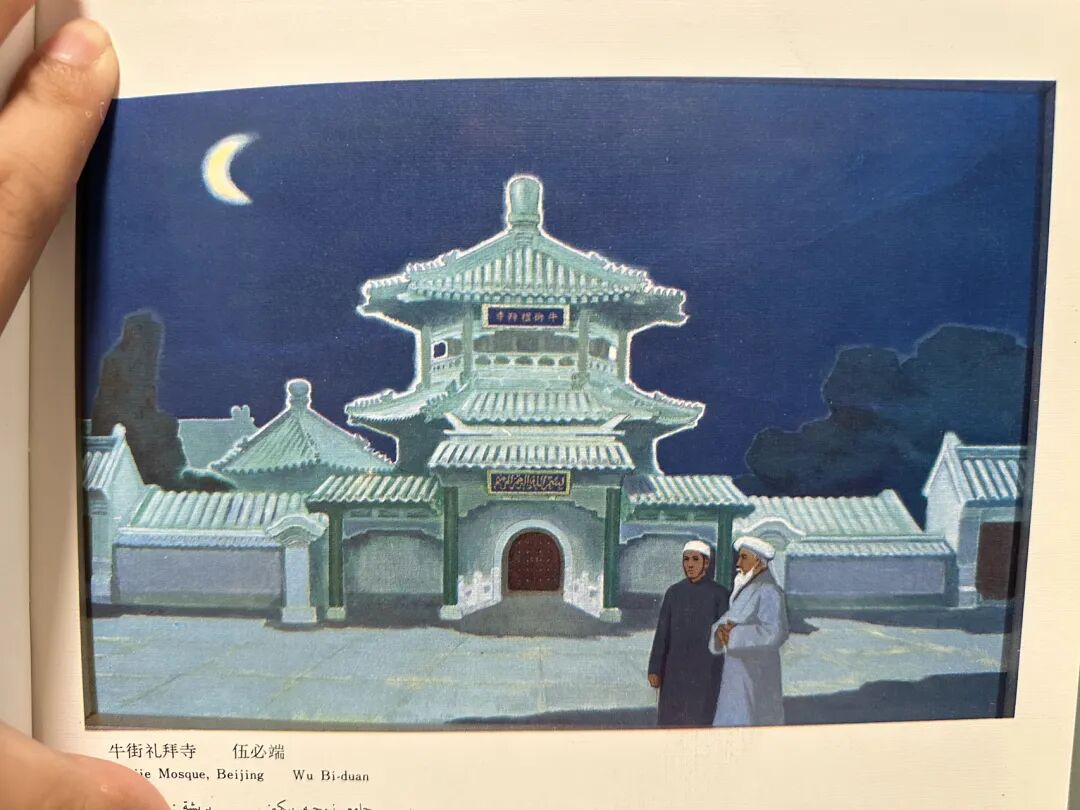
Niujie Mosque (Niujie Libaisi) was painted by Wu Biduan, a Hui Muslim from Nanjing. He was a professor and the head of the Printmaking Department at the Central Academy of Fine Arts.
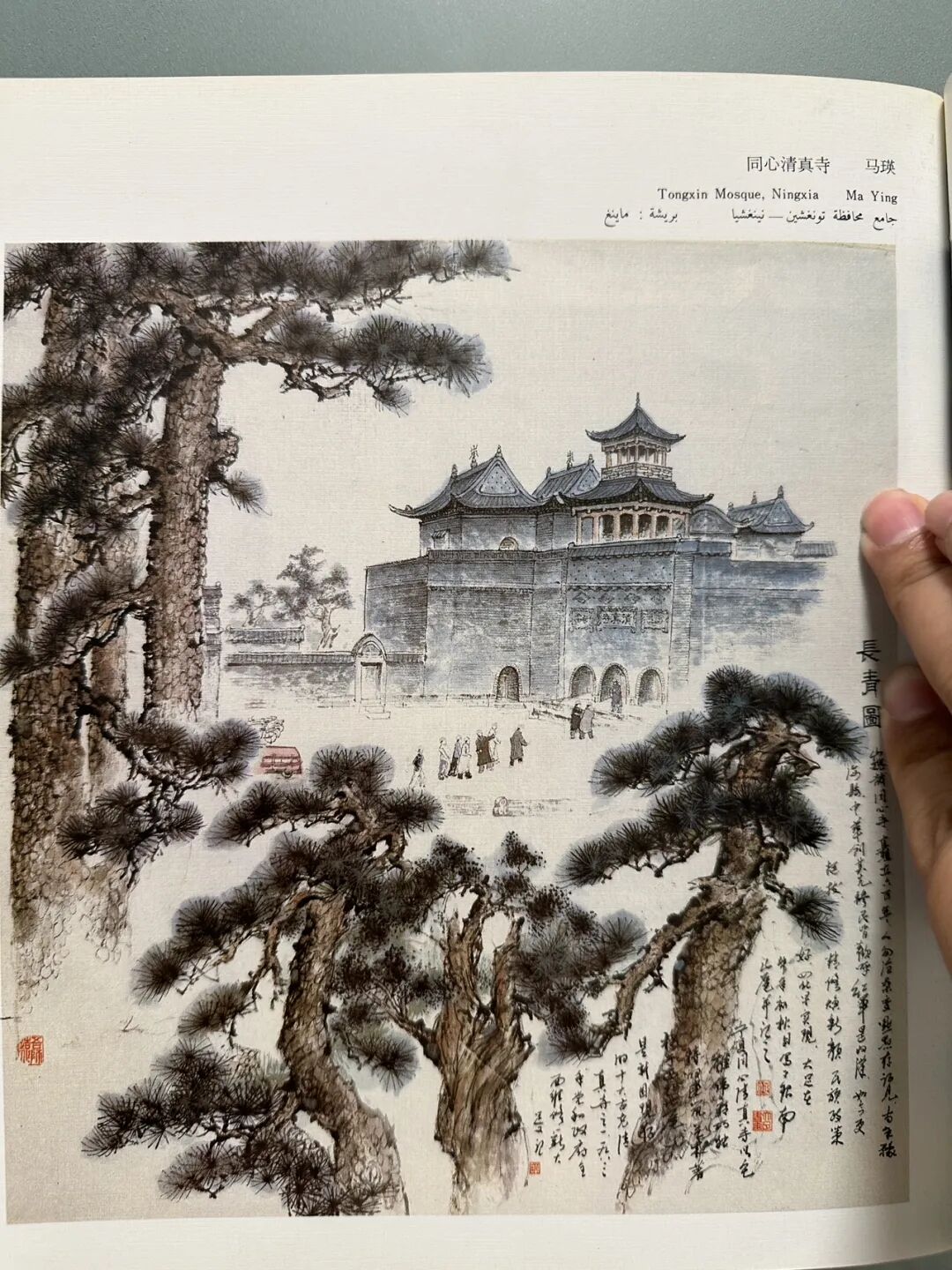
Tongxin Mosque (Tongxin Qingzhensi) was painted by Ma Ying, a Hui Muslim from Tongxin, Ningxia. He was the director of the Tongxin County Cultural Center.
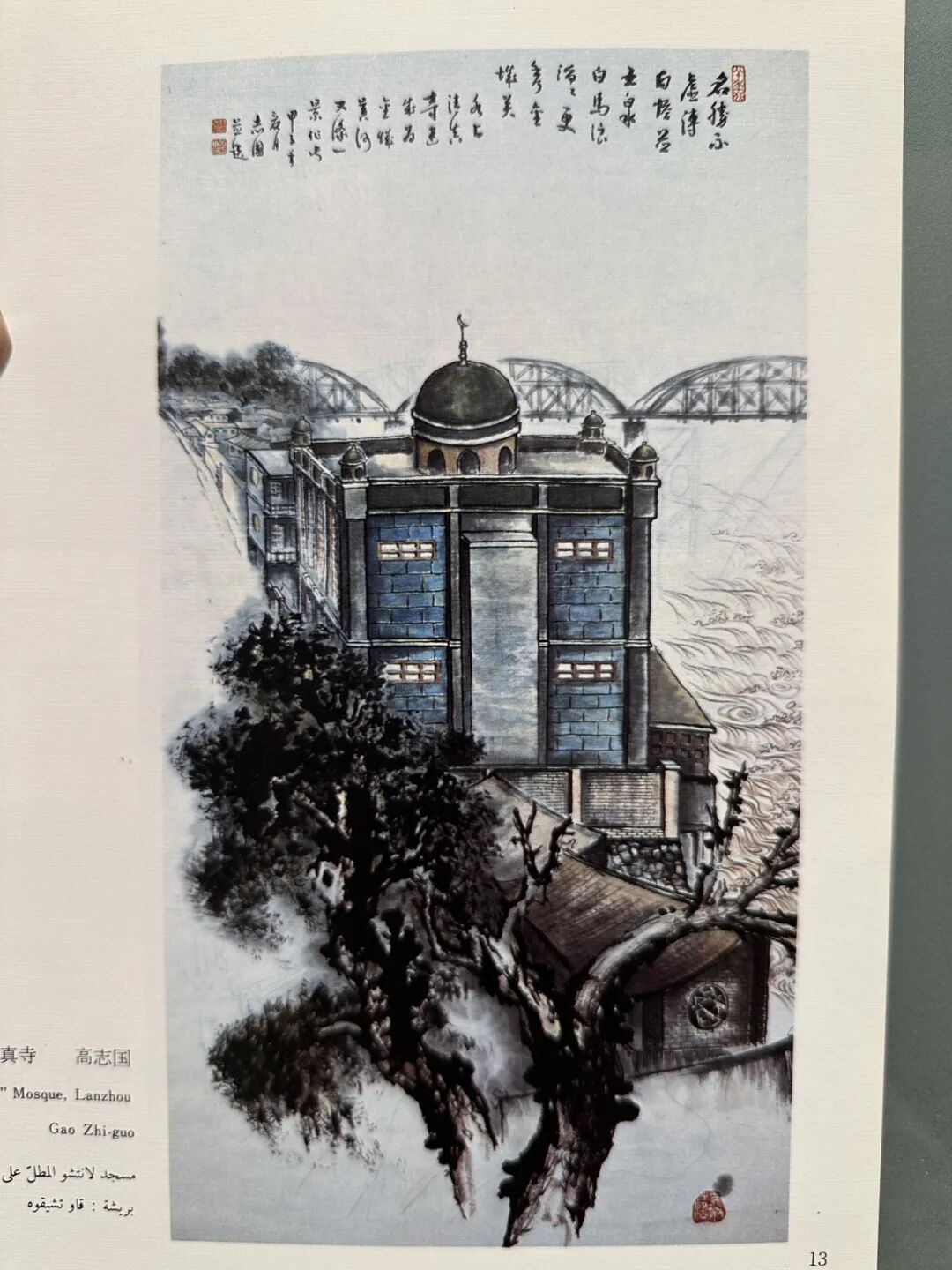
Lanzhou Floating Mosque (Lanzhou Shuishang Qingzhensi) was painted by Gao Zhiguo, a Hui Muslim from Lanzhou. He was a worker at the Gansu 3512 Factory.
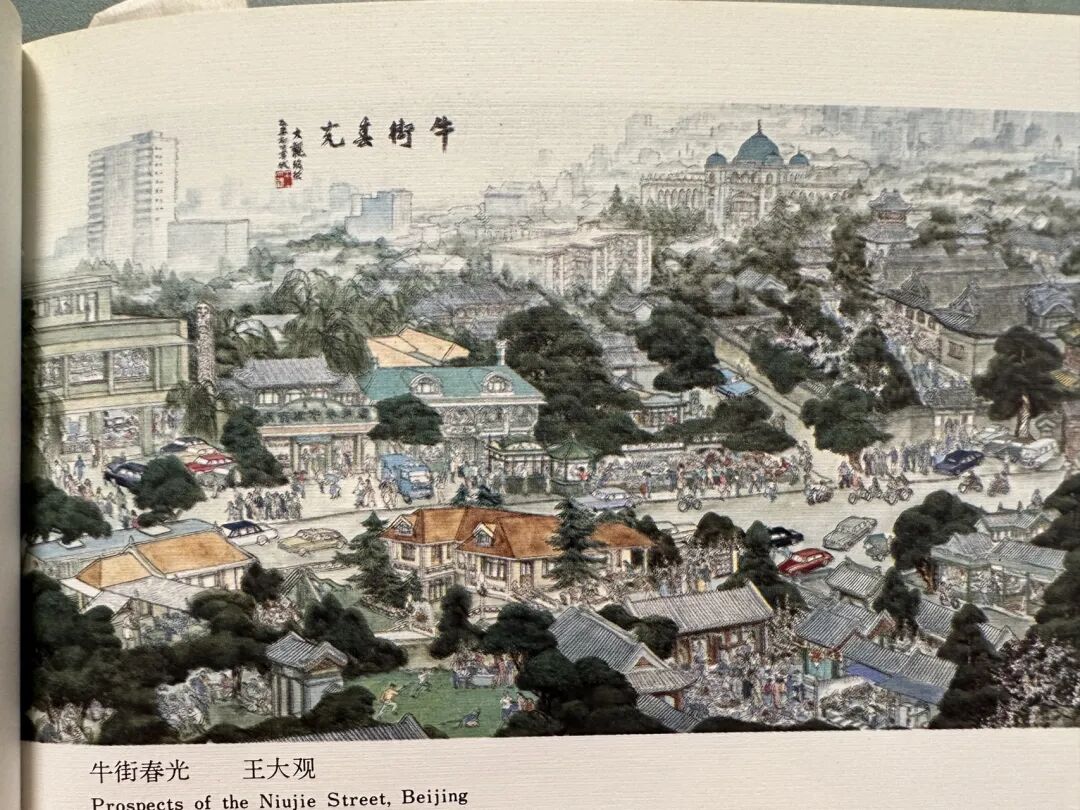
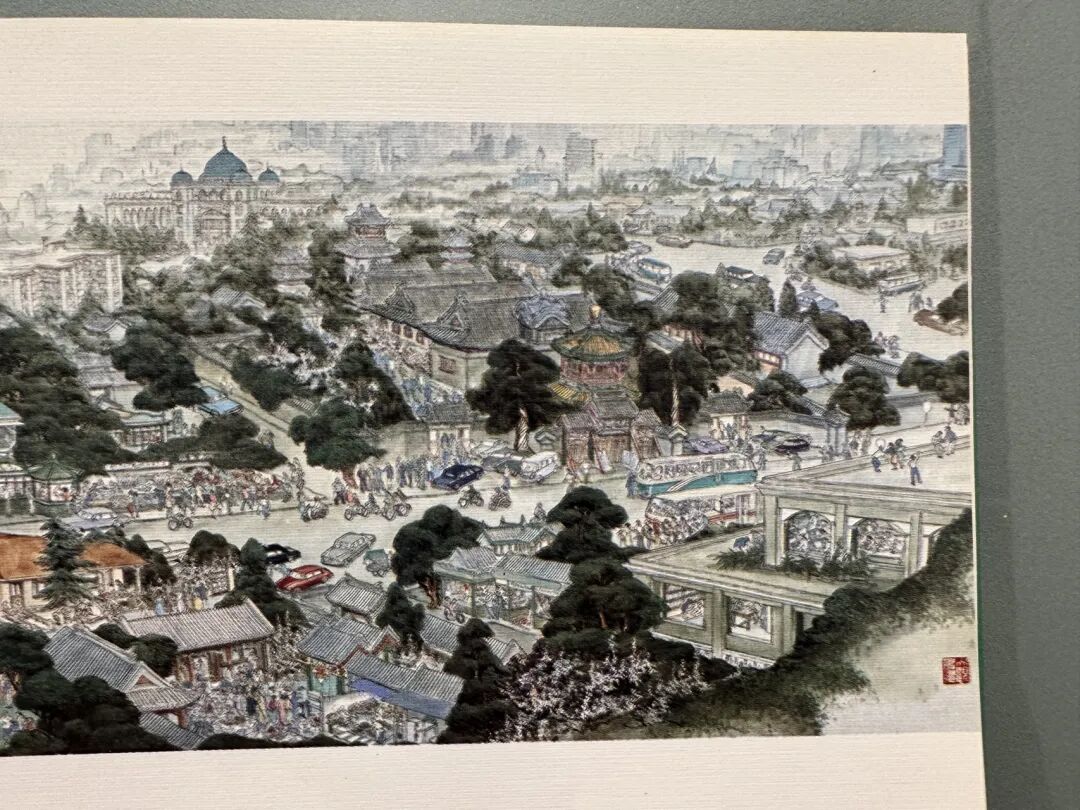
Springtime at Niujie (Niujie Chunguang) was painted by Wang Daguan, a Hui Muslim from Beijing. He was an executive director of the China Railway Literary Association.
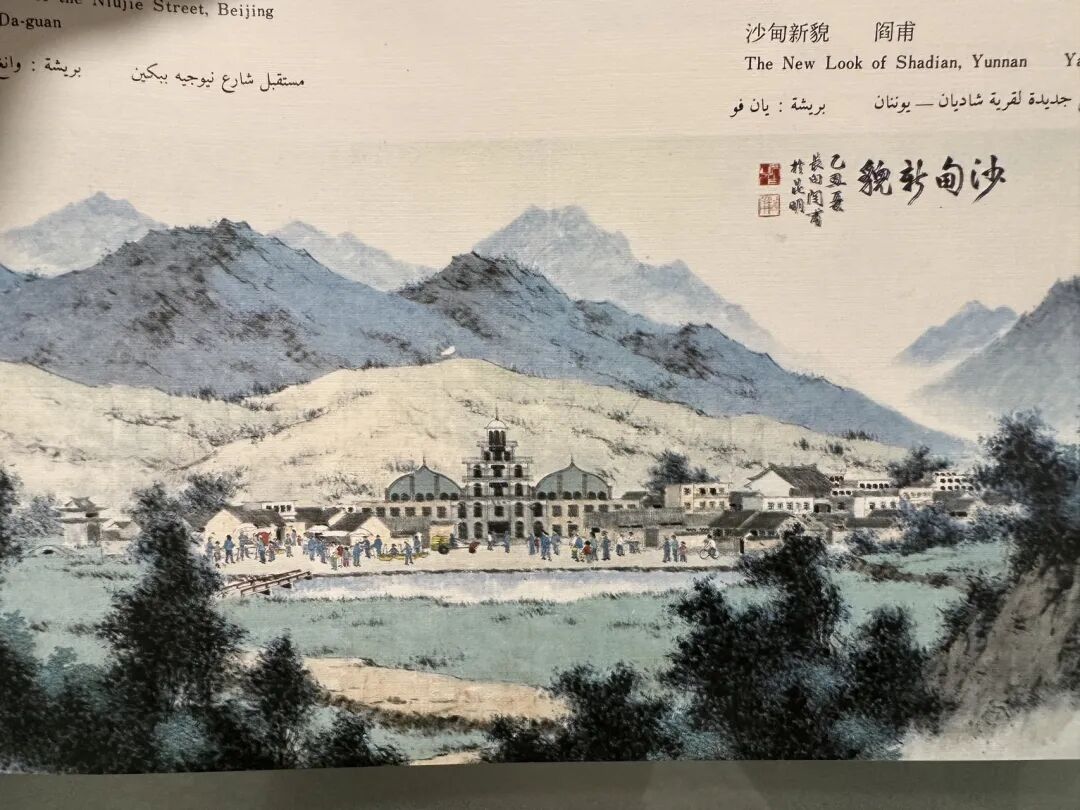
New Look of Shadian (Shadian Xinmao) was painted by Yan Fu, a specially invited painter for the Cultural Group of the Yunnan Provincial Committee of the CPPCC.
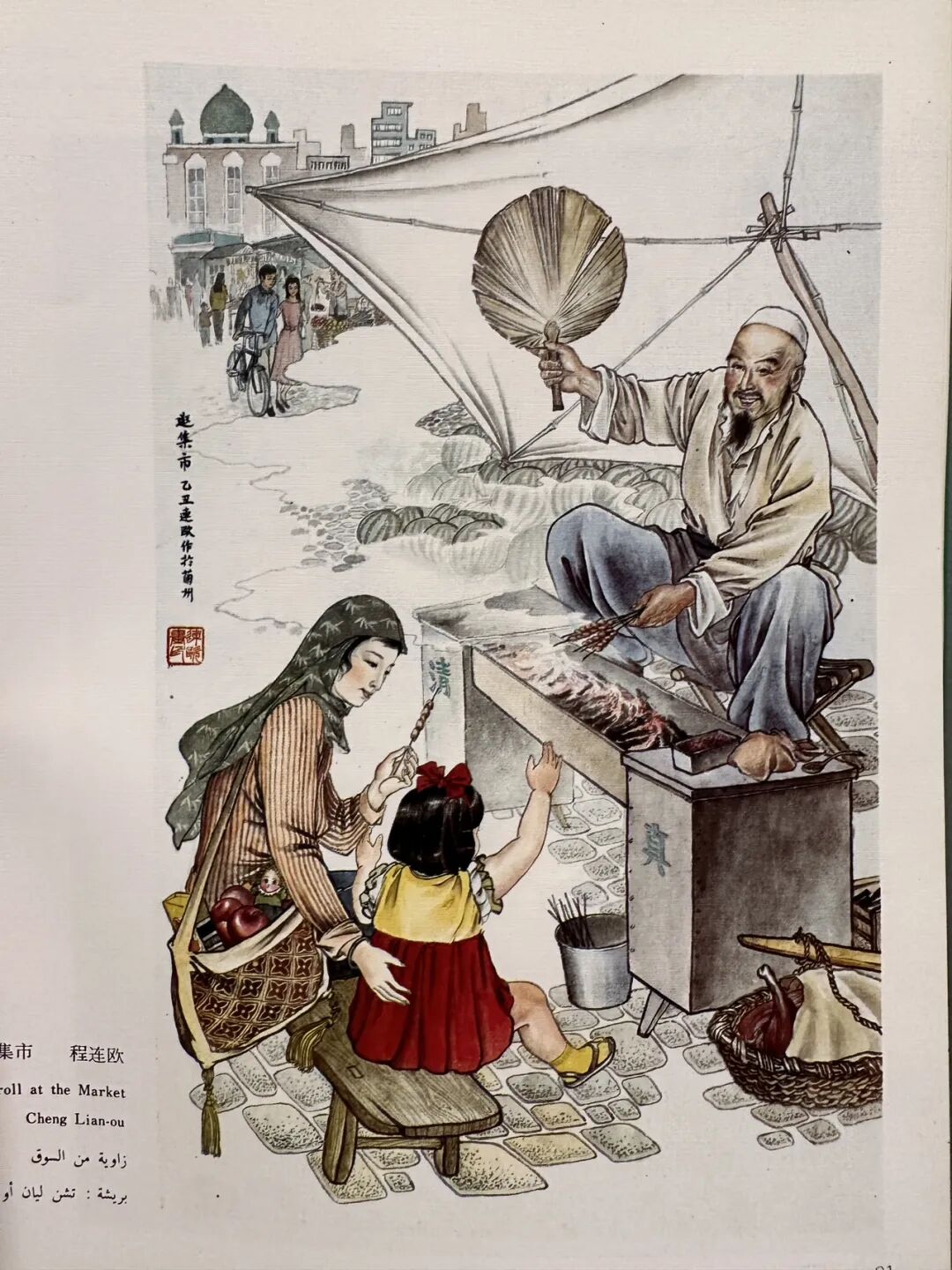
Visiting the Market (Guang Jishi) and Peace (Heping) were painted by Cheng Lian'ou, a Hui Muslim from Xinjiang, Shanxi. He was a labor union official at the Lanzhou Electric Power Repair and Manufacturing Plant.
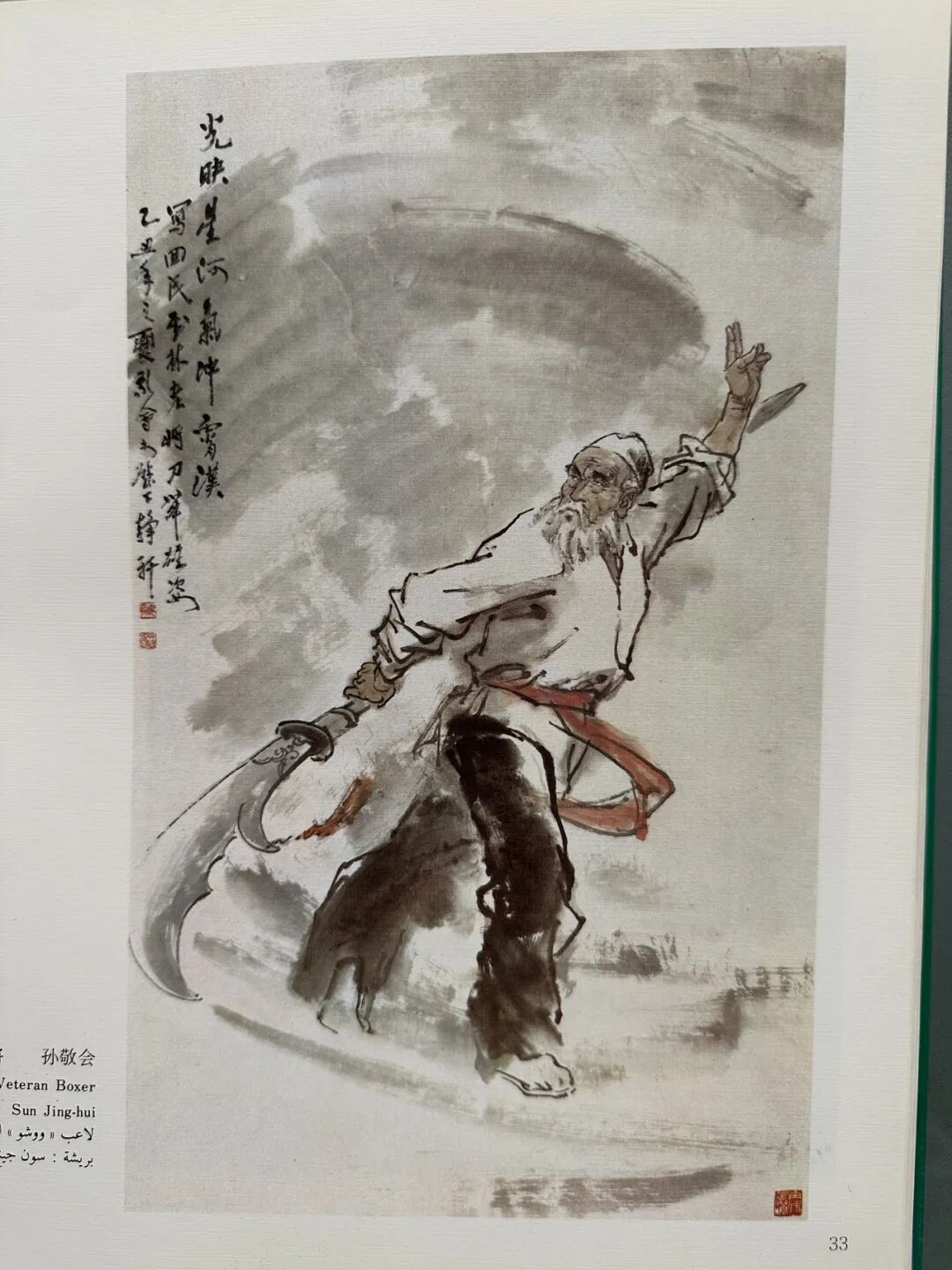
Light Reflecting the Galaxy, Spirit Soaring to the Heavens (Guang Ying Xinghe Qi Chong Xiaohan) was painted by Sun Jingxiu, a professor at the Shandong University of Arts.
Summary: A 1985 book of Hui Muslim calligraphy and painting offers a rare look at how Muslim life in China was drawn and remembered in the 1980s. This account keeps the artist names, artwork notes, and image order from the original post.
Yesterday at the China Bookstore in Dengshikou, Beijing, I found a copy of the 1985 book Collection of Chinese Muslim Calligraphy and Painting. I want to share some of the works from it with you.
The Holy Prophet's Horse (Zhisheng Xianma) was painted by Yang Zhaosan, a Hui Muslim from Lingyuan, Liaoning. He was the deputy editor-in-chief of the China Environment News.
The Prophet's Cave of Refuge (Musheng Binandong) was painted by Ma Zhaoren, a Hui Muslim from Beijing. He was an art designer at the Beijing Film Studio.
Friday Sermon (Zhuma Ri Xuanjiang) was painted by Ma Fanghua, a Hui Muslim from Lanzhou. She was an art editor for the Feitian monthly magazine at the Gansu Federation of Literary and Art Circles.
Niujie Mosque (Niujie Libaisi) was painted by Wu Biduan, a Hui Muslim from Nanjing. He was a professor and the head of the Printmaking Department at the Central Academy of Fine Arts.
Tongxin Mosque (Tongxin Qingzhensi) was painted by Ma Ying, a Hui Muslim from Tongxin, Ningxia. He was the director of the Tongxin County Cultural Center.
Lanzhou Floating Mosque (Lanzhou Shuishang Qingzhensi) was painted by Gao Zhiguo, a Hui Muslim from Lanzhou. He was a worker at the Gansu 3512 Factory.
Springtime at Niujie (Niujie Chunguang) was painted by Wang Daguan, a Hui Muslim from Beijing. He was an executive director of the China Railway Literary Association.
New Look of Shadian (Shadian Xinmao) was painted by Yan Fu, a specially invited painter for the Cultural Group of the Yunnan Provincial Committee of the CPPCC.
Visiting the Market (Guang Jishi) and Peace (Heping) were painted by Cheng Lian'ou, a Hui Muslim from Xinjiang, Shanxi. He was a labor union official at the Lanzhou Electric Power Repair and Manufacturing Plant.
Light Reflecting the Galaxy, Spirit Soaring to the Heavens (Guang Ying Xinghe Qi Chong Xiaohan) was painted by Sun Jingxiu, a professor at the Shandong University of Arts.
Islamic Art Guide: Tianjin Hui Muslim Brick Carvings - Ma Family and Liu
Articles • ali2007fr posted the article • 0 comments • 144 views • 2026-05-19 22:19
Reposted from the web
Summary: This article introduces the refined brick carvings of the Hui Muslim Ma family and Liu brick-carving tradition from Tianjin's Northwest Corner. It keeps the original artisan names, exhibition details, photographs, and cultural background for readers interested in Hui Muslim craftsmanship.
The Tianjin Museum displays exquisite brick carvings by the Hui Muslim families known as the 'Fancy Work Ma Family' (Huahuo Majia) and 'Brick Carver Liu' (Kezhuan Liu) from the Northwest Corner.
During the Jiaqing and Daoguang periods of the Qing Dynasty, wealthy merchants like the 'Eight Great Families' of Tianjin built many homes, leading to higher demands for fine brick carvings. During the Daoguang period, a Hui Muslim mason from the Northwest Corner named Ma Shunqing focused on brick carving techniques, known in the trade as 'fancy work' (huahuo), and gradually developed Tianjin brick carving into an independent form of arts and crafts. He created the 'brick-pasting method' (tiezhuan fa), which uses an adhesive made of rosin and yellow wax to attach small bricks onto a brick surface, giving the carvings clear layers for near, middle, and far views.
While creating his own carvings, Ma Shunqing trained a professional team of Hui Muslim brick carvers known as the 'Fancy Work Ma Family' (Huahuo Majia), which included his sons Ma Shaode and Ma Shaoqing, and apprentices like Mu Chenglin and He Baotian. Ma Shaode kept his father's techniques while adding his own style, and Ma Shaoqing further developed the brick-pasting method; both became famous brick carving masters in Tianjin.
During the Republic of China era, Ma Shunqing's grandson Liu Fengming became the standout of the third generation of the 'Fancy Work Ma Family' and was known as 'Brick Carver Liu' (Kezhuan Liu). Liu Fengming began learning brick carving from his grandfather Ma Shunqing and uncle Ma Shaoqing at age 15; his work is rich in content, bold in spirit, and features delicate, skilled knife work that is very artistic. Liu Fengming evolved Ma Shunqing's original method of pasting a single brick into a 'stack-pasting method' (duitie fa) that pastes multiple bricks as needed, making the images more three-dimensional and realistic.
Peonies carved by Ma Shunqing.
Flowers and birds carved by Ma Shaoqing.
The 'Four Loves' (Si'ai Tu) carved by Liu Fengming, featuring Wang Xizhi loving geese, Tao Yuanming loving chrysanthemums, Lin Hejing, and Zhou Dunyi loving lotus flowers.
Flowers and birds carved by Liu Fengming.
Fisherman, woodcutter, farmer, and scholar (yuqiaogengdu) carved by Liu Fengming. view all
Summary: This article introduces the refined brick carvings of the Hui Muslim Ma family and Liu brick-carving tradition from Tianjin's Northwest Corner. It keeps the original artisan names, exhibition details, photographs, and cultural background for readers interested in Hui Muslim craftsmanship.
The Tianjin Museum displays exquisite brick carvings by the Hui Muslim families known as the 'Fancy Work Ma Family' (Huahuo Majia) and 'Brick Carver Liu' (Kezhuan Liu) from the Northwest Corner.
During the Jiaqing and Daoguang periods of the Qing Dynasty, wealthy merchants like the 'Eight Great Families' of Tianjin built many homes, leading to higher demands for fine brick carvings. During the Daoguang period, a Hui Muslim mason from the Northwest Corner named Ma Shunqing focused on brick carving techniques, known in the trade as 'fancy work' (huahuo), and gradually developed Tianjin brick carving into an independent form of arts and crafts. He created the 'brick-pasting method' (tiezhuan fa), which uses an adhesive made of rosin and yellow wax to attach small bricks onto a brick surface, giving the carvings clear layers for near, middle, and far views.
While creating his own carvings, Ma Shunqing trained a professional team of Hui Muslim brick carvers known as the 'Fancy Work Ma Family' (Huahuo Majia), which included his sons Ma Shaode and Ma Shaoqing, and apprentices like Mu Chenglin and He Baotian. Ma Shaode kept his father's techniques while adding his own style, and Ma Shaoqing further developed the brick-pasting method; both became famous brick carving masters in Tianjin.
During the Republic of China era, Ma Shunqing's grandson Liu Fengming became the standout of the third generation of the 'Fancy Work Ma Family' and was known as 'Brick Carver Liu' (Kezhuan Liu). Liu Fengming began learning brick carving from his grandfather Ma Shunqing and uncle Ma Shaoqing at age 15; his work is rich in content, bold in spirit, and features delicate, skilled knife work that is very artistic. Liu Fengming evolved Ma Shunqing's original method of pasting a single brick into a 'stack-pasting method' (duitie fa) that pastes multiple bricks as needed, making the images more three-dimensional and realistic.
Peonies carved by Ma Shunqing.
Flowers and birds carved by Ma Shaoqing.
The 'Four Loves' (Si'ai Tu) carved by Liu Fengming, featuring Wang Xizhi loving geese, Tao Yuanming loving chrysanthemums, Lin Hejing, and Zhou Dunyi loving lotus flowers.
Flowers and birds carved by Liu Fengming.
Fisherman, woodcutter, farmer, and scholar (yuqiaogengdu) carved by Liu Fengming. view all
Reposted from the web
Summary: This article introduces the refined brick carvings of the Hui Muslim Ma family and Liu brick-carving tradition from Tianjin's Northwest Corner. It keeps the original artisan names, exhibition details, photographs, and cultural background for readers interested in Hui Muslim craftsmanship.
The Tianjin Museum displays exquisite brick carvings by the Hui Muslim families known as the 'Fancy Work Ma Family' (Huahuo Majia) and 'Brick Carver Liu' (Kezhuan Liu) from the Northwest Corner.
During the Jiaqing and Daoguang periods of the Qing Dynasty, wealthy merchants like the 'Eight Great Families' of Tianjin built many homes, leading to higher demands for fine brick carvings. During the Daoguang period, a Hui Muslim mason from the Northwest Corner named Ma Shunqing focused on brick carving techniques, known in the trade as 'fancy work' (huahuo), and gradually developed Tianjin brick carving into an independent form of arts and crafts. He created the 'brick-pasting method' (tiezhuan fa), which uses an adhesive made of rosin and yellow wax to attach small bricks onto a brick surface, giving the carvings clear layers for near, middle, and far views.
While creating his own carvings, Ma Shunqing trained a professional team of Hui Muslim brick carvers known as the 'Fancy Work Ma Family' (Huahuo Majia), which included his sons Ma Shaode and Ma Shaoqing, and apprentices like Mu Chenglin and He Baotian. Ma Shaode kept his father's techniques while adding his own style, and Ma Shaoqing further developed the brick-pasting method; both became famous brick carving masters in Tianjin.
During the Republic of China era, Ma Shunqing's grandson Liu Fengming became the standout of the third generation of the 'Fancy Work Ma Family' and was known as 'Brick Carver Liu' (Kezhuan Liu). Liu Fengming began learning brick carving from his grandfather Ma Shunqing and uncle Ma Shaoqing at age 15; his work is rich in content, bold in spirit, and features delicate, skilled knife work that is very artistic. Liu Fengming evolved Ma Shunqing's original method of pasting a single brick into a 'stack-pasting method' (duitie fa) that pastes multiple bricks as needed, making the images more three-dimensional and realistic.
Peonies carved by Ma Shunqing.
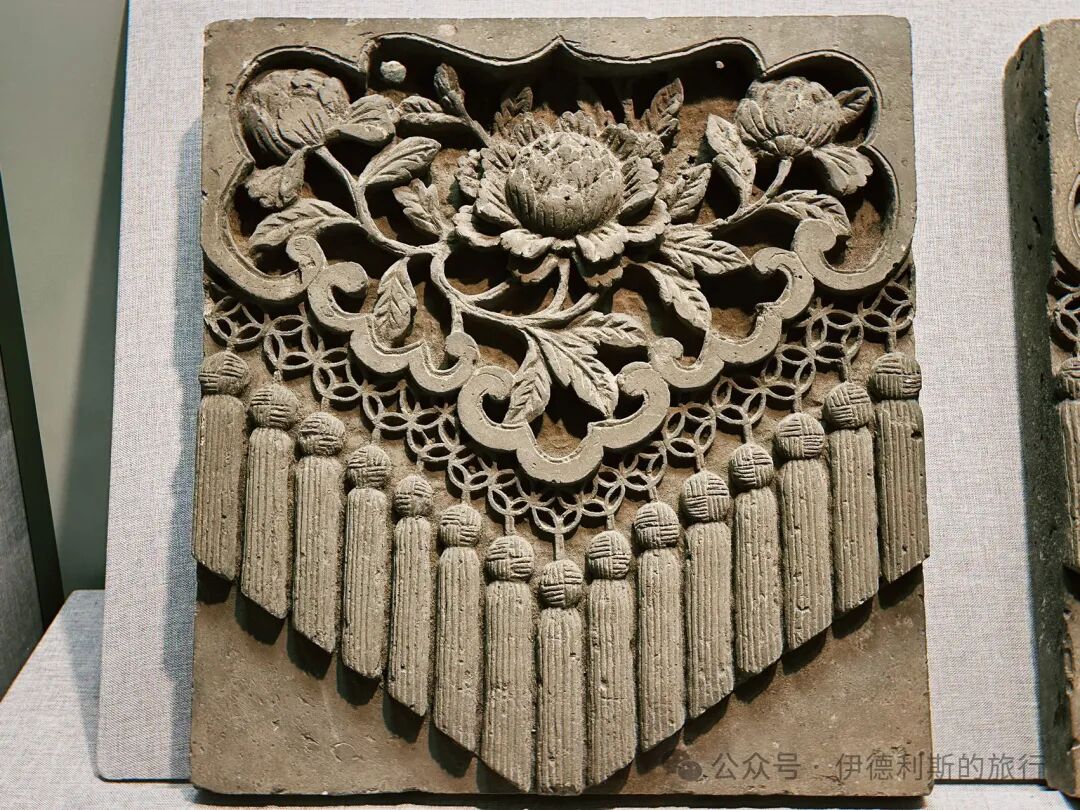
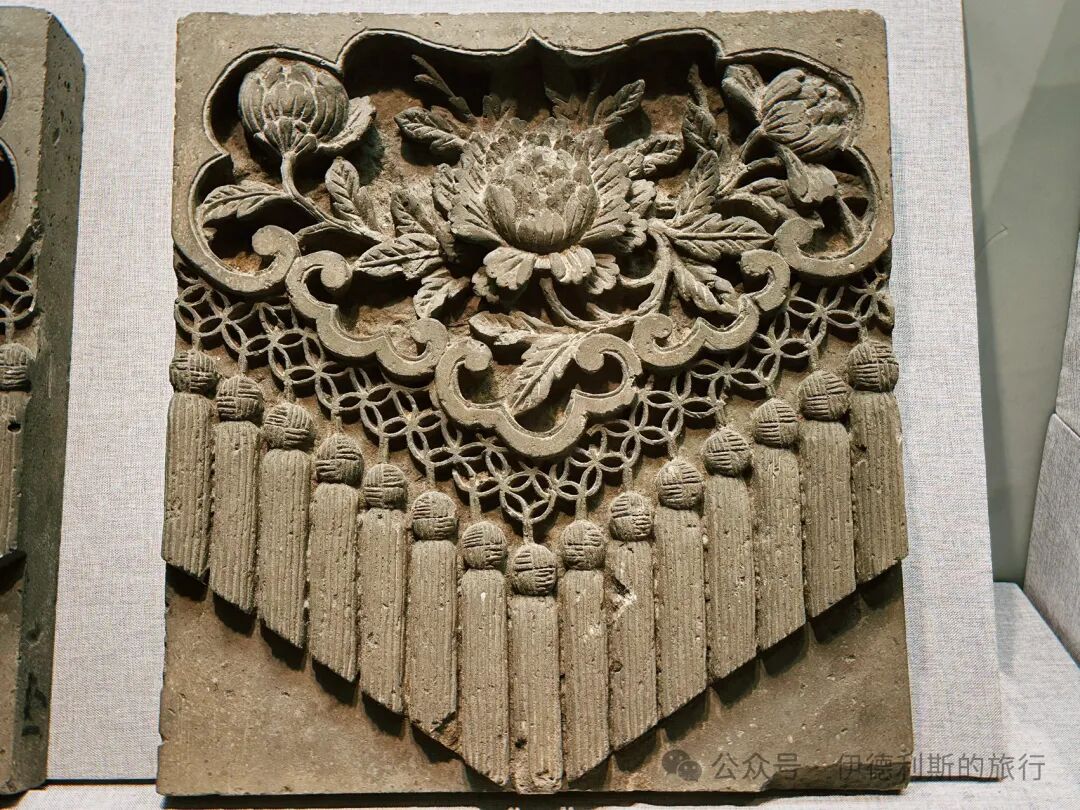
Flowers and birds carved by Ma Shaoqing.
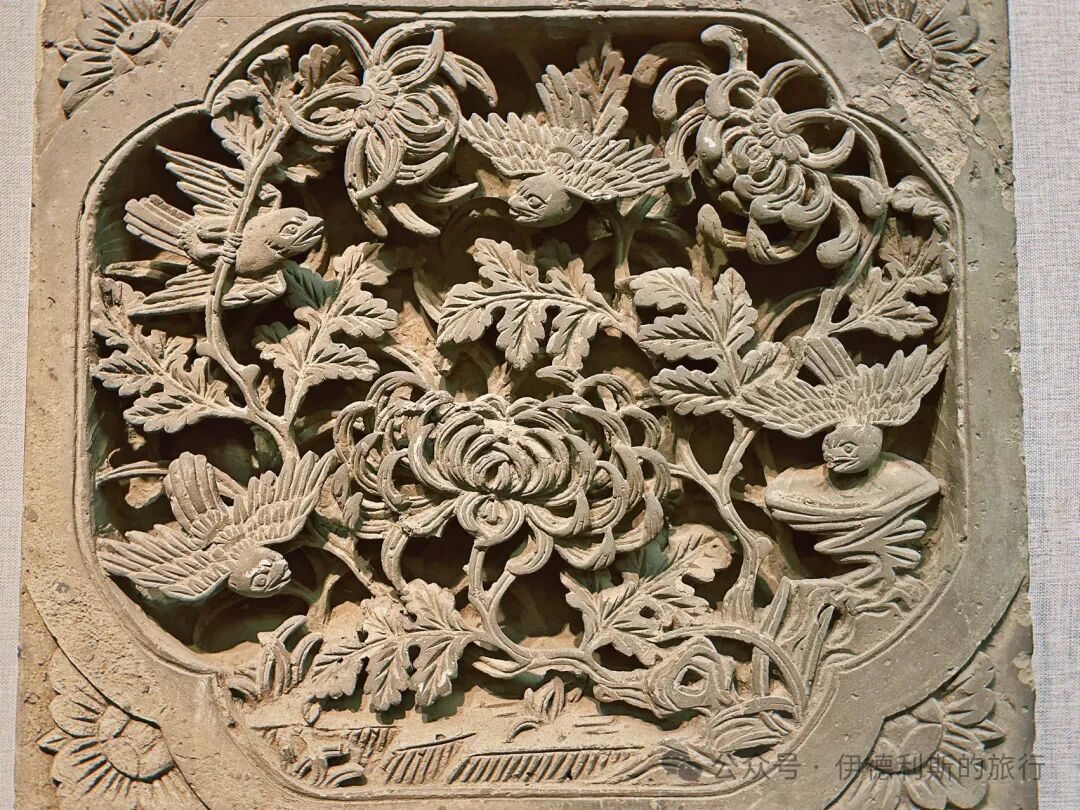
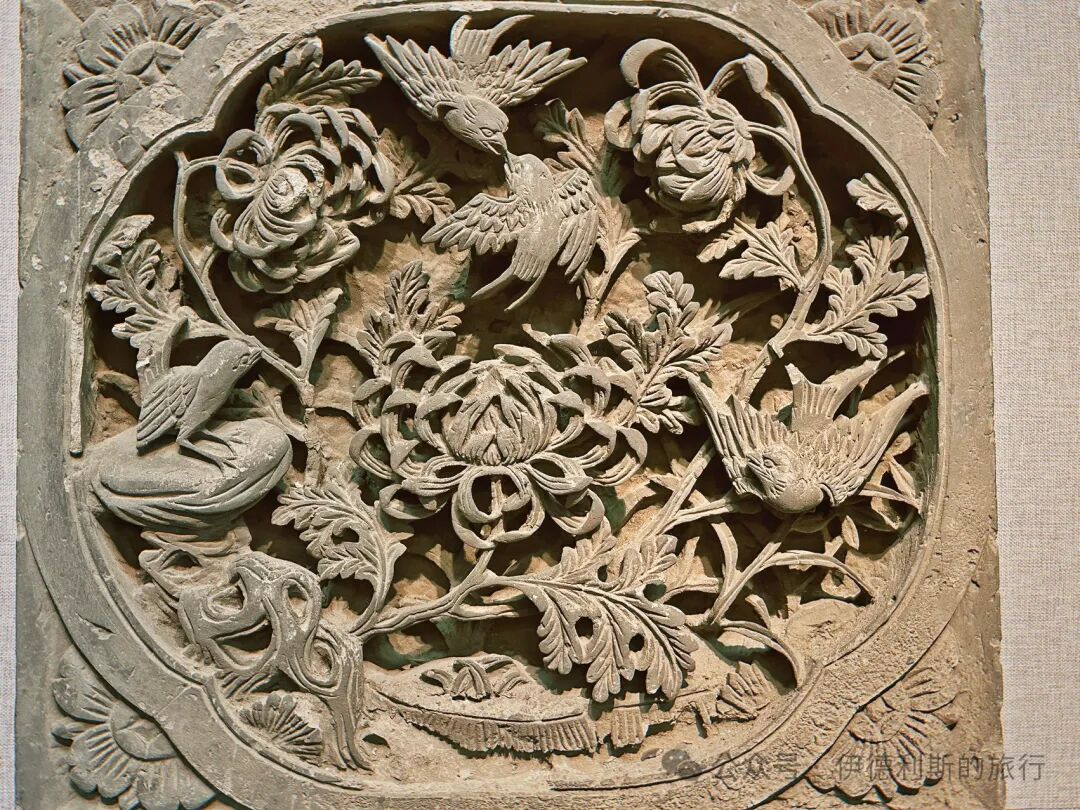
The 'Four Loves' (Si'ai Tu) carved by Liu Fengming, featuring Wang Xizhi loving geese, Tao Yuanming loving chrysanthemums, Lin Hejing, and Zhou Dunyi loving lotus flowers.
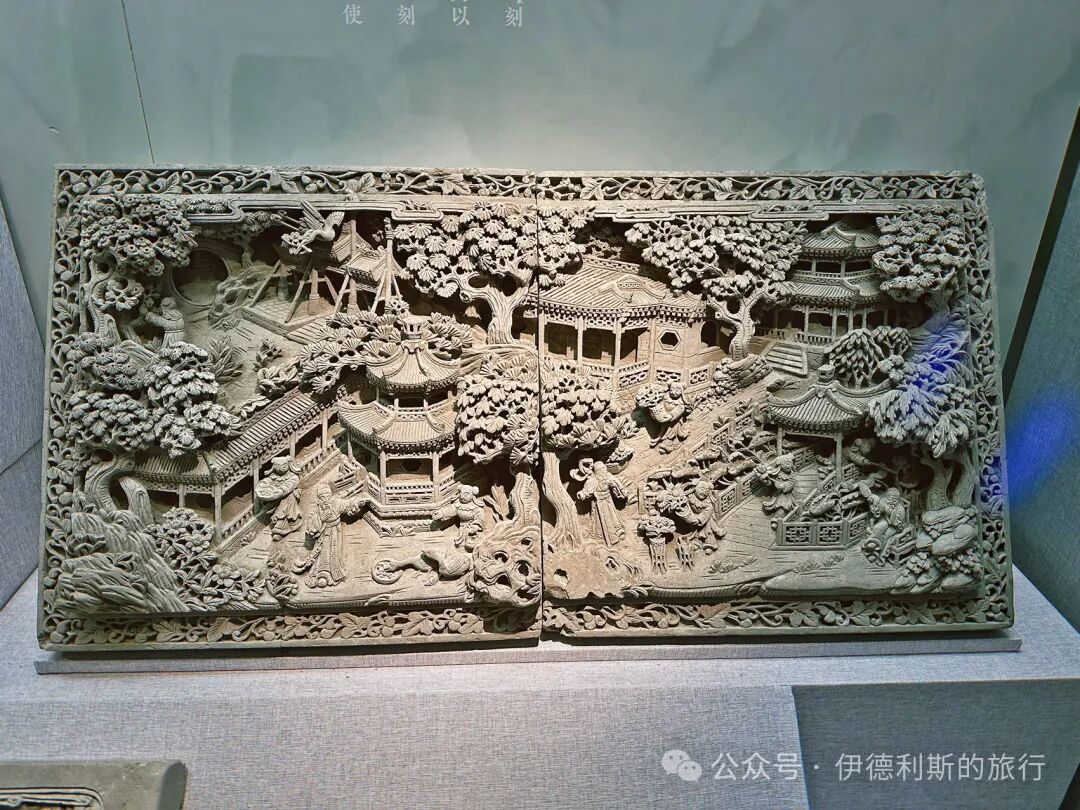
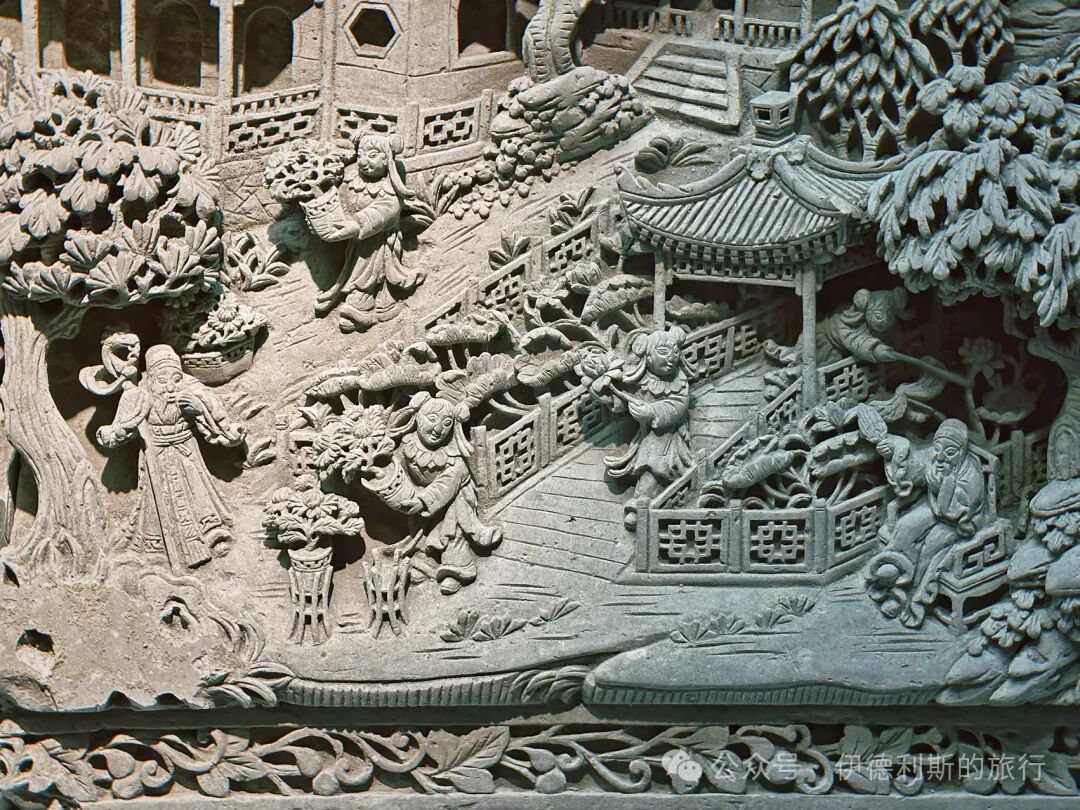
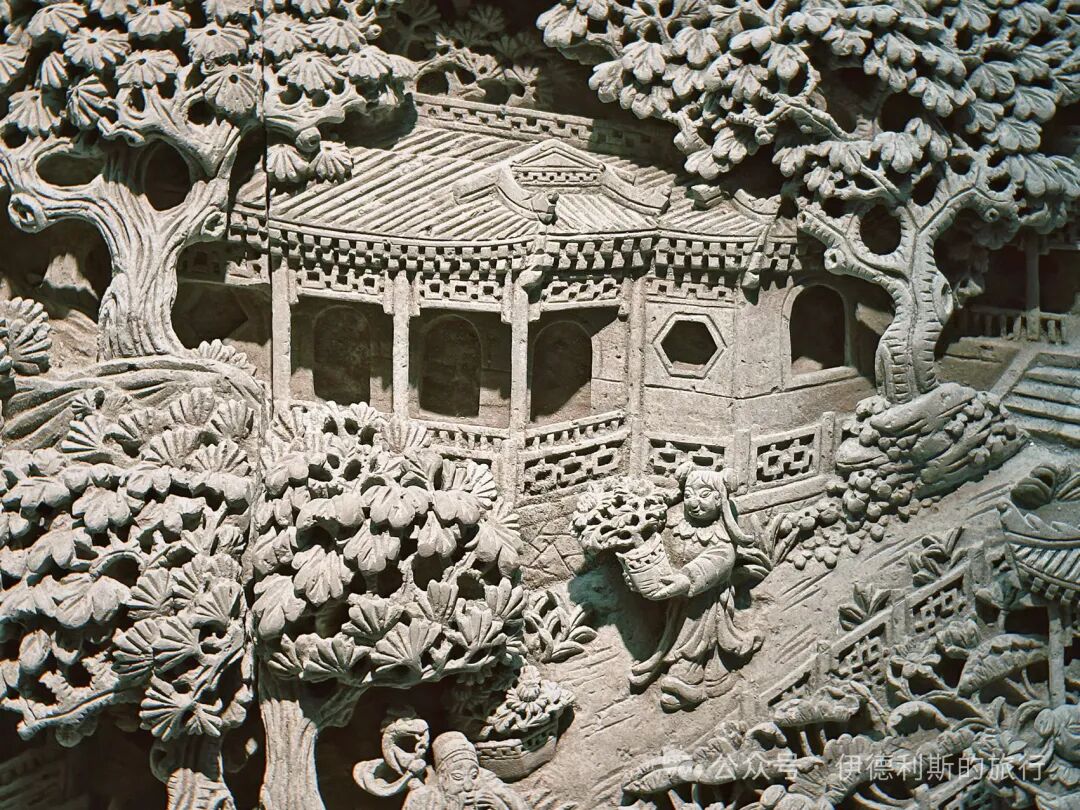
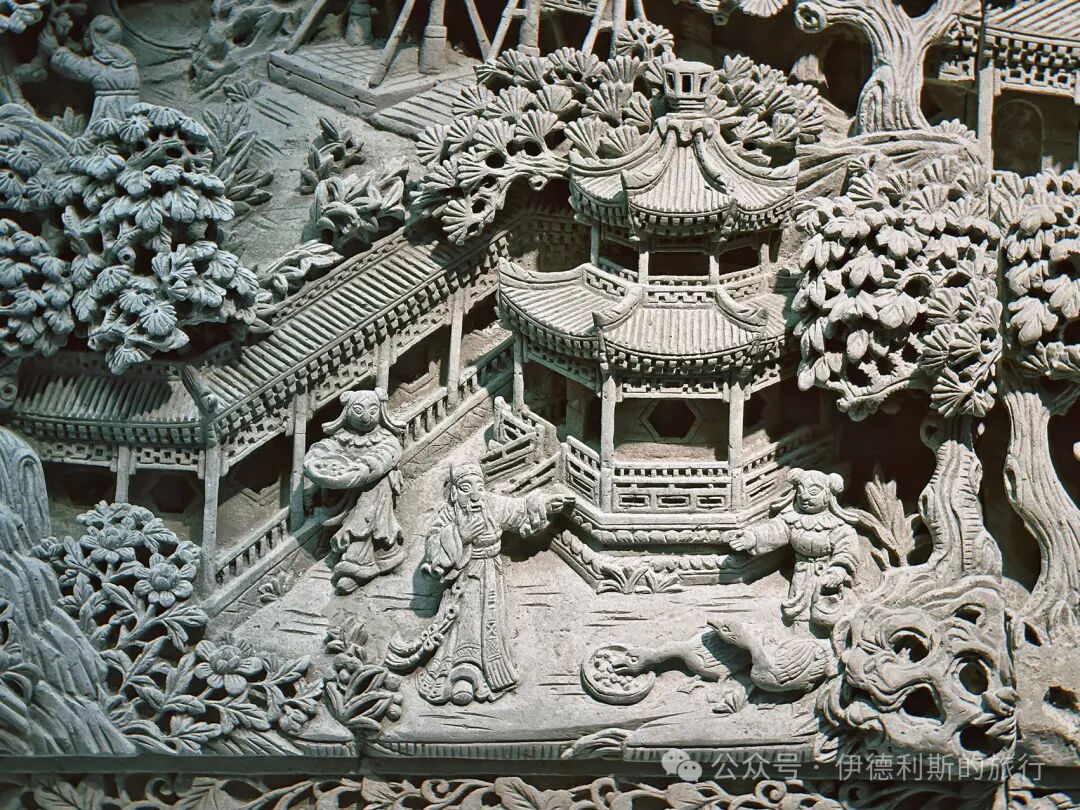
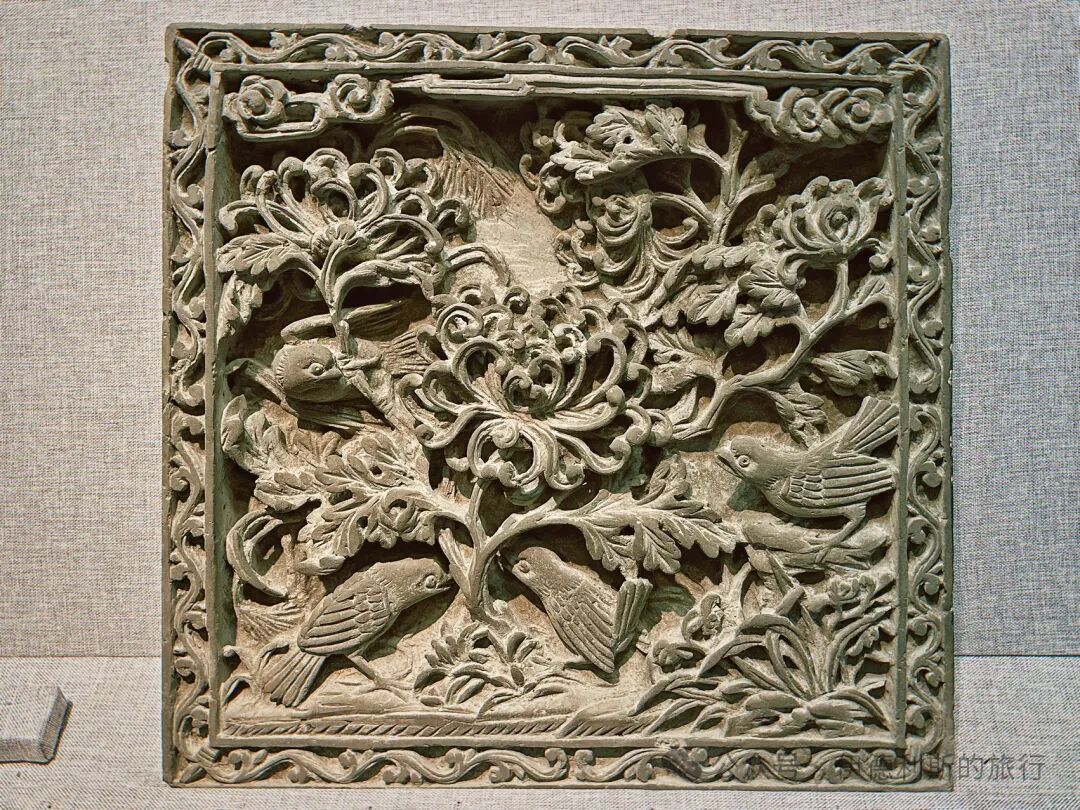
Flowers and birds carved by Liu Fengming.
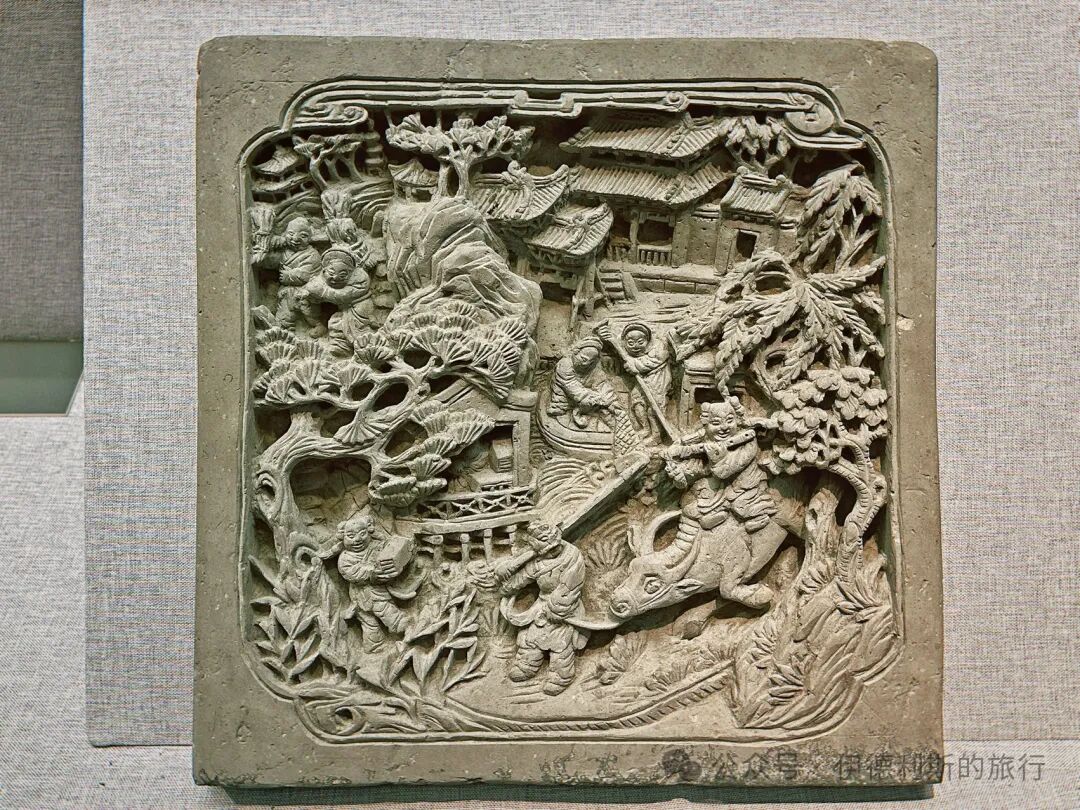
Fisherman, woodcutter, farmer, and scholar (yuqiaogengdu) carved by Liu Fengming.
Summary: This article introduces the refined brick carvings of the Hui Muslim Ma family and Liu brick-carving tradition from Tianjin's Northwest Corner. It keeps the original artisan names, exhibition details, photographs, and cultural background for readers interested in Hui Muslim craftsmanship.
The Tianjin Museum displays exquisite brick carvings by the Hui Muslim families known as the 'Fancy Work Ma Family' (Huahuo Majia) and 'Brick Carver Liu' (Kezhuan Liu) from the Northwest Corner.
During the Jiaqing and Daoguang periods of the Qing Dynasty, wealthy merchants like the 'Eight Great Families' of Tianjin built many homes, leading to higher demands for fine brick carvings. During the Daoguang period, a Hui Muslim mason from the Northwest Corner named Ma Shunqing focused on brick carving techniques, known in the trade as 'fancy work' (huahuo), and gradually developed Tianjin brick carving into an independent form of arts and crafts. He created the 'brick-pasting method' (tiezhuan fa), which uses an adhesive made of rosin and yellow wax to attach small bricks onto a brick surface, giving the carvings clear layers for near, middle, and far views.
While creating his own carvings, Ma Shunqing trained a professional team of Hui Muslim brick carvers known as the 'Fancy Work Ma Family' (Huahuo Majia), which included his sons Ma Shaode and Ma Shaoqing, and apprentices like Mu Chenglin and He Baotian. Ma Shaode kept his father's techniques while adding his own style, and Ma Shaoqing further developed the brick-pasting method; both became famous brick carving masters in Tianjin.
During the Republic of China era, Ma Shunqing's grandson Liu Fengming became the standout of the third generation of the 'Fancy Work Ma Family' and was known as 'Brick Carver Liu' (Kezhuan Liu). Liu Fengming began learning brick carving from his grandfather Ma Shunqing and uncle Ma Shaoqing at age 15; his work is rich in content, bold in spirit, and features delicate, skilled knife work that is very artistic. Liu Fengming evolved Ma Shunqing's original method of pasting a single brick into a 'stack-pasting method' (duitie fa) that pastes multiple bricks as needed, making the images more three-dimensional and realistic.
Peonies carved by Ma Shunqing.
Flowers and birds carved by Ma Shaoqing.
The 'Four Loves' (Si'ai Tu) carved by Liu Fengming, featuring Wang Xizhi loving geese, Tao Yuanming loving chrysanthemums, Lin Hejing, and Zhou Dunyi loving lotus flowers.
Flowers and birds carved by Liu Fengming.
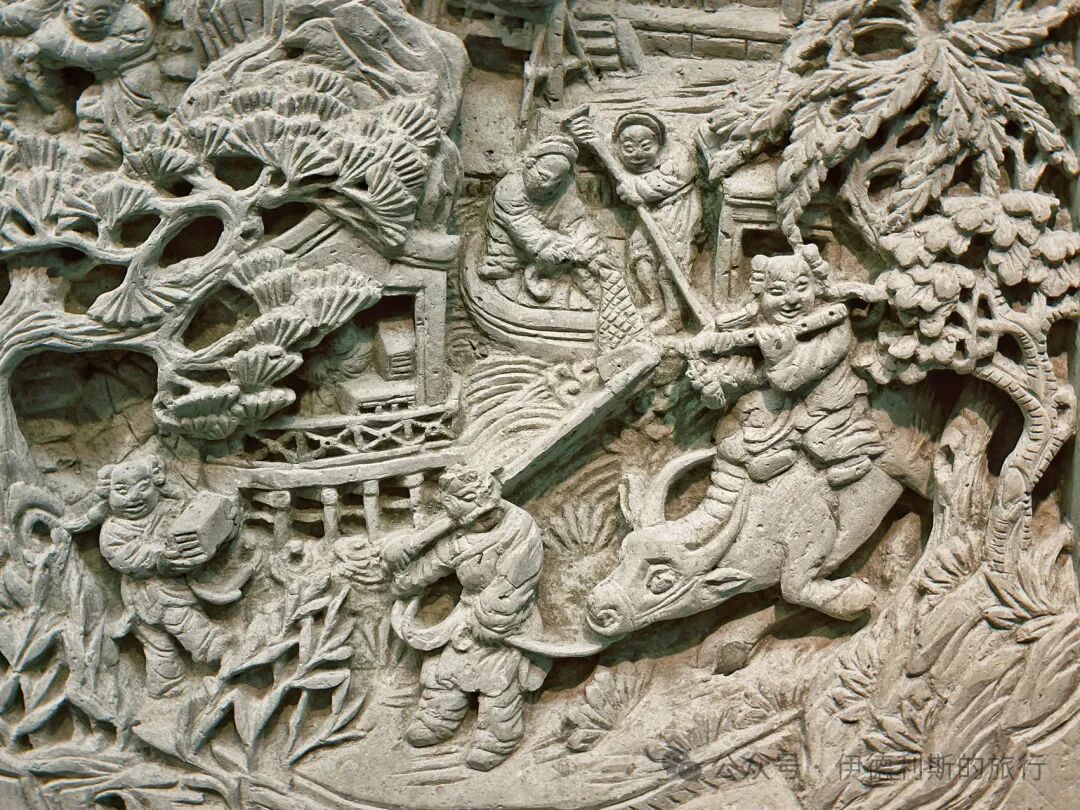
Fisherman, woodcutter, farmer, and scholar (yuqiaogengdu) carved by Liu Fengming.
Halal Travel Guide: Hui Muslim Paintings from the 1980s
Articles • ali2007fr posted the article • 0 comments • 128 views • 2026-05-20 08:14
Reposted from the web
Summary: A 1985 book of Hui Muslim calligraphy and painting offers a rare look at how Muslim life in China was drawn and remembered in the 1980s. This account keeps the artist names, artwork notes, and image order from the original post.
Yesterday at the China Bookstore in Dengshikou, Beijing, I found a copy of the 1985 book Collection of Chinese Muslim Calligraphy and Painting. I want to share some of the works from it with you.
The Holy Prophet's Horse (Zhisheng Xianma) was painted by Yang Zhaosan, a Hui Muslim from Lingyuan, Liaoning. He was the deputy editor-in-chief of the China Environment News.
The Prophet's Cave of Refuge (Musheng Binandong) was painted by Ma Zhaoren, a Hui Muslim from Beijing. He was an art designer at the Beijing Film Studio.
Friday Sermon (Zhuma Ri Xuanjiang) was painted by Ma Fanghua, a Hui Muslim from Lanzhou. She was an art editor for the Feitian monthly magazine at the Gansu Federation of Literary and Art Circles.
Niujie Mosque (Niujie Libaisi) was painted by Wu Biduan, a Hui Muslim from Nanjing. He was a professor and the head of the Printmaking Department at the Central Academy of Fine Arts.
Tongxin Mosque (Tongxin Qingzhensi) was painted by Ma Ying, a Hui Muslim from Tongxin, Ningxia. He was the director of the Tongxin County Cultural Center.
Lanzhou Floating Mosque (Lanzhou Shuishang Qingzhensi) was painted by Gao Zhiguo, a Hui Muslim from Lanzhou. He was a worker at the Gansu 3512 Factory.
Springtime at Niujie (Niujie Chunguang) was painted by Wang Daguan, a Hui Muslim from Beijing. He was an executive director of the China Railway Literary Association.
New Look of Shadian (Shadian Xinmao) was painted by Yan Fu, a specially invited painter for the Cultural Group of the Yunnan Provincial Committee of the CPPCC.
Visiting the Market (Guang Jishi) and Peace (Heping) were painted by Cheng Lian'ou, a Hui Muslim from Xinjiang, Shanxi. He was a labor union official at the Lanzhou Electric Power Repair and Manufacturing Plant.
Light Reflecting the Galaxy, Spirit Soaring to the Heavens (Guang Ying Xinghe Qi Chong Xiaohan) was painted by Sun Jingxiu, a professor at the Shandong University of Arts. view all
Summary: A 1985 book of Hui Muslim calligraphy and painting offers a rare look at how Muslim life in China was drawn and remembered in the 1980s. This account keeps the artist names, artwork notes, and image order from the original post.
Yesterday at the China Bookstore in Dengshikou, Beijing, I found a copy of the 1985 book Collection of Chinese Muslim Calligraphy and Painting. I want to share some of the works from it with you.
The Holy Prophet's Horse (Zhisheng Xianma) was painted by Yang Zhaosan, a Hui Muslim from Lingyuan, Liaoning. He was the deputy editor-in-chief of the China Environment News.
The Prophet's Cave of Refuge (Musheng Binandong) was painted by Ma Zhaoren, a Hui Muslim from Beijing. He was an art designer at the Beijing Film Studio.
Friday Sermon (Zhuma Ri Xuanjiang) was painted by Ma Fanghua, a Hui Muslim from Lanzhou. She was an art editor for the Feitian monthly magazine at the Gansu Federation of Literary and Art Circles.
Niujie Mosque (Niujie Libaisi) was painted by Wu Biduan, a Hui Muslim from Nanjing. He was a professor and the head of the Printmaking Department at the Central Academy of Fine Arts.
Tongxin Mosque (Tongxin Qingzhensi) was painted by Ma Ying, a Hui Muslim from Tongxin, Ningxia. He was the director of the Tongxin County Cultural Center.
Lanzhou Floating Mosque (Lanzhou Shuishang Qingzhensi) was painted by Gao Zhiguo, a Hui Muslim from Lanzhou. He was a worker at the Gansu 3512 Factory.
Springtime at Niujie (Niujie Chunguang) was painted by Wang Daguan, a Hui Muslim from Beijing. He was an executive director of the China Railway Literary Association.
New Look of Shadian (Shadian Xinmao) was painted by Yan Fu, a specially invited painter for the Cultural Group of the Yunnan Provincial Committee of the CPPCC.
Visiting the Market (Guang Jishi) and Peace (Heping) were painted by Cheng Lian'ou, a Hui Muslim from Xinjiang, Shanxi. He was a labor union official at the Lanzhou Electric Power Repair and Manufacturing Plant.
Light Reflecting the Galaxy, Spirit Soaring to the Heavens (Guang Ying Xinghe Qi Chong Xiaohan) was painted by Sun Jingxiu, a professor at the Shandong University of Arts. view all
Reposted from the web
Summary: A 1985 book of Hui Muslim calligraphy and painting offers a rare look at how Muslim life in China was drawn and remembered in the 1980s. This account keeps the artist names, artwork notes, and image order from the original post.
Yesterday at the China Bookstore in Dengshikou, Beijing, I found a copy of the 1985 book Collection of Chinese Muslim Calligraphy and Painting. I want to share some of the works from it with you.
The Holy Prophet's Horse (Zhisheng Xianma) was painted by Yang Zhaosan, a Hui Muslim from Lingyuan, Liaoning. He was the deputy editor-in-chief of the China Environment News.
The Prophet's Cave of Refuge (Musheng Binandong) was painted by Ma Zhaoren, a Hui Muslim from Beijing. He was an art designer at the Beijing Film Studio.
Friday Sermon (Zhuma Ri Xuanjiang) was painted by Ma Fanghua, a Hui Muslim from Lanzhou. She was an art editor for the Feitian monthly magazine at the Gansu Federation of Literary and Art Circles.
Niujie Mosque (Niujie Libaisi) was painted by Wu Biduan, a Hui Muslim from Nanjing. He was a professor and the head of the Printmaking Department at the Central Academy of Fine Arts.
Tongxin Mosque (Tongxin Qingzhensi) was painted by Ma Ying, a Hui Muslim from Tongxin, Ningxia. He was the director of the Tongxin County Cultural Center.
Lanzhou Floating Mosque (Lanzhou Shuishang Qingzhensi) was painted by Gao Zhiguo, a Hui Muslim from Lanzhou. He was a worker at the Gansu 3512 Factory.
Springtime at Niujie (Niujie Chunguang) was painted by Wang Daguan, a Hui Muslim from Beijing. He was an executive director of the China Railway Literary Association.
New Look of Shadian (Shadian Xinmao) was painted by Yan Fu, a specially invited painter for the Cultural Group of the Yunnan Provincial Committee of the CPPCC.
Visiting the Market (Guang Jishi) and Peace (Heping) were painted by Cheng Lian'ou, a Hui Muslim from Xinjiang, Shanxi. He was a labor union official at the Lanzhou Electric Power Repair and Manufacturing Plant.
Light Reflecting the Galaxy, Spirit Soaring to the Heavens (Guang Ying Xinghe Qi Chong Xiaohan) was painted by Sun Jingxiu, a professor at the Shandong University of Arts.
Summary: A 1985 book of Hui Muslim calligraphy and painting offers a rare look at how Muslim life in China was drawn and remembered in the 1980s. This account keeps the artist names, artwork notes, and image order from the original post.
Yesterday at the China Bookstore in Dengshikou, Beijing, I found a copy of the 1985 book Collection of Chinese Muslim Calligraphy and Painting. I want to share some of the works from it with you.
The Holy Prophet's Horse (Zhisheng Xianma) was painted by Yang Zhaosan, a Hui Muslim from Lingyuan, Liaoning. He was the deputy editor-in-chief of the China Environment News.
The Prophet's Cave of Refuge (Musheng Binandong) was painted by Ma Zhaoren, a Hui Muslim from Beijing. He was an art designer at the Beijing Film Studio.
Friday Sermon (Zhuma Ri Xuanjiang) was painted by Ma Fanghua, a Hui Muslim from Lanzhou. She was an art editor for the Feitian monthly magazine at the Gansu Federation of Literary and Art Circles.
Niujie Mosque (Niujie Libaisi) was painted by Wu Biduan, a Hui Muslim from Nanjing. He was a professor and the head of the Printmaking Department at the Central Academy of Fine Arts.
Tongxin Mosque (Tongxin Qingzhensi) was painted by Ma Ying, a Hui Muslim from Tongxin, Ningxia. He was the director of the Tongxin County Cultural Center.
Lanzhou Floating Mosque (Lanzhou Shuishang Qingzhensi) was painted by Gao Zhiguo, a Hui Muslim from Lanzhou. He was a worker at the Gansu 3512 Factory.
Springtime at Niujie (Niujie Chunguang) was painted by Wang Daguan, a Hui Muslim from Beijing. He was an executive director of the China Railway Literary Association.
New Look of Shadian (Shadian Xinmao) was painted by Yan Fu, a specially invited painter for the Cultural Group of the Yunnan Provincial Committee of the CPPCC.
Visiting the Market (Guang Jishi) and Peace (Heping) were painted by Cheng Lian'ou, a Hui Muslim from Xinjiang, Shanxi. He was a labor union official at the Lanzhou Electric Power Repair and Manufacturing Plant.
Light Reflecting the Galaxy, Spirit Soaring to the Heavens (Guang Ying Xinghe Qi Chong Xiaohan) was painted by Sun Jingxiu, a professor at the Shandong University of Arts.
Islamic Art Guide: Tianjin Hui Muslim Brick Carvings - Ma Family and Liu
Articles • ali2007fr posted the article • 0 comments • 144 views • 2026-05-19 22:19
Reposted from the web
Summary: This article introduces the refined brick carvings of the Hui Muslim Ma family and Liu brick-carving tradition from Tianjin's Northwest Corner. It keeps the original artisan names, exhibition details, photographs, and cultural background for readers interested in Hui Muslim craftsmanship.
The Tianjin Museum displays exquisite brick carvings by the Hui Muslim families known as the 'Fancy Work Ma Family' (Huahuo Majia) and 'Brick Carver Liu' (Kezhuan Liu) from the Northwest Corner.
During the Jiaqing and Daoguang periods of the Qing Dynasty, wealthy merchants like the 'Eight Great Families' of Tianjin built many homes, leading to higher demands for fine brick carvings. During the Daoguang period, a Hui Muslim mason from the Northwest Corner named Ma Shunqing focused on brick carving techniques, known in the trade as 'fancy work' (huahuo), and gradually developed Tianjin brick carving into an independent form of arts and crafts. He created the 'brick-pasting method' (tiezhuan fa), which uses an adhesive made of rosin and yellow wax to attach small bricks onto a brick surface, giving the carvings clear layers for near, middle, and far views.
While creating his own carvings, Ma Shunqing trained a professional team of Hui Muslim brick carvers known as the 'Fancy Work Ma Family' (Huahuo Majia), which included his sons Ma Shaode and Ma Shaoqing, and apprentices like Mu Chenglin and He Baotian. Ma Shaode kept his father's techniques while adding his own style, and Ma Shaoqing further developed the brick-pasting method; both became famous brick carving masters in Tianjin.
During the Republic of China era, Ma Shunqing's grandson Liu Fengming became the standout of the third generation of the 'Fancy Work Ma Family' and was known as 'Brick Carver Liu' (Kezhuan Liu). Liu Fengming began learning brick carving from his grandfather Ma Shunqing and uncle Ma Shaoqing at age 15; his work is rich in content, bold in spirit, and features delicate, skilled knife work that is very artistic. Liu Fengming evolved Ma Shunqing's original method of pasting a single brick into a 'stack-pasting method' (duitie fa) that pastes multiple bricks as needed, making the images more three-dimensional and realistic.
Peonies carved by Ma Shunqing.
Flowers and birds carved by Ma Shaoqing.
The 'Four Loves' (Si'ai Tu) carved by Liu Fengming, featuring Wang Xizhi loving geese, Tao Yuanming loving chrysanthemums, Lin Hejing, and Zhou Dunyi loving lotus flowers.
Flowers and birds carved by Liu Fengming.
Fisherman, woodcutter, farmer, and scholar (yuqiaogengdu) carved by Liu Fengming. view all
Summary: This article introduces the refined brick carvings of the Hui Muslim Ma family and Liu brick-carving tradition from Tianjin's Northwest Corner. It keeps the original artisan names, exhibition details, photographs, and cultural background for readers interested in Hui Muslim craftsmanship.
The Tianjin Museum displays exquisite brick carvings by the Hui Muslim families known as the 'Fancy Work Ma Family' (Huahuo Majia) and 'Brick Carver Liu' (Kezhuan Liu) from the Northwest Corner.
During the Jiaqing and Daoguang periods of the Qing Dynasty, wealthy merchants like the 'Eight Great Families' of Tianjin built many homes, leading to higher demands for fine brick carvings. During the Daoguang period, a Hui Muslim mason from the Northwest Corner named Ma Shunqing focused on brick carving techniques, known in the trade as 'fancy work' (huahuo), and gradually developed Tianjin brick carving into an independent form of arts and crafts. He created the 'brick-pasting method' (tiezhuan fa), which uses an adhesive made of rosin and yellow wax to attach small bricks onto a brick surface, giving the carvings clear layers for near, middle, and far views.
While creating his own carvings, Ma Shunqing trained a professional team of Hui Muslim brick carvers known as the 'Fancy Work Ma Family' (Huahuo Majia), which included his sons Ma Shaode and Ma Shaoqing, and apprentices like Mu Chenglin and He Baotian. Ma Shaode kept his father's techniques while adding his own style, and Ma Shaoqing further developed the brick-pasting method; both became famous brick carving masters in Tianjin.
During the Republic of China era, Ma Shunqing's grandson Liu Fengming became the standout of the third generation of the 'Fancy Work Ma Family' and was known as 'Brick Carver Liu' (Kezhuan Liu). Liu Fengming began learning brick carving from his grandfather Ma Shunqing and uncle Ma Shaoqing at age 15; his work is rich in content, bold in spirit, and features delicate, skilled knife work that is very artistic. Liu Fengming evolved Ma Shunqing's original method of pasting a single brick into a 'stack-pasting method' (duitie fa) that pastes multiple bricks as needed, making the images more three-dimensional and realistic.
Peonies carved by Ma Shunqing.
Flowers and birds carved by Ma Shaoqing.
The 'Four Loves' (Si'ai Tu) carved by Liu Fengming, featuring Wang Xizhi loving geese, Tao Yuanming loving chrysanthemums, Lin Hejing, and Zhou Dunyi loving lotus flowers.
Flowers and birds carved by Liu Fengming.
Fisherman, woodcutter, farmer, and scholar (yuqiaogengdu) carved by Liu Fengming. view all
Reposted from the web
Summary: This article introduces the refined brick carvings of the Hui Muslim Ma family and Liu brick-carving tradition from Tianjin's Northwest Corner. It keeps the original artisan names, exhibition details, photographs, and cultural background for readers interested in Hui Muslim craftsmanship.
The Tianjin Museum displays exquisite brick carvings by the Hui Muslim families known as the 'Fancy Work Ma Family' (Huahuo Majia) and 'Brick Carver Liu' (Kezhuan Liu) from the Northwest Corner.
During the Jiaqing and Daoguang periods of the Qing Dynasty, wealthy merchants like the 'Eight Great Families' of Tianjin built many homes, leading to higher demands for fine brick carvings. During the Daoguang period, a Hui Muslim mason from the Northwest Corner named Ma Shunqing focused on brick carving techniques, known in the trade as 'fancy work' (huahuo), and gradually developed Tianjin brick carving into an independent form of arts and crafts. He created the 'brick-pasting method' (tiezhuan fa), which uses an adhesive made of rosin and yellow wax to attach small bricks onto a brick surface, giving the carvings clear layers for near, middle, and far views.
While creating his own carvings, Ma Shunqing trained a professional team of Hui Muslim brick carvers known as the 'Fancy Work Ma Family' (Huahuo Majia), which included his sons Ma Shaode and Ma Shaoqing, and apprentices like Mu Chenglin and He Baotian. Ma Shaode kept his father's techniques while adding his own style, and Ma Shaoqing further developed the brick-pasting method; both became famous brick carving masters in Tianjin.
During the Republic of China era, Ma Shunqing's grandson Liu Fengming became the standout of the third generation of the 'Fancy Work Ma Family' and was known as 'Brick Carver Liu' (Kezhuan Liu). Liu Fengming began learning brick carving from his grandfather Ma Shunqing and uncle Ma Shaoqing at age 15; his work is rich in content, bold in spirit, and features delicate, skilled knife work that is very artistic. Liu Fengming evolved Ma Shunqing's original method of pasting a single brick into a 'stack-pasting method' (duitie fa) that pastes multiple bricks as needed, making the images more three-dimensional and realistic.
Peonies carved by Ma Shunqing.
Flowers and birds carved by Ma Shaoqing.
The 'Four Loves' (Si'ai Tu) carved by Liu Fengming, featuring Wang Xizhi loving geese, Tao Yuanming loving chrysanthemums, Lin Hejing, and Zhou Dunyi loving lotus flowers.
Flowers and birds carved by Liu Fengming.
Fisherman, woodcutter, farmer, and scholar (yuqiaogengdu) carved by Liu Fengming.
Summary: This article introduces the refined brick carvings of the Hui Muslim Ma family and Liu brick-carving tradition from Tianjin's Northwest Corner. It keeps the original artisan names, exhibition details, photographs, and cultural background for readers interested in Hui Muslim craftsmanship.
The Tianjin Museum displays exquisite brick carvings by the Hui Muslim families known as the 'Fancy Work Ma Family' (Huahuo Majia) and 'Brick Carver Liu' (Kezhuan Liu) from the Northwest Corner.
During the Jiaqing and Daoguang periods of the Qing Dynasty, wealthy merchants like the 'Eight Great Families' of Tianjin built many homes, leading to higher demands for fine brick carvings. During the Daoguang period, a Hui Muslim mason from the Northwest Corner named Ma Shunqing focused on brick carving techniques, known in the trade as 'fancy work' (huahuo), and gradually developed Tianjin brick carving into an independent form of arts and crafts. He created the 'brick-pasting method' (tiezhuan fa), which uses an adhesive made of rosin and yellow wax to attach small bricks onto a brick surface, giving the carvings clear layers for near, middle, and far views.
While creating his own carvings, Ma Shunqing trained a professional team of Hui Muslim brick carvers known as the 'Fancy Work Ma Family' (Huahuo Majia), which included his sons Ma Shaode and Ma Shaoqing, and apprentices like Mu Chenglin and He Baotian. Ma Shaode kept his father's techniques while adding his own style, and Ma Shaoqing further developed the brick-pasting method; both became famous brick carving masters in Tianjin.
During the Republic of China era, Ma Shunqing's grandson Liu Fengming became the standout of the third generation of the 'Fancy Work Ma Family' and was known as 'Brick Carver Liu' (Kezhuan Liu). Liu Fengming began learning brick carving from his grandfather Ma Shunqing and uncle Ma Shaoqing at age 15; his work is rich in content, bold in spirit, and features delicate, skilled knife work that is very artistic. Liu Fengming evolved Ma Shunqing's original method of pasting a single brick into a 'stack-pasting method' (duitie fa) that pastes multiple bricks as needed, making the images more three-dimensional and realistic.
Peonies carved by Ma Shunqing.
Flowers and birds carved by Ma Shaoqing.
The 'Four Loves' (Si'ai Tu) carved by Liu Fengming, featuring Wang Xizhi loving geese, Tao Yuanming loving chrysanthemums, Lin Hejing, and Zhou Dunyi loving lotus flowers.
Flowers and birds carved by Liu Fengming.
Fisherman, woodcutter, farmer, and scholar (yuqiaogengdu) carved by Liu Fengming.